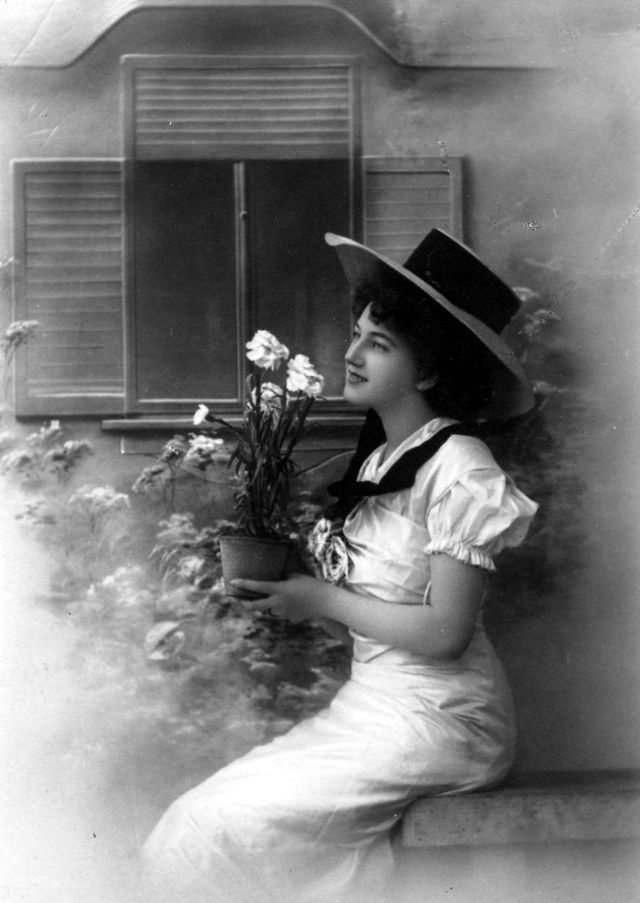
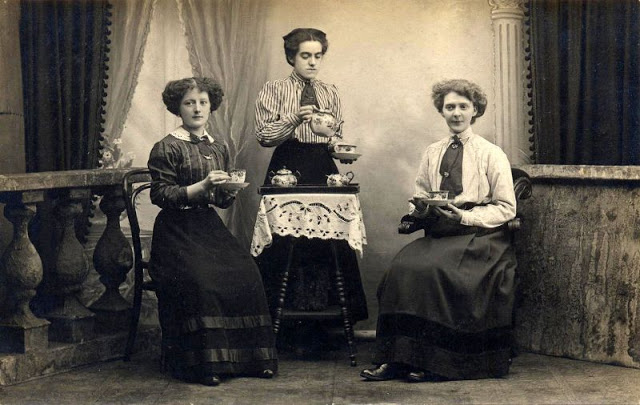
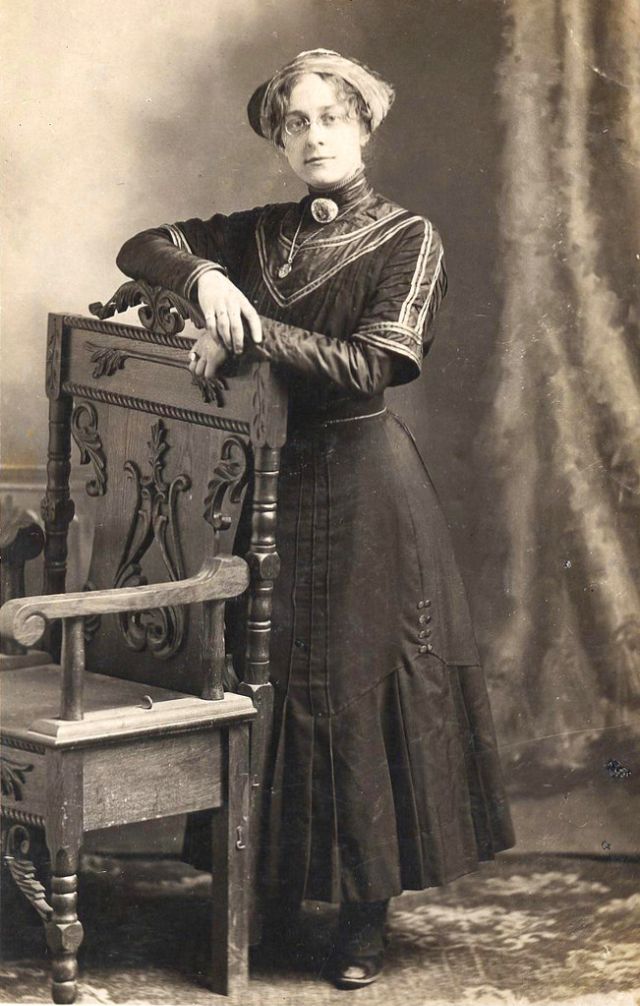
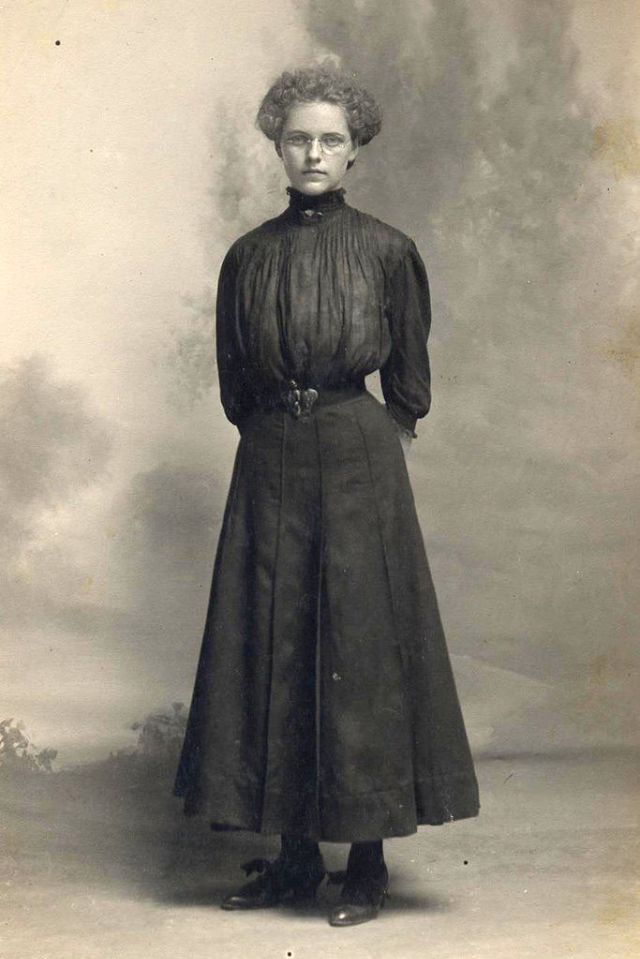
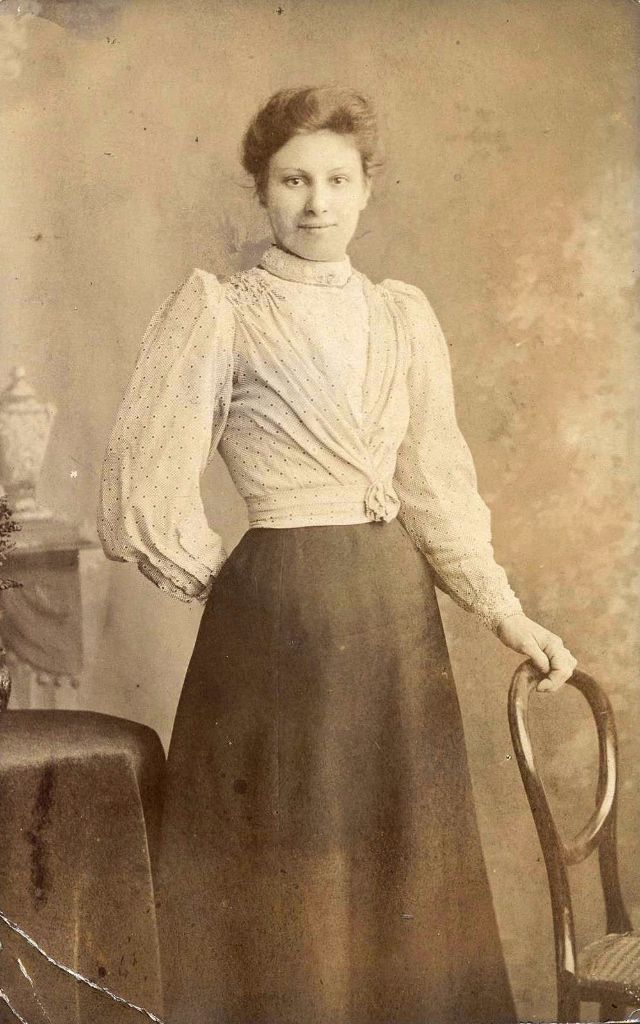
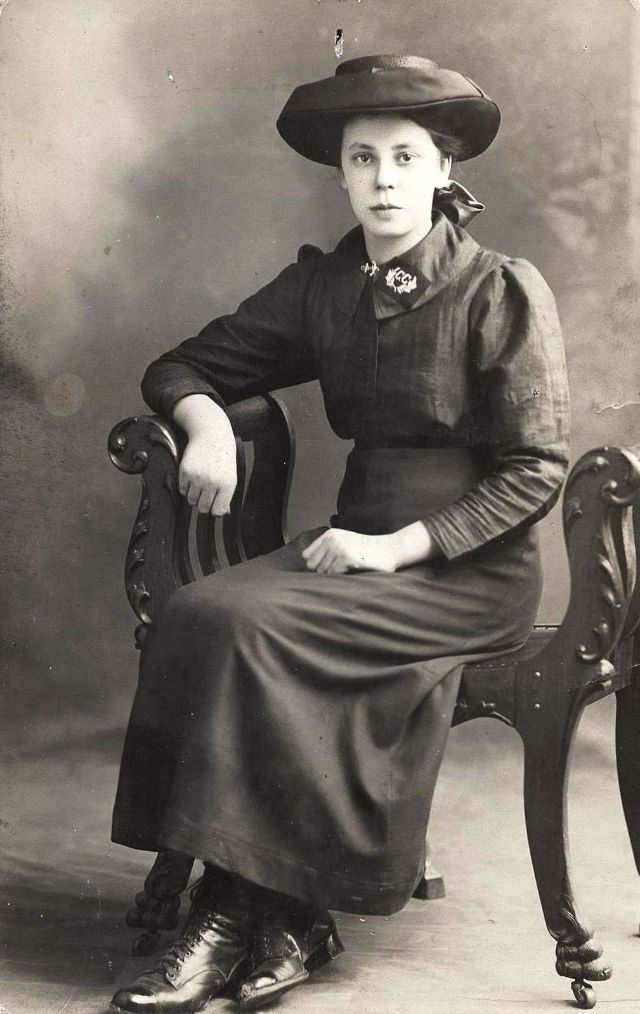
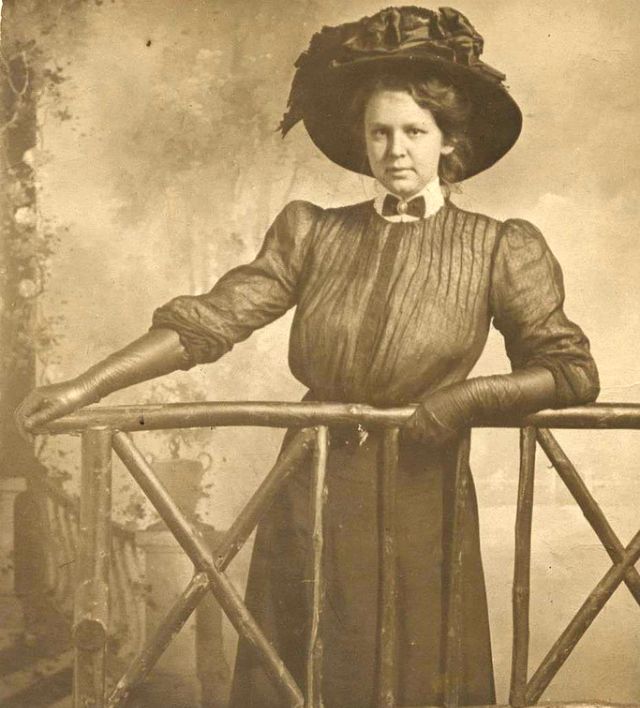
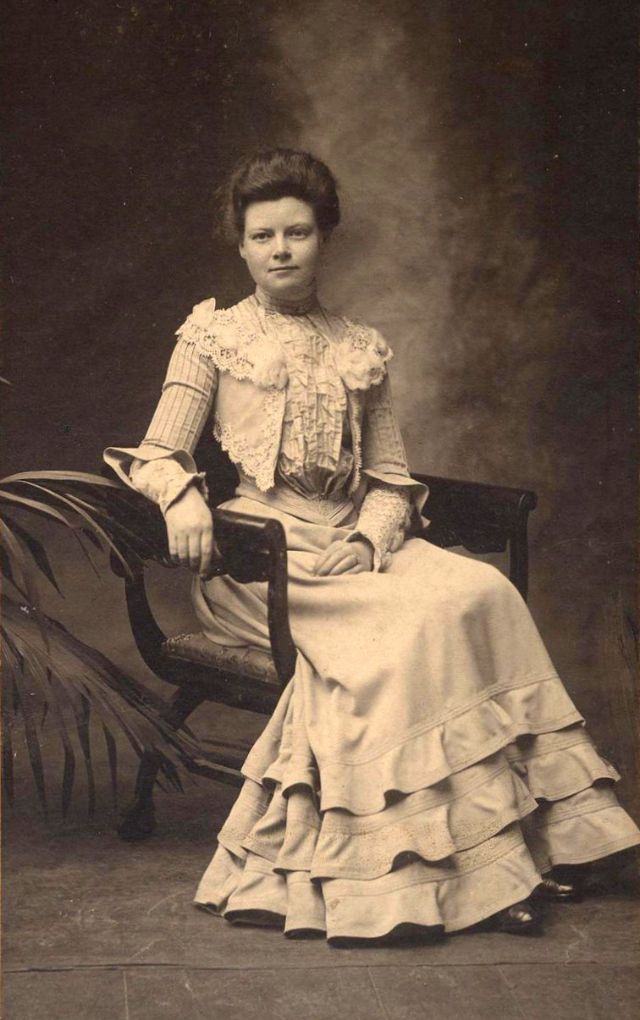
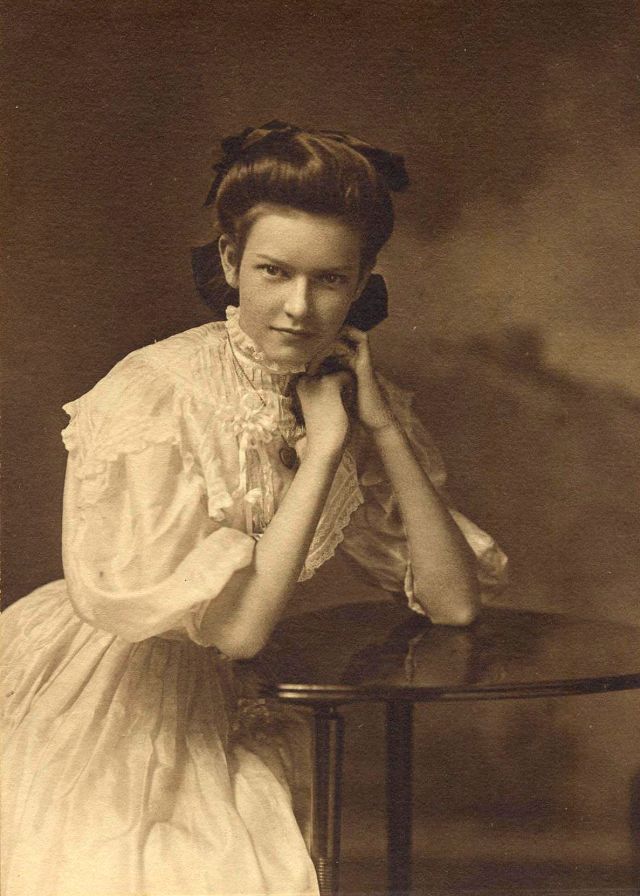
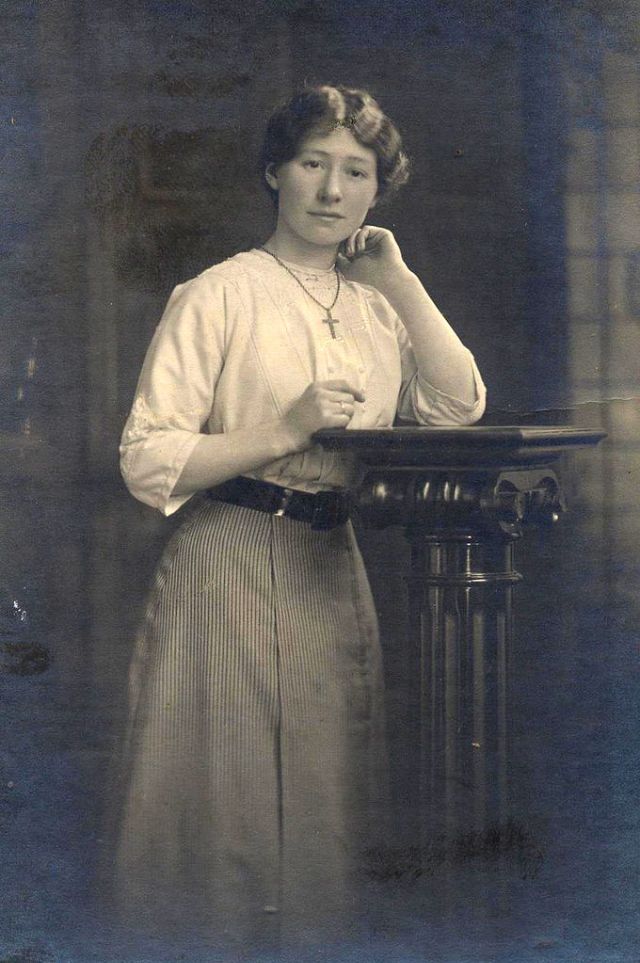
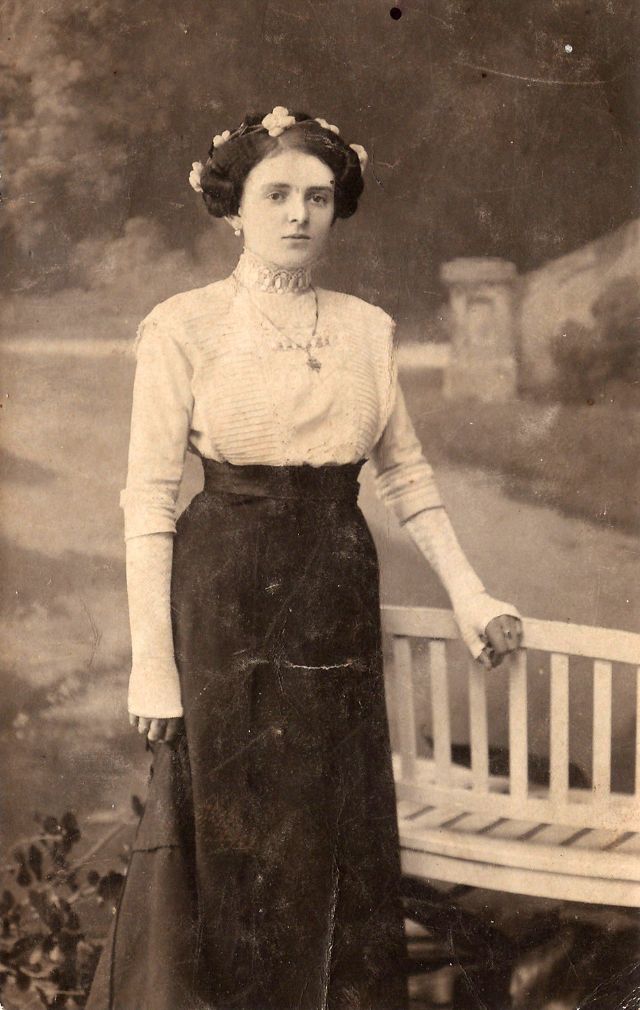
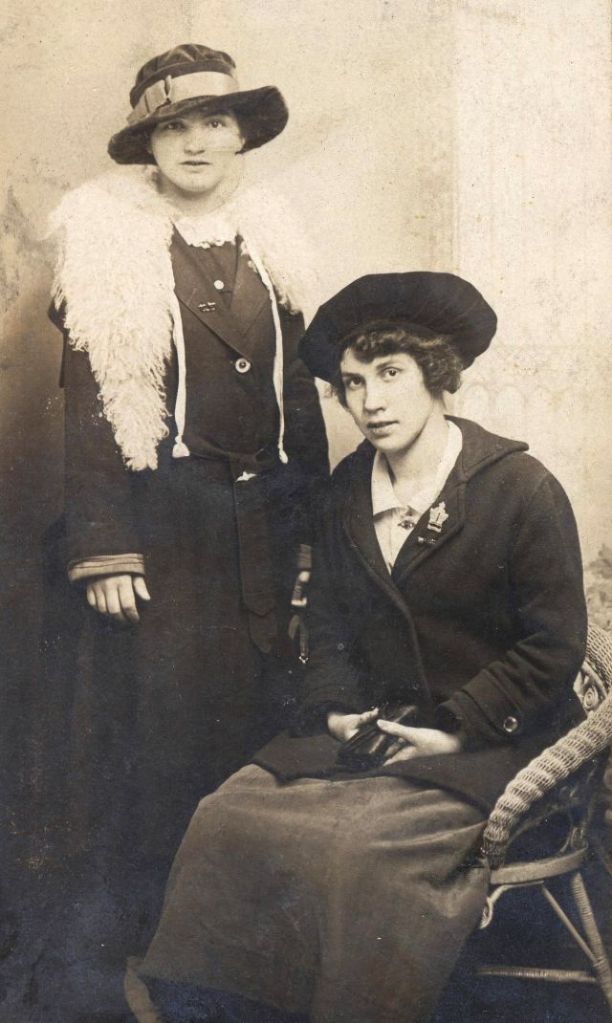
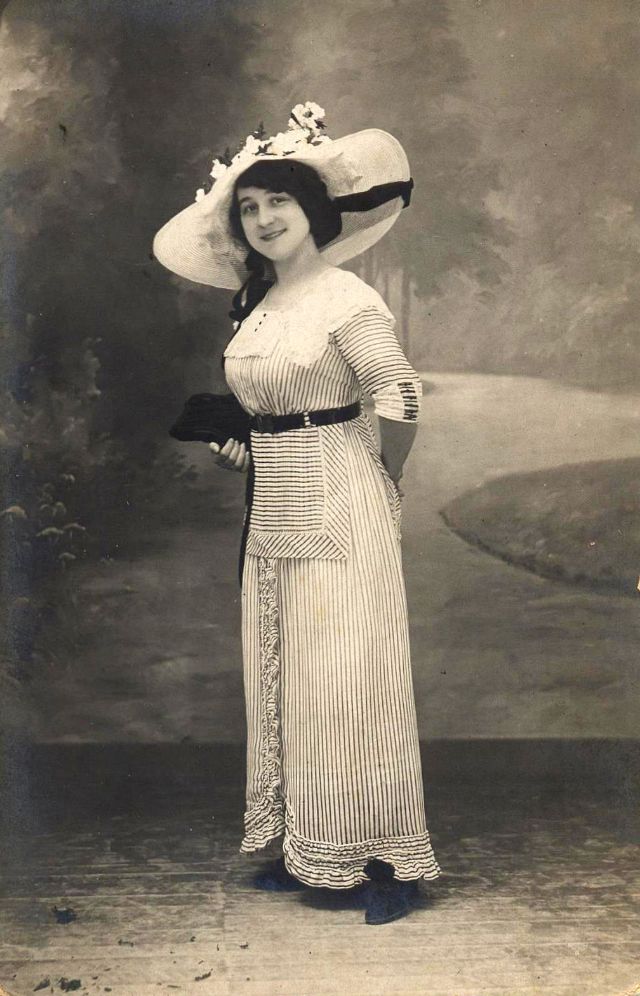
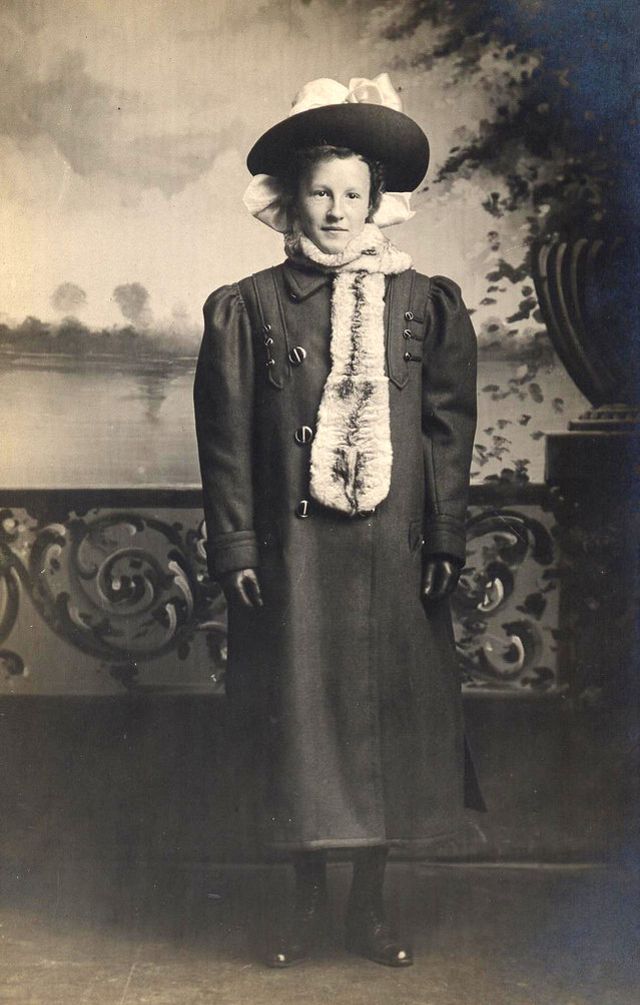
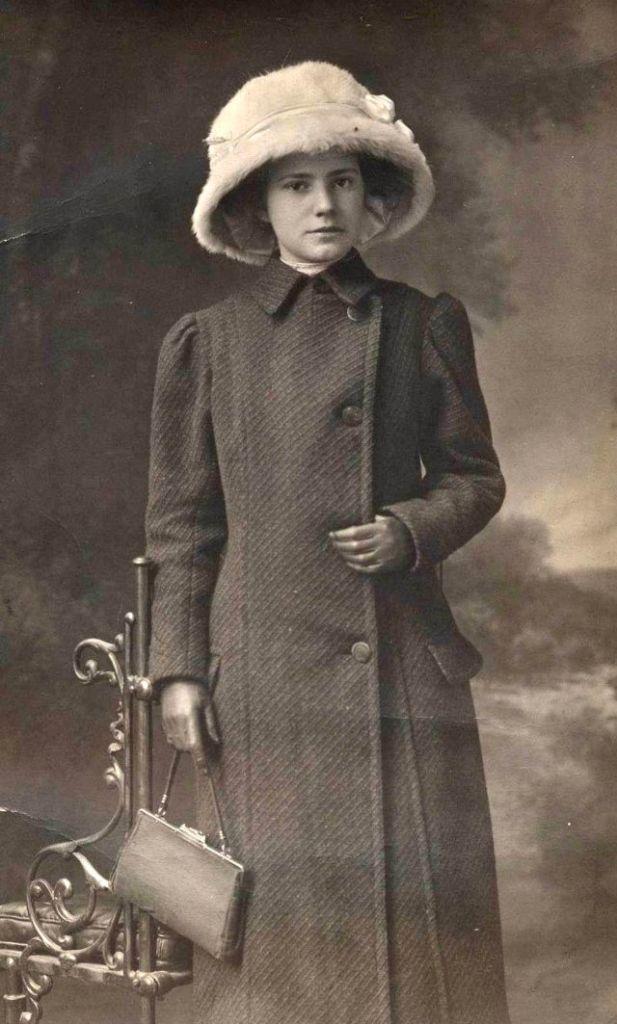
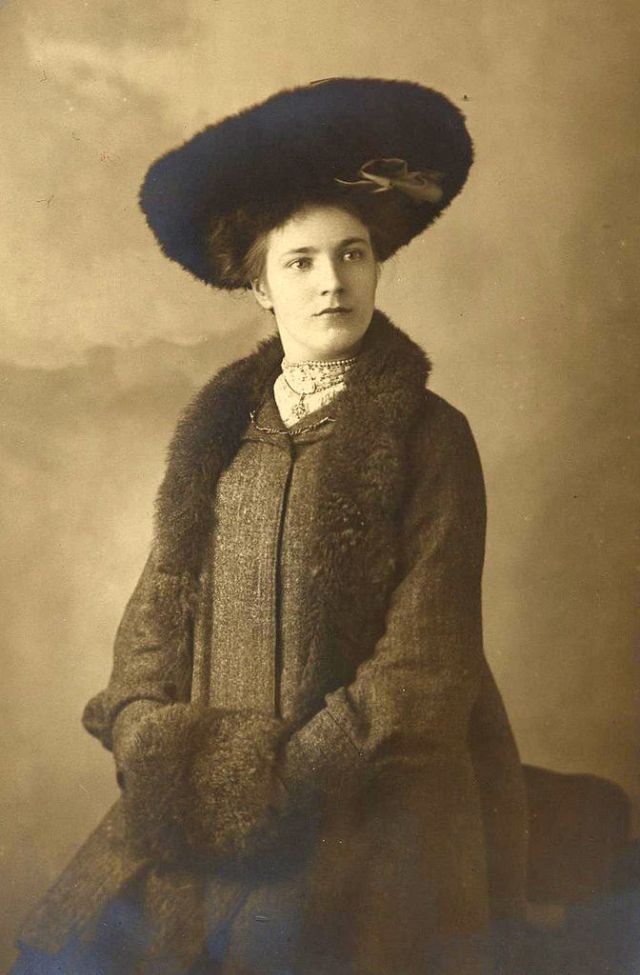
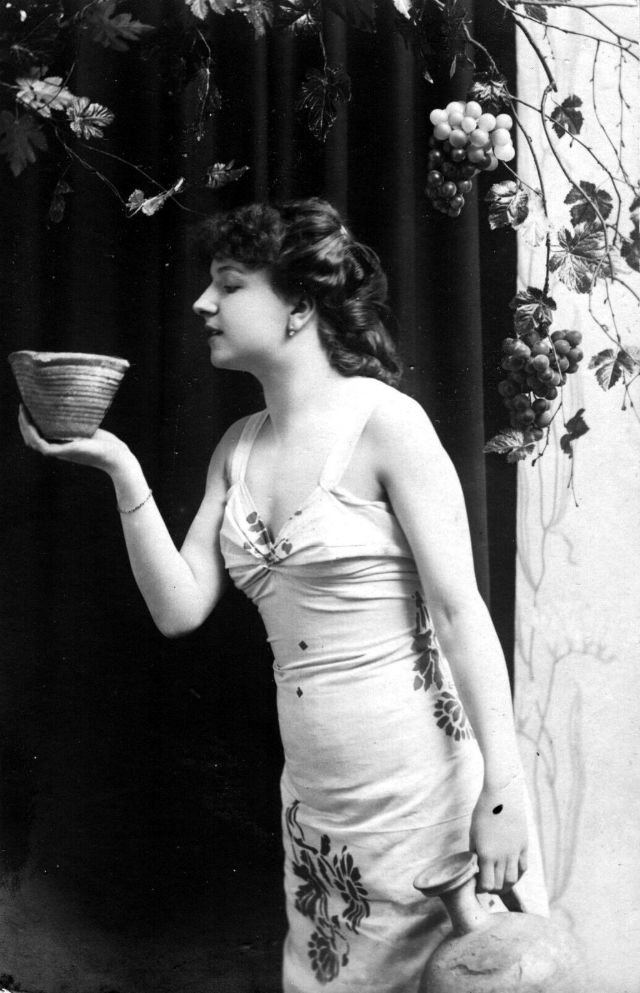
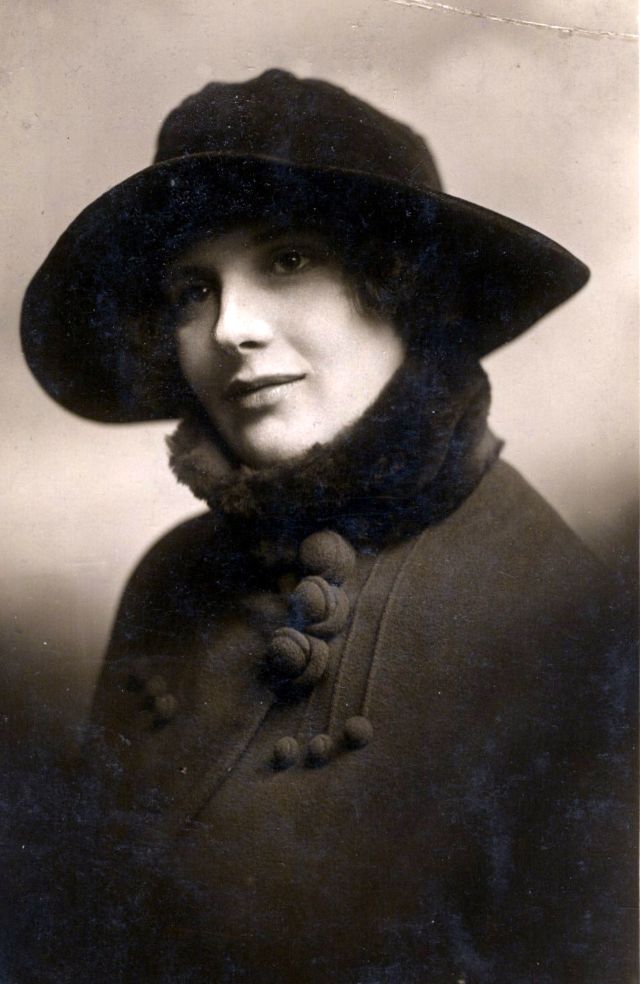
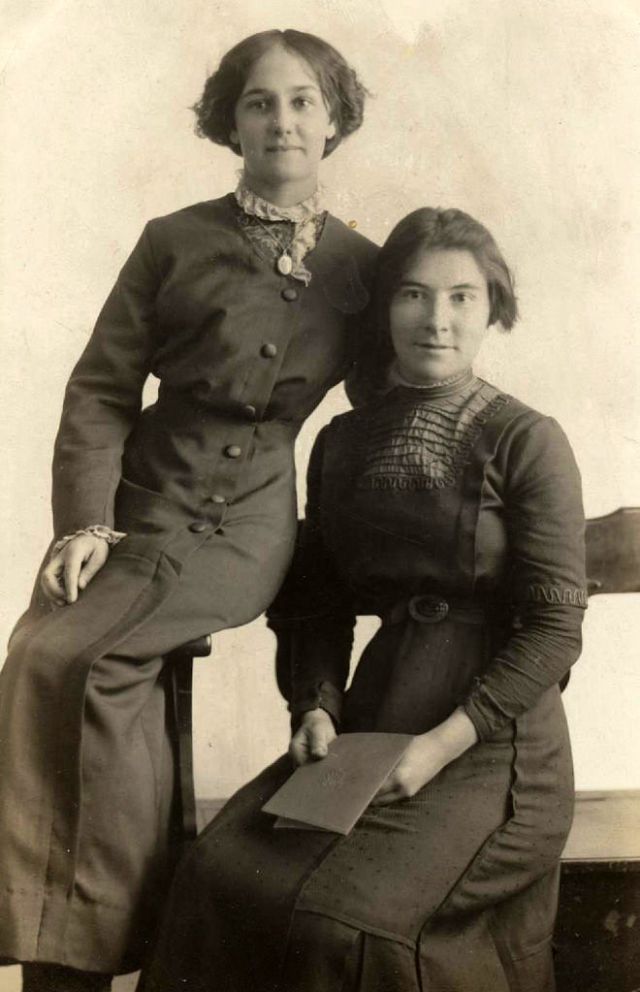
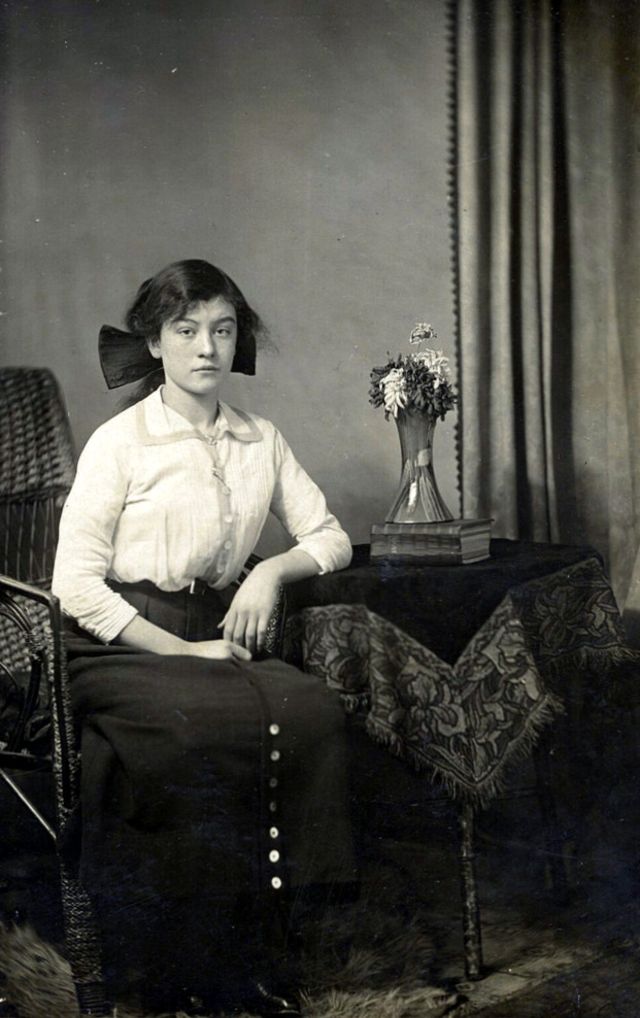
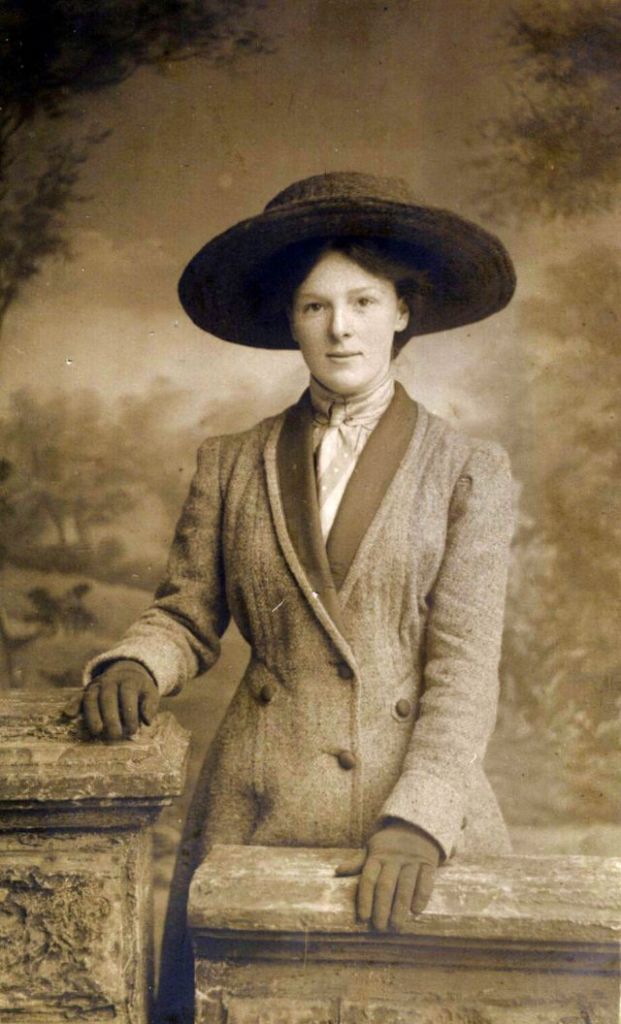
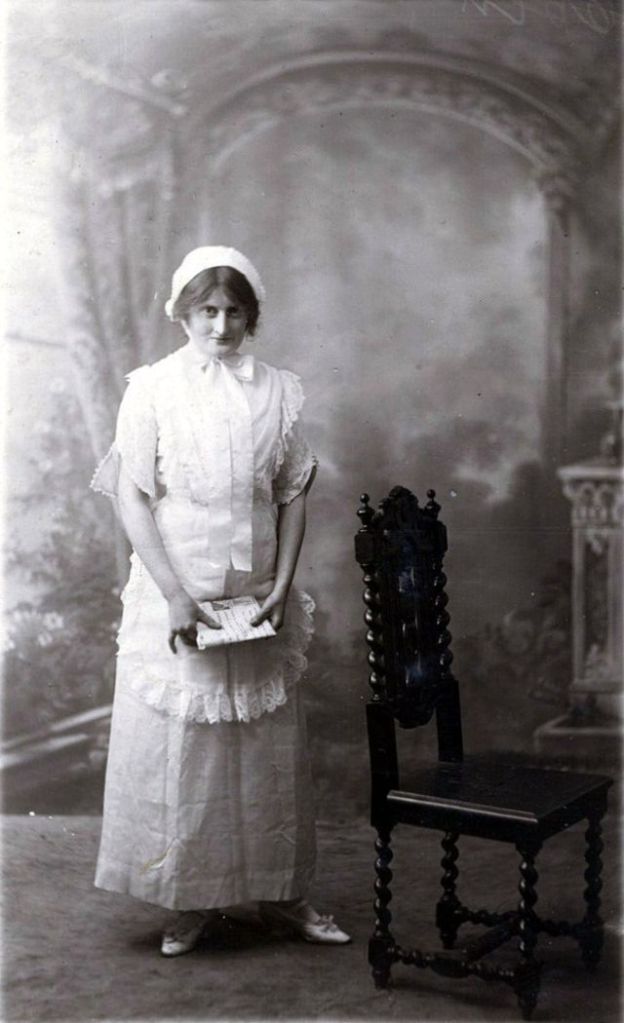
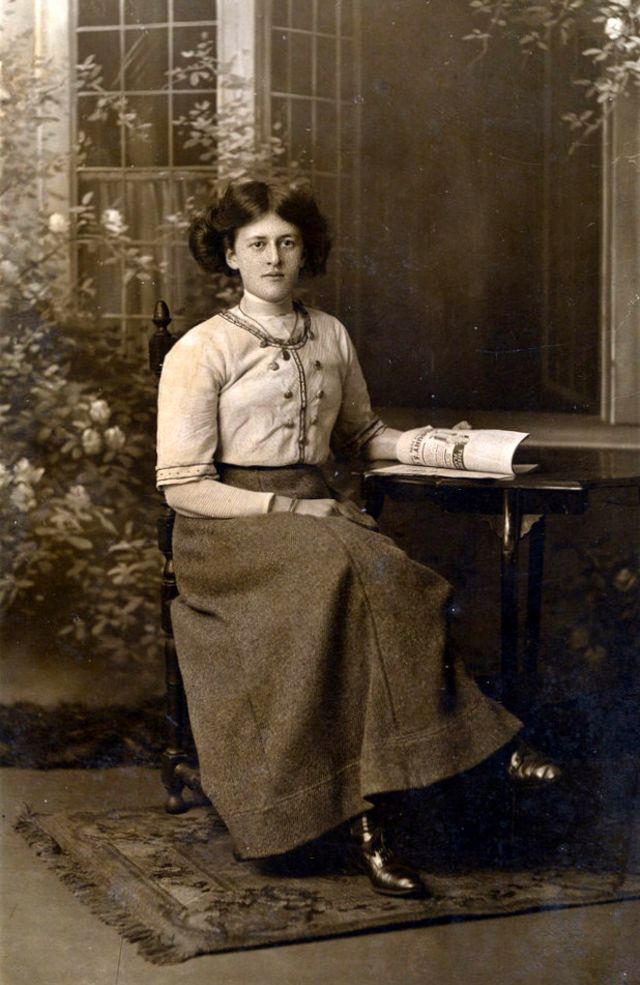
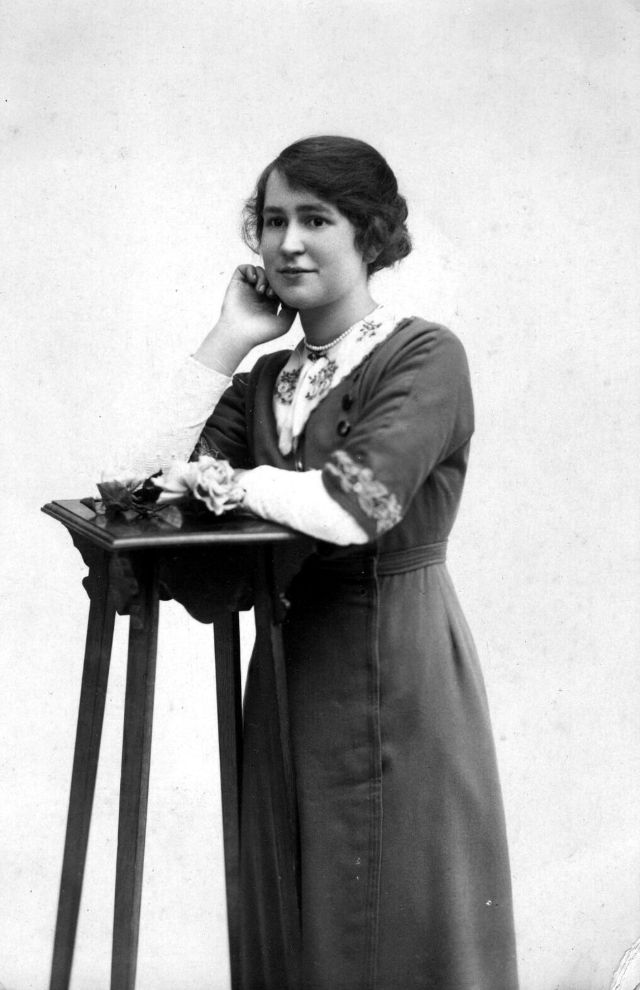
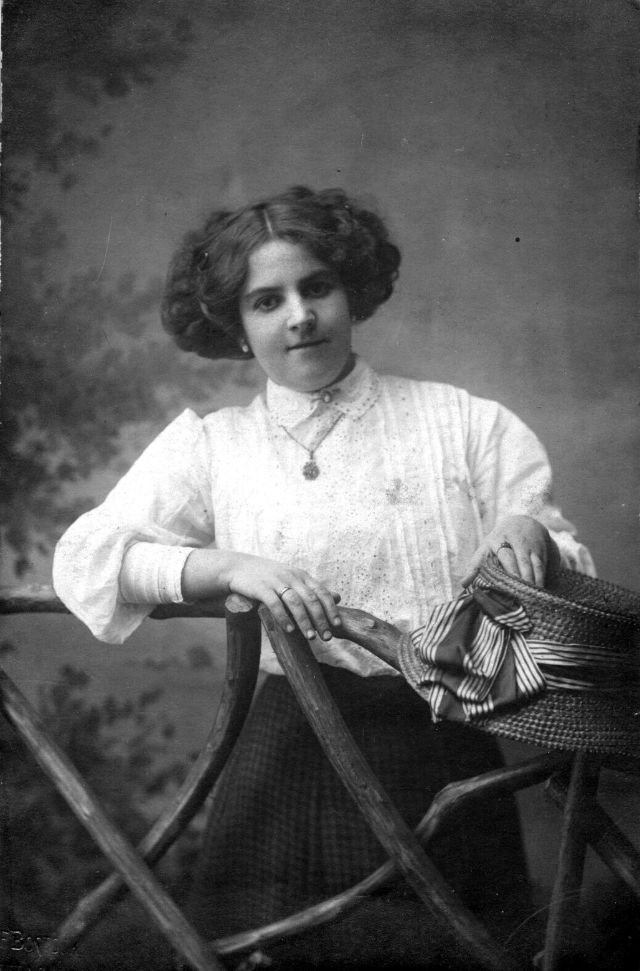
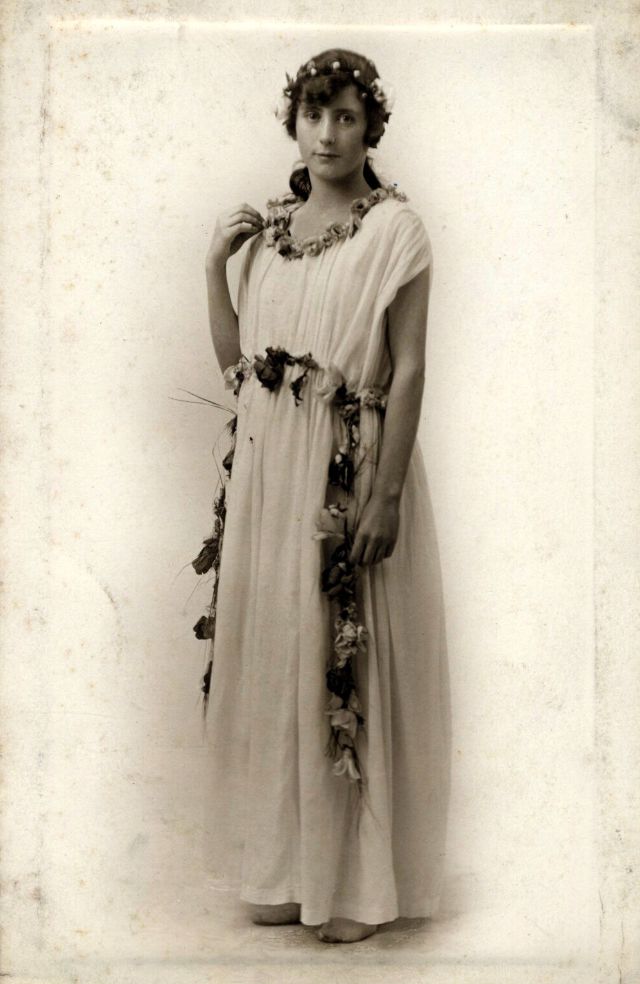
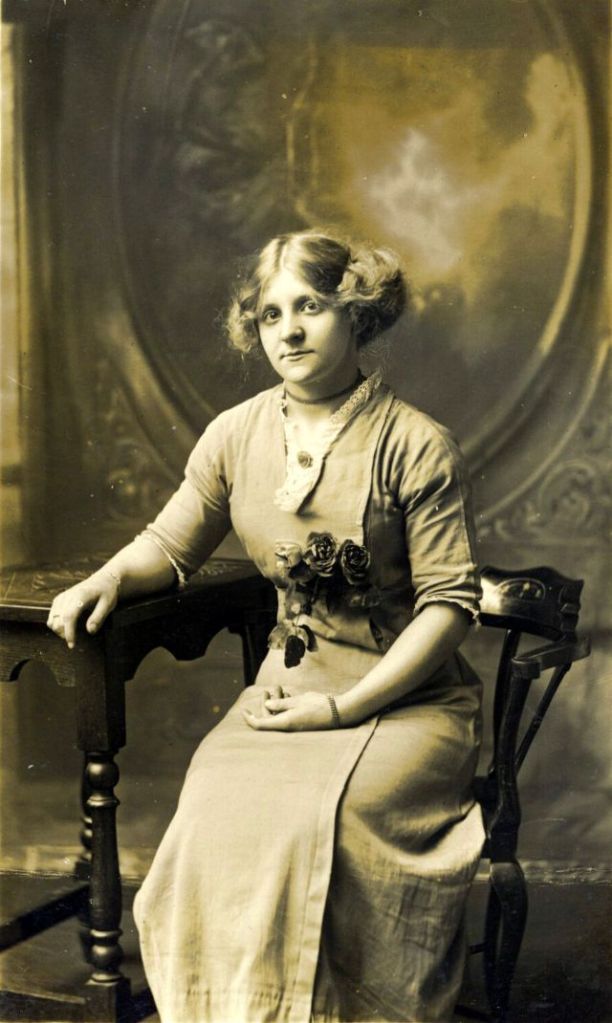
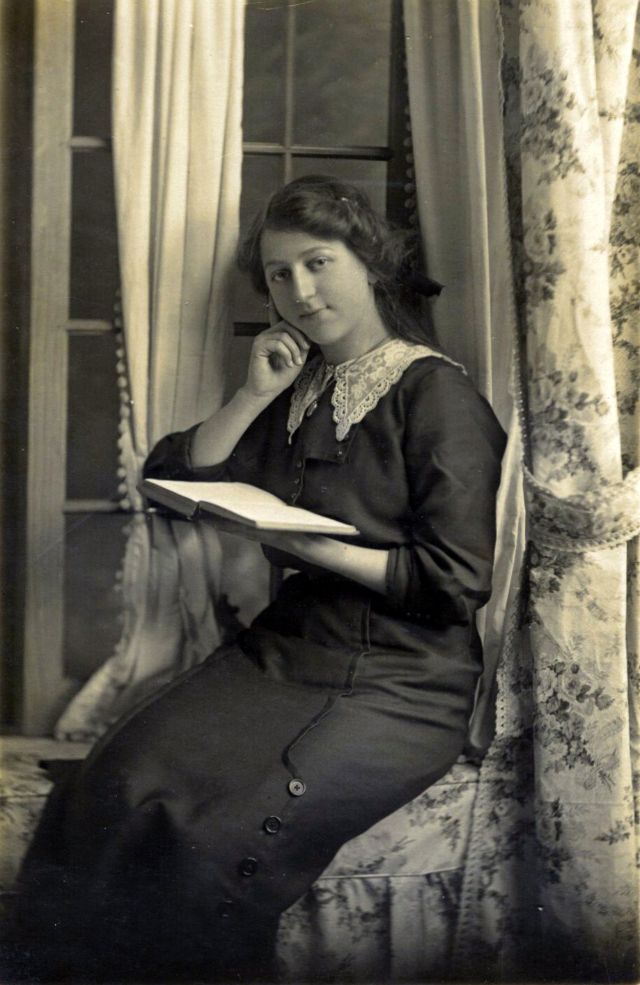
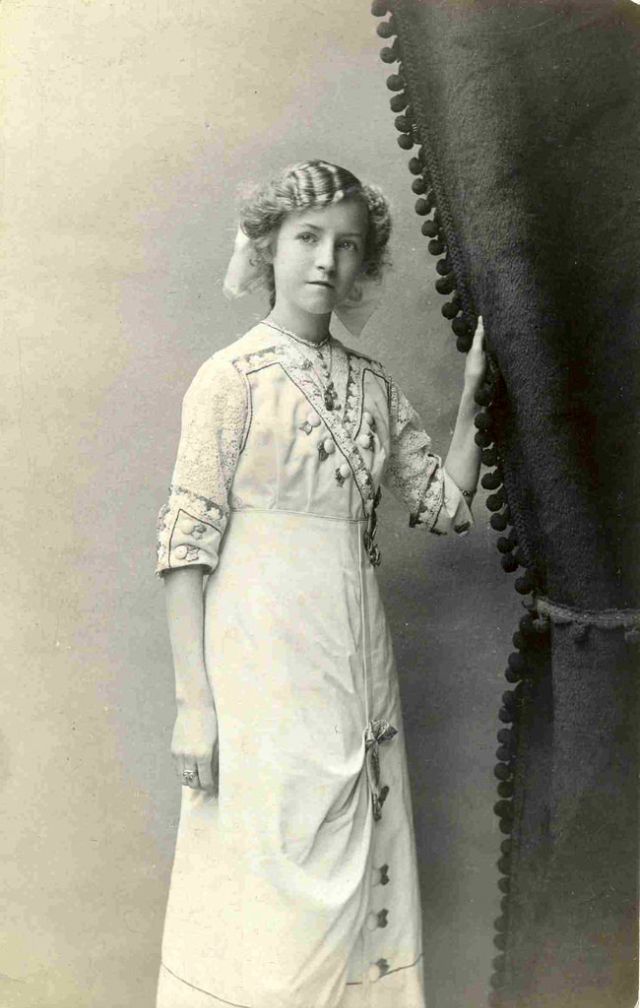
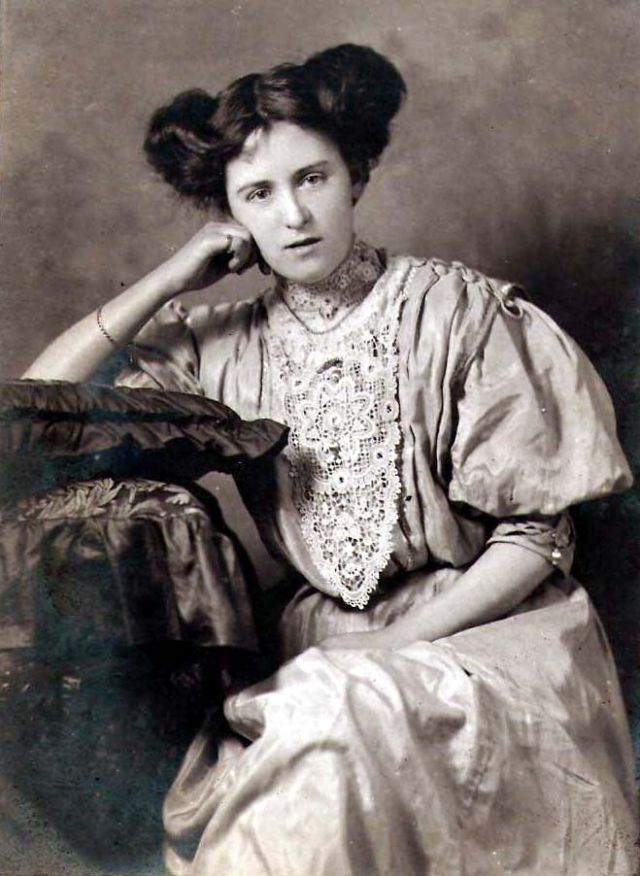
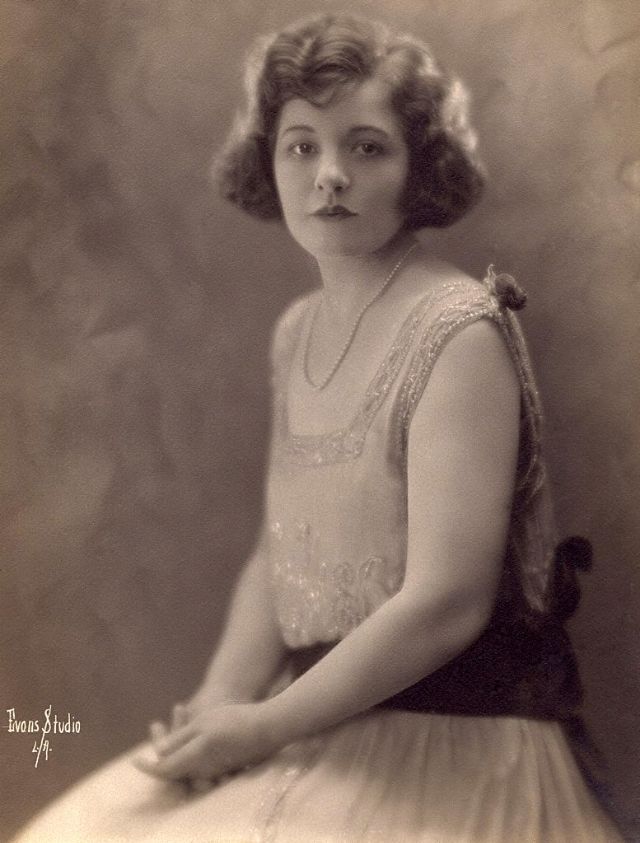
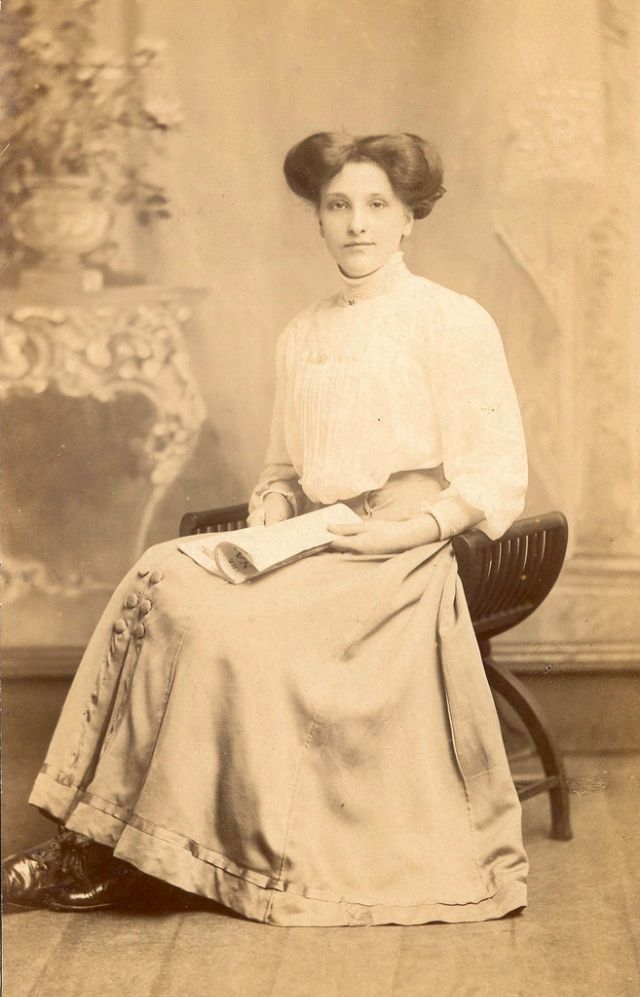
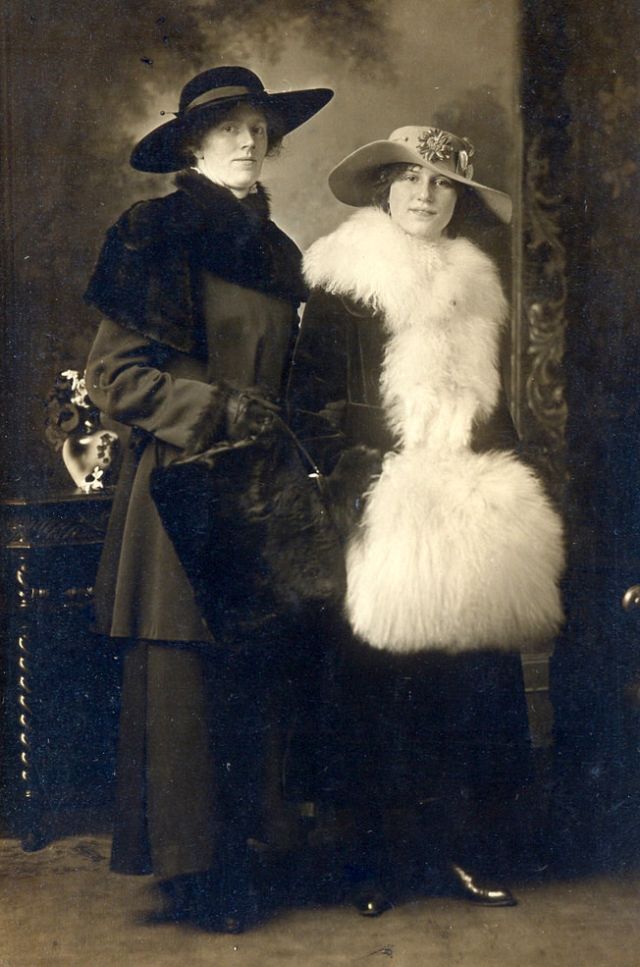
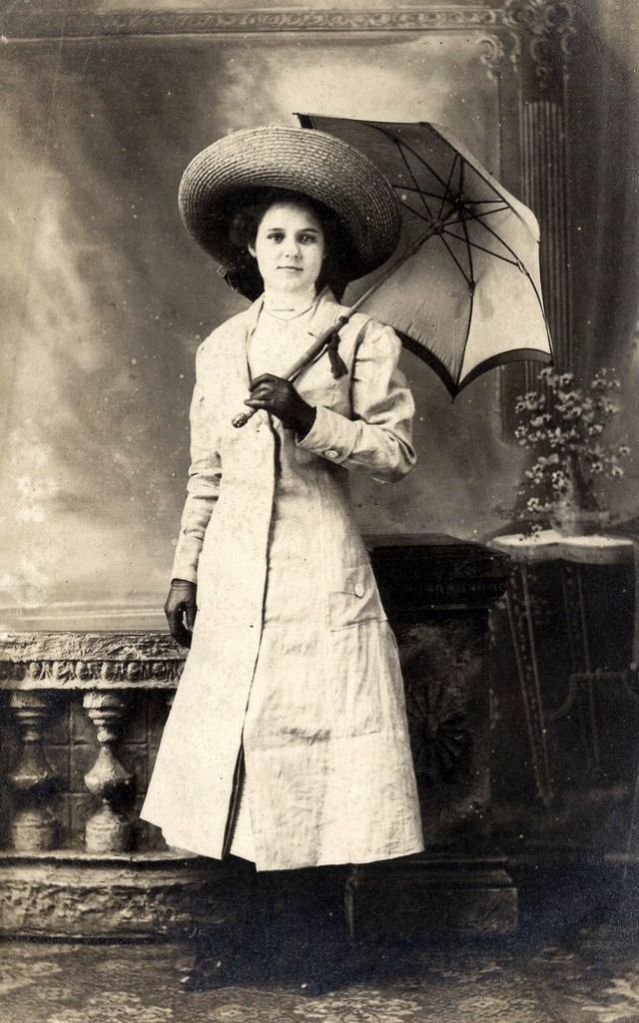
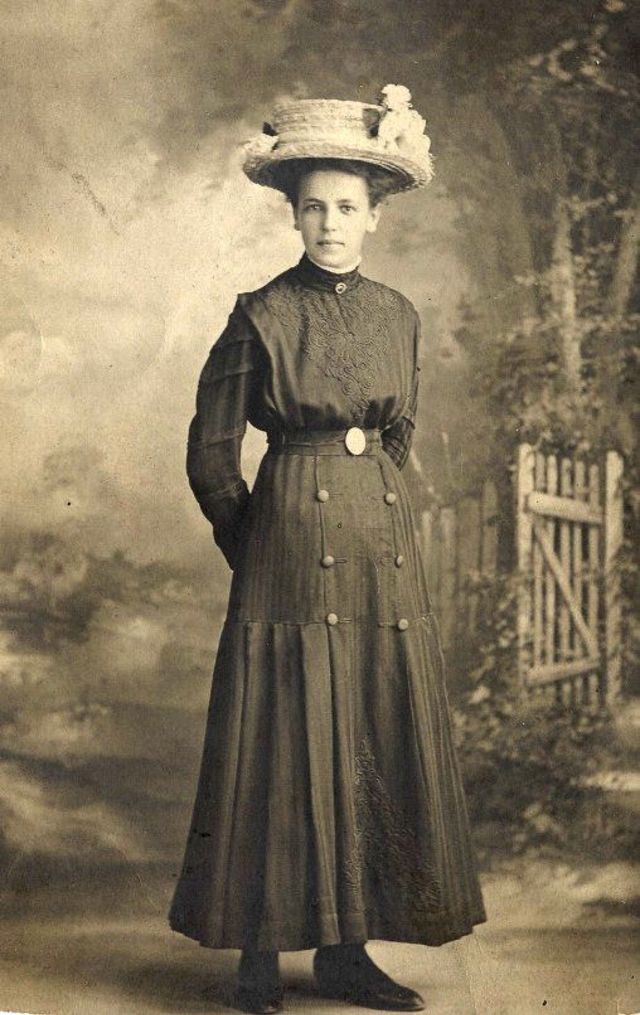
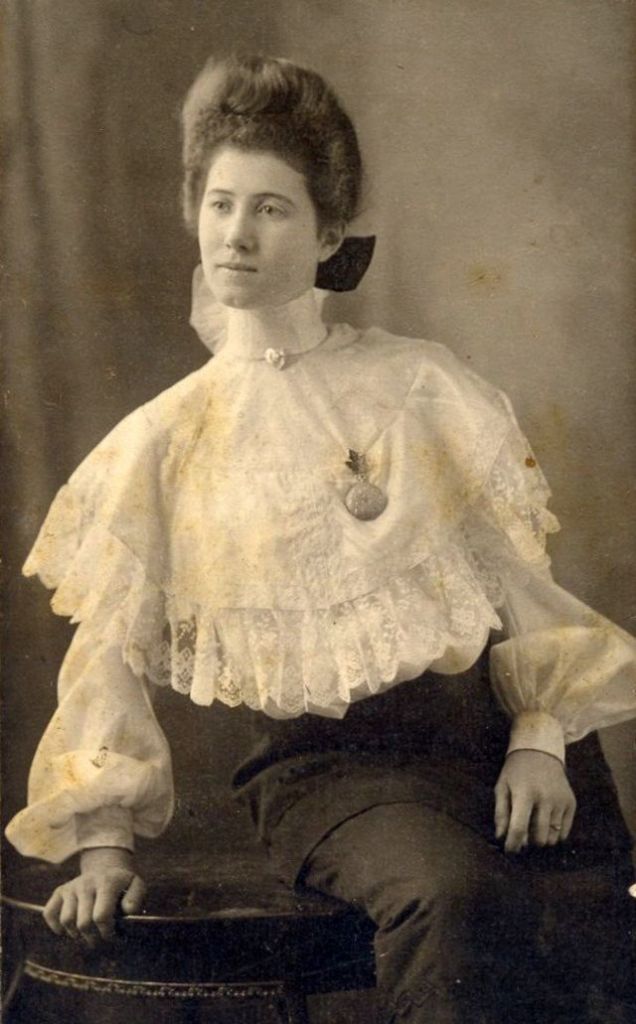
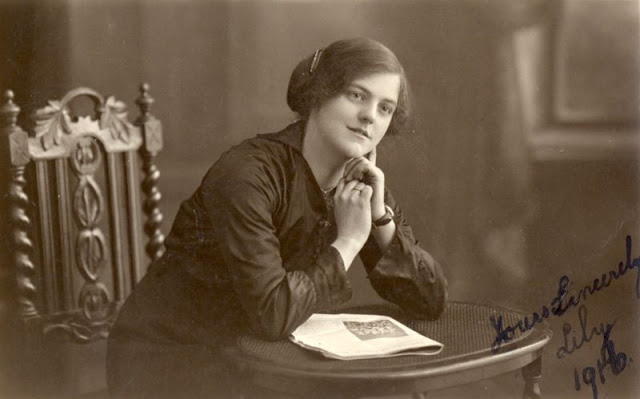
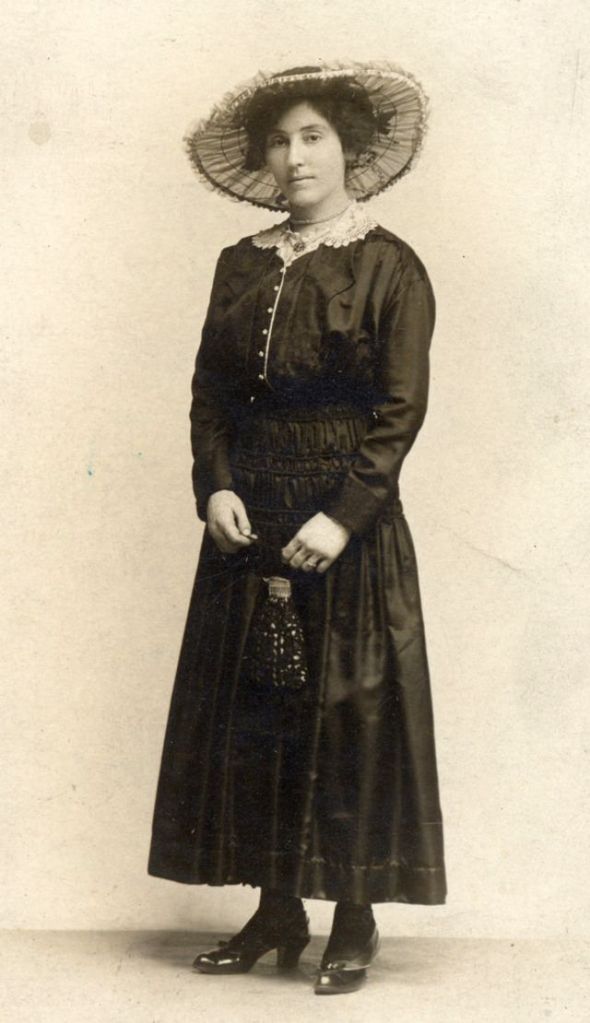
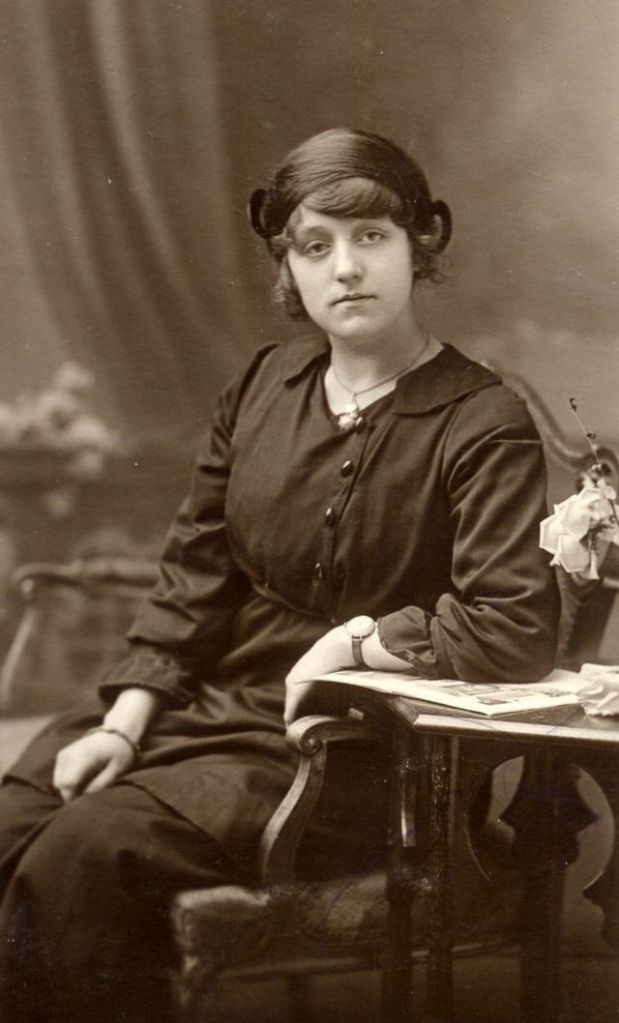
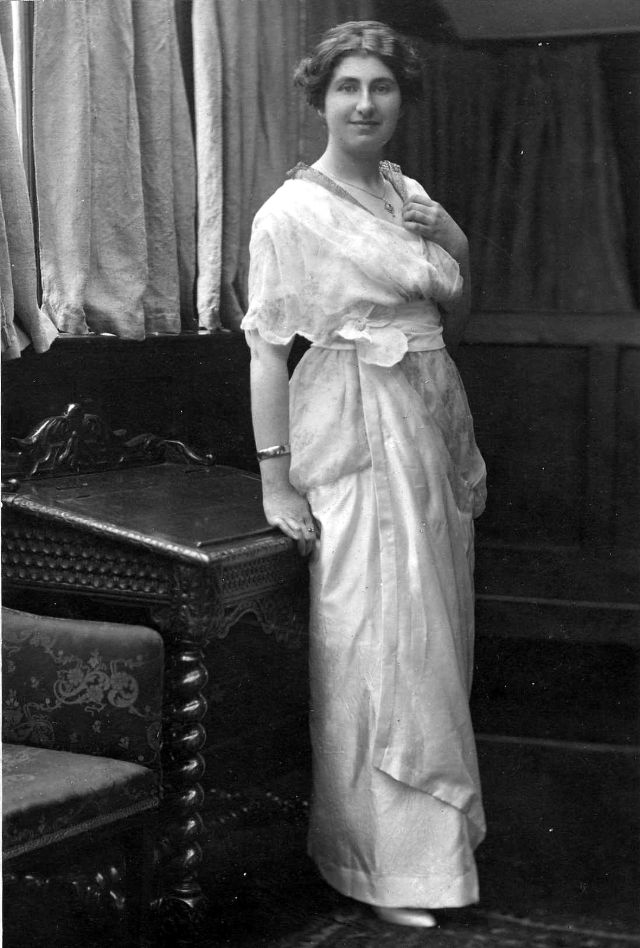
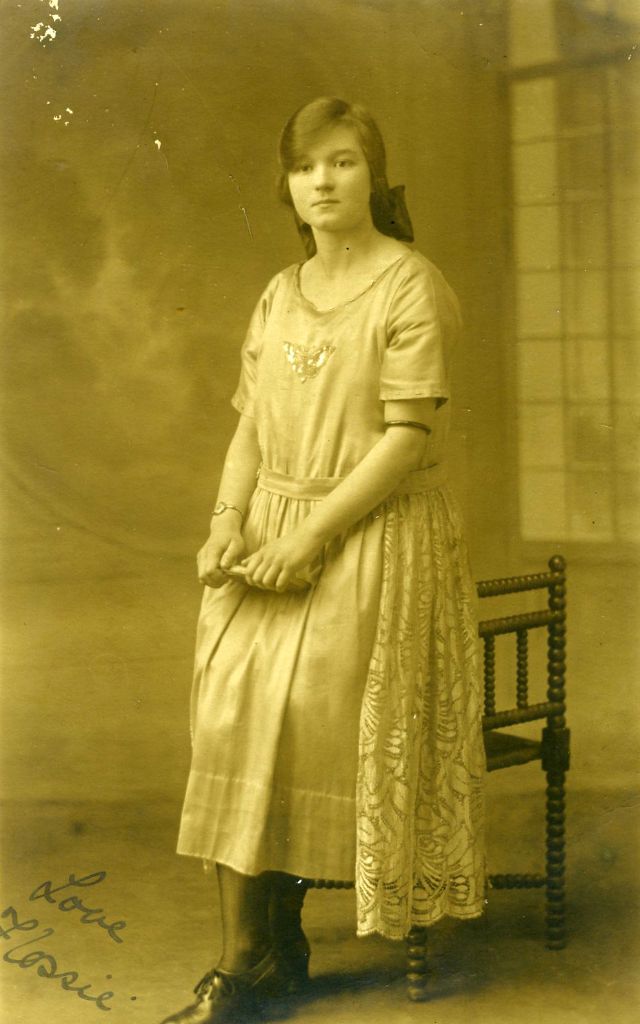
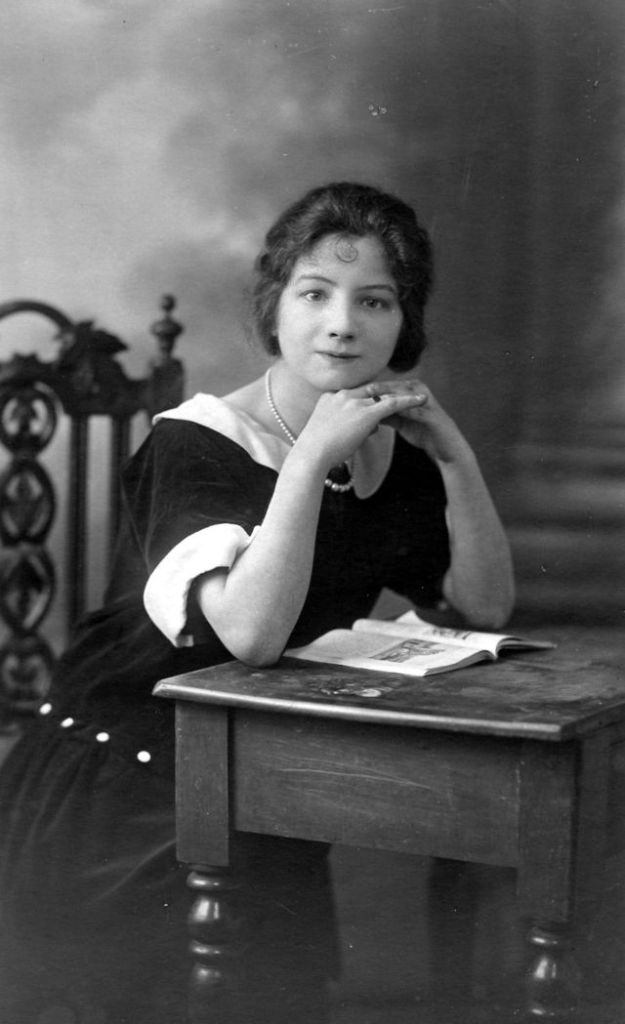
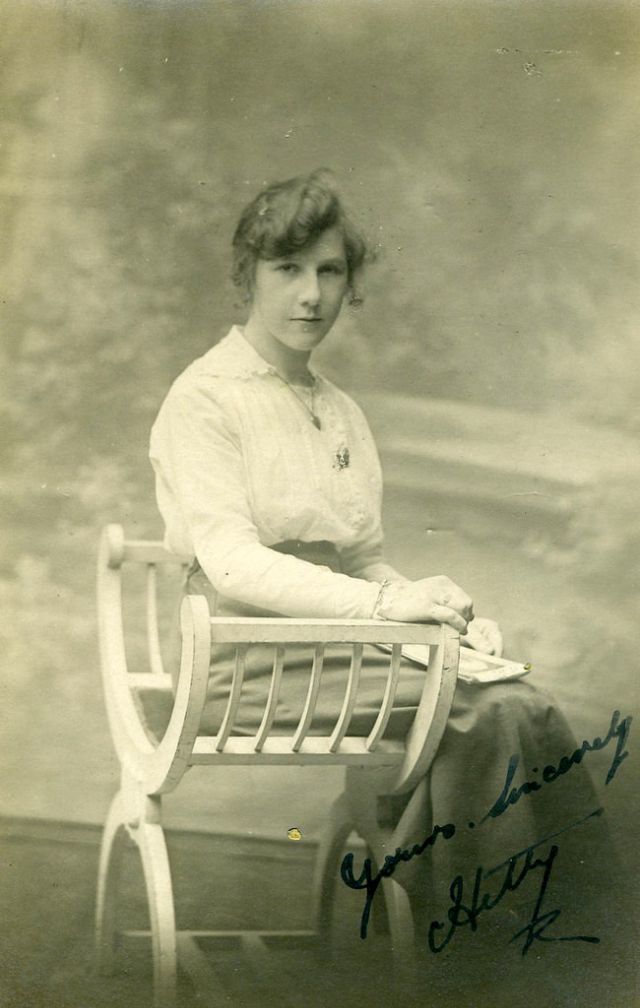
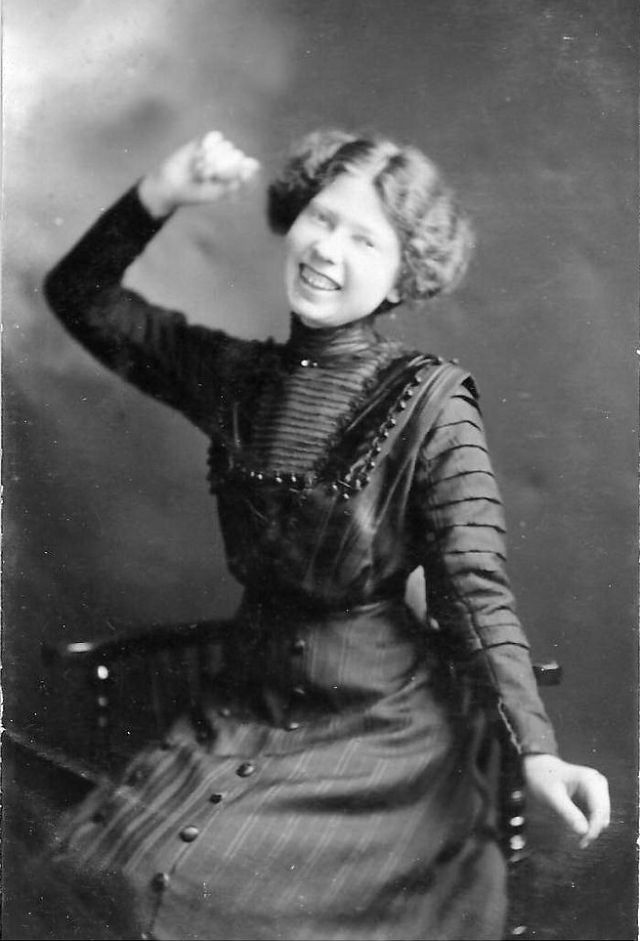
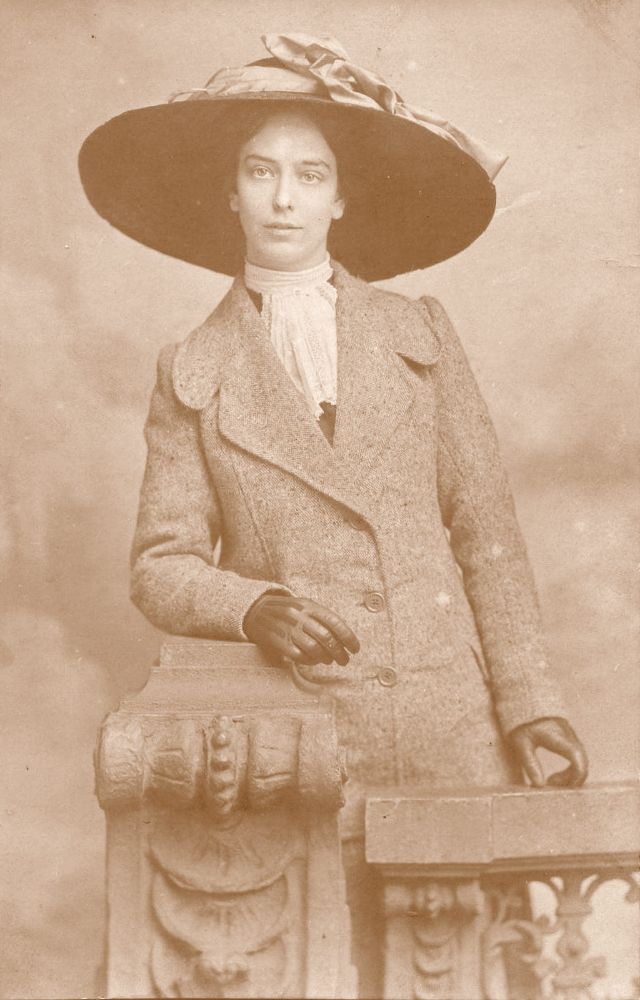
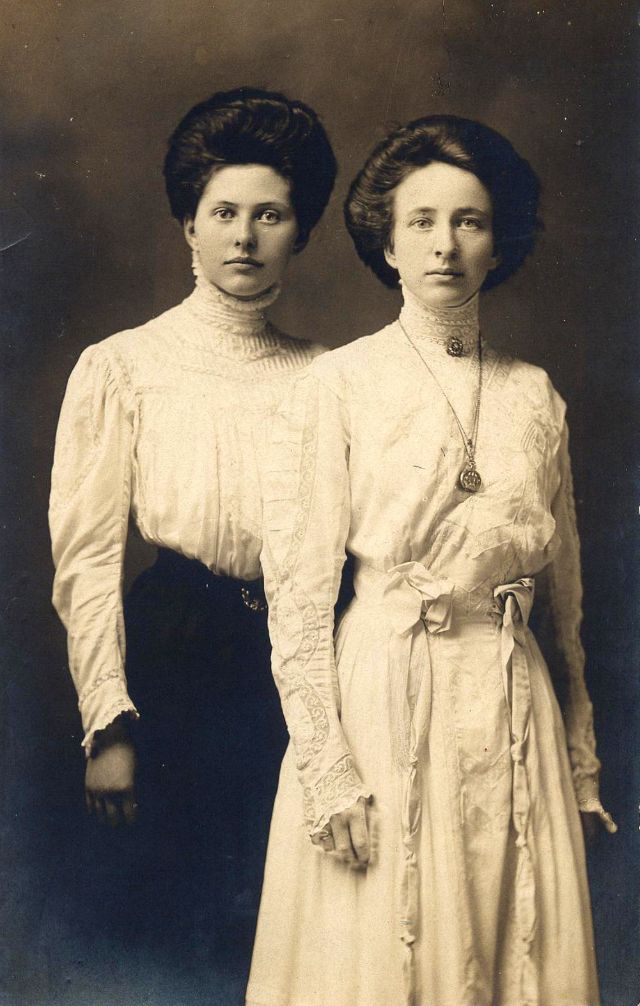
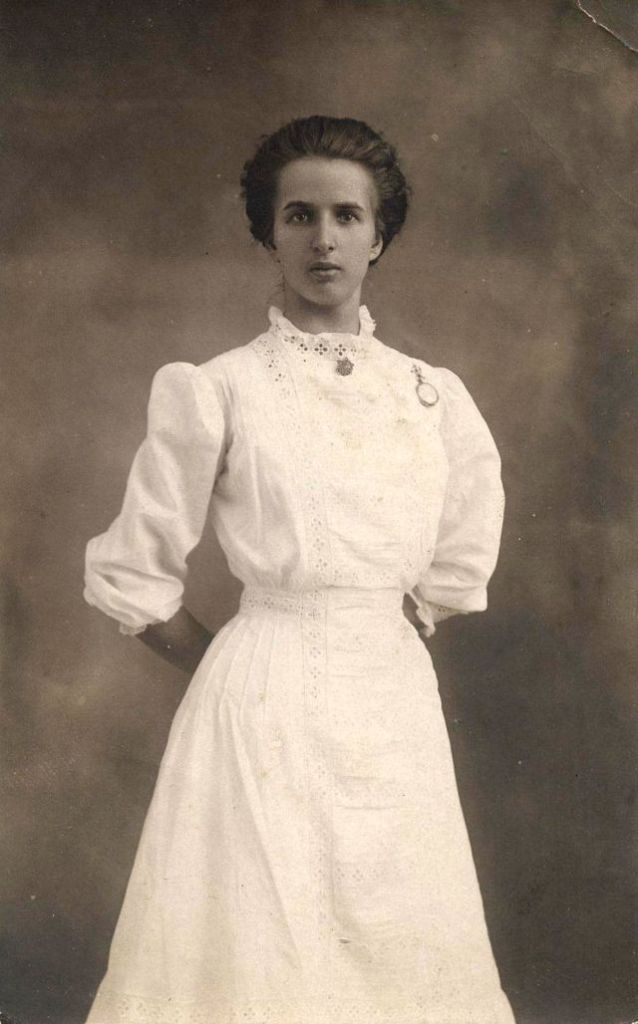
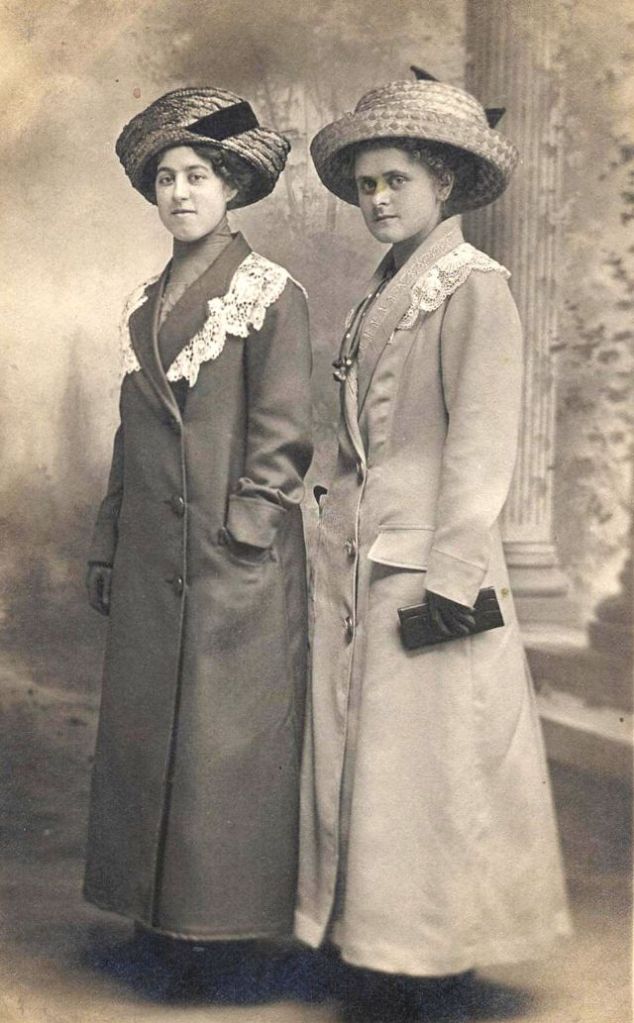
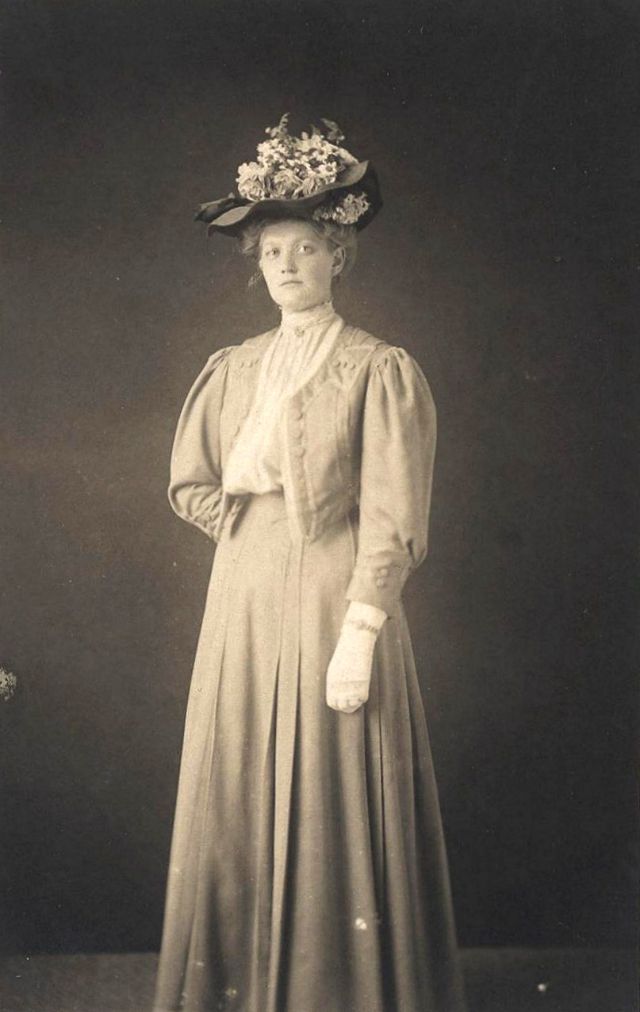
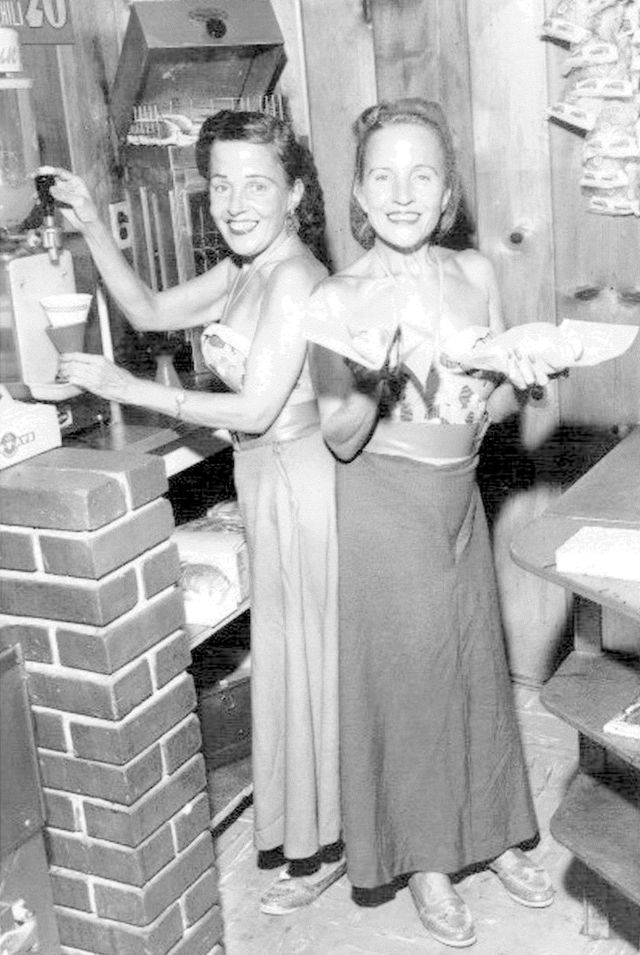
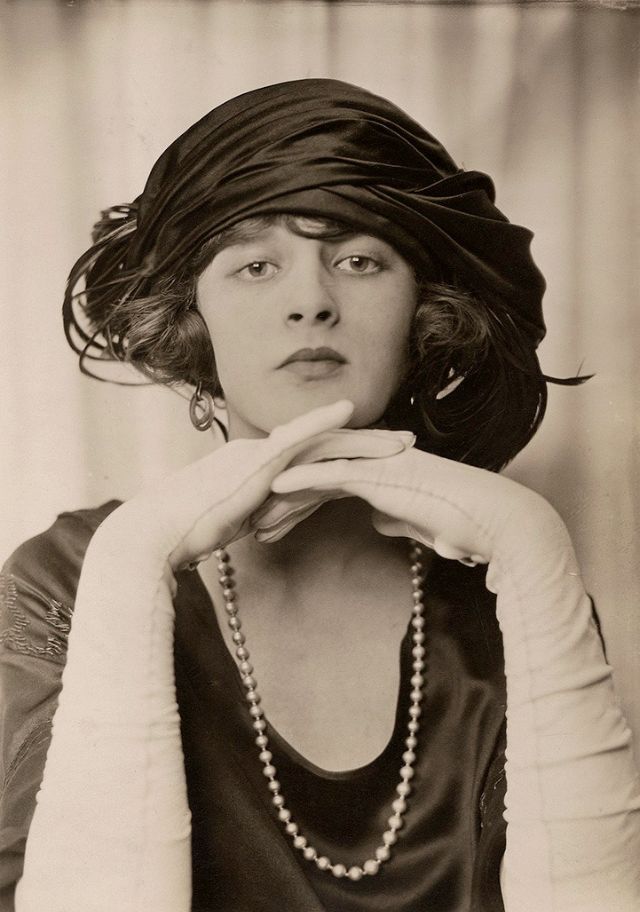
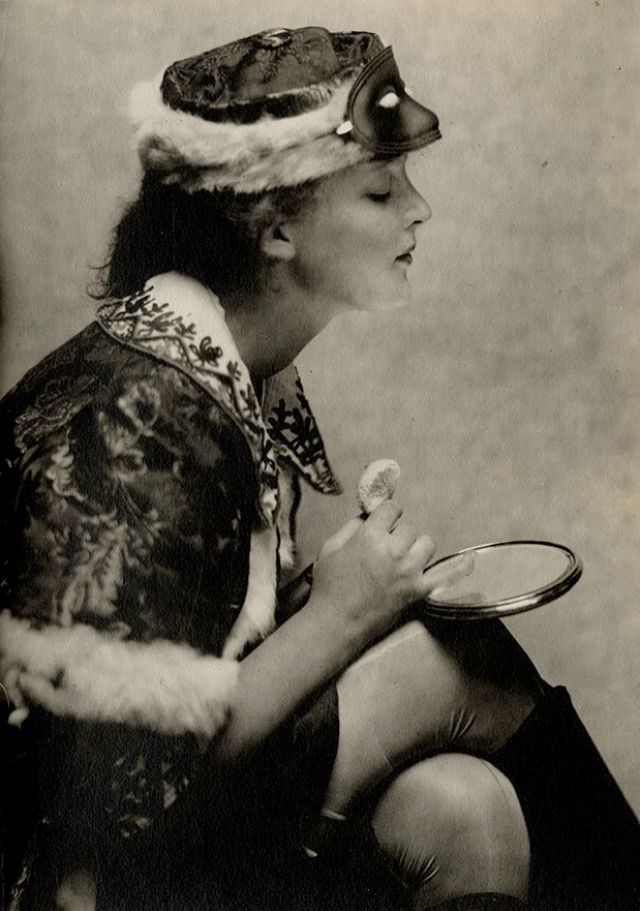
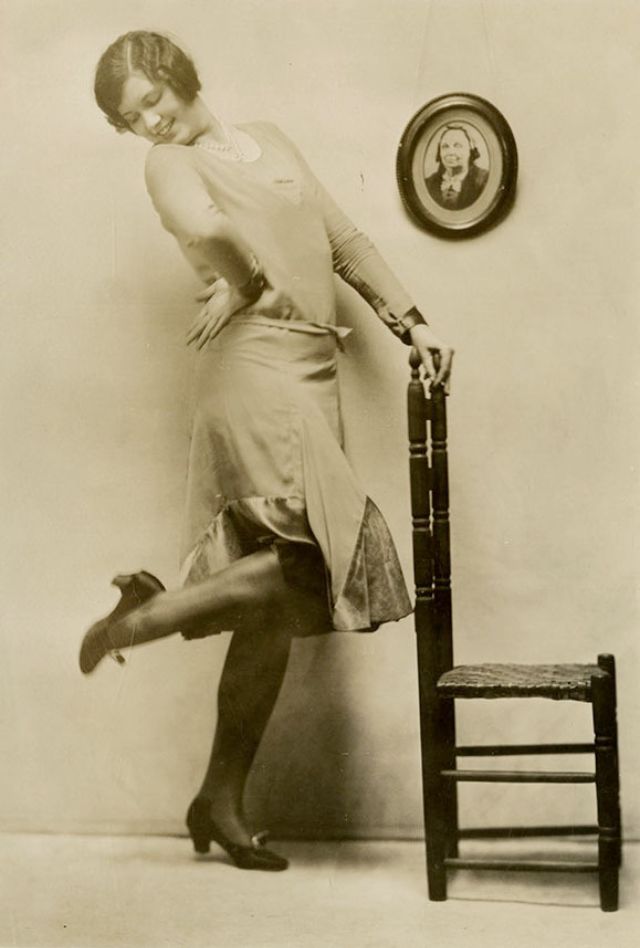
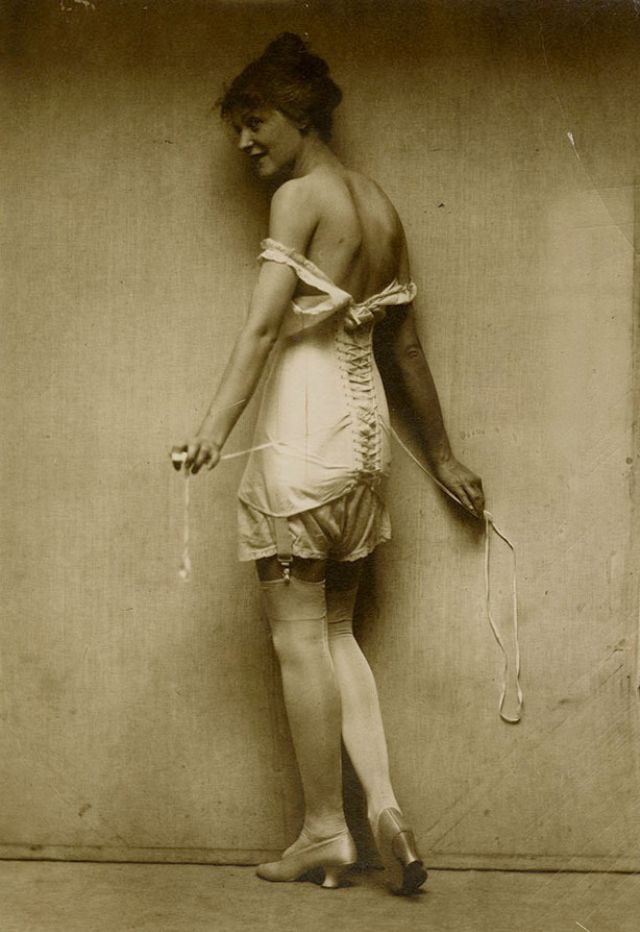
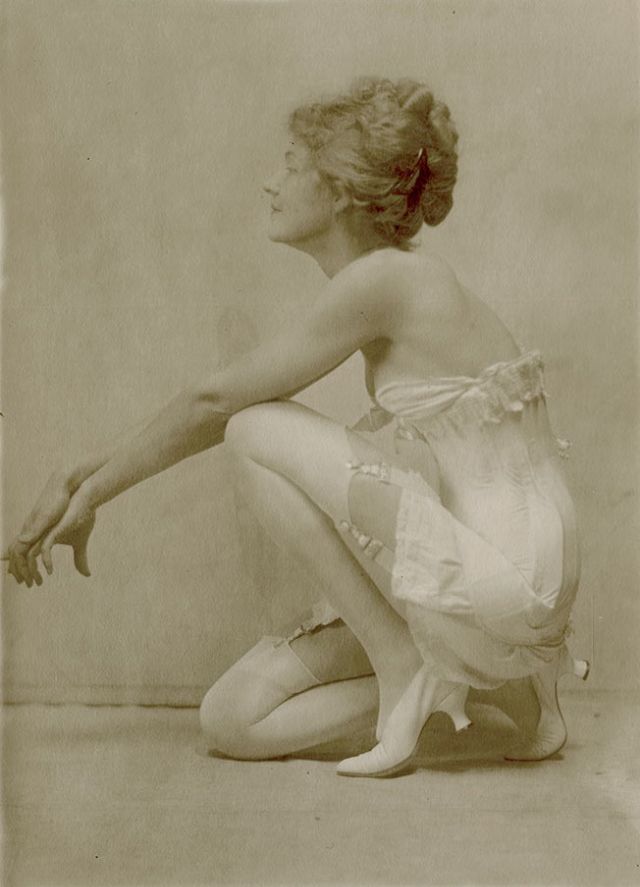
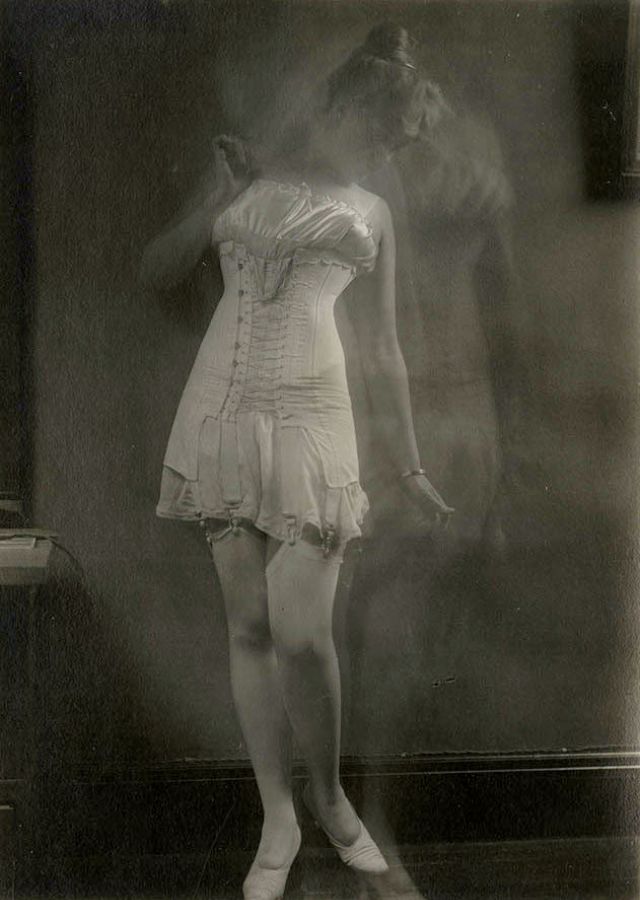
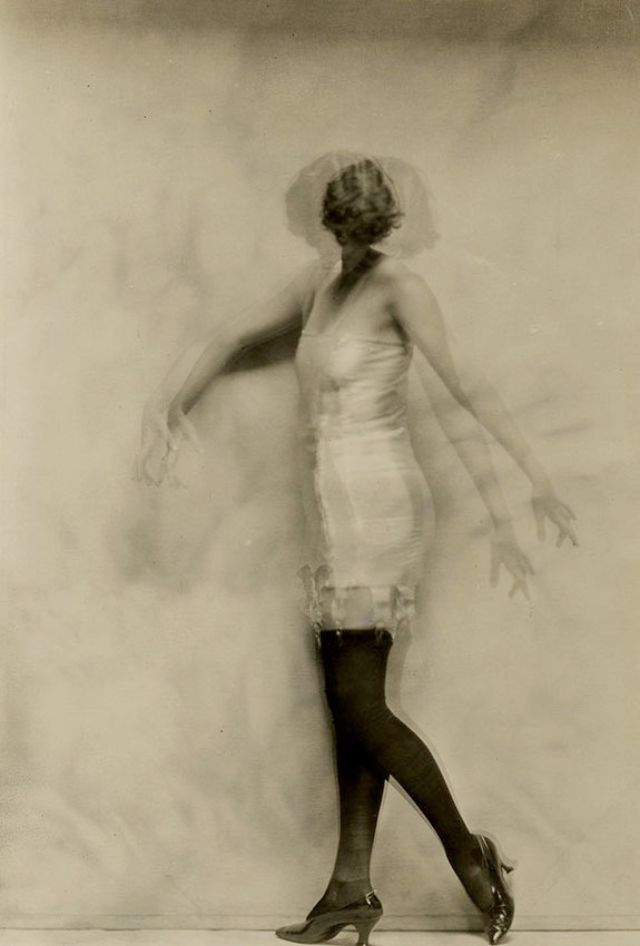
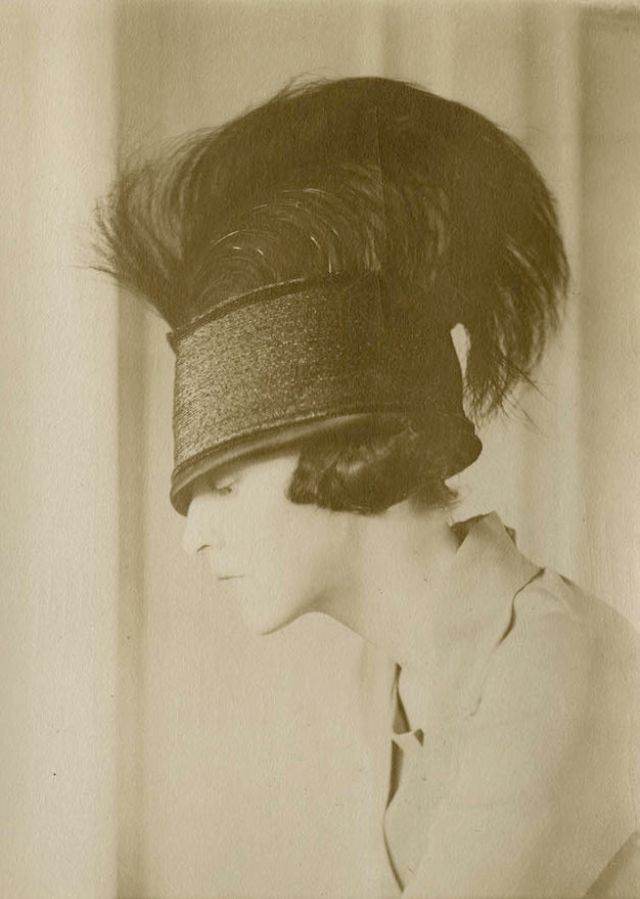
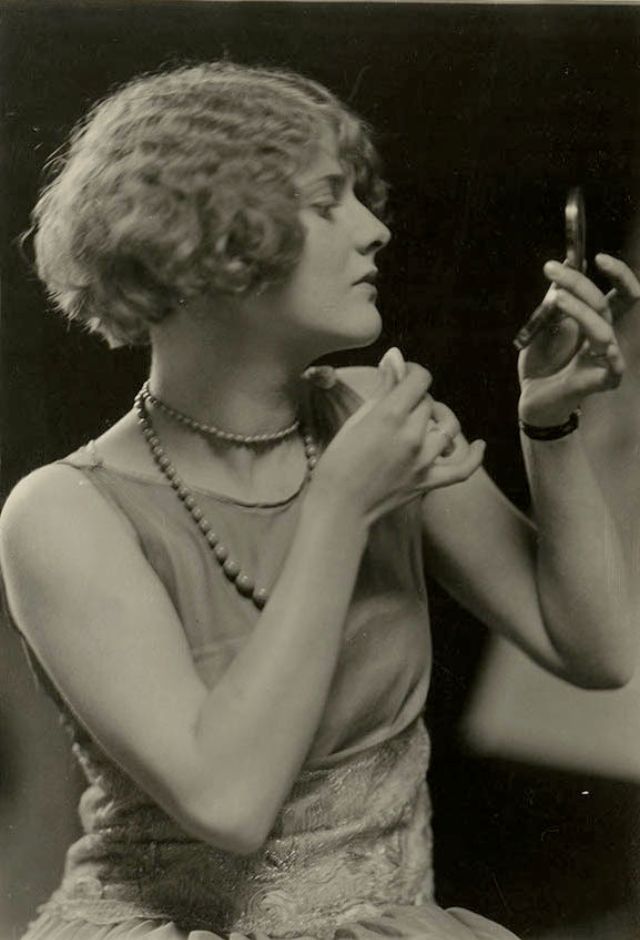
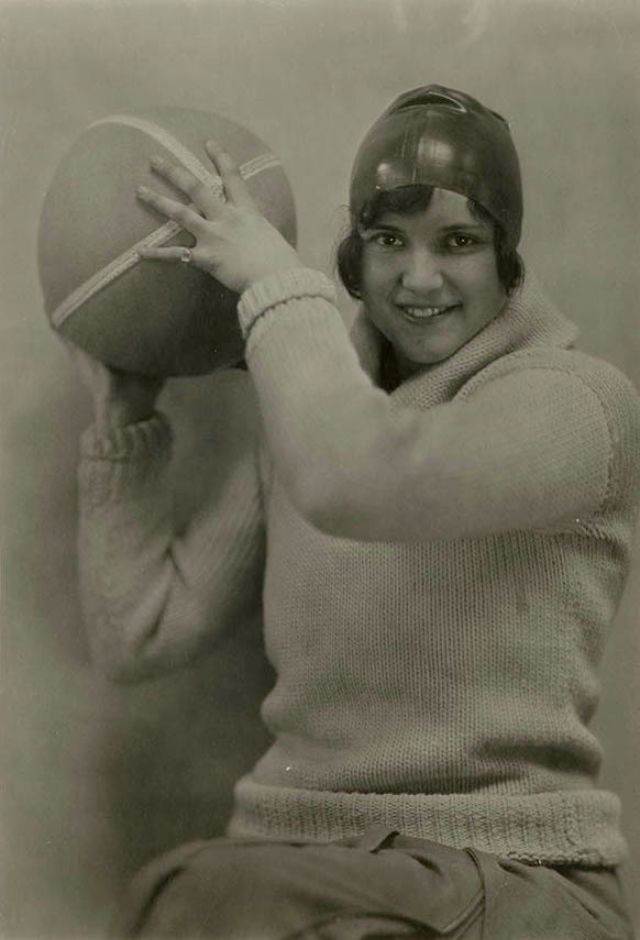
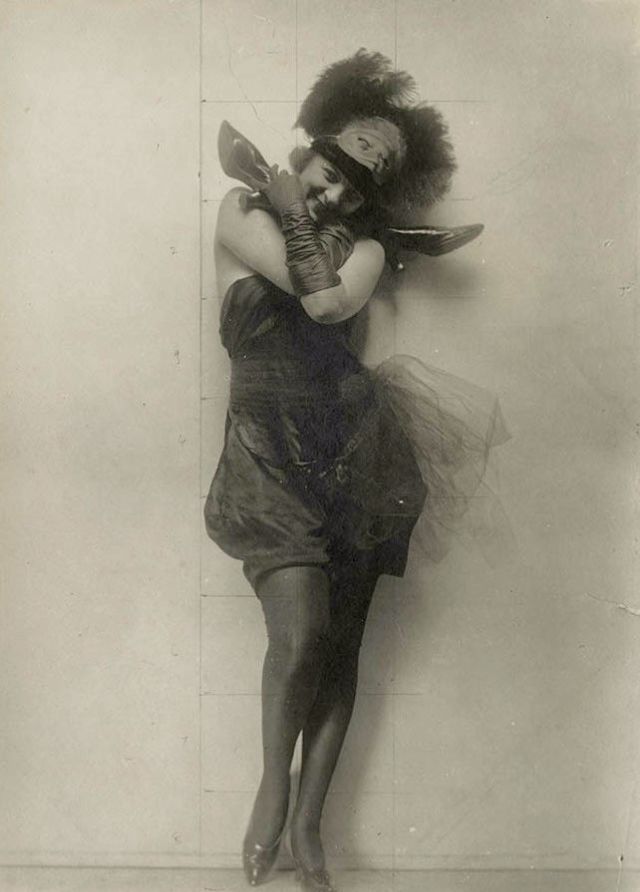
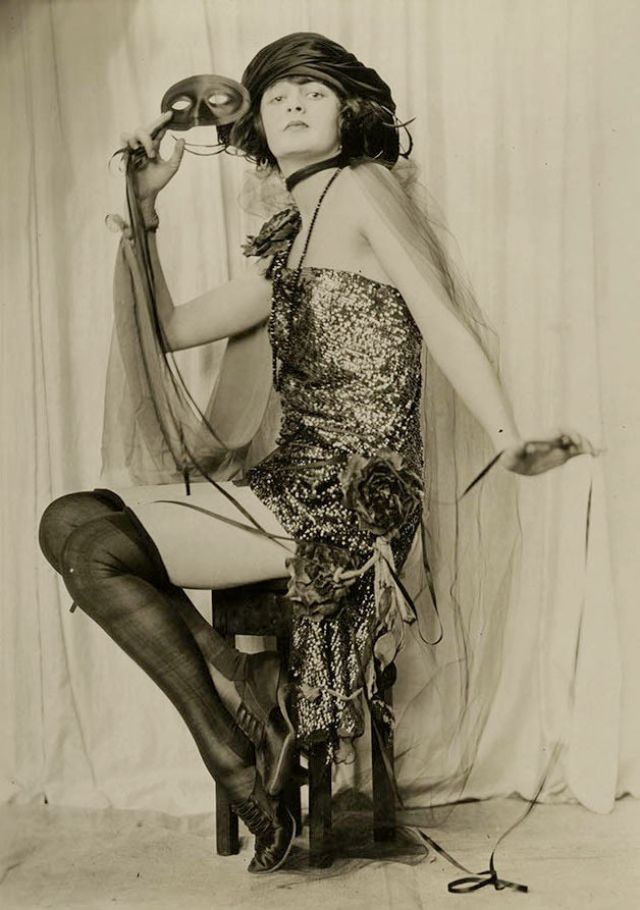
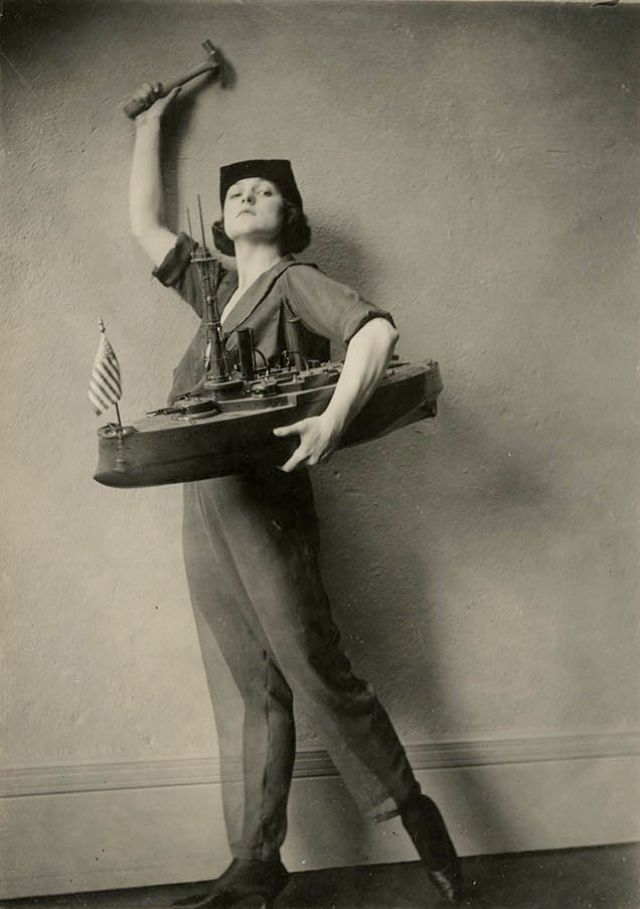
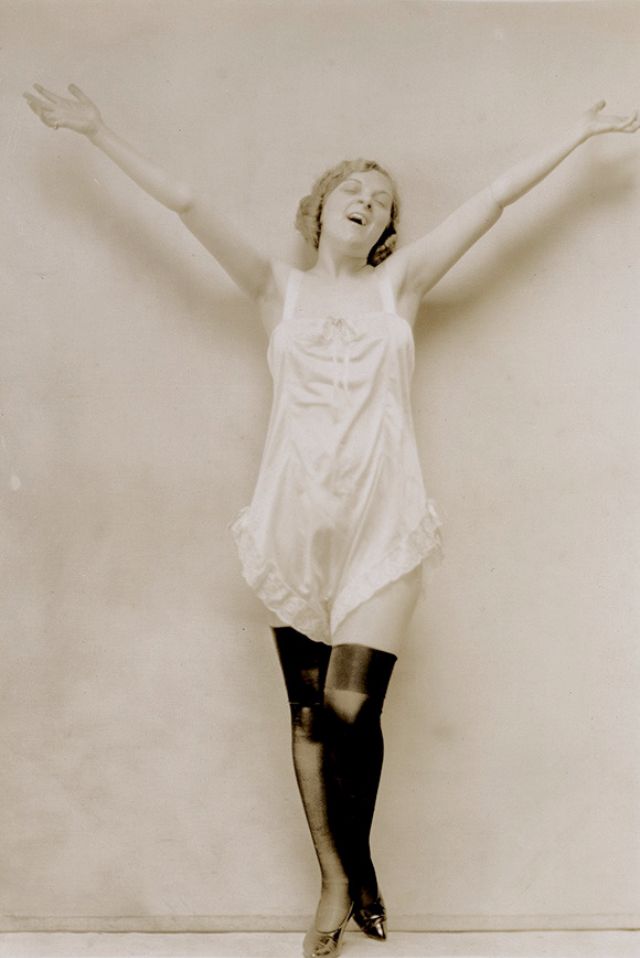
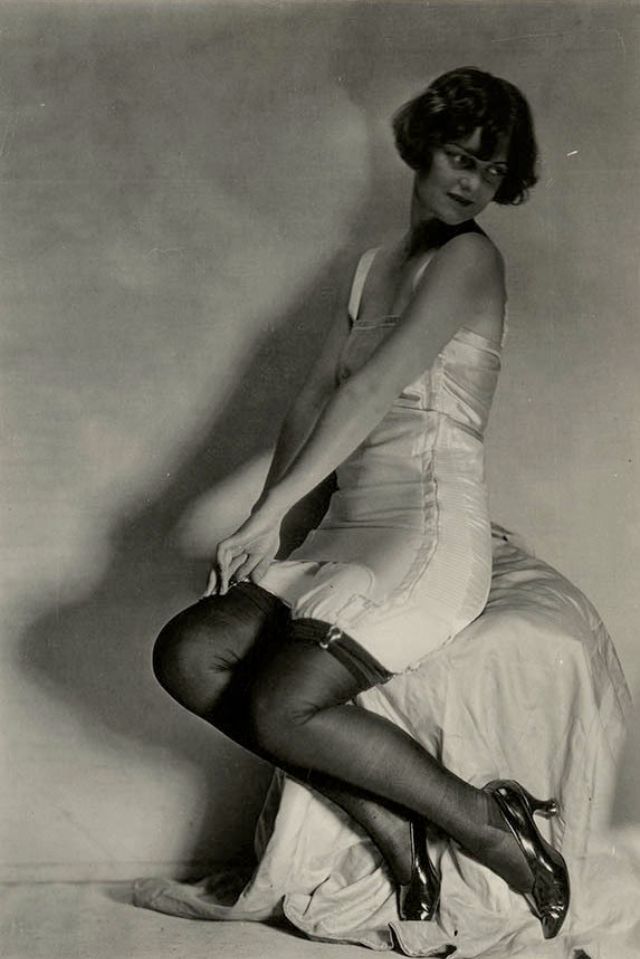
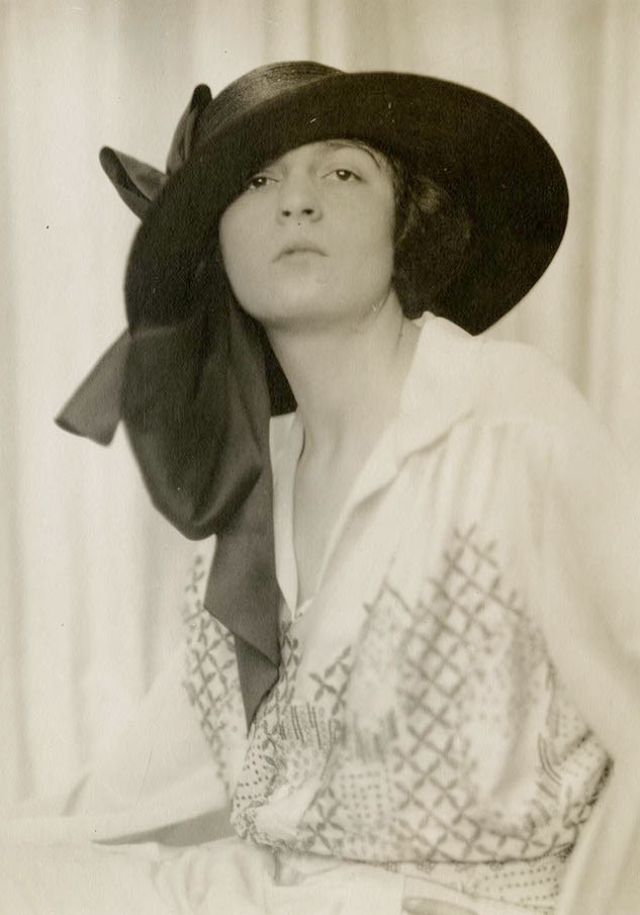
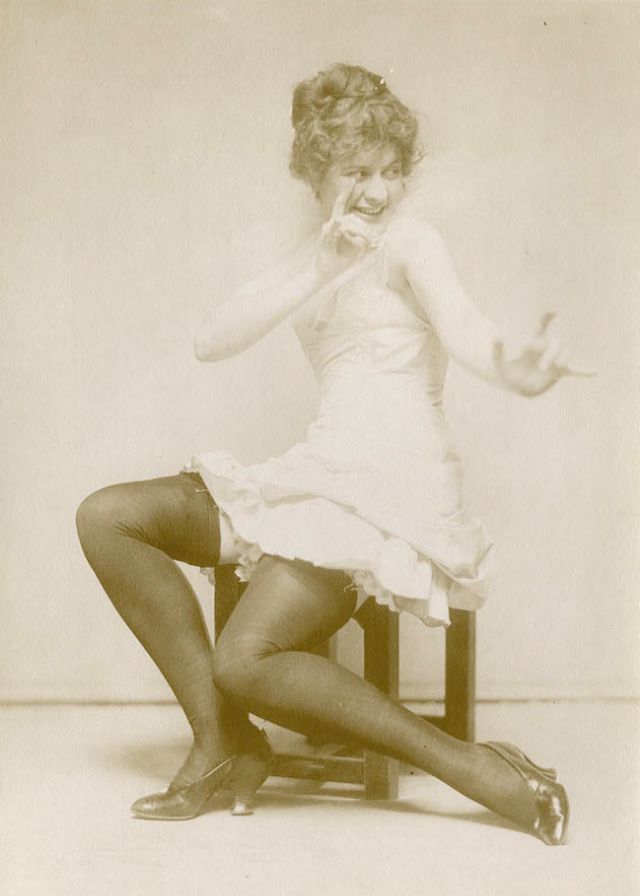
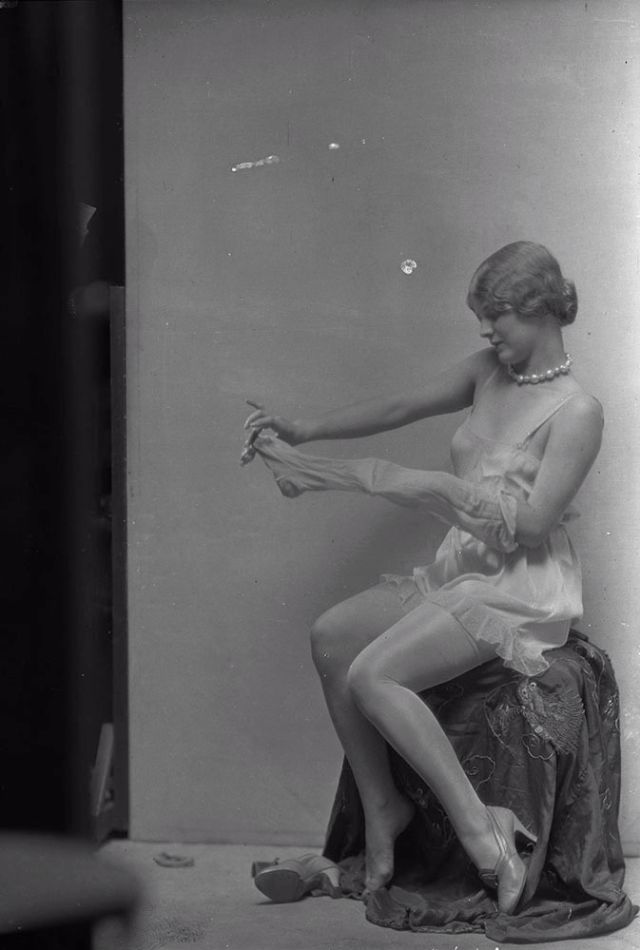
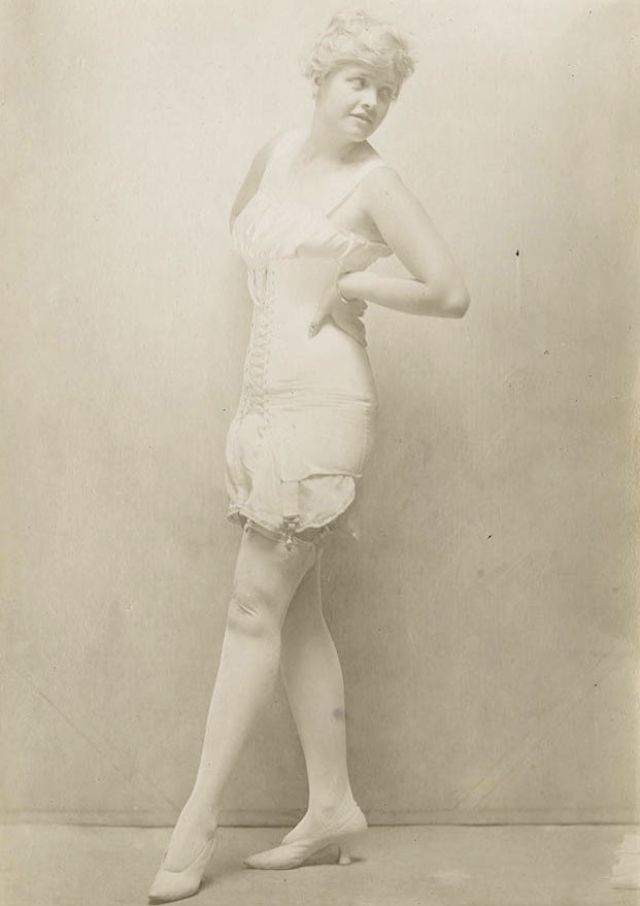
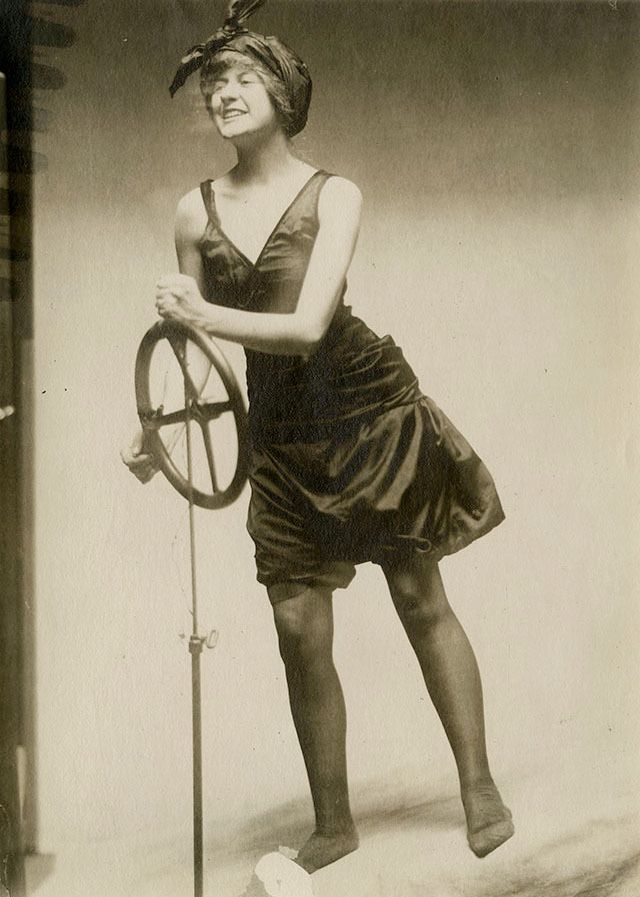
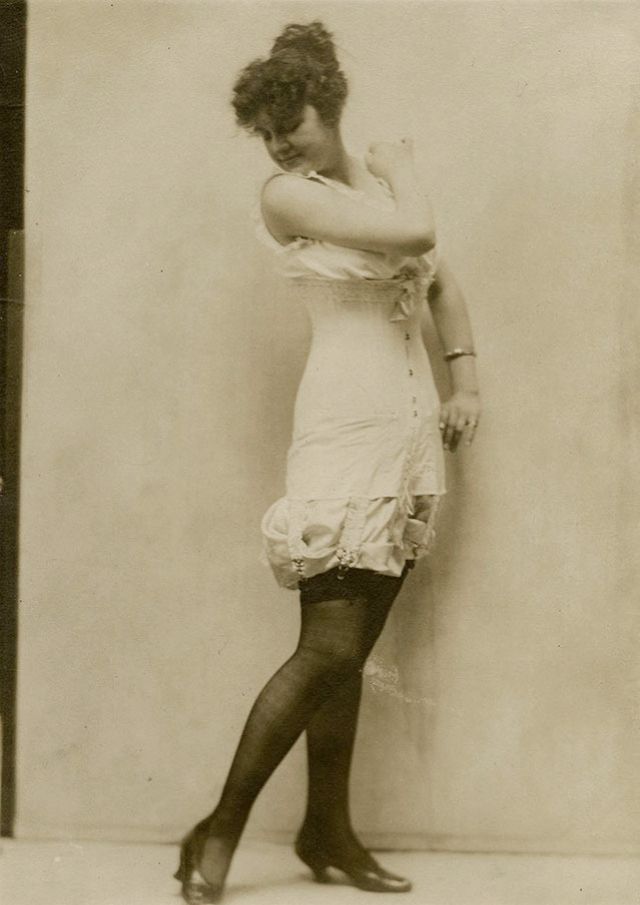
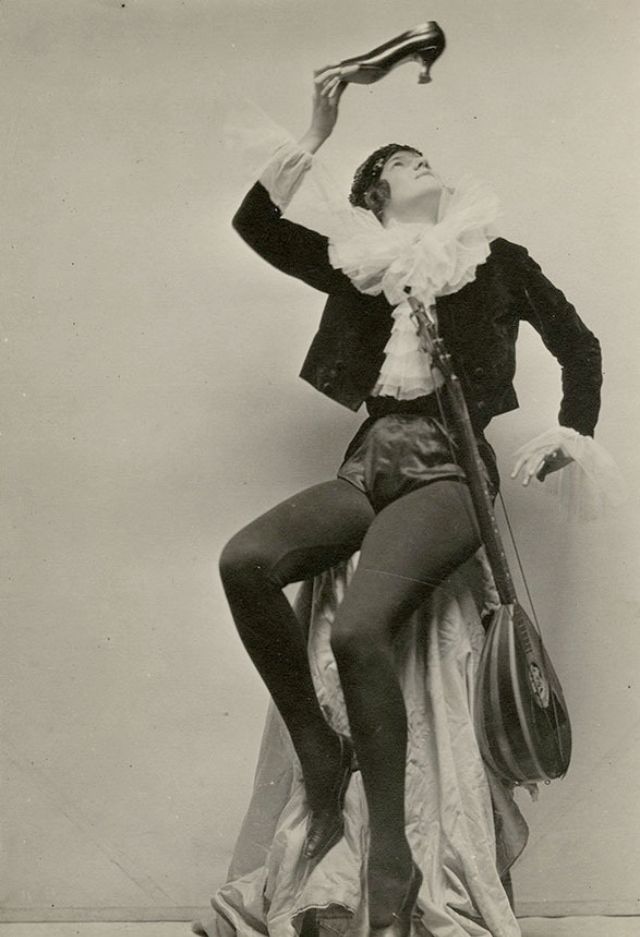
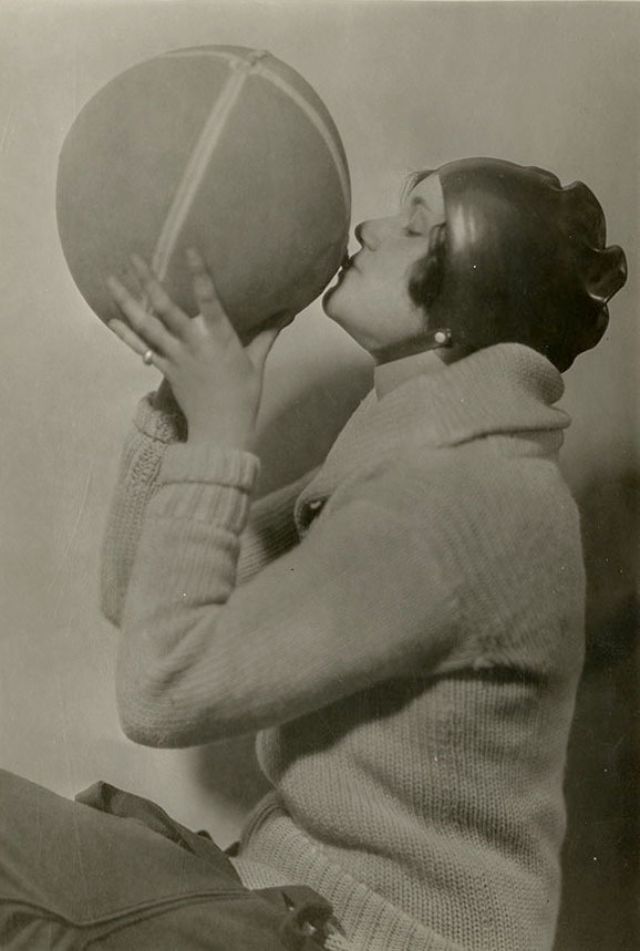
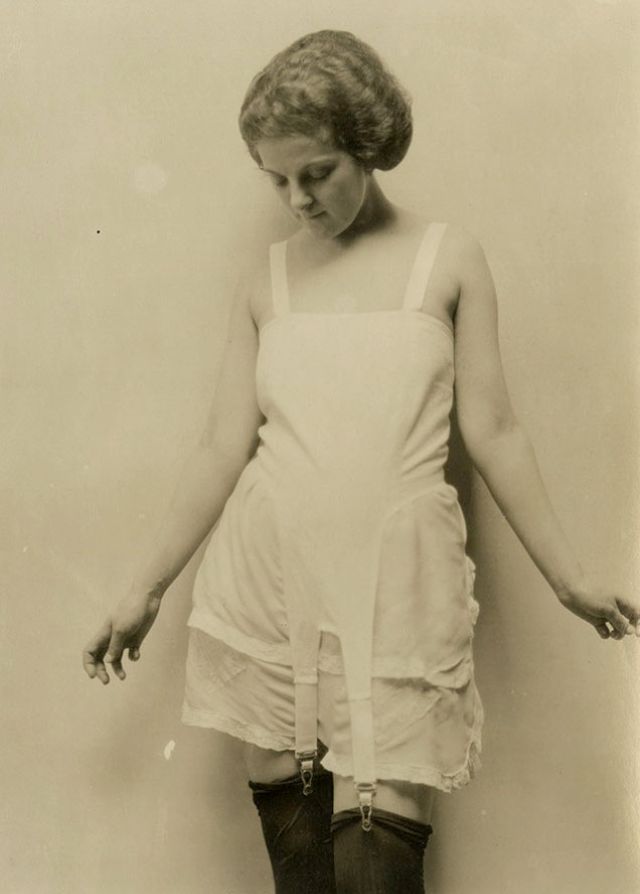
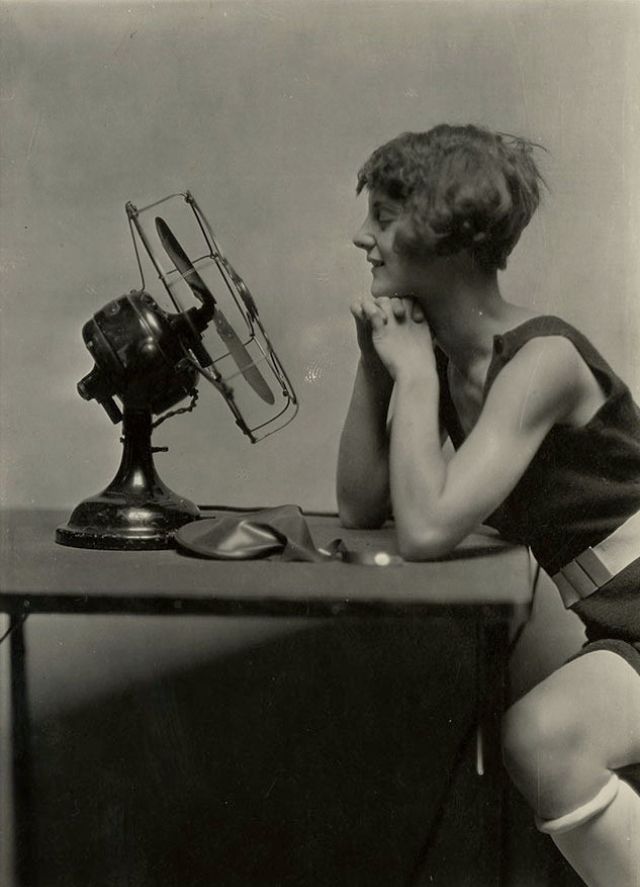
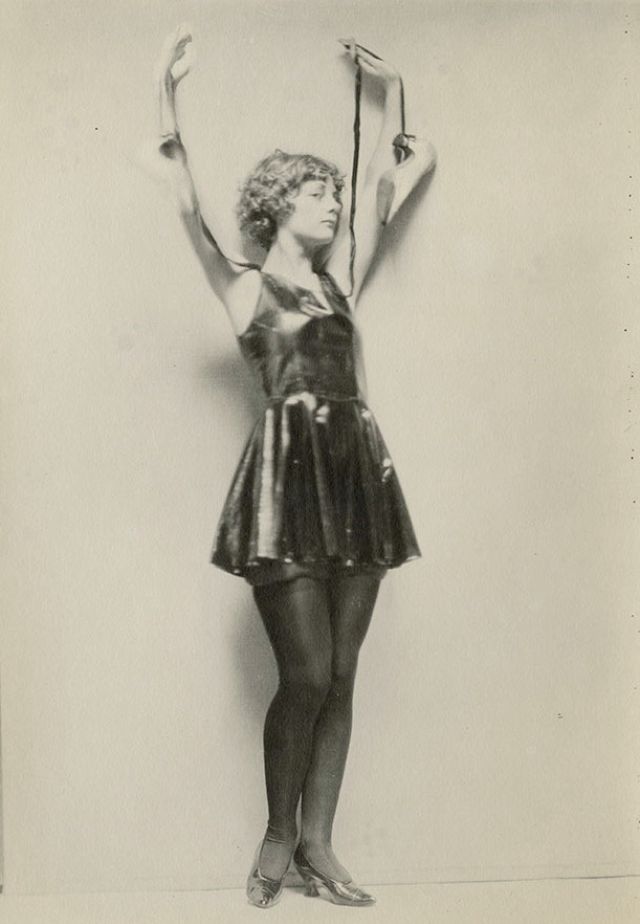
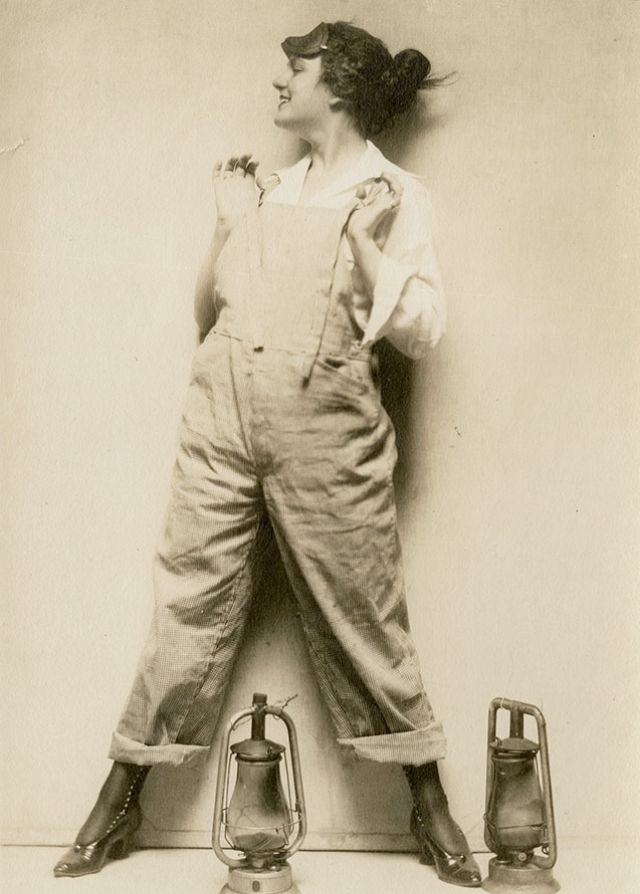
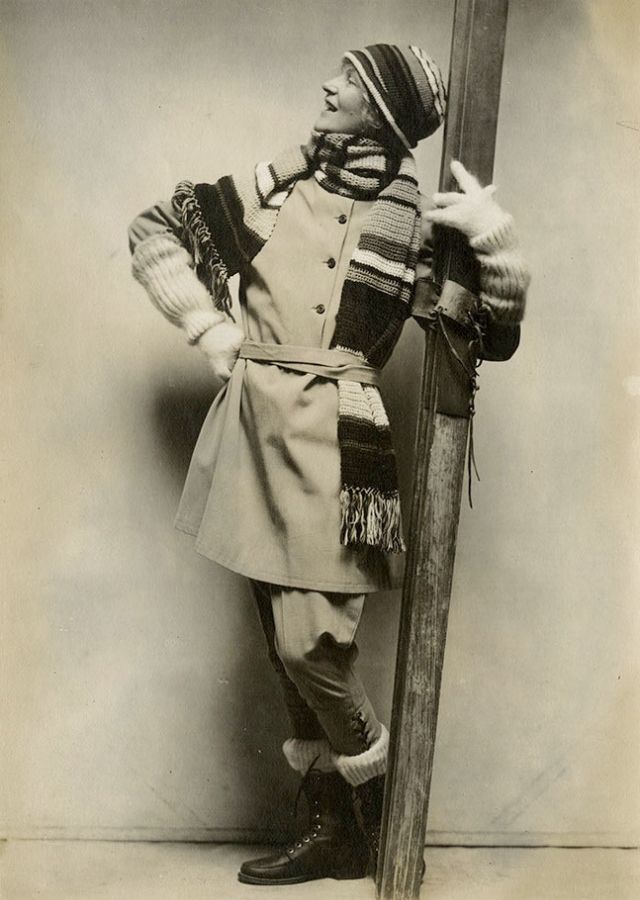
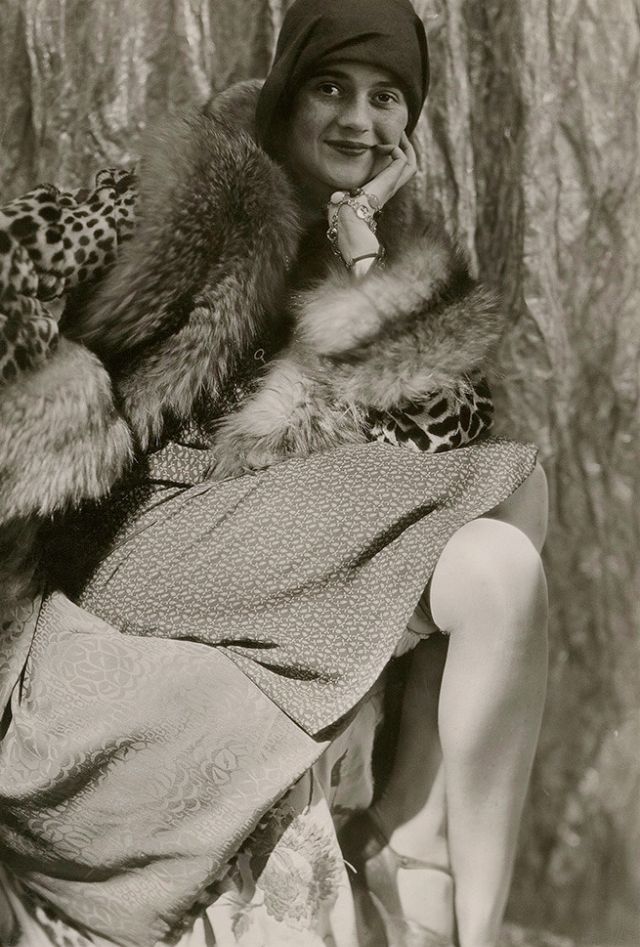
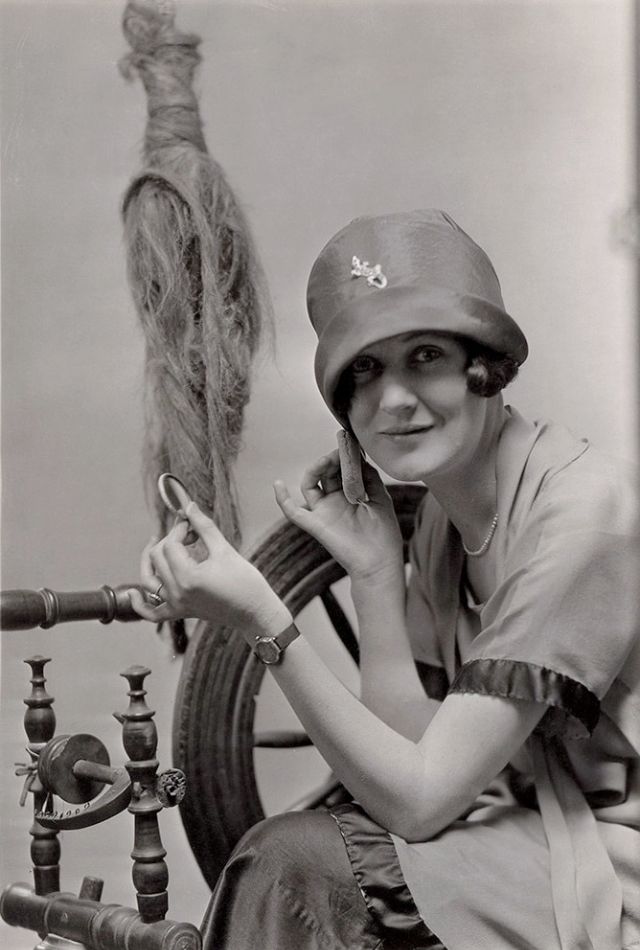
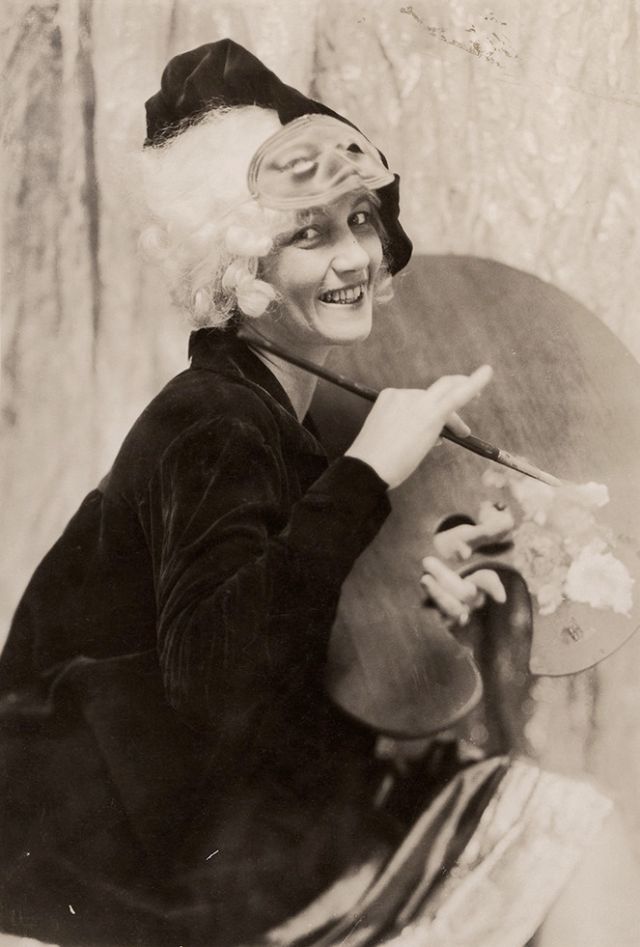
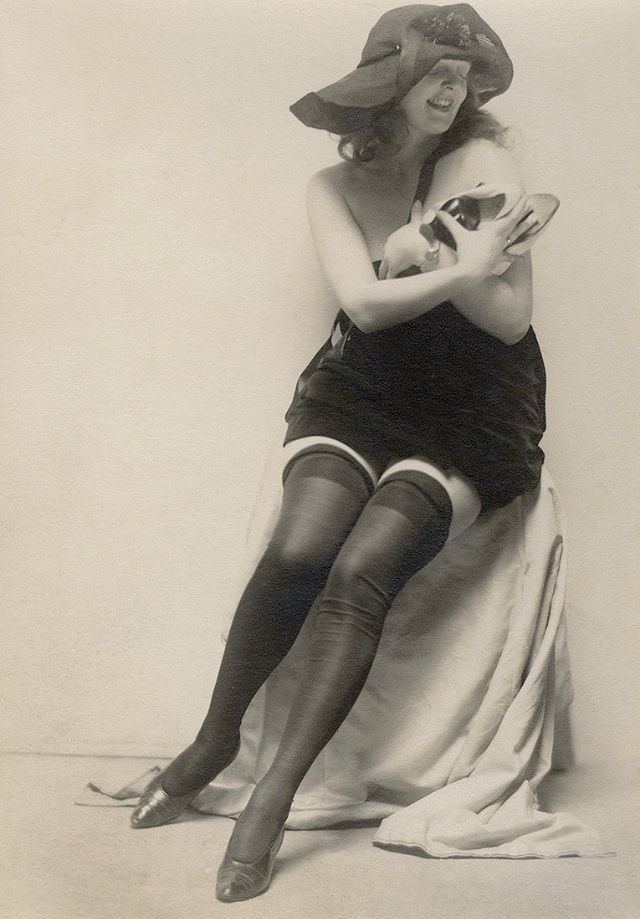
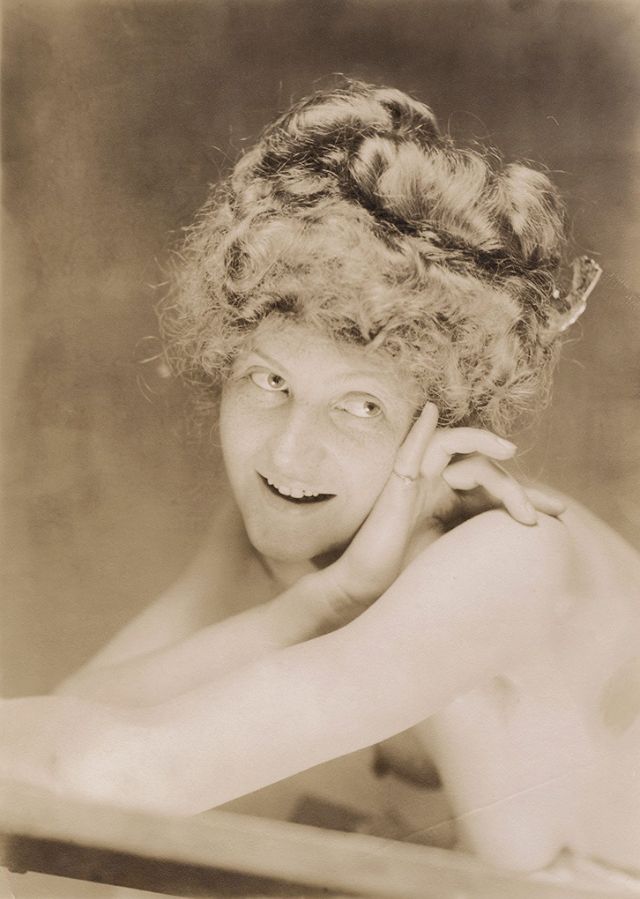
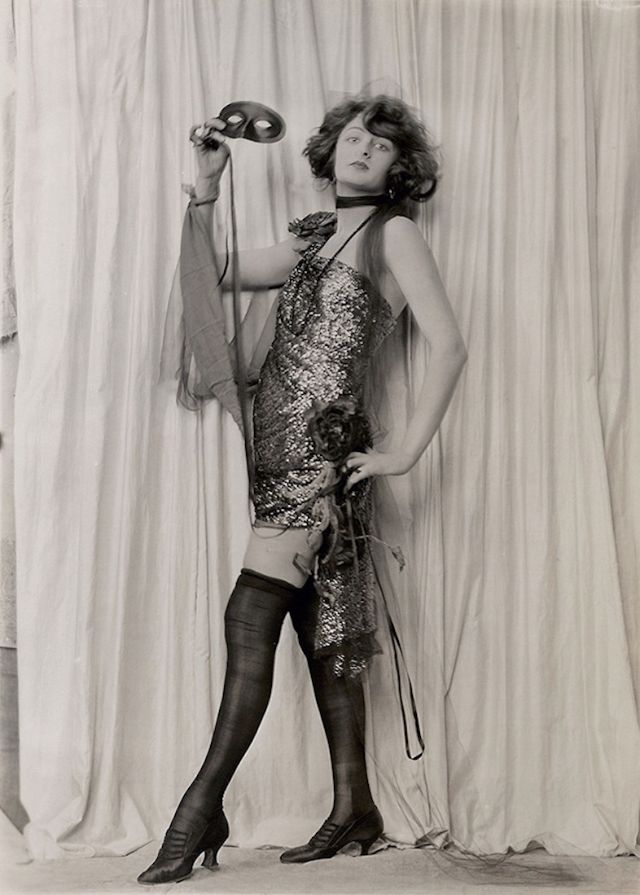
One of the primary changes of the Edwardian Era included the change in clothes of the women.
A typical Edwardian Woman was very fashion conscious and this era hence brought about remarkable new trends in women’s attire. Curvy hips and fuller low chests were the unique characteristics of this era because they emphasised slim and trim fits.
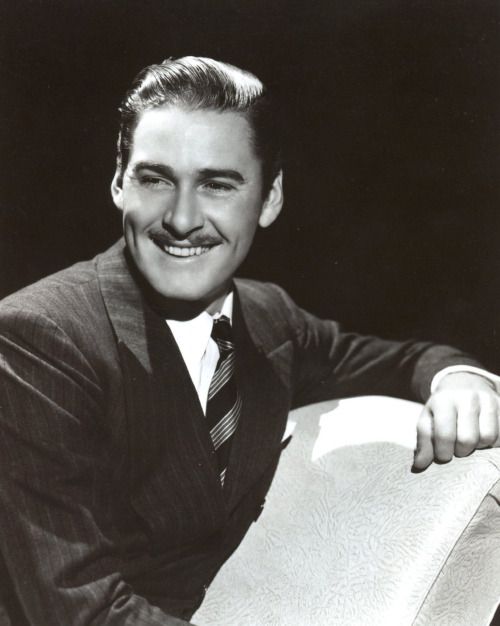
In short, Edwardian women’s fashion is actually a simplification from Victorian era, but pretty more creativity and innovation.
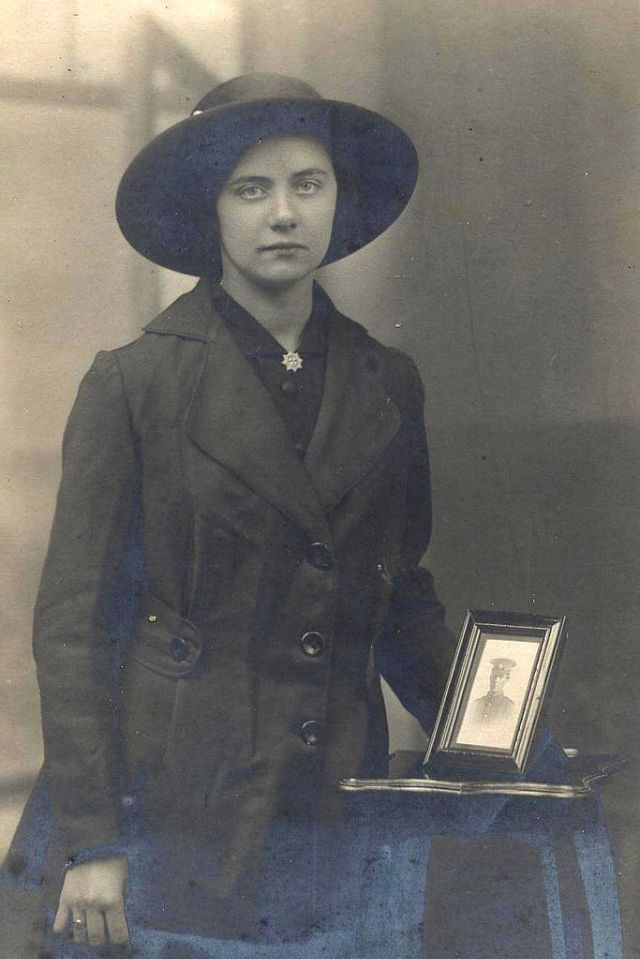
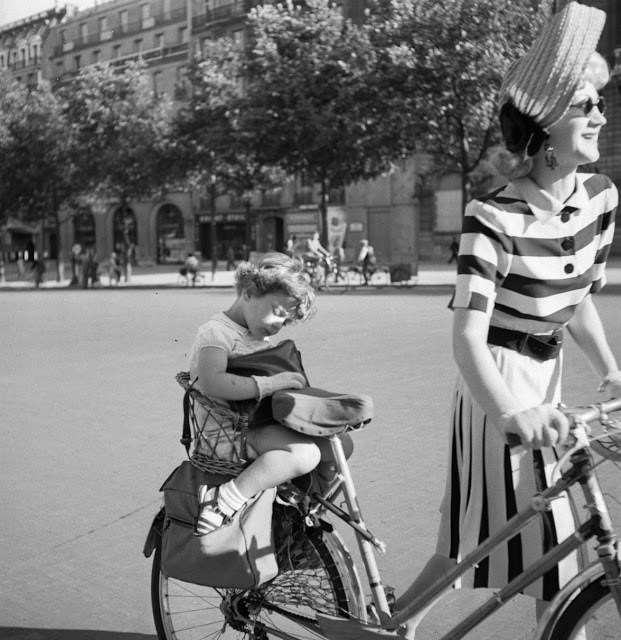
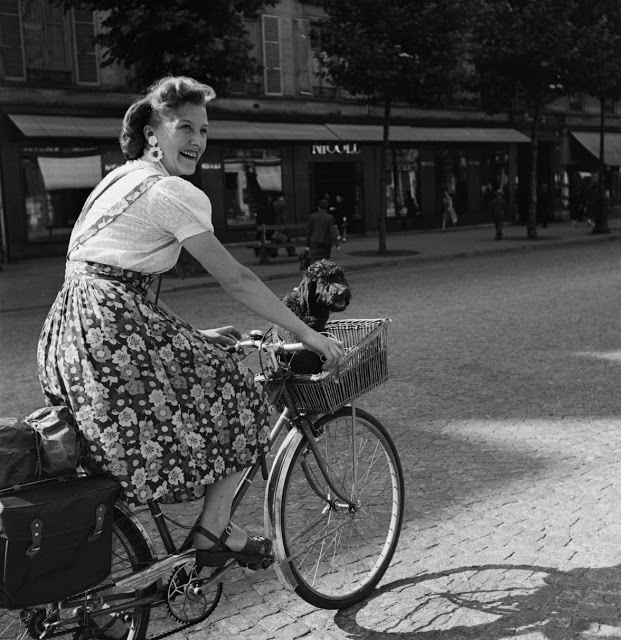
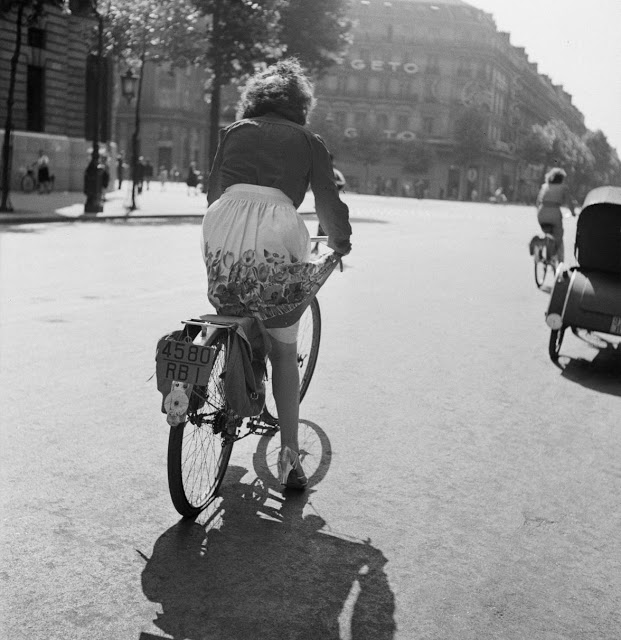
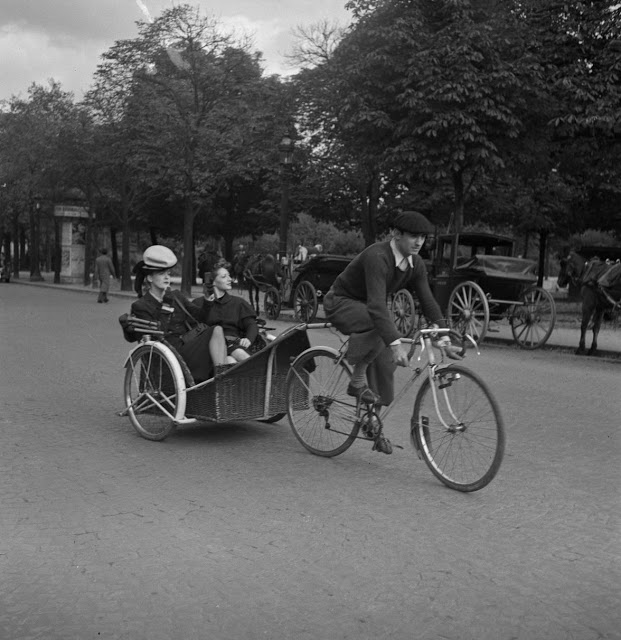
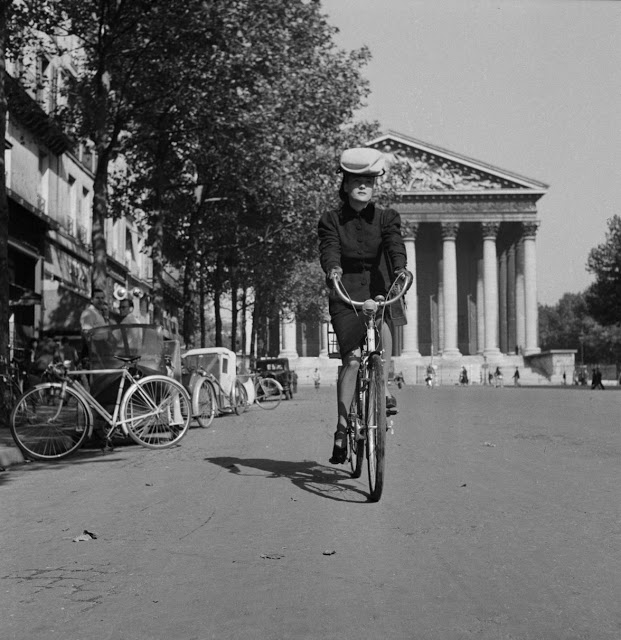
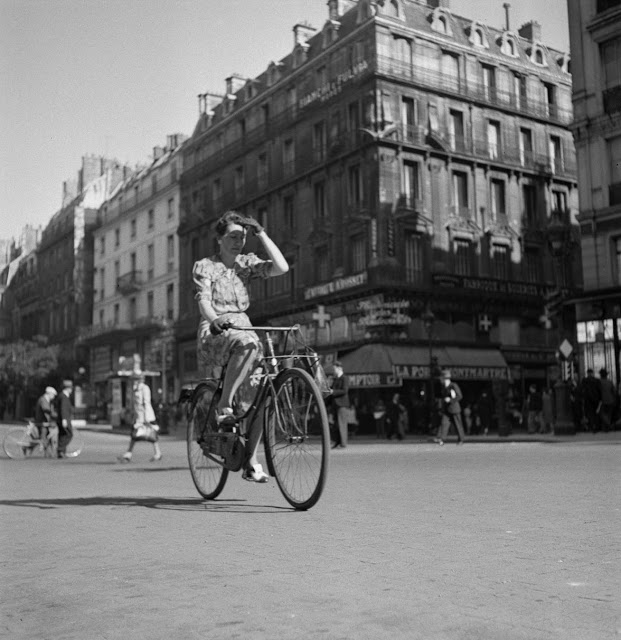
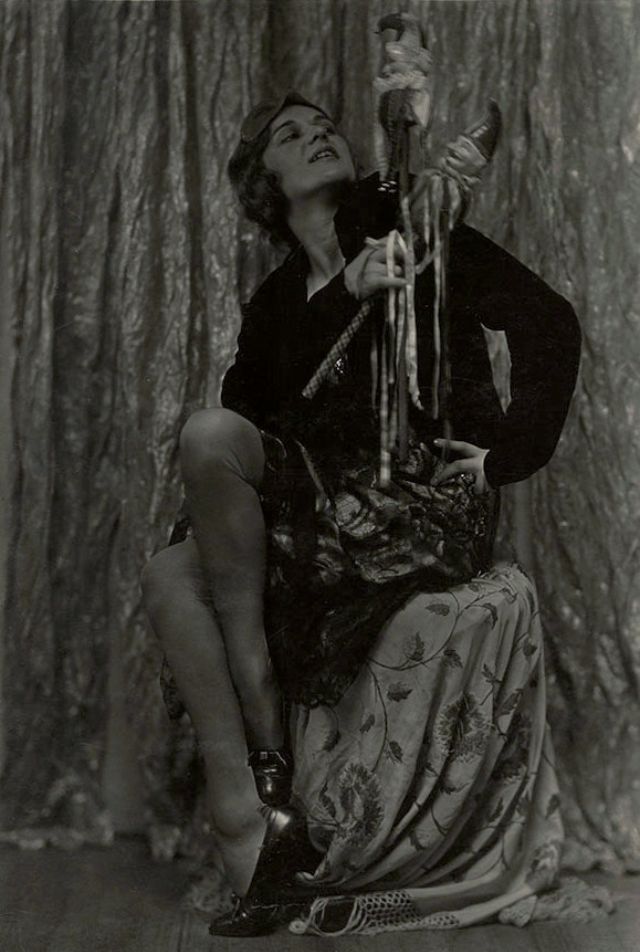
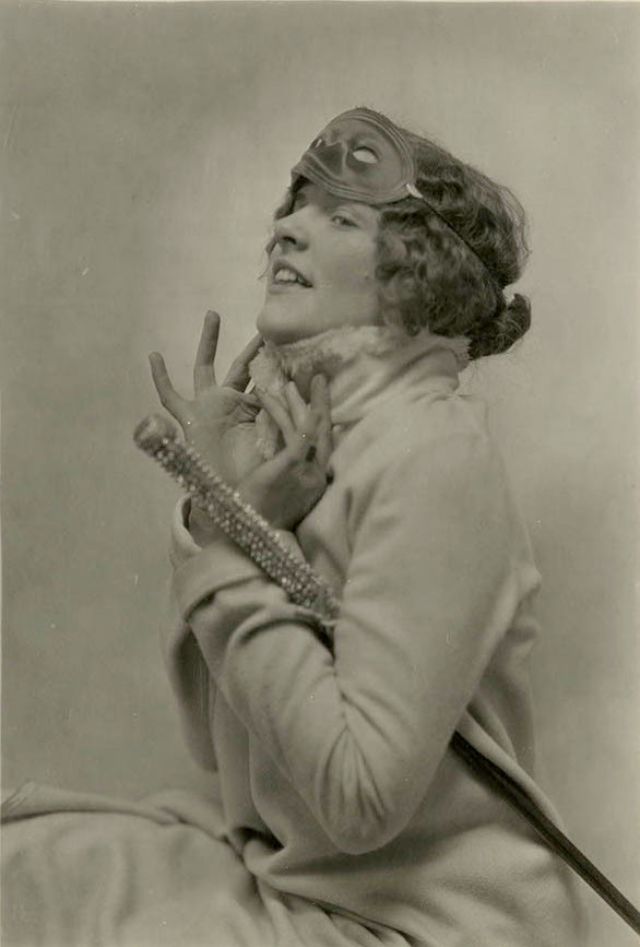
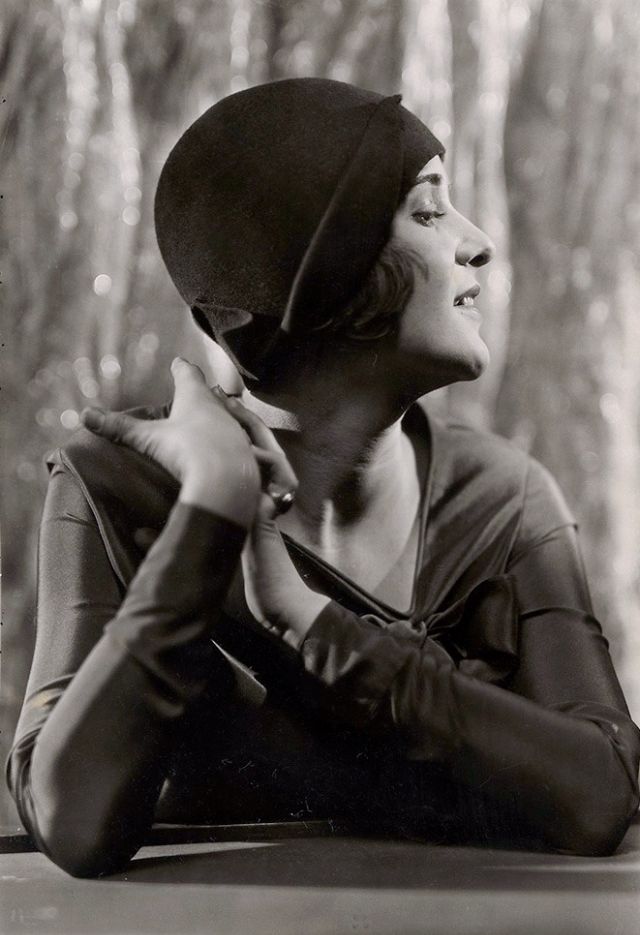
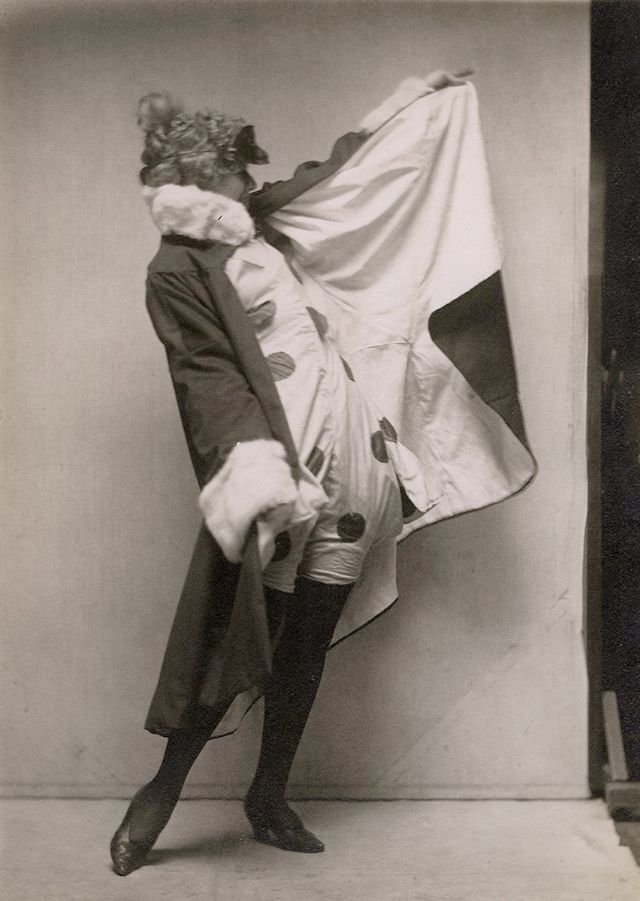
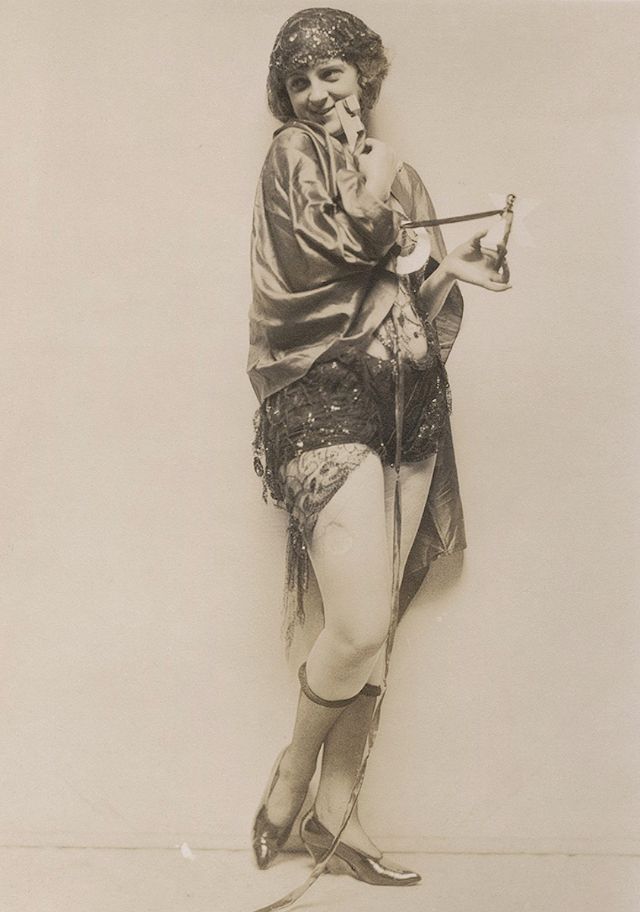
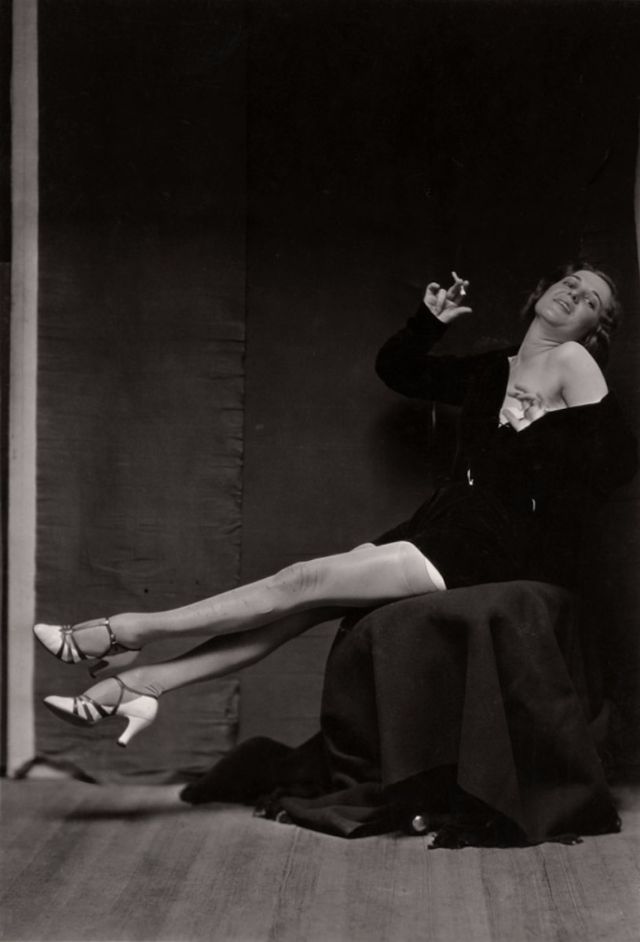
These elegant photos below that defined Edwardian fashion styles of young women.
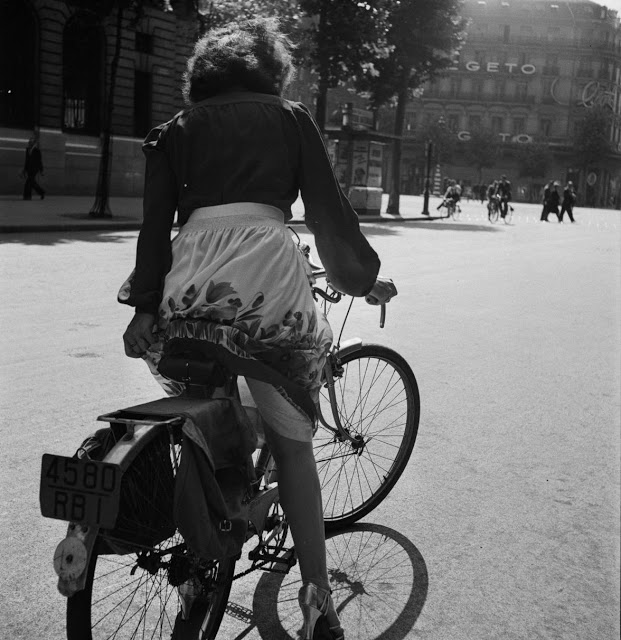
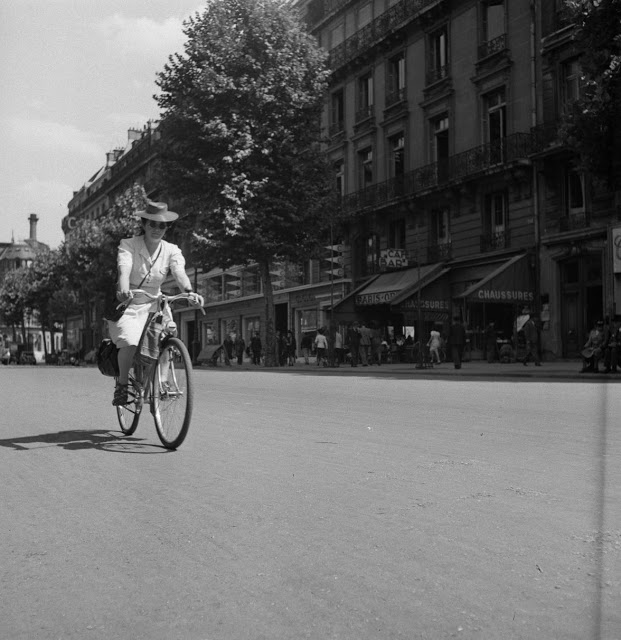
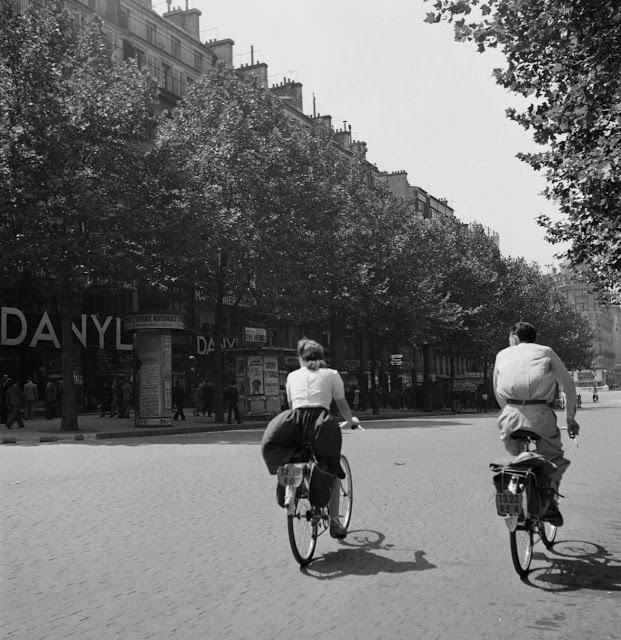
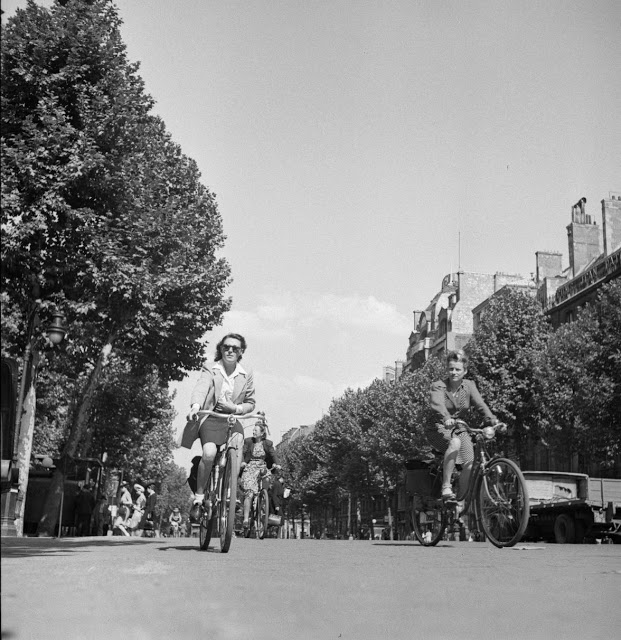
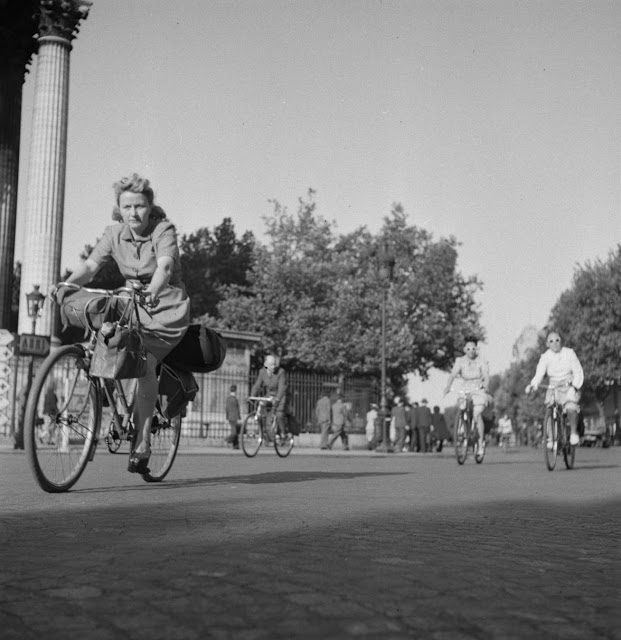
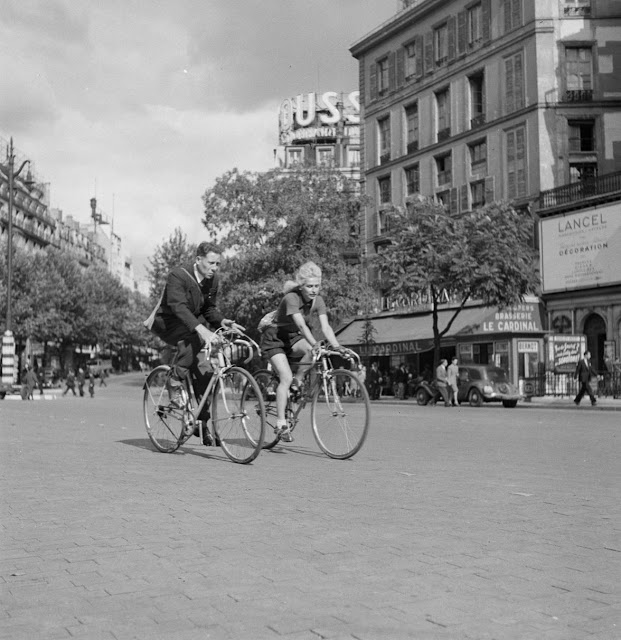
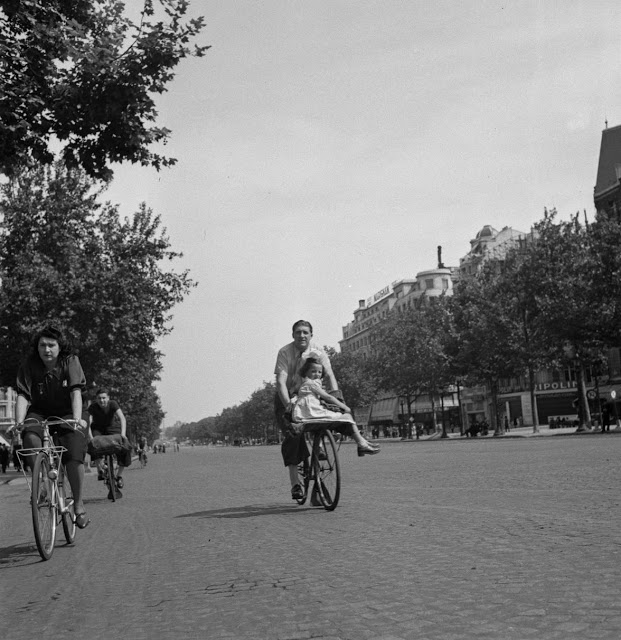
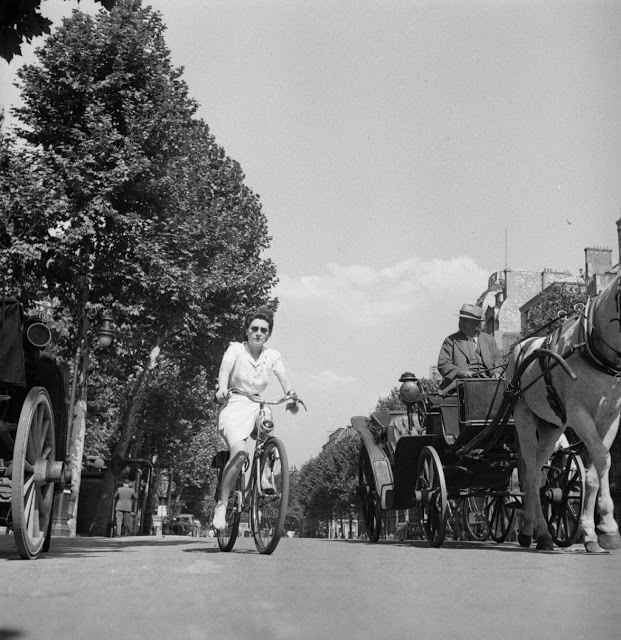
These photographs were taken by André Zucca in Paris while the city was occupied by the Germans during World War II. Zucca was a French photographer and Nazi collaborator, most well known for his work with the German propaganda magazine Signal.
While everything changed with the German occupation, most things also remained the same. The German occupiers made the French pay for the costs of the occupation in foodstocks, so food was very scarce. Other things, like gasoline and rubber (bicycle tires), were almost impossible to obtain.
Despite all that, France no longer was at war. Life, at least on the surface, appeared more normal than in places like London and Berlin. Men and women went to work, sat in cafés, went to the movies, and even watched or participated in bike races. This did not make them collaborateurs. After all, it would have served little if all Parisians had sat in a corner and sulked for years while the Germans were occupying the city. Even the resistance fighters kept up appearances and tried to live as normal a life as possible, so they did not arouse the suspicion of the Gestapo or their French counterparts.
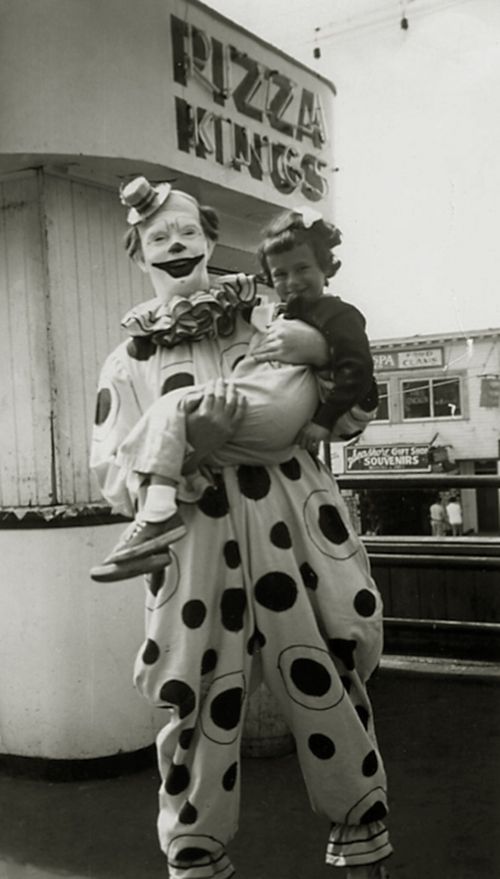
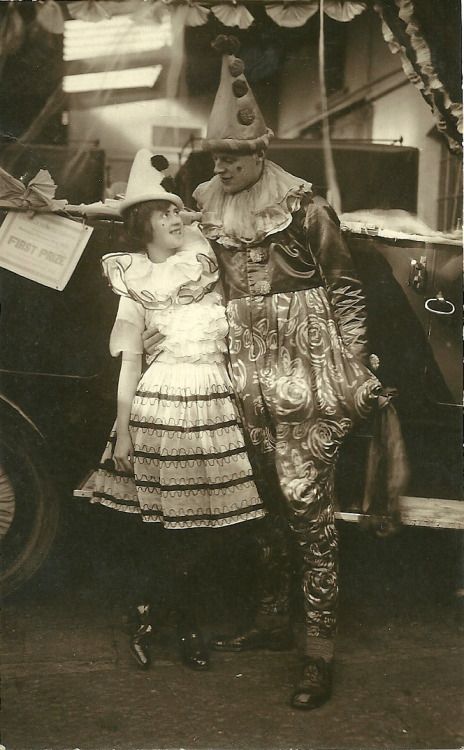
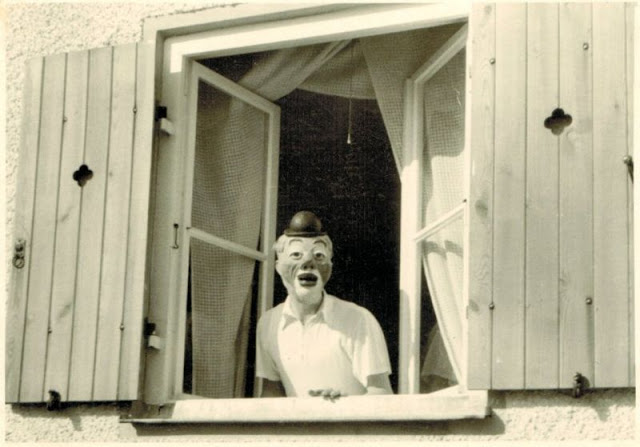
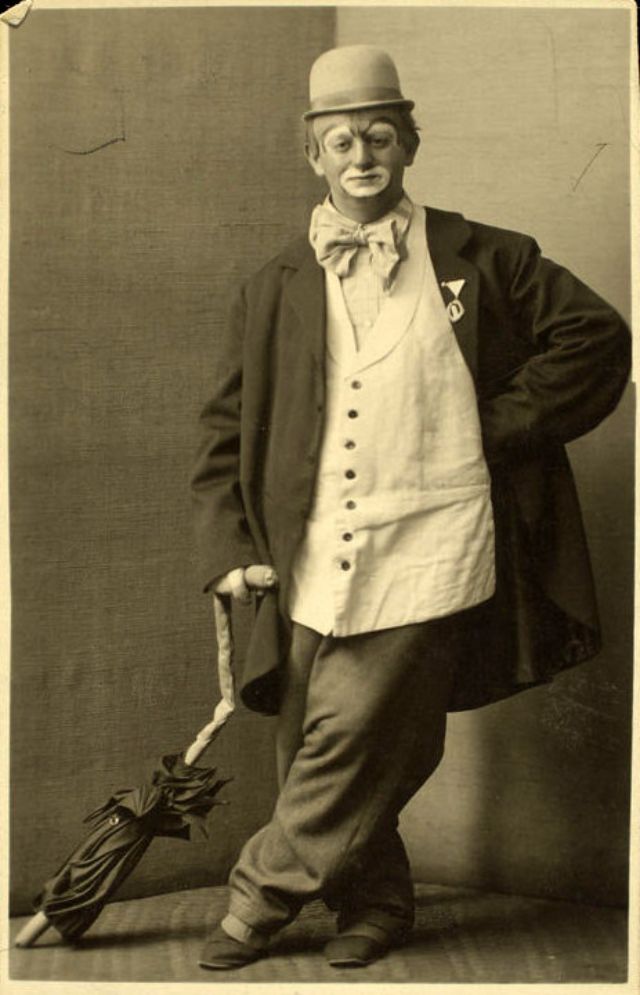
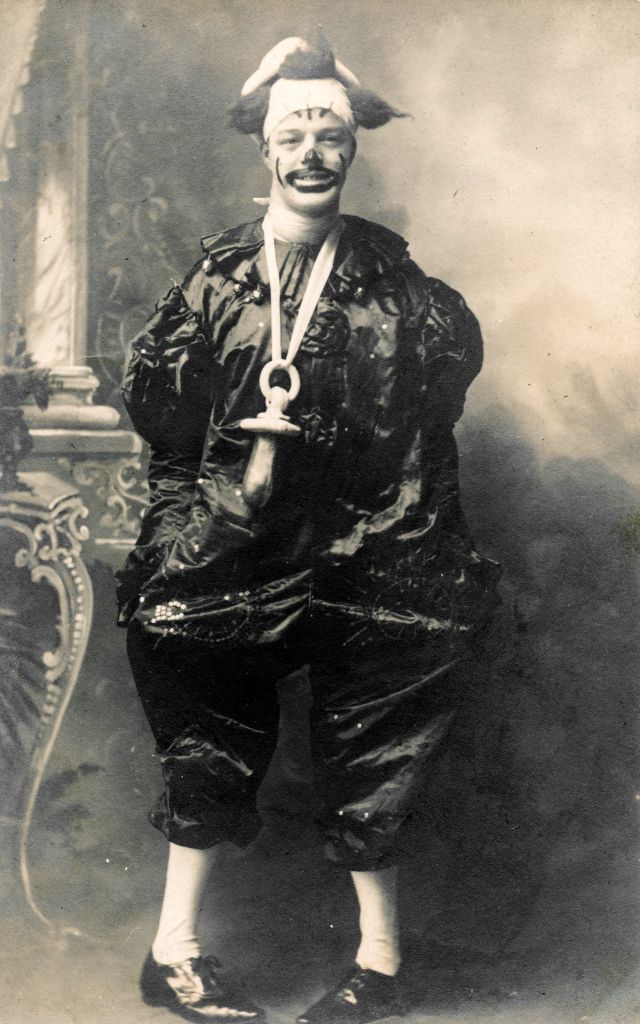
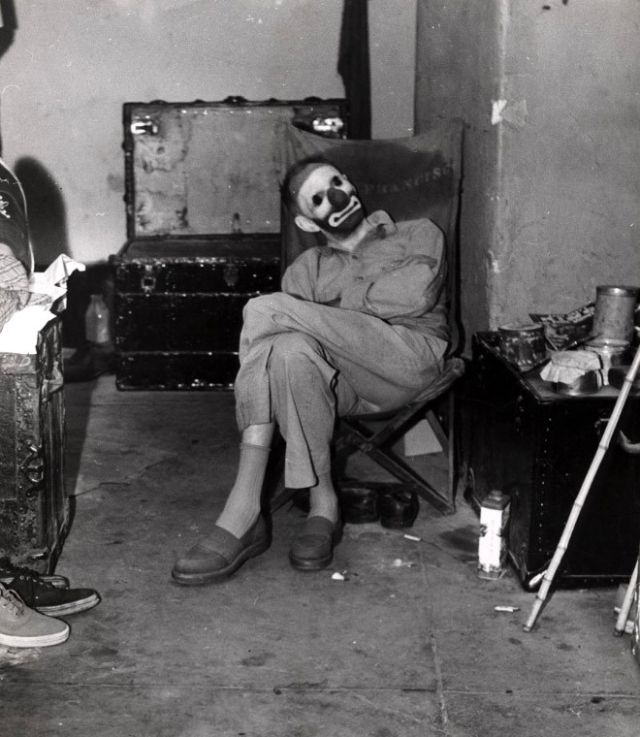
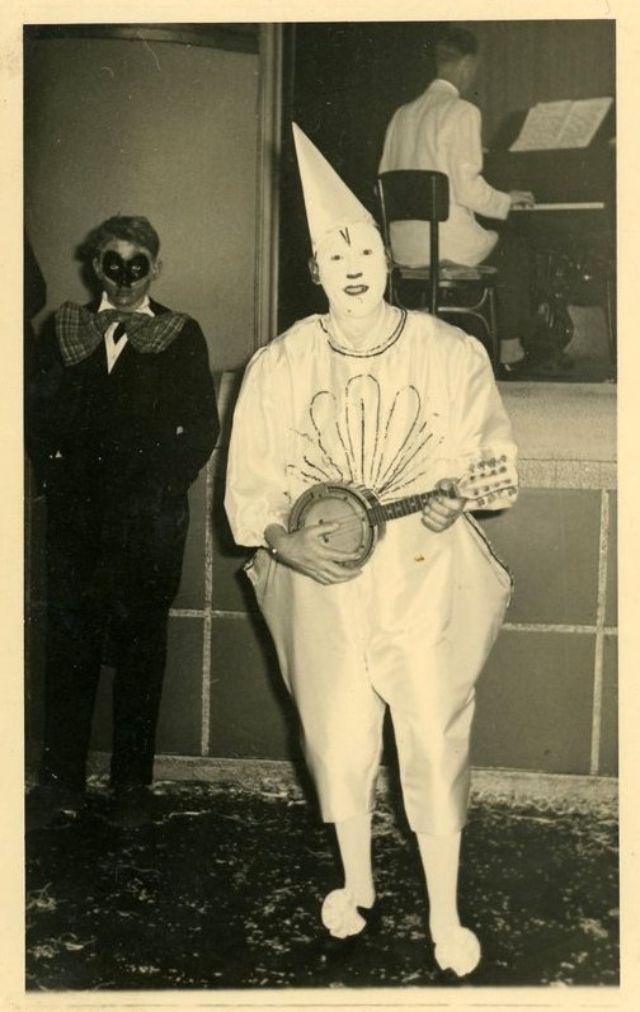
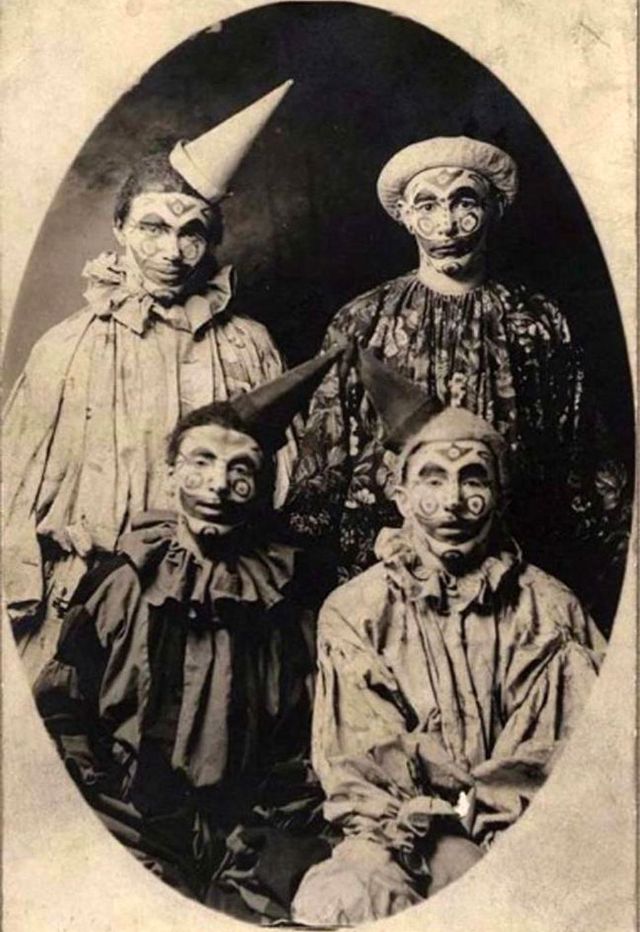
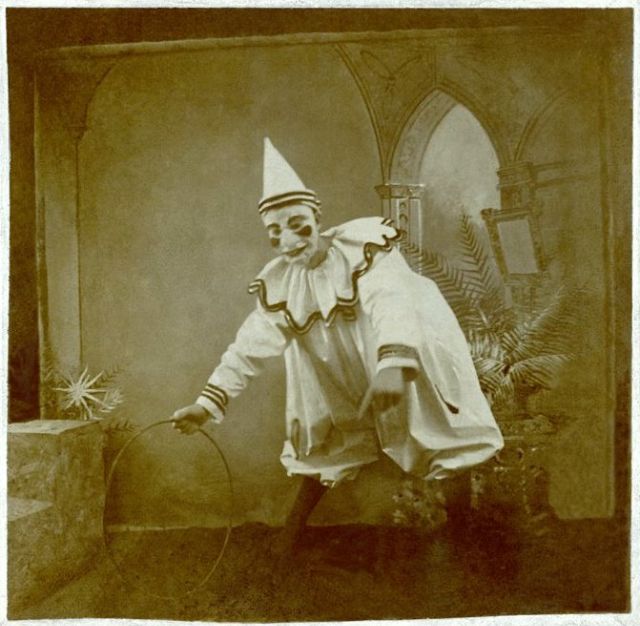
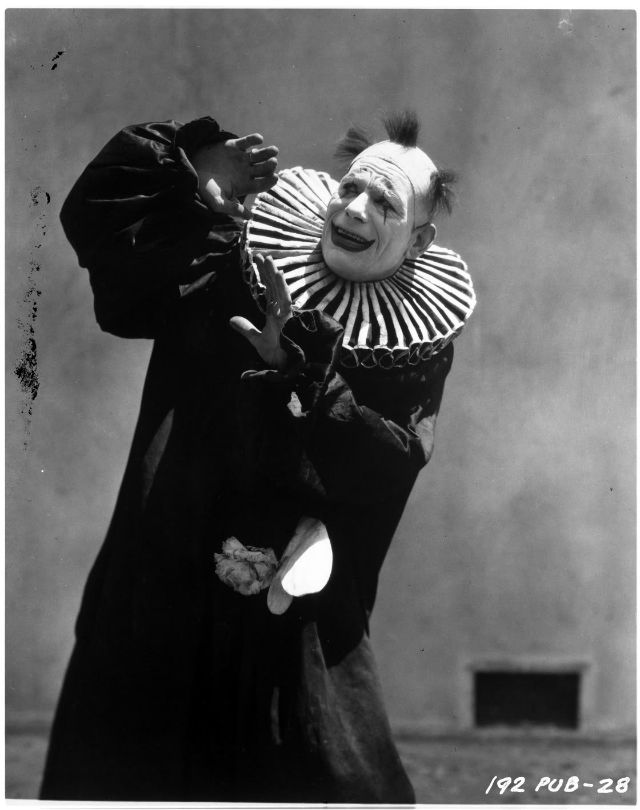
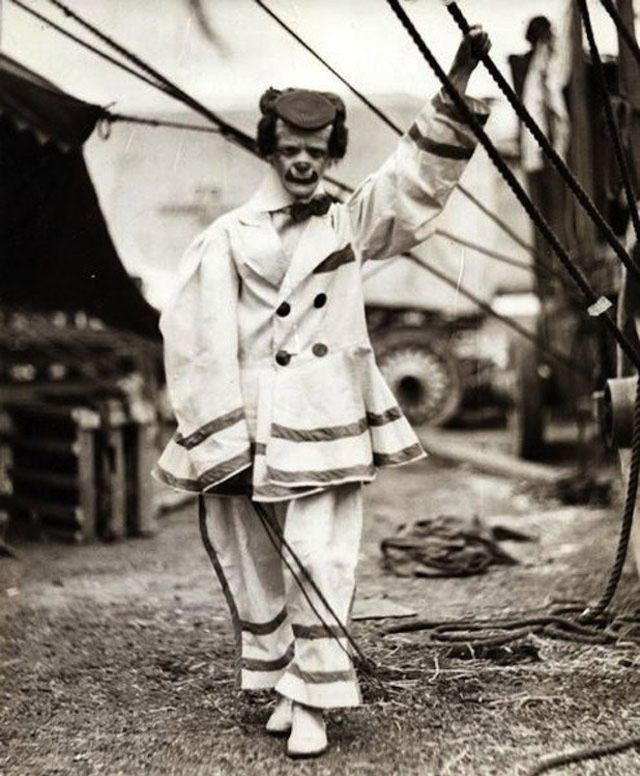
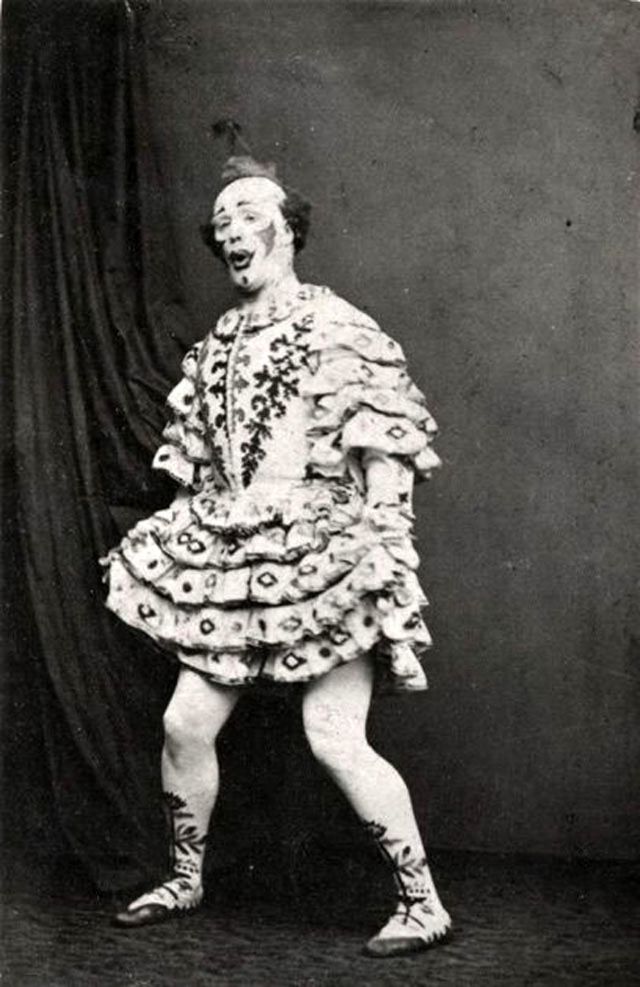
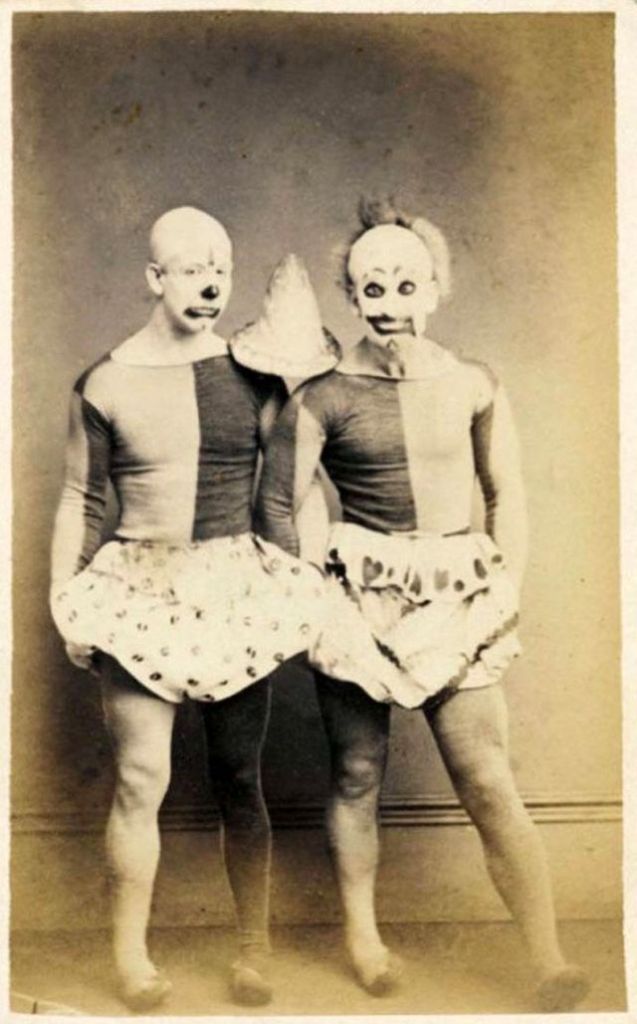
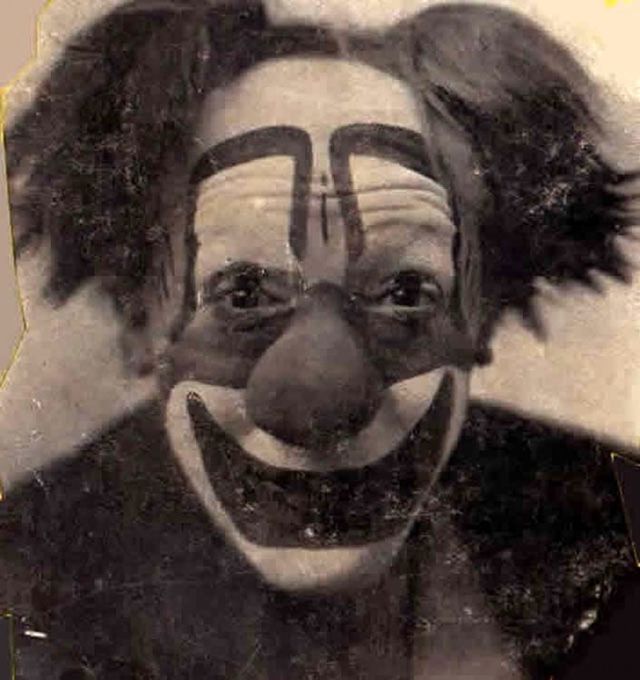
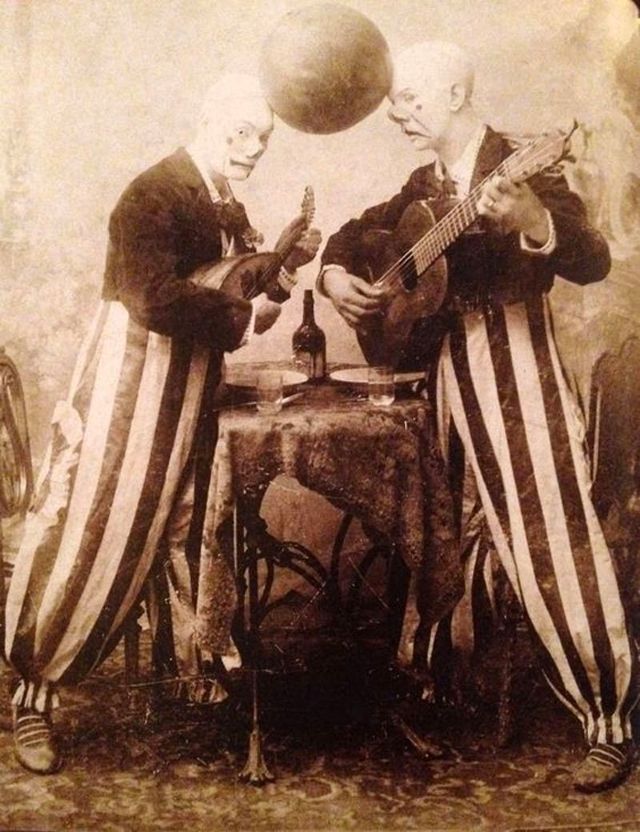
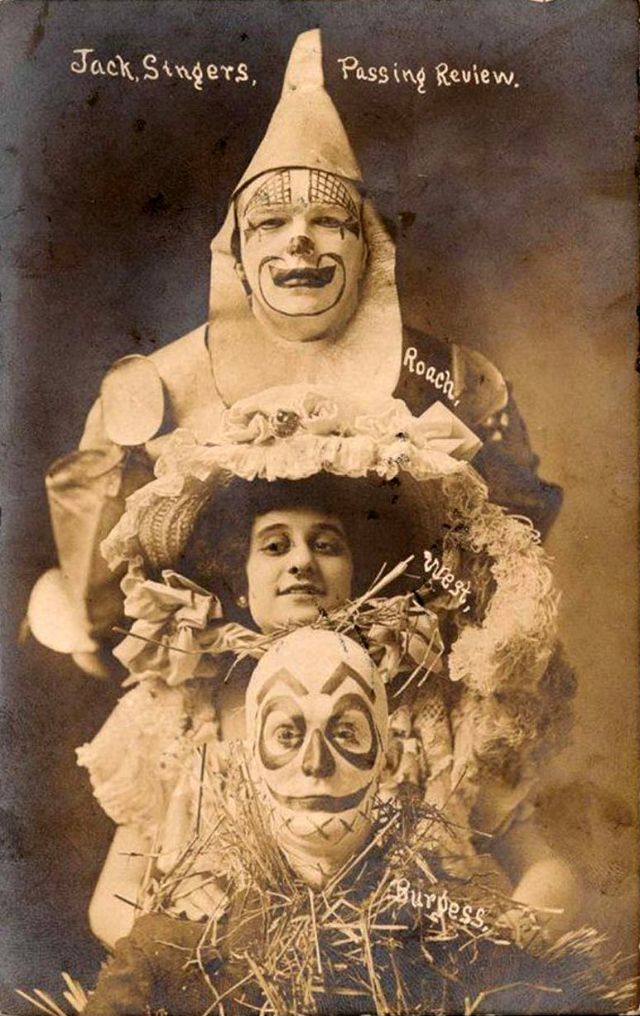
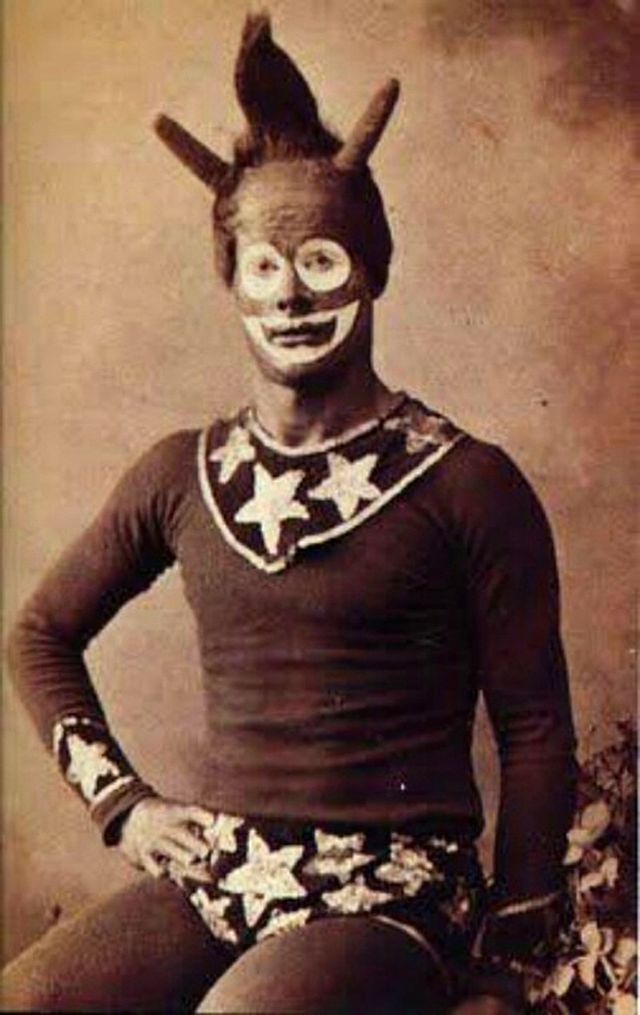
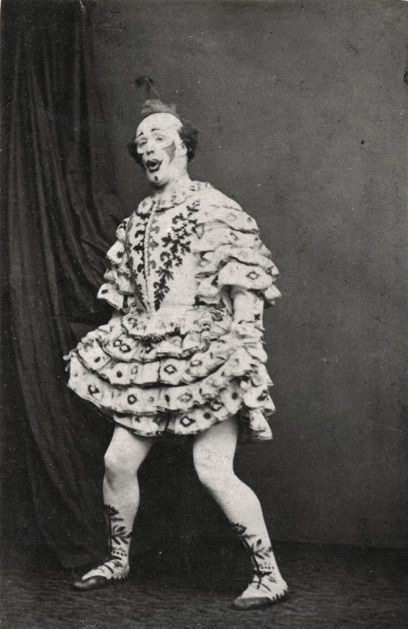
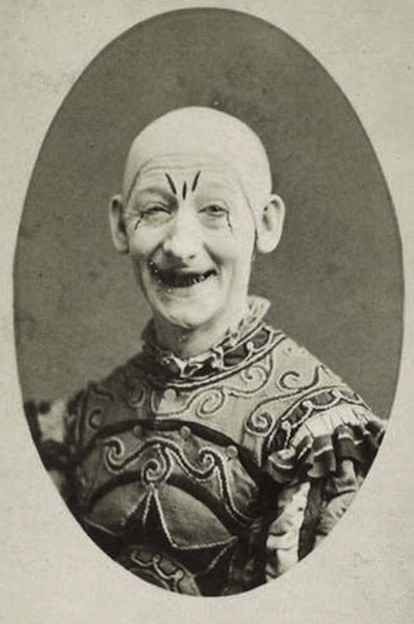
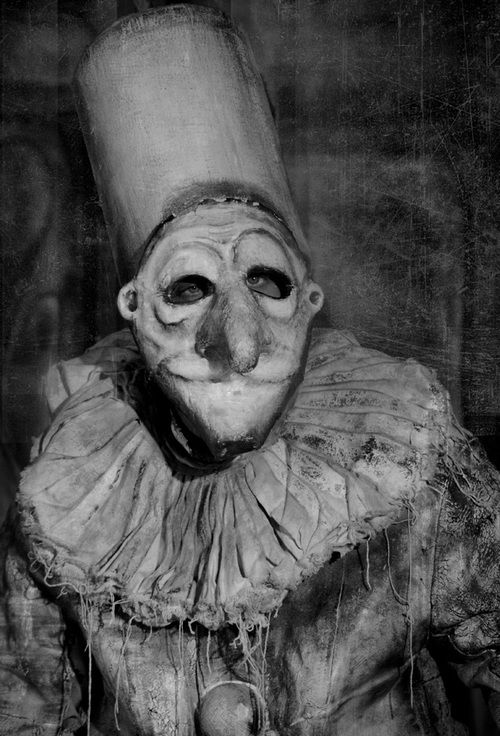
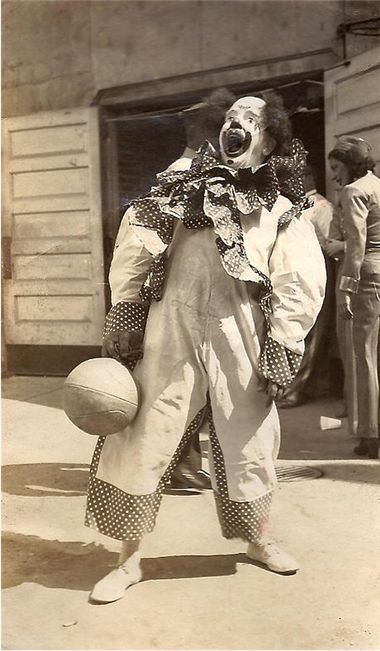
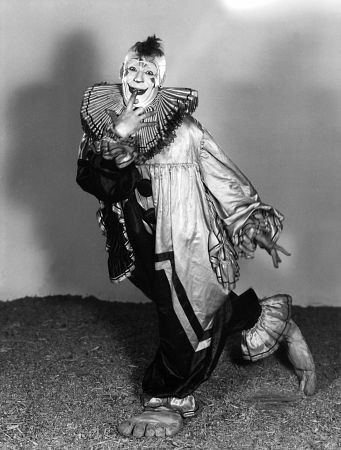
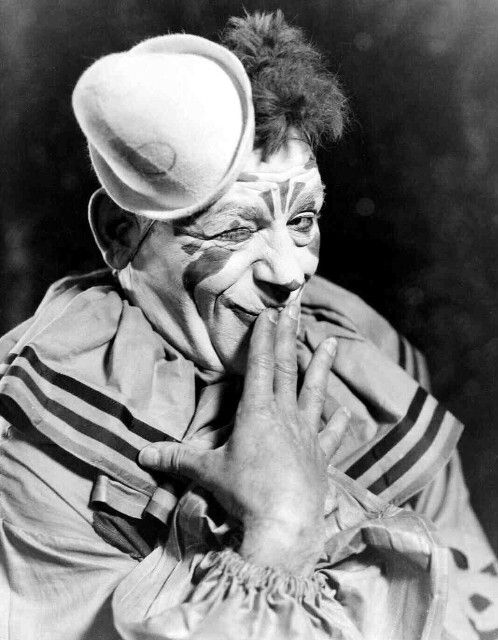
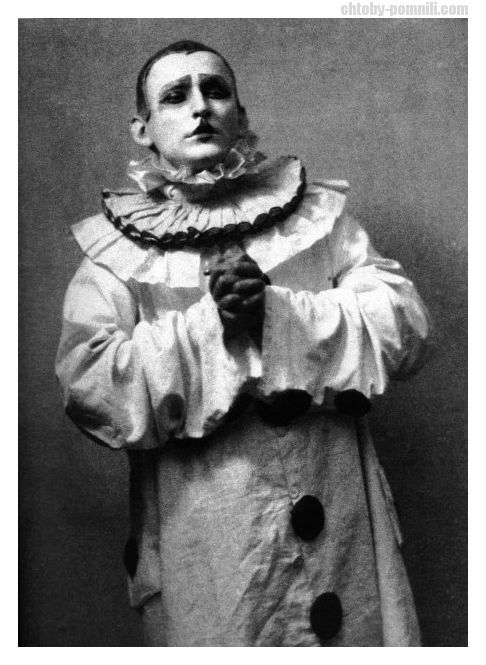
THE ROLES OF CLOWNS THROUGHOUT HISTORY – While clowns are the highlight of many parades, circuses and carnivals, the history of clowning goes back much further. From ancient Rome and medieval times to the North American Indians, the history of clowning around can be seen throughout the ages. Today, we recognize clowns as over-the-top figures with bright make-up, crazy clothes and large foot wear; however, they didn’t always have this appearance. Understanding the history of clowns may lead you to a new appreciation of these important figures in history.
THE FIRST CLOWN SIGHTINGS The history of clowns dates back to 2,400 B.C., as the first recording of clowns was found in ancient hieroglyphics in the Fifth dynasty of Egypt. It was thought that clowns served a socio-religious role as the priest often played the clown role as well. Jesters were found in 300 B.C. China under the reign of Emperor Shih Huang-Ti. In 100 AD India, clowns acted as interpreters, translating the Prakrit language to the general population.
ANCIENT GREECE AND ROME The history of clowns in ancient Greece led to the popularization of clowns in shows. The clowns of ancient Greece were often bald headed and wore additional padding in order to appear large and chubby. Performing in plays, they would poke fun at the serious villains of the play and throw peanuts at the audience. Roman clowns also made their appearances in dramas. The Roman mime would wear a pointed hat and act out different scenes within the play, providing clown entertainment for the audience.
MIDDLE AGES/RENAISSANCE TIMES Throughout medieval history, fools and jesters can be seen entertaining royal courts and town citizens. Their job was much more than simply collecting laughs. These ancient clowns were used to reinforce religious values as well as display cultural values to their audience. They were a catalyst for a change in social culture. In the 14th Century, the juggler and fool appeared in the tarot cards, depicting a new start and the ability to leave a safe place to discover new opportunities. This gave clowns an almost magical aura.
NATIVE AMERICAN CLOWNS The history of clowns in North America is dramatically different than the history portrayed in Rome. Several North American native tribes used clowns to play a sacred function, often revealing the truth about a given situation in a comical way. Some tribes thought laughter opened up their spirits to the Gods. Clowns were also used to keep order amongst the Indians during social gatherings. Clowns, known as contraries in the Cheyenne tribe, would make tribe members laugh by doing everything contrary to the traditional way, including riding horses backwards and walking on their hands.
THE CIRCUS Although the circus originated in ancient Egypt and Rome, the first modern circus was introduced in 1768 by Philip Astley in England. The first clown act and was so popular that Astley hired more clowns. It then became an anticipated part of the circus for the next century. Many famous circus clowns made an appearance in circus shows across the country. Circus clowns served no higher purpose other than making the audience laugh and helping people to forget about their stress.
Through the ages, the types of clowns and the roles they have portrayed have changed significantly from culture to culture. Not only are they an important part of North American culture, but the rich history of clowning has a place in cultures around the world. (Via Clowns.com)
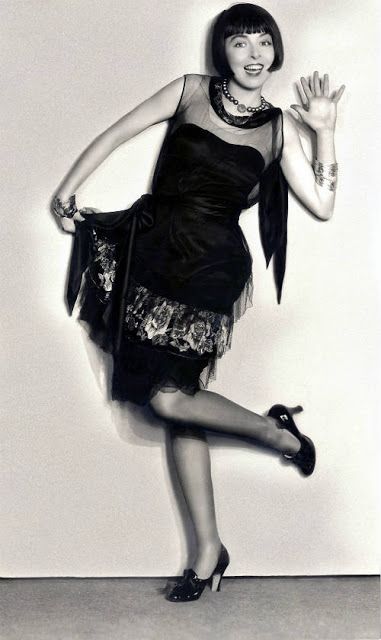
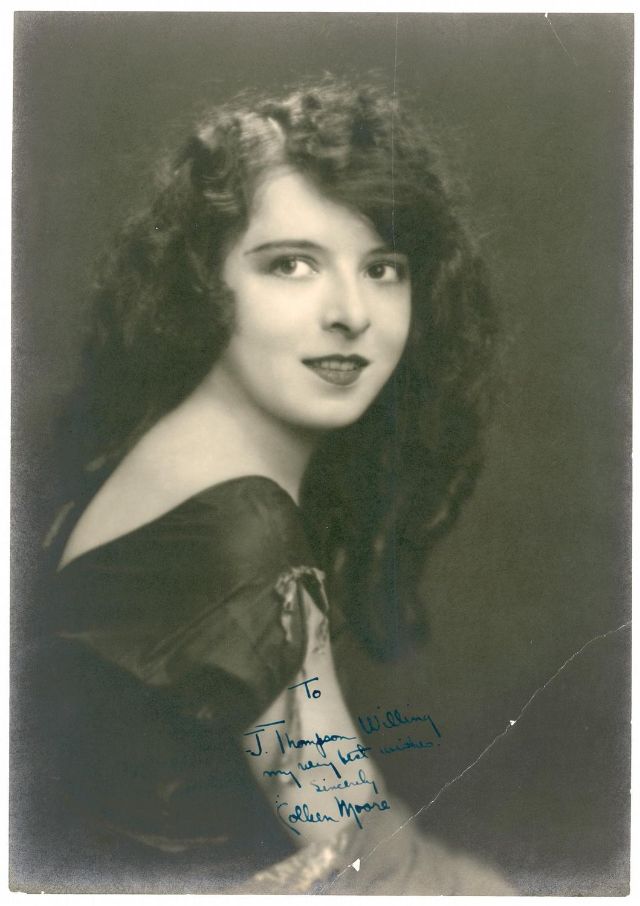
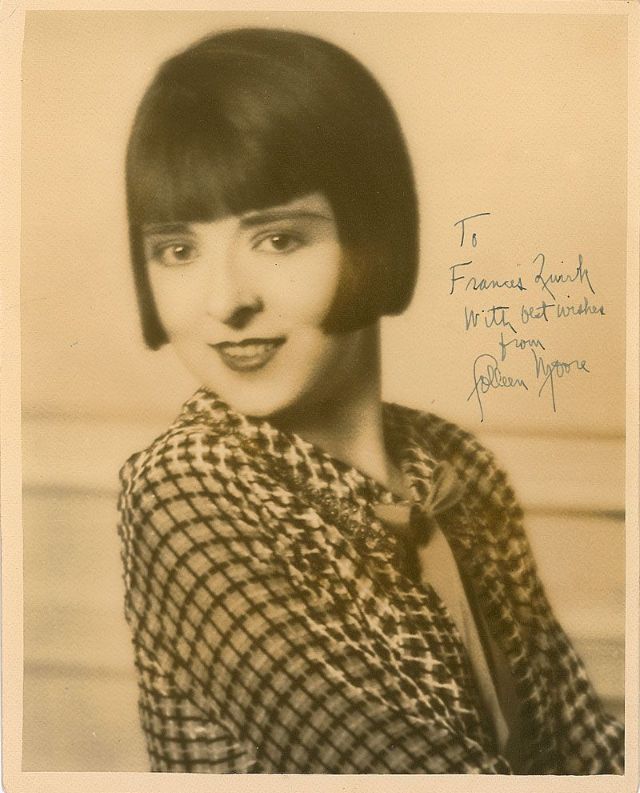
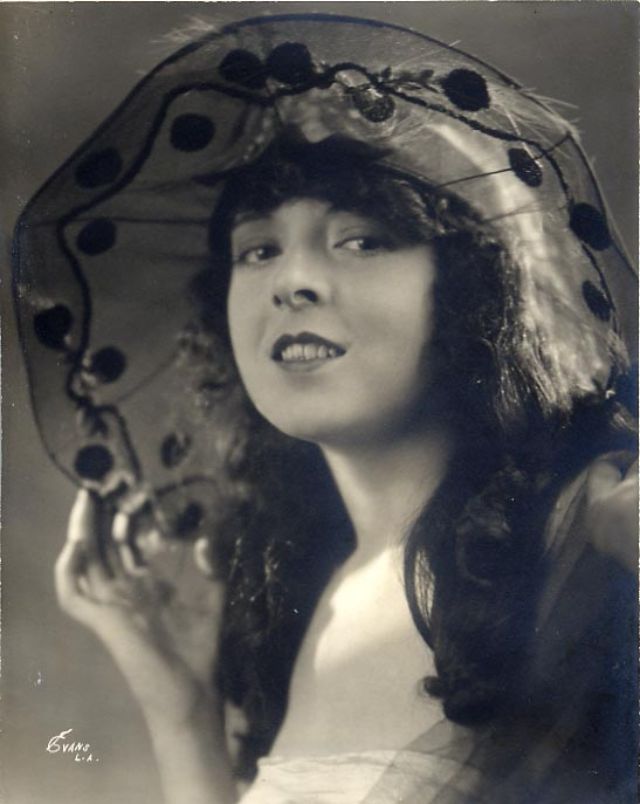
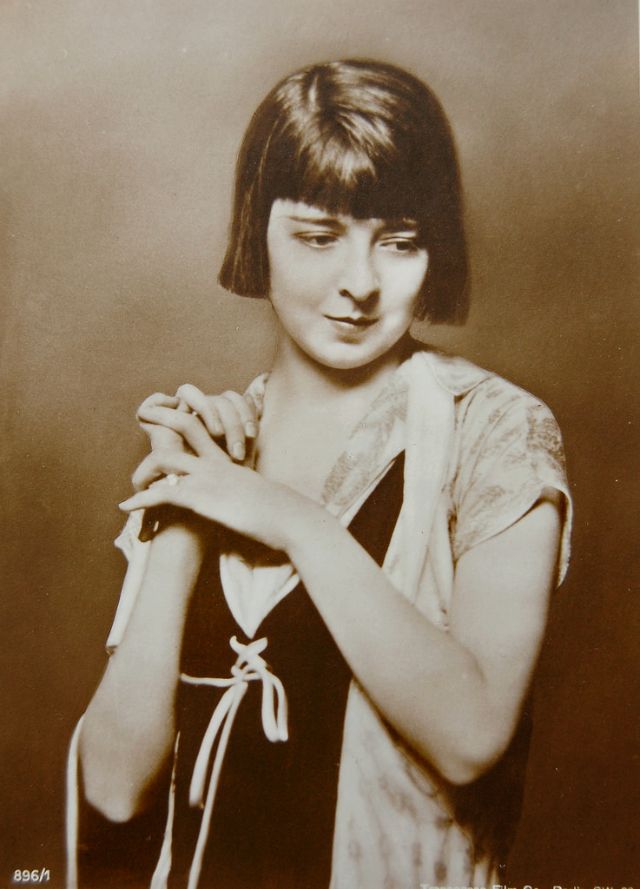
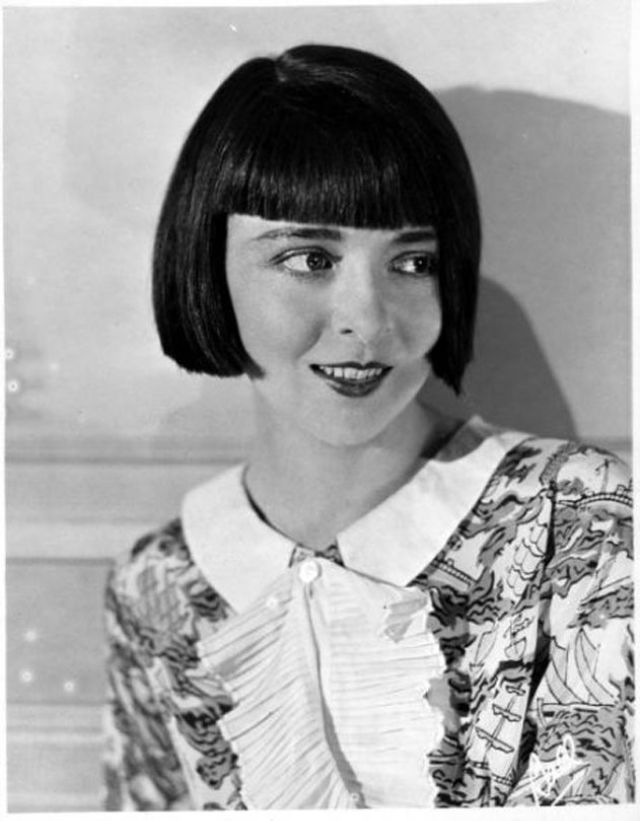
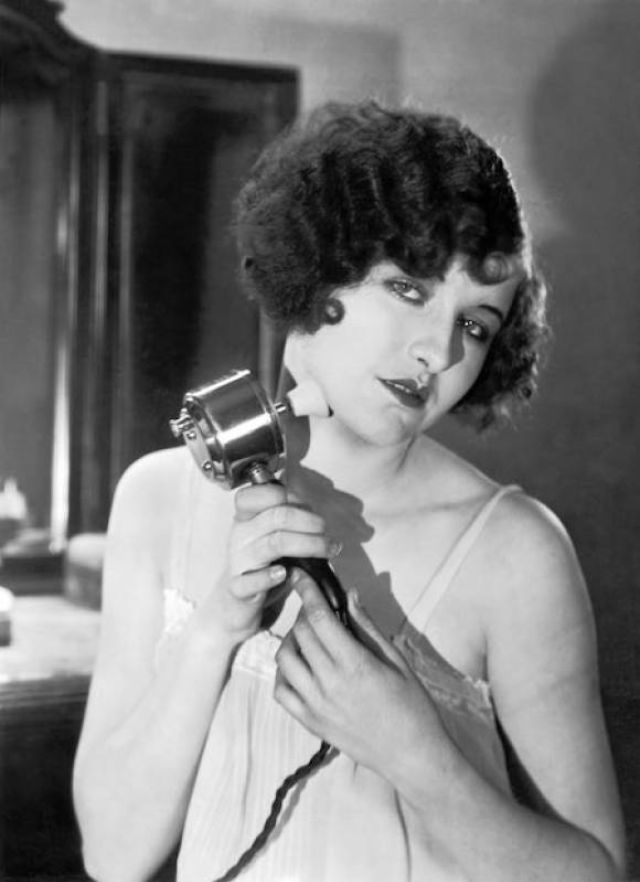
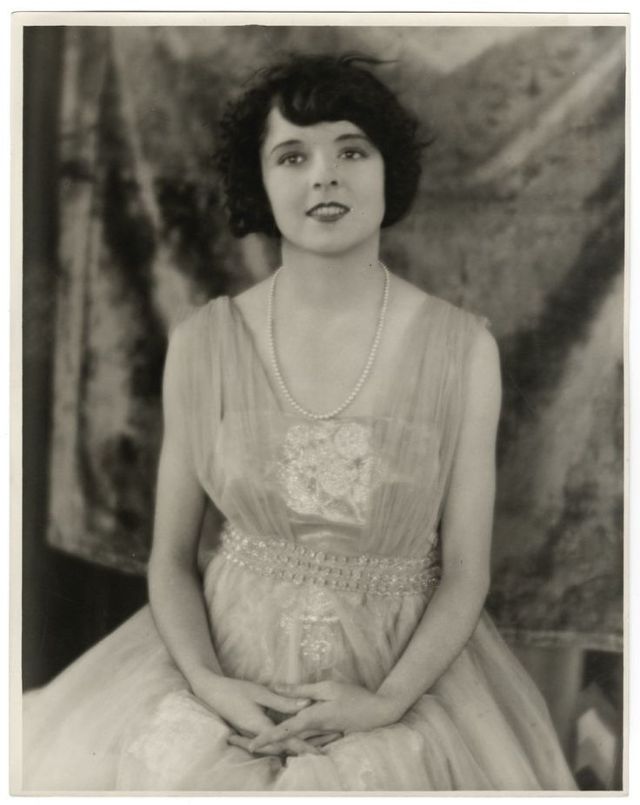
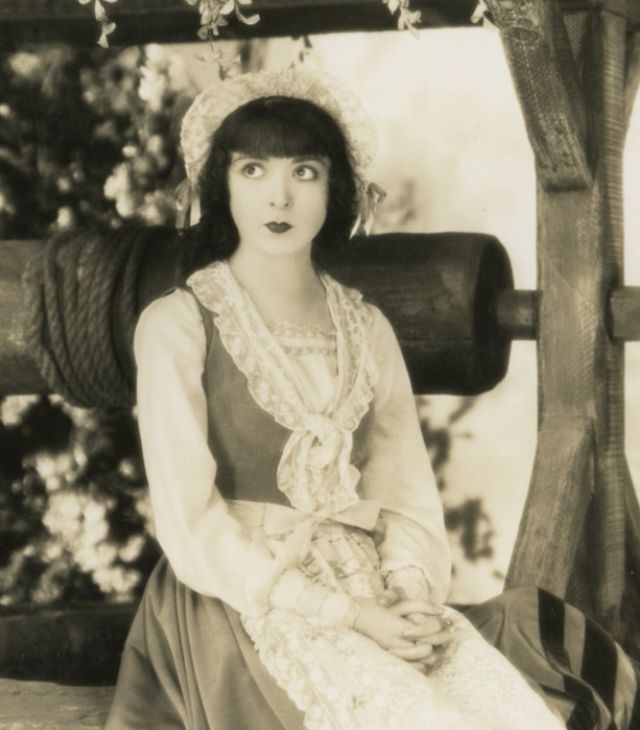
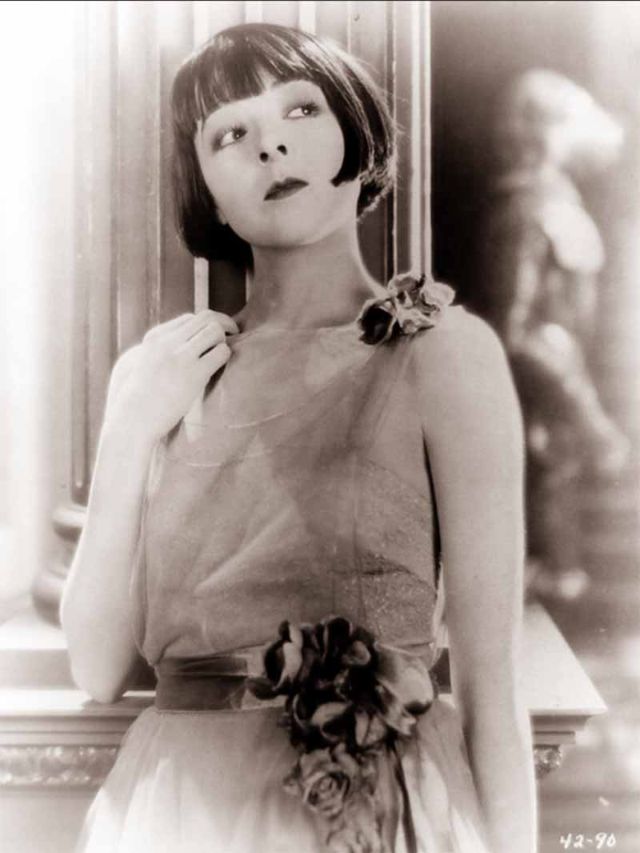
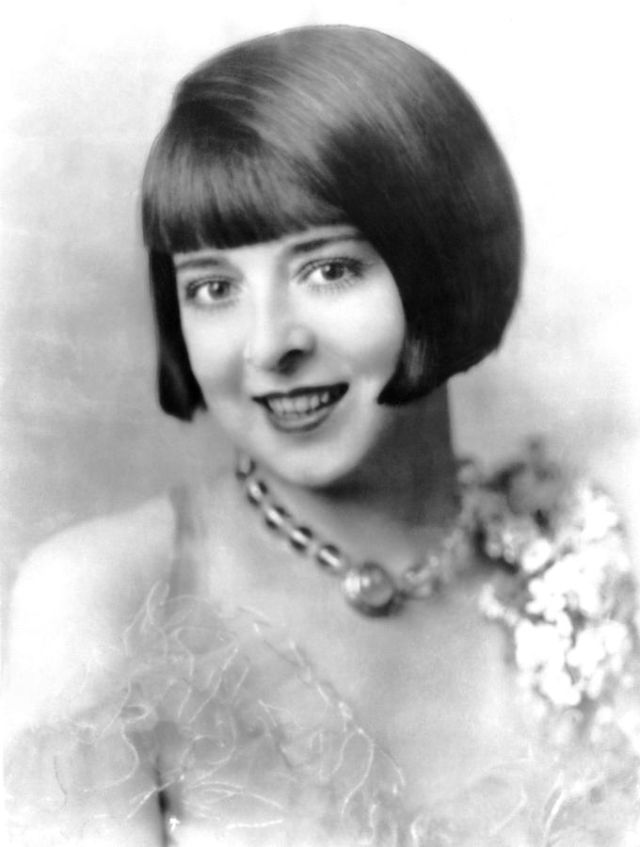
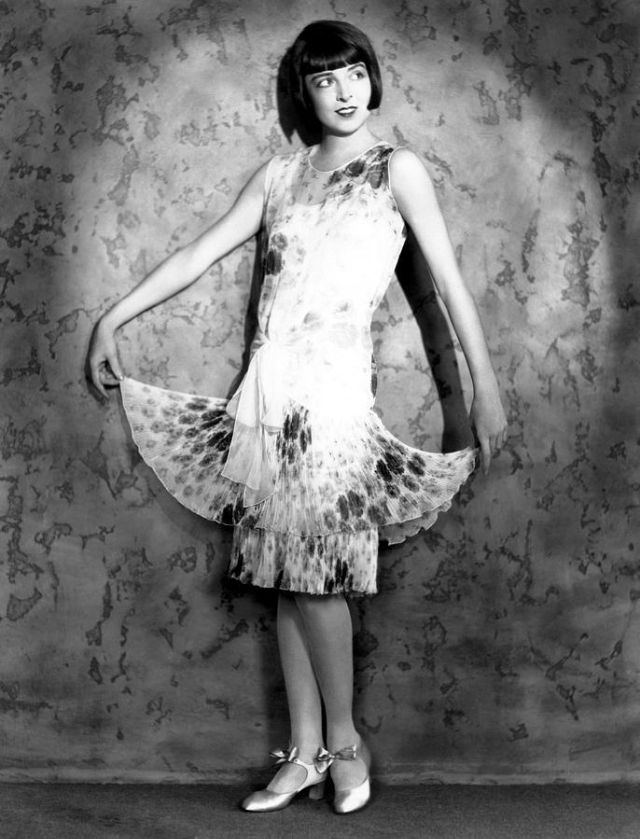
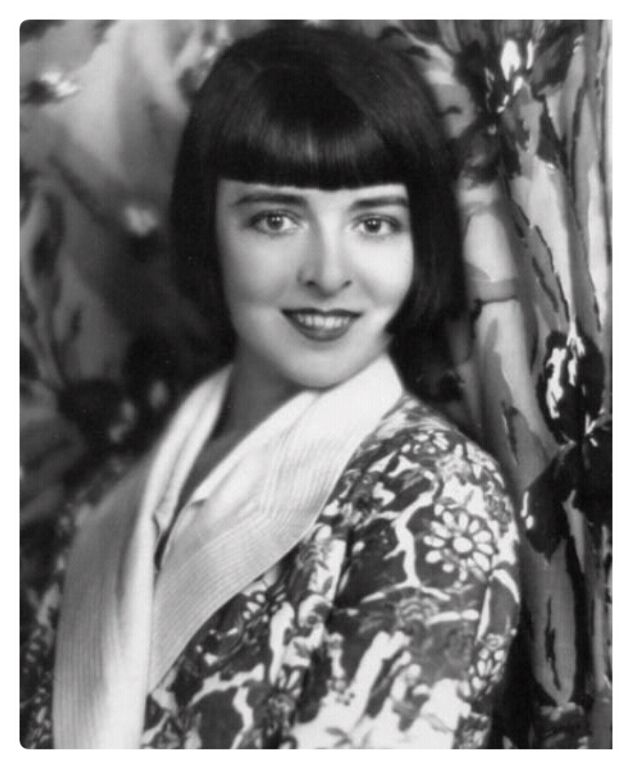
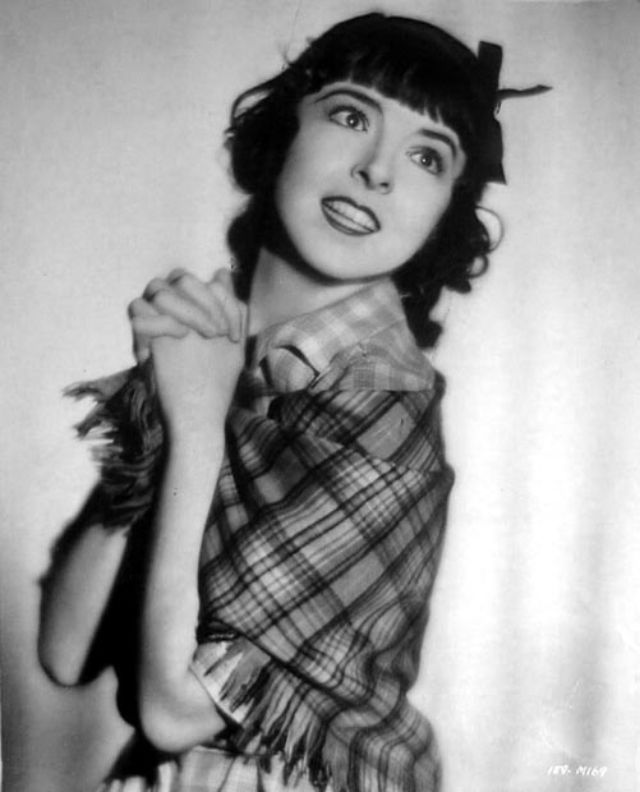
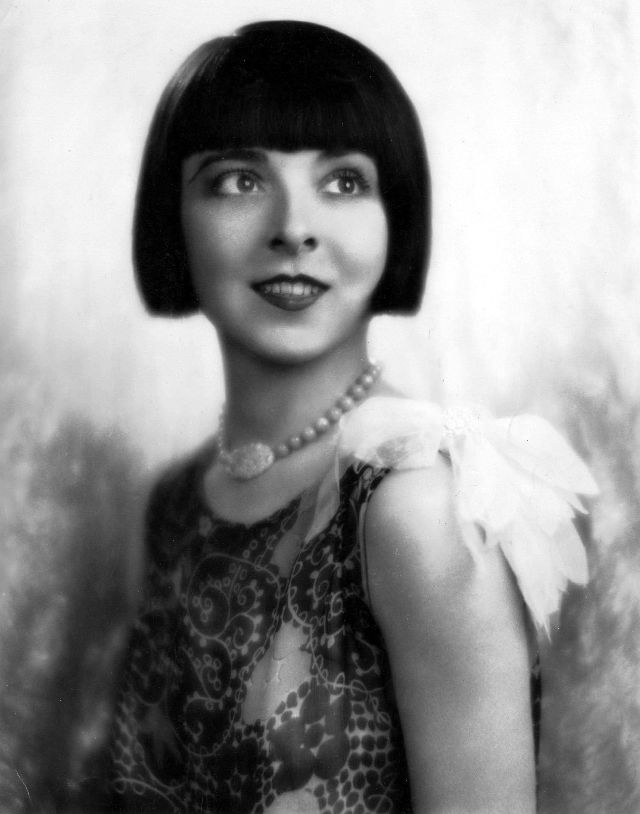
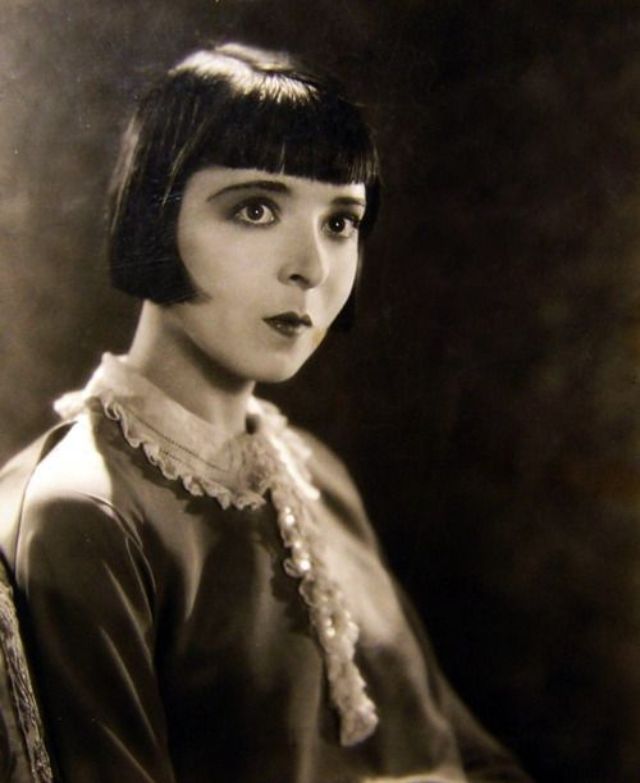
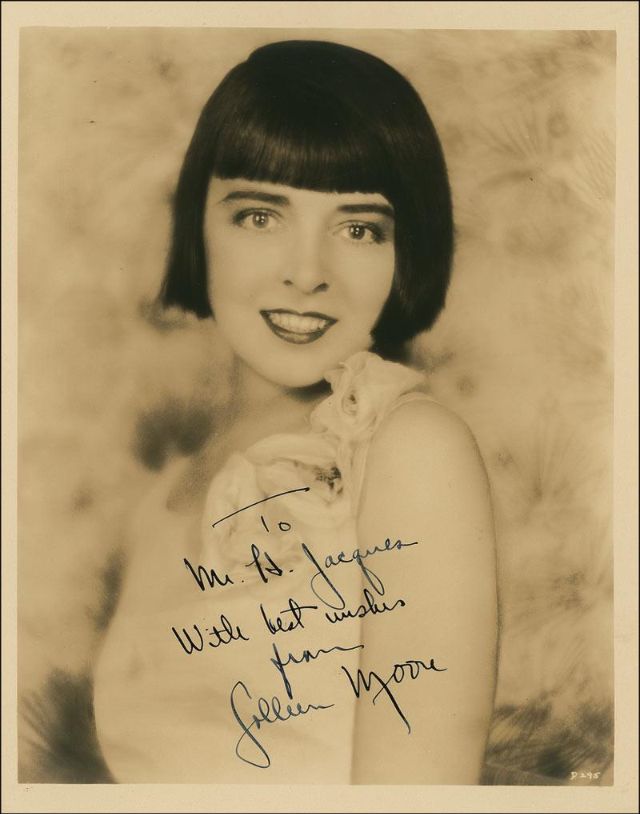
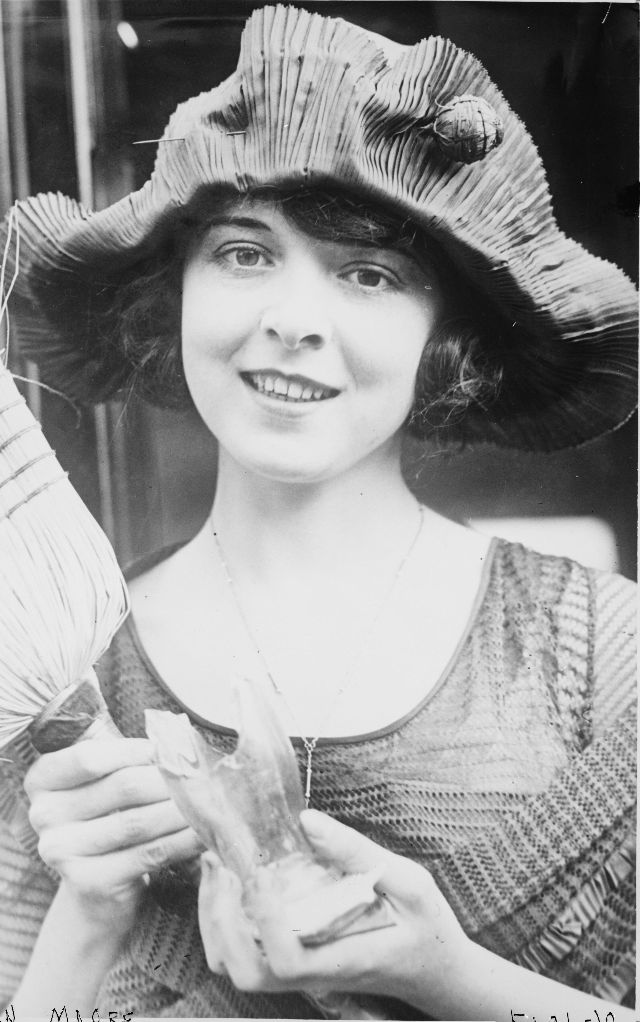
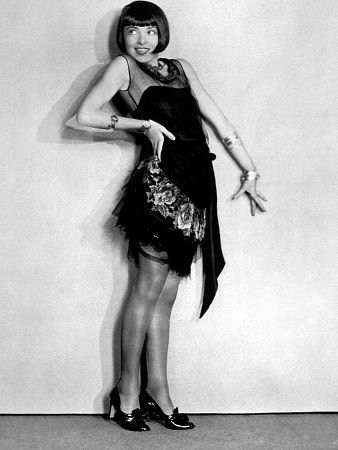
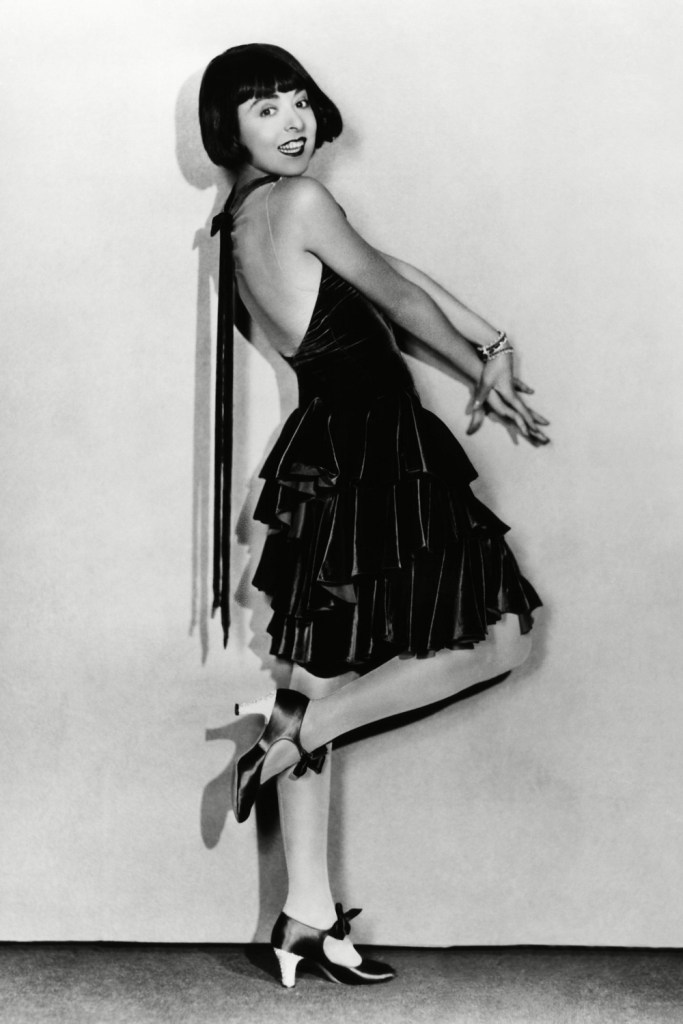
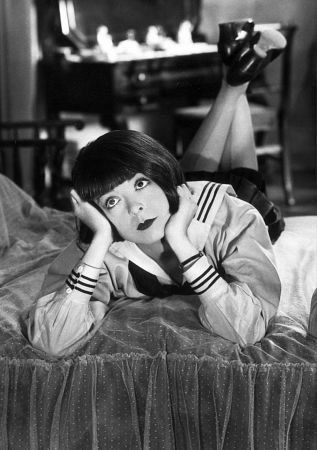
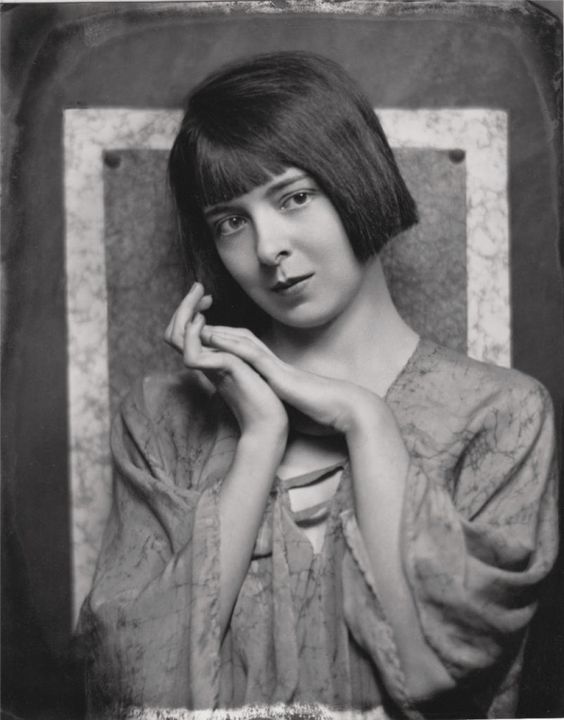
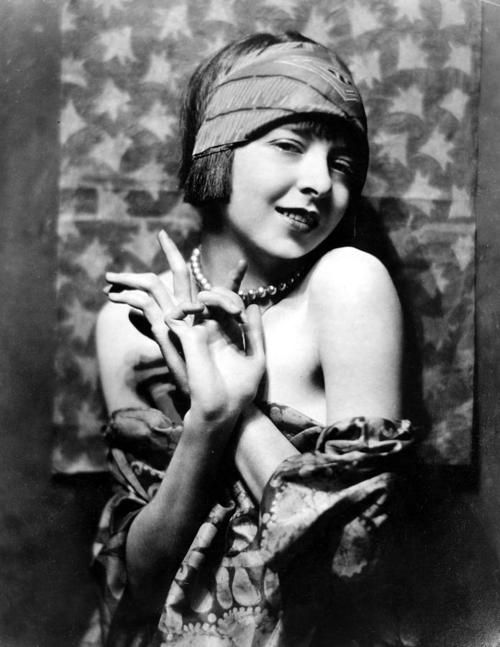
Colleen Moore (born Kathleen Morrison; August 19, 1899 – January 25, 1988) was an American film actress who began her career during the silent film era. Moore became one of the most fashionable (and highly-paid) stars of the era and helped popularize the bobbed haircut.
Although Moore was a huge star in her day, approximately half of her films are now considered lost, including her first talking picture from 1929. What was perhaps her most celebrated film, Flaming Youth (1923), is now mostly lost as well, with only one reel surviving.
Moore took a hiatus from acting between 1929 and 1933, just as sound was being added to motion pictures. After she returned, her four sound pictures released in 1933 and 1934 were not financial successes. She then retired permanently from screen acting.
After her film career, Moore maintained her wealth through astute investments, becoming a partner of Merrill Lynch. She later wrote a “how-to” book about investing in the stock market.
Moore also nurtured a passion for dollhouses throughout her life and helped design and curate The Colleen Moore Dollhouse, which has been a featured exhibit at the Museum of Science and Industry in Chicago since the early 1950s. The dollhouse, measuring 9 square feet (0.84 m2), was estimated in 1985 to be worth $7 million, and it is seen by 1.5 million people annually.
On January 25, 1988, Moore died from cancer in Paso Robles, California, aged 88. For her contribution to the motion picture industry, Colleen Moore has a star on the Hollywood Walk of Fame at 1551 Vine Street.
Relating to the past can be difficult when all you have to look at are faded black and white photos that feel like they are from another planet. The mind thinks and remembers in color, meaning a color photograph is much easier to connect with than a black and white photo.
Thanks to film colorization historic photos restored to full color bring new life to history. Film colorization is a process that can be conducted digitally or by hand. Prior to the 1970s basic colorization was possible but required carefully painting color onto film stock.
The invention of the computer has completely altered the way we restore historic photos thanks to digital colorization. While the process is still time-consuming it is very much worth the hard work.
Research is conducted to match colors as closely to how they really looked as possible, but in some cases artists must guess which colors to use.
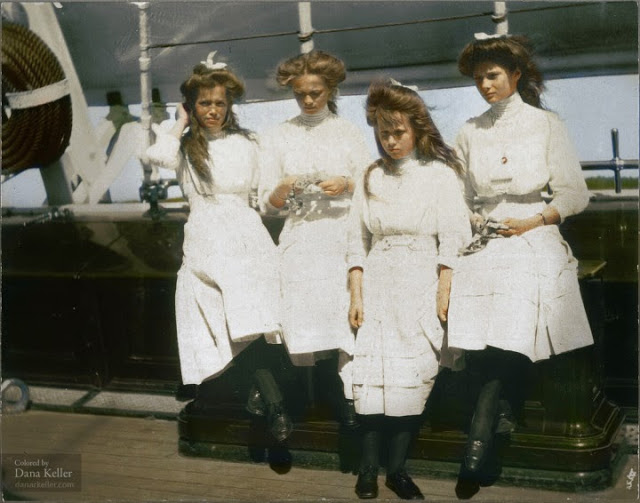
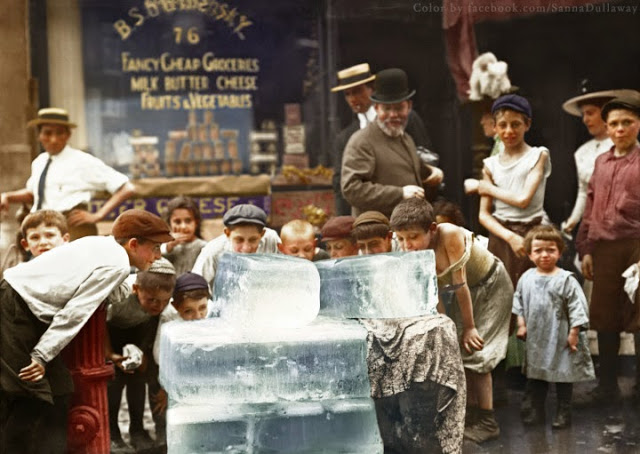
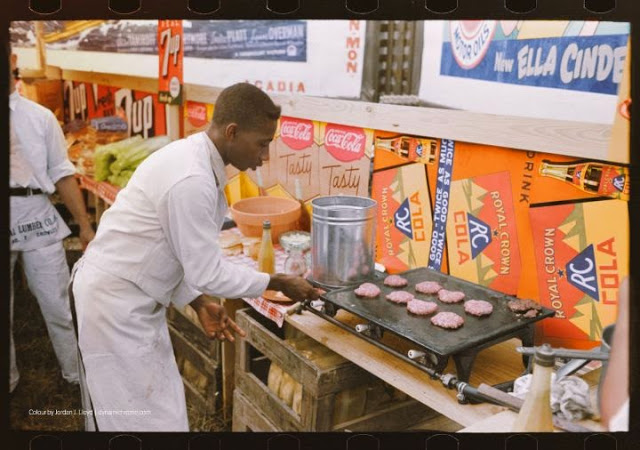
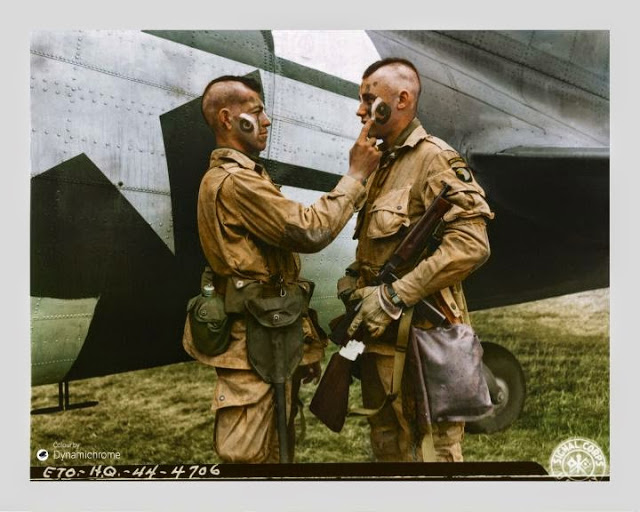
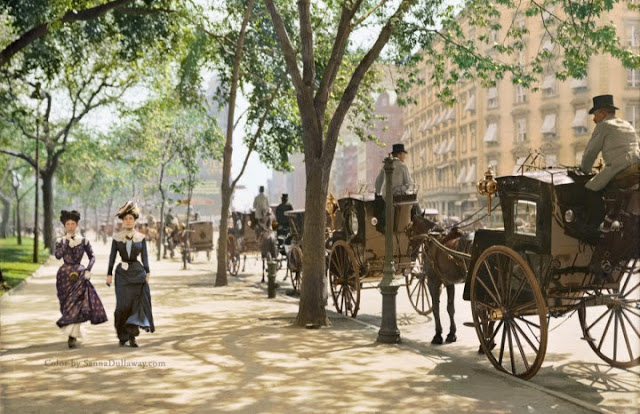
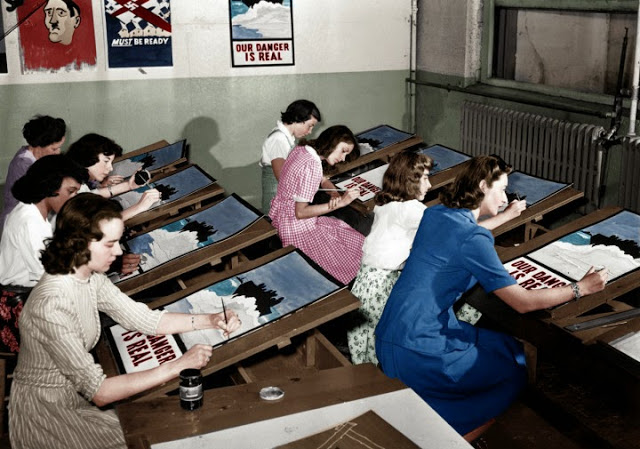
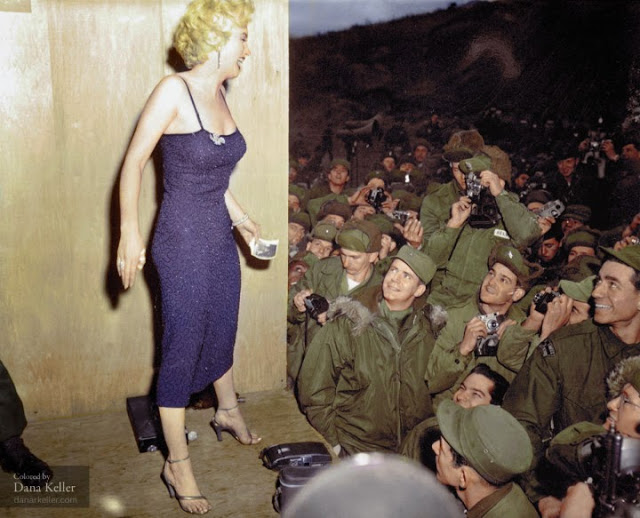
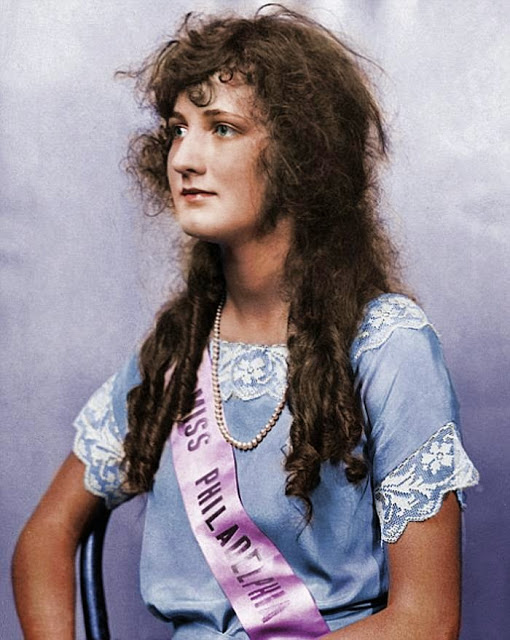
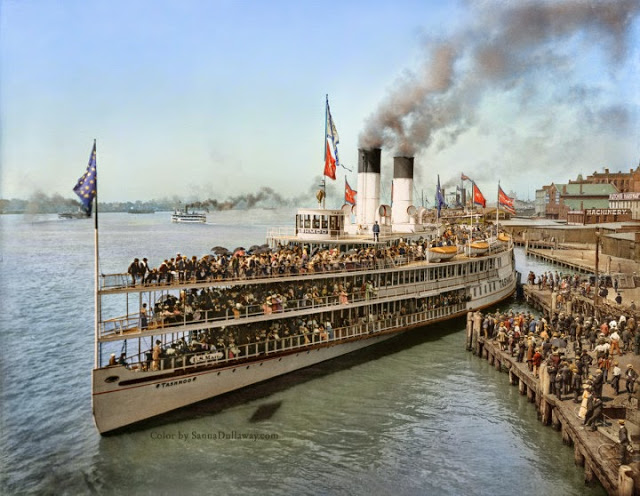
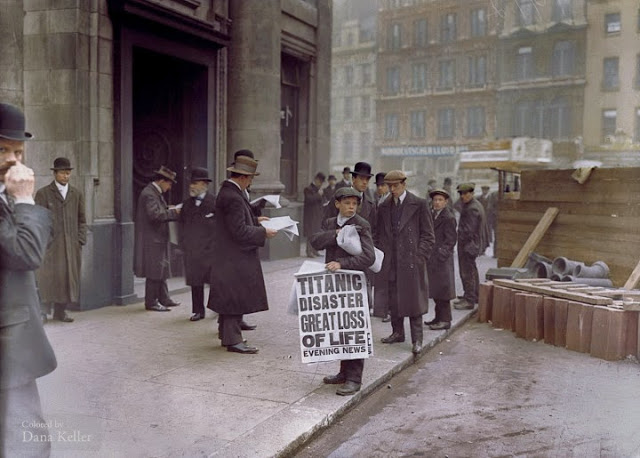
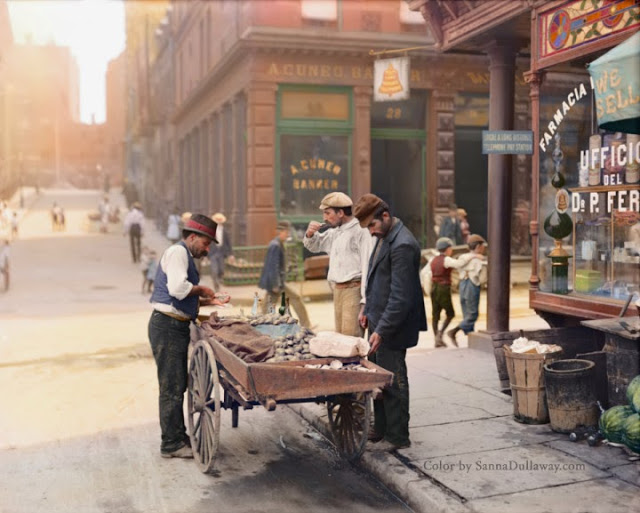
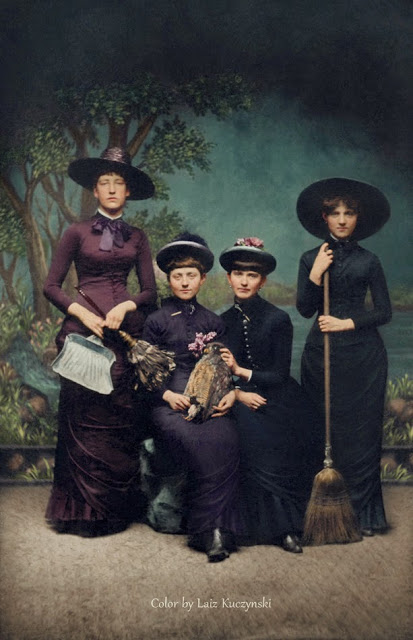
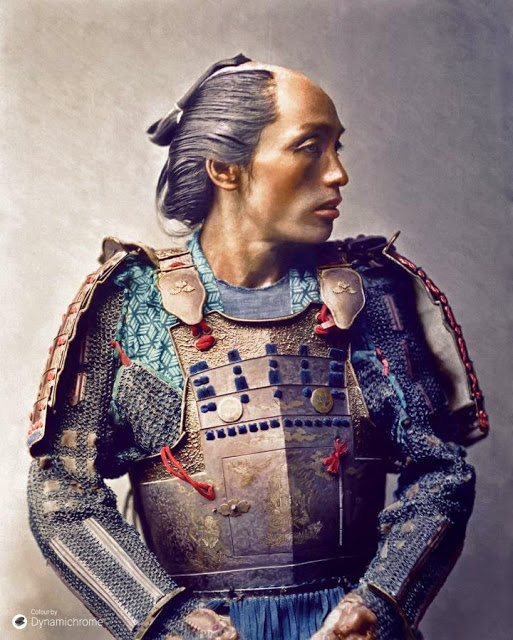
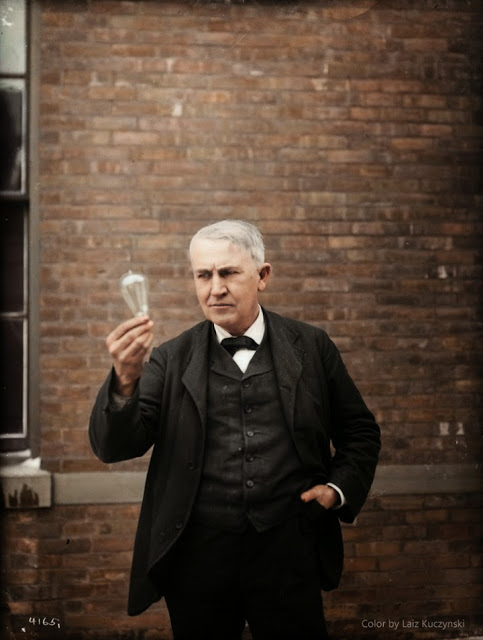
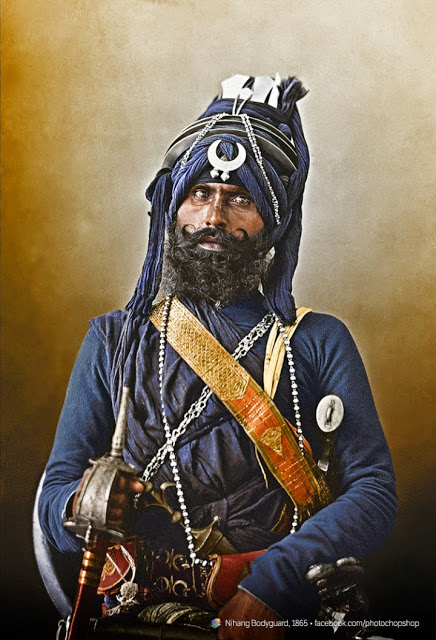
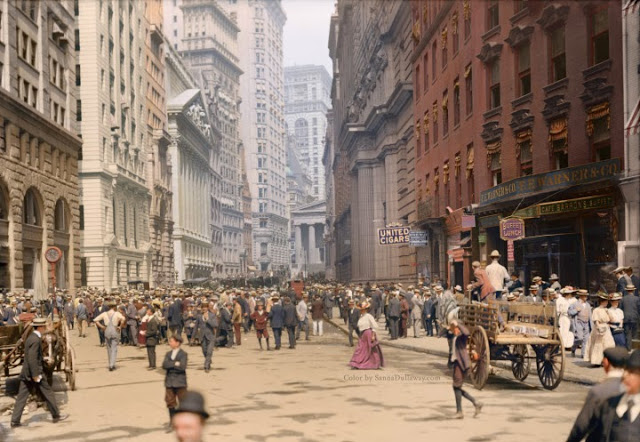
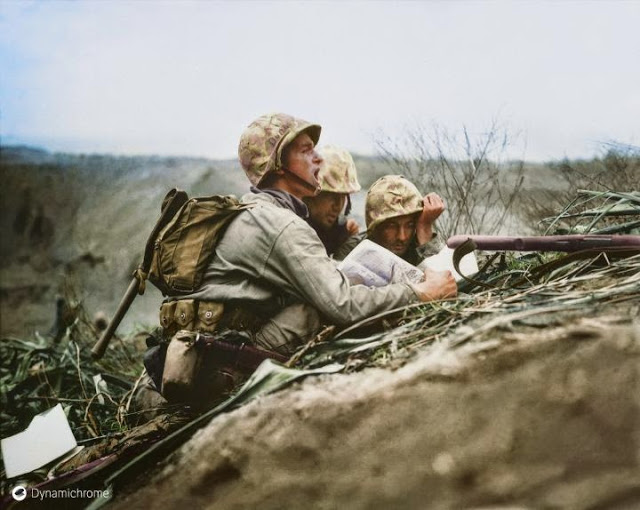
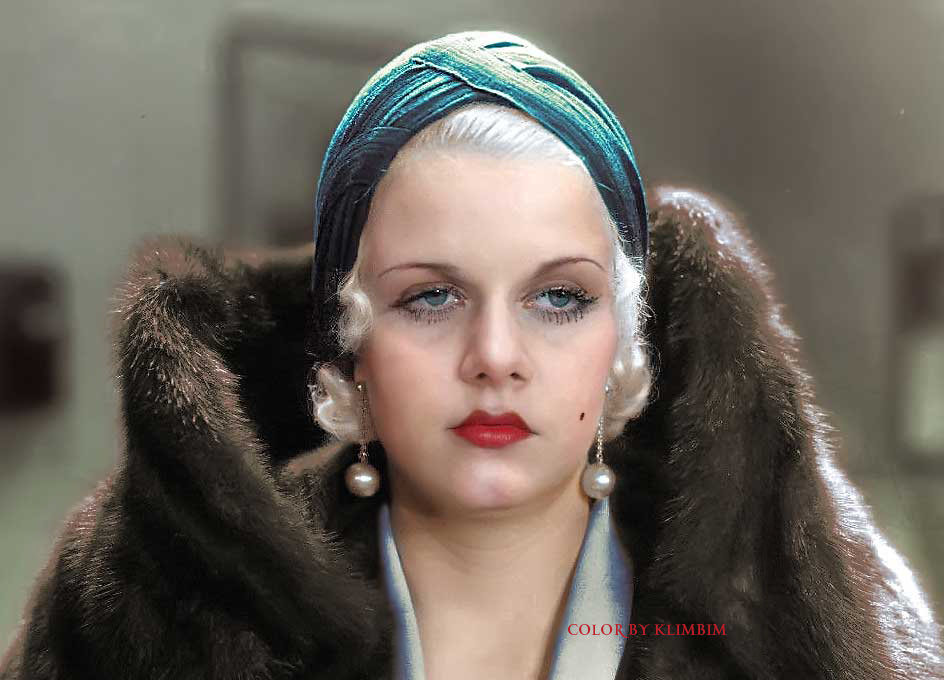
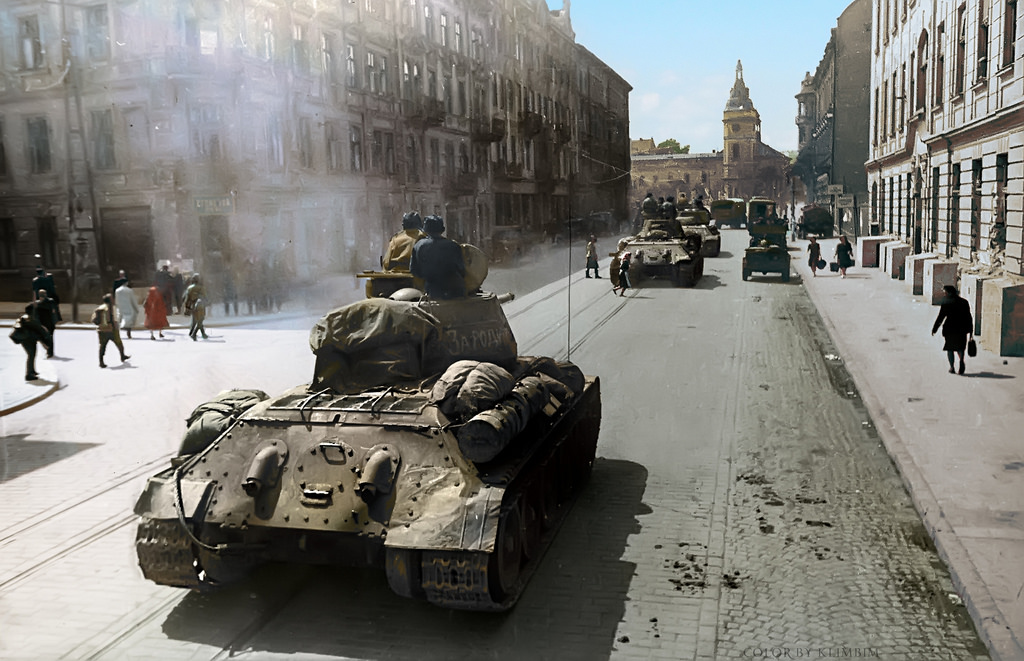
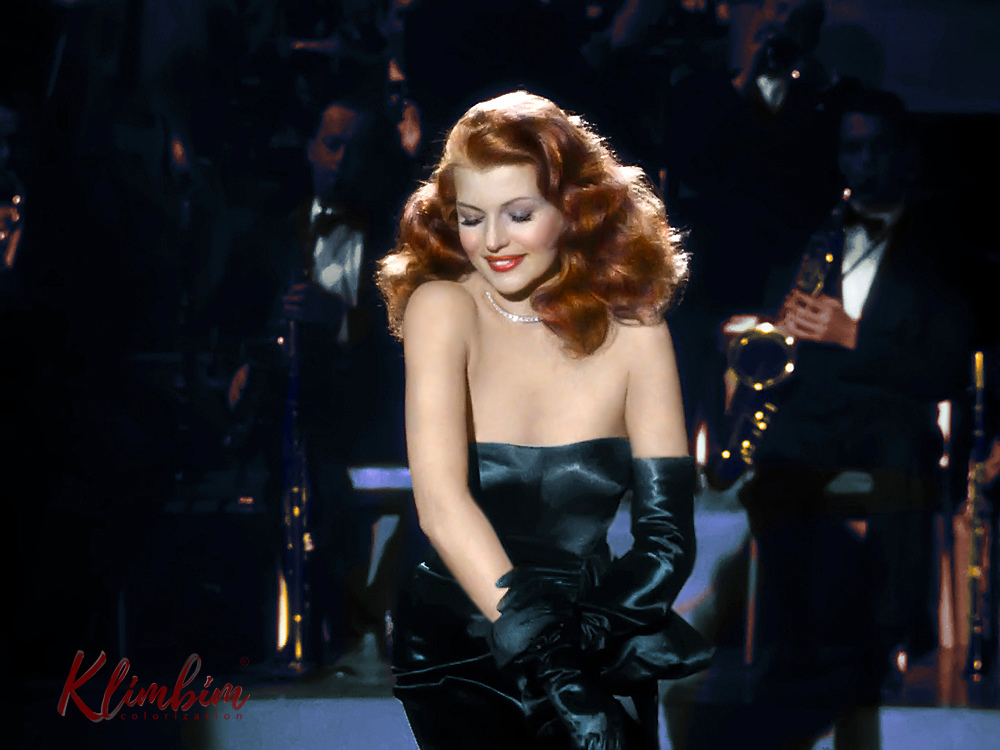
18 year old Russian girl being liberated from Dachau, April 1945Romanov sisters, Grand Duchesses Maria, Olga, Anastasia, and Tatiana, 1910Manhattan at sunset from the George Washington Bridge, December 1936“Here lies an unknown English Lieutenant killed in air combat” – Western Desert, Egypt, 1941Mary Winsor, founder and president of the Limited Suffrage Society, holds a sign during the American suffrage movement, 1910sLicking blocks of ice during the heat wave, NYC, 1912Three soldiers looking for the enemy from the shelter of a rubble-filled shed somewhere in France during World War I, 1917Two girls, Jean and Charlotte Potter, sit at the beach with their dog, ca. 1910-1915Edson Arantes do Nascimento, Soccer legend Pele. Sao Paulo, 1958An Ojibwe Native American spearfishing, Minnesota, 1908Jewish women and children arriving at the Auschwitz-Birkenau extermination camp, Poland, 1944Duck Dynasty, 1926Coney Island, New York, 1905Film and fashion icon Audrey Hepburn, 1953A small child with a puppy – Point Pleasant,West Virginia, May 1943Flipping Burgers, 1938College students pile into a Volkswagen Beetle, 1965Baseball legend “Babe” Ruth, (ca. 1920), the year he joined the New York Yankees.War Paint, 1944Cab stand in Madison Square Park, New York, 1900Unemployed men outside Al Capone’s soup kitchen in Chicago during the Great Depression, 1931World War II propaganda posters in Port Washington, New York, 1942Marilyn Monroe’s USO performance, February 1954Operation Overlord, June 1944Coca-Cola vending point at the Helsinki Summer Olympics – July 18, 1952Miss America, 1924 – Ruth Malcomson.Sidewheeler Tashmoo leaving wharf in Detroit, 1901Harlem News Boy, 1943British tattoo artist George Burchett, the King of Tattooists, 1930Titanic sinks on April 15, 1912. Newspaper boy Ned Parfett sells copies of the evening paper bearing news of the disaster.Troops crouch inside a LCVP landing craft, just before landing on “Omaha” Beach on “D-Day”, 6 June 1944Clam seller on Mulberry Bend, New York, 1900A German soldier after being captured by American troops near Nicosia, 1943Women in witch costumes, 1875A Samurai, 1881The Flatiron Building, 1905Inventor and physicist Thomas Alva Edison. New Jersey, 1911Daredevil, 1917A Nihang Bodyguard, 1865Curb Market in NYC, 1900Observer on Iwo Jima, 1945Crowded Bunks in the Prison Camp at Buchenwald, April 16, 1945Jean Harlow, 1931Soviet T-34 tanks on the streets of Lvov, 1944Rita HayworthManfred von Richthofen, “The Red Baron”
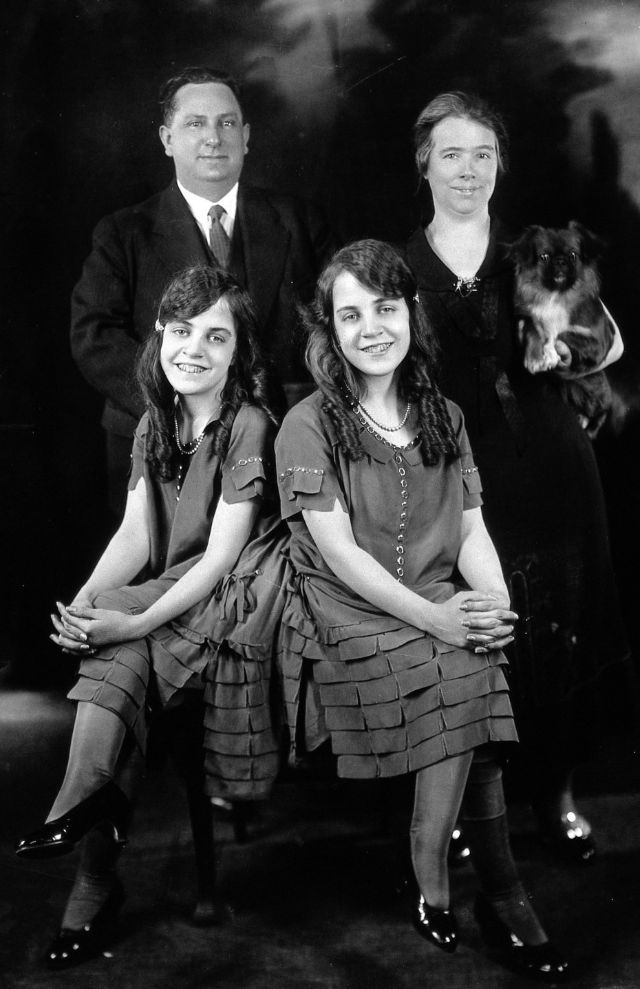
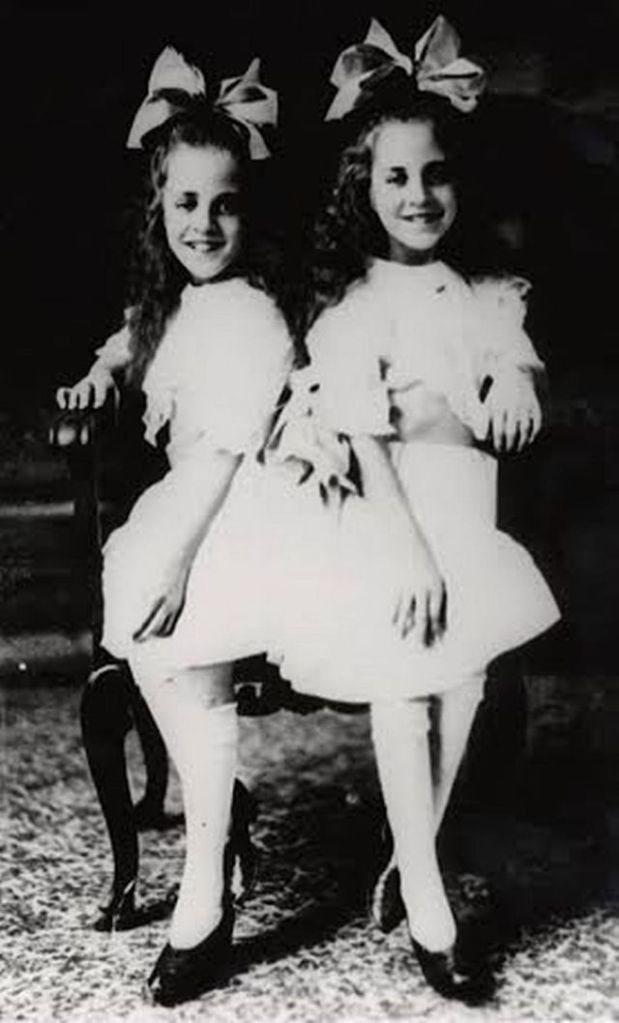
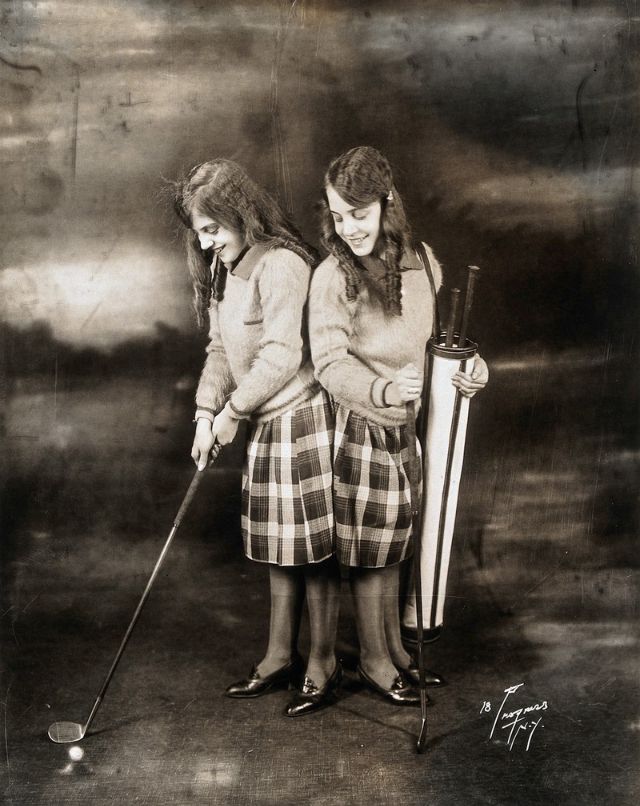
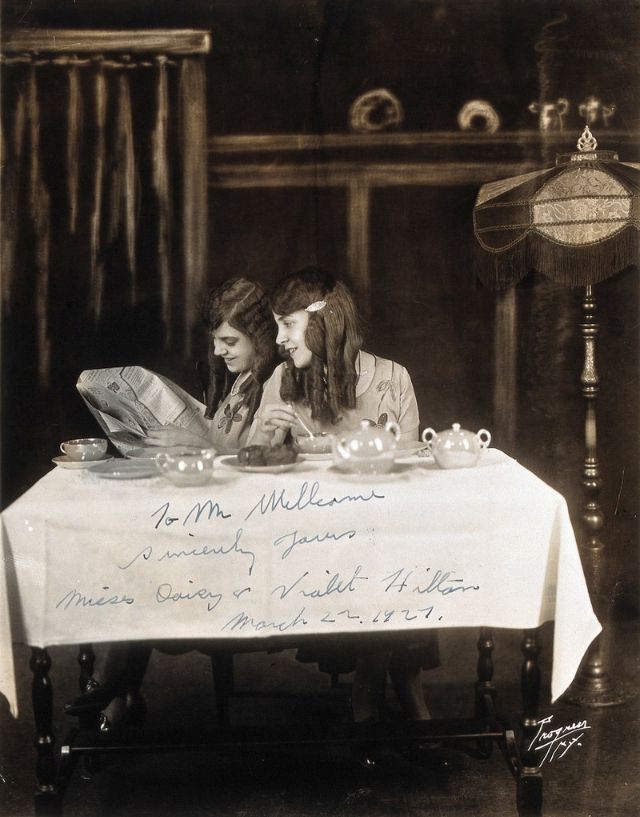
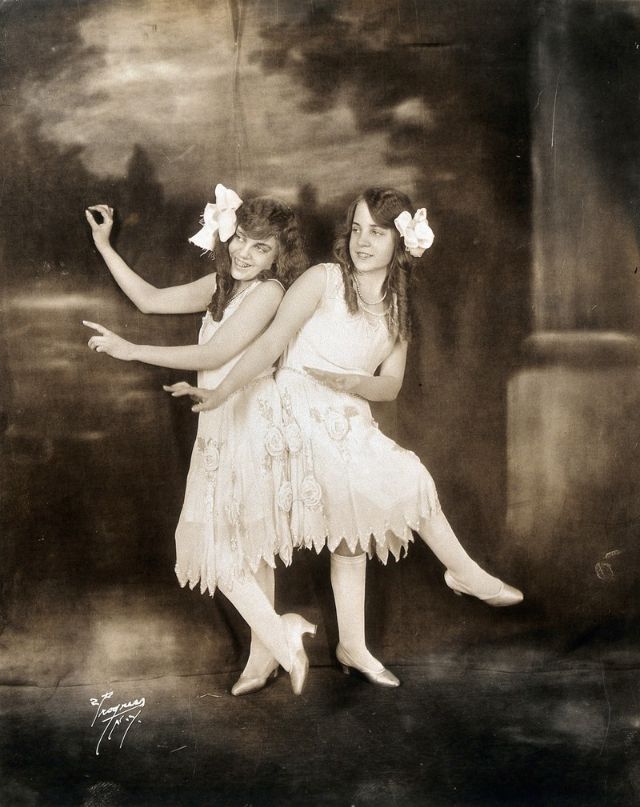
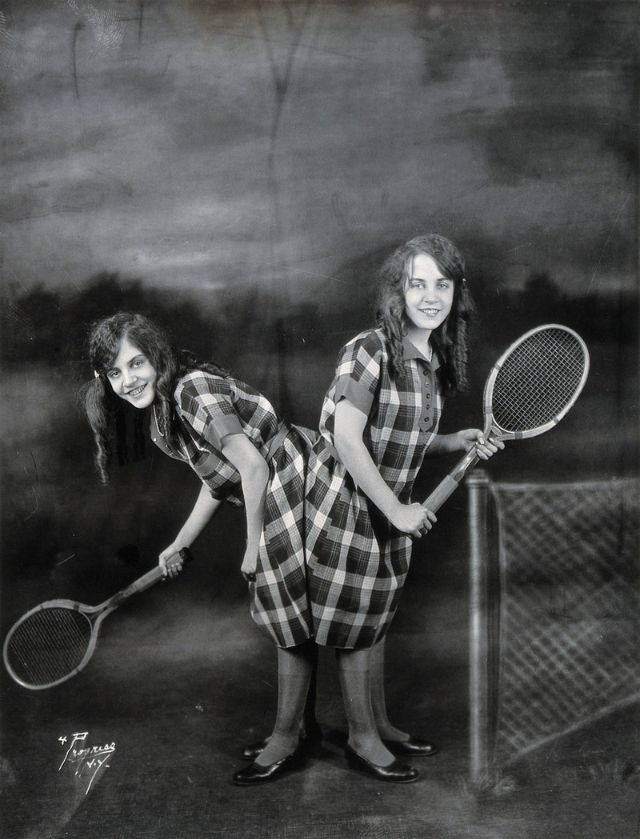
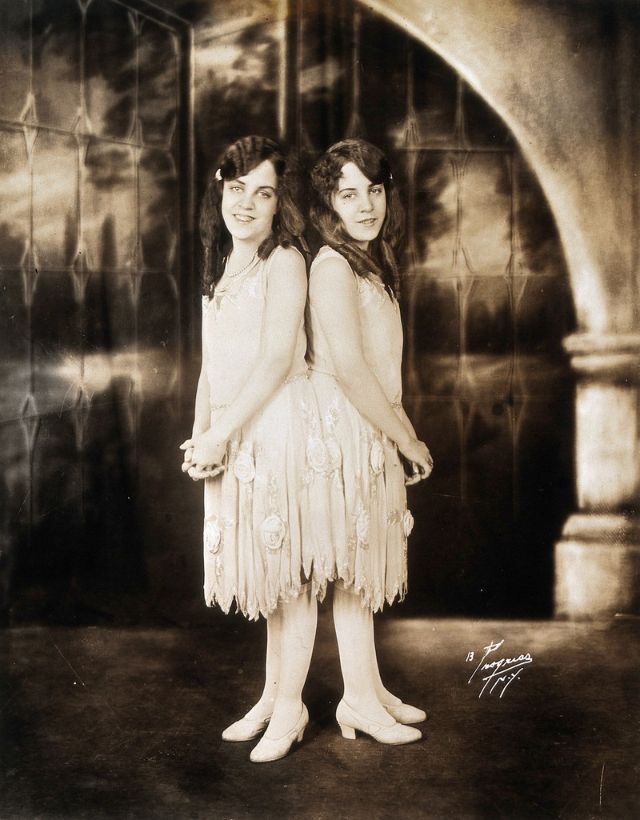
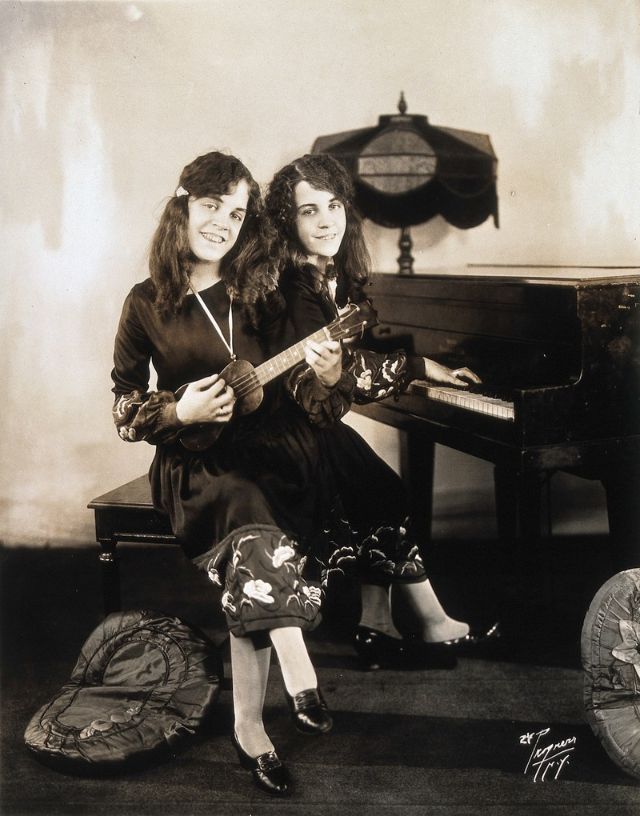
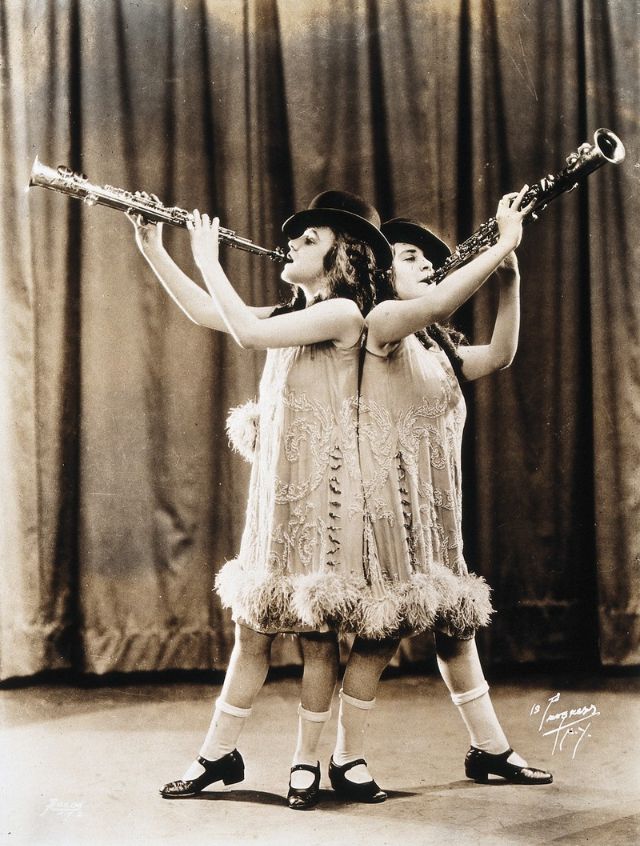
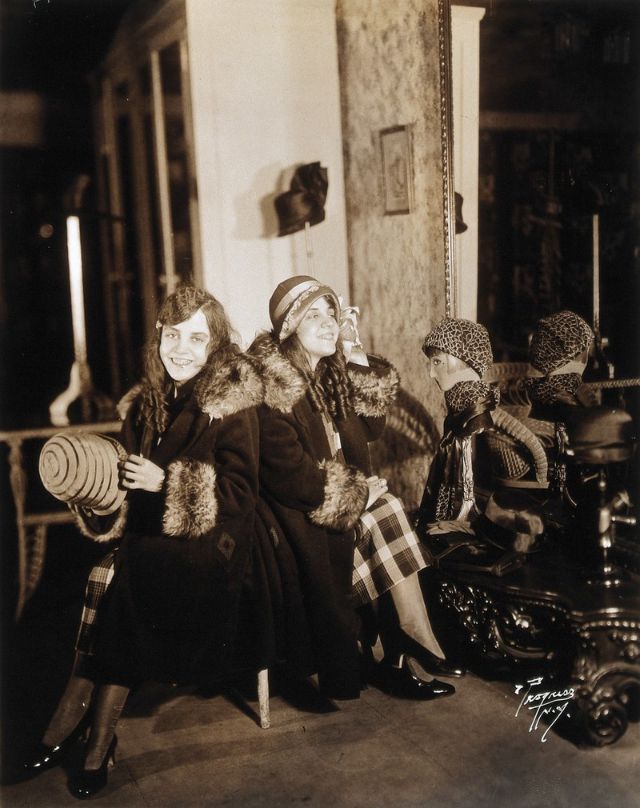
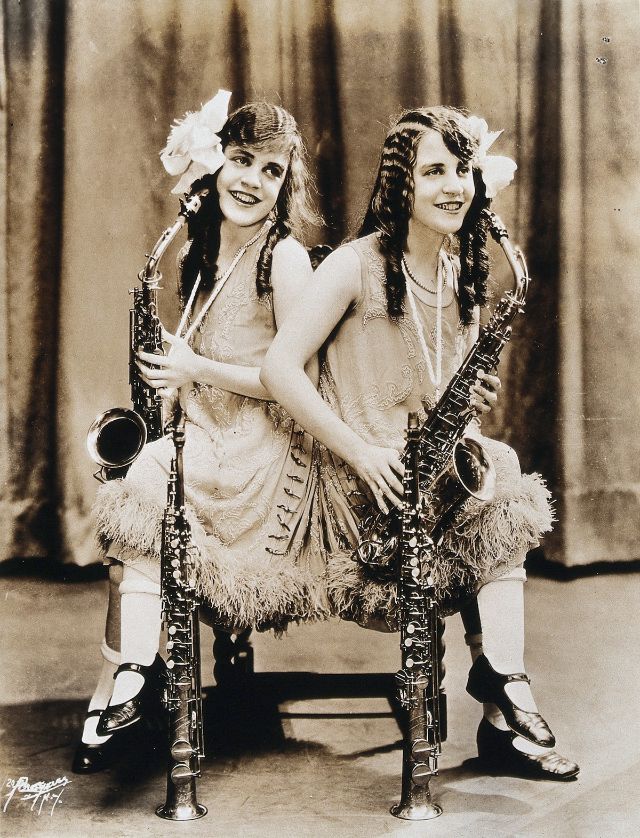
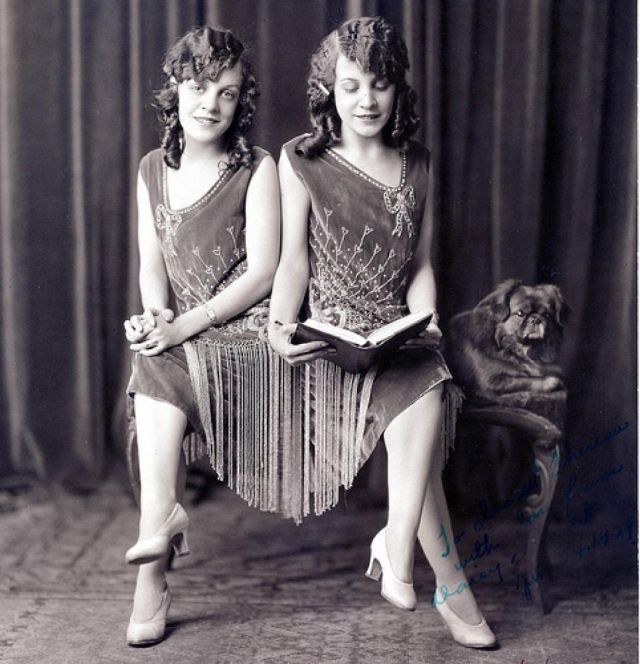
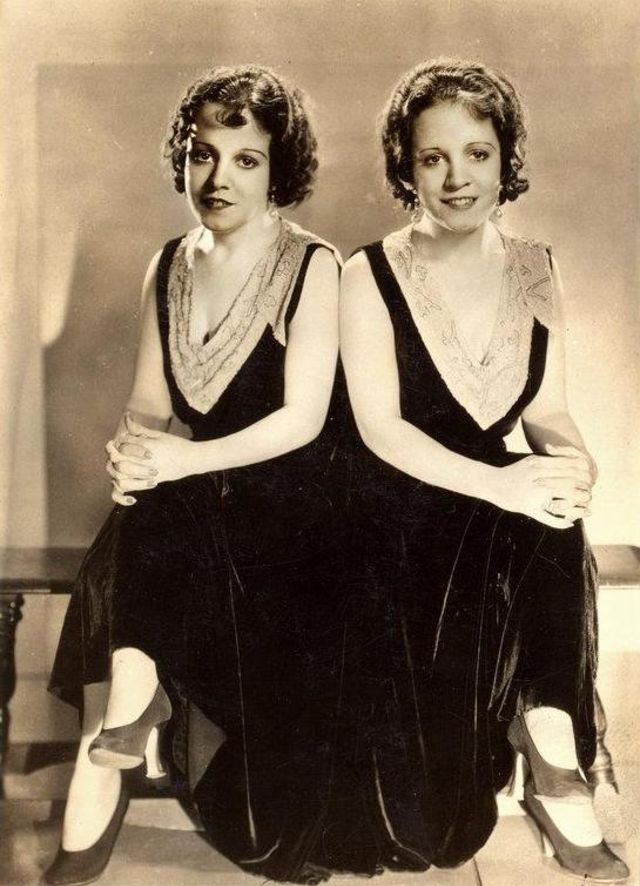
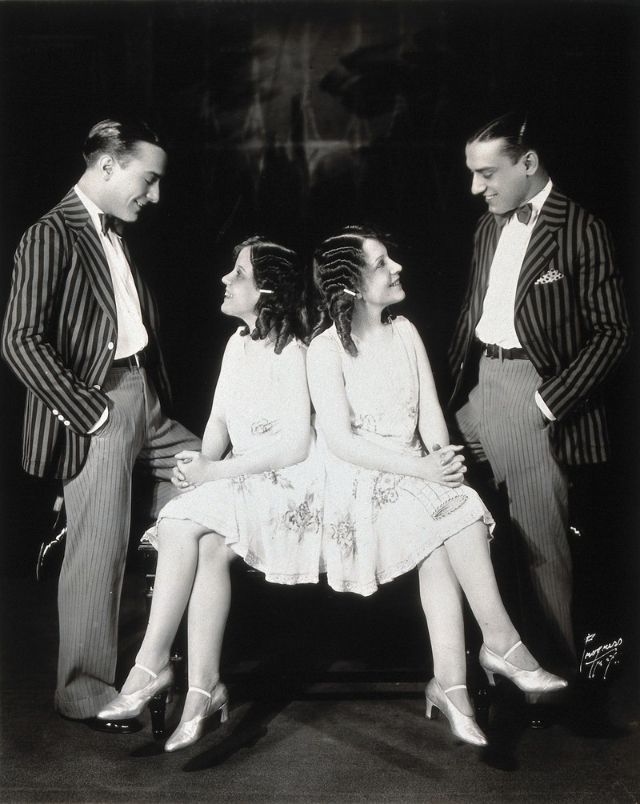
Born in Brighton, England on 5 February 1908, the twins were unofficially adopted by their biological mother’s midwife, Mary Hilton, when the mother rejected the children. From the time that they were infants, they were exhibited at fairs and circuses by Hilton and her daughter.
When Daisy Hilton and Violet Hilton moved to the United States, they became famous for their vaudeville act and their burlesque performances during the 1920s and 1930s; they also appeared in a couple of films. The conjoined burlesque sisters struggled under the heavy hand of their guardians before reaching financial independence.
The Hiltons’ early vaudeville careers were a roaring success, netting them a profit of up to $5,000.00 a week, of which, they saw none. Their various managers and guardians ensured the twins were unable to profit from their own prosperity, and after considering the advice of Harry Houdini, who implored the girls to educate themselves on their public persona through newspapers and other media, the sisters pursued liberation through the justice system. Lawyer Martin Arnold helped to secure emancipation for Daisy and Violet in January of 1931, after which, the twins were awarded approximately $100,000.00 and approached life on their own for the first time.
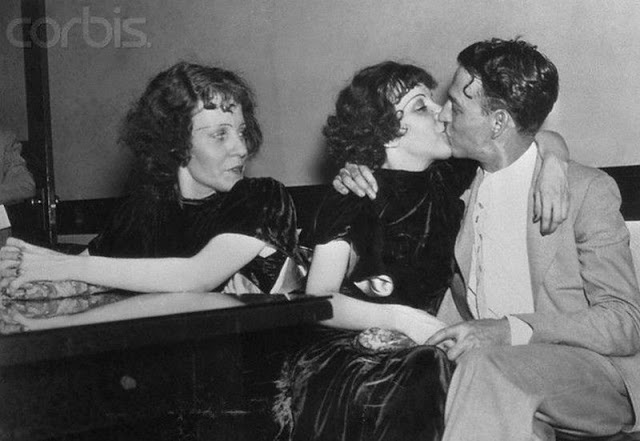
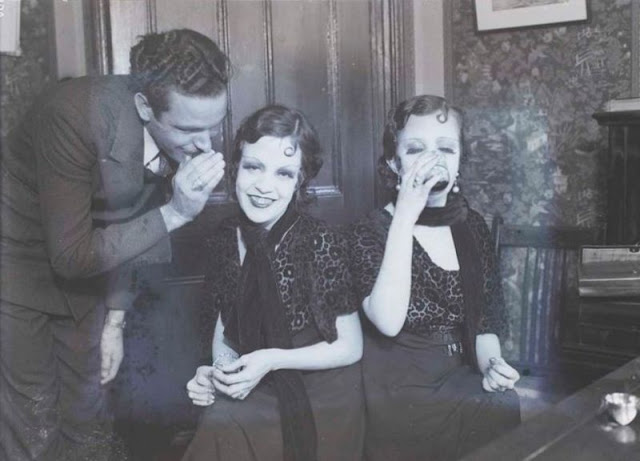
Even after earning their freedom, they continued to perform in vaudeville productions and, in 1932, they appeared in the film Freaks. In December 1932 the Hiltons sailed to the UK on the Berengaria. They spent most of 1933 in the UK, and returned to the US in October 1933. Violet began a relationship with musician Maurice Lambert, and they applied in 21 states for a marriage license, but it was always refused.
In 1936 Violet married gay actor James Moore as a publicity stunt. The marriage lasted ten years on paper, but it was eventually annulled. In 1941 Daisy married Harold Estep, better known as dancer Buddy Sawyer, who was also gay. The marriage lasted ten days.
They published their autobiography The Lives and Loves of the Hilton Sisters in 1942. In 1951 they starred in a second film, Chained for Life, an exploitation film loosely based on their lives. Afterwards they undertook personal appearances at double bill screenings of their two movies.
In 1955, the sisters opened a hotdog stand in Miami, which was moderately successful until competitors began complaining about the “freaks” stealing their business.
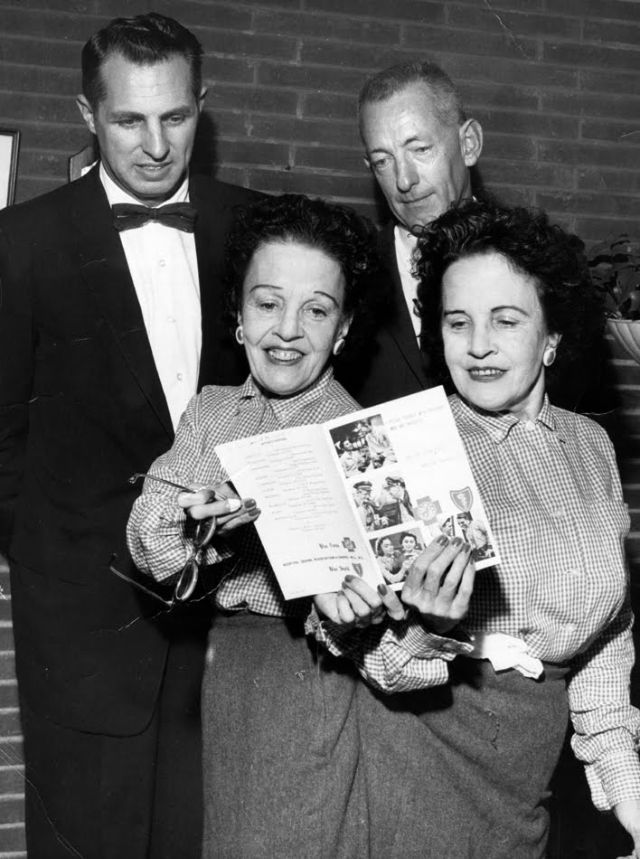
The Hiltons’ last public appearance was at a drive-in in 1961 in Charlotte, North Carolina. Their tour manager abandoned them there, and with no means of transportation or income, they were forced to take a job in a nearby grocery store, where they worked for the rest of their lives.
On 4 January 1969, after they failed to report to work, their boss called the police. The twins were found dead in their home, victims of the Hong Kong flu. According to a forensic investigation, Daisy died first; Violet died between two and four days later. They were buried in Forest Lawn West Cemetery in Charlotte.
Charles Sheldon (1889–1960) was a prolific and gifted early 1900s American illustrator who specialized in “pretty woman” themed cover portraiture and advertising in the Art Nouveau and Edwardian styles. After studying at the Art Students League, he went to Paris to study under the legendary Alphonse Mucha. He returned to America and set up a studio at Carnegie Hall in New York City.
In 1918 Sheldon received his first pin-up commission, a series of ads for La Vogue lingerie. He went on to do a series of work for the Fox Shoe Company as well as front covers for Collier’s Magazine, The Saturday Evening Post and Photoplay.
By 1921 he was contributing high fashion portraits to Woman’s Home Companion and Theater magazines. Famous women all over the world arranged to sit for portraits in his studio in Carnegie Hall in New York. The pastels he created for Photoplay 1925-1930 launched his career as a portrait cover artist. During this time period most of the stars sat three or four times for each of these portraits, later came cover art commissions for Screenland, Movie Classic and Radio Digest magazines.
A LIFE staffer from 1947 until the late 1960s, photographer Allan Grant covered the entertainment world from the inside. His unique blend of cool appraisal and obvious affection for (most) of his subjects went a long way toward making the stars seem just as quirky and approachable as the rest of us mortals.
Audrey Hepburn and Grace Kelly wait backstage at the RKO Pantages Theatre during the 28th Annual Academy Awards, 1956.Audrey Hepburn, 1956.Senator Richard Nixon on the roof of his home in Los Angeles, trying to douse fires caused by a brush blaze, 1961.Dean Martin reads lines with Shirley MacLaine, 1958.Dean Martin relaxes with his sons at home, 1958.Angie Dickinson on set of Rio Bravo, 1958.Kirk Douglas, 1949.Groucho Marx in rehearsal, 1960.Chico and Harpo Marx, 1959.Harpo Marx, 1948.George Burns and his wife, Gracie Allen, 1958.Paul Newman having make-up removed on the set of The Battler (TV play), 1955.Buster Keaton and Donald O’Connor rehearse for a movie based on Keaton’s life, 1956.Cecil B. DeMille, Billy Wilder and Gloria Swanson during the filming of Sunset Boulevard, 1949.James Dean on location for the movie Giant, 1956.Bob Hope, 1962.Elizabeth Taylor at a party after winning the Oscar for her performance in BUtterfield 8, 1961.Natalie Wood and Warren Beatty at the Academy Awards, 1962.Audrey Hepburn and Grace Kelly backstage at the RKO Pantages Theatre during the 28th Annual Academy Awards, 1956.Dorothy Dandridge at home, 1954.Dizzy Gillespie during a jam session, 1948.Bob Hope (right) and Frank Sinatra rehearse for The Bob Hope Show, 1962.Sammy Davis Sr., Sammy Davis Jr. and Will Mastin on stage at Ciro’s in West Hollywood, 1955.Bobby Darin in his dressing room, 1959.Ella Fitzgerald, 1958.Actress-model Suzy Parker, 1957.Edith Piaf caught in a montage of expressions and gestures while singing during her performance at New York’s Versailles nightclub, 1952.Shelley Winters in a booth with mirrors, 1949.Marcel Duchamp with Dada artwork, 1953.
(Photos by Allan Grant—Time & Life Pictures/Getty Images)
In June of 1951, the Muller Bros held a “beauty pageant” to celebrate their three millionth car wash (any excuse to attract customers). Located on Sunset and Ivar in Los Angeles California, LIFE magazine photographer Allan Grant went along to photograph the event. The beautiful ladies hired for the event, given titles like “Miss Body and Fender”, are of course being objectified in more ways than we can count here, but it doesn’t appear as if they seem to mind very much. In fact the ladies look like they were having more fun than anyone else that summer’s day in Los Angeles, 1951…
During World War I the United Kingdom called upon its female population to join the workforce. With a majority of men being deployed and a dire need for production both to support the troops and to keep the country running, women were asked to “do their bit”.
Munition factories were one of the main sites where man (or woman) power was needed. These production facilities dealt mainly with trinitrotoluene (TNT), a toxic chemical compound that was originally used as a yellow die before its potential as an explosive was discovered.
It is no wonder that the women who were exposed to TNT on a daily basis turned yellow due to depigmentation of the skin. Their hair would often turn green or reddish too and sometimes even fall off altogether. Hence the nickname ‘Canary Girls’ or ‘Munitionettes’. The side effects of working with such a toxic substance was not just visual. Other effects include: vomiting, nausea, migraines, breast deformation, chest pain, and weakening of the immune system.
On top of all these risks, the leading cause of death in the factories was explosions. The biggest of these blasts was in 1918 at the National Shell Filling Factory, Chilwell and killed 130 workers. This is Britain’s worst ever disaster involving an explosion and it was the biggest loss of life in a single explosion during WWI.
Despite all these hazards and the women’s ability to perform both heavy duty and delicate tasks perfectly, on average, women were paid less than half of what their male counterparts received.