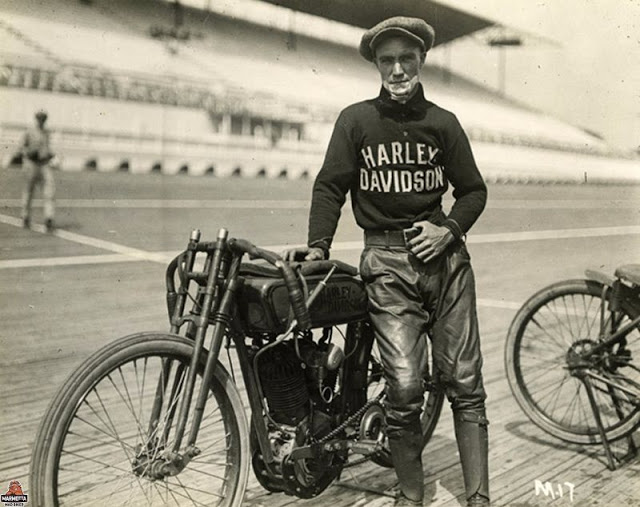
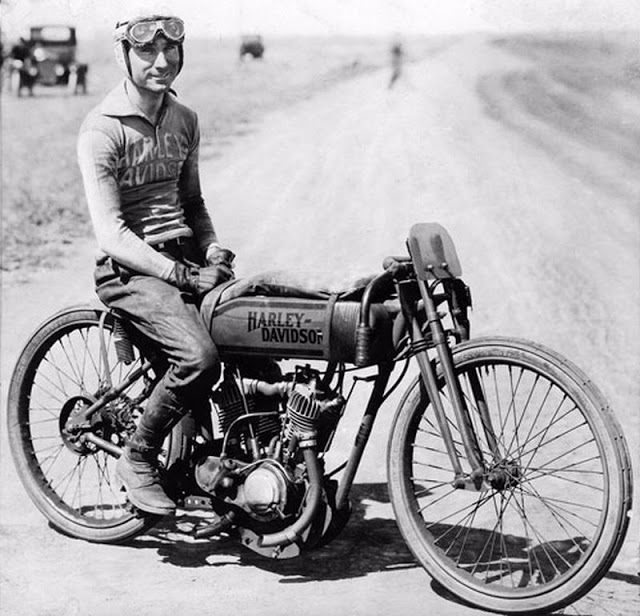
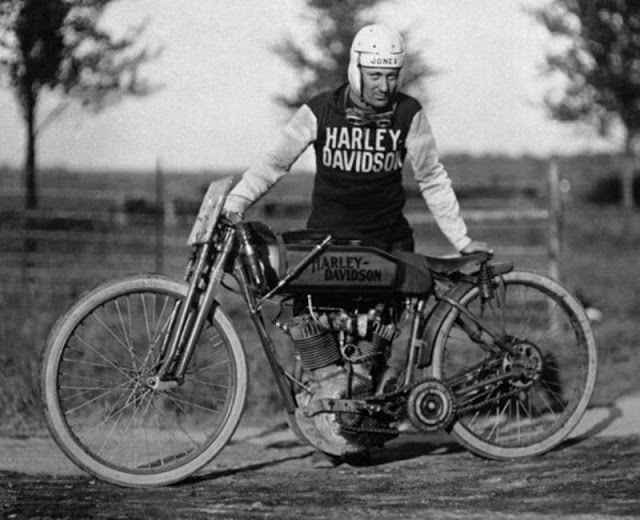
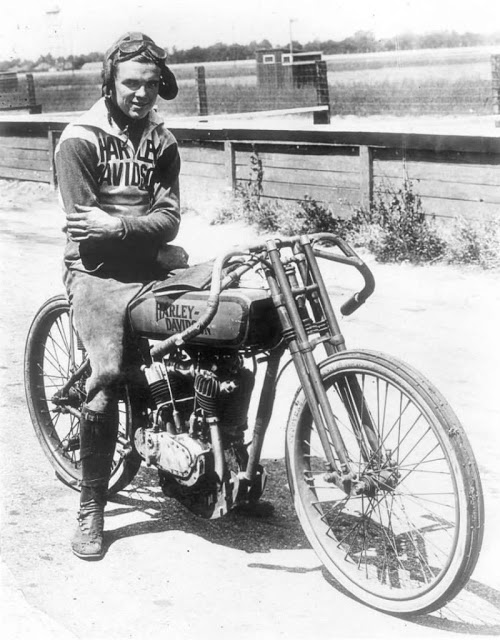
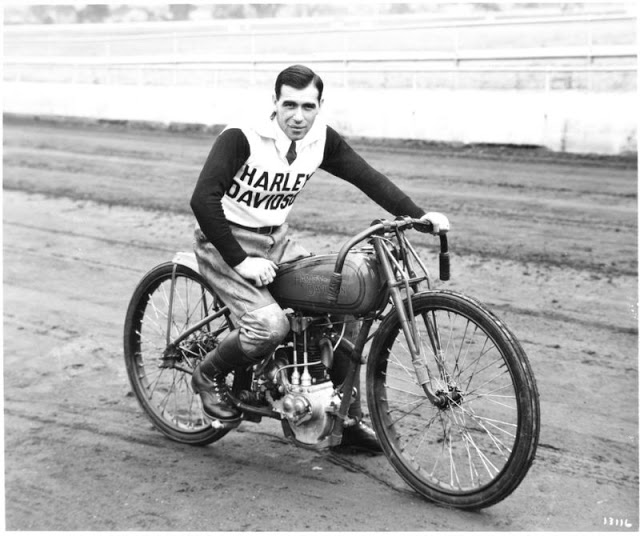
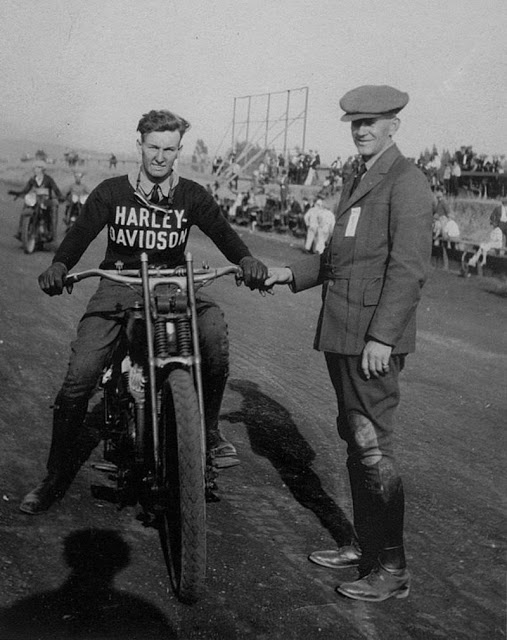
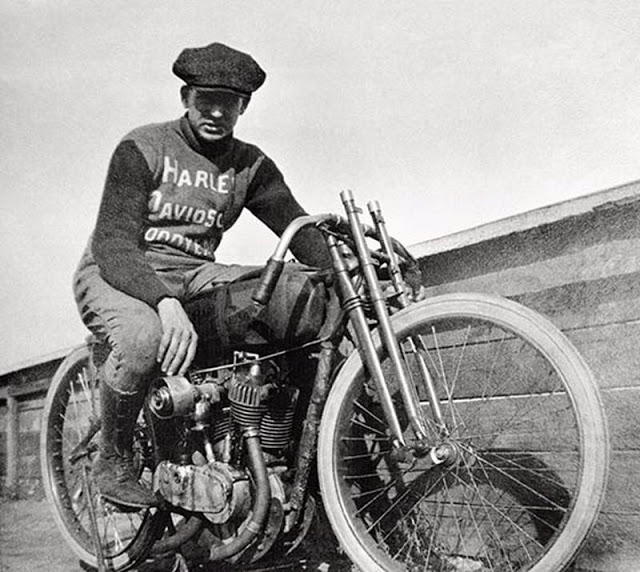
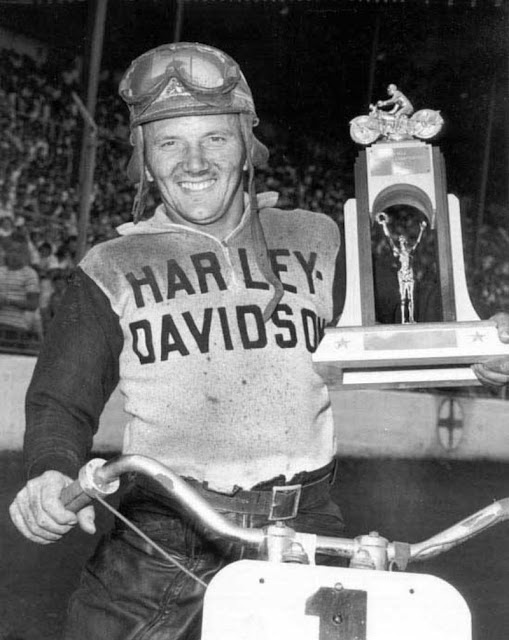
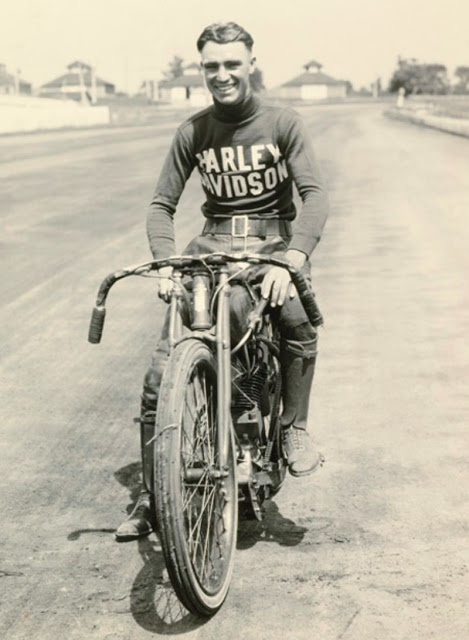
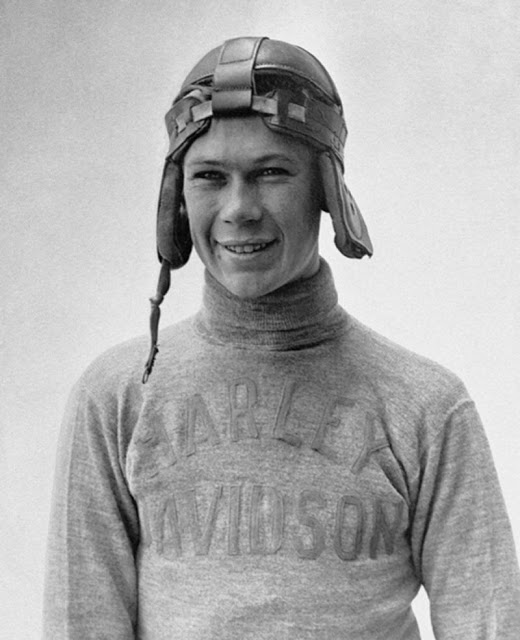
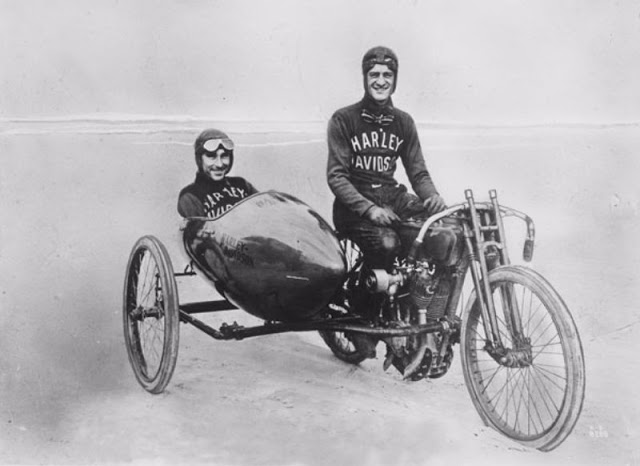
The brand Harley Davidson has become synonymous with motorcycles. Harley is a defining force in the history of motorcycle racing, cross country touring and general motorcycle club mayhem with their great machines; but Harley Davidson’s apparel history is just as rich and intriguing.
Check out these old photos of dudes wearing vintage Harley Davidson racing jerseys. The photographs are excellent and capture the beauty that is vintage motorcycle apparel…
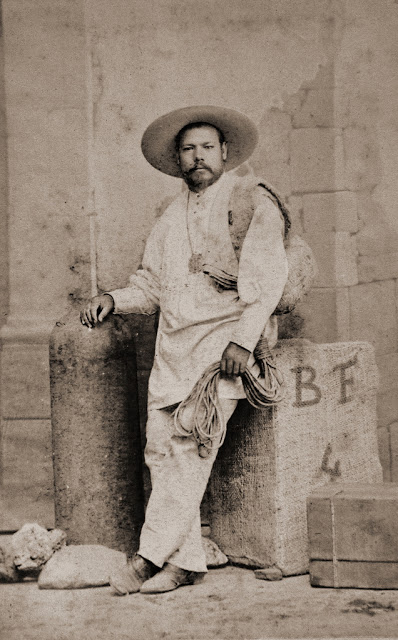
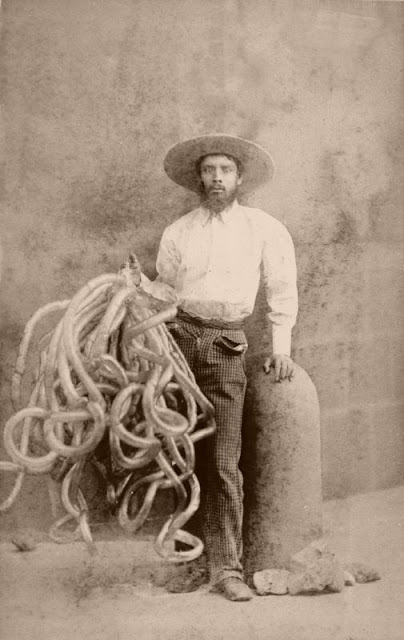
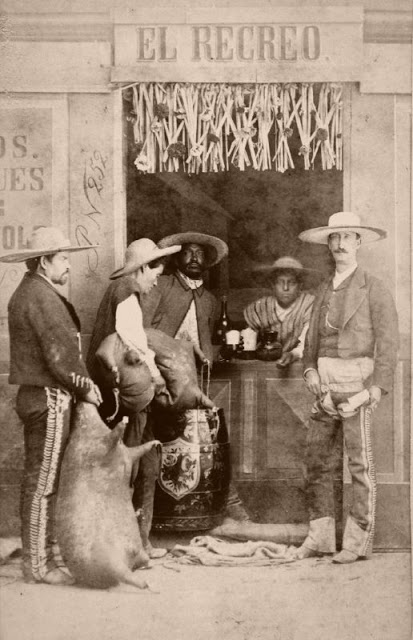
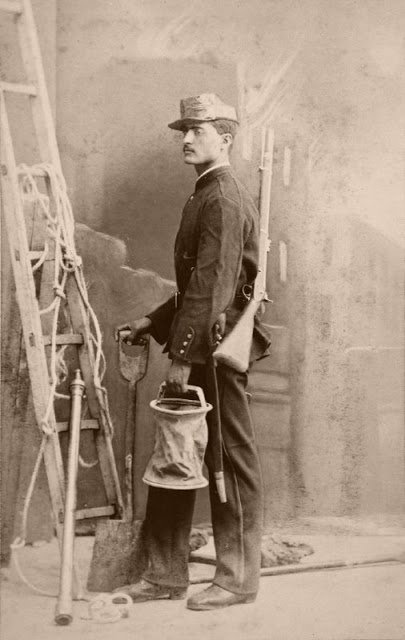
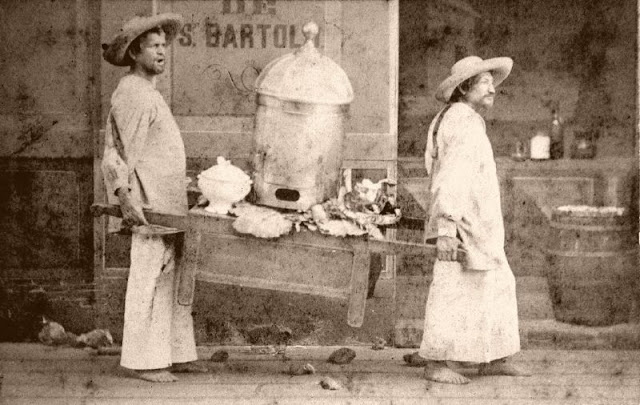
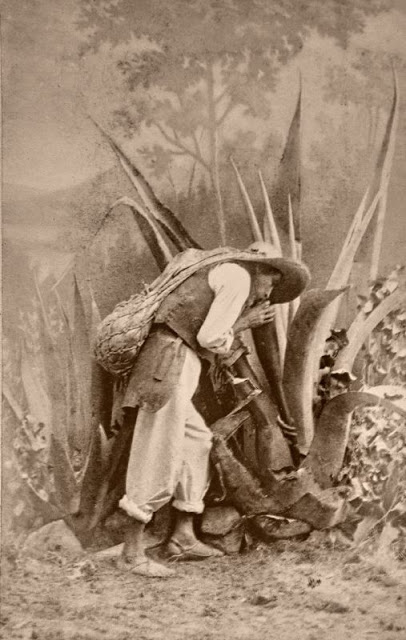
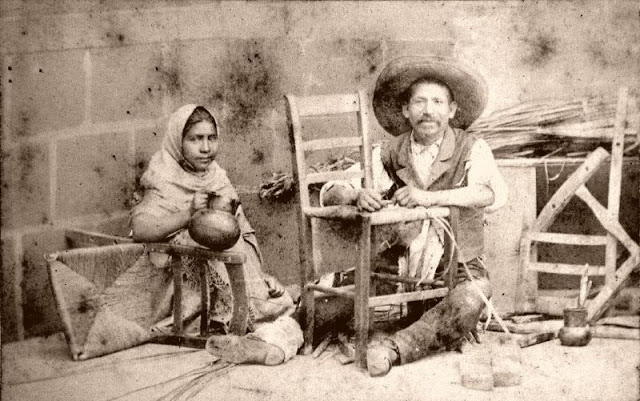
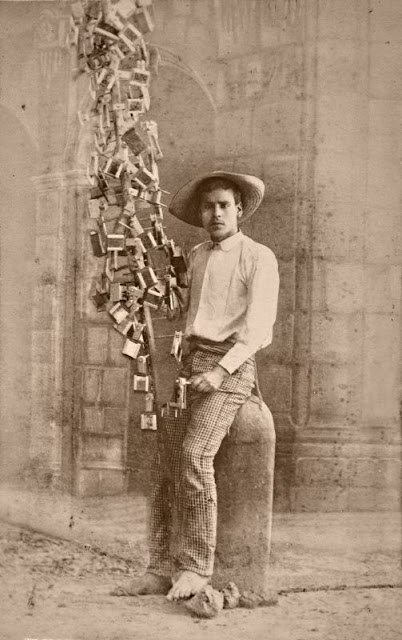
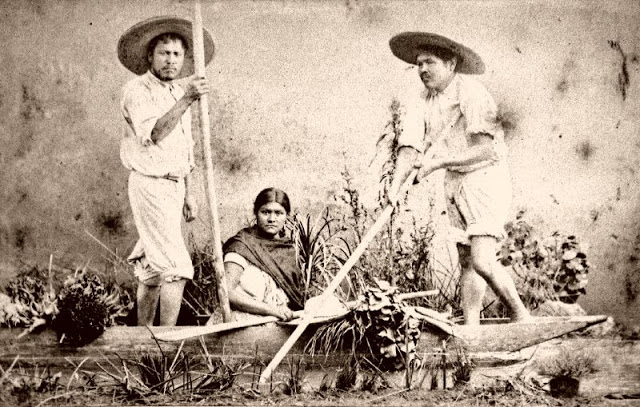
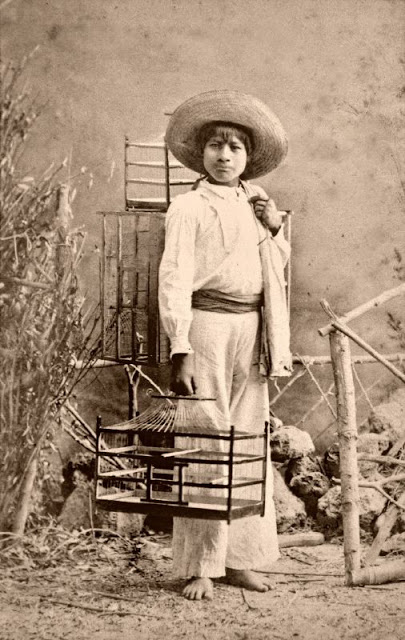
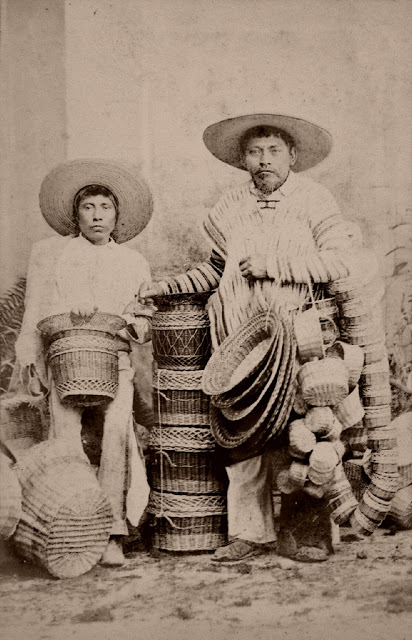
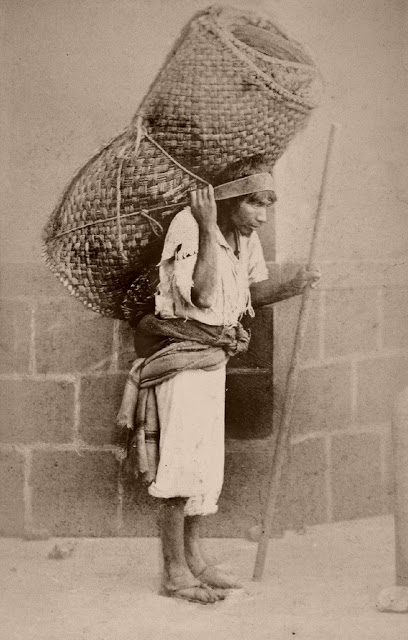
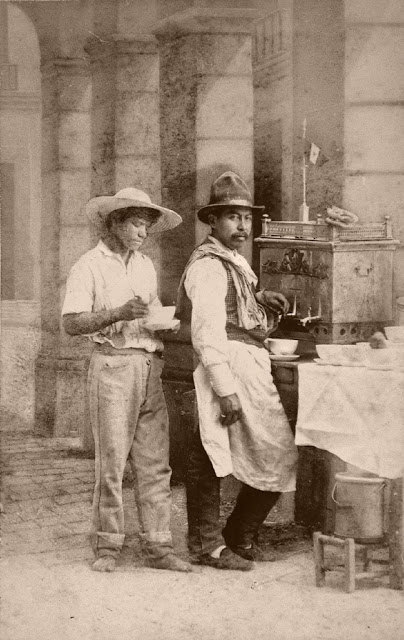
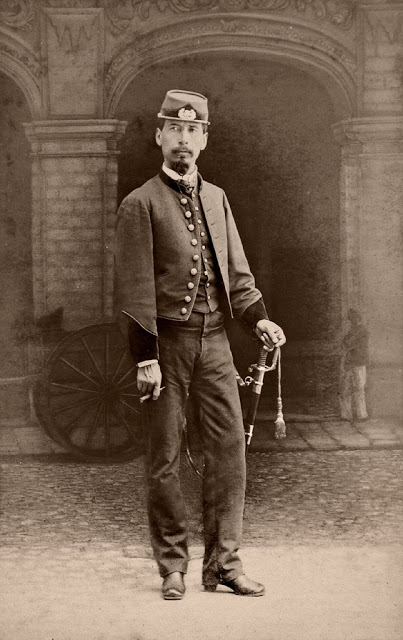
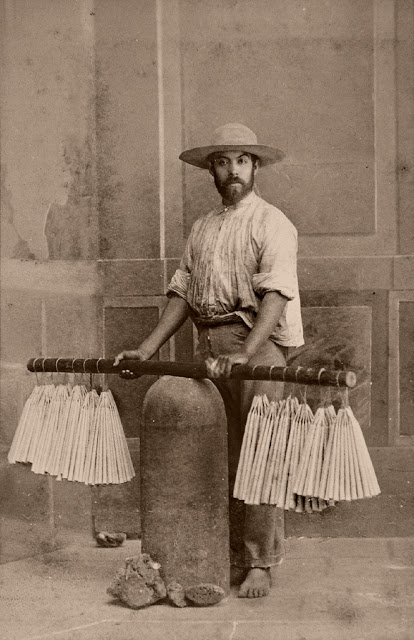
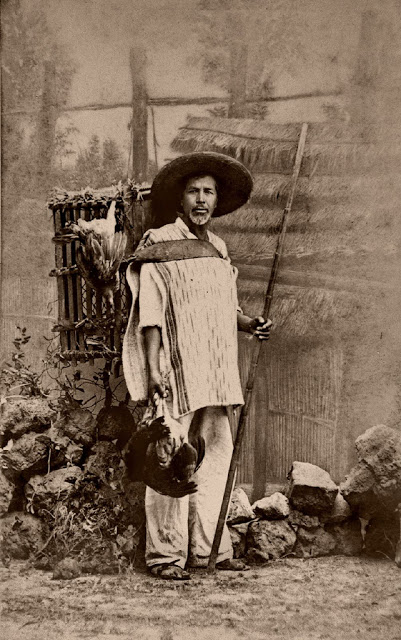
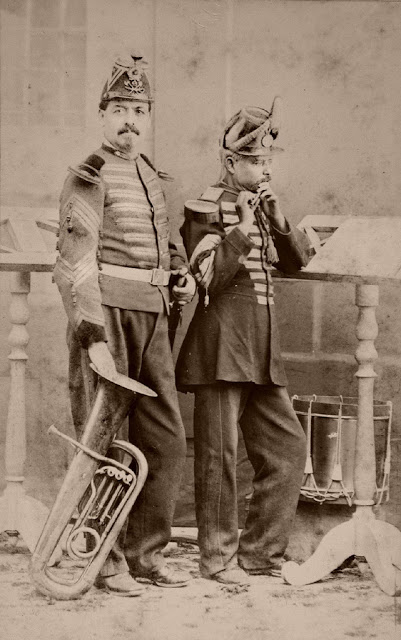
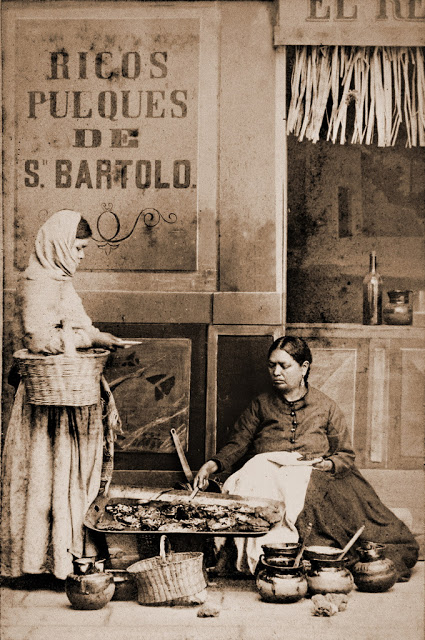
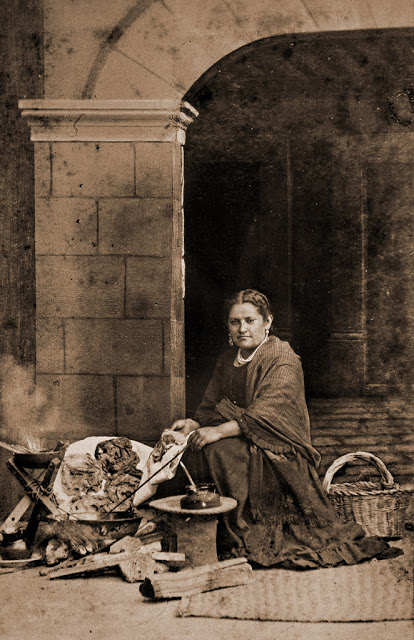
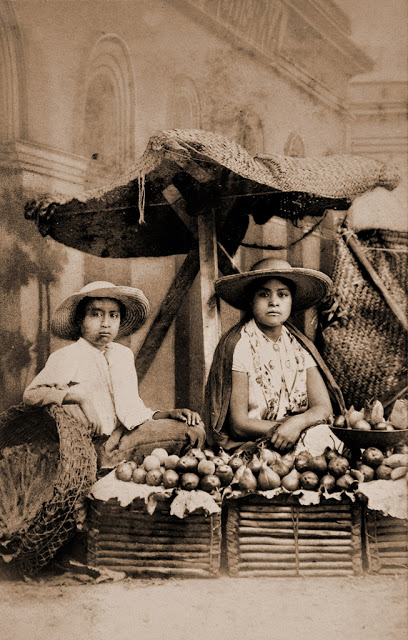
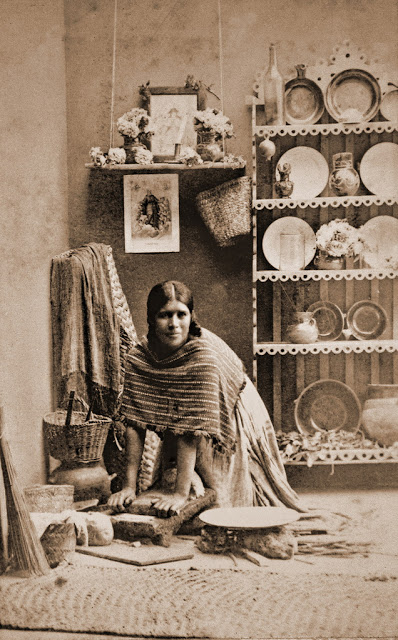
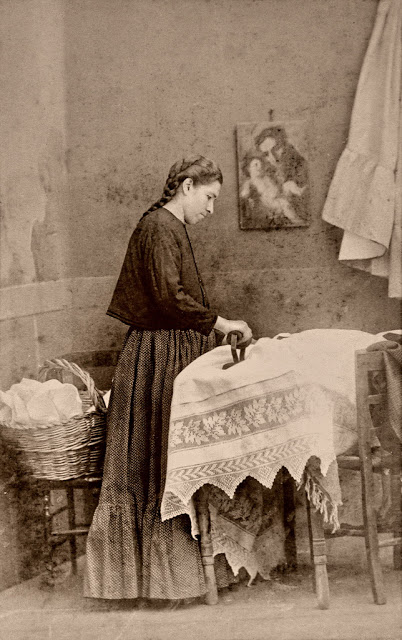
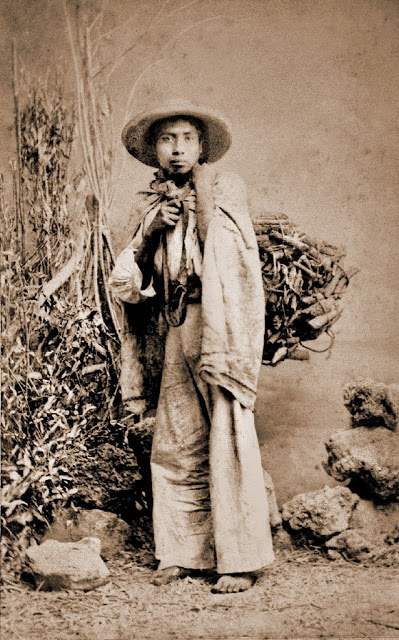
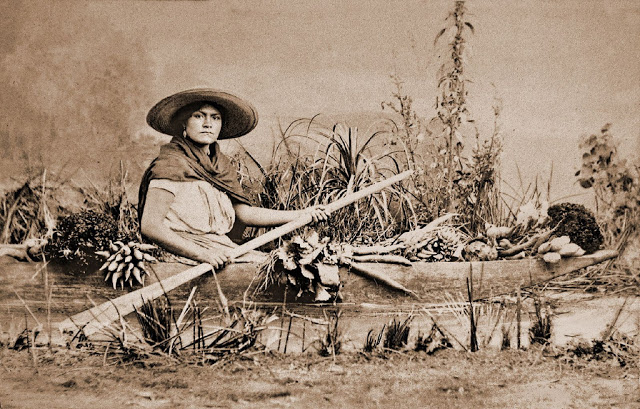
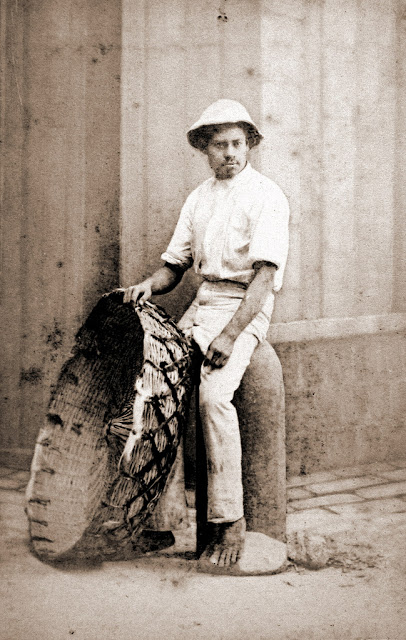
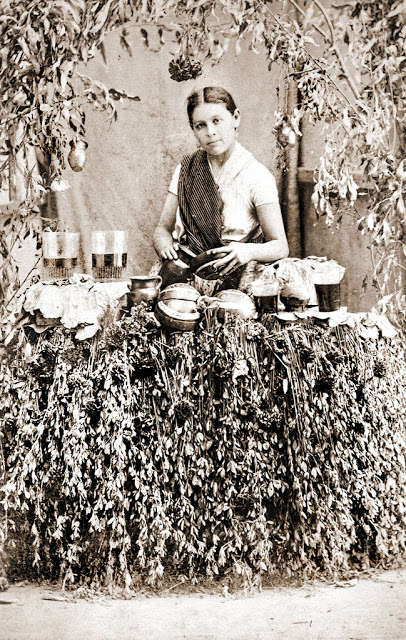
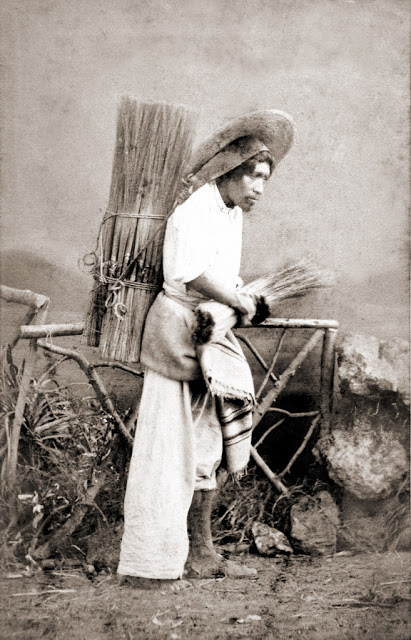
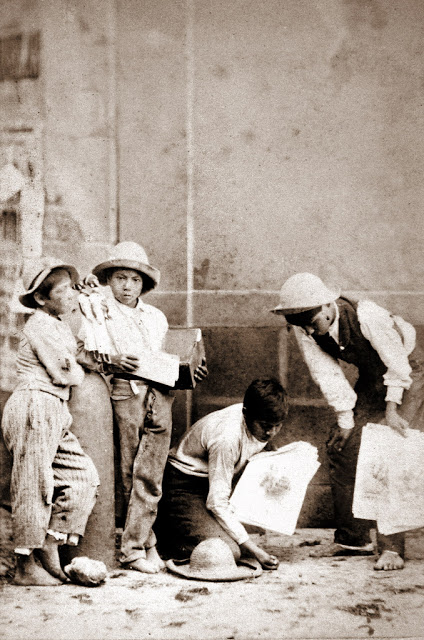
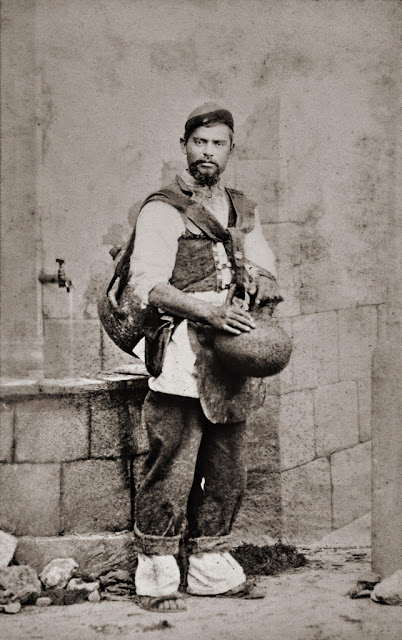
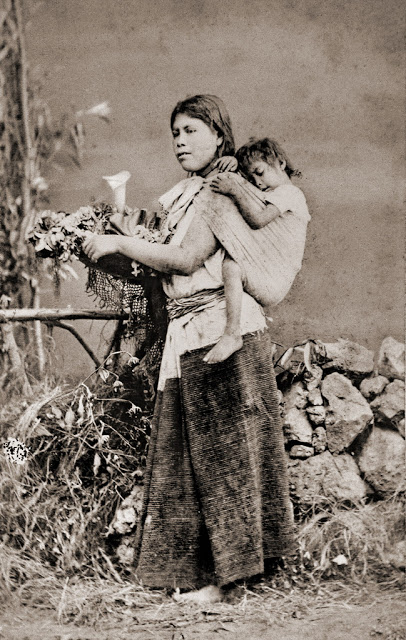
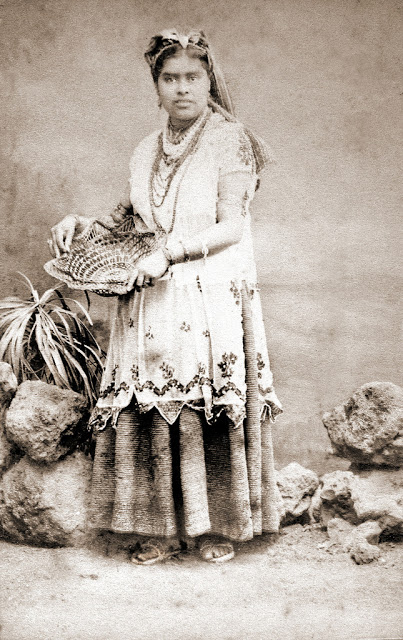
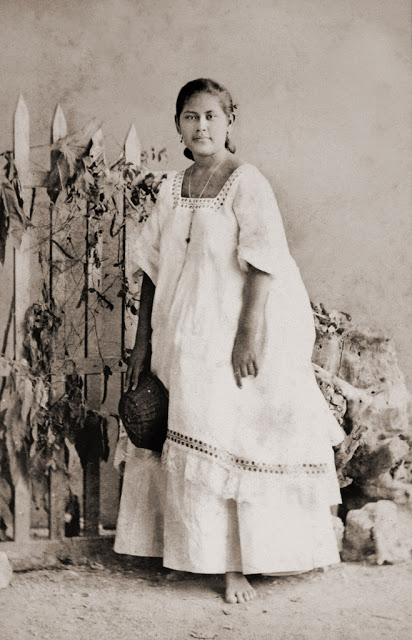
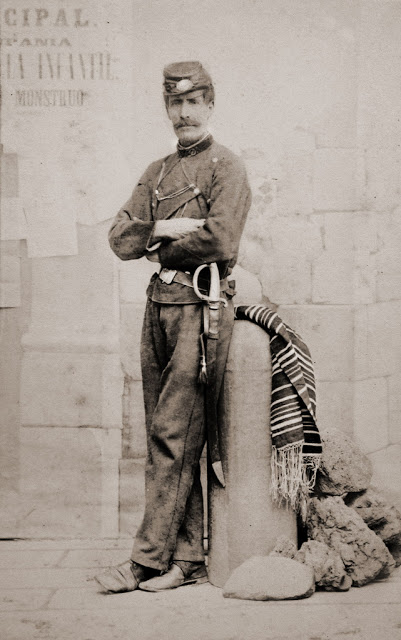
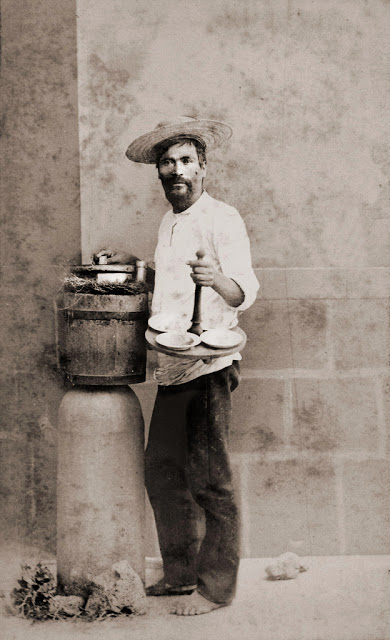
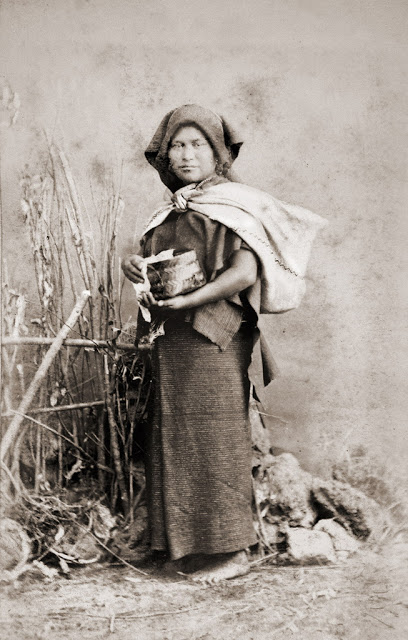
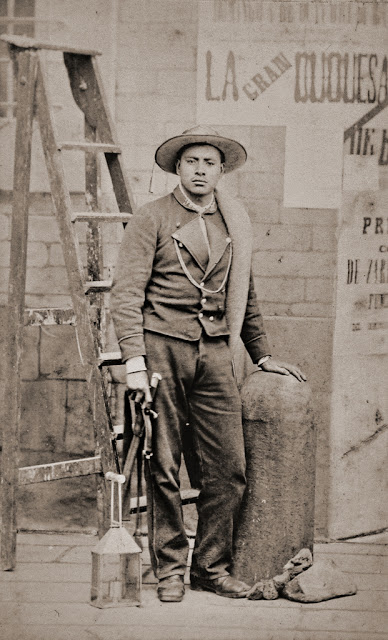
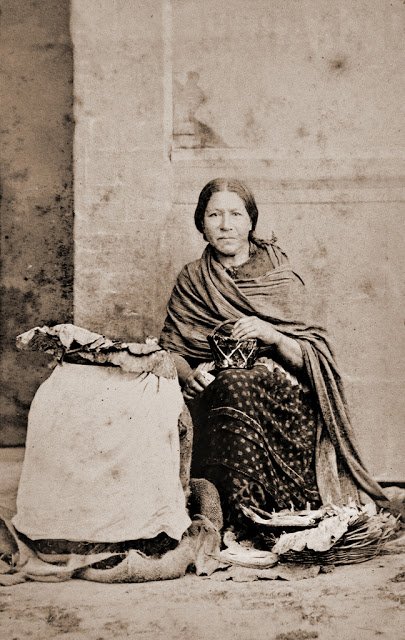
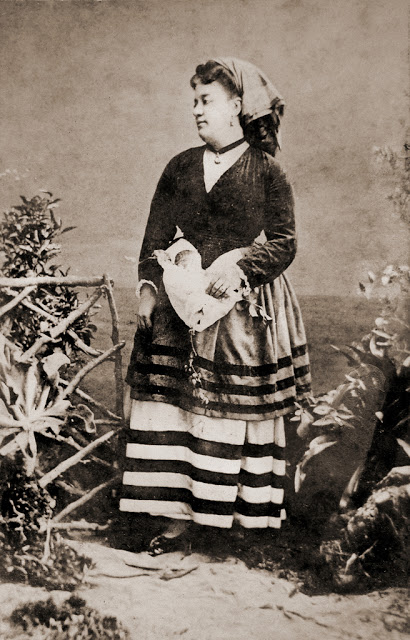
Here’s a photo album of Mexican occupationals made by the studio “Cruces y Campa” in the 1860s. The album contains portraits of occupations, vendors and marketeers.
Antíoco Cruces and Luis Campa made a brilliant career as photographers in Mexico City from between the years of 1862 and 1877. Their studio called Art Photography was located near the Metropolitan Cathedral. They were very successful in the year 1872 marketing thousands of business cards with the portrait of President Benito Juarez, who had died in July.
Their postcards were popularly known as “Business Cards” and their sales was very popular both in Mexico and in Europe. These portraits are approximately 7 cm high by 5 cm wide, and were stuck in rigid boards that measured 10 cm by 6 cm. They succeeded in selling themselves with great success as a novelty of the time.
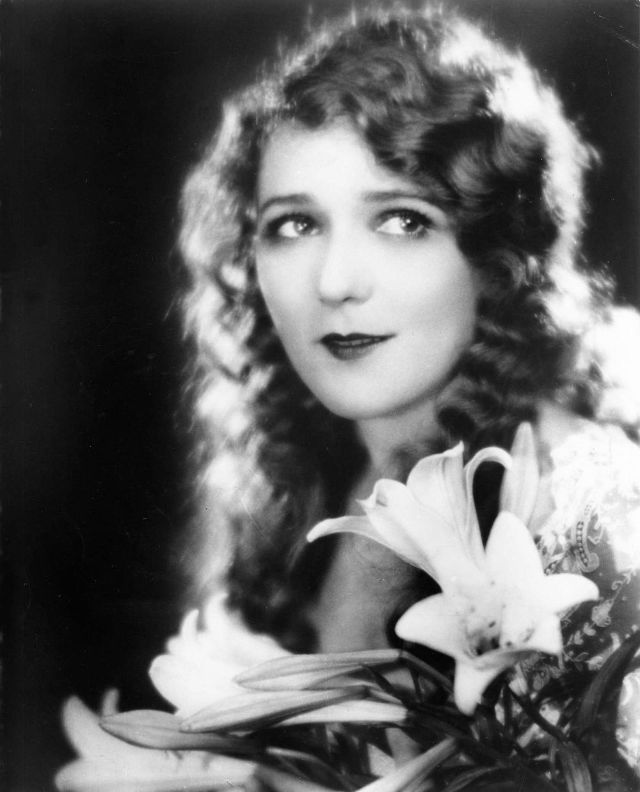
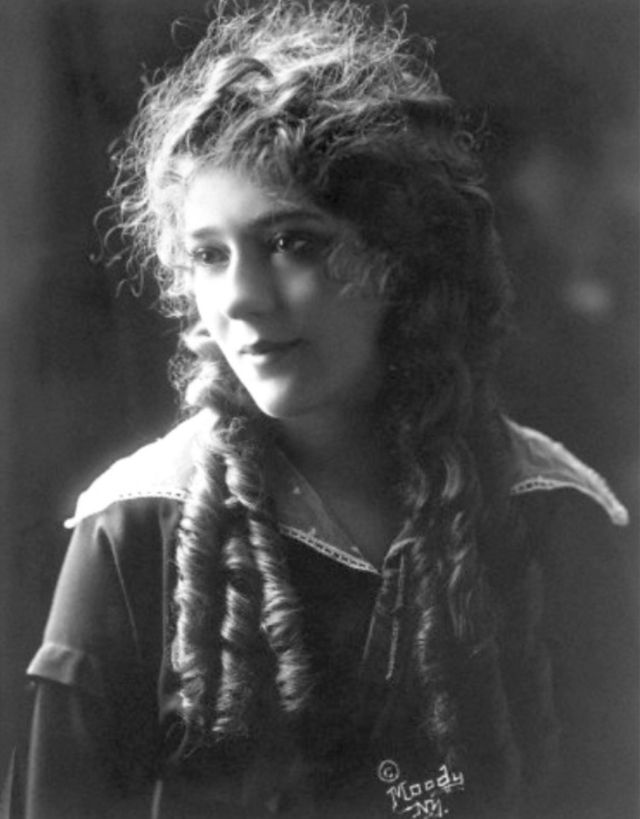
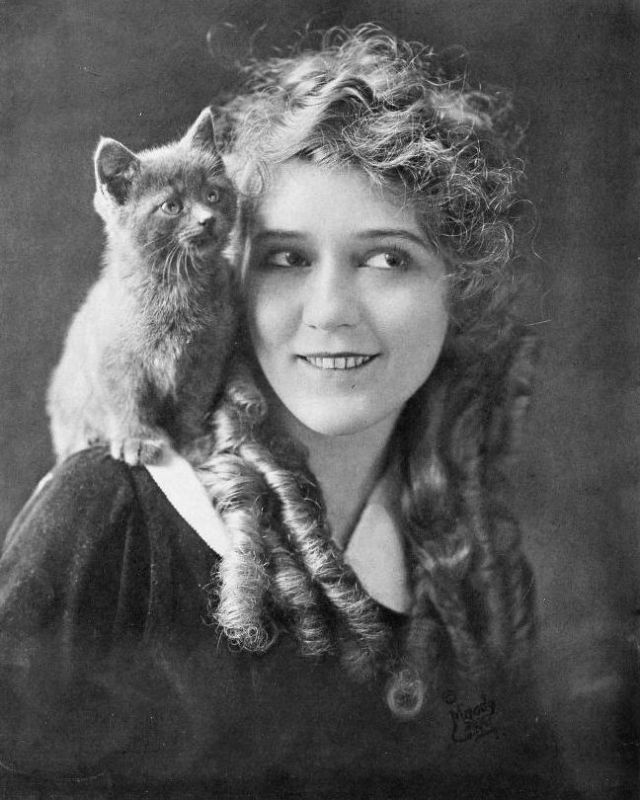
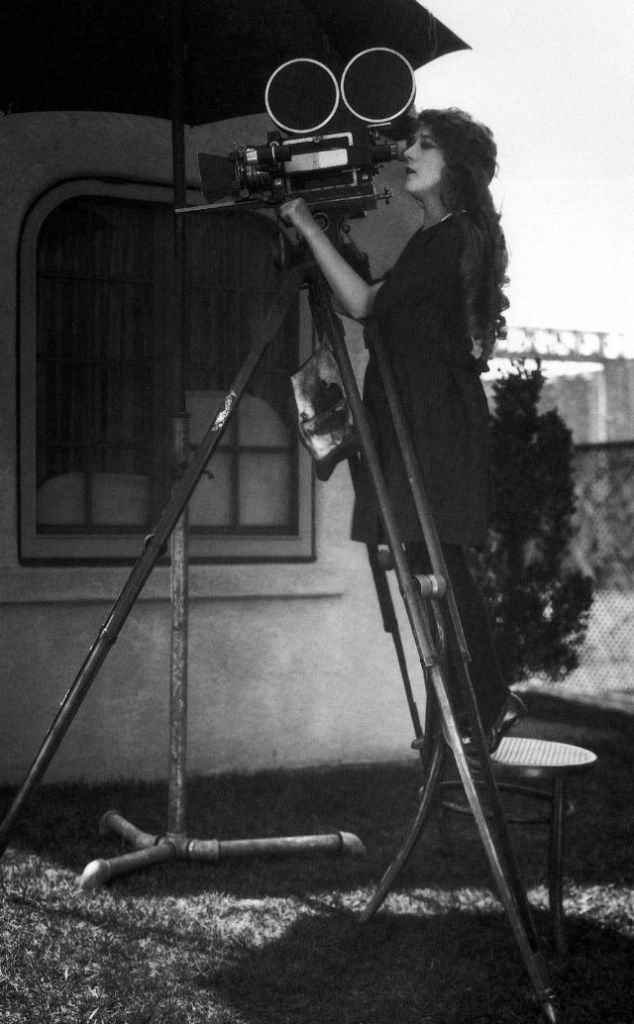
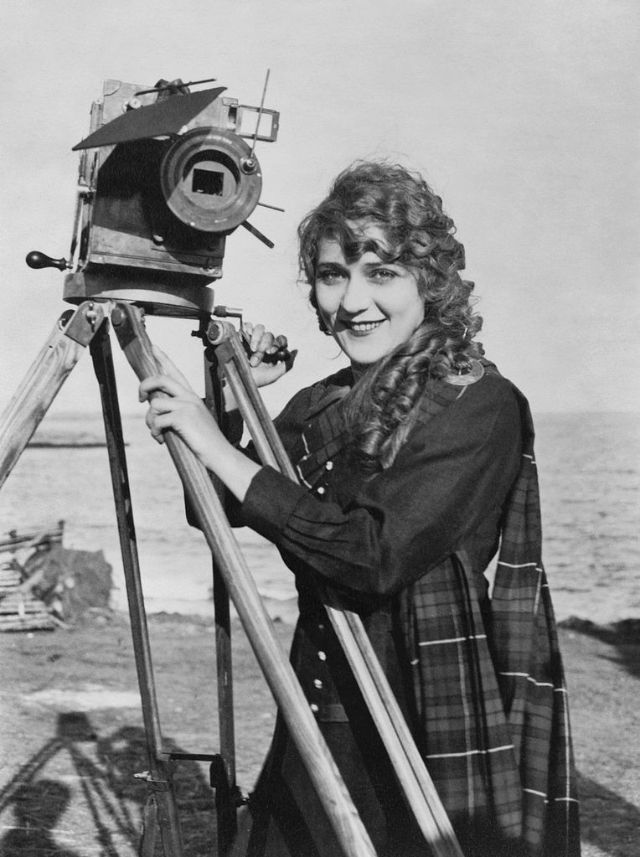
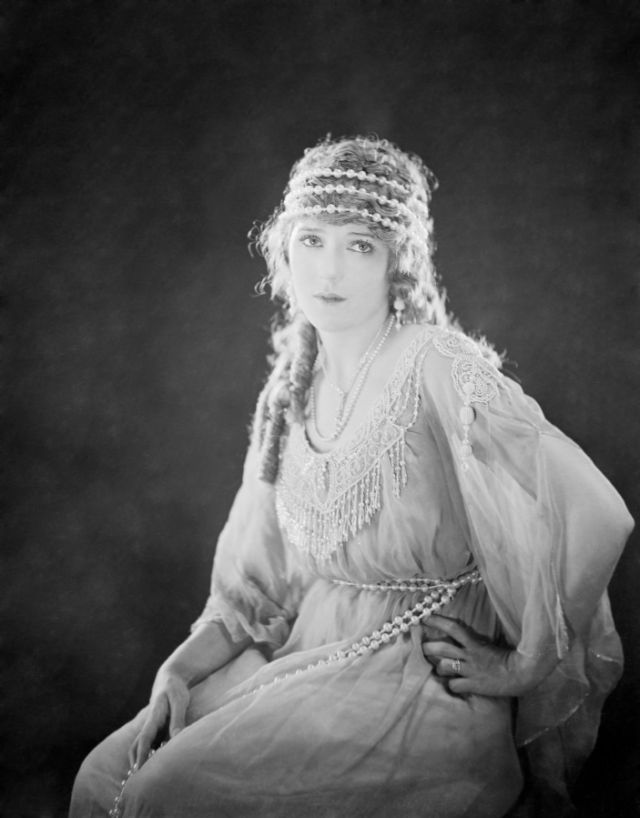
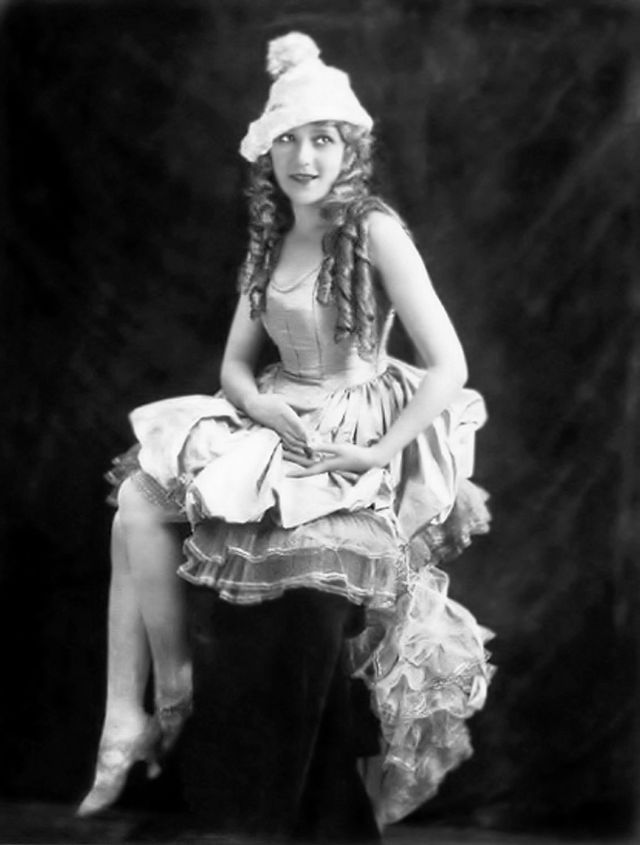
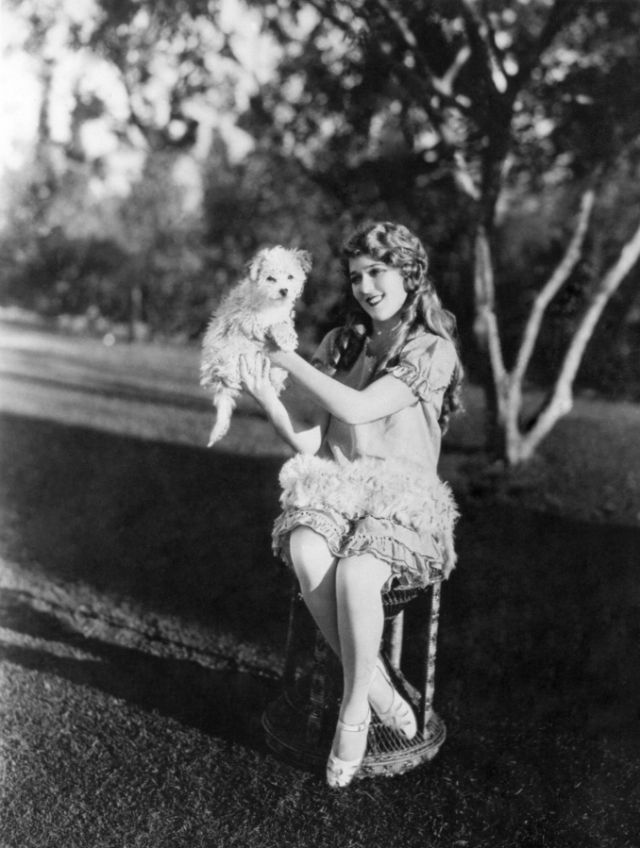
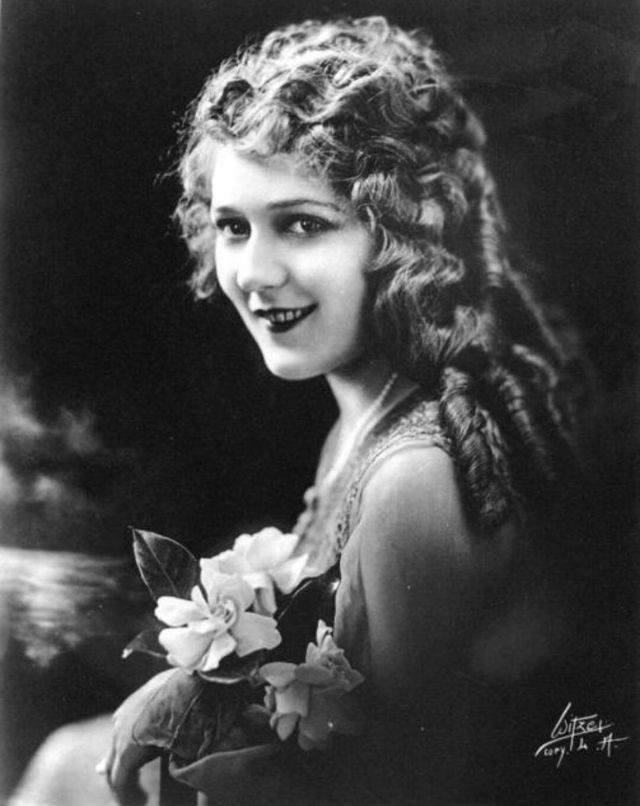
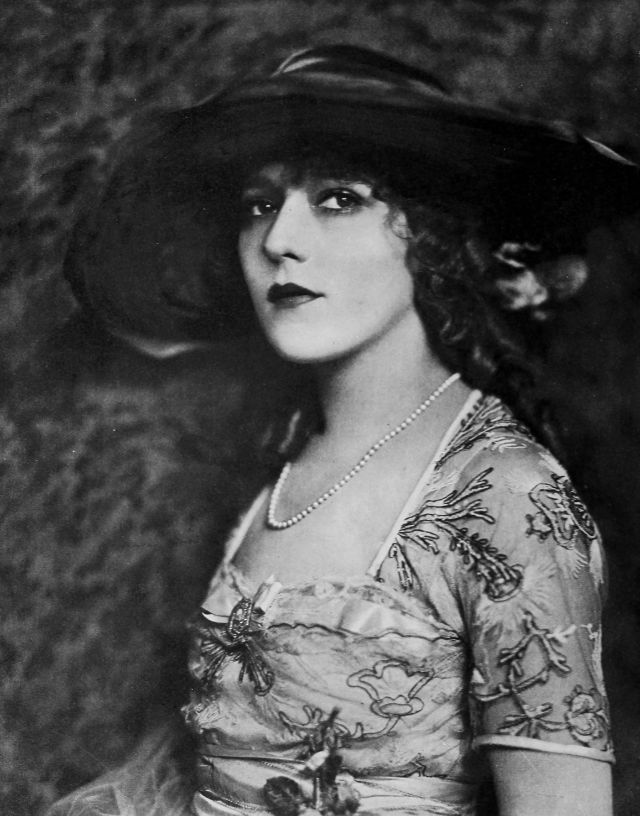
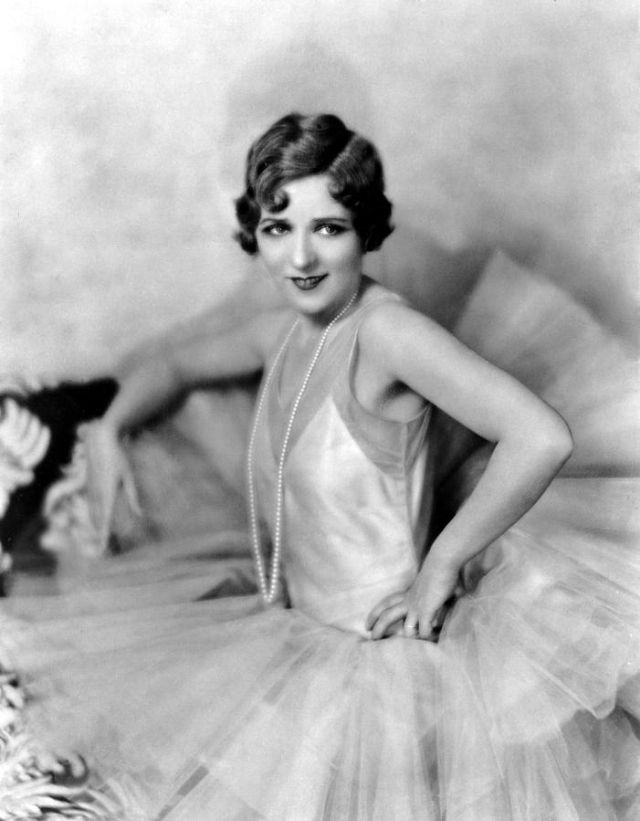
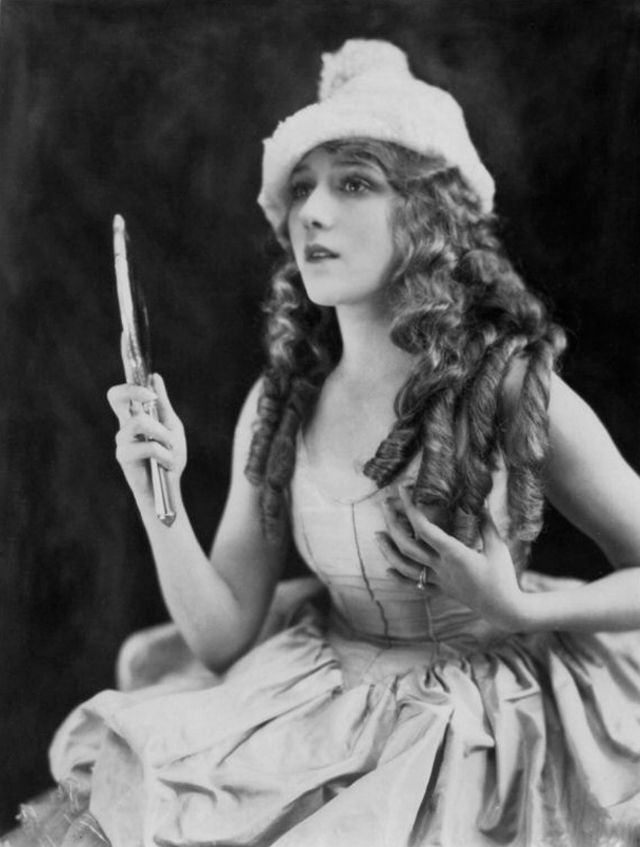
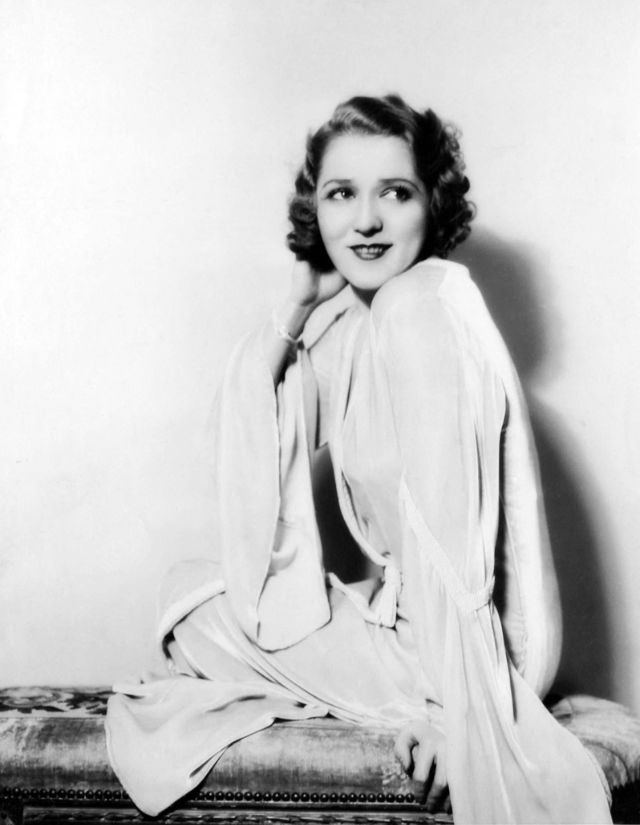
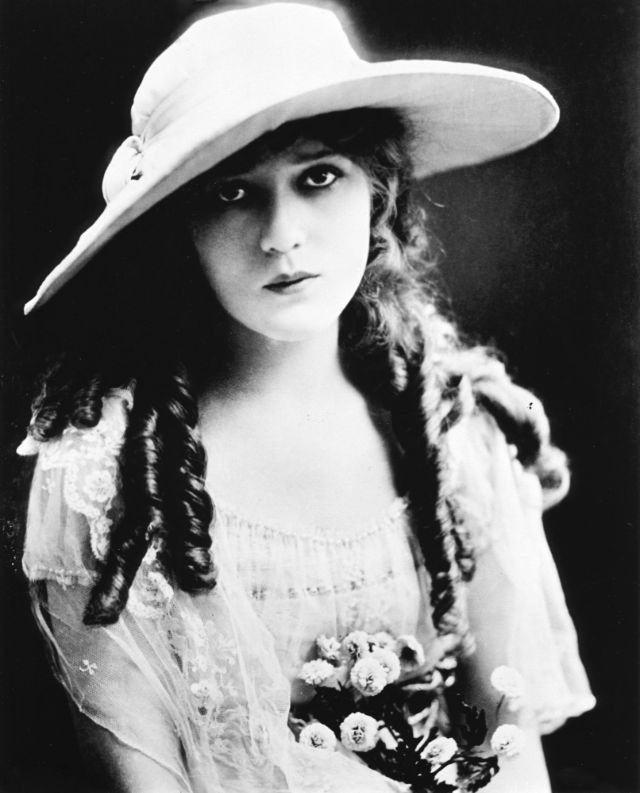
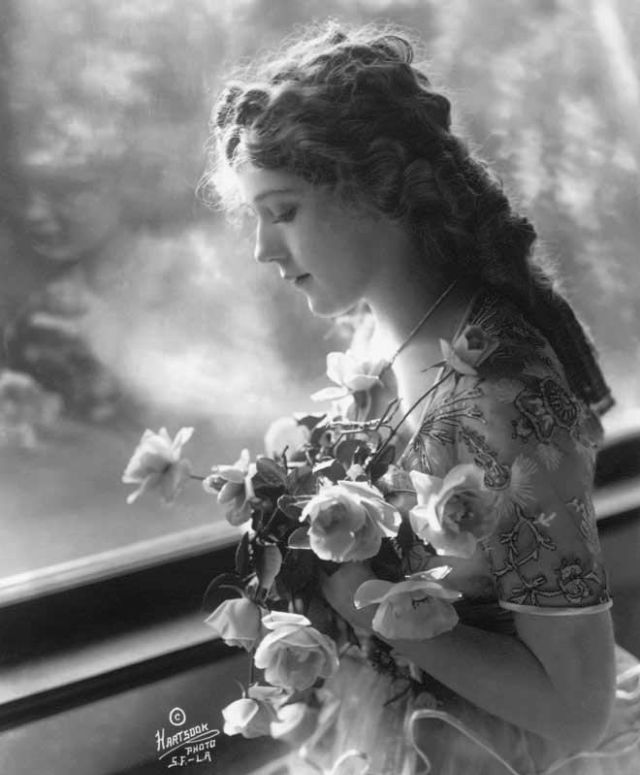
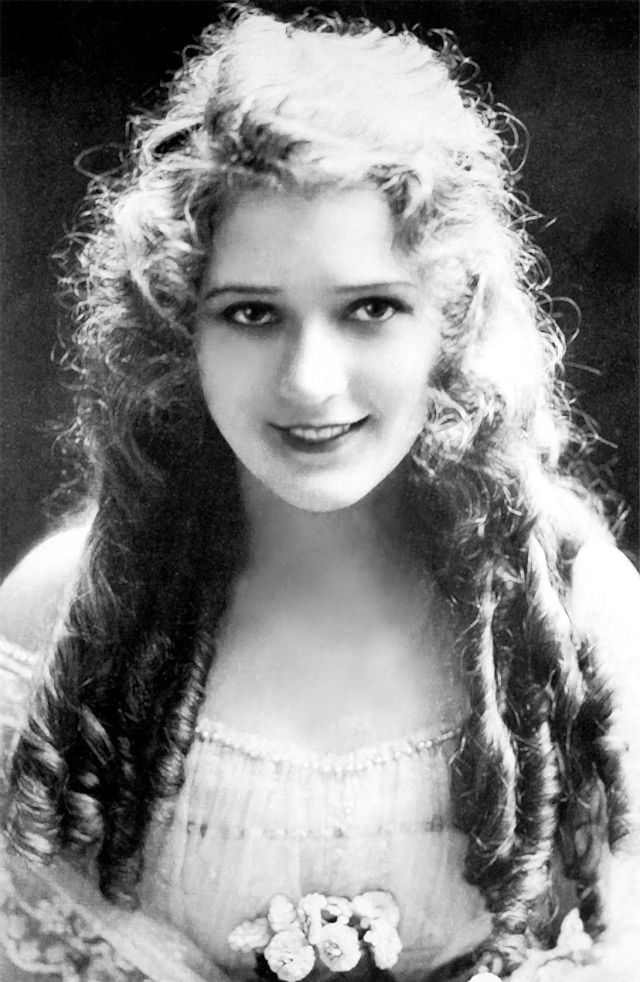
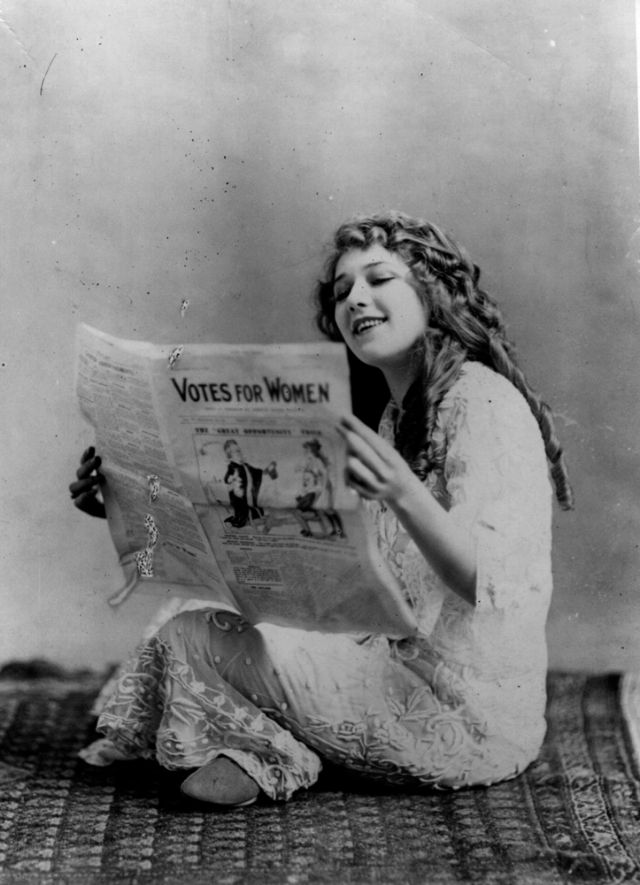
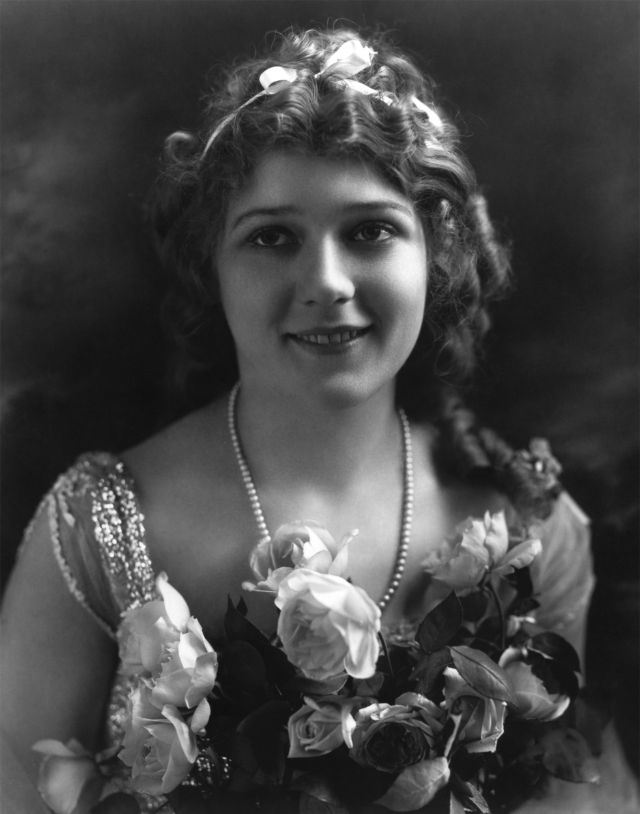
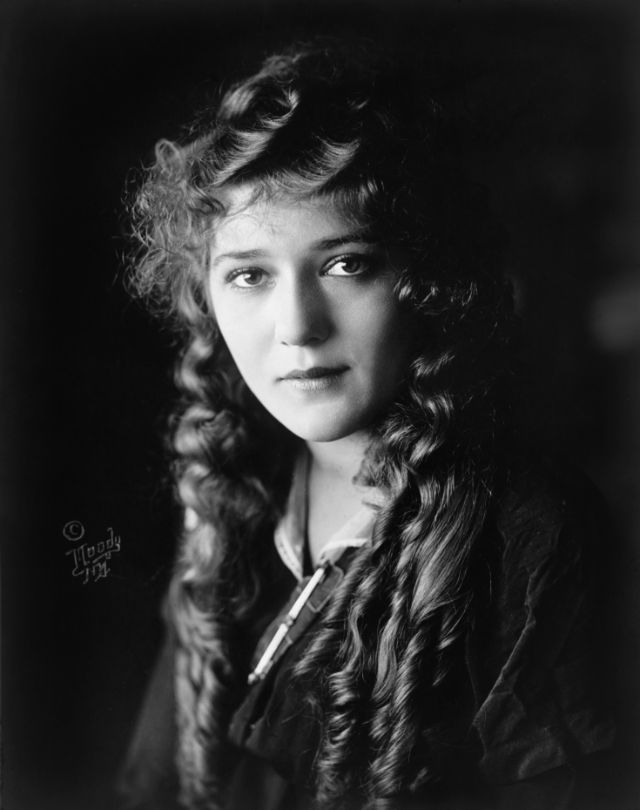
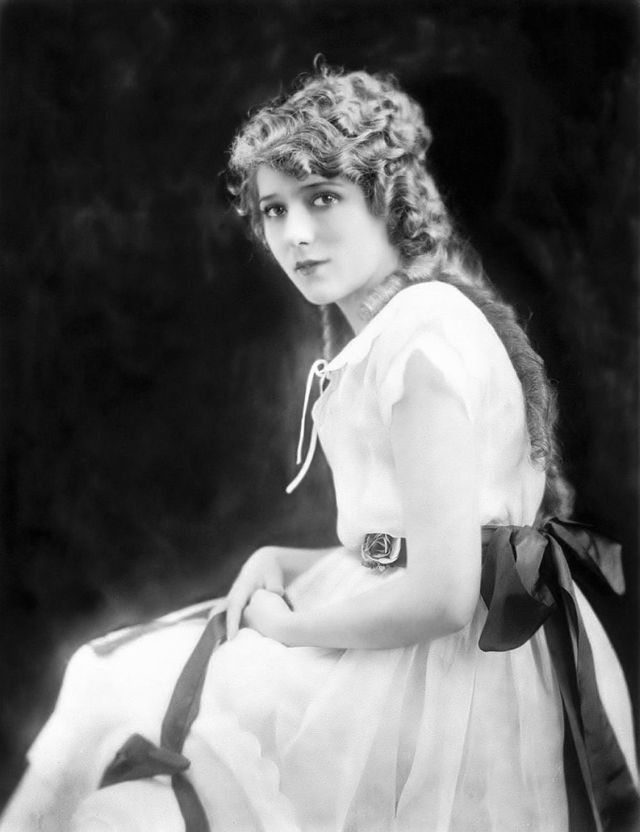
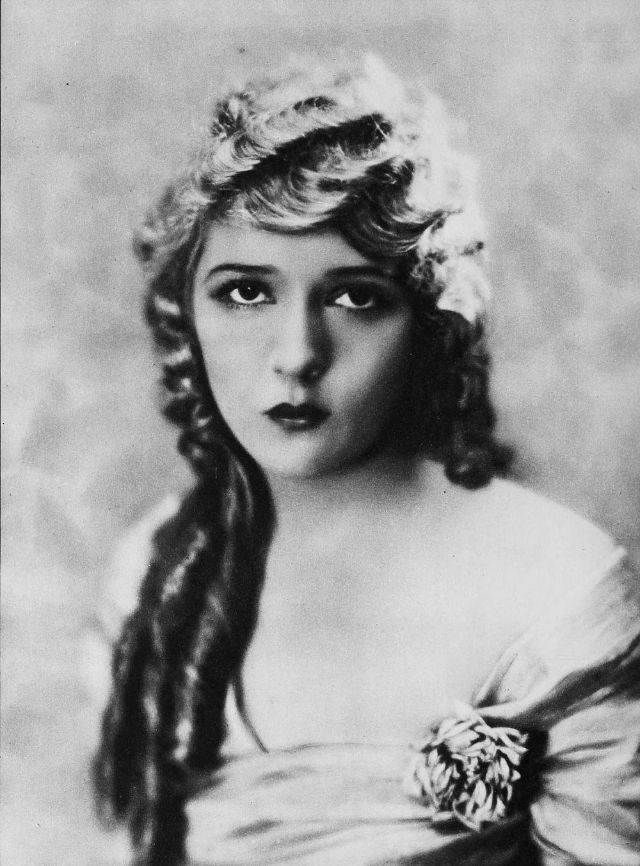
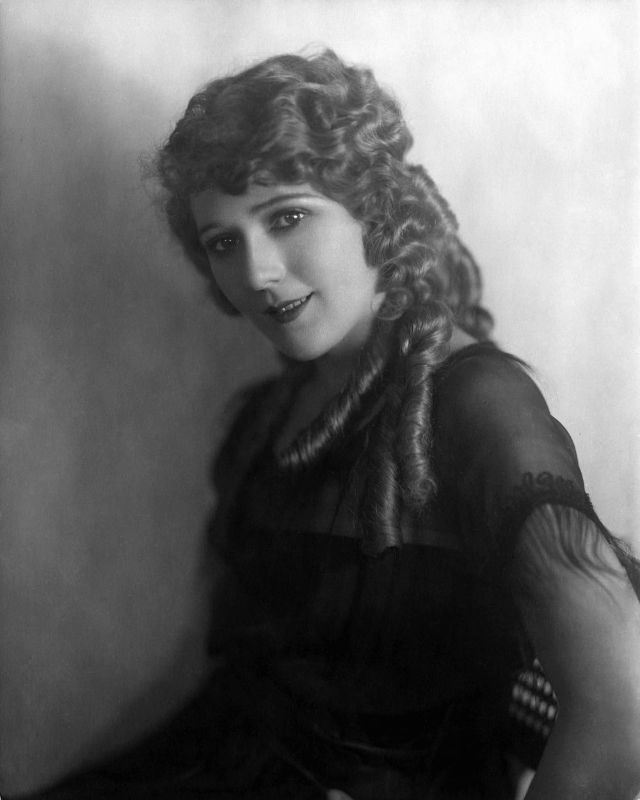
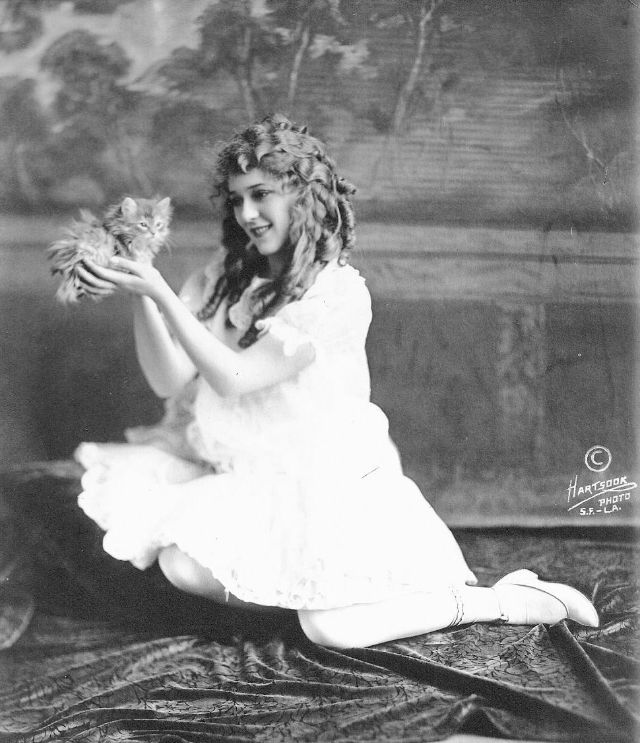
Mary Pickford, nicknamed “America’s Sweetheart,” was one of the most successful women in the film industry in the early part of the 20th century. She was a successful businesswoman who demanded higher salaries and greater control in her films.
Mary Pickford (born Gladys Louise Smith) was born April 8, 1892 in Toronto. Some sources list her year of birth as 1893; as a child actress Mary Pickford shaved a year off her age so she would appear to be more of an acting prodigy and continue to be cast in younger roles, which were more plentiful in the theatre. She started her acting career very early in life to support her family after her father’s accidental death. She became the main breadwinner in the family by the age of ten and even though she found it hard to be separated from her family for long periods of time, she knew that it would pay off in the end. She would not accept failure.
Mary Pickford (known for her long locks of golden curls) got her start in show business at the age of five, when boarders who were living in her house asked if she and her younger sister Lottie wanted to be extras in a schoolroom scene at one of the theatres in Toronto. Her first lead role was in the play The Silver King (1898) with the Valentine Stock Company in Toronto. In 1900 Mary’s mother, Charlotte Smith (who was Mary’s manager until her death in 1928), moved the family to New York “to launch her family’s theatrical career.” For the next few years, Mary and her family acted in theatre productions all across the eastern United States and southern Ontario, billed as Baby Gladys Smith.
In 1906, after she had long outgrown the stage name “Baby Gladys”, Pickford decided she was going to make it on Broadway. She also was determined to provide for her family. She began working for David Belasco, the top writer/producer on Broadway at the time. In 1909, Charlotte Smith convinced her daughter to apply to Biograph, an early motion picture company. Pickford had objections to working in the movies for artistic reasons, but they were overridden by her mother’s requirement for the whole family to work. After meeting with director D.W. Griffith of Biograph, Mary (now using the name Mary Pickford) started demanding a more generous rate of pay. This would start a long career of good business judgment and spirited salary negotiations. Later on in her career, Pickford demanded a handsome salary and exercised veto power over films that she was involved in, which was unheard of for a woman actor at that time.
After a few years at Biograph, Charlotte Smith struck a deal with the Independent Motion Picture Company (IMP) which provided a higher salary for Pickford and constant work for the rest of the family, including Mary’s new husband, fellow Biograph actor Owen Moore (they were divorced a few years after). Soon after Mary and the family signed on with IMP, the company moved its headquarters to Cuba. Mary Pickford was extremely unhappy in Havana and cancelled her year-long contract three months short. She returned to Biograph, where she started selling her story outlines, as well as acting.
Pickford was known as a shrewd businesswoman. For the next decade, she moved from company to company, demanding a higher and higher salary and more artistic control. At the highest point of her movie-making career she earned the same amount as her acting contemporary, Charlie Chaplin; her salary peaked at $350,000 per picture. Pickford always demanded that she be paid the same as her male counterparts, and she always received it. She also showed good business sense in the way she distributed her films. During her time at Famous Players, she demanded that her pictures be sold separately and not packaged with other Famous Player products. She demanded half the profits, signing bonuses, her name on the marquee, a studio named for her and transportation for her and her mother (who was also on salary).
After finalizing her divorce from estranged husband Owen Moore, Pickford married Douglas Fairbanks in 1920, at the height of her career. They lived together in Beverly Hills in their custom-built mansion, Pickfair, until they officially divorced in 1935. At this point in their careers, Mary and Douglas were considered to be the unrivaled Hollywood royalty by many of their adoring fans. Shortly after their wedding, Mary and Douglas, along with director D.W. Griffith and actor Charlie Chaplin, founded a company named United Artists. The company was formed to ensure that “Mary and Douglas could have total control over all the films they made. They could produce, finance, and distribute not only their own films but others from independents who were producing movies up to the high standard they set for themselves.”
After hundreds of films, with many different companies, Pickford’s final silent film was My Best Girl in 1927. This film held a first for Mary; she kissed the leading man, Buddy Rogers. In 1929, after My Best Girl, in an attempt to keep up with the changing times and fickle audience, Pickford started acting in sound films. She won the Best Actress Oscar for Coquette (1929), her first “talkie” film and the first Academy Award ever given to a sound film. Also in 1929, Pickford starred in the first sound feature film adaptation of Shakespeare’s Taming of the Shrew. In 1933, after filming Secrets with a remarkably talented supporting cast, Mary announced her retirement from the silver screen.
Shortly after this announcement Mary married orchestra leader and actor Charles “Buddy” Rodgers. She was far from retired, though. She became very active in social causes, especially the war effort, published three books, produced movies and continued as vice-president of United Artists. She also started the Mary Pickford Cosmetic Company. Mary sold her shares in United Artists in 1956 and withdrew from the public eye. In 1975 Mary donated 50 of her original Biograph films to the American Film Association. Mary Pickford was presented with an award to commemorate her achievements in the industry by the Academy of Motion Picture Arts and Sciences in 1976.
In 1979, Mary passed away at the age of 86 at her beloved Pickfair mansion. She will forever be remembered for her contribution both in front of the camera as an actor and behind the scenes as a producer and founder of United Artists. She will also always be remembered for the feisty independent female characters that she brought alive on the silver screen.
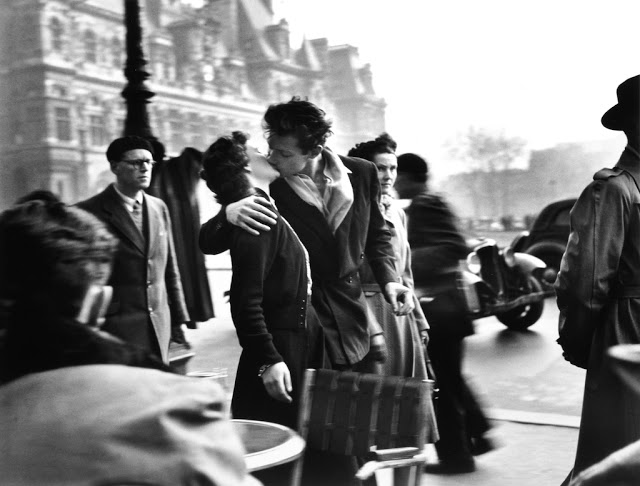
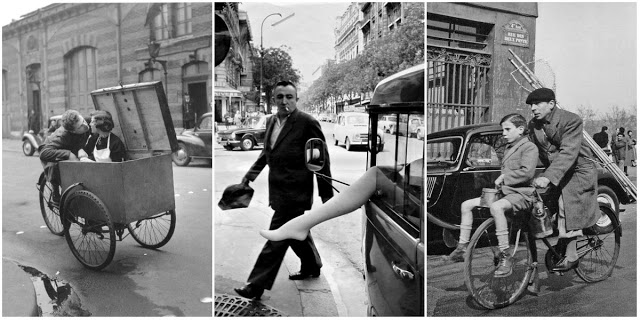
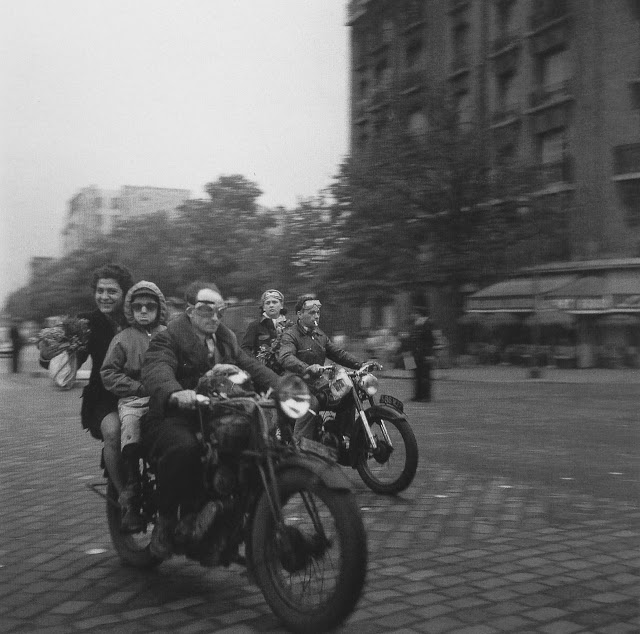
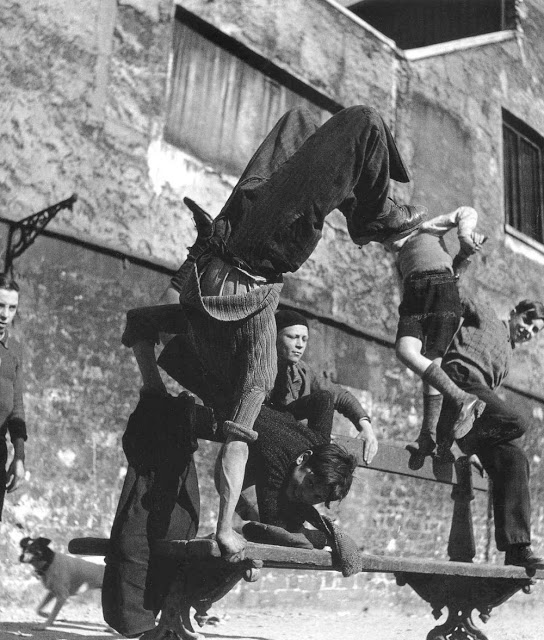
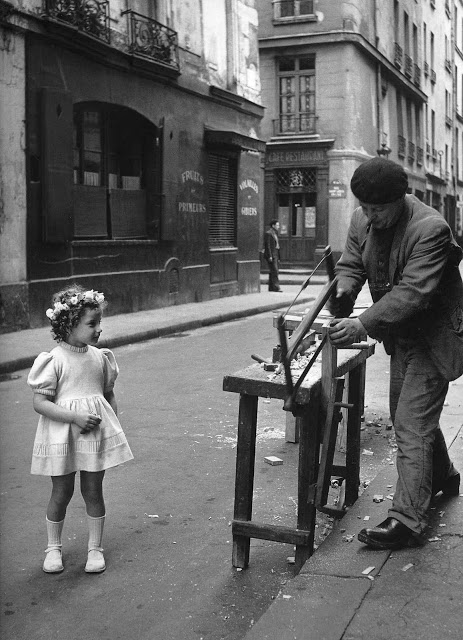
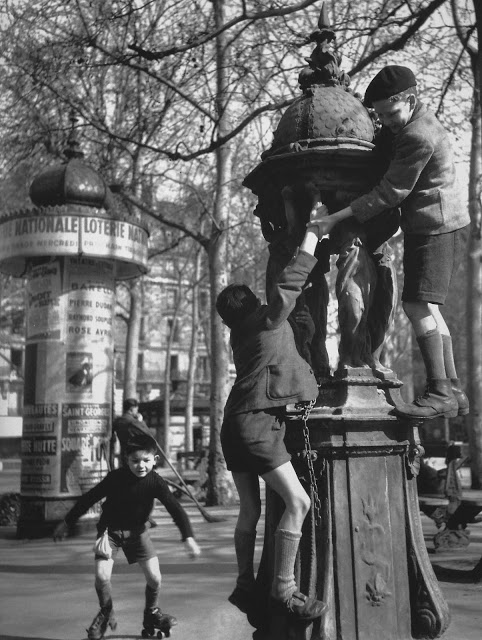
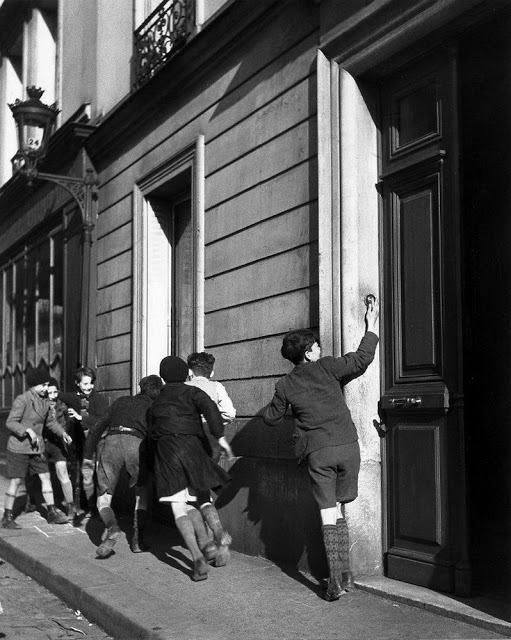
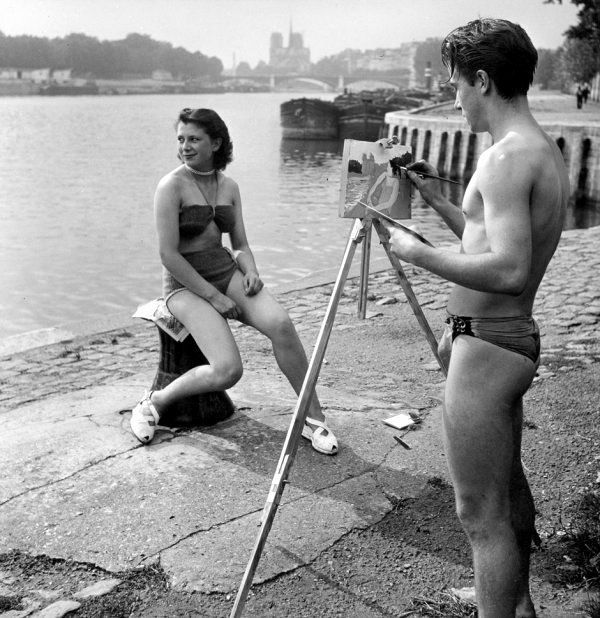
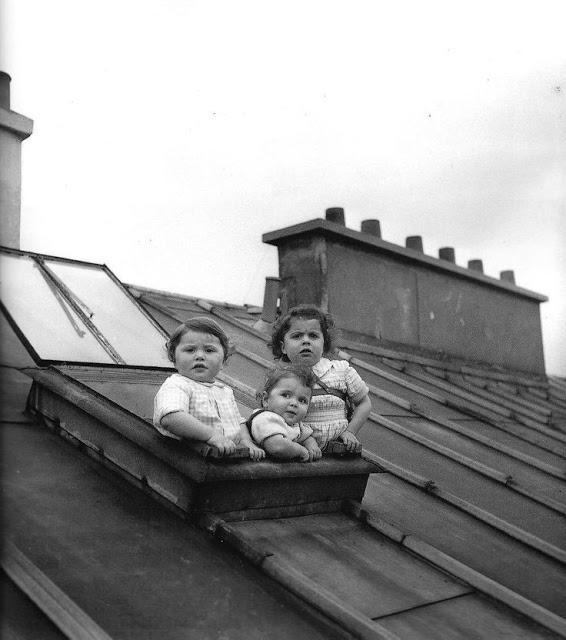
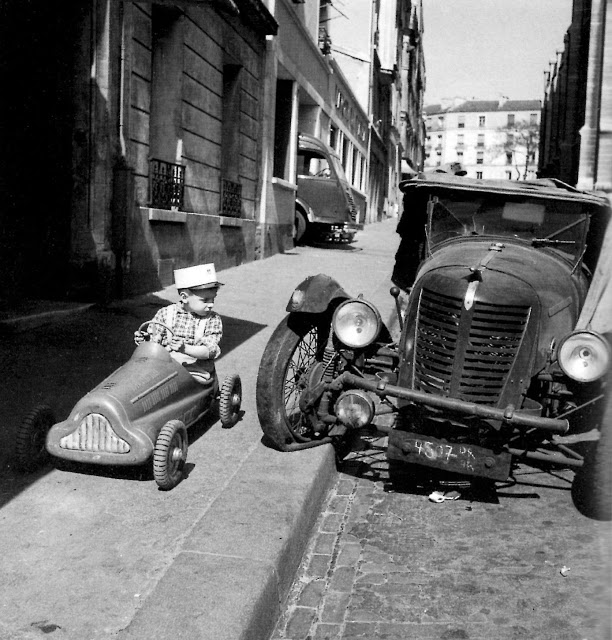
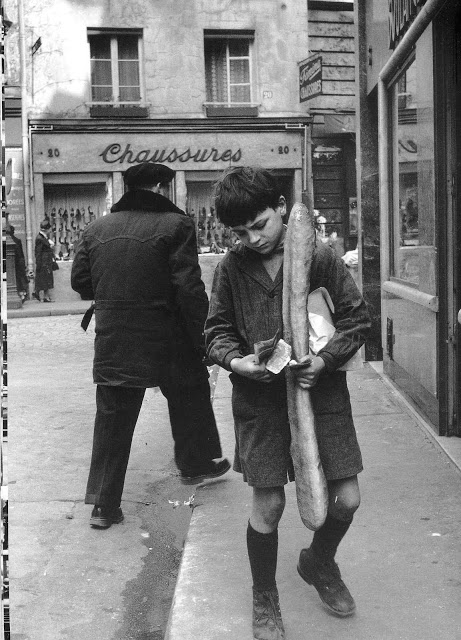
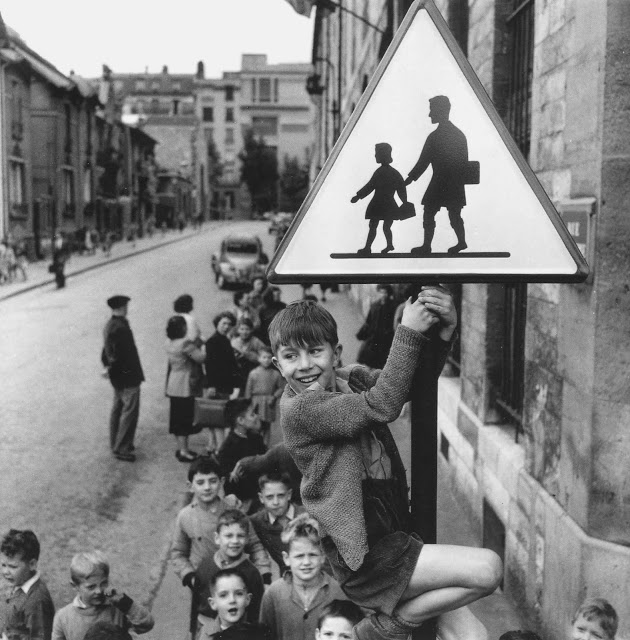
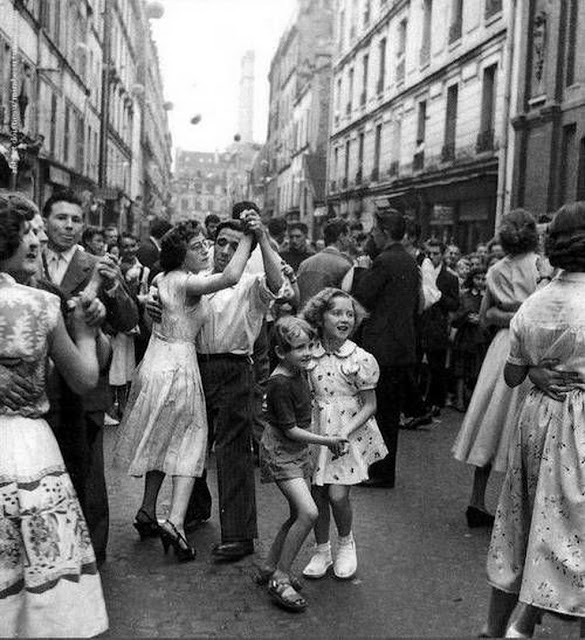
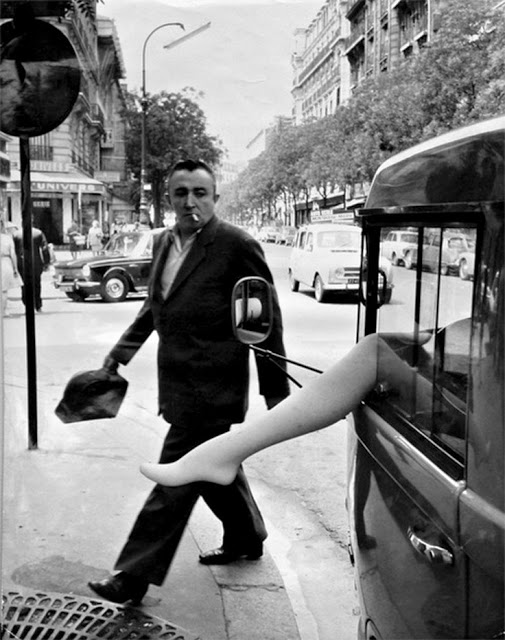
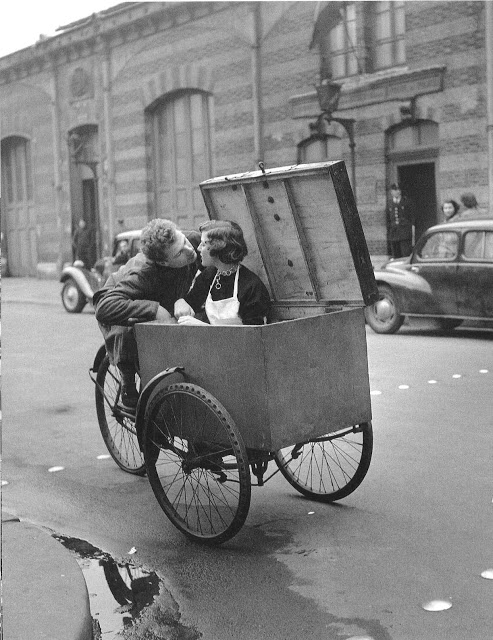
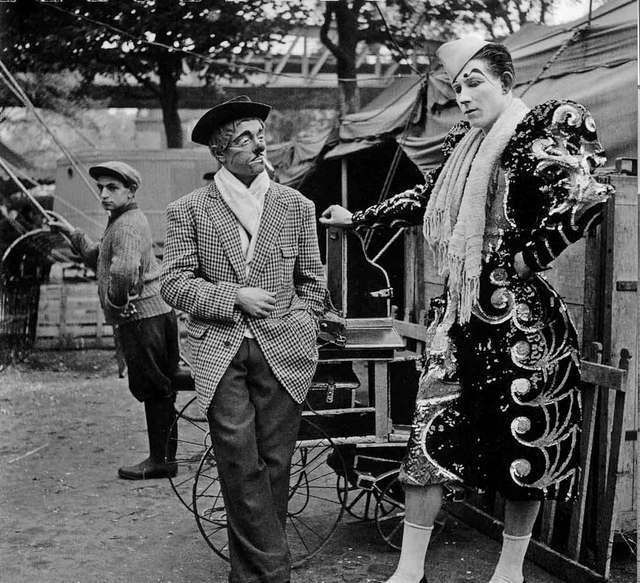
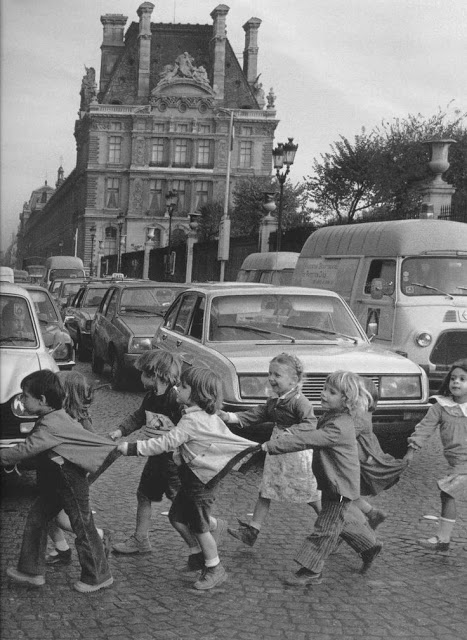
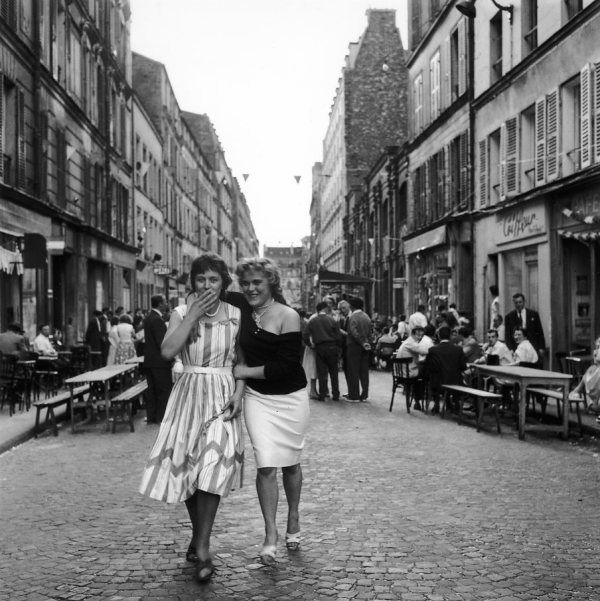
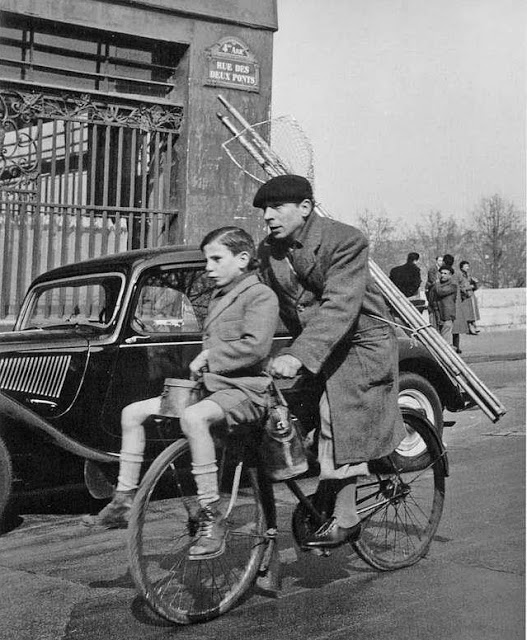
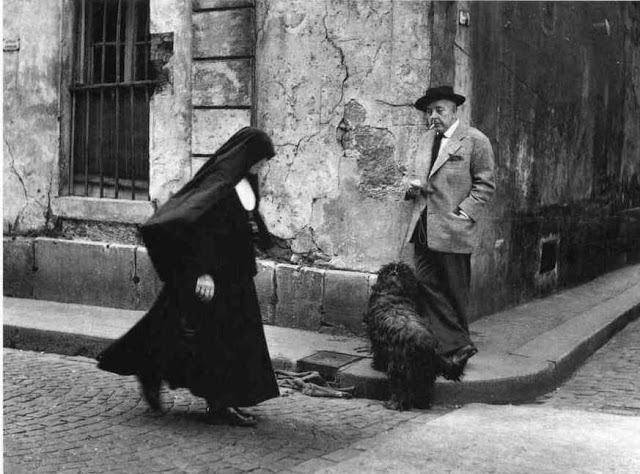
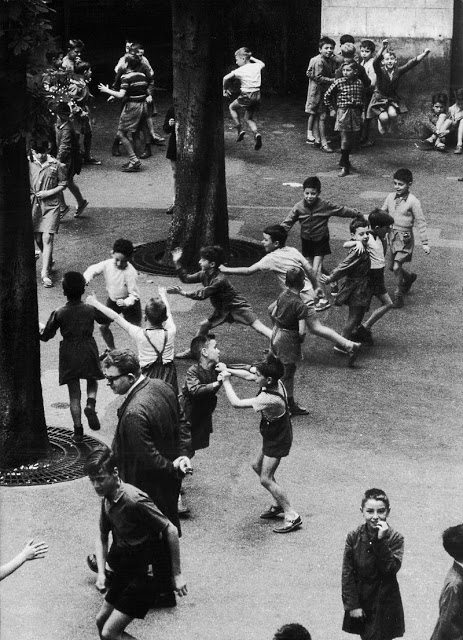
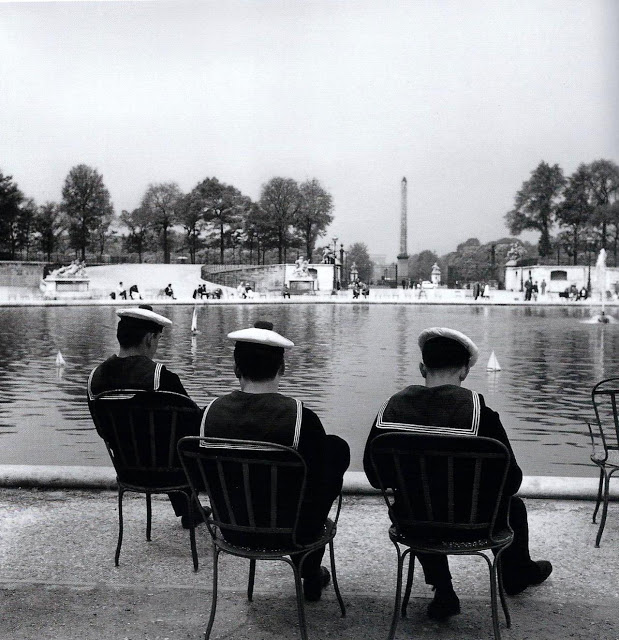
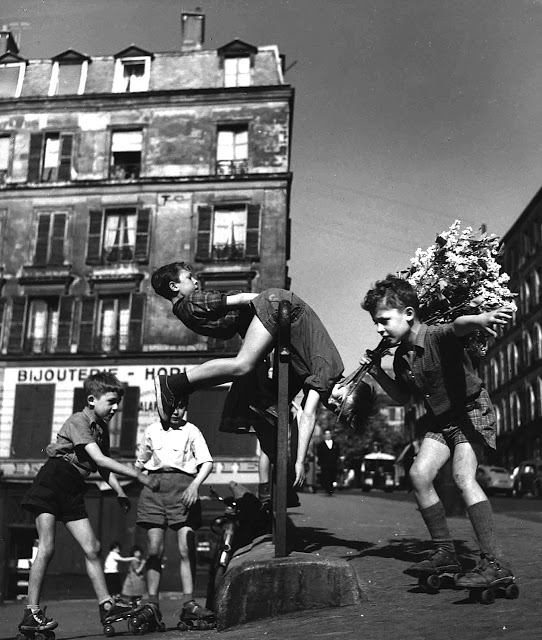
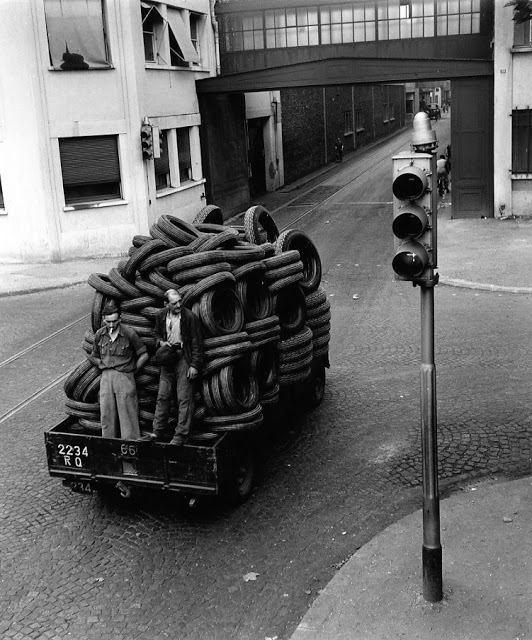
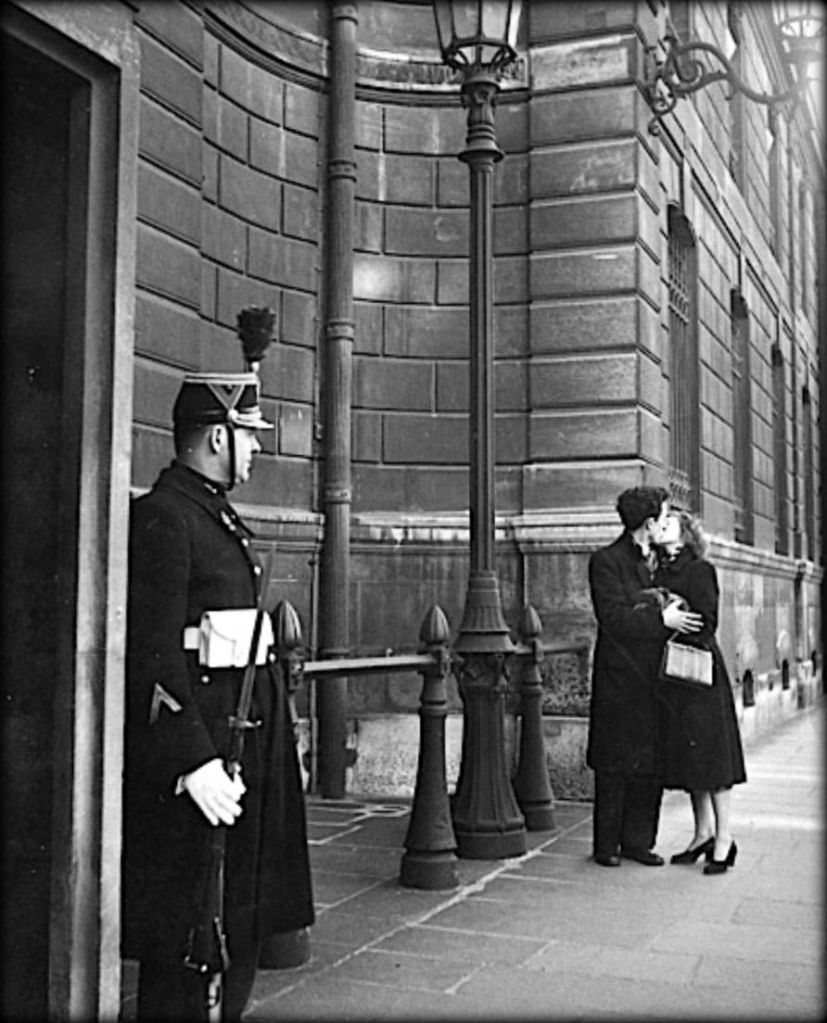
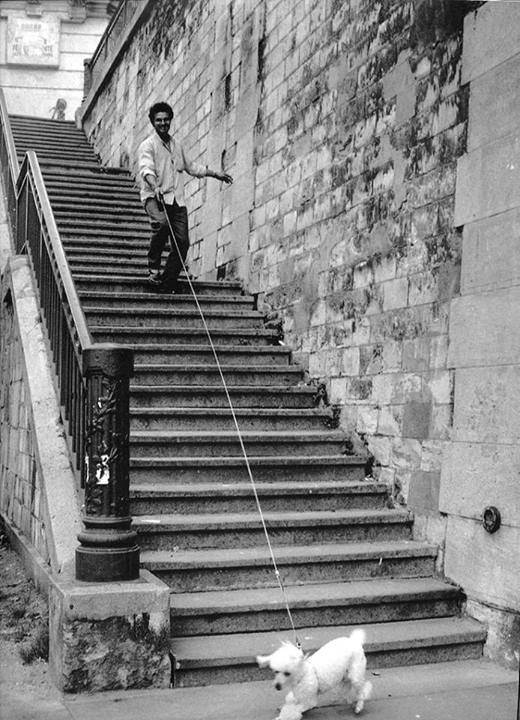
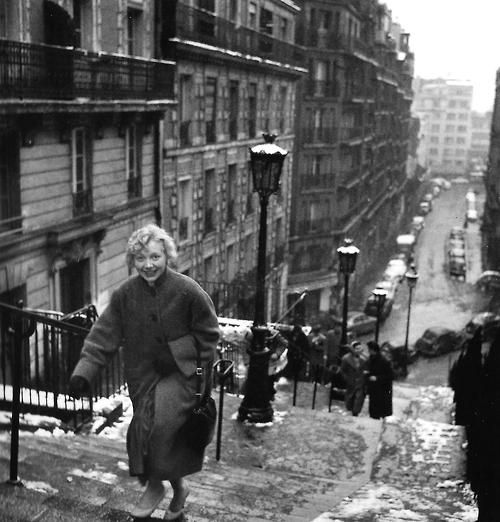
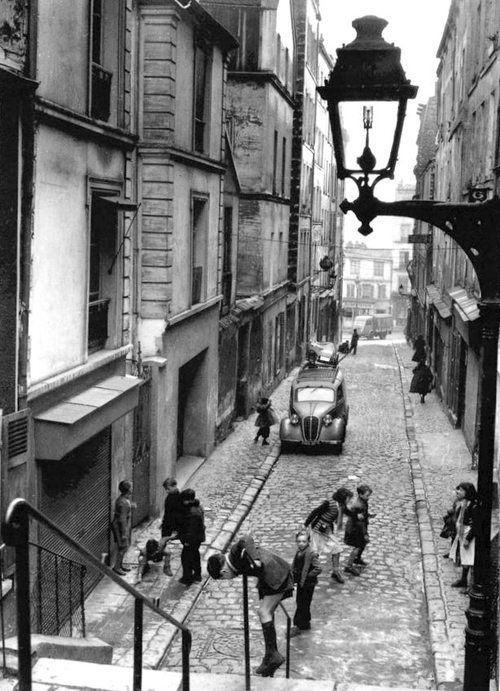
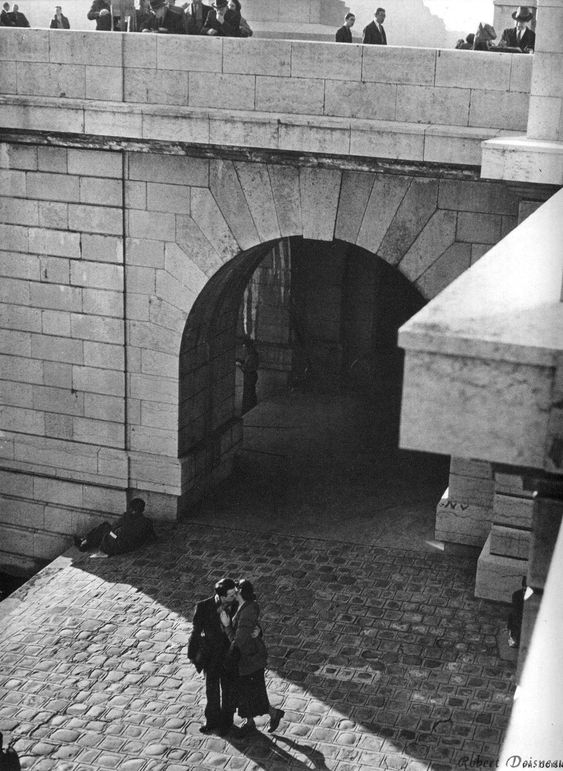
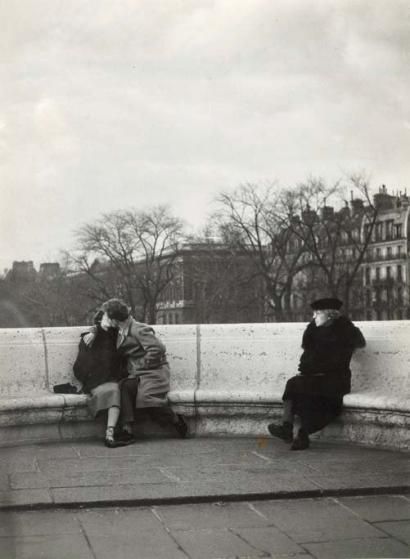
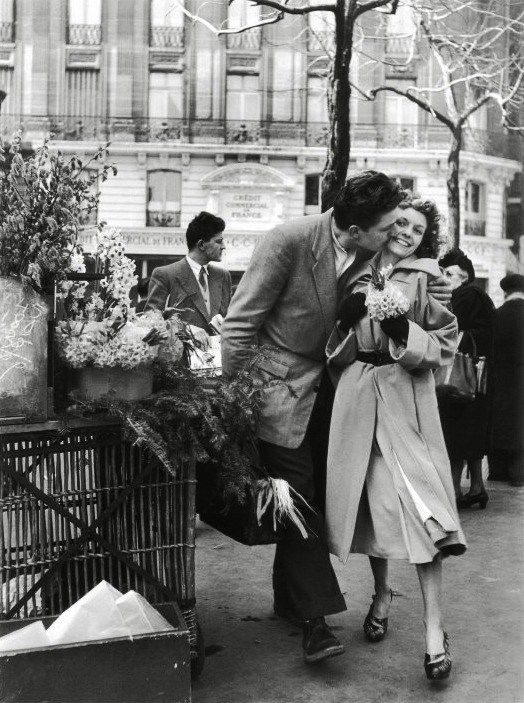
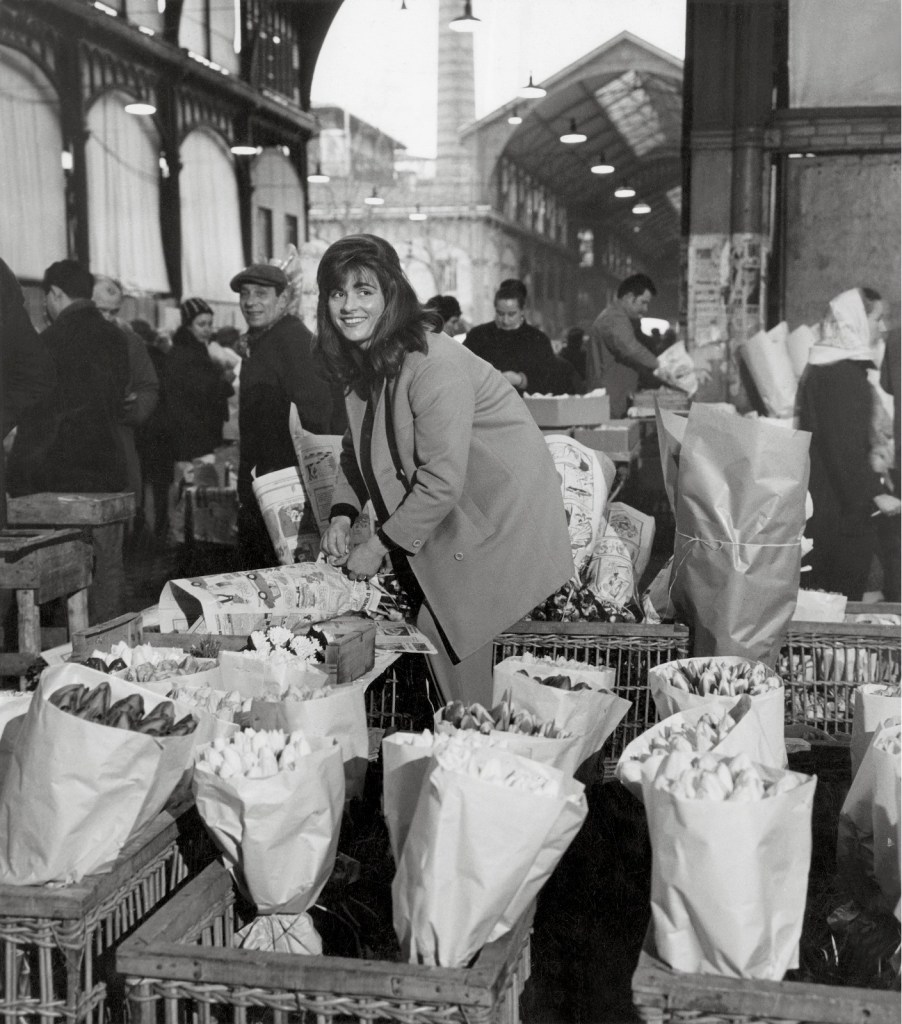
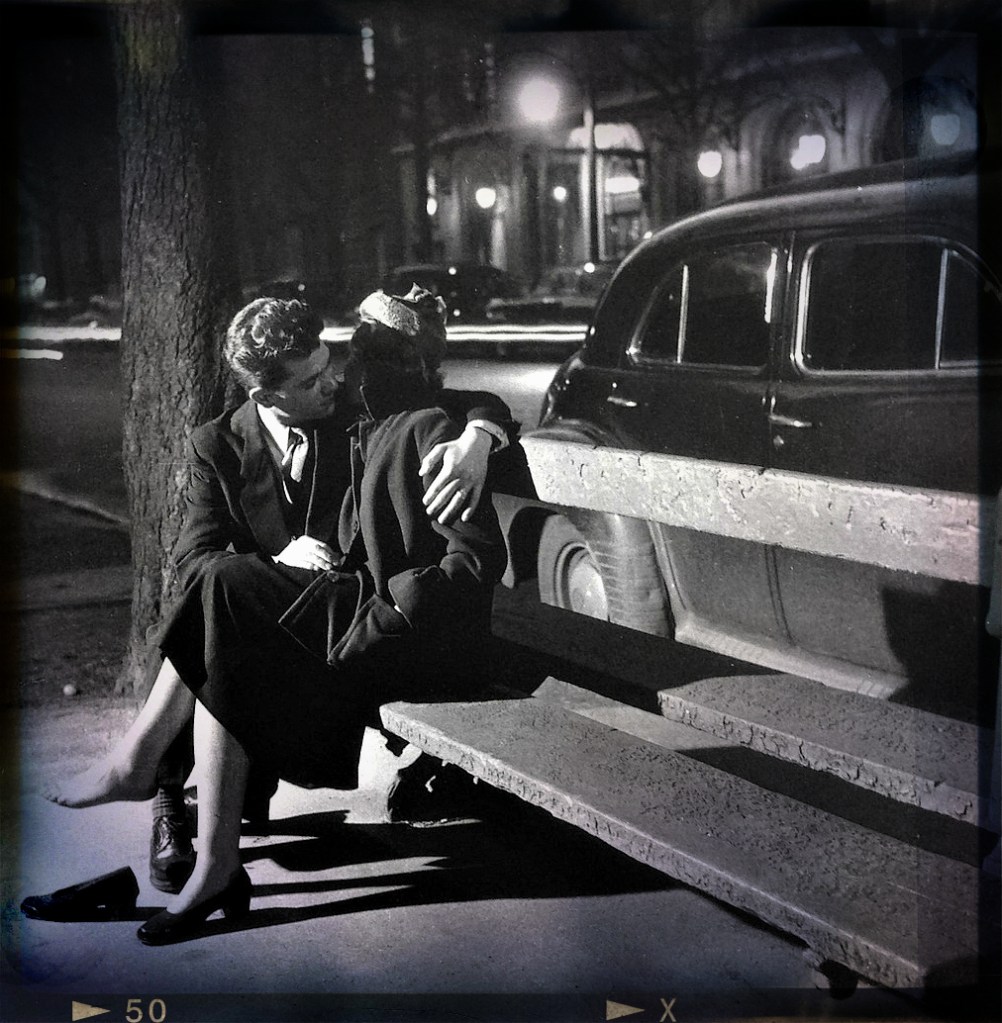
Robert Doisneau (French: 14 April 1912 – 1 April 1994) was a French photographer. In the 1930s, he made photographs on the streets of Paris. He was a champion of humanist photography and with Henri Cartier-Bresson a pioneer of photojournalism.
Doisneau is renowned for his 1950 image Le baiser de l’hôtel de ville (The Kiss by the City Hall), a photograph of a couple kissing on a busy Parisian street.
He was appointed a Chevalier (Knight) of the Legion of Honour in 1984 by then French president, François Mitterrand.
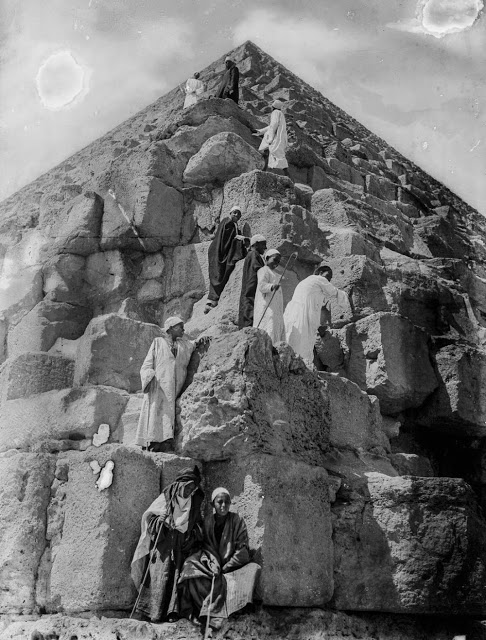
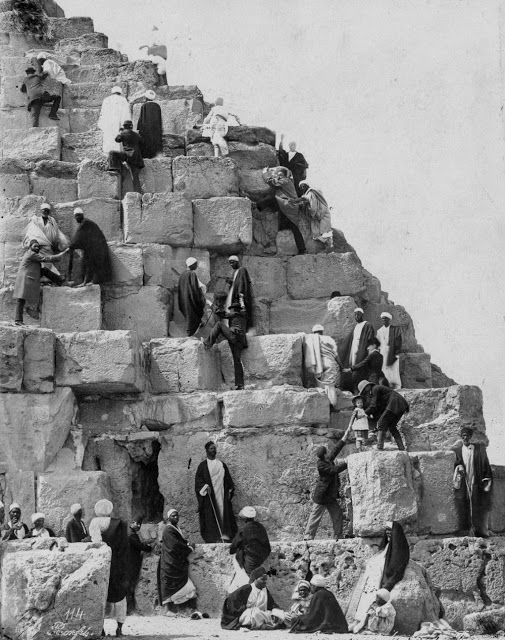
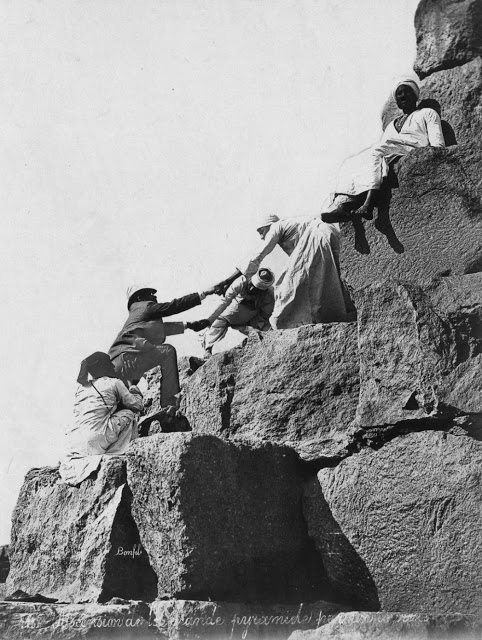
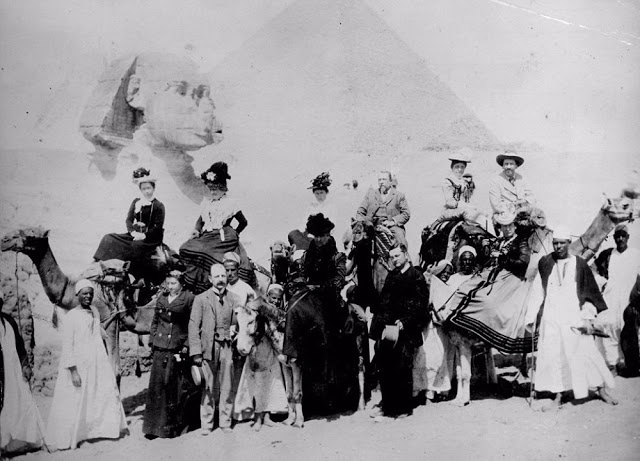
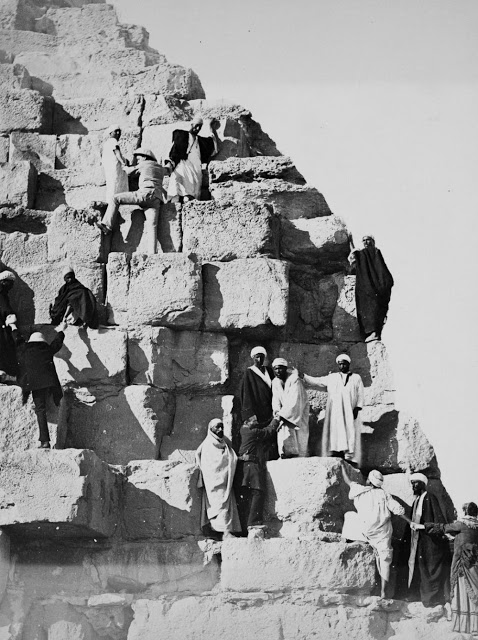
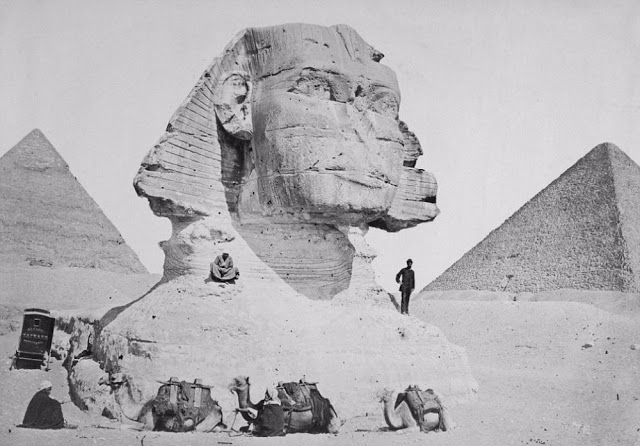
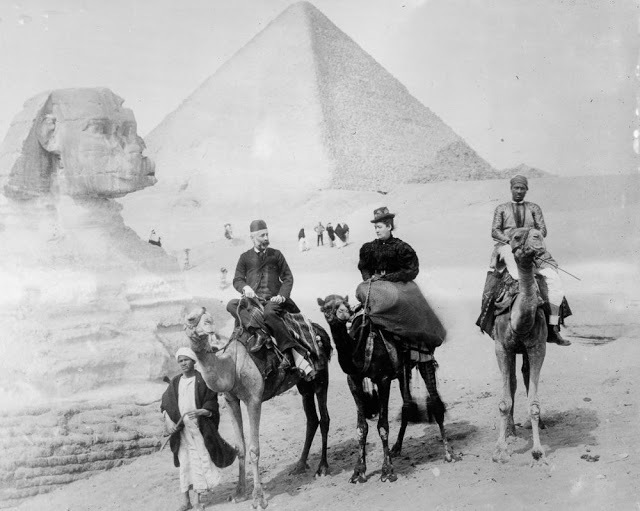
Photographs of the Pyramids of Giza taken at the height of colonialism show tourists climbing the massive structures and offer more insight into the evolution of tourism in Egypt.
While it’s forbidden for tourists nowadays to clamber up Egypt’s pyramids to take a snap, back in Victorian times it was all the rage.
European holidaymakers clad in three-piece suits or long formal dresses and hats had their photographs taken while climbing landmarks and sitting on top of camels at the country’s most recognizable icons including King Khufu’s tomb and the sphinx in Giza.
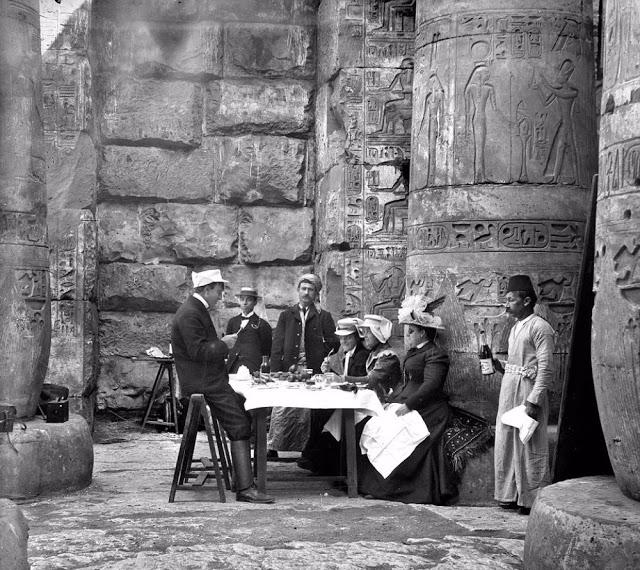
These vintage photographs capture tourists enjoying picnics and having an after-lunch nap, inside a temple with hieroglyphics.
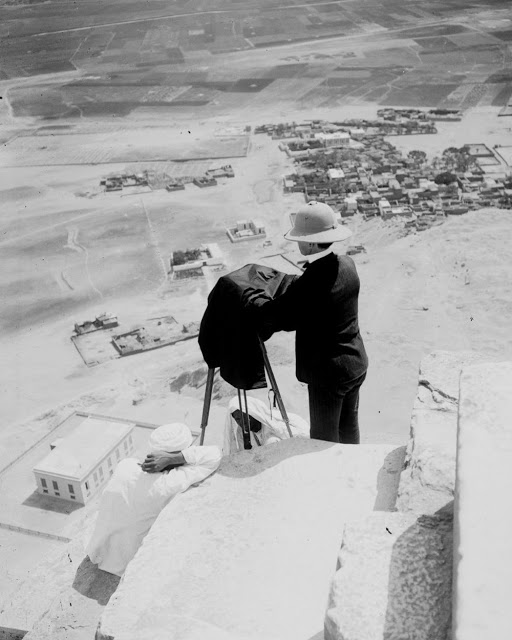
1860186718671880European holidaymakers clad in three-piece suits or long formal dresses and hats had their photographs taken at the country’s most iconic landmarks including the Sphinx of Giza. 18801882The Sphinx before excavation with tribesmen, a tourist and camels and the pyramids of Kephren (left) and Cheops (right) beyond at Giza. 18901895Formally attired Victorian holidaymakers nap after having a wine-fuelled picnic inside a temple. 1898European tourists enjoying a meal inside a temple with a backdrop of hieroglyphics while a local waits on them with a bottle of wine. 18981900Tourists brave the heat in long skirts, jackets and hats while sitting atop camels attended to by locals. In the background of this shot from 1900 is the pyramid and sphinx at Giza.19001900A group of holidaymakers – dressed for a summer party – are helped as they climb up a pyramid to get the ultimate vantage point. 1900A group of men rest at the top. 1900Photographer Lewis Larsson composes a photo from atop the Great Pyramid. 19001900
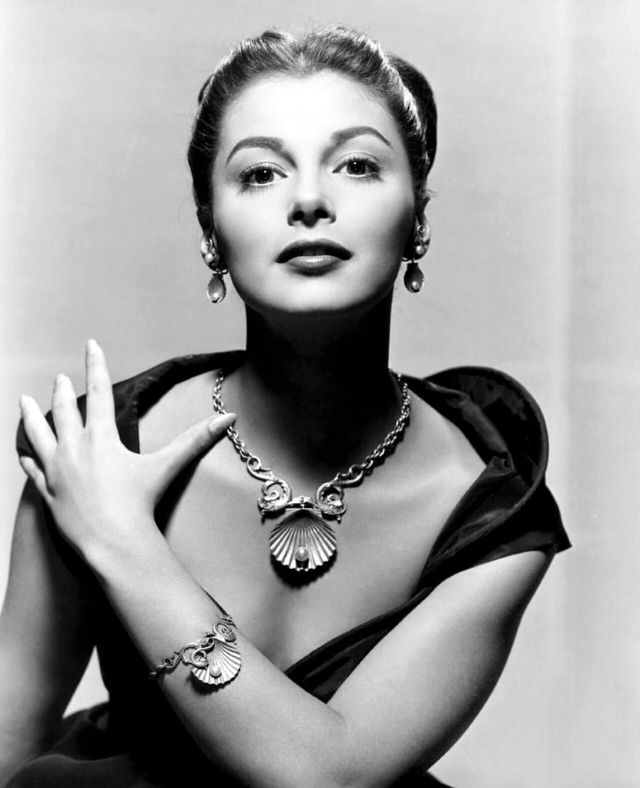
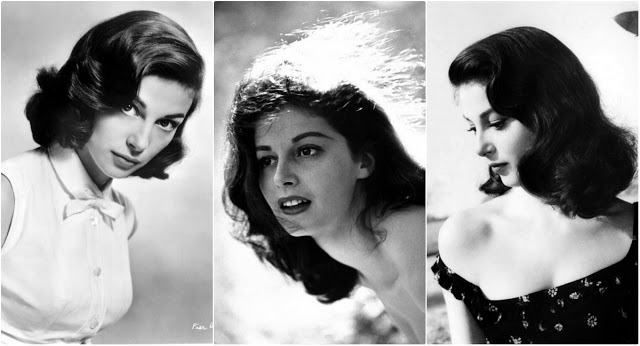
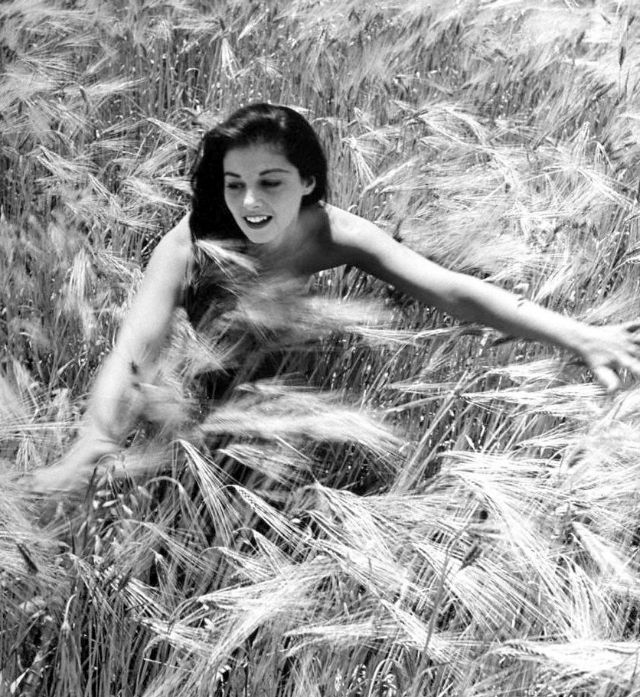
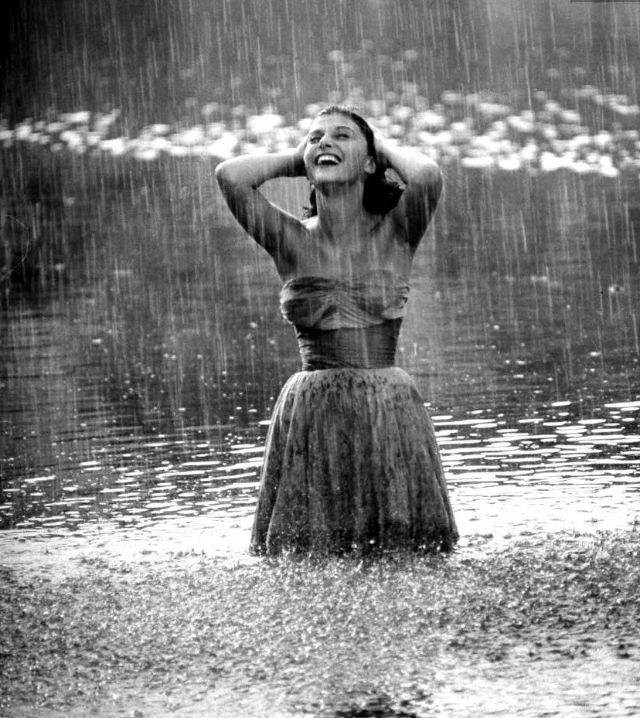
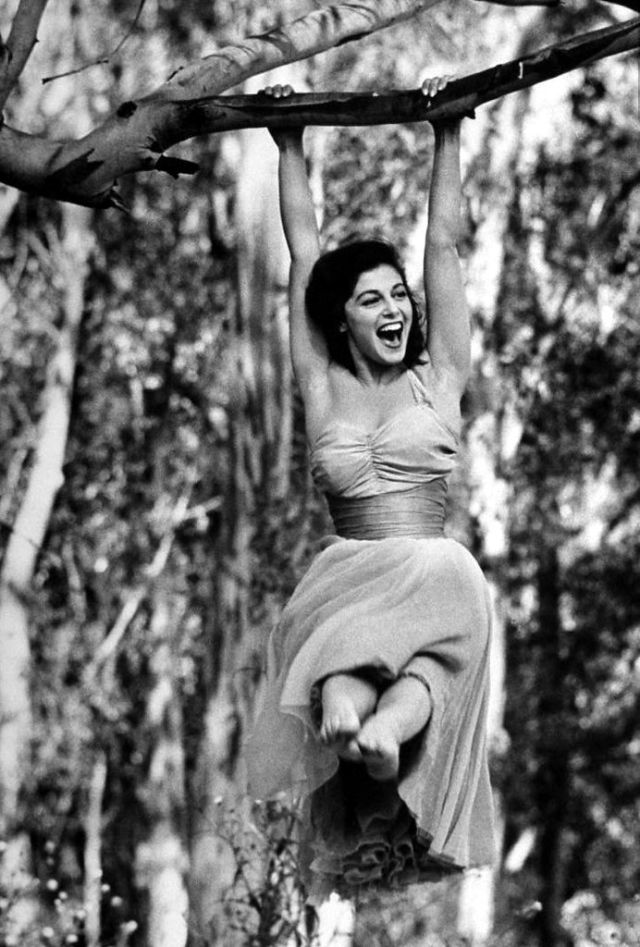
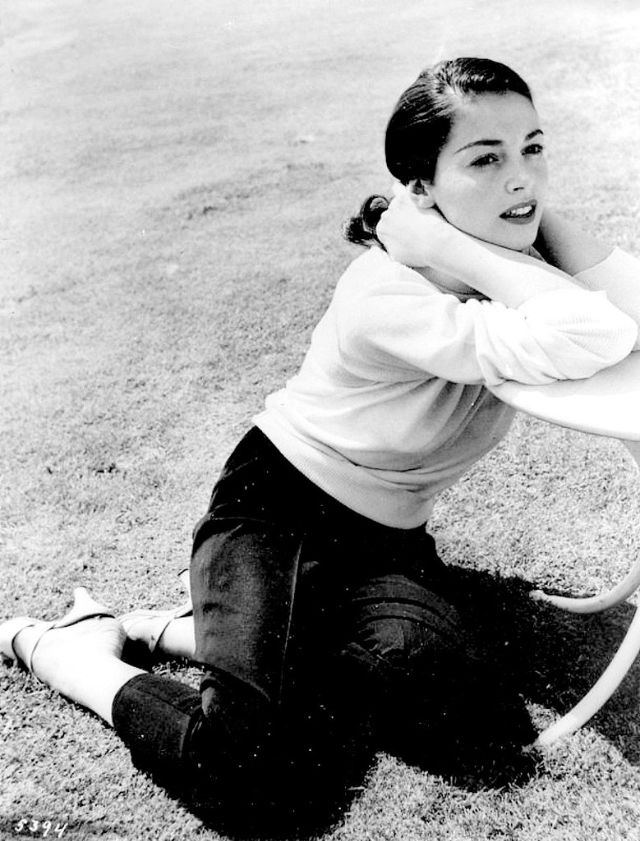
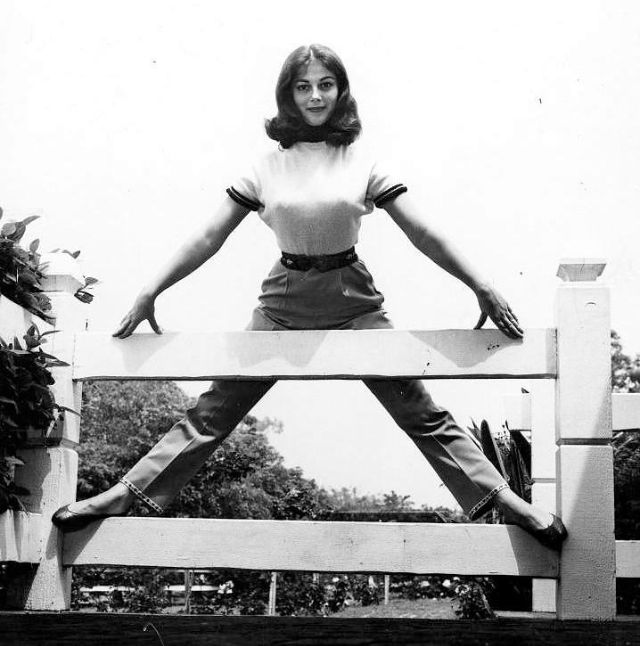
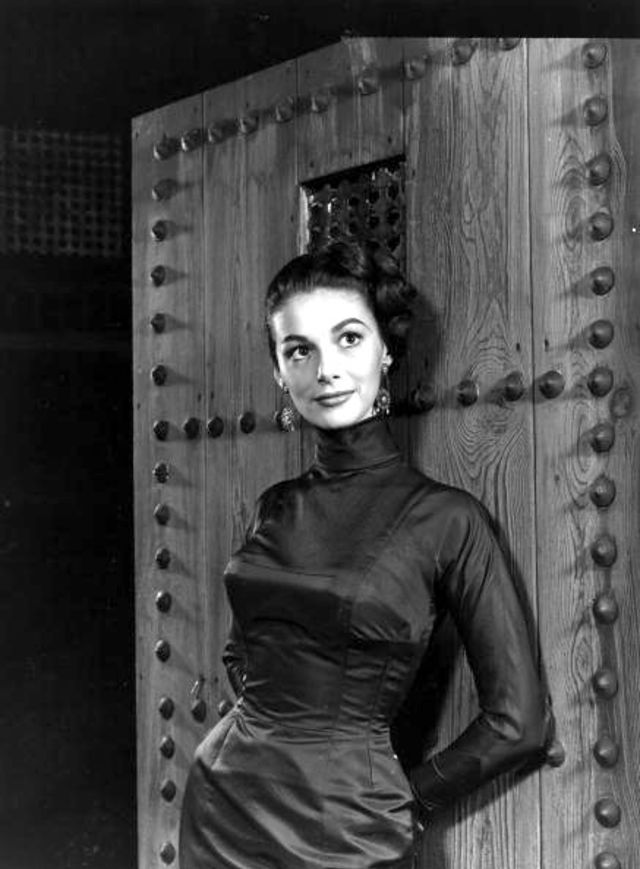
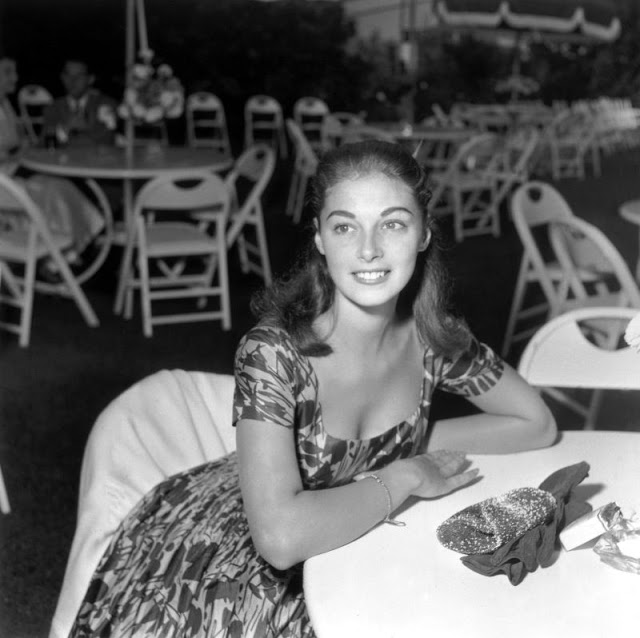
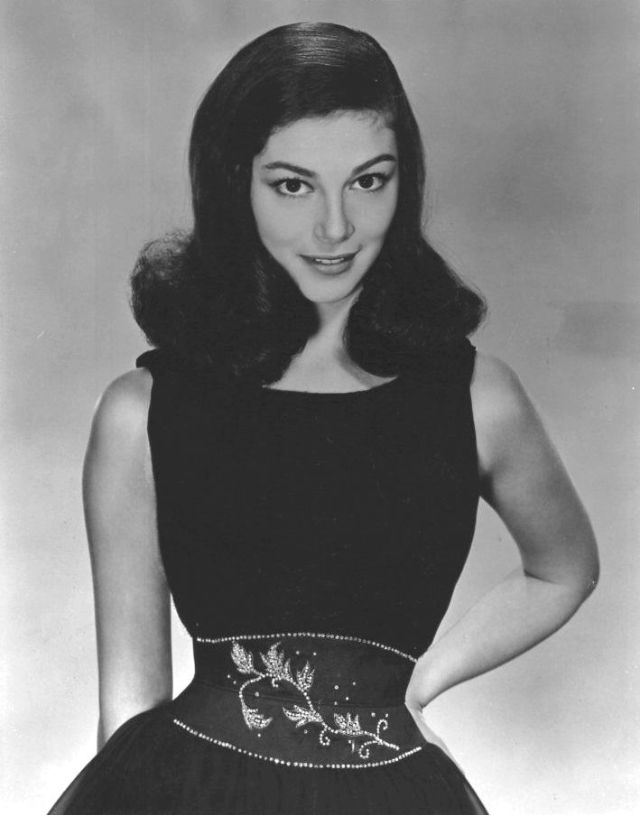
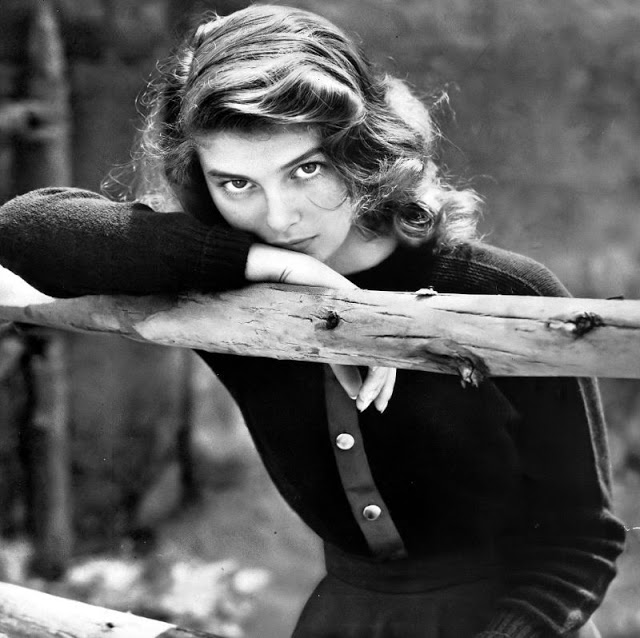
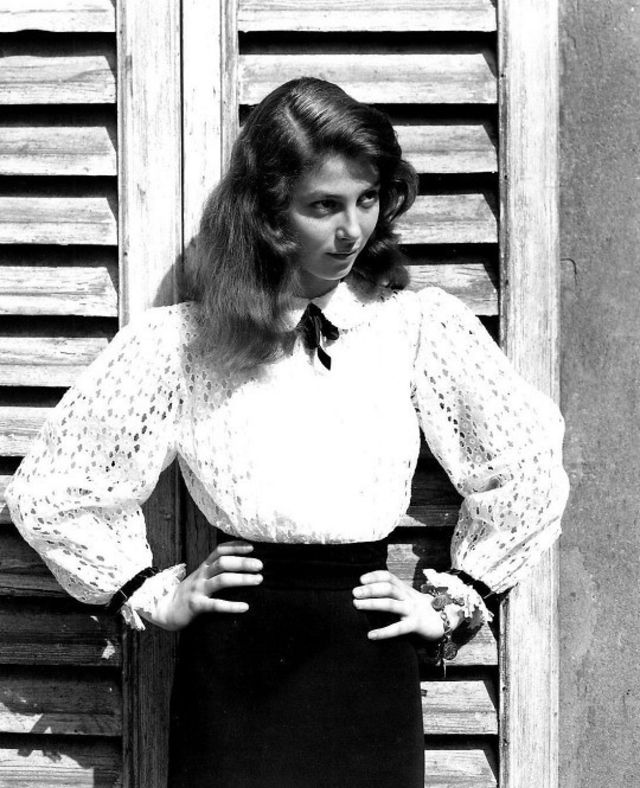
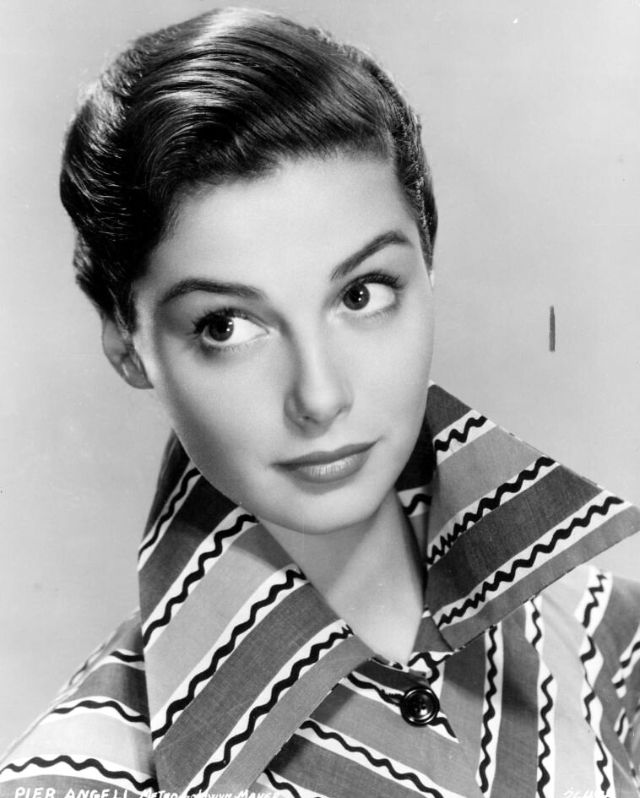
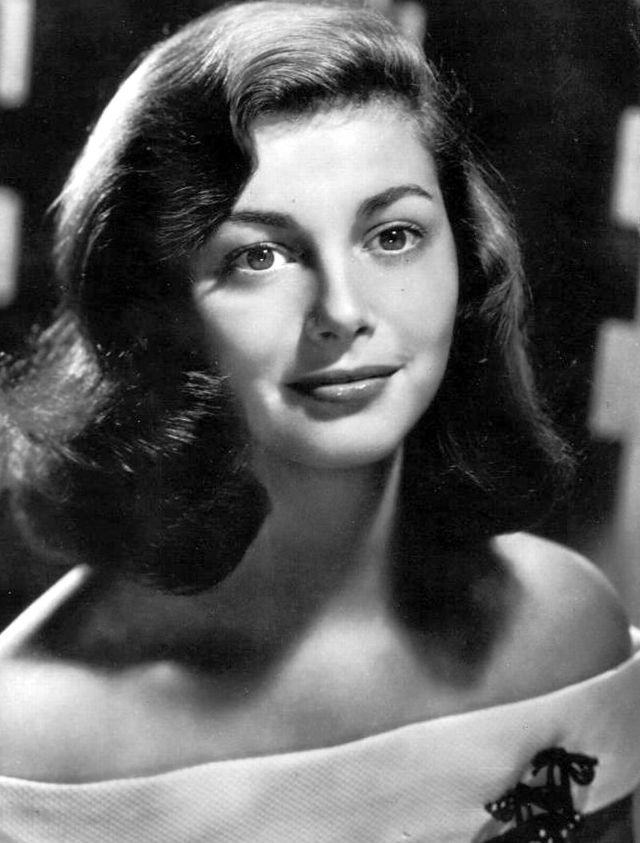
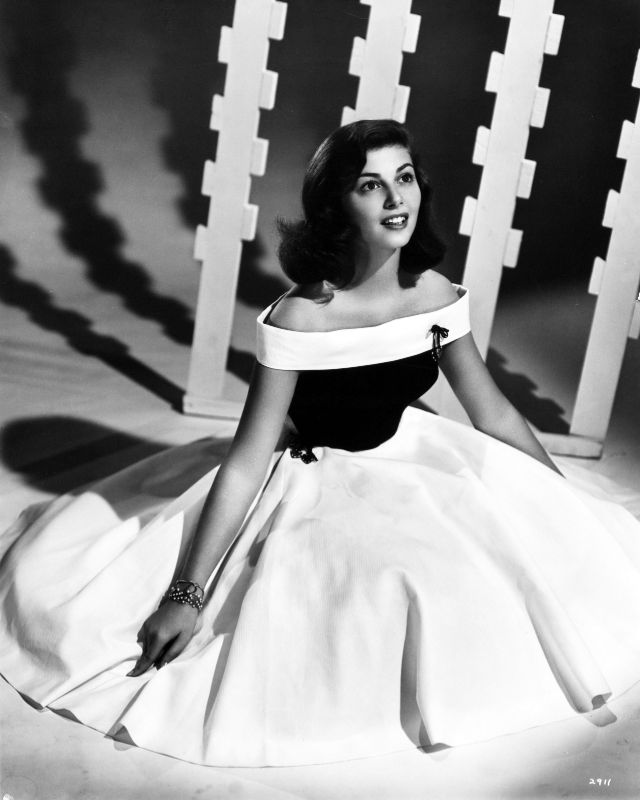
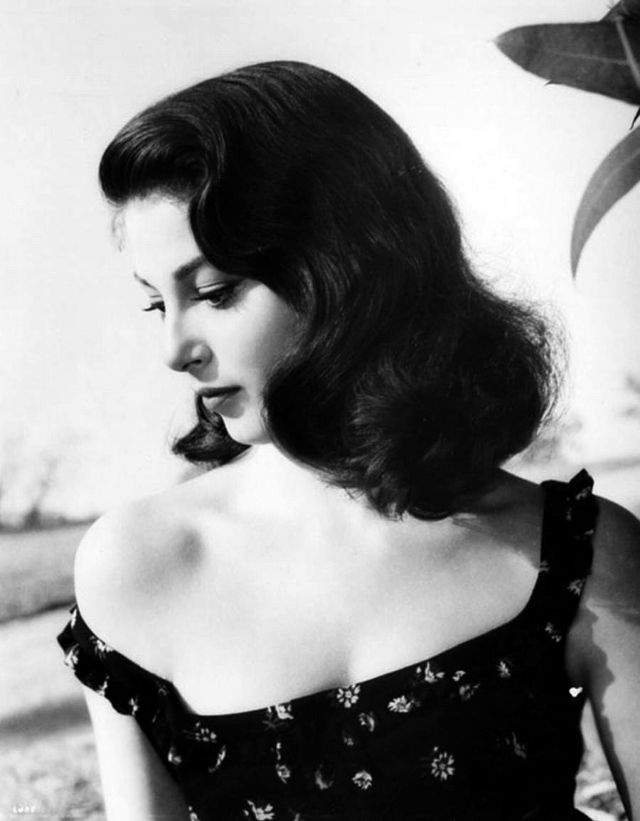
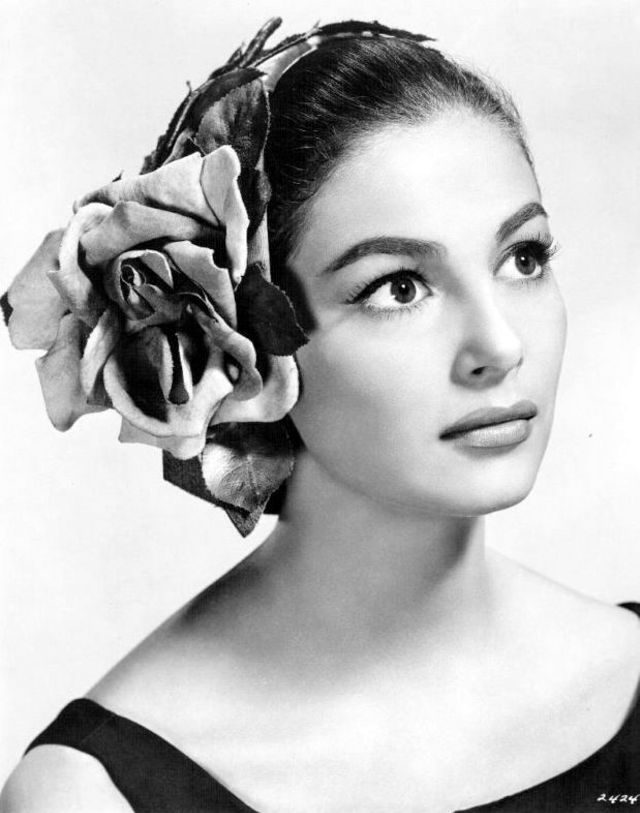
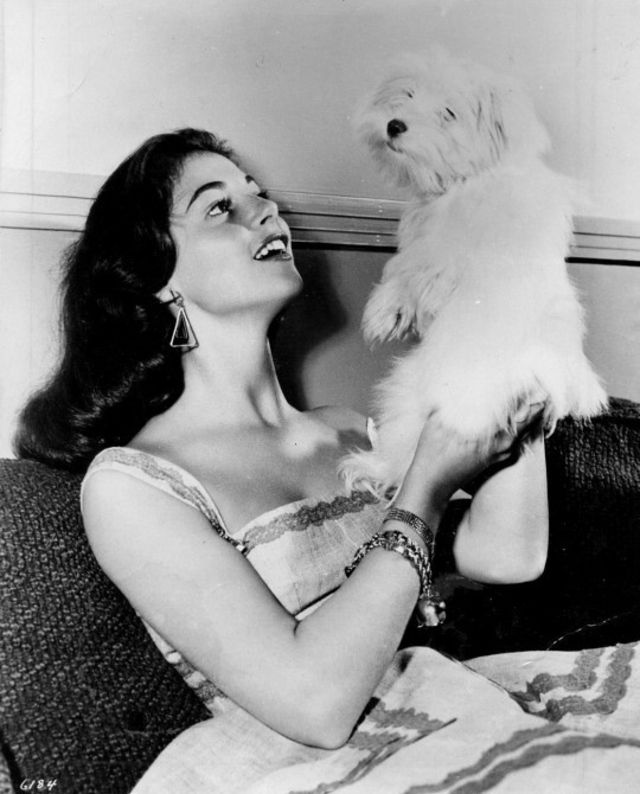
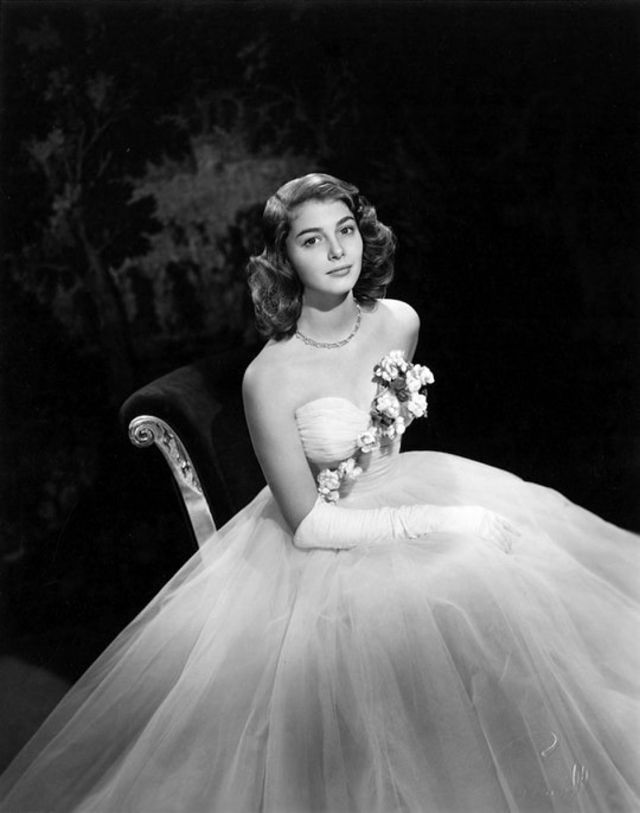
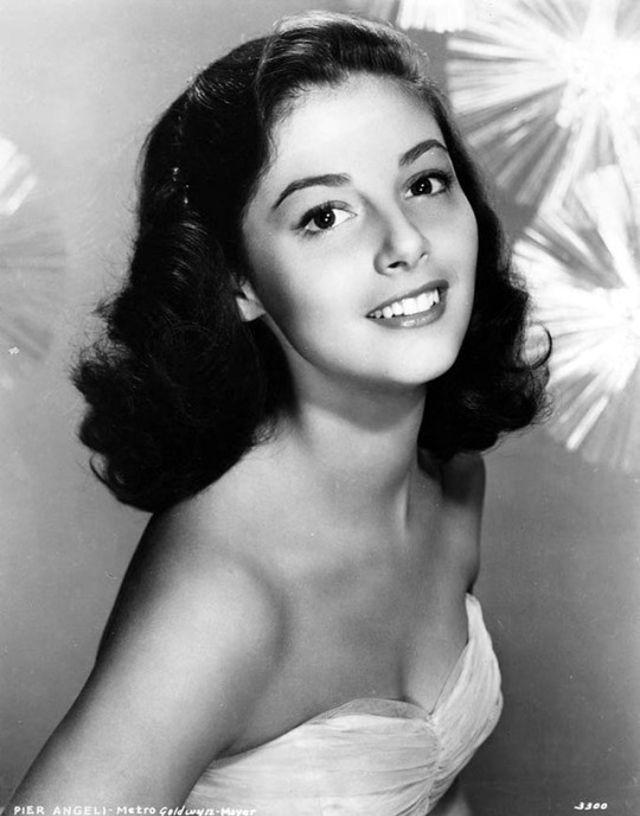
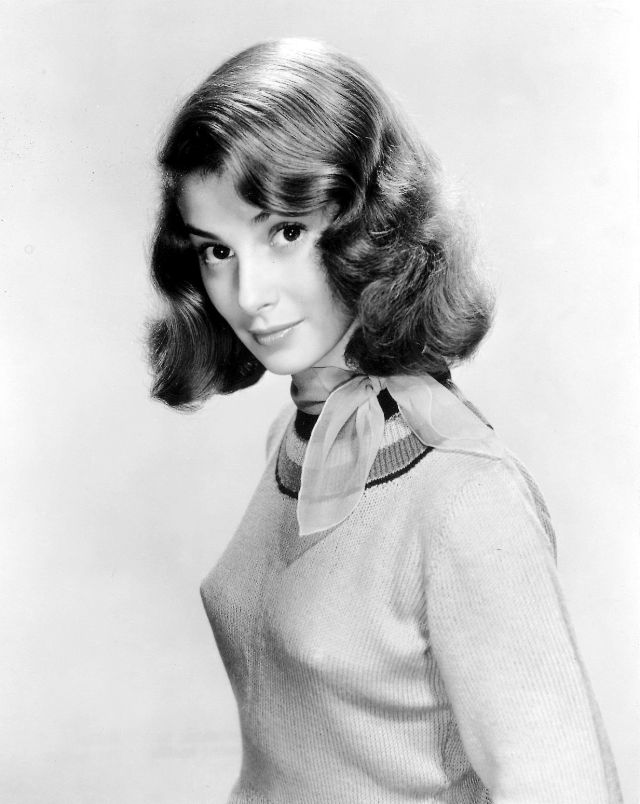
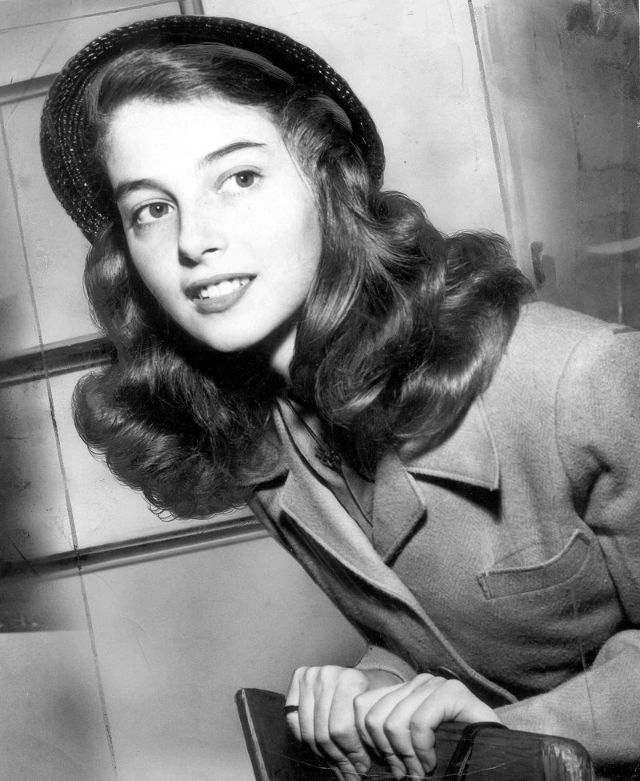
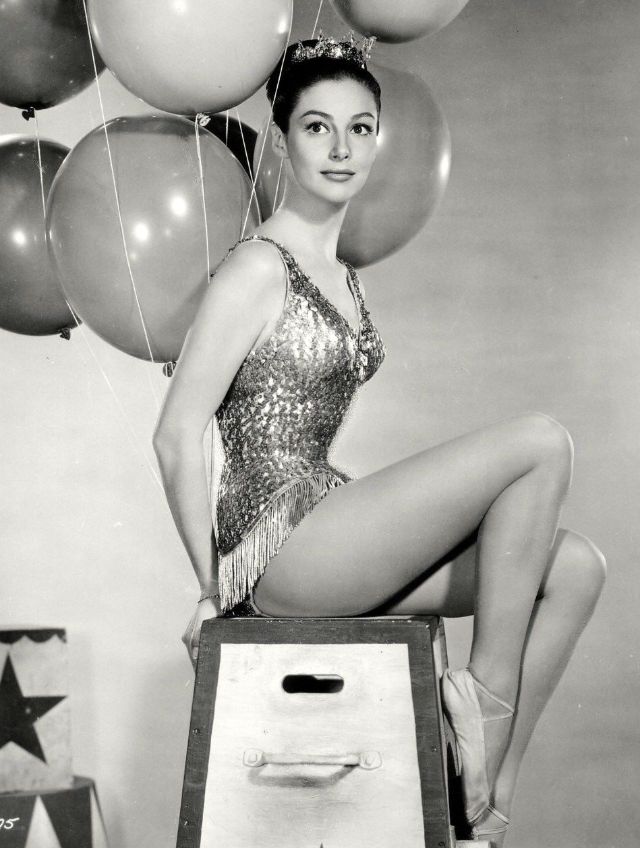
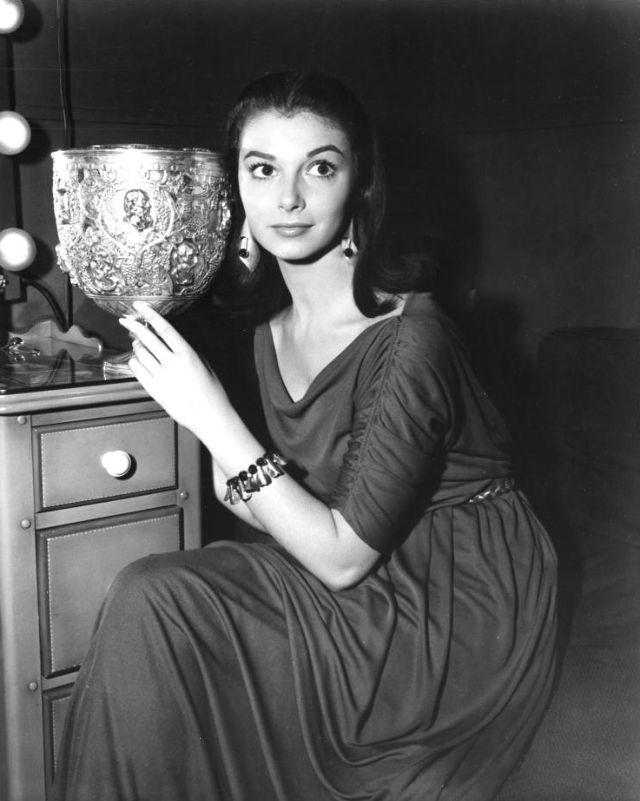
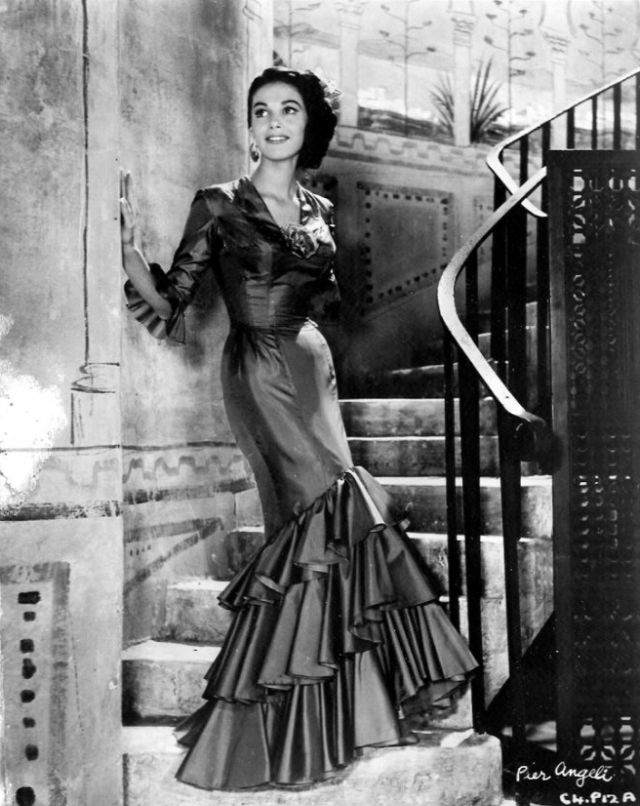
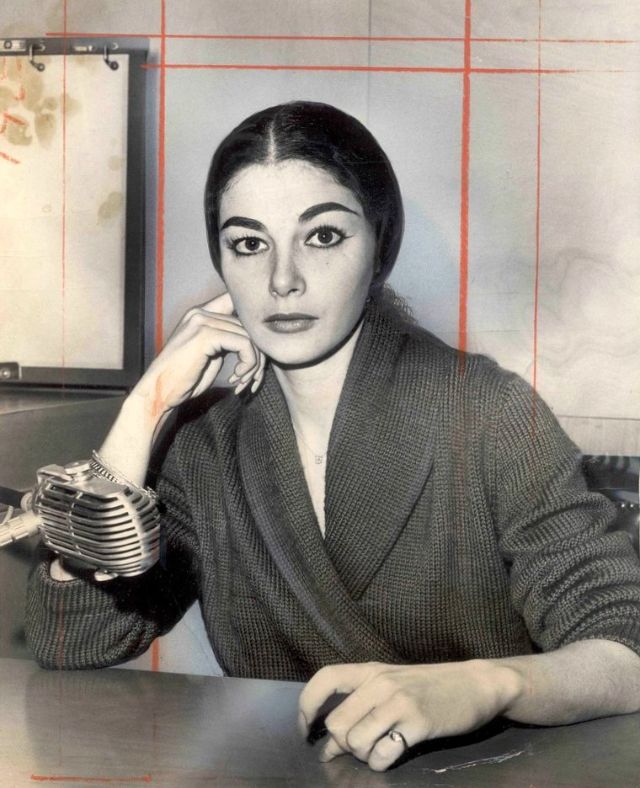
Born 1932 as Anna Maria Pierangeli in Cagliari, Sardinia, Italian television and film actress Pier Angeli made her film debut in Domani è troppo tardi (1950) after being spotted by director Léonide Moguy and De Sica. Her American cinematographic debut was in the starring role of the 1951 film Teresa, for which she won a Golden Globe Award for Young Star of the Year – Actress.
According to Kirk Douglas’ autobiography, he and Angeli were engaged in the 1950s after meeting on the set of the film The Story of Three Loves (1953). Angeli also had a brief romantic relationship with James Dean. She broke it off because her mother was not happy with their relationship as he was not Catholic.
Angeli was married to singer and actor Vic Damone from 1954 to 1958. She next married Italian composer Armando Trovajoli in 1962, but they were separated in 1969.
In 1971, Angeli was found dead of an accidental barbiturate overdose at her home in Beverly Hills, at the age of 39.
Take a look at these black and white photos to see glamorous beauty of Pier Angeli in the 1950s.
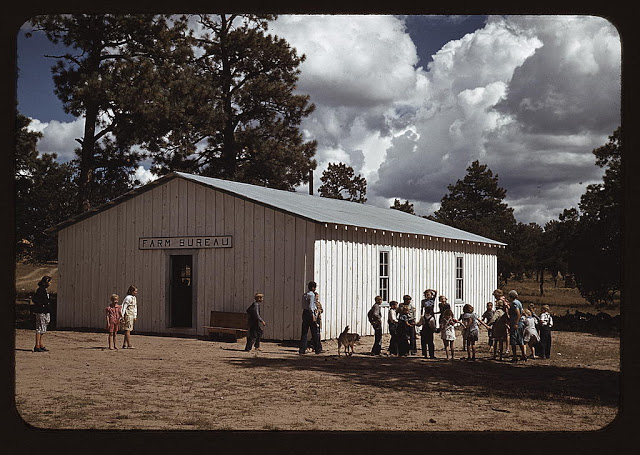
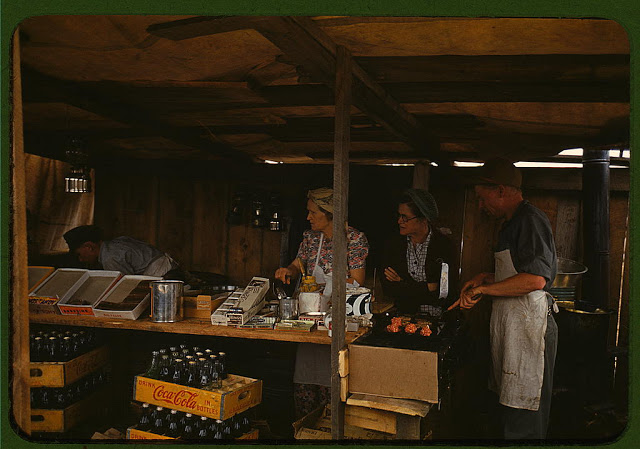
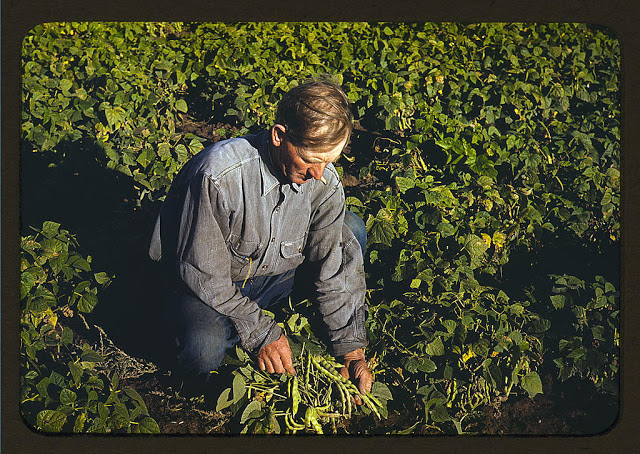
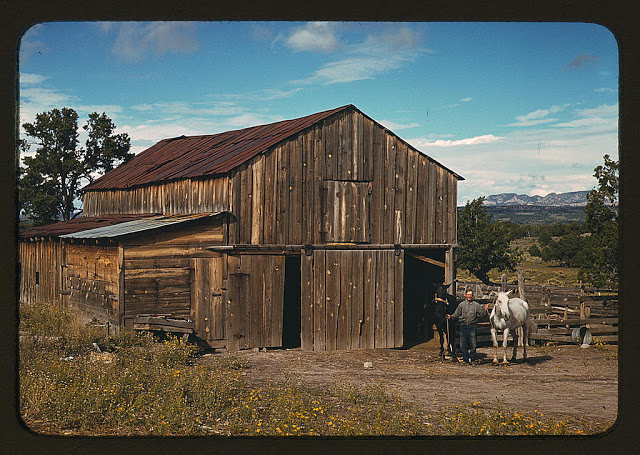
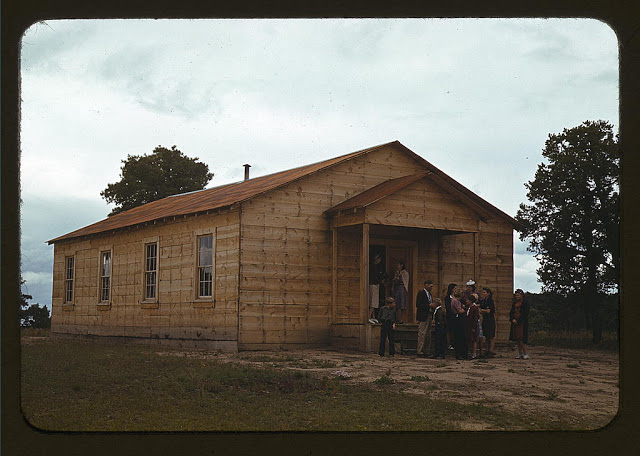
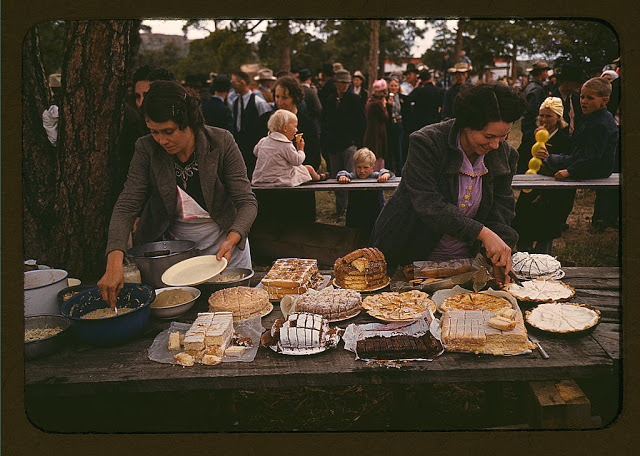
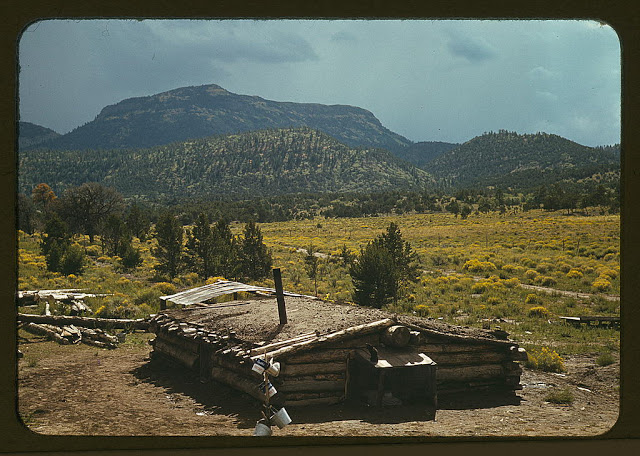
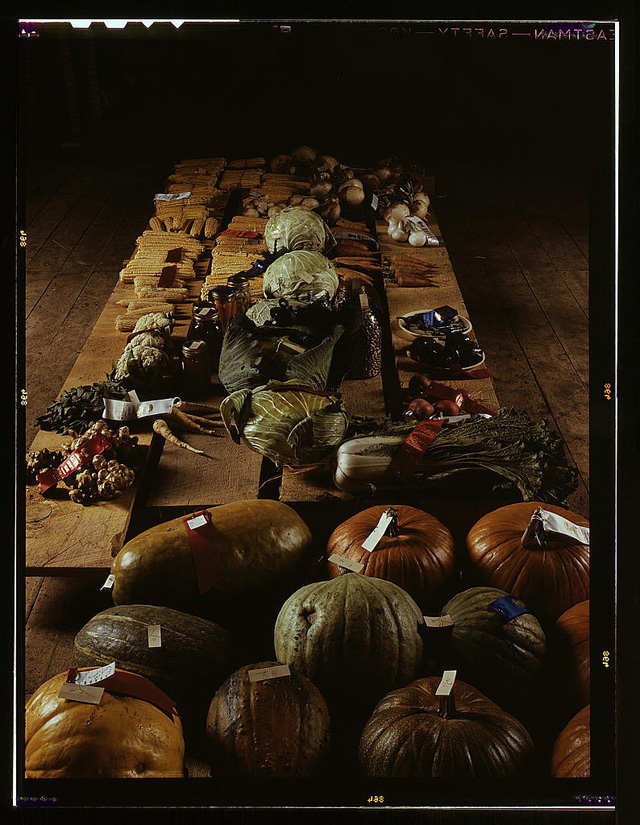
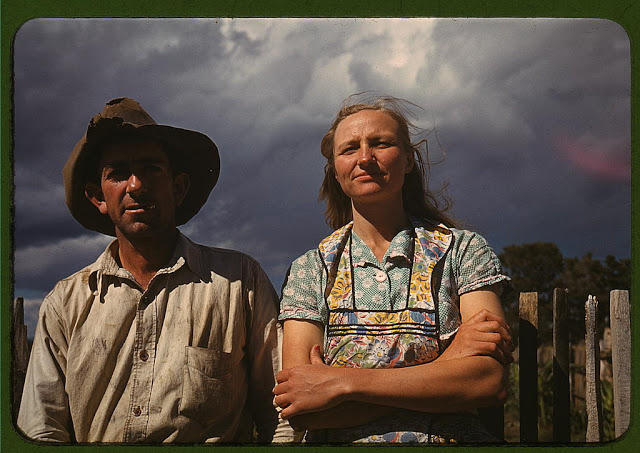
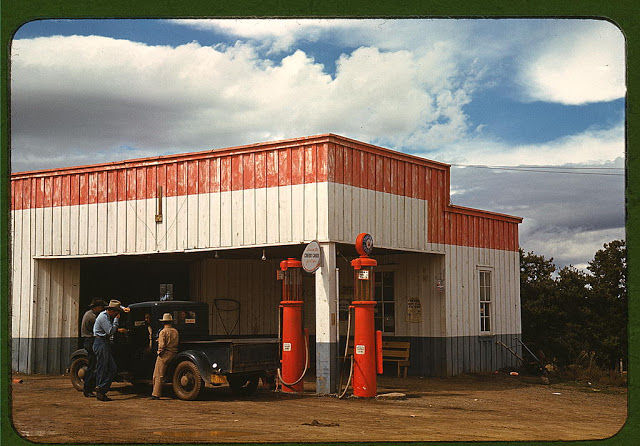
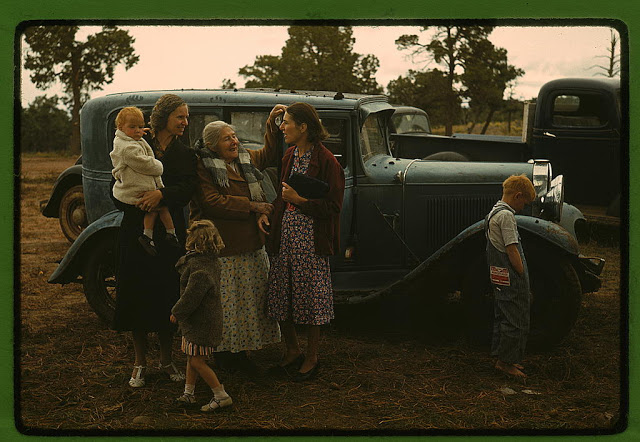
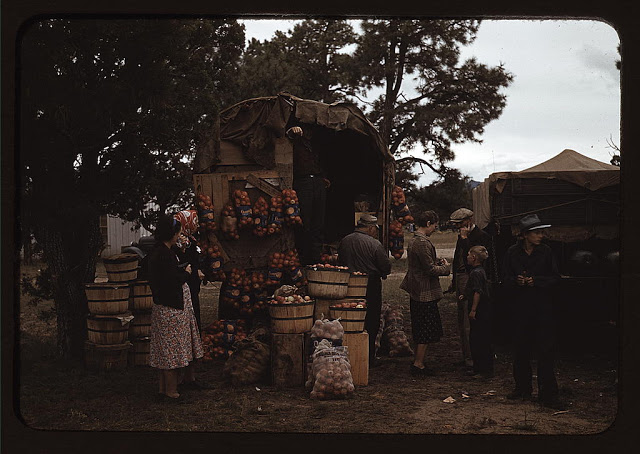
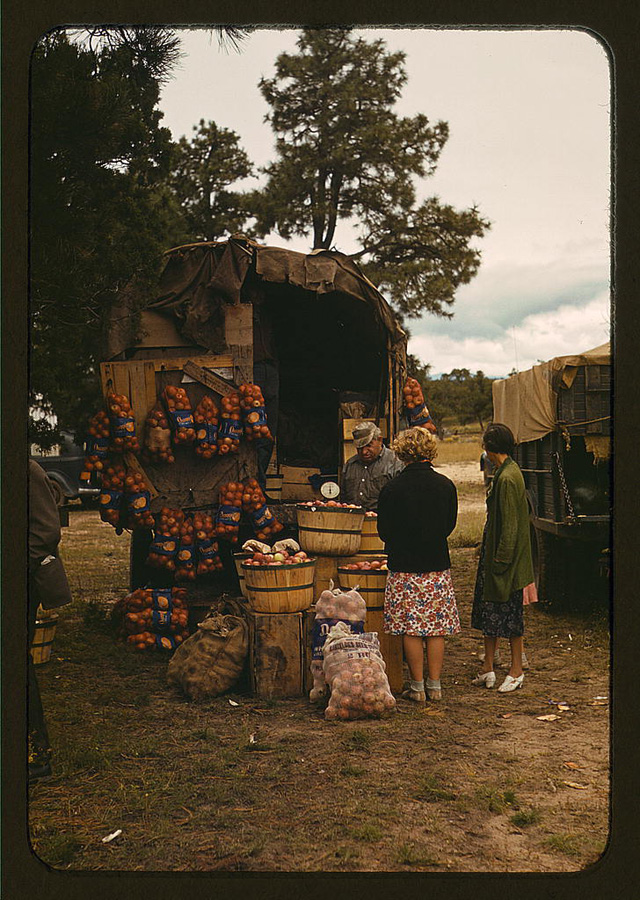
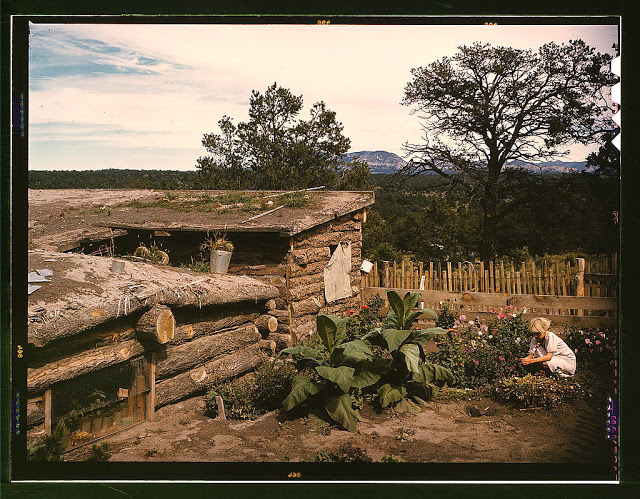
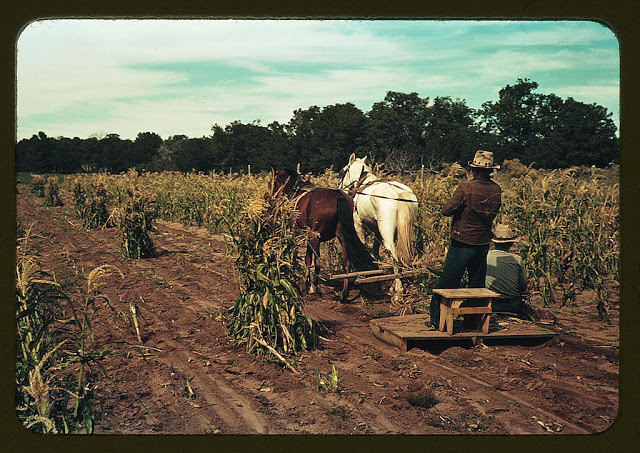
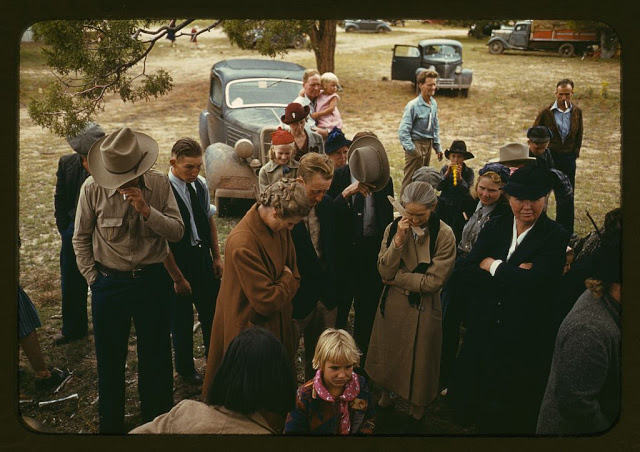
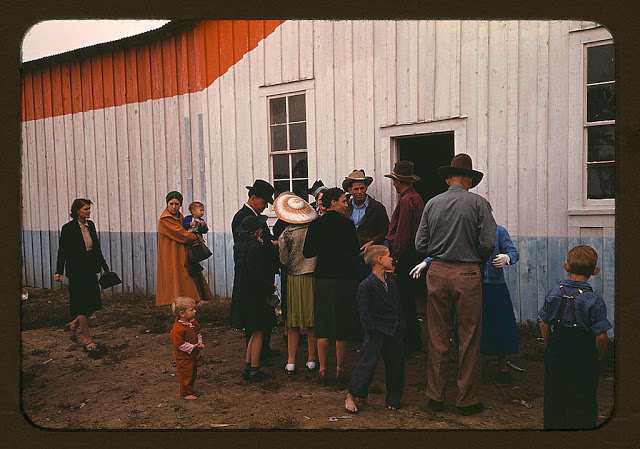
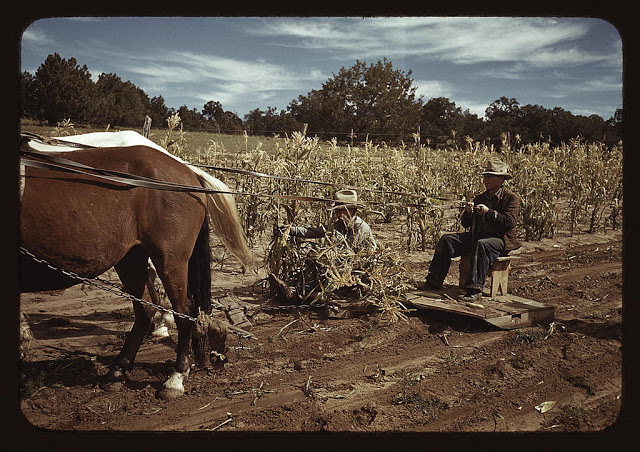
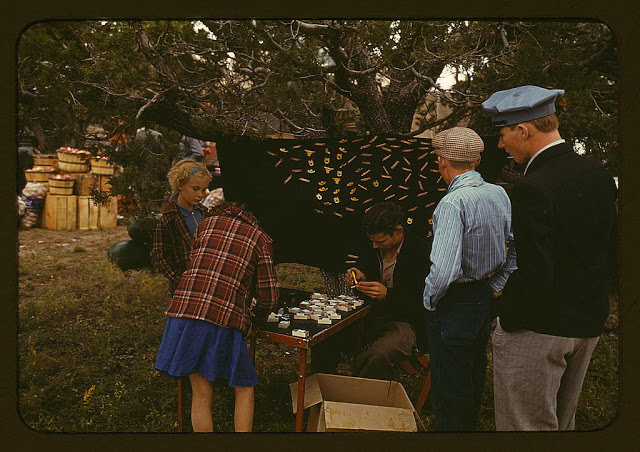
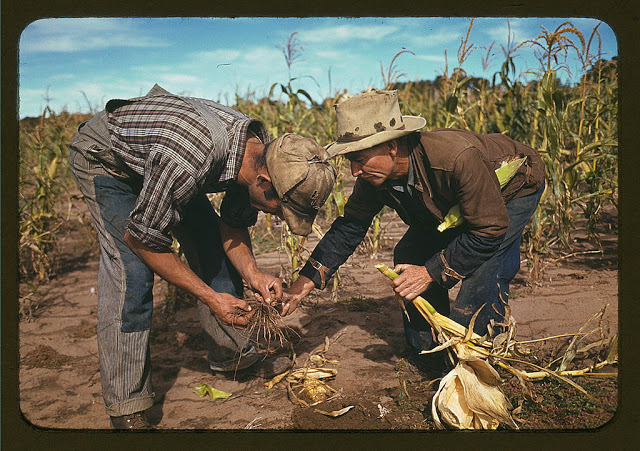
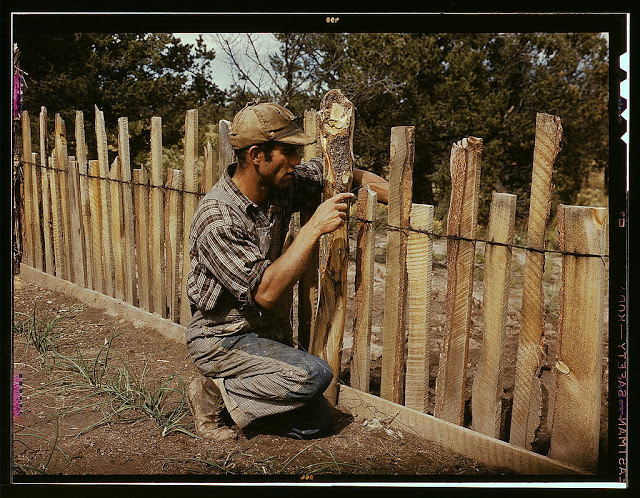
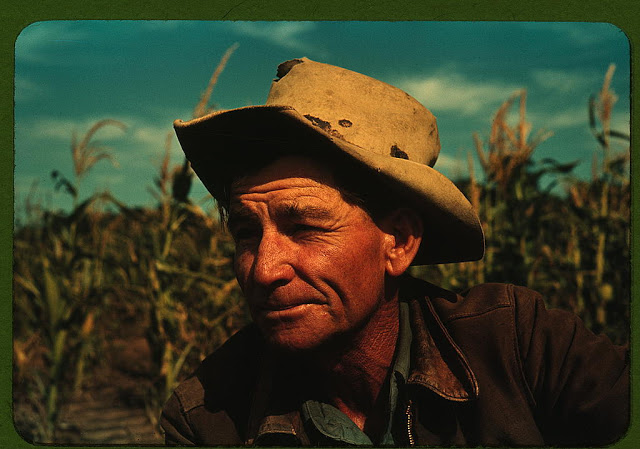
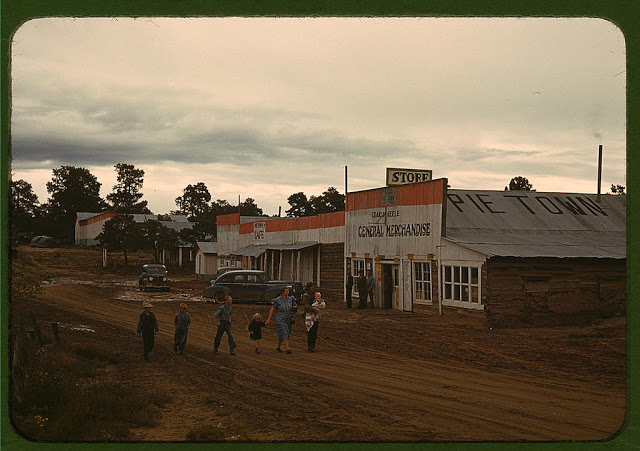
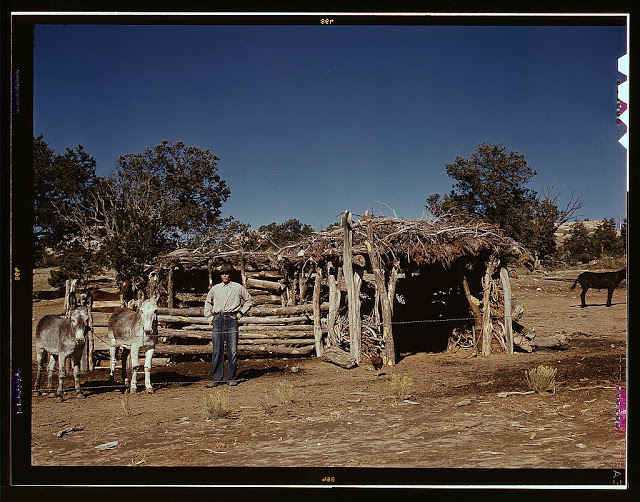
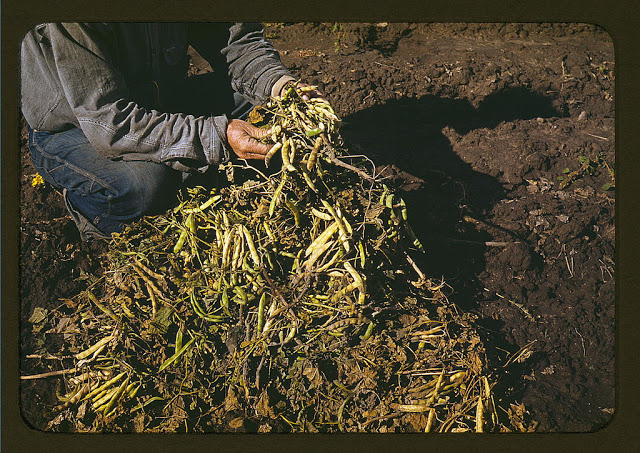
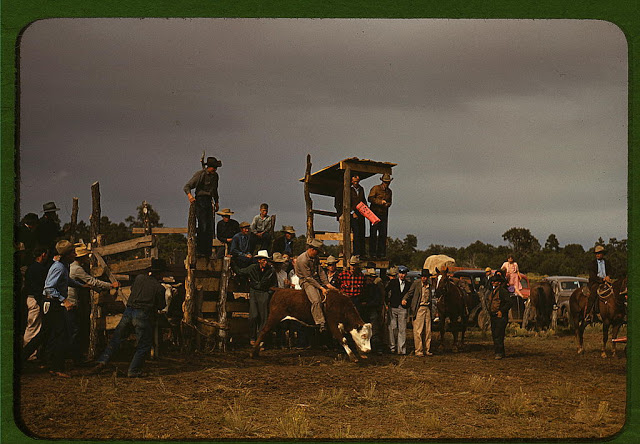
Pie Town is an unincorporated community and census-designated place located along U.S. Highway 60 in Catron County, New Mexico, United States. As of the 2010 census, it had a population of 186. Pie Town’s name comes from an early bakery that specialized in dried-apple pies; it was established by Clyde Norman in the early 1920s. Pie Town has been noted for its colorful place name. Pie Town is the location of a “Pie Festival” on the second Saturday of each September. Pie Town is located immediately north of the Gila National Forest and not very far west of the Plains of San Agustin, the location of the Very Large Array radio telescope, which is also located along U.S. 60. In addition, one of the ten large radio antennas that form the Very Long Baseline Array of the National Radio Astronomy Observatory can be seen from U.S. 60, just east of Pie Town.
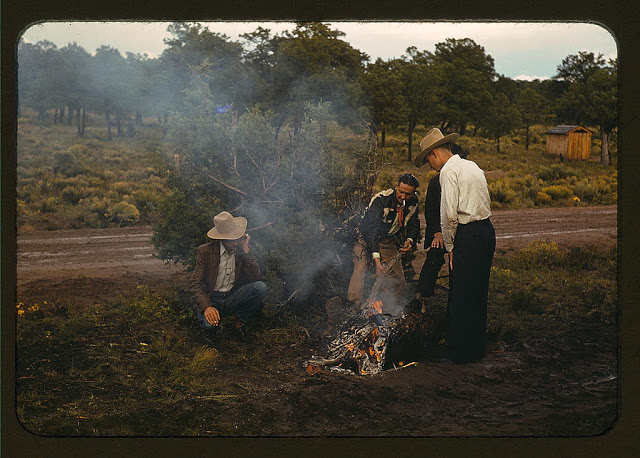
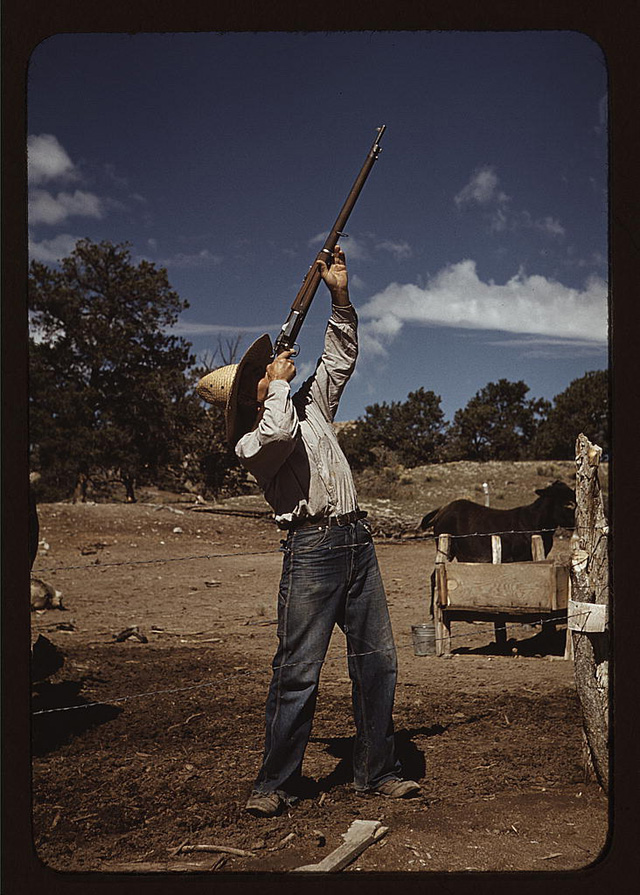
Russell Lee (1903 – 1986) was an American photographer and photojournalist, best known for his work for the Farm Security Administration (FSA). His technically excellent images documented the ethnography of various American classes and cultures.
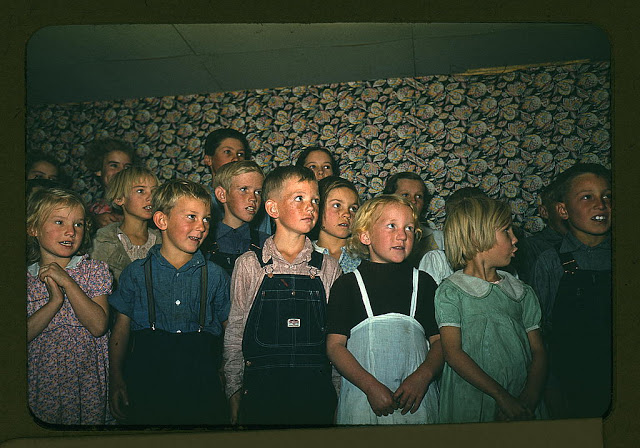
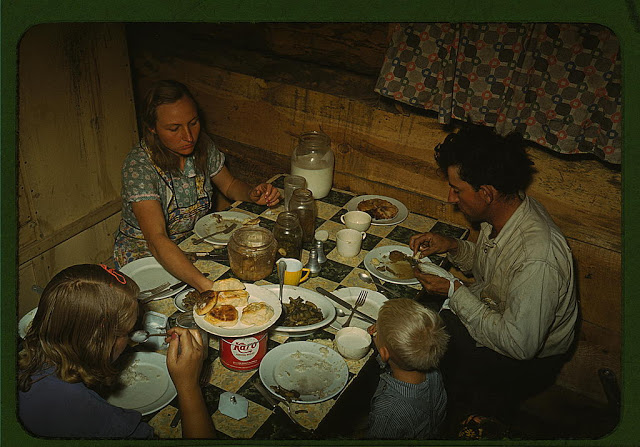
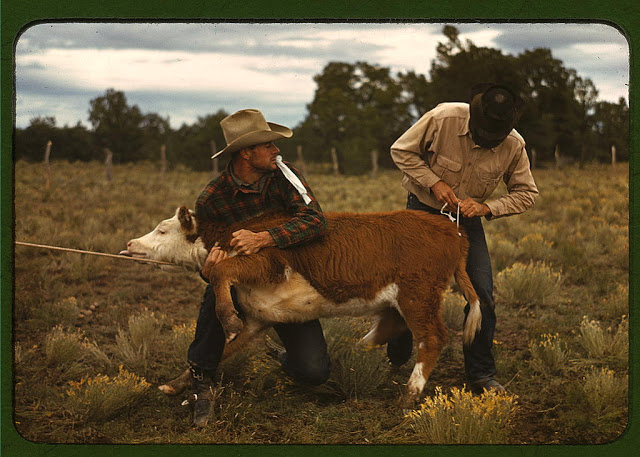
These wonderful photos Lee captured everyday life at Pie Town, New Mexico in Octorber 1940.
(Photos by Russell Lee, via The Library of Congress)
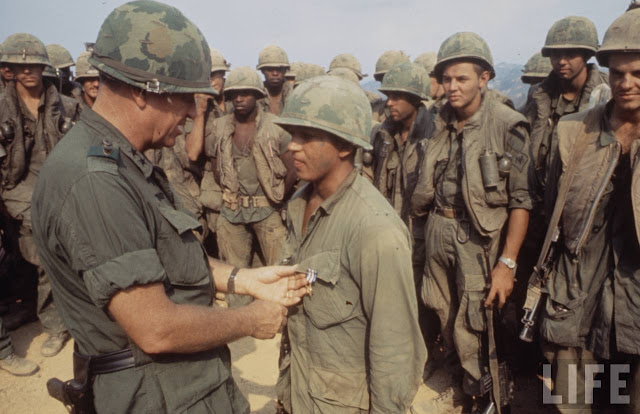
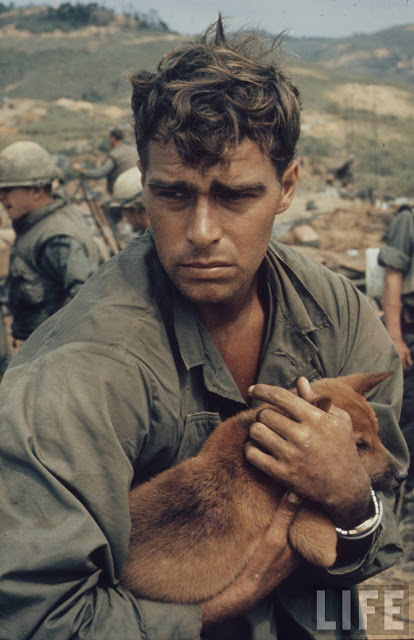
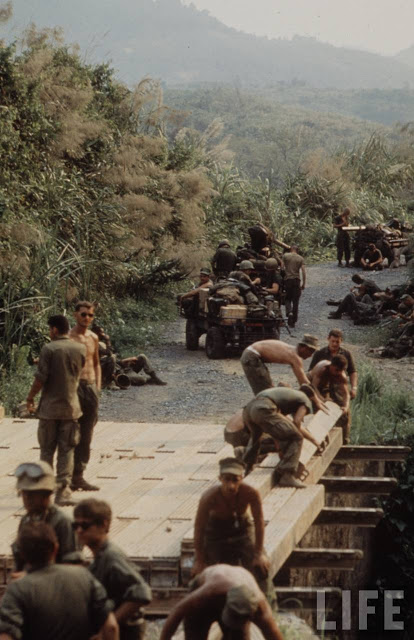
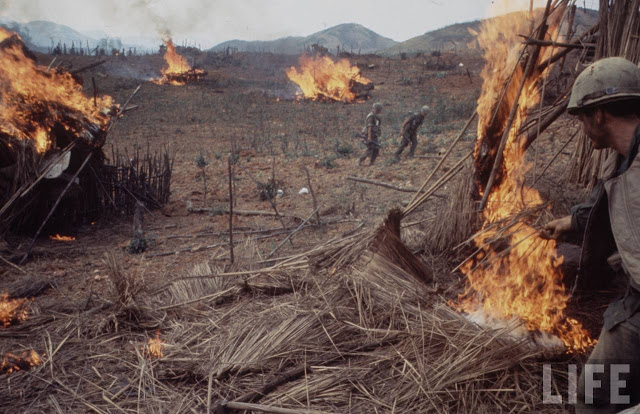
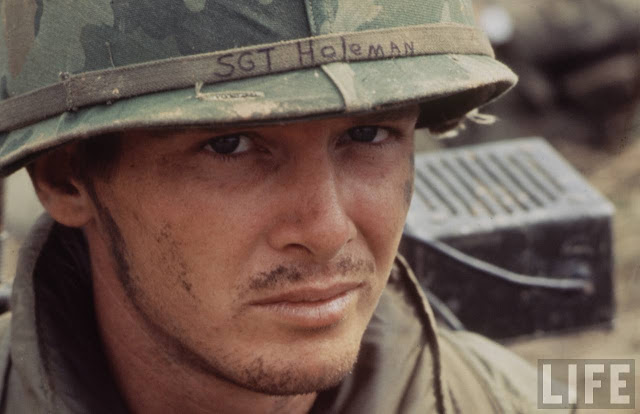
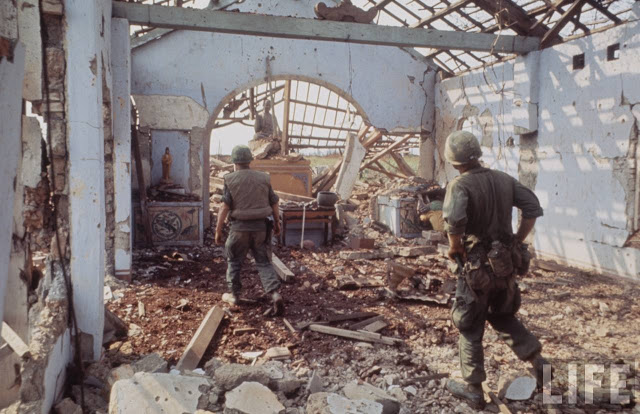
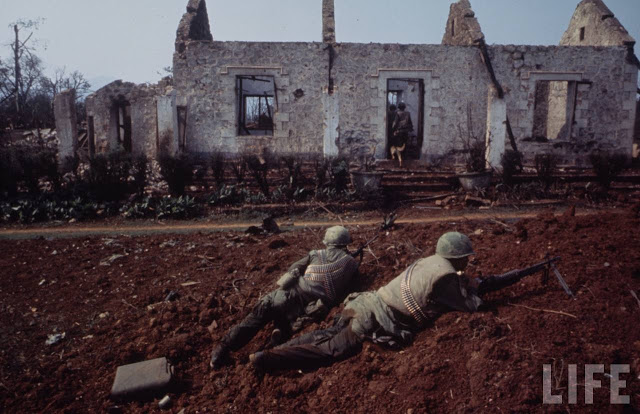
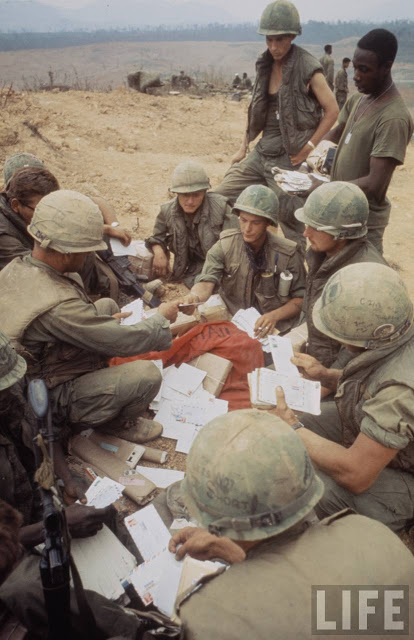
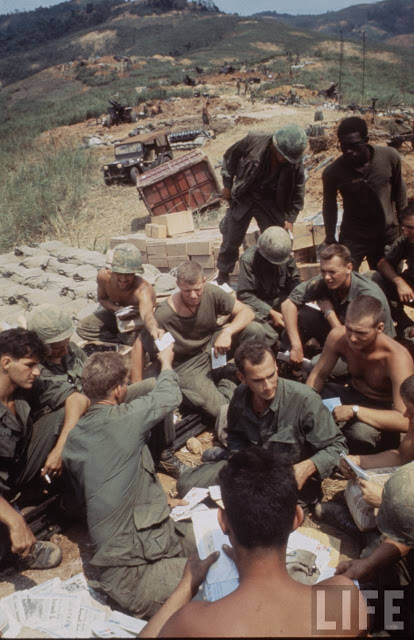
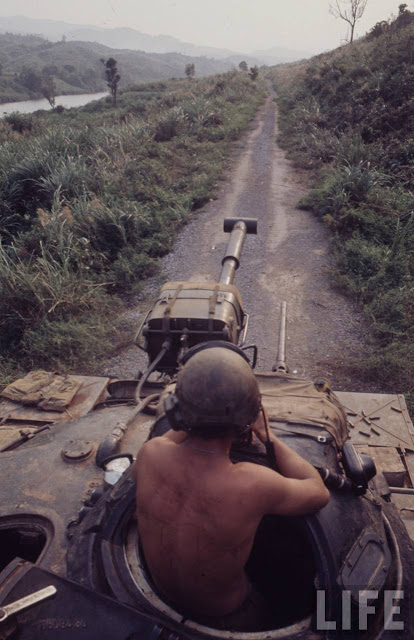
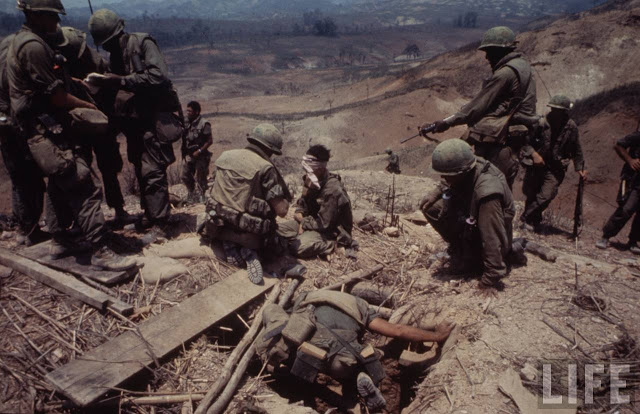
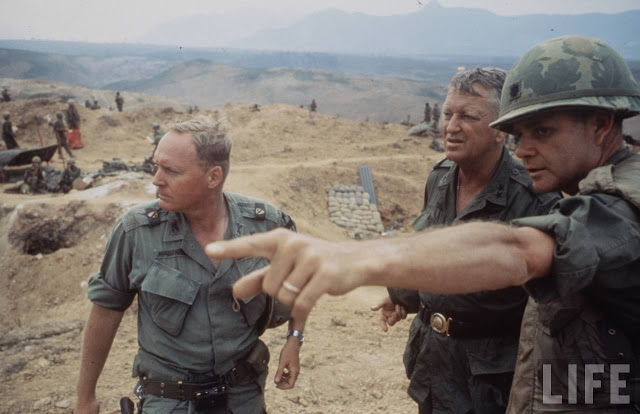
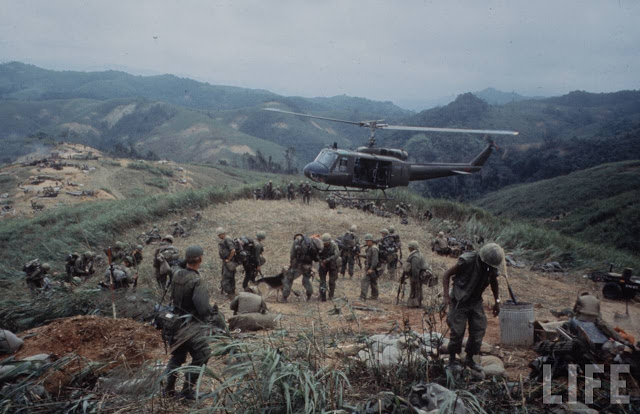
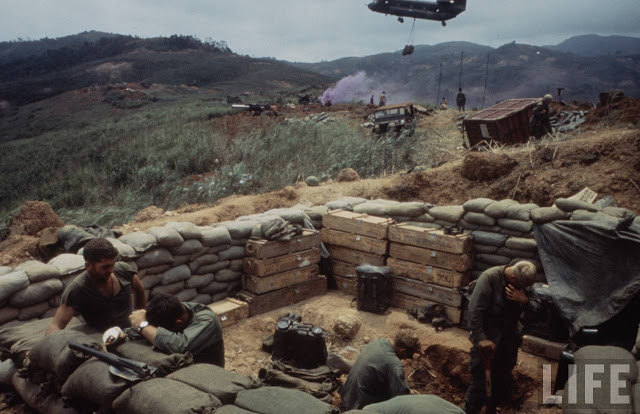
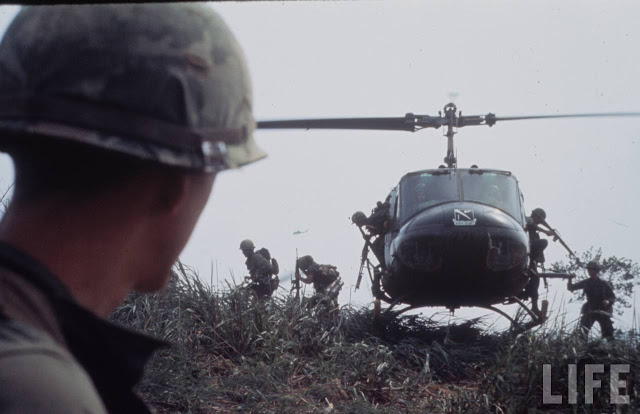
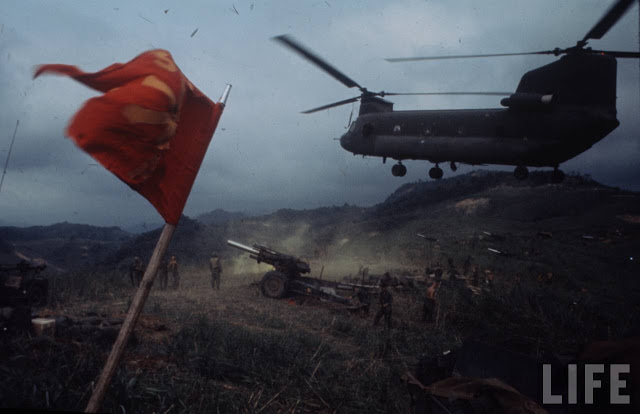
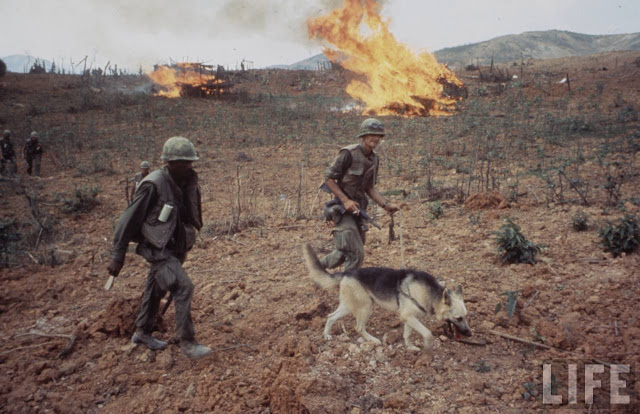
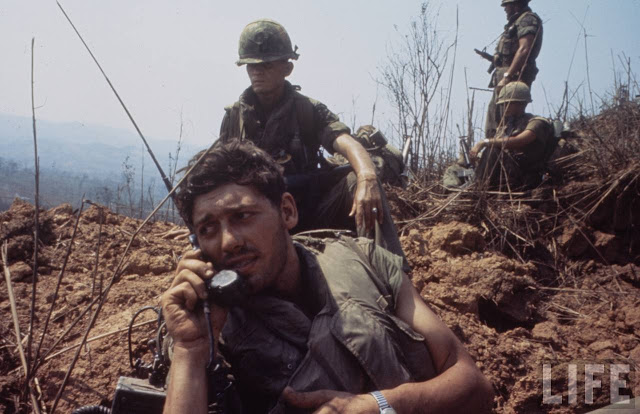
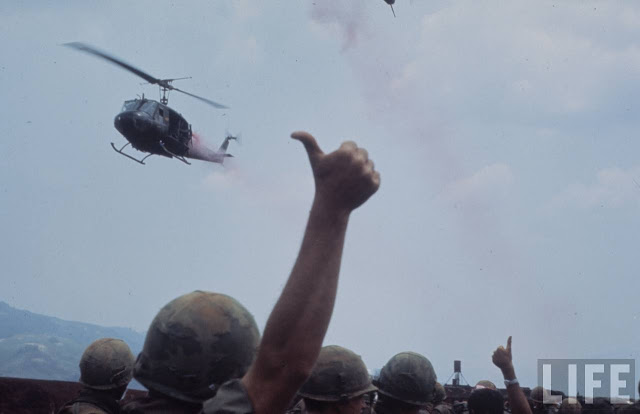
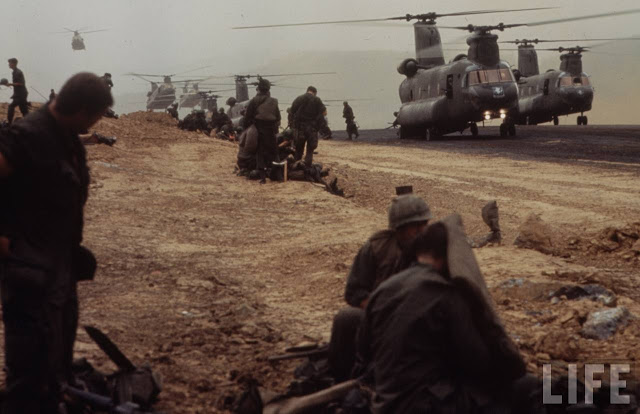
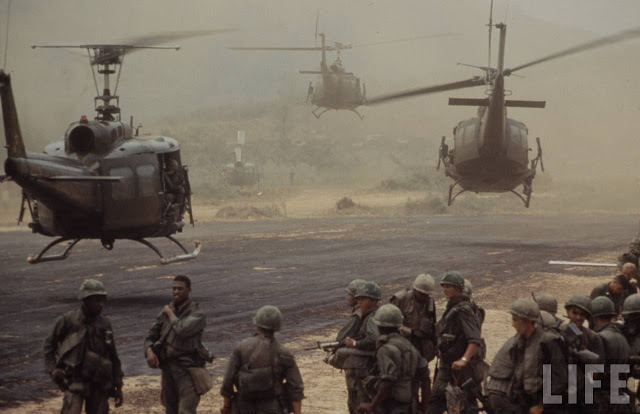
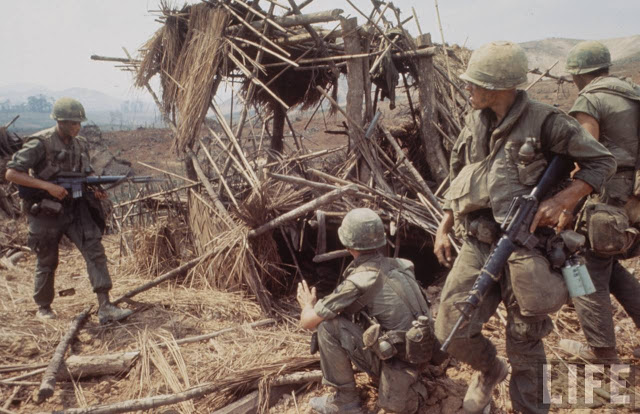
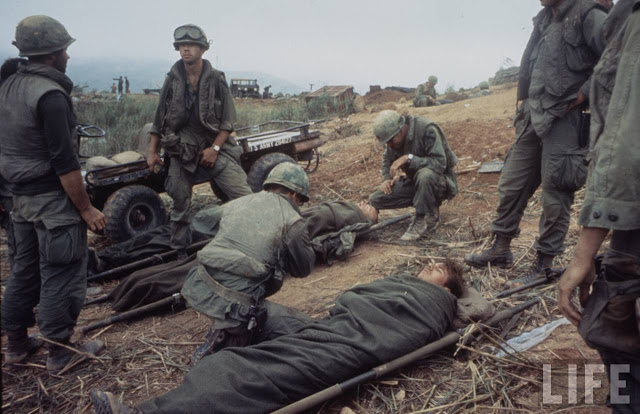
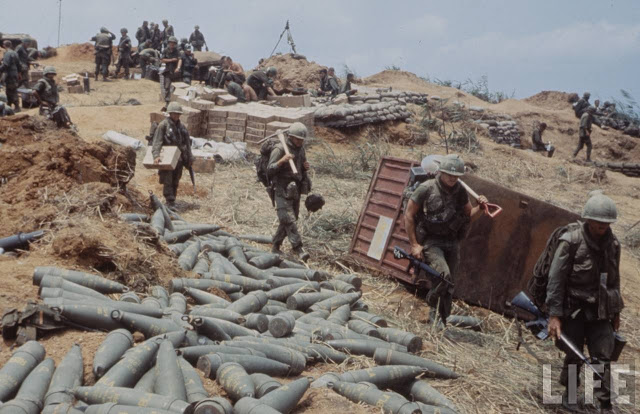
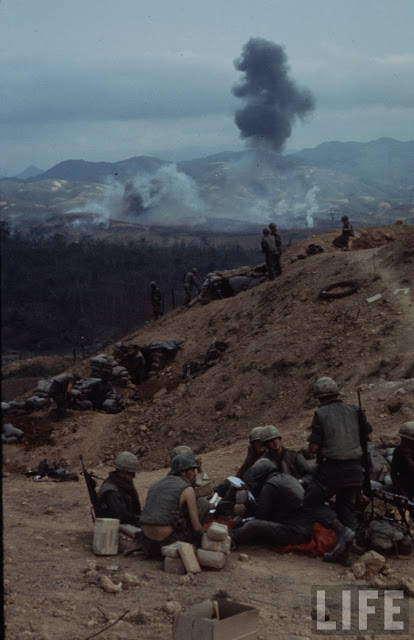
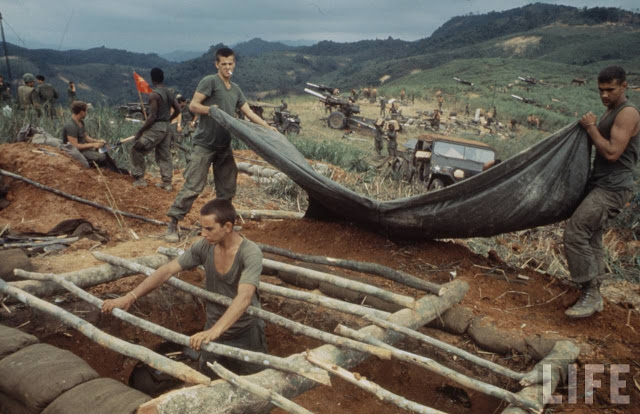
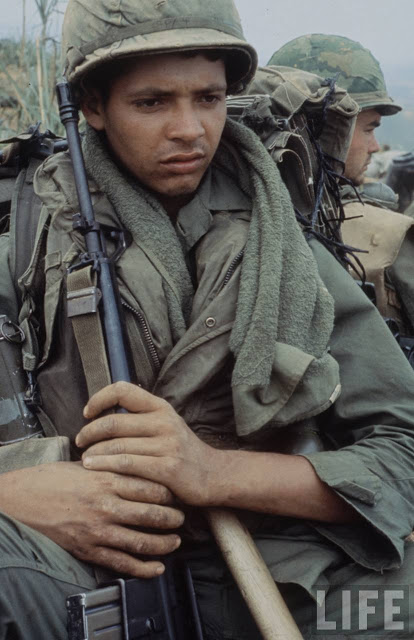
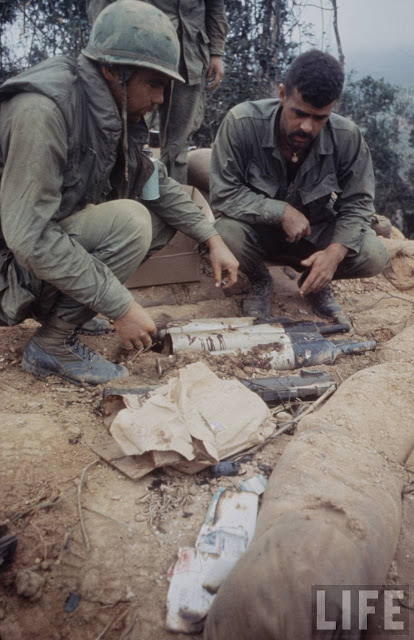
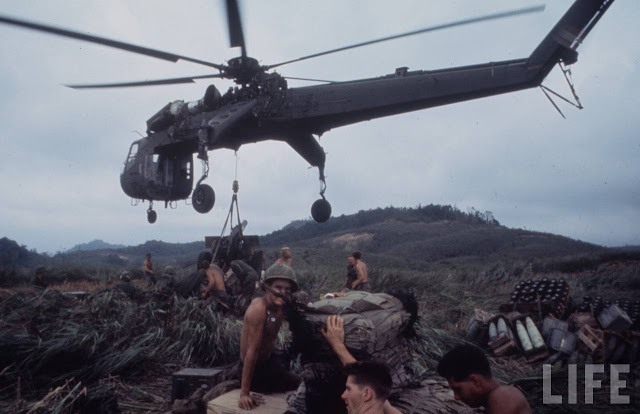
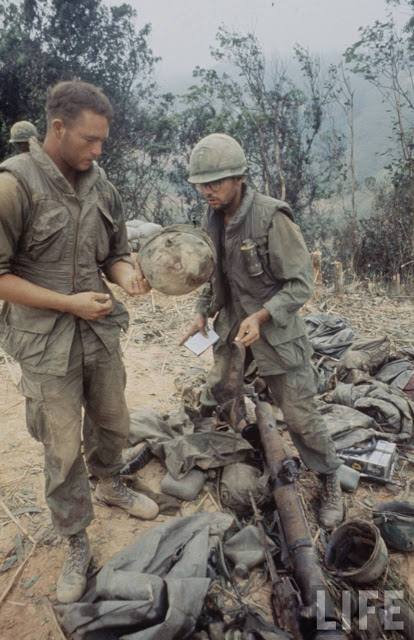
In the spring of 1965, within weeks of 3,500 American Marines arriving in Vietnam, a 39-year-old Briton named Larry Burrows began work on a feature for LIFE magazine, chronicling the day-to-day experience of U.S. troops on the ground—and in the air—in the midst of the rapidly widening war.
In the heat of battle, in the devastated countryside, among troops and civilians equally hurt by the savagery of war, Larry Burrows photographed the conflict in Vietnam from 1962, the earliest days of American involvement, until 1971, when he died in a helicopter shot down on the Vietnam–Laos border. His images, published in LIFE magazine, brought the war home, scorching the consciousness of the public and inspiring much of the anti-war sentiment that convulsed American society in the 1960s.
To see these photo essays today is to experience (or to relive), with extraordinary immediacy, both the war itself and the effect and range of Larry Burrows’s gifts—his courage: to shoot “The Air War,” he strapped himself and his camera to the open doorway of a plane… his reporter’s instinct: accompanying the mission of the helicopter Yankee Papa 13, he captured the transformation of a young marine crew chief experiencing the death of fellow marines…; and his compassion: in “Operation Prairie” and “A Degree of Disillusion” he published profoundly affecting images of exhausted, bloodied troops by the ever-escalating war.
The photographs Larry Burrows took in Vietnam are brutal, poignant, and utterly truthful, a stunning example of photojournalism that recorded history and achieved the level of great art.