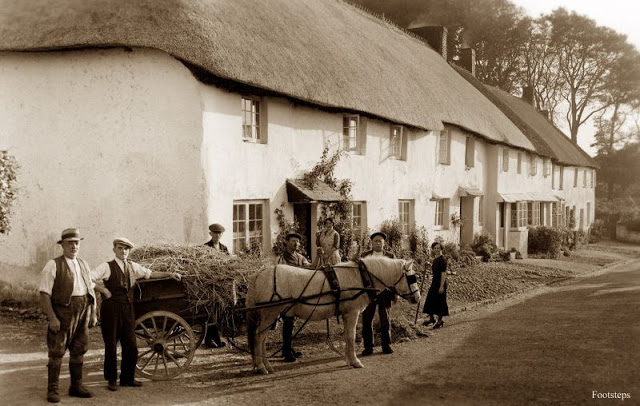
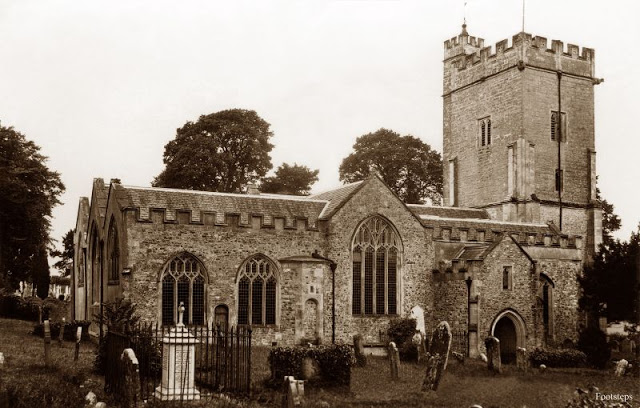
Devon is a county of England, reaching from the Bristol Channel in the north to the English Channel in the south. It is part of South West England, bounded by Cornwall to the west, Somerset to the north east, and Dorset to the east. The city of Exeter is the county town.
Devon includes the districts of East Devon, Mid Devon, North Devon, South Hams, Teignbridge, Torridge, and West Devon. Plymouth and Torbay are each geographically part of the county, but are administered as unitary authorities.
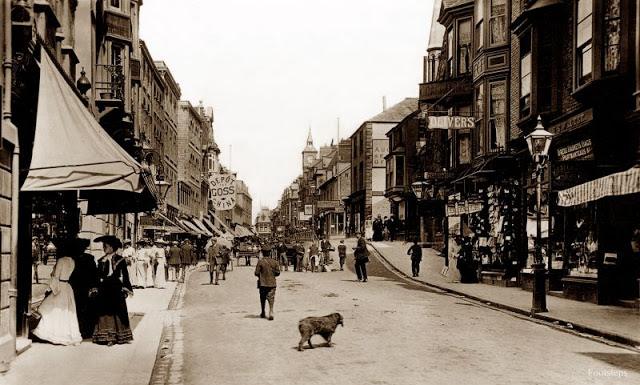
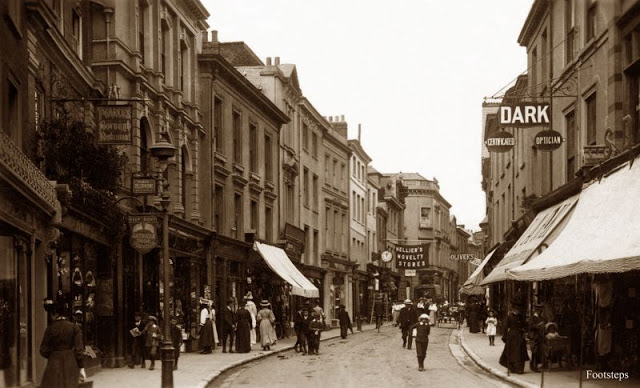
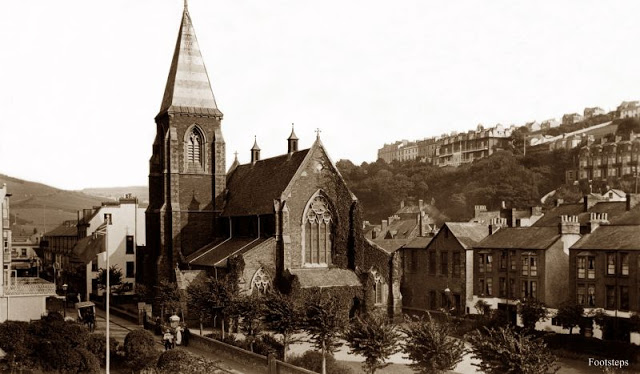
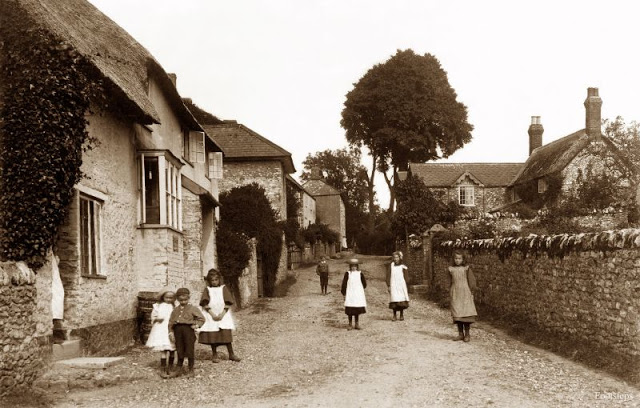
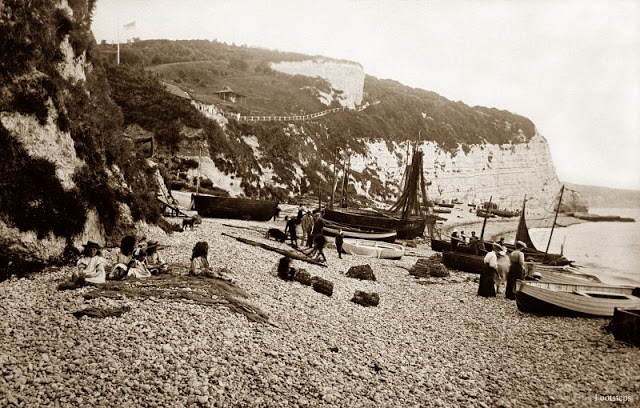
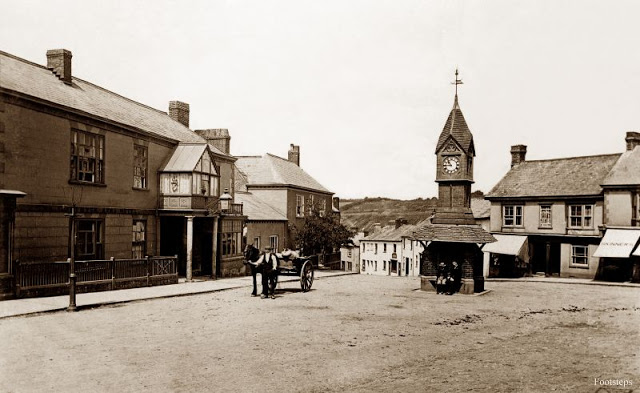
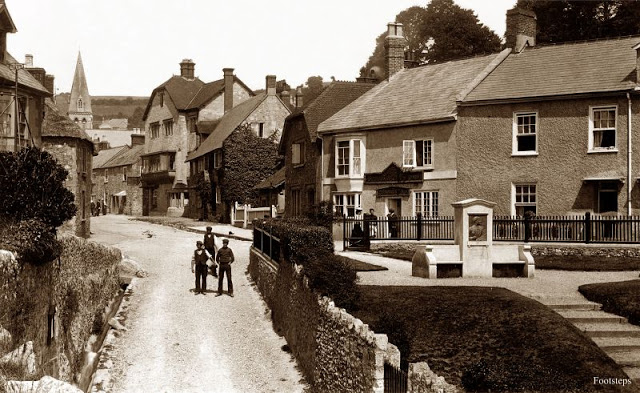
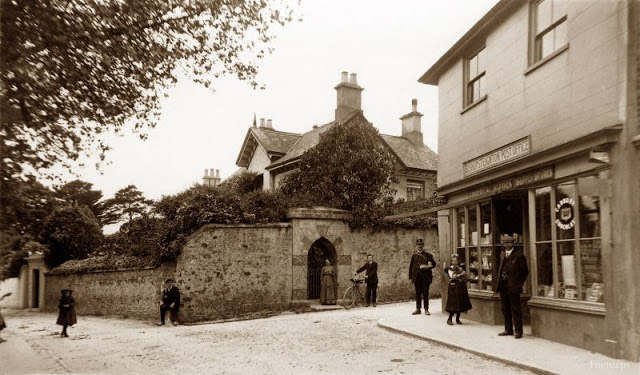
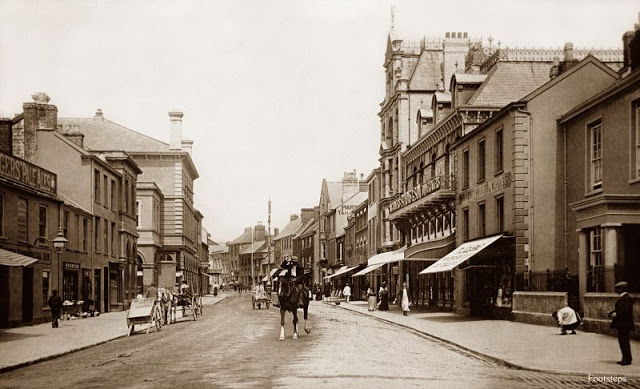
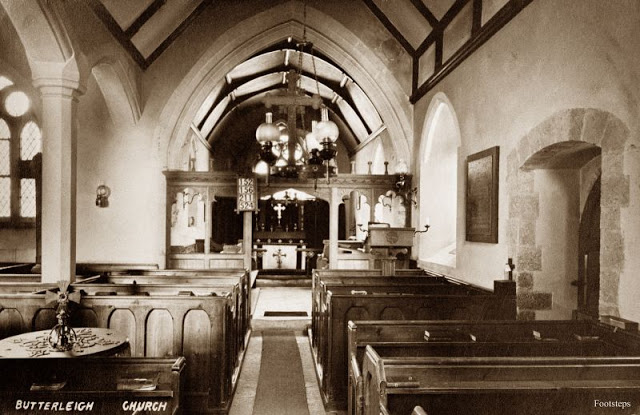
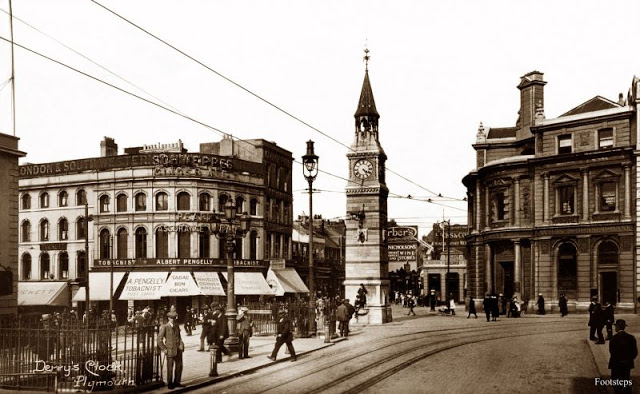
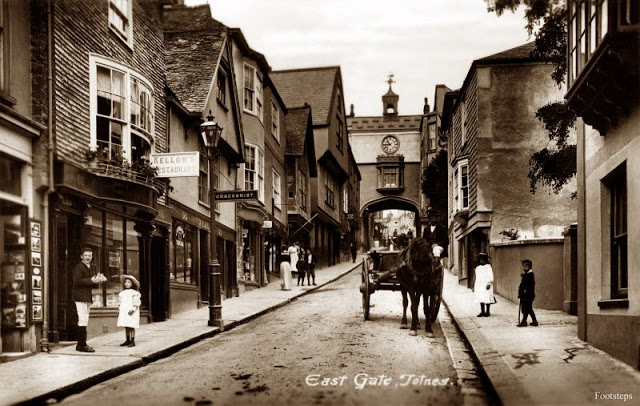
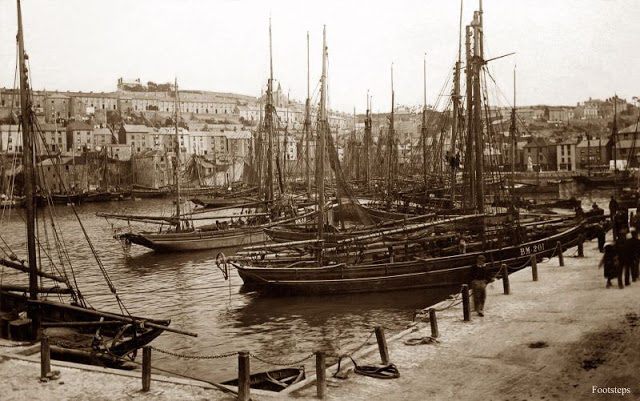
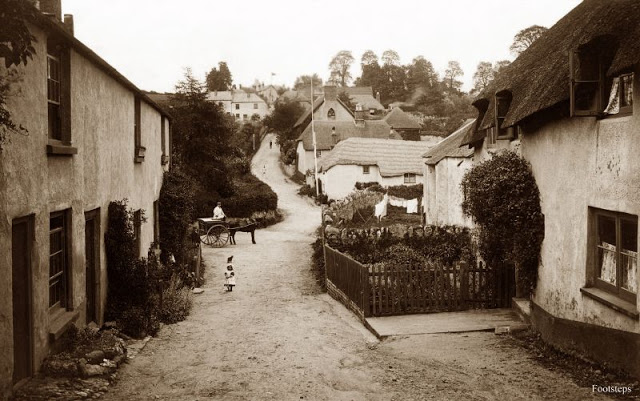
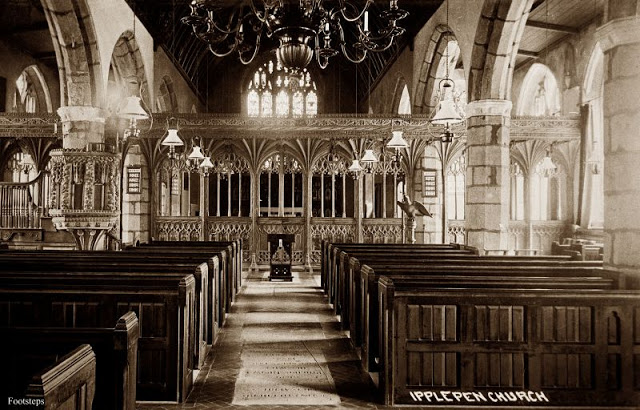
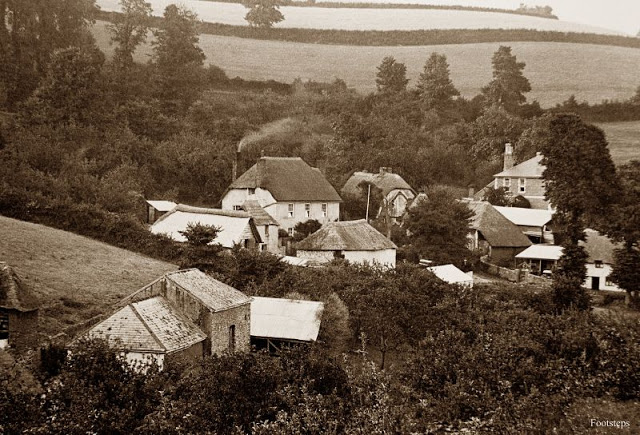
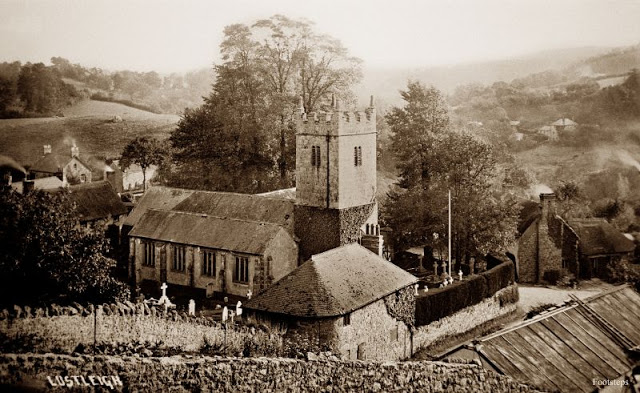
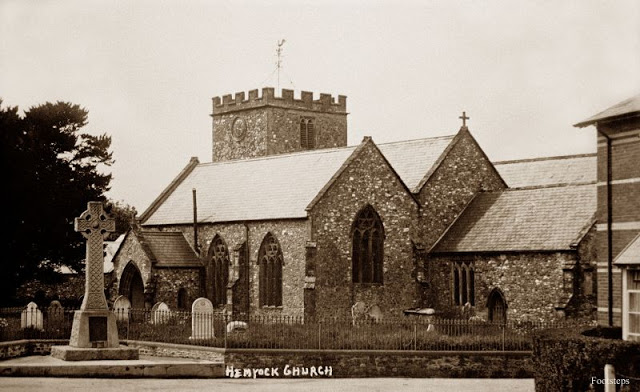
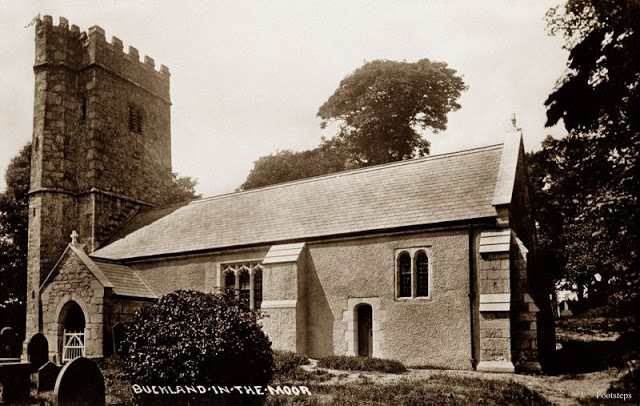
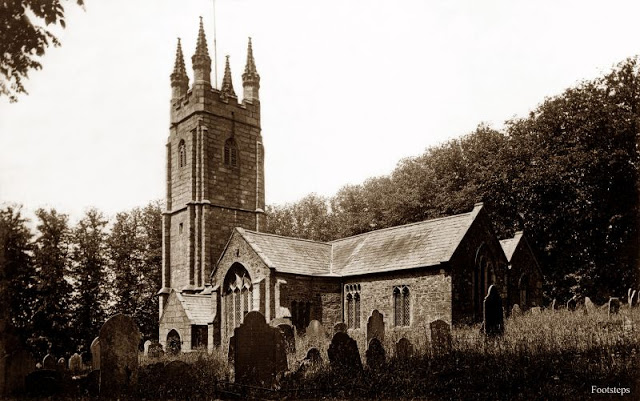
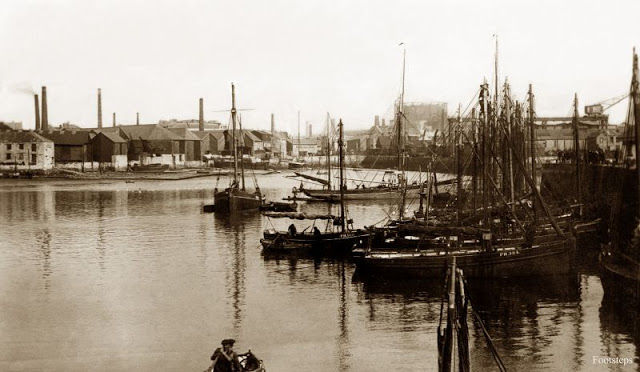
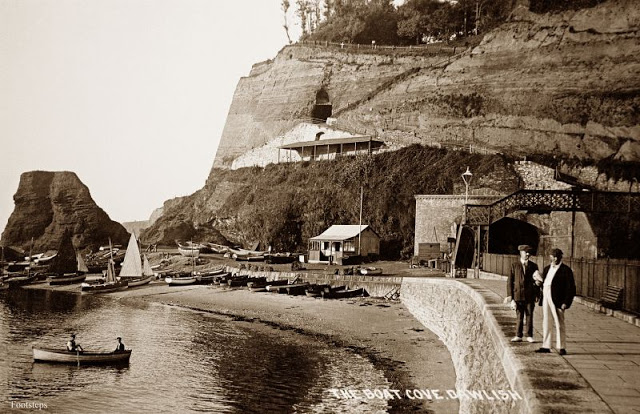
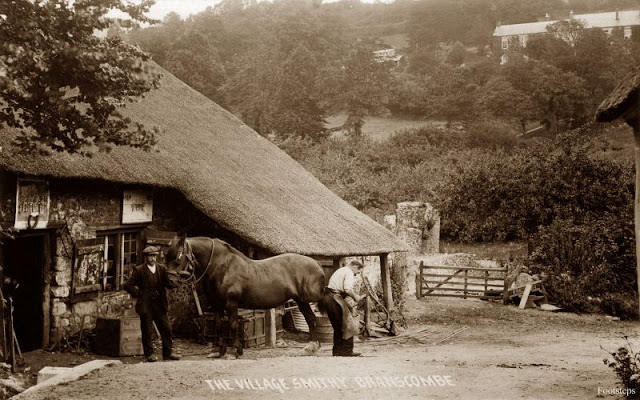
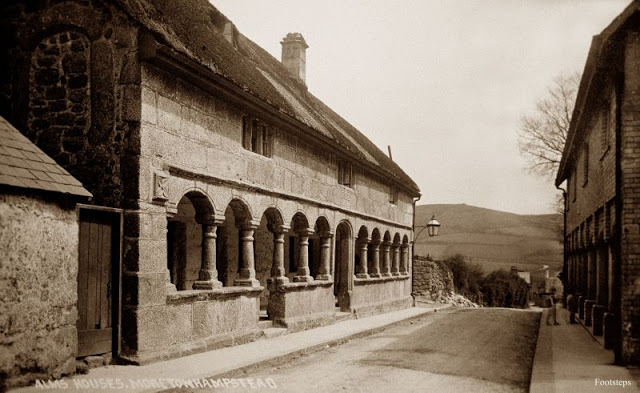
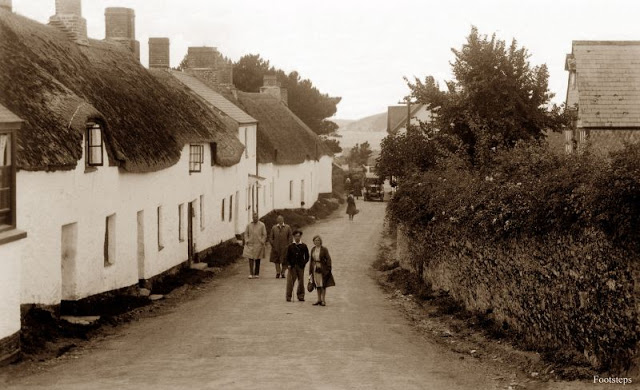
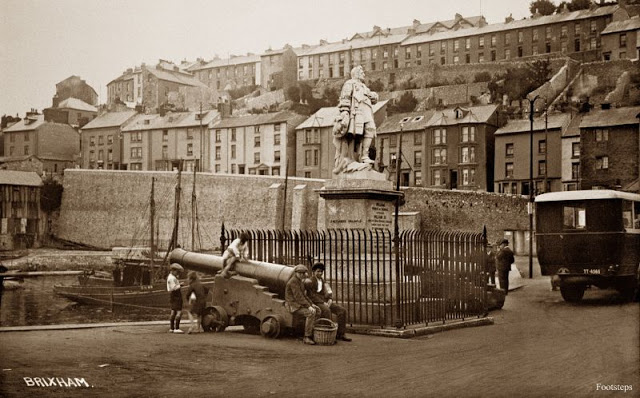
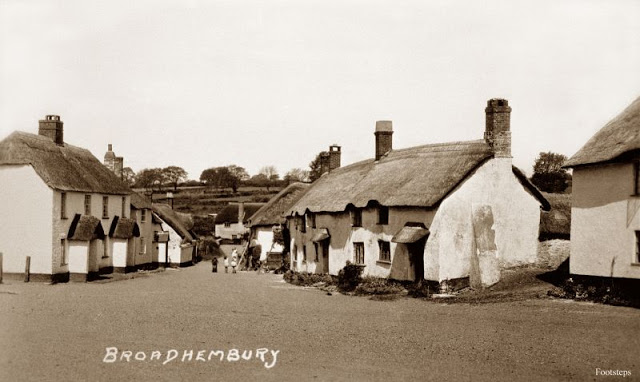
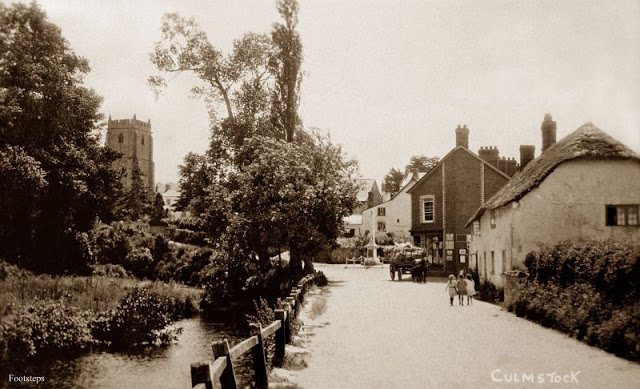
High Street, Ilfracombe, Devon, 1905Clovelly, Devon, circa 1900-1910High Street, Barnstaple, Devon, circa 1900-1910High Street, Honiton, Devon, circa 1900-1910St Philip and St James’s Church, Ilfracombe, Devon, circa 1900-1910Stockland village, Devon, 1900The beach, Beer, Devon, circa 1900-1910North Tawton, Devon, circa 1910sAwliscombe church interior, Devon, circa 1910sBeer, Devon, circa 1910sBishopsteignton, Devon, circa 1910sBoutport Street, Barnstaple, Devon, circa 1910sButterleigh church interior, Devon, circa 1910sDerry’s Clock, Plymouth, Devon, circa 1910sEast Gate, Totnes, Devon, circa 1910sFishing boats in the harbour at Brixham, Devon, circa 1910sHolcombe, Devon, circa 1910sIpplepen church interior, Devon, circa 1910Maidencombe, Devon, circa 1910sSt John’s Church, Lustleigh, Devon, circa 1910sSt Mary’s Church, Hemyock, Devon, circa 1910sSt Peter’s Church, Buckland-in-the-Moor, Devon, circa 1910sSt Peter’s Church, Peter Tavy, Devon, circa 1910sSutton Harbour, Plymouth, Devon, circa 1910sThe Boat Cove, Dawlish, Devon, circa 1910sThe village smithy at Branscombe, Devon, circa 1910sAlmshouses, Moretonhampstead, Devon, circa 1920sBantham, Devon, circa 1920sBrixham, Devon showing the William of Orange statue, circa 1920sBroadhembury, Devon, circa 1920sCulmstock, Devon, circa 1920sPrixford, Devon, circa 1920sSt Michael’s Church, Dawlish, Devon, circa 1920sSt Michael’s Church, Honiton, Devon, circa 1920sGoodleigh, Devon. Top photo taken circa 1920s and lower photo in 2010
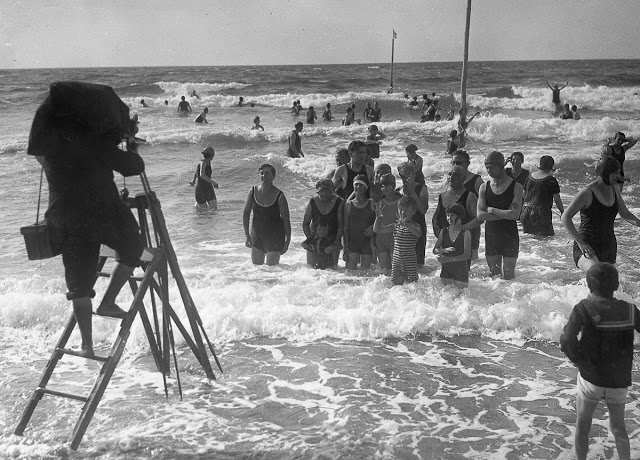
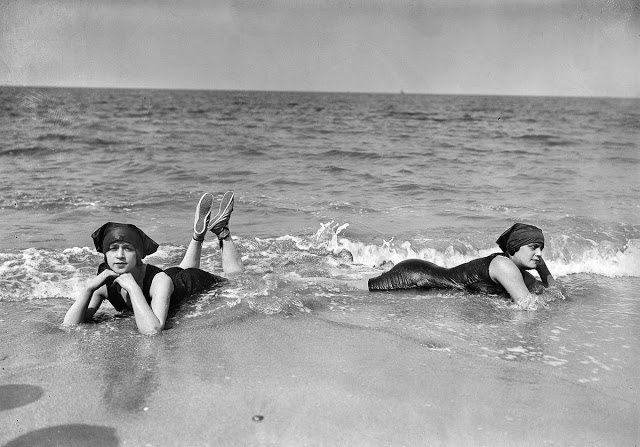
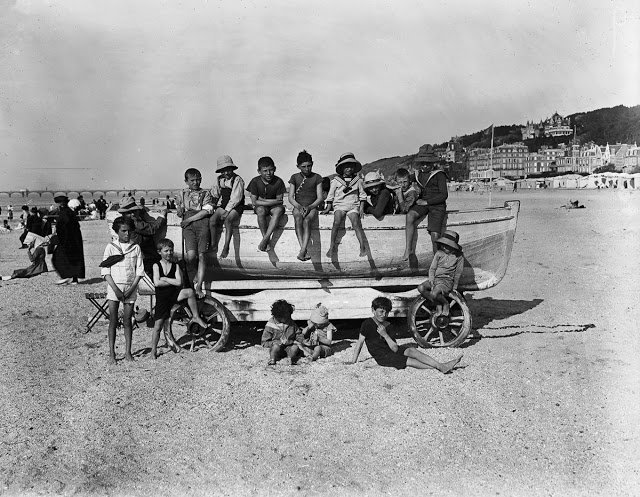
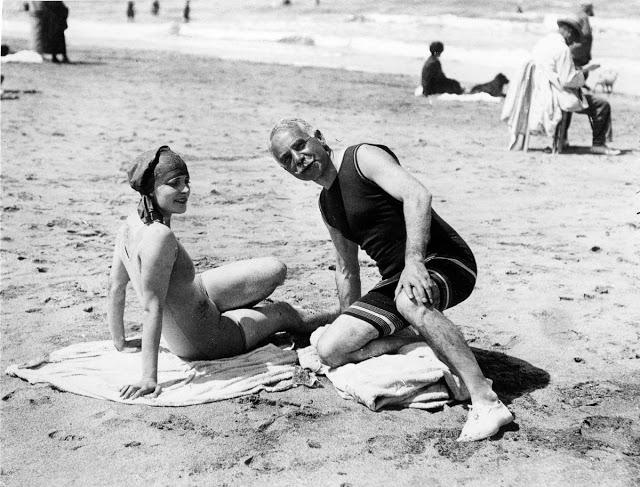
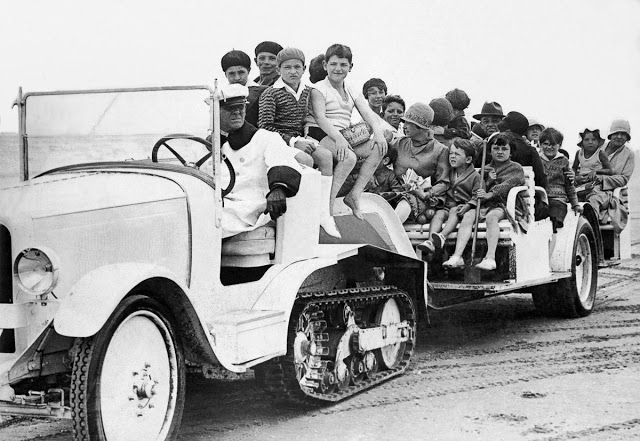
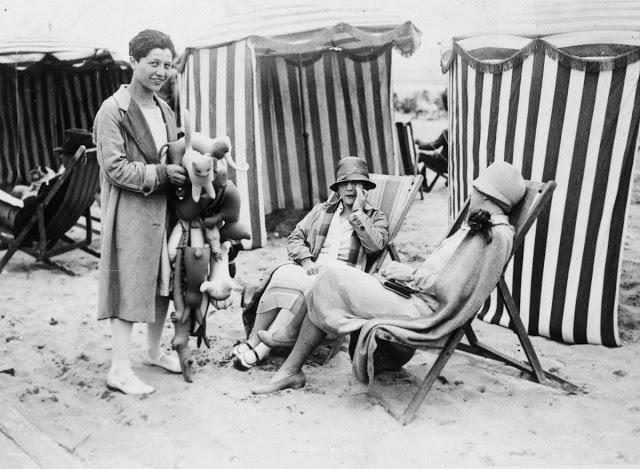
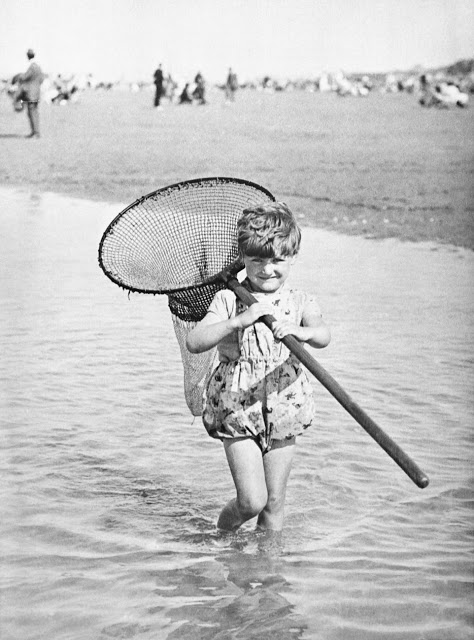
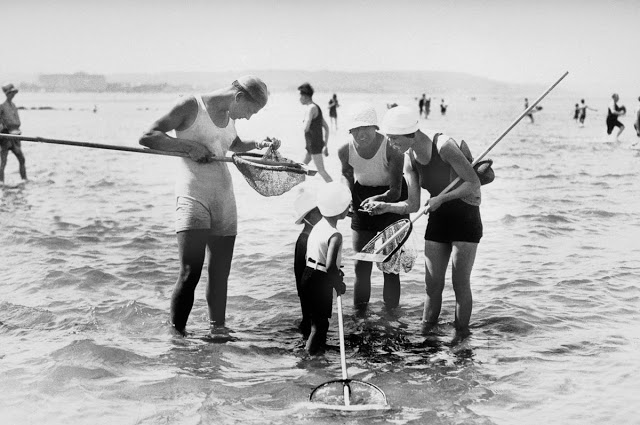
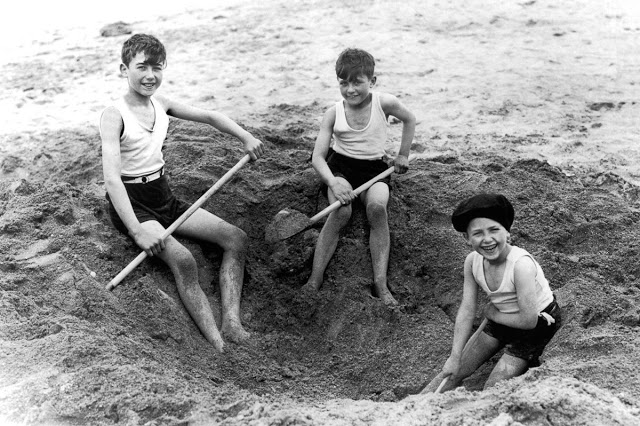
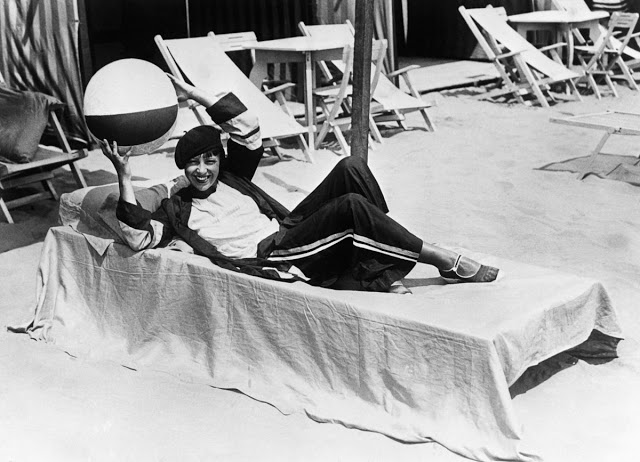
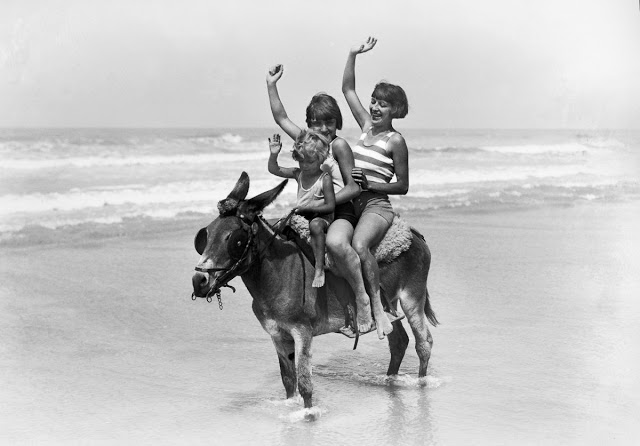
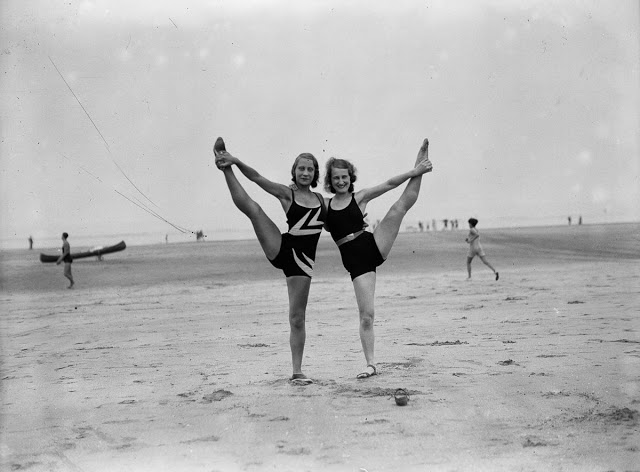
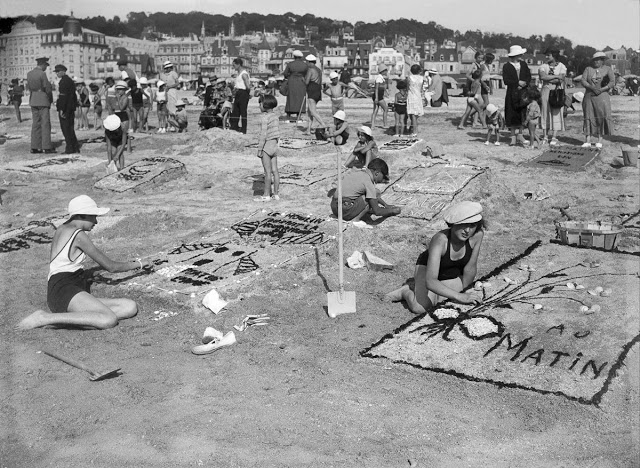
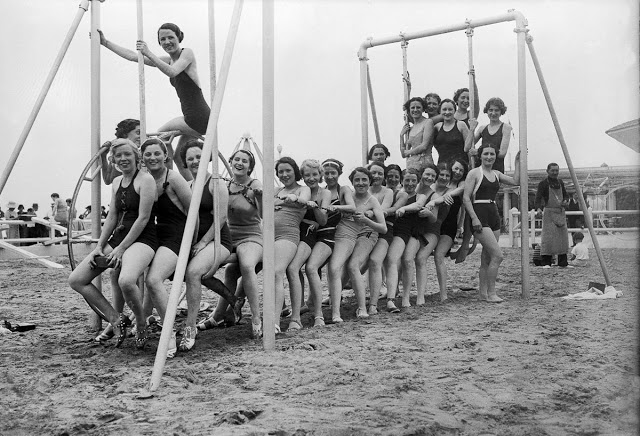
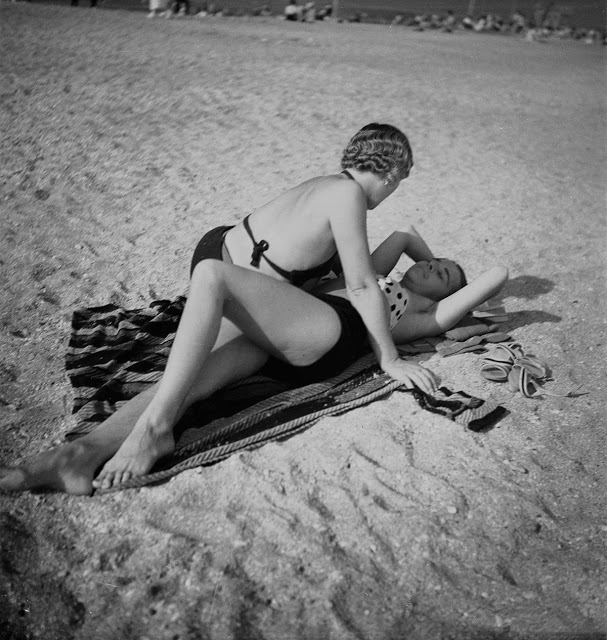
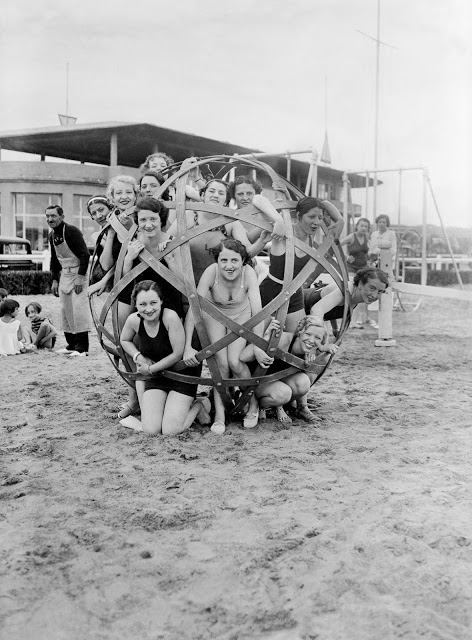
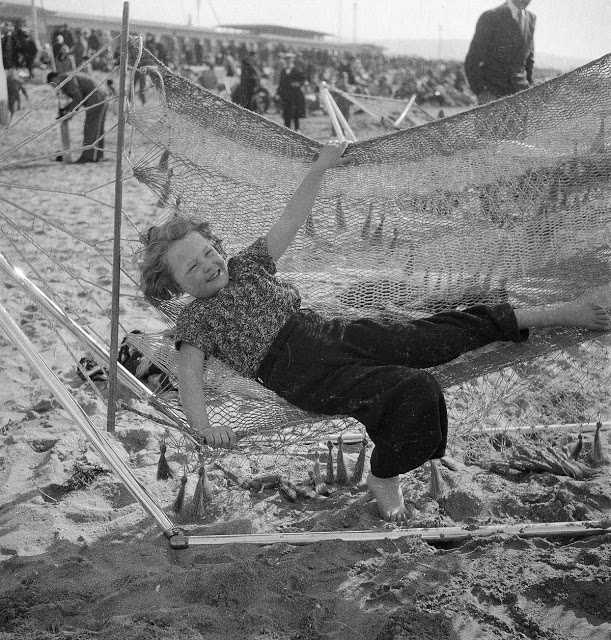
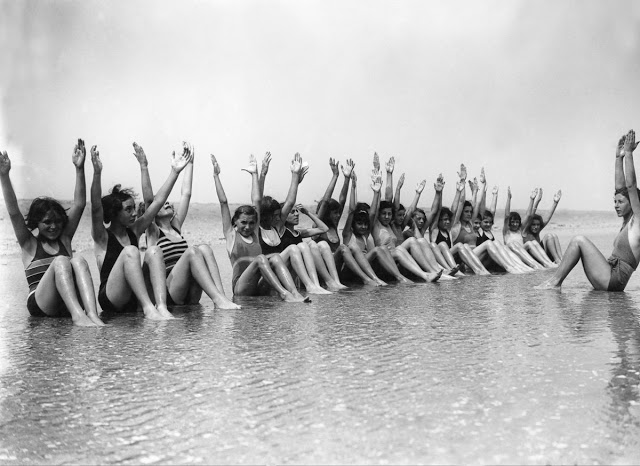
Deauville is a seaside resort on the Côte Fleurie of France’s Lower Normandy region. An upscale holiday destination since the 1800s, it’s known for its grand casino, golf courses, horse races and American Film Festival. Its wide, sandy beach is backed by Les Planches, a 1920s boardwalk with bathing cabins. The town has chic boutiques, elegant belle epoque villas and half-timbered buildings.
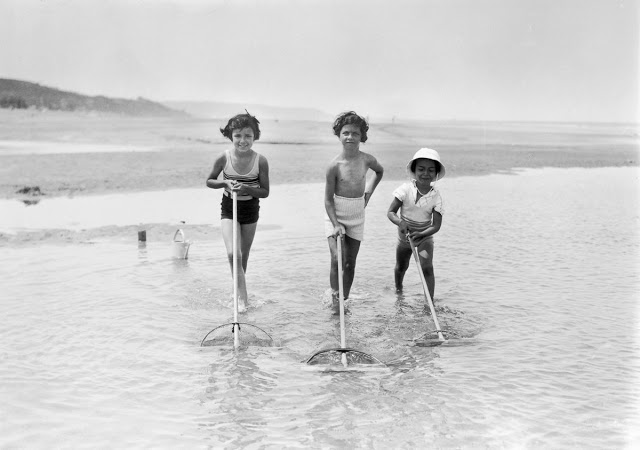
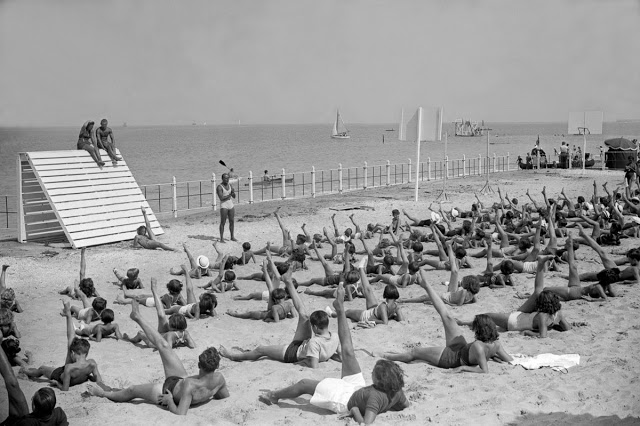
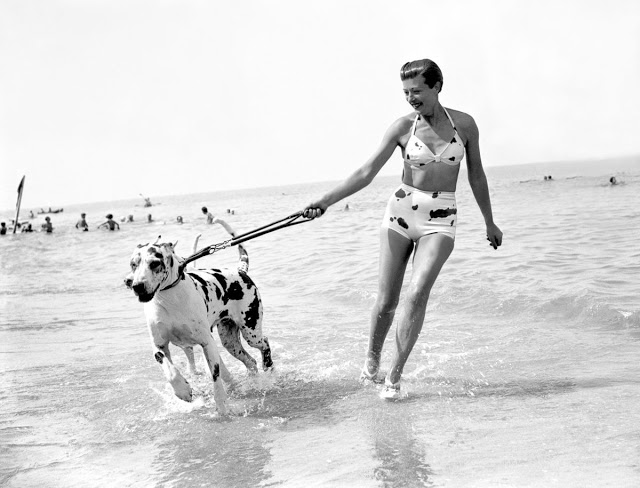
The main attraction, though, was the wide sandy beach, which offered opportunities for sunbathing, donkey rides, aerobics — and roving photographers to capture those moments from the early 20th century.
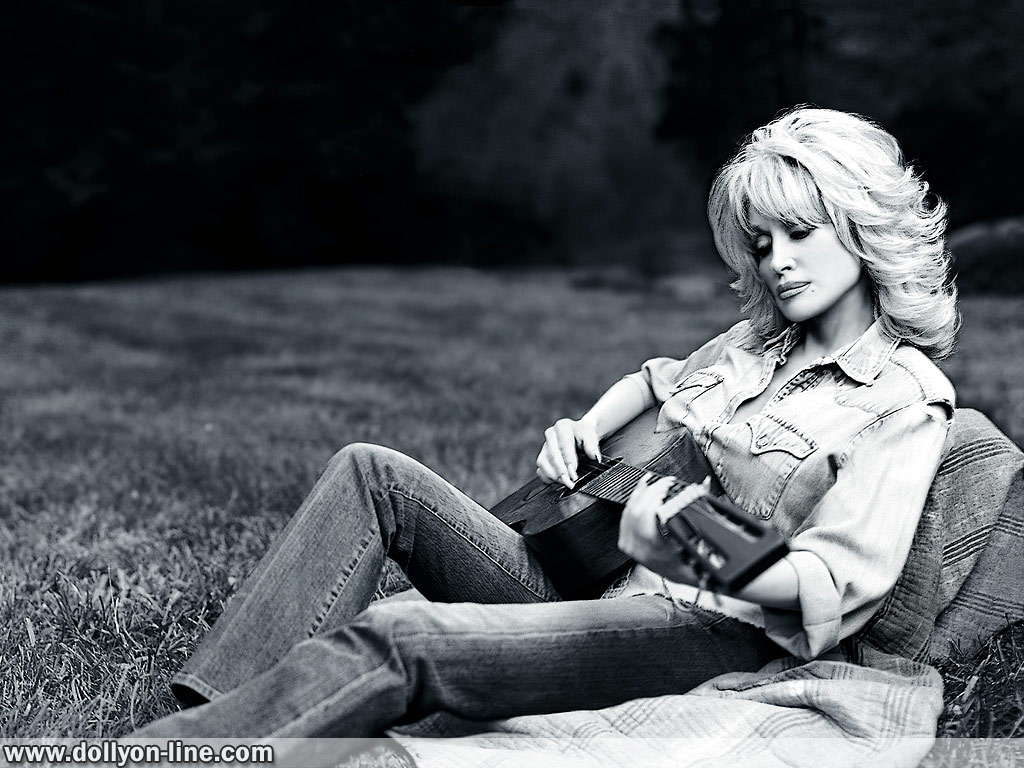
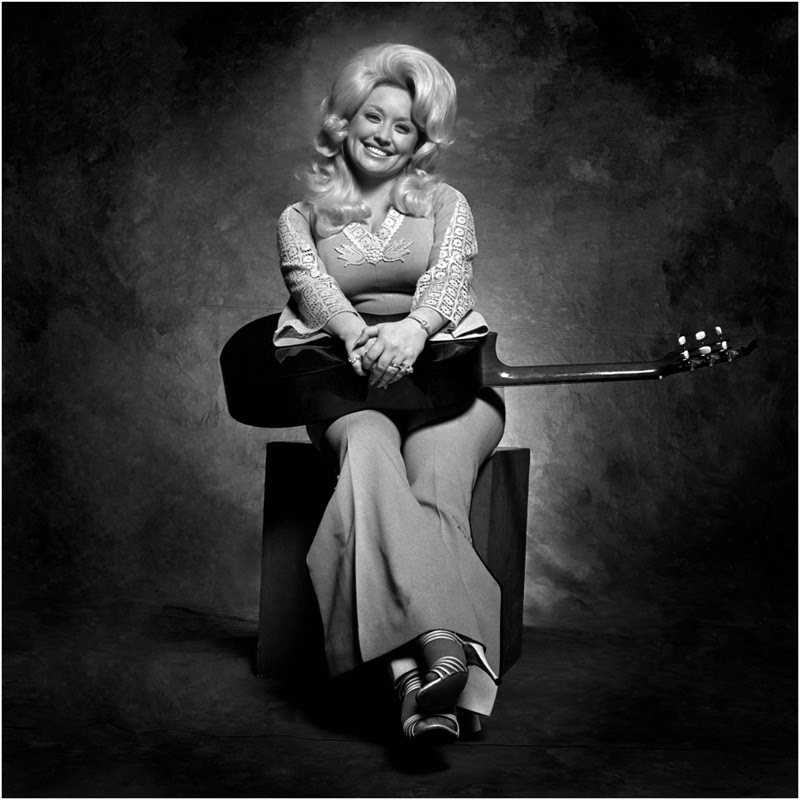
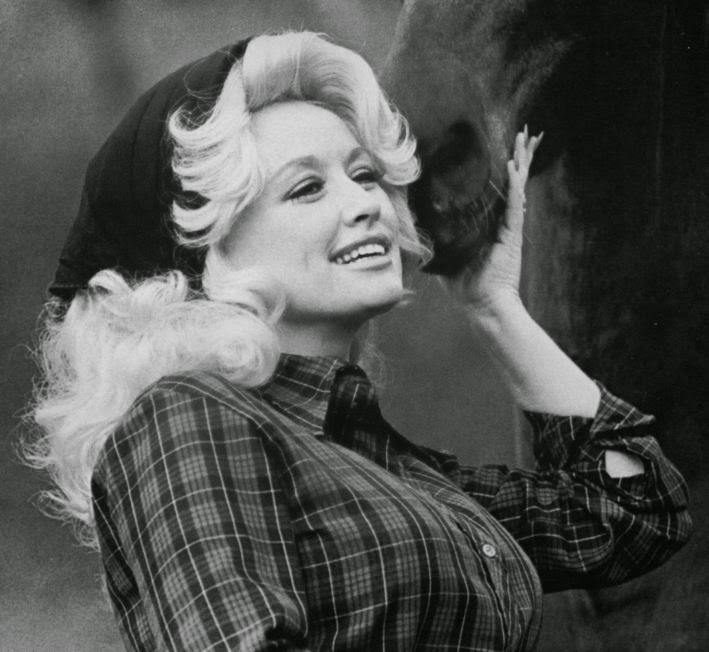
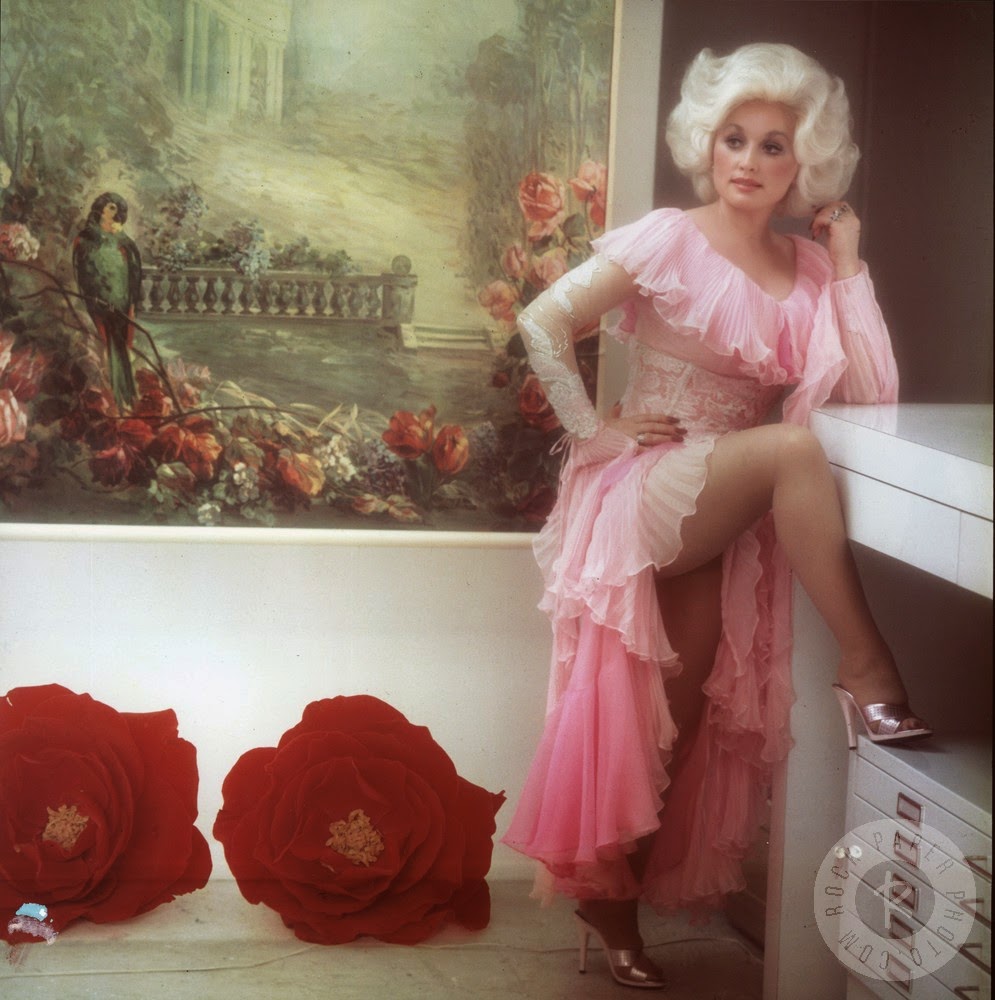
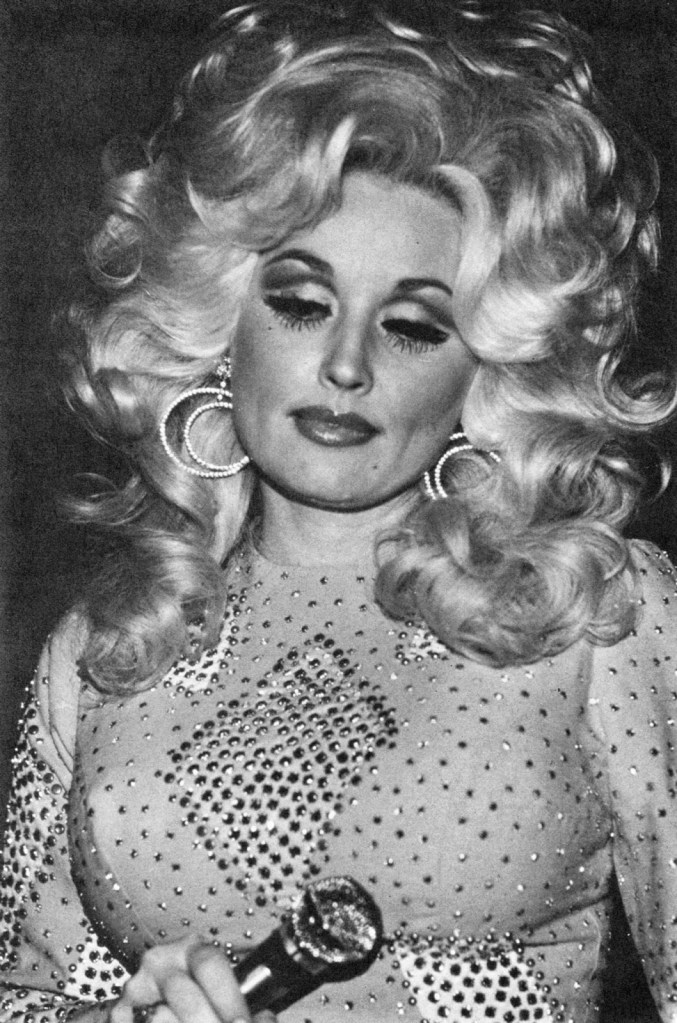
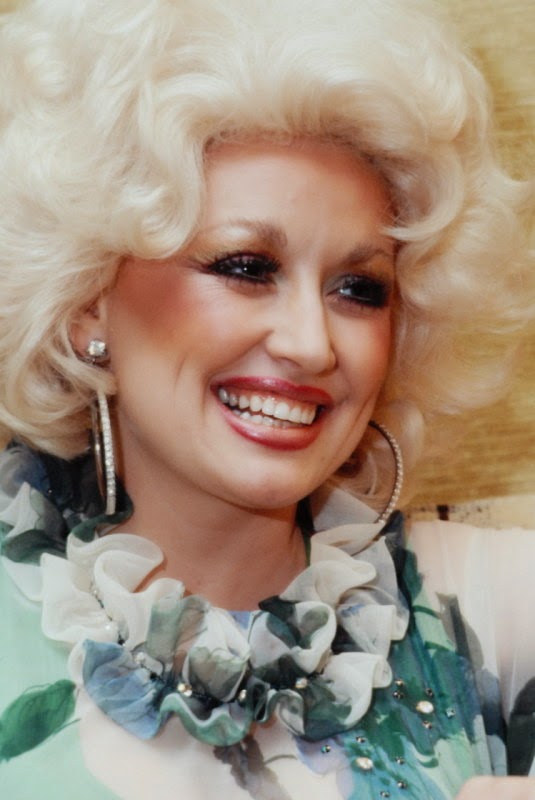
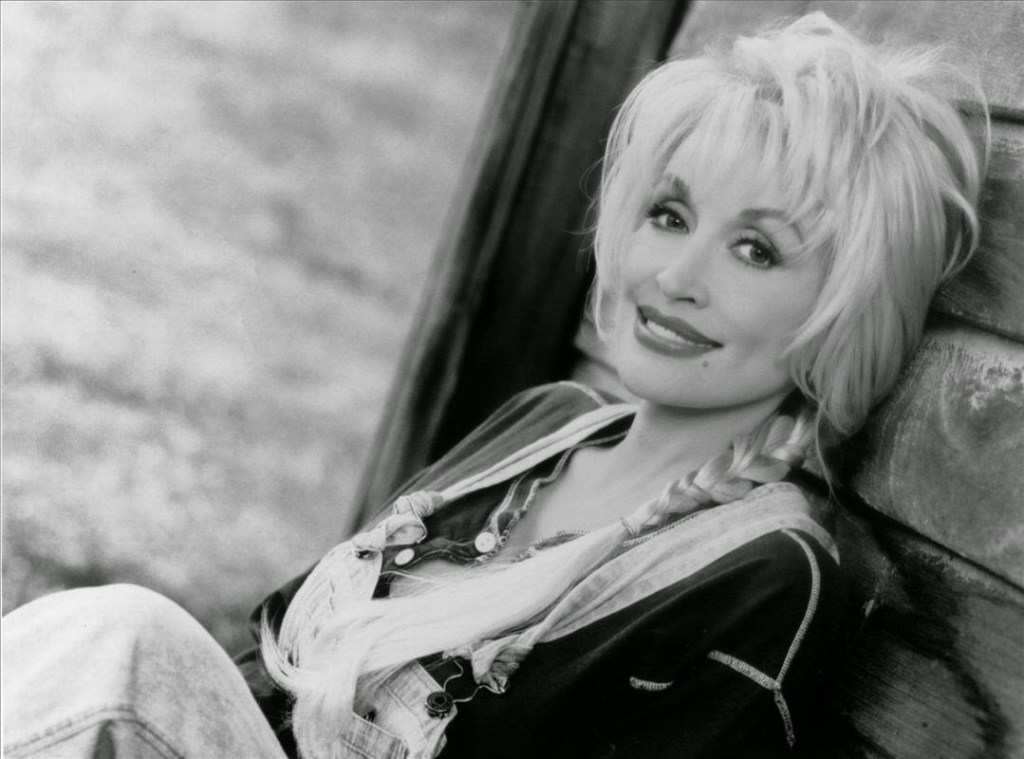
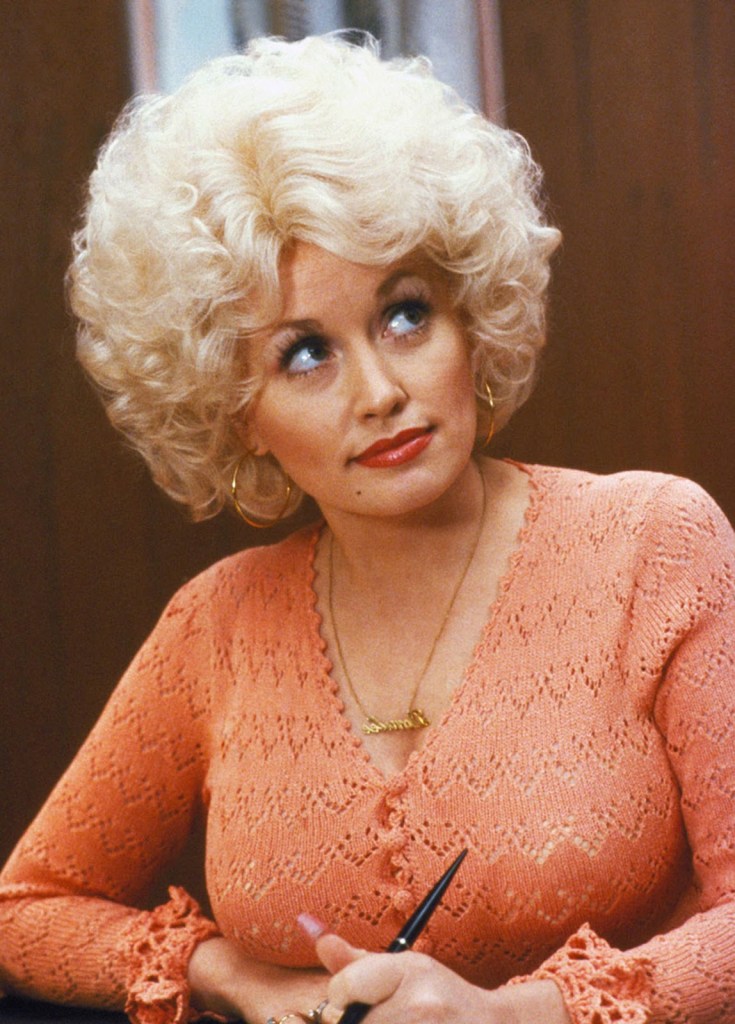
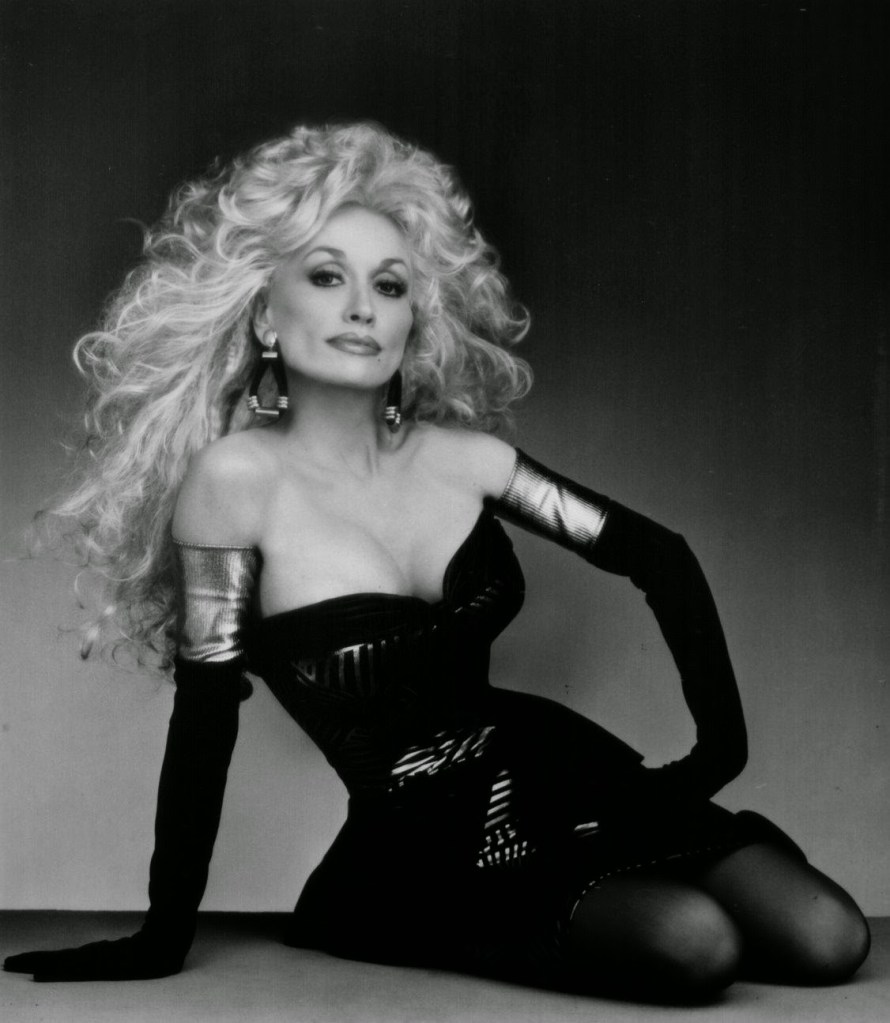
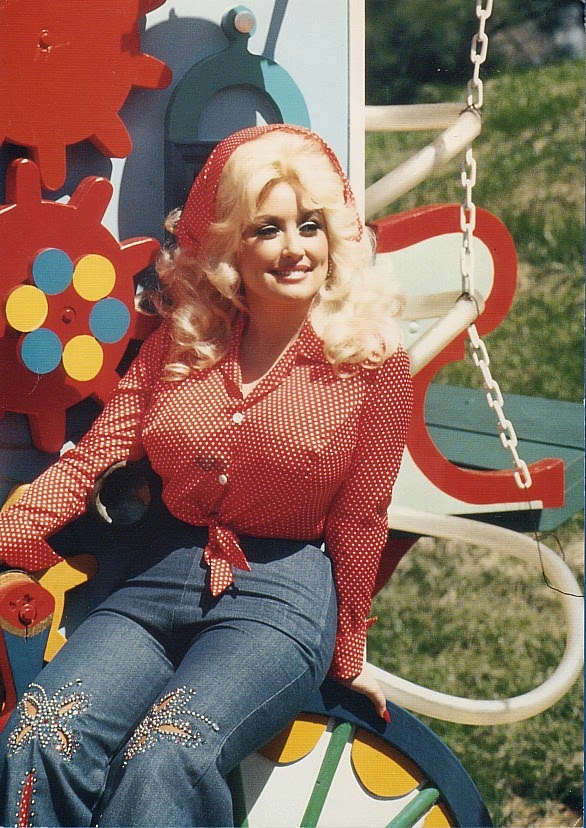
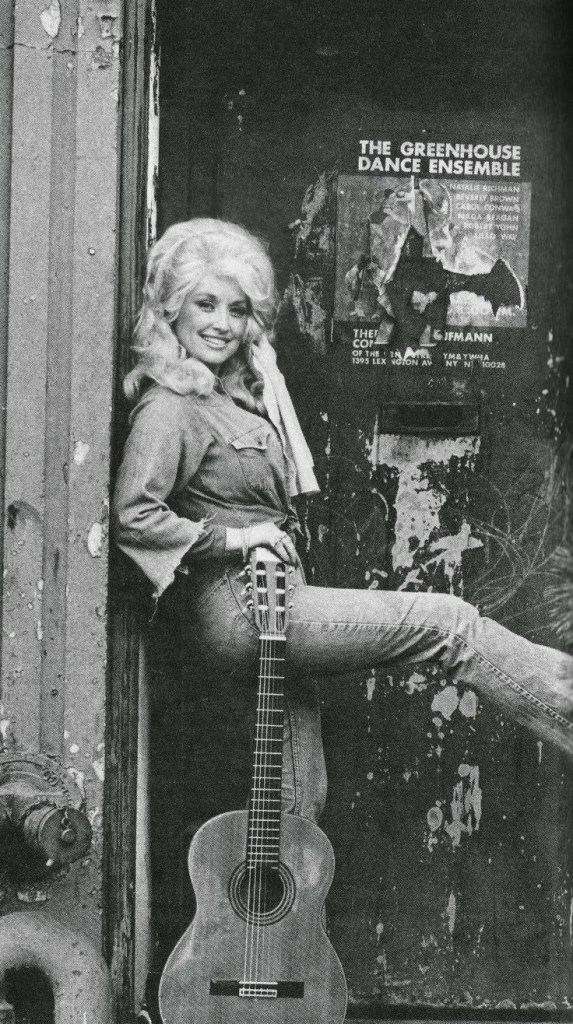
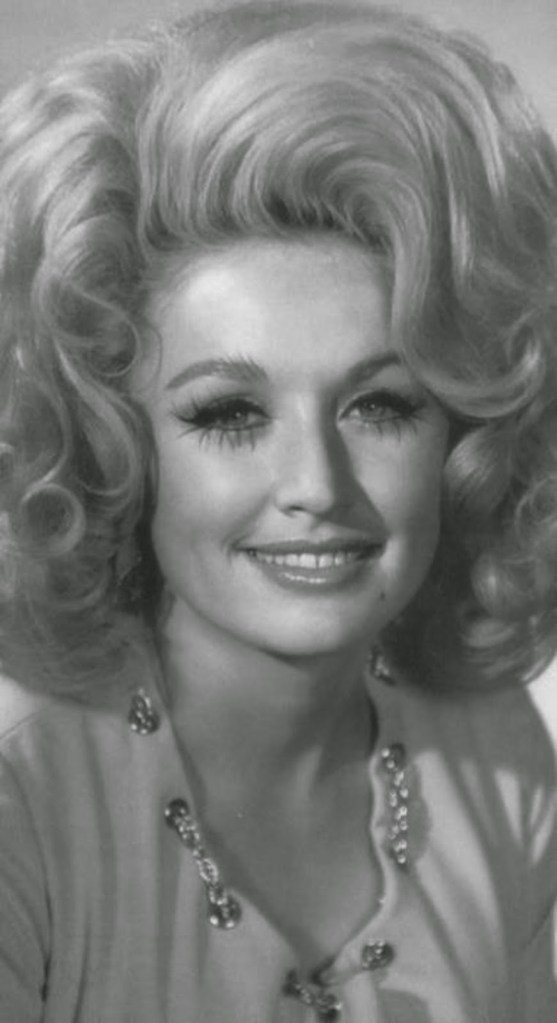
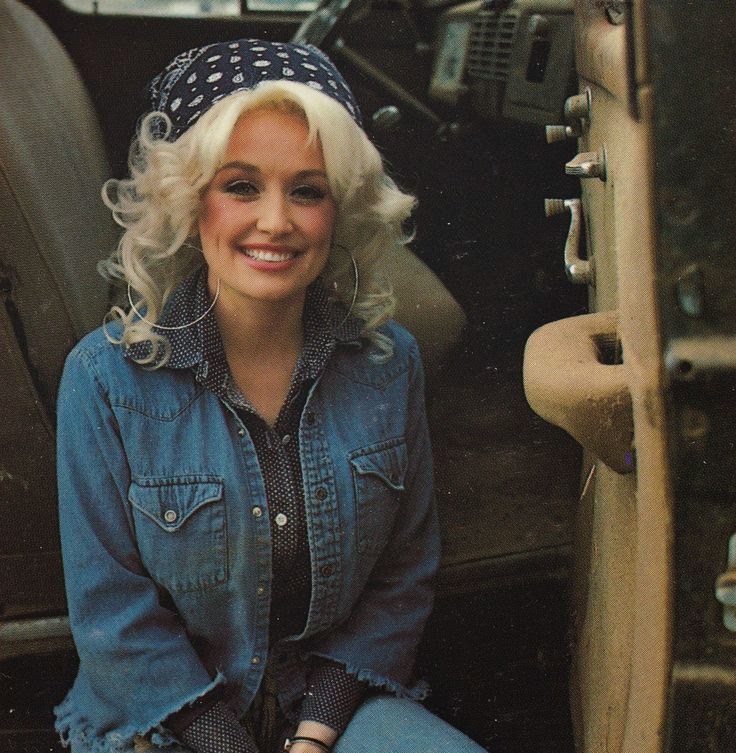
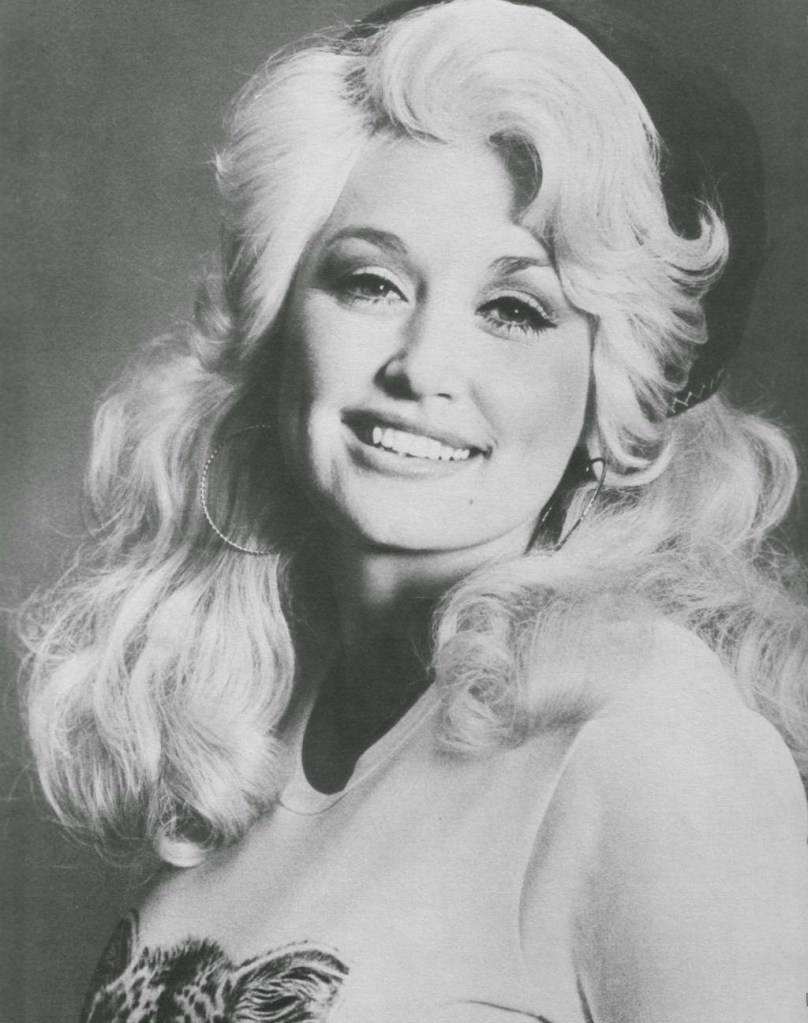
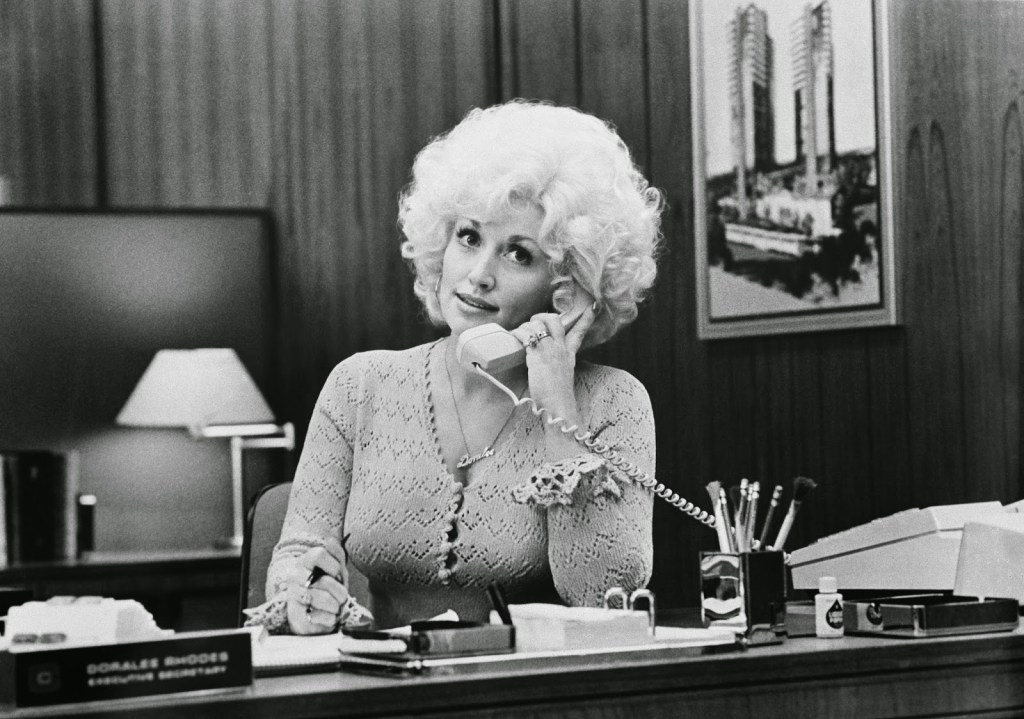
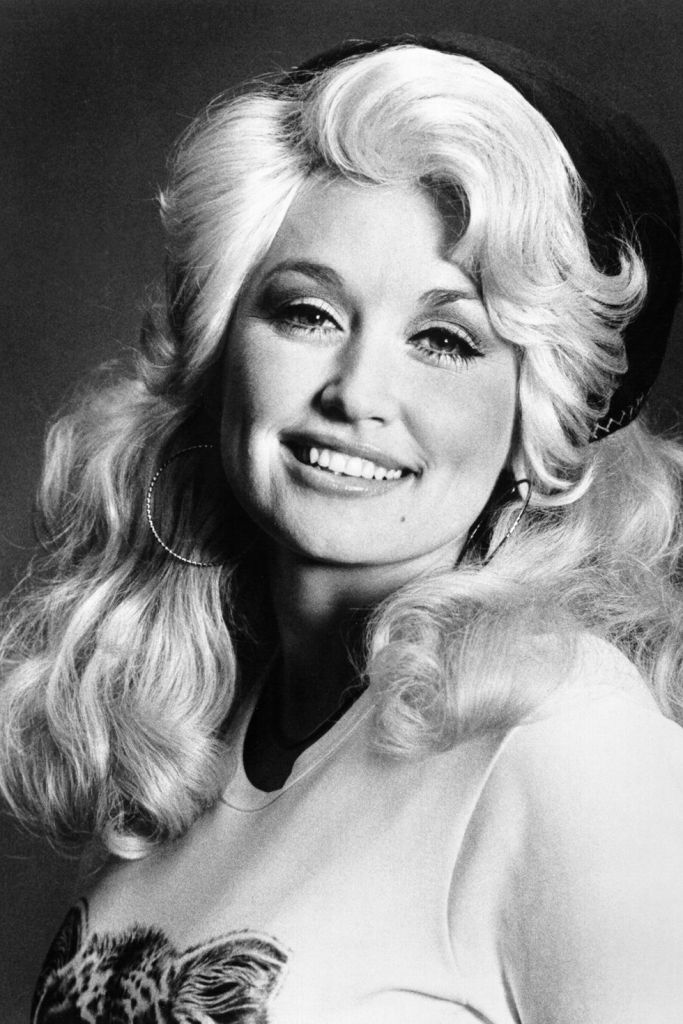
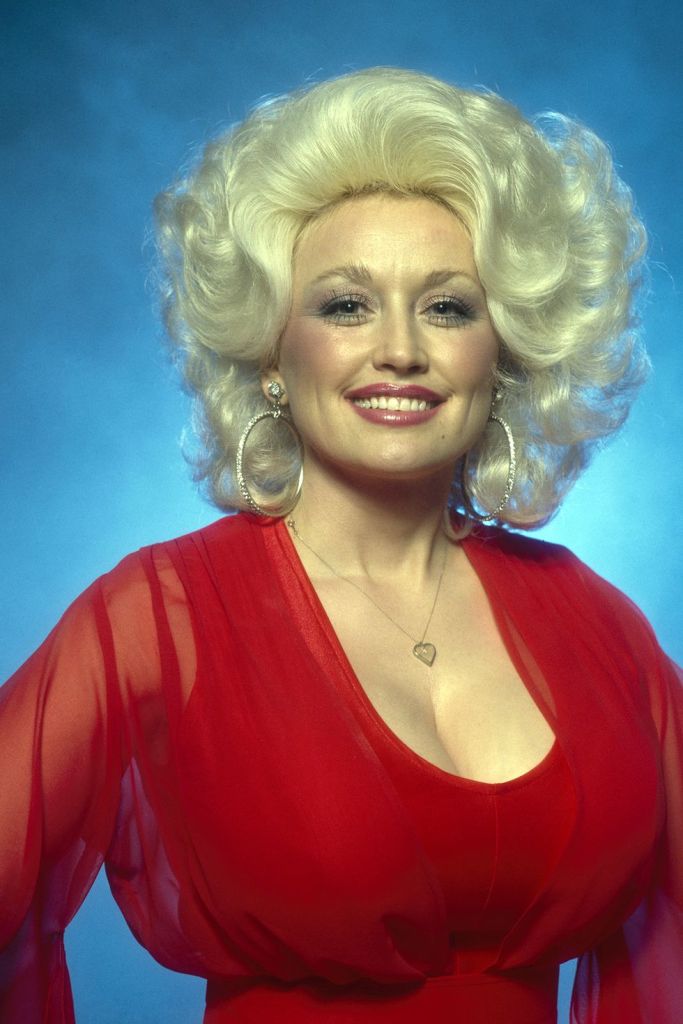
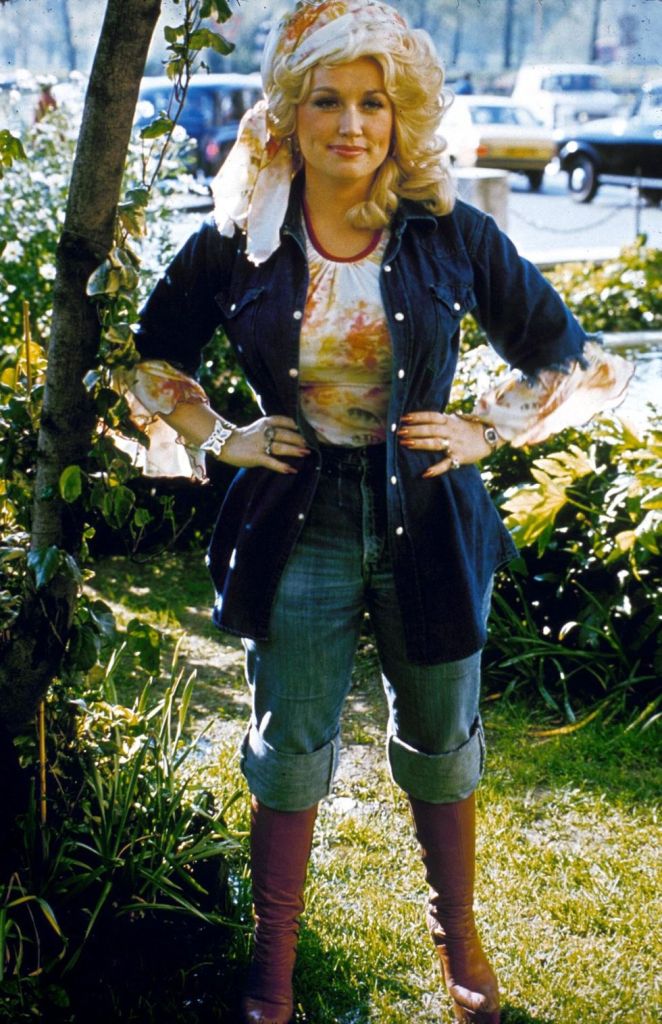
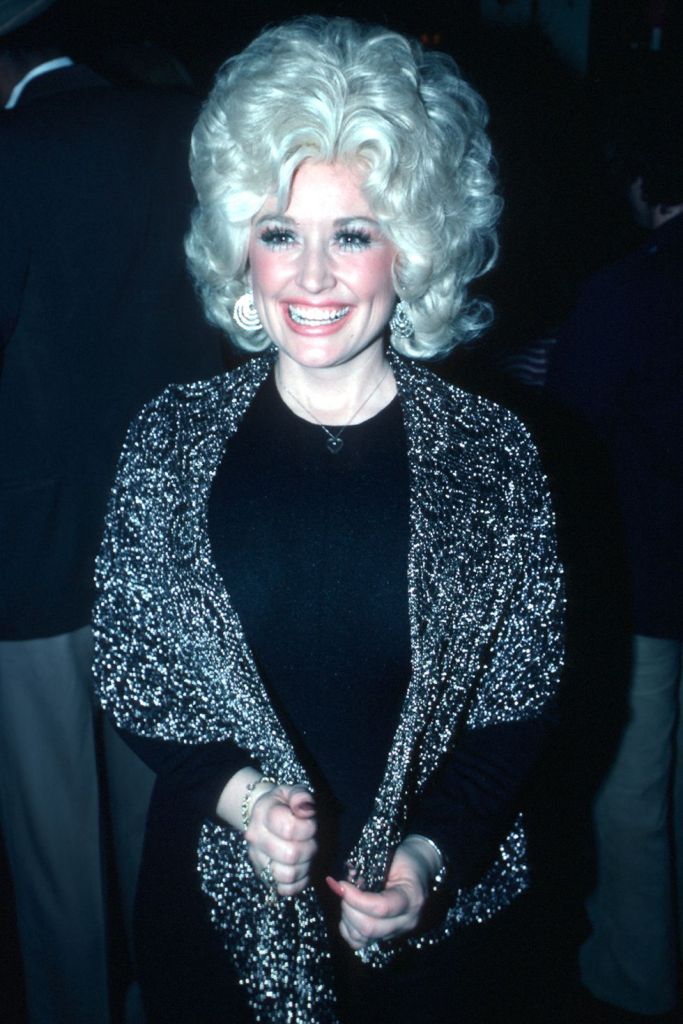
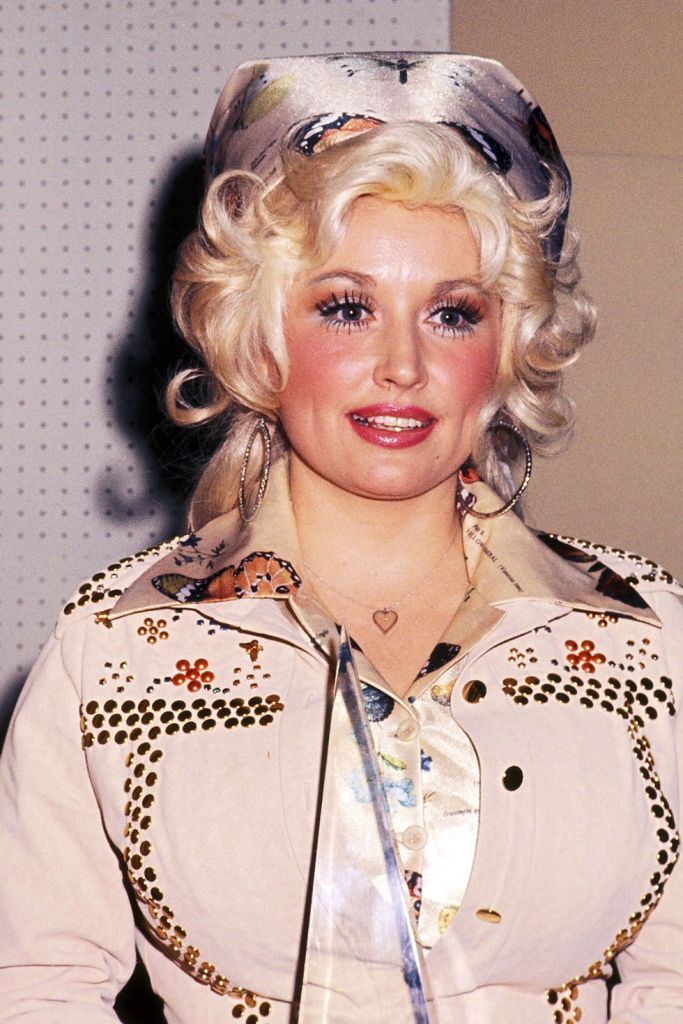
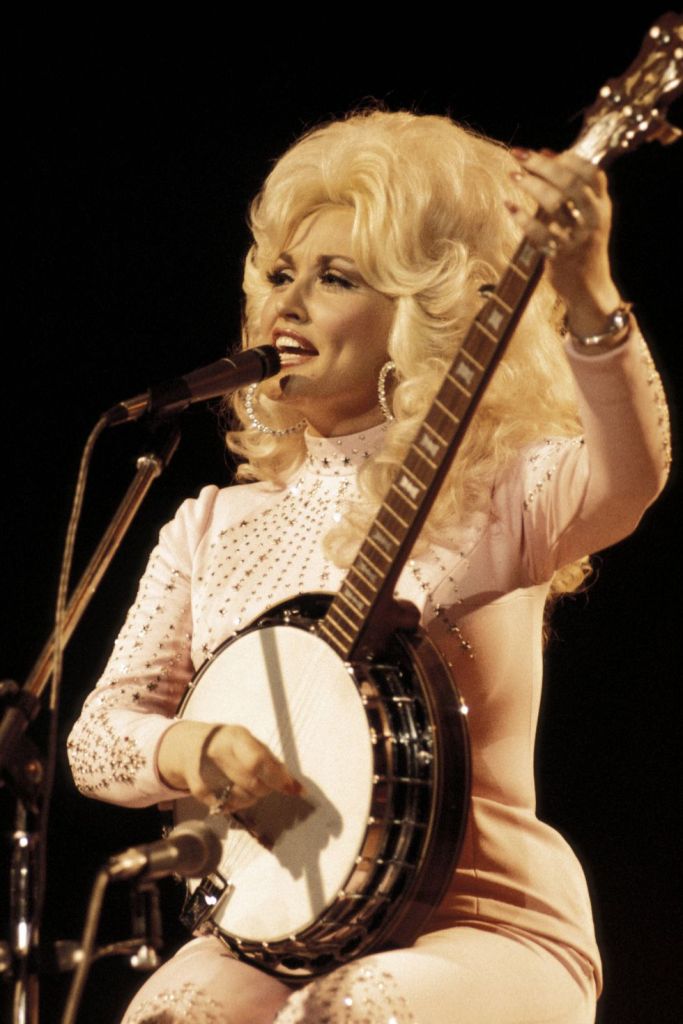
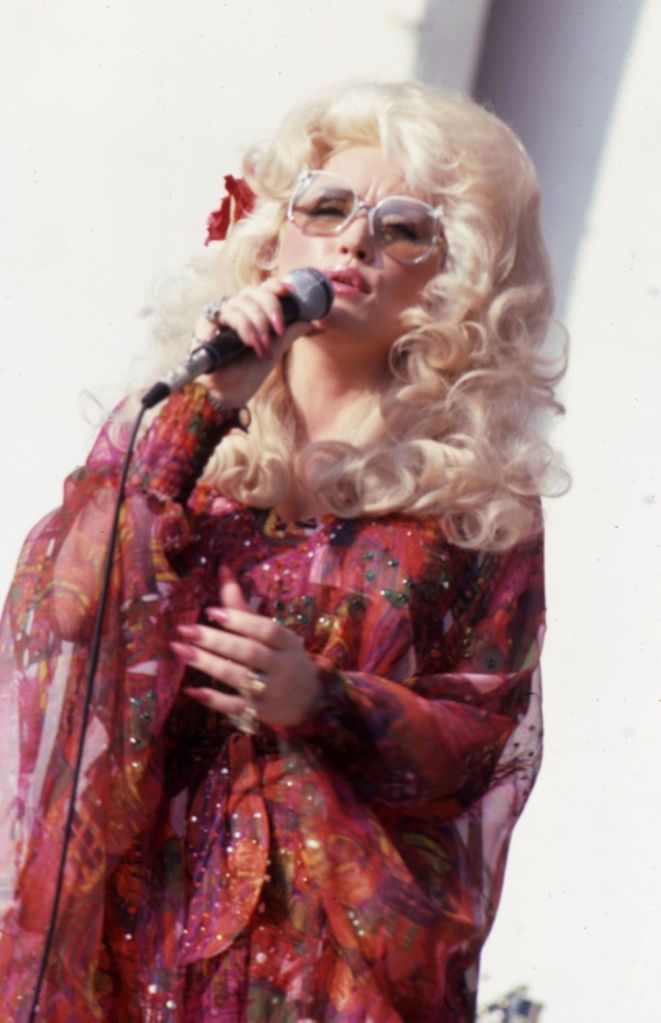
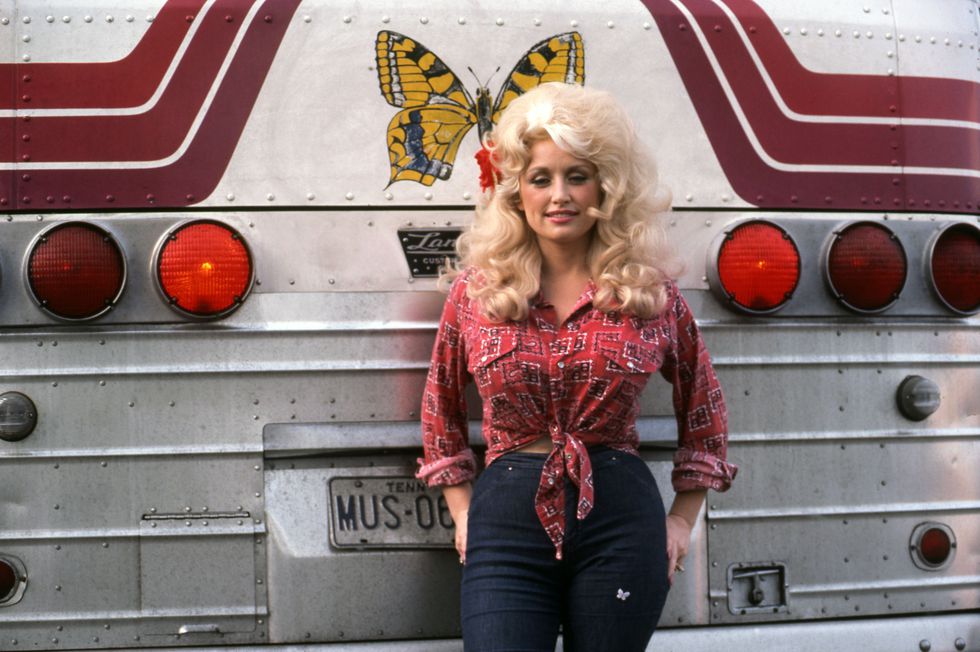
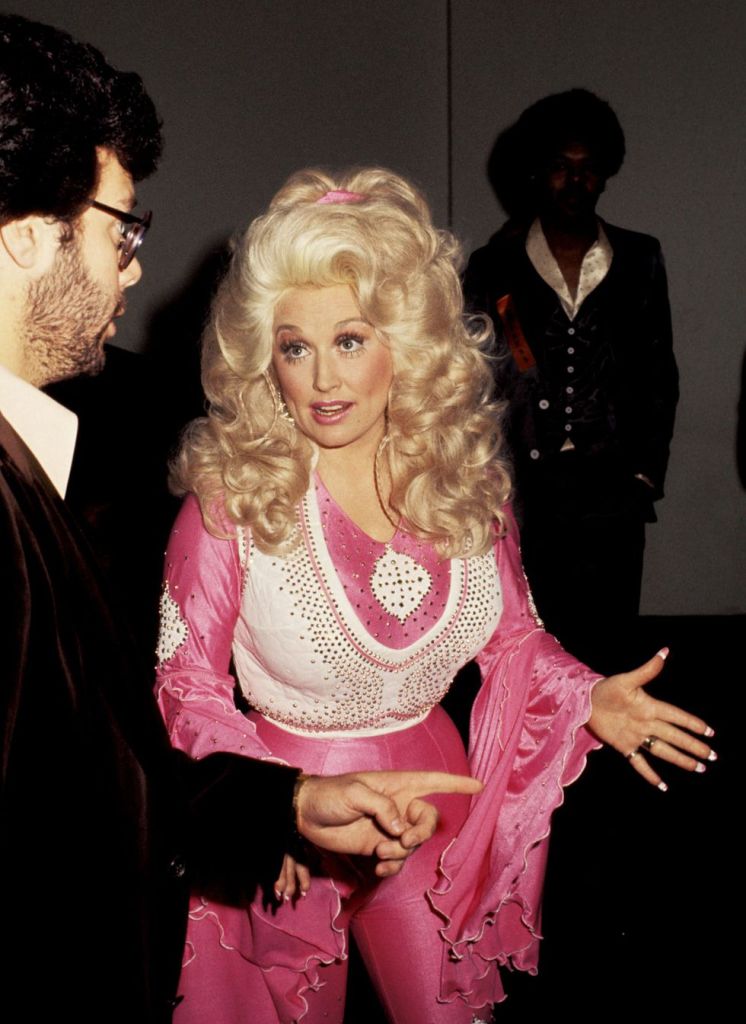
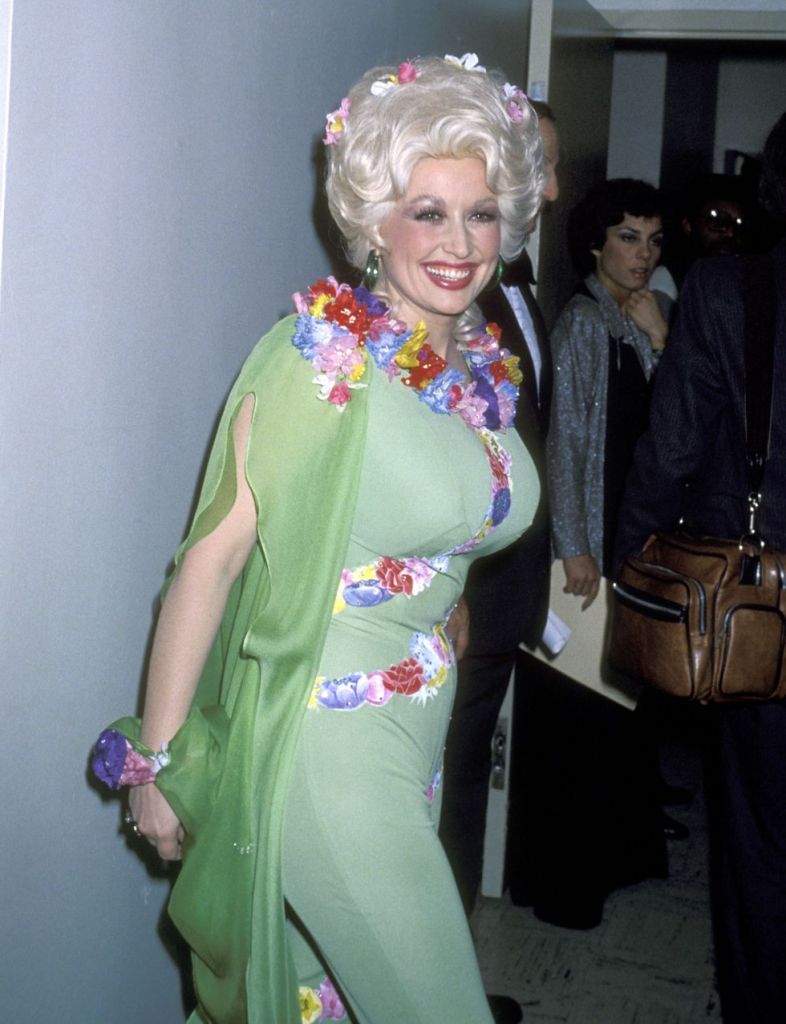
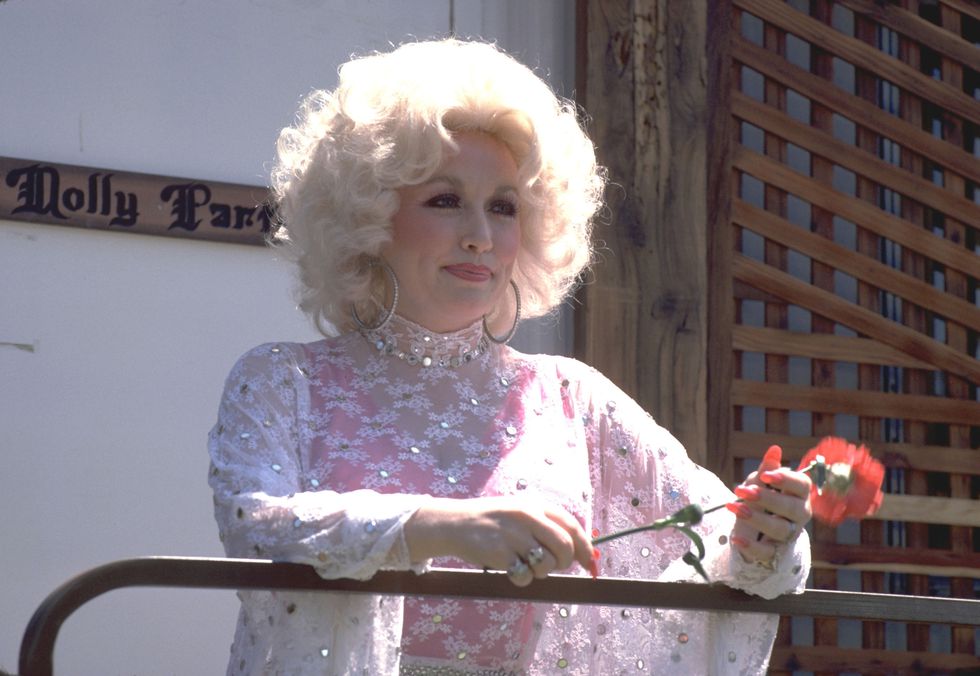
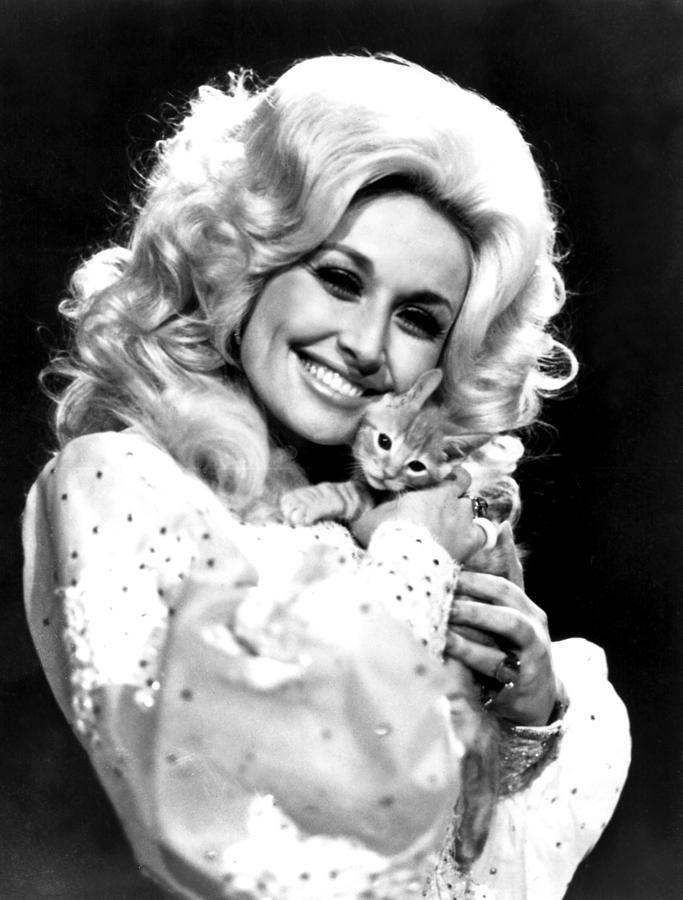
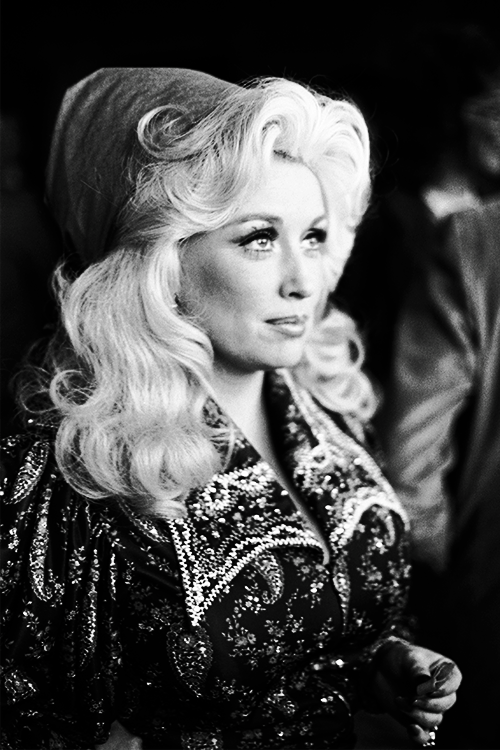
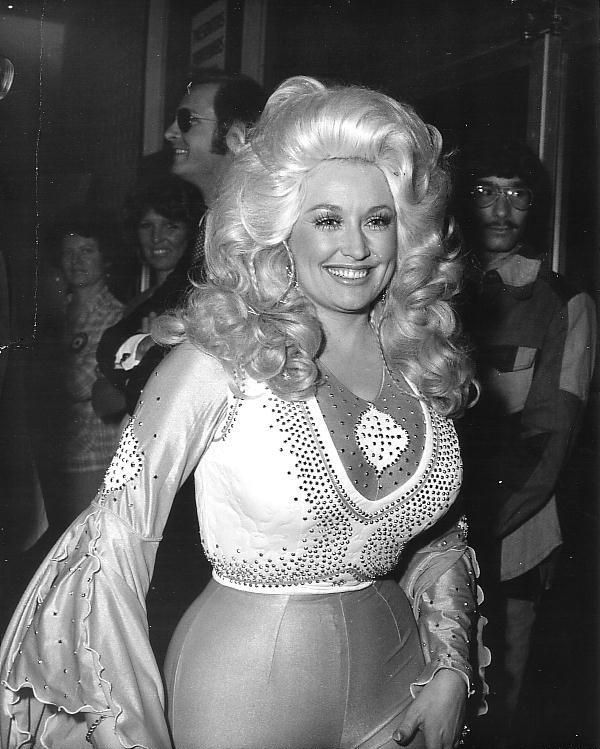
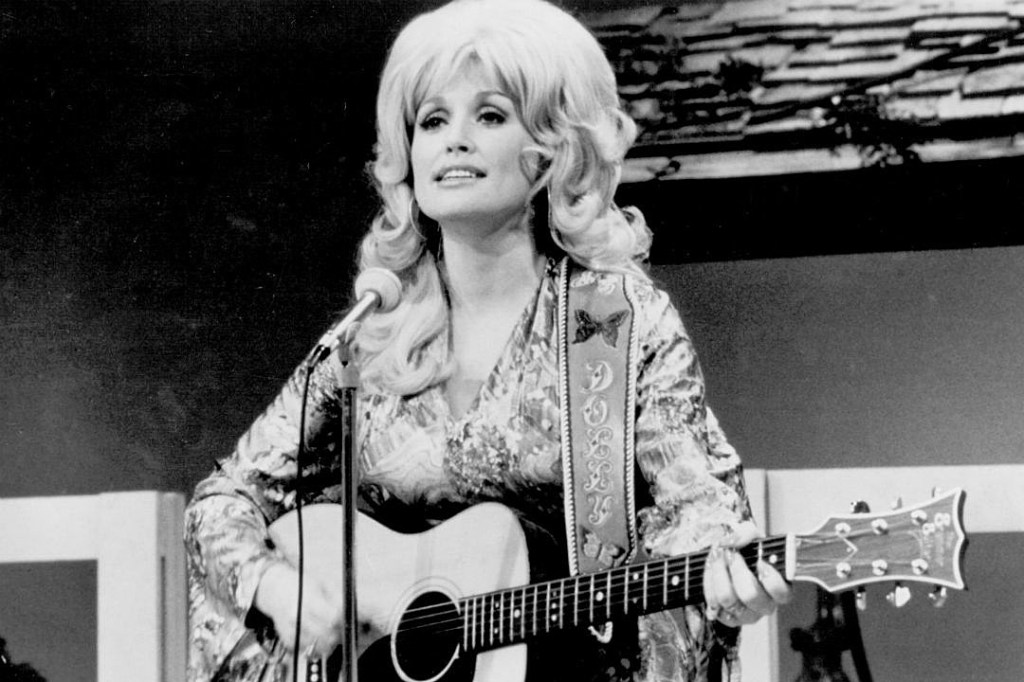
Dolly Rebecca Parton (born January 19, 1946) is an American singer, songwriter, multi-instrumentalist, actress, author, businesswoman, and humanitarian, known primarily for her work in country music. After achieving success as a songwriter for others, Parton made her album debut in 1967 with Hello, I’m Dolly, which led to success during the remainder of the 1960s (both as a solo artist and with a series of duet albums with Porter Wagoner), before her sales and chart peak came during the 1970s and continued into the 1980s. Parton’s albums in the 1990s did not sell as well, but she achieved commercial success again in the new millennium and has released albums on various independent labels since 2000, including her own label, Dolly Records. She has sold more than 100 million records worldwide.
Parton’s music includes Recording Industry Association of America (RIAA)-certified gold, platinum and multi-platinum awards. She has had 25 songs reach no. 1 on the Billboard country music charts, a record for a female artist (tied with Reba McEntire). She has 44 career Top 10 country albums, a record for any artist, and she has 110 career-charted singles over the past 40 years. She has garnered 11 Grammy Awards and 50 nominations, including the Lifetime Achievement Award; ten Country Music Association Awards, including Entertainer of the Year and is one of only seven female artists to win the Country Music Association’s Entertainer of the Year Award; five Academy of Country Music Awards, also including Entertainer of the Year; four People’s Choice Awards; and three American Music Awards.
In 1999, Parton was inducted into the Country Music Hall of Fame. She has composed over 3,000 songs, including “I Will Always Love You” (a two-time U.S. country chart-topper, as well as an international pop hit for Whitney Houston), “Jolene”, “Coat of Many Colors”, and “9 to 5”. She is also in a select group to have received at least one nomination from the Academy Awards, Grammy Awards, Tony Awards, and Emmy Awards. As an actress, she has starred in films such as 9 to 5 (1980) and The Best Little Whorehouse in Texas (1982), for which she earned Golden Globe nominations for Best Actress, as well as Rhinestone (1984), Steel Magnolias (1989), Straight Talk (1992) and Joyful Noise (2012). (Wiki)
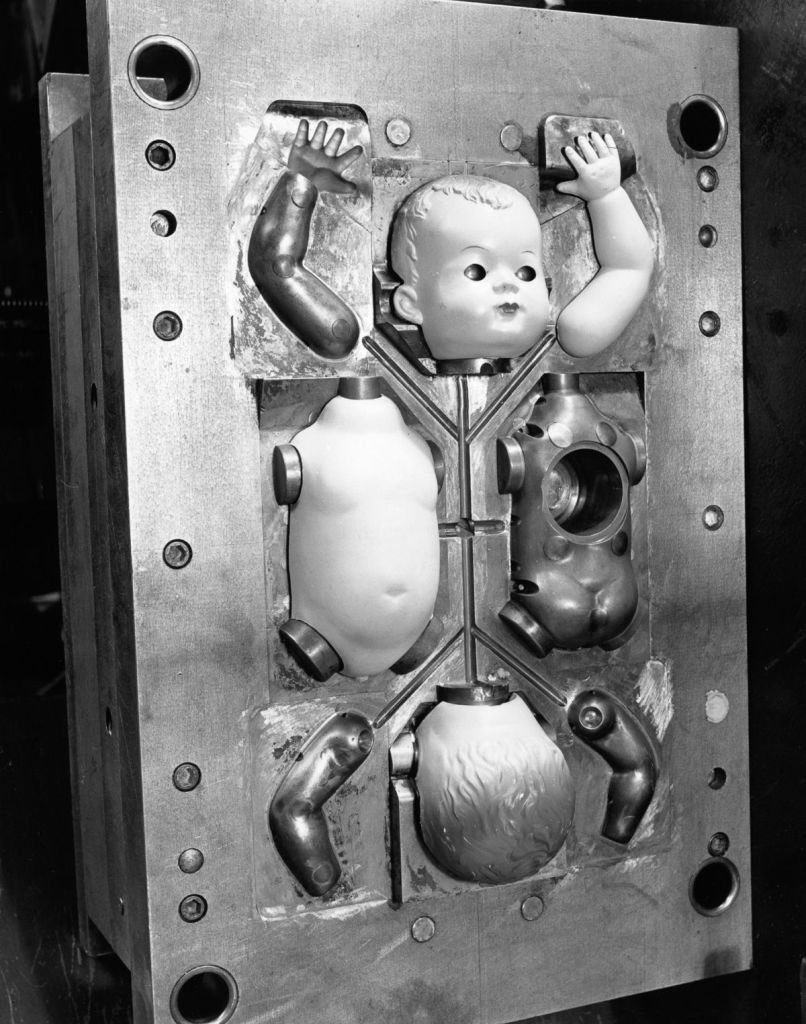
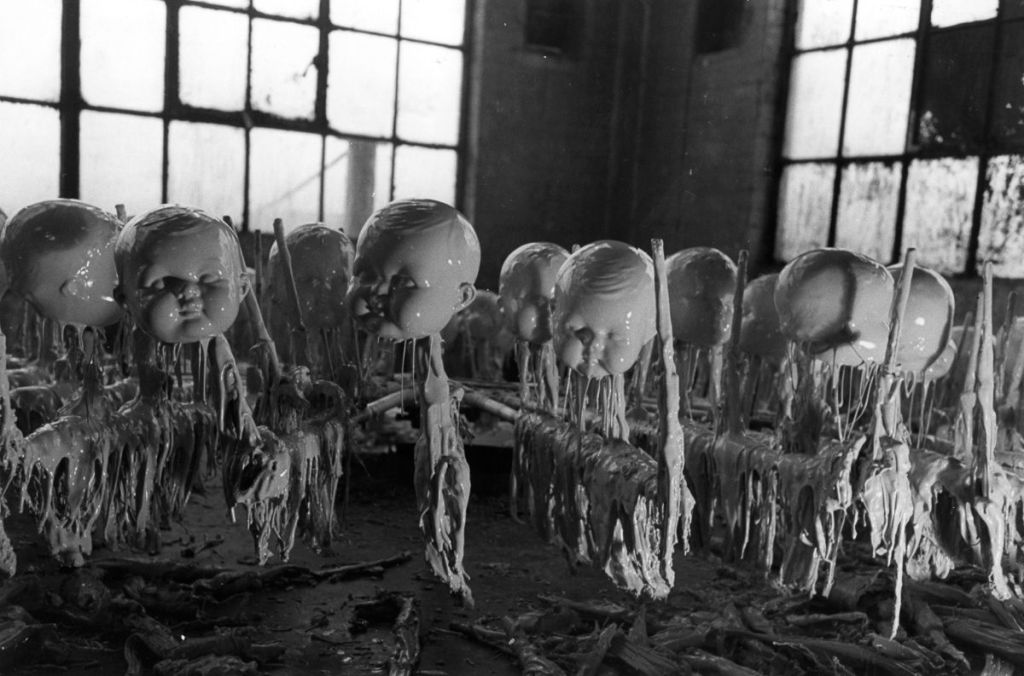
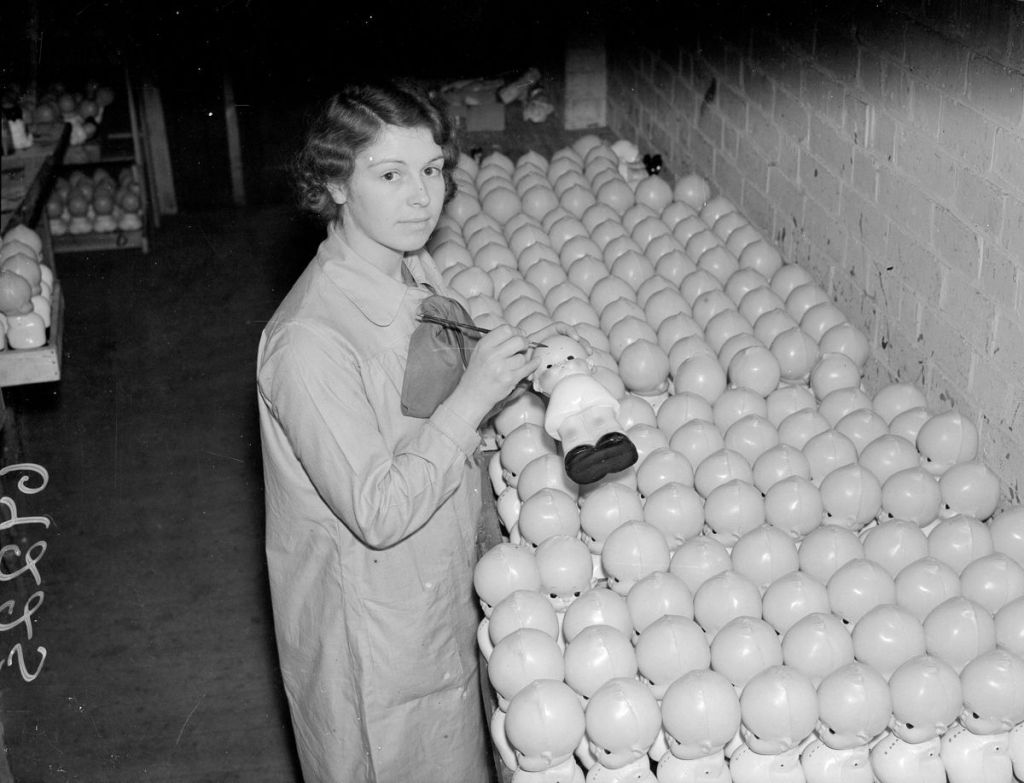
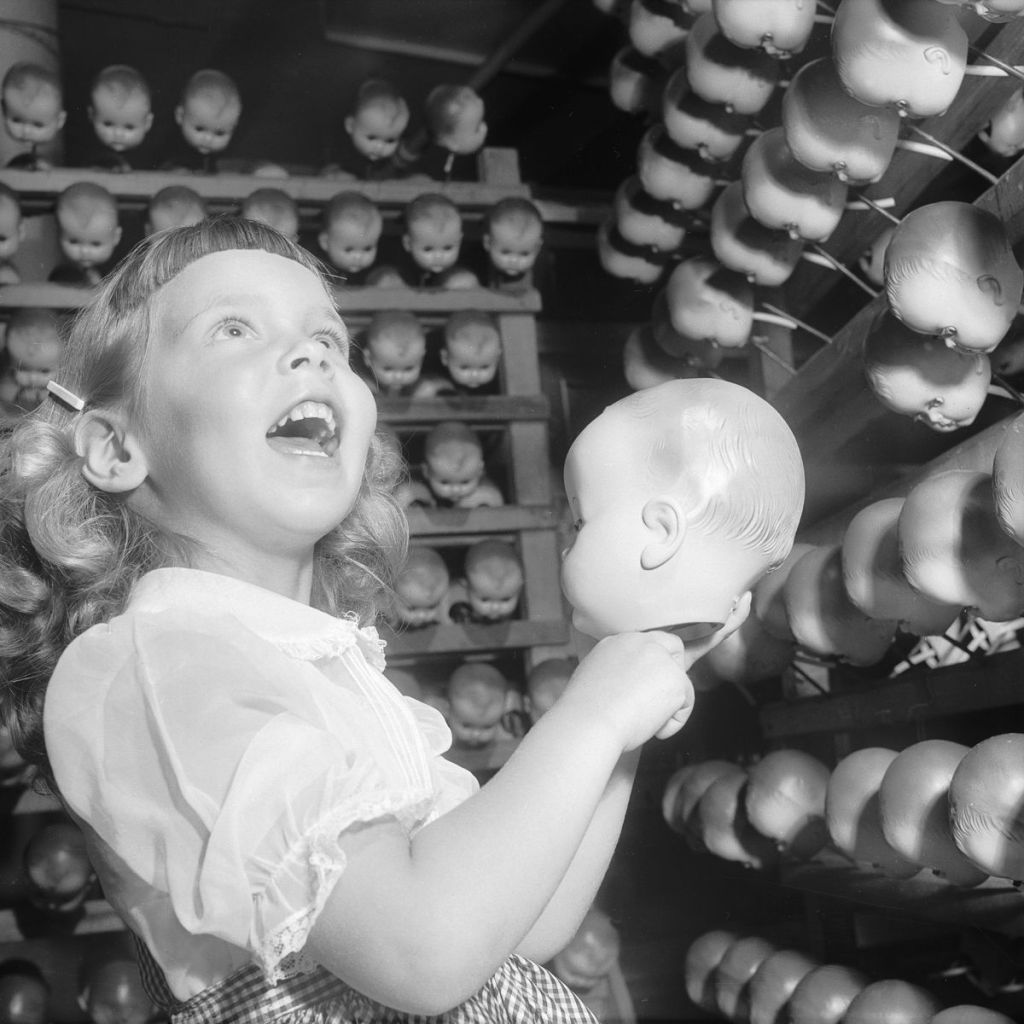
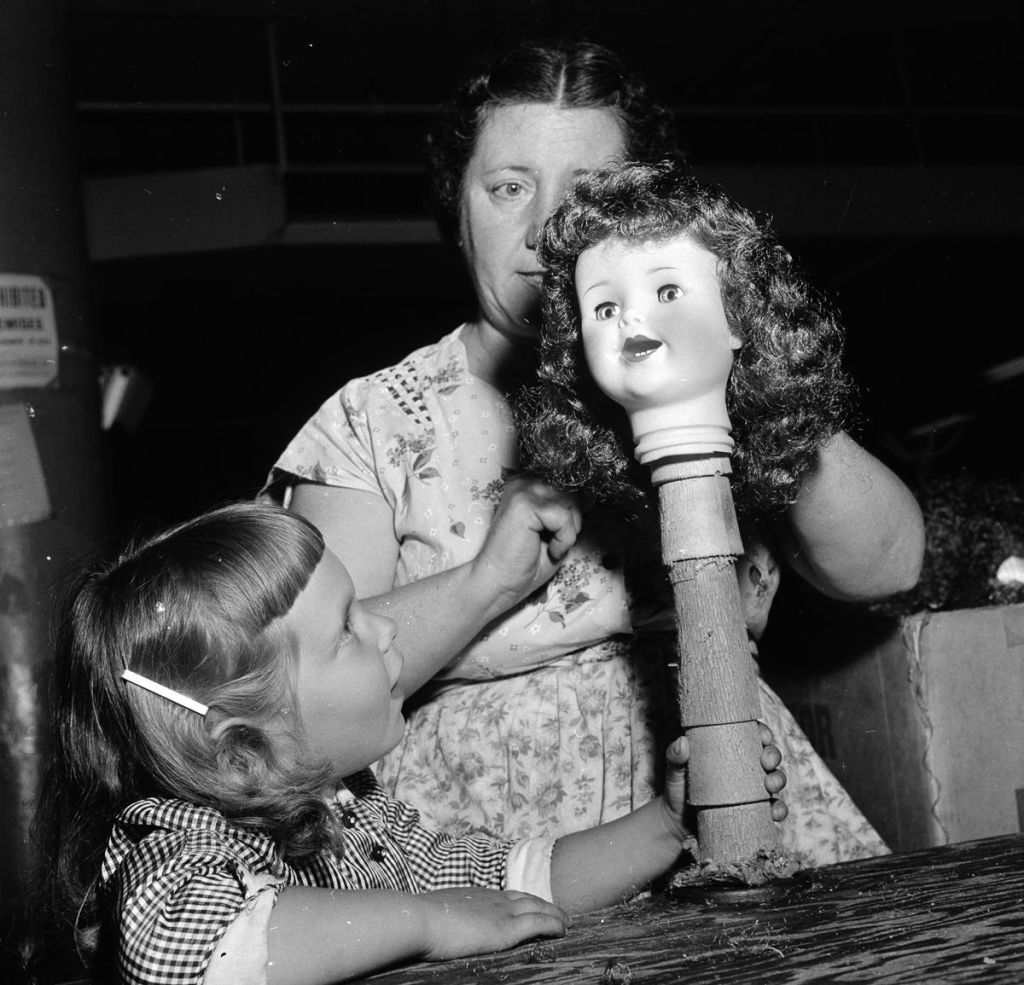
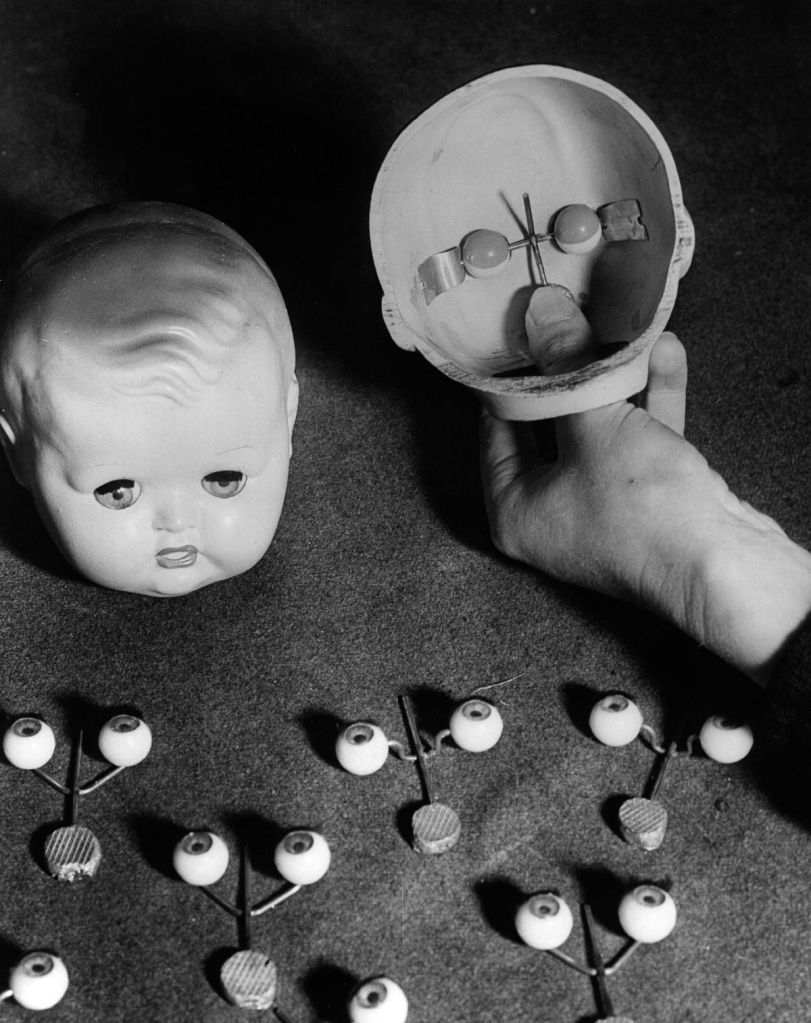
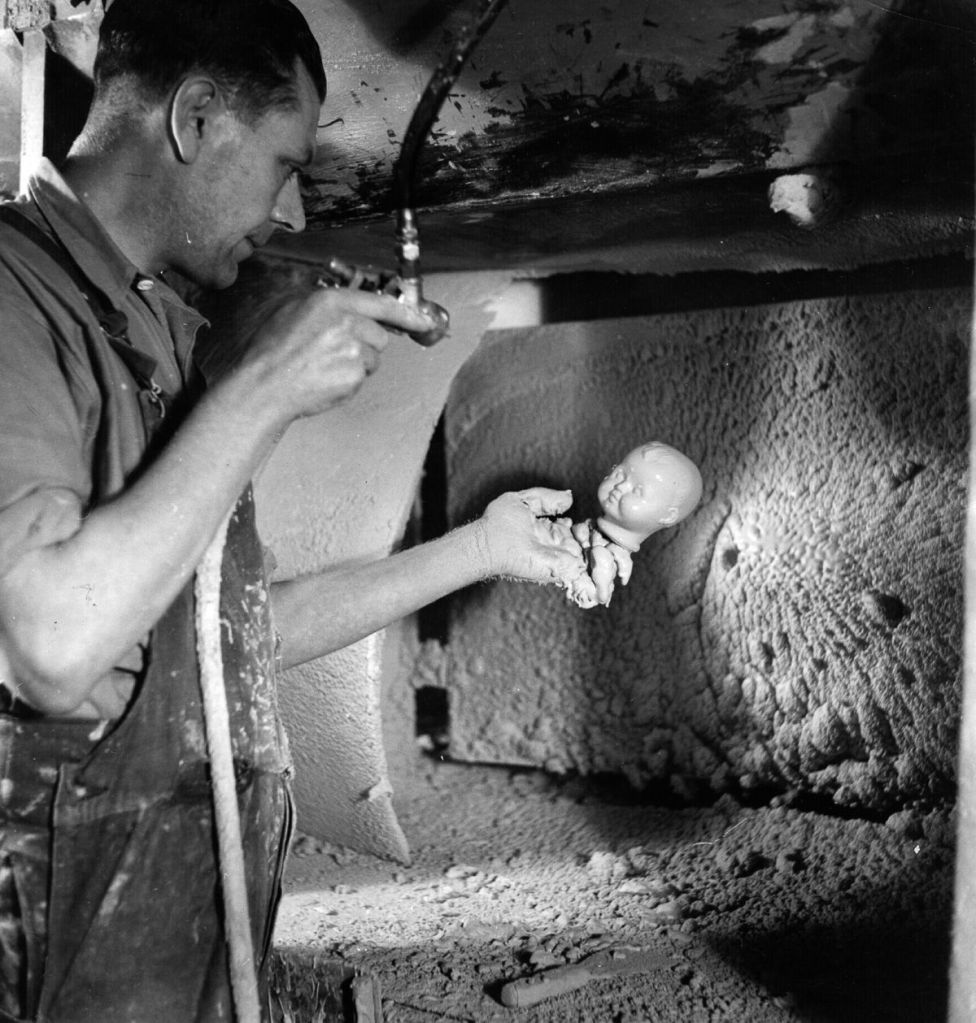
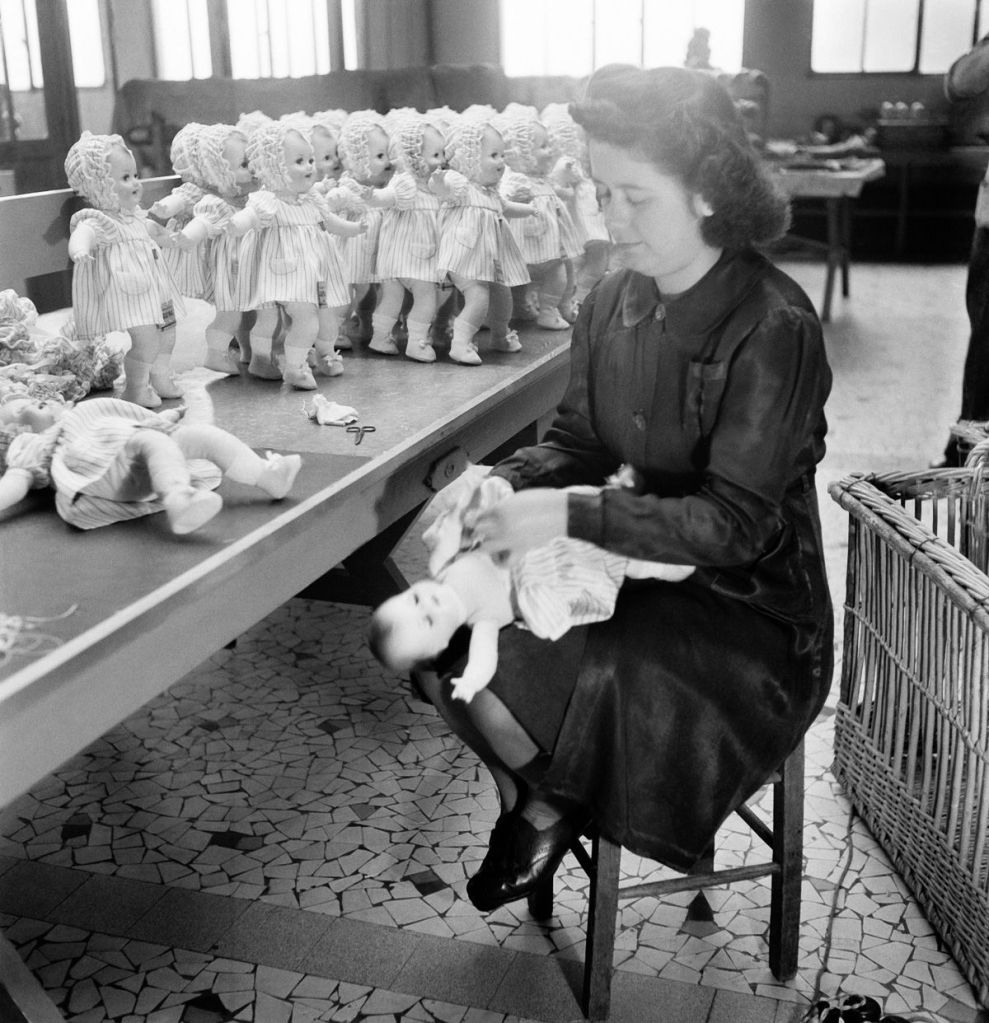
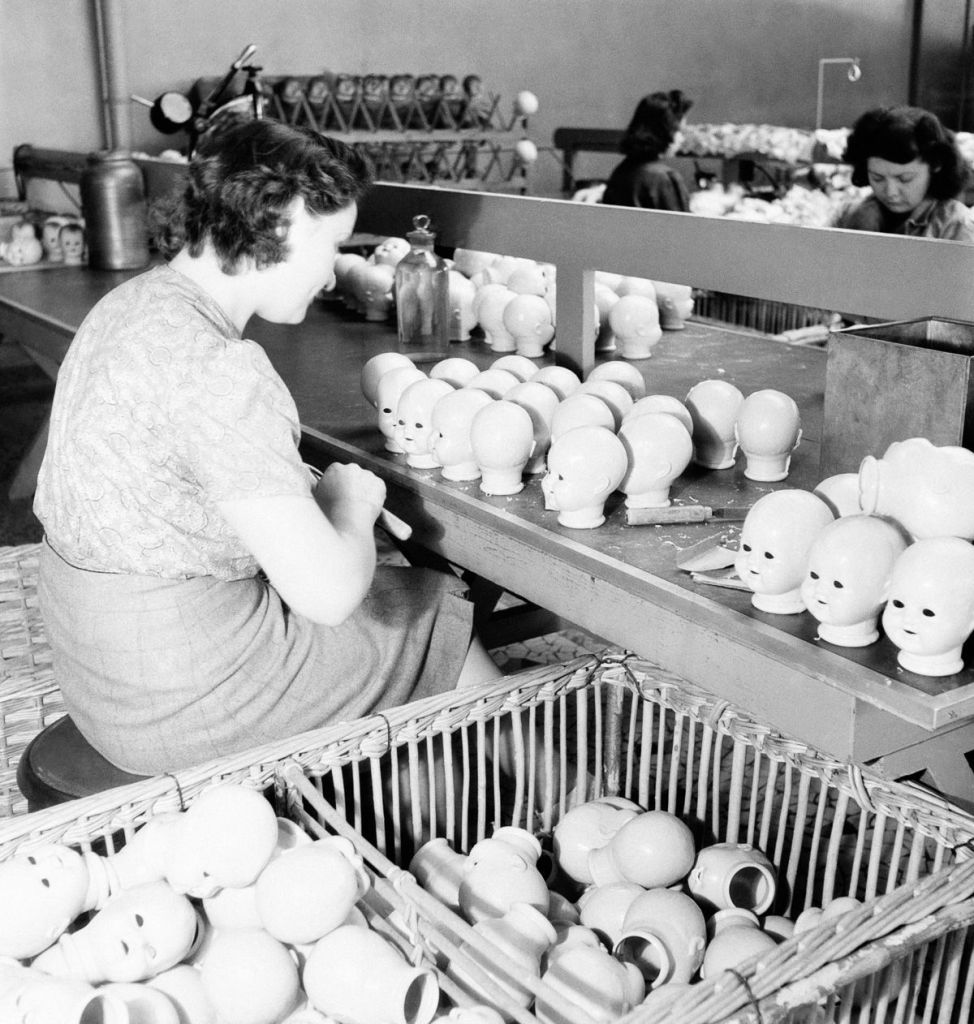
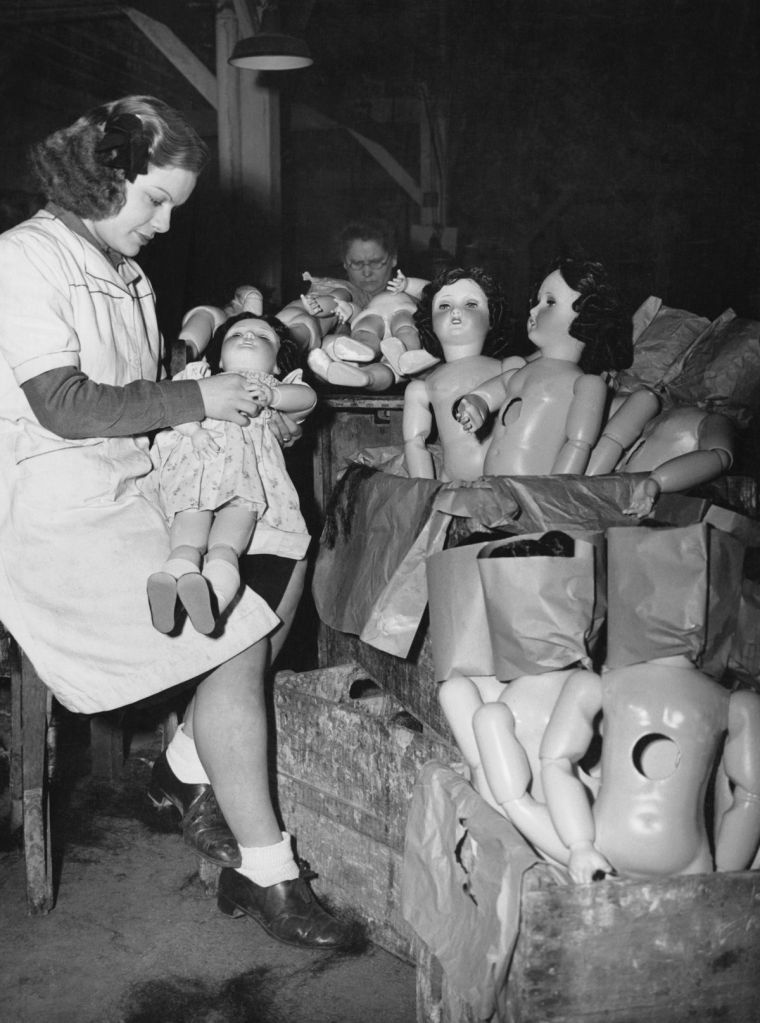
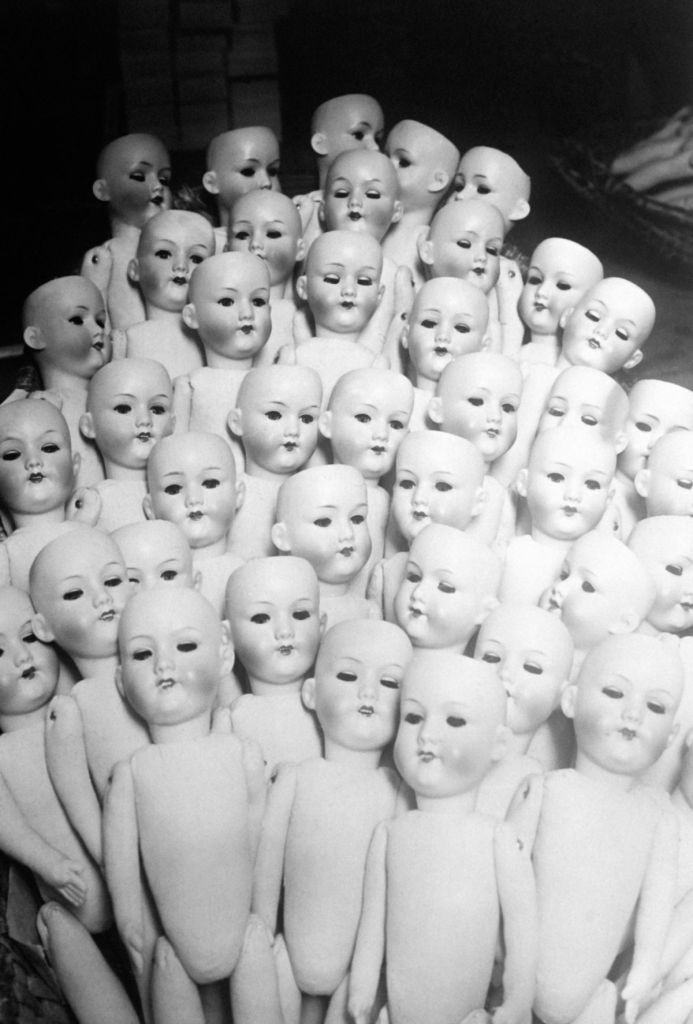
1955Parts of a doll in an injection mould at Cascelloid’s factory in England. 1951Freshly cast doll heads wait to dry. 19471931A worker paints celluloid doll heads at a factory in England. 1935A worker trims the eyelashes on a pair of doll’s eyes. 1949Freshly cast doll legs dry at a factory in England. 19511951Workers test the strength of a doll’s head. 1953Workers stress-test dolls at a factory in Long Island. 1955A worker paints dolls at a factory in England. 1937A worker paints doll’s heads. 1955A girl looks at doll’s heads at a factory on Long Island. 1955Children watch a worker painting doll’s heads at a factory in Long Island. 195619551955Workers style dolls’ hair at a factory in Germany. 1931A worker paints dolls at a factory in Italy. 19501950Doll eyes and heads at a factory in England.A worker sprays a doll head at a factory in England. 1951A worker clothes dolls at a factory in Paris. 1945A factory in France. 1945A worker sprays doll heads at a factory in France. 194519401940
It’s easy to forget that celebrities are real people, especially ones that were before our time. But these vintage driver’s licenses of celebs show us that whoever you are, you still need the right papers to ride your own cars.
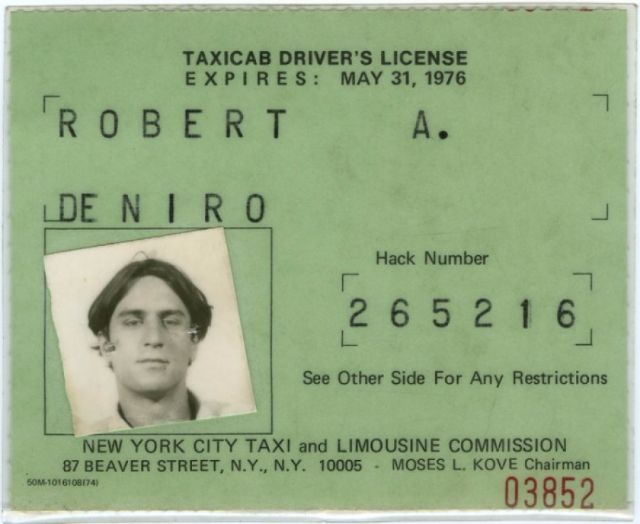
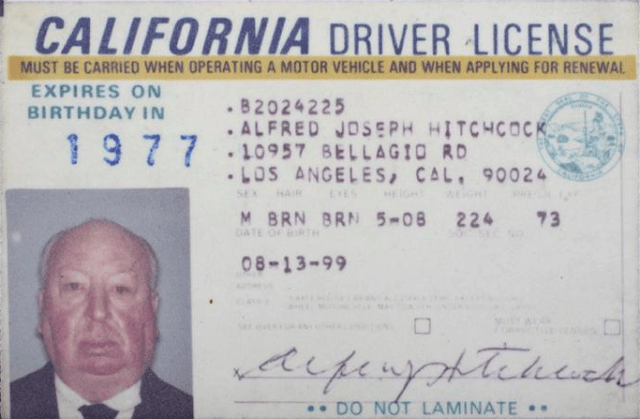
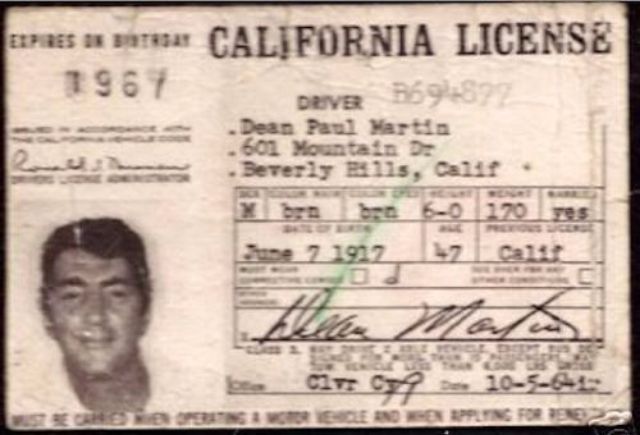
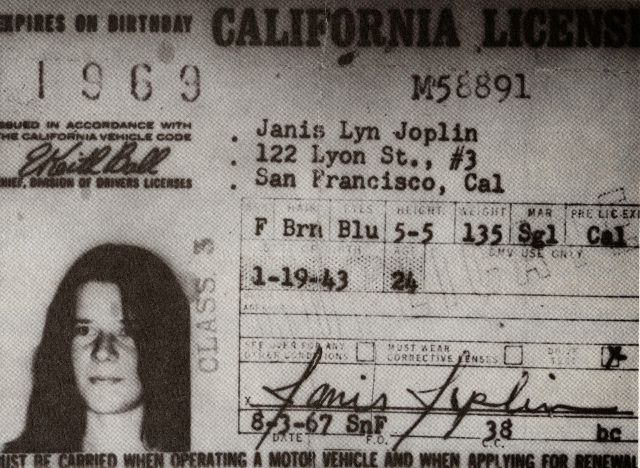
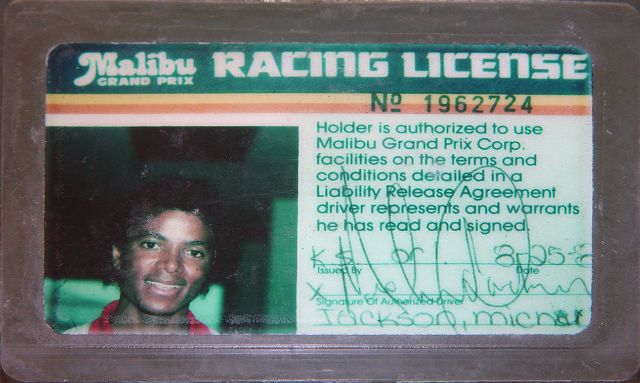
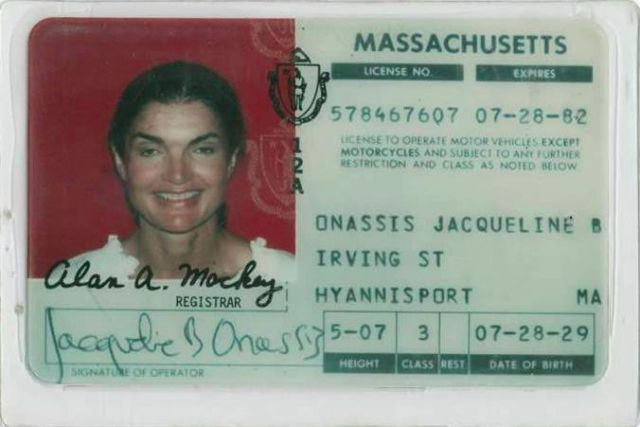
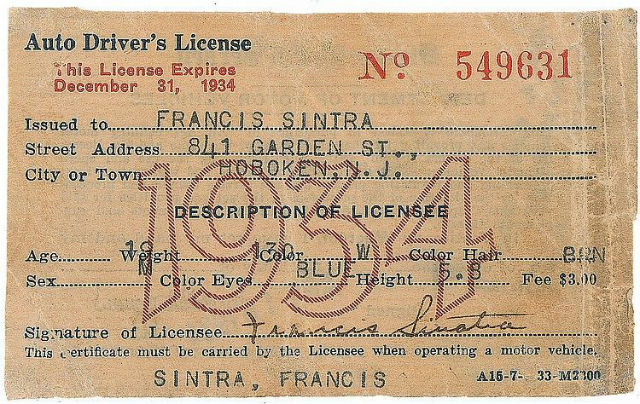
Johnny Cash’s California driver’s license issued in 1964.Robert De Niro’s taxicab licence from 1976.California driver’s license allegedly issued to Charles Manson in 1967.California driver’s license for one Alfred Joseph Hitchcock, which was sold for at auction back in 2008 for a mere $8,000.California driver’s license issued to Dean Paul Martin in 1967.James Brown has the cheeriest driver’s license photo ever!Janis Joplin’s driver’s license.Davy Jones of the Monkees.Steven Tyler of Aerosmith (aka Steven Tallarico) and his diver’s—not drivers, diver’s—license issued in Hawaii in 1987.A young Michael Jackson’s Malibu Grand Prix Racing license.Rue McClanahan the actress who played badass Blanche Devereaux on the television series ‘The Golden Girls.’When you are Jacqueline Kennedy, you don’t need to list your weight on your driver’s license…Liberace! This one was sold in an auction in 1988 for $4,188.A 1934 driver’s license issued to Francis Sinatra, before he got his first big break in the music industry.The Last Driver’s License of John Wayne, 1977. Issued by the State of California on “May 12, 1977.”Jim Morrison’s driver license
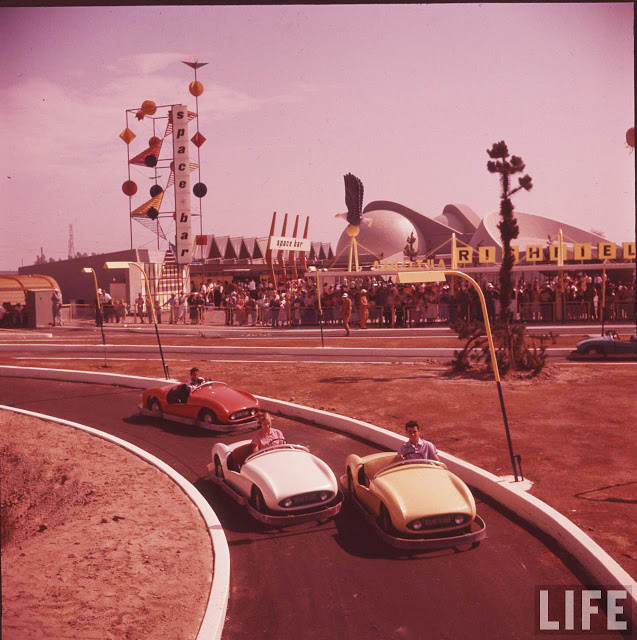
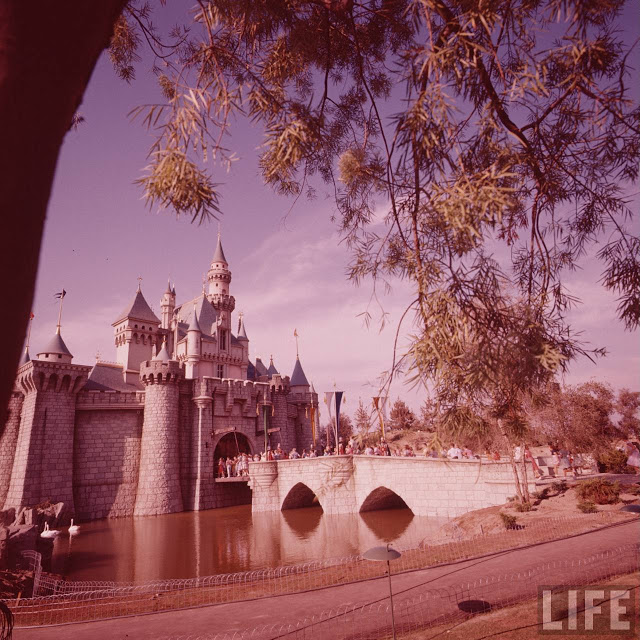
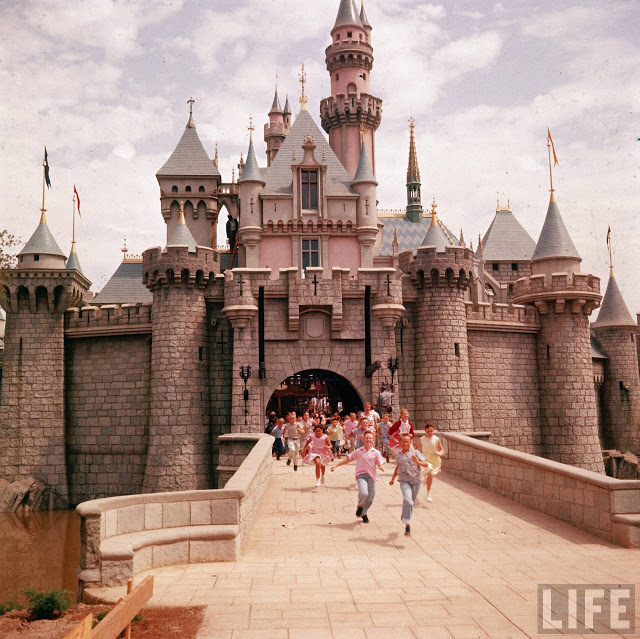
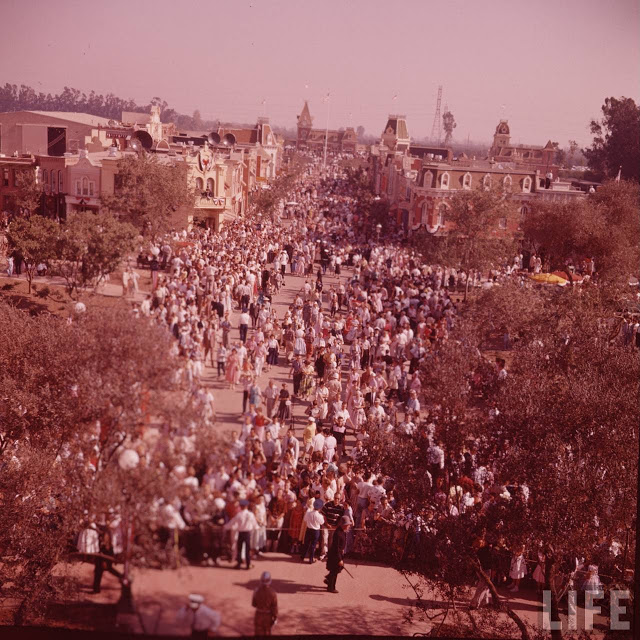
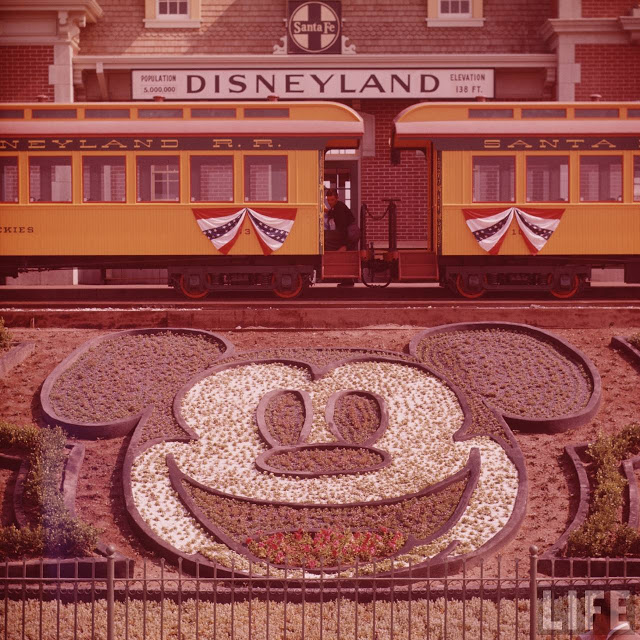
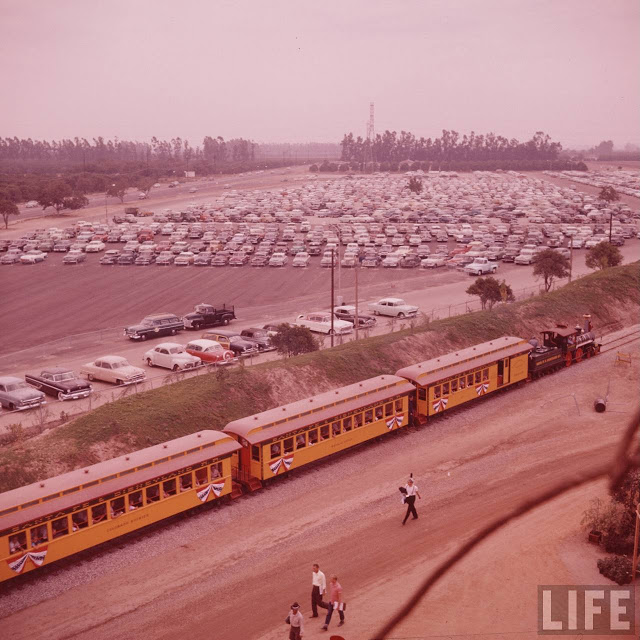
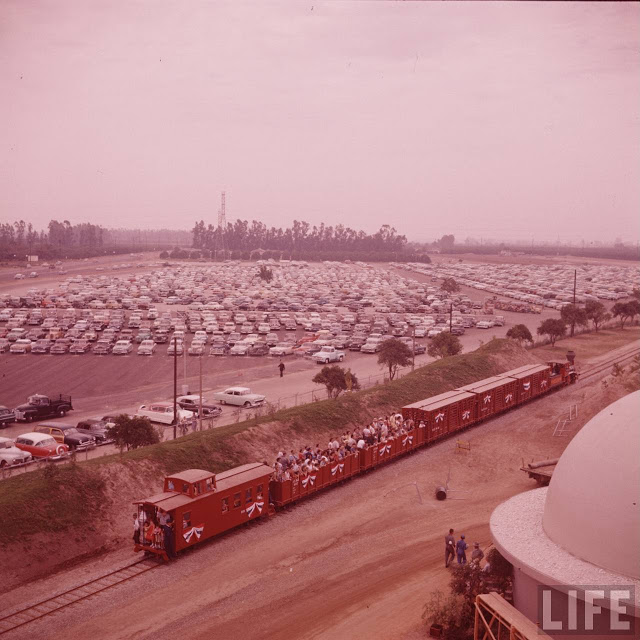
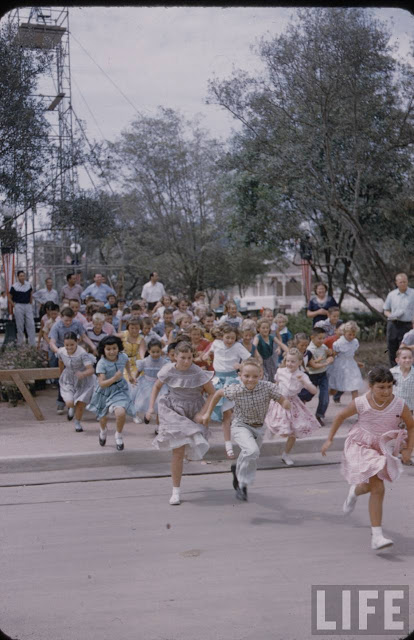
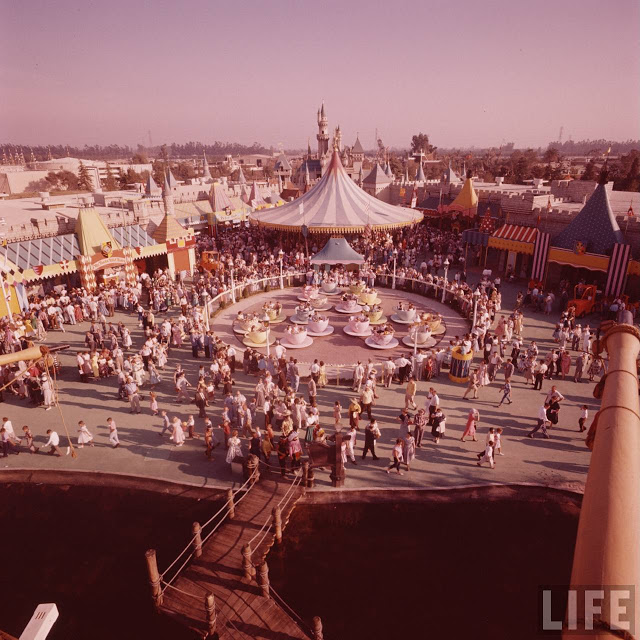
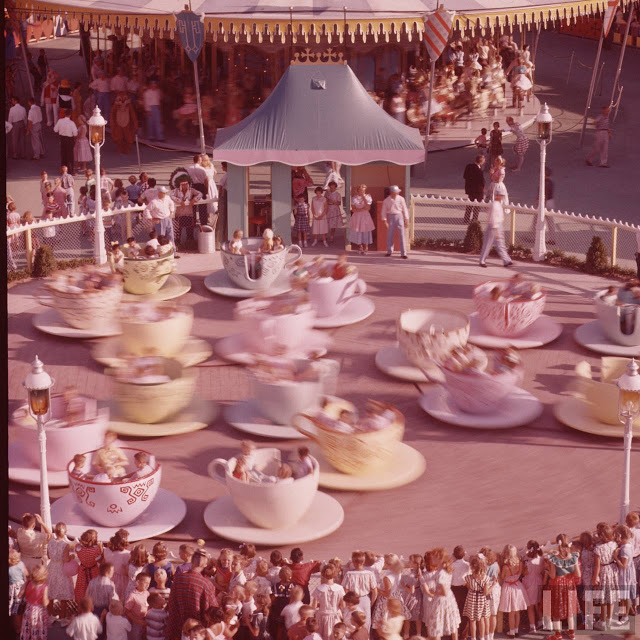
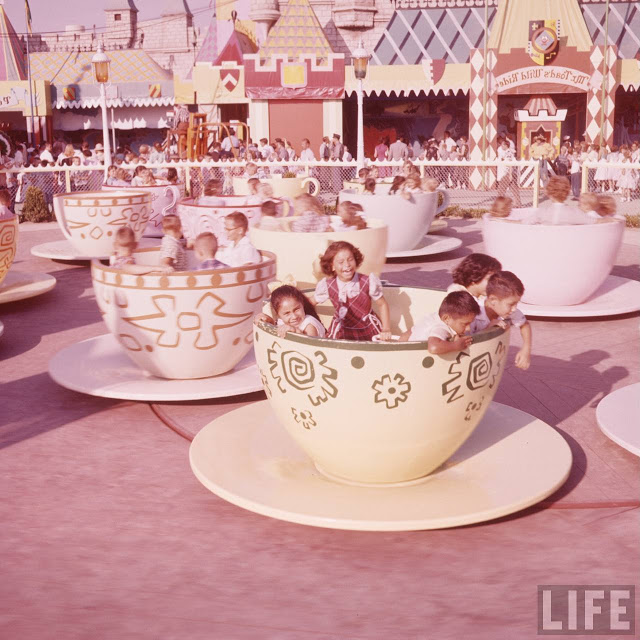
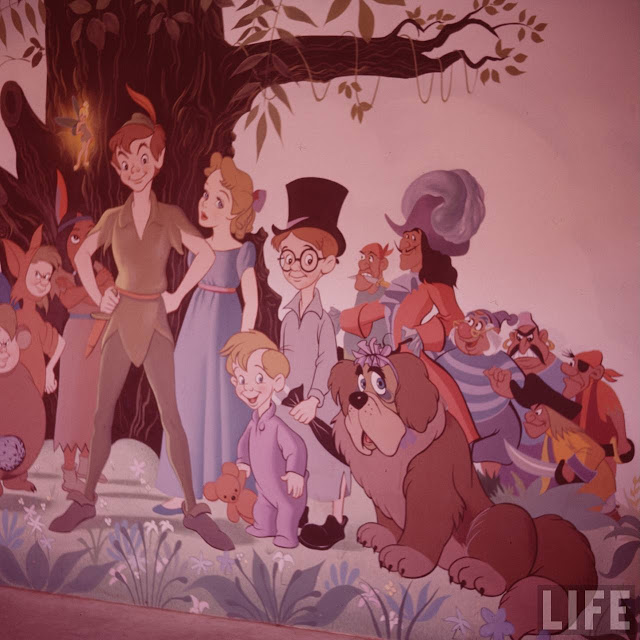
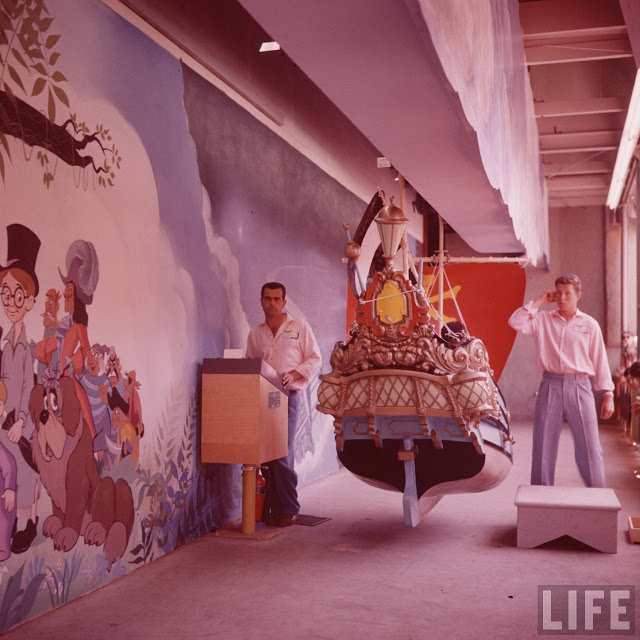
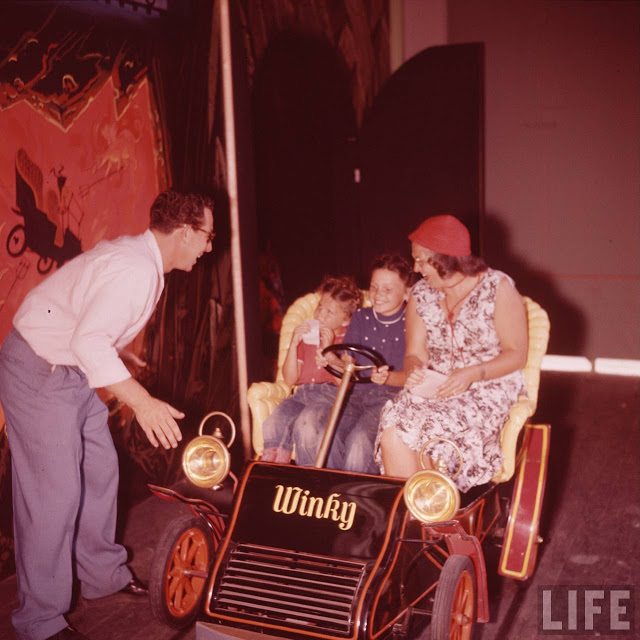
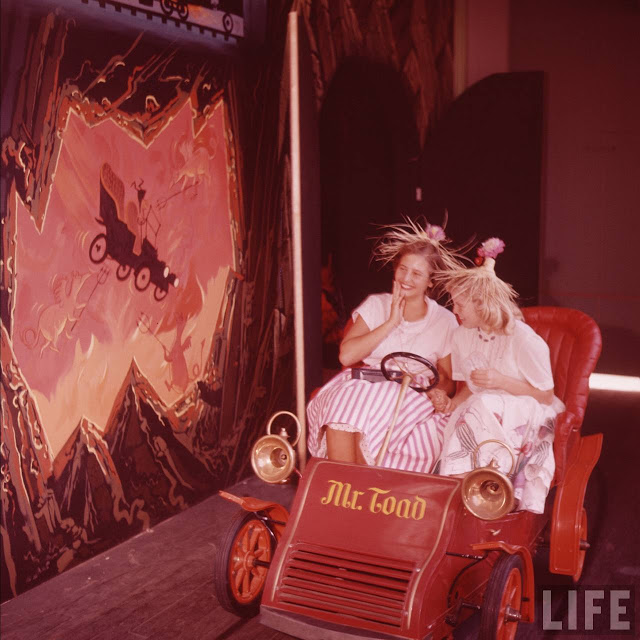
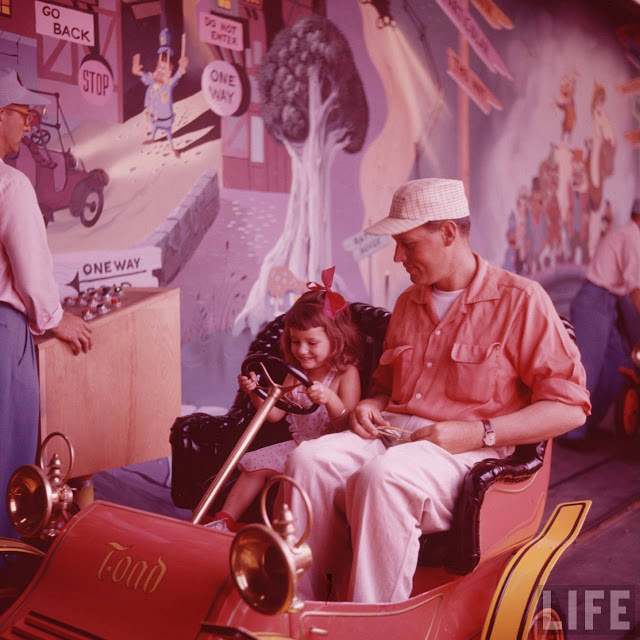
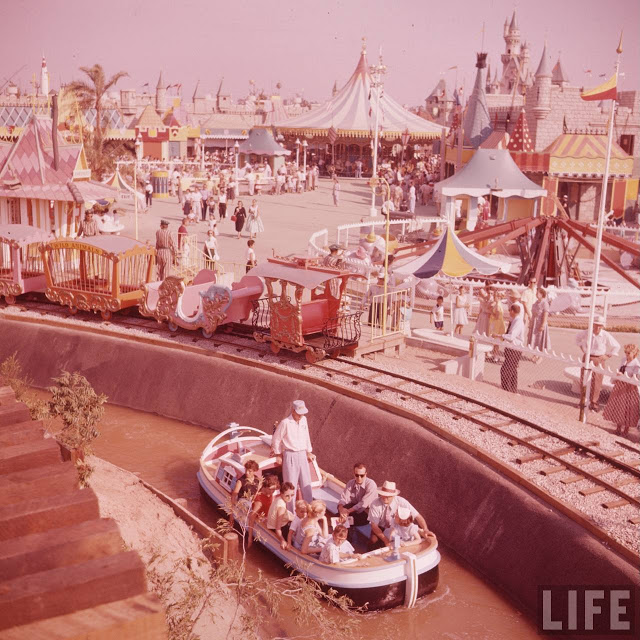
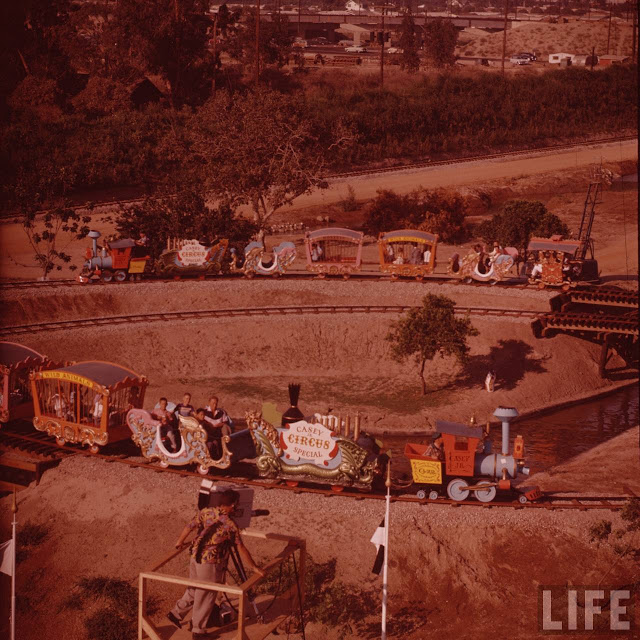
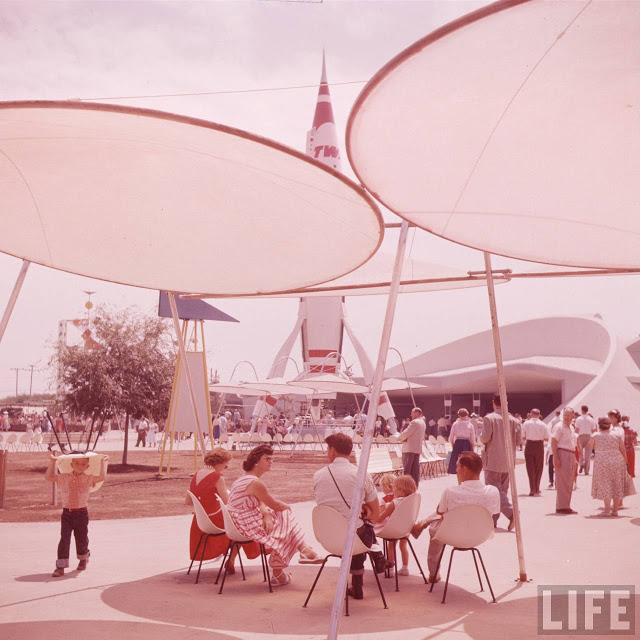
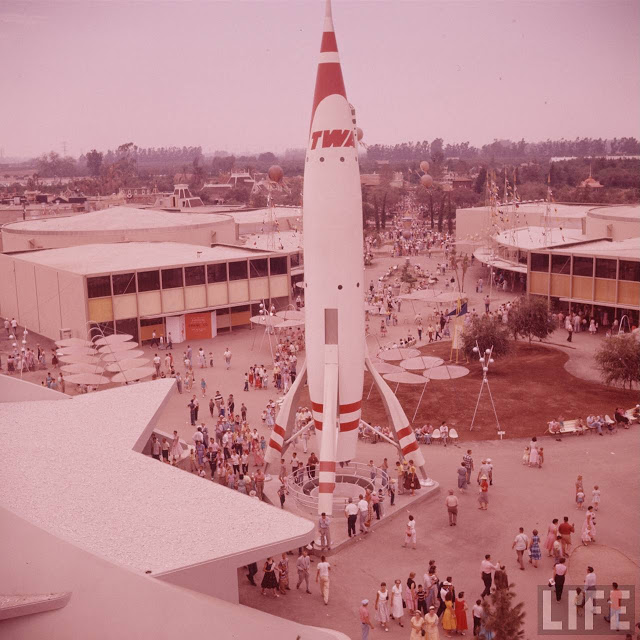
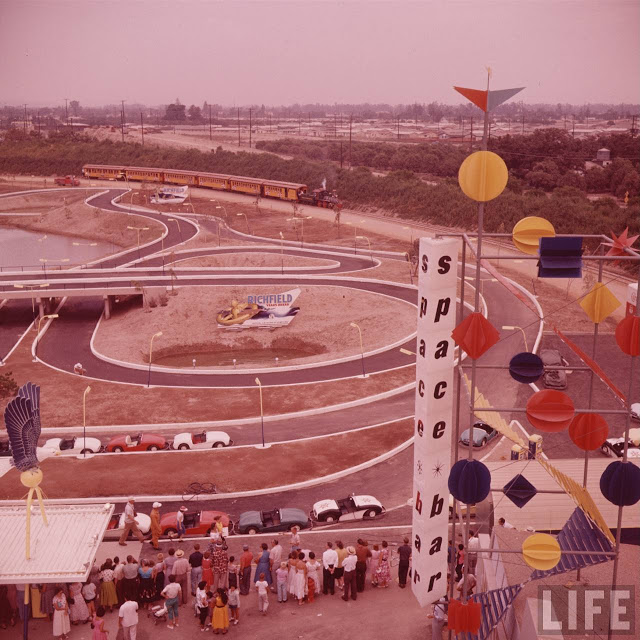
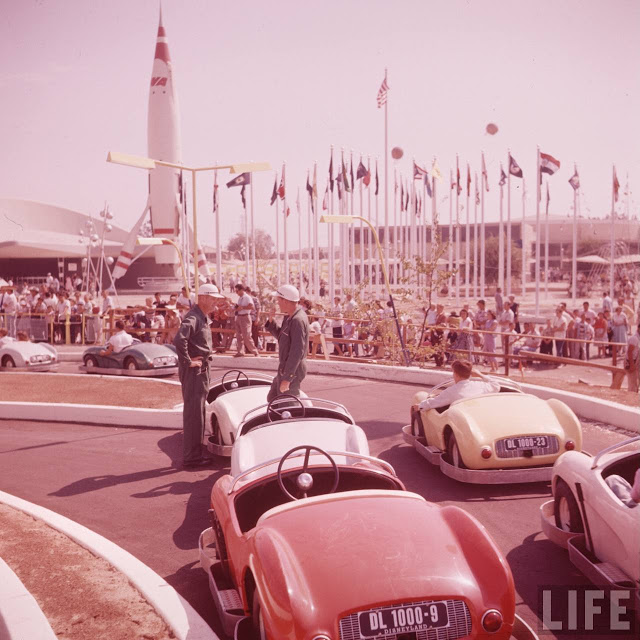
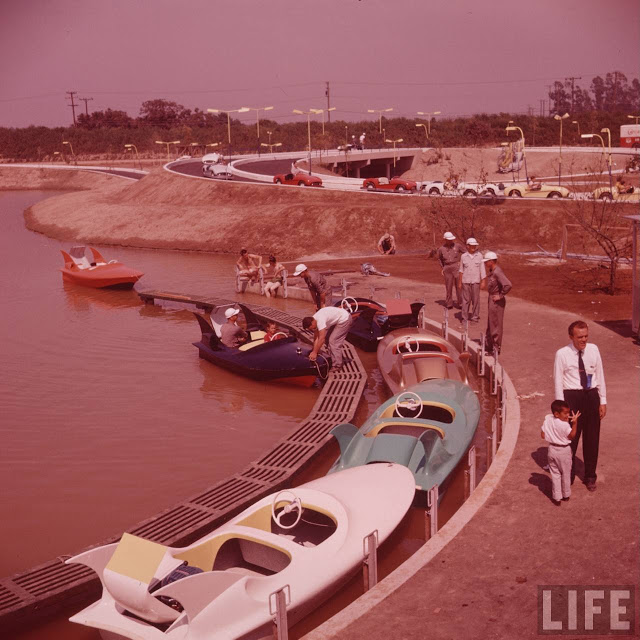
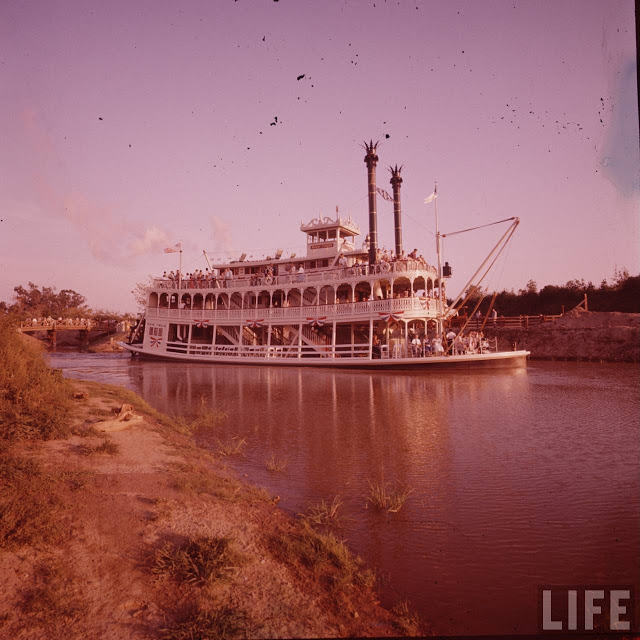
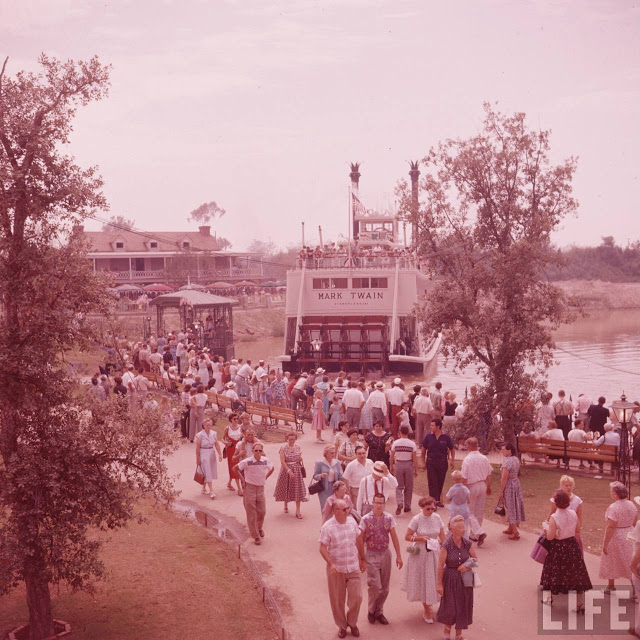
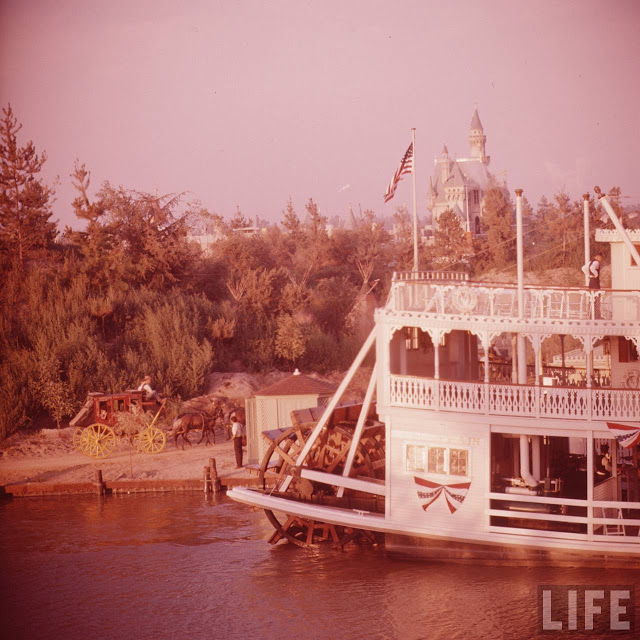
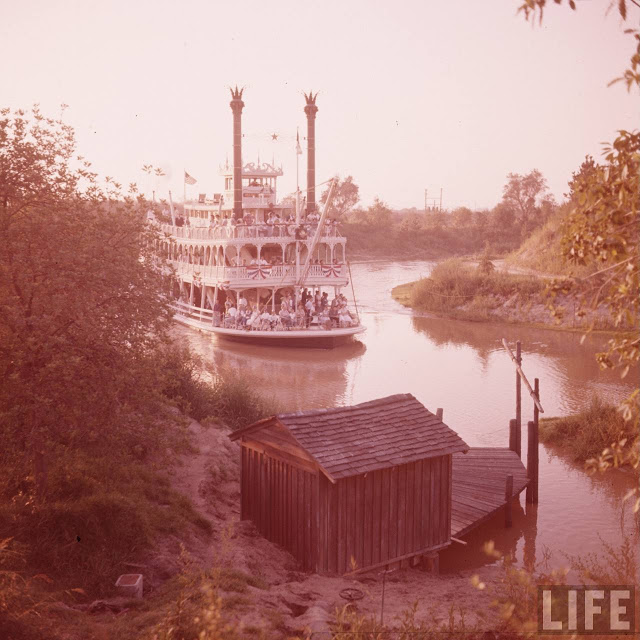
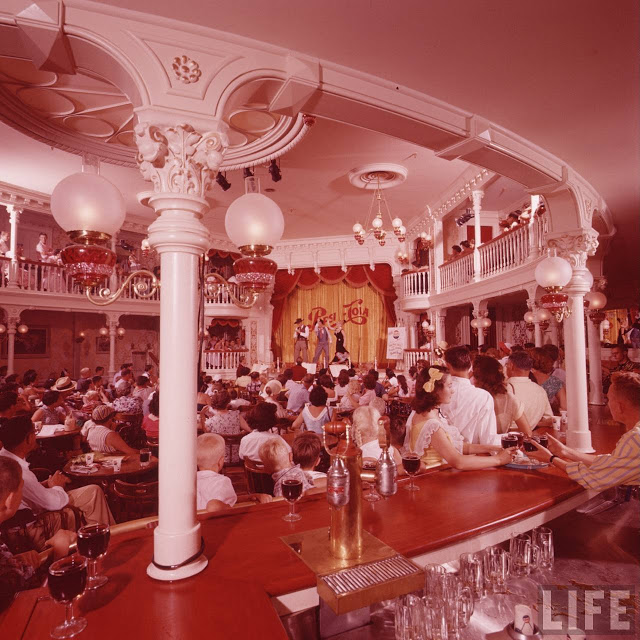
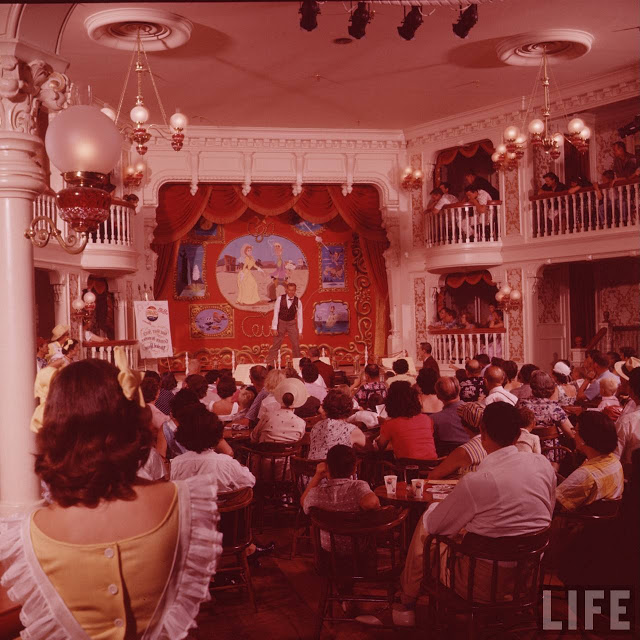
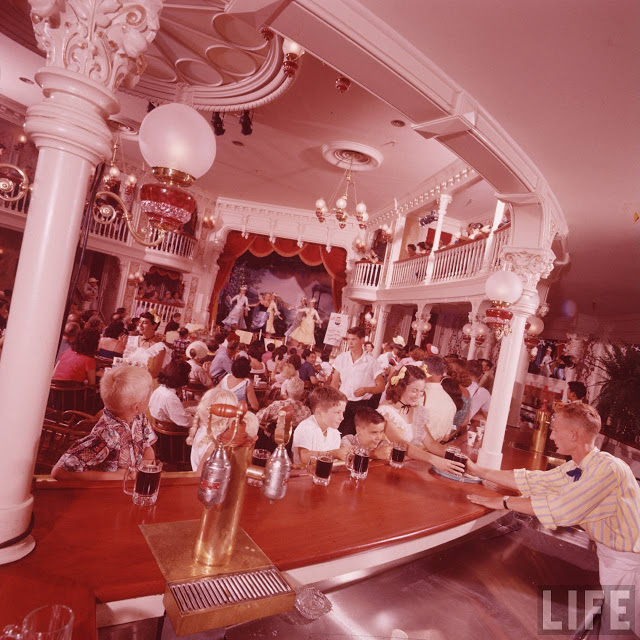
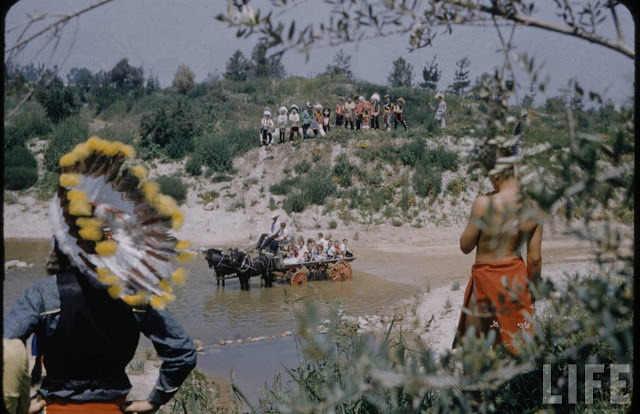
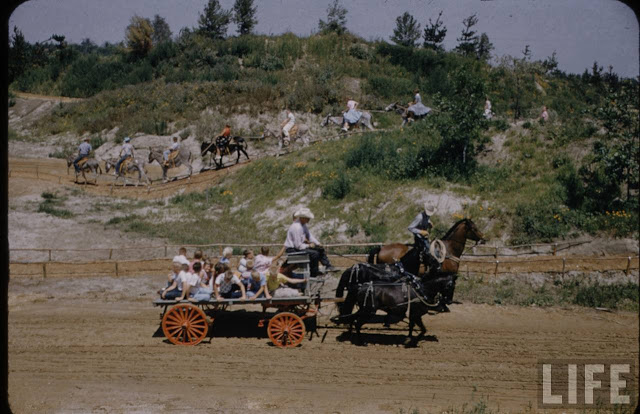
Few smiles could be found at the “Happiest Place on Earth” when Disneyland opened its gates for the first time on July 17, 1955. Epic traffic jams, counterfeit tickets, broken rides, food shortages and a lack of water on a 100-degree day all plagued the theme park’s unveiling.
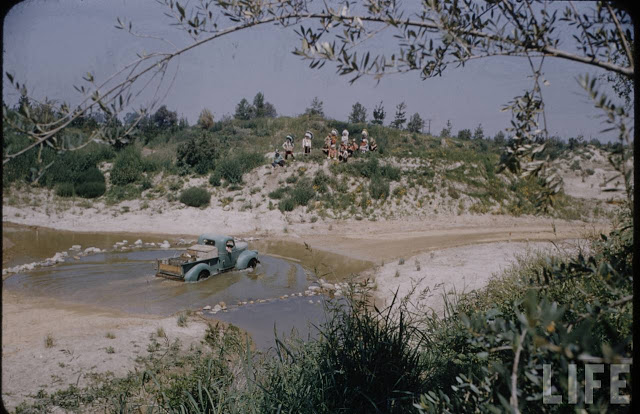
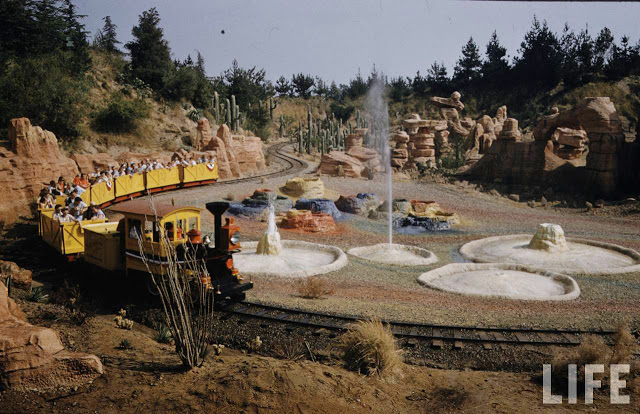
Below is a gallery of 60 amazing color photographs capture Disneyland on its opening day in 1955. These photos were taken by LIFE photographers Allan Grant and Loomis Dean.
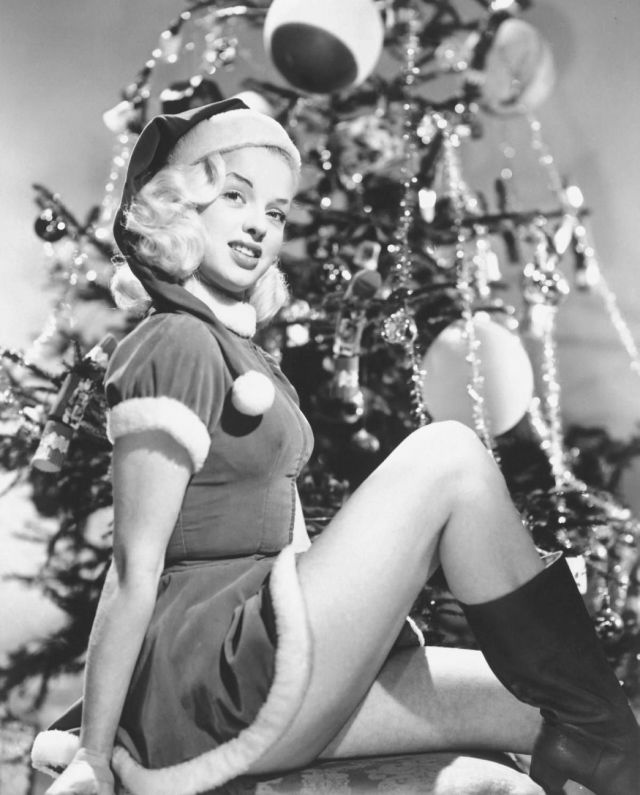
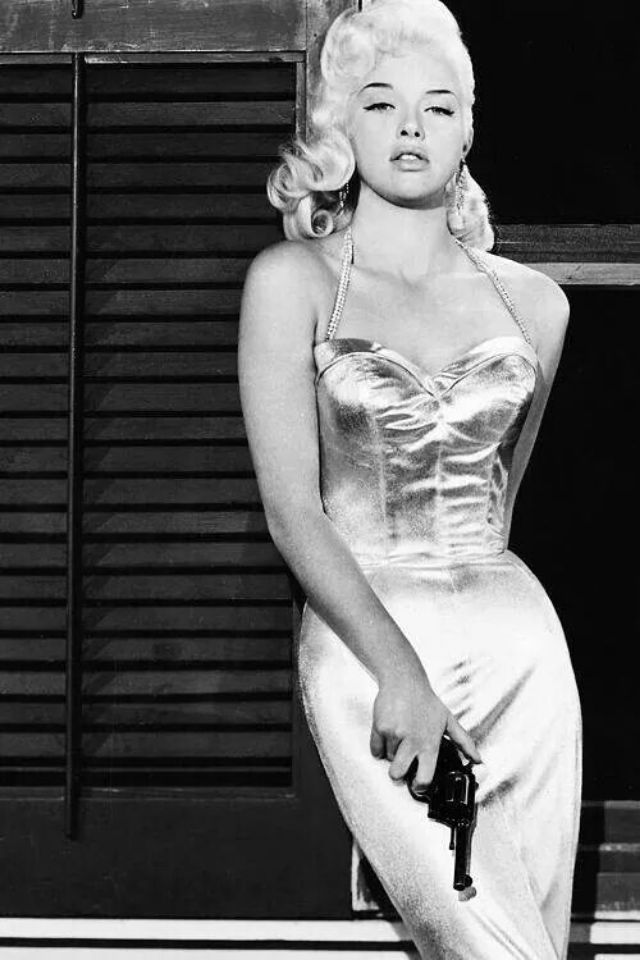
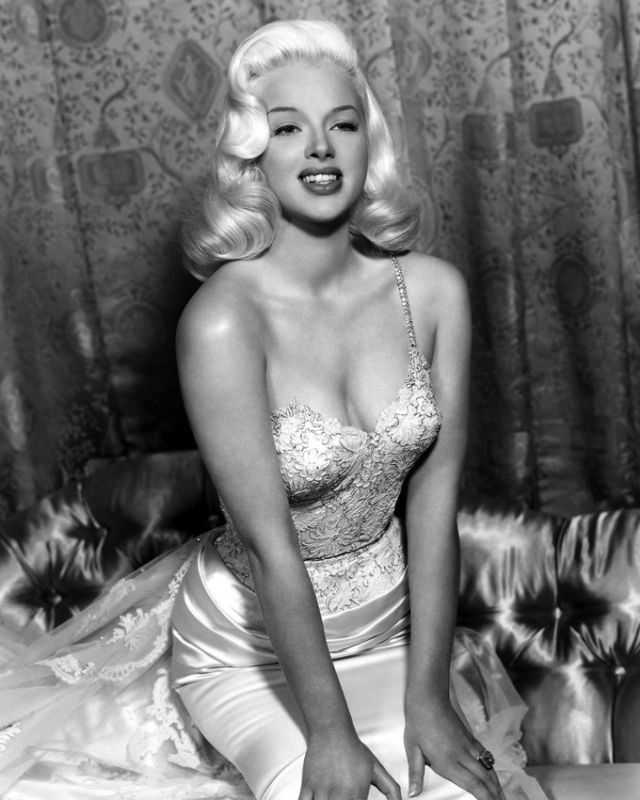
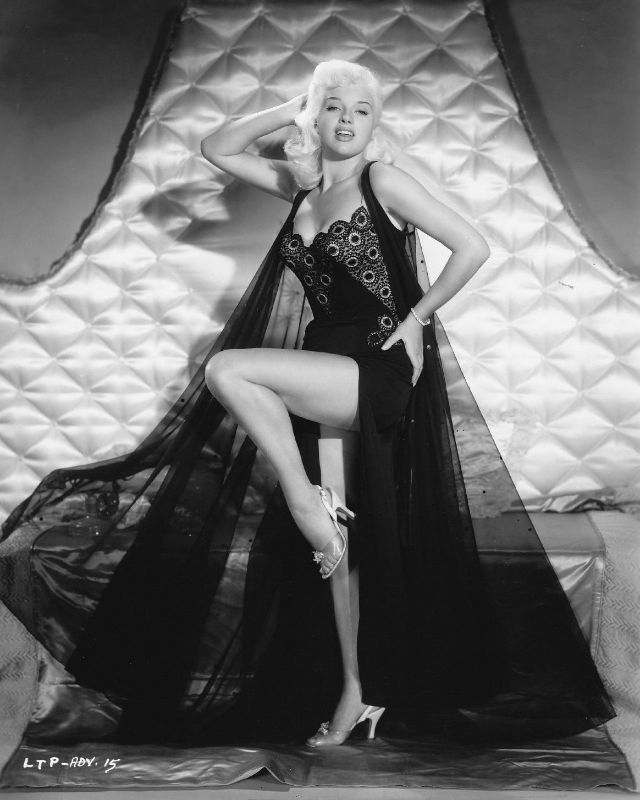
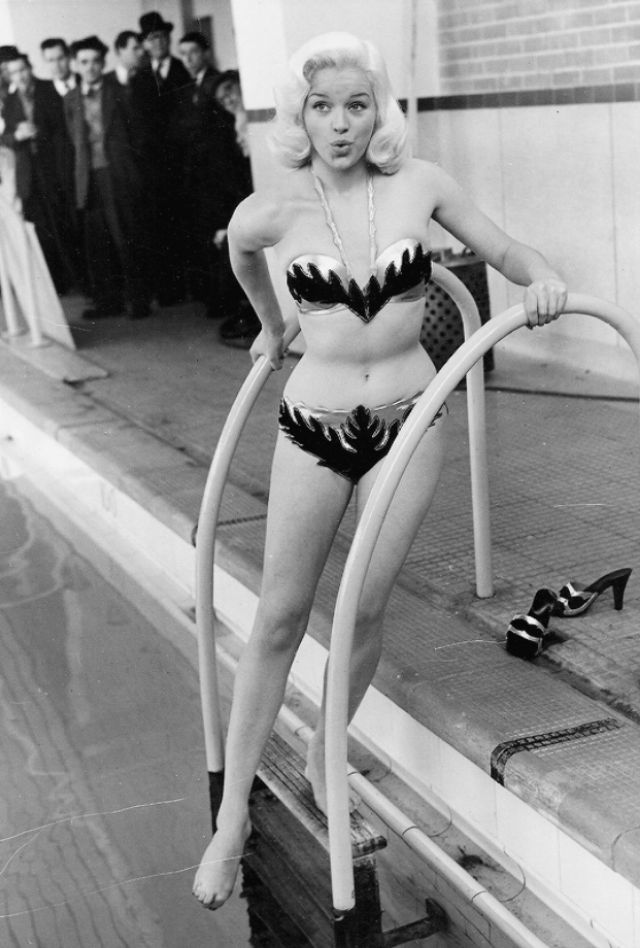
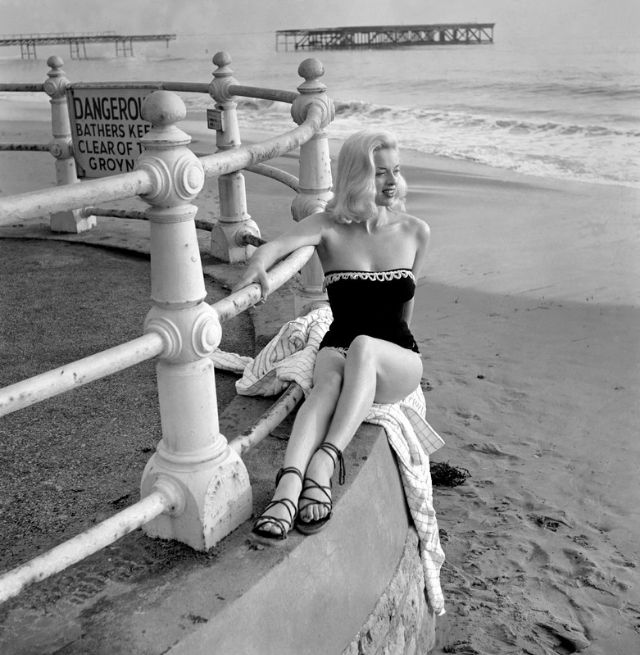
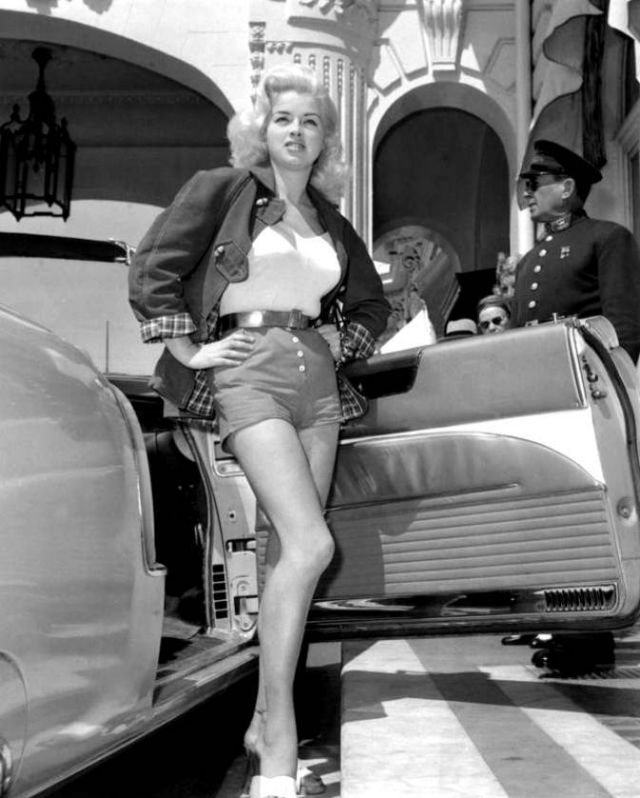
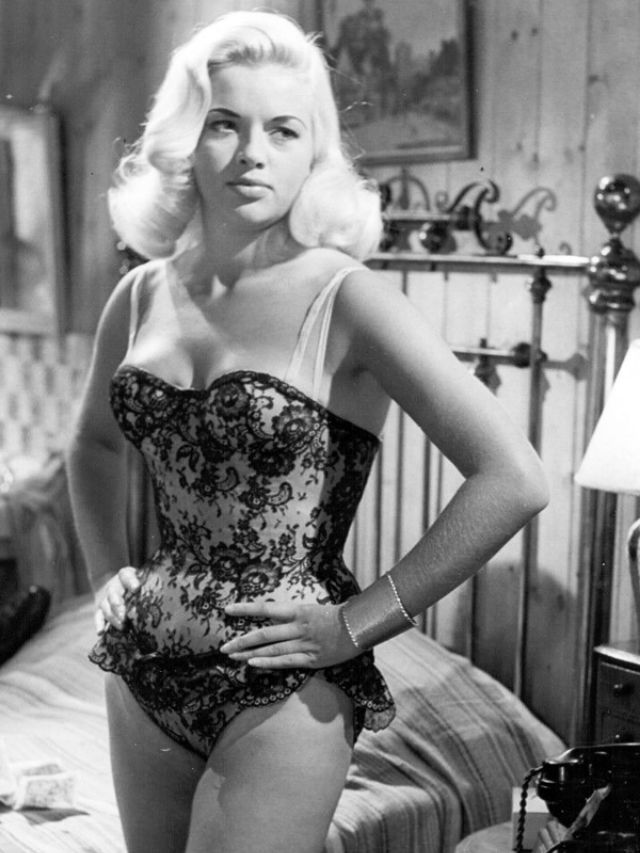
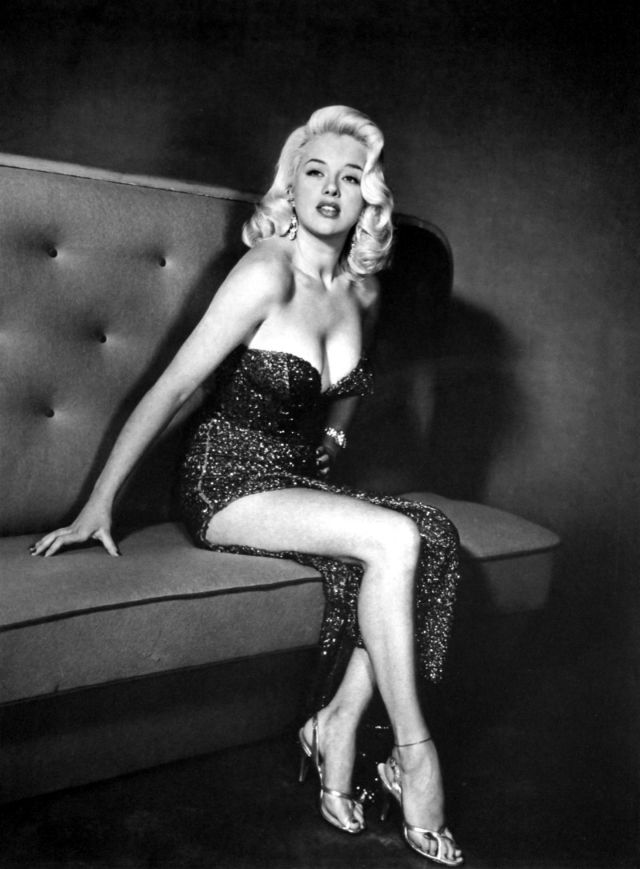
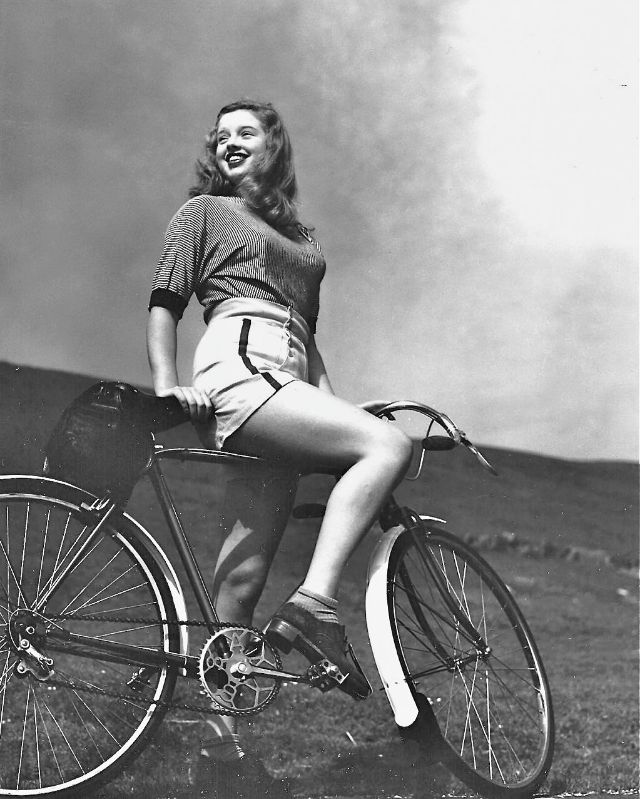
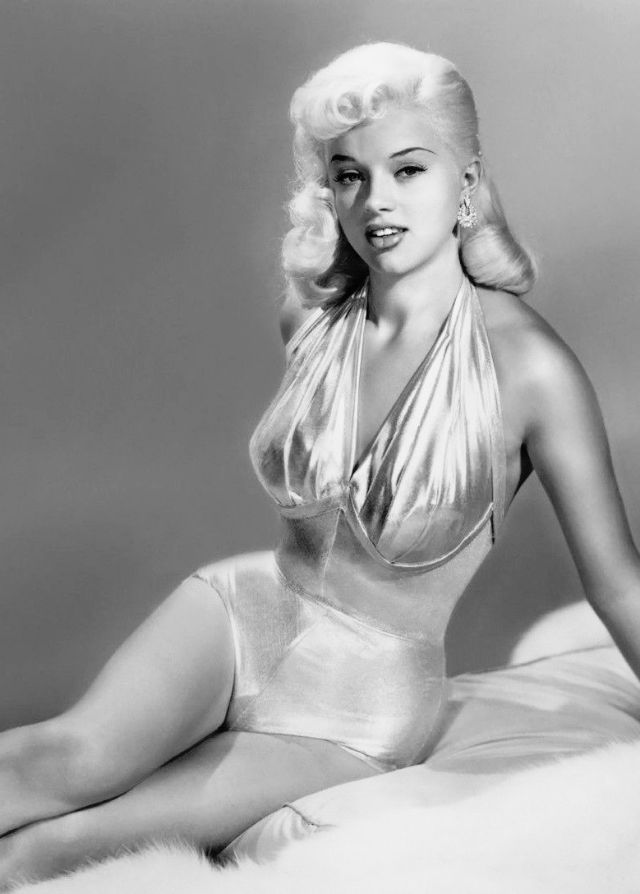
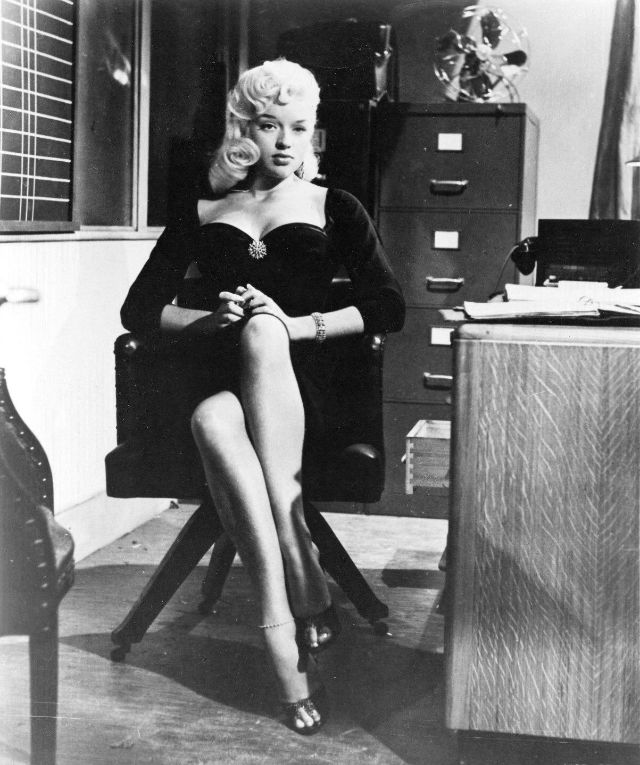
Diana Dors was born Diana Mary Fluck on October 23, 1931 in Swindon, Wiltshire, England. She and her mother both nearly died from the traumatic birth. Because of the trauma, her mother lavished on Diana anything and everything she wanted–clothes, toys and dance lessons were the order of the day.
Diana’s love of films began when her mother took her to the local movies theaters. The actresses on the screen caught Diana’s attention and she said, herself, that from the age of three she wanted to be an actress. She was educated in the finest private schools, much to the chagrin of her father (apparently he thought private education was a waste of money). Physically, Diana grew up fast. At age 12, she looked and acted much older than what she was. Much of this was due to the actresses she studied on the silver screen and Diana trying to emulate them. She wanted nothing more than to go to the United States and Hollywood to have a chance to make her place in film history. After placing well in a local beauty contest, Diana was offered a role in a thespian group (she was 13).
The following year, Diana enrolled at the London Academy of Music and Dramatic Arts (LAMDA) to hone her acting skills. She was the youngest in her class. Her first fling at the camera was in Code of Scotland Yard (1947). She did not care that it was a small, uncredited role; she was on film and at age 16, that’s all that mattered. That was quickly followed by Dancing with Crime (1947), which consisted of nothing more than a walk-on role. Up until this time, Diana had pretended to be 17 years old (if producers had known her true age, they probably would not have let her test for the role). However, since she looked and acted older, this was no problem. Diana’s future dawned bright in 1948, and she appeared in no less than six films. Some were uncredited, but some had some meat to the roles. The best of the lot was the role of Charlotte in the classic Oliver Twist (1948). Throughout the 1950s, she appeared in more films and became more popular in Britain. Diana was a pleasant version of Marilyn Monroe, who had taken the United States by storm. Britain now had its own version.
Diana continued to play sexy sirens and kept seats in British theaters filled. She really came into her own as an actress. She was more than a woman who exuded her sexy side, she was a very fine actress as her films showed. As the 1960s turned into the 1970s, she began to play more mature roles with an effectiveness that was hard to match. Films such as Craze (1974), Swedish Wildcats (1972), The Amorous Milkman (1975) and Three for All (1975) helped fill out her resume. After filming Steaming (1985), Diana was diagnosed with cancer, which was too much for her to overcome. The British were saddened when word came of her death at age 52 on May 4, 1984 in Windsor, Berkshire, England.
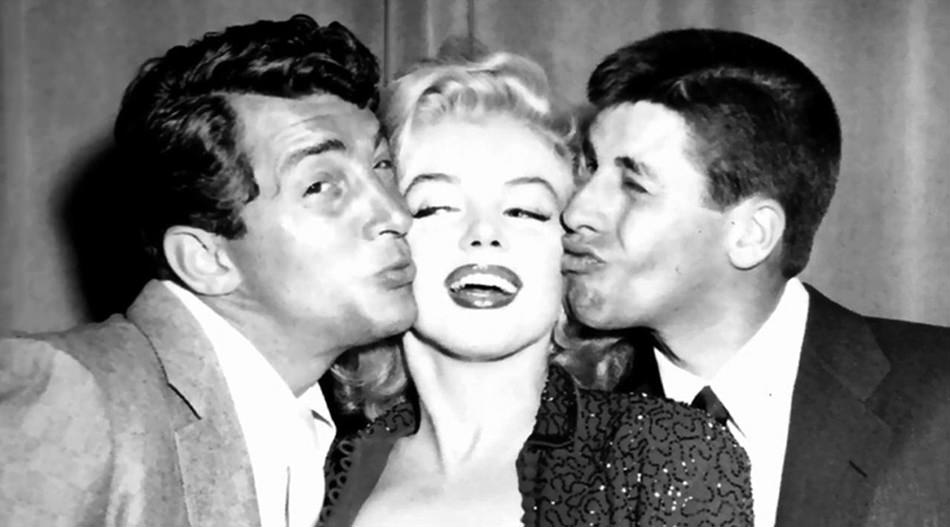
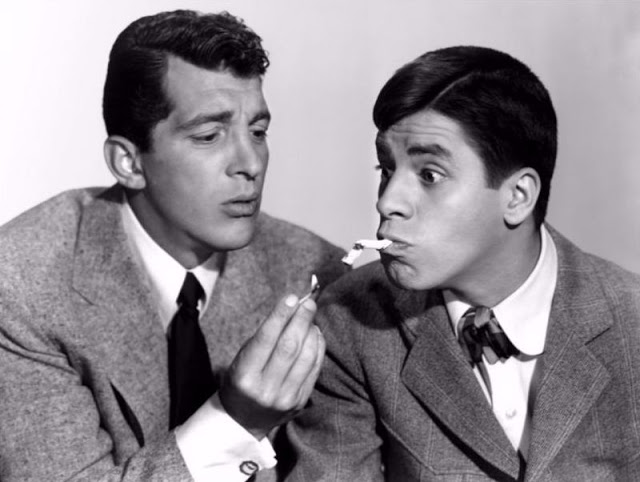
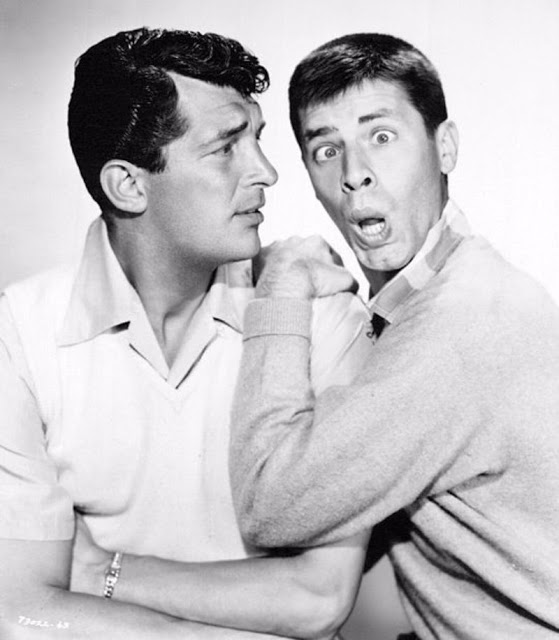
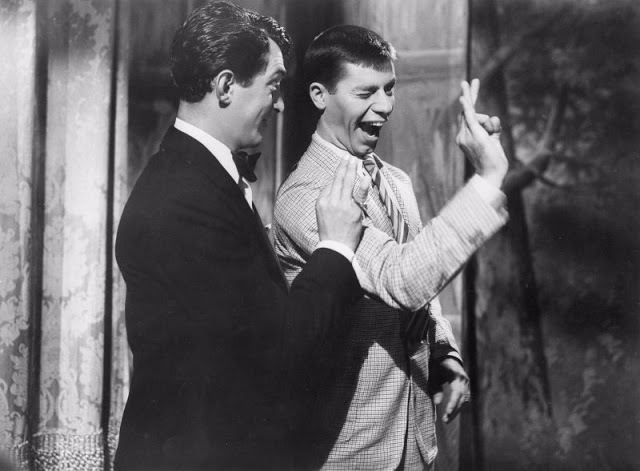
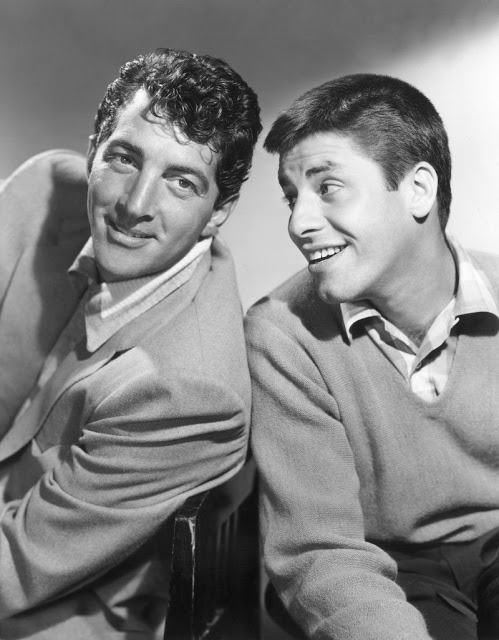
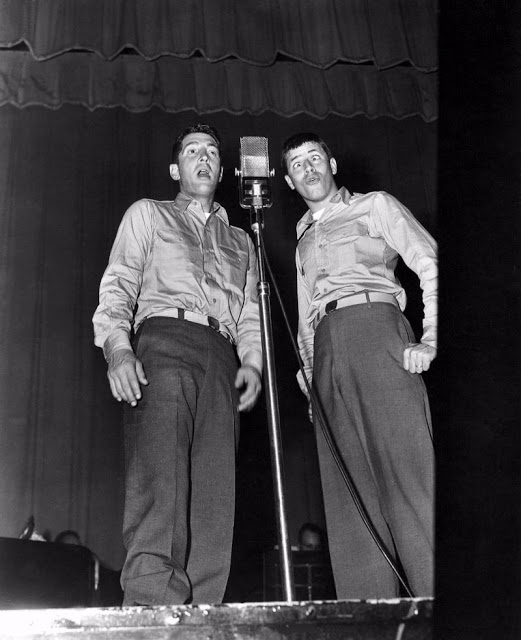
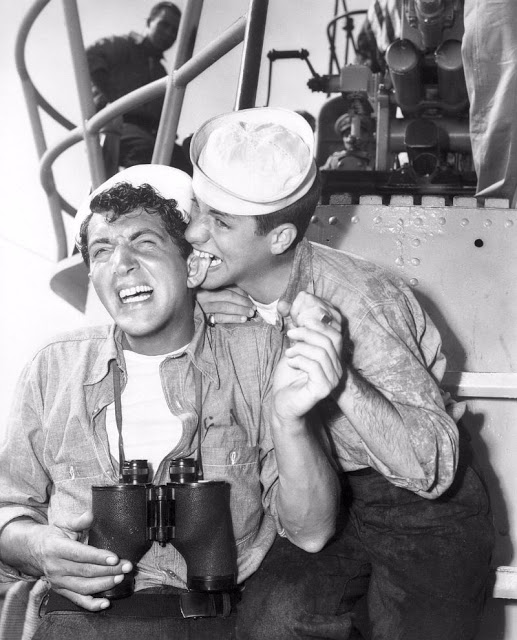
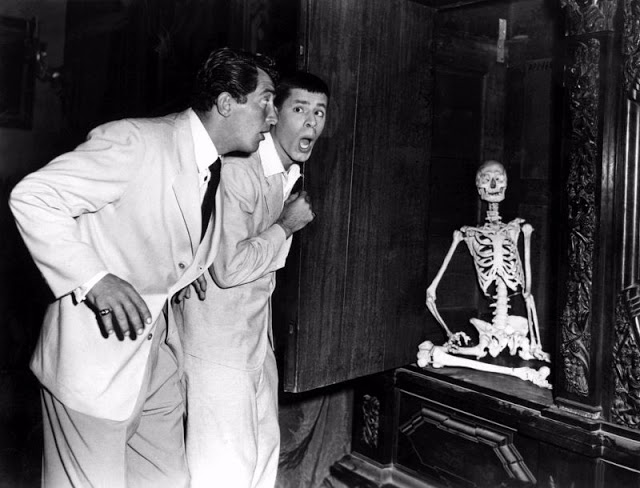
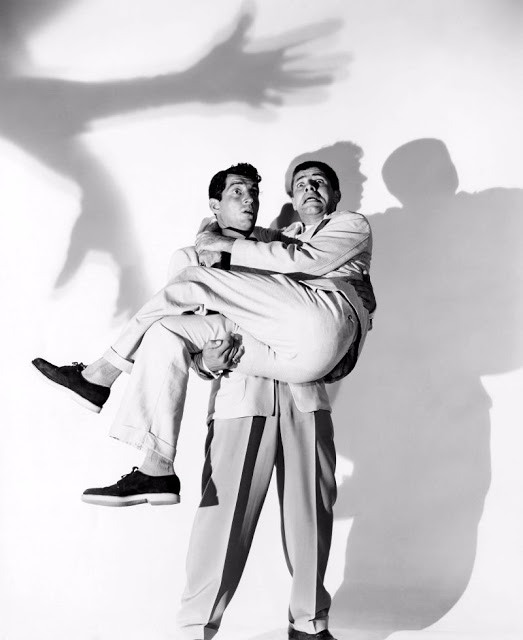
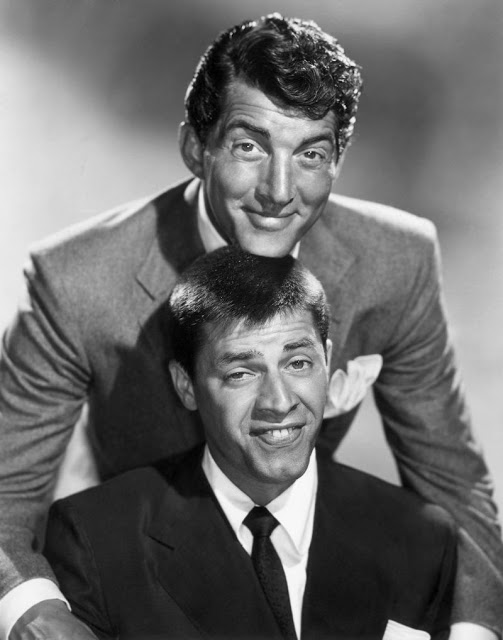
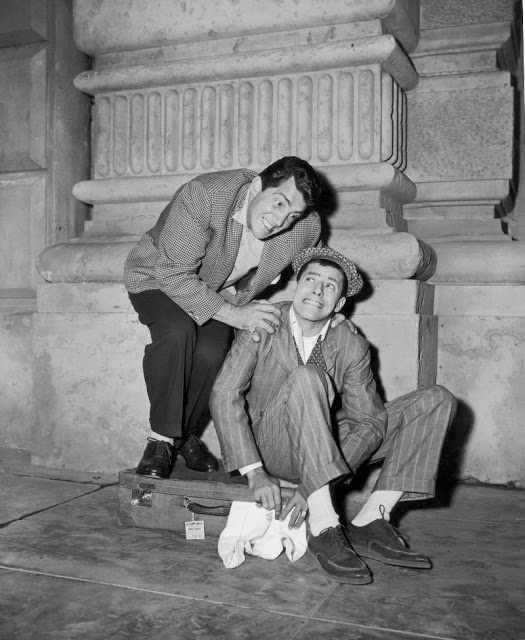
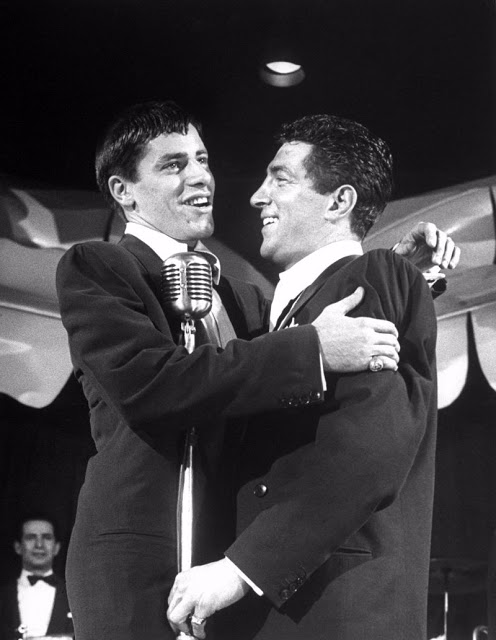
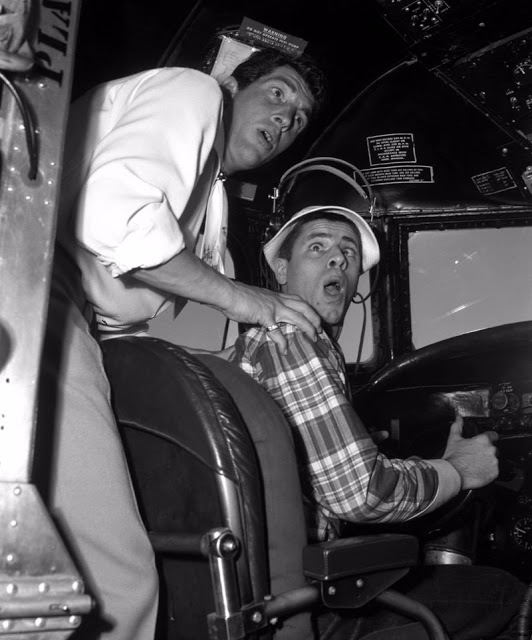
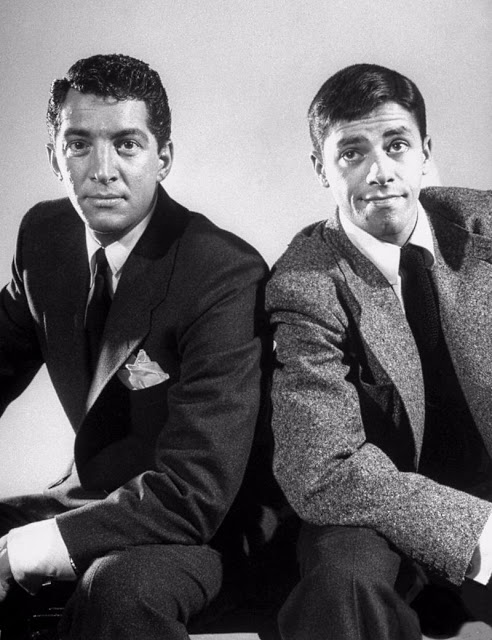
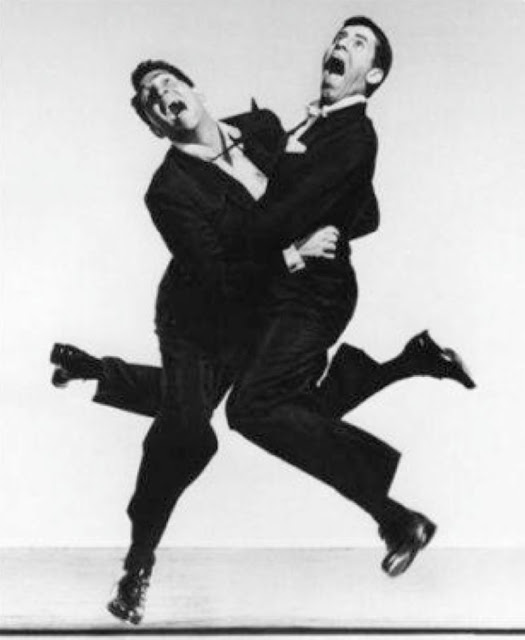
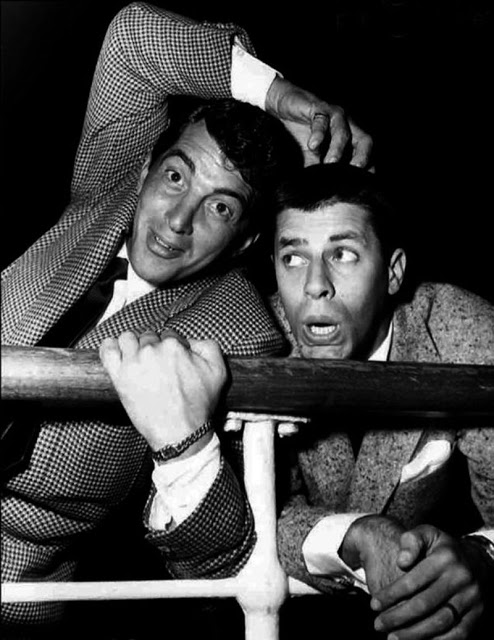
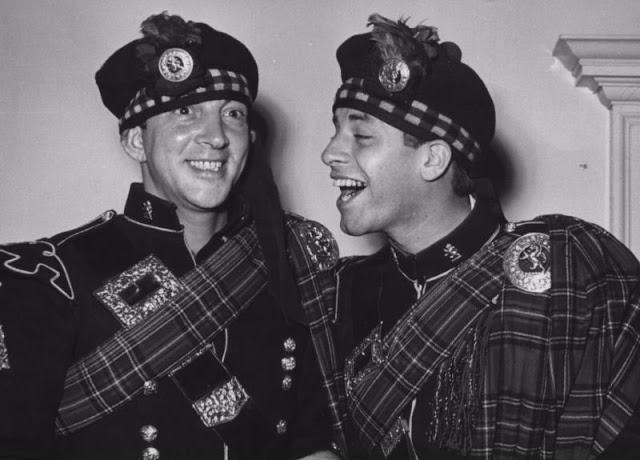
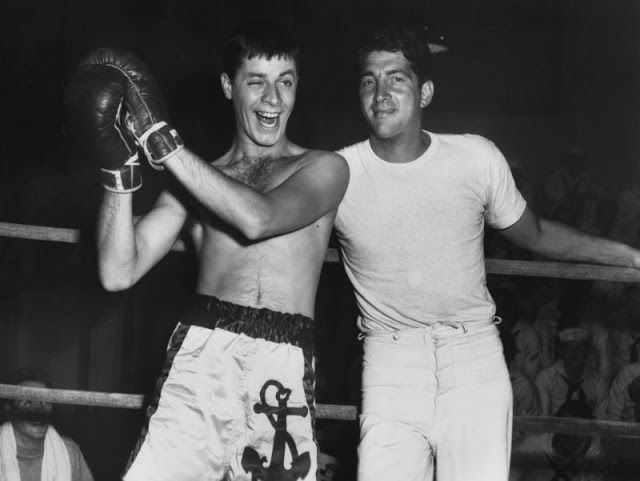
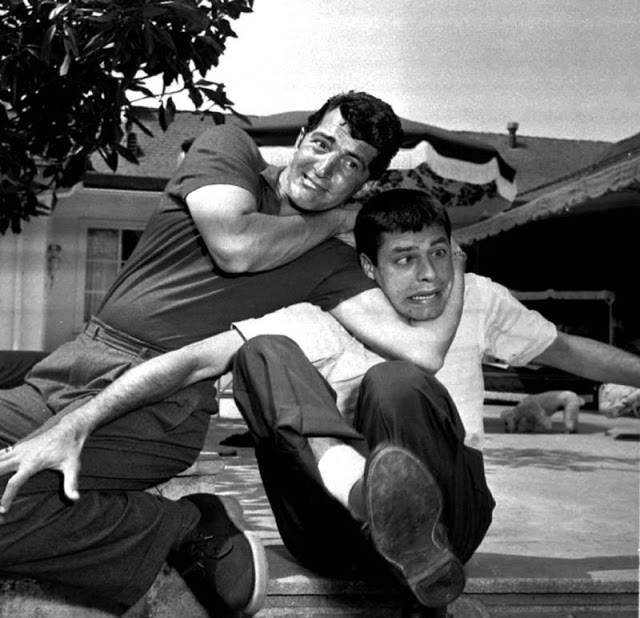
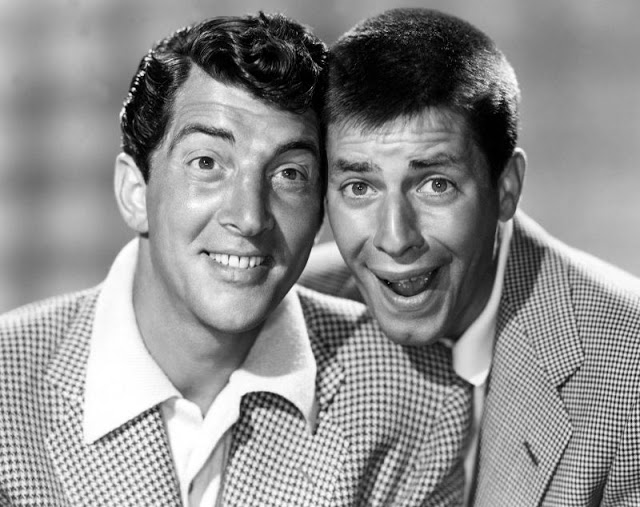
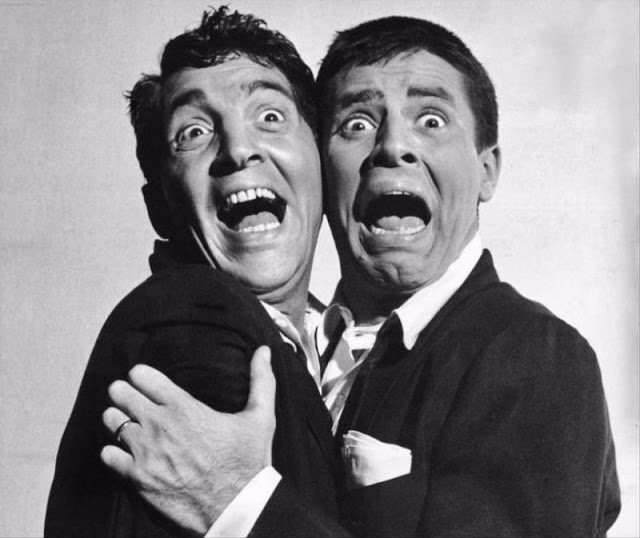
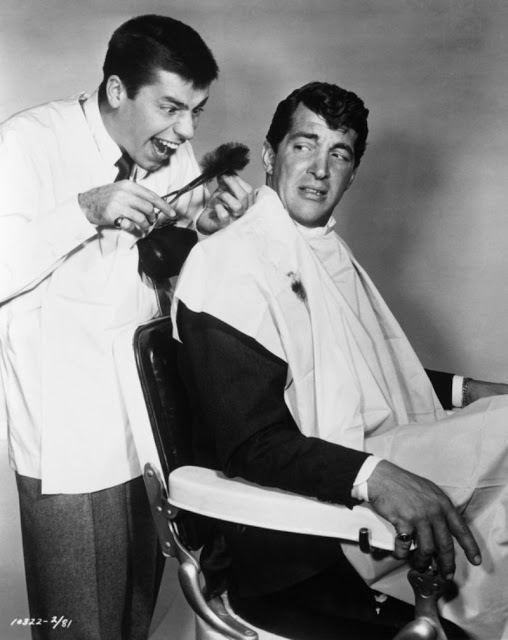
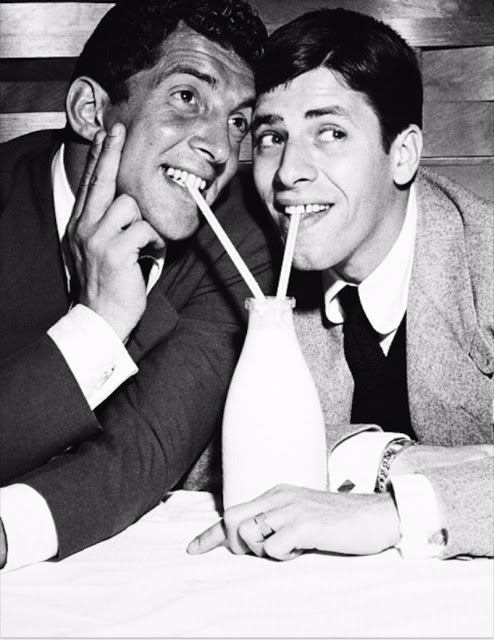
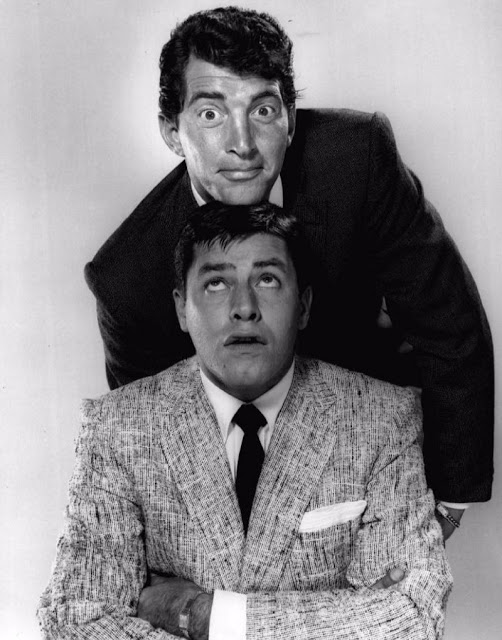
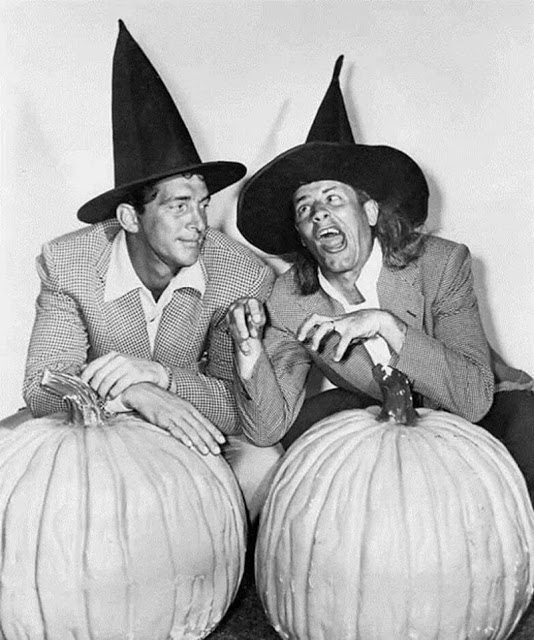
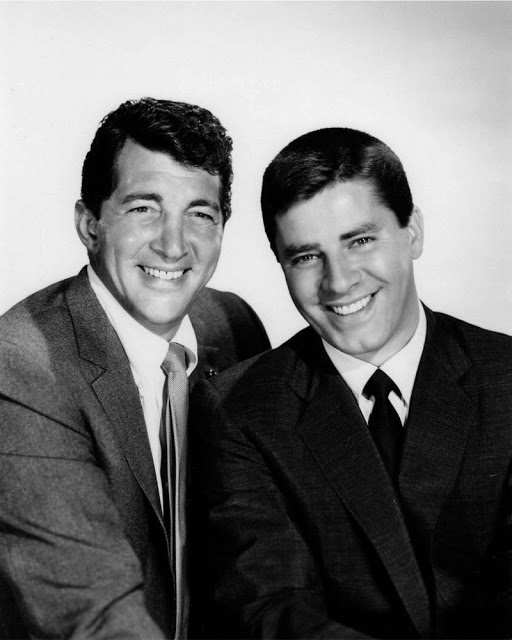
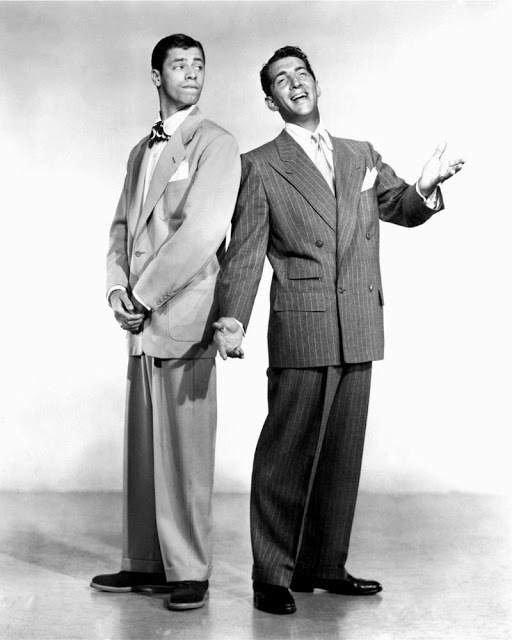
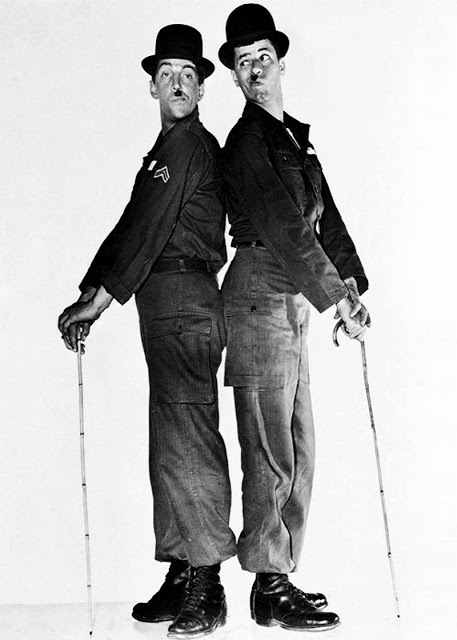
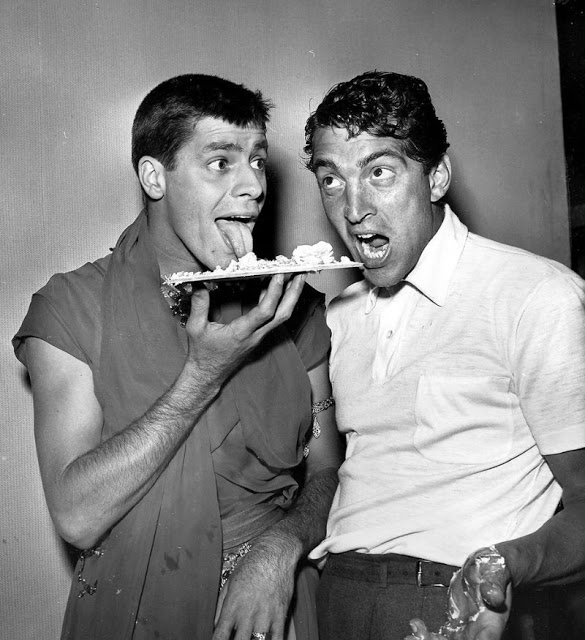
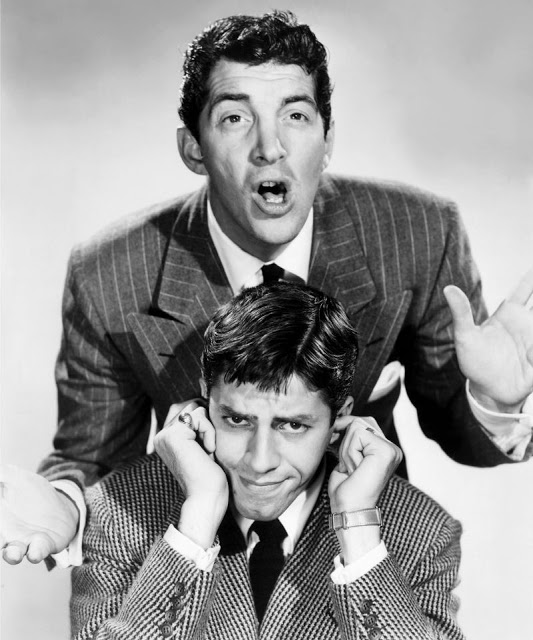
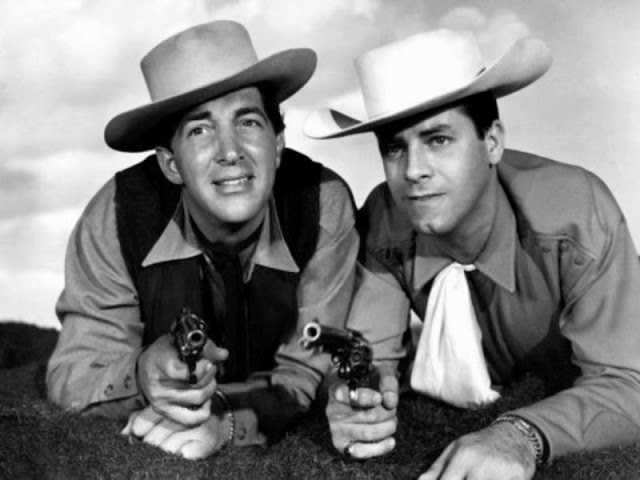
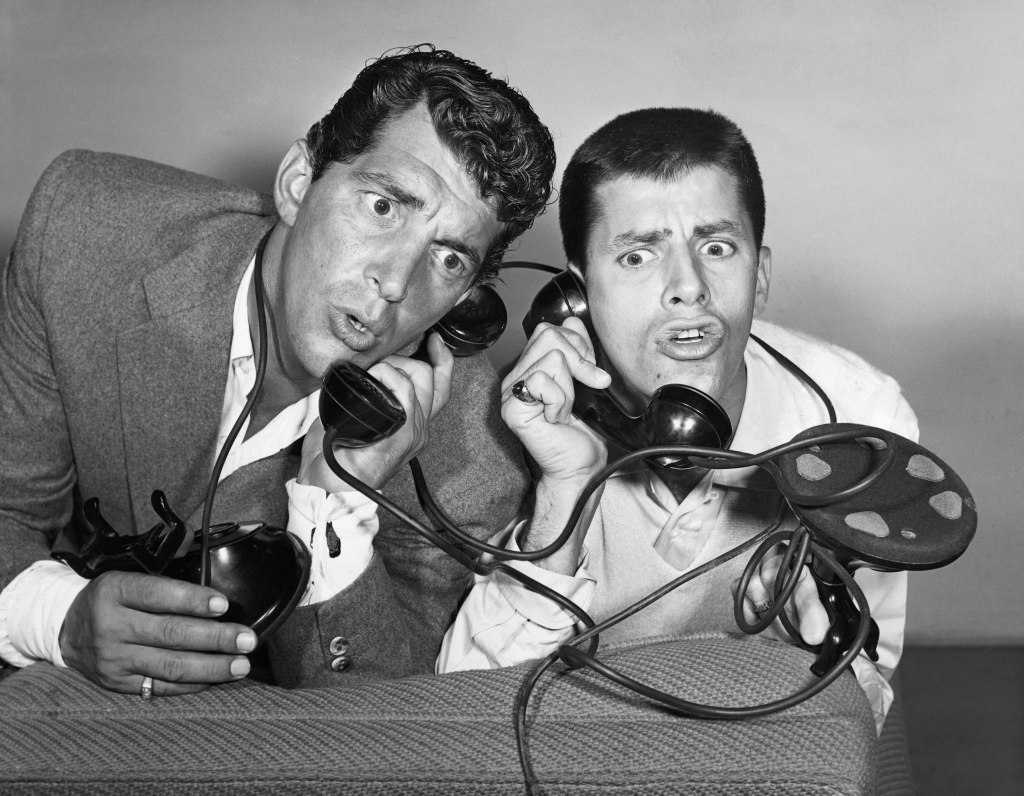
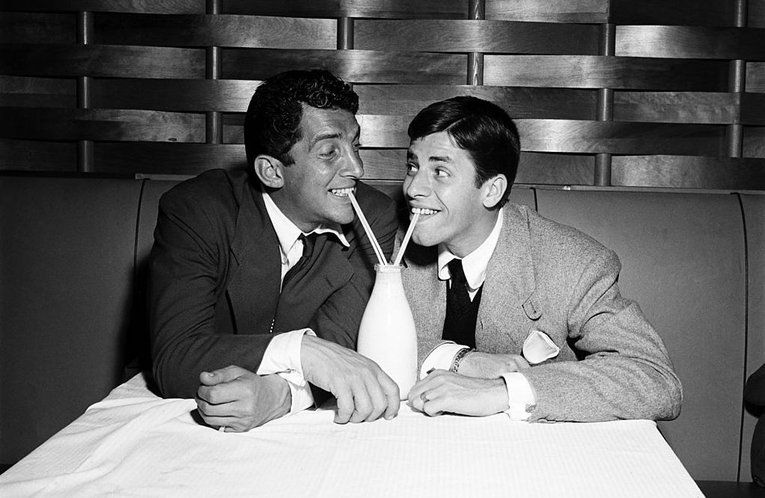
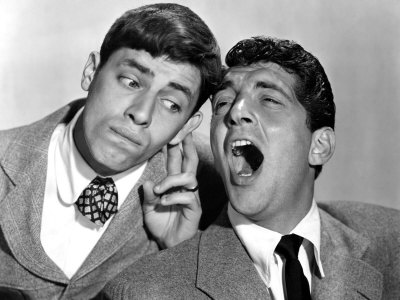
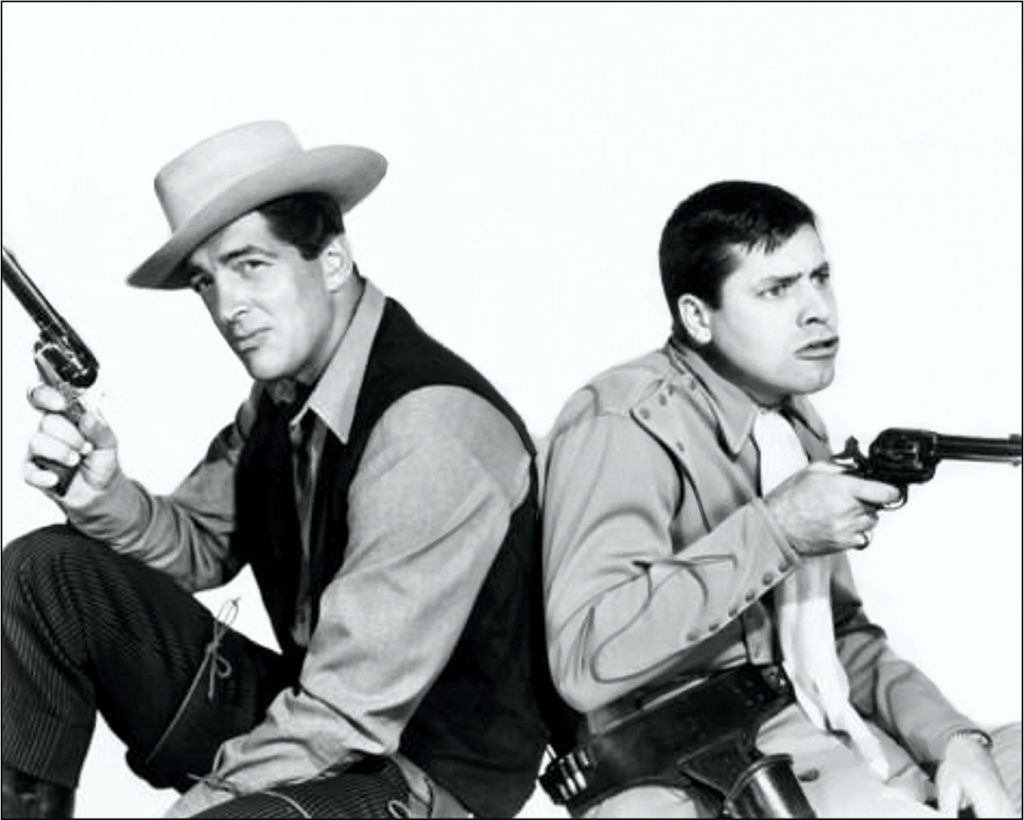
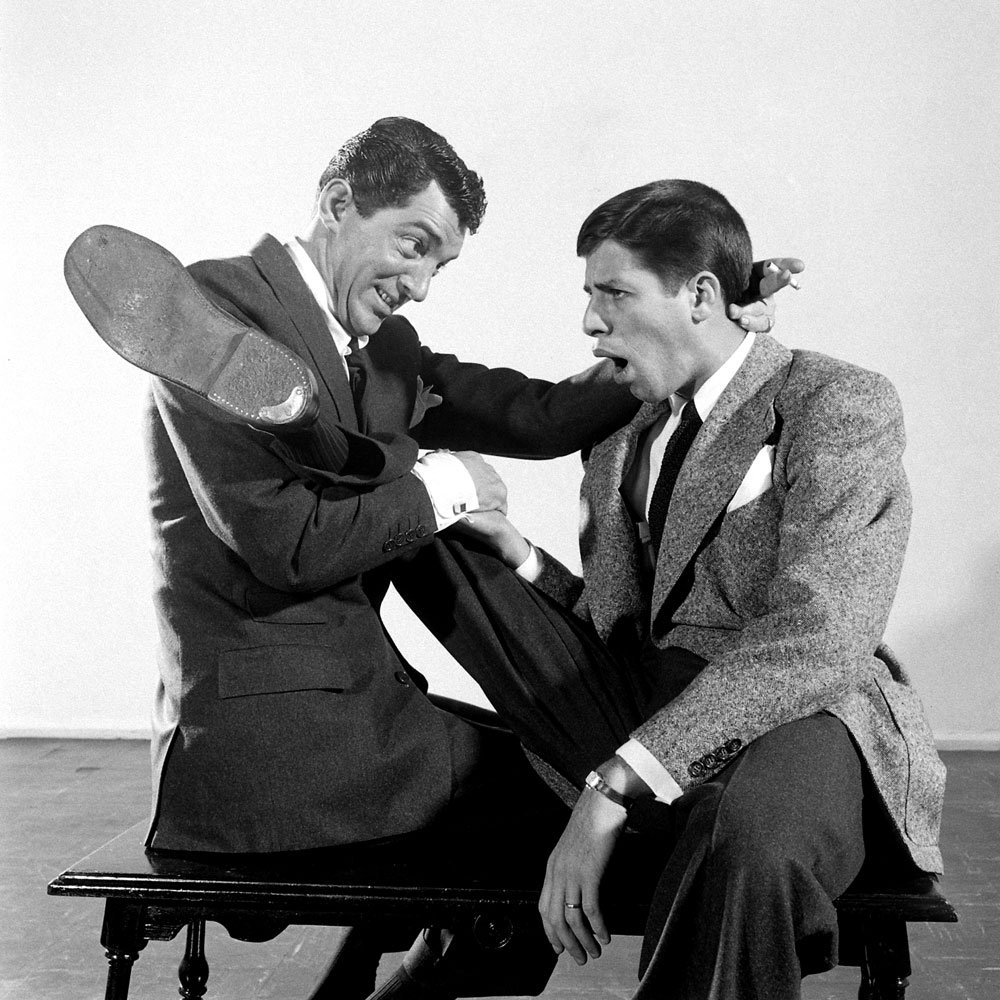
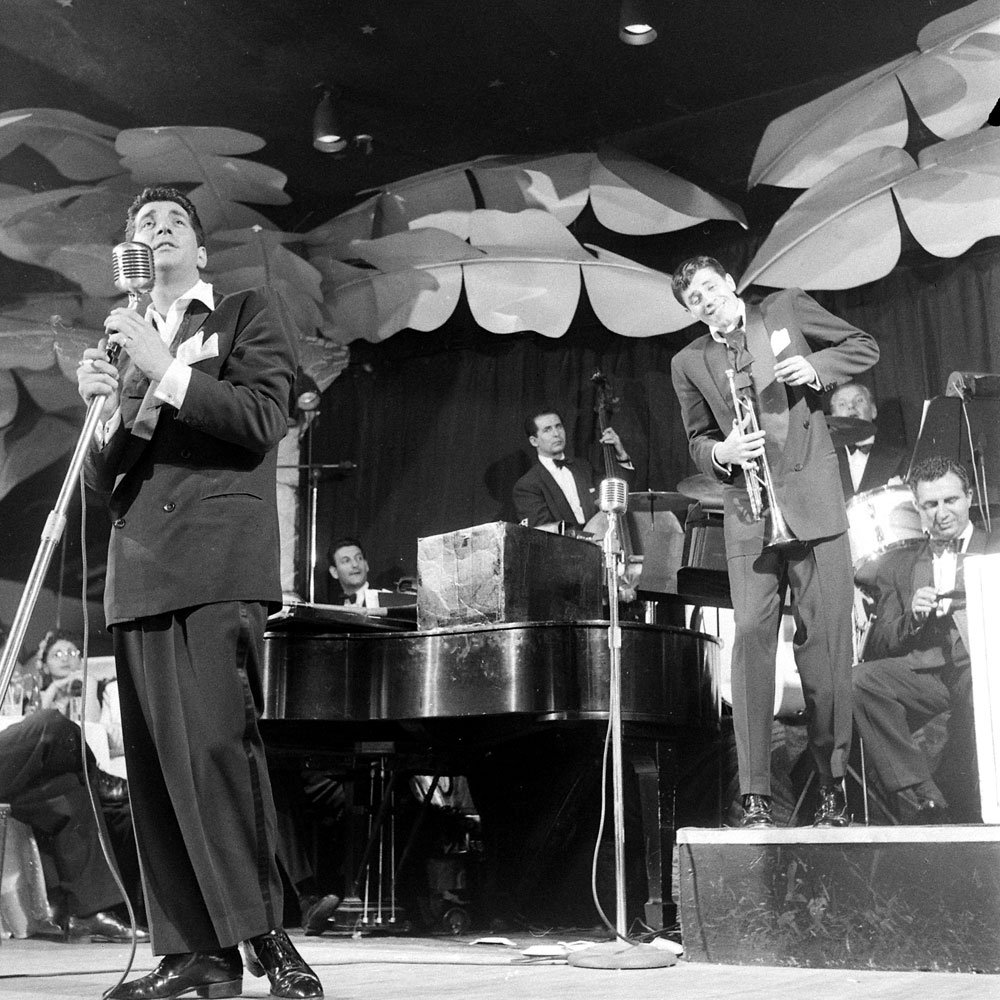
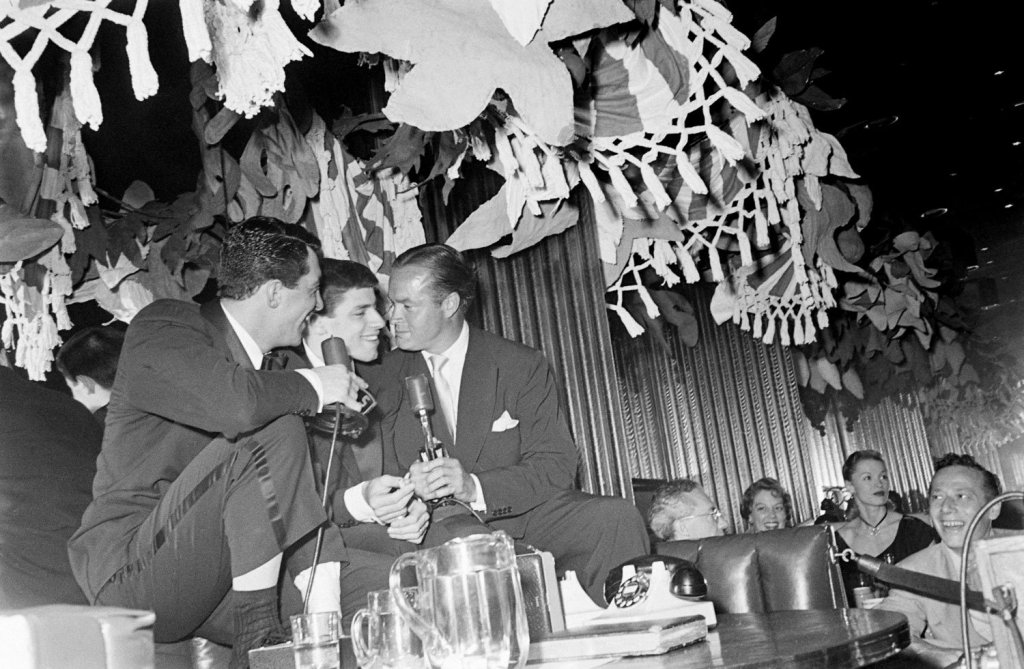
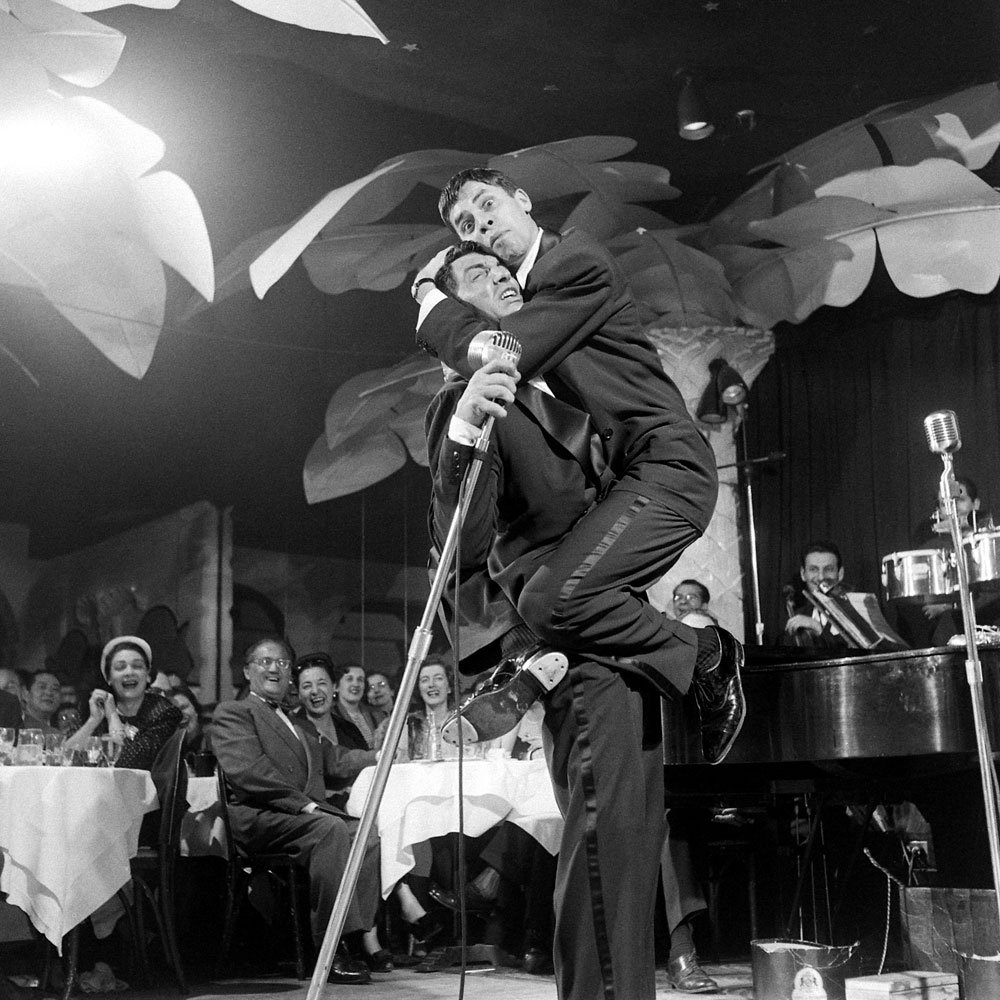
In 1945, comprising singer Dean Martin met a young comic named Jerry Lewis at the Glass Hat Club in New York, where both men were performing. Martin and Lewis debuted at Atlantic City’s 500 Club on July 25, 1946, when Lewis suggested to the club owner that Martin would be a good replacement for the scheduled singer who was unavailable. The duo were not well received. The owner, Skinny D’Amato, threatened to terminate their contract if the act did not improve. Martin and Lewis disposed of pre-scripted gags and began improvising. Dean sang, and Jerry dressed as a busboy, dropping plates and making a shambles of Martin’s songs and a mockery of the club’s decorum. They performed slapstick and delivered vaudeville jokes to great fanfare.
Their success at the 500 Club led to a series of well-paying engagements along the Eastern seaboard, culminating with a triumphant run at New York’s Copacabana Club. The audience were convulsed with laughter by Lewis interrupting and heckling Martin while he was trying to sing, and ultimately by the two of them chasing each other around the stage and having as much fun as possible.
Eventually, the two hired young comedy writers Norman Lear and Ed Simmons to improve their act. By 1950, Lear and Simmons were the main writers for Martin and Lewis.
One of the secrets to their success was the diversity of their audience as Jerry Lewis explained: ‘Who were Dean’s fans? Men, women, the Italians. Who were Jerry’s fans? Women, Jews, kids. Who were Martin and Lewis’ fans? All of them.’ When the partnership ended in 1956, the comedians fell into a bitter feud that lasted for decades only did they reunite on rare occasions until Dean Martin’s death in 1995.
Jerry Lewis died at his home in Las Vegas, Nevada on August 20, 2017 at the age of 91.