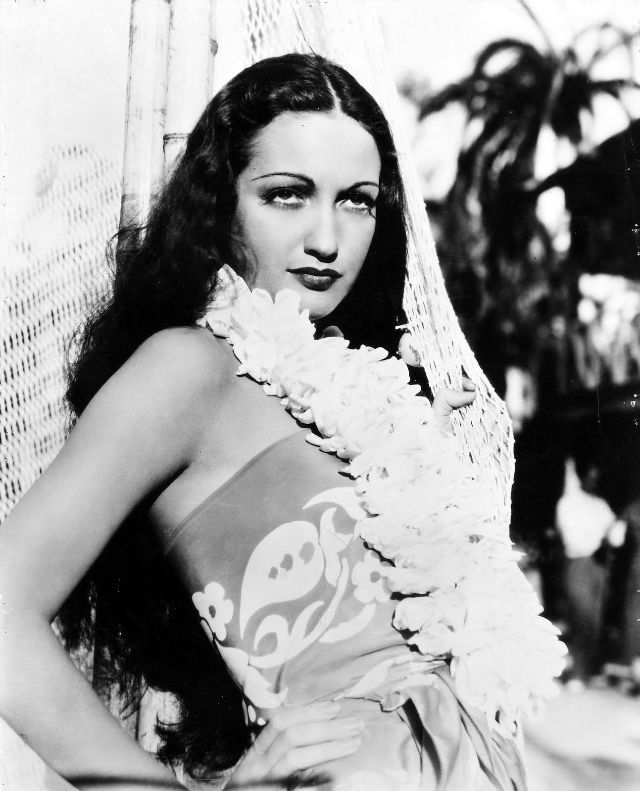
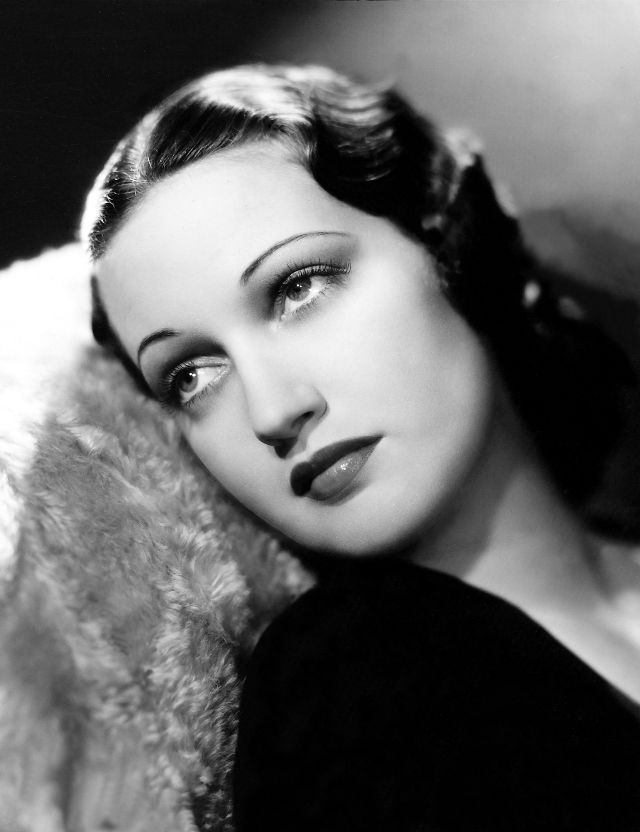
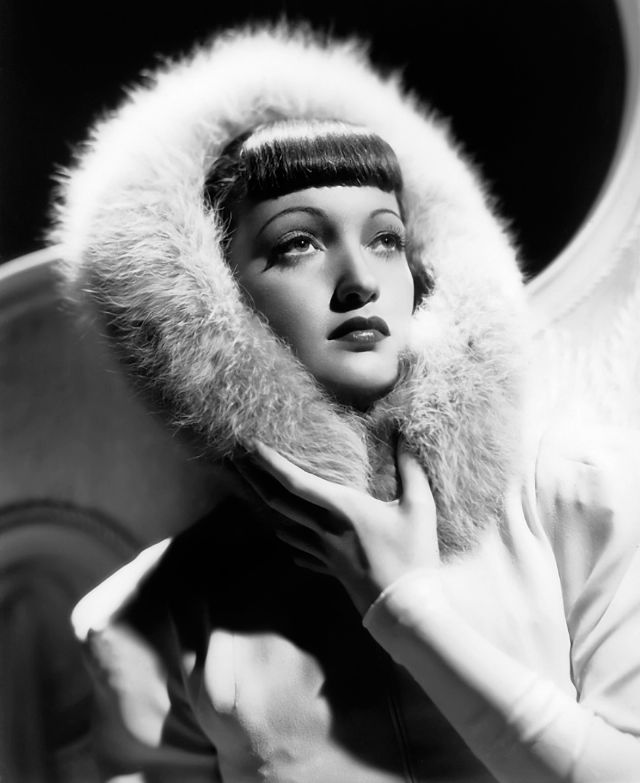
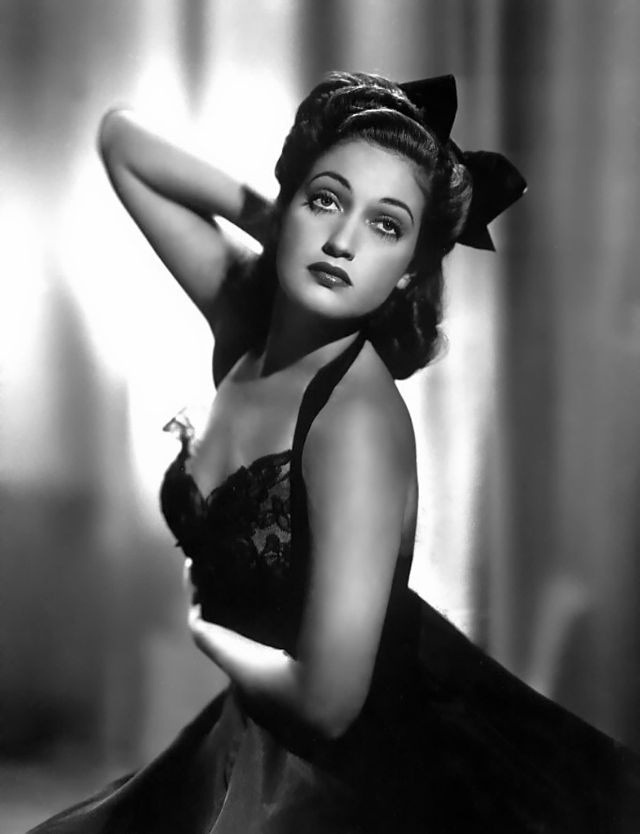
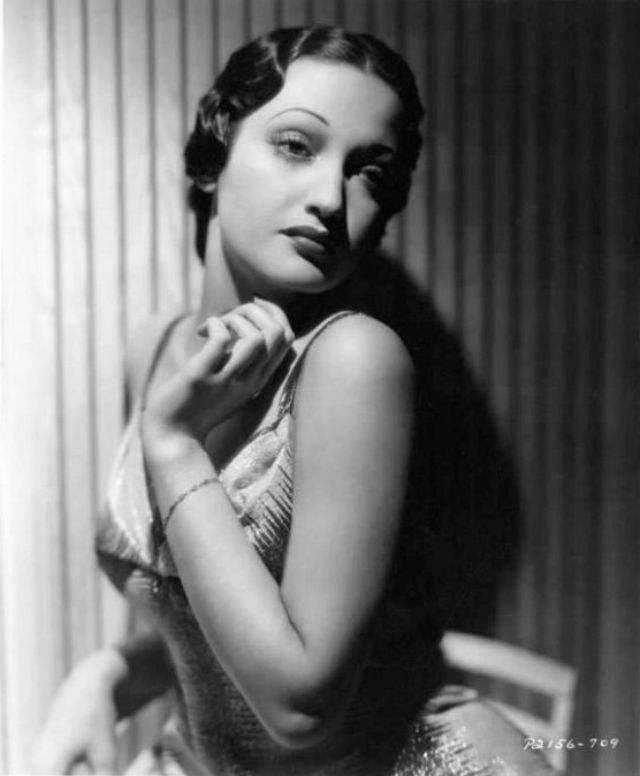
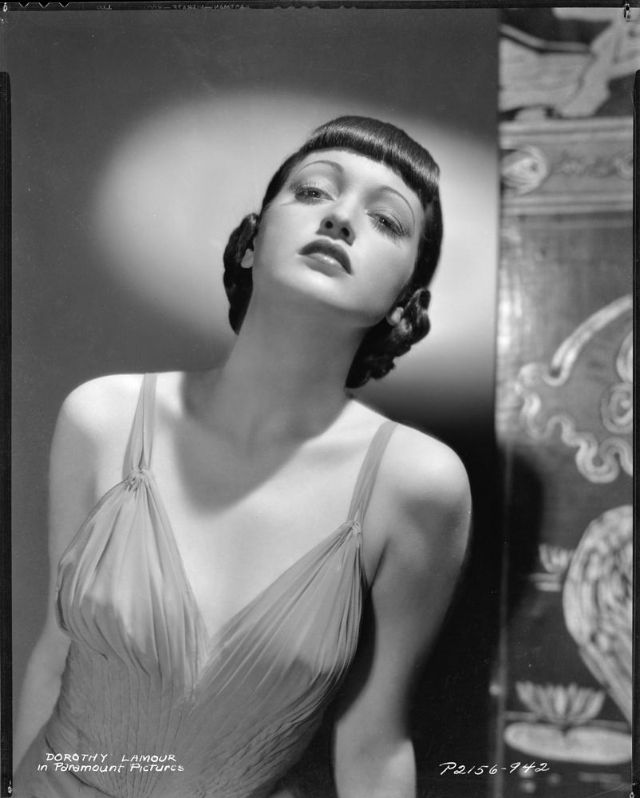
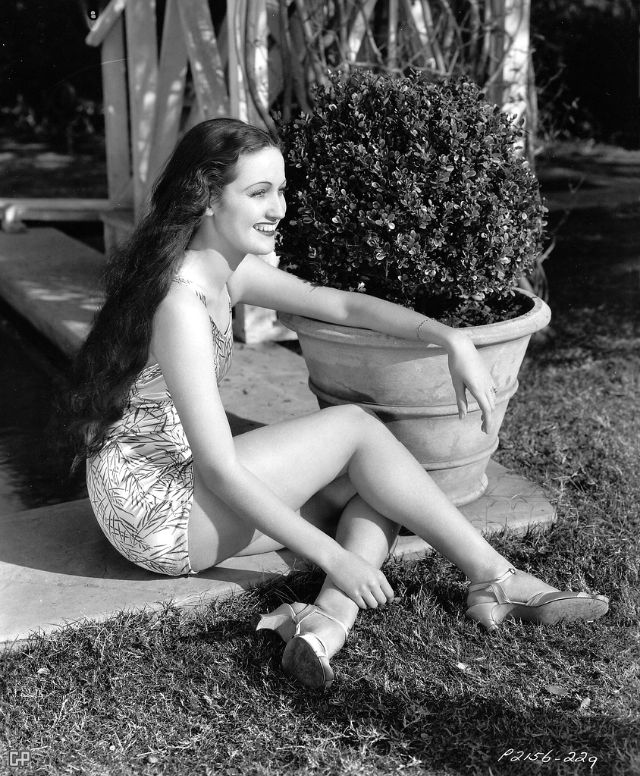
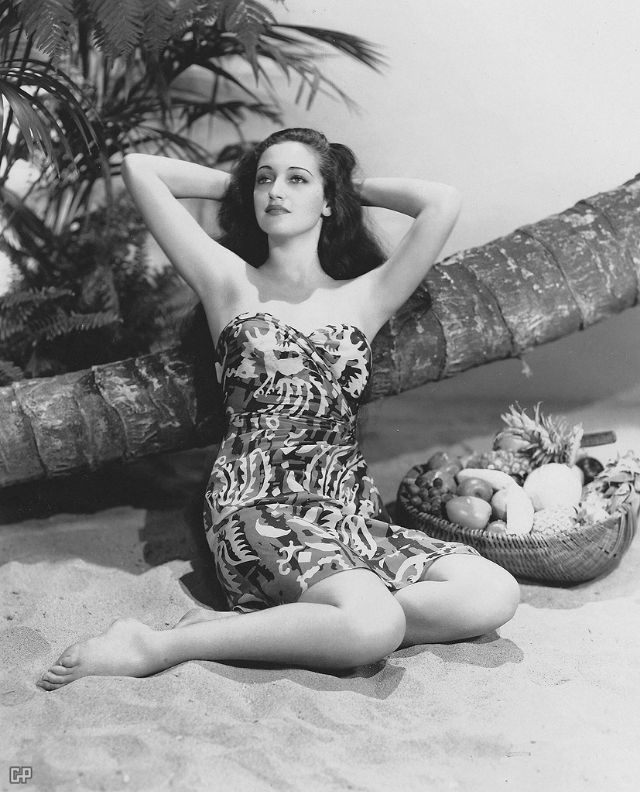
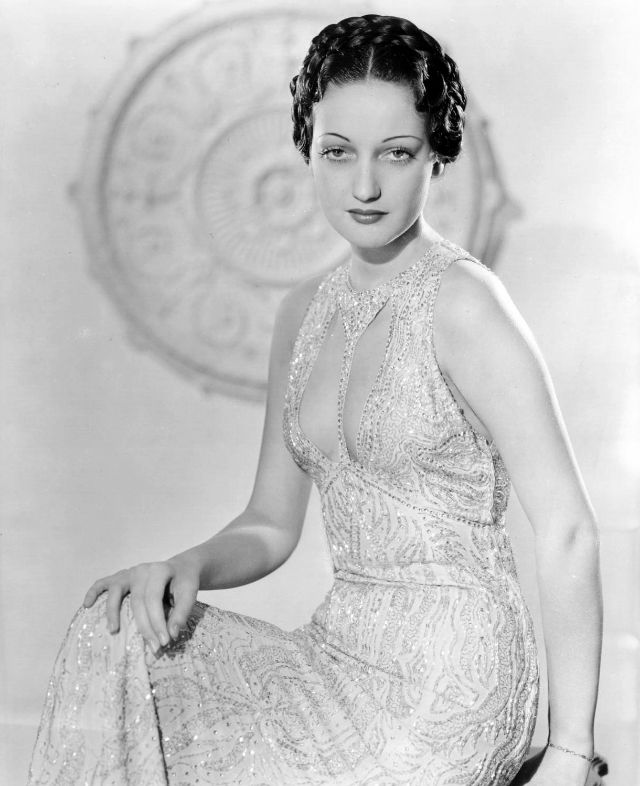
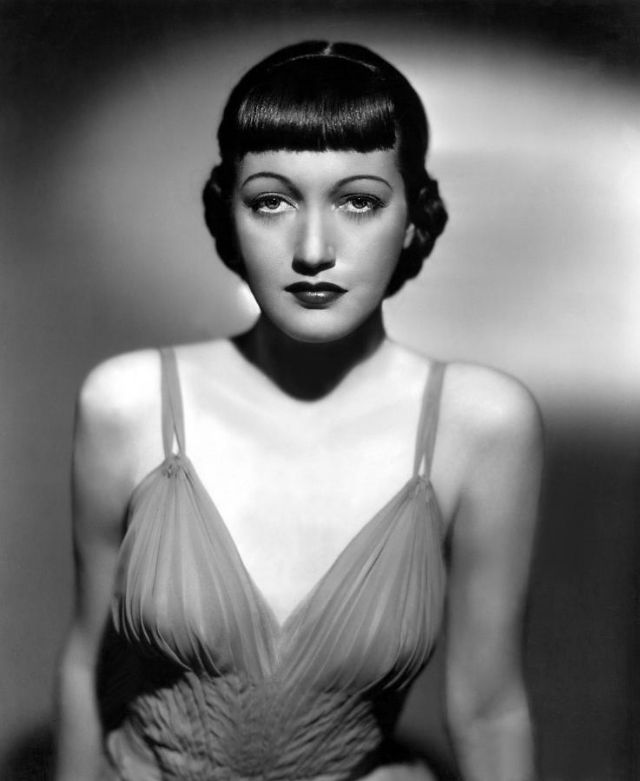
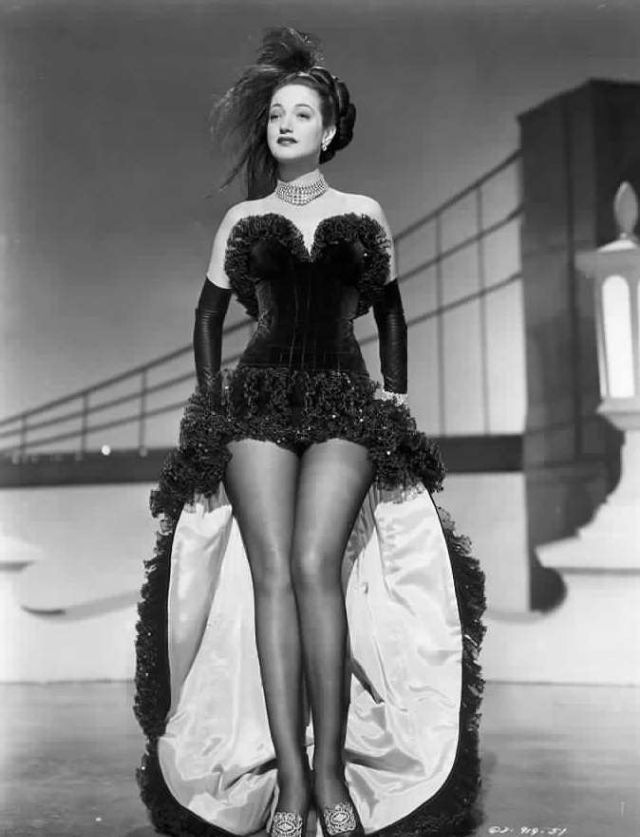
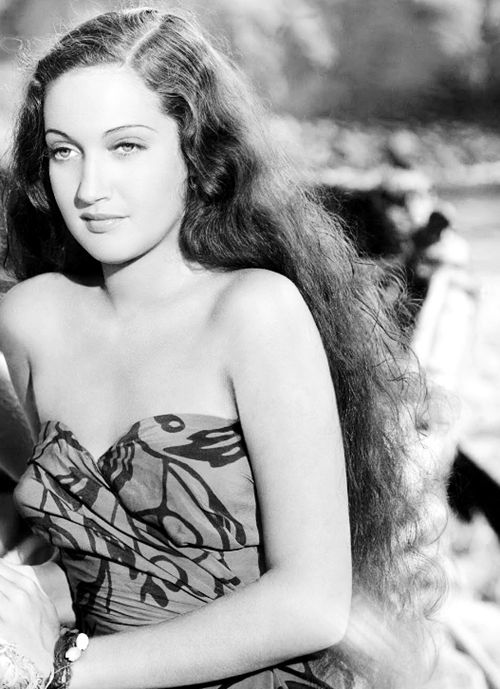
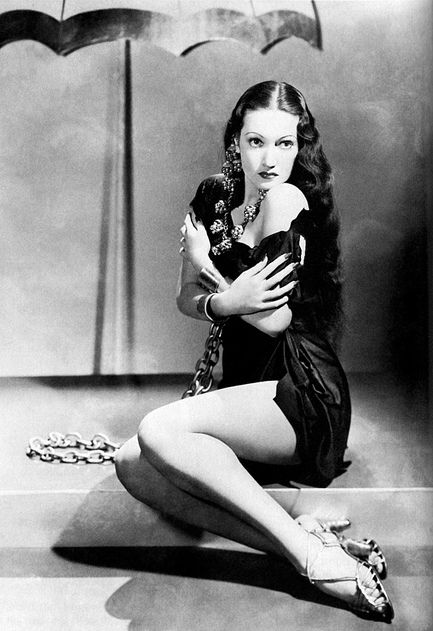
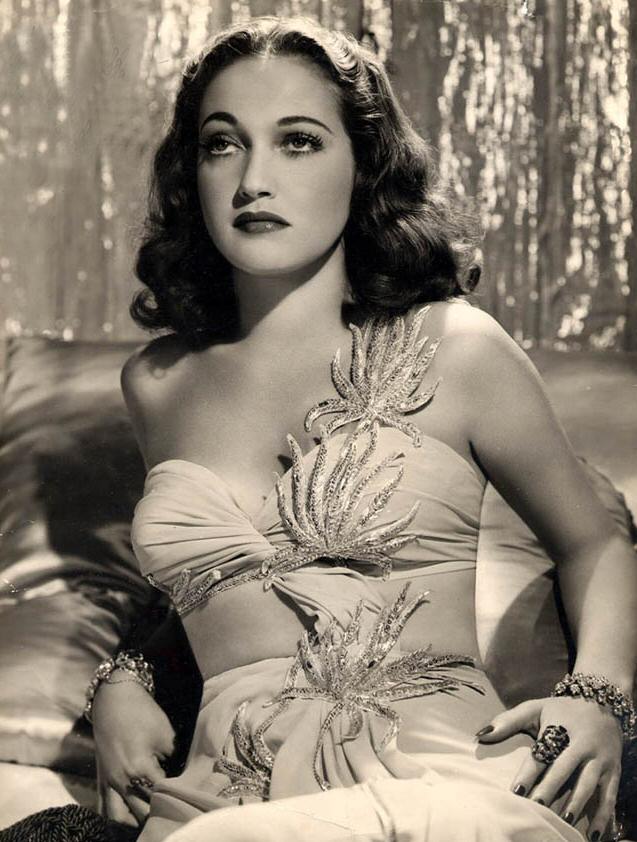
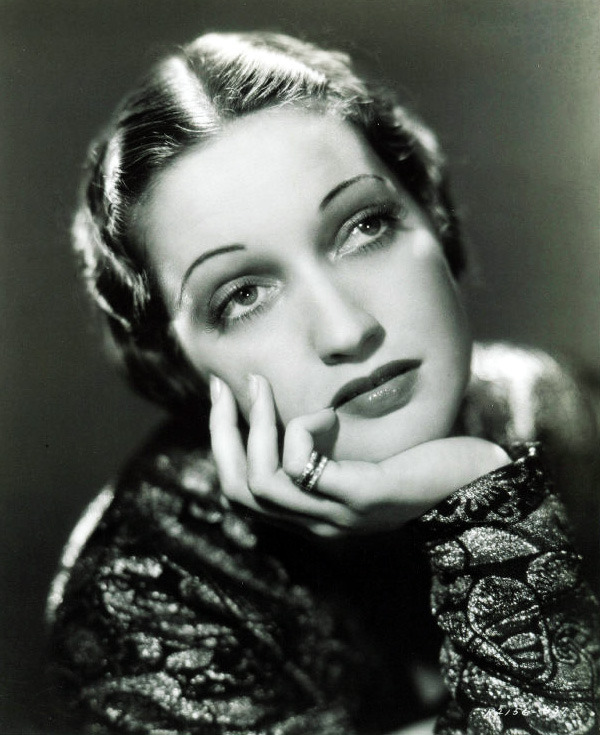
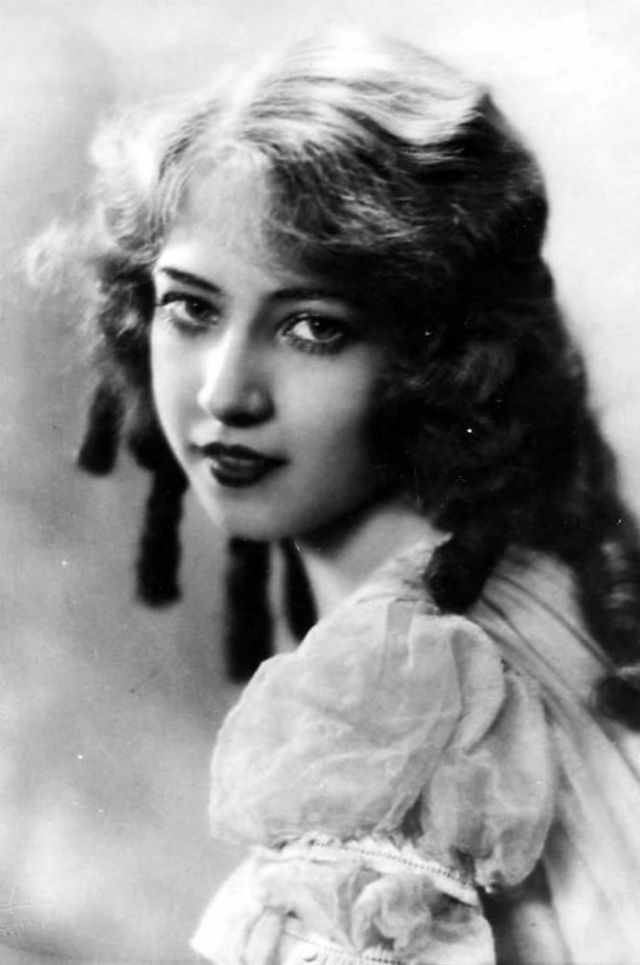
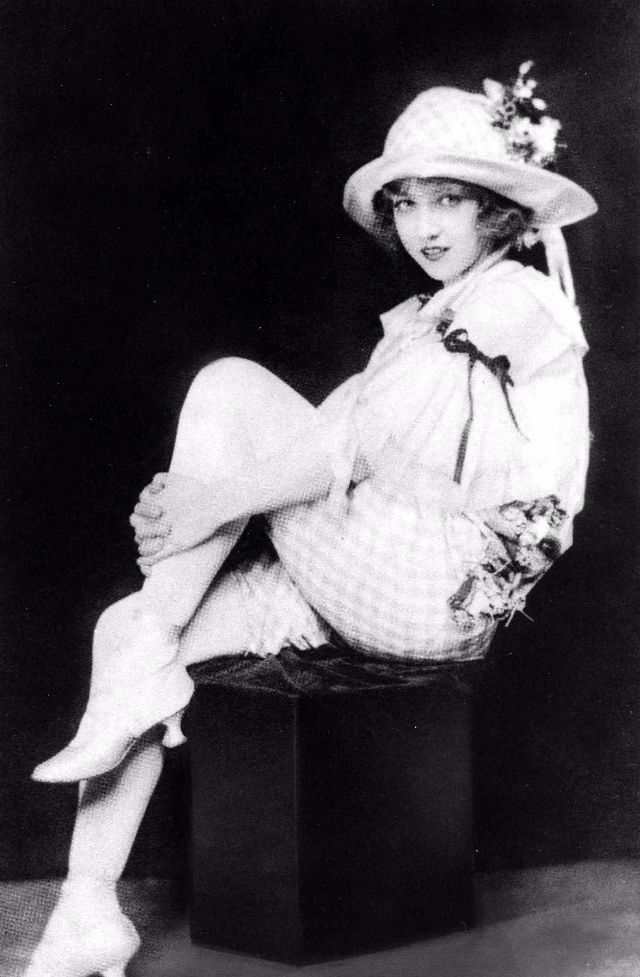
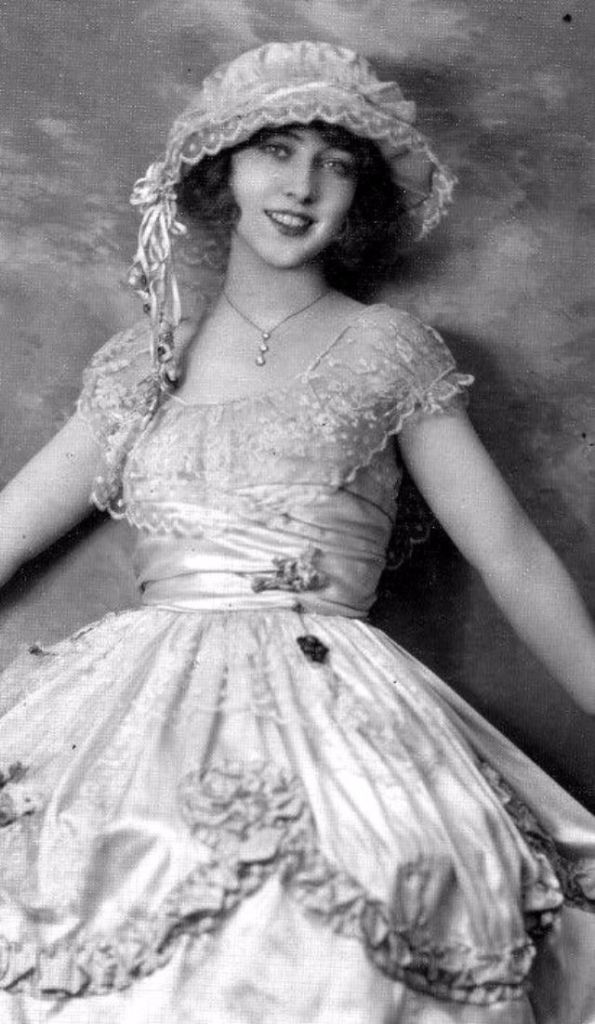
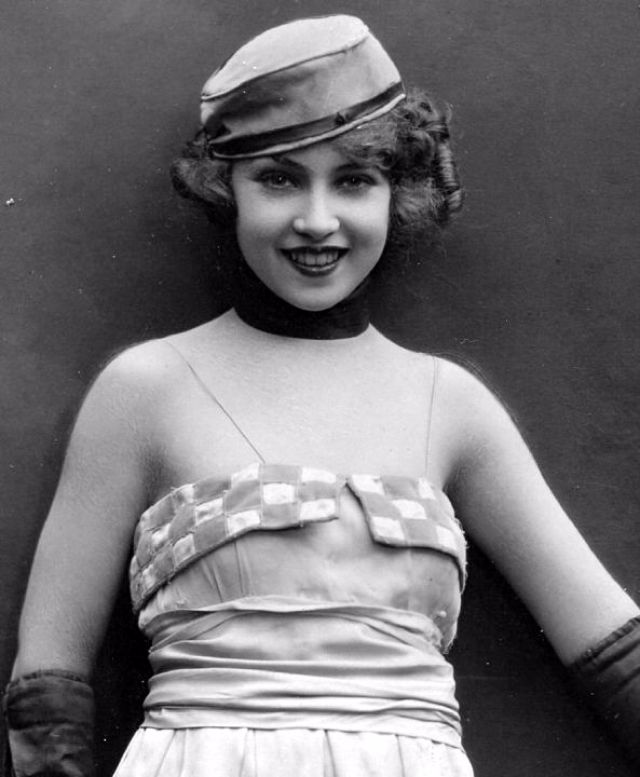
53 Stunning Vintage Photos of Dorothy Lamour in the 1930s and 1940s

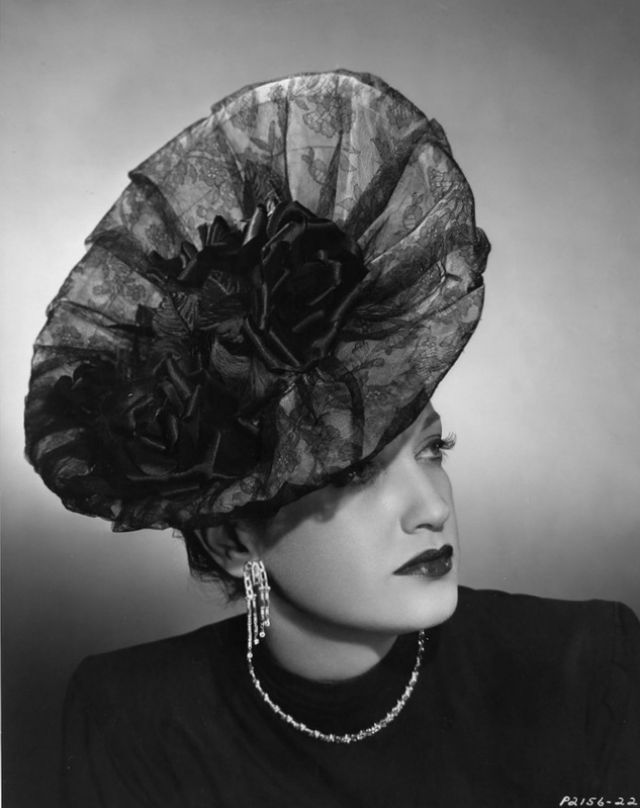
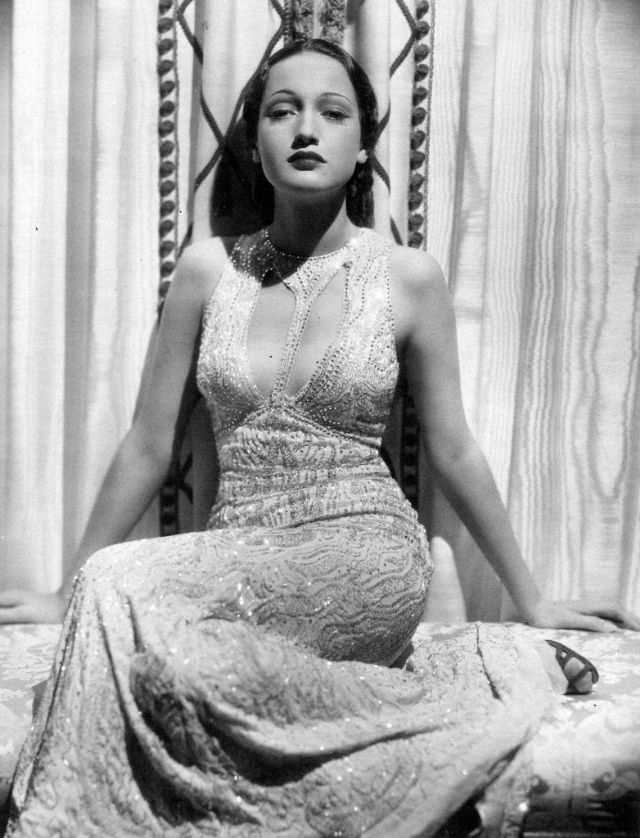
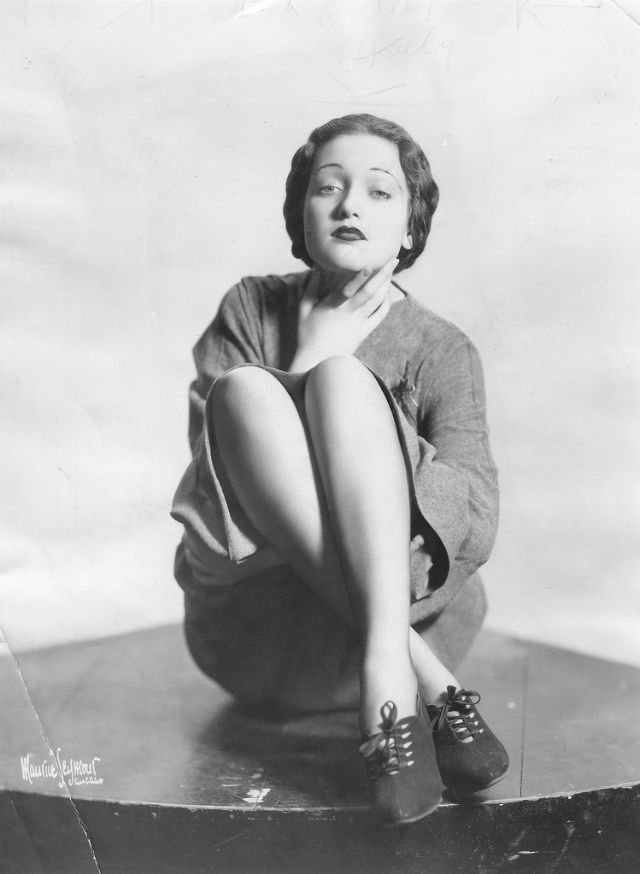
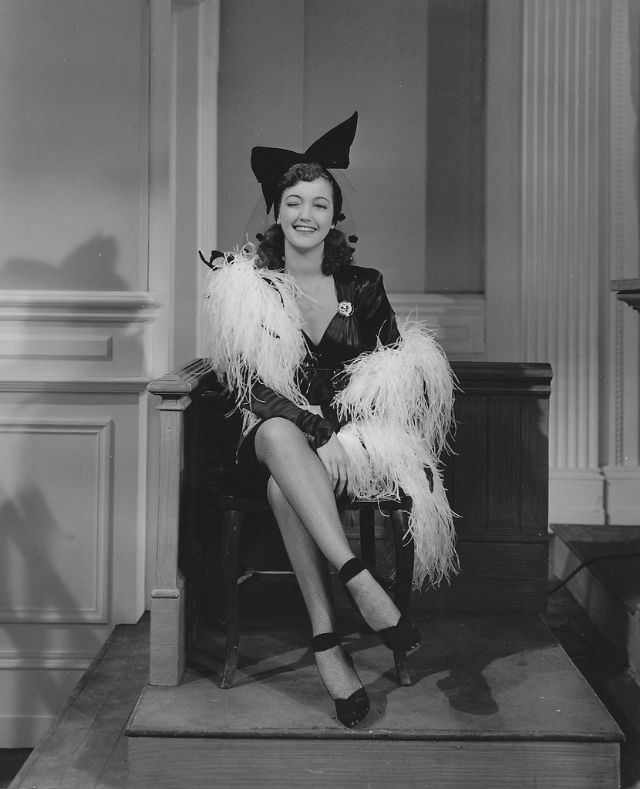
The American actress and singer quit school at 14 to help support her family and began entering beauty pageants and was crowned ‘Miss New Orleans’, in 1931. In 1935, Dorothy Lamour went on tour with Herbie Kay’s orchestra which led her to obtain her own musical program on the radio. In 1936, she moved to Hollywood and signed a contract with Paramount Pictures, staring in the popular hit, The Jungle Princess. Throughout the film, the actress wore a seductive sarong at a time when major studios believed that certain actresses needed something of a signature: Dorothy Lamour became the ‘Sarong Queen.’

During the 1940s, she was the main feminine act in the widely successful series of films, Road to…, alongside Bing Crosby and Bob Hope. During World War II, she was among the most popular pin-up girls and an active war support.

From the beginning of the 1950s, her career declined and she turned herself towards theatre and cabaret until the end of the 1970s. Dorothy Lamour remained, throughout her career, quite modest about her acting and singing abilities when asked by an interviewer if she had ever studied these disciplines, she simply replied: ‘No, can’t you tell?’

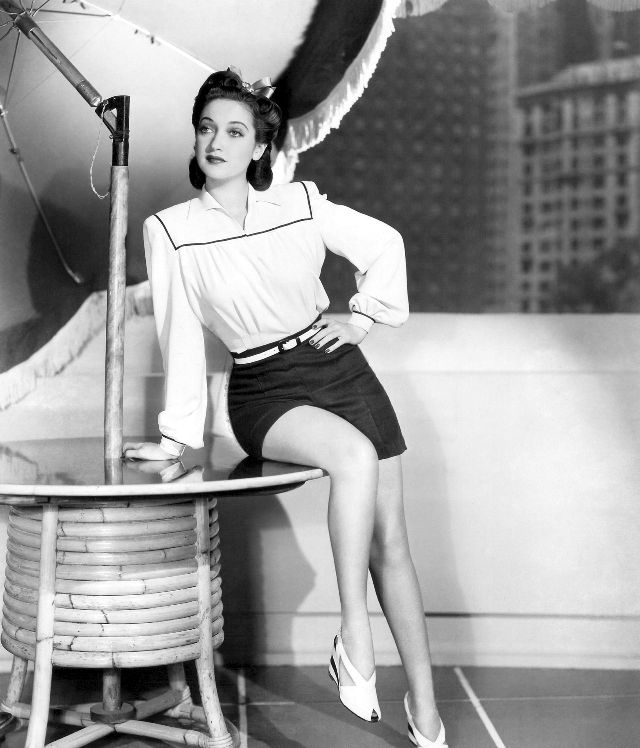
1938 publicity photo

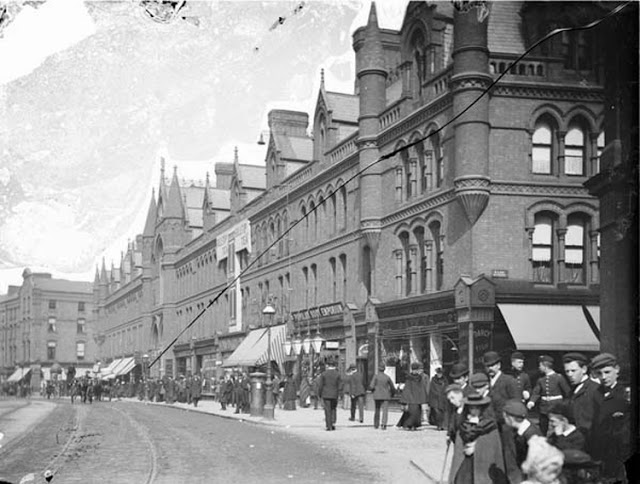
28 Historic Pictures Showing Life in Dublin, Ireland During the 19th Century

Dublin is the capital and largest city of Ireland. It is in the province of Leinster on Ireland’s east coast, at the mouth of the River Liffey.

Dublin is one of the top thirty cities in the world, and is a historical and contemporary centre for education, the arts, administration, economy and industry.

Take a trip back to this beautiful city through amazing vintage photos taken from between the 1860s to 1890s.

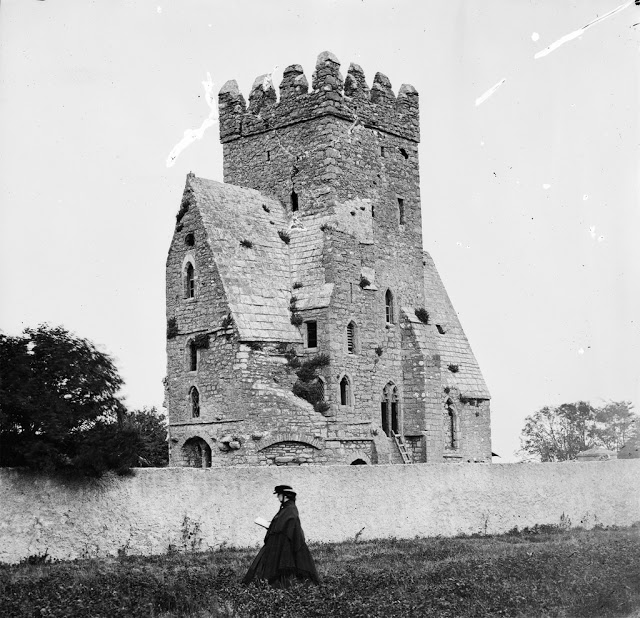
Doulagh’s Church on the Malahide Road, Dublin, ca. 1860s
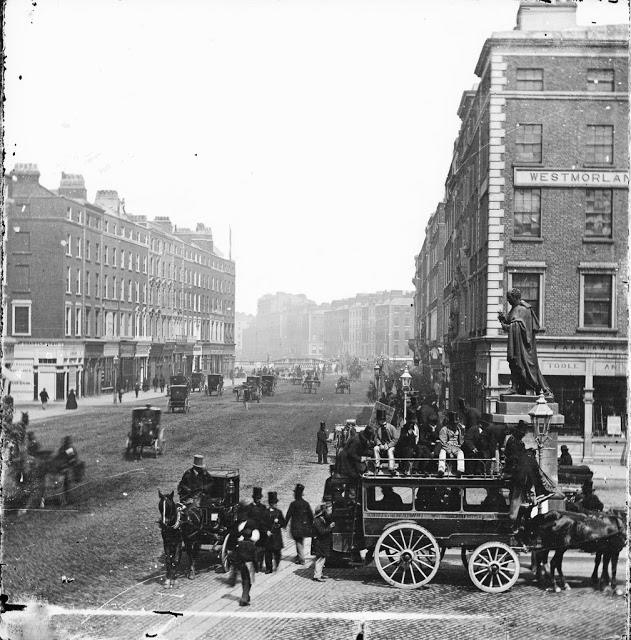
Horse-drawn omnibus, Westmoreland Street, Dublin, 1863-66
Gentlemen at the Black Church Hotel in Kildare, 1868
Two gentlemen admire the statue of Edmund Burke outside Trinity College Dublin, 1868-70
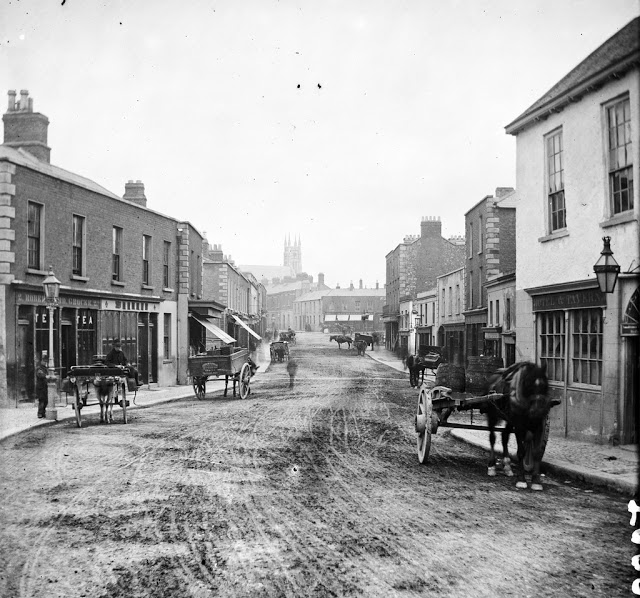
Main Street in Blackrock, 1870s
People at Salthill Railway station, Monkstown, 1870s
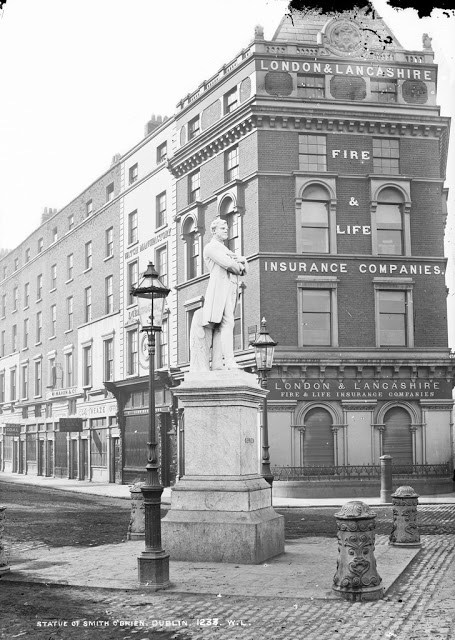
Smith O’Brien Statue, Dublin, 1871
Stephen’s Green, Dublin, 1873-78
The sailing ship Adolphine moored at the Custom House in Dublin, with a swivel bridge in the foreground, 1880s
Main Street, Swords, Co. Dublin, 1880s
O’Connell Monument under construction, 1880-82
The O’Connell Monument in 1889-92
A murky day on Patrick Street in the Liberties of Dublin, 1898
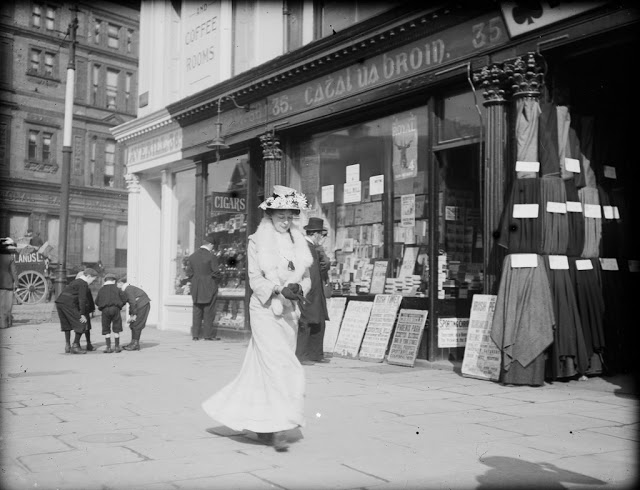
A woman passing a newsagents on Sackville Street (now O’Connell Street), Dublin, 1897
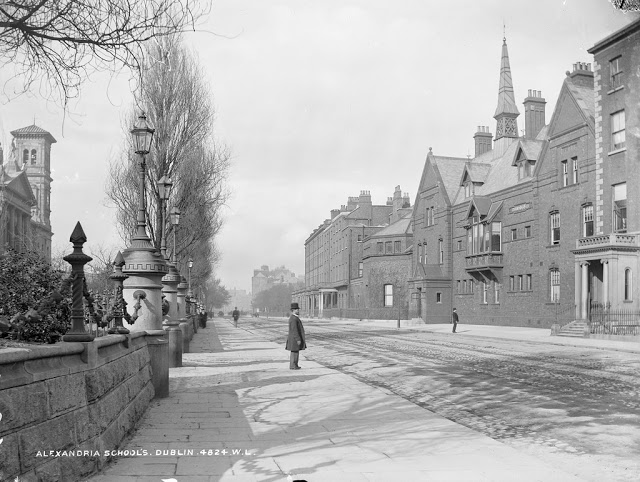
Alexandria School’s in 1890
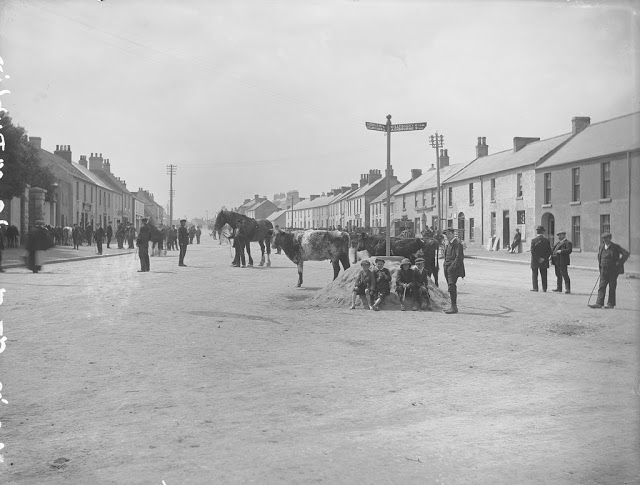
Cross at Blackrock, 1890s
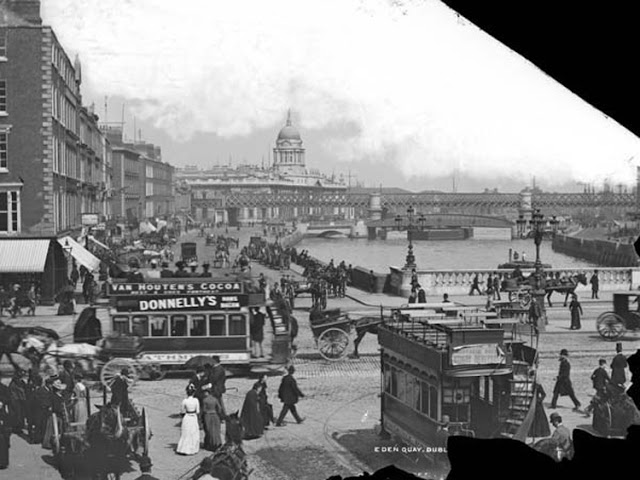
Horse trams at corner of Bachelor’s Walk and O’Connell Bridge, 1890s
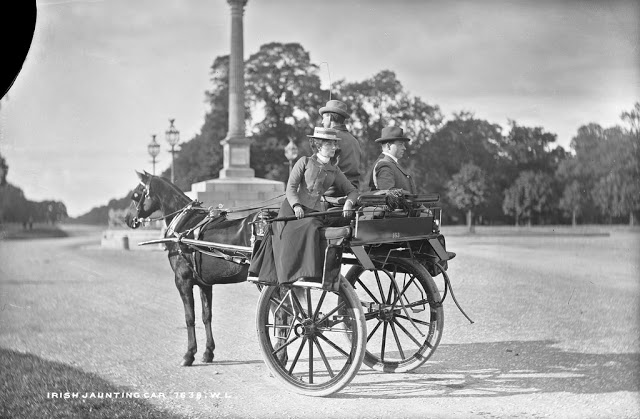
Irish Jaunting car in Dublin, 1890s
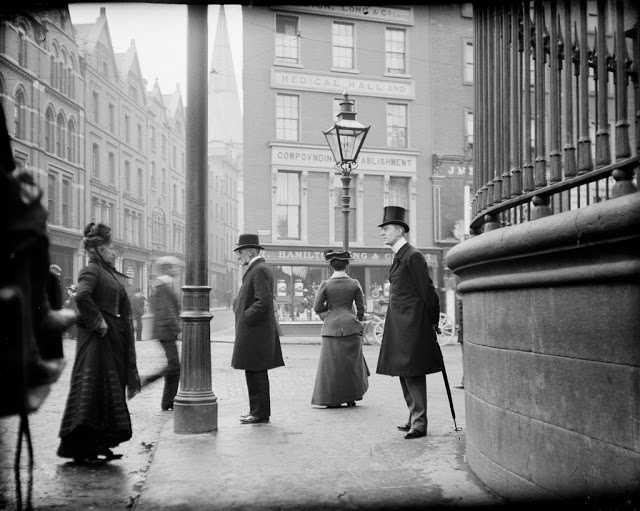
Man with umbrella standing at the junction of Nassau Street, Grafton Street and Suffolk Street, 1896
Men in front of ornate door, Trinity College, Dublin, 1890s
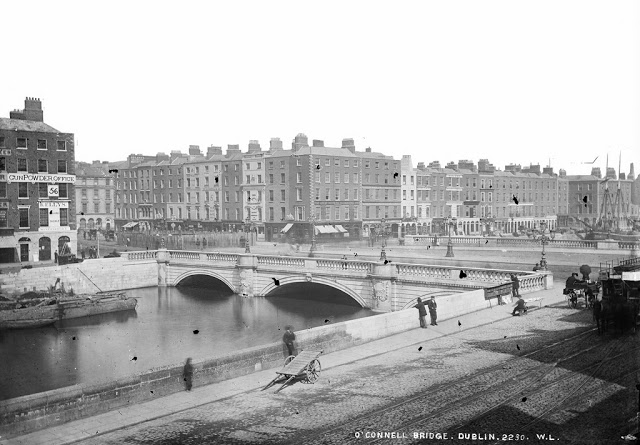
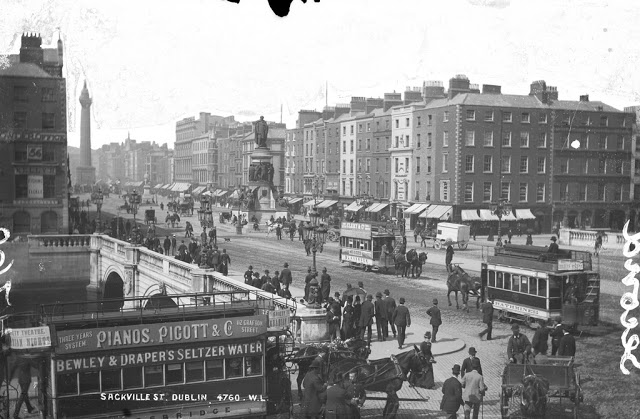
O’Connell Bridge and Sackville Street (now O’Connell Street), Dublin, 1890
On a Dublin street in 1898
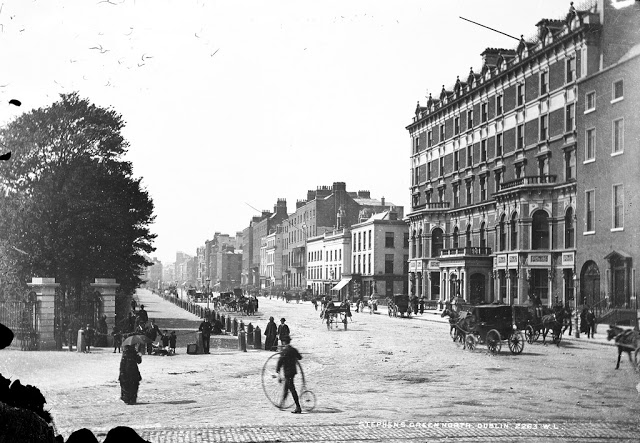
Penny farthing at St. Stephen’s Green in Dublin, 1890
Sackville Street in Dublin, 1890s
South City Market, George’s Street, Dublin, 1890s
South Great George’s Street Market, Dublin City, Co. Dublin, 1895
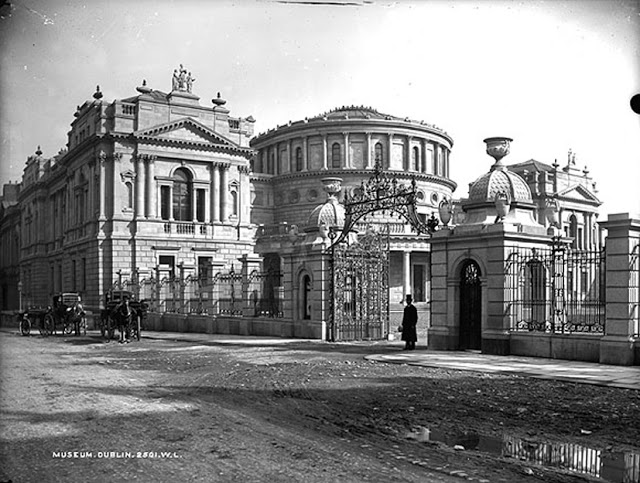
The National Library of Ireland building on Kildare Street, Dublin, 1895
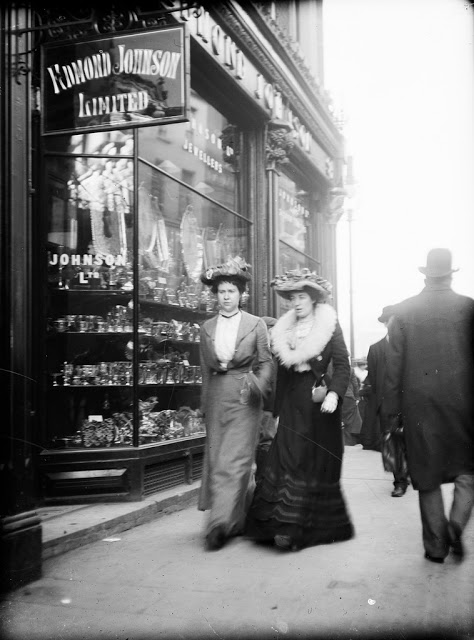
Two women walking past jewellers on Grafton Street, 1897

(Photos from National Library of Ireland)

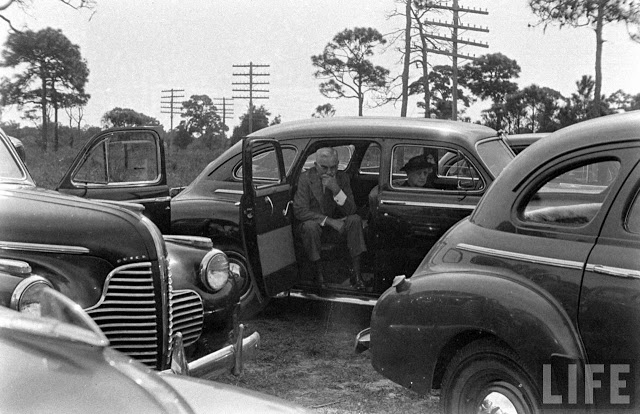
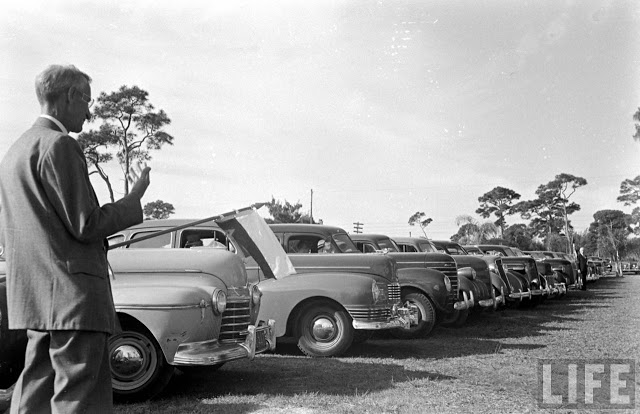
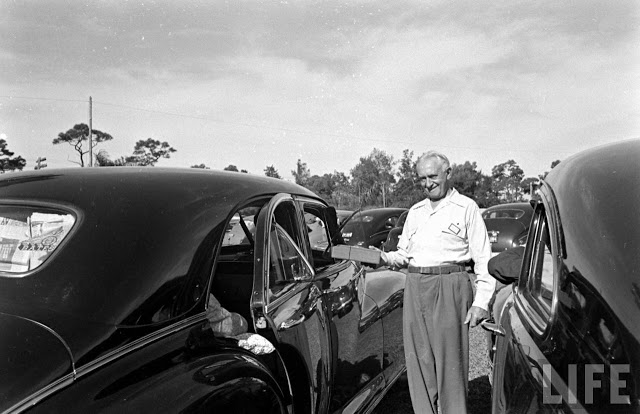
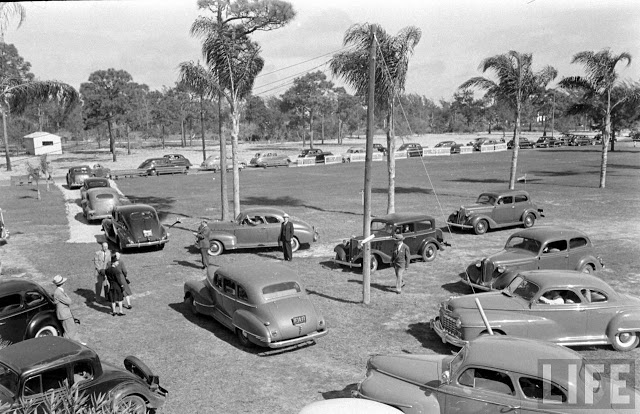
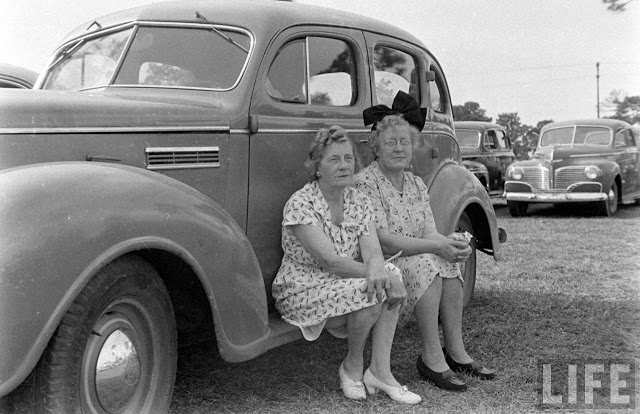
25 Vintage Photos Showing a Drive-in Church in St. Petersburg, Florida in 1947

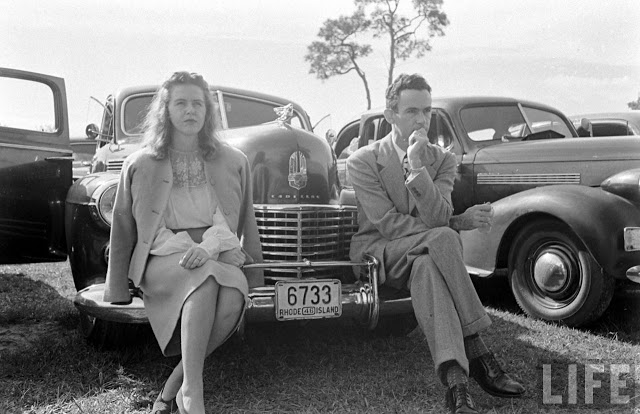
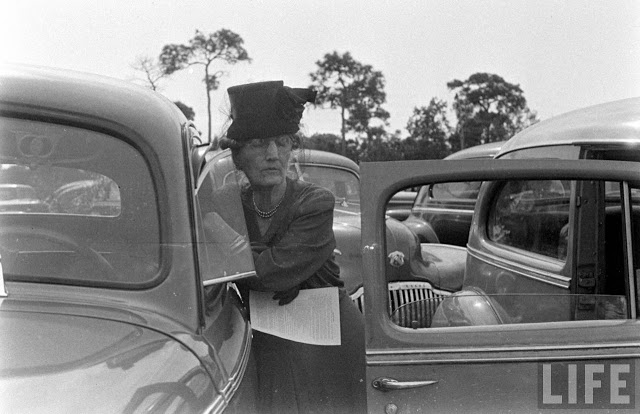
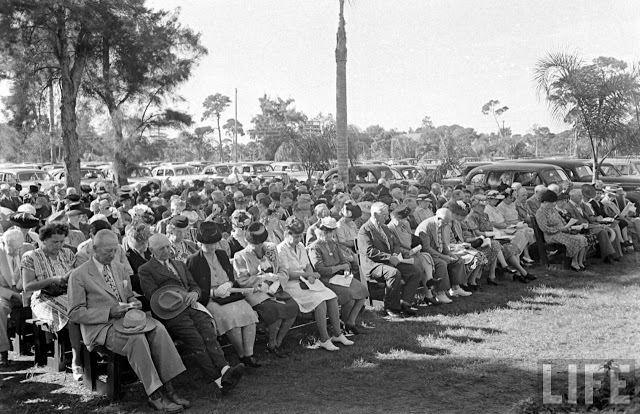
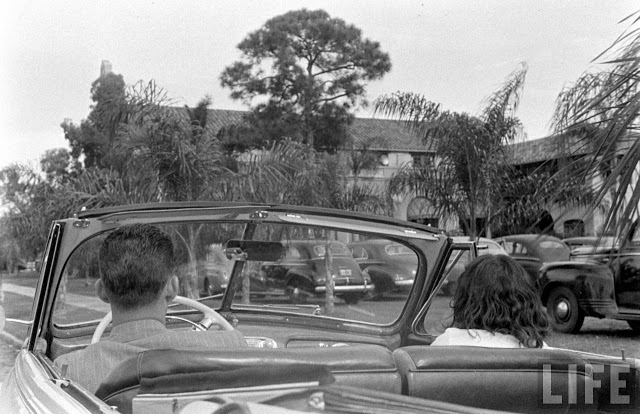
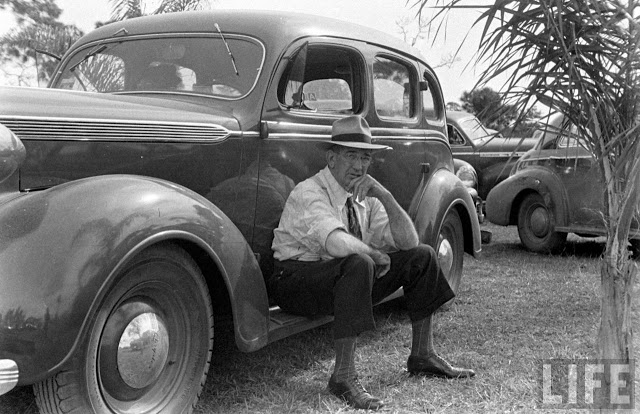
These photographs of a drive-in church in St. Petersburg, Florida circa 1947 were taken by photographer Sam Shere for a feature in LIFE magazine that never got published. The photographs give us a peek into a very different era.

St. Petersburg still has a drive-in church today, but without the impressive line-up of classic cars.

(Photos by Sam Shere for LIFE magazine)

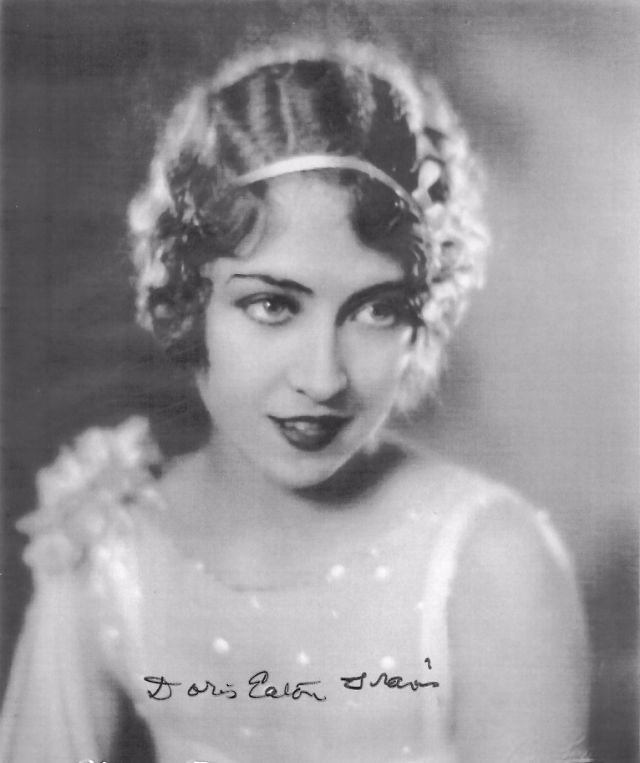
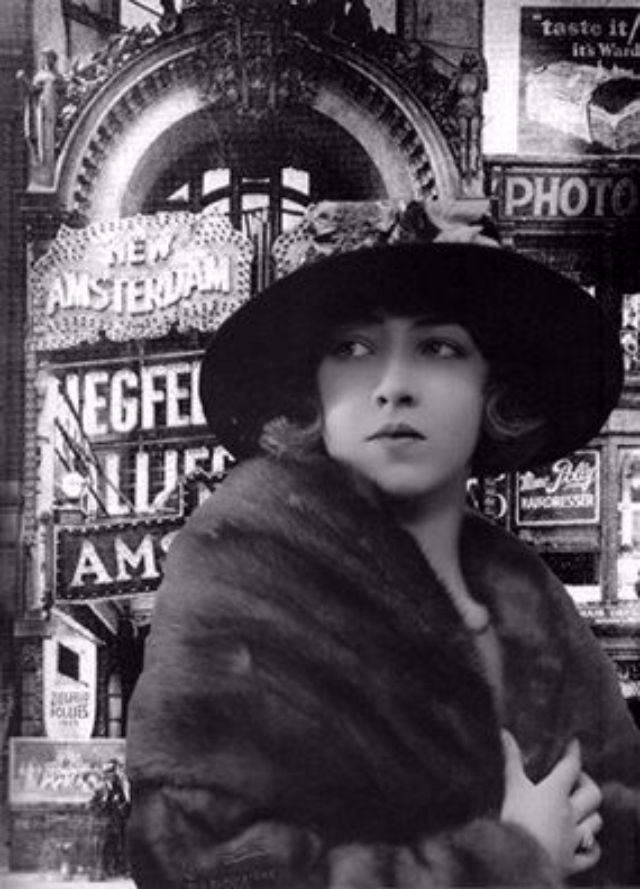
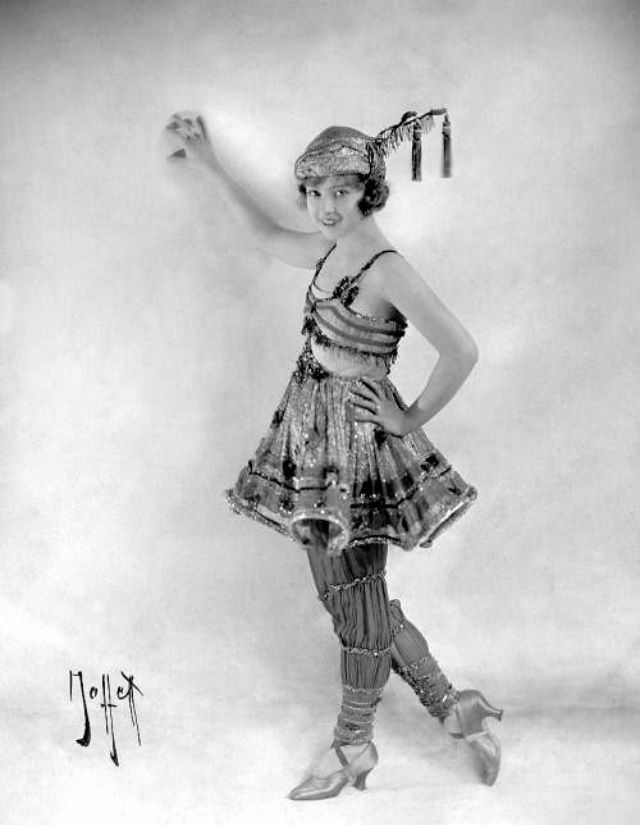
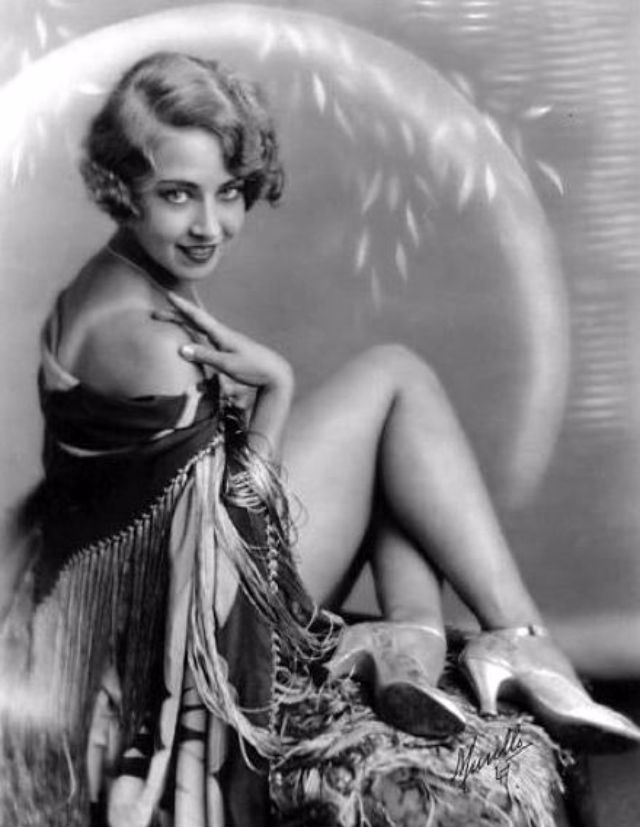
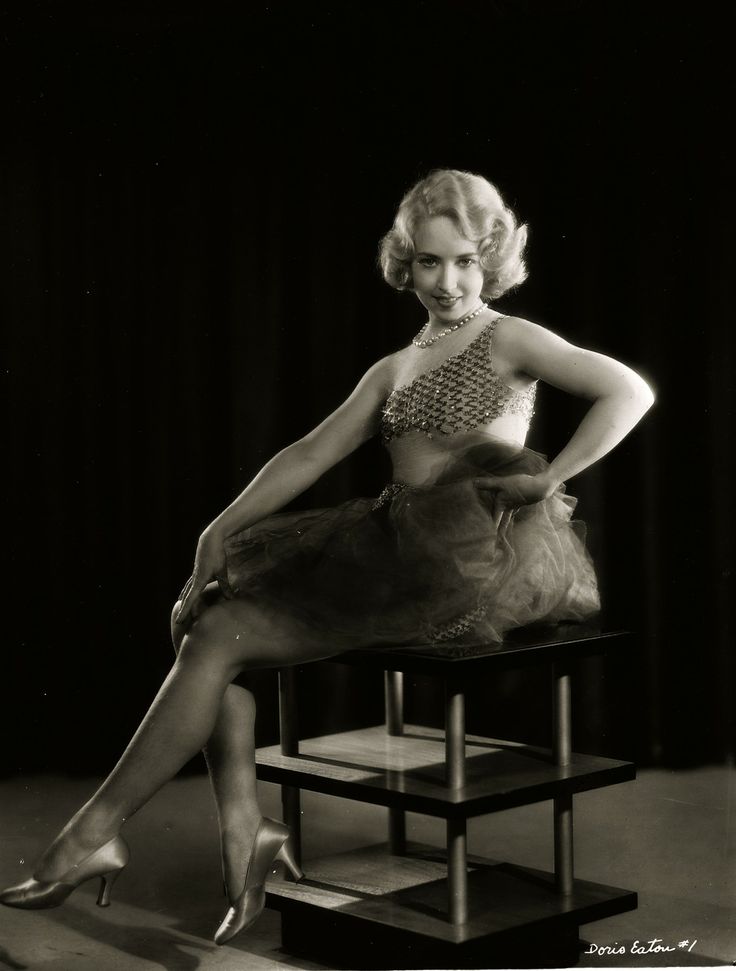
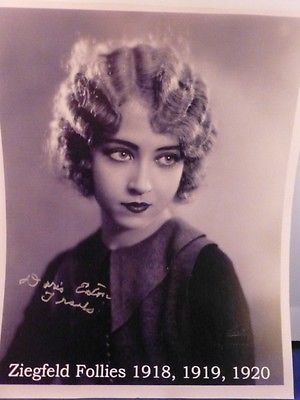
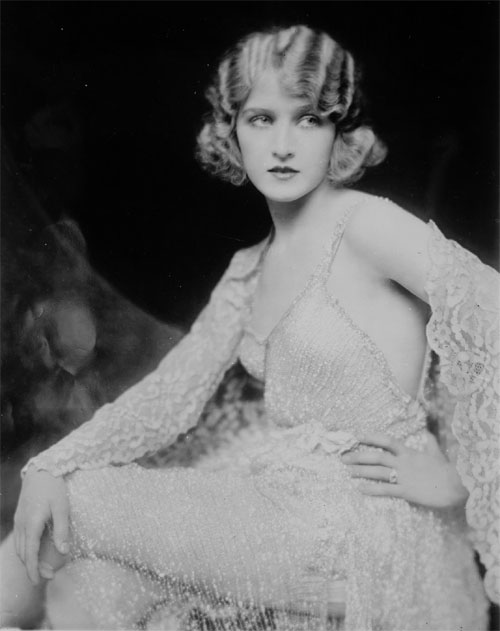
The Last Ziegfeld Girl: 33 Rare Photographs of Doris Eaton Travis From the 1920s

Doris Eaton Travis (1904-2010) was an American dancer, stage and film actress, dance instructor, writer, and rancher, who was the last of the acclaimed Ziegfeld girls.

Travis began performing onstage as a young child, and made her Broadway debut at the age of 13, and joined the famed Ziegfeld Follies as the youngest Ziegfeld girl ever cast in the show in 1918. She continued to perform in stage productions and silent films throughout the 1920s and early 1930s.

When her career in stage and screen declined, Travis started a second career as an Arthur Murray dance instructor and local television personality in Detroit. Her association with Arthur Murray lasted for three decades, during which time she rose through the ranks to own and manage a chain of nearly twenty schools. After retiring from her career with Arthur Murray, she went on to manage a horse ranch with her husband and returned to school, eventually earning several degrees.

As the last surviving Ziegfeld girl, Travis was featured in several books and documentaries about the Ziegfeld Follies years and her other stage endeavors. Travis had also returned to the stage as a featured performer in benefit performances.

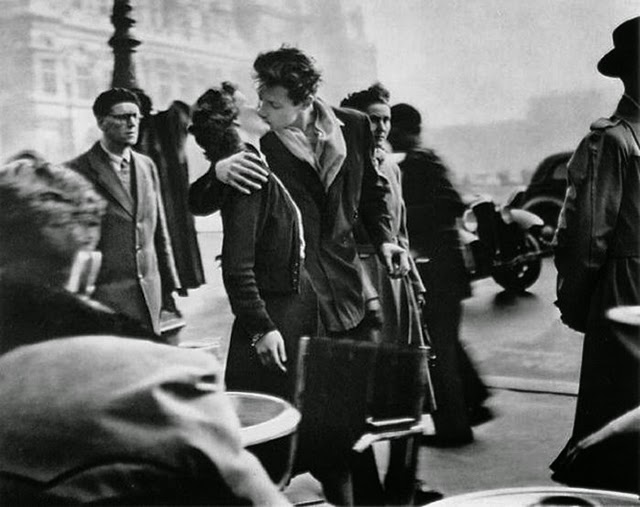
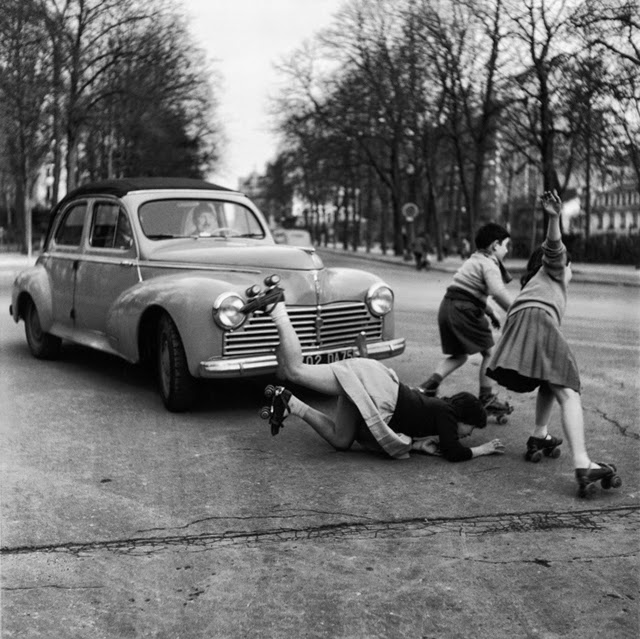
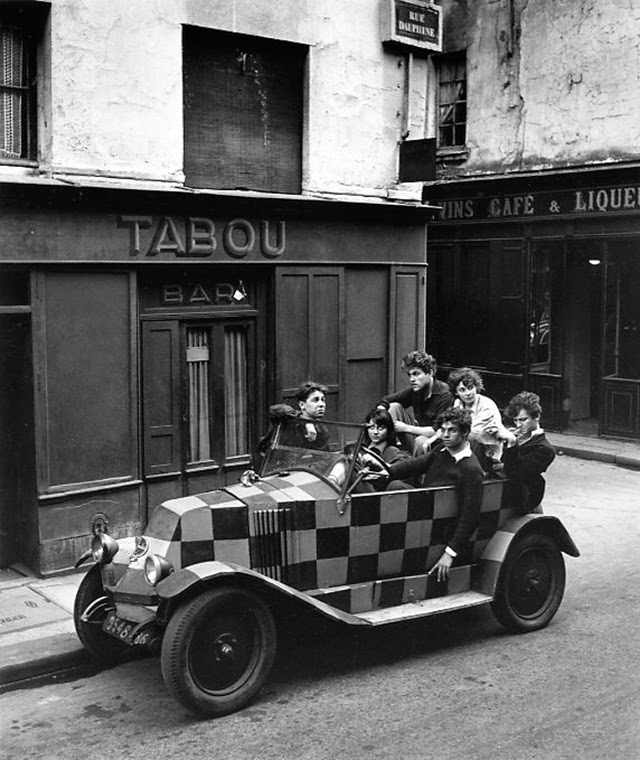
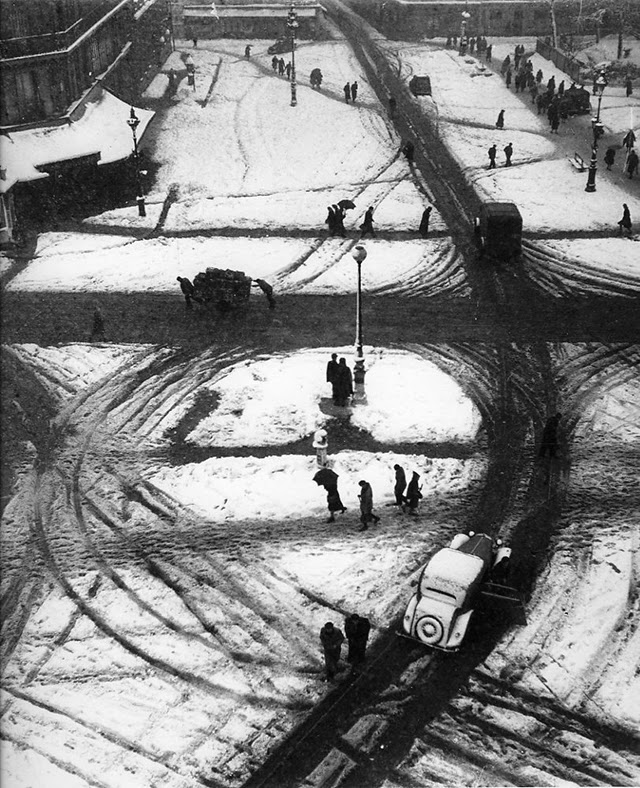
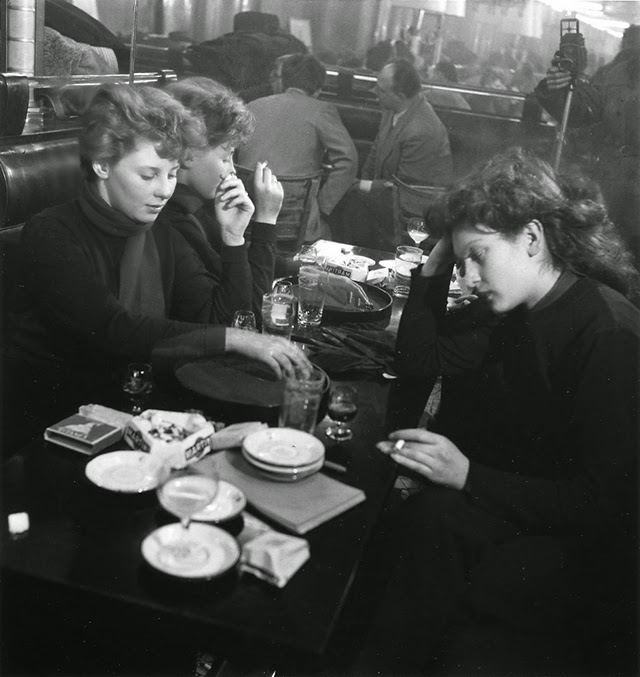
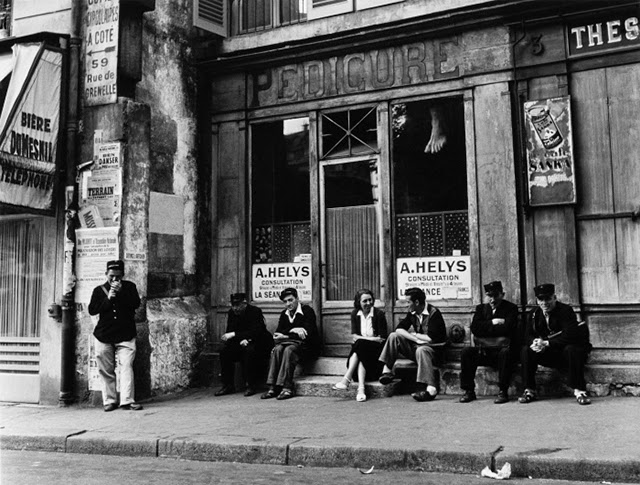
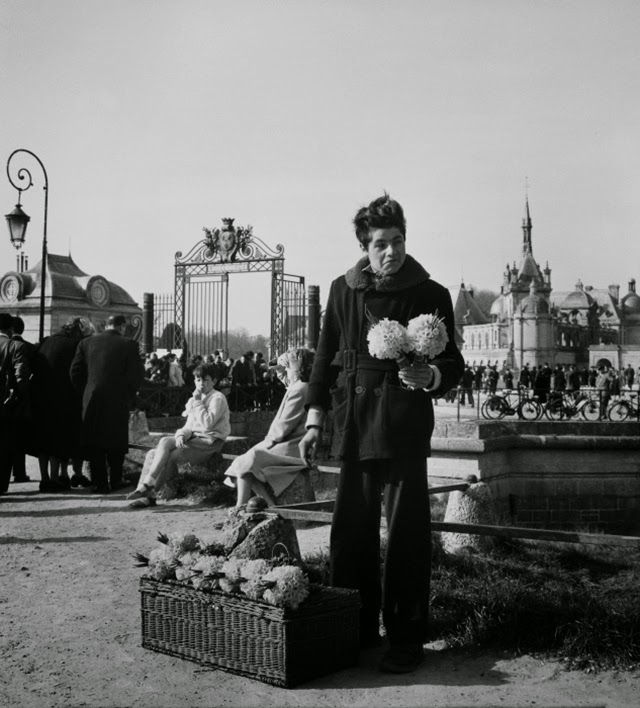
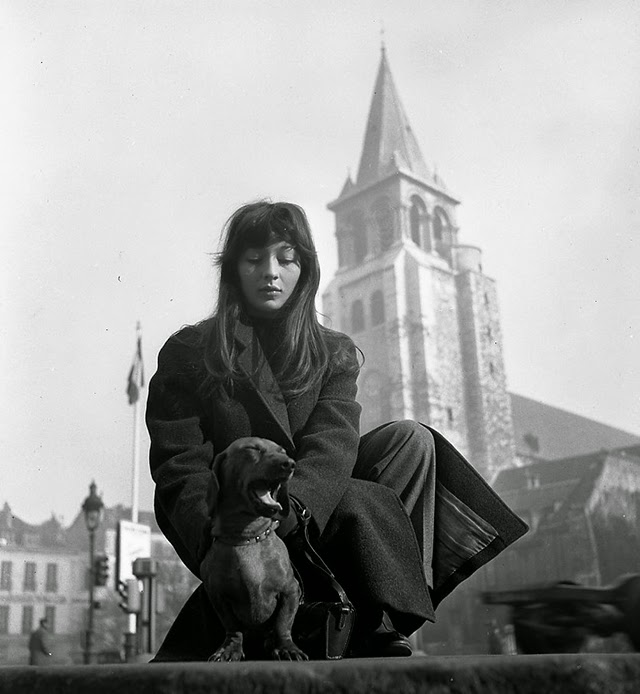
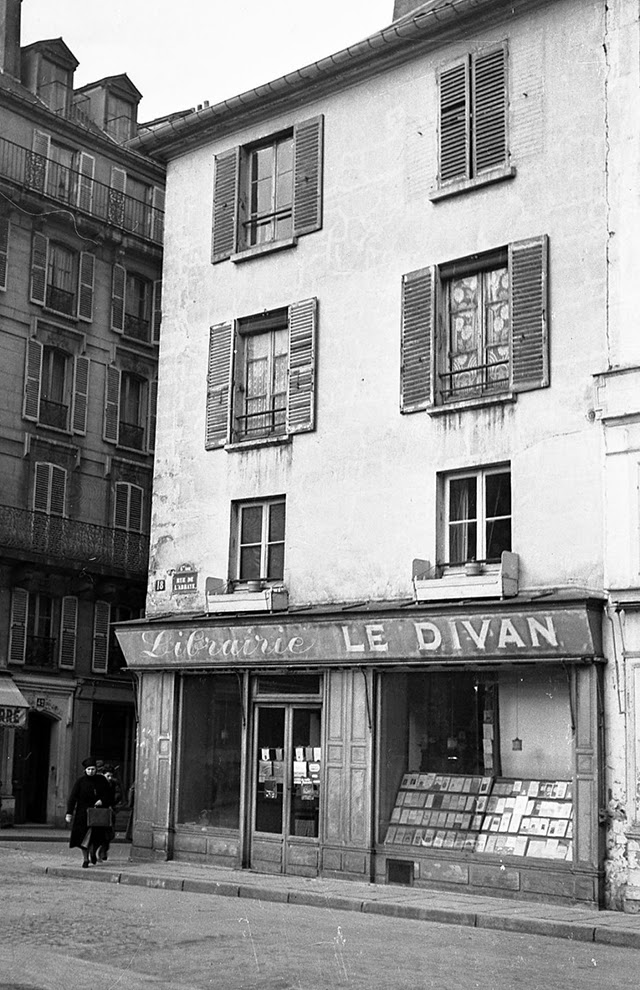
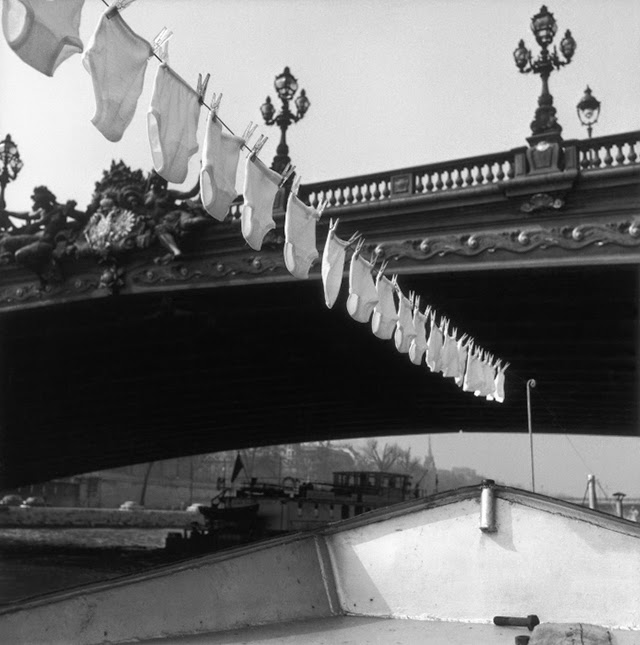
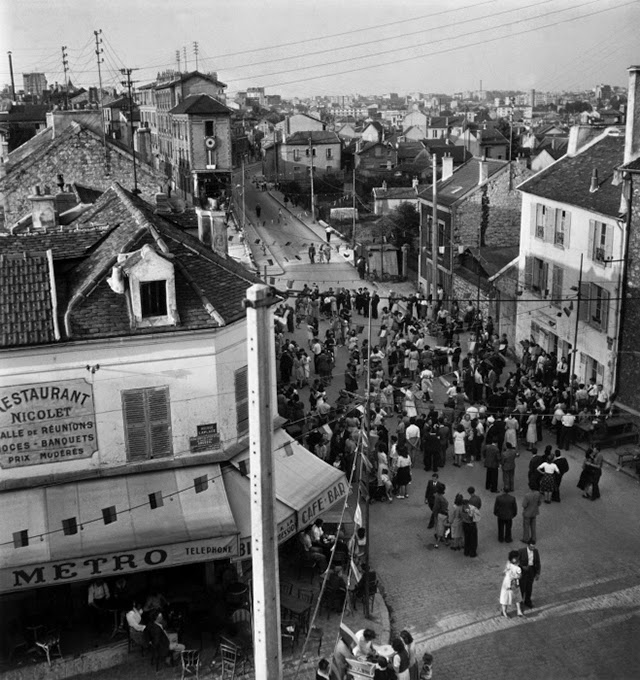
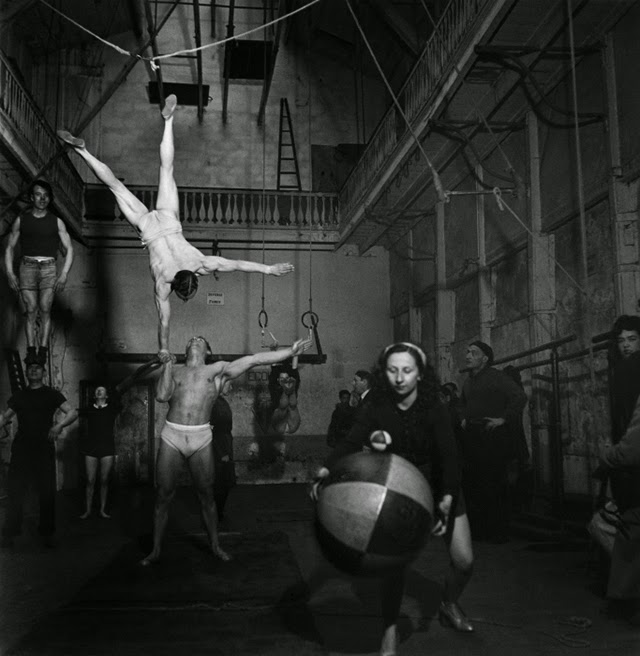
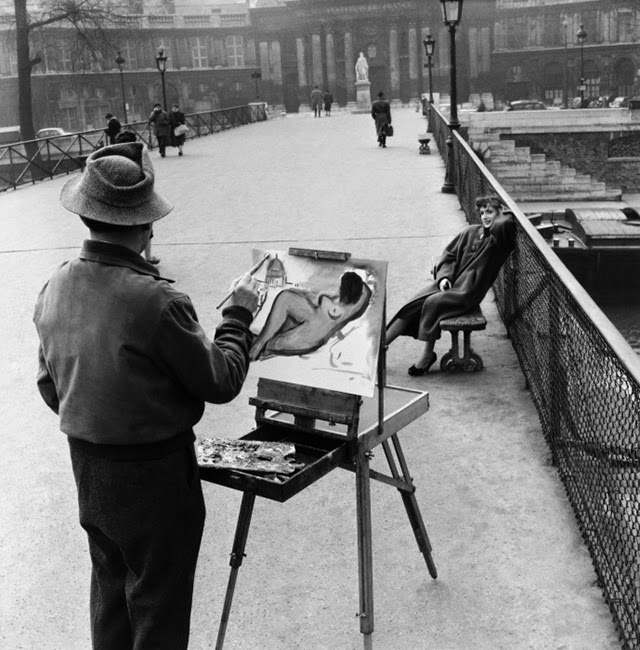
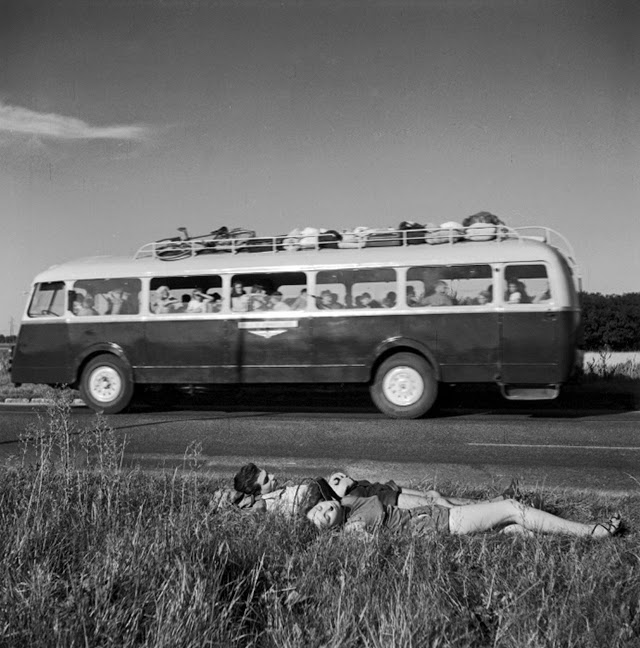
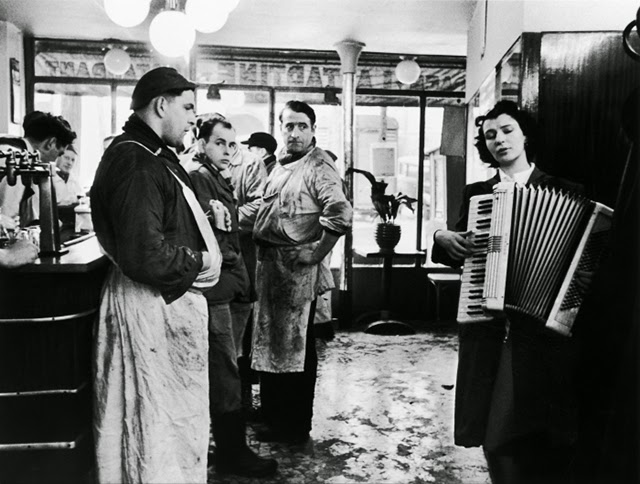
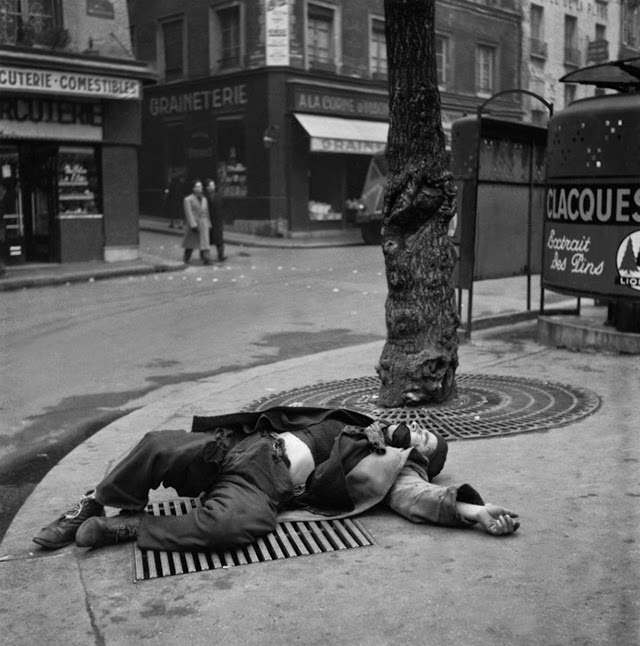
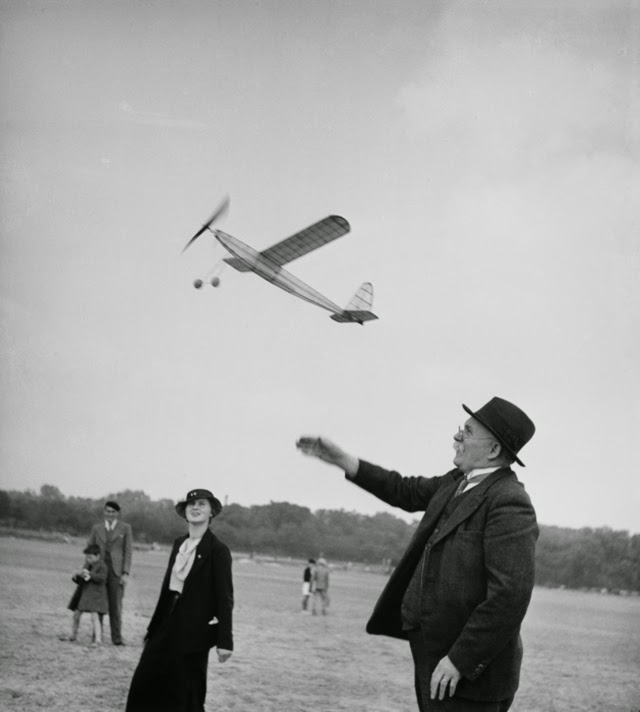
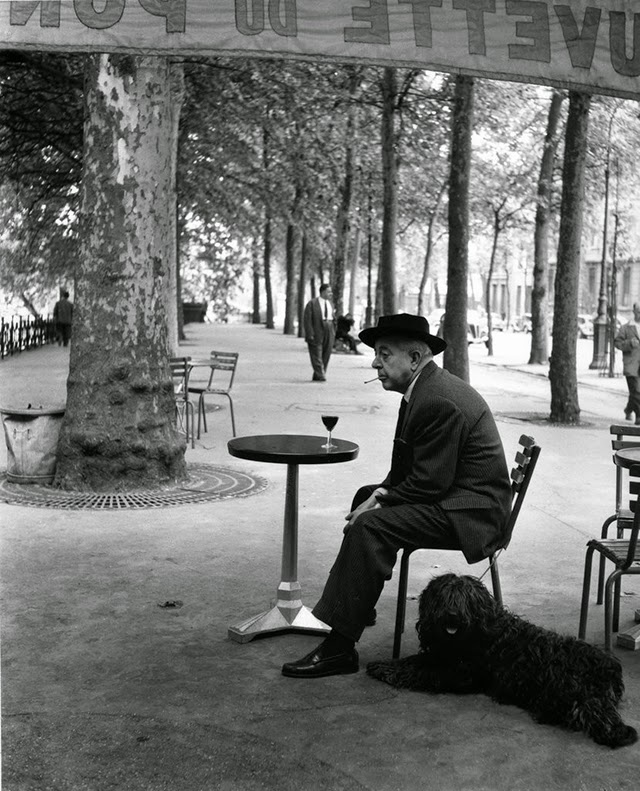
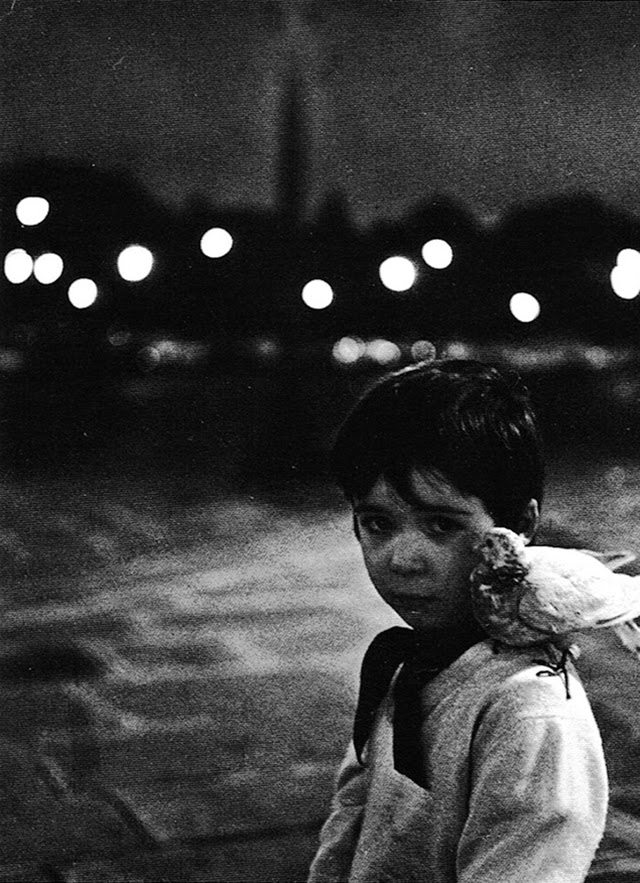
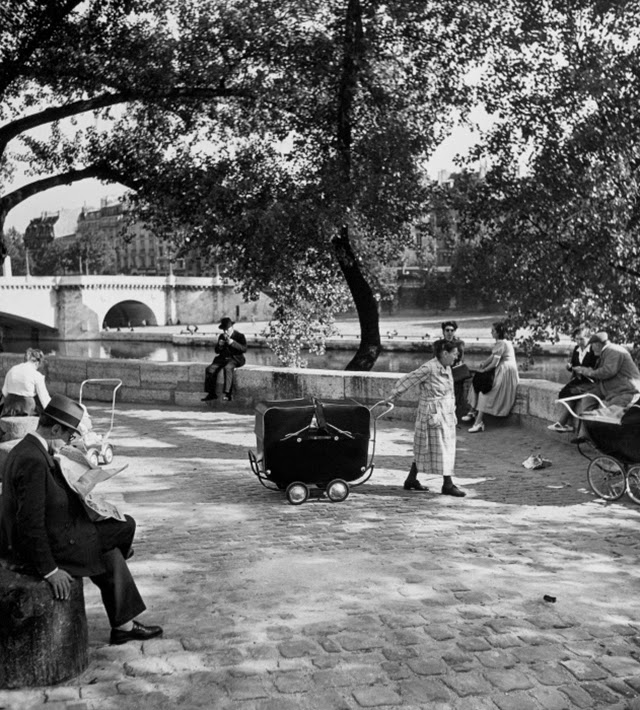
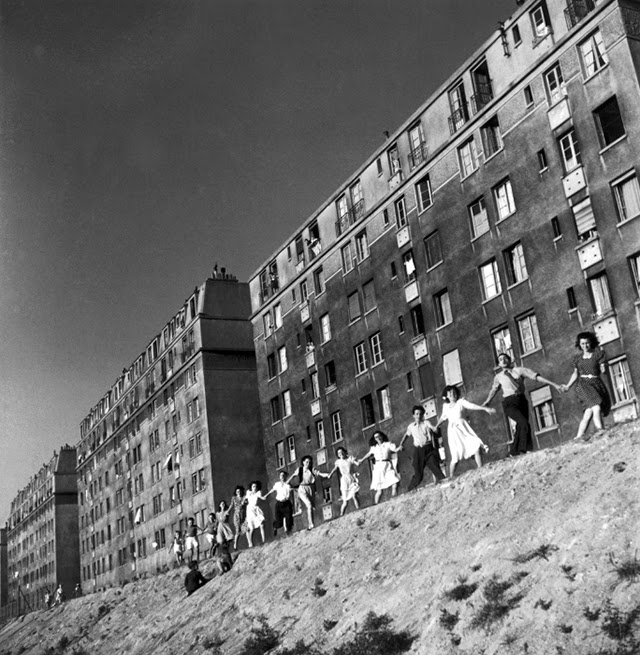
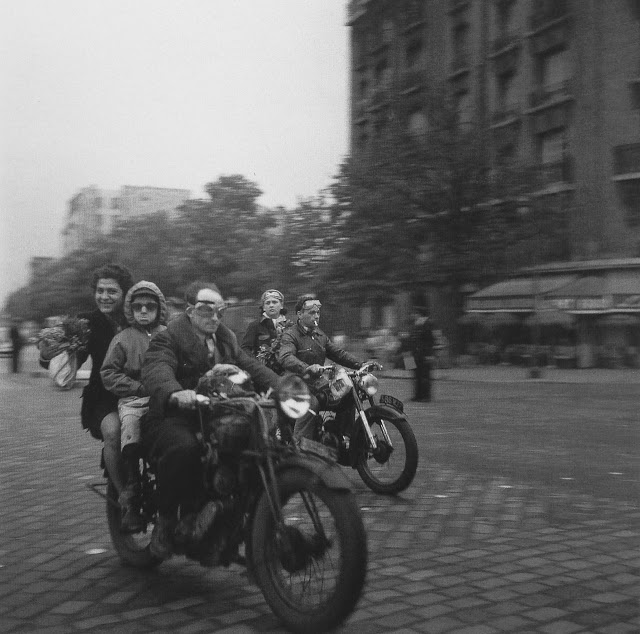
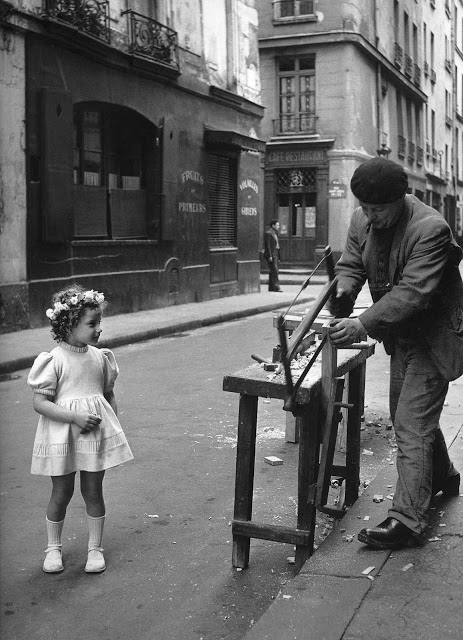
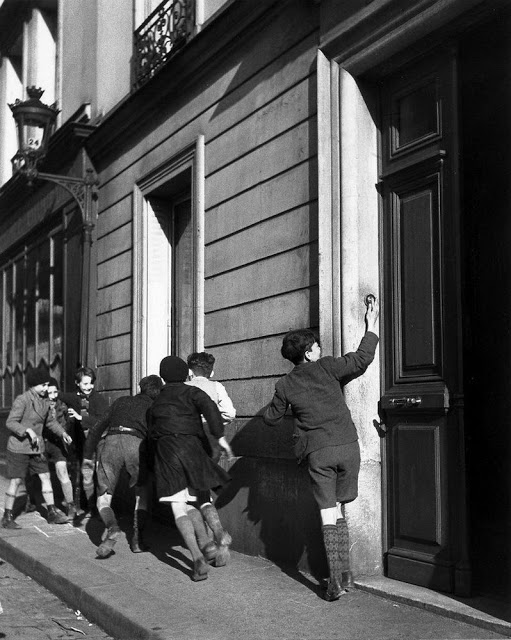
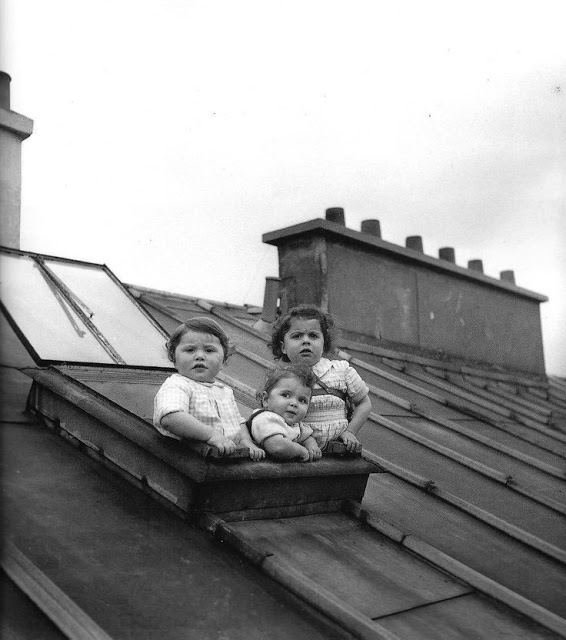
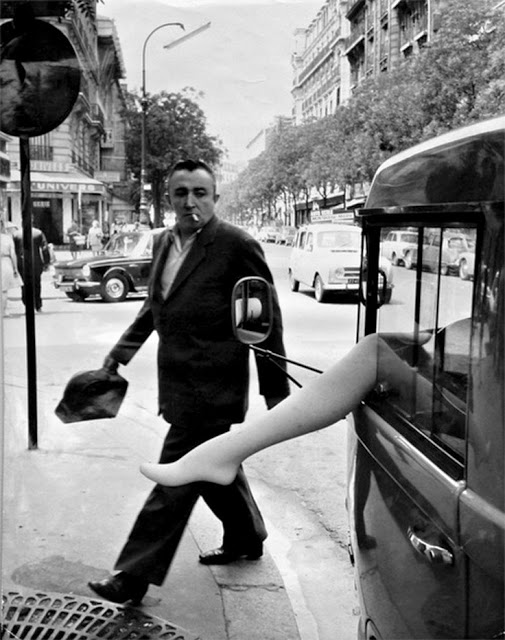
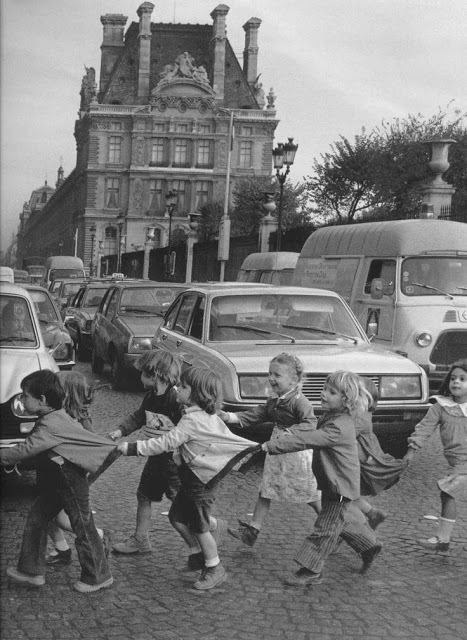
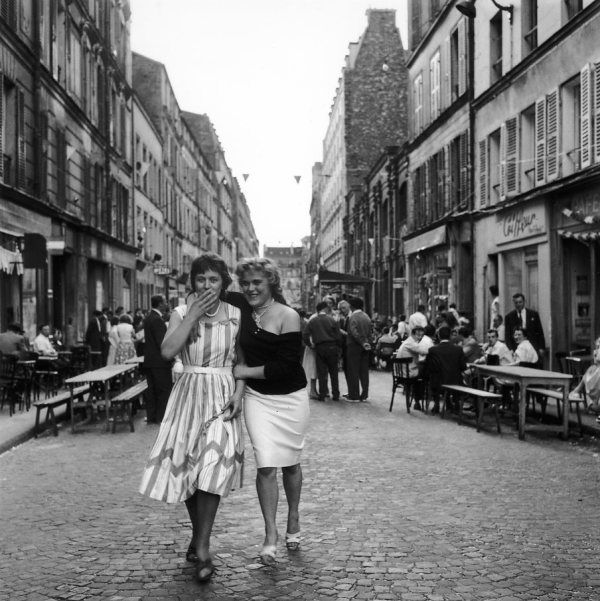
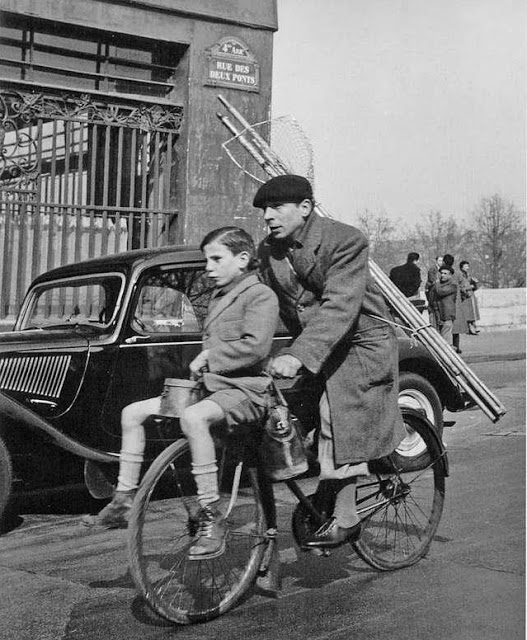
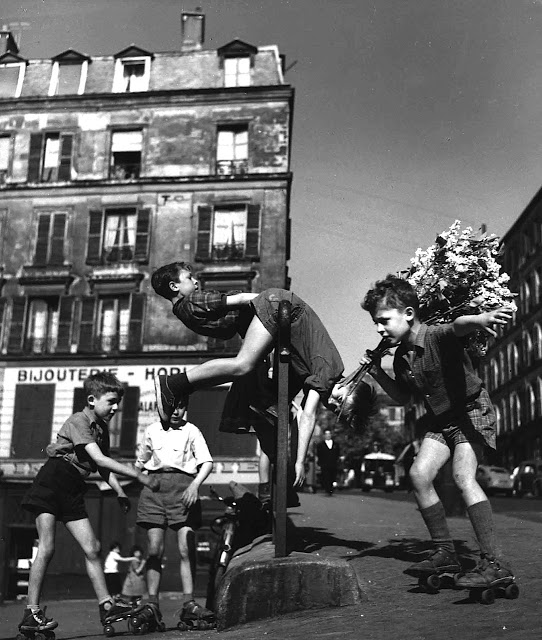
52 Incredible Photos of Paris Taken by Robert Doisneau in the 1940s and 1950s

Robert Doisneau was born in 1922 in Gentilly, a suburb of Paris. He becames a camera assistant at André Vigneau’s studio in 1931, where he discovers artistic outlets that will spur him on. The four years he spent working for the advertising department of Renault car maker, from where he was fired for repeated lateness, led him to the attractive position of independent photographer.

World War II bursts out then, putting an end to his projects. Later, in the Parisian post-war euphoria, despite the fact that he daily deals with orders to make a living, he hoards the photos that will meet with great success, obstinately cruising where “there is nothing to see”, favoring furtive points, tiny pleasures lit by the ’ reflections of sunbeams on cities’ asphalt.
When he died in April 1994, he left behind 450,000 negatives that tell an entertaining story of his time with a tender and observant eye, which must not hide the depth of his thought, his irreverent attitude toward power and authority, his relentlessly free-thinking mind.

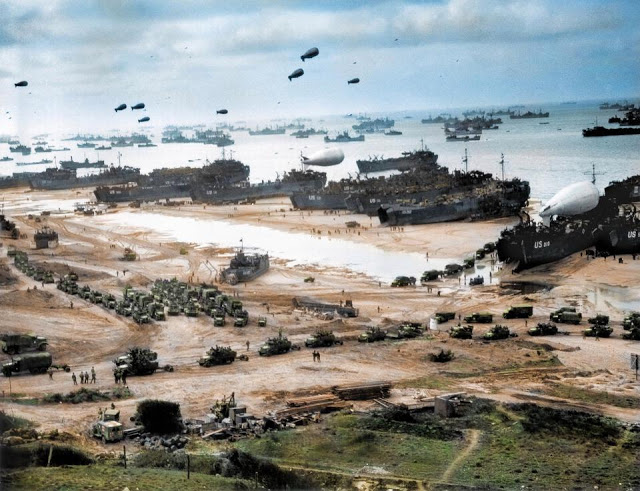
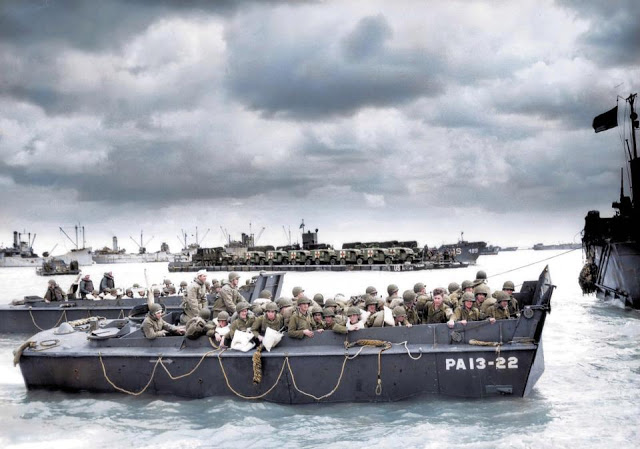
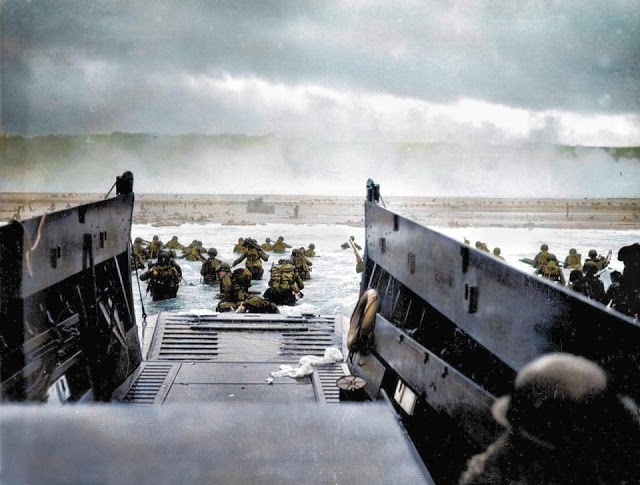
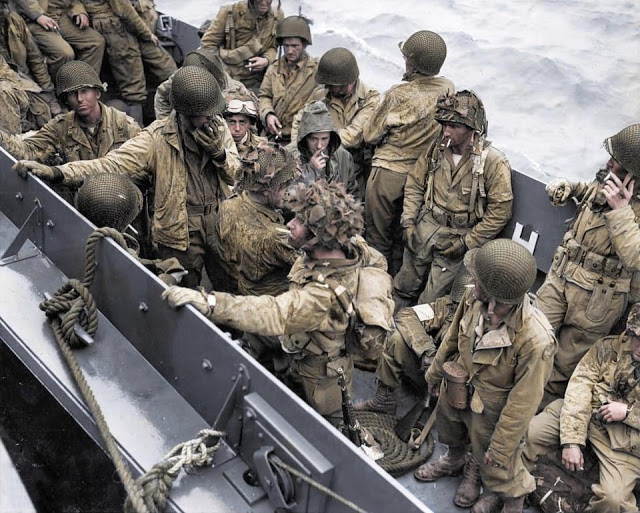
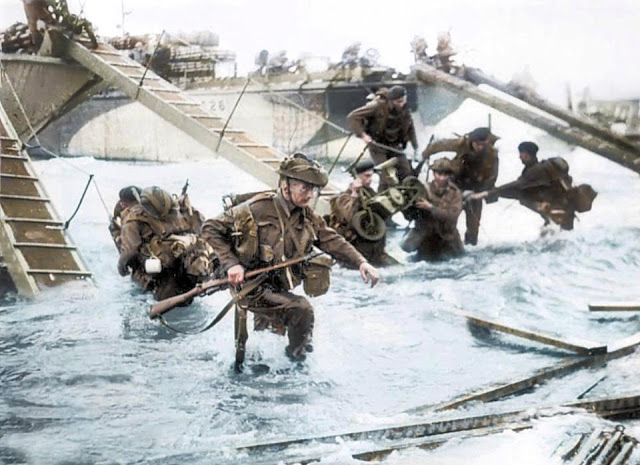
D-Day in Color: Stunning Colorized Photos of Allied Soldiers Landing on Normandy Beaches in June, 1944

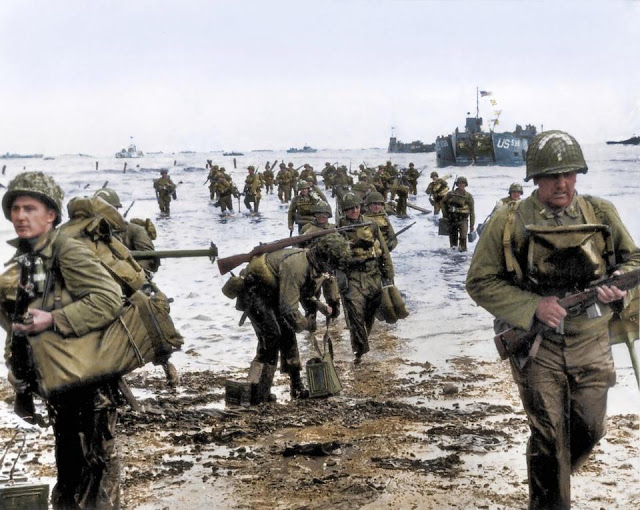
Some 156,000 Allied troops landed on five Normandy beaches during the operation on June 6, 1944, which would ultimately lead to the defeat of Nazi Germany and the end of the Second World War. It was the largest seaborne invasion in history and saw 4,400 allied troops lose their lives.

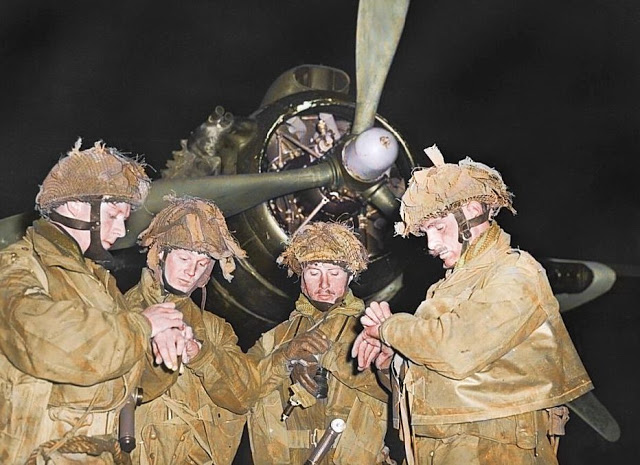
Striking shots show men storming French beaches under ominous grey skies for the invasion, glider pilots on landing craft, and British Airborne Pathfinders at Harwell checking their watches on the night of June 5, 1944, hours before the battle commenced.

The original black and white photographs were painstakingly colorized by electrician Royston Leonard, with each snap taking between four and five hours to complete.

“As time goes by I find I am doing more World War Two pictures and giving them a bit of colour helps the younger generation to connect and not just see them as something that happened long ago,” he said. “In the images I see a world that has gone mad and men and women pulled from their lives to sort out the mess. World War Two shows people at their best and at their worst. We must look and learn and not let it happen again.”

The astonishing scale of the invasion can be seen in this image taken of the American forces arriving on Utah Beach.
U.S. troops from the USS Joseph T. Dickman wait to disembark from their landing craft as they approach Utah Beach on June 6 1944.
A craft from the USS Samuel Chase lands troops of the US Army First Division on Omaha Beach.
Glider pilots take the opportunity for a quick cigarette as they are crowded onto a landing craft.
Royal Marines descend from landing craft with their heavy backpacks, weapons and equipment on Juno beach.
American troops arrive on a Normandy beach in a lengthy procession from their landing crafts.
British troops show their true grit as they help injured comrades onto Sword Beach.
US Army Fourth Infantry Division troops take a breather after making their way onto Utah Red Beach.
British Airborne Pathfinders check their watches on the night before the invasion.
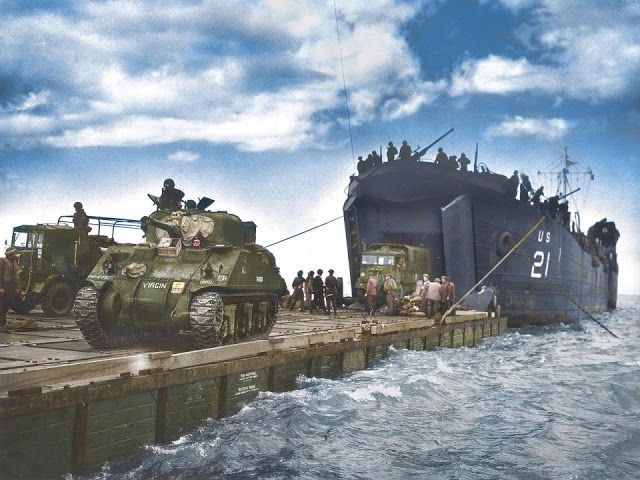
Reinforcements arrive by sea to bolster U.S. troop numbers on the Normandy front.
The USS LST-21, manned by the U.S. coastguard unloads British Army tanks and trucks onto a Rhino barge in the opening hours of their invasion of Gold Beach.
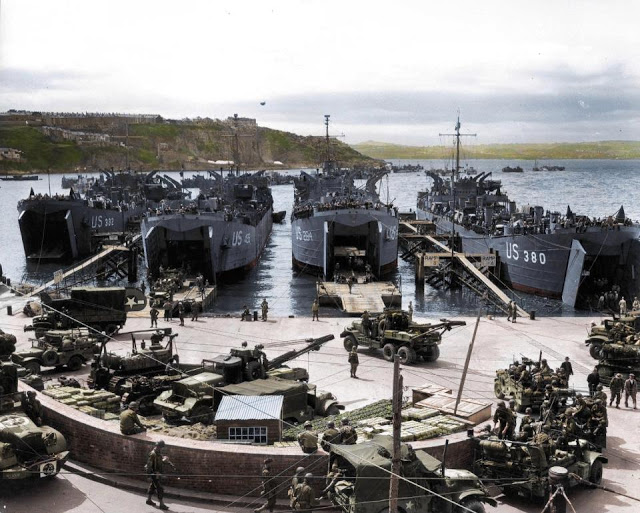
Troops load U.S. LSTs with artillery equipment, vehicles and troops in Brixham, England before they head for Normandy.
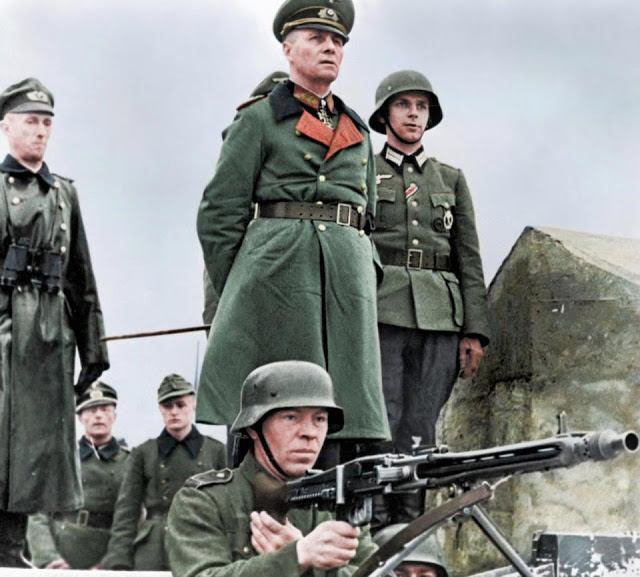
Nazi General Erwin Rommel inspects defences ahead of D-Day. On the actual day of the invasion he was away from the front celebrating his wife’s birthday.
German troops camouflage a Panzer VI Tiger tank with undergrowth in the Normandy village of Villers-Bocage.
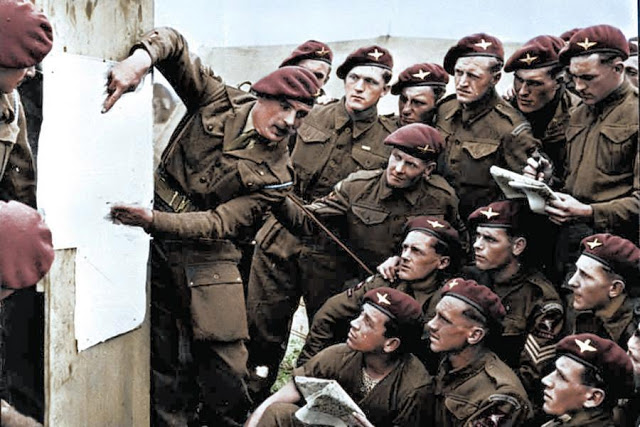
Members of the 22nd Independent Parachute Company, 6th Airborne Division attend a briefing ahead of the D-Day invasion.
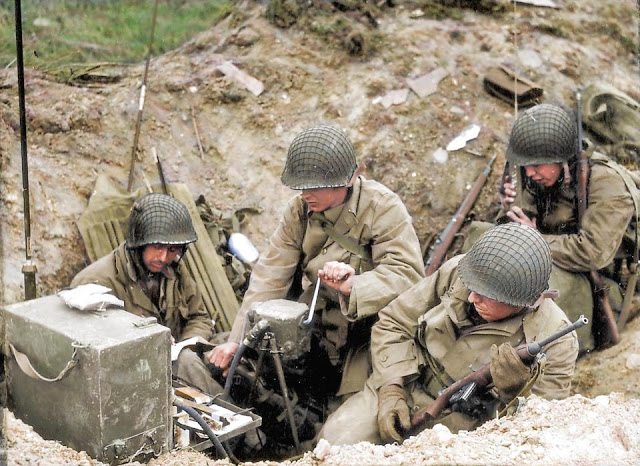
Troops establish a radio communications post after landing.

(Images Colorized by Royston Leonard / Mediadrumworld.com)

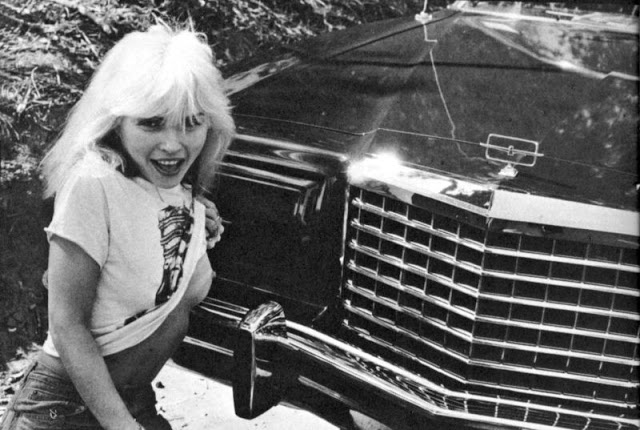
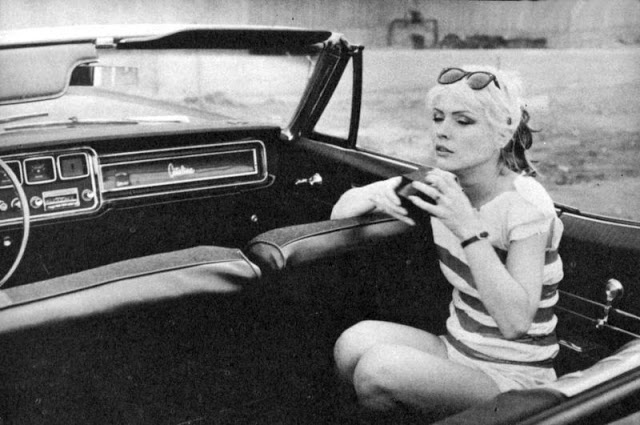
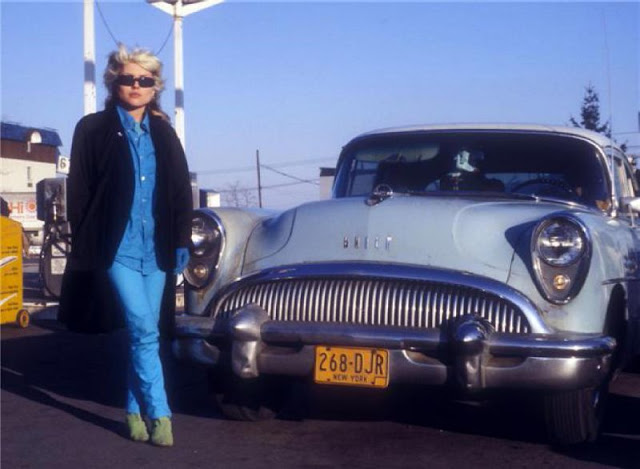
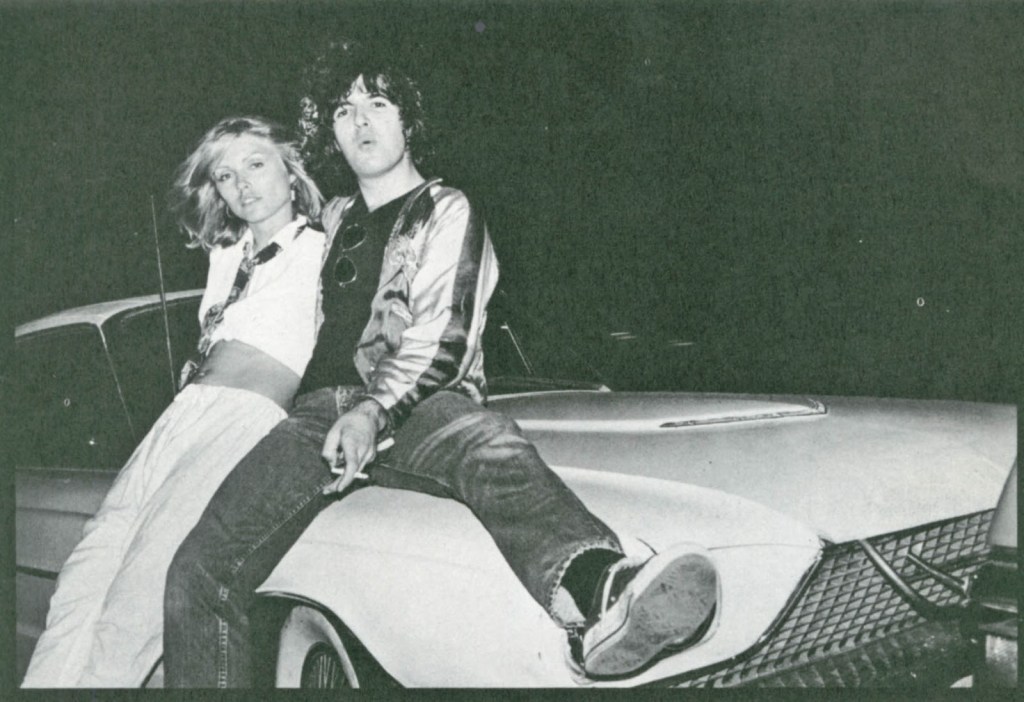
14 Vintage Photographs of Debbie Harry Posing With Her Cars in the Late 1970s

In 1979, the pop world was agog over a New Wave band fronted by an aggressive and slightly loopy blonde female singer known as Debbie Harry. The band was Blondie. Their hits were legion. From the breakthrough album “Parallel Lines” in 1978 alone they had Hanging On the Telephone, One Way or Another, Sunday Girl and Heart of Glass. Blondie’s band accrued several more hit songs before the decade was over.

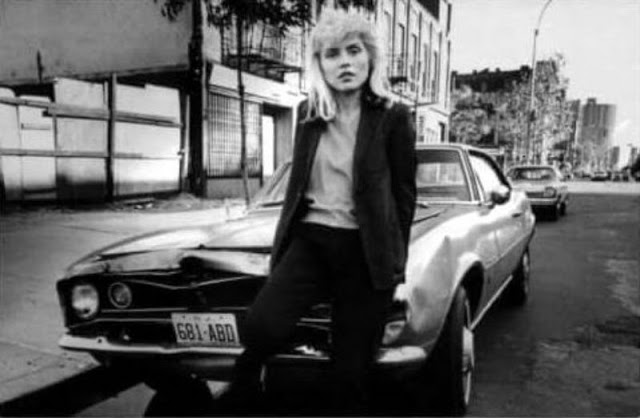
Blondie was a new start. The Punk rock scene from England was starting to affect New York City clubs and Blondie was hanging around with early fans of the music including Richard Hell, The Ramones and Television. Blondie also remained friends with the New York Dolls and The Magic Tramps who represented the Glam Rock scene. Through this entire period of transition and growth towards becoming major music stars. Debbie Harry drove a classic pony car; a 1967 Chevrolet Camaro coupe.

Of course back in the early 1970s, it was just a used car. Debbie described it as “an inheritance from her Mother.” She didn’t have enough money to properly take care of it and living in apartment buildings in the roughest part of New York City. Debbie owned it from her arrival in New York in 1971 all through the Stiletto band era. She mentions the car in a poem she wrote during this time. Debbie’s car contributed greatly to keeping body and soul together. She mentions how convenient it was to have transportation for gigs and the luxury of enjoying trips to the beach or Coney Island during the summer.

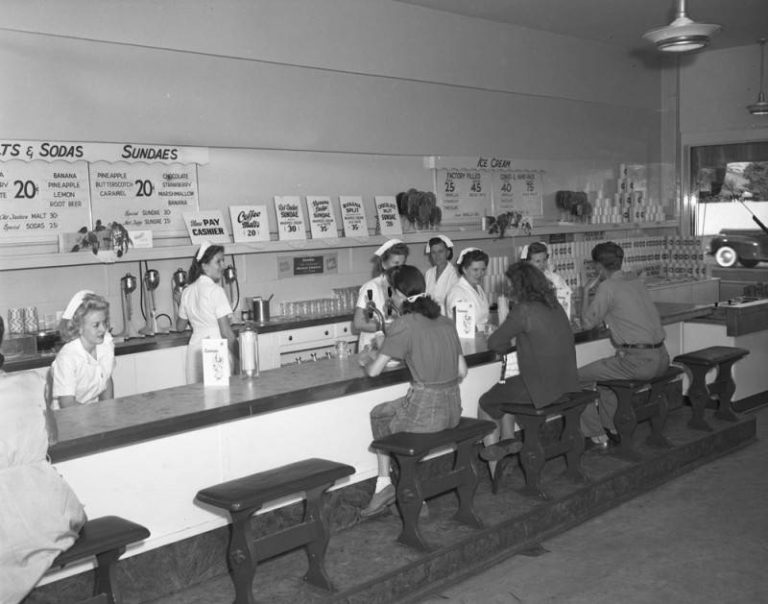
25 Vintage Color Photos Showing Life of Americans From Between the 1940s and 1960s

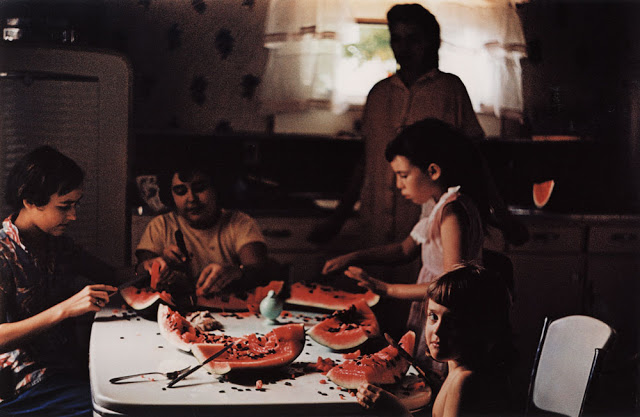
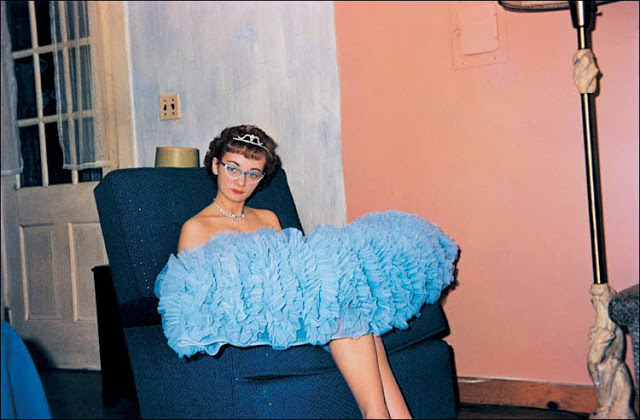
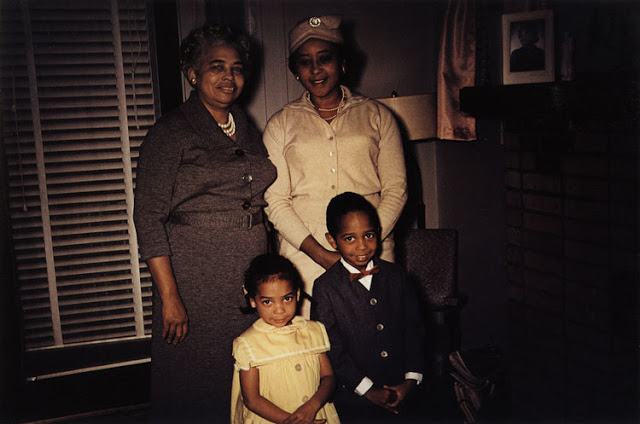
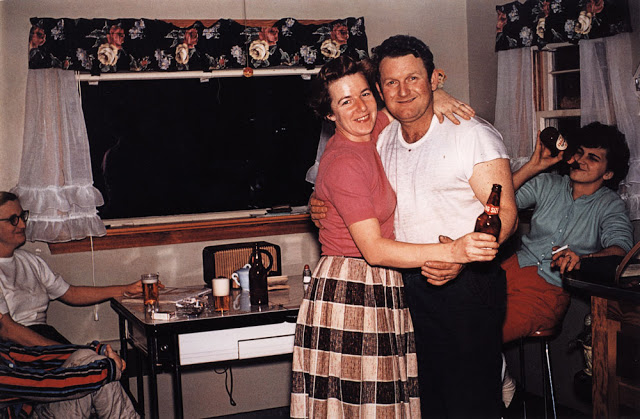
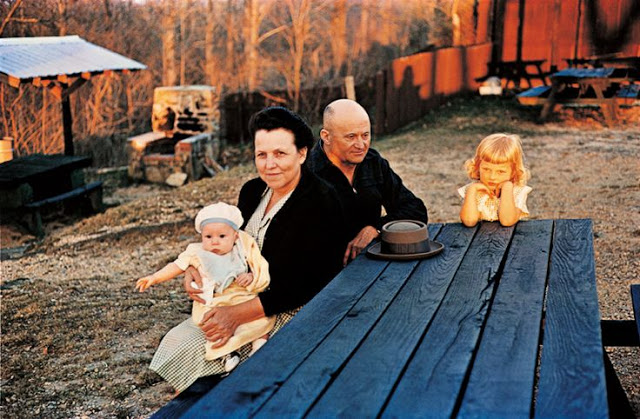
Introduced in 1935 as the first modern color film, Kodachrome was used extensively after World War II by amateur photographers equipped with the new high-quality and low cost 35mm cameras. Americans in Kodachrome 1945-1965 is an unprecedented portrayal of the daily life of the people during these formative years of modern American culture. It is comprised of ninety-five exceptional color photographs made by over ninety unknown American photographers.

These photographs were chosen from many thousands of slides in hundreds of collections. Like folk art in other mediums, this work is characterized by its frankness, honesty, and vigor. Made as memoirs of family and friends, the photographs reveal a free-spirited, intuitive approach, and possess a clarity and unpretentiousness characteristic of this unheralded photographic folk art.

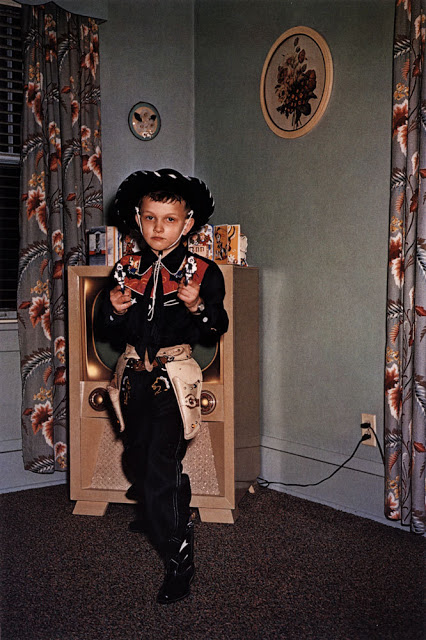
Cowboy Kid, St. Cloud, Minnesota, 1955
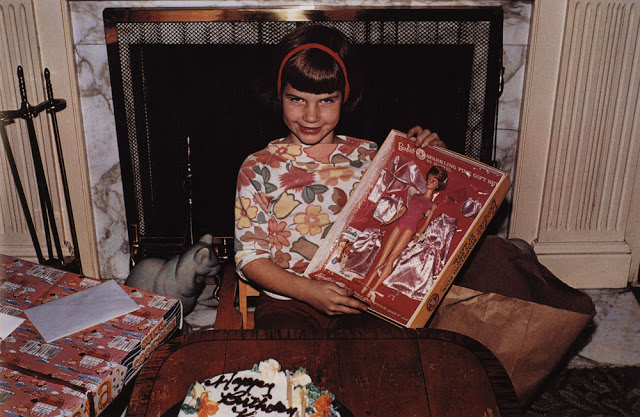
Pink Barbie, Richwood, West Virginia, 1965
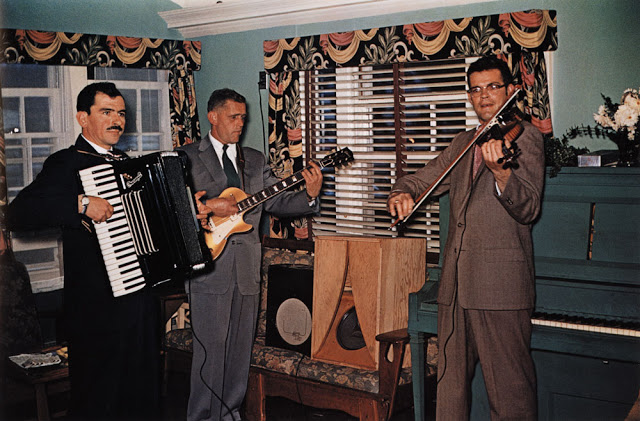
Wedding Musicians, New Milford, Connecticut, 1956
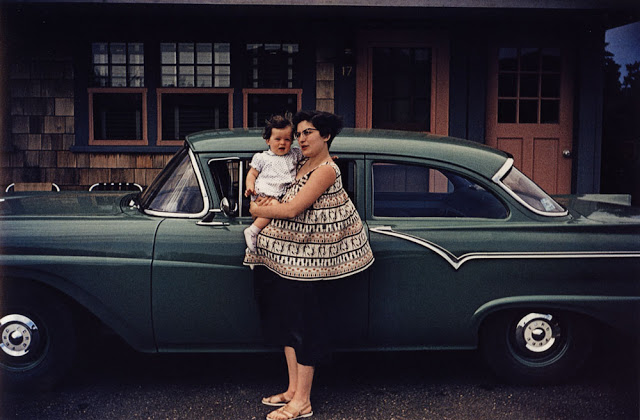
Mother with Green Ford, Pocasset, Massachusetts, 1957
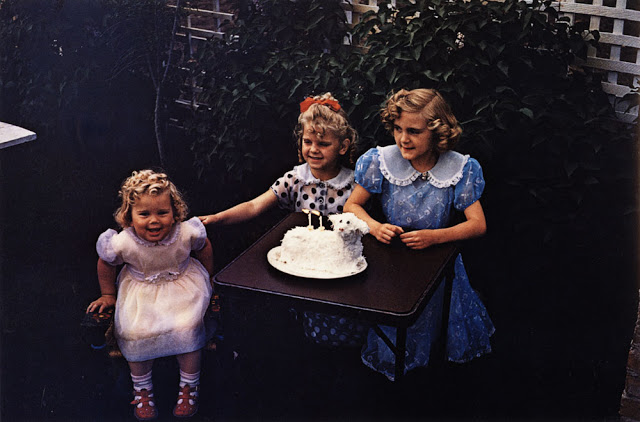
Lambcake, Glasgow, Montana, 1954
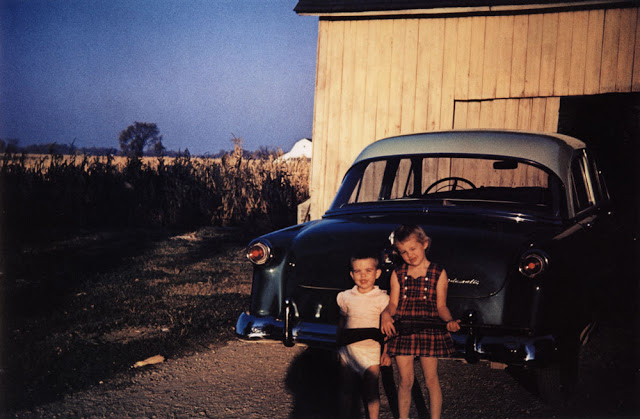
Children with Gun, Ruel, Indiana, 1953
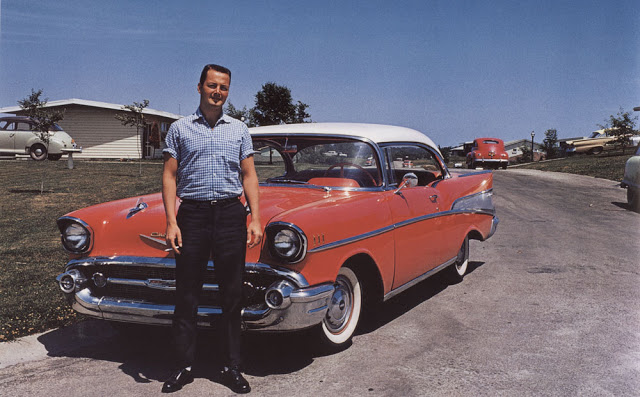
Jerry and His ’57 Chevy, Kansas City, Kansas, 1962
Girls Eating Watermelon, Russellville, Kentucky, 1953
Blue Prom Dress, Hamilton, Massachusetts, 1961
Easter Sunday, Louisville, Kentucky, 1962
Dancing in the Kitchen, Preston, Connecticut, 1955
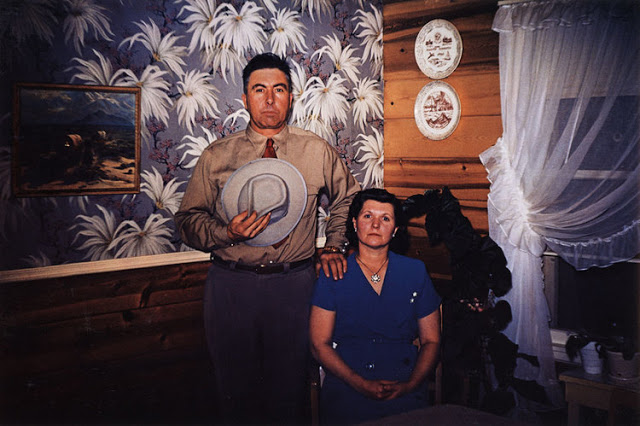
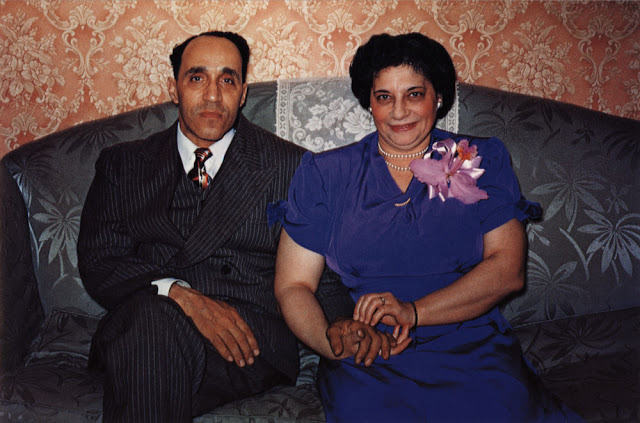
Dakota Couple, Rapid City, South Dakota, 1953
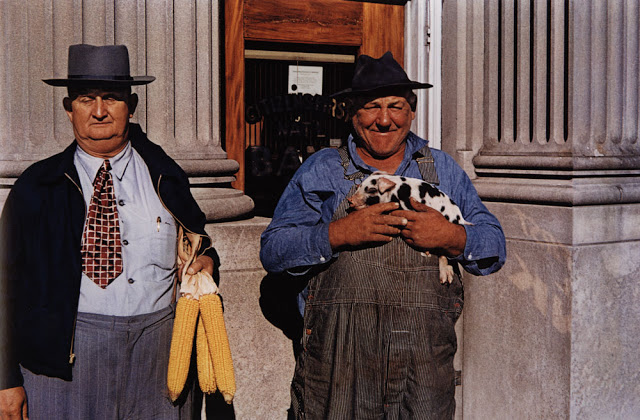
Corn and Piglet, Princeton, Illinois, 1951
Golden Girl, Henderson County, North Carolina, 1962
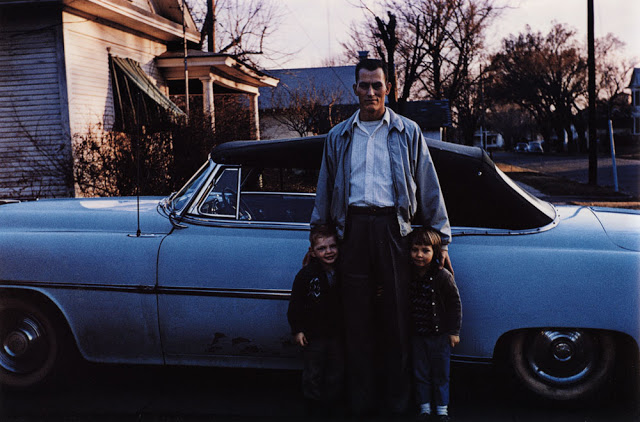
Blue Convertible, Muskogee, Oklahoma, 1963
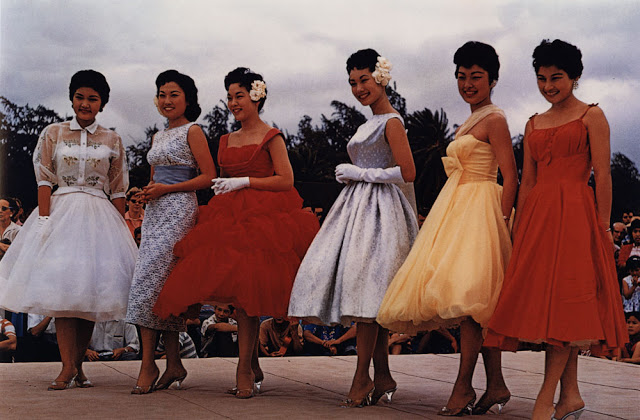
Beauty Contestants, Kapiolani Park, Honolulu, Hawaii,1958
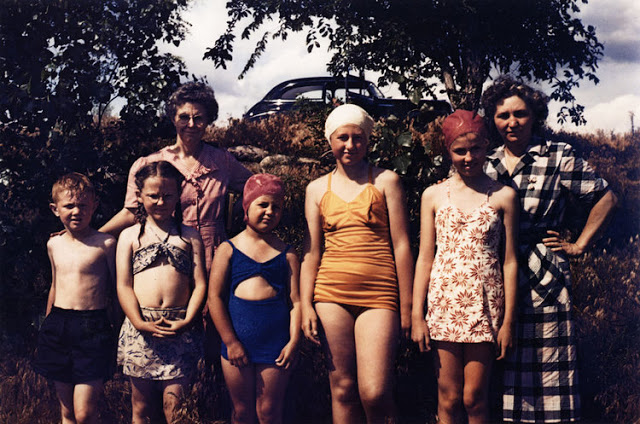
Swimmers, Alexandria, South Dakota, 1948
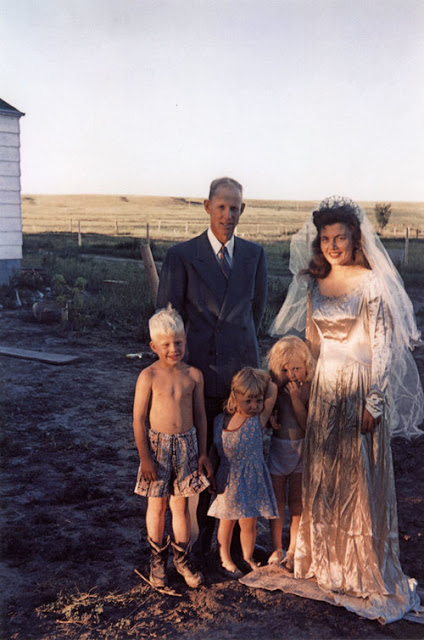
Seventh Wedding Anniversary, Hermosa, South Dakota, 1952
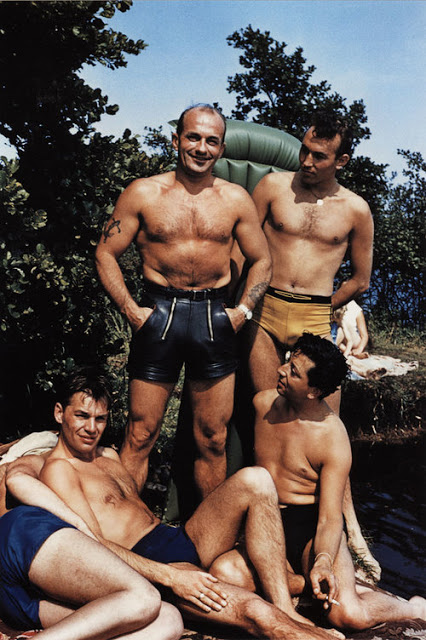
Fire Island, New York, 1959
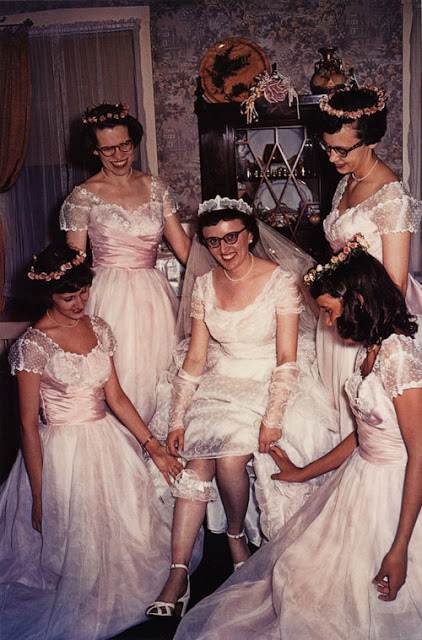
Bride with Bridesmaids, Des Plaines, Illinois, 1954
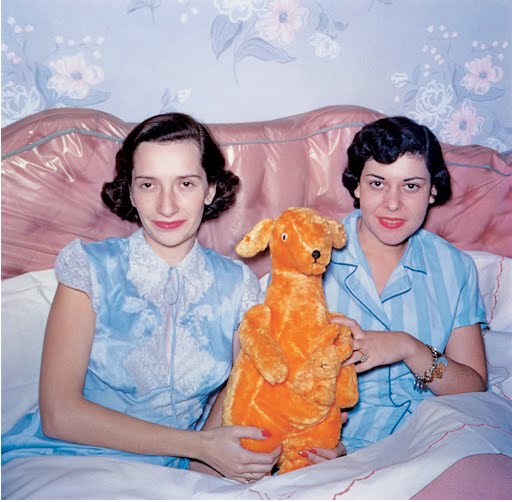
Nana and Beba, Brooklyn, New York, 1949
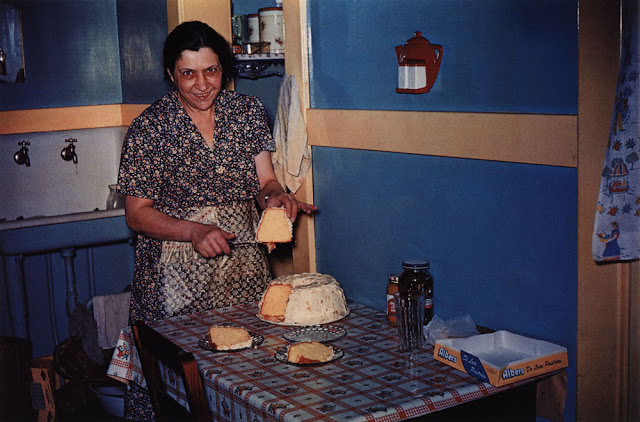
Mom with Chiffon Cake, Portsmouth, Ohio, 1950
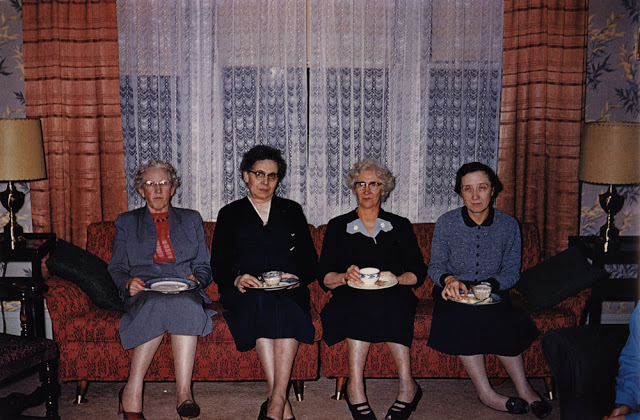
Four Ladies at Tea. Grand Forks, North Dakota, 1955
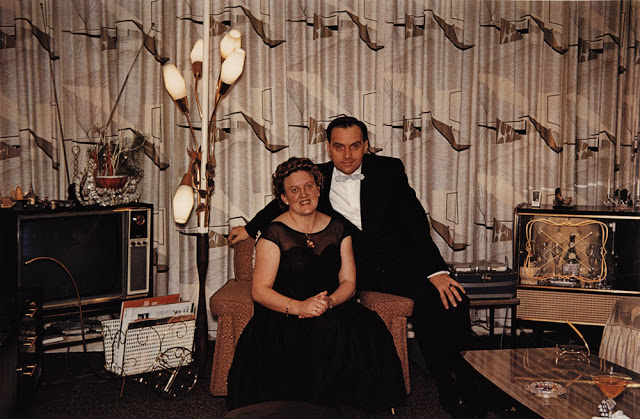
Cocktail Couple

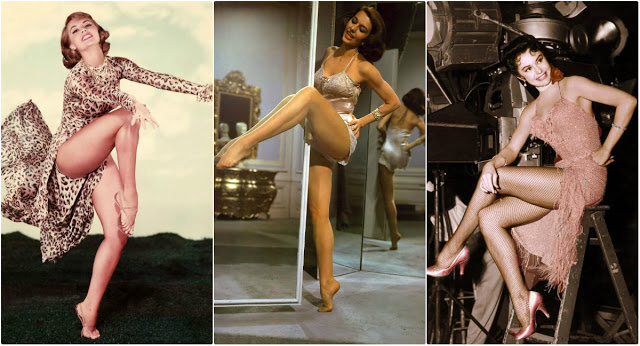
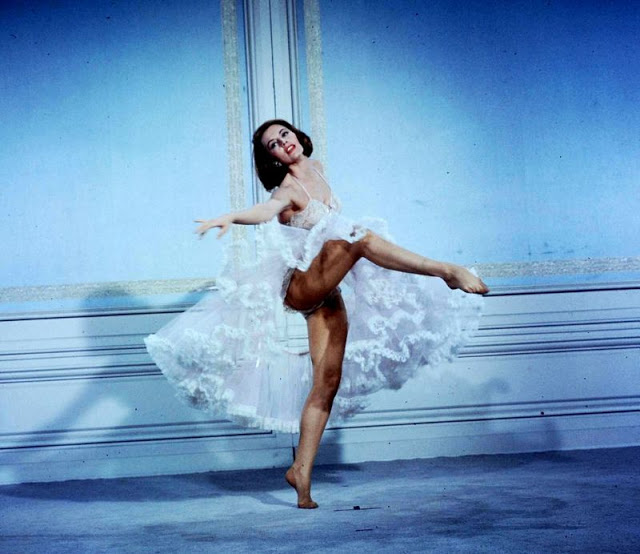
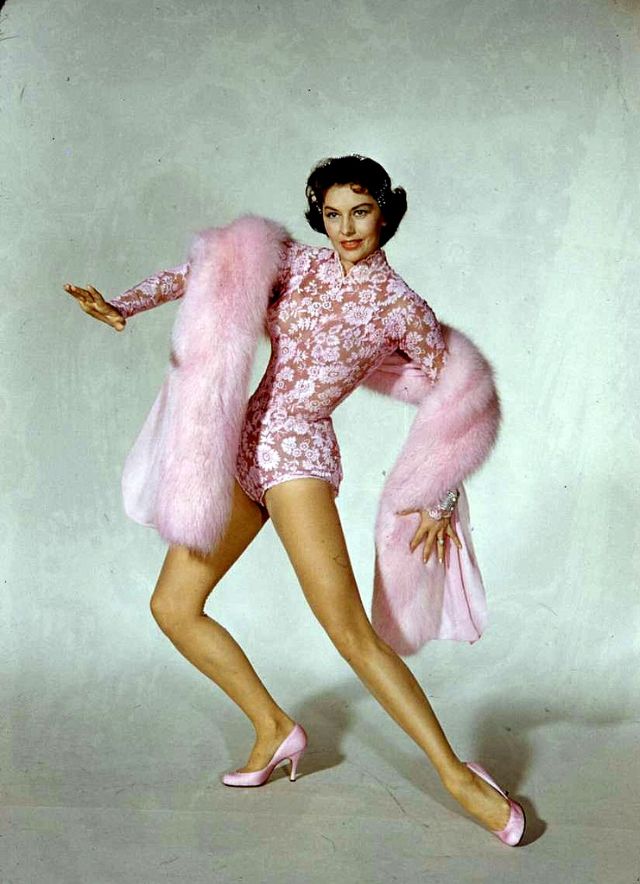
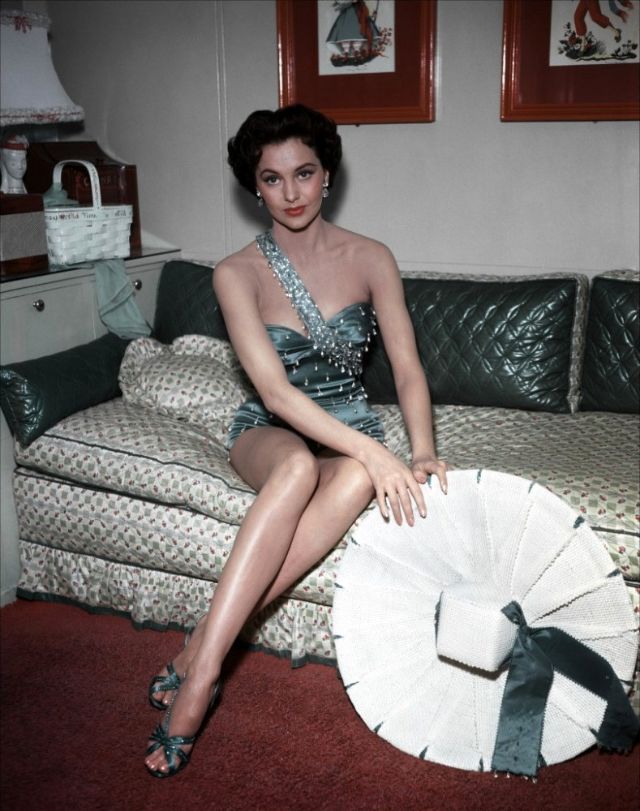
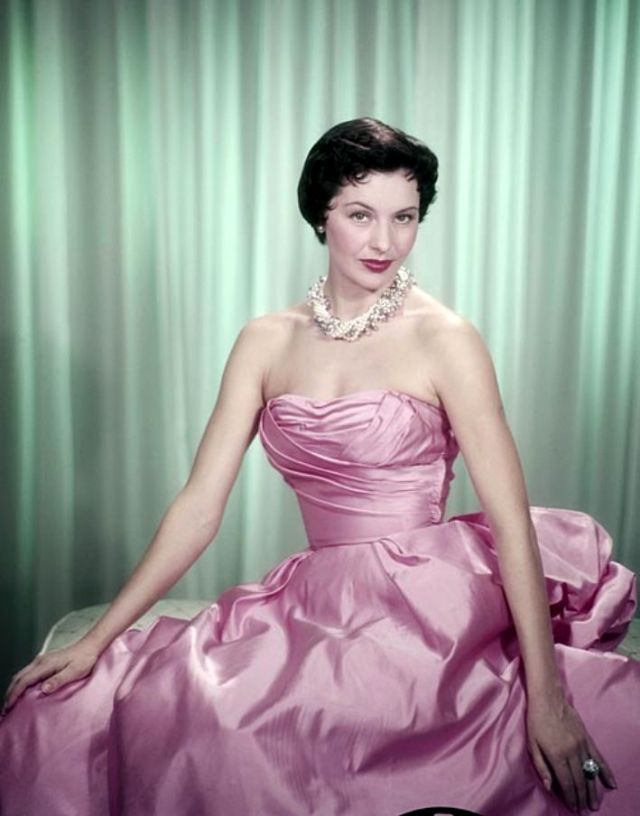
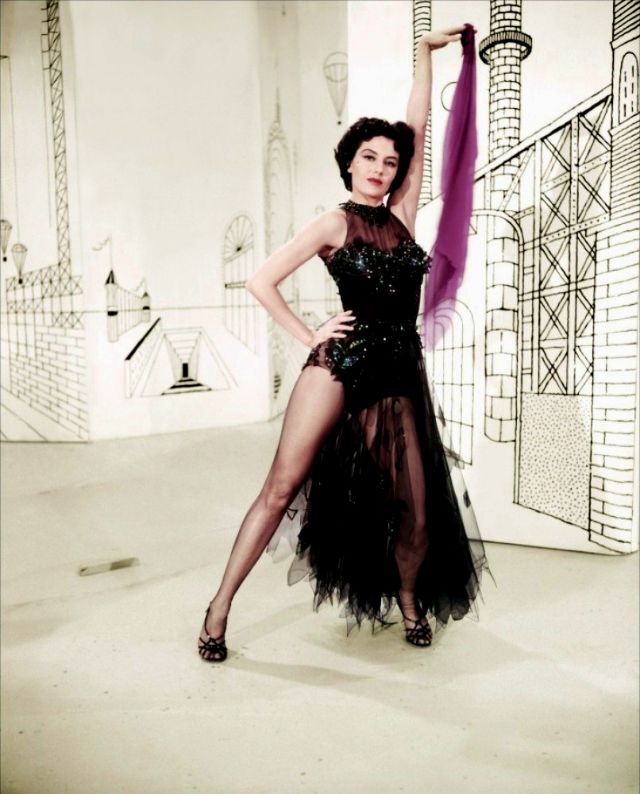
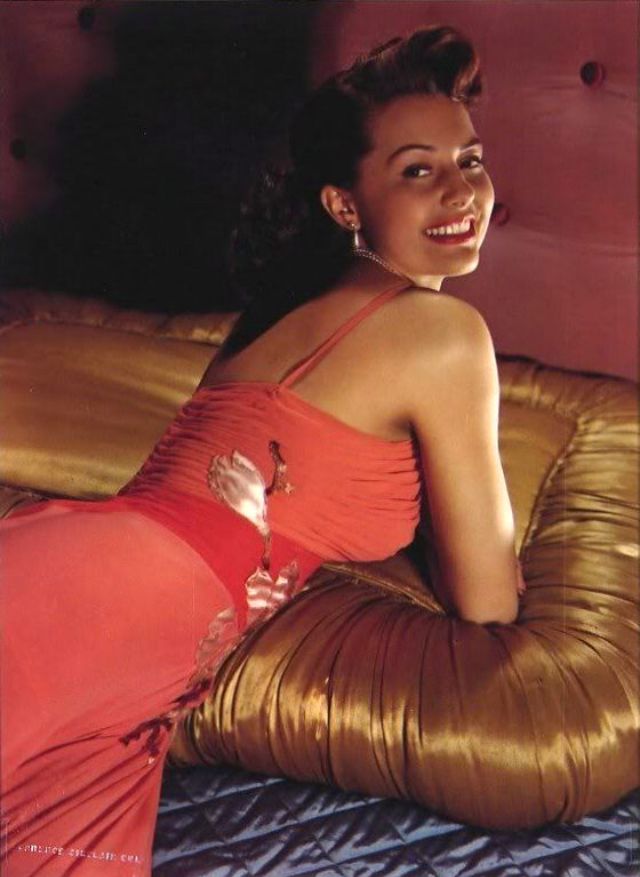
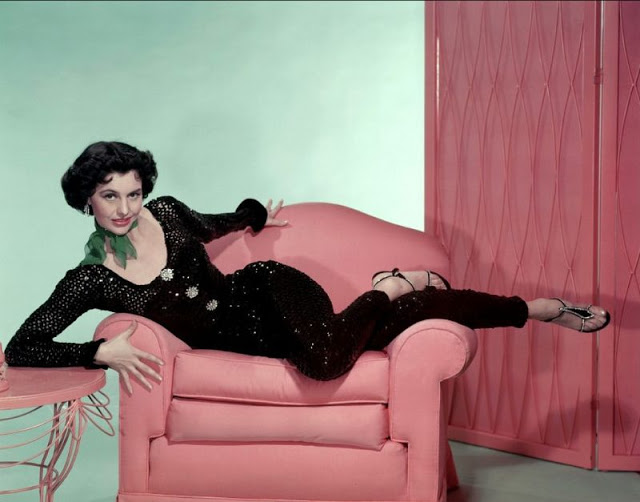
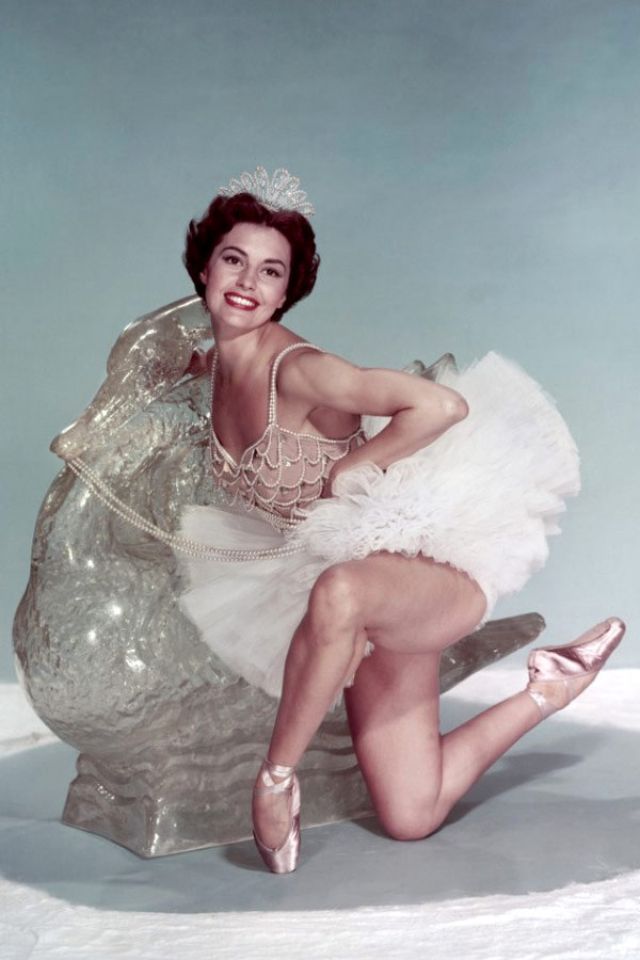
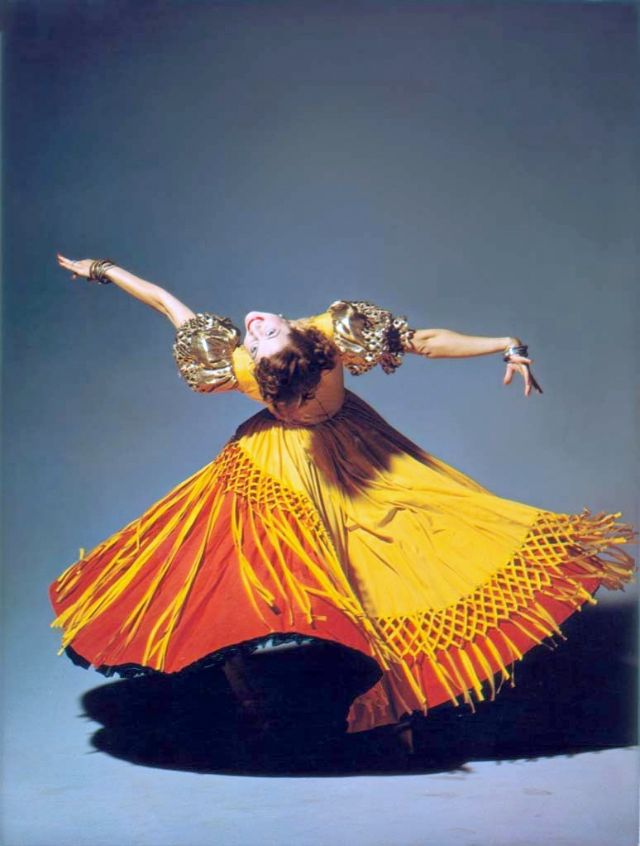
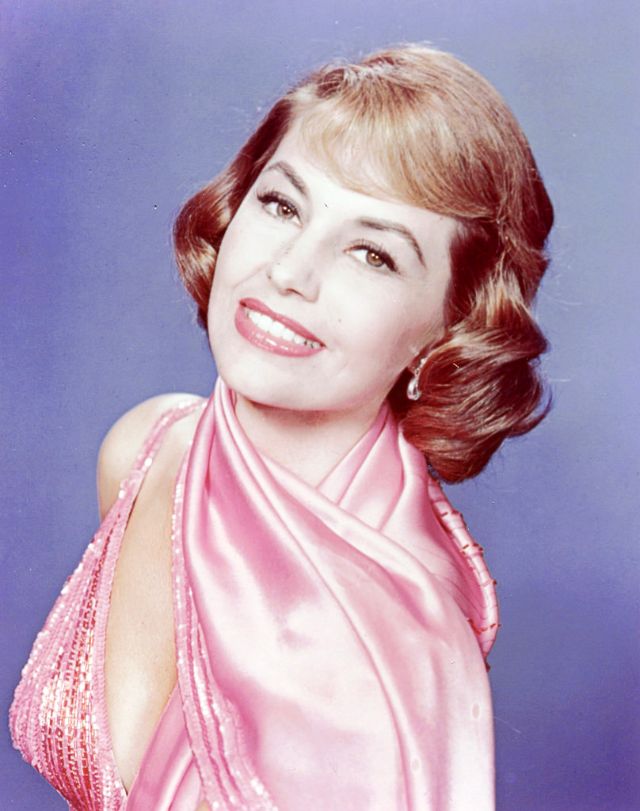
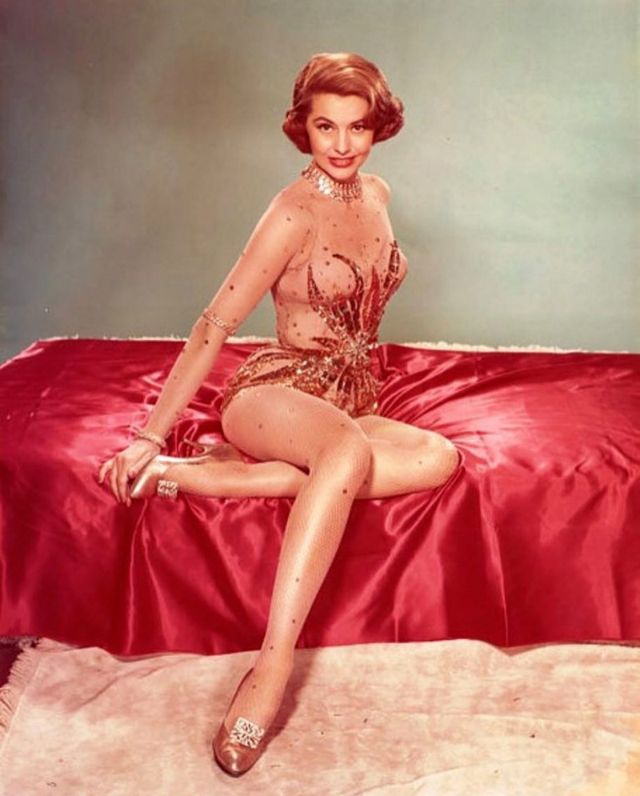
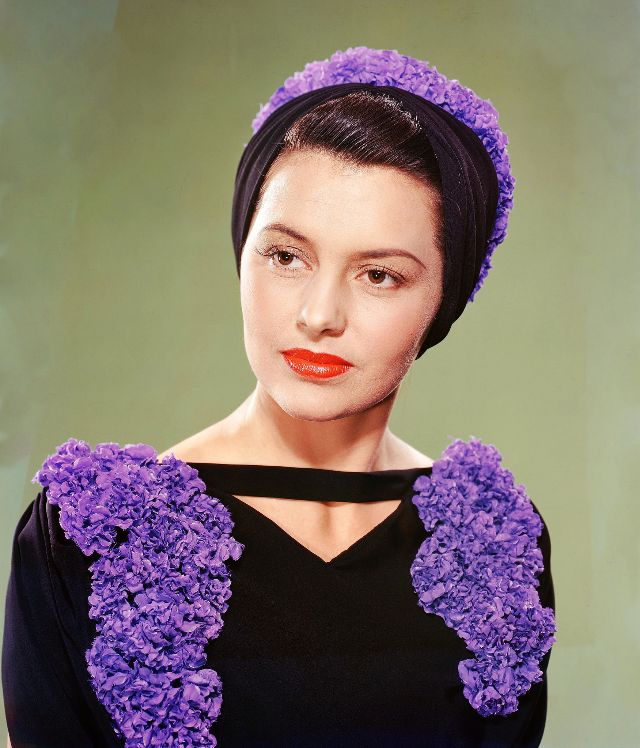
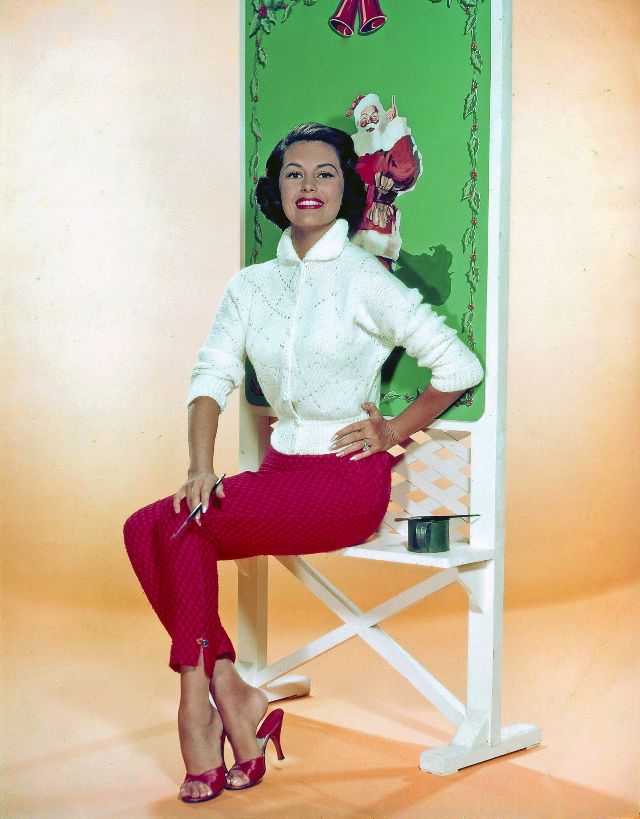
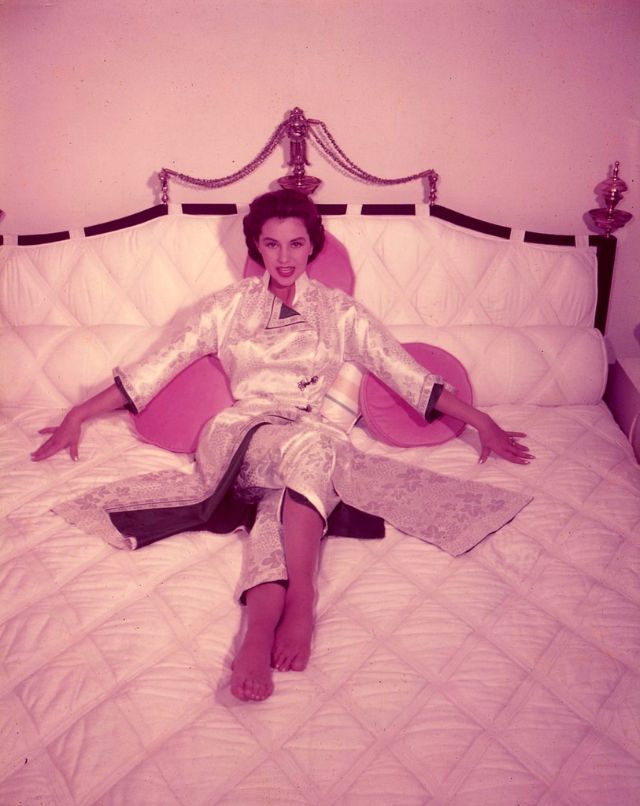
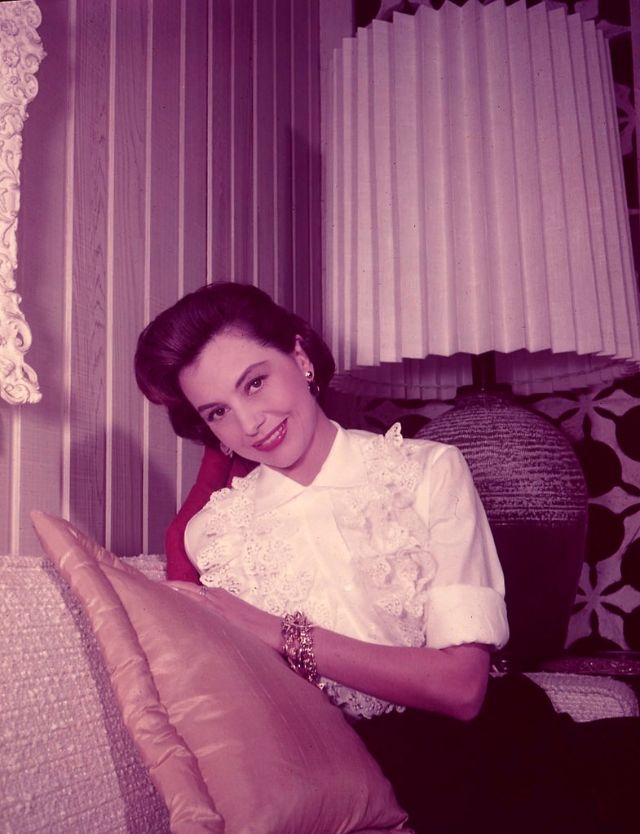
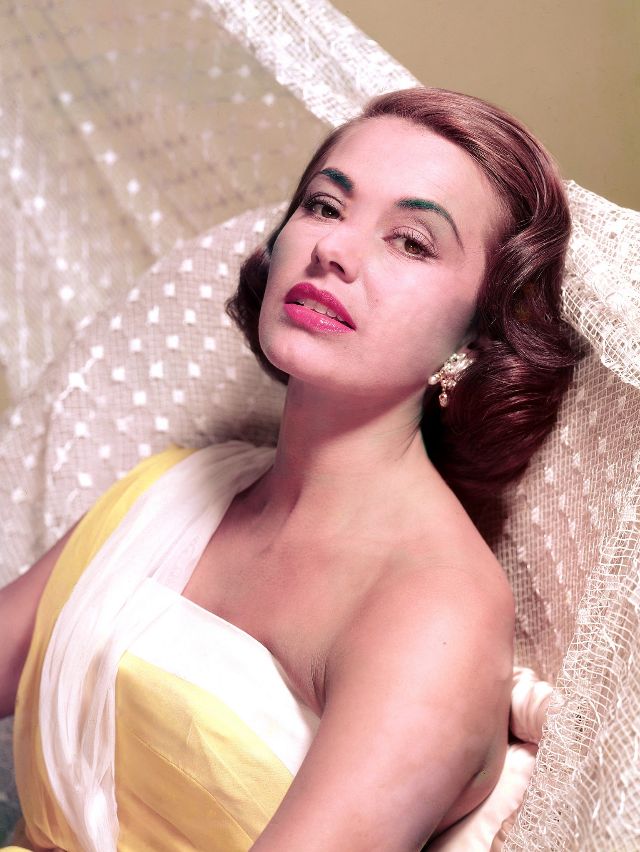
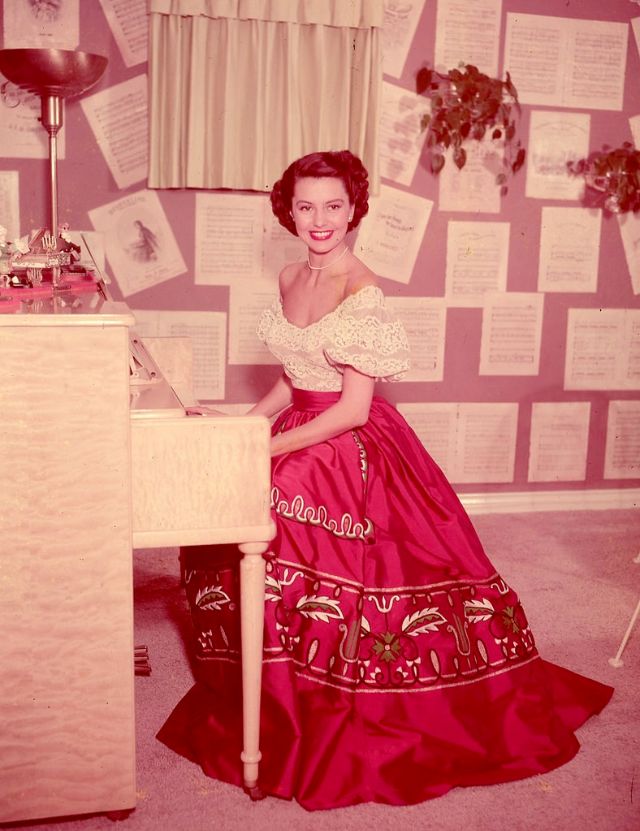
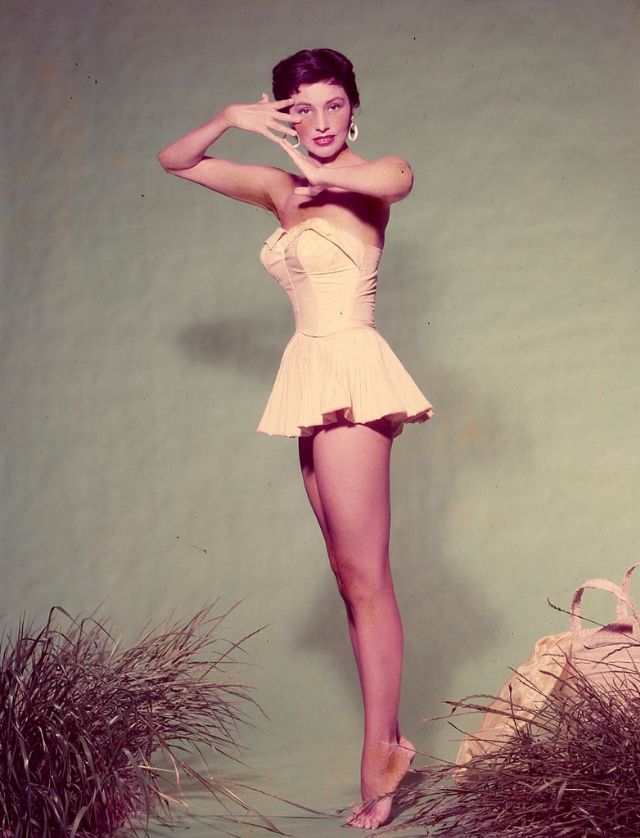
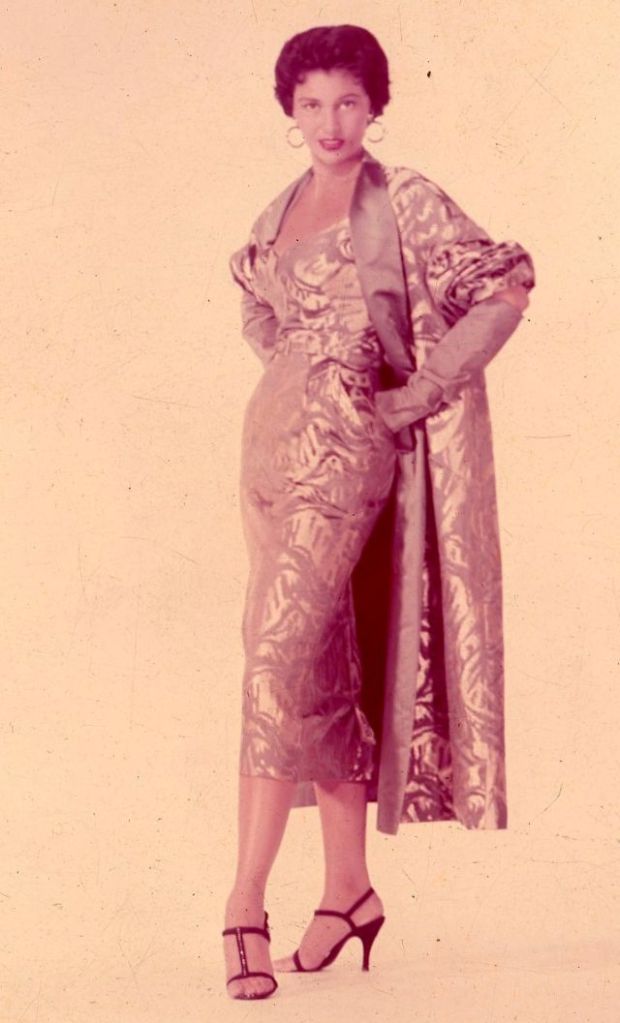
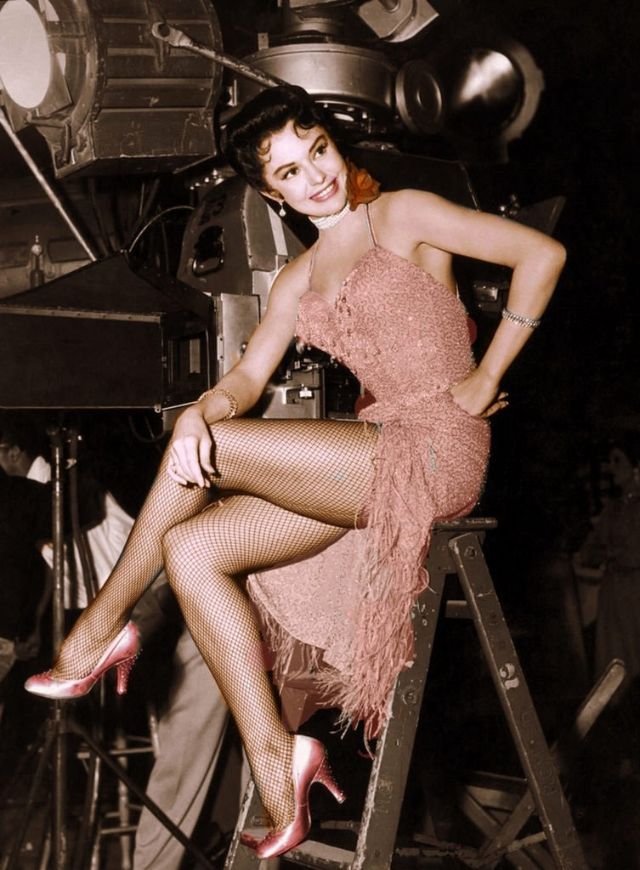
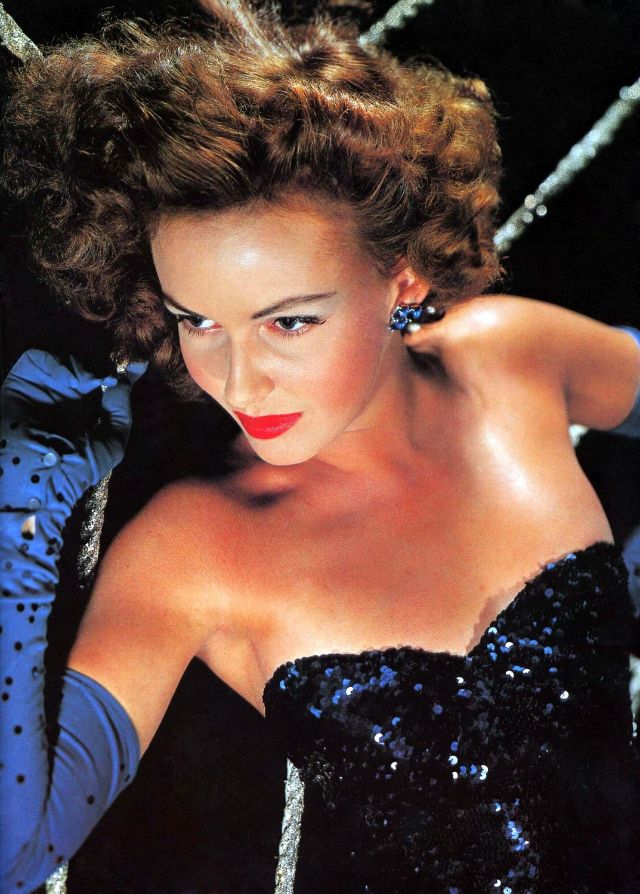
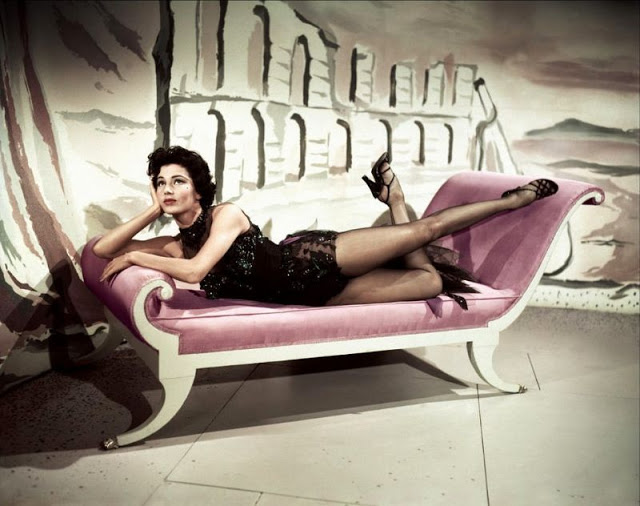
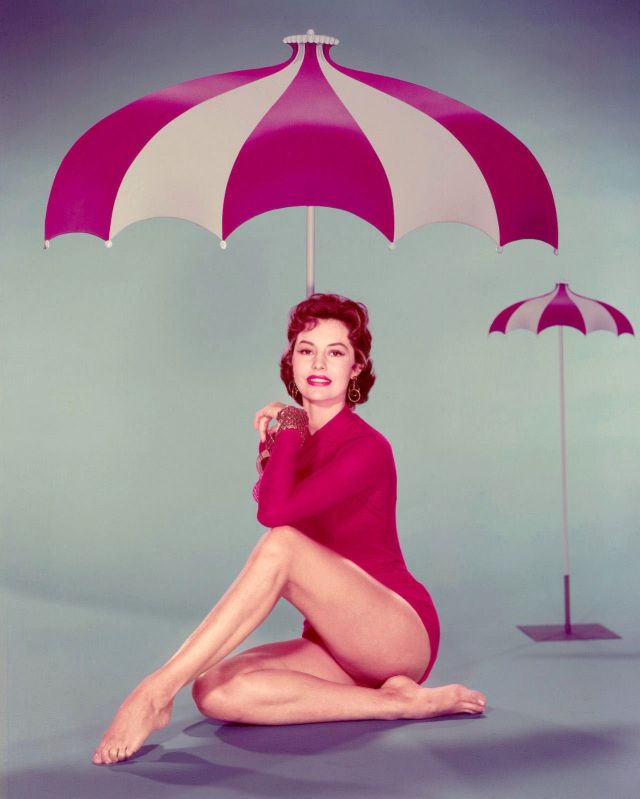
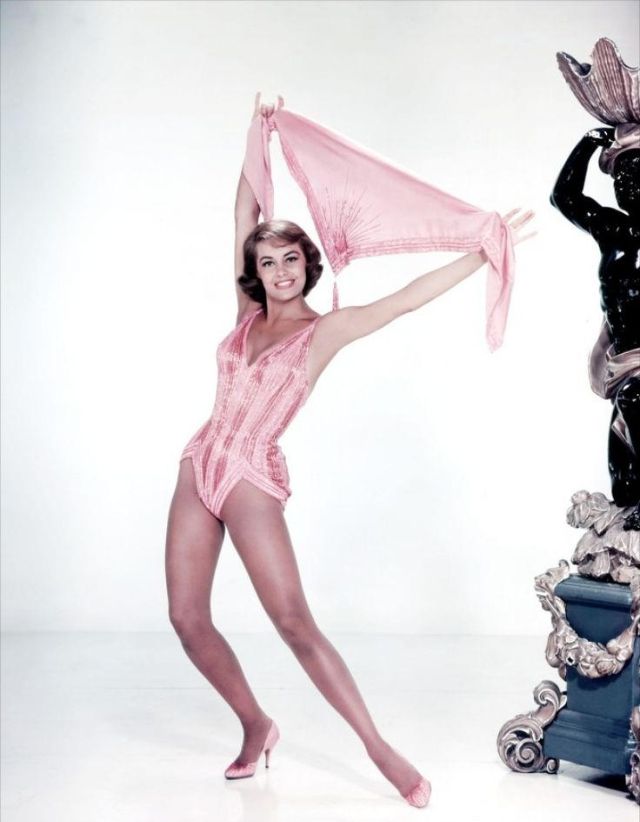
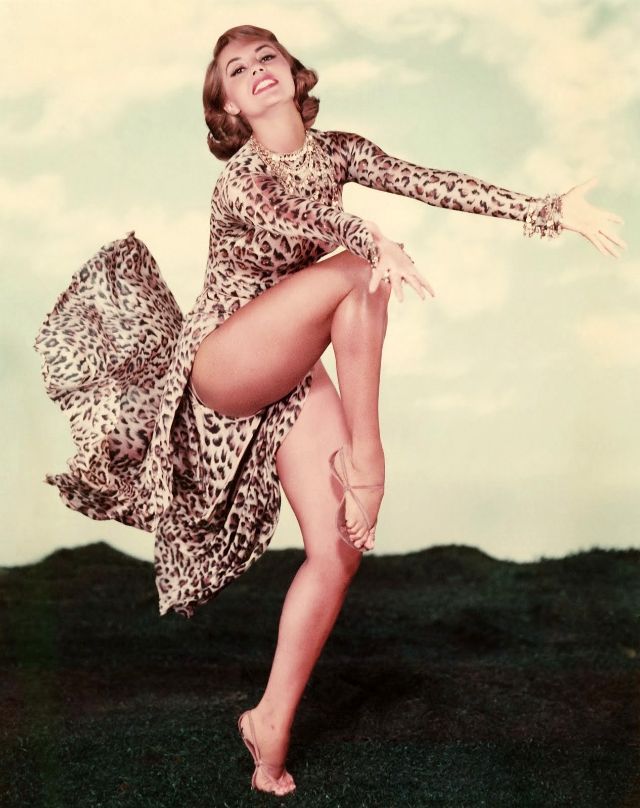
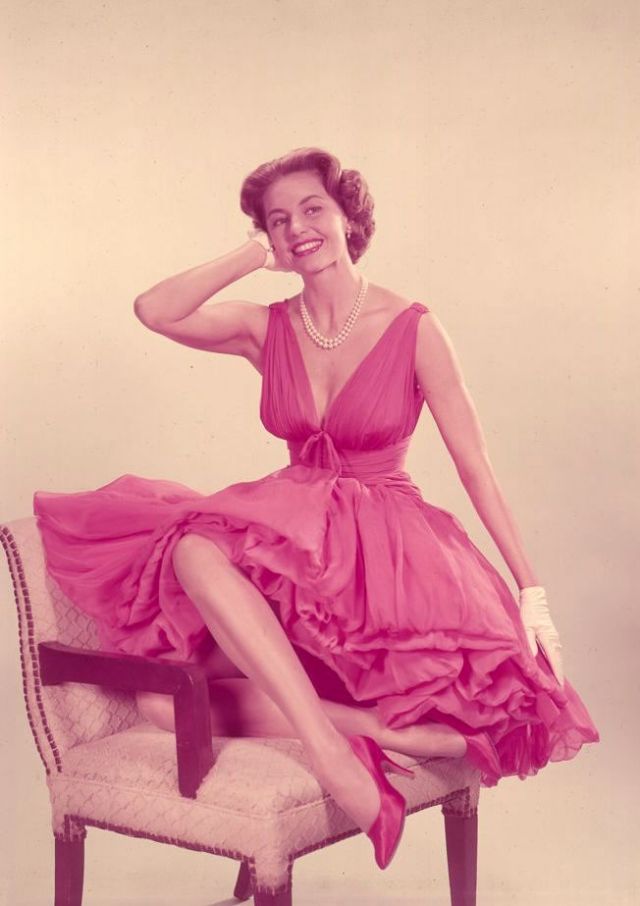
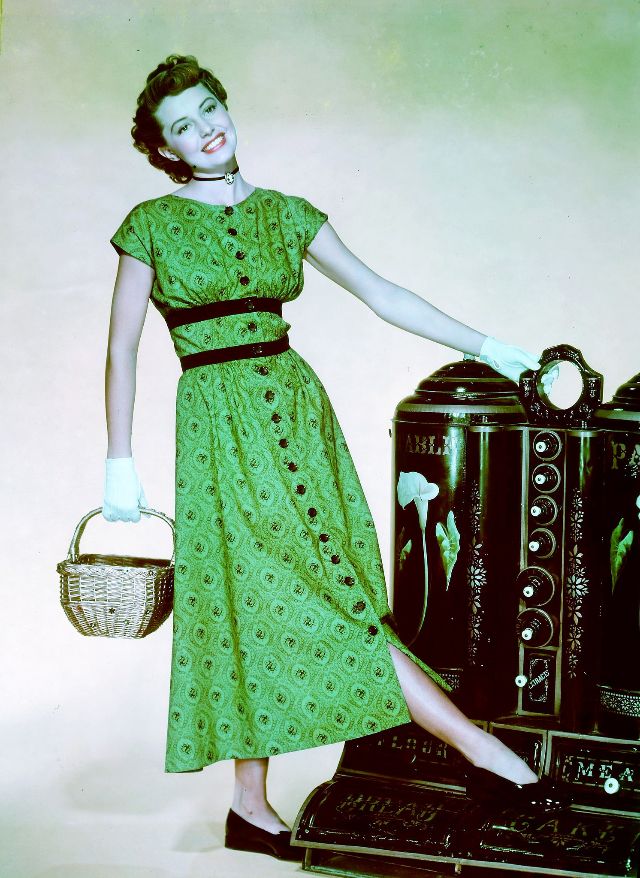
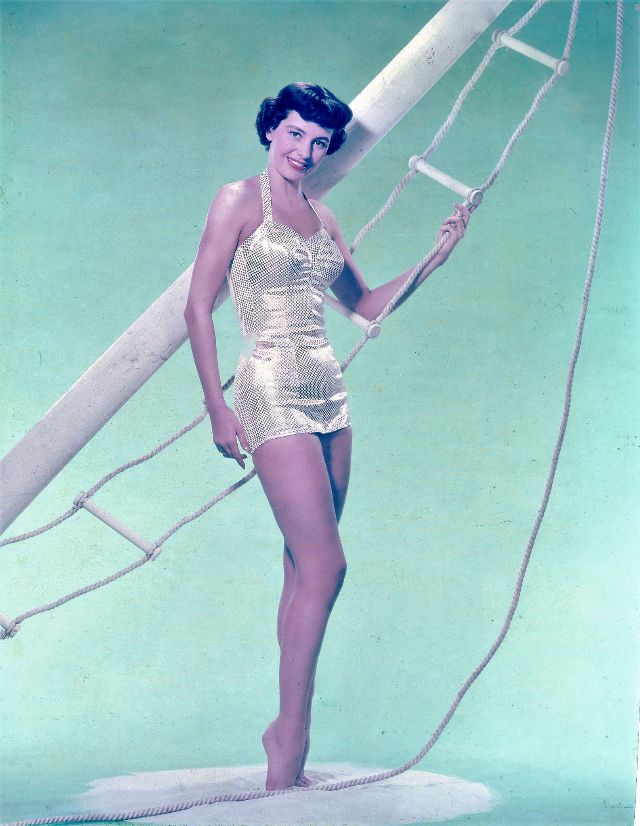
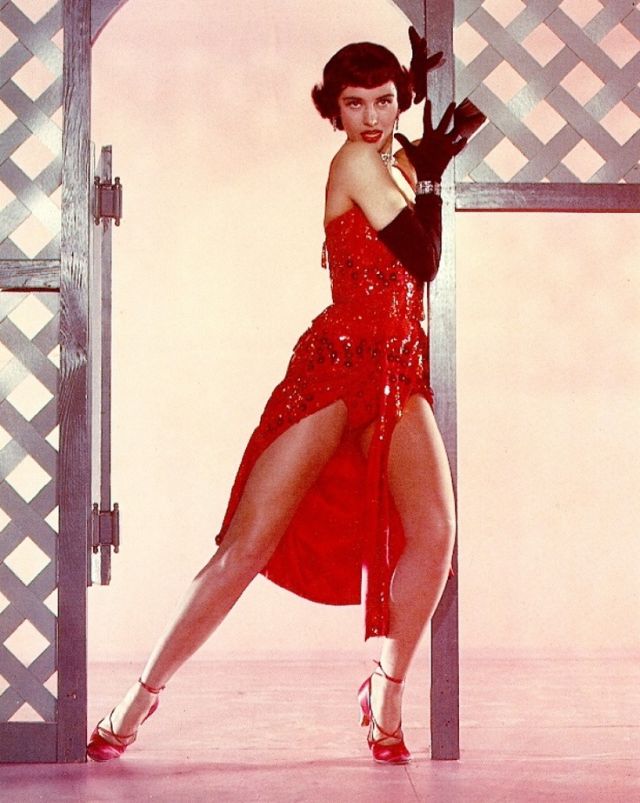
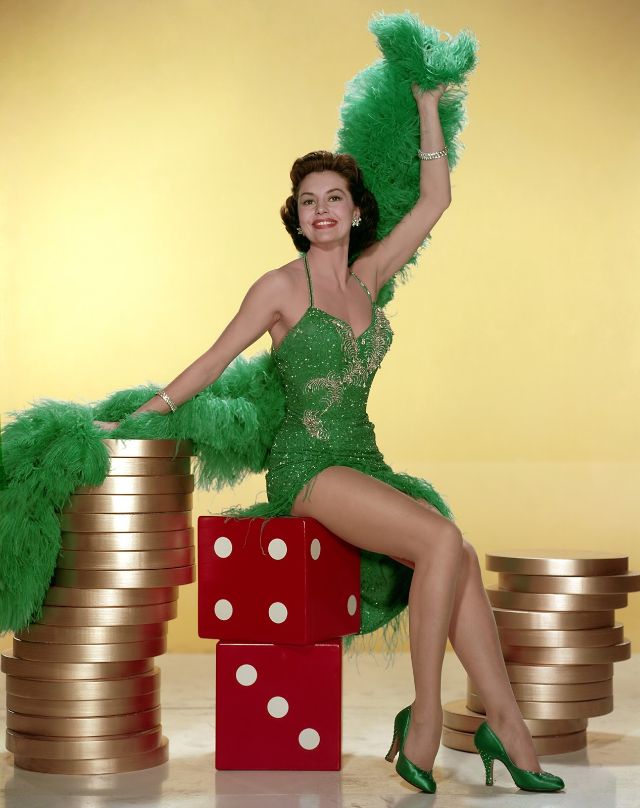
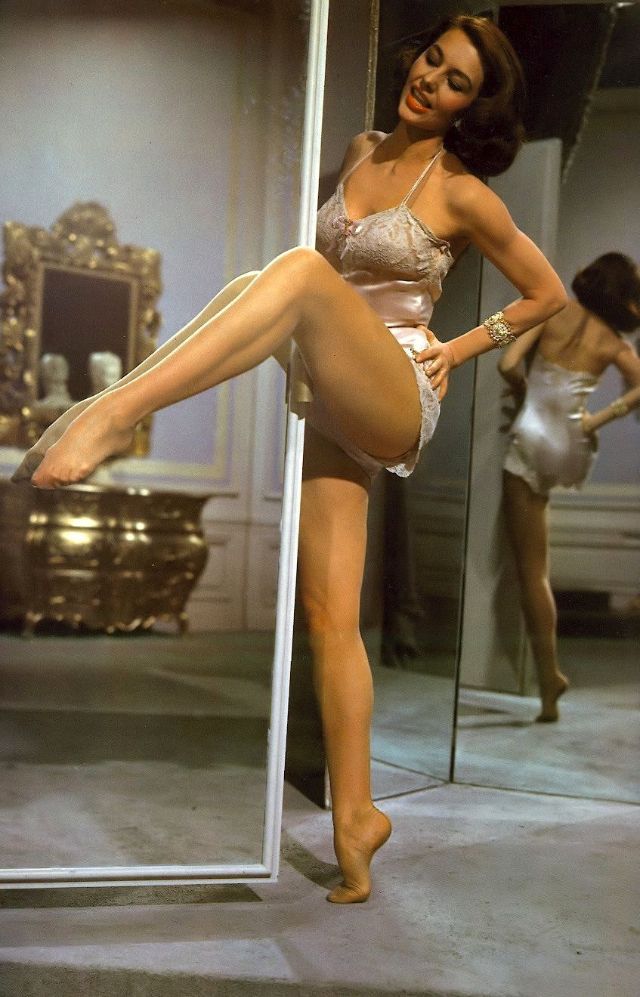
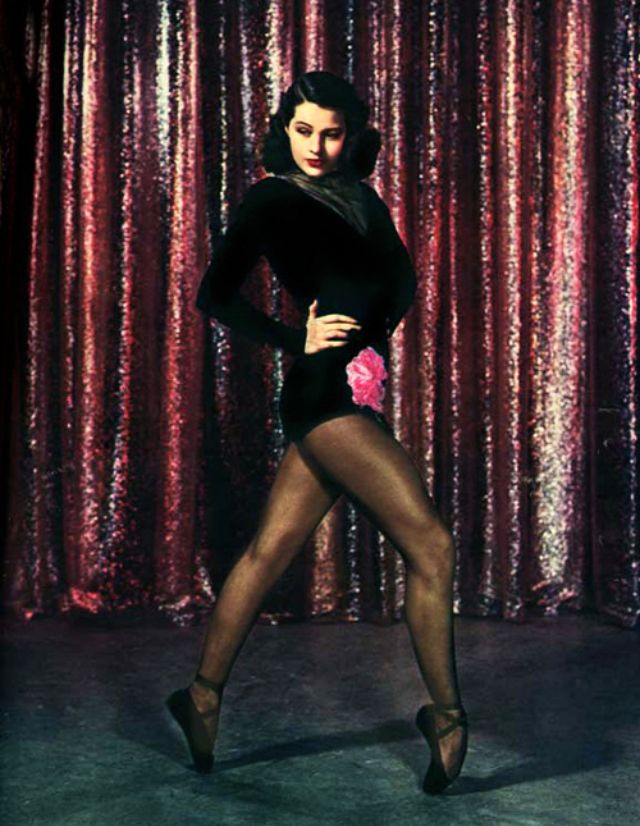
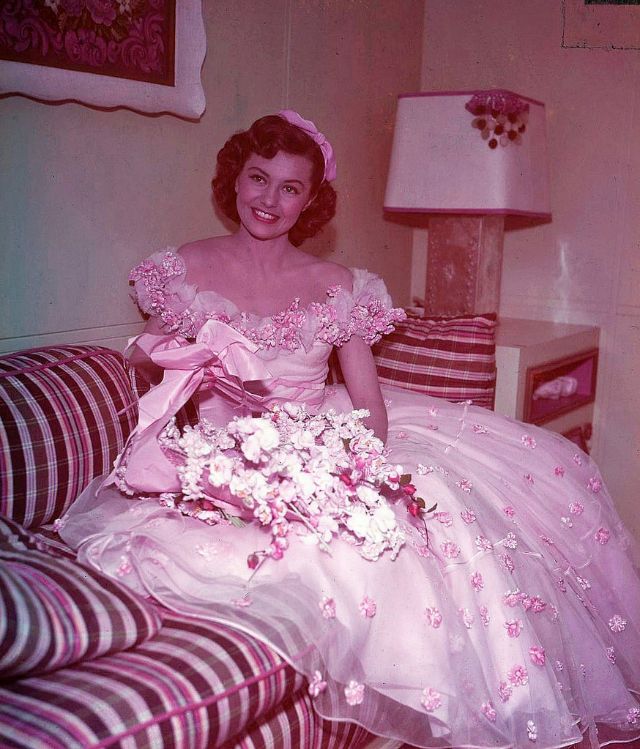
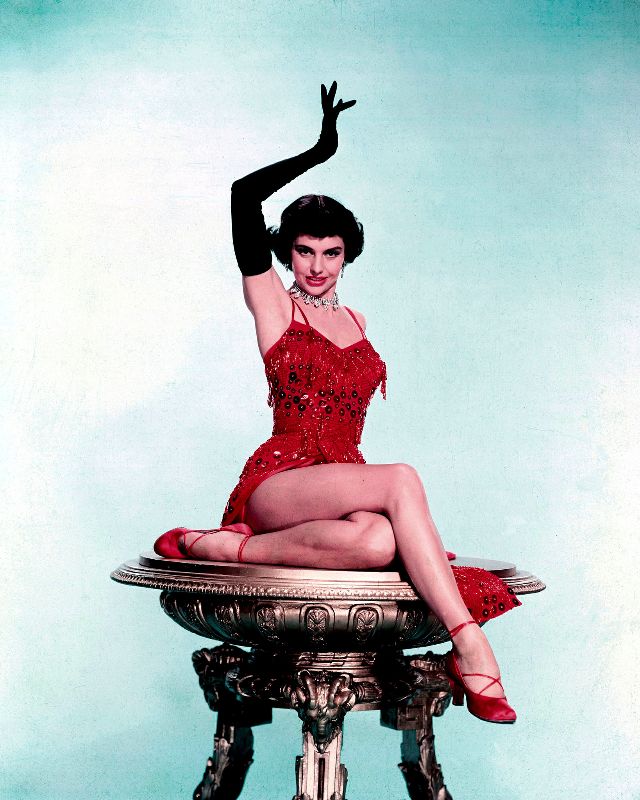
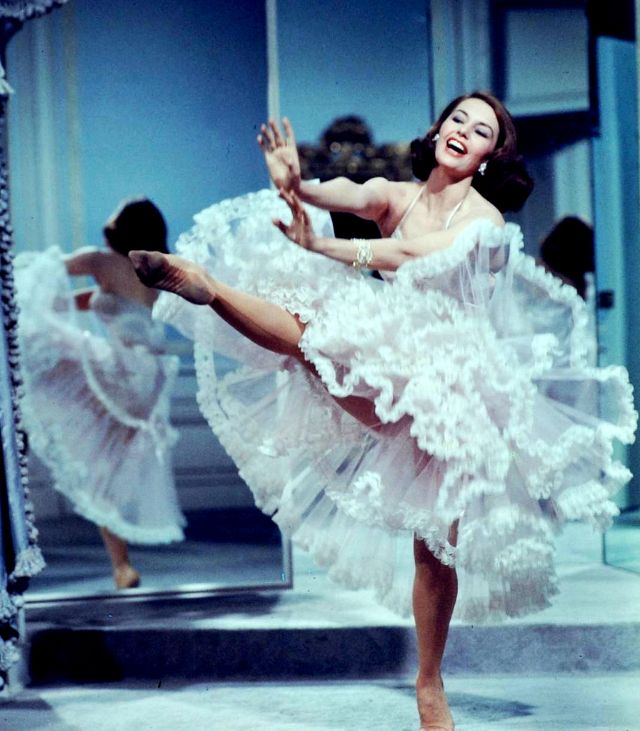
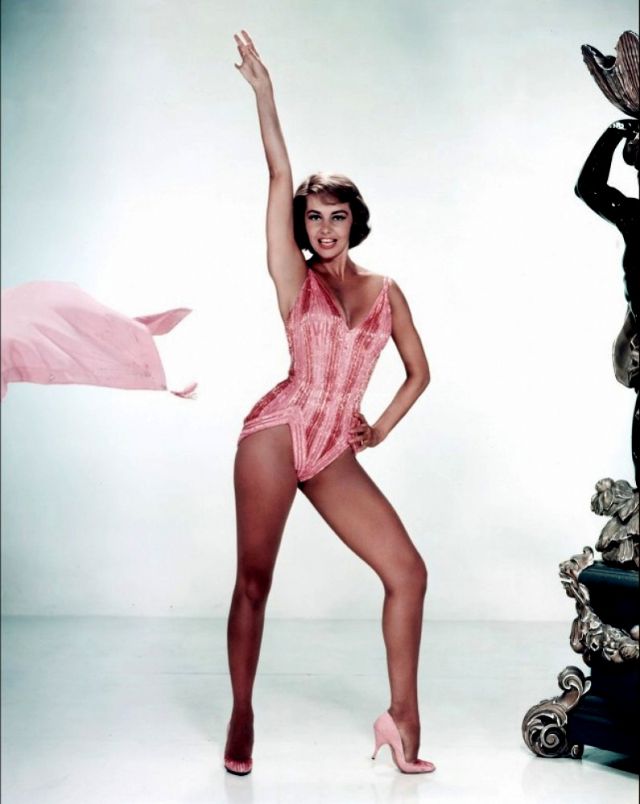
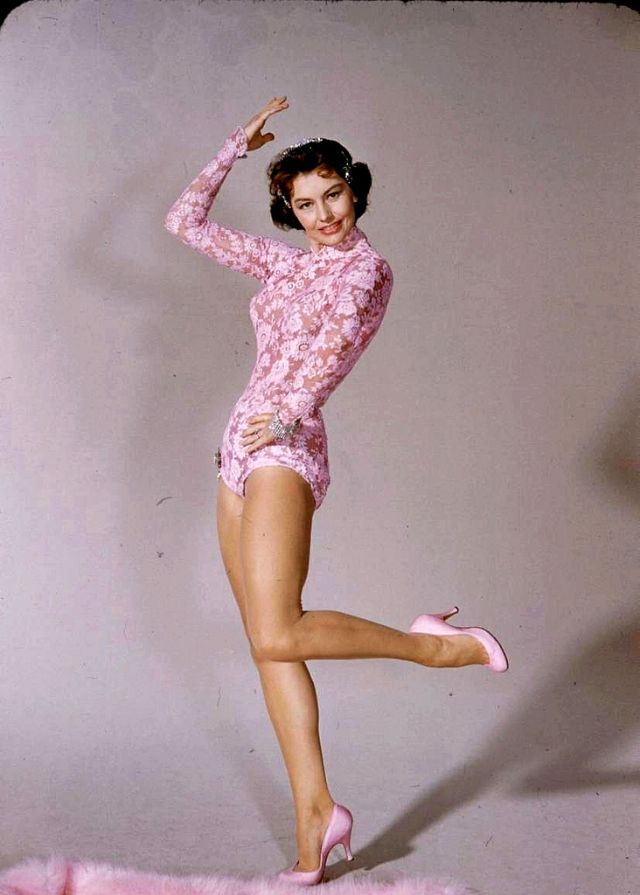
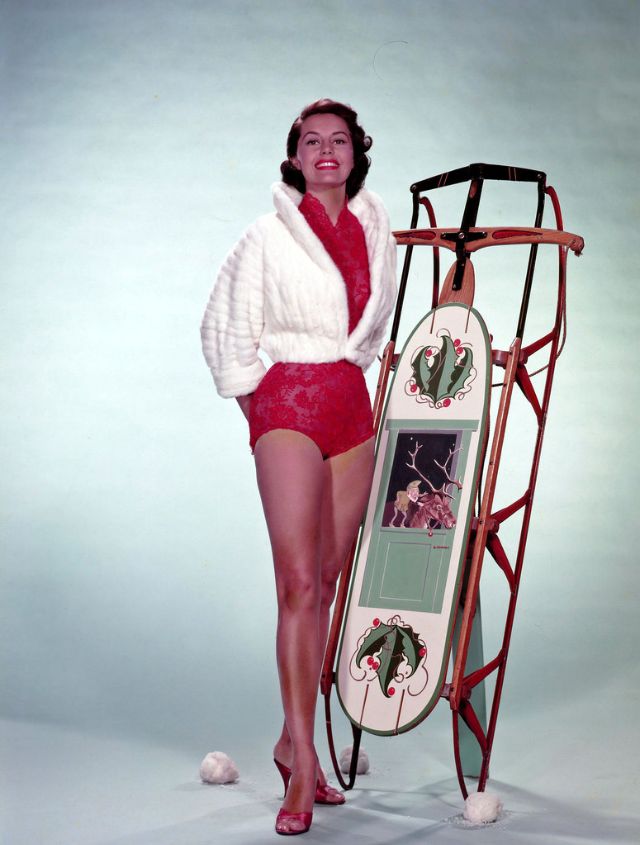
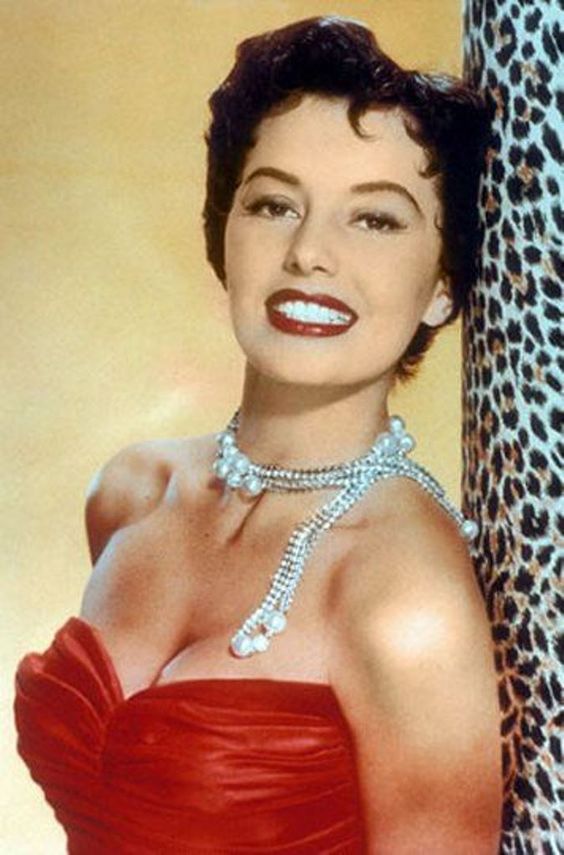
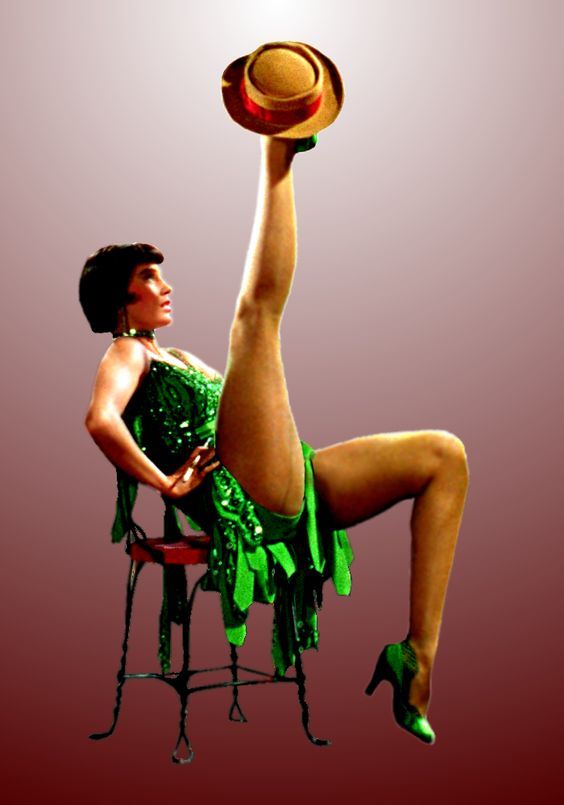
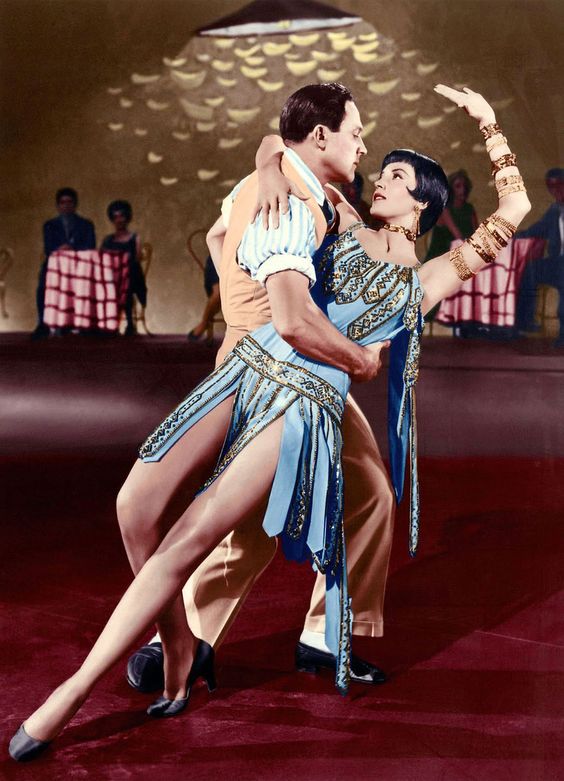
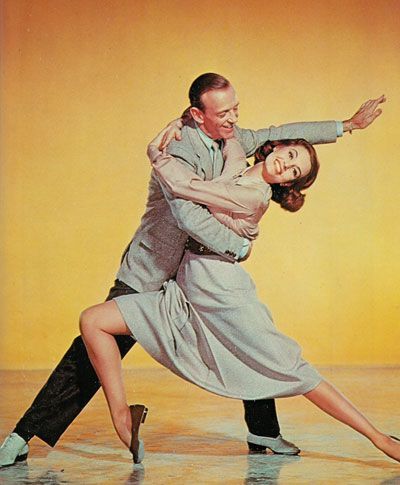
50 Gorgeous Photos of Actress Cyd Charisse in the 1940s and 1950s

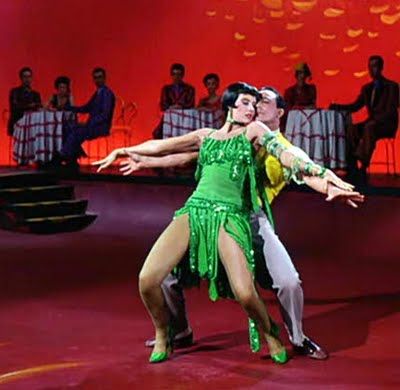
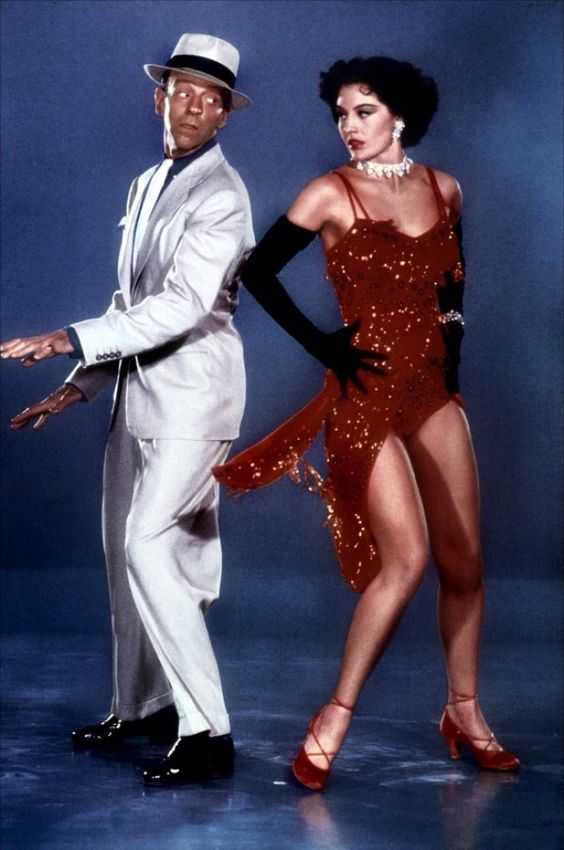
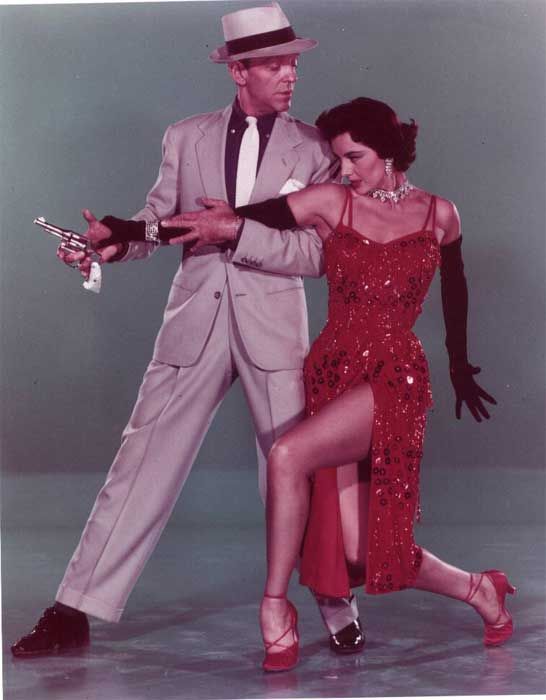
Born 1922 as Tula Ellice Finklea in Amarillo, Texas, American dancer and actress Cyd Charisse was a sickly girl who started dancing lessons at six to build up her strength after a bout of polio.

After recovering from polio as a child and studying ballet, Charisse entered films in the 1940s. Her roles usually focused on her abilities as a dancer, and she was paired with Fred Astaire and Gene Kelly; her films include Singin’ in the Rain (1952), The Band Wagon (1953), Brigadoon with Gene Kelly and Van Johnson (1954) and Silk Stockings (1957).

Charisse stopped dancing in films in the late 1950s, but continued acting in film and television, and in 1992 made her Broadway debut in Grand Hotel.

Her last film appearance was in 1994 in That’s Entertainment! III as one of the onscreen narrators of a tribute to the great MGM musical films.

Charisse was awarded the National Medal of the Arts and Humanities in 2006. She died in 2008 because of heart attack, aged 86.

Yesterday Today

Bringing You the Wonder of Yesterday - Today

Skip to content ↓