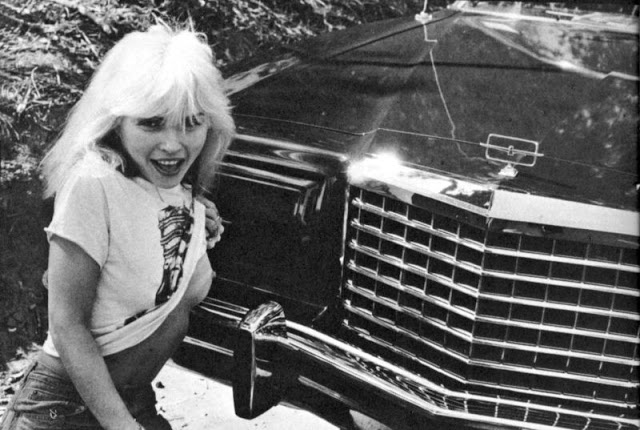
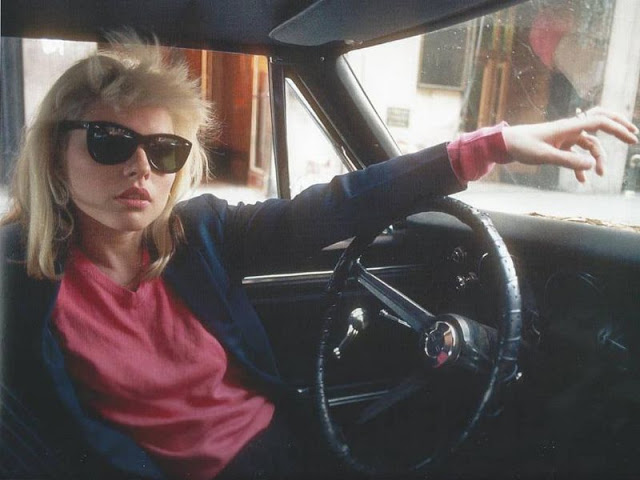
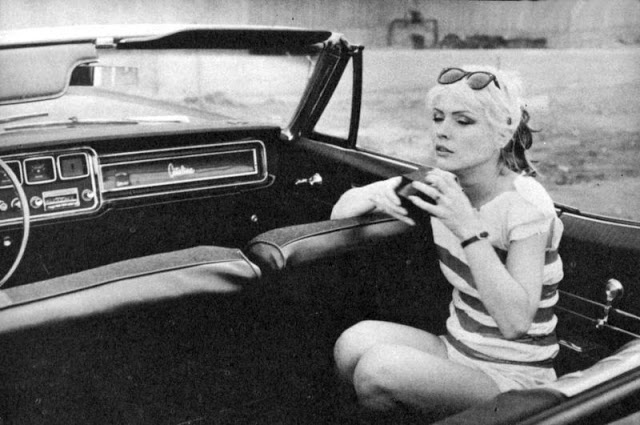
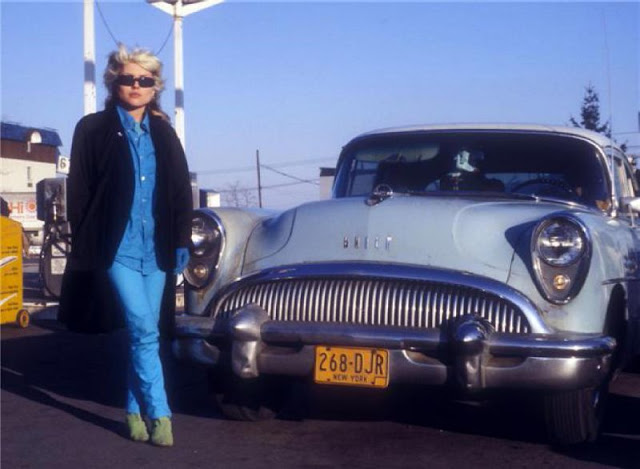
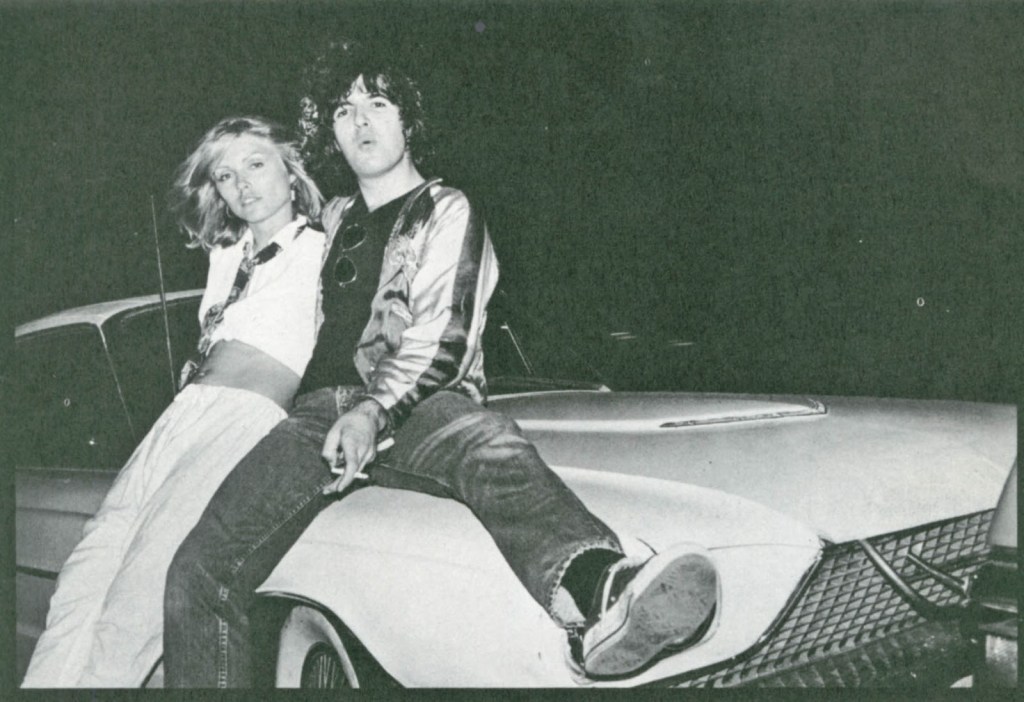
14 Vintage Photographs of Debbie Harry Posing With Her Cars in the Late 1970s

In 1979, the pop world was agog over a New Wave band fronted by an aggressive and slightly loopy blonde female singer known as Debbie Harry. The band was Blondie. Their hits were legion. From the breakthrough album “Parallel Lines” in 1978 alone they had Hanging On the Telephone, One Way or Another, Sunday Girl and Heart of Glass. Blondie’s band accrued several more hit songs before the decade was over.

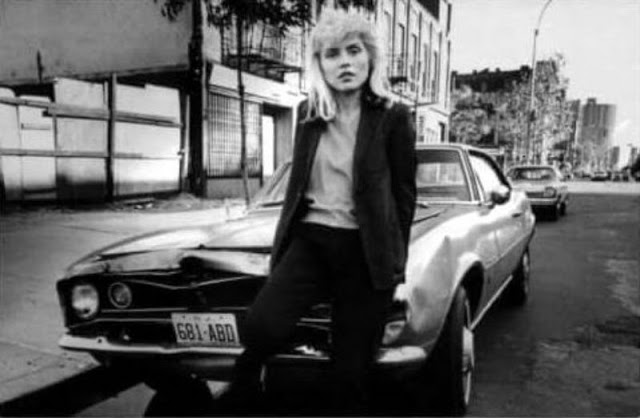
Blondie was a new start. The Punk rock scene from England was starting to affect New York City clubs and Blondie was hanging around with early fans of the music including Richard Hell, The Ramones and Television. Blondie also remained friends with the New York Dolls and The Magic Tramps who represented the Glam Rock scene. Through this entire period of transition and growth towards becoming major music stars. Debbie Harry drove a classic pony car; a 1967 Chevrolet Camaro coupe.

Of course back in the early 1970s, it was just a used car. Debbie described it as “an inheritance from her Mother.” She didn’t have enough money to properly take care of it and living in apartment buildings in the roughest part of New York City. Debbie owned it from her arrival in New York in 1971 all through the Stiletto band era. She mentions the car in a poem she wrote during this time. Debbie’s car contributed greatly to keeping body and soul together. She mentions how convenient it was to have transportation for gigs and the luxury of enjoying trips to the beach or Coney Island during the summer.

25 Vintage Color Photos Showing Life of Americans From Between the 1940s and 1960s

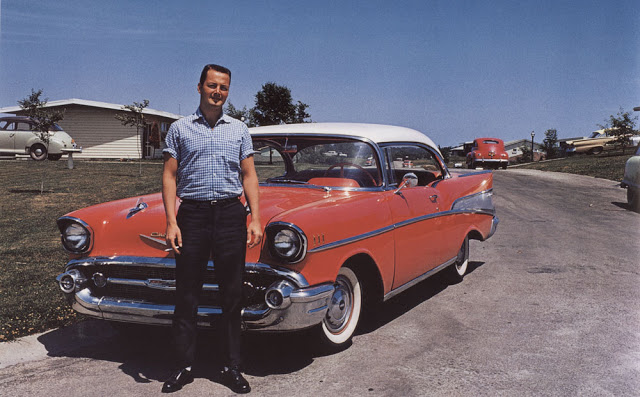
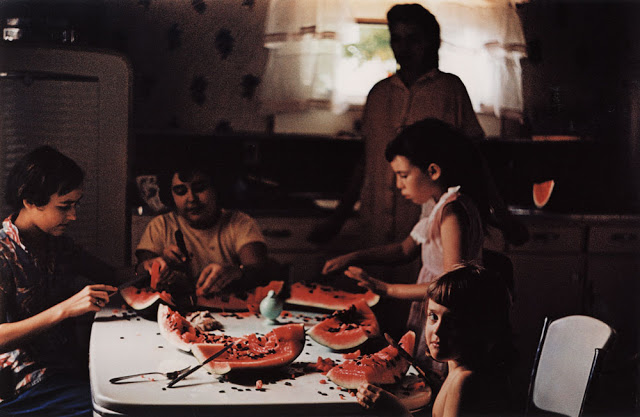
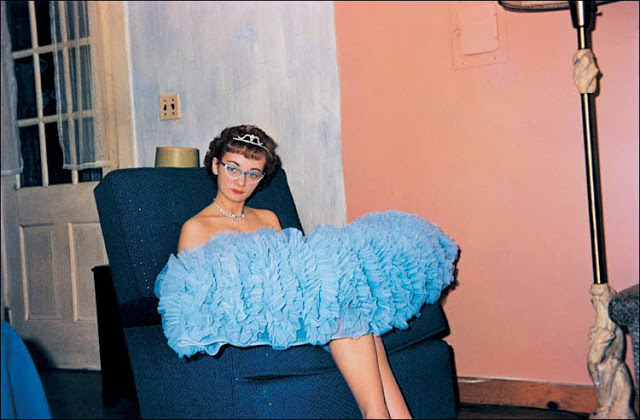
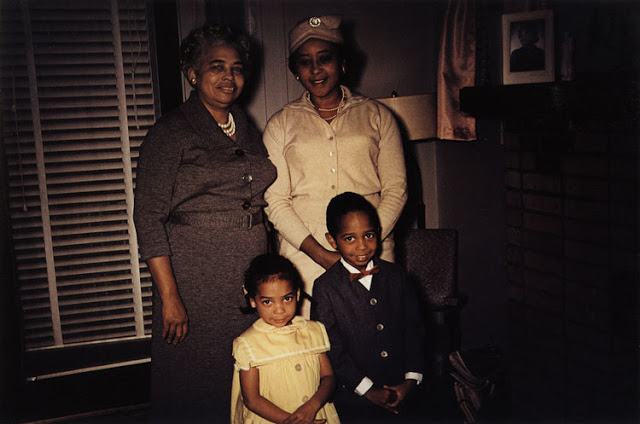
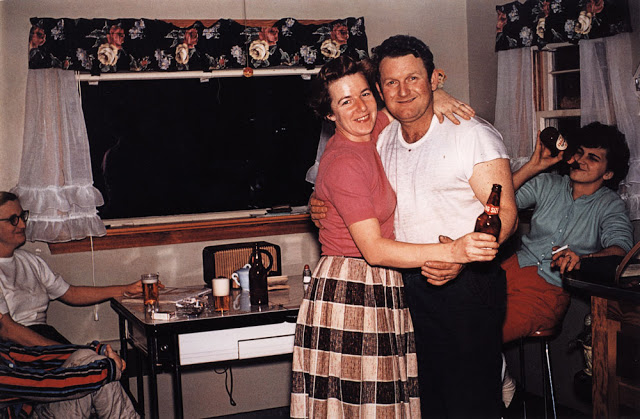
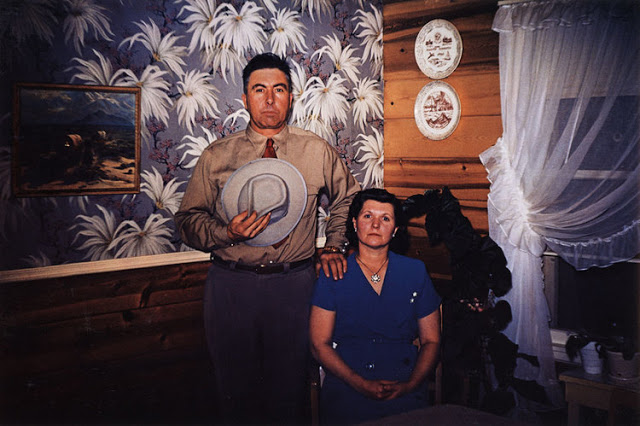
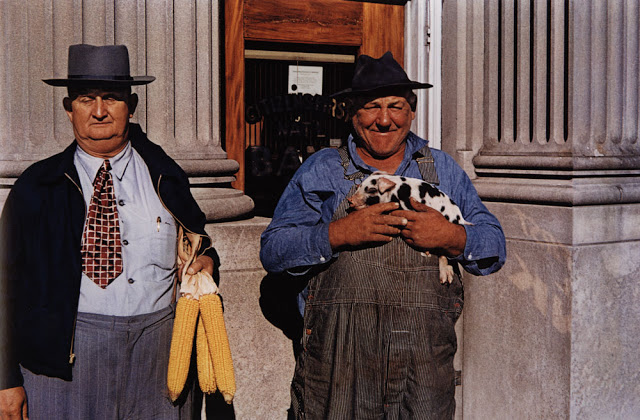
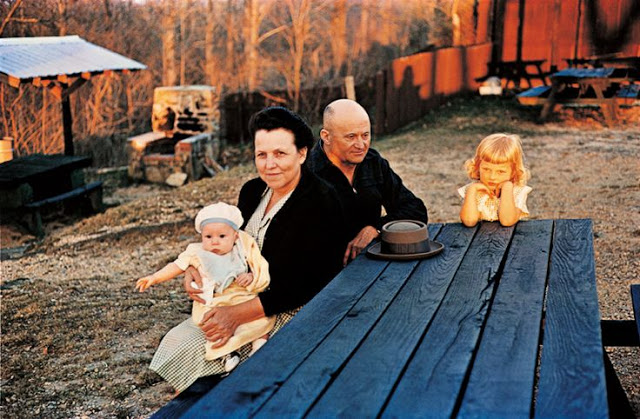
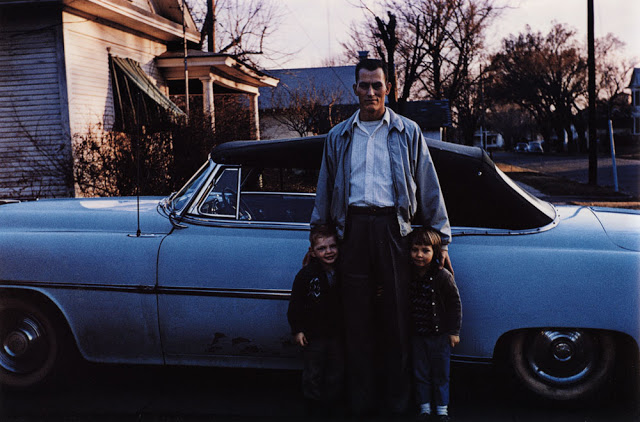
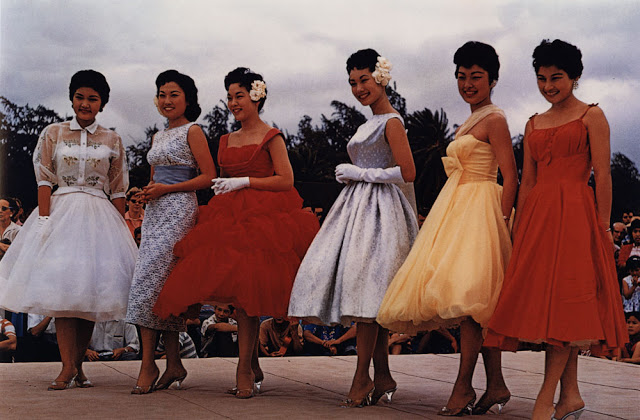
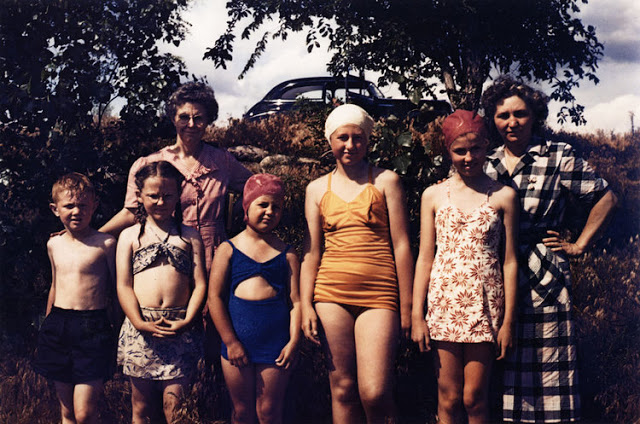
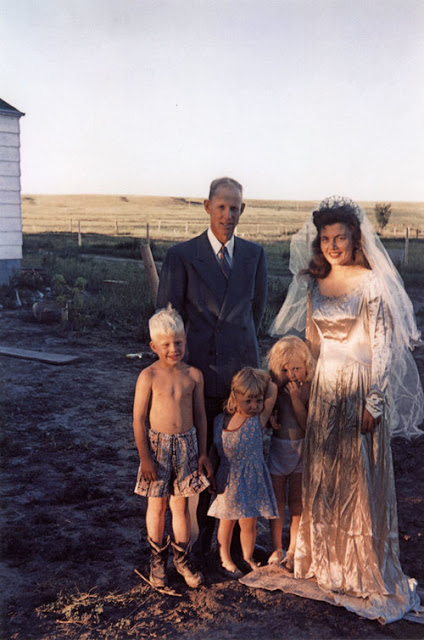
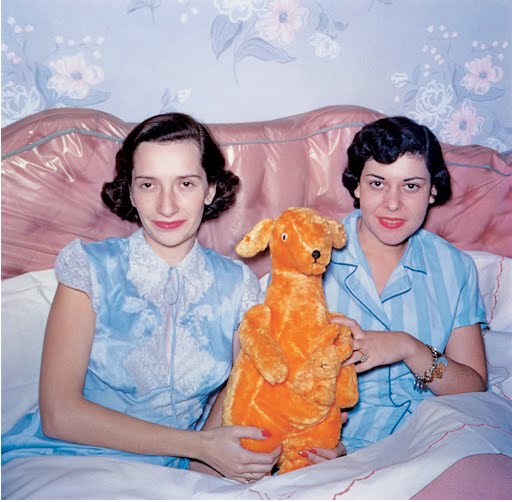
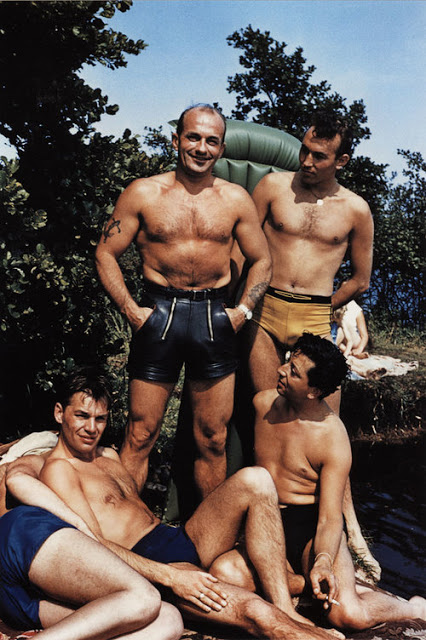
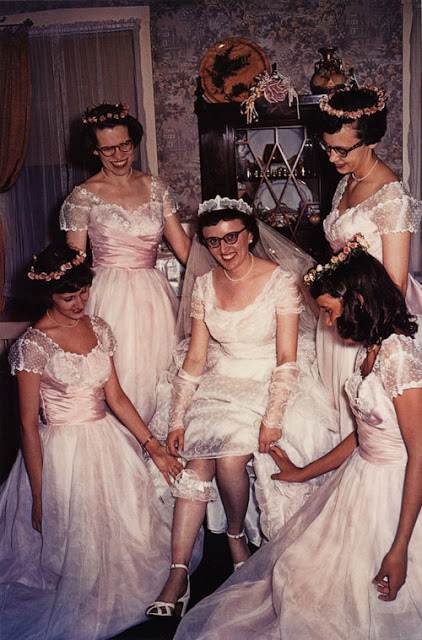
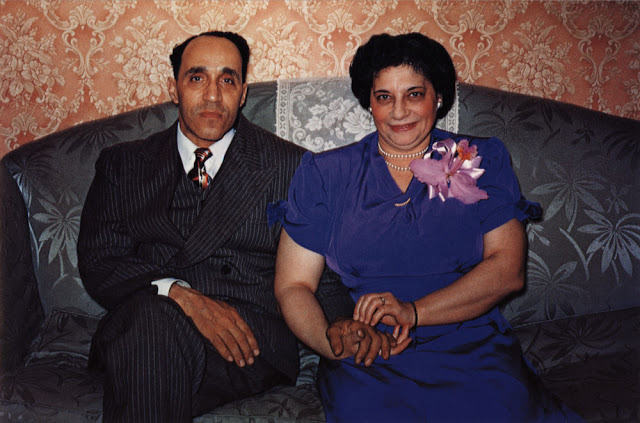
Introduced in 1935 as the first modern color film, Kodachrome was used extensively after World War II by amateur photographers equipped with the new high-quality and low cost 35mm cameras. Americans in Kodachrome 1945-1965 is an unprecedented portrayal of the daily life of the people during these formative years of modern American culture. It is comprised of ninety-five exceptional color photographs made by over ninety unknown American photographers.

These photographs were chosen from many thousands of slides in hundreds of collections. Like folk art in other mediums, this work is characterized by its frankness, honesty, and vigor. Made as memoirs of family and friends, the photographs reveal a free-spirited, intuitive approach, and possess a clarity and unpretentiousness characteristic of this unheralded photographic folk art.

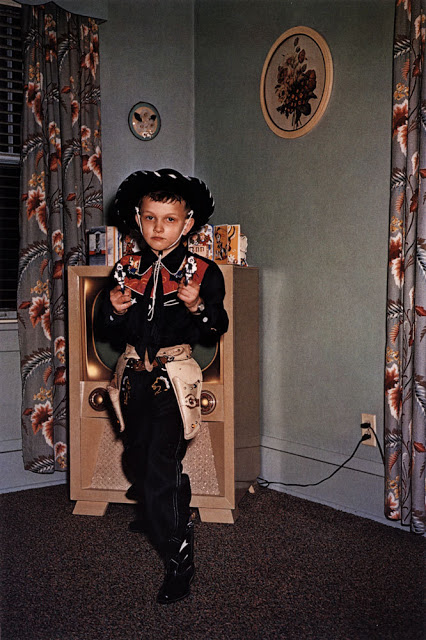
Cowboy Kid, St. Cloud, Minnesota, 1955
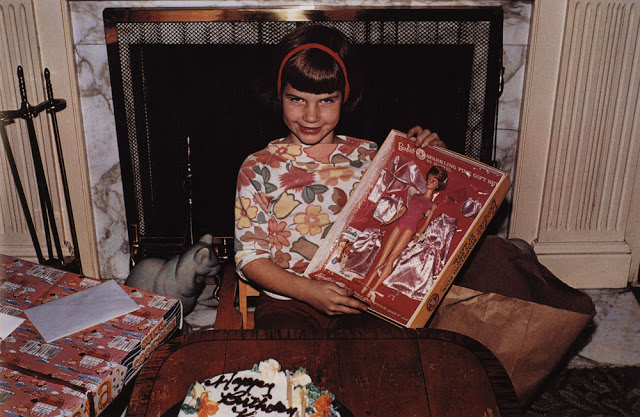
Pink Barbie, Richwood, West Virginia, 1965
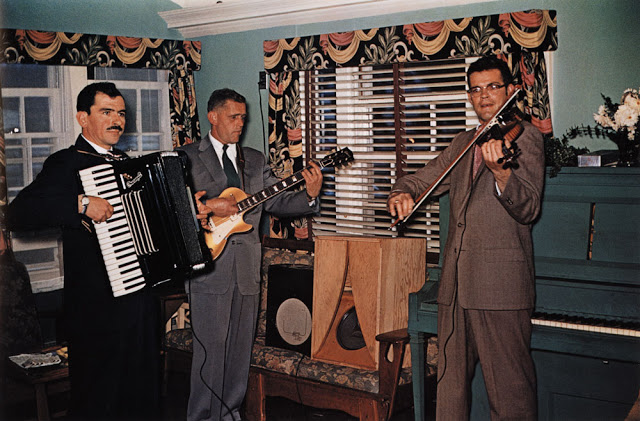
Wedding Musicians, New Milford, Connecticut, 1956
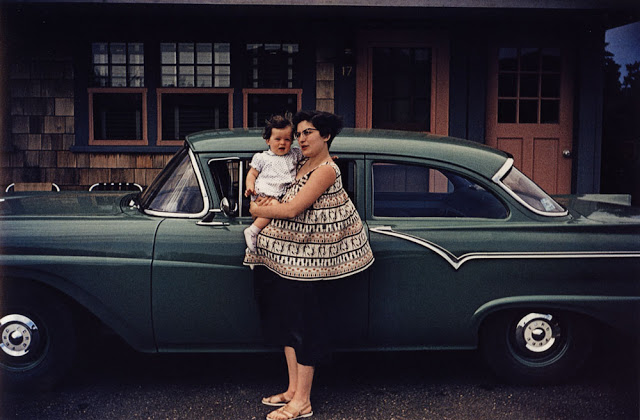
Mother with Green Ford, Pocasset, Massachusetts, 1957
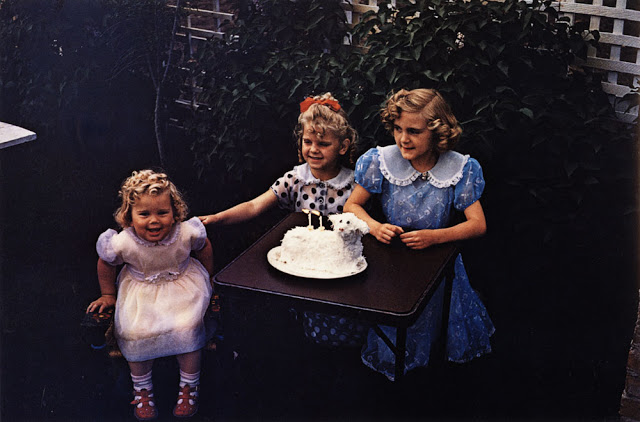
Lambcake, Glasgow, Montana, 1954
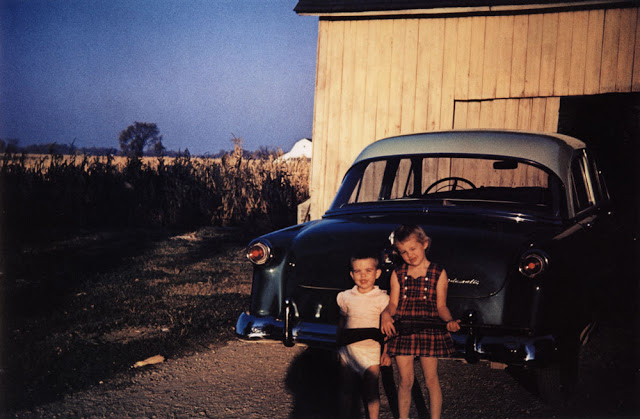
Children with Gun, Ruel, Indiana, 1953
Jerry and His ’57 Chevy, Kansas City, Kansas, 1962
Girls Eating Watermelon, Russellville, Kentucky, 1953
Blue Prom Dress, Hamilton, Massachusetts, 1961
Easter Sunday, Louisville, Kentucky, 1962
Dancing in the Kitchen, Preston, Connecticut, 1955
Dakota Couple, Rapid City, South Dakota, 1953
Corn and Piglet, Princeton, Illinois, 1951
Golden Girl, Henderson County, North Carolina, 1962
Blue Convertible, Muskogee, Oklahoma, 1963
Beauty Contestants, Kapiolani Park, Honolulu, Hawaii,1958
Swimmers, Alexandria, South Dakota, 1948
Seventh Wedding Anniversary, Hermosa, South Dakota, 1952
Fire Island, New York, 1959
Bride with Bridesmaids, Des Plaines, Illinois, 1954
Nana and Beba, Brooklyn, New York, 1949
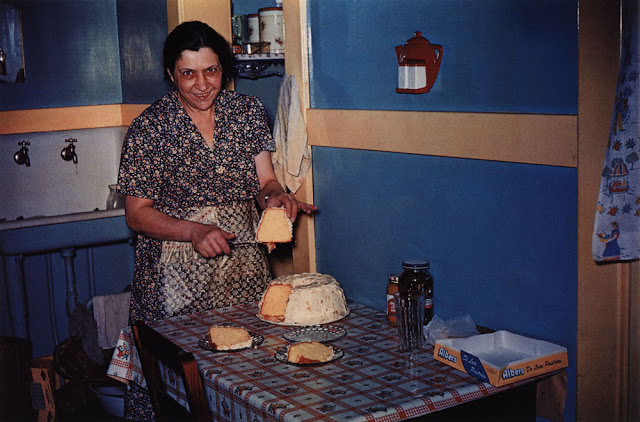
Mom with Chiffon Cake, Portsmouth, Ohio, 1950
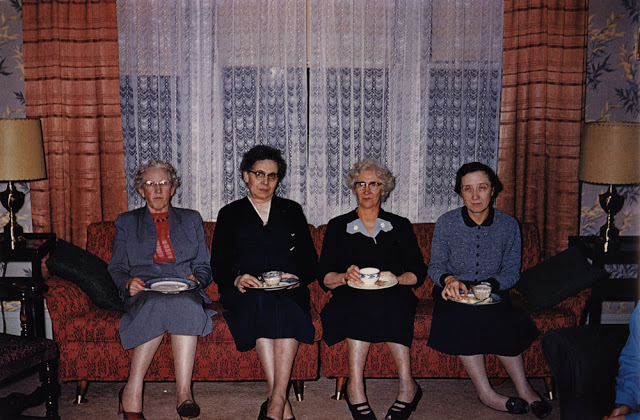
Four Ladies at Tea. Grand Forks, North Dakota, 1955
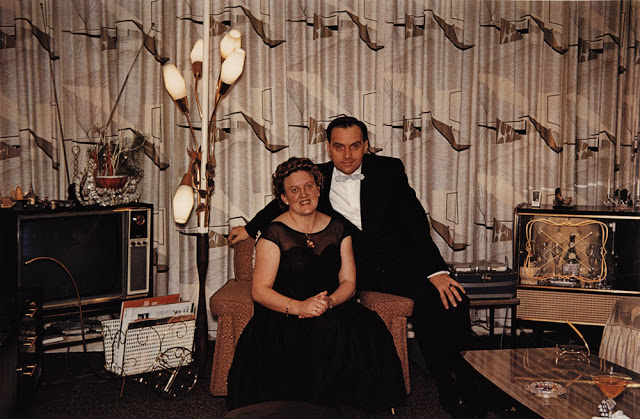
Cocktail Couple

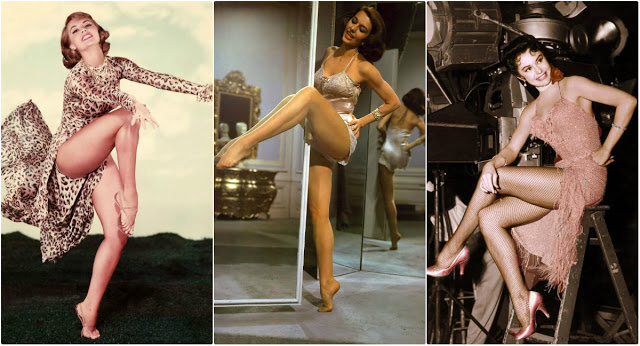
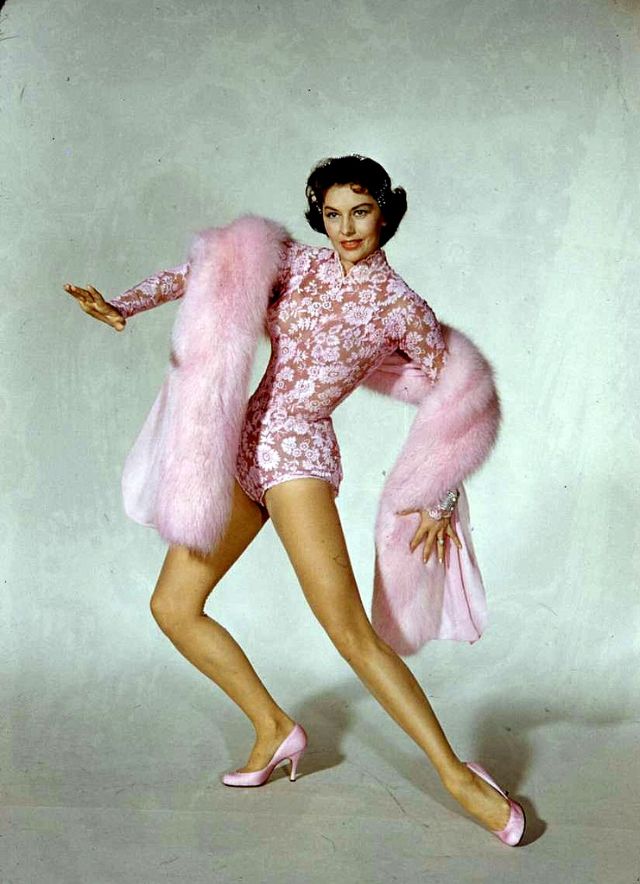
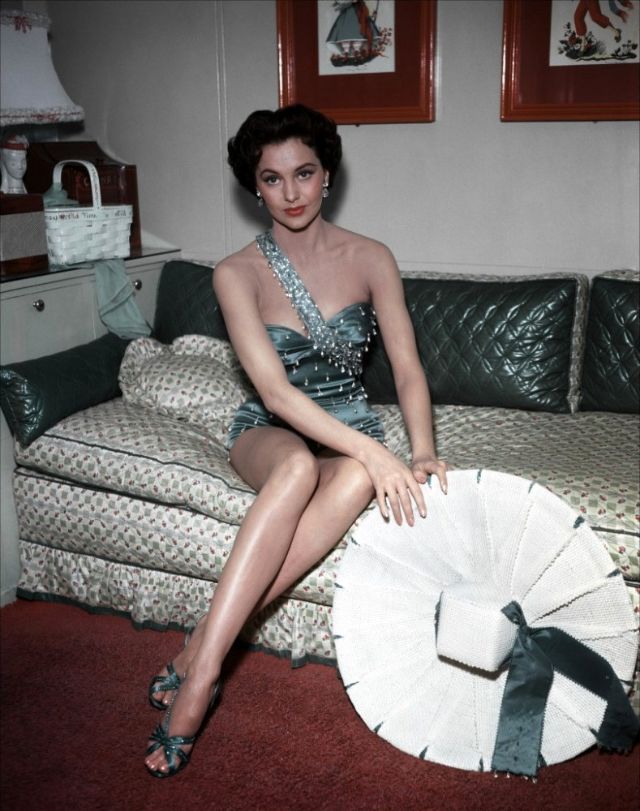
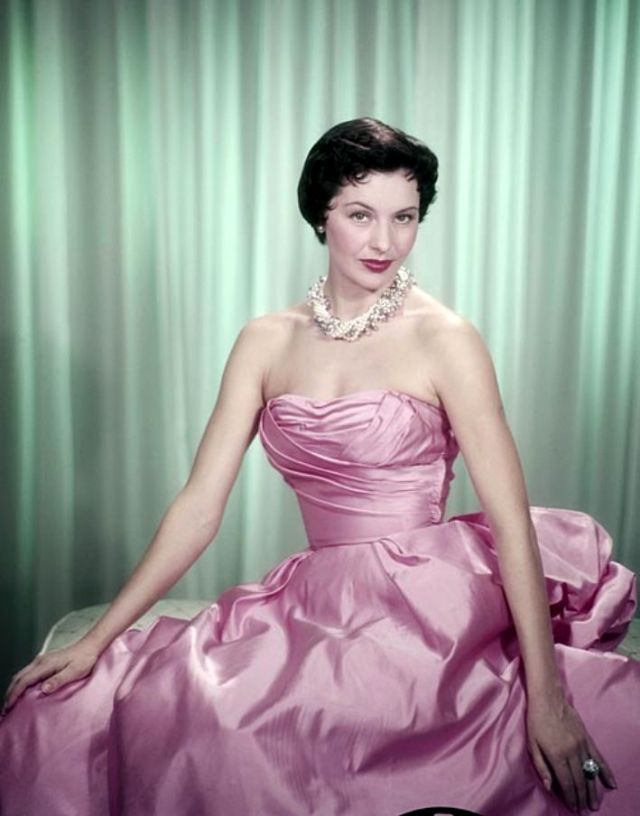
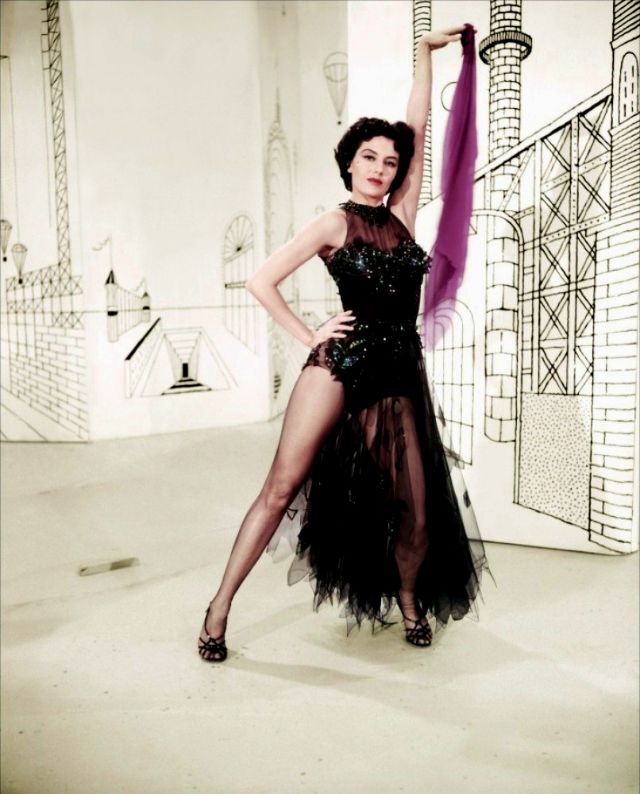
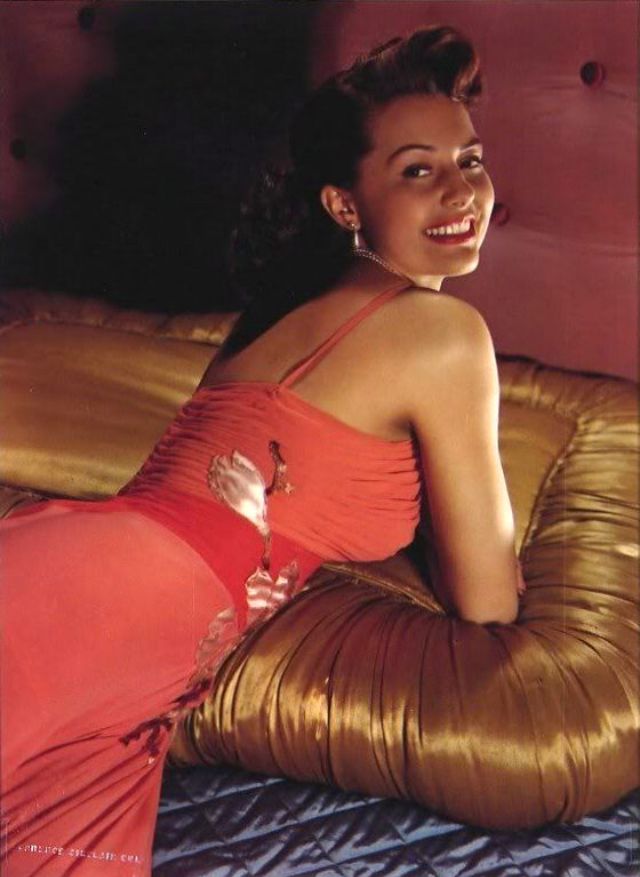
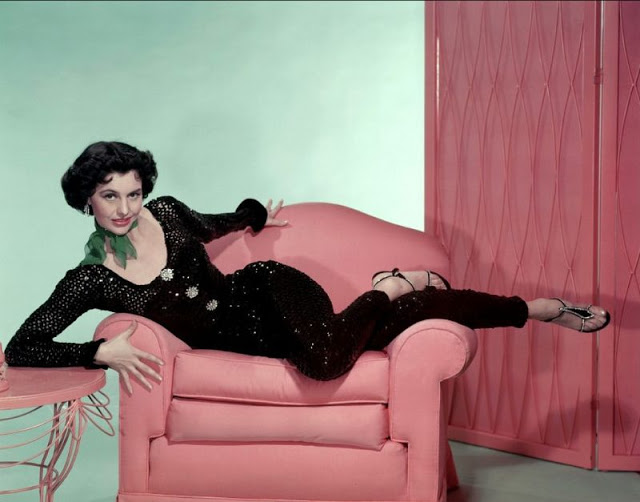
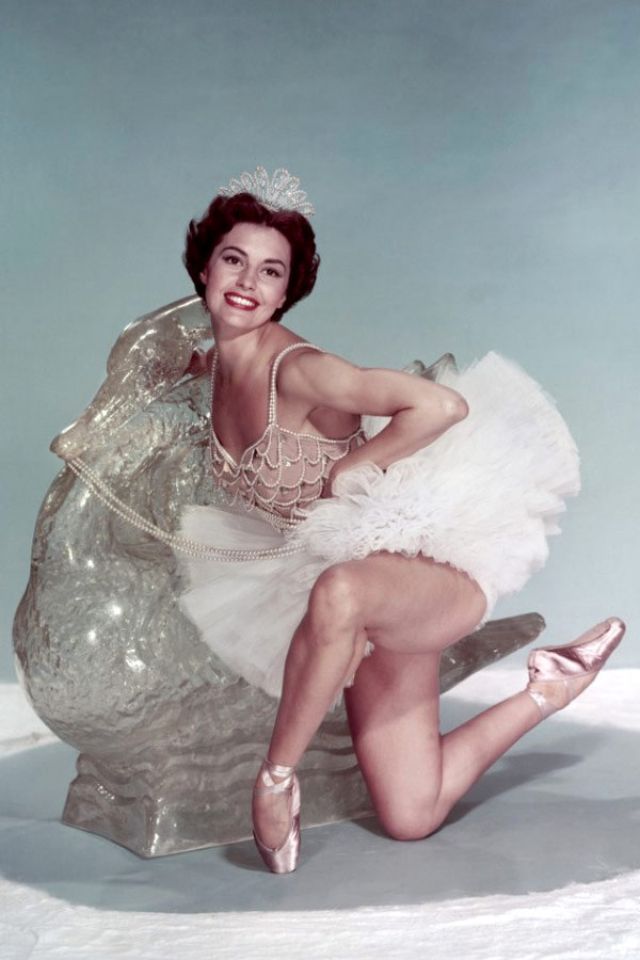
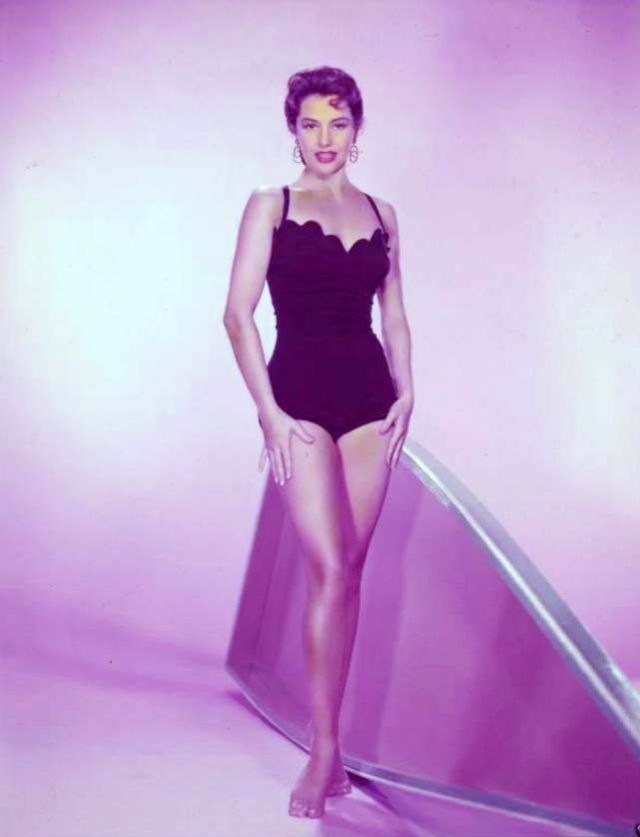
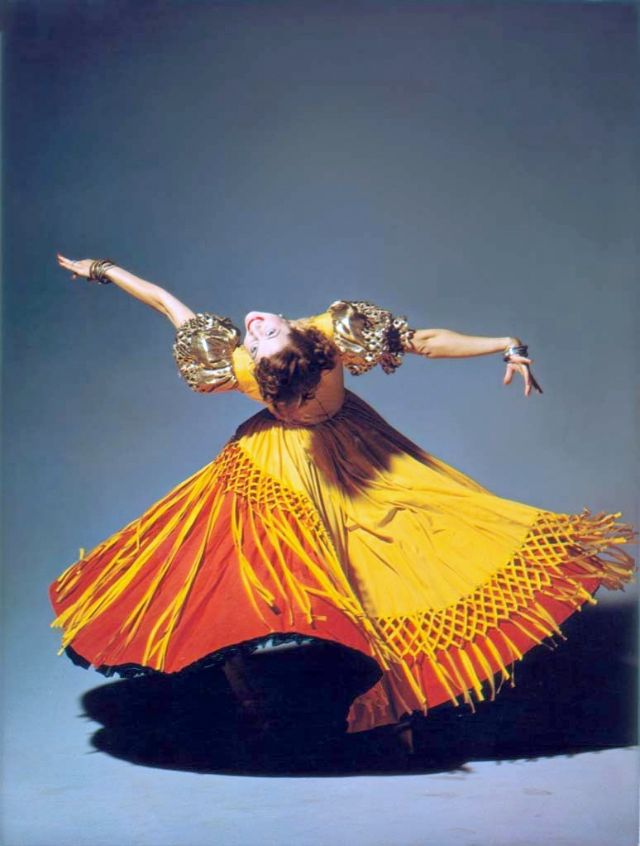
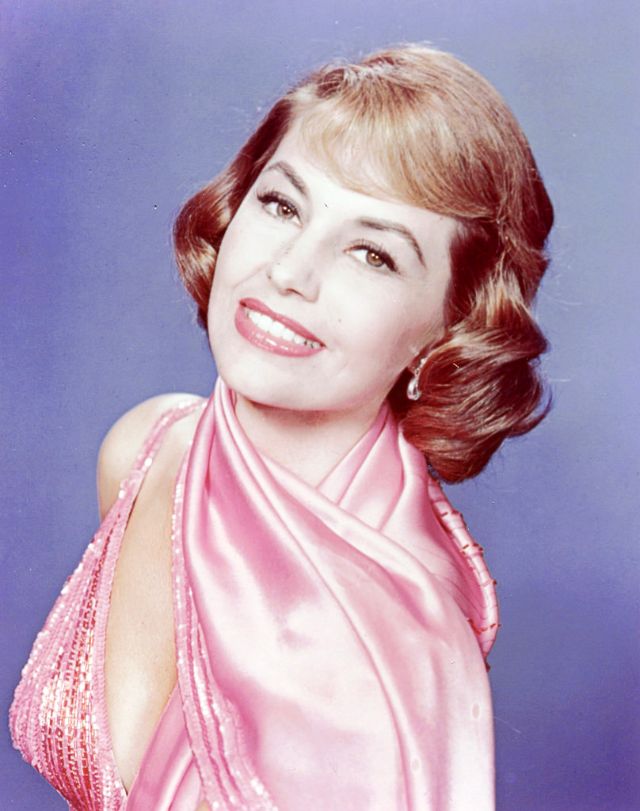
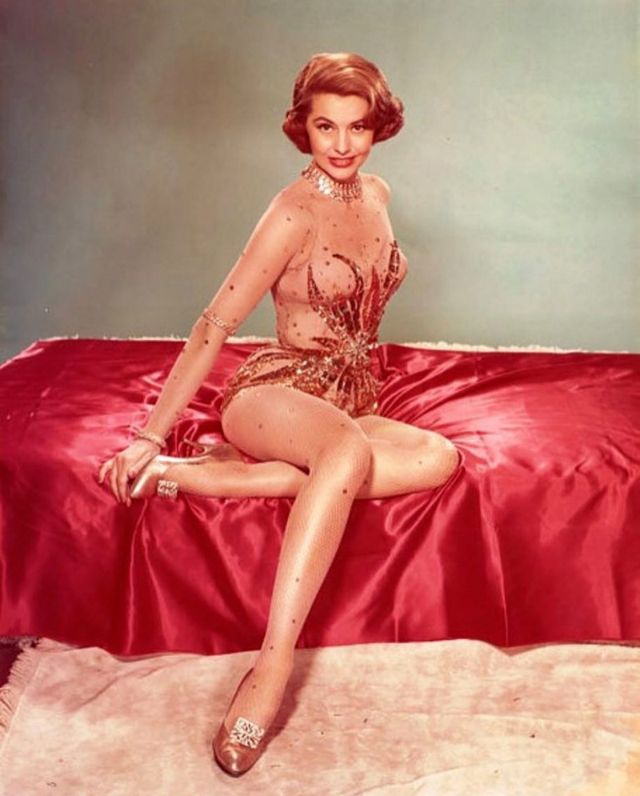
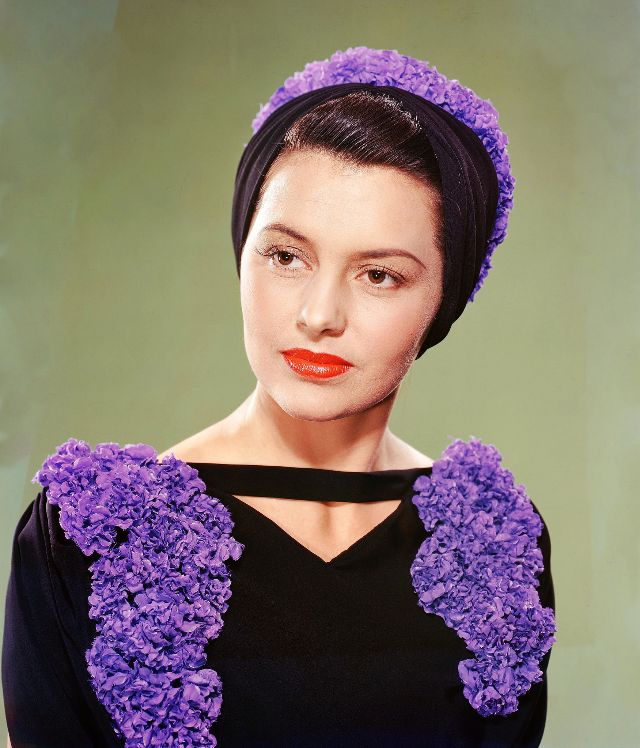
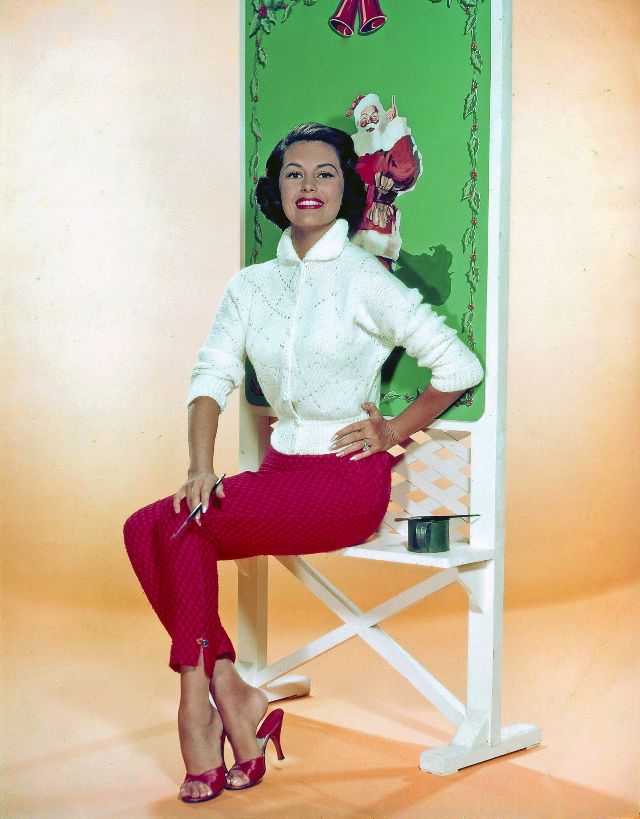
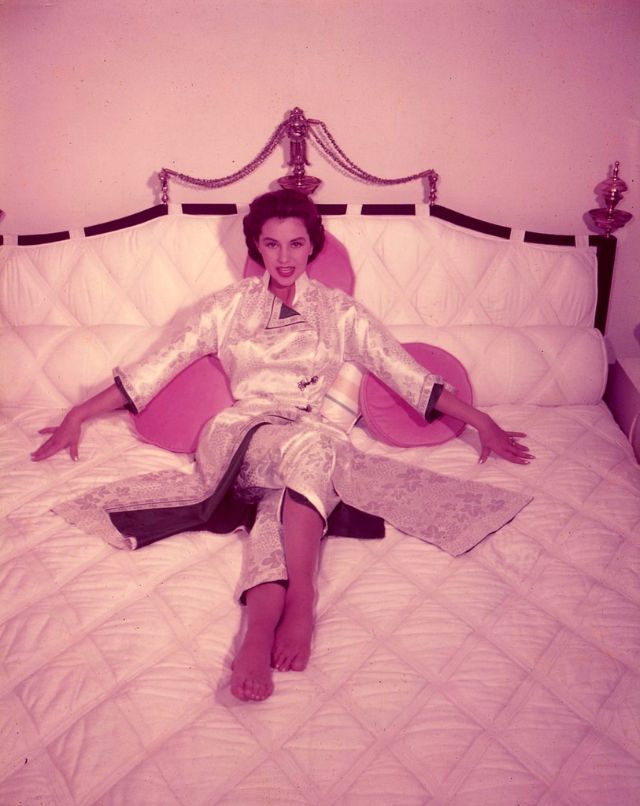
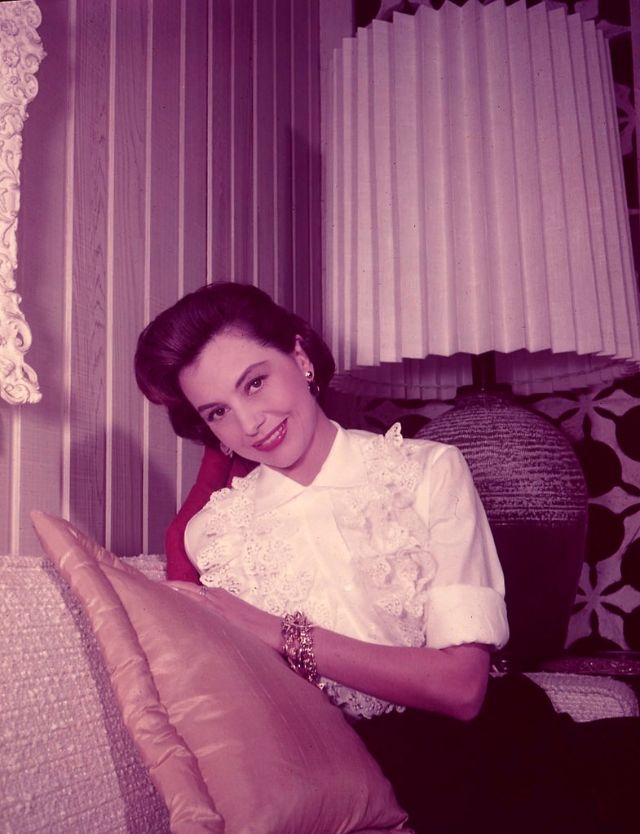
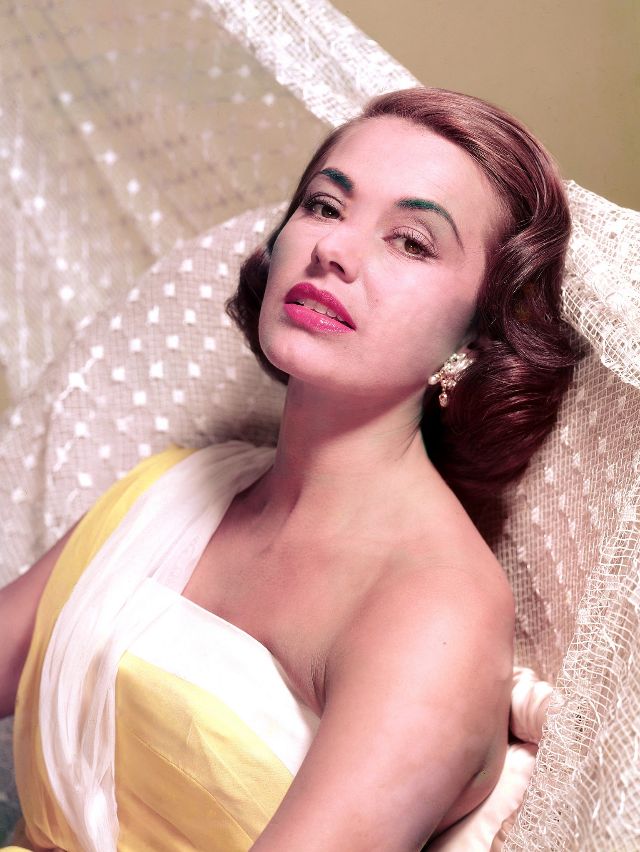
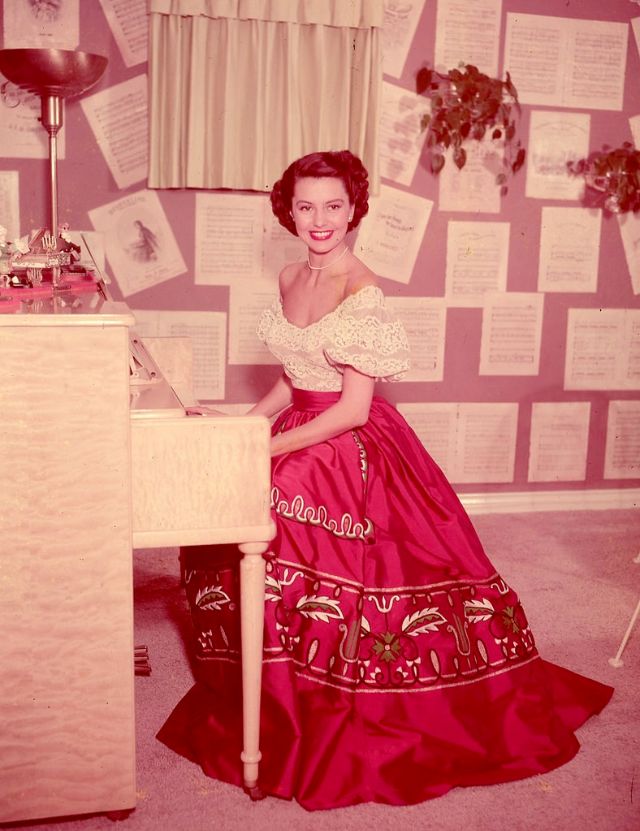
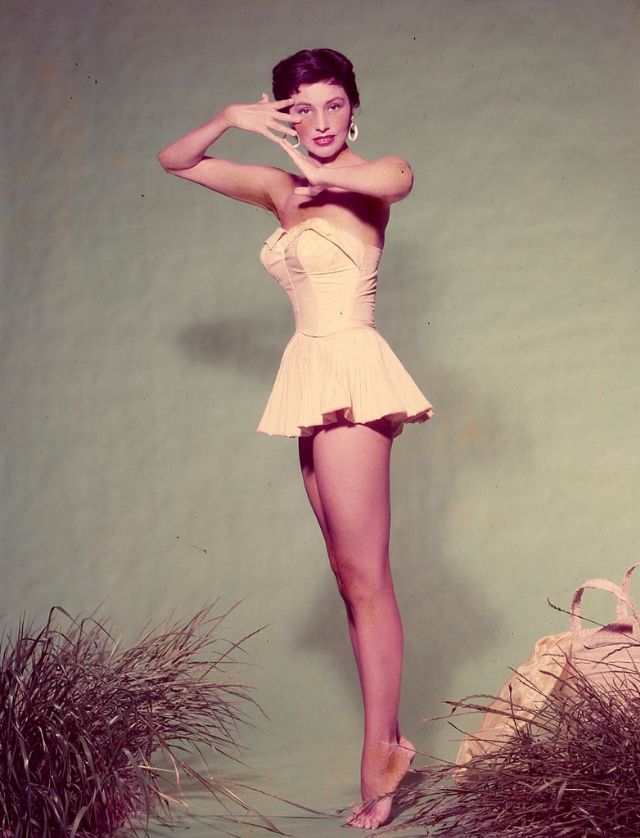
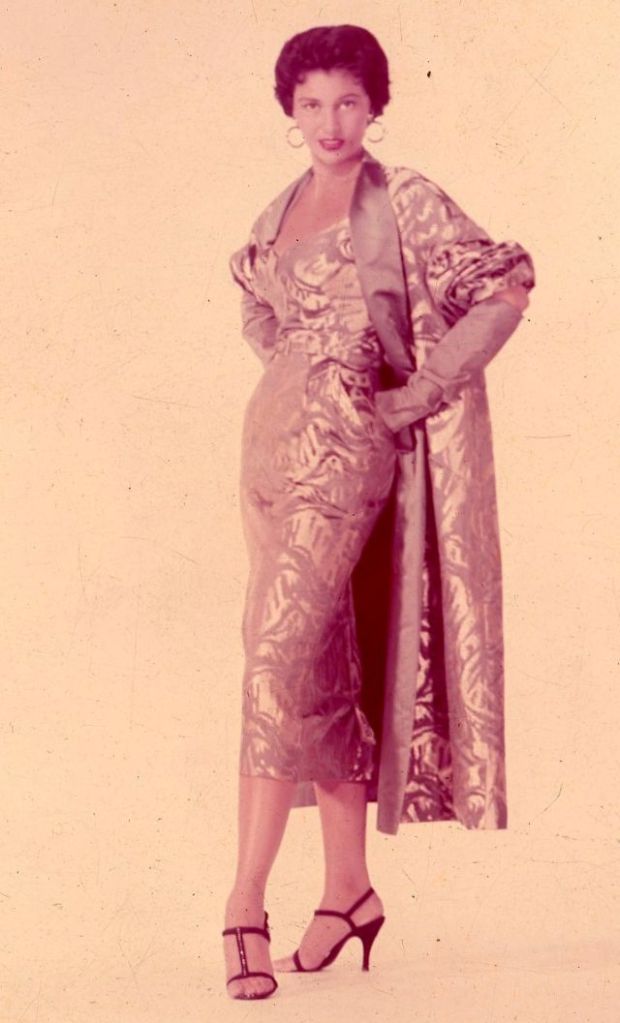
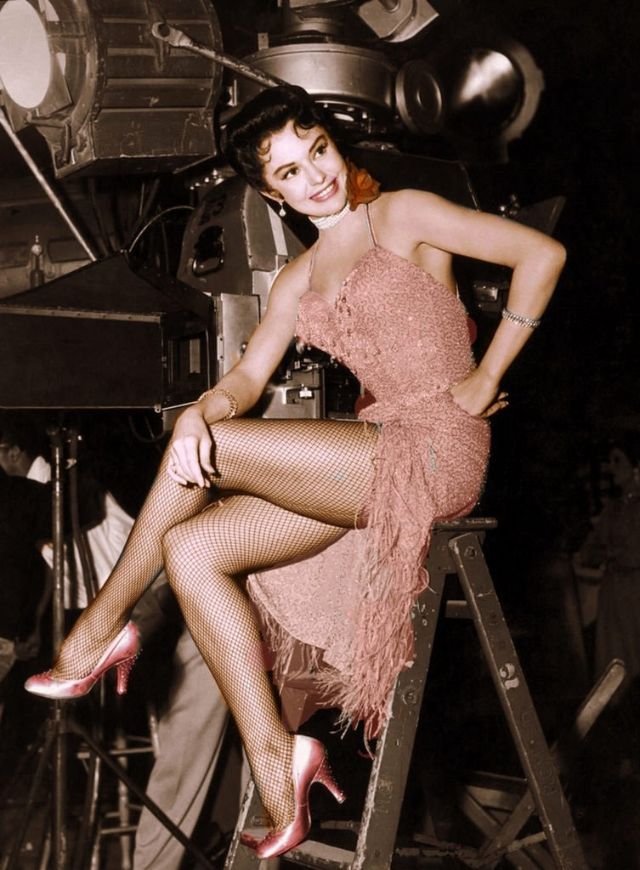
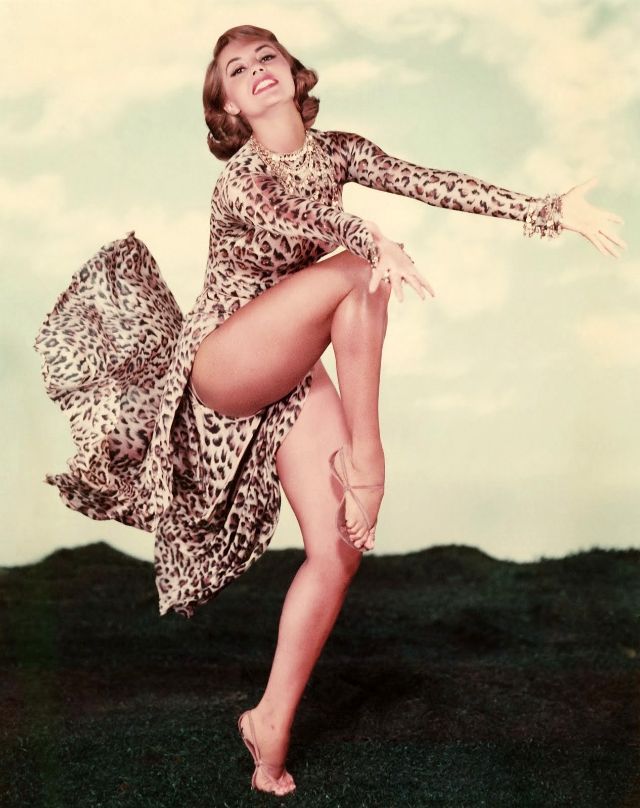
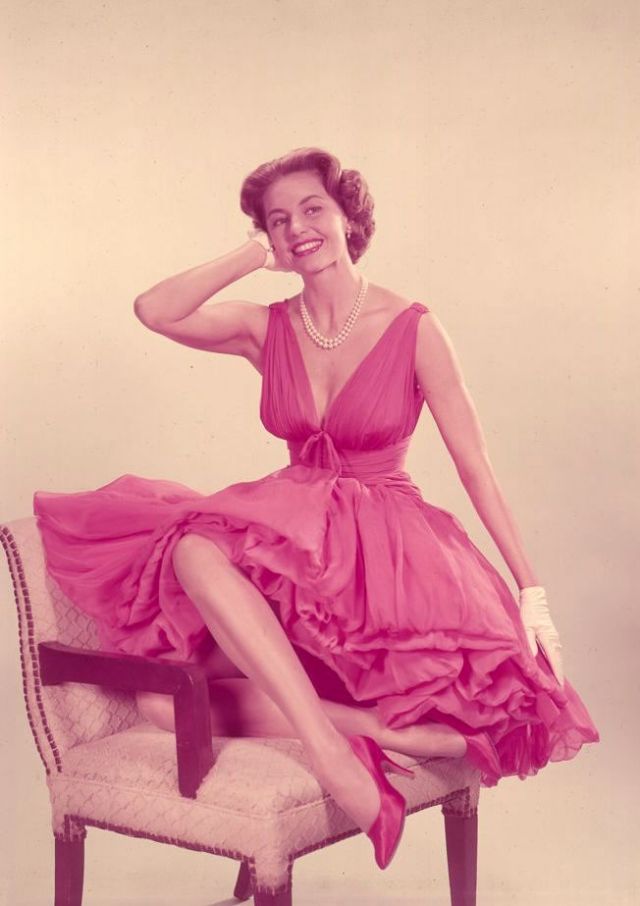
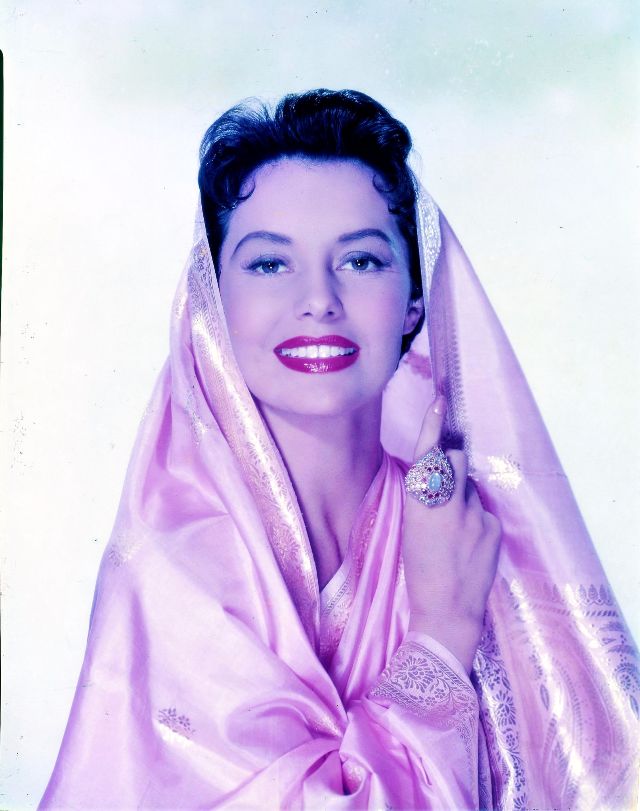
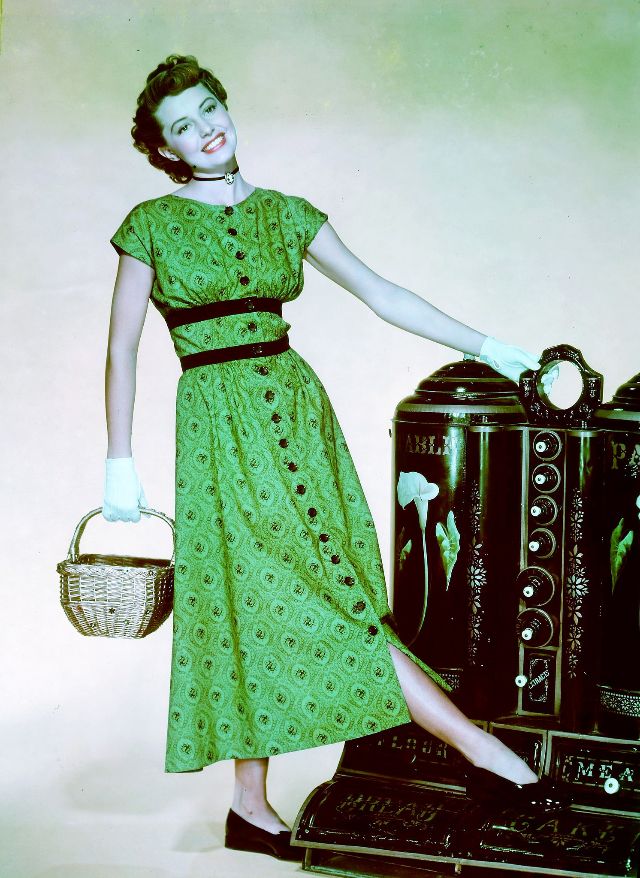
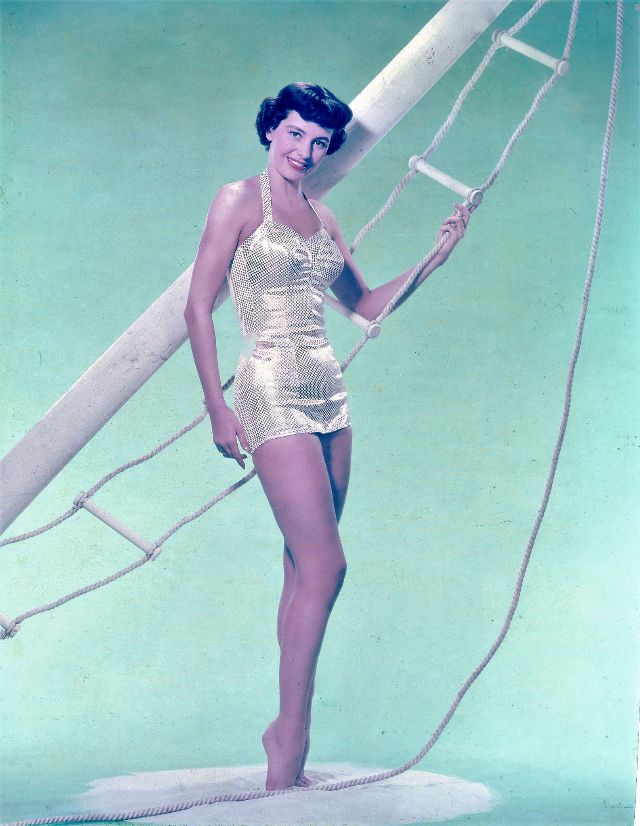
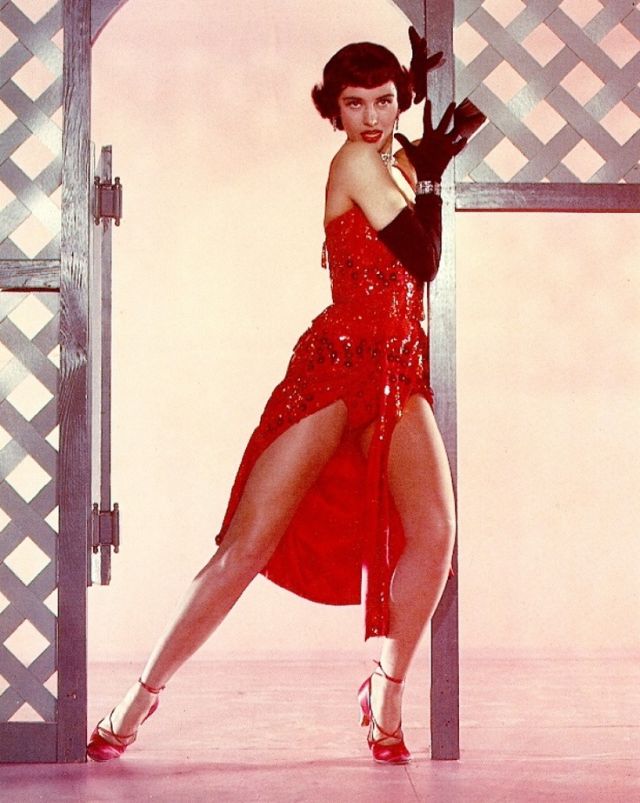
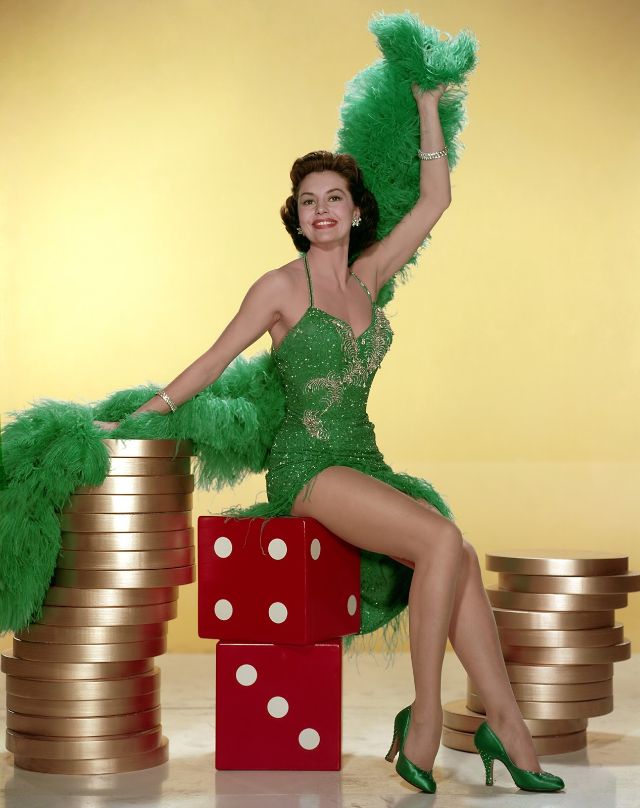
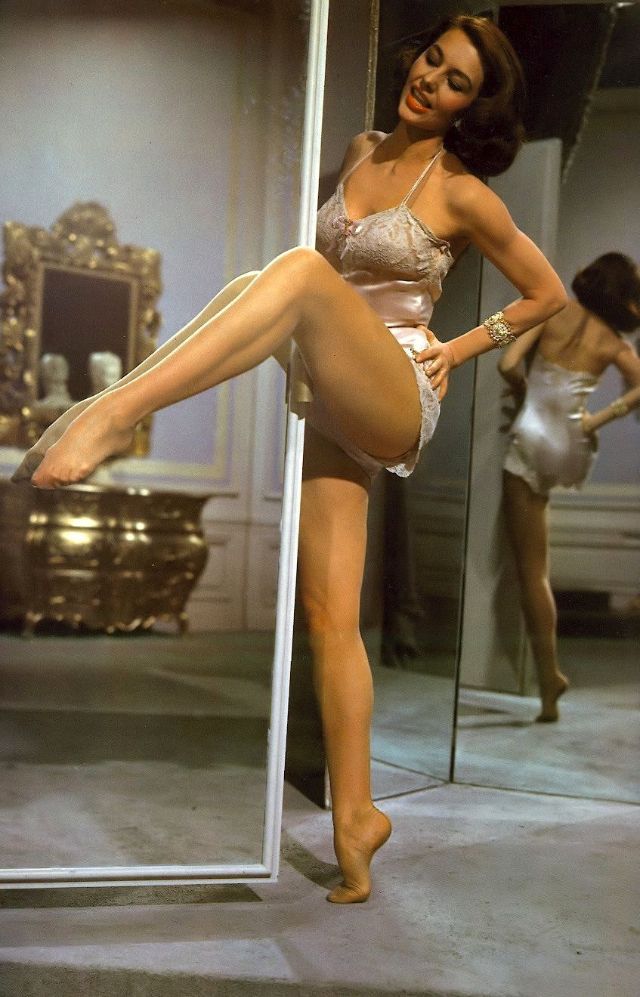
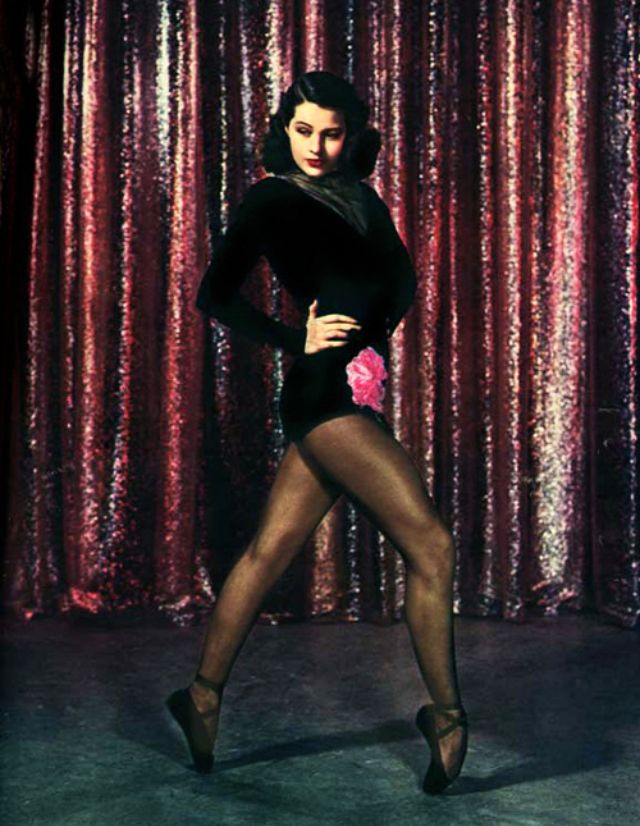
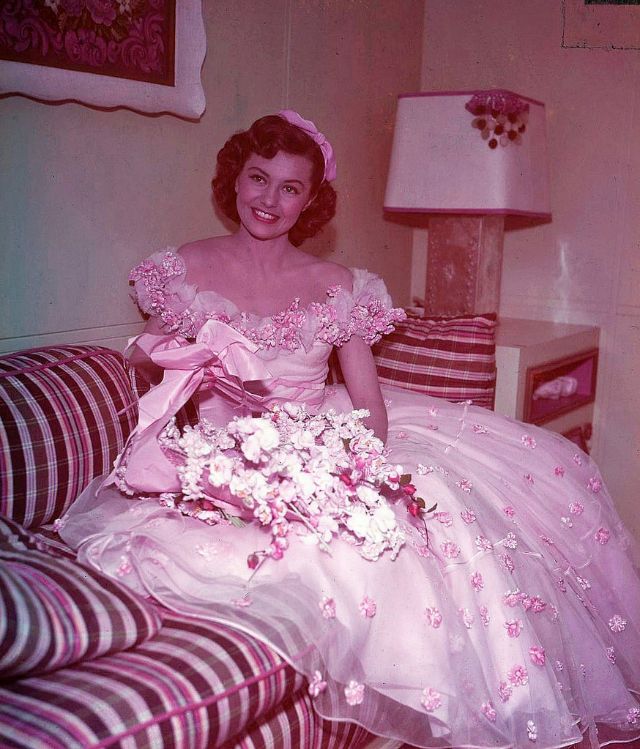
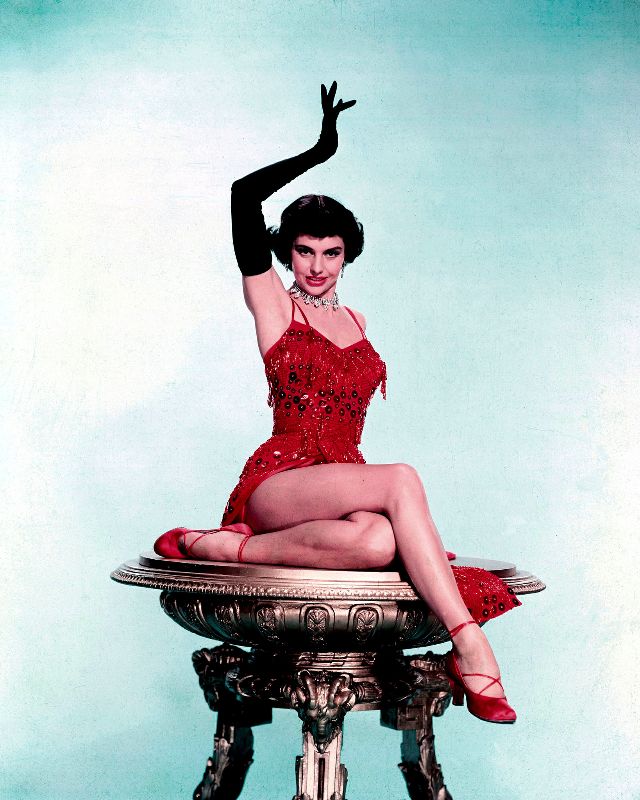
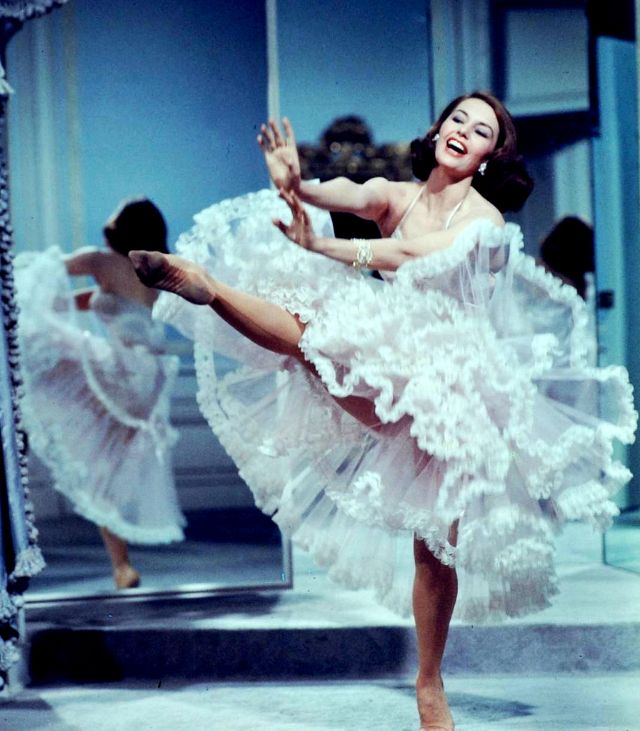
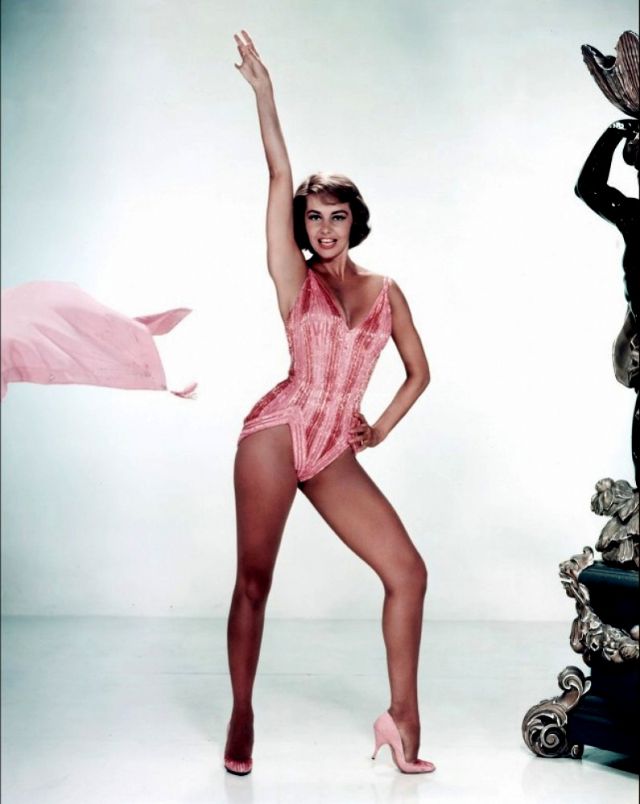
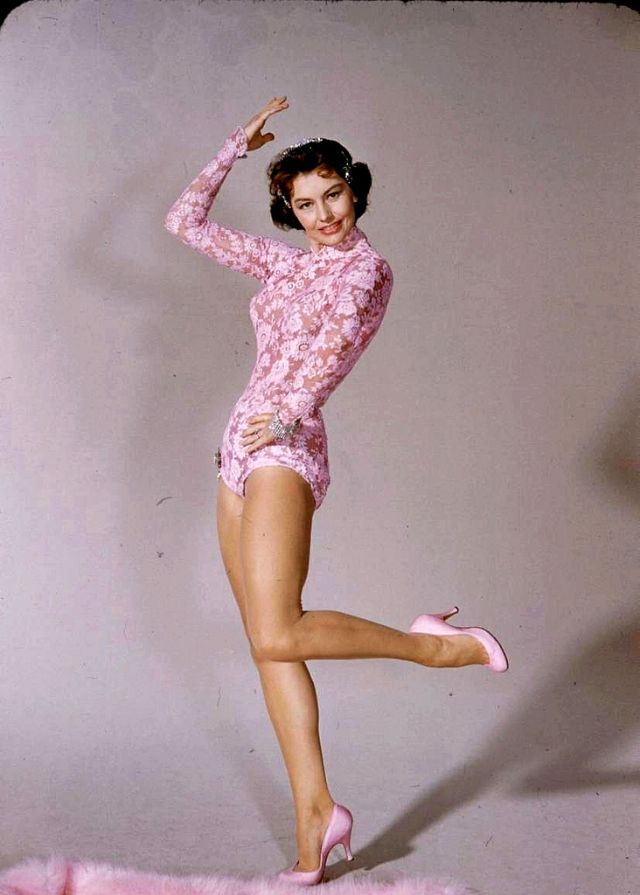
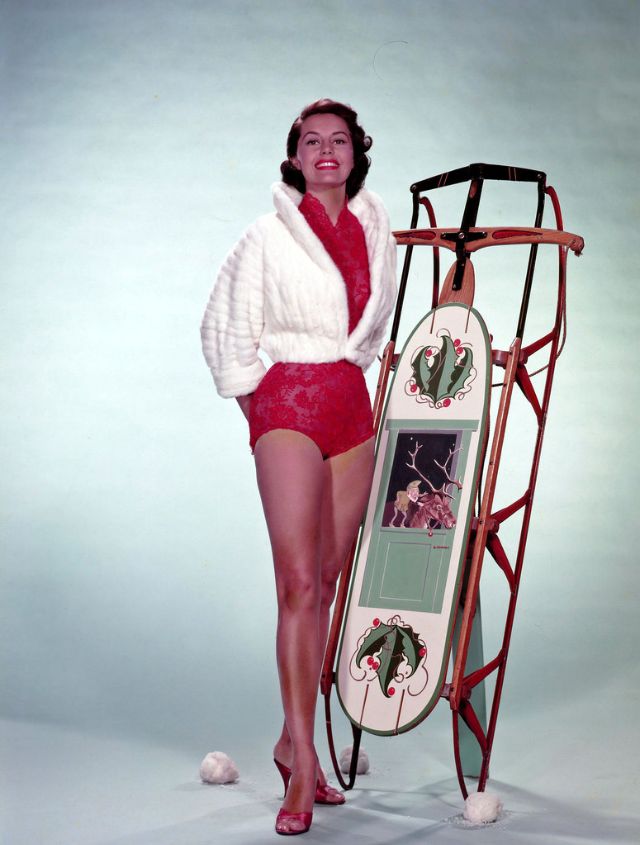
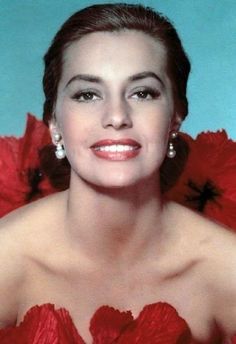
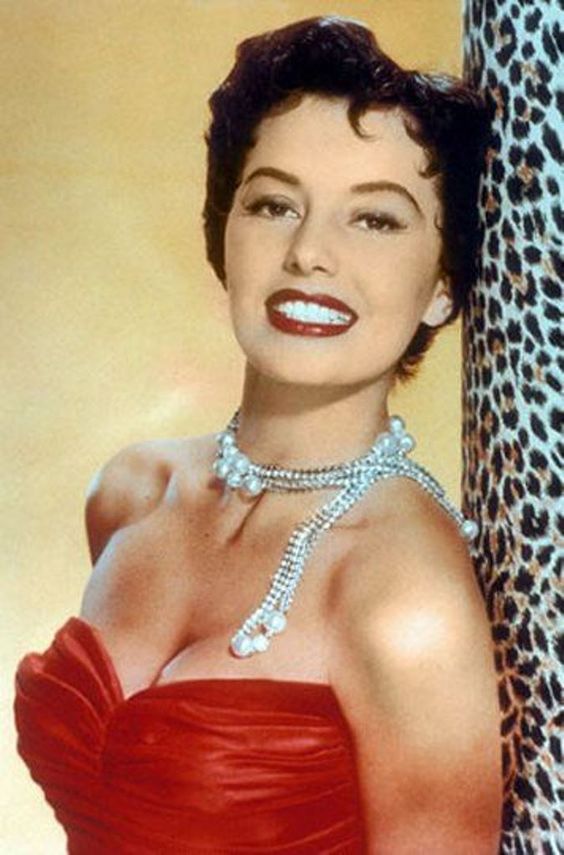
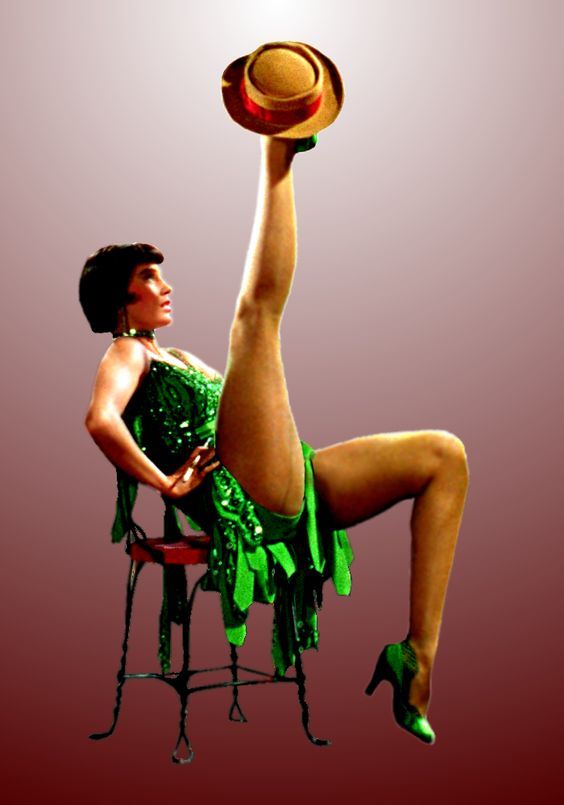
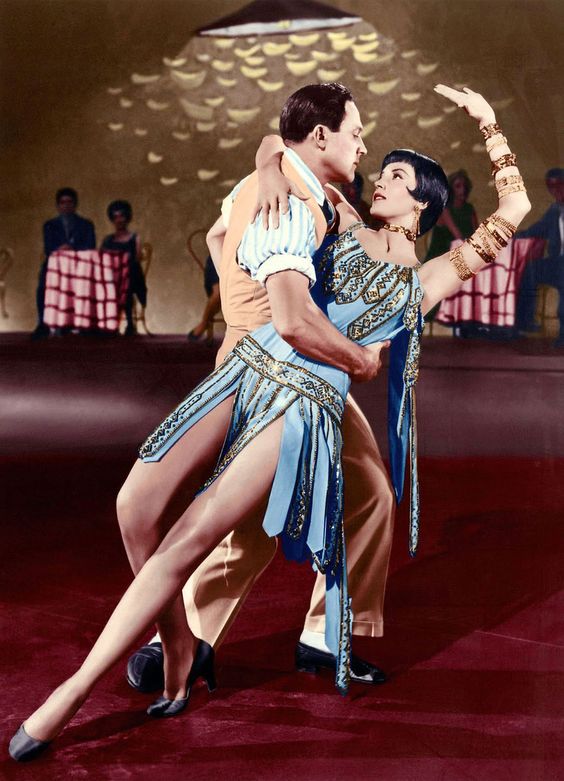
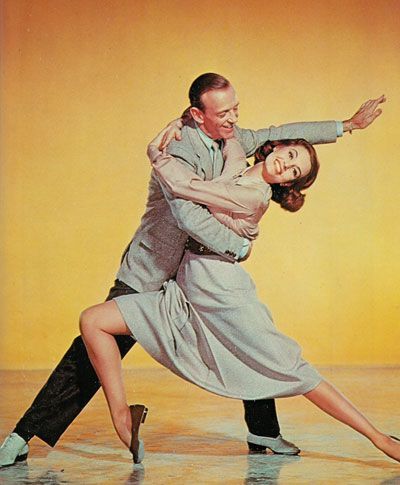
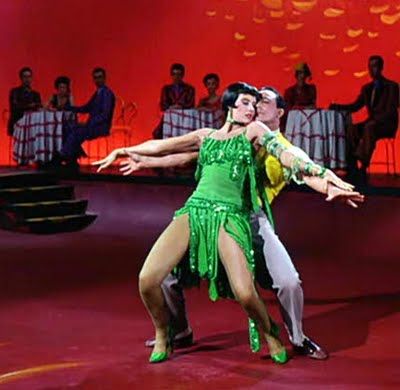
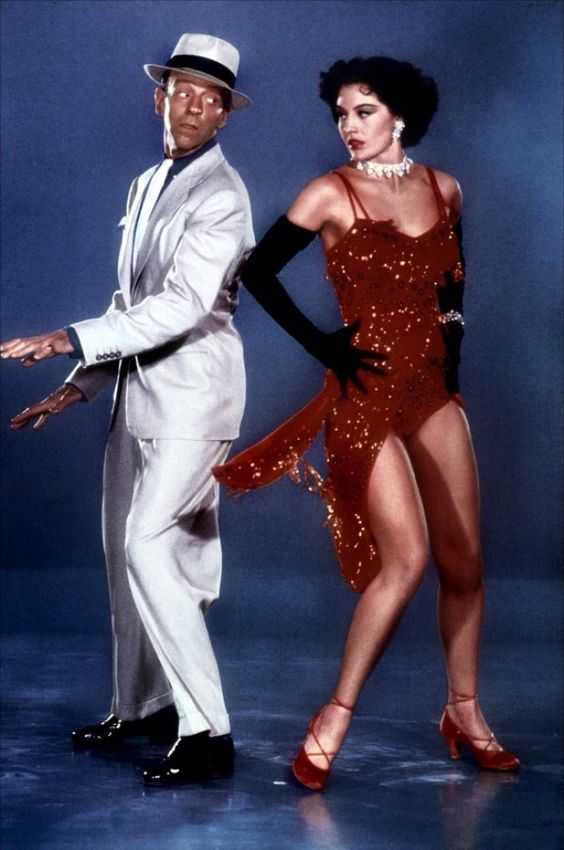
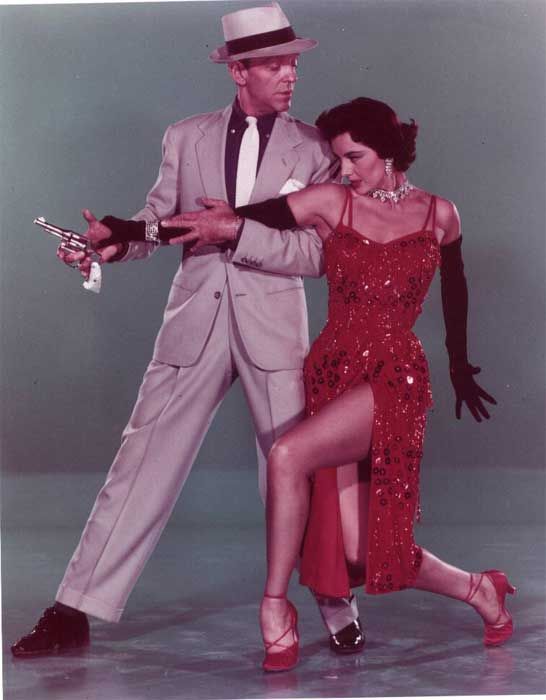
50 Gorgeous Photos of Actress Cyd Charisse in the 1940s and 1950s

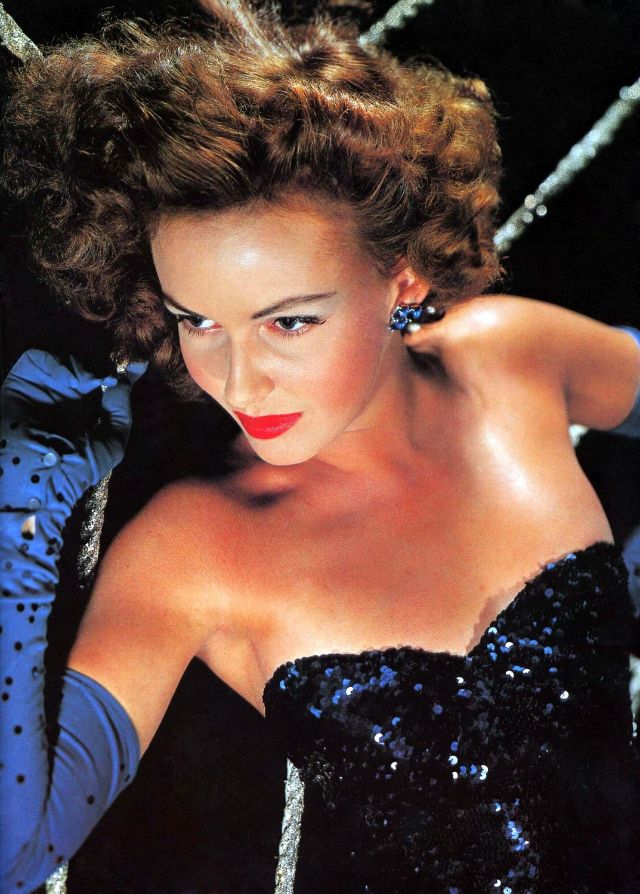
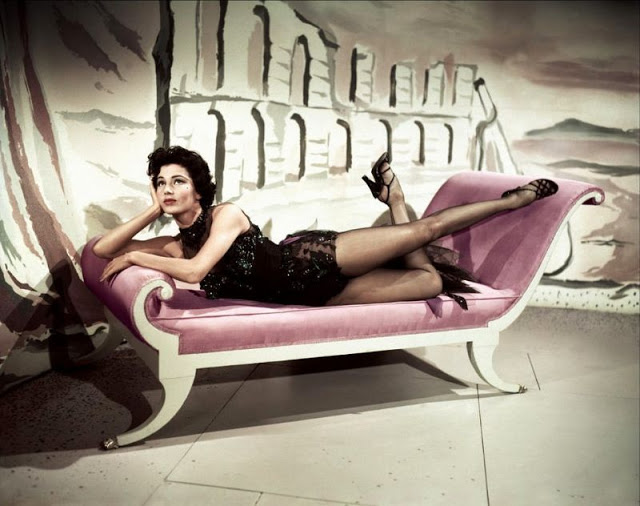
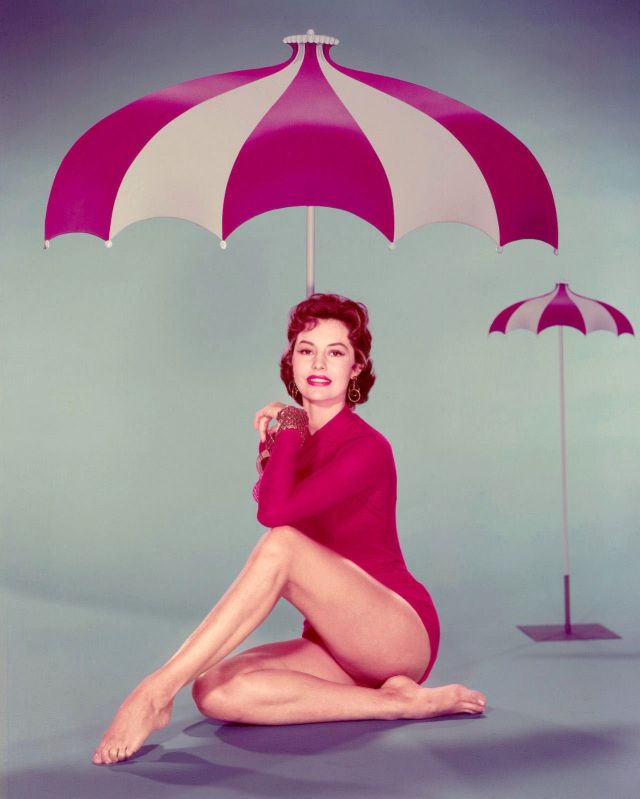
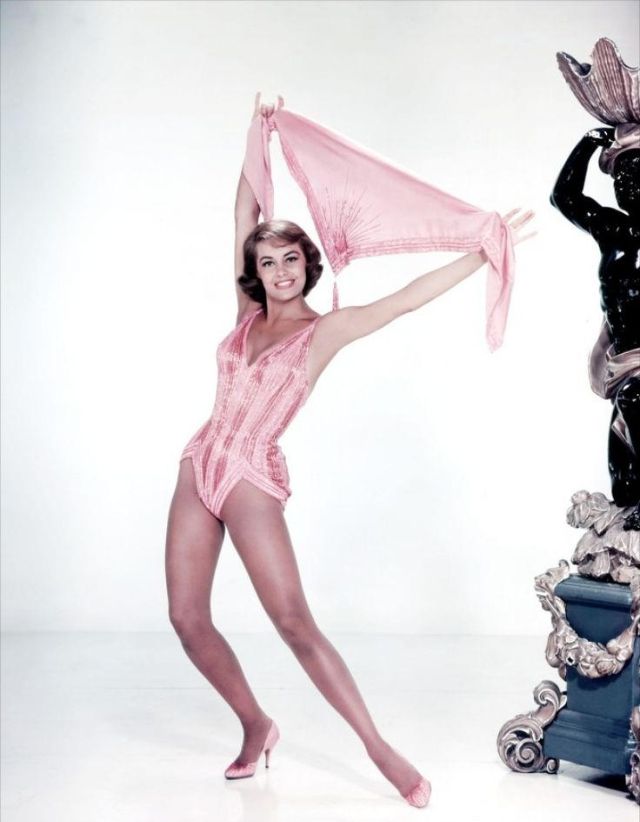
Born 1922 as Tula Ellice Finklea in Amarillo, Texas, American dancer and actress Cyd Charisse was a sickly girl who started dancing lessons at six to build up her strength after a bout of polio.

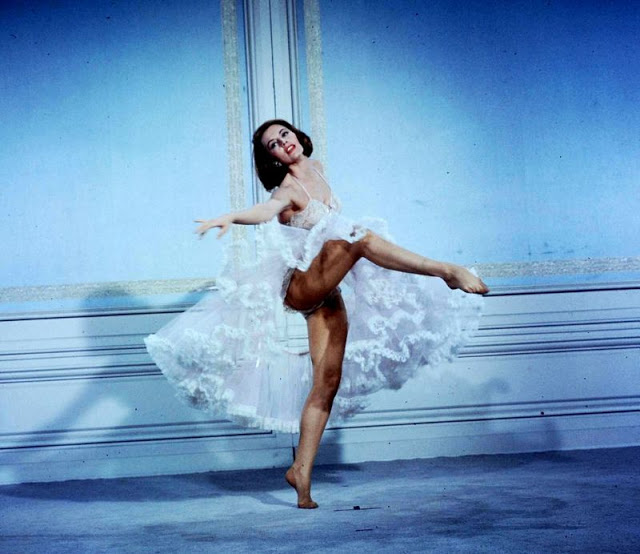
After recovering from polio as a child and studying ballet, Charisse entered films in the 1940s. Her roles usually focused on her abilities as a dancer, and she was paired with Fred Astaire and Gene Kelly; her films include Singin’ in the Rain (1952), The Band Wagon (1953), Brigadoon with Gene Kelly and Van Johnson (1954) and Silk Stockings (1957).

Charisse stopped dancing in films in the late 1950s, but continued acting in film and television, and in 1992 made her Broadway debut in Grand Hotel.

Her last film appearance was in 1994 in That’s Entertainment! III as one of the onscreen narrators of a tribute to the great MGM musical films.

Charisse was awarded the National Medal of the Arts and Humanities in 2006. She died in 2008 because of heart attack, aged 86.

25 Vintage Photos of the Crimean War, 1853-1856

The Crimean War (October 1853 – February 1856) was a conflict between the Russian Empire and an alliance of the French Empire, the British Empire, the Ottoman Empire, and the Kingdom of Sardinia. The war was part of a long-running contest between major European powers for influence over territories of the declining Ottoman Empire. Most of the conflict took place on the Crimean peninsula, but there were smaller campaigns in eastern Anatolia, Caucasus, the Baltic Sea, the Pacific Ocean and the White Sea. In Russia, this war is also known as the “Eastern War”, and in Britain it was also called the “Russian War” at the time.

The Crimean War was one of the first wars to be documented extensively in written reports and photographs: notably by William Russell (writing for The Times newspaper) and the photographs of Roger Fenton.

A vivandiere, a female soldier selling provisions and spirits, with the Allied forces during the Crimean War.
Colonel Shadforth and the 57th Regiment during the Crimean War.
English and French soldiers having a drink together in the lines before Sebastopol during the Crimean War.
Mortar teams having a rest during the siege of Sebastopol in the Crimean War.
Balaklava, Ukraine, looking seaward with the harbour crowded with sailing ships. Balaklava was the British headquarters during the Crimean war.
Officers on the staff of Lt General Sir G Brown during the Crimean campaign.
Officers of the 89th Regiment, Princess Victoria’s Royal Irish Fusiliers, at Cathcart’s Hill in the Crimea.
General Pierre Bosquet (1810 – 1861), French military commander during the Crimean War. Witnessing the British charge of the Light Brigade at the battle of Balaklava, he remarked “C’est magnifique, mais ce n’est pas la guerre” (It’s magnificent, but it is not war’).
8th Hussars soldiers preparing a meal at the Cookhouse in the field during the Crimean War, 1855.
The interior of a redan, Russian fortifications at Sebastopol, after evacuation by the Russians following its fall to British and French troops during the Crimean War.
English war photographer Roger Fenton (1819 – 1869) in the uniform of a Zouave soldier.
British soldiers during the Crimean War.
Captain Brown, Colonel Lowe and Captain George in their camp during the Crimean War.
The War Council’s commanders-in-chief of the Allies, Lord Raglan, Omar Pasha and General Pelisier having a meeting during the Crimean war.
English nursing reformer Florence Nightingale (1820 – 1910), who became the first woman to receive the Order of Merit for her tireless efforts during the Crimean War.
A mobile darkroom used by photographer Roger Fenton during the Crimean war, where he developed negatives within 10 minutes of their exposure.
Sir William Howard Russell (1820 – 1907), war correspondent of “The Times”.
Lieutenant Colonel Halliwell being poured a drink at an army camp in Russia, during the Crimean War.
Captain Brown of the 4th Light Dragoons, seated, and his servant in winter dress, in Russia, during the Crimean War.
The British 4th Light Dragoons encamped in the Crimea, 1855.
Members of the 4th Light Dragoons at camp in the Crimea, 1855.
A soldier and two woman pose next to a row of cannon during the Crimean War, 1855.
A British cannon being loaded onto a shop at Sevastopol, 1855.
Mortar batteries in front of Picquet House, Light Division, during the Crimean War, circa 1855. The British soldiers are positioned behind a berm, or raised earth fortification.

71 Beautiful Photos of Actress Claudia Cardinale from the 1960s

Claude Joséphine Rose “Claudia” Cardinale; (born 15 April 1938) is a Tunisian-born Italian film actress who starred in some of the most acclaimed European films of the 1960s and 1970s, mainly Italian or French, but also in many English-language films.

Born and raised in La Goulette, a neighbourhood of Tunis, Cardinale won the “Most Beautiful Italian Girl in Tunisia” competition in 1957, the prize being a trip to Italy, which quickly led to film contracts, due above all to the involvement of Franco Cristaldi, who acted as her mentor for a number of years and later married her. After making her debut in a minor role with Omar Sharif in Goha (1958), Cardinale became one of the best-known actresses in Italy with roles in films such as Rocco and His Brothers (1960), Girl with a Suitcase (1961), Cartouche (1962), The Leopard (1963), and Fellini’s 8½ (1963).[a] From 1963, Cardinale became known in the United States and Britain following her role in The Pink Panther opposite David Niven. For several years, she appeared in Hollywood films such as Blindfold (1965), Lost Command (1966), The Professionals (1966), Don’t Make Waves (1967) with Tony Curtis, The Hell with Heroes (1968), and the Sergio Leone epic Western Once Upon a Time in the West (1968), a joint US-Italian production, in which she was praised for her role as a former prostitute opposite Jason Robards, Charles Bronson, and Henry Fonda.

Jaded with the Hollywood film industry and not wanting to become a cliché, Cardinale returned to Italian and French cinema, and garnered the David di Donatello for Best Actress award for her roles in Il giorno della civetta (1968) and as a prostitute alongside Alberto Sordi in A Girl in Australia (1971). In 1974, Cardinale met director Pasquale Squitieri, who would become her partner, and she frequently featured in his films, including I guappi (1974), Corleone (1978) and Claretta (1984), the last of which won her the Nastro d’Argento Award for Best Actress. In 1982, she starred in Werner Herzog’s Fitzcarraldo as the love interest of Klaus Kinski, who raises the funds to buy a steamship in Peru. In 2010, Cardinale received the Best Actress Award at the 47th Antalya “Golden Orange” International Film Festival for her performance as an elderly Italian woman who takes in a young Turkish exchange student in Signora Enrica.

Outspoken on women’s rights causes over the years, Cardinale has been a UNESCO goodwill ambassador for the Defense of Women’s Rights since March 2000. In February 2011, the Los Angeles Times Magazine named Cardinale among the 50 most beautiful women in film history. (Text by Wikipedia)

13 Amazing Colorized Photos of Mugshots of Children Sentenced For Crimes in the 1870s

For petty crimes such as stealing daily necessities such as food and clothing, they have faced hard labor and jail. And these haunting photographs show the stern and haggard faces of Victorian criminal children who were sentenced to tough punishments in the 1870s, with many looking remarkably older than their actual ages.

The children in the shots were all from poor backgrounds. The incredible pictures show a range of children who were sentenced to a range of punishments from ten days of hard labor to two months in prison. Other eye-opening images reveal the stern and haggard appearances of the convicted children – with many looking significantly older than their actual ages.

The photographs were colorized by expert Tom Marshall and provided by the Tyne and Wear Archives and Museums.

“I colorize photos to bring faces, like that of these convicted children, to life and hopefully allow people to imagine their circumstances and how they must have felt at the time.” Marshall said. “This period shows the real people behind ‘official’ histories – people that are from the lowest levels of society, those really struggling to survive. The pictures were found when Newcastle jail in Carliol Square was demolished.”

Stephen Monaghan,, 14, was convicted of stealing money on 25 July 1873 and was sentenced to 10 days hard labor and three years in Market Weighton Reformatory.
Robert Charlton, 16, a laborer from Newcastle, was sent to prison for four months for stealing two pairs of boots.
Rosana Watson, 13, was also part of the girl gang that stole the iron and she also got hard labor.
Aged 15, John Reed was handed 14 days hard labor and five years reformation for stealing money in 1873.
James Donneley, aged 16, had been in and out of prison for stealing clothes.
Aged 13, James Scullion was sentenced to 14 days hard labor at Newcastle City Gaol for stealing clothes.
Ellen Woodman was sentenced to 14 days hard labor at Newcastle City Gaol for stealing an iron.
Mary Hinningan was 13 when she stole an iron and got seven days of hard labor.
Aged just 12, Jane Farrell stole two boots and was sentenced to do 10 hard days labor at Newcastle City Gaol.
Henry Miller was a convicted thief after he was caught stealing clothing aged 14. He got 14 days of hard labor for his crime.
Michael Clement Fisher who went to jail aged just 13 for breaking into a house.
When Mary Catherine Docherty was 14 when she got seven days of hard labor for stealing an iron.
Henry Leonard Stephenson aged 12, who went to prison for two months after breaking into a house.

(Colorized by Tom Marshall)

24 Incredible Photos of Clint Eastwood Posing With Motorcycles From the 1960s and 1970s

Clint Eastwood was well known for his love of cars and motorcycles in the 1960s and ’70s, he especially loved the British marques Jaguar, Austin Healey and motorcycle marques Norton, Triumph.

Yesterday Today

Bringing You the Wonder of Yesterday - Today

Skip to content ↓