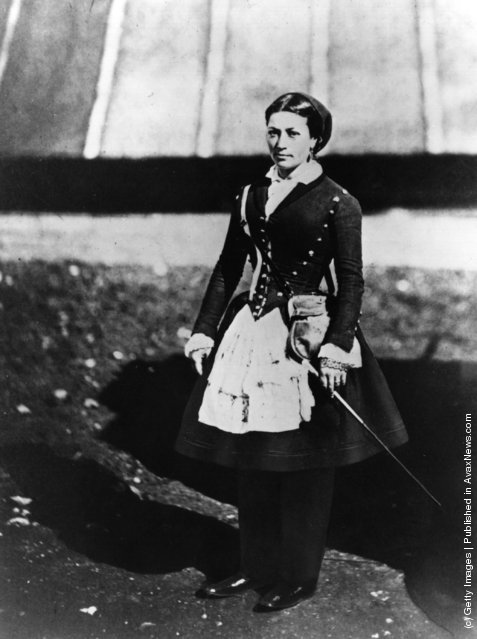
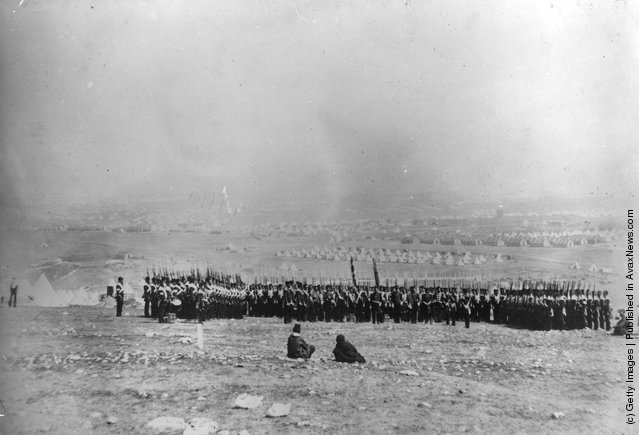
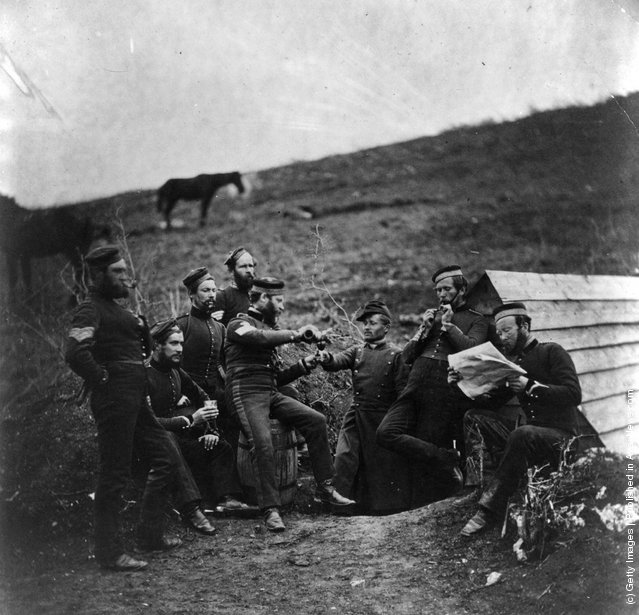
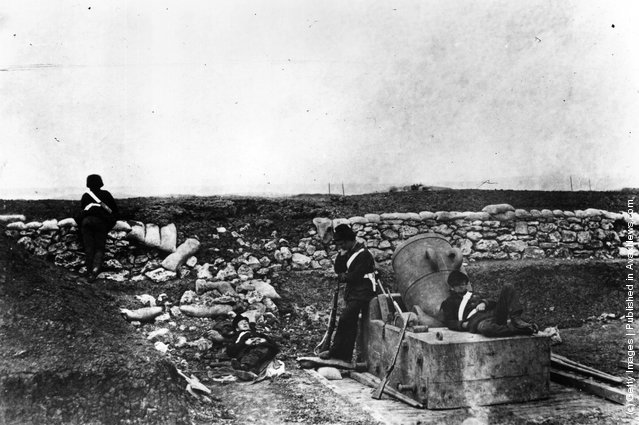
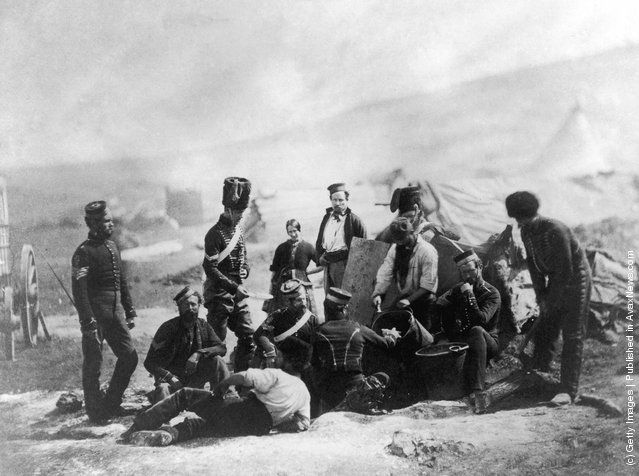
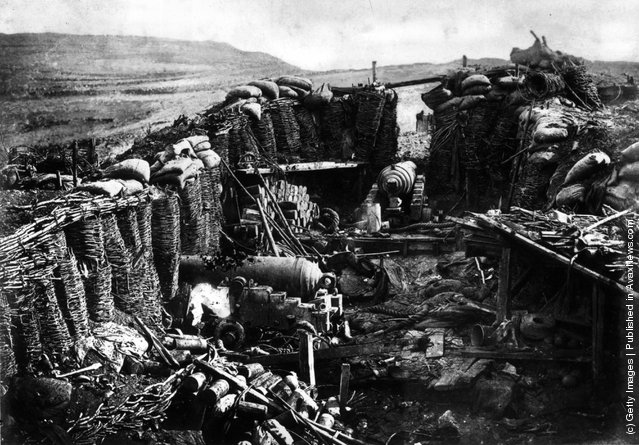
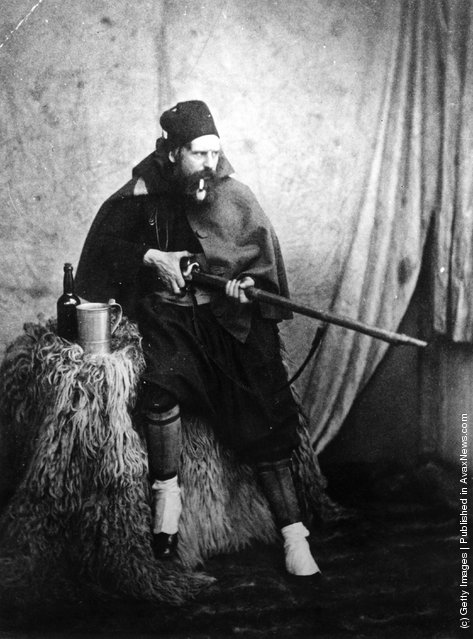
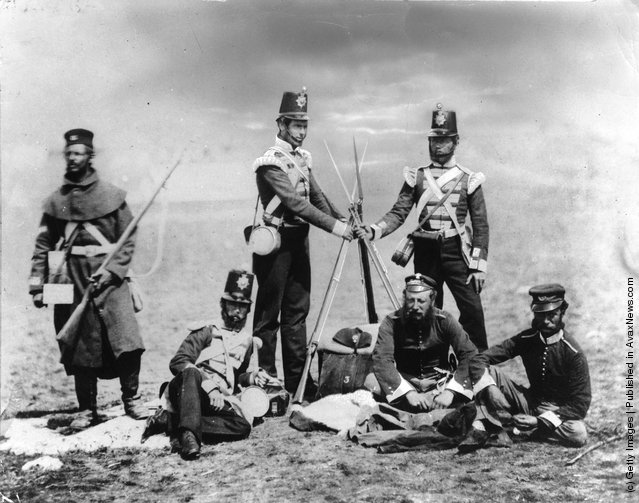
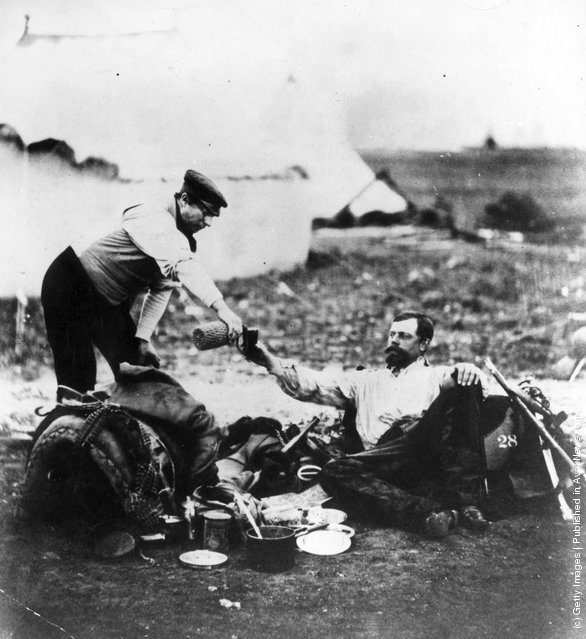
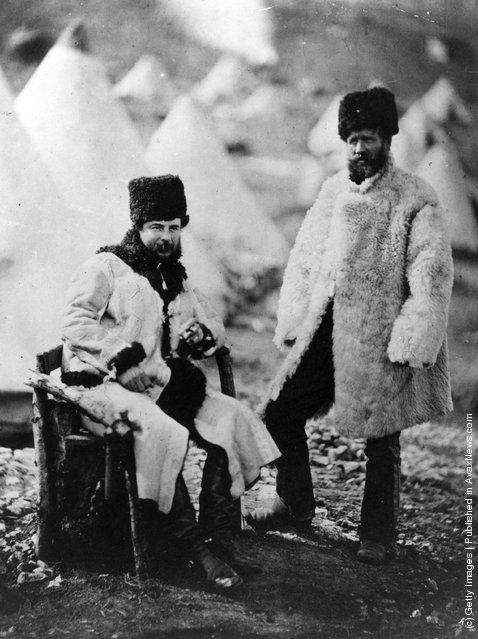
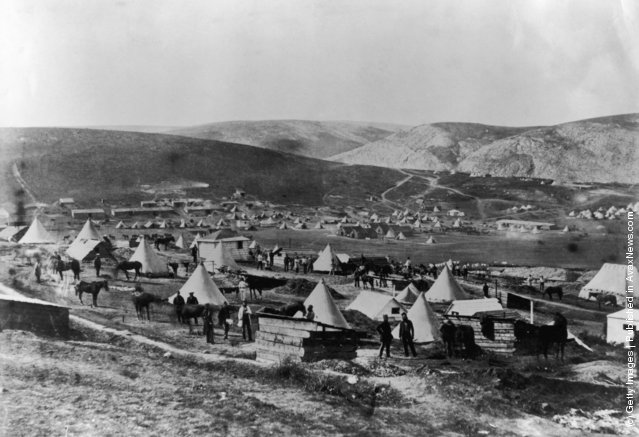
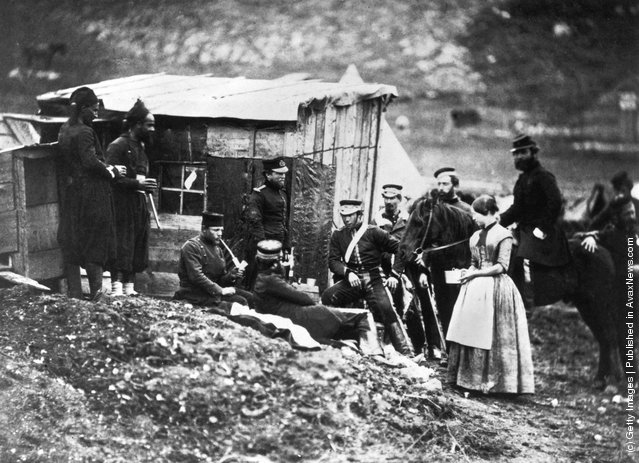
The Crimean War (October 1853 – February 1856) was a conflict between the Russian Empire and an alliance of the French Empire, the British Empire, the Ottoman Empire, and the Kingdom of Sardinia. The war was part of a long-running contest between major European powers for influence over territories of the declining Ottoman Empire. Most of the conflict took place on the Crimean peninsula, but there were smaller campaigns in eastern Anatolia, Caucasus, the Baltic Sea, the Pacific Ocean and the White Sea. In Russia, this war is also known as the “Eastern War”, and in Britain it was also called the “Russian War” at the time.
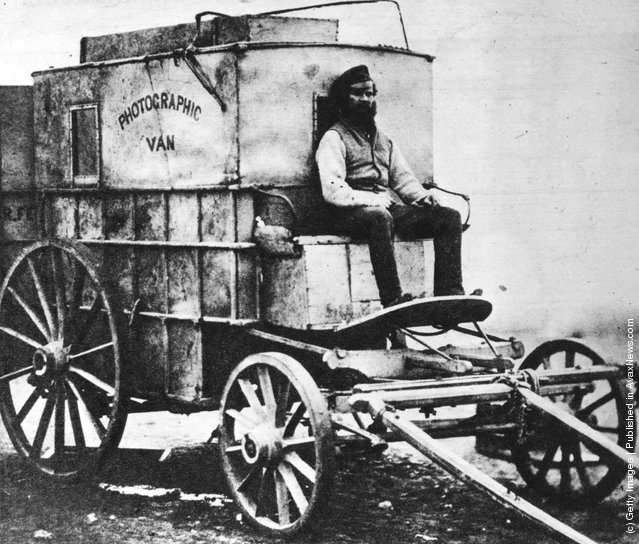
The Crimean War was one of the first wars to be documented extensively in written reports and photographs: notably by William Russell (writing for The Times newspaper) and the photographs of Roger Fenton.
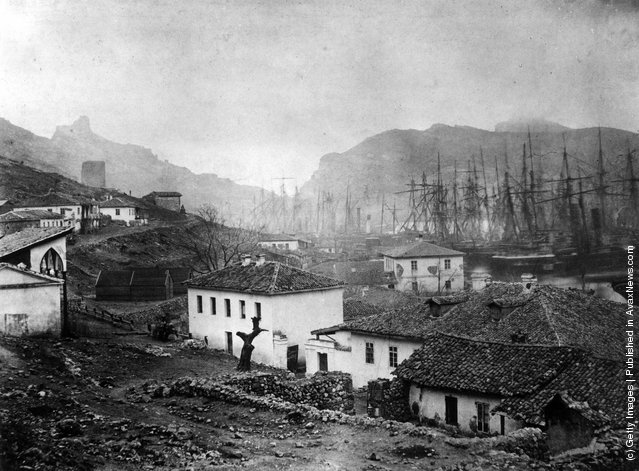
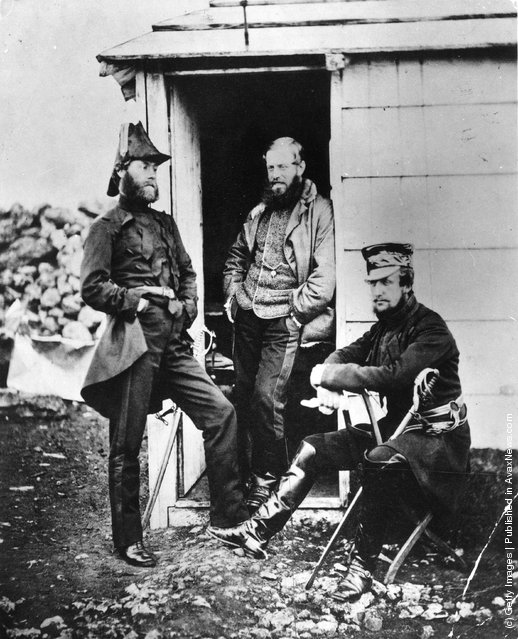
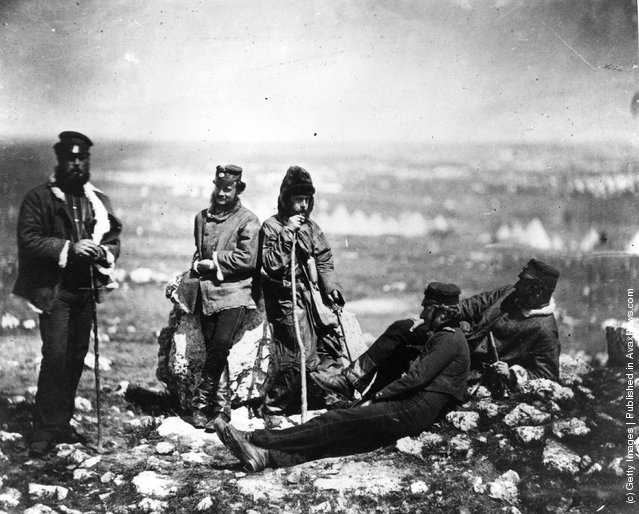
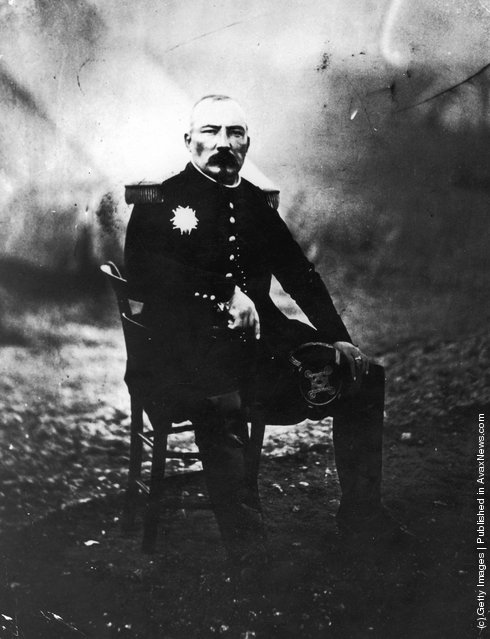
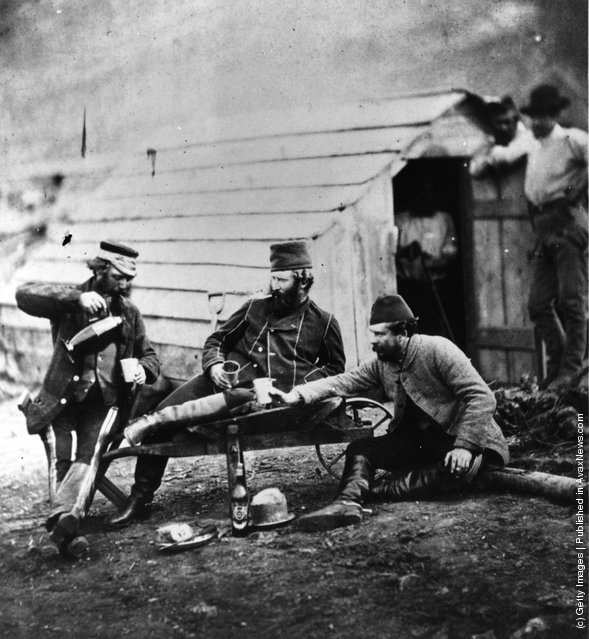
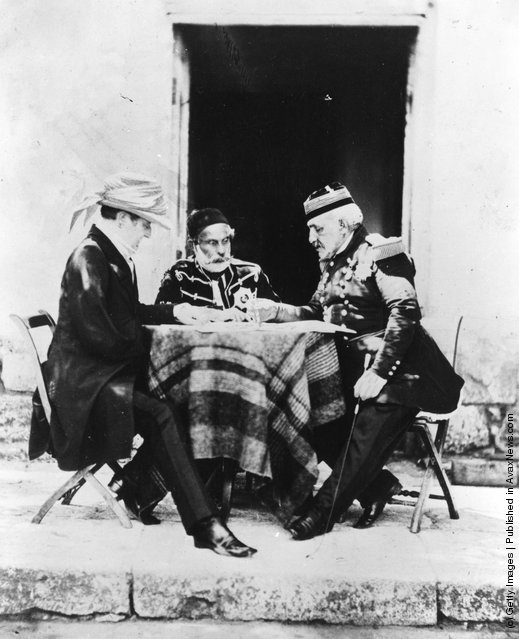
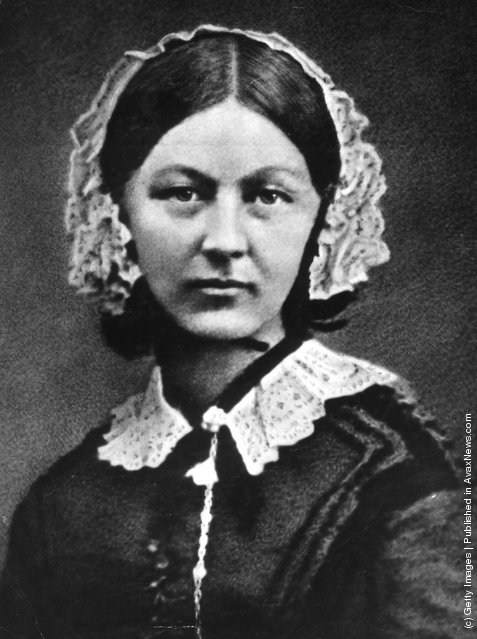
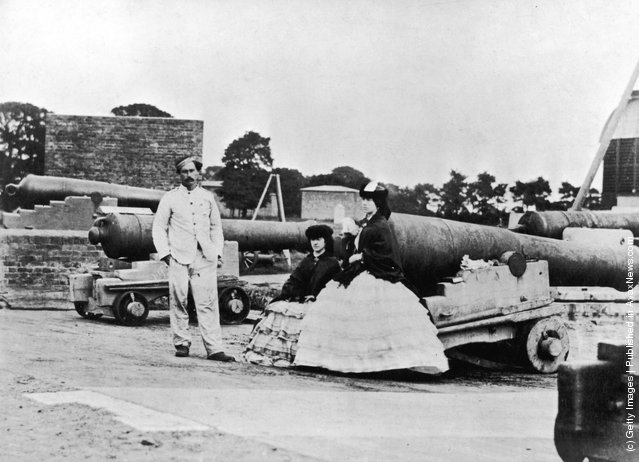
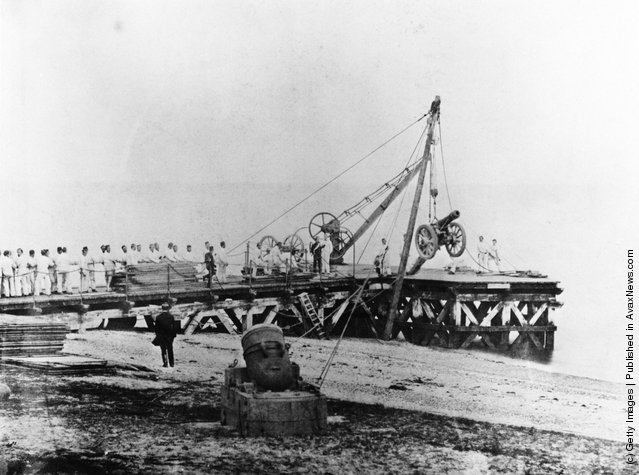
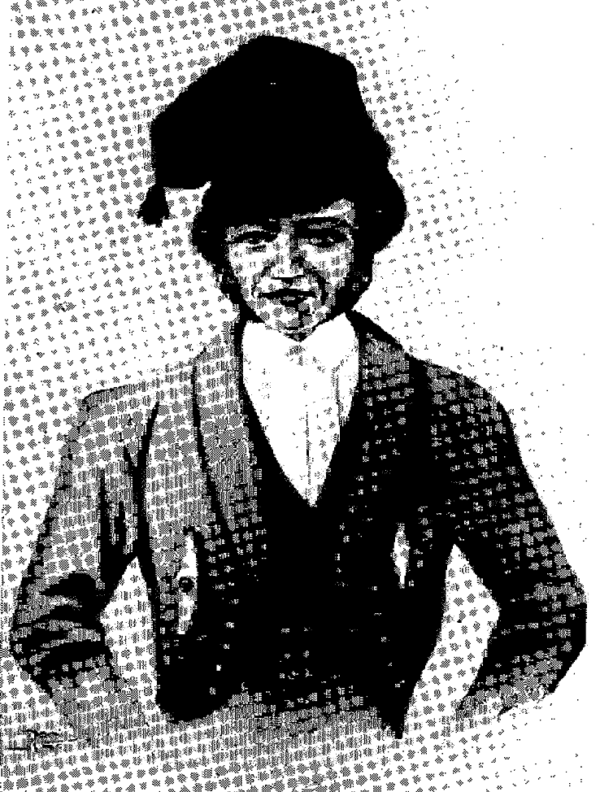
A vivandiere, a female soldier selling provisions and spirits, with the Allied forces during the Crimean War.Colonel Shadforth and the 57th Regiment during the Crimean War.English and French soldiers having a drink together in the lines before Sebastopol during the Crimean War.Mortar teams having a rest during the siege of Sebastopol in the Crimean War.Balaklava, Ukraine, looking seaward with the harbour crowded with sailing ships. Balaklava was the British headquarters during the Crimean war.Officers on the staff of Lt General Sir G Brown during the Crimean campaign.Officers of the 89th Regiment, Princess Victoria’s Royal Irish Fusiliers, at Cathcart’s Hill in the Crimea.General Pierre Bosquet (1810 – 1861), French military commander during the Crimean War. Witnessing the British charge of the Light Brigade at the battle of Balaklava, he remarked “C’est magnifique, mais ce n’est pas la guerre” (It’s magnificent, but it is not war’).8th Hussars soldiers preparing a meal at the Cookhouse in the field during the Crimean War, 1855.The interior of a redan, Russian fortifications at Sebastopol, after evacuation by the Russians following its fall to British and French troops during the Crimean War.English war photographer Roger Fenton (1819 – 1869) in the uniform of a Zouave soldier.British soldiers during the Crimean War.Captain Brown, Colonel Lowe and Captain George in their camp during the Crimean War.The War Council’s commanders-in-chief of the Allies, Lord Raglan, Omar Pasha and General Pelisier having a meeting during the Crimean war.English nursing reformer Florence Nightingale (1820 – 1910), who became the first woman to receive the Order of Merit for her tireless efforts during the Crimean War.A mobile darkroom used by photographer Roger Fenton during the Crimean war, where he developed negatives within 10 minutes of their exposure.Sir William Howard Russell (1820 – 1907), war correspondent of “The Times”.Lieutenant Colonel Halliwell being poured a drink at an army camp in Russia, during the Crimean War.Captain Brown of the 4th Light Dragoons, seated, and his servant in winter dress, in Russia, during the Crimean War.The British 4th Light Dragoons encamped in the Crimea, 1855.Members of the 4th Light Dragoons at camp in the Crimea, 1855.A soldier and two woman pose next to a row of cannon during the Crimean War, 1855.A British cannon being loaded onto a shop at Sevastopol, 1855.Mortar batteries in front of Picquet House, Light Division, during the Crimean War, circa 1855. The British soldiers are positioned behind a berm, or raised earth fortification.
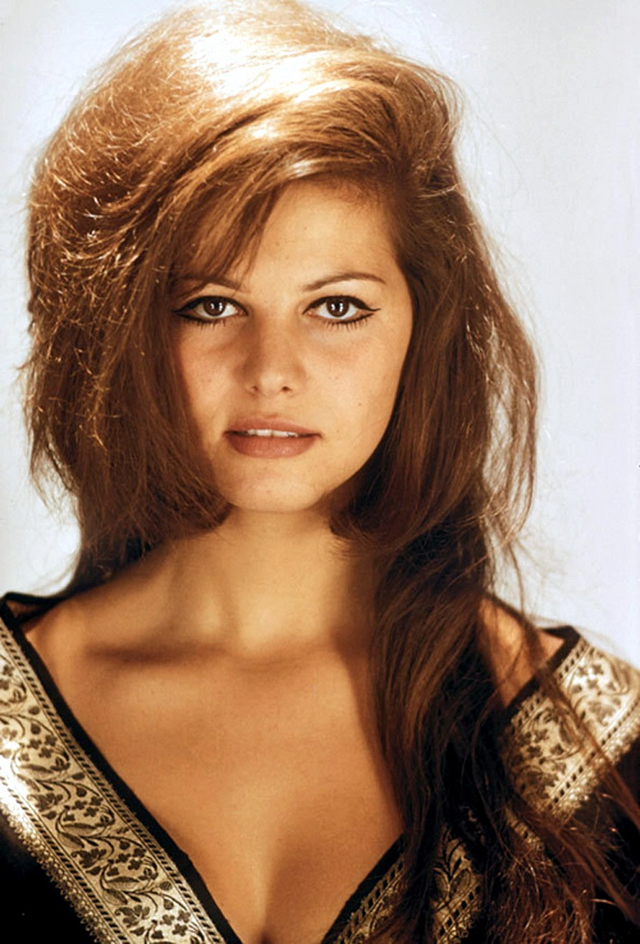
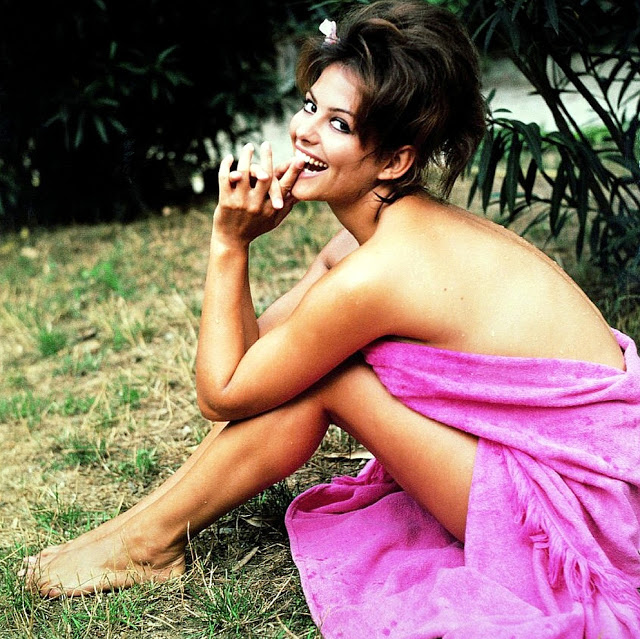
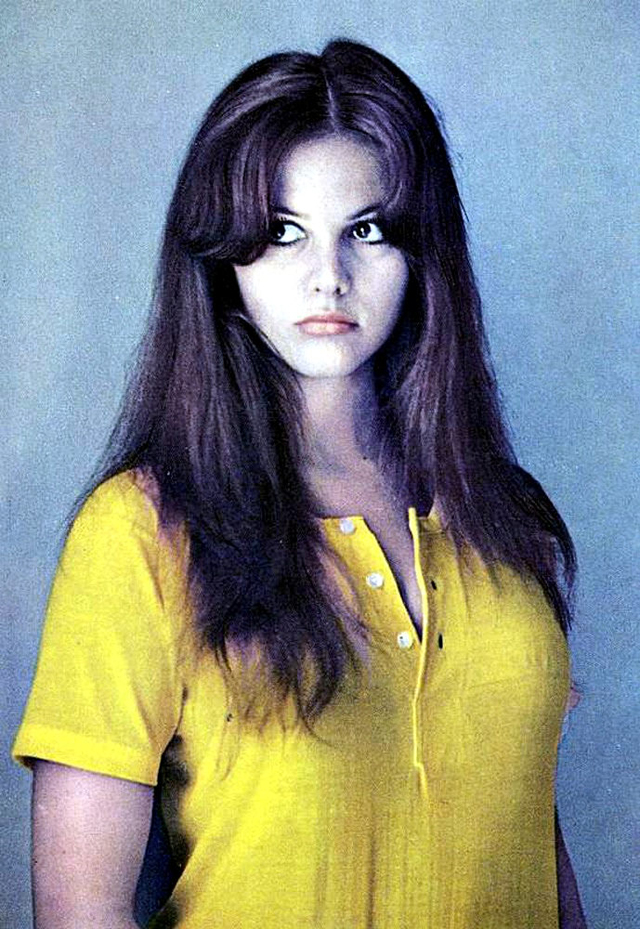
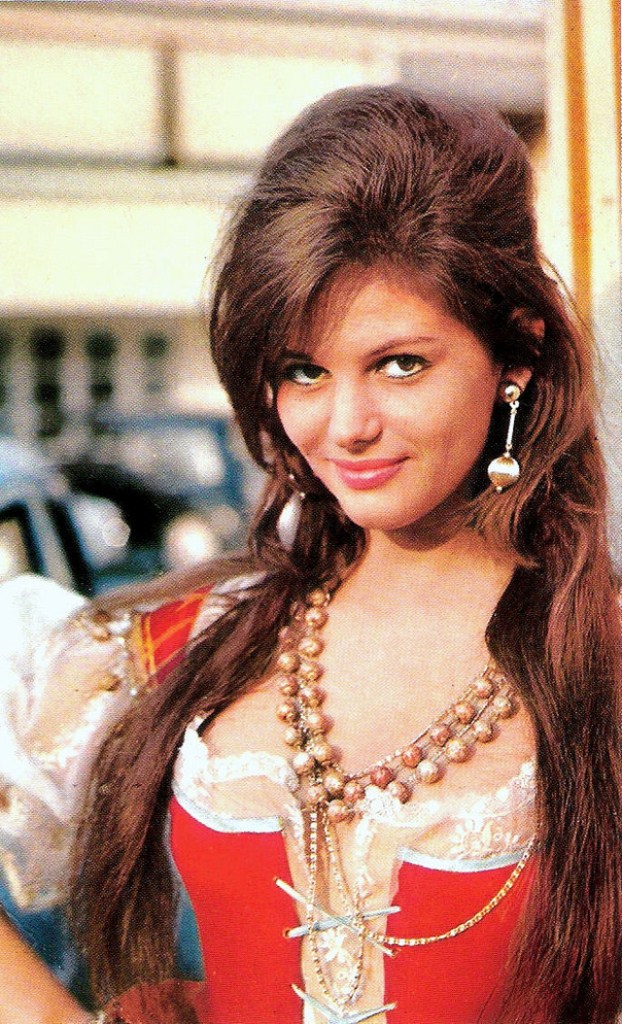
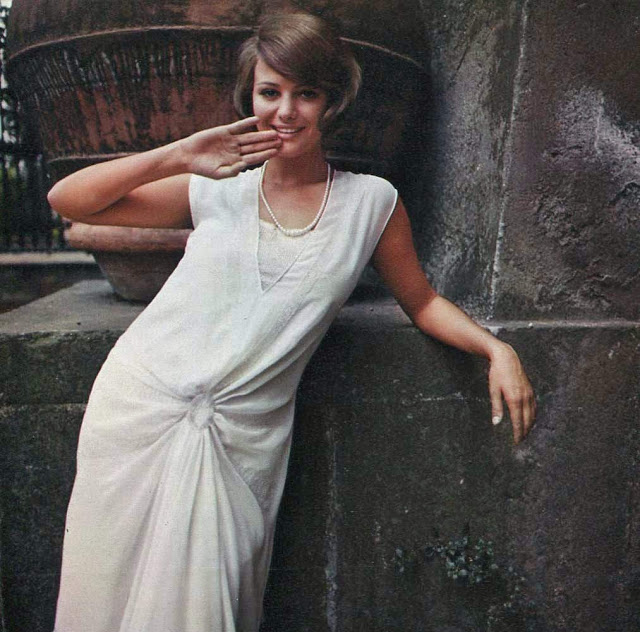
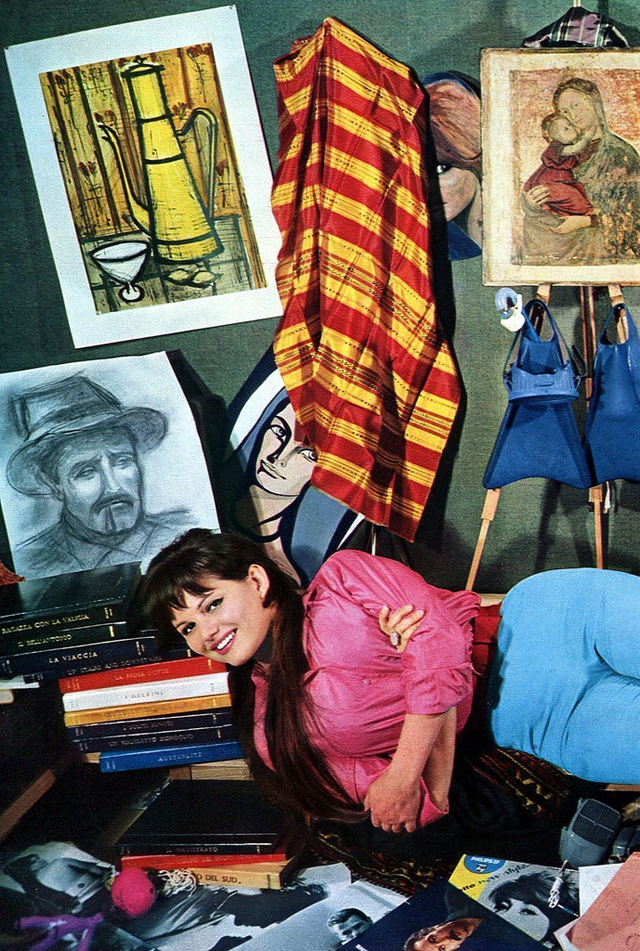
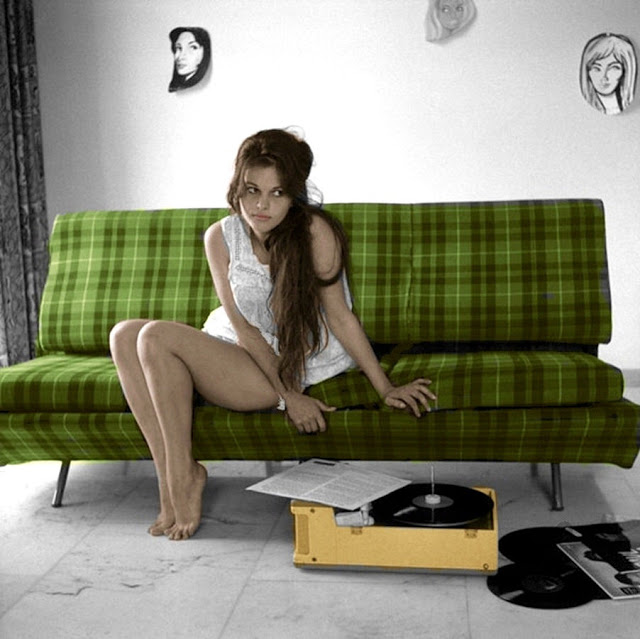
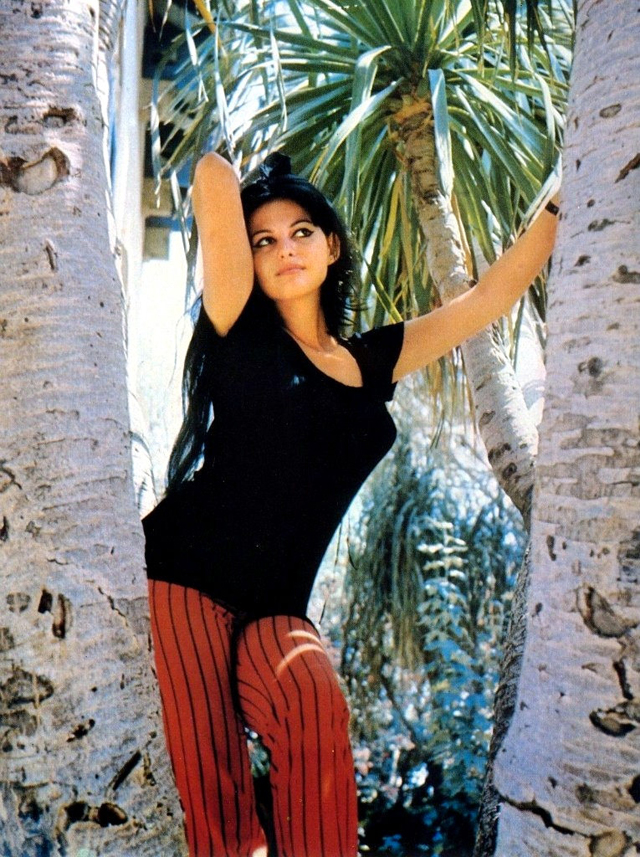
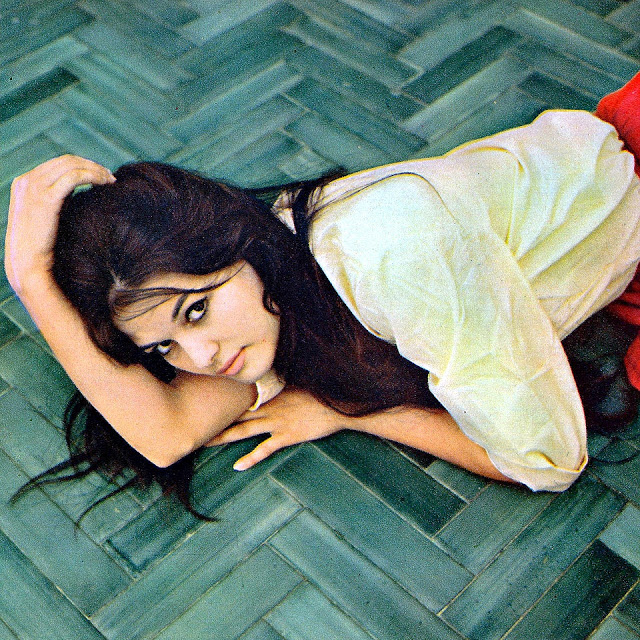
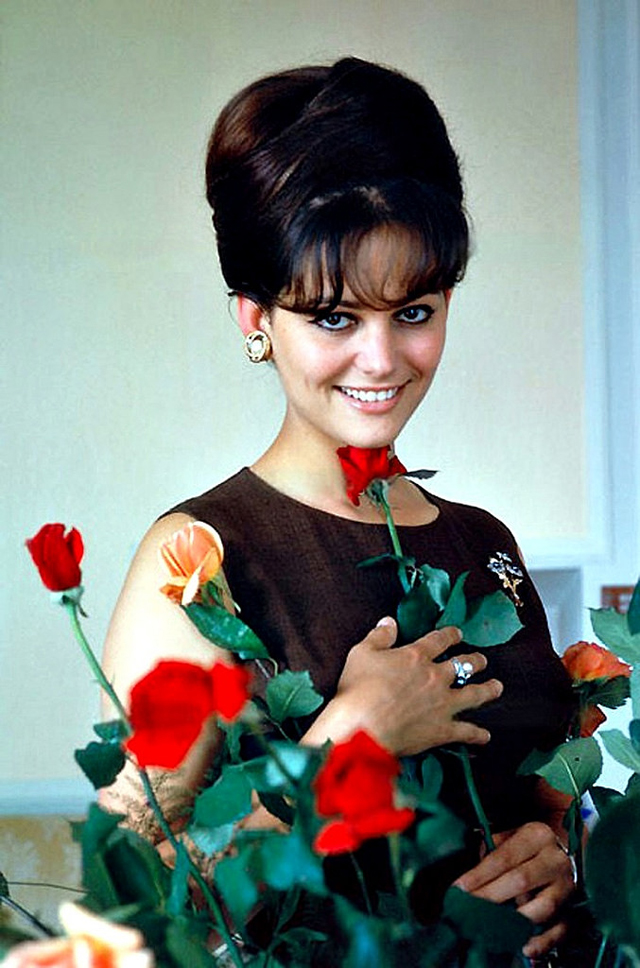
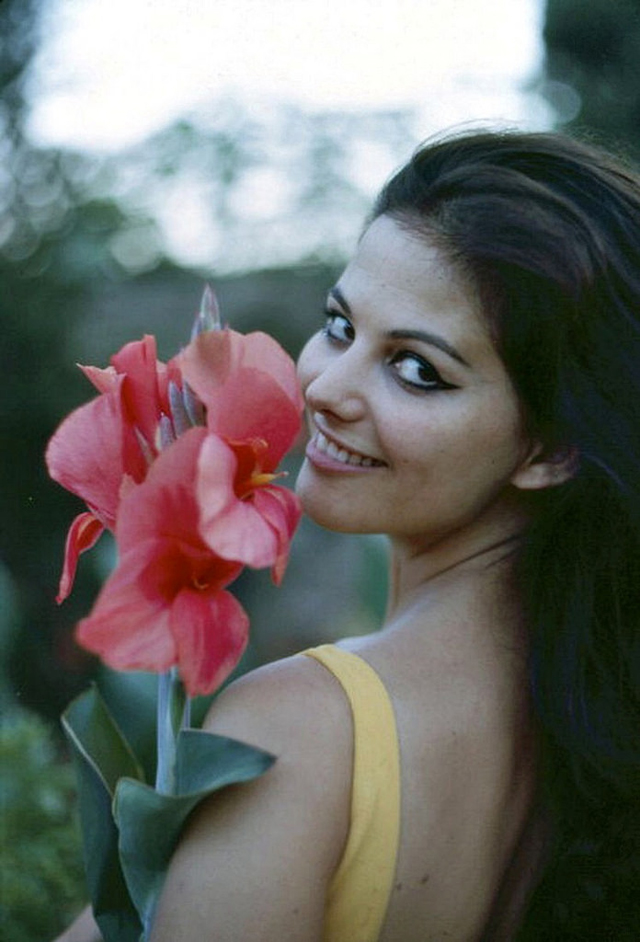
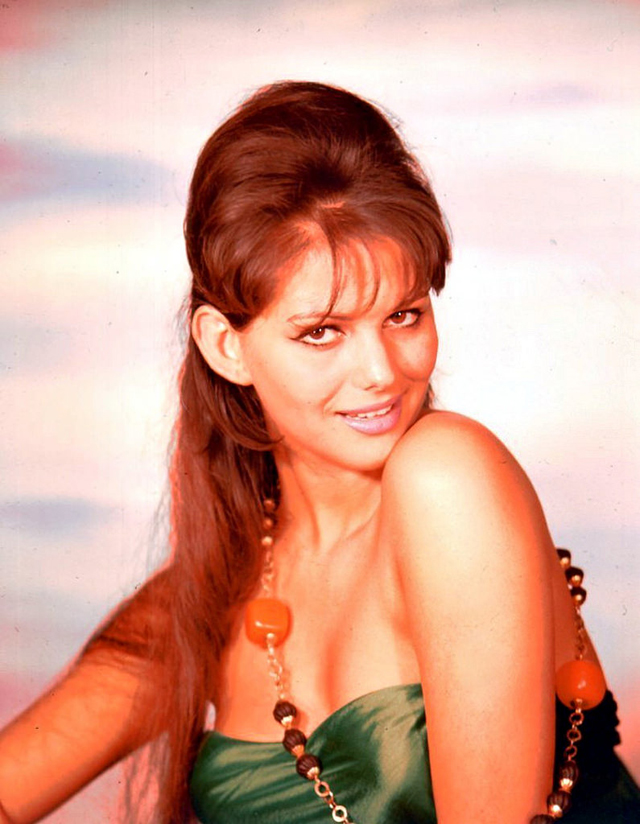
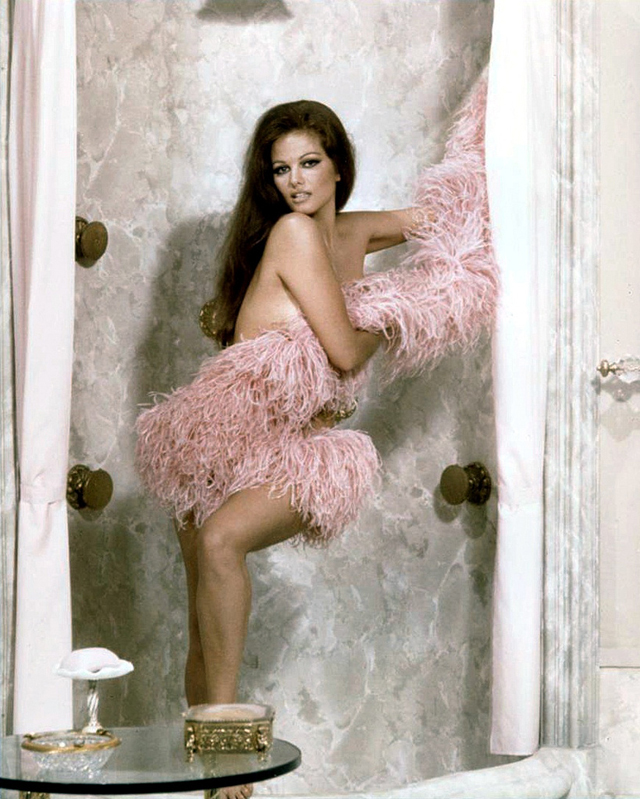
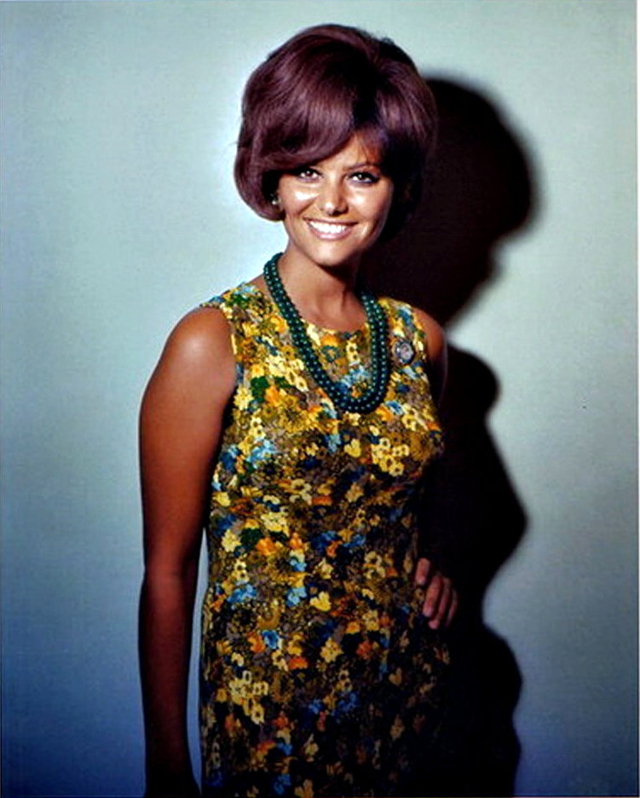
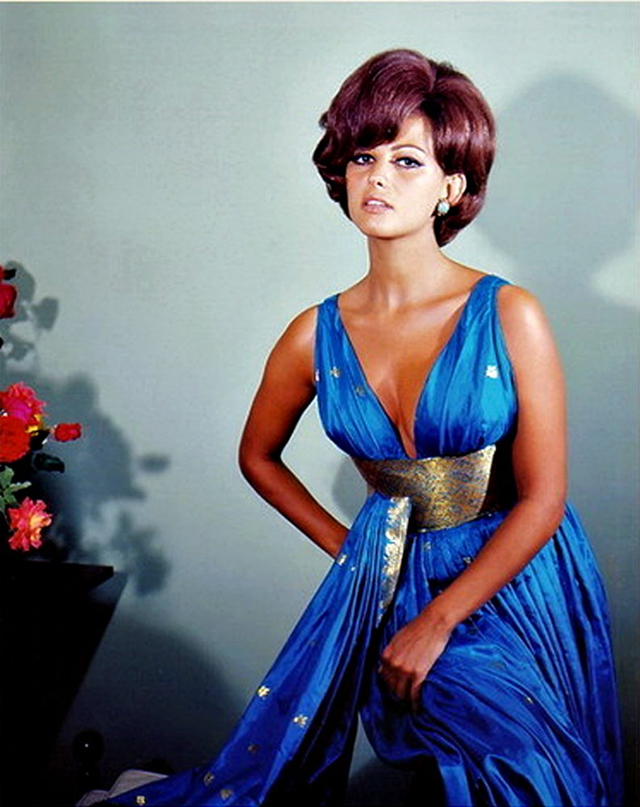
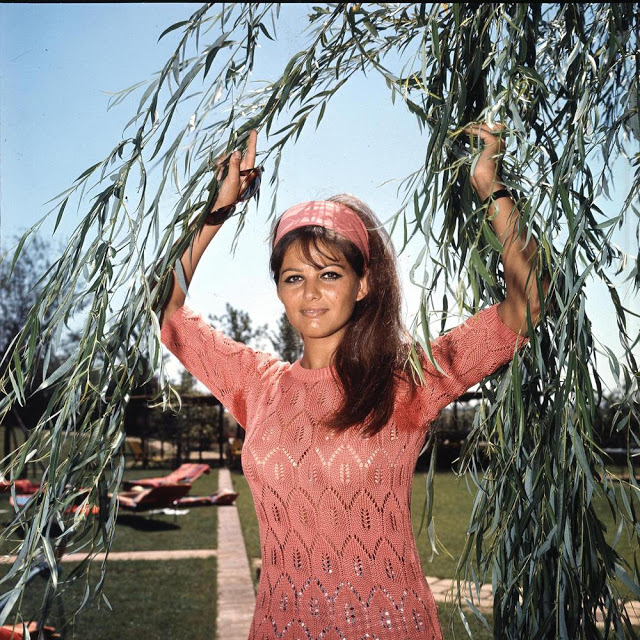
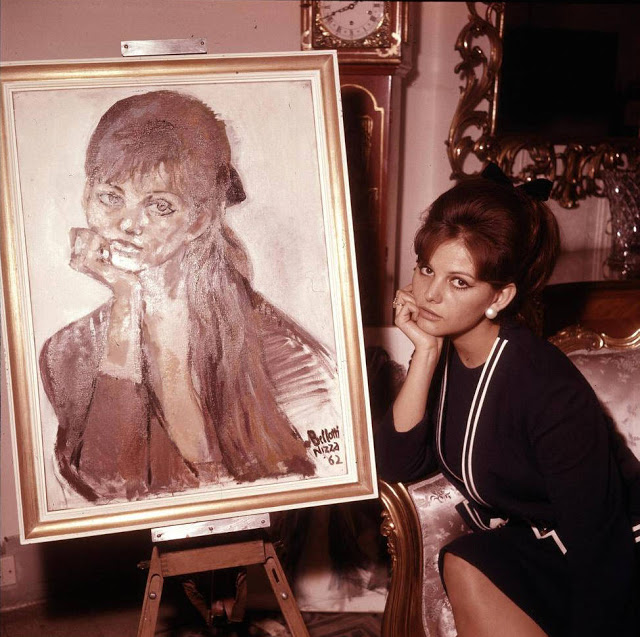
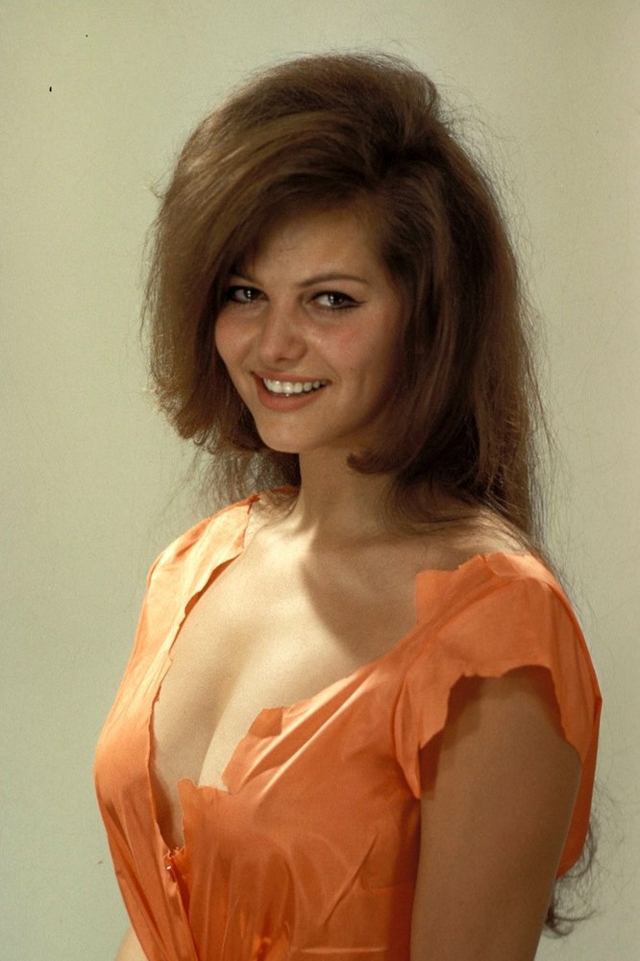
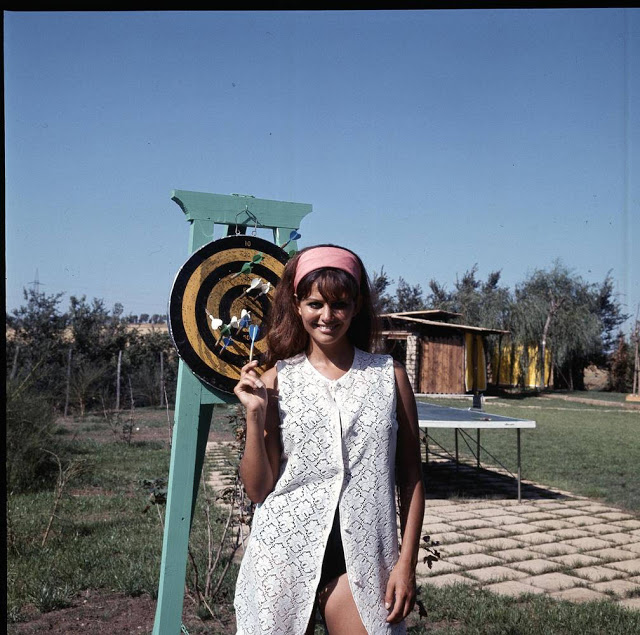
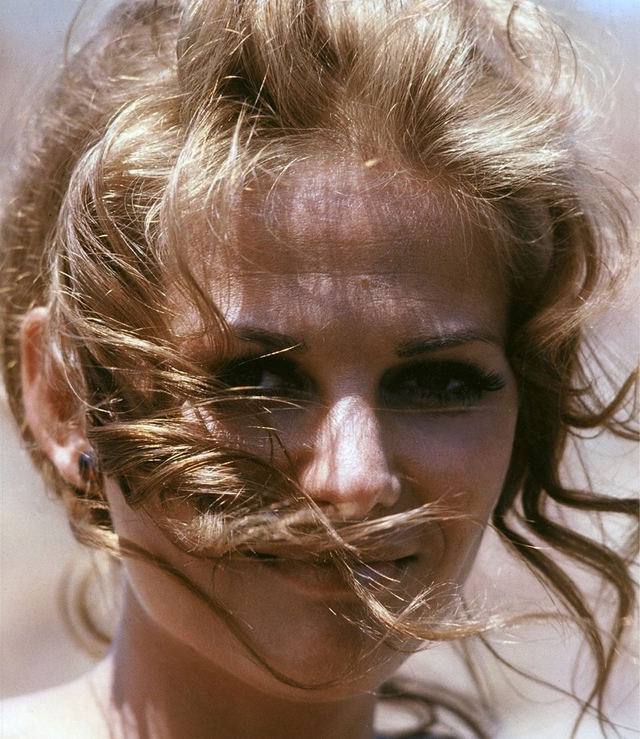
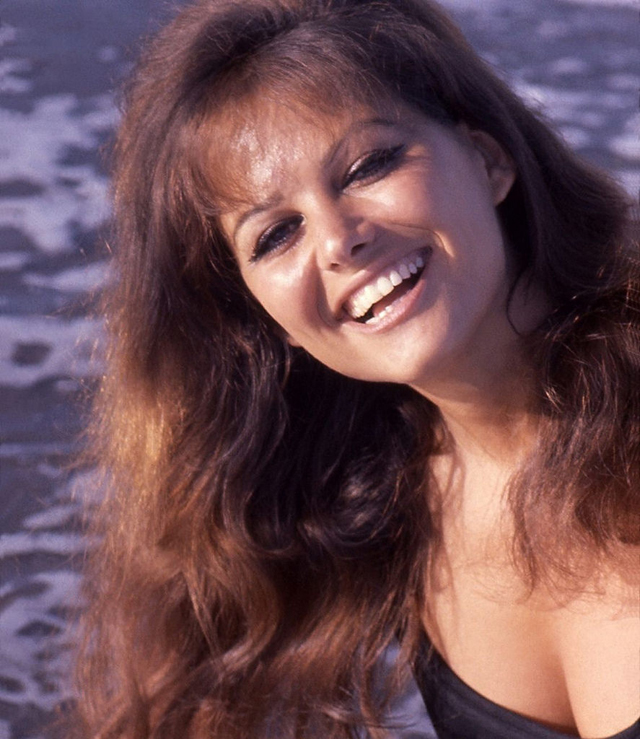
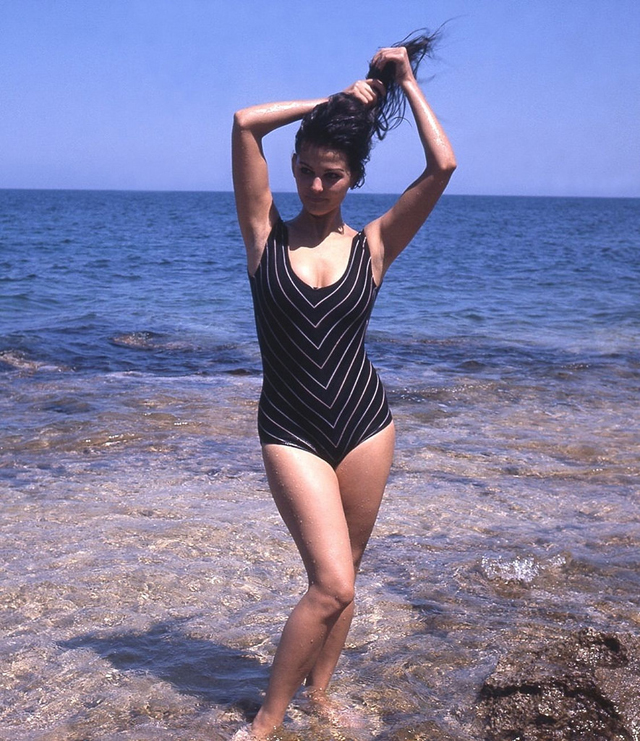
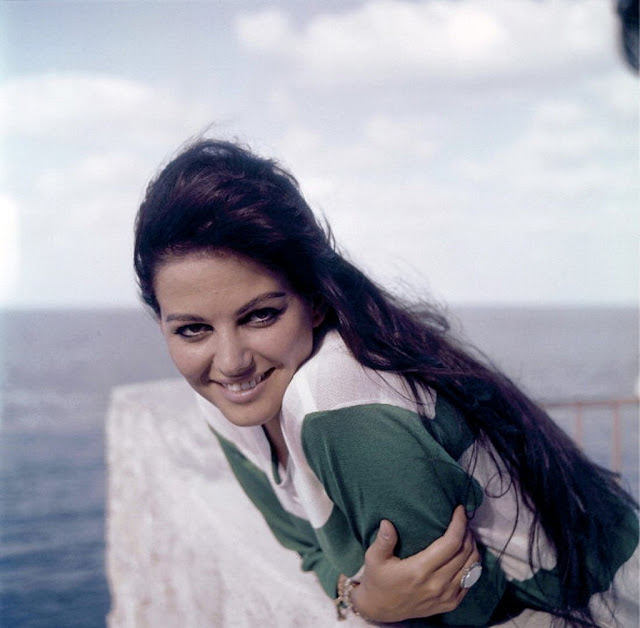
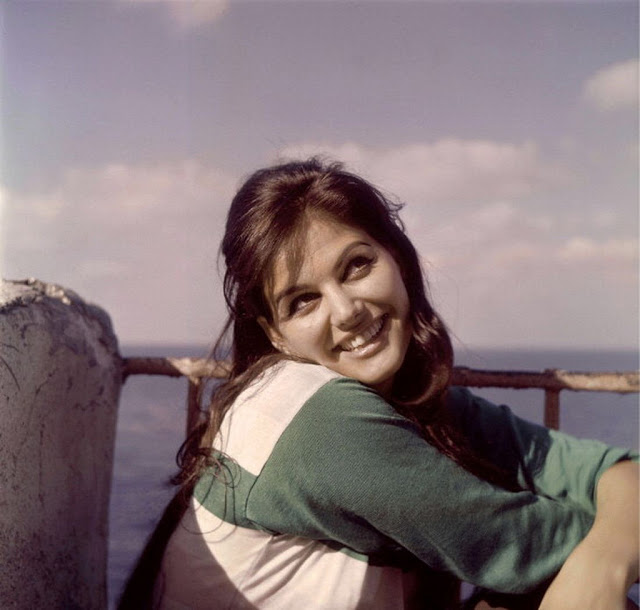
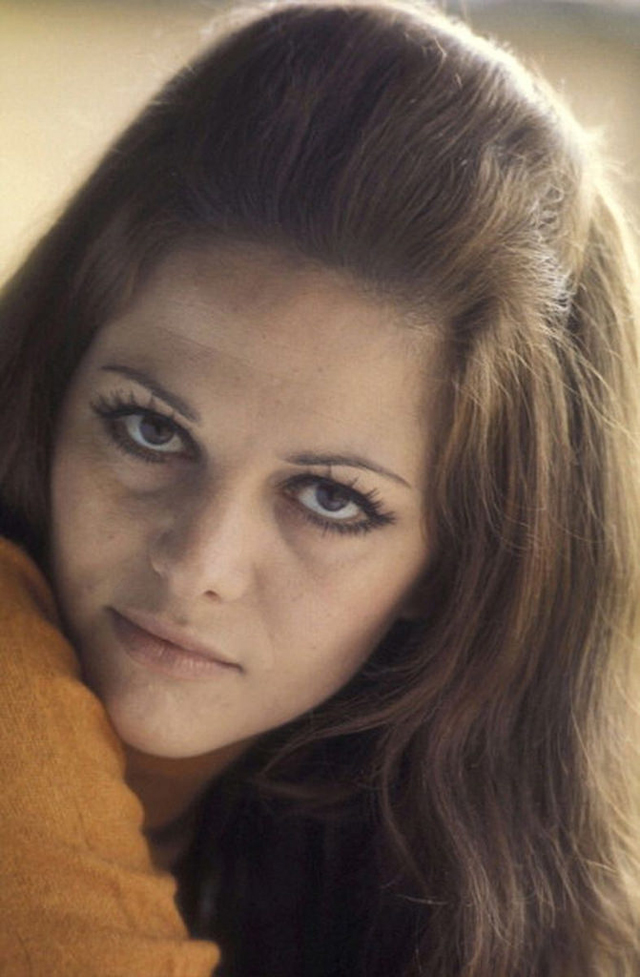
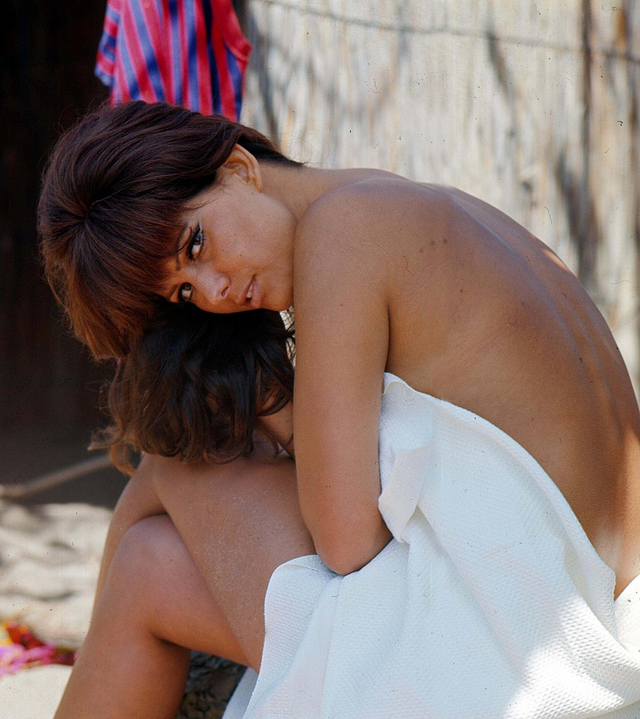
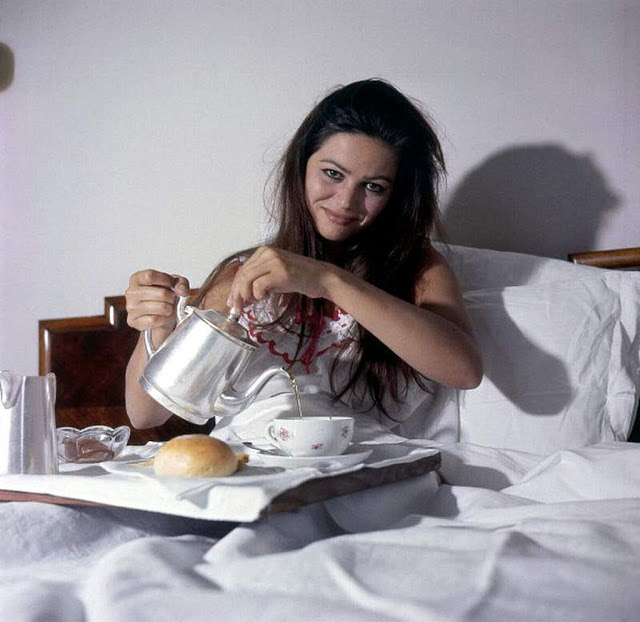
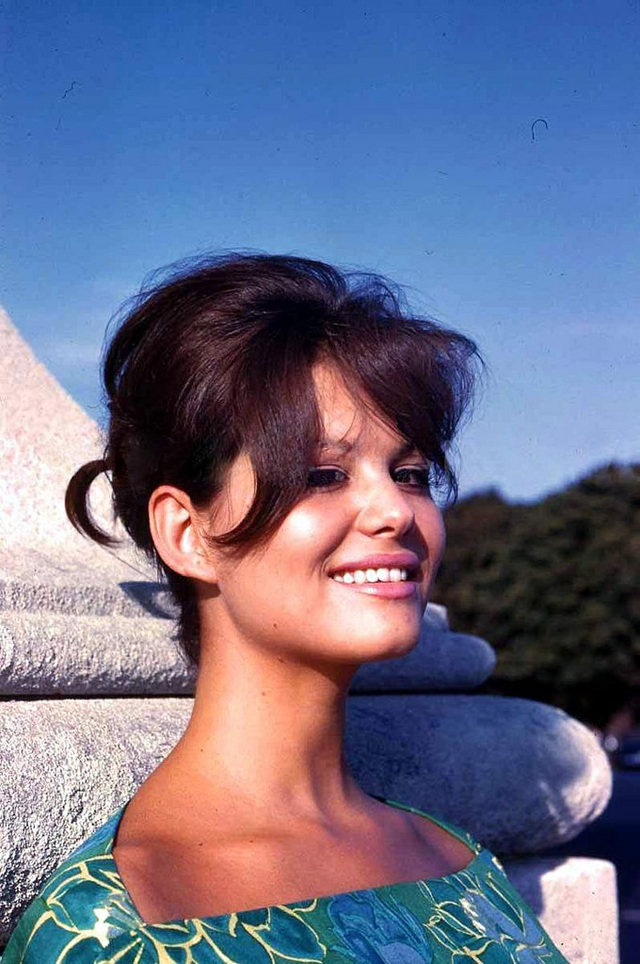
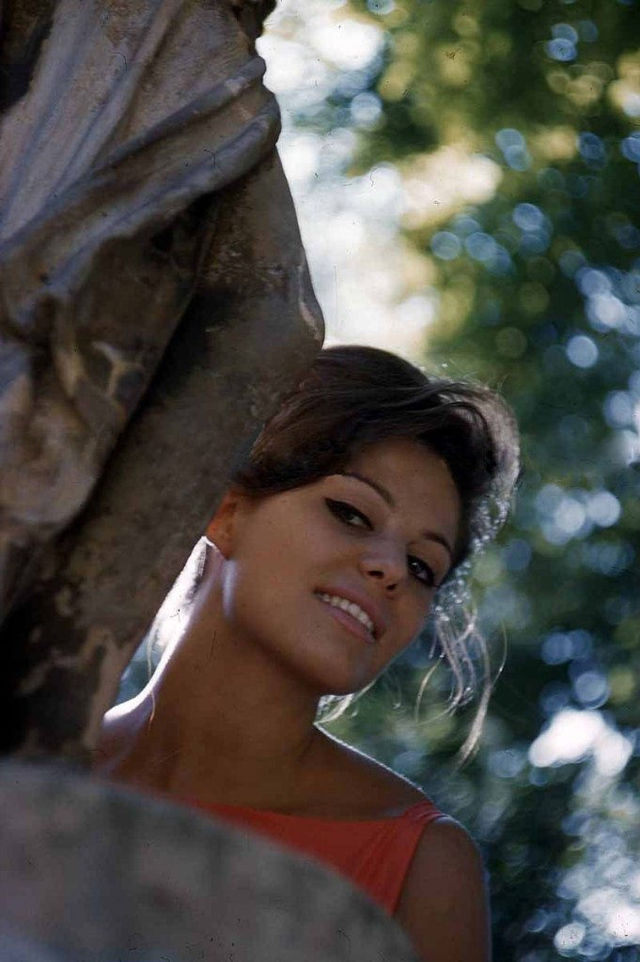
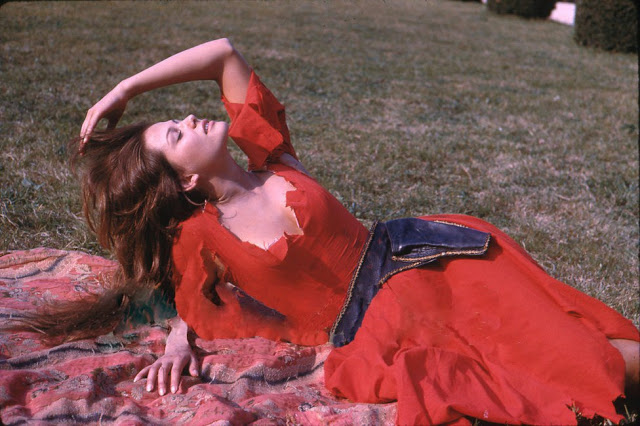
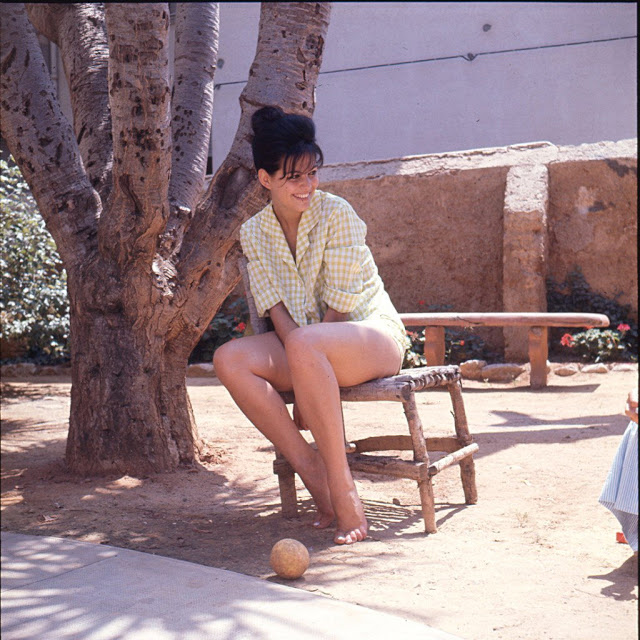
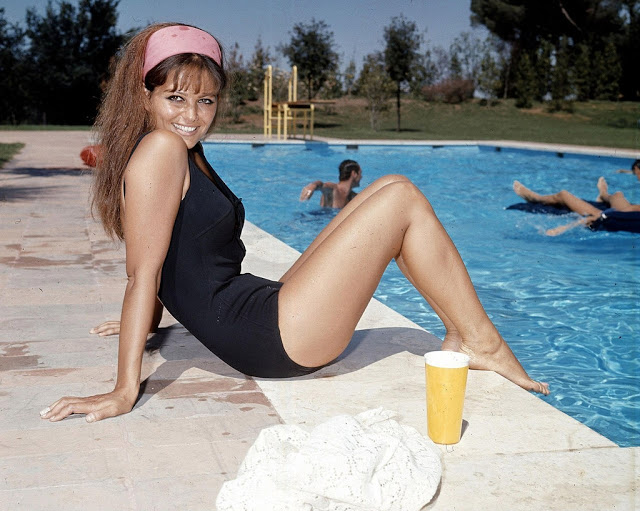
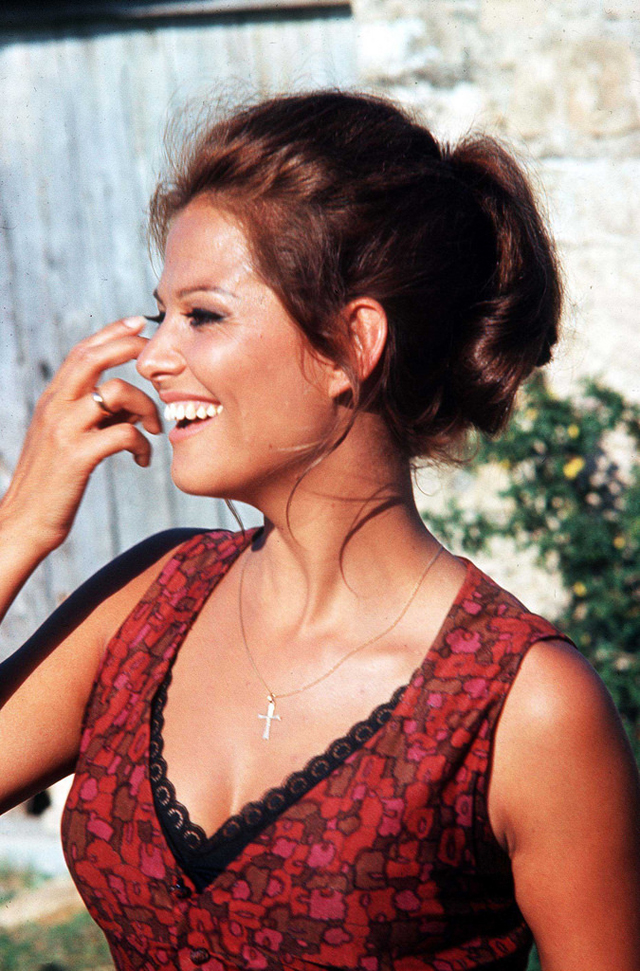
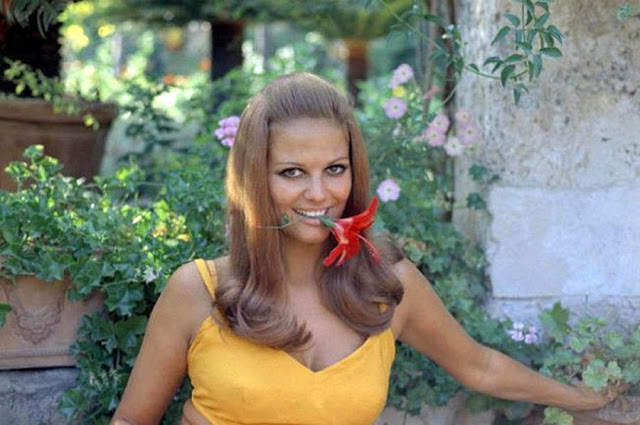
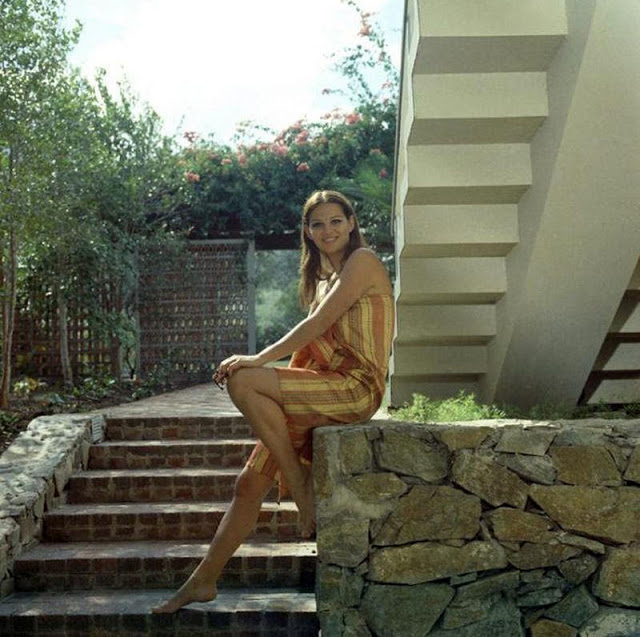
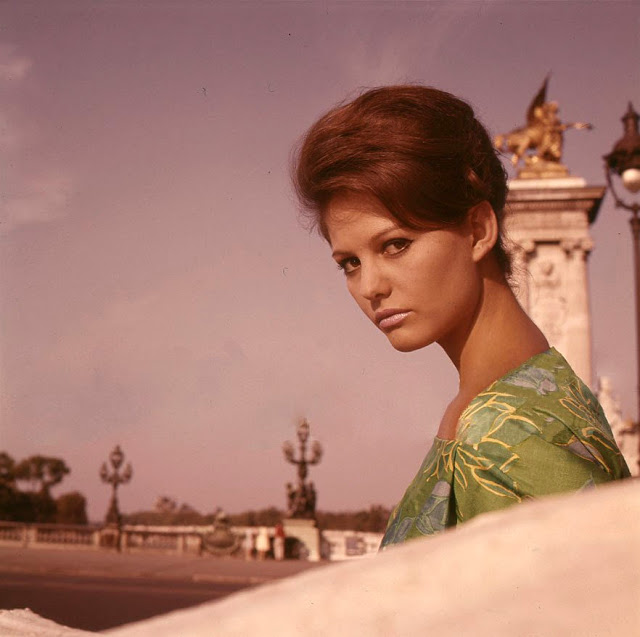
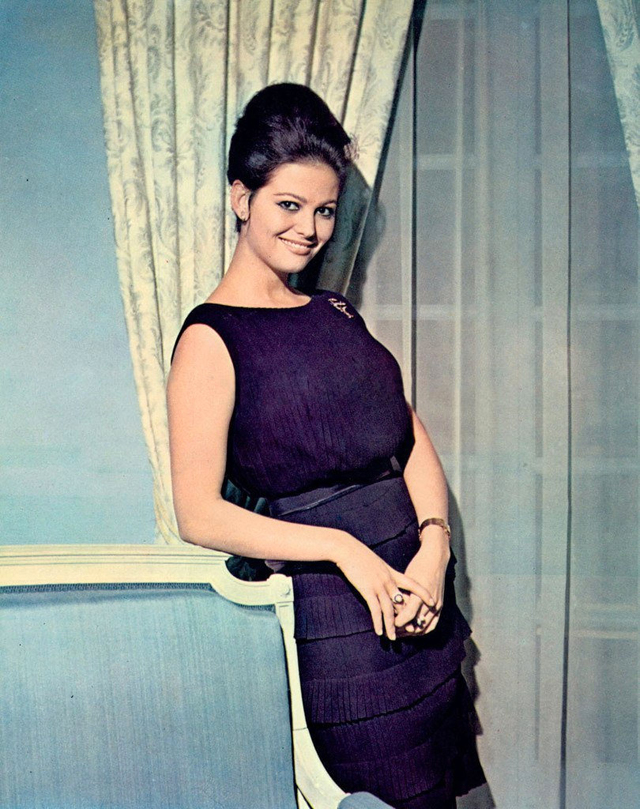
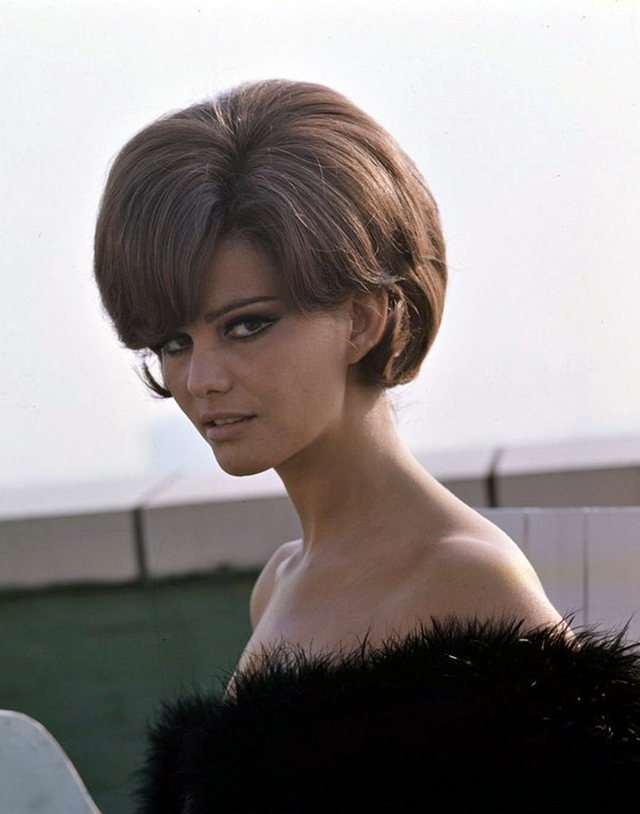
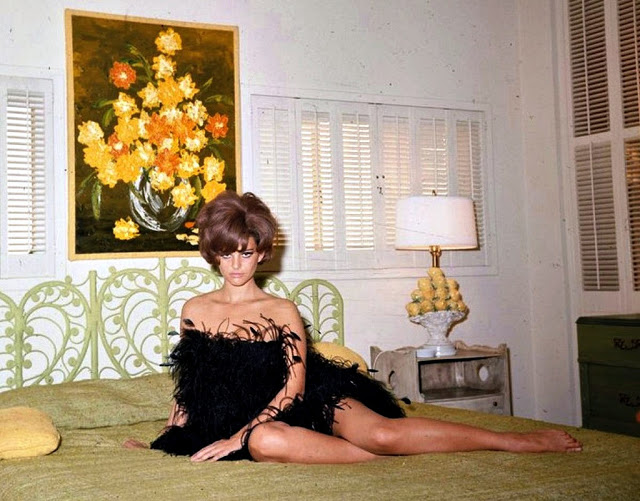
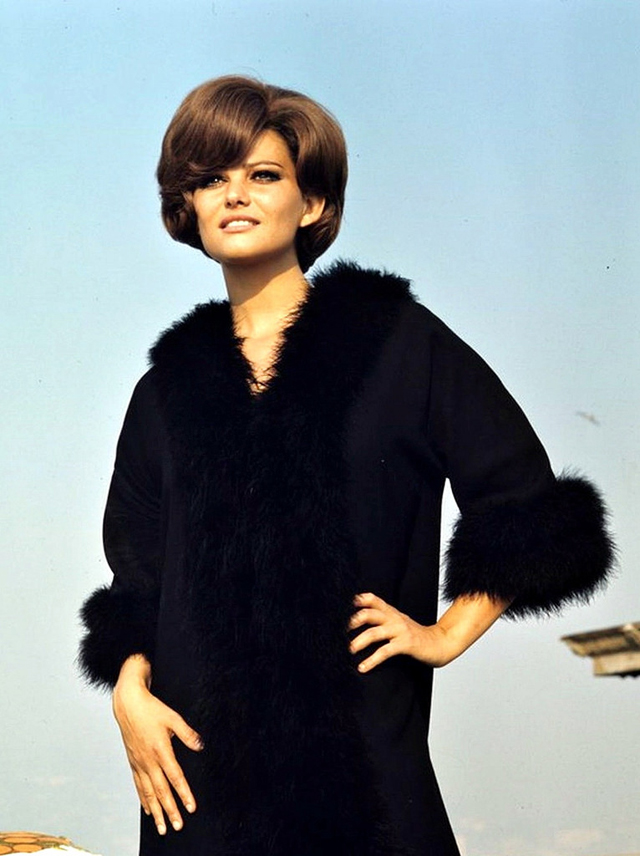
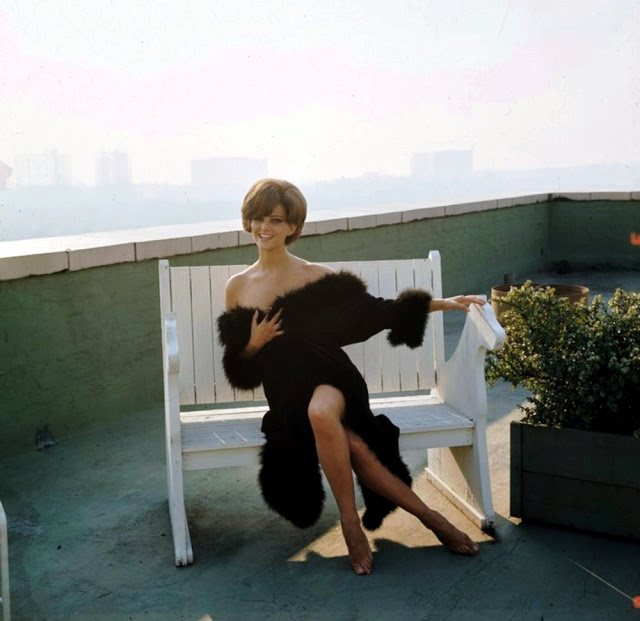
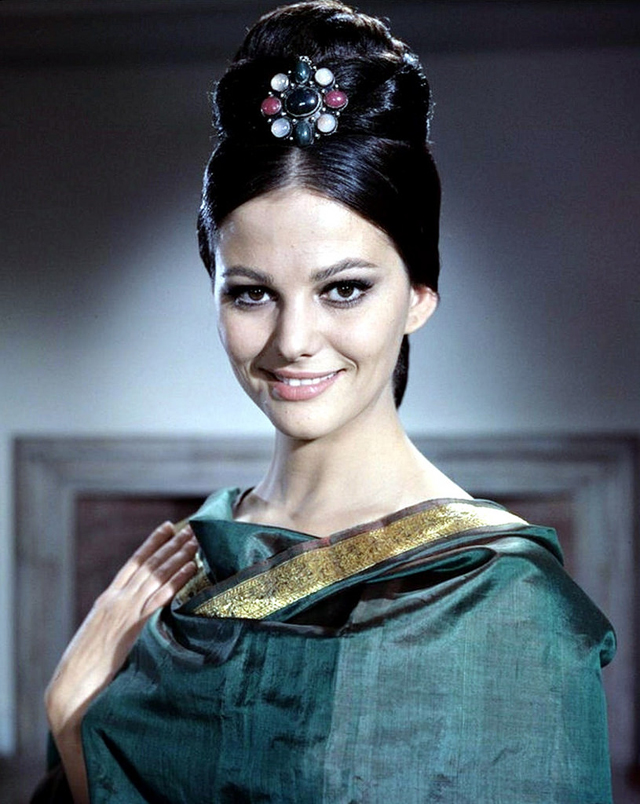
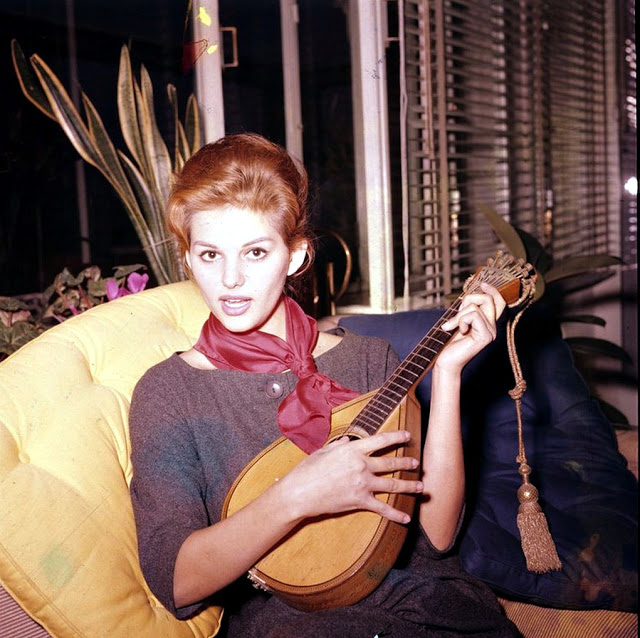
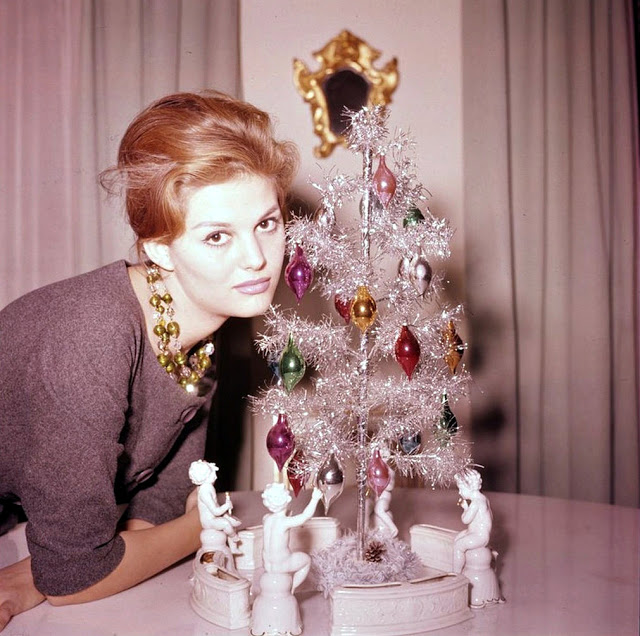
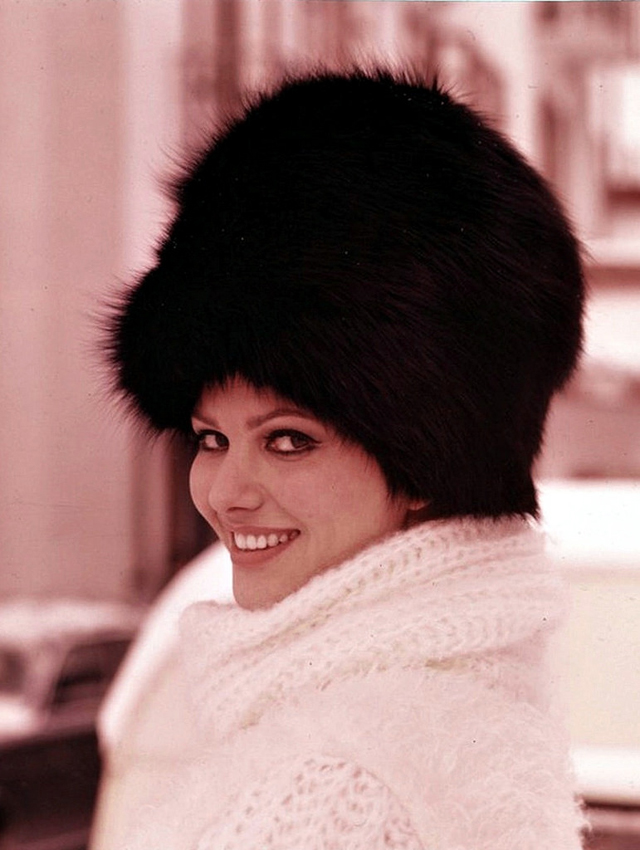
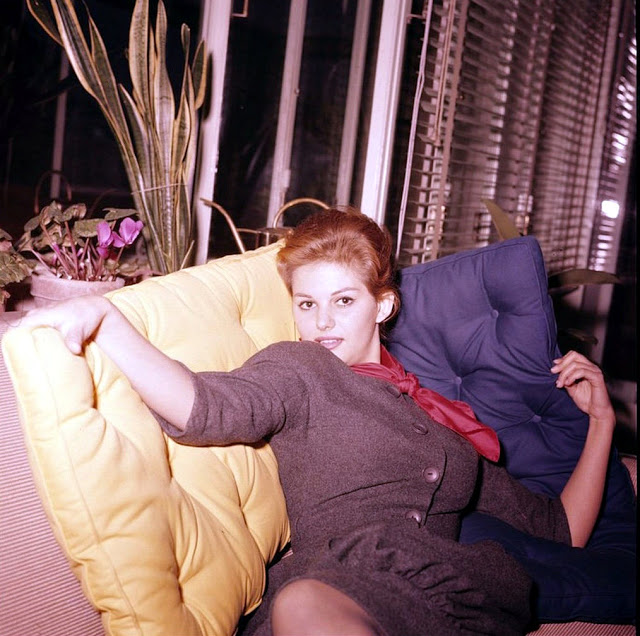
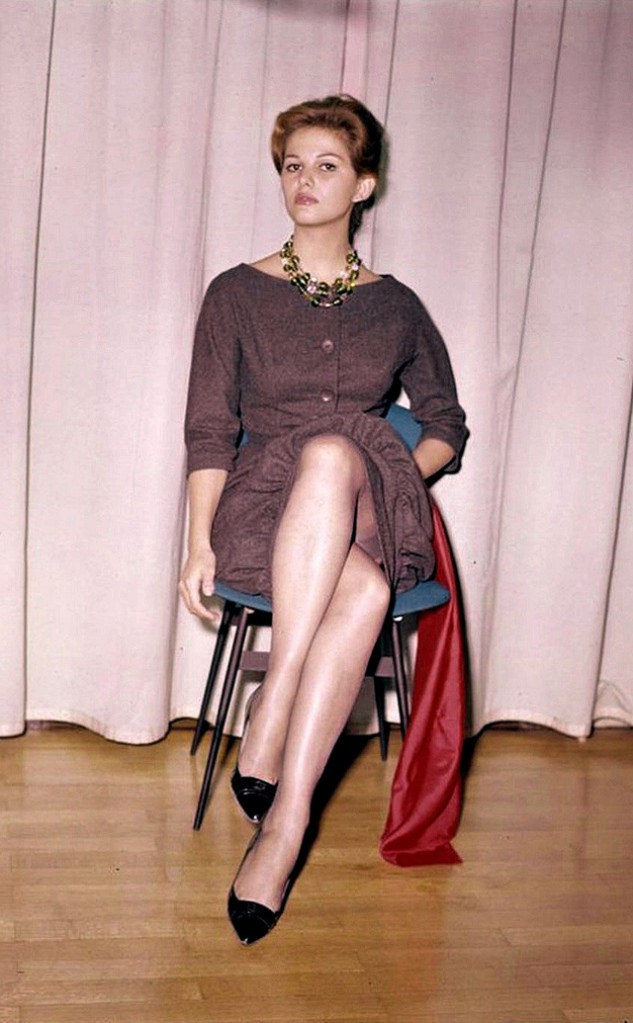
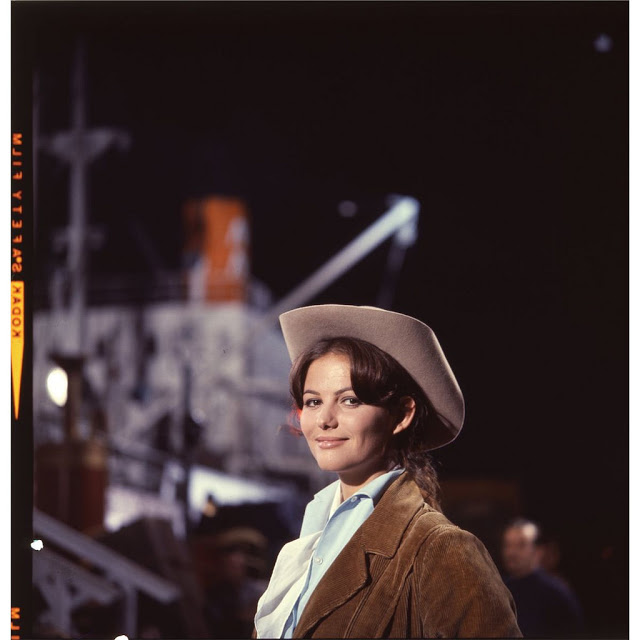
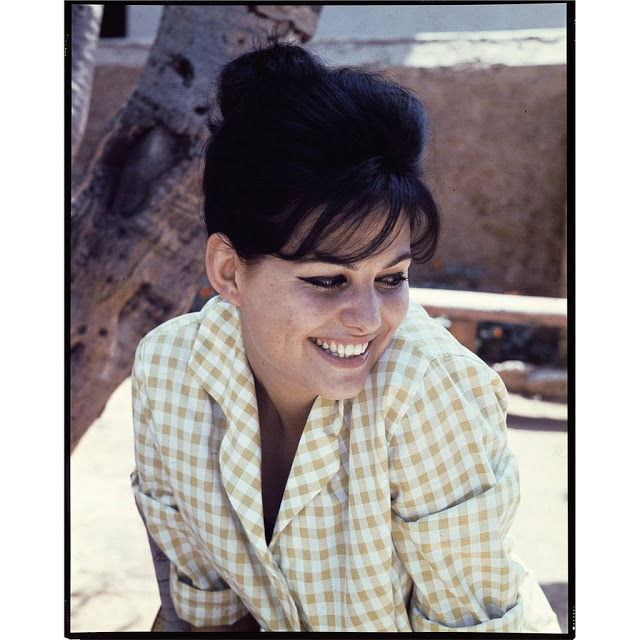
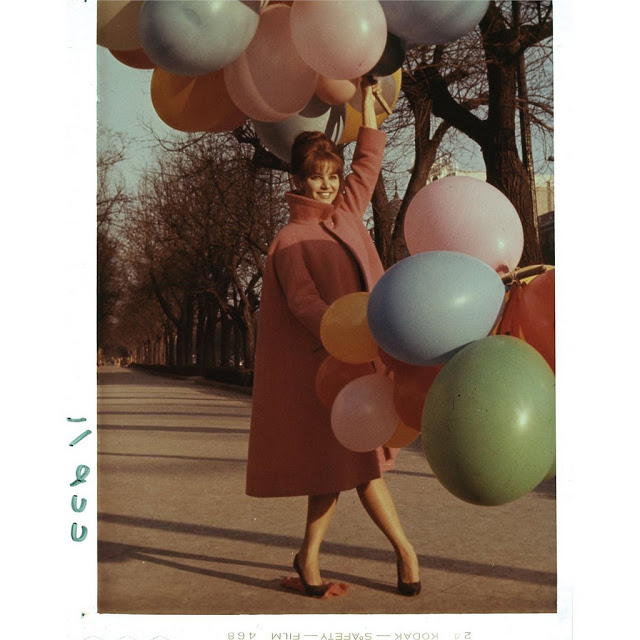
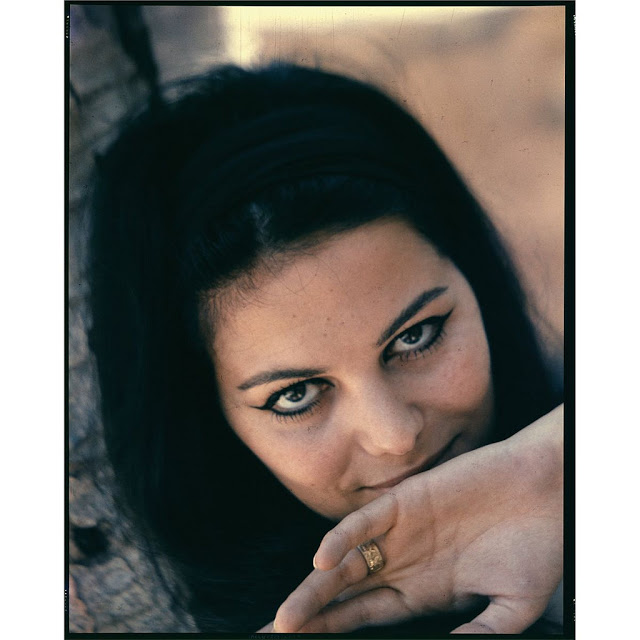
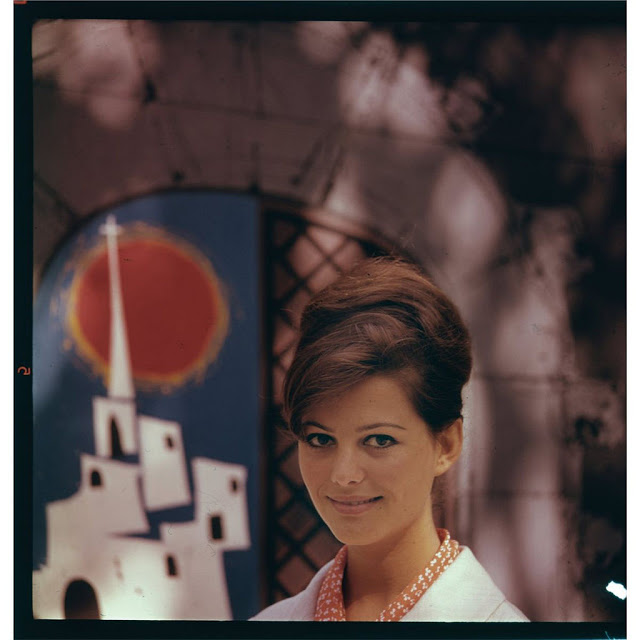
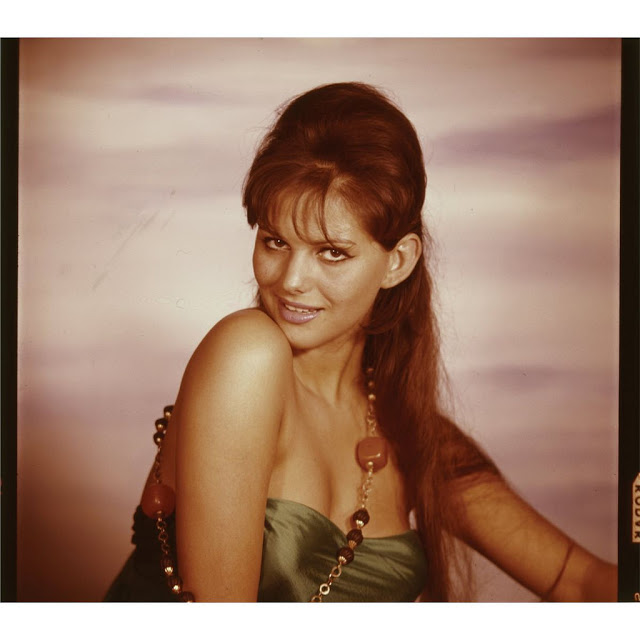
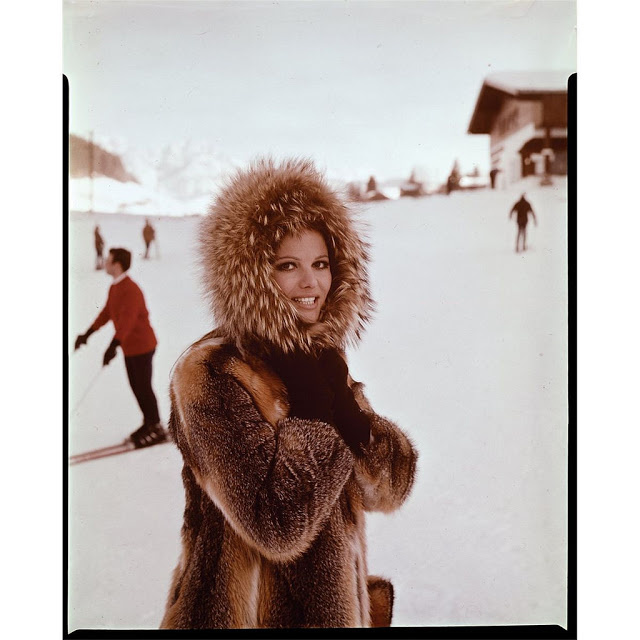
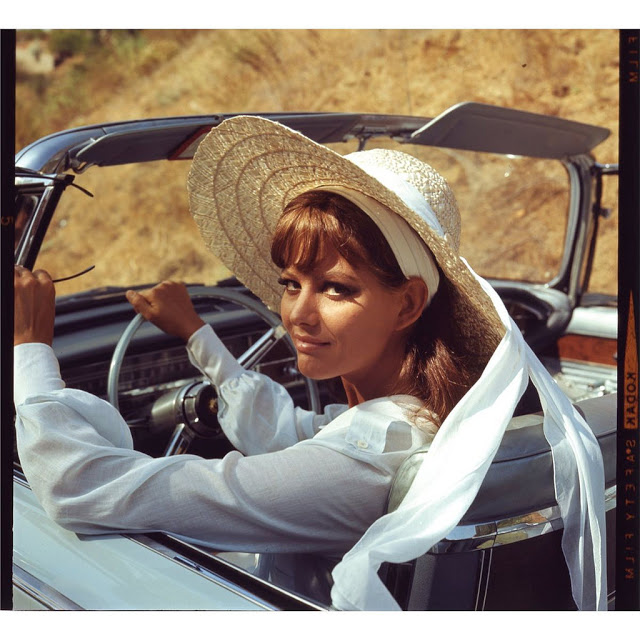
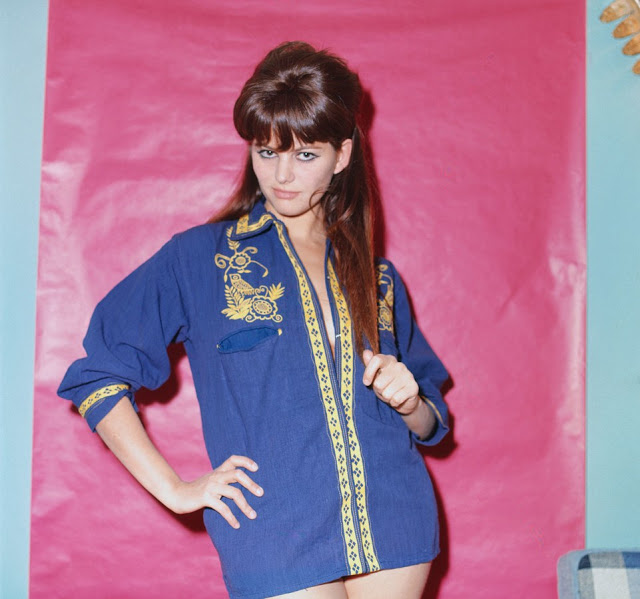
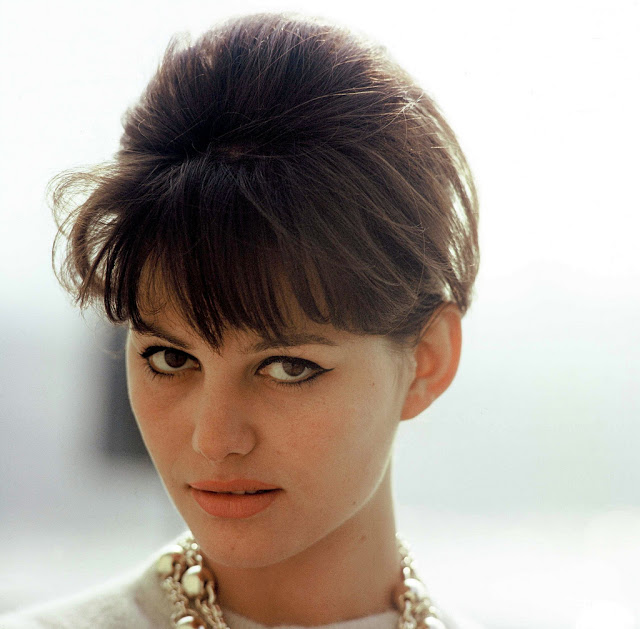
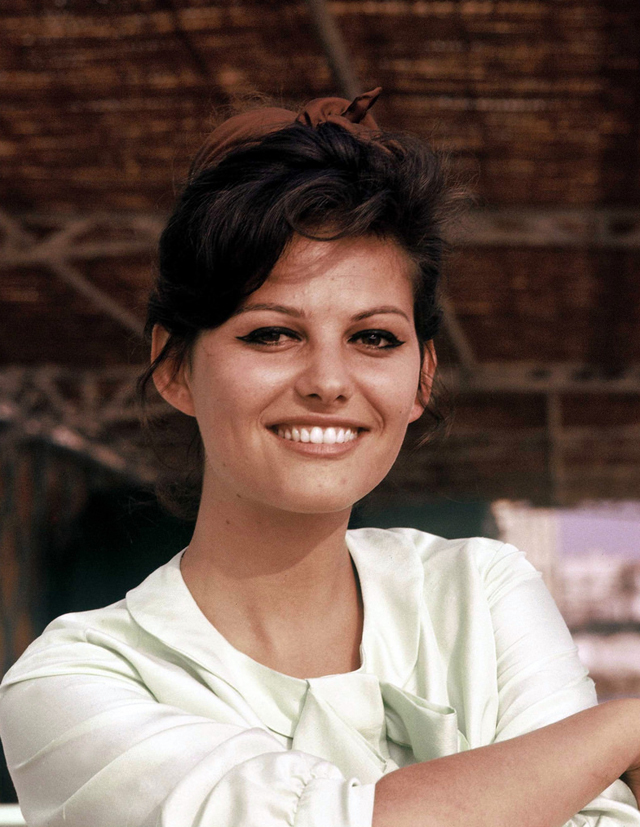
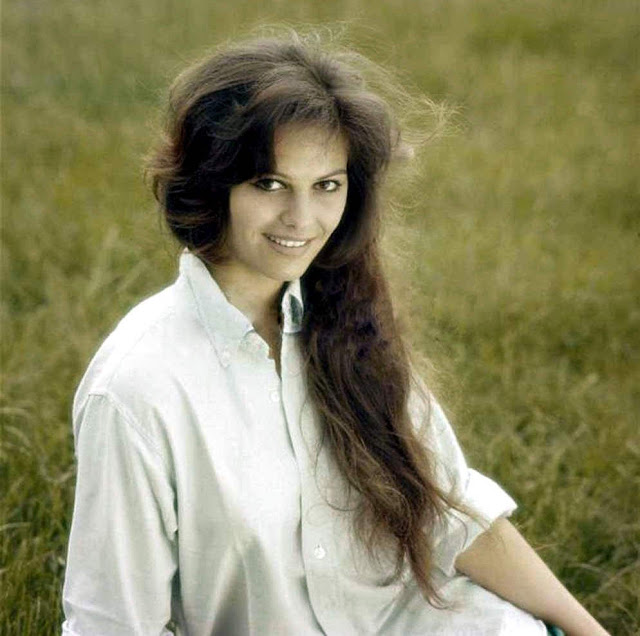
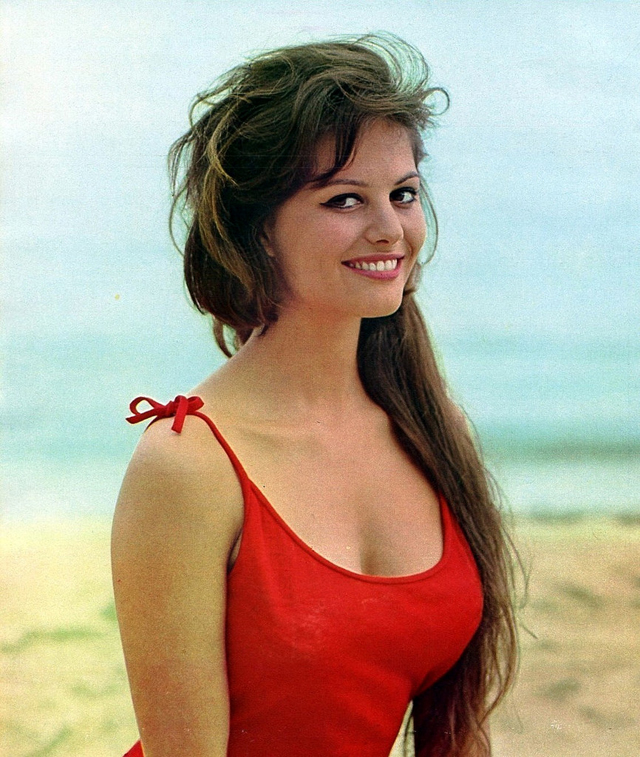
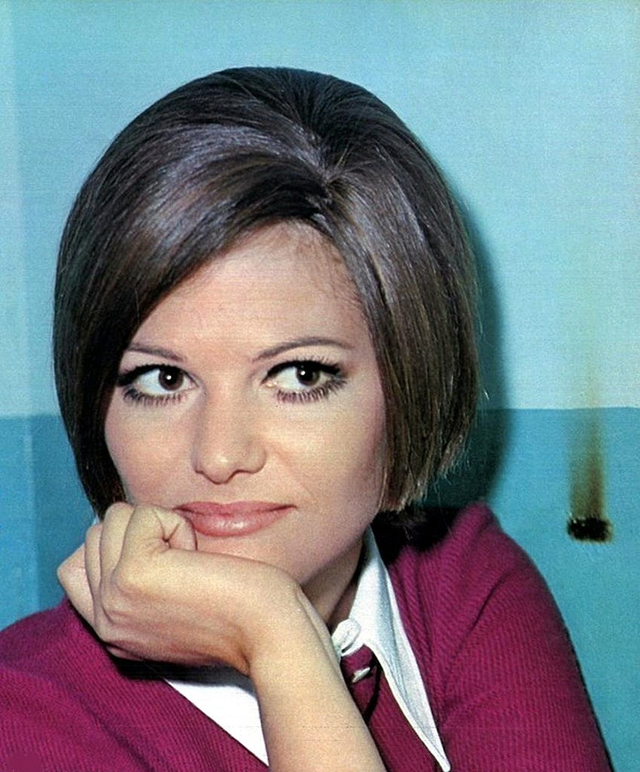
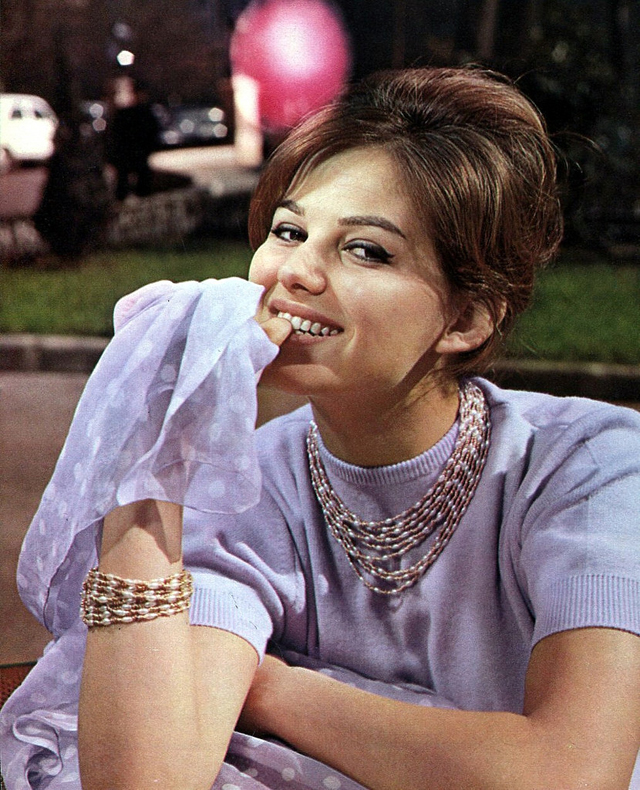
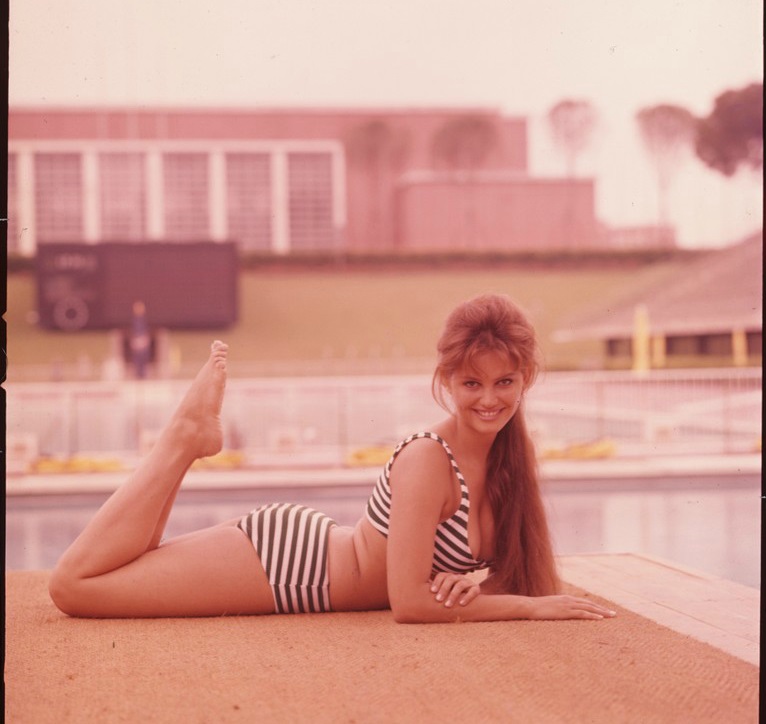
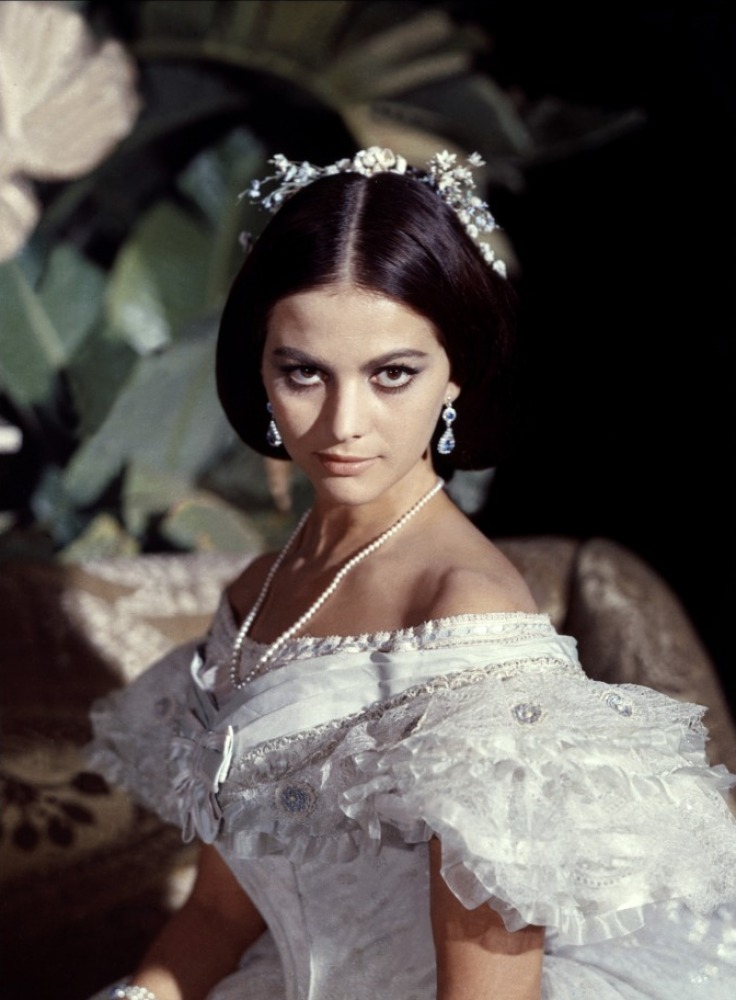
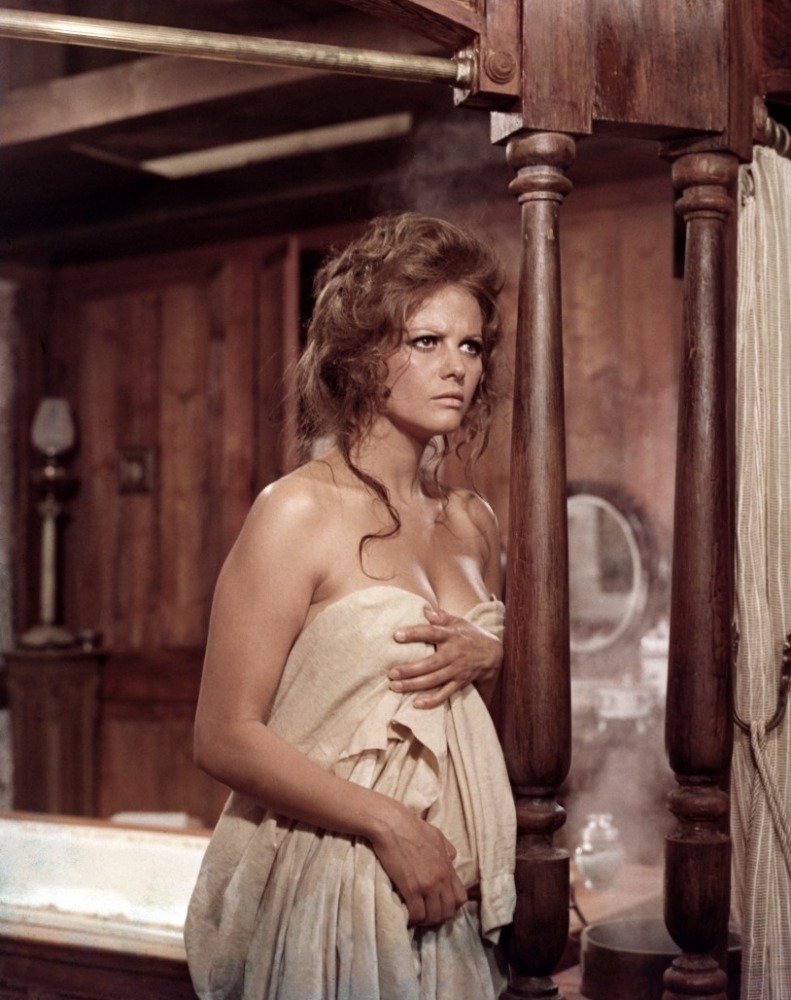
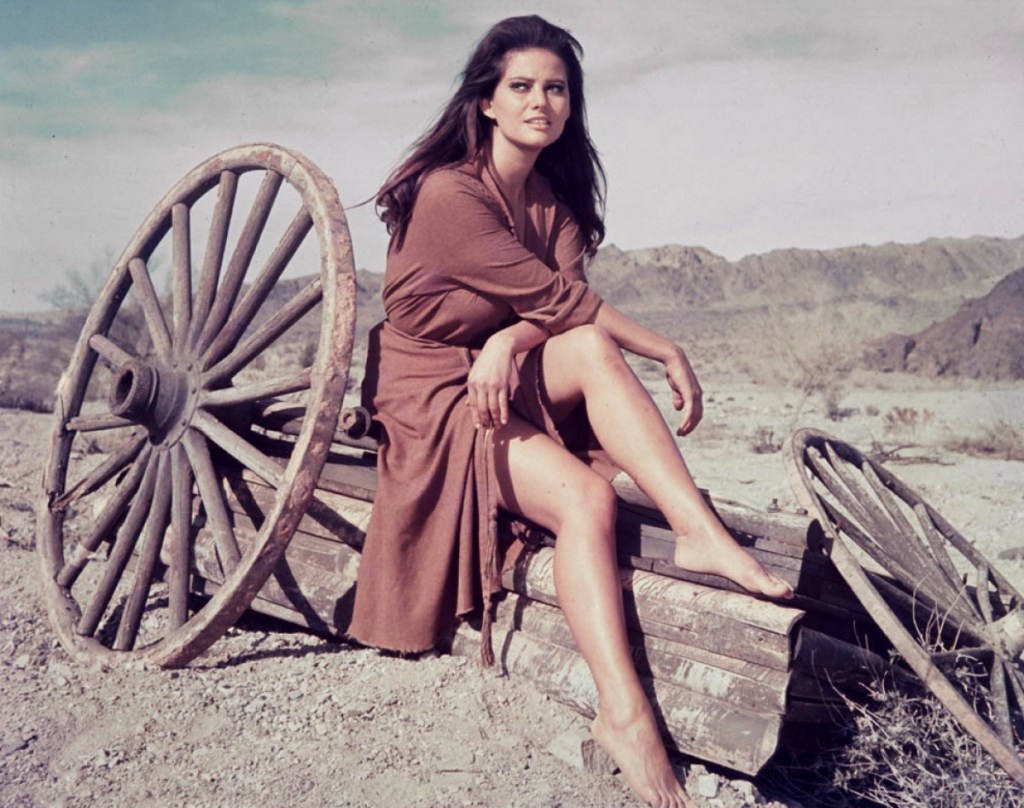
Claude Joséphine Rose “Claudia” Cardinale; (born 15 April 1938) is a Tunisian-born Italian film actress who starred in some of the most acclaimed European films of the 1960s and 1970s, mainly Italian or French, but also in many English-language films.
Born and raised in La Goulette, a neighbourhood of Tunis, Cardinale won the “Most Beautiful Italian Girl in Tunisia” competition in 1957, the prize being a trip to Italy, which quickly led to film contracts, due above all to the involvement of Franco Cristaldi, who acted as her mentor for a number of years and later married her. After making her debut in a minor role with Omar Sharif in Goha (1958), Cardinale became one of the best-known actresses in Italy with roles in films such as Rocco and His Brothers (1960), Girl with a Suitcase (1961), Cartouche (1962), The Leopard (1963), and Fellini’s 8½ (1963).[a] From 1963, Cardinale became known in the United States and Britain following her role in The Pink Panther opposite David Niven. For several years, she appeared in Hollywood films such as Blindfold (1965), Lost Command (1966), The Professionals (1966), Don’t Make Waves (1967) with Tony Curtis, The Hell with Heroes (1968), and the Sergio Leone epic Western Once Upon a Time in the West (1968), a joint US-Italian production, in which she was praised for her role as a former prostitute opposite Jason Robards, Charles Bronson, and Henry Fonda.
Jaded with the Hollywood film industry and not wanting to become a cliché, Cardinale returned to Italian and French cinema, and garnered the David di Donatello for Best Actress award for her roles in Il giorno della civetta (1968) and as a prostitute alongside Alberto Sordi in A Girl in Australia (1971). In 1974, Cardinale met director Pasquale Squitieri, who would become her partner, and she frequently featured in his films, including I guappi (1974), Corleone (1978) and Claretta (1984), the last of which won her the Nastro d’Argento Award for Best Actress. In 1982, she starred in Werner Herzog’s Fitzcarraldo as the love interest of Klaus Kinski, who raises the funds to buy a steamship in Peru. In 2010, Cardinale received the Best Actress Award at the 47th Antalya “Golden Orange” International Film Festival for her performance as an elderly Italian woman who takes in a young Turkish exchange student in Signora Enrica.
Outspoken on women’s rights causes over the years, Cardinale has been a UNESCO goodwill ambassador for the Defense of Women’s Rights since March 2000. In February 2011, the Los Angeles Times Magazine named Cardinale among the 50 most beautiful women in film history. (Text by Wikipedia)
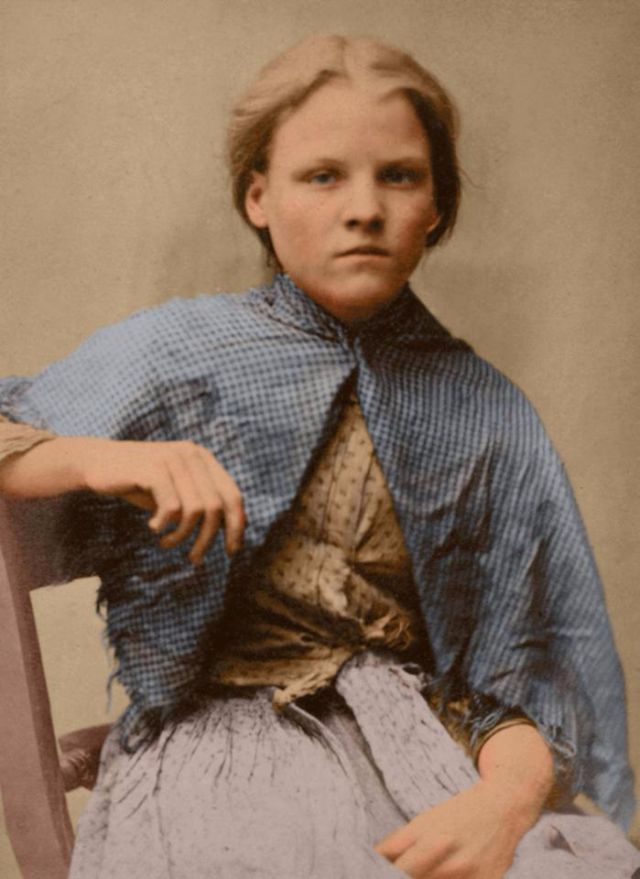
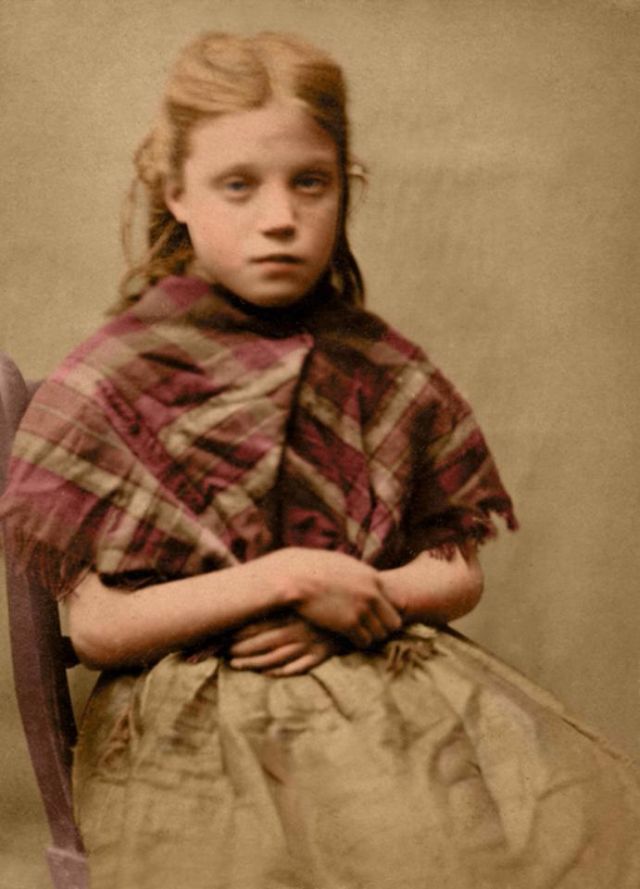
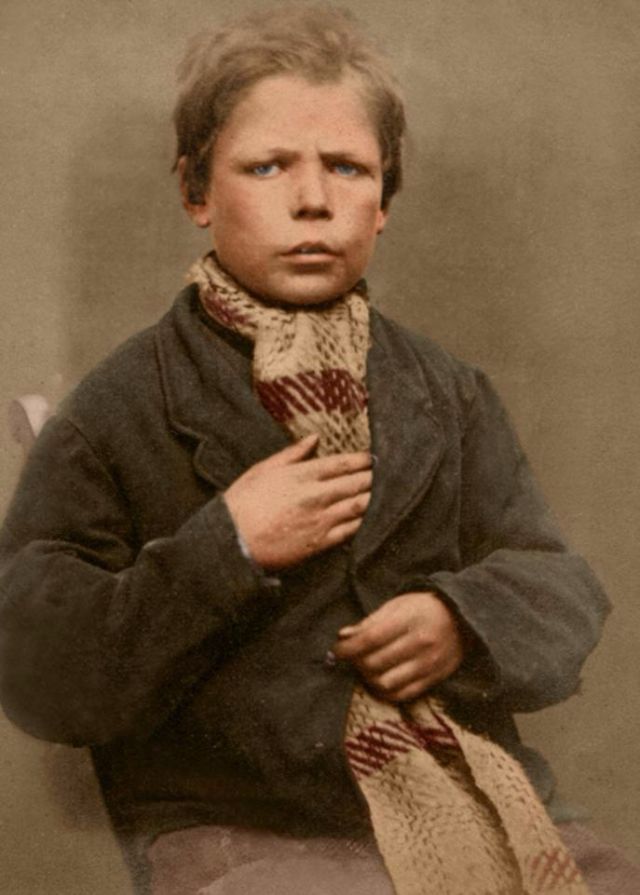
For petty crimes such as stealing daily necessities such as food and clothing, they have faced hard labor and jail. And these haunting photographs show the stern and haggard faces of Victorian criminal children who were sentenced to tough punishments in the 1870s, with many looking remarkably older than their actual ages.
The children in the shots were all from poor backgrounds. The incredible pictures show a range of children who were sentenced to a range of punishments from ten days of hard labor to two months in prison. Other eye-opening images reveal the stern and haggard appearances of the convicted children – with many looking significantly older than their actual ages.
The photographs were colorized by expert Tom Marshall and provided by the Tyne and Wear Archives and Museums.
“I colorize photos to bring faces, like that of these convicted children, to life and hopefully allow people to imagine their circumstances and how they must have felt at the time.” Marshall said. “This period shows the real people behind ‘official’ histories – people that are from the lowest levels of society, those really struggling to survive. The pictures were found when Newcastle jail in Carliol Square was demolished.”
Stephen Monaghan,, 14, was convicted of stealing money on 25 July 1873 and was sentenced to 10 days hard labor and three years in Market Weighton Reformatory.Robert Charlton, 16, a laborer from Newcastle, was sent to prison for four months for stealing two pairs of boots.Rosana Watson, 13, was also part of the girl gang that stole the iron and she also got hard labor.Aged 15, John Reed was handed 14 days hard labor and five years reformation for stealing money in 1873.James Donneley, aged 16, had been in and out of prison for stealing clothes.Aged 13, James Scullion was sentenced to 14 days hard labor at Newcastle City Gaol for stealing clothes.Ellen Woodman was sentenced to 14 days hard labor at Newcastle City Gaol for stealing an iron.Mary Hinningan was 13 when she stole an iron and got seven days of hard labor.Aged just 12, Jane Farrell stole two boots and was sentenced to do 10 hard days labor at Newcastle City Gaol.Henry Miller was a convicted thief after he was caught stealing clothing aged 14. He got 14 days of hard labor for his crime.Michael Clement Fisher who went to jail aged just 13 for breaking into a house.When Mary Catherine Docherty was 14 when she got seven days of hard labor for stealing an iron.Henry Leonard Stephenson aged 12, who went to prison for two months after breaking into a house.
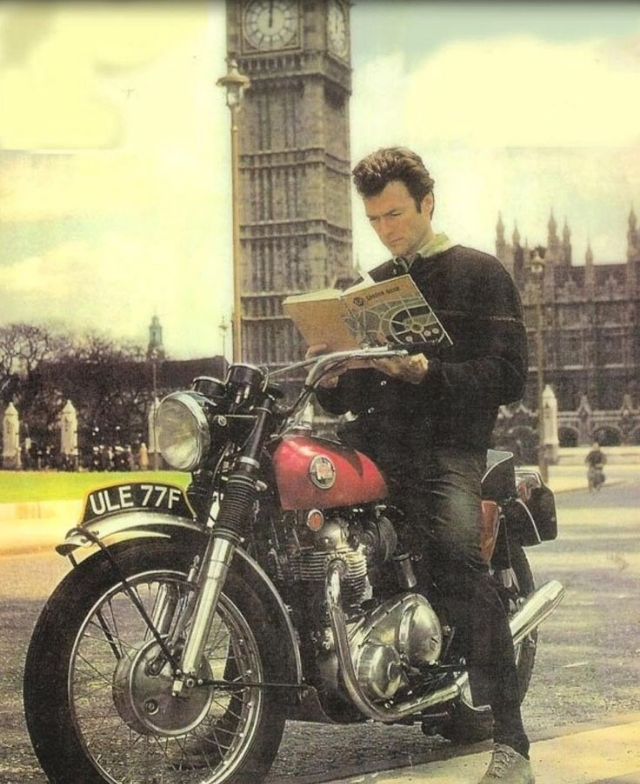
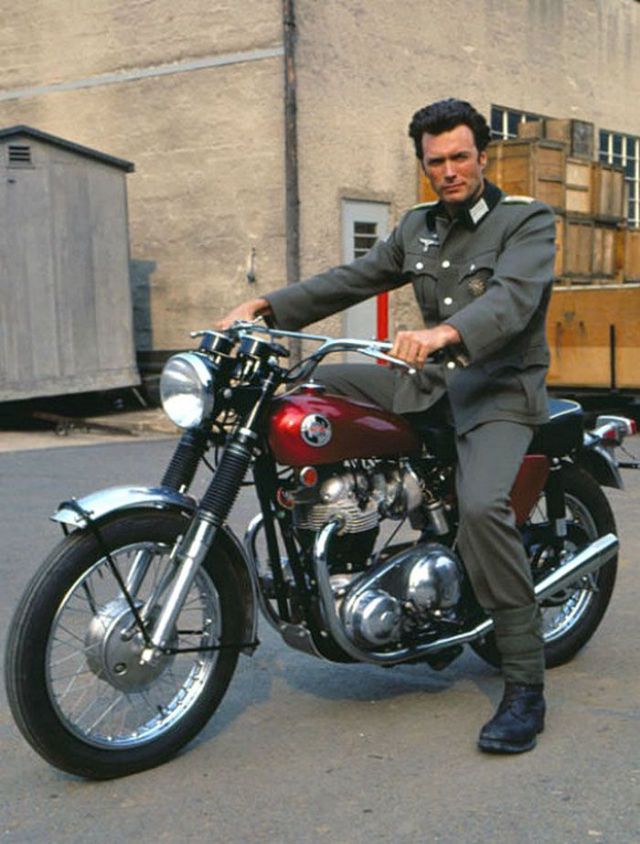
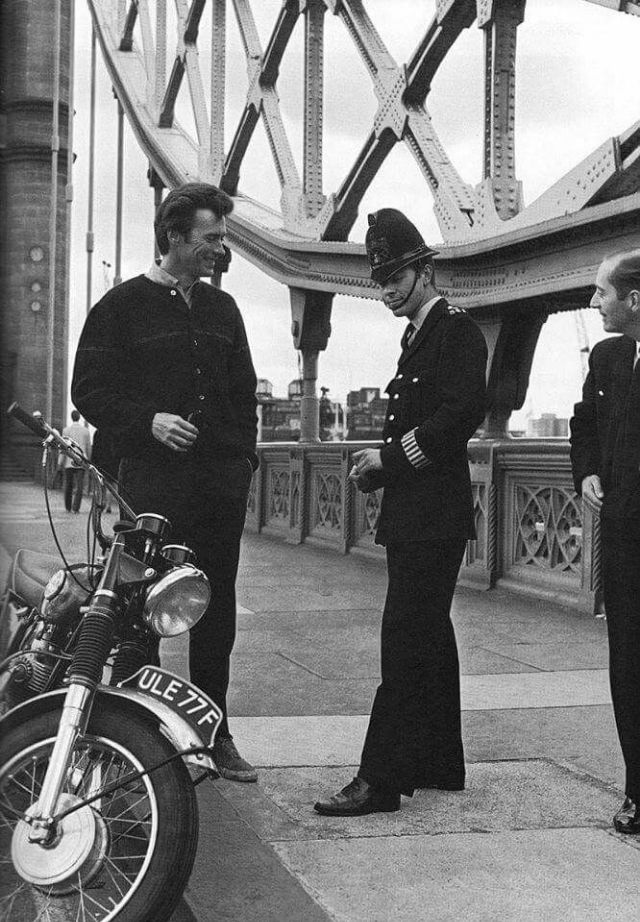
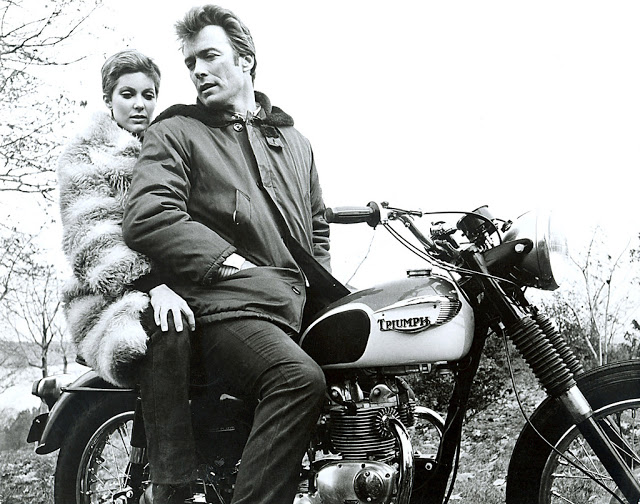
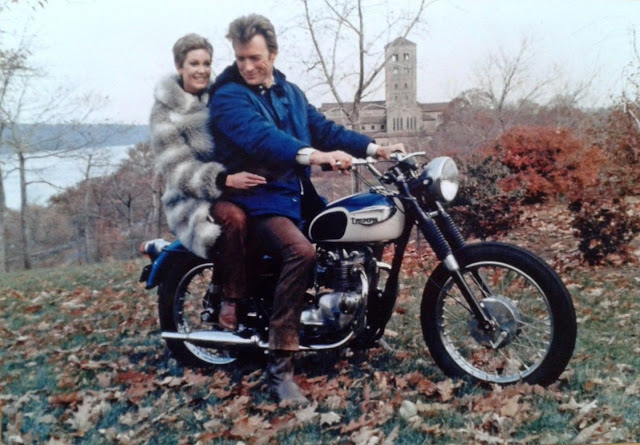
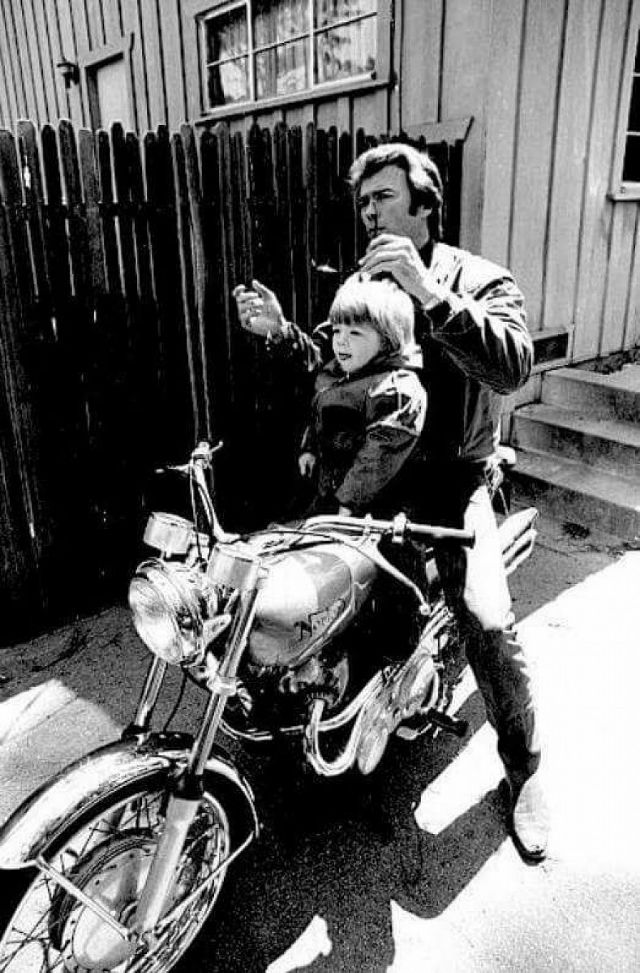
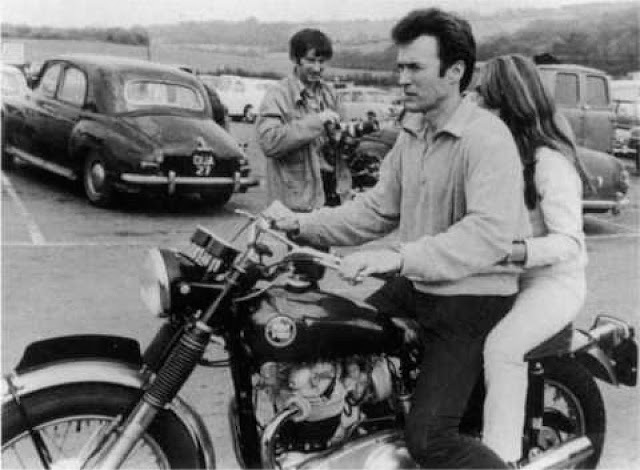
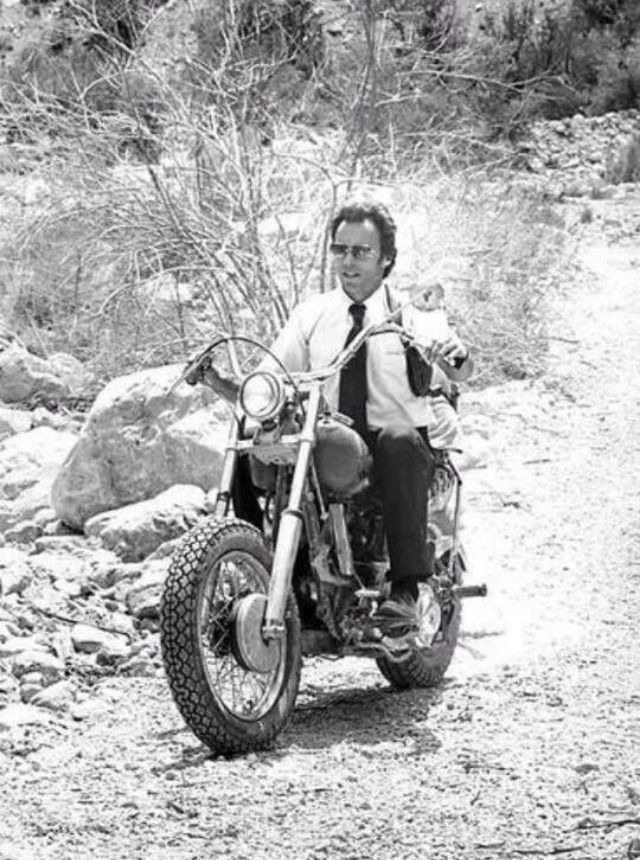
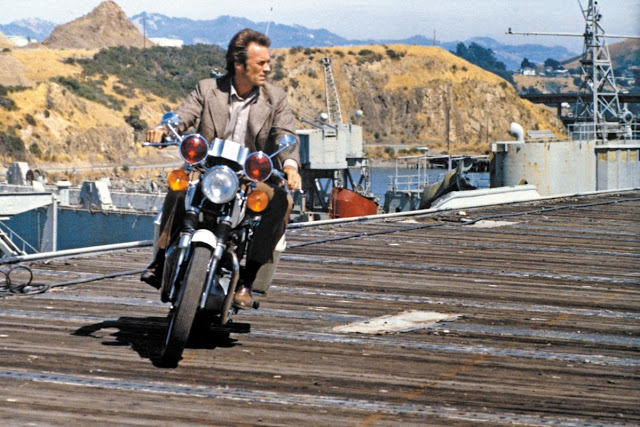
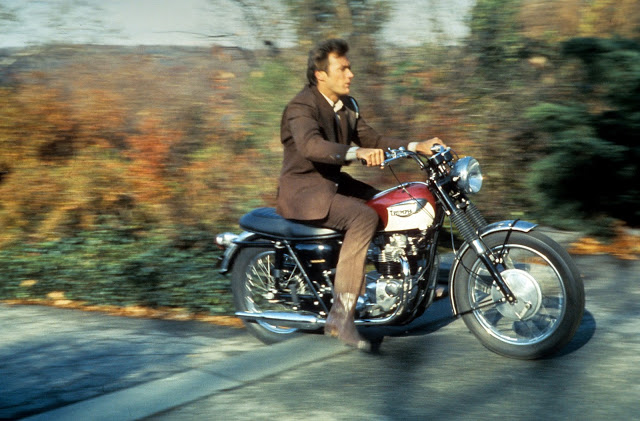
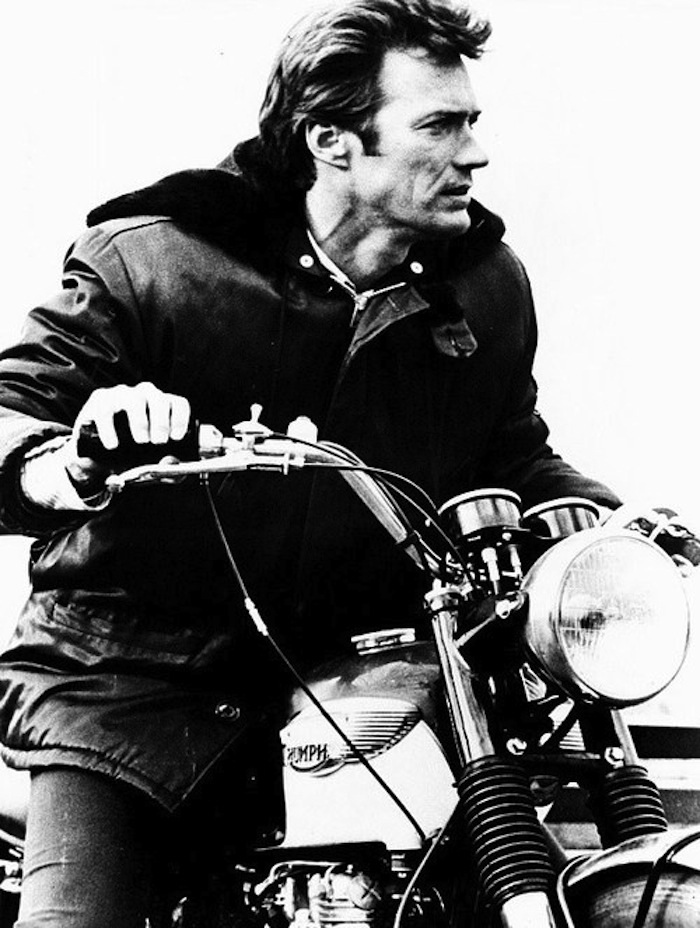
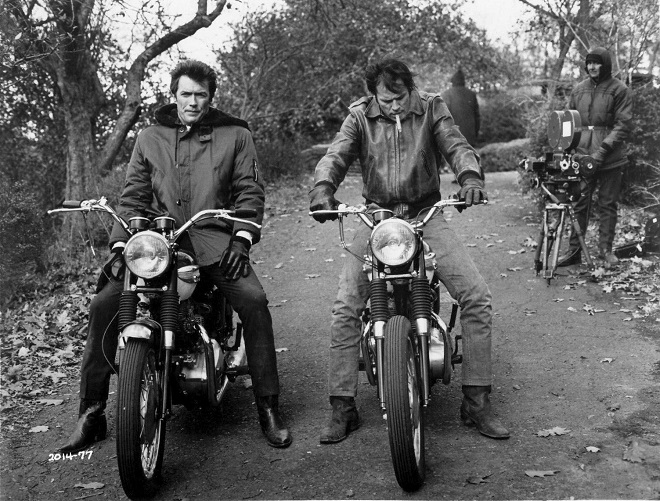
Clint Eastwood was well known for his love of cars and motorcycles in the 1960s and ’70s, he especially loved the British marques Jaguar, Austin Healey and motorcycle marques Norton, Triumph.
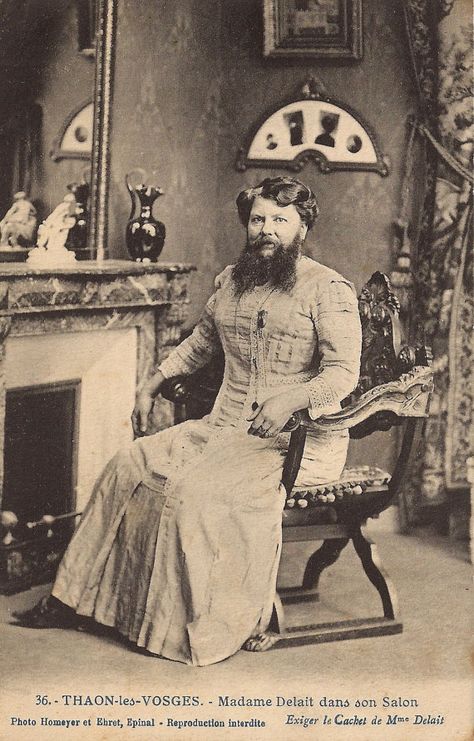
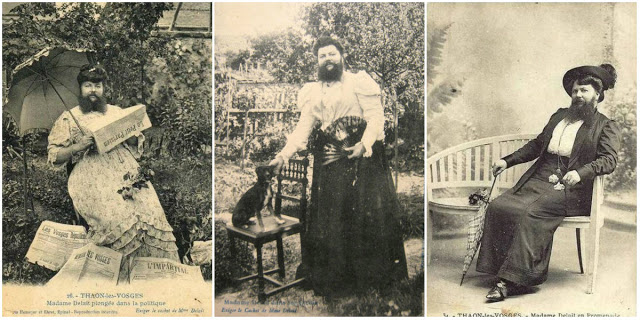
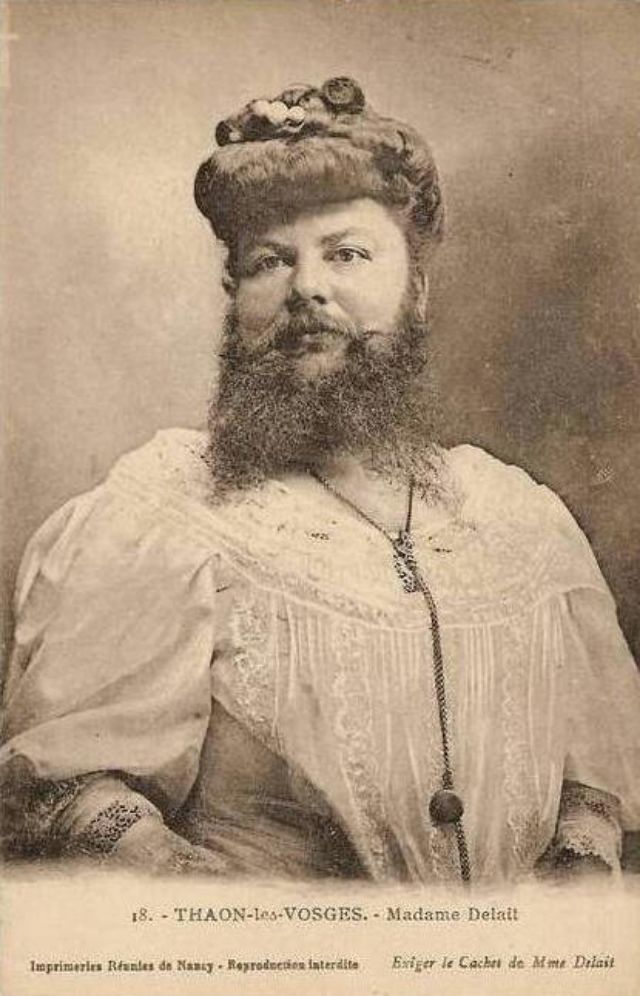
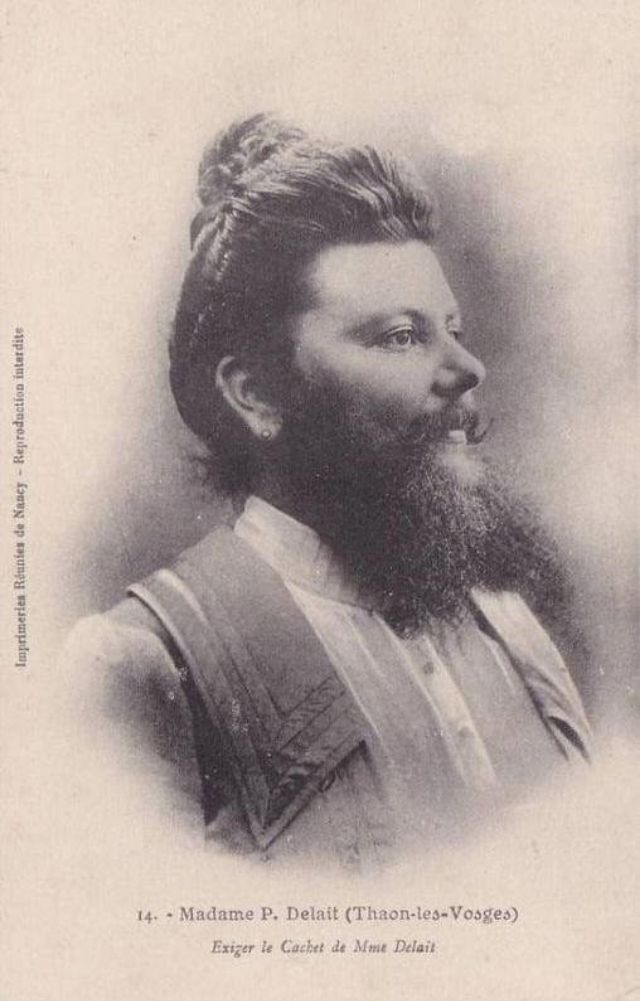
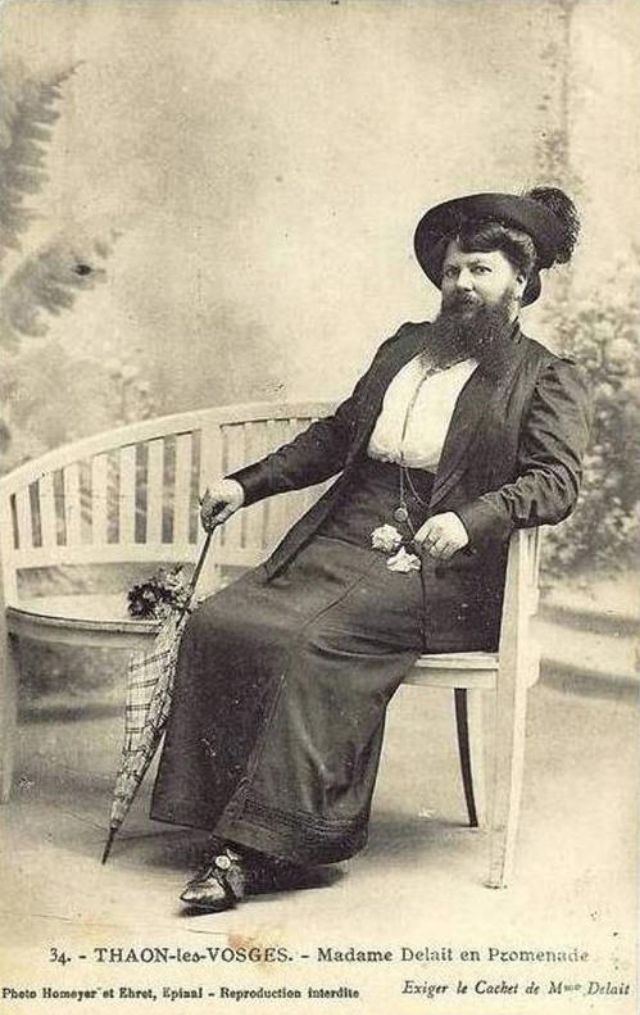
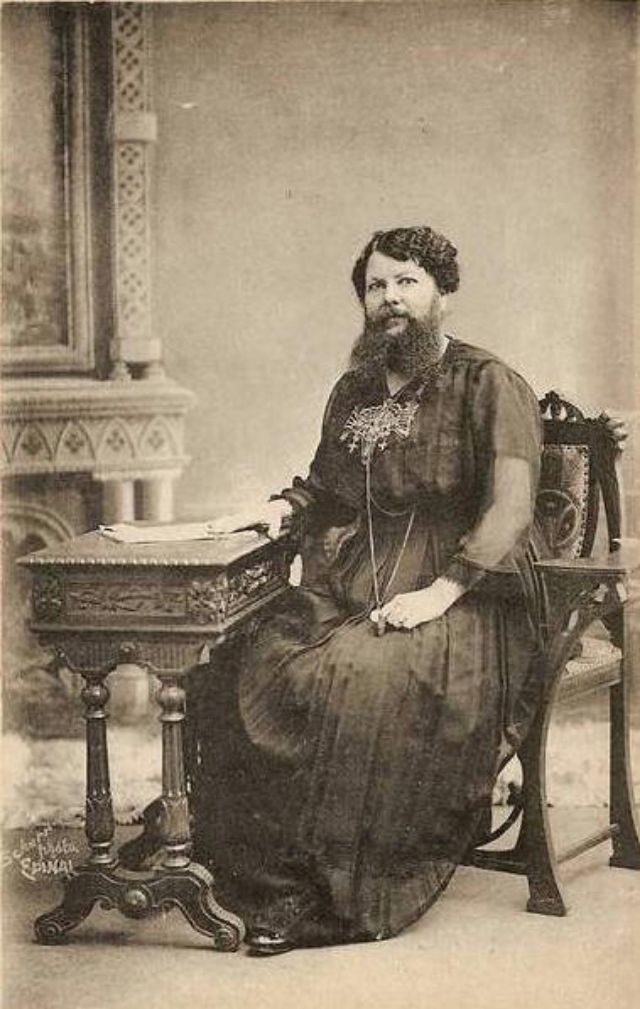
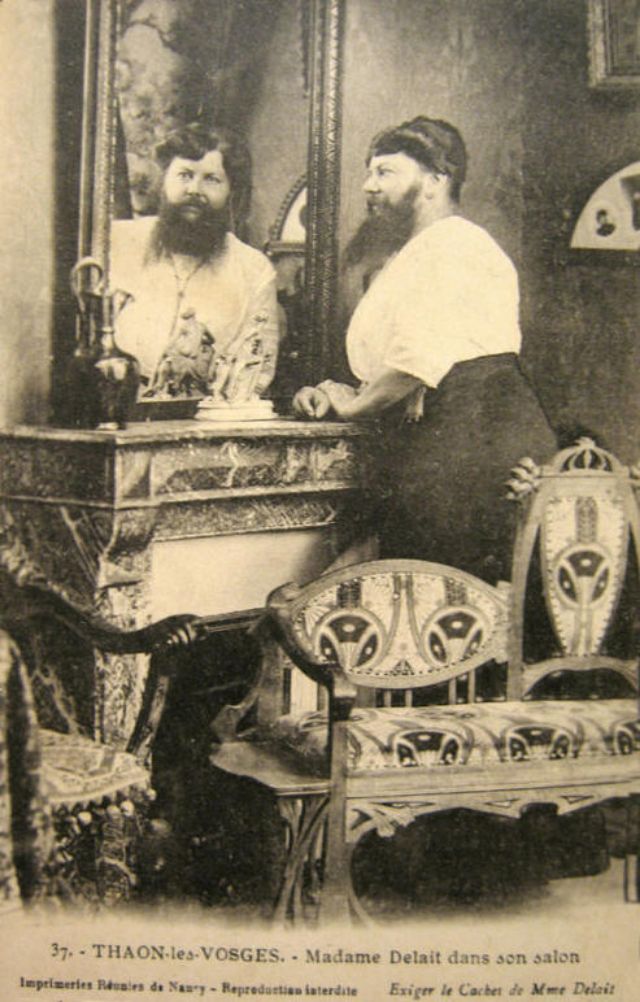
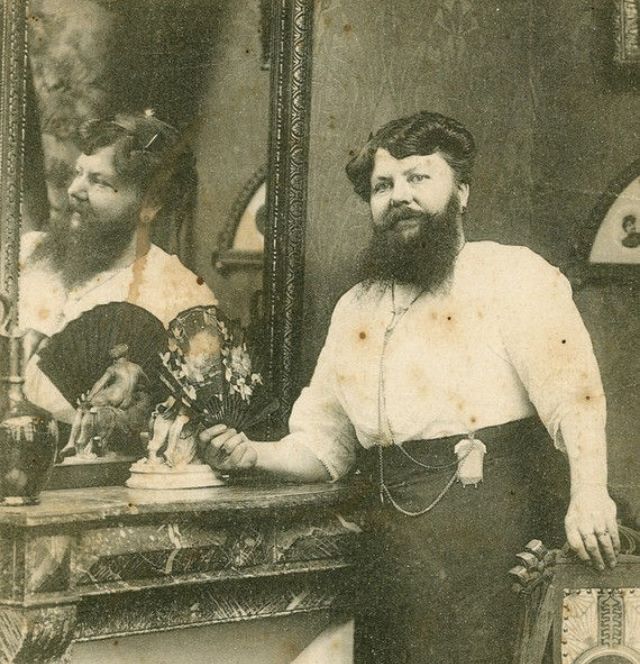
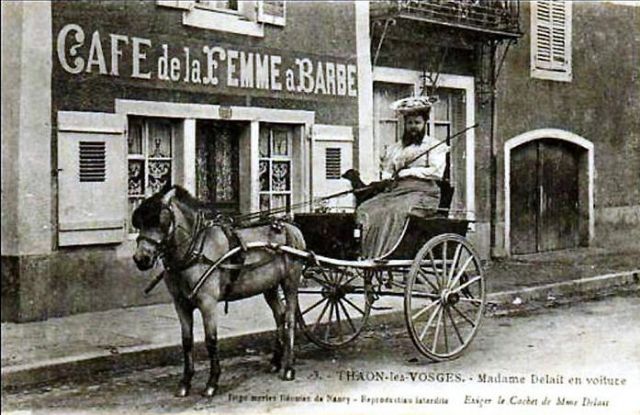
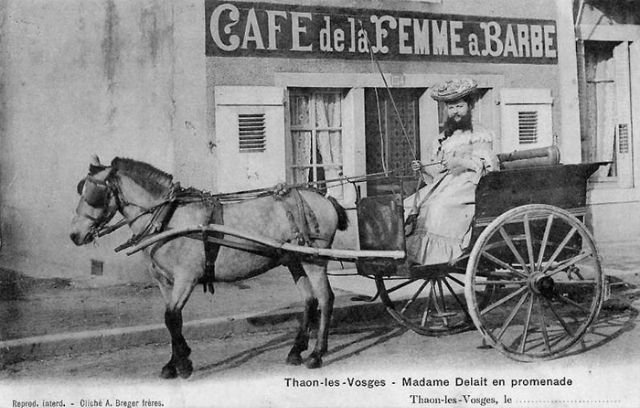
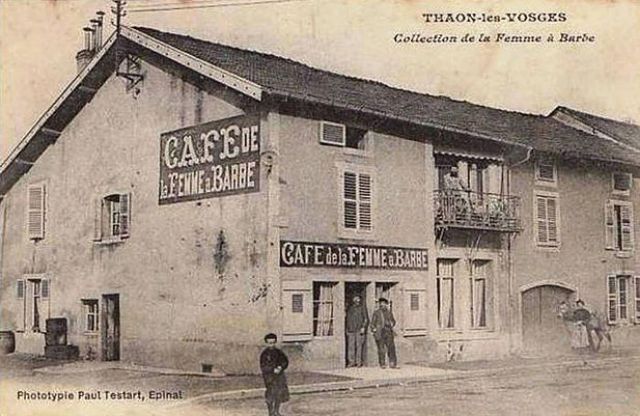
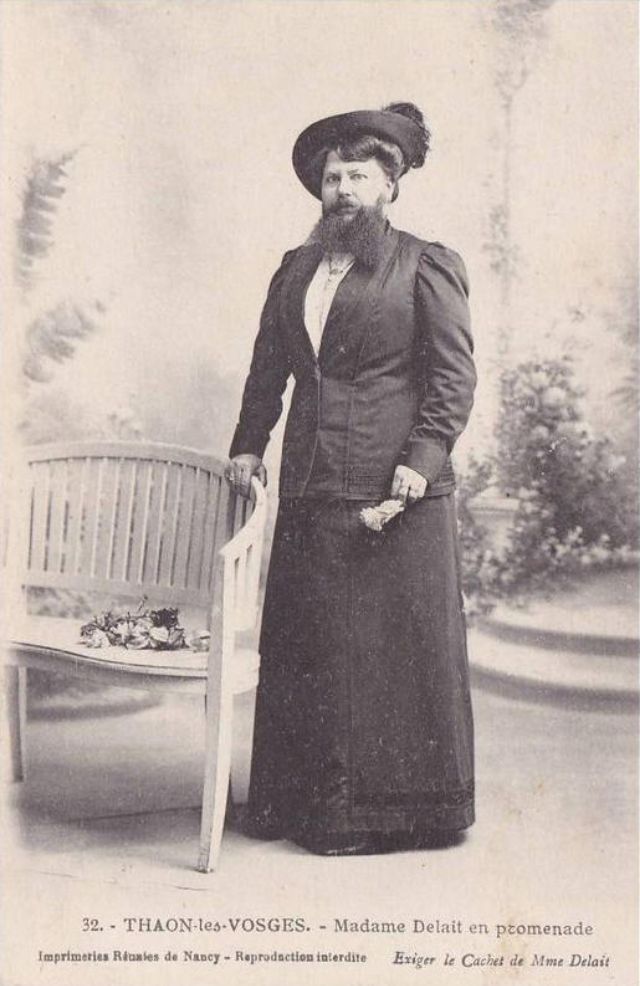
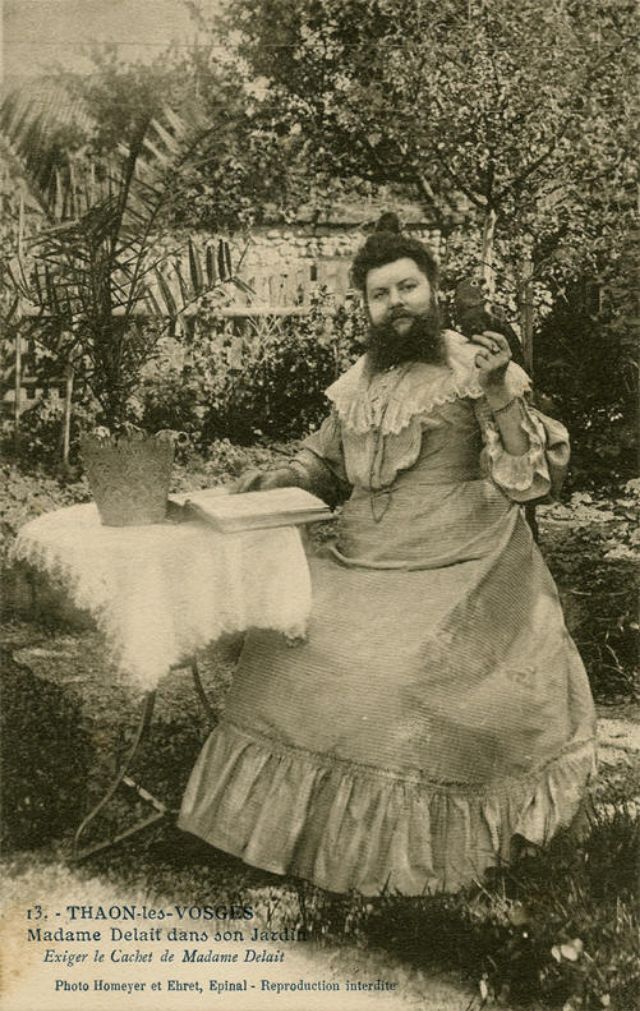
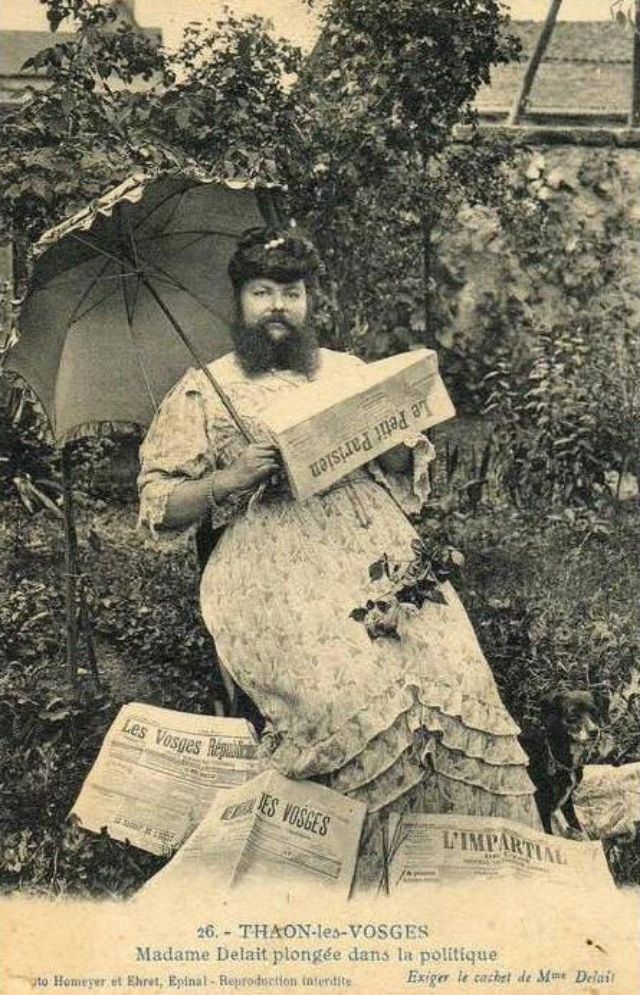
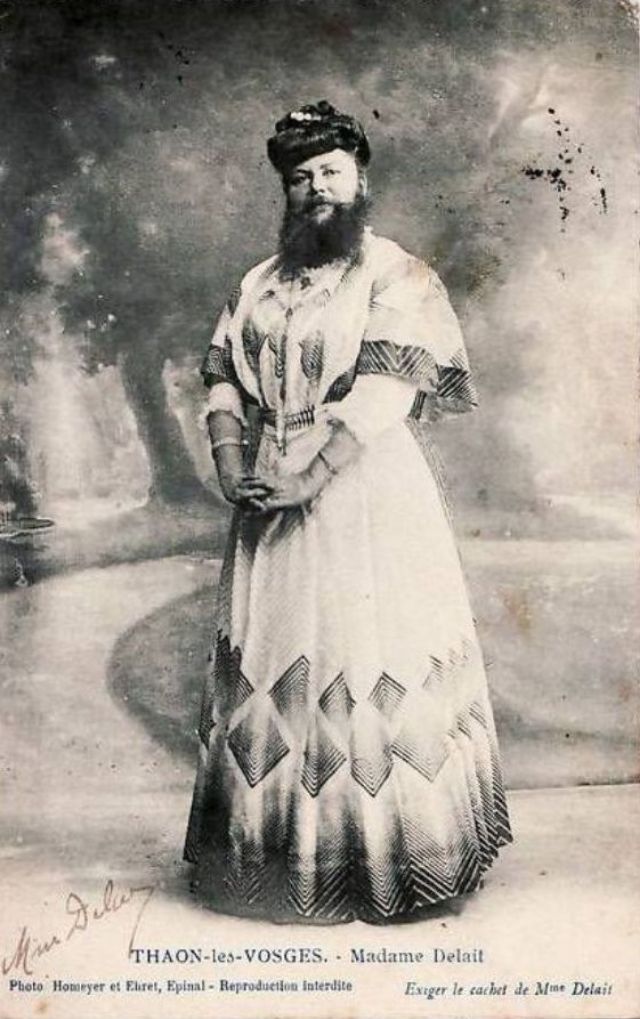
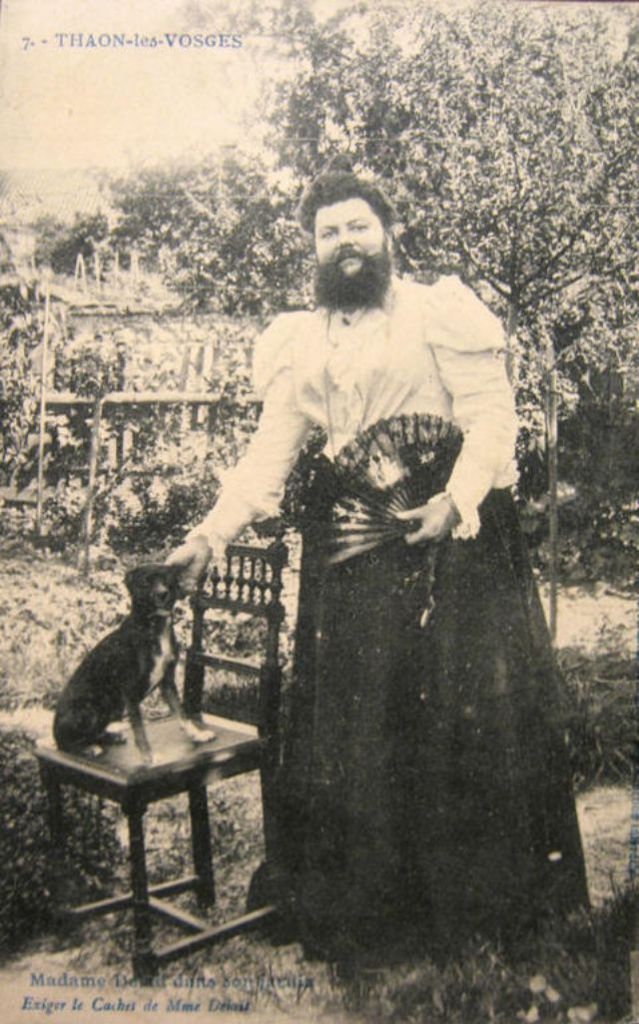
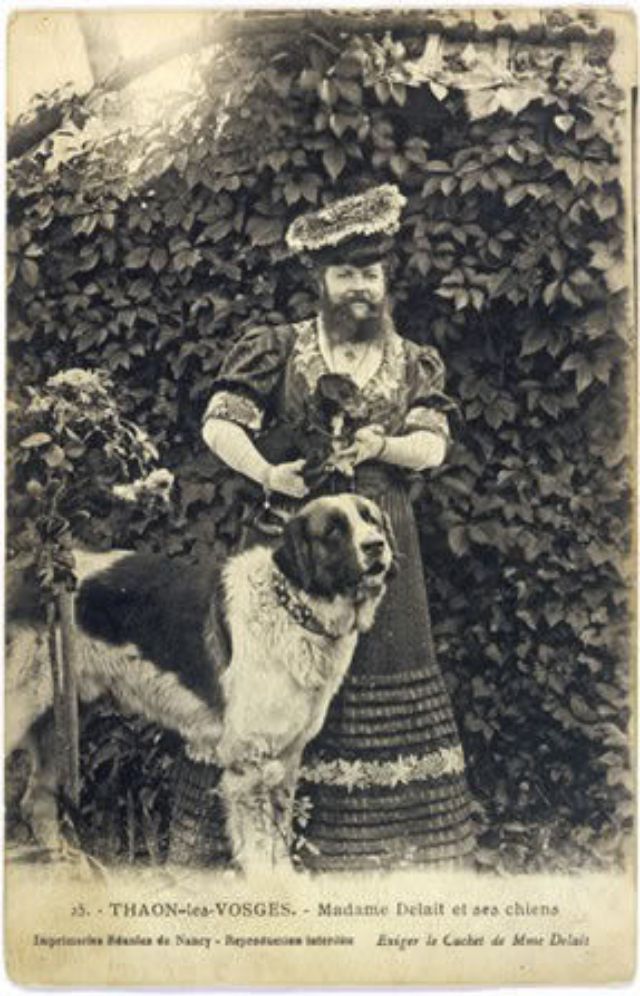
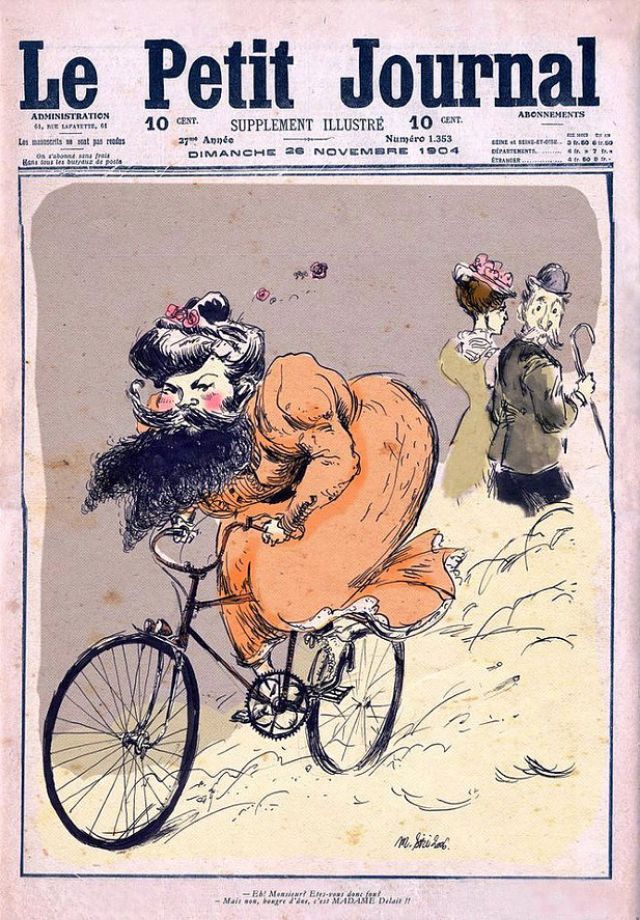
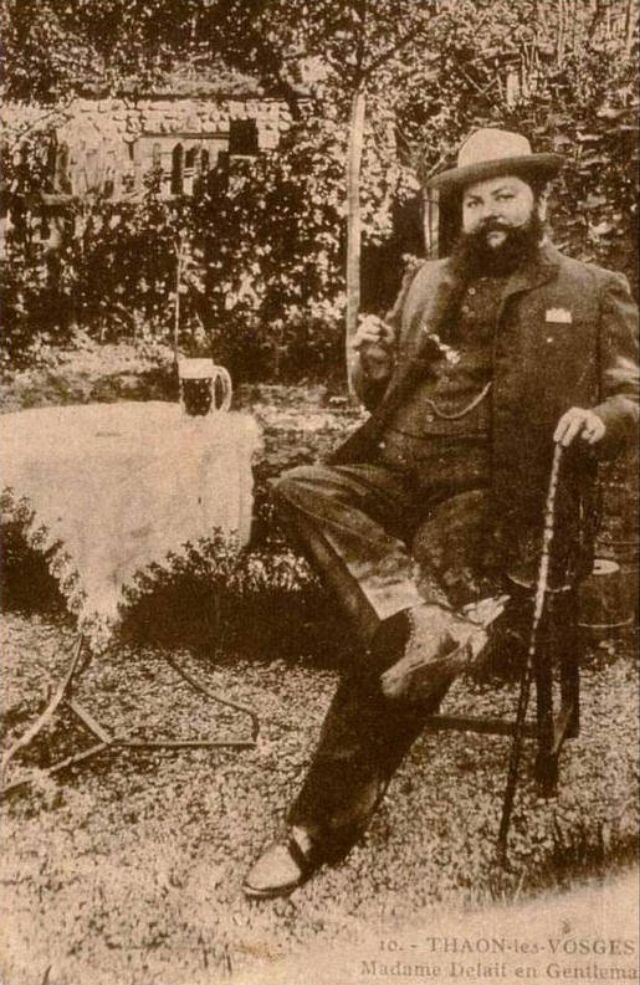
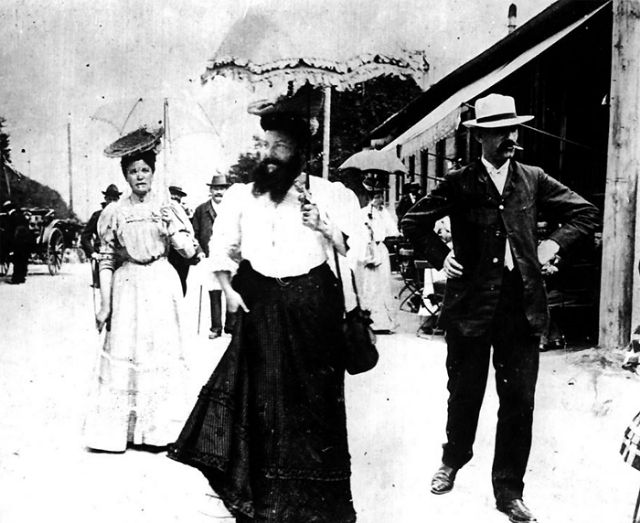
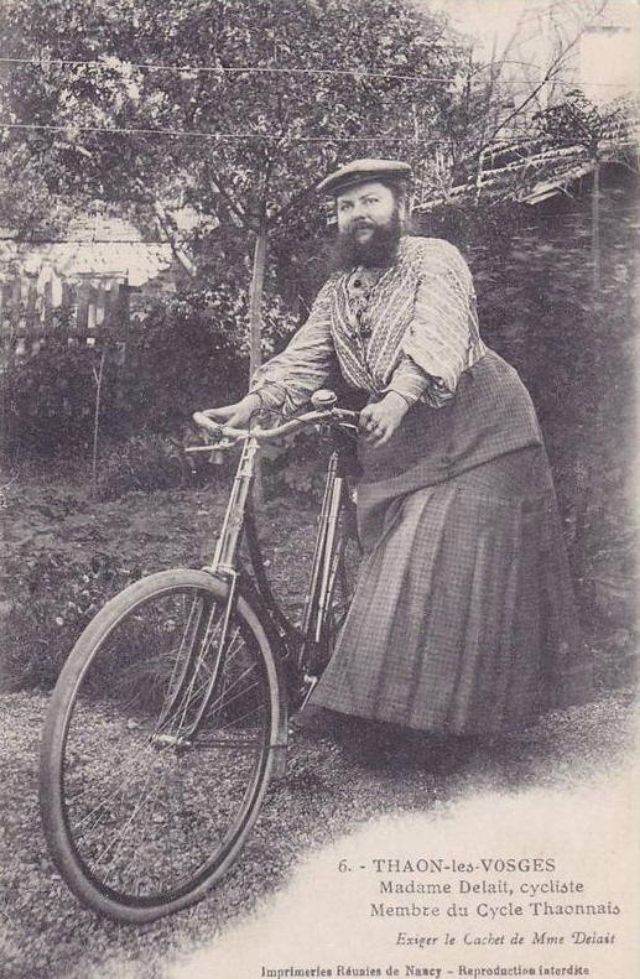
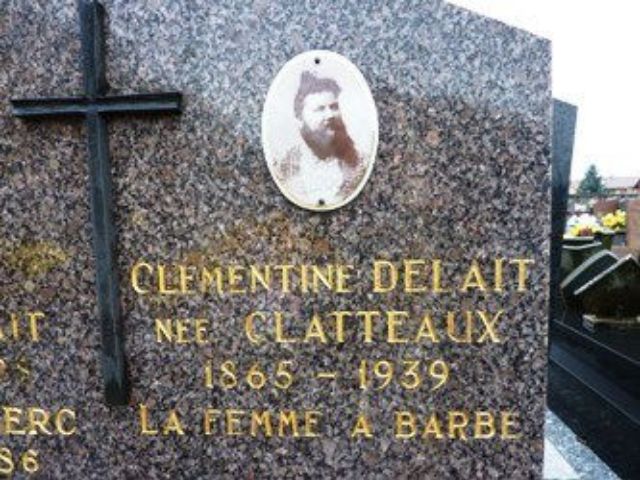
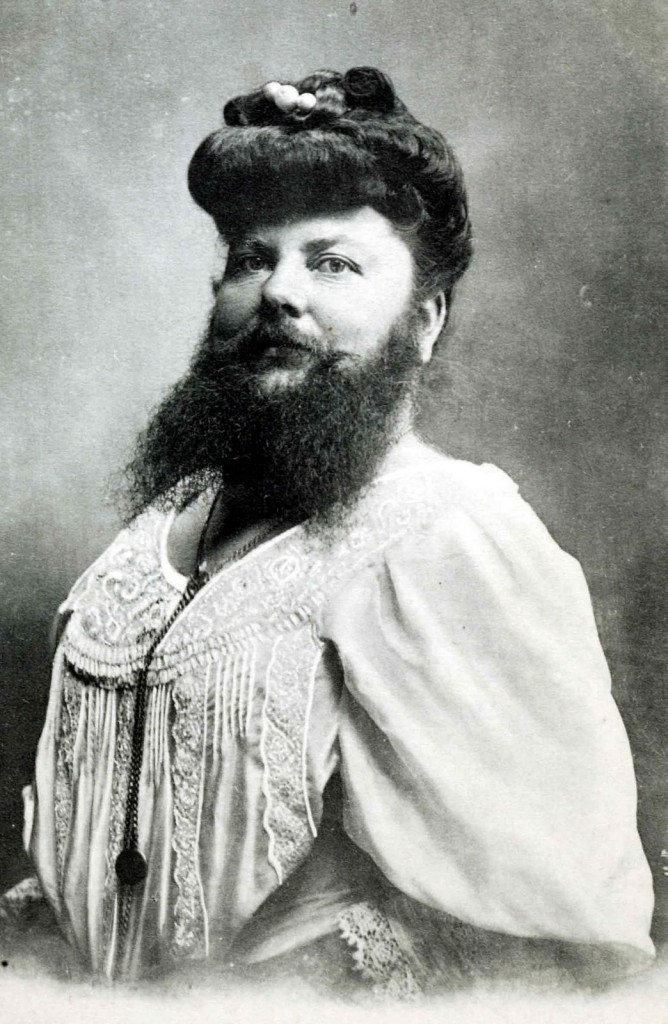
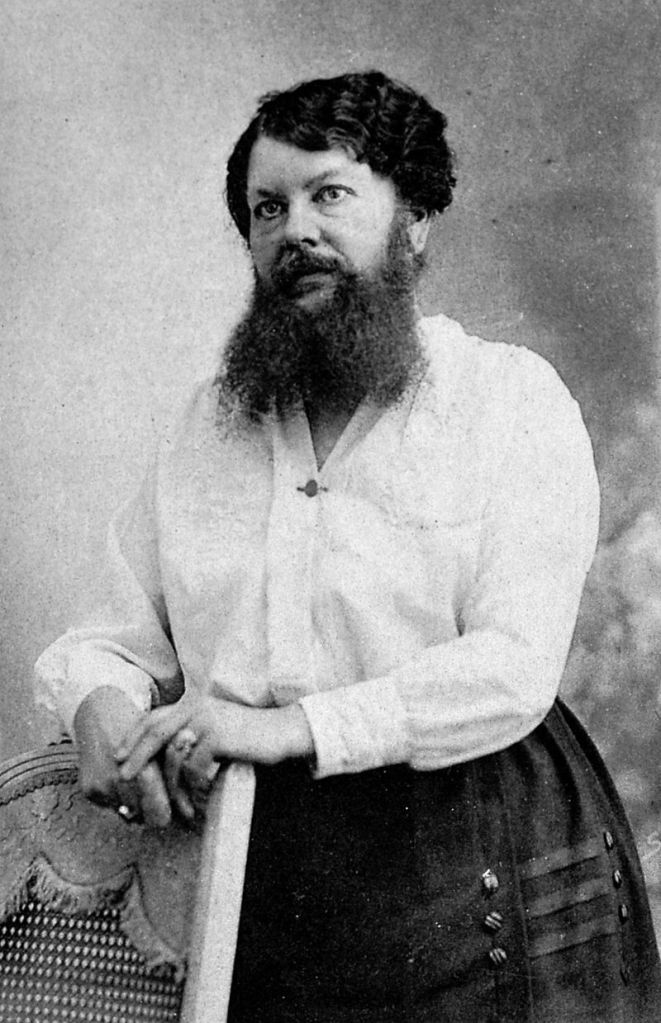
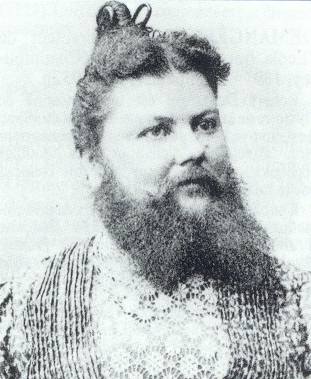
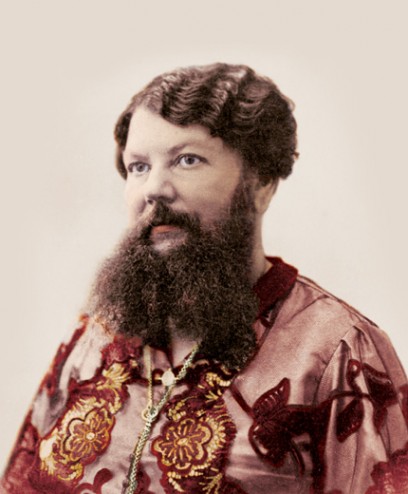
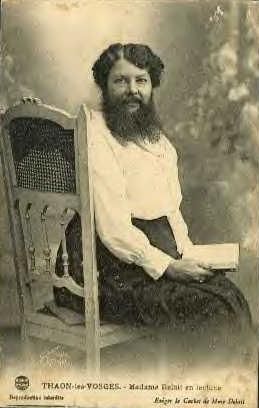
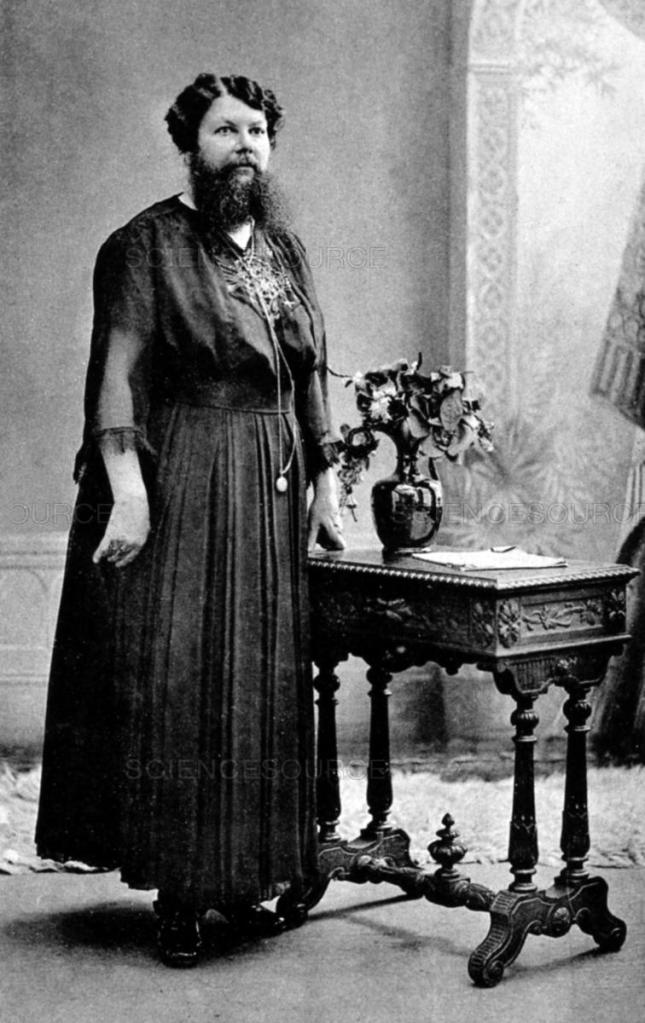
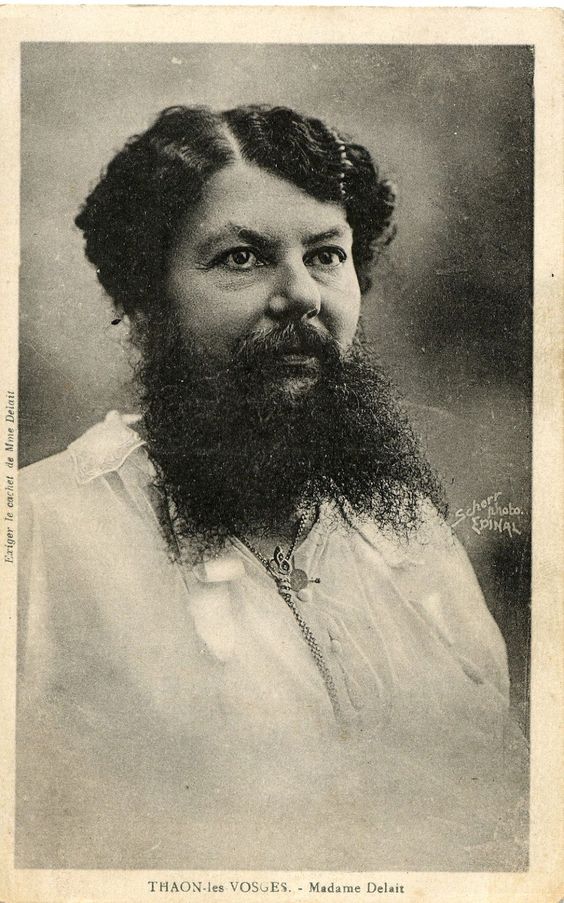
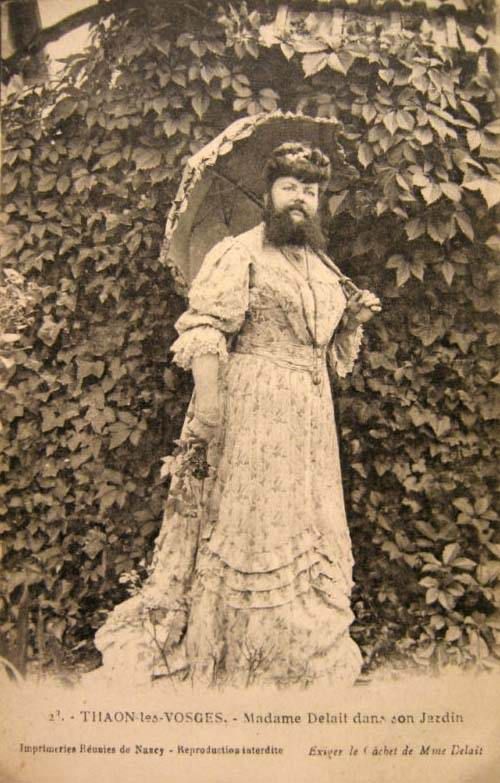
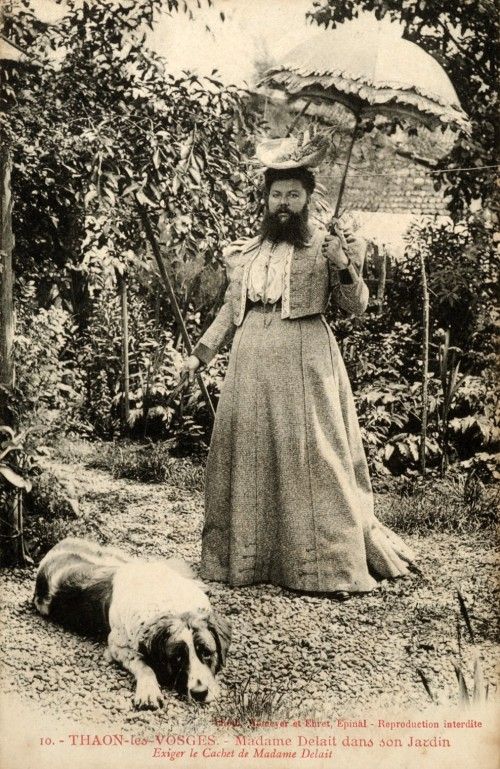
Clémentine Clattaux was born on 5 March 1865 in Chamousey near Charmes in Lorraine, Eastern France. During the late 19th and early 20th century she was one of the most famously celebrated “bearded ladies” in Europe.
In 2005 her private memoirs were discovered in a garage sale and were bought for “a very modest sum” by Roland Marchal, a second-hand dealer and collector from Bellefontaine in the Vosges. Written in violet ink in a school exercise book and decorated with spectacular photographs and press cuttings from the period, Clementine, who was believed not to have been able to write very well, dictated her memoirs to Pol Ramber, a reporter from the local newspaper, La Libert de l’Est, in the 1930s. The text is written in his hand and is signed by him.
The 50-page document provides a fascinating insight into the life of an extraordinary woman who, far from suffering from her generous abundance facial hair, took great delight in it and used it to her advantage.
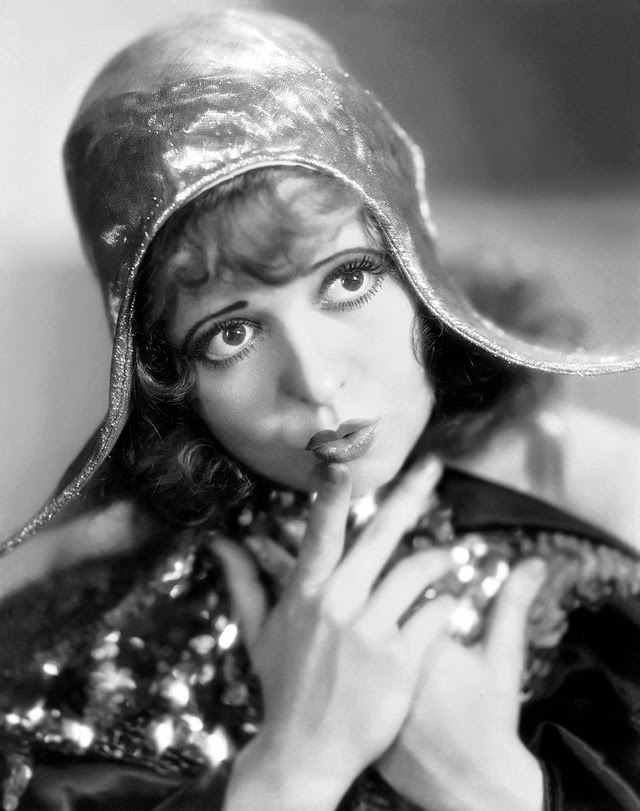
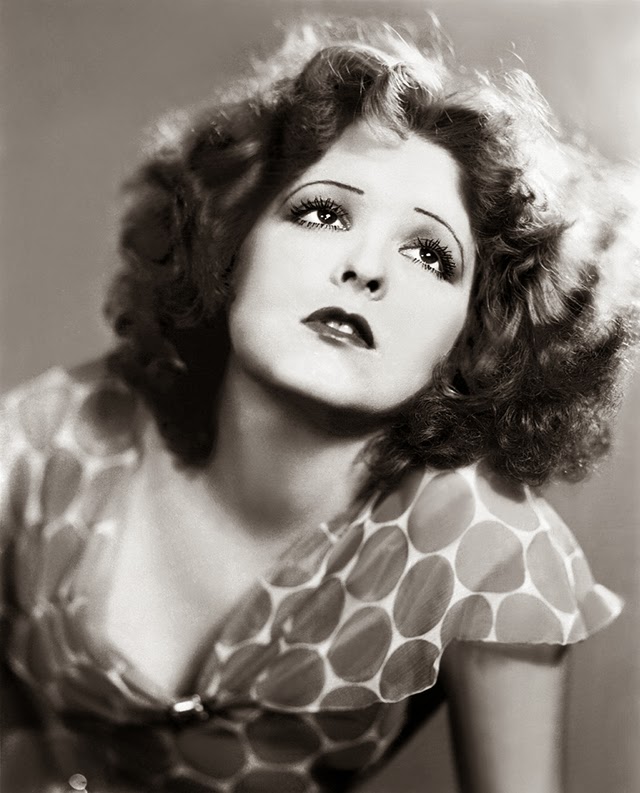
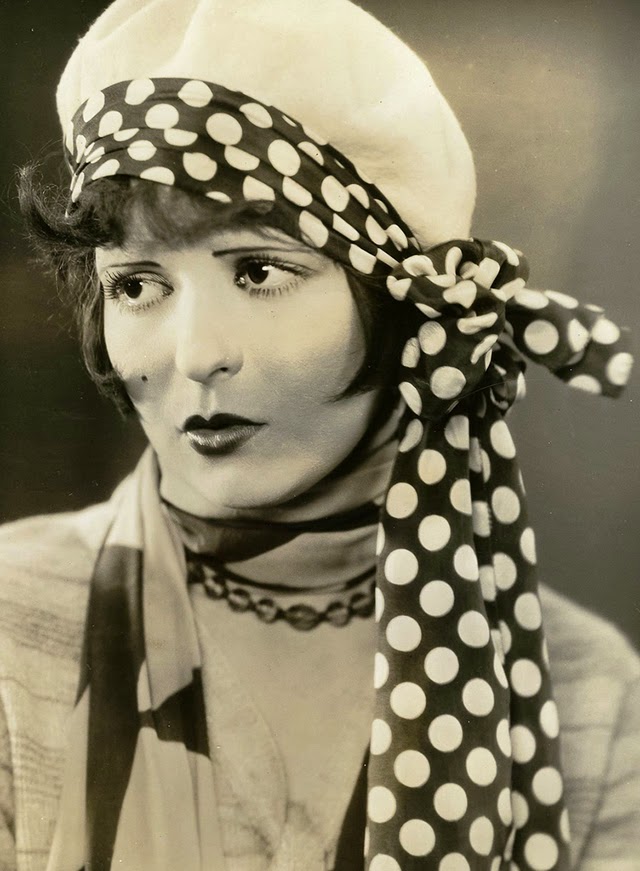
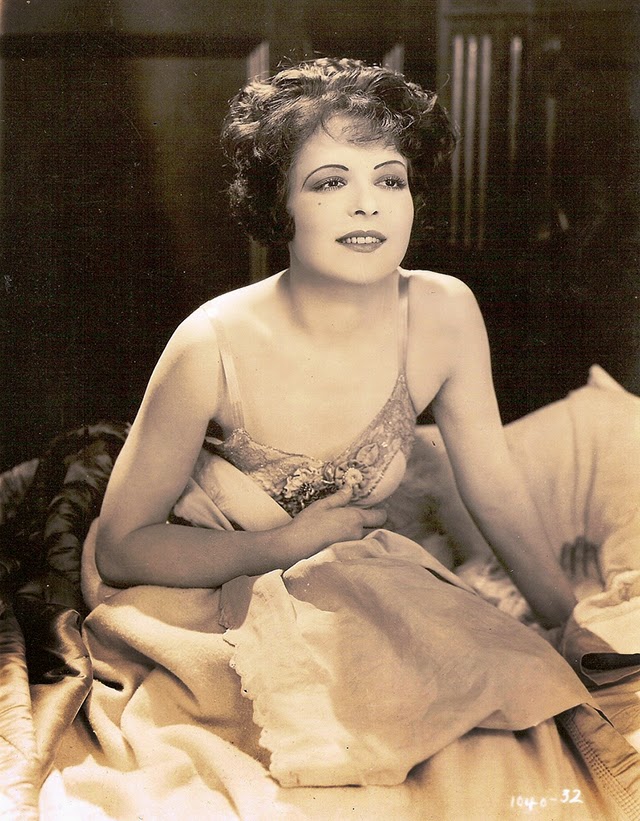
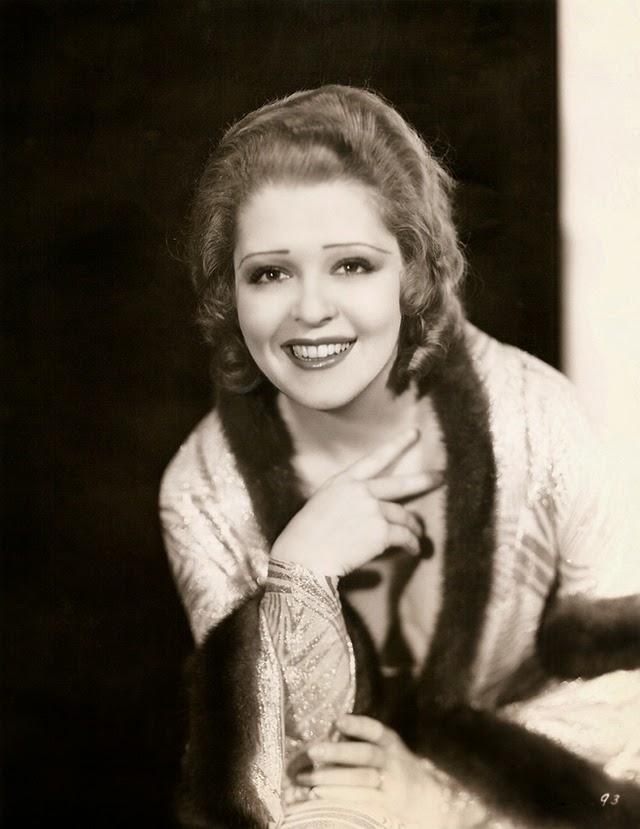
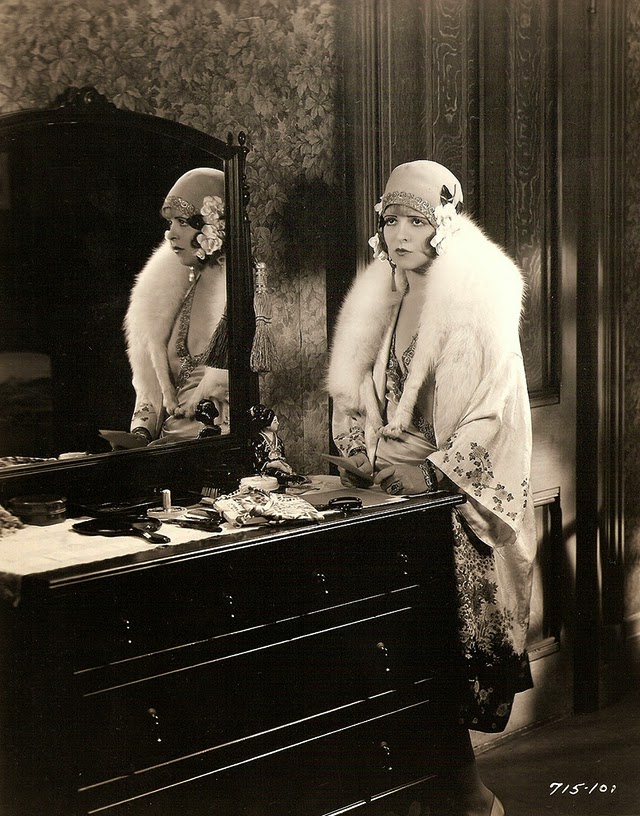
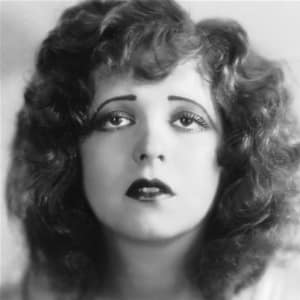
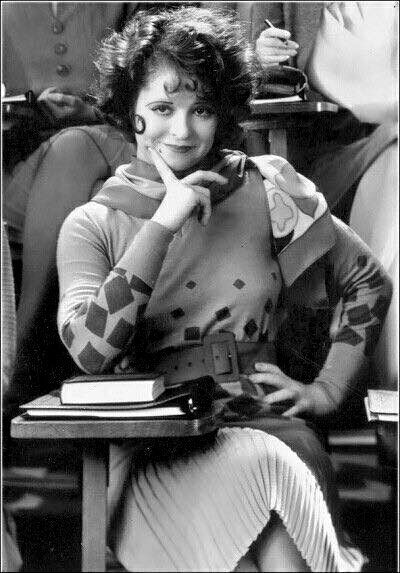
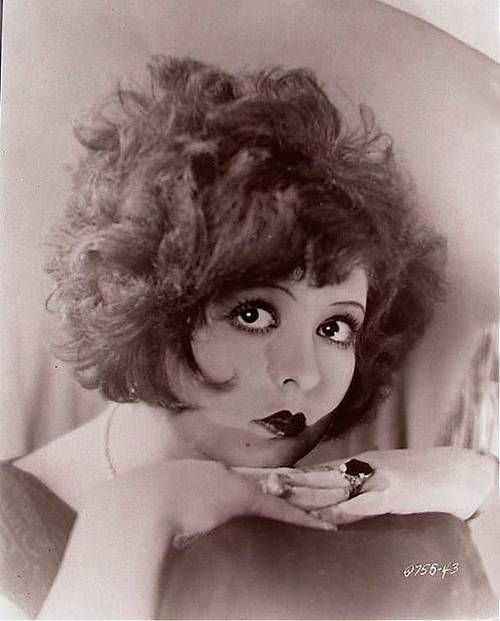
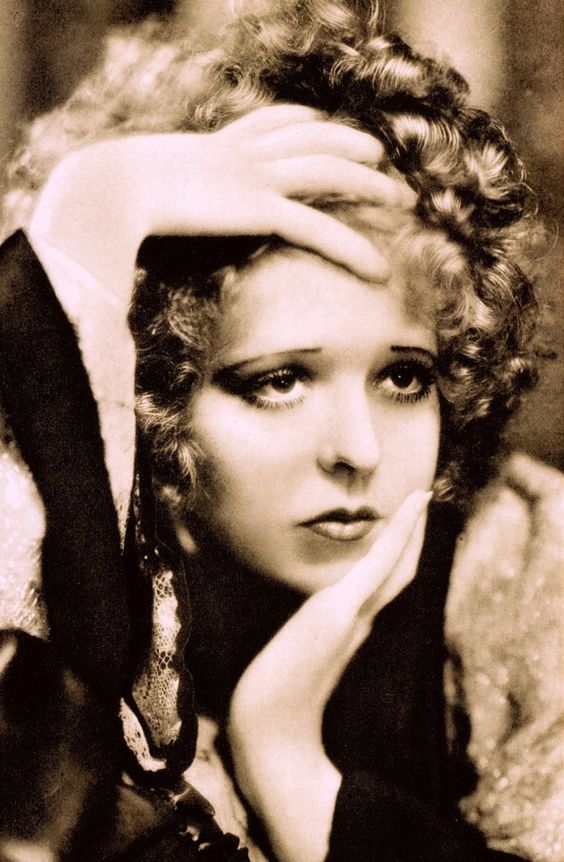
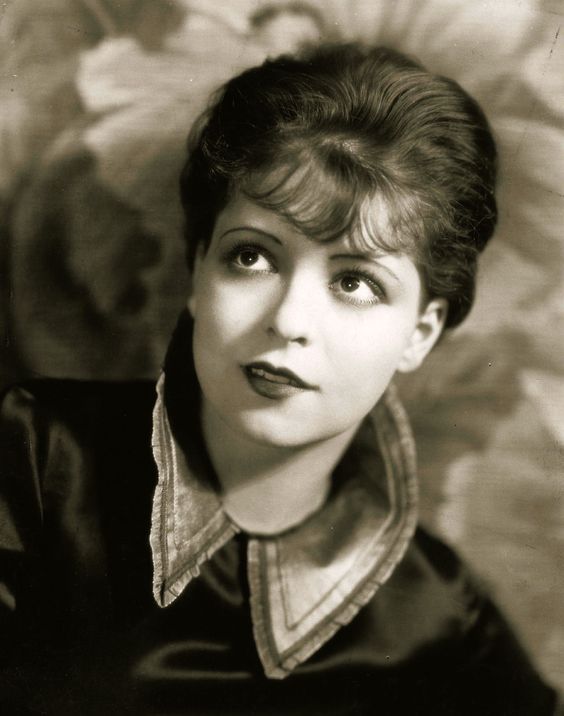
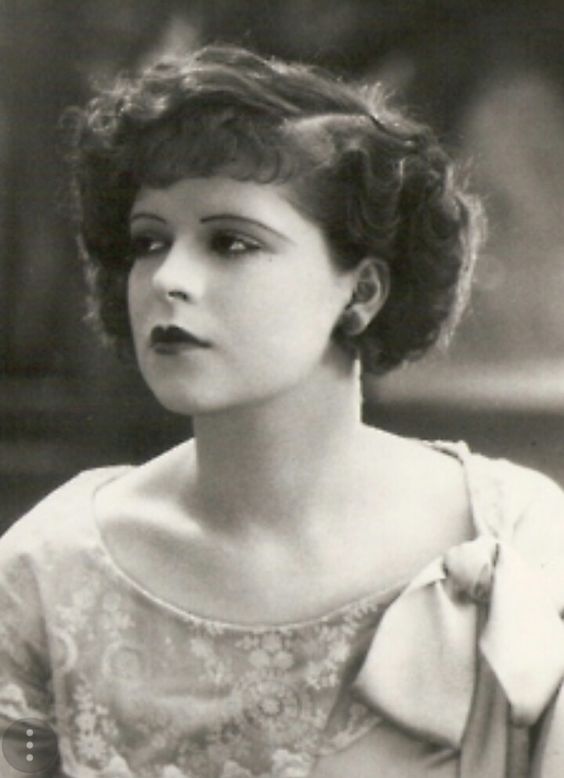
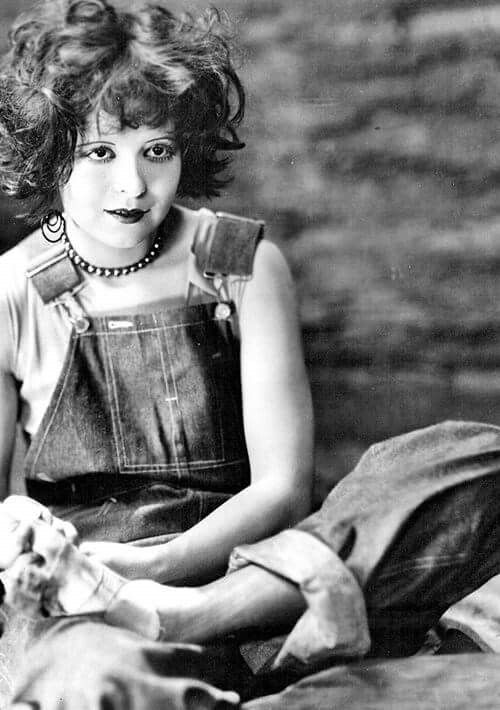
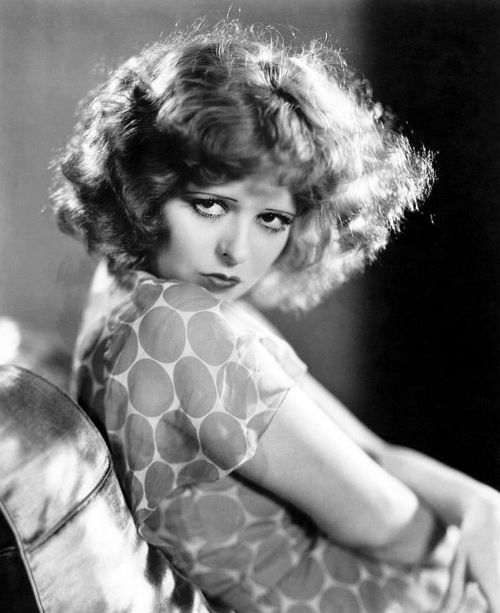
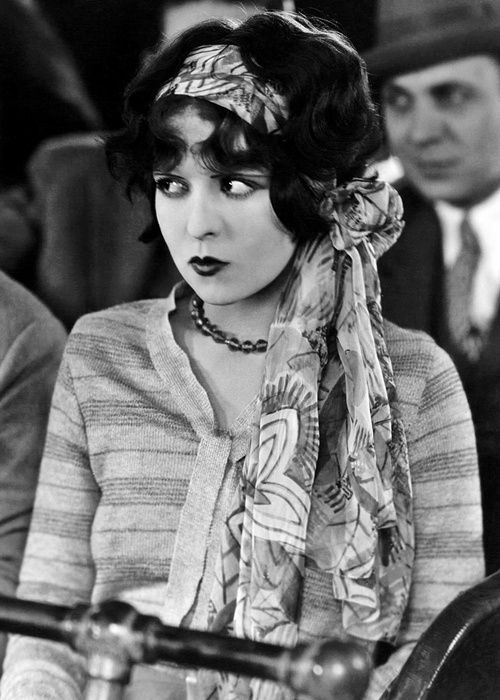
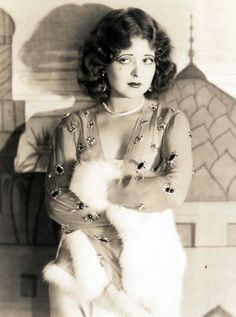
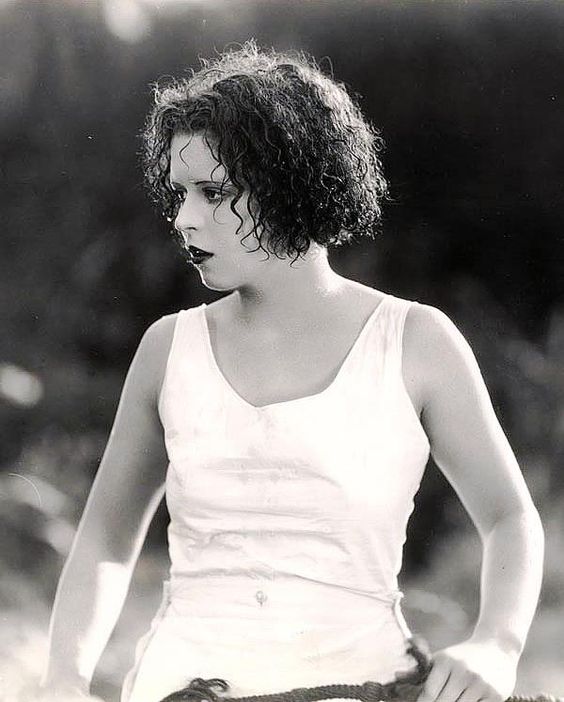
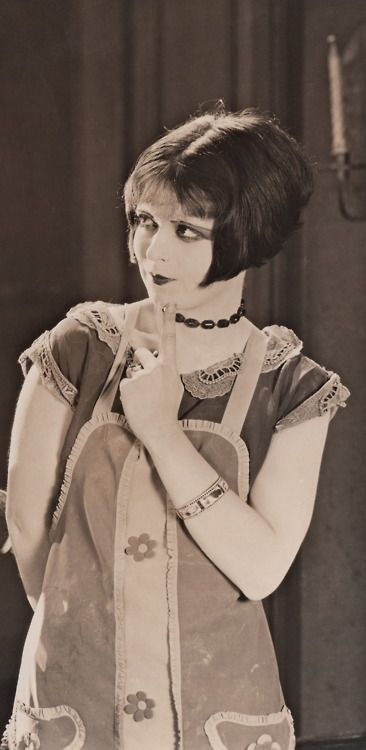
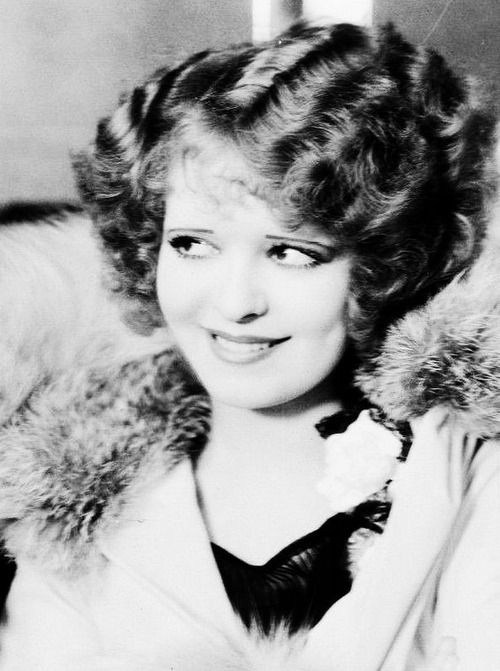
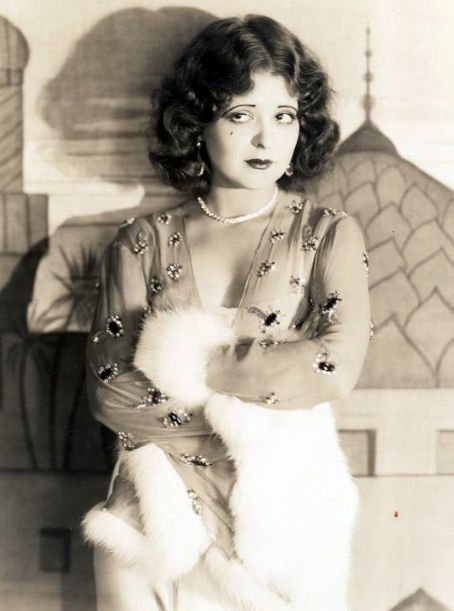
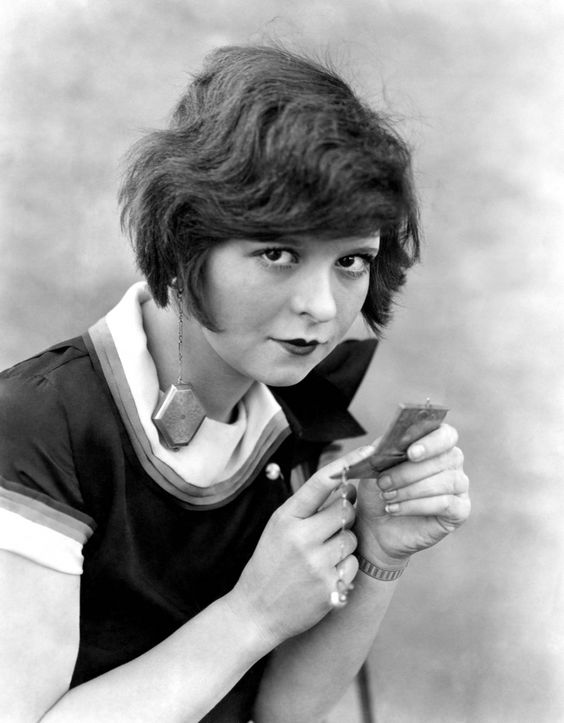
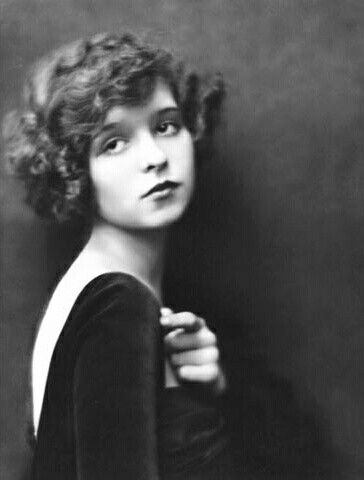
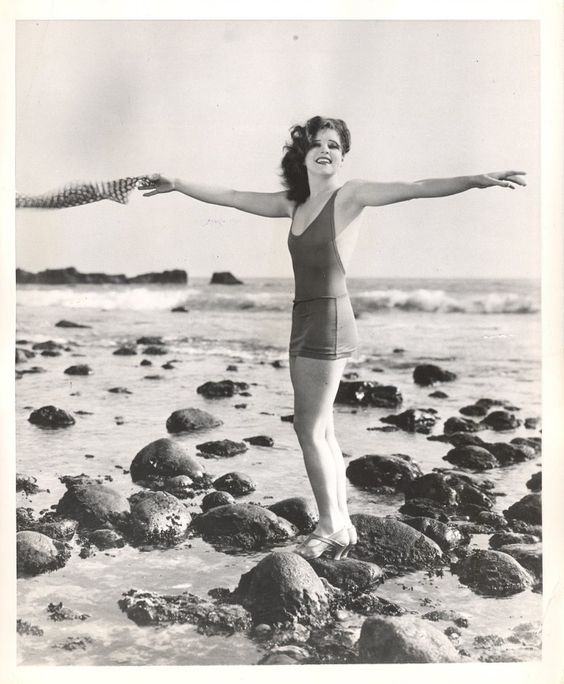
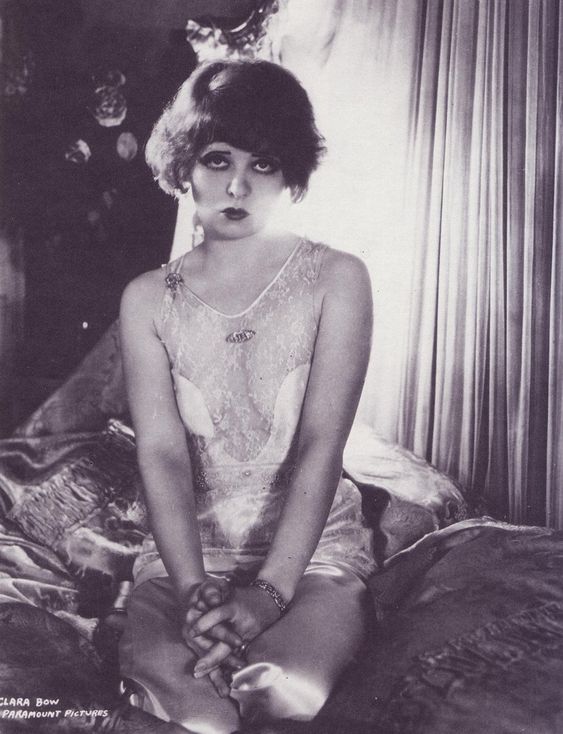
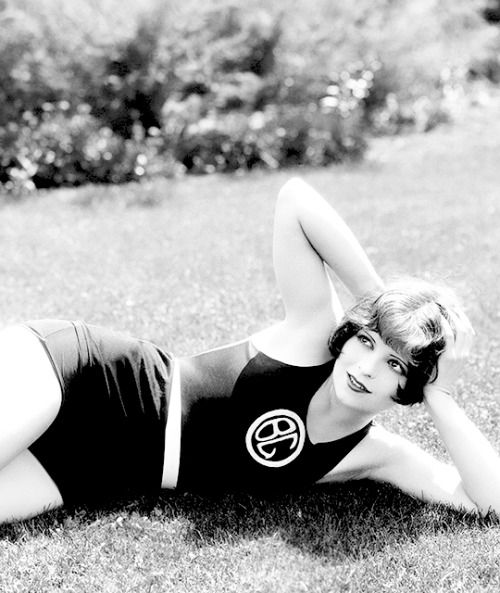
Clara Gordon Bow (July 29, 1905 – September 27, 1965) was an American actress who rose to stardom during the silent film era of the 1920s and successfully made the transition to “talkies” in 1929. Her appearance as a plucky shopgirl in the film It brought her global fame and the nickname “The It Girl”. Bow came to personify the Roaring Twenties and is described as its leading sex symbol.
Bow appeared in 46 silent films and 11 talkies, including hits such as Mantrap (1926), It (1927), and Wings (1927). She was named first box-office draw in 1928 and 1929 and second box-office draw in 1927 and 1930. Her presence in a motion picture was said to have ensured investors, by odds of almost two-to-one, a “safe return”. At the apex of her stardom, she received more than 45,000 fan letters in a single month (January 1929).
Two years after marrying actor Rex Bell in 1931, Bow retired from acting and became a rancher in Nevada. Her final film, Hoop-La, was released in 1933. In September 1965, Bow died of a heart attack at the age of 60.
The Empire State Building is an iconic office building known as “the Most Famous Skyscraper in the World.” Built during the Depression between 1930 and 1931, the Empire State Building became the world’s tallest office building until 1967.
The design of the building changed 16 times during planning and construction, but 3,000 workers completed the building’s construction in record time: one year and 45 days, including Sundays and holidays.
The Empire State’s construction work and its workers were a magnet for press and magazine photographers, which is how many iconic images of the construction work were created, like these.
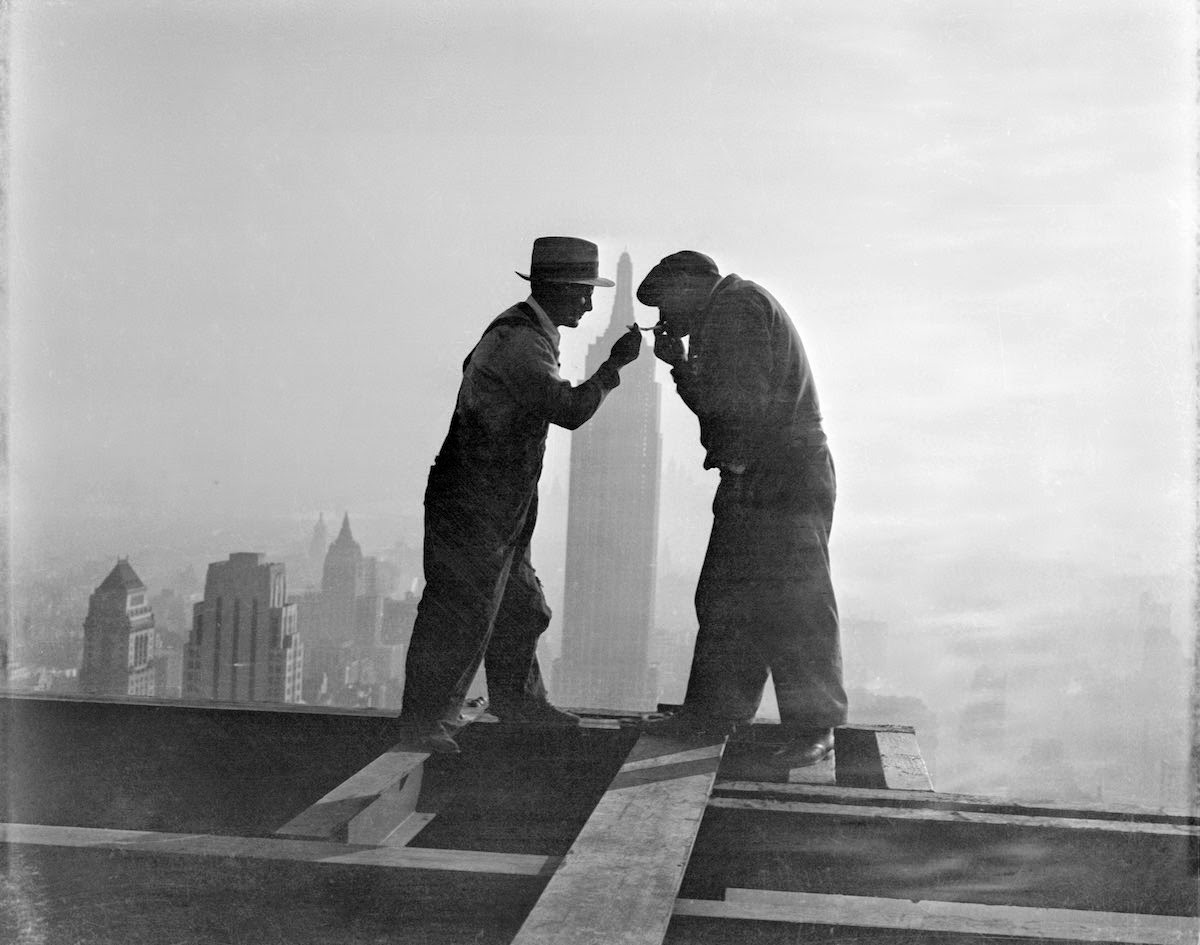
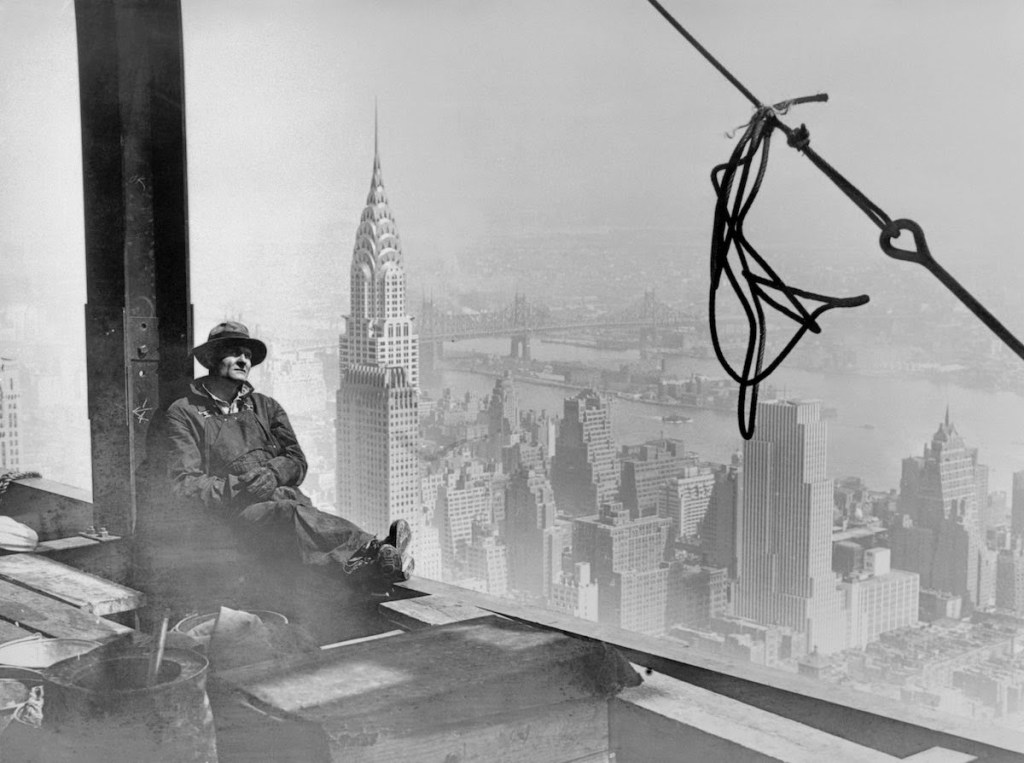
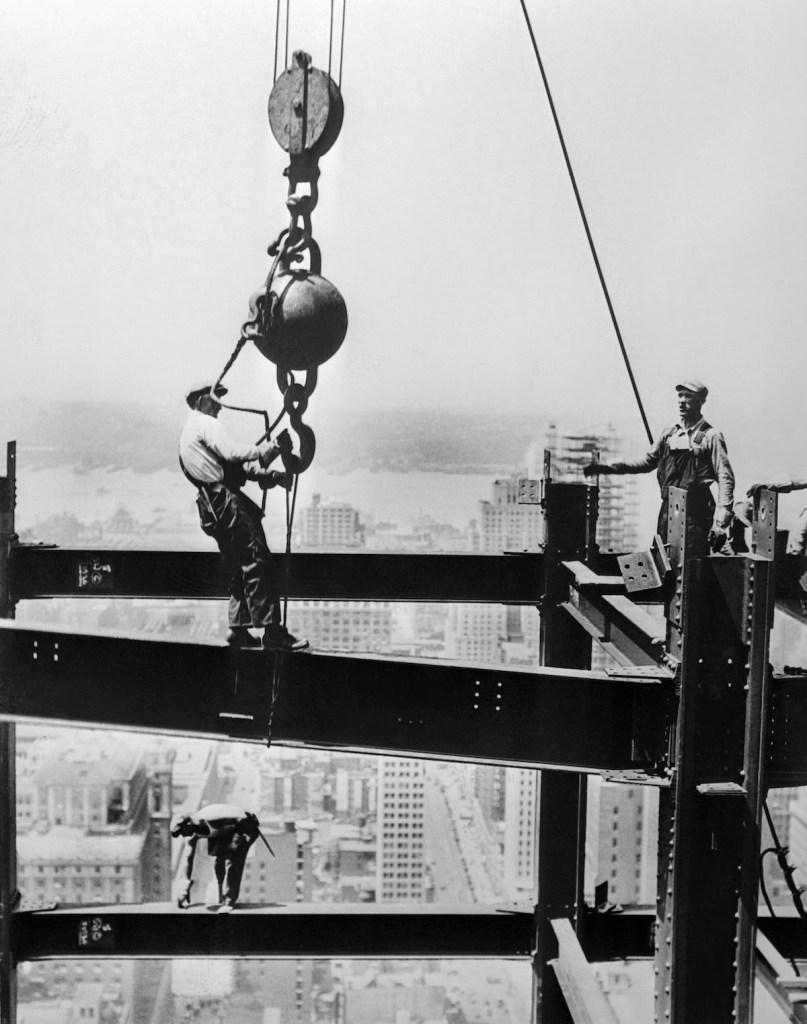
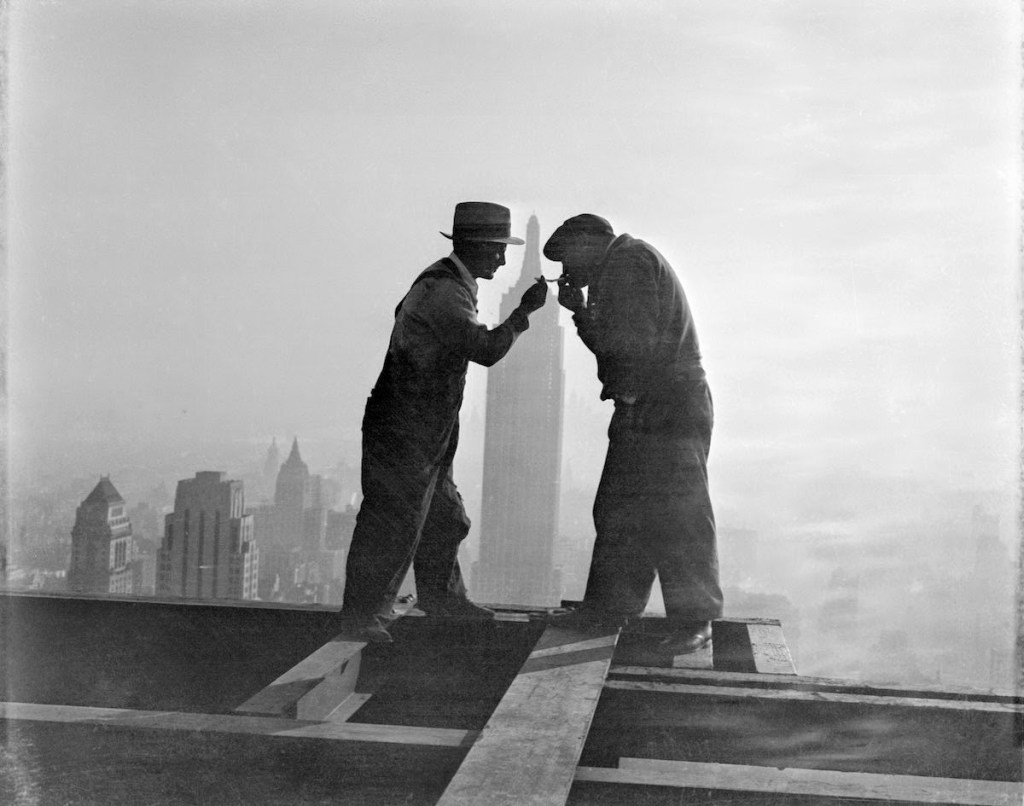
Sept. 29, 1930.Sep, 13. 1930. Carl Russell waves to his co-workers on the structural work of the 88th floor of the new Empire State Building.Sept. 29, 1930. Flirting with danger is just routine work for the steel workers arranging the steel frame for the Empire State Building, which will be the world’s tallest structure when completed.Sept. 29, 1930.Sept. 29, 1930.Sept. 29, 1930. An odd photographic trick placed this steelworker’s finger on the lofty pinnacle of the Chrysler Building. This view was taken from the Empire State Building, the world’s tallest building, which is now rising on the site of the old Waldorf-Astoria in New York City. A mooring mast for dirigibles will cap this 1,284-foot structure.Oct. 29, 1930. A construction worker hangs from an industrial crane during the construction of the Empire State Building.Jan. 26, 1932. It may be painful for the ant-like spectators in the street below, but it’s all in a day’s work for these smiling window washers as they go about their precarious work cleaning up the Empire State Building, world’s tallest structure, at dizzy heights of hundreds of feet above the street.Jan. 26, 1932. The startling ‘shot’ was made by the photographer looking down upon the window washers on the 34th street side of the world-famed building. Note the tiny insects that are motor cars and pedestrians.Dec. 2, 1932. A striking silhouette atop the gigantic RCA Building in Rockefeller Center, New York, as workmen light their cigarettes at the end of a working day. The Empire State Building rises dramatically in the background.Mar. 24, 1936. An unusual picture of one of the intrepid window washers working on the Empire State Building, as he pauses in his task to draw a lung-full of clean air at his height. With the oncoming of the warmer weather our skyscrapers begin to look like giant ant-hills as these washers clamber over the faces of the structures calmly doing their nerve-tingling work. Or maybe the fellow pictured here is just issuing an invitation to the cameraman to come a little closer.Sept. 19, 1930. Workmen at the new Empire State building that is being erected on the site of the old Waldorf Astoria Hotel at 34th Street and 5th Avenue. in New York, by a corporation headed by the former Governor Al Smith, raised a flag on the 88th story of the great building, 1,048 feet above the street. The flag thus is at the highest point in the city higher then the Crystler Building. Photo shows the workmen at the ceremonies.Sept. 29, 1930. Erected on the site of the old Waldorf Astoria, this building will rise 1,284 feet into the air. A zeppelin mooring mast will cap this engineering feat.July 30, 1945. Workmen erect scaffolding on the 33rd Street Side of the Empire State Building as reconstruction work on the skyscraper begins. In spite of the damage the structure suffered when a B-25 crashed between the 78th and 79th stories, the world’s tallest building was open today (July 30th), two days after the tragic accident.Feb. 28, 1956. Workmen place one of the new beacon lights in position on the 90th floor of an impressive electronic crown in the form of four far-reaching night beacons. Combined, the four Empire State Night lights will generate almost two billion candle power of light and will be the brightest continuous source of man-made light in the world. Engineers say the beacons can be seen from as far as 300 miles. Cost of the installation is $250,000.
On February 19, 1841 one of Portugals most prolific serial killers was hanged for killing over seventy people. Diogo Alves, or, as he would infamously become known as, the “Aqueduct Murderer” would go on a 5 year crime spree (1836-1840) that would keep Lisbon, Portugal firmly in the grip of fear during that time.
Diogo Alves is considered by many to be Portugal’s first serial killer. He was born in Galicia in 1810 and traveled to Lisbon as nineteen year old to work as a servant in the affluent homes of the capital city. Yet it did not take long for young Diogo to learn that crime paid a higher dividend. He began to drink and gamble and he fell in with an innkeeper by the name of Maria “Parreirinha” Gertrudes. It is through this association that it is believed Alves began his crime spree.
By 1836 Alves had been working for an influential family in a home located on the Aqueduto das Águas Livres, the Aqueduct of the Free Waters. Less than a half a mile long, the waterway allowed city dwellers and rural farmers the ability to traverse the rural landscape from above, making their way into the city of Lisbon.
It would be along this route that many unsuspecting travellers would meet Diogo Alves.
Many travellers were rural farmers going to Lisbon to sell their harvests. It would be on their return trip along the Aquaduct, with pockets full of money, that Diogo Alves would strike. Afterwards, Alves would throw them over the edge of the 213-foot tall structure, sending them falling to their deaths. Between 1836 and 1839, he would repeat this process some 70 times.
By 1840 the deaths along the Aquaduct had ceased. In the beginning police blamed the deaths on copycat suicides, which led to a temporary closure of the bridge. During this time Alves switched focus, and with a gang of murderous felons, began a series of break and enters into wealthy homeowners dwellings. The group was finally caught while killing four people inside the home of a local doctor, and Alves and his group was arrested.
While the murders on the aqueduct remained unproven, the jury sentenced Alves and his gang for other crimes, in particular, murdering the four family members of a doctor. Maria’s 11-year-old daughter, Maria de Conceicao, testified in court against the gang. Her mother was eventually sent to a lifelong exile in African colonies. The group were sentenced to death by hanging.
Alves was hanged to death in February of 1841. He was among the last people to die as a result of capital punishment before Portugal abolished capital punishment in 1867, but he wasn’t the last: Around half a dozen people followed him.
Alves actions did not go unnoticed by the then Medical-Surgical School of Lisbon. After his hanging, in an attempt to study his brain, Alves’ head was cut off and studied. Phrenology,the belief that certain mental or character traits were determined by the shape of one’s skull, was just becoming popular. The results of that study have been lost to time so the results are not known. It seems that they were never able to figure out why he killed so many people.
To this day the head is still preserved in a glass vessel in the anatomical theater of the University of Lisbon’s Faculty of Medicine, where a solution of formaldehyde has perpetuated the image of a calm man—quite contrary to what he really was.