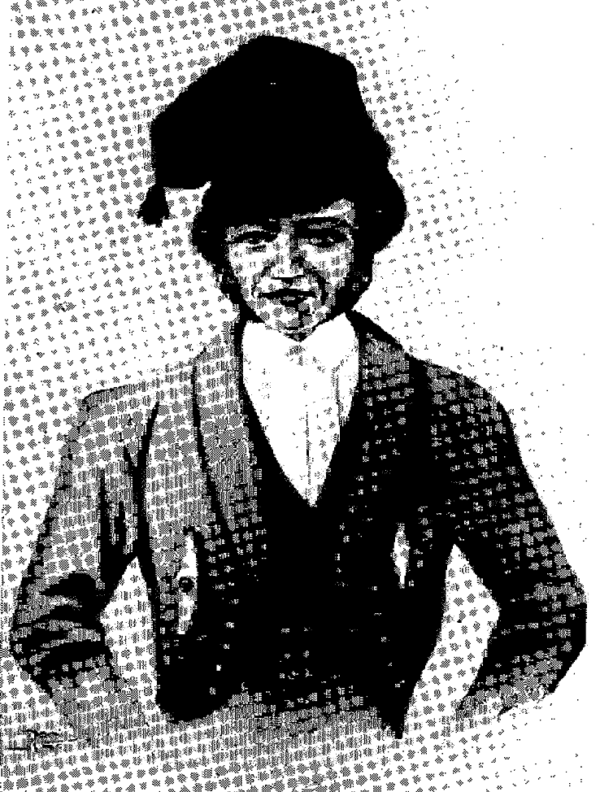
On February 19, 1841 one of Portugals most prolific serial killers was hanged for killing over seventy people. Diogo Alves, or, as he would infamously become known as, the “Aqueduct Murderer” would go on a 5 year crime spree (1836-1840) that would keep Lisbon, Portugal firmly in the grip of fear during that time.
Diogo Alves is considered by many to be Portugal’s first serial killer. He was born in Galicia in 1810 and traveled to Lisbon as nineteen year old to work as a servant in the affluent homes of the capital city. Yet it did not take long for young Diogo to learn that crime paid a higher dividend. He began to drink and gamble and he fell in with an innkeeper by the name of Maria “Parreirinha” Gertrudes. It is through this association that it is believed Alves began his crime spree.
By 1836 Alves had been working for an influential family in a home located on the Aqueduto das Águas Livres, the Aqueduct of the Free Waters. Less than a half a mile long, the waterway allowed city dwellers and rural farmers the ability to traverse the rural landscape from above, making their way into the city of Lisbon.
It would be along this route that many unsuspecting travellers would meet Diogo Alves.
Many travellers were rural farmers going to Lisbon to sell their harvests. It would be on their return trip along the Aquaduct, with pockets full of money, that Diogo Alves would strike. Afterwards, Alves would throw them over the edge of the 213-foot tall structure, sending them falling to their deaths. Between 1836 and 1839, he would repeat this process some 70 times.
By 1840 the deaths along the Aquaduct had ceased. In the beginning police blamed the deaths on copycat suicides, which led to a temporary closure of the bridge. During this time Alves switched focus, and with a gang of murderous felons, began a series of break and enters into wealthy homeowners dwellings. The group was finally caught while killing four people inside the home of a local doctor, and Alves and his group was arrested.
While the murders on the aqueduct remained unproven, the jury sentenced Alves and his gang for other crimes, in particular, murdering the four family members of a doctor. Maria’s 11-year-old daughter, Maria de Conceicao, testified in court against the gang. Her mother was eventually sent to a lifelong exile in African colonies. The group were sentenced to death by hanging.
Alves was hanged to death in February of 1841. He was among the last people to die as a result of capital punishment before Portugal abolished capital punishment in 1867, but he wasn’t the last: Around half a dozen people followed him.
Alves actions did not go unnoticed by the then Medical-Surgical School of Lisbon. After his hanging, in an attempt to study his brain, Alves’ head was cut off and studied. Phrenology,the belief that certain mental or character traits were determined by the shape of one’s skull, was just becoming popular. The results of that study have been lost to time so the results are not known. It seems that they were never able to figure out why he killed so many people.
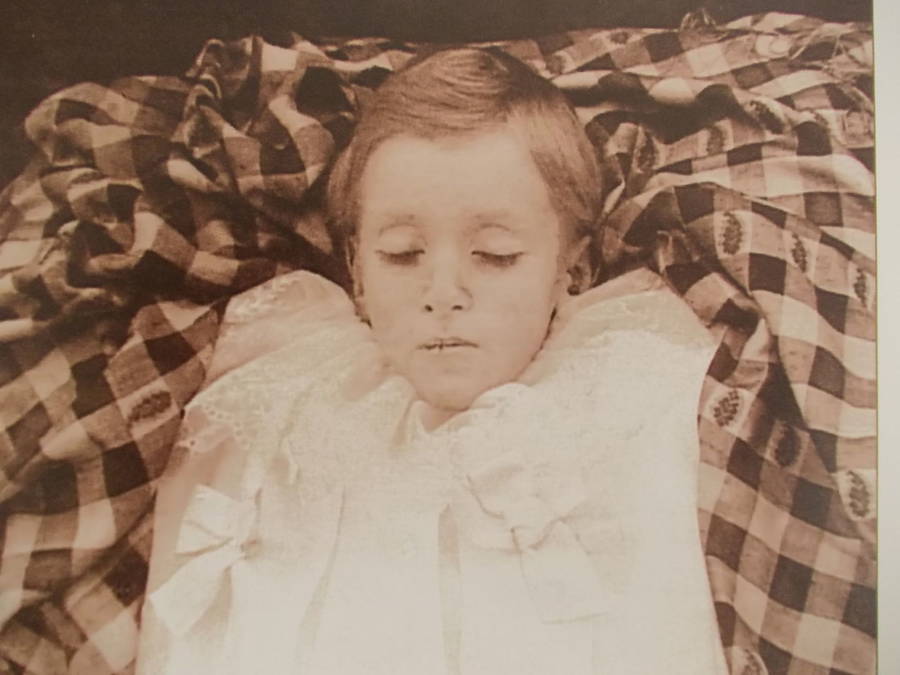
To this day the head is still preserved in a glass vessel in the anatomical theater of the University of Lisbon’s Faculty of Medicine, where a solution of formaldehyde has perpetuated the image of a calm man—quite contrary to what he really was.
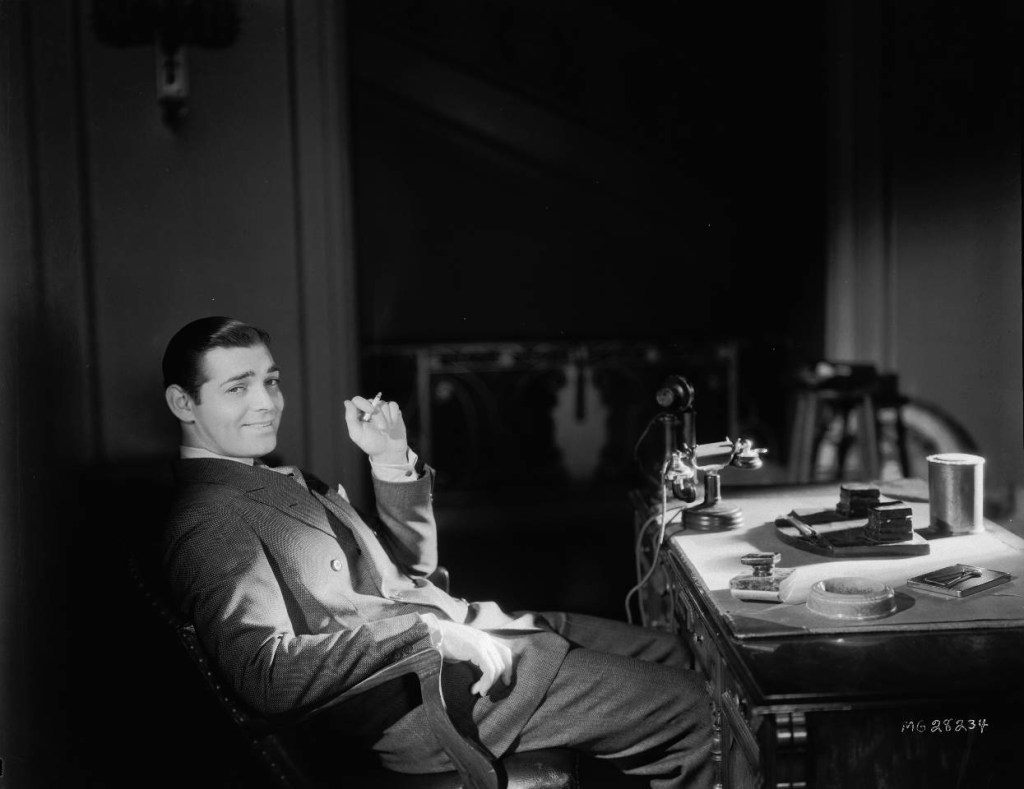
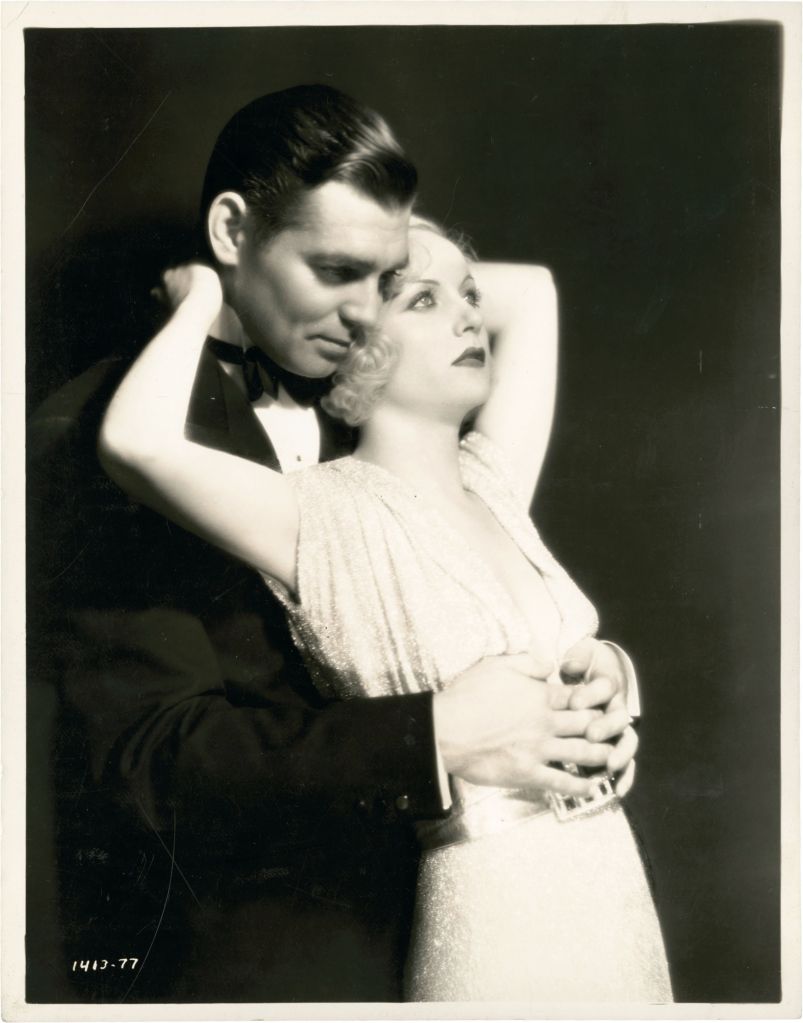
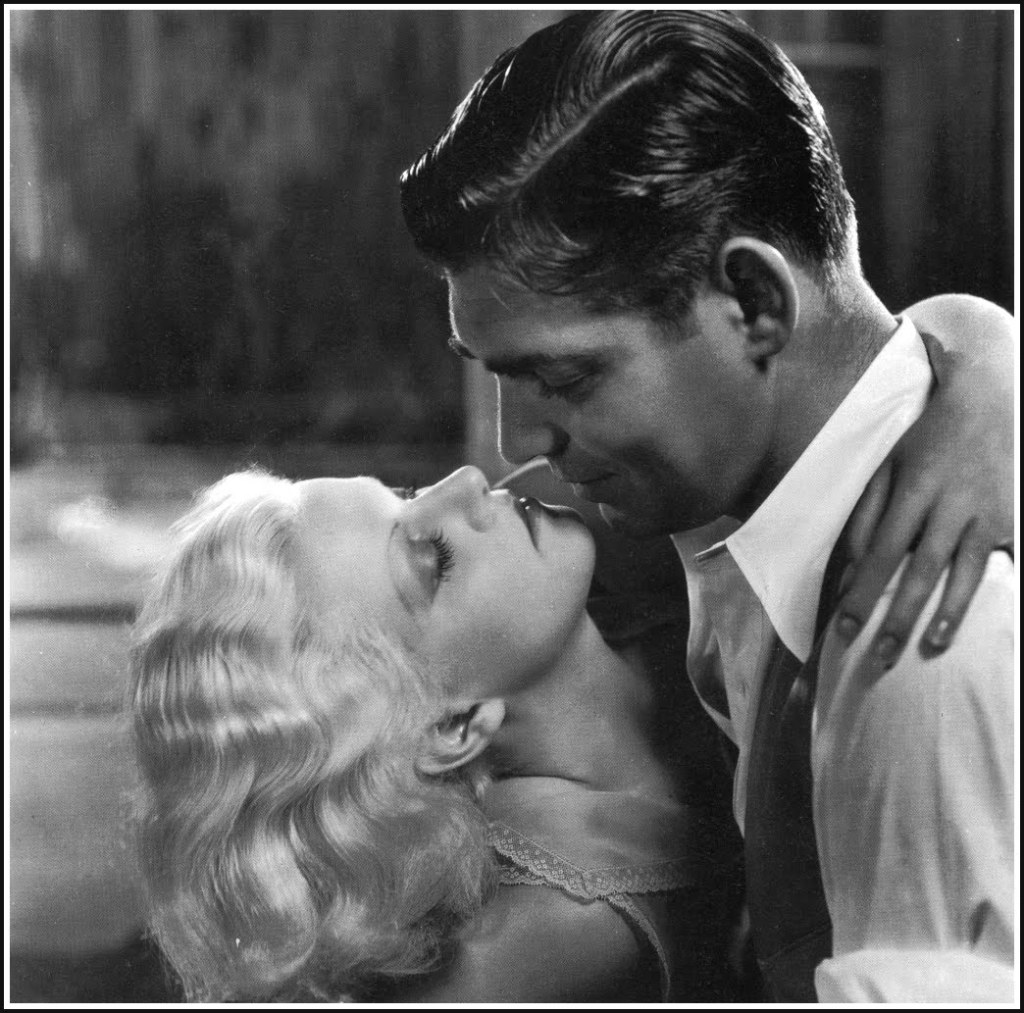
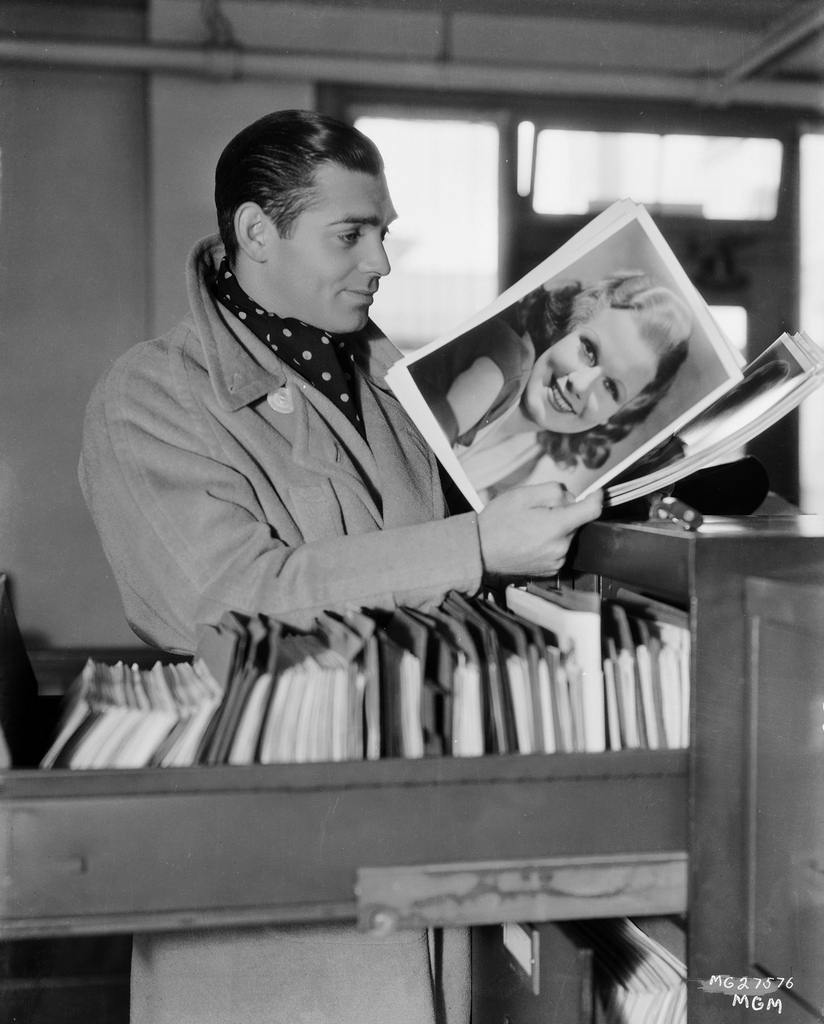
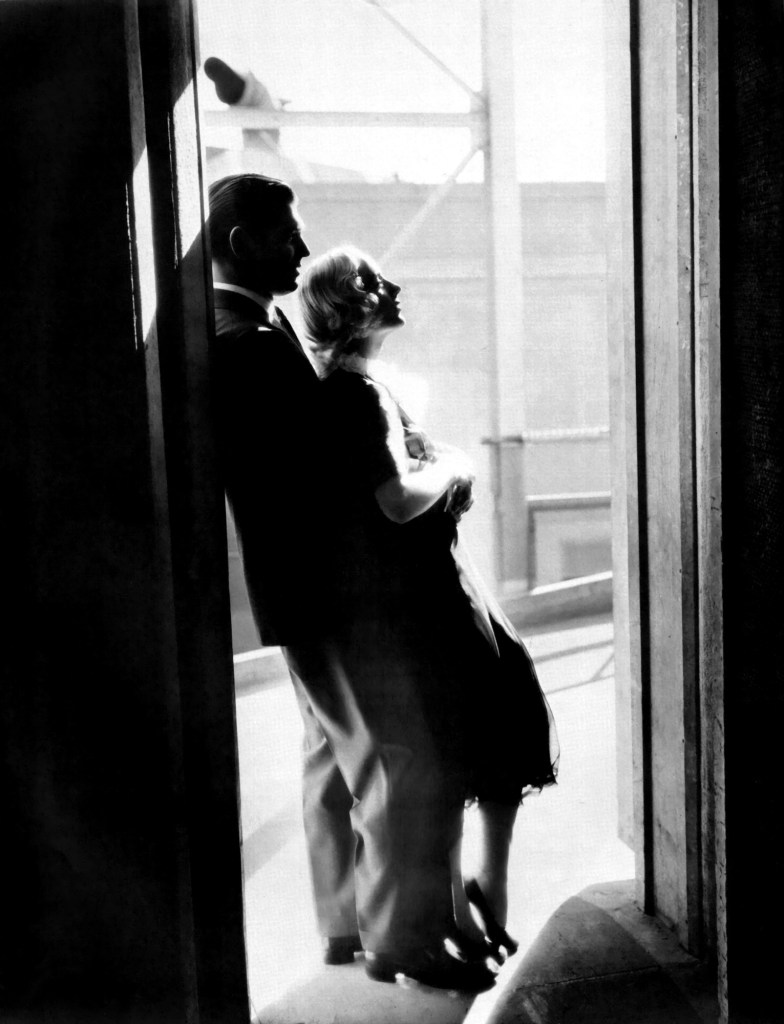
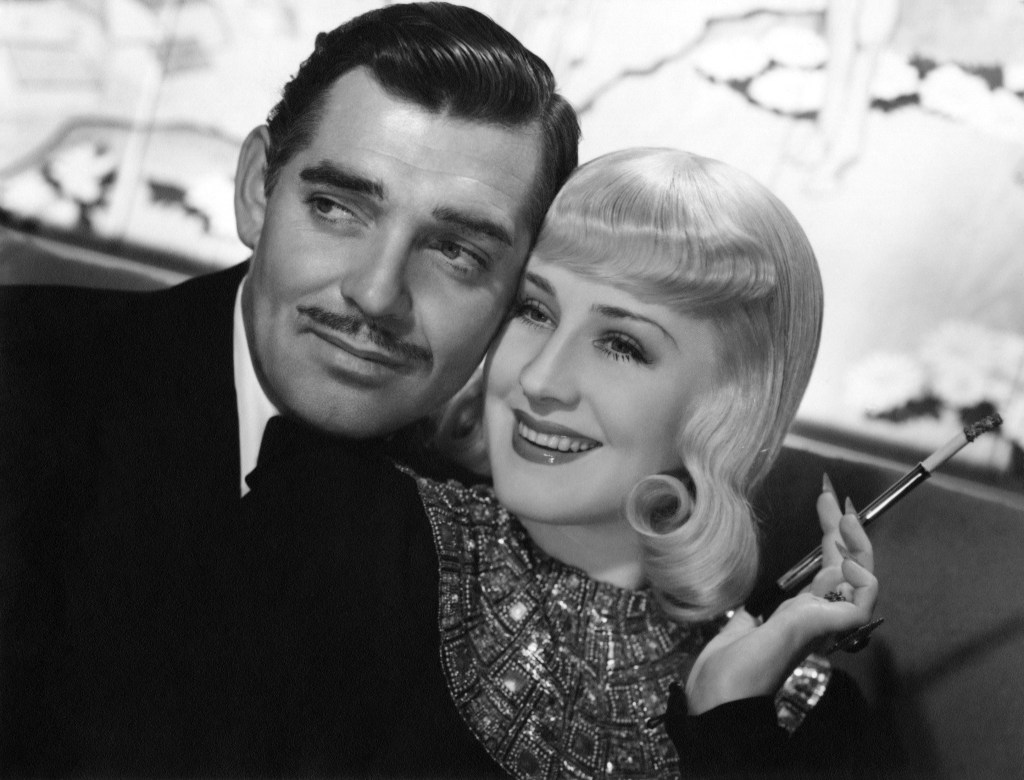
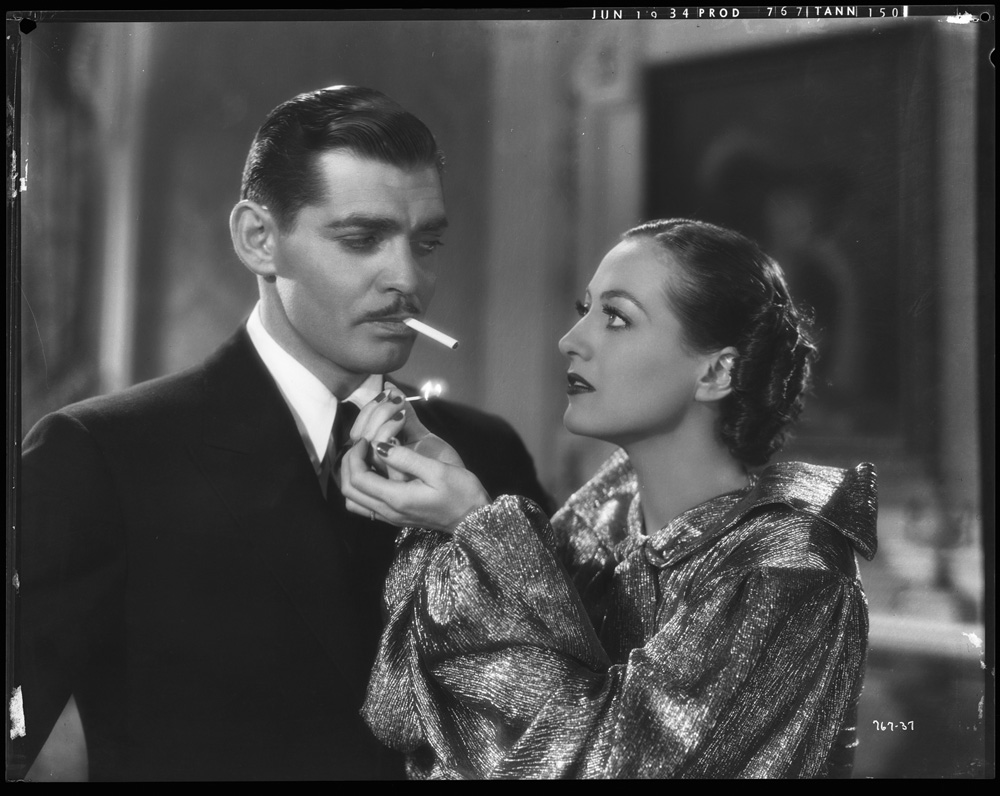
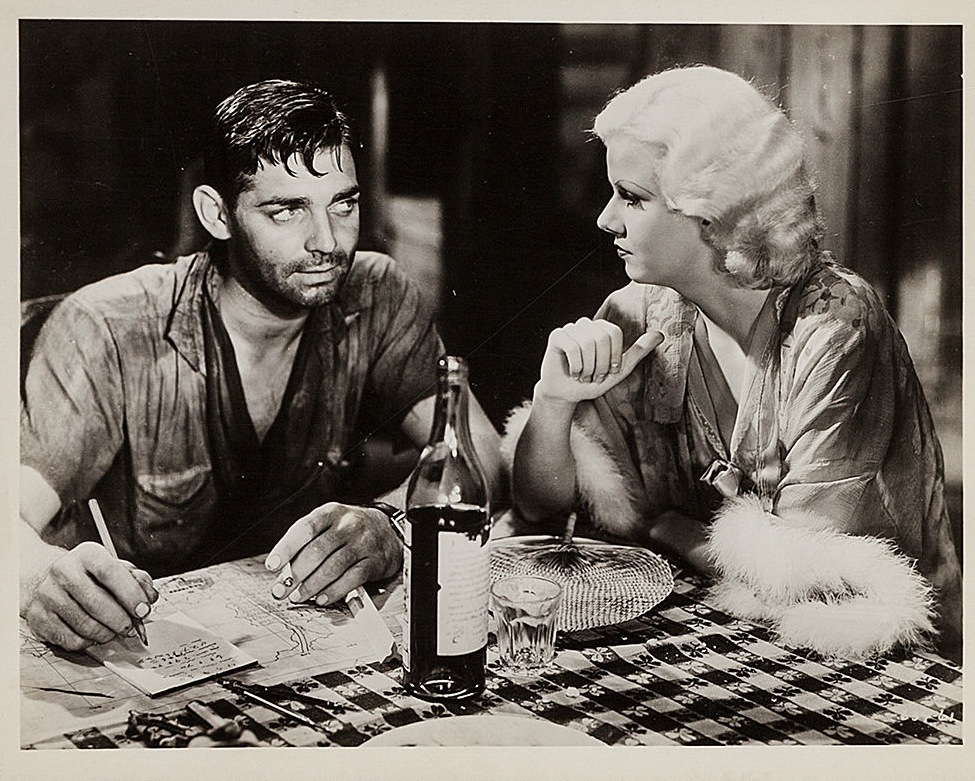
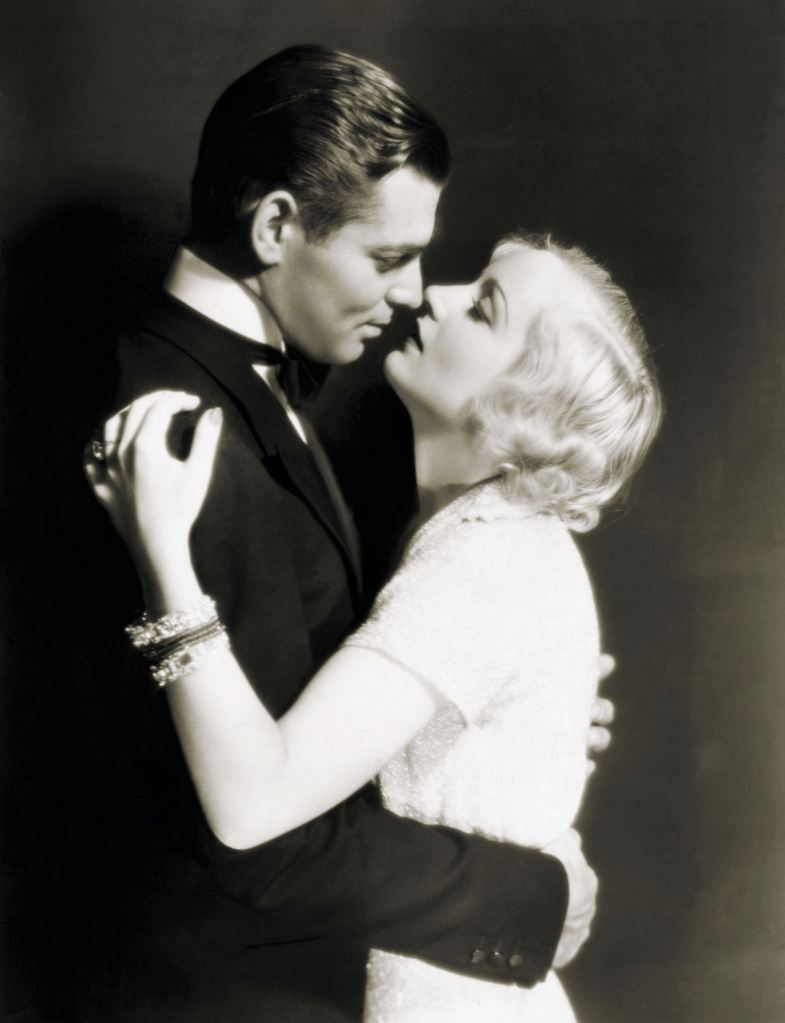
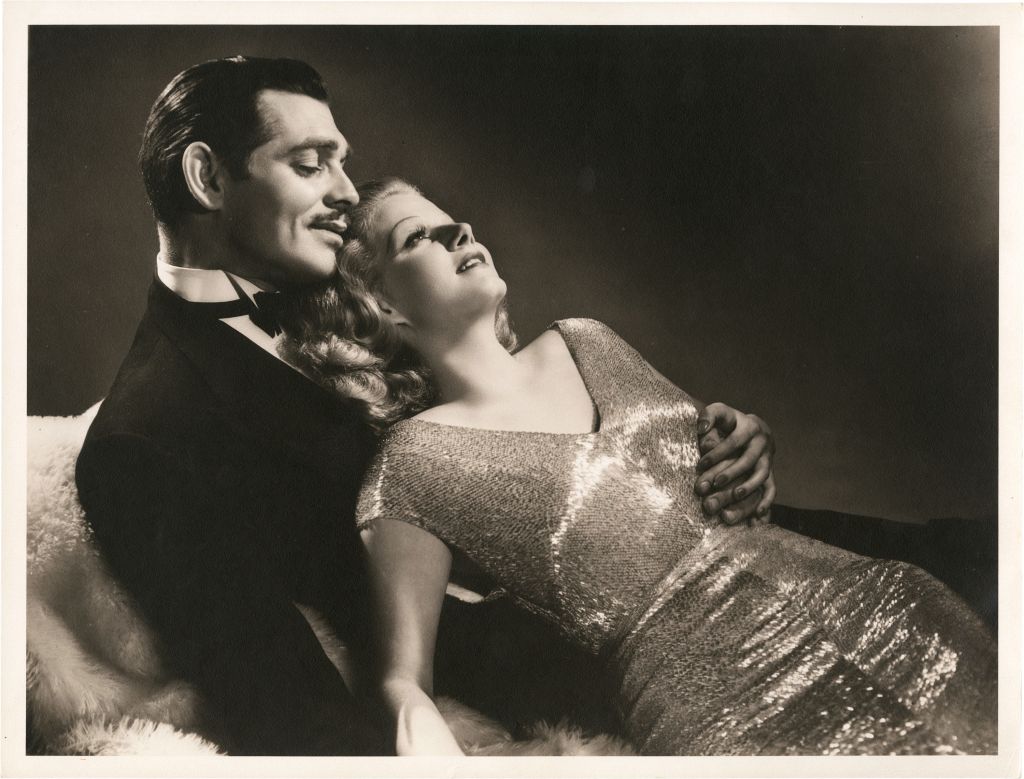
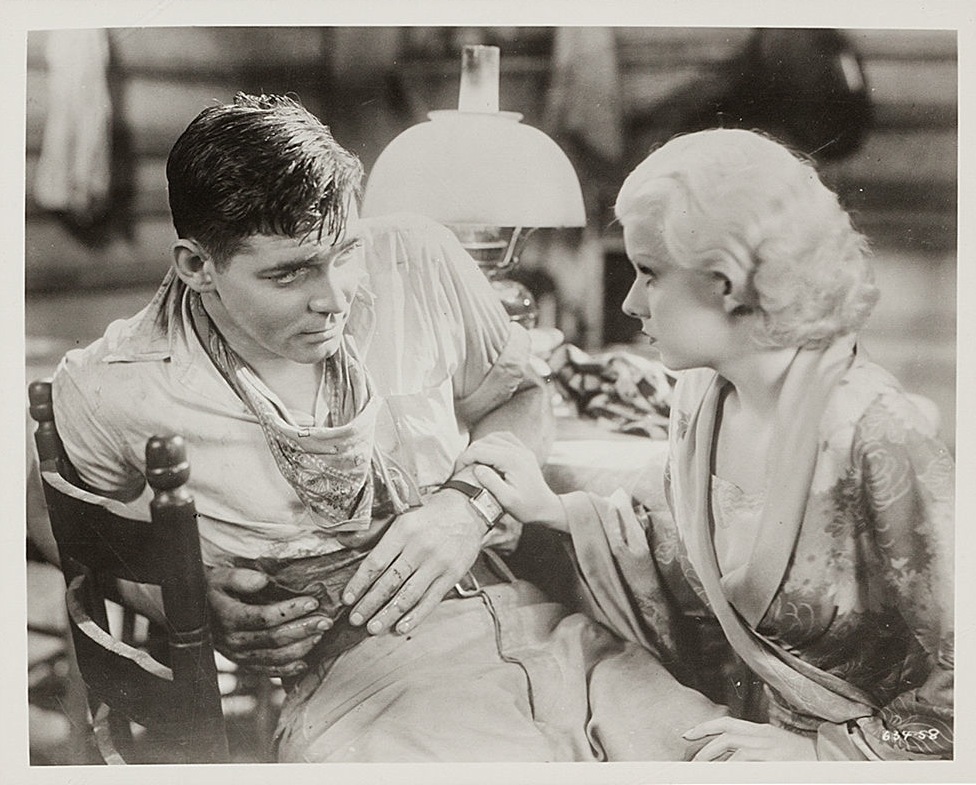
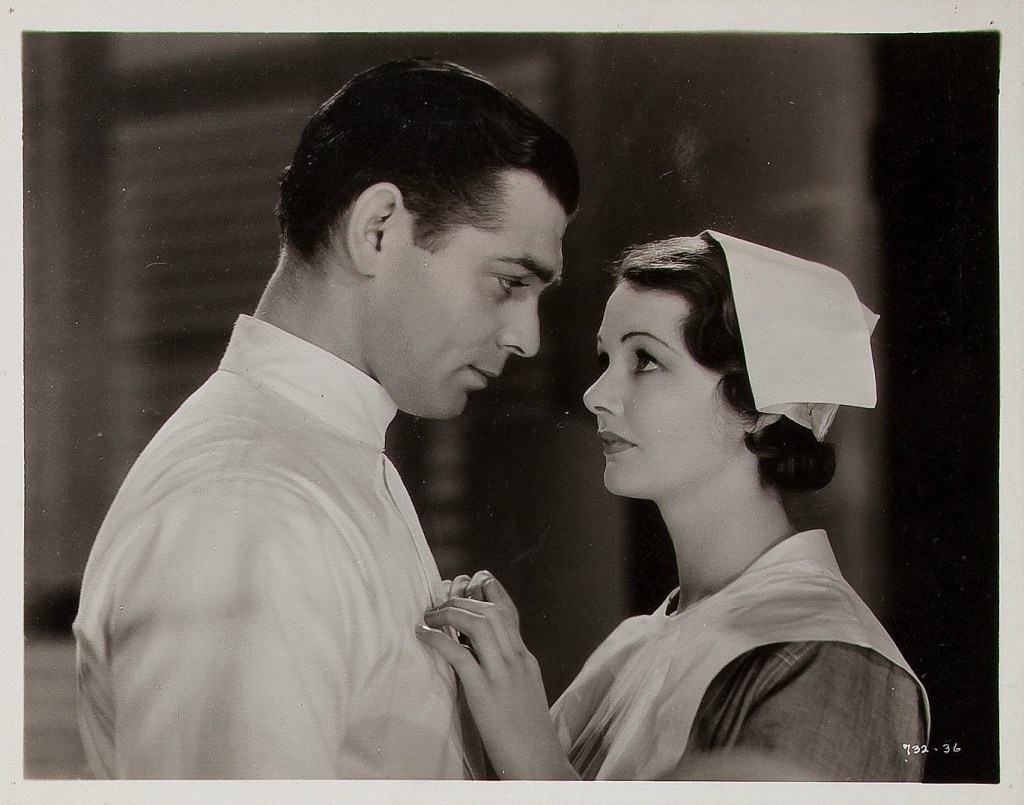
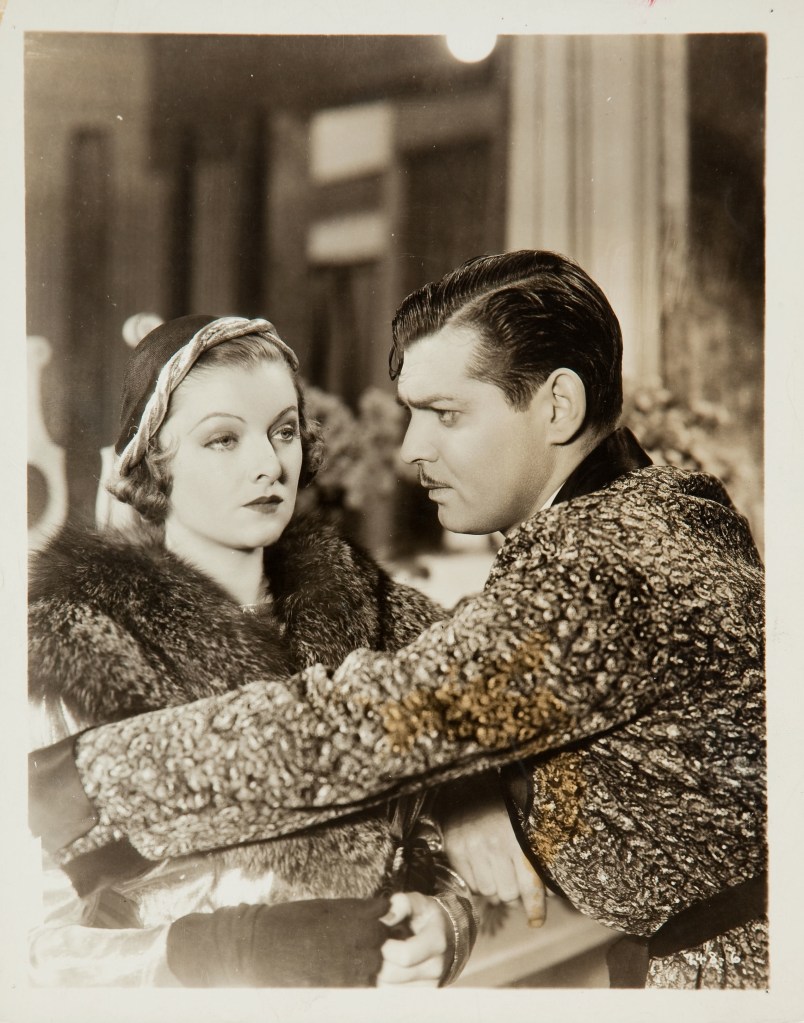
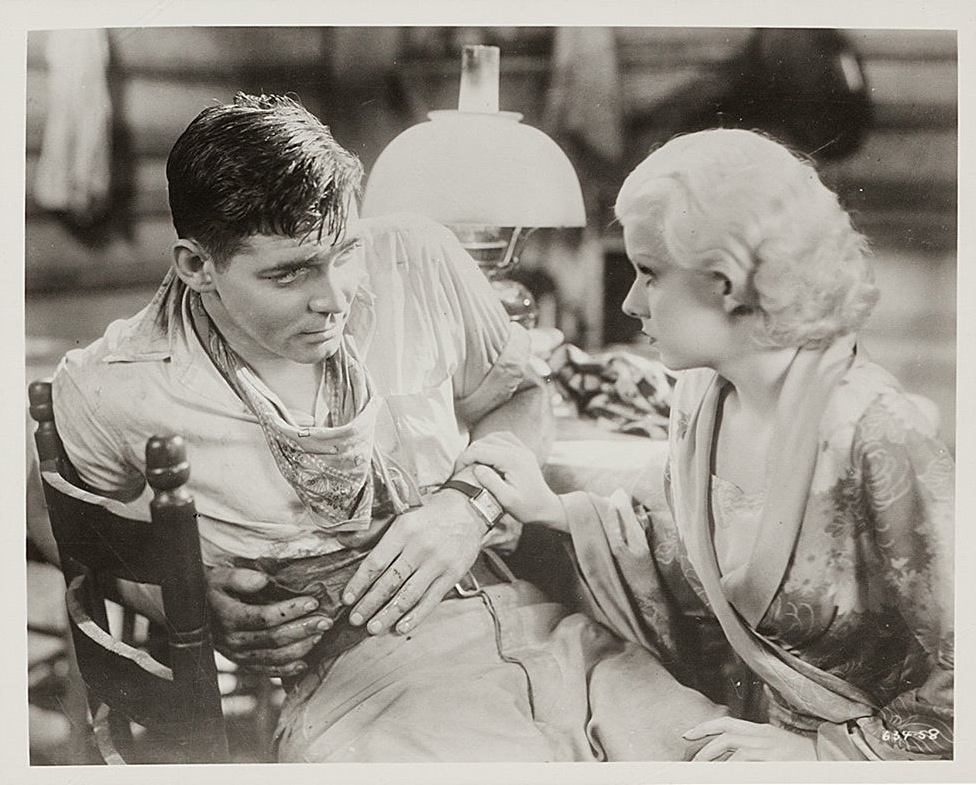
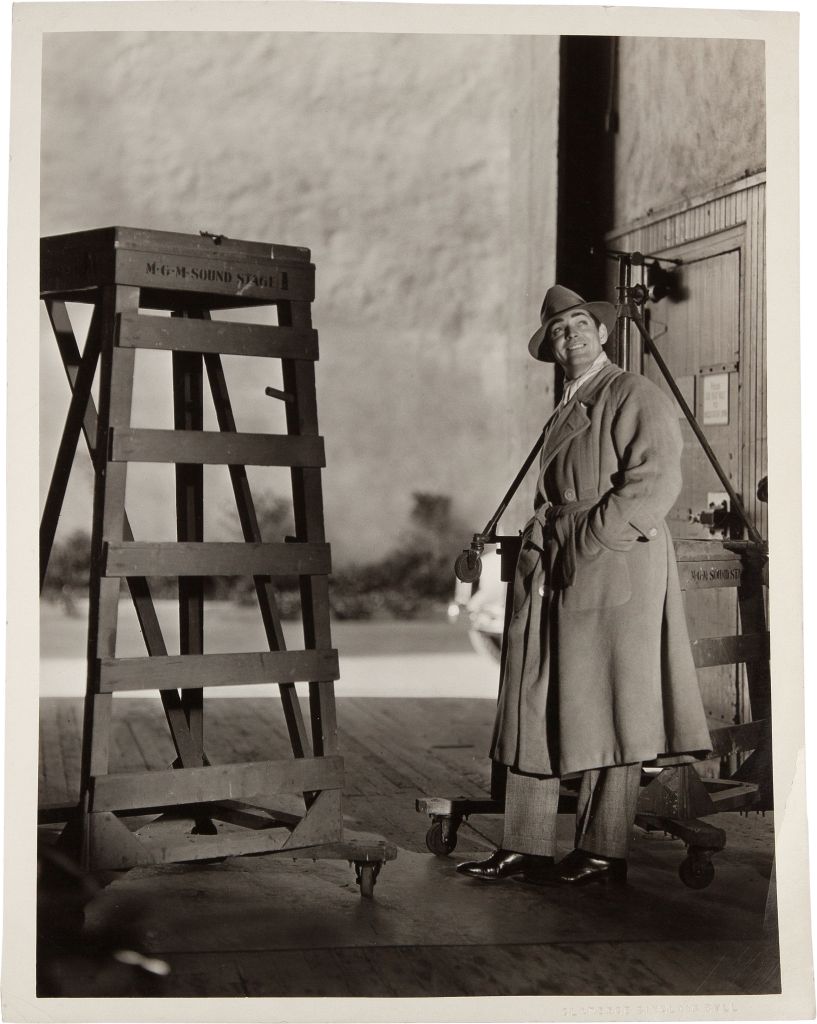
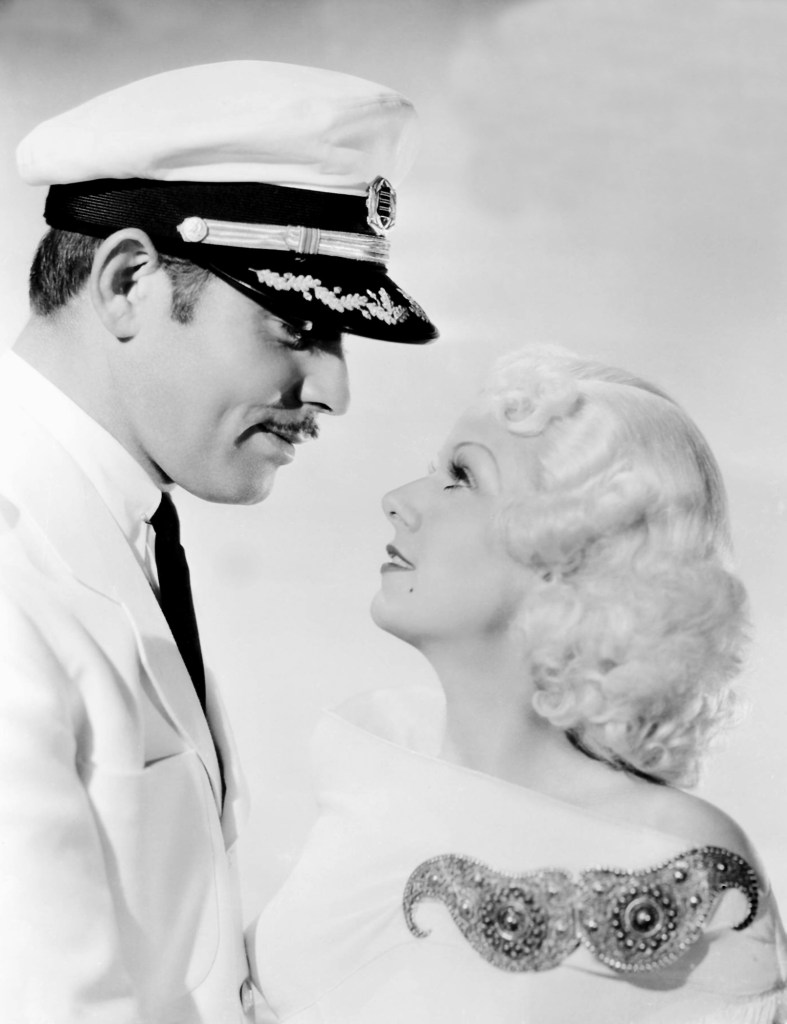
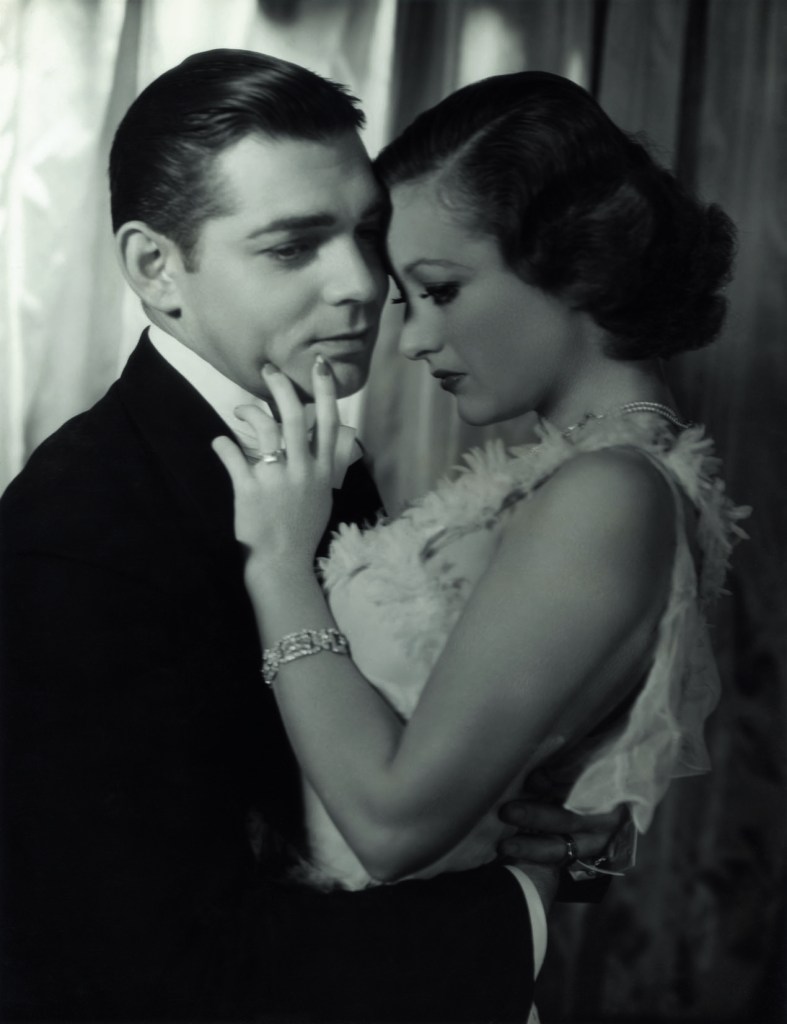
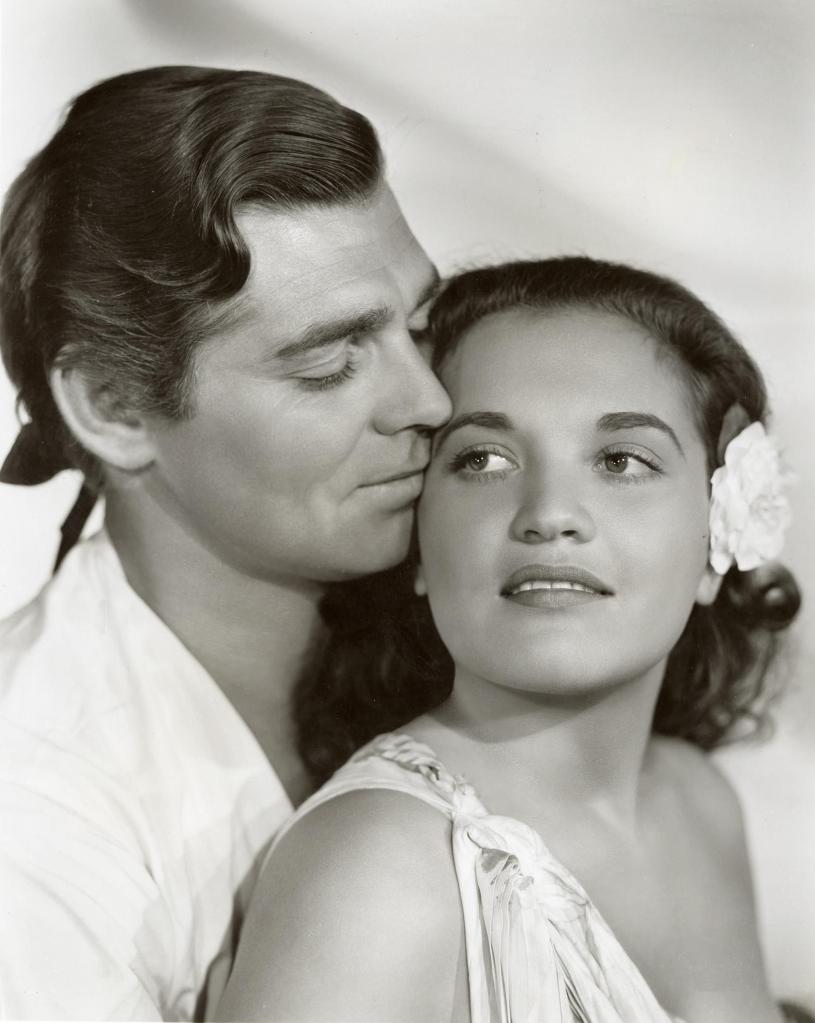
Clark Gable and Carol Lombard in “No Man of her Own”, 1932Scanned by Frederic. Reworked by Nick & jane for Dr. Macro’s High Quality Movie Scans website: http://www.doctormacro.com. Enjoy!8th December 1932: American actor Clark Gable (1901 – 1960) admiring a photograph of actress Jean Harlow, with whom he co-starred in six films.
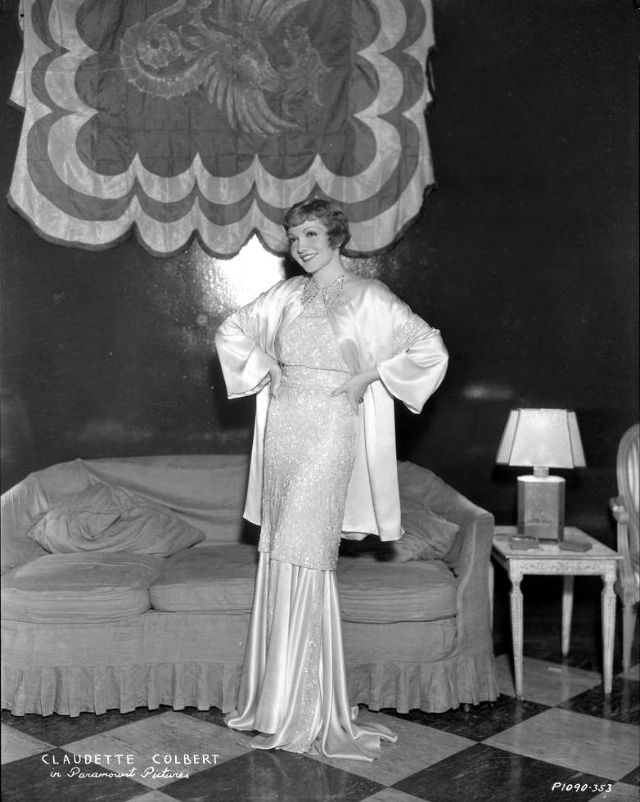
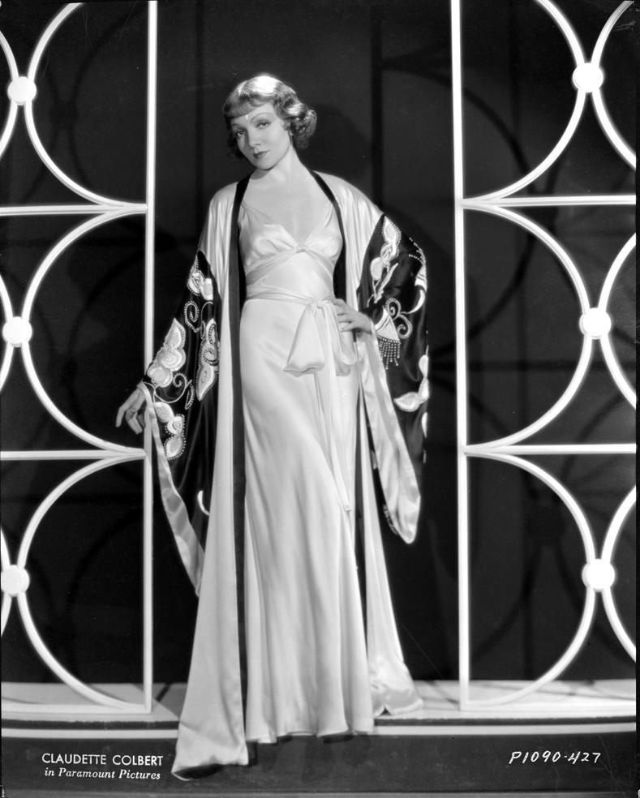
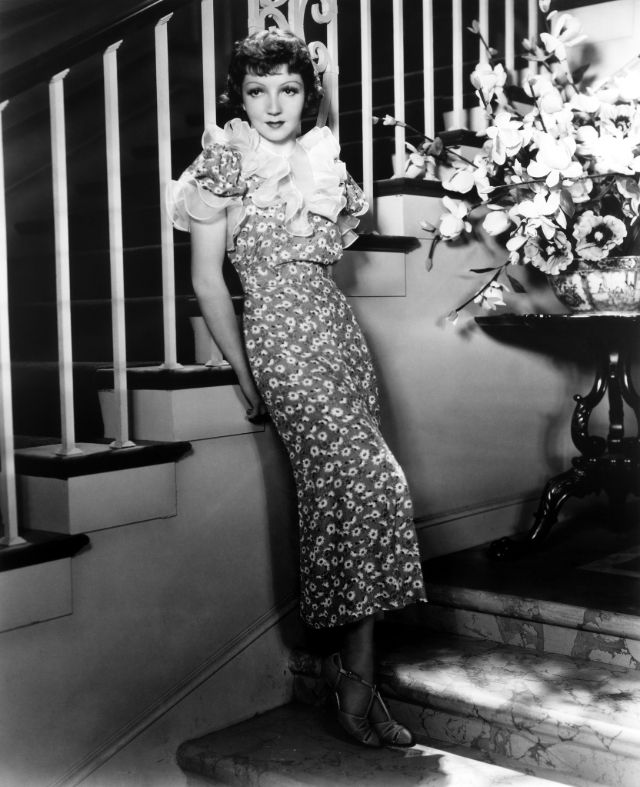
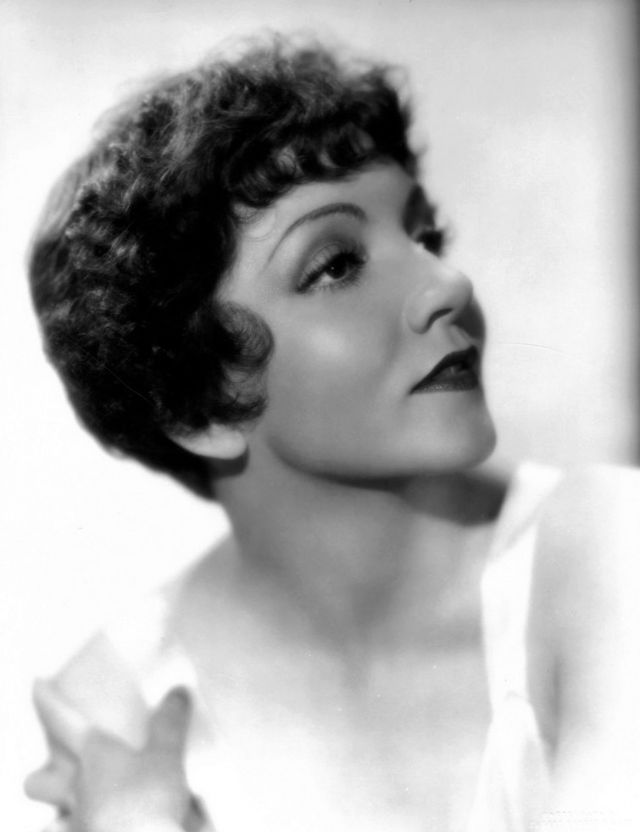
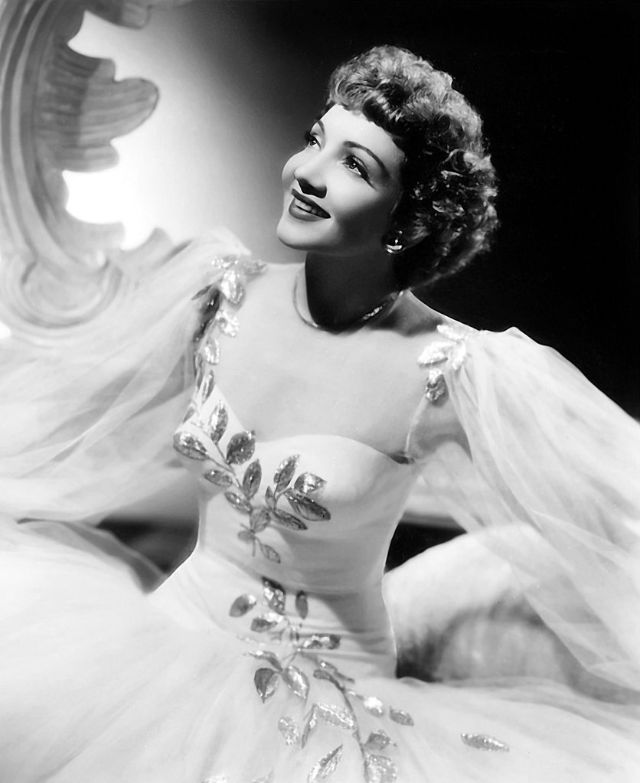
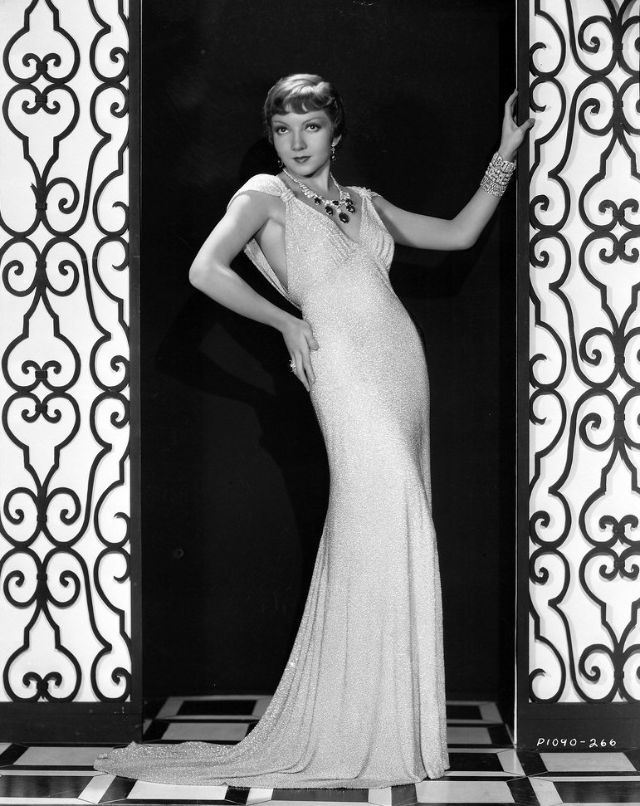
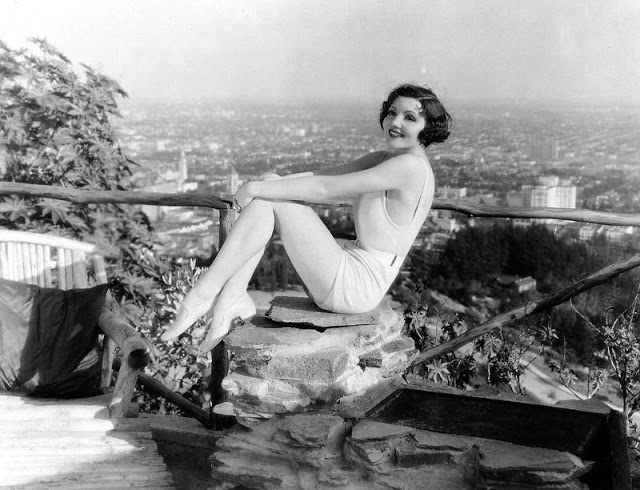
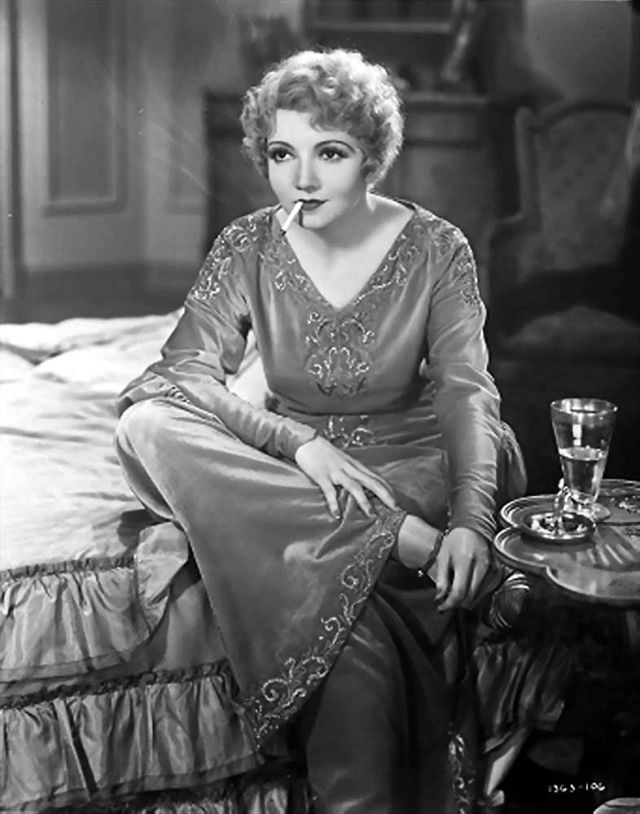
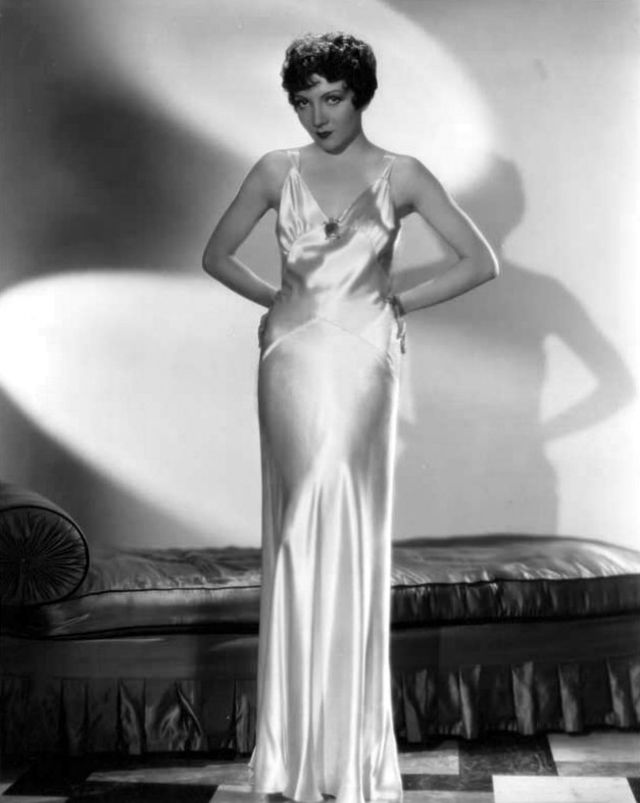
Born 1903 in Saint-Mandé, France, American stage and film actress Claudette Colbert began her career in Broadway productions during the late 1920s and progressed to motion pictures with the advent of sound film. Initially associated with Paramount Pictures, she gradually shifted to working as a freelance actress. She won the Academy Award for Best Actress in It Happened One Night (1934), and received two other Academy Award nominations. Other notable films include Cleopatra (1934) and The Palm Beach Story (1942).
With her round face, big eyes, charming, aristocratic manner, and flair for light comedy, as well as emotional drama, Colbert was known for a versatility that led to her becoming one of the best-paid stars of the 1930s and 1940s. She was a leading lady in Hollywood for over two decades, and has been called “The mixture of inimitable beauty, sophistication, wit, and vivacity”.
During her career, Colbert starred in more than 60 movies. She was the industry’s highest-paid star in 1938 and 1942. By the early 1950s, Colbert had basically retired from the screen in favor of television and stage work, and she earned a Tony Award nomination for The Marriage-Go-Round in 1959. Her career tapered off during the early 1960s, but in the late 1970s she experienced a career resurgence in theater, earning a Sarah Siddons Award for her Chicago theater work in 1980. For her television work in The Two Mrs. Grenvilles (1987), she won a Golden Globe Award and received an Emmy Award nomination.
Colbert sustained a series of small strokes during the last three years of her life. She died in 1996 at her second home in Barbados.
In 1999, the American Film Institute posthumously voted Colbert the 12th-greatest female star of classic Hollywood cinema.
Take a look at these charming photos to see the beauty of Claudette Colbert in the 1920s and 1930s.
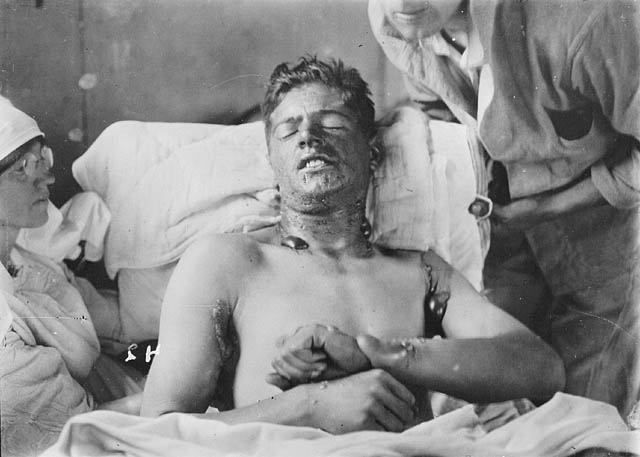
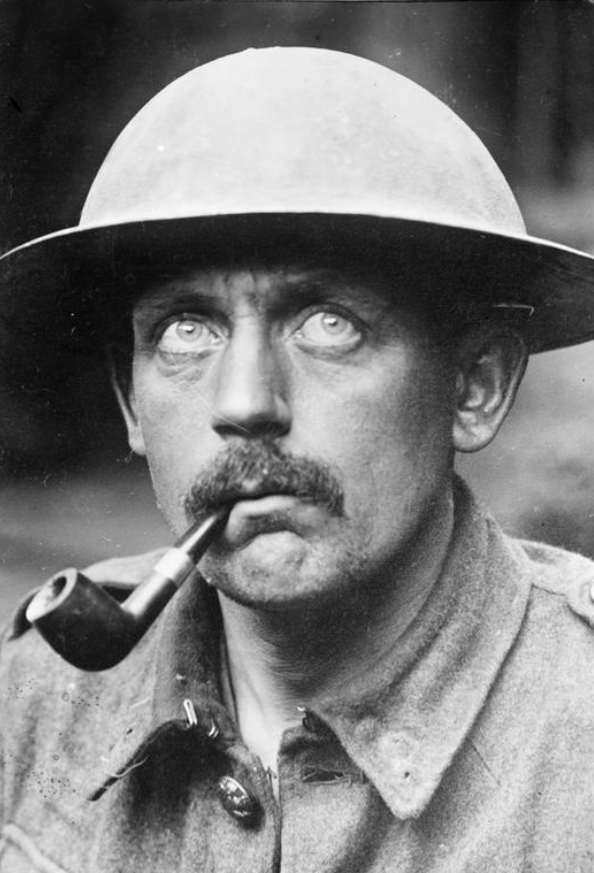
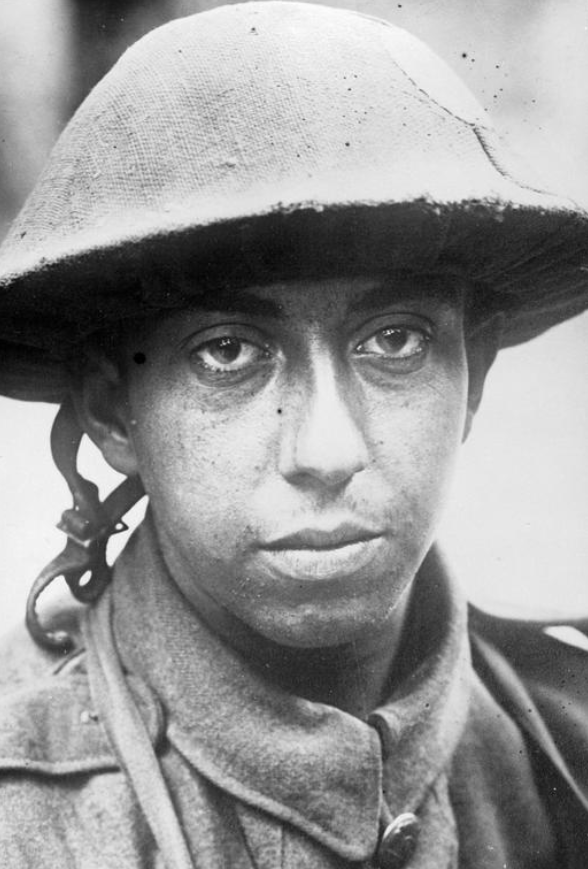
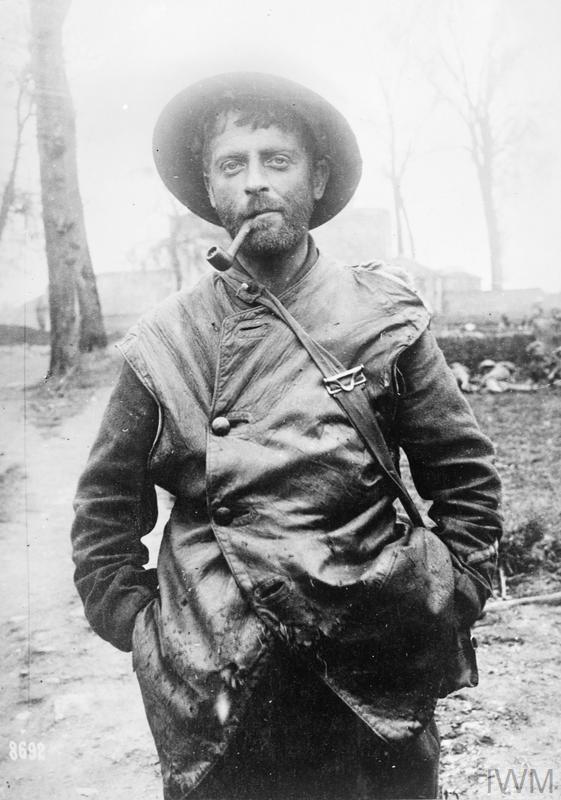
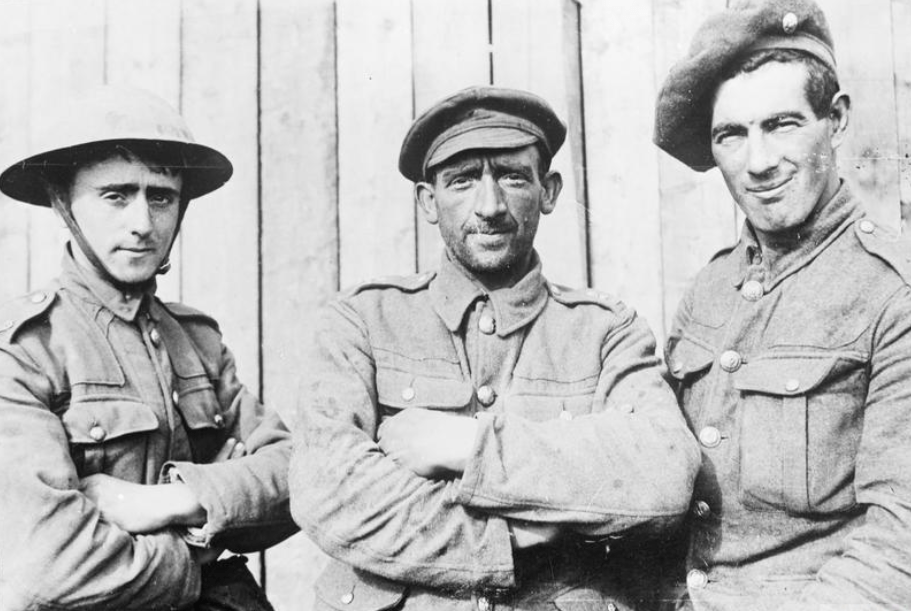
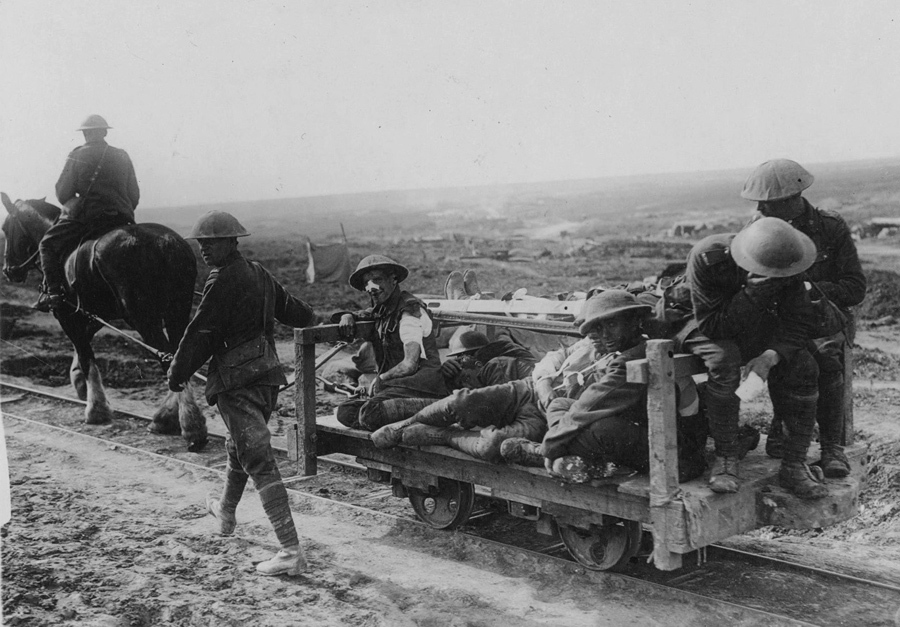
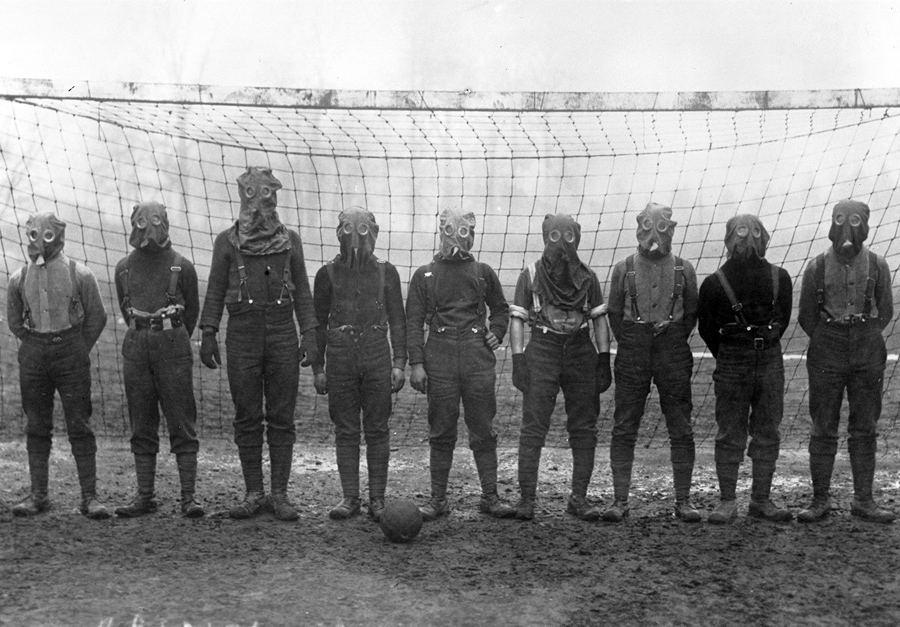
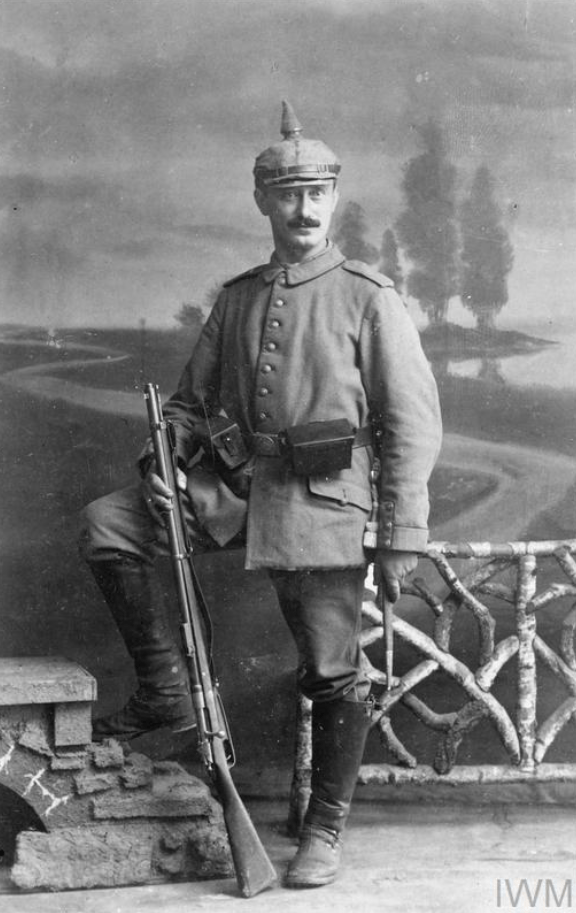
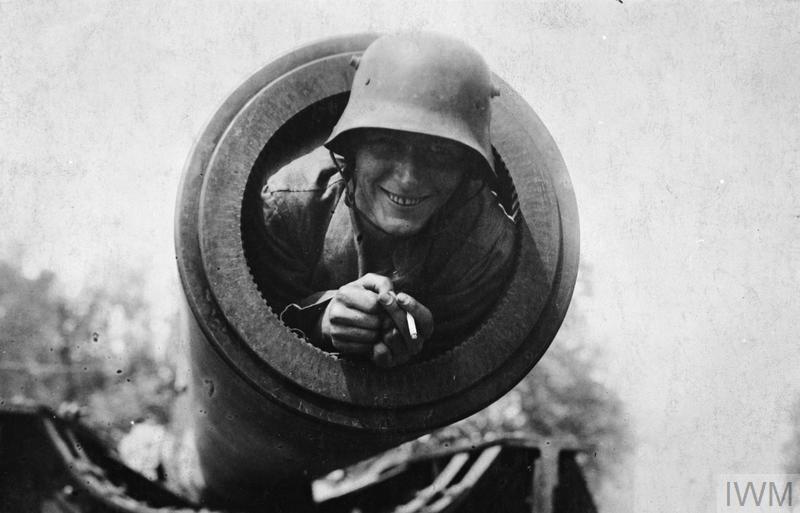
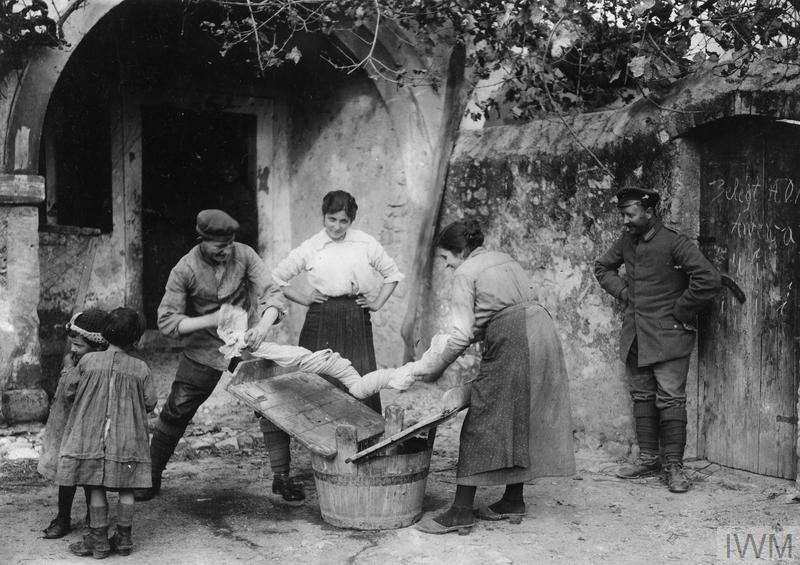
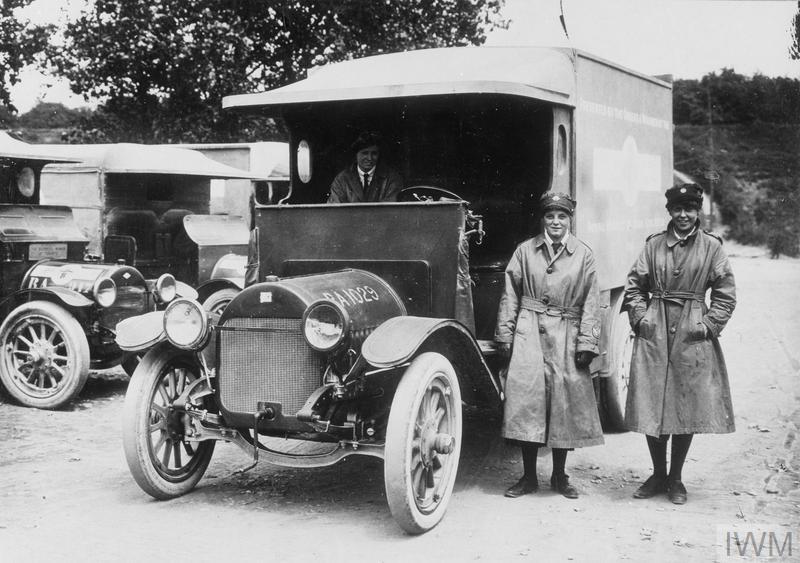
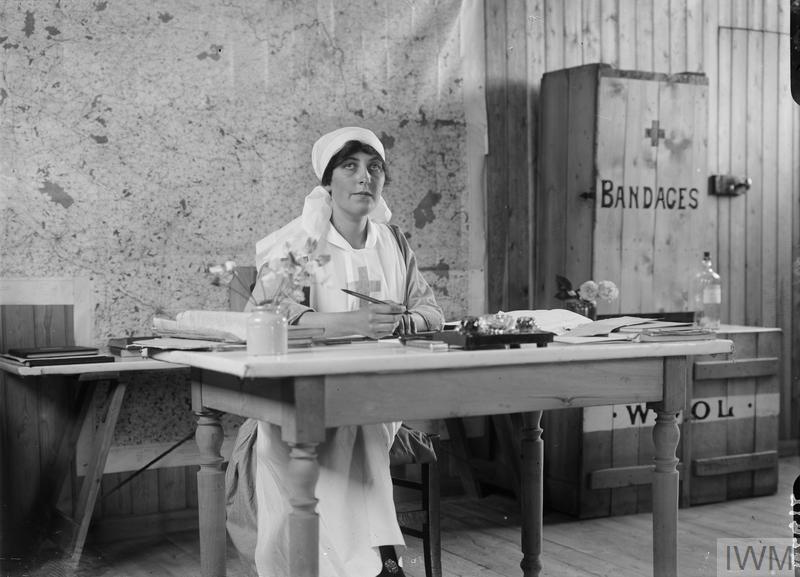
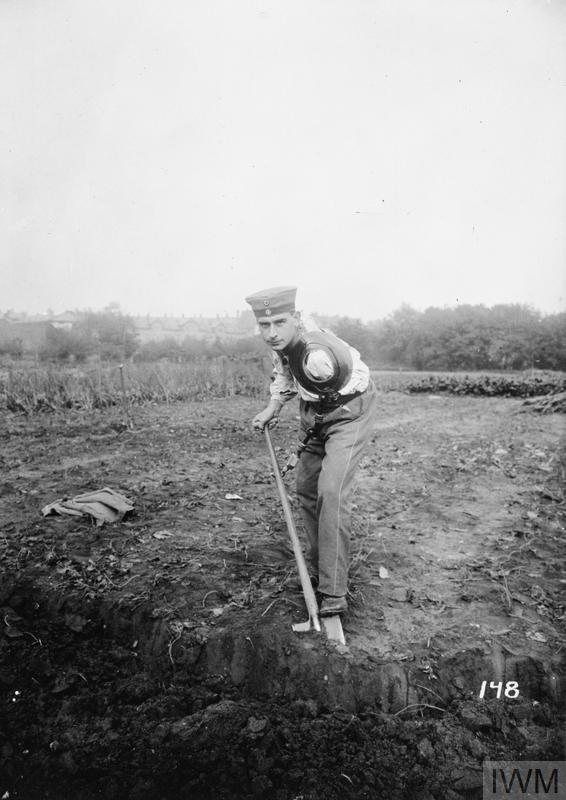
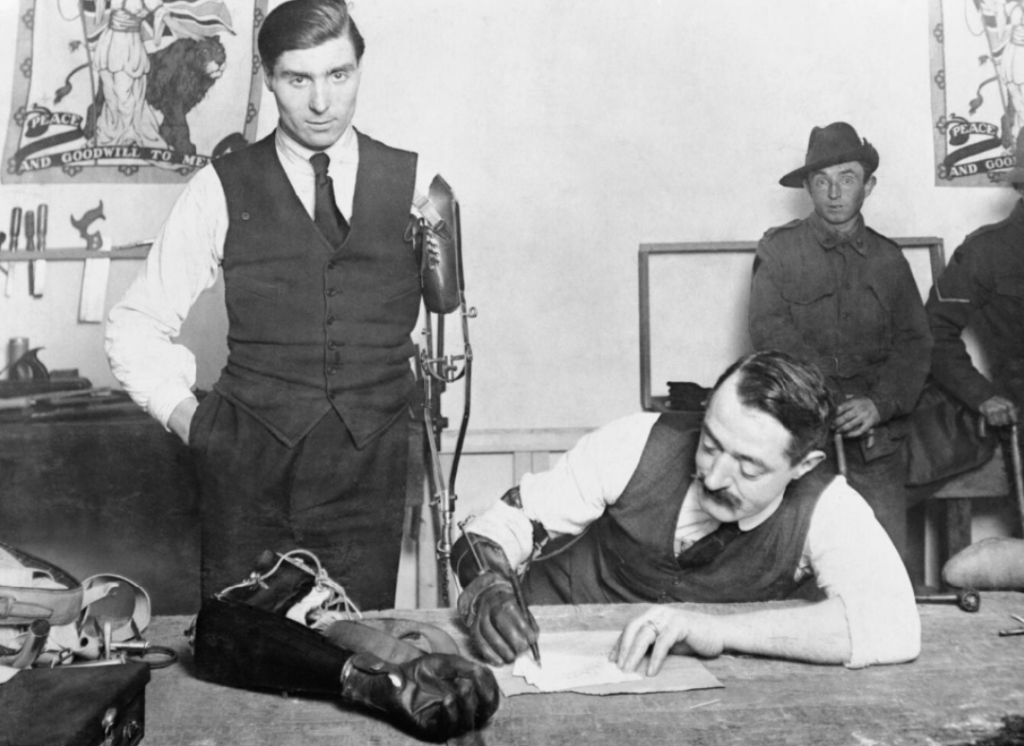
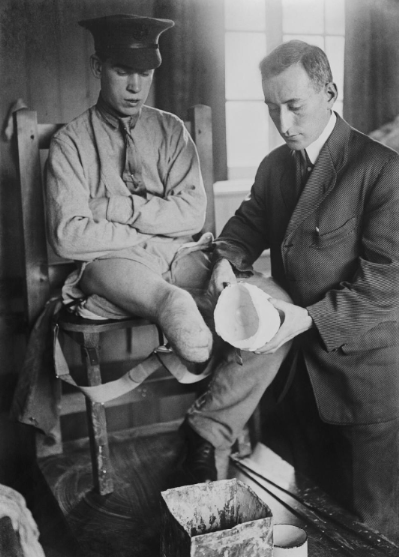
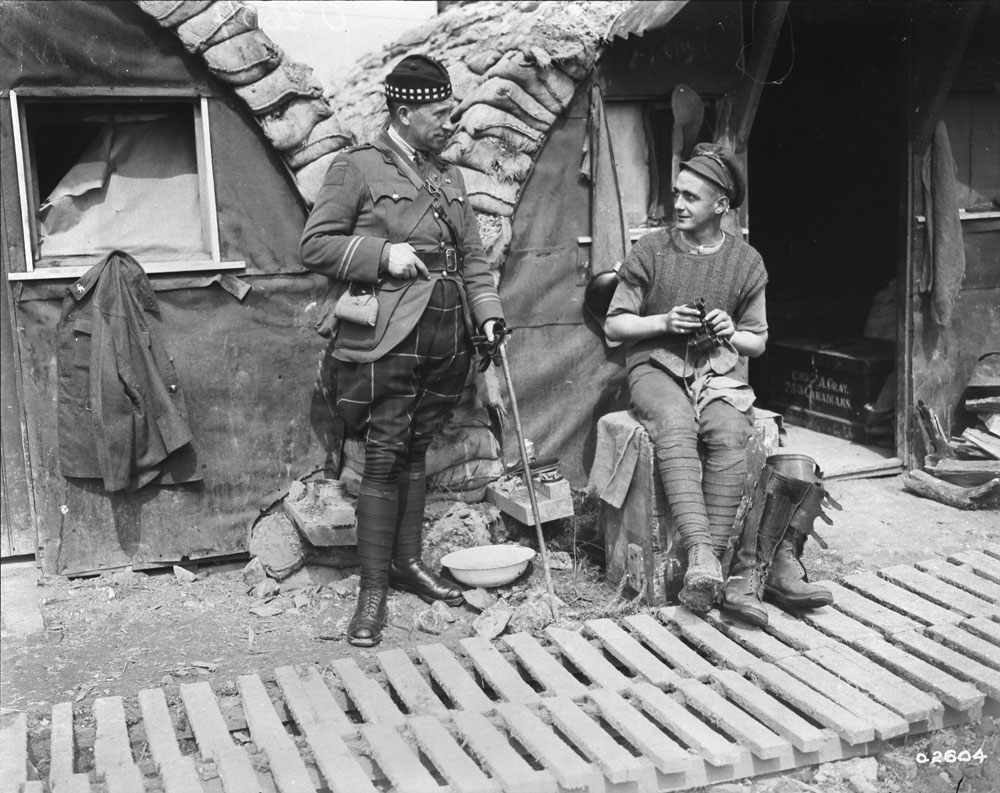
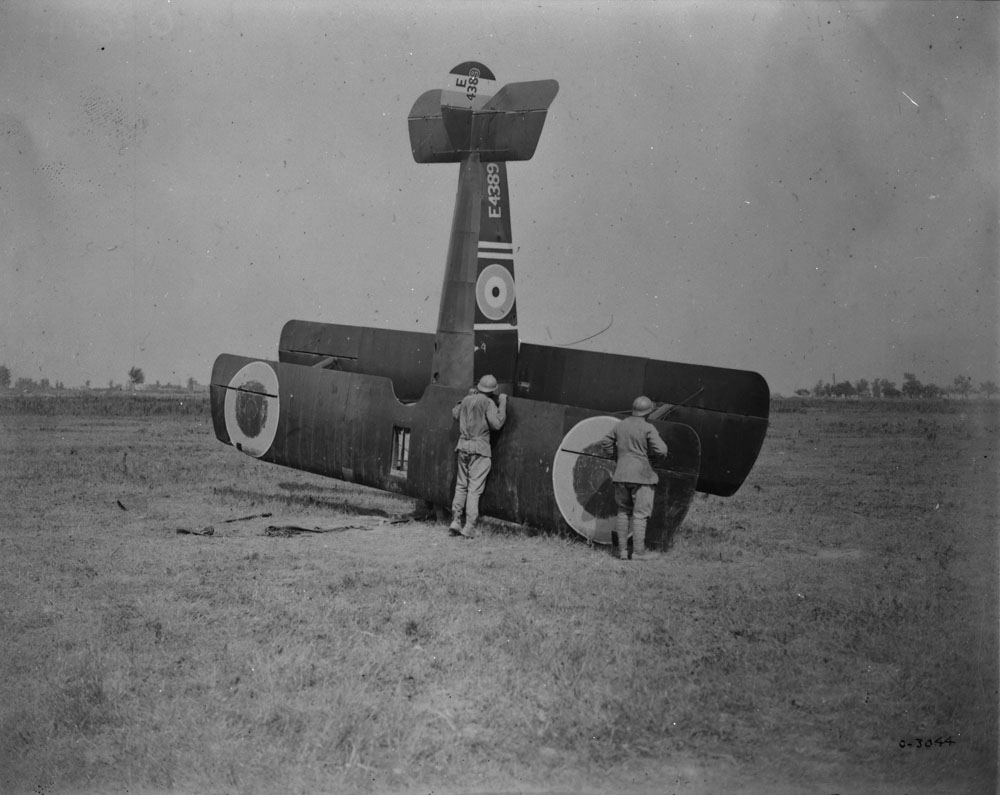
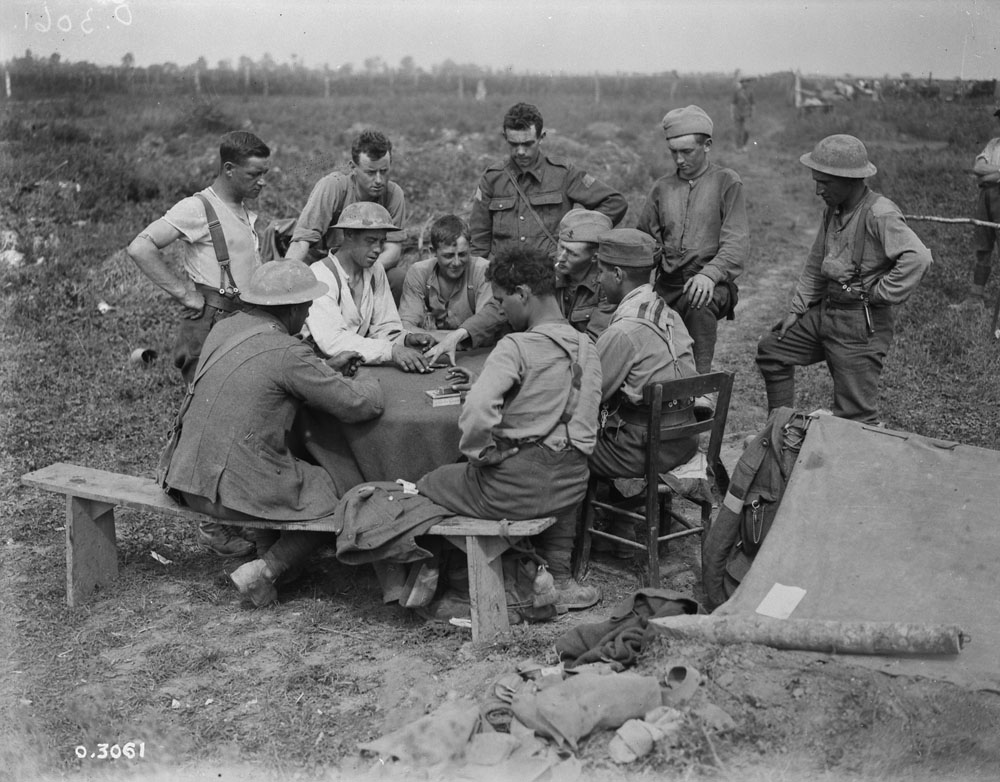
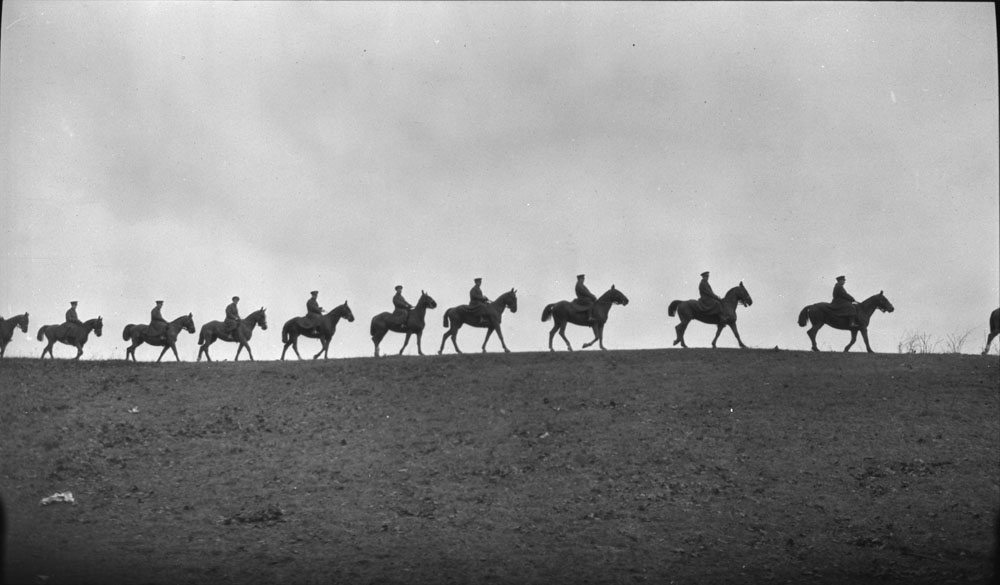
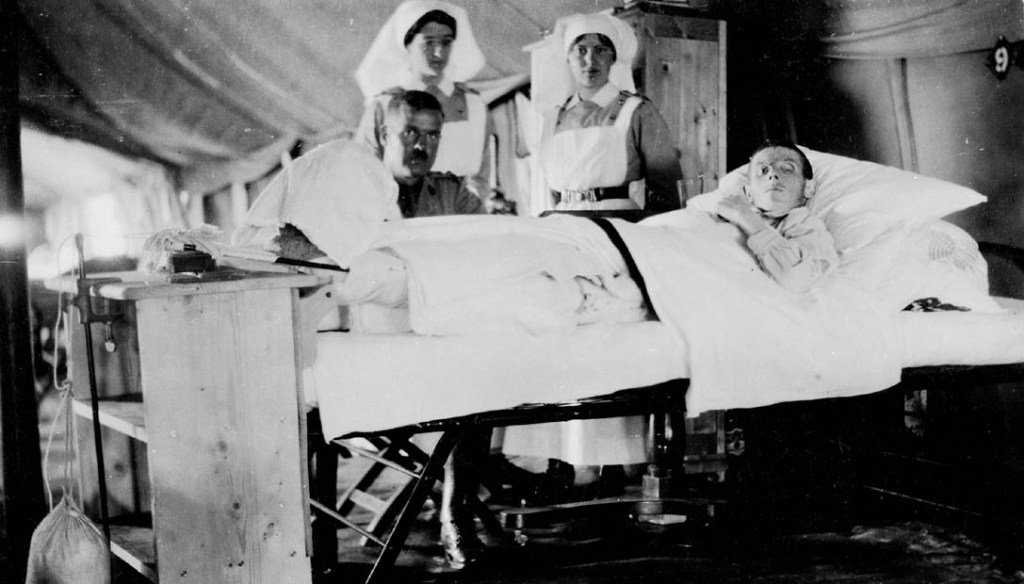
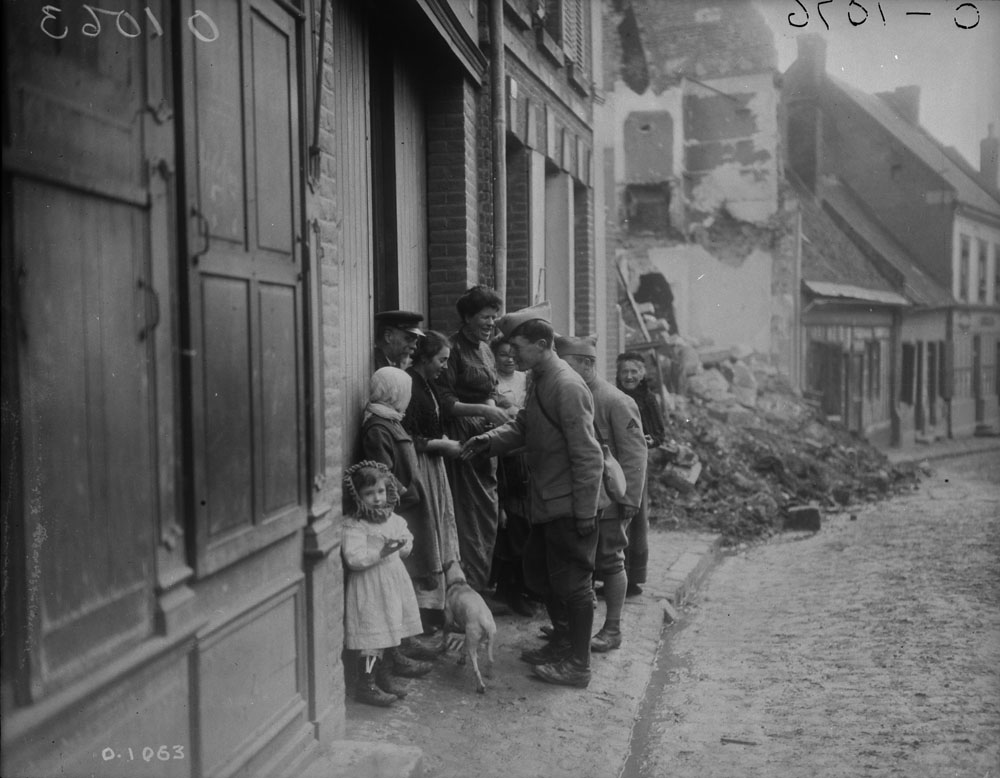
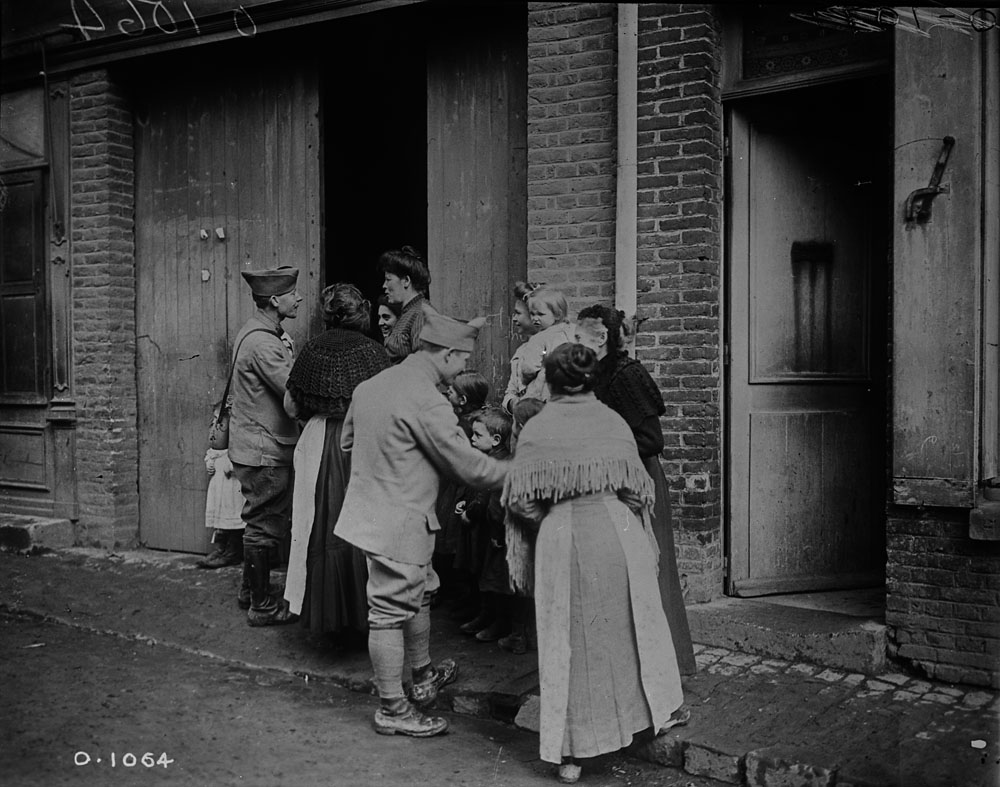
Portrait of a British soldier taken prisoner by the Germans, April 1918.A fatigue party carrying duckboards over a support line trench at night, Cambrai, 12 January 1917. Portrait of a British soldier captured during the Spring Offensive, March-April 1918.Battle of Estaires. British lightly wounded of the 50th and 51st Divisions awaiting evacuation by lorries. Bethune, 9 April 1918. British soldier taken prisoner by the Germans, April 1918.British soldiers taken prisoner by the Germans, April 1918.Portrait of a British prisoner of war, a soldier of one of the light infantry regiments, captured by the Germans during the Spring Offensive, March 1918.Some Canadian wounded being taken to the dressing station on a light railway from the firing line.Portrait of a British soldier, taken prisoner by the Germans, probably in April 1918.British soldiers play football while wearing gas masks, France, 1916.Three British prisoners captured in Armentieres, 9-18 April 1918.A portrait of a German soldier in uniform, taken at a photo studio.A group of German soldiers. One of them is operating a telephone.A group portrait of German soldiers.German soldier pose happily in the barrel of the long range Paris Gun (Paris-Geschütz) which bombarded Paris during the Spring Offensive, 1 May 1918.German soldiers taking a shower after a spell in the trenches.German troops getting ready for some sleep in their dugout on the Western Front.German troops playing cards and having a rest in St. Quentin. They are mixture of soldiers of the 210th and 212th Infantry Regiments.A German soldier helping Italian women to do their washing. They are wringing out clothes together.1917.A Musketier from 8. Badisches Inf-Rgt Nr. 169 in Feldmarschmäßig or full marching order.29th June 1917 – Black German Soldier in the Landwehr Infantry-Regiment No.25″28th June 1917: Portrait Of A Portuguese Soldier.The Dead ObserverSoldiers in an old trench near Gavrelle playing with their pet dog, 27th June 1917.Women British Red Corss Society, Voluntary Aid Detachment (VAD) ambulance drivers, Etaples, 27th June 1917. The ambulance was presented by the Owners and Workmen of the Royal Forest of Dean Coalfield.Two Women British Red Cross Society, Voluntary Aid Detachment (VAD) ambulance drivers. The vehicle is one of the Yorkshire Mine Workers’ Convoy. Etaples, 27th June 1917.In a British Red Cross Society, Voluntary Aid Detachment (VAD) Dressing Station at Abbeville, 27th June 1917.Romanian soldiers on a railway bridge. One soldier carries a child across.A German disabled soldier learning how to operate a spade with an artificial arm, probably at a school of training for German disabled soldiers at a Westphalian hospital.An invalided soldier with an artificial arm attempting to write while another one is looking on. Note two Australian convalescent soldiers in the background.A doctor takes a plaster cast of the remainder of an amputee’s right leg at Queen Mary’s Hospital, Roehampton, Surrey, in preparation for fitting a specially made artificial limb.Disabled British soldiers at the workshops of J E Hanger at Roehampton, Surrey, learn to walk again using their newly fitted artificial legs, 1917.Chaplain of 72nd Canadian Battalion talking to a Canadian soldier up the line. April, 1918.French soldiers making wreaths to place on graves. Battle of Amiens. August, 1918French soldiers examining Sopwith 1F.1 ‘Camel’ of the R.A.F. which landed inside Canadian lines near Amiens, France, August 1918Canadian soldiers having a quiet game of cards during the Battle of Amiens. August 1918Soldiers of the 48th Battery walking along the skyline. Toronto, Ont. 12 Apr. 1916Canadian soldier with burns caused by mustard gas. 1917-1918Wounded Canadian soldier in No. 2 Hospital, with visitor and attending nurses. Le Tréport, France. 1916.French soldiers visit their home village and are reunited with their families. March, 1917French soldiers visit their home village and are reunited with their families. March, 1917French soldiers visit their home village and are reunited with their families. March, 1917Canadian soldiers returning from Vimy Ridge. May 1917Goods which can’t be bought. Canadian soldier resting in a shop window on shelled village, telling his friends how the boys made Fritz quit. July, 1917.
John Vachon was a Minnesotan, a graduate of St. Thomas College in St. Paul who moved to D.C. during the end of the Great Depression with dreams of becoming a writer. What he became was a file clerk; actually, it started a bit worse than that: “Well, in 1936 I was looking for a job in Washington. I had been looking for a job for about four or five months. I had been at graduate school at Catholic University until the first of the year. The first job opening that came along through those patronage channels in those days… I remember the title of the job was “Messenger,” but the duties Roy explained to me that day, telling me that they were going to be very dull, would be to write captions on the back of 8 x l0 photographs, the captions being on file cards which I would copy. So I did that for a month, and occasionally would turn the picture over and look at it. And then at the end of the month I was let go, and I was again unemployed in June. I’ve forgotten the exact details, but about six weeks later I came back in the same position. I guess my predecessor left for good.” But Vachon had lucked into a crap job in one of the most remarkable government agencies of the Depression—the Farm Security Administration, working under Roy Stryker, the economist and photographer responsible for some of the most endearing images in American photography, through the work his photographers shot while criss-crossing the country during the Depression.
In the summers of 1940 and 1941, Vachon passed through Chicago, where he put his abilities as a street portraitist across a broad range of people, capturing the elegance and poverty of the central city during wartime.
Subscribe to continue reading
Subscribe to get access to the rest of this post and other subscriber-only content.
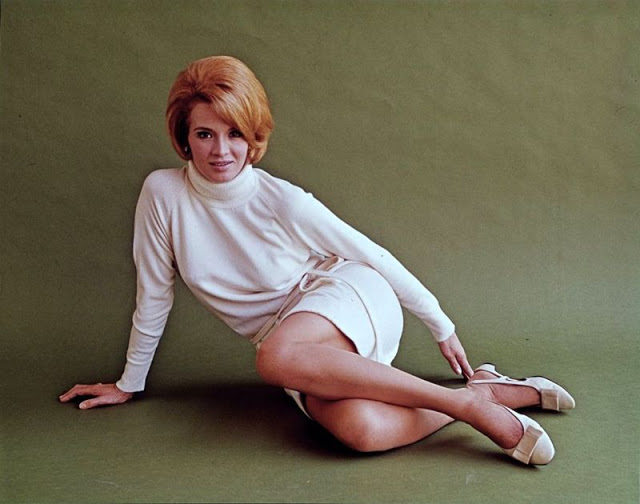
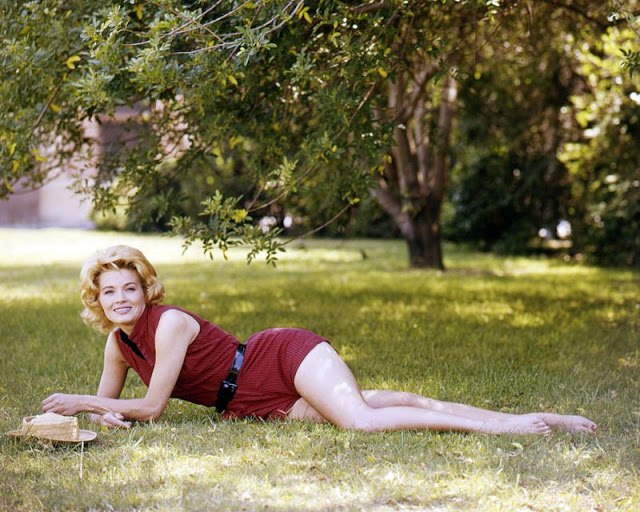
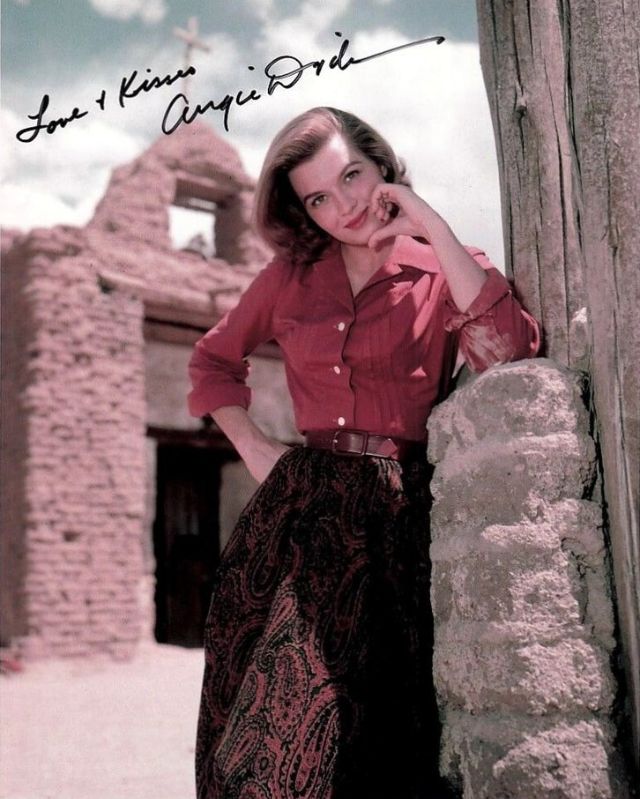
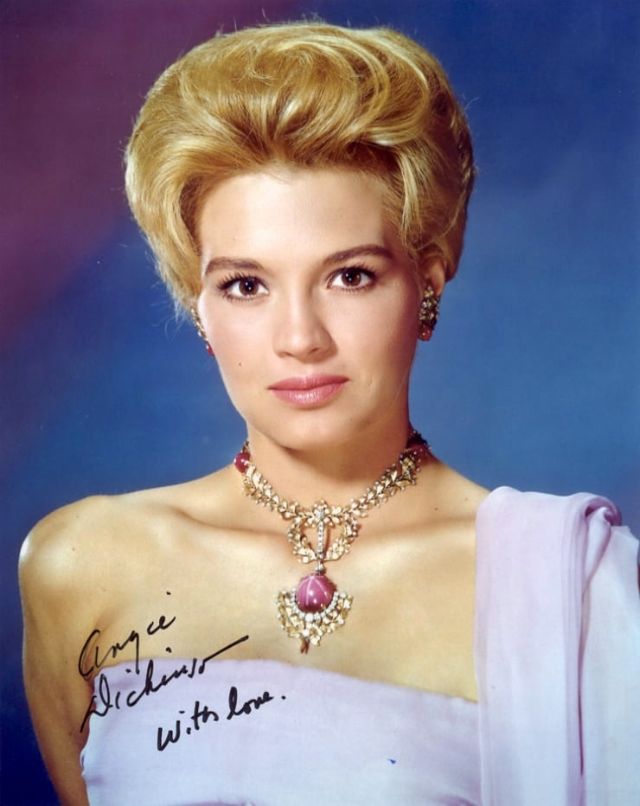
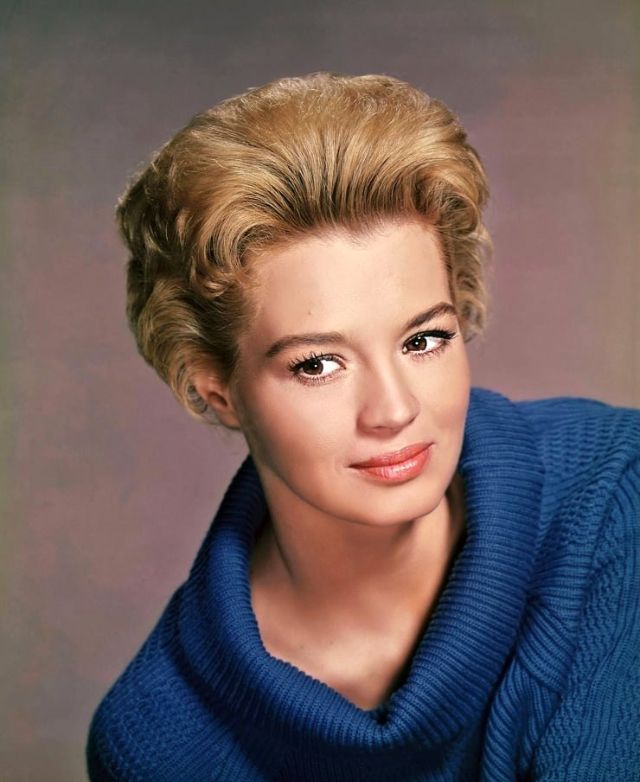
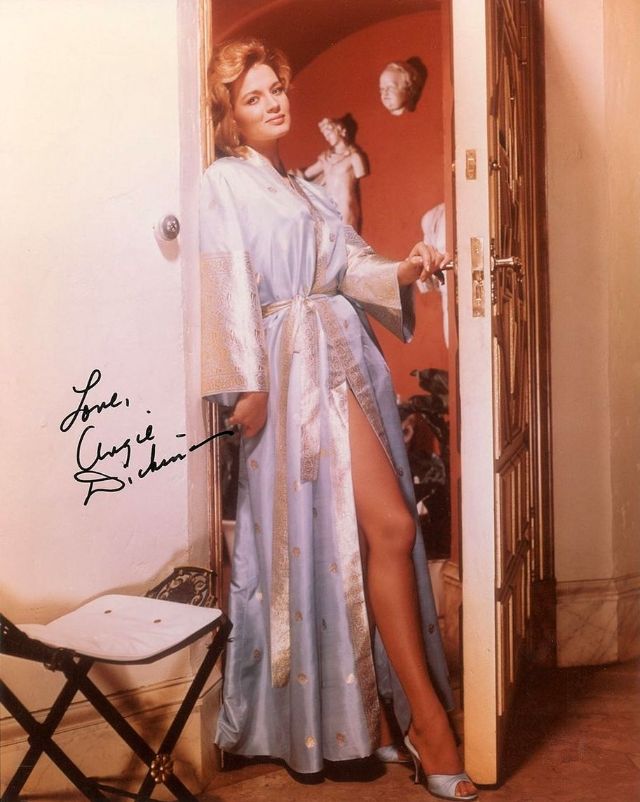
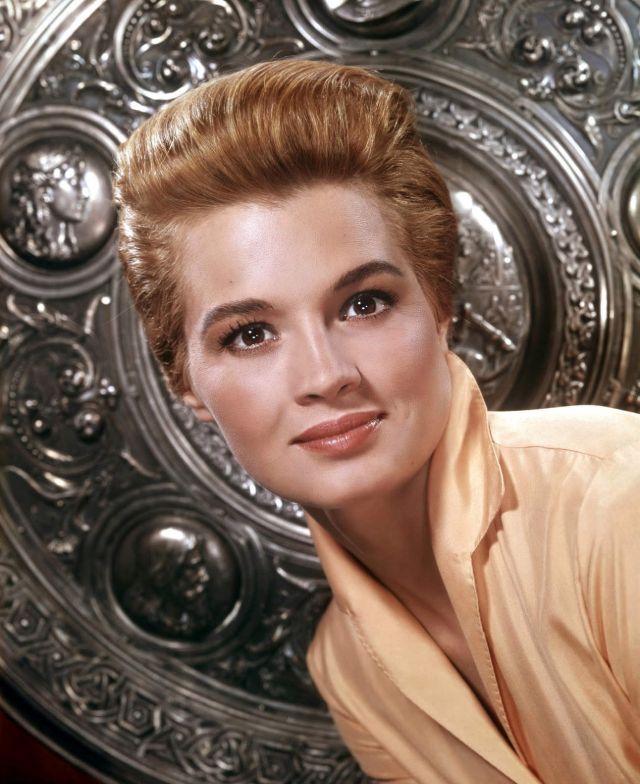
Born 1931 in Kulm, North Dakota, American actress Angie Dickinson began her career on television, appearing in many anthology series during the 1950s, before landing her breakthrough role in Gun the Man Down (1956) and the Western film Rio Bravo (1959), for which she received the Golden Globe Award for New Star of the Year.
In her six decade career, Dickinson has appeared in more than 50 films, including China Gate (1957), Ocean’s 11 (1960), The Sins of Rachel Cade (1961), Jessica (1962), Captain Newman, M.D. (1963), The Killers (1964), The Art of Love (1965), The Chase (1966), Point Blank (1967), Pretty Maids All in a Row (1971), The Outside Man (1972) and Big Bad Mama (1974).
From 1974 to 1978, Dickinson starred as Sergeant Leann “Pepper” Anderson in the NBC crime series Police Woman, for which she received the Golden Globe Award for Best Actress – Television Series Drama and three Primetime Emmy Award for Outstanding Lead Actress in a Drama Series nominations. As lead actress, she starred in Brian De Palma’s erotic crime thriller Dressed to Kill (1980), for which she received a Saturn Award for Best Actress.
During her later career, Dickinson starred in several television movies and miniseries, also playing supporting roles in films such as Even Cowgirls Get the Blues (1994), Sabrina (1995), Pay It Forward (2000) and Big Bad Love (2001).
Through the 1960s and ’70s, she was as popular for her on-screen work as she was for her personal life. A tabloid sensation, she allegedly had affairs with Frank Sinatra, Dean Martin and John F. Kennedy.
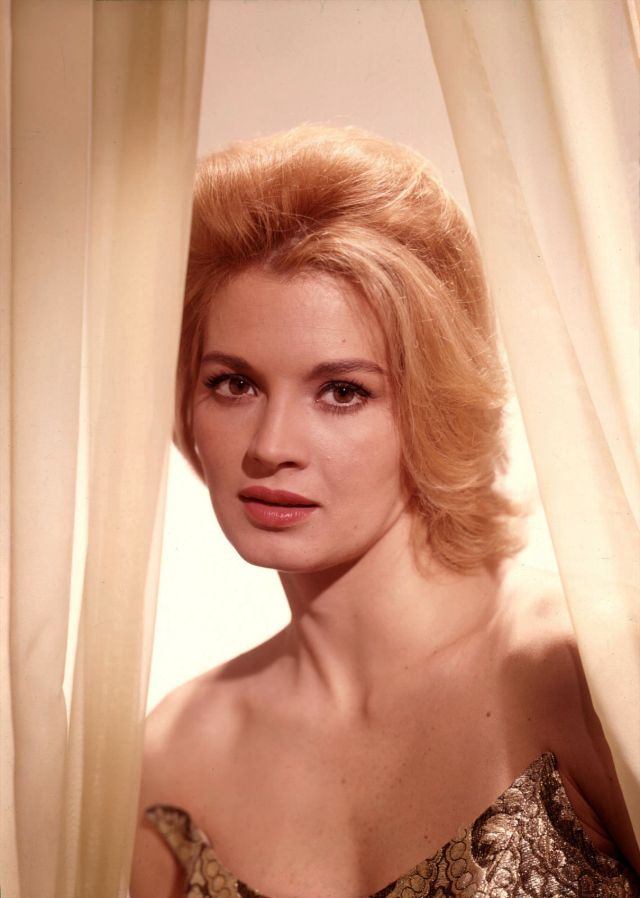
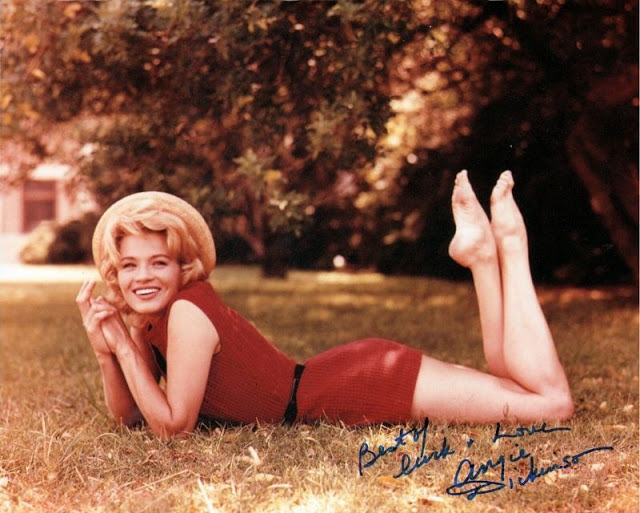
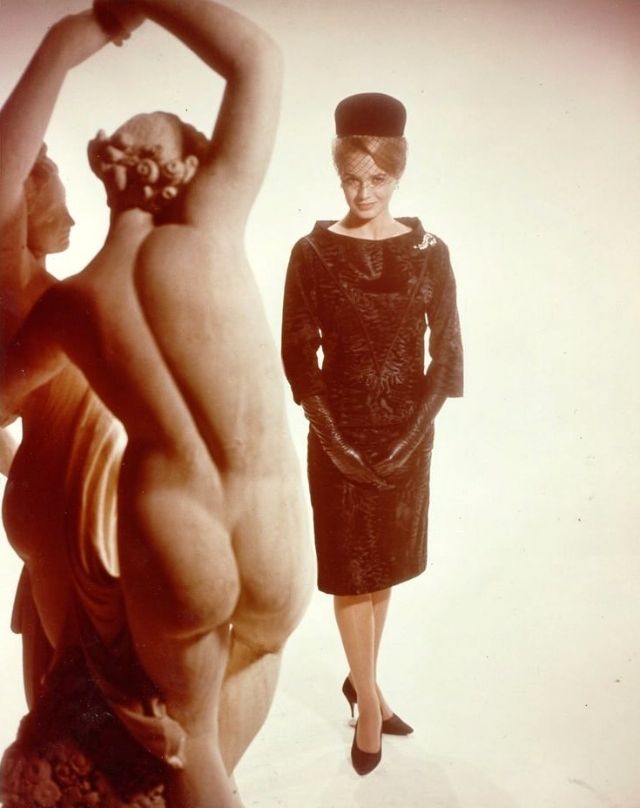
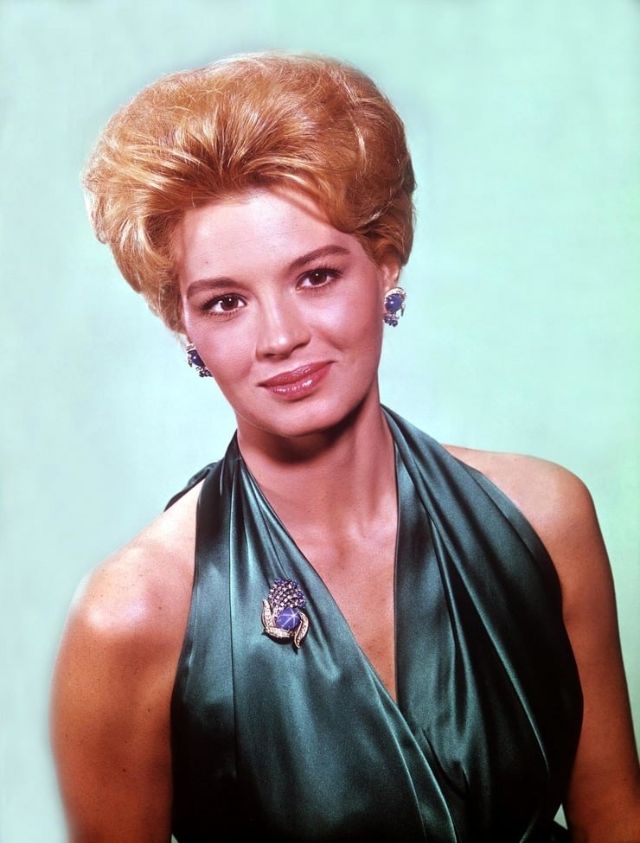
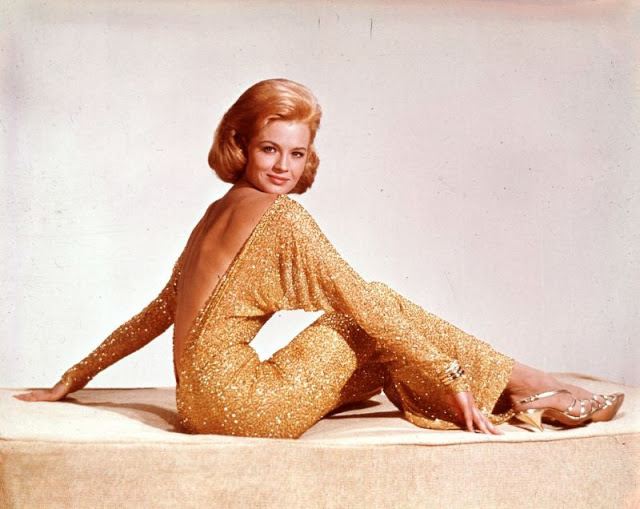
Take a look at these glamorous photos to see the beauty of Angie Dickinson in the 1950s and 1960s.
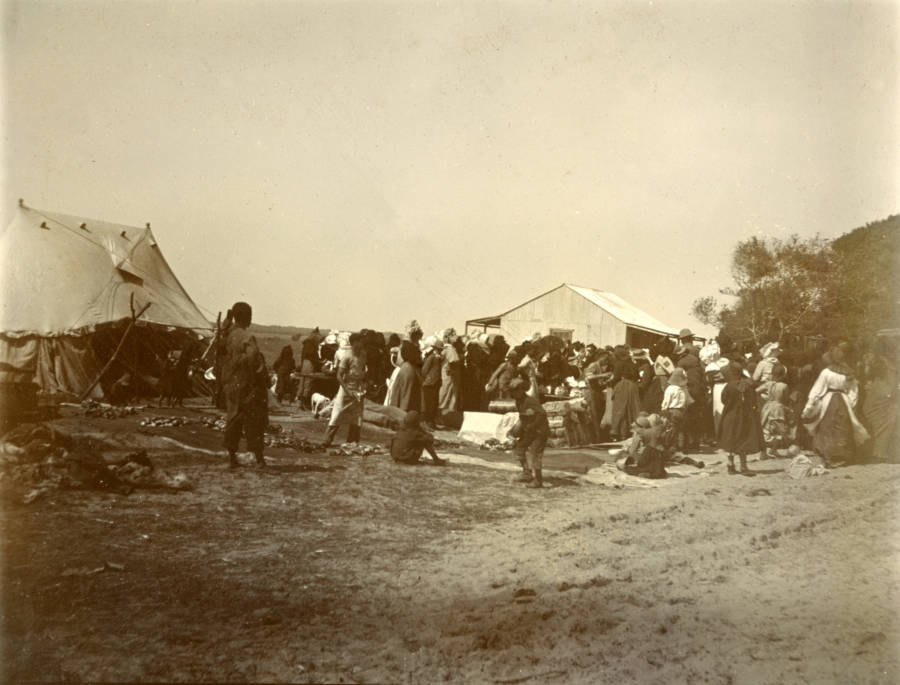
While the matter remains one of debate, many contend that history’s first concentration camps were built in South Africa, 41 years before the Holocaust began.
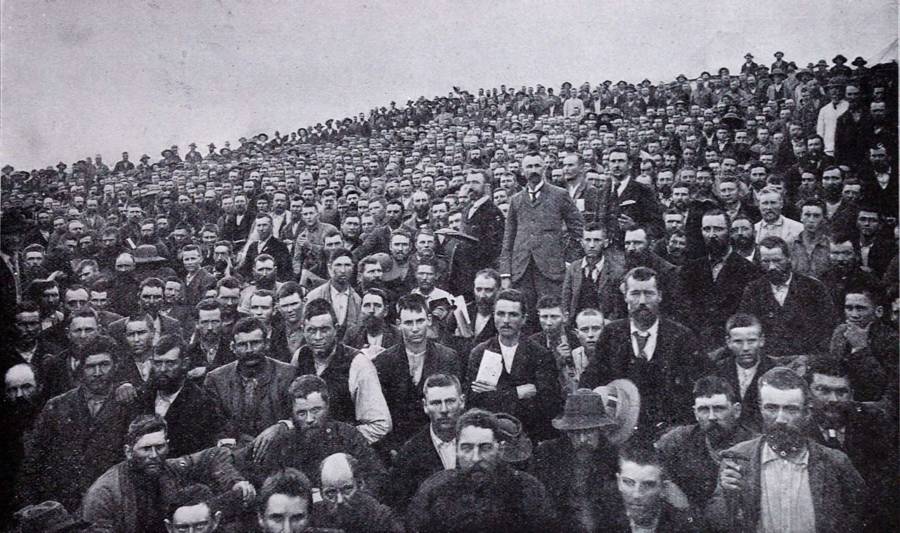
These camps were built by British soldiers amid the Boer War, during which the British rounded up Dutch Boers and native South Africans and locked them into cramped camps where they died off by the thousands.
This is where the word “concentration camp” was first used – in British camps that systematically imprisoned more than 115,000 people and saw at least 25,000 of them killed off. In fact, more men, women, and children died of starvation and disease in these camps than did men actually fighting in the Second Boer War of 1899 to 1902, a territorial struggle in South Africa.
It was a horror that the world had never seen anywhere outside of the Bible. As one woman put it, “Since Old Testament days was ever a whole nation carried captive?”
And yet the first genocide of the 20th century started with good intentions. The camps were originally set up as refugee camps, meant to house the families that had been forced to abandon their homes to escape the ravages of war.
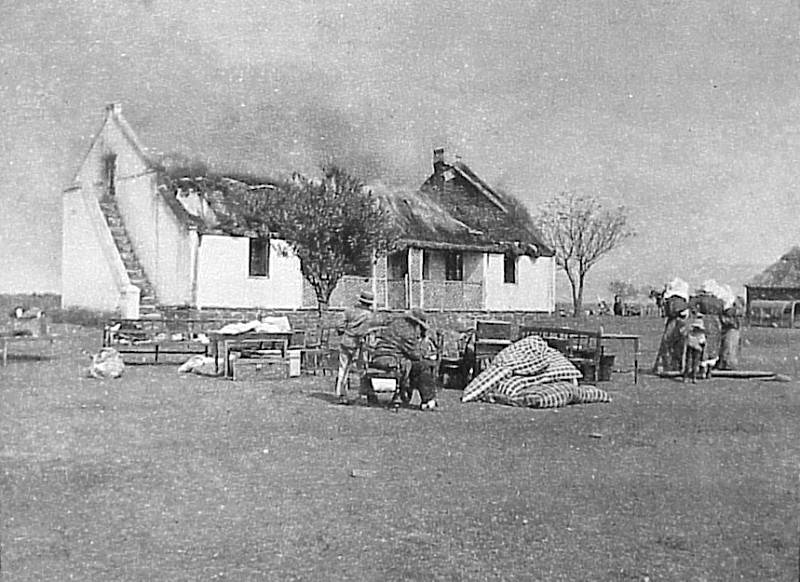
As the Boer War raged on, however, the British became more brutal. They introduced a “scorched earth” policy. Ever Boer farm was burned to the ground, every field salted, and every well poisoned. The men were shipped out of the country to keep them from fighting, but their wives and their children were forced into the camps, which were quickly become overcrowded and understocked.
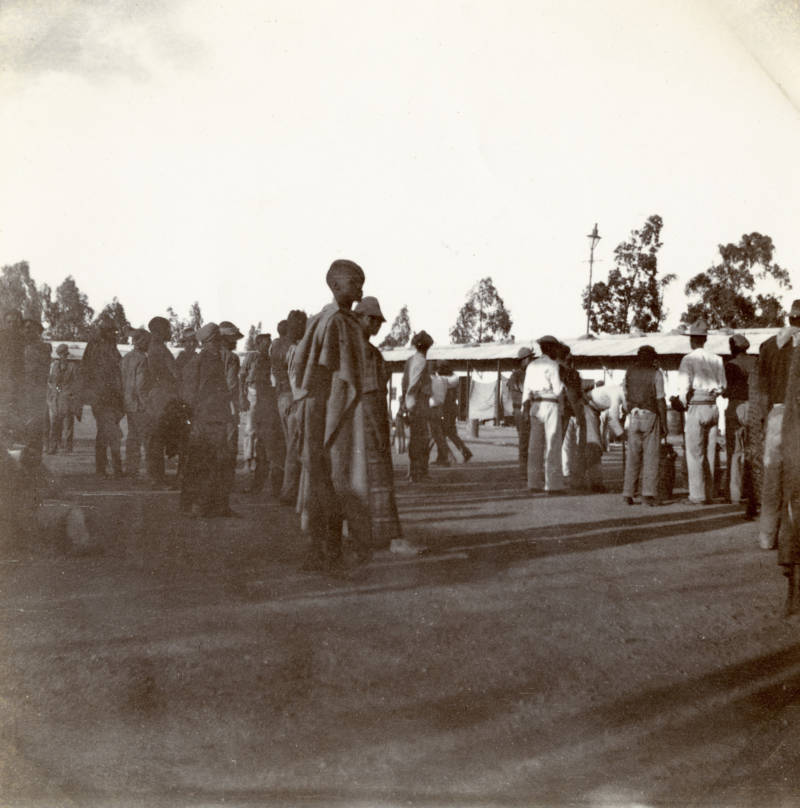
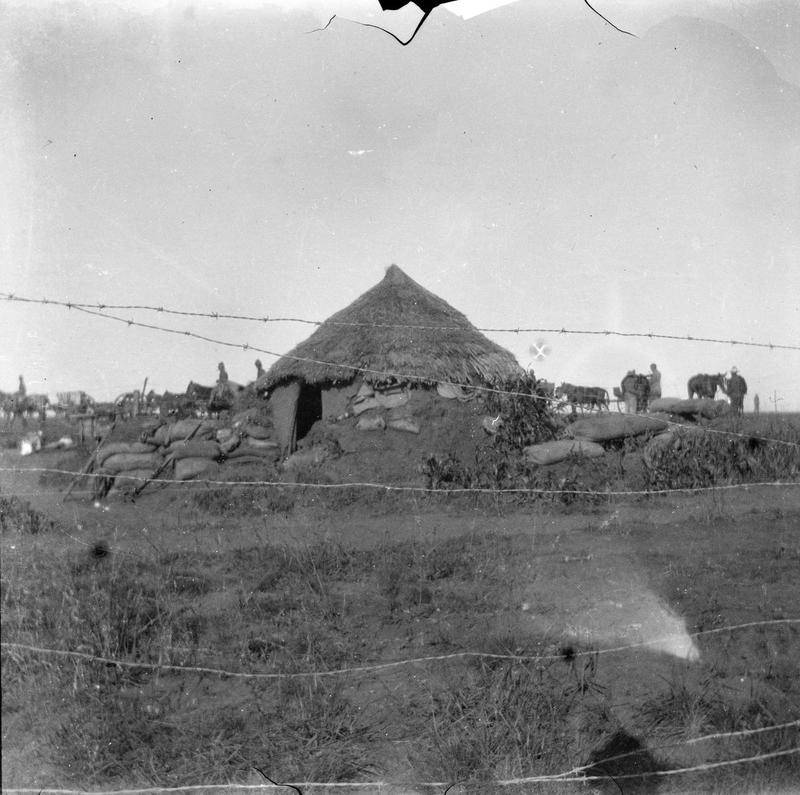
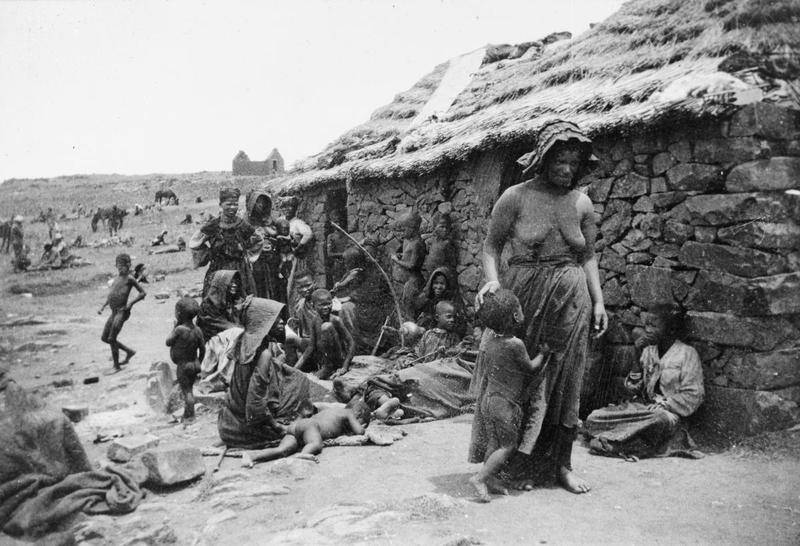
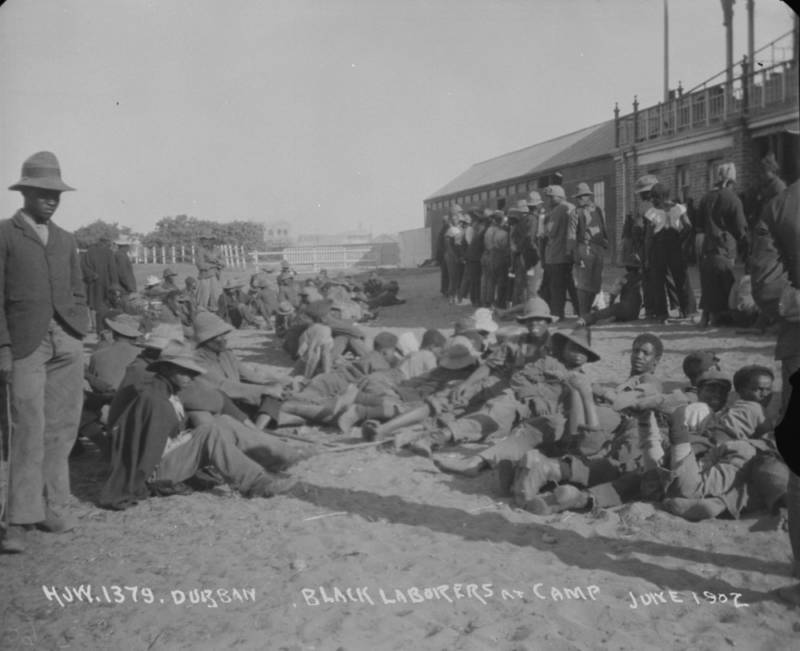
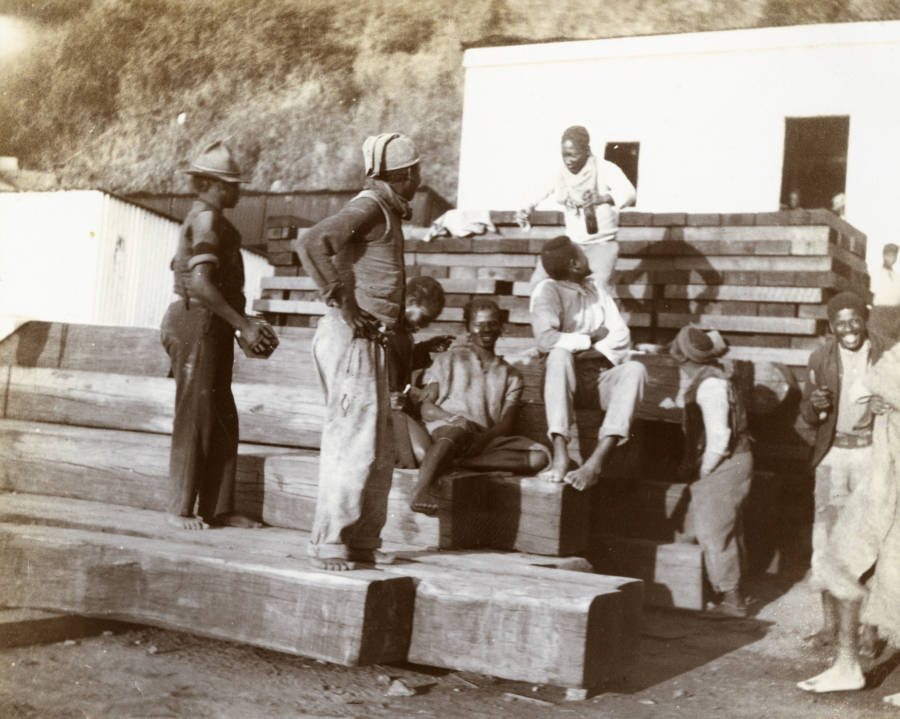
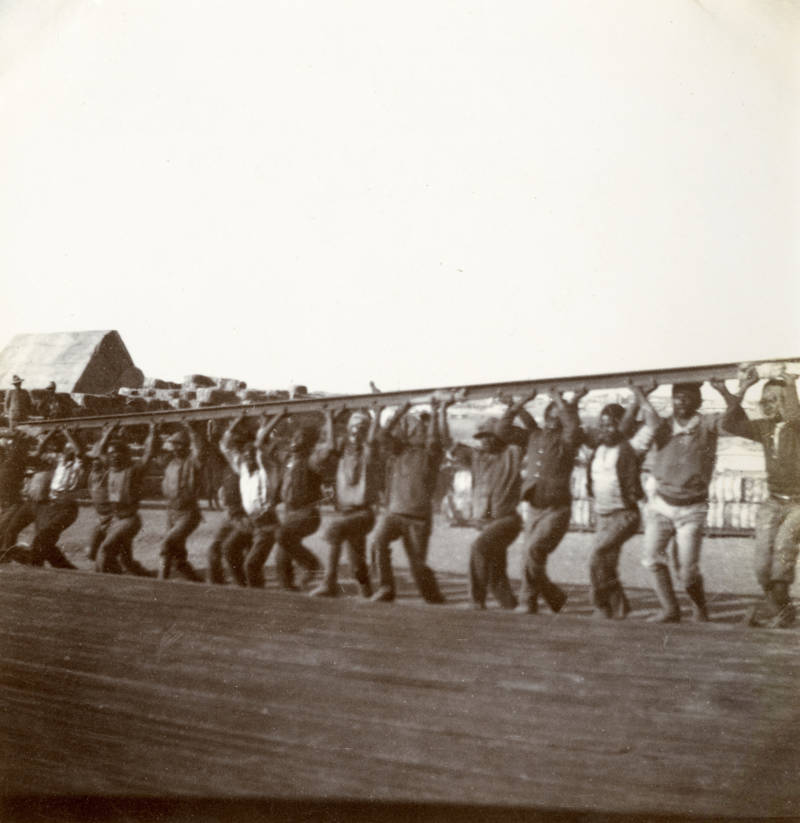
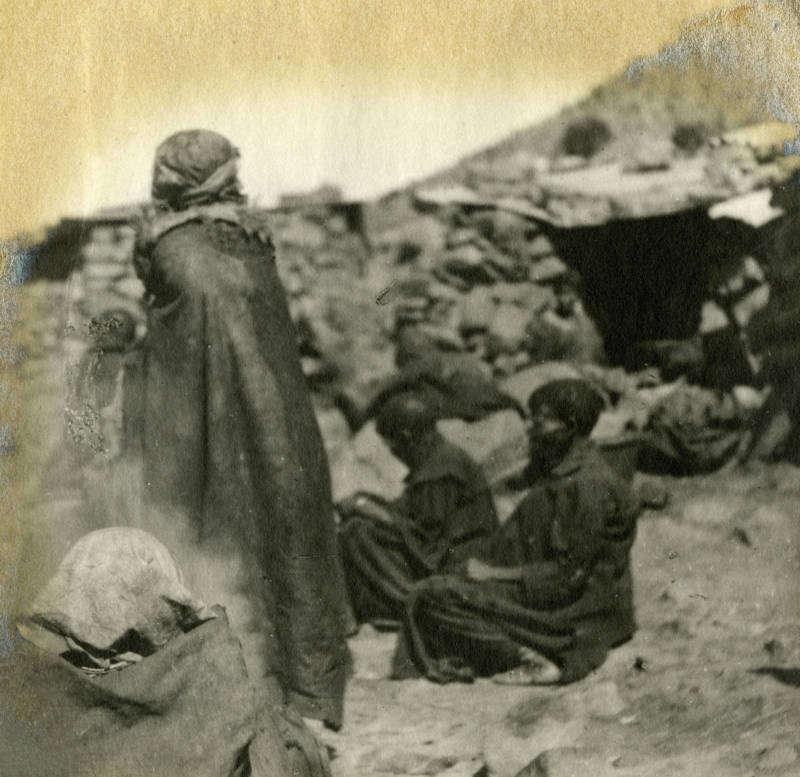
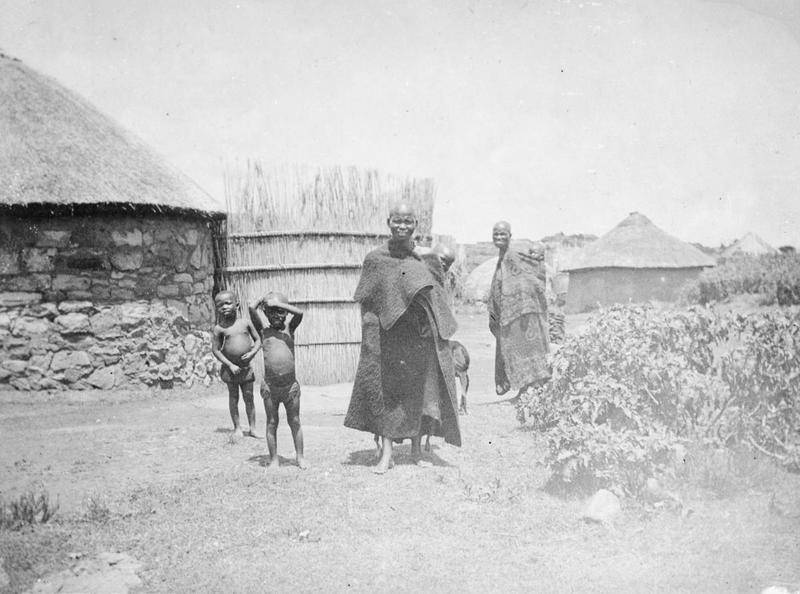
The native South Africans, too, were sent to the camps. Some had their villages circled with barbed wire, while others were dragged off into camps, where they’d be forced to work as laborers for the British army and kept from giving food to the Boers.
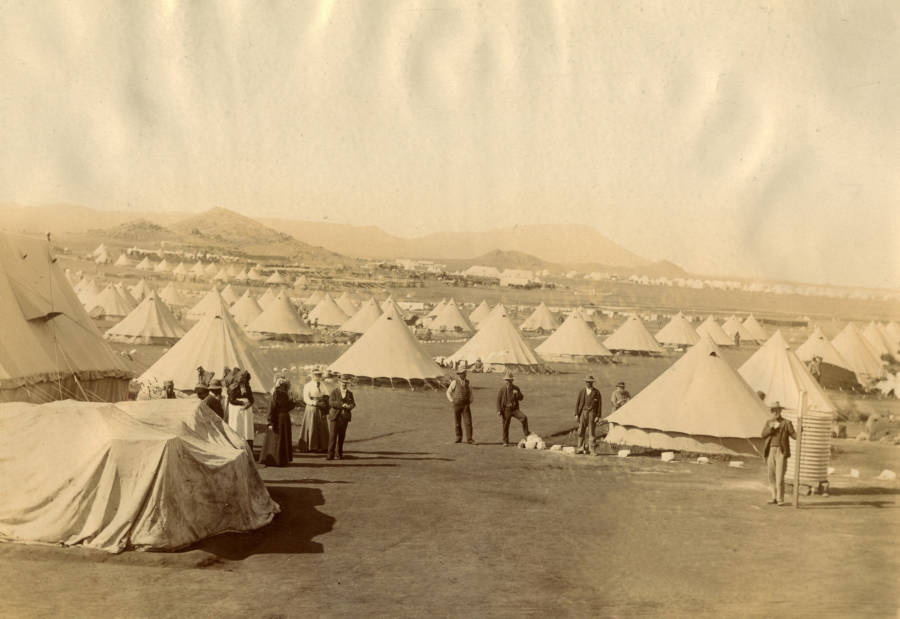
Soon, there were more than 100 concentration camps across South Africa, imprisoning more than 100,000 people. The nurses there didn’t have the resources to deal with the numbers. They could barely feed them. The camps were filthy and overrun with disease, and the people inside started to die off in droves.
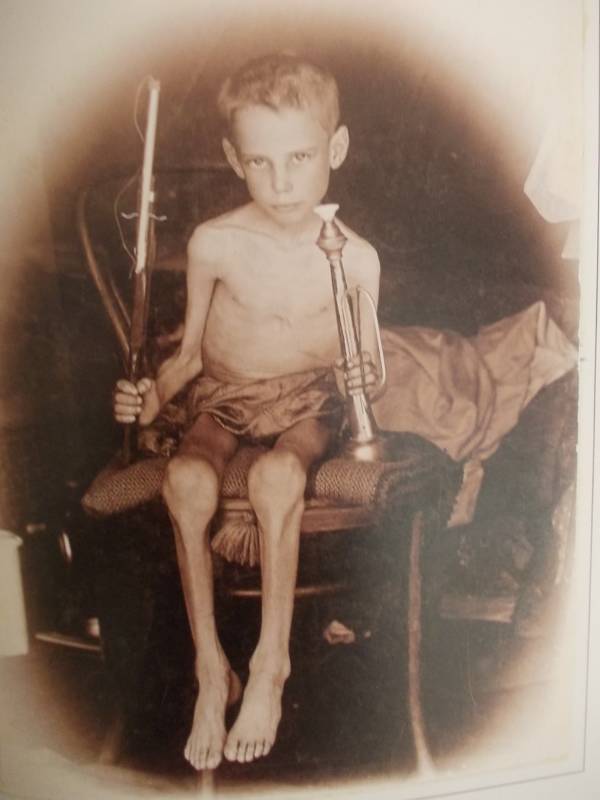
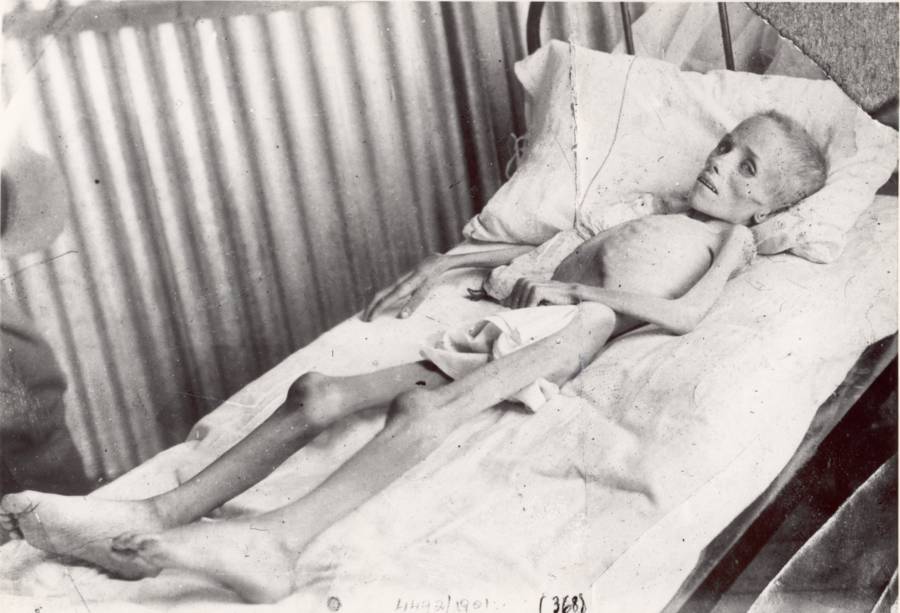
The children suffered the most. Of the 28,000 Boers that died, 22,000 were children. They were left to starve, especially if their fathers were still fighting the British in the Boer War. With so few rations to pass around, the children of fighters were deliberately starved and left to die.
The world became aware when a woman named Emily Hobhouse visited the camps and sent a report back home to England on the horrors she’d witnessed. “To keep these Camps going,” she wrote, “is murder to the children.”
As the war drew to a close, the British government tried to improve the camps – but it was already too late. The children there were already diseased and starving.
One worker, trying to curb the death rate in the camps wrote home: “The theory that, all the weakly children being dead, the rate would fall off is not so far borne out by the facts. The strong ones must be dying now and they will all be dead by the spring of 1903.”
By the end of the Boer War, an estimated 46,370 civilians were dead – most of them children. It was the first time in the 20th century that a whole nation was systematically rounded up, imprisoned, and exterminated.
But nothing tells the story as well as the photographs. In Emily Hobhouse’s words: “I can’t describe what it is to see these children lying about in a state of collapse. It’s just exactly like faded flowers thrown away. And one has to stand and look on at such misery, and be able to do almost nothing.”
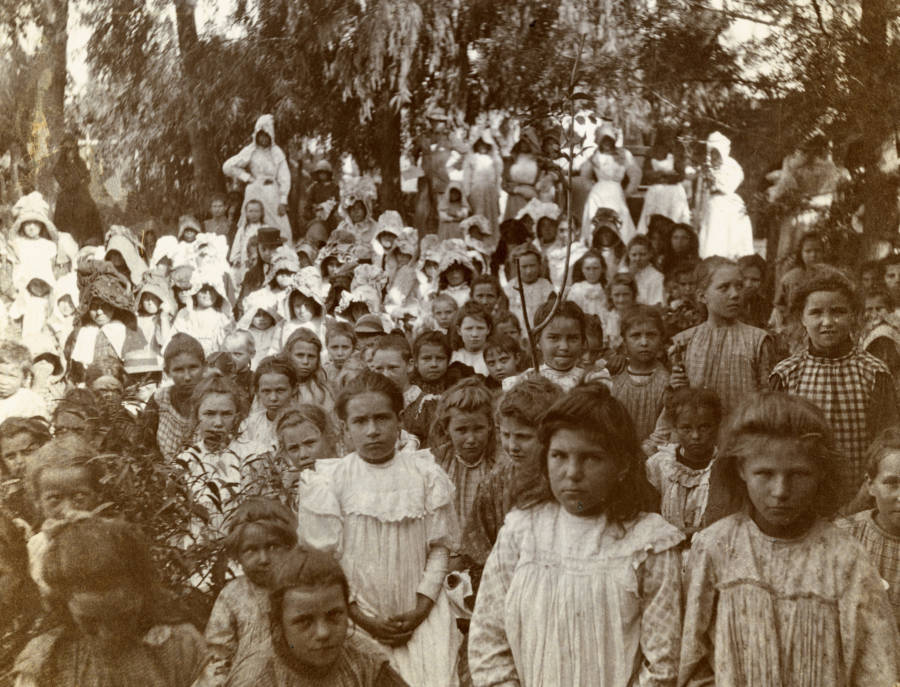
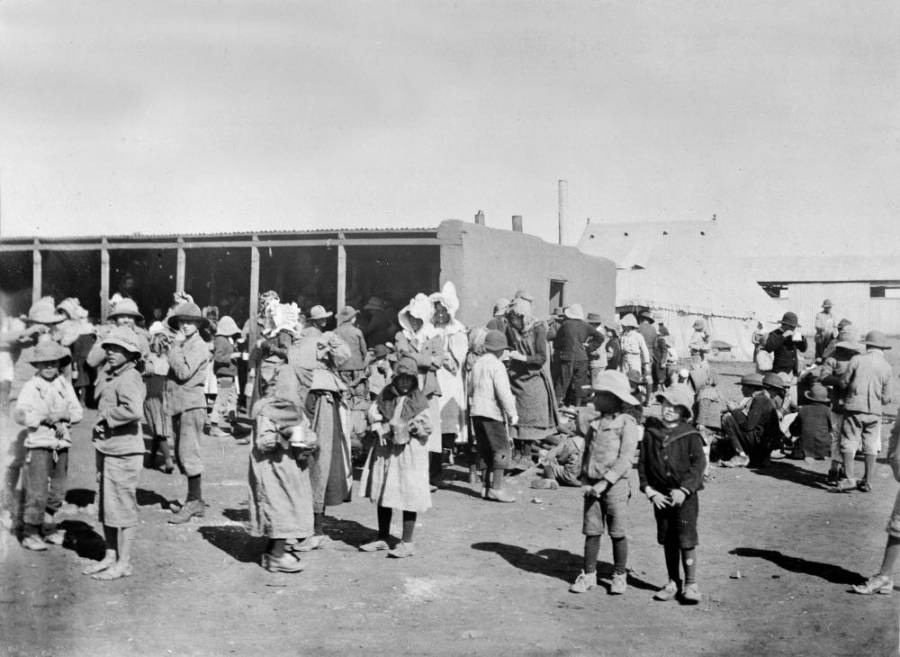
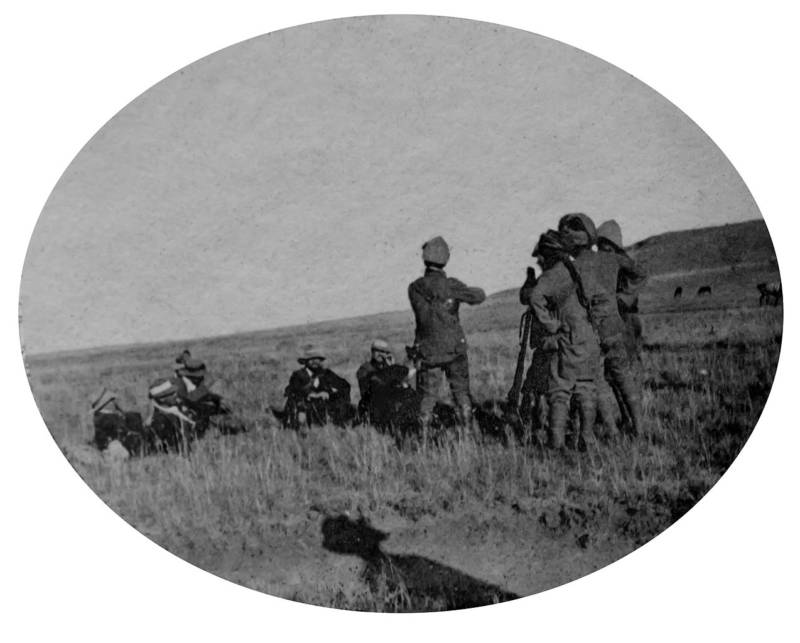
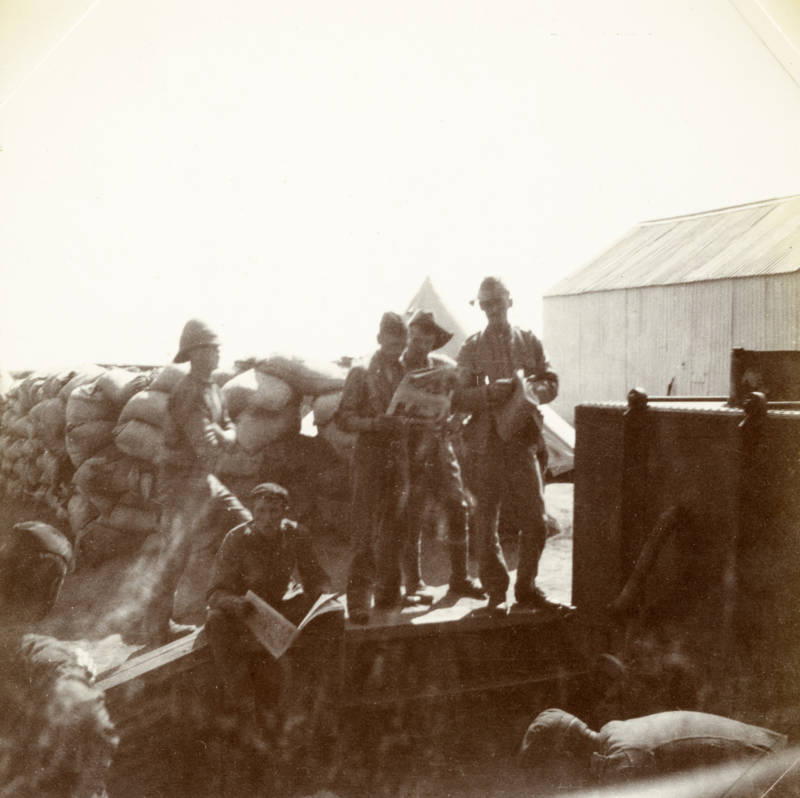
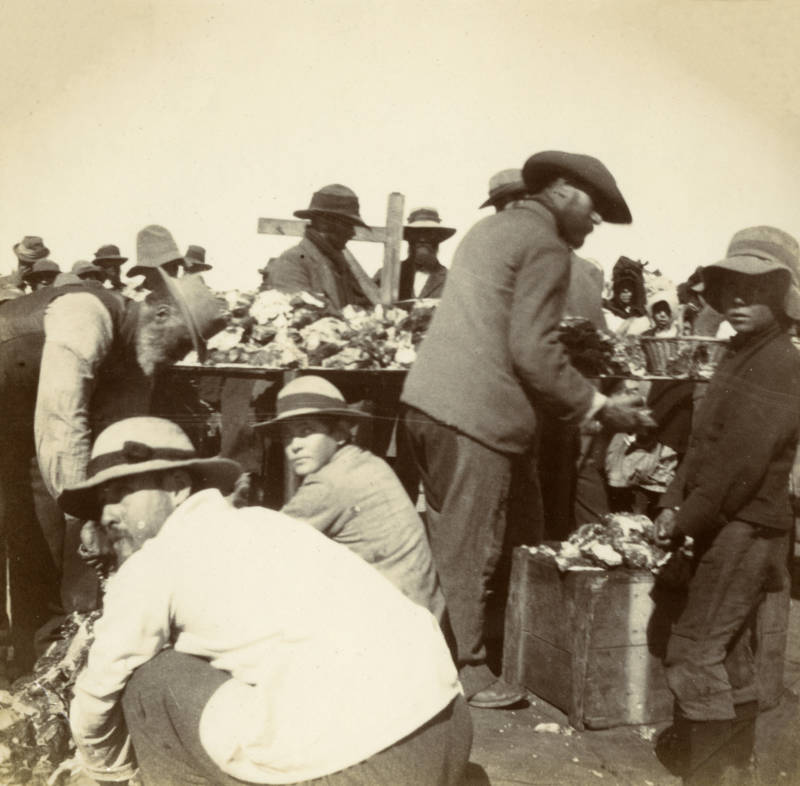
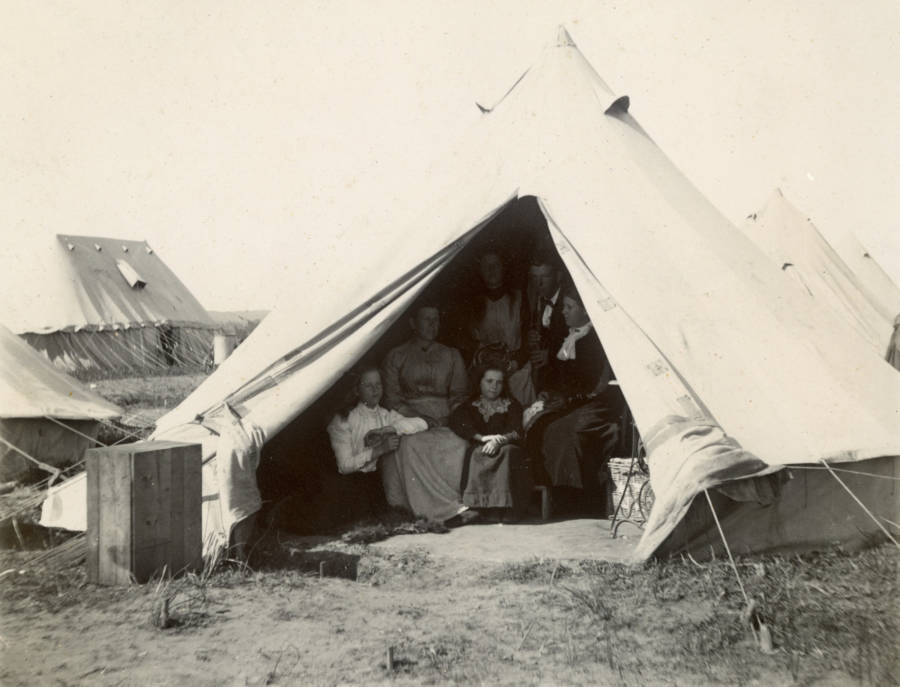
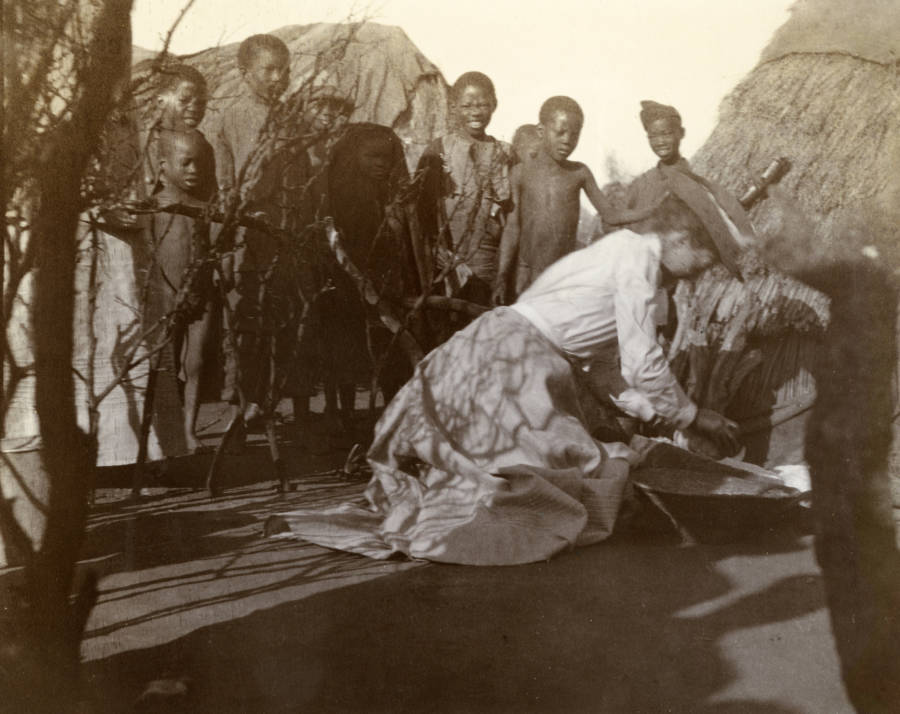
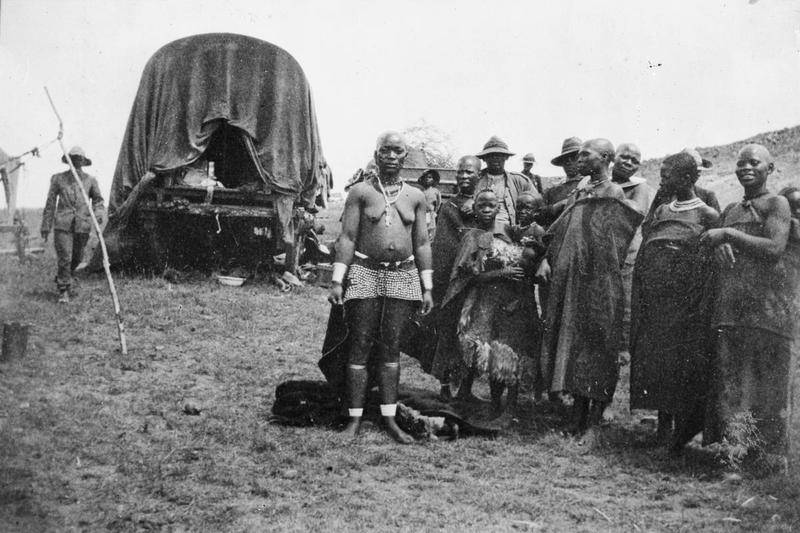
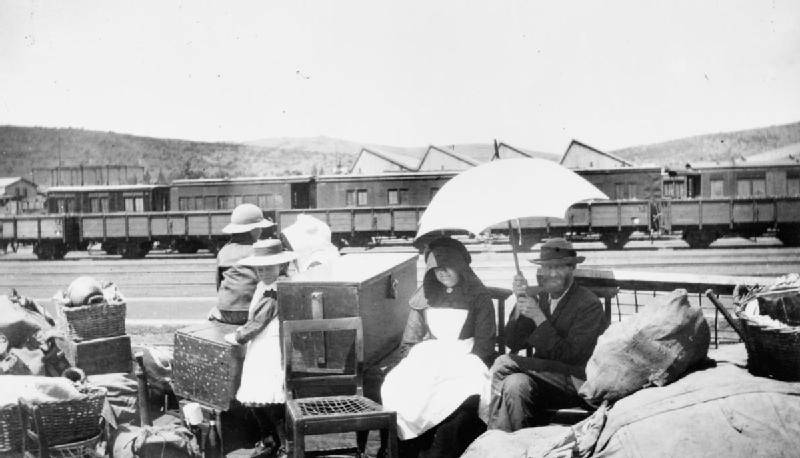
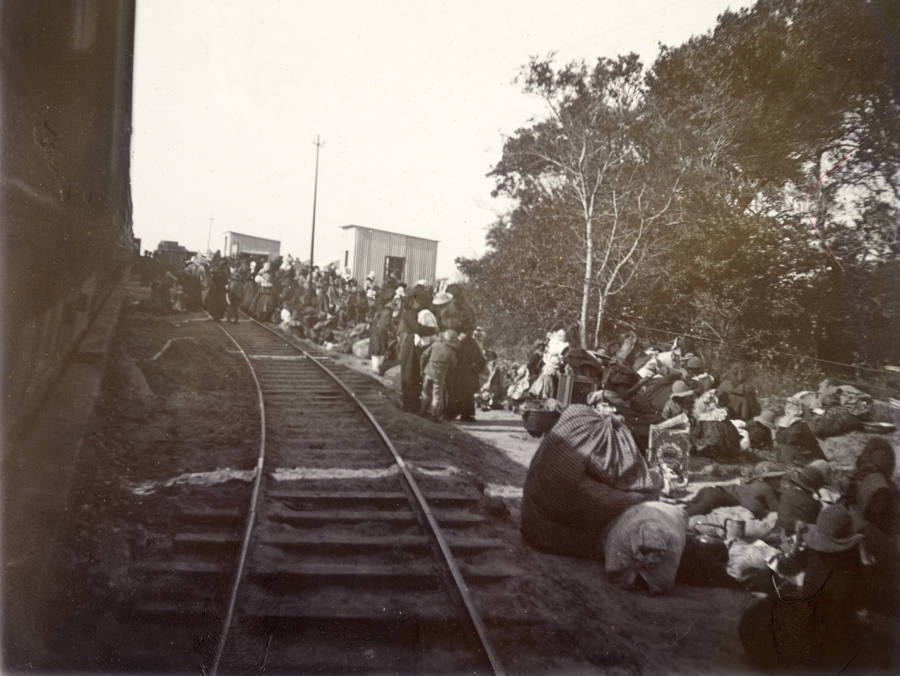
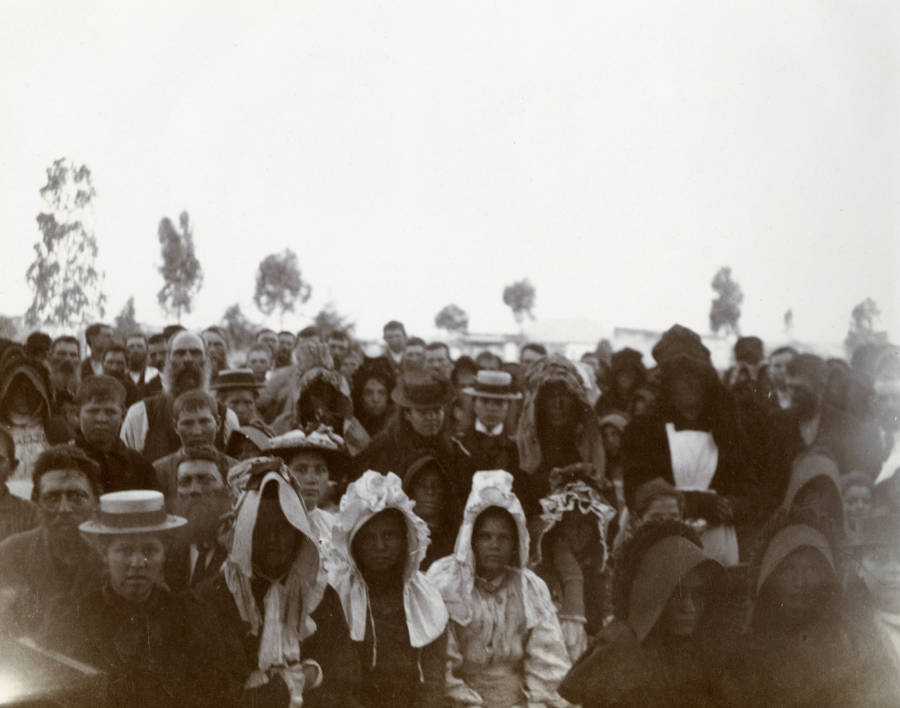
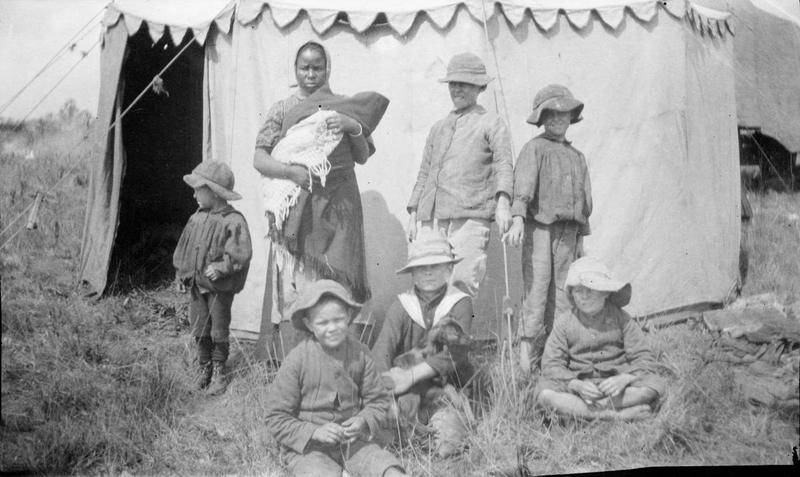
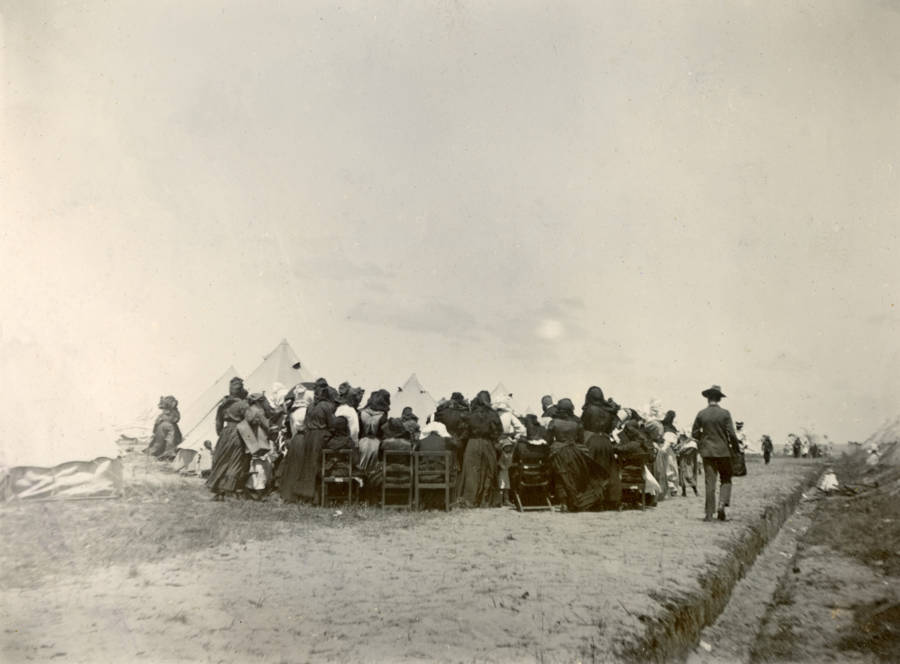
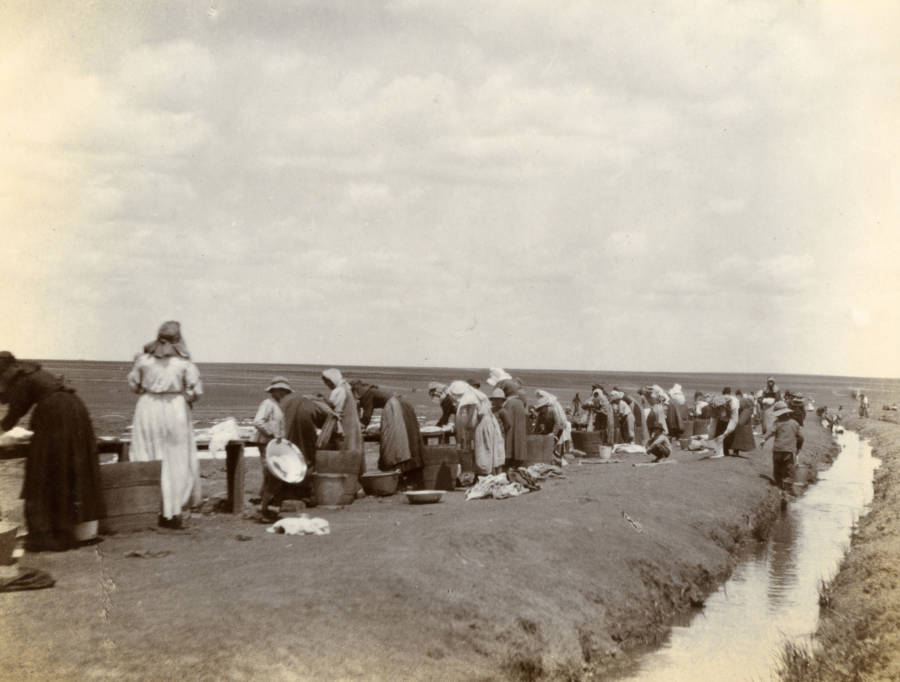
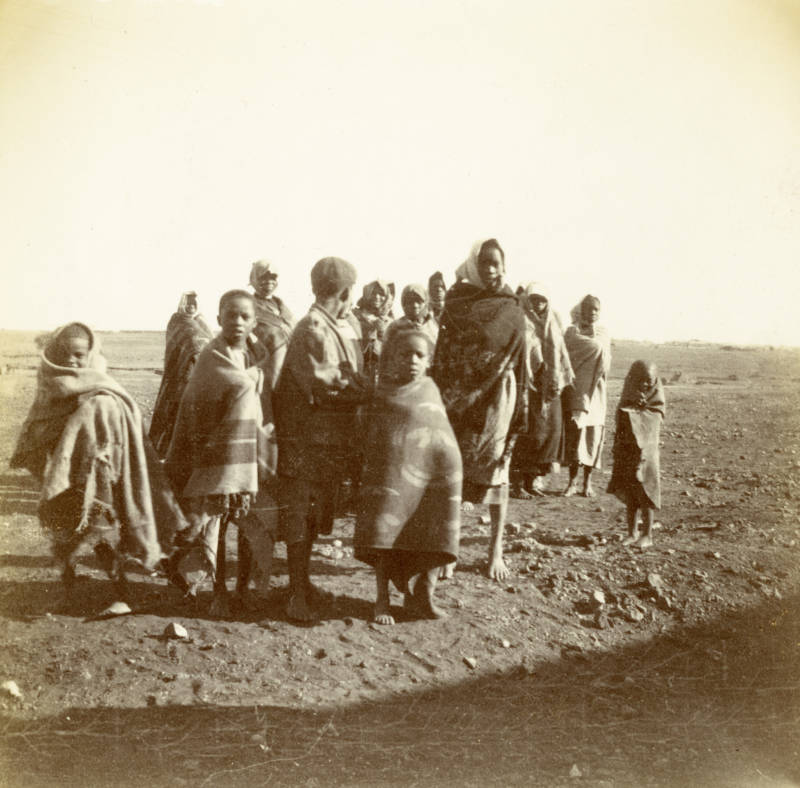
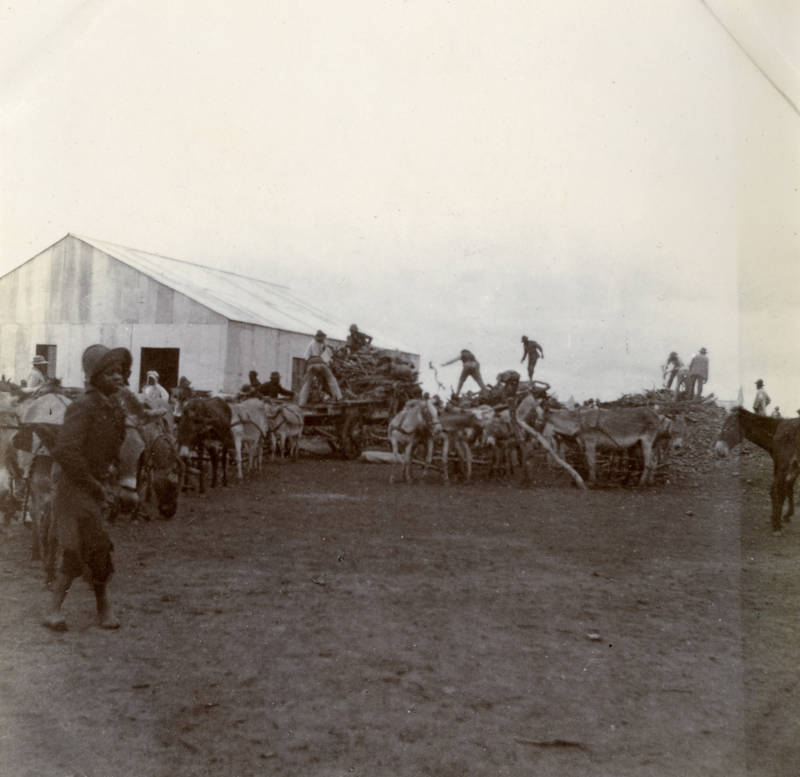
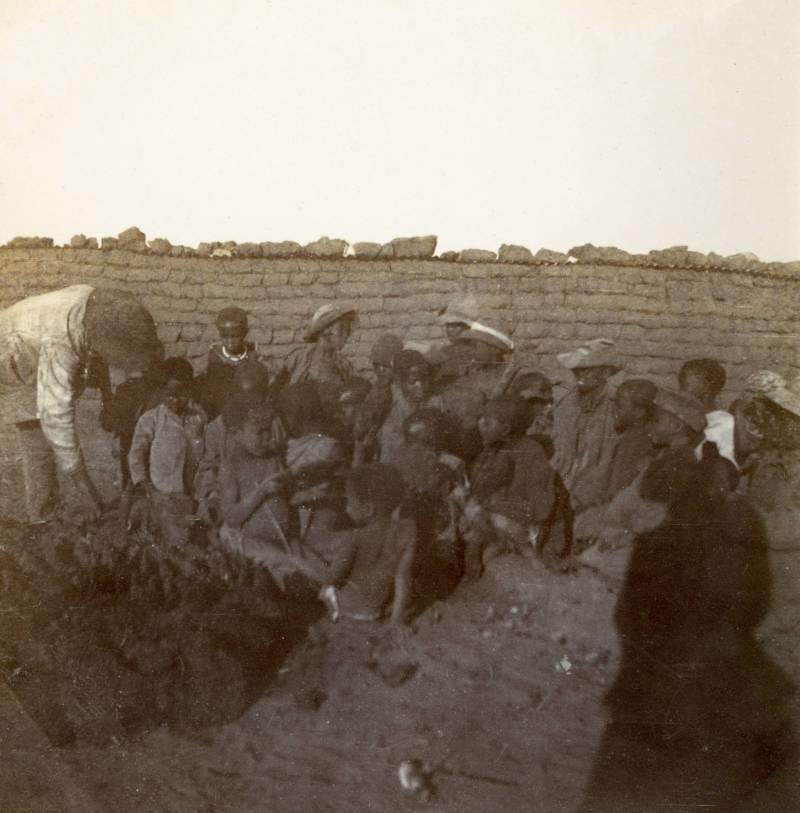
A crowd of Boer children, photographed inside of a concentration camp. One in four would not make it out alive. Nylstroom Camp, South Africa. 1901.Boer women and children in a concentration camp. South Africa. 1901.A young boy, withered to nothing but skin and bones, sits inside of his tent. Irene Camp, South Africa. Circa 1899-1902.A family’s farm is burned to the ground as part of the British Army’s “scorched earth” policy. During the war, farms were destroyed, fields salted and wells poisoned to keep the Boers from feeding their fighting men. The families that lived inside would then be dragged off to a concentration camp, where many would die. South Africa. Circa 1899-1902.Inside of one of the “native compounds,” where black South Africans were interred. Kimberley Camp, South Africa. 1901.Boer prisoners captured by the British army. These men will likely be shipped to prisons overseas. Their families, however, will be sent into concentration camps to starve and die. South Africa. Circa 1899-1902.Lizzie Van Zyl, a dying young girl. Lizzie Van Zyl contracted typhoid fever in the camp and slowly withered away. She could not speak English. Nurses who tried to help her were told by the camp heads “not to interfere with the child as she was a nuisance.” Bloemfontein Camp, South Africa. 1901.A distant view of the lines of tents that made up a concentration camp in the Boer War. Norval Pont Camp, South Africa. 1901.British soldiers on guard at a concentration camp. Balmoral Camp, South Africa. 1901.Distributing the meat rations at a concentration camp. Springfontein Camp, South Africa. 1901.A Boer family, crammed together inside of a small tent. These tents would often be home to as many as 12 people, forced to squeeze together and share diseases because of the massive overcrowding. South Africa. 1901.A native South African village, surrounded by a fence of barbwire and turned into a work camp. South Africa. Circa 1899-1902.A native South African family living inside of a British camp. Native families were rounded up and sent into concentration camps of their own to keep them from feeding Boer troops. An estimated 14,154 natives died in the camps. South Africa. Circa 1899-1902.Native South Africans were often forcibly put to work by the occupying British forces. Camp Durban, South Africa. June 1902.Native South Africans doing forced labor in a concentration camp. South Africa. 1901.The native South Africans are put to work building a railway line. The original caption to this photograph, meant to be propaganda to defend the concentration camps, proudly notes that the forced laborers were “singing” while they worked. South Africa. 1901.Native South African women huddle together inside of a camp. Bronkerspruit Camp, South Africa. 1901.Camp Matron Miss Moritz grinding cord inside of a concentration camp. Generally speaking, the nurses and matrons in the camps had nothing but good intentions. They did their best to help the captives stay healthy and safe — but with too few resources and space to do it, the people under their care died as such alarming rates that the camps nearly exterminated an entire population. Klerksdorp Camp, South Africa. 1901.Native South Africans pose for a picture in front of the wagon that brought them to the concentration camp. South Africa. Circa 1899-1902.A refugee Boer family, still free of the concentration camps, try to get out of the country before they get caught in the horrors of the camps. South Africa. Circa 1899-1902.Boer refugees arrive at Merebank station, with their every earthly possession at their sides. Merebank, South Africa. 1901.A church service inside of a concentration camp, held in the open air. Nylstroom Camp, South Africa. 1901.Distributing rations inside a camp. South Africa. 1901.A group of Boer children with a native woman, who seems to have been brought in to replace their missing mother. South Africa. Circa 1899-1902.A young Boer girl in one of the camps. Irene Camp, South Africa. Circa 1899-1902.Boer prisoners sit down for an outdoor church service. South Africa. 1901.The Boer women head out to the river to wash their clothes. Middelburg Camp, South Africa. 1901.Native South Africans inside a camp. Bronkerspruit Camp, South Africa. 1901.South African women gathered around their hut. Klerskdorp Camp, South Africa. 1901.South African prisoners are put to work. Pietersburg Camp, South Africa. 1901.South African prisoners sit by the wall of their concentration camp. Standerton Camp, South Africa. 1901.A South African family stand by their home, inside a village that has been turned into a British-run camp where thousands will die. South Africa. Circa 1899-1902.
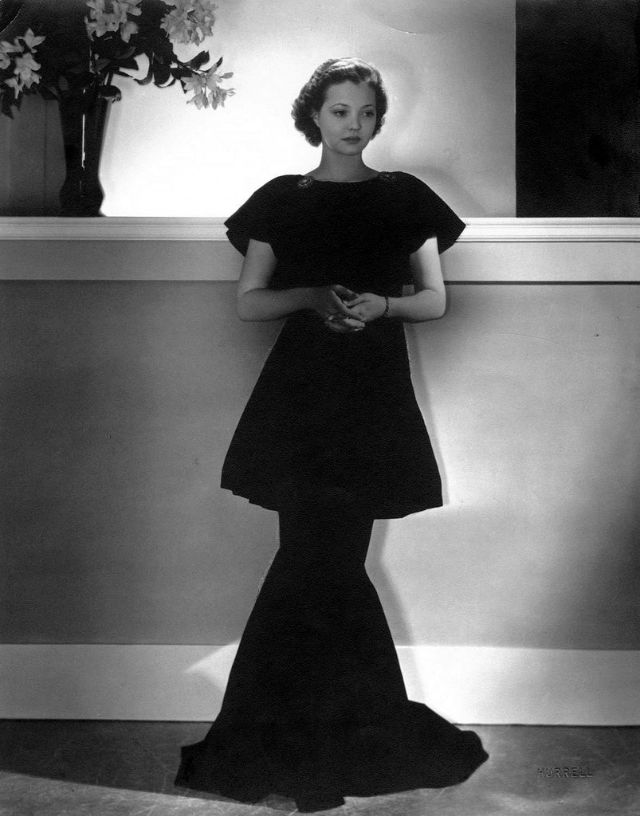
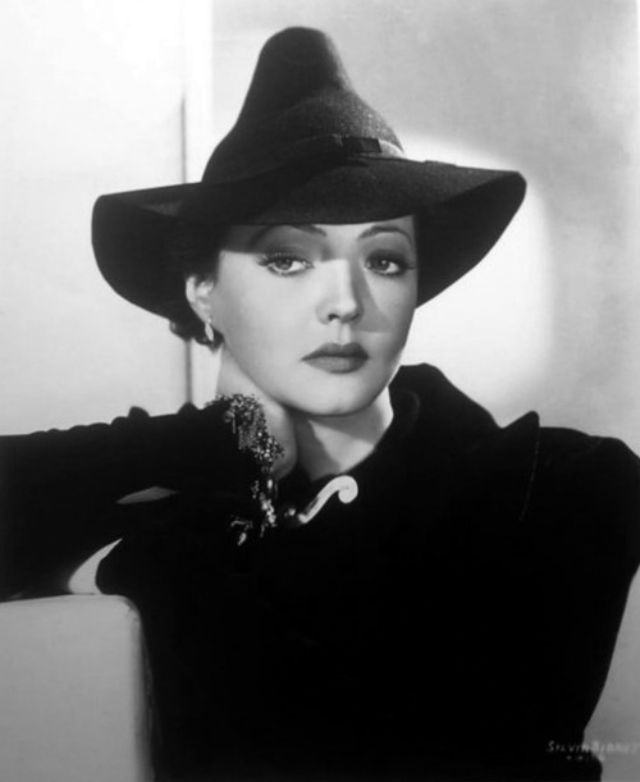
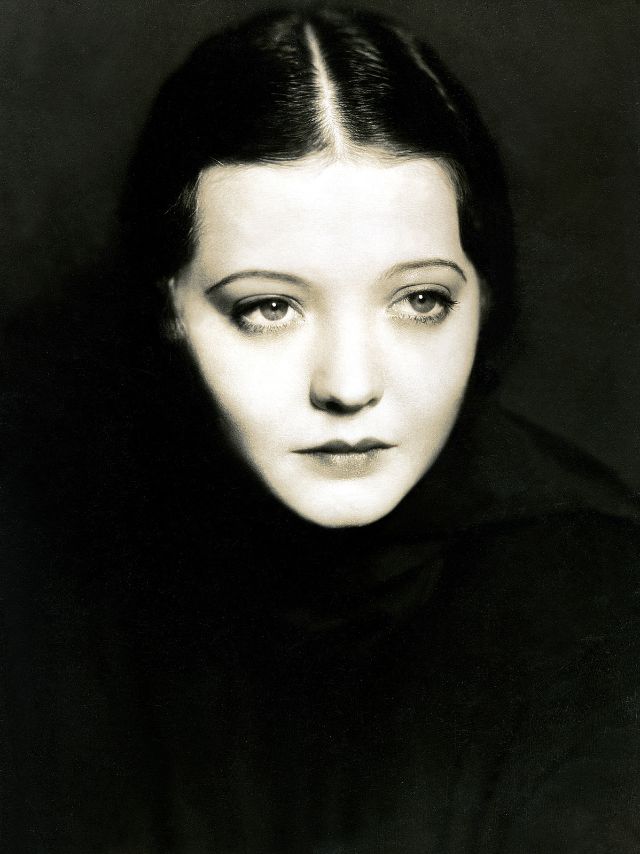
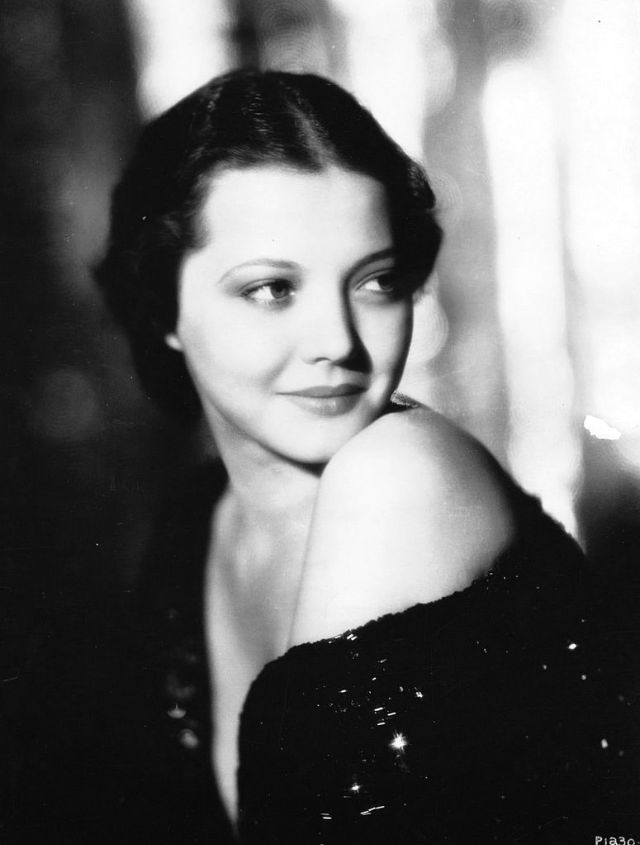
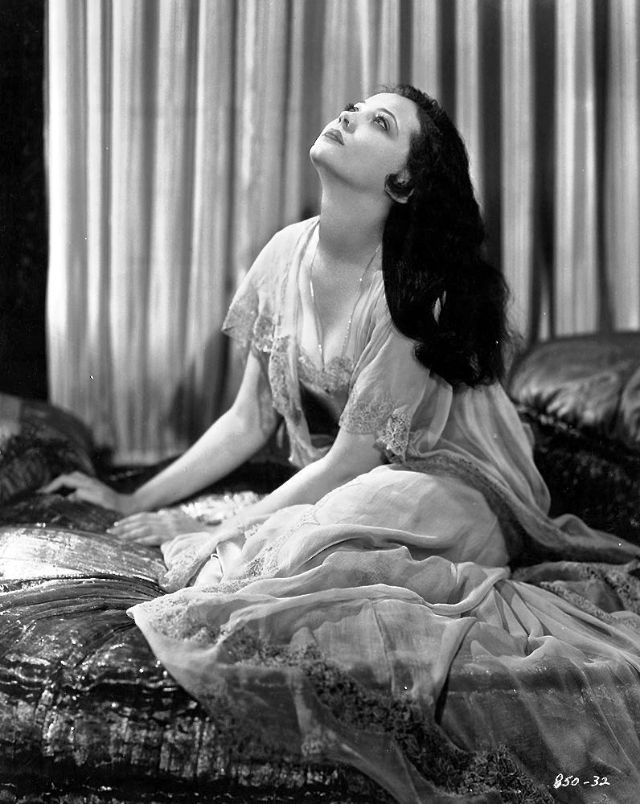
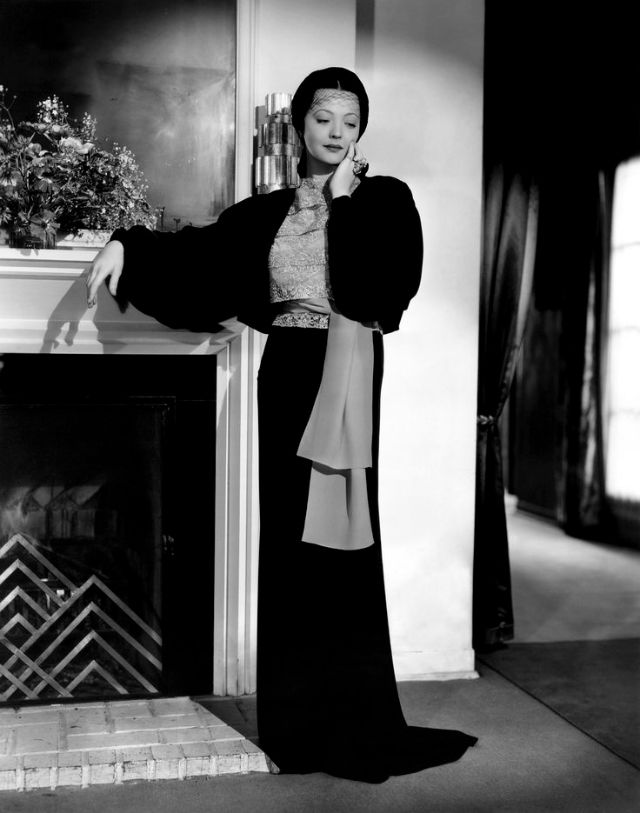
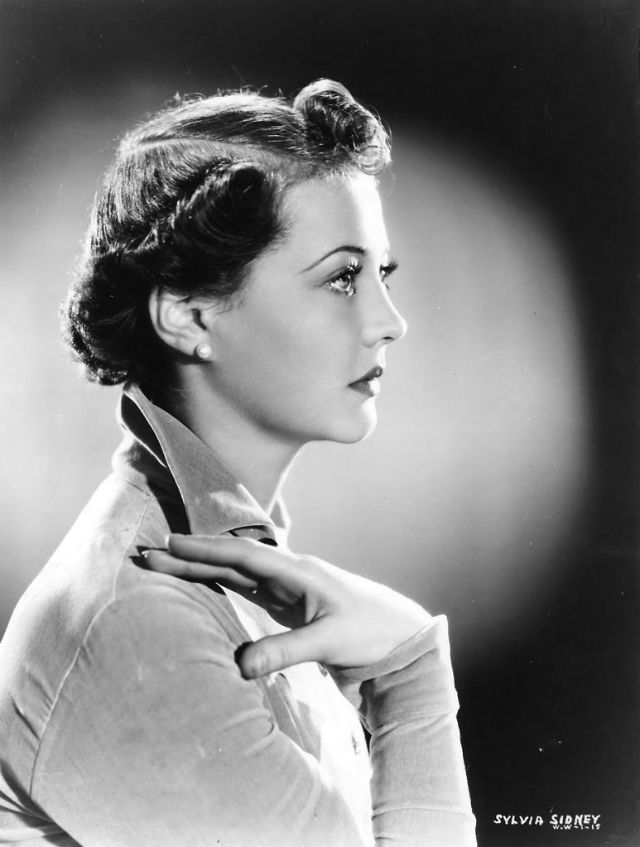
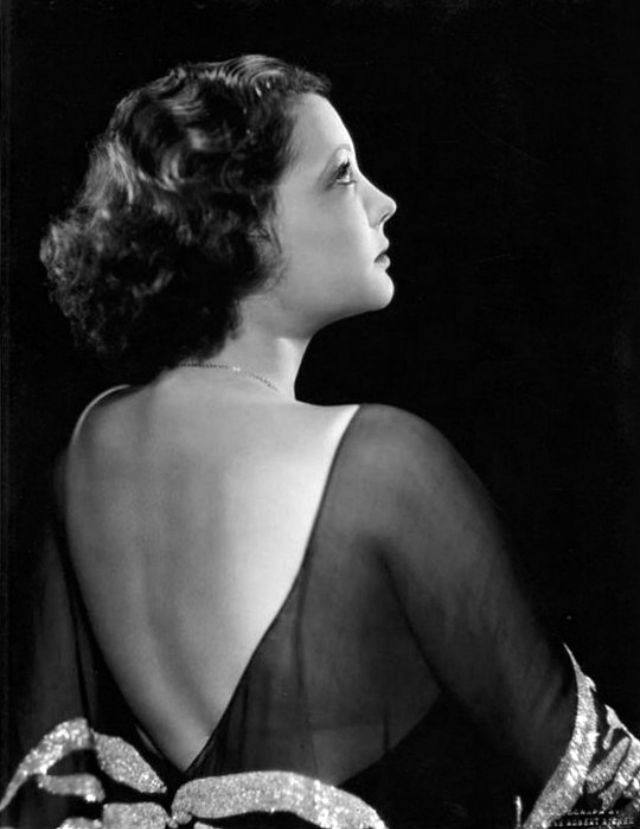
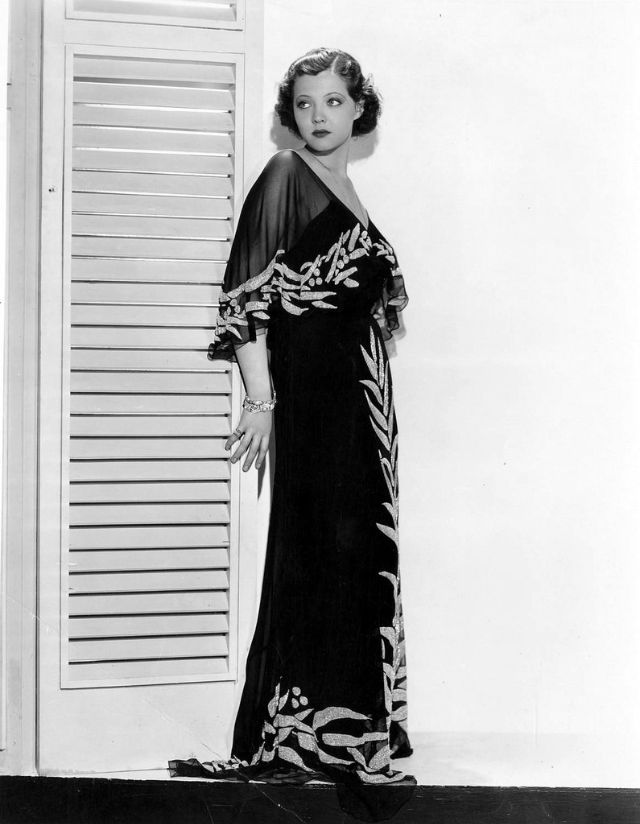
Born 1910 as Sophia Kosow in The Bronx, New York, American actress of stage, screen and film Sylvia Sidney had a career spanning over 70 years, who first rose to prominence in dozens of leading roles in the 1930s.
Sidney later came to be known for her role as Juno, a case worker in the afterlife, in Tim Burton’s film Beetlejuice. She won a Saturn Award as Best Supporting Actress for this performance. She also was nominated for the Academy Award for Best Supporting Actress for her performance in Summer Wishes, Winter Dreams (1973).
In 1982, Sidney was awarded The George Eastman Award by George Eastman House for distinguished contribution to the art of film. She died in 1999, from esophageal cancer at the Lenox Hill Hospital in New York City, a month before her 89th birthday.