Bringing You the Wonder of Yesterday – Today


Read more of this content when you subscribe today.
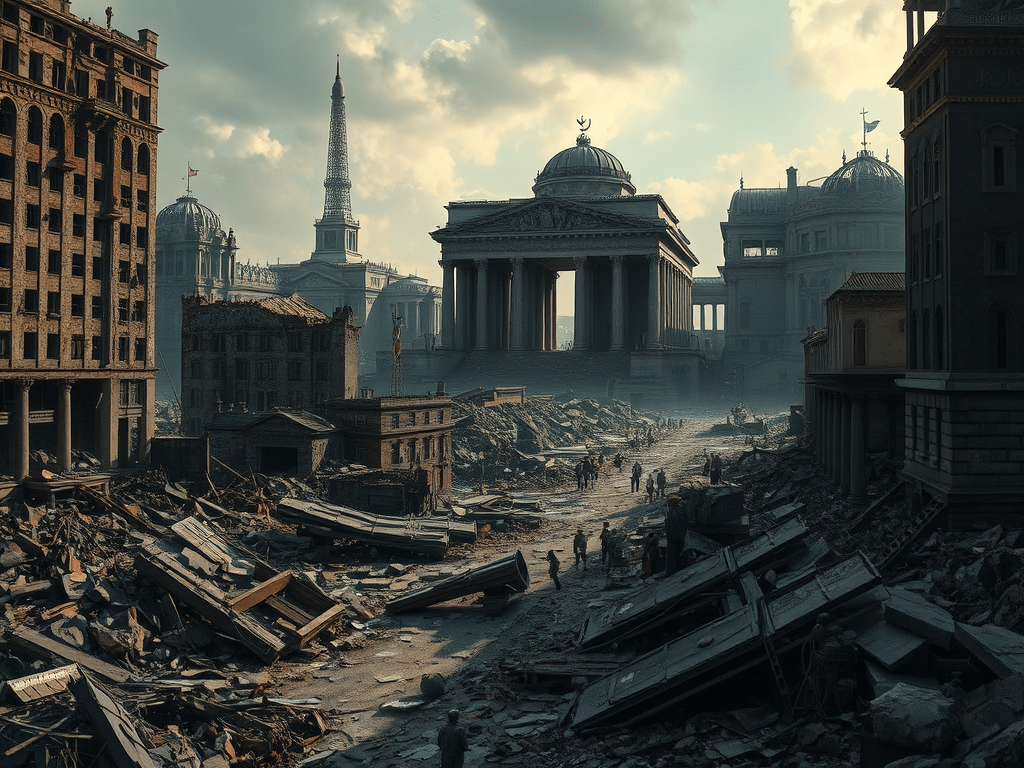
The ruins of Berlin in the late 1940s stood as a stark reminder of the devastating consequences of World War II and the violent destruction that engulfed Europe. By the end of the war, Berlin was reduced to a shattered shell of its former self—a city of crumbled buildings, displaced residents, and fractured infrastructure. This devastation was not only the result of prolonged warfare but also the culmination of Berlin’s strategic significance as the capital of Nazi Germany and the Allied forces’ relentless efforts to bring an end to Adolf Hitler’s regime.
Berlin’s downfall began with its central role in Nazi Germany’s military operations and propaganda machine. As Hitler’s capital, Berlin was a hub for political decision-making, military planning, and production. Because of its importance, it became a prime target for Allied bombers during the war. The bombing campaigns intensified in 1943 as part of the Allies’ strategy to undermine German war efforts and morale. British and American air raids inflicted heavy damage on Berlin’s industrial areas, residential zones, and historic landmarks, leaving the city battered and vulnerable.
The most severe destruction of Berlin occurred during the final weeks of World War II in 1945. The city became the focal point of the Soviet Union’s advance as part of the Battle of Berlin, one of the bloodiest confrontations in the war. In April 1945, Soviet forces encircled Berlin and launched a massive assault on the city. Urban warfare raged as German troops, including remnants of the SS and Hitler Youth, fought fiercely to defend the capital. The fighting spilled into the streets, with tanks rolling over debris and artillery shells raining down on buildings. By early May, Berlin fell to the Soviets, marking the end of the war in Europe.
The aftermath of the war revealed the full extent of Berlin’s devastation. Entire districts lay in ruins, with piles of rubble stretching as far as the eye could see. Iconic structures, including the Reichstag, were reduced to shells or severely damaged. Infrastructure was in shambles—roads, bridges, and utilities were unusable. The city’s population faced dire conditions, including homelessness, food shortages, and the looming specter of disease. Many residents, especially women, worked tirelessly as Trümmerfrauen (rubble women) to clear the debris and begin the long process of reconstruction.
Berlin’s devastation in the late 1940s extended beyond physical destruction; it was a symbol of the profound moral and political collapse of Nazi Germany. The city’s ruins became the backdrop for a new chapter in history: the occupation by Allied forces and the division of Berlin into sectors controlled by the United States, the Soviet Union, the United Kingdom, and France. This division would eventually lead to the creation of East Berlin and West Berlin, further complicating the city’s recovery and setting the stage for Cold War tensions.
Despite the hardships, Berlin slowly began to rebuild. While the ruins served as a haunting reminder of war’s toll, they also became a testament to human resilience. The residents of Berlin worked diligently to restore their city, reconstructing homes and historical landmarks while forging a path toward reconciliation and peace. By the late 1940s, some areas had begun to regain a semblance of normalcy, though scars of the war would remain visible for decades.
In conclusion, the ruins of Berlin in the late 1940s tell a tale of destruction, survival, and renewal. The city’s devastation stemmed from its significance as a target in World War II and its pivotal role in the conflict’s closing chapters. The aftermath left Berlin physically and emotionally scarred, but it also sparked a determination to rebuild and redefine its identity. The ruins of Berlin remain an enduring testament to the resilience of its people and the lessons of history.
Origins of These Photographs
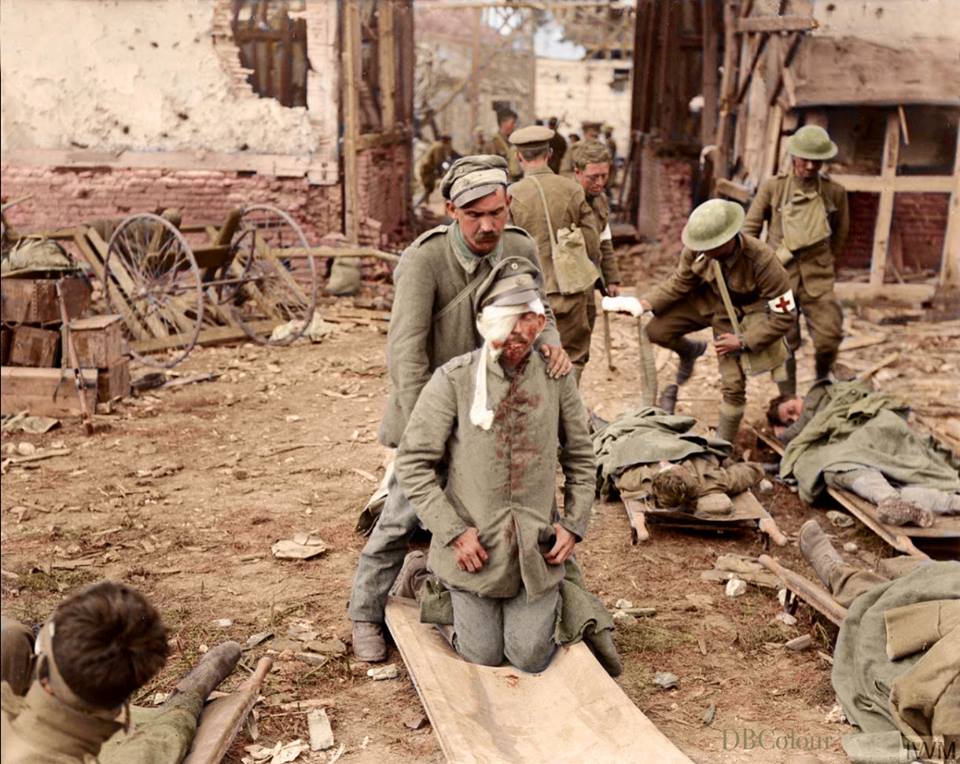
In 1916, photographer Arthur Bondar heard that the family of a Soviet war photographer was selling his negatives. The photographer, Valery Faminsky, had worked for the Soviet Army and kept his negatives from Ukraine and Germany meticulously archived until his death in 2011. Mr. Bondar had seen many books and several exhibits of World War II photography but had never heard of Mr. Faminsky.
He contacted the family, and when he viewed the negatives Mr. Bondar realized that he had stumbled upon an important cache of images of World War II made from the Soviet side. The price the family was asking was high — more than Mr. Bondar could afford as a freelance photographer — but he took the money he had made from a book on Chernobyl and acquired the archive.
“I looked through the negatives and realized I held in my hands a huge piece of history that was mostly unknown to ordinary people, even citizens of the former U.S.S.R.,” he told The New York Times. “We had so much propaganda from the World War II period, but here I saw an intimate look by Faminsky. He was purely interested in the people from both sides of the World War II barricades.”
Most of the best-known Soviet images from the war were used as propaganda, to glorify the victories of the Red Army. Often they were staged. Mr. Faminsky’s images are for the most part unvarnished and do not glorify war but focused on the human cost and “the real life of ordinary soldiers and people.”


Subscribe to get access to the rest of this post and other subscriber-only content.


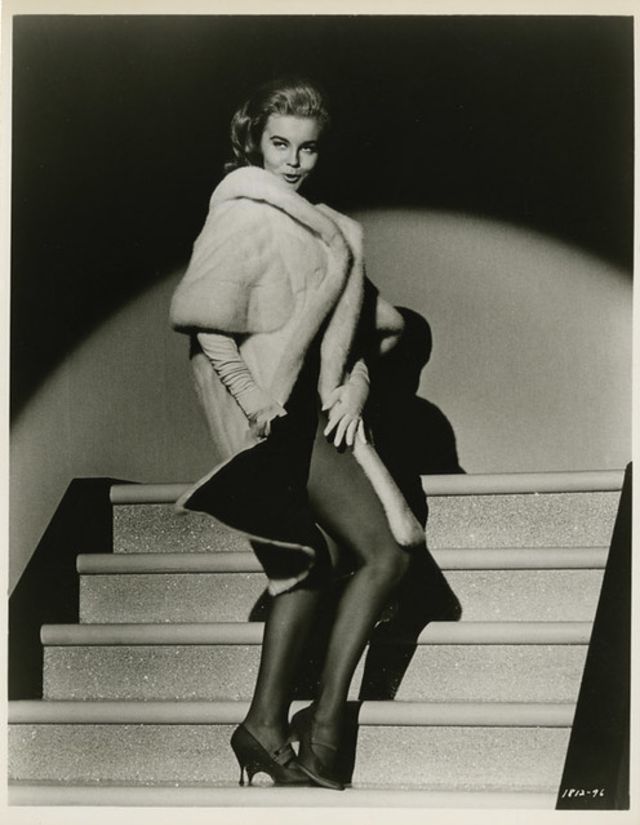
Born 1922 in Grabtown, North Carolina, American actress and singer Ava Gardner was signed to a contract with Metro-Goldwyn-Mayer in 1941, and appeared mainly in small roles until she drew attention with her performance in The Killers (1946).
Gardner appeared in several high-profile films from the 1940s to 1970s, including The Hucksters (1947), Show Boat (1951), Pandora and the Flying Dutchman (1951), The Snows of Kilimanjaro (1952), The Barefoot Contessa (1954), Bhowani Junction (1956), On the Beach (1959), 55 Days at Peking (1963), Seven Days in May (1964), The Night of the Iguana (1964), The Bible: In the Beginning… (1966), The Life and Times of Judge Roy Bean (1972), Earthquake (1974), and The Cassandra Crossing (1976).
Gardner was nominated for the Academy Award for Best Actress for her work in Mogambo (1953), and also received BAFTA Award and Golden Globe Award nominations for other films. She continued to act regularly until 1986, four years before her death in London in 1990, at the age of 67.
Ava Gardner is listed 25th among the American Film Institute’s 25 Greatest Female Stars of Classic Hollywood Cinema.
Take a look at these stunning photos to see glamorous beauty of Ava Gardner in the 1940s and 1950s.


Become a paid subscriber to get access to the rest of this post and other exclusive content.
The history of the Army Nurse Corps (ANC) in Vietnam began in April, 1956 when three Army nurses arrived in Saigon, Republic of Vietnam. These nurses were on temporary duty assignments attached to the United States Army Medical Training Team, United States Military Assistance Advisory Group (MAAG), Saigon. The Army sent them to train South Vietnamese nurses in nursing care procedures and techniques, not care for U.S. servicemen.
Instead, the American Embassy Dispensary in Saigon provided care for the American Community and the MAAG advisers. By 1959, however, that facility could no longer meet its mounting requirements. Medical and dental personnel of the U.S. Army, Navy and Air Force augmented a team redesignated as the American Dispensary, Saigon. This tri-service staffing arrangement, including two Army Nurse Corps officers, continued for the next three years.
The expansion of the war in the Republic of Vietnam placed greater burdens on the Army Nurse Corps. Over 11 years from March, 1962 (when the 8th Field Hospital opened in Nha Trang) to March, 1973 (when the last Army nurses departed the Republic of Vietnam), more than 5,000 Army nurses served in America’s longest war.
The buildup in Vietnam taxed the Corps. Army nurses had to provide full peacetime nursing services in the continental United States and Europe yet simultaneously meet the far different requirements of combat forces fighting in Southeast Asia. In January, 1965 the Army had 113 hospital beds and 15 nurses in Vietnam. The buildup of medical units was completed in 1968 and included 11 Reserve and National Guard medical units. By December 1968, 900 nurses in Vietnam worked in 23 Army hospitals, and one convalescent center with a total of 5,283 beds.
Army nurses volunteered for duty in Vietnam for a variety of reasons. Many felt it was their patriotic duty; others thought of Vietnam as an adventure. One nurse veteran remarked: “We aren’t angels, We are simply members of the nursing profession who have seen the need in Vietnam and are here to do our part.” Another said: “I wanted to be an army nurse and combat is where the soldier is. That’s where I wanted to be.” And a third: “My reason for going was that there were American troops there that needed help. They needed the things that I could give them in my nursing profession.”


A stunning photo set of Swedish-Italian actress Anita Ekberg was taken by Hungarian photographer Andre de Dienes in 1954.


(Photos by Andre de Dienes)
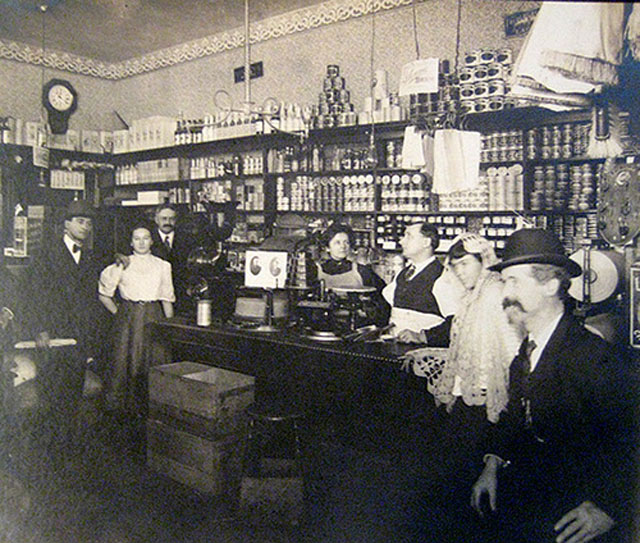
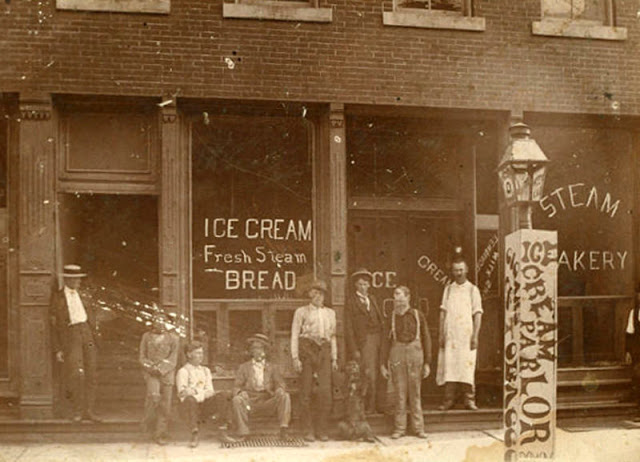
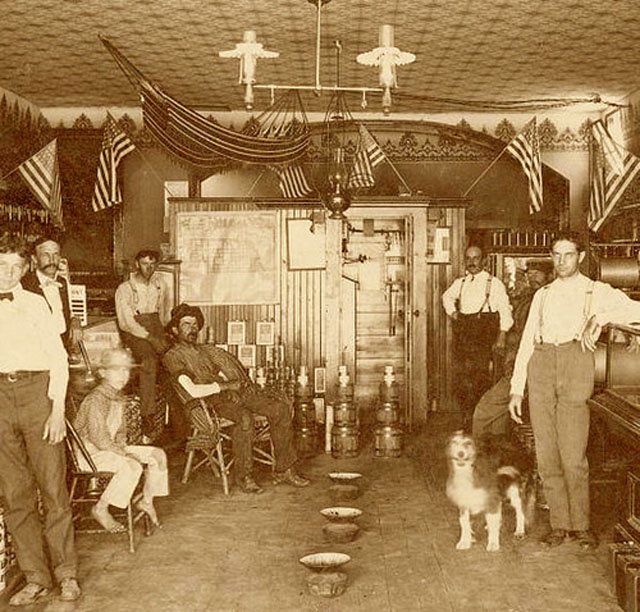
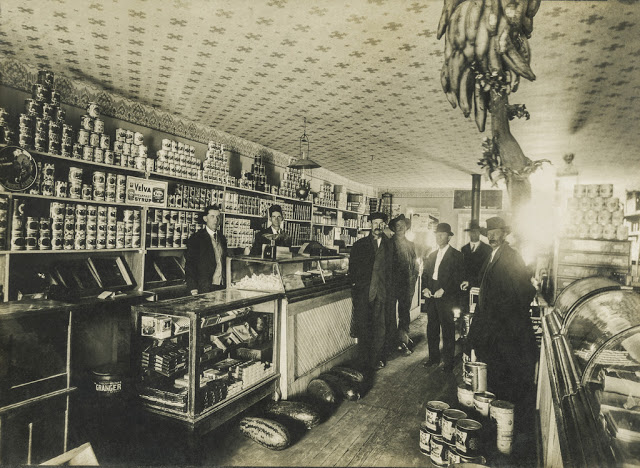
These are what everyday life in Atlanta, the capital of and the most populous city in the U.S. state of Georgia, looked like before 1900.


Born 1913, Dutch photojournalist Ben van Meerendonk worked at the General Dutch Photo Press Office of Sem Presser in the late 1930s, but was prohibited from practicing his profession during the Second World War. In 1945, he founded the Algemeen Hollands Fotopersbureau (AHF).
Van Meerendonk mainly photographed in the forties, fifties and sixties, and delivered via his AHF to the newspapers De Telegraaf, De Tijd, De Waarheid, Het Parool, Het Vrije Volk and Trouw.
As a press photographer Van Meerendonk specialized in daily life, the Royal House, and international stars. He won the Silver Camera in 1950, 1958 and 1966, and in 1966 the first prize in the category Photo Stories of World Press Photo with a photograph of the rehearsal for the wedding of Beatrix and Claus.
In 1988 he was awarded the Golden Pin of Amsterdam. On the Haveneiland of the Amsterdam district of IJburg a street was named after him in 2006.
Van Meerendonk died in 2008, at the age of 94. His photo archive of more than 70 thousand photos has been housed at the International Institute of Social History (IISH) since 1990.
These amazing photos from IISG were taken by Ben van Meerendonk that show everyday life of Amsterdam from 1946 to 1949, few years just after the Second World War.


Here is a vintage photo collection that shows lovely moments of animals and their owners in the 1930s.