30 Vintage Photos Showing Life of Atlanta, Georgia during the 1800s

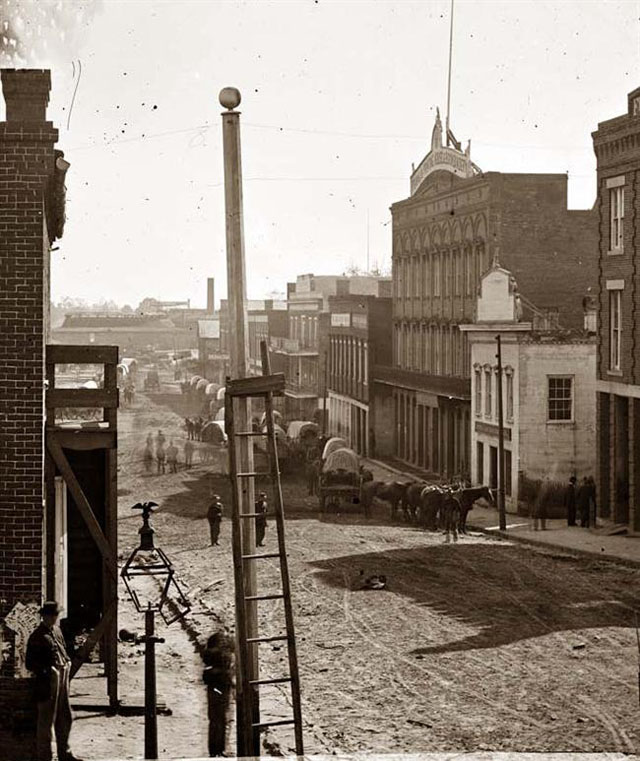
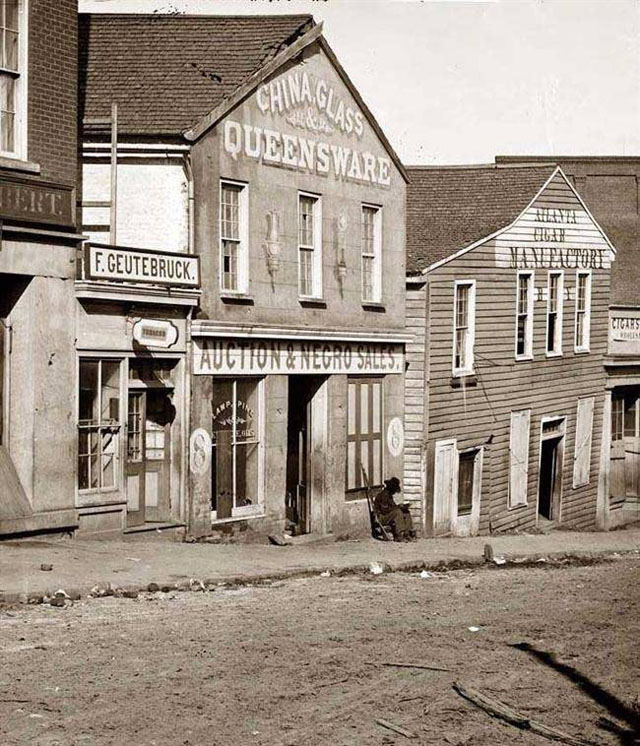
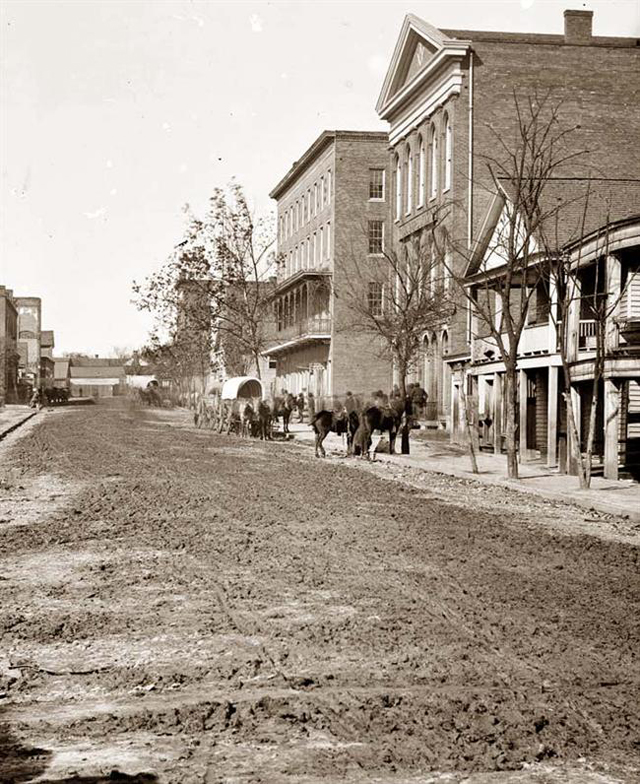
These are what everyday life in Atlanta, the capital of and the most populous city in the U.S. state of Georgia, looked like before 1900.

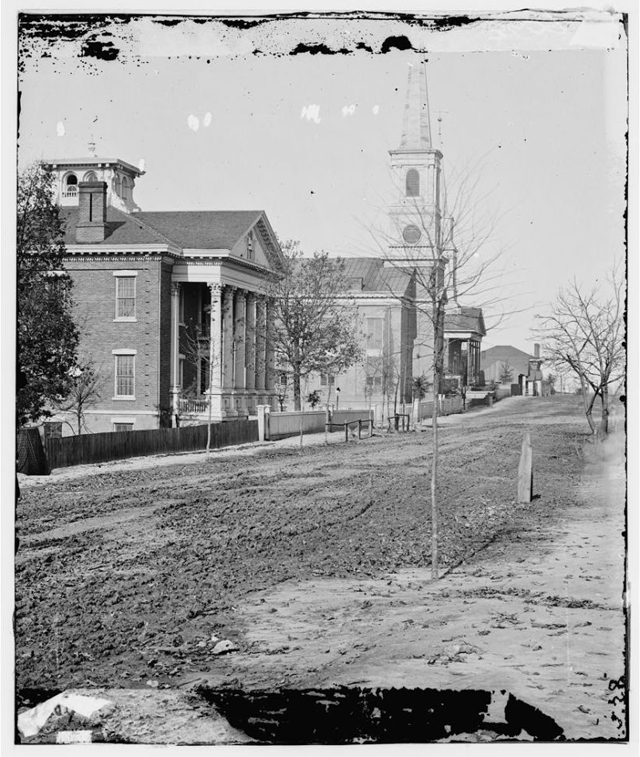
Alabama Street, near its intersection with Pryor Street in downtown Atlanta, 1890
Atlanta in the Civil War, ca. 1861-65
Atlanta’s Grady Hospital on May 25, 1892
Atlanta in 1864
Atlanta’s Equitable Building in 1892
Atlanta’s Five Points area, 1892
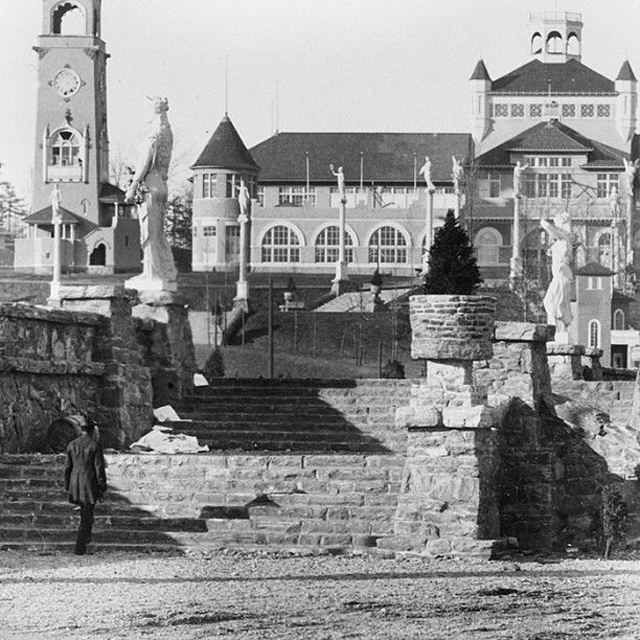
Atlanta’s Piedmont Park, 1895
Decatur Street, Atlanta, Georgia, 1864
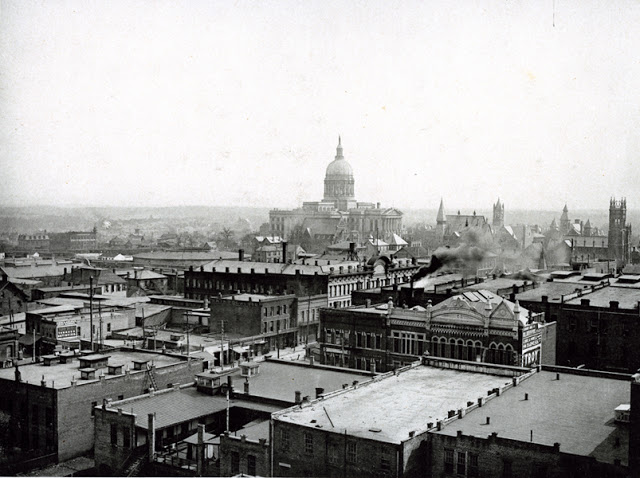
Downtown Atlanta taken from the roof of the Equitable Building, 1895
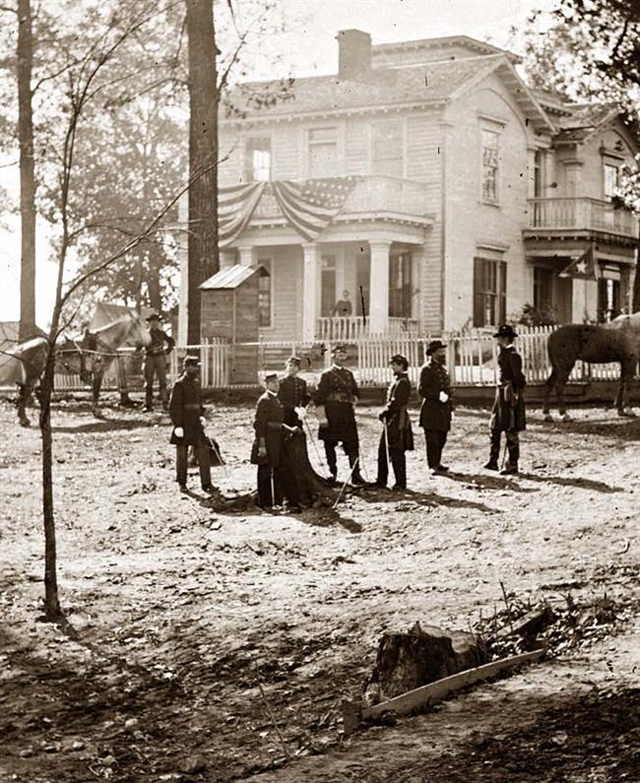
Federal officers in front of a home in Atlanta, Georgia during the Civil War, ca. 1861-65
Paddling around Lake Abana in Atlanta’s Grant Park in 1895
Peachtree (then Whitehall Street) looking toward Wall Street with the Kimball House looming in the background, ca. 1890s
Peachtree Street in Atlanta, GA, 1875
Peachtree Street, Atlanta, Georgia, 1864
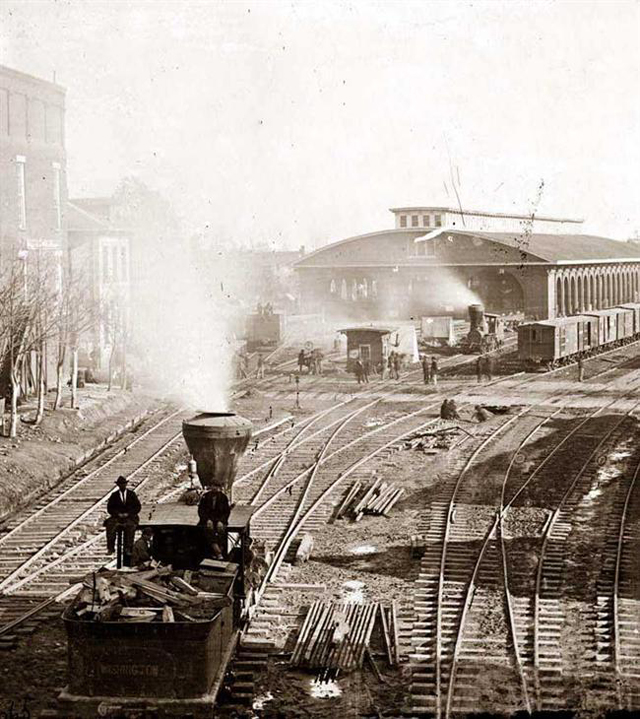
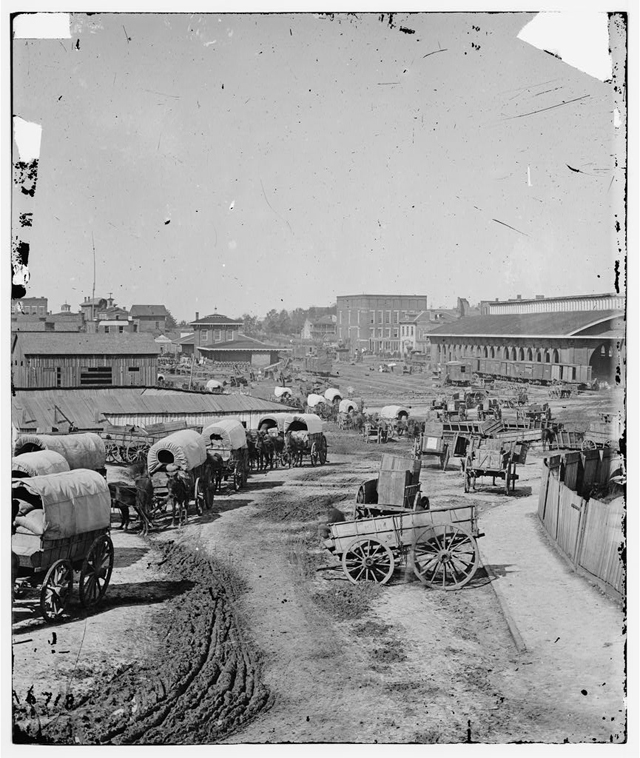
Railroad yards, Atlanta, Georgia, 1864
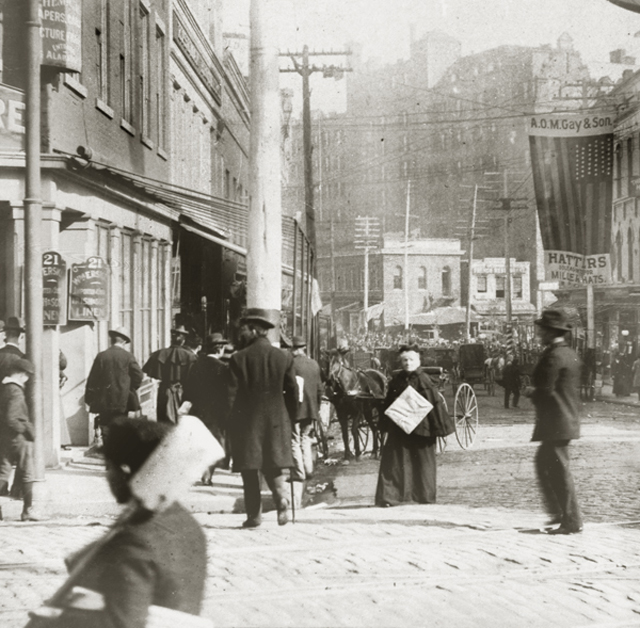
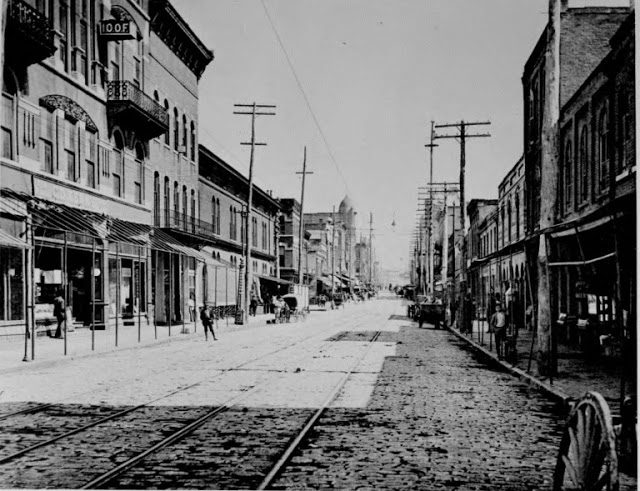
Street in Atlanta, ca. 1890s
Taking a stroll through Atlanta’s Piedmont Park in 1895
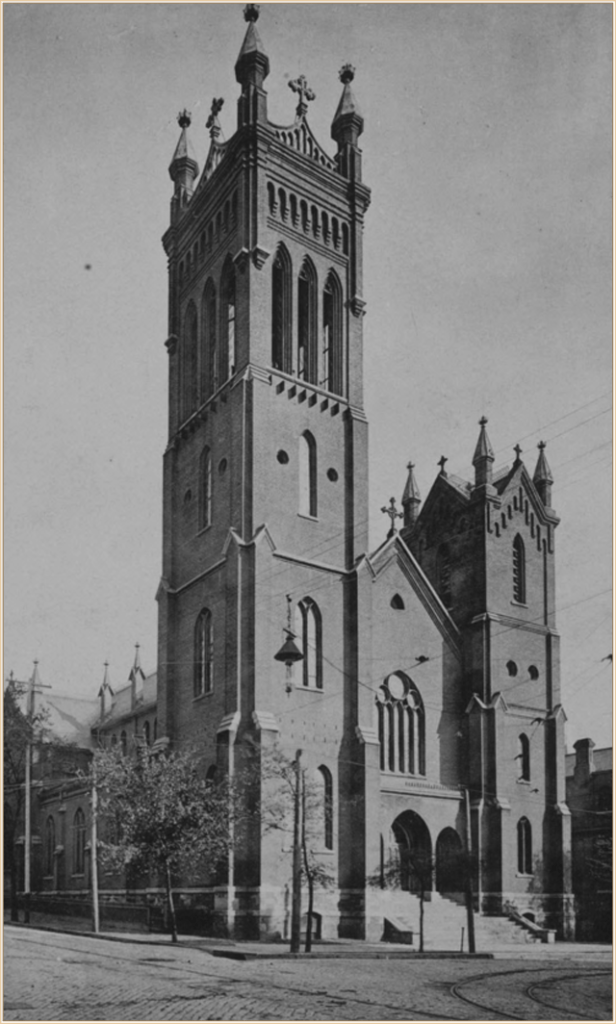
The Catholic Shrine of the Immaculate Conception, 1895.
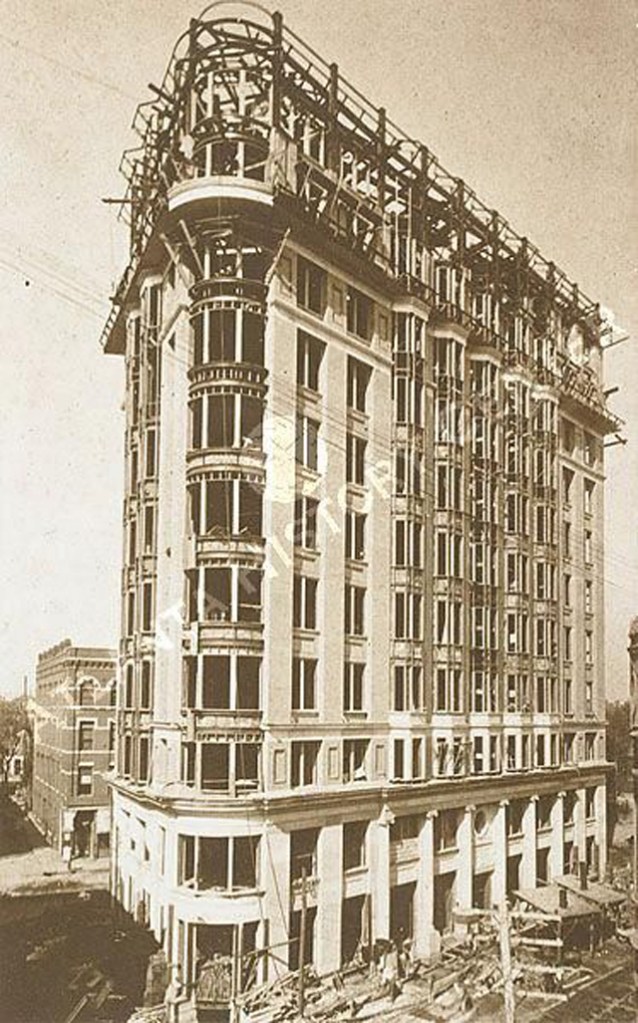
The construction of the English American Building (also known as the Flatiron Building) in downtown Atlanta, 1897
Wagon train leaving Atlanta, Georgia, 1864
Wagon train on Whitehall Street, Atlanta, Georgia, 1864
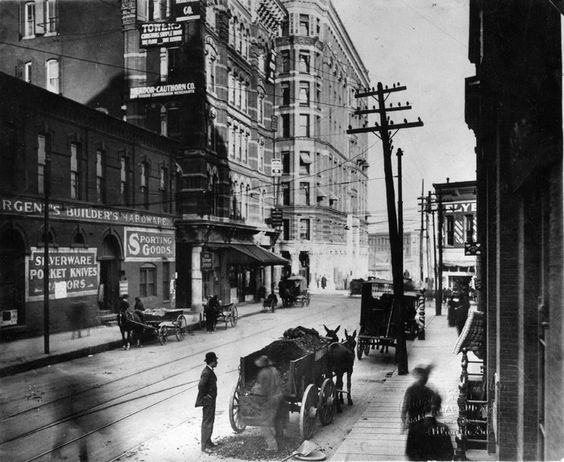
Whitehall Street (now Peachtree Street) from Mitchell Street, 1895
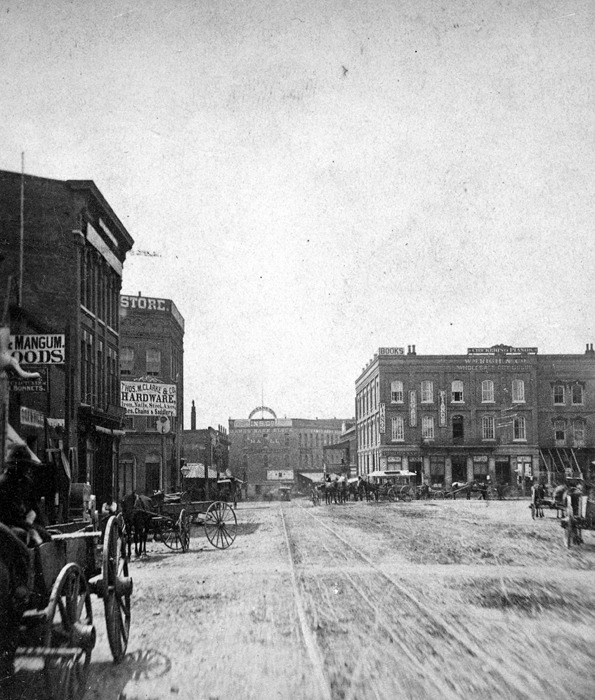
Whitehall Street, Atlanta, Georgia, ca. 1860s
A cart on Peachtree Street, near Five Points in downtown Atlanta, Georgia. 1882
Students from the Atlanta Medical College pose for a photograph in January 1895 in front of 34 Hilliard Street.
Horse-drawn Ambulance in 1896 Atlanta for Grady Hospital.
Peachtree Street looking south from Five Points. 1875
Marietta and Peachtree St., Atlanta, 1871.
1890s view of Peachtree (then Whitehall Street) looking toward Wall Street with the Kimball House looming in the background
1890s view of Edgewood Avenue looking east toward Pryor, Atlanta.

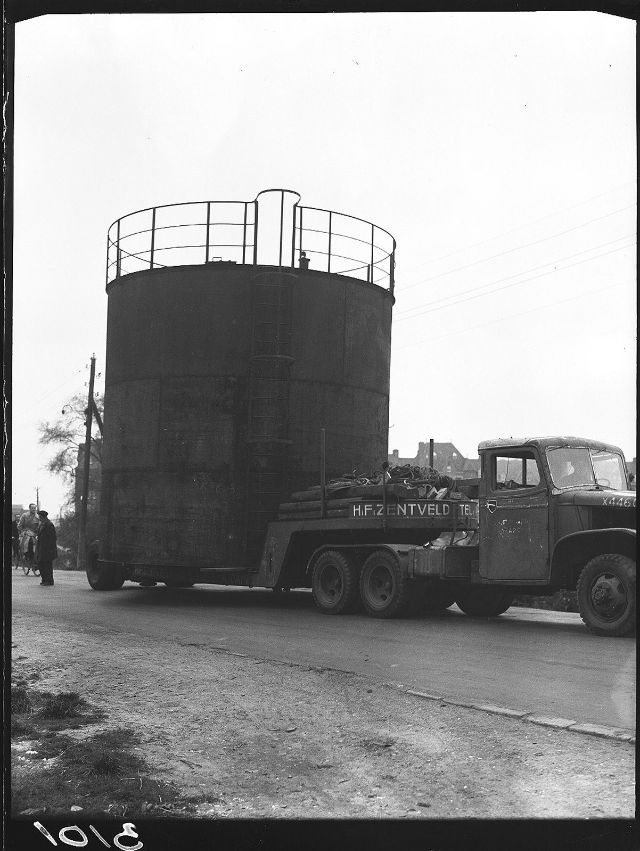
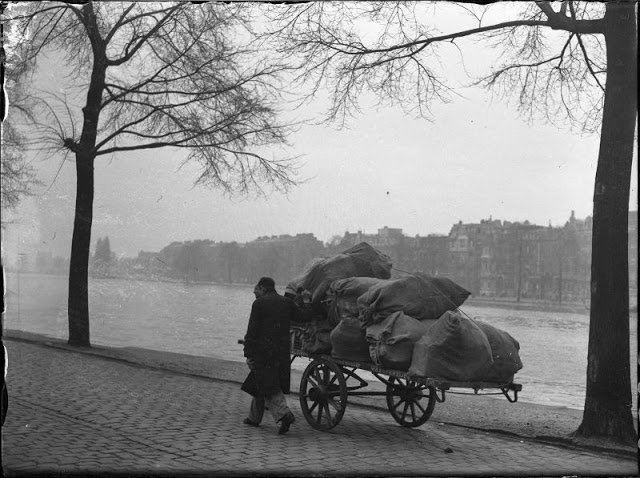
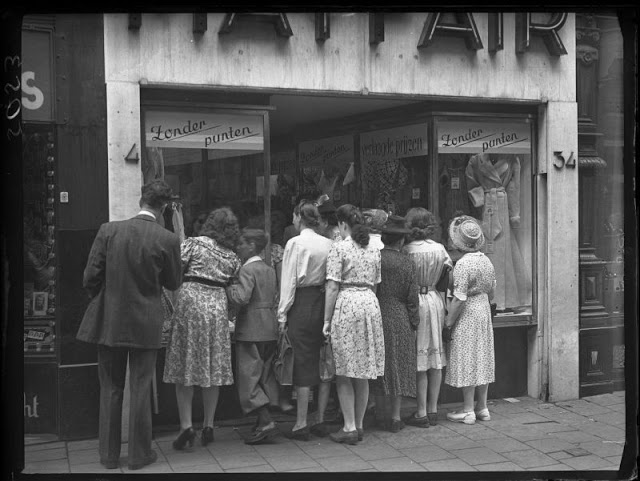
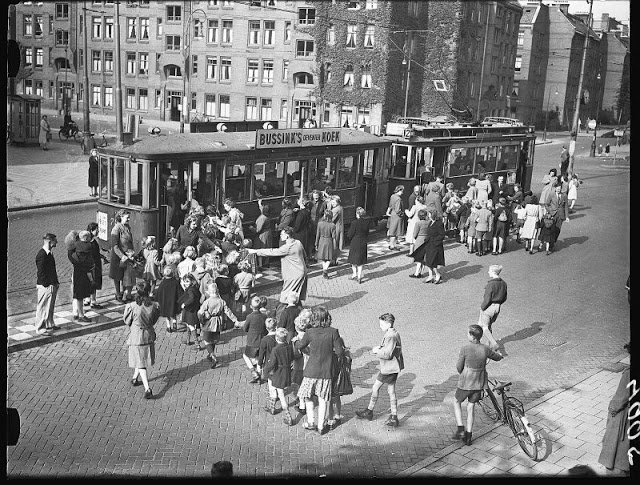
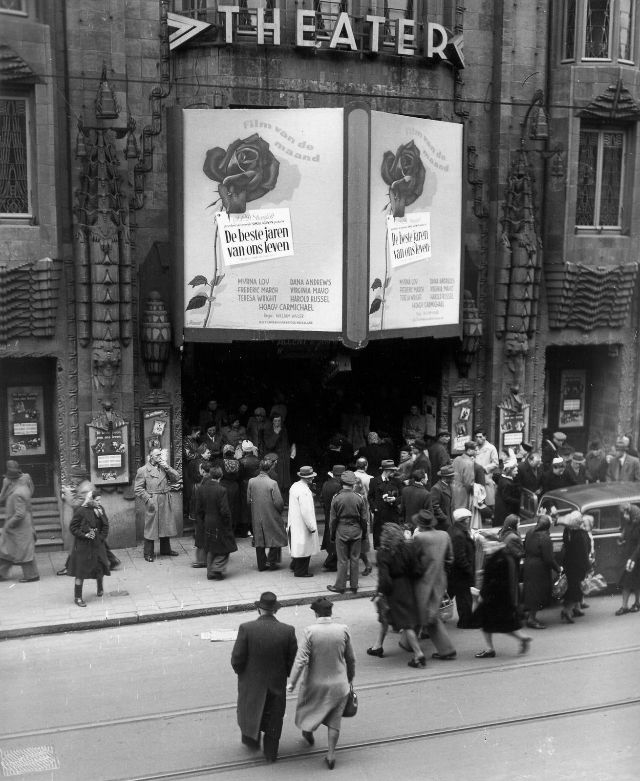
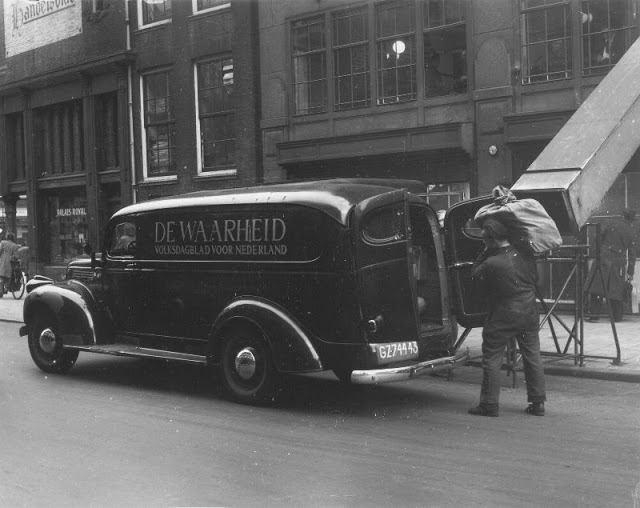
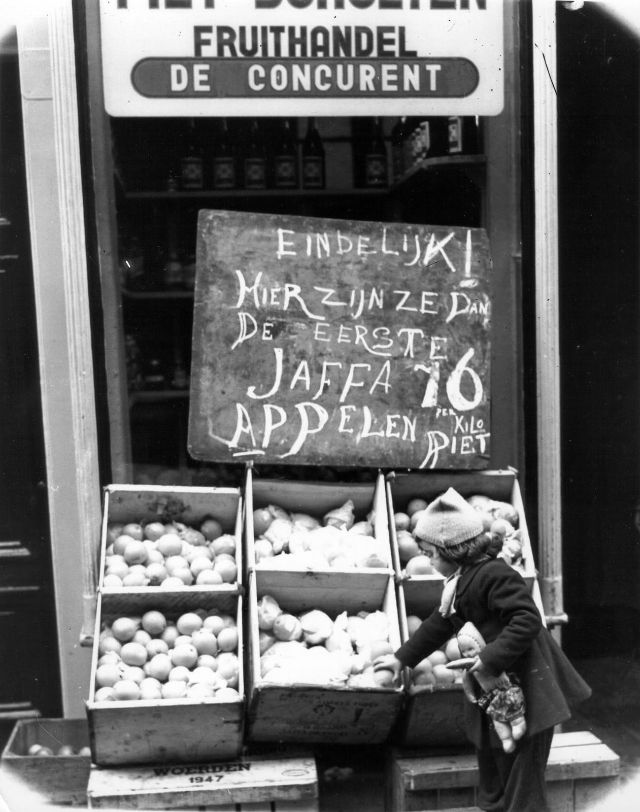
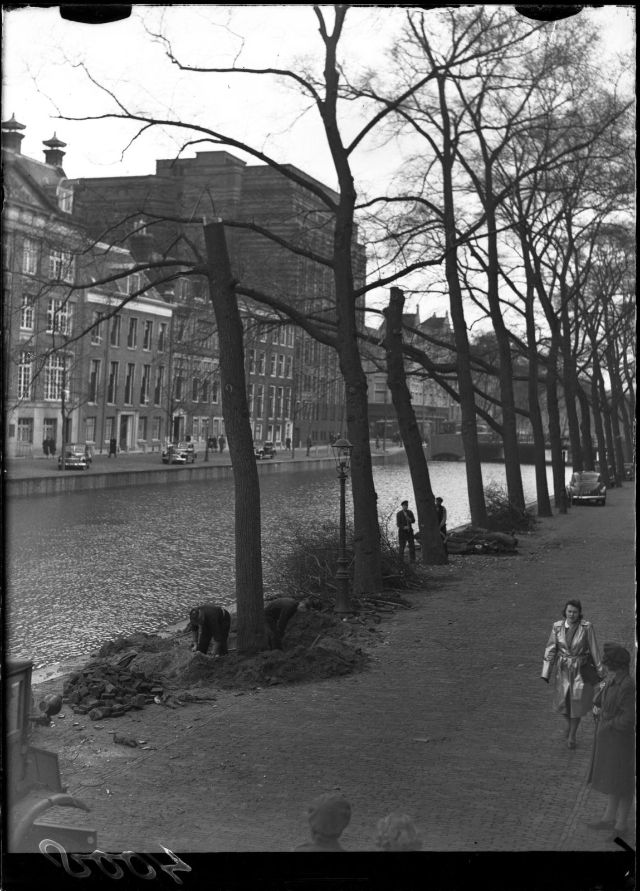
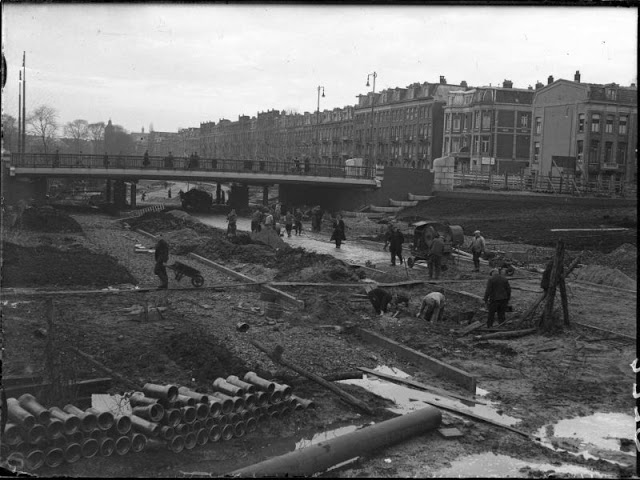
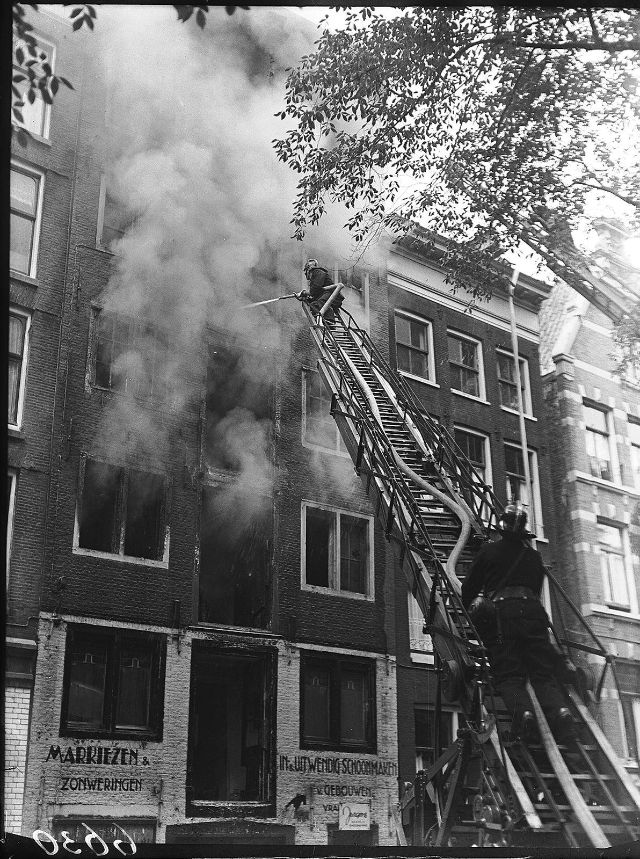
51 Vintage Photos Showing Life in Amsterdam in the Late 1940s

Born 1913, Dutch photojournalist Ben van Meerendonk worked at the General Dutch Photo Press Office of Sem Presser in the late 1930s, but was prohibited from practicing his profession during the Second World War. In 1945, he founded the Algemeen Hollands Fotopersbureau (AHF).

Van Meerendonk mainly photographed in the forties, fifties and sixties, and delivered via his AHF to the newspapers De Telegraaf, De Tijd, De Waarheid, Het Parool, Het Vrije Volk and Trouw.

As a press photographer Van Meerendonk specialized in daily life, the Royal House, and international stars. He won the Silver Camera in 1950, 1958 and 1966, and in 1966 the first prize in the category Photo Stories of World Press Photo with a photograph of the rehearsal for the wedding of Beatrix and Claus.

In 1988 he was awarded the Golden Pin of Amsterdam. On the Haveneiland of the Amsterdam district of IJburg a street was named after him in 2006.

Van Meerendonk died in 2008, at the age of 94. His photo archive of more than 70 thousand photos has been housed at the International Institute of Social History (IISH) since 1990.

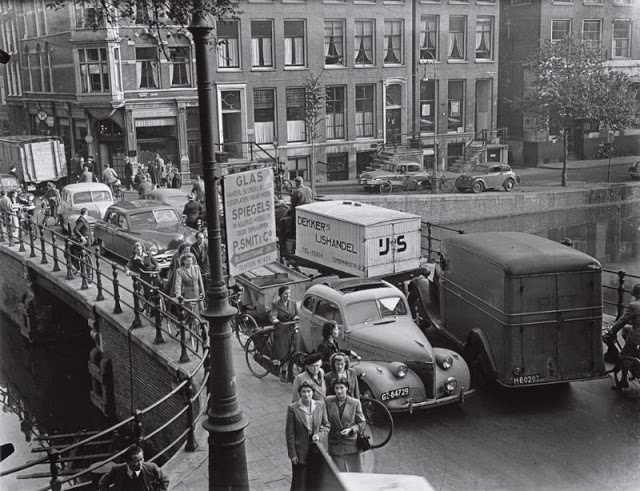
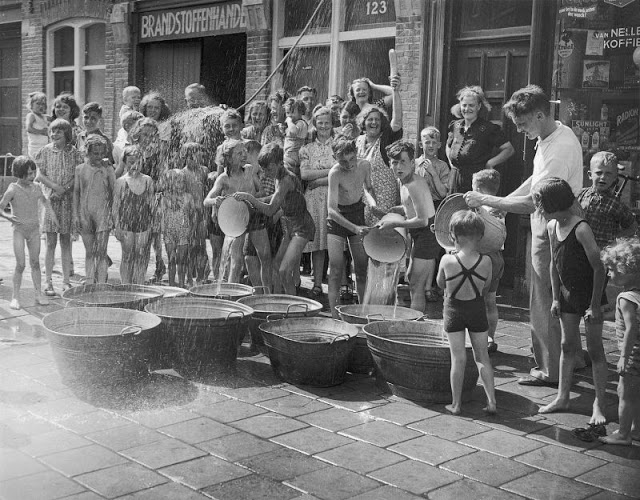
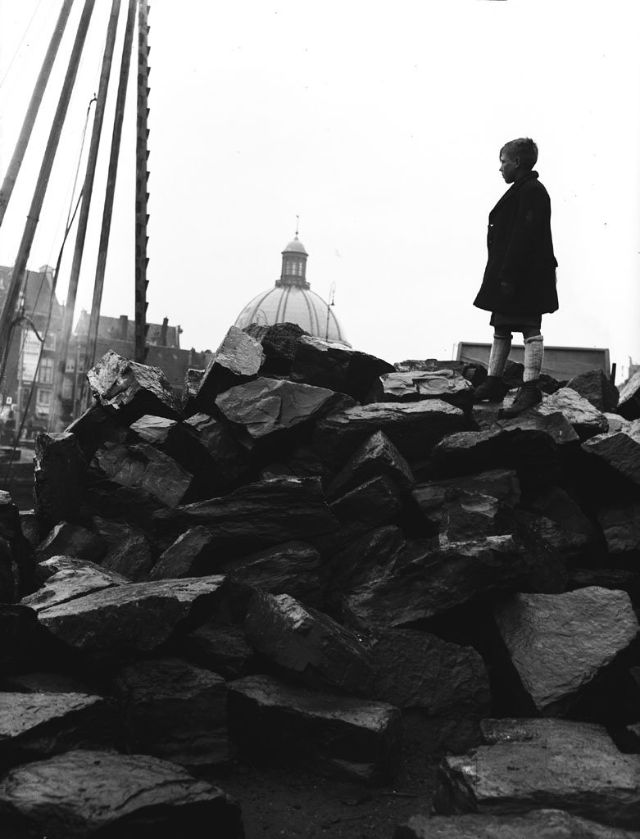
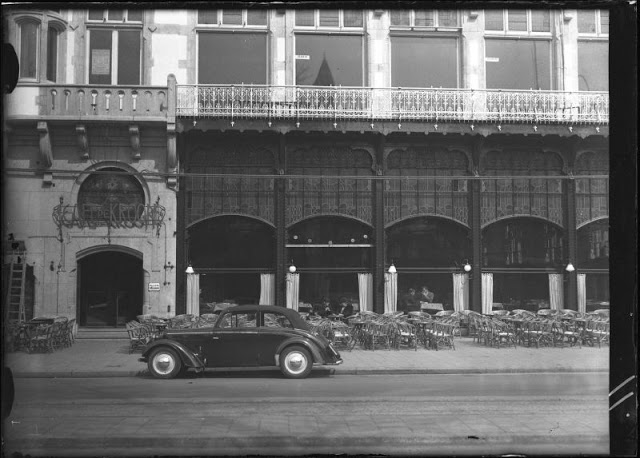
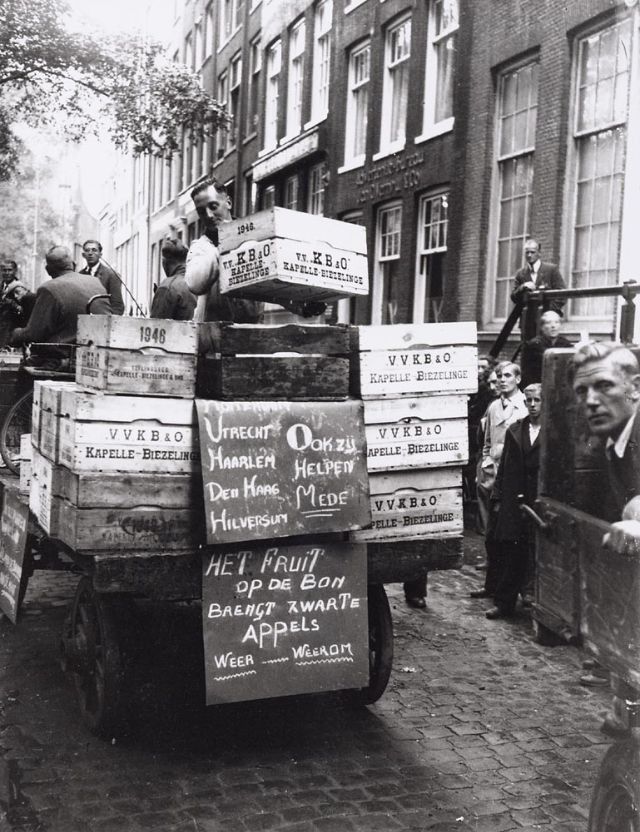
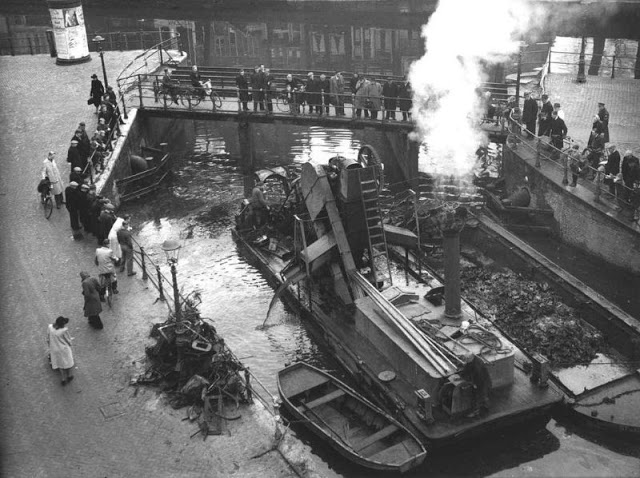
These amazing photos from IISG were taken by Ben van Meerendonk that show everyday life of Amsterdam from 1946 to 1949, few years just after the Second World War.

40 Vintage Photos Showing Life in America in 1943

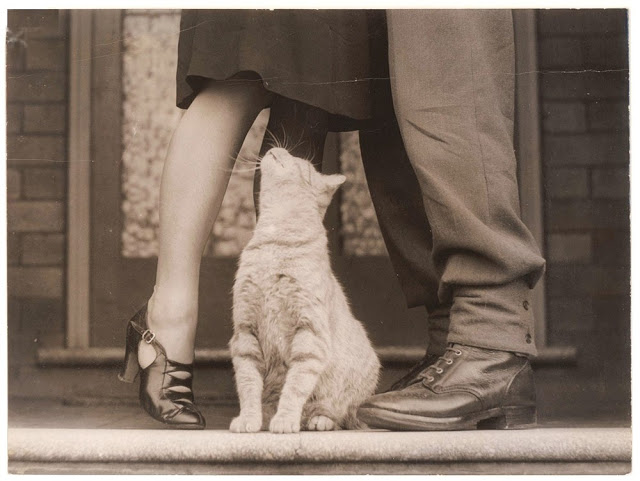
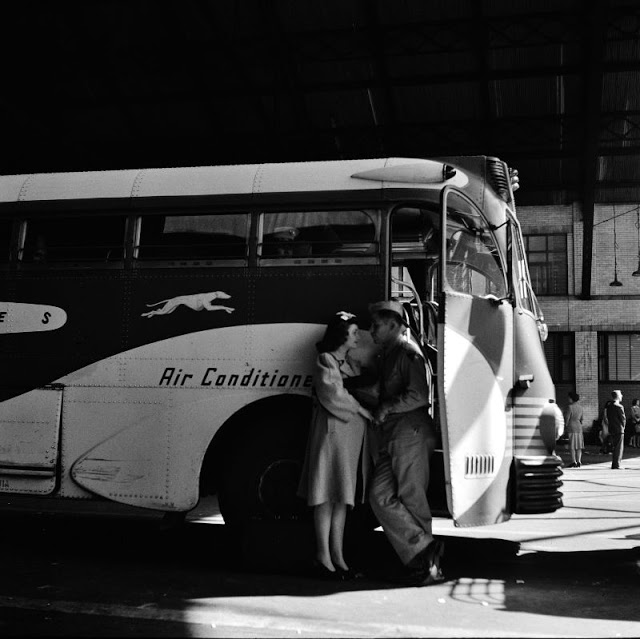
Indiana. A soldier and a girl saying goodbye at the Greyhound bus station, Indianapolis, 1943
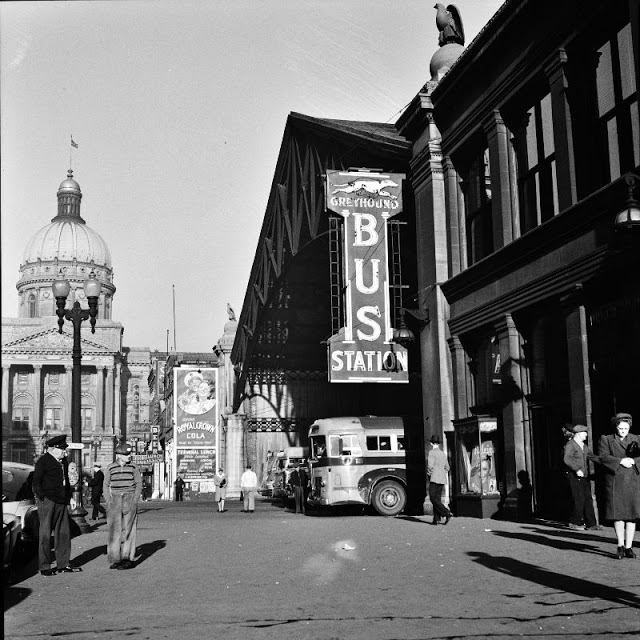
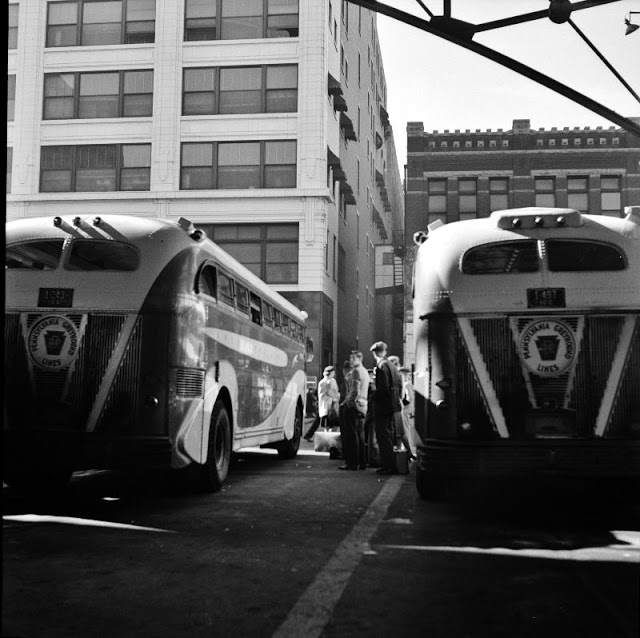
Indiana. A Greyhound bus station in Indianapolis, 1943
Indiana. At the Greyhound bus terminal, Indianapolis, September 1943
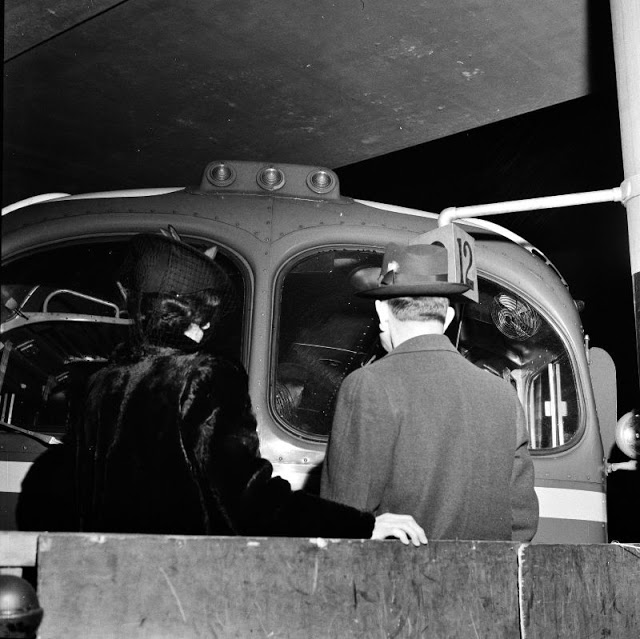
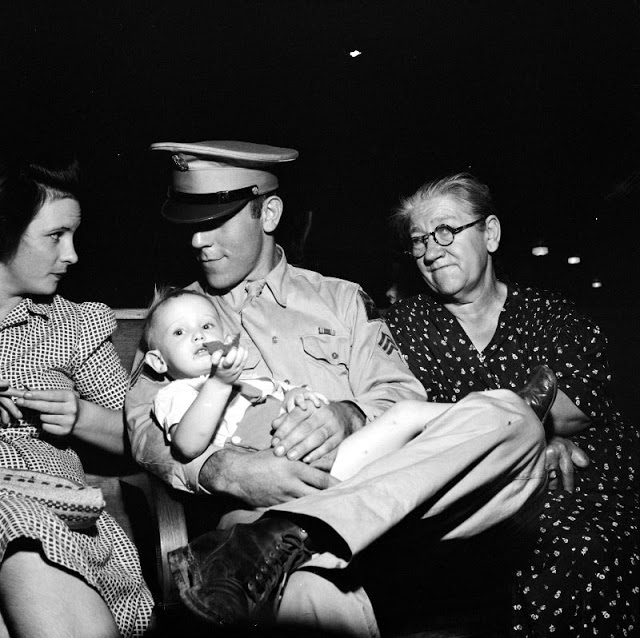
Indiana. Parents of one of the soldiers on a special bus, climbing onto the baggage cart to look into the bus until the moment it departs from the Greyhound terminal, Indianapolis, 1943
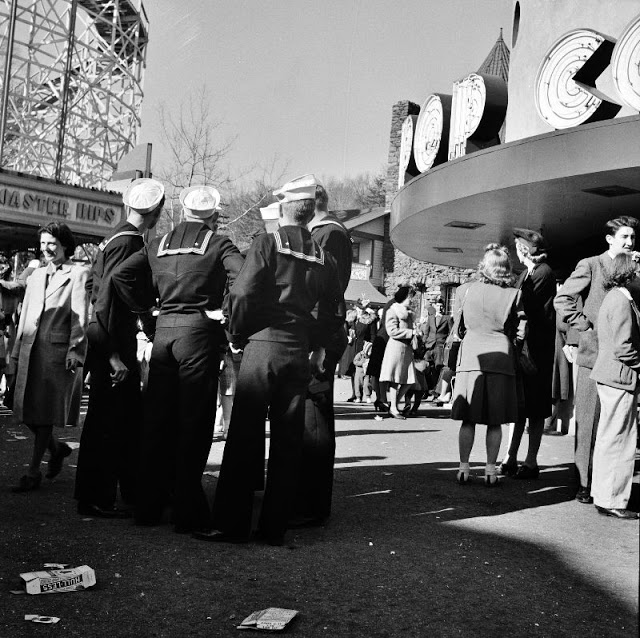
Maryland. Sailors at Glen Echo amusement park, March 1943
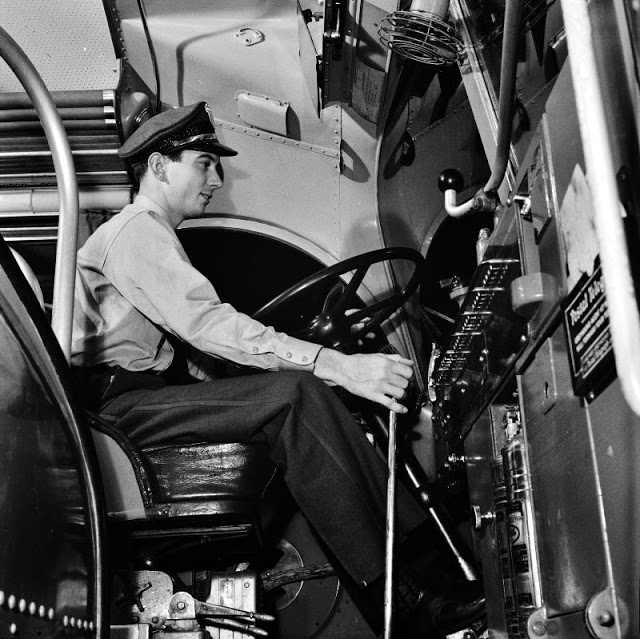
Ohio. Lester Ward, a Greyhound bus driver, Columbus, September 1943
Ohio. Passengers in the waiting room of a bus station, Columbus, September 1943
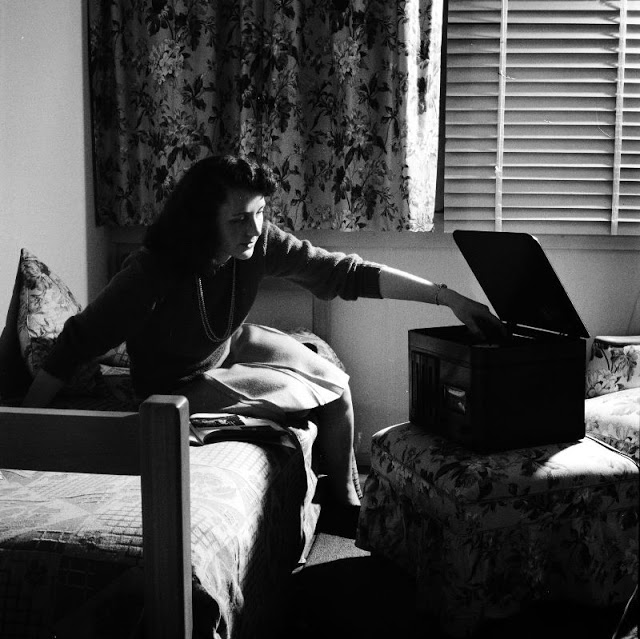
Virginia. A girl in her room playing a phonograph at Arlington Farms, Arlington, June 1943
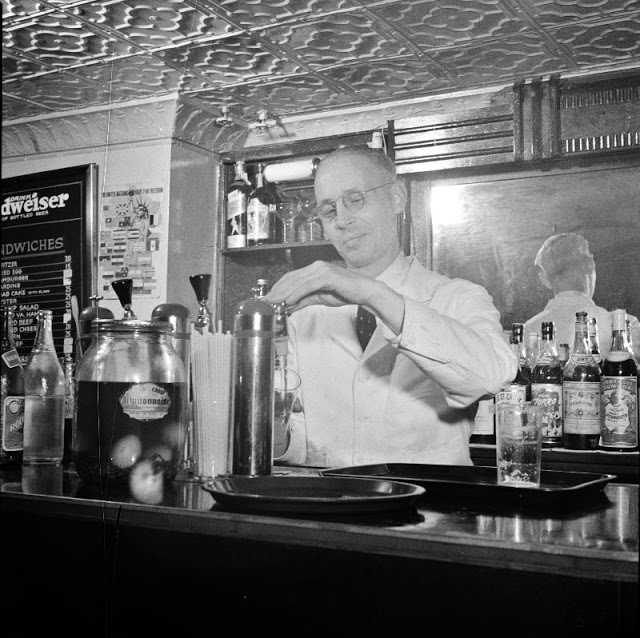
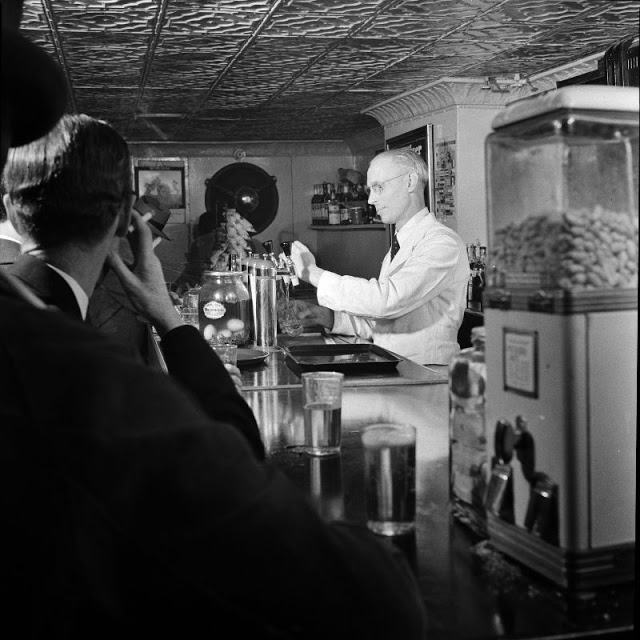
Washington D.C. Bob, the bartender at the Sea Grill, 1943
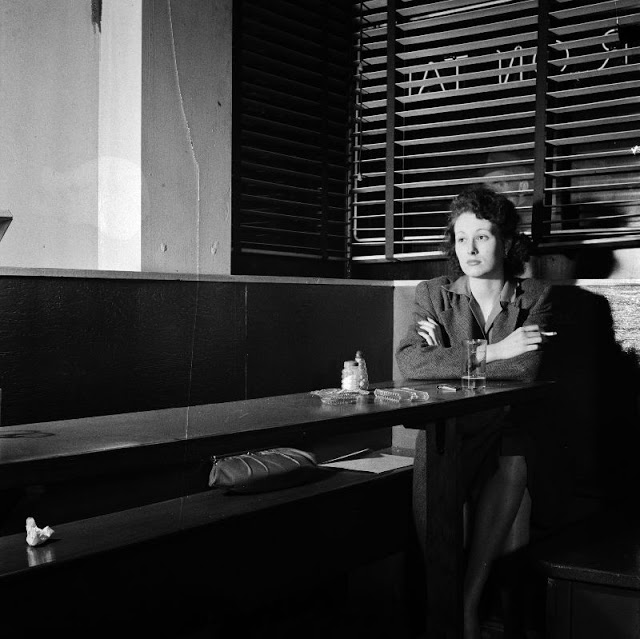
Washington D.C. Girl sitting alone in the Sea Grill, a bar and restaurant, waiting for a pickup, April 1943
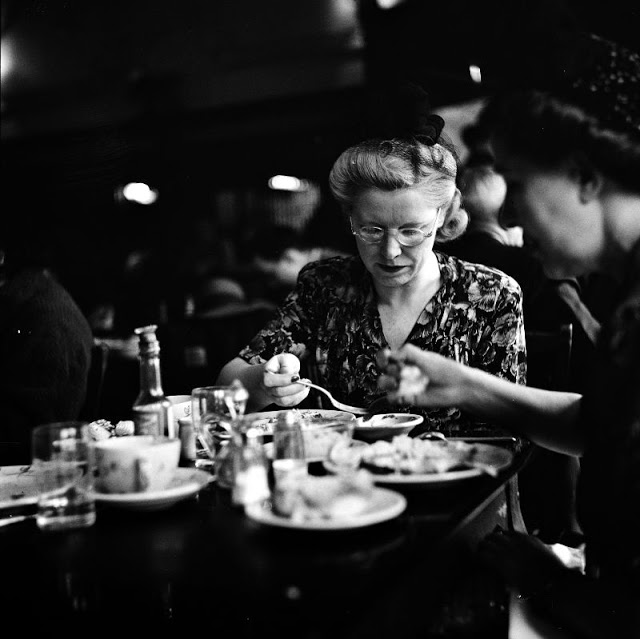
Washington D.C. People in a cafeteria, April 1943
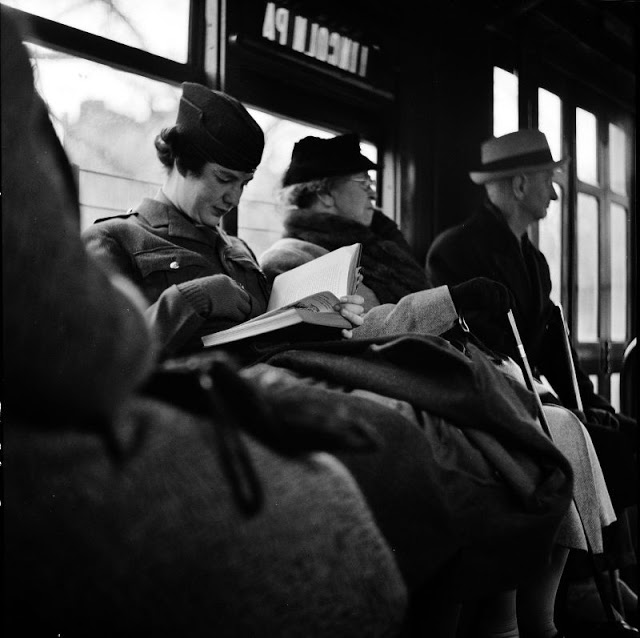
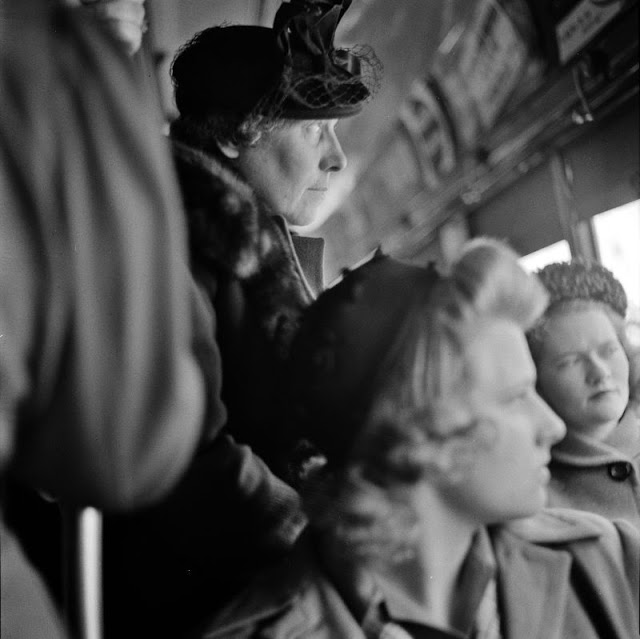
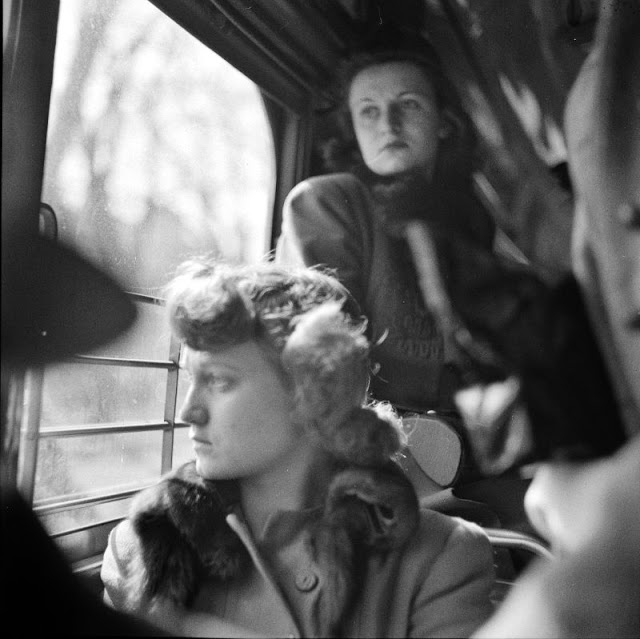
Washington DC. Riding on a streetcar, March 1943
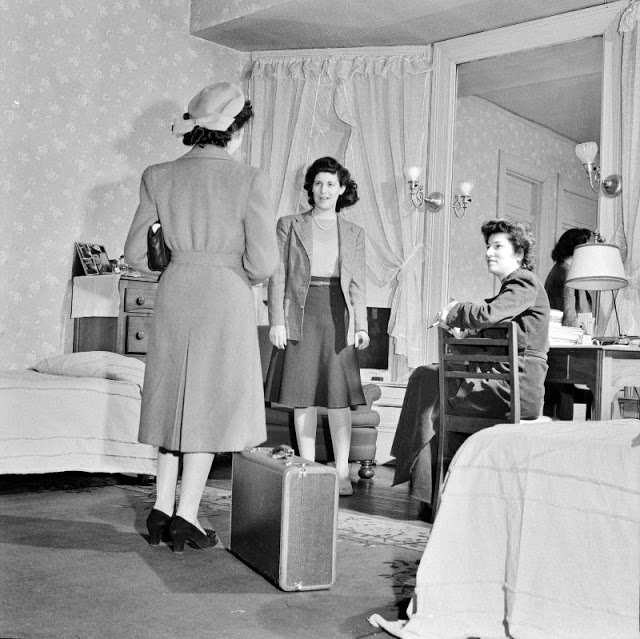
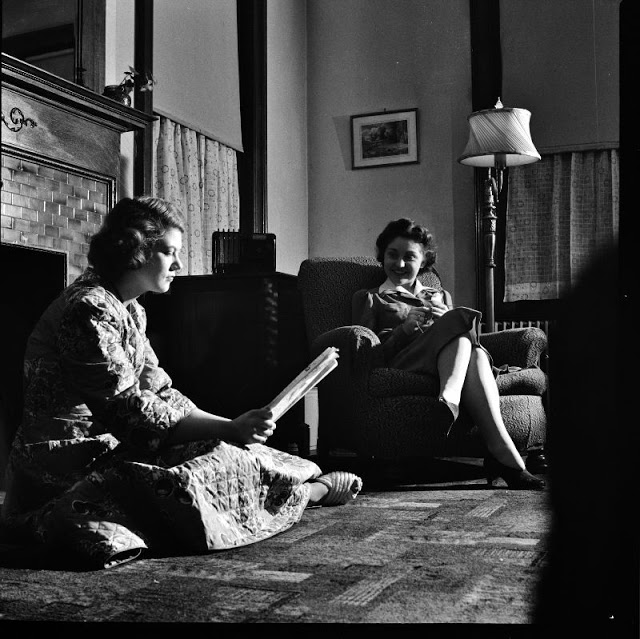
Washington, D.C. A girl employed by the U.S. government, a new arrival at a boarding house, being greeted by her roommates, 1943
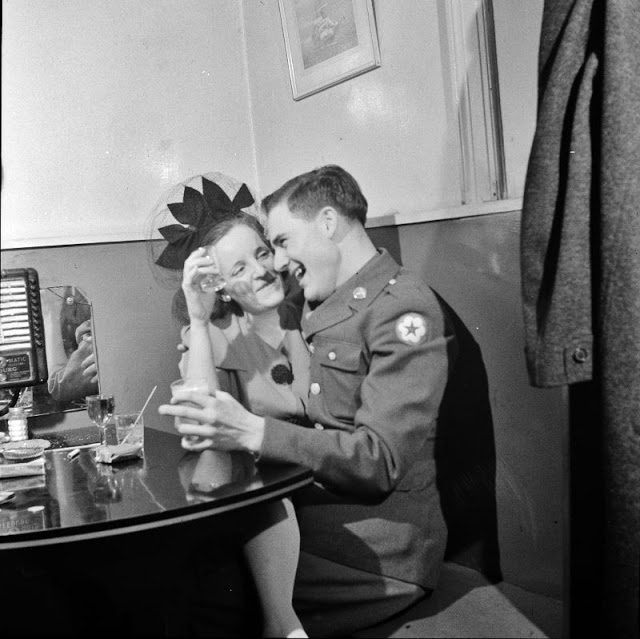
Washington, D.C. A slightly inebriated couple at the Sea Grill, April 1943
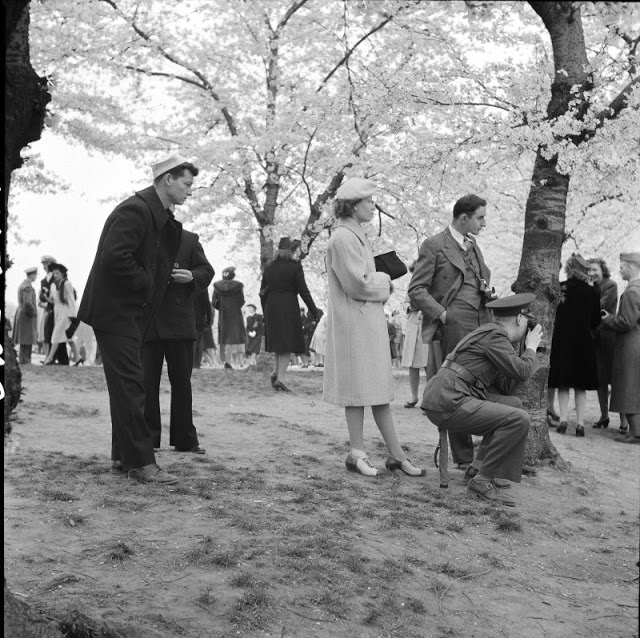
Washington, D.C. Admiring the cherry blossoms, April 1943
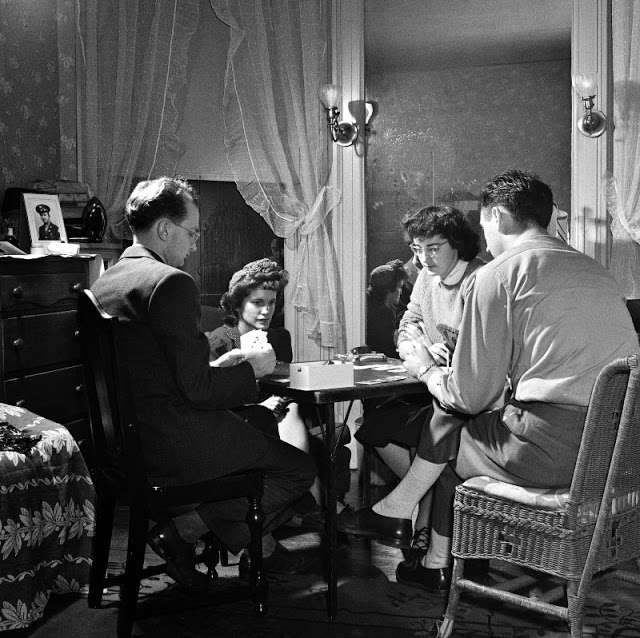
Washington, D.C. After dinner, a bridge game goes on nightly in the largest room in the boarding house, January 1943
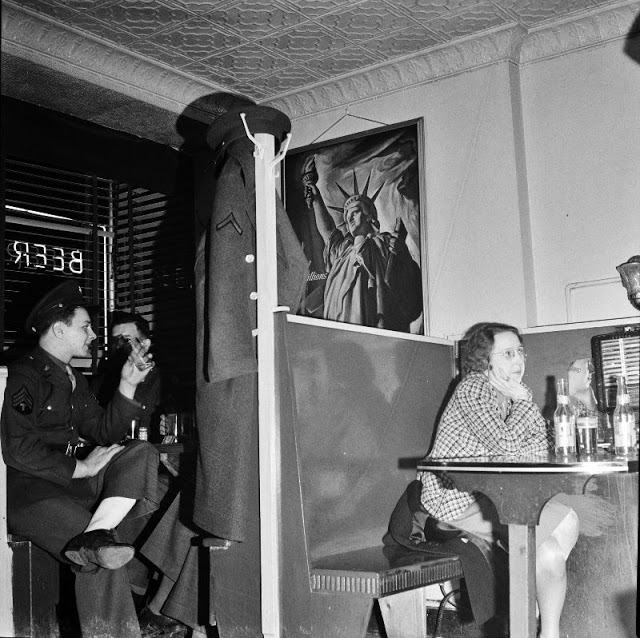
Washington, D.C. Beer drinkers at the Sea Grill, 1943
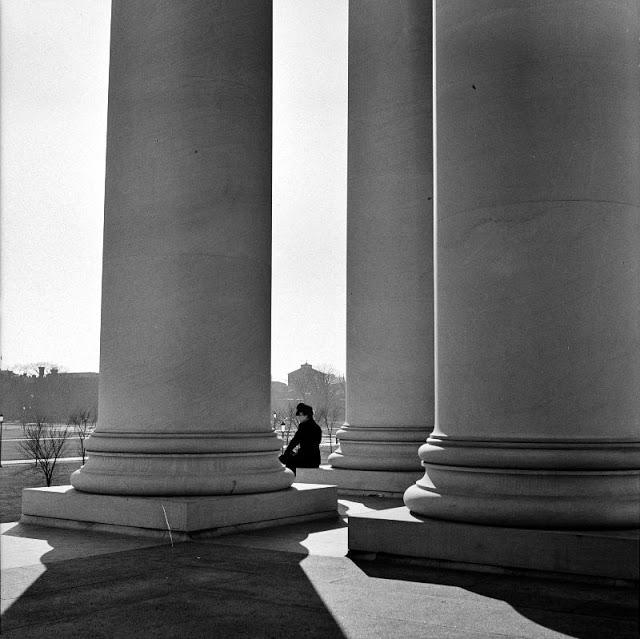
Washington, D.C. Columns of the National Gallery of Art, March 1943
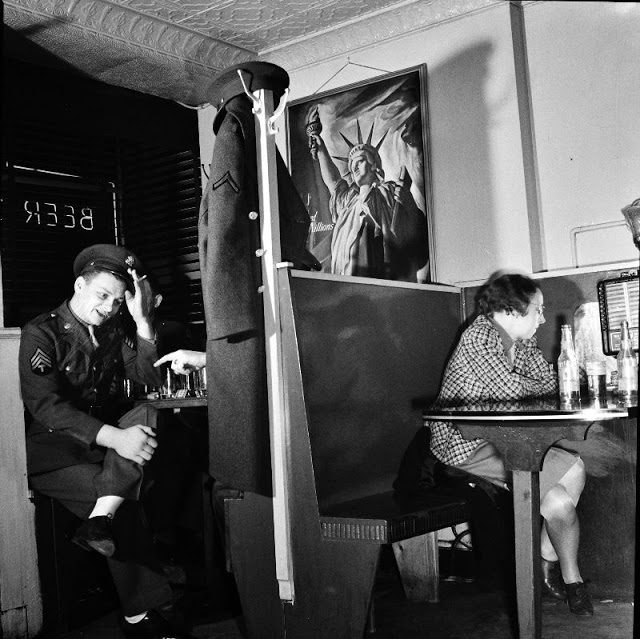
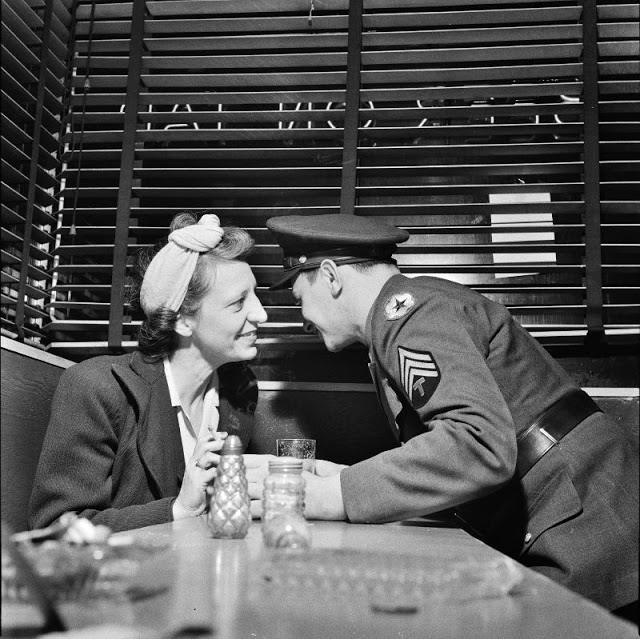
Washington, D.C. Girl and a soldier came into the Sea Grill separately, but are developing a beautiful friendship, 1943
Washington, D.C. Girls employed by the U.S. government in a room selected for them by the Office of Emergency Management (OEM) personnel service, March 1943
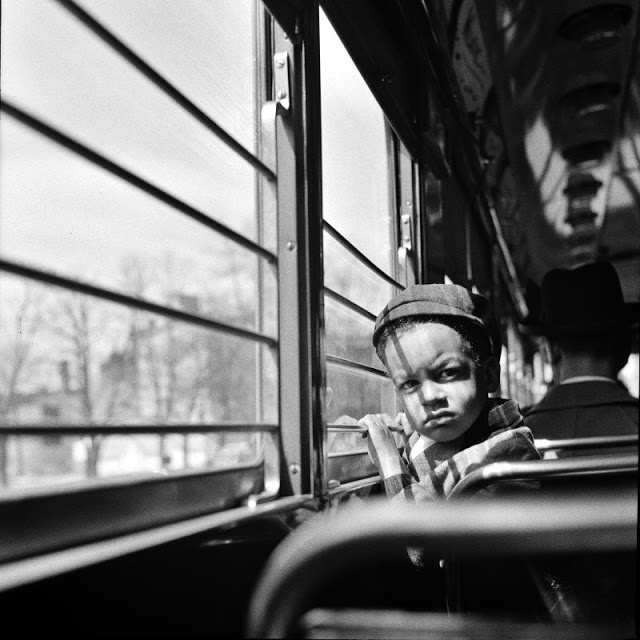
Washington, D.C. Little boy riding on a streetcar, 1943
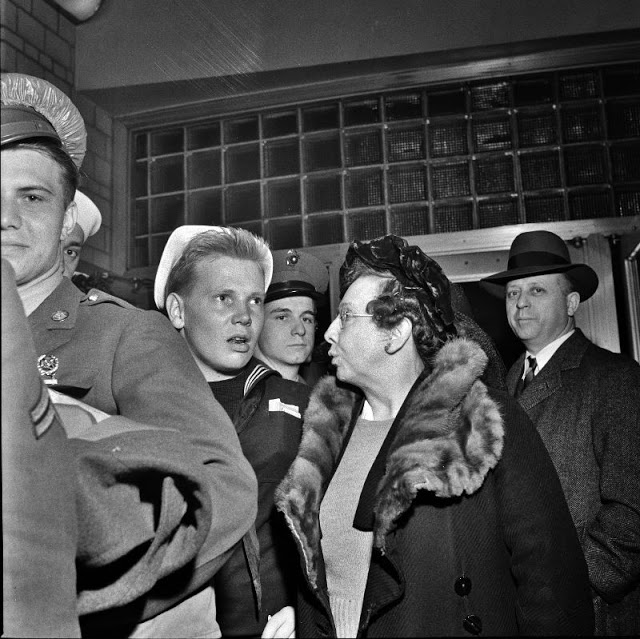
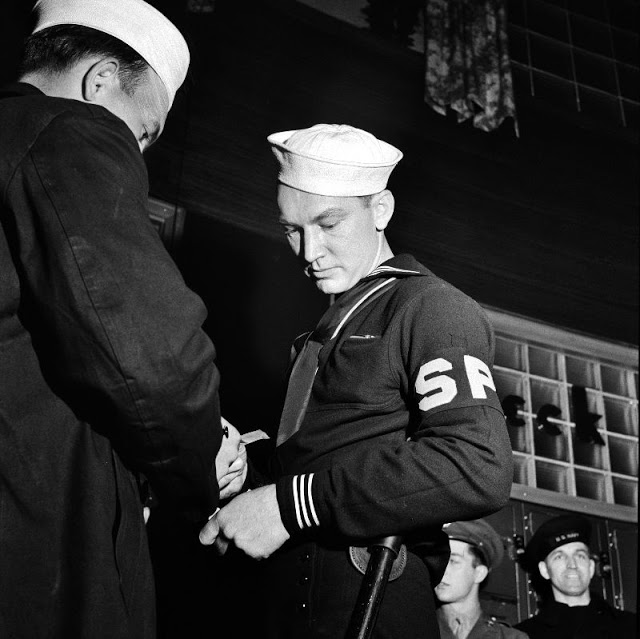
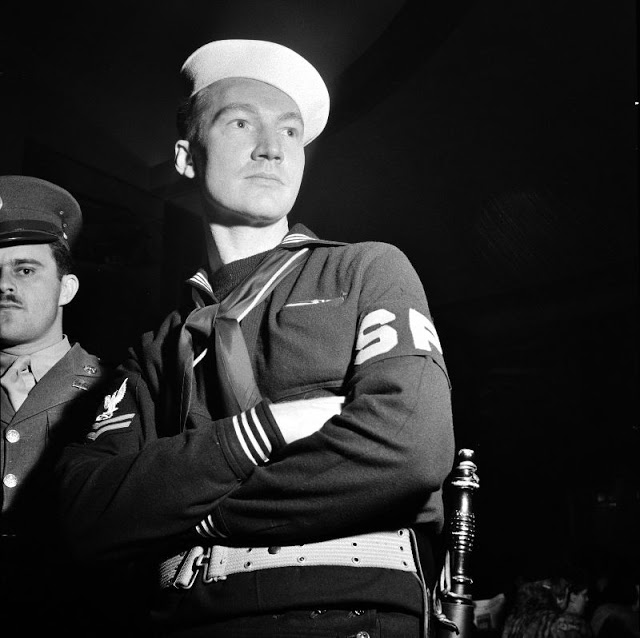
Washington, D.C. Member of the Shore Patrol who helps get servicemen lined up and in order while waiting for special buses to leave the Greyhound bus terminal on Sunday evenings, April 1943
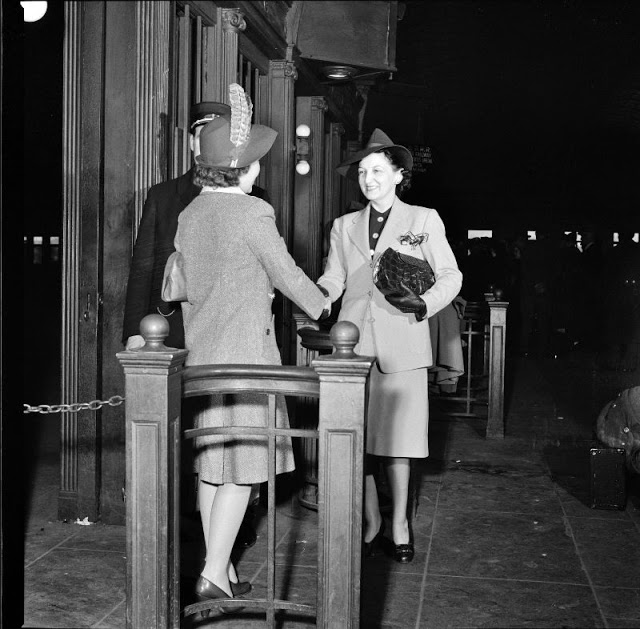
Washington, D.C. Mrs. St. Ayr greeting a new girl employee of the U.S. government at the station, March 1943
Washington, D.C. Part of the line waiting to board one of the special buses for servicemen leaving the Greyhound terminal on Sunday nights, April 1943
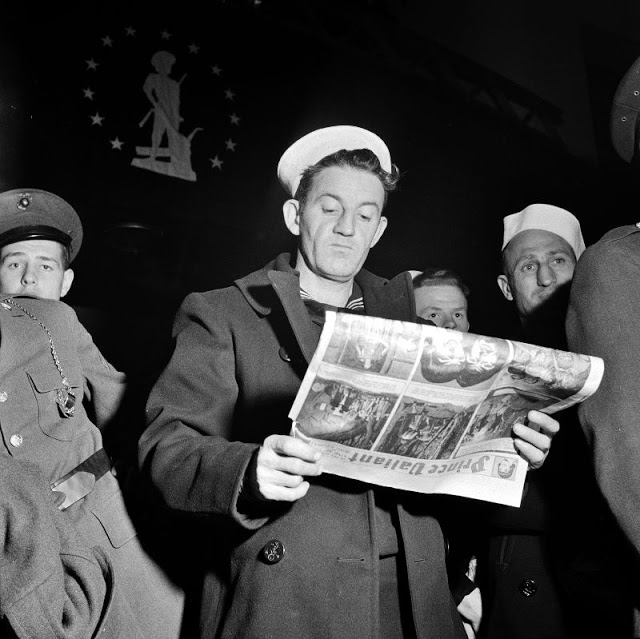
Washington, D.C. Sailor reading in line while waiting to board a bus at the Greyhound terminal, April 1943
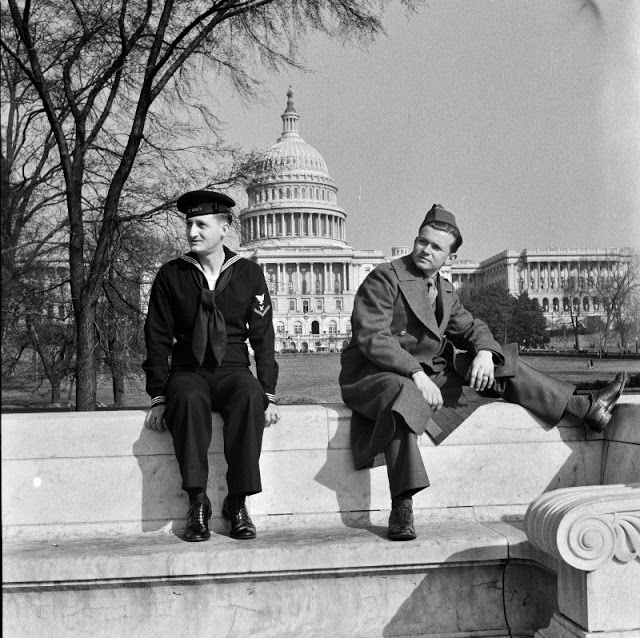
Washington, D.C. Soldier and a sailor on the steps of a monument in front of the Capitol on a Sunday, March 1943
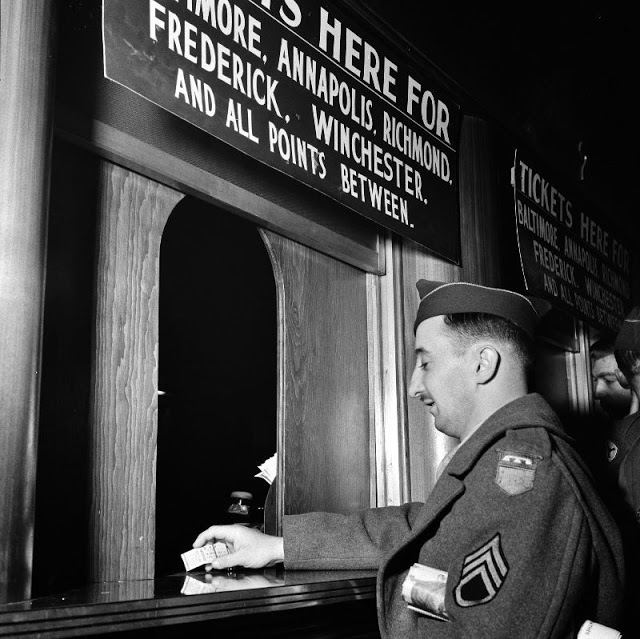
Washington, D.C. Soldier buying a ticket at the Greyhound bus depot, April 1943
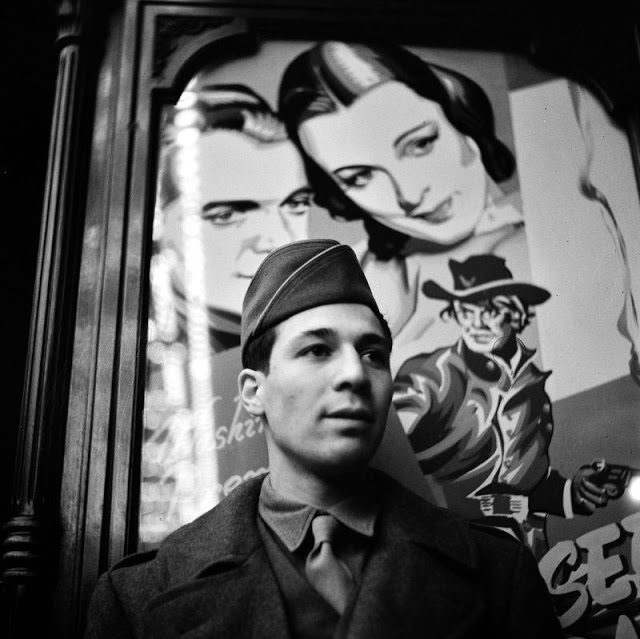
Washington, D.C. Soldier in front of the Capitol theatre, 1943
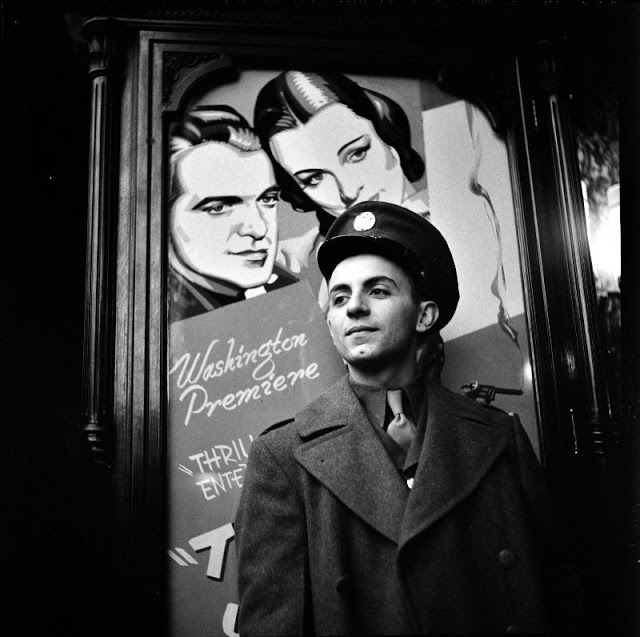
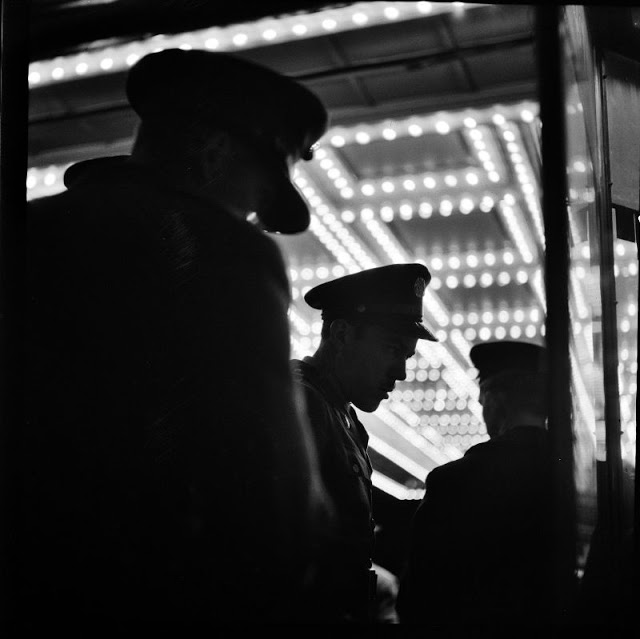
Washington, D.C. Soldiers in front of the Capitol theatre, 1943
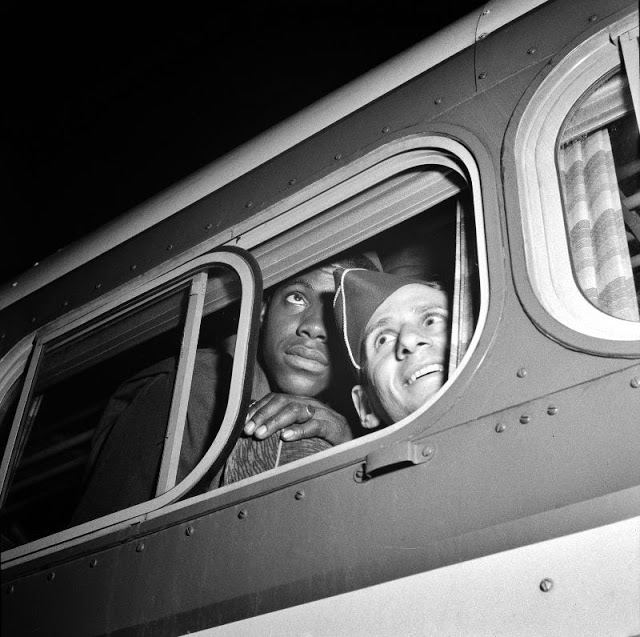
Washington, D.C. Soldiers looking out the window of the bus just before leaving the Greyhound terminal, 1943
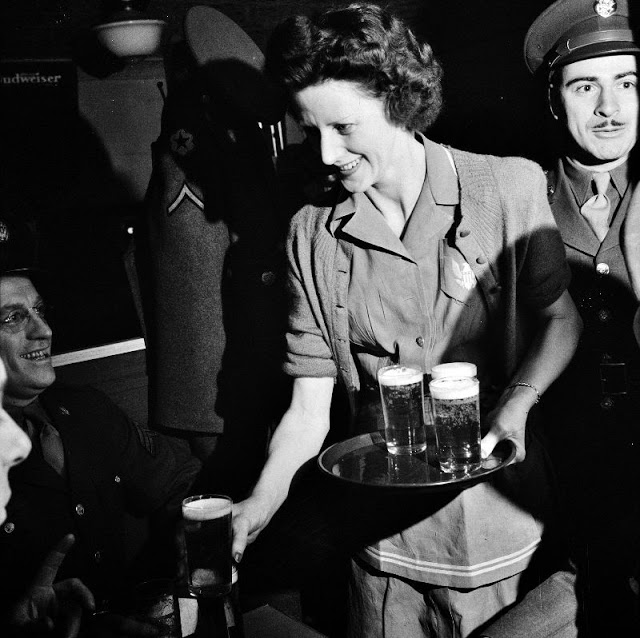
Washington, D.C. Sue, a waitress at the Sea Grill serving beer, April 1943
Washington, D.C. Woman standing in line with her son until he leaves on the bus at the Greyhound bus depot, April 1943
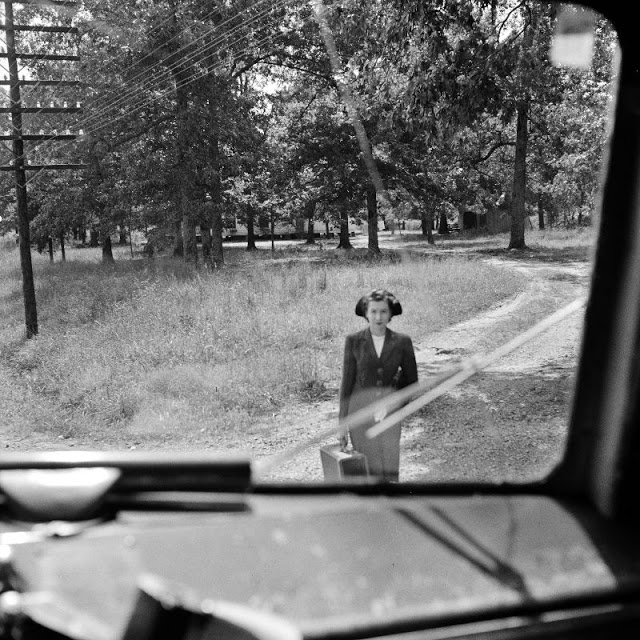
A girl waiting for the bus by a road’s edge. Greyhound bus trip from Louisville, Kentucky, to Memphis, Tennessee, September 1943
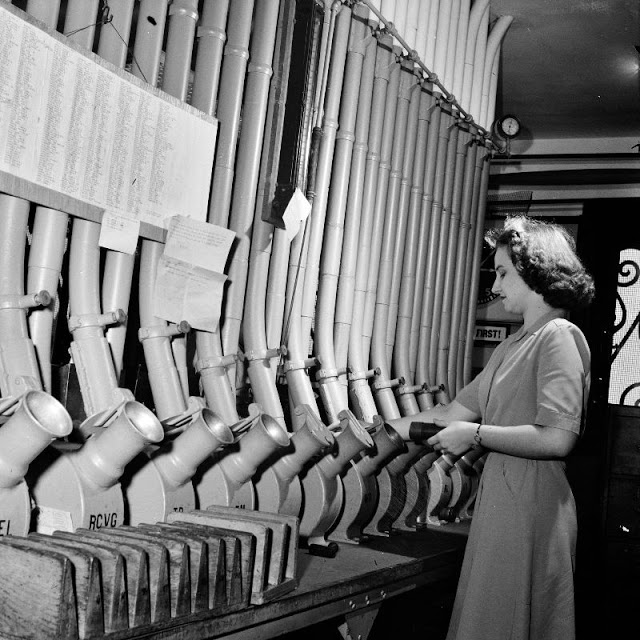
Miss Helen Ringwald works with the pneumatic tubes through which messages are sent to branches in other parts of the city of Washington D.C. for delivery, 1943

Photos by Esther Bubley (1921-1998)

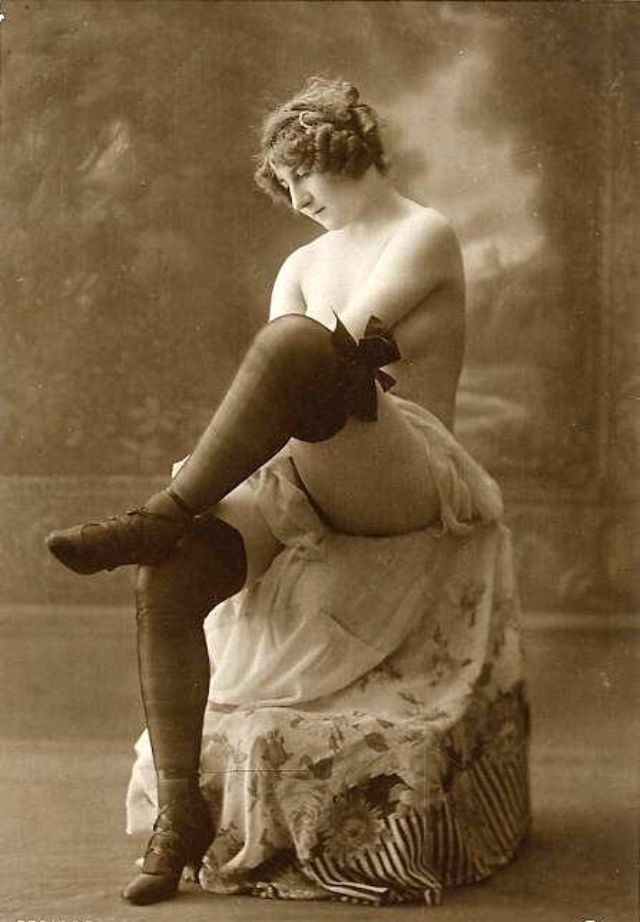
The Photography of Alphonse Mucha From Between 1896 and the Early 1900s

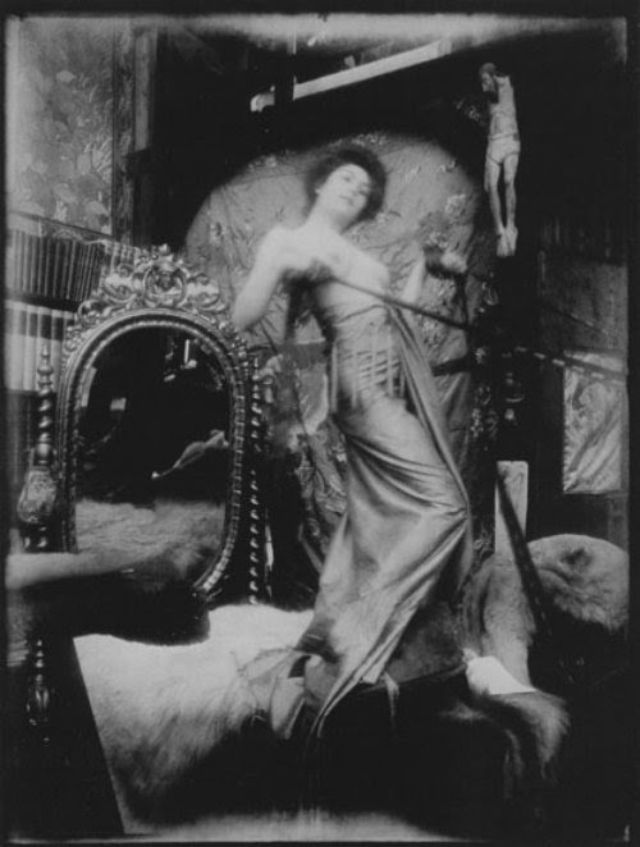
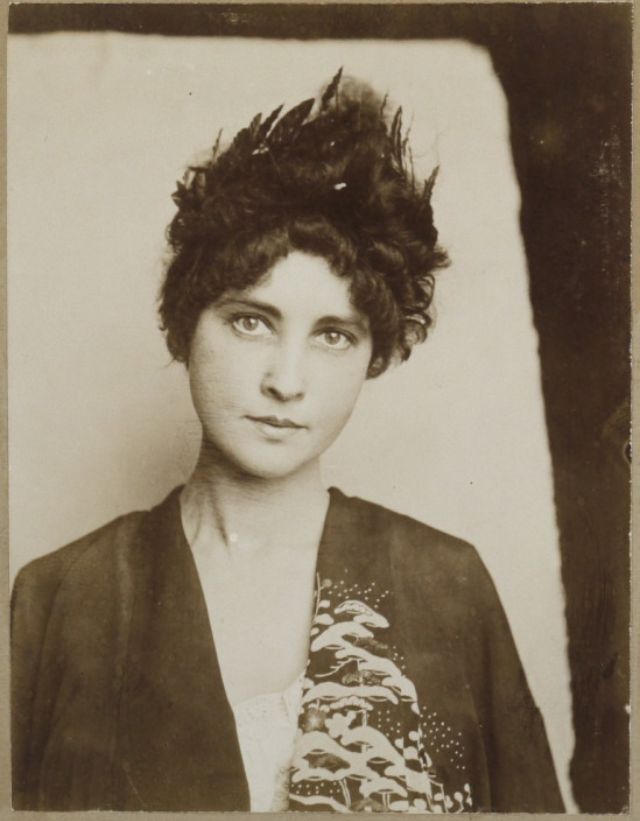
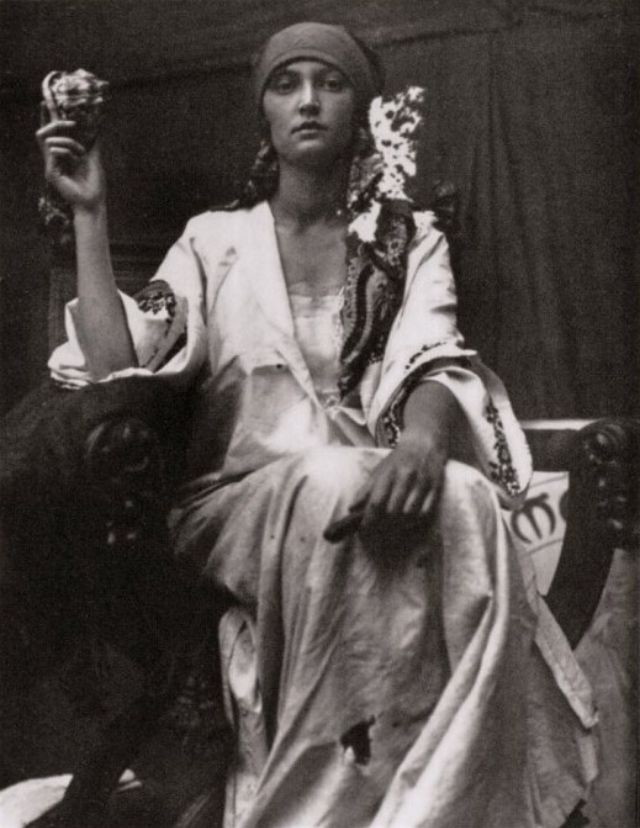
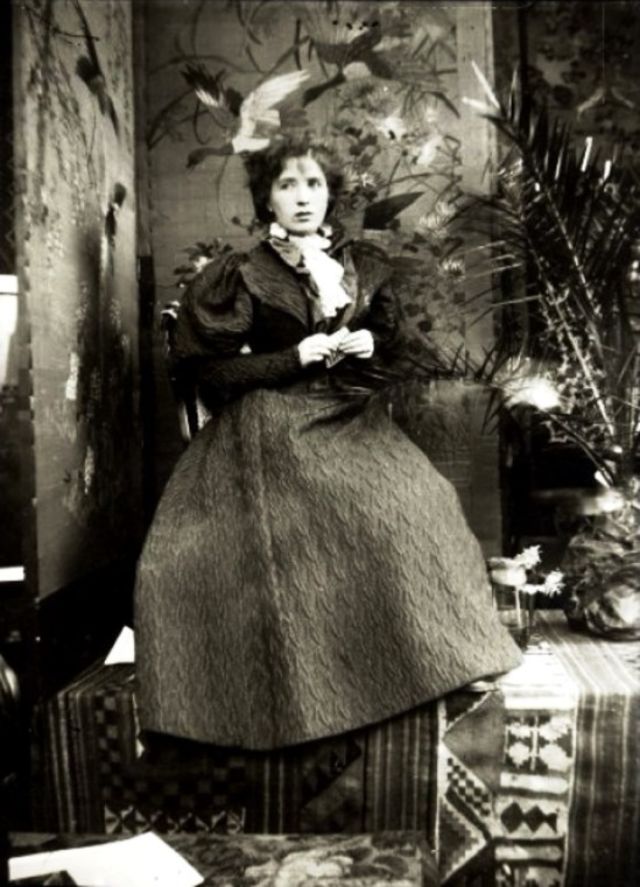
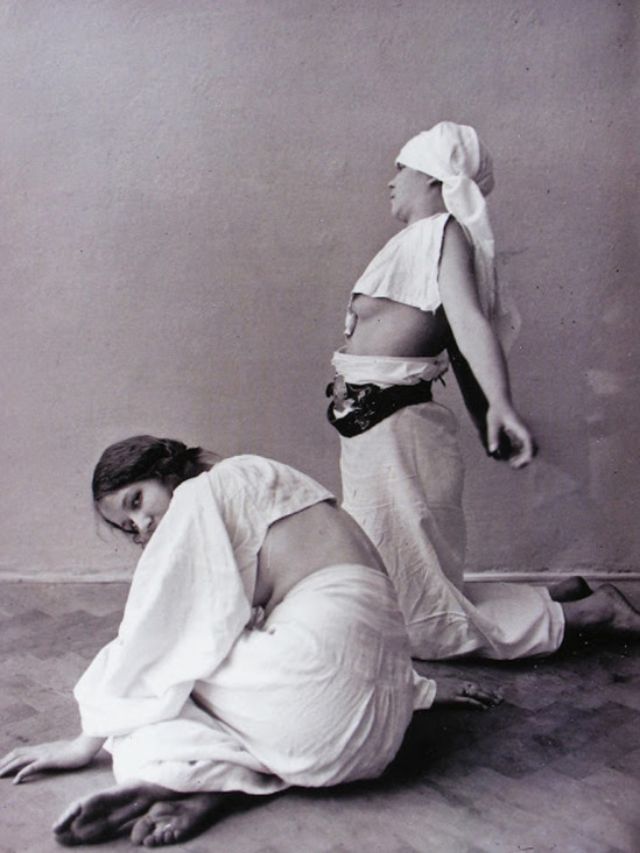
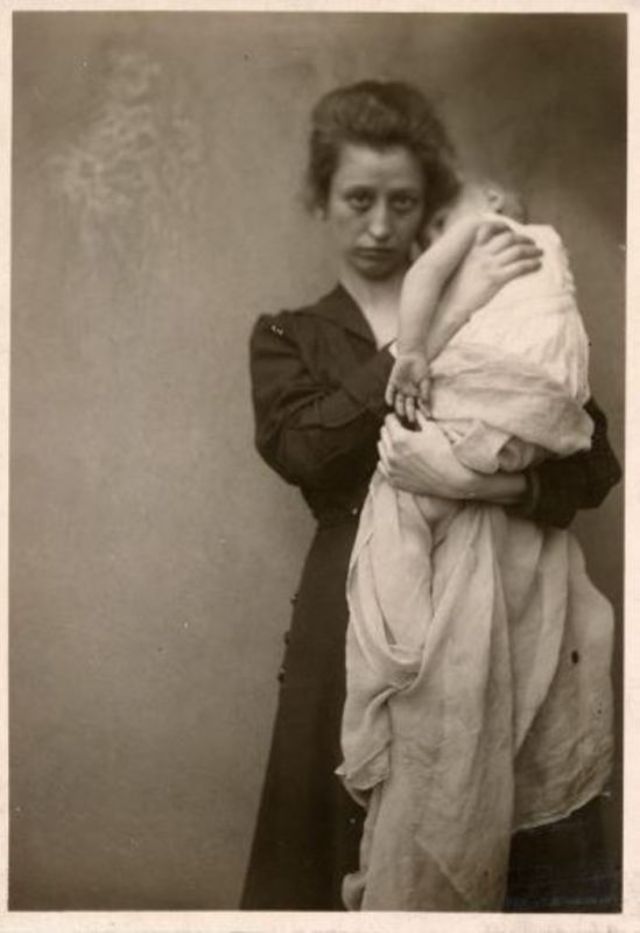
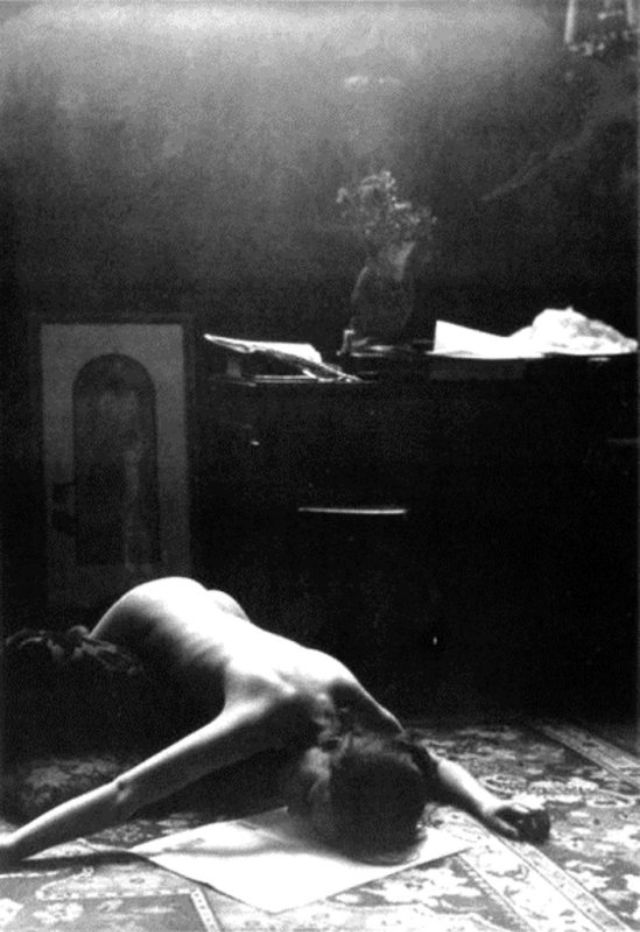
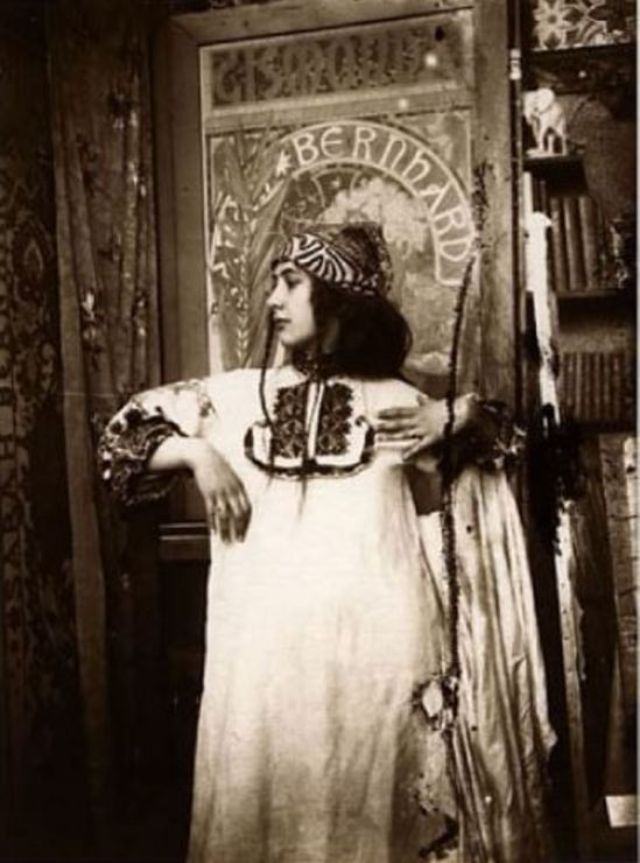
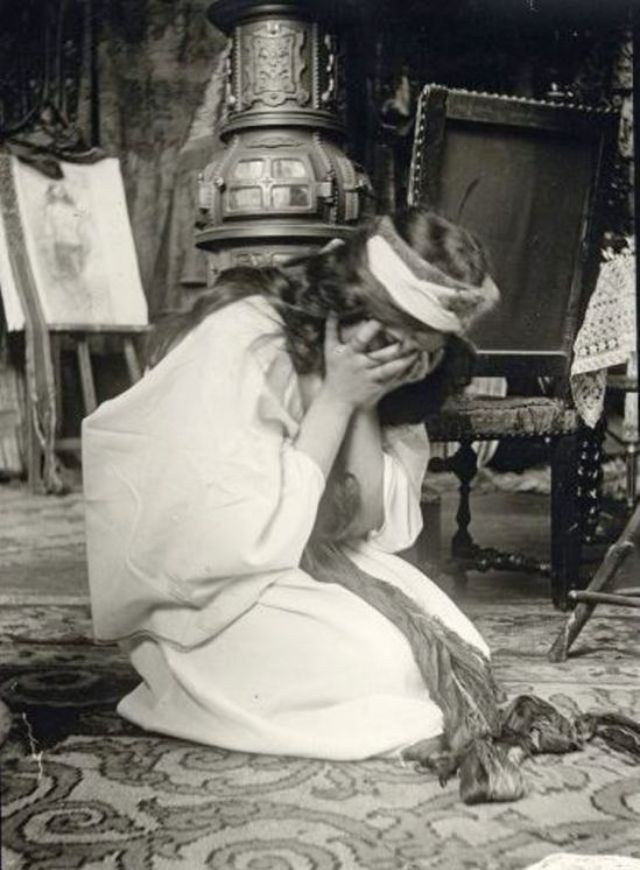
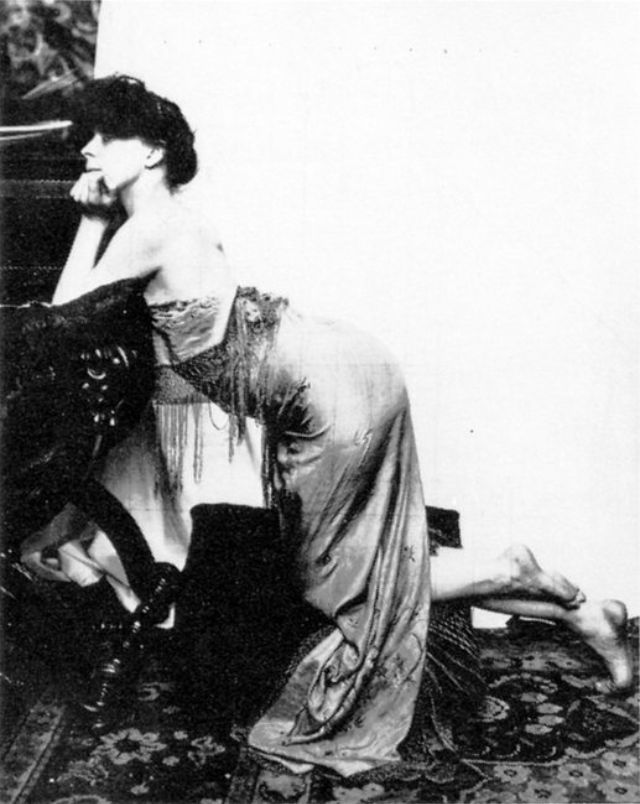
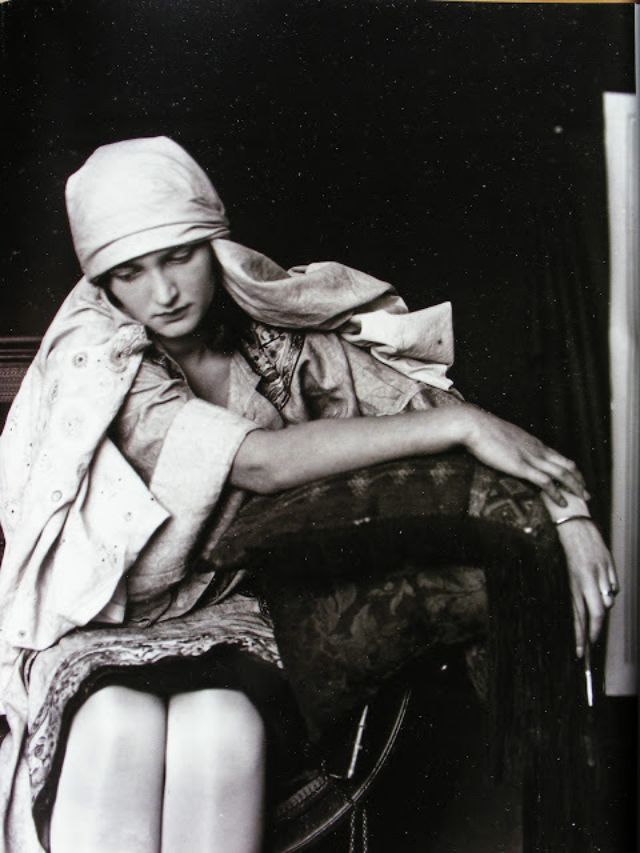
Alphonse Mucha began to take photographs in the early 1880s, probably in Vienna, with a borrowed camera. It was not until he had gained some recognition in Paris and sufficient funds that he purchased his first camera. Mucha’s photographic output grew dramatically after his move to a large studio in the rue du Val de Grâce in 1896. In the new studio, where he had considerably more light thanks to large windows and a glass ceiling, he photographed on a virtually daily basis.

Between 1896 and the early 1900s Mucha made a remarkable series of photographs of the models posing for him. The use of photography as an inexpensive medium for preliminary studies was common among Mucha’s Parisian contemporaries. However, Mucha’s photographs are more than just an alternative to sketches because they also capture the inimitable atmosphere of Mucha’s studio – a world of art in its own right. It was in his studio that that Mucha entertained countless Parisian artists, writers and musicians. It was also the setting for one of the earliest cinematic projections given by the Lumière brothers, whom Mucha had met in 1895, and for psychic experiments with Camille Flammarion and Albert de Rochas. In the background of the studies of models, examples of Mucha’s work may be seen, surrounded by his collection of objets d’art, books and furniture, many of which survive to this day.

(via Mucha Foundation)

60 Fantastic Vintage Photos of Movie Stars Reading

Audrey Hepburn
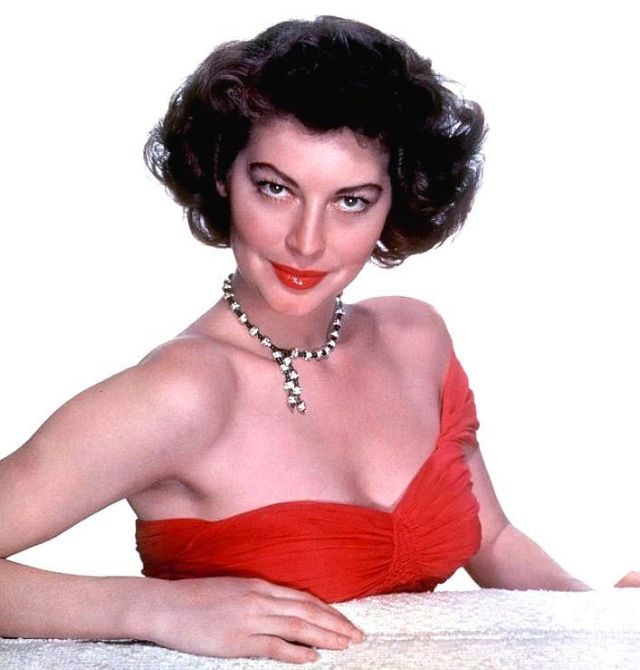
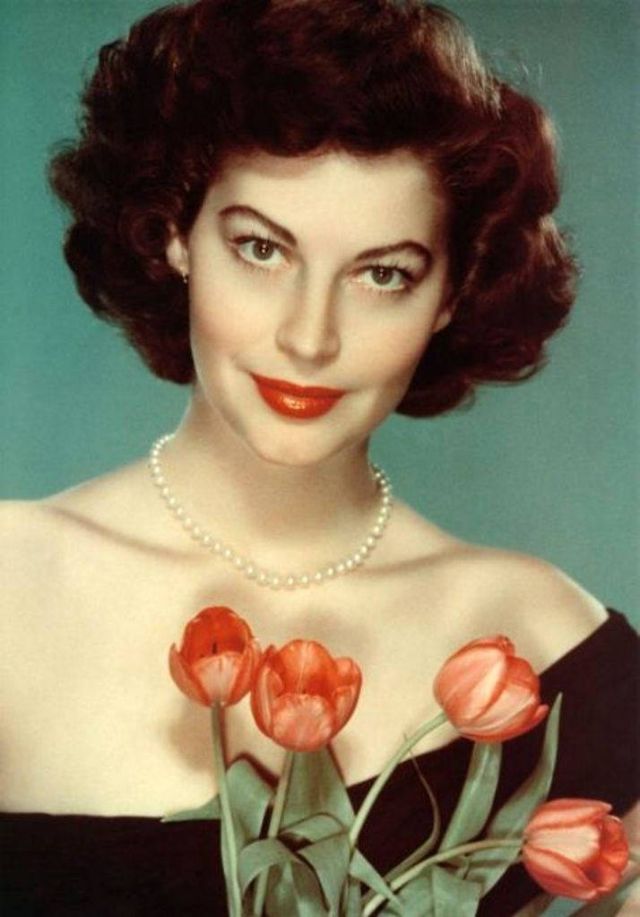
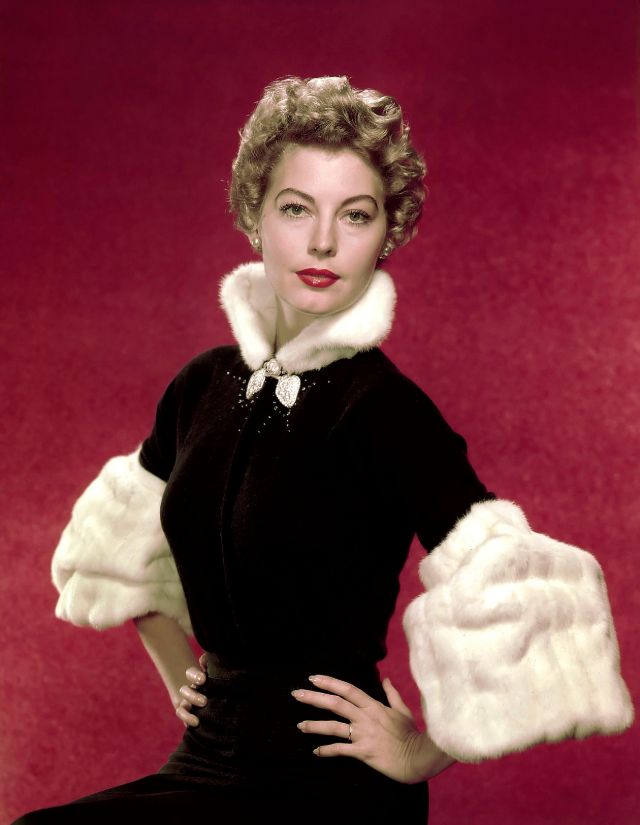
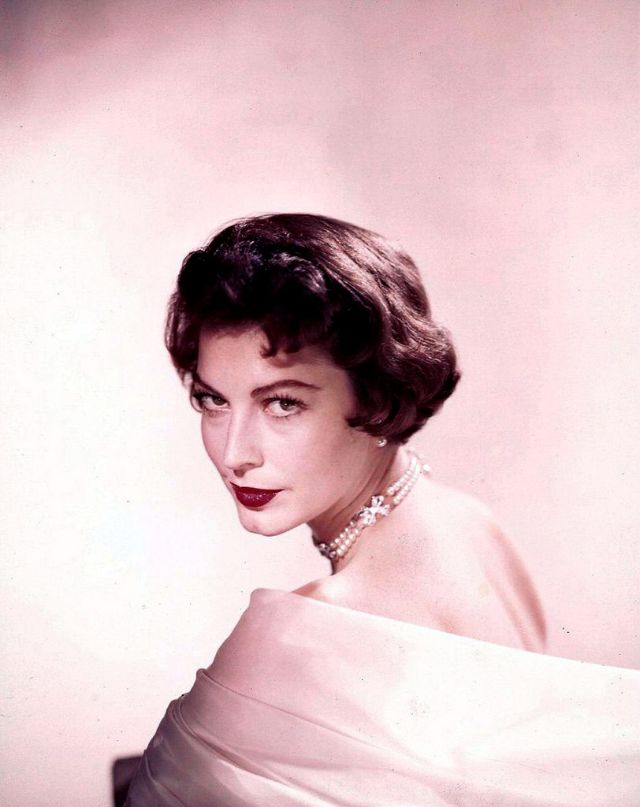
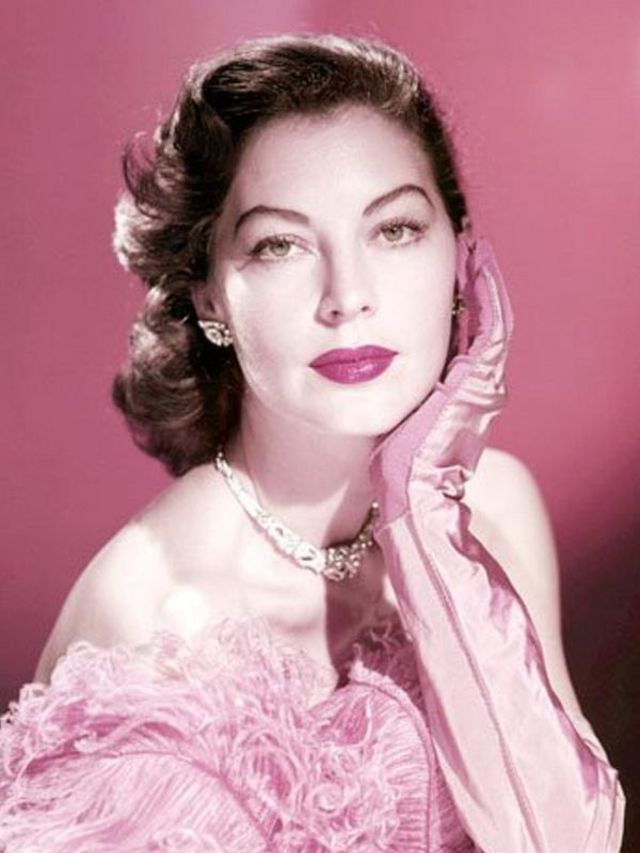
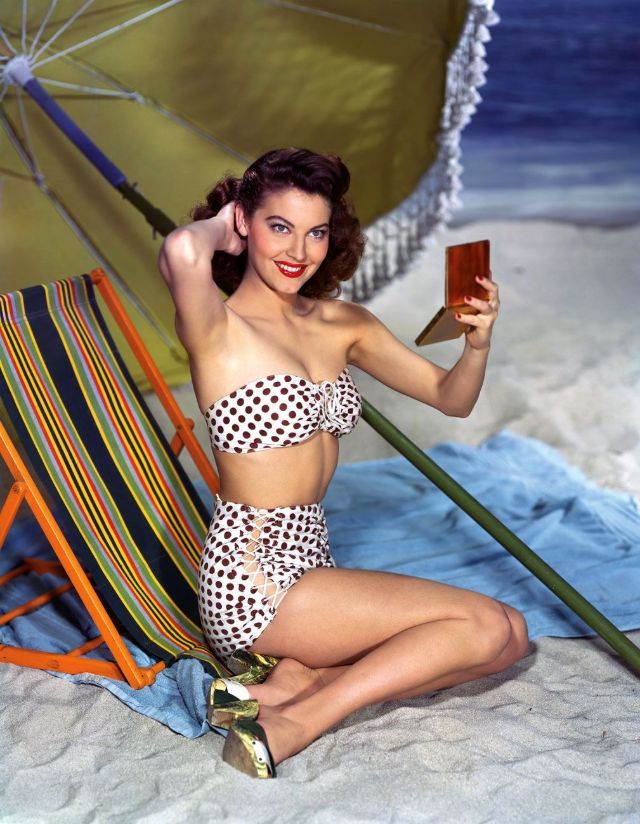
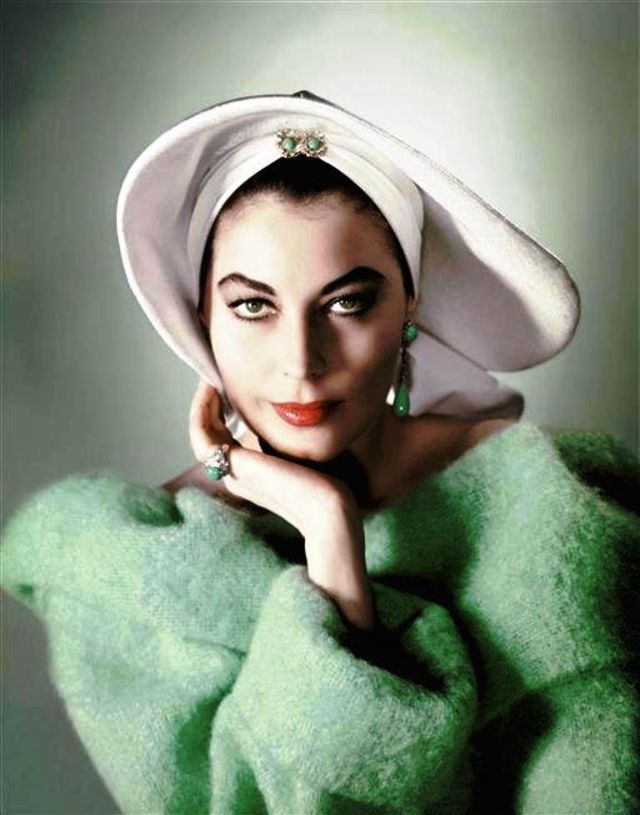
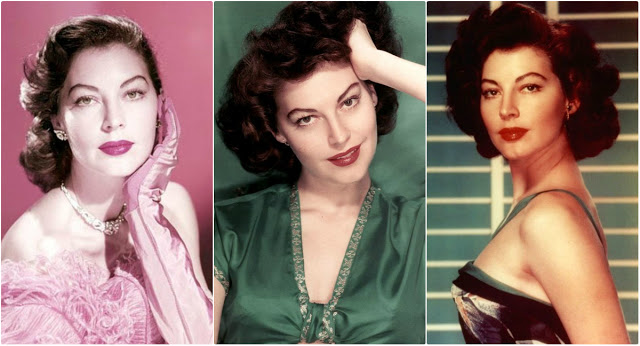
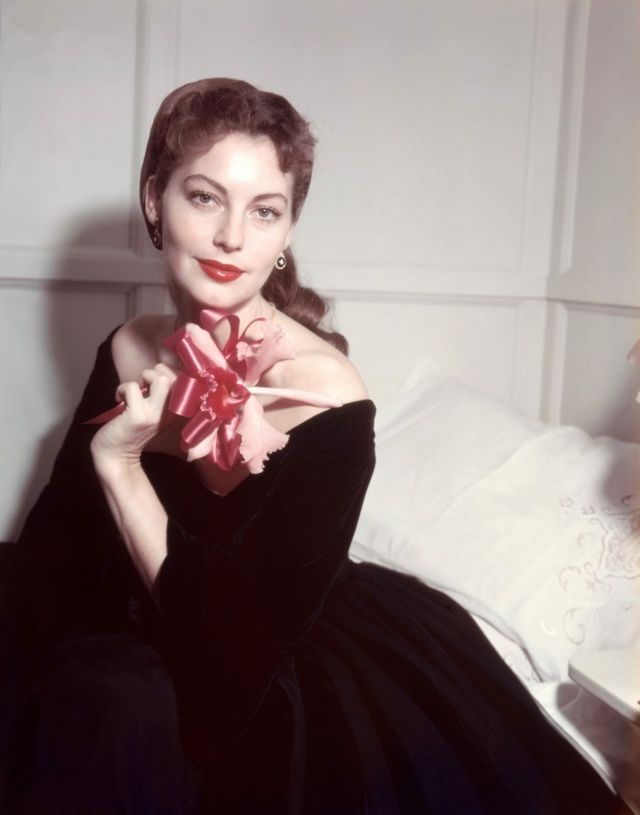
Ava Gardner
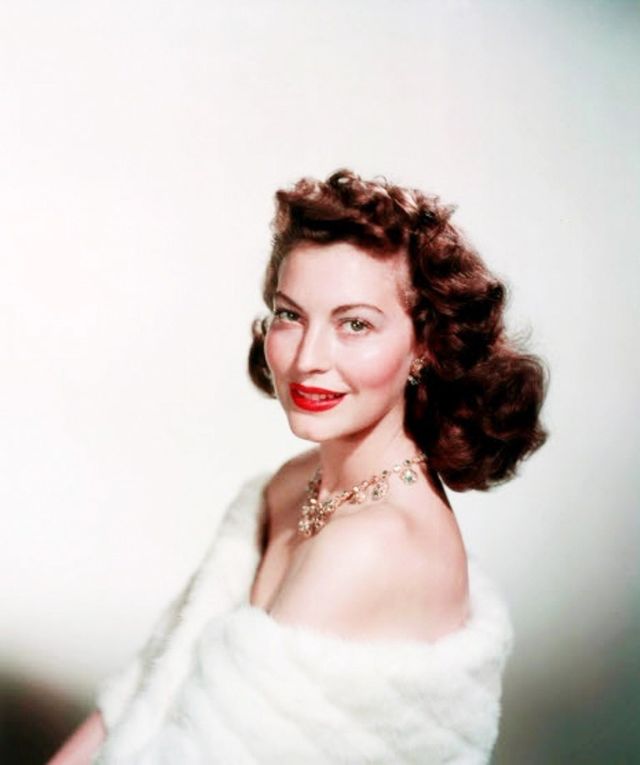
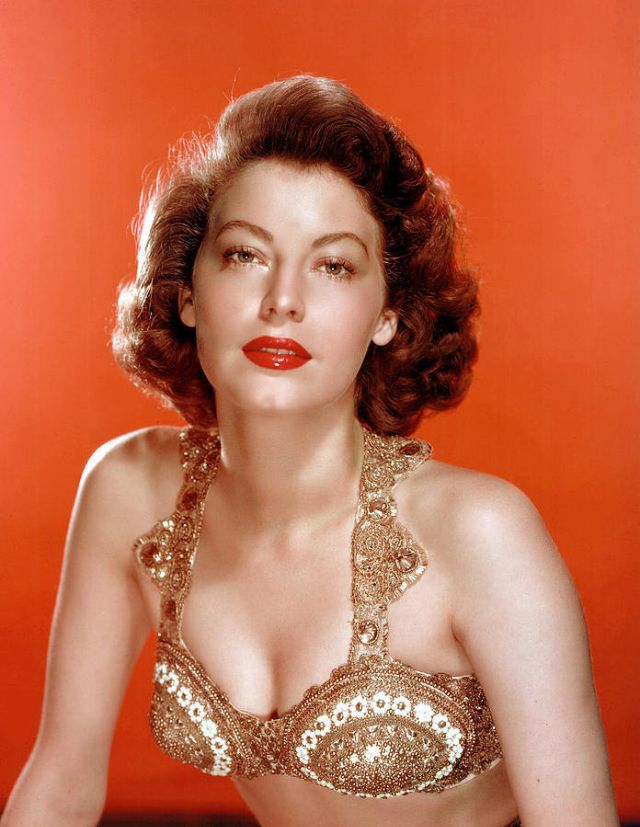
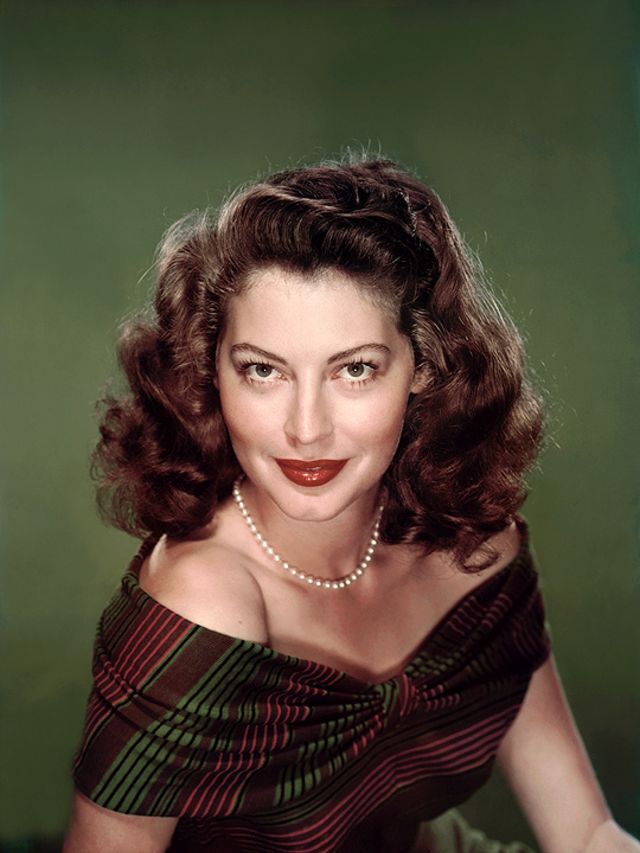
Ava Gardner
Barbara Laage
Betty Grable
Betty Grable
Brigitte Bardot
Buster Keaton
Cathy O’Donnell
Clark Gable
Clark Gable
Dean Martin
Dorothy Hart
Elizabeth Taylor
Elizabeth Taylor
Elvis Presley
Fred Astaire
Gene Kelly
Gene Tierney
Ginger Rogers
Grace Kelly
Grace Kelly
James Dean
James Dean and Elizabeth Taylor
James Dean
James Dean
Jean Simmons
Joann Kemmerling
Judy Garland
Lana Turner
Lauren Bacall
Leslie Caron
Marcello Mastroianni
Marilyn Monroe
Marilyn Monroe
Marilyn Monroe
Marilyn Monroe
Merle Oberon
Myrna Loy
Natalie Wood, Dennis Hopper and Nick Adams
Olivia De Havilland
Paul Newman
Peggy Dow
Rita Hayworth
Sophia Loren
Toby Wing
Tom Brown
Veronica Lake
Arthur Freed and Judy Garland
Humphrey Bogart
Lauren Bacall and Humphrey Bogart
Cary Grant
Clark Gable
Gregory Peck
Bette Davis
Leslie Howard & Bette Davis
Audrey Hepburn
Claudette Colbert
Marlon Brando
Jimmy Stewart

27 Vintage Photos of Mick Jagger from the 1960s

Mick Jagger was born on July 26, 1943, in Dartford, England. As the lead singer of the Rolling Stones, Jagger has become a rock legend known for his gritty, blues-influenced songs and charismatic stage presence. He has delighted a legion of fans for more than four decades.

In 1960, Jagger was accepted to the London School of Economics. He lived at home and commuted into the city to attend classes. Also working on his band, Jagger soon added a new member, guitarist Keith Richards. The two had known each other growing up in Dartford. Exploring London’s emerging blues scene together, Jagger and Richards spent some time at the Ealing Club. There they saw Alexis Korner’s Blues Incorporated play and were wowed by guitarist Brian Jones, who made guest appearances with the group.

Jagger, Richards and Dick Taylor soon joined up with Brian Jones, who wanted to start his own group. Pianist Ian Stewart was also an early member of what would become the Rolling Stones.

Here, we collected a gallery of some of rare photographs of Mick Jagger from the 1960s.
Yesterday Today

Bringing You the Wonder of Yesterday - Today

Skip to content ↓