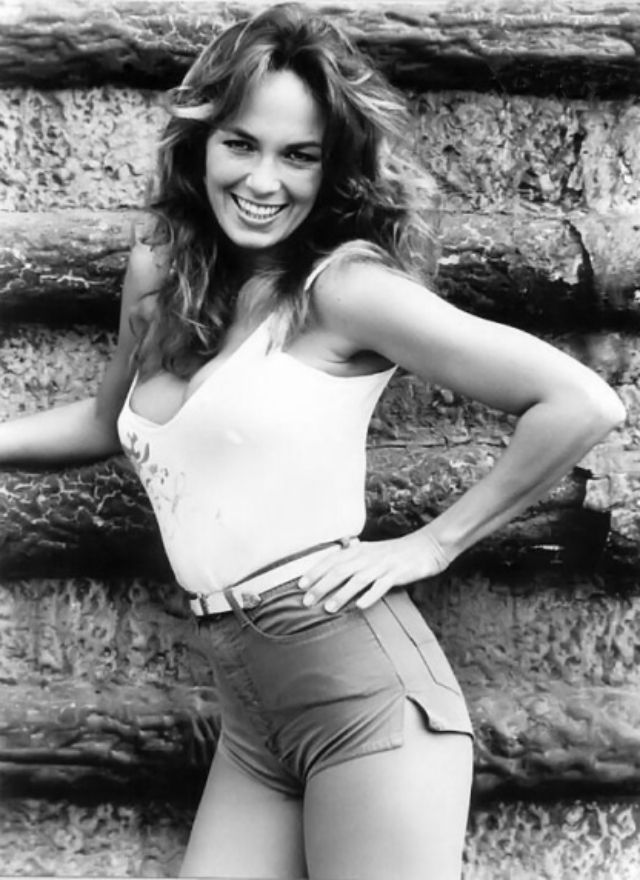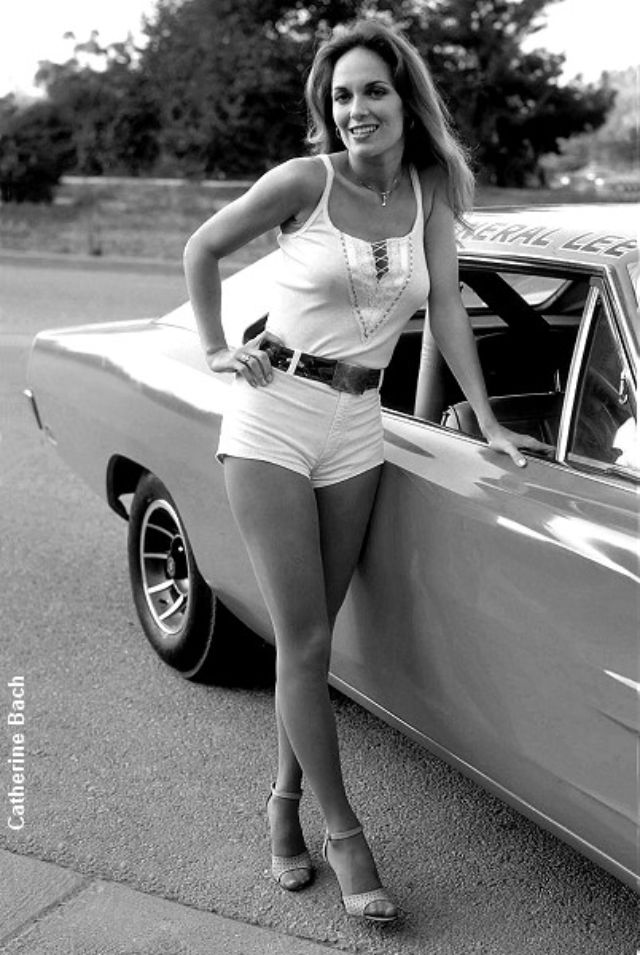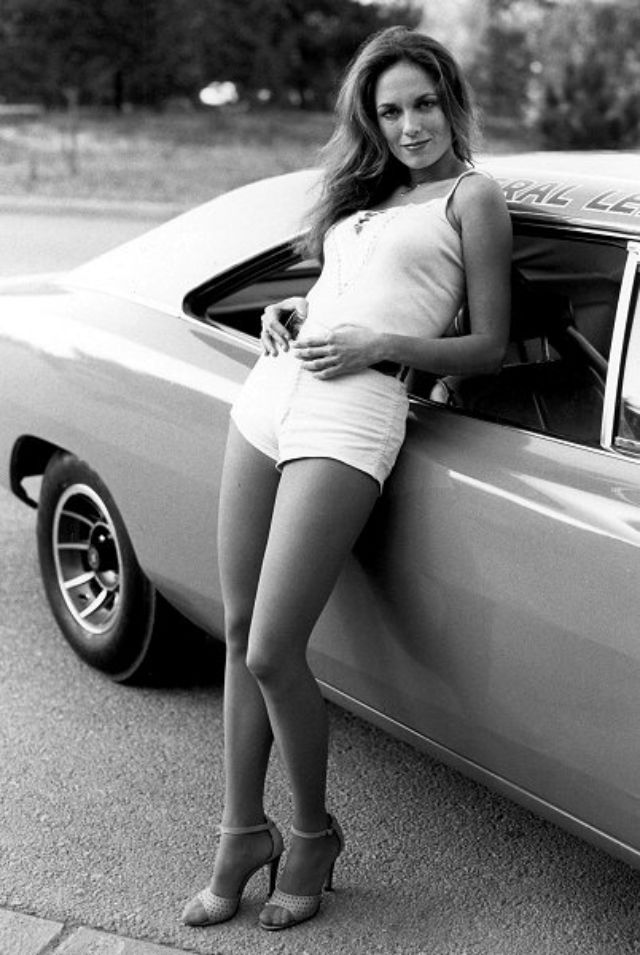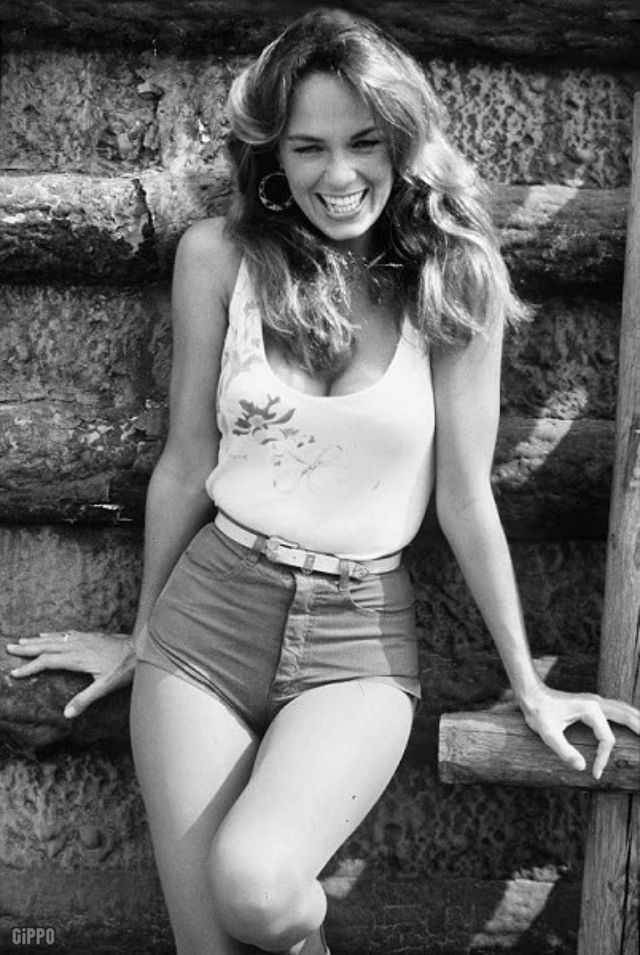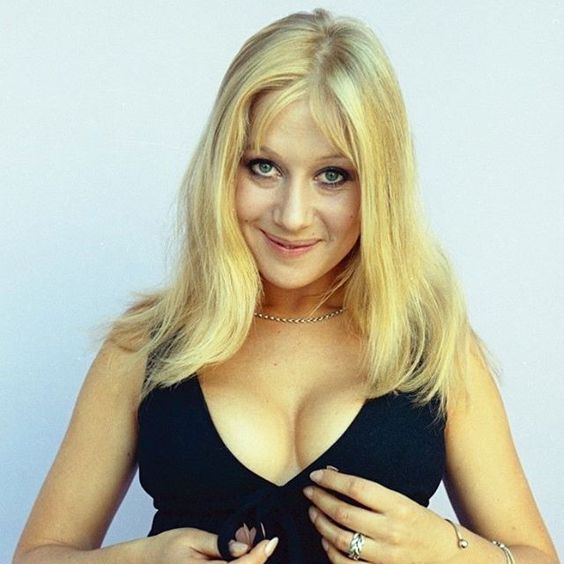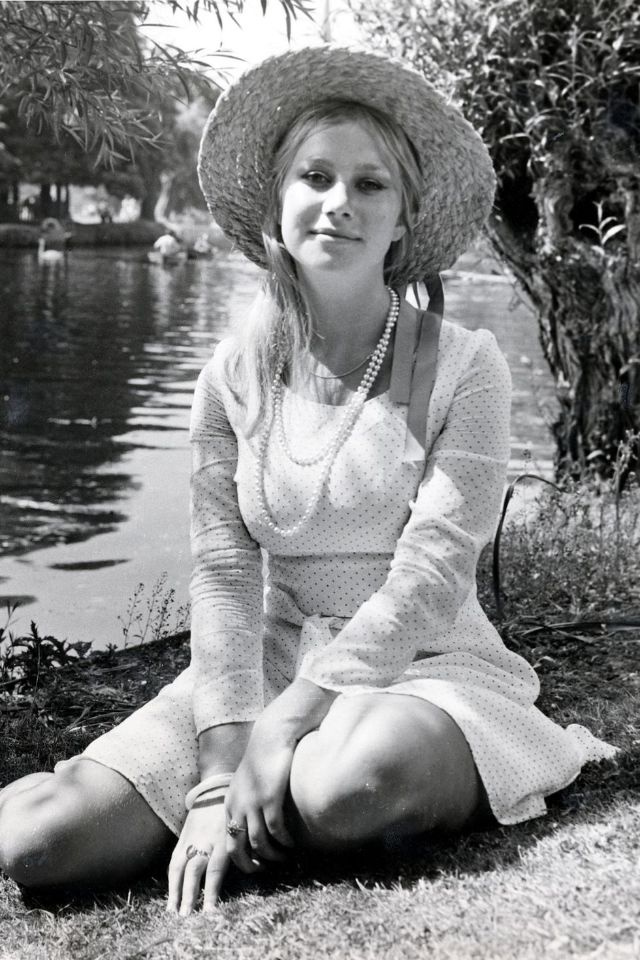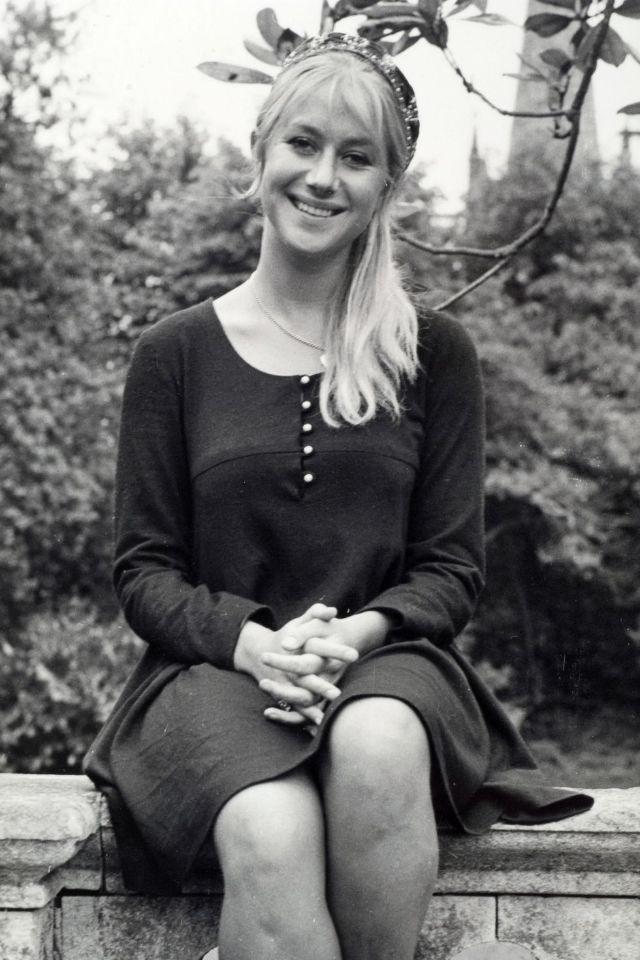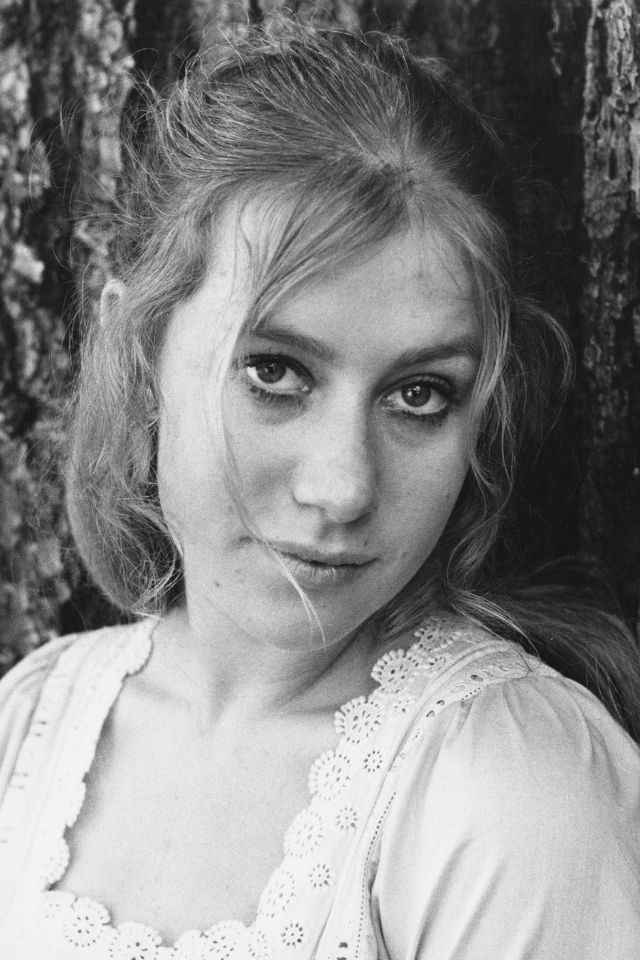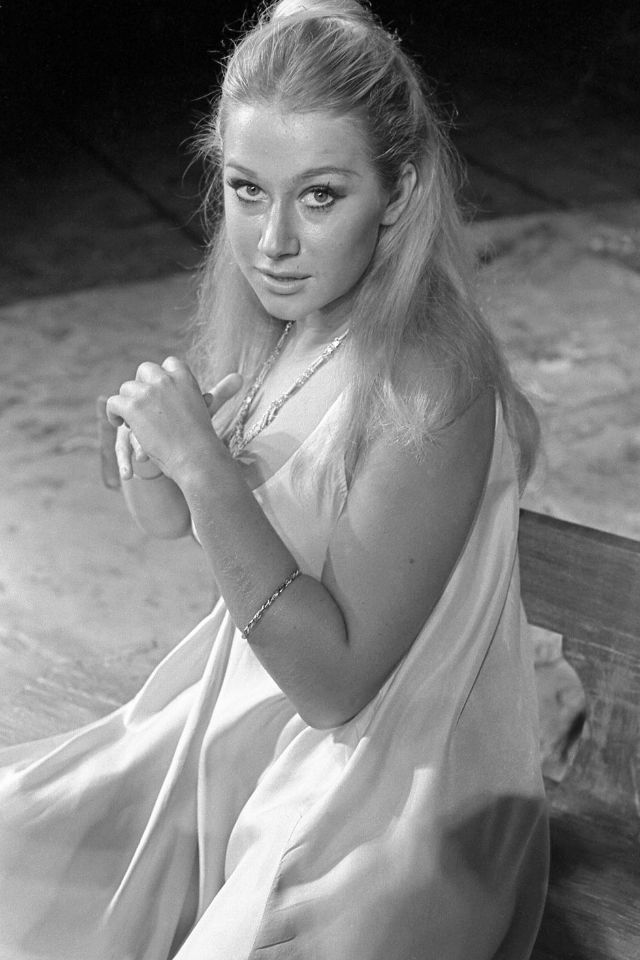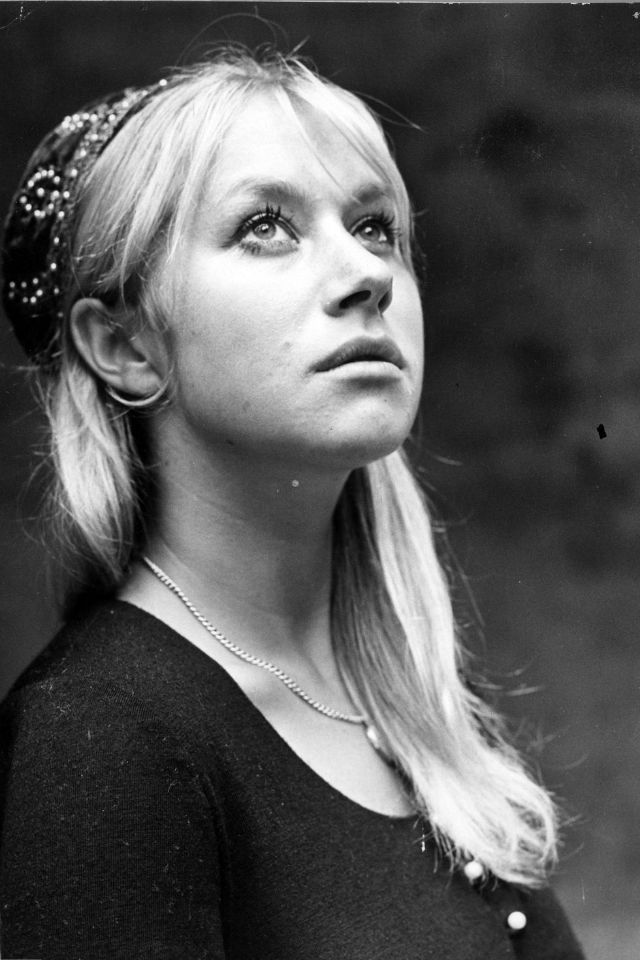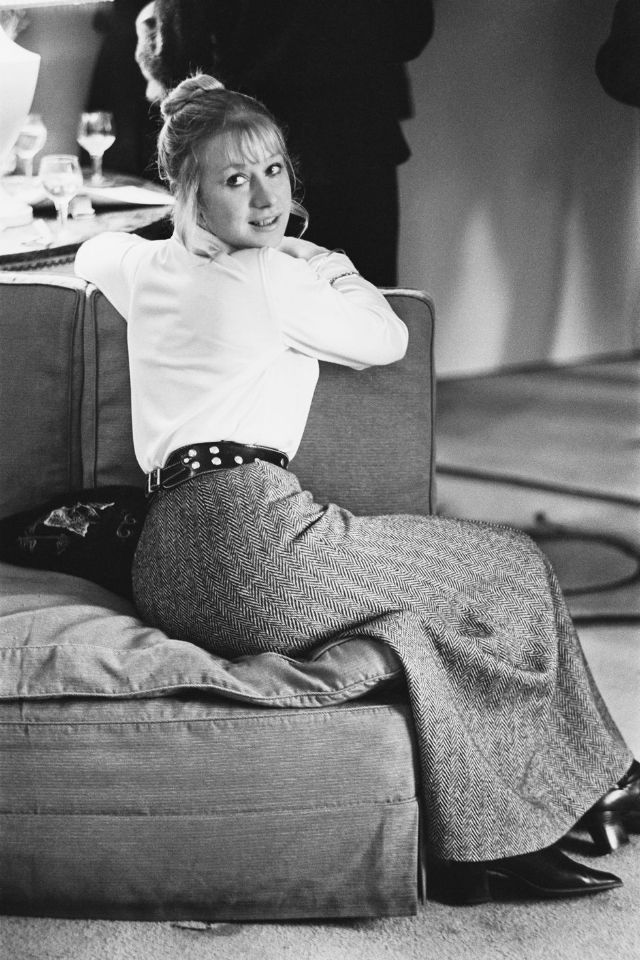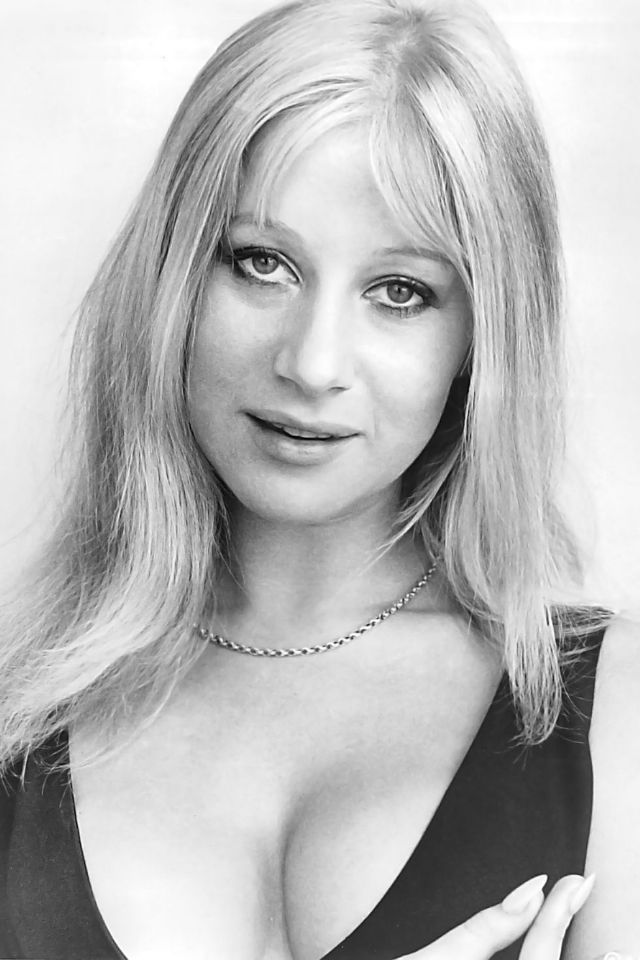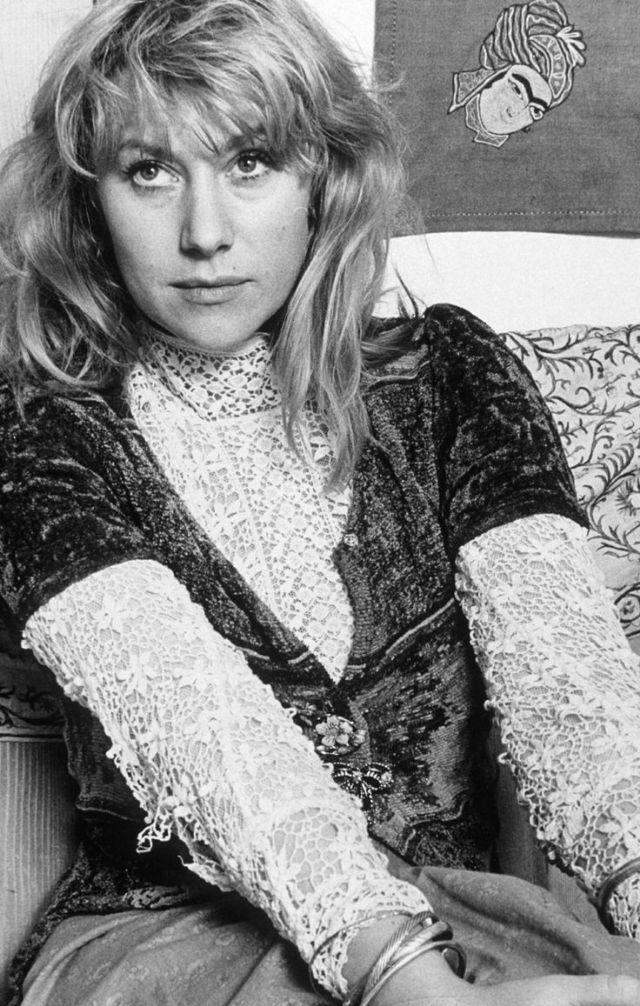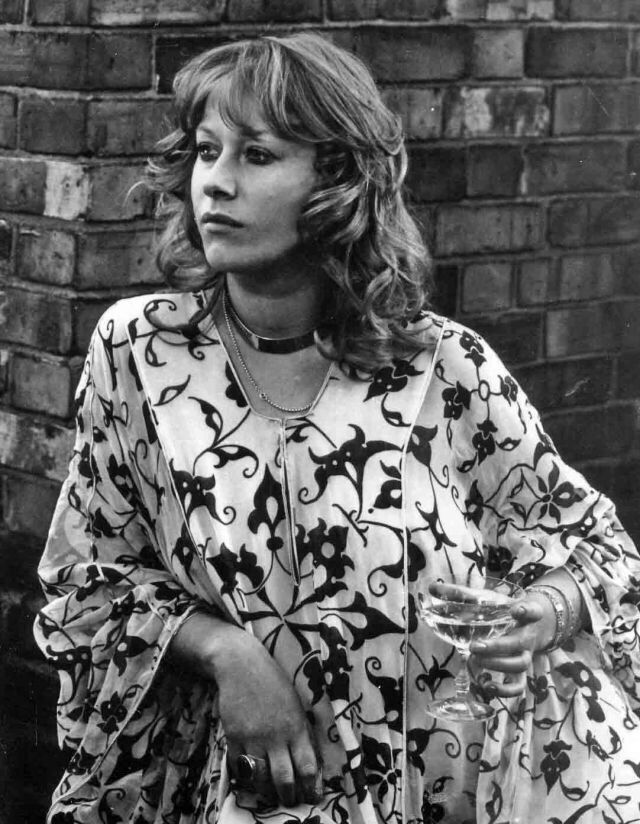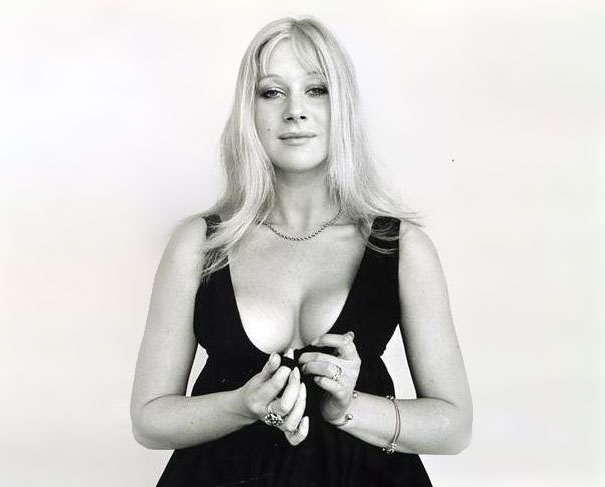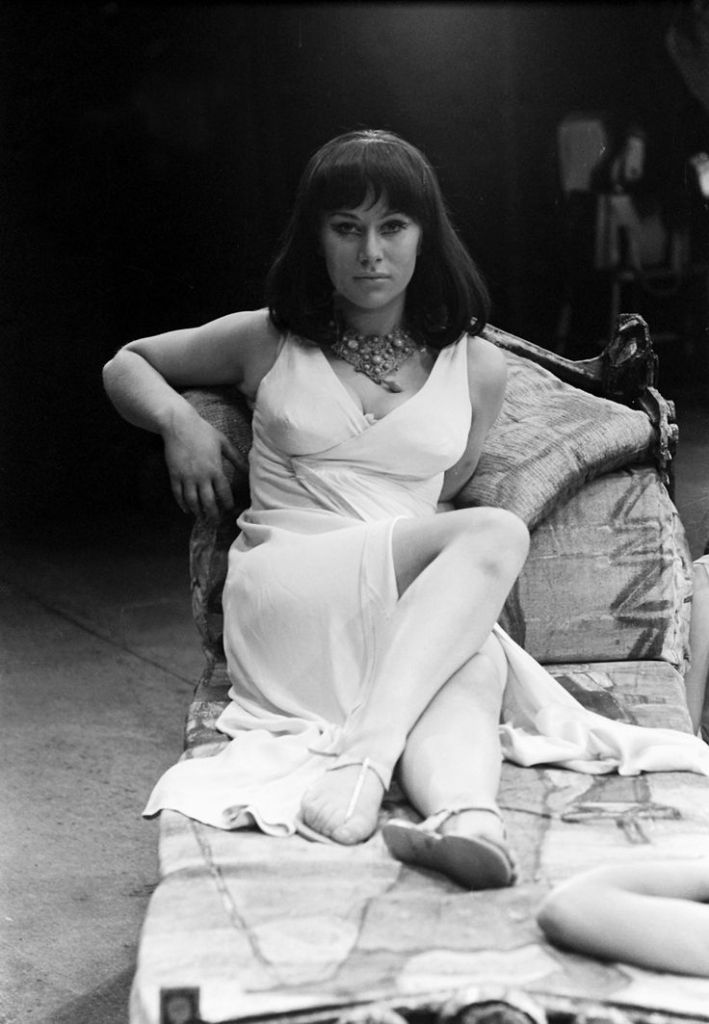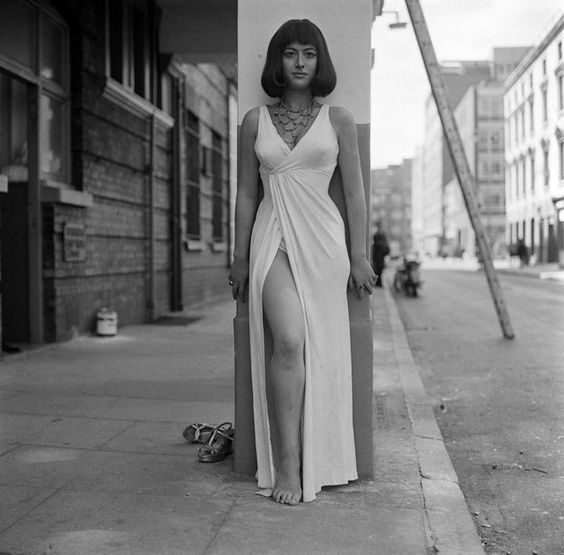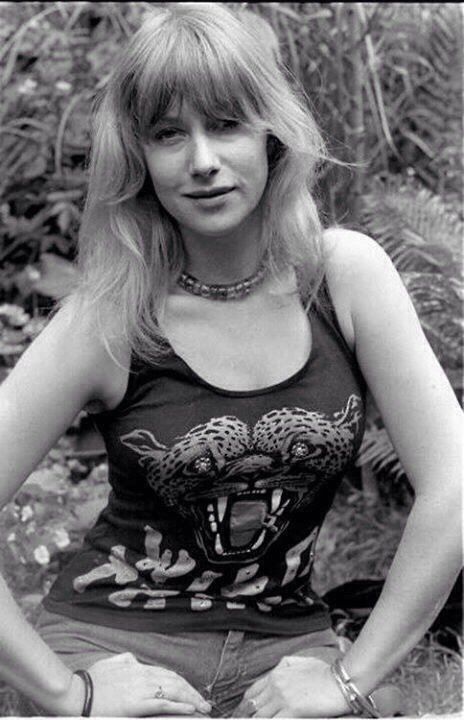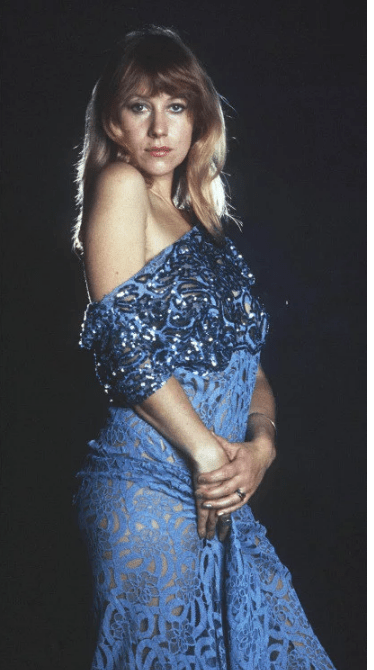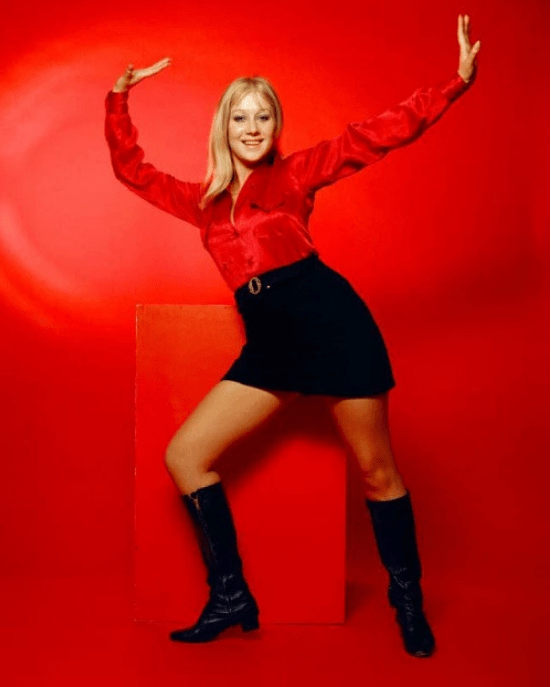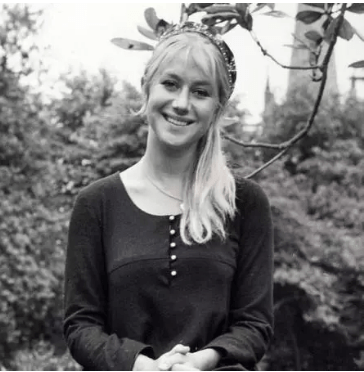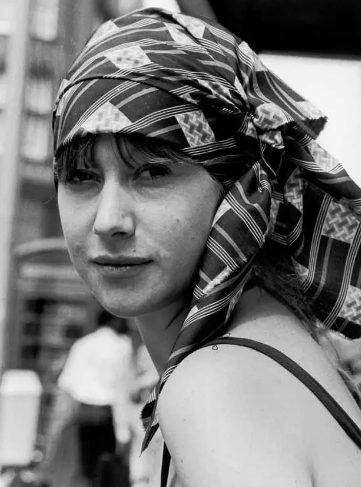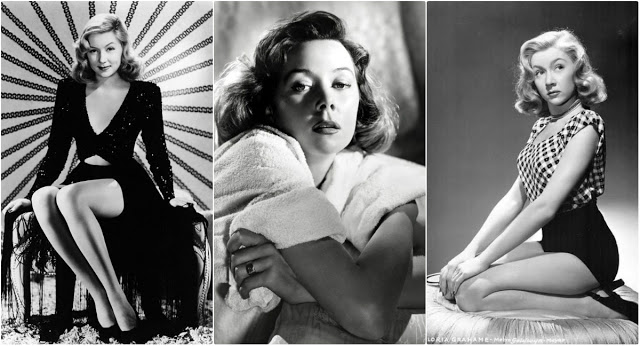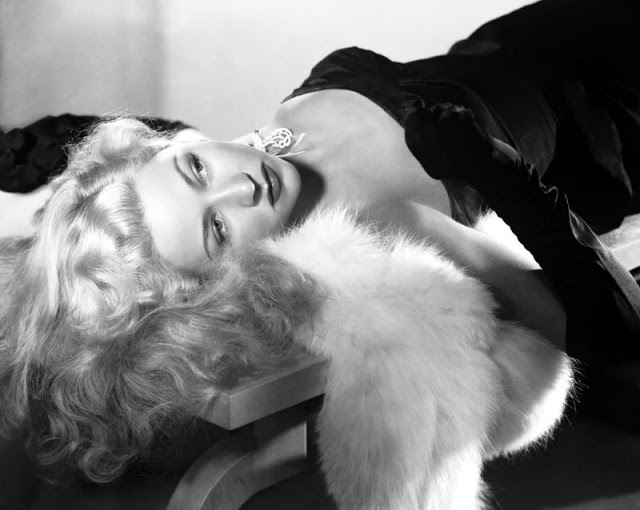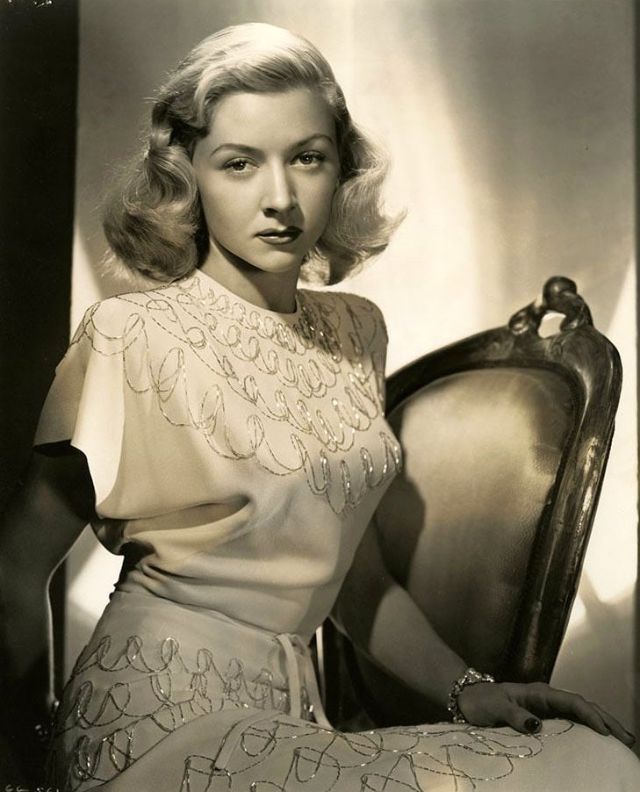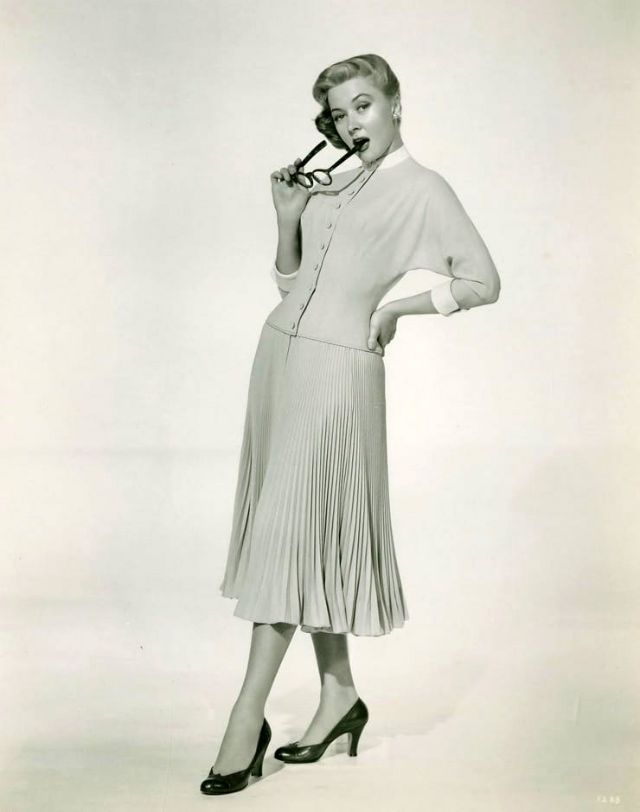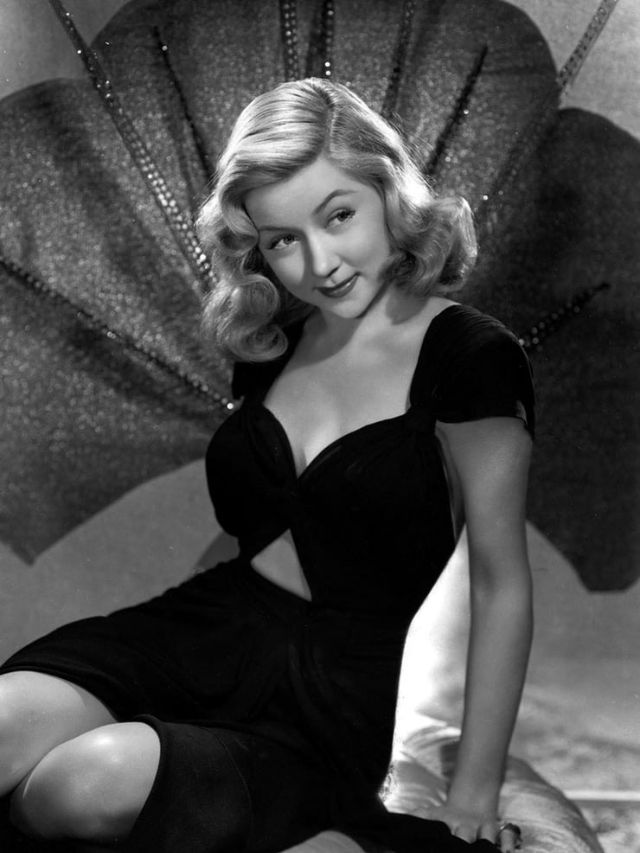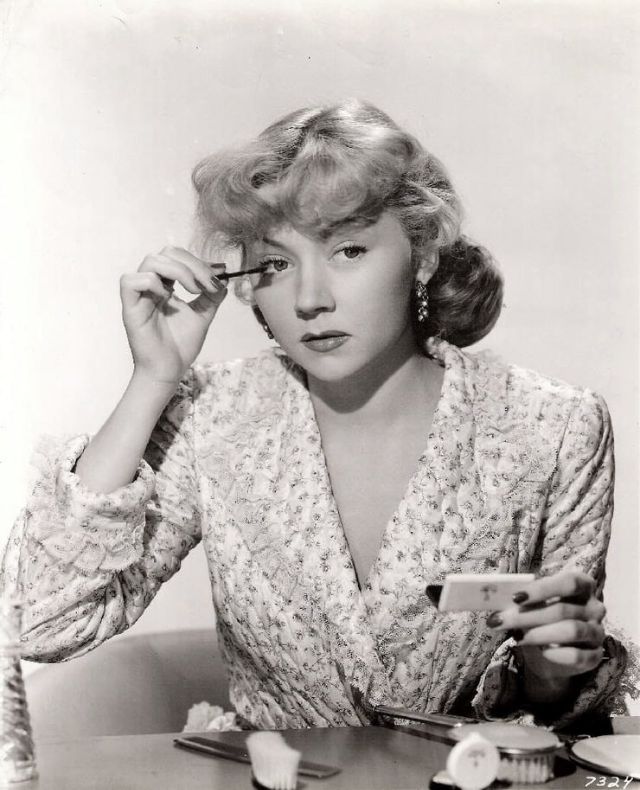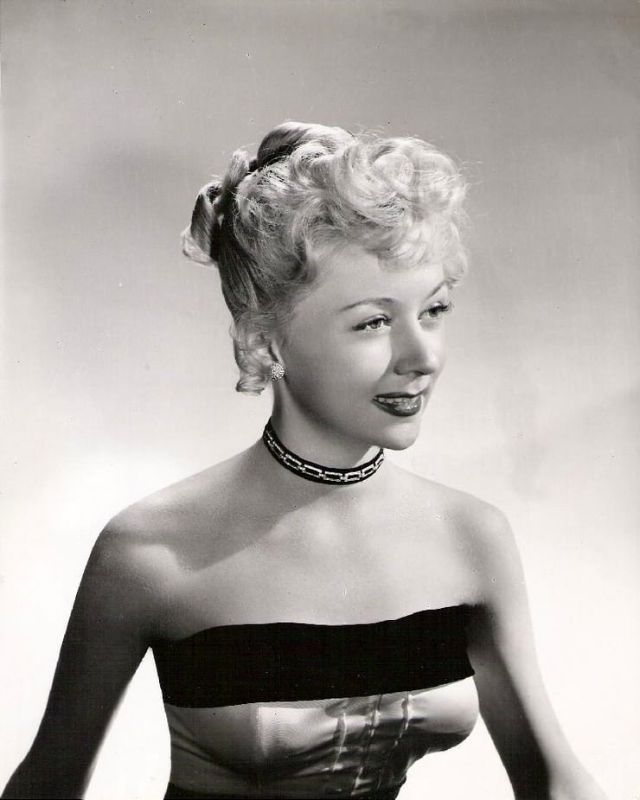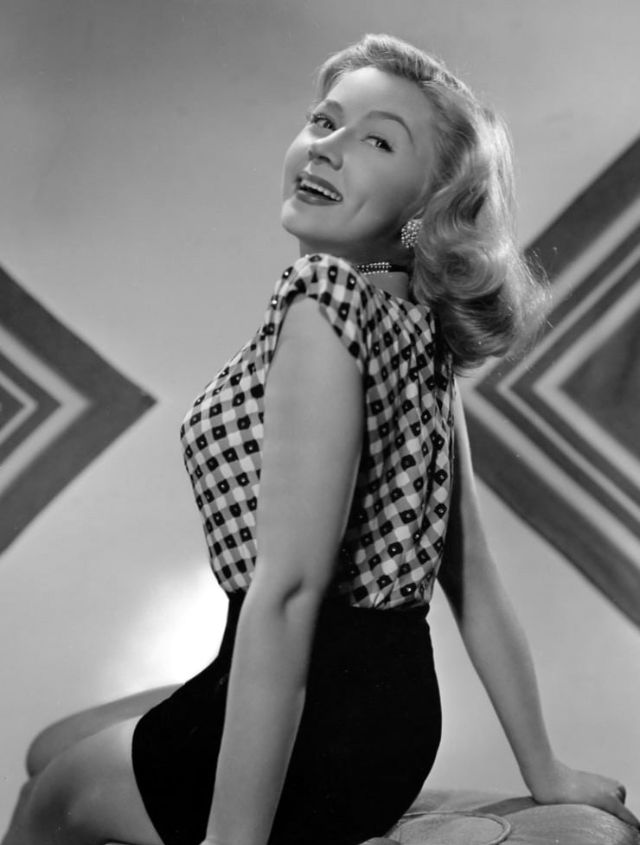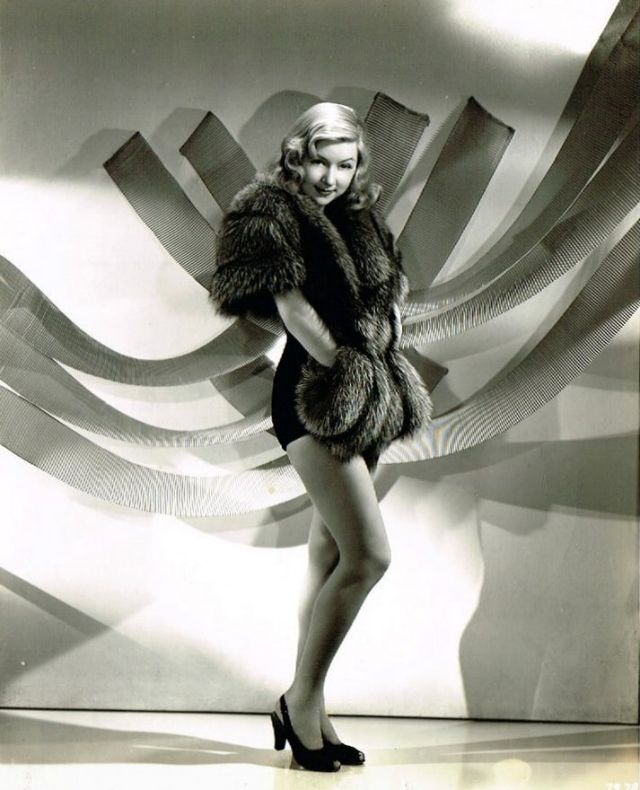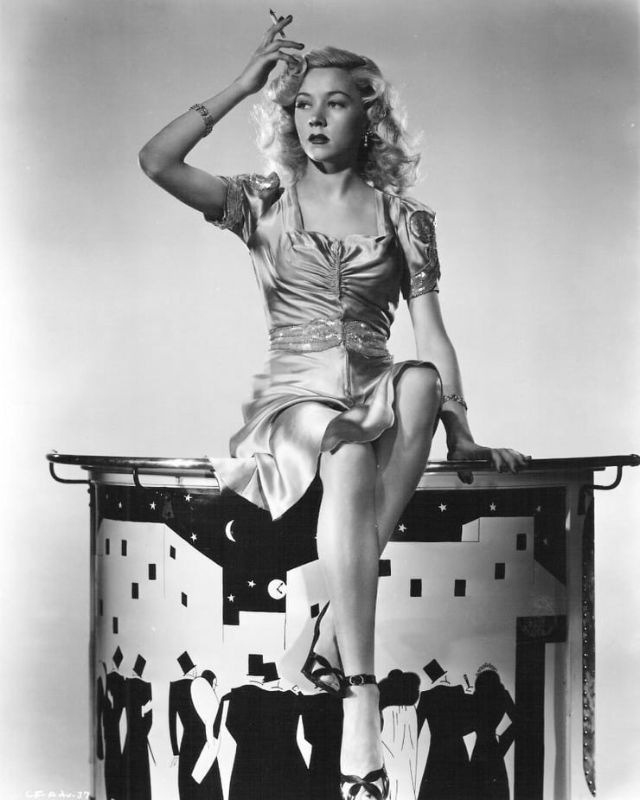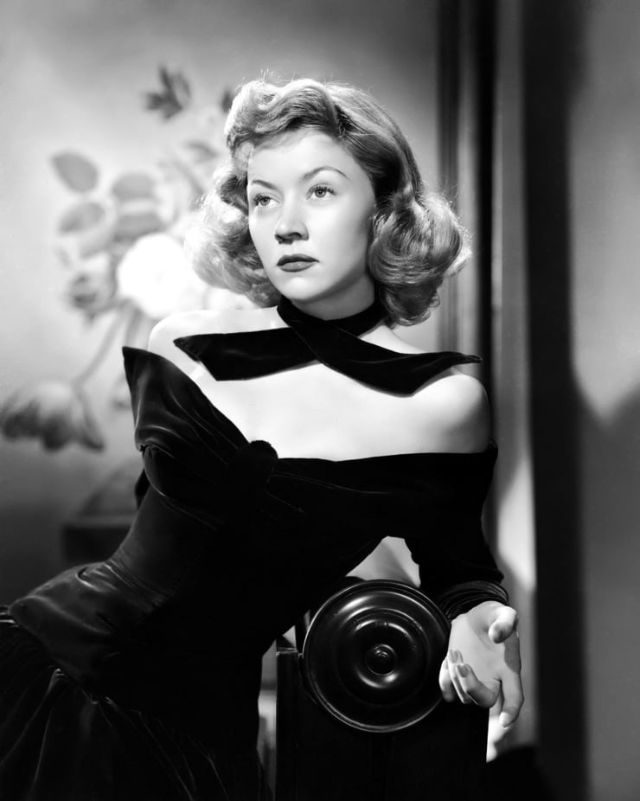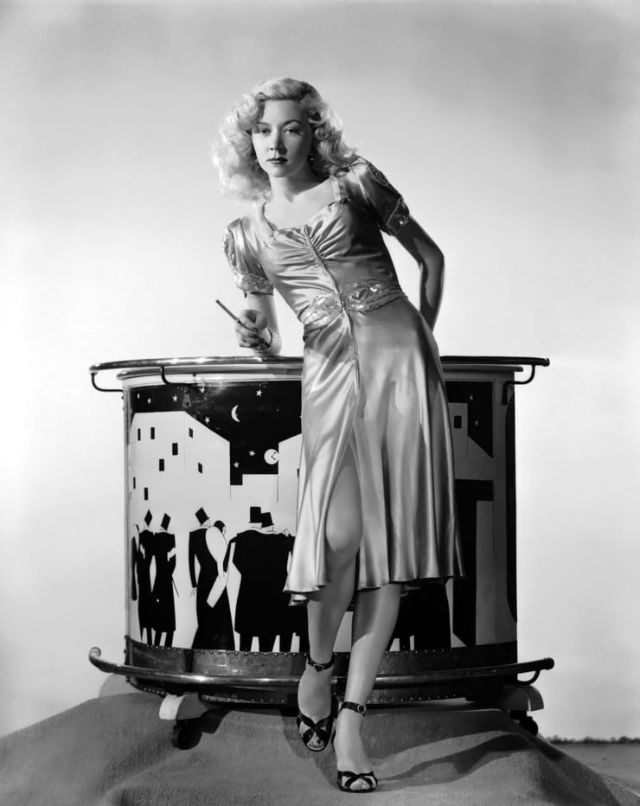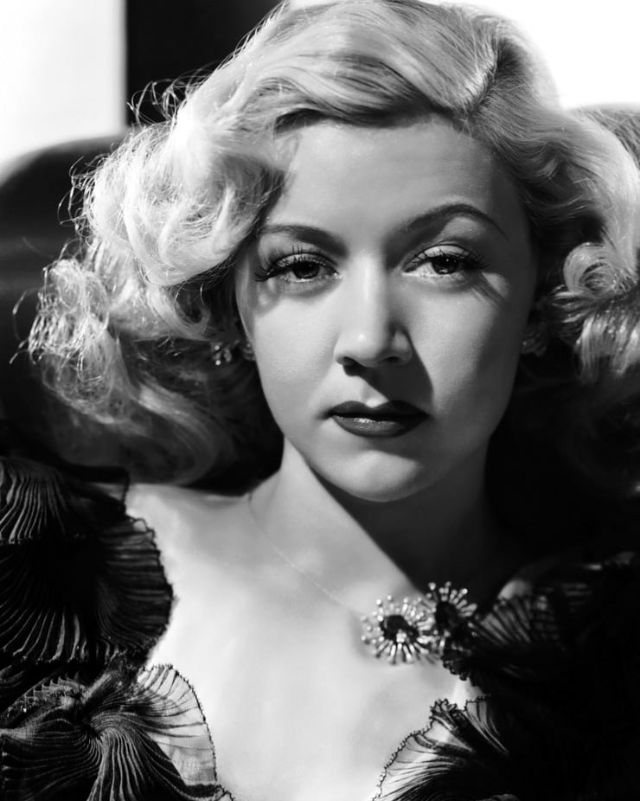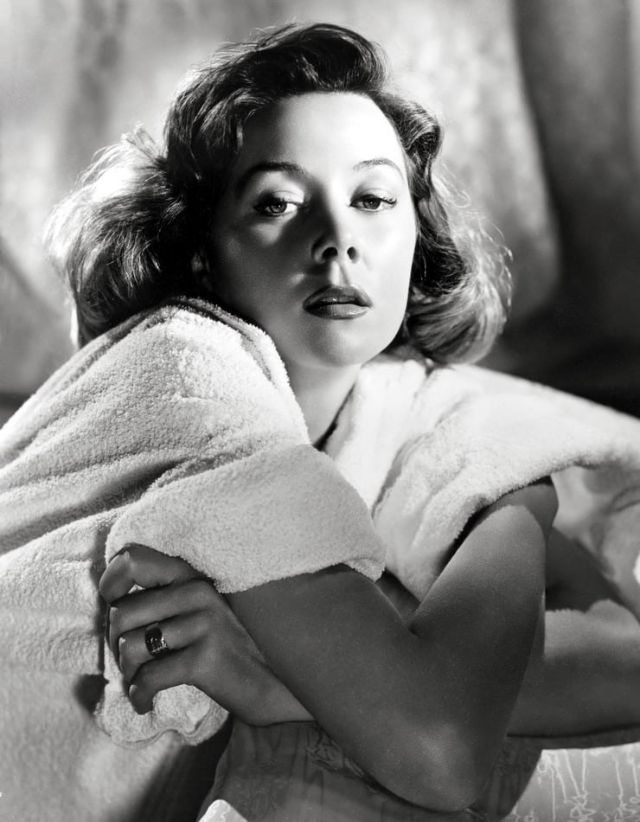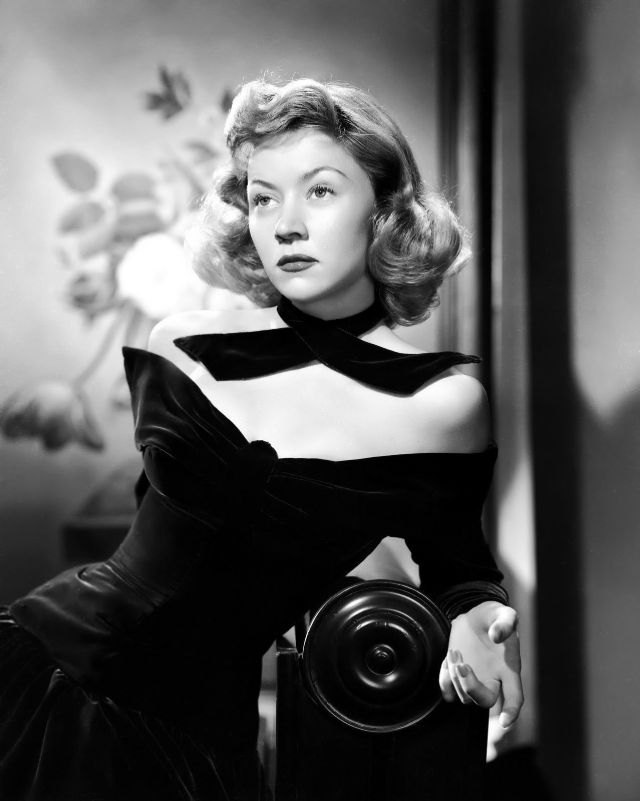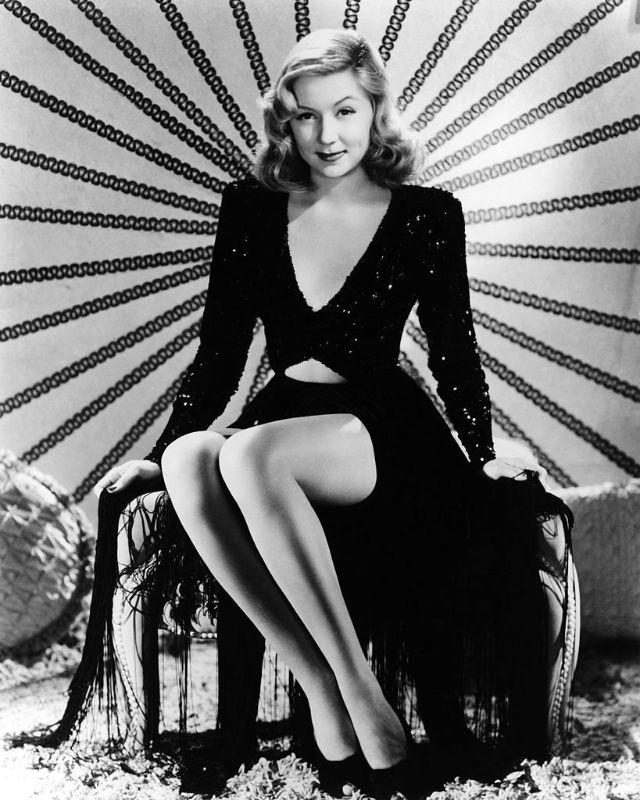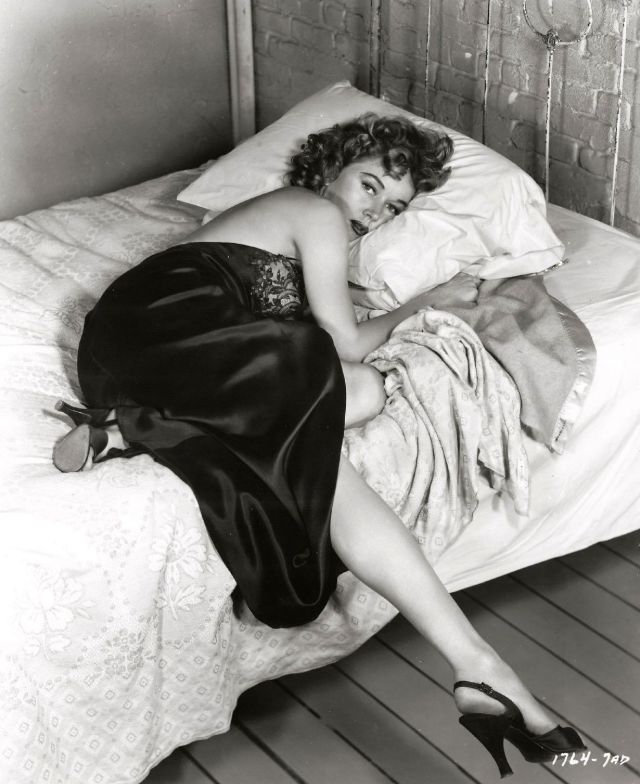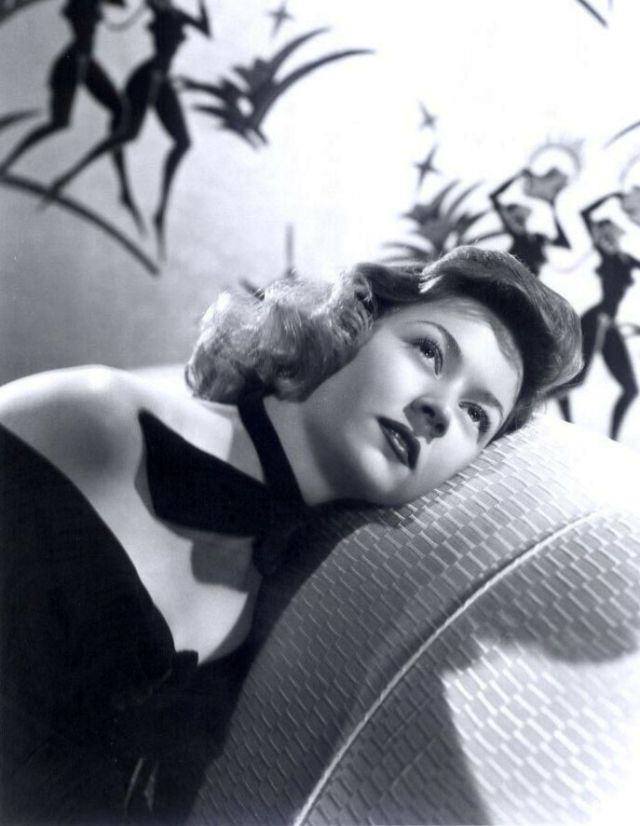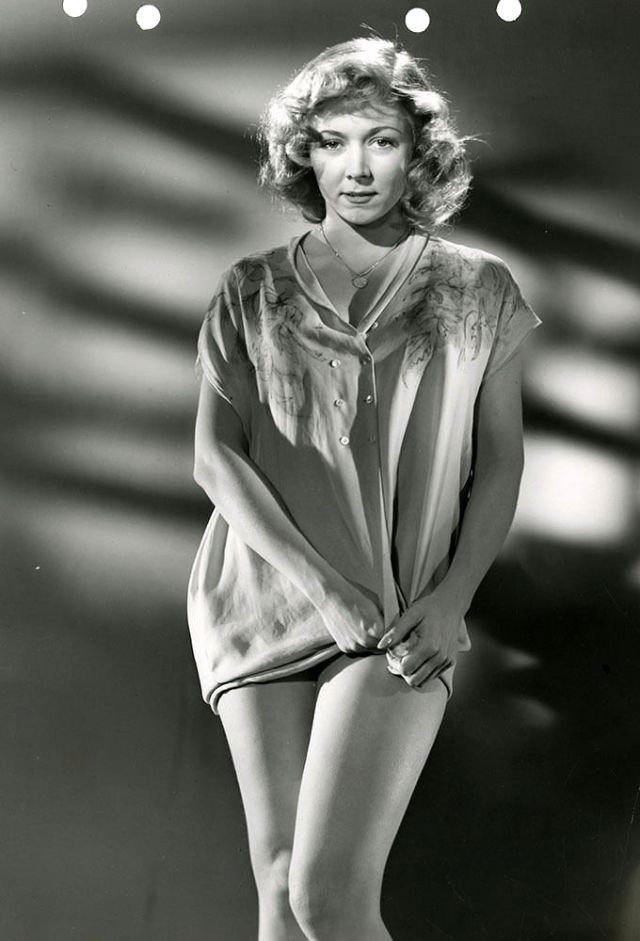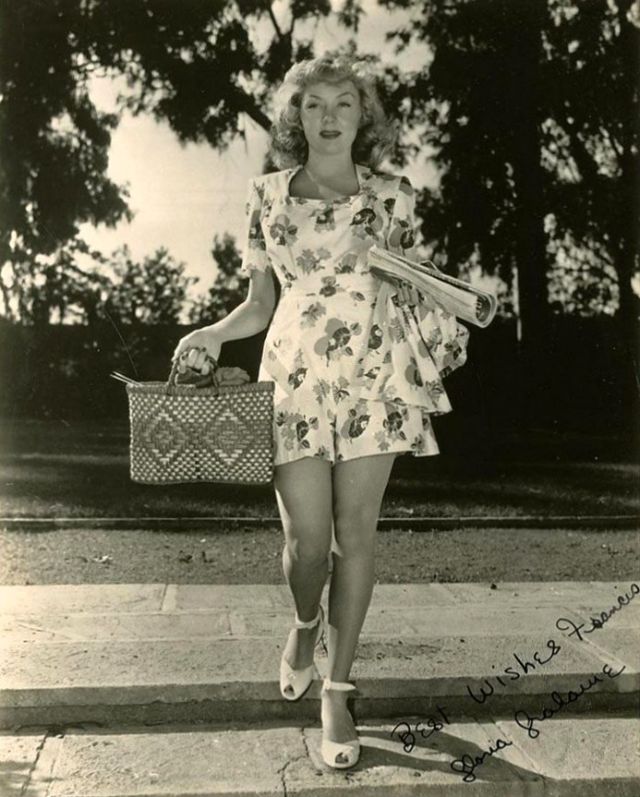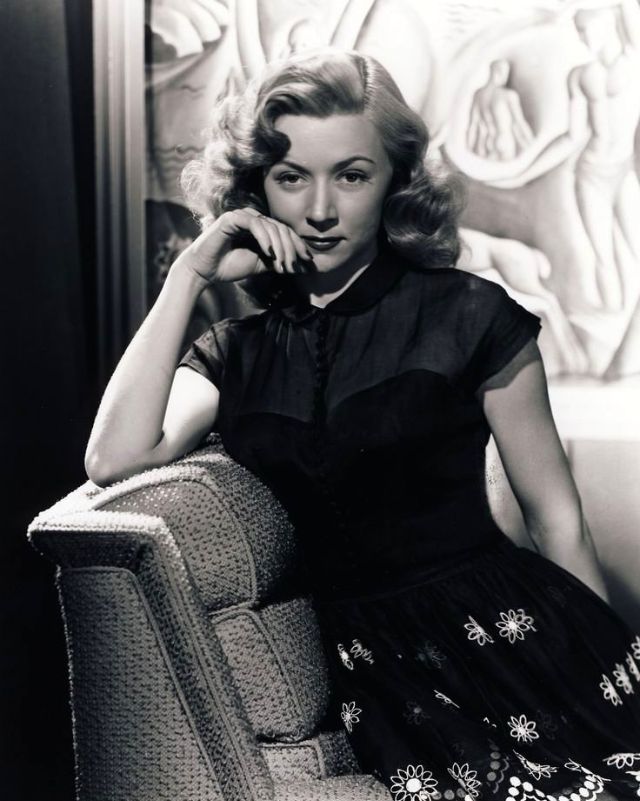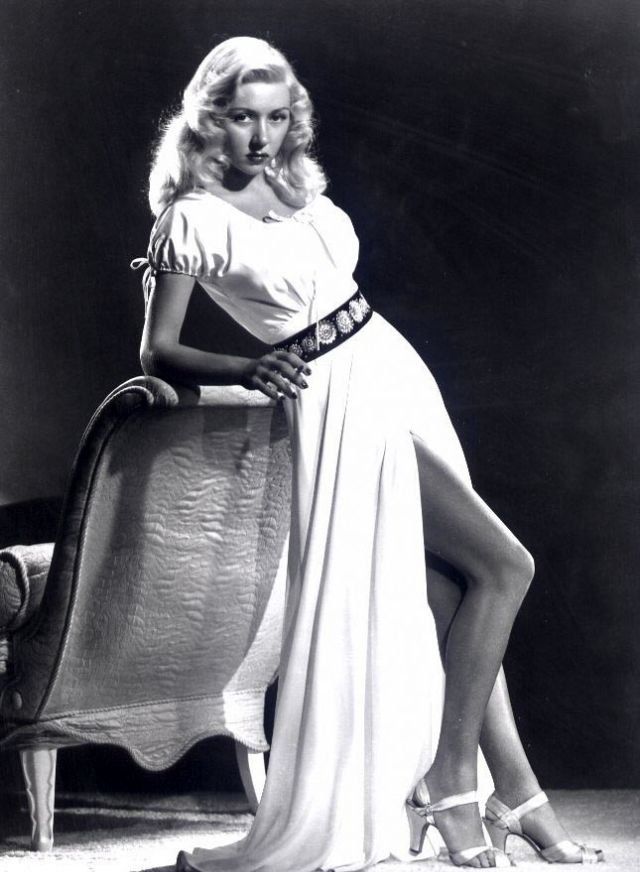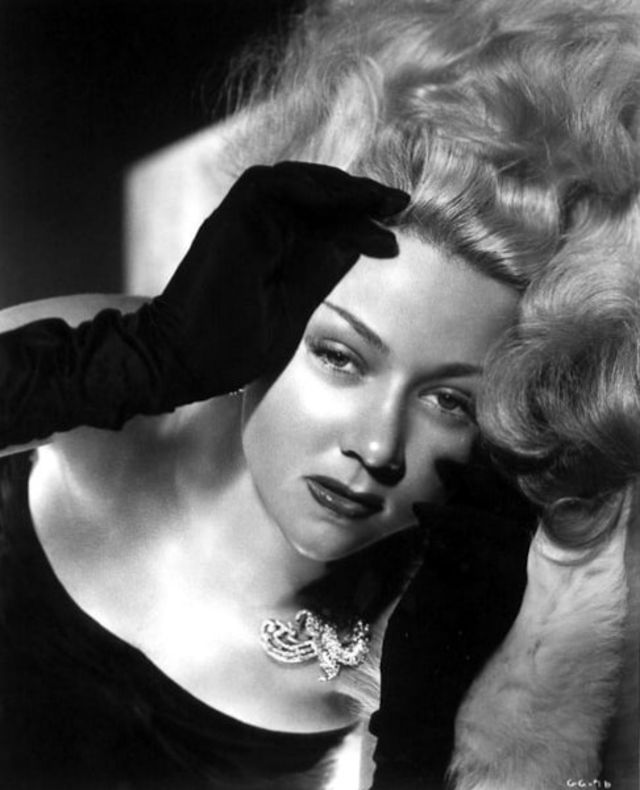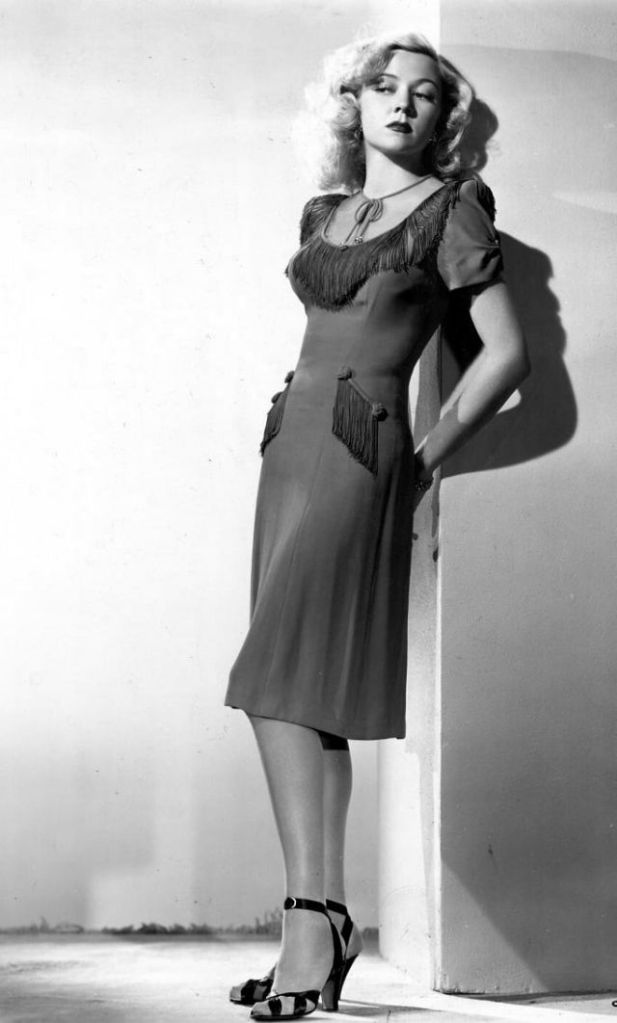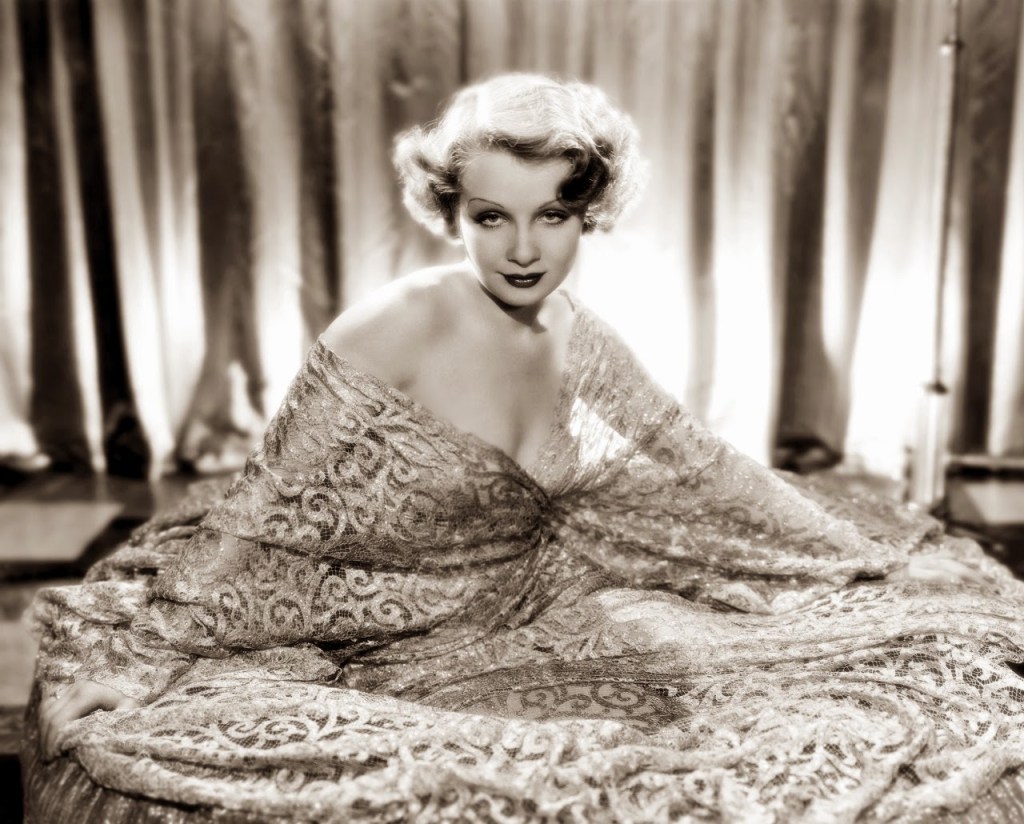
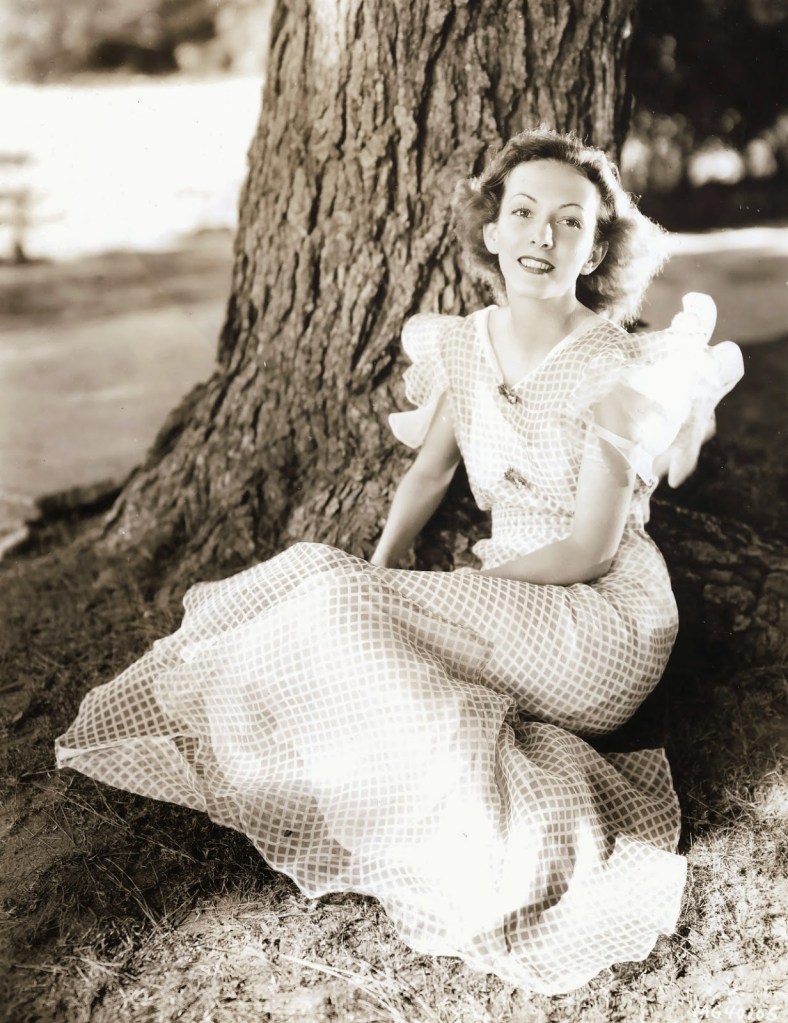
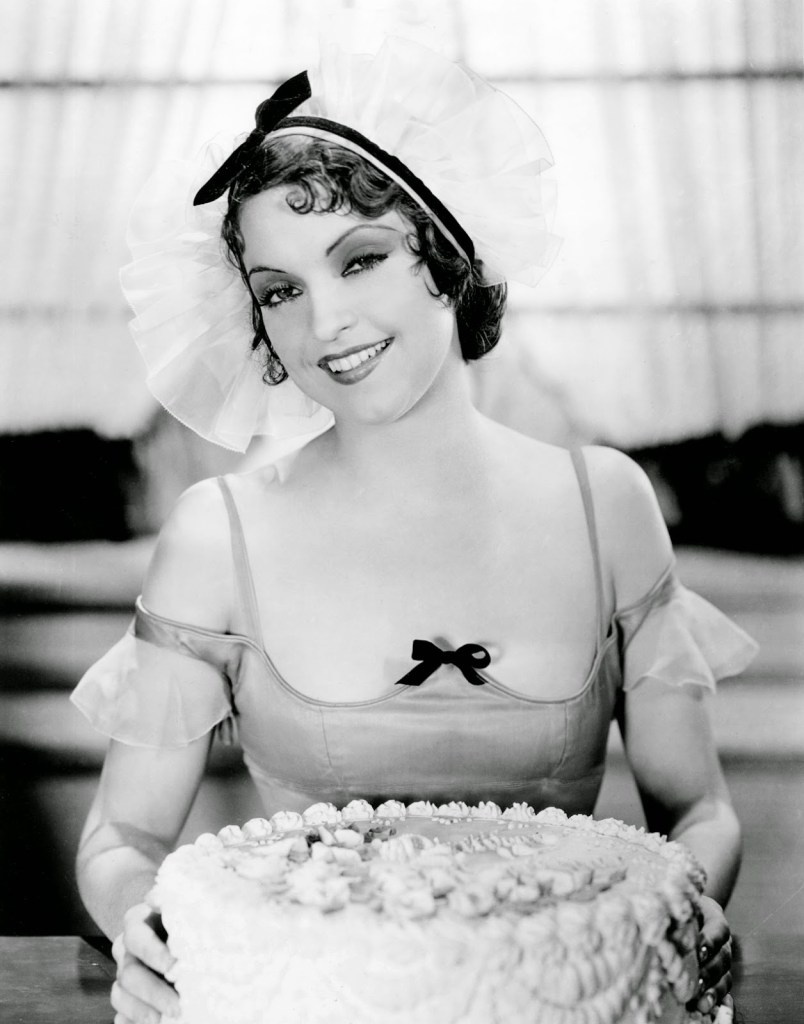
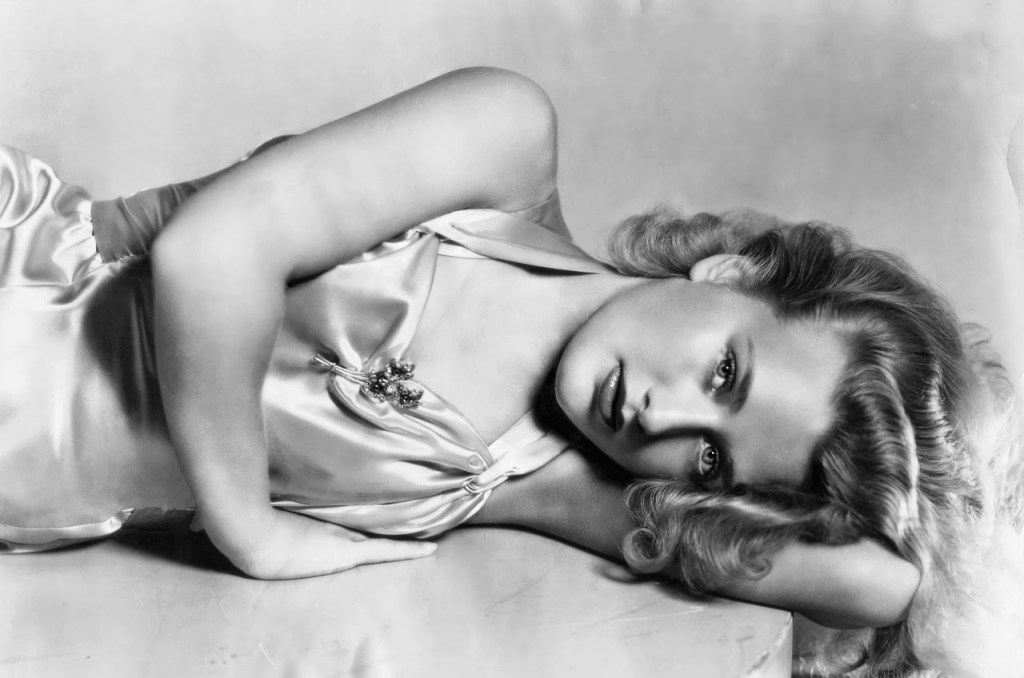
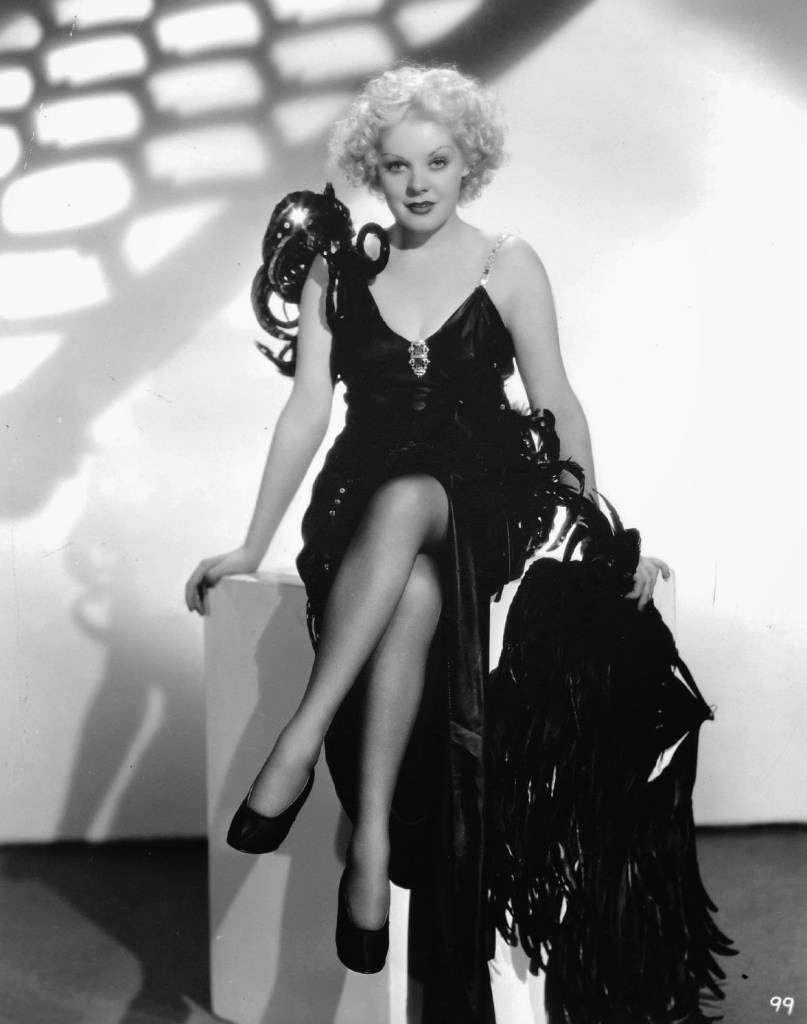
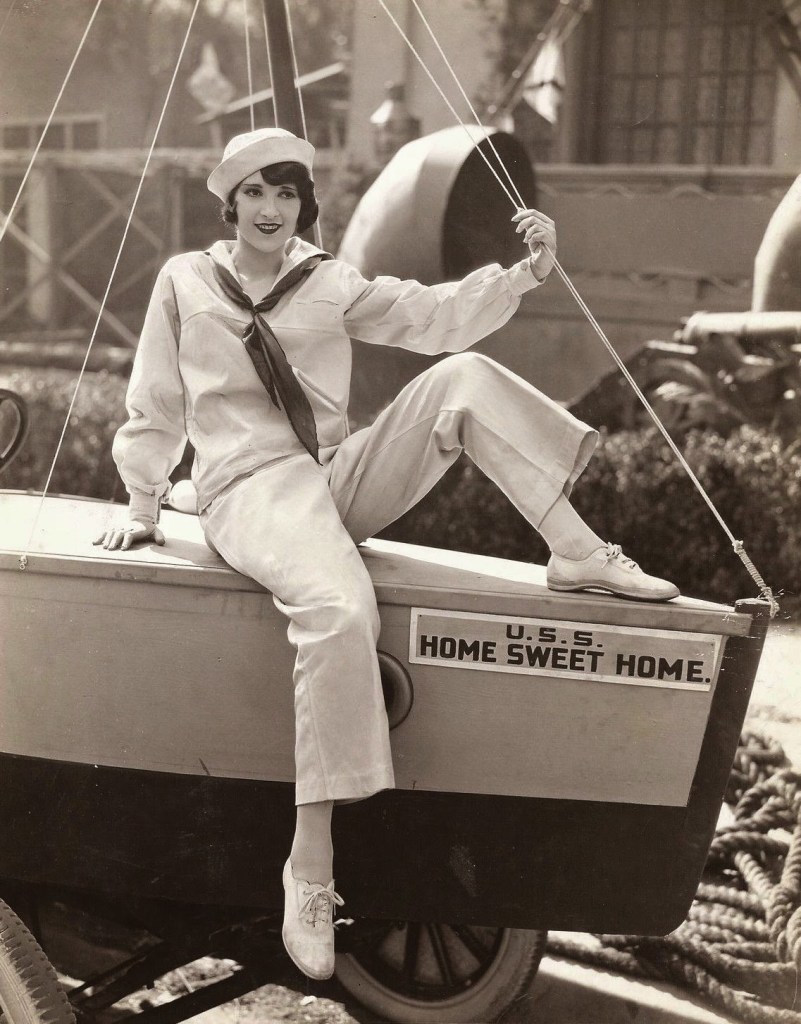
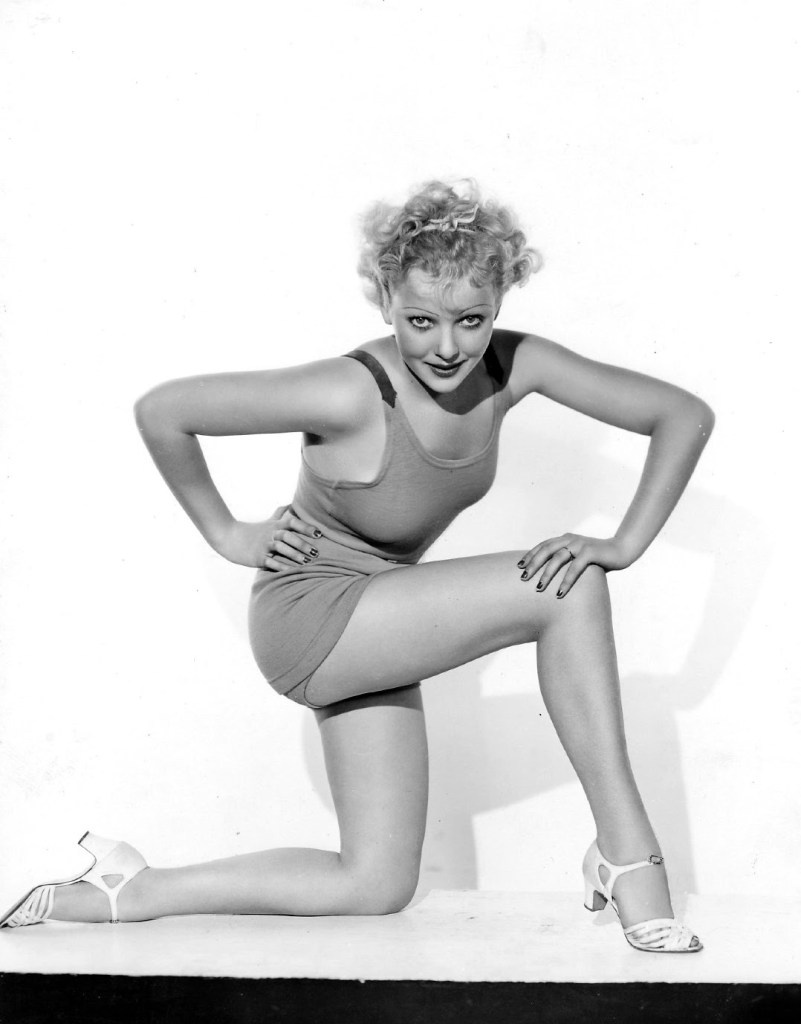
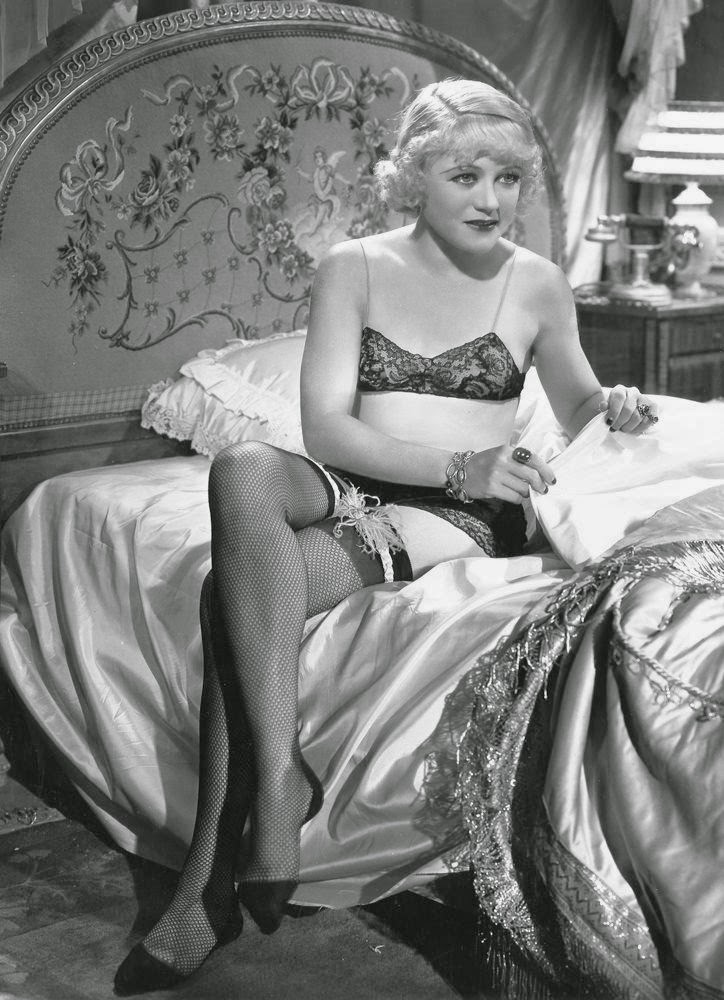
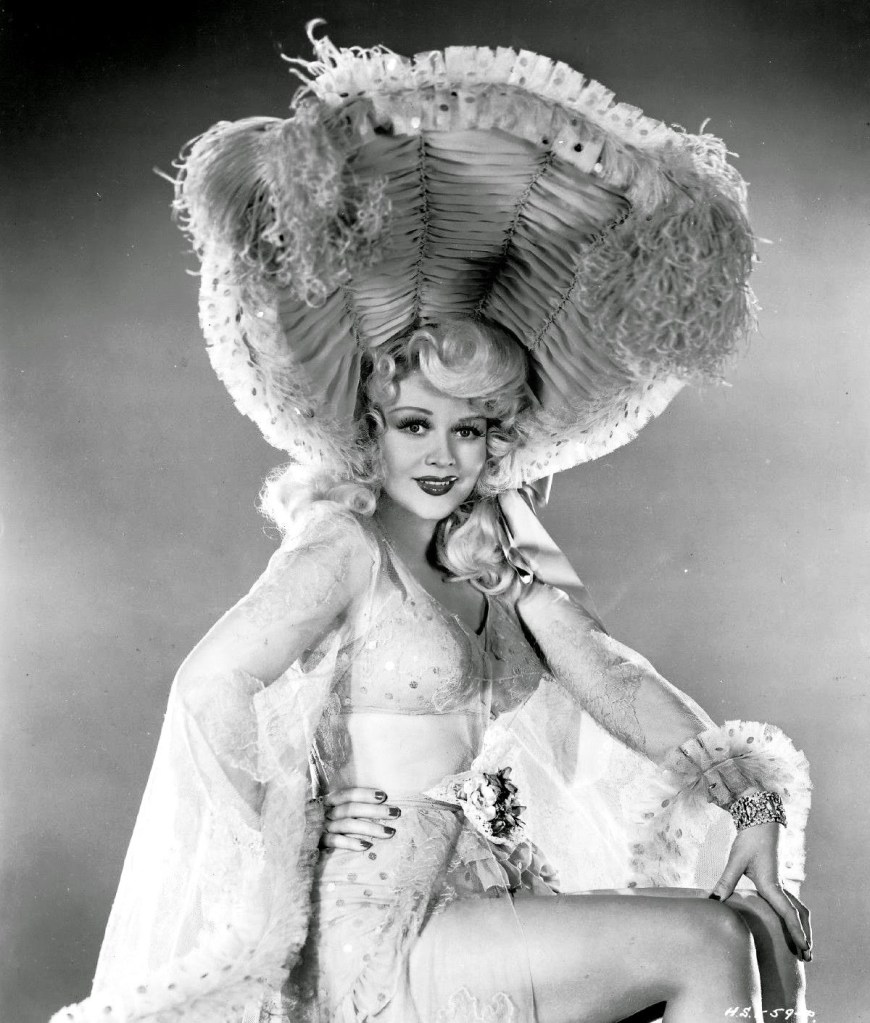
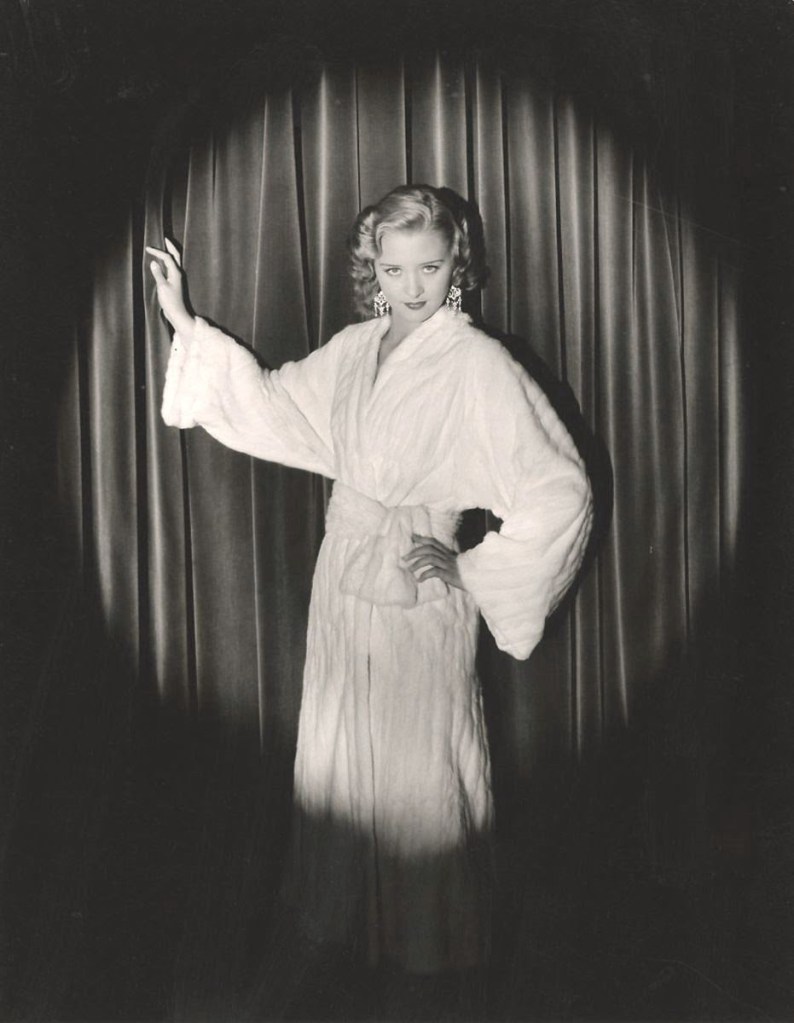
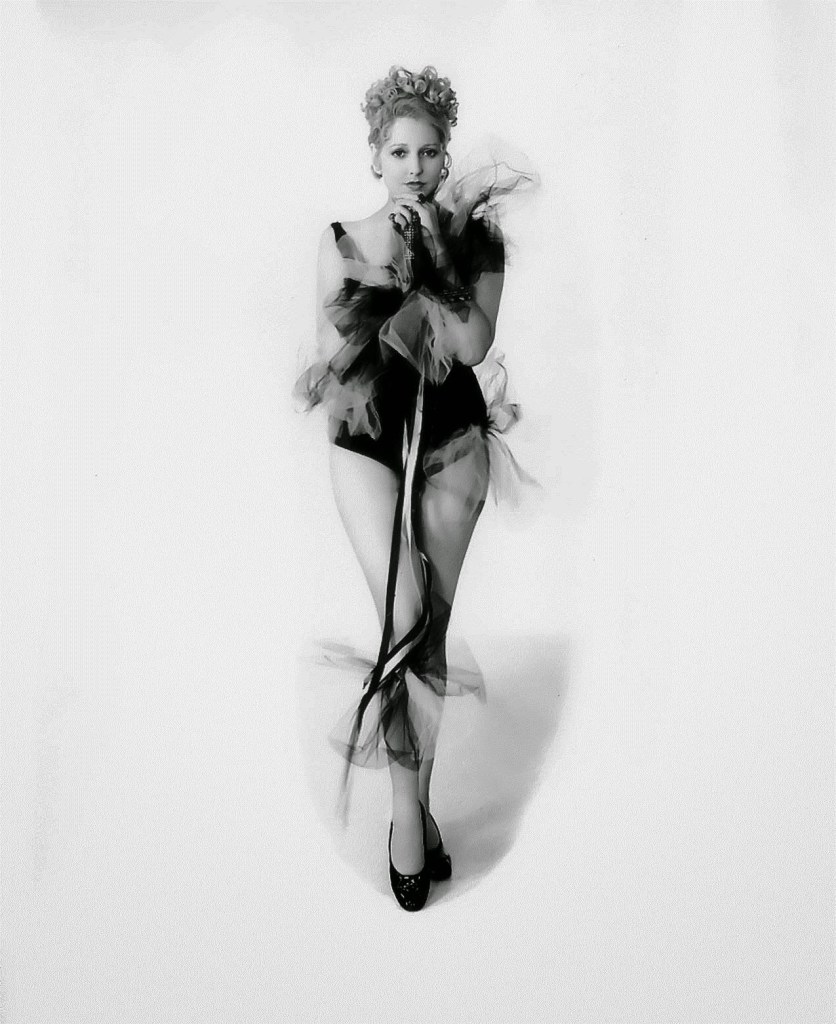
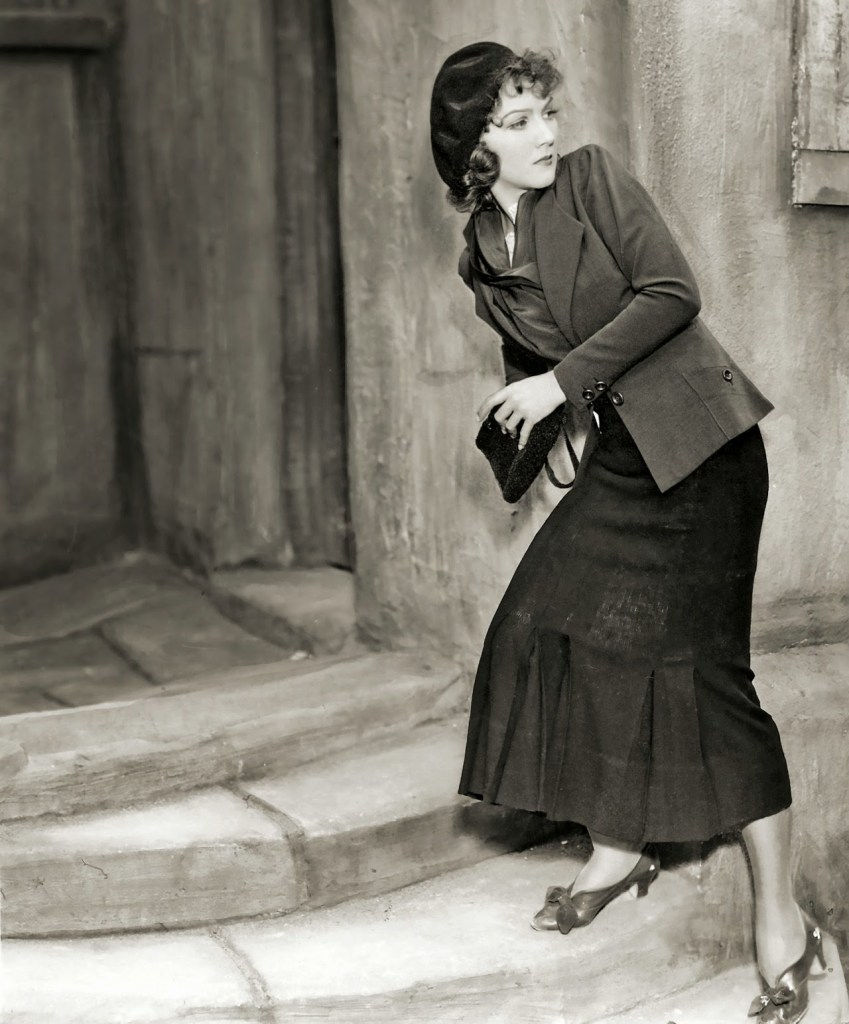
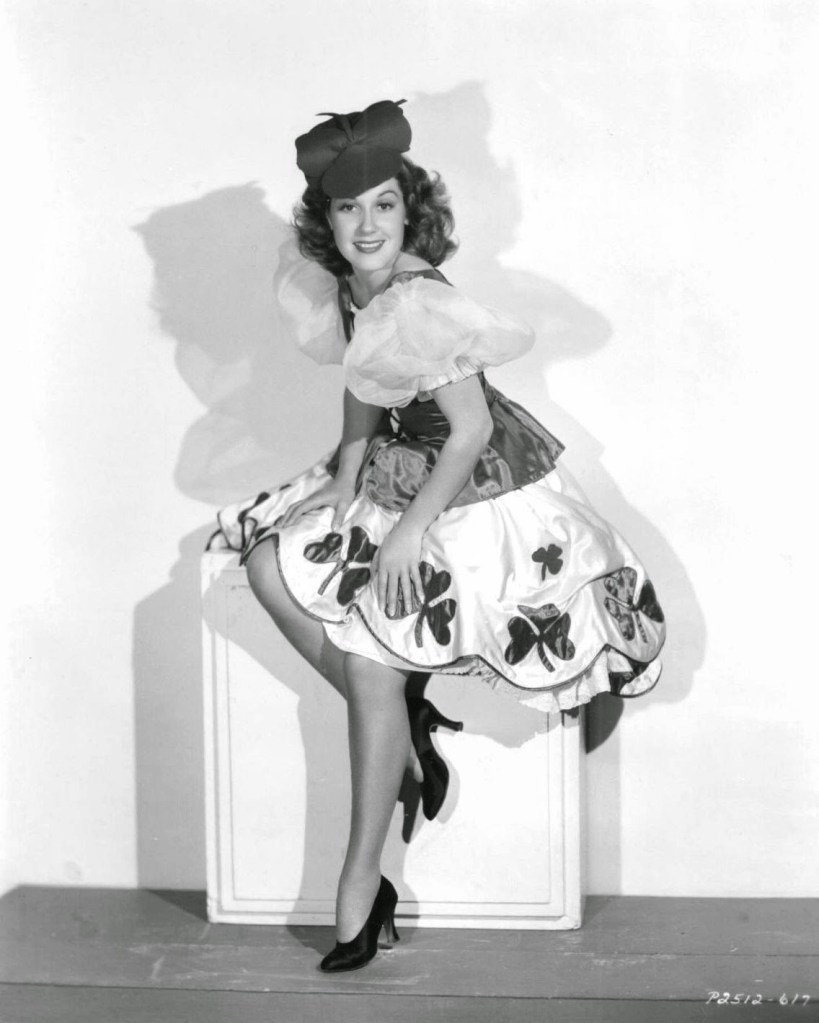
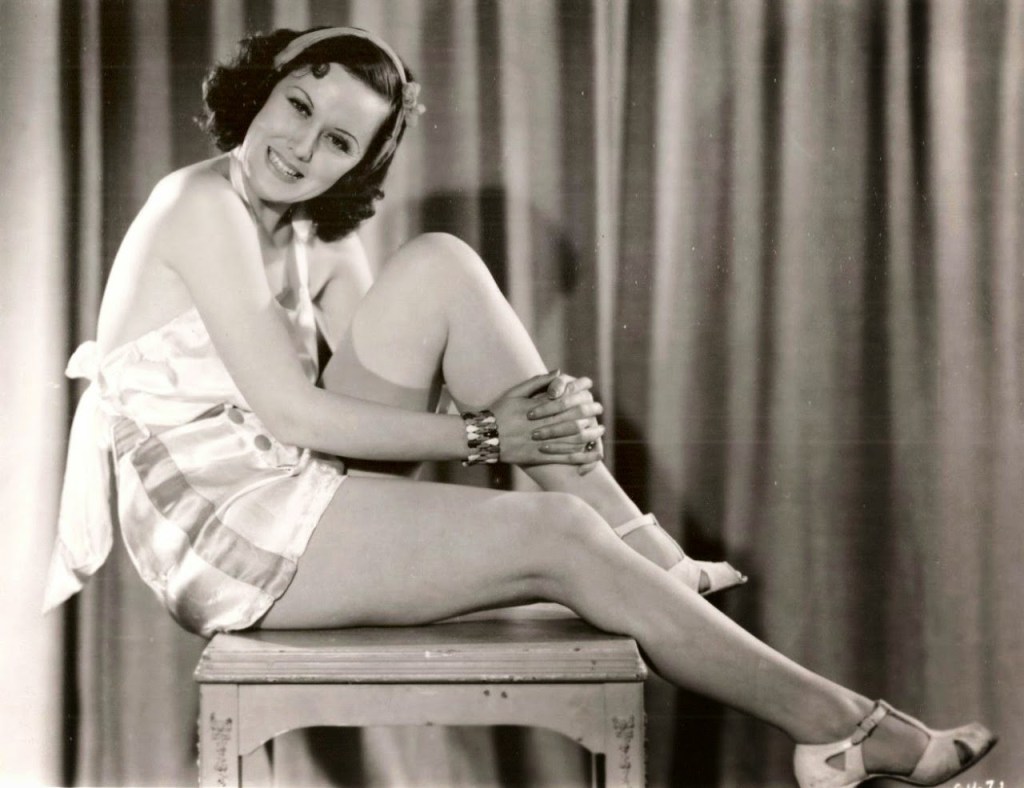
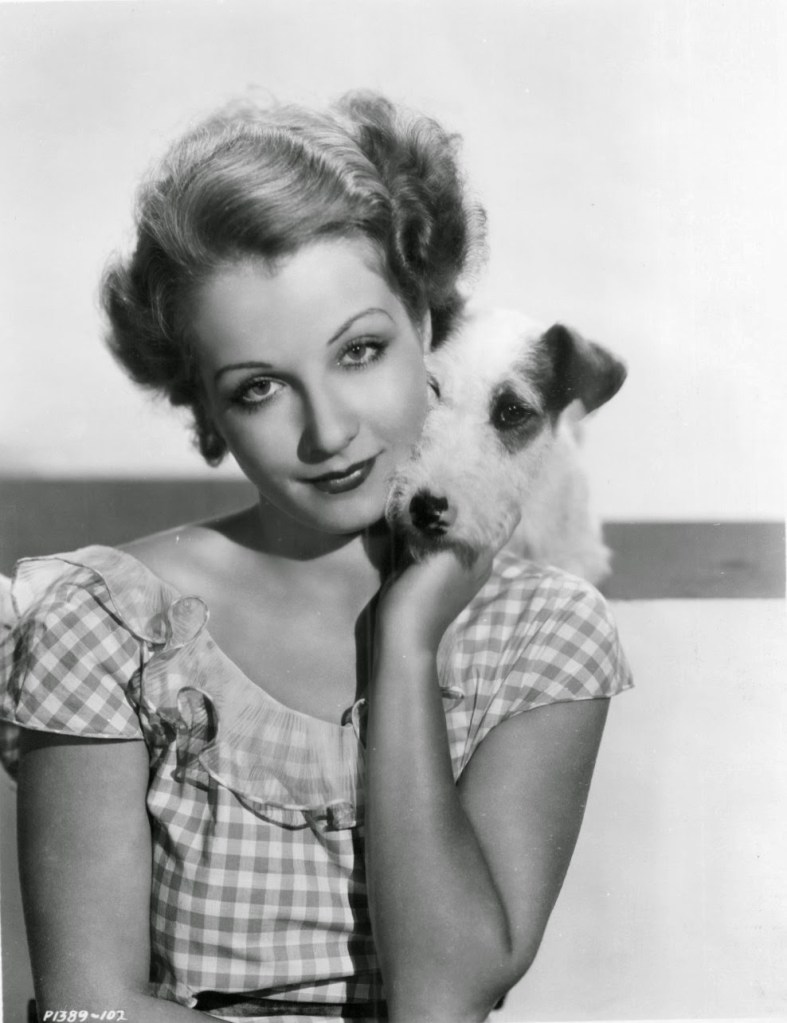
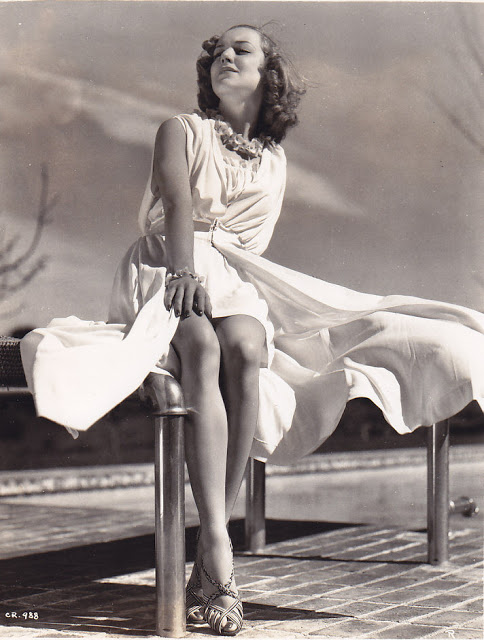
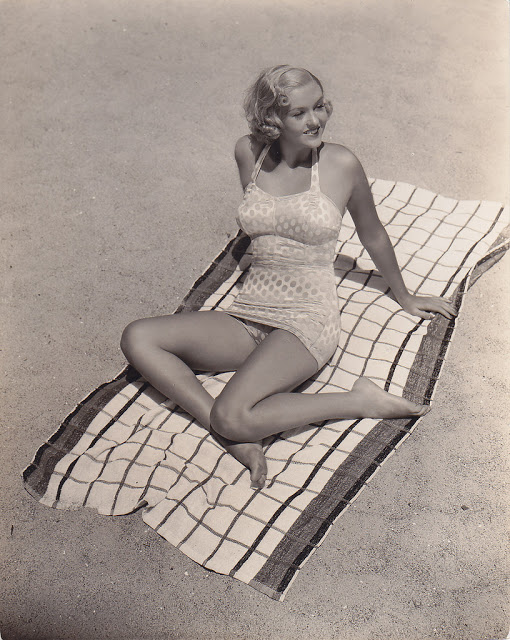
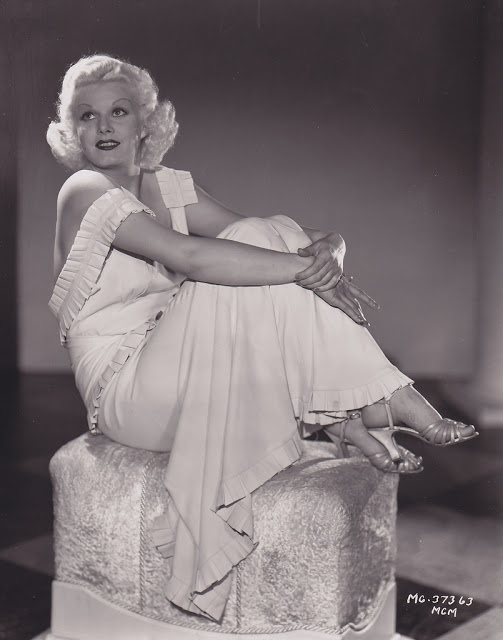
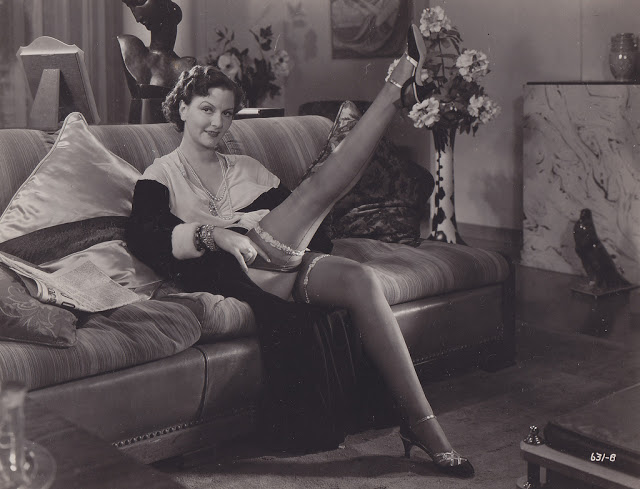
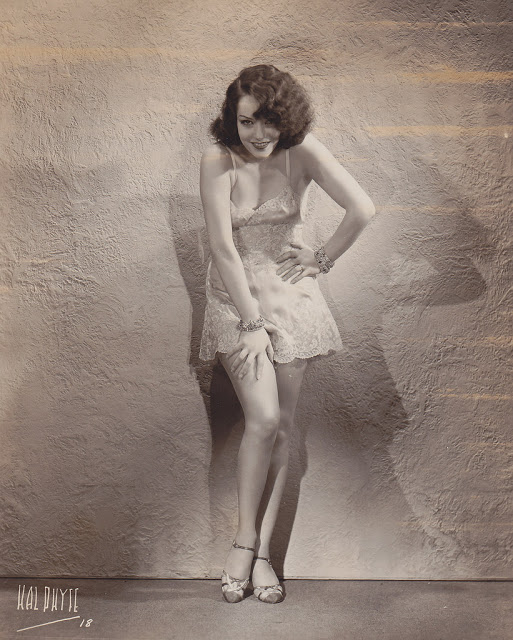
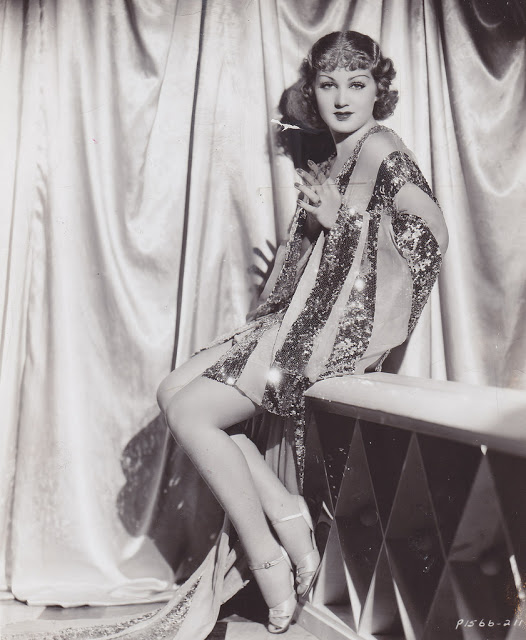
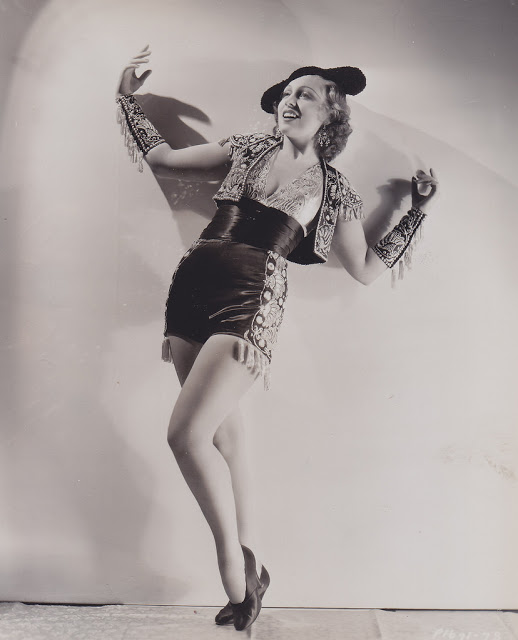
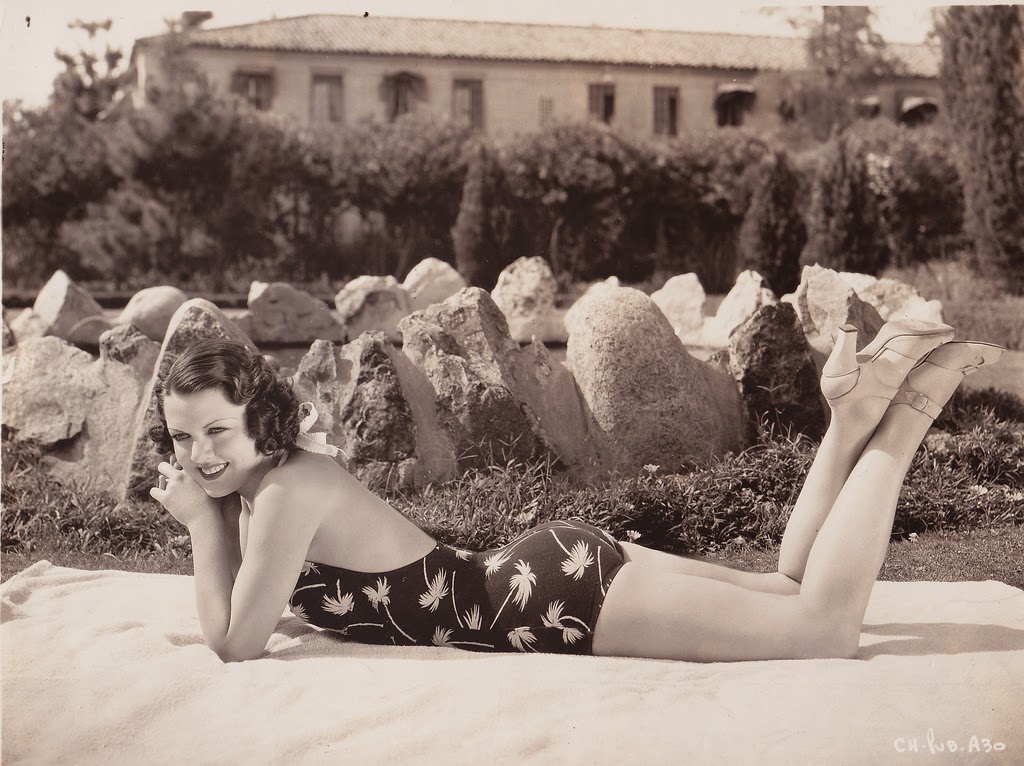
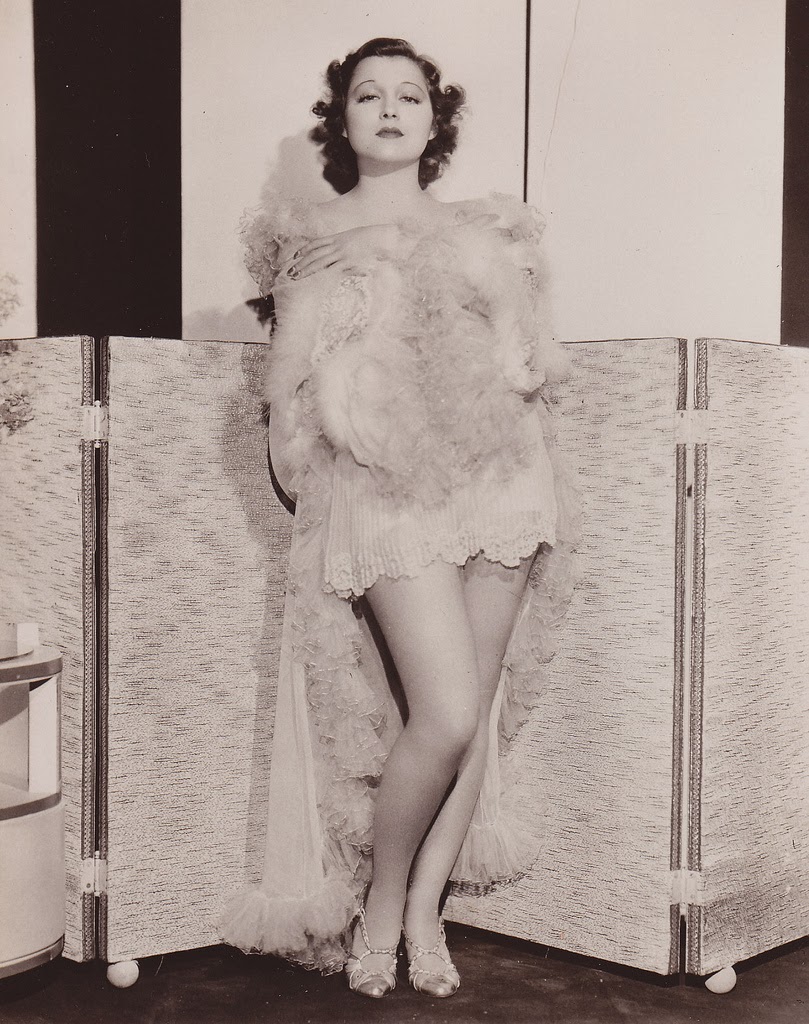
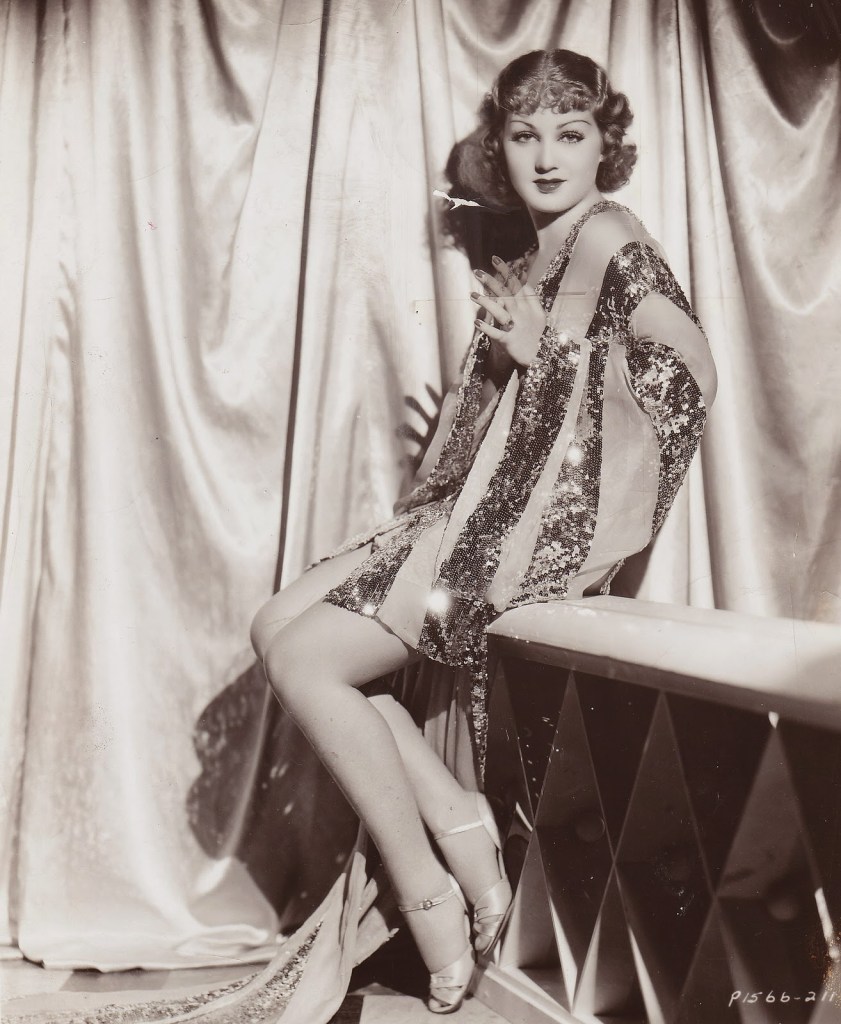
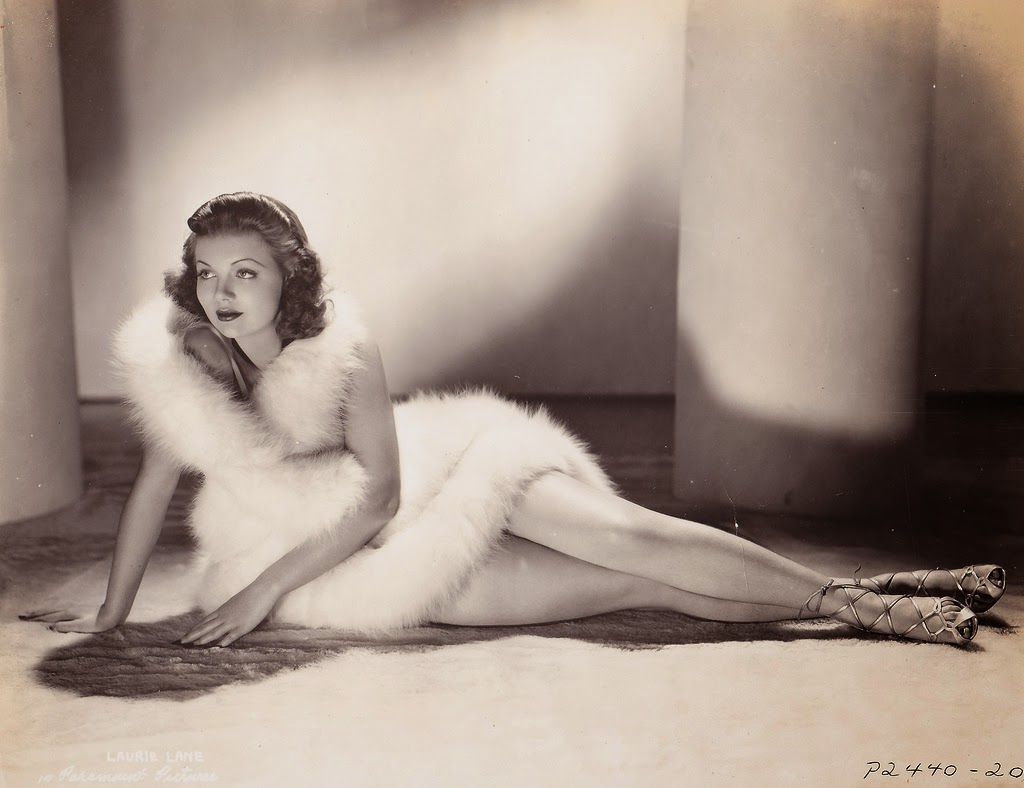
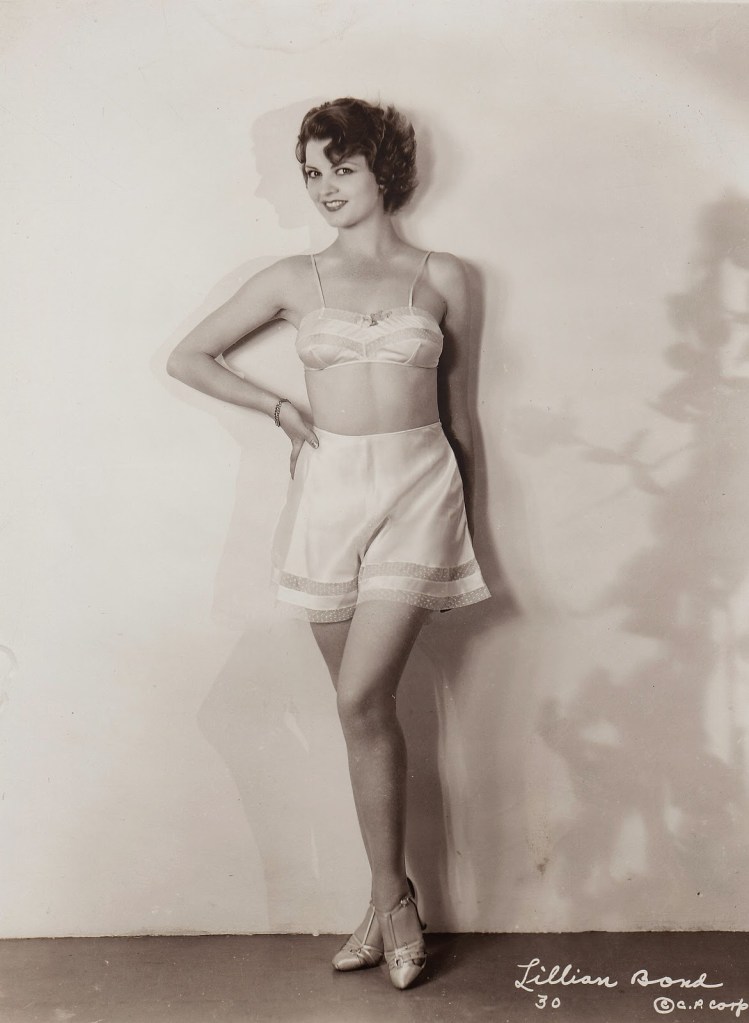
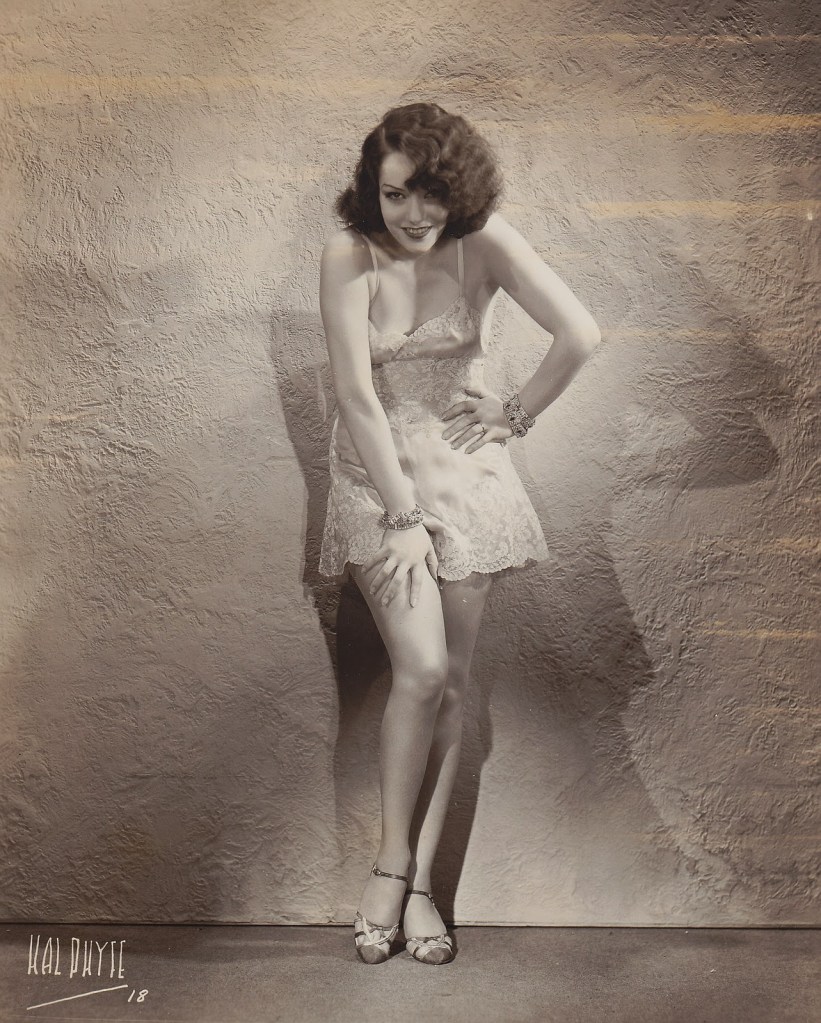
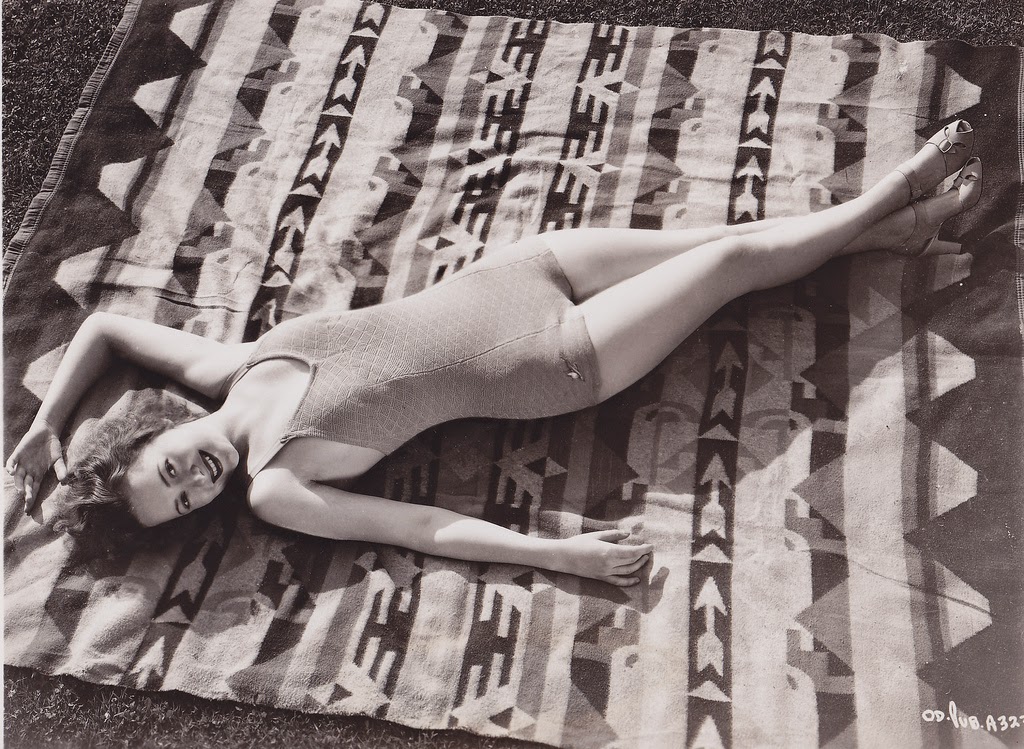
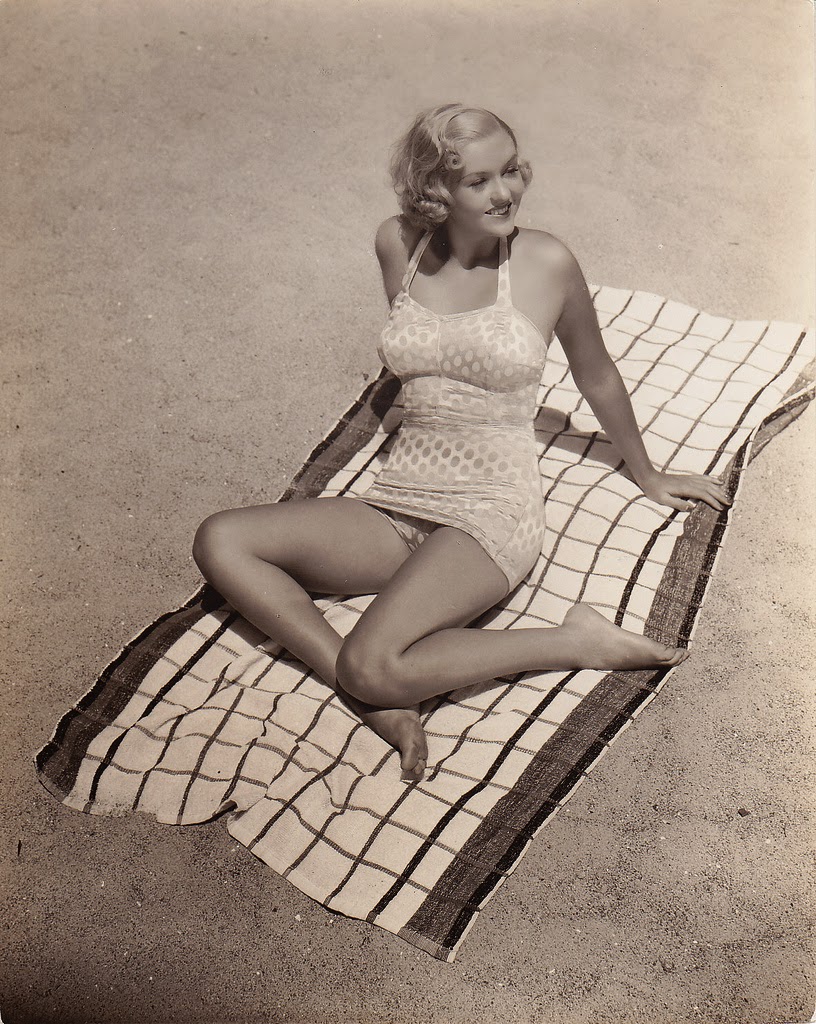
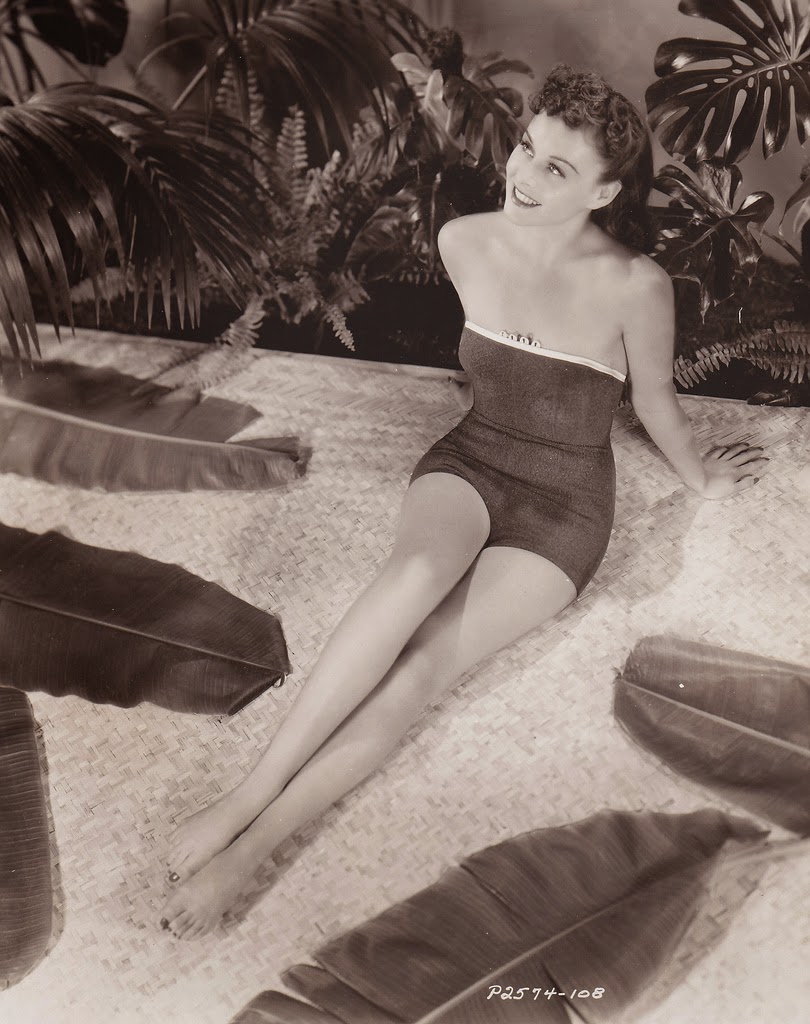
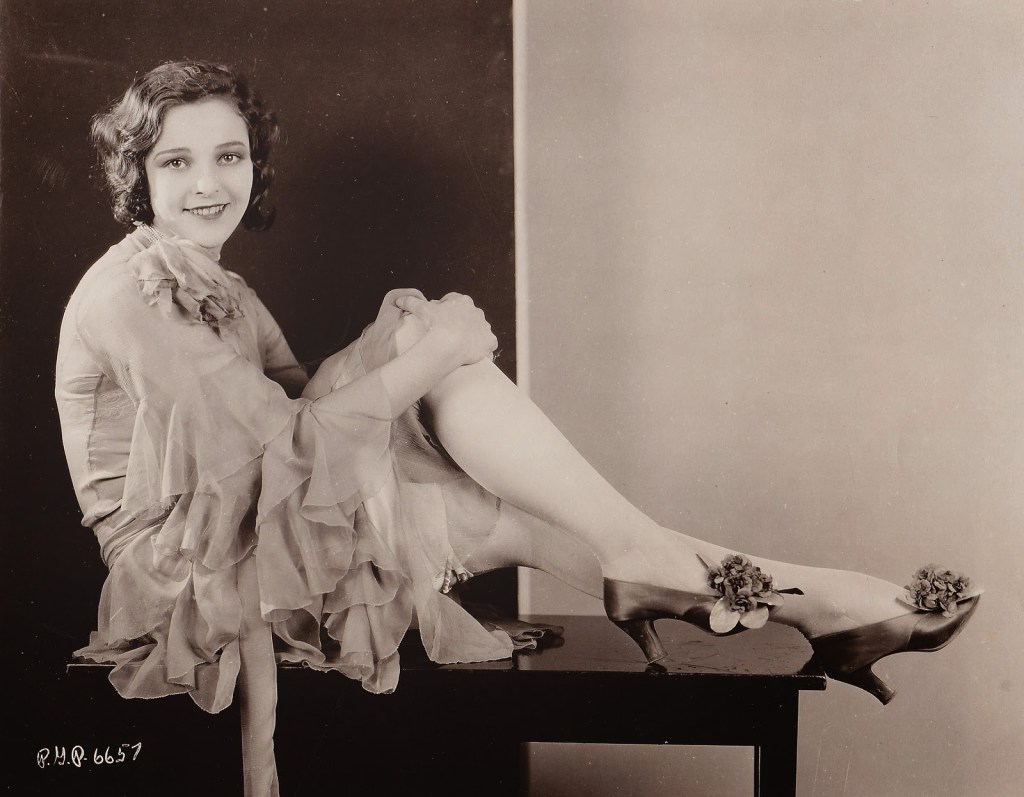
45 Glamorous Photos of Actress & Singer Gloria Grahame in the 1940s and Early 1950s

Born 1923 in Los Angeles, California, American stage, film, and television actress and singer Gloria Grahame began her acting career in theatre, and in 1944, made her first film for MGM. Despite a featured role in It’s a Wonderful Life (1946), MGM did not believe she had the potential for major success, and sold her contract to RKO Studios.

Often cast in film noir projects, Grahame was nominated for an Academy Award for Best Supporting Actress for Crossfire (1947), and would later win the award for her work in The Bad and the Beautiful (1952). She achieved her highest profile with Sudden Fear (1952), Human Desire (1953), The Big Heat (1953), and Oklahoma! (1955), but her film career began to wane soon afterwards.
Grahame returned to work on the stage, but continued to appear in films and television productions, usually in supporting roles.

In 1974, she was diagnosed with breast cancer. It went into remission less than a year later and Grahame returned to work. In 1980, the cancer returned but Grahame refused to accept the diagnosis or seek treatment. Choosing instead to continue working, she traveled to Britain to appear in a play. Her health, however, declined rapidly and she developed peritonitis after undergoing a procedure to remove fluid from her abdomen in September 1981.

Grahame returned to New York City, where she died in October 1981.

For her contribution to the motion picture industry, Gloria Grahame has a star on the Hollywood Walk of Fame at 6522 Hollywood Boulevard.

Take a look at these glamorous photos to see the beauty of Gloria Grahame in the 1940s and early 1950s.
34 Fantastic Harley-Davidson Ads From The 1970s

William Harley and Davidson brothers founded the company in 1903. In the following years, Harley Davidson made bikes that many people adopted as their dominant symbol. It developed a fierce image of violet machismo, but was known for comfort.

Below is a collection of 34 wonderful vintage ads of Harley-Davidson during the 1970s.
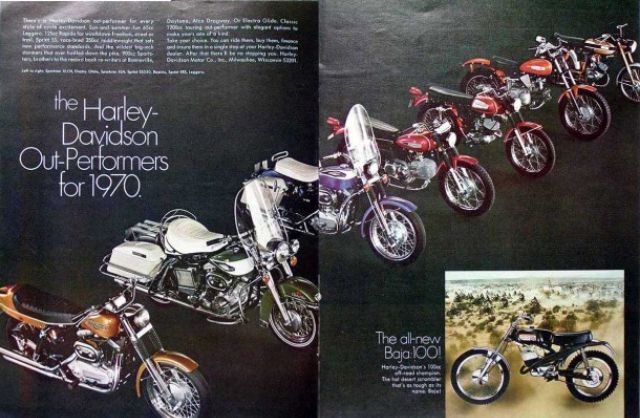
The Harley-Davidson Out-Performers for 1970
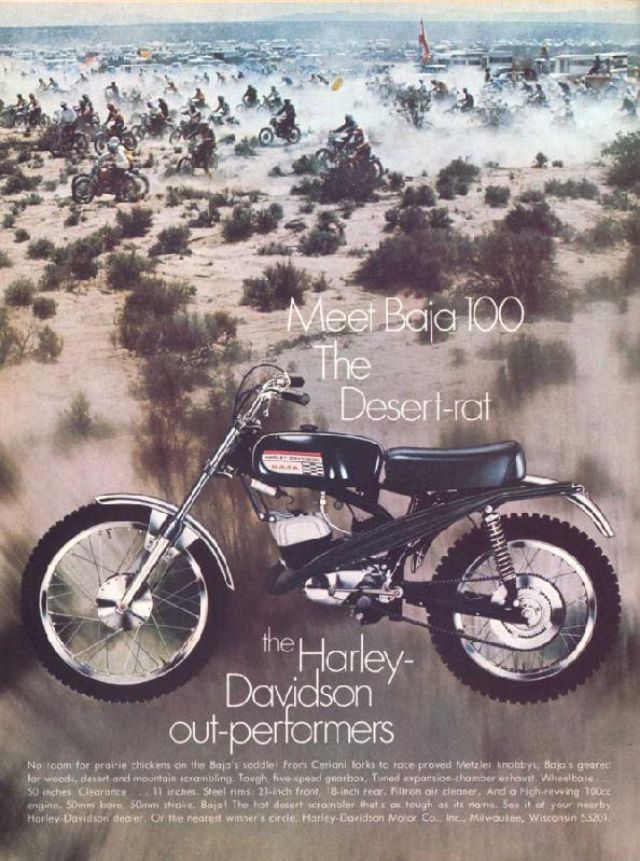
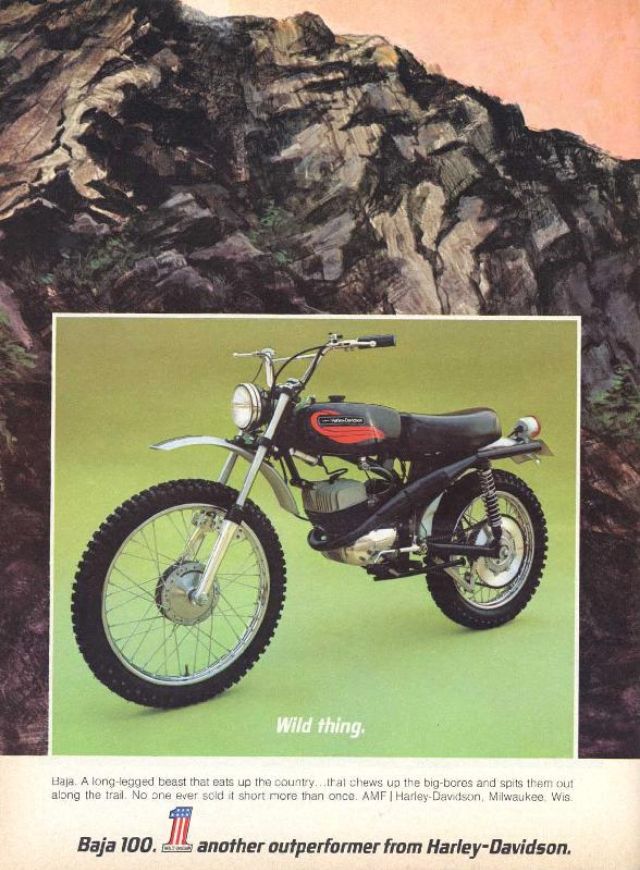
Meet Baja 100 The Desert-Rat, 1970
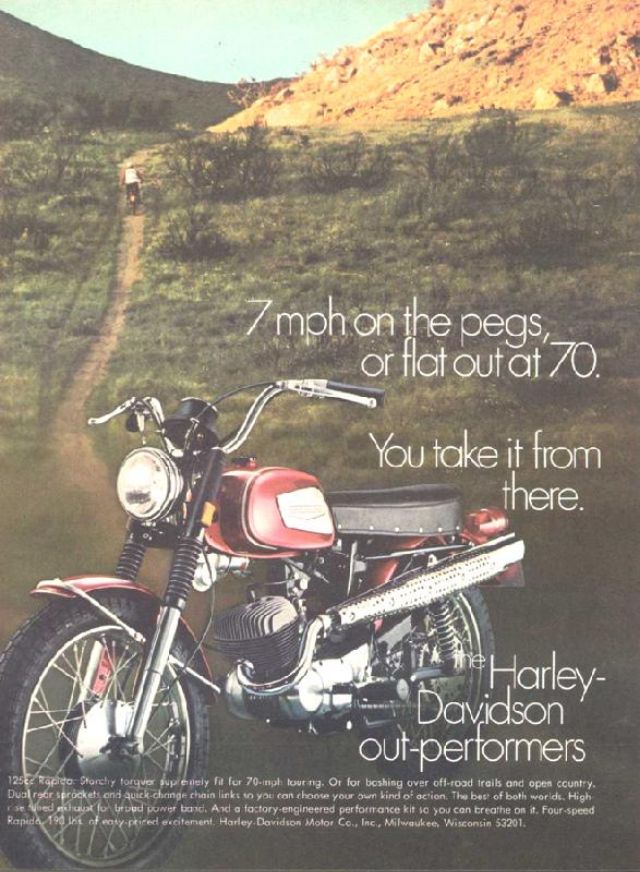
7 mph the pegs, of flat out at 70, 1970
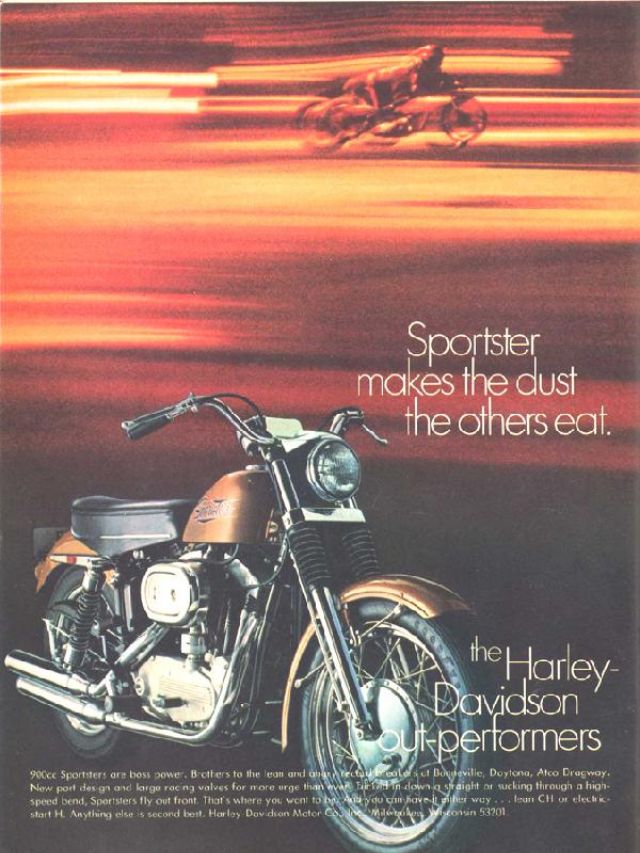
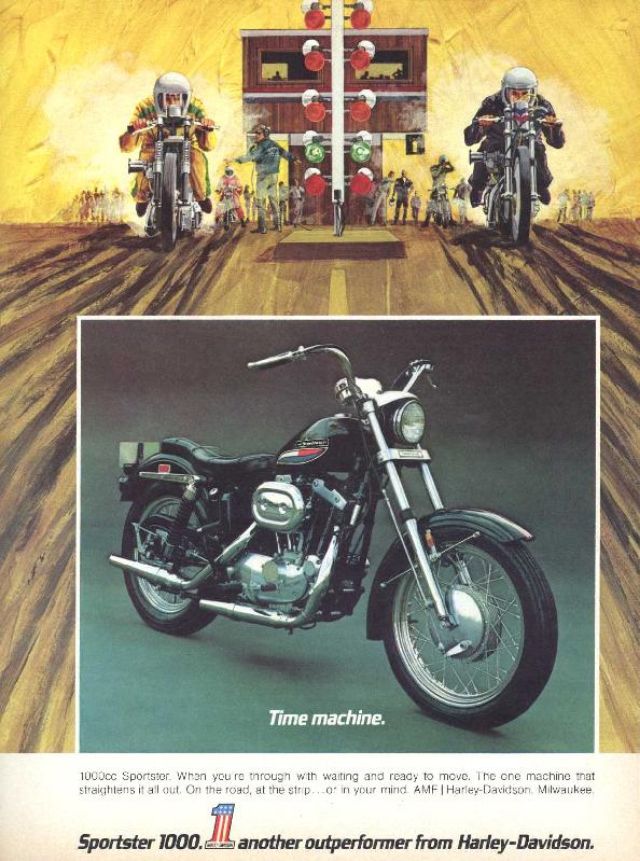
Sportster makes the dust the others eat, 1970
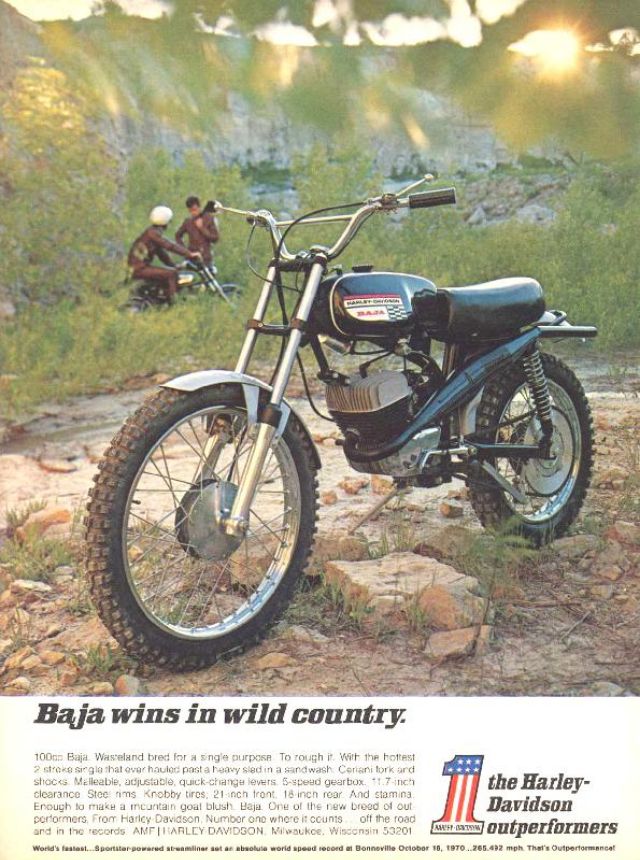
Baja wins in wild country, 1971
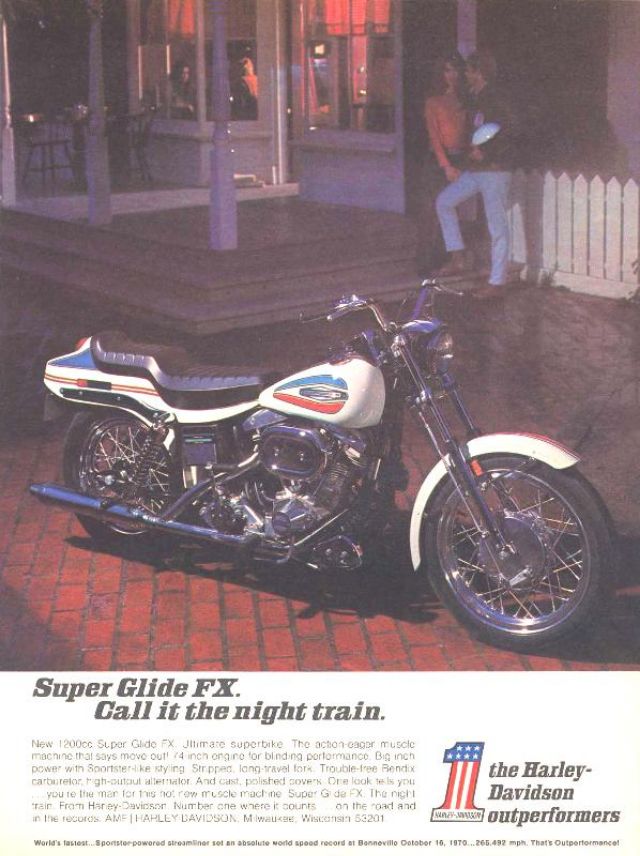
Super Glide FX call it the night train, 1971
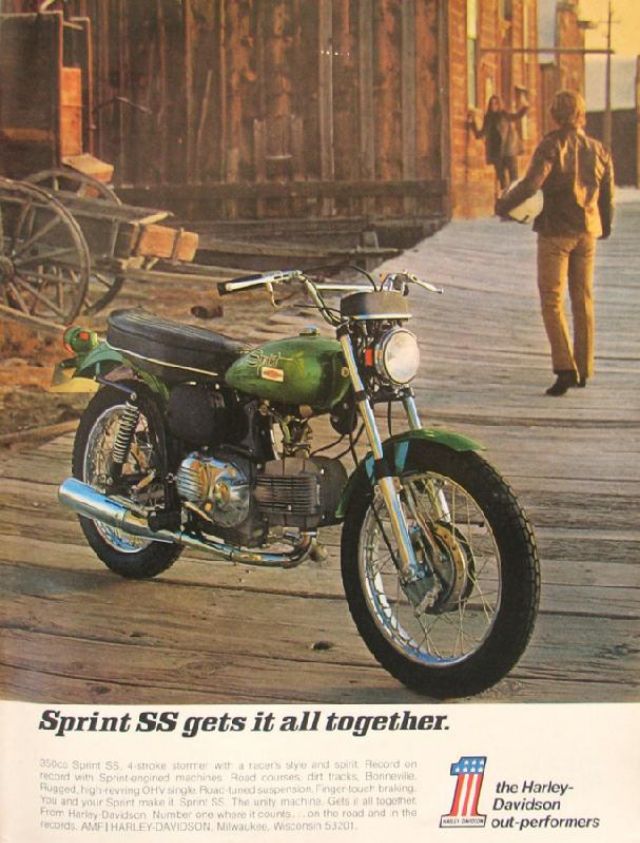
Sprint SS gets it all together, 1971
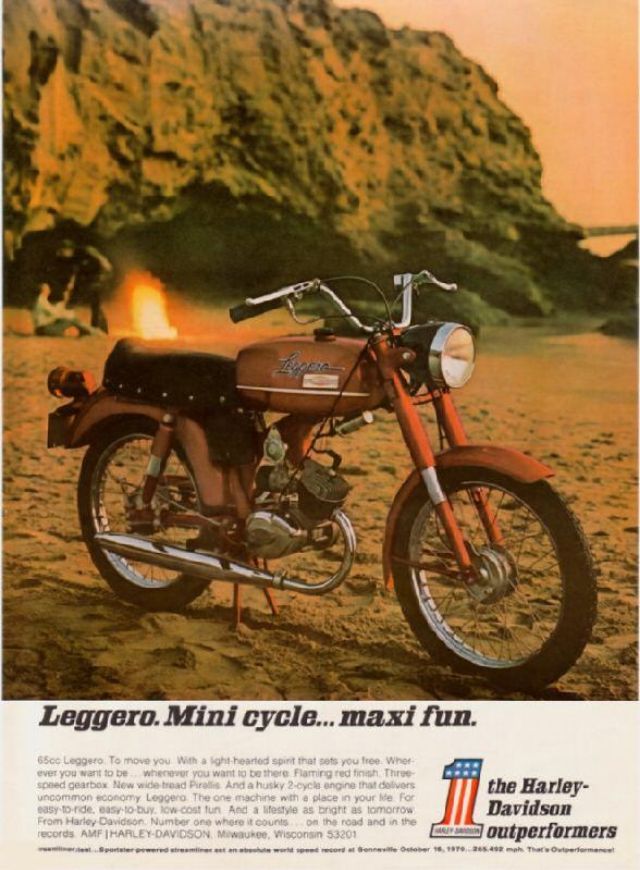
Leggero Mini cycle… maxi fun, 1971
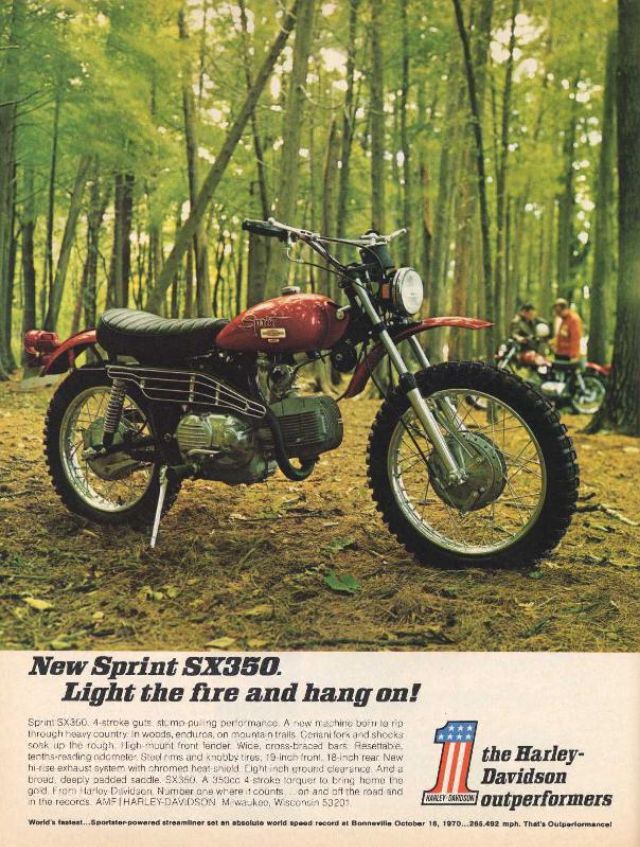
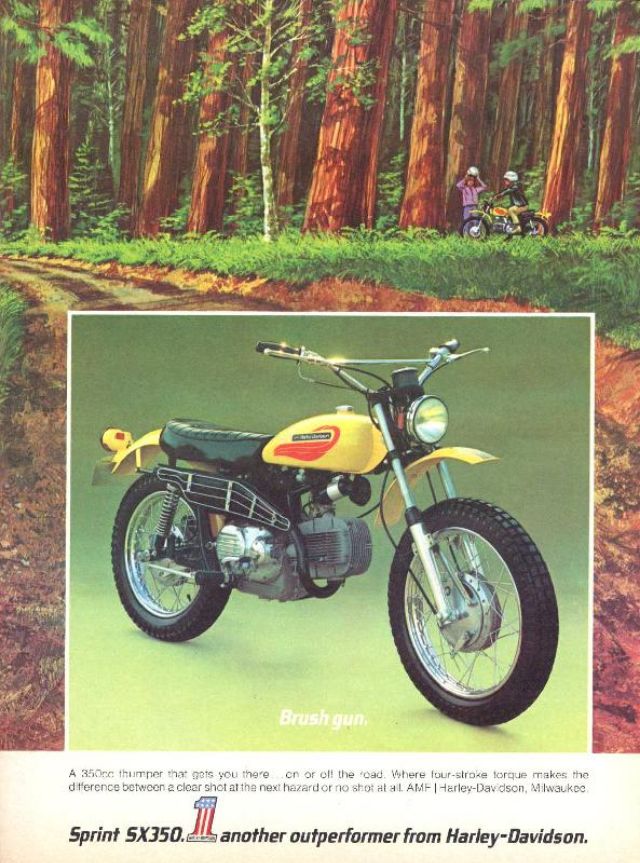
New Sprint SX350. Light the fire and hang on!, 1971
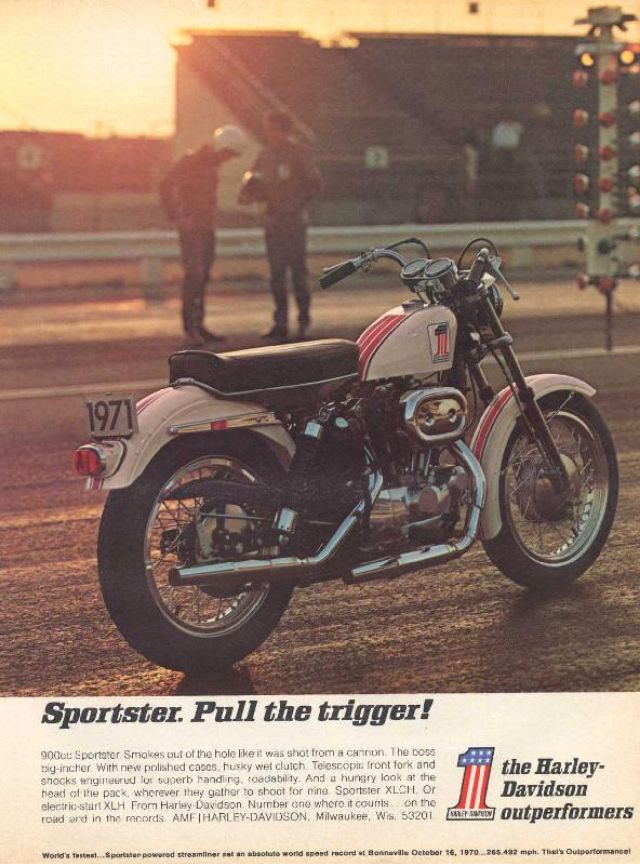
Sportster. Pull the trigger!, 1971
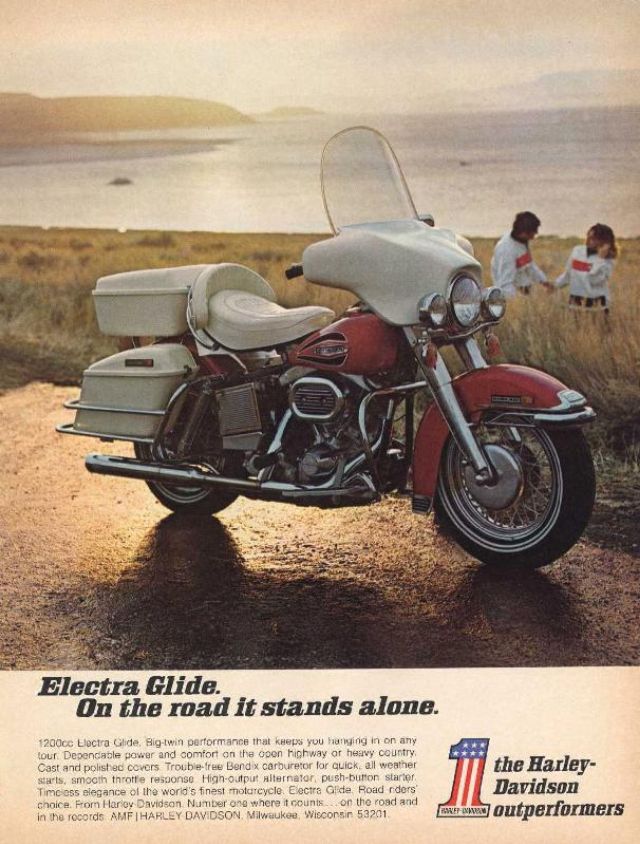
Electra Glide. On the road it stands alone, 1971
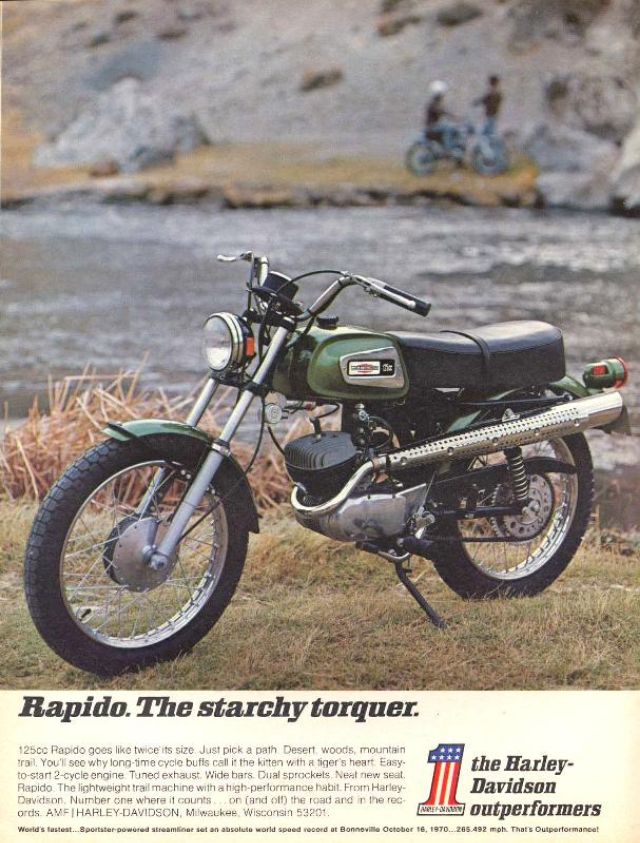
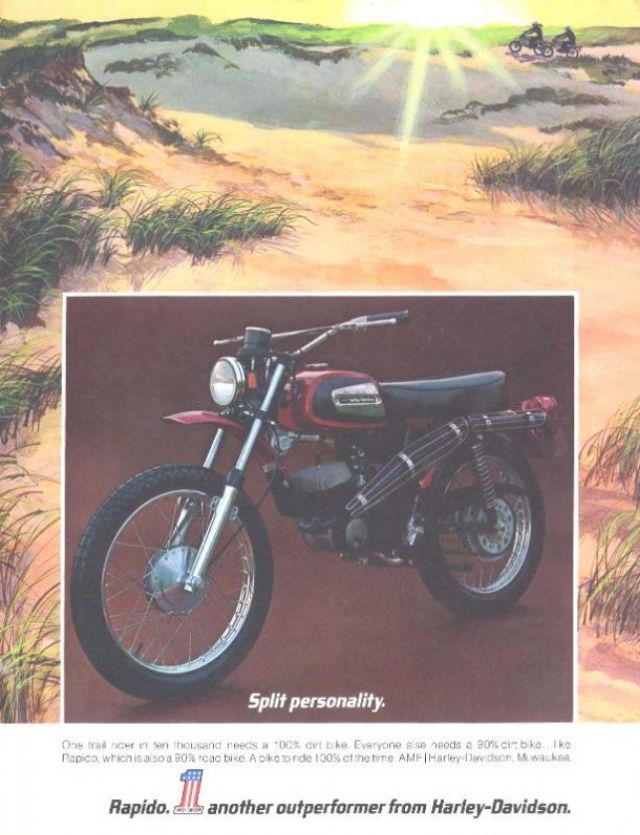
Rapido. The starchy torquer, 1971
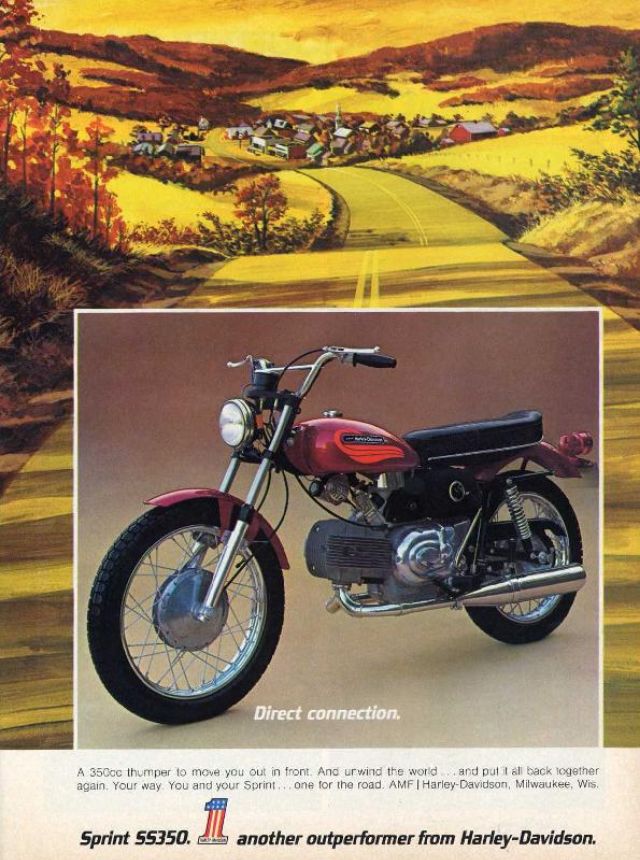
Sprint SS350 another outperformer from Harley-Davidson, 1972
Baja 100. Another outperformer from Harley-Davidson, 1972
Sportster 1000. Another outperformer from Harley-Davidson, 1972
Sprint SX350. Another outperformer from Harley-Davidson, 1972
Rapido. Another outperformer from Harley-Davidson, 1972
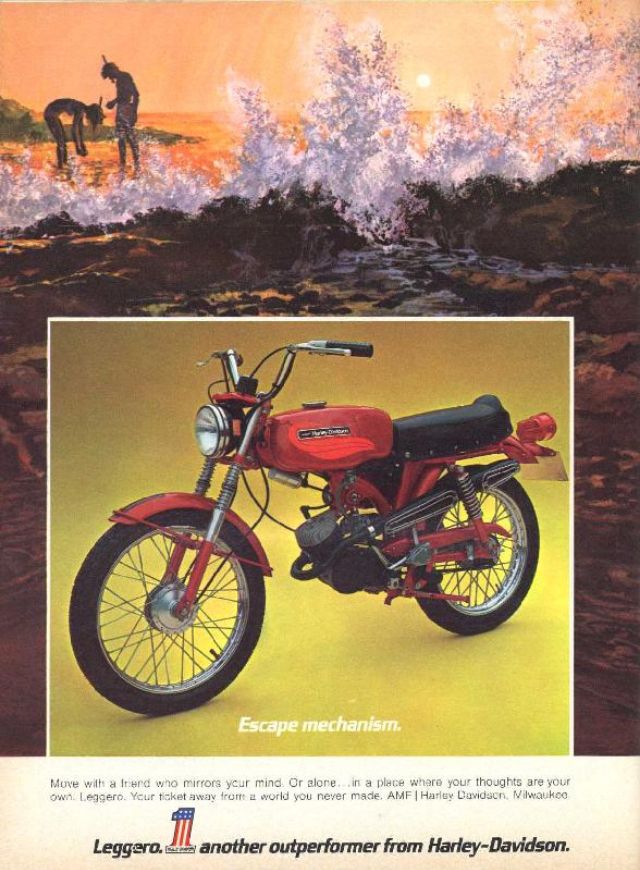
Leggero. Another outperformer from Harley-Davidson, 1972
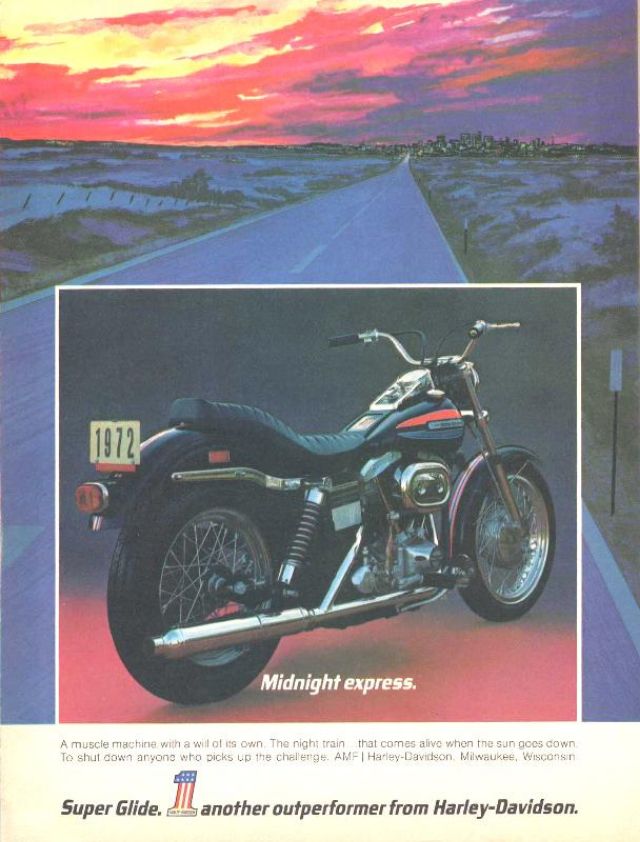
Super Glide. Another outperformer from Harley-Davidson, 1972
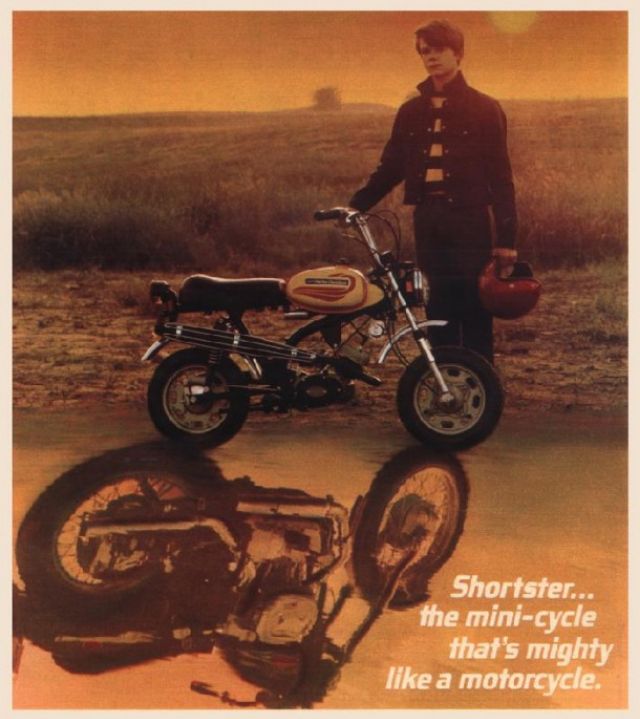
Shortster… the mini-cycle that’s mighty like a motorcycle, 1972
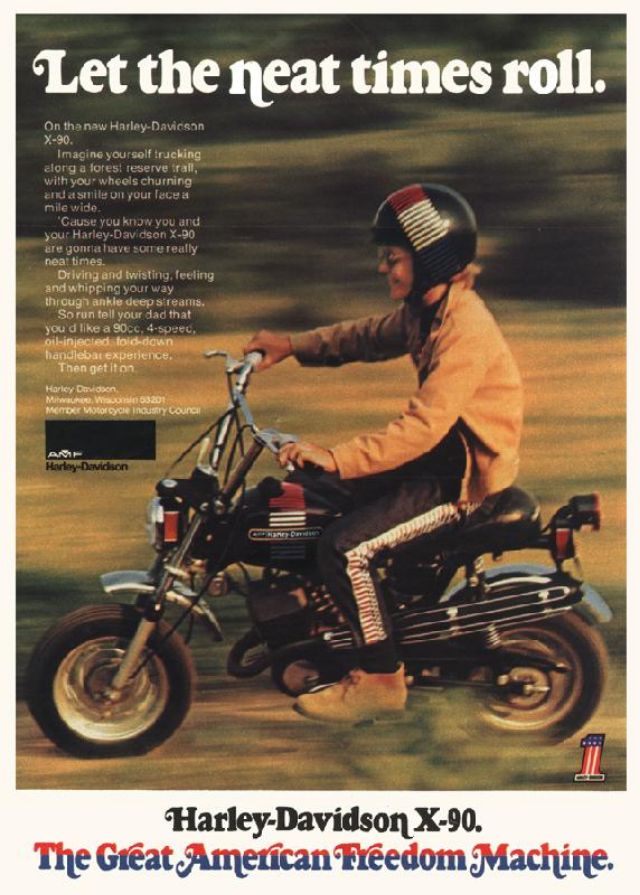
Harley-Davidson X90. The Great American Freedom Machine, 1972
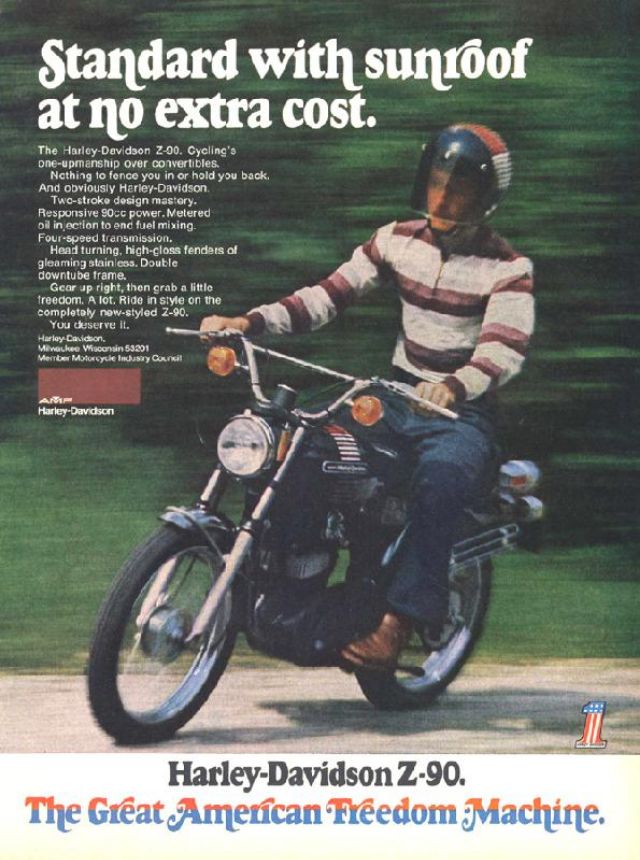
Harley-Davidson Z90. The Great American Freedom Machine, 1973
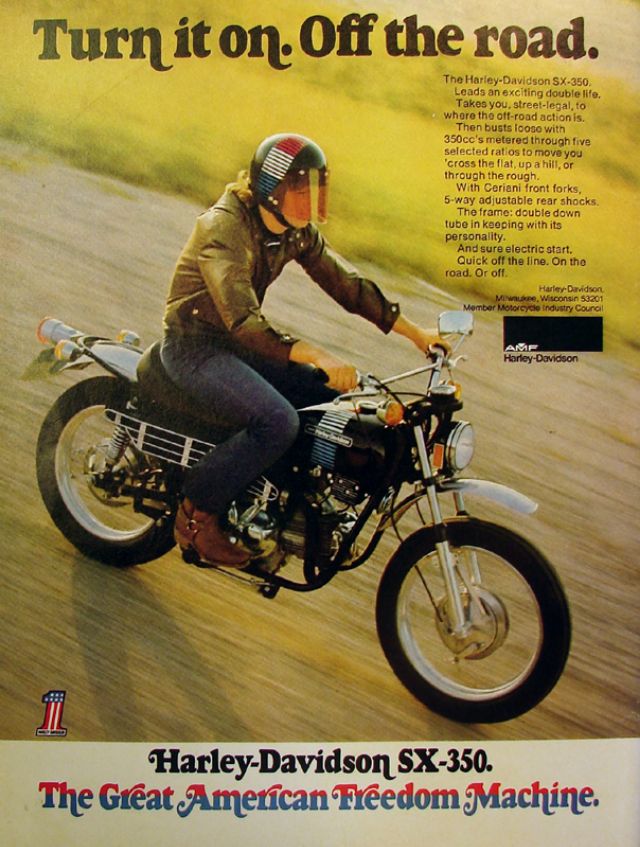
Harley-Davidson SX-350. The Great American Freedom Machine, 1973
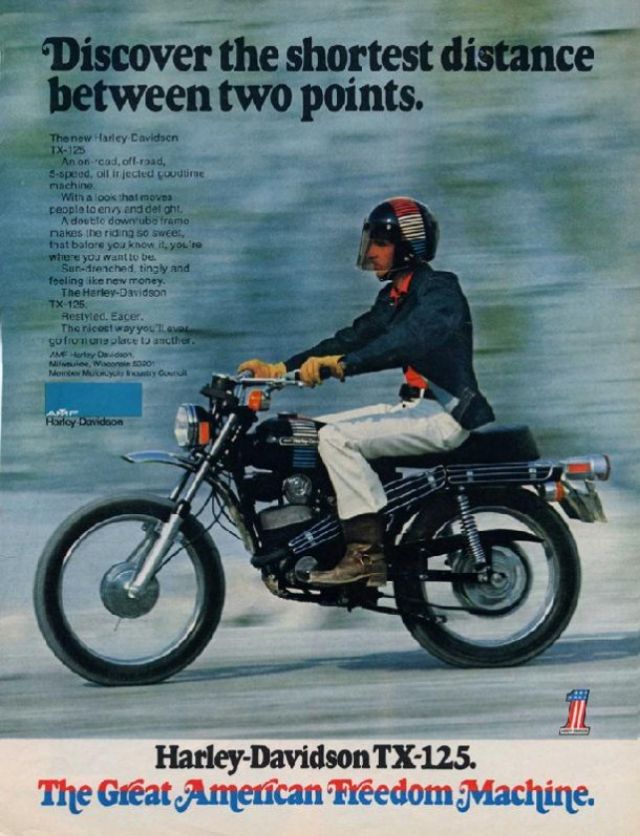
Harley-Davidson TX-125. The Great American Freedom Machine, 1973
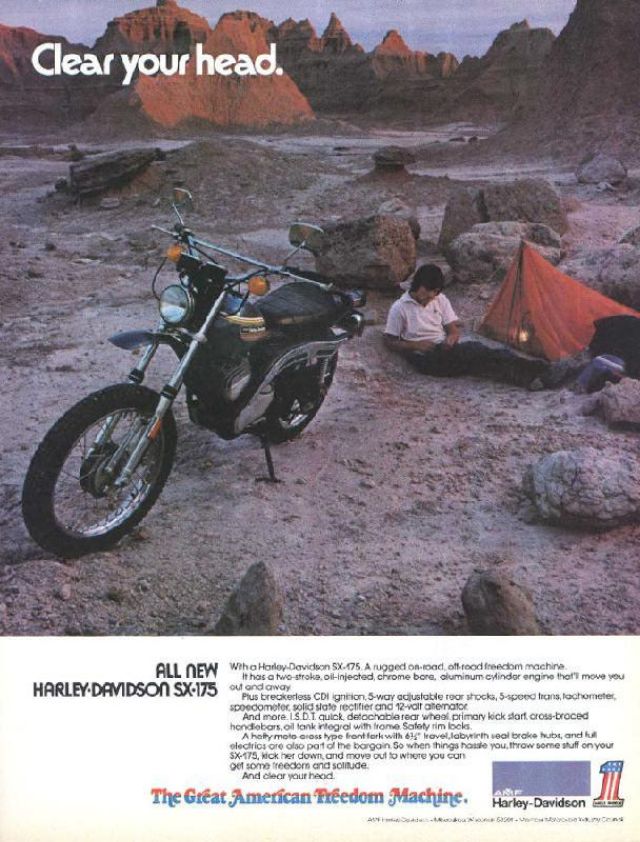
All new Harley-Davidson SX-175, 1973
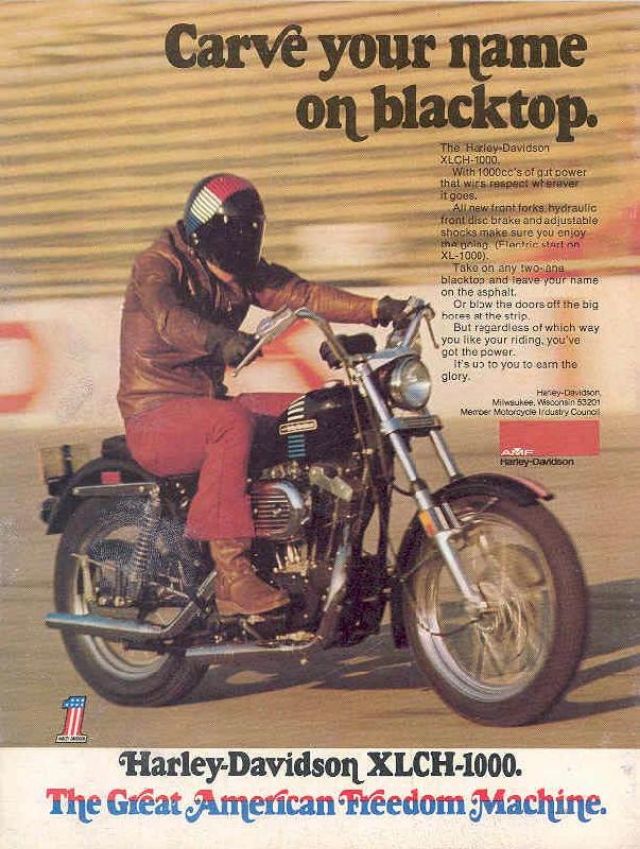
Harley-Davidson XLCH-1000, 1973
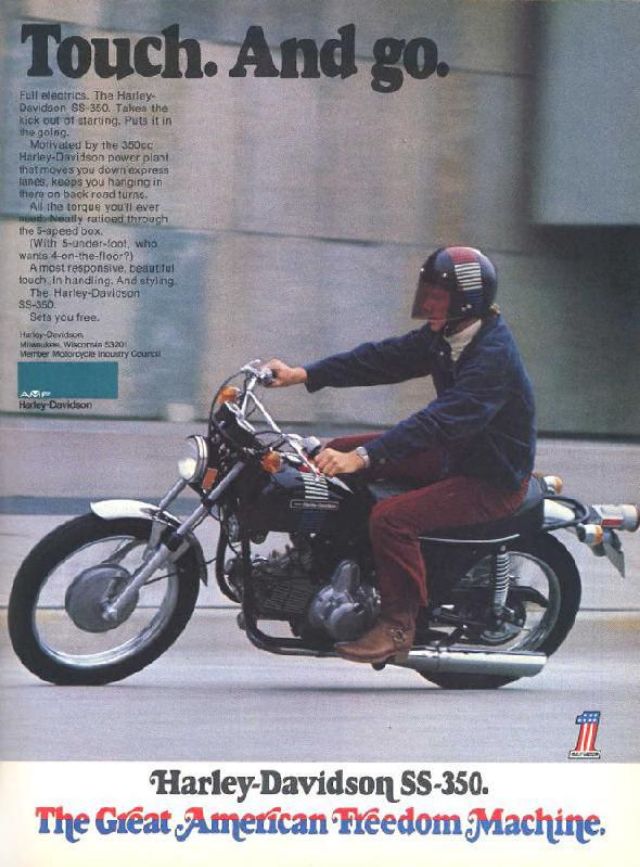
Harley-Davidson SS-350, 1973
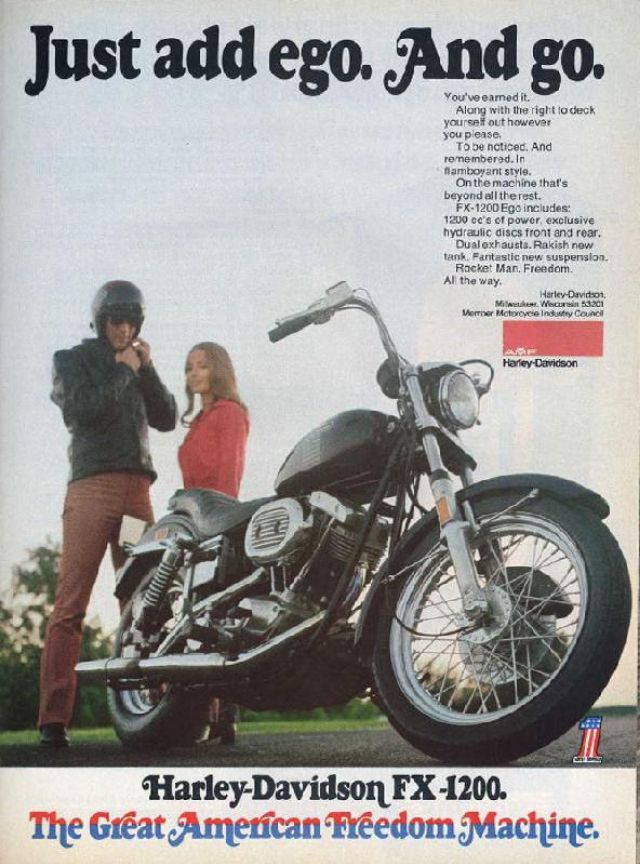
Harley-Davidson FX-1200, 1973
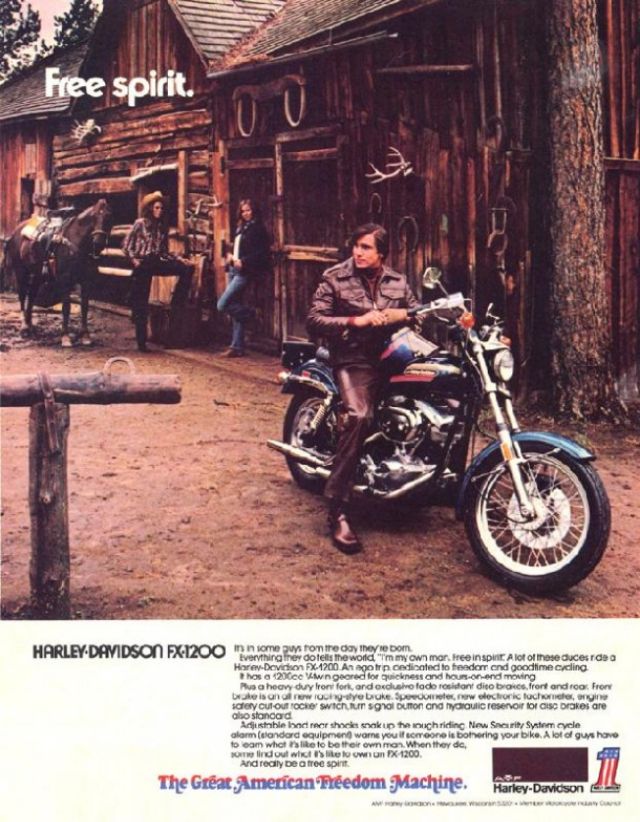
Harley-Davidson FX-1200, 1974
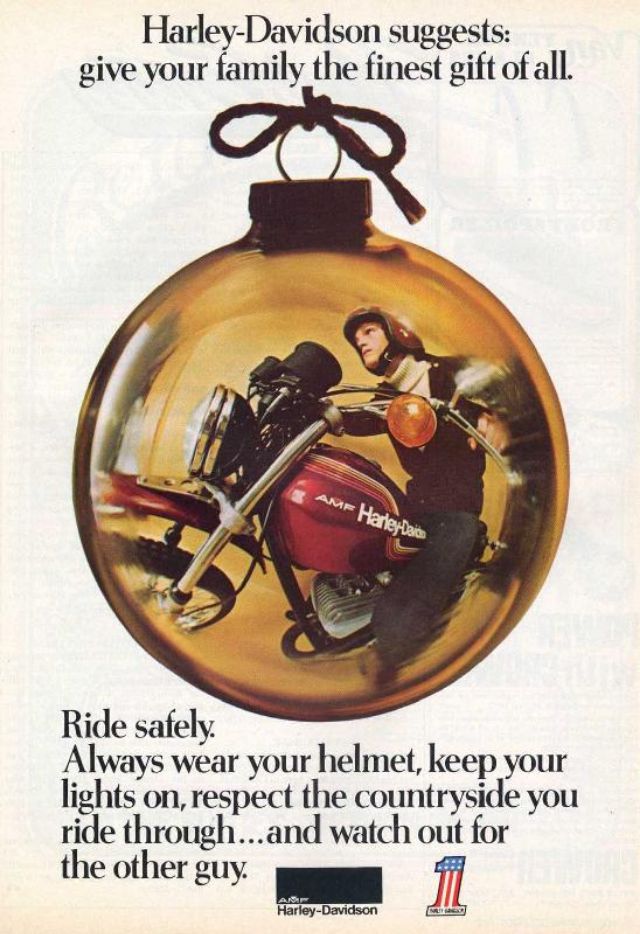
Harley-Davidson suggests: give your family the finest gift of all, 1974
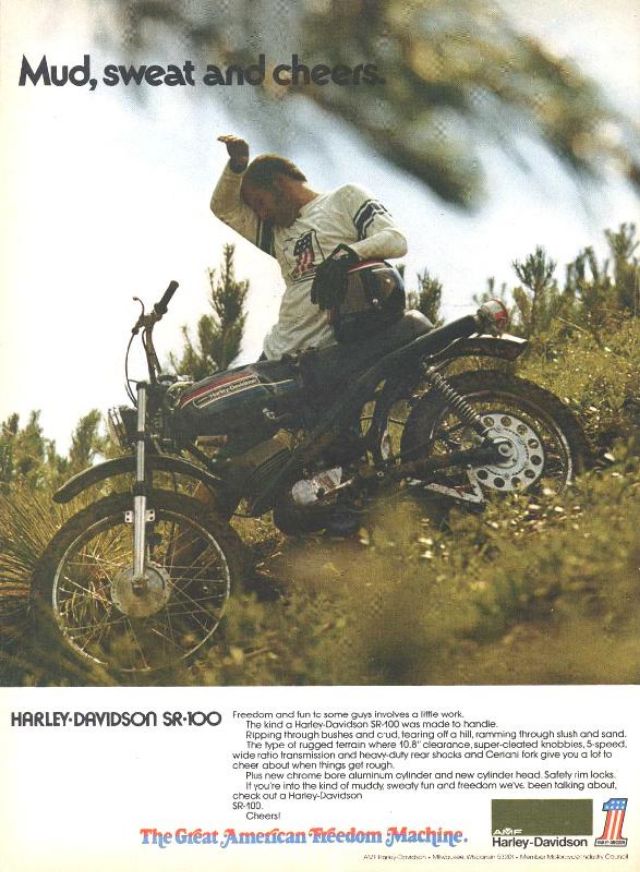
Harley-Davidson SR-100, 1974
Satisfying millions of motorcyclists is easy, 1975
Dual in the sun, 1975
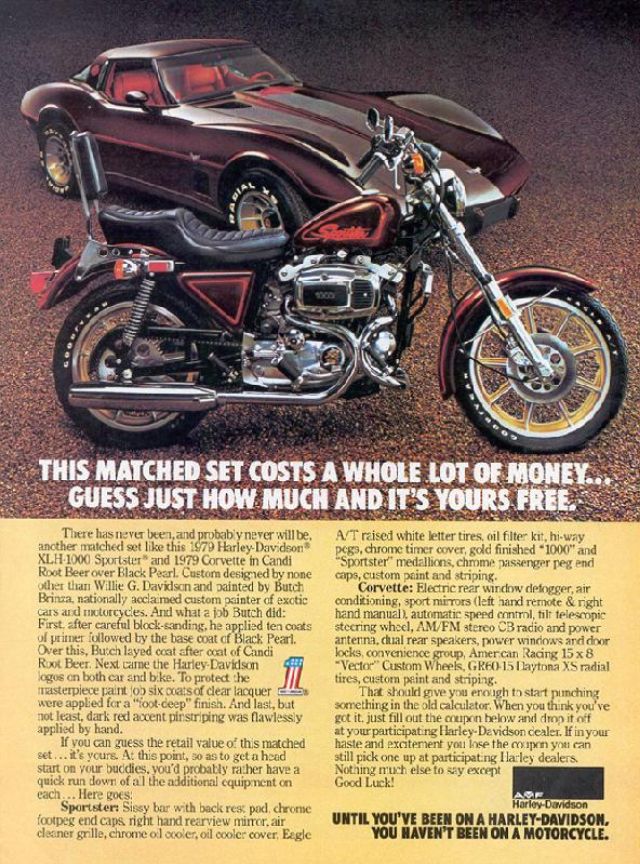
Until you’ve been on a Harley-Davidson you haven’t been on a motorcycle, 1979

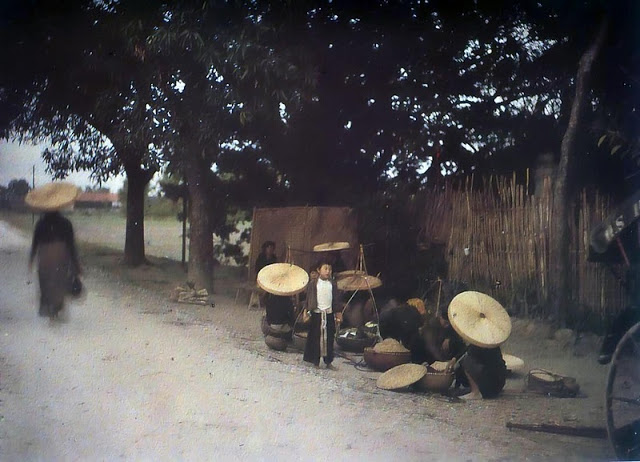
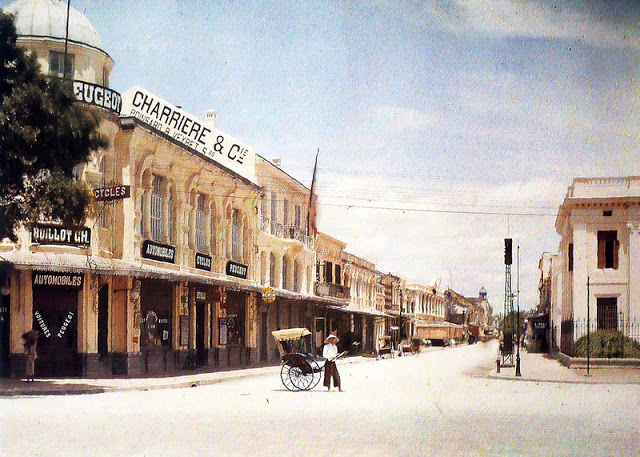
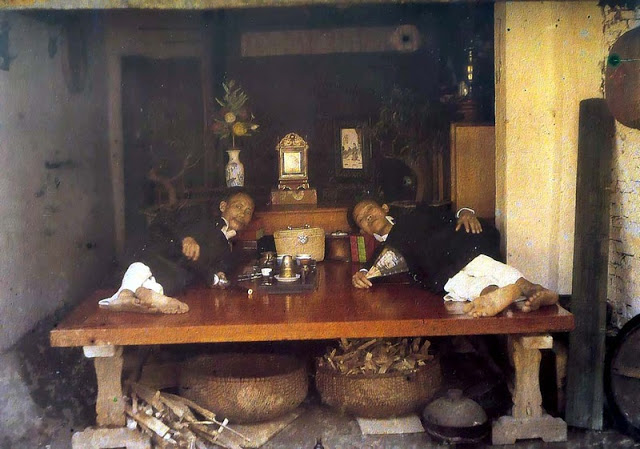
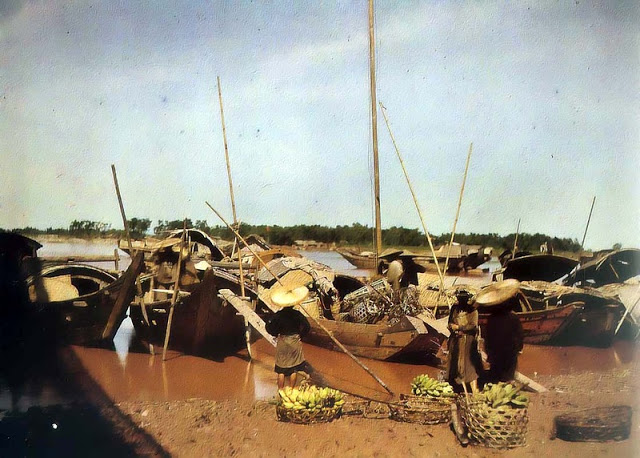
19 Vintage Photographs Showing Life in Hanoi, Vietnam in 1915

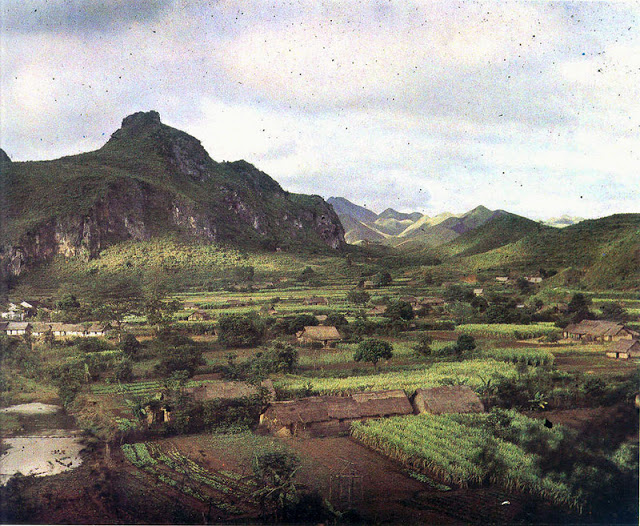
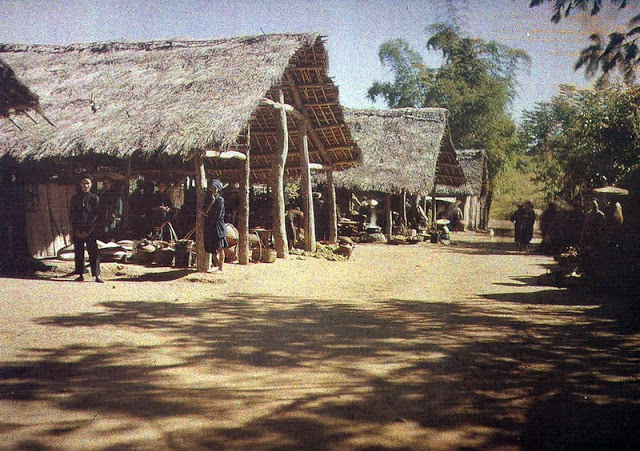
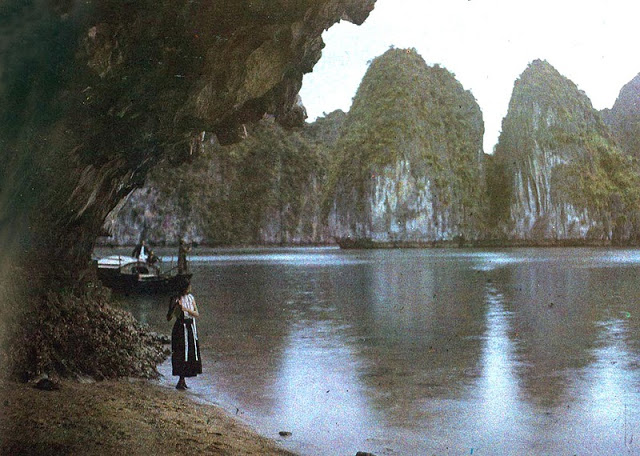
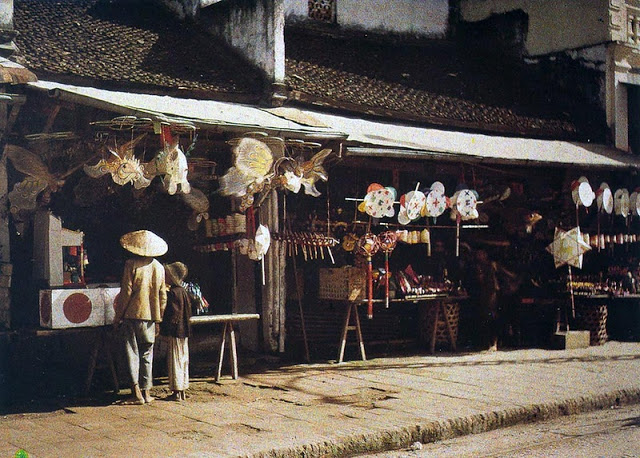
Hanoi is the capital of Vietnam and the country’s second largest city. From 1010 until 1802, it was the most important political centre of Vietnam. It was eclipsed by Hue, the imperial capital of Vietnam during the Nguyen dynasty (1802-1945), but Hanoi served as the capital of French Indochina from 1902 to 1954. From 1954 to 1976, it was the capital of North Vietnam, and it became the capital of a reunified Vietnam in 1976, after the North’s victory in the Vietnam war.

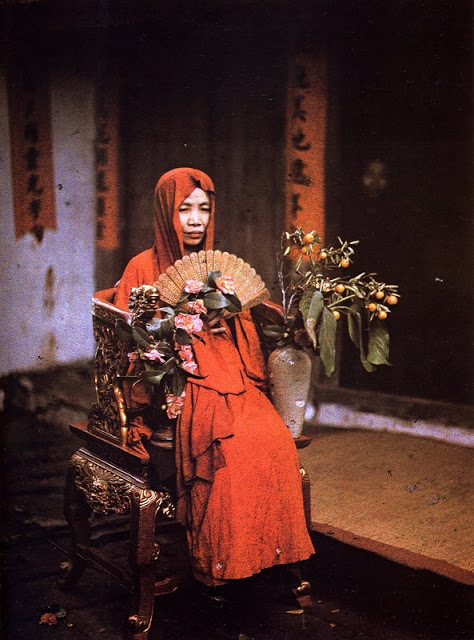
These rare color photographs below documented everyday life in Hanoi in 1915.

73 Stunning Photos of Actress Dorothy Dandridge during the 1950s

Dorothy Jean Dandridge (November 9, 1922 – September 8, 1965) was an American actress, singer, and dancer. She is the first African-American film star to be nominated for the Academy Award for Best Actress, which was for her performance in Carmen Jones (1954). Dandridge performed as a vocalist in venues such as the Cotton Club and the Apollo Theater. During her early career, she performed as a part of The Wonder Children, later The Dandridge Sisters, and appeared in a succession of films, usually in uncredited roles.
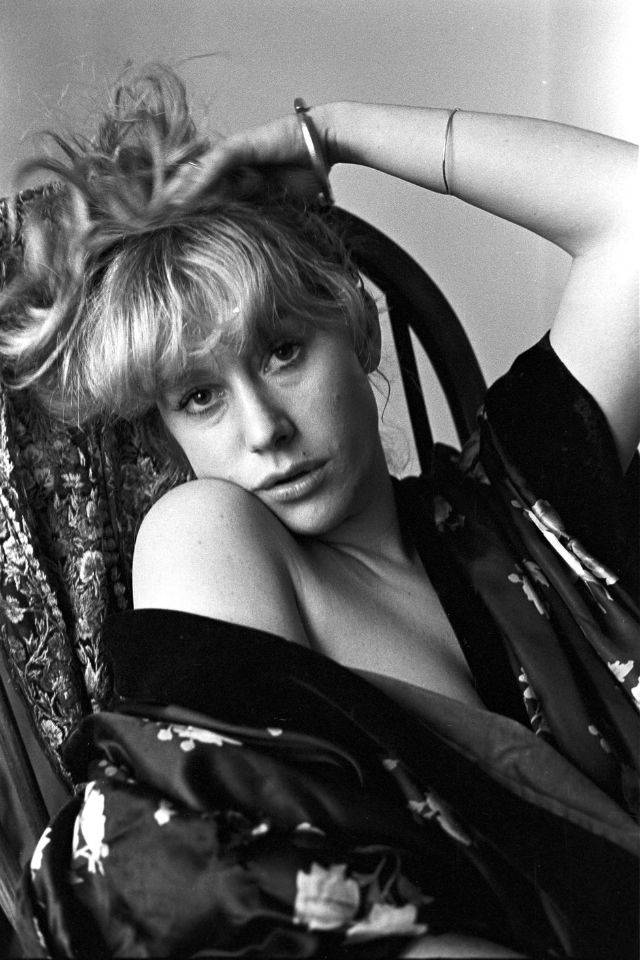
In 1959, Dandridge was nominated for a Golden Globe Award for Porgy and Bess. She is the subject of the 1999 HBO biographical film, Introducing Dorothy Dandridge. She has been recognized with a star on the Hollywood Walk of Fame. Dandridge was married and divorced twice, first to dancer Harold Nicholas (the father of her daughter, Harolyn Suzanne) and then to hotel owner Jack Denison. Dandridge died under mysterious circumstances at age 42. (Text by Wikipedia)

46 Vintage Mugshots of Men From the Edwardian Era

These images are a selection from an album of photographs of prisoners brought before the North Shields Police Court in the early 1900s in the collection of Tyne & Wear Archives.
Alfred Thompson, arrested for larceny, 31st August 1902
Alfred Wilkinson, clerk, arrested for obtaining money by false pretences, 12th April 1903
Andrea Laudano, Italian ice cream vendor, arrested for larceny, 21st July 1904
Anthony Russell, pitmen, arrested for larceny, 27 May 1904
Charles Cunningham, arrested for indecent exposure, 9 February 1903
Christopher J Morton, no fixed abode, arrested for larceny, 27 February 1905
Daniel Lagarieta, Chilian seaman, arrested for larceny, 15 September 1904
Daniel McCann, arrested for larceny, 8 August 1904
Donald Kane, seaman, arrested for larceny, 22 October 1904
Edward Anderson, seaman, arrested for larceny, 25th November 1902
George Smith alias Lamb, tramp, arrested for begging, 15 March 1905
George Williams, pugilist, arrested for frequenting, 15 August 1904
Henry Moreland, miner, arrested for larceny, 18 October 1902
Henry Wilson alias Charles Murray, arrested for false pretences, 24th April 1903
James Dawson, arrested for indecent exposure, 9th June 1902
James E. Brown, arrested for obtaining money by false pretences, 12 October 1904
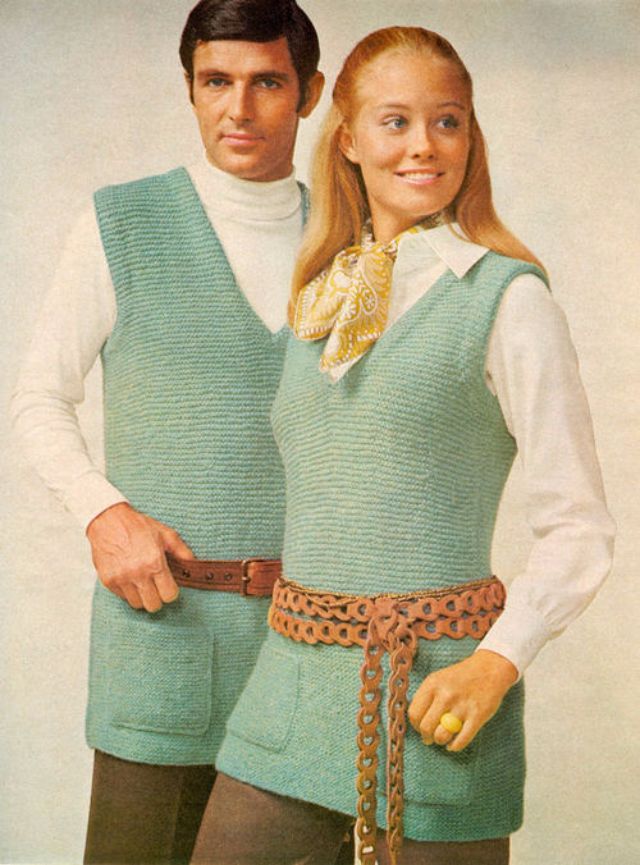
James Williams, arrested for larceny, 24th August 1902
James Wilson, arrested for an alleged theft, 29 February 1904
Jerome Guerrini, fireman and a French subject, arrested for murder, 22 July 1904
John Clark, no fixed abode, arrested for loitering, 9 March 1905
John Grant, fisherman, arrested for larceny, 13 February 1904
John Gumis, Portuguese fireman, arrested for larceny, 5 October 1903
John O’Brien, fireman, arrested for stealing a watch, 23rd May 1903
John Reay, arrested for larceny, 31st August 1902
John Renstrom, Finnish fireman, arrested for stealing clothes, 12th January 1903
John Walker, boilermaker, arrested for false pretences, 30 March 1904
Joseph Cruddas, miner, arrested for vagrancy, 13 March 1905
Leonard Burdon, barman, arrested for false pretences, 1 November 1904
Michael Mulvaney, a tramp of no fixed abode, arrested for drunkenness and begging, 17 August 1904
Mustapha Irola, arrested for false pretences, 19th August 1904
Richard Percy Stewart, painter, arrested for larceny, 20 January 1905
Robert Hall, cartman, arrested for larceny, 9 November 1903
Robert Jack, ships’ steward, arrested for false pretences, 12 January 1905
Robert Lightly alias Golightly, pitmen, arrested for larceny, 27 May 1904
Robert Whiting, arrested for larceny, 11 July 1902
Sylvester Hurlbert, arrested for false pretences, 17th September 1902
Thomas Appleton, draper’s assistant, arrested for larceny, 9 February 1903
Walter Savory, donkeyman, arrested for larceny, 10 December 1903
William Cunningham, arrested for larceny, 23rd March 1903
William J Thompson, arrested for vagrancy, 13 March 1905
William Lavery, labourer Low Lights, arrested for larceny, 15 December 1904
William Sayers, labourer, arrested for larceny, 24 March 1903
William Shaw, pugilist, arrested for frequenting, 15 August 1904
William Small, arrested for frequenting, 13 June 1904
William Sutton, homeless man, arrested for suspected person, 18 October 1904
William Williamson, a labourer of South Shields, arrested for indecent exposure, 7 August 1903

The Dieppe Raid, 19 August 1942

Operation Jubilee or the Dieppe Raid (19 August 1942) was an Allied amphibious attack on the German-occupied port of Dieppe in northern France, during the Second World War. Over 6,050 infantry, predominantly Canadian, supported by a regiment of tanks, were put ashore from a naval force operating under protection of Royal Air Force (RAF) fighters.
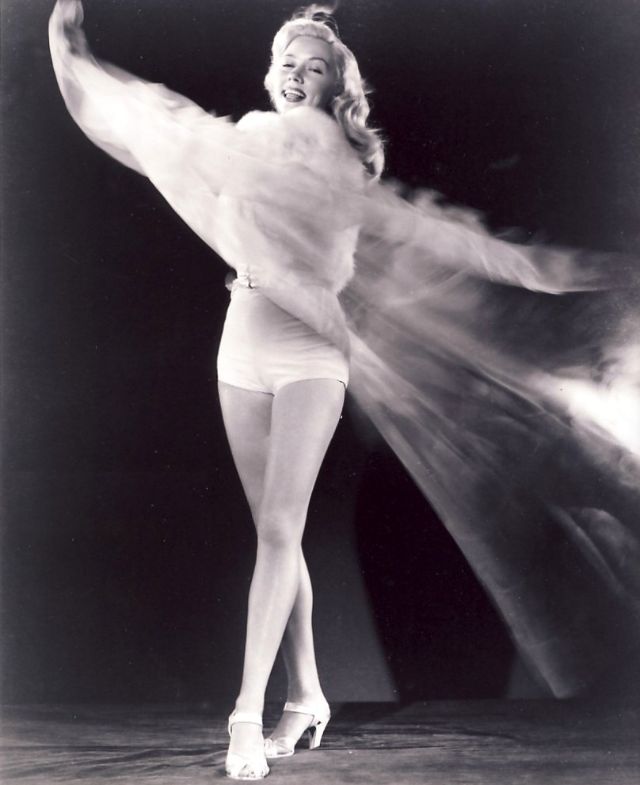
The port was to be captured and held for a short period, to test the feasibility of a landing and to gather intelligence. German coastal defences, port structures and important buildings were to be demolished. The raid was intended to boost Allied morale, demonstrate the commitment of the United Kingdom to re-open the Western Front and support the Soviet Union, fighting on the Eastern Front.

Aerial and naval support was insufficient to enable the ground forces to achieve their objectives; the tanks were trapped on the beach and the infantry was largely prevented from entering the town by obstacles and German fire. After less than six hours, mounting casualties forced a retreat. The operation was a fiasco in which only one landing force achieved its objective and some intelligence including electronic intelligence was gathered.

Within ten hours, of the 6,086 men who landed, 3,623 had been killed, wounded or became prisoners of war. The Luftwaffe made a maximum effort against the landing as the RAF had expected, but the RAF lost 106 aircraft (at least 32 to anti-aircraft fire or accidents) against 48 German losses. The Royal Navy lost 33 landing craft and a destroyer.

Certain lessons were learned that influenced the success of the D-Day landings. Artificial harbours were declared crucial, tanks were adapted specifically for beaches, a new integrated tactical air force strengthened ground support, and capturing a major port at the outset was no longer seen as a priority. Churchill and Mountbatten both claimed that these lessons had outweighed the cost. (Text via Wikipedia)

Canadian infantrymen disembarking from a landing craft during a training exercise before Operation JUBILEE, the raid on Dieppe, France. England, August 1942.
Brigadier W. Basil Wedd of Headquarters, 1st Canadian Army, placing a wreath on the graves of Canadian soldiers killed at Dieppe on 19 August 1942. Ambleteuse, France, 23 September 1944.
British commandos who took part in Operation JUBILEE, the raid on Dieppe, returning to England, 19 August 1942.
The carnage of the Dieppe Raid, 19 August 1942
The aftermath of the Dieppe Raid, 19 August 1942
German soldiers inspect “Bert”, a knocked-out Canadian Churchill tank at Dieppe, August 1942
German soldiers walk past “Bert”, a knocked-out Canadian Churchill tank at Dieppe, August 1942
German soldiers examine Churchill tanks abandoned by Allied soldiers as they were evacuated.19 August 1942
Churchill Tanks and landing craft burning on the beach after the Allied raid on Dieppe. 19 August 1942.
Burnt out tanks and landing craft lie strewn across the beach at Dieppe after the Allied withdrawal. Of the 24 landing craft which took part, 10 managed to land a total of 24 tanks, all of which were lost.
Damaged Churchill tanks of the Calgary Regiment on the main beach at Dieppe. 19 August 1942
German troops examining “Churchill” tank of the Calgary Regiment abandoned during the raid on Dieppe. 19 August 1942
Knocked out “Churchill” tanks and the bodies of Canadian soldiers on the beach of Dieppe. France, August 1942
A Churchill Mark I of the Calgary Regiment’s “C” Squadron Headquarters knocked out at Dieppe. 19 August 1942
A Churchill Mark I of the Calgary Regiment’s “B” Squadron Headquarters knocked out at Dieppe. 19 August 1942
A knocked out Churchill Mark II of Regimental Headquarters, The Calgary Regiment at Dieppe. August 1942
A Churchill Mark III of 10 Troop “B” Squadron, The Calgary Regiment, on the beach at Dieppe. 19 Aug 1942
A Churchill Mark III of 10 Troop “B” Squadron, The Calgary Regiment, immobilized on the beach at Dieppe.19 Aug 1942
A Churchill Mark III of 6 Troop “B” Squadron, The Calgary Regiment, immobilized with her left track broken by enemy fire on the Promenade at Dieppe.
“The Dieppe Raid” by Charles Comfort
Canadian POWs Being Marched Into Captivity
Canadian POWs At The Dieppe Hospital
After the Battle
The beach after the battle.
Canadian dead on Blue beach at Puys. Trapped between the beach and high sea wall (fortified with barbed wire), they made easy enfilade targets for MG34 machine guns in a German bunker. The bunker firing slit is visible in the distance, just above the German soldier’s head.
No.3 Commando returning to Newhaven after the Dieppe Raid, August 1942
Dieppe’s chert beach and cliff immediately following the raid on 19 August 1942. A Dingo Scout Car has been abandoned.
A German MG34 medium machine gun emplacement. Dieppe, France. August 1942.
Destroyed landing craft on fire with Canadian dead on the beach. A concrete gun emplacement on the right covers the whole beach. The steep gradient can clearly be judged.
Canadian wounded and abandoned Churchill tanks after the raid. A landing craft is on fire in the background.
Daimler Dingo armoured car and two Churchill tanks bogged down on the shingle beach. The nearest Churchill tank has a flame thrower mounted in the hull, and the rear tank has lost a track. Both have attachments to heighten their exhausts for wading through the surf.
Canadian dead at Dieppe, August 1942
Canadian prisoners being led away through Dieppe after the raid.
British and Canadian prisoners at Dieppe, August 1942
Canadian and British dead at Dieppe, August 1942
German soldiers examine a Canadian Churchill tank at Dieppe
A member of the German Navy poses with a Canadian machete next to a disabled Allied Churchill tank on the beaches of Dieppe after the Dieppe Raid.
Map of Dieppe Raid with photographic details
German officers on the beach with fallen Canadian soldiers after the Dieppe Raid, 19 August 1942
German soldiers attempting to salvage destroyed Canadian tank. August 1942.
Canadian POW drinking from his helmet after the Dieppe Raid. 19 August 1942
An aerial photograph of Dieppe during the landings showing a substantial fire burning on the front
Awaiting transhipment to prisoner of war camps after the Dieppe raid. 19 August 1942
Captured soldiers being marched through Dieppe. 19 August 1942
The beach at Dieppe after the raid. 19 August 1942
German personnel surveying an abandoned Allied tank. 19 August 1942
An Allied soldier after the Dieppe Raid. August 1942.
The beach the day after the Dieppe Raid. 20 August 1942
Germans guarding the Canadian prisoners after the Battle of Dieppe. August 1942
At Pourville, outside Dieppe, wounded Canadians lie at the side of the road as the battle continues in the background. 19 August 1942
Exhausted Canadian soldiers await transport under the watchful eye of their German captors after the battle of Dieppe. Aug 1942
A Dornier Do 217 being downed by a Supermarine Spitfire Mark VB flown by Flight Lieutenant Kazimierz Rutkowski of No. 317 Polish Fighter Squadron during the Dieppe Raid.
The aftermath of the Dieppe Raid. 19 August 1942
Damaged Churchill tanks of the Calgary Regiment on the main beach at Dieppe. 19 August 1942
Canadians taken prisoner after surrender at Dieppe. 19 August 1942.
Evacuation of wounded.
Allied troops arriving back in England after the Dieppe Raid.
Weary soldiers back in England after the Dieppe Raid.
Captain Jock Anderson of the Royal Regiment of Canada, cup of tea in hand, recounts his experiences to Brigadier Tees after disembarking at Portsmouth.
A wounded Canadian soldier being disembarked from a Polish destroyer at Portsmouth on return from Dieppe, 19 August 1942.
Three Canadian soldiers gather around their supplies in the shelter of the sea wall at Dieppe.19 August 1942
Canadian troops resting on board a destroyer after the raid on Dieppe. The strain of the operation can be seen on their faces.
Three Canadian soldiers gather around their supplies in the shelter of the sea wall at Dieppe.19 August 1942
Roman Wozniak was a Spitfire pilot with 403 Squadron, RCAF charged with covering the Canadian troops at Dieppe on 19 August 1942. There were four Canadian Spitfire squadrons that day, with each squadron spending an hour over the boats before rotating out.
“We protected them and we did a very good job, but the boats sent up smoke to 3,000 feet – the sweet spot for flying. The smoke made them vulnerable to attack, so they dropped to 2,000 feet.
“We broke up into twos. That worked very well because if the Germans popped through the smoke and jumped one group of two, another two would jump them. So as a squadron we had a successful day. We got six German fighters and only lost three.
“One of those that we lost was my roommate. We’d been together for about a year flying in combat. We were almost like brothers.”
The friend was Ed Gardiner, son of Jimmy Gardiner, the minister of agriculture in William Lyon Mackenzie King’s government.
Image left: taken in 2012 Right: Wozniak holding ‘Lucy’ the squadron mascot.
On 19 August 1942 Honorary Captain Foote was attached to the Royal Hamilton Light Infantry (RHLI), one of the battalions from the 2nd Canadian Infantry Division that participated in the raid on the French port of Dieppe on that day. After landing, Padre Foote assisted the RHLI’s medical officer in caring for the wounded at the regimental aid post. However, he frequently left the relative safety of that location for the open beach where he rendered first aid, and gave injections of morphine to alleviate the suffering of the many wounded who were there. Later, he carried wounded men from the regimental aid post to landing craft waiting to evacuate the survivors of the raiding force. Padre Foote declined the opportunity to embark, preferring to continue to minister to those left behind, and to share their fate as prisoners of war. Reverend John Weir Foote was awarded a Victoria Cross for his efforts during the Dieppe Raid.

58 Wonderful Photos That Show Everyday Life of Edinburgh, Scotland in the 1950s

(left) St. Giles Cathedral?
Sign: Equitable Loan of Scotland, Instituted 1824
Calton Hill, Edinburgh, Scotland, between 15 and 17 August 1958.
Edinburgh, Scotland, between 15 and 17 August 1958.
Edinburgh Castle, Edinburgh, Scotland, between 15 and 17 August 1958.

24 Vintage Photos Show David Bowie Hanging Out With His Famous Friends in the 1970s and 1980s

David Bowie may have a song called Looking for a Friend, but the late musician was certainly not short on pals. From joking around with Paul McCartney at award shows to performing with Mick Jagger on stage to marrying supermodel Iman, Bowie surrounded himself with people to know.

David Bowie with Bob Dylan in 1985.
L to R: David Bowie, Art Garfunkel, Paul Simon, Yoko Ono, John Lennon and Roberta Flack, attending the Grammy Awards at the Uris Theater, New York, March 1st 1975.
David Bowie with Susan Sarandon in 1983.
David Bowie with Martin Sheen.
Bob Geldof has a word with Prince Charles, while David Bowie chats with Roger Taylor and Brian May of Queen, during the Live Aid Concert at Wembley Stadium in July 1985.
Mick Jagger and David Bowie sing with Dire Straits at Princes Trust concert in June 1986.
David Bowie sharing a cigarette with Elizabeth Taylor in Beverly Hills, 1975. It was the first occasion that the pair had met.
Iggy Pop and David Bowie on tour for “The Idiot,” 1977.
David Bowie and Bianca Jagger hang out backstage at the 1983 US Festival on May 30 in Devore, California.
Paul McCartney, center, and his wife Linda McCartney, applaud David Bowie and Bob Geldof at the end of the London part of the Live Aid famine relief concert at Wembley Stadium on July 13, 1985.
Paul Young, Iggy Pop, Rick James and David Bowie pose backstage after an 1986 Iggy Pop concert at The Ritz in New York City.
Musicians Earl Slick and David Bowie sighted on August 4, 1987 at The China Club in New York City.
Singers Tina Turner and David Bowie backstage at the Birmingham National Exhibition center in England in 1989.
Iggy Pop and David Bowie pose backstage after an 1986 Iggy Pop concert at The Ritz in New York City.
Deborah Harry of the rock band Blondie visits David Bowie backstage at the Booth Theater where he is starring in “The Elephant Man,” Nov. 1980.
Musicians David Bowie and Mick Jagger sighted on November 28, 1985 at the Carlyle Hotel in New York City.
David Bowie with Stevie Wonder in 1973.
David Bowie, Yoko Ono and John Lennon.
David Bowie hanging out with the comedy duo Peter Cook and Dudley Moore backstage at the Cambridge Theatre in London after their show, Behind the Fridge, in May 1973.
Bowie and Paul Simonon, the bassist from the Clash, having a drink after the group’s concert at Shea Stadium, circa 1982.
David Bowie enjoying the night with Dutch actor Romy Haag at the club L’Alcazar, after his concert at the Pavilion in Paris, May 1976.
Amanda Lear and David Bowie performing at Bowie’s last show as Ziggy Stardust at the Marquee Club in London, 1973.
Rod Stewart and Bowie backstage at Madison Square Garden in 1975.
Ron Wood and Keith Richards of the Rolling Stones with David Bowie on the Stones’ Steel Wheels Tour, in 1989.

Yesterday Today

Bringing You the Wonder of Yesterday - Today

Skip to content ↓