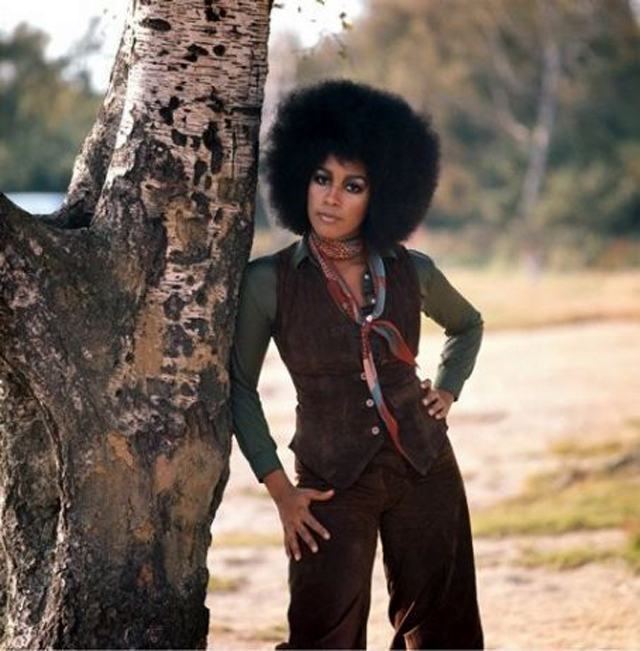
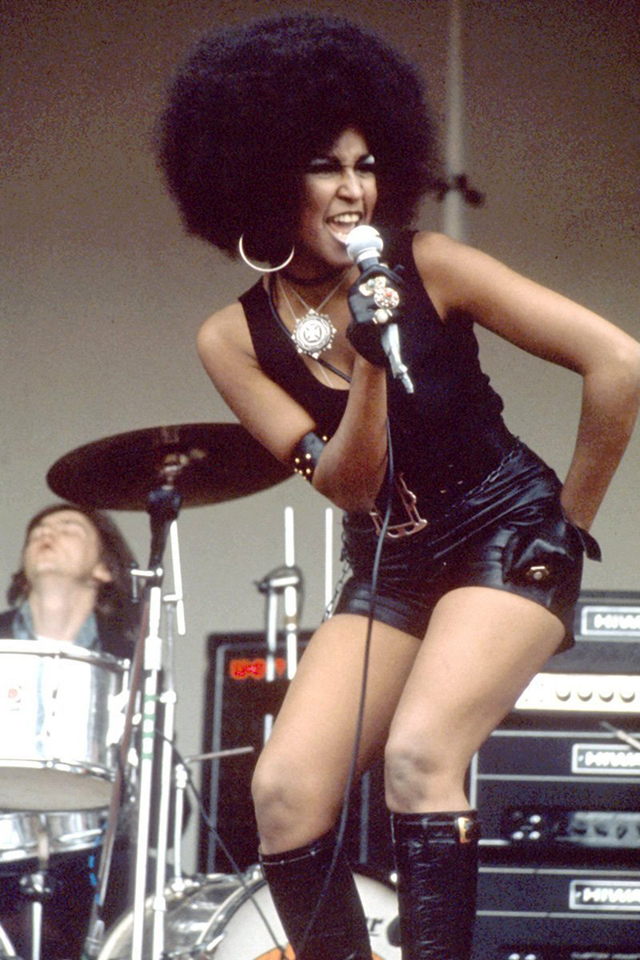
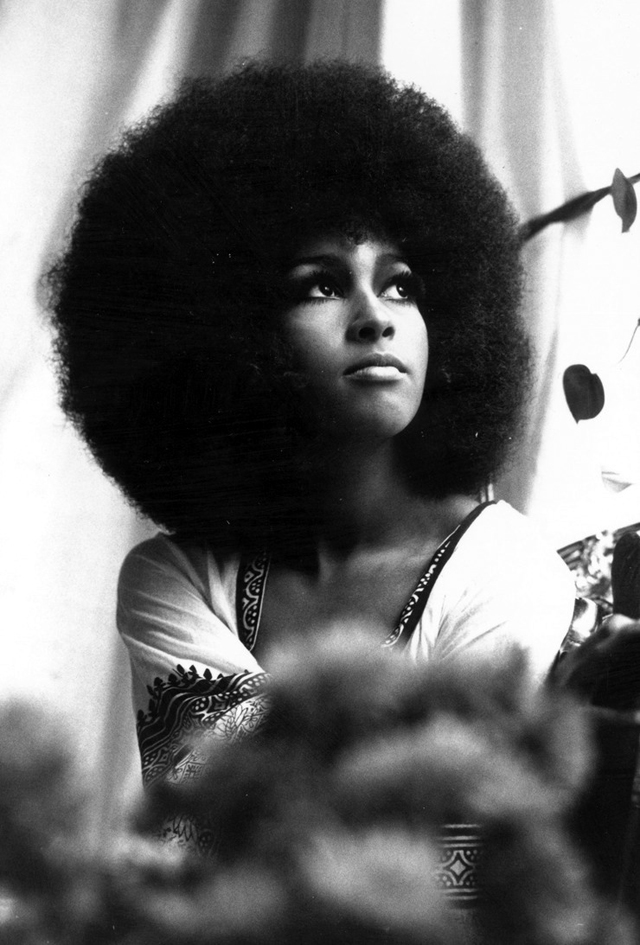
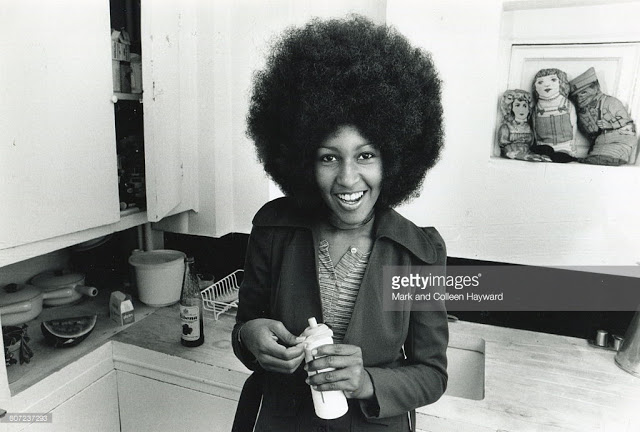
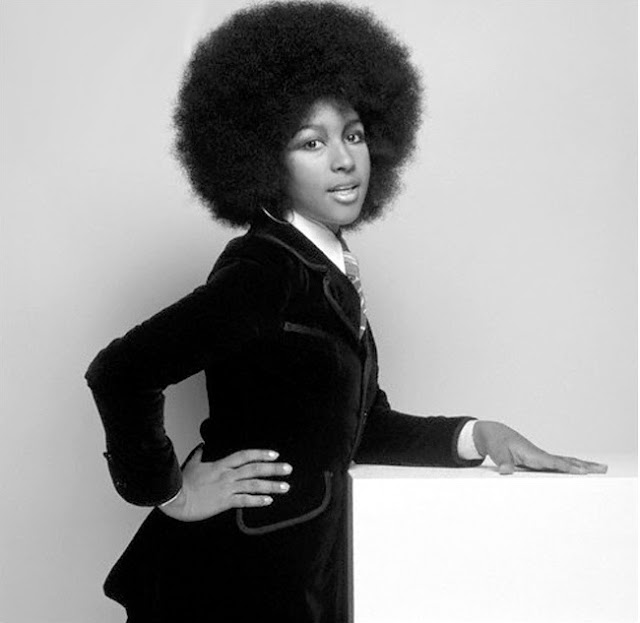
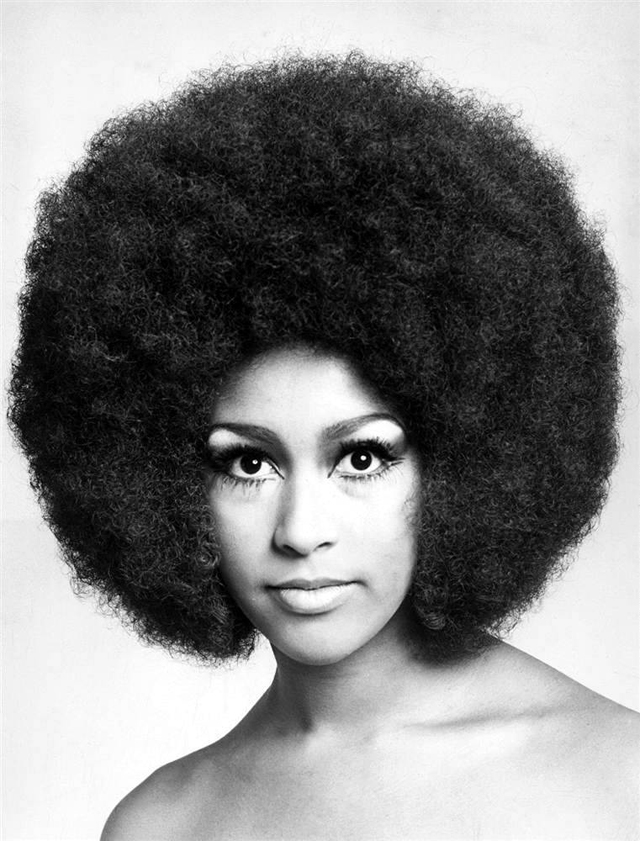
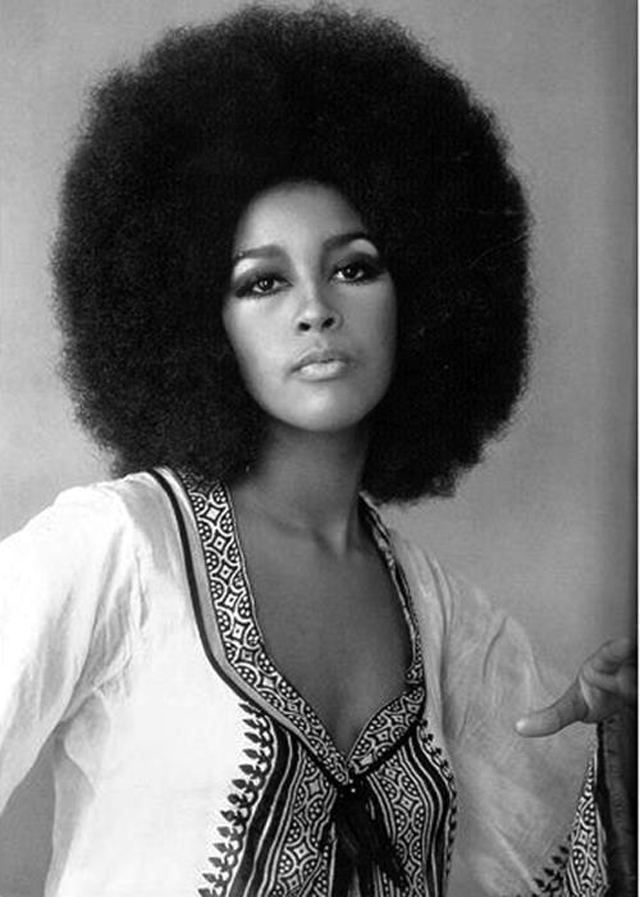
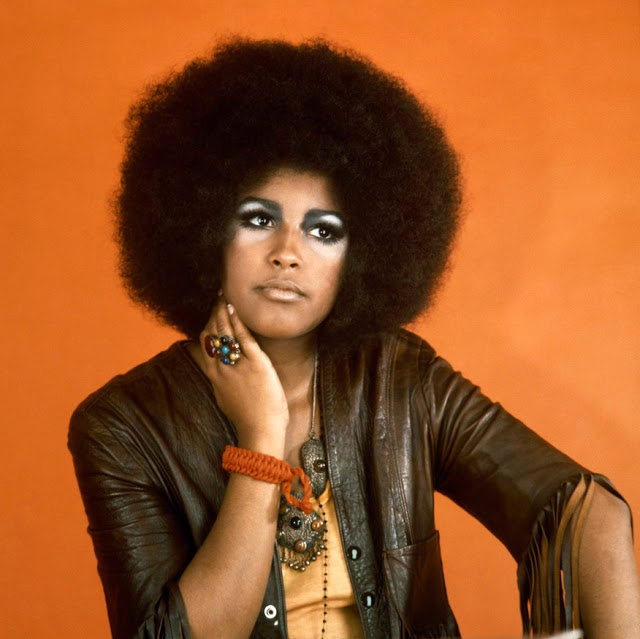
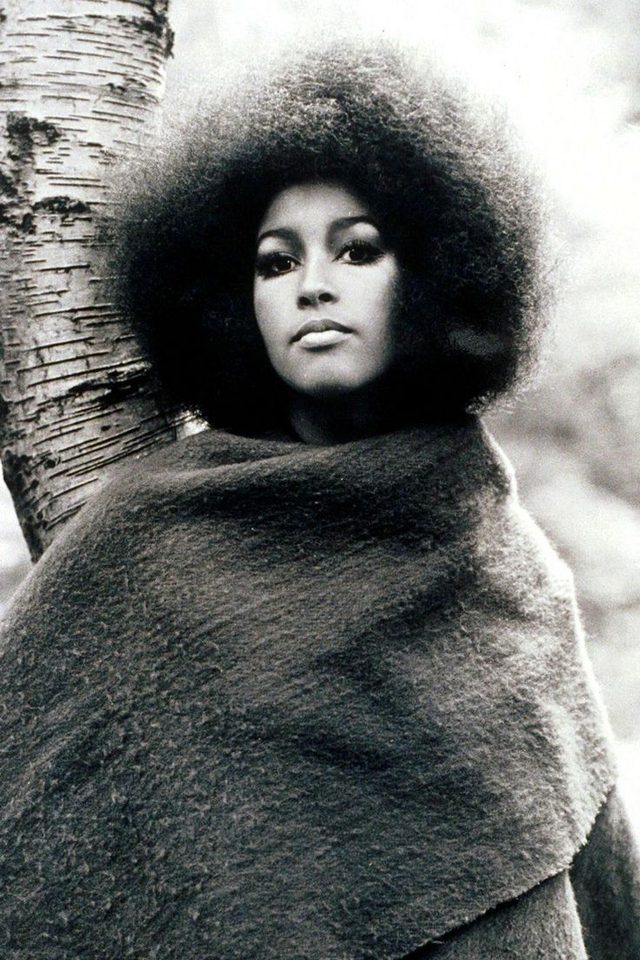
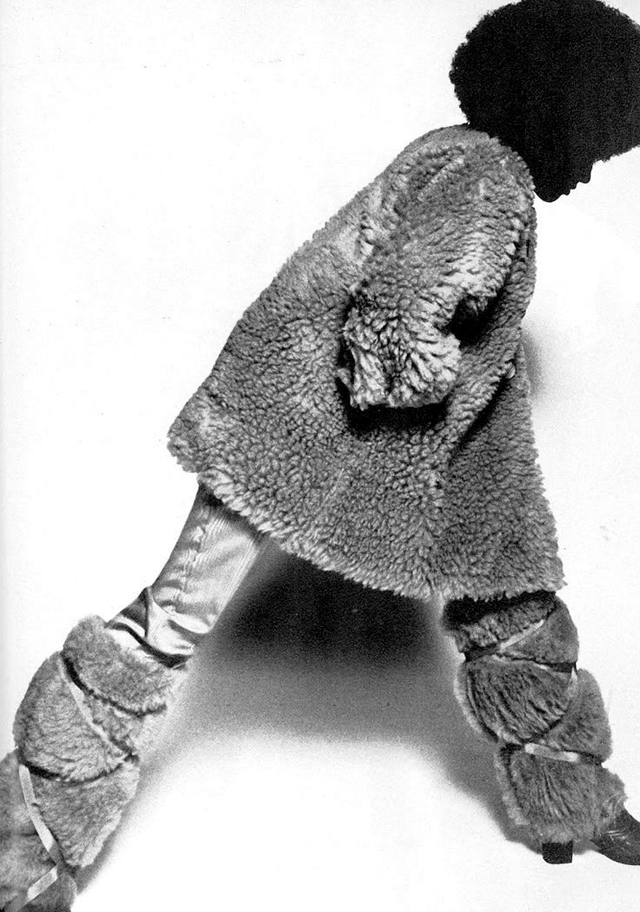
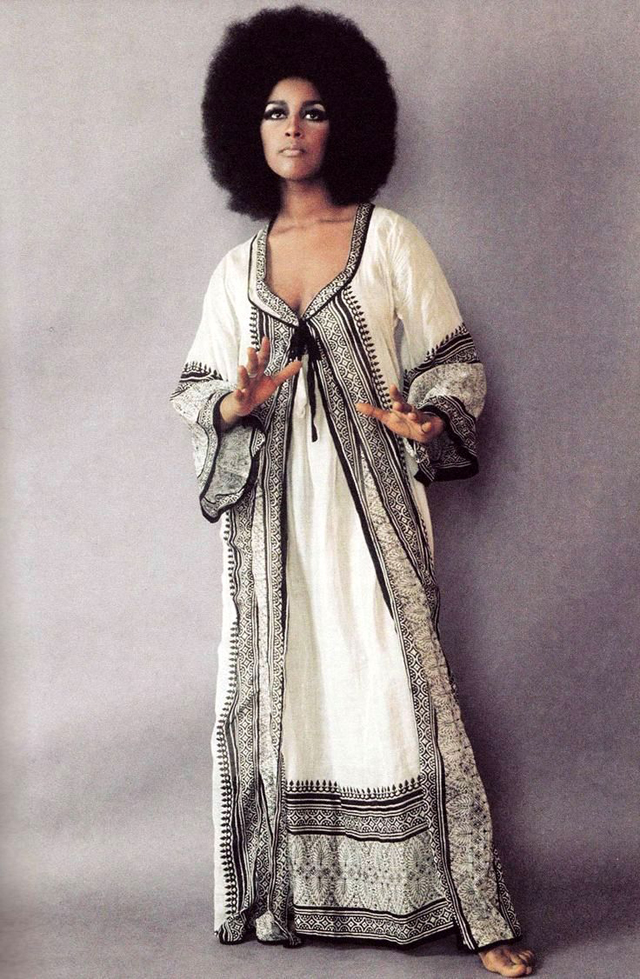
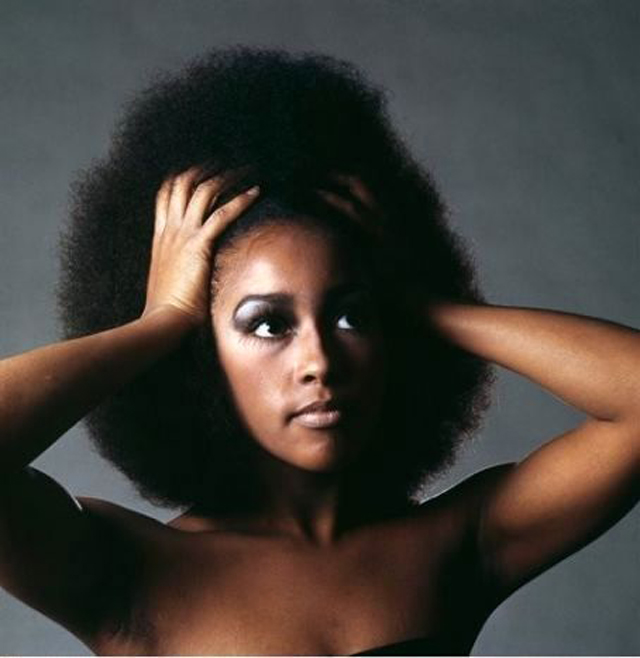
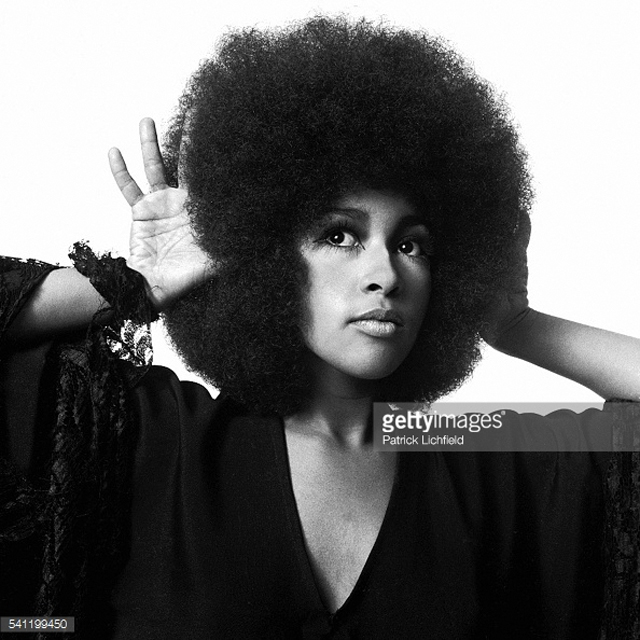
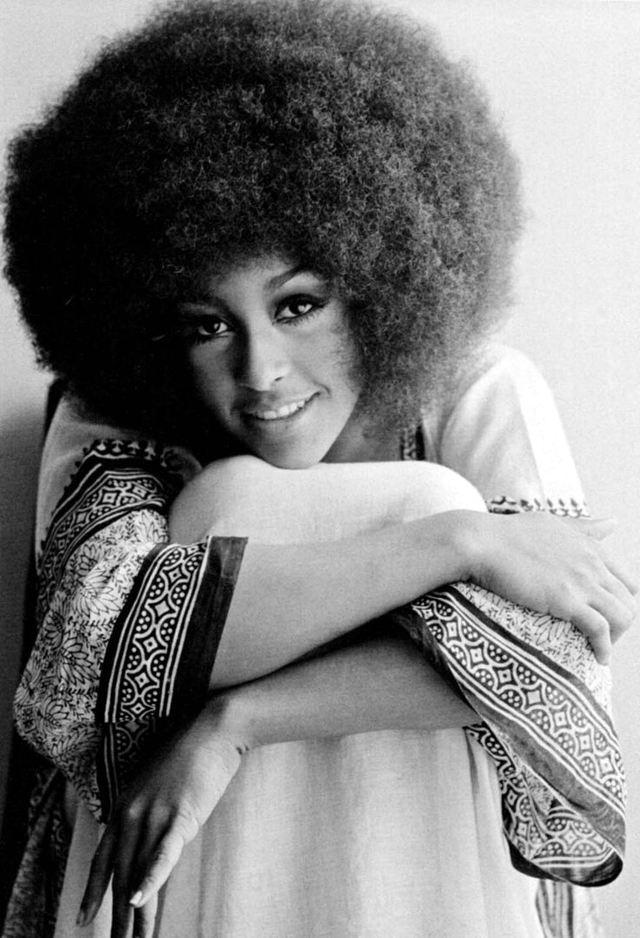
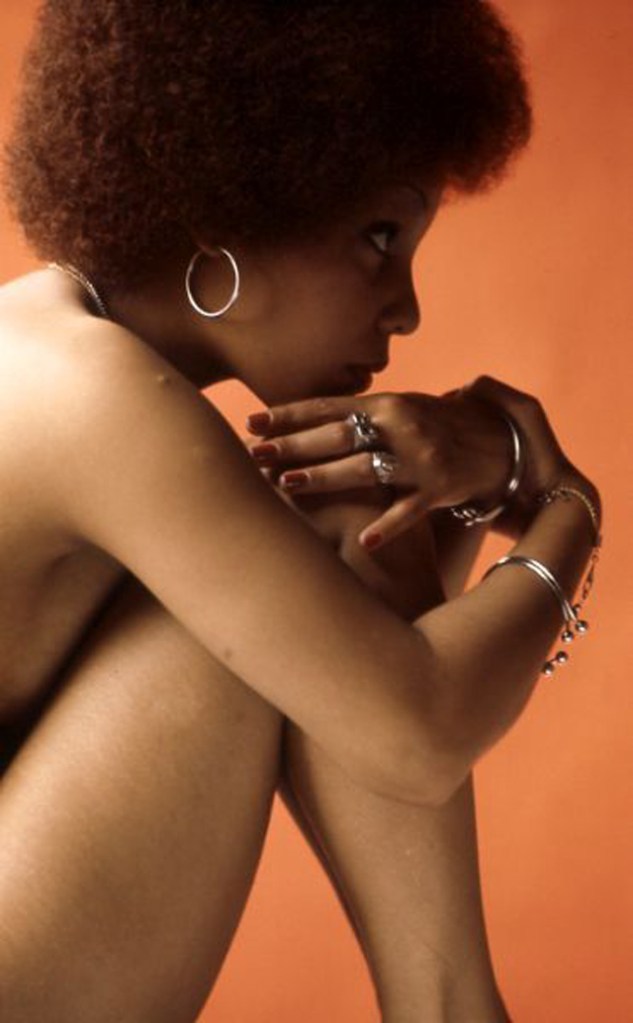
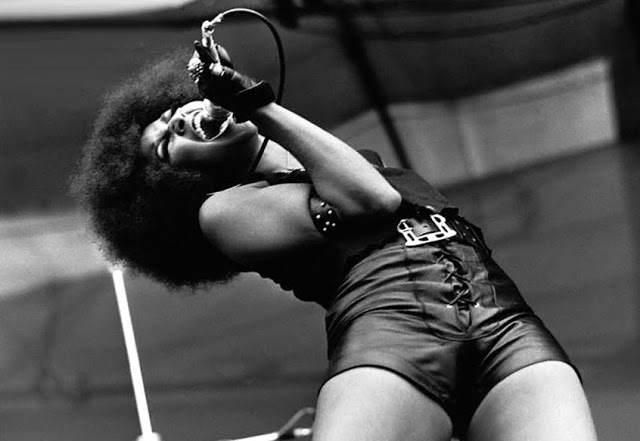
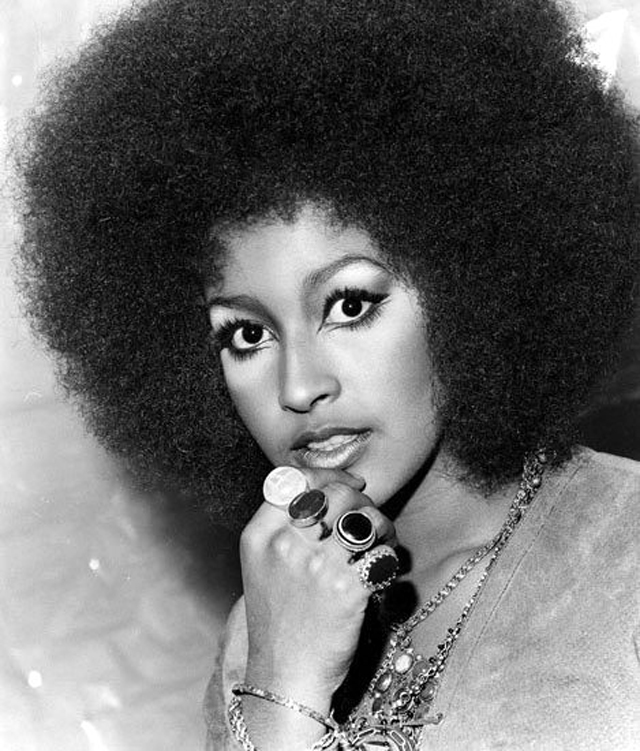
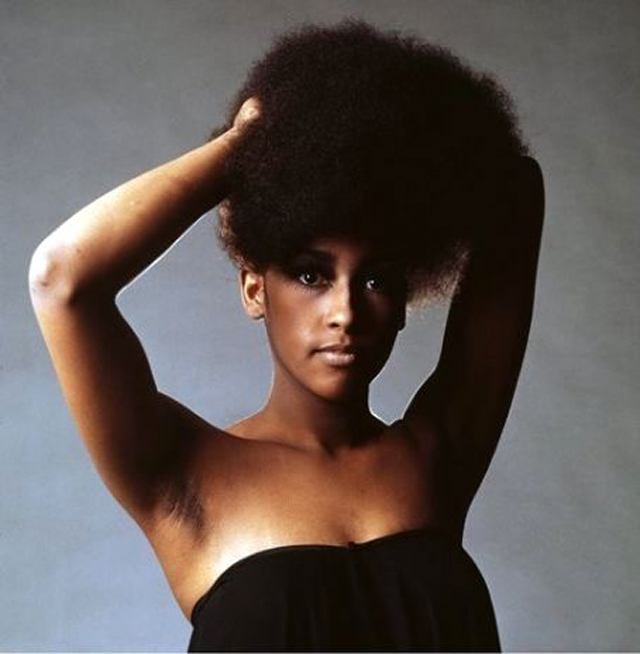
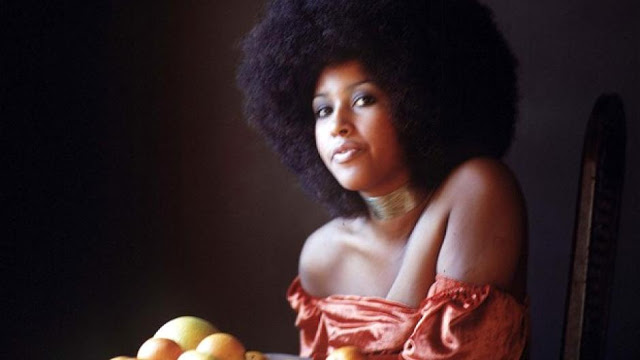
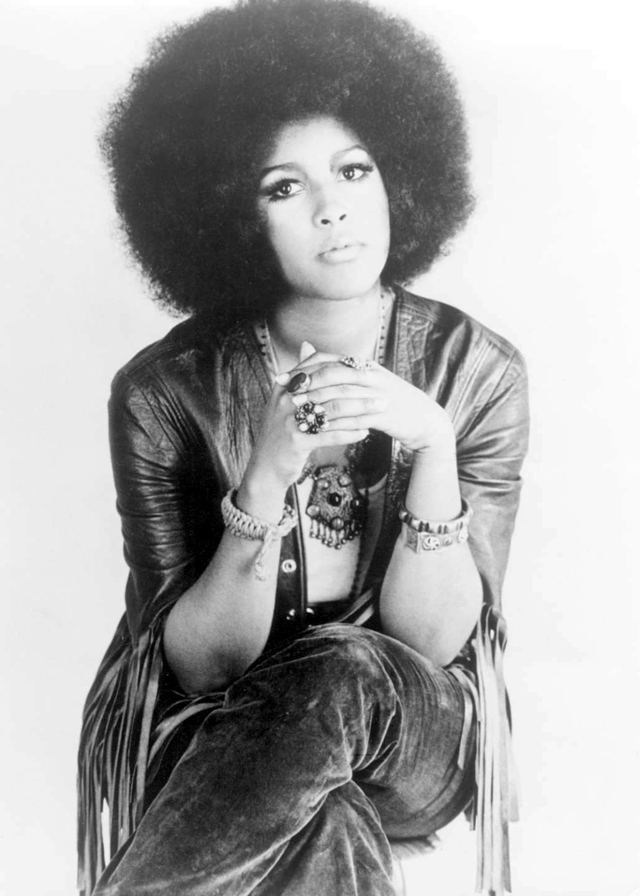
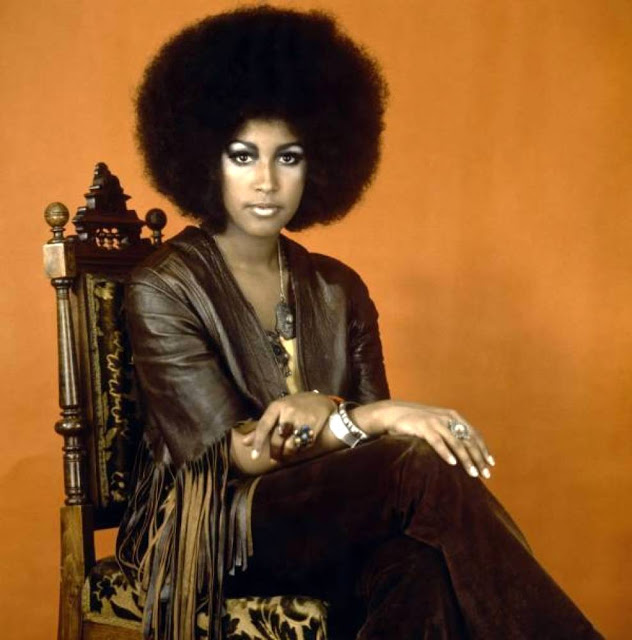
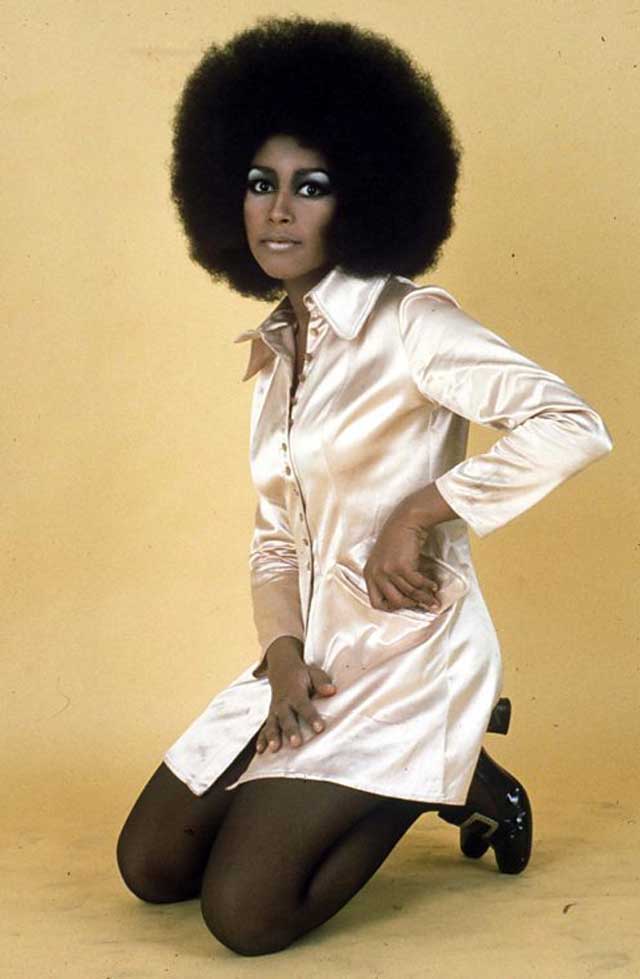
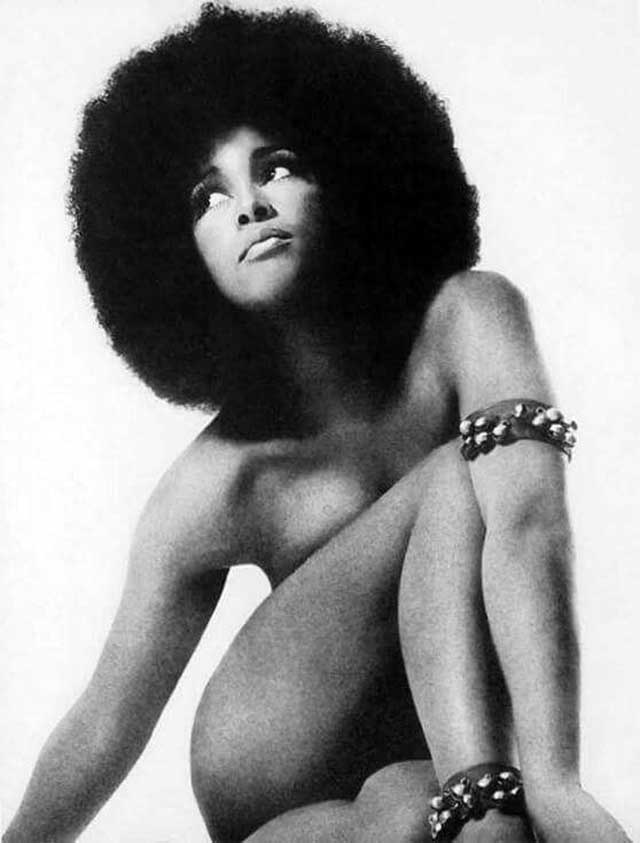
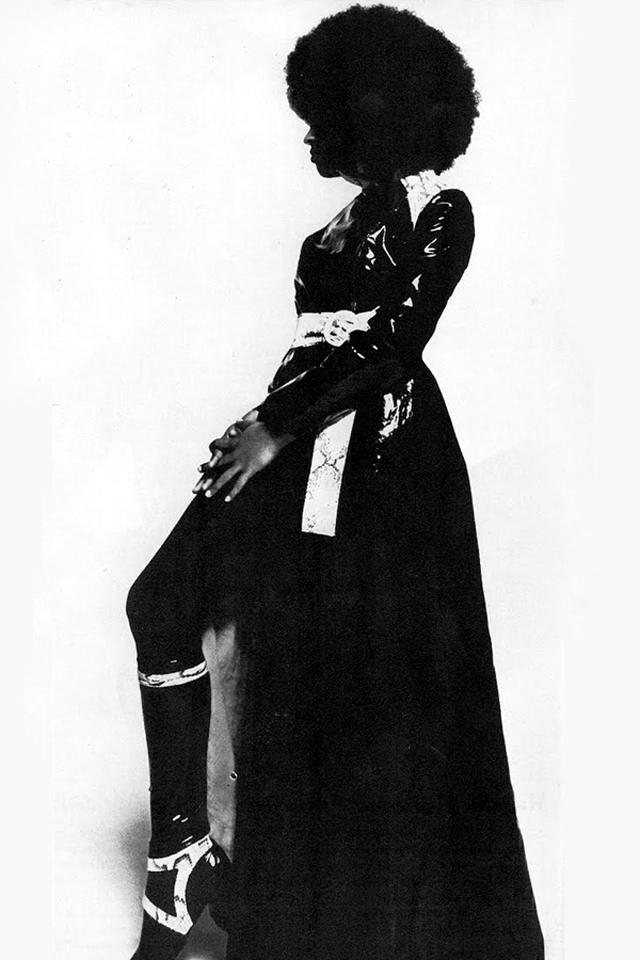
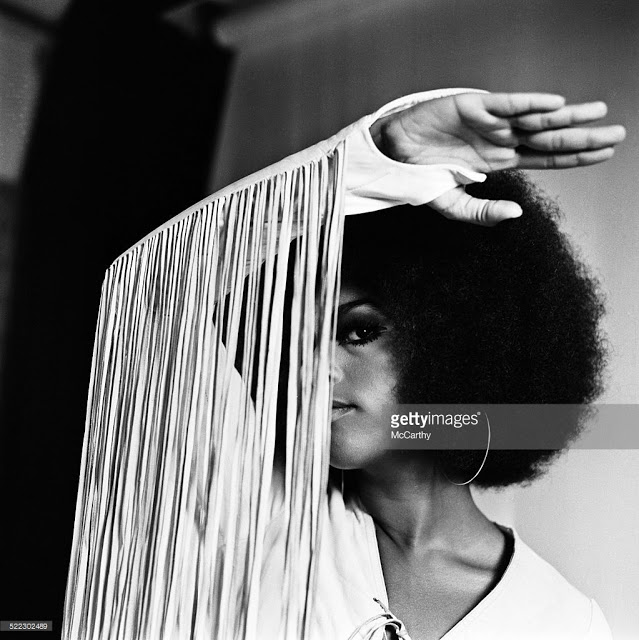
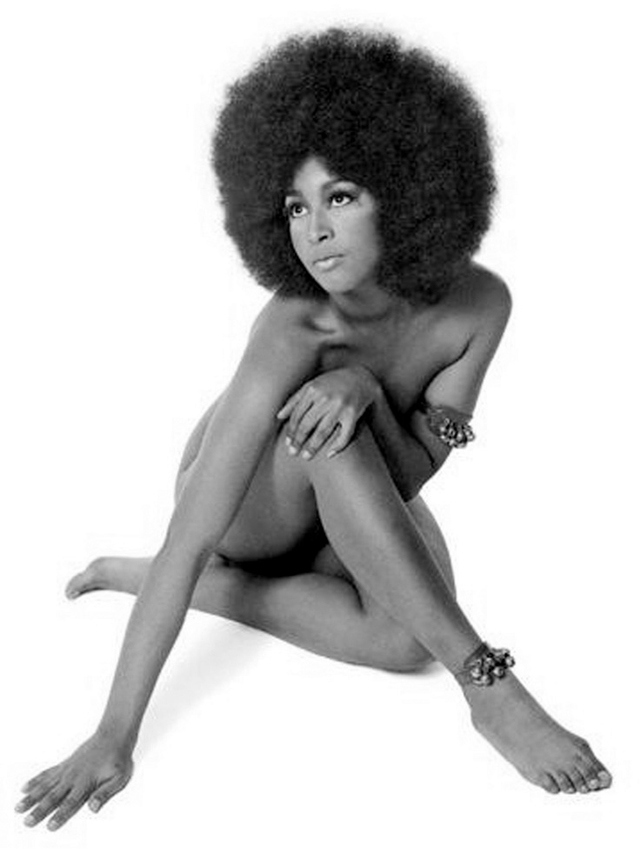
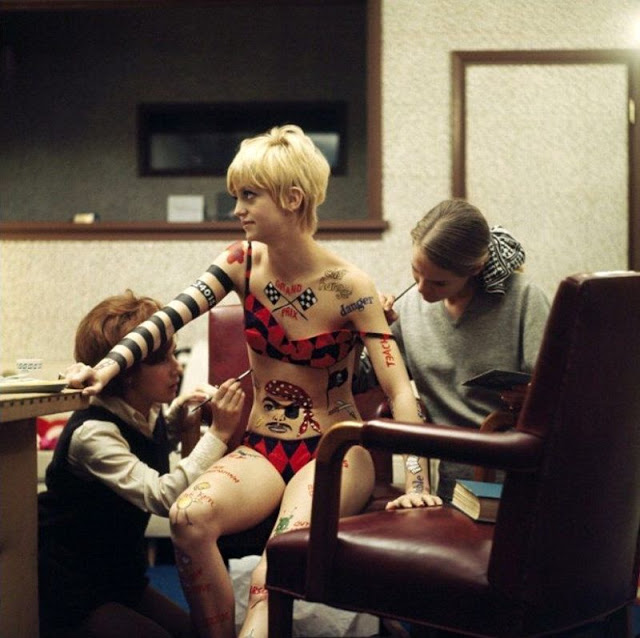
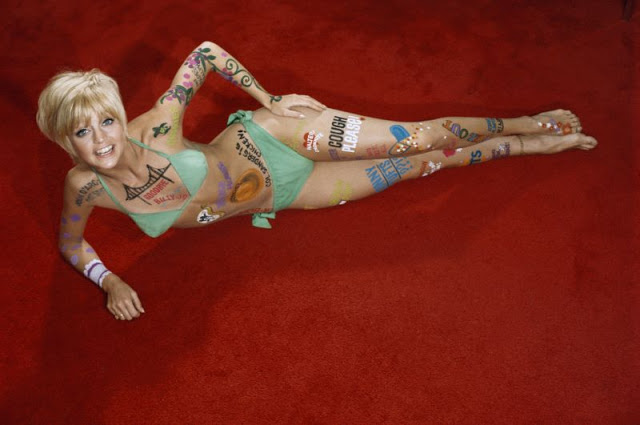
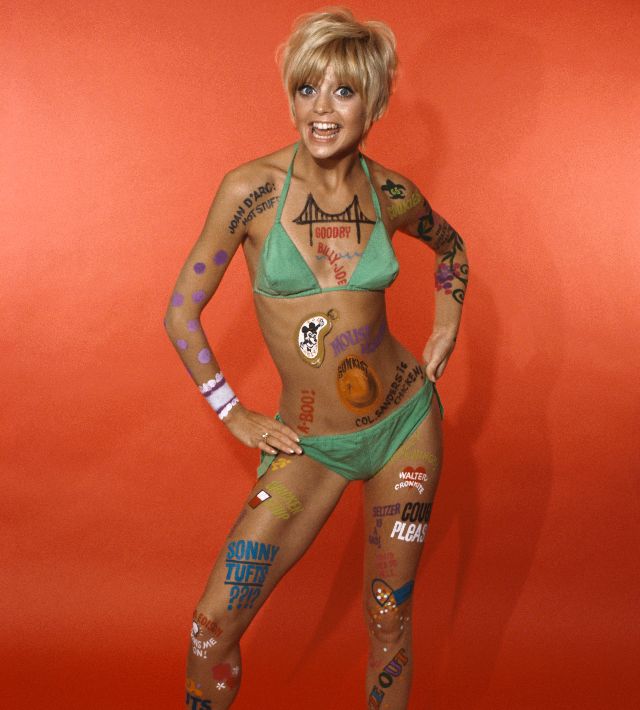
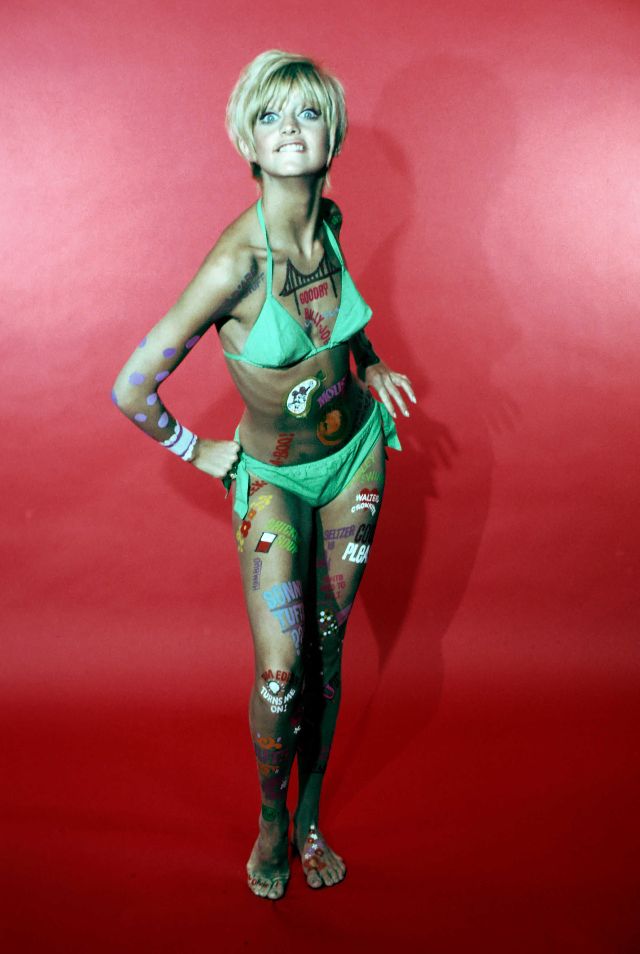
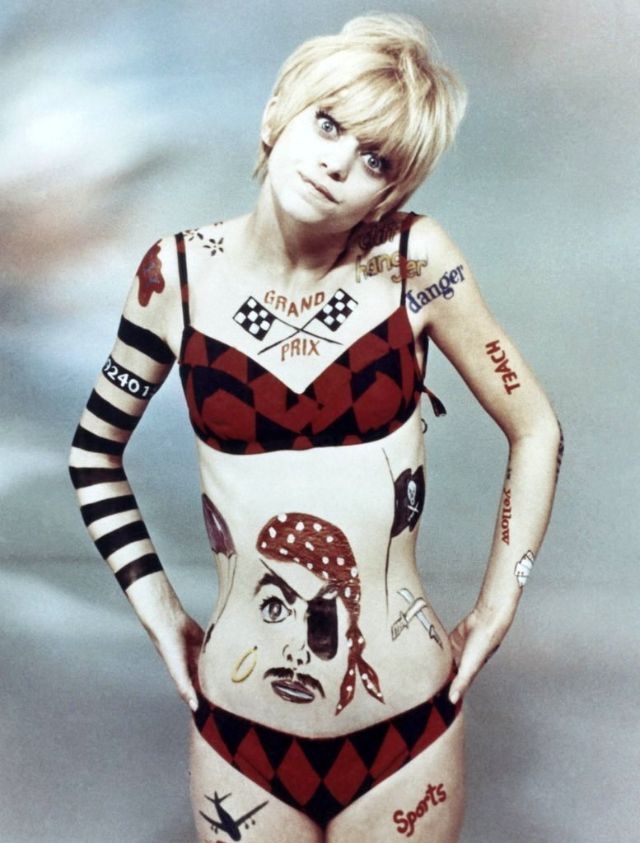
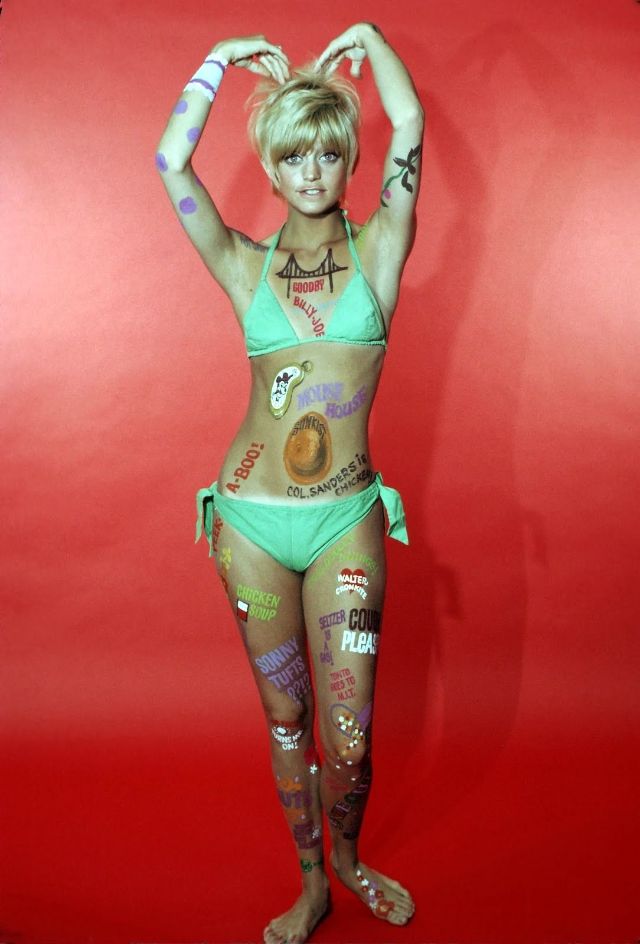
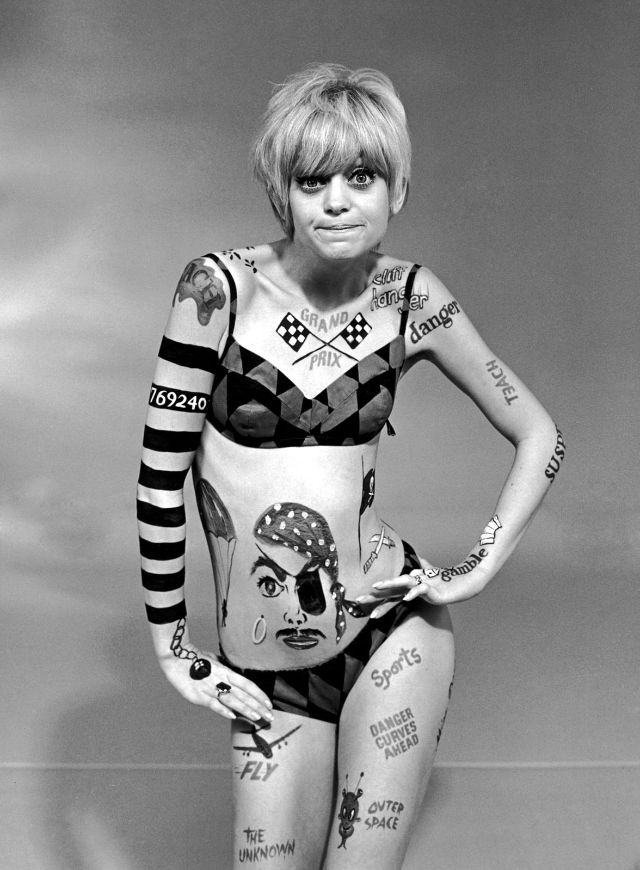
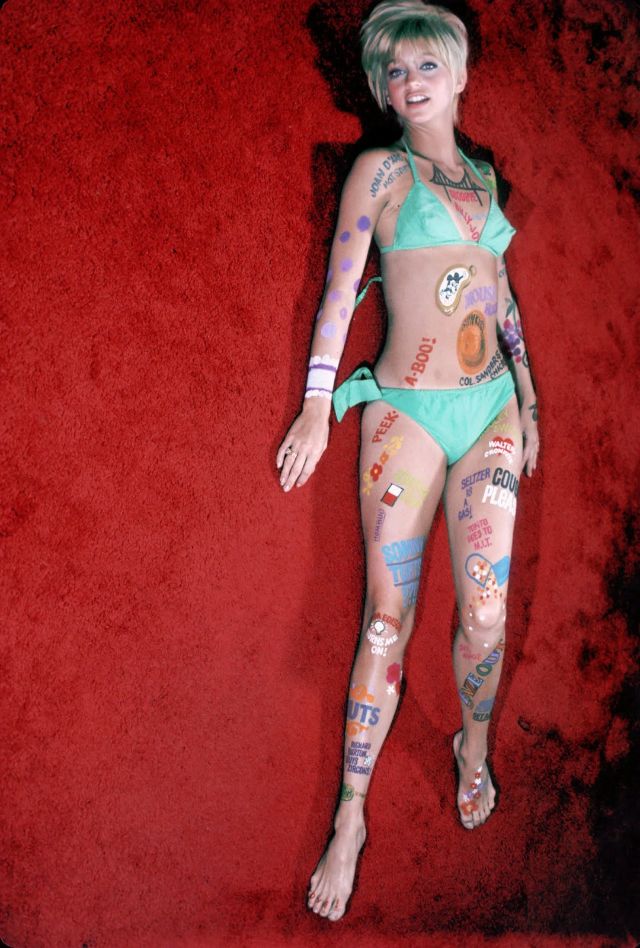
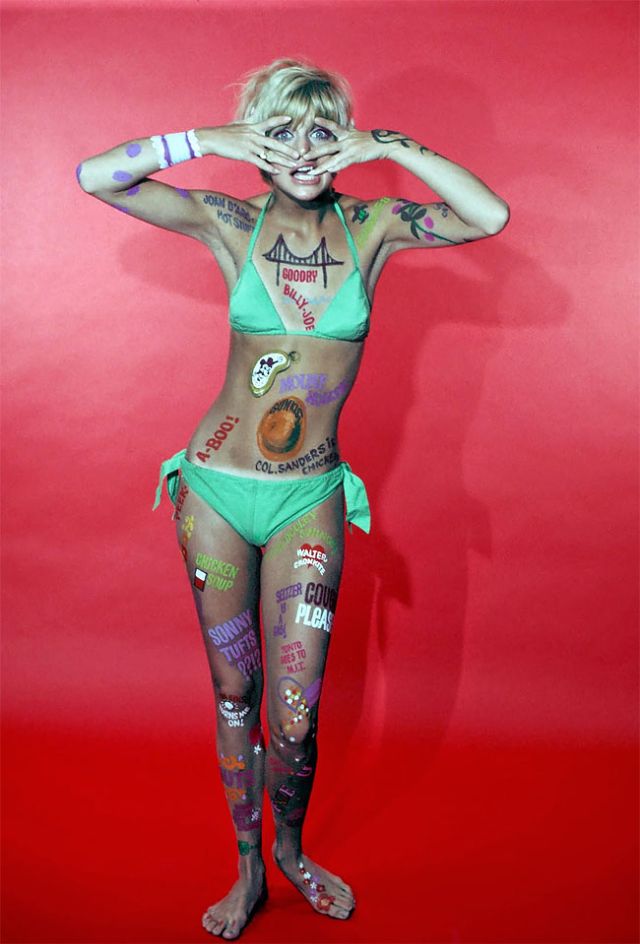
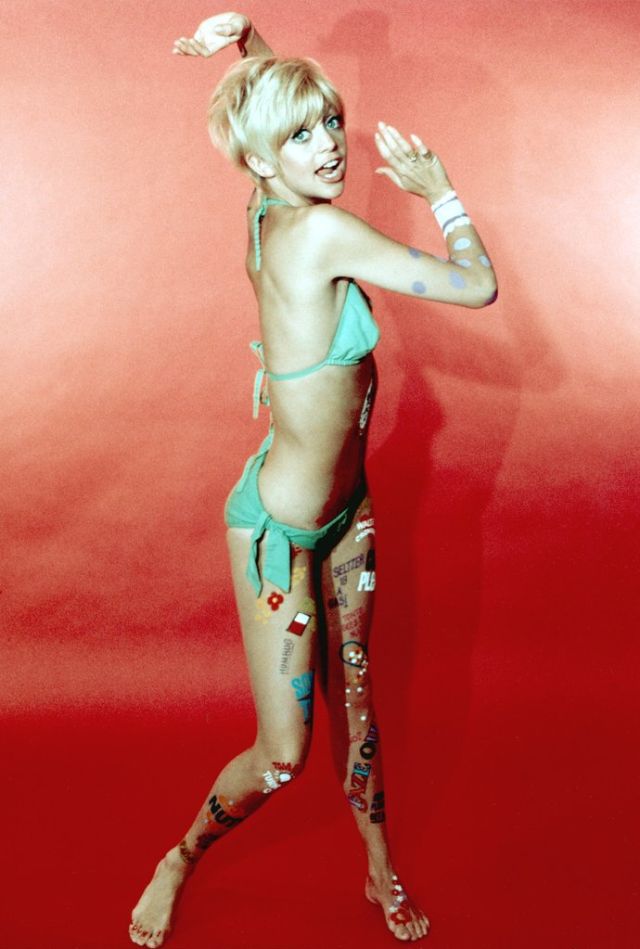
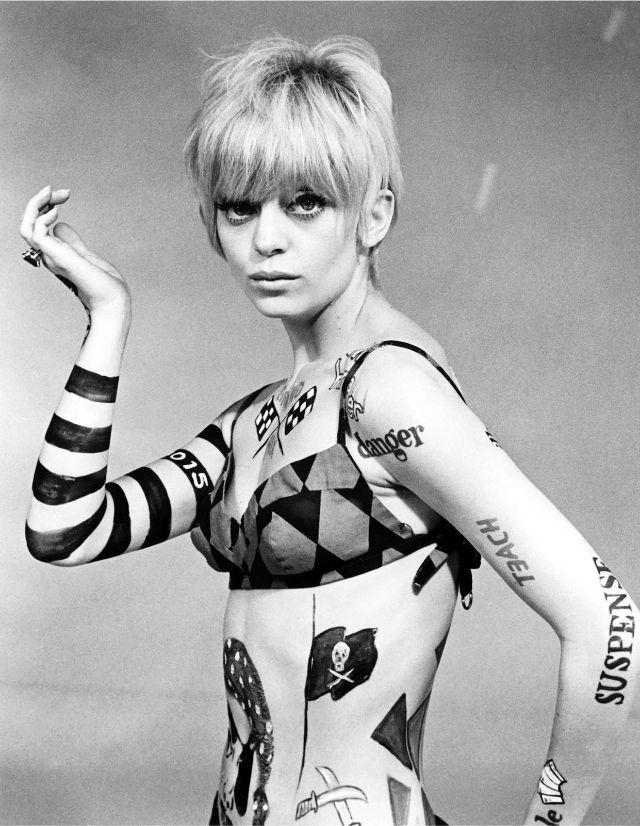
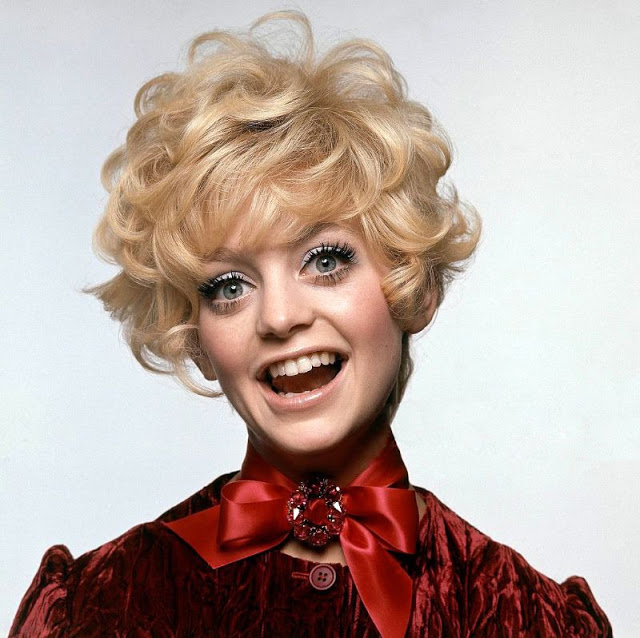
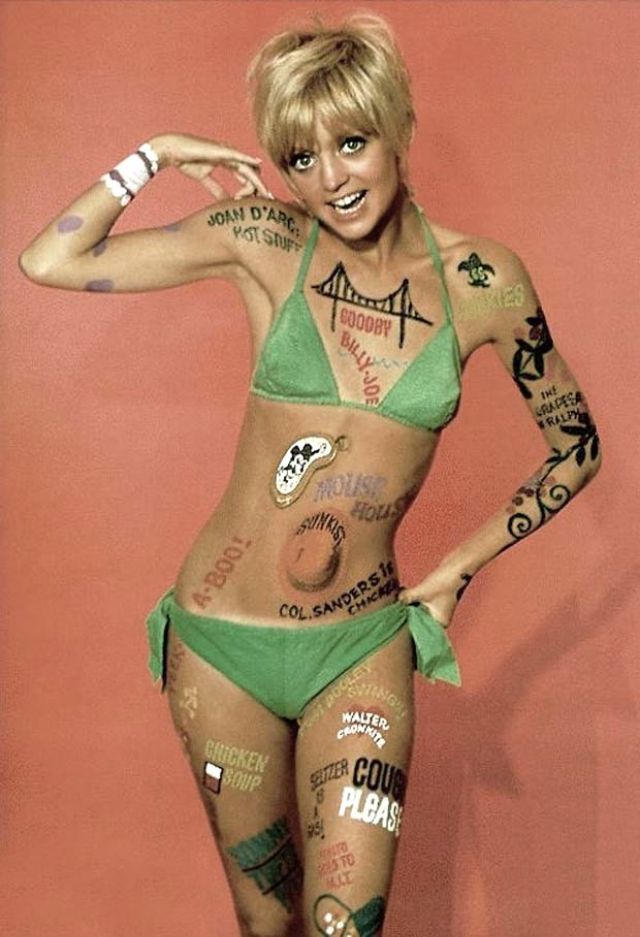
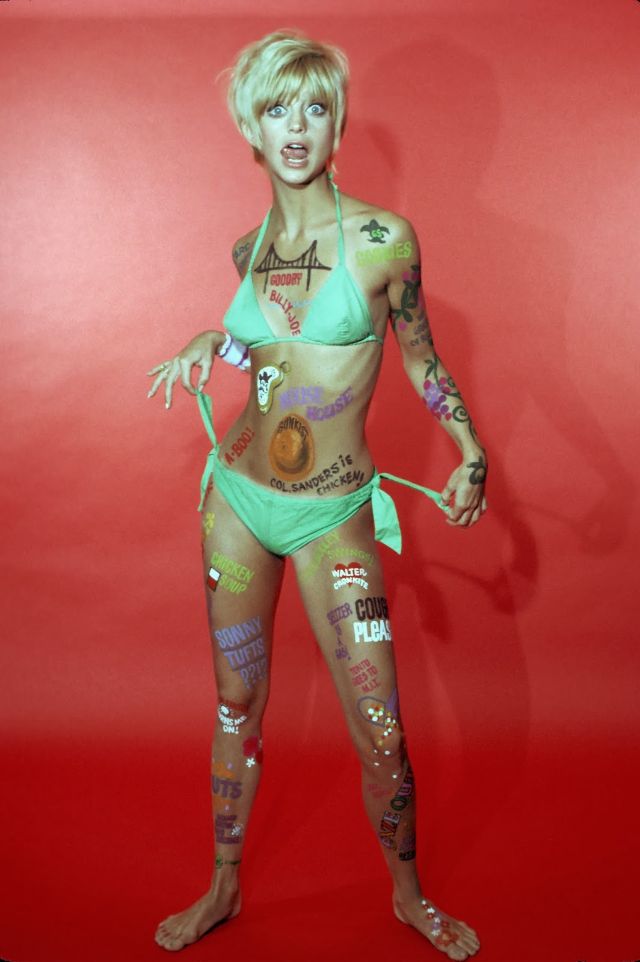
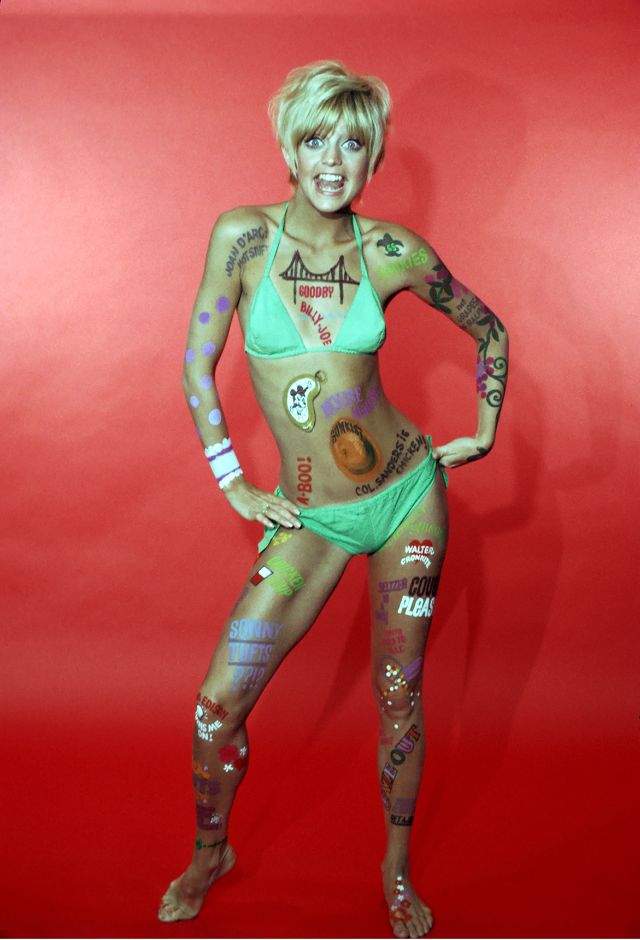
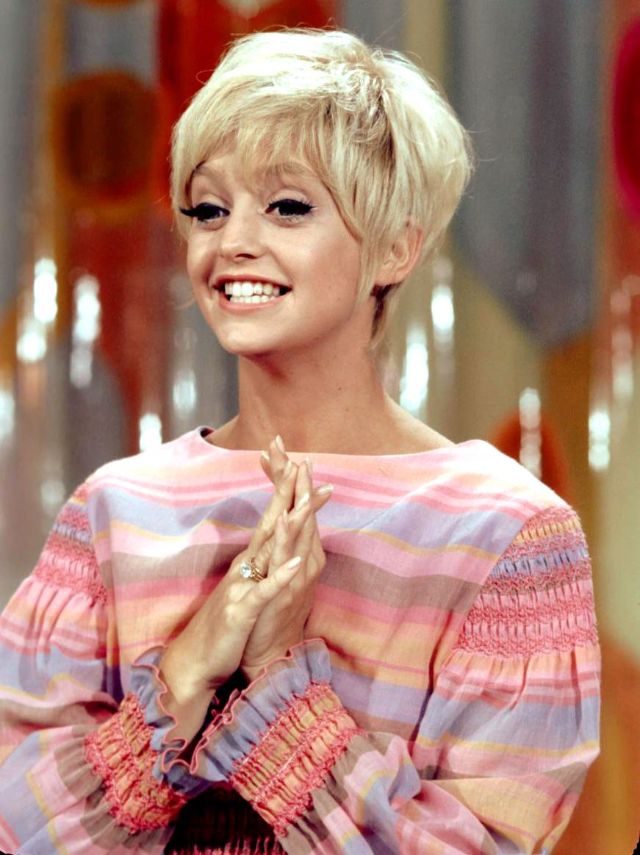
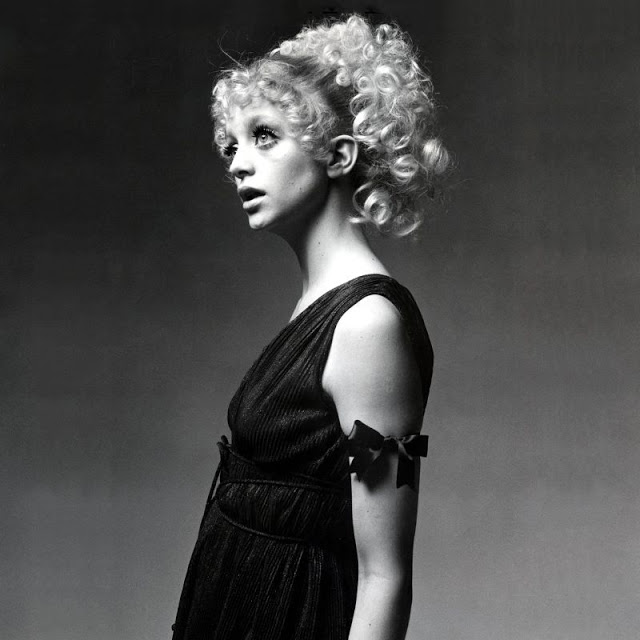
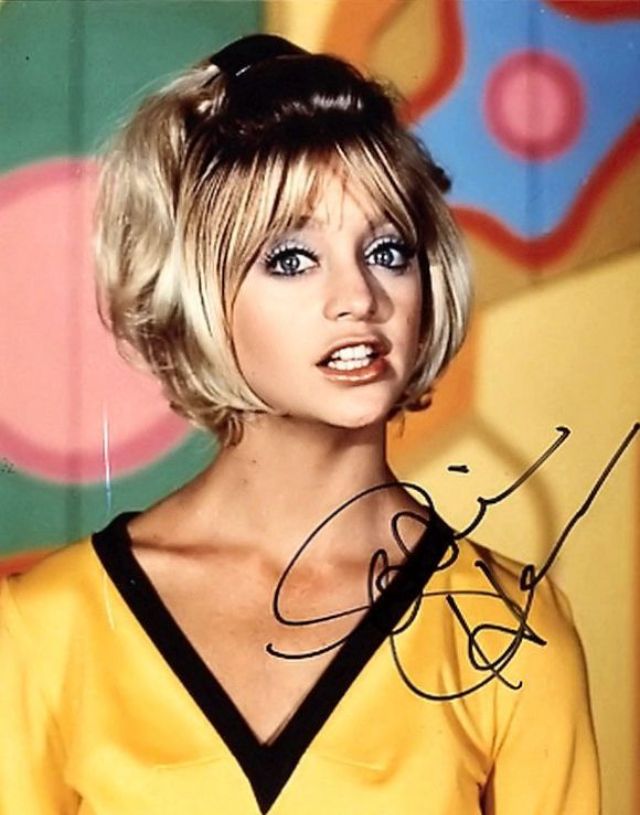
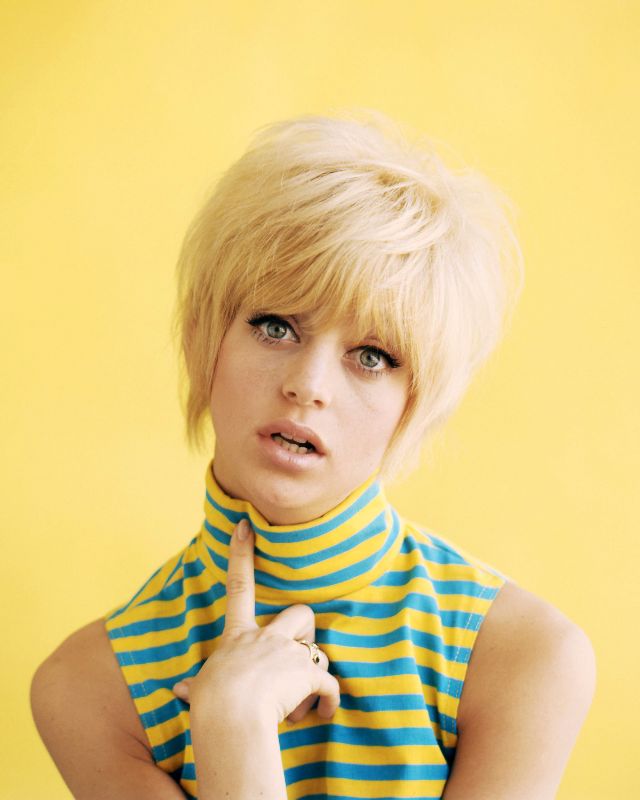
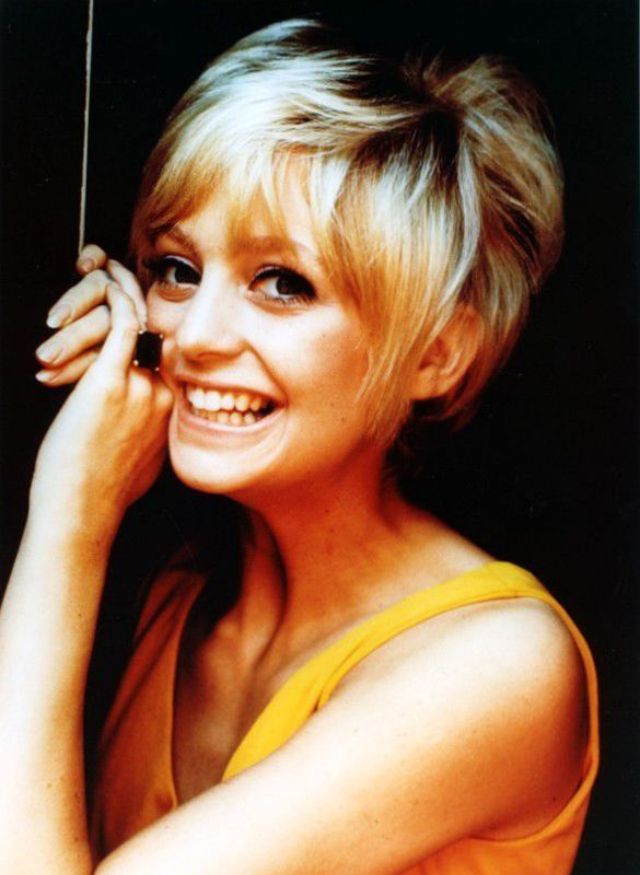
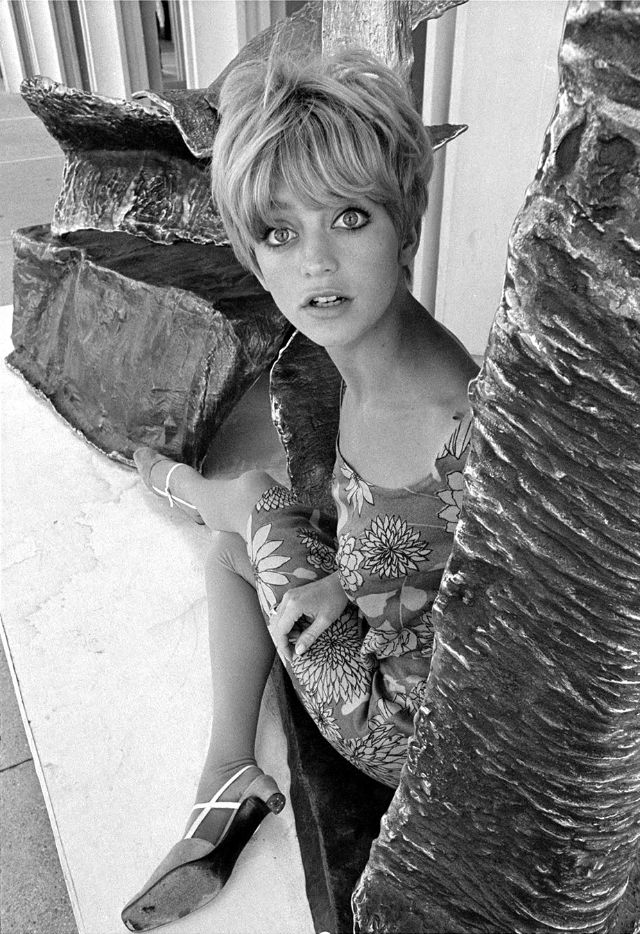
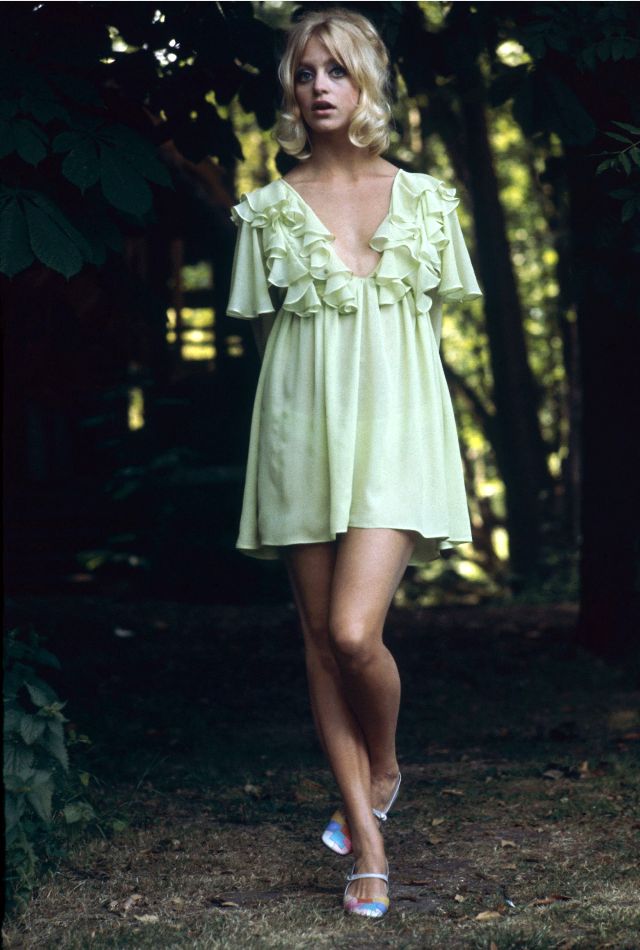
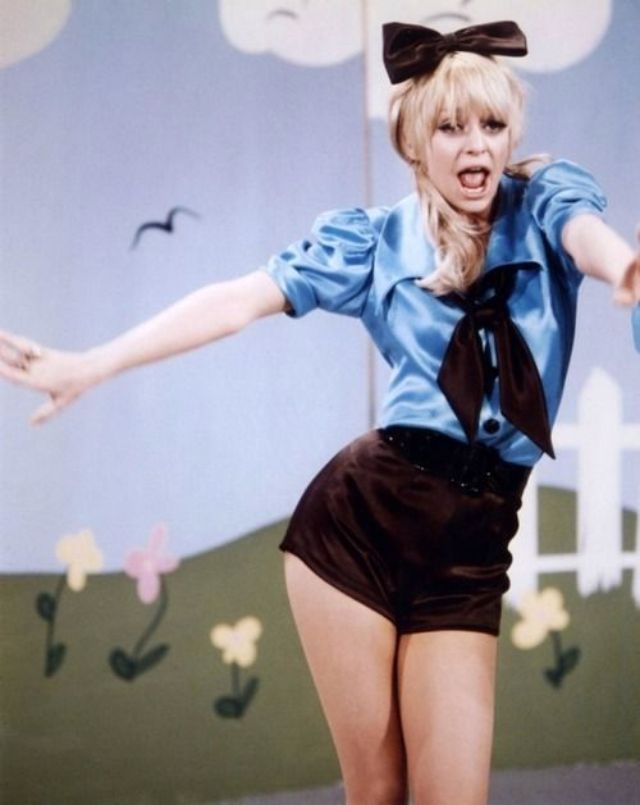
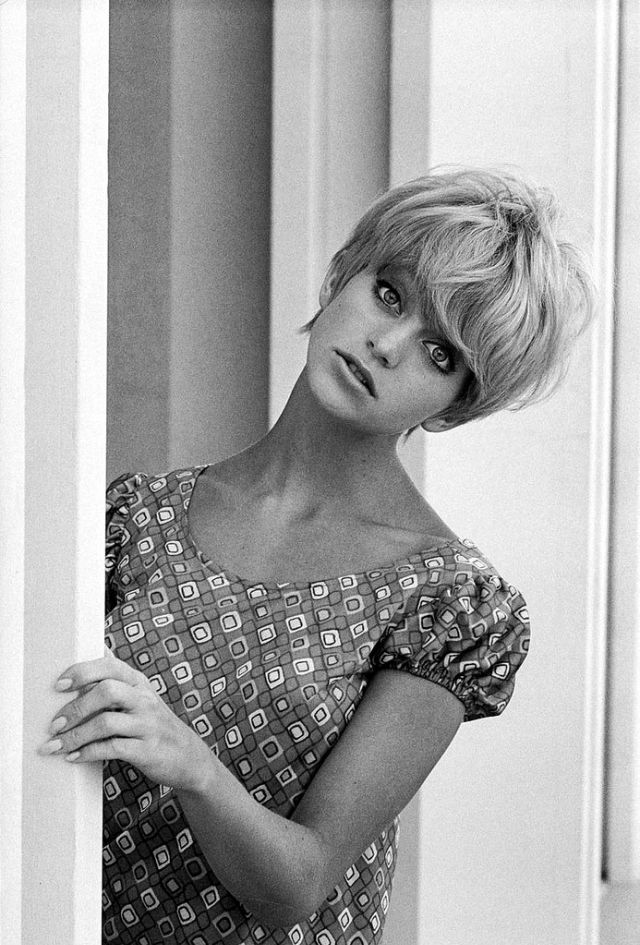
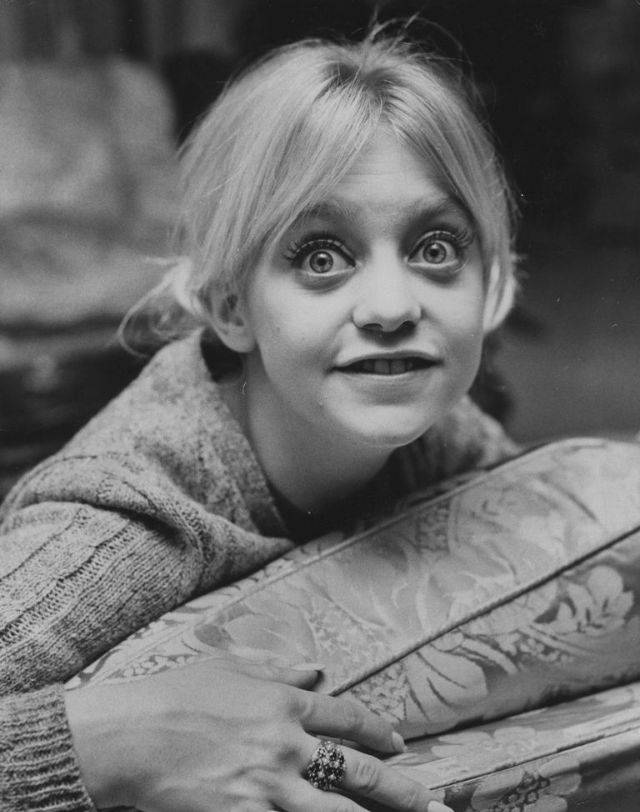
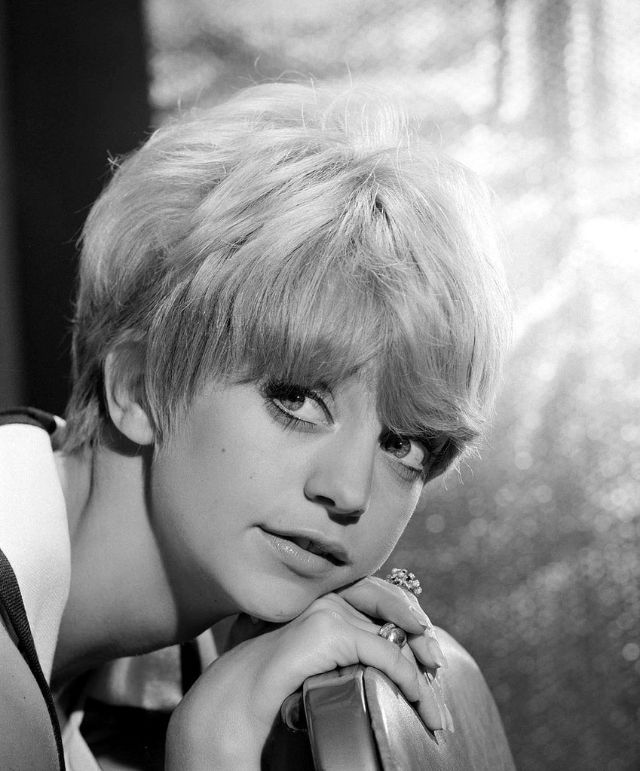
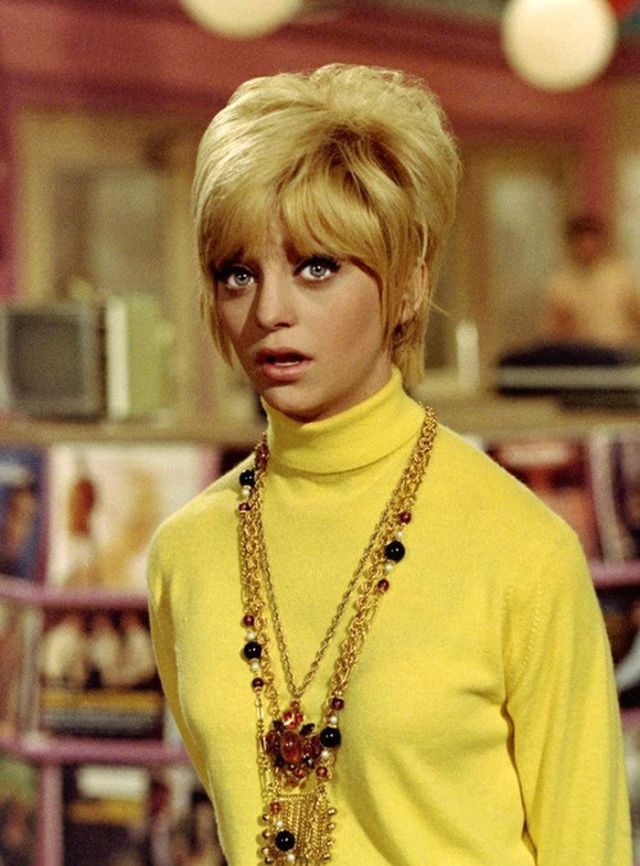
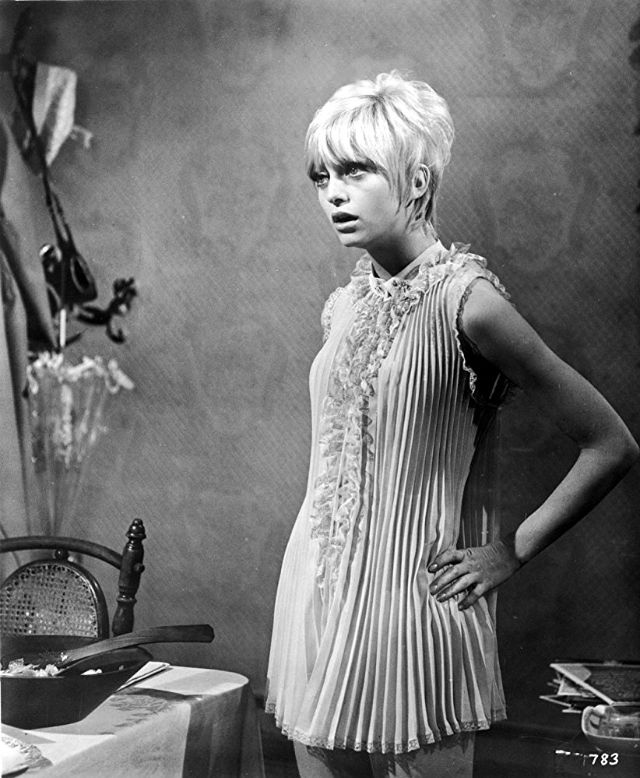
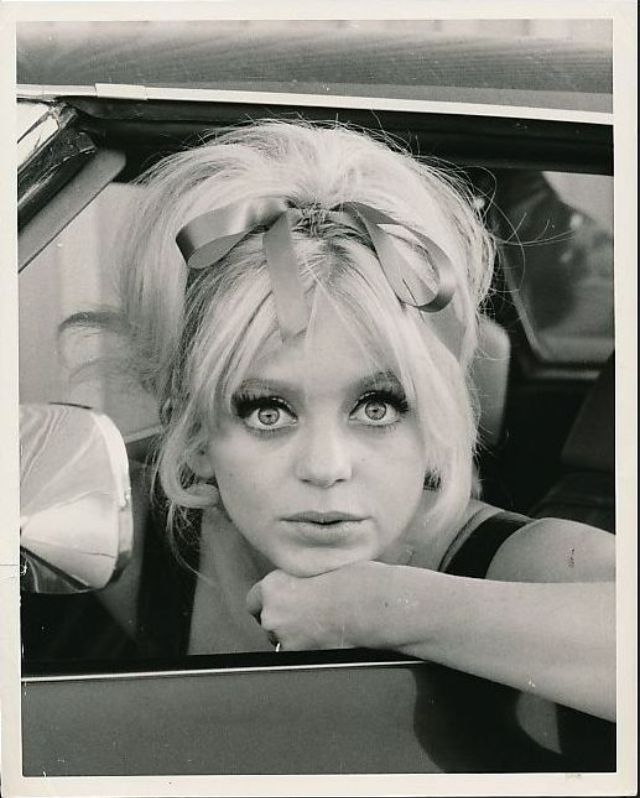
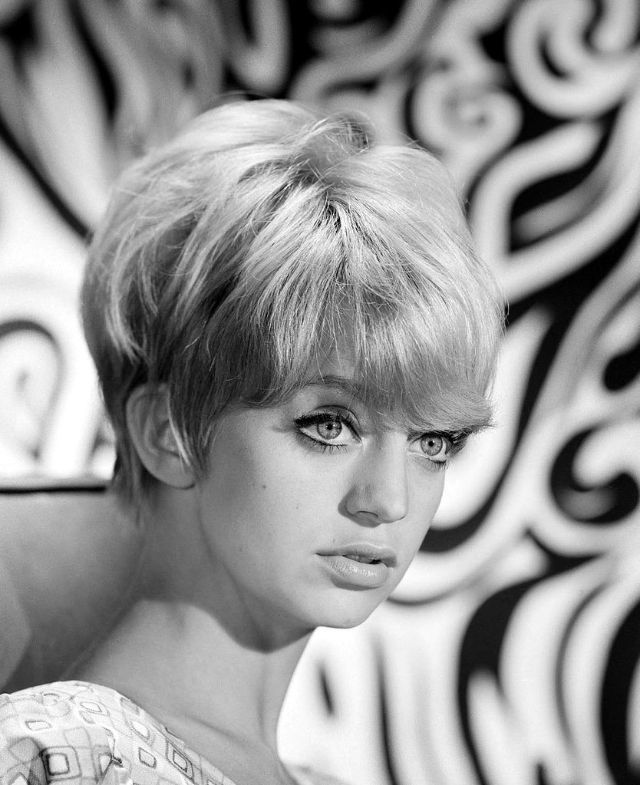
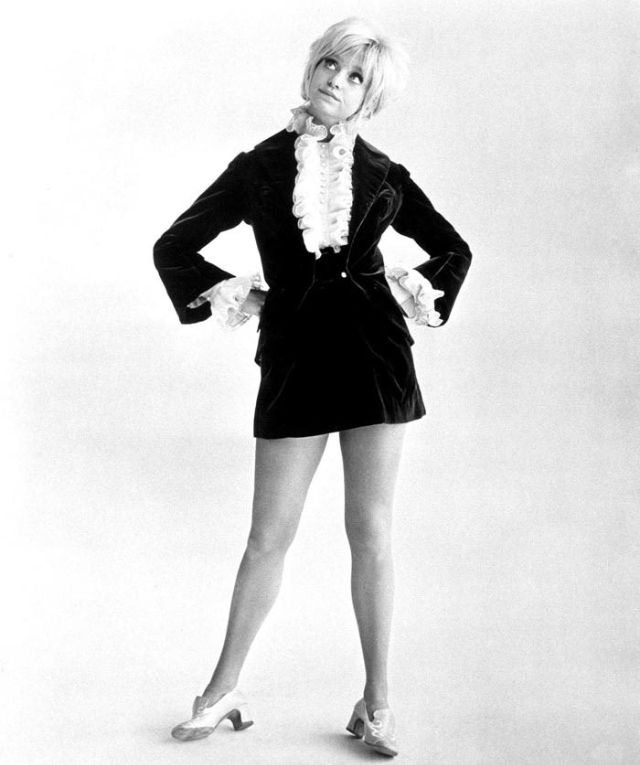
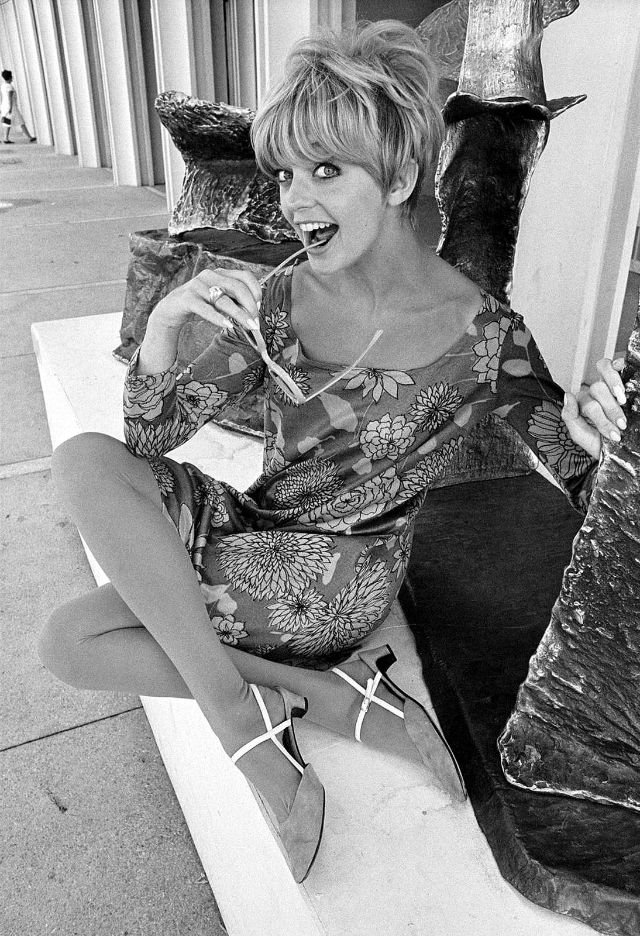
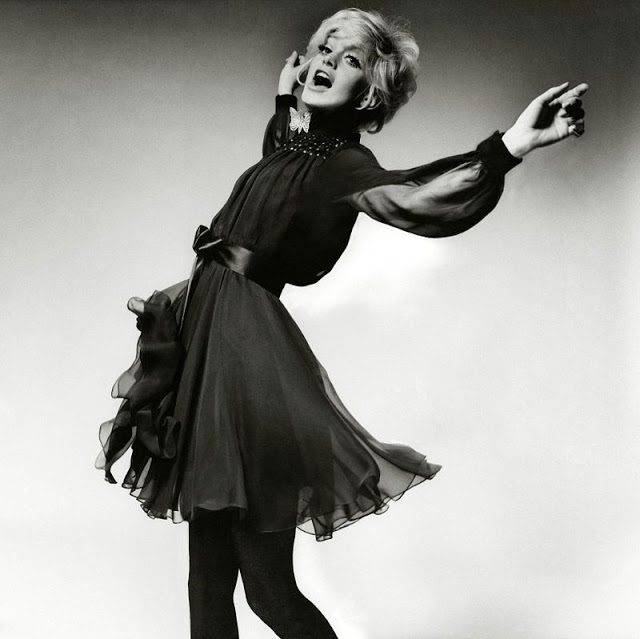
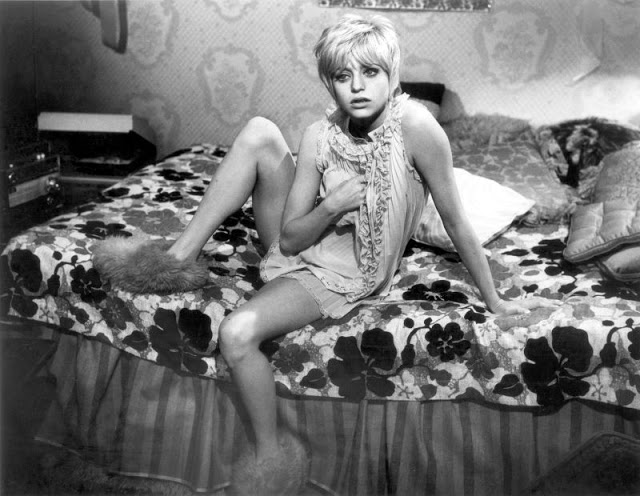
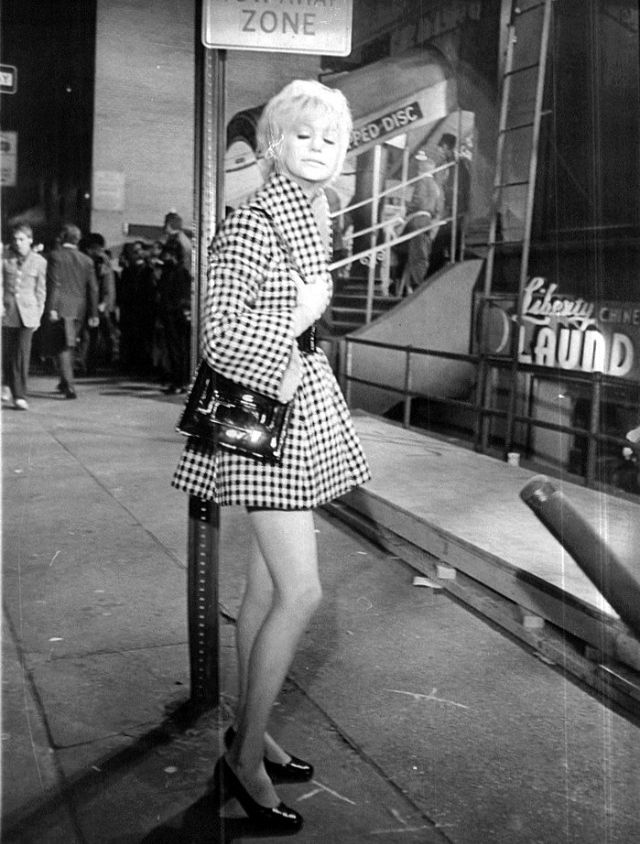
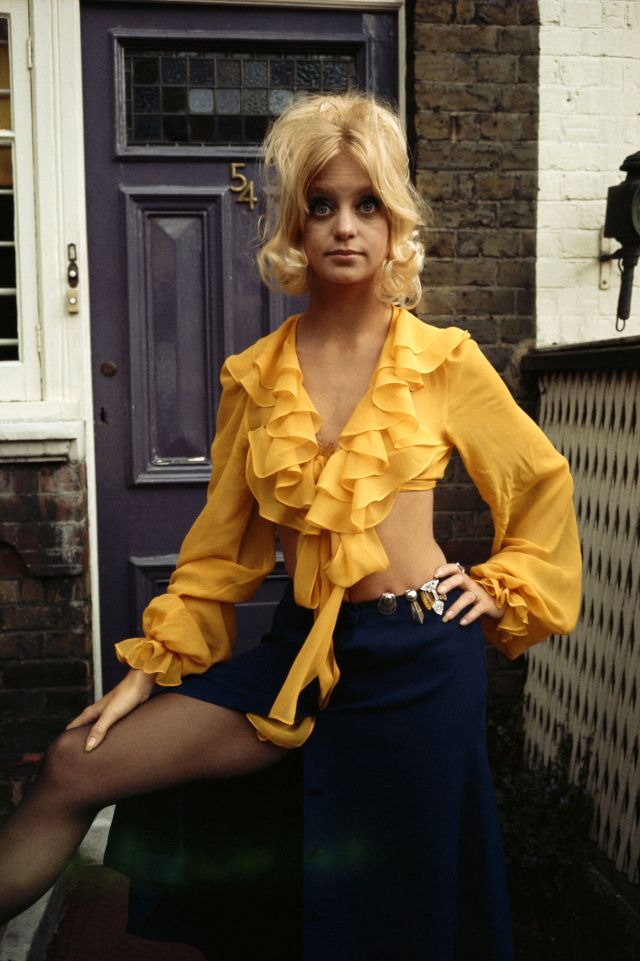
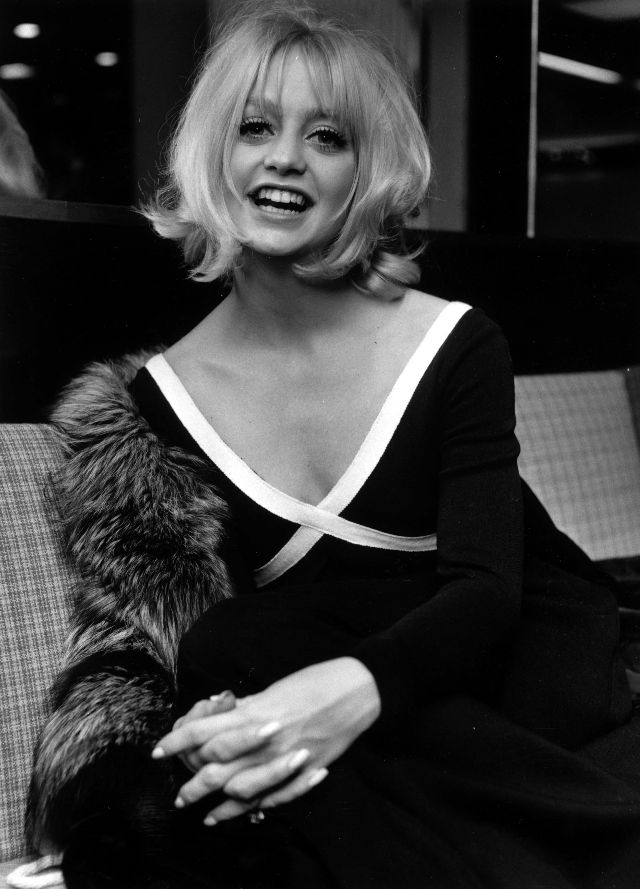
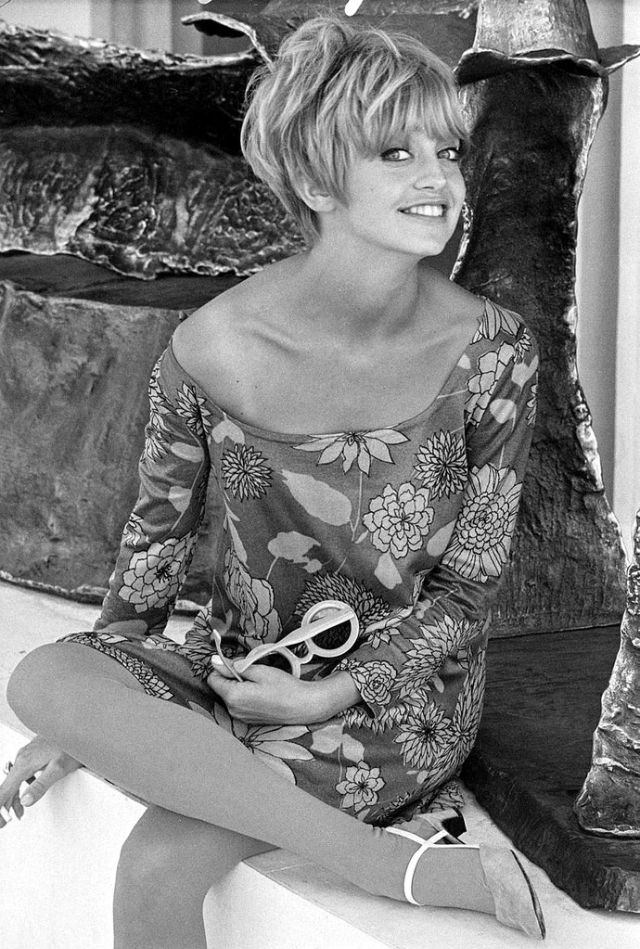
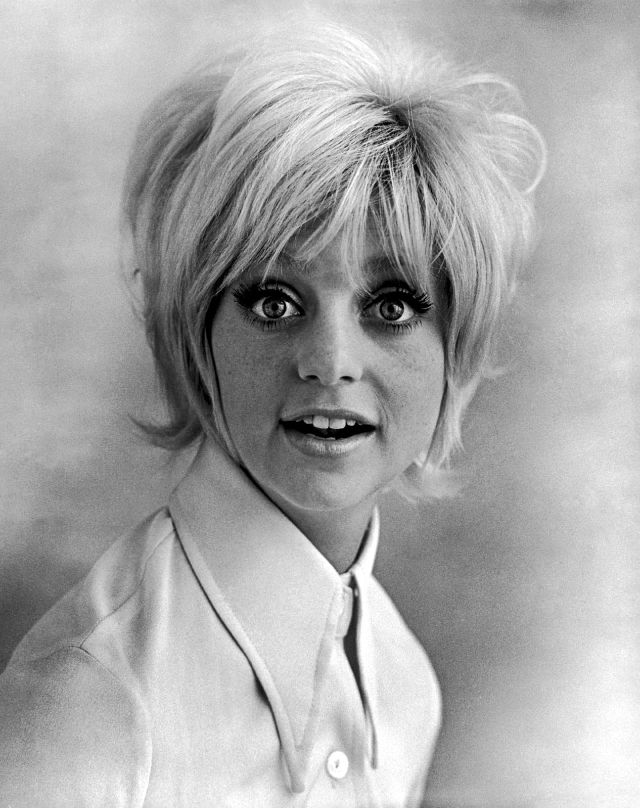
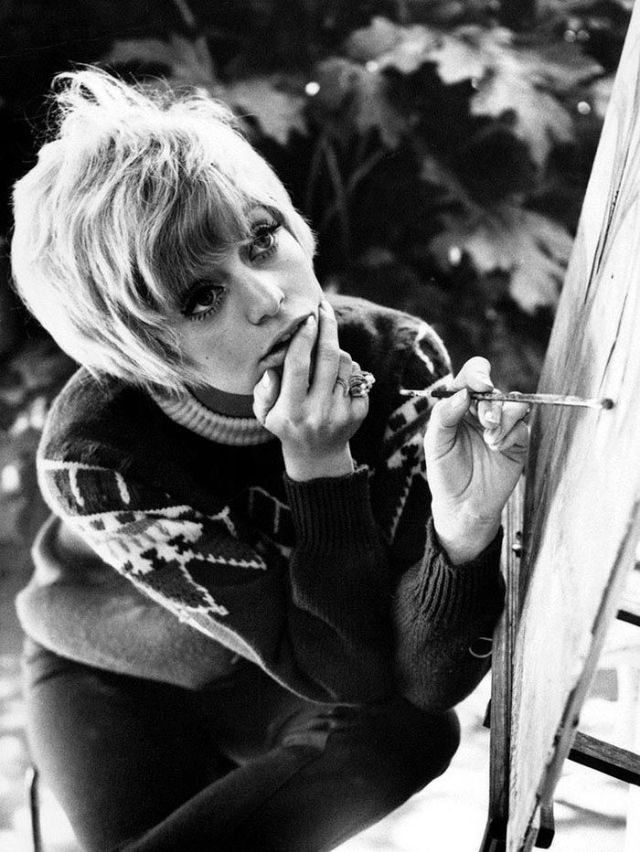
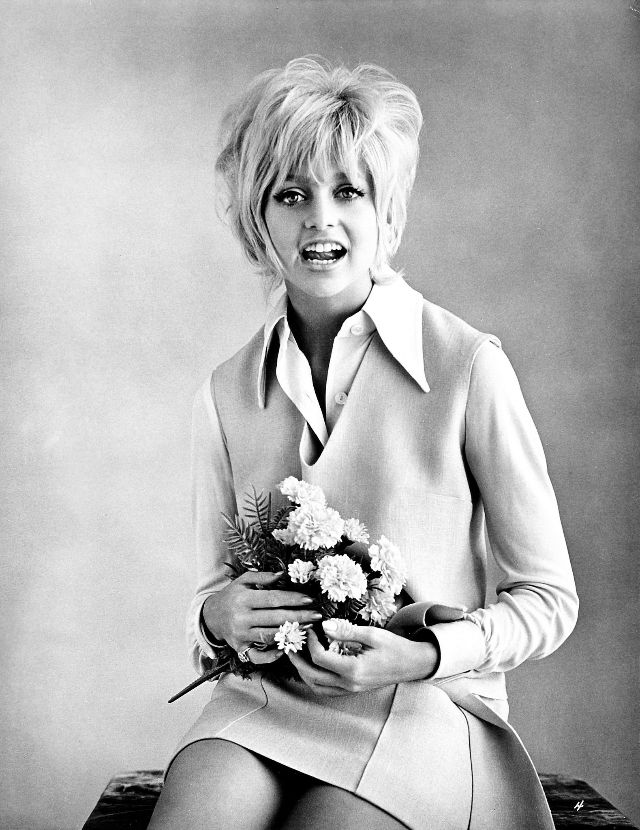
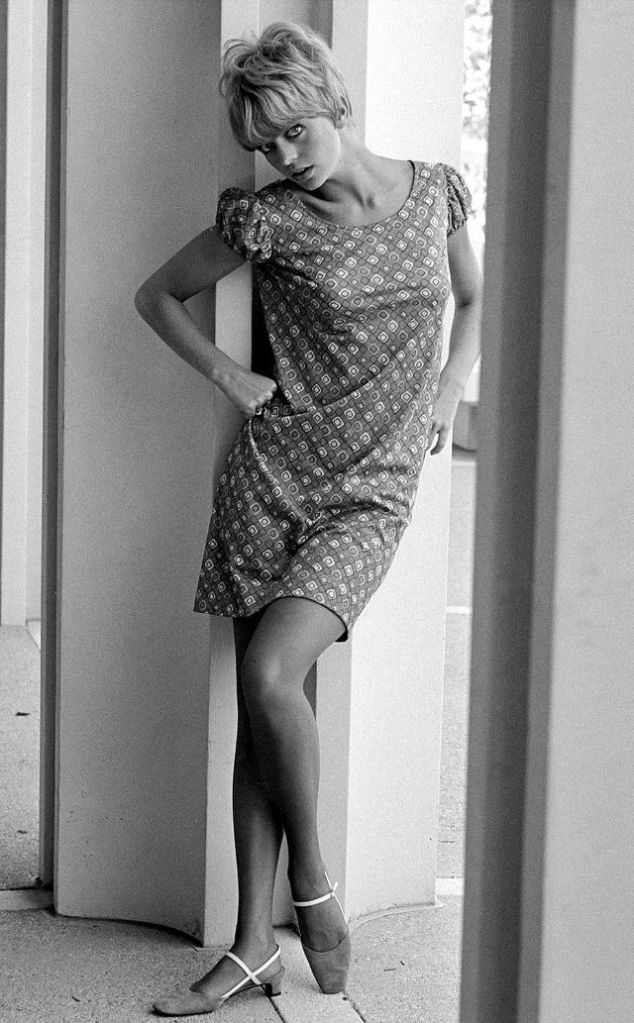
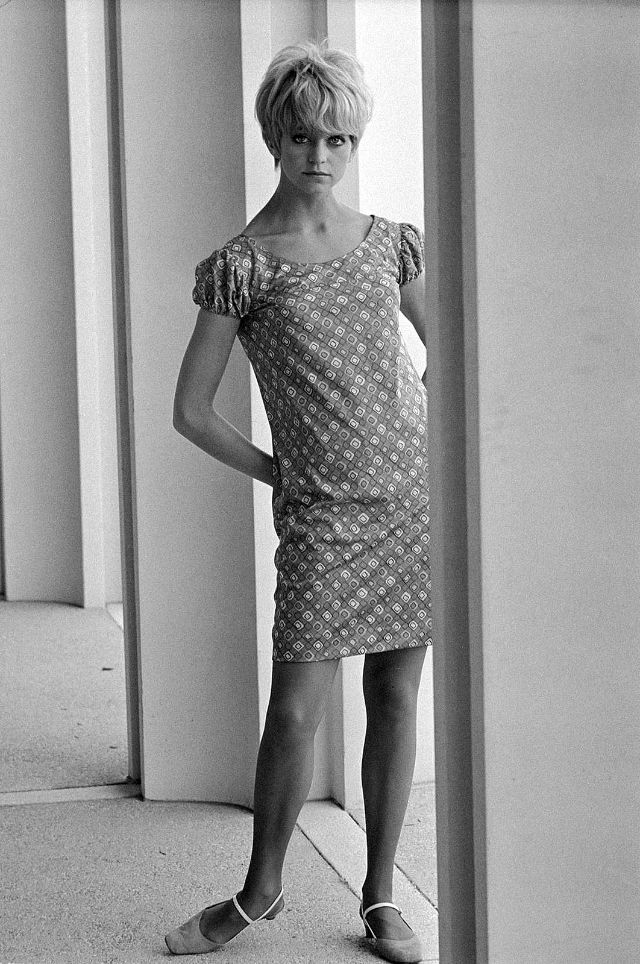
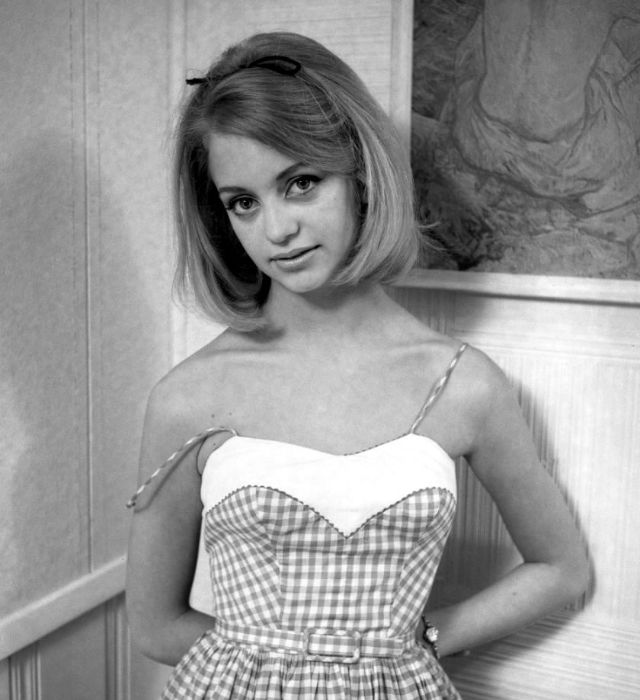
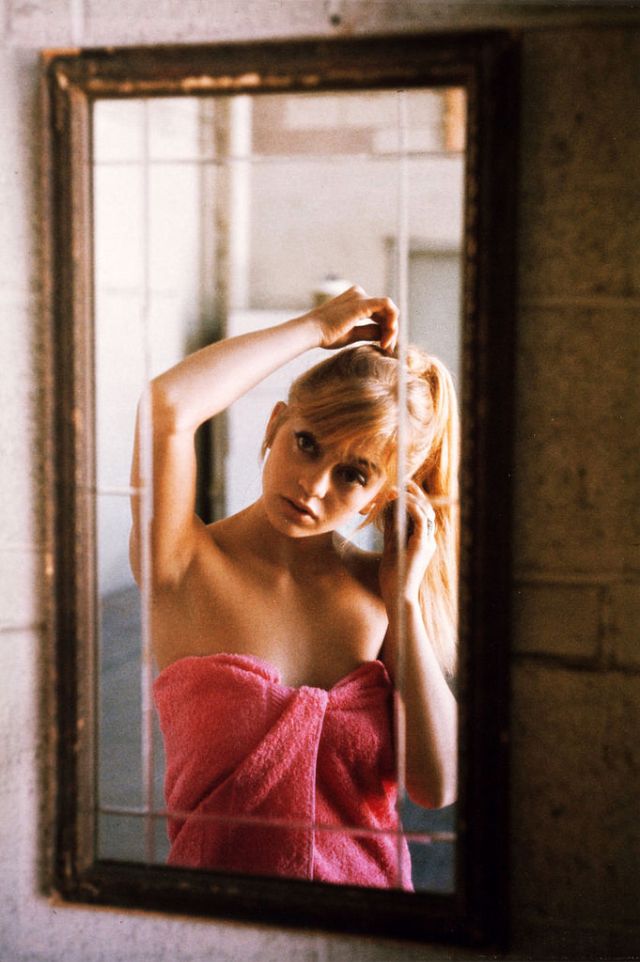
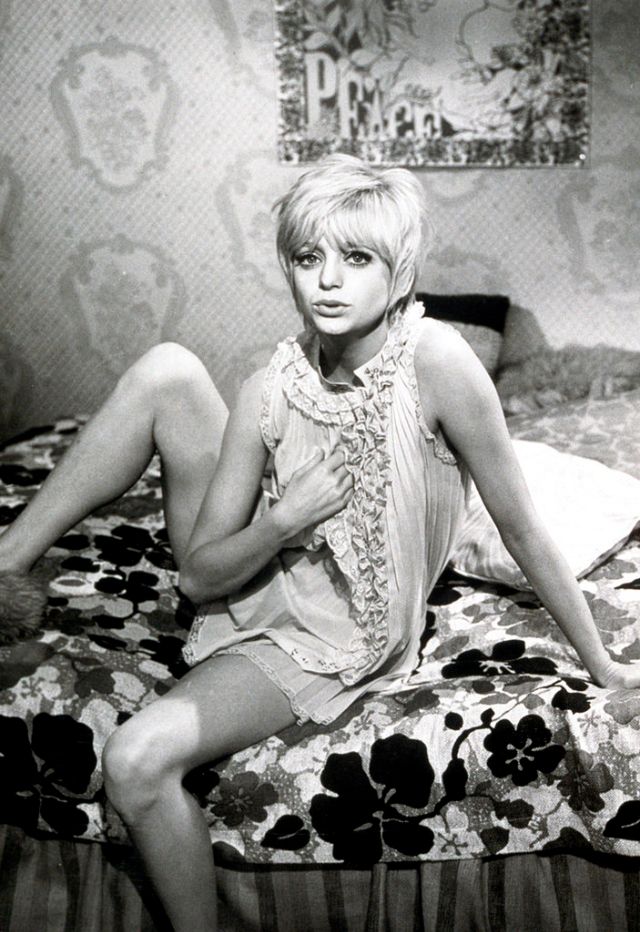
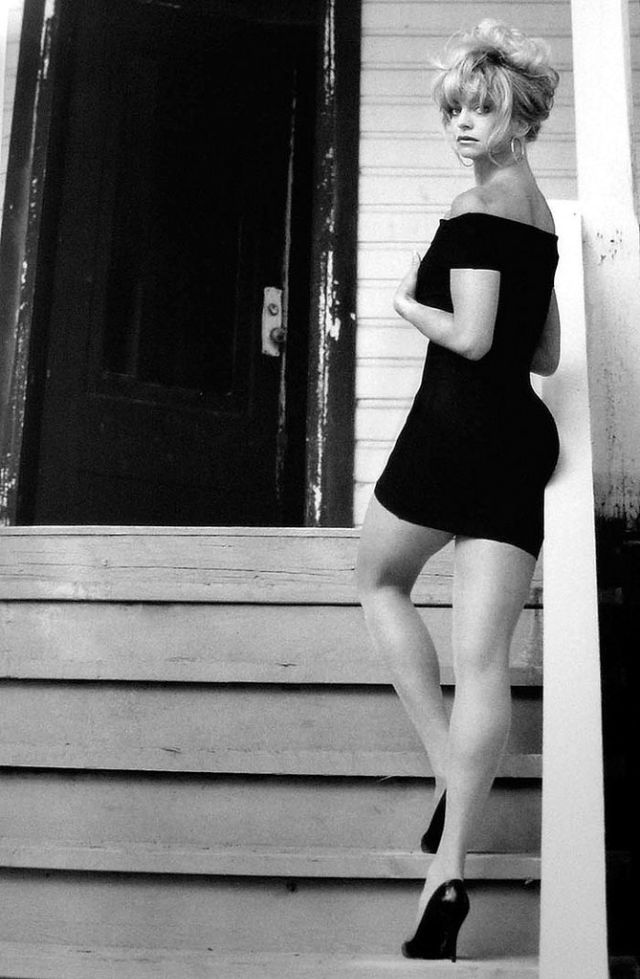
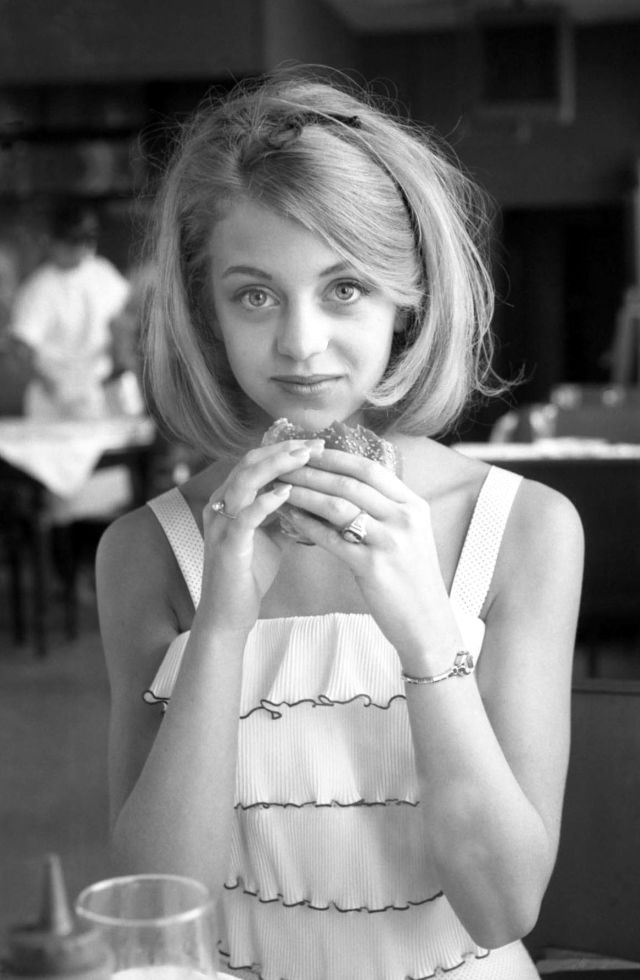
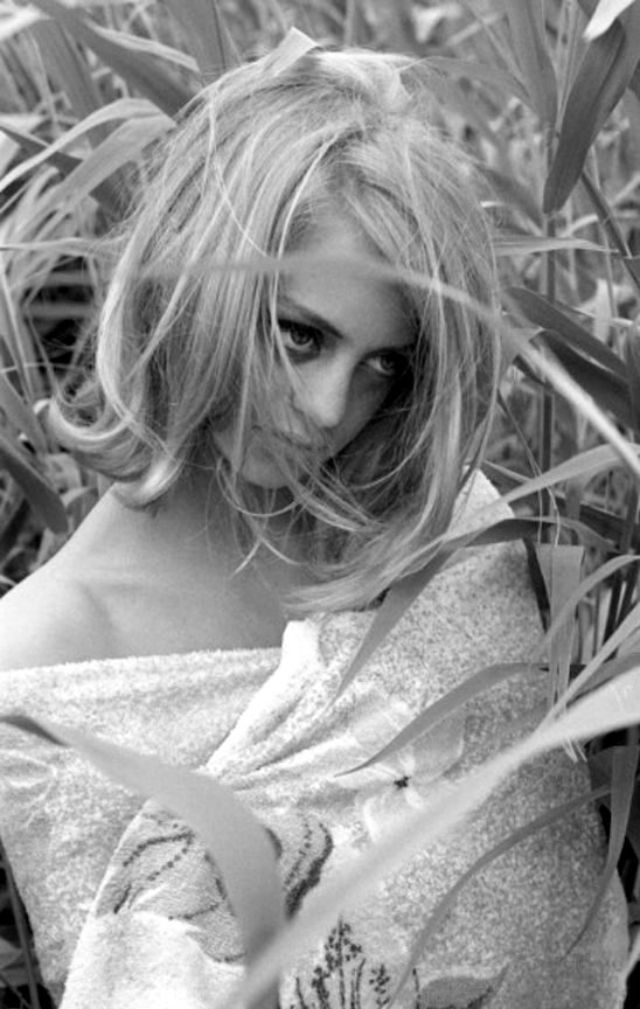
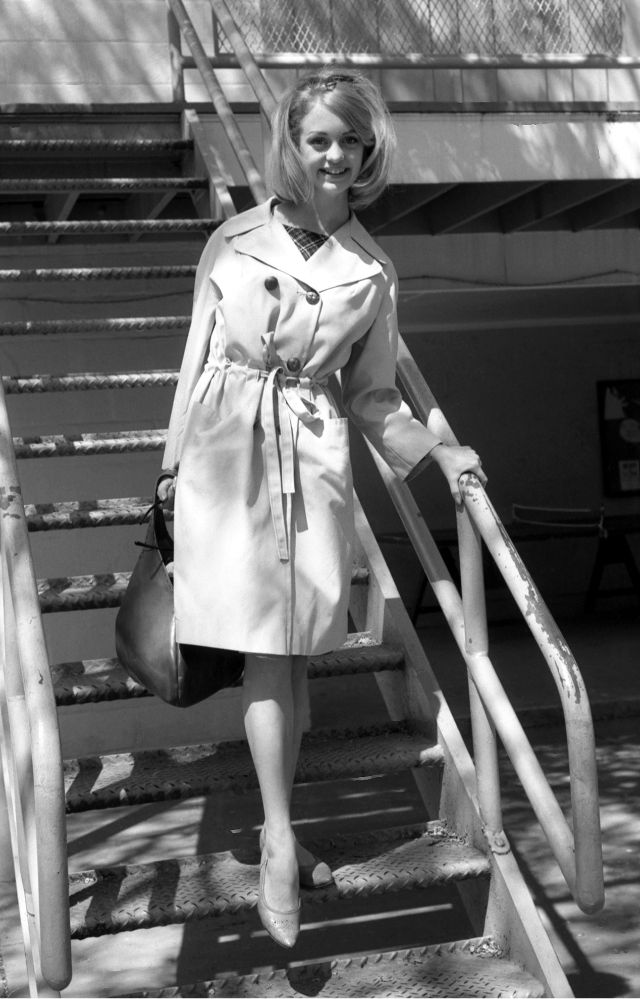
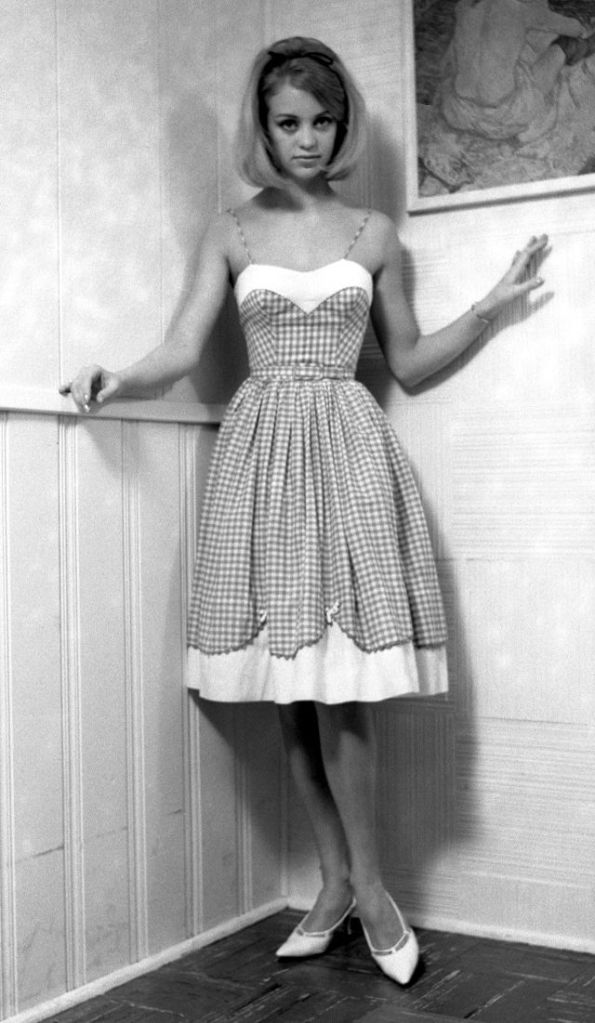
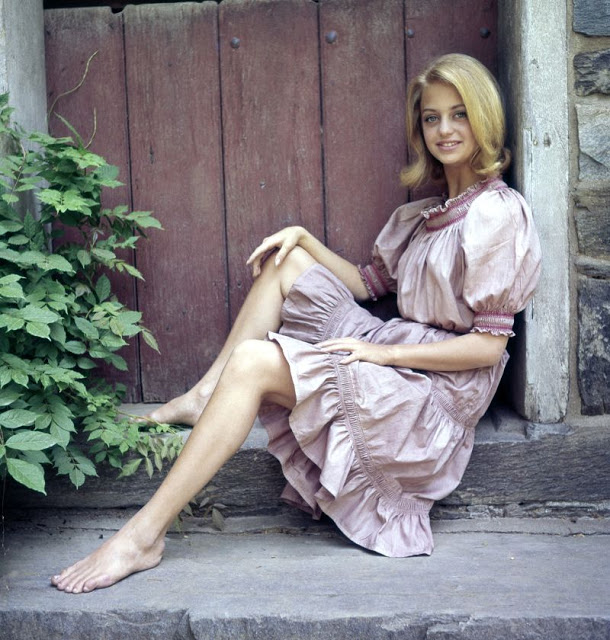
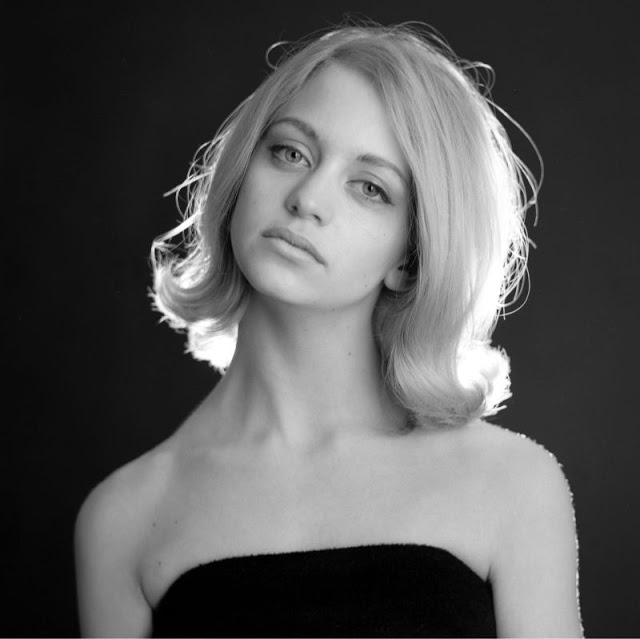
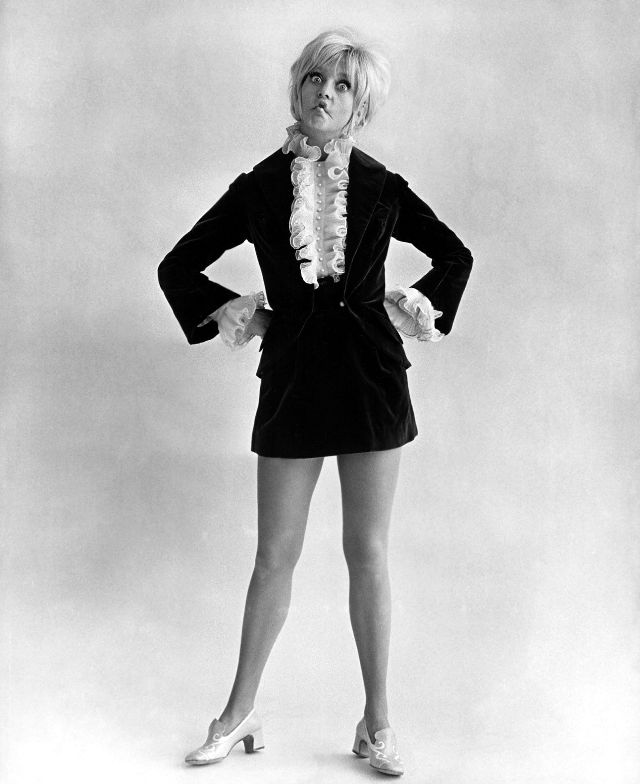
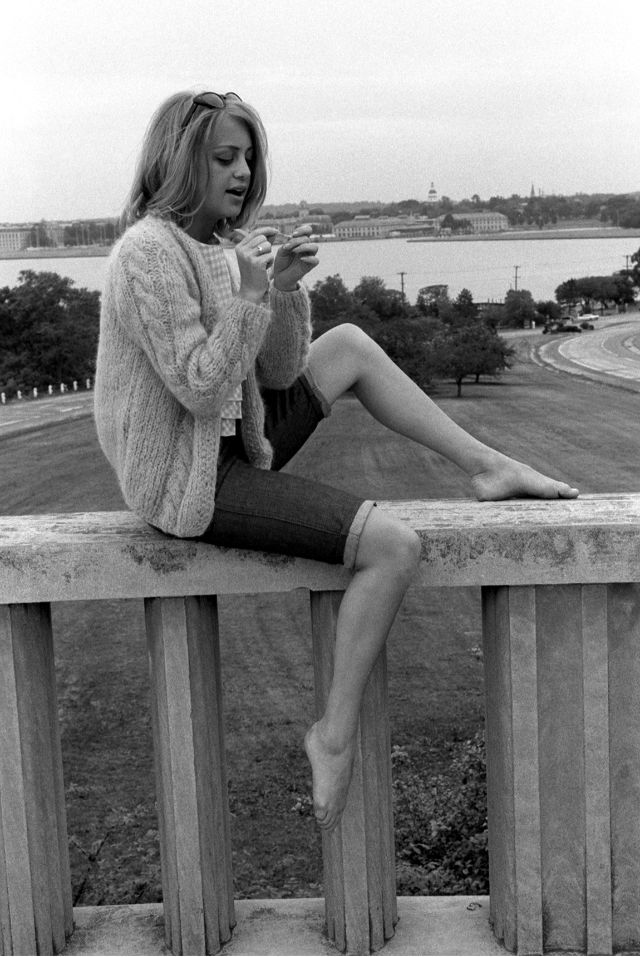
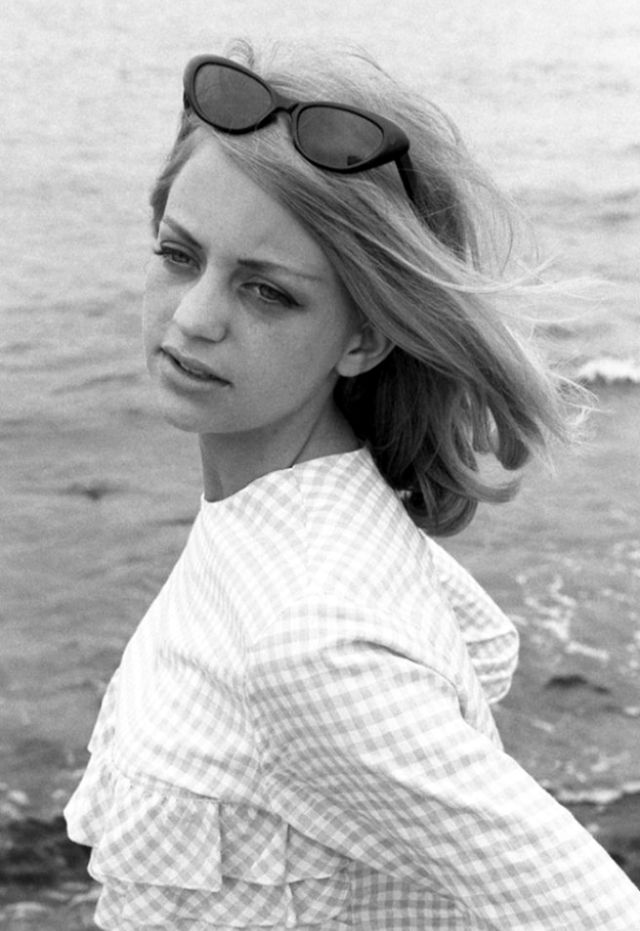
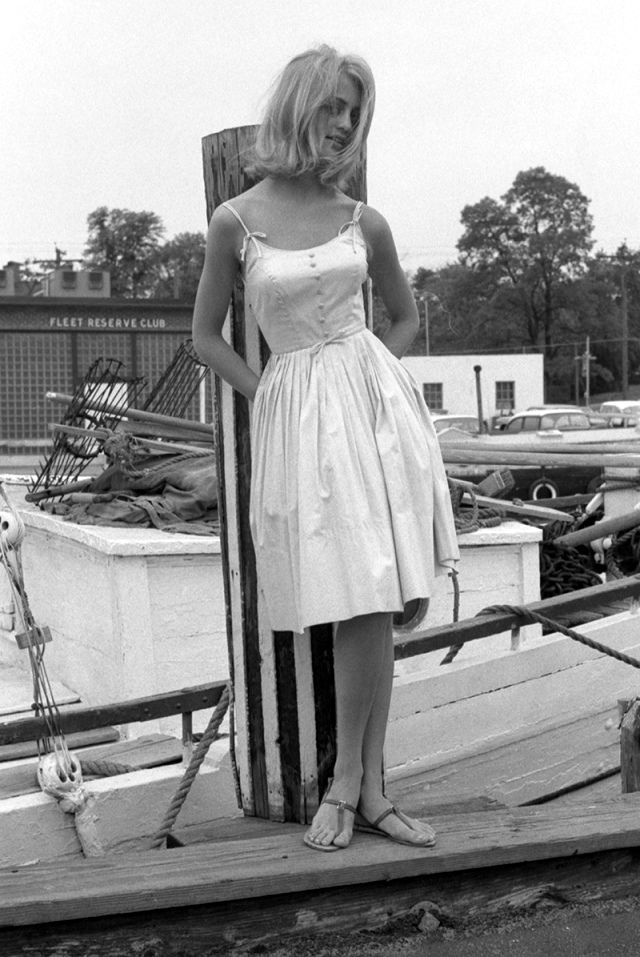
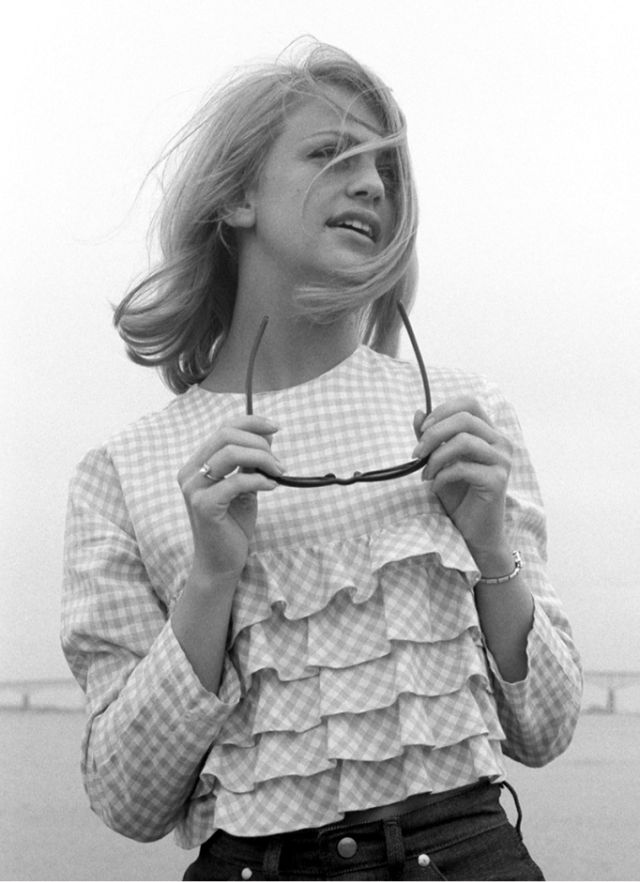
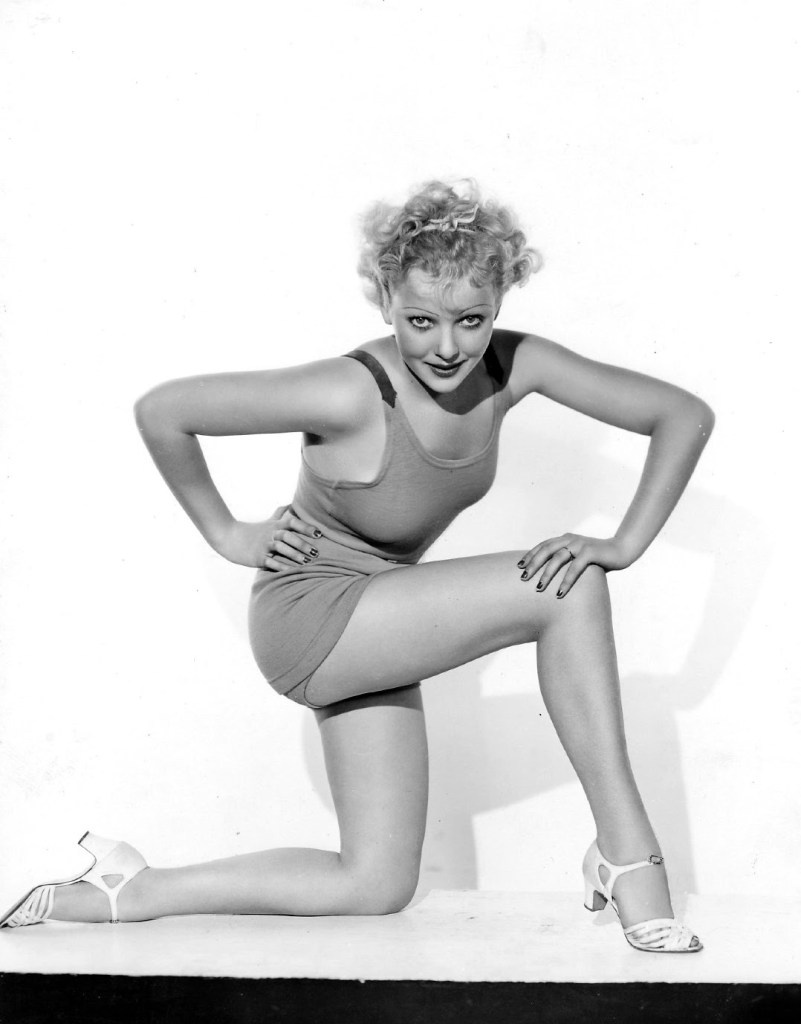
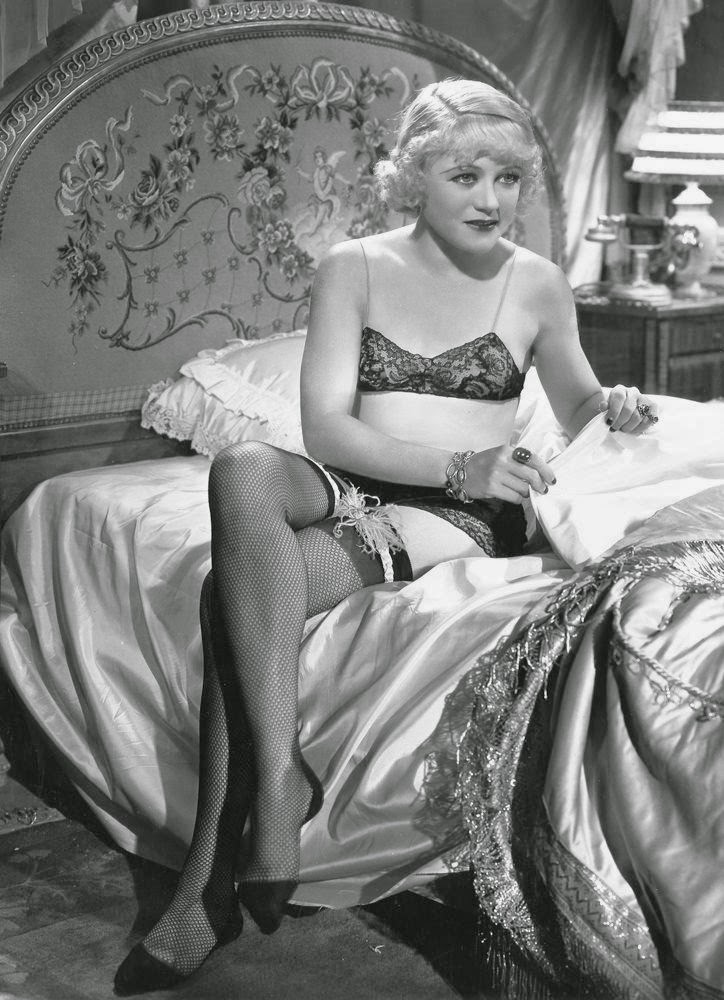
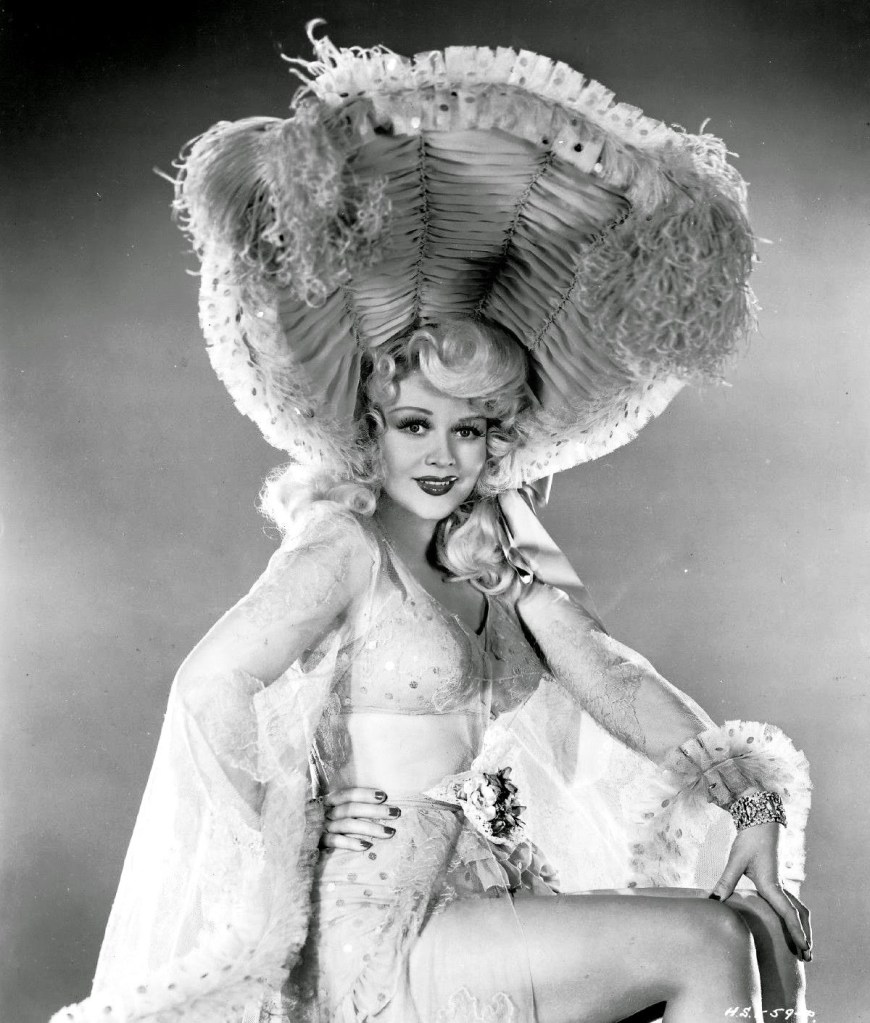
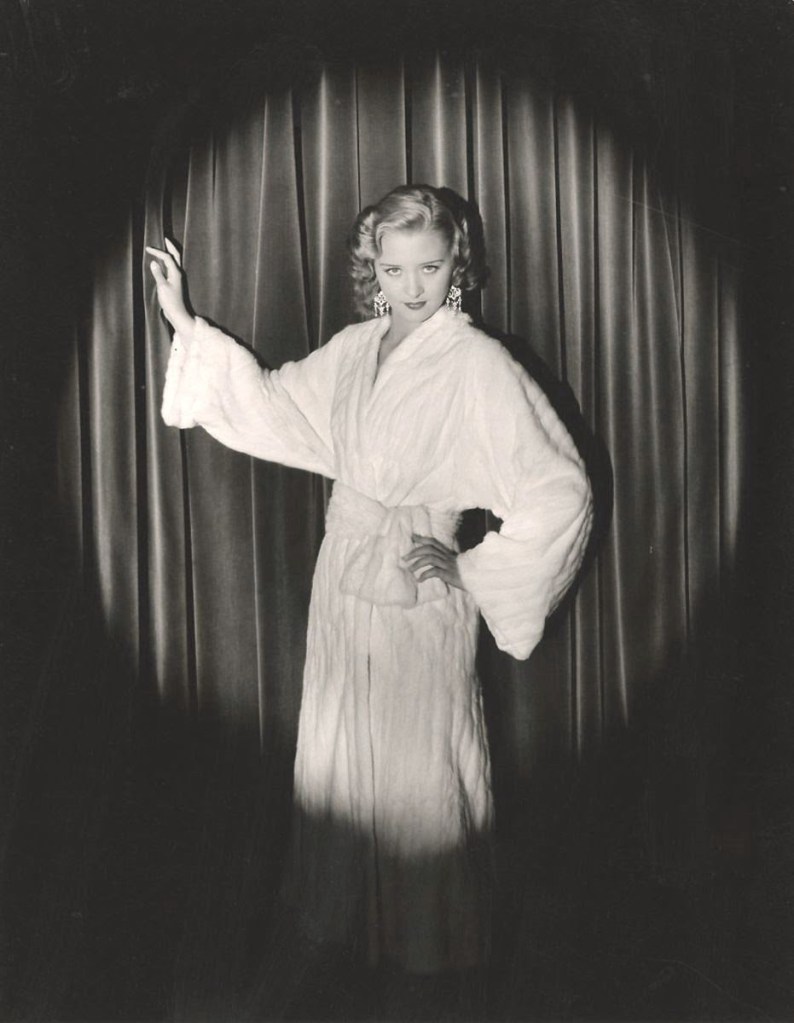
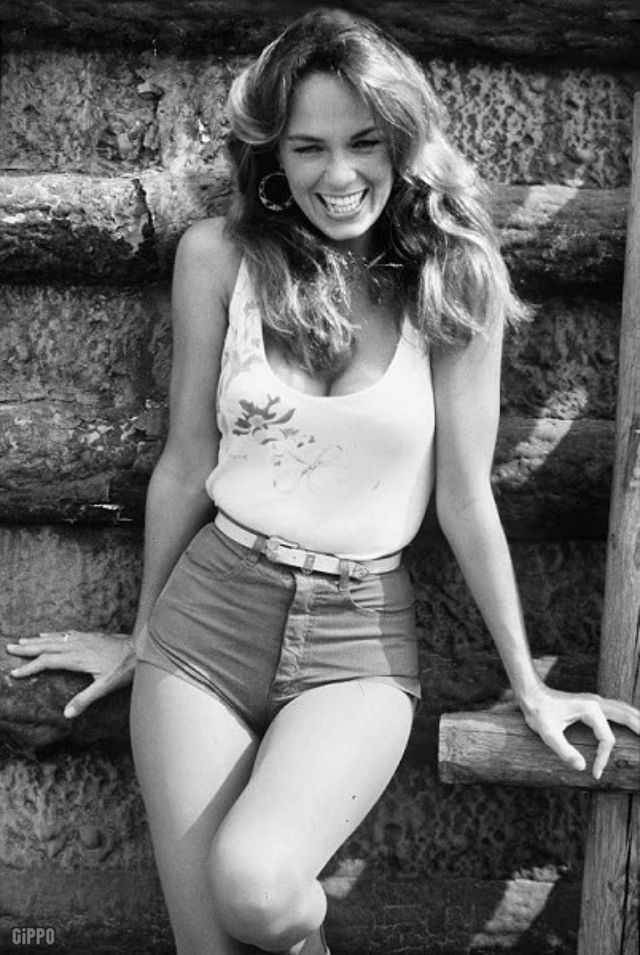
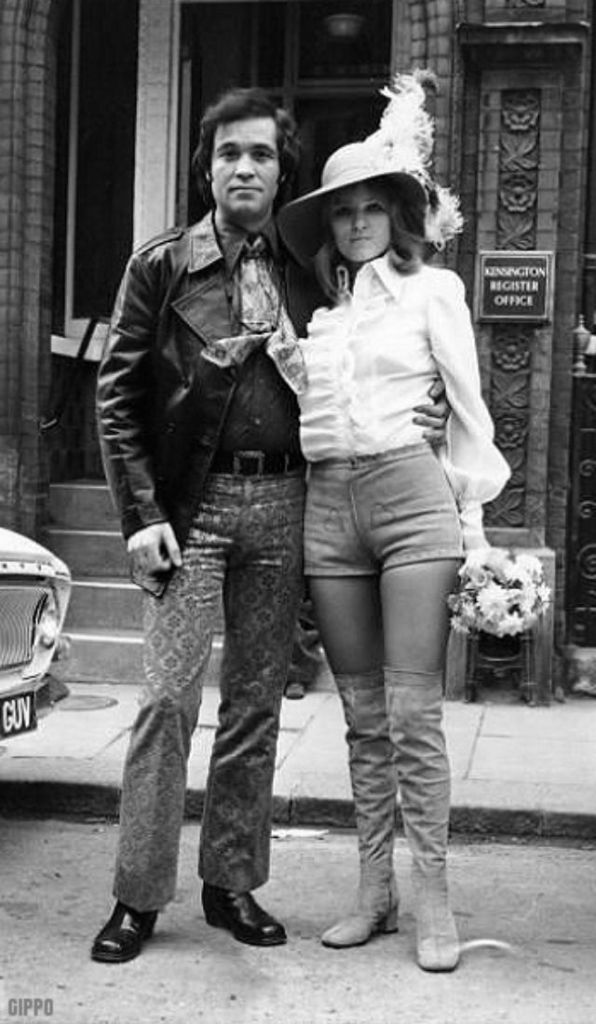
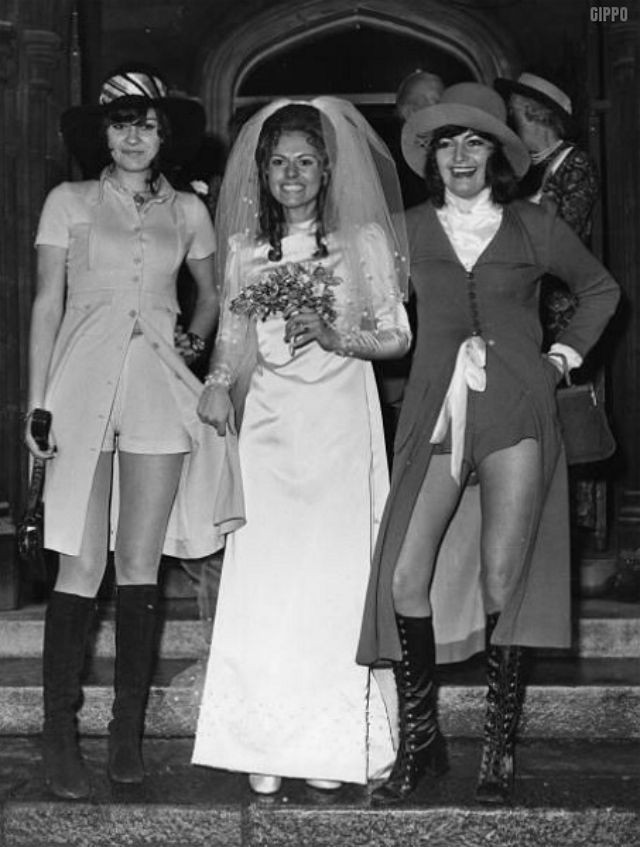
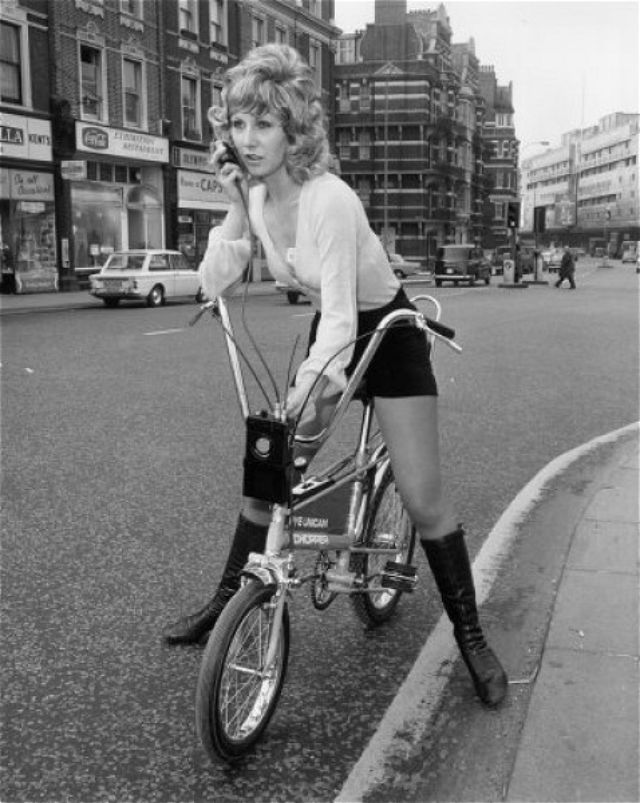
Marsha Hunt (born 1946) is an American actress, novelist, singer and former model, who has lived mostly in Britain and Ireland. She achieved national fame when she appeared in London as Dionne in the long-running rock musical Hair. She had close relationships with Marc Bolan and Mick Jagger, and became Mick’s inspiration for his song ‘Brown Sugar’.
These amazing vintage photographs captured a young Marsha Hunt from between the late 1960s and early 1970s.
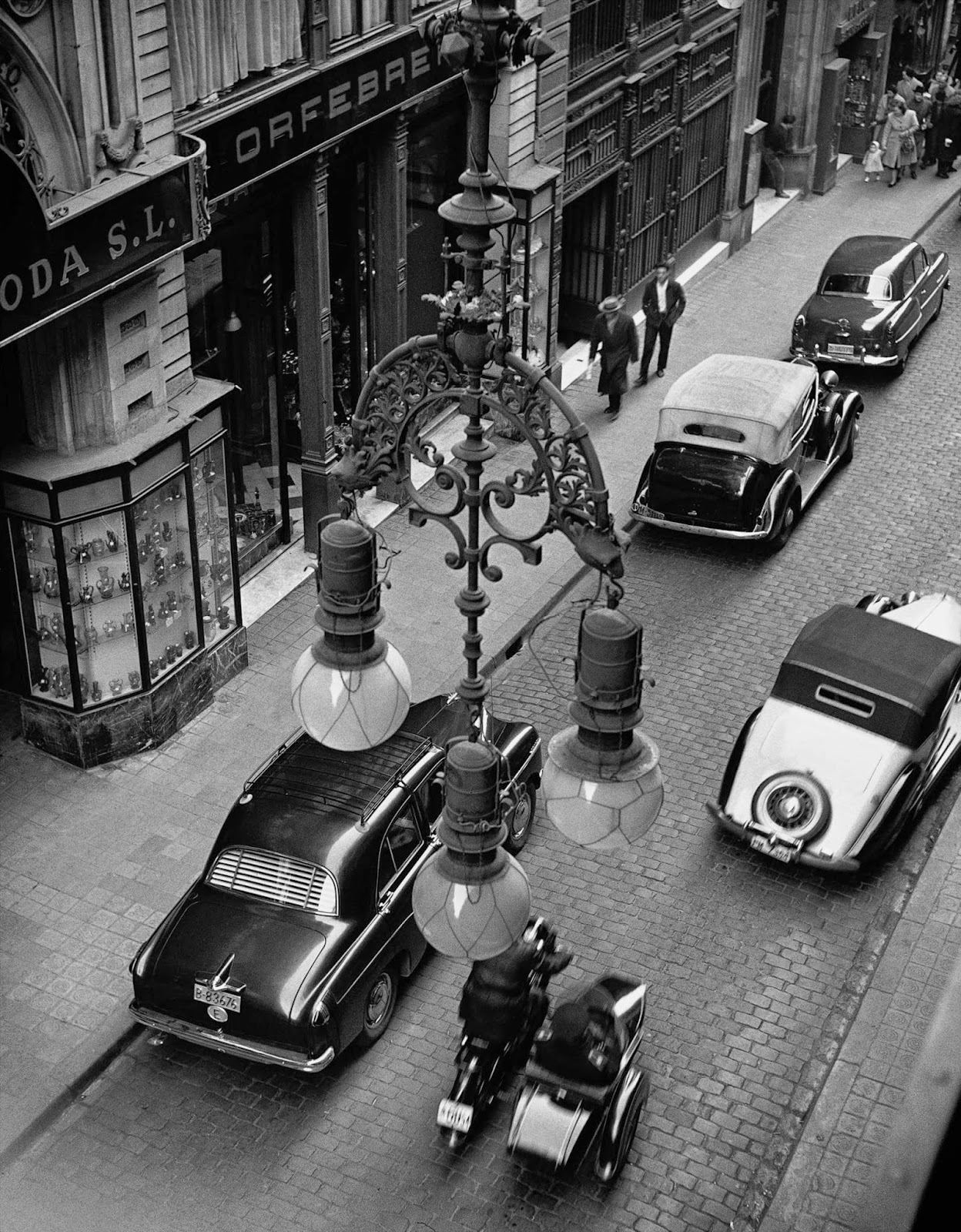
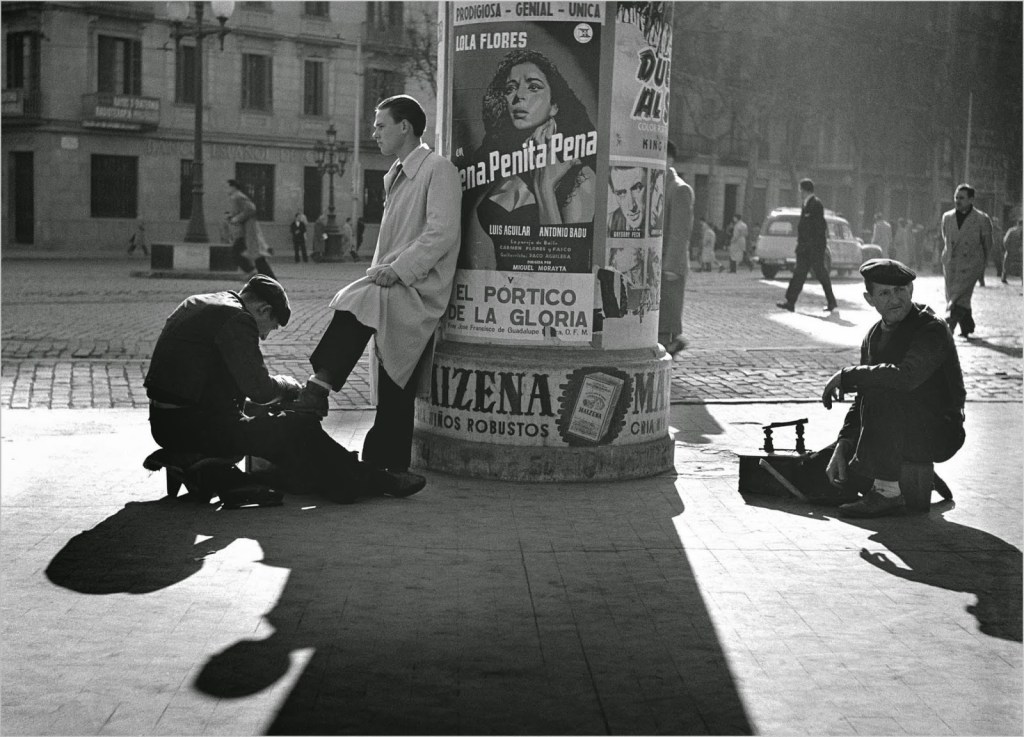
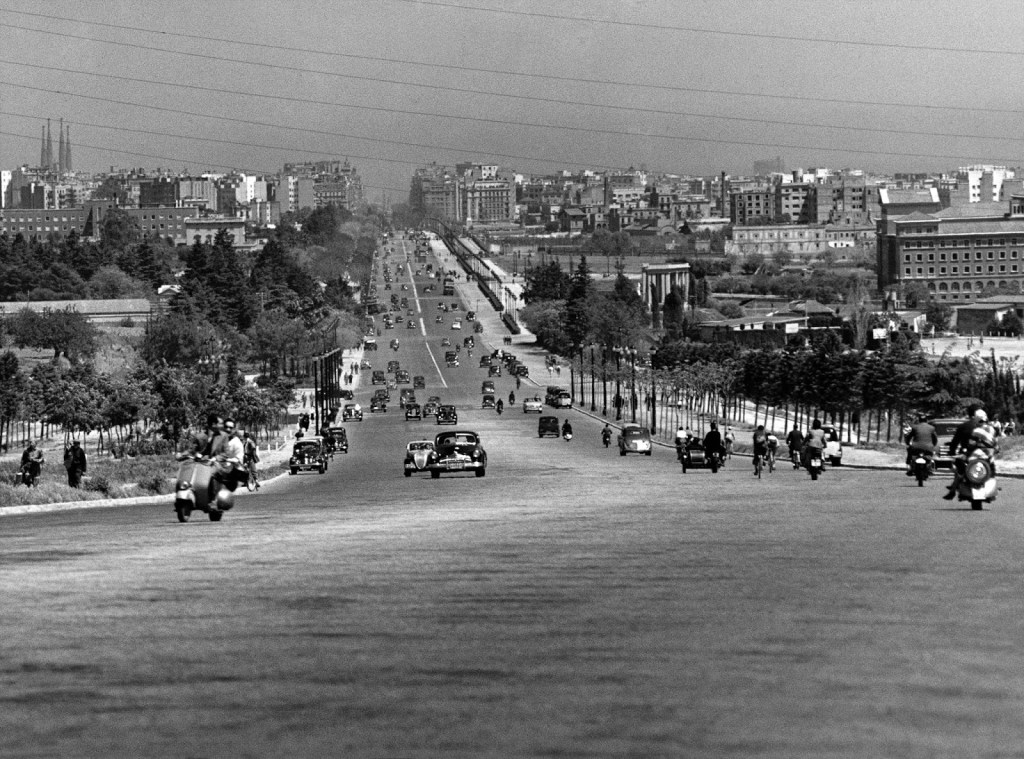
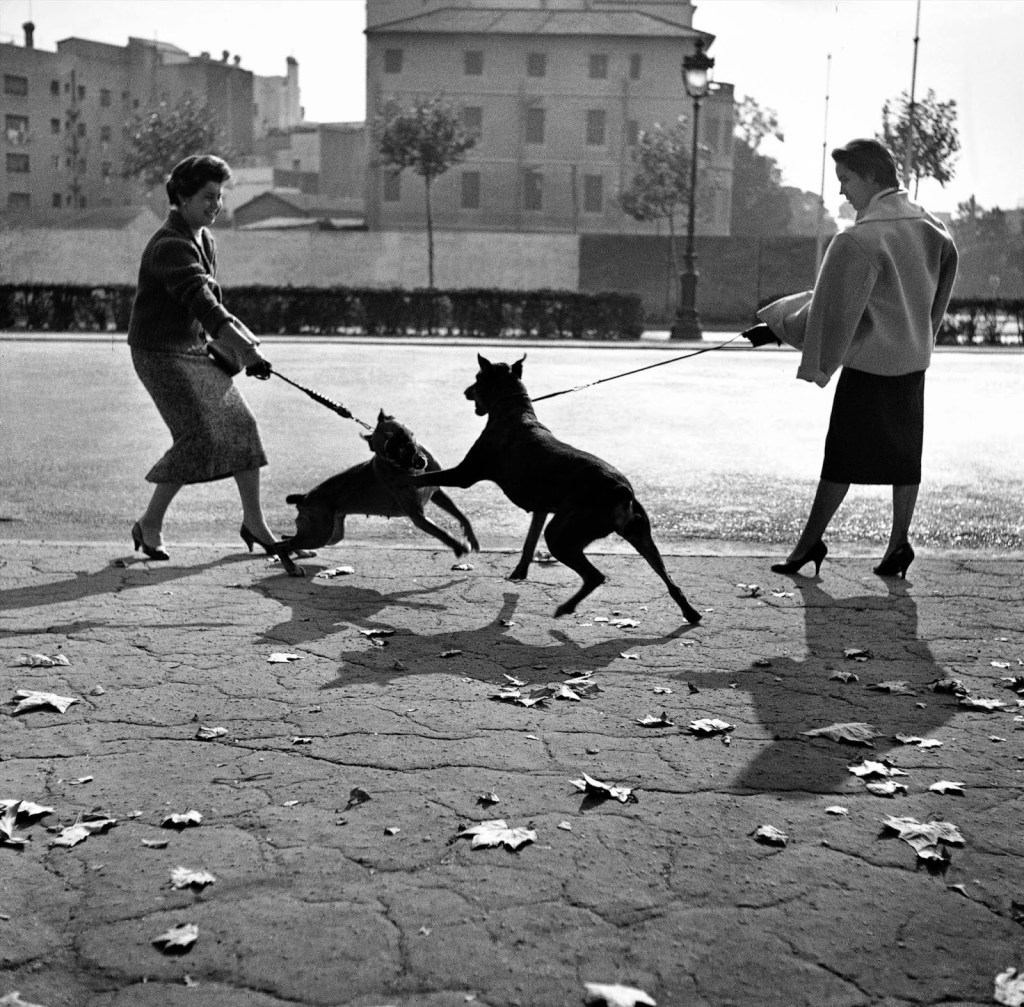
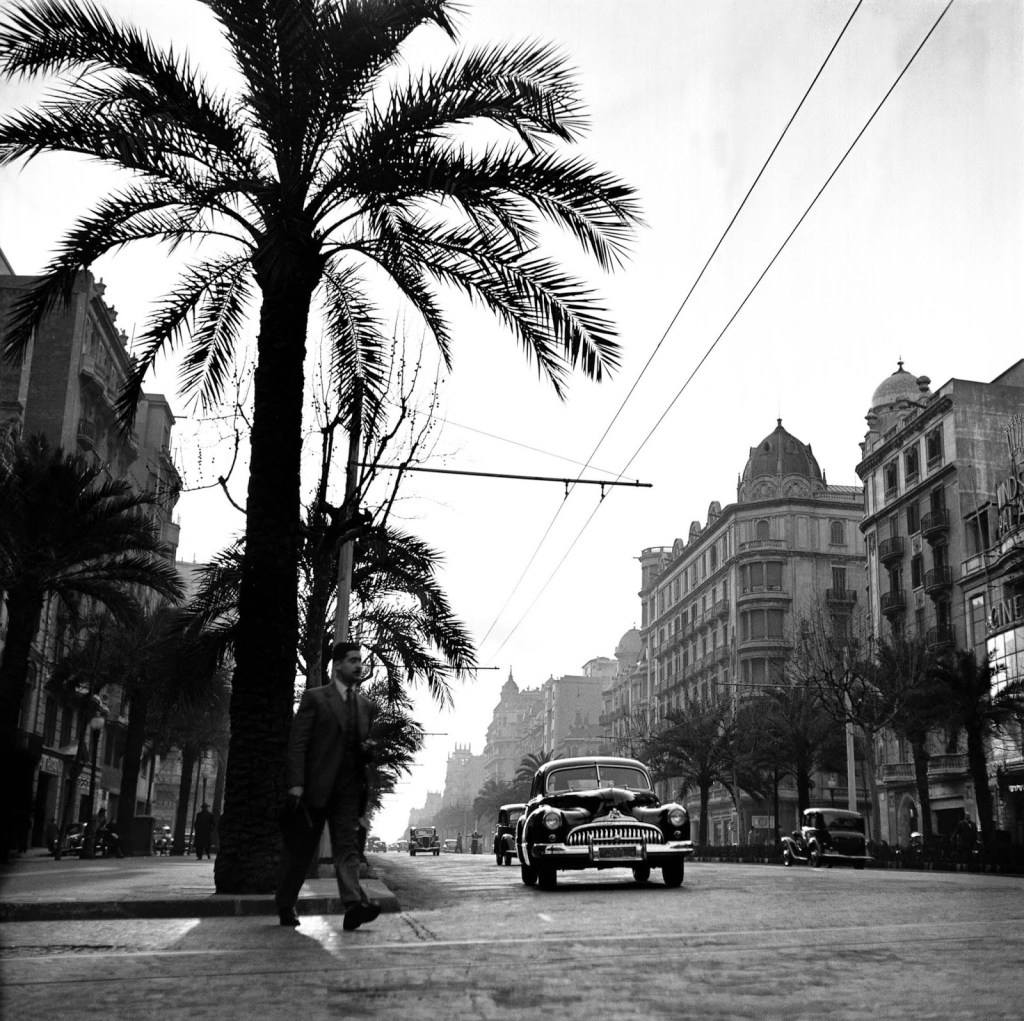
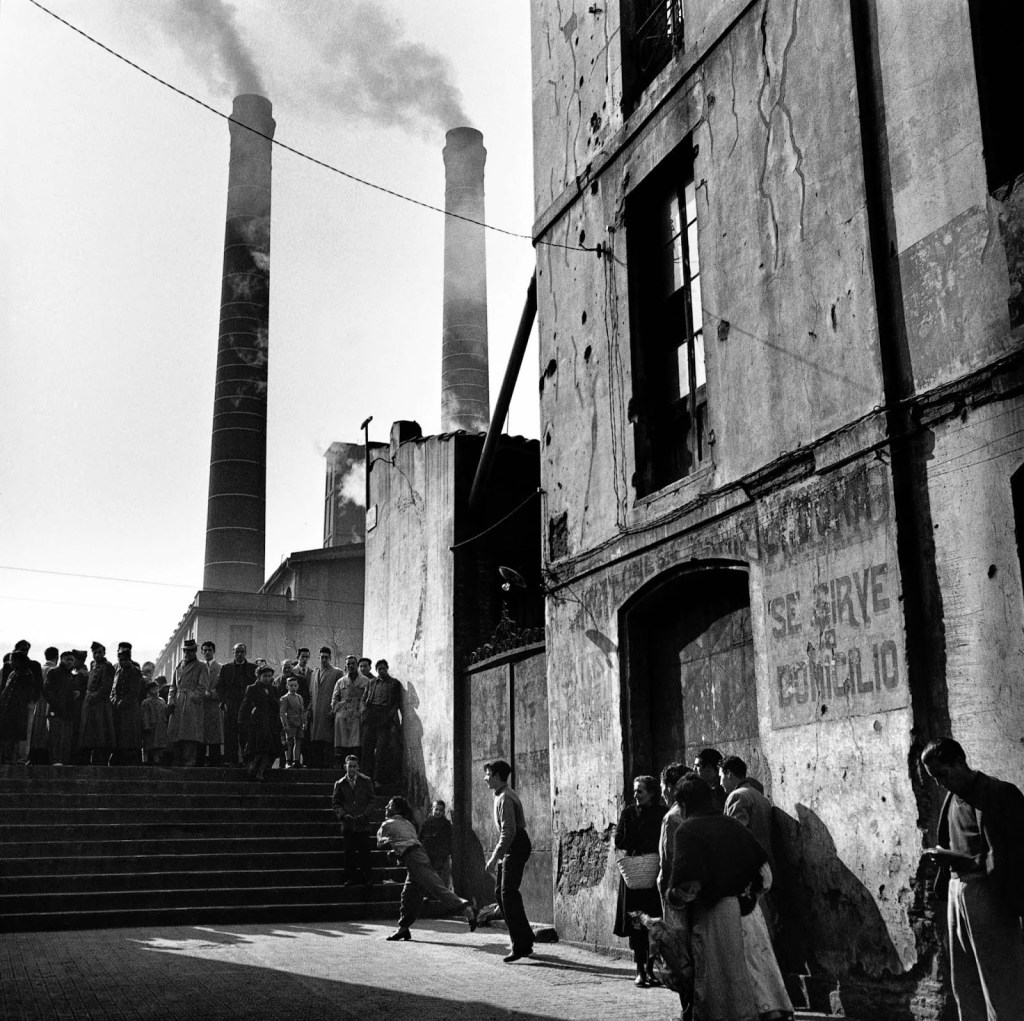
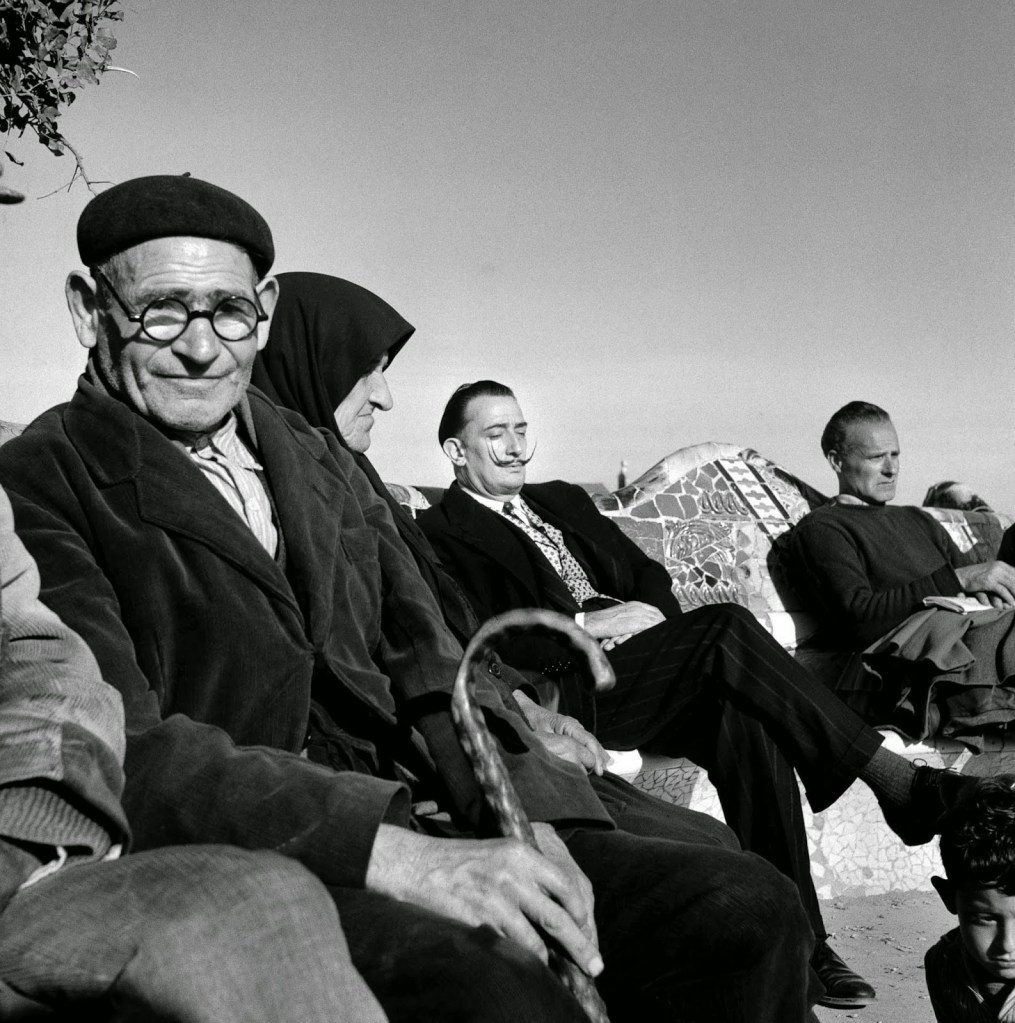
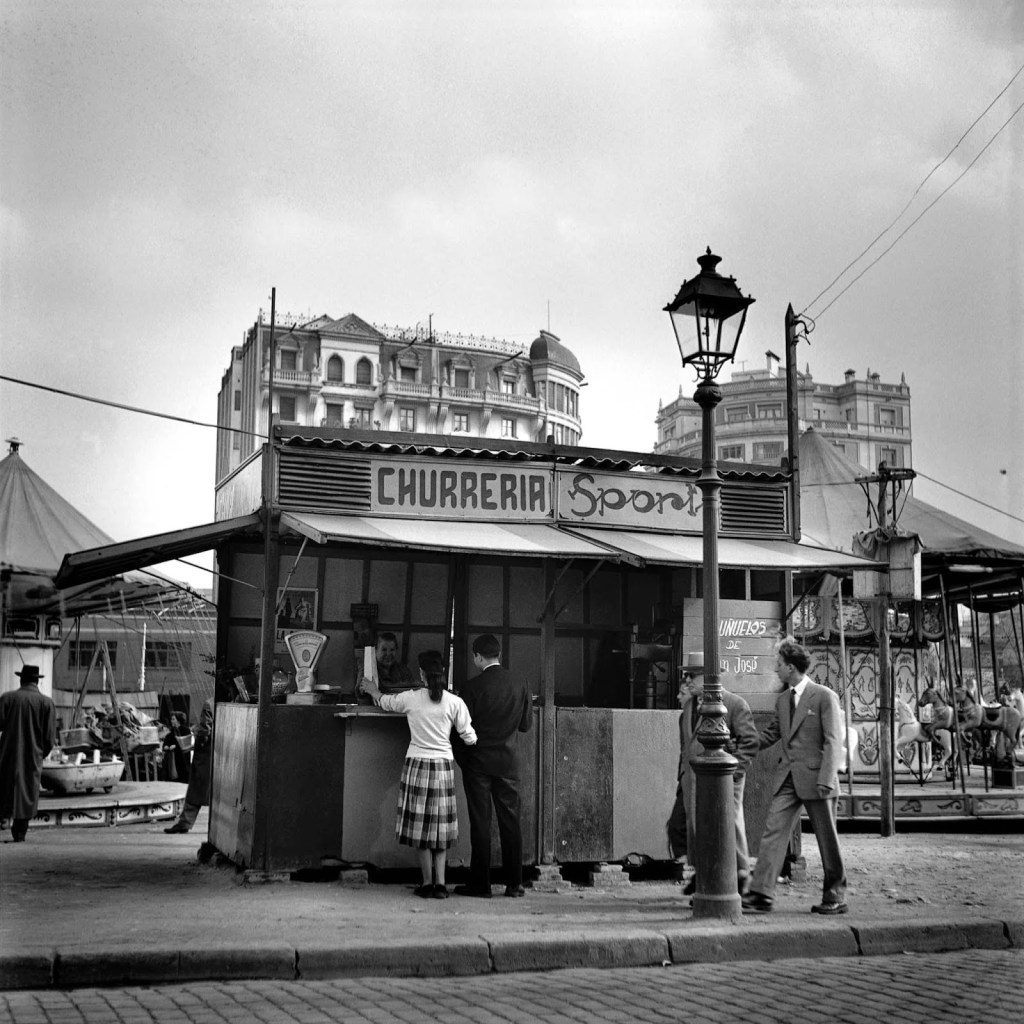
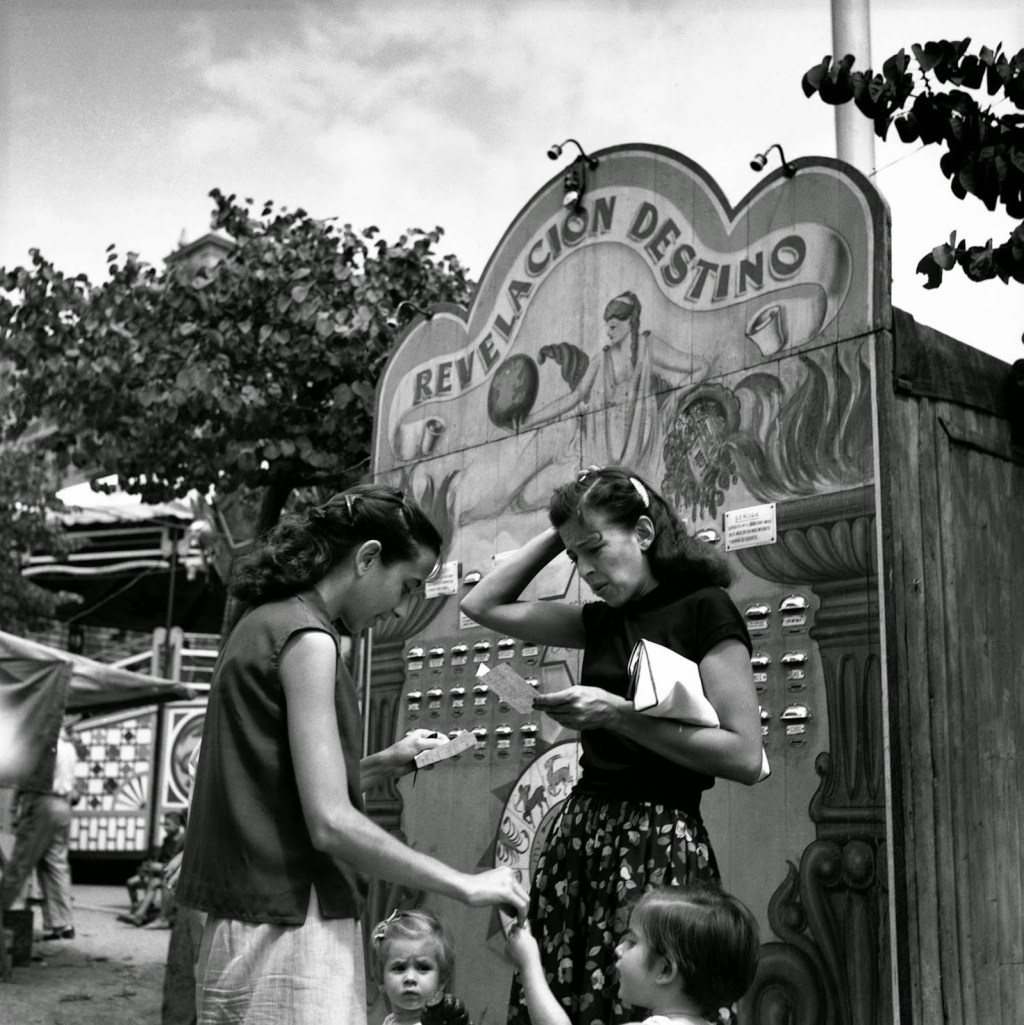
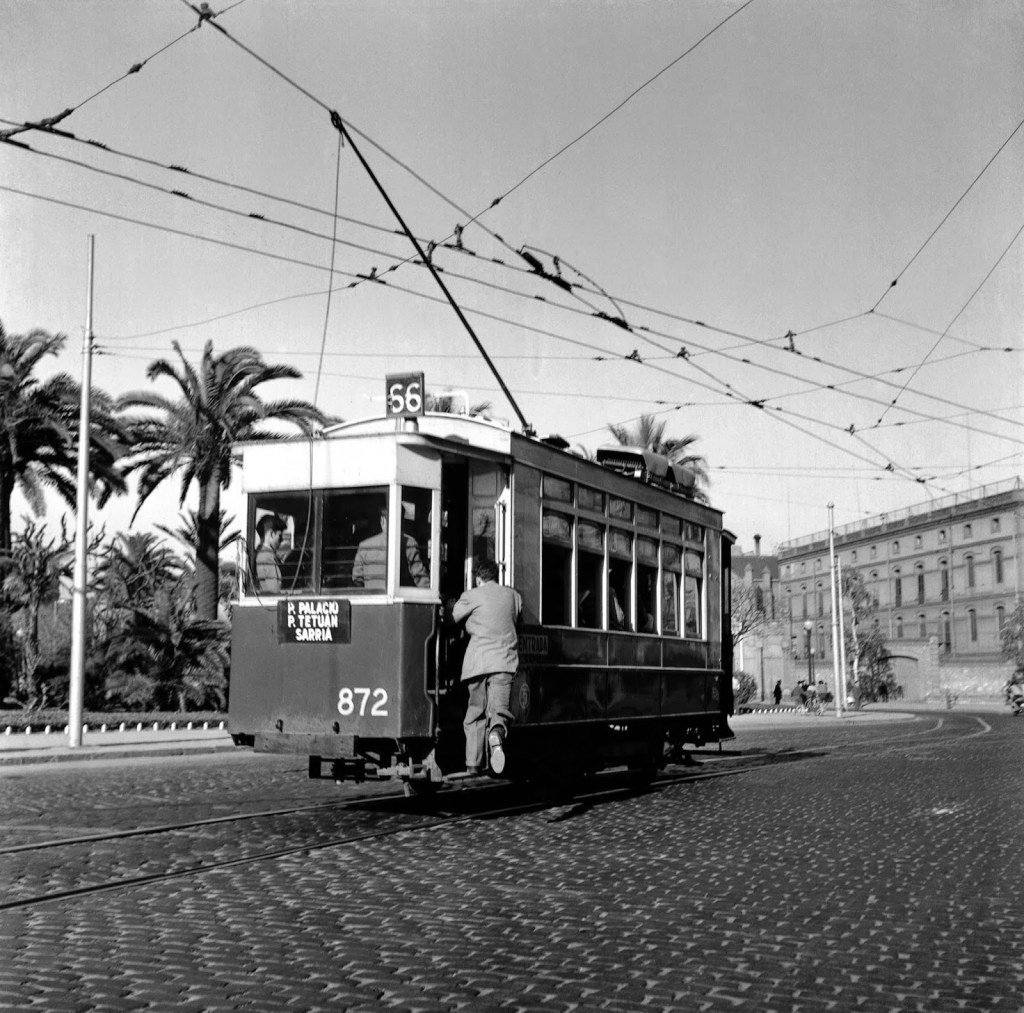
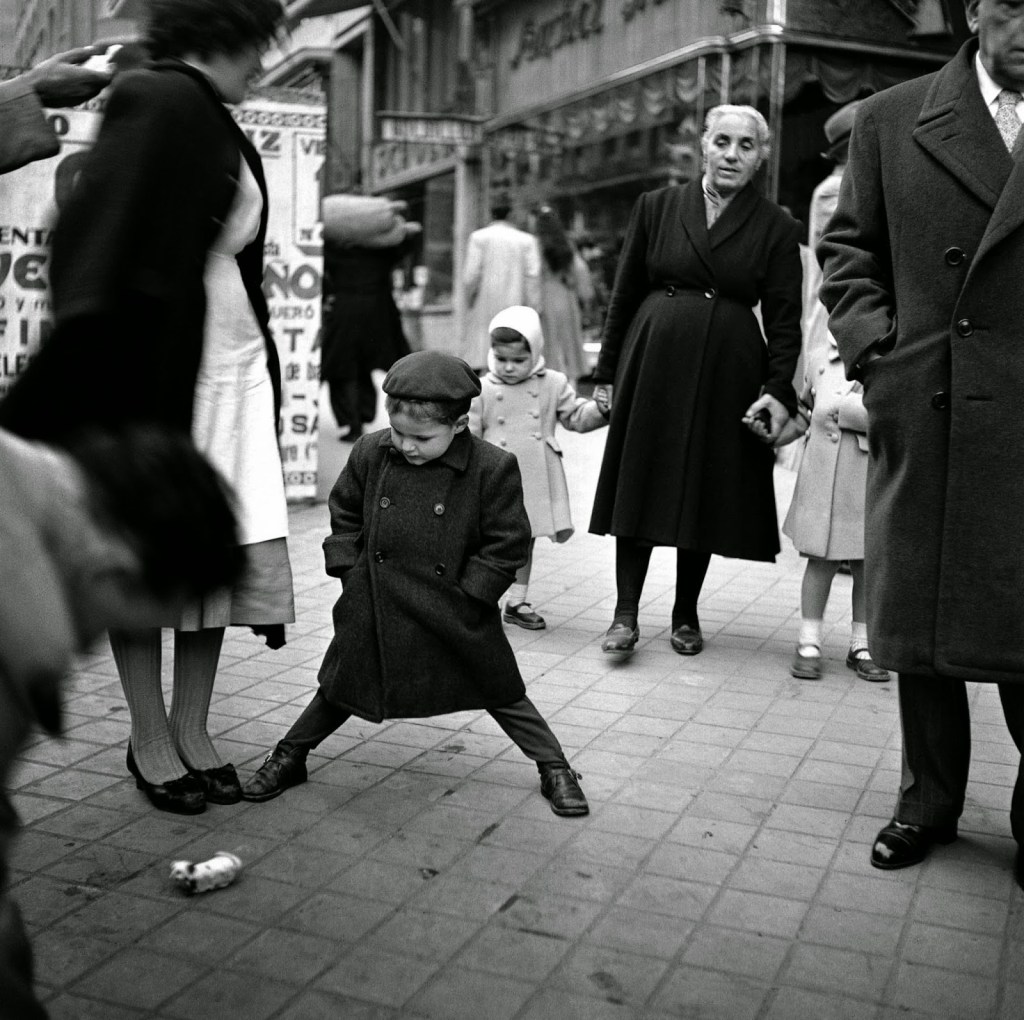
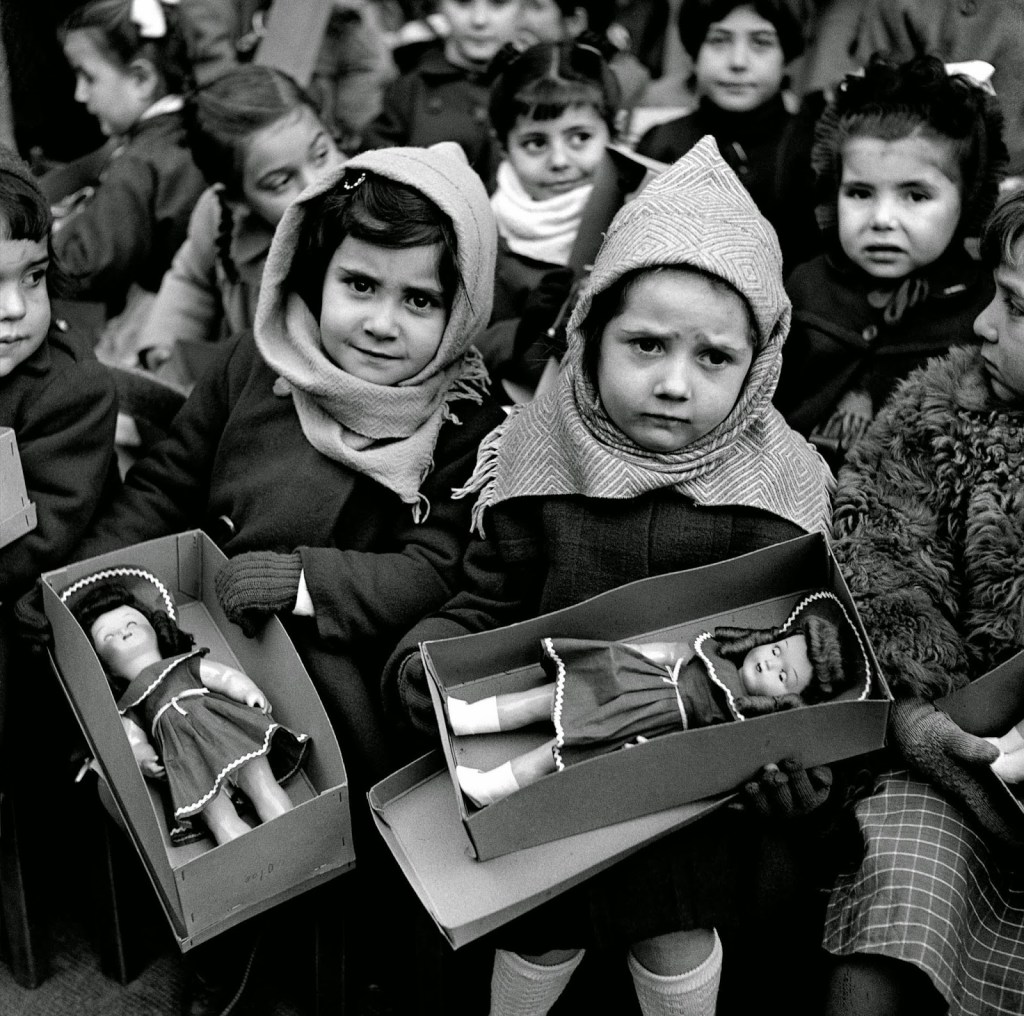
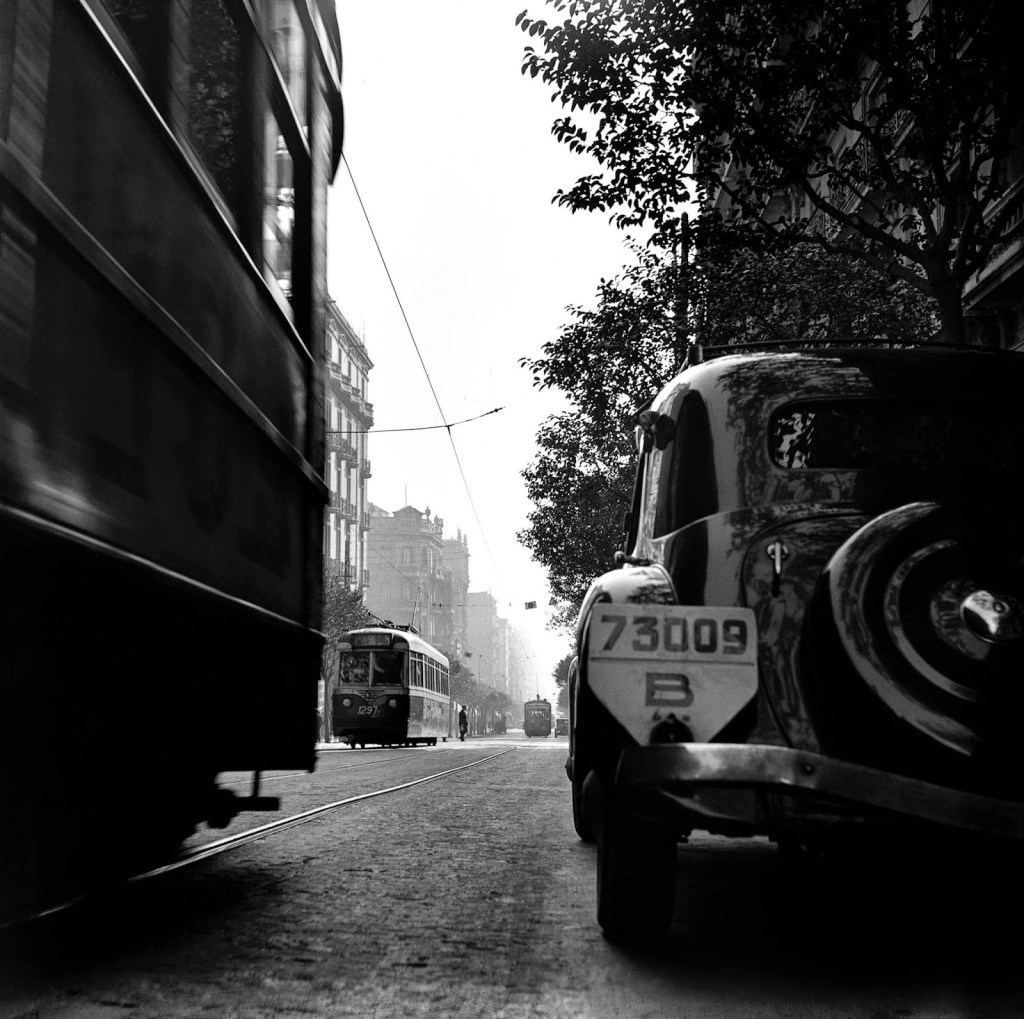
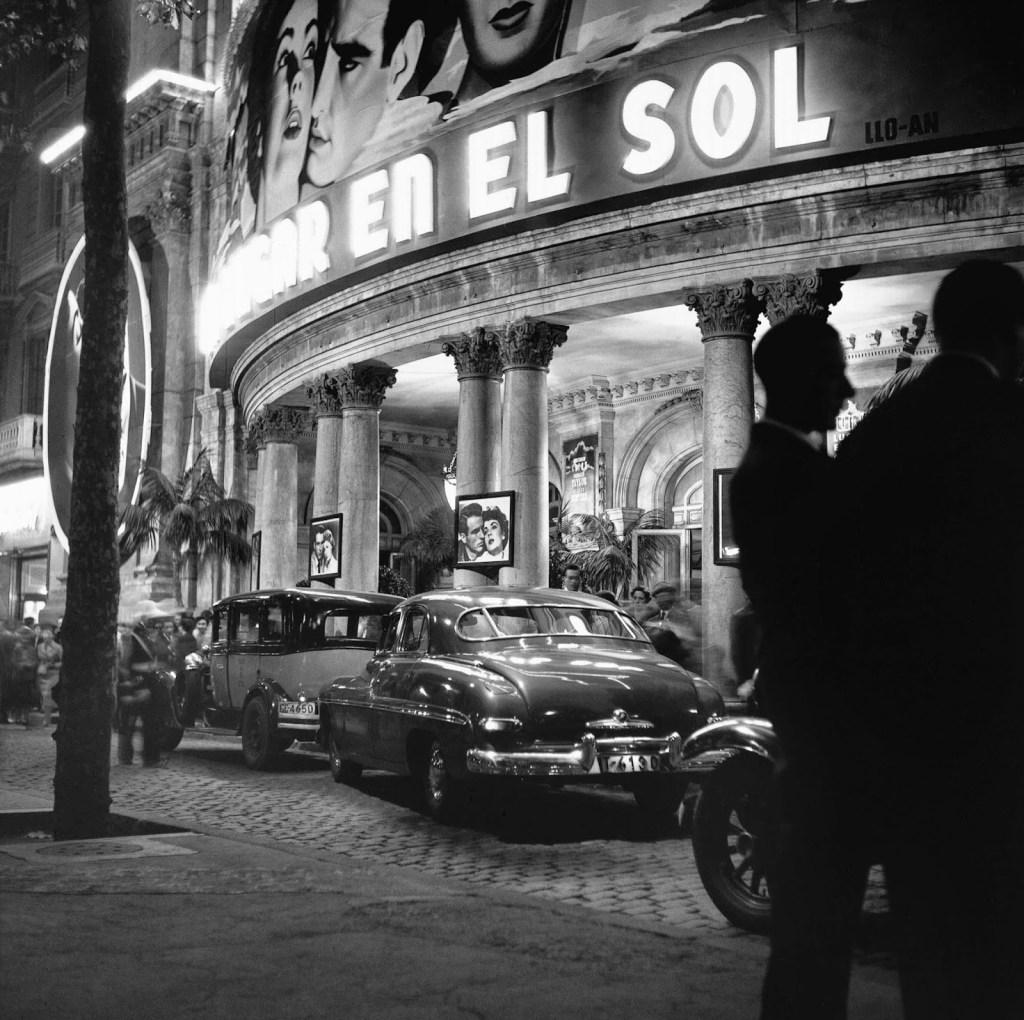
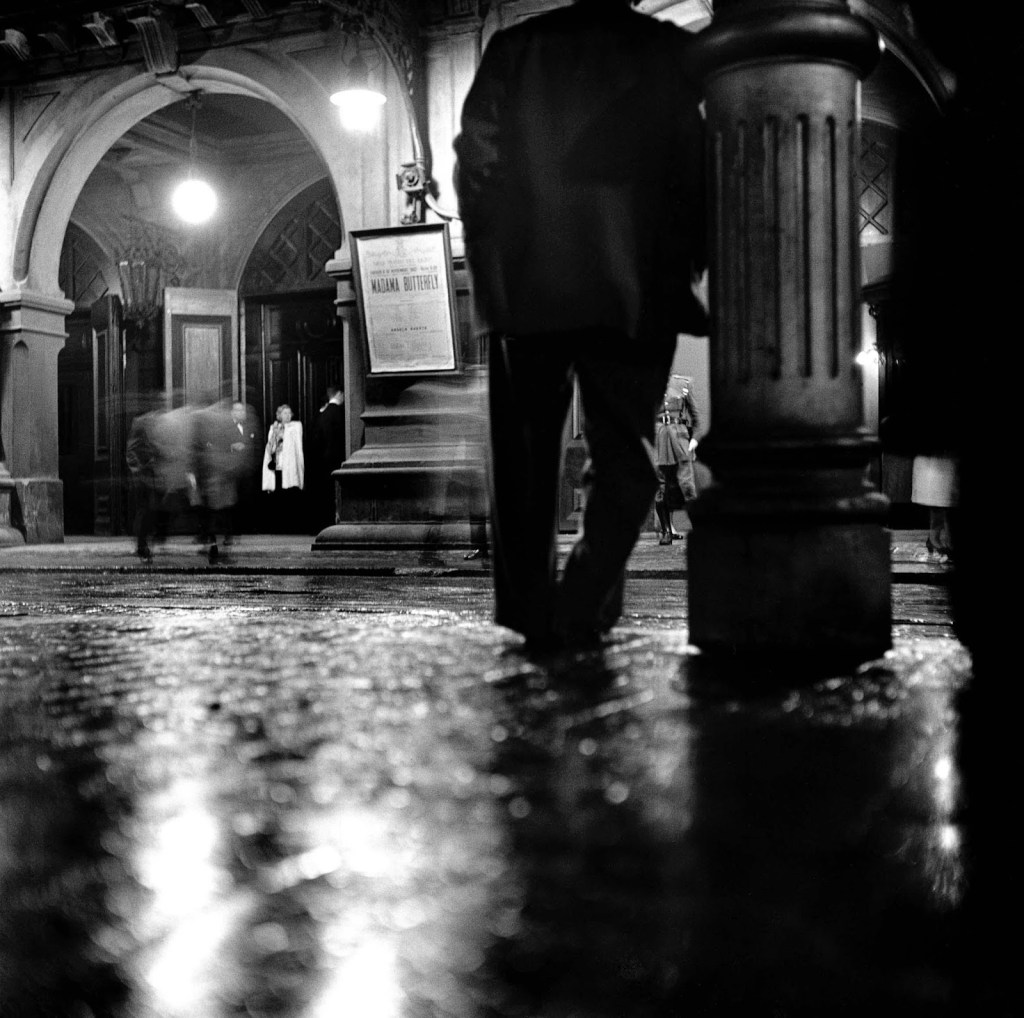
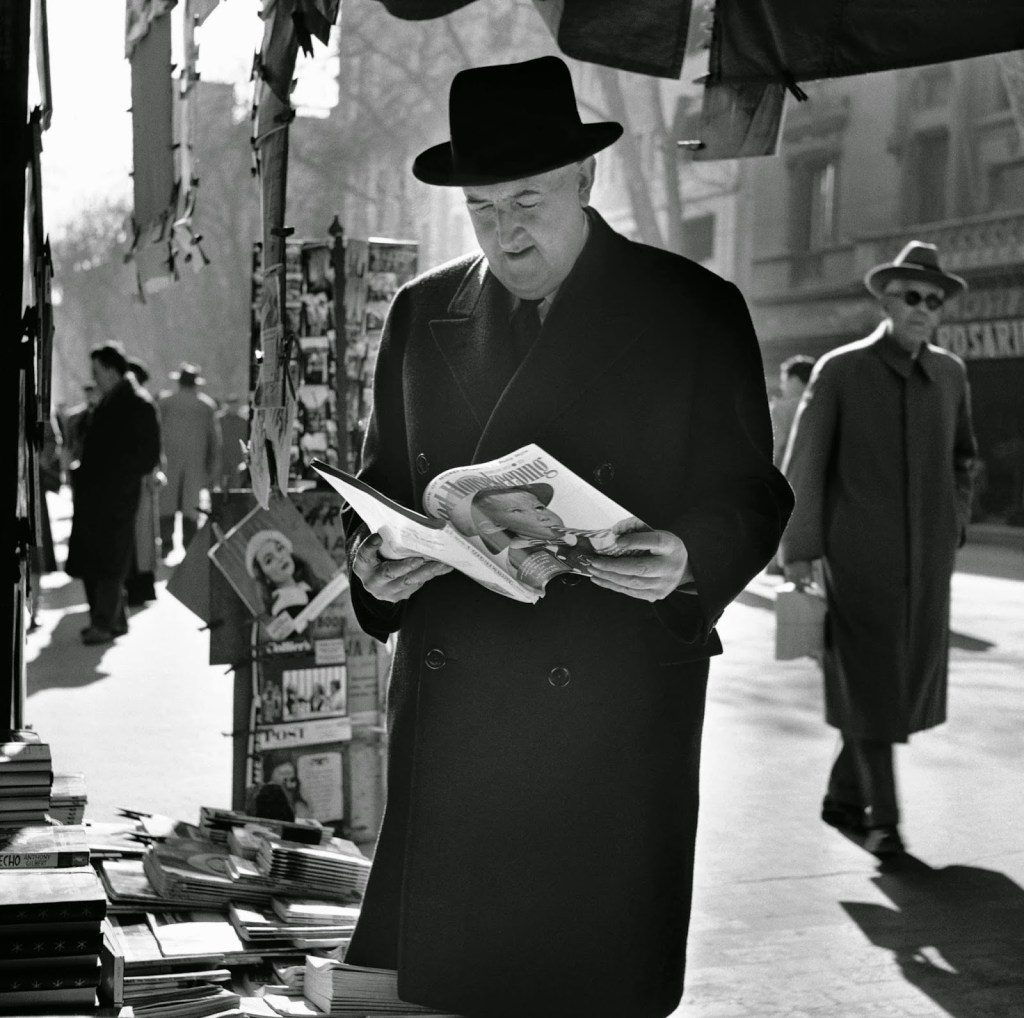
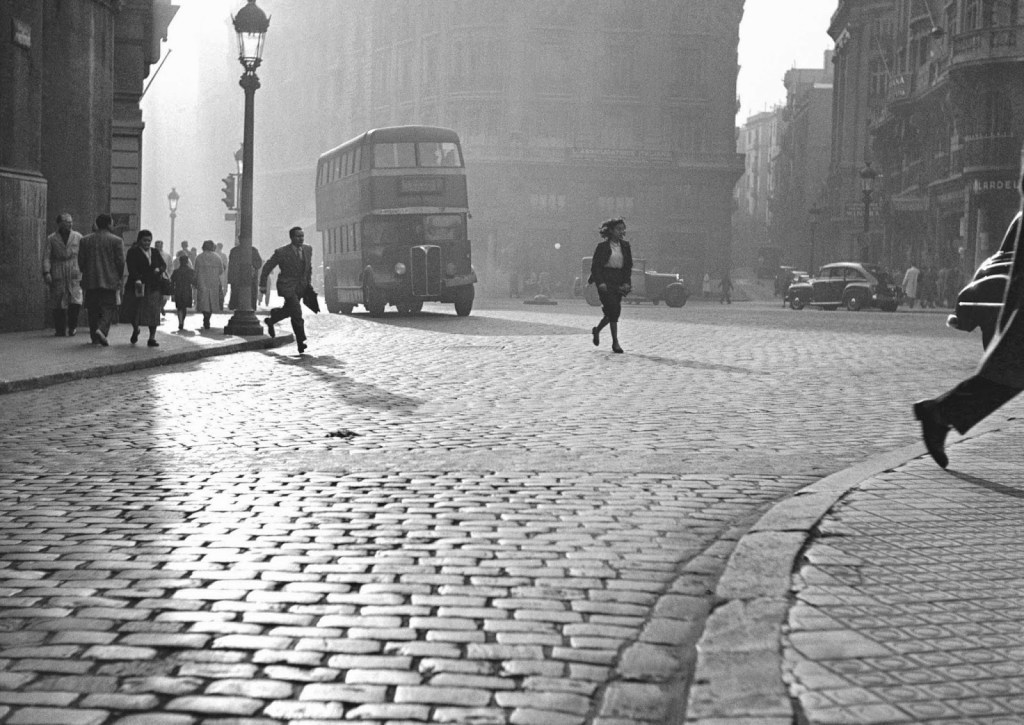
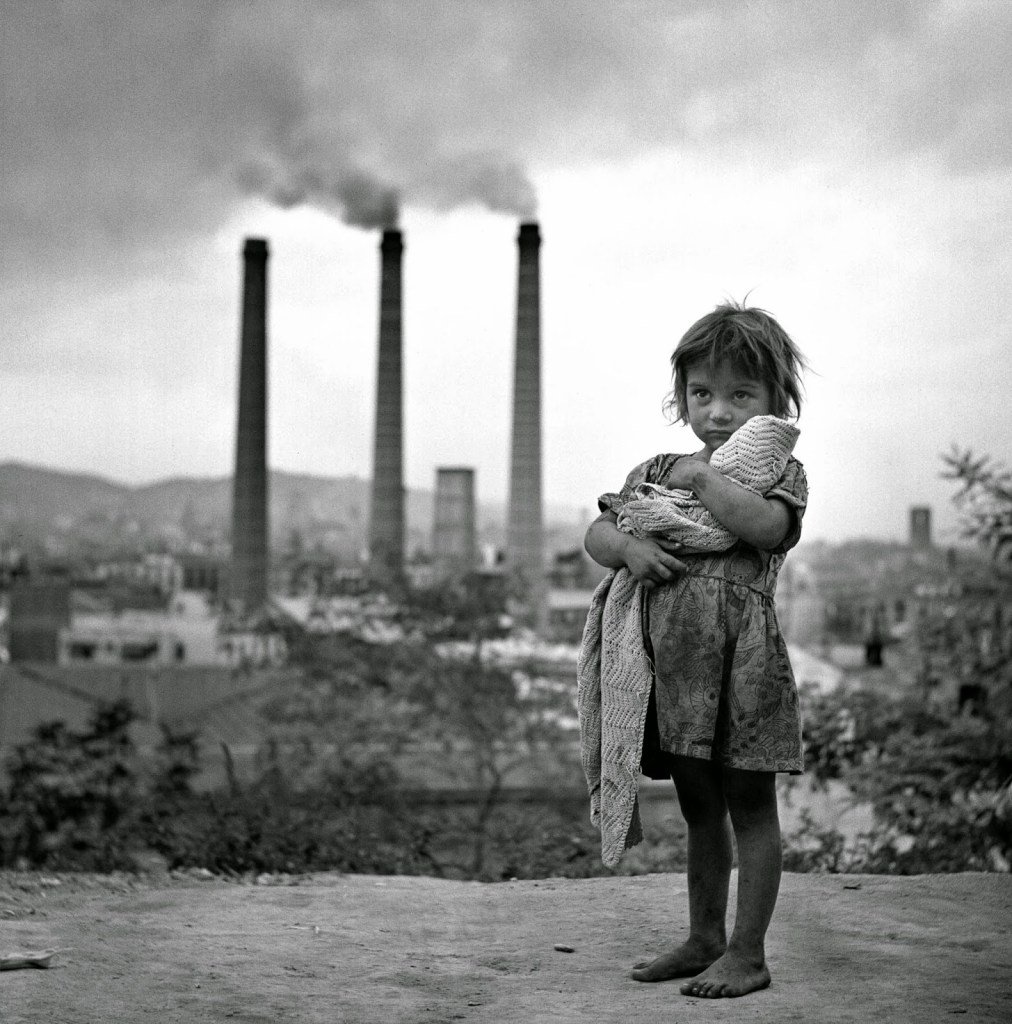
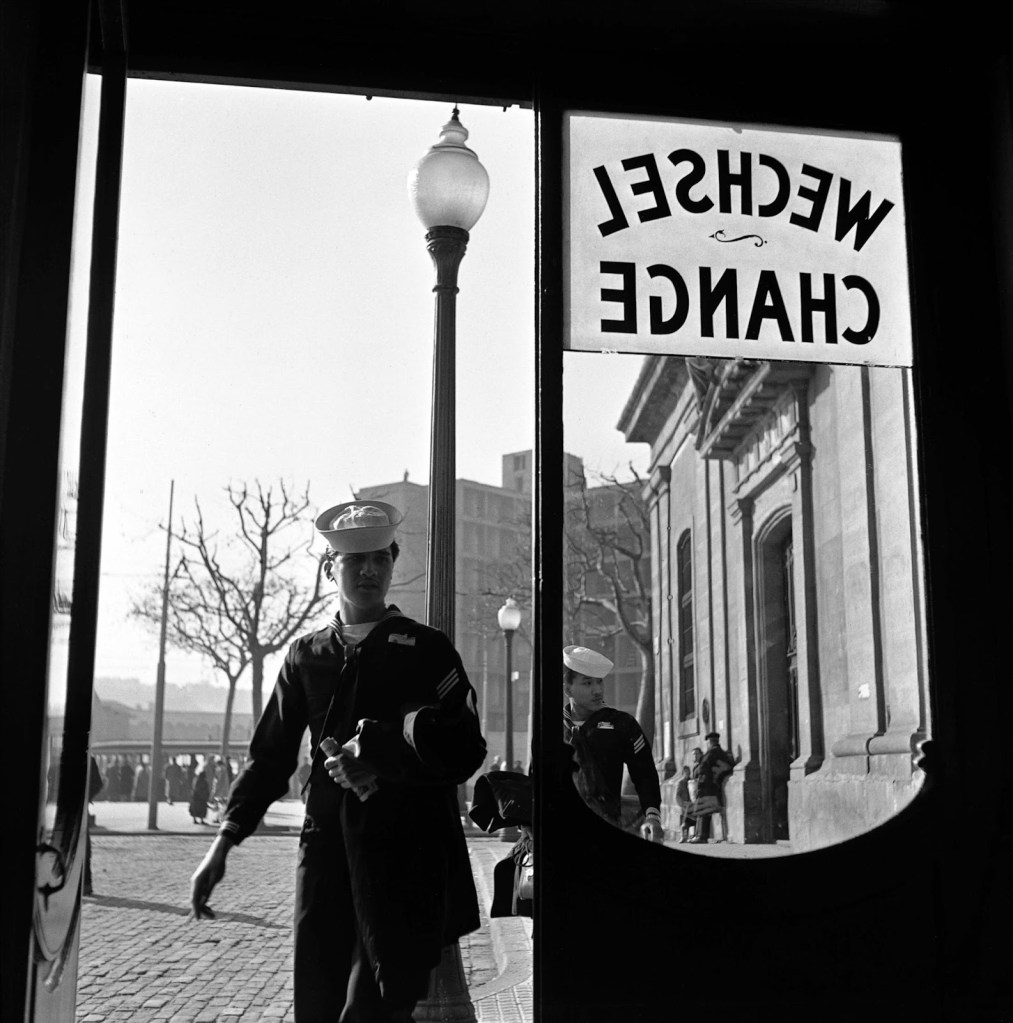
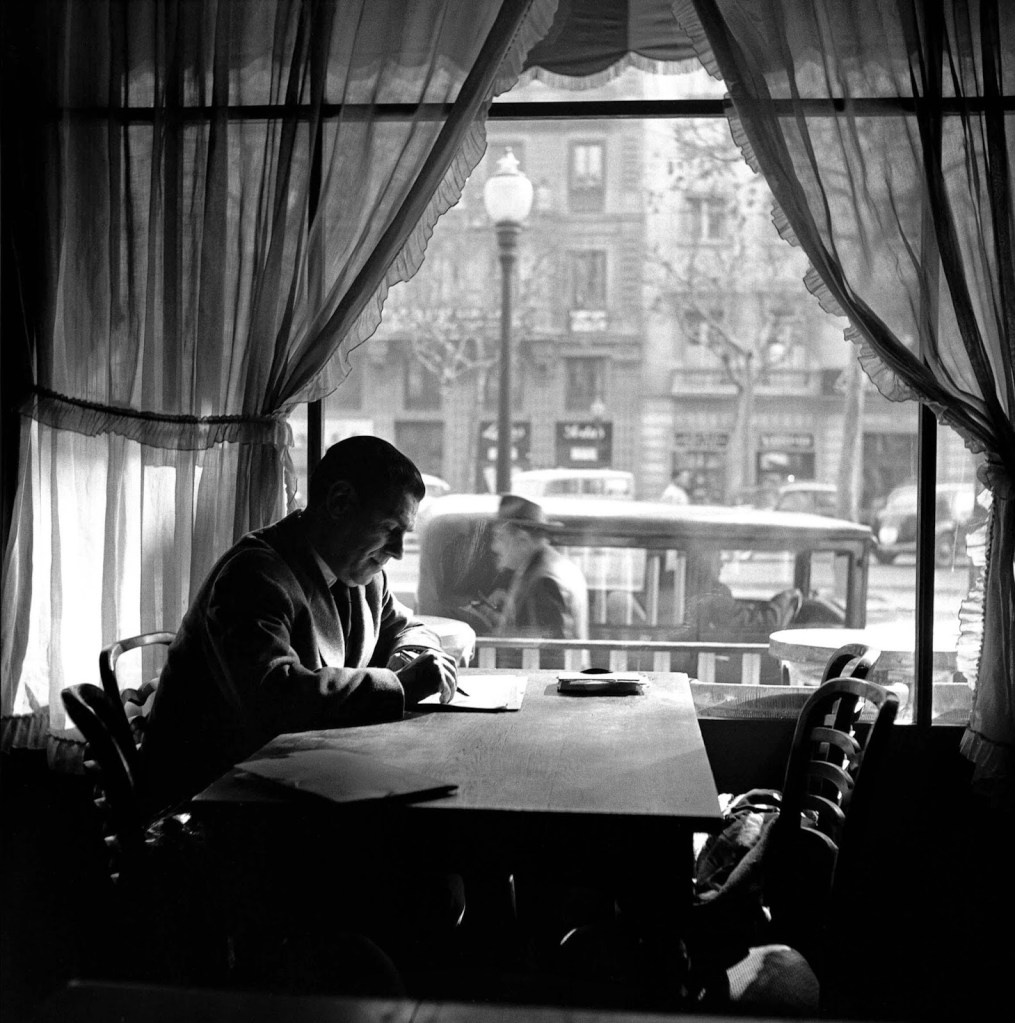
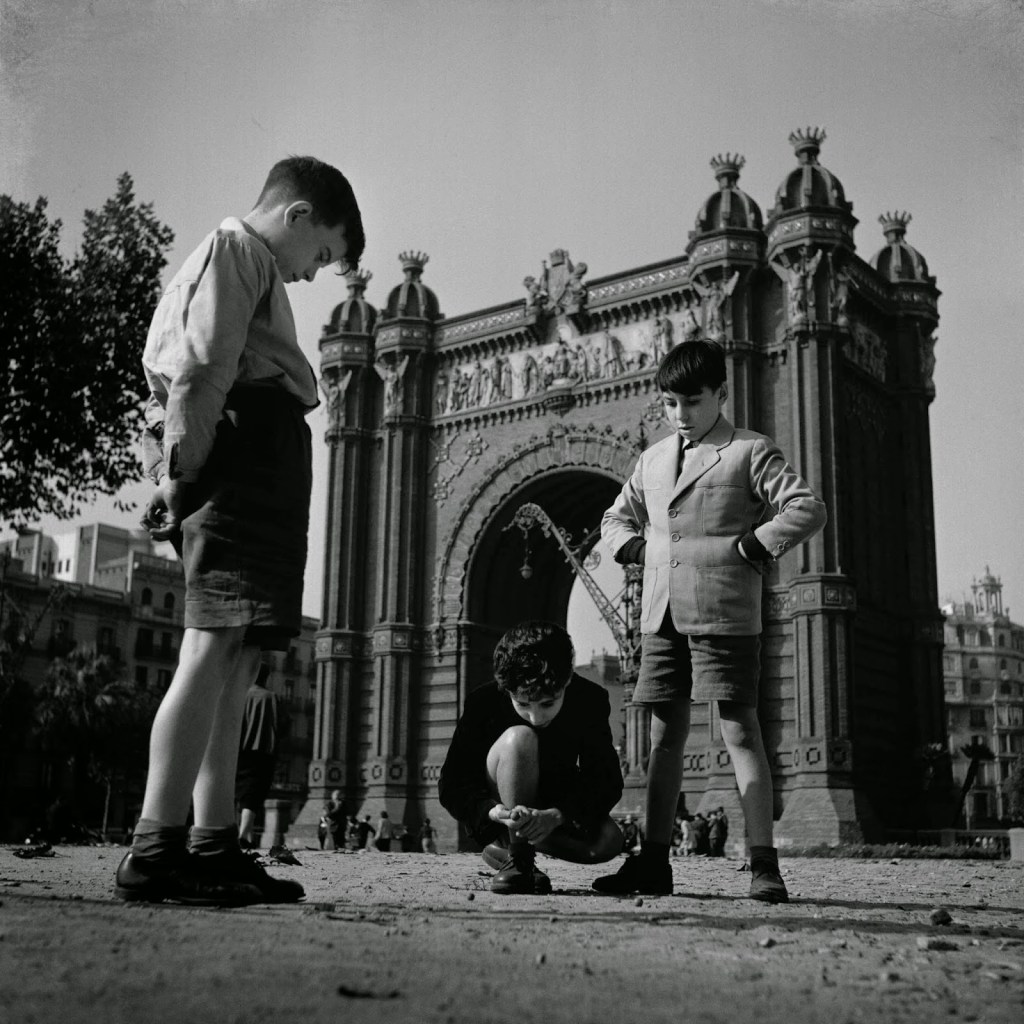
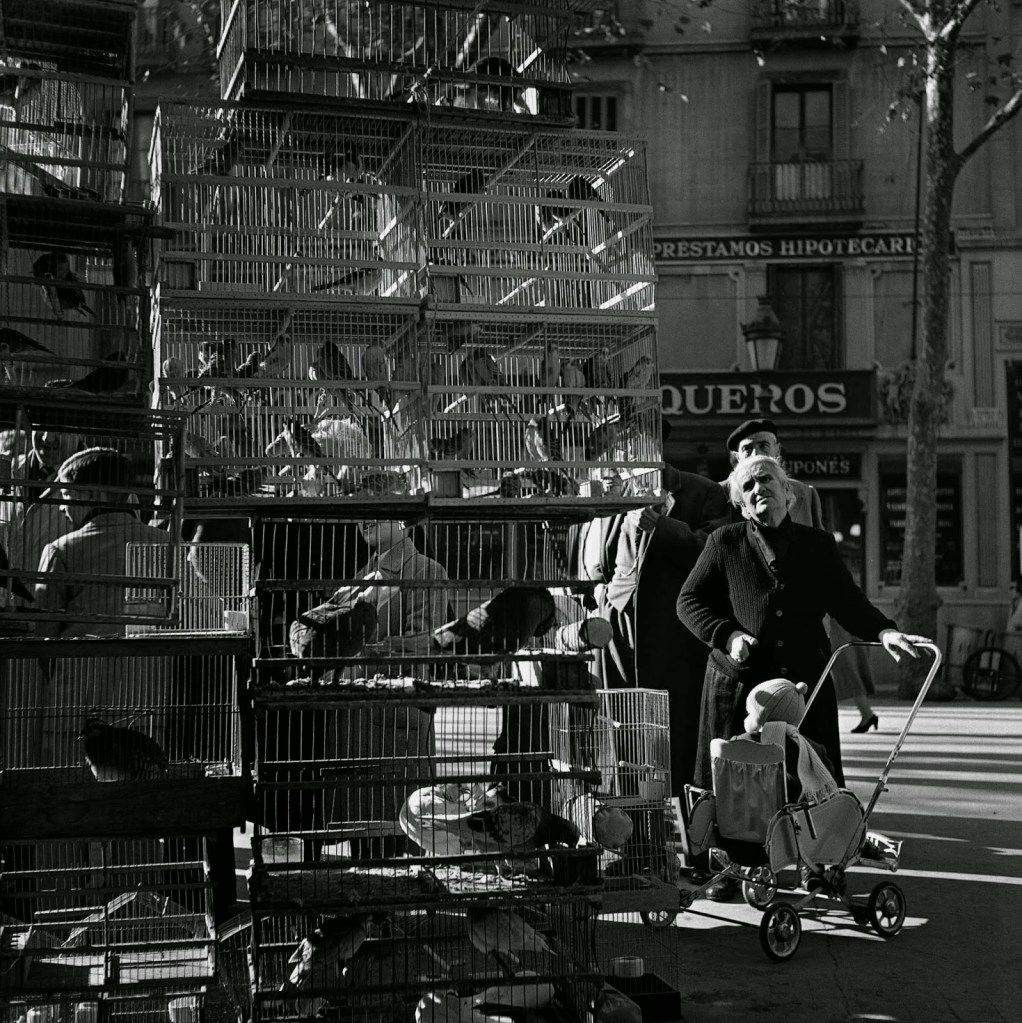
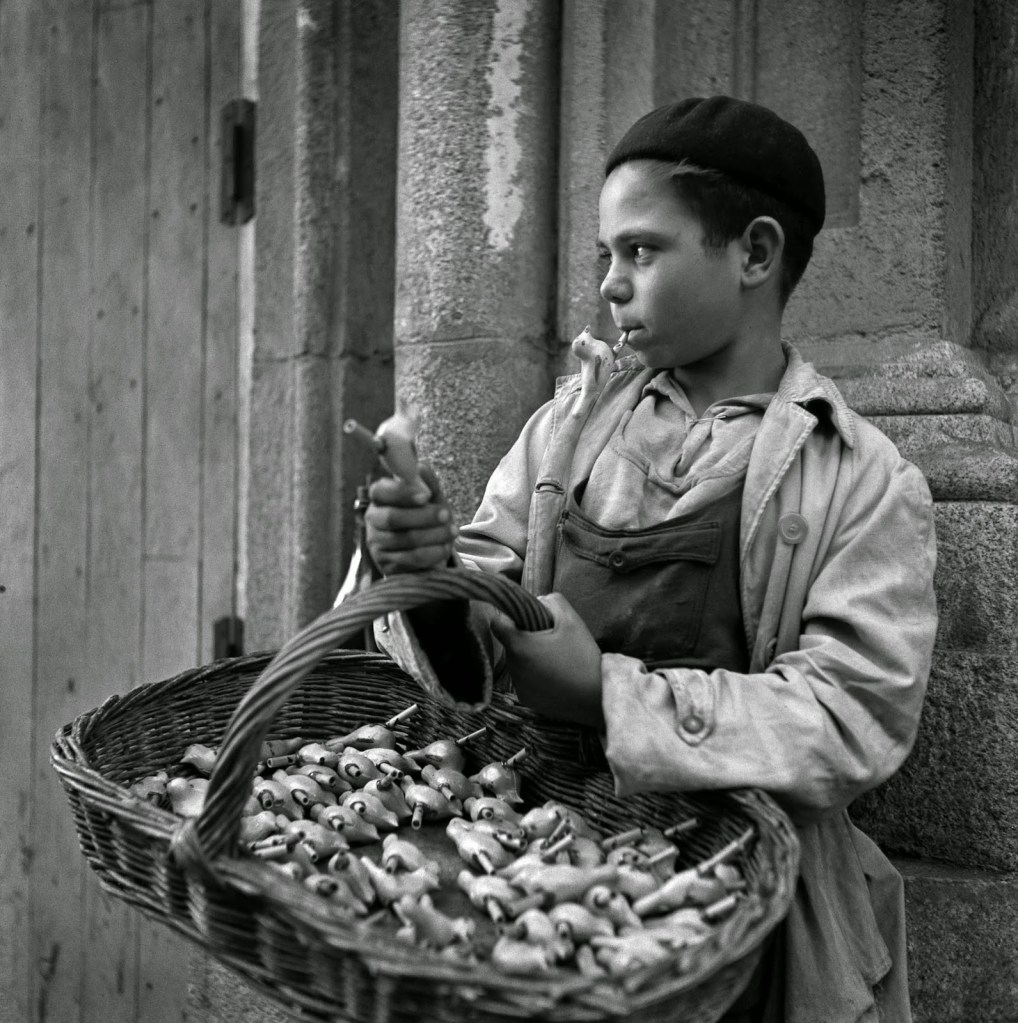
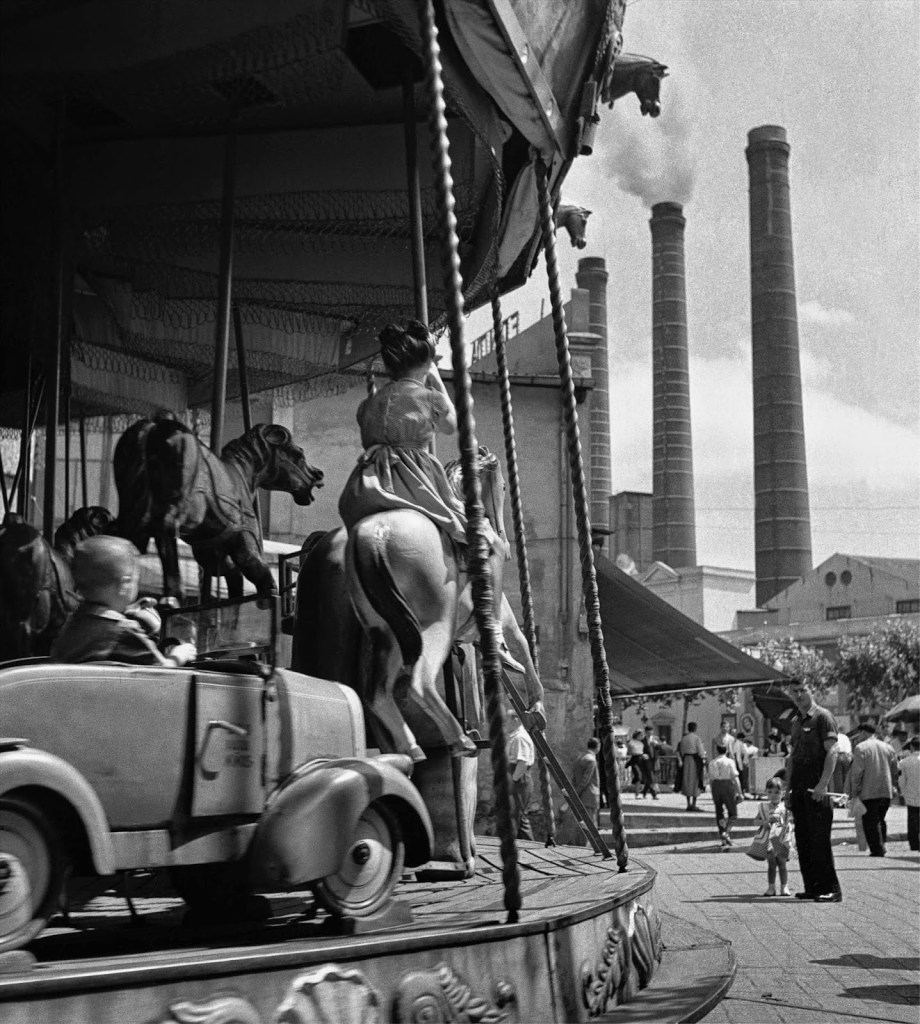
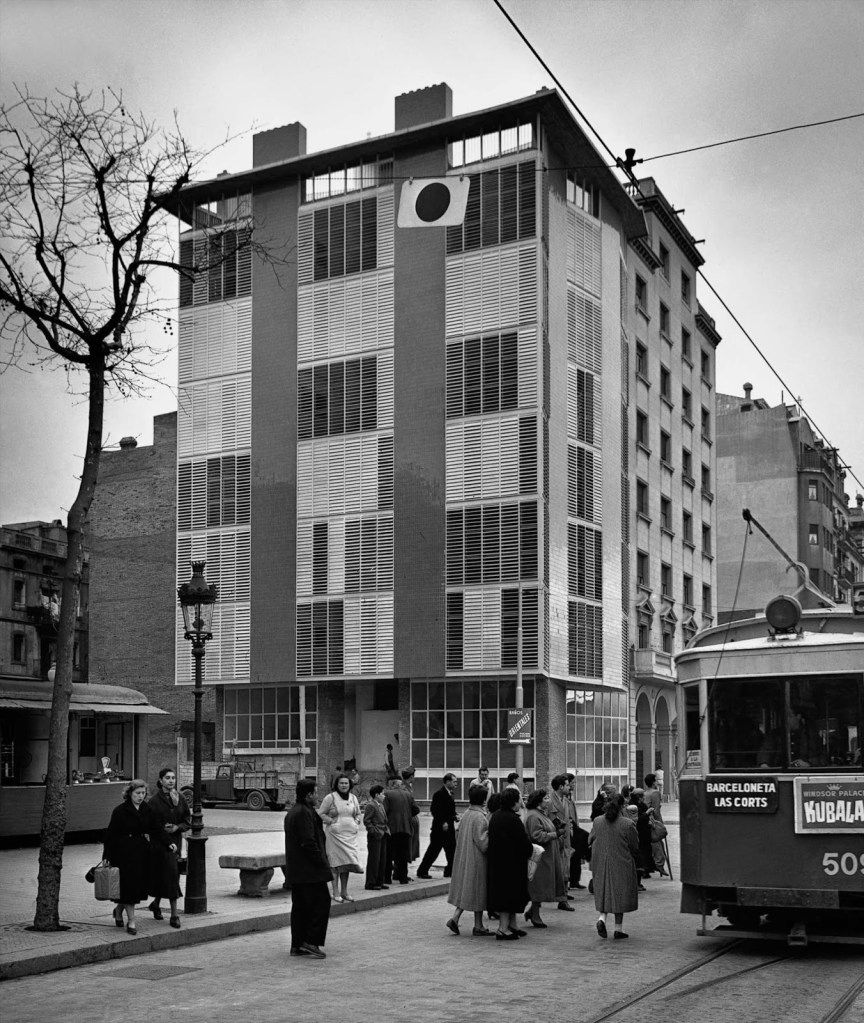
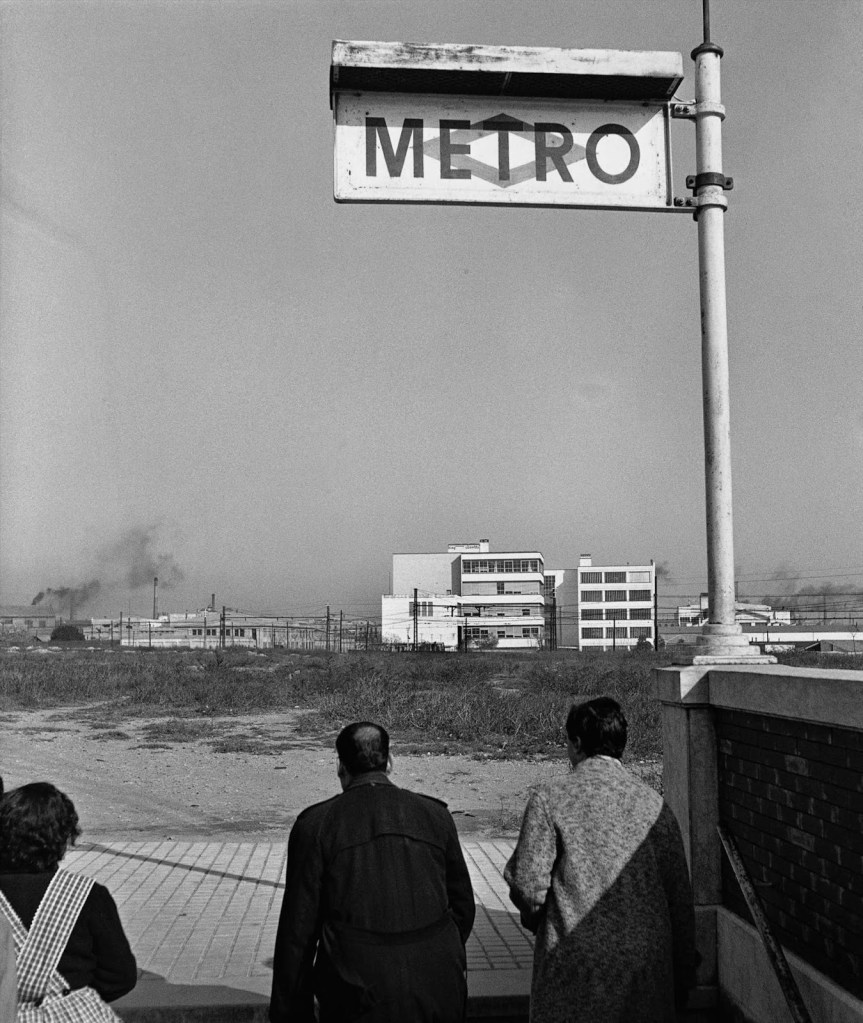
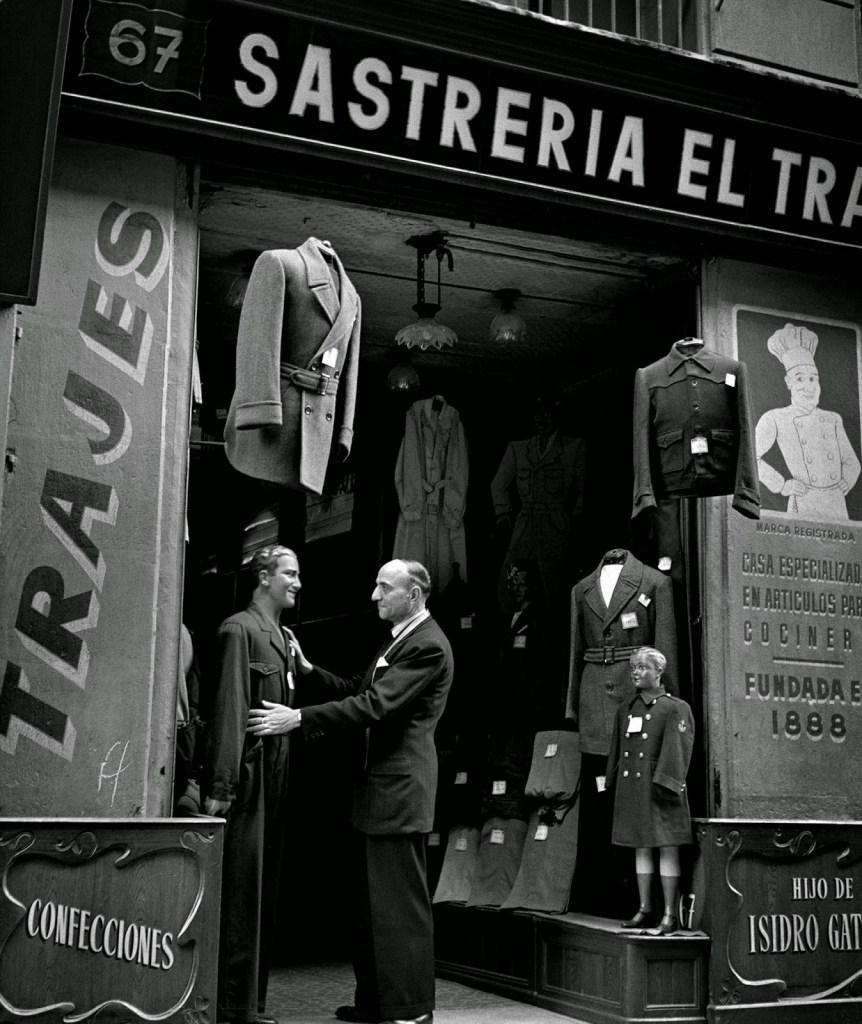
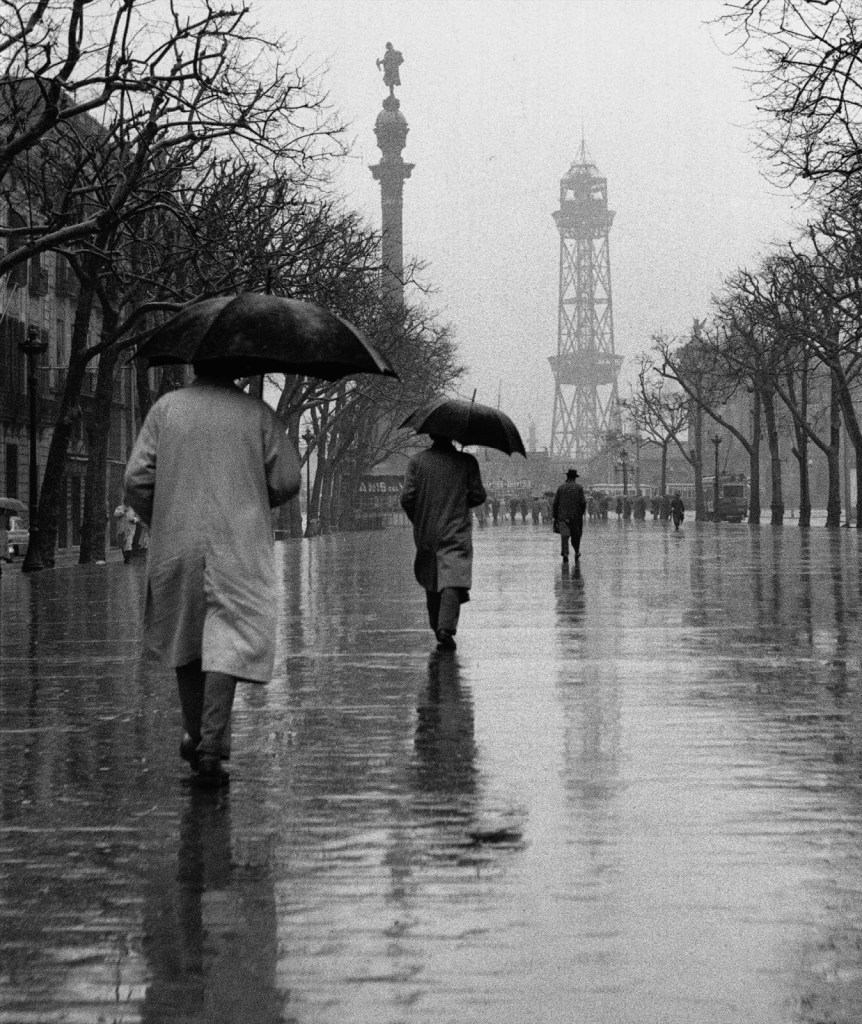
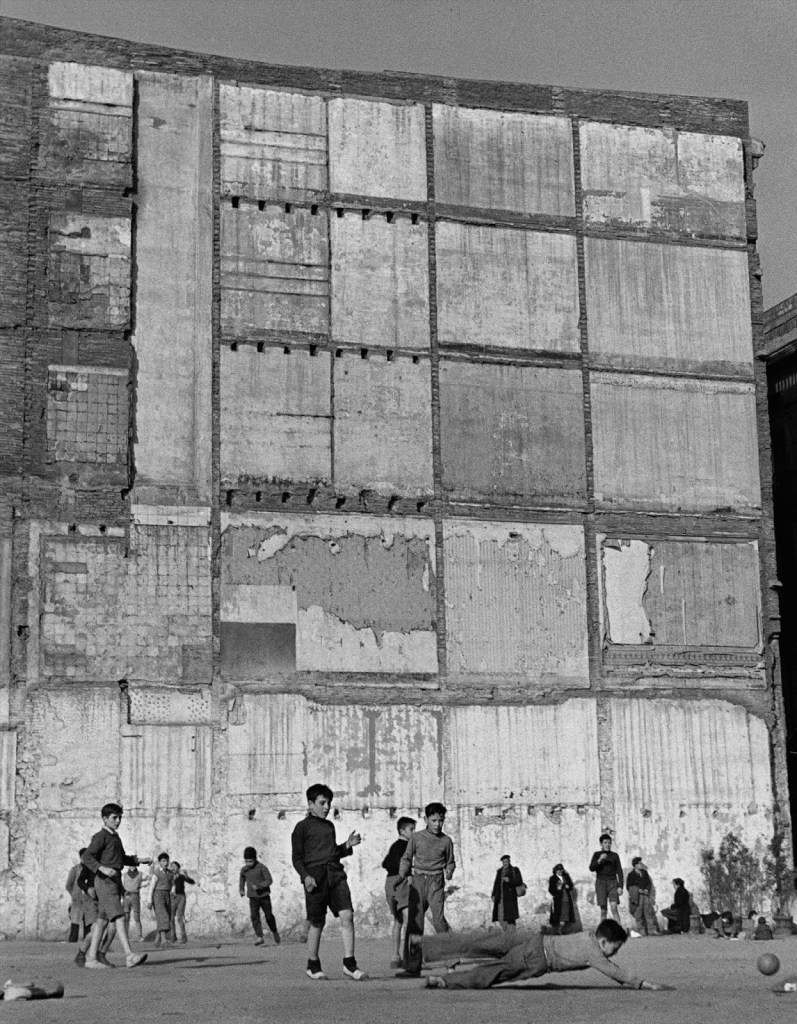
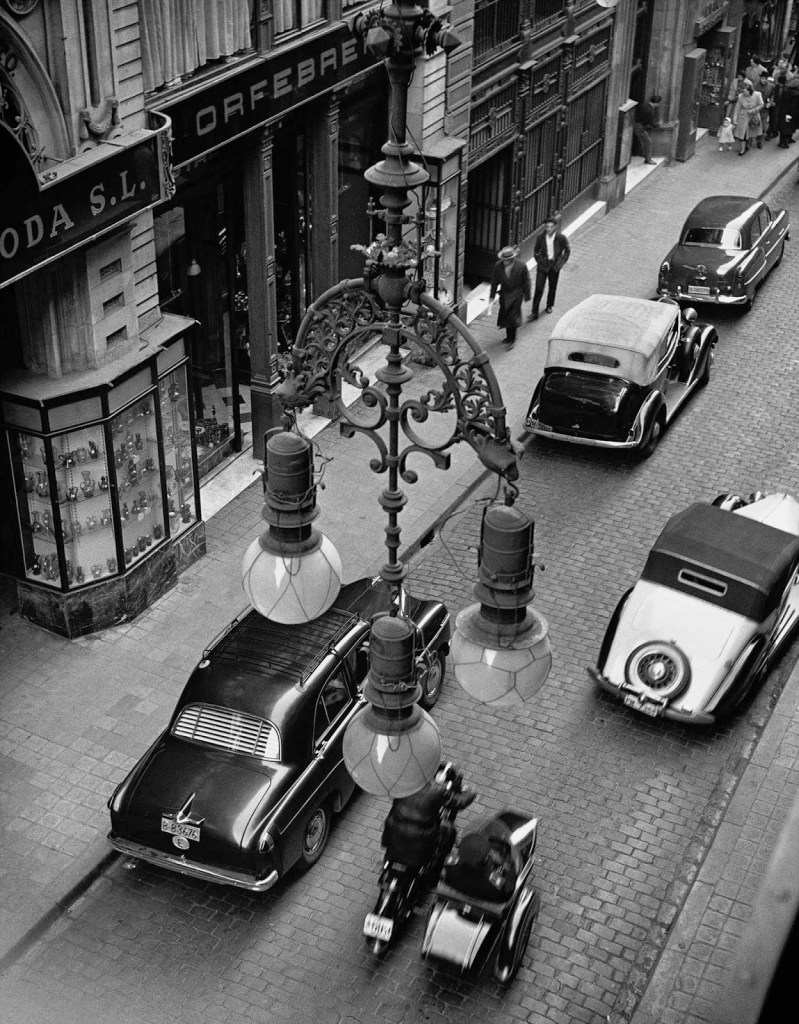
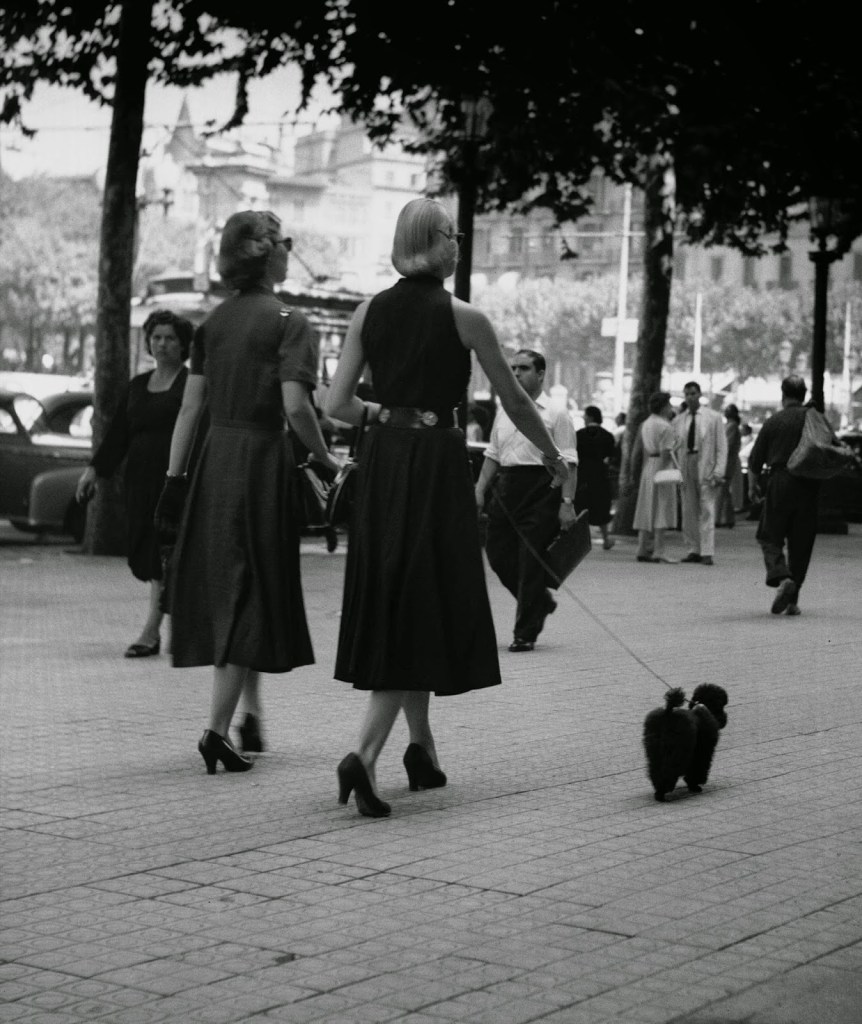
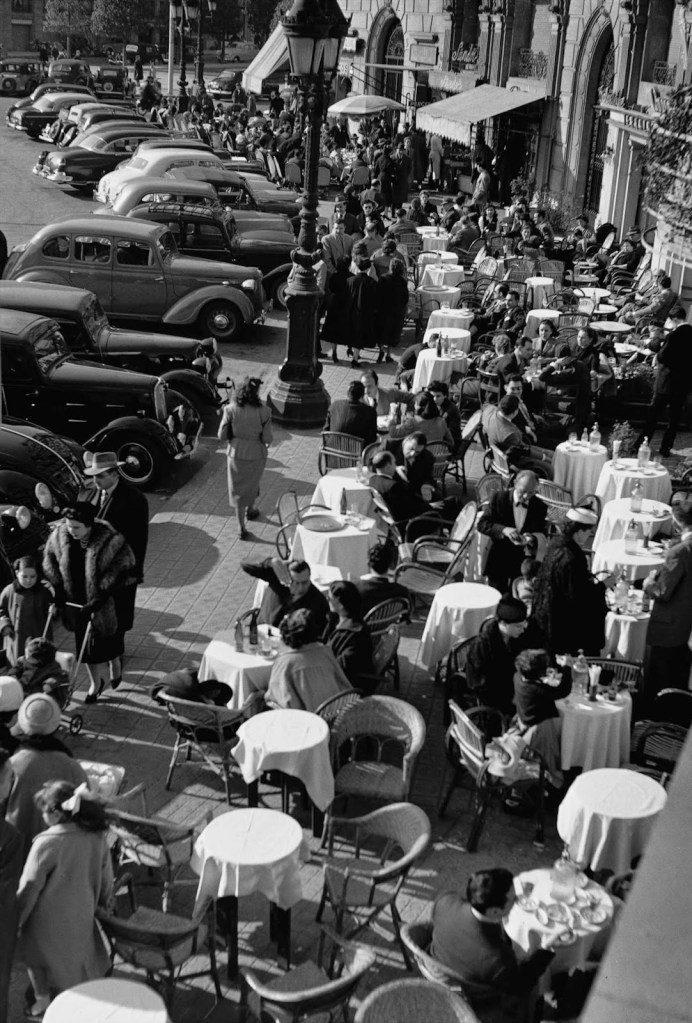
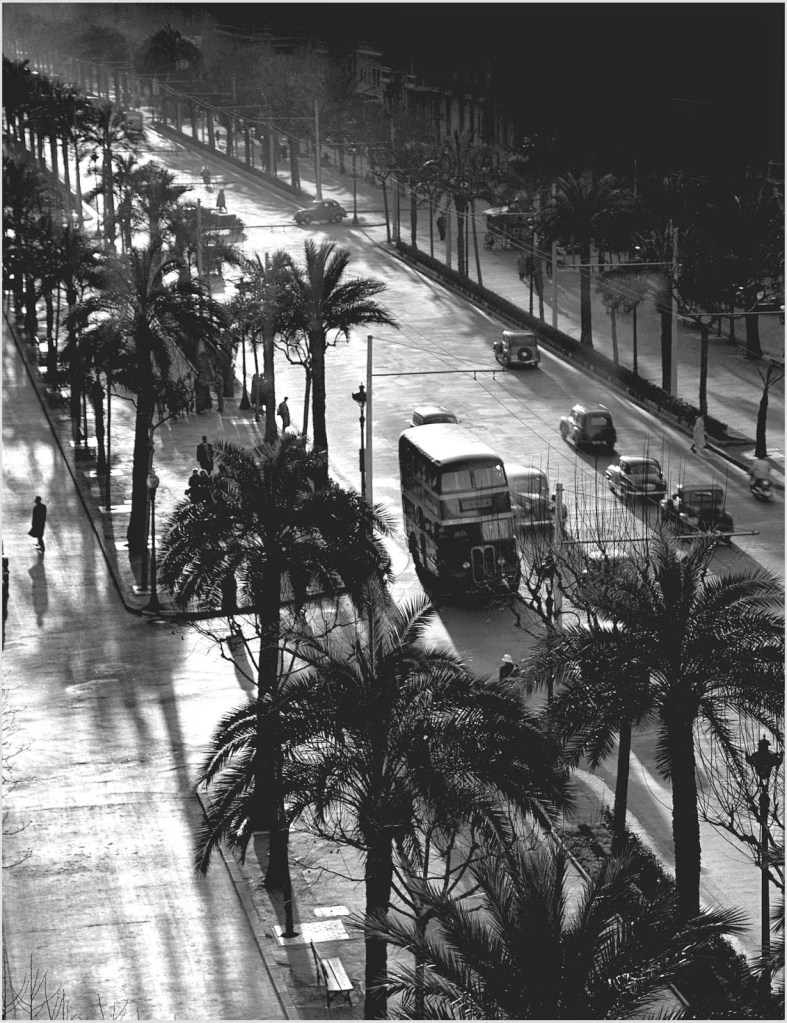
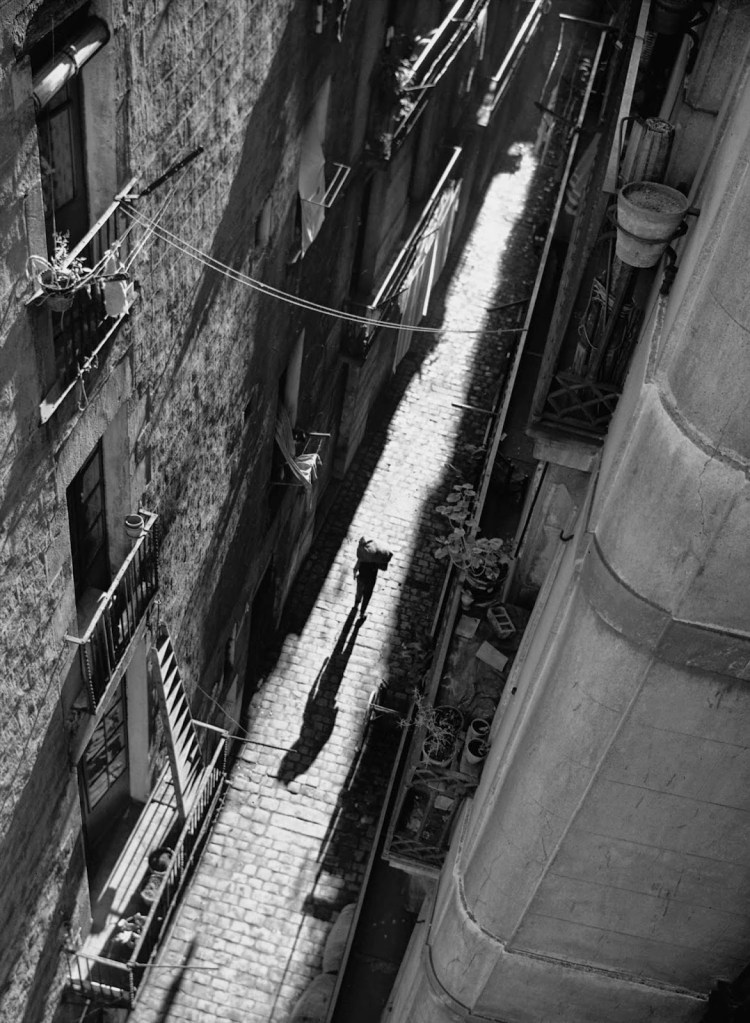
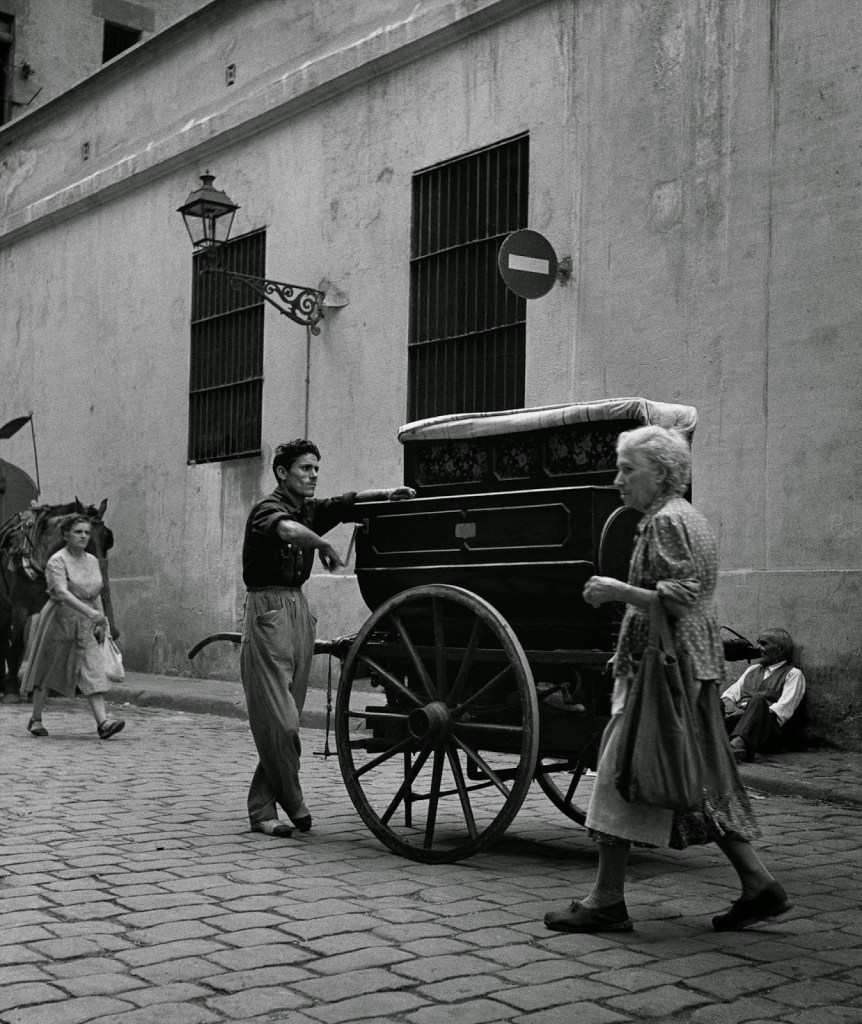
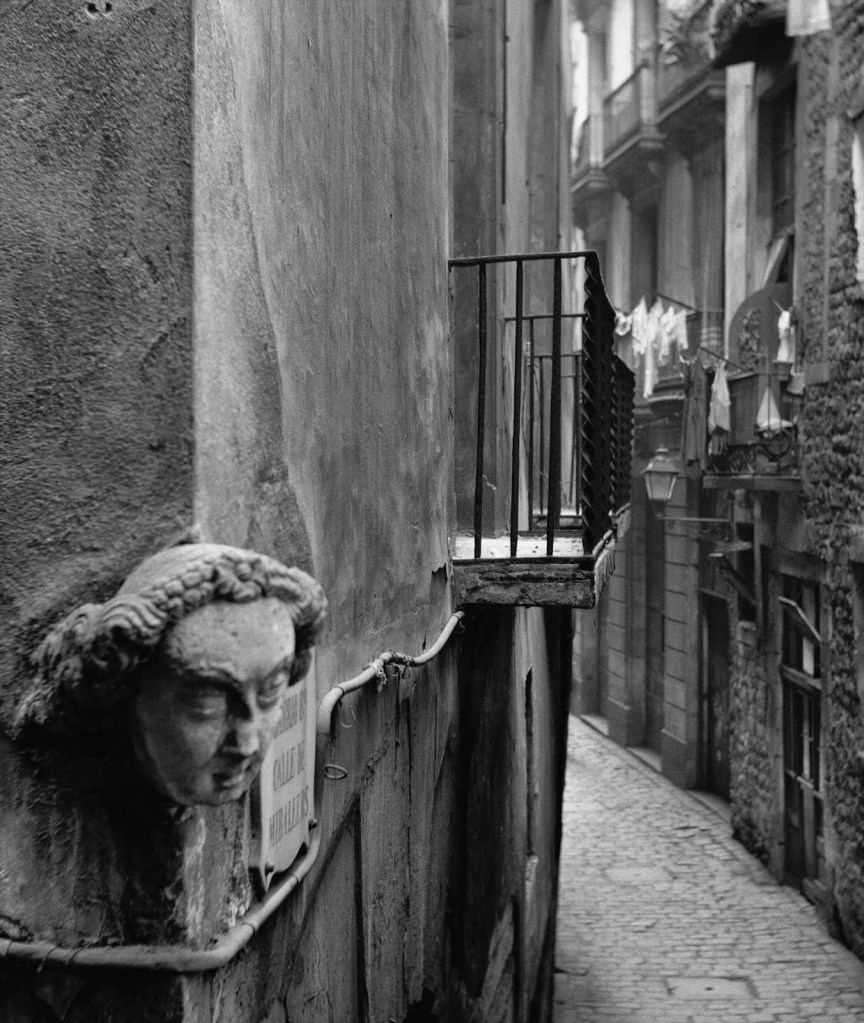
Francesc Català-Roca (1922-1988) is considered one of the major photographers in Catalonia not only for his role as a pioneer in the field of avant-garde photography but also as a direct witness of the huge changes in our society.
Shown is a collection of amazing black and white photographs of Madrid and Barcelona of the 1950’s taken by Francesc Català-Roca, showing the street scenes, buildings, means of transportation, among others…
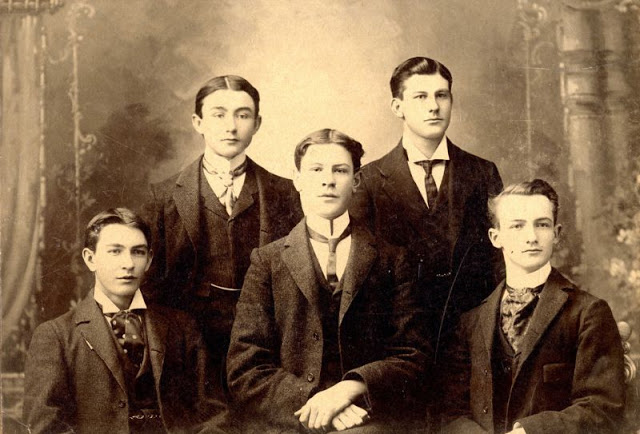
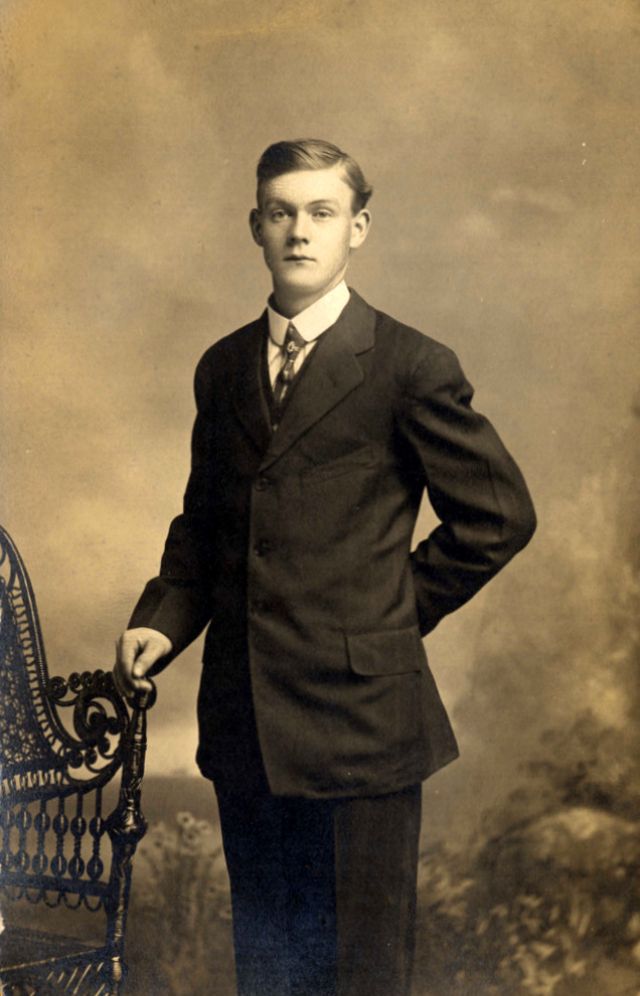
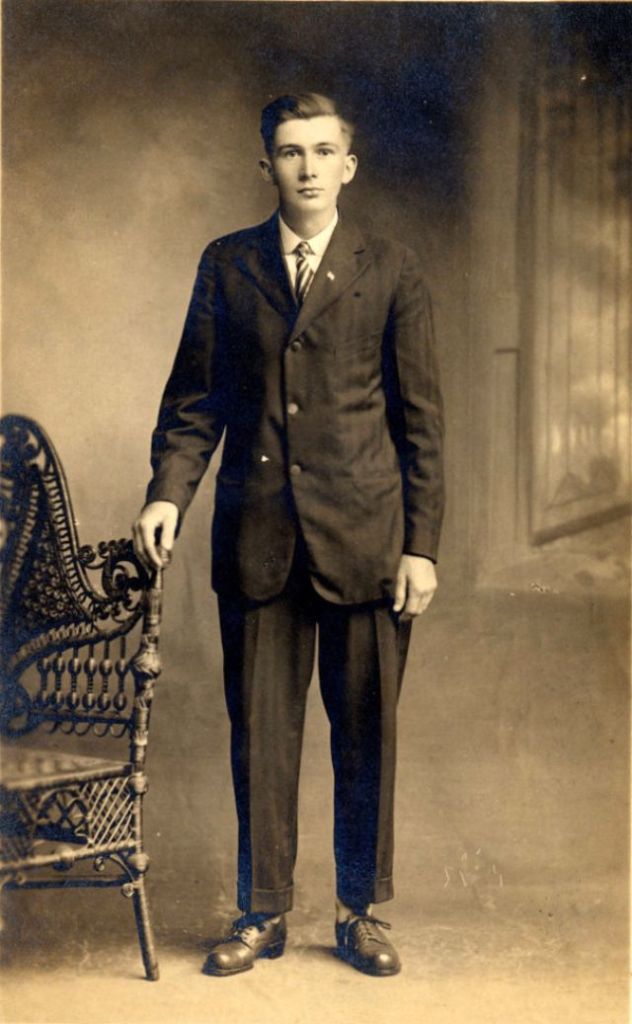
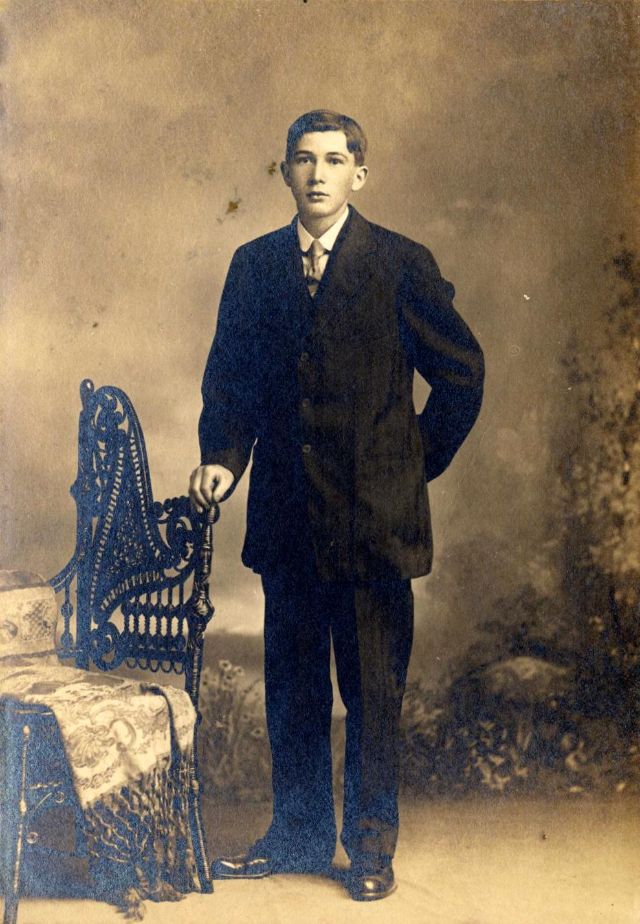
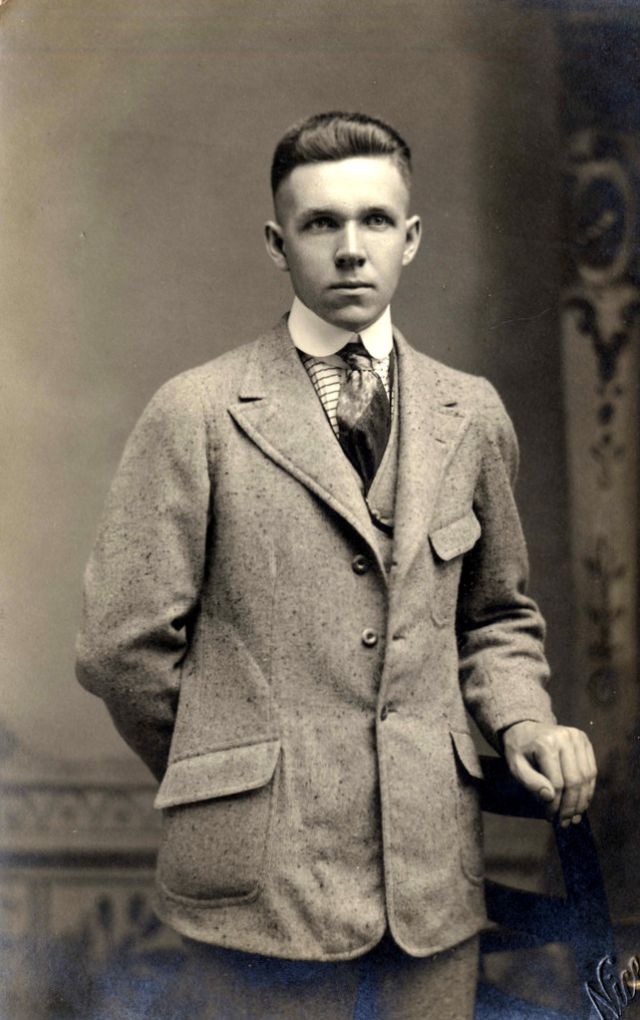
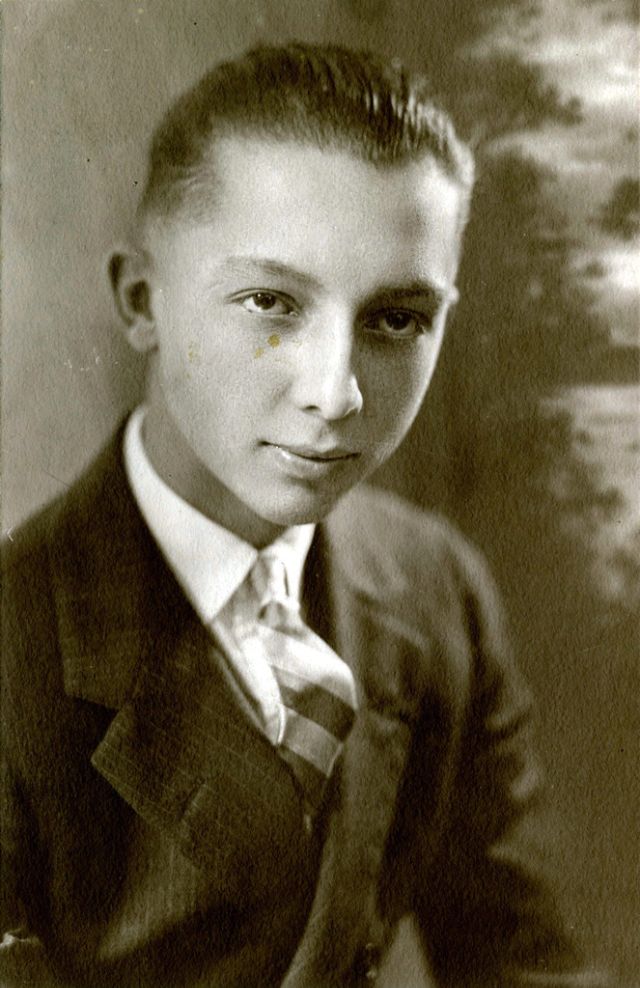
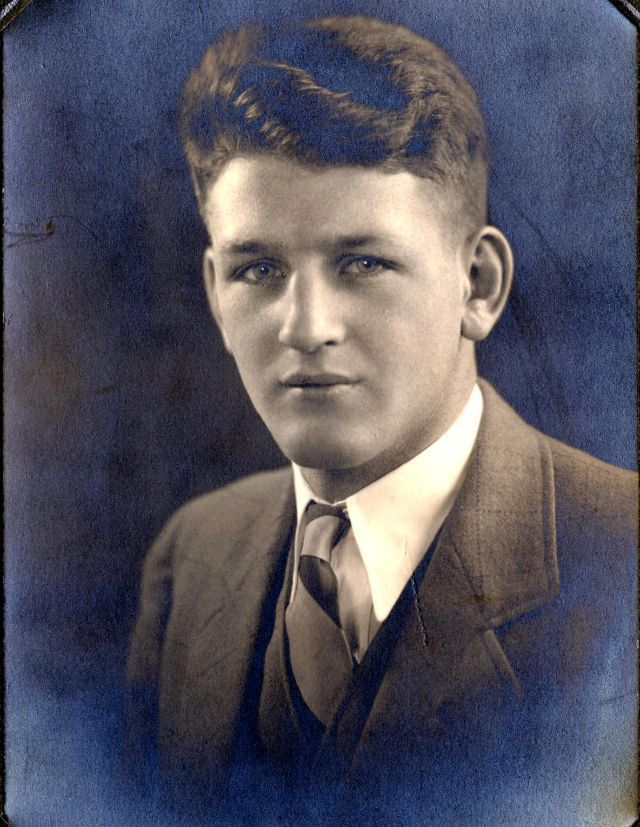
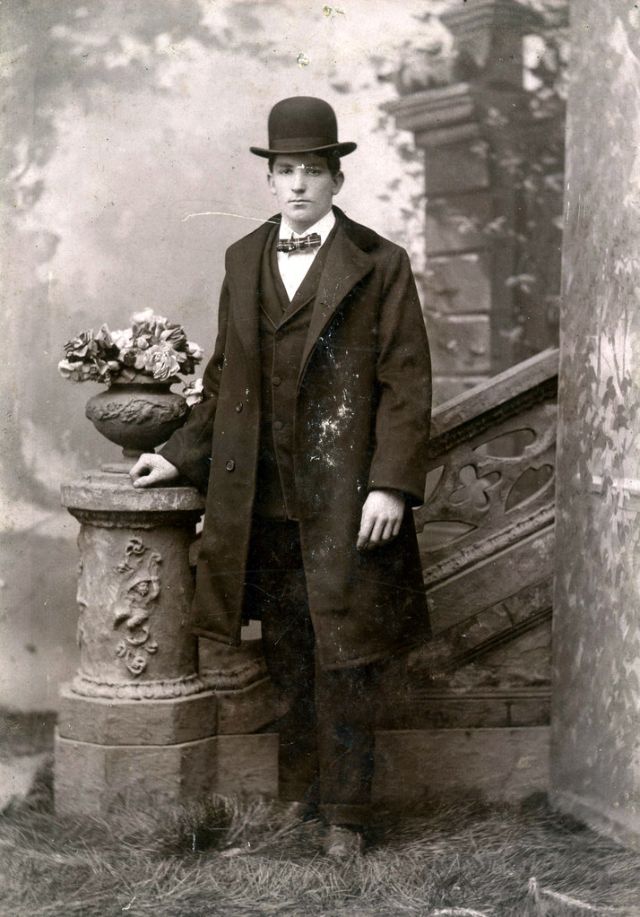
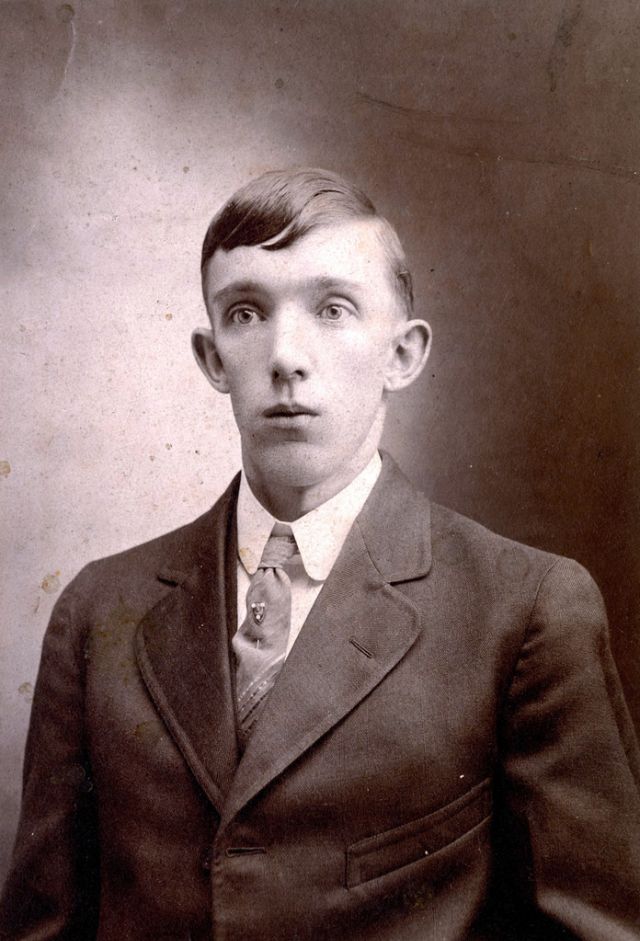
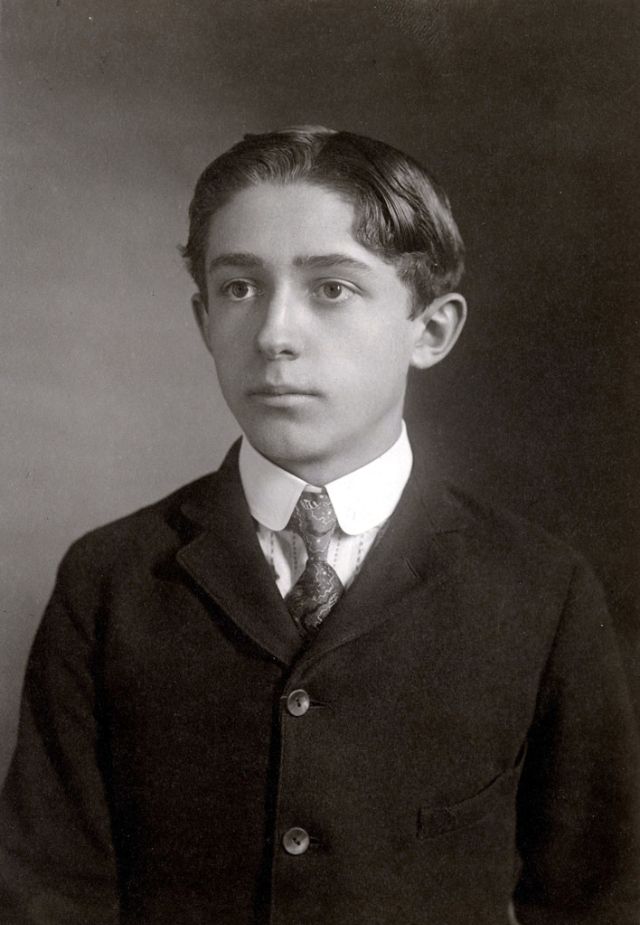
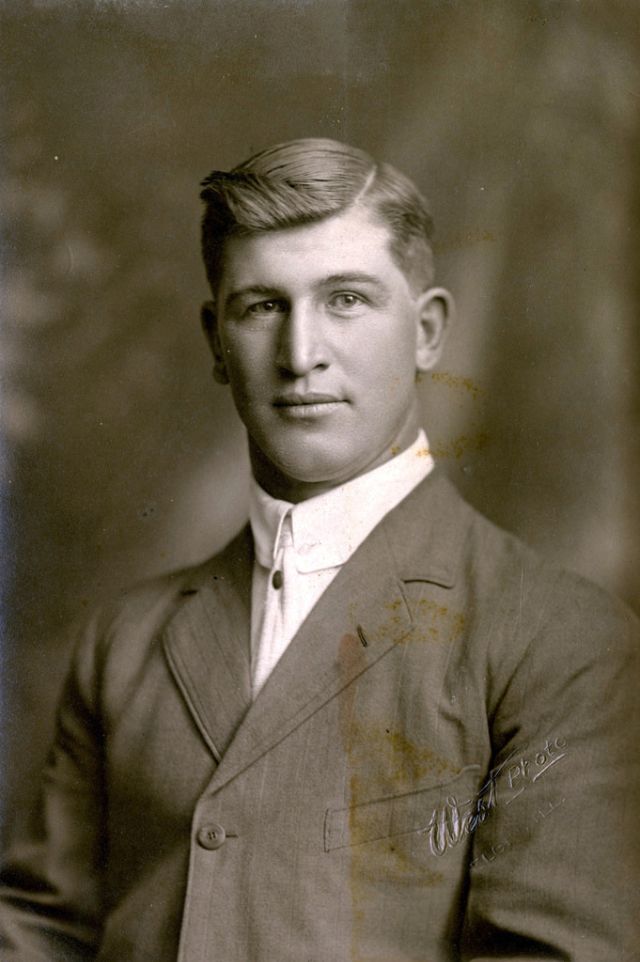
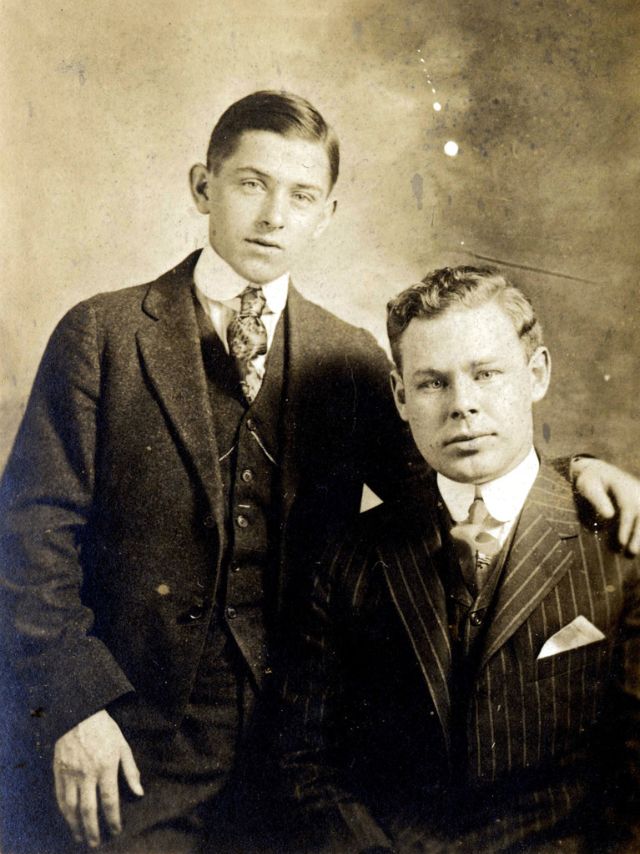
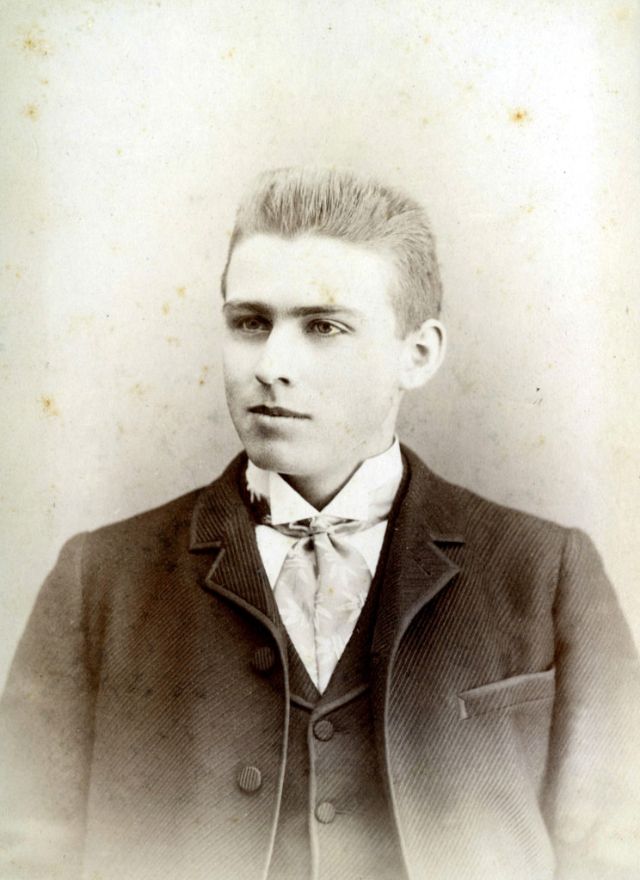
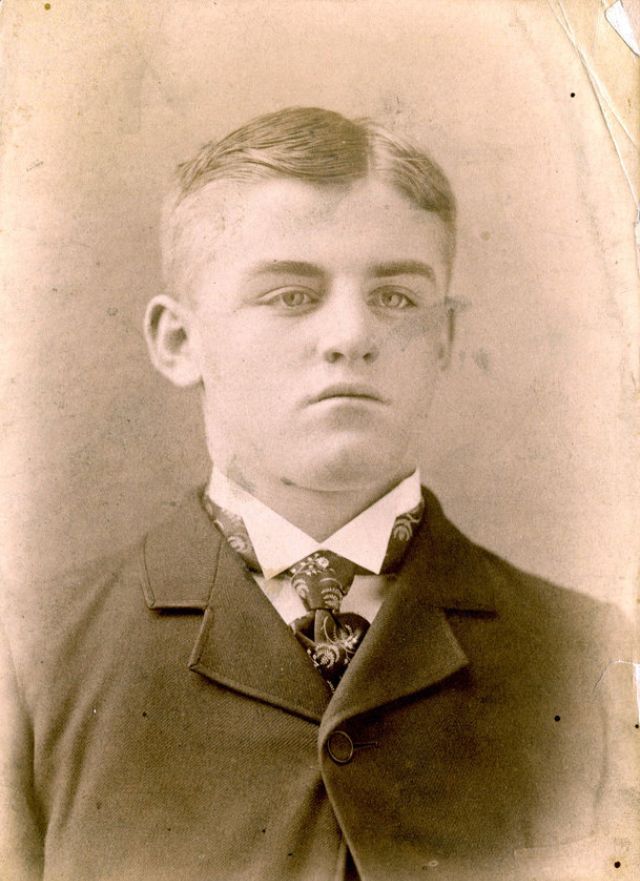
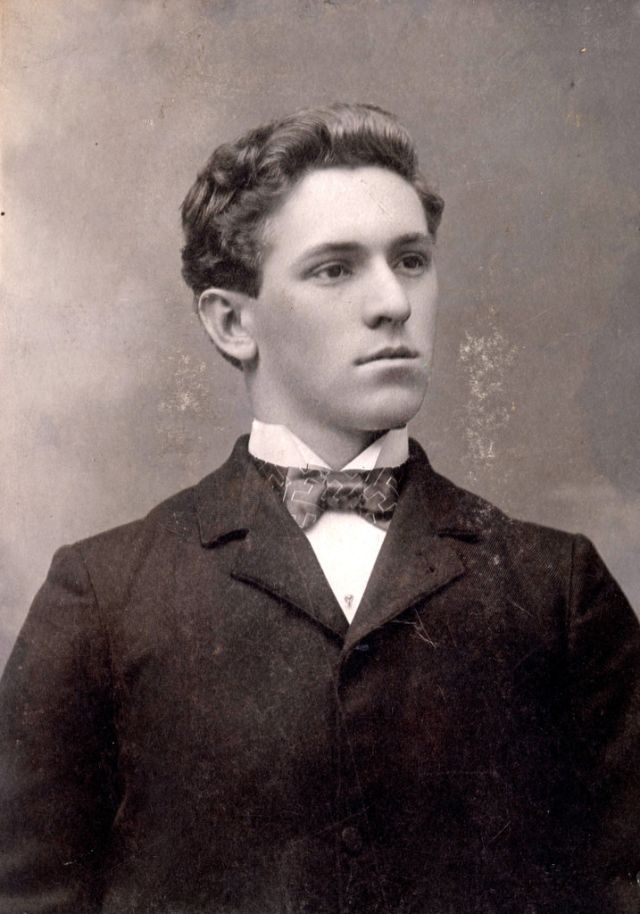
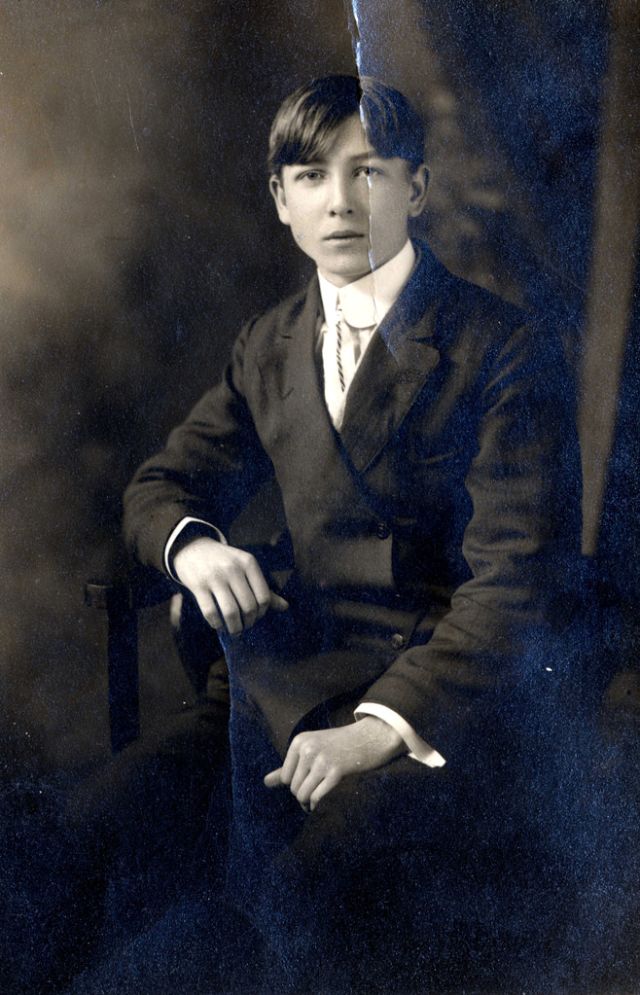
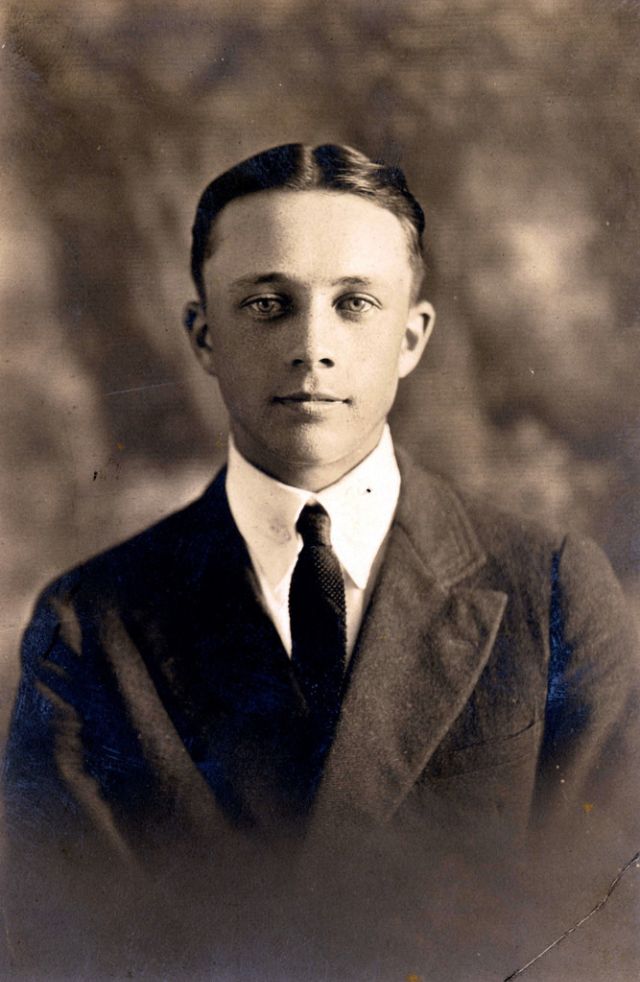
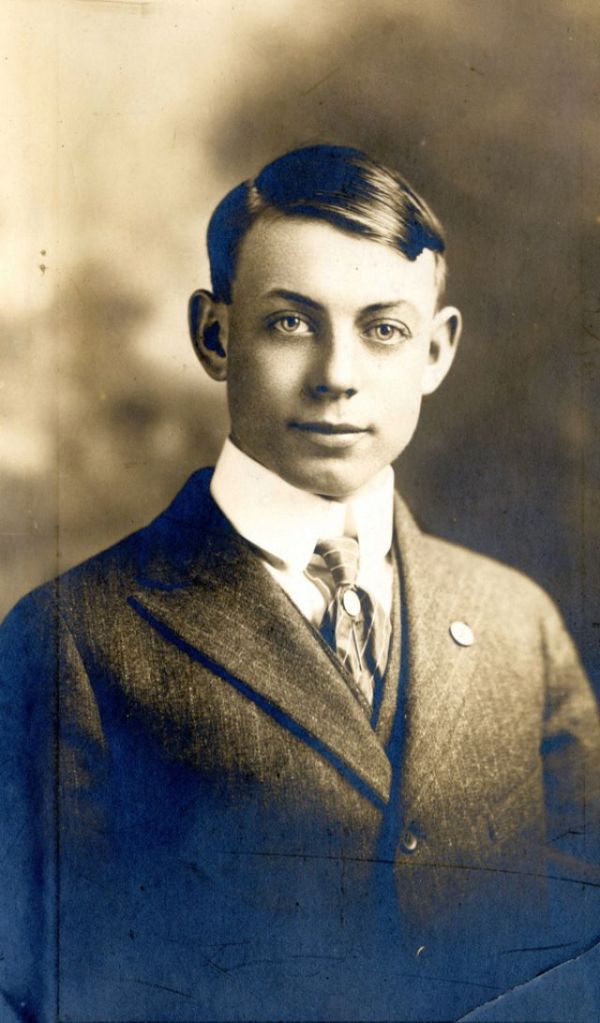
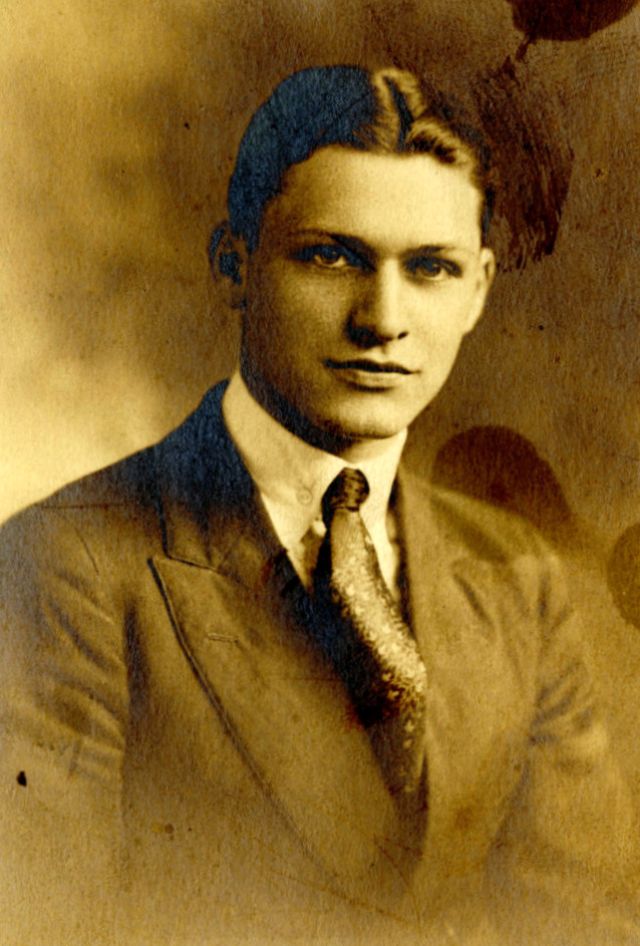
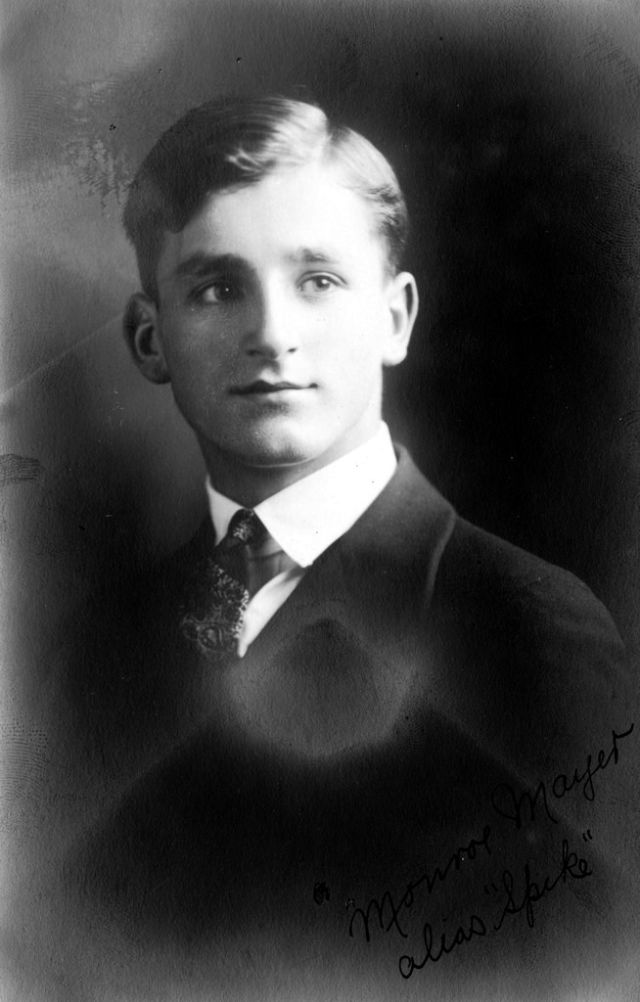
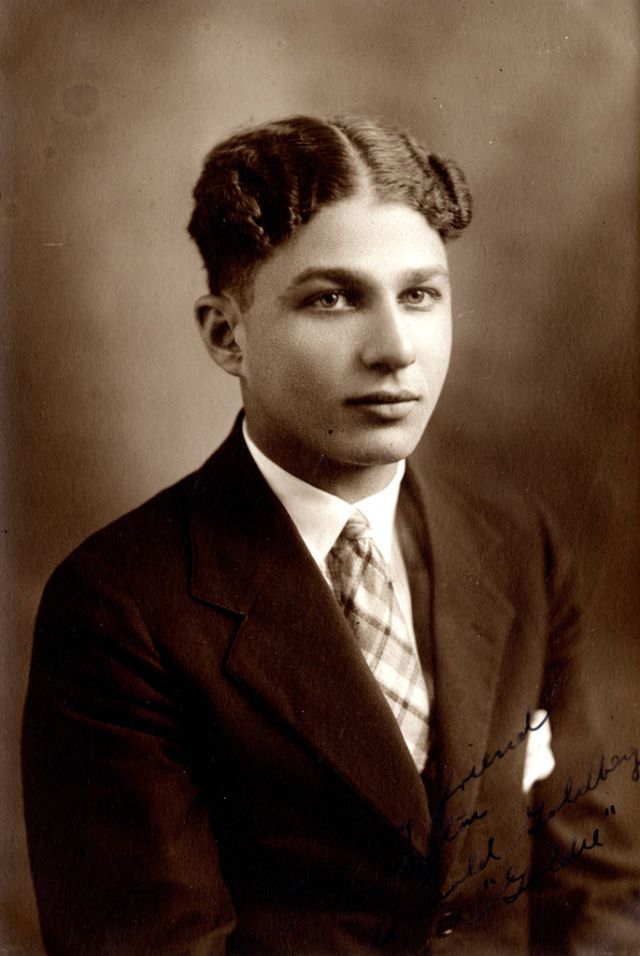
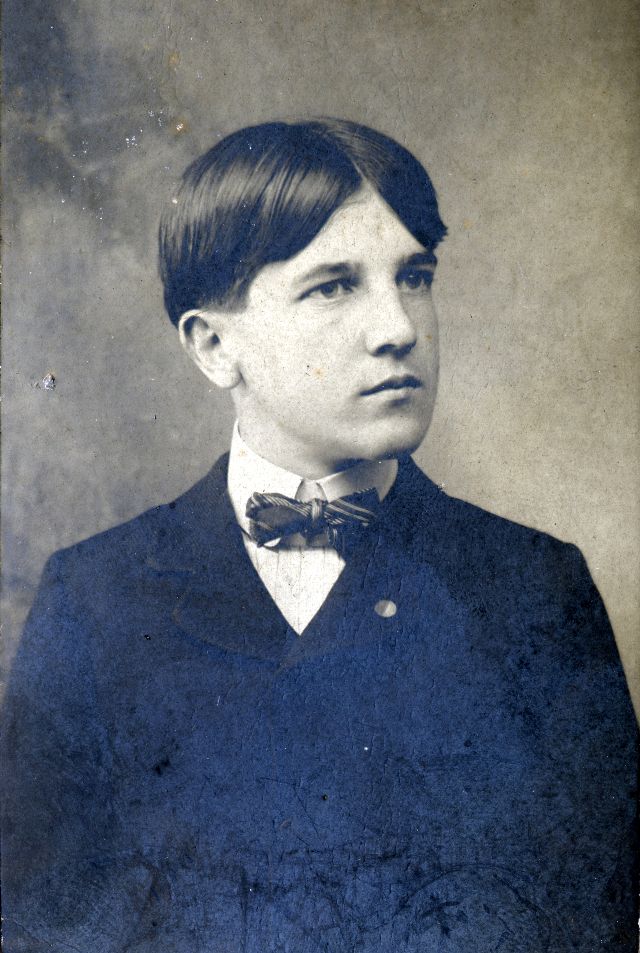
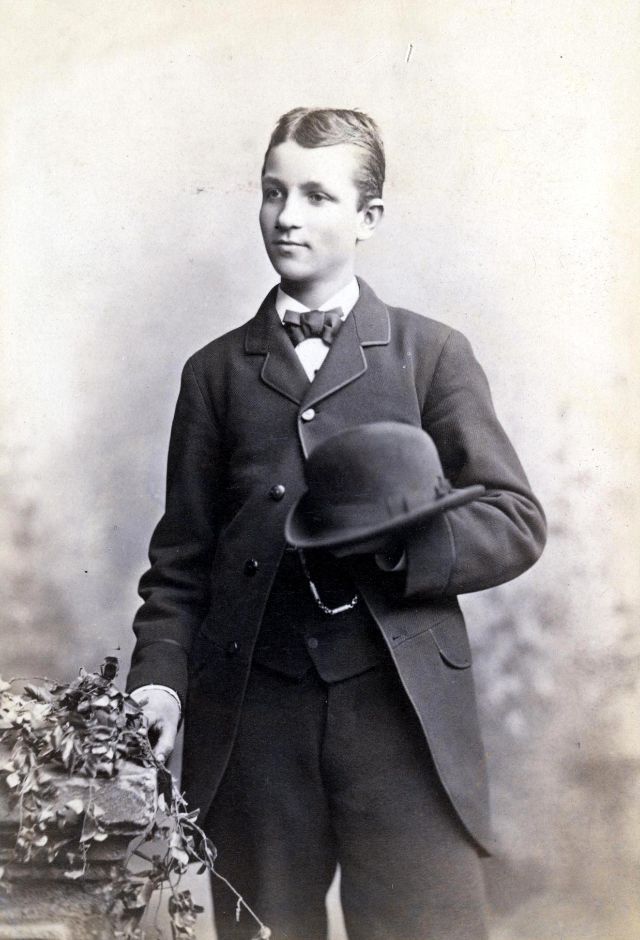
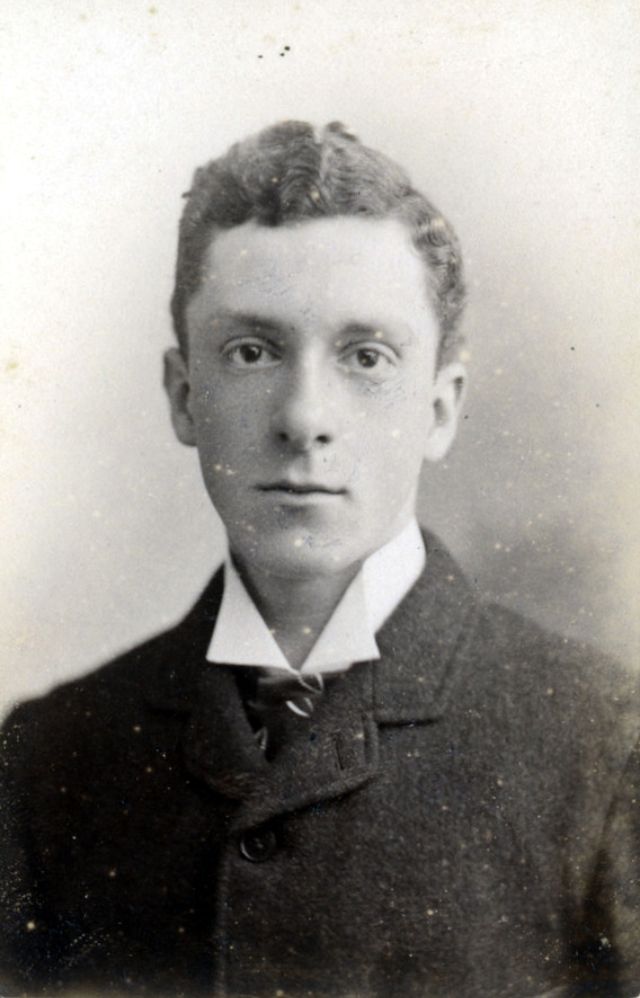
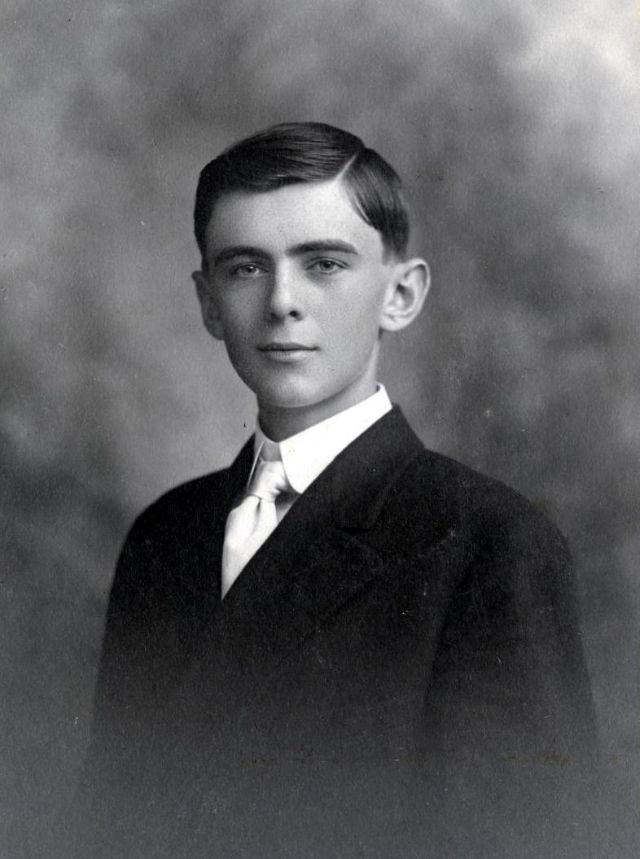
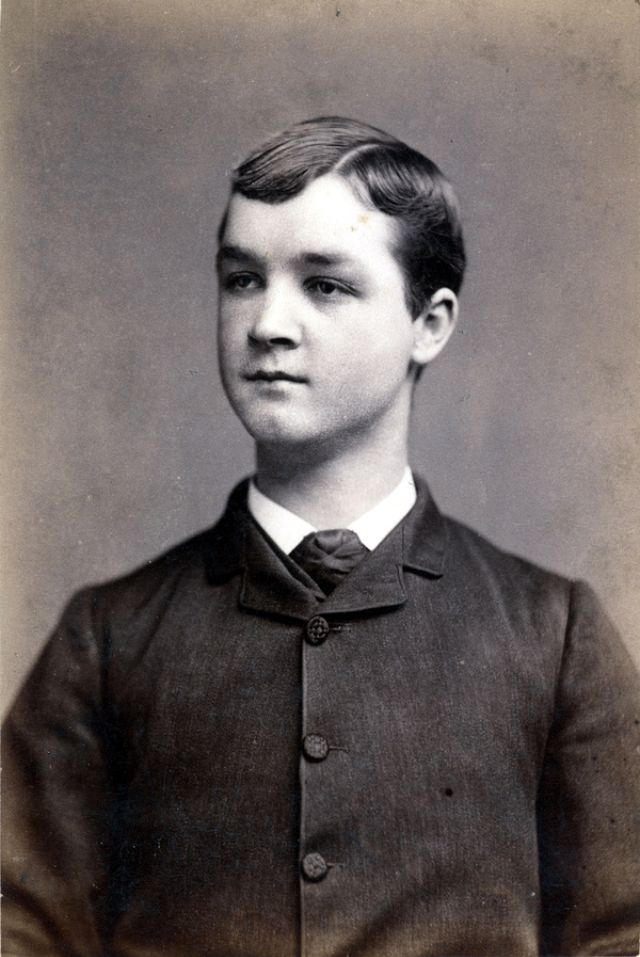
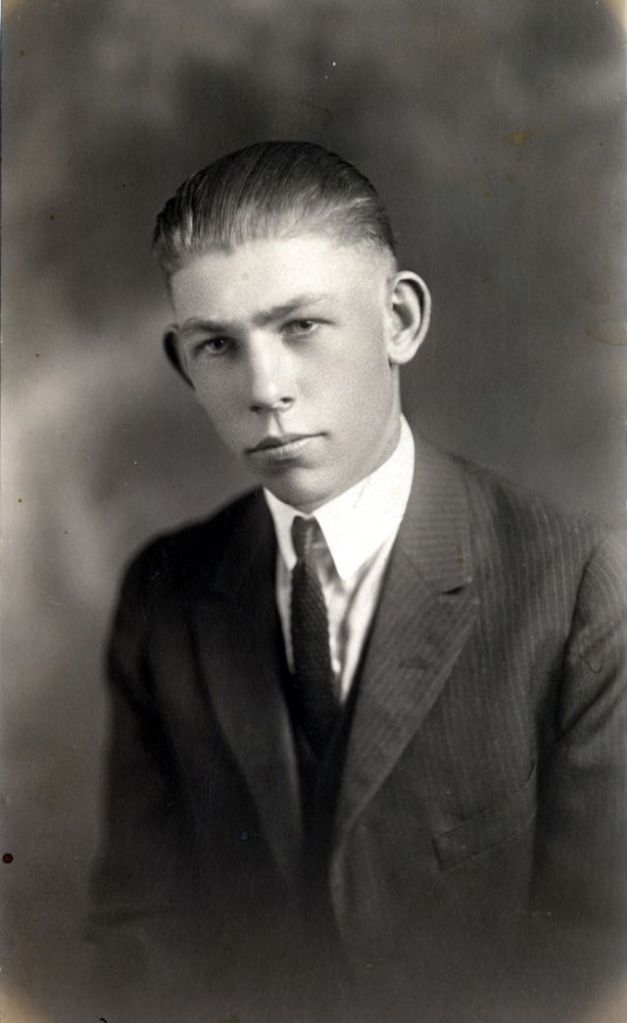
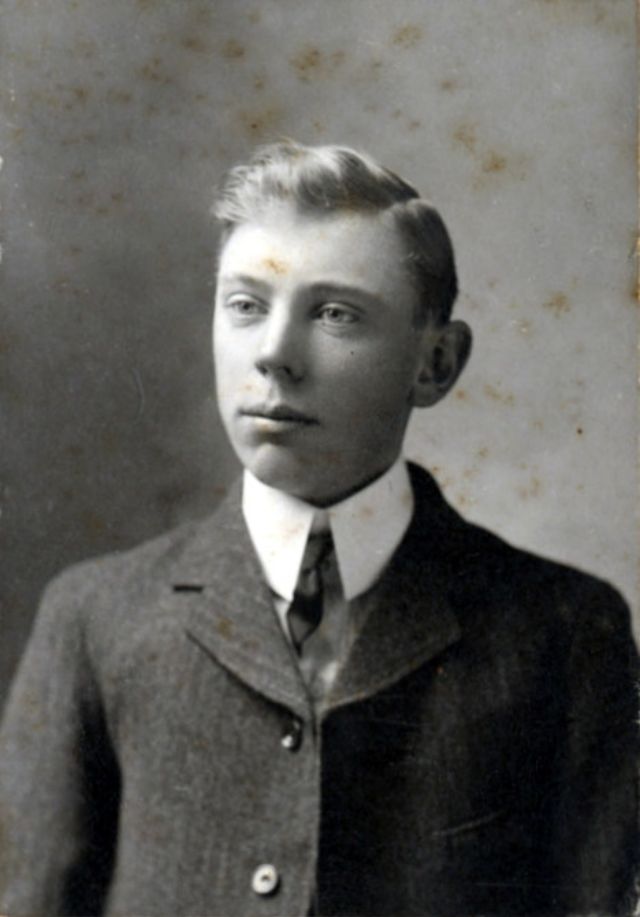
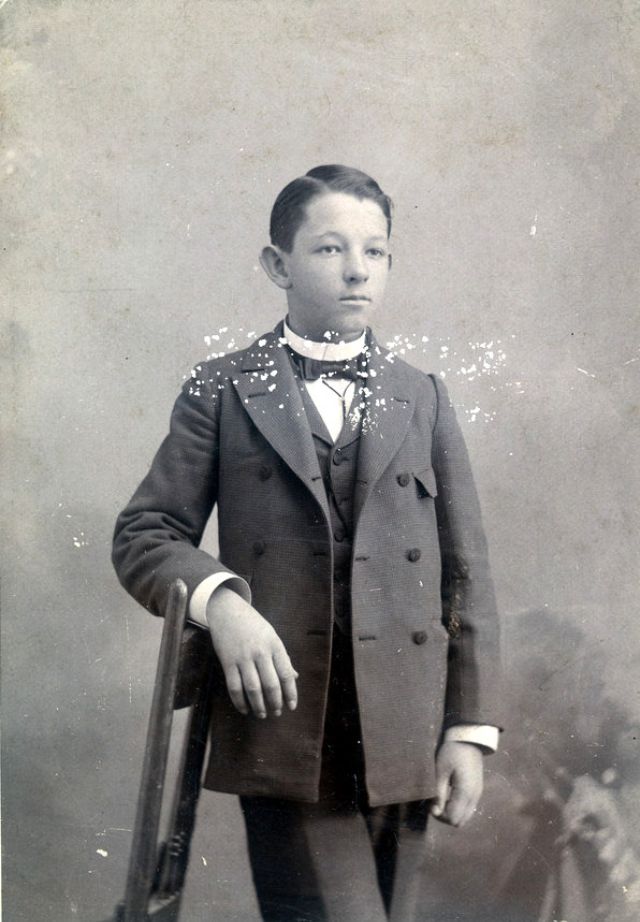
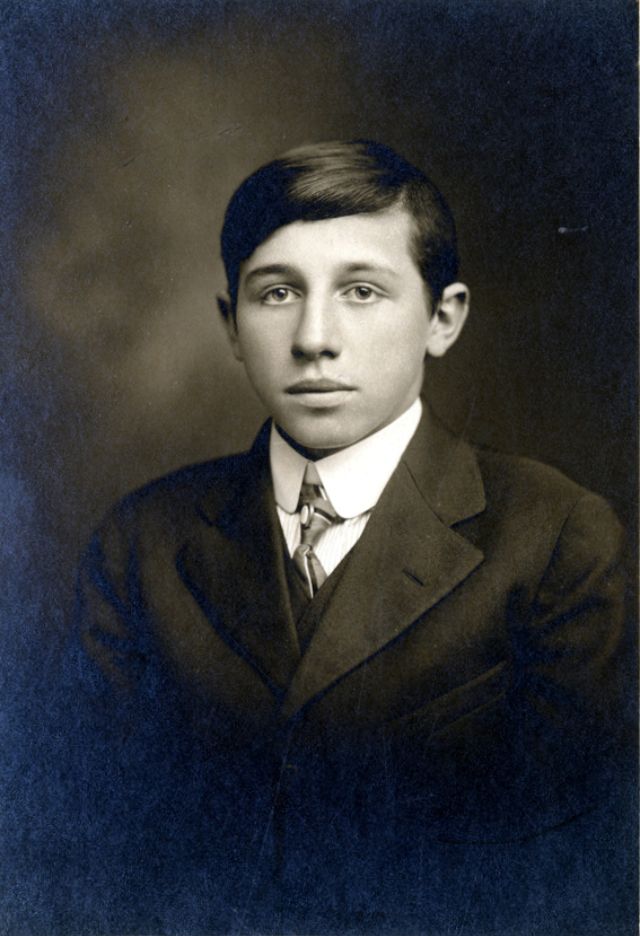
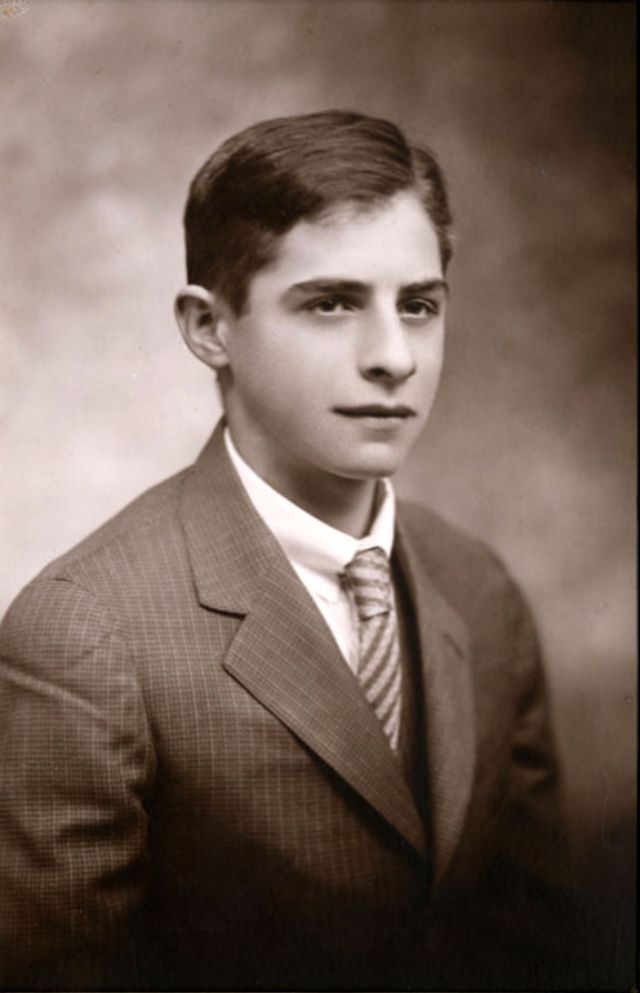
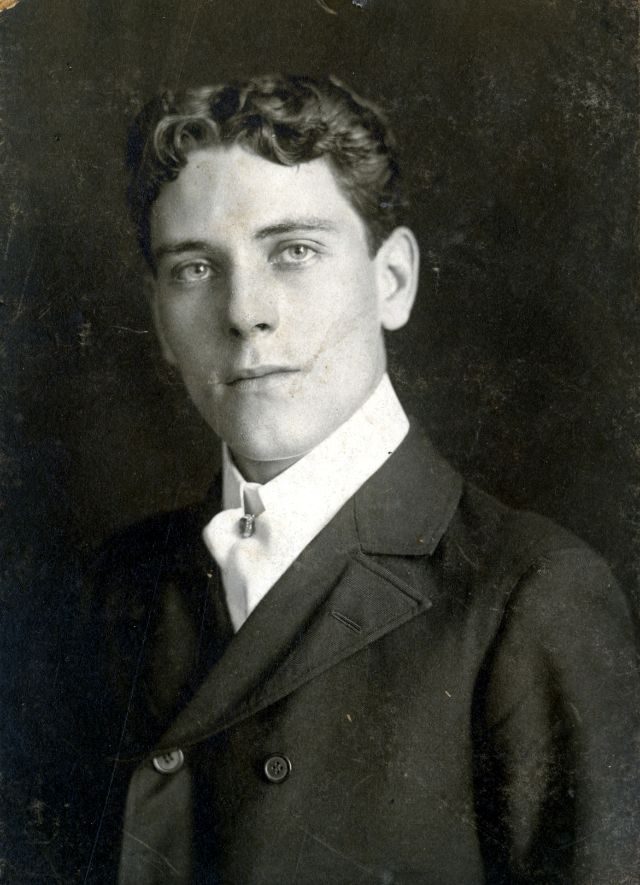
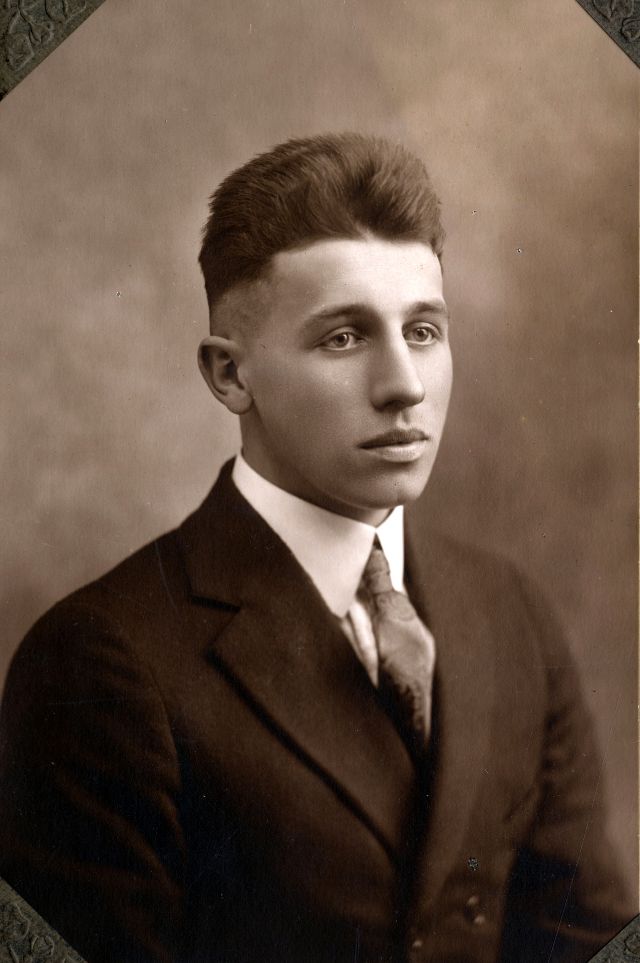
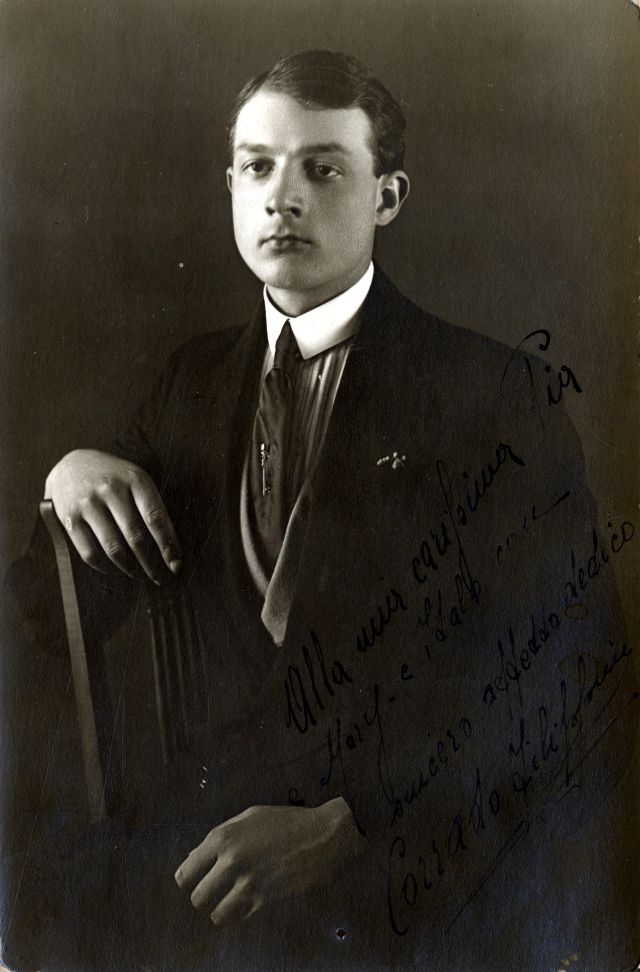
During the early 1900s, easy to see Edwardian men’s clothing was relatively formal, with specific outfits worn at different times of the day. Interestingly, it was during the 1900-1919 years that for the first time, clothing started to be mass-produced. This reduced the need to have something tailor-made and ready made clothing more accessible for all, regardless of wealth or social position.
Before the turn of the 20th century, older gentlemen wore frock coats while younger men were opting for morning coats. However, in 1900, sartorial rules were beginning to become less restrictive and men would be seen in either a frock coat, a morning coat or a sack suit.
These photos that show how young men’s fashion looked like in the early 20th century.
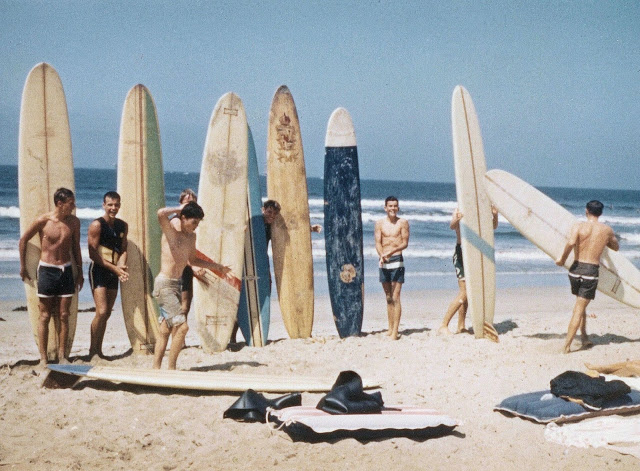
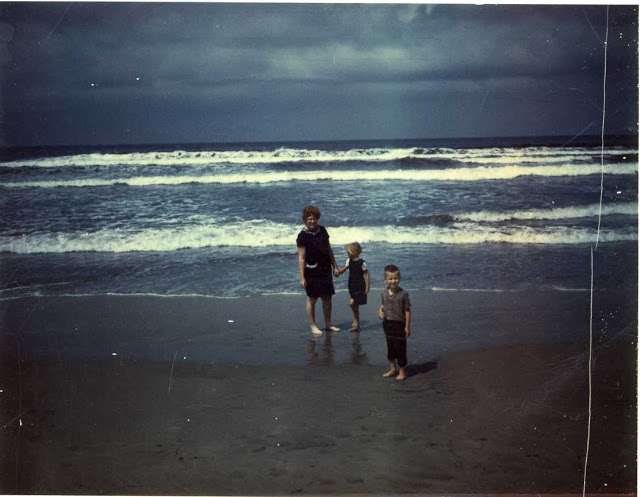
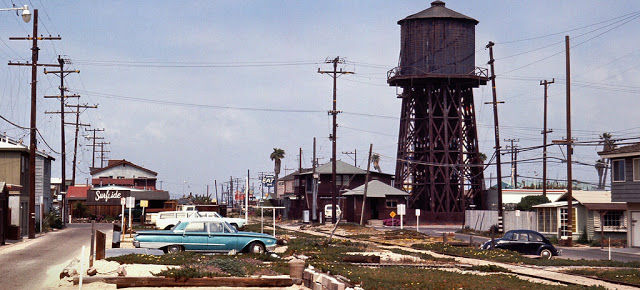
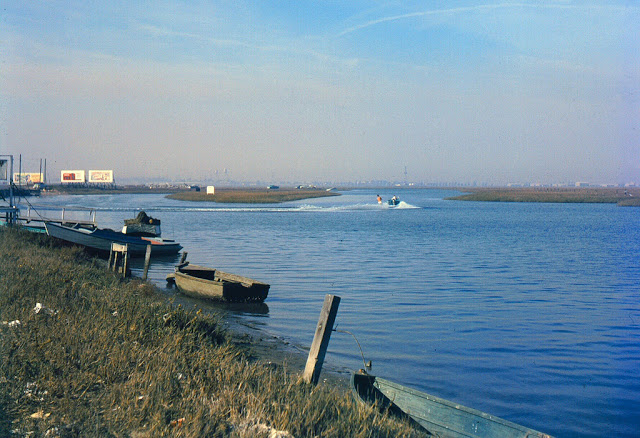
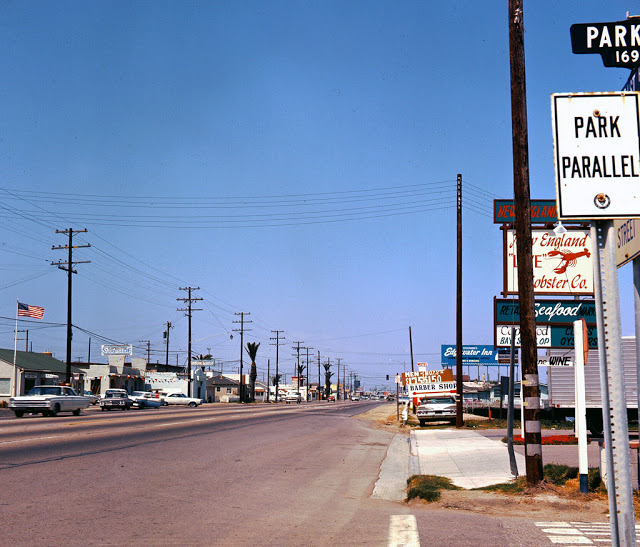
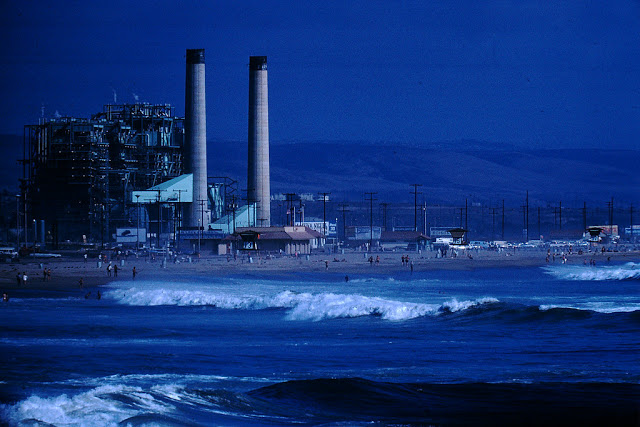
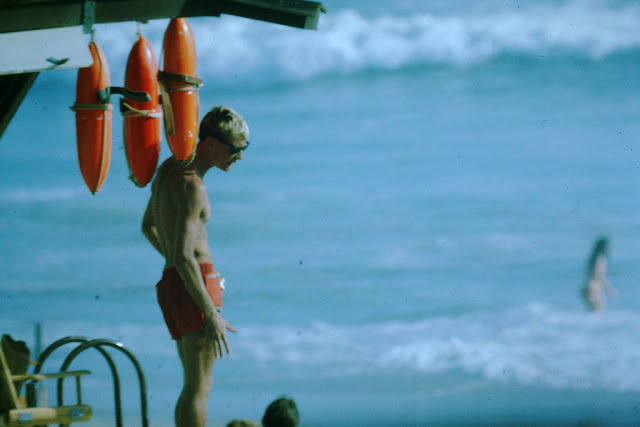
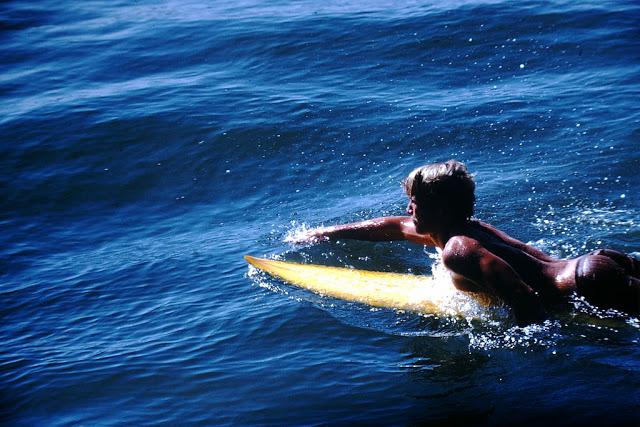
Huntington Beach is a seaside city in Orange County in Southern California. It is the most populous beach city in Orange County and the seventh most populous city in the Los Angeles-Long Beach-Anaheim MSA. With the long 9.5-mile stretch of sandy beach, mild climate, excellent surfing, and beach culture, it is one of the most livable places in the world.
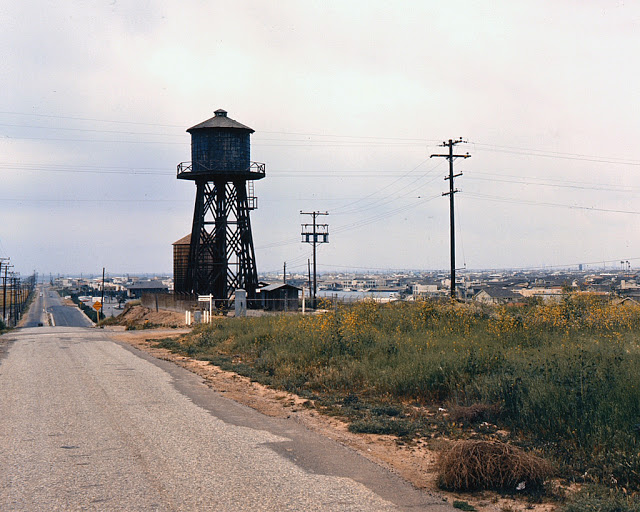
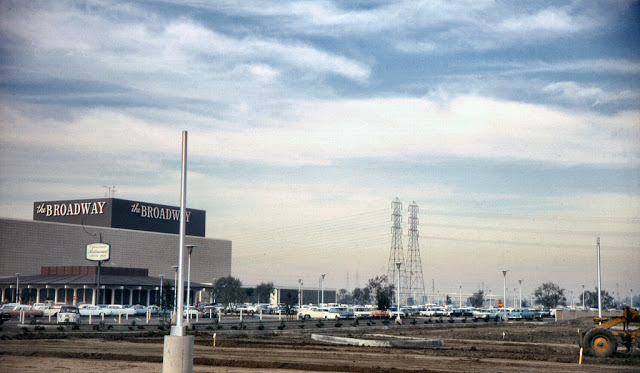
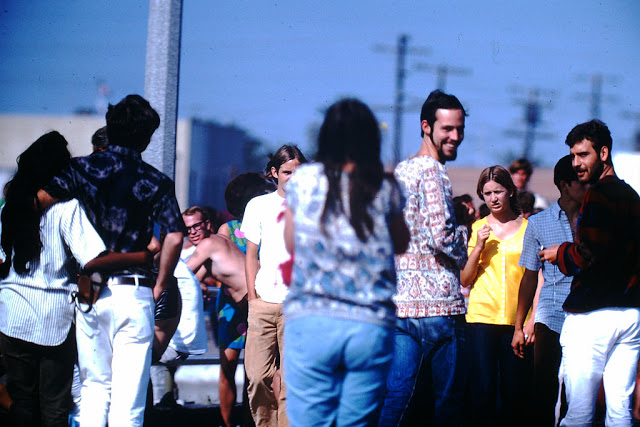
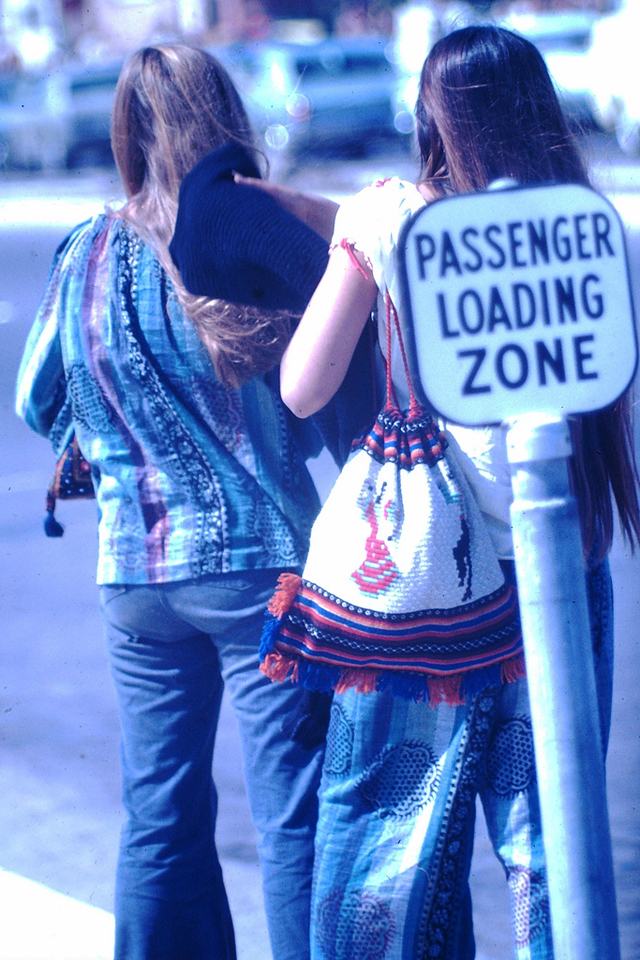
Here are some wonderful color snapshots capturing everyday life of Huntington Beach in the 1960s.
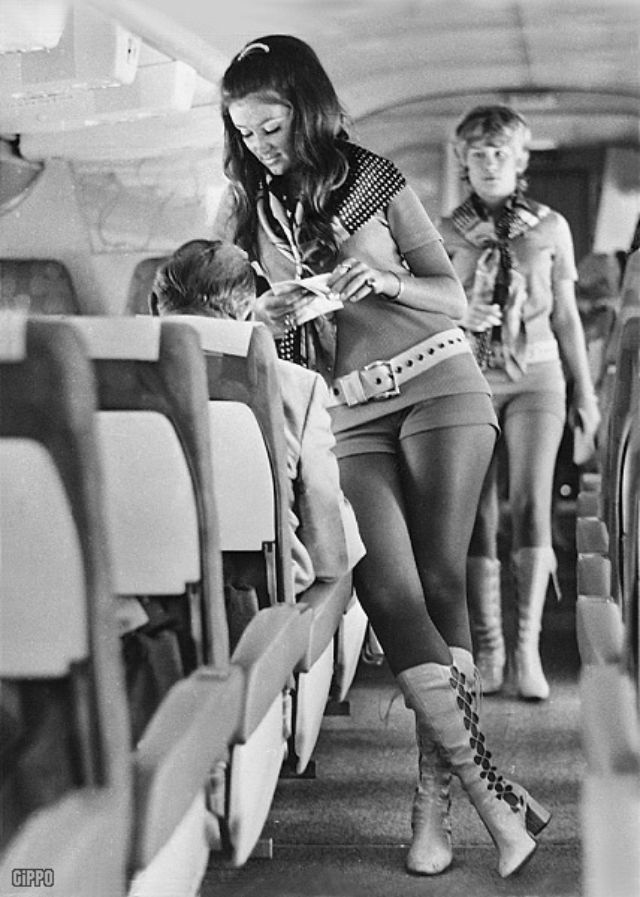
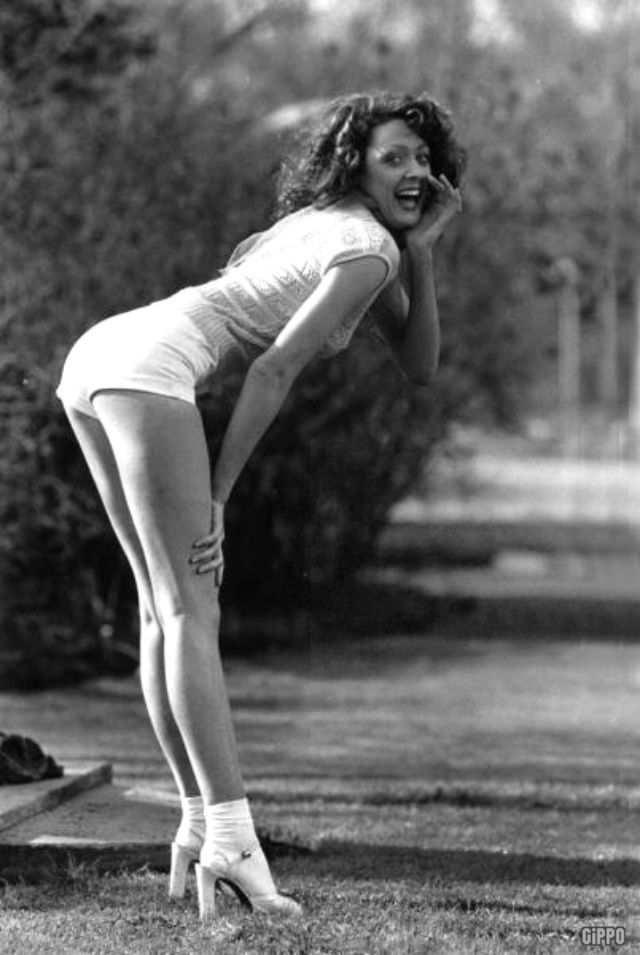
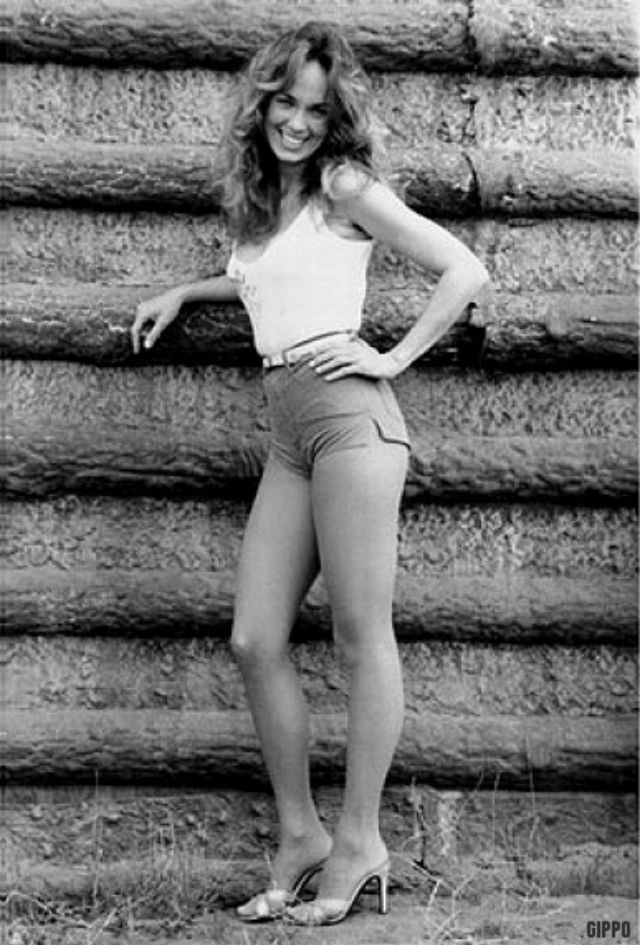
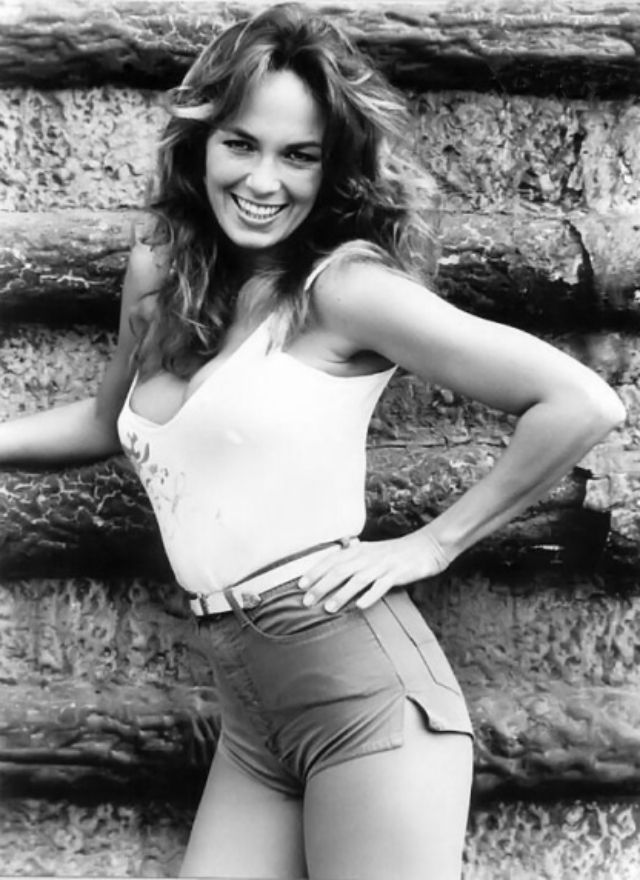
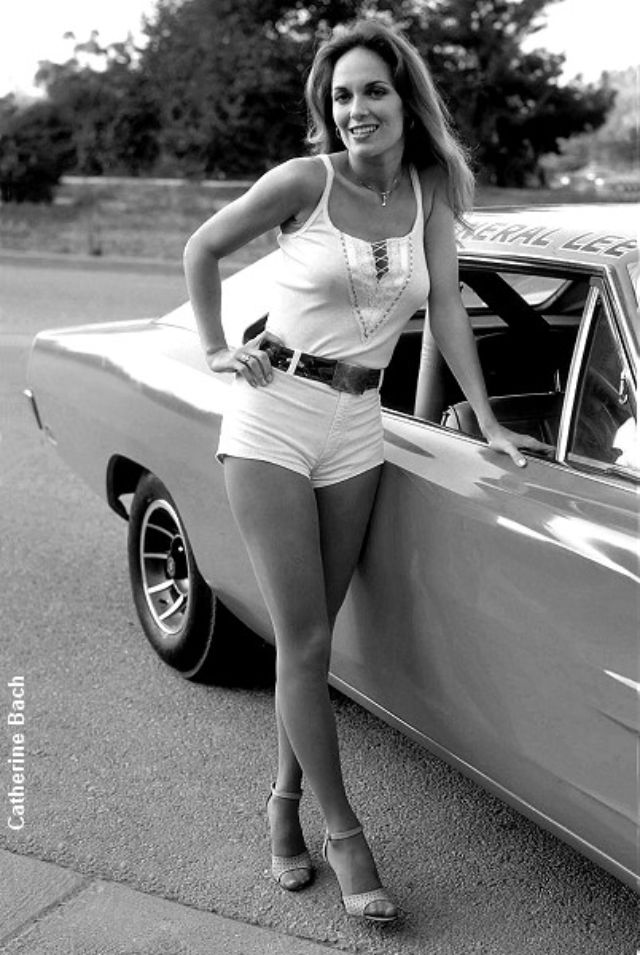
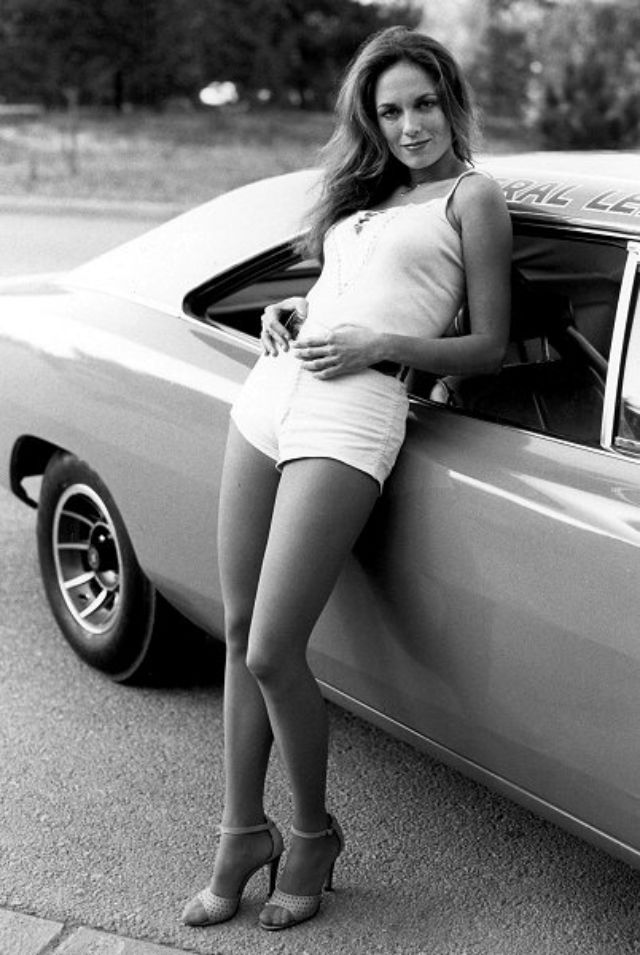
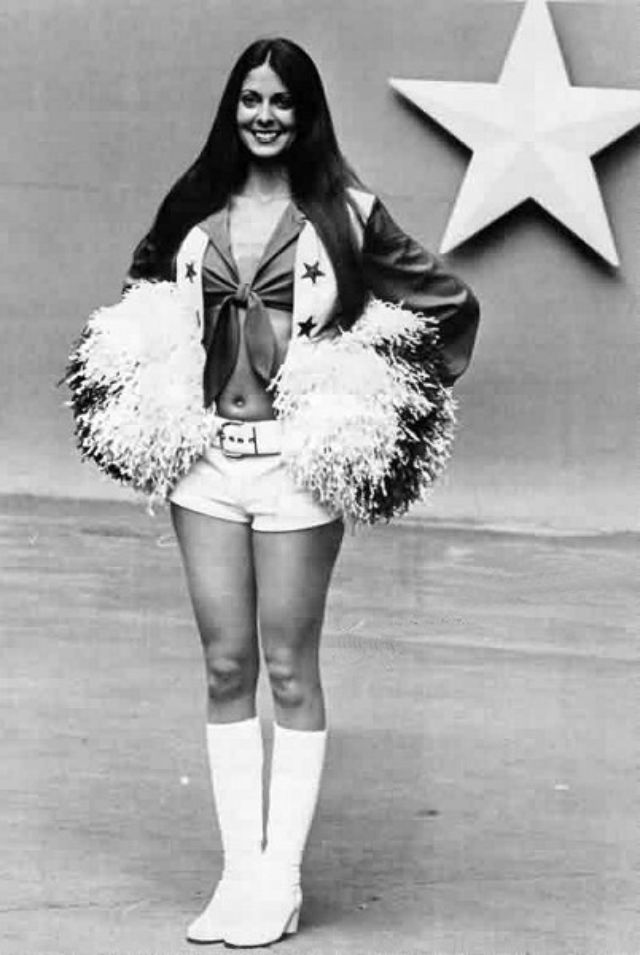
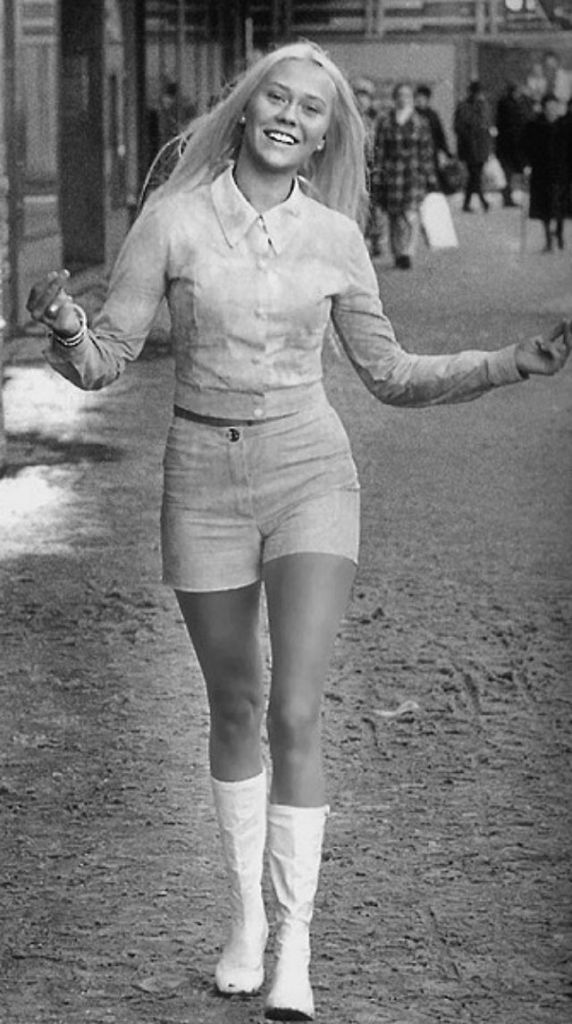
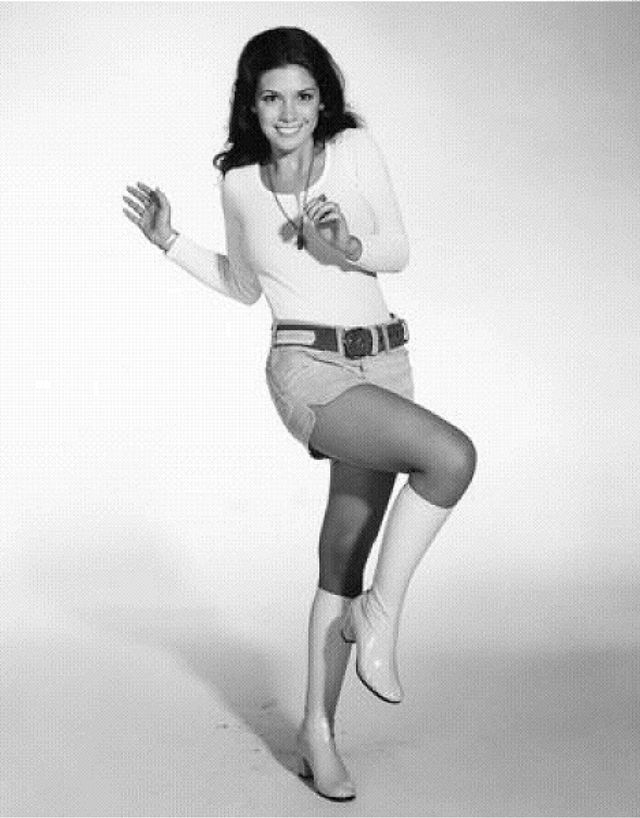
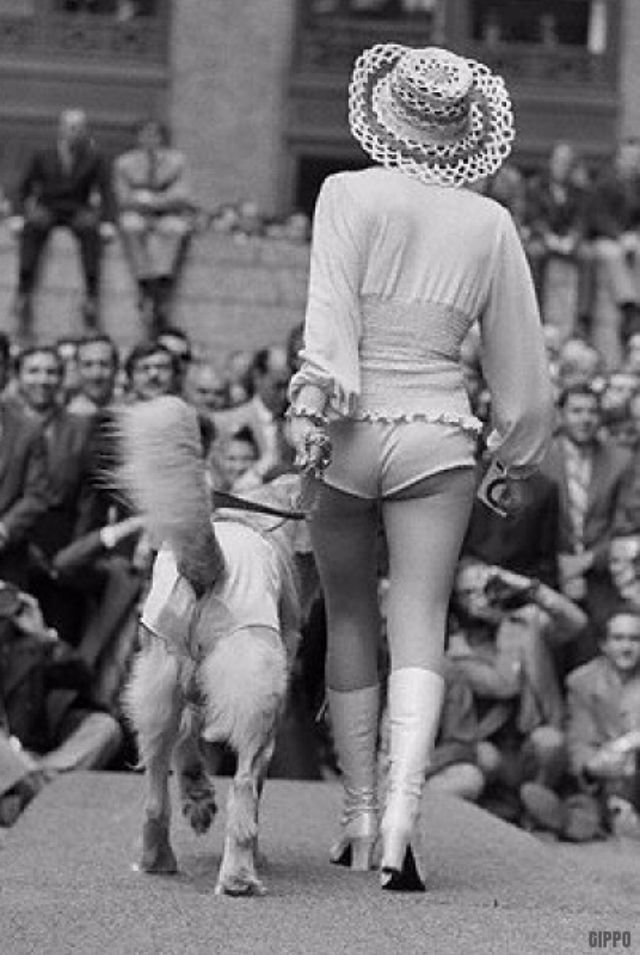
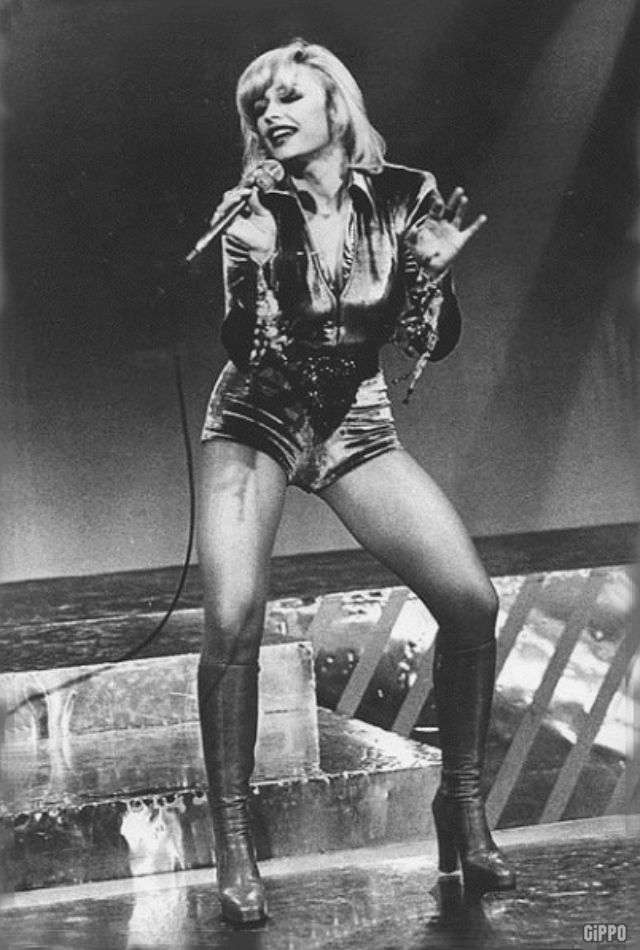
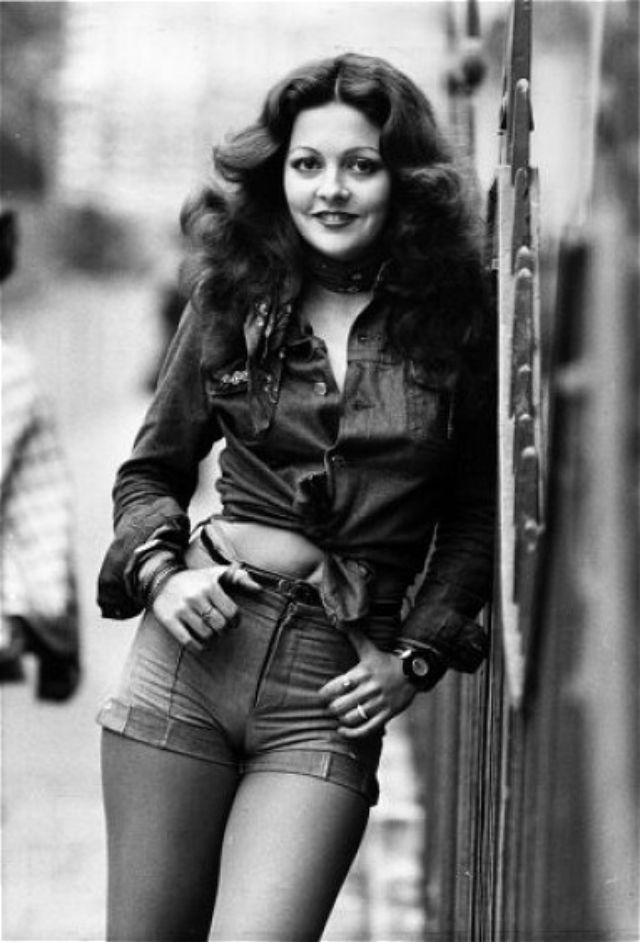
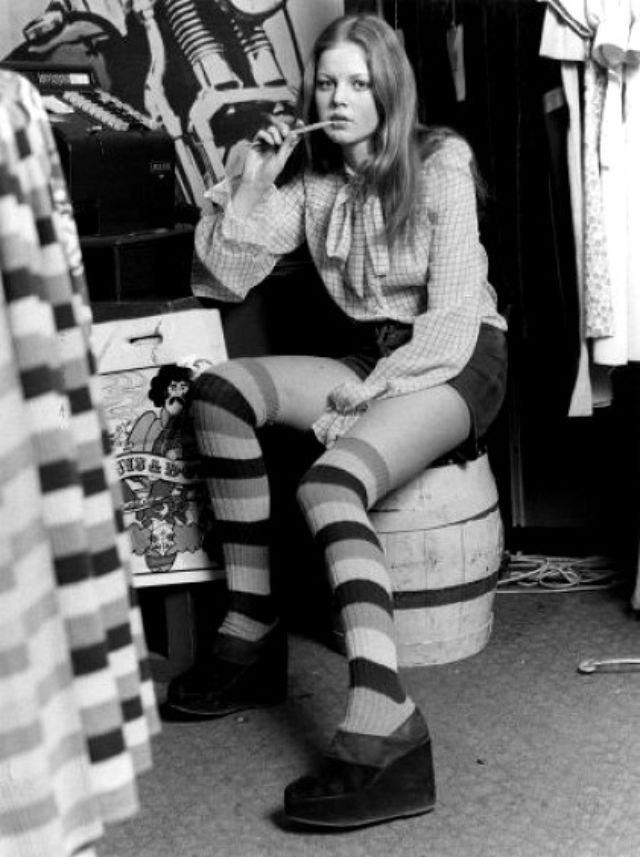
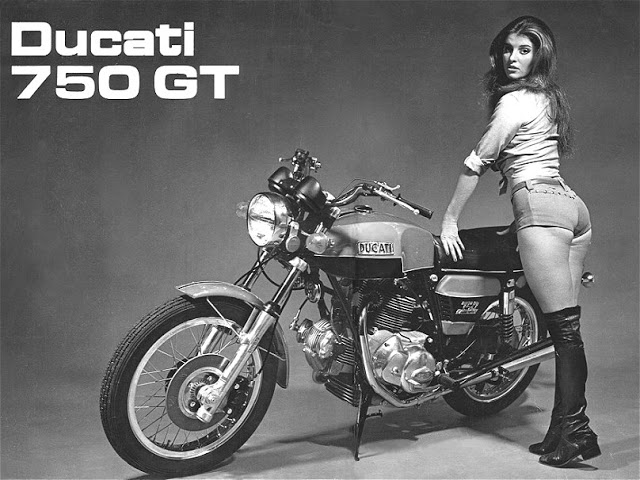
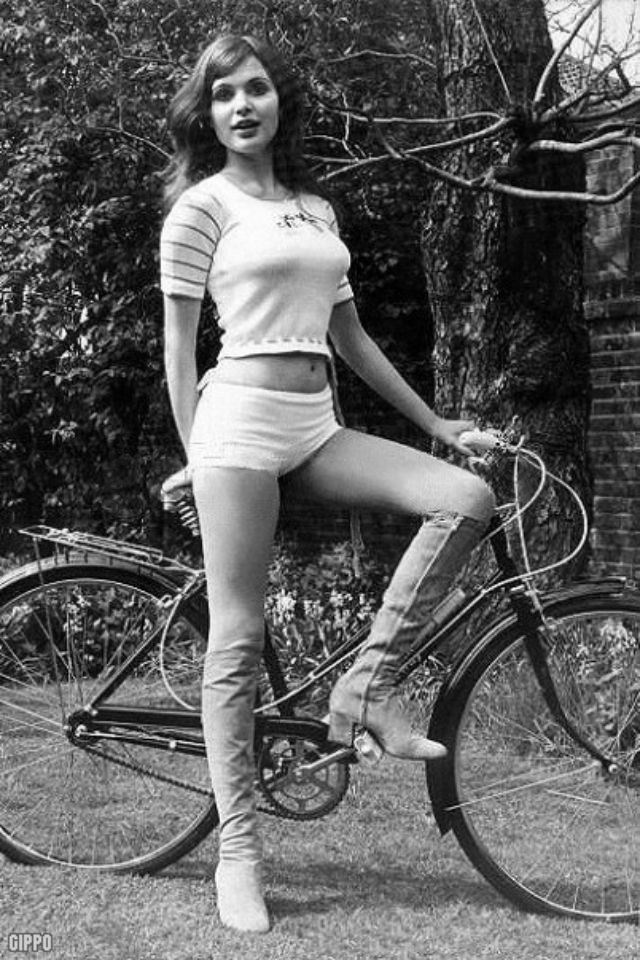
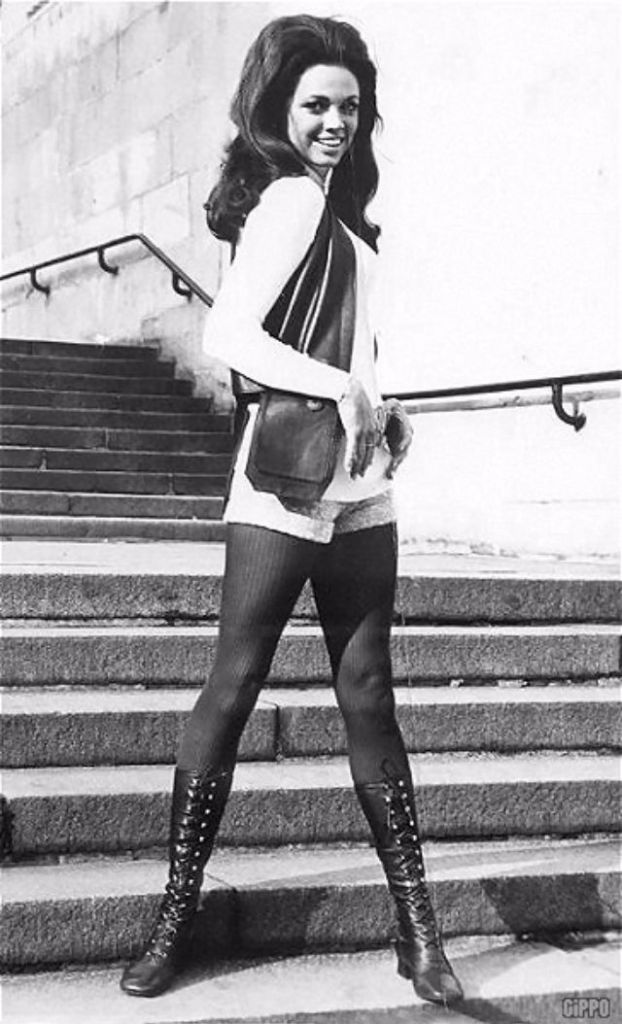
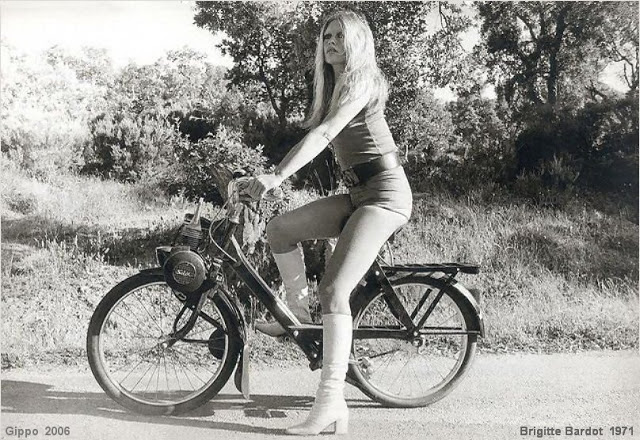
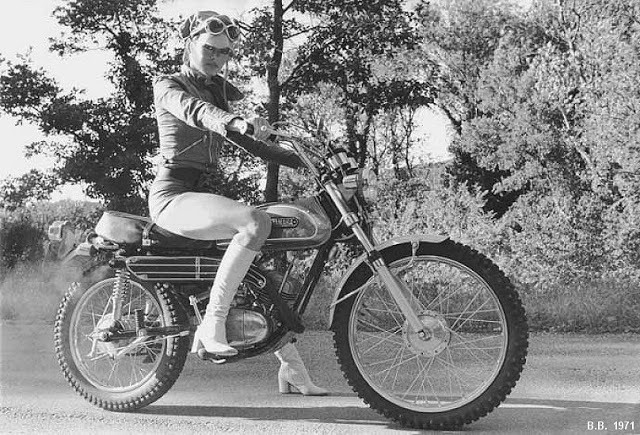
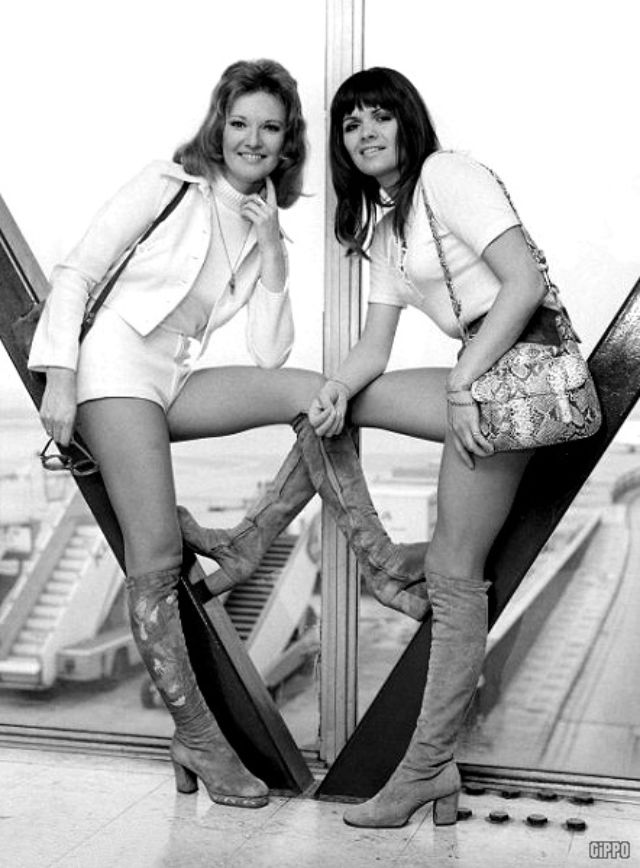
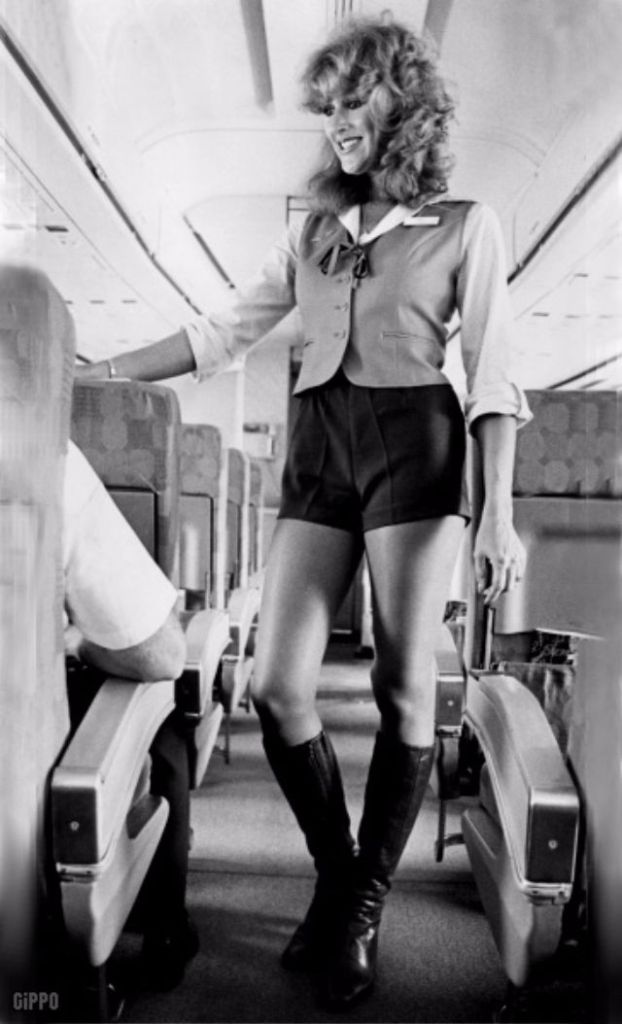
Hot pants was very brief tight shorts worn by women as an outer garment. Categorized as “short shorts,” hot pants commonly have an inseam length of 2 inches (50 mm) or less.
These are short, tight shorts, usually made of cotton, nylon, or some other common material. They are meant to emphasize the buttocks and the legs.
Hot-pants were launched by fashion designer Mary Quant during the “Swinging London” scene of the mid-1960s, and they were very popular up to the early 1970s.
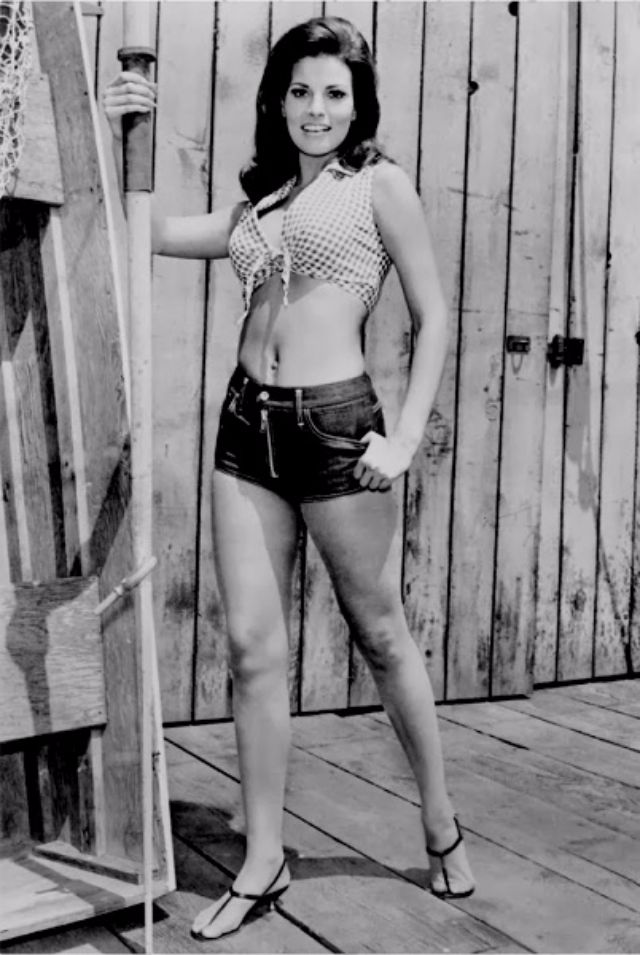
If a person cuts off the legs of a pair of jeans, that’s known as a “cut-off.” The character Daisy Duke from TV series “The Dukes of Hazzard” was known for wearing low cut blue jeans. Her popularity led to the term “Daisy Dukes” being used for short shorts. Jorts (from ‘jean shorts’) is another name for denim shorts, typically cut longer than Daisy Dukes (mid-thigh for women and at the knee for men).
When you think of enchanting images of Hollywood stars — Marilyn Monroe wrapped up in silk sheets, Audrey Hepburn flashing a knowing grin — do you wonder about the person behind the camera? And how they possibly captured that delicate moment?
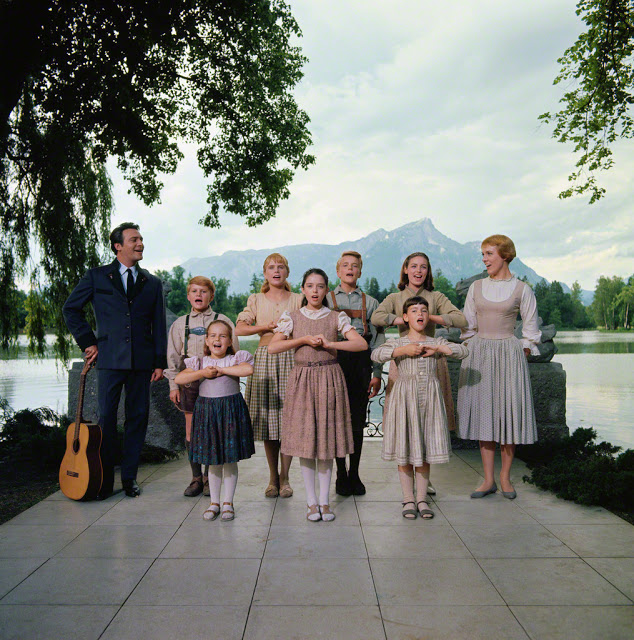
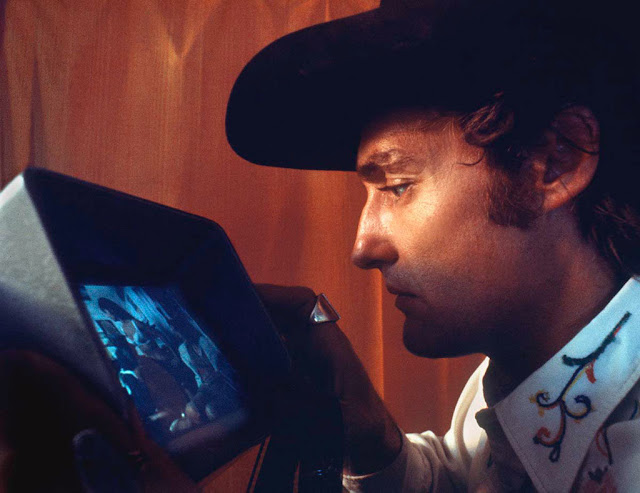
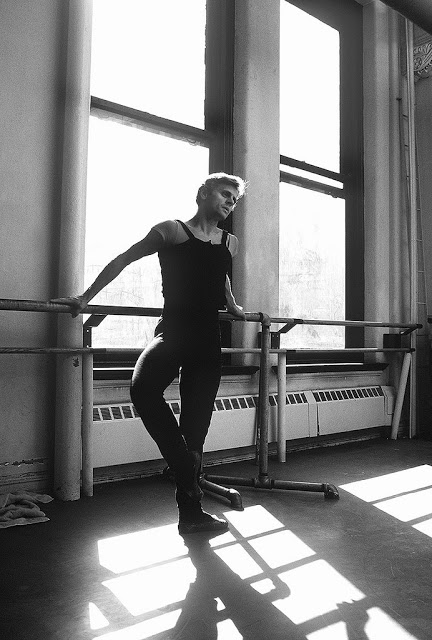
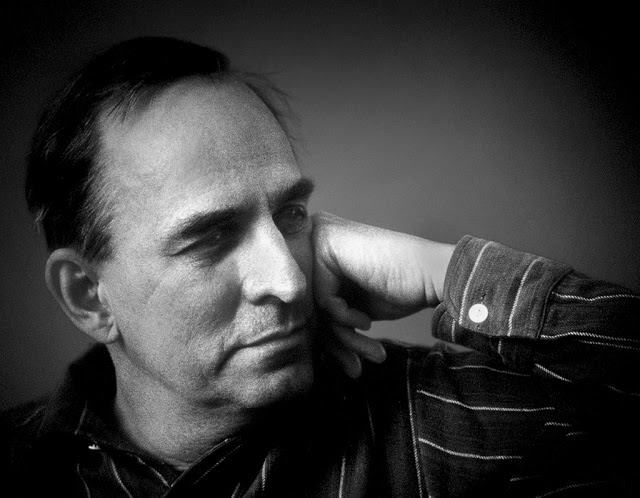
For the past 50 years, photographer Douglas Kirkland has found new angles on the world’s most familiar faces. The Fort Erie transplant still surprises himself with stories from the field; like that time Elizabeth Taylor agreed to let him photograph her after a prolonged break from the public eye.
Douglas Kirkland was born in 1934 in Fort Erie, Ontario. At age twenty-four, Kirkland was hired as a staff photographer for Look magazine and became famous for his 1961 photos of Marilyn Monroe taken for Look’s 25th anniversary issue. He later joined the staff of Life magazine.
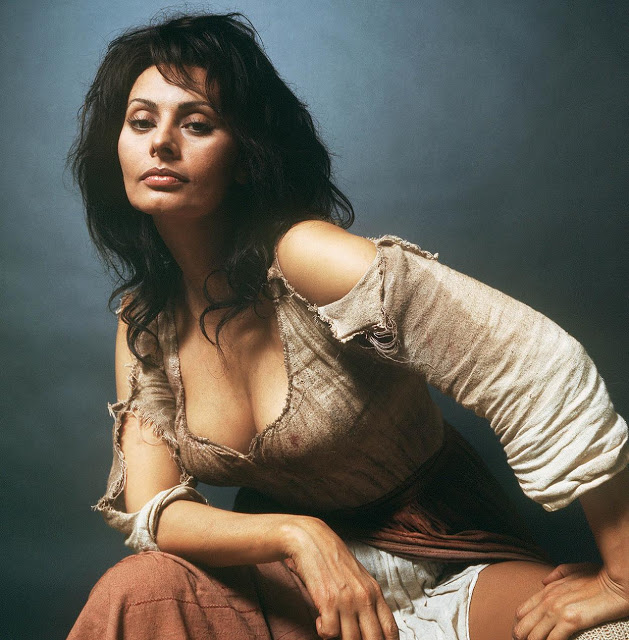
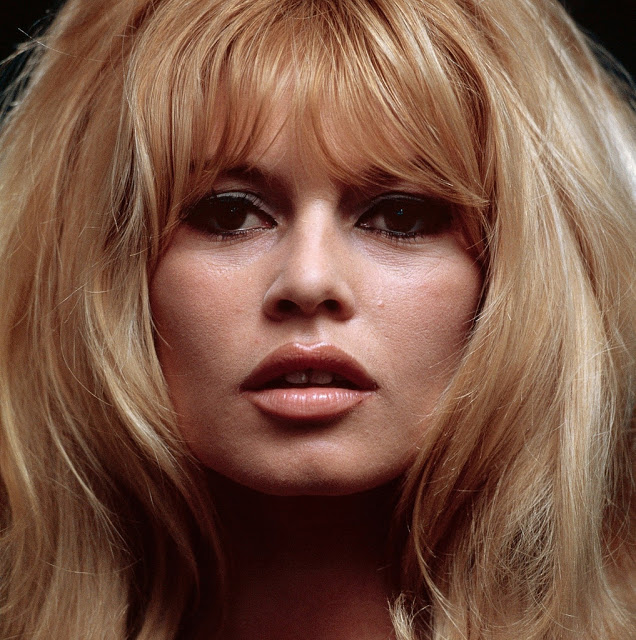
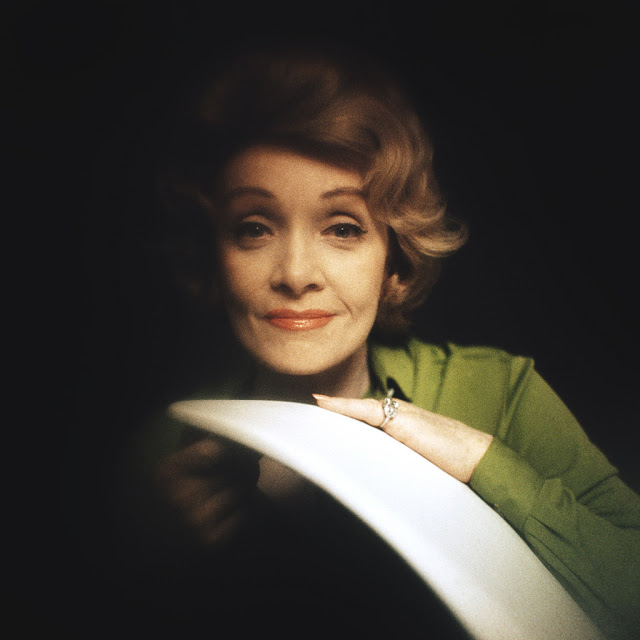
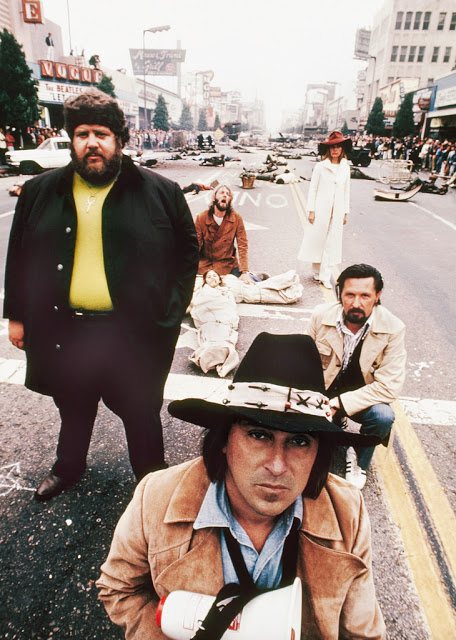
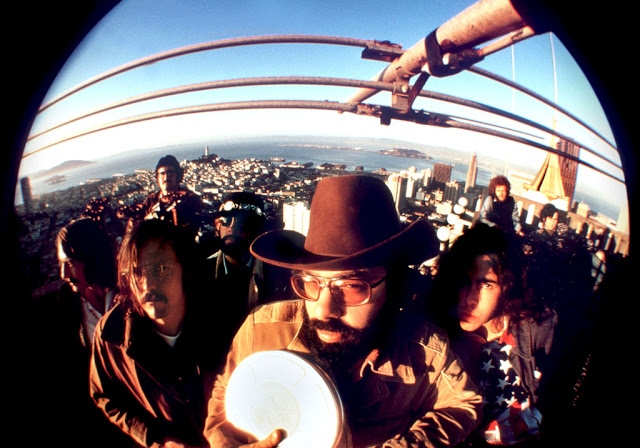
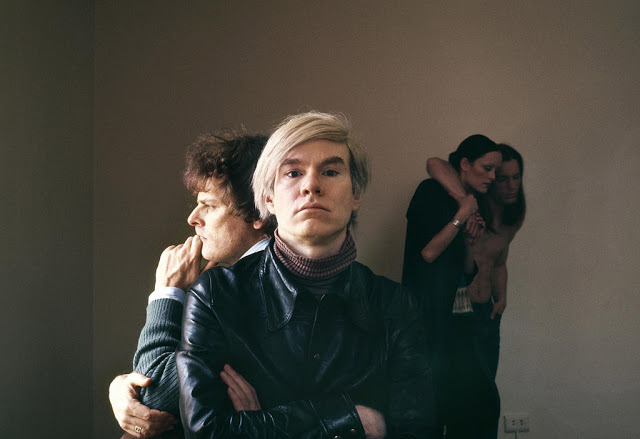
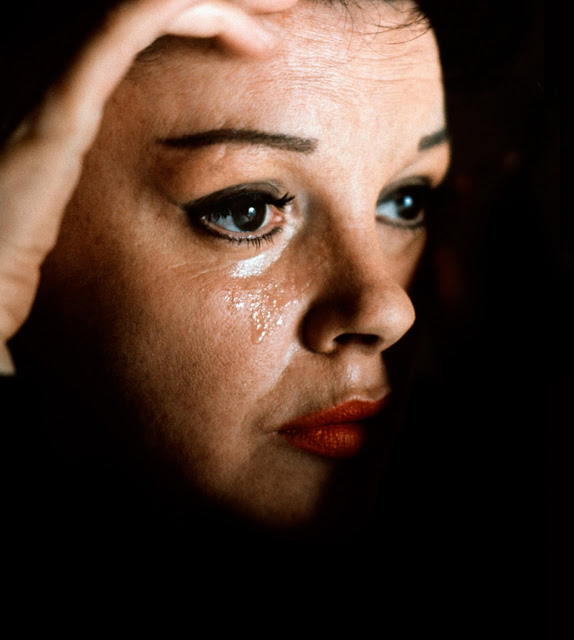
A Who’s Who of notable persons have posed for Kirkland from the great photography innovator Man Ray and photographer/painter Jacques Henri Lartigue to Dr. Stephen Hawking. Entertainment celebrities he has photographed include Mick Jagger, Sting, Björk, Arnold Schwarzenegger, Morgan Freeman, Orson Welles, Andy Warhol, Oliver Stone, Mikhail Baryshnikov, Leonardo DiCaprio, Coco Chanel, Marlene Dietrich, Brigitte Bardot, Judy Garland, Elizabeth Taylor, Sophia Loren, Catherine Deneuve, Michael Jackson, and Diana Ross. Kirkland’s portrait of Charlie Chaplin is at the National Portrait Gallery in London.
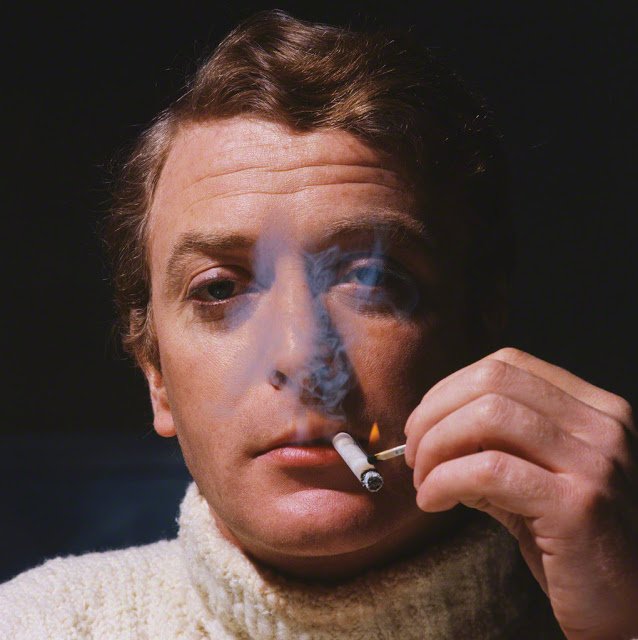
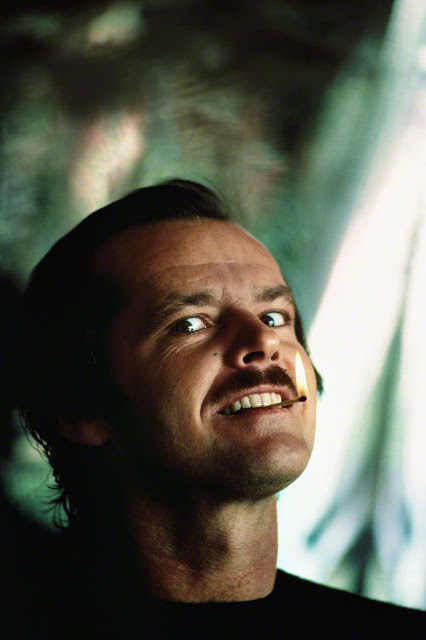
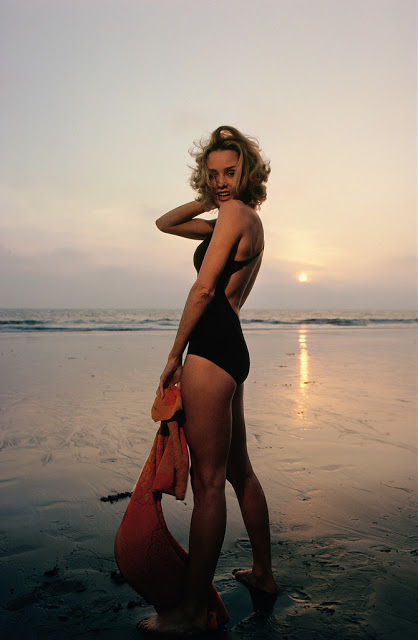
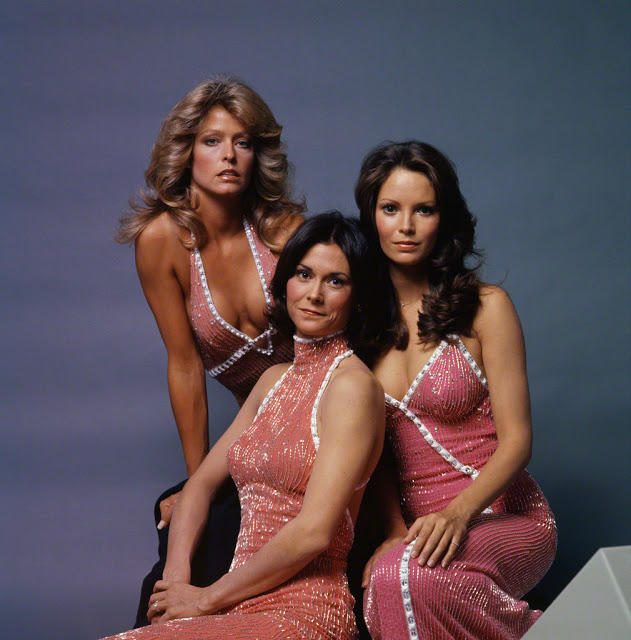
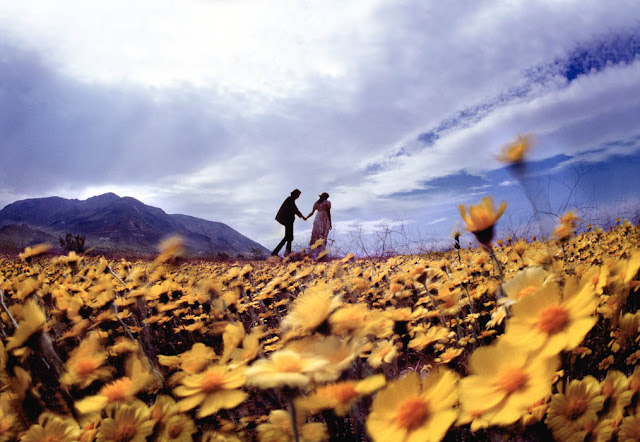
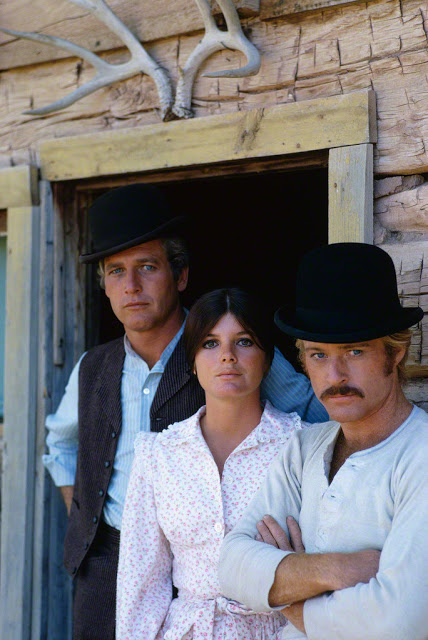
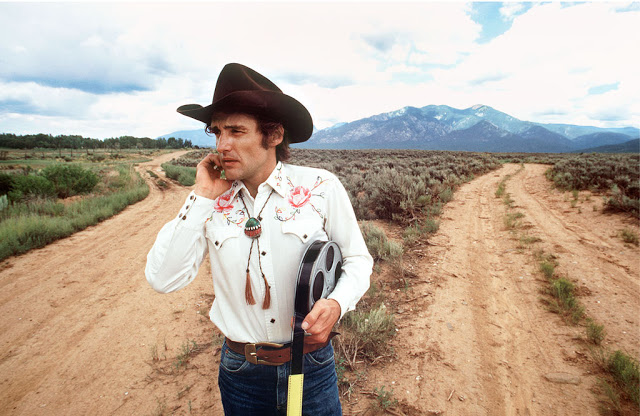
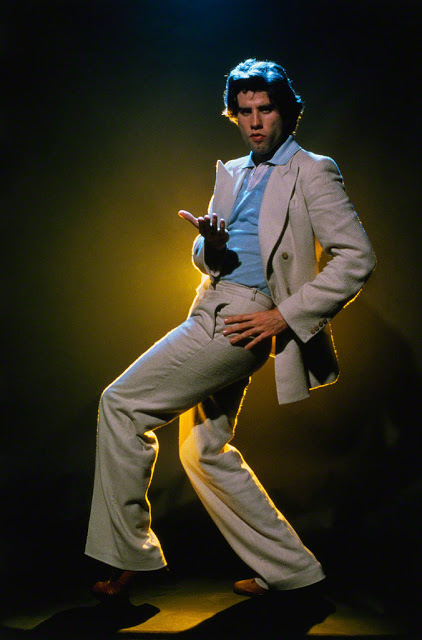
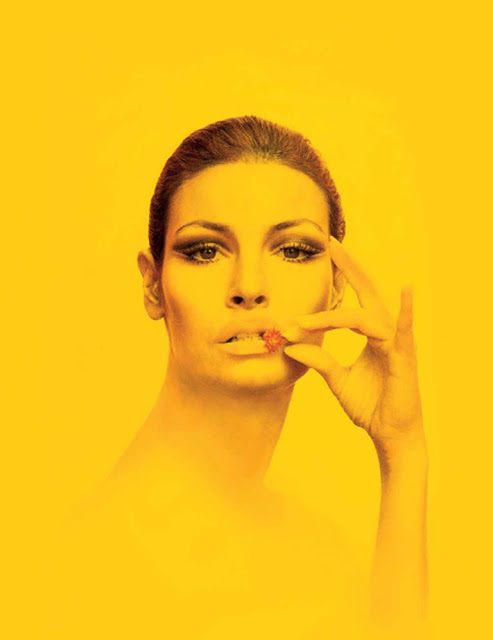
Ann-MargretBrigitte BardotMarlene DietrichPeter O’TooleJamie Lee CurtisAudrey HepburnPaul MazurskyFrancis Ford CoppolaMichael CaineJack NicholsonElizabeth Taylor and Richard BurtonJessica LangeFarrah Fawcett, Kate Jackson and Jaclyn SmithScene from The Sound of MusicBritt Ekland and Peter SellersDennis HopperMikhail BaryshnikovIngmar BergmanCalifornia Here We ComeAndy WarholMarilyn MonroeElizabeth TaylorPaul Newman, Katherine Ross and Robert RedfordJudy GarlandJohn LennonDennis HopperJohn TravoltaSophia LorenRaquel Welch
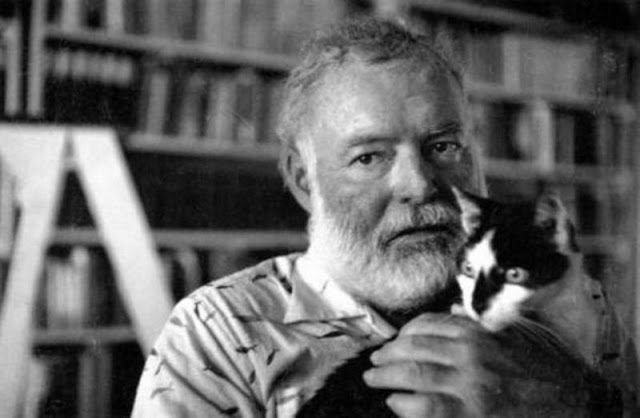
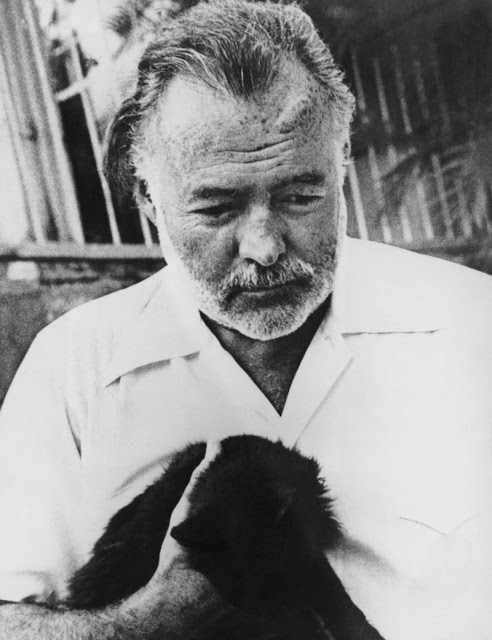
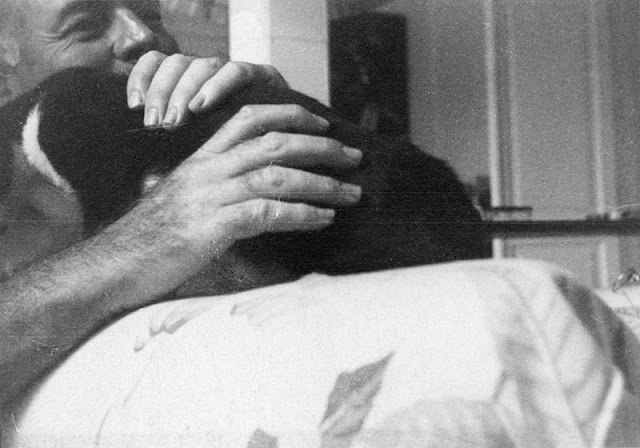
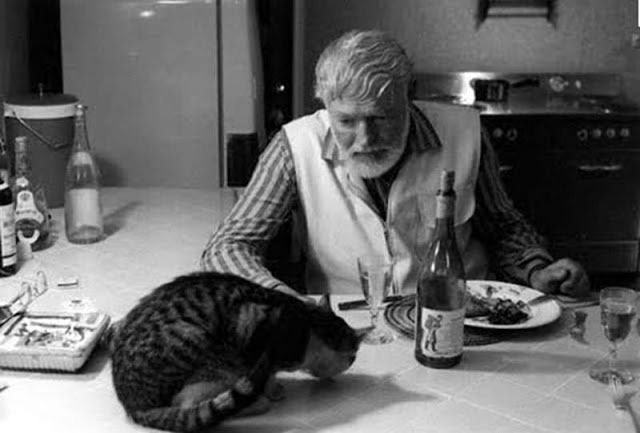
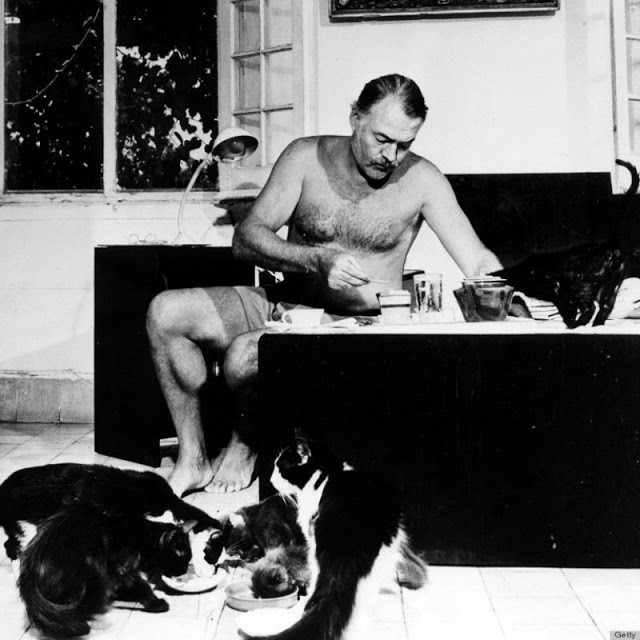
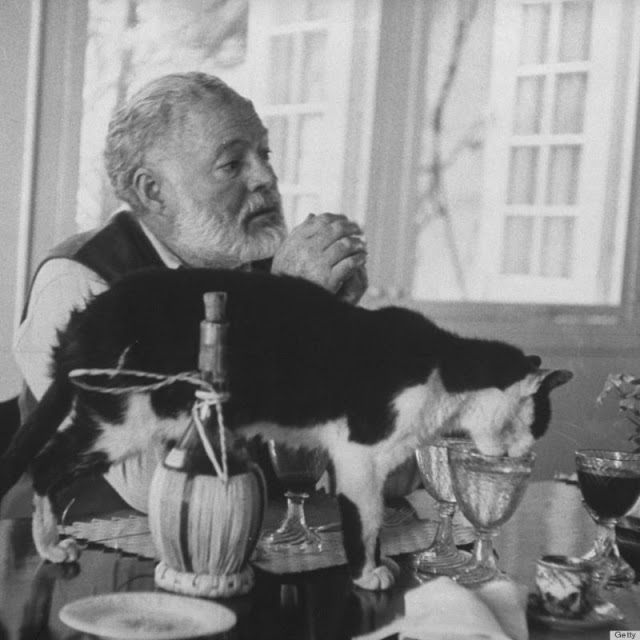
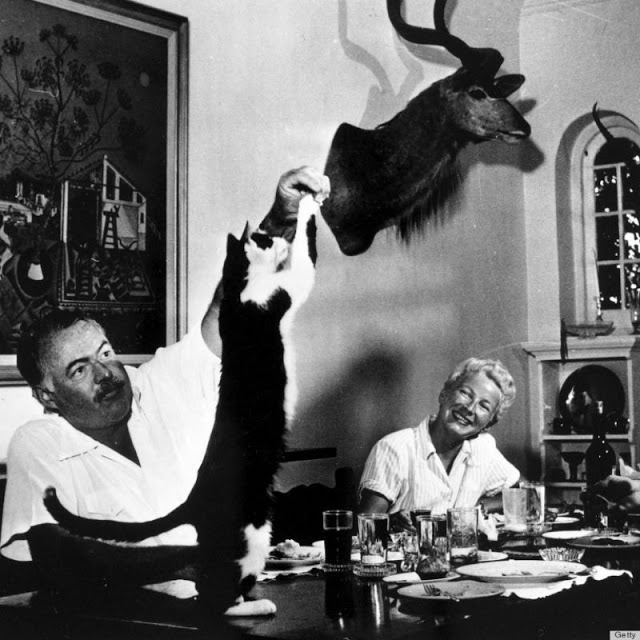
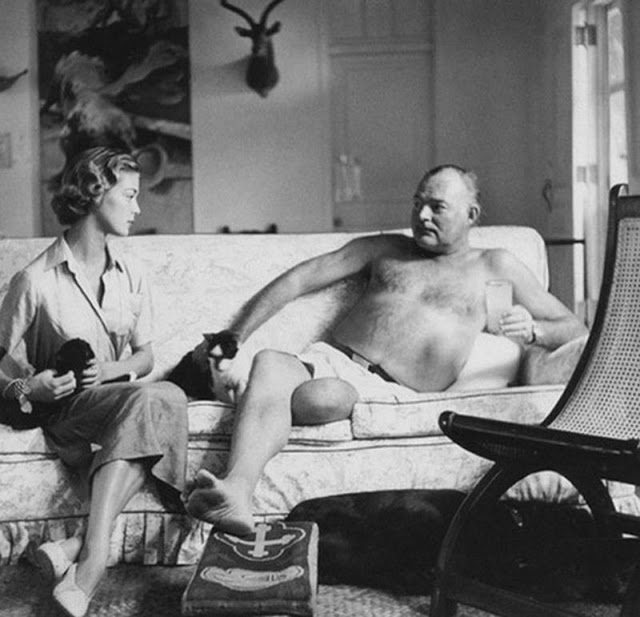
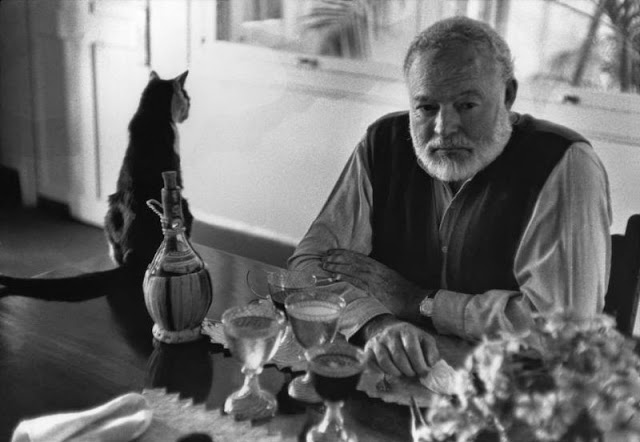
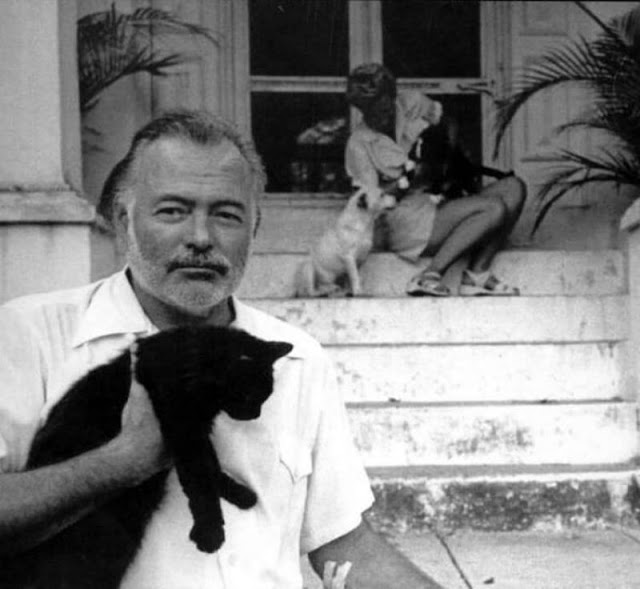
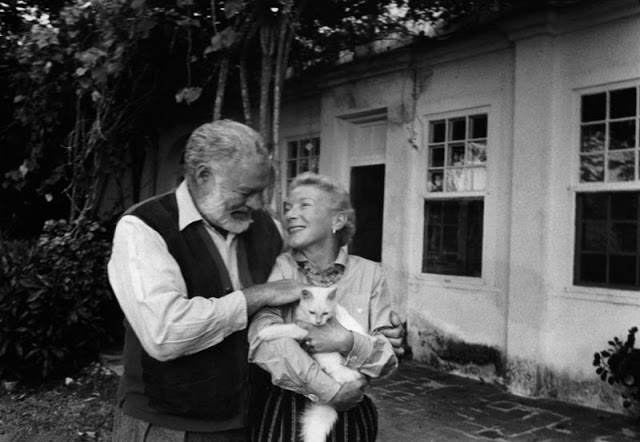
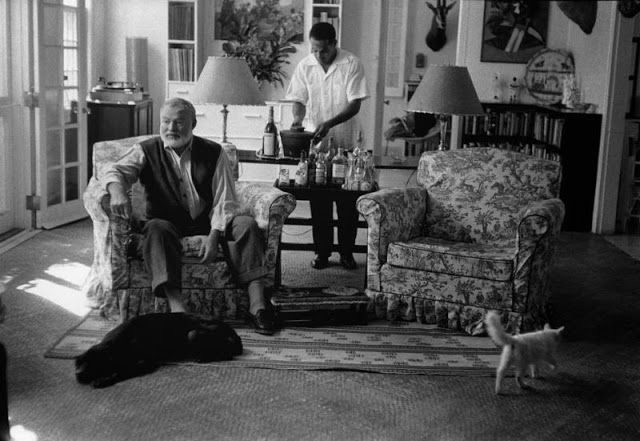
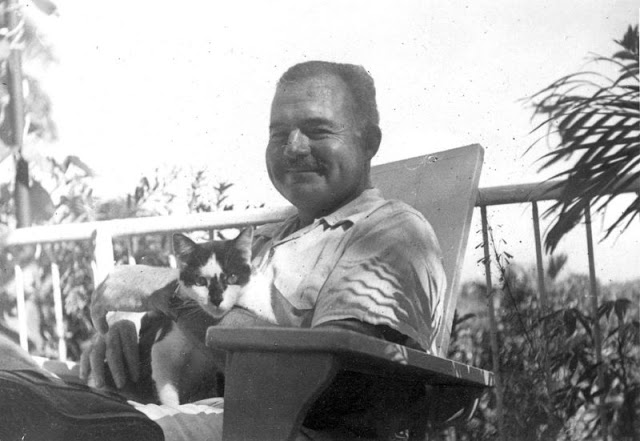
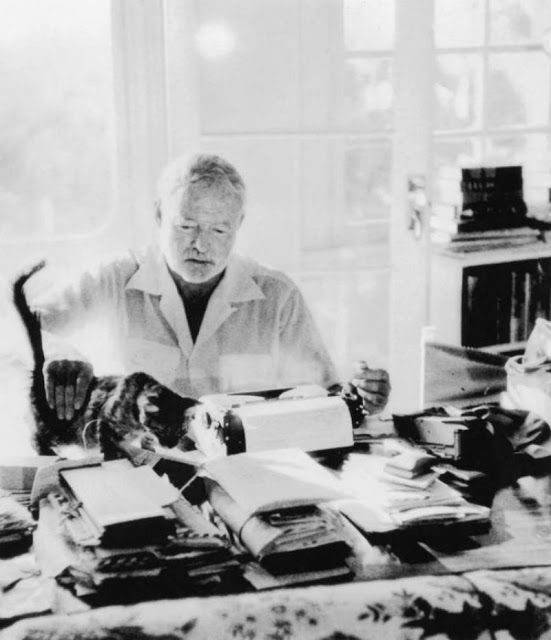
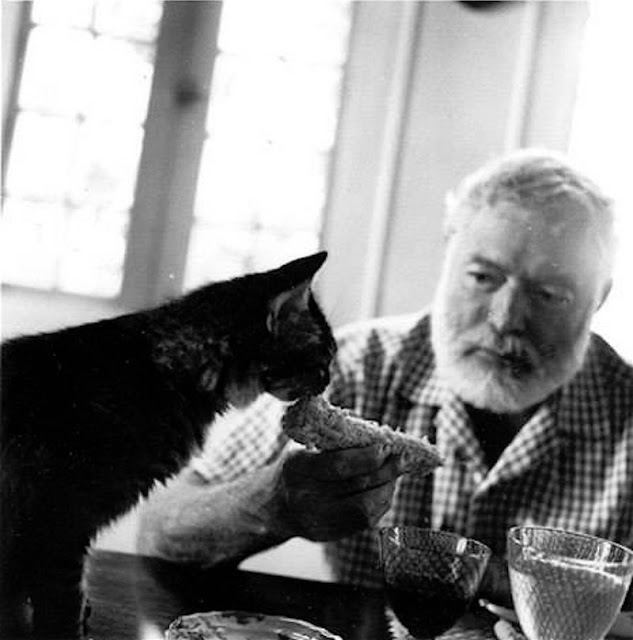
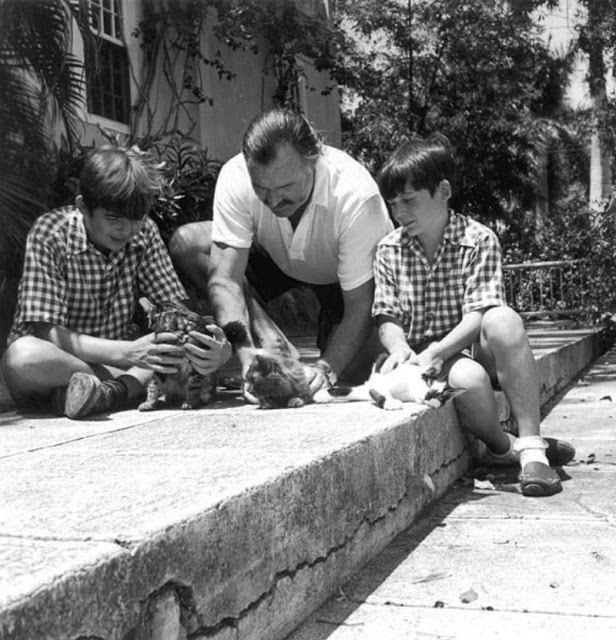
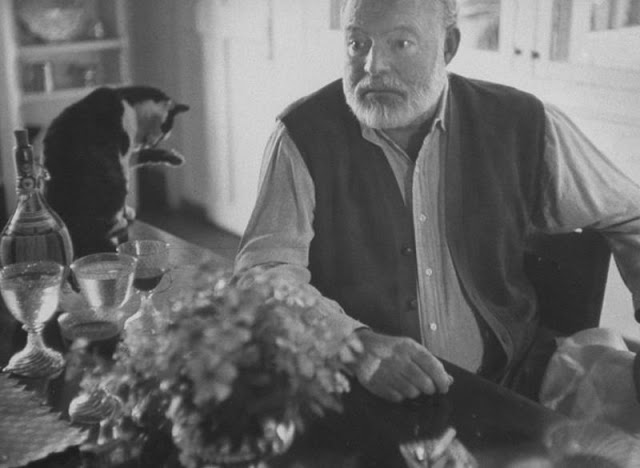
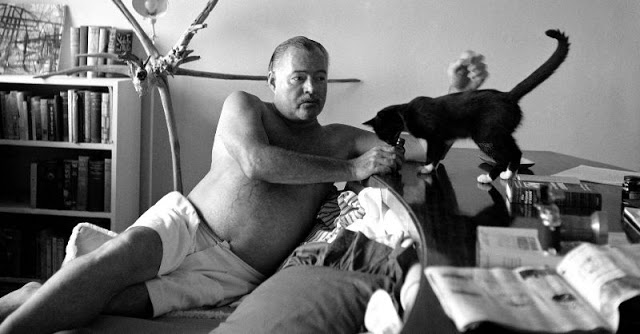
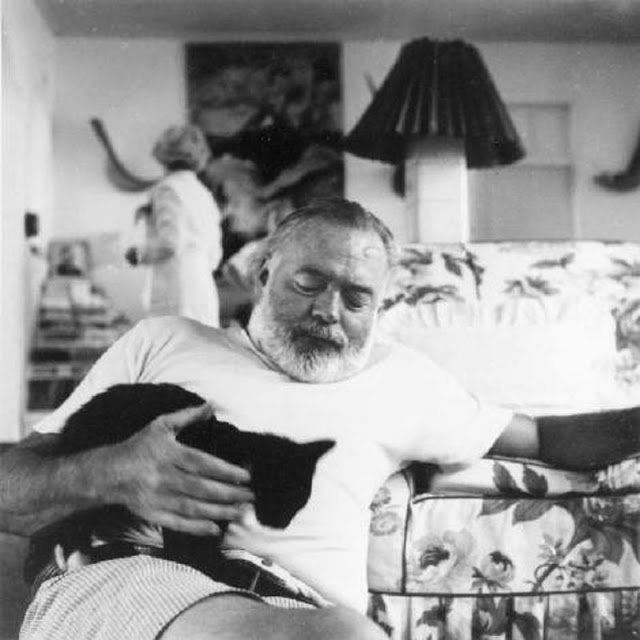
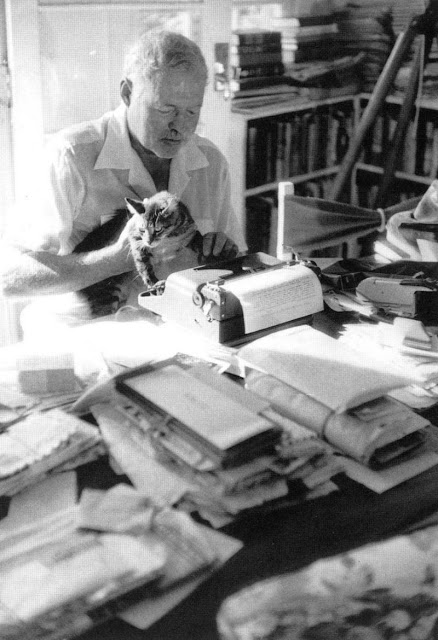
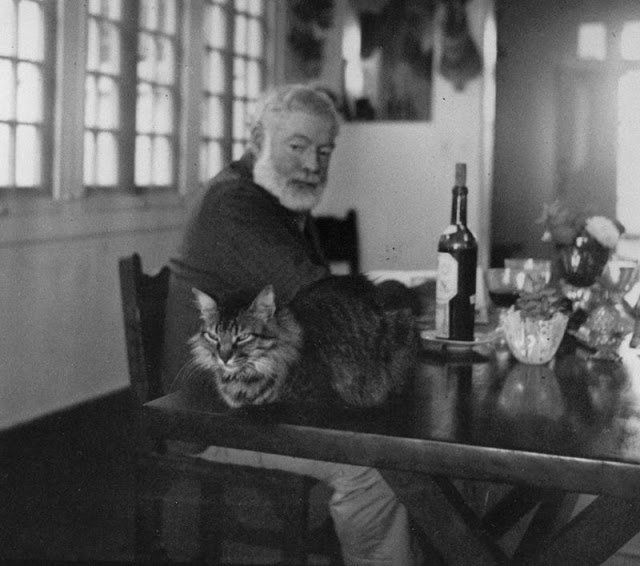
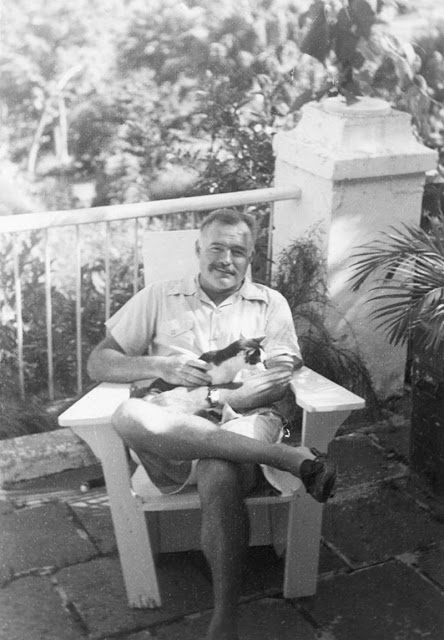
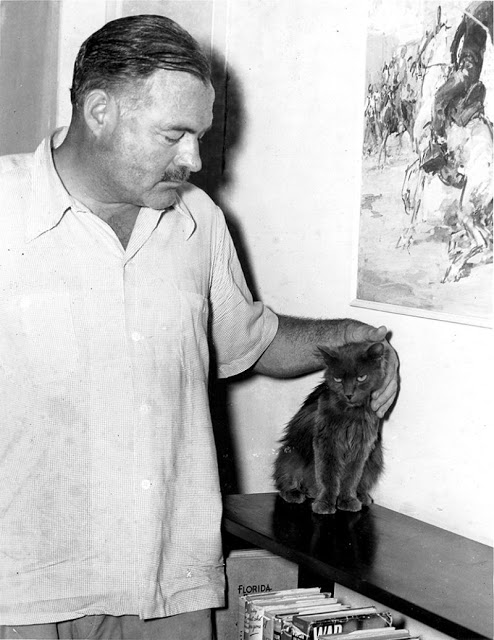
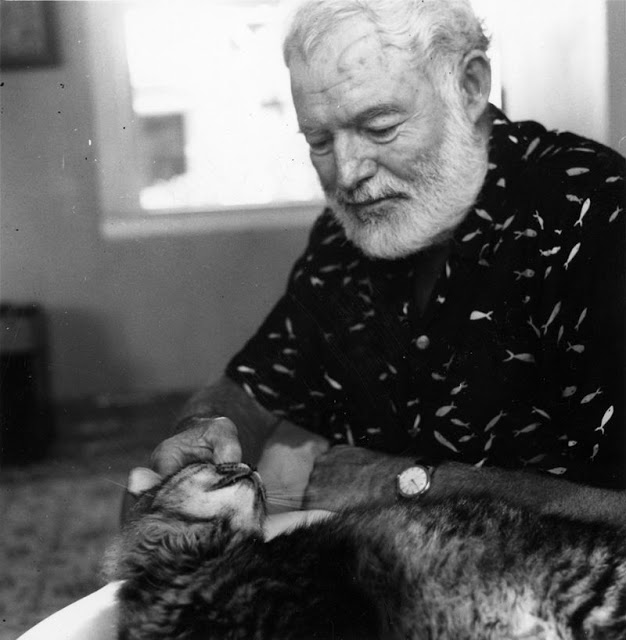
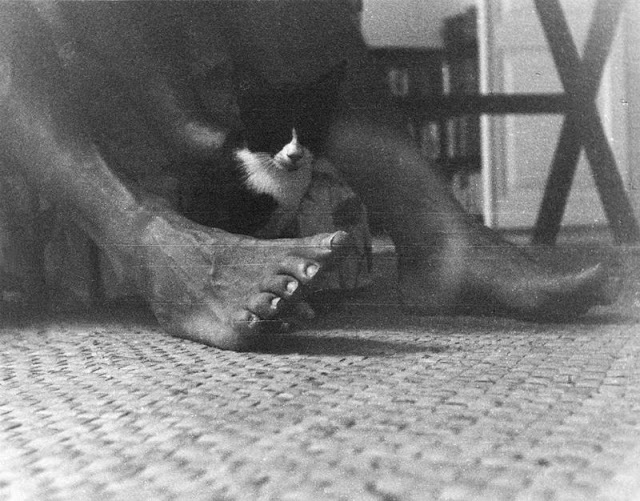
Being a “cat person” comes with an unfortunate stigma. But that was definitely not the case for Ernest Hemingway. The manliest man to ever hit the literary scene had a soft spot in his heart for felines.
One of his companions was a six-toed white cat named Snowball, a white polydactyl kitten that Hemingway received in the 1930s. The kitten was a gift from a sea captain named Stanley Dexter. Sailors favored polydactyl cats, believing they were good luck. Their extra toes enhanced their abilities as mousers and provided better balance on rough seas. They are often called “mitten cats.”
Cats were one of Ernest Hemingway’s favorite animals, and here’s a collection of 26 black and white photographs of Hemingway with his beloved pets from between the 1930s and 1950s.