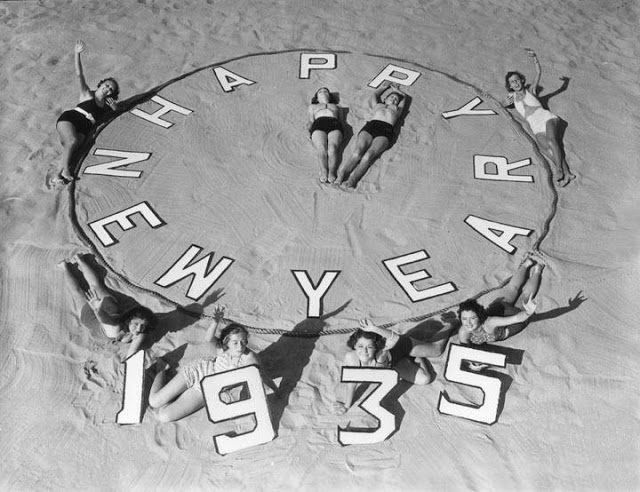
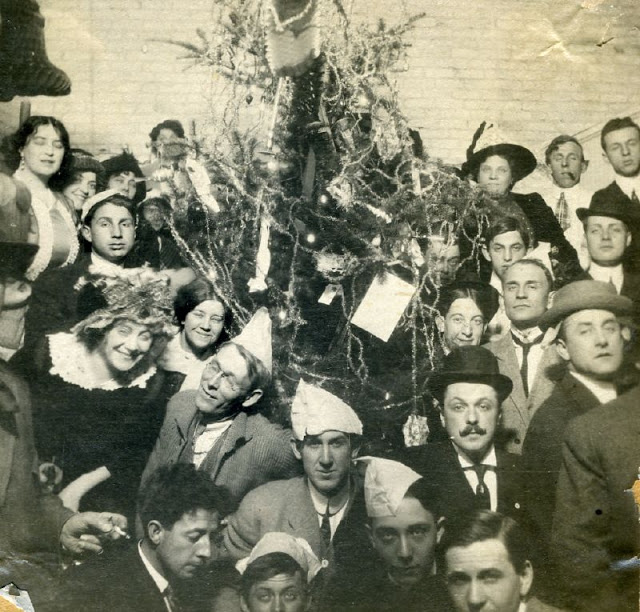
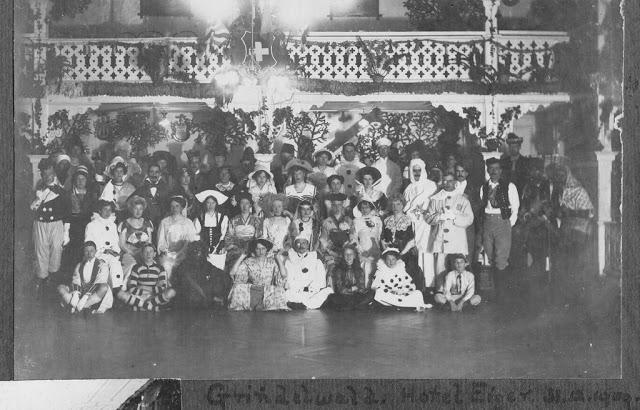
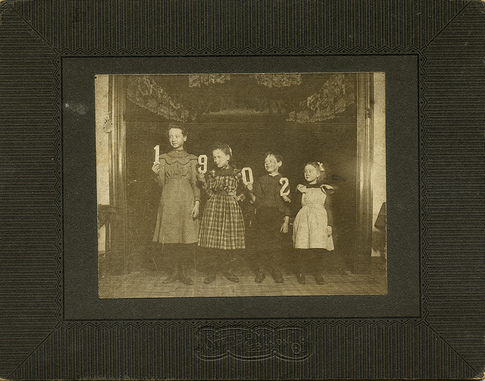
A large clock in the sand at Venice Beach, made with letters and people. A rope in a circle makes the outer edge of the clock, while ladies in swim suits lay around the outside of rope. Four of them hold up the date 1935, while 2 ladies make themselves the minute and hour hands of the clock.
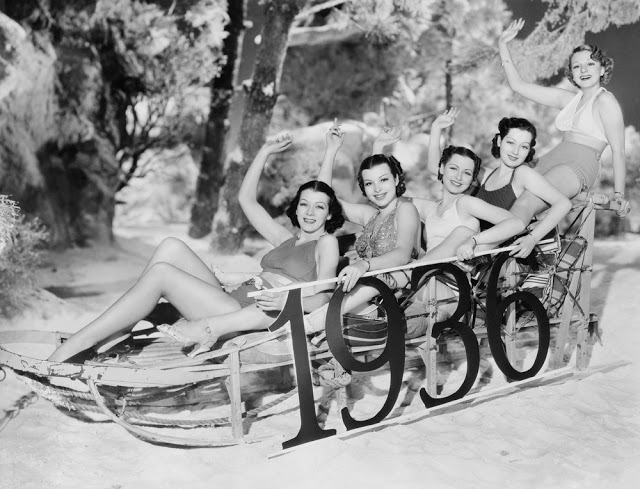
A group of women enjoy a New Year’s sledding party.
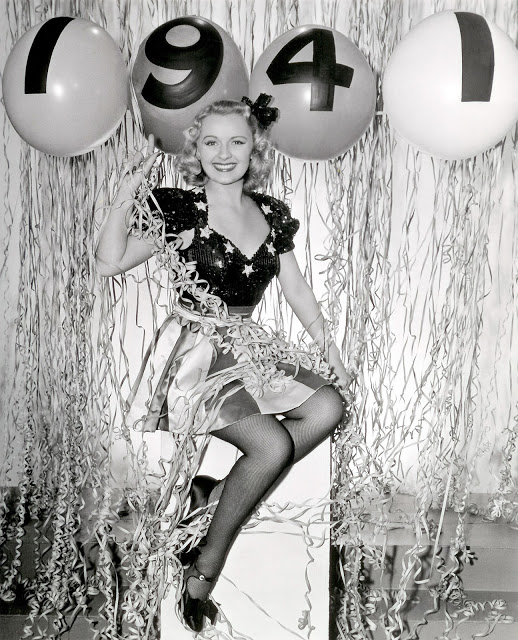
Virginia Dale rings in 1941.
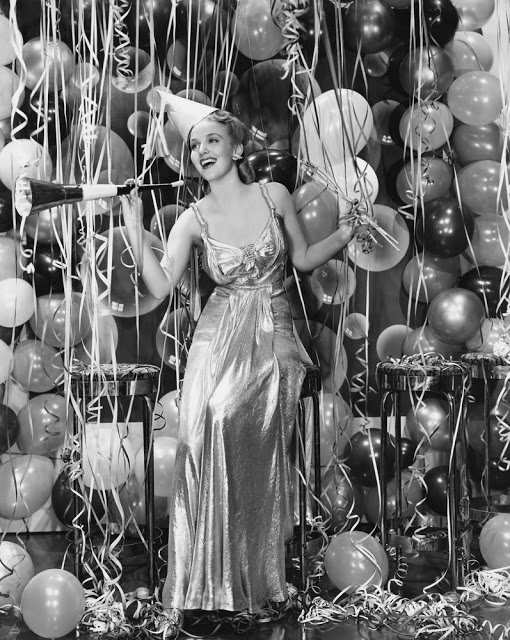
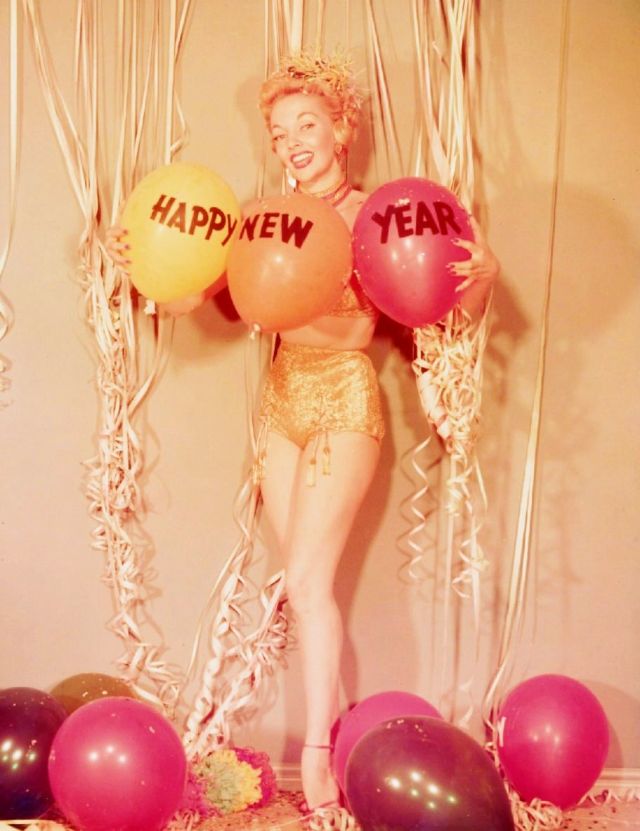
Woman celebrating with room full of balloons.
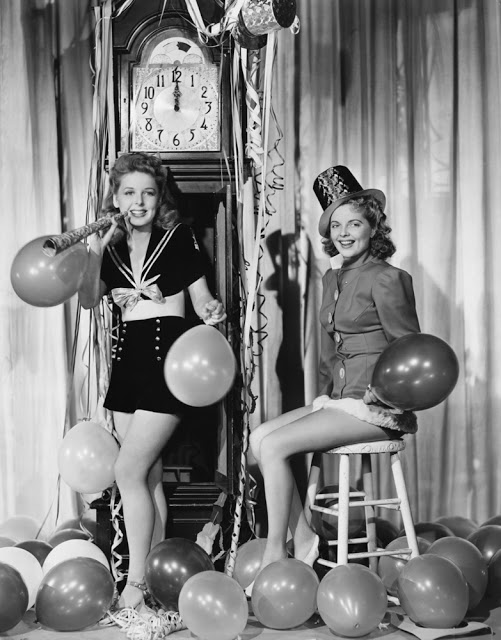
Women with balloons on New Years Eve.
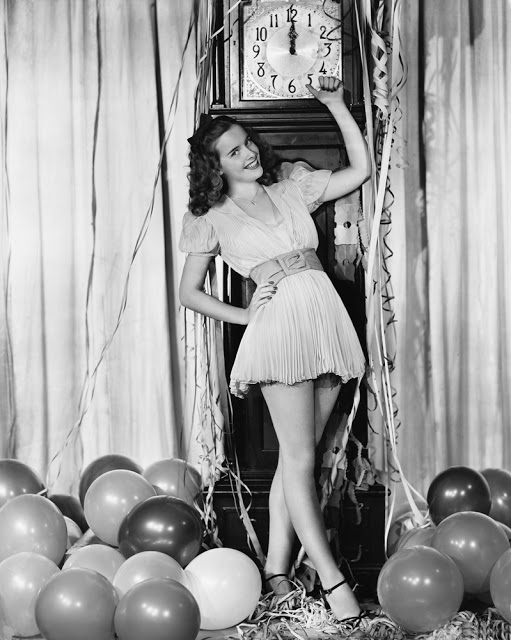
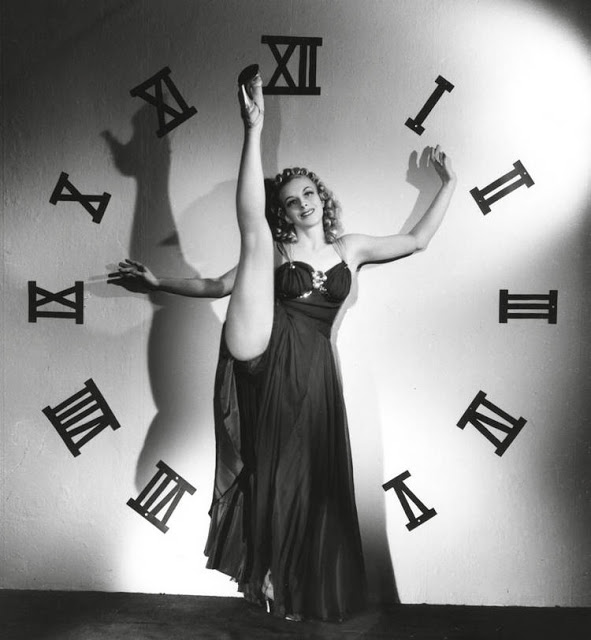
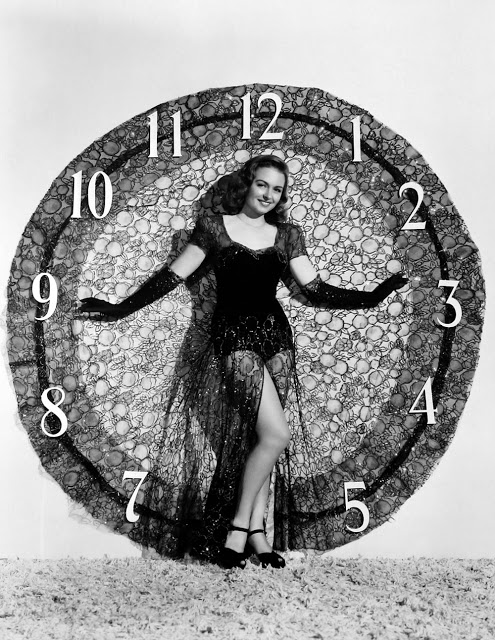
Young woman standing in front of a clock, celebrating New Years Eve.
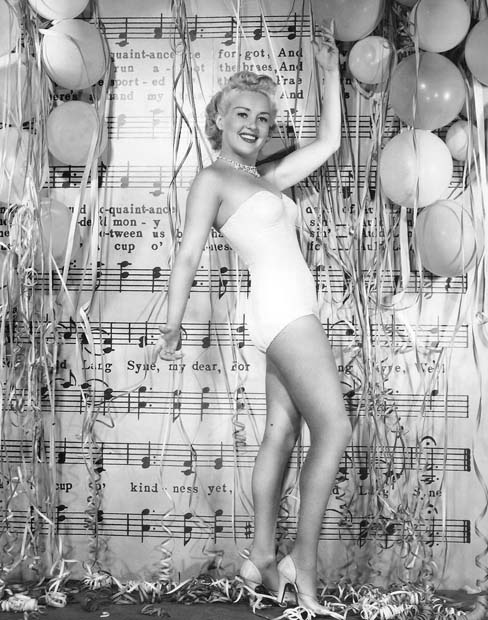
Betty Grable celebrating the New Year.
Women with balloons on New Years Eve.
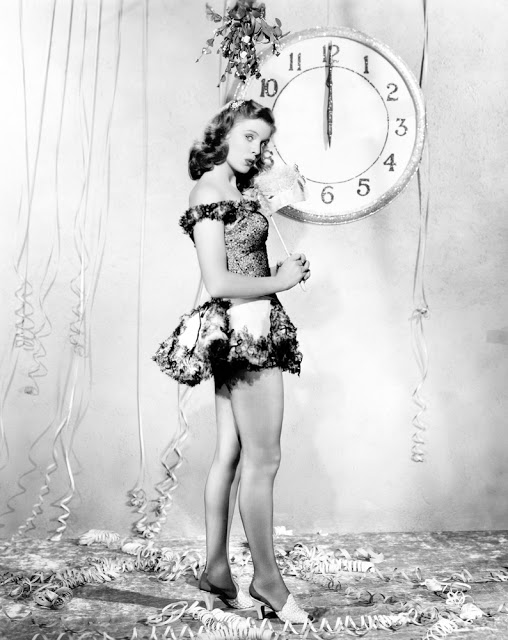
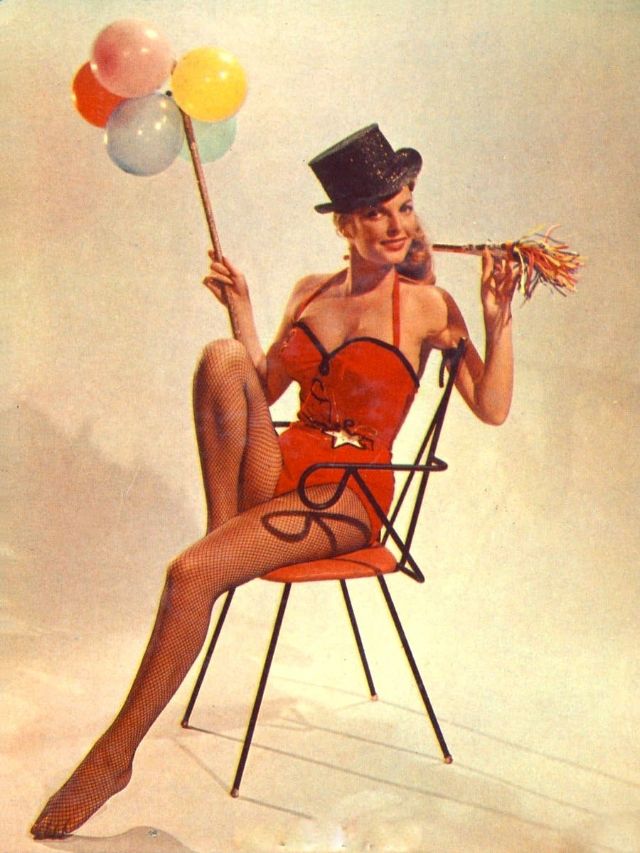
Getting a kick out of New Year’s with Julie London.
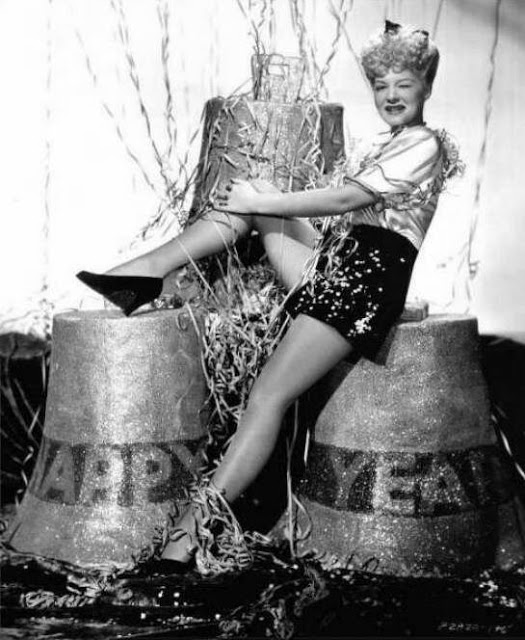
Betty Hutton and her giant bells, 1942.
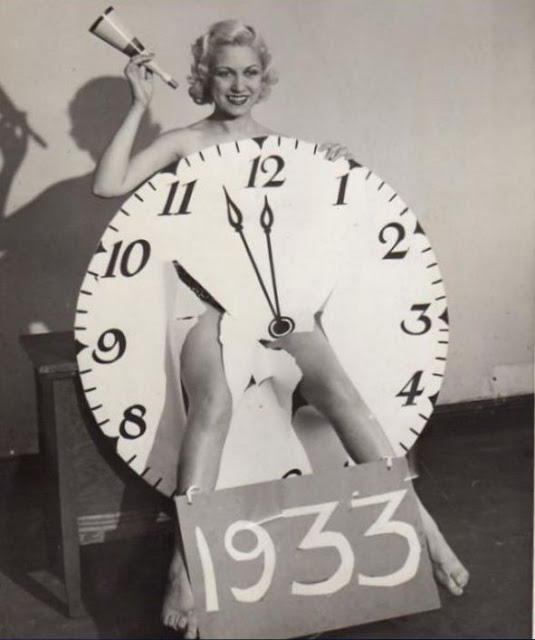
Hazel Sofinger wishing everyone a Happy, 1933.
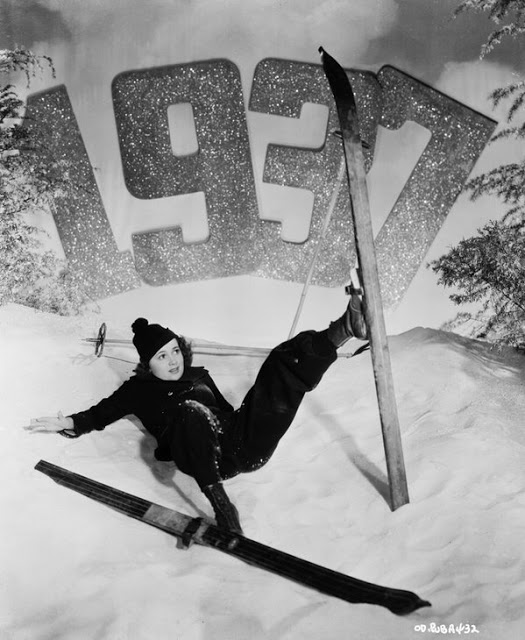
Olivia de Havilland skiing her way into 1937.
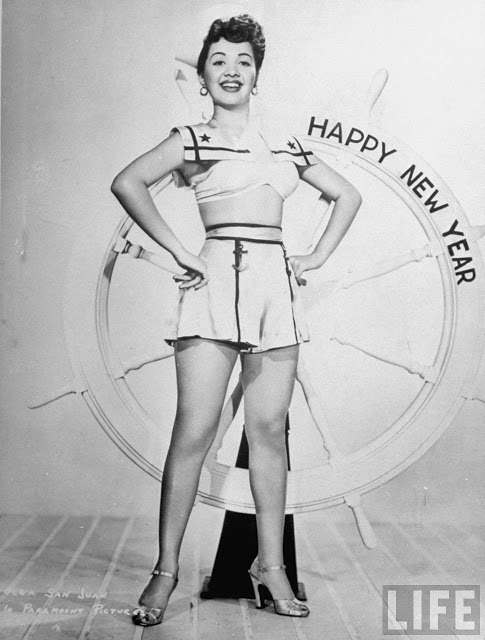
Olga San Juan posing for publicity still with nautical theme bearing message: HAPPY NEW YEAR, 1944.
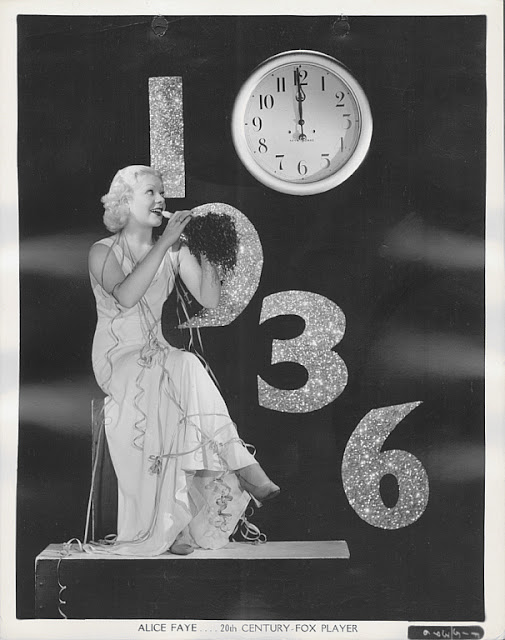
Alice Faye celebrates the New Year, 1936.
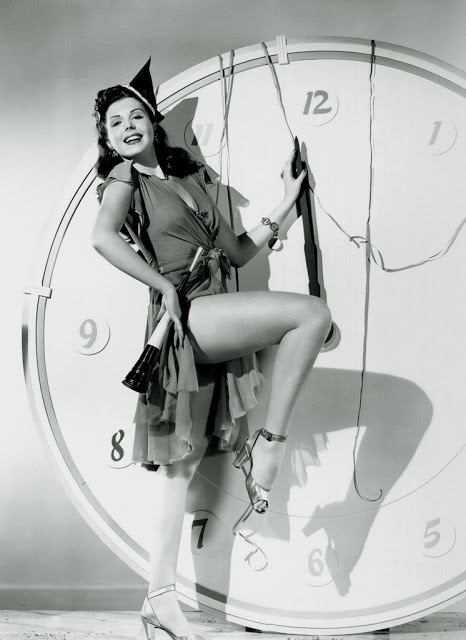
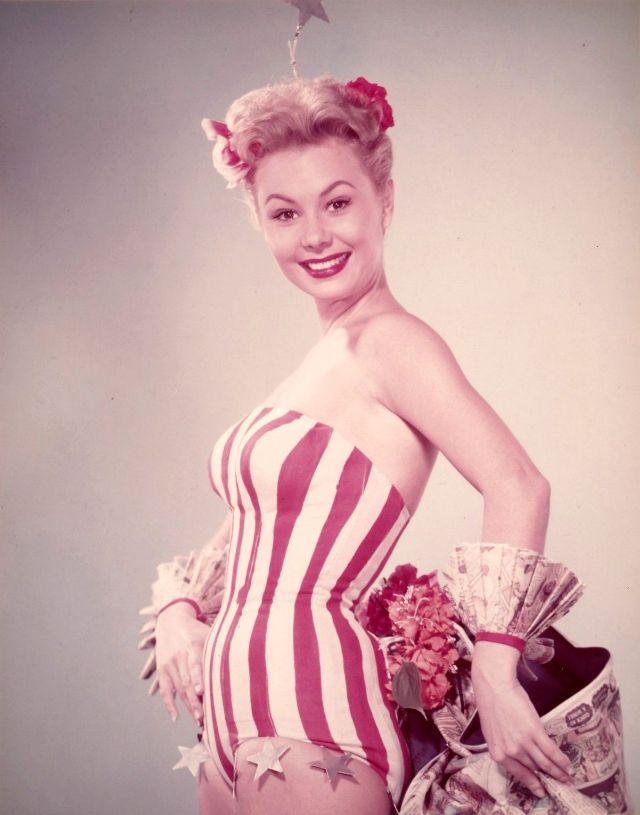
Ann Miller on New Year’s Eve
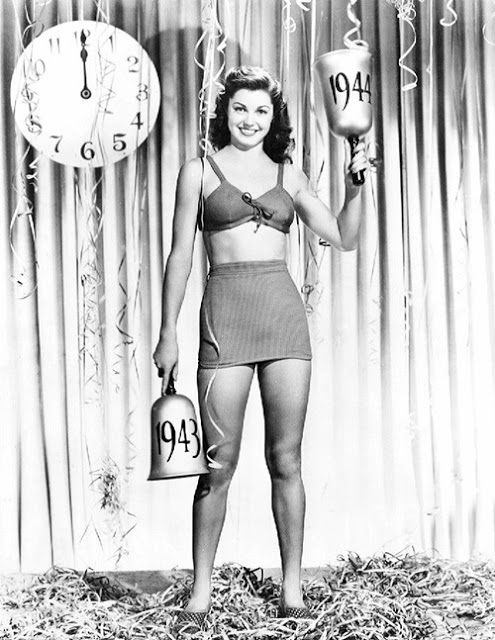
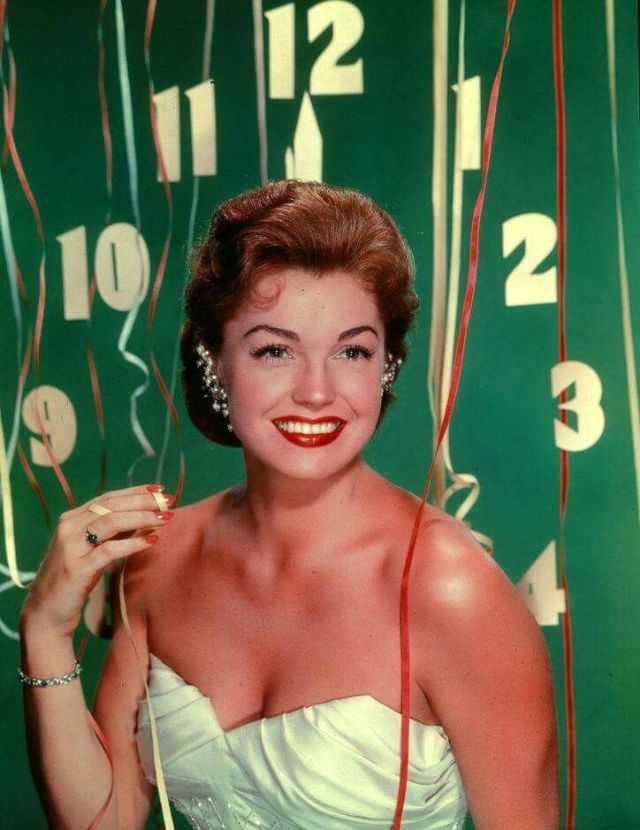
Esther Williams ringing in 1944.
Donna Reed, 1940s
Subscribe to Yesterday Today’s Blog to receive regular updates regarding new content:
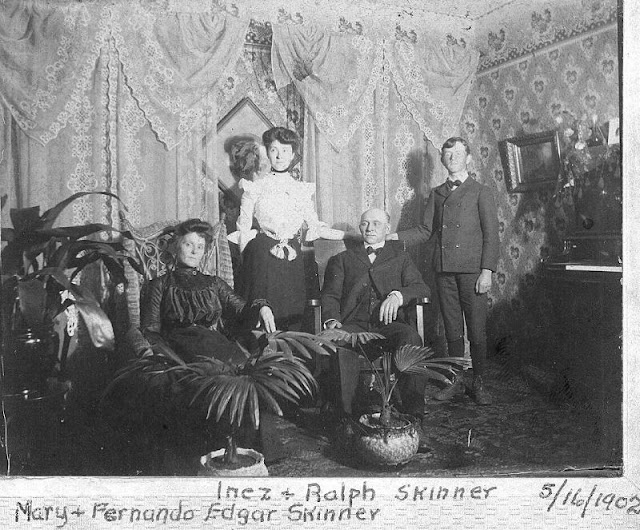
A typical Edwardian interior was something new and cheerful. Fresh and light colors composed most of the interiors in this period. It saw the beginning of a deviation from the formal to informal.
Furnitures started being made of bamboo and wicker. They were made in various styles which included baroque, rococo and empire. Modern creativity made these furnitures simple yet close to the elite. The wing chair can be cited as one of the best examples to demonstrate Edwardian furnitures.
Flooring of an Edwardian room was composed of highly polished wood blocks accompanied by oriental rugs. There was also a notable increase in the use of flowers and floral pattern in decorating houses. Wallpapers started featuring floral patterns of rose, lilac and other bright flowers.
Here below is a set of amazing vintage photos that shows people at home in the 1900s.
Subscribe to continue reading
Become a paid subscriber to get access to the rest of this post and other exclusive content.
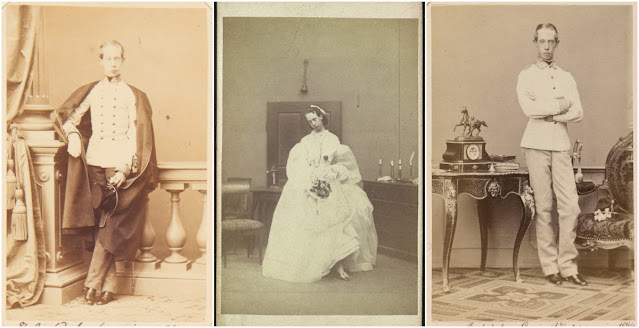
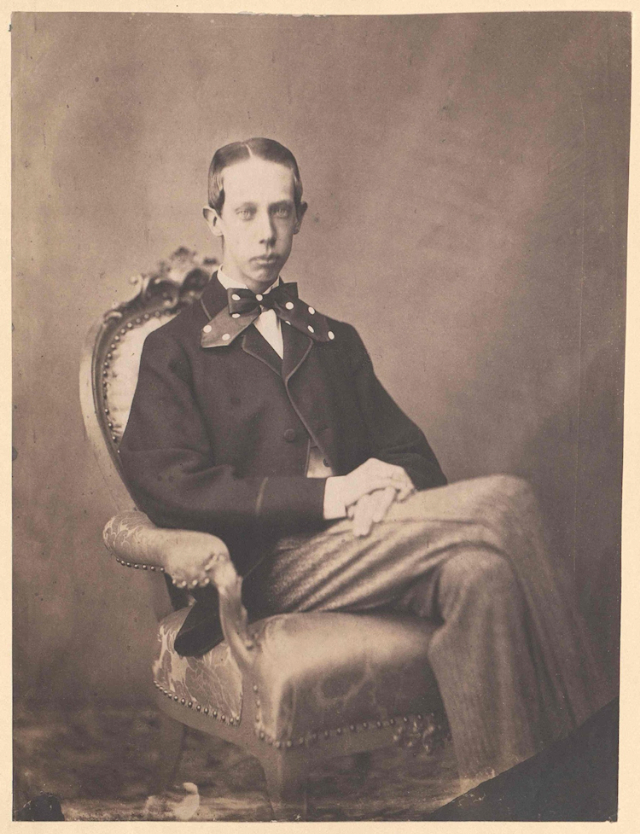
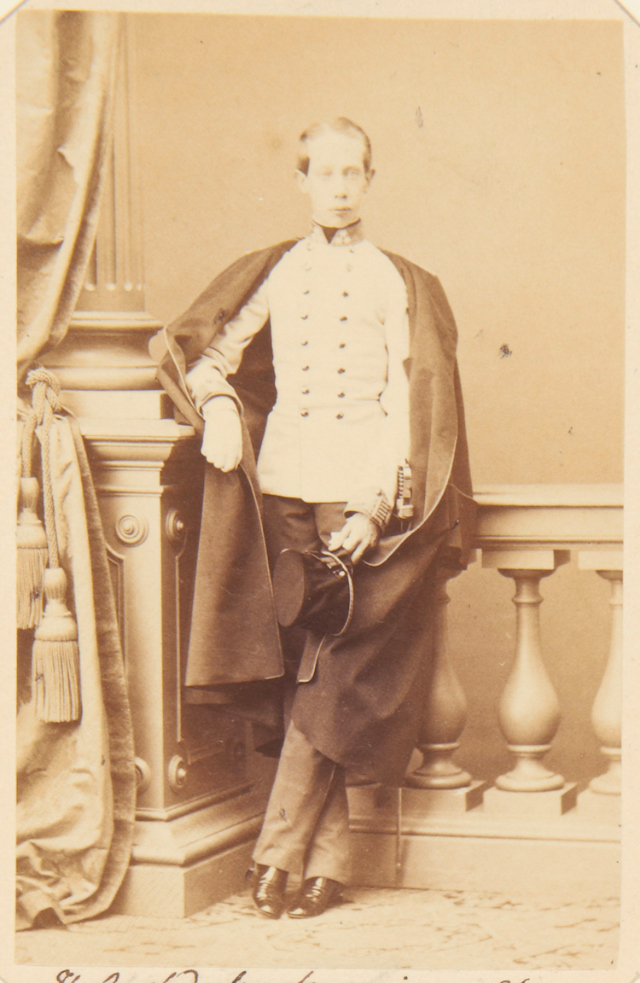
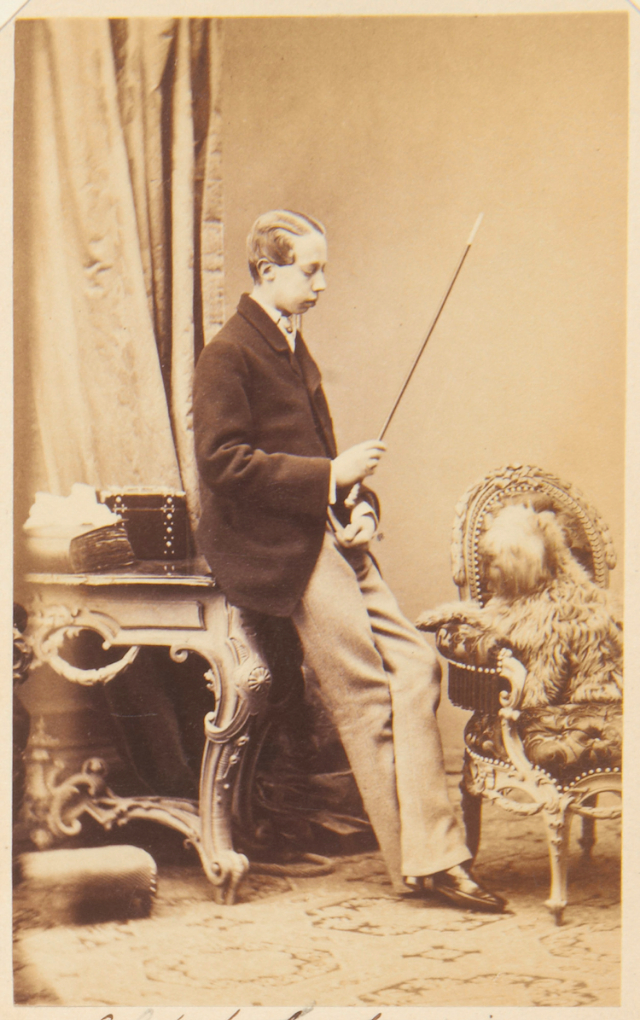
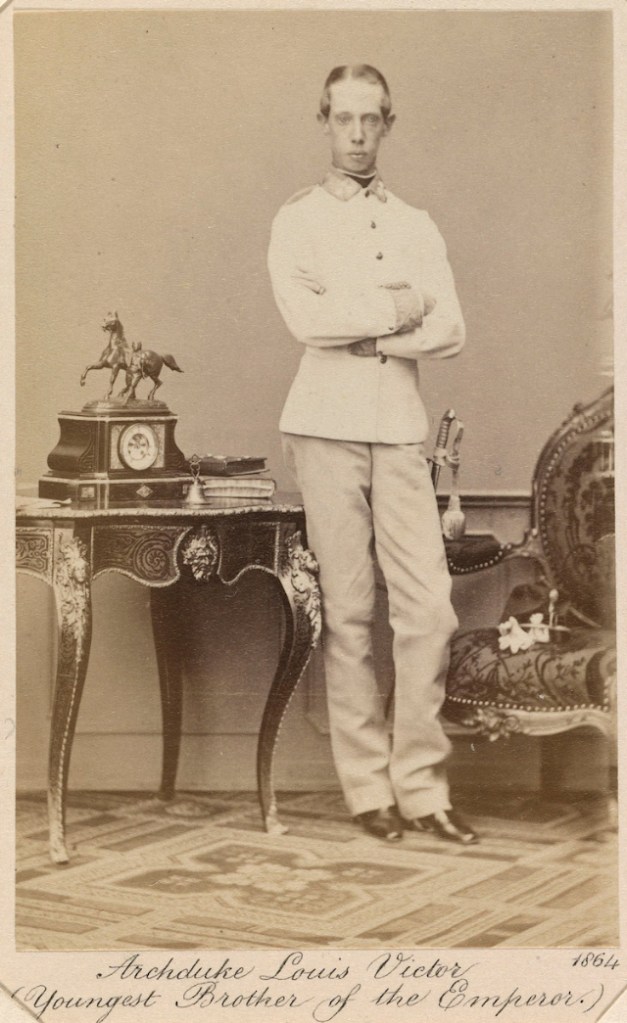
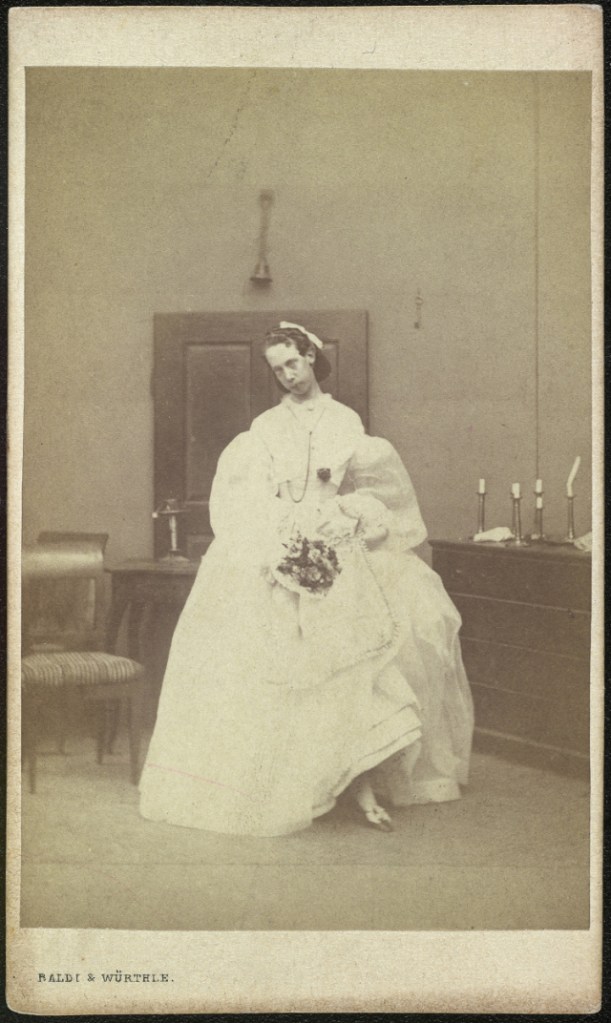
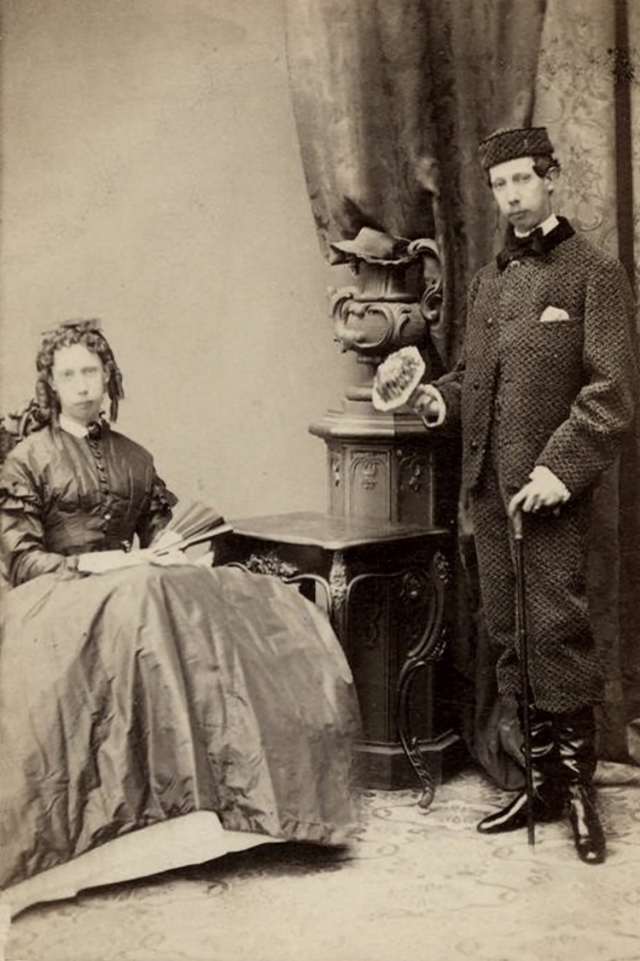
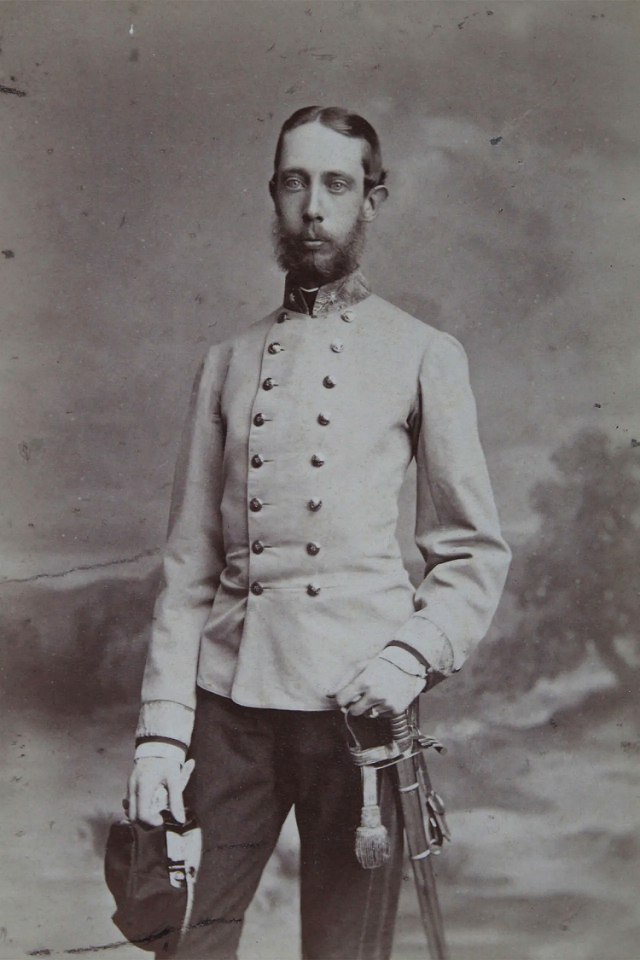
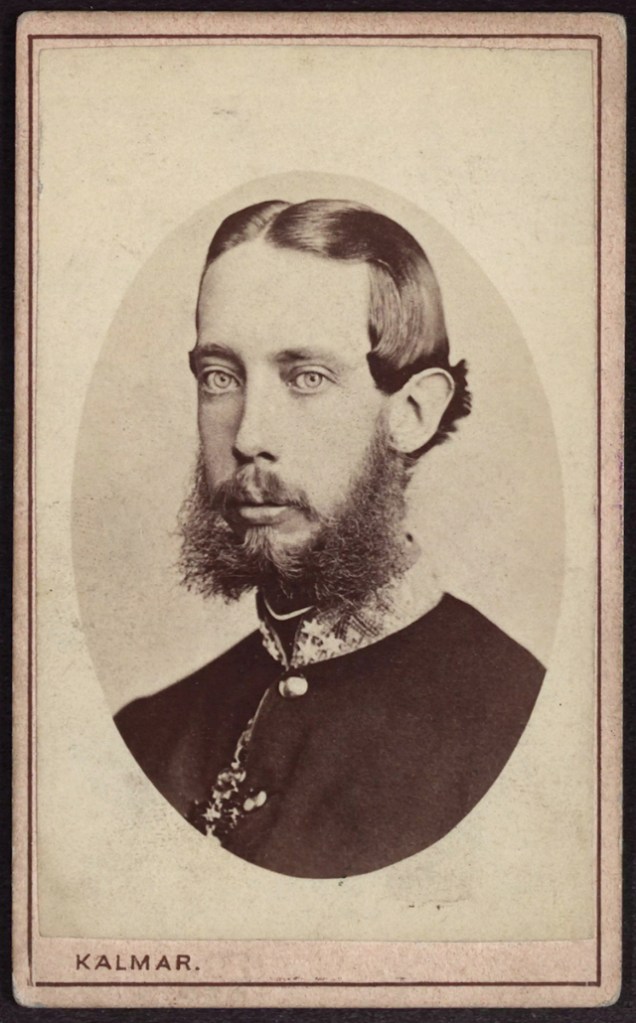
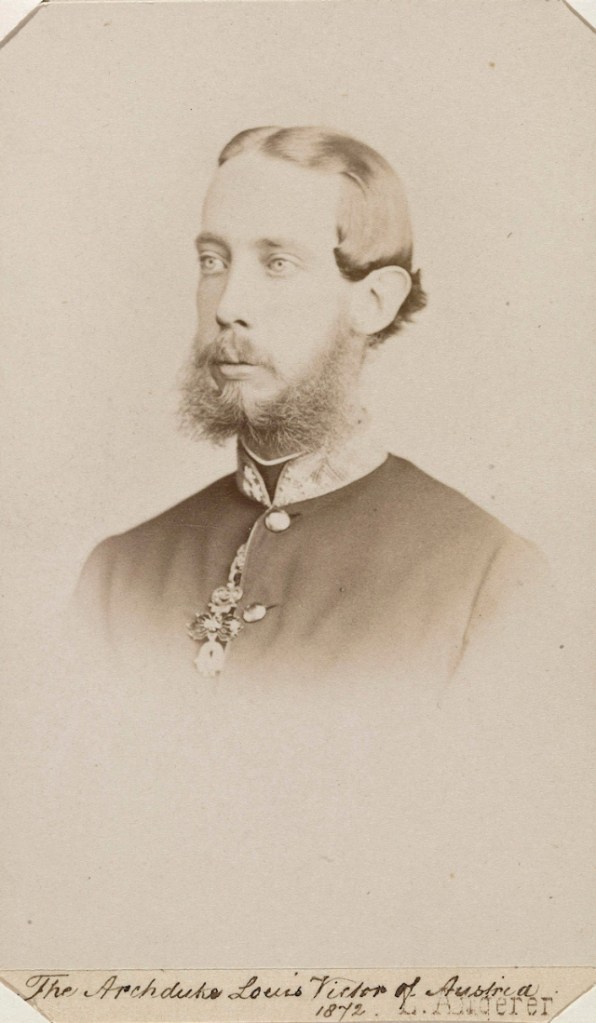
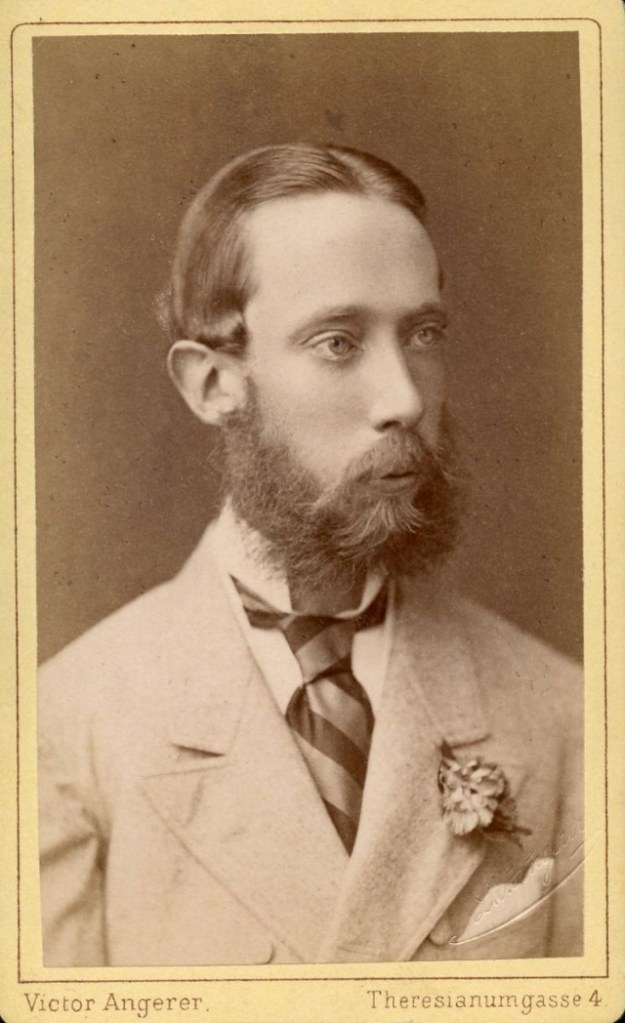
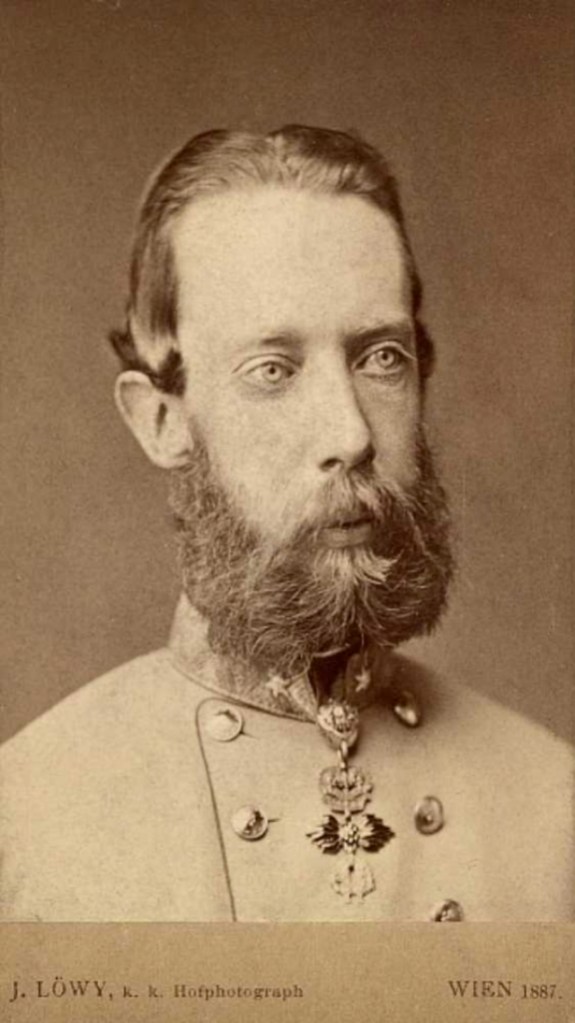
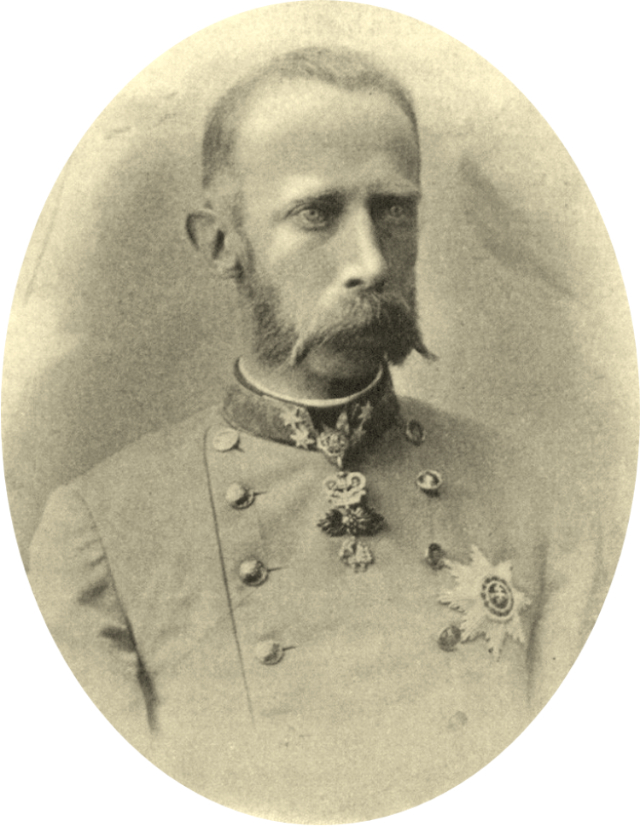
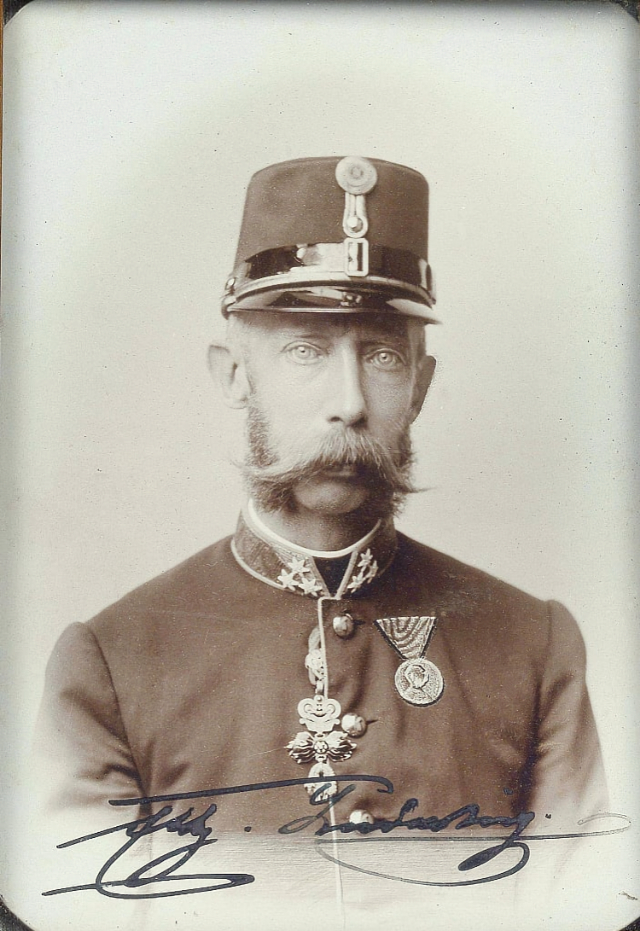
Archduke Ludwig Viktor Joseph Anton of Austria (1842–1919) was the youngest child of Archduke Franz Karl of Austria and his wife Princess Sophie of Bavaria, and as such was the younger brother of Emperor Franz Joseph I. He had a military career, as was usual for archdukes, but did not take part in politics. He was openly homosexual and declined to marry princesses who were sought for him. He is well-known for his art collection and patronage as well as philanthropy.
Ludwig Viktor was born in Vienna. He was the youngest son born to Archduke Franz Karl of Austria and Princess Sophie of Bavaria. His elder siblings included Emperor Franz Joseph I of Austria, Emperor Maximilian I of Mexico and Archduke Karl Ludwig. His family called him by the nickname “Luziwuzi”. Ludwig Viktor’s mother attempted to arrange a marriage for him with Duchess Sophie Charlotte in Bavaria, youngest sister of Empress Elisabeth, but he declined. He likewise rejected plans to marry him to Isabel, daughter and heir presumptive of Emperor Pedro II of Brazil. In 1863, Ludwig Viktor’s brother Maximilian had tried to persuade him to marry her because “such a marriage might found yet another Habsburg dynasty in Latin America… Maximilian wrote to Franz Joseph that Ludwig Viktor was ‘anything but pleased with the idea’” and asked Franz Joseph to order Ludwig Viktor to marry her. Franz Joseph refused.
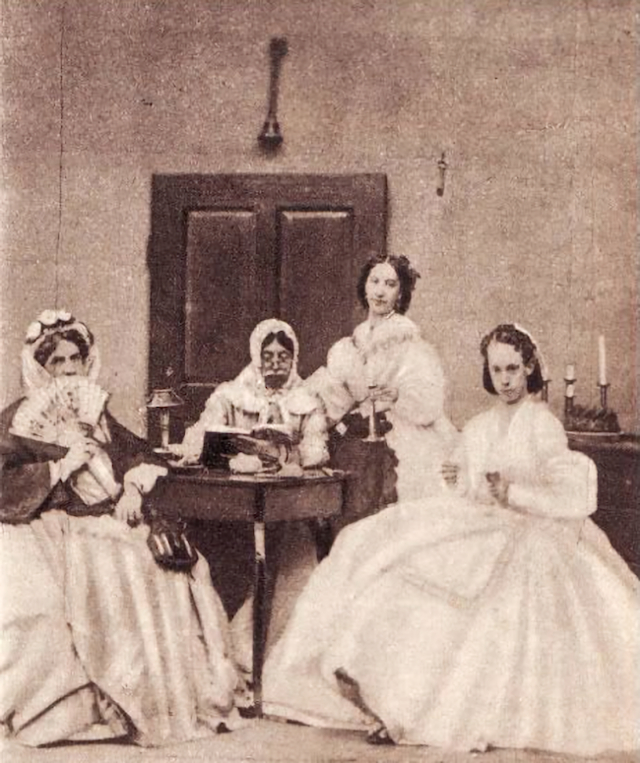
Ludwig Viktor was “a homosexual and cross-dresser with a reputation as a libertine…” After a scandalous incident at the Central Bathhouse Vienna in which he was publicly slapped, his brother Emperor Franz Joseph finally forbade him to stay in Vienna and joked that he should be given a ballerina as adjutant to keep him out of trouble.
Ludwig Viktor retired to Klessheim Palace near Salzburg where he became known as a philanthropist and patron of the arts. He died in 1919, at the age of 76, and is buried at the Siezenheim cemetery.
Subscribe to Yesterday Today’s Blog to receive regular updates regarding new content:
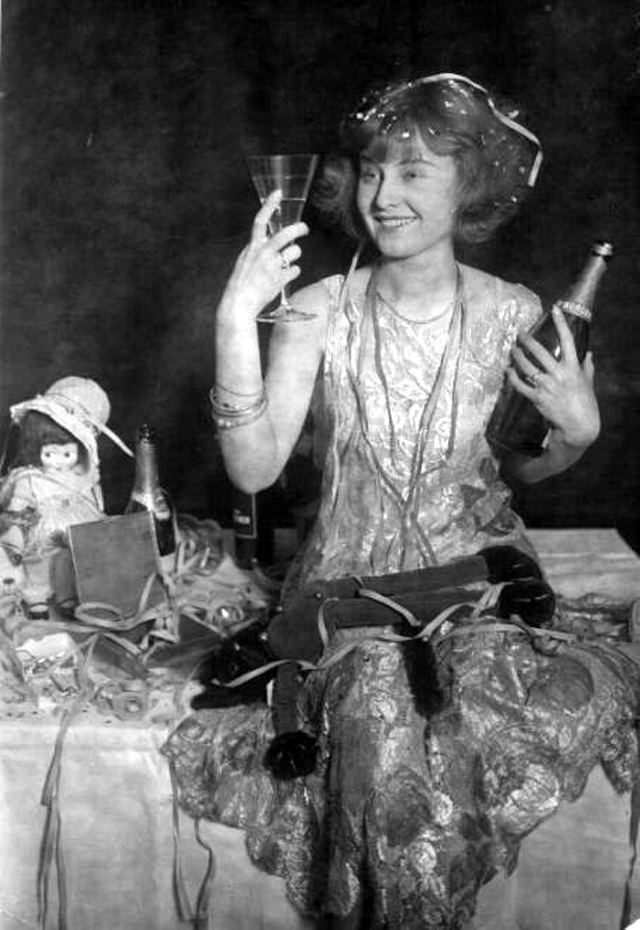
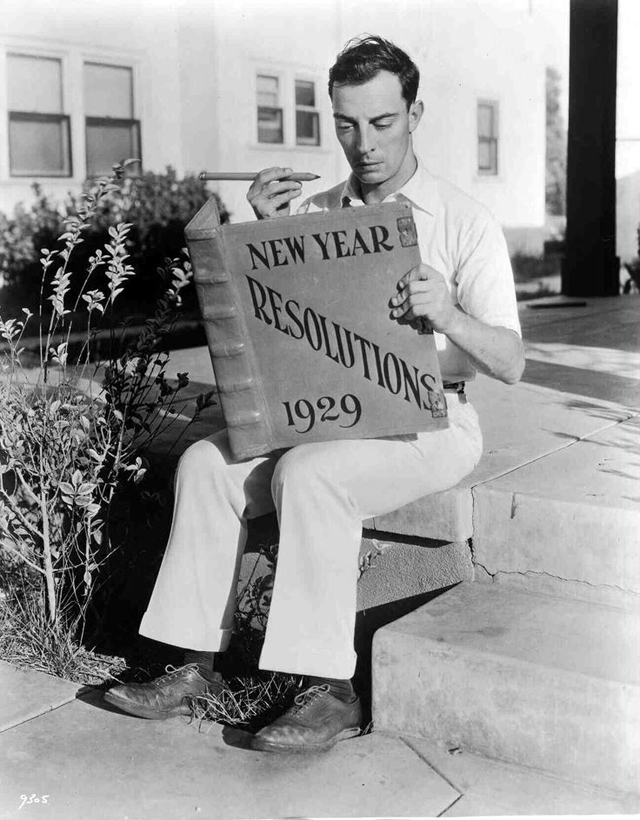
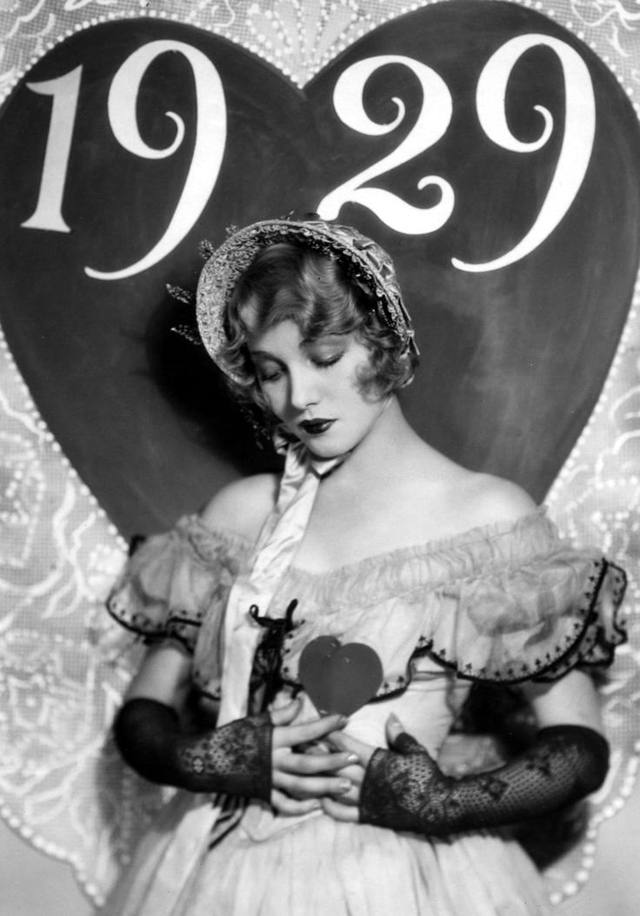
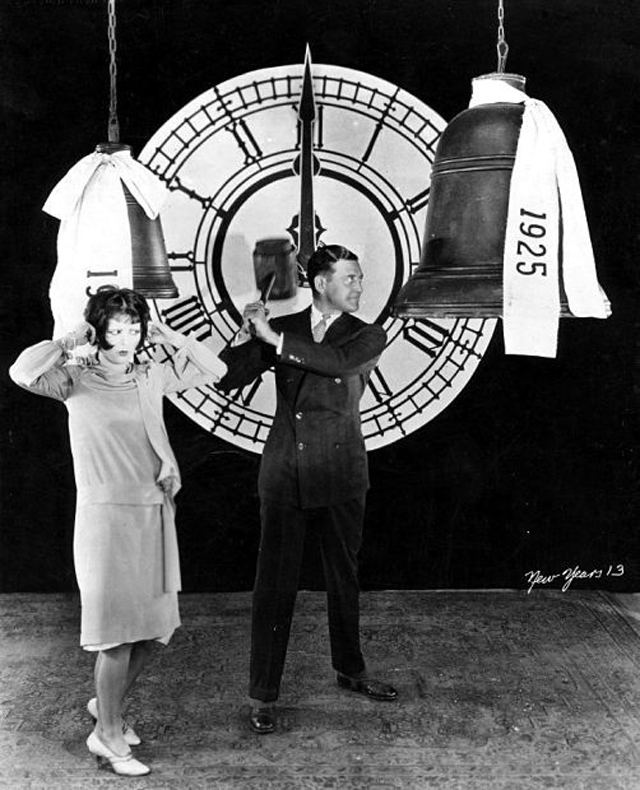
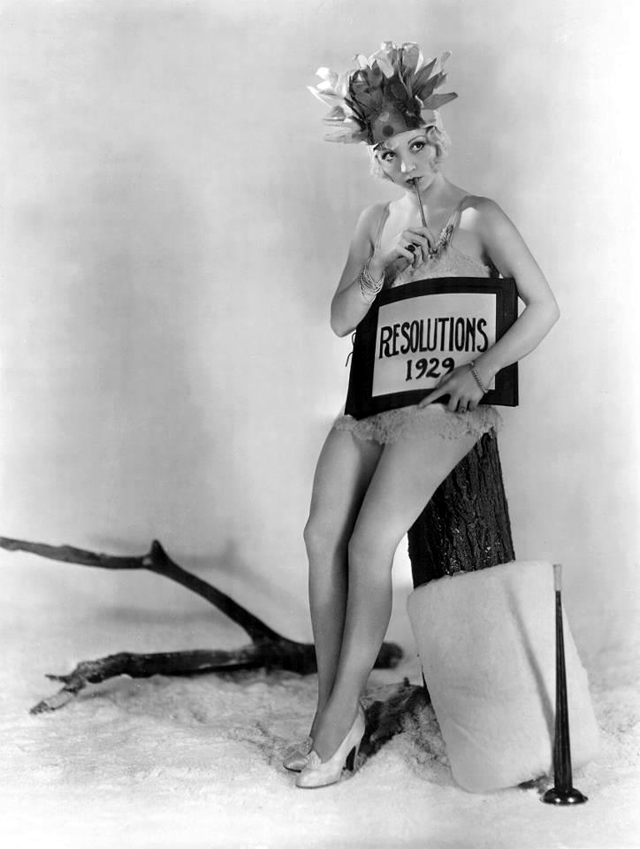
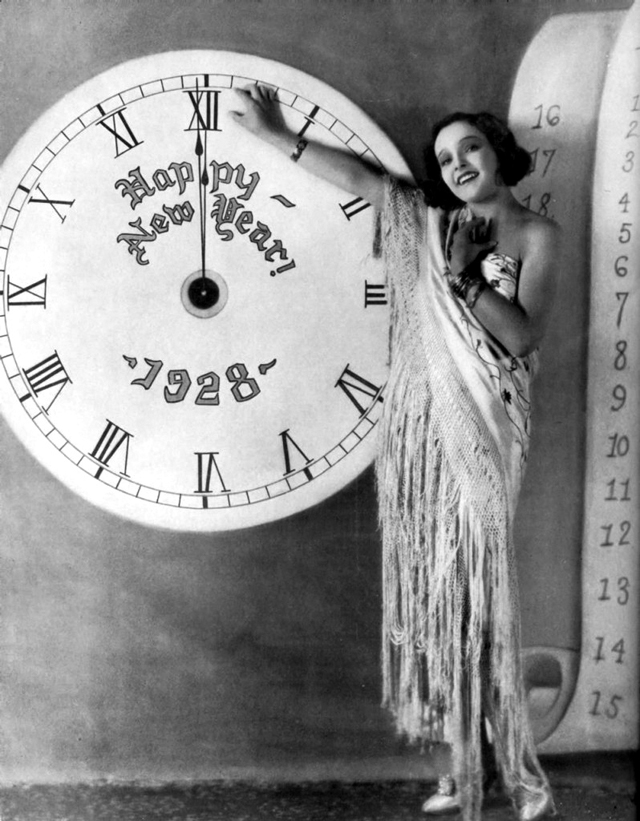
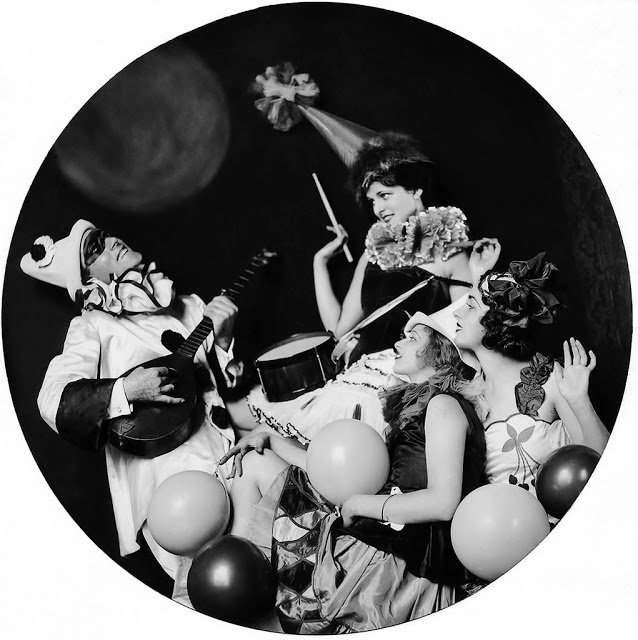
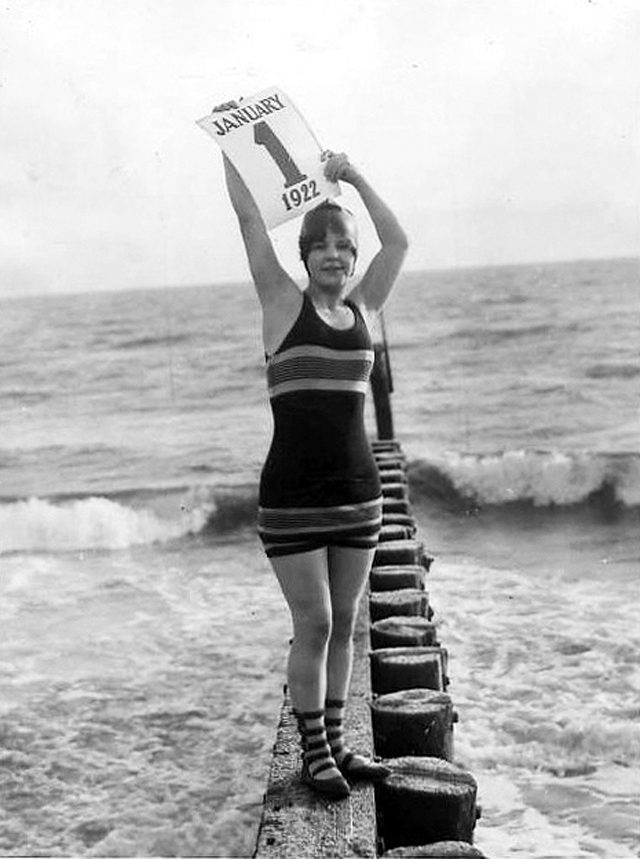
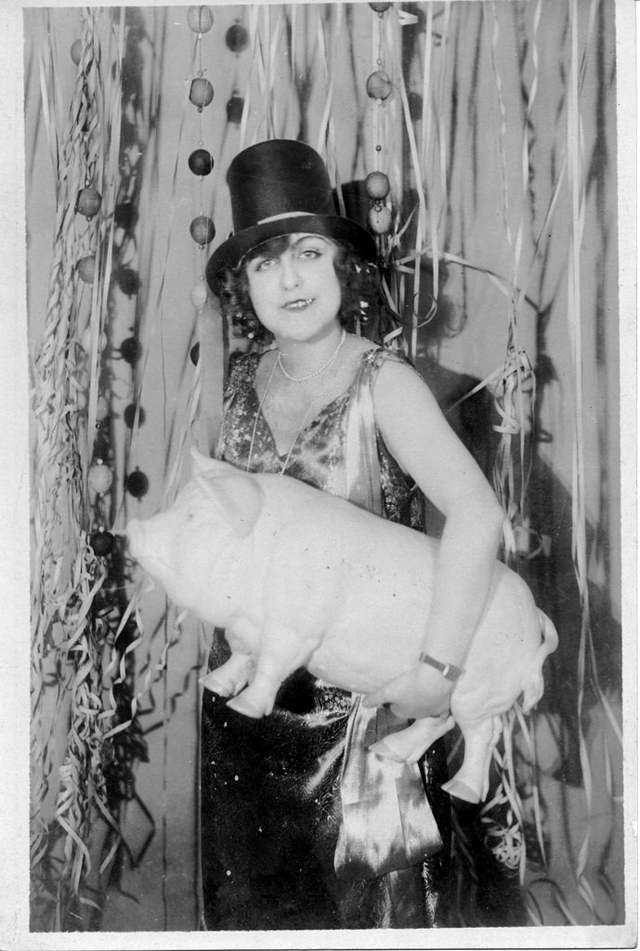
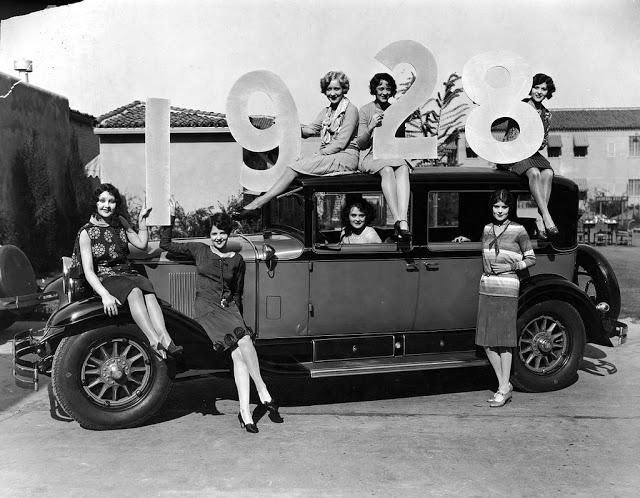
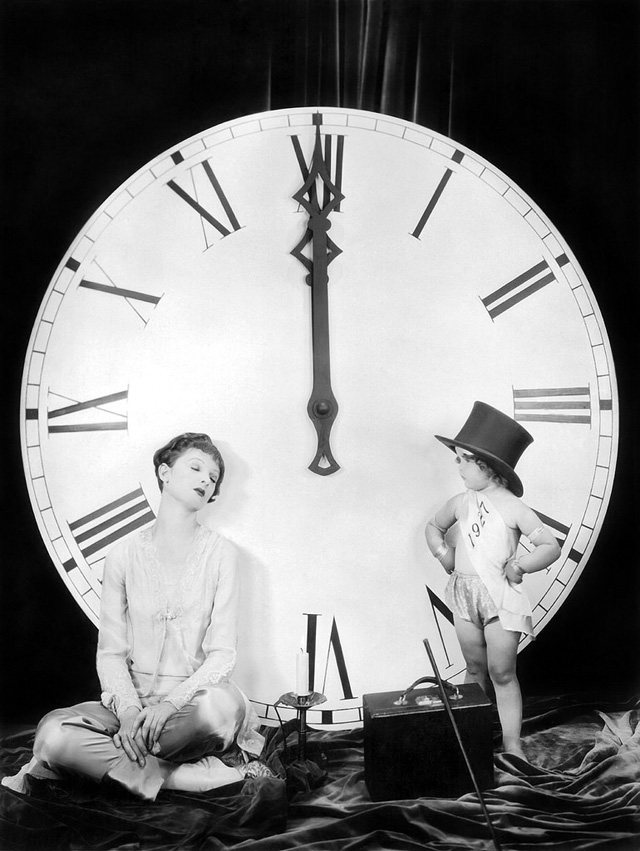
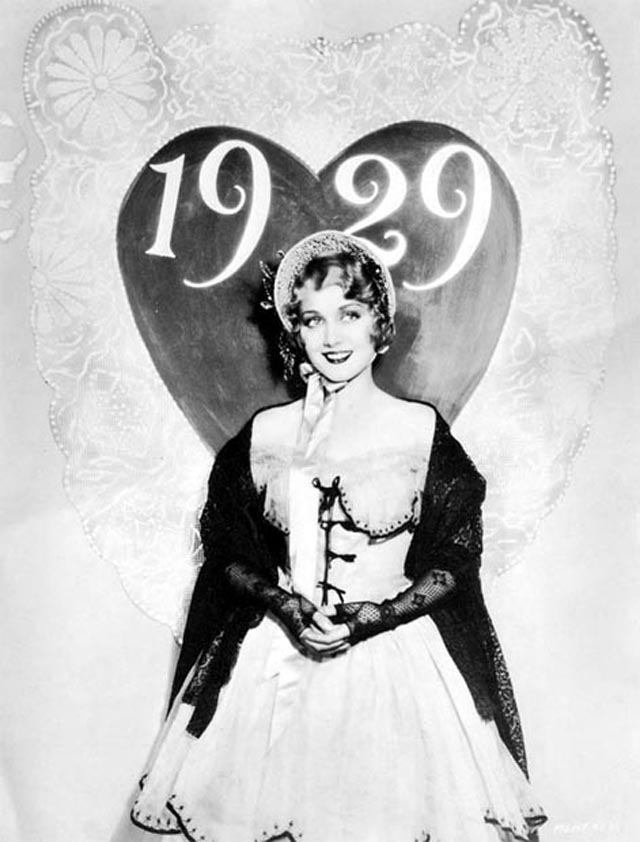
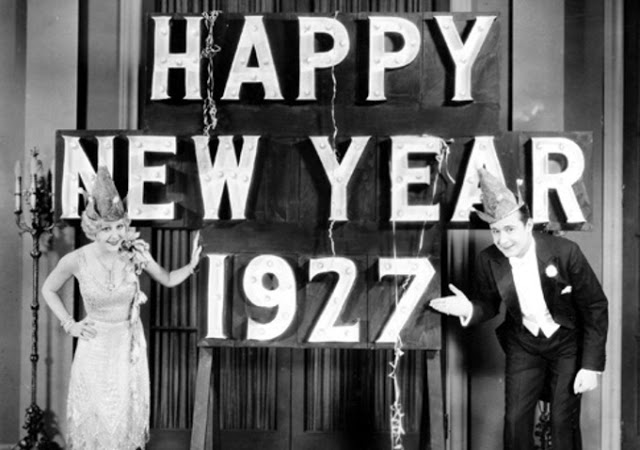
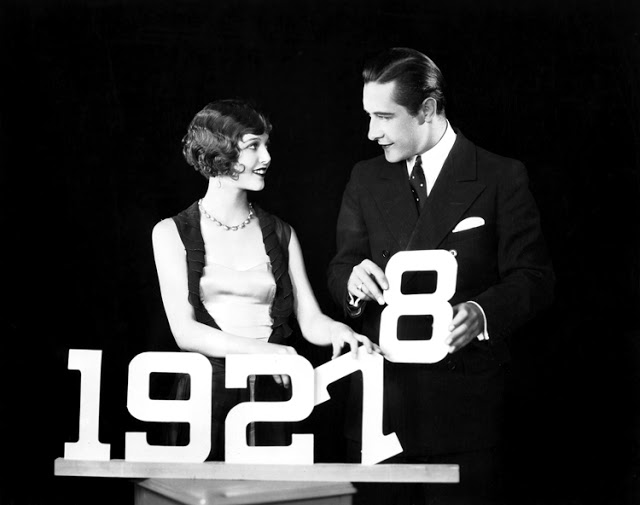
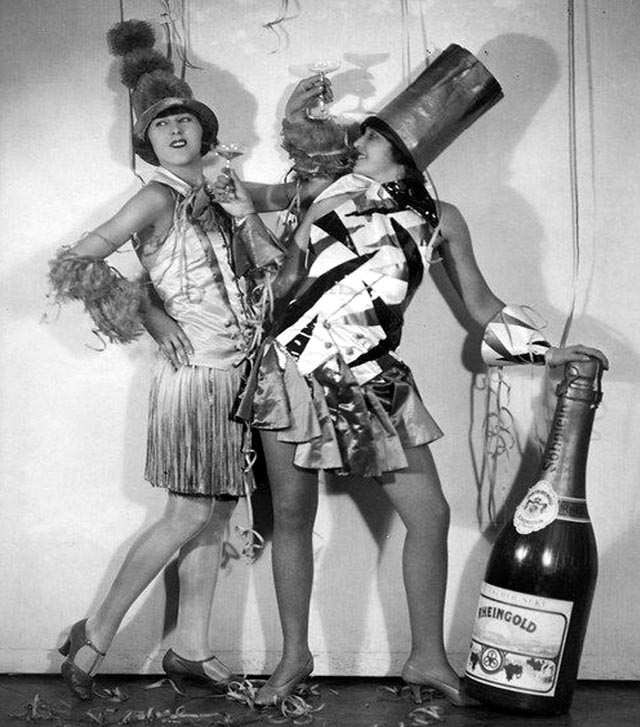
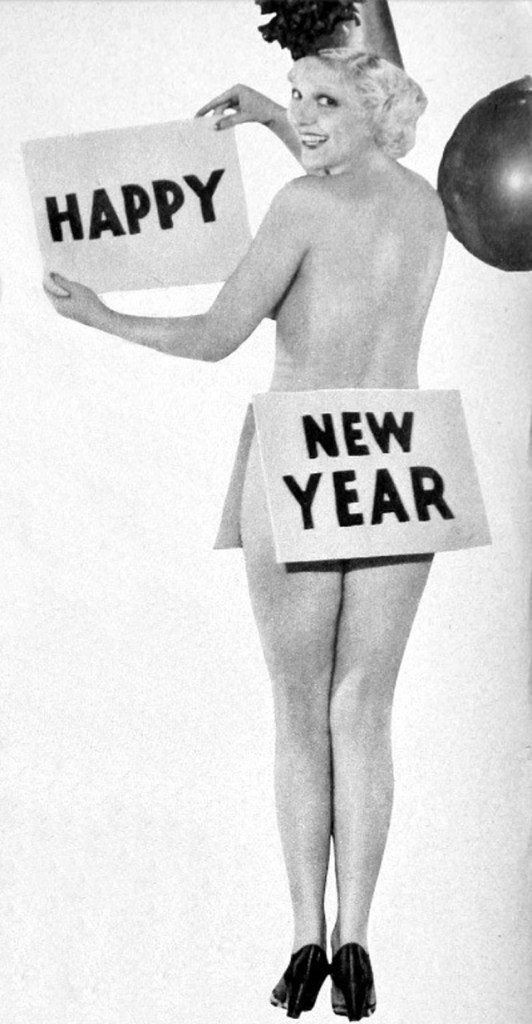
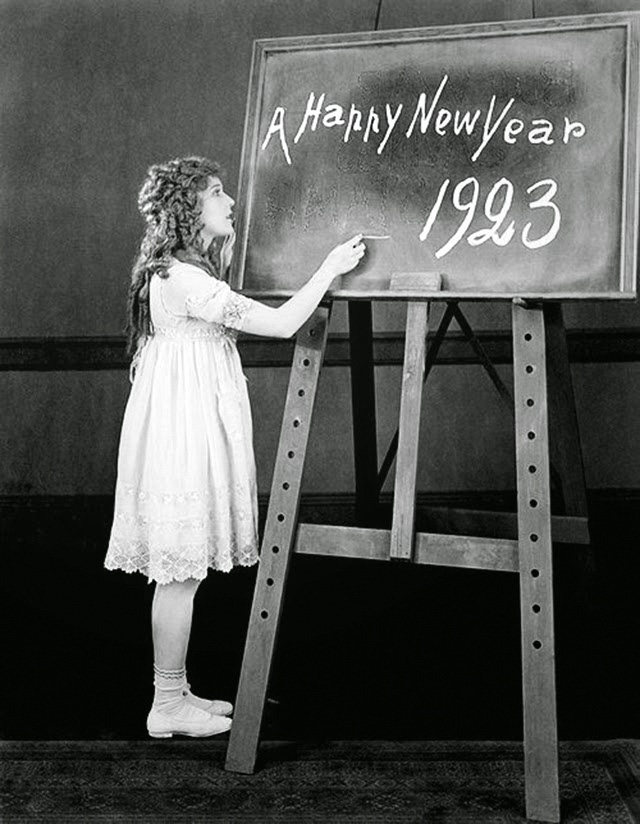
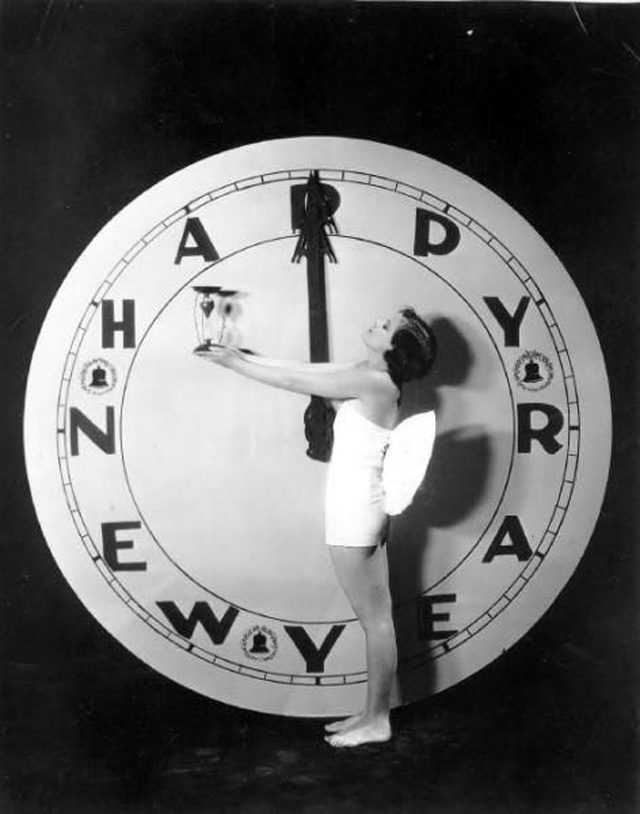
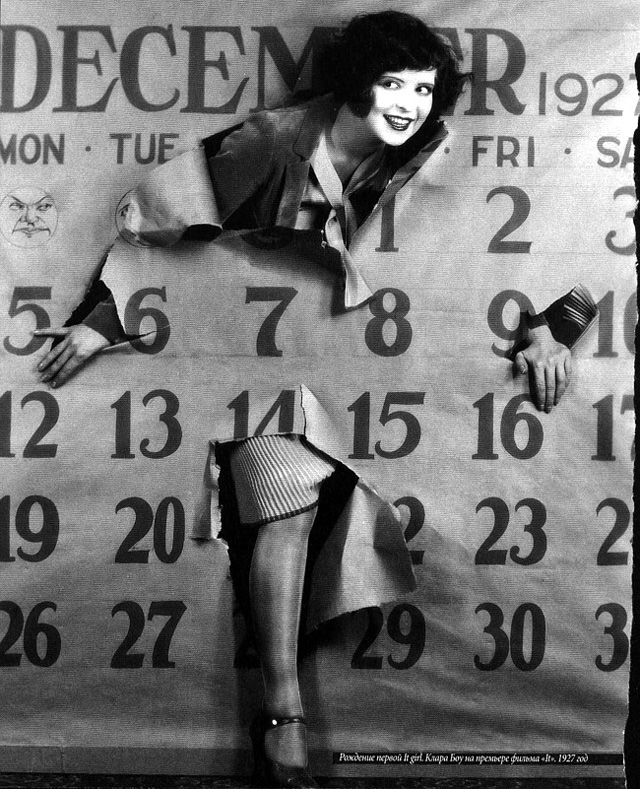
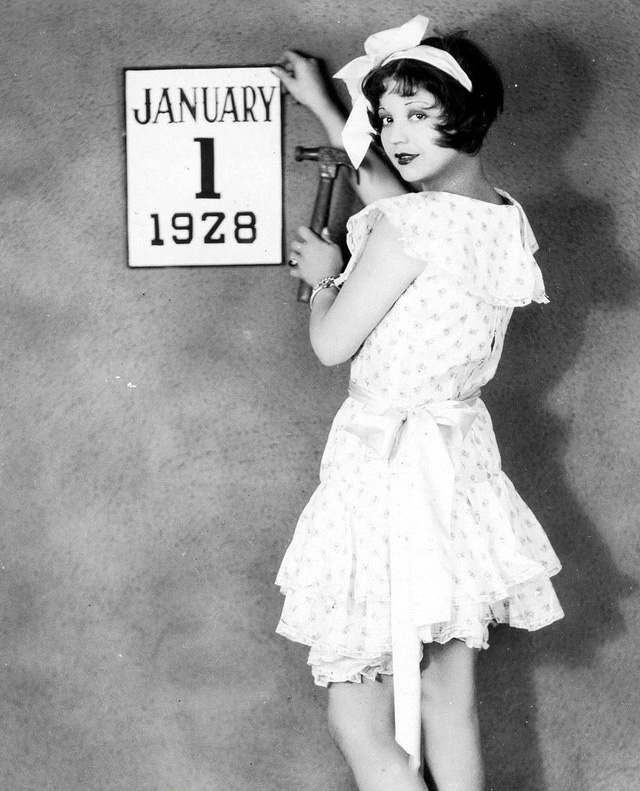
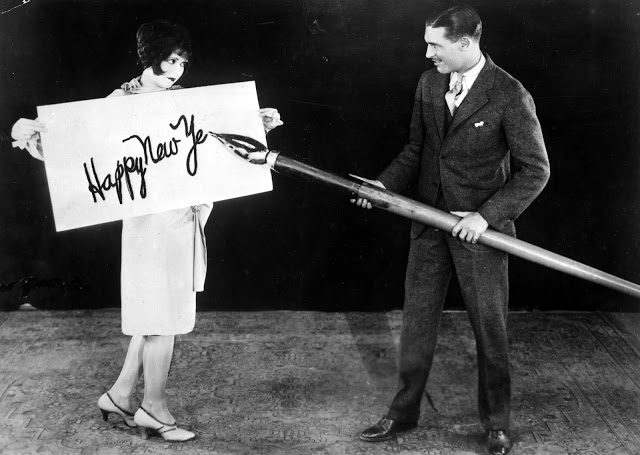
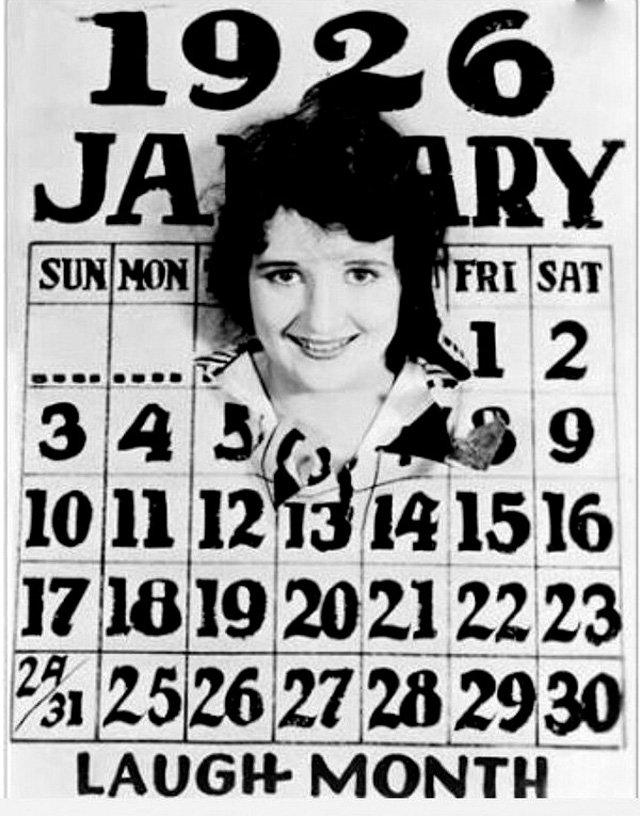
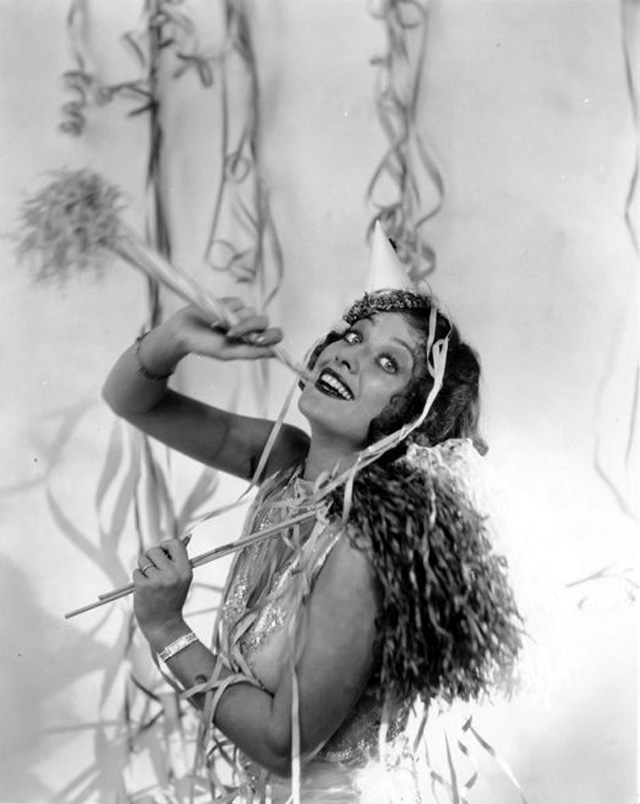
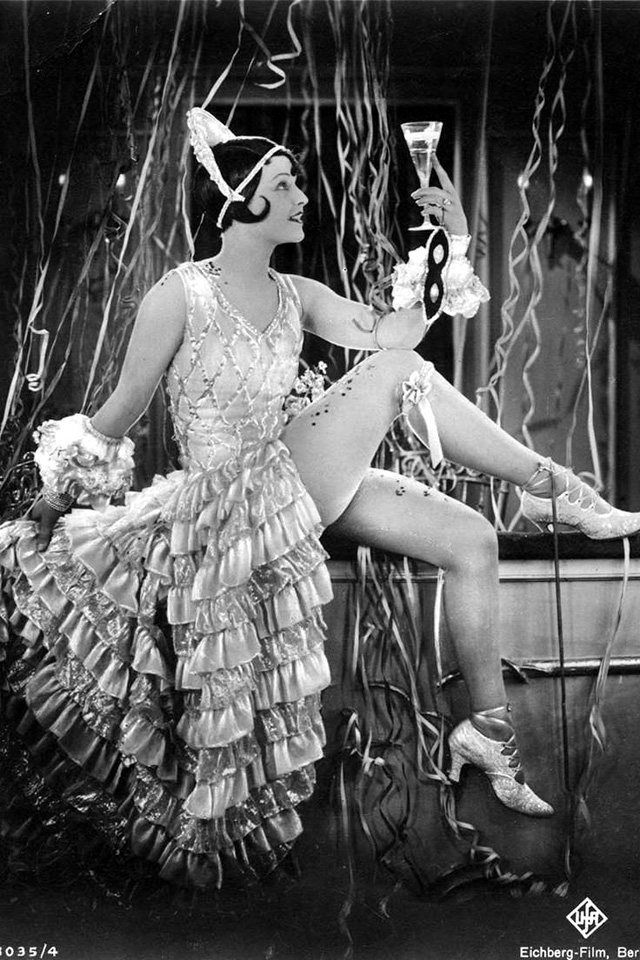
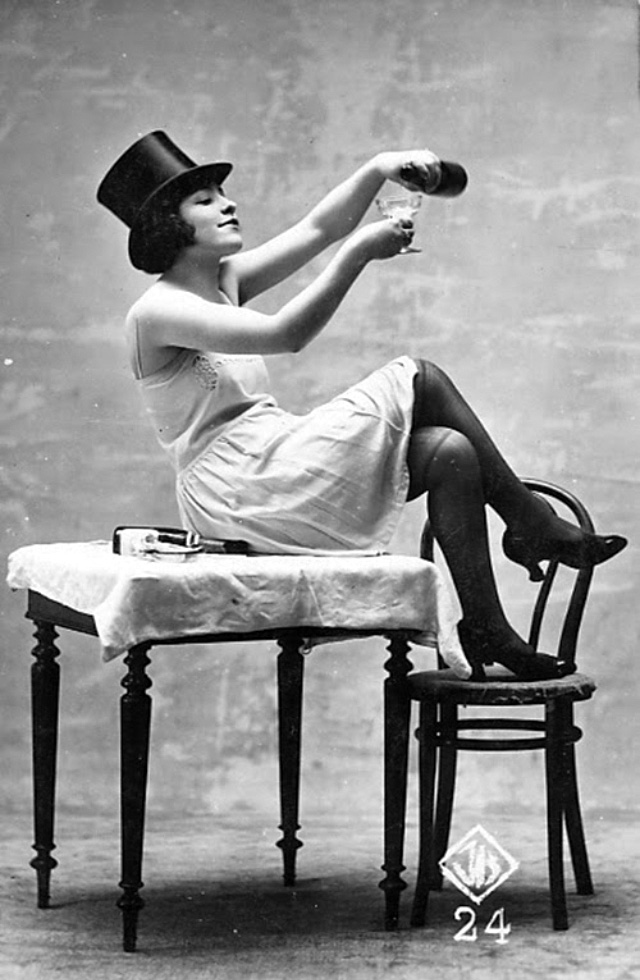
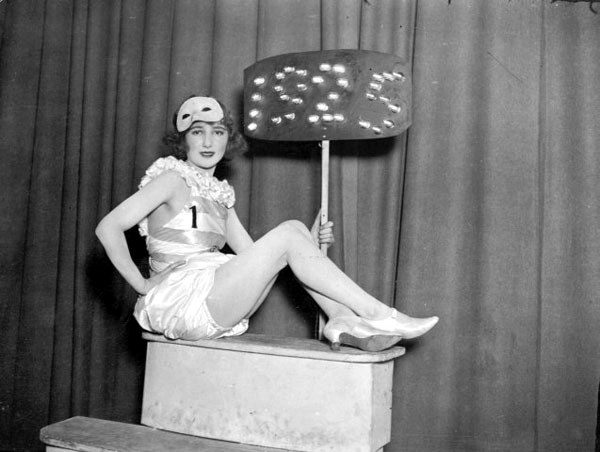
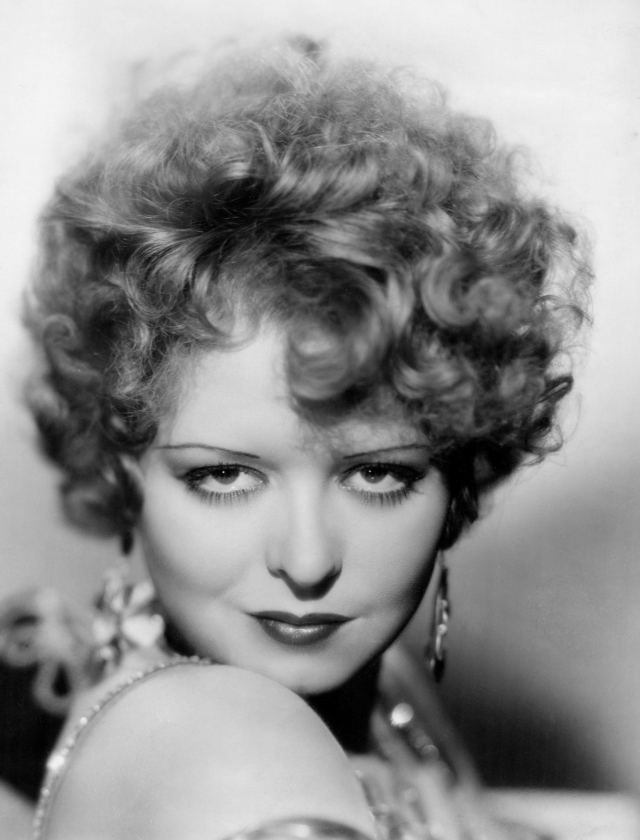
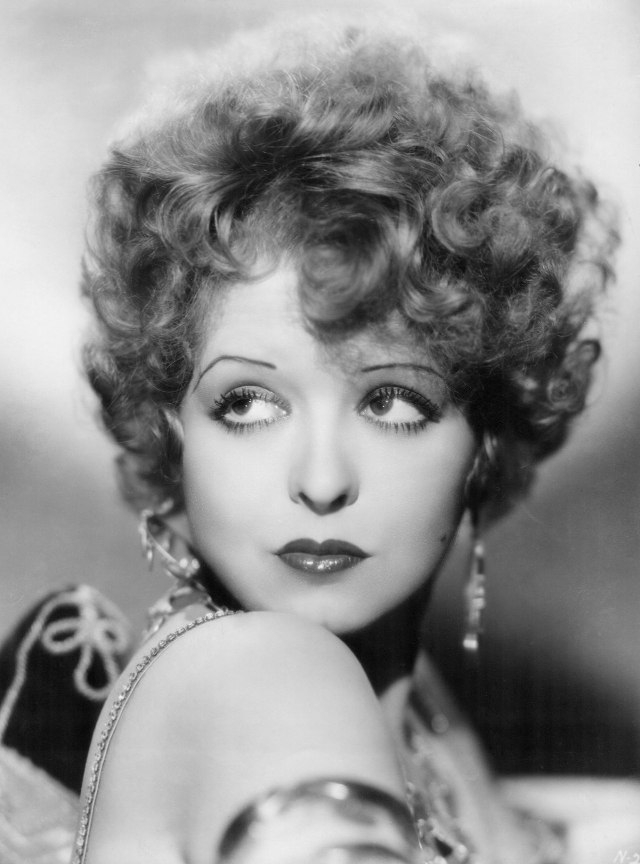
There are many ways to express the pleasure to welcome the New Year. But the ways 1920s celebrities celebrated the New Year like this you would never see today.
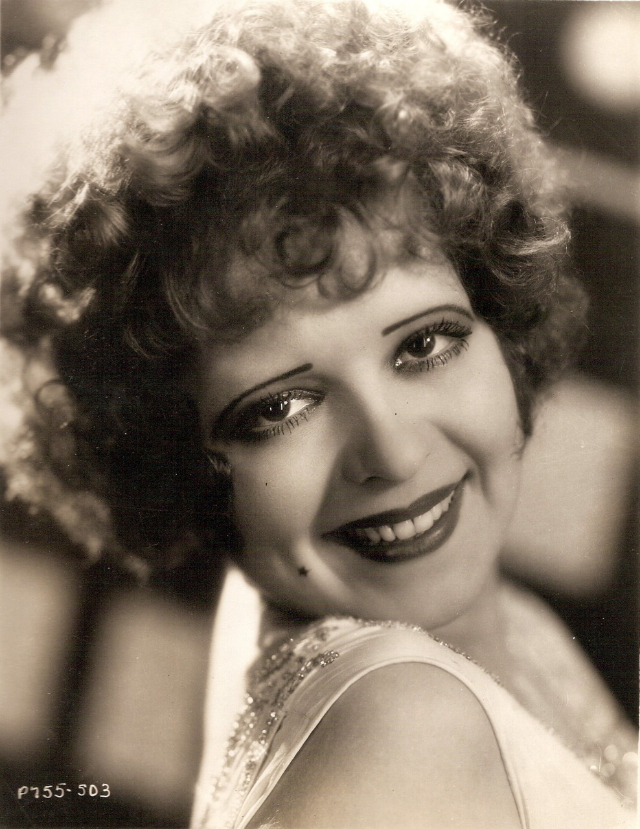
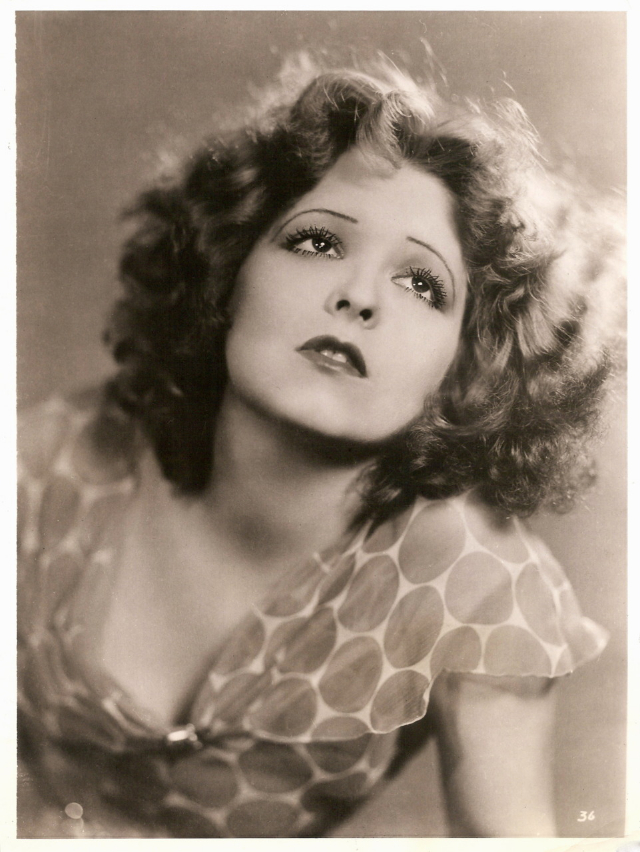
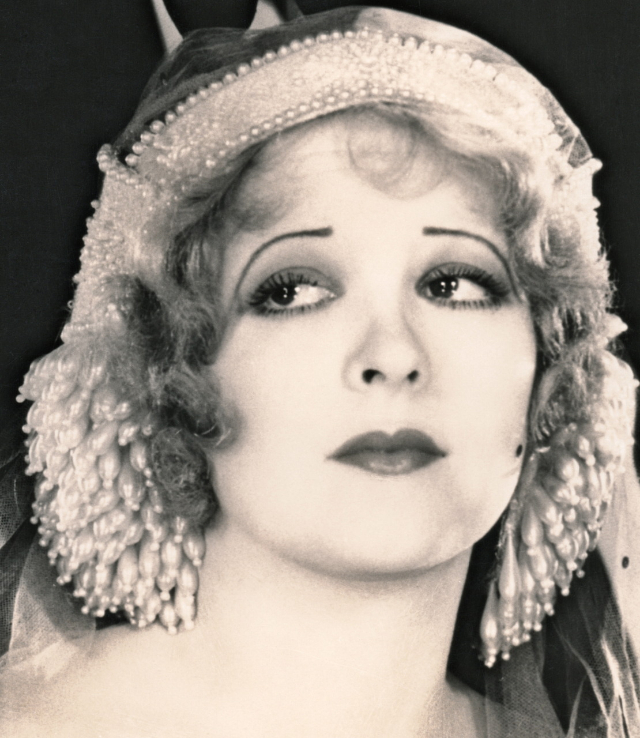
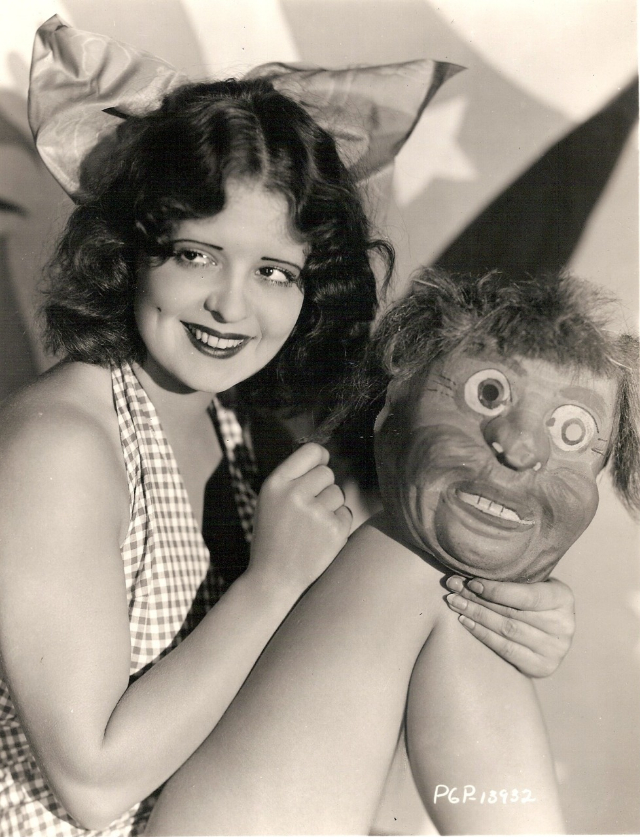
circa 1926: Film actress Myrna Loy sleeping in front of a giant clock, while a displeased looking youngster watches her.New Year 1928circa 1925: American actress Clara Bow (1905 – 1965) holds up a large card while actor Larry Gray inscribes a New Year’s greeting with a giant pen.
Subscribe to Yesterday Today’s Blog to receive regular updates regarding new content:
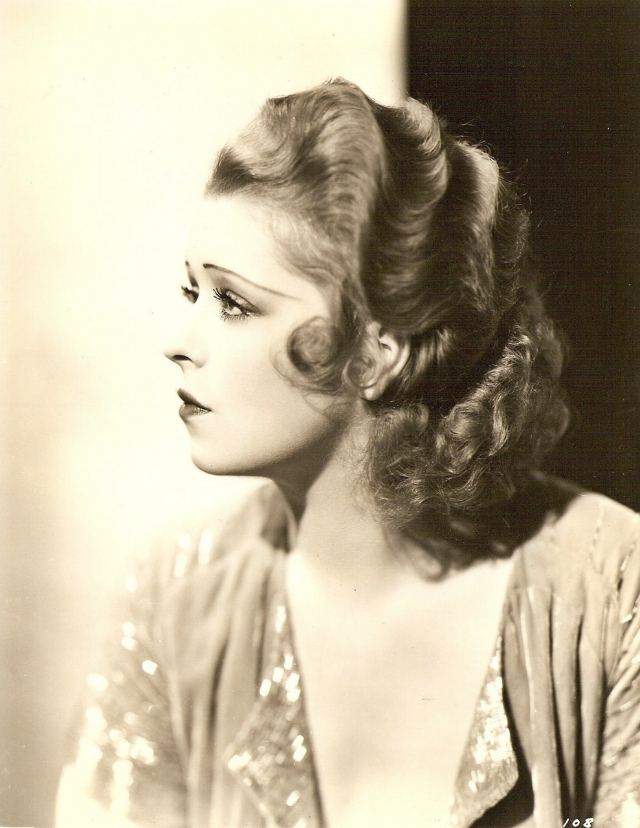
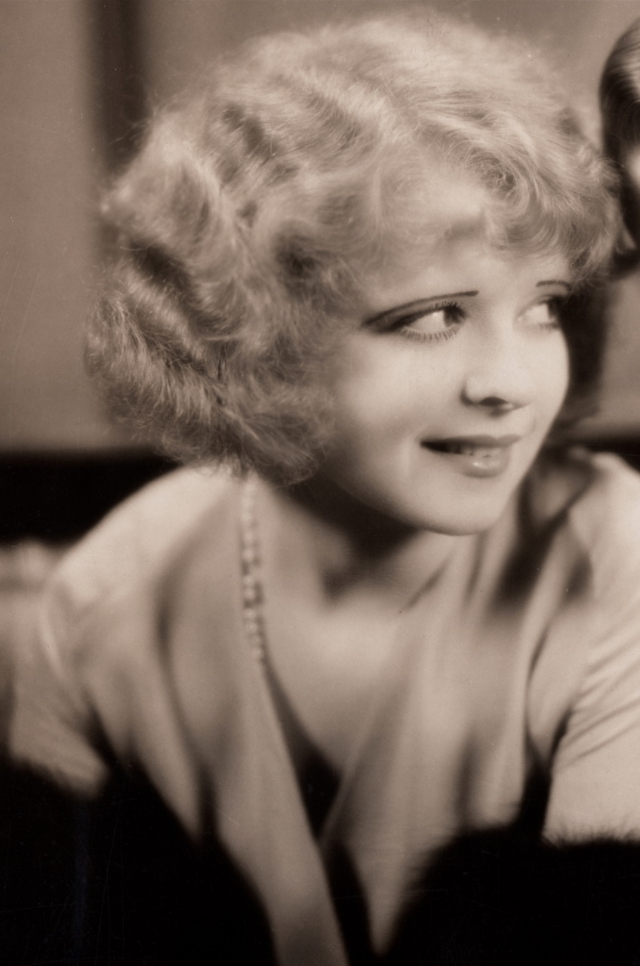
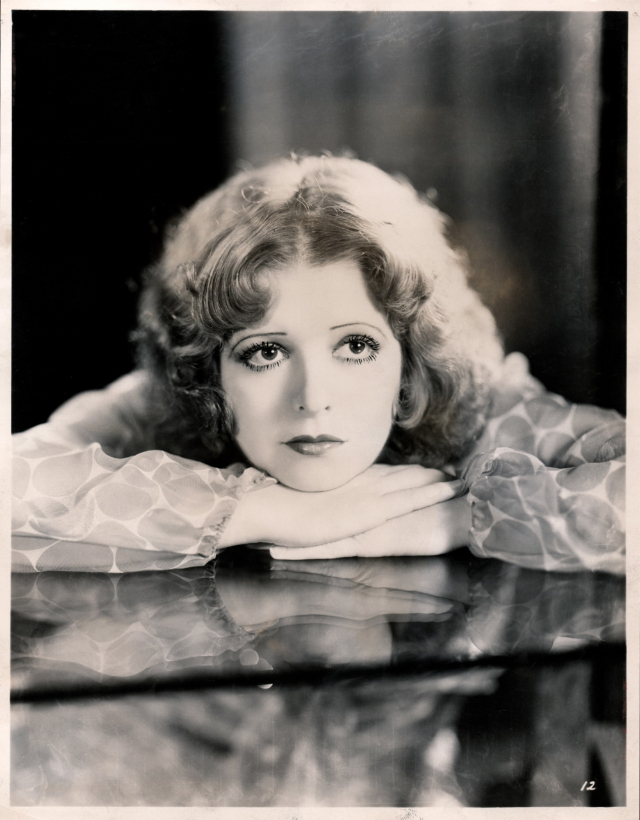
Clara Gordon Bow (July 29, 1905 – September 27, 1965) was an American actress who rose to stardom during the silent film era of the 1920s and successfully made the transition to “talkies” in 1929. Her appearance as a plucky shopgirl in the film It brought her global fame and the nickname “The It Girl”. Bow came to personify the Roaring Twenties and is described as its leading sex symbol.
Bow appeared in 46 silent films and 11 talkies, including hits such as Mantrap (1926), It (1927), and Wings (1927). She was named first box-office draw in 1928 and 1929 and second box-office draw in 1927 and 1930. Her presence in a motion picture was said to have ensured investors, by odds of almost two-to-one, a “safe return”. At the apex of her stardom, she received more than 45,000 fan letters in a single month (January 1929).
Two years after marrying actor Rex Bell in 1931, Bow retired from acting and became a rancher in Nevada. Her final film, Hoop-La, was released in 1933. In September 1965, Bow died of a heart attack at the age of 60.
Subscribe to Yesterday Today’s Blog to receive regular updates regarding new content:
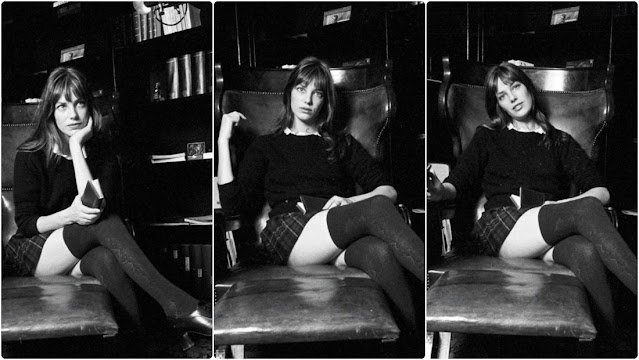
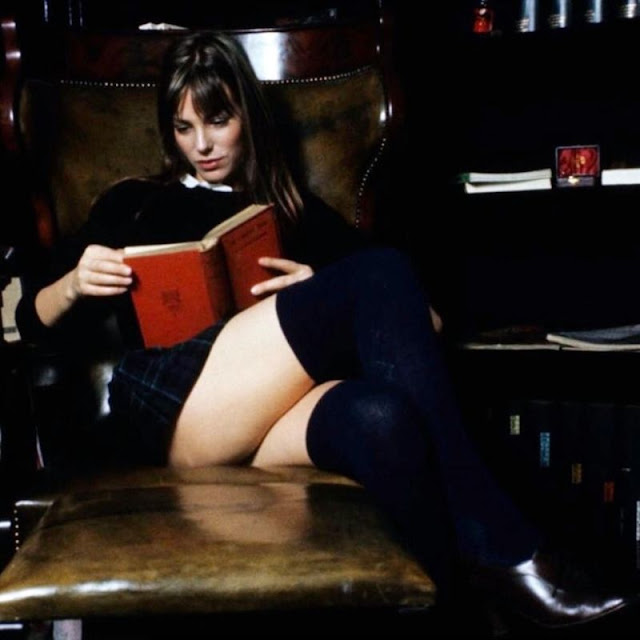
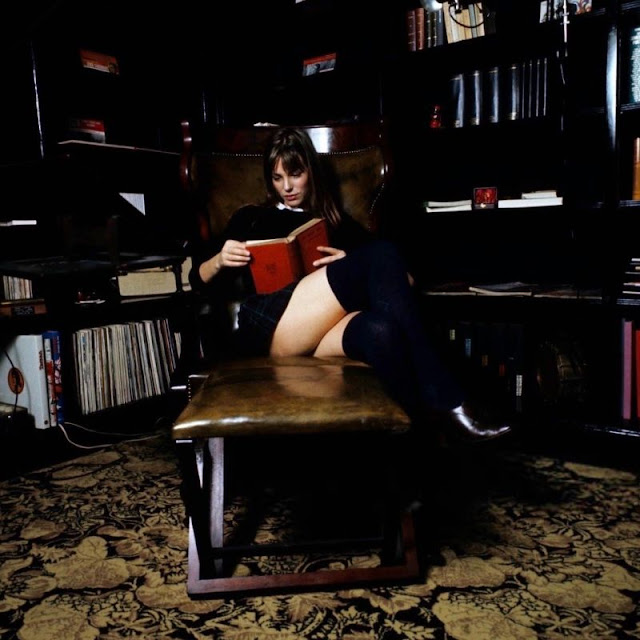
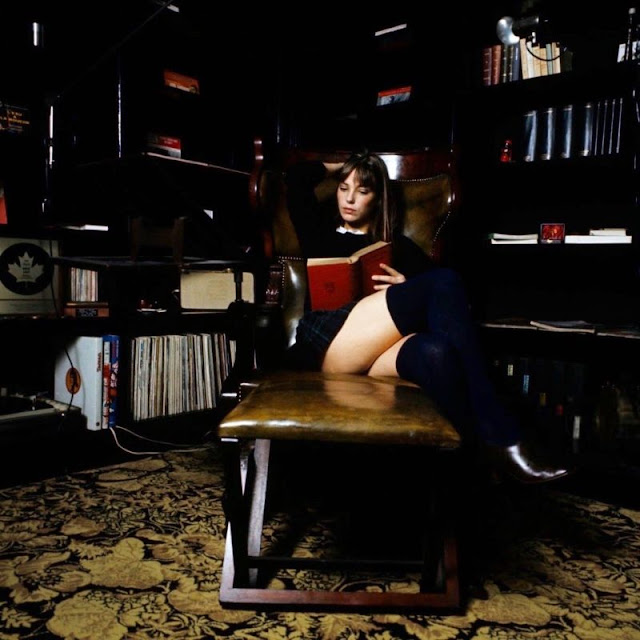
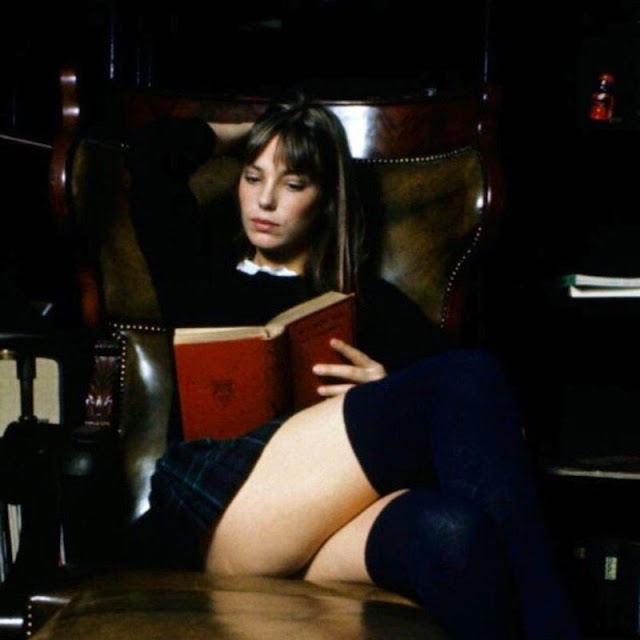
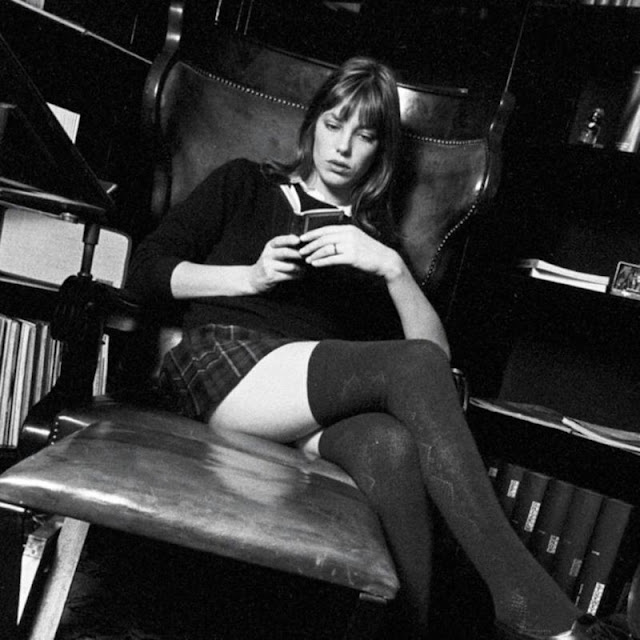
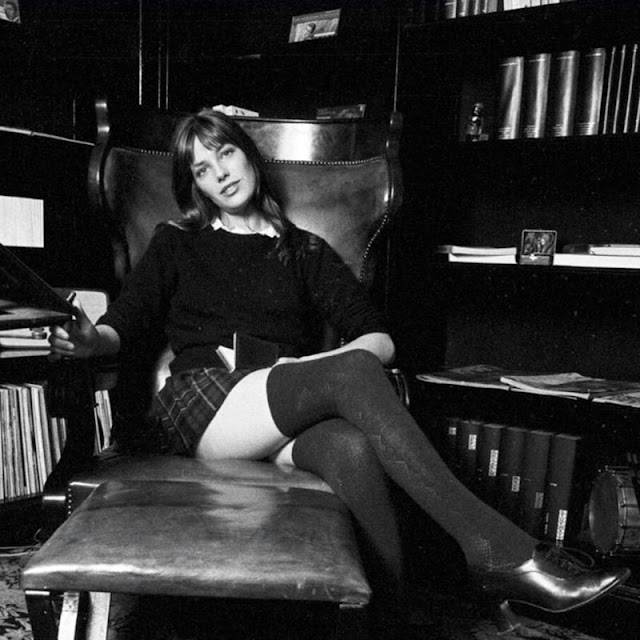
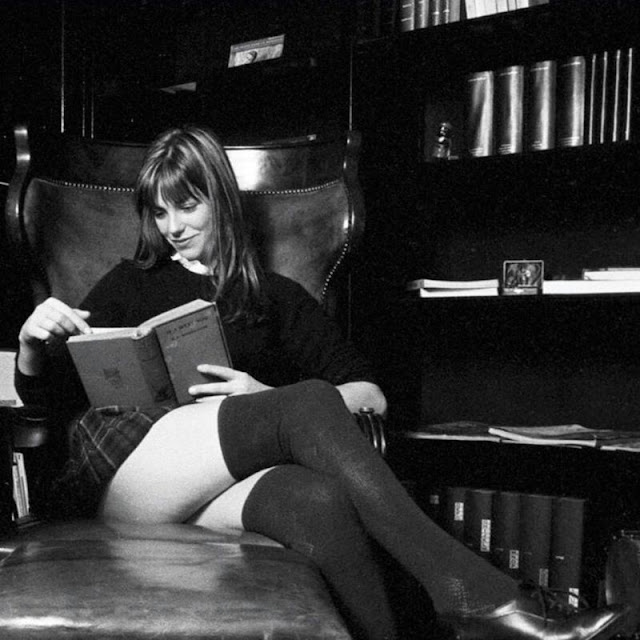
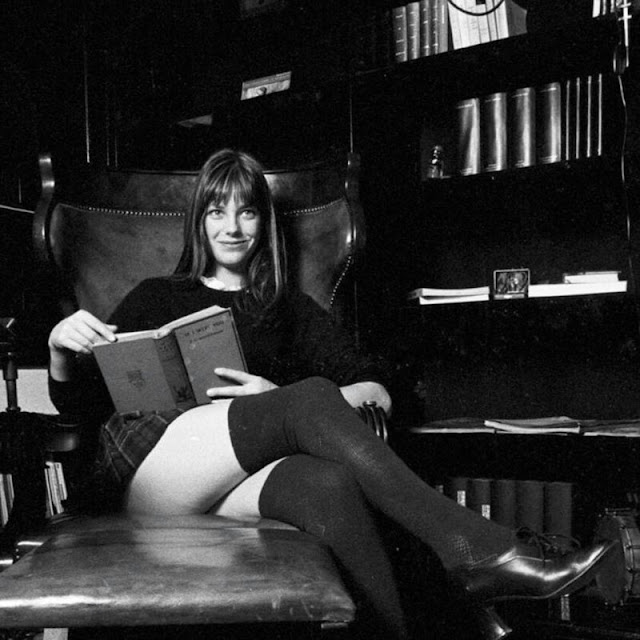
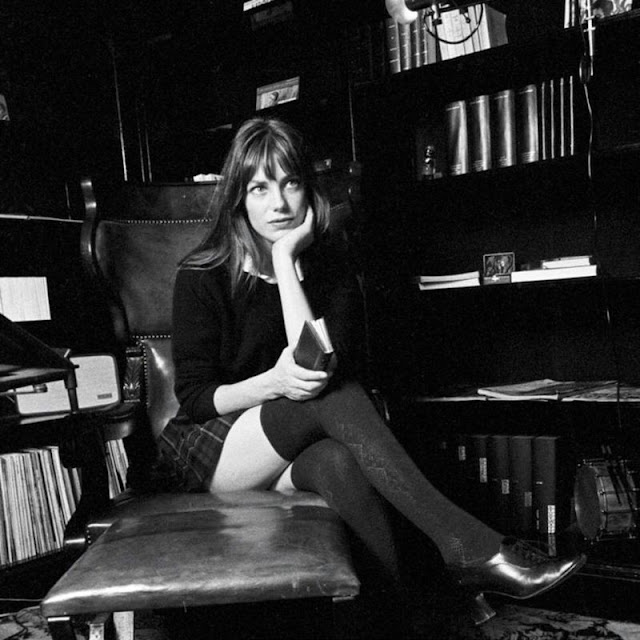
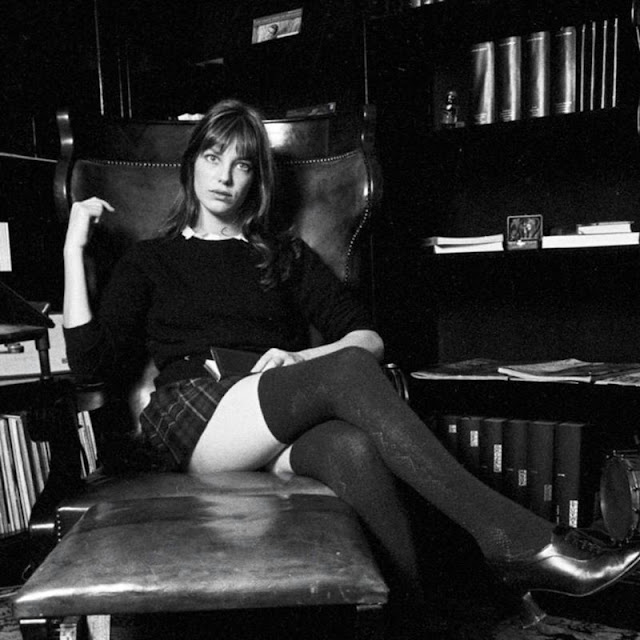
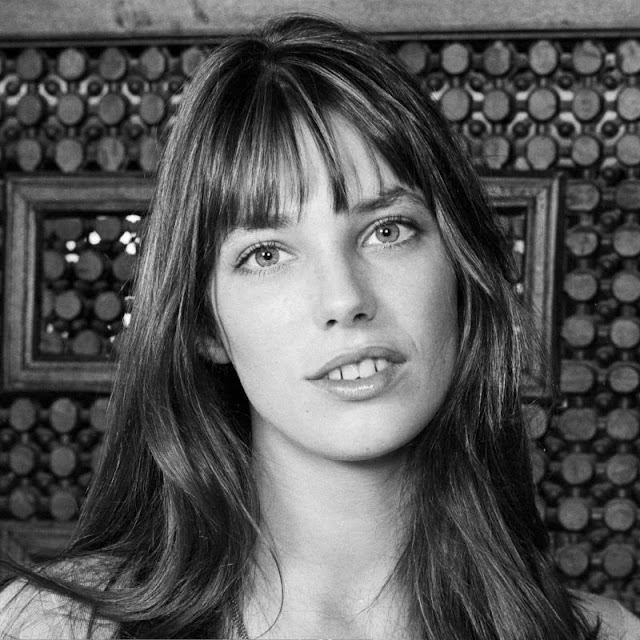
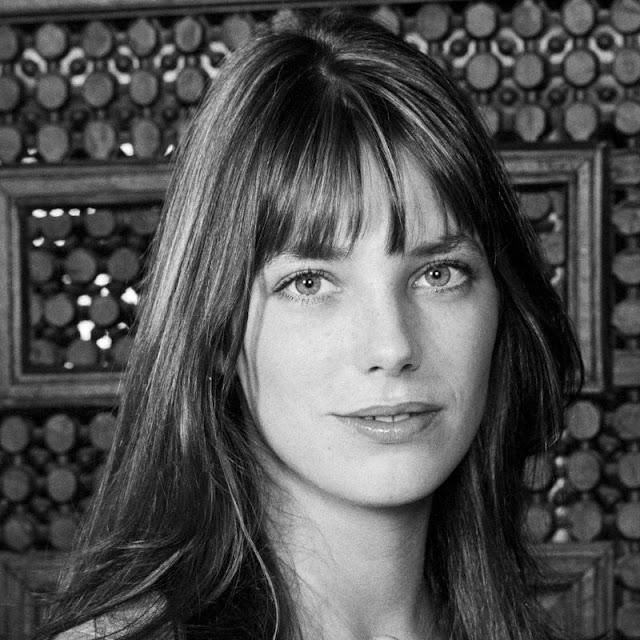
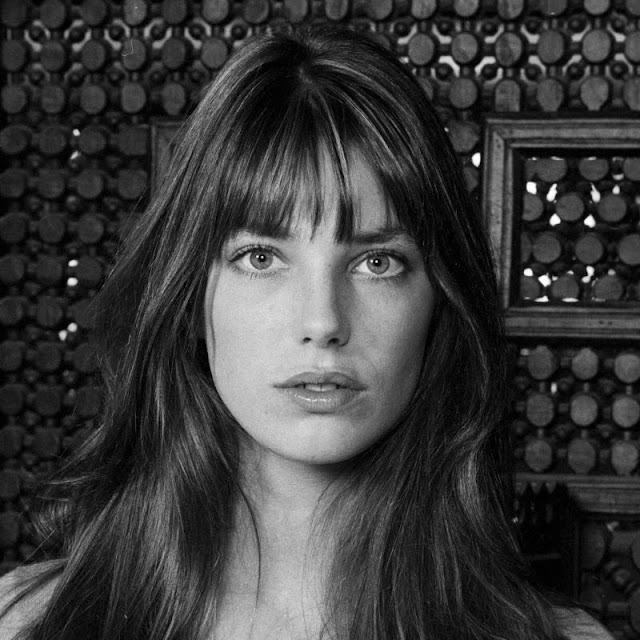
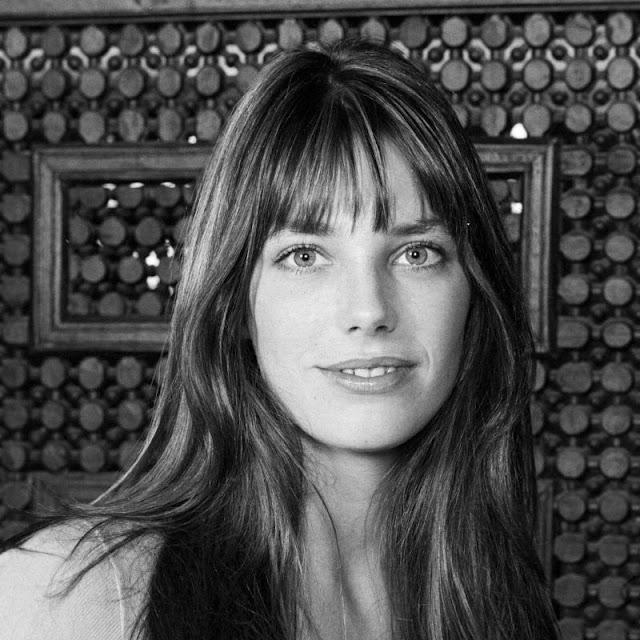
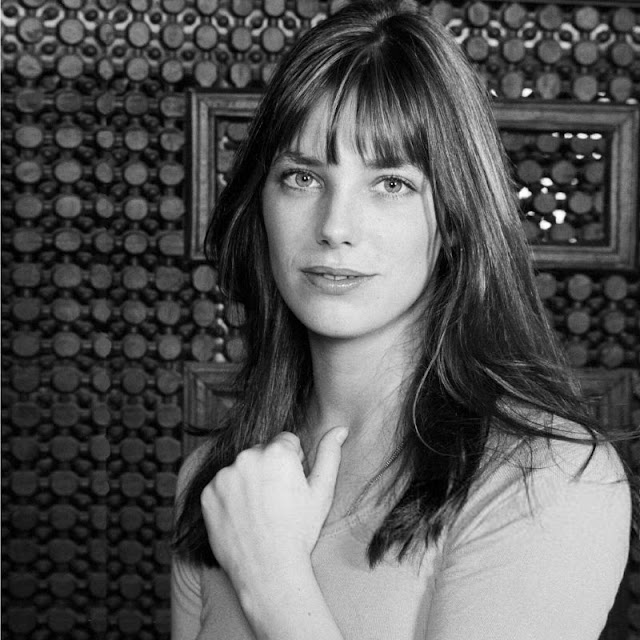
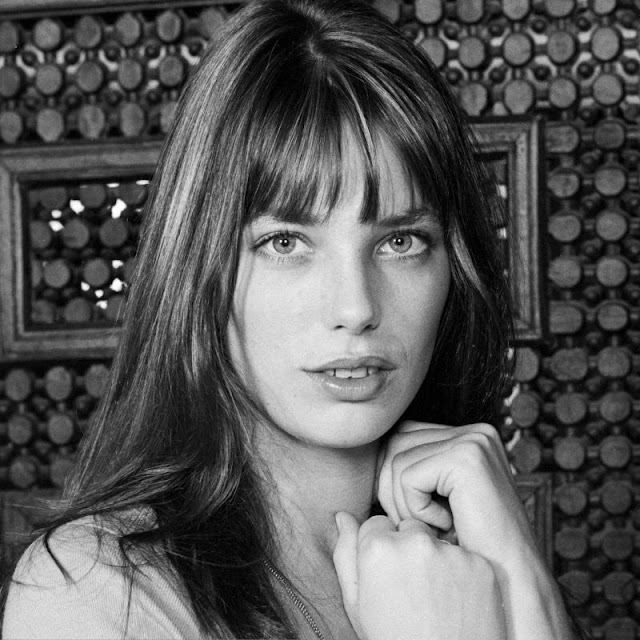
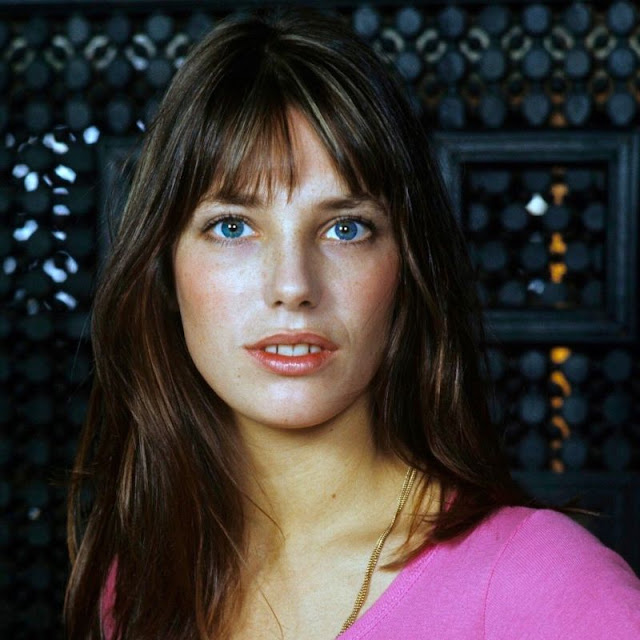
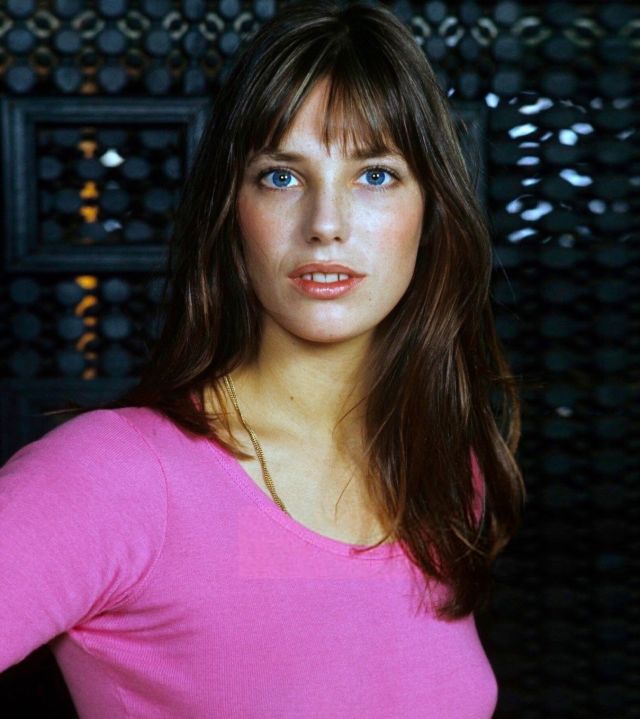
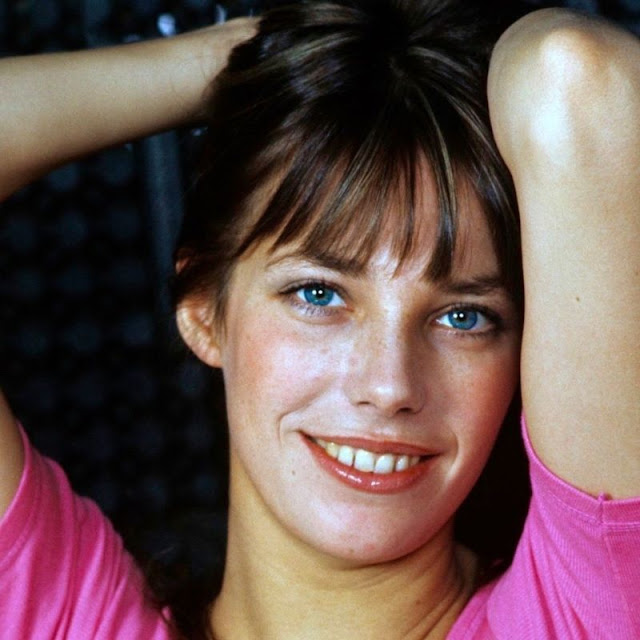
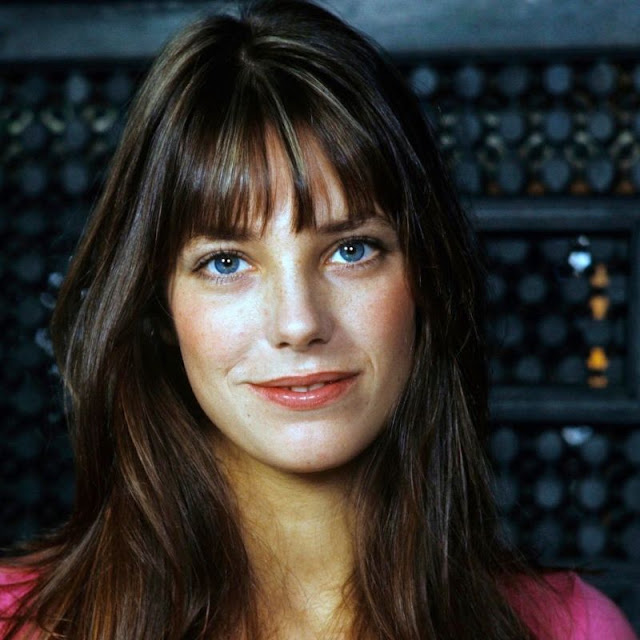
A native of London, Jane Birkin began her career as an actress, appearing in minor roles in Michelangelo Antonioni’s Blowup (1966), and Kaleidoscope (1966). In 1968, she met Serge Gainsbourg while co-starring with him in Slogan, which marked the beginning of a years-long working and personal relationship.
After separating from Gainsbourg in 1980, Birkin continued to work as both an actress and a singer, appearing in various independent films and recording numerous solo albums. In 1991, she appeared in the miniseries Red Fox, and in the American drama film A Soldier’s Daughter Never Cries, in 1998. In 2016, she starred in the Academy Award-nominated short film La femme et le TGV, which she said would be her final film role.
Birkin has lived mainly in France since the 1970s. In addition to her acting and musical credits, she lent her name to the Hermès Birkin handbag.
These beautiful photos were taken by photographer Jean-Claude Deutschthat that show beautiful portraits of Jane Birkin at home in Paris on December 15, 1971.
Subscribe to Yesterday Today’s Blog to receive regular updates regarding new content:
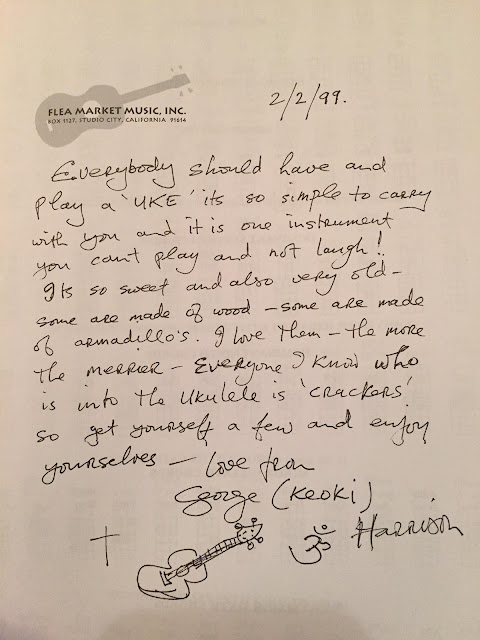
“The best thing about it for me is it’s just funny music. It’s very lighthearted. It’s hard to play a ukulele banjo without smiling. It tends to lighten your life a bit.” – George Harrison
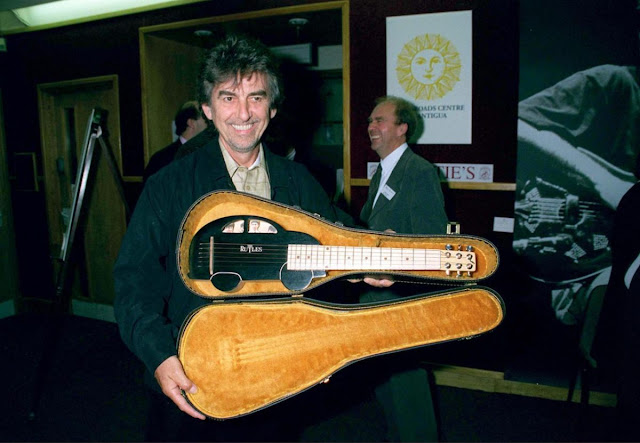
George Harrison’s legendary career as a guitarist is well documented, and as a member of the Beatles he was of course one of the most influential and popular musicians of the twentieth century. But it’s a lesser known fact that Harrison was also a great ukulele player, and on his untimely passing in November 2001, uke fans the world over mourned the loss of a kindred spirit, for he was a great champion of the instrument.
‘Crackers’ may be the perfect word for Harrison’s uke-philia; he used it himself in the adorable note above from 1999. “Everyone should have and play a ‘UKE.’ It’s so simple to carry with you and it is one instrument you can’t play and not laugh!” He carried his uke with him and gave away ukes to friends whenever he could. “Everyone I know who is into the ukulele is ‘crackers,’ so get yourself a few and enjoy yourselves,” he said. Good advice from a Beatle. This course offers an introduction to playing the ukulele.
His bandmate and friend, Paul McCartney remembered Harrison’s obsession, “Whenever you went round George’s house, after dinner the ukuleles would come out and you’d inevitably find yourself singing all these old numbers.”
Born in Liverpool in 1943, Harrison grew up with the music of Lancashire comedian George Formby, as did all the Beatles. Formby’s huge popularity at the time meant that the sound of the ukulele banjo, and particulary his own rhythmic style of playing, were a familiar part of life. Harrison’s interest in Eastern mystic beliefs (from the mid-1960s onwards) led him to adopt a deep philosophy of self discovery and understanding, so it was only natural that in his later years he would re-explore his earliest musical roots and influences.
In a 1991 interview, Harrison recalled memories of his mother singing George Formby songs at home, and he developed an enthusiasm for Formby and the ukulele that would last for the rest of his life. Harrison attended meetings of the George Formby Society and the Ukulele Society of Great Britain (see picture, below left) and acquired a fine collection of ukes, including the Ludwig banjo-uke once a favourite instrument of Formby himself.
Harrison’s interest in the ukulele was acknowledged publicly in 1995, during the Beatles Anthology project, when he appeared playing the uke in the TV/video documentary series. At the end of the Beatles’ historic single “Free As A Bird” (their first new release for 25 years) George recorded his own small Formby tribute, by giving a brief rendition of Formby’s famous solo from “When I’m Cleaning Windows” at the end of the track, along with a clip of Lennon reciting Formby’s catchphrase “Turned Out Nice Again” – in reverse! The banjo-uke also featured (less prominently) on the single “Real Love” released in 1996.
In the artwork for his newly remastered release of the classic triple album All Things Must Pass in 2001, Harrison included a photo of himself holding a uke, so clearly not only did he have a great passion for the instrument, but he wanted the world to know about it! Throughout his final few years many rumors circulated about a possible new album release from George Harrison, and it seemed likely that the ukulele would figure in such a project. On his untimely death from cancer, it was revealed that much recording work had been done in Harrison’s final months. We now hope that this will be released as a posthumous addition to the already staggering legacy of this truly great man, taken too soon from the world.
Subscribe to Yesterday Today’s Blog to receive regular updates regarding new content:
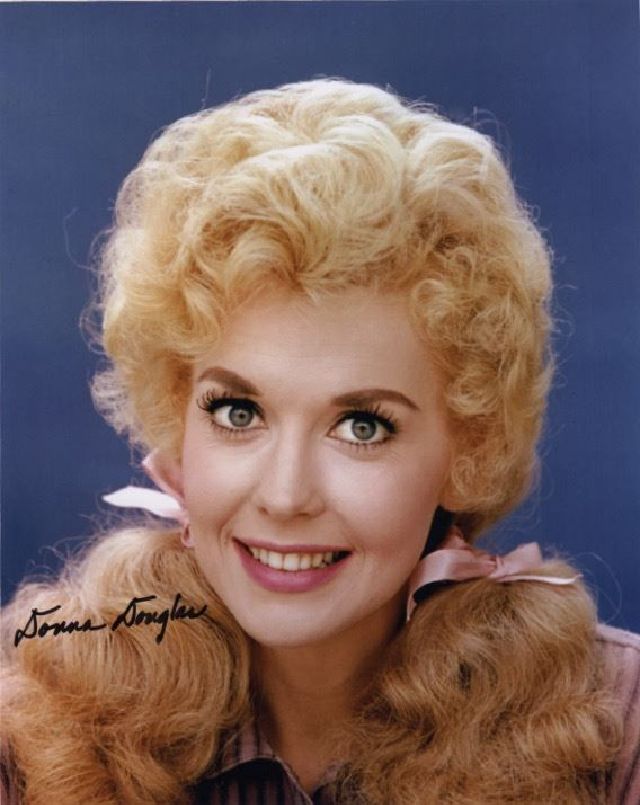
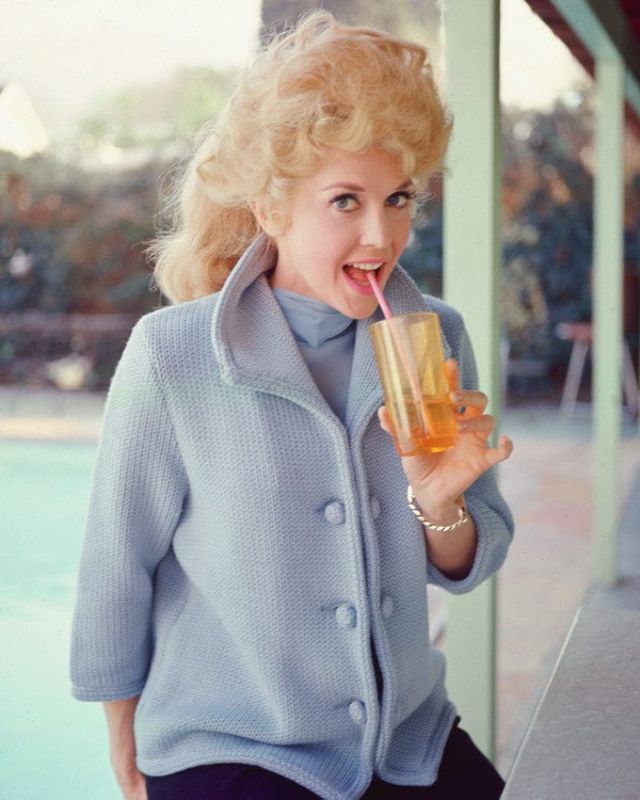
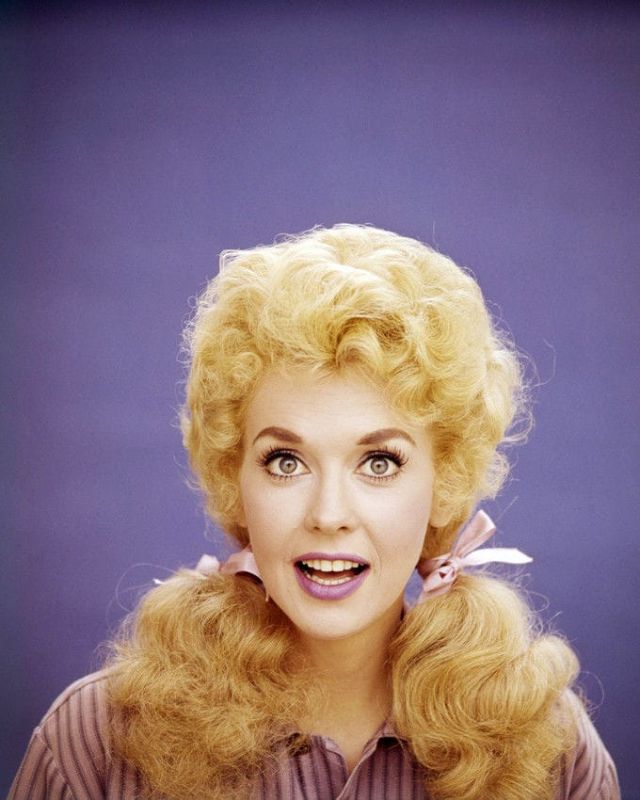
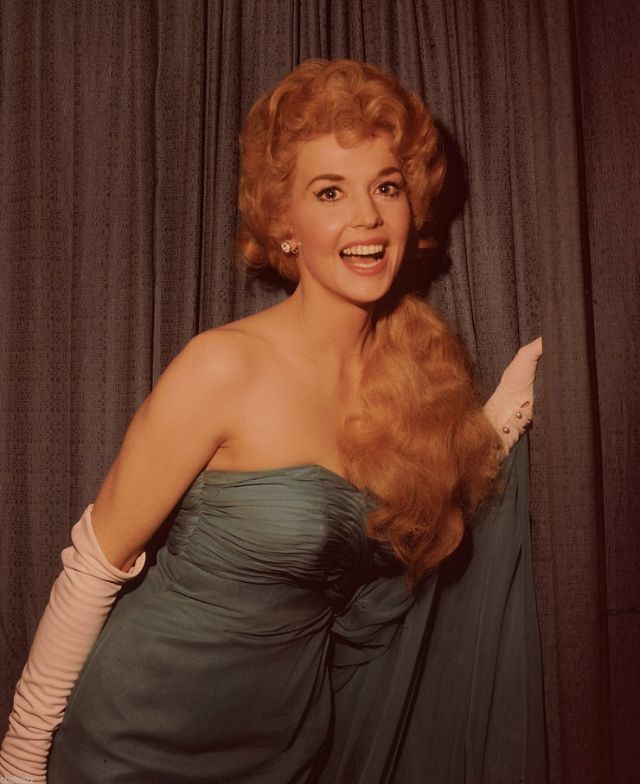
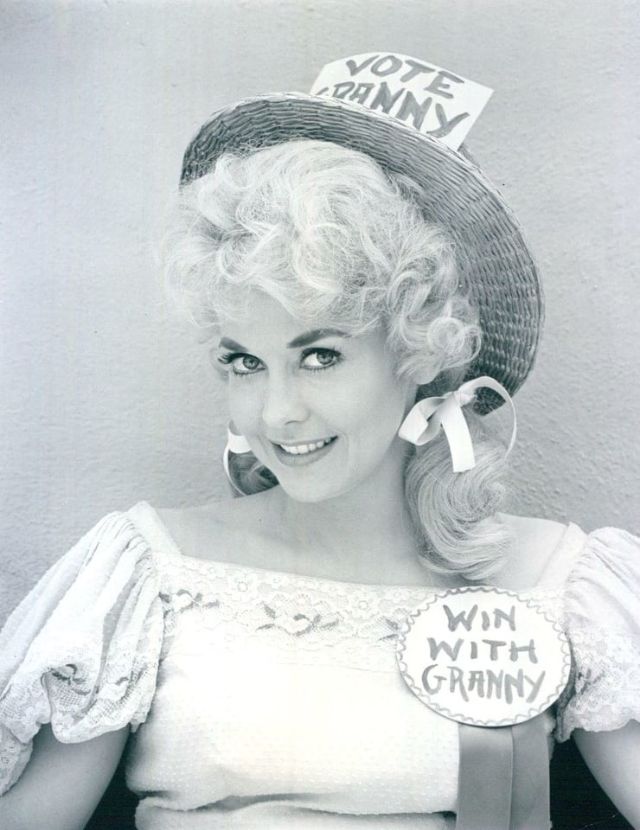
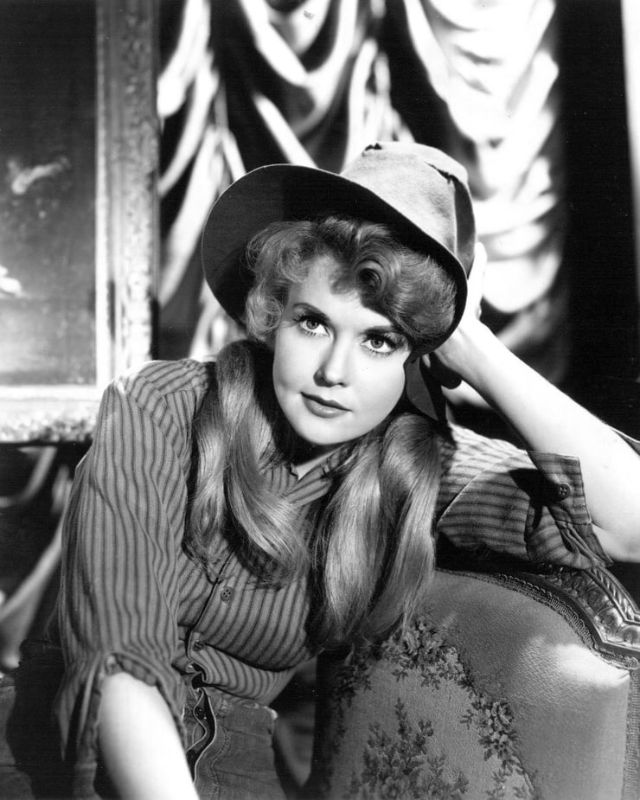
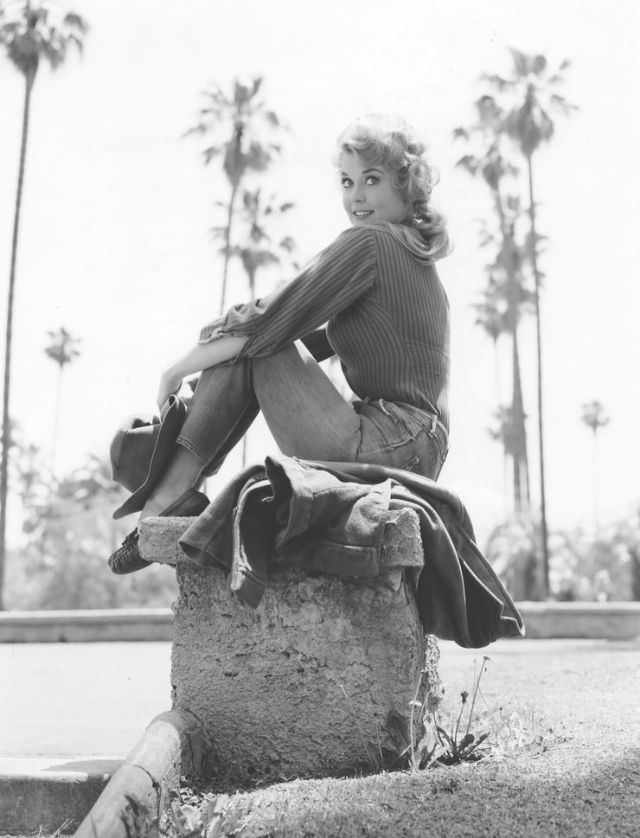
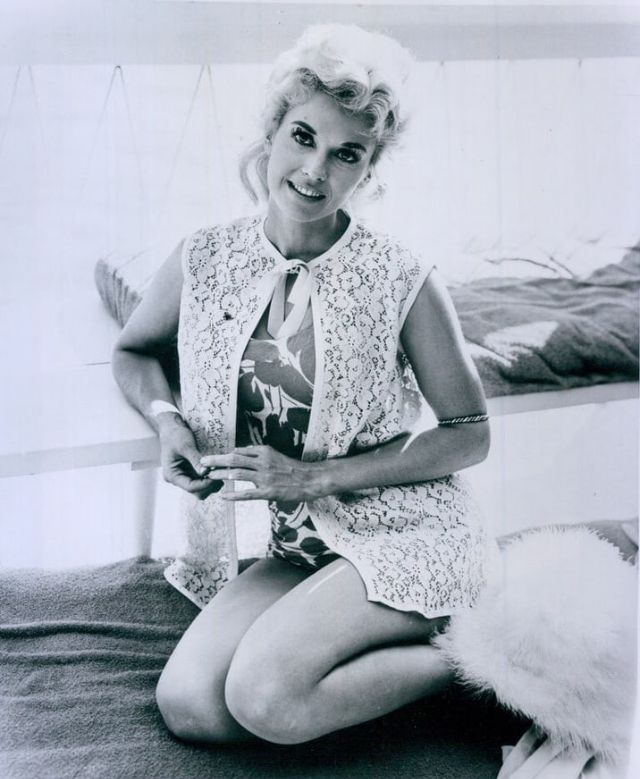
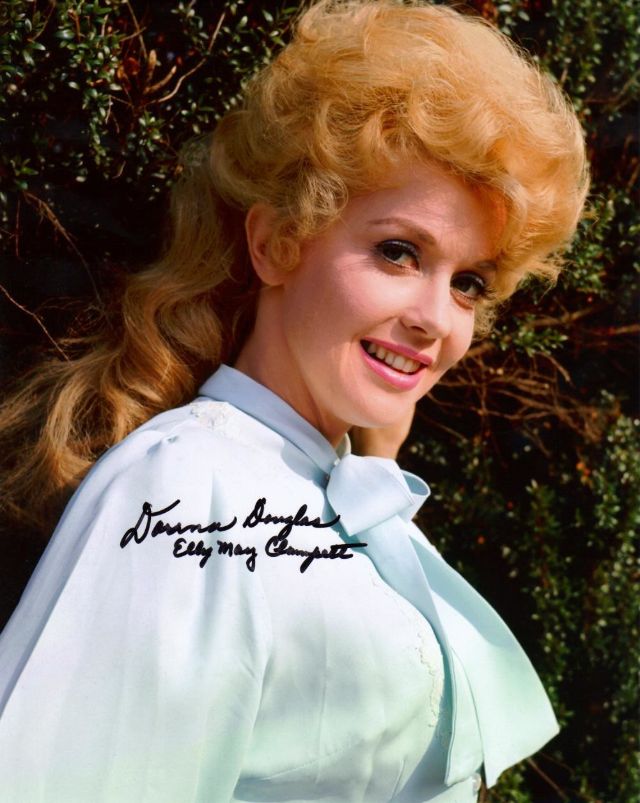
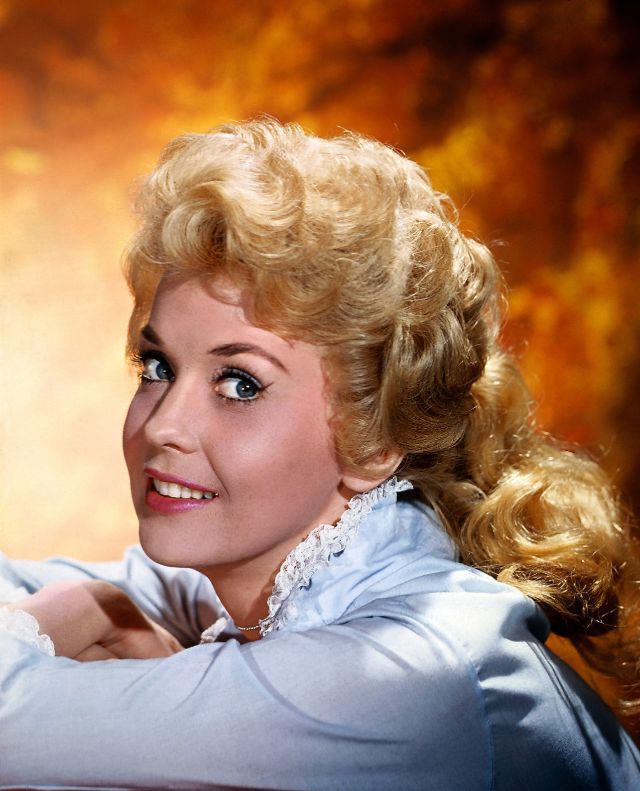
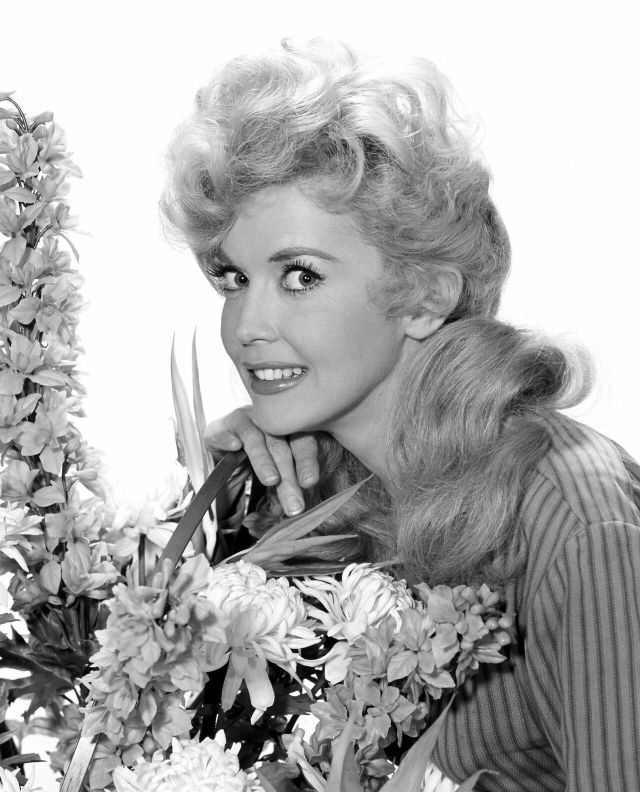
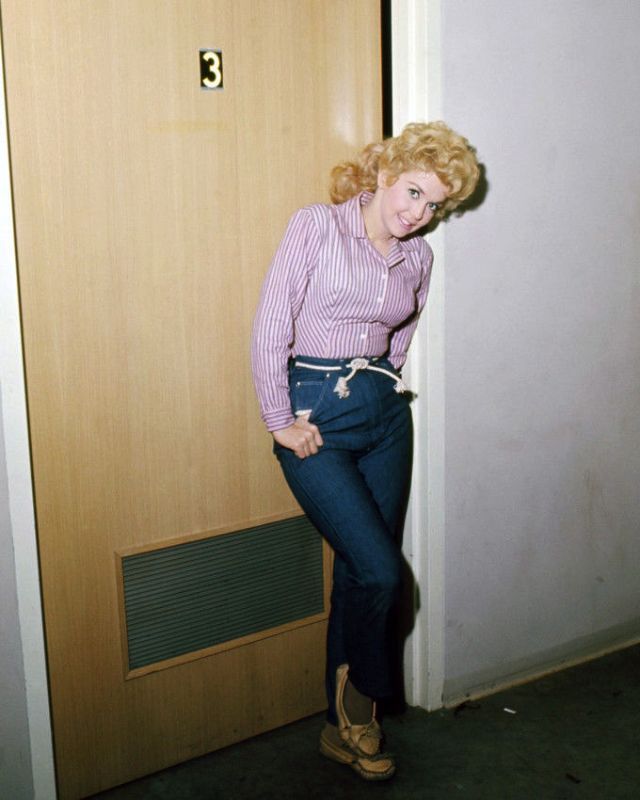
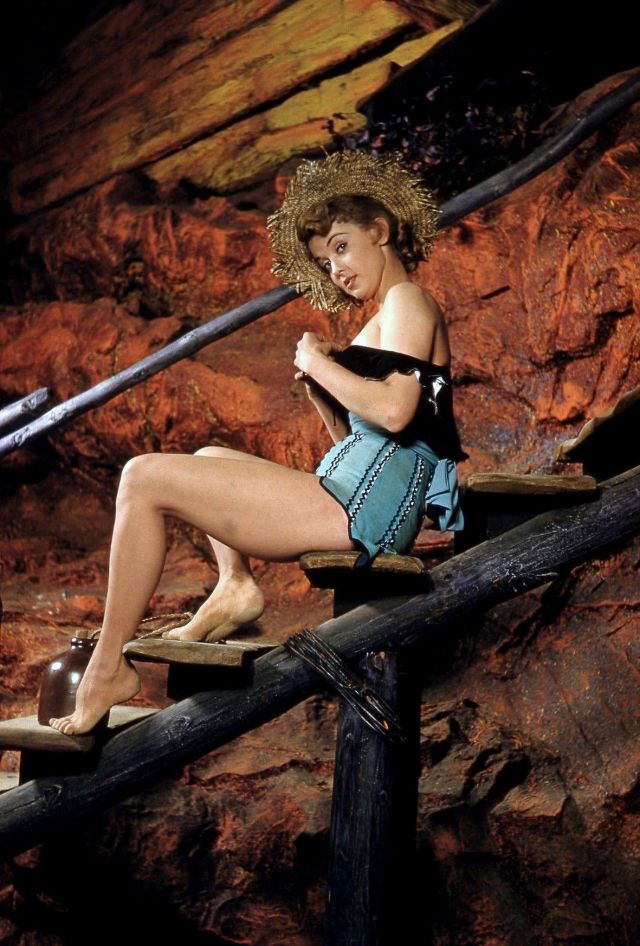
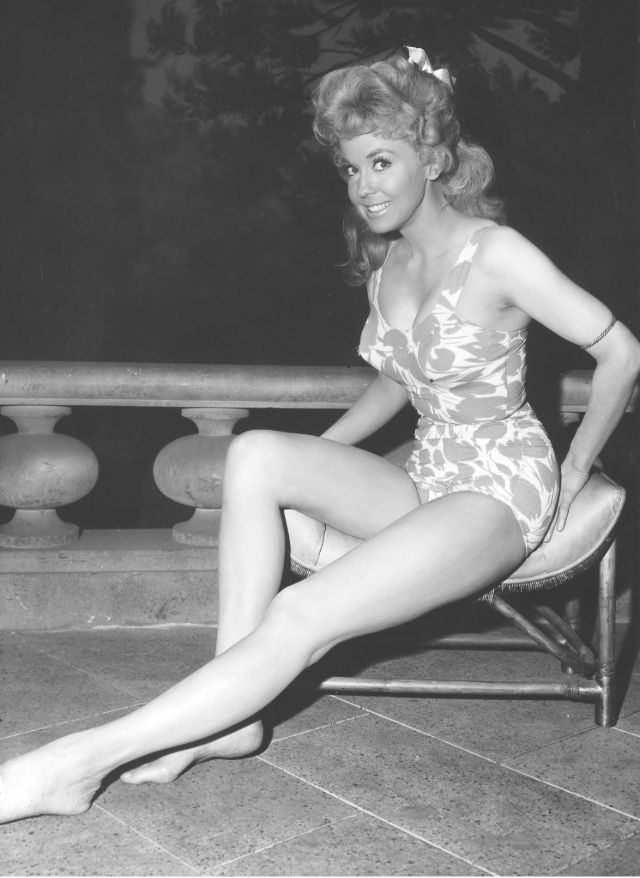
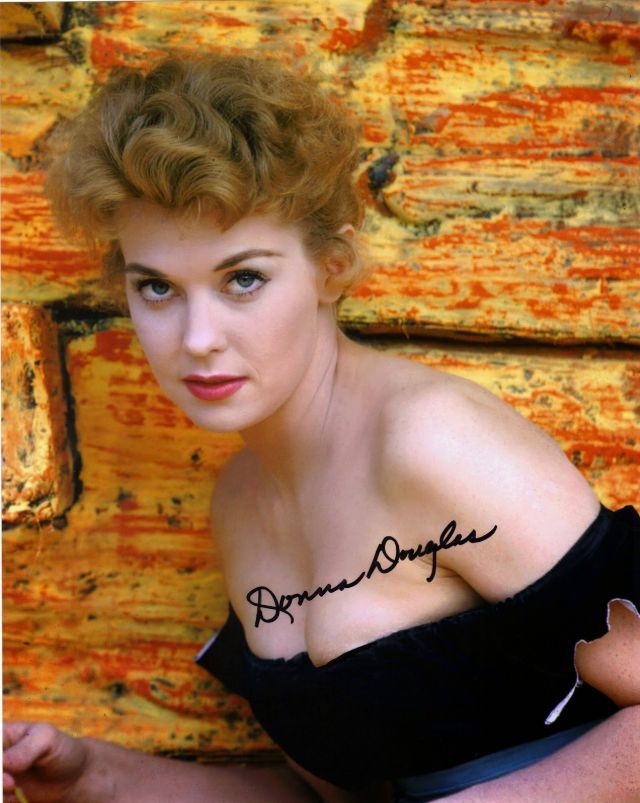
Born 1932 as Doris Ione Smith, American actress and singer Donna Douglas moved to New York City to pursue a career in show business and started as an illustration model for toothpaste advertisements.
Douglas appeared in a 1958 episode of The Phil Silvers Show “Bilko and the Crosbys” credited as Doris Bourgeois, her given name and her married name from her first marriage. She made numerous television appearances in the late 1950s and early 1960s, including The Twilight Zone episode “Eye of the Beholder” (1960), and played Barbara Simmons in four 1961 episodes of the CBS detective series Checkmate.
Her other credits included in U.S. Marshal, Tightrope, The Adventures of Ozzie and Harriet, Bachelor Father, Adam-12 and Route 66. Douglas also appeared in Thriller, season 1, episode 16, “The Hungry Glass”.
Although Douglas was an active actress in the 1960s, she was still relatively unknown when selected from among 500 young actresses to work on The Beverly Hillbillies (1962-1971).
Following her acting career, Douglas became a real estate agent, gospel singer, inspirational speaker, and author of books for children and adults.
Douglas died at Baton Rouge General Hospital in 2015 from pancreatic cancer, aged 82.
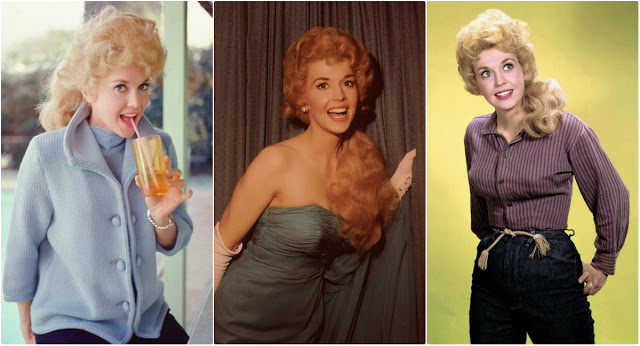
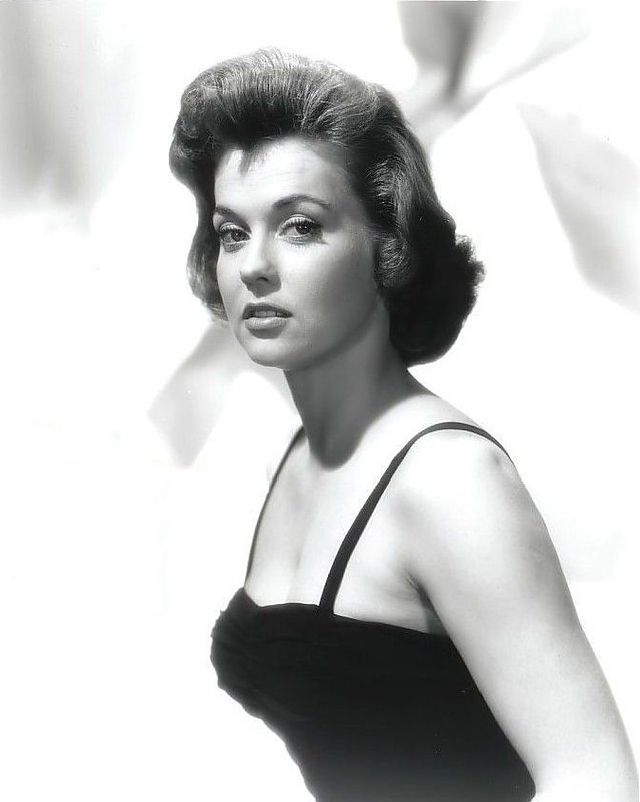
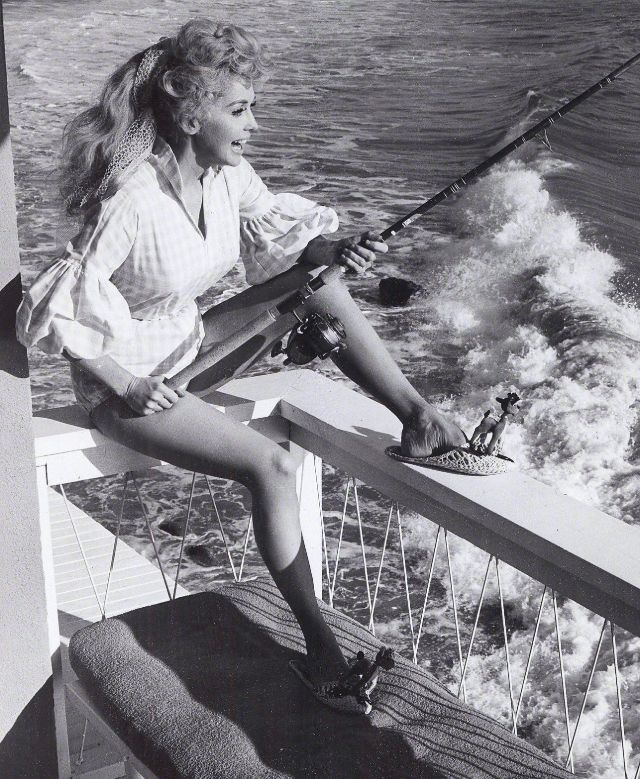
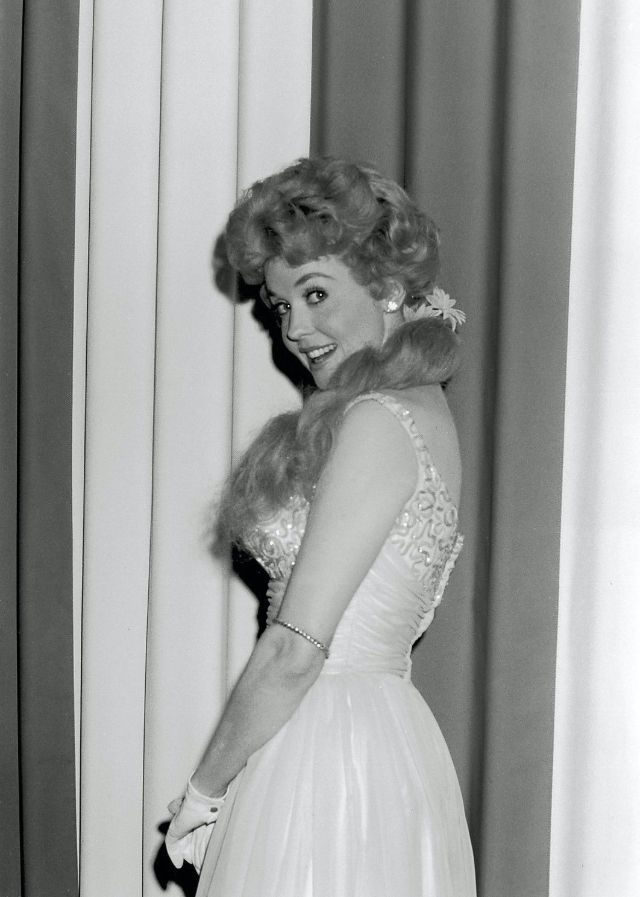
Take a look at these vintage photos to see the beauty of young Donna Douglas in the 1950s and 1960s.
Subscribe to Yesterday Today’s Blog to receive regular updates regarding new content: