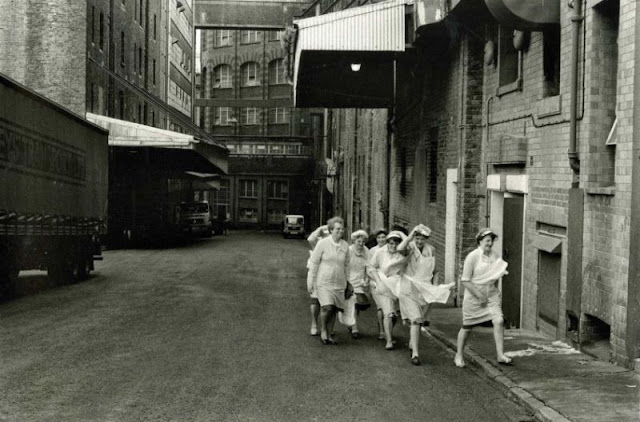
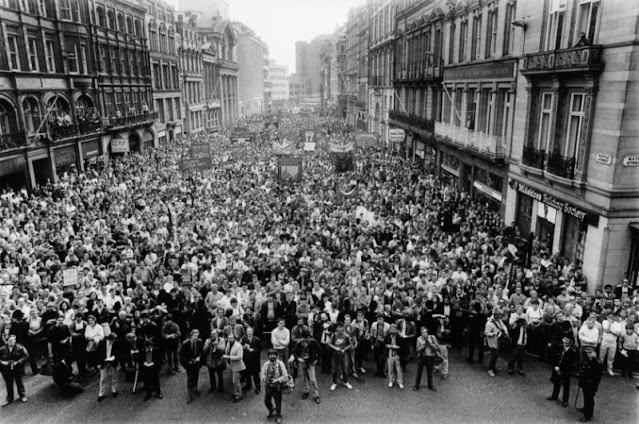
The 1980s were a time of turmoil and upheaval for Liverpool. Unemployment and economic instability led to widespread disquiet, culminating in public shows of resistance such as the 1981 Toxteth Riots. Liverpool also elected its first Labour council in 1983, who promised to stand up for what they saw as unjust cuts under the Thatcher government.
However, the people of Liverpool were strong in the face of this upheaval, and glimpses of light can be found in dark times. As the official photographer for the Militant, Sinclair’s stunning images show a city that refused to lie down in the face of adversity.
Dave Sinclair was born in 1959 in Walton, Liverpool. By 1980, he was studying Art at Liverpool Polytechnic, where he developed an interest in the Liverpool urban landscape. Surrounded by derelict factories and docks, Dave started documenting his surroundings, processing and printing in black and white in a darkroom he built himself. He soon realised that photography was what he wanted to do for a living. His photographs have been featured in several exhibitions, including ‘The Dockers’ which was exhibited in London Liverpool and extensively abroad, The ‘School Student Strike’ at the Bluecoat in Liverpool and ‘Thatcher, Liverpool and the 80s’ in Shoreditch.
Liverpool in the 1980s’ pays tribute to the constancy of the Liverpudlian spirit. From citywide protests to intimate portraits, this volume is a unique insight into the recent history of one of Britain’s most inspirational cities.
Subscribe to continue reading
Become a paid subscriber to get access to the rest of this post and other exclusive content.
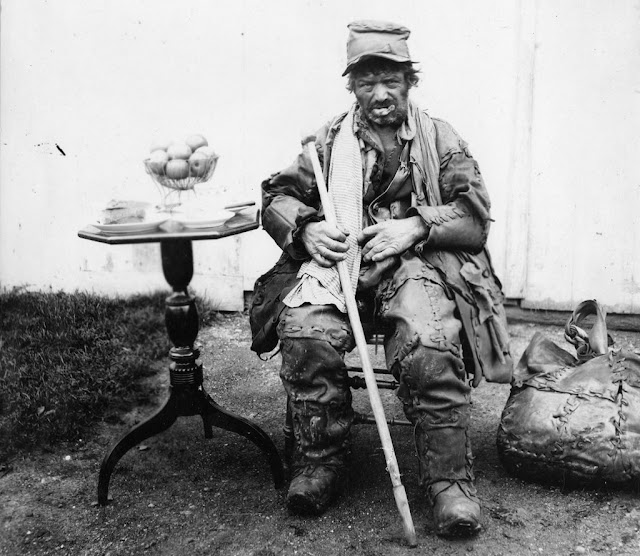
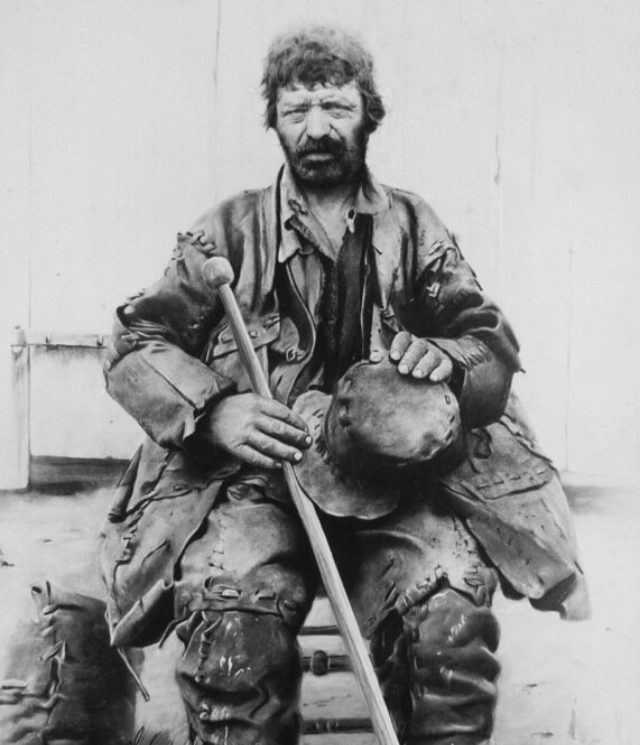
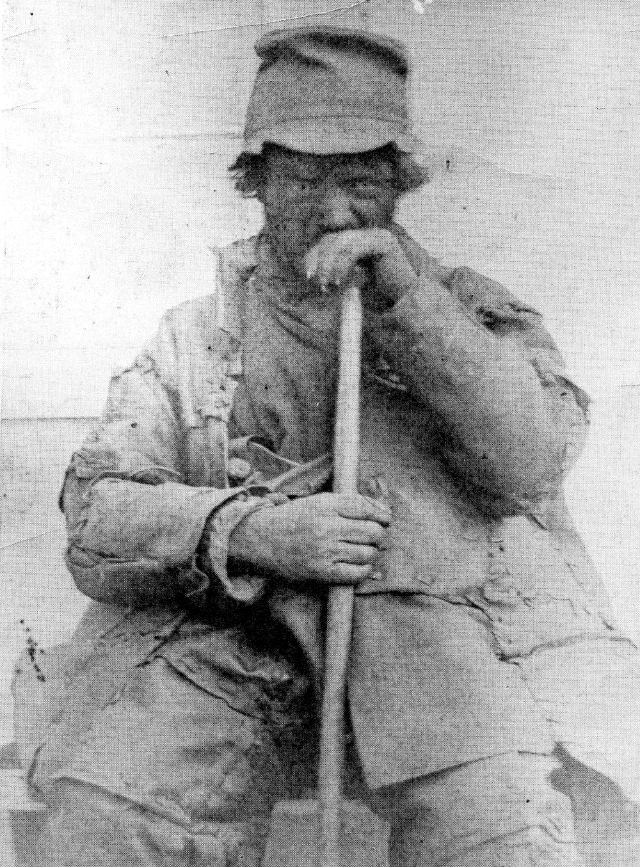
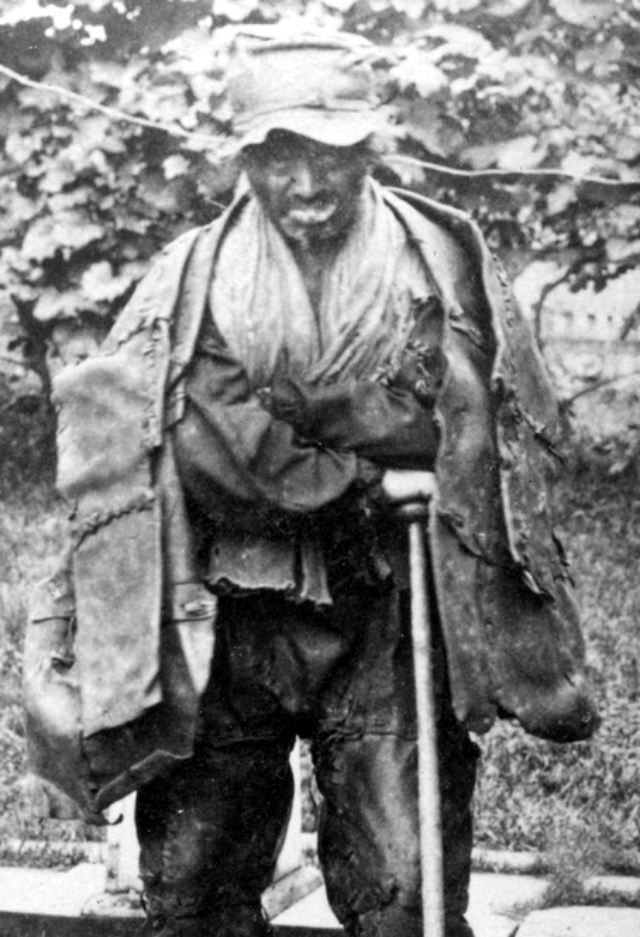
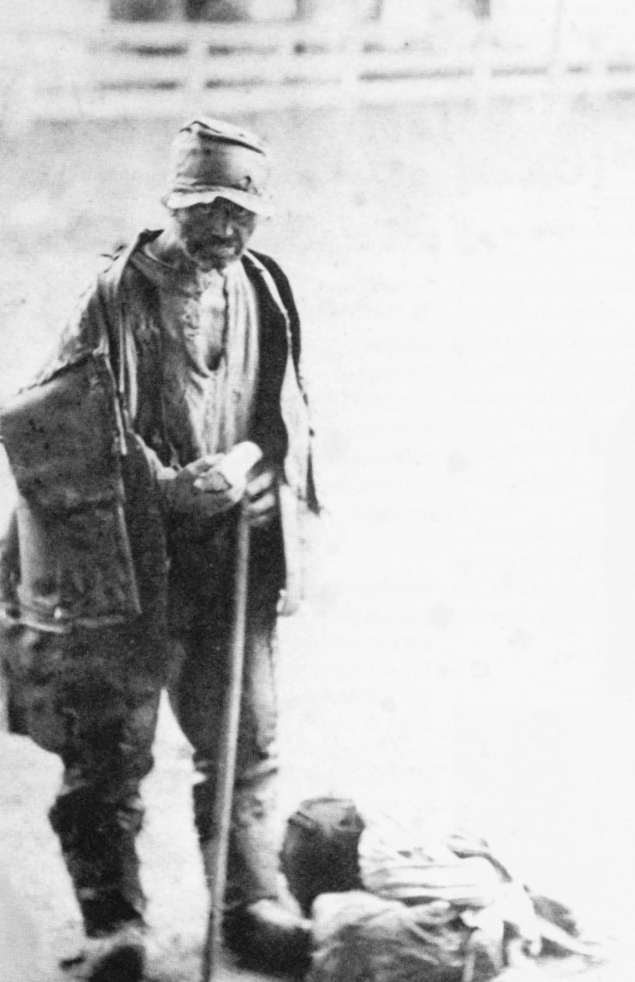
The Leatherman (ca. 1839–1889; aged 49–50) was a vagabond famous for his handmade leather suit of clothes who traveled through the northeastern United States on a regular circuit between the Connecticut River and the Hudson River from roughly 1857 to 1889.
Of unknown origin, he was thought to be French-Canadian because of his fluency in the French language, his “broken English,” and the French-language prayer book found on his person after his death. His identity remains unknown, and controversial. He walked a repeating 365-mile (587 km) route year after year, which took him through certain towns in western Connecticut and eastern New York, returning to each town every 34–36 days.
Living in rock shelters and leatherman caves, as they are now locally known, the Leatherman stopped at towns along his 365-mile (587 km) loop about every five weeks for food and supplies. He was dubbed the “Leatherman” as his adornment of hat, scarf, clothes, and shoes were handmade from leather. An early article in the Burlington Free Press dating to April 7, 1870, refers to him as the “Leather-Clad Man”. It also states that he spoke rarely and when addressed would simply speak in monosyllables. According to contemporary rumors, he hailed from Picardy, France.
Fluent in French, he communicated mostly with grunts and gestures, rarely using his broken English. When asked about his background, he would abruptly end the conversation. Upon his death, a French prayer book was found among his possessions. He declined meat on Fridays, giving rise to speculation that he was Roman Catholic.
It is unknown how he earned money. One store kept a record of an order: “one loaf of bread, a can of sardines, one-pound of fancy crackers, a pie, two quarts of coffee, one gill of brandy and a bottle of beer.”
The Leatherman was well known in Connecticut. He was reliable in his rounds, and people would have food ready for him, which he often ate on their doorsteps. Ten towns along the Leatherman’s route passed ordinances exempting him from the state “tramp law” passed in 1879.
The Leatherman survived blizzards and other foul weather by heating his rock shelters with fire. Indeed, while his face was reported to be frostbitten at times during the winter, by the time of his death he had not lost any fingers, unlike other tramps of the time and area.
The Connecticut Humane Society had him arrested and hospitalized in 1888, which resulted in a diagnosis of “sane except for an emotional affliction,” after which he was released, as he had money and desired freedom. He ultimately died from cancer of the mouth due to tobacco use. His body was found on March 24, 1889, in his Saw Mill Woods cave on the farm of George Dell in the town of Mount Pleasant, New York, near Ossining.
After he perished, so many people visited the Leatherman’s roadside grave that the local historical society decided to move it farther inland to avoid potential accidents. When the body was exhumed for reburial in 2011, many thought DNA testing might help solve the mystery of who he was.
However, those hopes were dashed when they opened the casket to find that the remains were missing. Now, the Leatherman is shrouded in even more mystery: no one knows who he was or where he is.
Subscribe to Yesterday Today’s Blog to receive regular updates regarding new content:
There’s no denying that the ’60s were one of the most impactful eras in fashion. Setting the tone for modern style, the decade revolutionized womenswear with bold colors, striking cuts and a rebelliously youthful attitude.
The Swinging Sixties were a time where traditions were broken, and self-expression was encouraged. Influenced by the youth of the day, the decade dished up plenty of style inspiration. Key fashion styles of the decade included mod, beatnik and hippie looks, all of which captured the artful, fun and free spirit of the time.
’60s hairstyles were exciting and iconic. From big bouffant styles and bohemian bangs to long hippie waves and chic pixie cuts, the decade produced many unforgettable looks. Today, several of these bold styles are still seriously popular.
These cool vintage photos show what women’s fashion styles looked like in the 1960s.
Subscribe to continue reading
Become a paid subscriber to get access to the rest of this post and other exclusive content.
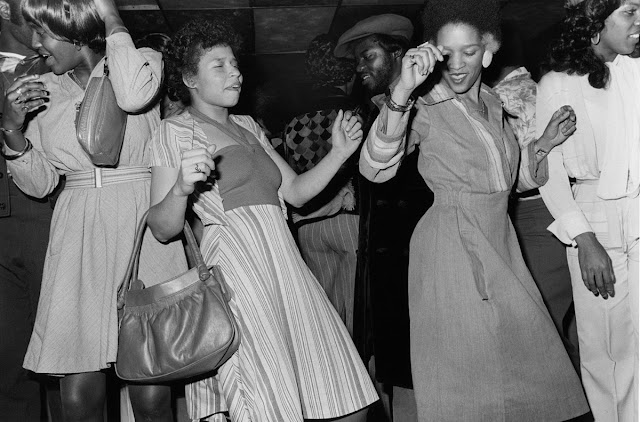
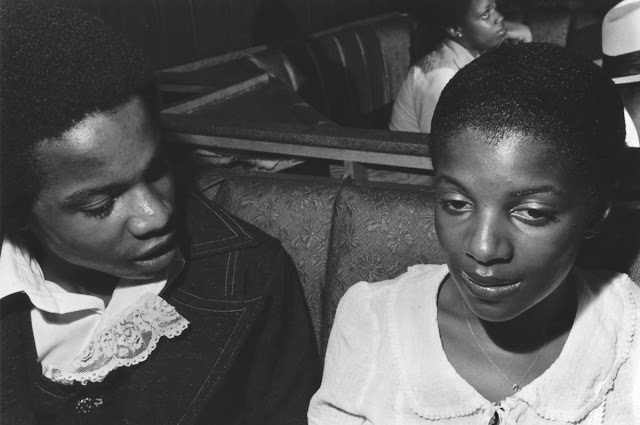
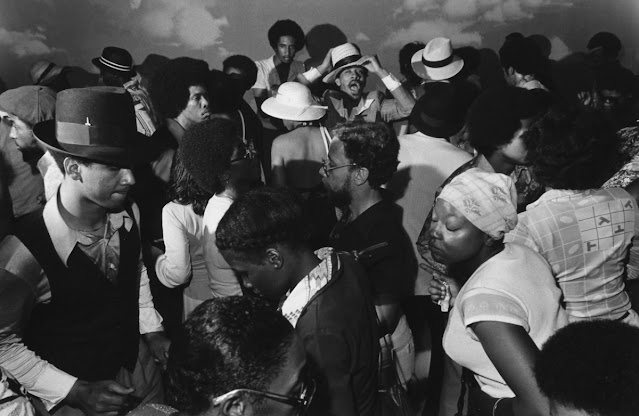
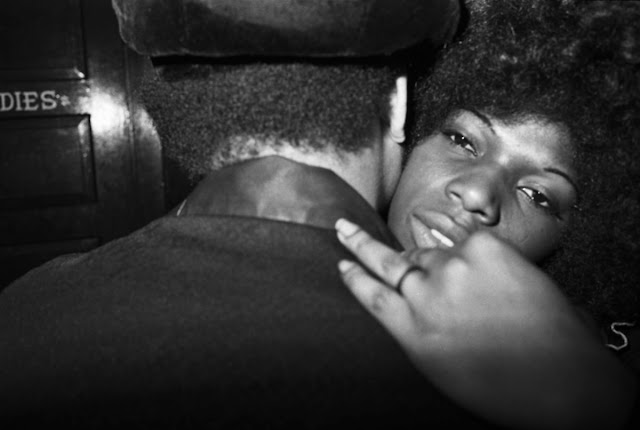
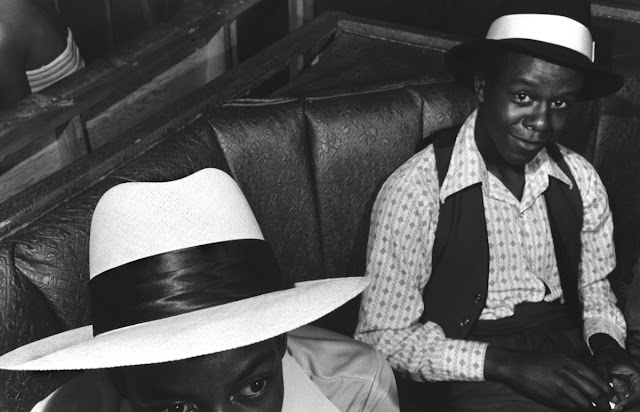
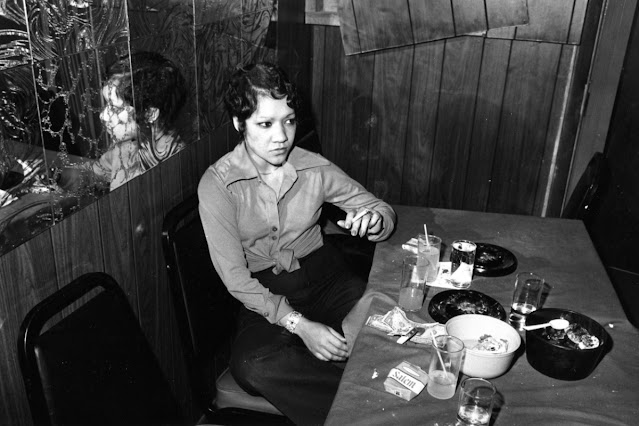
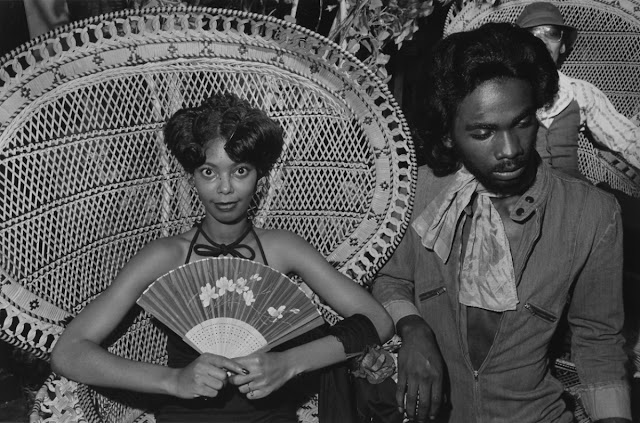
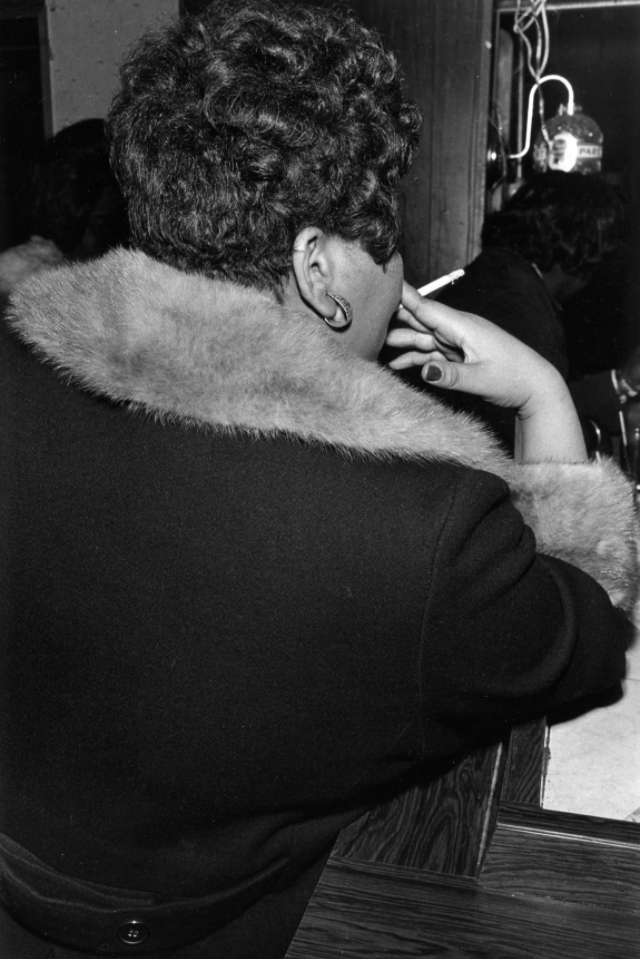
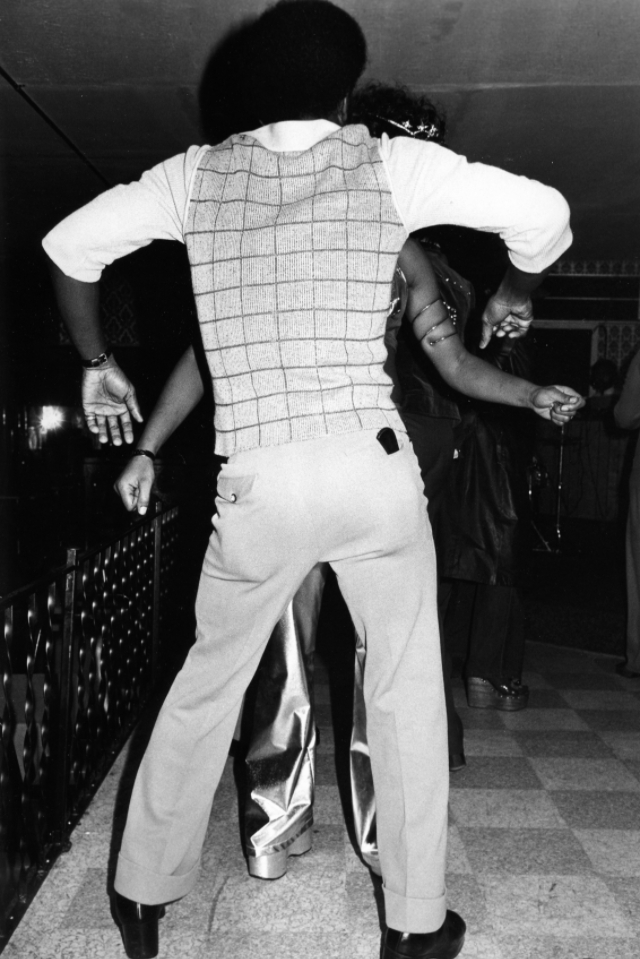
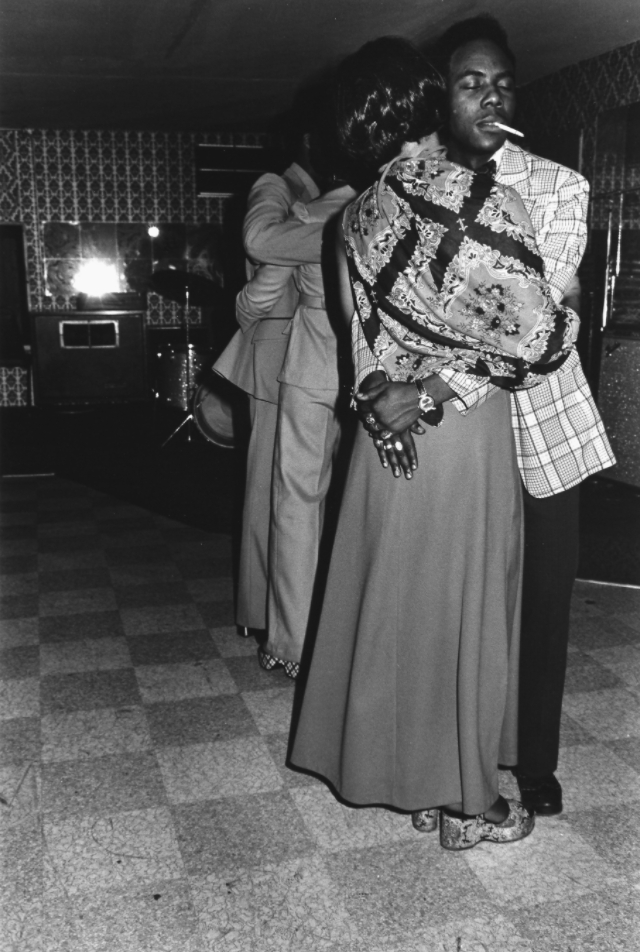
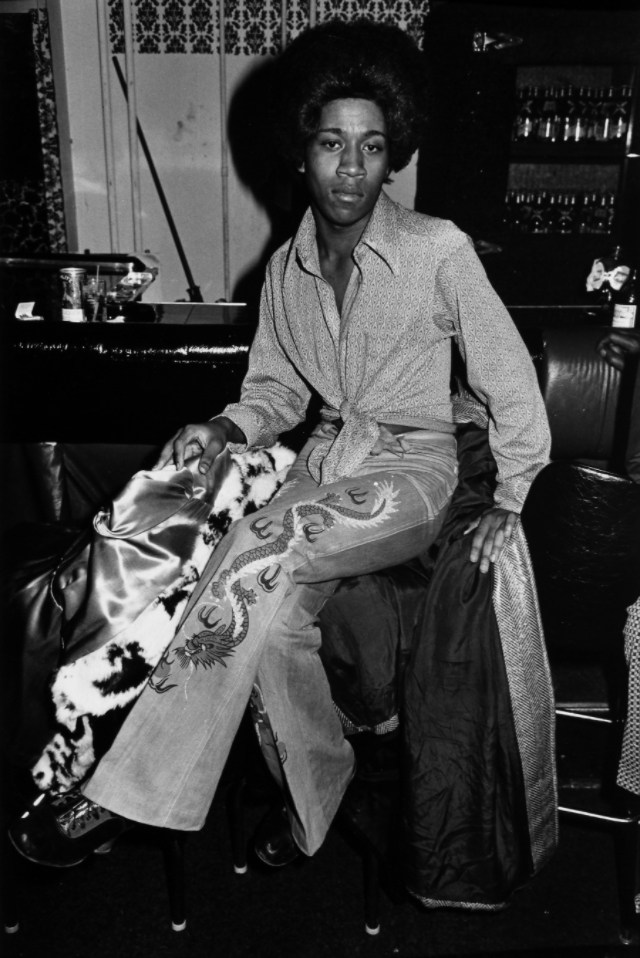
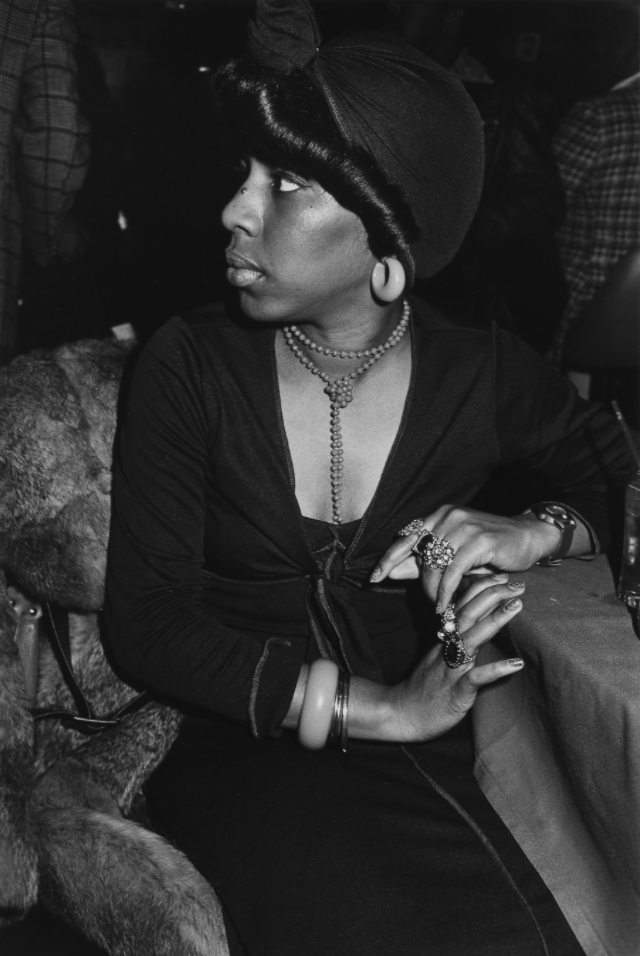
Between 1975 and 1977, sometimes five nights a week, photographer Michael Abramson traveled from his northern Chicago suburb to the South Side, rambling from nighttime hotspots like Perv’s House and the Five Fingers Social Club to the High Chaparral and the New Jazz Showcase Lounge. Shooting upwards of half a dozen rolls of film a night, he captured the energy and emotion of little life dramas unfolding around him through telling, but unsentimentalized gestures and gazes.
“You’re there to have fun… to forget whatever troubles or successes you might have,” he told LENS blog in 2009. “When you’re looking through the lens, you have a reason to wander all over the place.”
Subscribe to Yesterday Today’s Blog to receive regular updates regarding new content:
In 1940, Jackson Doane, of Binghamton, unearthed a packet of letters, a ring and a picture in his family’s attic from Sarah Rosetta Wakeman, the older sister of Jackson’s great-grandmother. She was a family member that seemed to be little spoken about — and little known. In 1976, Jackson read those letters, discovering that they were letters of a woman passing herself off as a man while serving in the Civil War.
Portrait of Sarah Rosetta Wakeman.
Subscribe to continue reading
Become a paid subscriber to get access to the rest of this post and other exclusive content.
The New York International Auto Show is an annual auto show that is held in Manhattan in late March or early April. It is held at the Jacob Javits Convention Center. It usually opens on or just before Easter weekend and closes on the first Sunday after Easter.
The show has been held annually since 1900. It was the first automotive exhibition in North America. The show was held at the New York Coliseum from 1956 to 1987 when the show moved to the Javits Center.
Before the show opens every year, several auto companies debut new production and concept vehicles for the press. In addition, the Greater New York Auto Dealers Association (GNYADA) and the International Motor Press Association (IMPA) host corporate meetings and events.
In addition to individual programs during the show, there are automobile related conferences, forums, symposiums, and other gatherings. The ten day event contribution to economy of the City and State is estimated to be in the hundreds of millions of dollars.
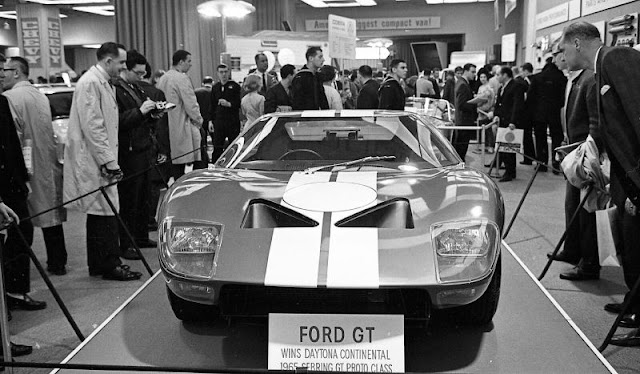
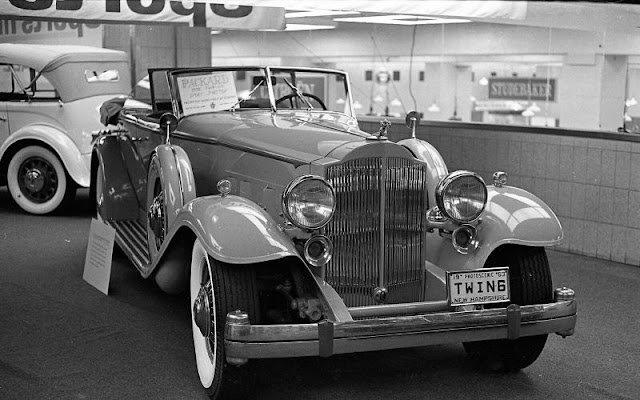
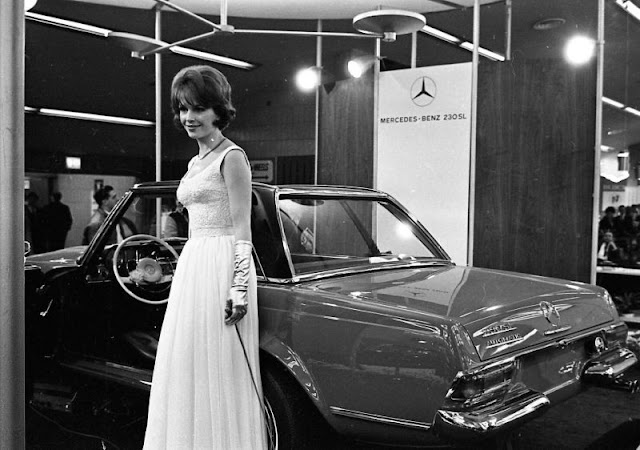
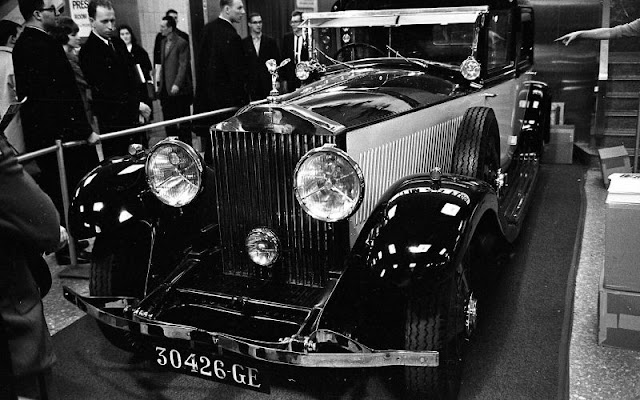
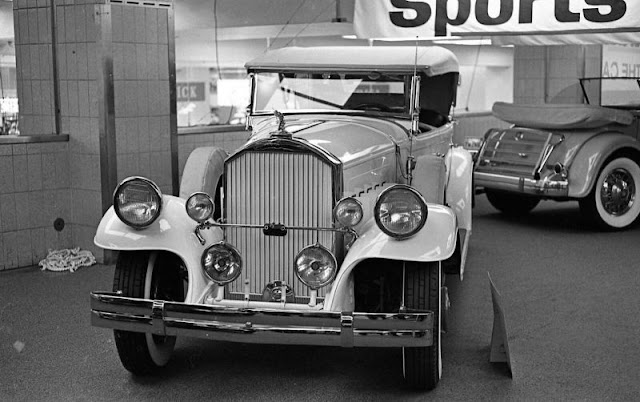
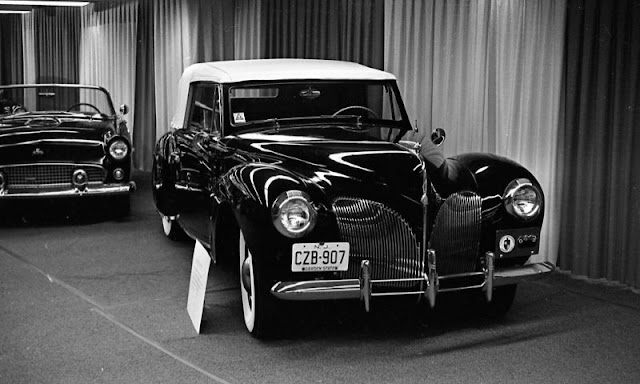
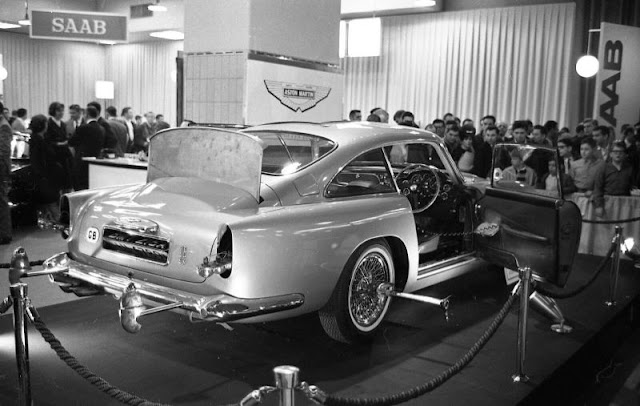
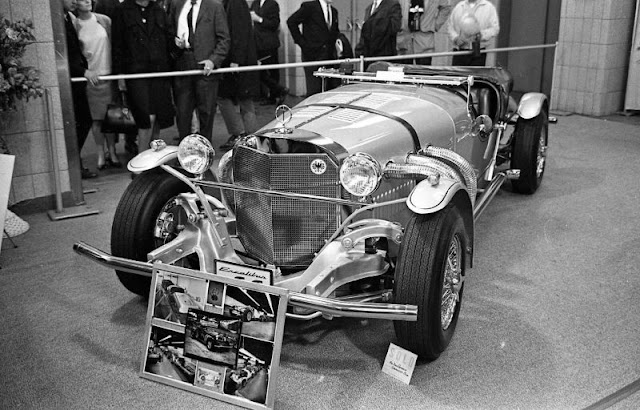
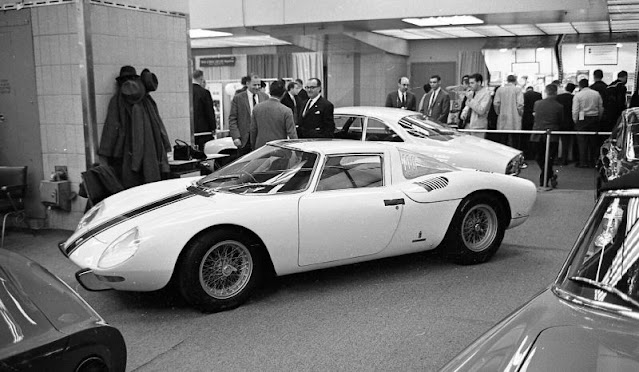
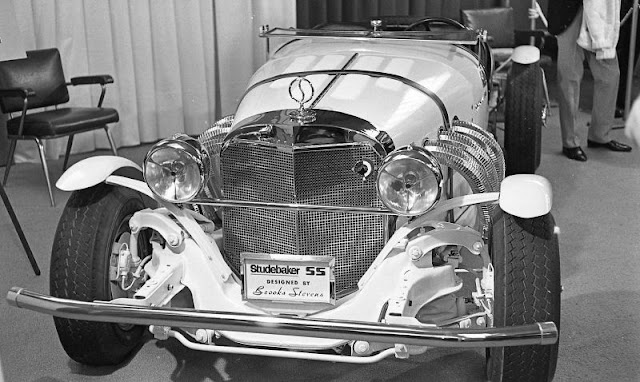
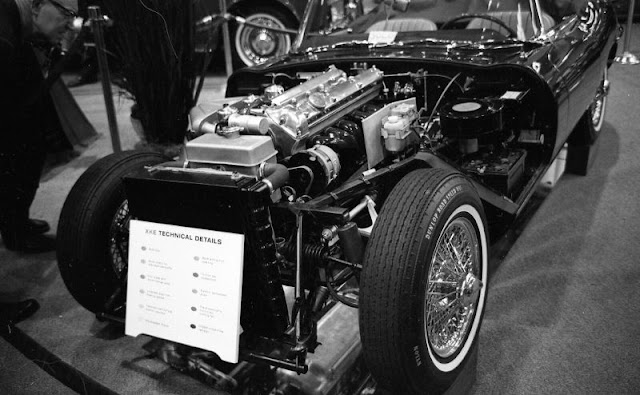
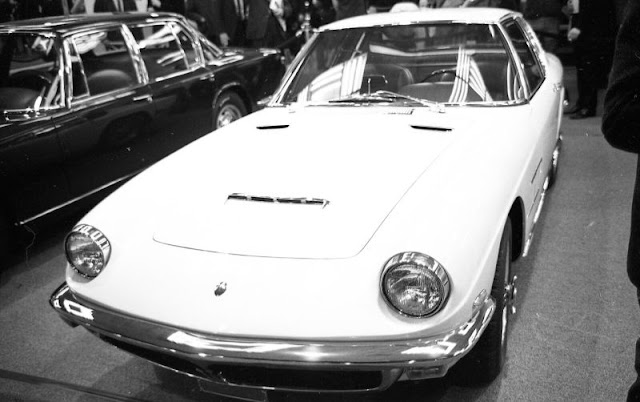
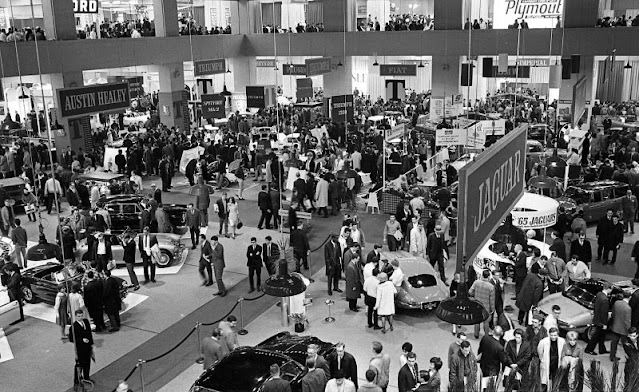
These black and white photos were taken by Michael Dolan that show the New York Auto Show in 1965. “This show was at the 59th. St. Coliseum in New York City, now demolished. This was a user friendly exhibition space. A pleasure to go to either, a boat show , a flower show or a car show. The upper mezzanine circled the exhibition floor and besides a great view, housed all the smaller vendors.”
Subscribe to Yesterday Today’s Blog to receive regular updates regarding new content:
Victorian fashion consists of the various fashions and trends in British culture that emerged and developed in the United Kingdom and the British Empire throughout the Victorian era, roughly from the 1830s through the 1890s. The period saw many changes in fashion, including changes in styles, fashion technology and the methods of distribution. Various movement in architecture, literature, and the decorative and visual arts as well as a changing perception of gender roles also influenced fashion.
During the Victorian Era, clothes were seen as an expression of women’s place in society, hence were differentiated in terms of social class. Upper-class women, who did not need to work, often wore a tightly laced corset over a bodice or chemisette, and paired them with a skirt adorned with numerous embroideries and trims; over layers of petticoats. Middle-class women exhibited similar dress styles; however, the decorations were not as extravagant. The layering of these garments make them very heavy. Corsets were also stiff and restricted movement. Although the clothes were not comfortable, the type of fabrics and the numerous layers were worn as a symbol of wealth.
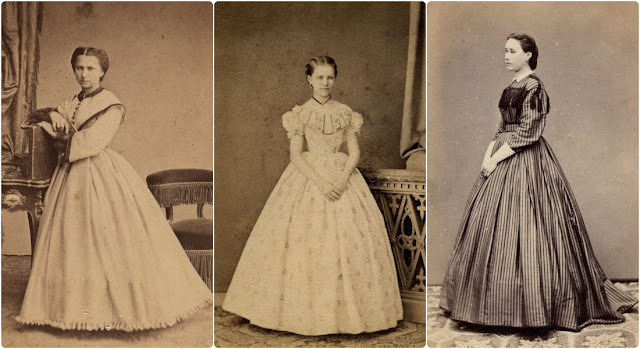
Here below is a set of elegant photos that shows what Victorian girls looked like in the 1860s.
Subscribe to continue reading
Become a paid subscriber to get access to the rest of this post and other exclusive content.
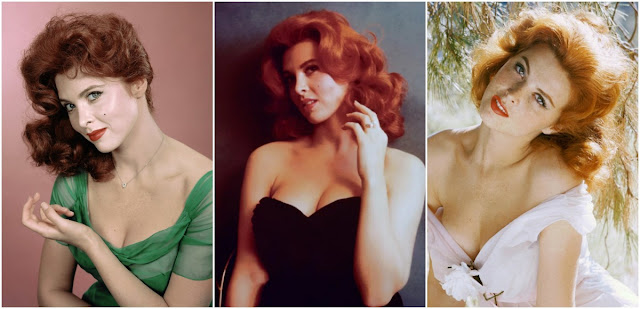
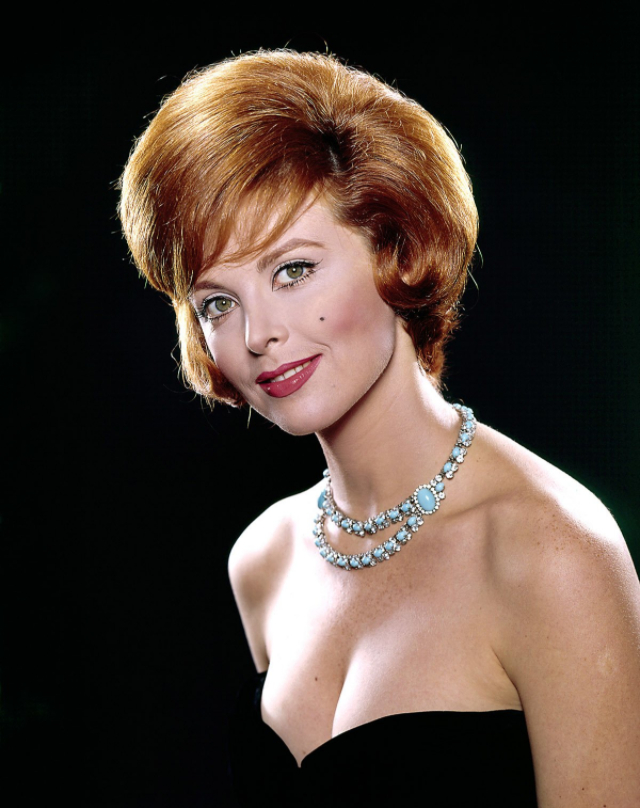
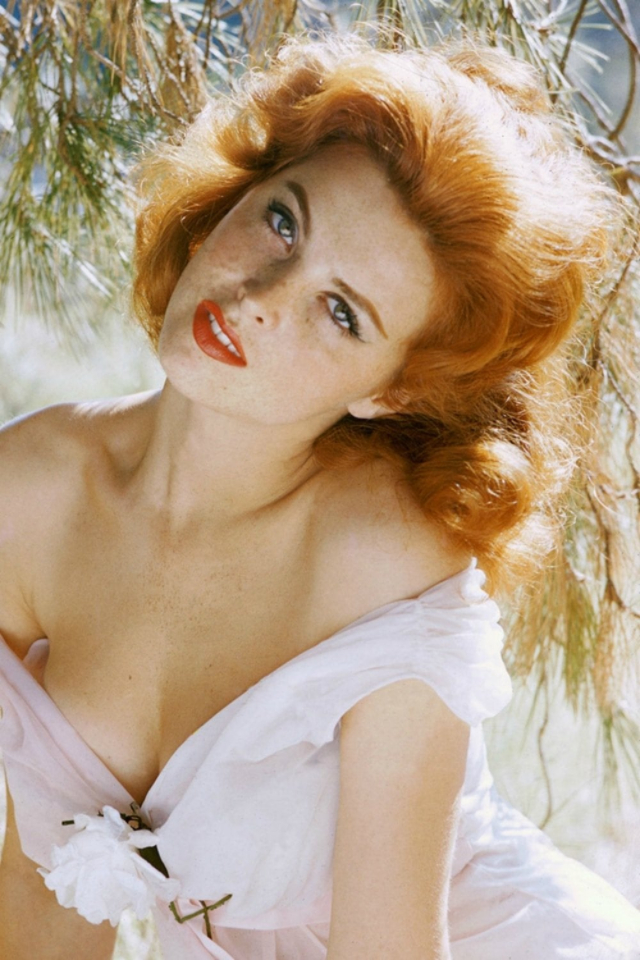
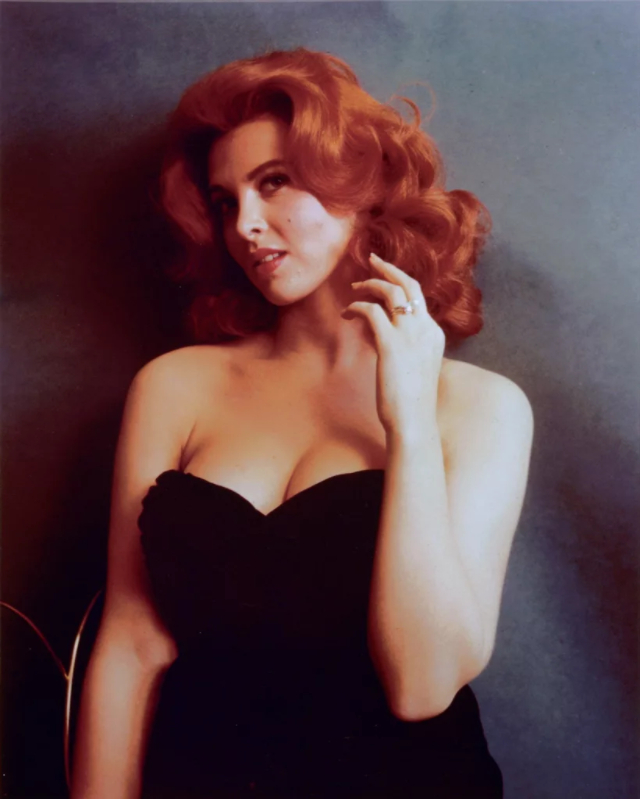
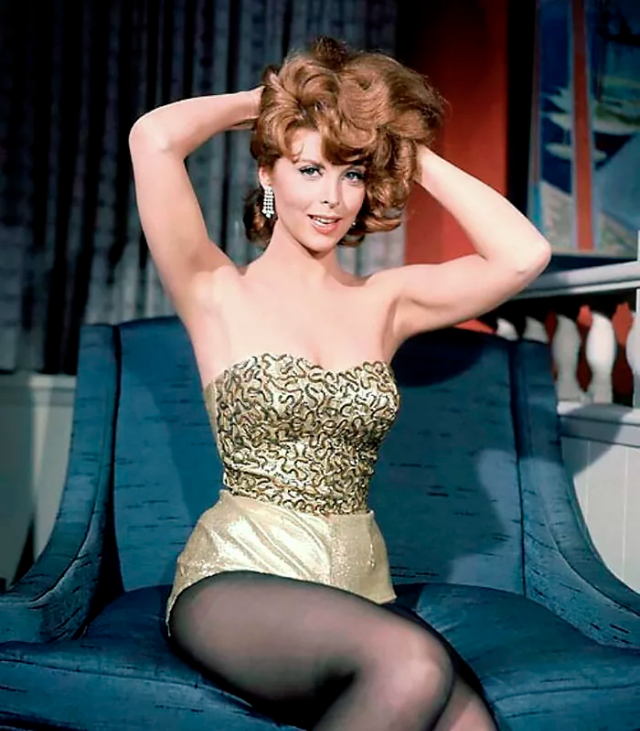
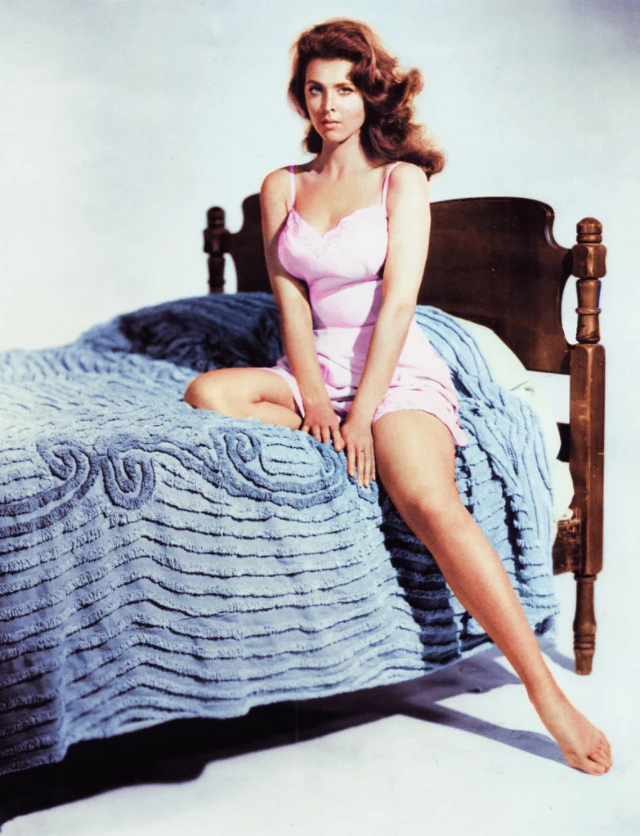
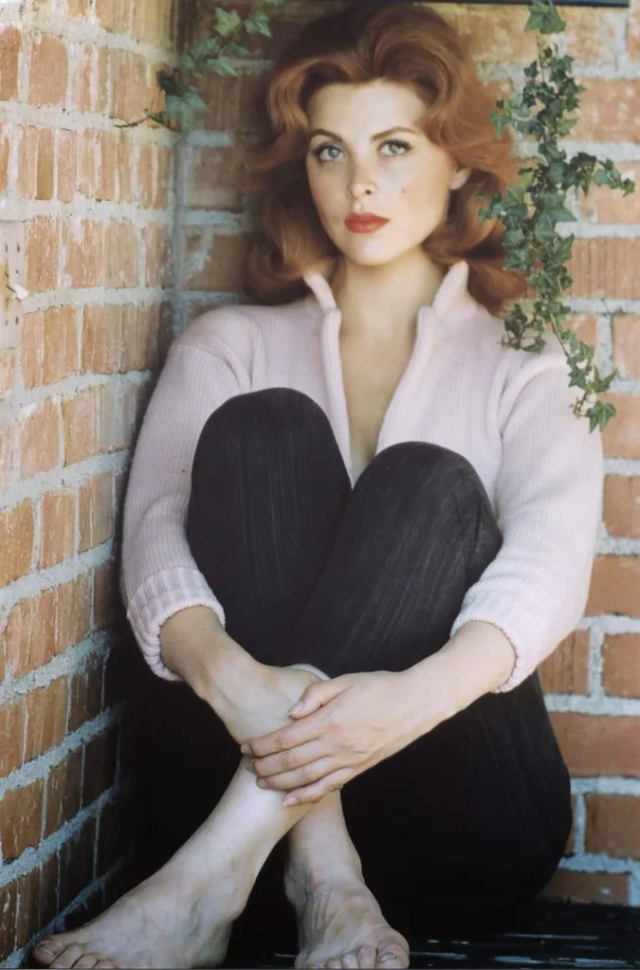
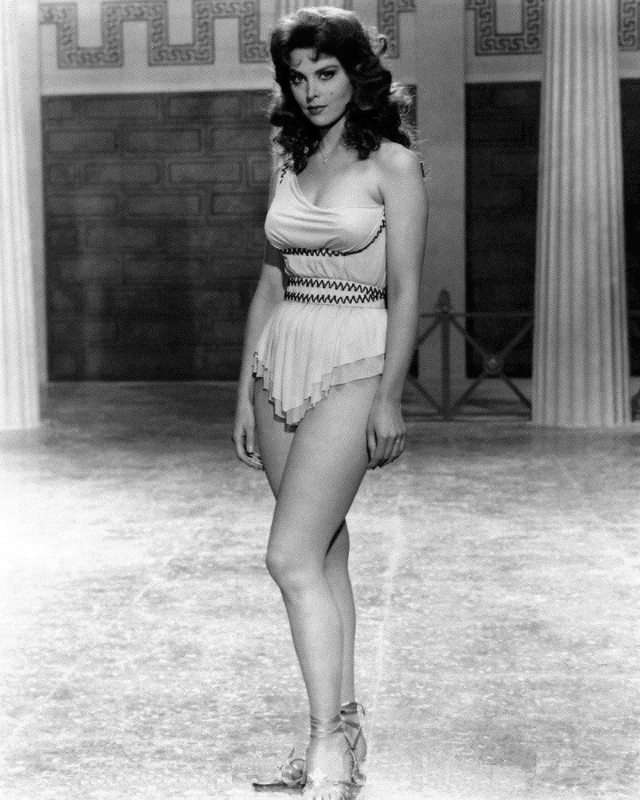
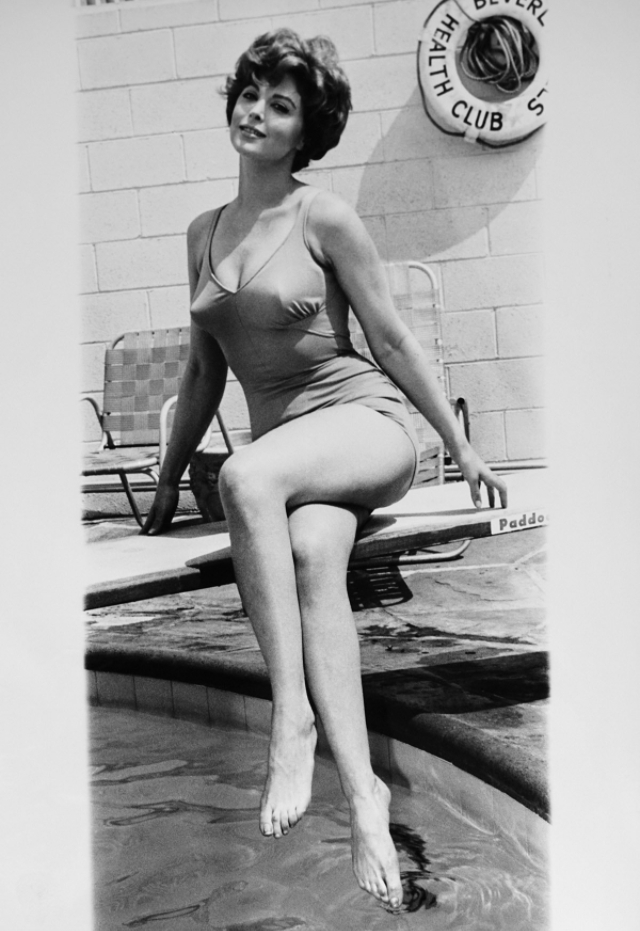
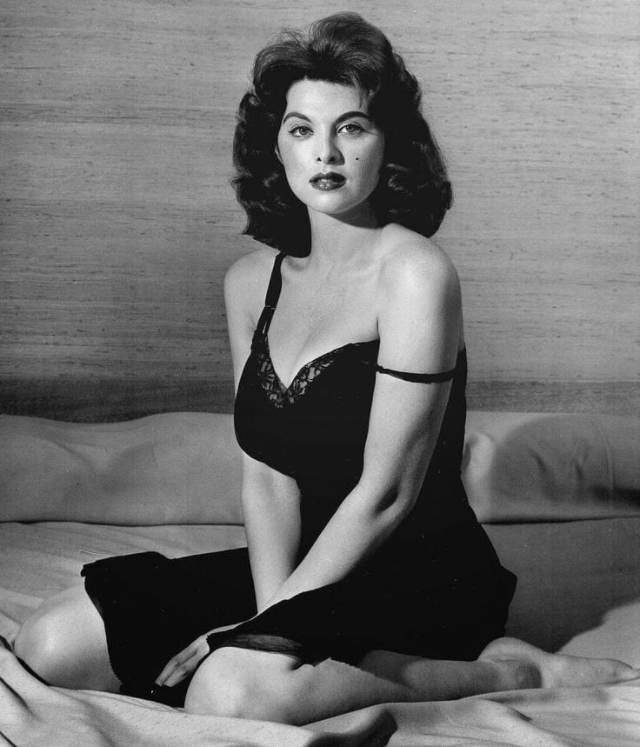
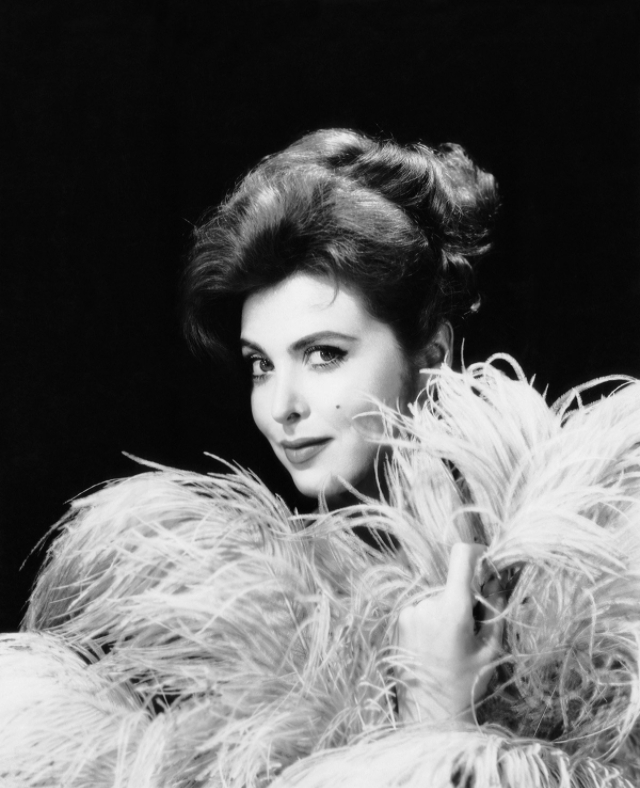
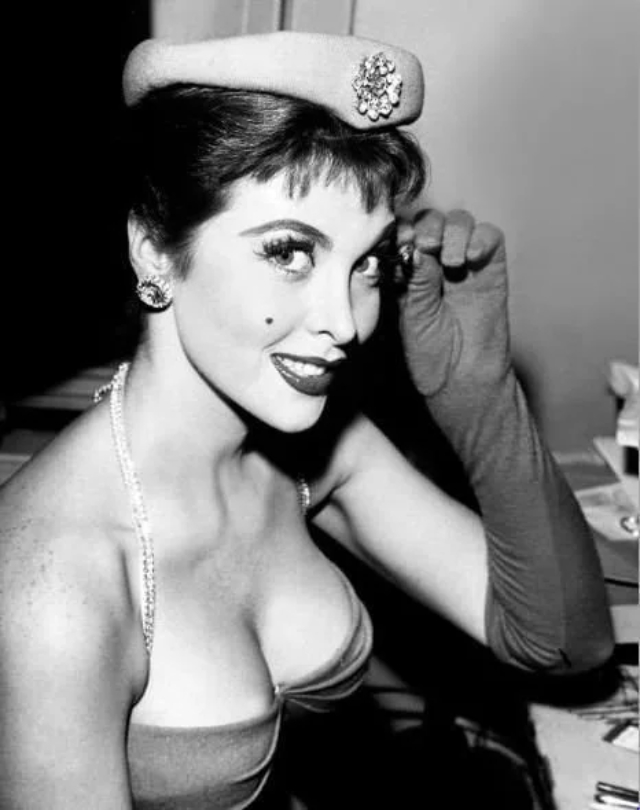
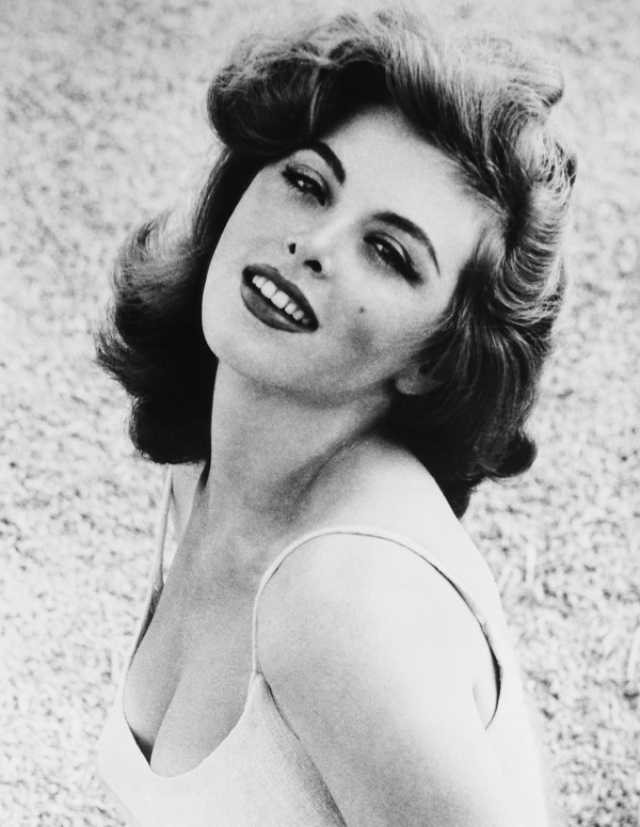
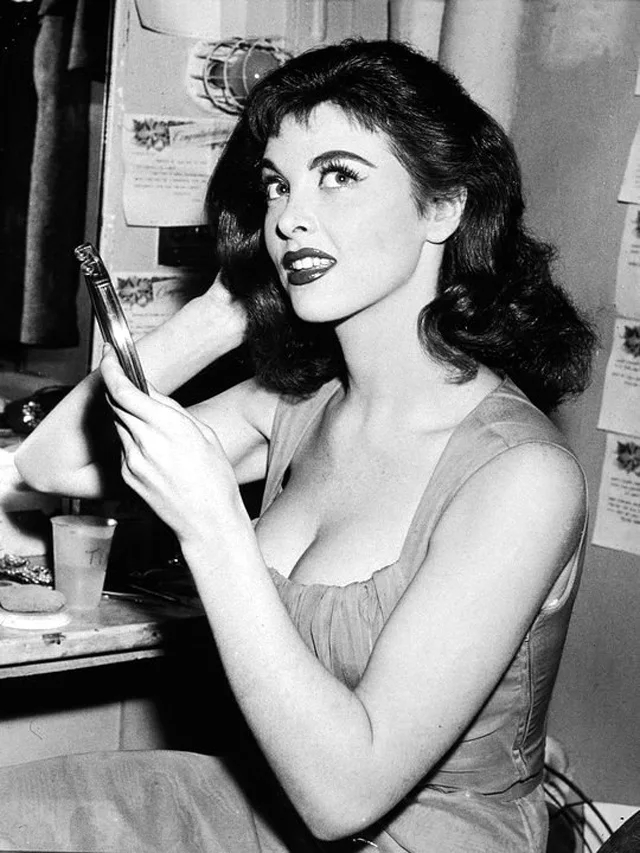
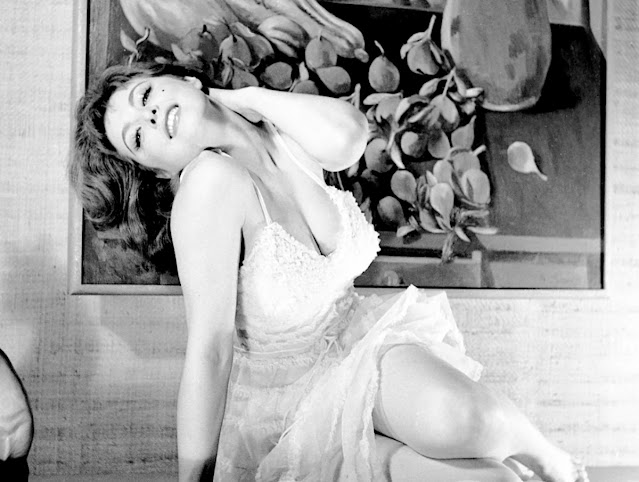
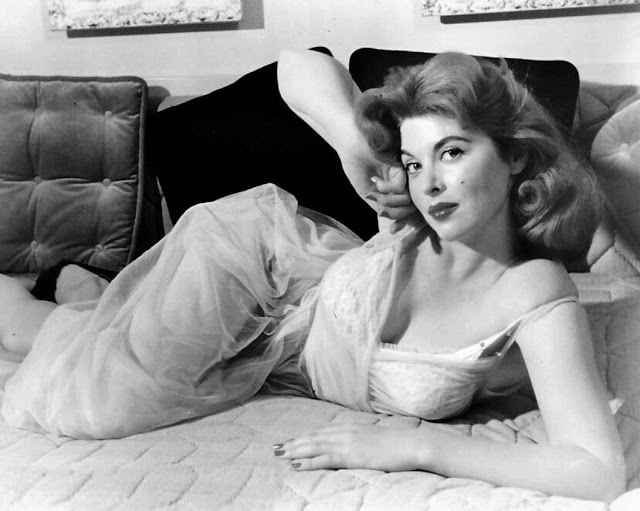
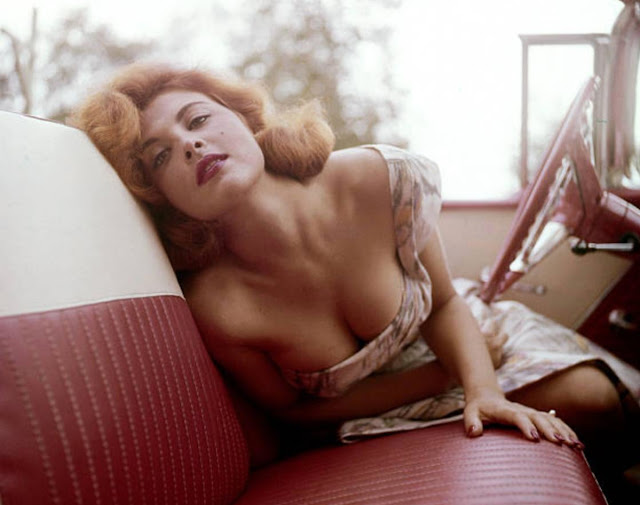
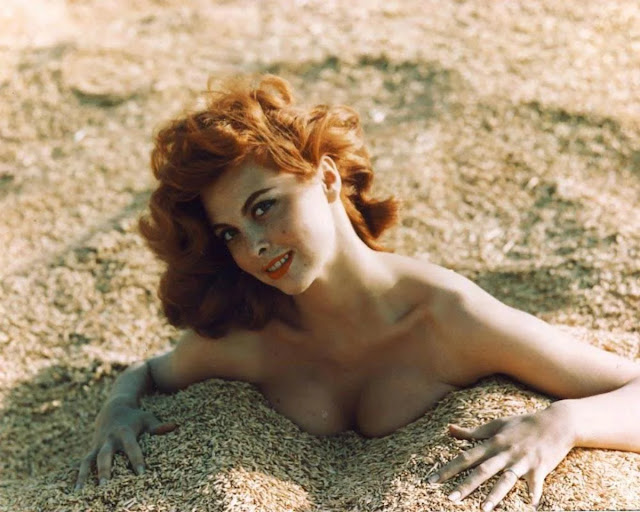
Tina Louise (February 11, 1934) is an American actress best known for playing movie star Ginger Grant in the CBS television situation comedy Gilligan’s Island. She began her career on stage during the mid-1950s before landing her breakthrough role in 1958 drama film God’s Little Acre for which she received the Golden Globe Award for New Star of the Year.
Louise had starring roles in The Trap, The Hangman, Day of the Outlaw, and For Those Who Think Young. She also appeared in The Wrecking Crew, The Happy Ending, and The Stepford Wives (1975). Upon the death of Dawn Wells in December 2020, Louise became the last surviving original cast member of the Gilligan’s Island TV series.
Following the news of Dawn Wells’ passing, Tina Louise denied any longtime rumors that she resented the role of Ginger Grant, “Never true – I loved doing my part, especially after they really started writing for my character, originally billed as a ‘Marilyn Monroe’ type of character. A different director took over and really started to write for my character. I really loved my character.”
She also said that she was very grateful to the show’s fans for their continued support especially during the COVID-19 pandemic: “We were part of the wonderful show that everyone loves and has been a great source of comfort, especially during these times. We brought a lot of joy to people and still do. This show is an escape from so many things going on. Fathers share it with their children now. I get letters all the time about that.”
Subscribe to Yesterday Today’s Blog to receive regular updates regarding new content:
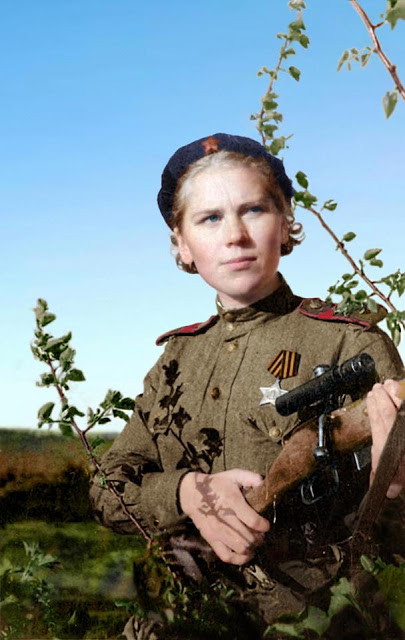
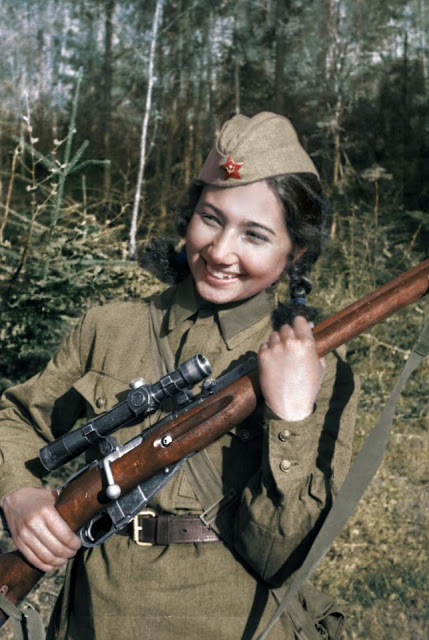
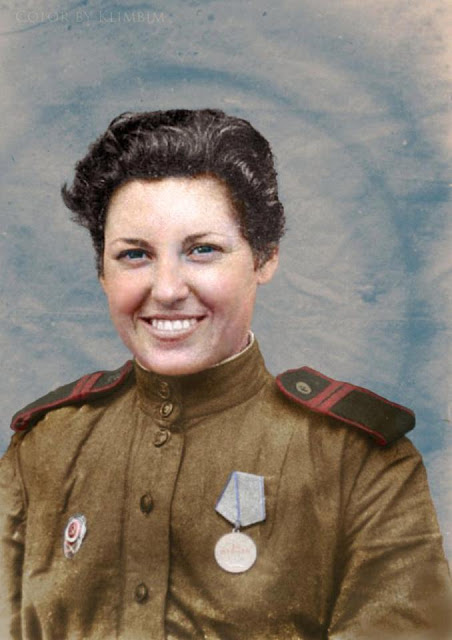
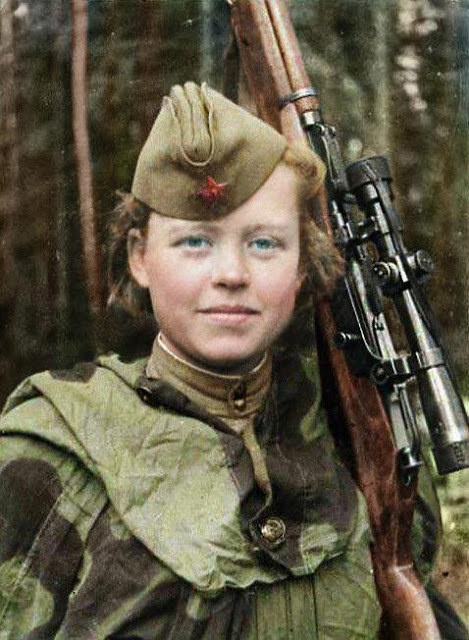
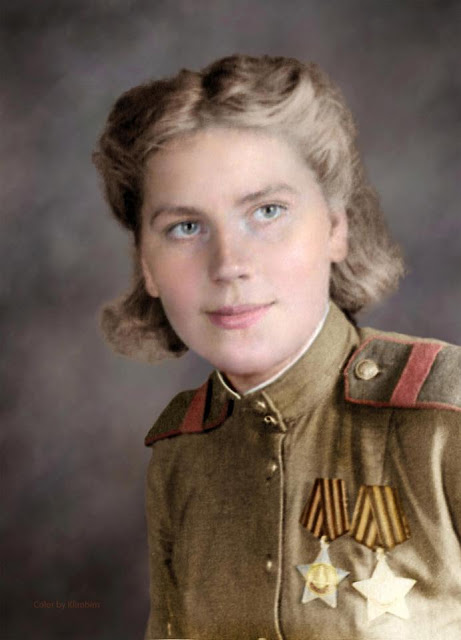
Stunning colorized images have given new life to WWII female snipers who protected their territory against German attacks, including the most successful female sniper in history, Lyudmila Pavlichenko also known as ‘Lady Death’.
The photographs were colorized by Moscow artist Olga Shirnina. “There are very few [color or colorized] images with Red Army soldiers, I decided to fill this gap,” She said. “Sometimes a picture can say more than many words and I’ll be glad if people learn more about Russia and its people through my colorings.”
Olga Shirnina became popular thanks to her Flickr page, where she posts colorized versions of historical photographs. She mostly posts photographs from the Russian Empire and the Soviet Union, as well as pictures of Hollywood celebrities from the previous century.
Roza Shanina was one of the 800,000 women who fought in Russia.
Lyuba Makarova was one of the 800,000 women who served in Russia during WWII.
Lyudmila Pavlichenko pictured smiling in her uniform.
Roza Shanina, who was responsible for 59 kills in WWII.
Ziba Ganiyeva was one of the Russian women fighting against Nazi Germany during WWII.
Lyudmila Pavlichenko is the most successful female sniper in history.
Sniper Yevgenia Makeeva killed 68 Nazi soldiers during WWII.
Beautiful blonde Roza Shanina, who was responsible for 59-confirmed kills.
Women of the Central Women’s School of Sniper Training, 1943.
Roza Shanina was one of the 800,000 women who served in the Soviet Armed Forces during the war as a sniper.
‘Lady Death’ is pictured wearing full uniform beneath a framed picture of Soviet dictator, Joseph Stalin.
Sniper volunteer Nadezhda Kolesnikova is pictured smiling alongside her weapon.
Roza Shanina had a high success rate during her time working in WWII fighting against Nazi Germany.
Lyudmila Pavlichenko Soviet sniper during World War II. Credited with 309 kills the most successful female sniper in history.
Subscribe to Yesterday Today’s Blog to receive regular updates regarding new content:
A barman on duty at Hector’s Devonshire Restaurant in London on New Years Eve is seen preparing a cocktail. 1930.
New Year’s Eve celebrations are as old as the holiday itself, and it’s hard to believe that we’re so deep into the 21st century already.
In the Gregorian calendar, New Year’s Eve in many countries, the last day of the year, is on December 31. In many countries, New Year’s Eve is celebrated at evening social gatherings, where many people dance, eat, drink alcoholic beverages, and watch or light fireworks to mark the new year. Some people attend a watch night service. The celebrations generally go on past midnight into January 1 (New Year’s Day).
Here, we collected some fun and interesting images from New Year’s Eve celebrations past. See how the famous, as well as the rest of us, have celebrated the day in decades past.
Scroll down, and take a look at yesteryear. Wishing you all a very happy New Year!
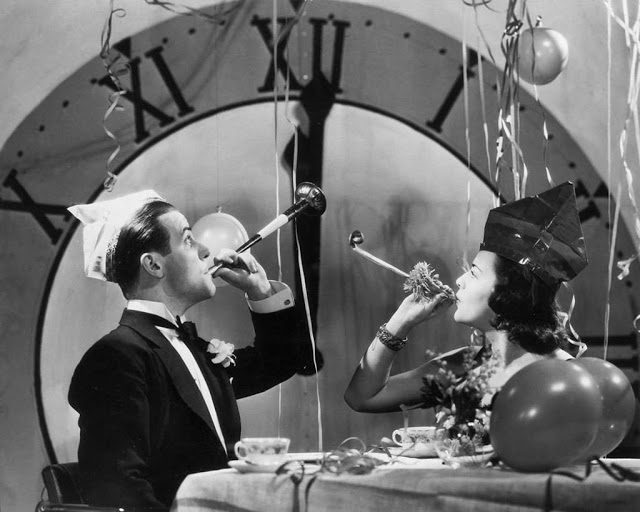
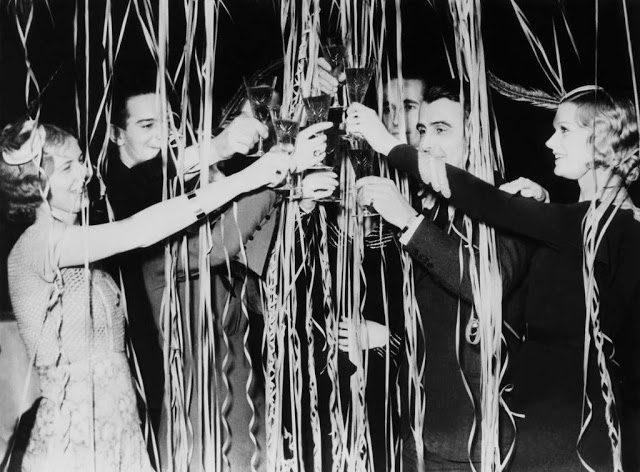
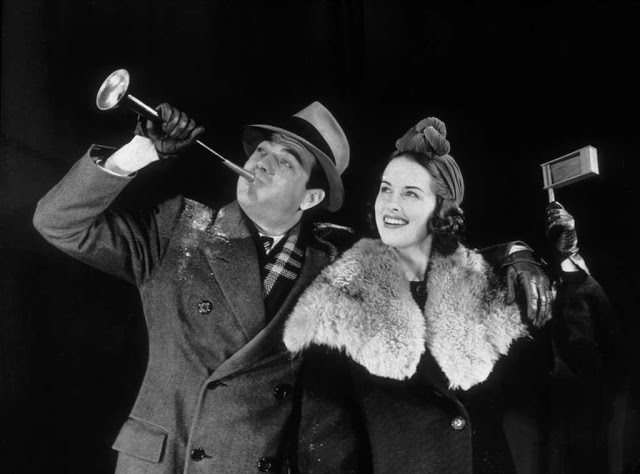
A couple ring in the New Year with party blowers and streamers, 1930.
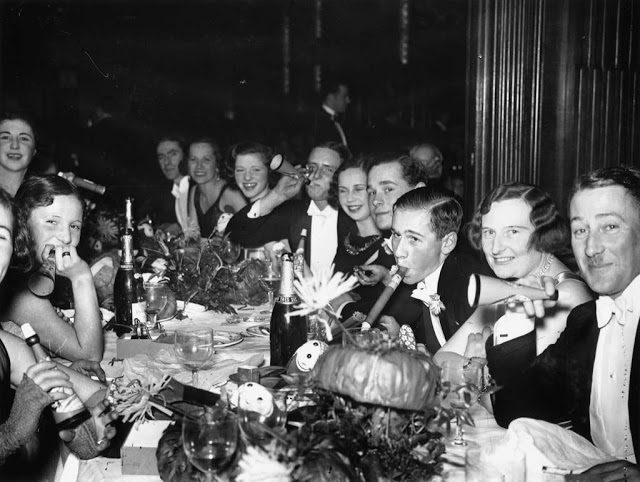
Revelers at the Piccadilly Restaurant, London, celebrating the New Year, 1931.
New Year’s Eve revelers at the Piccadilly Hotel in London. December 31, 1931.
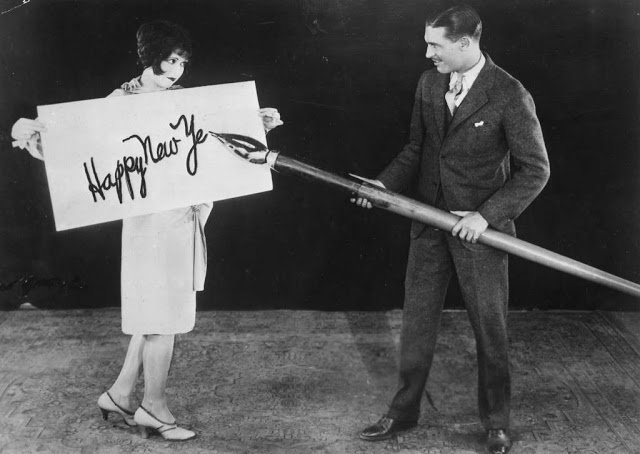
American actress Clara Bow holds up a large card while actor Larry Gray inscribes a New Year’s greeting with a giant pen, 1935.
Members of the Kensington Studios having a tea break as they prepare their costumes for the Chelsea Arts Ball, 1935.
A group of people celebrate on New Years Eve at the El Morocco night club in New York City, 1935.
Seasonal greetings from the original Hollywood sex symbol, Mae West, 1936.
A group of friends sitting on a car roof in London while celebrating the arrival of 1936.
New Year’s Eve Party In France, 1937.
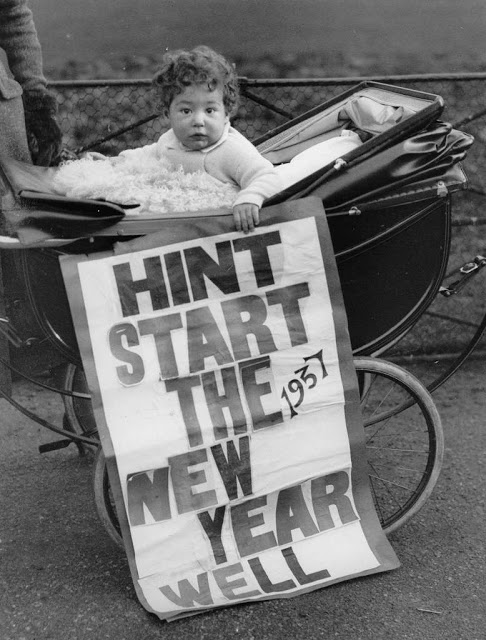
A baby in his buggy is holding a new year’s eve poster with a good advice for the new year, 1937.
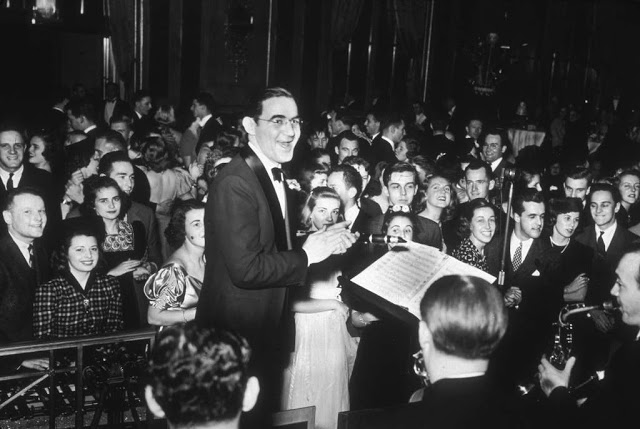
American jazz musician and bandleader Benny Goodman and his orchestra play for an enthusiastic audience during a New Year’s Eve dance at the Waldorf Astoria, New York City, 1938.
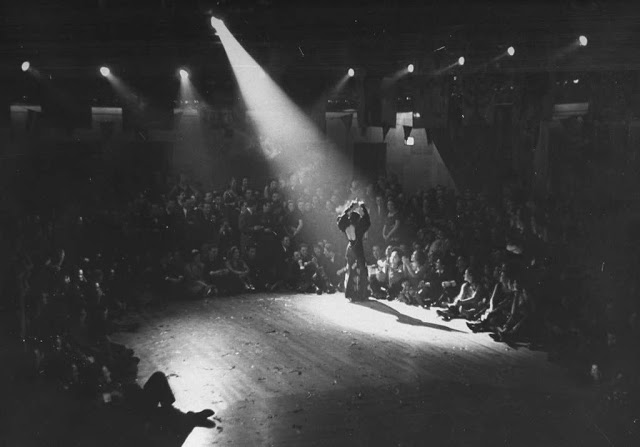
Entertainment by dancer Margarita Buencore at Webster Hall New Year’s Party, 1938.
Revelers recovering from New Years Eve celebrations on the steps of Grand Central Station, New York, 1940.
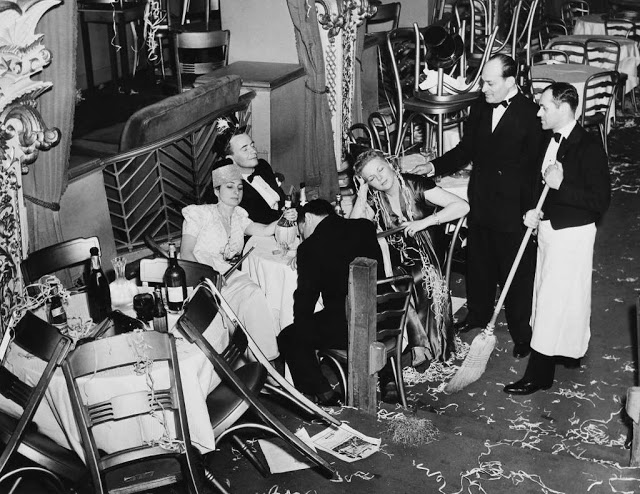
Employees of the Diamond Horseshoe cleaning up after a New Years Eve party in 1940 in New York.
New Years Eve in France, 1940.
Partiers in New York City on New Year’s Eve, as 1941 turns to 1942.
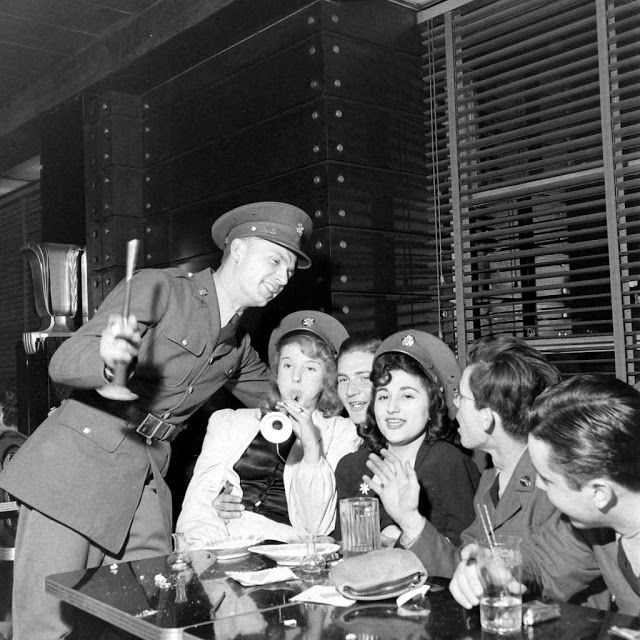
Soldiers and civilians celebrating the New Year in a nightclub, 1942.
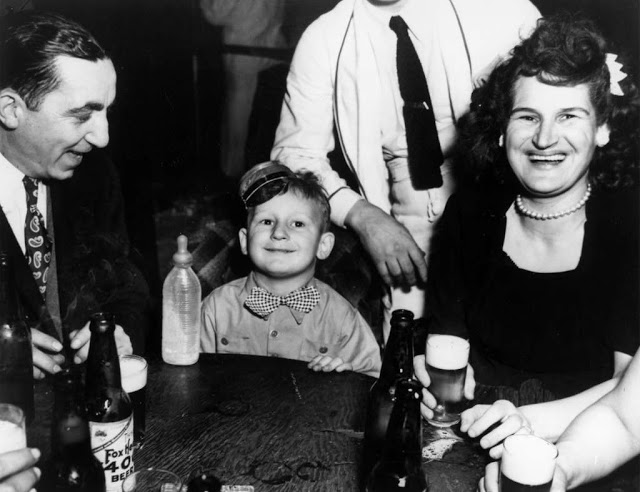
A three-year-old boy accompanies his parents to a New York nightclub to celebrate New Year’s Eve. At five in the morning, he is still welcoming in the New Year with a bottle of milk, 1943.
British actress Ida Lupino smiling at a friendly sailor as she cuts a cake which reads Happy Victory Year, 1944.
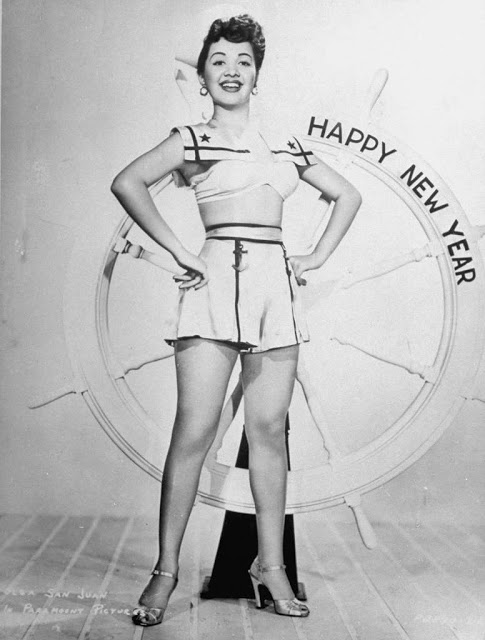
Olga San Juan posing for publicity still with nautical theme bearing message, 1944.
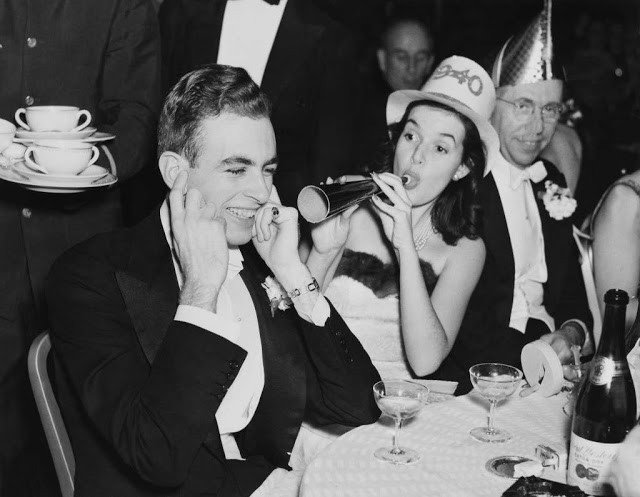
New Year’s Eve revelers, 1945.
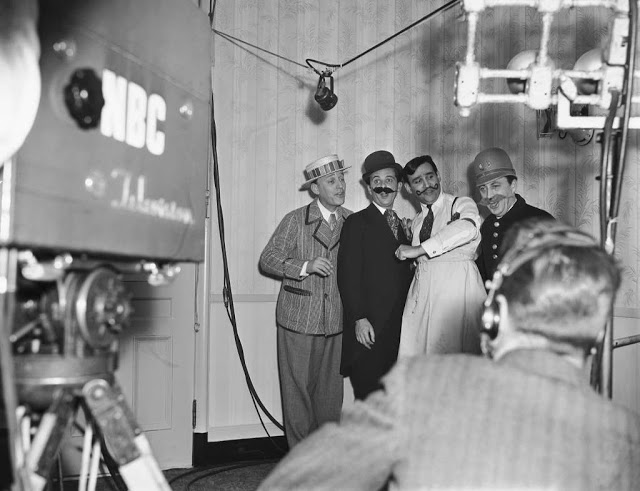
Part of the New Years entertainment from Times Square, 1946.
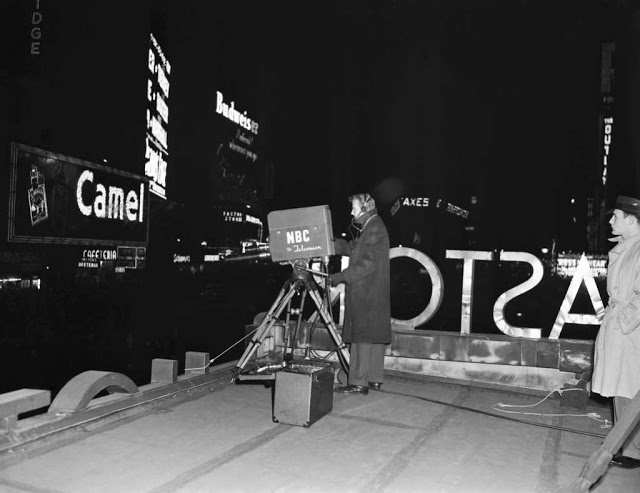
A cameraman records the New Years Celebration in Times Square, 1946.
New Years Eve revels at in London, 1948.
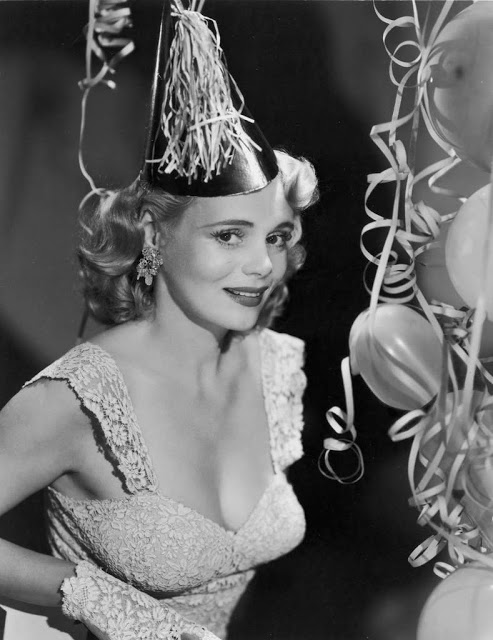
Actor Marie Wilson, wearing evening clothes and a party hat, and surrounded by streamers and balloons, celebrates New Year’s eve, 1948.
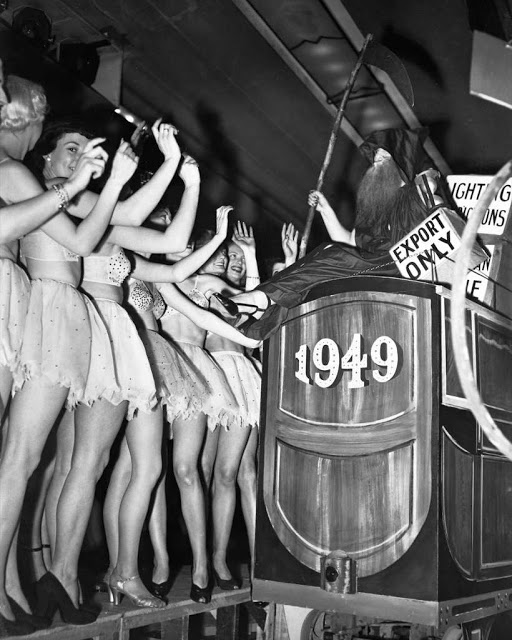
Dancers on New Year’s Eve celebrations at the Trocadero Restaurant, Leicester Square, London, 1949.
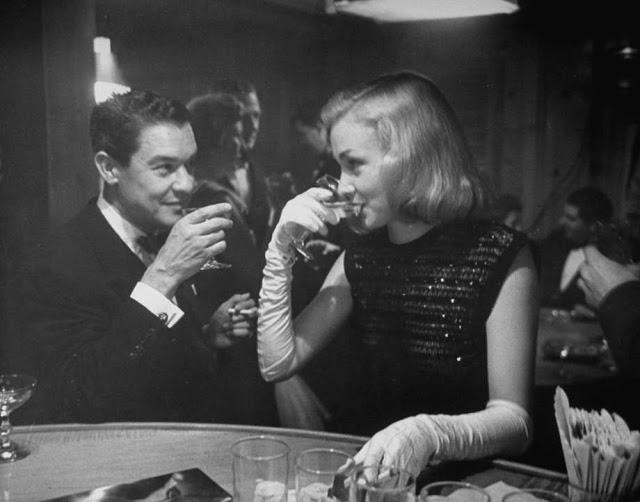
Nina Foch and dress designer Jean Louis sipping champagne at Samuel Spiegle’s New Year’s Eve party, 1949.
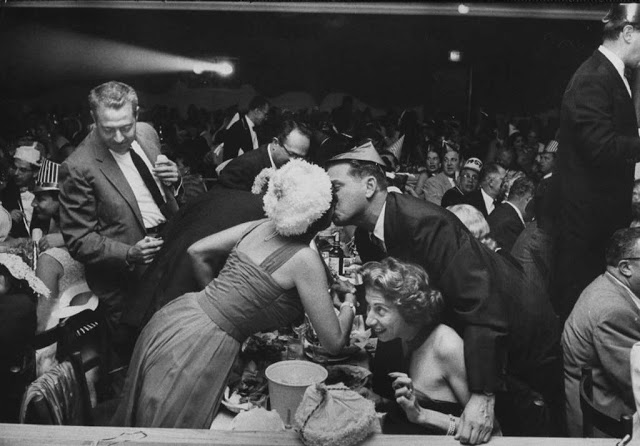
New Year’s Eve celebration, 1957.
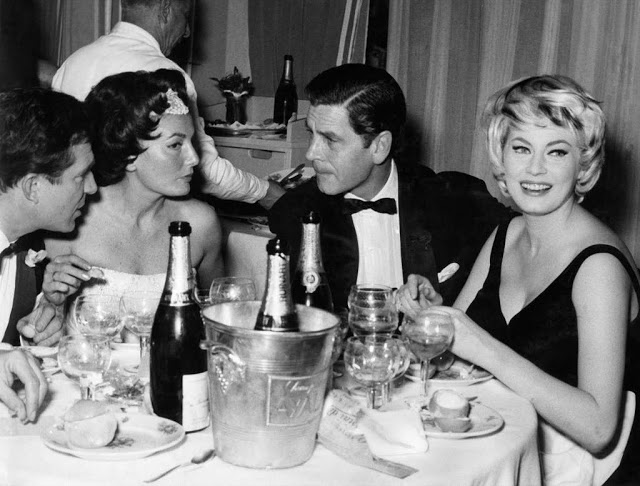
(L-R) Italian actor Ugo Tognazzi, his fiancee Caprice Chantal, British actor Anthony Steel and his wife, Swedish actress Anita Ekberg, during a dinner in Saint Vincent Casino, Piedmont, on December 31, 1958.
Subscribe to Yesterday Today’s Blog to receive regular updates regarding new content: