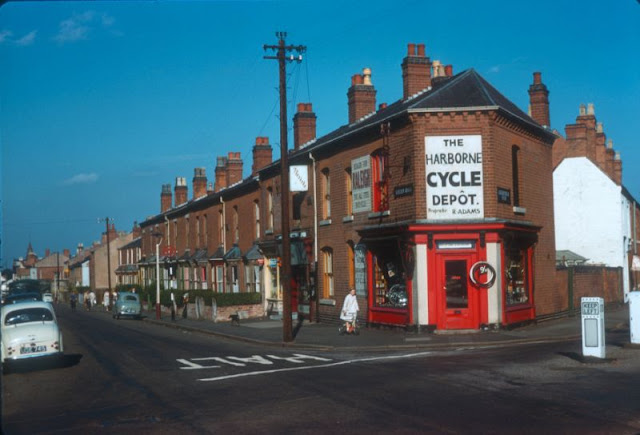
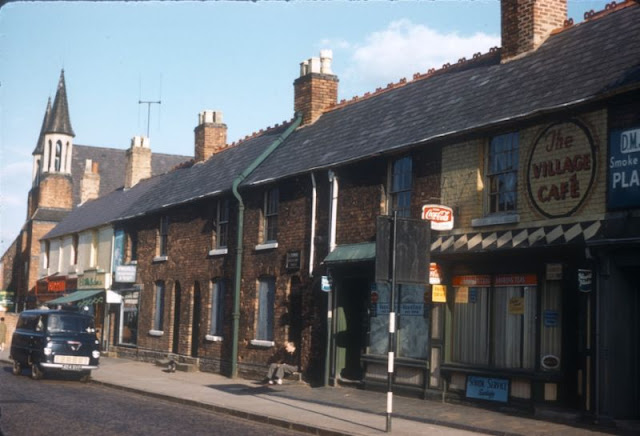
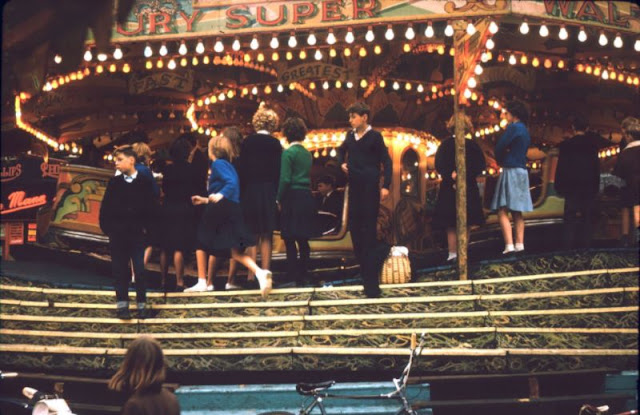
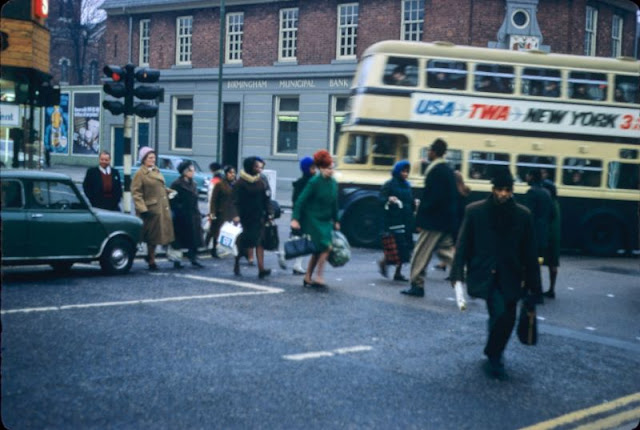
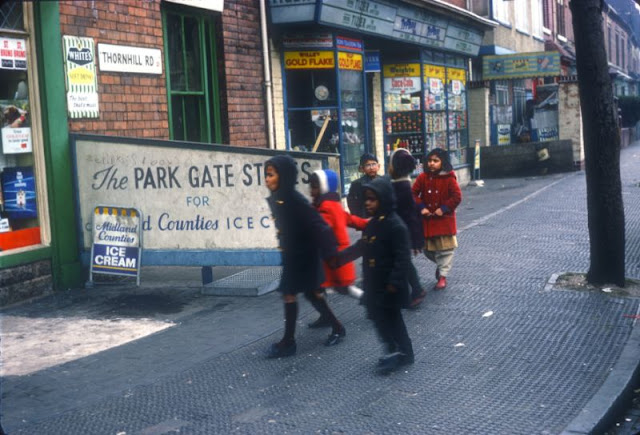
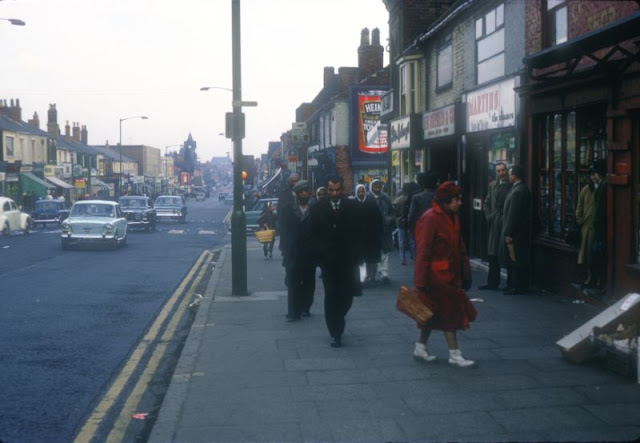
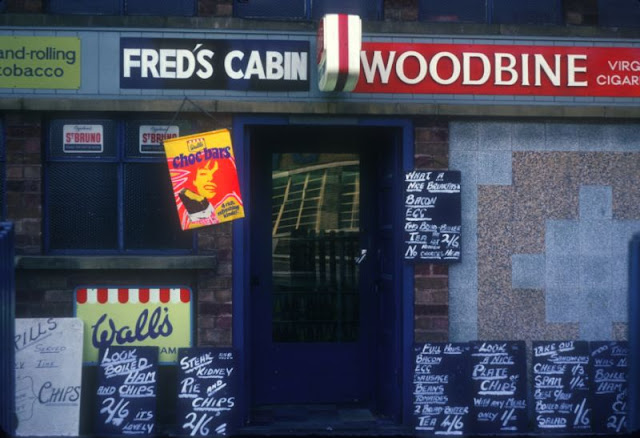
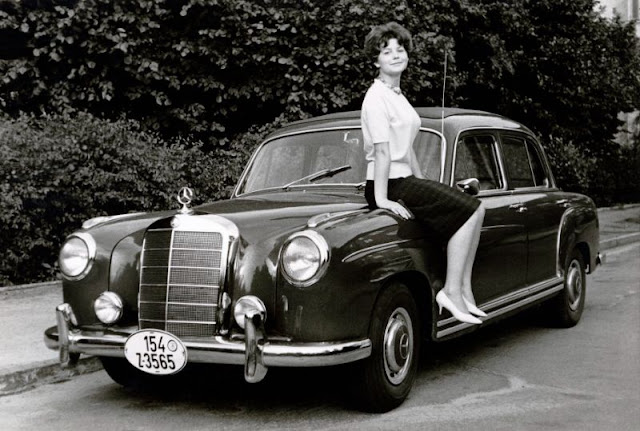
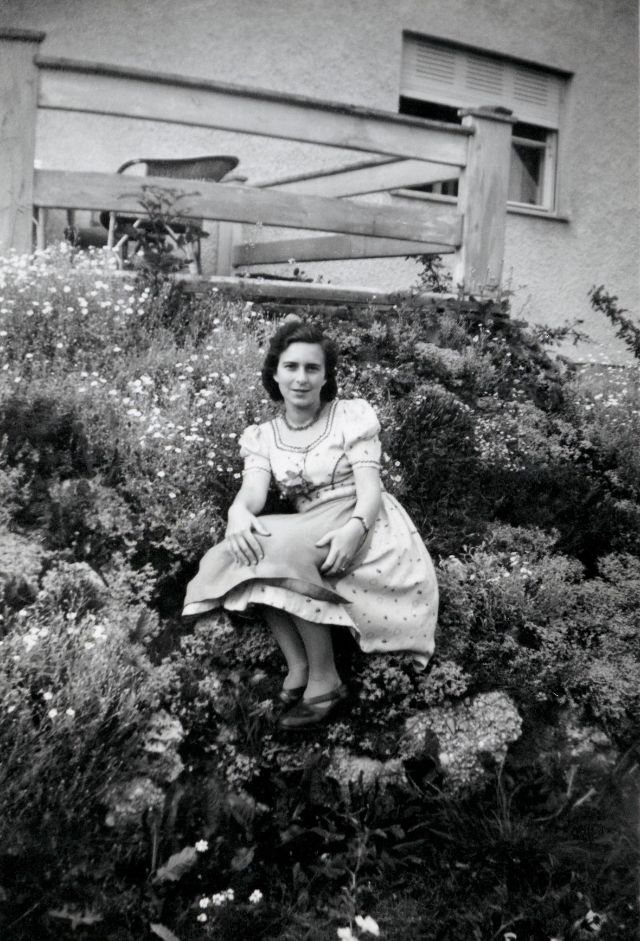
Birmingham is a city and metropolitan borough in the West Midlands, England. In the last 200 years, from a market town of Warwickshire, Birmingham has risen into the fastest-growing city of the 19th century, spurred on by a combination of civic investment, scientific achievement, commercial innovation and by a steady influx of migrant workers into its suburbs. By the 20th century it had become the metropolitan hub of the United Kingdom’s manufacturing and automotive industries, having earned itself a reputation first as a city of canals, then of cars, and most recently as a major European convention and shopping destination. Birmingham is commonly referred to as the Second city of the United Kingdom.
As one of the United Kingdom’s major cities, Birmingham is considered to be the social, cultural, financial, and commercial centre of the Midlands. In the years following the Second World War, the face of Birmingham was heavily changed by a major influx of immigrants from the Commonwealth of Nations, with large communities from Southern Asia and the Caribbean settling in the city, turning Birmingham into one of the UK’s leading multicultural cities.
Subscribe to Yesterday Today’s Blog to receive regular updates regarding new content:
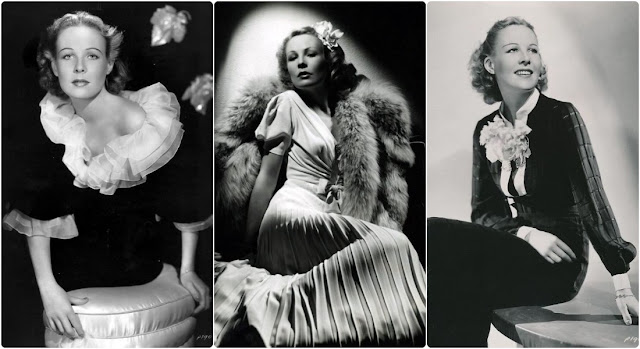
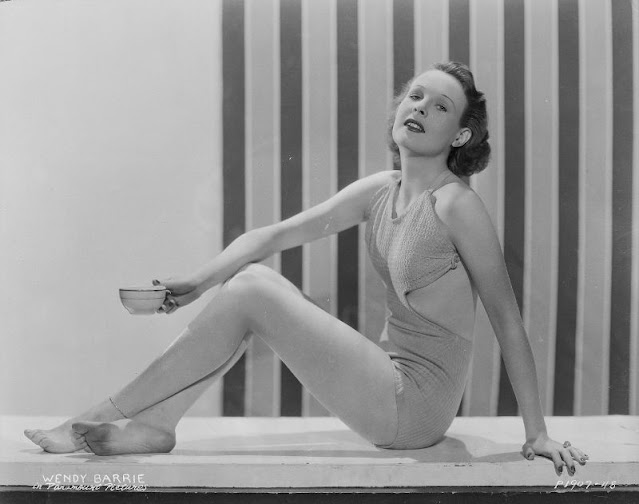
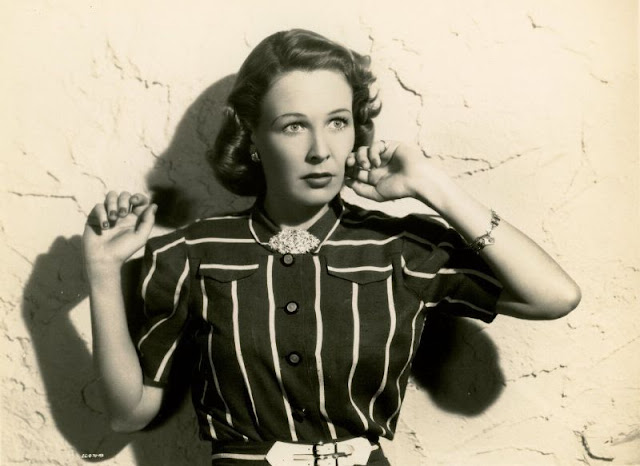
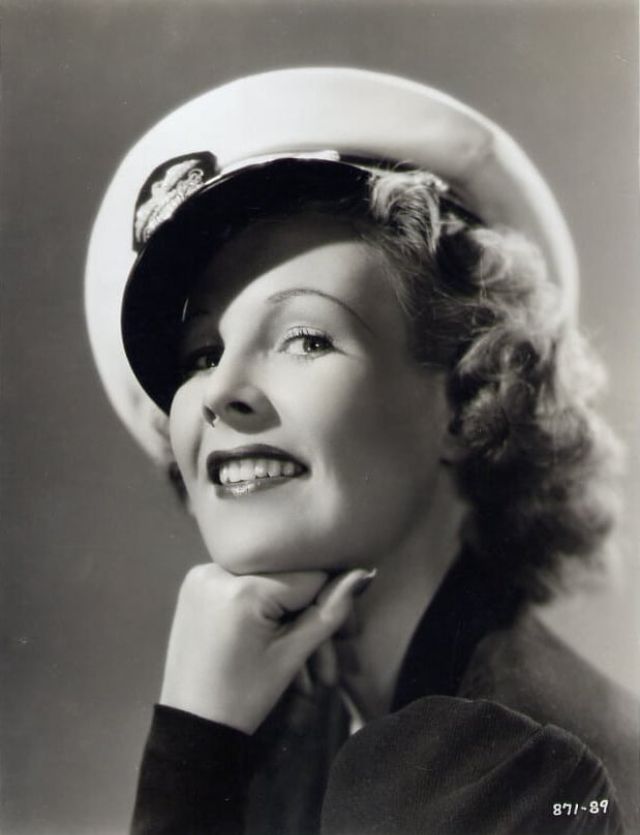
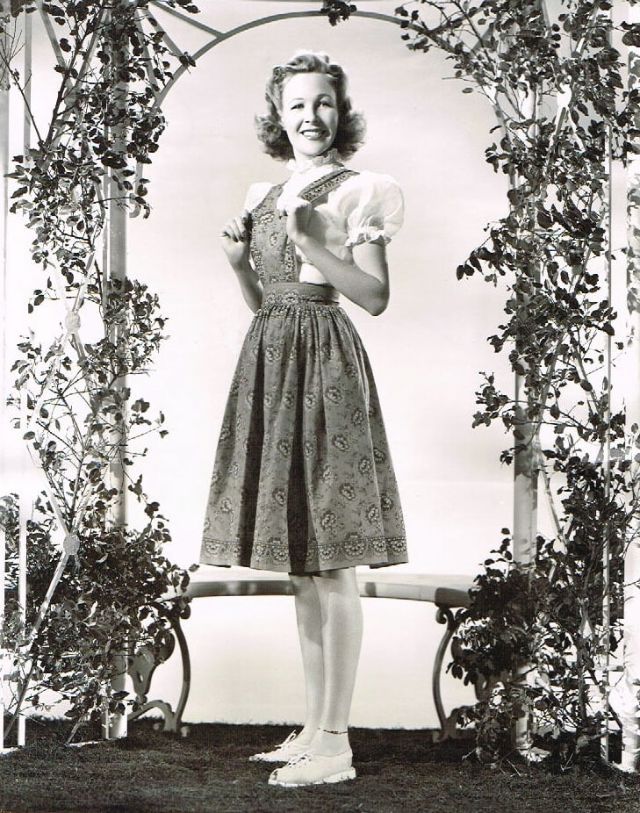
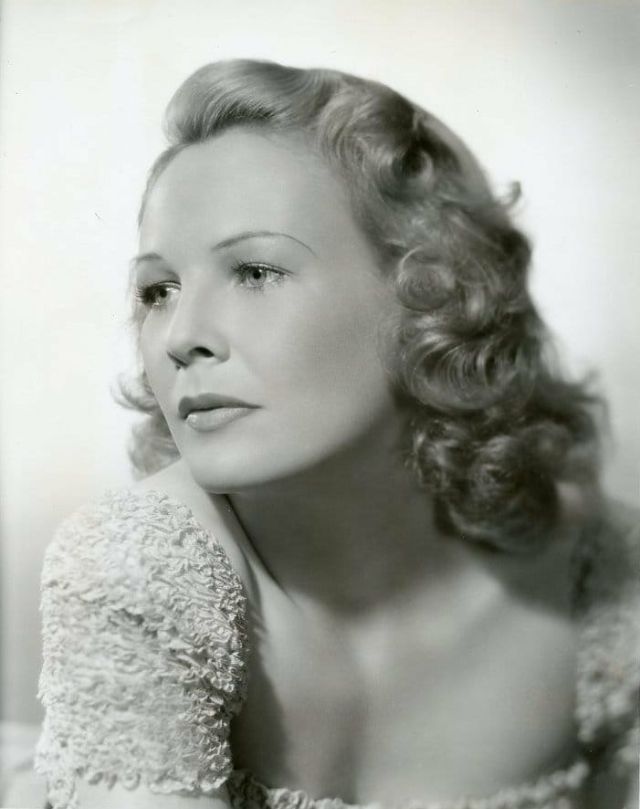
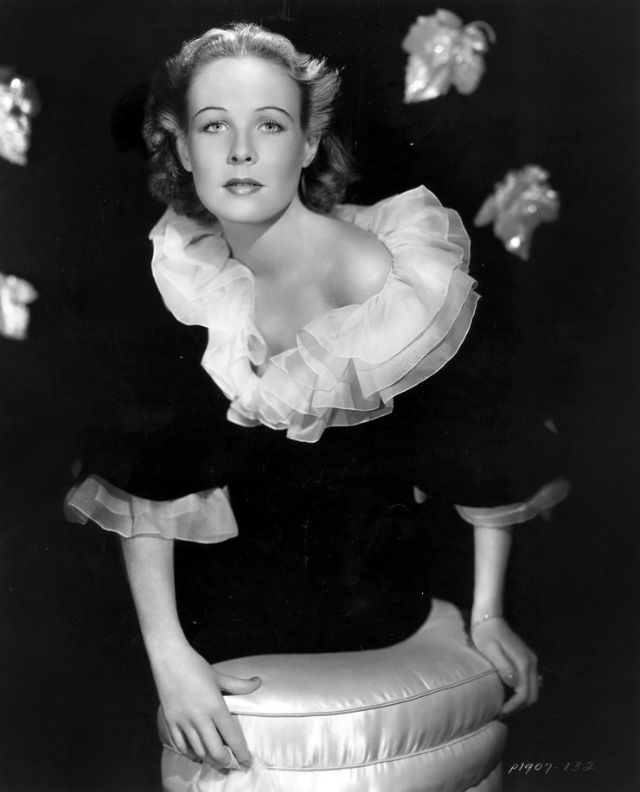
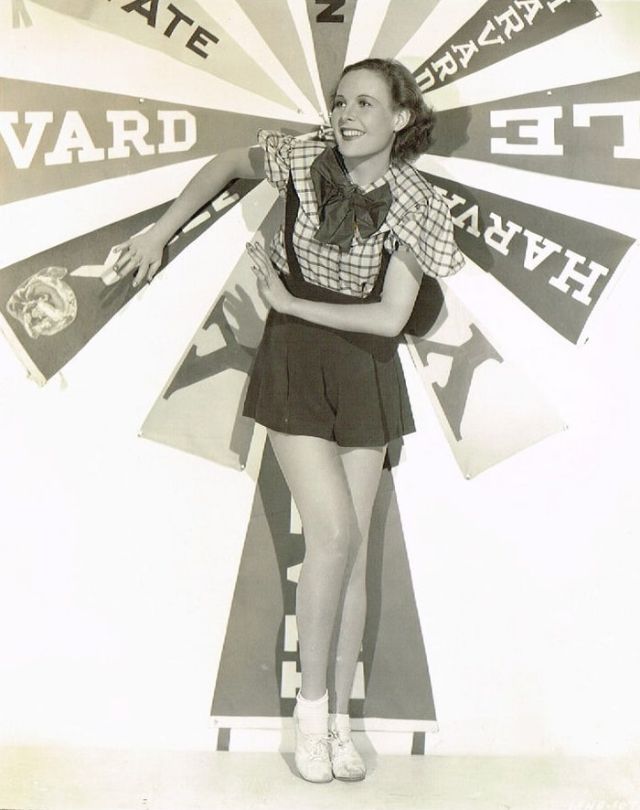
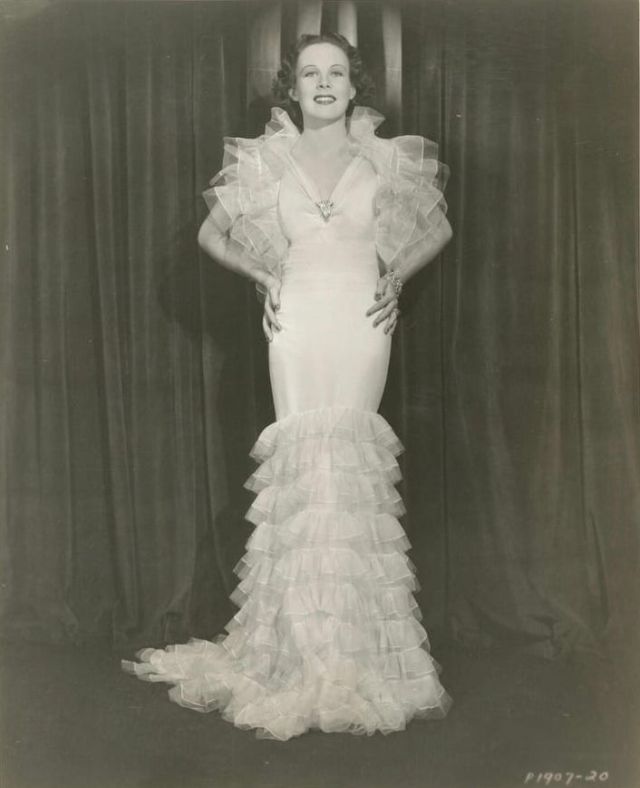
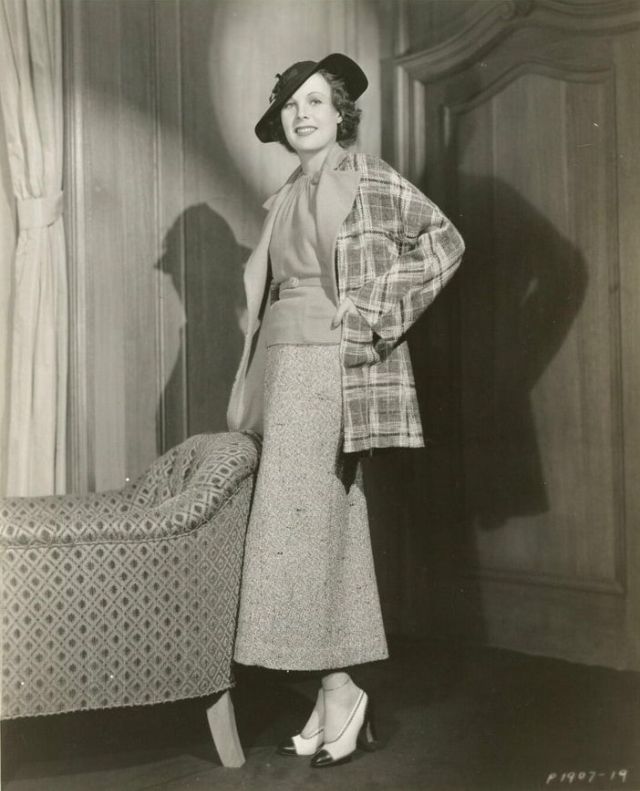
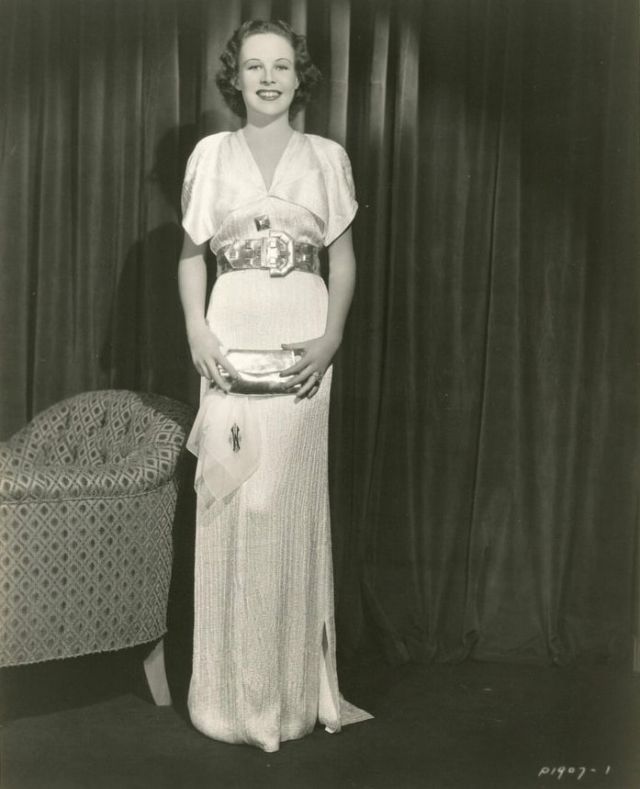
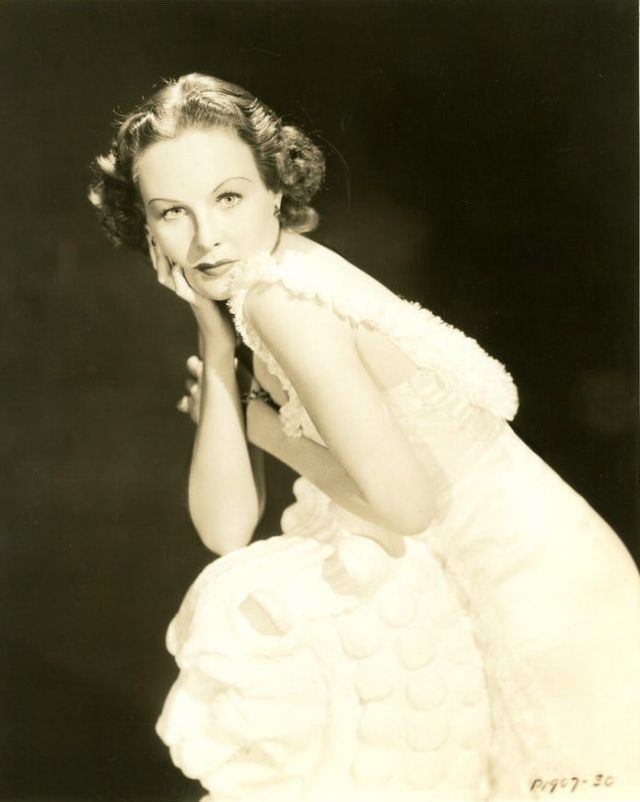
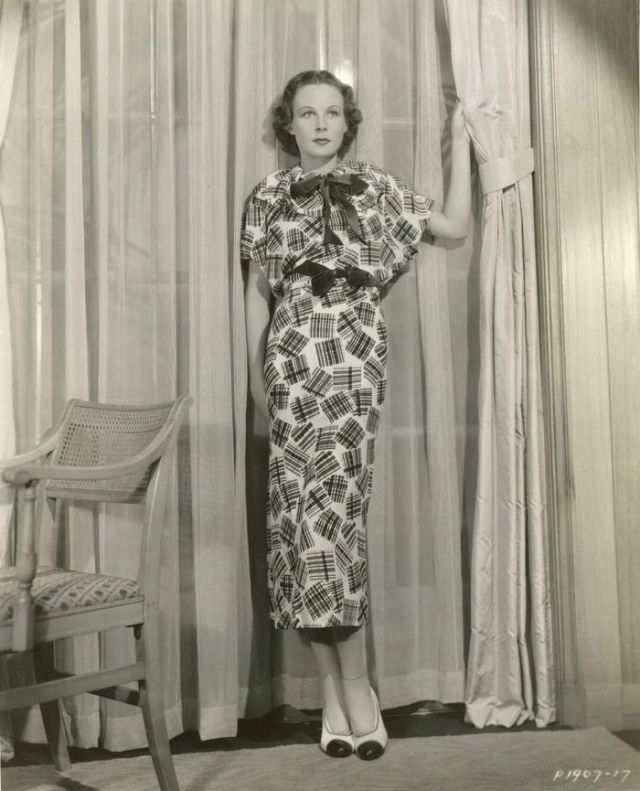
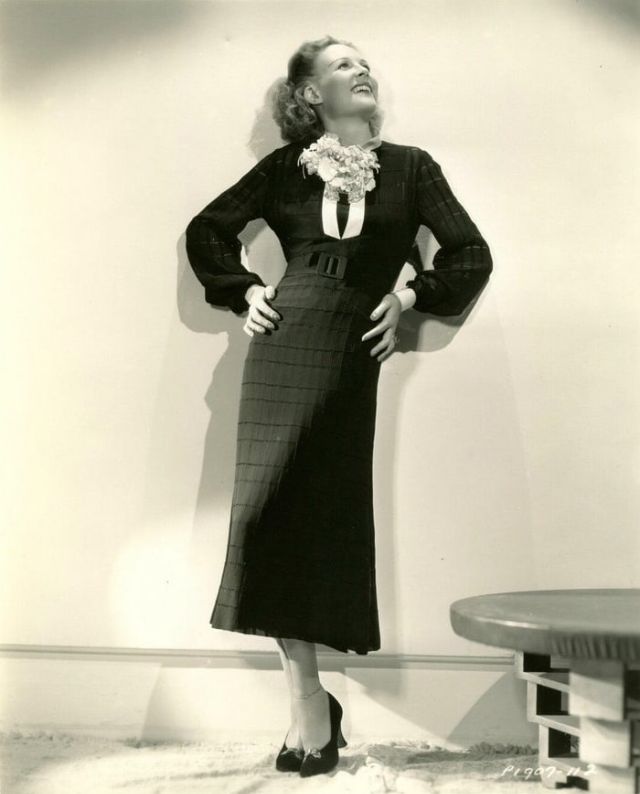
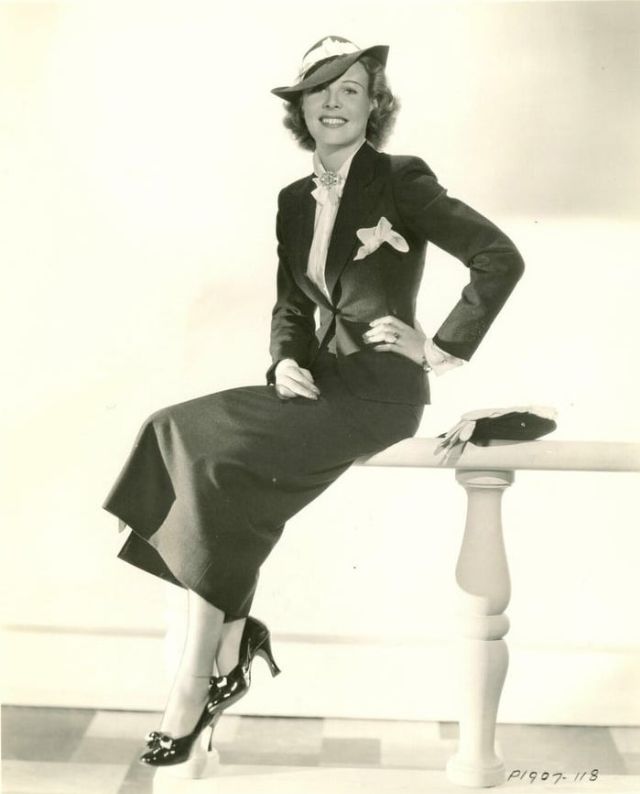
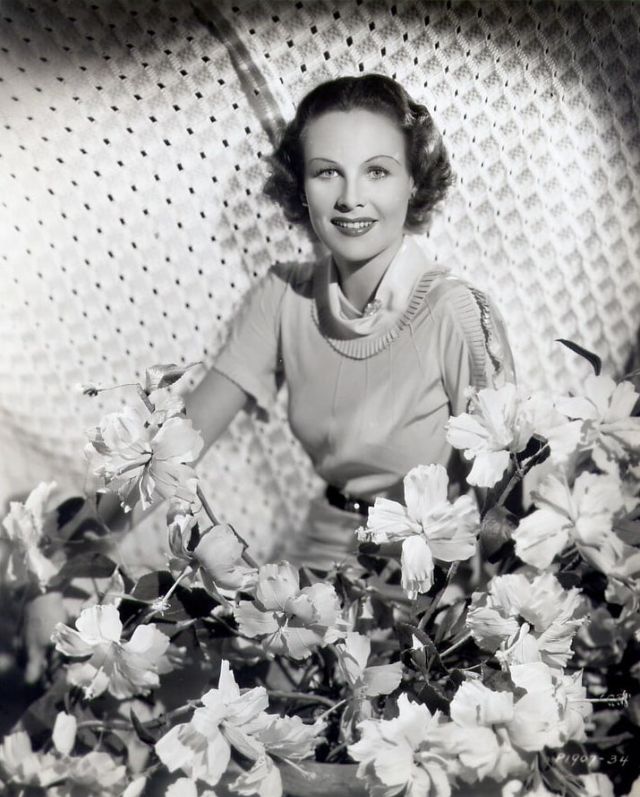
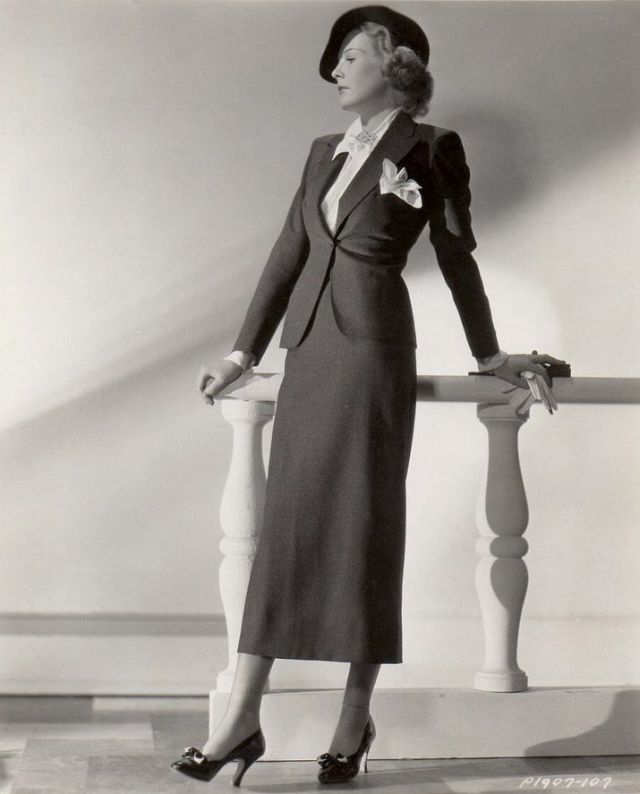
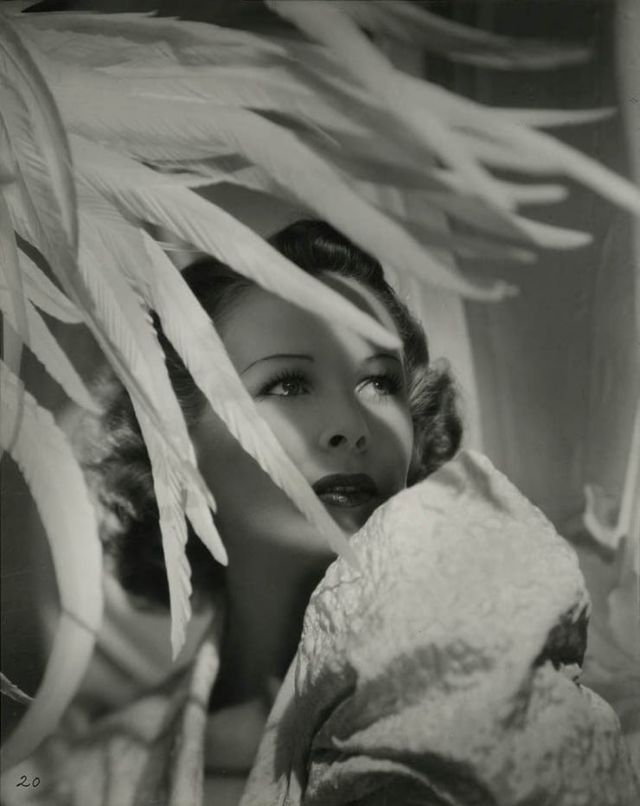
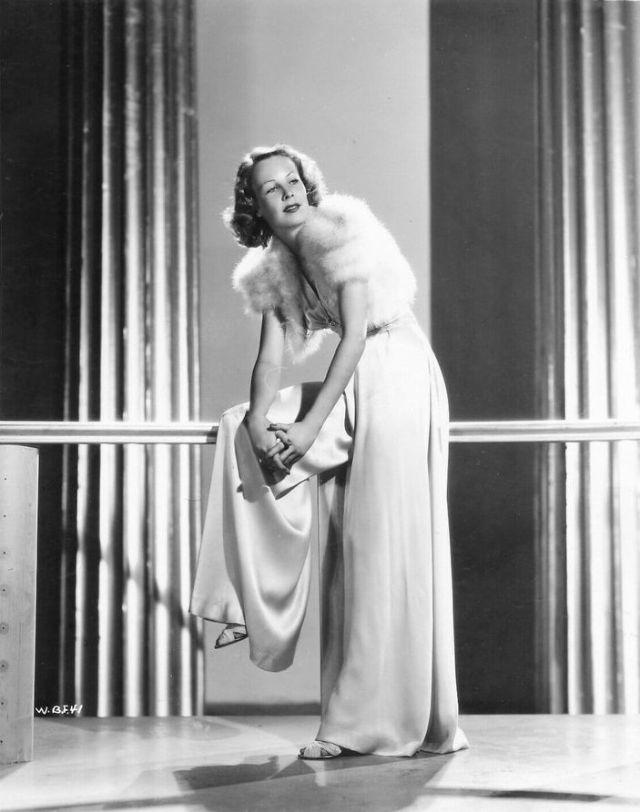
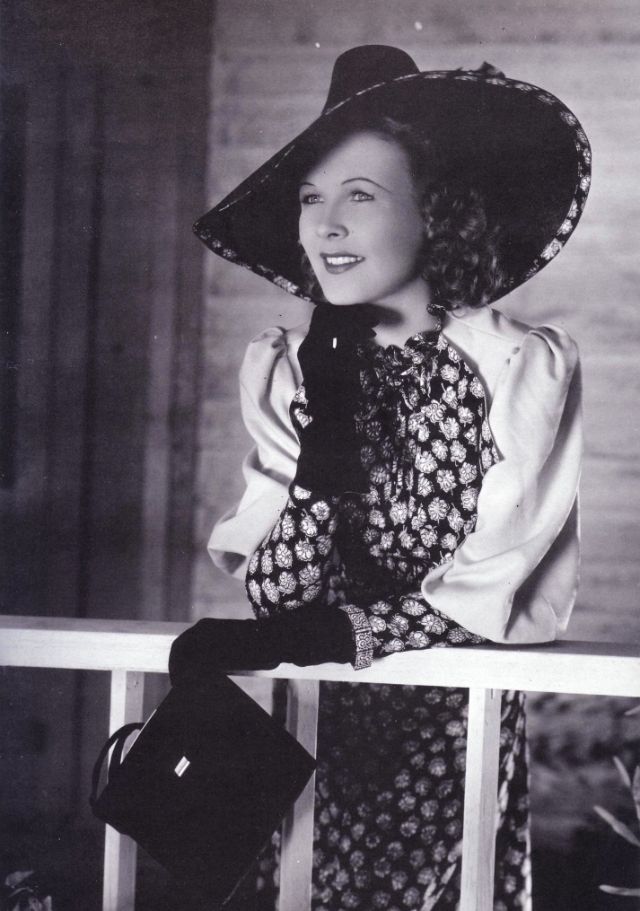
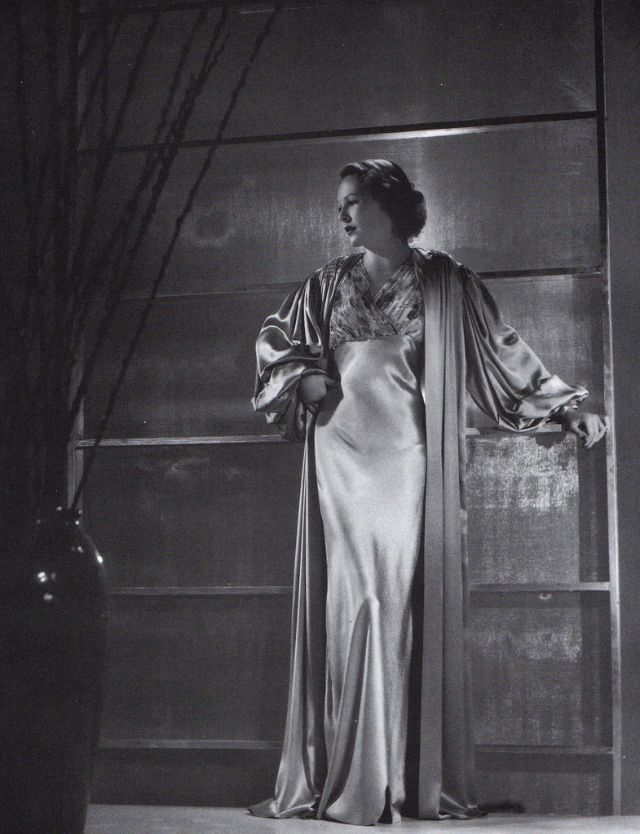
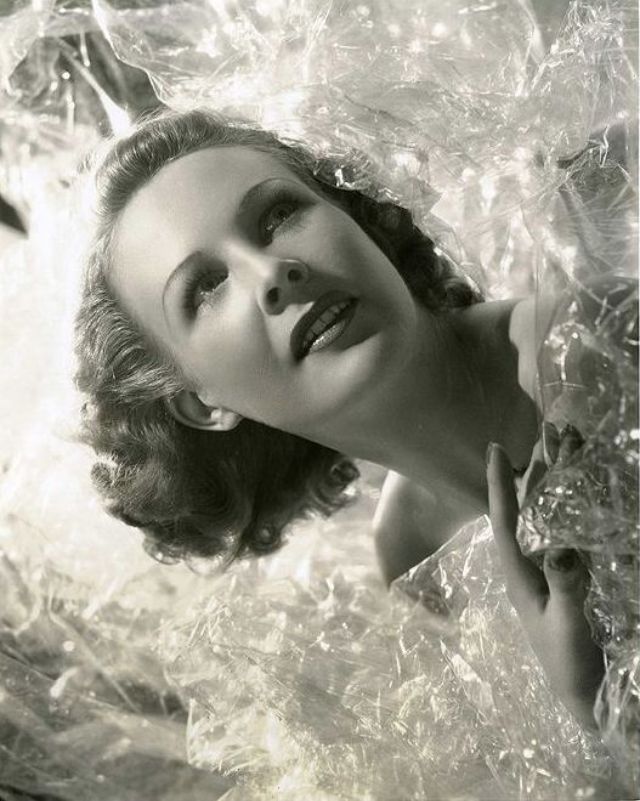
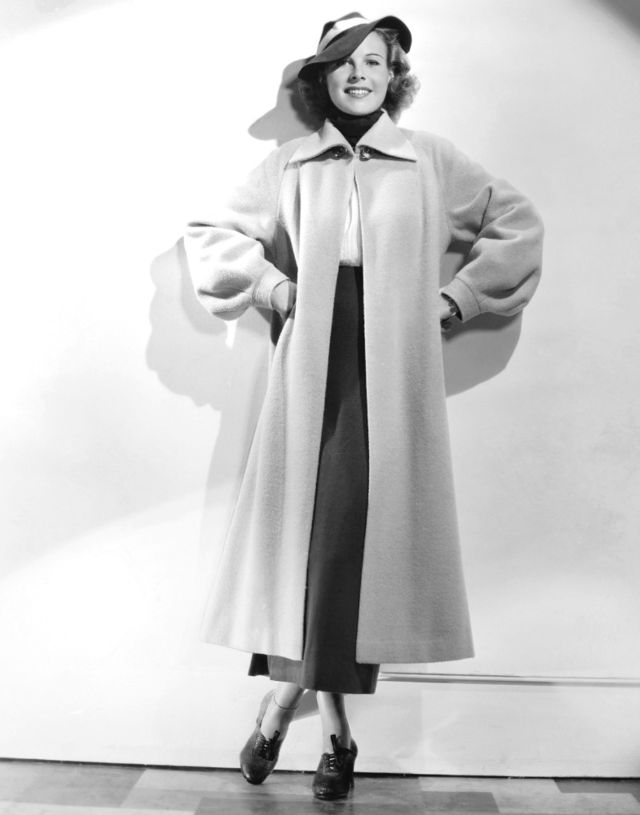
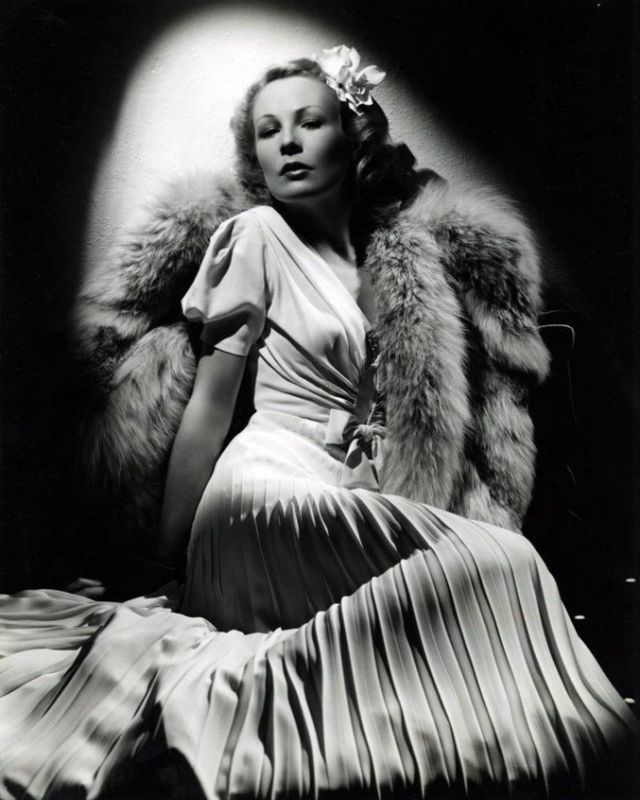
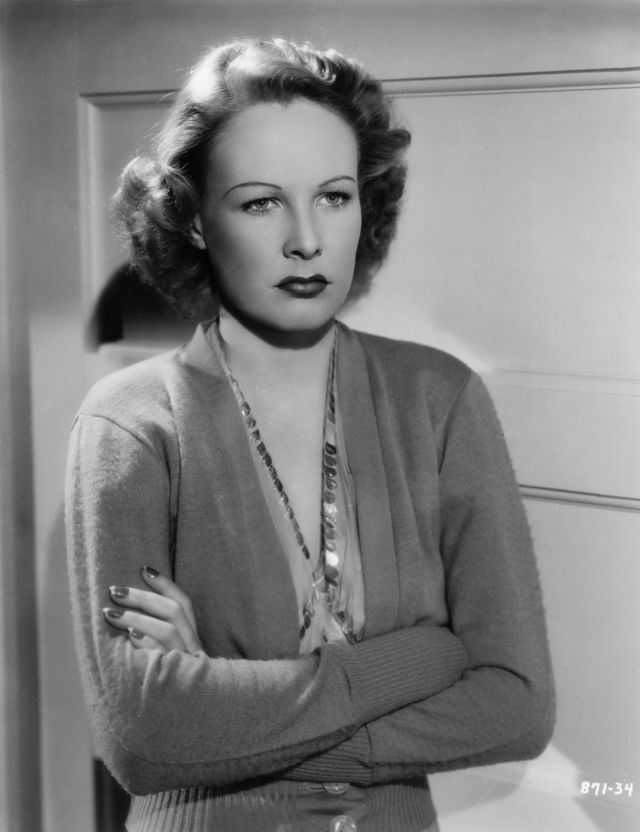
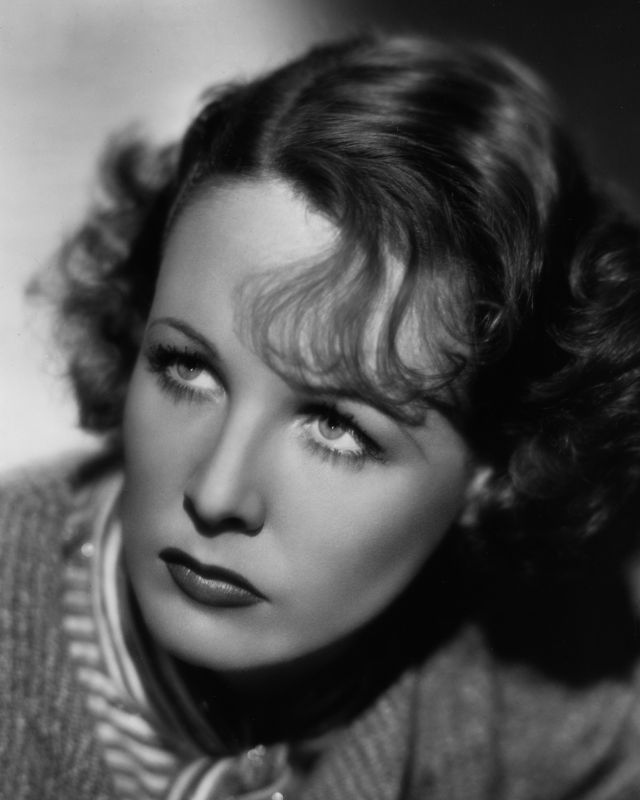
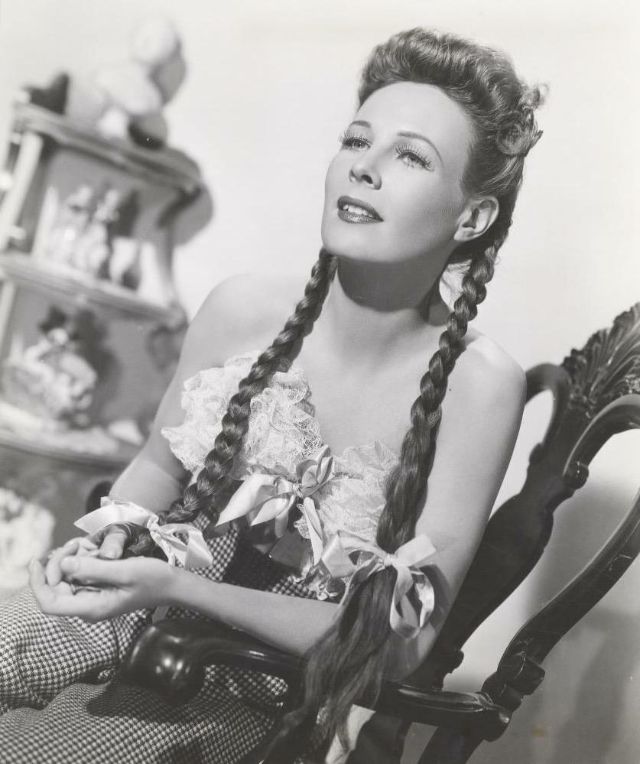
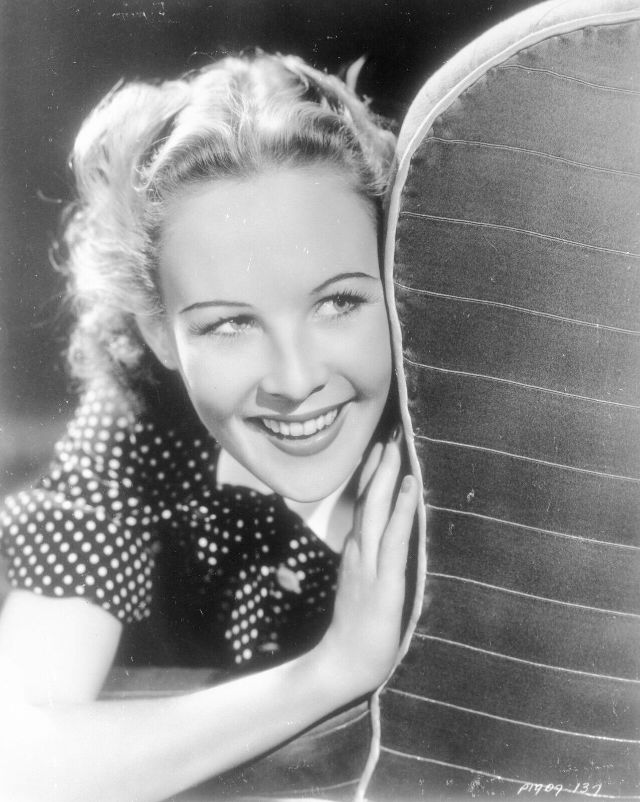
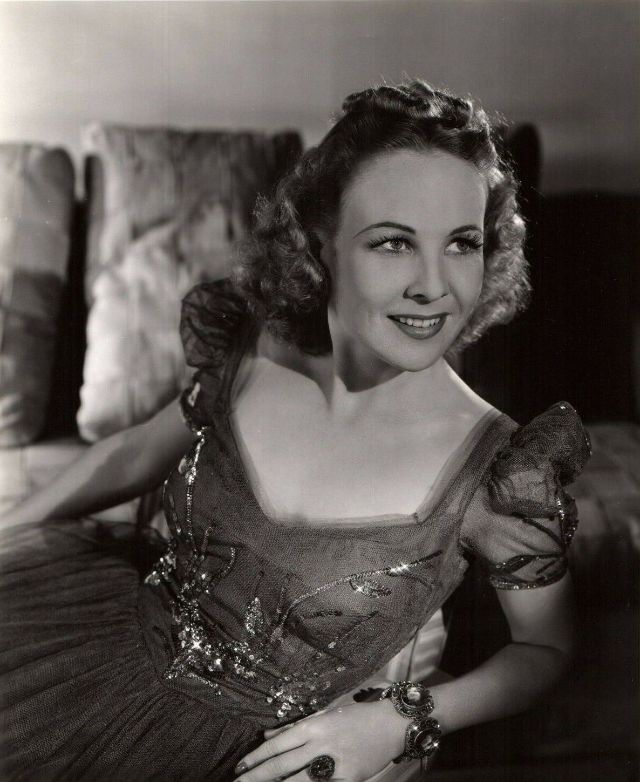
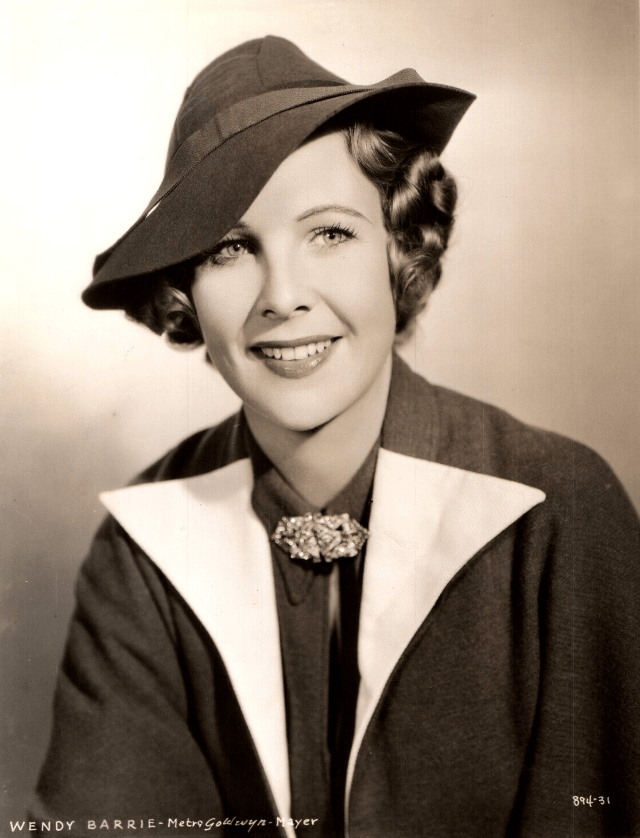
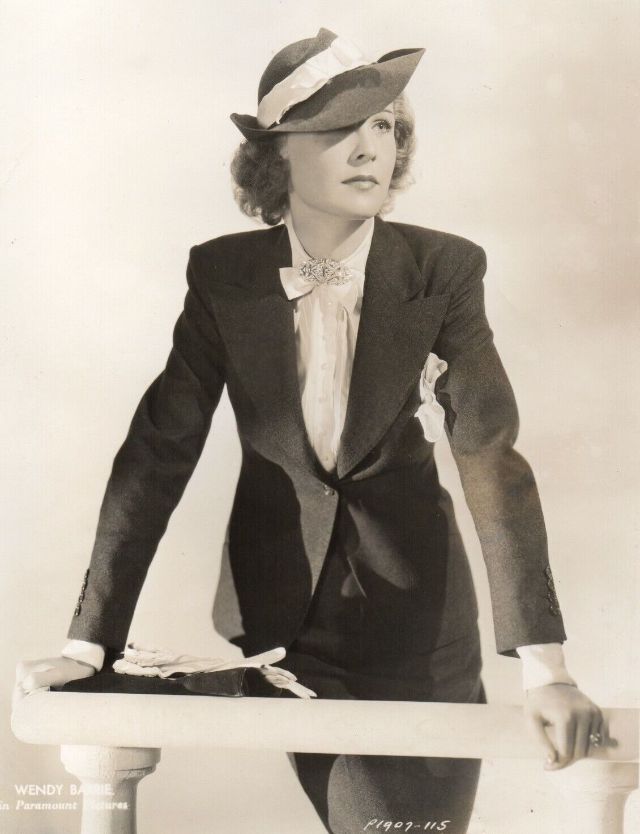
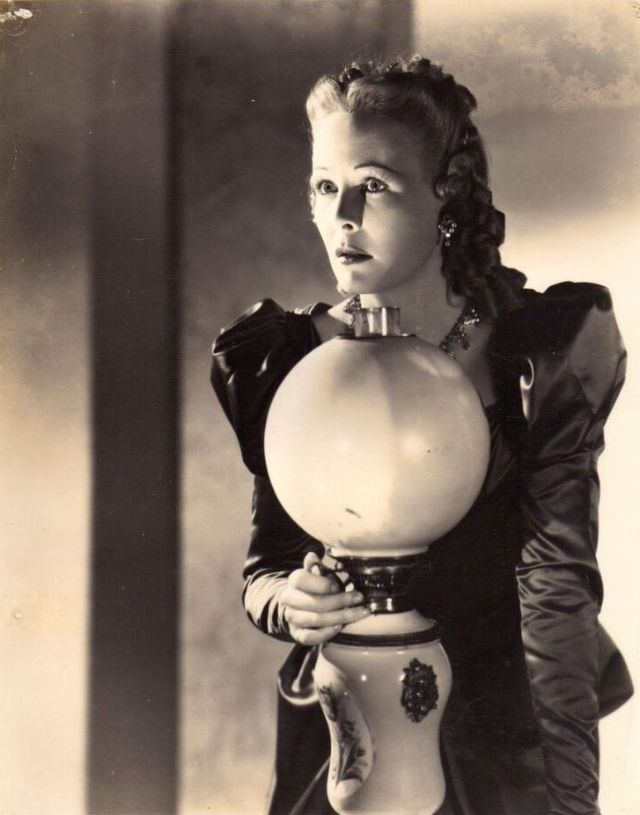
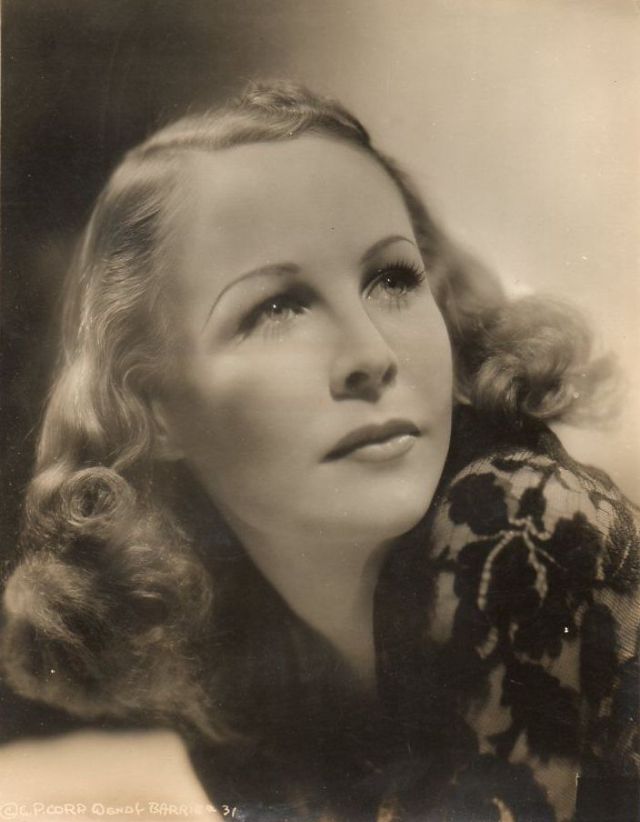
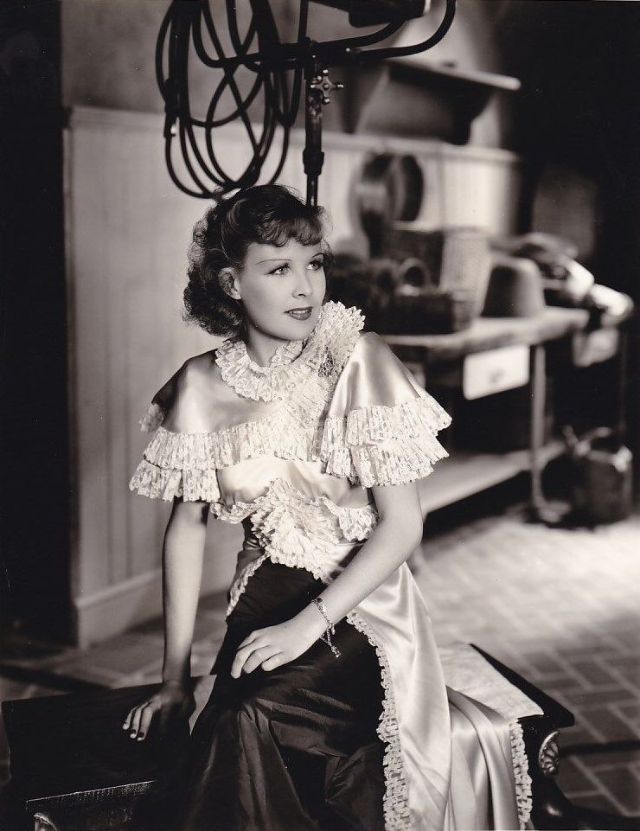
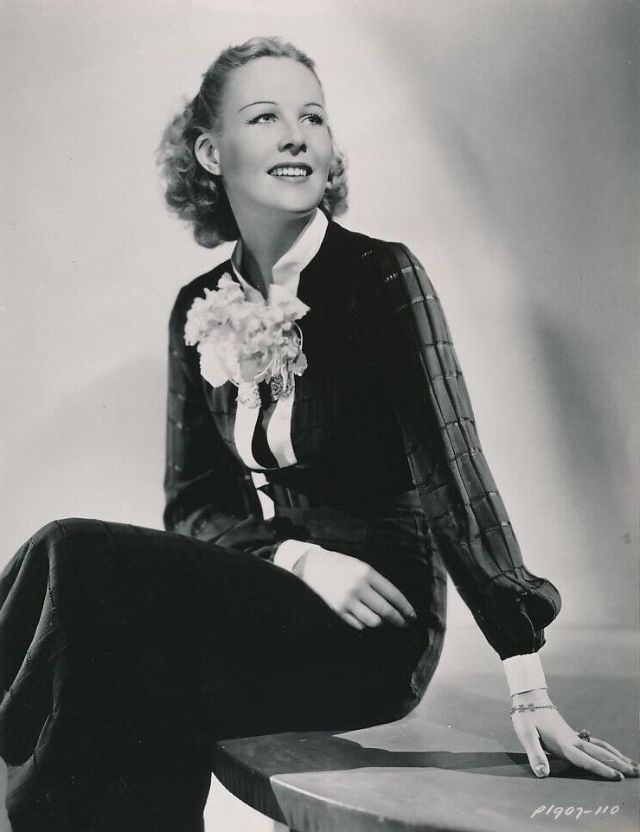
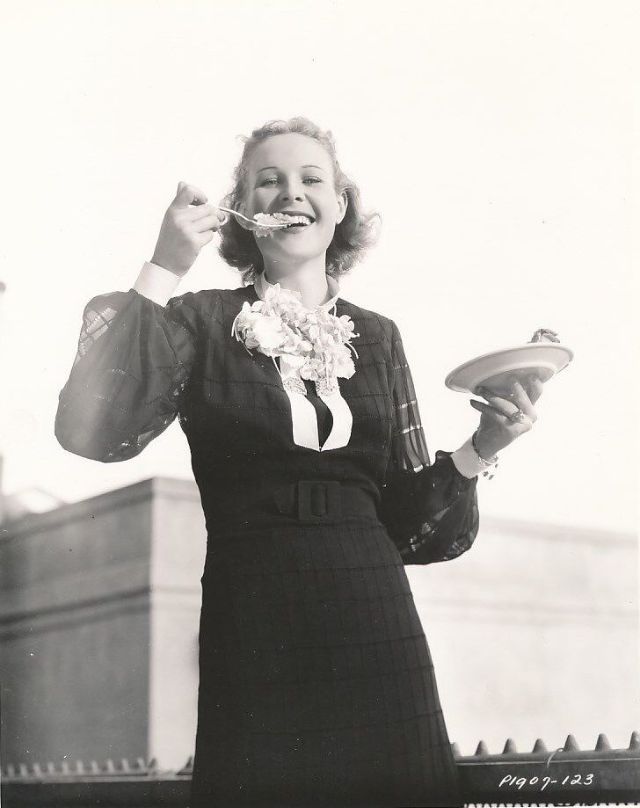
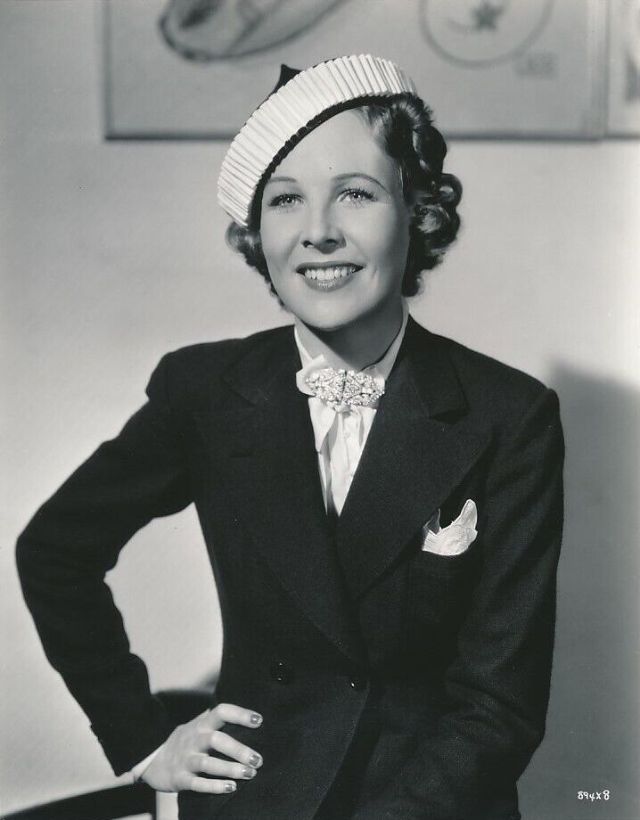
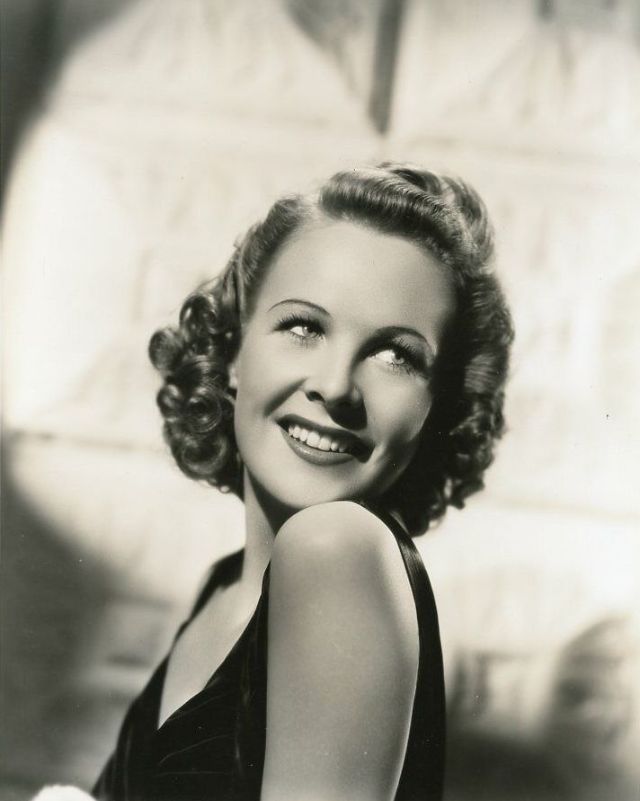
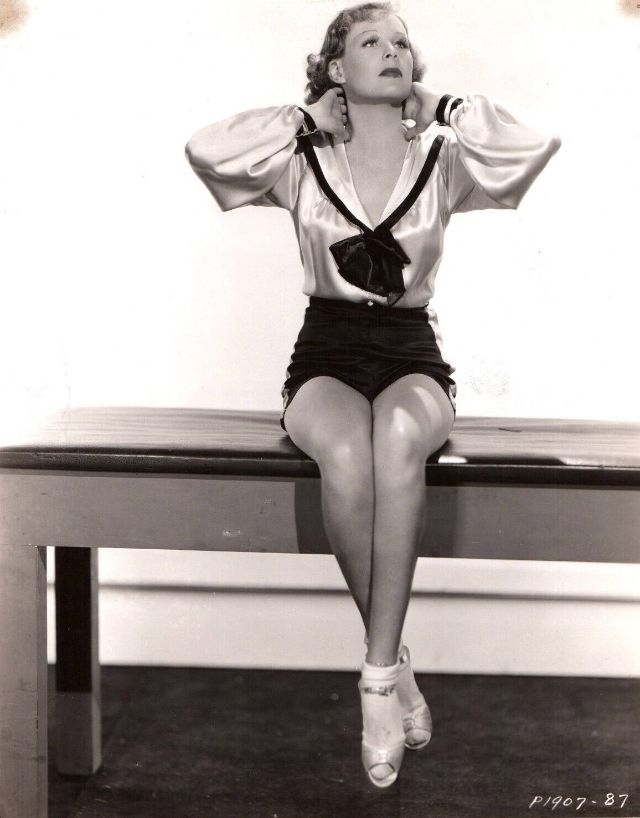
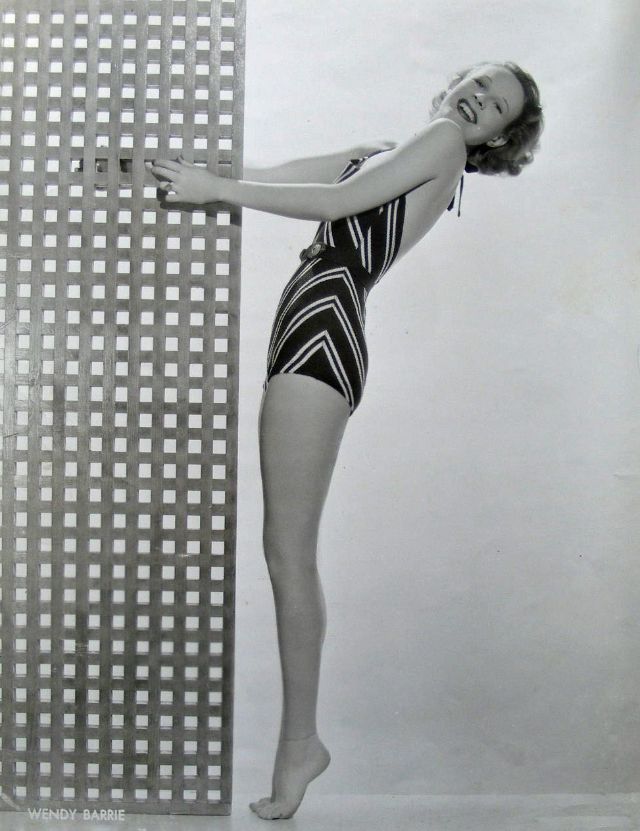
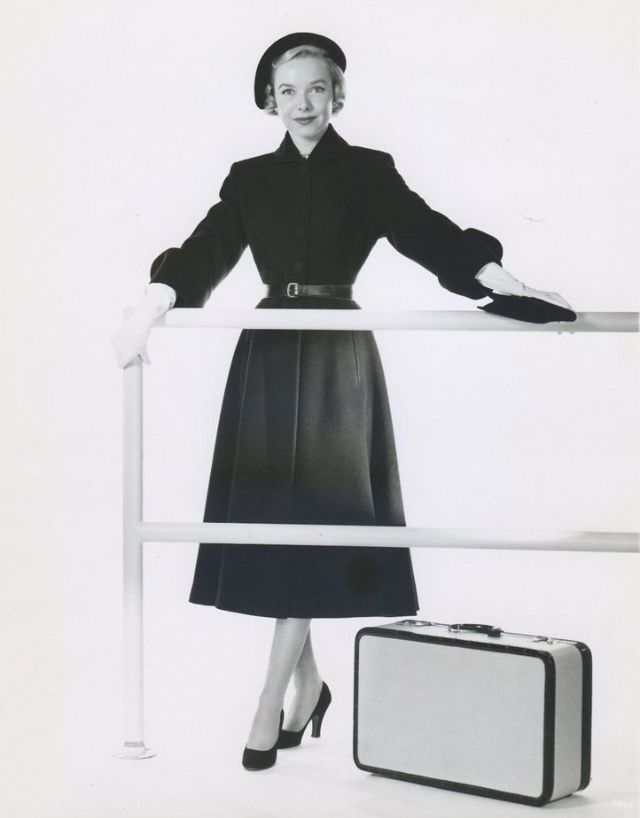
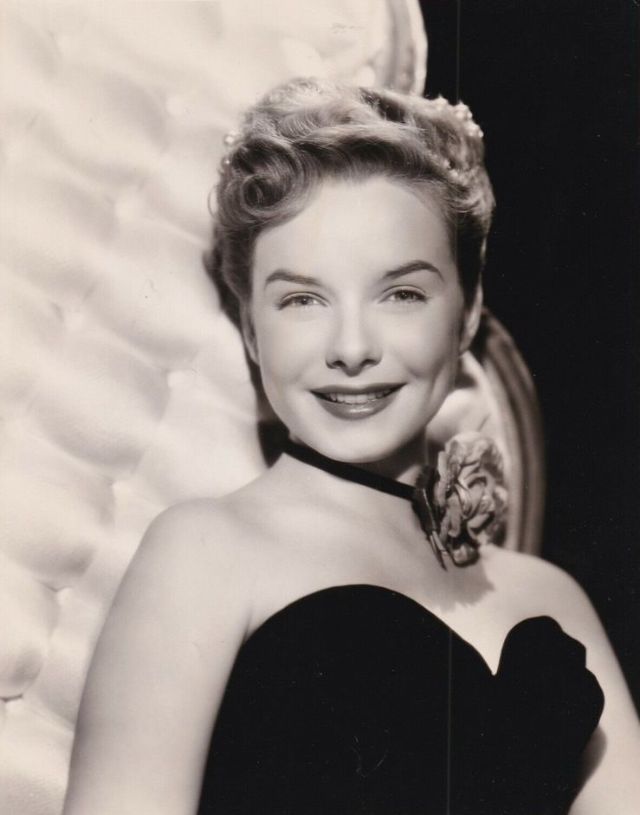
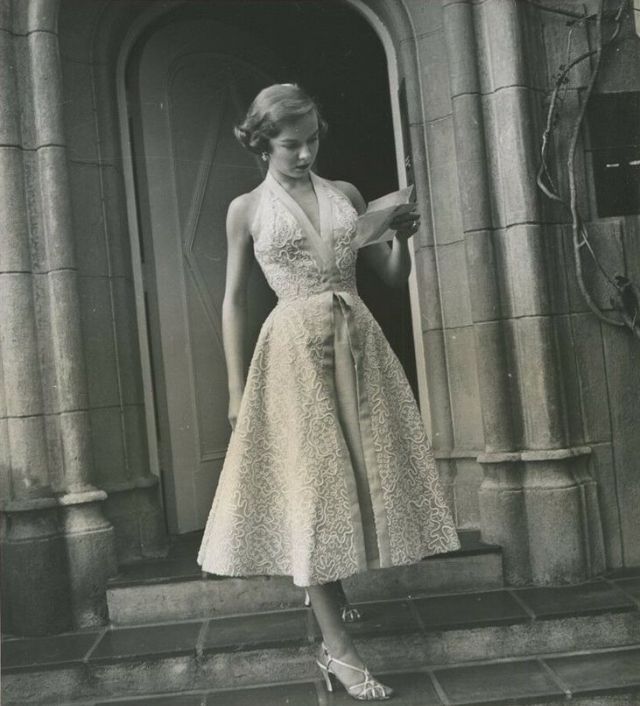
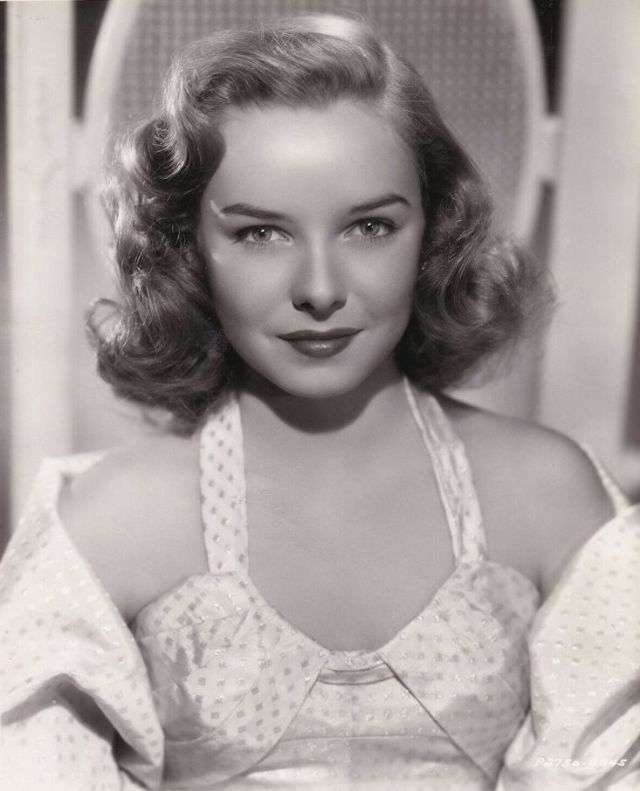
Born 1912 as Marguerite Wendy Jenkins in London, British-American actress Wendy Barrie made her screen debut in the film Threads in 1932. She went on to make a number of motion pictures for London Films under the Korda brothers, Alexander and Zoltan, the best known of which is 1933’s The Private Life of Henry VIII, in which she portrayed Jane Seymour.
Barrie moved to the United States in 1935 and made her first Hollywood film for Fox opposite Spencer Tracy in the romantic comedy It’s a Small World, followed by Under Your Spell with Lawrence Tibbett. Loaned to MGM, Barrie starred opposite James Stewart in the 1936 film Speed. In 1939, she starred with Richard Greene and Basil Rathbone in the 20th Century Fox version of The Hound of the Baskervilles, and with Lucille Ball in RKO’s Five Came Back. During 1939 and the early 1940s, Barrie made several of The Saint and The Falcon mystery films with George Sanders. She made her final motion picture in 1954. After appearances in more than 15 films in Britain and more than 30 in Hollywood, Barrie’s contribution to the industry was recognized with a motion pictures star on the Hollywood Walk of Fame at 1708 Vine Street, near the corner of Hollywood and Vine.
Barrie died in Englewood, New Jersey, in 1978, aged 65, following a stroke that had left her debilitated for several years. Take a look at these gorgeous photos to see portraits of a young Wendy Barrie in the 1930s and 1940s.
Subscribe to Yesterday Today’s Blog to receive regular updates regarding new content:
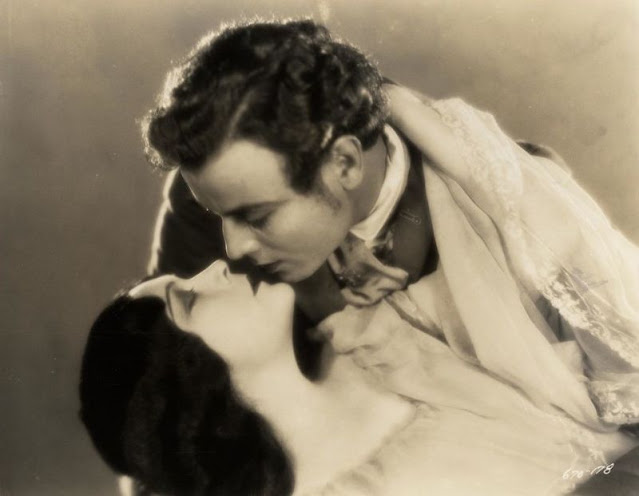
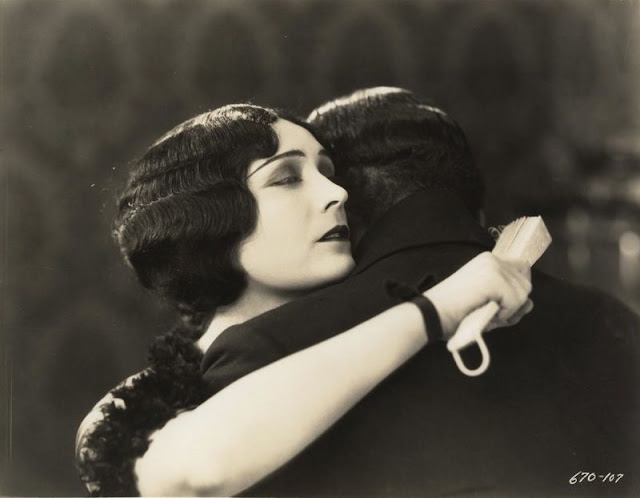
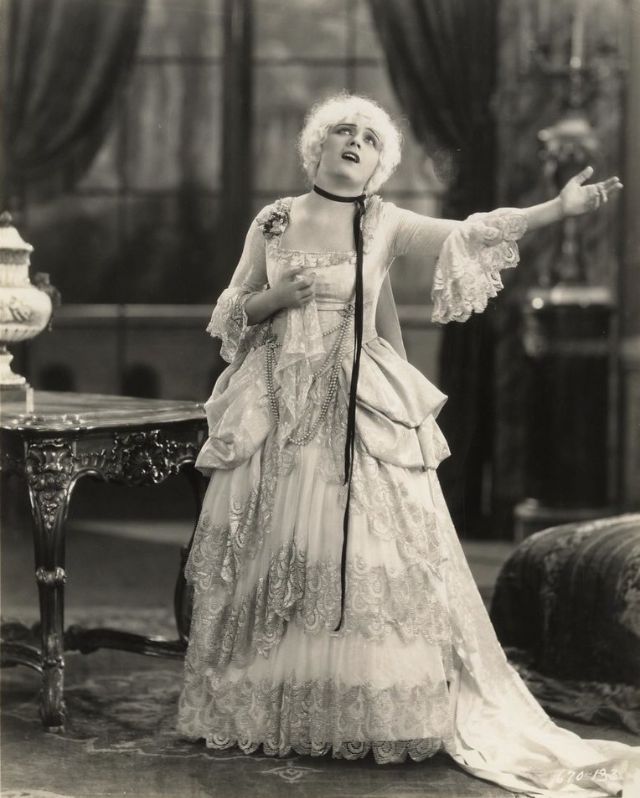
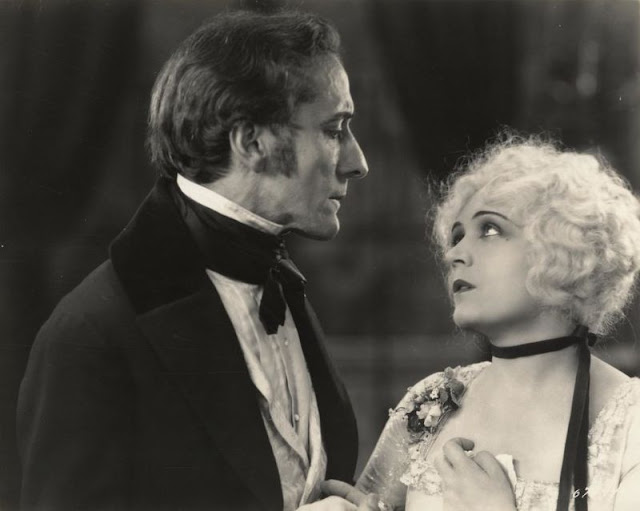
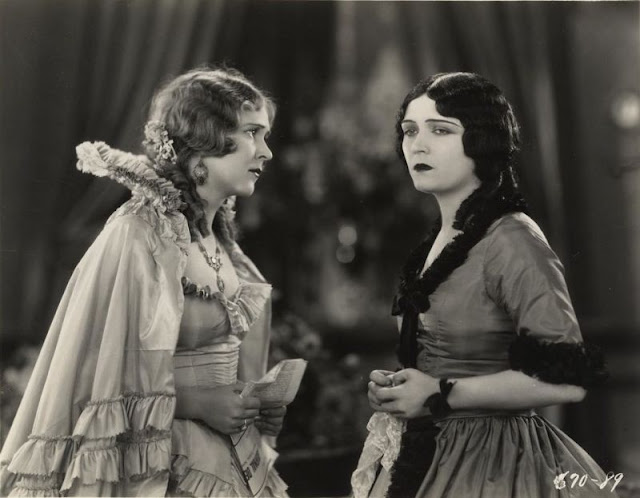
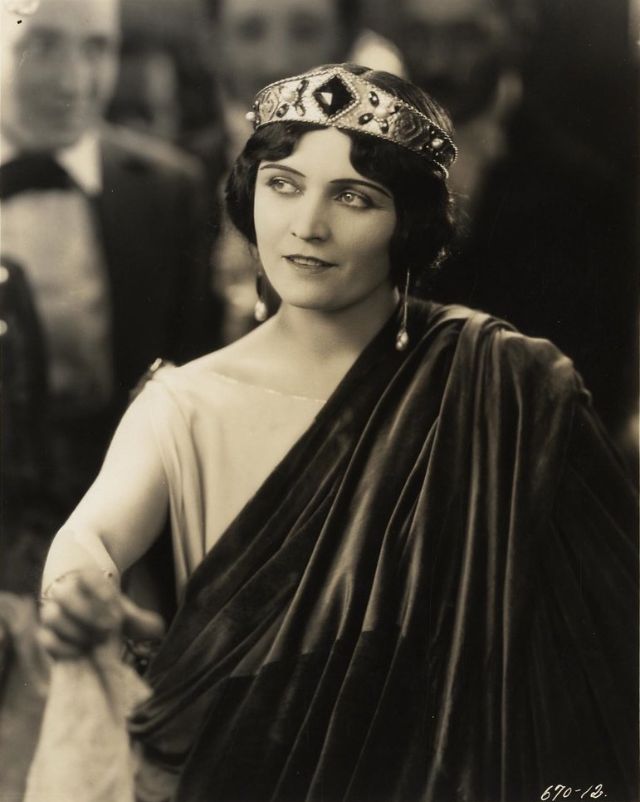
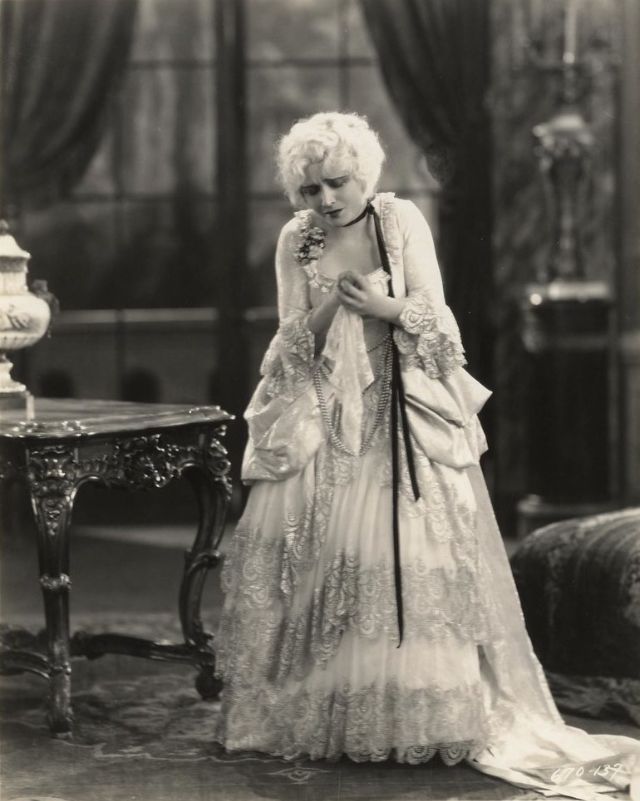
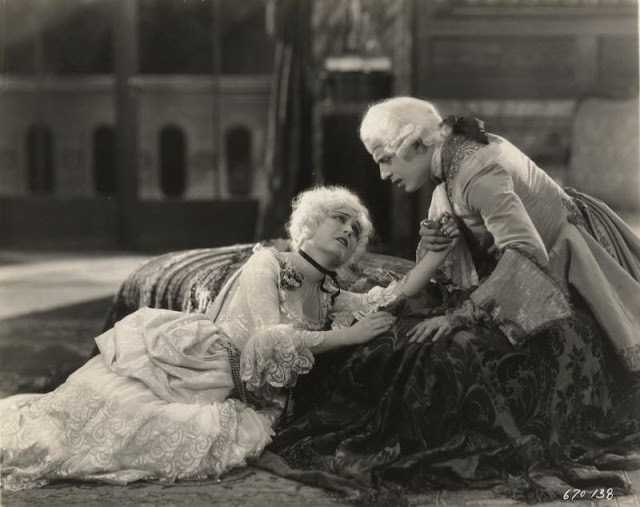
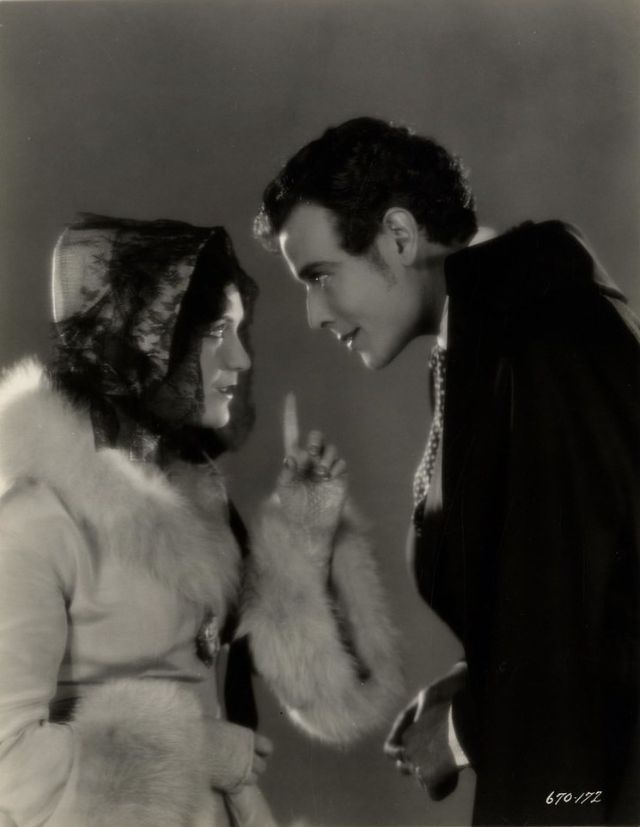
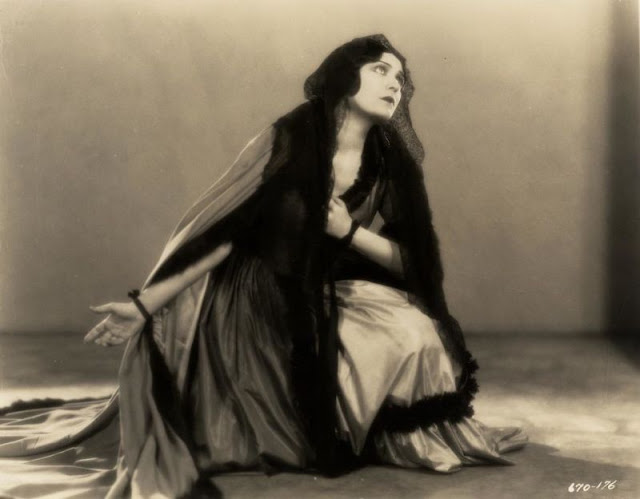
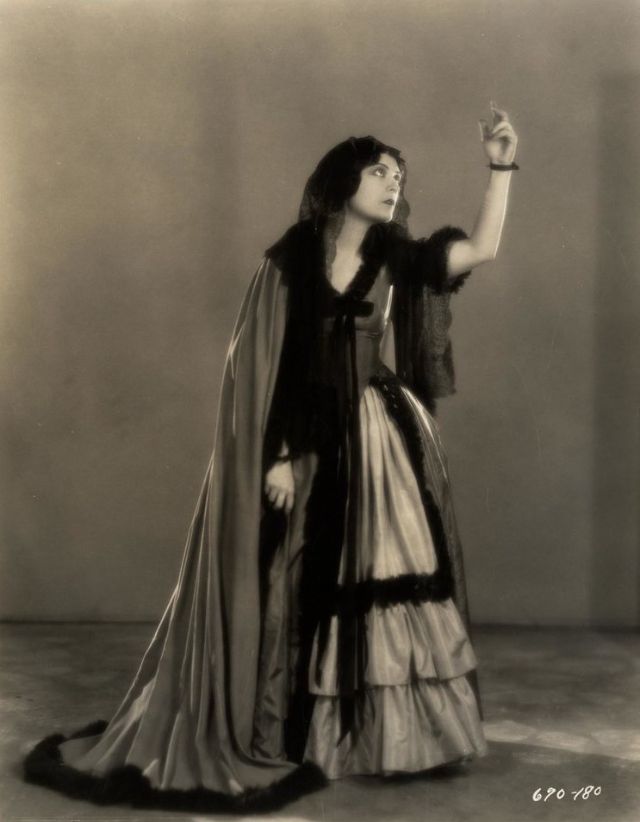
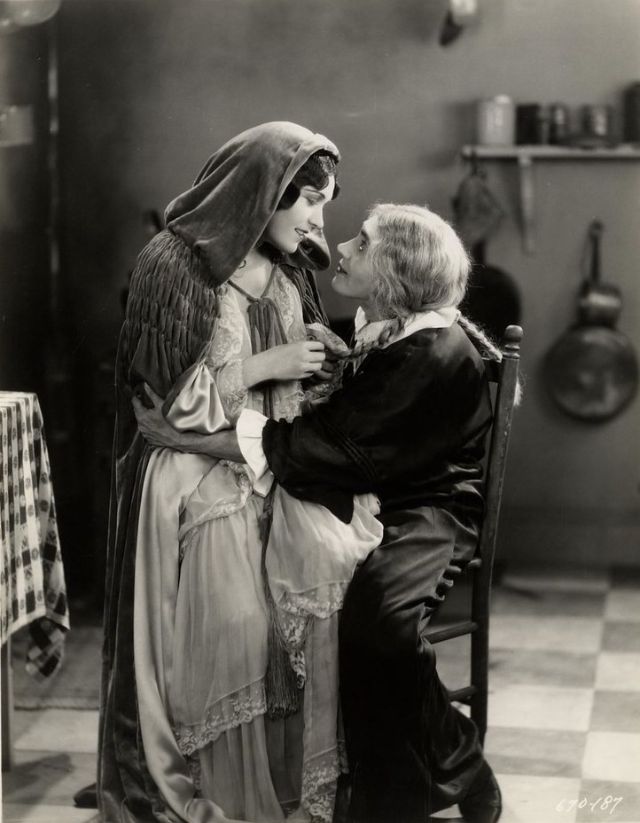
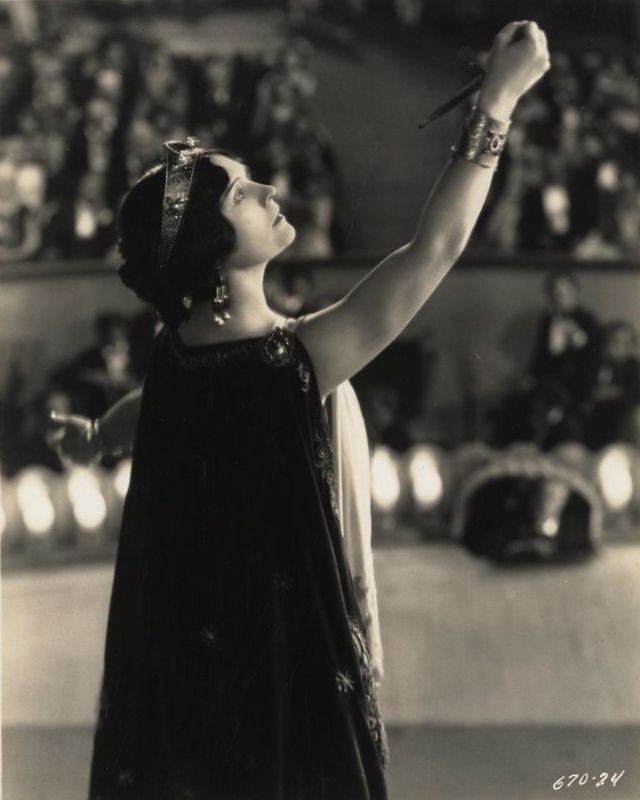
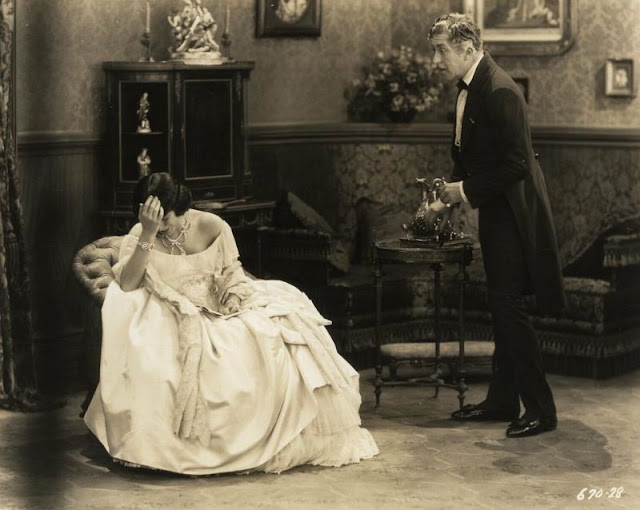
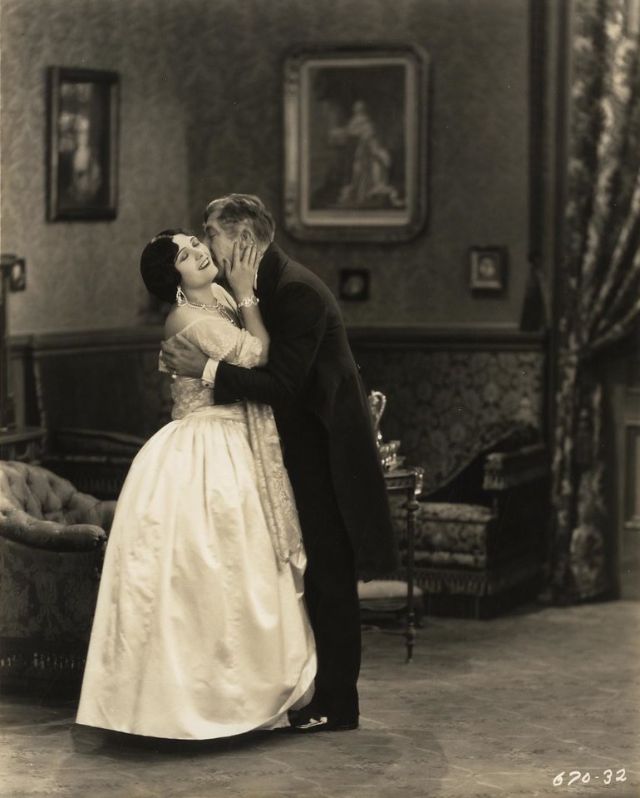
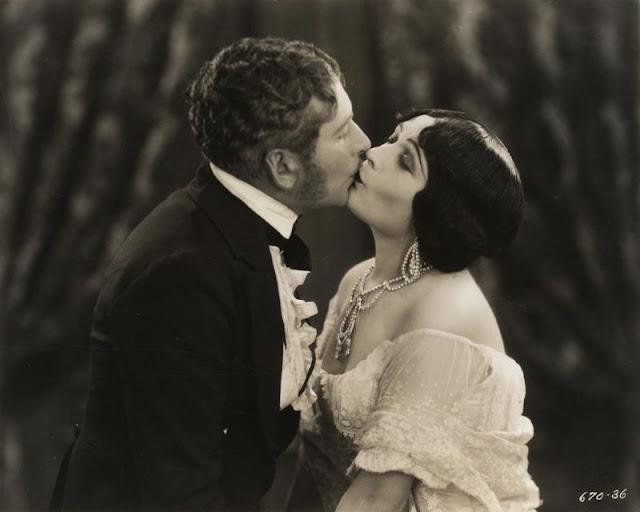
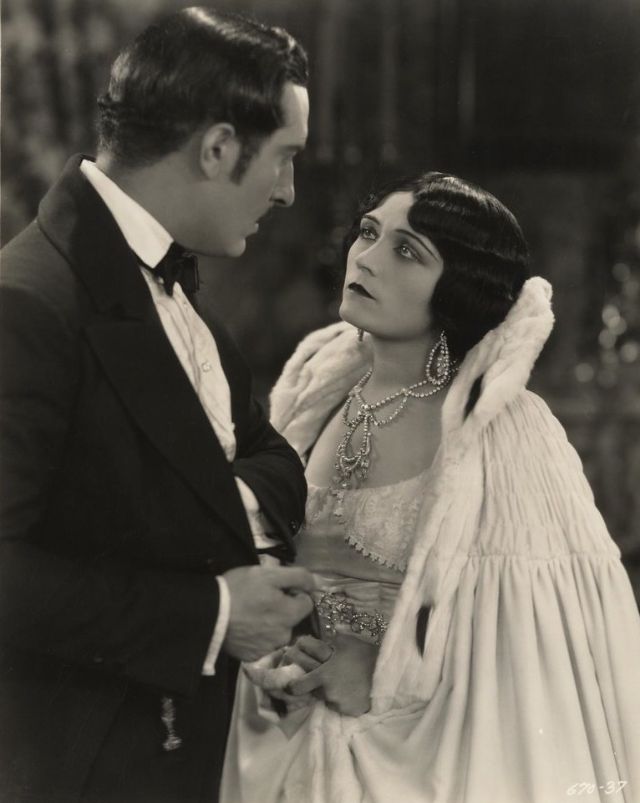
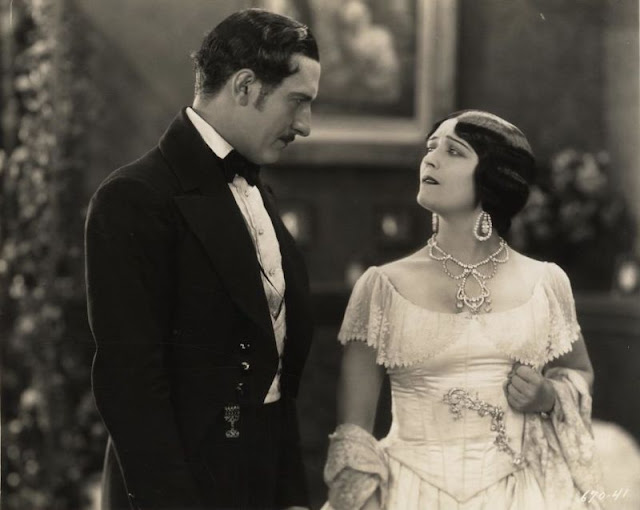
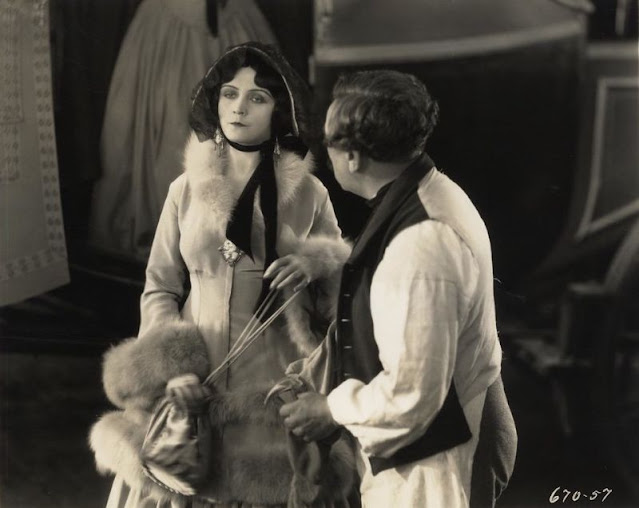
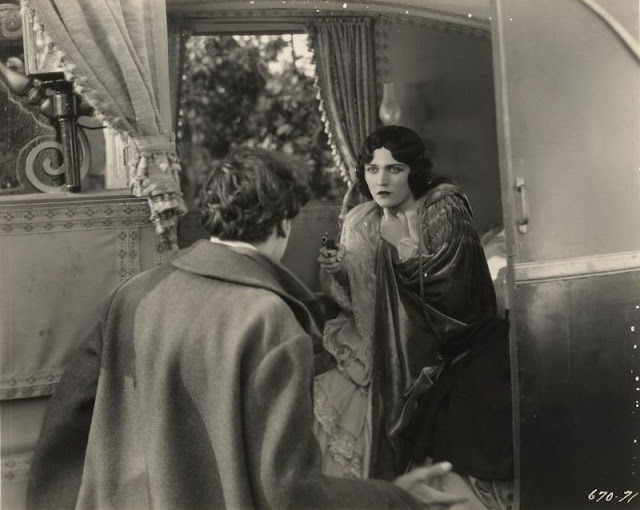
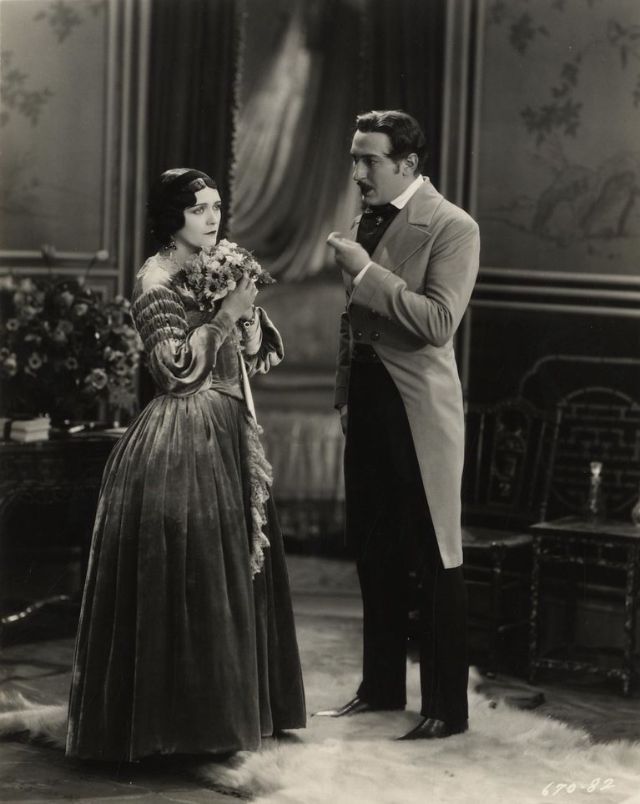
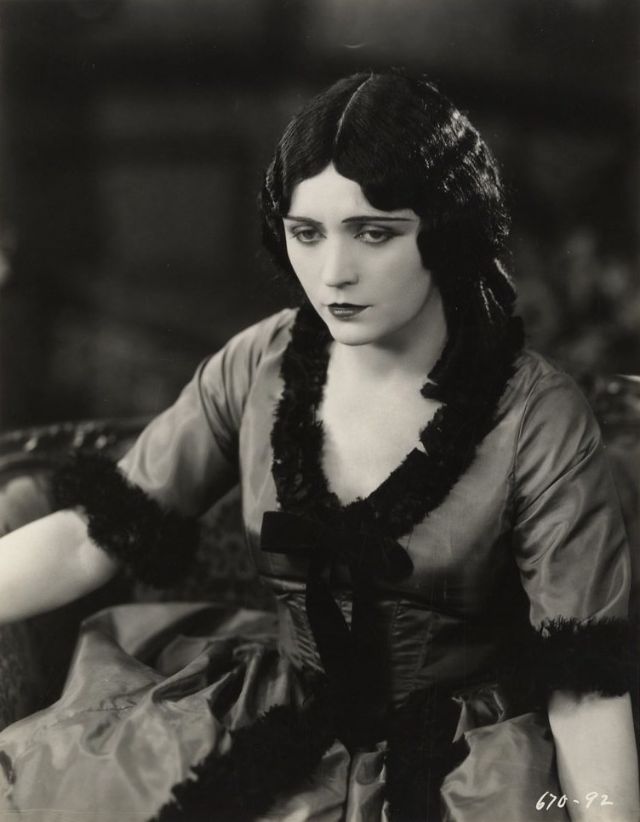
Loves of an Actress is a lost 1928 American silent romantic drama film directed by Rowland V. Lee and starring Pola Negri. It was produced by Adolph Zukor and Jesse Lasky with the distribution through Paramount Pictures.
The film had a soundtrack of either Vitaphone or Movietone of music and sound effects. These vintage photos captured portraits of Pola Negri during the filming of Loves of an Actress in 1928.
Subscribe to Yesterday Today’s Blog to receive regular updates regarding new content:
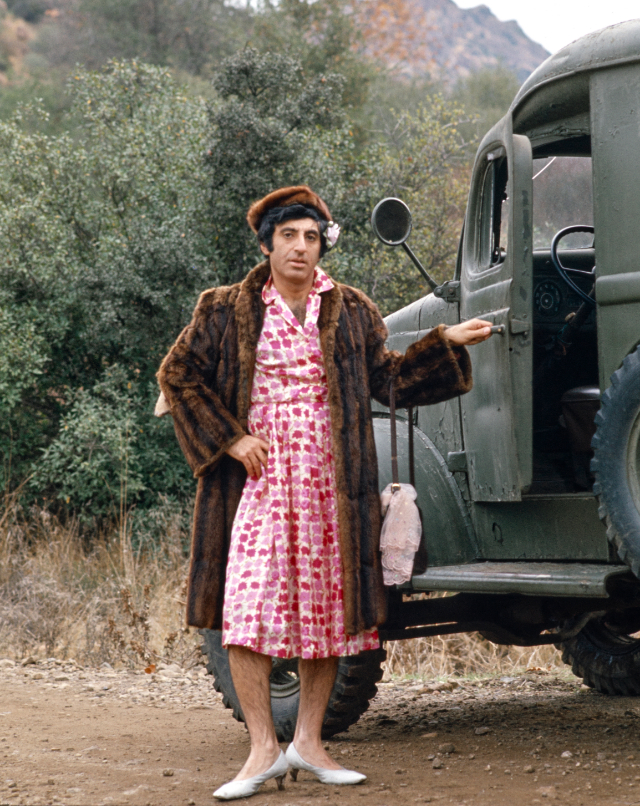
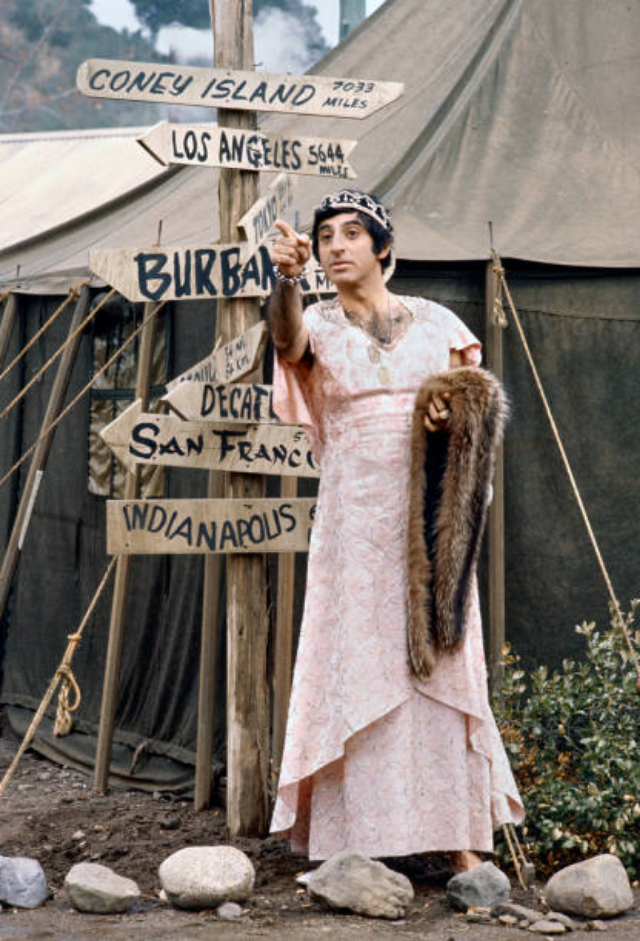
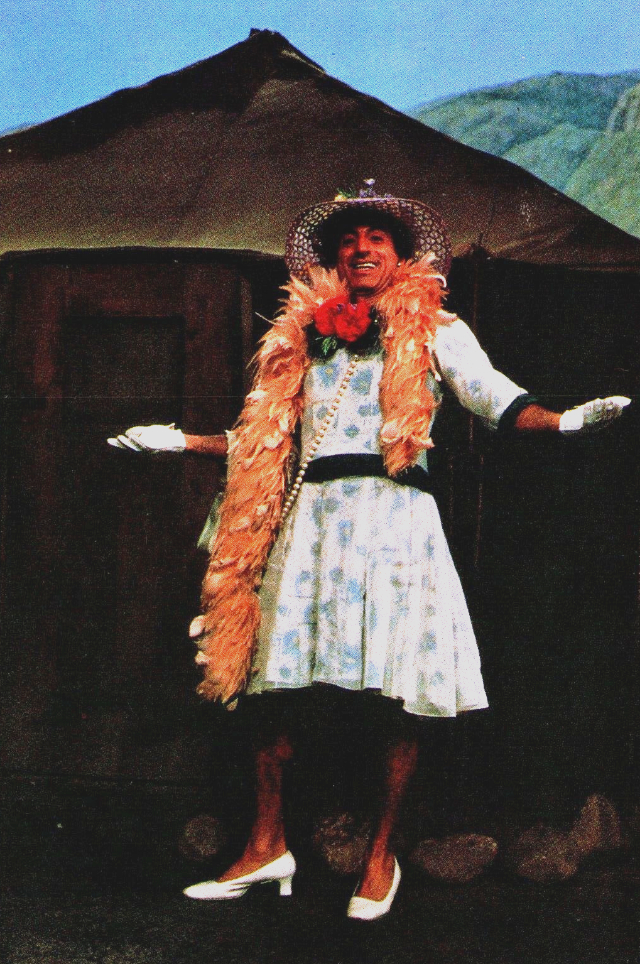
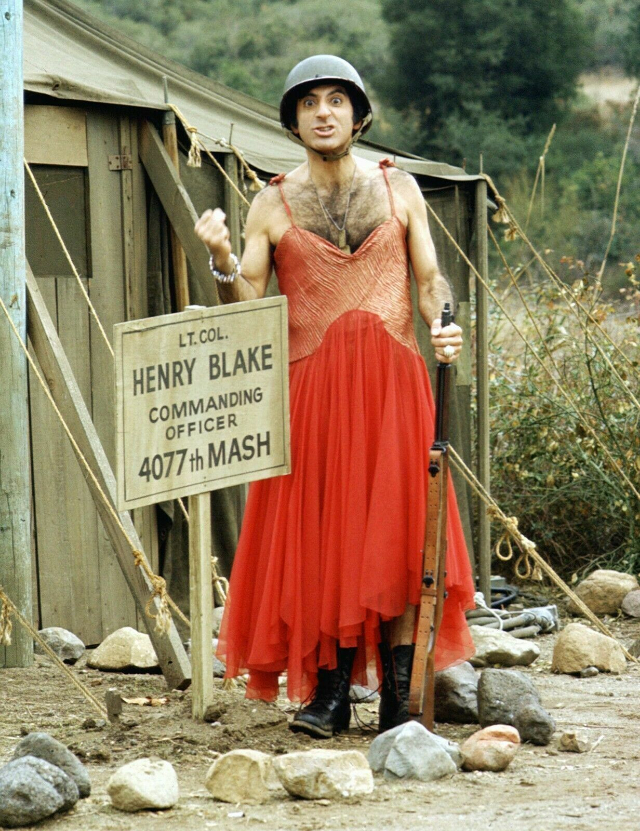
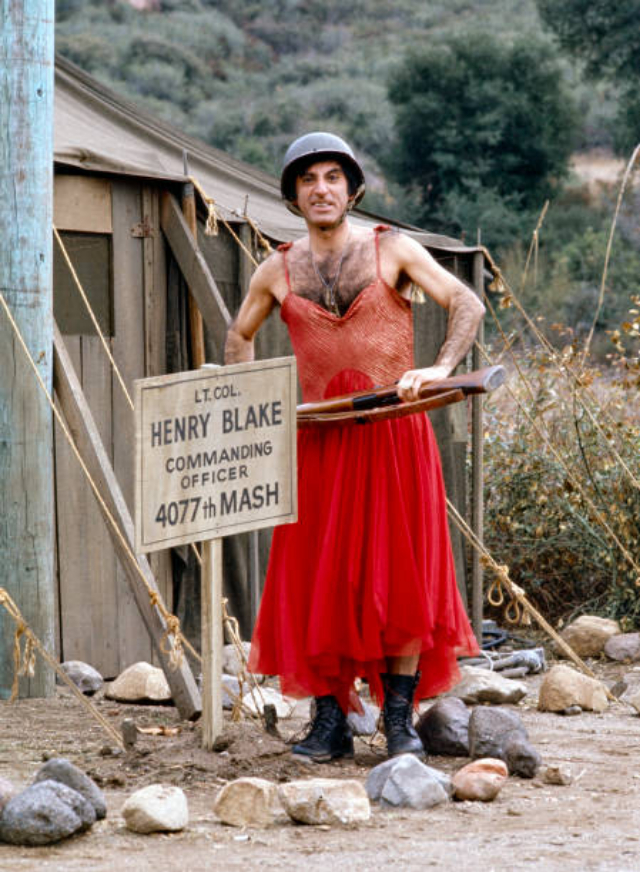
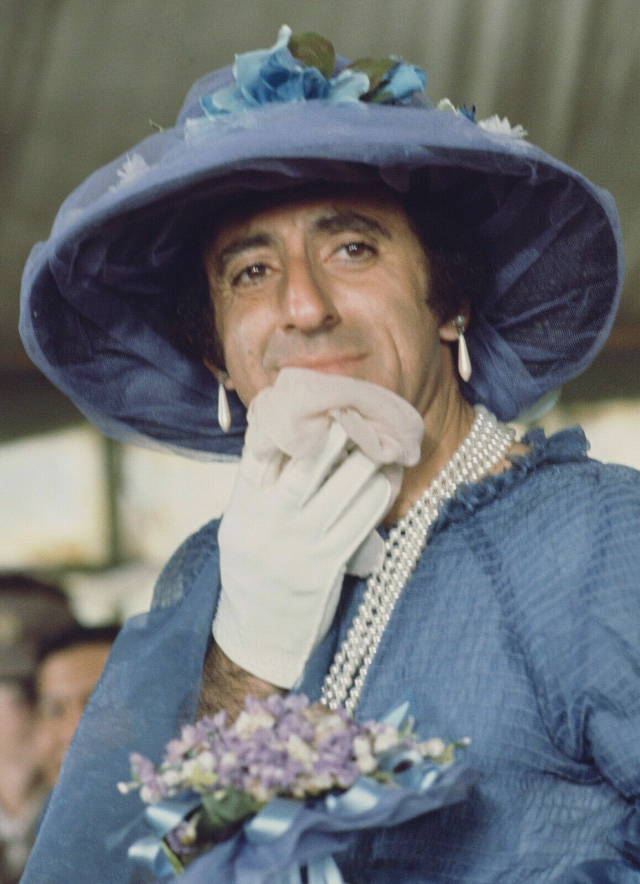
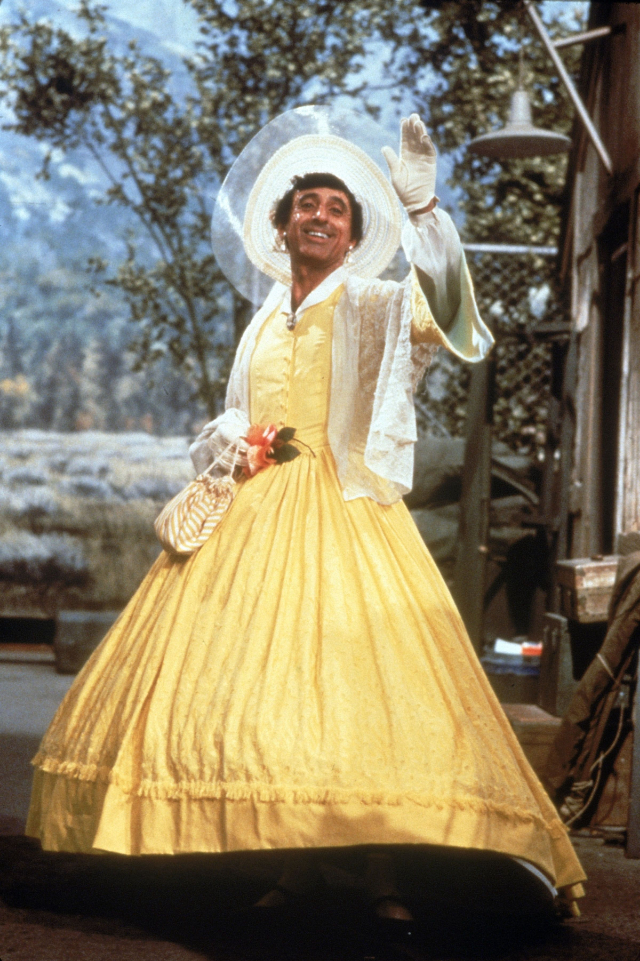
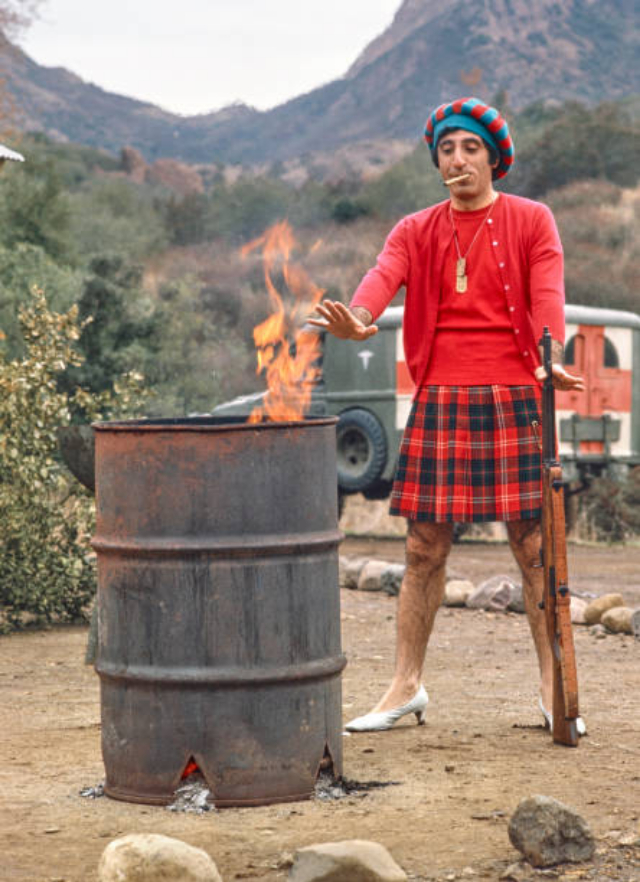
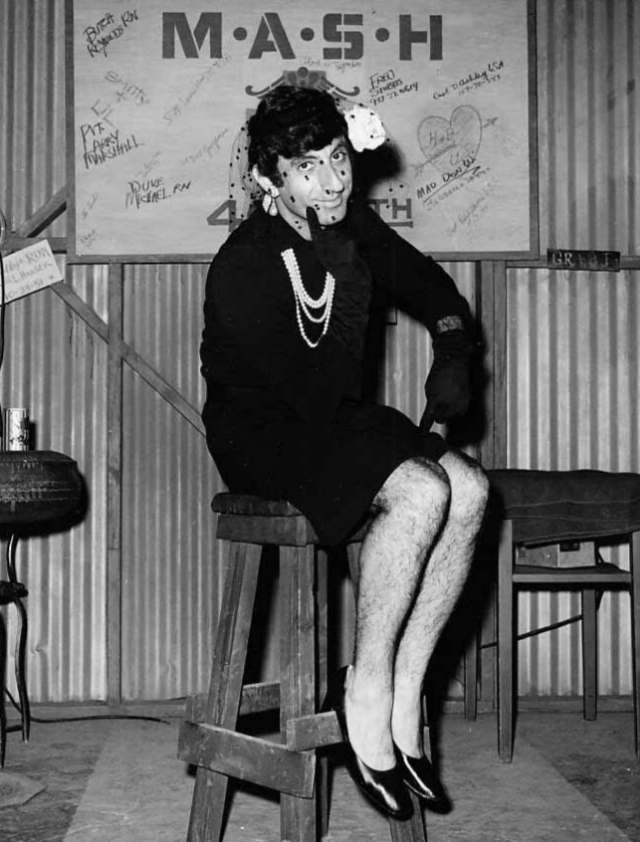
Maxwell Q. Klinger is a most unusual character from the MAS*H television series which ran from September 17, 1972, to February 28, 1983. Jamie Farr portrayed this comical, cross-dressing enlisted man who was always trying to get sent home from the Korean War.
According to Farr, MAS*H creator Larry Gelbart based the character on comedian Lenny Bruce, who was discharged from the navy at the end of World War II for, among other things, wearing a woman’s WAVE (Women Accepted for Volunteer Emergency Service) uniform. The series popularized the use of the term “Section 8,” which referred to a World War II-era army regulation providing for the discharge of personnel deemed mentally unfit to serve. In the mid-20th century, psychologists regularly diagnosed homosexual individuals with mental disorders, and evidence of non-normative gender identity or sexuality could lead to a discharge from military service.
Farr explained that he didn’t need to audition for the part. He had played a small role in F Troop, a slapstick sitcom about a remote army outpost at the end of the Civil War, for director Gene Reynolds. When Reynolds became the producer for MAS*H and read the script with the Klinger character, he reportedly said, “there is only one guy who can play this and get away with it, and it’s Jamie Farr.”
The chance to work on the show came at a critical time for Farr.
“I was really down on my luck. I hadn’t been working, so when they called me, they didn’t even tell me what the part was, they just said you got a part, and it pays $250 for the day,” Farr said. “So, I said to my agent, boy I’ll be there.”
Farr described going down to the studio and being ushered into a trailer where a woman’s WAC (Women’s Army Corps) uniform was hanging. He thought that he was sharing a dressing room with an actress, but then Gene told him that was his costume.
“So I said, ‘what the heck kind of part is this?’ But I put the thing on, and he started laughing because of my hairy, bowed legs and everything, then he took me on this stage, and everybody had a good time laughing.”
Farr only had five or six lines in that early episode, but he made an impression on the producers and the audience.
“It made such an impact that they called me back, and I think I did six more of those first-year shows, and that’s how I got connected with the series.” Originally conceived as a bit part, Klinger appeared in 12 episodes in the second season and became a regular member of the cast by the third season.
“The show was shot in color, but everything, the jeeps, the tents, the uniforms, were olive drab, so I think Klinger’s outfits were the only things that brought color to the show,” he said. “The cheesier and more outlandish the outfit, the better it was.”
The outfits that Klinger wore were culled from the 20th Century Fox wardrobe department, and many had been used in earlier productions. Handwritten on the labels of the museum’s two Klinger dresses are the names of famous actresses who wore them first.
Subscribe to Yesterday Today’s Blog to receive regular updates regarding new content:
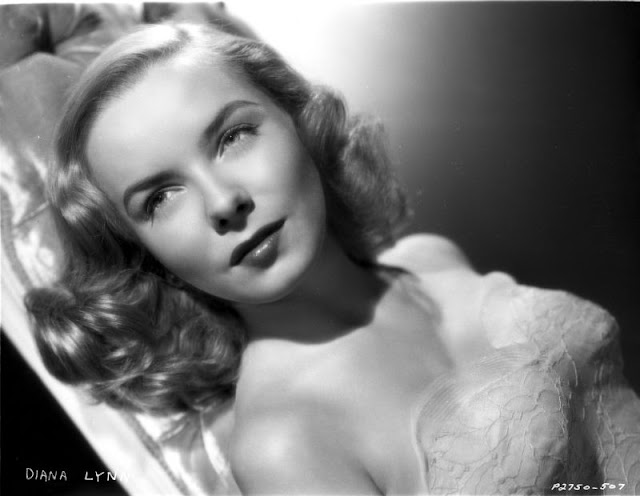
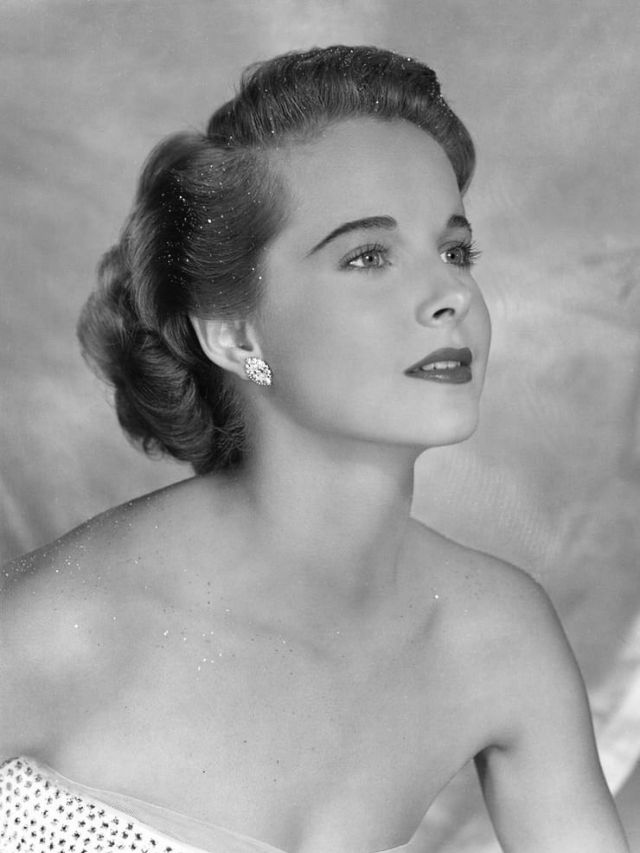
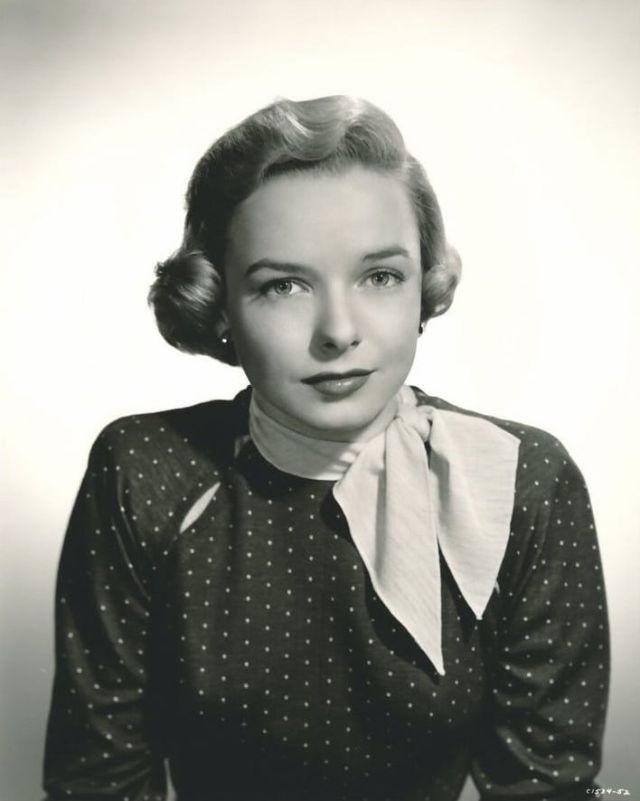
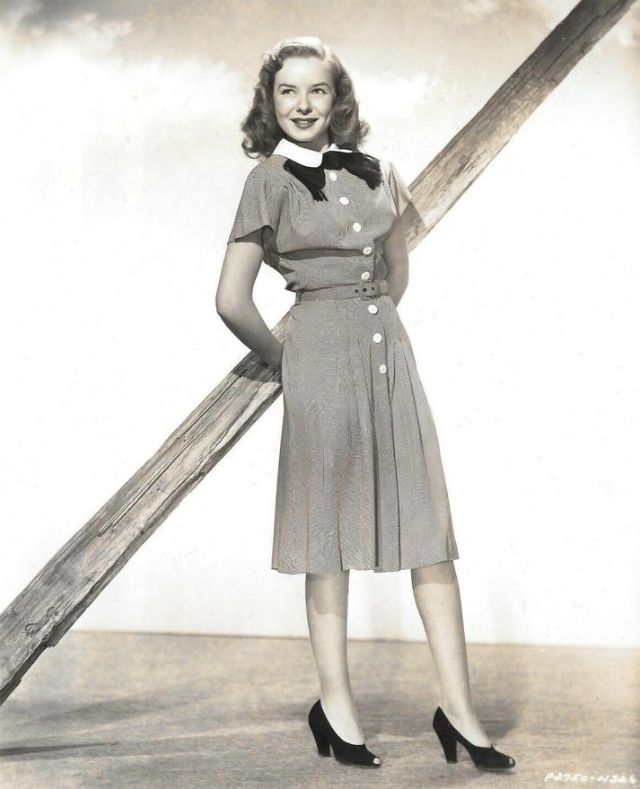
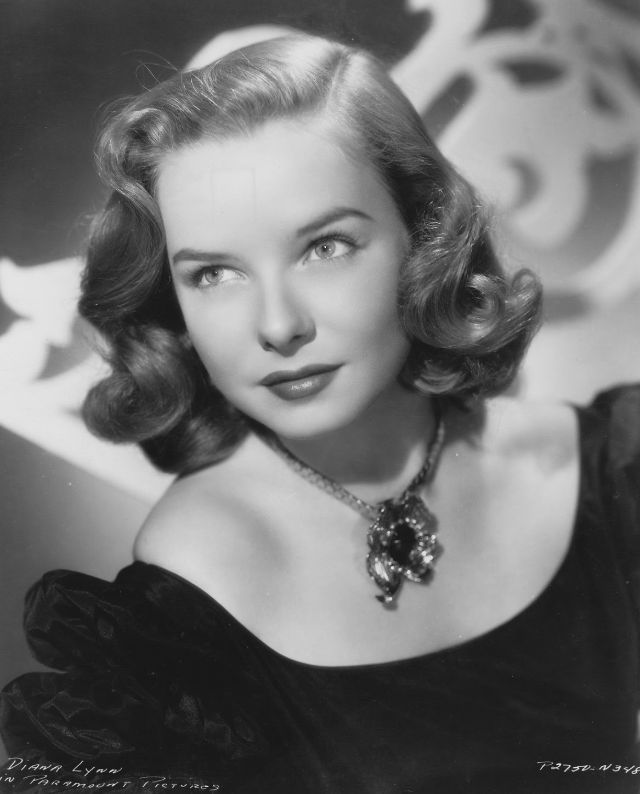
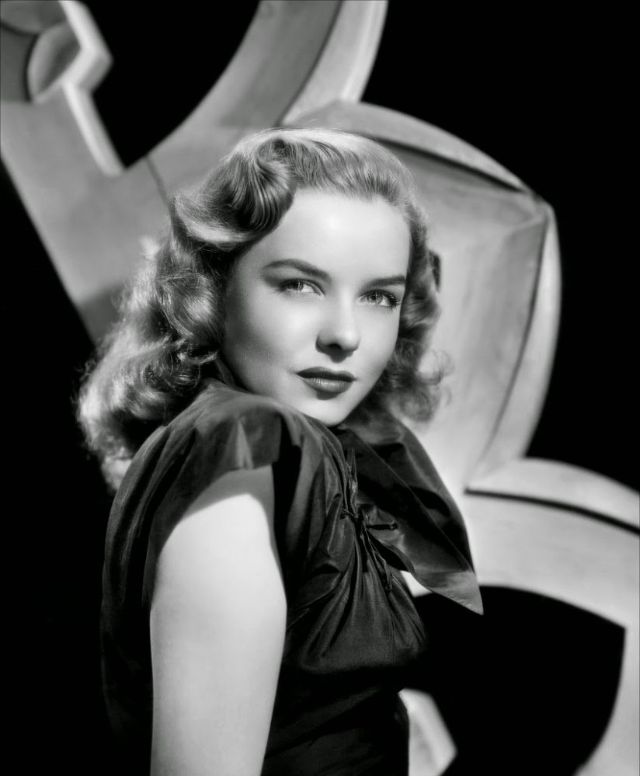
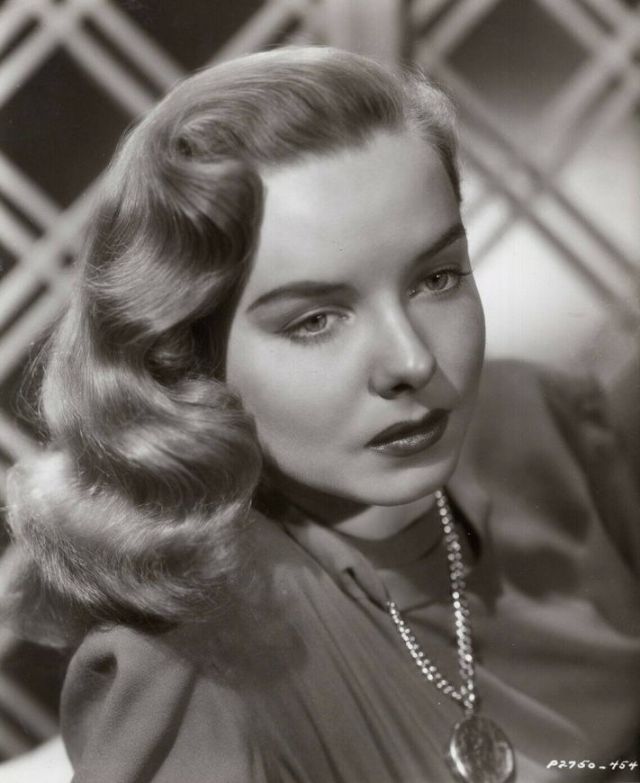
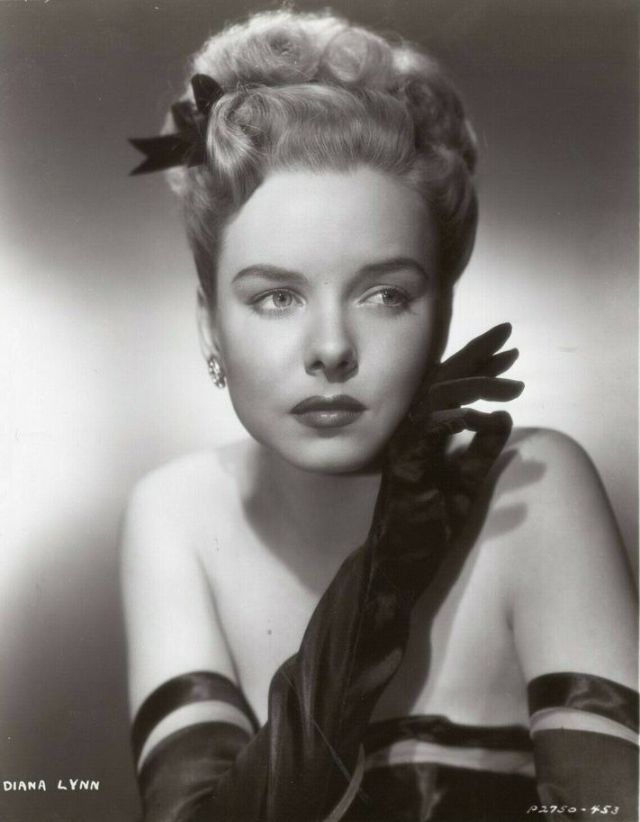
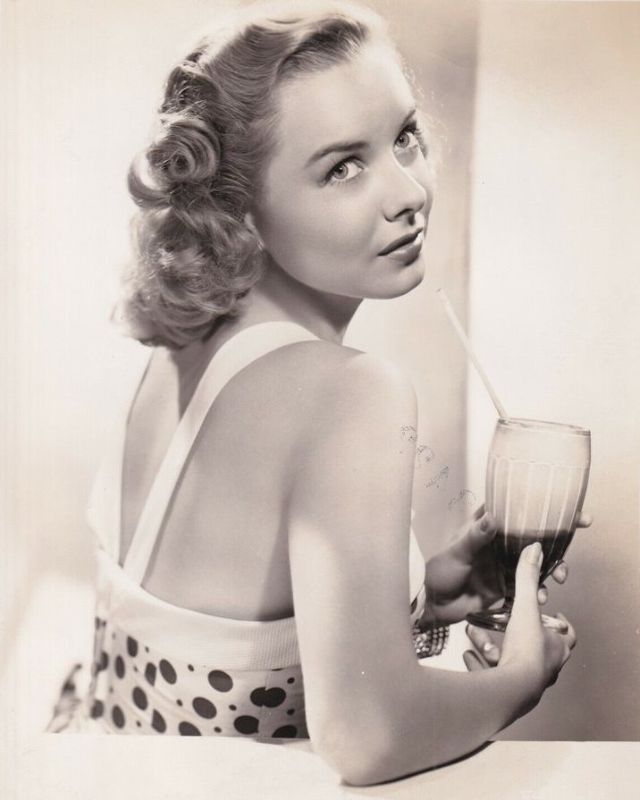
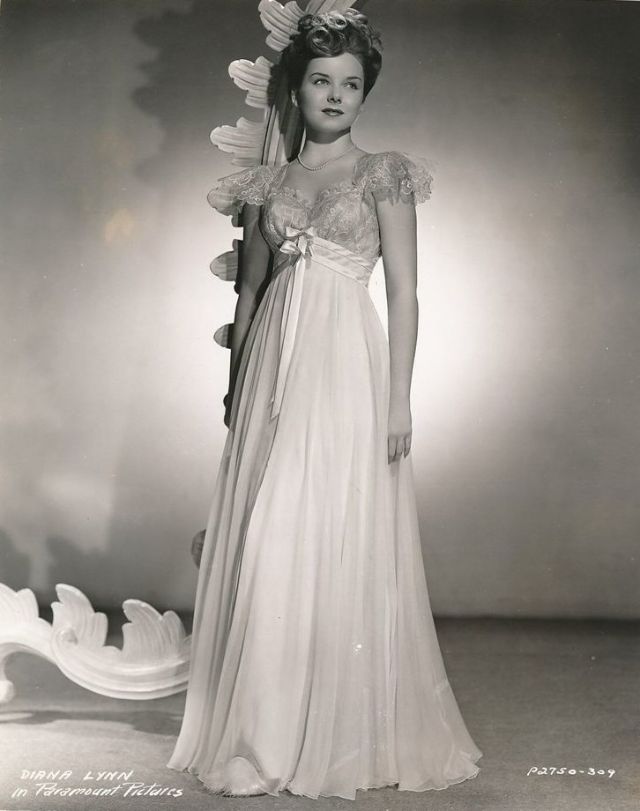
Born 1926 as Dolores Eartha Loehr in in Los Angeles, California, American actress Diana Lynn was considered a child prodigy. She began taking piano lessons at age 4, and by the age of 12 was playing with the Los Angeles Junior Symphony Orchestra.
Lynn made her film debut playing the piano in They Shall Have Music and was once again back at the keyboard, accompanying Susanna Foster, in There’s Magic in Music. In 1944, she scored an outstanding success in Preston Sturges’ The Miracle of Morgan’s Creek. She appeared in two Henry Aldrich films, and played writer Emily Kimbrough in two films Our Hearts Were Young and Gay and Our Hearts Were Growing Up both co-starring Gail Russell.
After a few more films, Lynn was cast in one of the year’s biggest successes, the comedy My Friend Irma with Marie Wilson as Irma, and Dean Martin and Jerry Lewis in their film debuts. The group reprised their roles for the sequel My Friend Irma Goes West, and five years later Lynn was reunited with Martin and Lewis for one of their last films, You’re Never Too Young.
During the 1950s, Lynn acted in a number of films. She also had many TV leading roles during the 1950s, particularly in the middle years of the decade. As a solo pianist, she released at least one single on Capitol Records with backing by the Paul Weston orchestra.
Before filming started on Play It as It Lays, Lynn suffered a stroke and died on December 18, 1971, at the age of 45. She has two stars on the Hollywood Walk of Fame: for motion pictures, at 1625 Vine Street and for television at 6350 Hollywood Boulevard.
Take a look at these vintage photos to see the beauty of young Diana Lynn in the 1940s and 1950s.
Subscribe to Yesterday Today’s Blog to receive regular updates regarding new content:
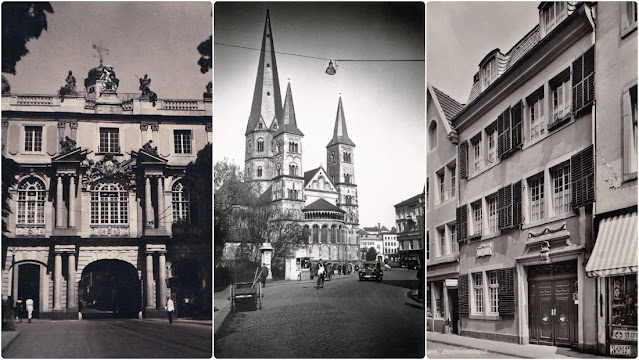
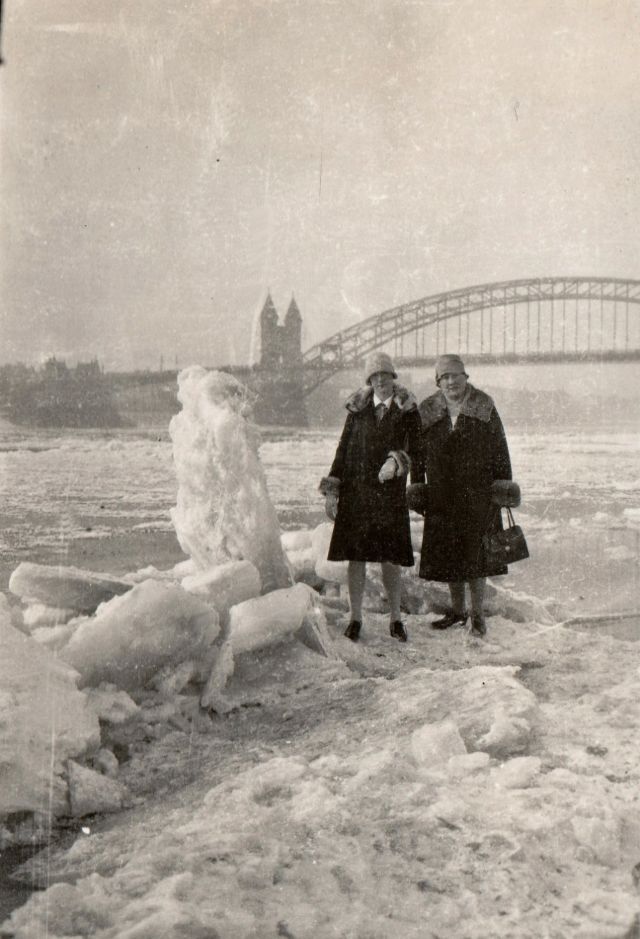
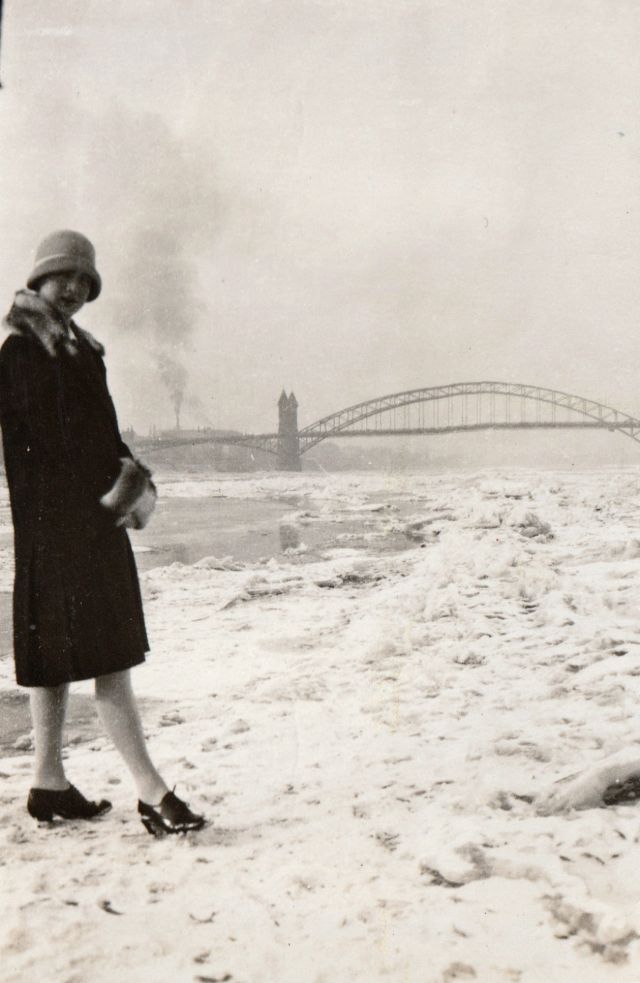
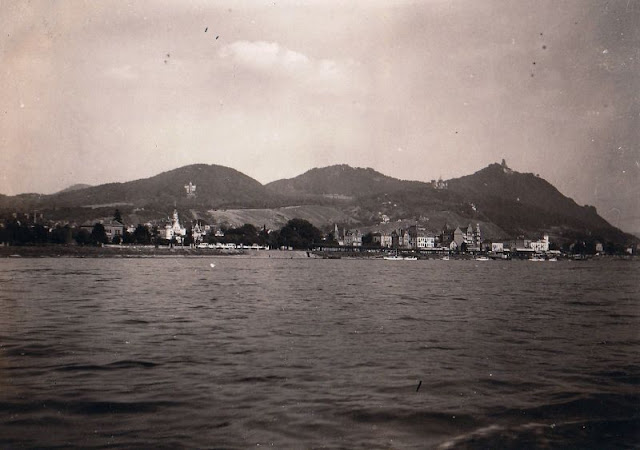
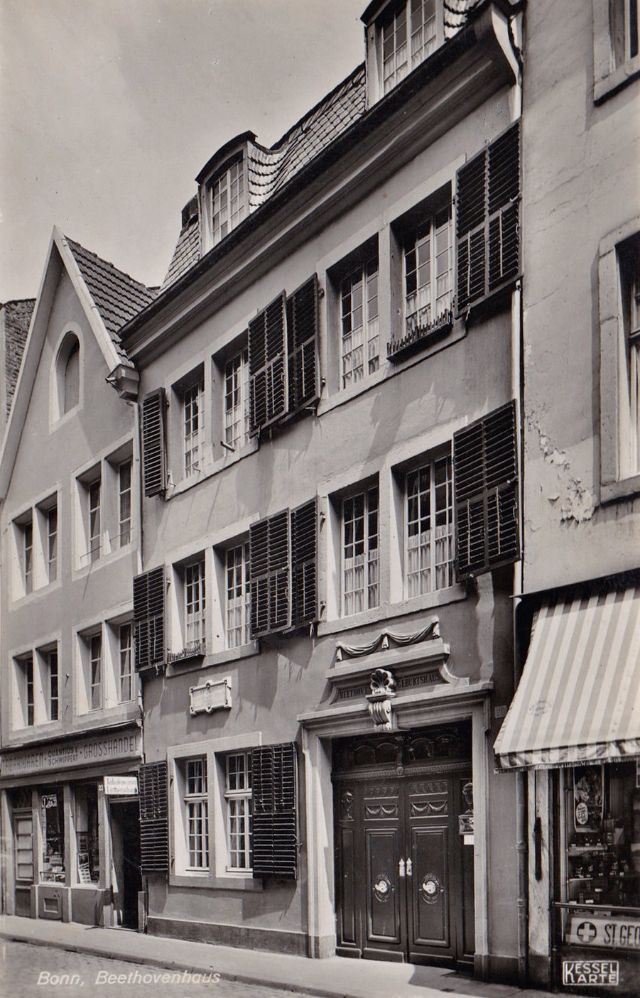
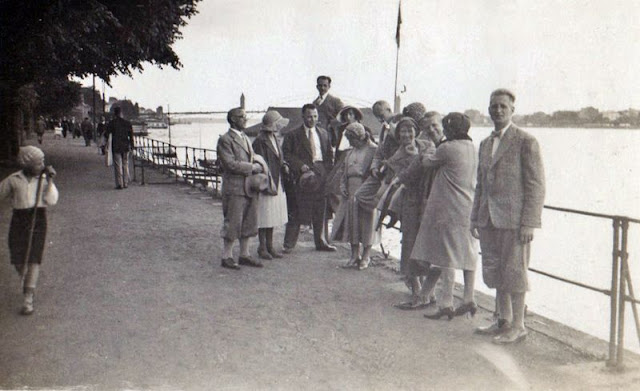
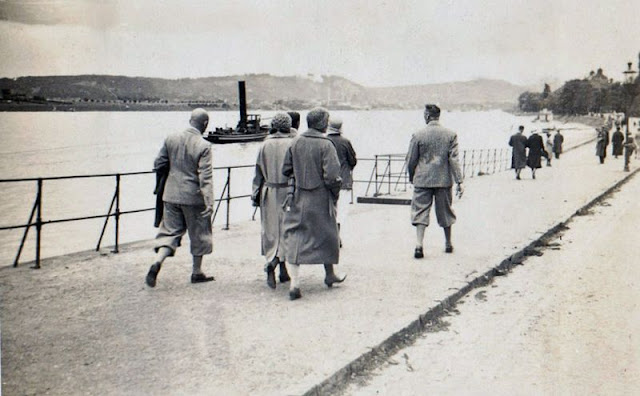
The Federal city of Bonn is a city on the banks of the Rhine in the German state of North Rhine-Westphalia. About 24 km (15 mi) south-southeast of Cologne, Bonn is in the southernmost part of the Rhine-Ruhr region, Germany’s largest metropolitan area.
The city is famous as a university city, the birthplace of Beethoven, as well as the capital city of West Germany from 1949 to 1990. It is home to the University of Bonn and a total of 20 United Nations institutions, the highest number in all of Germany.
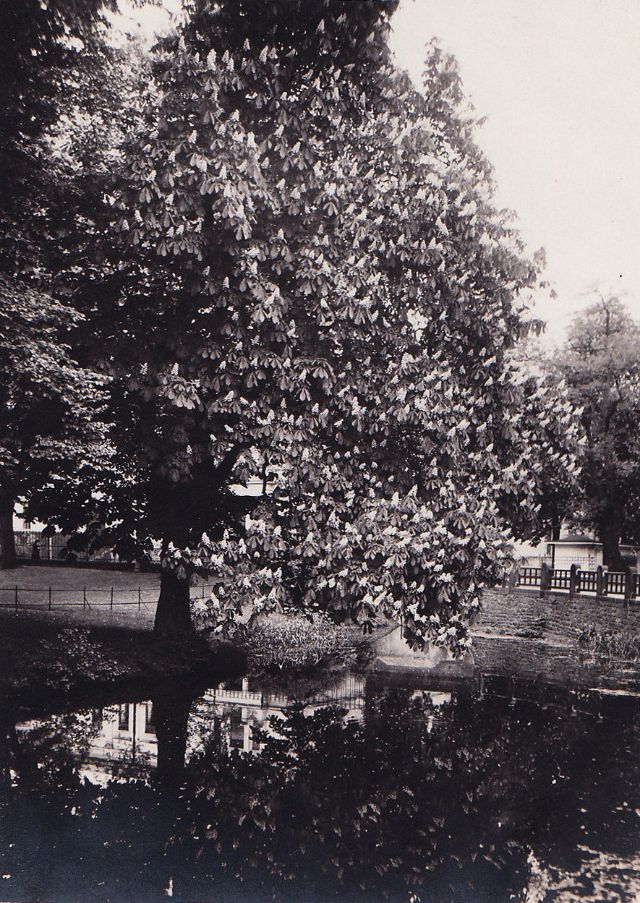
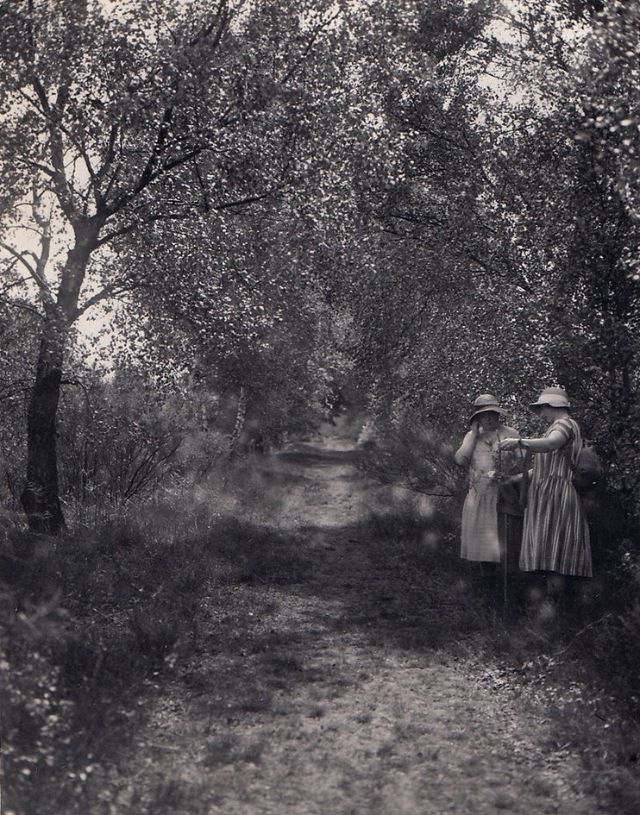
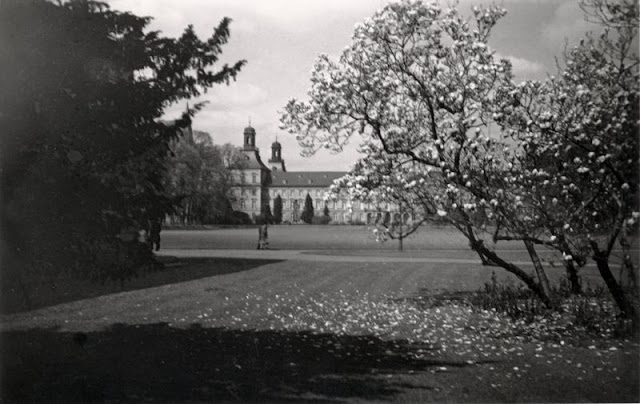
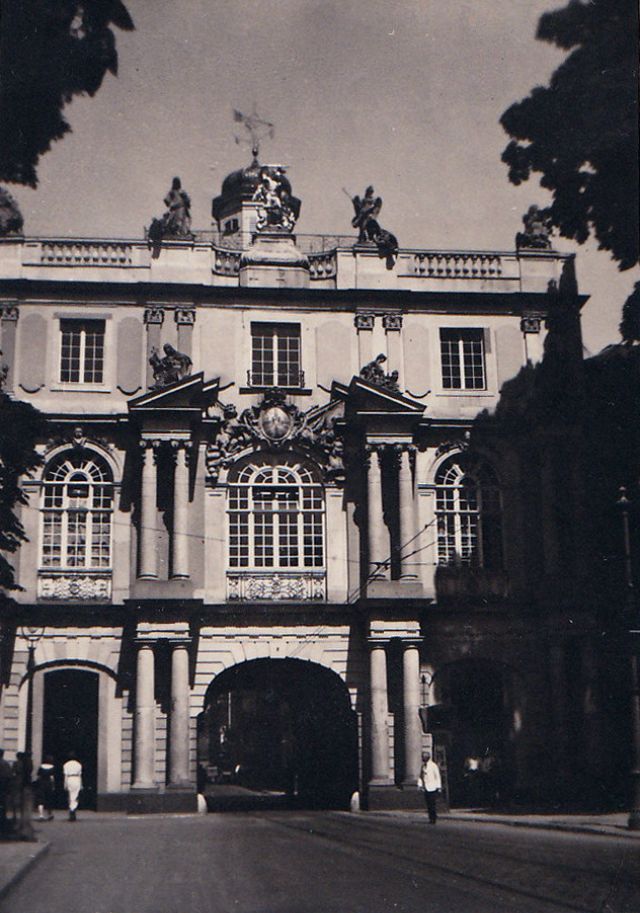
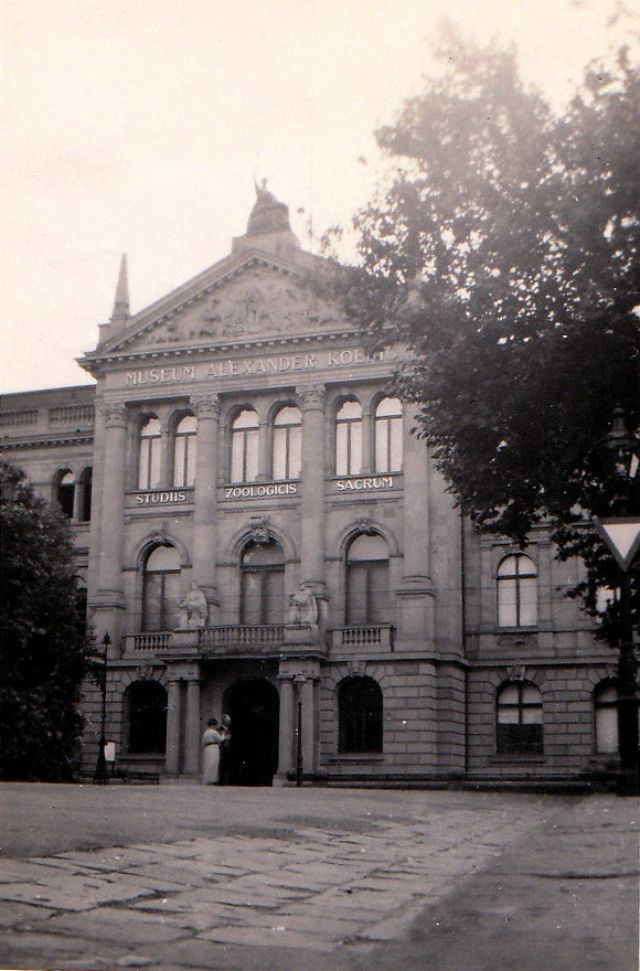
These photos show what Bonn looked like from between the 1920s and 1940s.
Subscribe to Yesterday Today’s Blog to receive regular updates regarding new content:
The product of the fertile imagination of a Professor E. J. Christie of Marion, Ohio, this gyroscopic unicycle was supposedly capable of speeds of up to 400 miles per hour, although at the time of an article from the April, 1923 issue of Popular Science, it had yet to be tested. To be fair, the inventor only claimed “a speed of at least 250 miles per hour, and possibly 400 miles per hour” though this is the sort of uncertainty that suggests he hadn’t a clue what he was about.
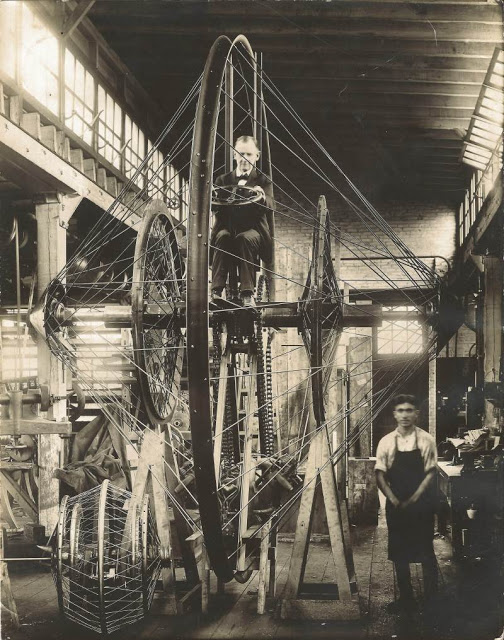
Professor E.J. Christie atop a version of his 14 foot monster monowheel in 1923, which may or may not have been tested. Note the smaller model.
The design had a centre wheel of 14-foot in diameter, and weighed 2400 pounds. The “gyro wheels” on each side of the driver weighed some 500 pounds each. The machine, which was reportedly “being constructed in Philadelphia” at the time, was to have been powered by a 250-horsepower airplane motor.
Here is the text of the Popular Science Monthly article:
Will Gyroscopic Wheel Shatter Speed Records?
DOWN the track of a motor speedway a wheel 14 feet high whirls at such a dizzy speed that racing automobiles traveling at top speed––115 miles an hour––seem almost to stand still. So fast does the giant wheel travel that the details of its design can scarcely be distinguished. This is a possibility prophesied by Prof. E. J. Christie, of Marion, Ohio, for an amazing gyroscopic unicycle of his invention, now being constructed in Philadelphia, Pa. The 2400-pound 14-foot model of the speed wheel is almost ready for a trial spin and Christie confidently predicts that it will develop a speed of at least 250, and possibly 400 miles an hour!
In design, the strange vehicle resembles a giant bicycle wheel with an exceptionally long hub, at the end of which supporting spokes are fastened. Attached to the axle, on each side of the center are 500-pound gyroscopes designed to rotate at a speed of 90 revolutions a minute––a speed sufficient to maintain equilibrium.
From April, 1923. Chrstie has numerous automotive patents in his name for inventions or improvements.
Suspended from the axle by a frame, the upper end of which supports the driver’s seat, is a 250-horsepower airplane motor, the power of which is transmitted to the axle through a friction clutch, three-speed transmission, and jackshaft. An additional chain drive in the center of the axle connects the engine transmission with the gyroscopes.
The machine is controlled and operated like an automobile from the operator’s seat immediately above the axle. Here the driver is saved from swinging about the axle by the steadying weight of the engine slung below.
“How can such a strange vehicle be turned?” you may ask.
This problem Professor Christie has solved in a unique way. By means of the steering wheel, he shifts the position of the two gyroscopic flywheels on the axle to the right or to the left. When the center of equilibrium is thus shifted, the unicyle immediately turns in its course, without tilting, the degree of turn depending upon the distance the gyroscopes are shifted. In other words, the farther the shift, the shorter the turn.
The wheel is supplied with a seven-inch rubber tire, the manufacture of which proved a problem in itself. Pressure resistance was found to be so great that several attempts were made before a strong enough tire was produced.
The new gyroscopic unicycle is not the first machine of its kind Professor Christie has produced, although it is by far the most pretentious. He first used a gyroscope to demonstrate the rotation and momentum of the earth.
Subscribe to Yesterday Today’s Blog to receive regular updates regarding new content:
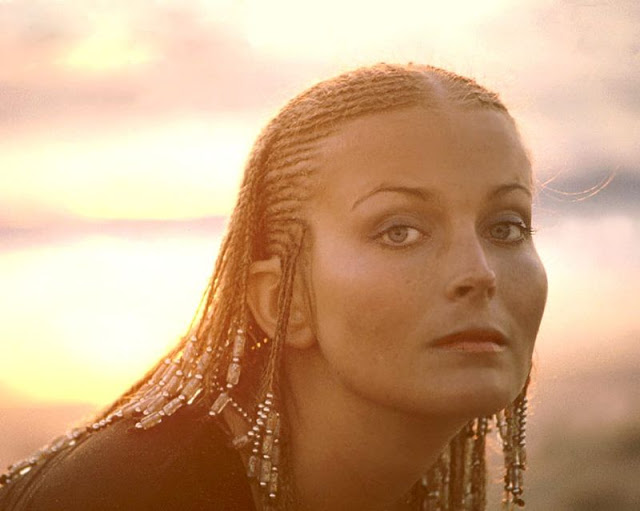
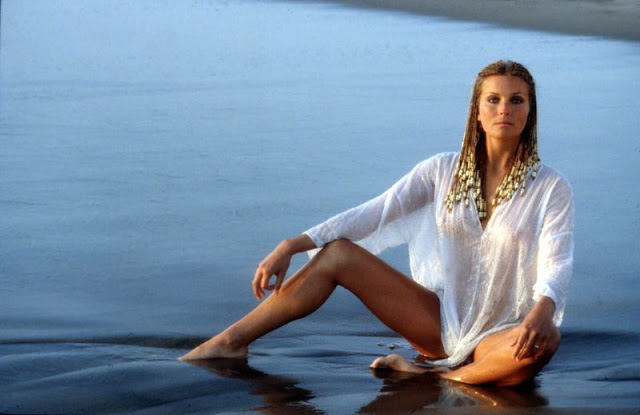
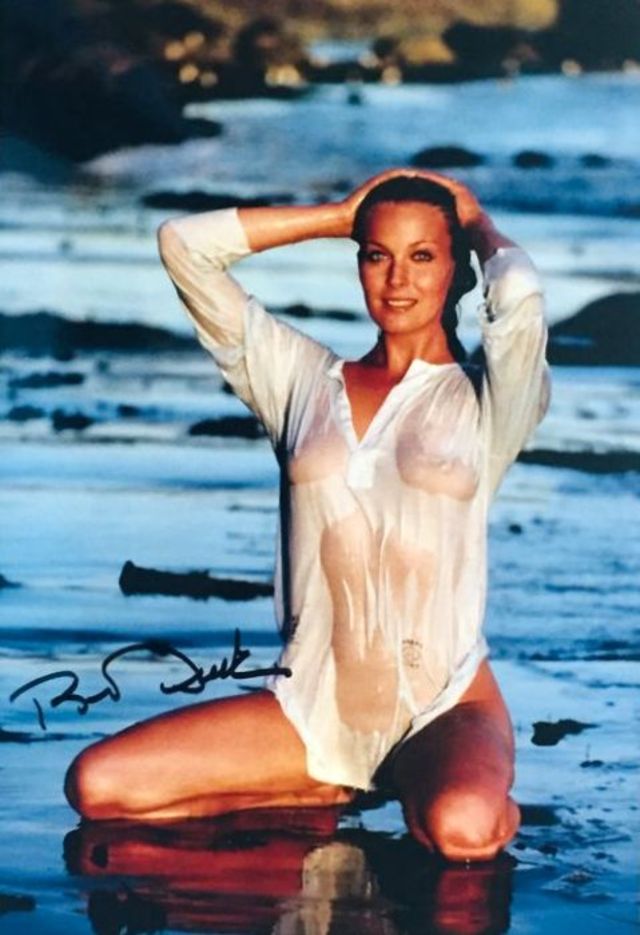
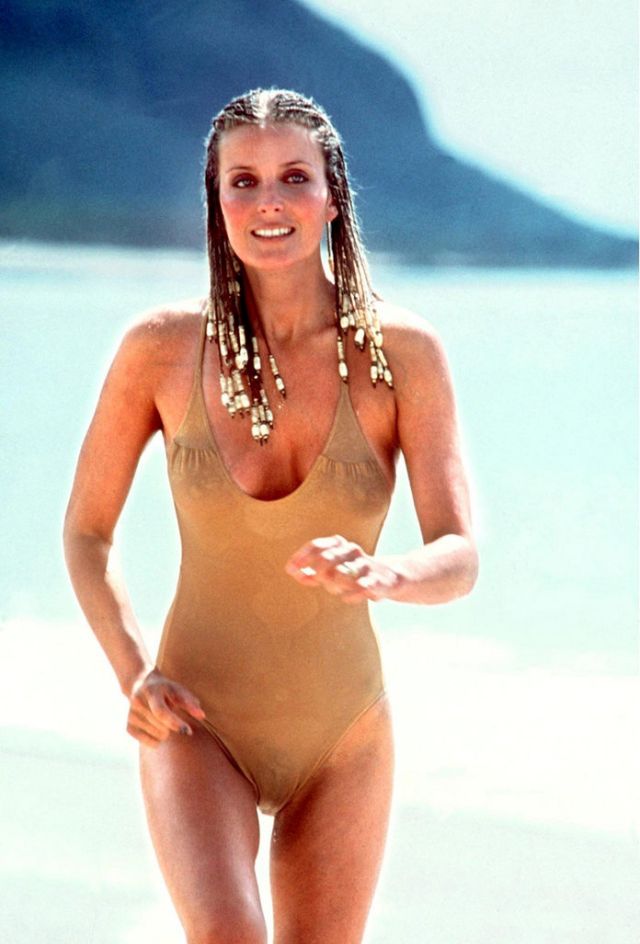
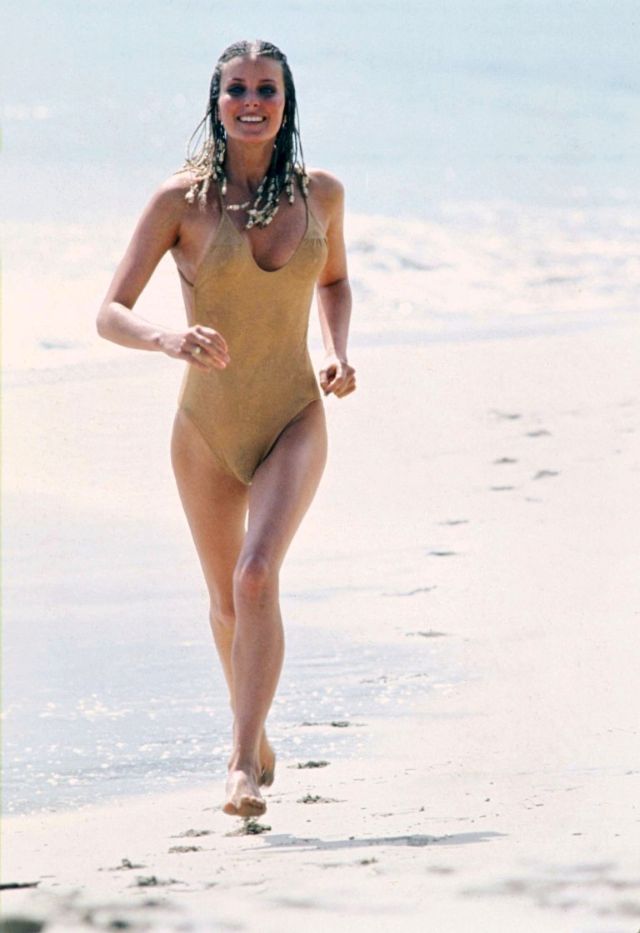
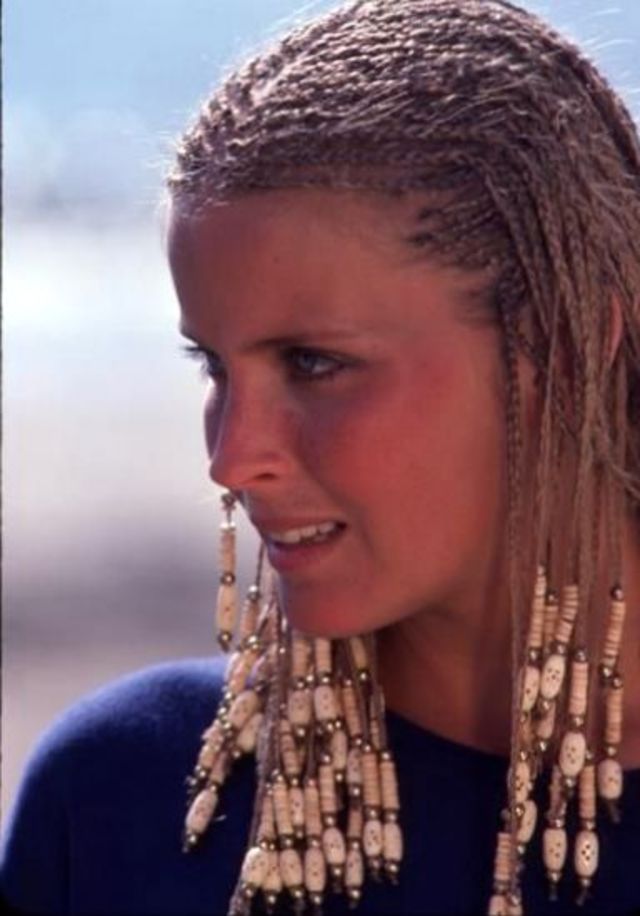
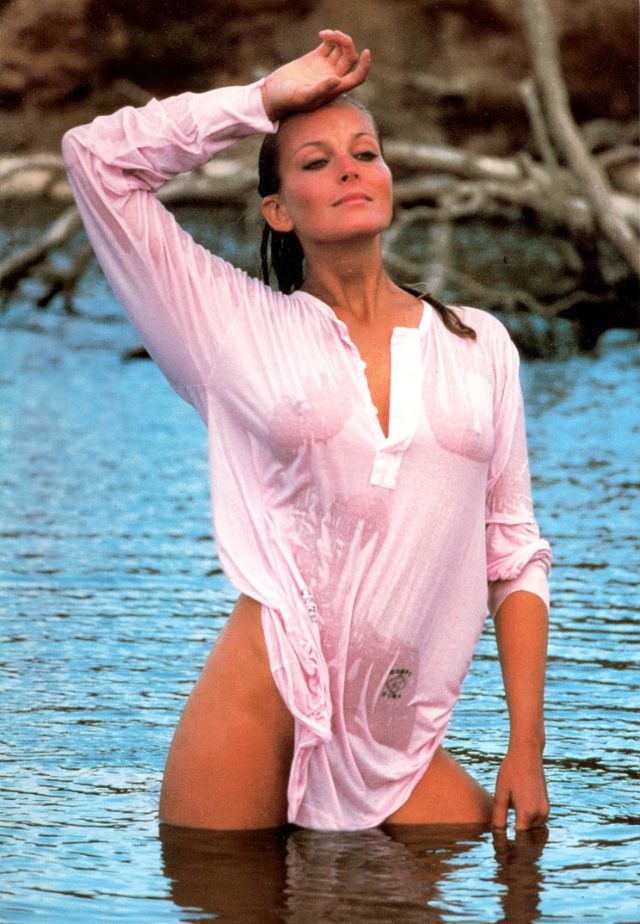
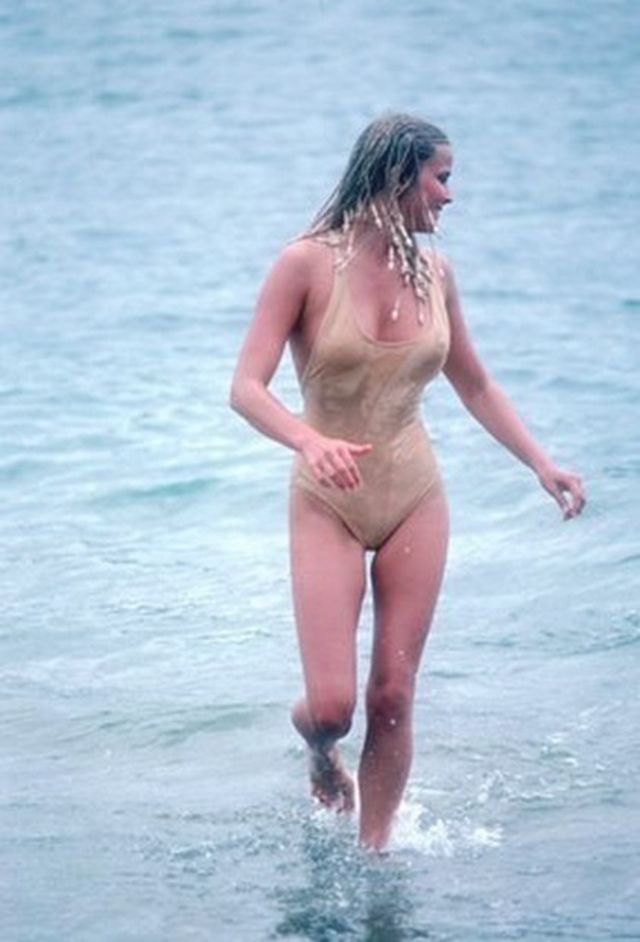
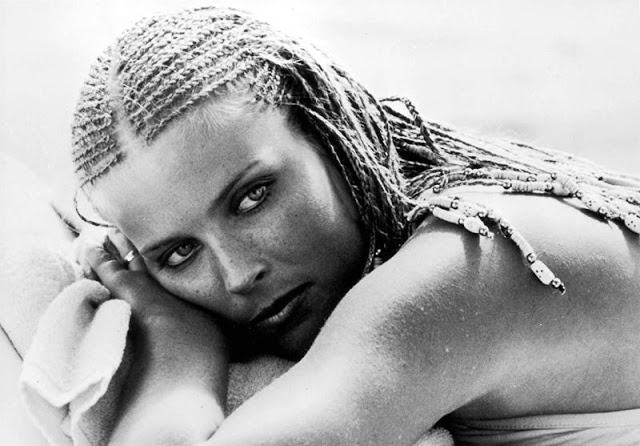
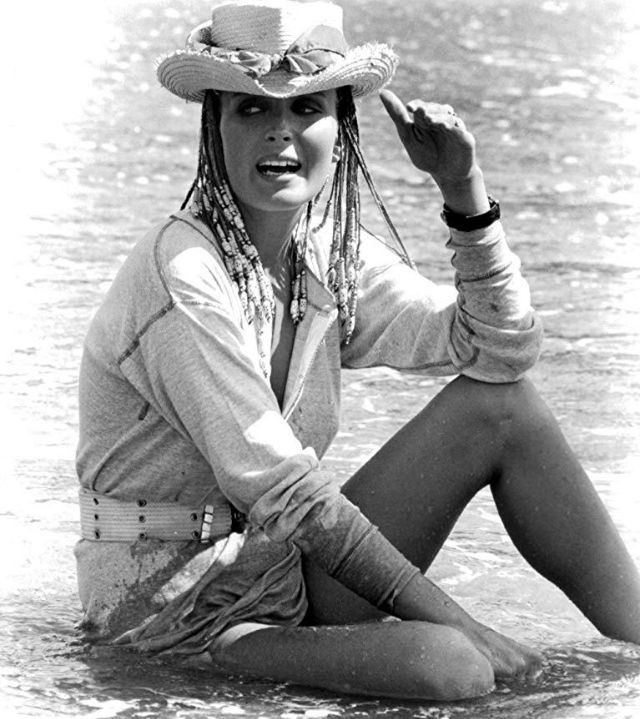
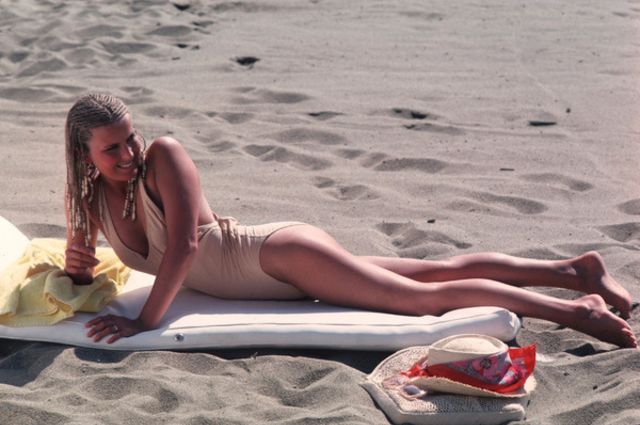
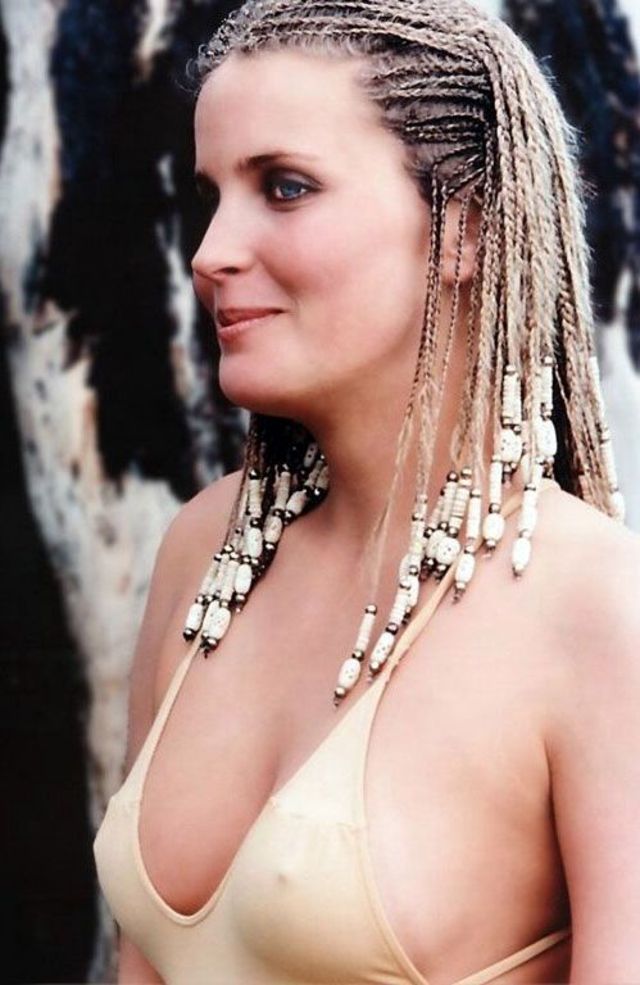
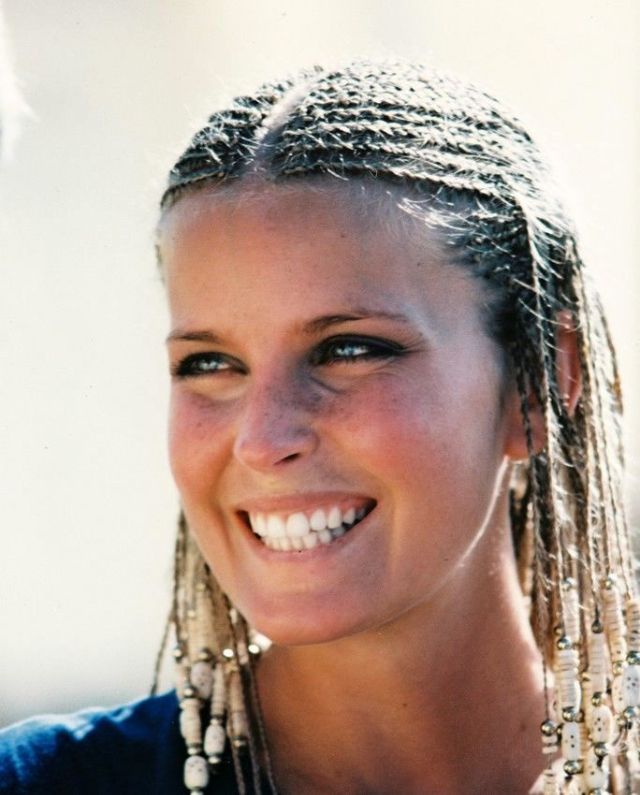
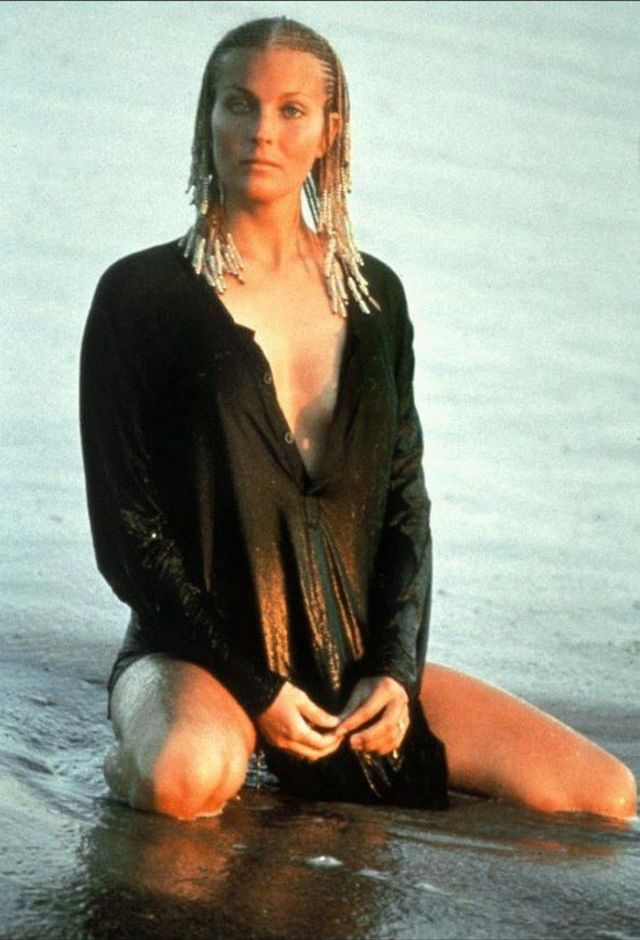
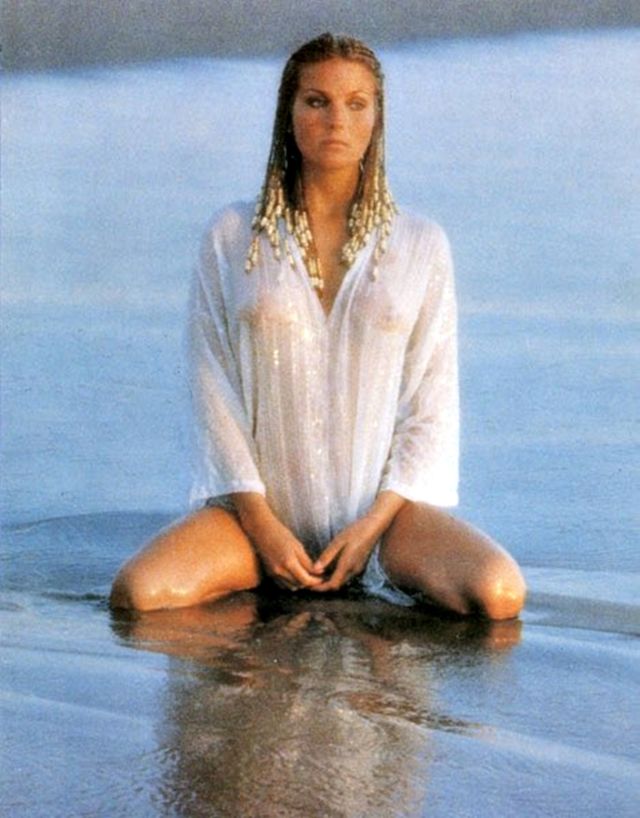
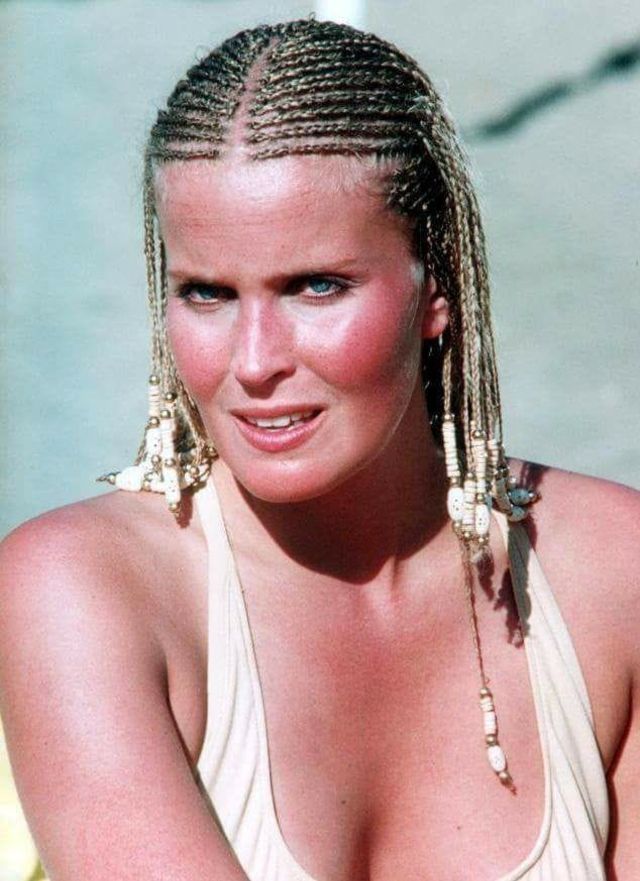
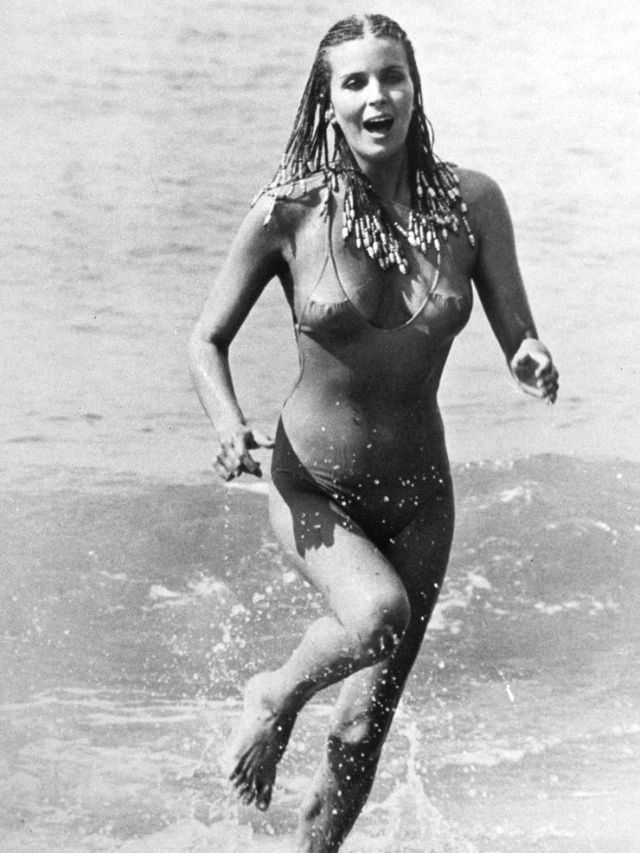
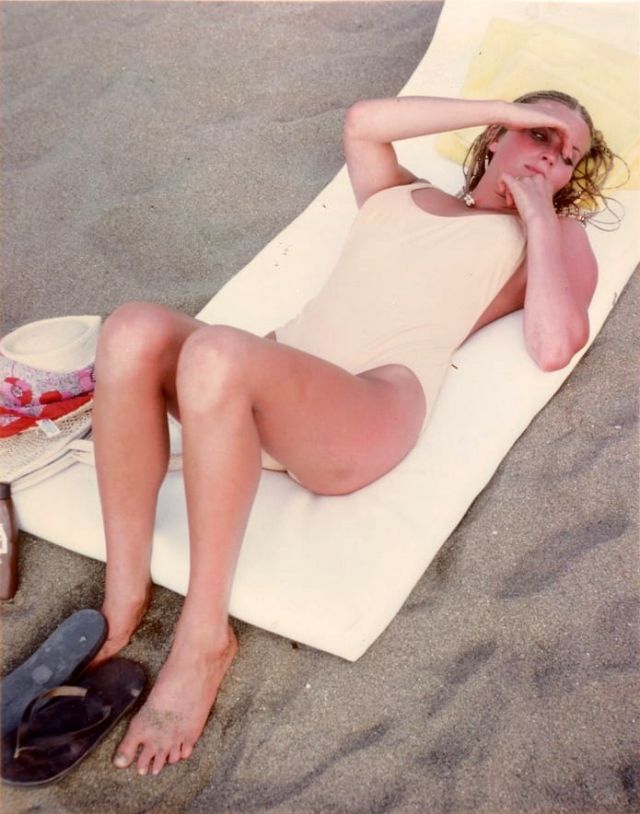
Bo Derek had her first major film appearance in 10, a 1979 American romantic comedy film written, produced, and directed by Blake Edwards. It was considered a trend-setting film at the time and was one of the year’s biggest box-office hits. It follows a man in middle age who becomes infatuated with a young woman whom he has never met, leading to a comic chase and an encounter in Mexico.
10 was released by Warner Bros., opening in 706 theaters. It opened at number one in the United States, earning $3,526,692 ($12,174,445 today) its opening weekend. The film went on to make a total of $74,865,517 ($258,442,218 today) in United States, making it one of the top-grossing films of 1979. It received mostly positive reviews from critics.
Take a look at these stunning photos to see glamorous beauty of Bo Derek while filming 10 in 1979.
Subscribe to Yesterday Today’s Blog to receive regular updates regarding new content:
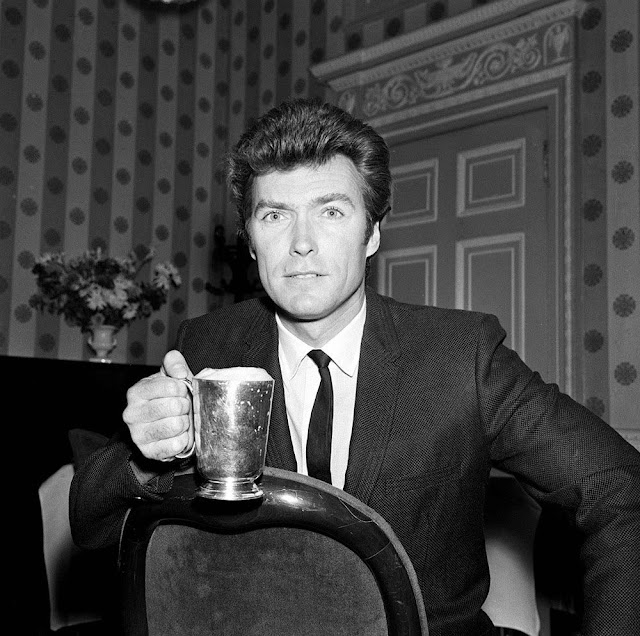
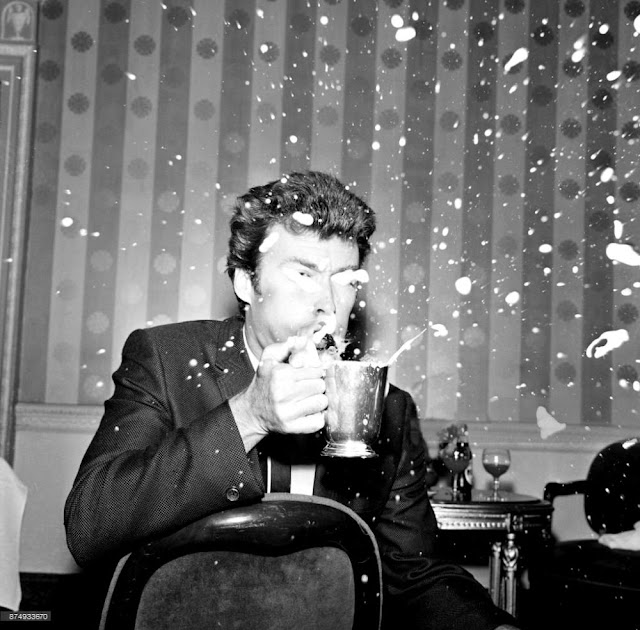
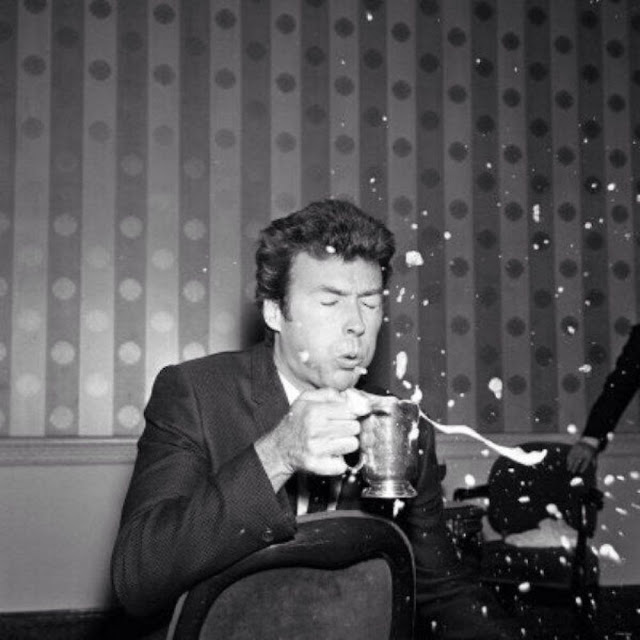
Hollywood hardman Clint Eastwood found his favorite pint of beer during his visit to Manchester on June 12, 1967. “I love beer but the froth gets up my nose,” he said. And immediately he blew it off the top of his pint.
The actor had just risen to fame as the “Man with No Name” in Sergio Leone’s “Dollars Trilogy” of Spaghetti Westerns. He was also well known for playing Rowdy Yates in the TV series Rawhide.
Eastwood was on a UK tour promoting the first film in the “Dollars Trilogy,” A Fistful of Dollars, which also starred Lee Van Cleef and Eli Wallach. The other movies in the series were The Good the Bad and the Ugly and For a Few Dollars More.
Subscribe to Yesterday Today’s Blog to receive regular updates regarding new content: