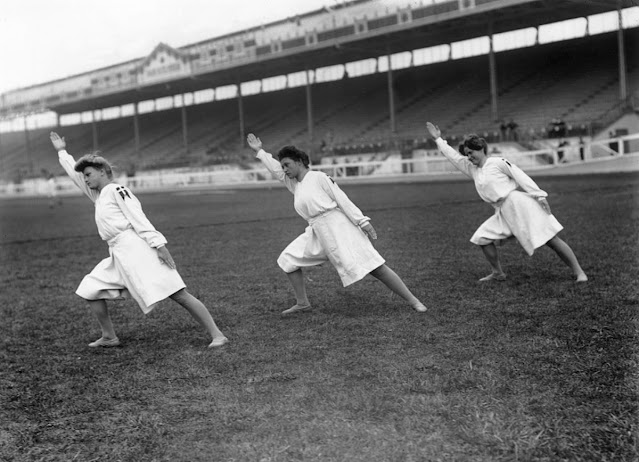
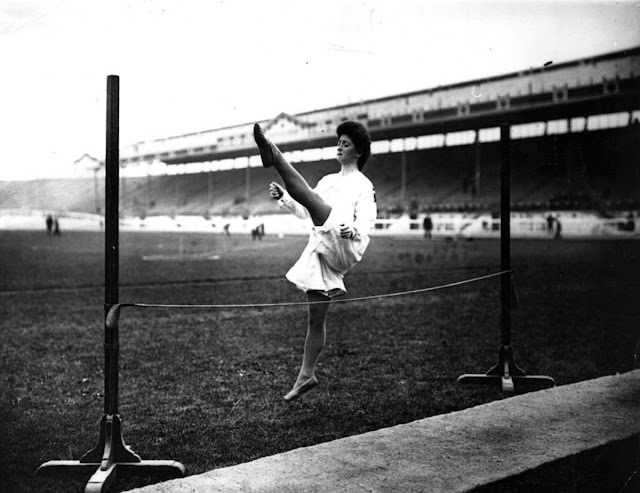
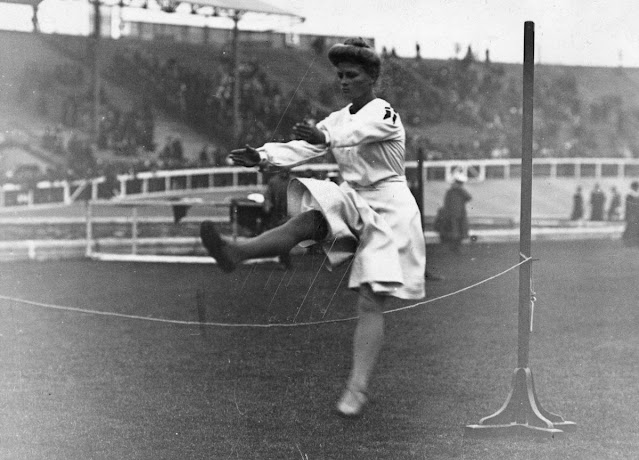
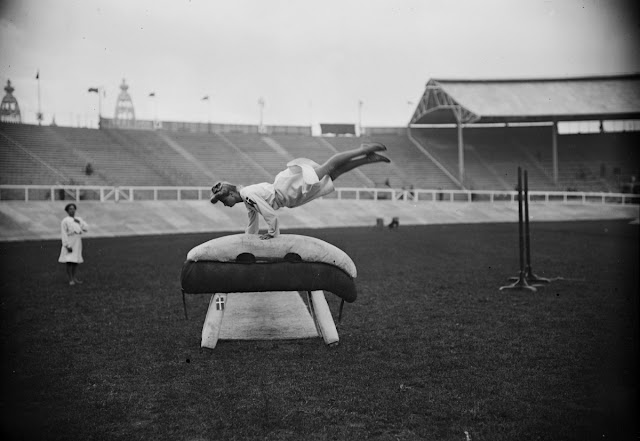
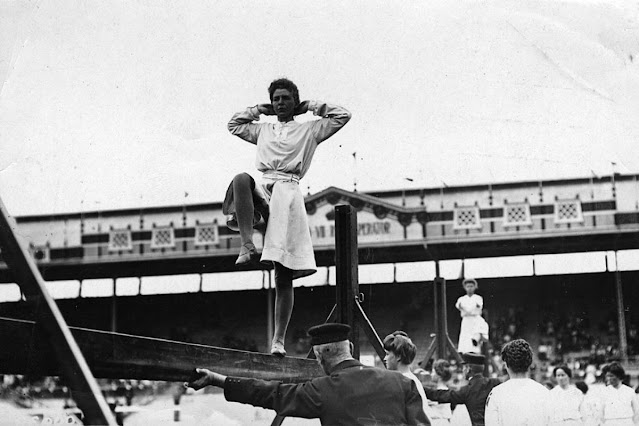
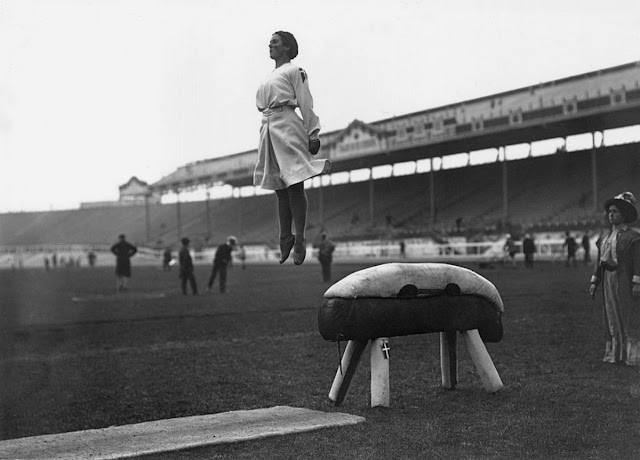
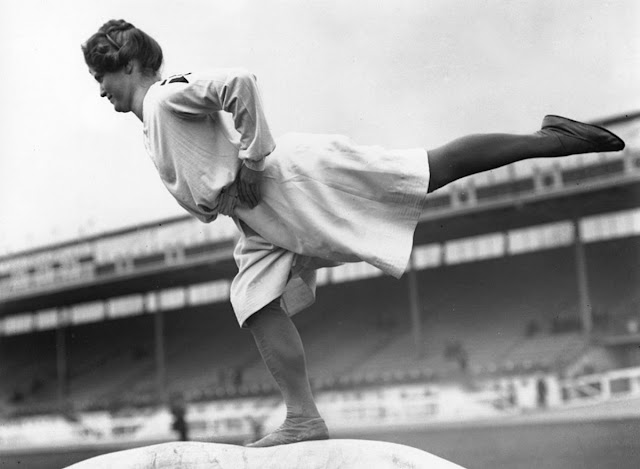
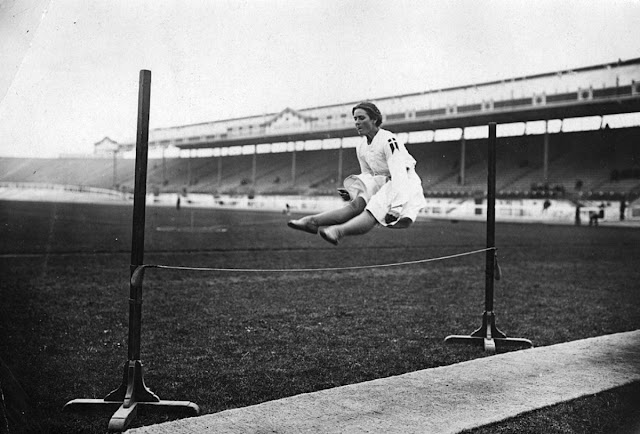
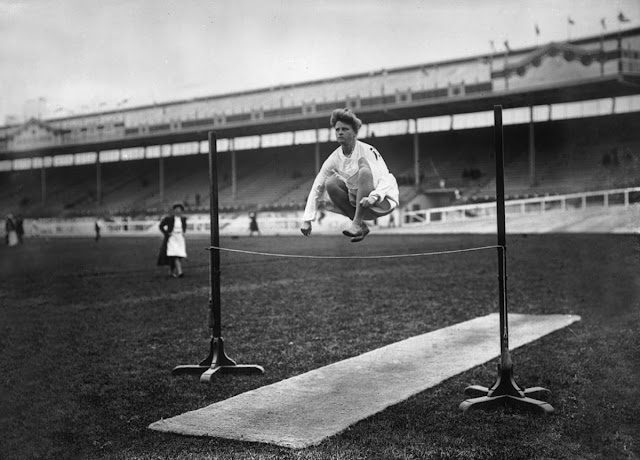
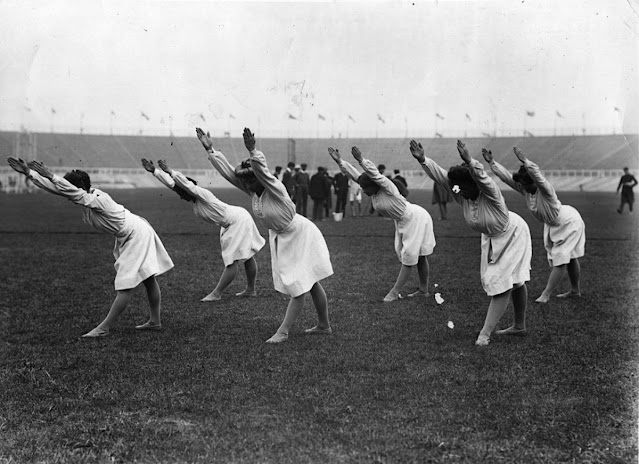
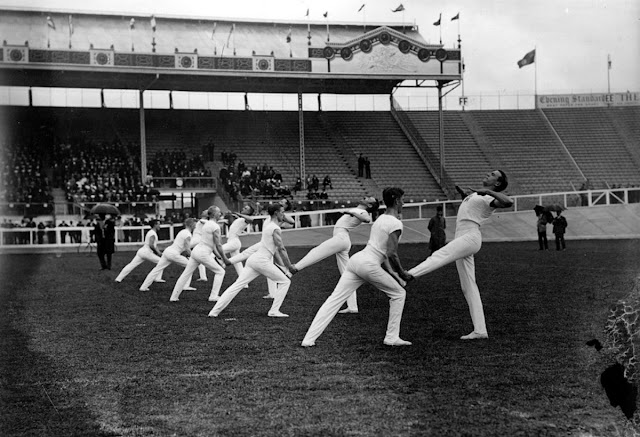
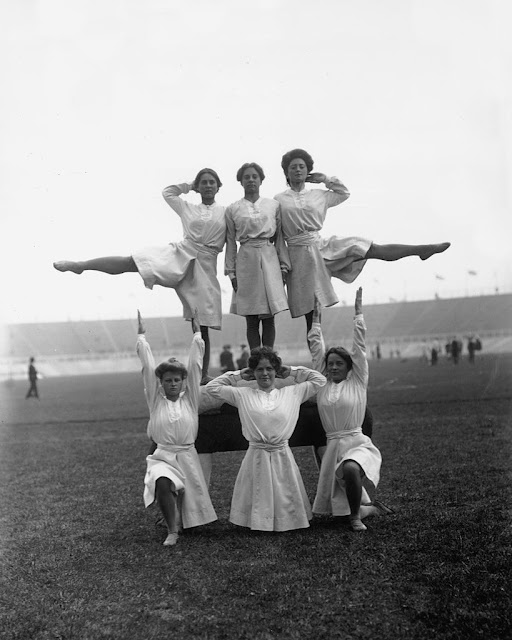
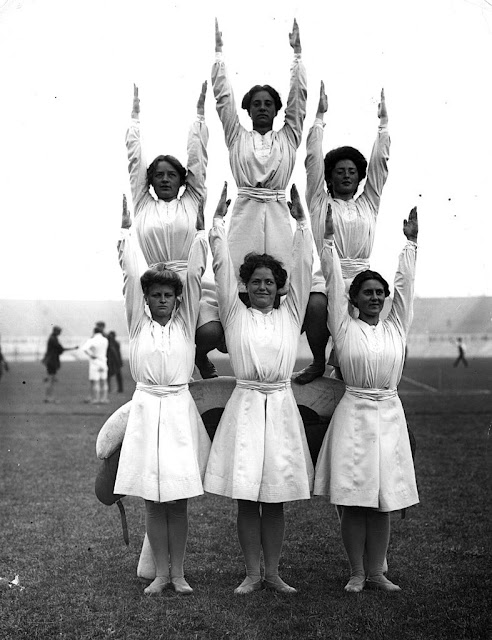
Historical Photos of Gymnasts at the 1908 Summer Olympics

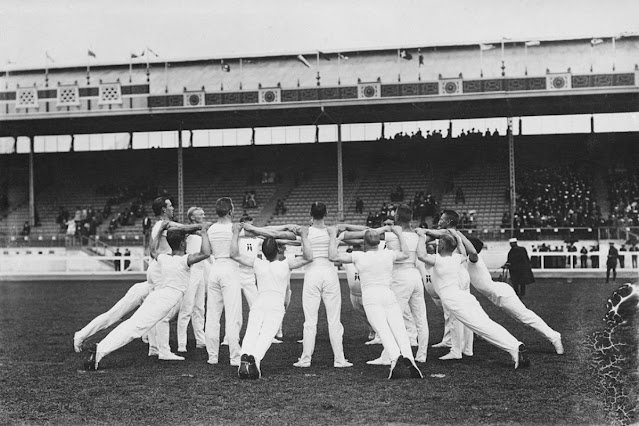
The 1908 Summer Olympics were an international multi-sport event held in London from April 27 to October 31, 1908. The 1908 Games were originally scheduled to be held in Rome, but were relocated on financial grounds following the violent eruption of Mount Vesuvius in 1906, which claimed over 100 lives.

At the 1908 Summer Olympics, two gymnastics events for men were contested. No nation was successful in winning more than one medal. No women’s competitions were held, though women did participate in non-competitive gymnastic displays.

These Olympic gymnasts from 1908 who will make you say “Yeah, I could probably do that!”

Subscribe to Yesterday Today’s Blog to receive regular updates regarding new content:

45 Lovely Portrait Photos of Edwardian Mothers Holding Their Babies

Subscribe to get access

Read more of this content when you subscribe today.
Nowadays, childhood lasts a long time with children remaining dependant on their parents, sometimes into adulthood, as they take advantage of educational opportunities. But during the Edwardian era, most children left school much earlier and went into the world of work to earn their keep.

At this time, further education was typically only available to children from the most well-off families. Girls typically went into service when they left school, though boys had a greater choice of employment. Studying at night classes was probably the best option if you wanted to gain additional qualifications.
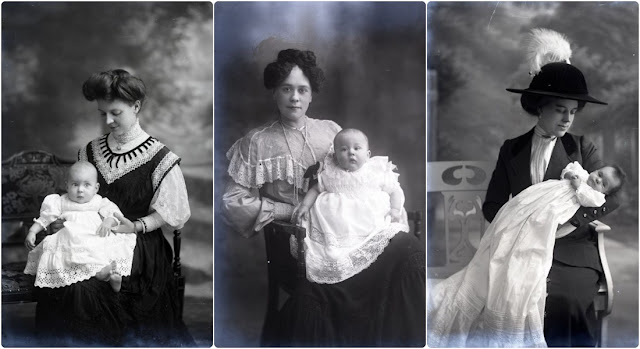
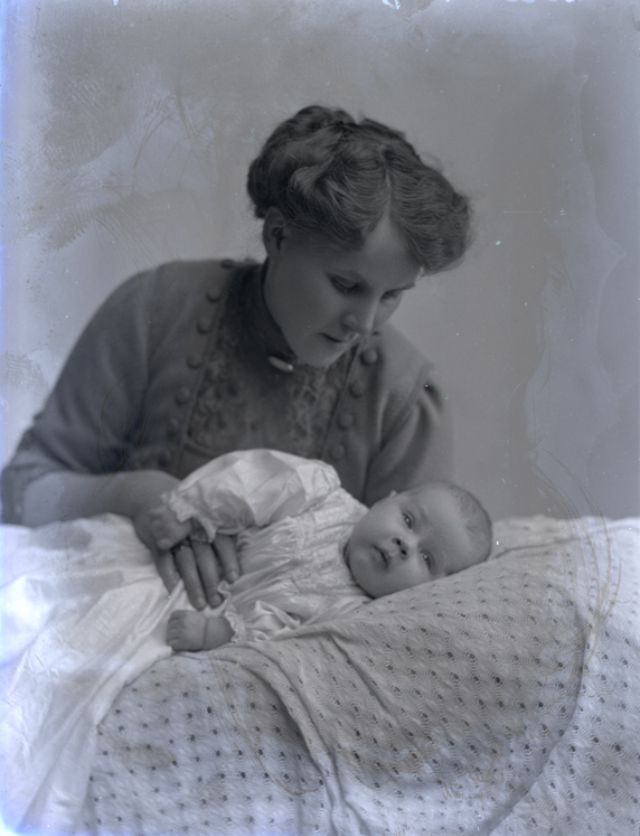
Here below is a set of lovely photos that shows studio portraits of mothers holding their babies in the 1900s and early 1910s.

Subscribe to continue reading

Become a paid subscriber to get access to the rest of this post and other exclusive content.
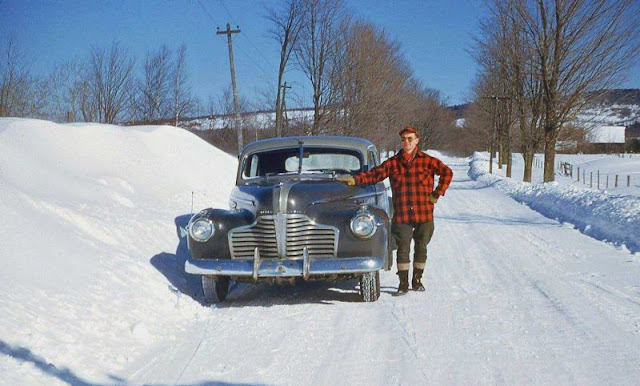
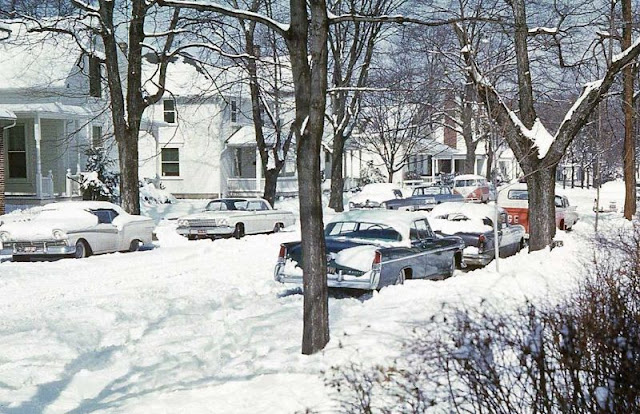
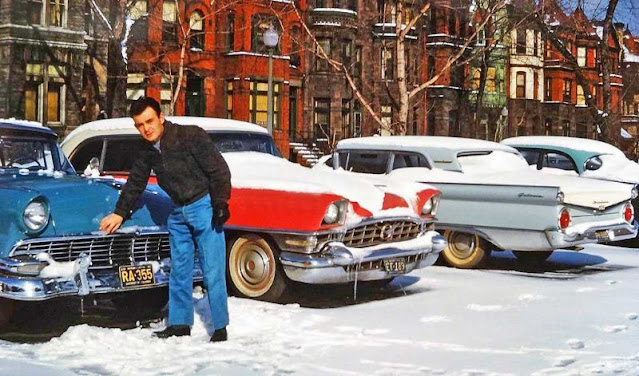
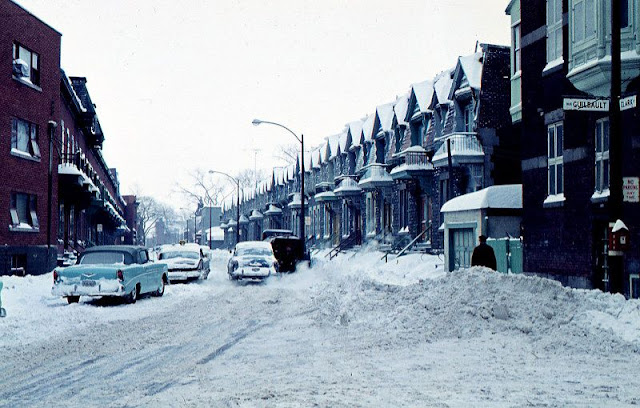
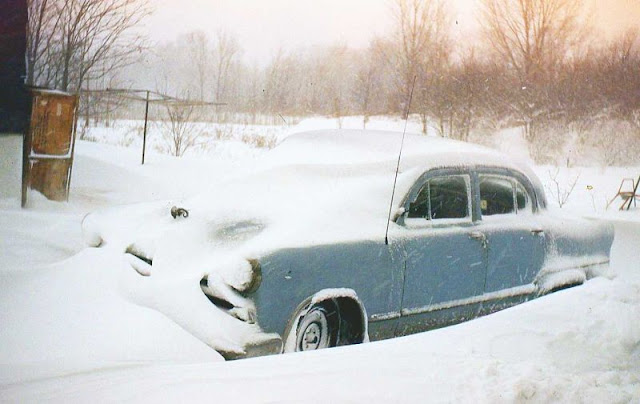
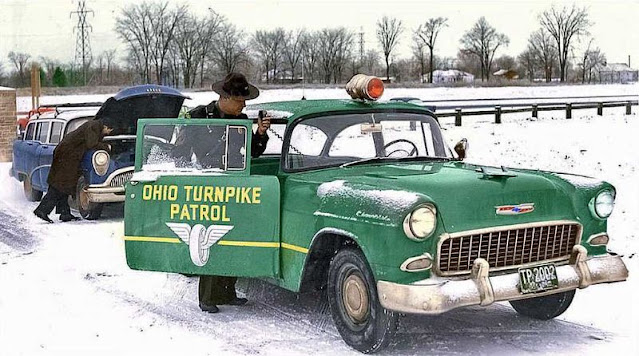
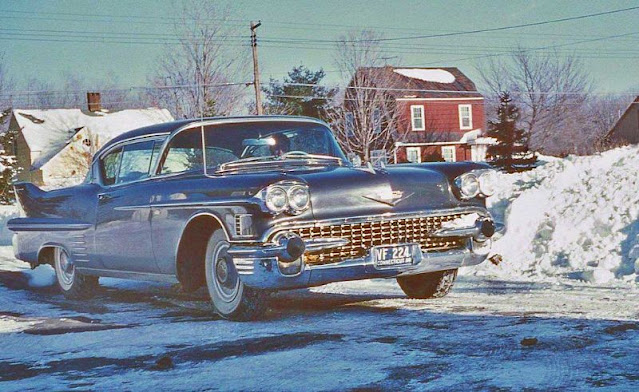
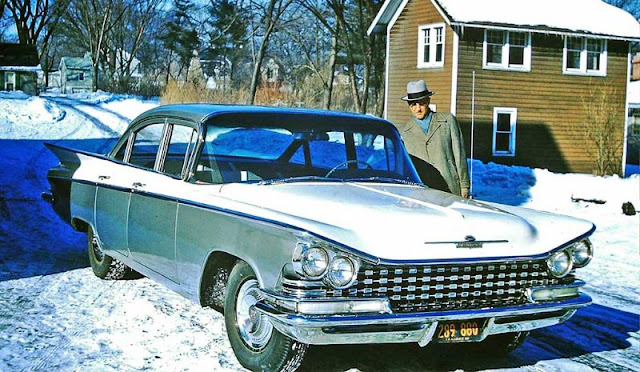
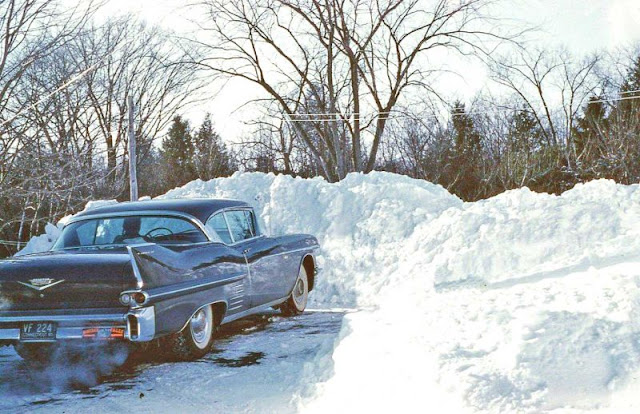
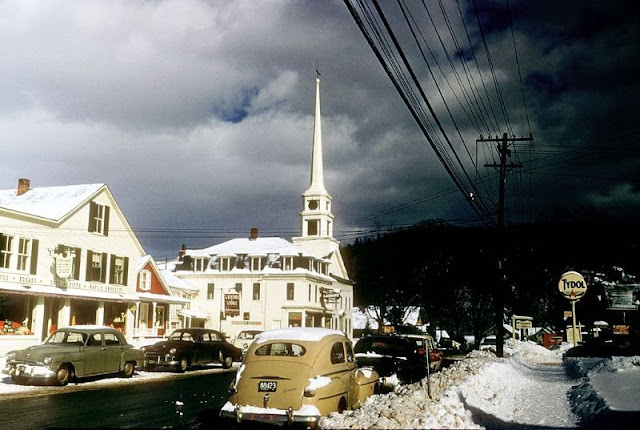
30 Vintage Photos of Cars During Winter in the 1950s and 1960s

1950s cars were some of the most classic, powerful and unsafe cars ever driven. The modern designs and acceleration abilities were getting more and more amazing every year. The auto industry was starting to experiment with a new concept called a “sports car.” By the end of the 50s, Americans fell in love with the sports car. After all, the 50s gave birth to the Corvette.

In 1960, car buyers were demanding smaller vehicles. Compact cars were marketed heavily by every automobile manufacturer, in stark contrast to the 1950s. New models included the Ford Falcon, the Chevrolet Corvair and the Plymouth Valiant. Soon after, Lincoln-Mercury released the Comet and Dodge introduced the Dart.

Midway through 1960, General Motors announced that it would offer three smaller cars, the Buick Special, the Oldsmobile F-85 and the Pontiac Tempest. This focus on smaller cars domestically caused a sharp drop in import sales.

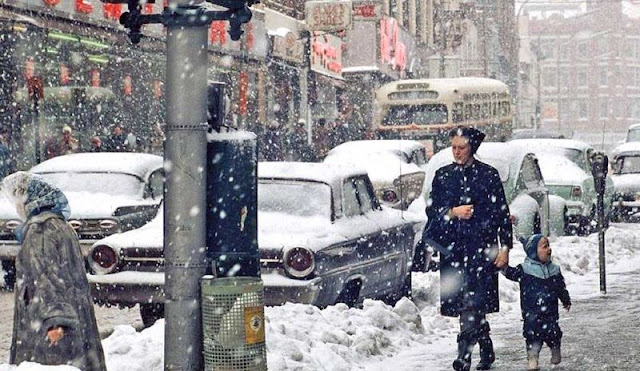
Here is a set of amazing vintage photos shows cars during winter in the 1950s and 1960s.

1950s and 1960s cars in Portland, Maine

1939 Mercury at The Christmas Tree Lodge on the Mount Rose Highway south of Reno, Nevada, 1950

1941 Buick Special Sedanet

1950s and 1960s cars in snow

1950s cars in Georgetown, Distric of Columbia

1950s Chevy, Ford and Plymouth cars

1950s Montreal

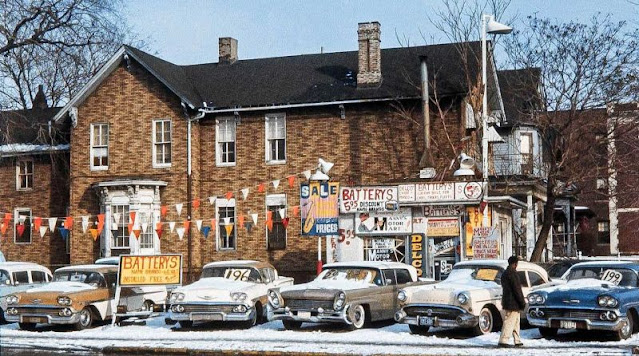
1950s used cars at Manny’s Motor Mart

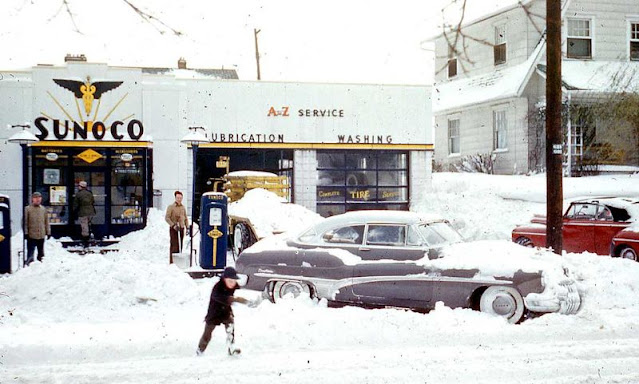
1953 Cars at Sunoco Gas Station, Columbus, Ohio, 1953

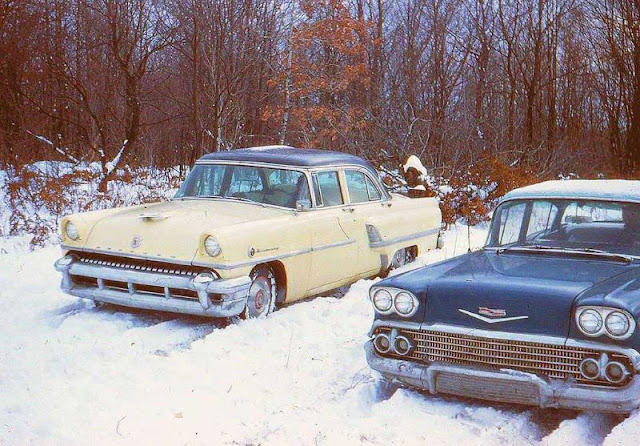
1953 Mercury Monterey

1955 Mercury Monterey Sedan

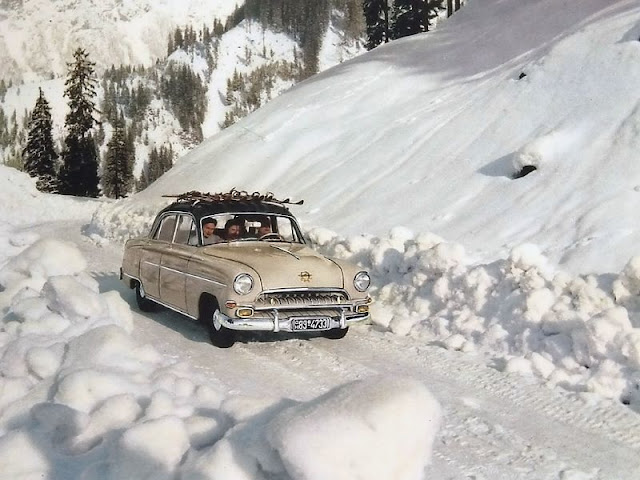
1955 Opel Kapitän

1955 Studebaker Champion

1955-1958 Opel Kapitän

1956 Chevrolet 150

1957-1960 Opel Olympia Rekord

1958 Cadillac Coupe Deville

1959 Buick Lesabre

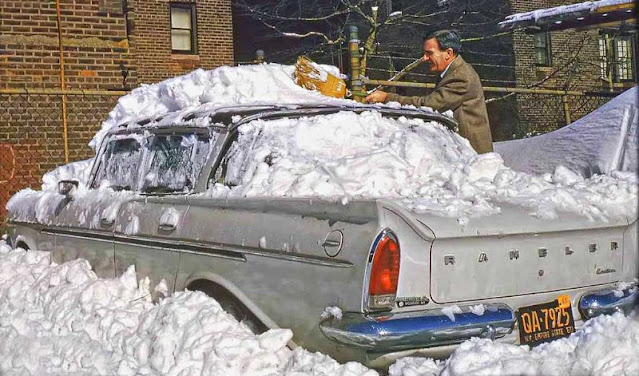
1960 Rambler Custom

1960s trailer

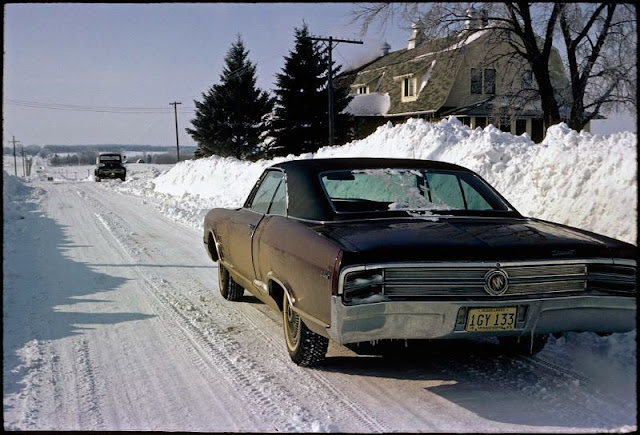
Buick Wildcat coupe in Minnesota, April 1965

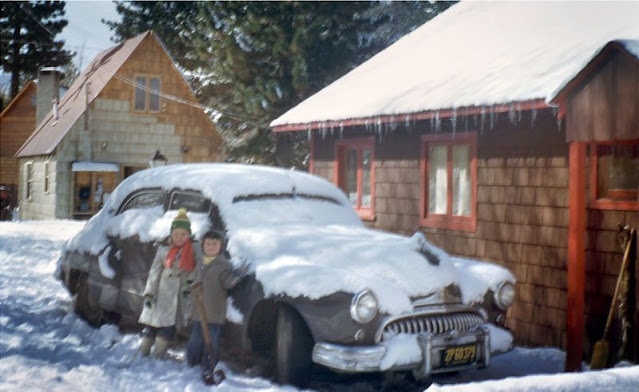
Buick, registered to California during the early 1950s

Early 1950s cars in city wintertime scene

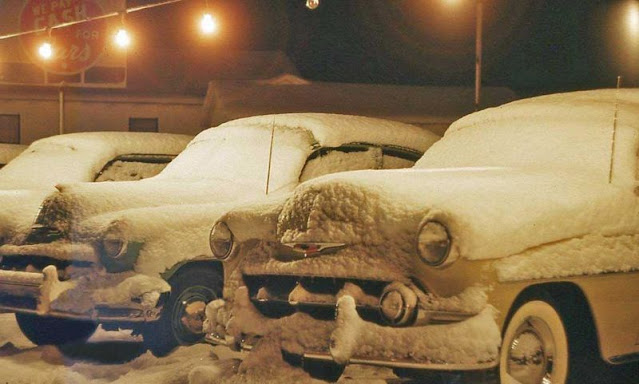
Early 1950s Chevrolets on a car dealers lot

Early 1960s street scene with 1950s and 1960s cars

Late 1940s Cadillac

Mid 1950s Cadillac hardtop

Mid 1950s winter ski trip with 1940s and 1950s cars

Sedan and truck during winter, circa 1950s

Vermont winter, 1956

Subscribe to Yesterday Today’s Blog to receive regular updates regarding new content:

30 Stunning Black and White Portraits of Actress Carole Lombard in the 1930s

Subscribe to continue reading

Become a paid subscriber to get access to the rest of this post and other exclusive content.
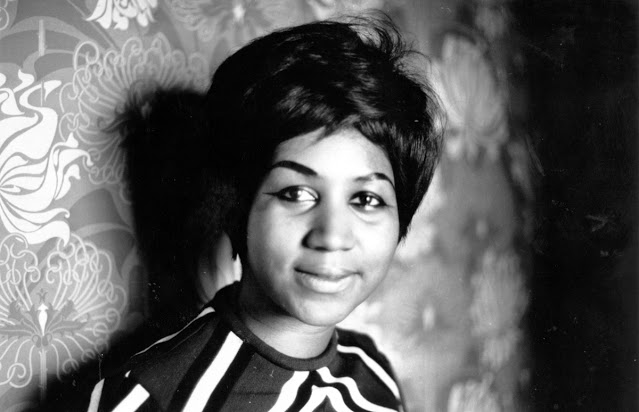
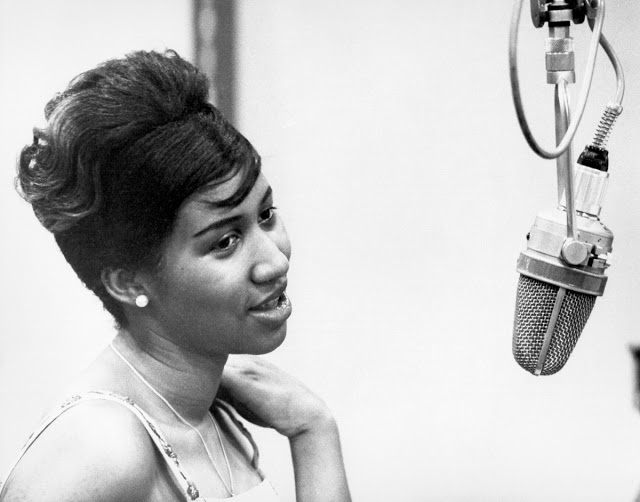
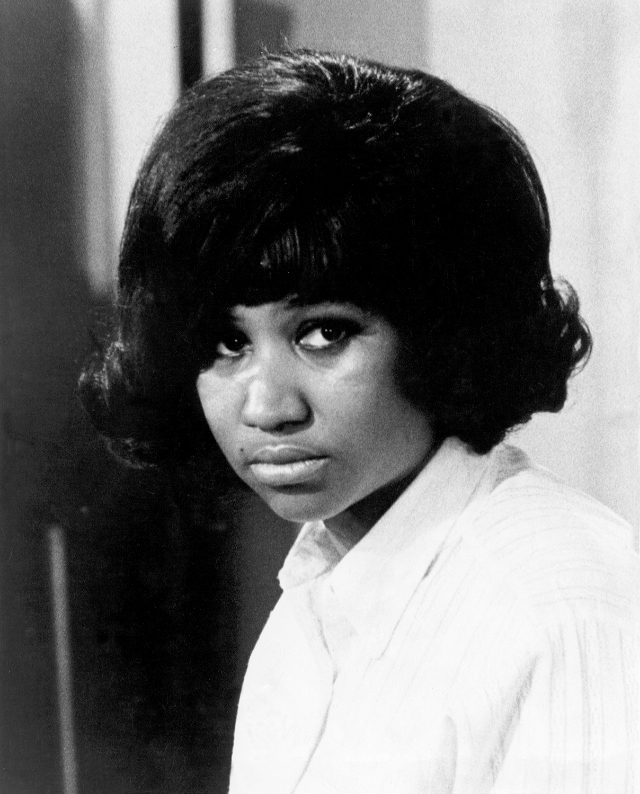
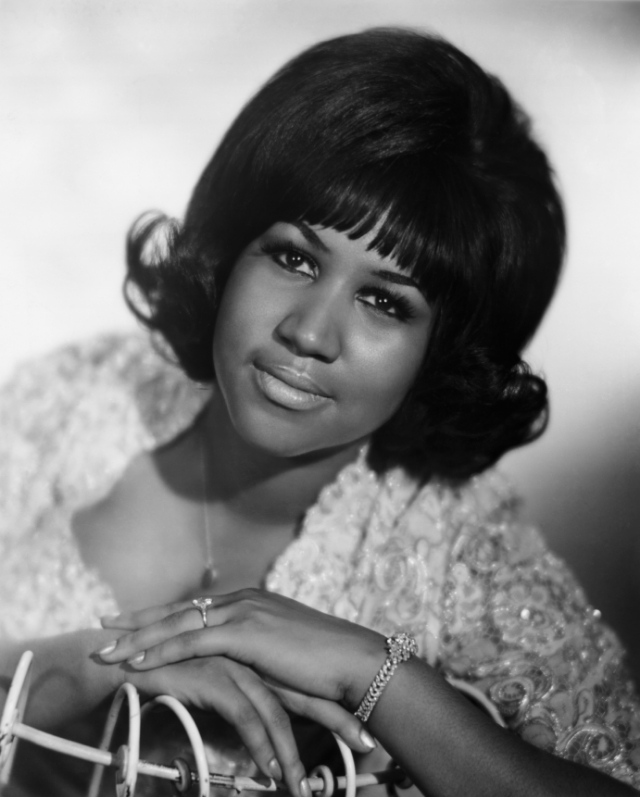
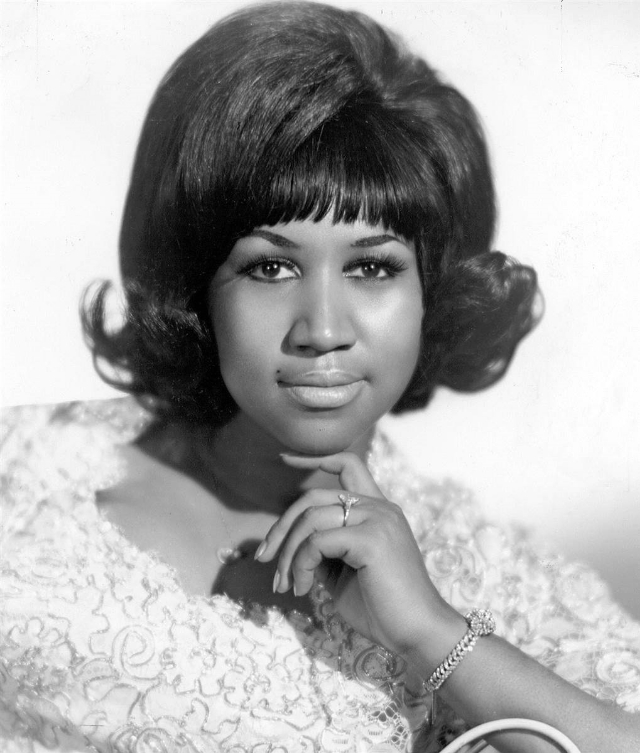
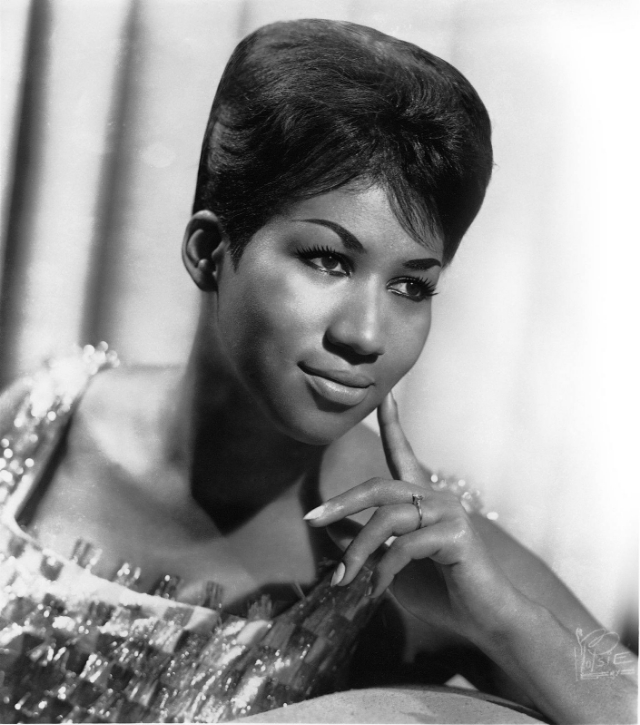
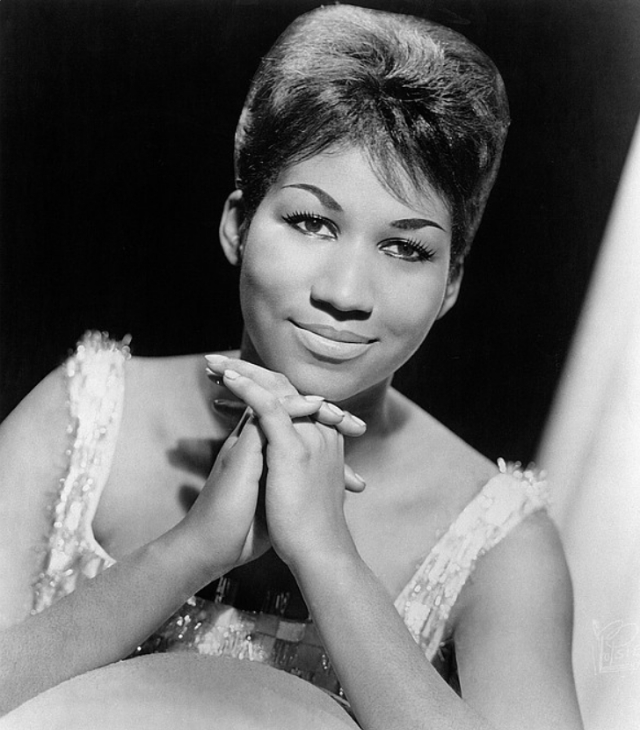
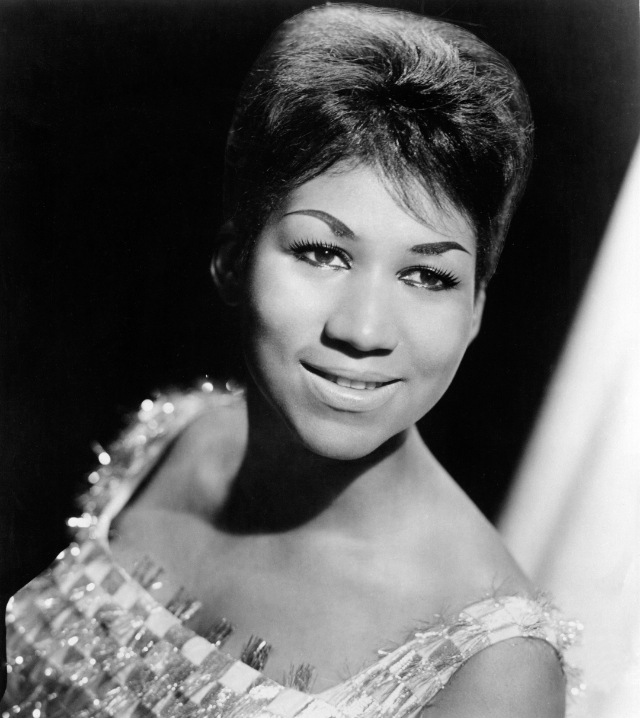
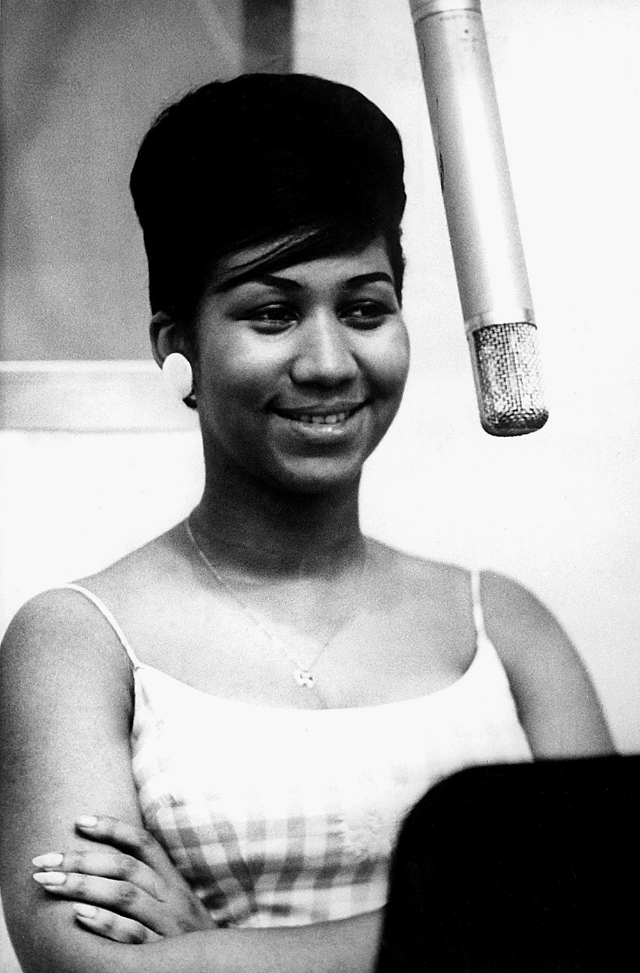
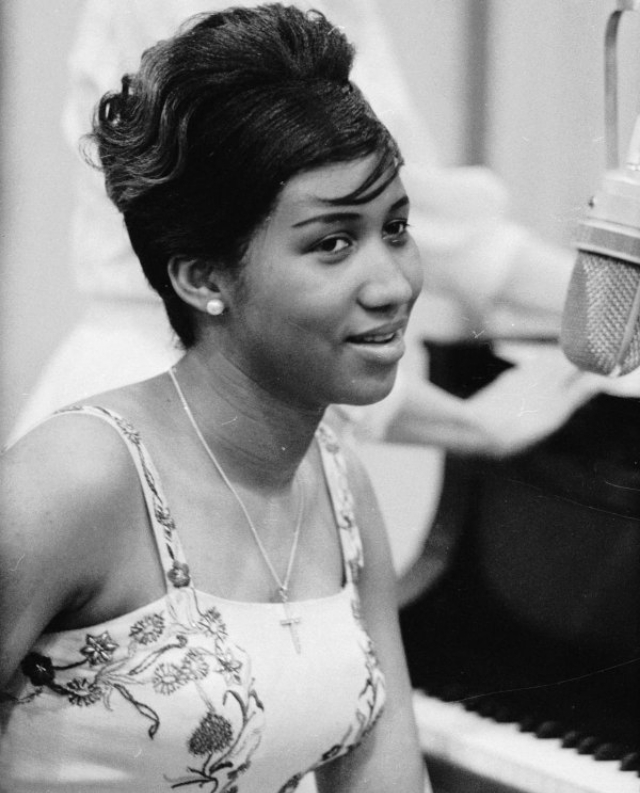
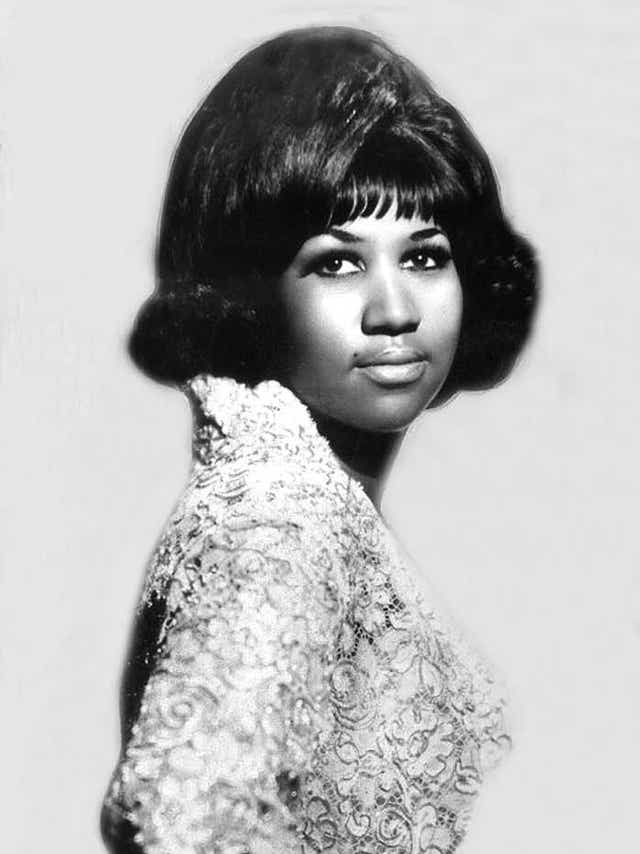
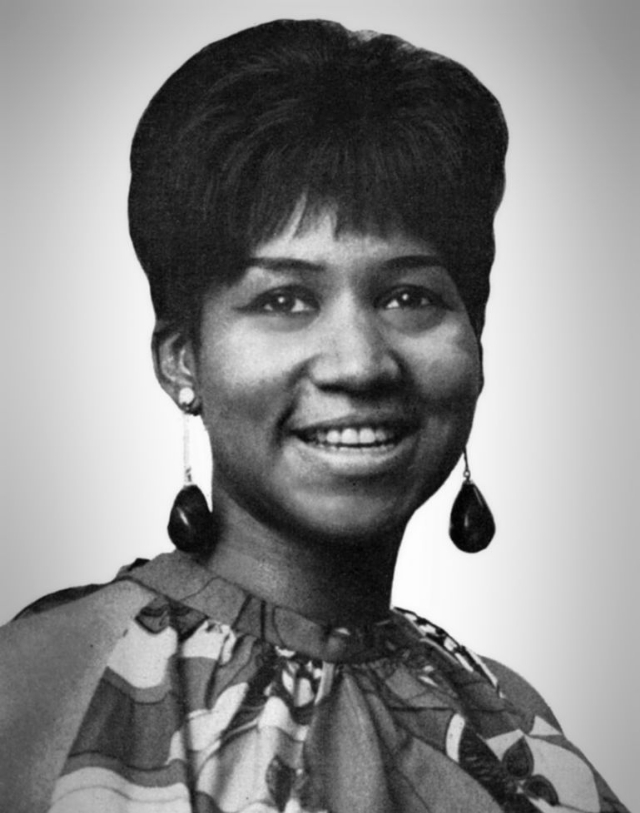
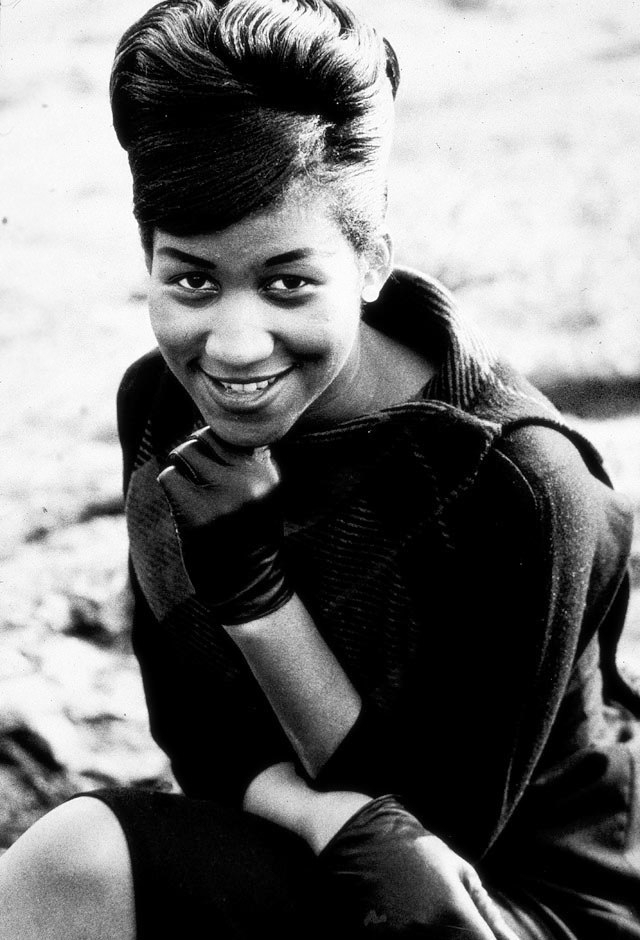
20 Gorgeous Photos of Aretha Franklin in the 1960s

The definitive female soul singer of the 1960s, a symbol of black pride, and one of the most influential voices in the history of popular music, Aretha Franklin brought “black” music to an entirely new audience.

Aretha grew up in Detroit where her father was pastor at the New Bethel Baptist Church. She recorded her first album of gospel music at age 14. At 18, legendary talent scout John Hammond brought her to Columbia Records, “Columbia was a white company who misunderstood her genius.”

In 1966, Aretha moves to Atlantic Records and immediately hits her stride, producing a phenomenal body of work. “When I went to Atlantic,” she said, “they just sat me down at the piano and the hits started coming.”

“Respect”, her trademark song written by singer Otis Redding, is an instant hit in 1967, becoming an anthem for both racial pride and women’s rights. Within three years, she has eight crossover hits that reach the Top 10 in both Pop and R&B charts, including “Chain of Fools”, “Think”, and “A Natural Woman”.

On April 9, 1968, she sang “Precious Lord, Take My Hand” at the funeral service of her friend Martin Luther King Jr. A few months later she appears on the cover of TIME, in an article suggesting her husband/manager is abusive. A lawsuit was filed over the article, and her marriage subsequently ended in divorce. After this, she rarely talks to the media.

In 1987, at age 45, Aretha is the first woman inducted in the Rock & Roll Hall of Fame, having charted more records selling over a million copies than any woman in history.

On August 13, 2018, Franklin was reported to be gravely ill at her home in Riverfront Towers, Detroit. She was under hospice care and surrounded by friends and family. Stevie Wonder, Jesse Jackson and former husband Glynn Turman visited her on her deathbed. Franklin died at her home on August 16, 2018, aged 76. She was initially thought to have died without a will. The cause of death was a malignant pancreatic neuroendocrine tumor (pNET), which is distinct from the most common form of pancreatic cancer.

Subscribe to Yesterday Today’s Blog to receive regular updates regarding new content:

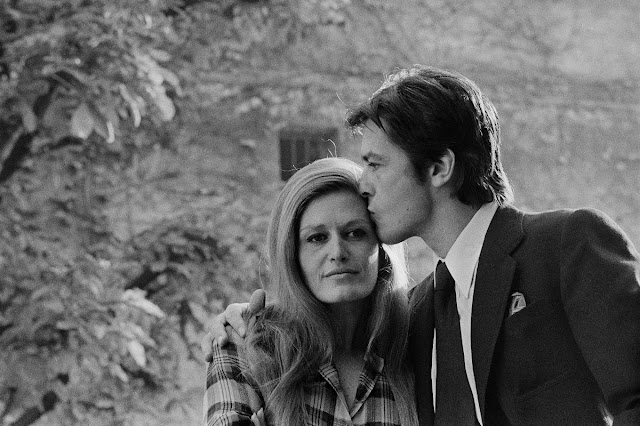
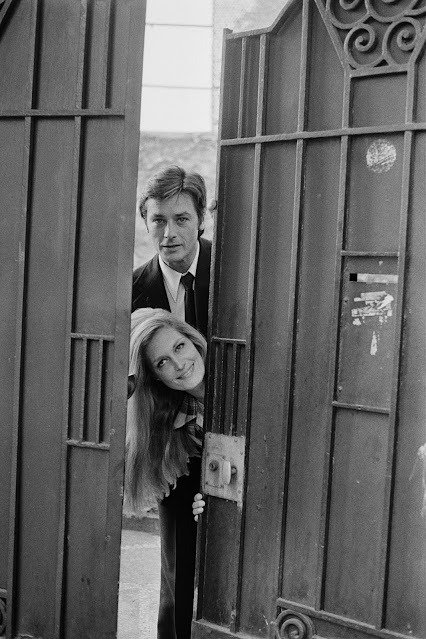
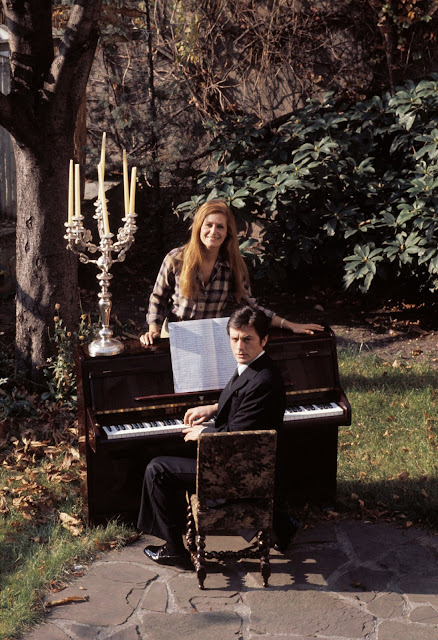
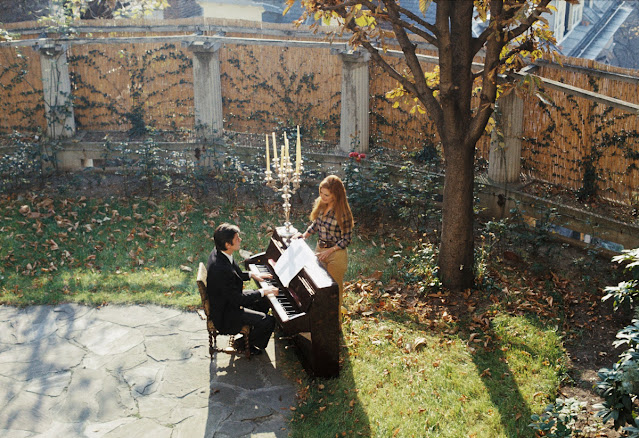
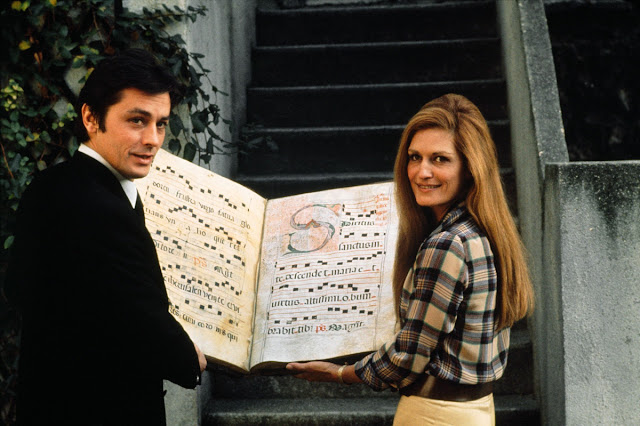
Romantic Photographs of Dalida and Alain Delon in the Garden of Their House in Montmartre, 1972

Alain Delon is one of the most popular actors of his generation. During his career, he also befriended countless stars… But not only. His conquests are numerous. But her love affair with Dalida has long fascinated her admirers. As a reminder, the duo knew each other before being famous. They have always encouraged each other in their projects. The lovebirds also recorded the iconic hit “Paroles, Paroles” together in the late 1972.

Orlando, the brother of the singer who died in 1987, confided in their romance in the pages of TV Star. Himself, however close to his sister, was not aware of the real links that existed between Dalida and Alain Delon. Their couple, he only learned of it when the two lovebirds recorded the title “Paroles, Paroles” (“Words, Words”) in 1972, almost ten years after their crush: “They had met in Paris at their beginnings, in the mid-1950s. They occupied maids’ rooms on the same floor. And they met again in Rome around 1963-1964 and there was a story between them. I was unaware of their romance.”

In April 2011, in his book “Les Femmes de ma vie” (“The women in my life”), published by Carpentier, Alain Delon lifted the veil on his relationship with Dalida: “She came from the Middle East with, as her only baggage, a title of Miss Egypt 1954. […] Ten years later, she had become Dalida and I, Delon“, specifying in passing that “the rare witnesses of [la] liaison remained discreet for years.”

Their breakup was recorded smoothly. “The complicity was intact,” assured the actor who never accepted his disappearance which occurred in 1987. “Dali, it upsets me, because I loved this woman terribly. I suffered so much when she was made to leave… I would have liked to be there, to prevent her from leaving like that. […] She had made up her mind, she didn’t want to go back, she wanted to go,” regretted the actor. “She left very quickly… and I know why.”

Subscribe to Yesterday Today’s Blog to receive regular updates regarding new content:

22 Amazing Black and White Photographs of Jewish Life From the 1930s

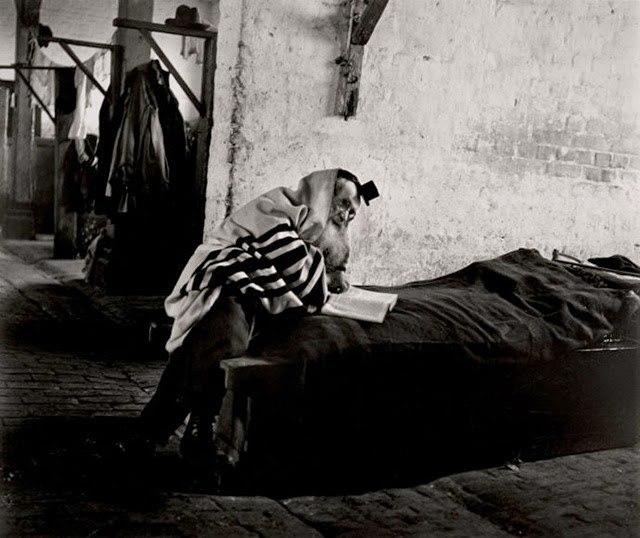
Born in 1897 to a wealthy Russian-Jewish family, Roman Vishniac immigrated to Berlin in 1920 in the aftermath of the Russian Revolution. As an amateur photographer, he took to the streets with his camera throughout the 1920s and ’30s, offering astute, often humorous visual commentary on his adopted city and experimented with new and modern approaches to framing and composition. Here’s a collection of amazing black and white photographs show daily life of Jewish people in the 1930s.

Boy with kindling in basement dwelling, Krochmalna Street, Warsaw, ca. 1935–38.

Roman Vishniac’s daughter, Mara, posing in front of a shop specializing in instruments that measure the difference in size between Aryan and non-Aryan skulls, Berlin, 1933.

Travelling salesmen returning home for the Sabbath, Mukacevo, c. 1935–38.

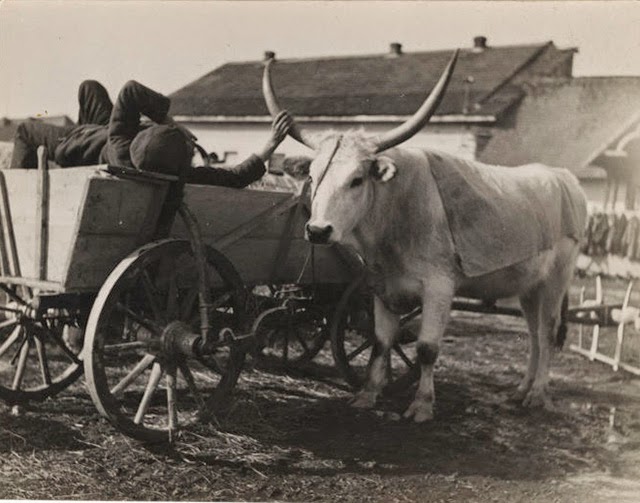
Youngsters adopted cattle as friends, Carpathian Ruthenia, c. 1935–38.

A German family walking between taxi-cabs in front of the Ufa-Palast cinema, Berlin, ca. 1930s.

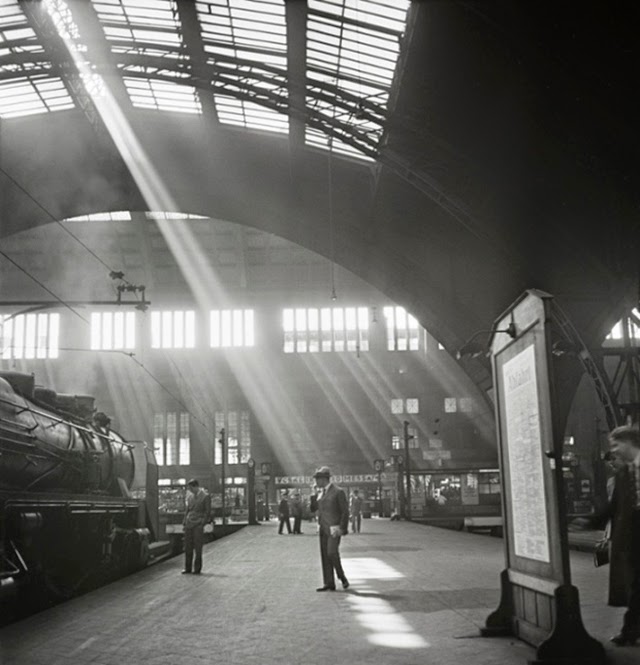
Sunlight streaming into a railway station, probably the Bahnhof Zoo terminal in Charlottenburg, Berlin, ca. 1930s.

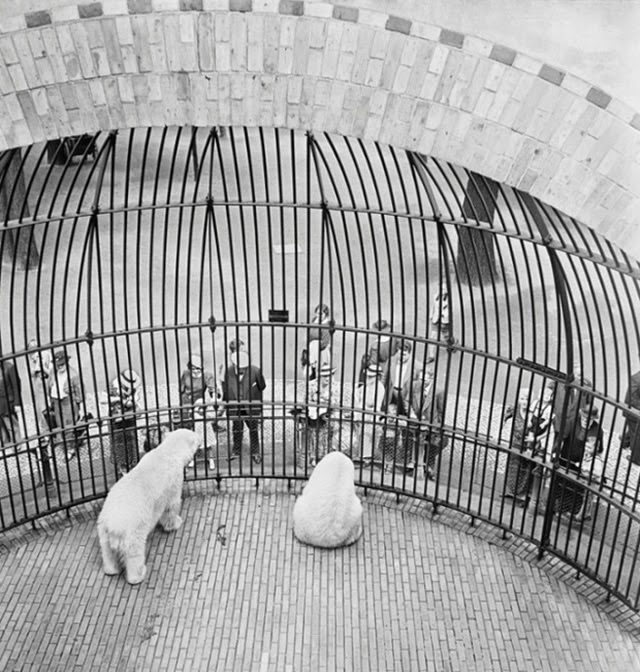
People behind bars at Berlin Zoo in the early 1930s.

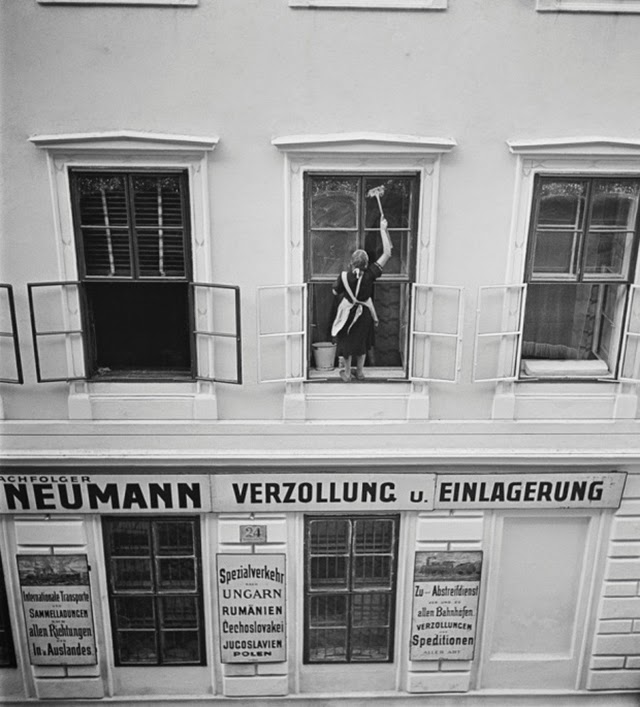
Woman washing windows above Mandtler & Neumann Speditionen (Mandtler & Neumann Forwarding Agents), Vienna, ca. 1930s.

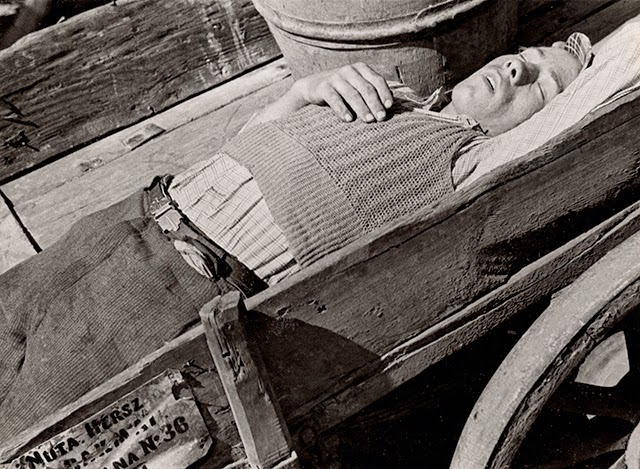
A salesman sleeps on a bench to save on lodging, Eastern Europe, c. 1935–38.

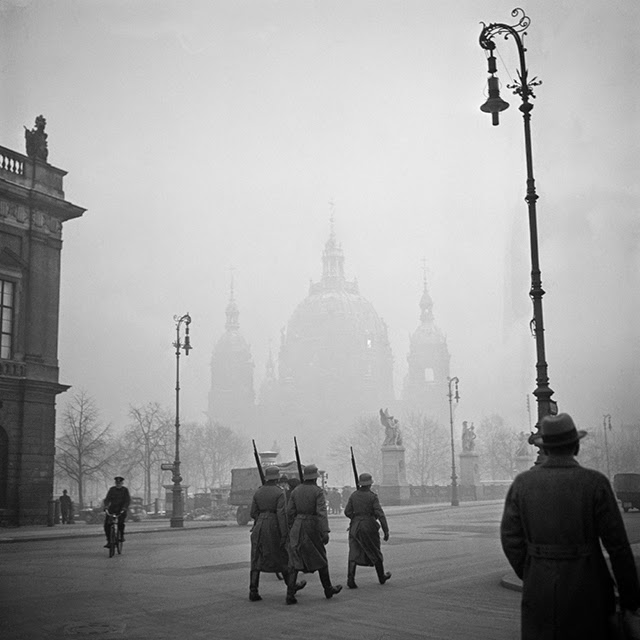
Nazi Storm Troopers marching next to the Arsenal in front of the Berlin Cathedral, ca. 1935.

Interior of the Anhalter Bahnhof, a railway terminus near Potsdamer Platz, Berlin, ca. 1930s.

Street scene with swastika flag in background, Berlin, ca. 1935–36.

Children with shaved heads at the Cemach Szabad Colony for Frail Children, near Wilno, c. 1935–38.

Students standing outside a yeshiva, Mukacevo, c. 1937–38.

At the end of October, 1938, thousands of Polish Jews in Germany were forcibly repatriated by the Nazis and housed in military barracks in Zbaszyn, Poland.

Exhausted. A carrier of heavy loads, Warsaw, ca. 1935–38.

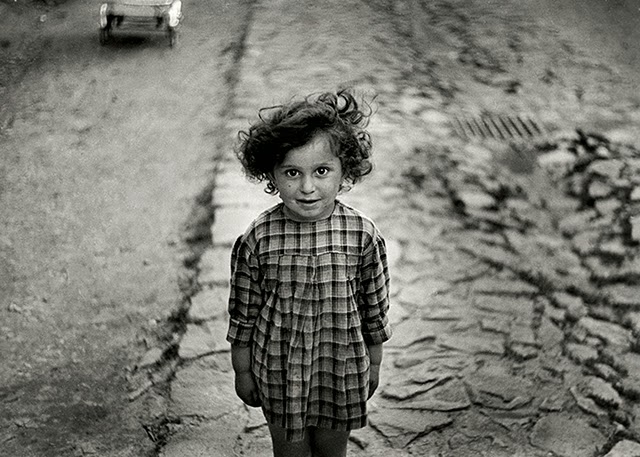
Girl in plaid dress, Mukacevo, Ukraine ca. 1935–38.

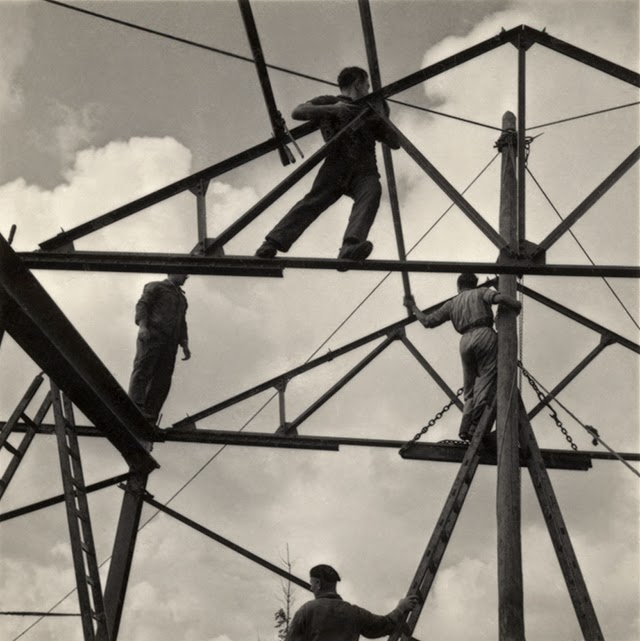
Zionist youth learning construction techniques while building a school and foundry, Werkdorp Wieringen, The Netherlands, 1939.

An elder of the village, Vysni Apsa, Carpathian Ruthenia, c. 1935–38.

Students sharing books in heder, Brod, c. 1935–38.

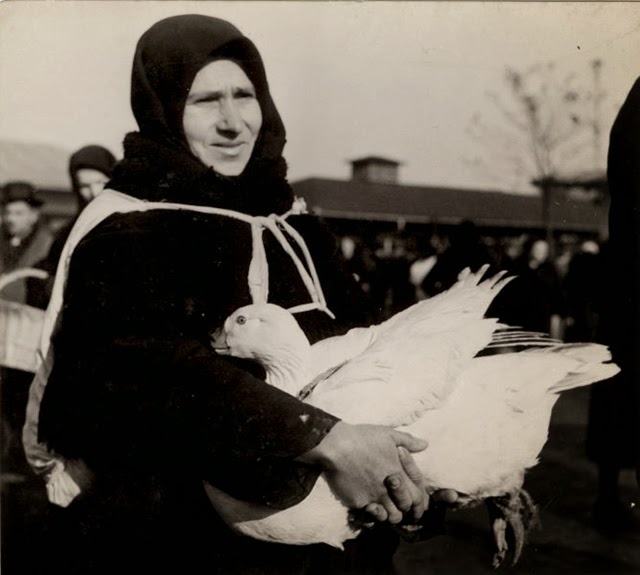
She would rather have it for her own family!, Uzhorod, Carpathian Ruthenia, c. 1935–38.

Grandfather and granddaughter, Warsaw, c. 1935–38.

Subscribe to Yesterday Today’s Blog to receive regular updates regarding new content:

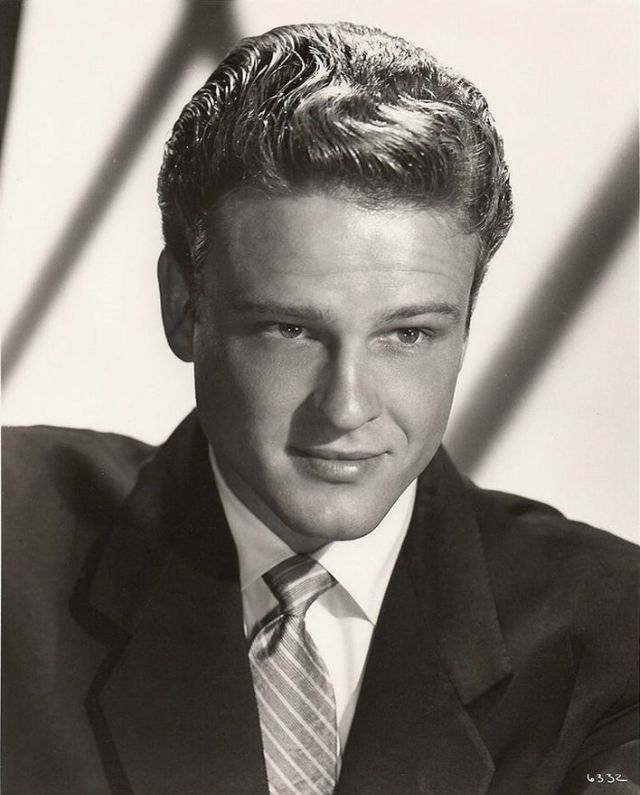
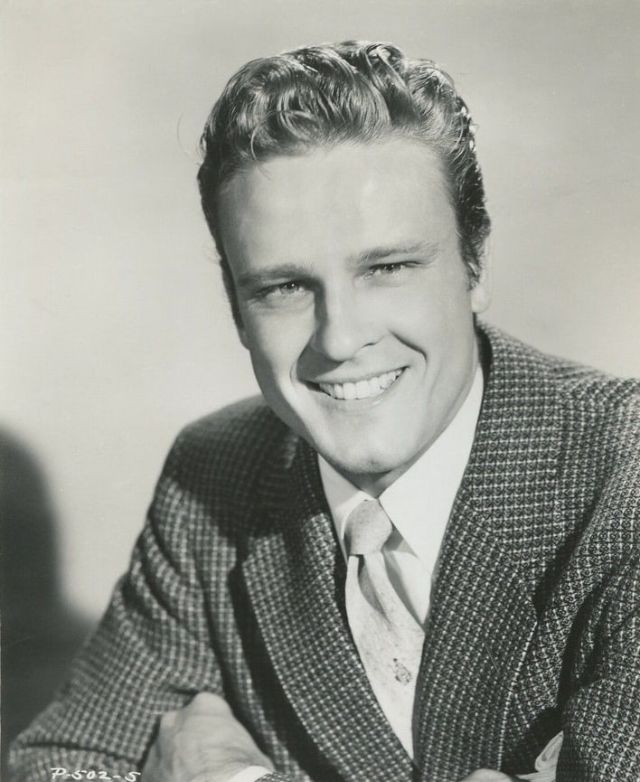
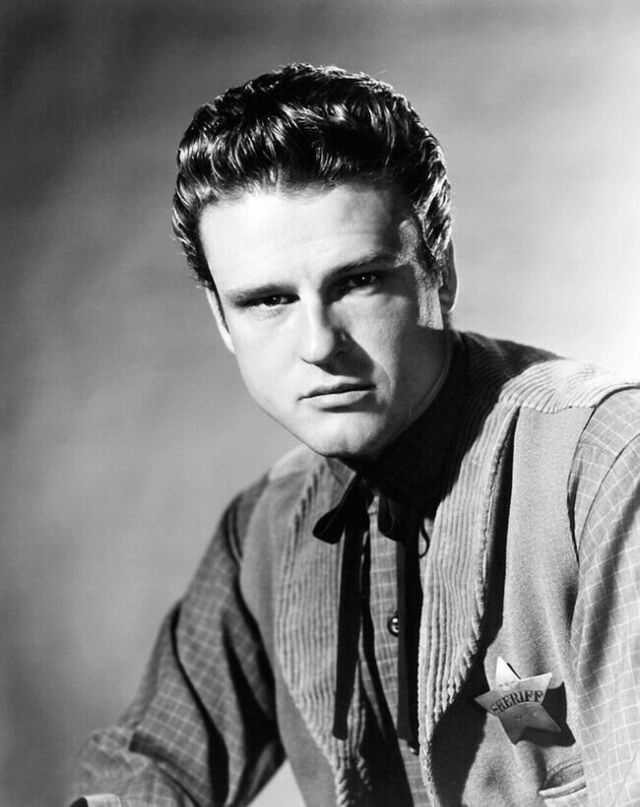
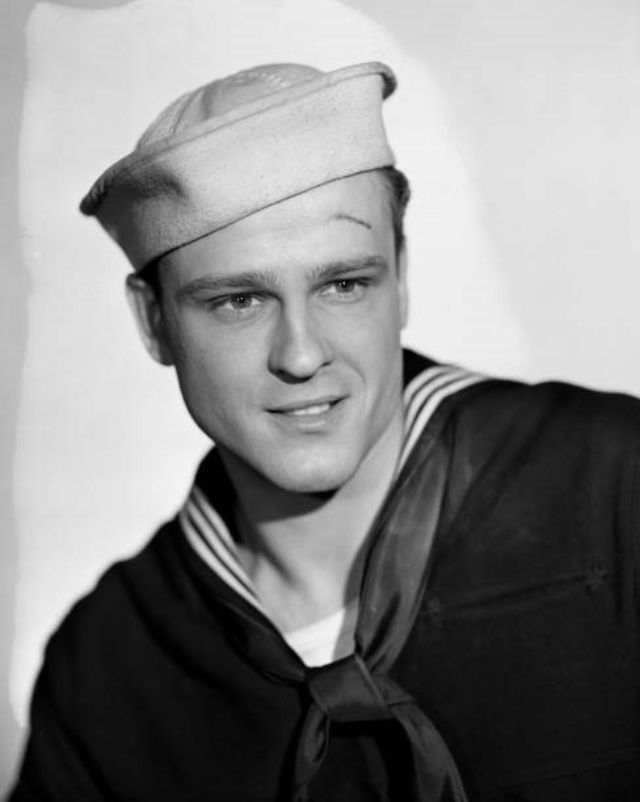
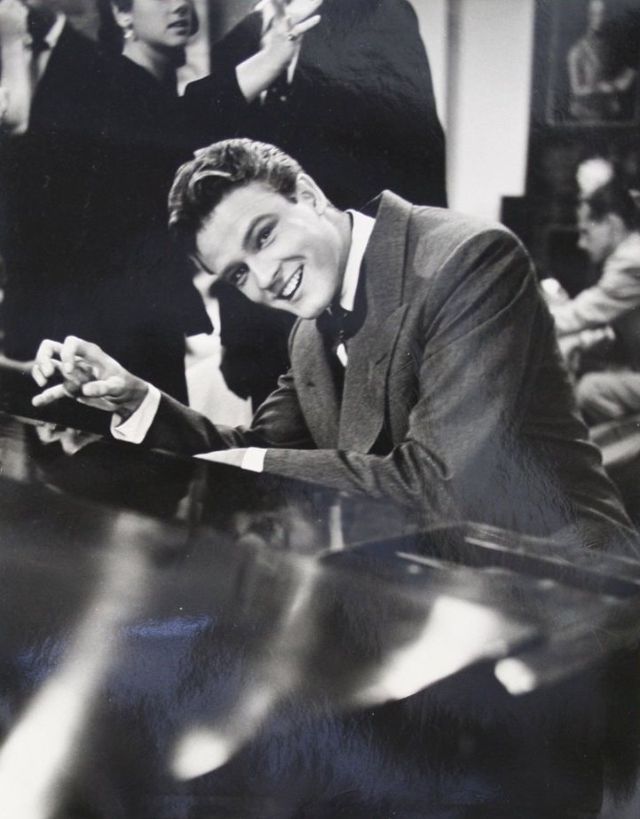
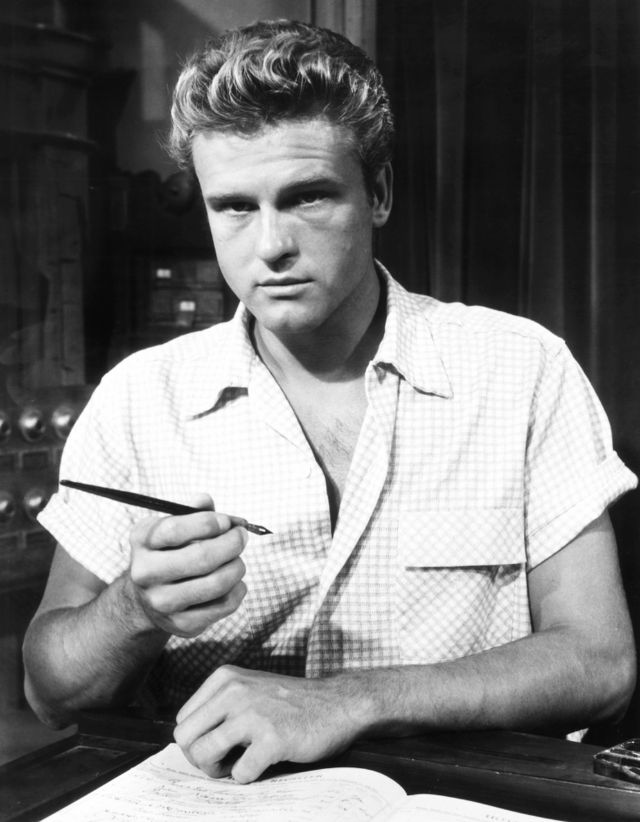
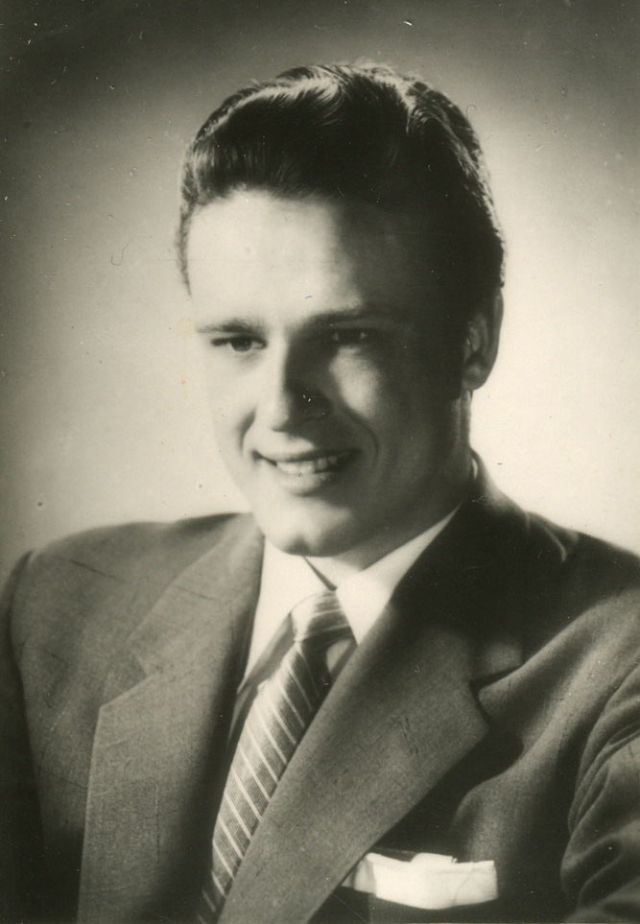
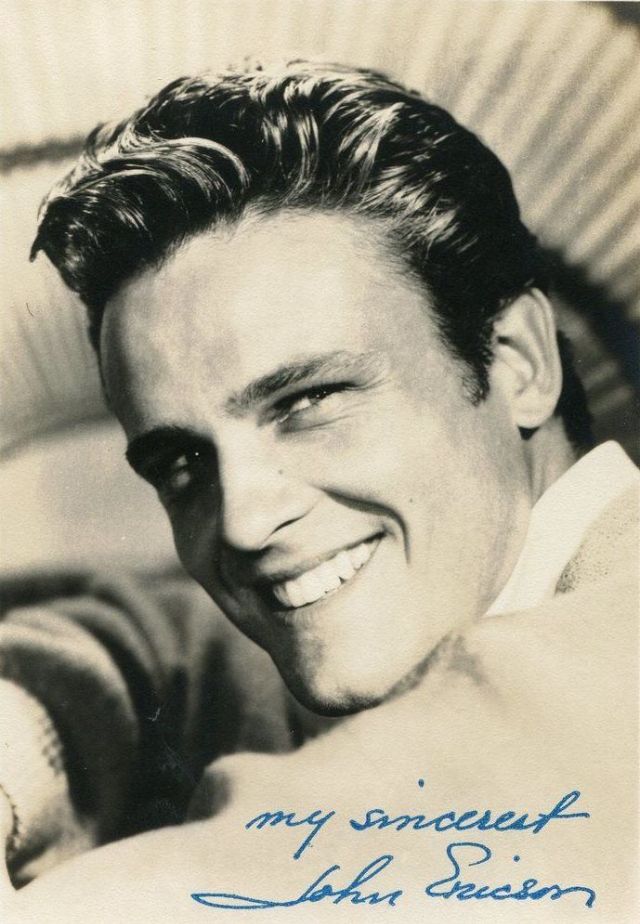
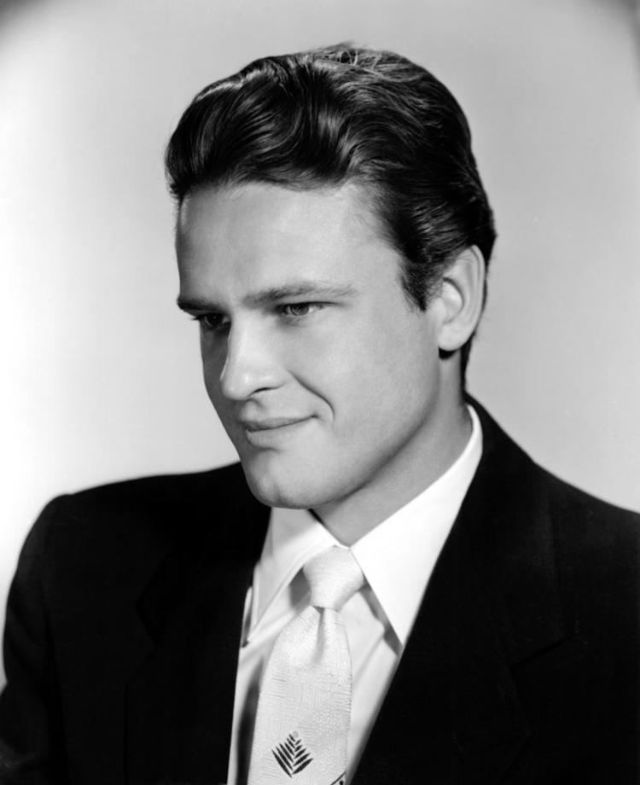
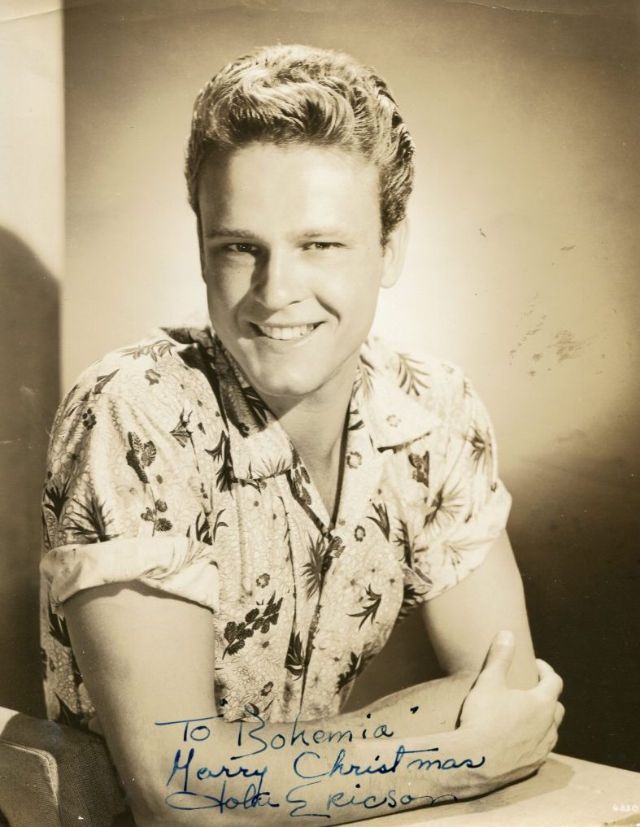
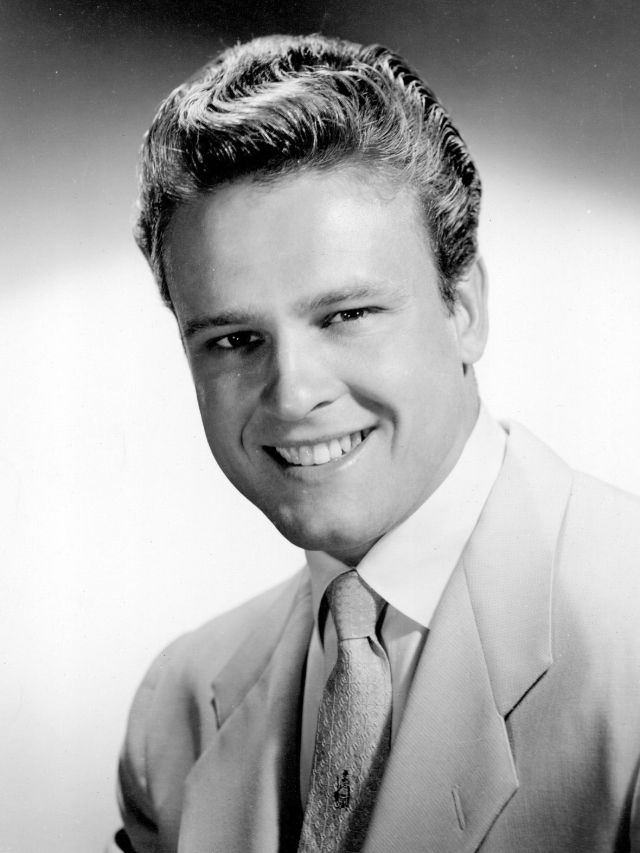
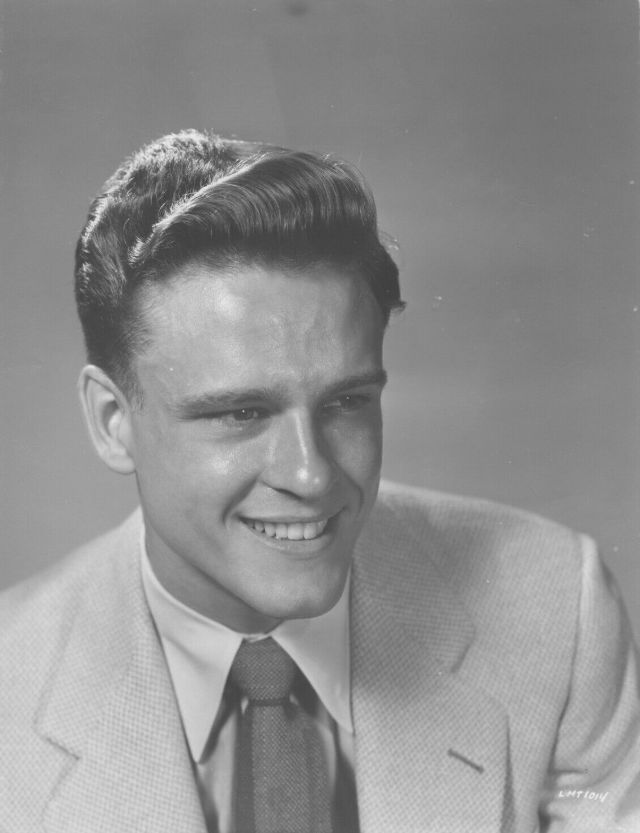
Handsome Portrait Photos of John Ericson in the 1950s and 1960s

Born 1926 as Joachim Alexander Ottokar Meibes in Düsseldorf, Germany, German-American actor John Ericson made a number of films for MGM in quick succession in the 1950s. His first appearance was in Teresa (1951), and also appeared in Rhapsody, The Student Prince, Green Fire (all in 1954), in Bad Day at Black Rock (1955). He co-starred with Barbara Stanwyck in Forty Guns (1957). In 1958 he appeared as Sheriff Barney Wiley in the Western Day of the Badman which starred Fred MacMurray.

For the next 30 years, his career continued mostly on television. Ericson was known primarily for his co-star role with actress Anne Francis on the ABC television series Honey West in the 1965-66 season.

Ericson played the title role in Pretty Boy Floyd (1960), and his other film appearances included roles in Under Ten Flags (1960), Slave Queen of Babylon (1963), 7 Faces of Dr. Lao (1964), Operation Atlantis (1965), The Money Jungle (1968), The Bamboo Saucer (1968), Bedknobs and Broomsticks (1971), Crash! (1976), and The Far Side of Jericho (2006).

Ericson died of pneumonia in 2020 at the age of 93. These vintage photos captured portraits of a young and handsome John Ericson in the 1950s and 1960s.

Subscribe to Yesterday Today’s Blog to receive regular updates regarding new content:

Poignant Photos of Liverpool in the 1980s

Subscribe to get access

Read more of this content when you subscribe today.

The 1980s were a time of turmoil and upheaval for Liverpool. Unemployment and economic instability led to widespread disquiet, culminating in public shows of resistance such as the 1981 Toxteth Riots. Liverpool also elected its first Labour council in 1983, who promised to stand up for what they saw as unjust cuts under the Thatcher government.

However, the people of Liverpool were strong in the face of this upheaval, and glimpses of light can be found in dark times. As the official photographer for the Militant, Sinclair’s stunning images show a city that refused to lie down in the face of adversity.

Dave Sinclair was born in 1959 in Walton, Liverpool. By 1980, he was studying Art at Liverpool Polytechnic, where he developed an interest in the Liverpool urban landscape. Surrounded by derelict factories and docks, Dave started documenting his surroundings, processing and printing in black and white in a darkroom he built himself. He soon realised that photography was what he wanted to do for a living. His photographs have been featured in several exhibitions, including ‘The Dockers’ which was exhibited in London Liverpool and extensively abroad, The ‘School Student Strike’ at the Bluecoat in Liverpool and ‘Thatcher, Liverpool and the 80s’ in Shoreditch.

Liverpool in the 1980s’ pays tribute to the constancy of the Liverpudlian spirit. From citywide protests to intimate portraits, this volume is a unique insight into the recent history of one of Britain’s most inspirational cities.

Subscribe to continue reading

Become a paid subscriber to get access to the rest of this post and other exclusive content.

Leatherman, the Mystery Man Who Walked Along the Same Path for 30 Years From the Mid-1850s

The Leatherman (ca. 1839–1889; aged 49–50) was a vagabond famous for his handmade leather suit of clothes who traveled through the northeastern United States on a regular circuit between the Connecticut River and the Hudson River from roughly 1857 to 1889.

Of unknown origin, he was thought to be French-Canadian because of his fluency in the French language, his “broken English,” and the French-language prayer book found on his person after his death. His identity remains unknown, and controversial. He walked a repeating 365-mile (587 km) route year after year, which took him through certain towns in western Connecticut and eastern New York, returning to each town every 34–36 days.

Living in rock shelters and leatherman caves, as they are now locally known, the Leatherman stopped at towns along his 365-mile (587 km) loop about every five weeks for food and supplies. He was dubbed the “Leatherman” as his adornment of hat, scarf, clothes, and shoes were handmade from leather.
An early article in the Burlington Free Press dating to April 7, 1870, refers to him as the “Leather-Clad Man”. It also states that he spoke rarely and when addressed would simply speak in monosyllables. According to contemporary rumors, he hailed from Picardy, France.

Fluent in French, he communicated mostly with grunts and gestures, rarely using his broken English. When asked about his background, he would abruptly end the conversation. Upon his death, a French prayer book was found among his possessions. He declined meat on Fridays, giving rise to speculation that he was Roman Catholic.

It is unknown how he earned money. One store kept a record of an order: “one loaf of bread, a can of sardines, one-pound of fancy crackers, a pie, two quarts of coffee, one gill of brandy and a bottle of beer.”

The Leatherman was well known in Connecticut. He was reliable in his rounds, and people would have food ready for him, which he often ate on their doorsteps. Ten towns along the Leatherman’s route passed ordinances exempting him from the state “tramp law” passed in 1879.
The Leatherman survived blizzards and other foul weather by heating his rock shelters with fire. Indeed, while his face was reported to be frostbitten at times during the winter, by the time of his death he had not lost any fingers, unlike other tramps of the time and area.

The Connecticut Humane Society had him arrested and hospitalized in 1888, which resulted in a diagnosis of “sane except for an emotional affliction,” after which he was released, as he had money and desired freedom. He ultimately died from cancer of the mouth due to tobacco use. His body was found on March 24, 1889, in his Saw Mill Woods cave on the farm of George Dell in the town of Mount Pleasant, New York, near Ossining.

After he perished, so many people visited the Leatherman’s roadside grave that the local historical society decided to move it farther inland to avoid potential accidents. When the body was exhumed for reburial in 2011, many thought DNA testing might help solve the mystery of who he was.

However, those hopes were dashed when they opened the casket to find that the remains were missing. Now, the Leatherman is shrouded in even more mystery: no one knows who he was or where he is.

Subscribe to Yesterday Today’s Blog to receive regular updates regarding new content:

Yesterday Today

Bringing You the Wonder of Yesterday - Today

Skip to content ↓