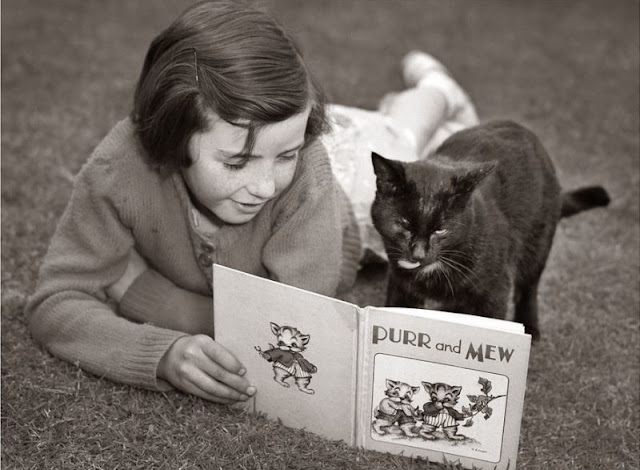
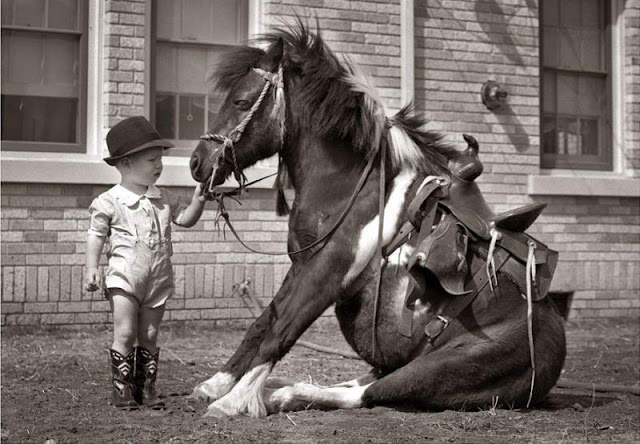
Pets are part of many children’s lives. Parental involvement, open discussion, and planning are necessary to help make pet ownership a positive experience for everyone. A child who learns to care for an animal, and treat it kindly and patiently, may get invaluable training in learning to treat people the same way. Careless treatment of animals is unhealthy for both the pet and the child involved.
Children raised with pets show many benefits. Developing positive feelings about pets can contribute to a child’s self-esteem and self-confidence. Positive relationships with pets can aid in the development of trusting relationships with others. A good relationship with a pet can also help in developing non-verbal communication, compassion, and empathy.
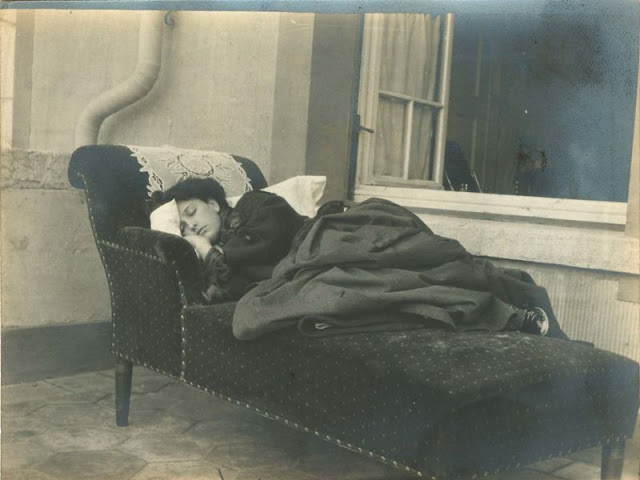
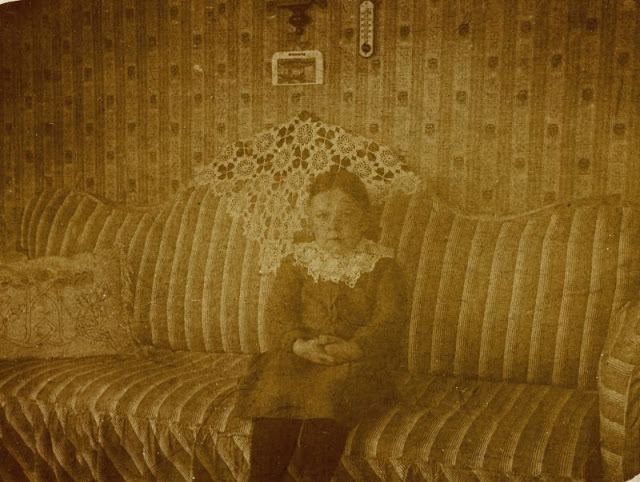
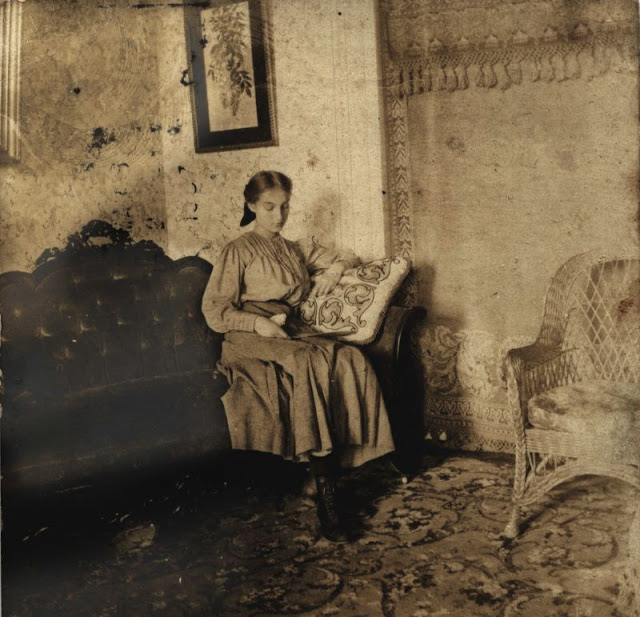
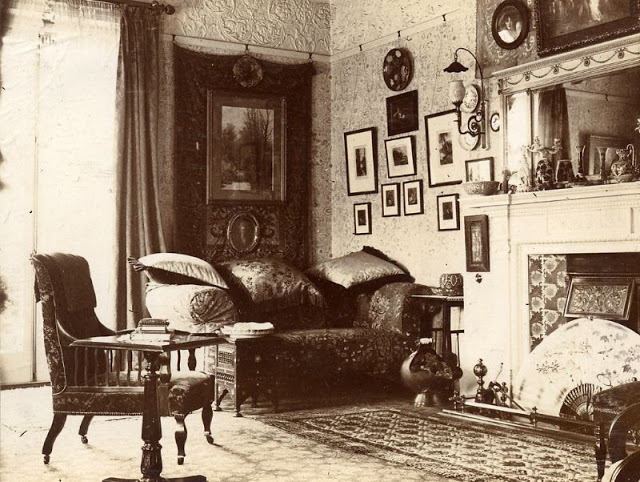
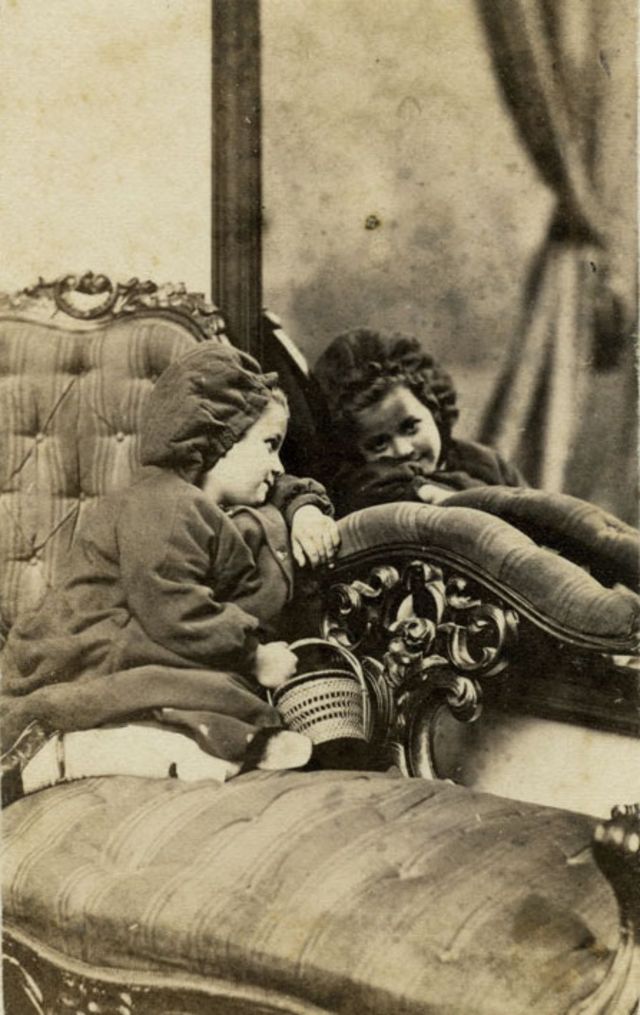
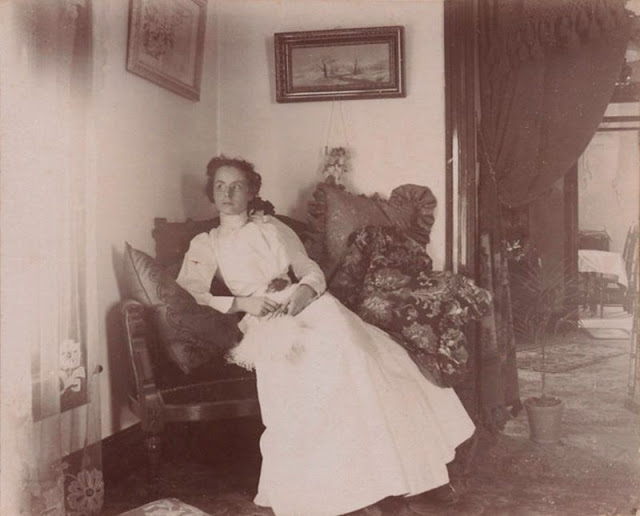
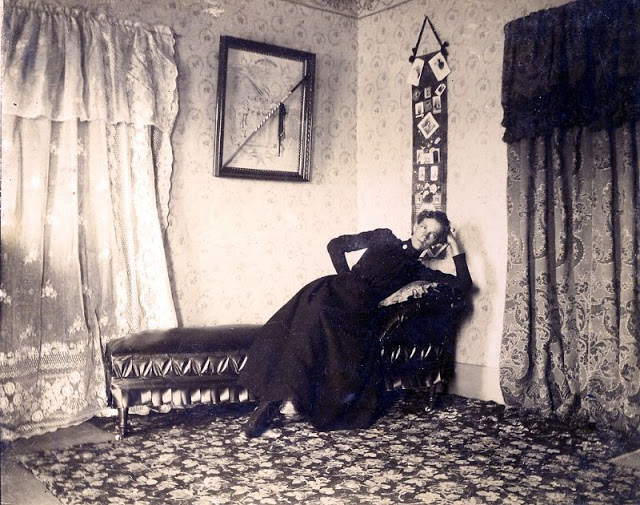
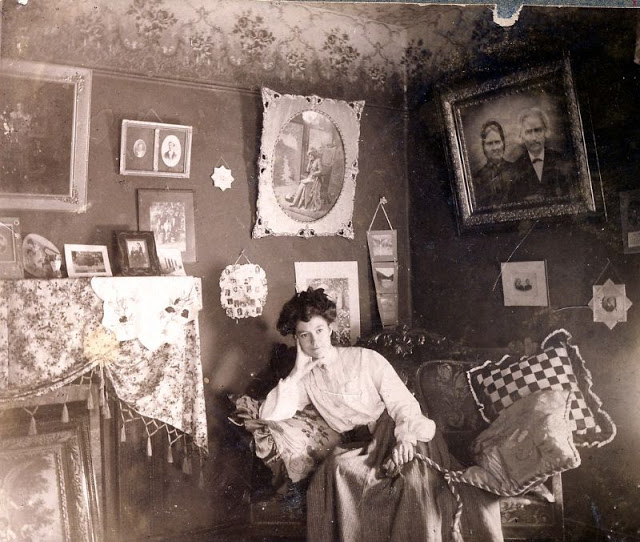
These vintage photos capture lovely moments of children posing with their beloved animals.
Subscribe to continue reading
Become a paid subscriber to get access to the rest of this post and other exclusive content.
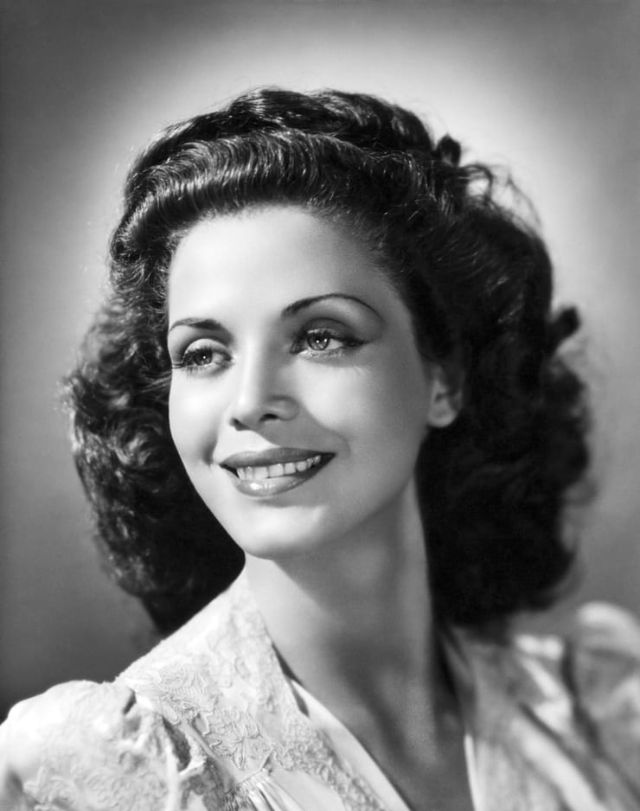
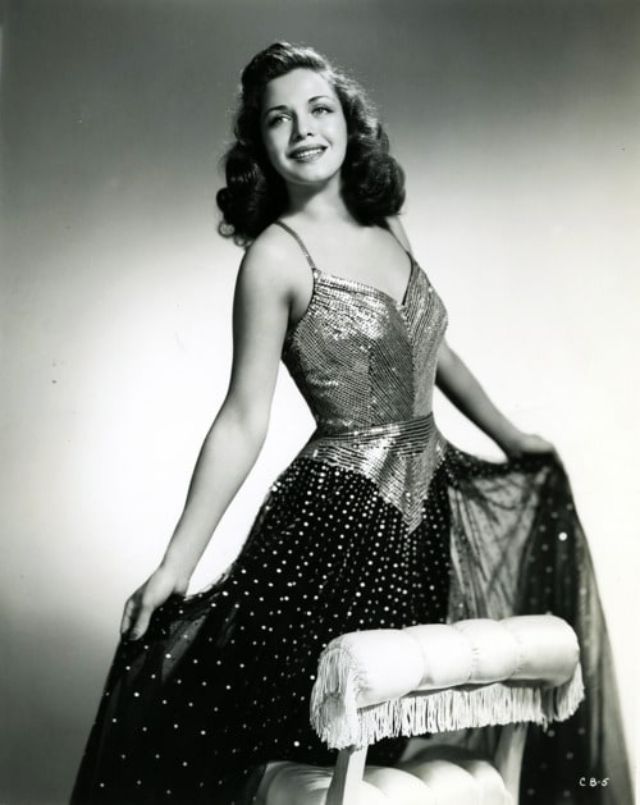
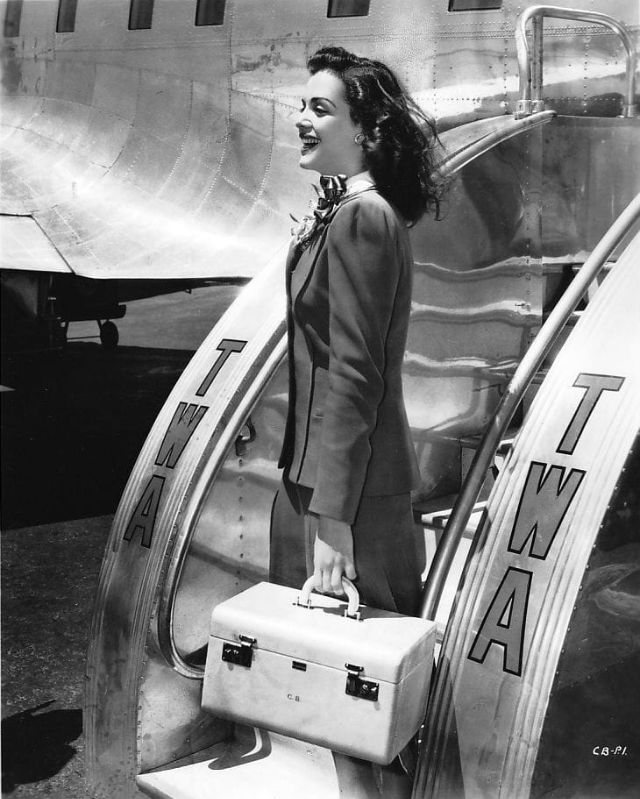
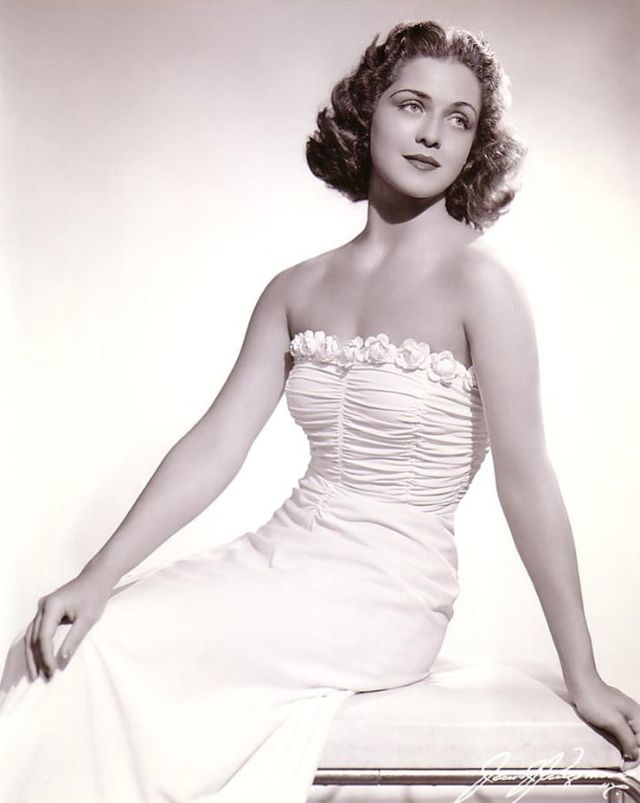
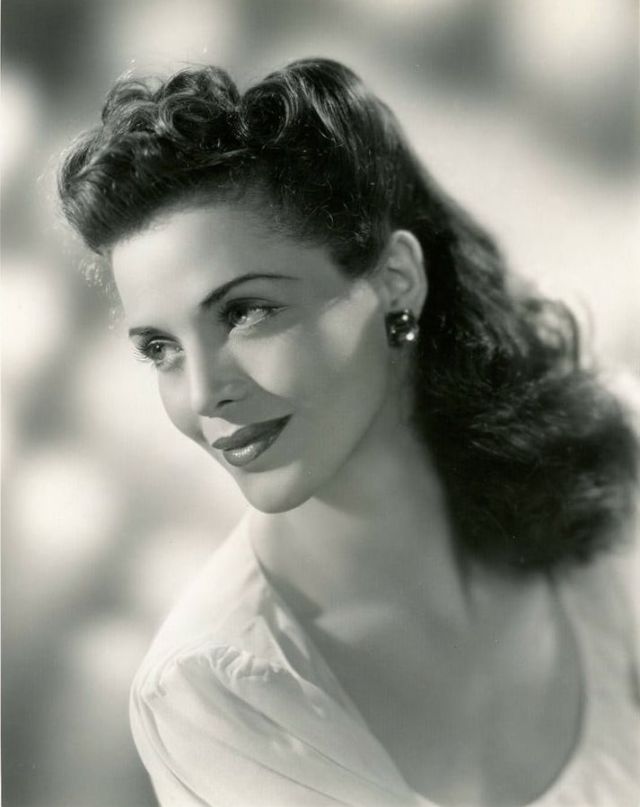
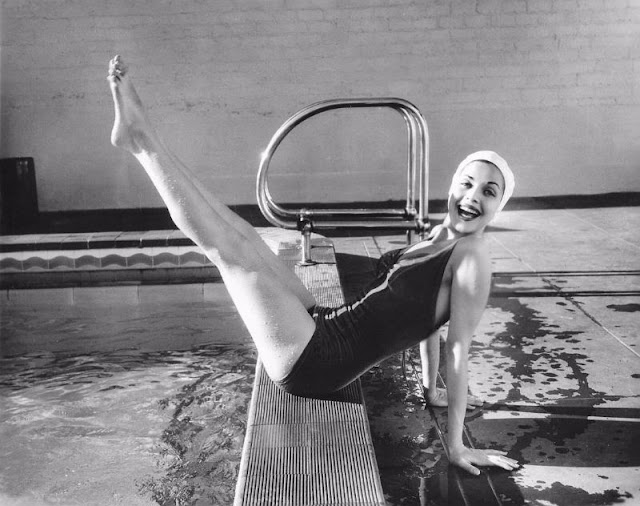
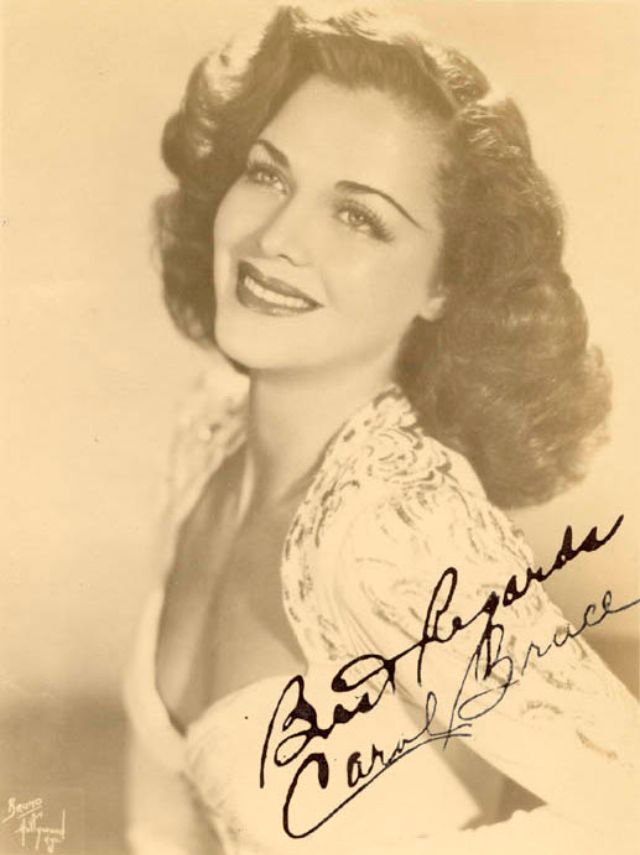
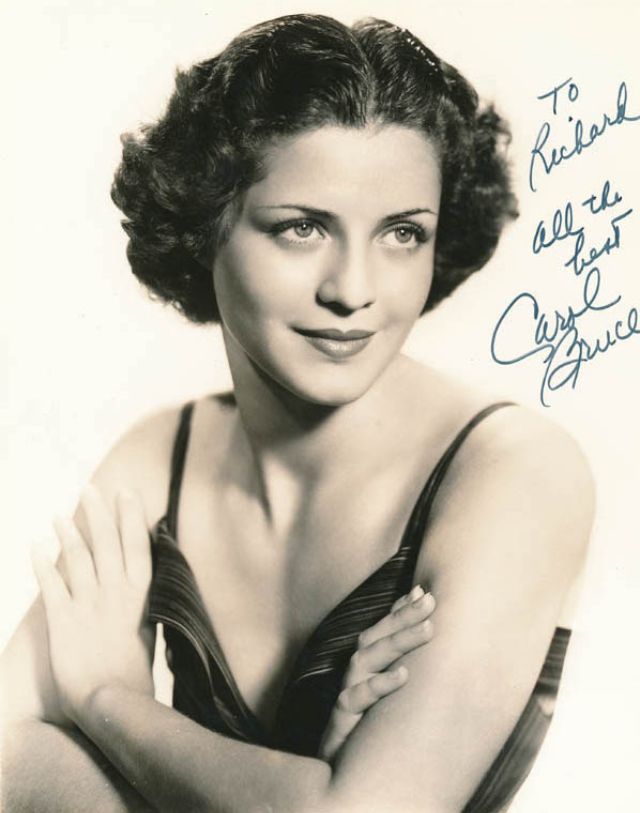
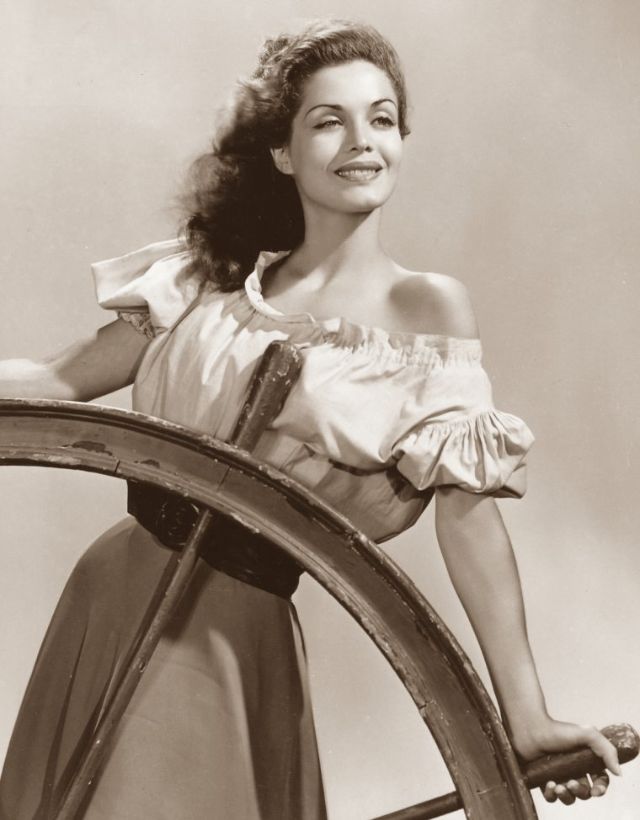
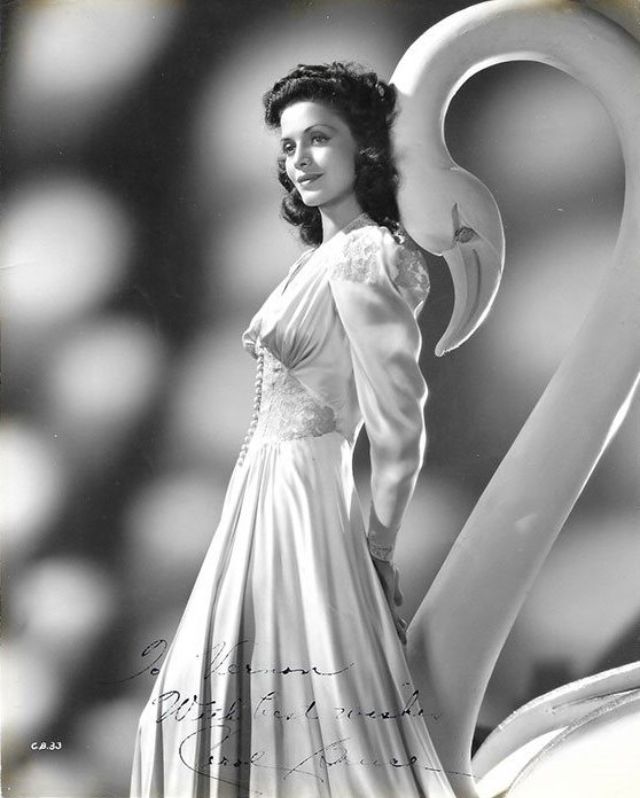
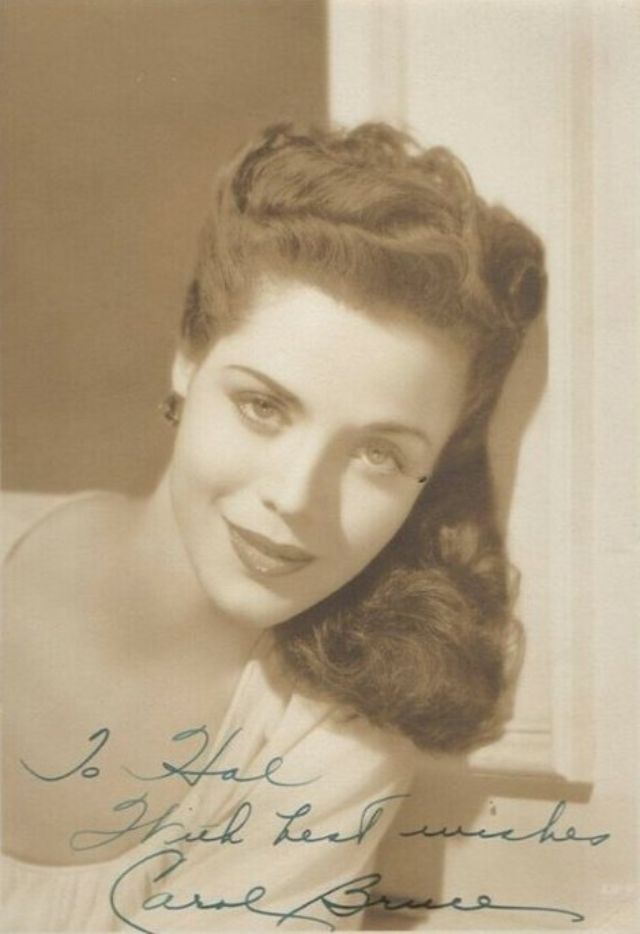
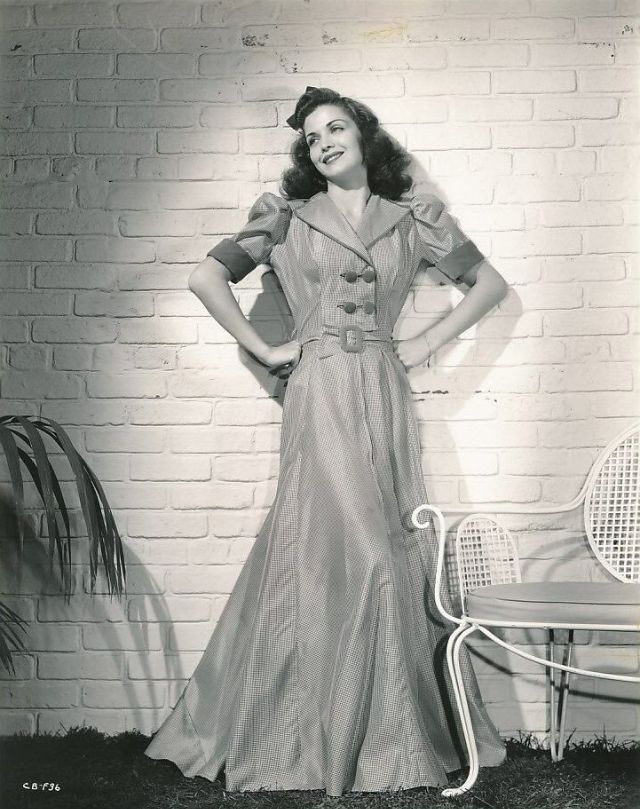
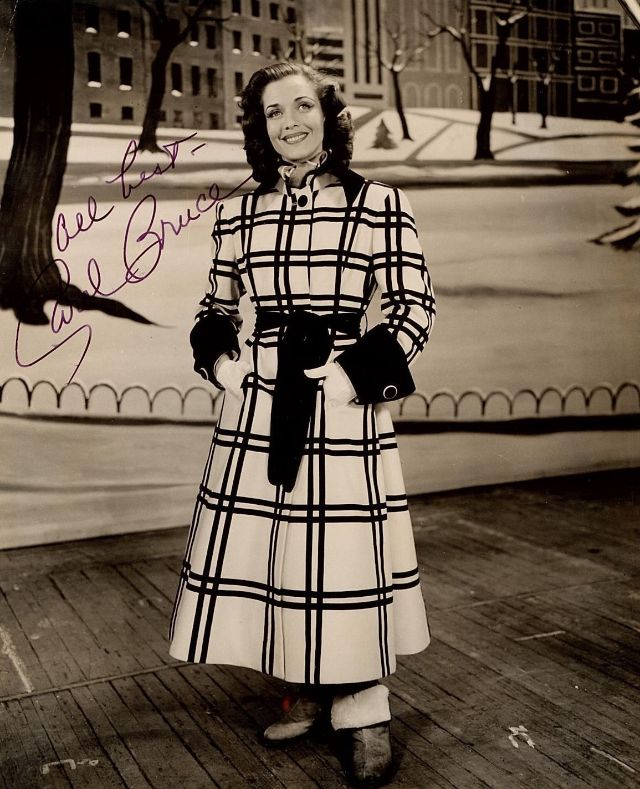
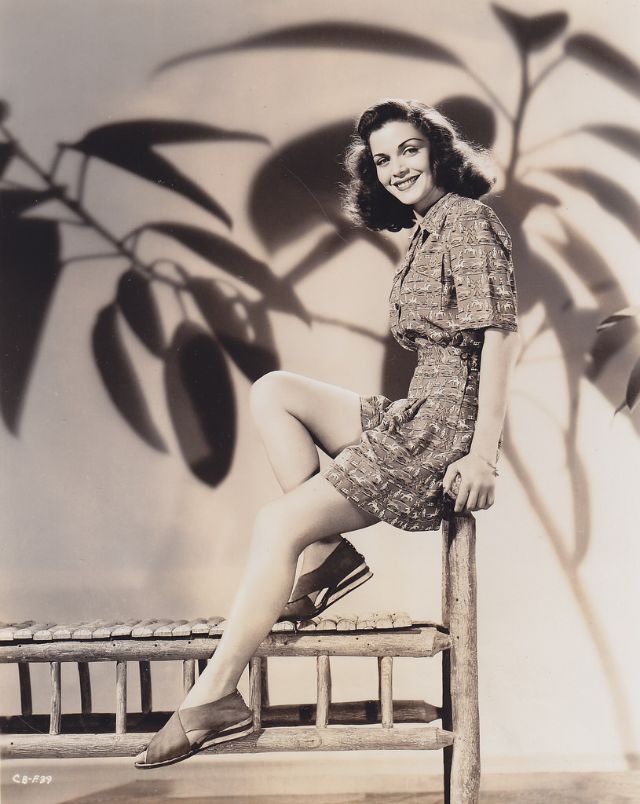
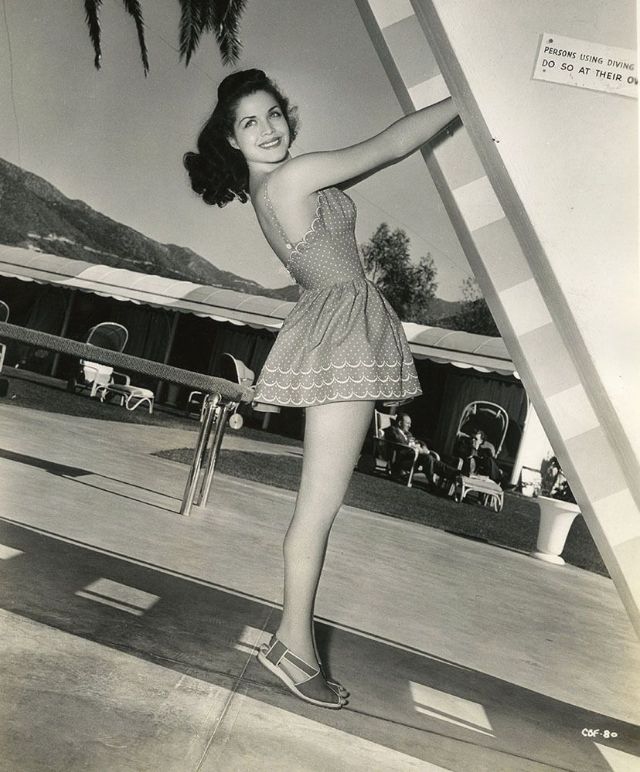
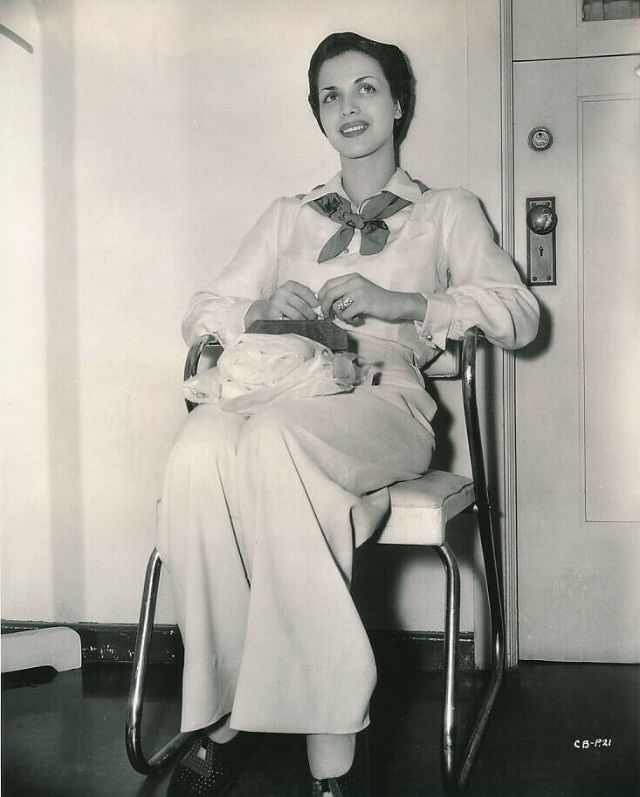
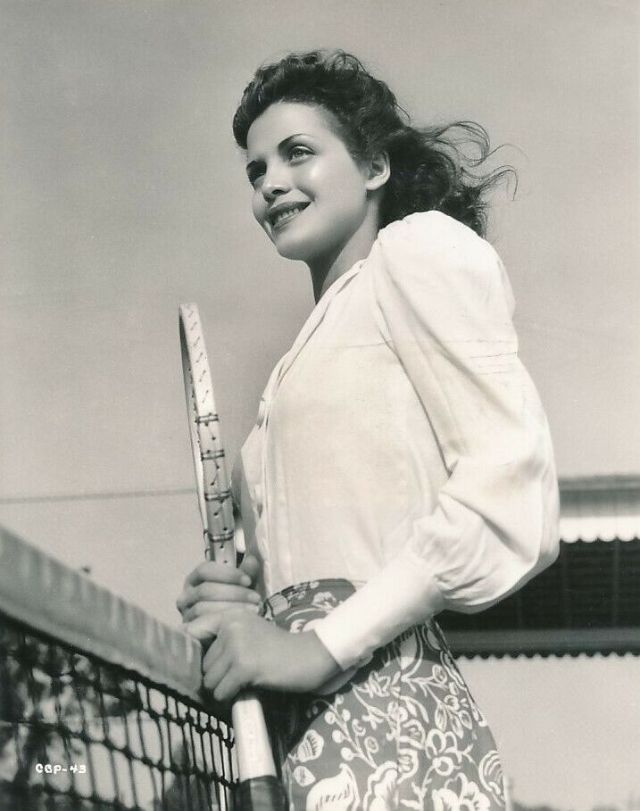
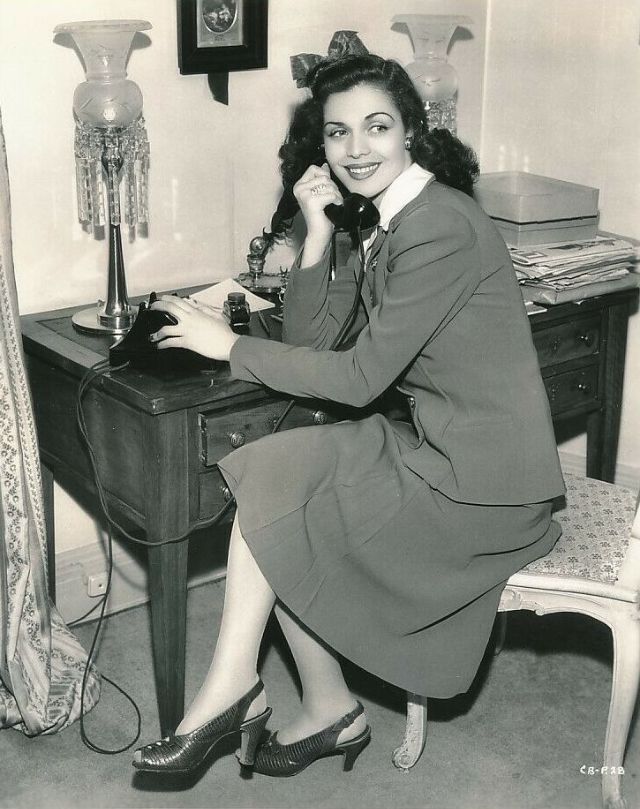
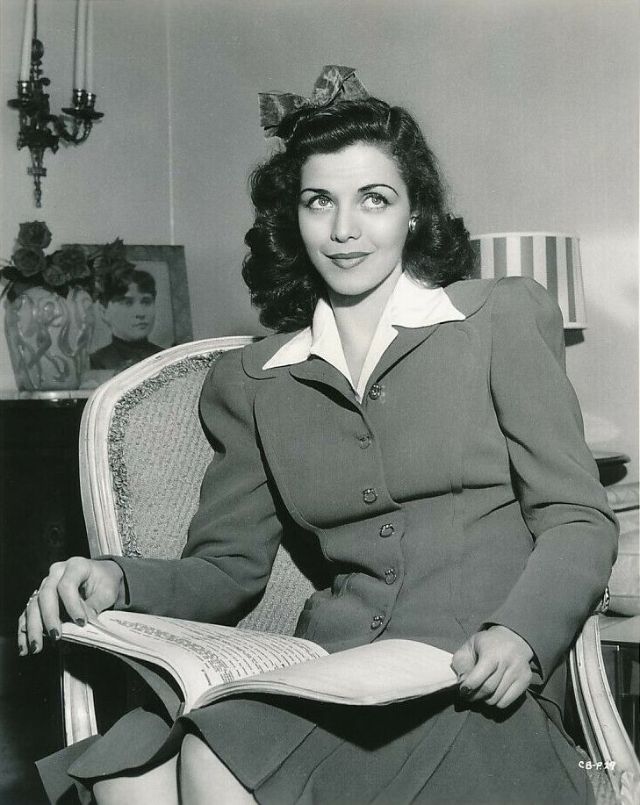
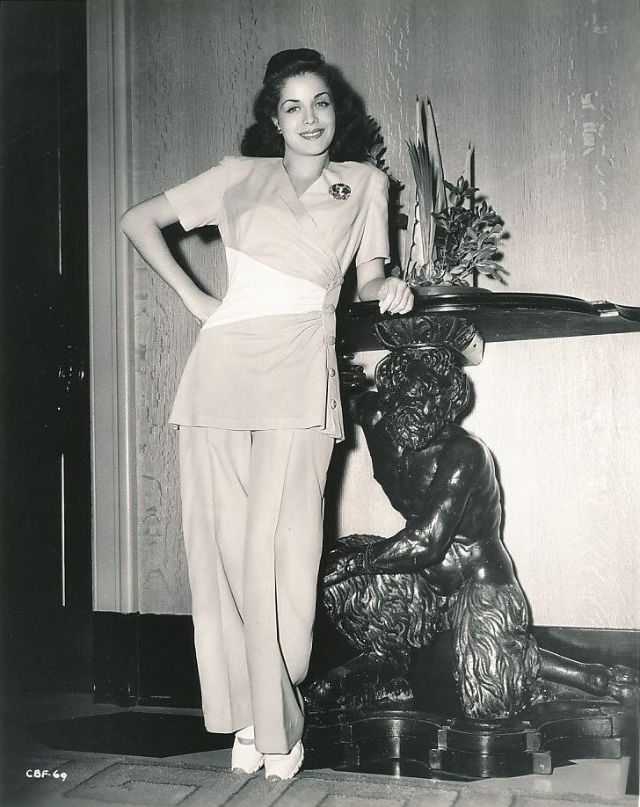
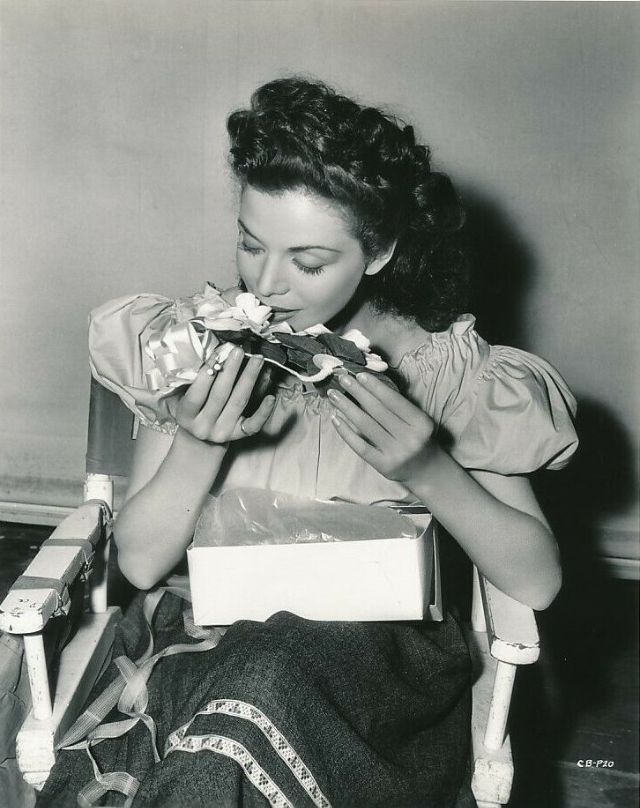
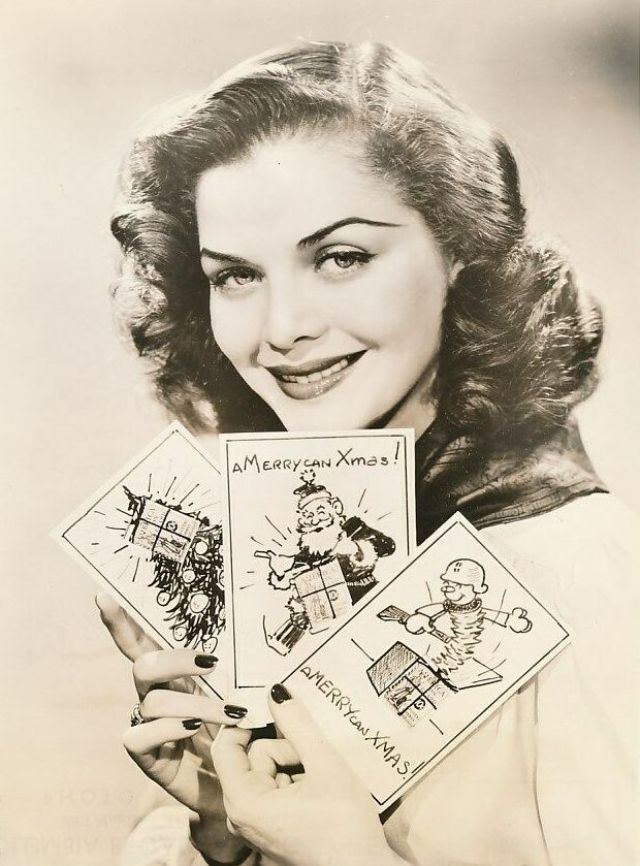
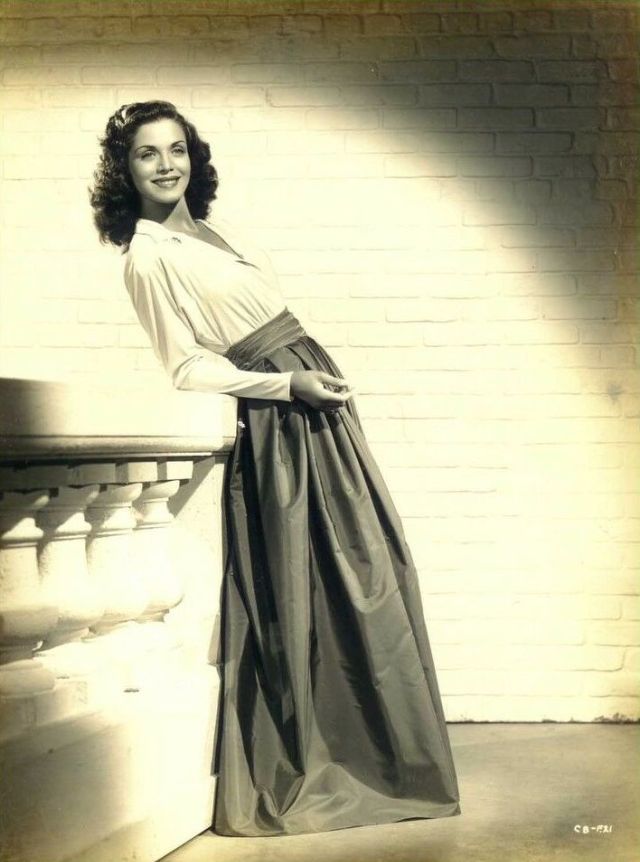
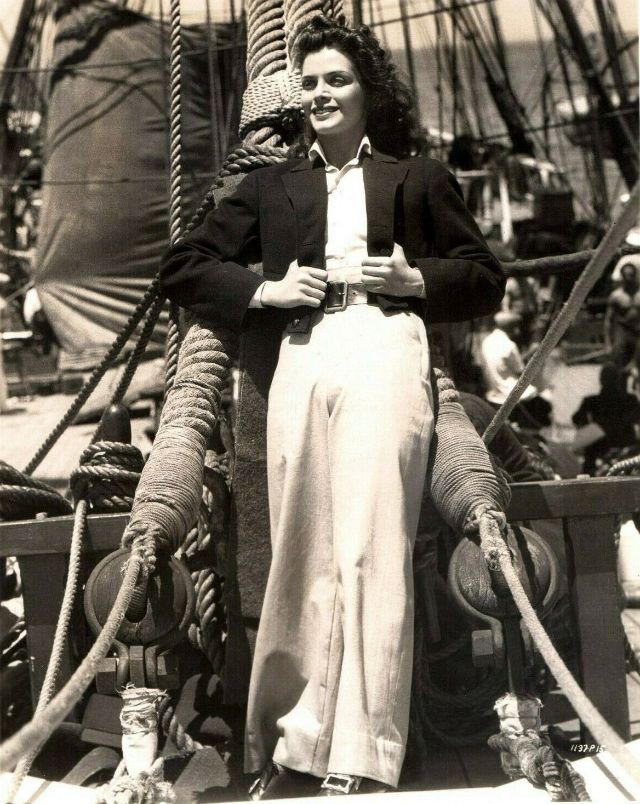
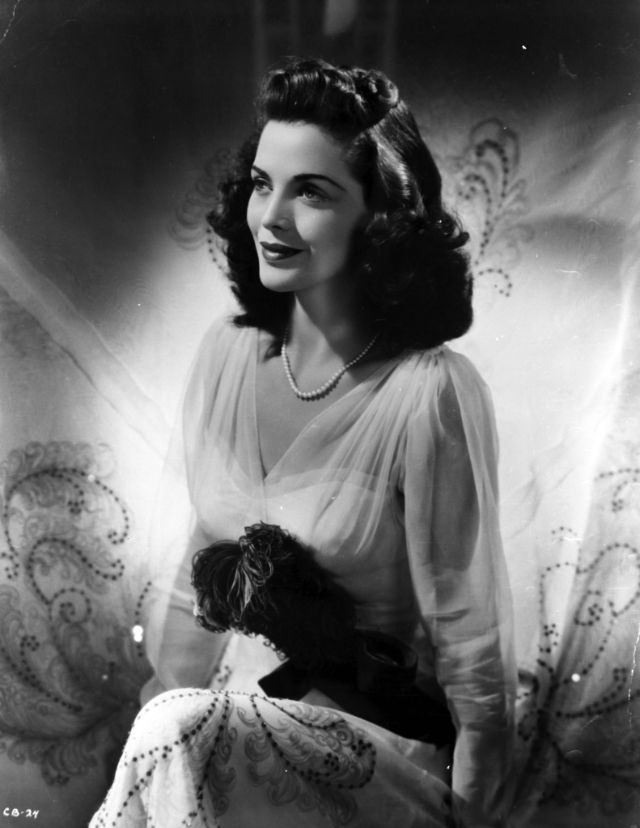
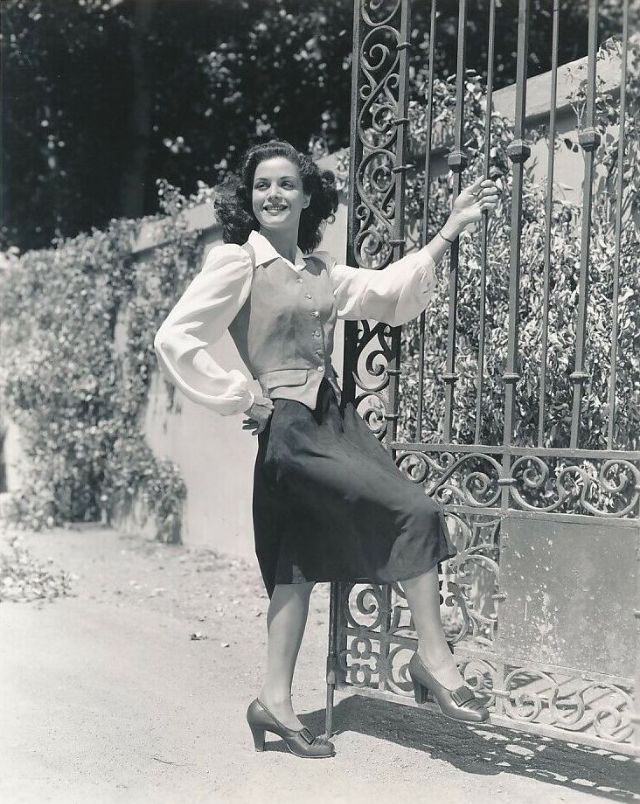
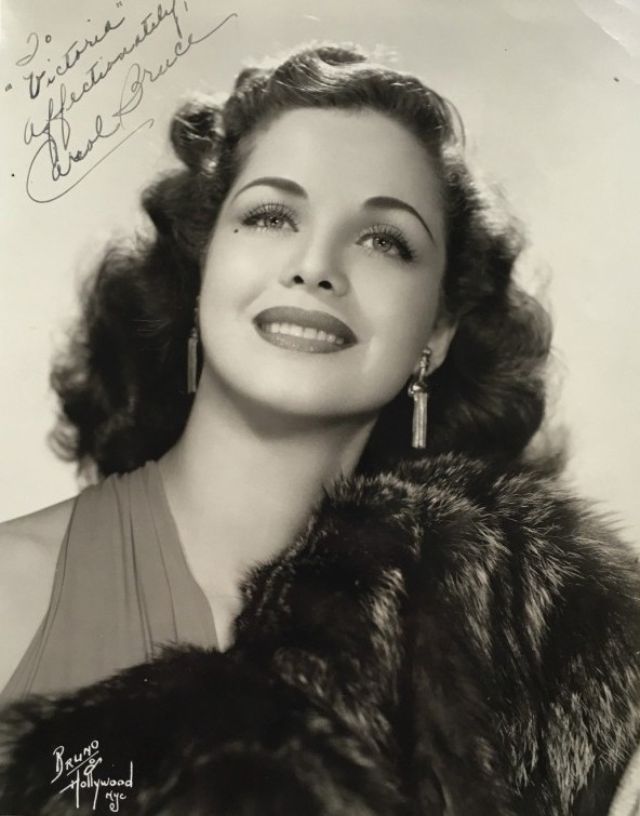
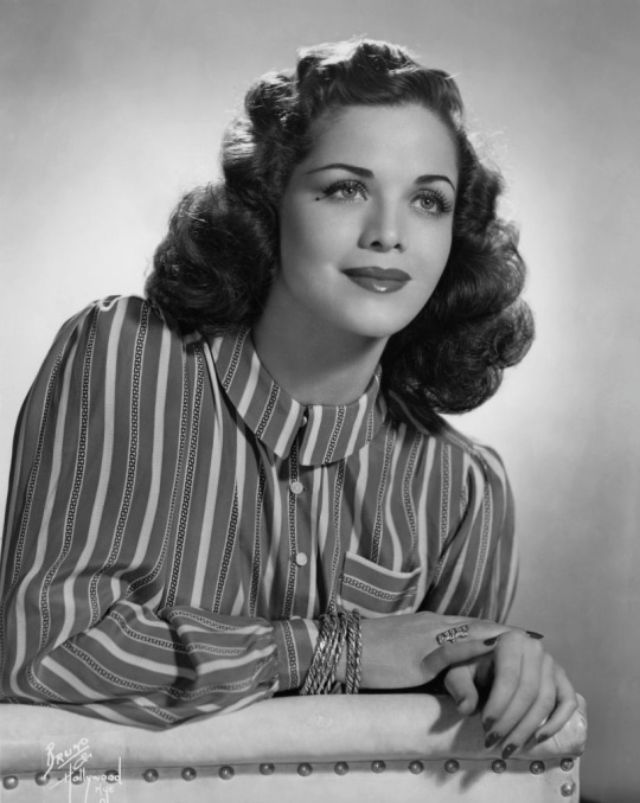
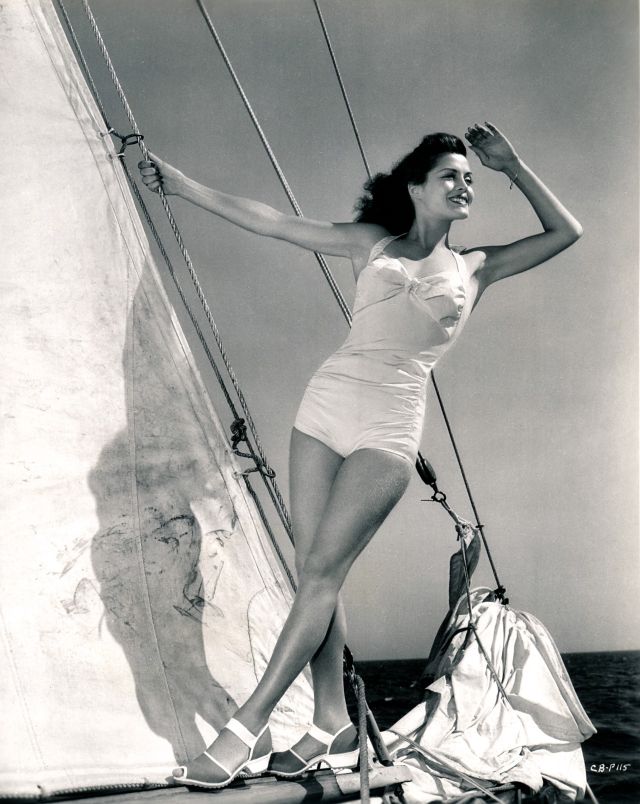
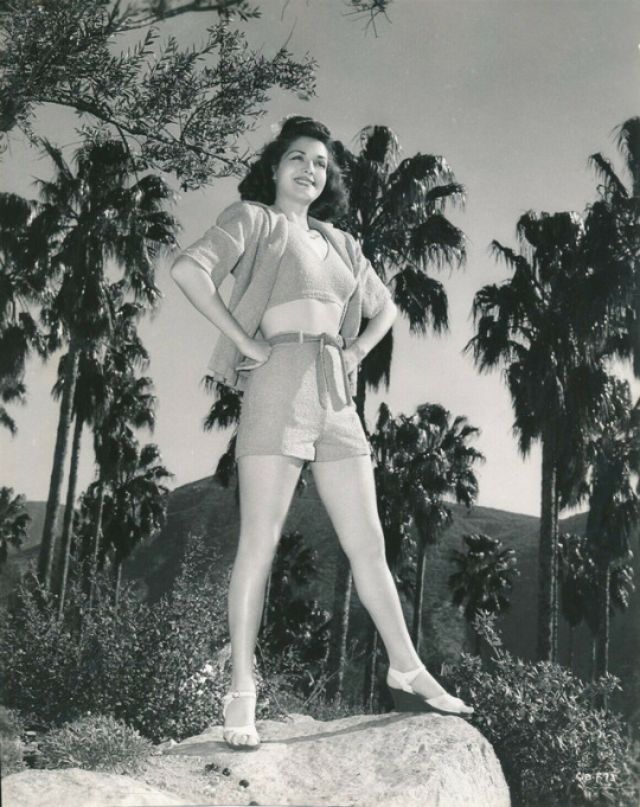
Born 1919 as Shirley Levy in New York City, New York, American band singer, Broadway star and actress Carol Bruce began her career as a singer in the late 1930s with Larry Clinton and his band. She sang with Ben Bernie’s orchestra in 1940-1941.
Bruce made her Broadway debut in Louisiana Purchase, with songs by Irving Berlin, who discovered her at a nightclub in Newark, New Jersey. She was the first actress to play the role of Julie in a Broadway production of Jerome Kern and Oscar Hammerstein II’s Show Boat since the 1932 Broadway revival.
Bruce appeared with Abbott and Costello in Keep ’Em Flying (1941). Her first serious film role was in This Woman Is Mine (1941). She had supporting roles many years later in the films American Gigolo (1980) and Planes, Trains and Automobiles (1987), and probably best-remembered for her recurring role as the domineering and meddlesome Lillian “Mama” Carlson (mother of the station manager played by Gordon Jump) on CBS’ WKRP in Cincinnati.
Bruce died from chronic obstructive pulmonary disease at the Motion Picture & Television Country House and Hospital in Woodland Hills, California, aged 87.
Subscribe to Yesterday Today’s Blog to receive regular updates on new content:
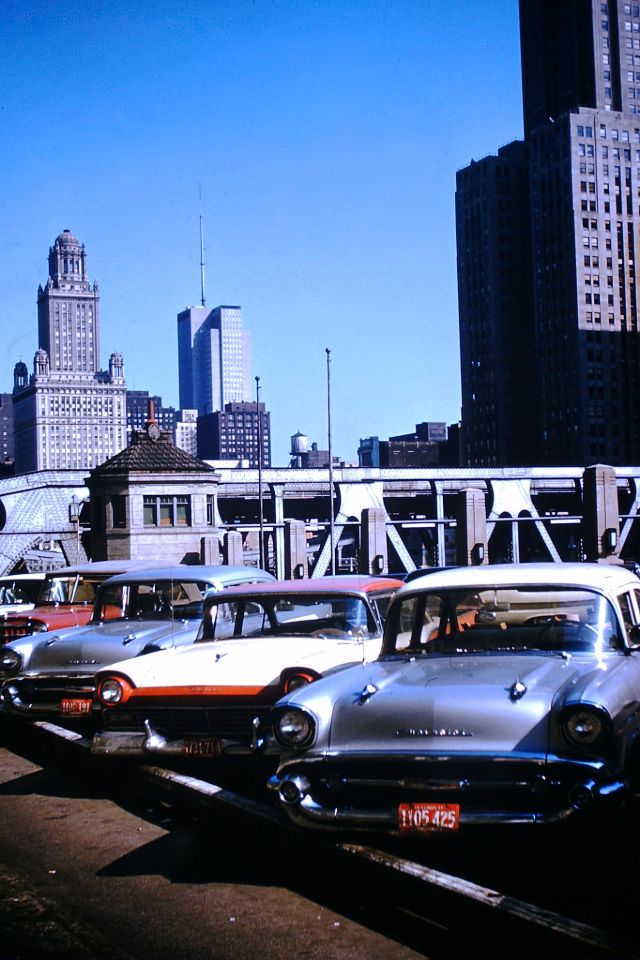
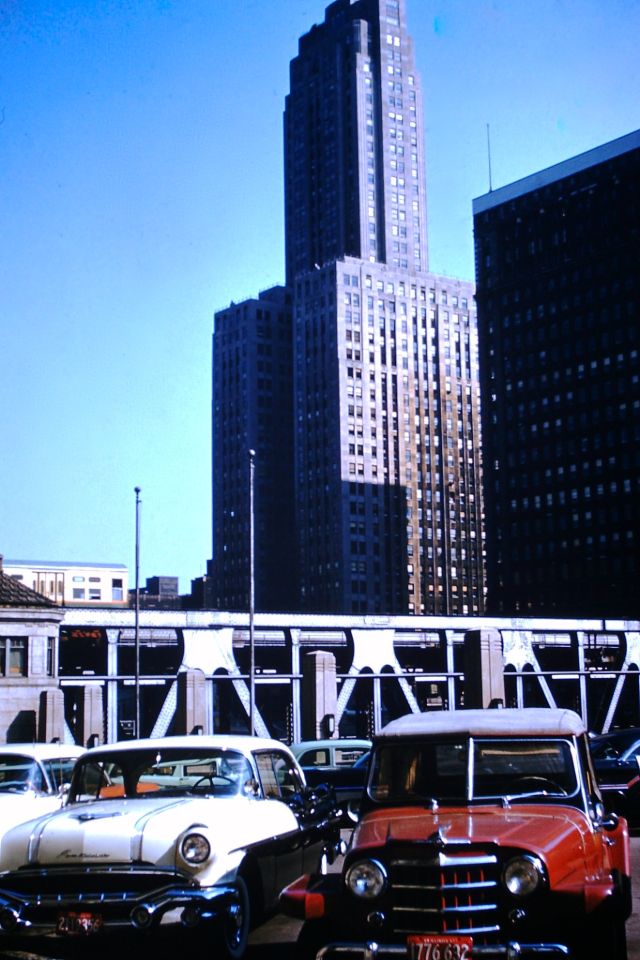
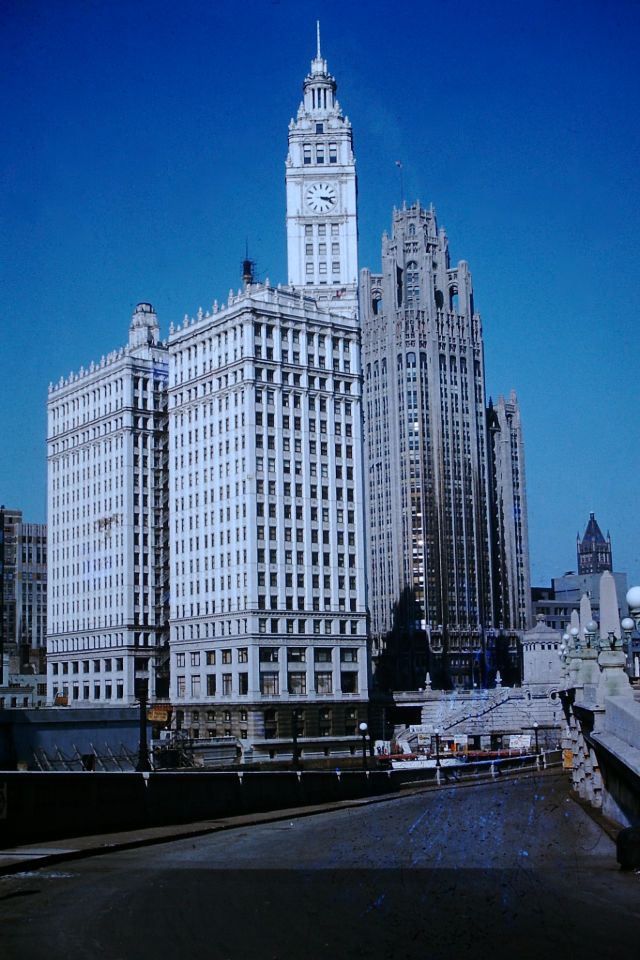
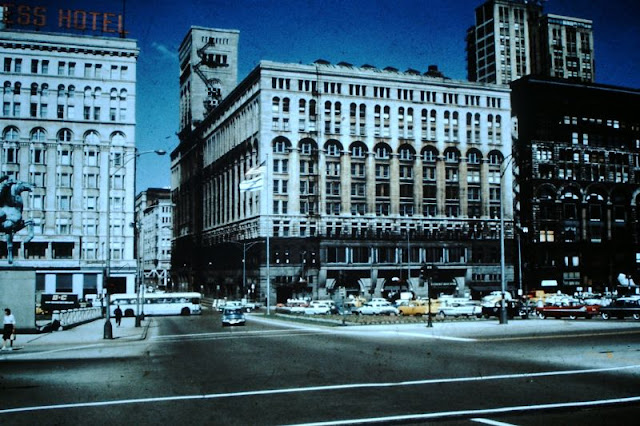
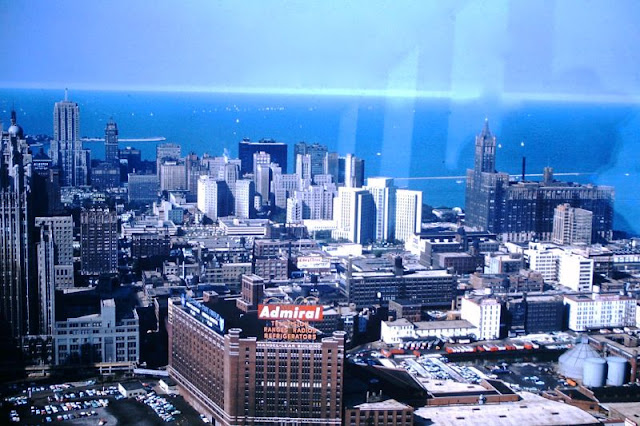
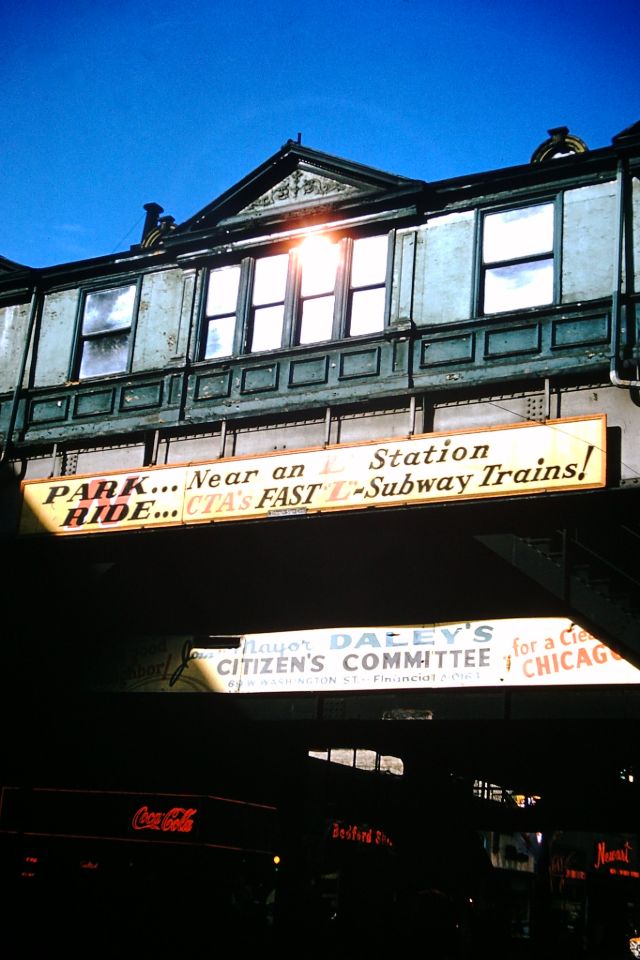
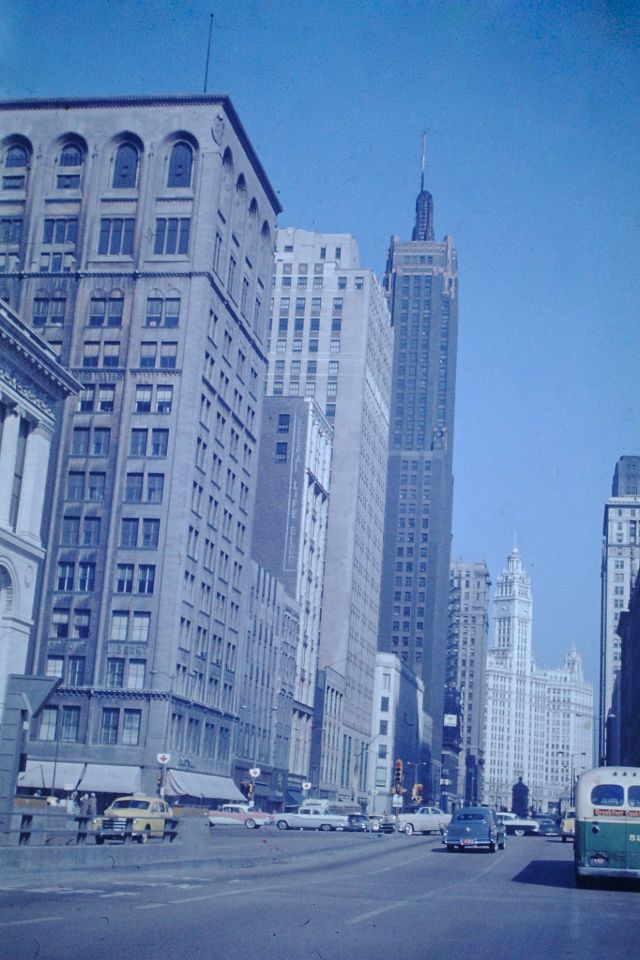
Mayor Richard J. Daley, a Democrat, was elected in 1955, in the era of machine politics. In 1956, Chicago conducted its last major expansion when it annexed the land under O’Hare airport, including a small portion of DuPage County.
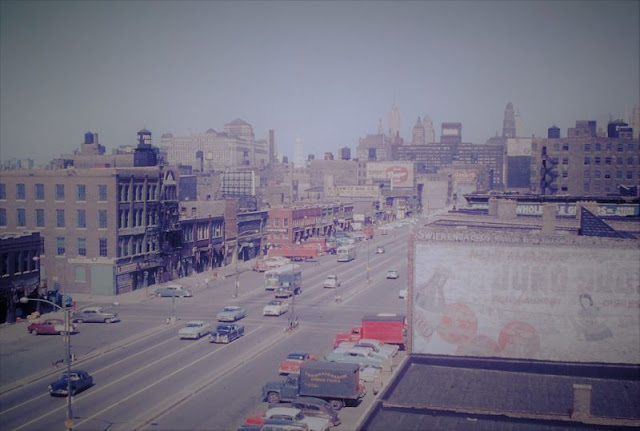
Between 1950 and 1960 Chicago’s population shrank for the first time in its history, as factory jobs leveled off and people moved to the suburbs. Poor neighborhoods were razed and replaced with massive public housing that solved few of the problems of poverty and violence.
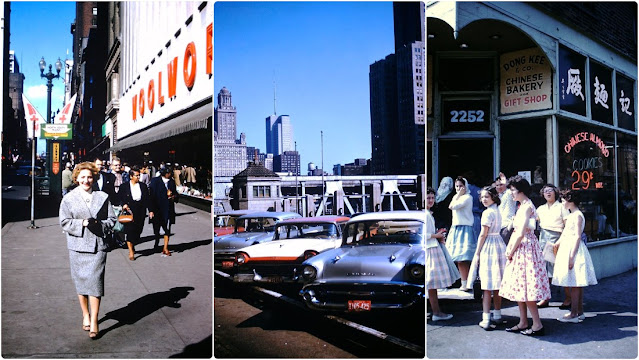
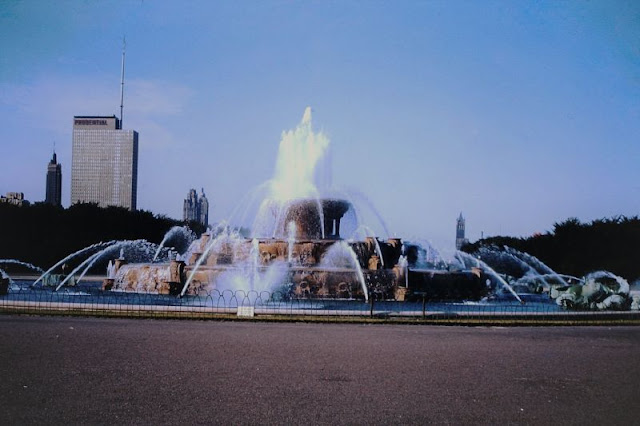
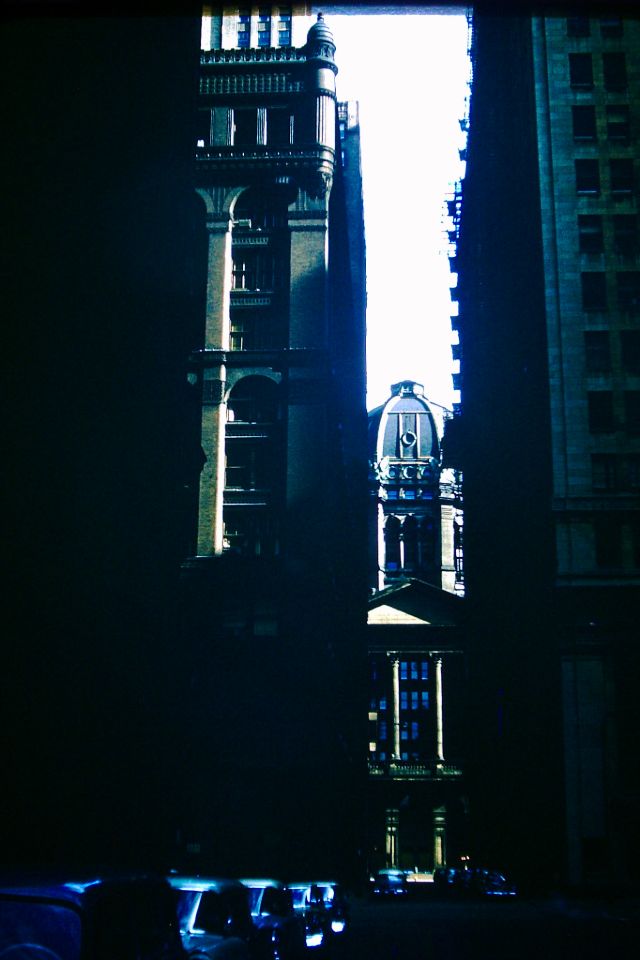
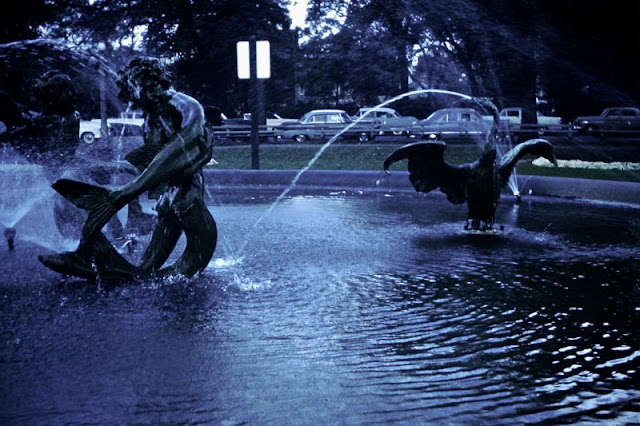
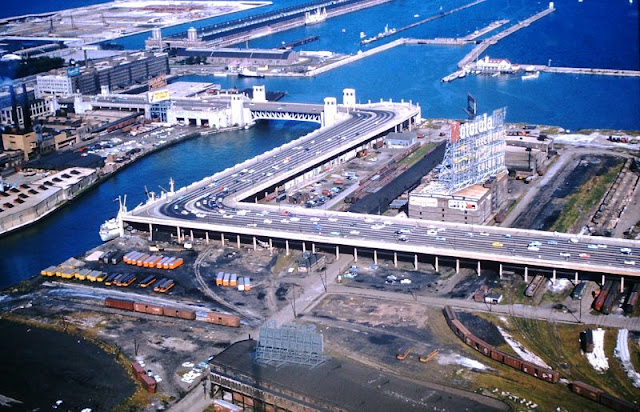
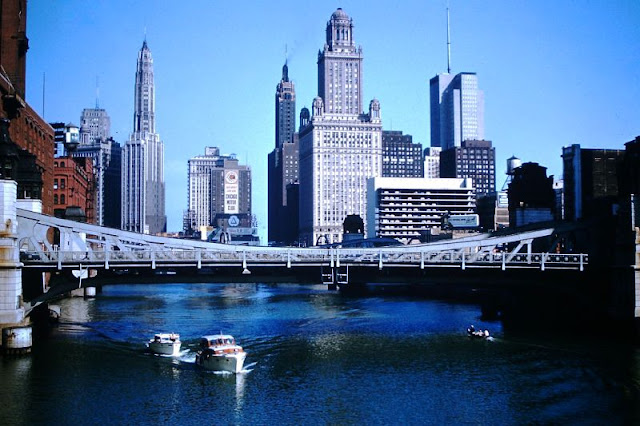
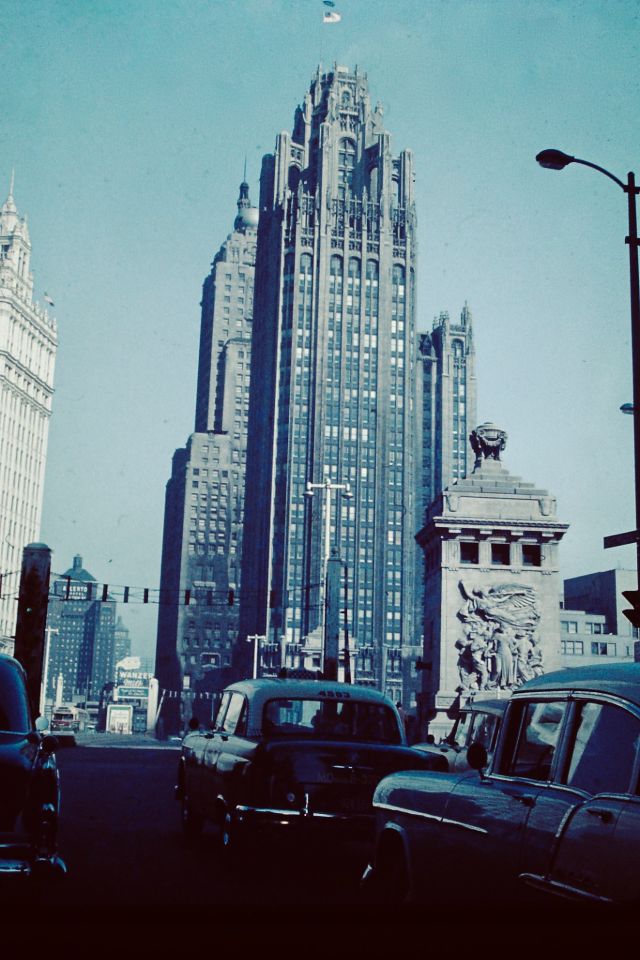
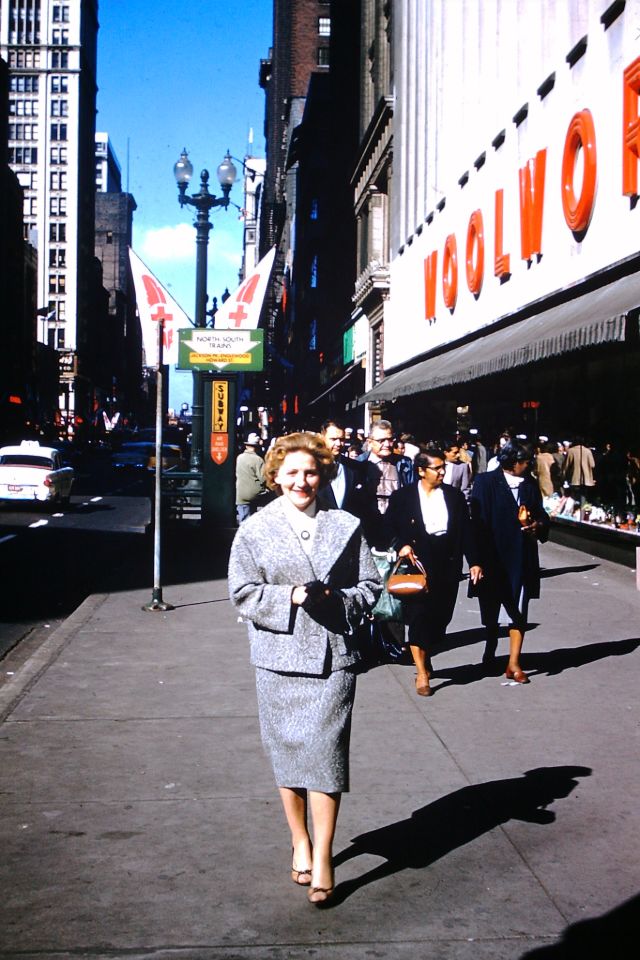
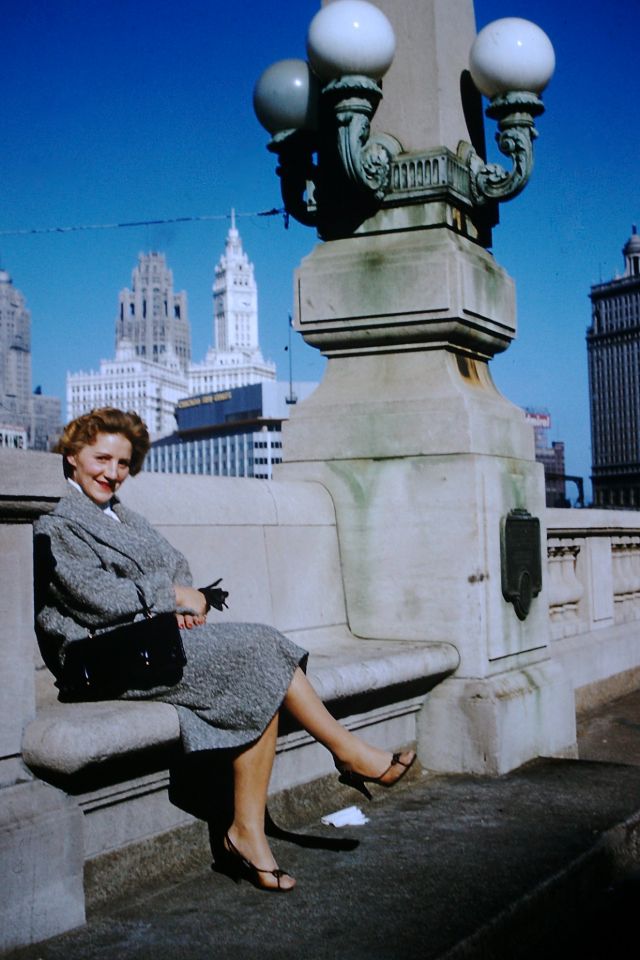
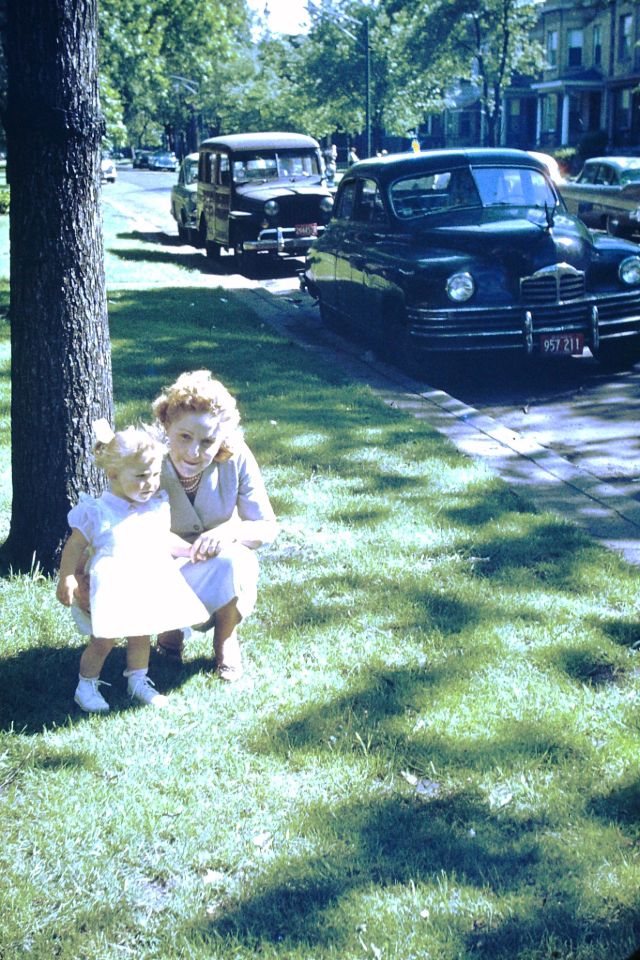
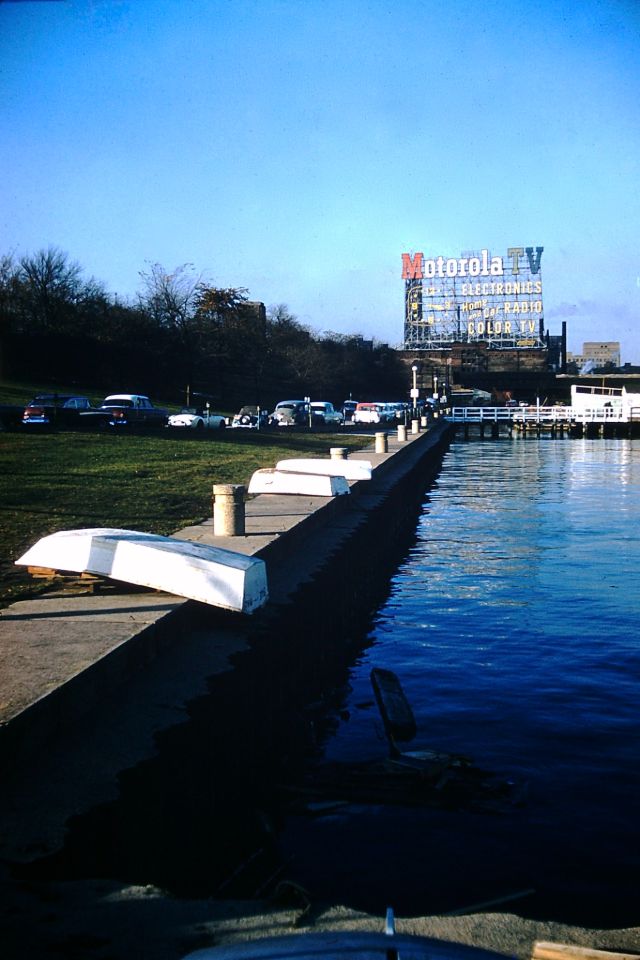
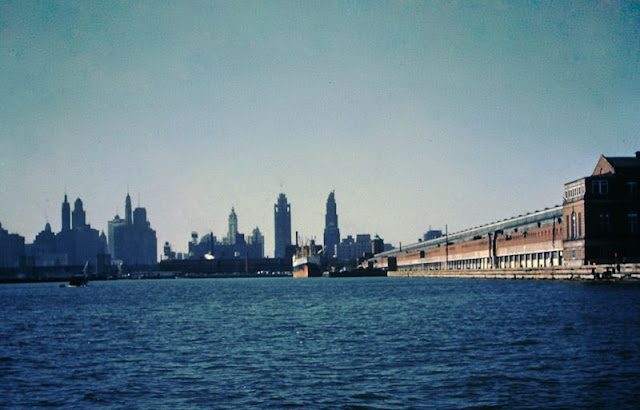
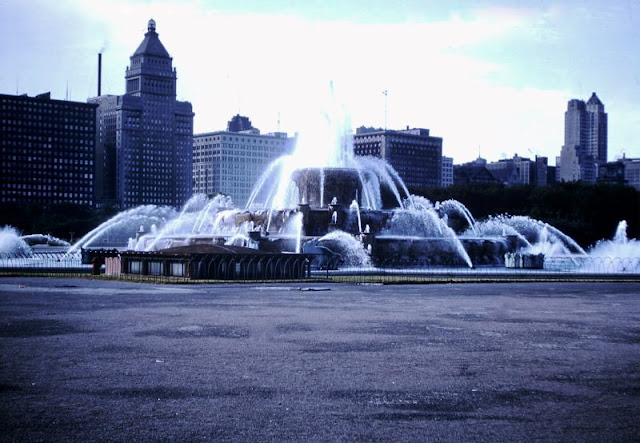
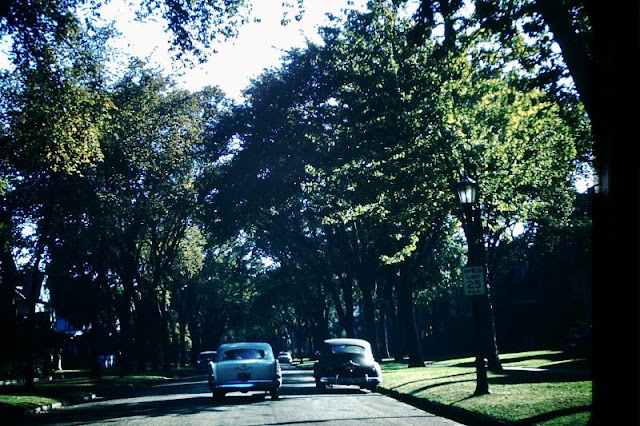
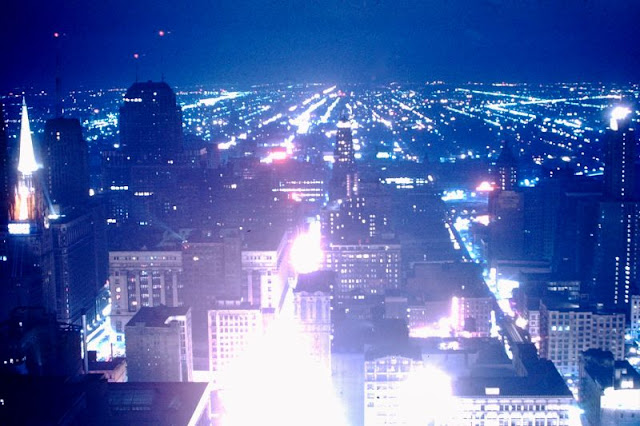
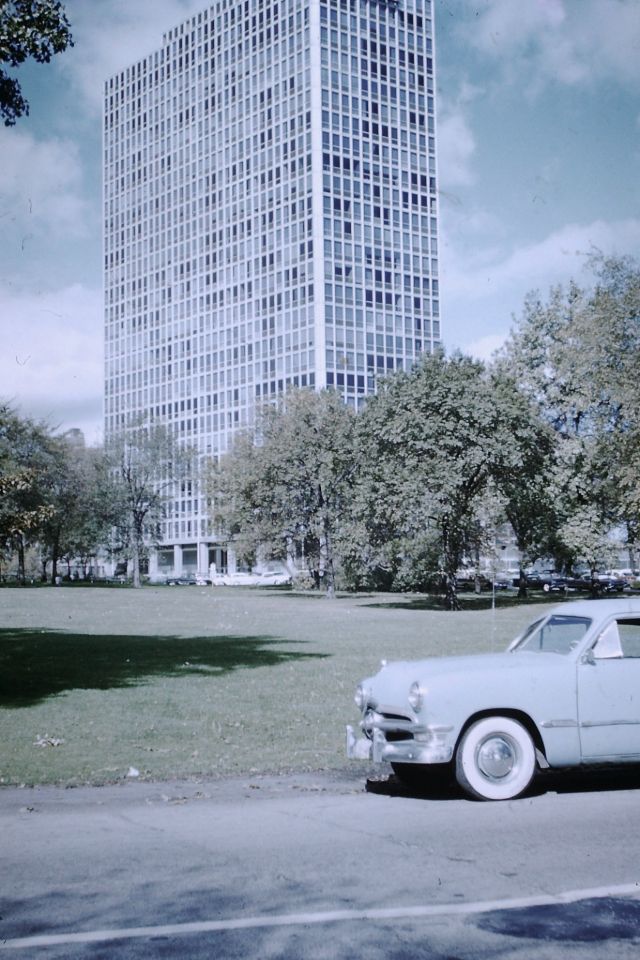
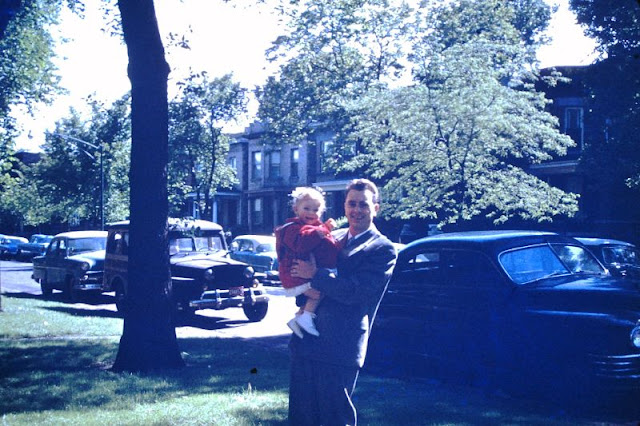
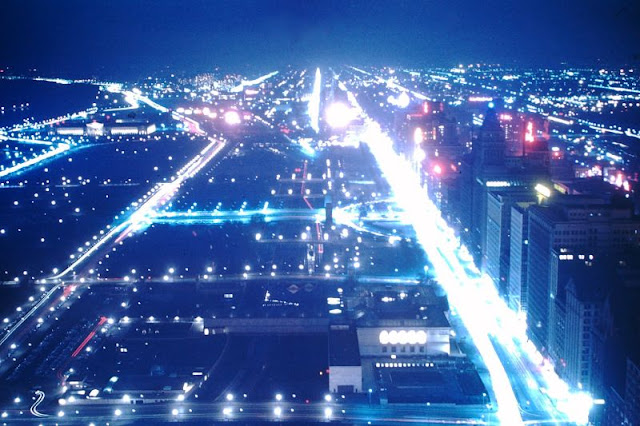
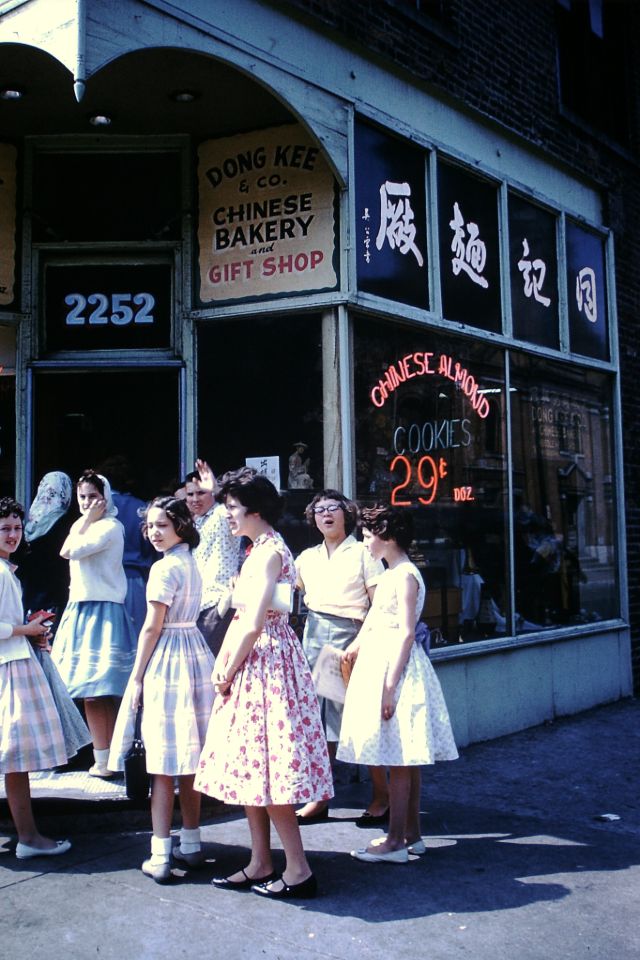
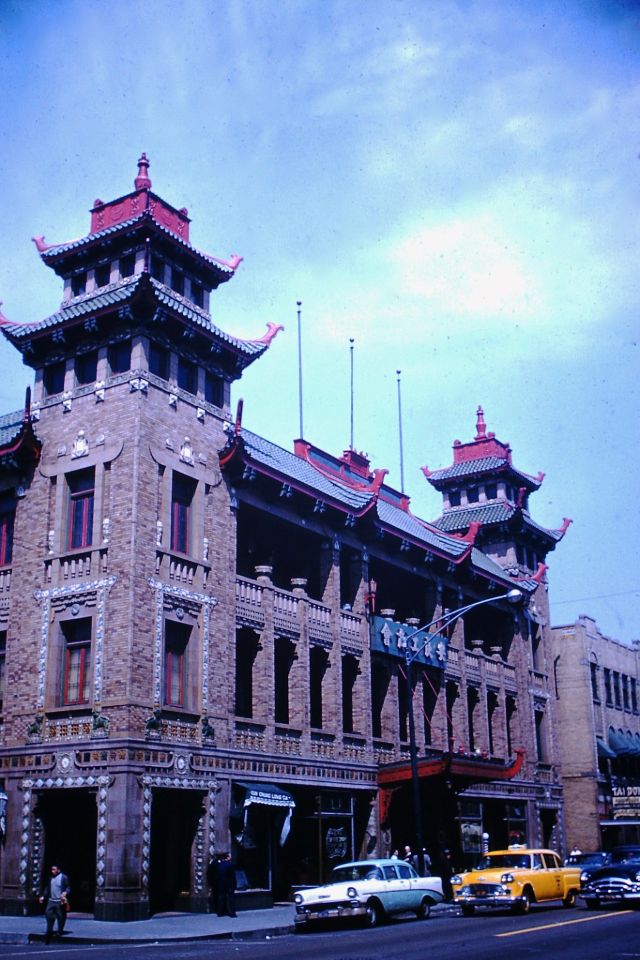
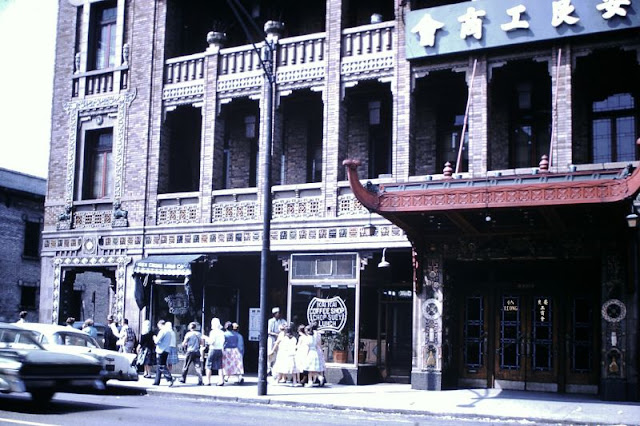
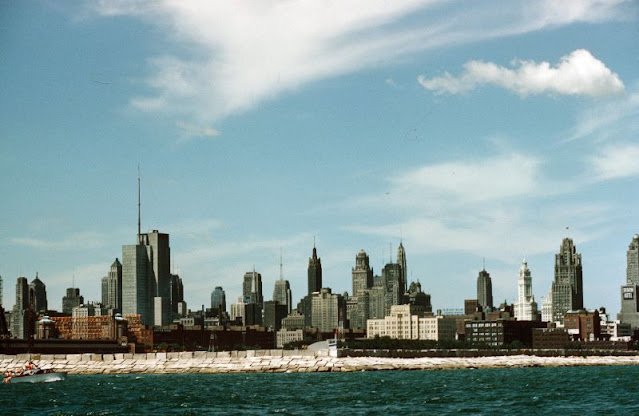
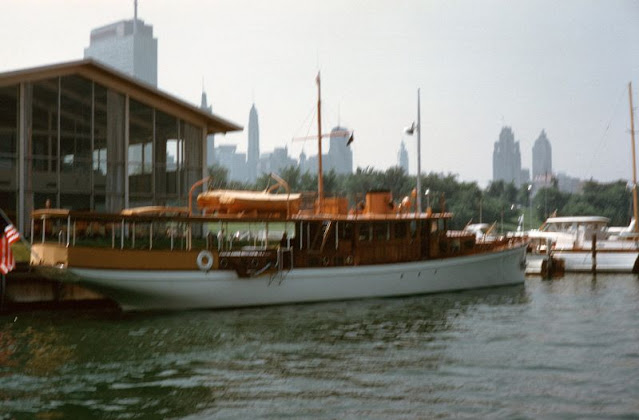
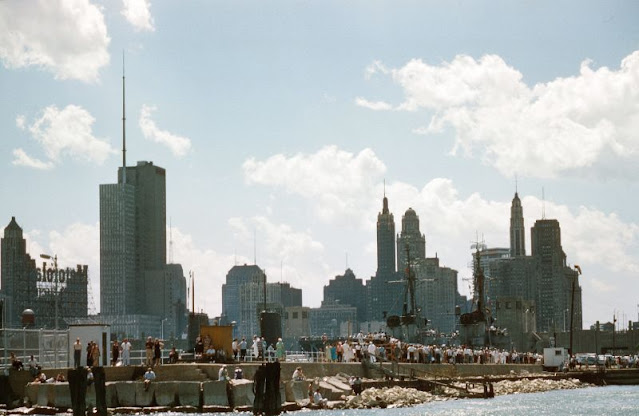
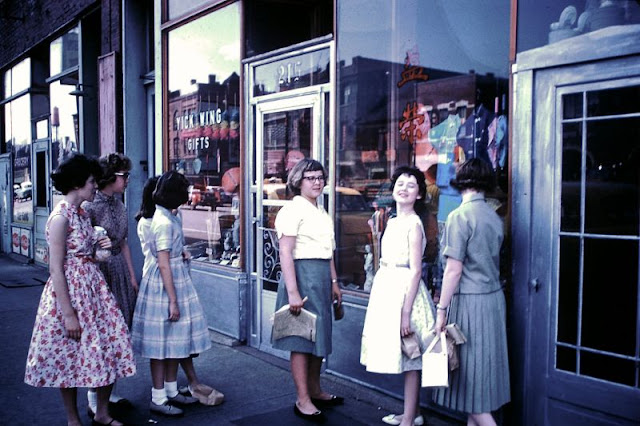
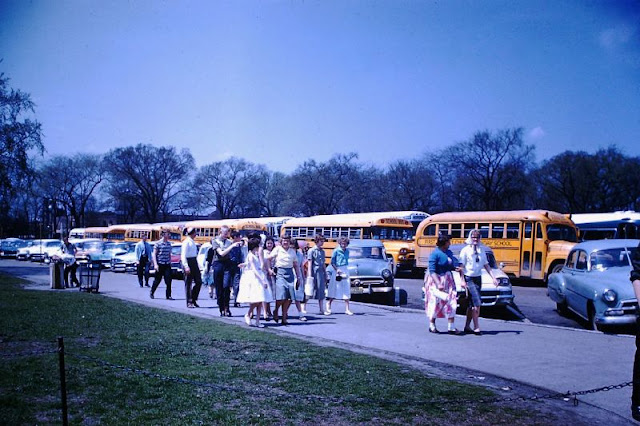
These amazing color photos show what Chicago looked like in the 1950s.
Subscribe to Yesterday Today’s Blog to receive regular updates regarding new content:
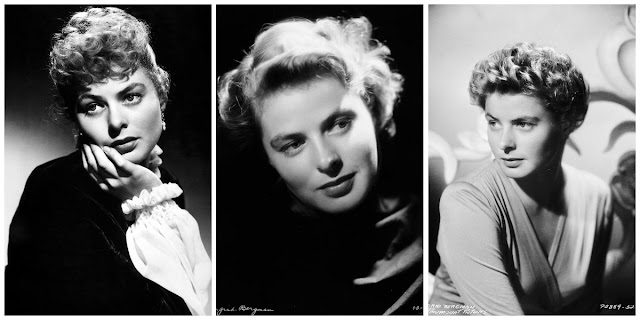
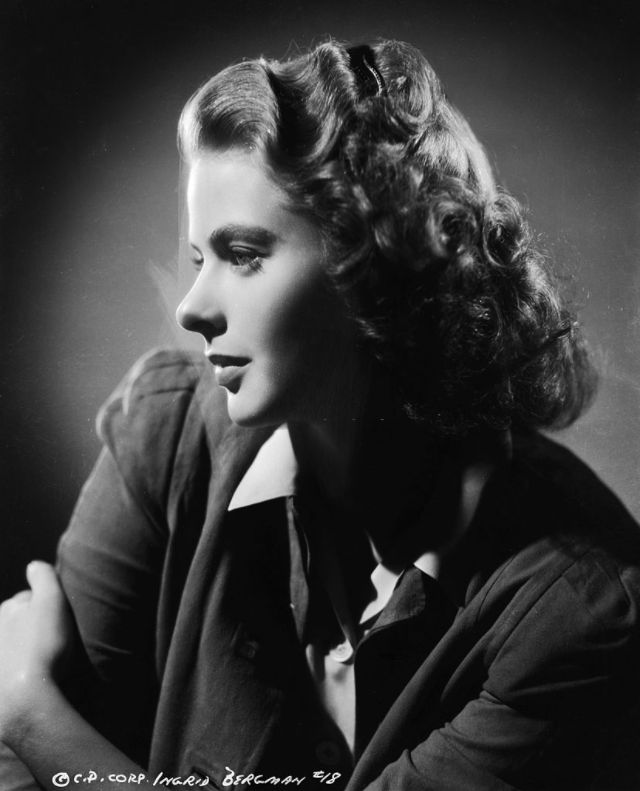
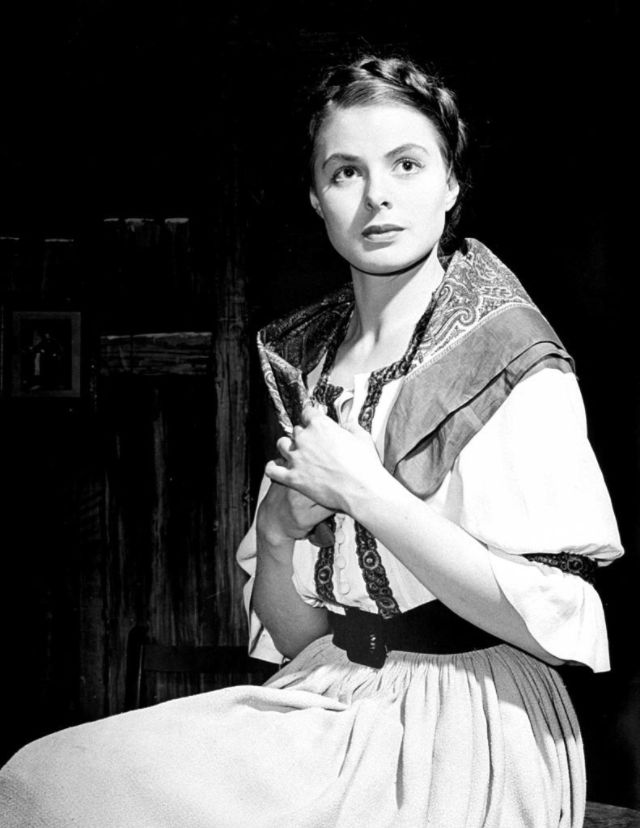
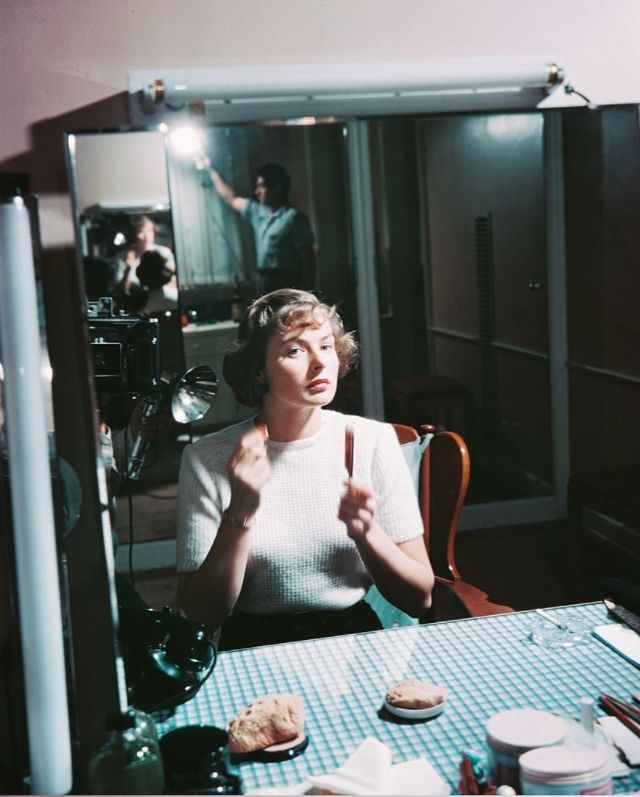
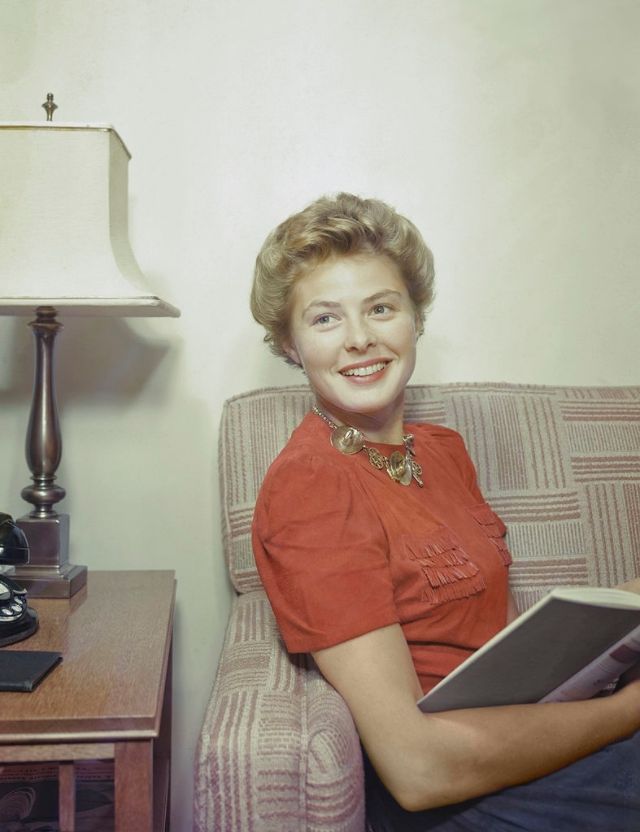
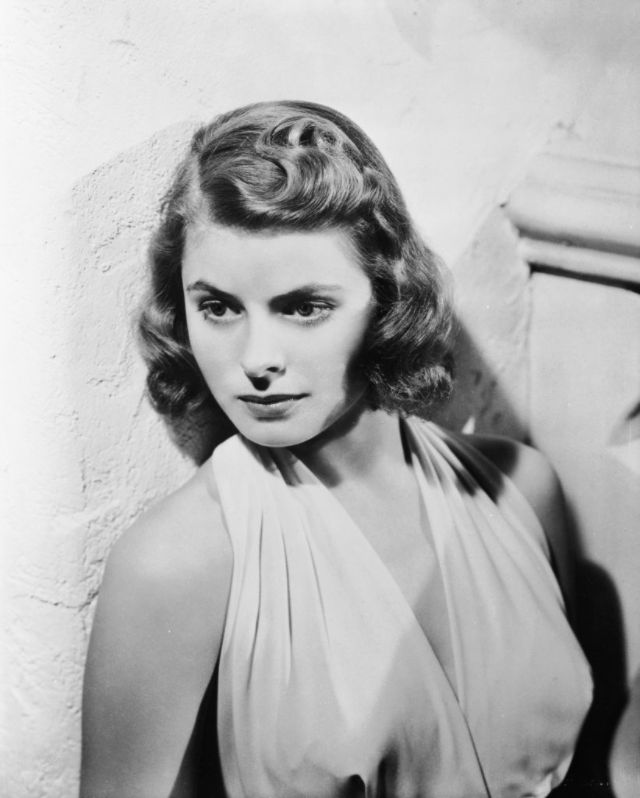
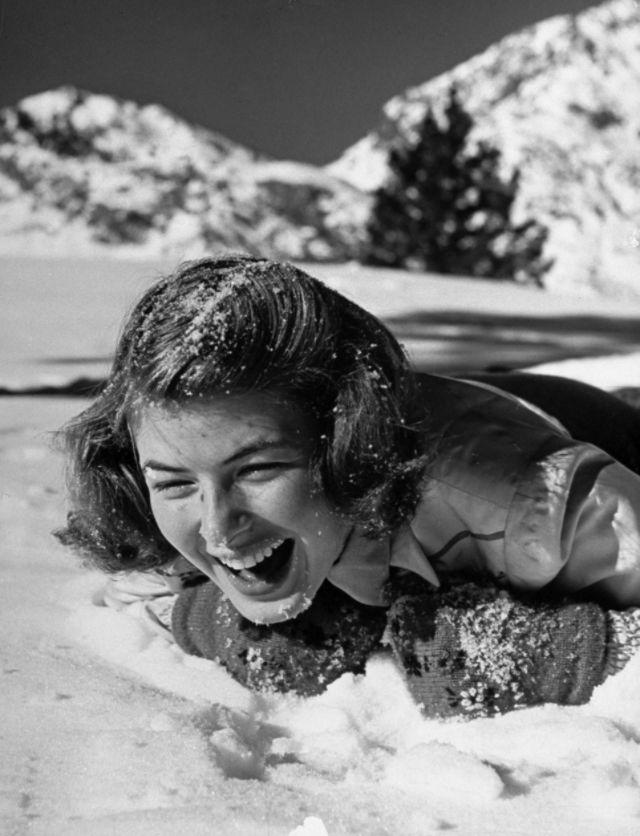
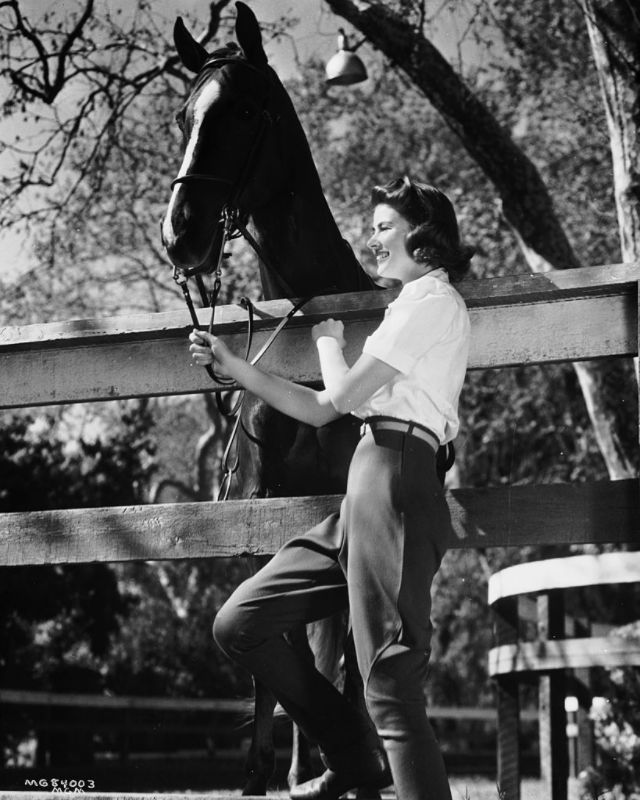
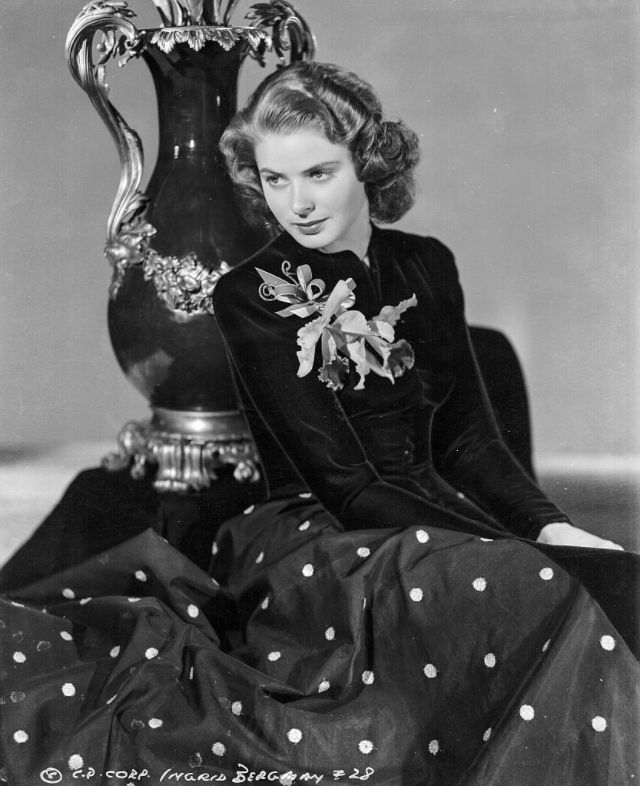
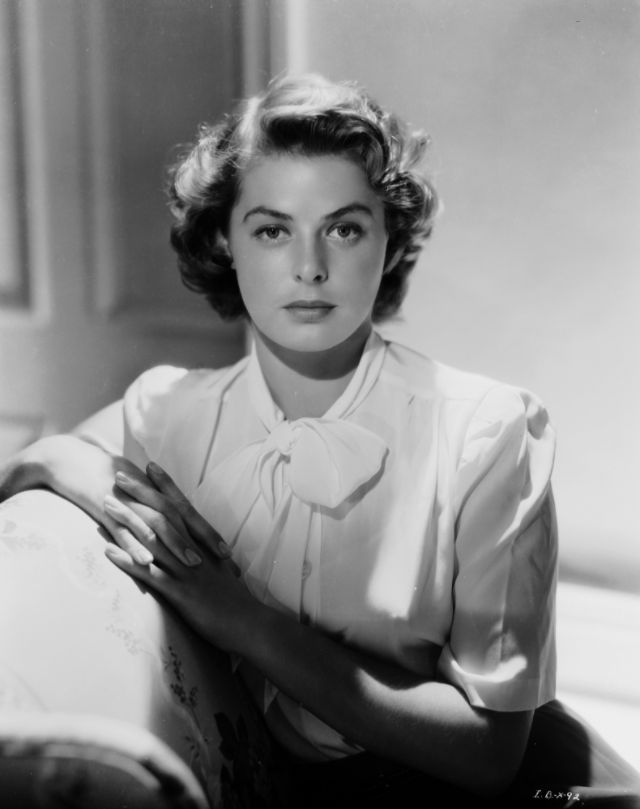
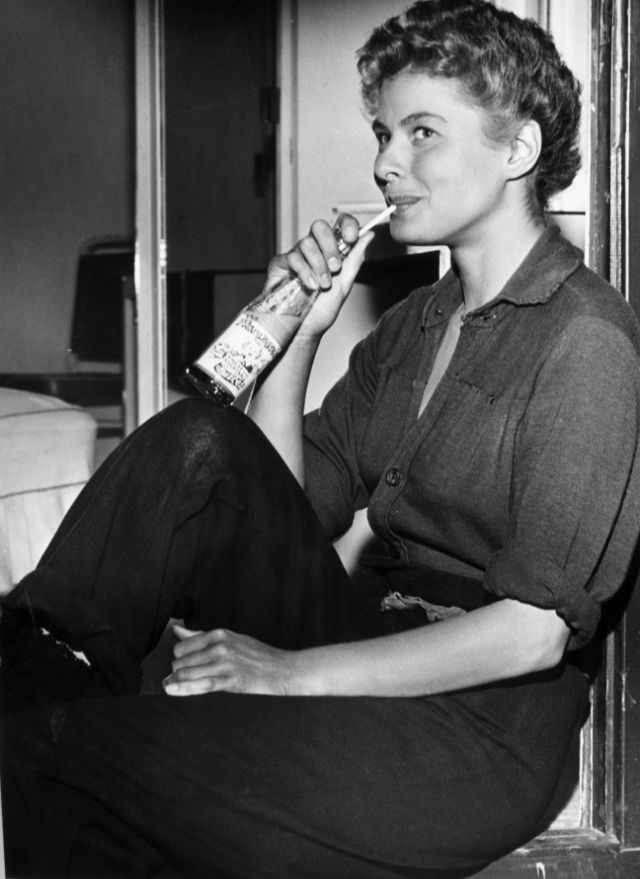
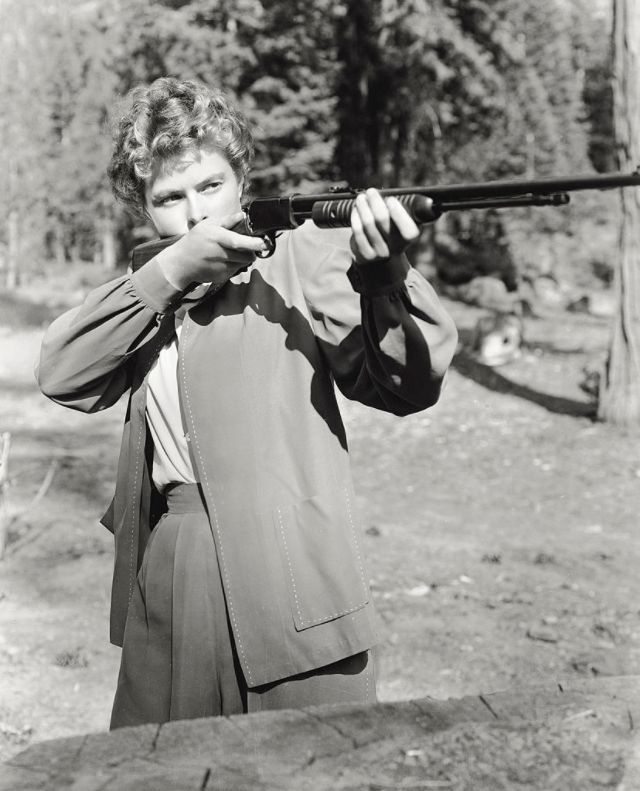
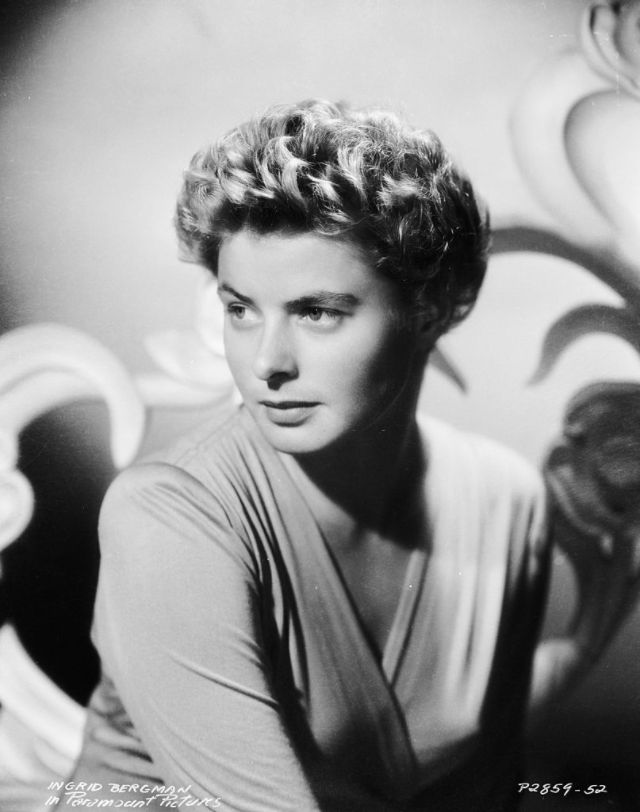
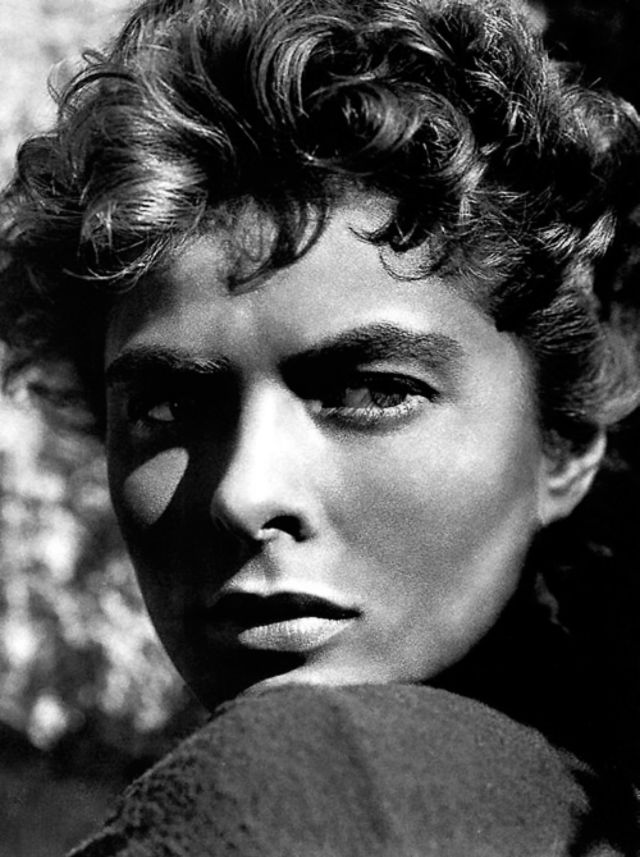
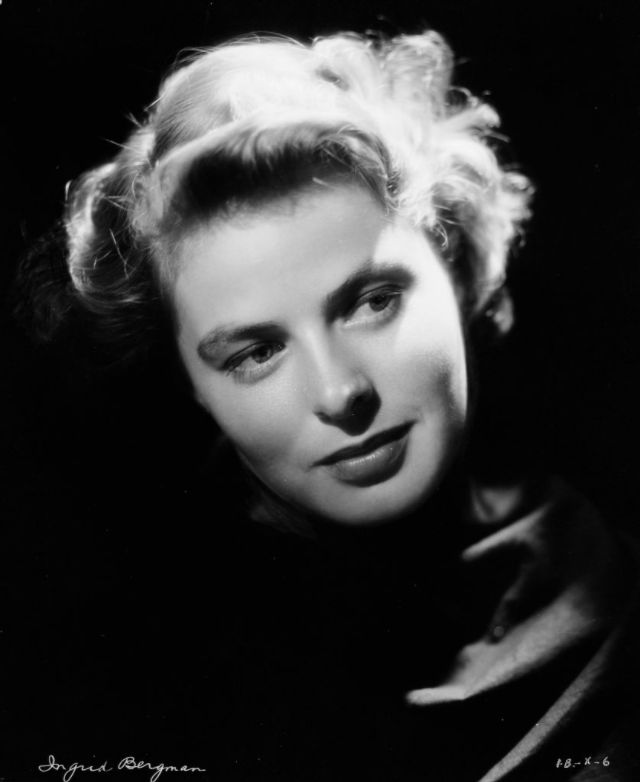
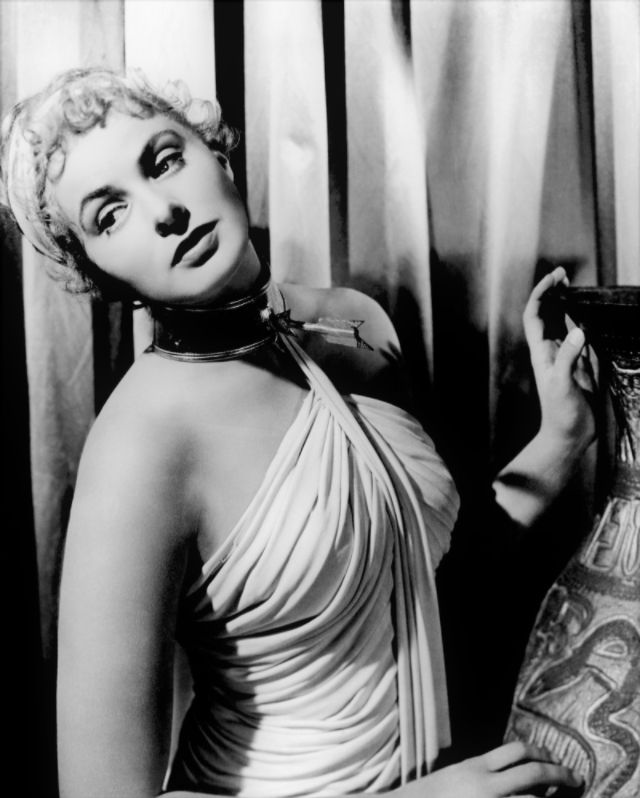
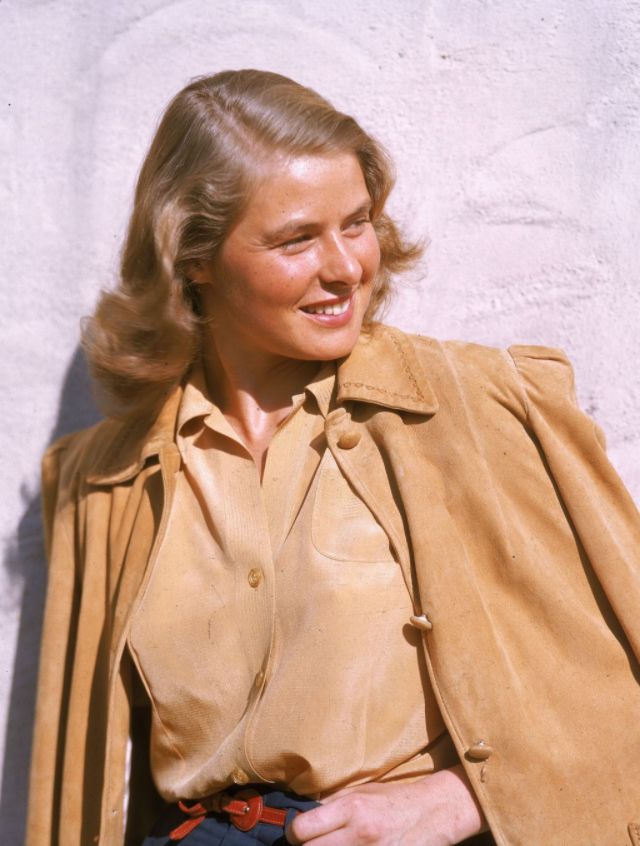
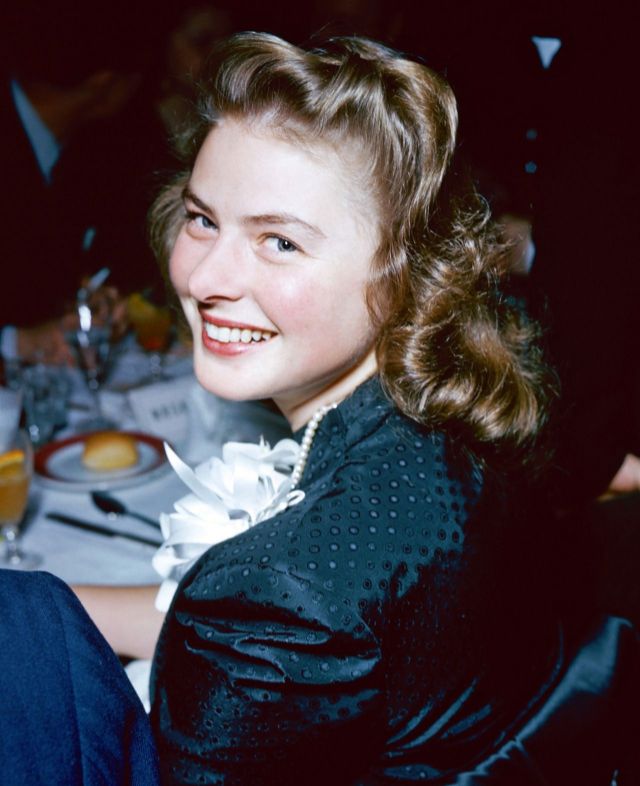
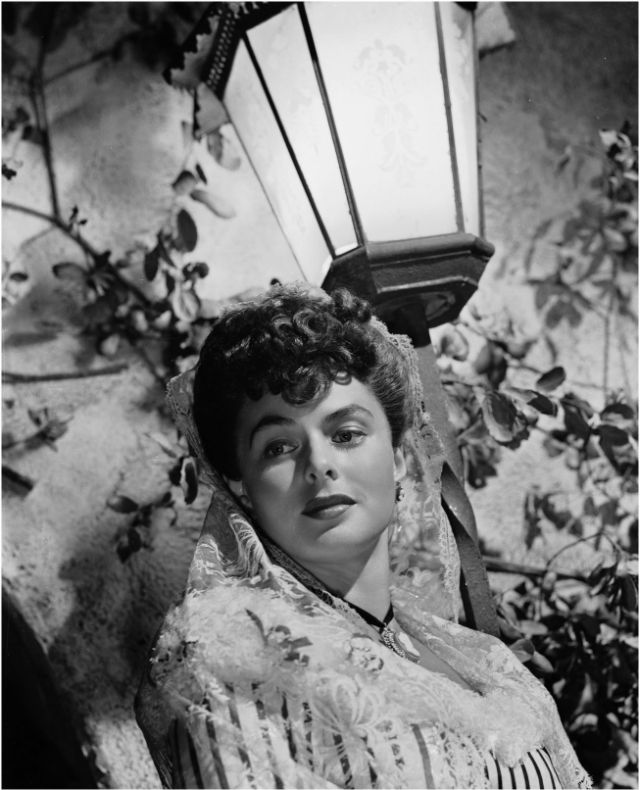
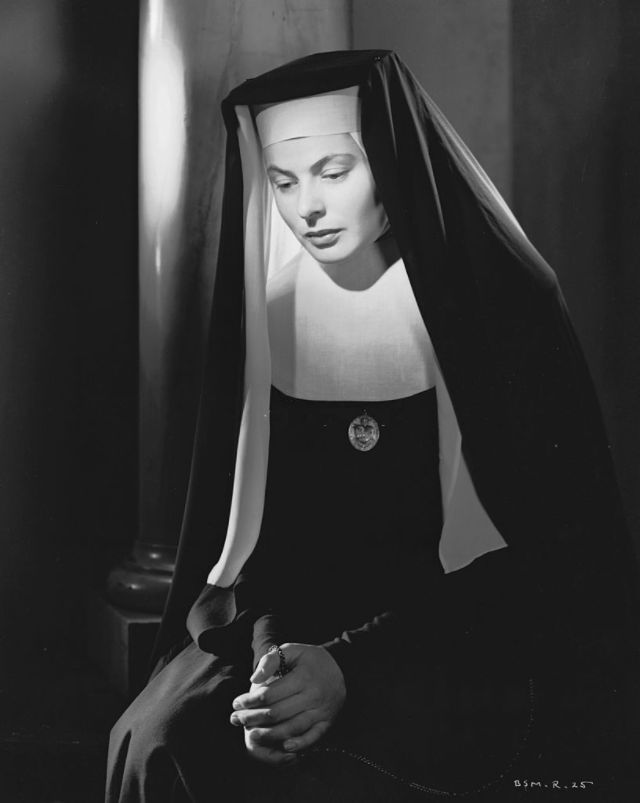
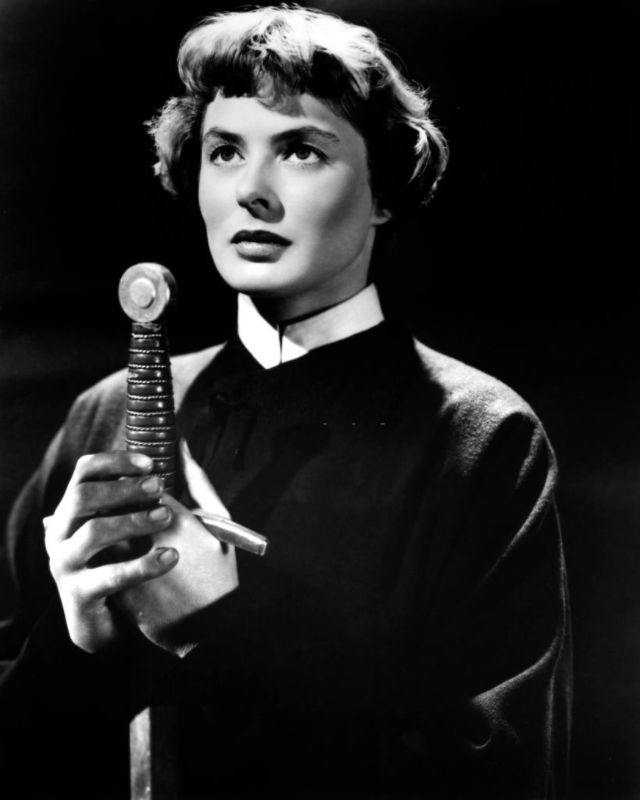
Ingrid Bergman found her first success in the United States for her critically acclaimed performance in Intermezzo: A Love Story (1939). Hailed as a fine new talent, Bergman appeared in three films in 1941: Adam Has Four Sons, Rage in Heaven, and Dr. Jekyll and Mr. Hyde—the last earned her even more praises. That same year she was also successful on her second stage appearance in Anna Christie. In 1942 Bergman had her most famous and enduring role as Ilsa Lund in Casablanca. Despite receiving numerous acclaims, the film was not one of Bergman’s favorite performances.
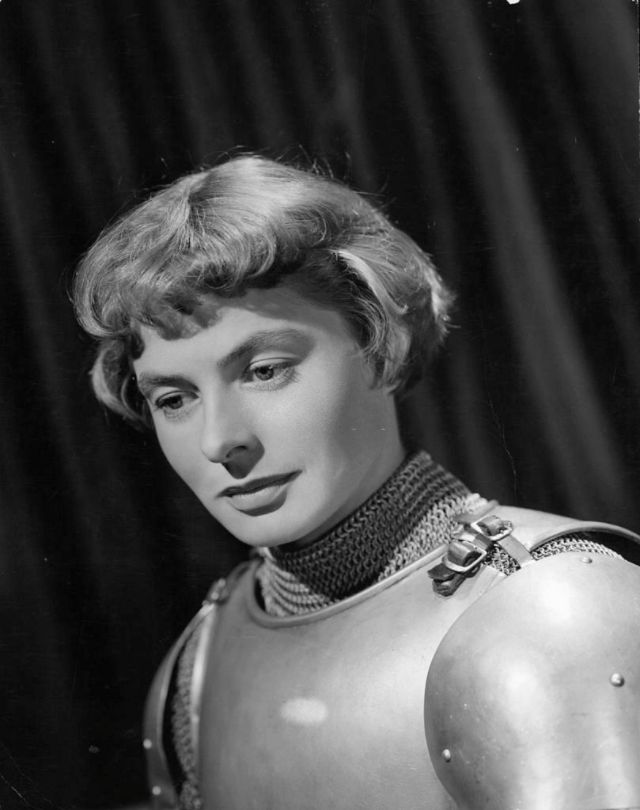
Bergman received her first Oscar nomination for For Whom the Bell Tolls in 1943. Ernest Hemingway himself stated that “Miss Bergman, and no one else, should play the part.” Her performance as a “wife driven close to madness” in Gaslight (1944) won Bergman her first Academy Award. She received her third consecutive Oscar nomination for her role as a nun in The Bells of St. Mary’s in 1945. That same year Bergman also appeared in Spellbound, the first of her three collaborations with Alfred Hitchcock. Notorious, her second film with Hitchcock, was released in 1946. Bergman won a Tony Award for her performance in Joan of Lorraine in 1947. Joan of Arc (1948), the movie adaptation of the play, would later earn her another Oscar nomination. Bergman’s last film of the decade, also the last of her collaboration with Hitchcock, was Under Capricorn (1949).
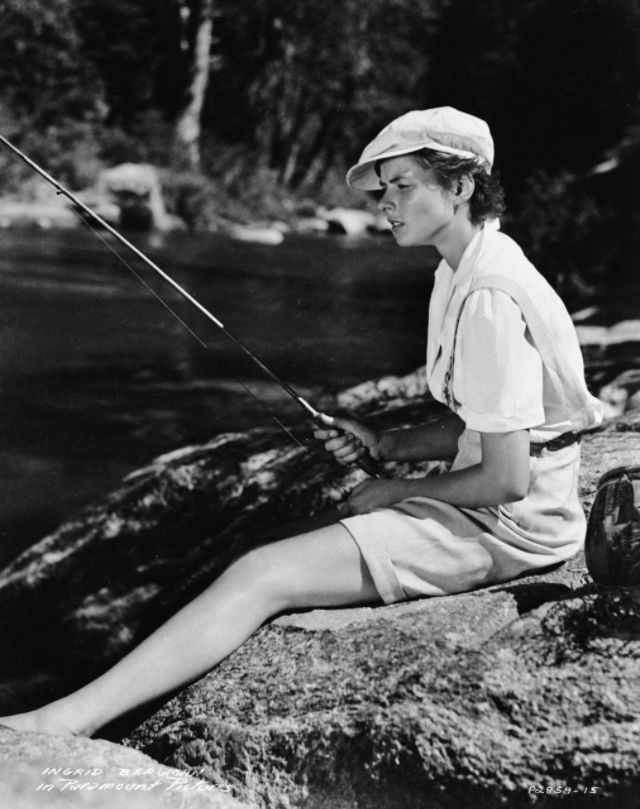
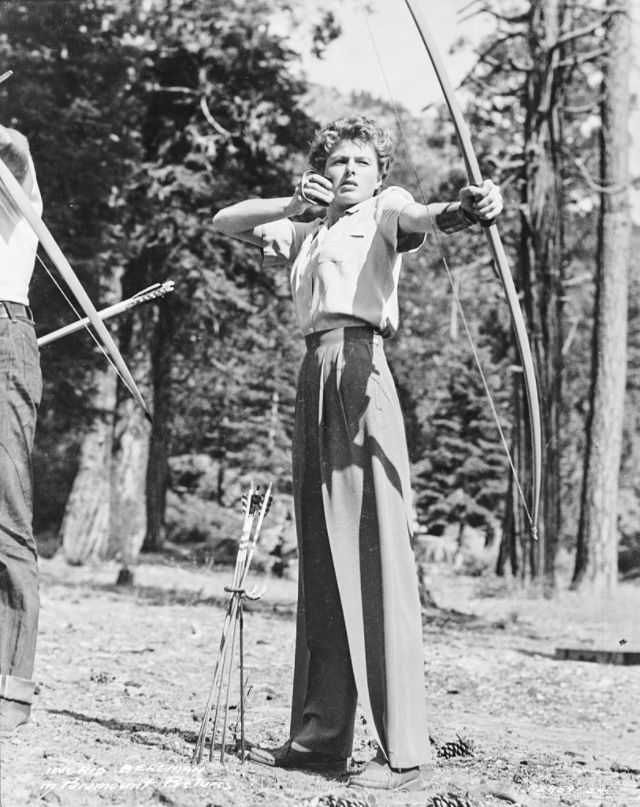
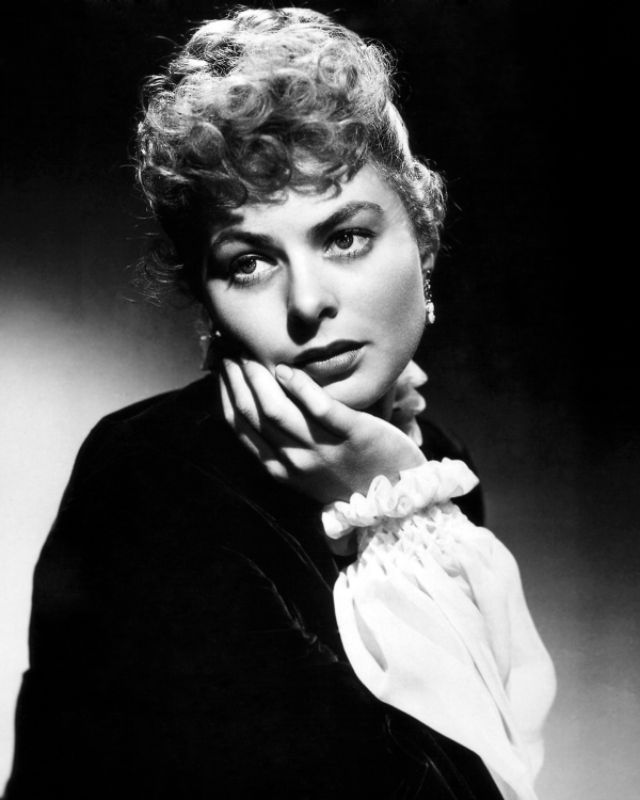
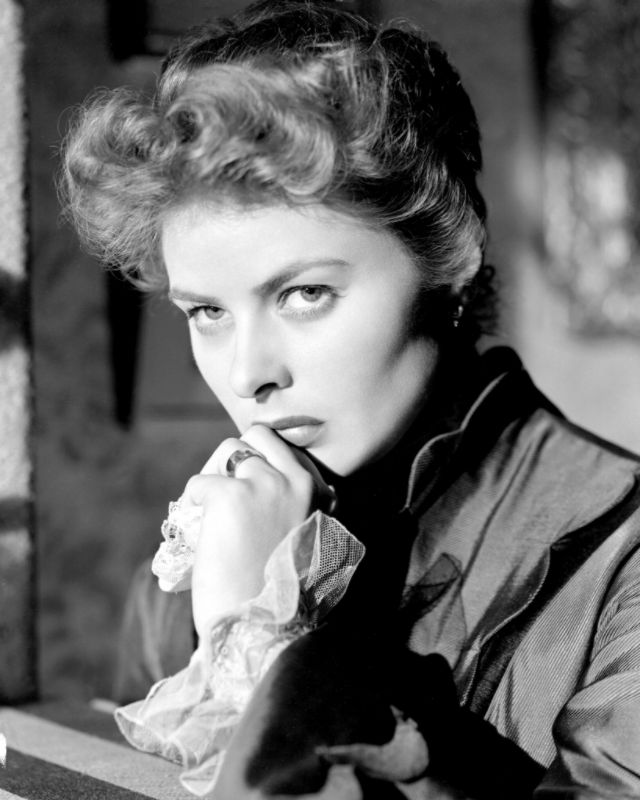
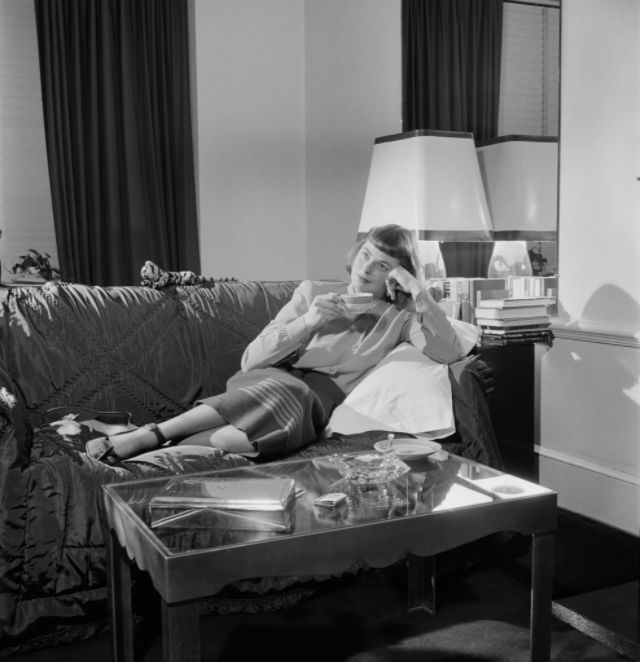
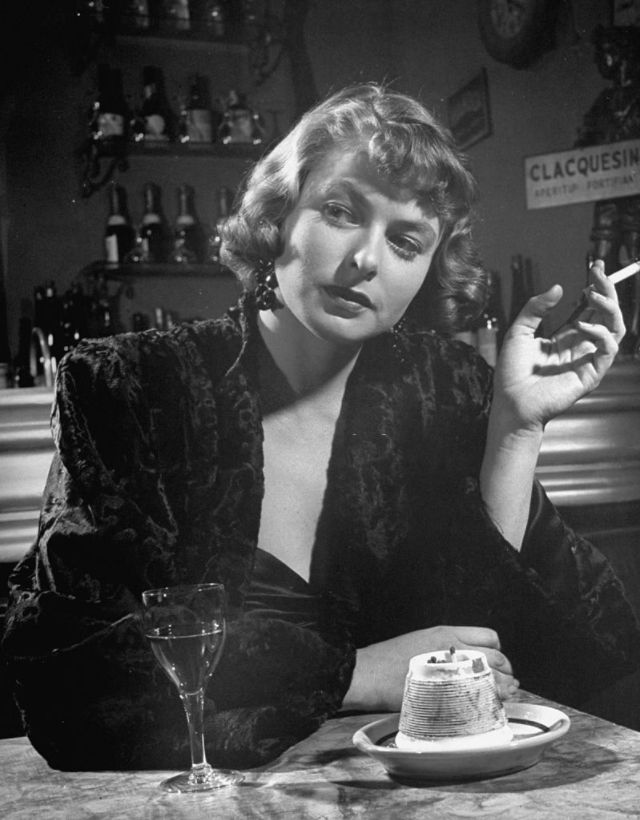
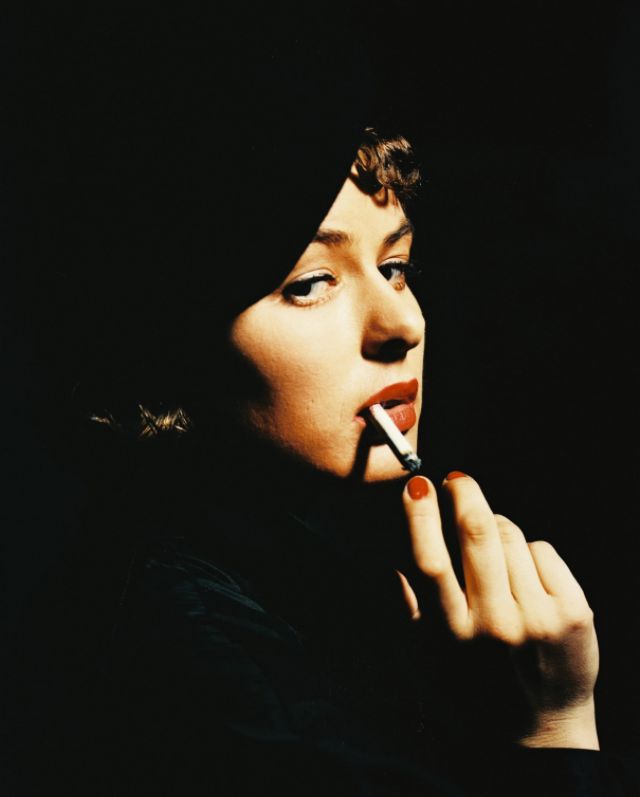
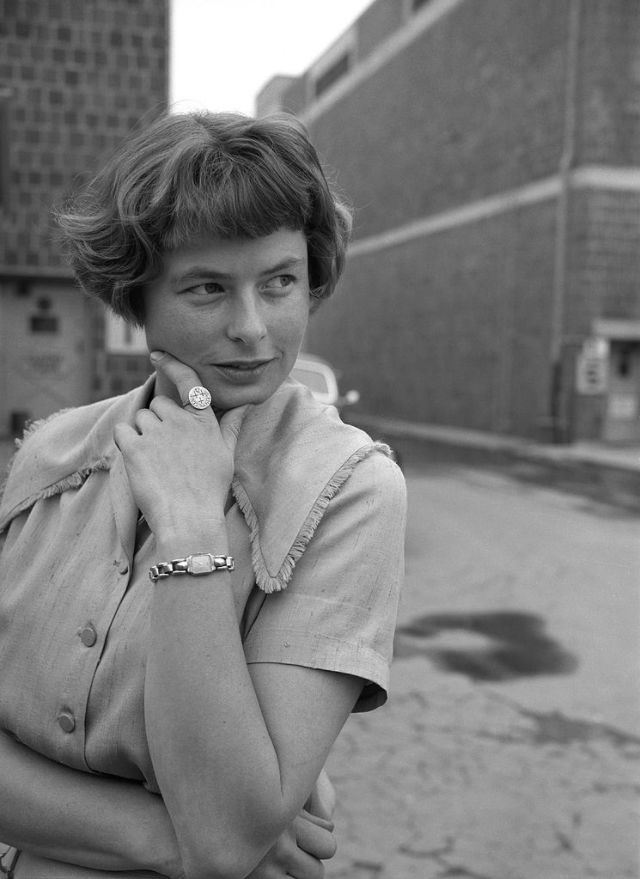
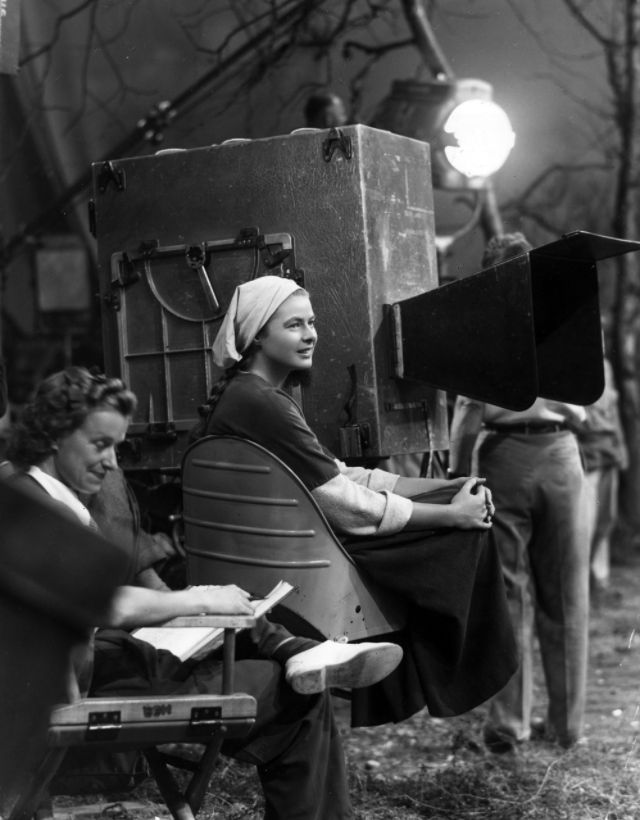
Take a look back at the legendary actress in the 1940s through 30 stunning vintage portraits:
Subscribe to Yesterday Today’s Blog to receive regular updates regarding new content:
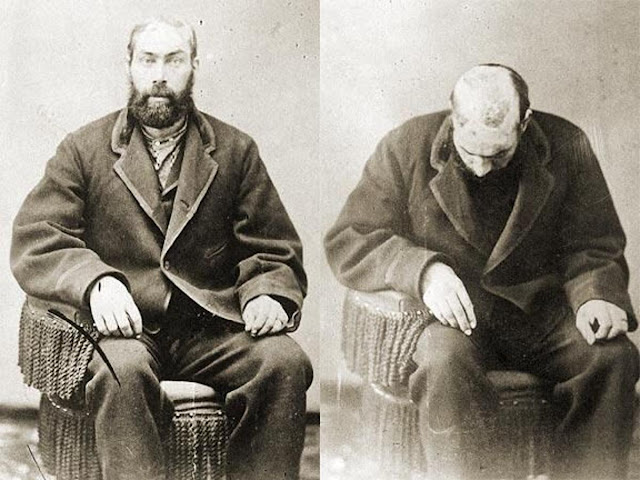
Scalping is often depicted in old-timey cowboy-and-Indian movies with lots of quavering music and dramatic pauses. But then you see the real scalp under a bell jar and it isn’t so melodramatic anymore.
William Thompson’s scalp, archived at the Main Library in Omaha, Nebraska, looks more like some sort of rodent than an impactful part of history. However, Thompson’s story—surviving a scalping, holding on to the coiffure in question—makes it all the more remarkable.
Subscribe to continue reading
Become a paid subscriber to get access to the rest of this post and other exclusive content.
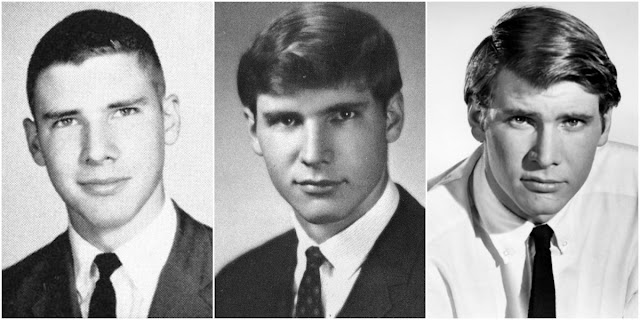
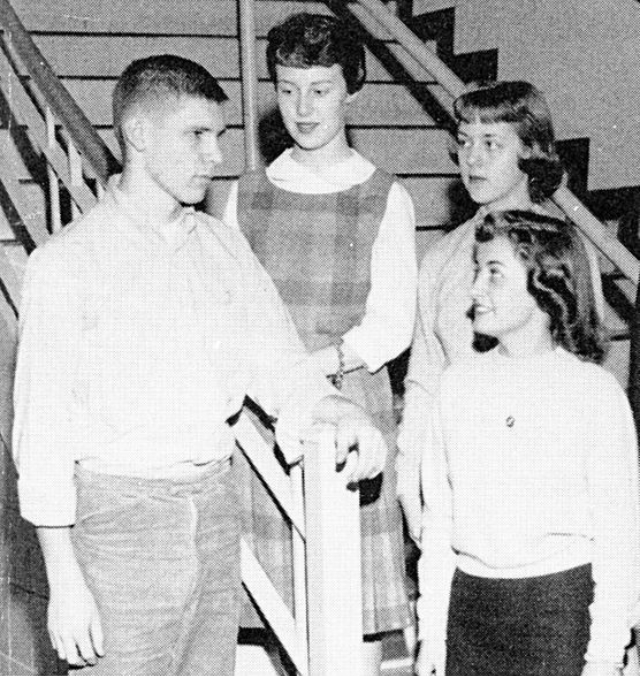
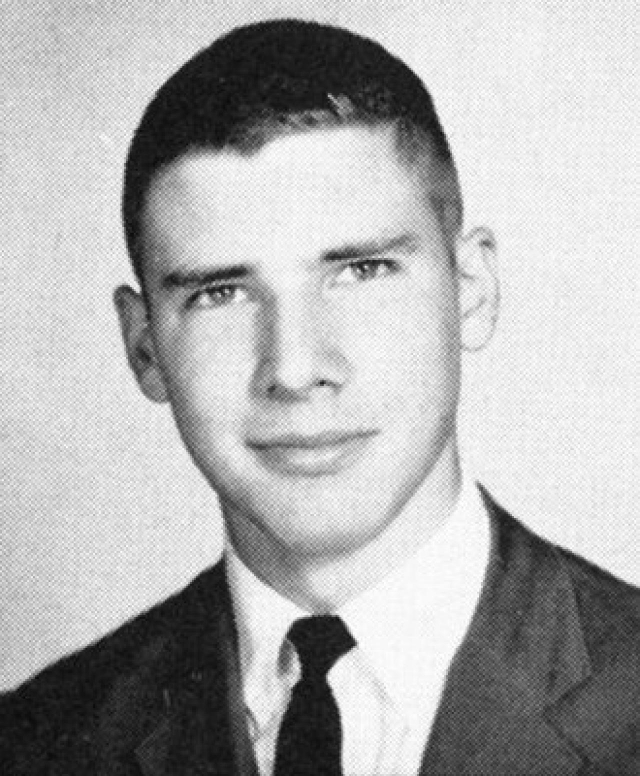
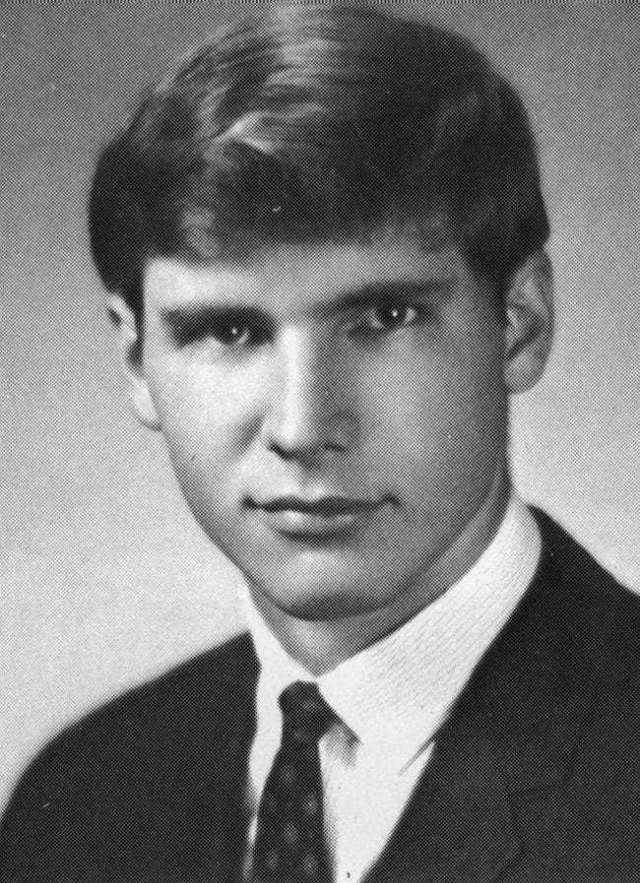
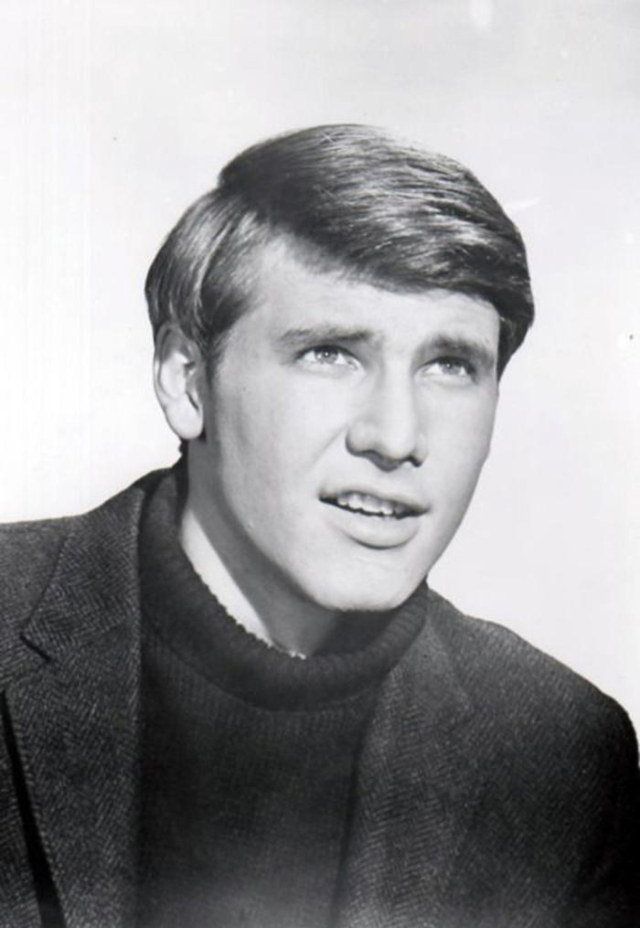
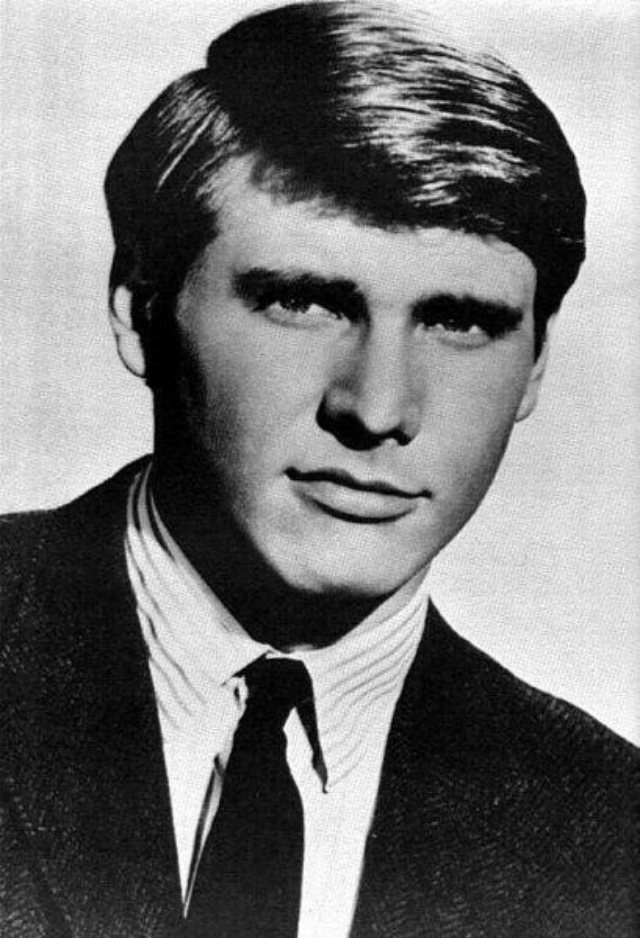
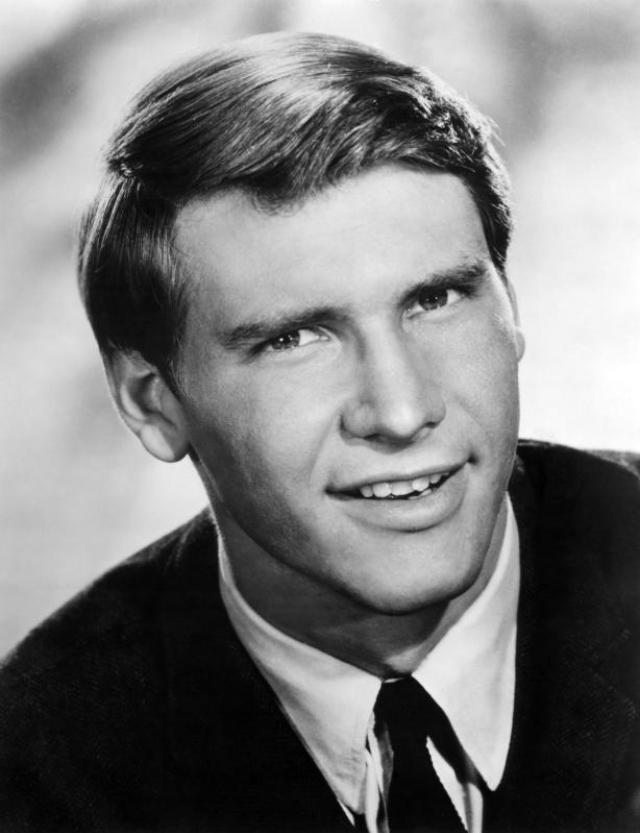
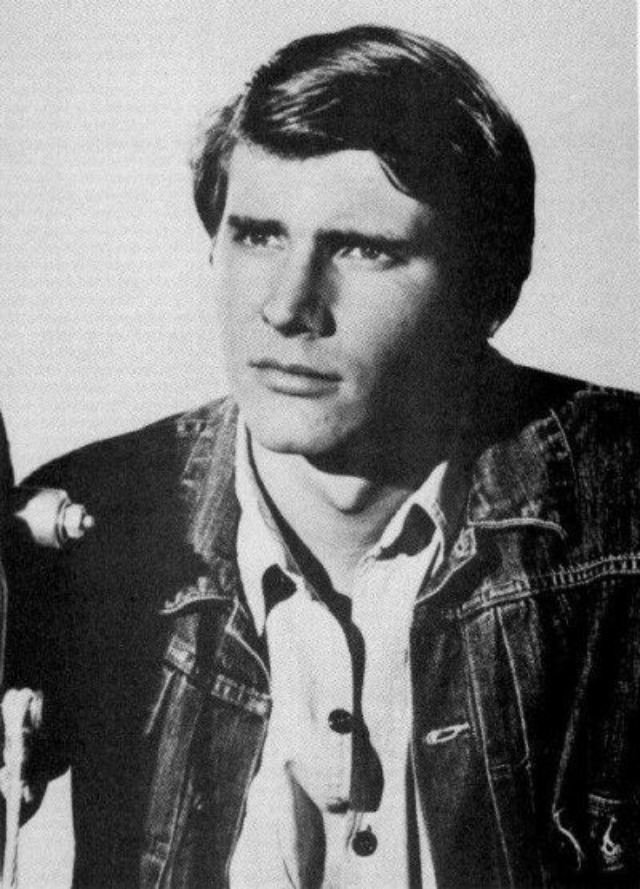
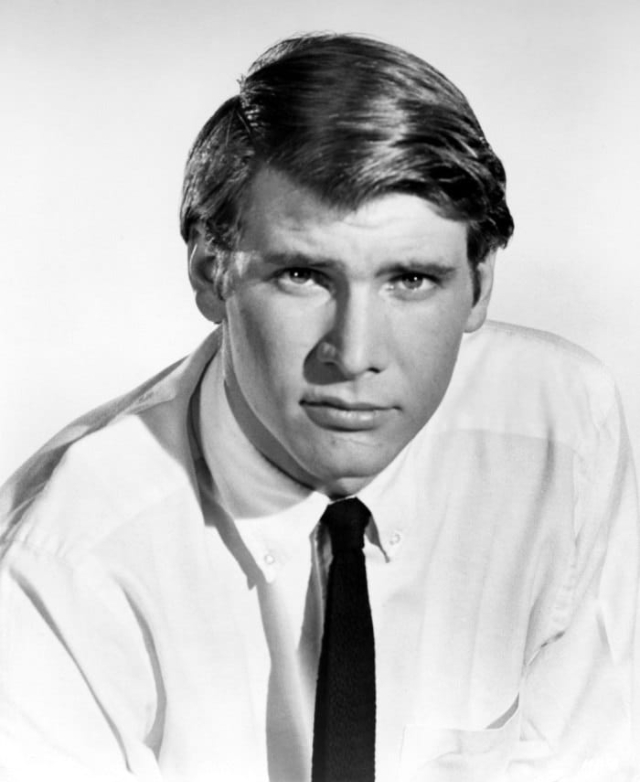
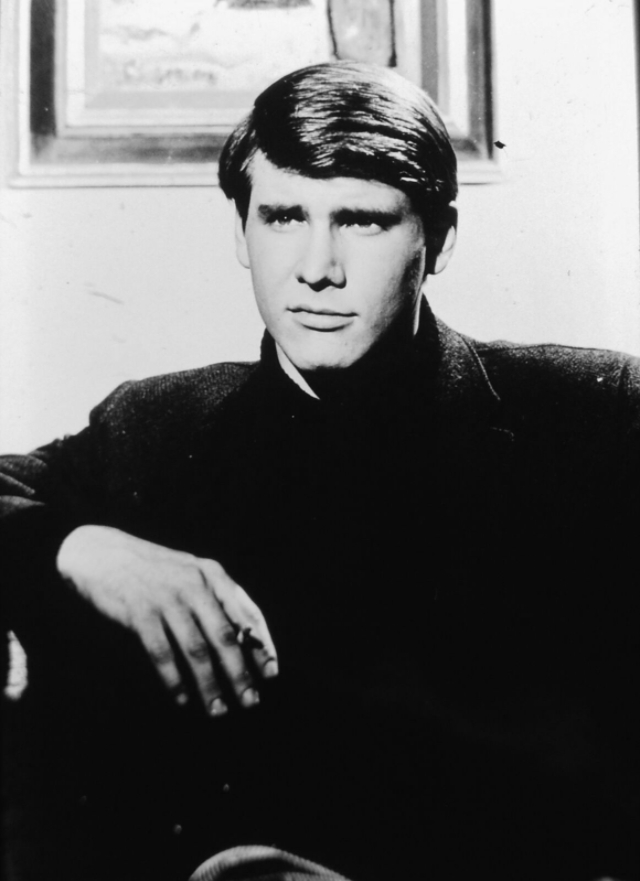
Harrison Ford (born July 13, 1942) is one of Hollywood’s leading men, with an acting career that has spanned more than 50 years and included iconic roles such as Indiana Jones and Han Solo.
“When I started carpentry, I liked it so much partly because it was such a relief from what I’d been doing before. Shortly after I got out here in 1965, I signed a contract with Columbia Pictures for $150 a week. I was pretty happy. I had a wife and two kids – I still have the kids – and the rent wasn’t much then, seventy-five dollars a month.”
Ford struggled for years as an actor before George Lucas cast him in 1973’s American Graffiti. He then hit superstardom as Han Solo in the first three Star Wars films and as Indiana Jones in Raiders of the Lost Ark and its sequels, all huge successes. He has enjoyed leading roles in numerous Hollywood films such as Blade Runner, Witness, Working Girl, Patriot Games, The Fugitive and 42, among many others. Ford later revisited some of his most famous characters in Indiana Jones and the Kingdom of the Crystal Skull, Star Wars: The Force Awakens and Blade Runner 2049.
“For a while, it was fun. I earned my money by romping on the beach at Malibu with the other contract actors, and these photos would appear in places like Argosy. The captions would read, ‘Harrison Ford et al., on the beach, courtesy Columbia Pictures.’ It was less sophisticated than modeling, but it was a way of being acknowledged as an actor while I learned how to act. They did have some good classes. The worst thing was that in those days, you had to be properly dressed – jackets, no jeans.
“I bought a house near the Hollywood Bowl and decided to take out everything I didn’t like about it. I’d never done carpentry before, but I got the books from the library, got the tools and did it – for about eight years, late Sixties, early Seventies. I did cabinets, furniture, remodeling – it was great! I could see my accomplishments. So I decided not to do more acting unless the job had a clear career advantage.”
Subscribe to Yesterday Today’s Blog to receive regular updates regarding new content:
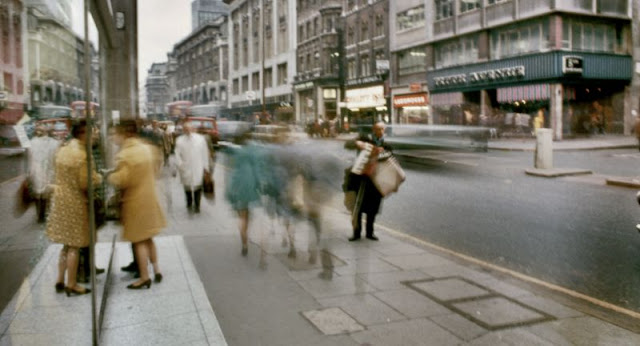
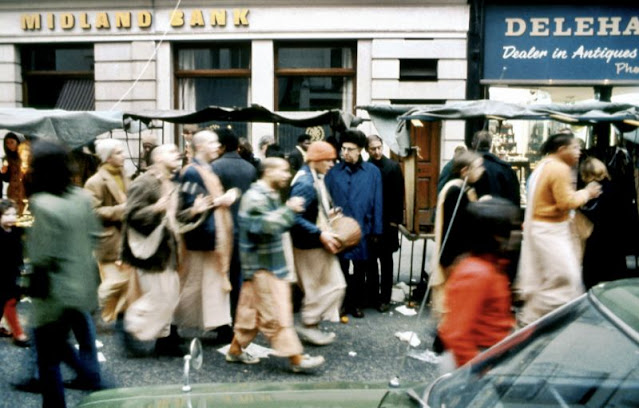
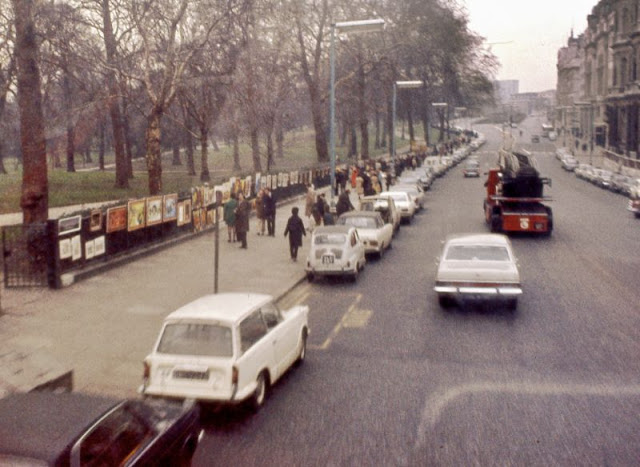
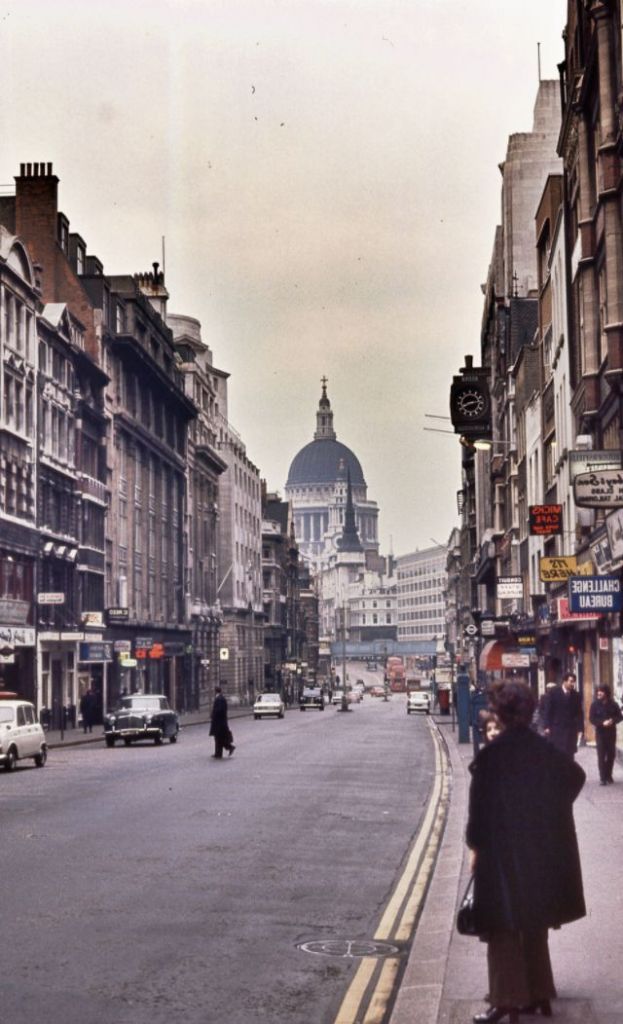
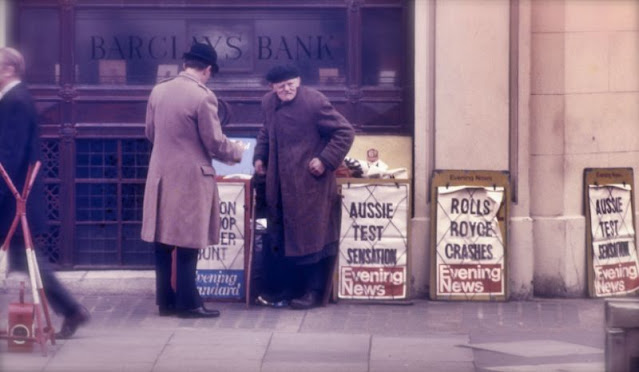
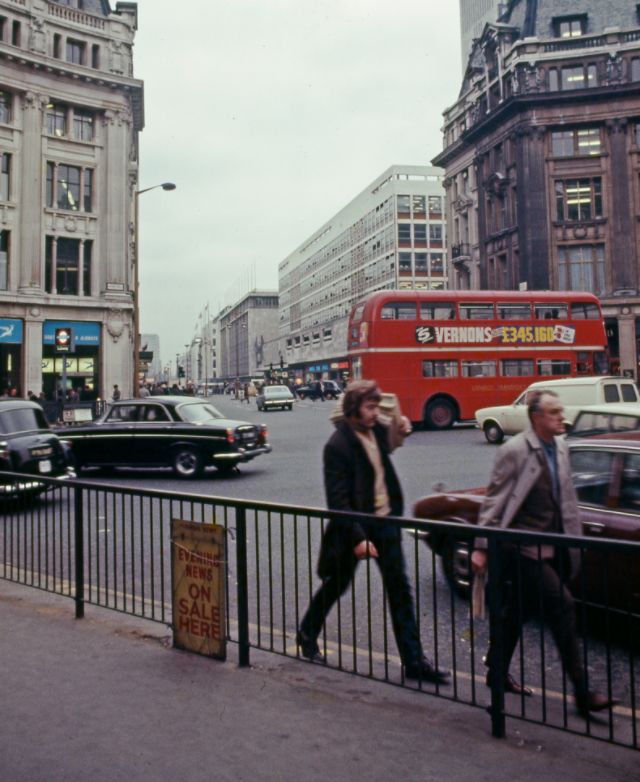
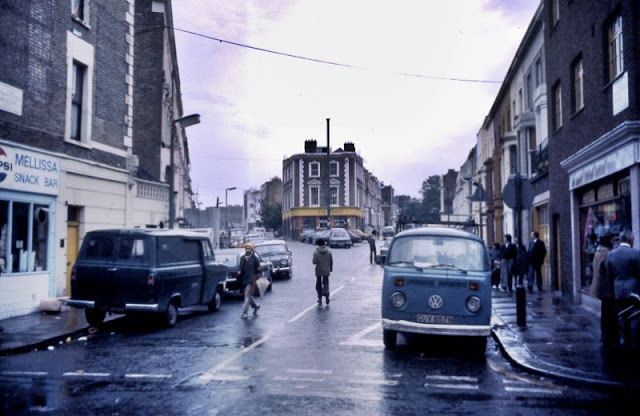
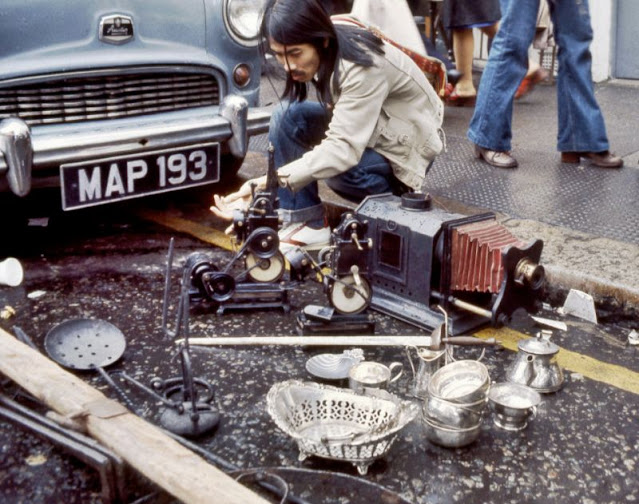
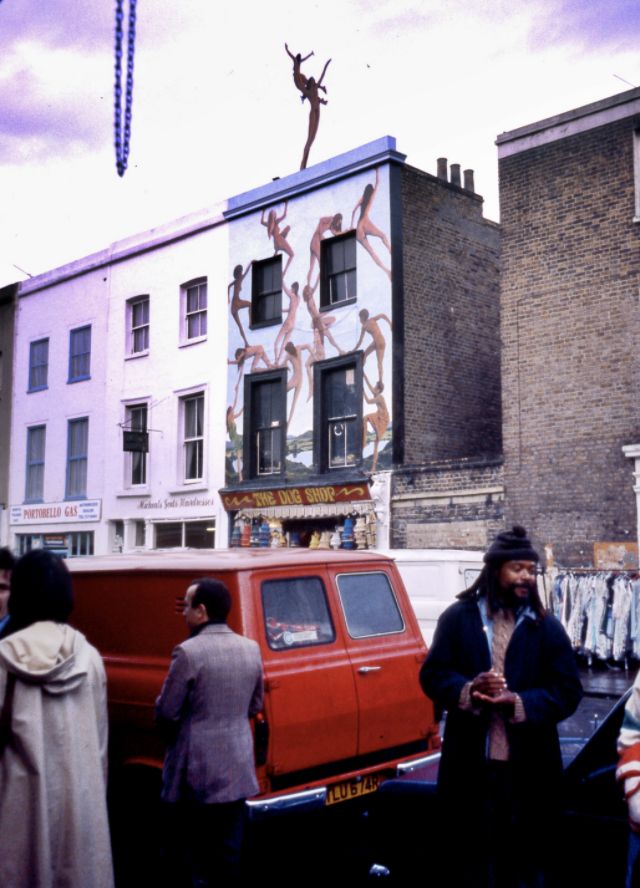
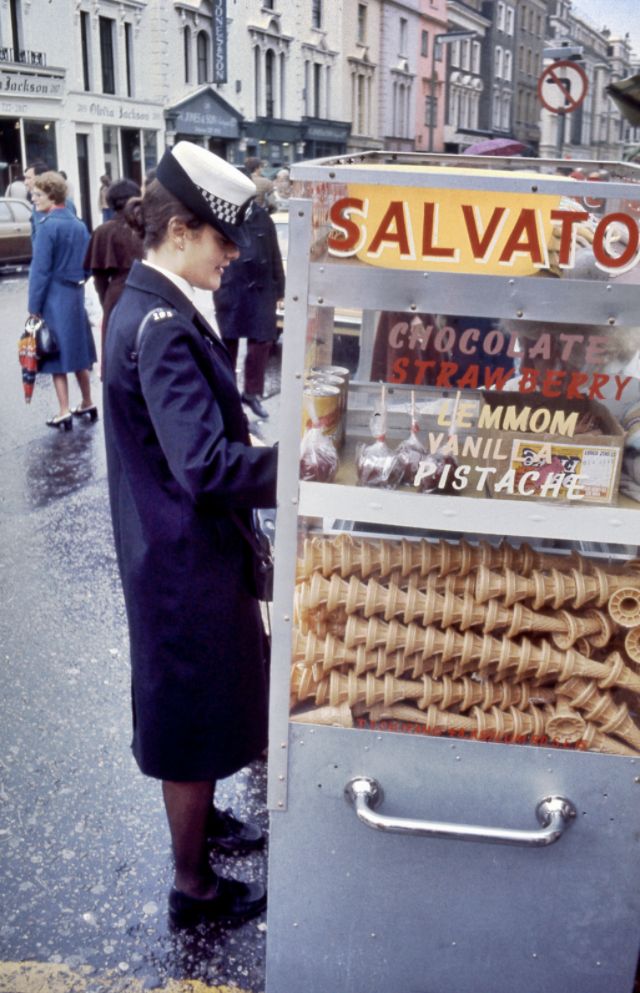
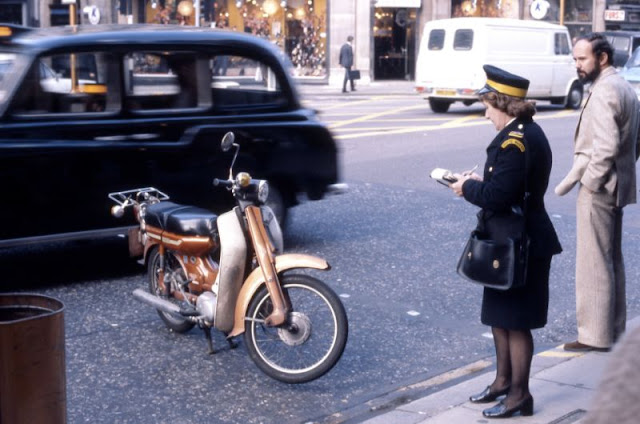
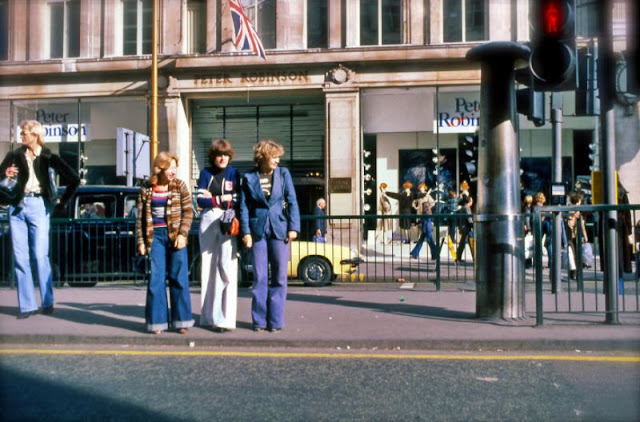
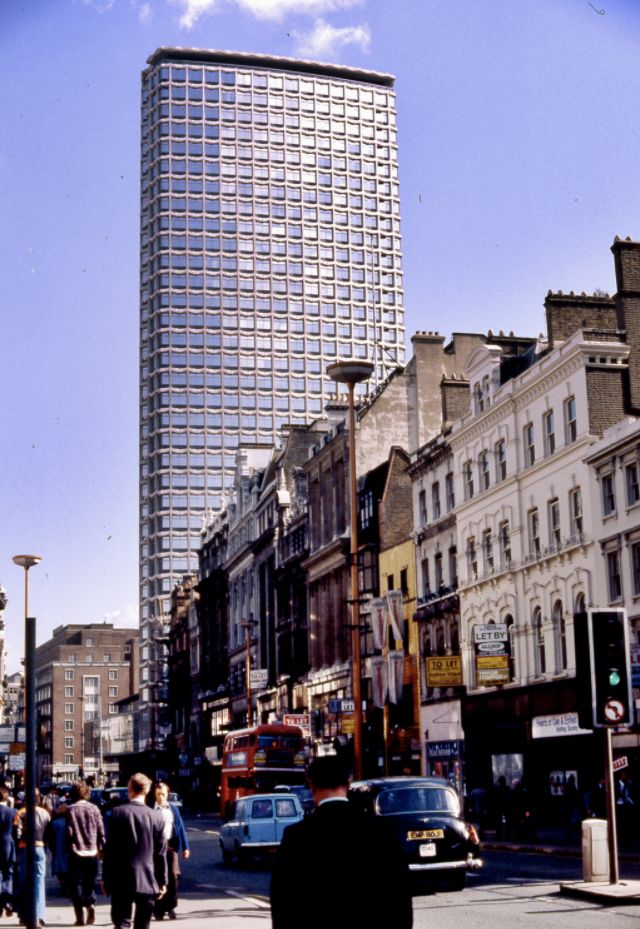
These evocative snapshots of London were taken by Swedish tourist Mats Örn in 1971 and 1977. They reveal what the capital city looked like in this bygone era, which is well known for being a time of cultural and political change – especially due to high inflation levels, IRA bomb threats, widespread trade union strikes and feminism.
Subscribe to Yesterday Today’s Blog to receive regular updates on new content:
Born 1919 in Long Beach, California, American actress Barbara Britton was soon signed to a Paramount Pictures contract when a photo of her while appearing in a Pasadena Tournament of Roses Parade was used on the front page of a local newspaper in 1941. Britton’s first major film appearance was in a small role in Reap the Wild Wind (1942).
During the 1940s, Britton starred in three films for which she is most recognized today. The first was the 1945 film Captain Kidd, followed by The Virginian in 1946, and the third was the 1947 film Gunfighters. In total, she starred or appeared in 26 films during that decade.
Britton starred in the 1950s television show Mr. and Mrs. North. She was probably best known for being the spokesperson for Revlon products in the 1950s and 1960s, appearing in advertisements and commercials that included live spots on The $64,000 Question. She also portrayed Laura Petrie in Carl Reiner’s Head of the Family, the 1959 pilot for the later Dick Van Dyke Show.
One of Britton’s last roles was on the daytime television soap opera One Life to Live in 1979. She died of pancreatic cancer at her Manhattan apartment in 1980, at the age of 60.
In 1948, Britton was given a key to the City of Long Beach, California. In 1960, she received a star for television on the Hollywood Walk of Fame; her star is located at 1719 Vine Street.
Take a look at these glamorous photos to see the beauty of Barbara Britton in the 1950s and 1960s.
Subscribe to continue reading
Become a paid subscriber to get access to the rest of this post and other exclusive content.