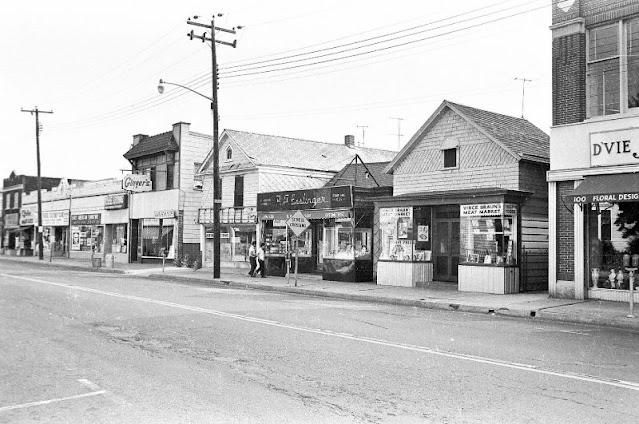
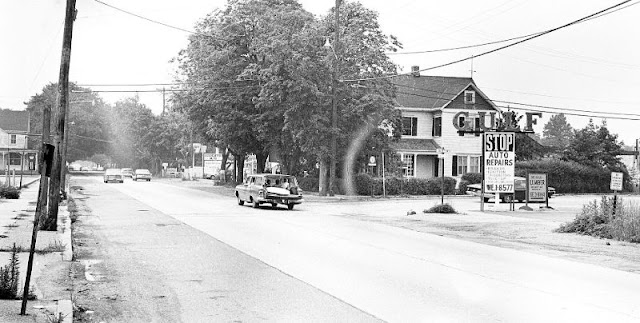
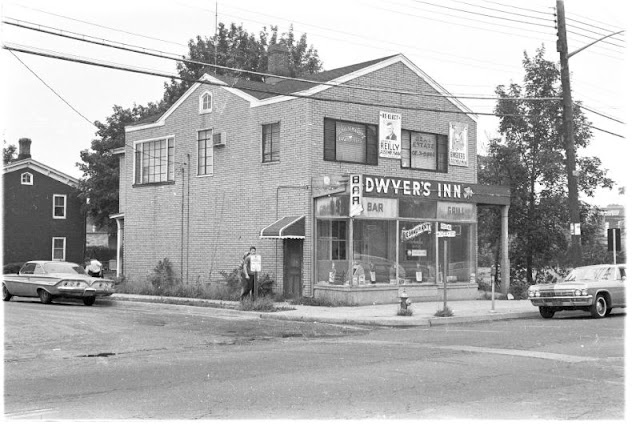
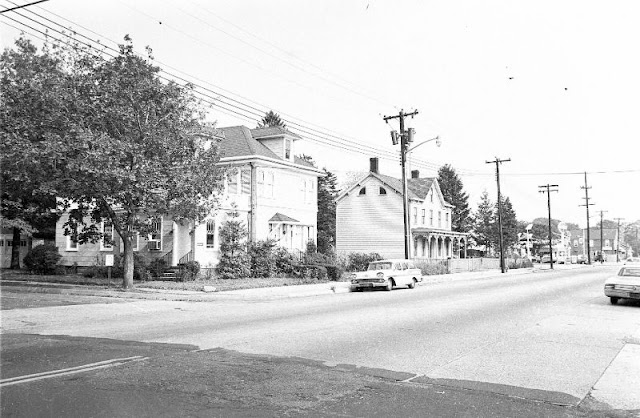
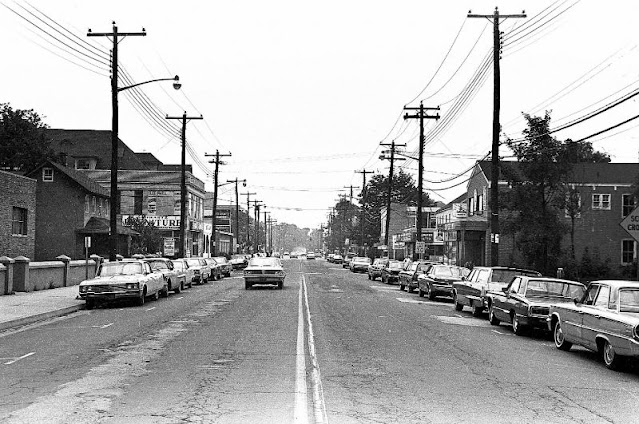
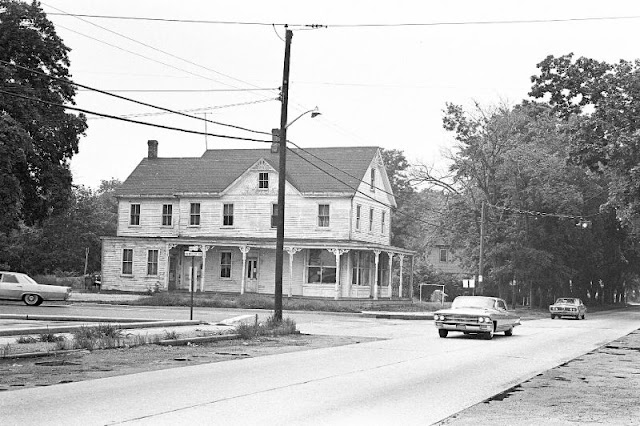
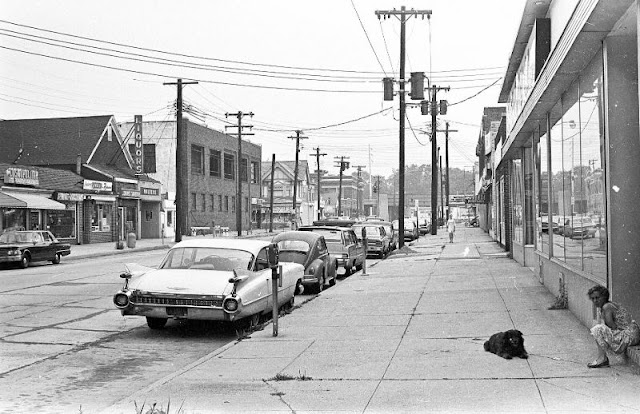
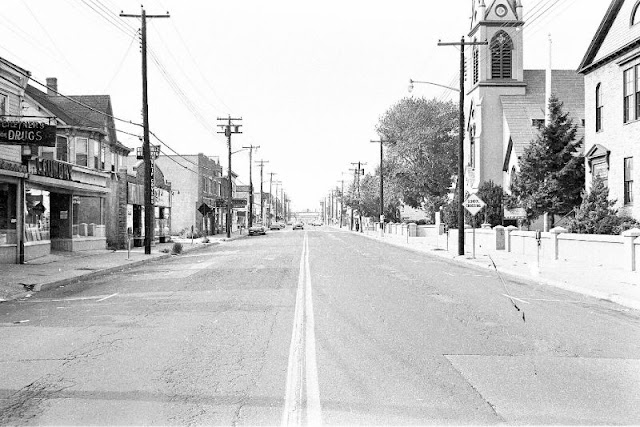
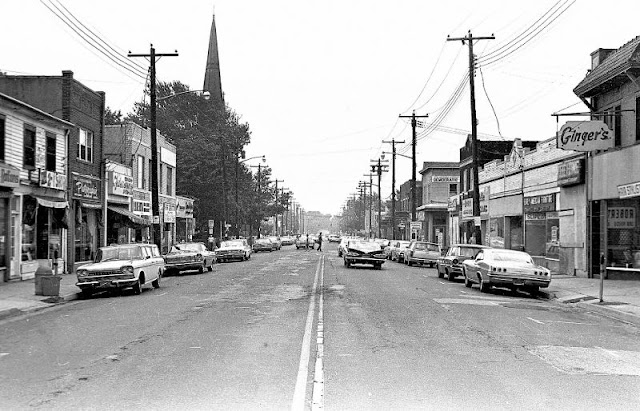
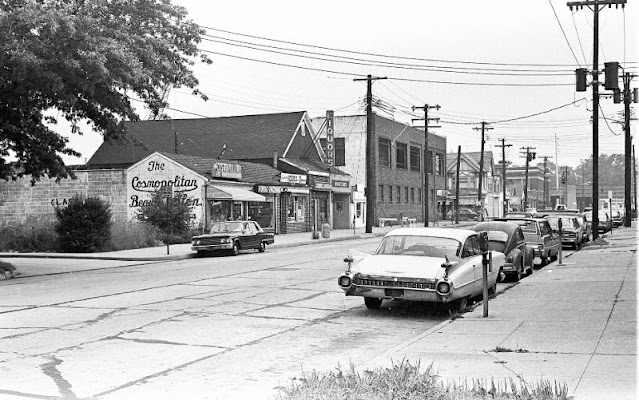
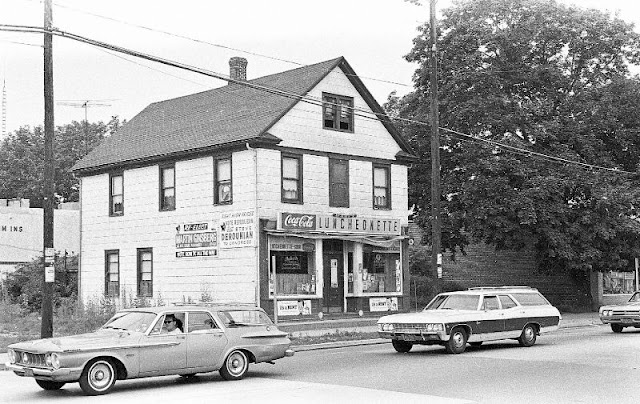
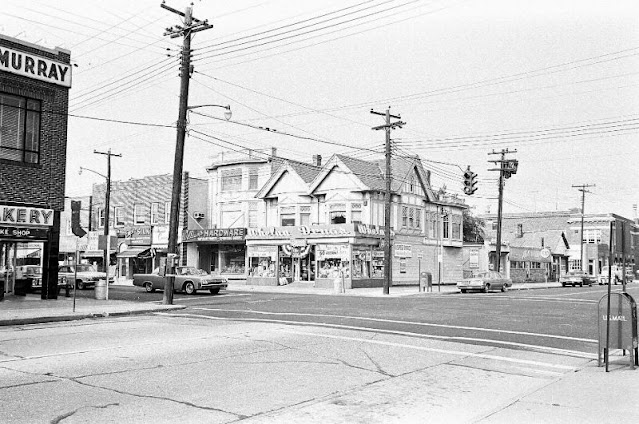
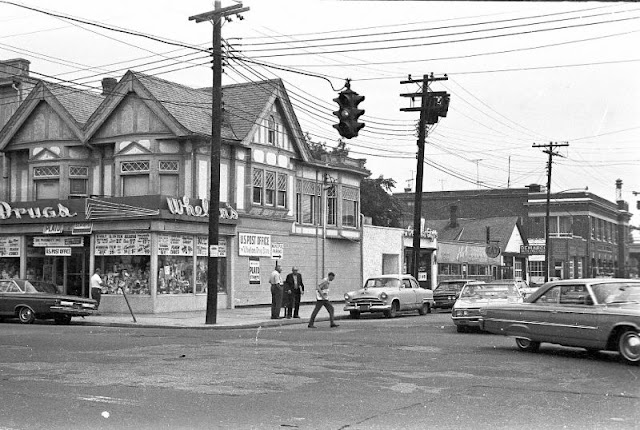
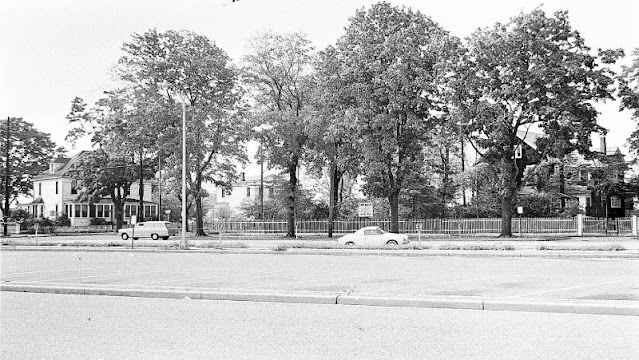
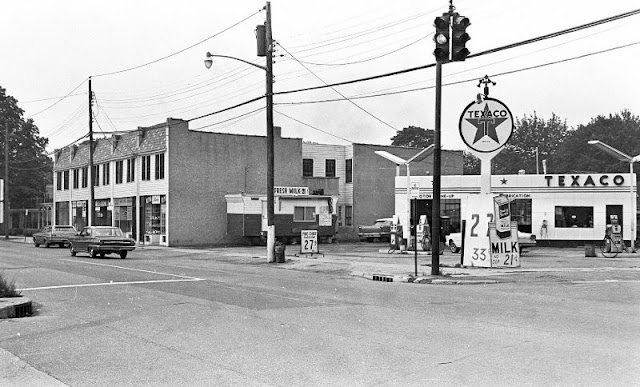
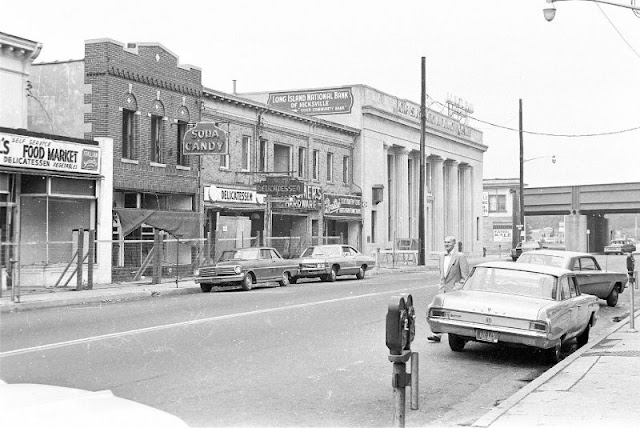
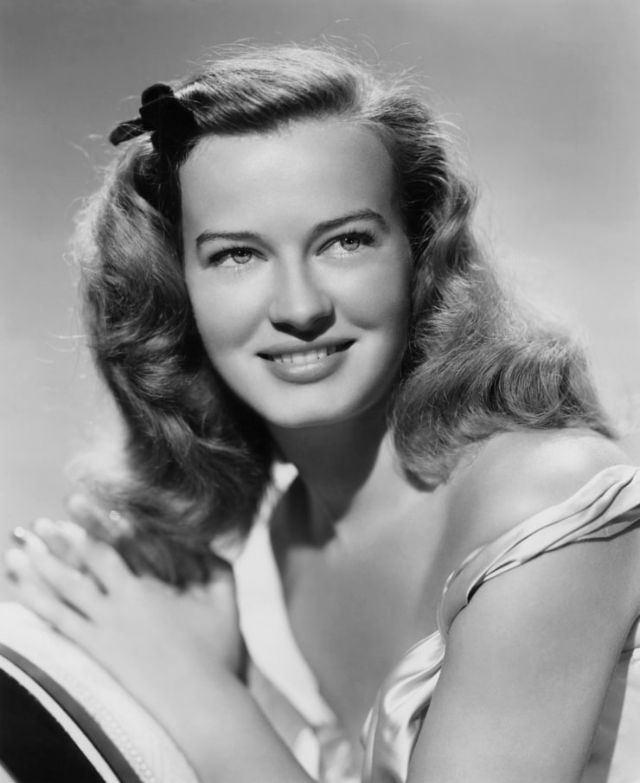
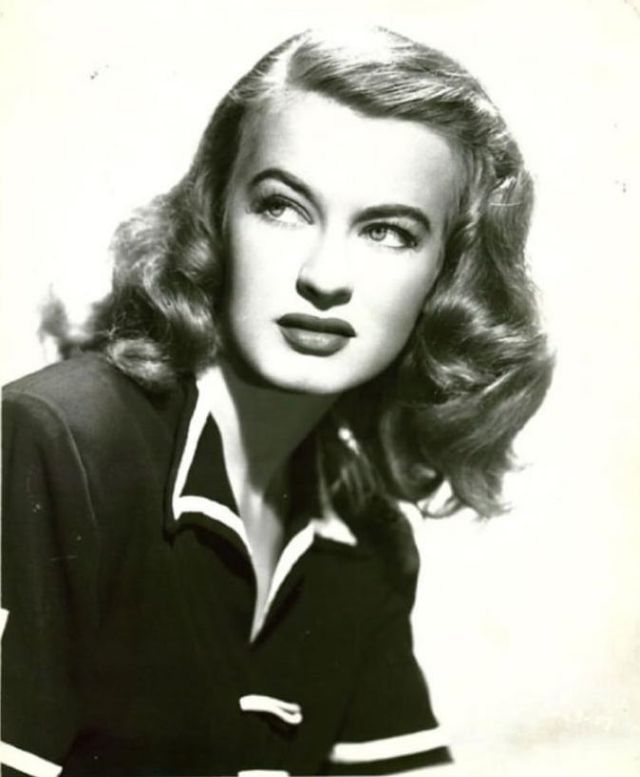
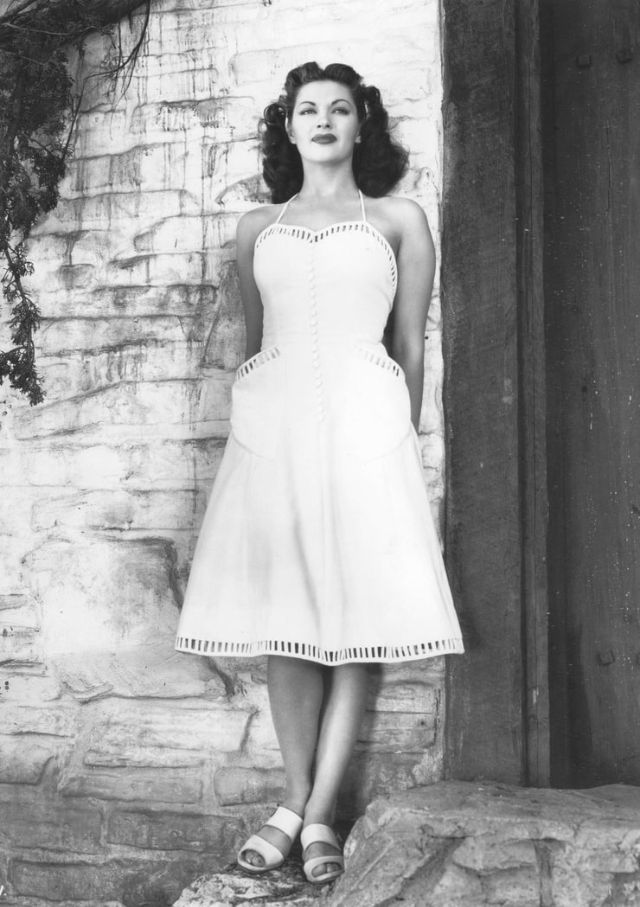
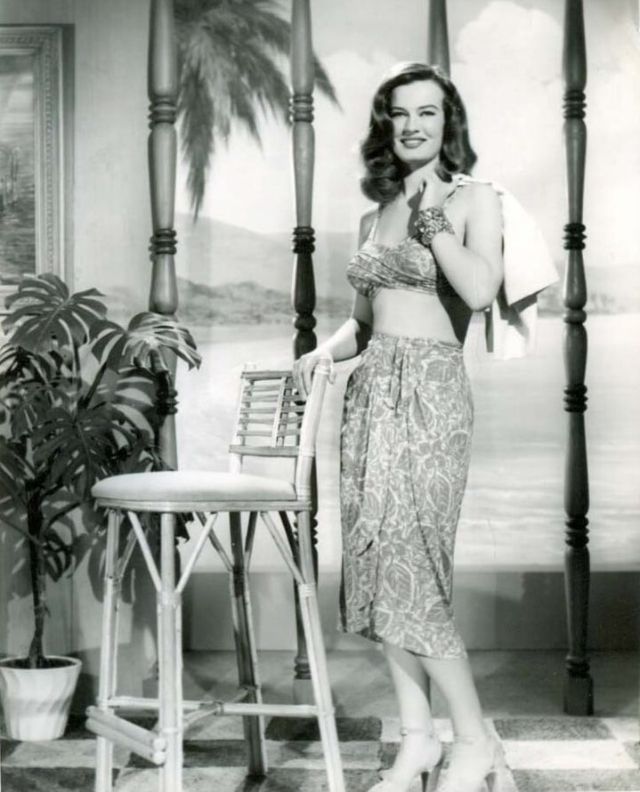
Hicksville is a hamlet and census-designated place (CDP) within the Town of Oyster Bay in Nassau County, on Long Island, in New York, United States. The population of the CDP was 41,547 at the 2010 census. The area is served by the Hicksville Post Office and the Hicksville School District.
Valentine Hicks, son-in-law of nationally famous abolitionist and Quaker preacher Elias Hicks, and eventual president of the Long Island Railroad bought land in the village in 1834 and turned it into a station stop on the LIRR in 1837. The station became a depot for produce, particularly cucumbers for a Heinz Company plant. After a blight destroyed the cucumber crops, the farmers grew potatoes. It turned into a bustling New York suburb in the building boom following World War II.
The hamlet is named for Valentine Hicks.
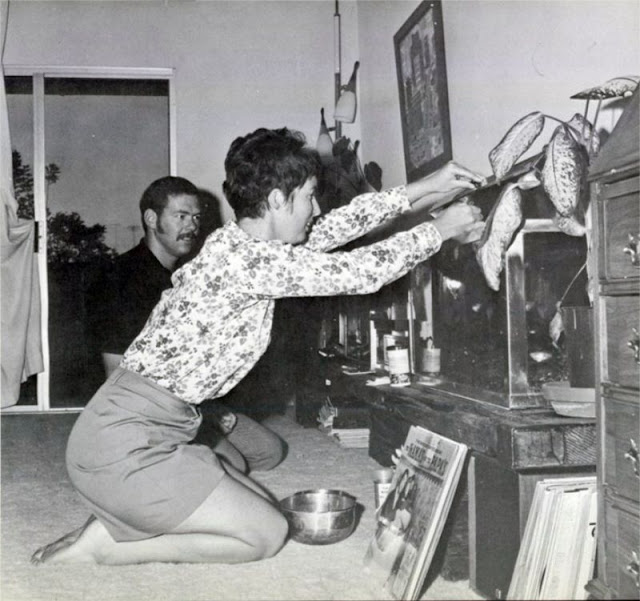
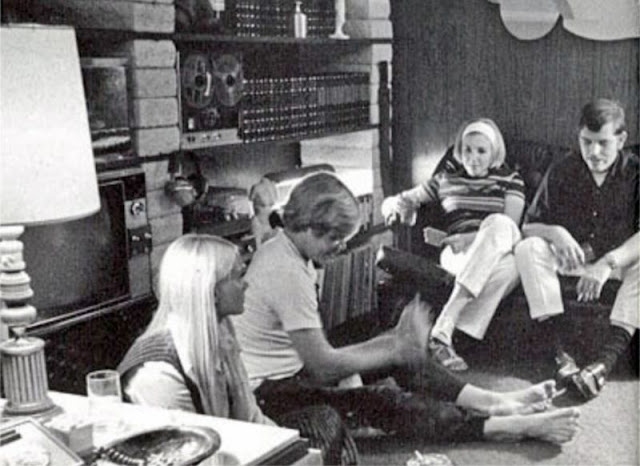
These vintage black and white photos capture street scenes of Hicksville in 1967.
Subscribe to Yesterday Today’s Blog to receive regular updates regarding new content:
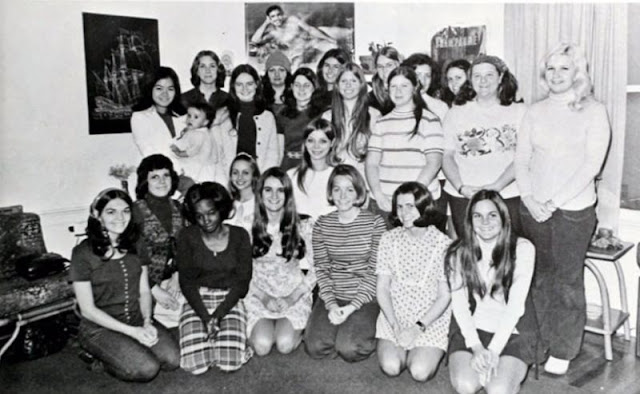
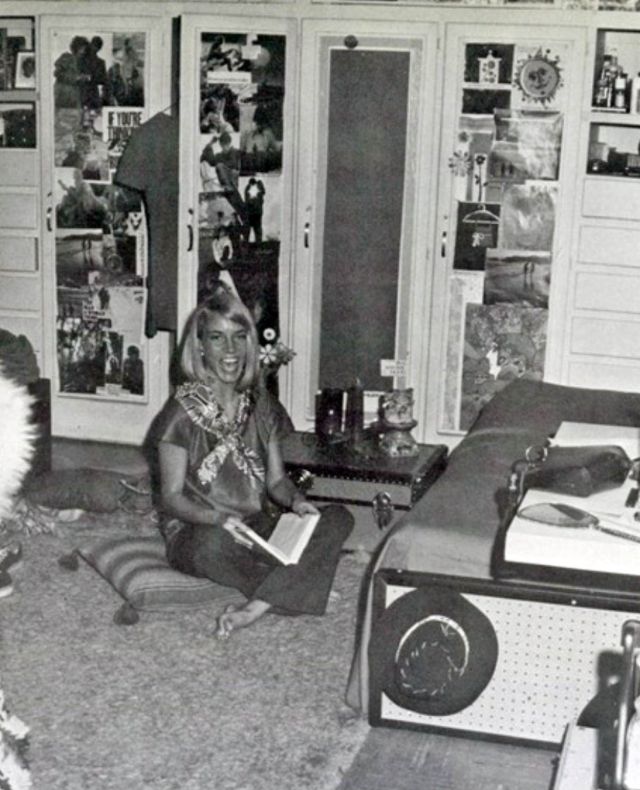
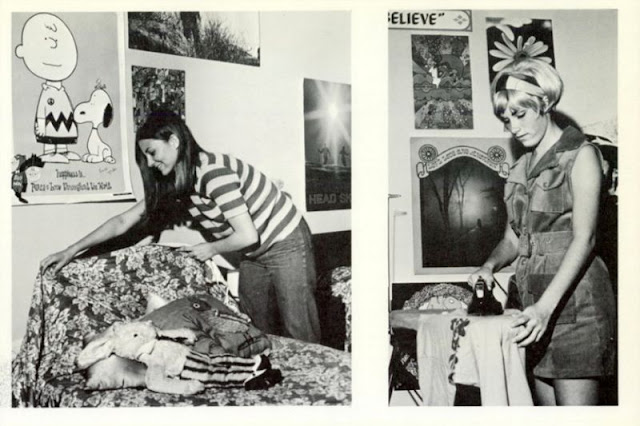
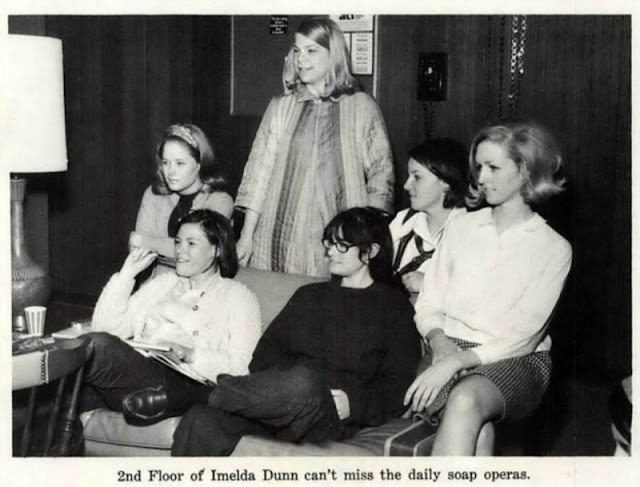
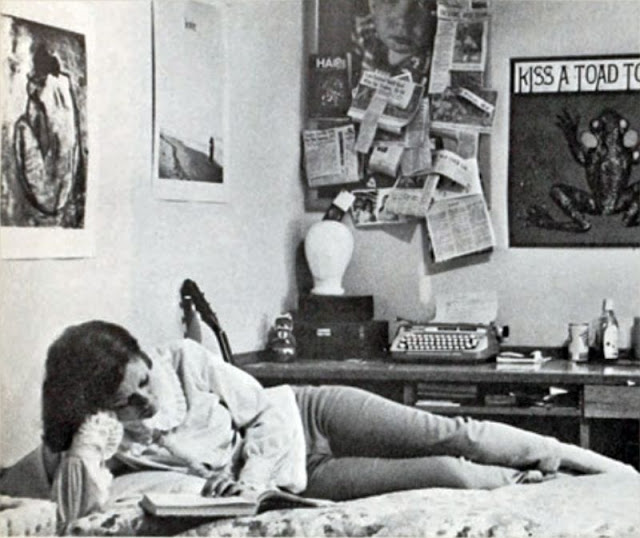
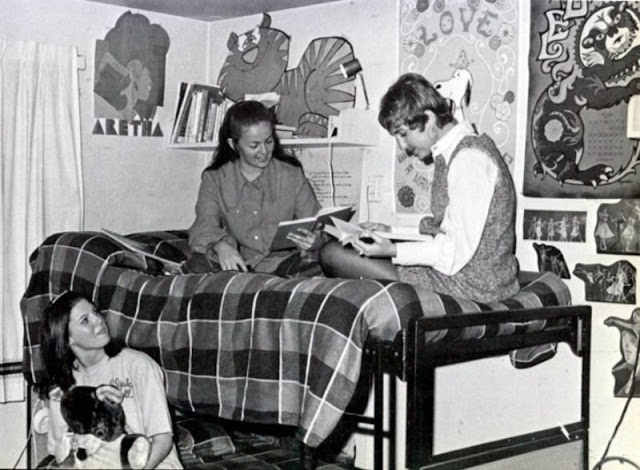
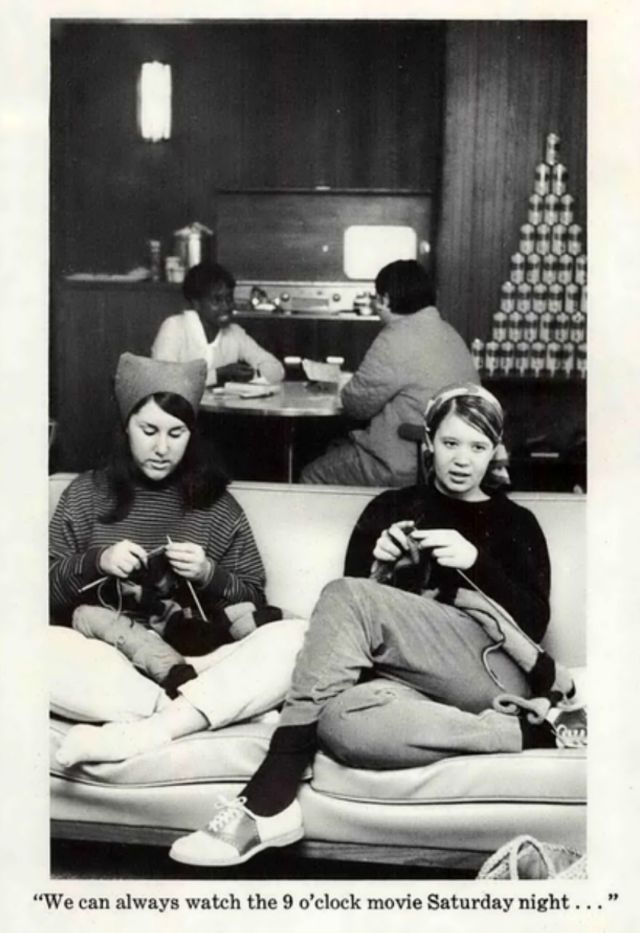
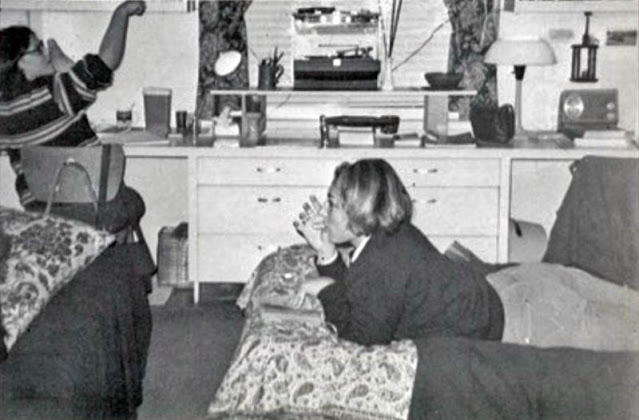
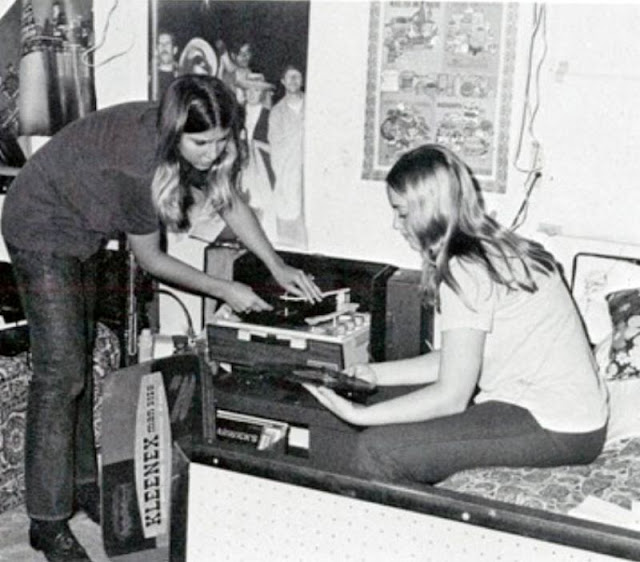
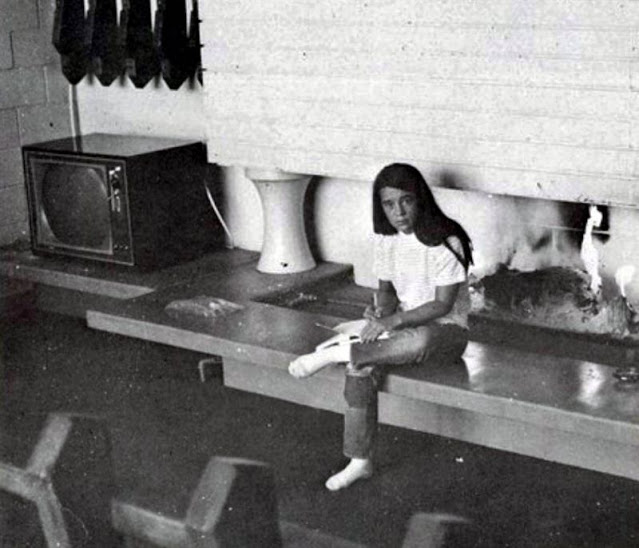
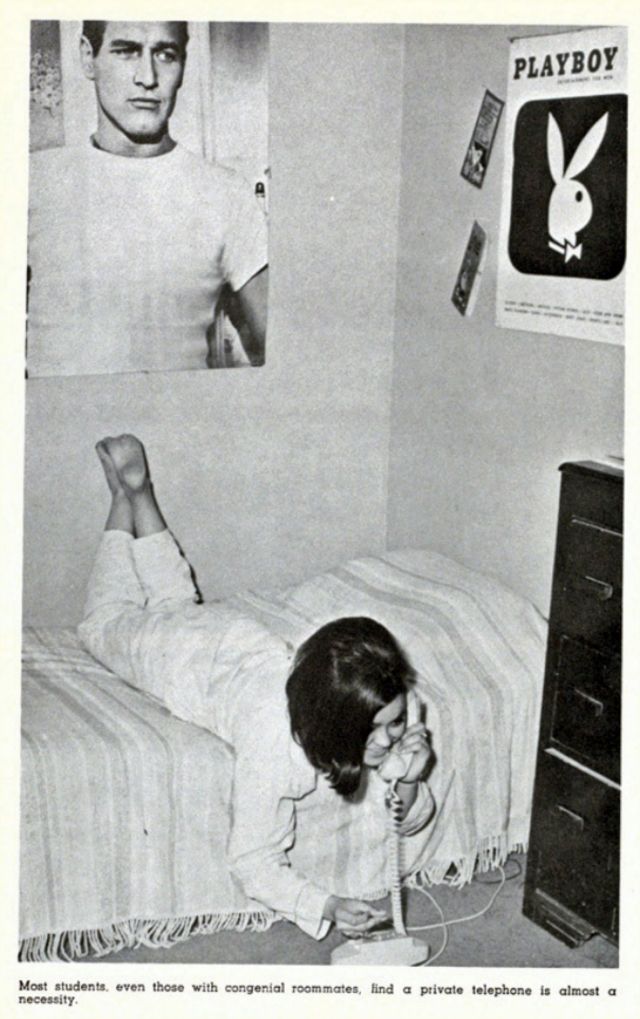
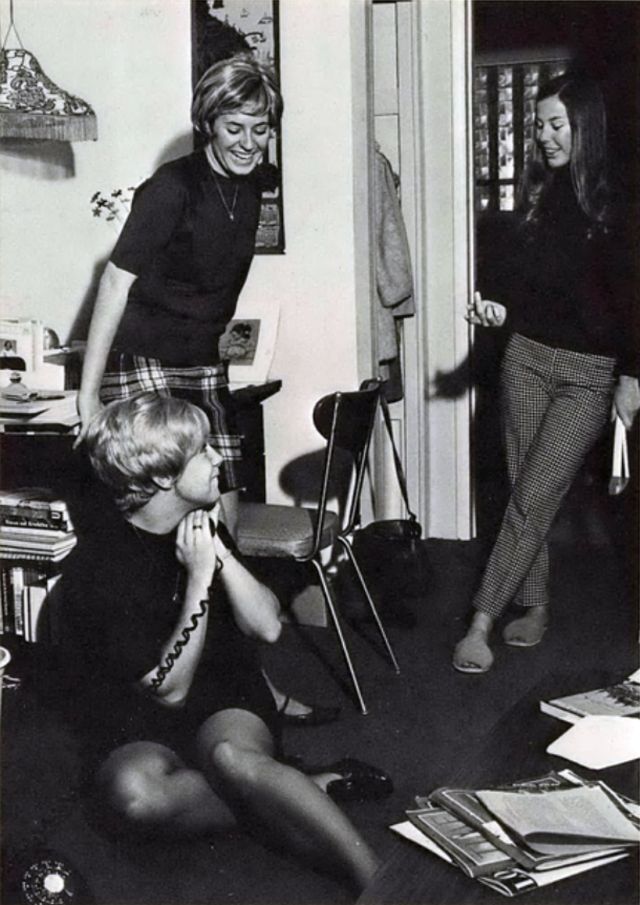
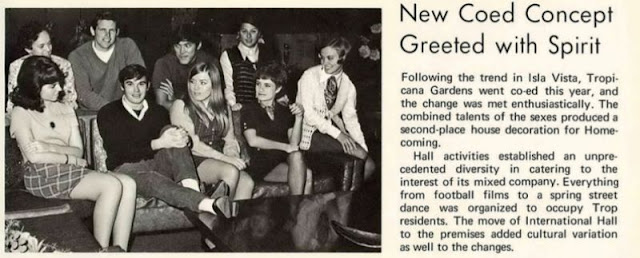
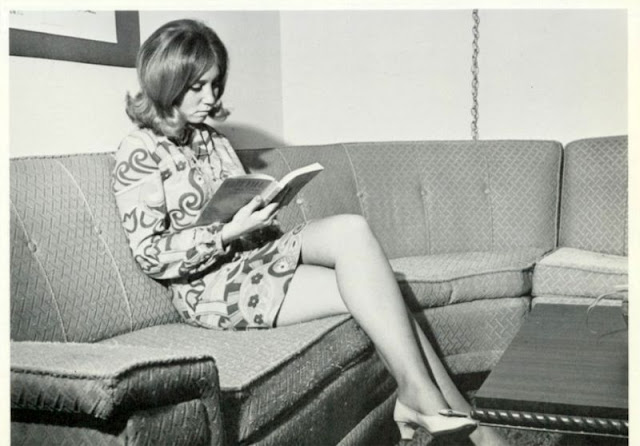
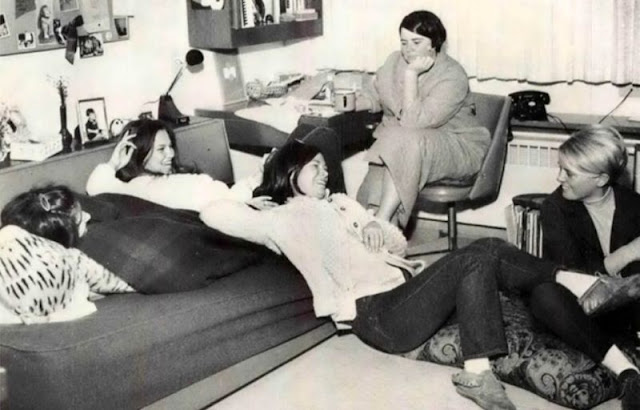
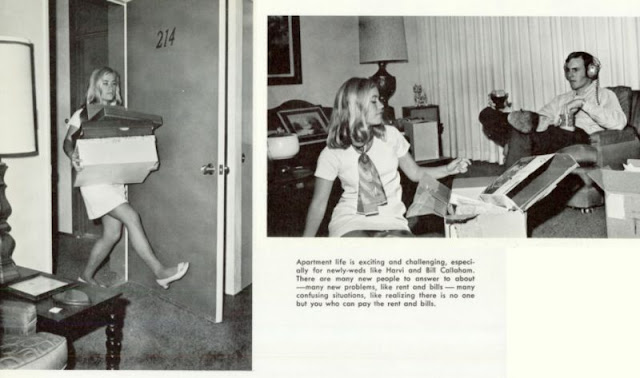
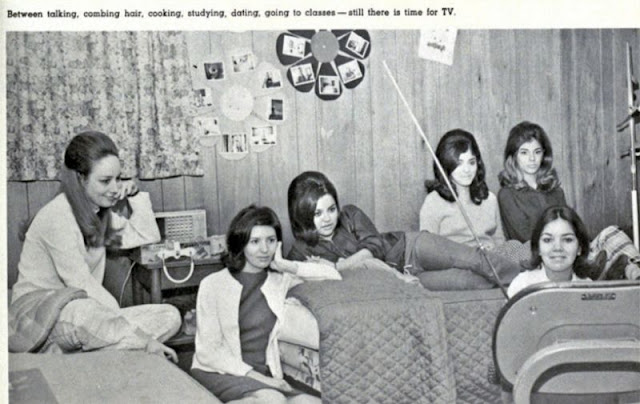
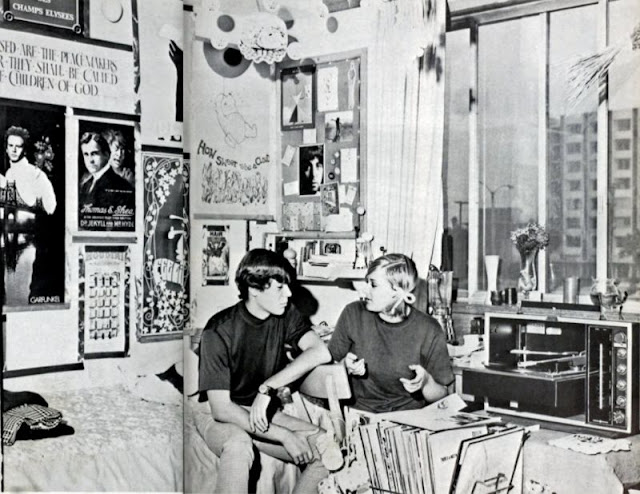
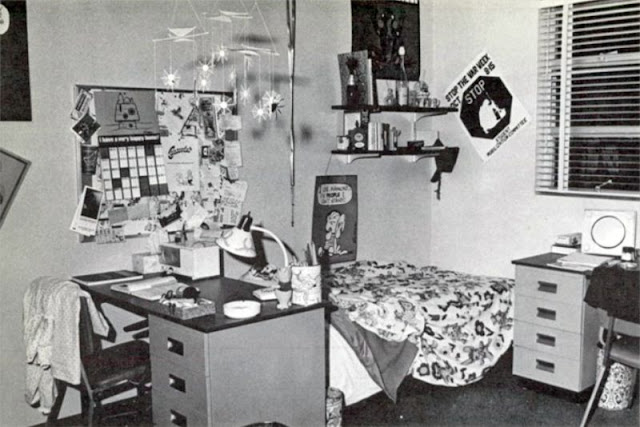
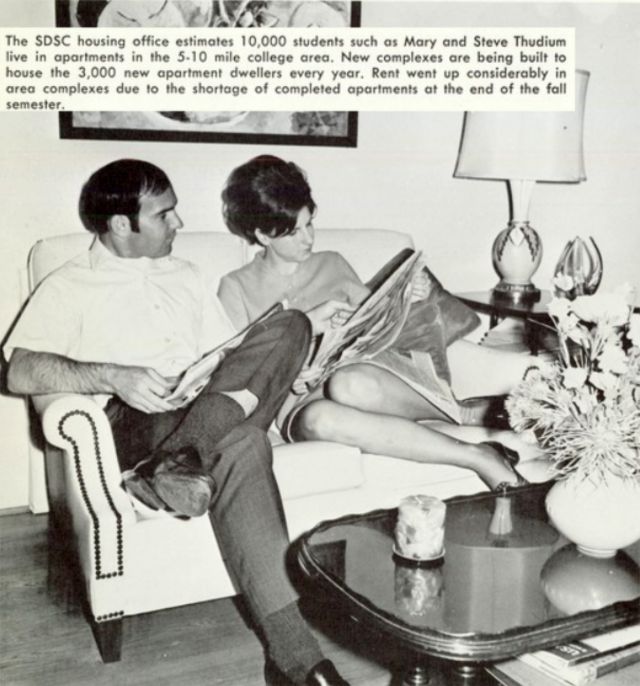
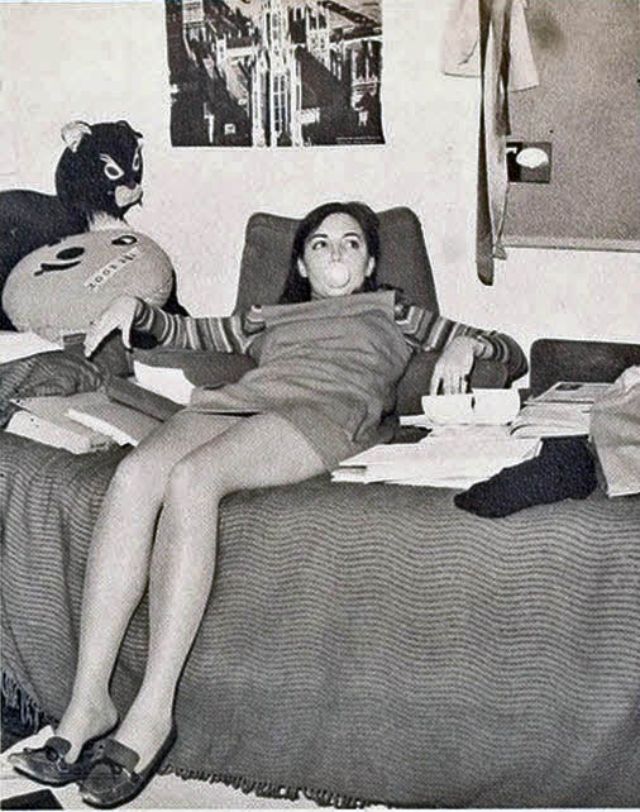
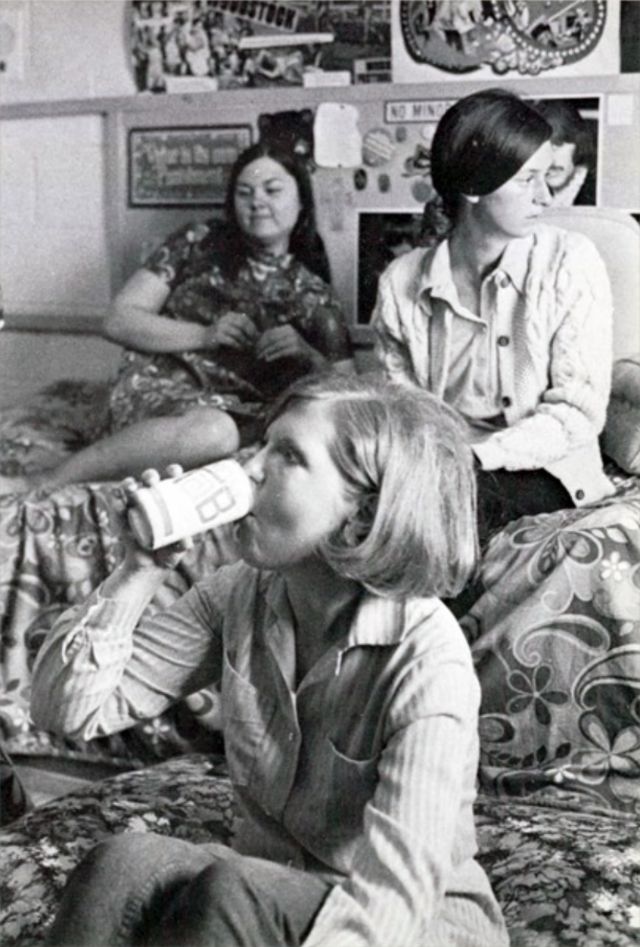
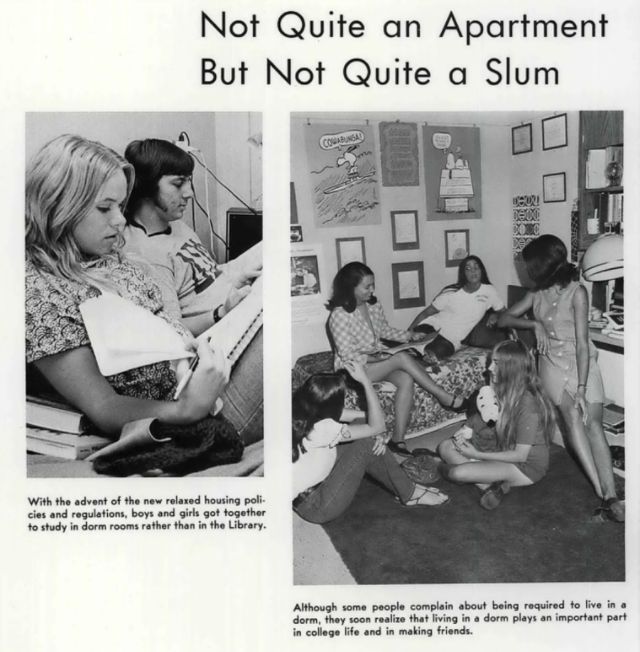
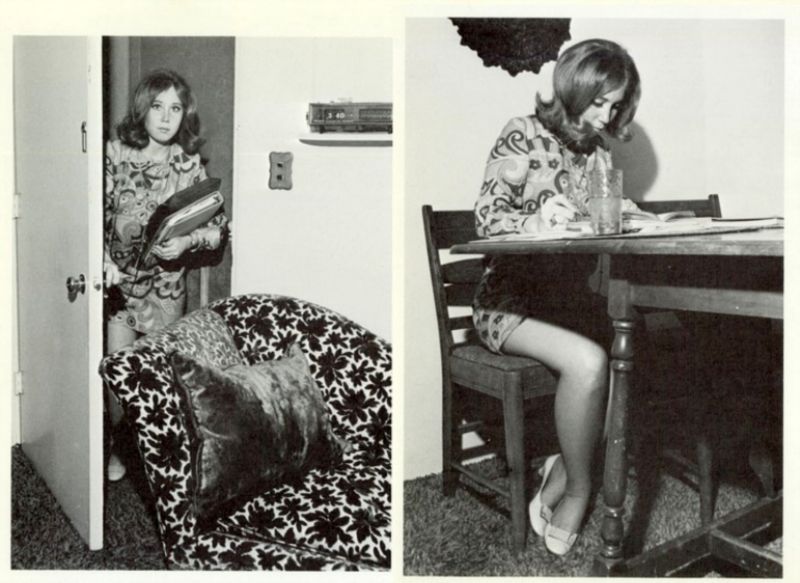
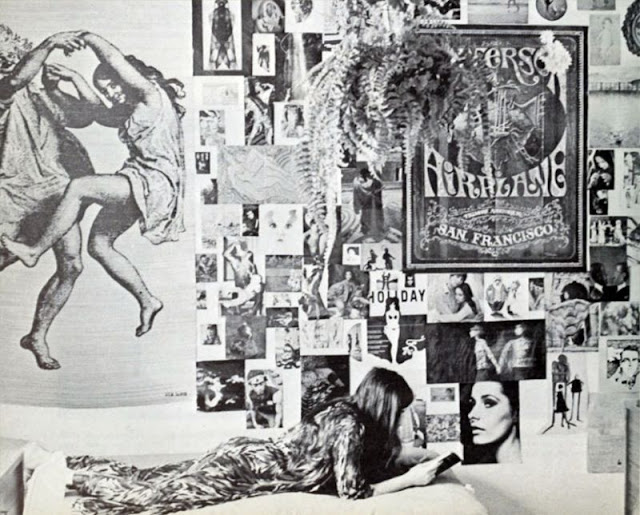
From Aretha, Peanuts, Playboy, Woodstock, Paul Newman and Burt Reynolds posters to floral bed linens, these pictures, collected from dated yearbooks and found photographs, offer a look inside girls’ university dorm rooms and female student apartments around the seventies.
As time capsules, these images are undoubtedly some very interesting gems, they also are a treasure trove of pop culture memories, as you can clearly see from the amount of Peanuts posters in the rooms. Take a look:
Subscribe to Yesterday Today’s Blog to receive regular updates regarding new content:
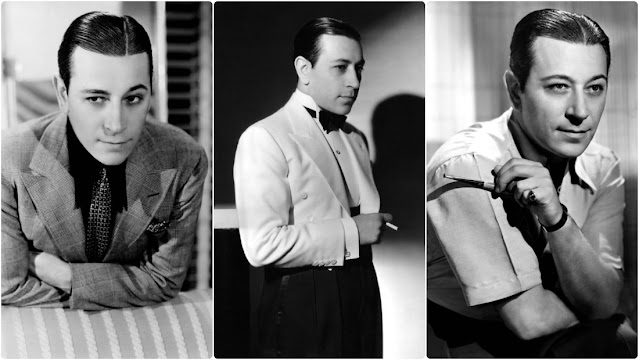
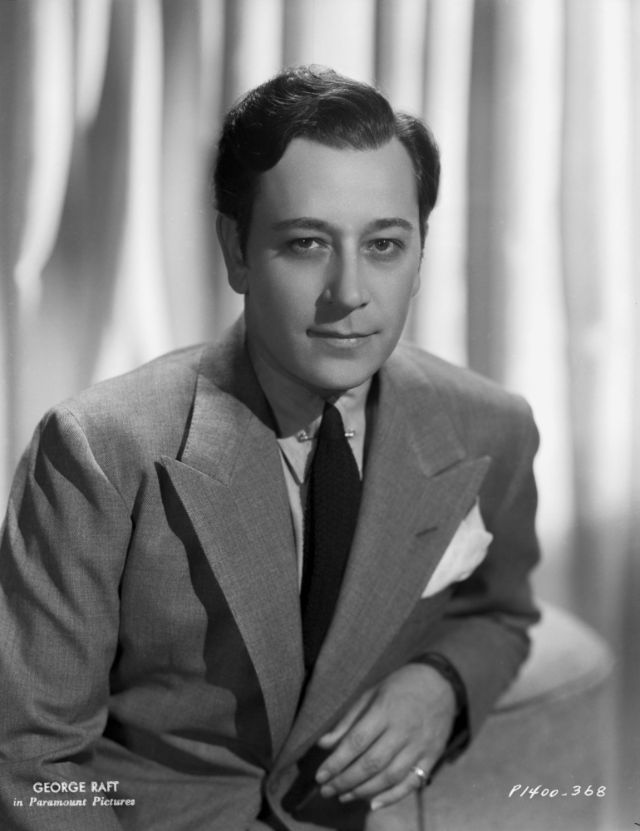
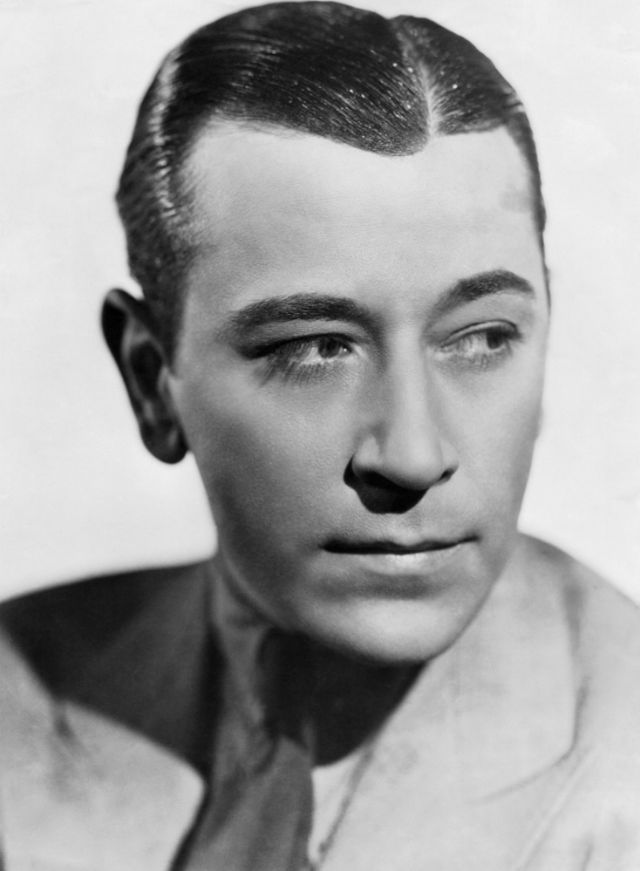
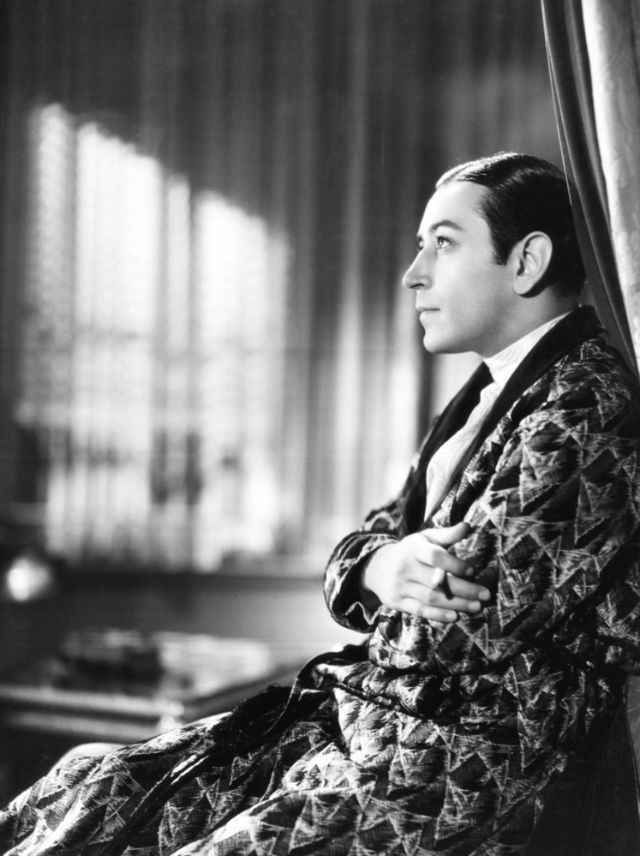
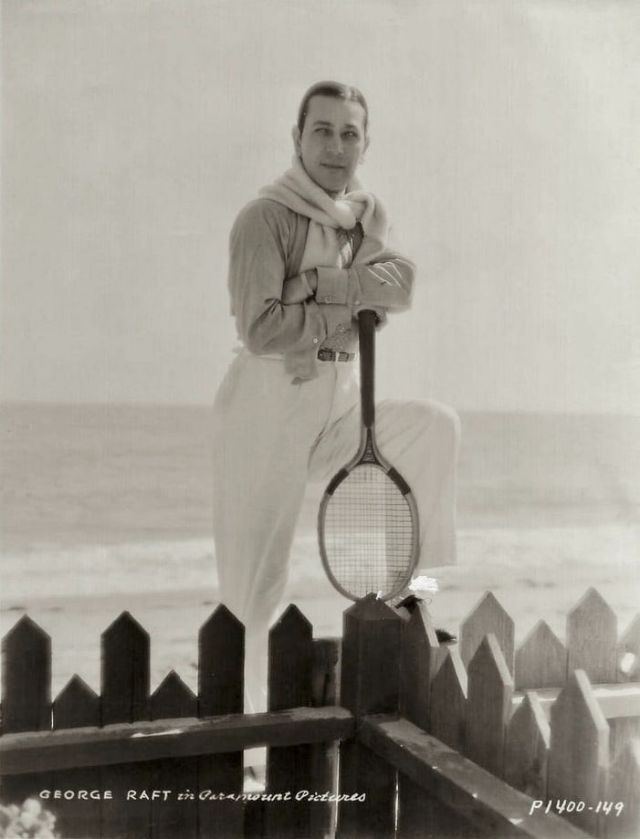
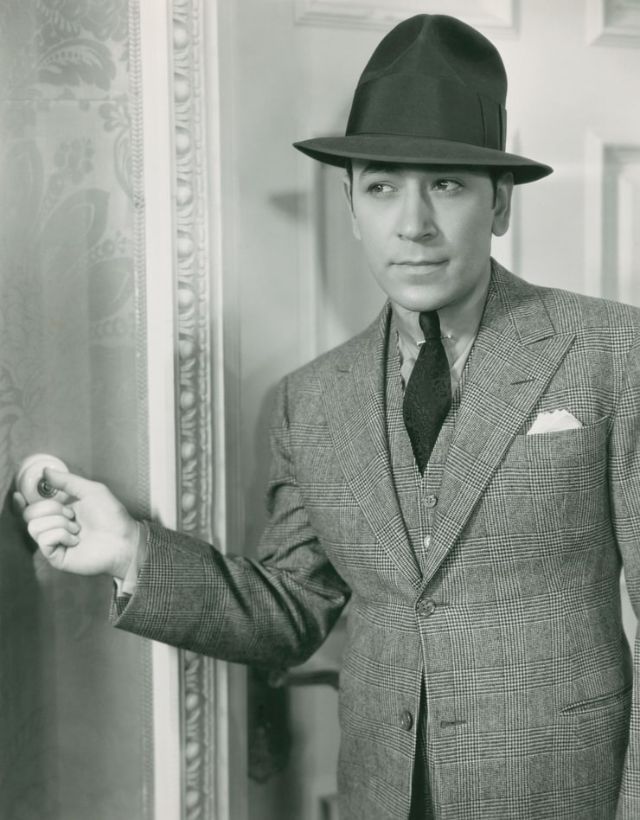
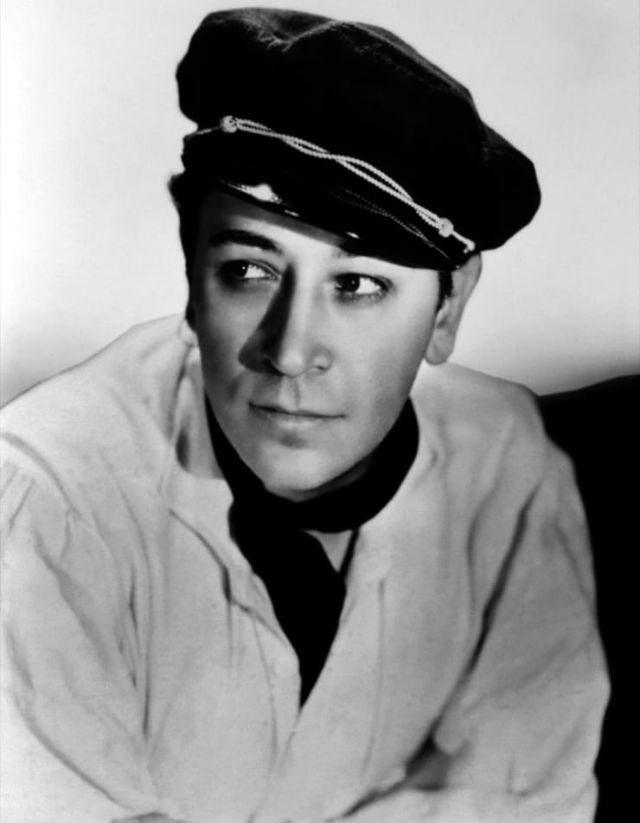
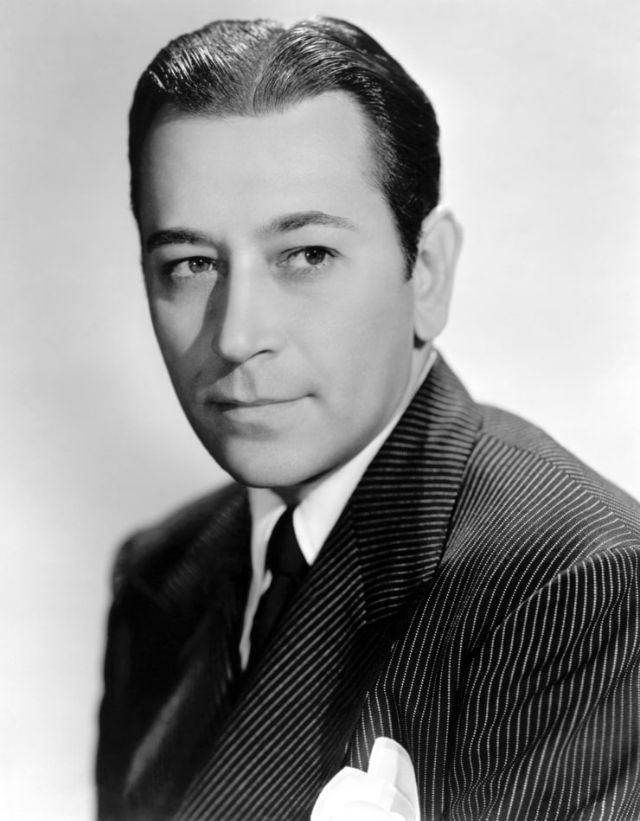
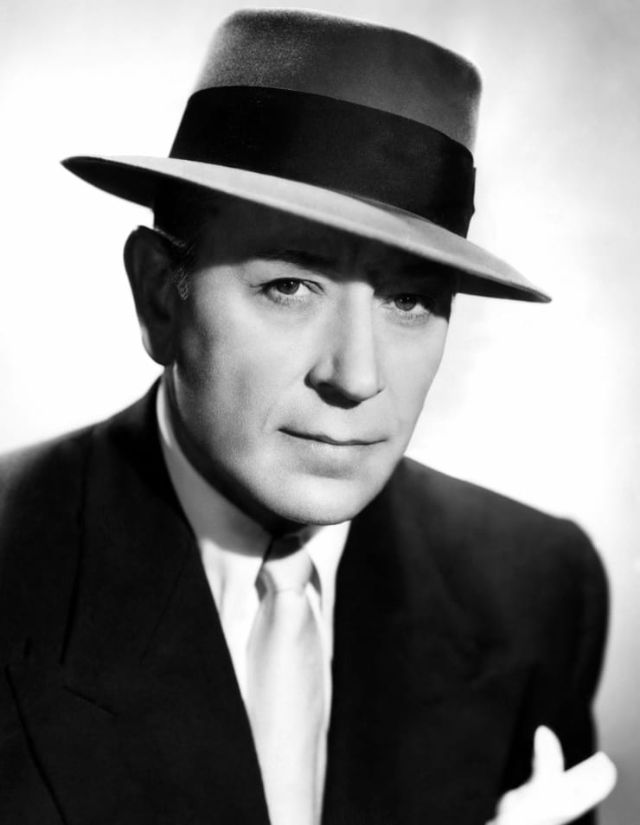
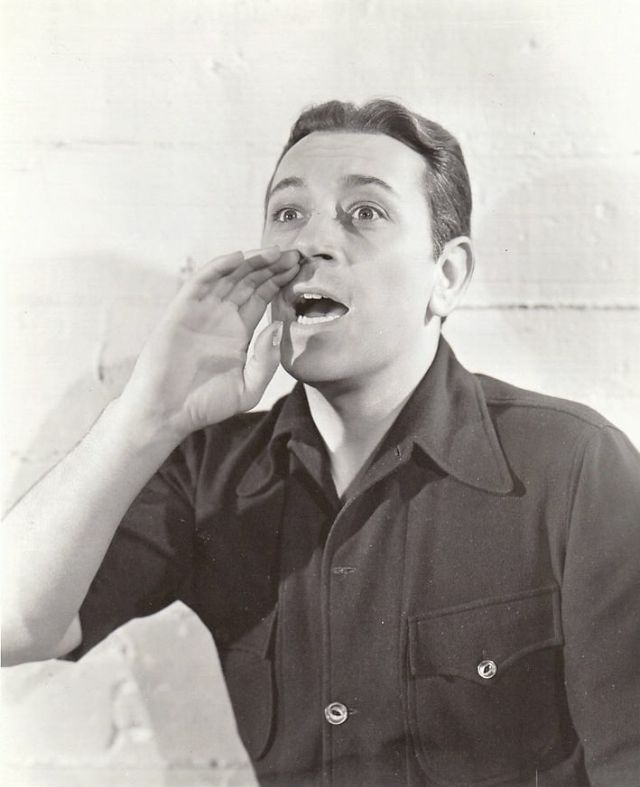
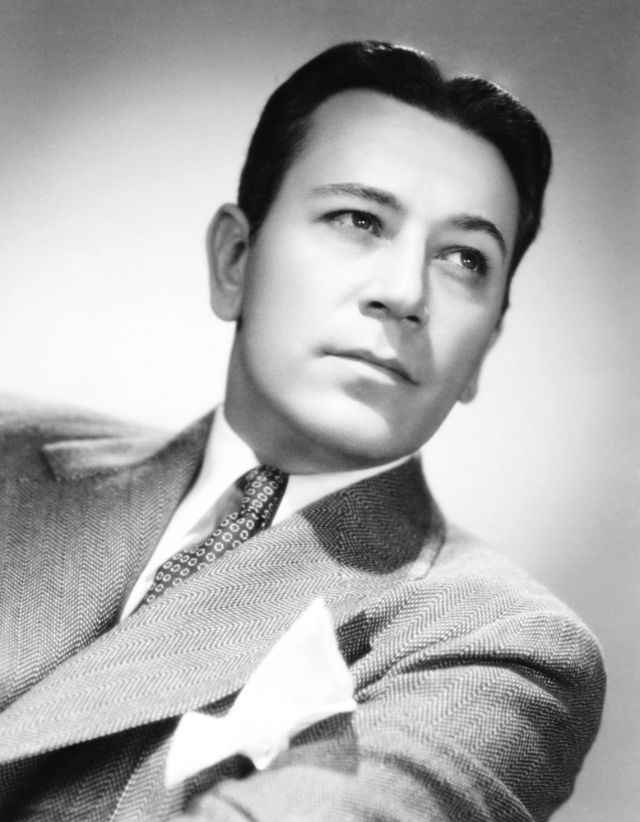
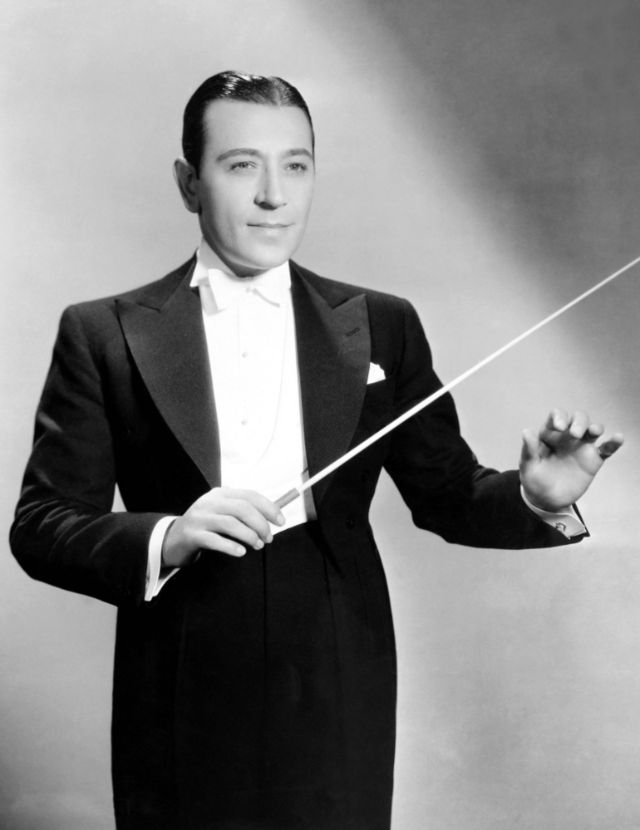
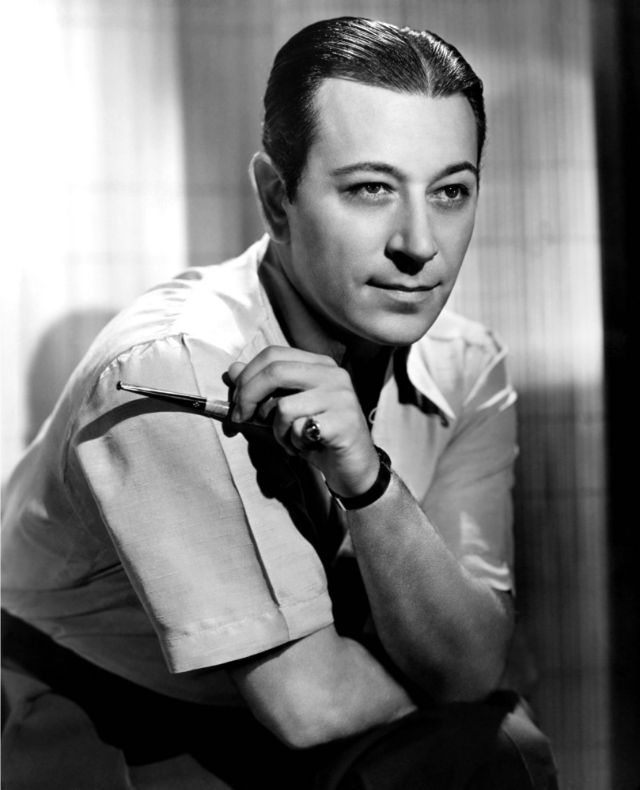
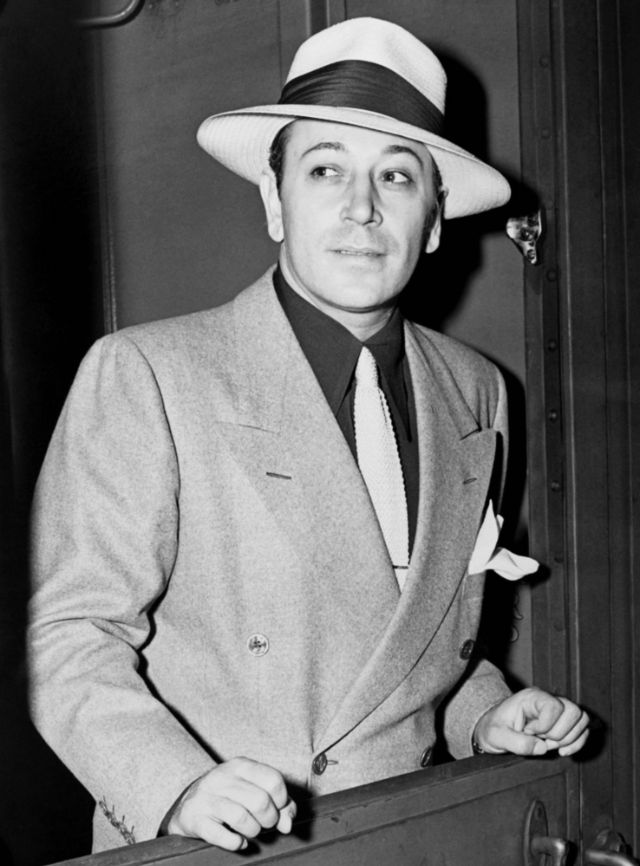
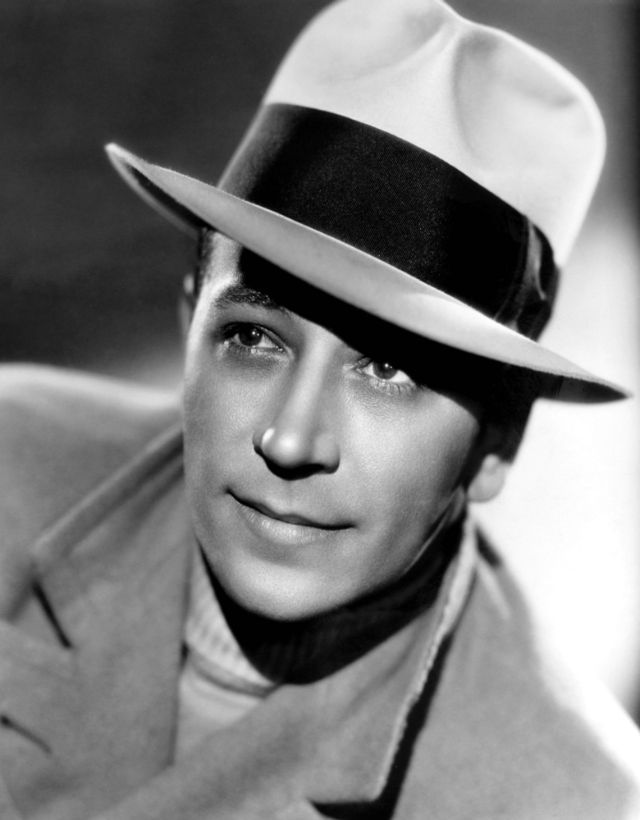
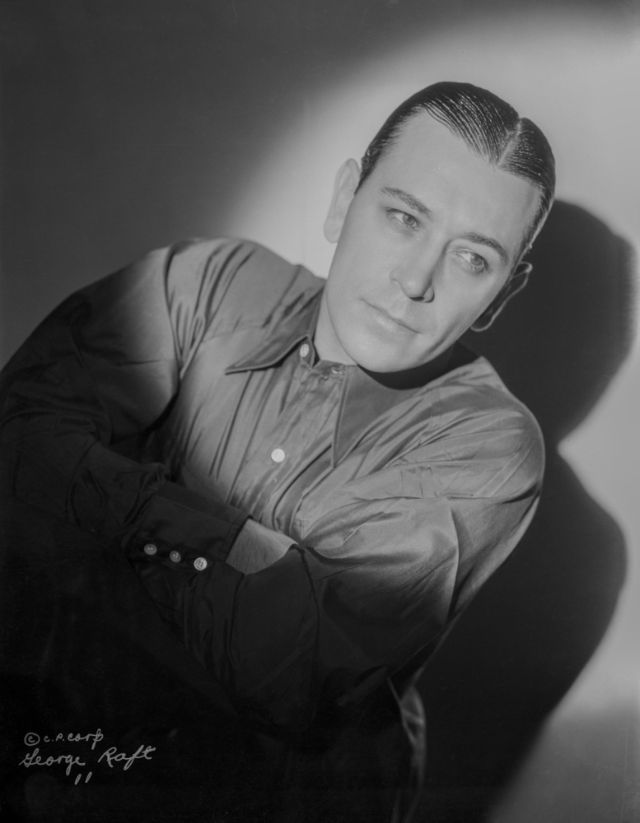
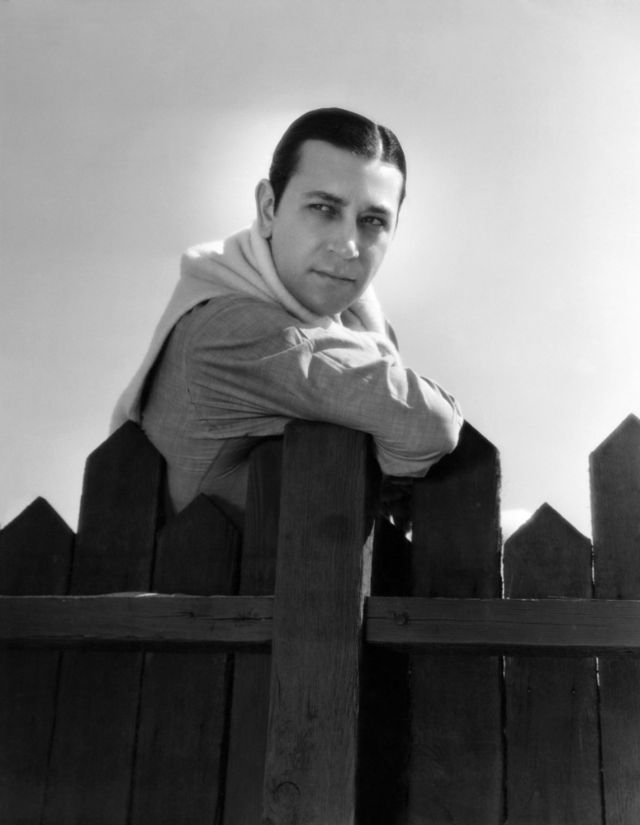
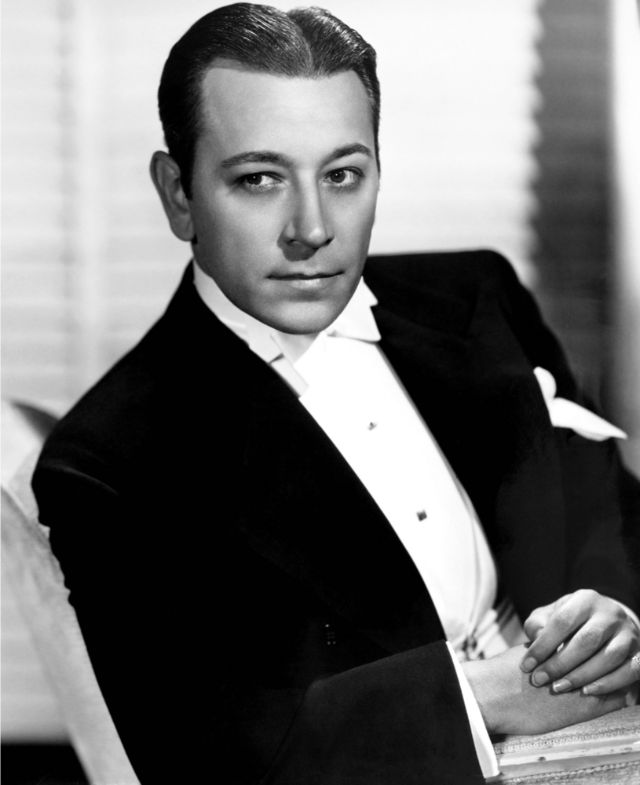
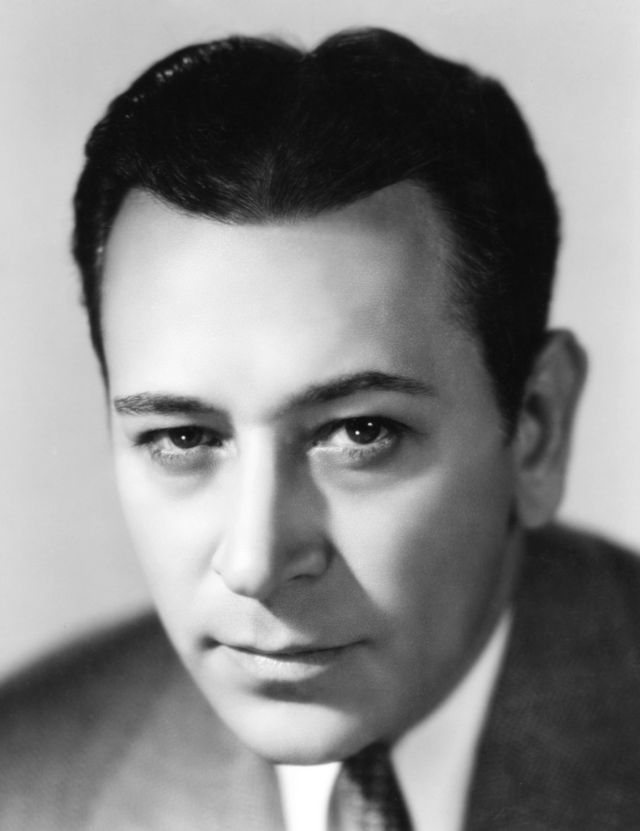
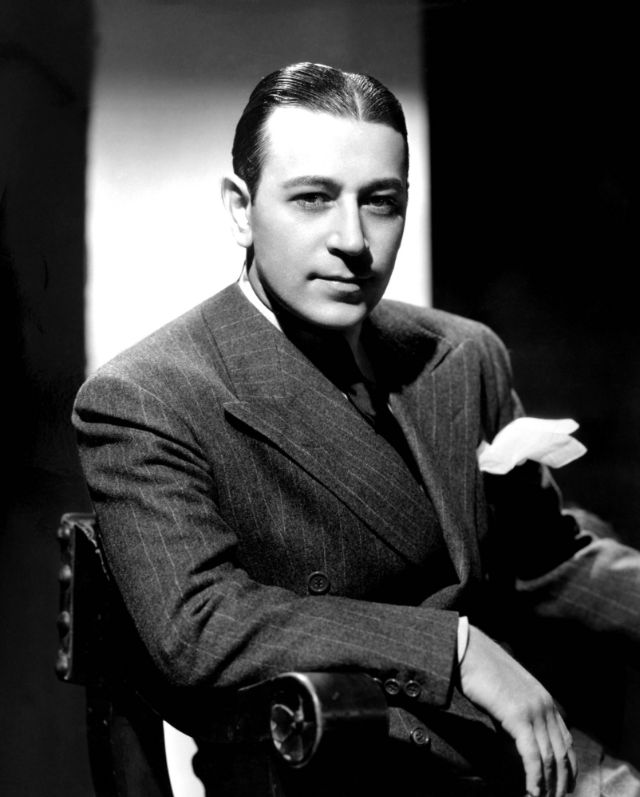
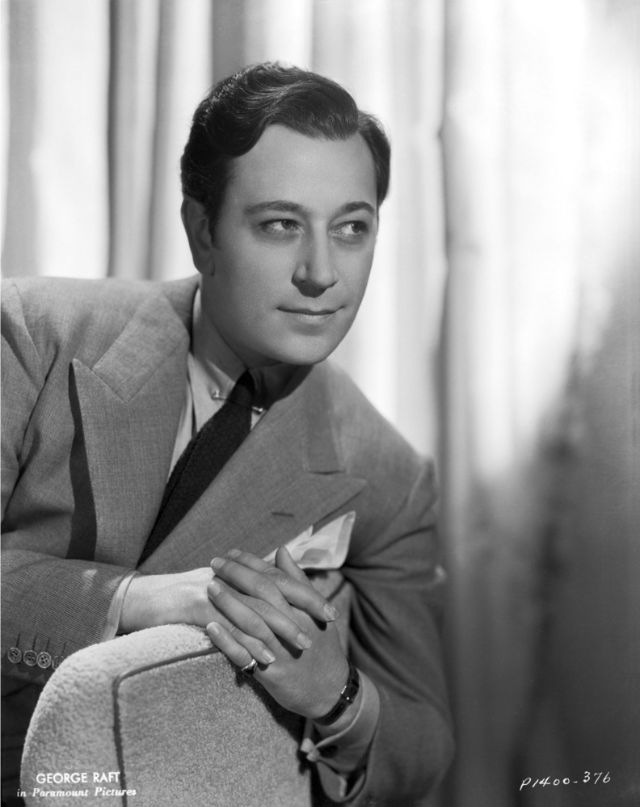
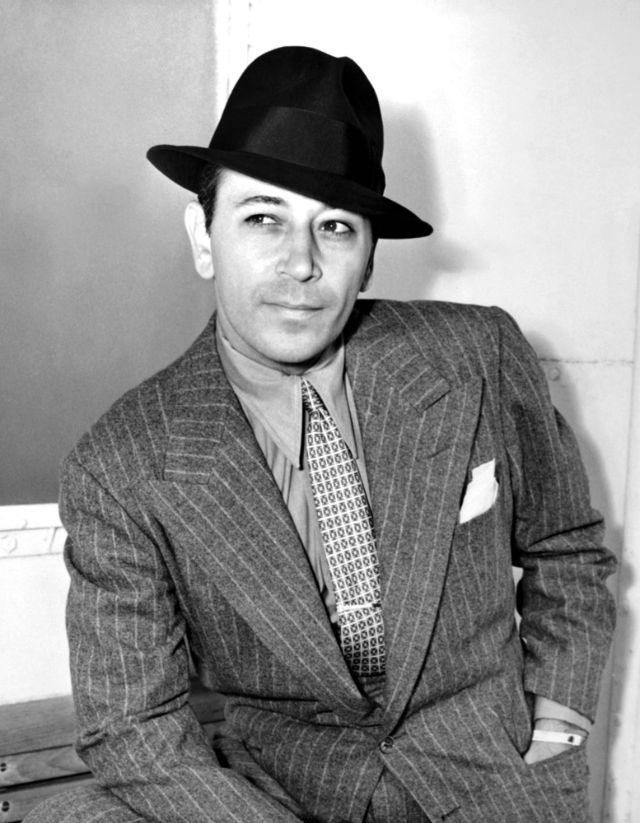
George Raft (born George Ranft; September 26, 1901 – November 24, 1980) was an American film actor and dancer identified with portrayals of gangsters in crime melodramas of the 1930s and 1940s. A stylish leading man in dozens of movies, Raft is remembered for his gangster roles in Quick Millions (1931) with Spencer Tracy, Scarface (1932) with Paul Muni, Each Dawn I Die (1939) with James Cagney, Invisible Stripes (1939) with Humphrey Bogart, and Billy Wilder’s comedy Some Like It Hot (1959) with Marilyn Monroe and Jack Lemmon; and as a dancer in Bolero (1934) with Carole Lombard and a truck driver in They Drive by Night (1940) with Ann Sheridan, Ida Lupino and Bogart.
Raft said he never regarded himself as an actor. “I wanted to be me,” he said. He died from emphysema at the age of 79 in Los Angeles in 1980. Take a look at these vintage photos to see portraits of a young and handsome George Raft in the 1930s and 1940s.
Subscribe to Yesterday Today’s Blog to receive regular updates regarding new content:
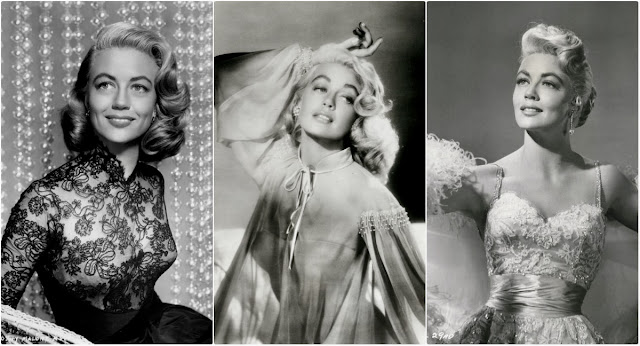
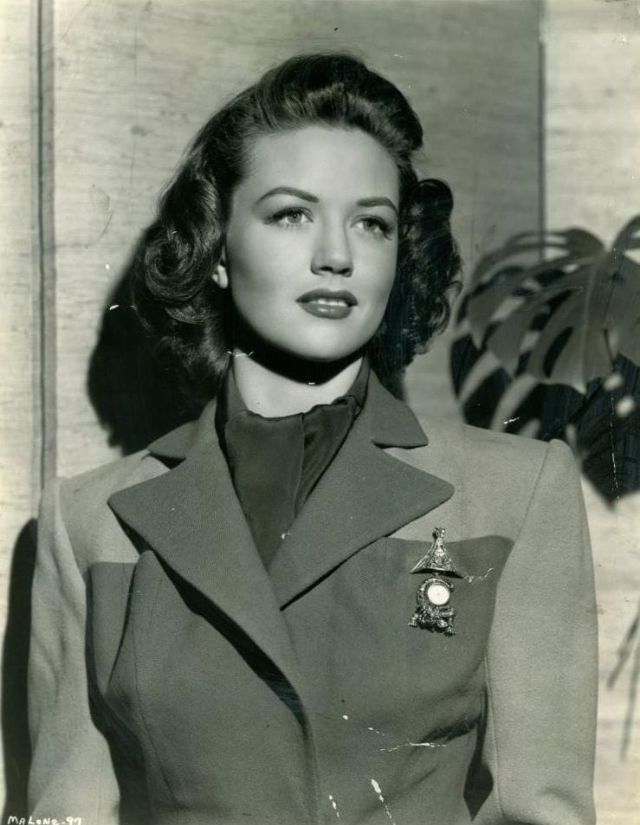
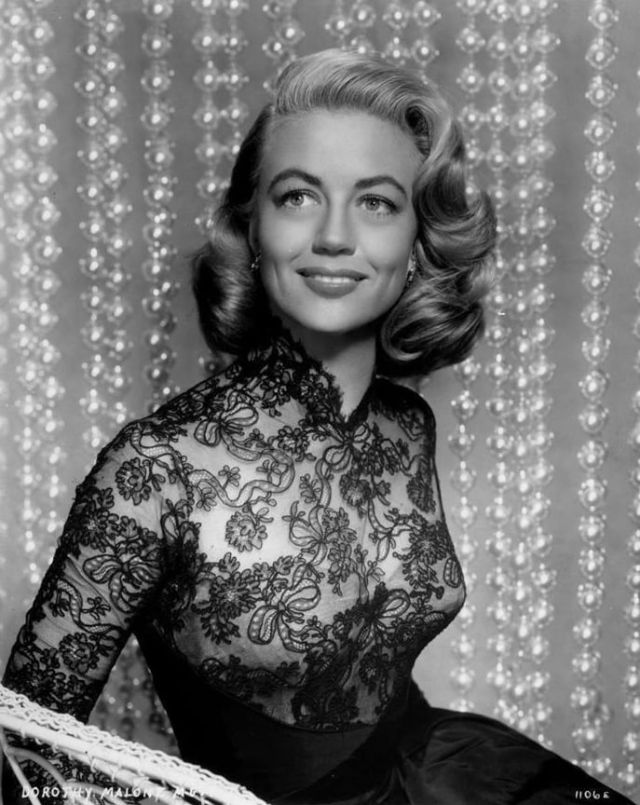
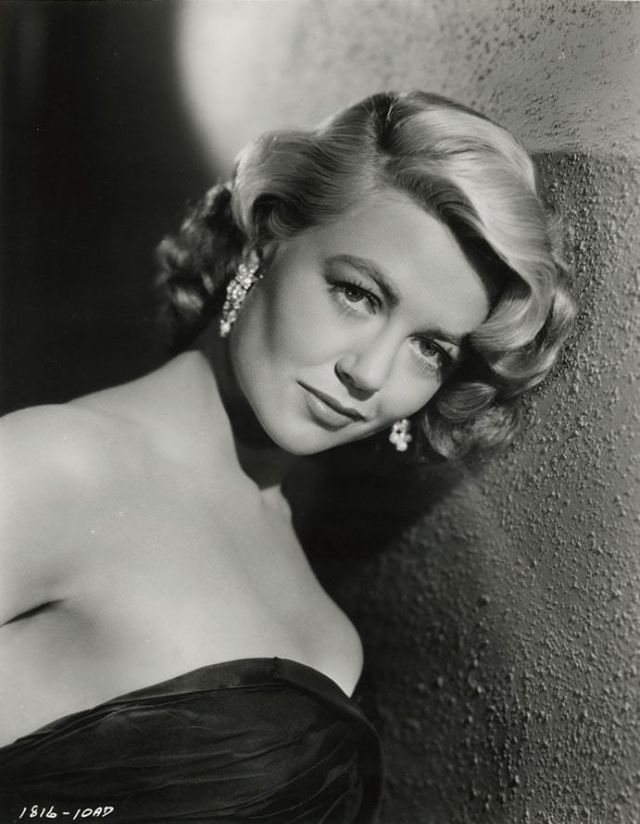
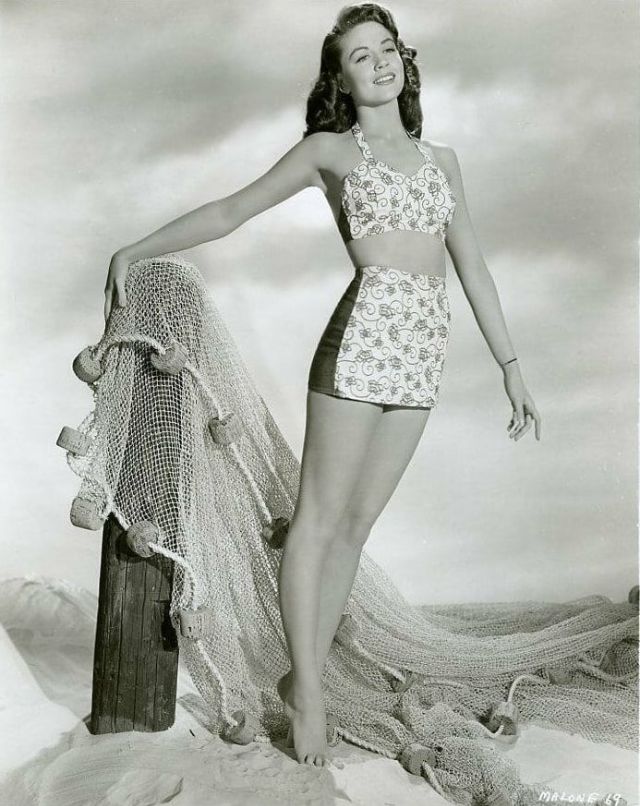
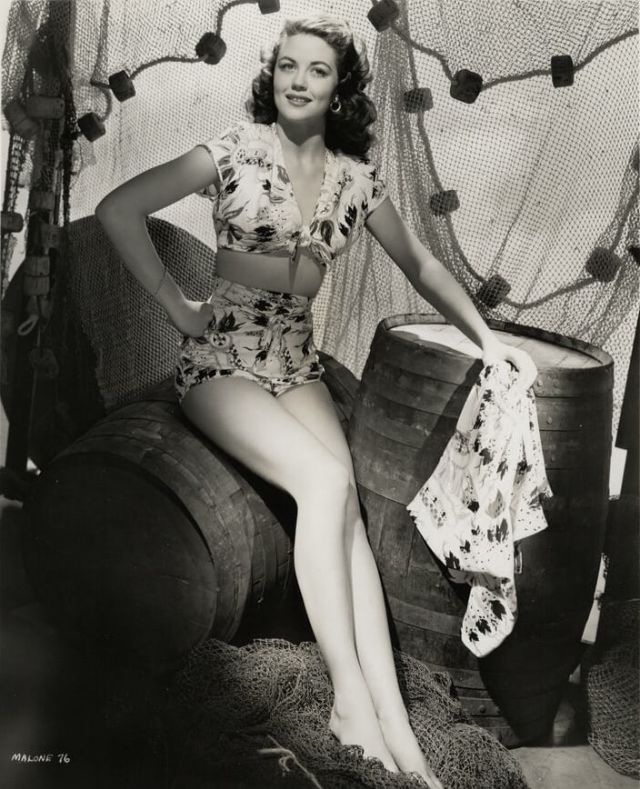
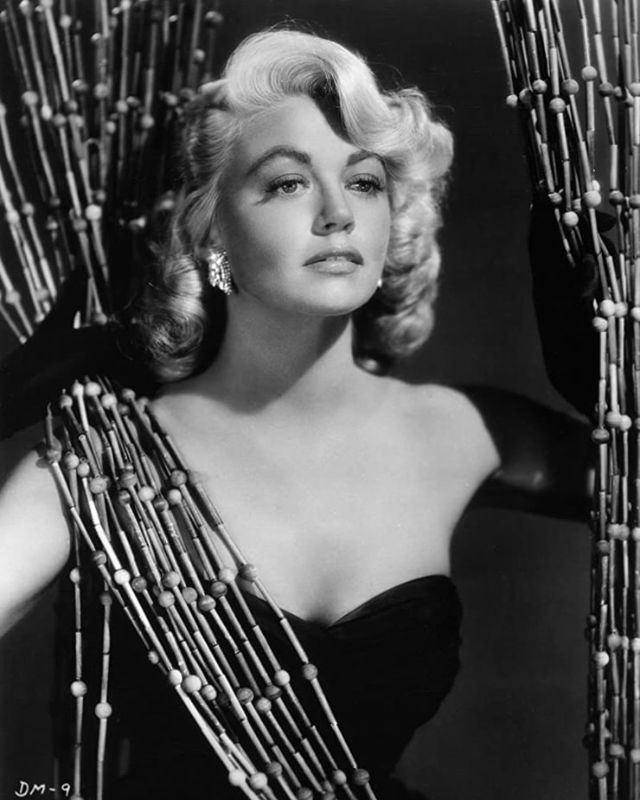
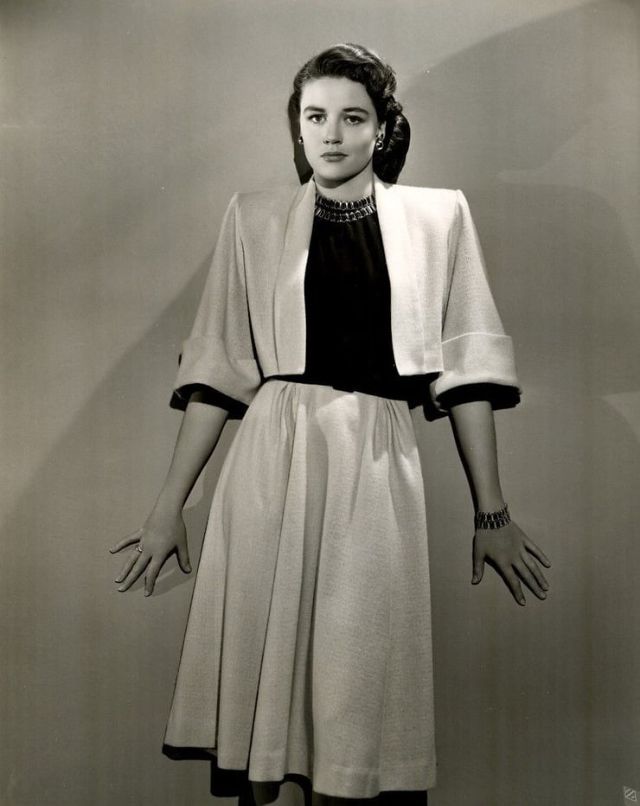
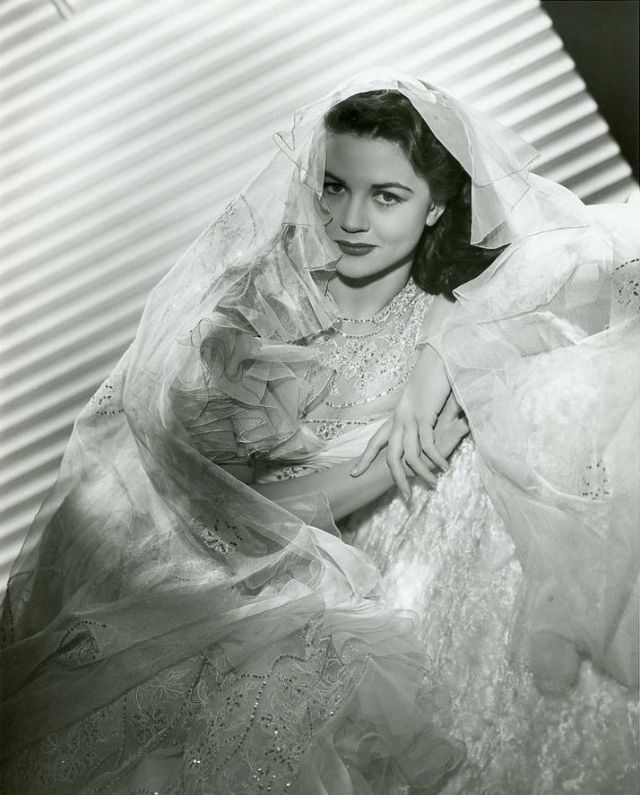
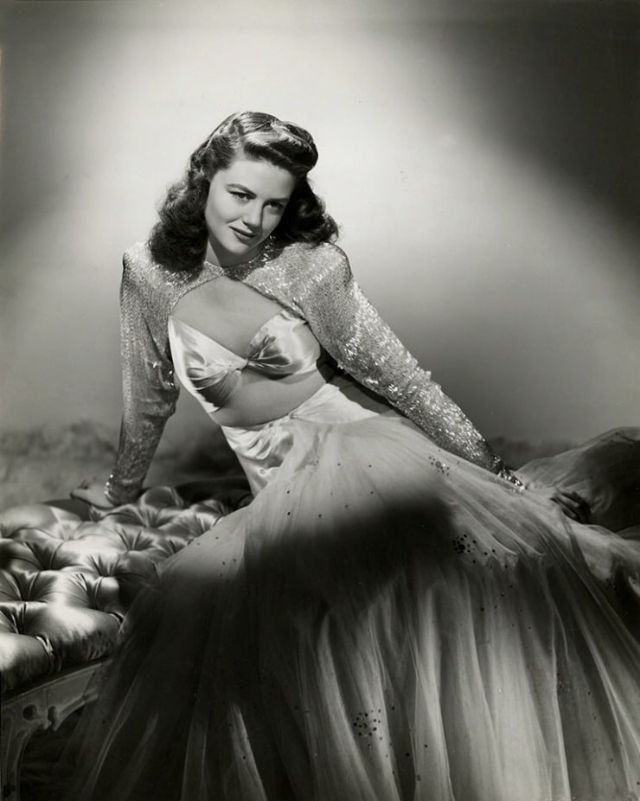
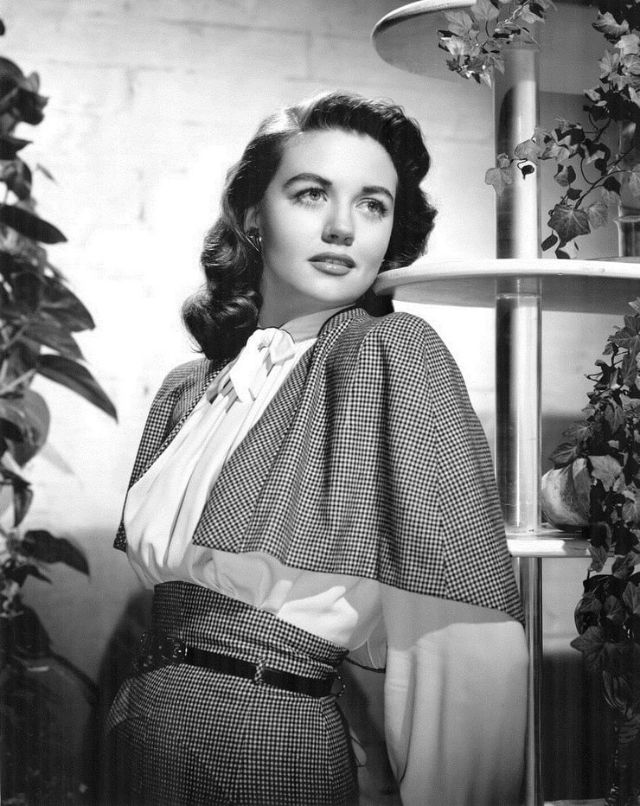
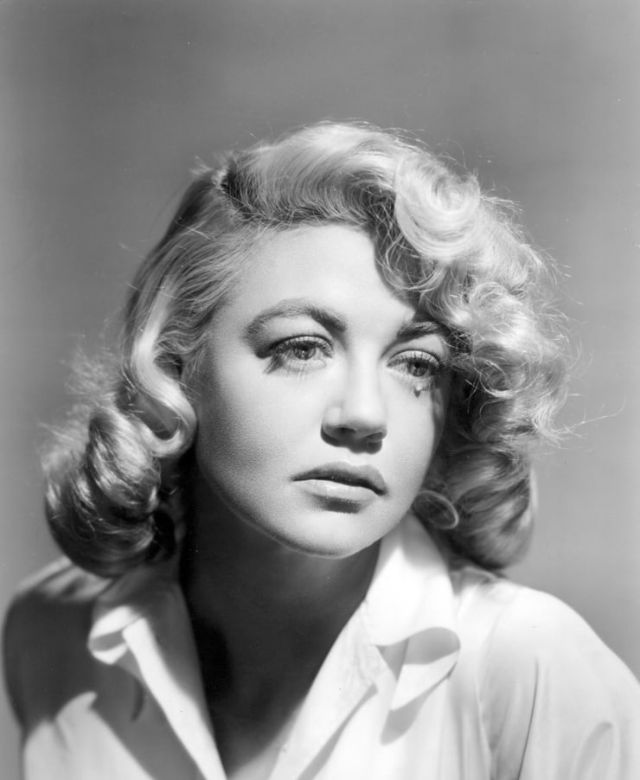
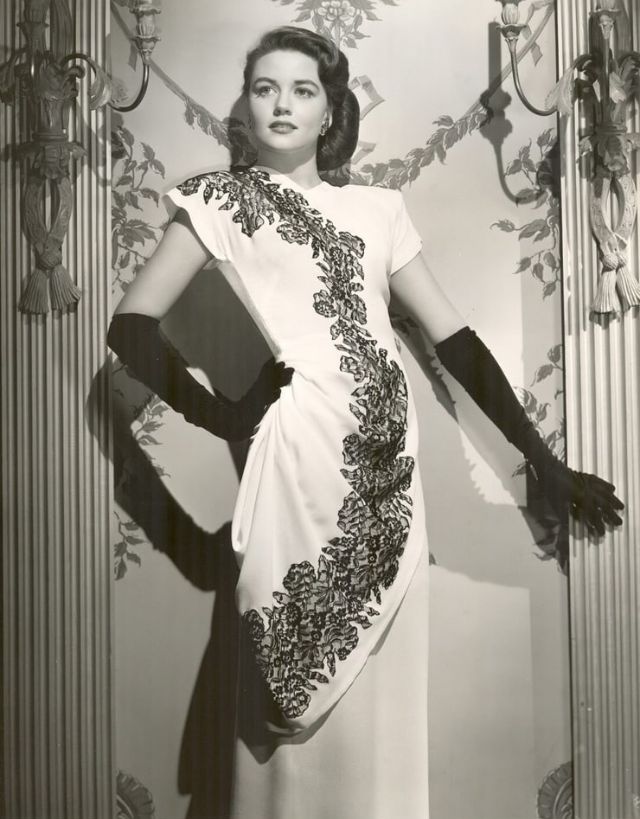
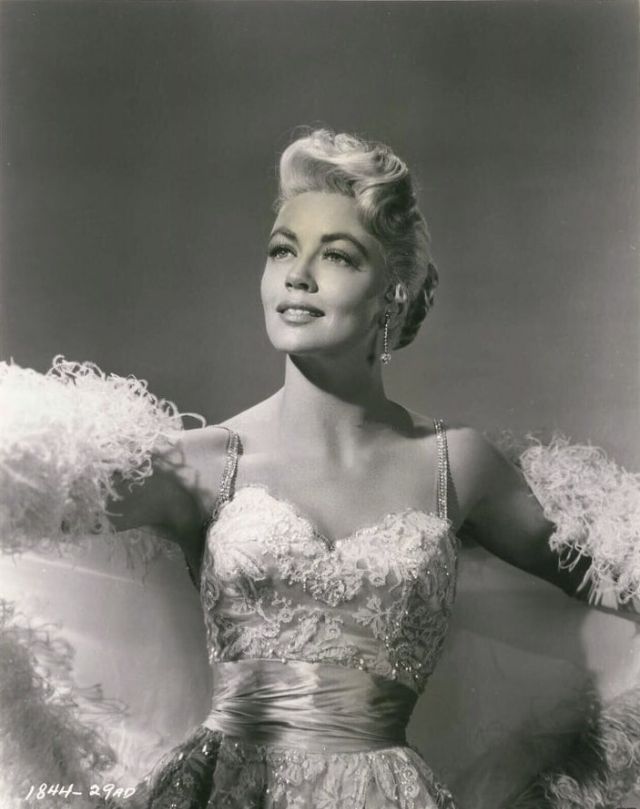
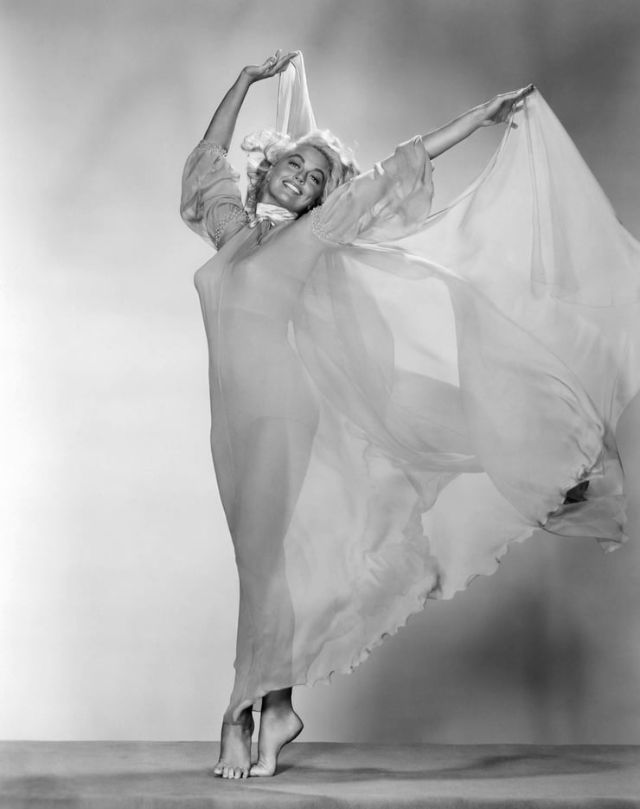
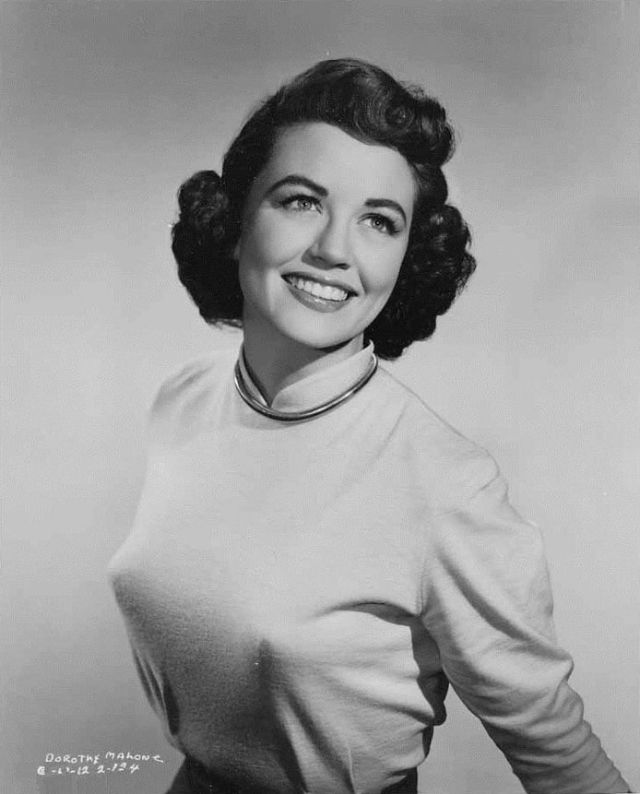
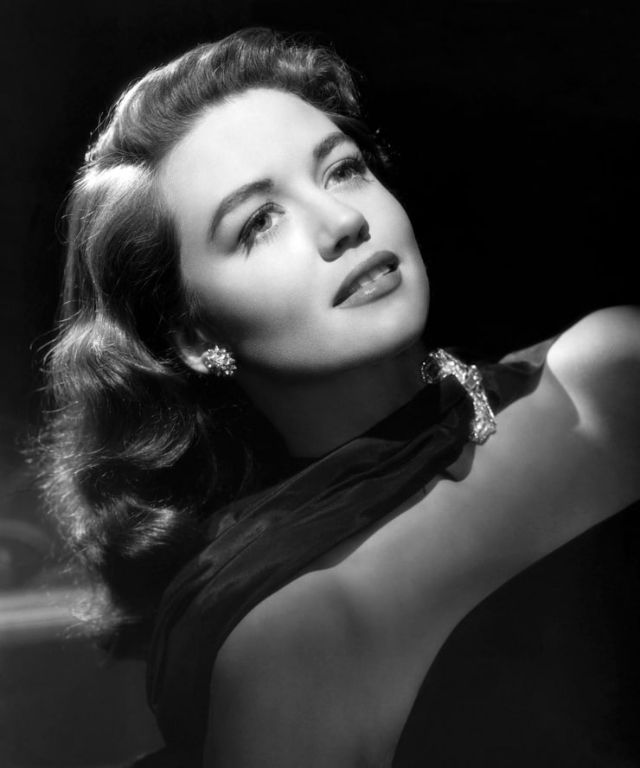
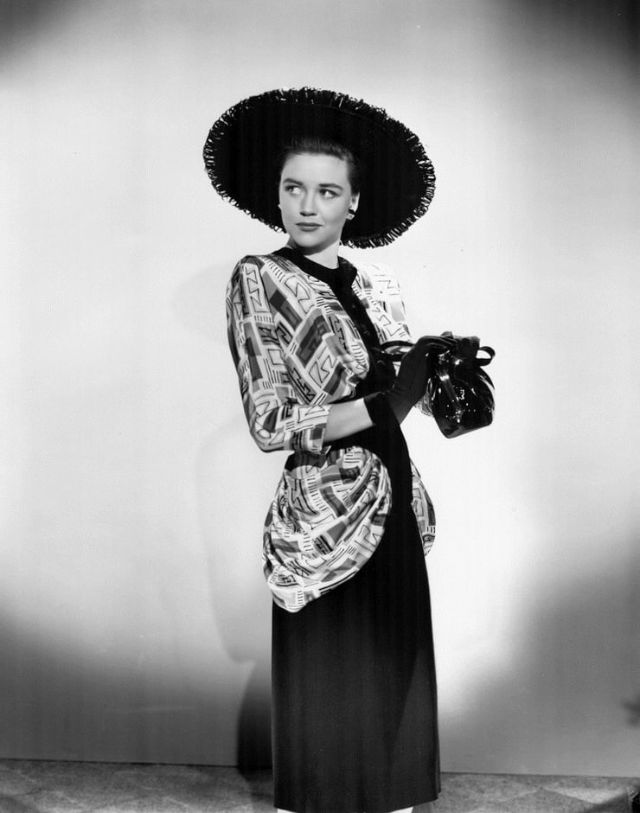
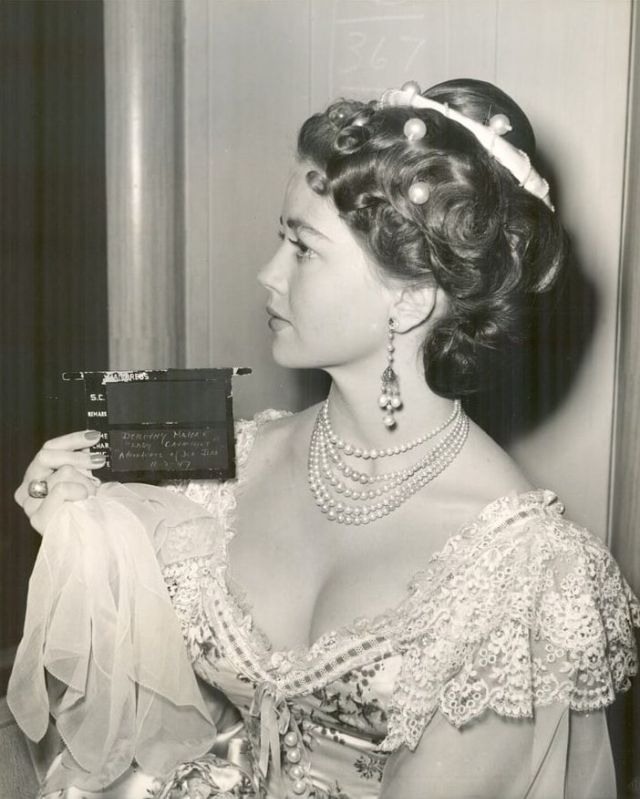
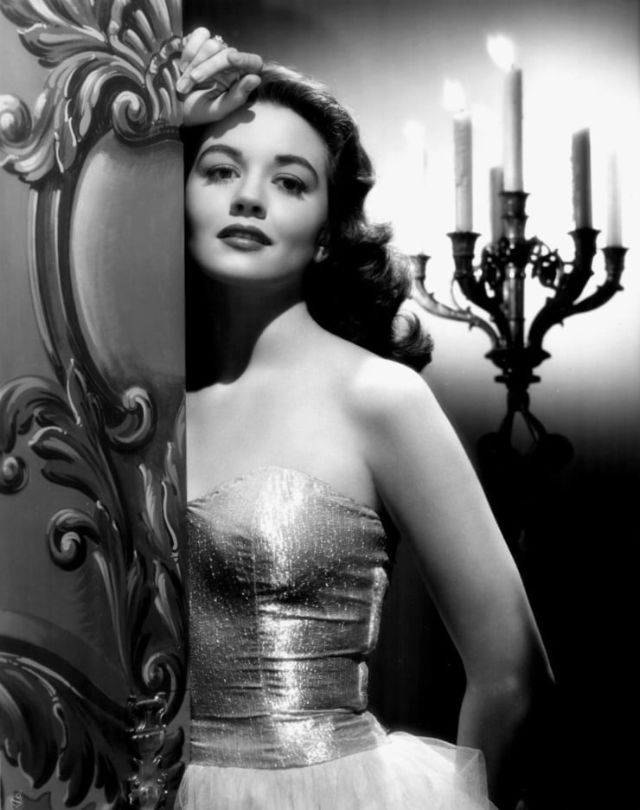
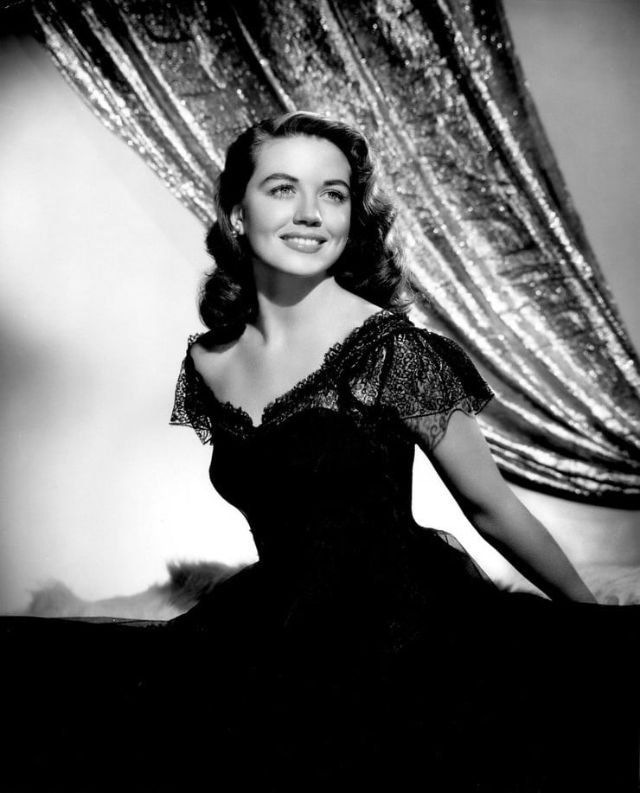
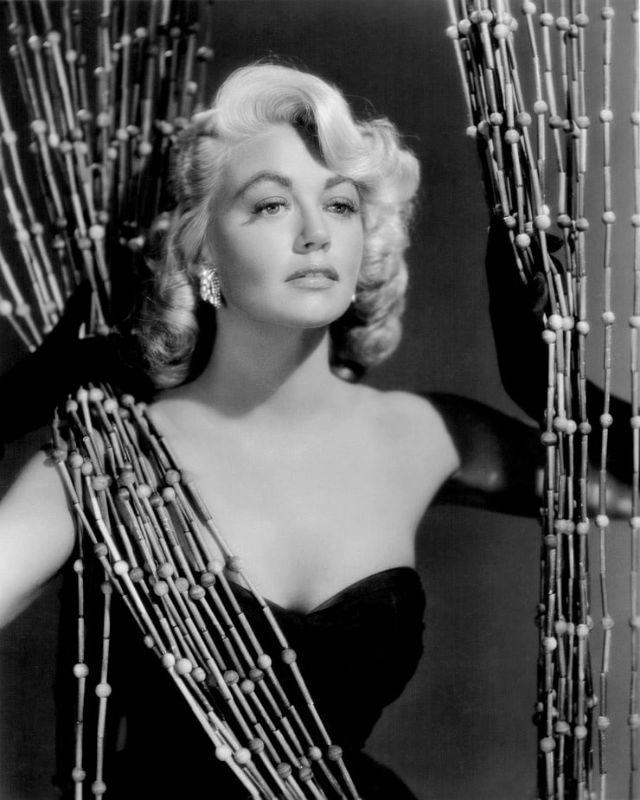
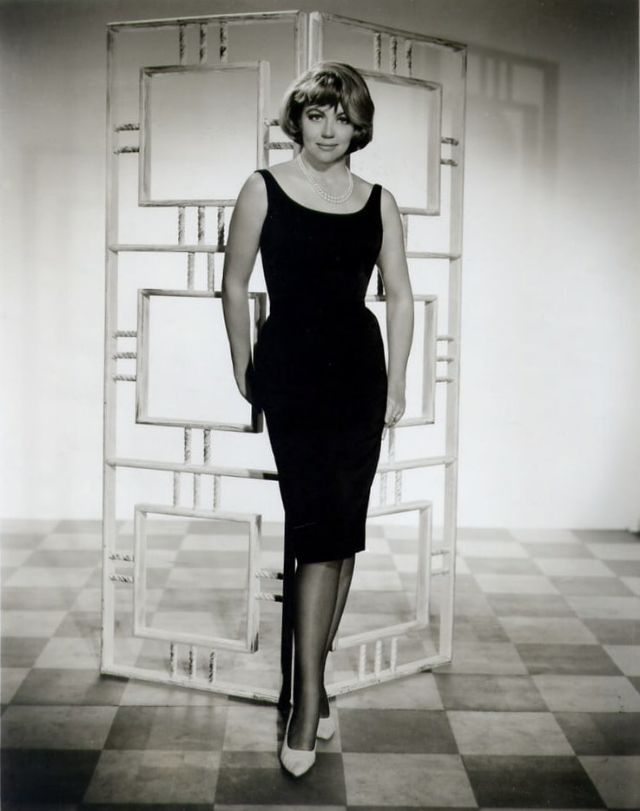
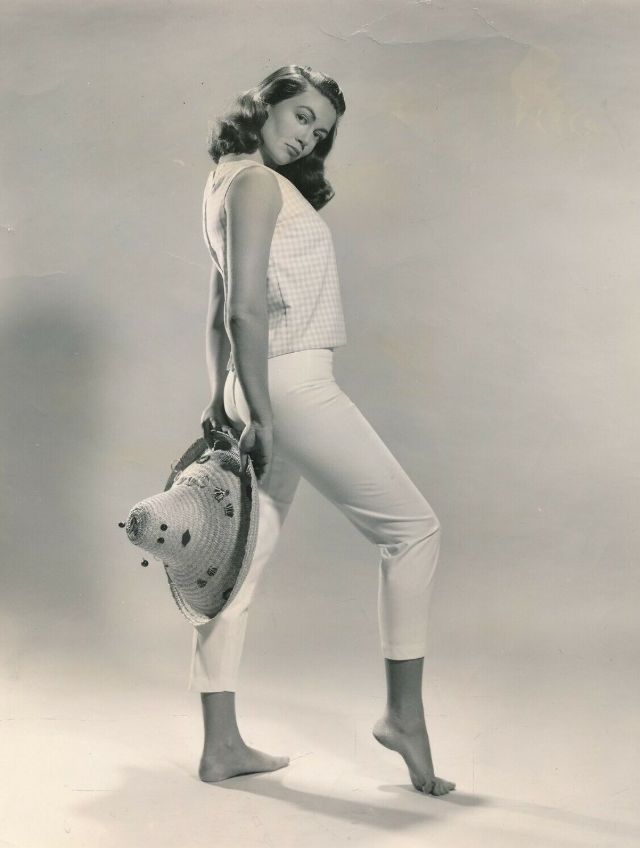
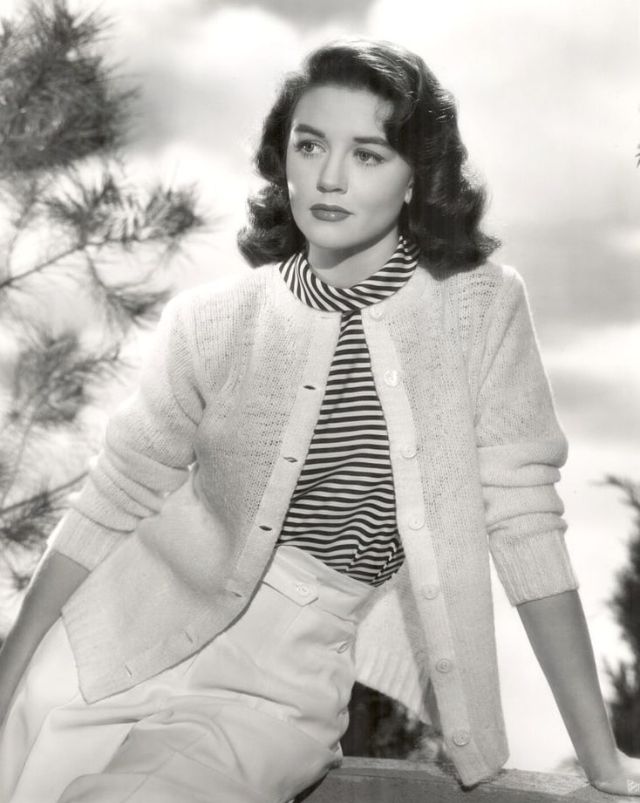
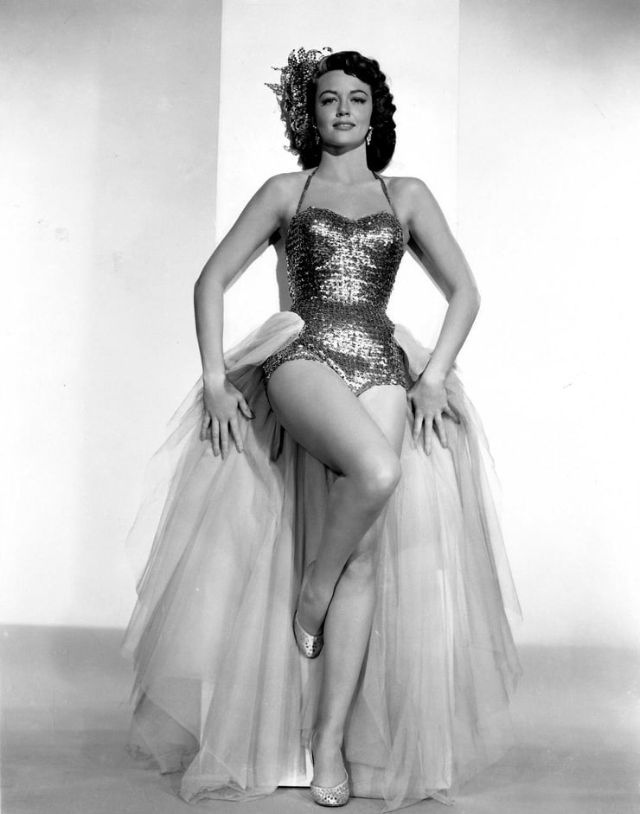
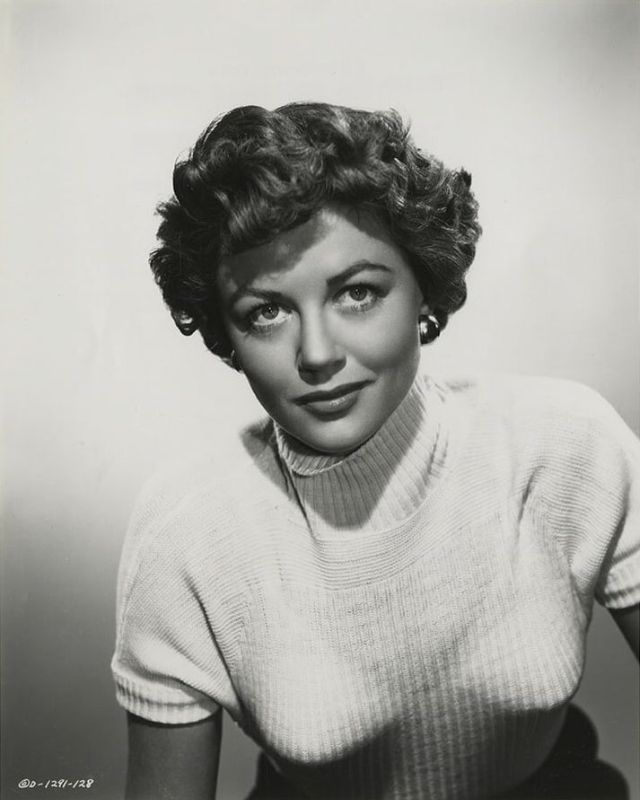
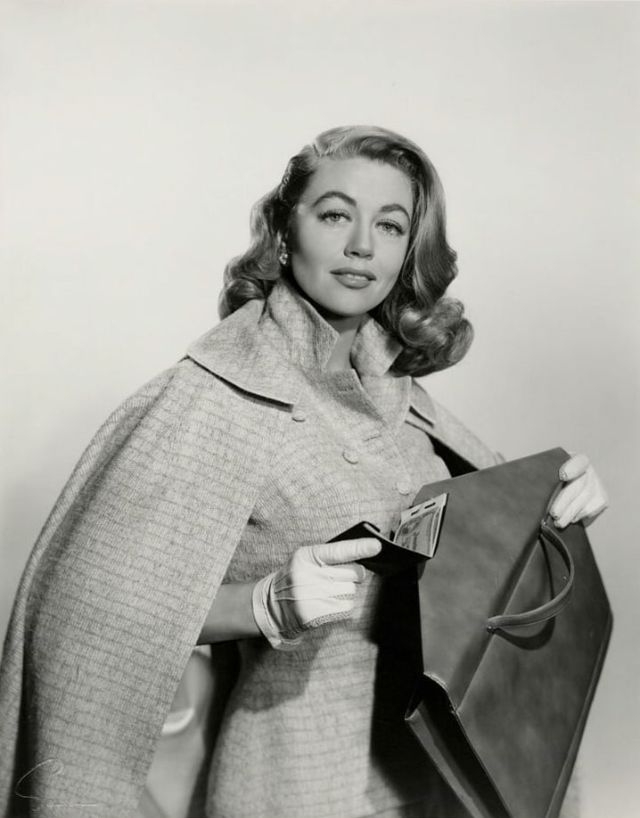
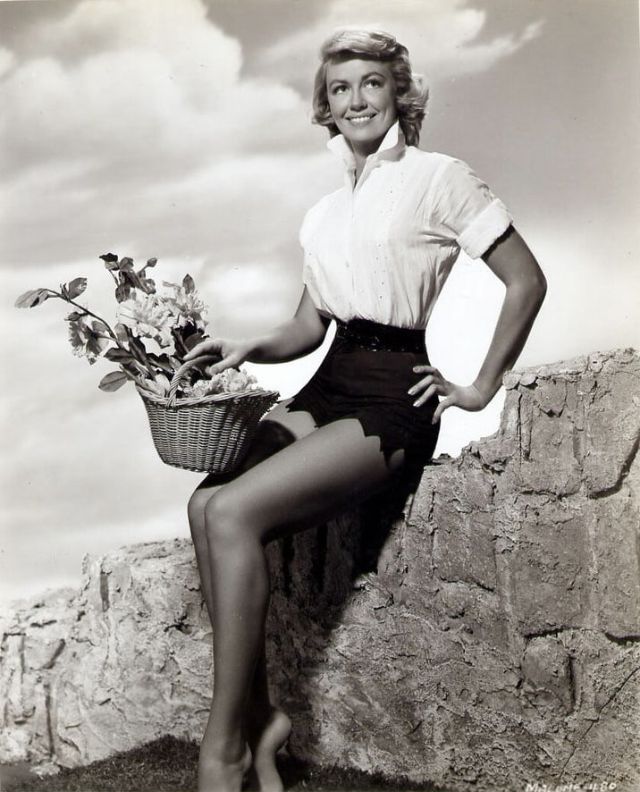
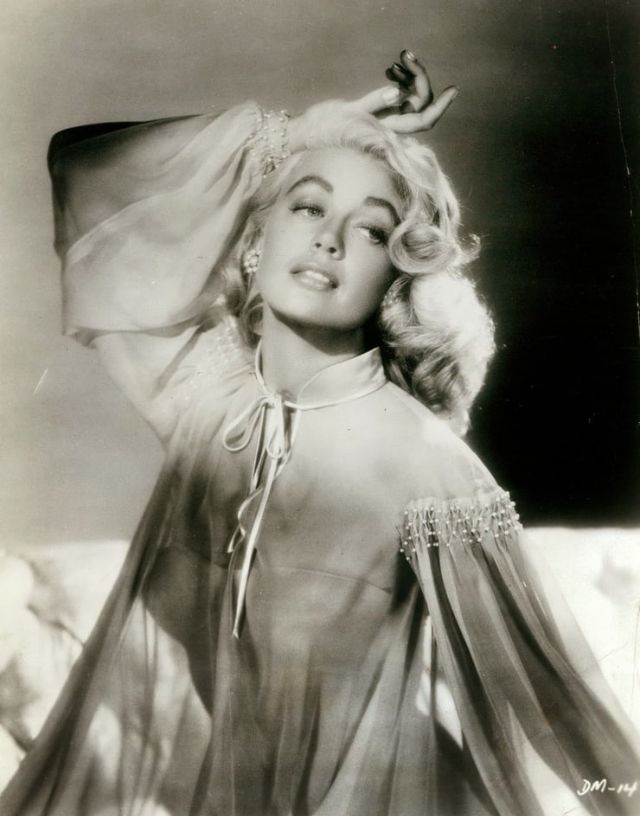
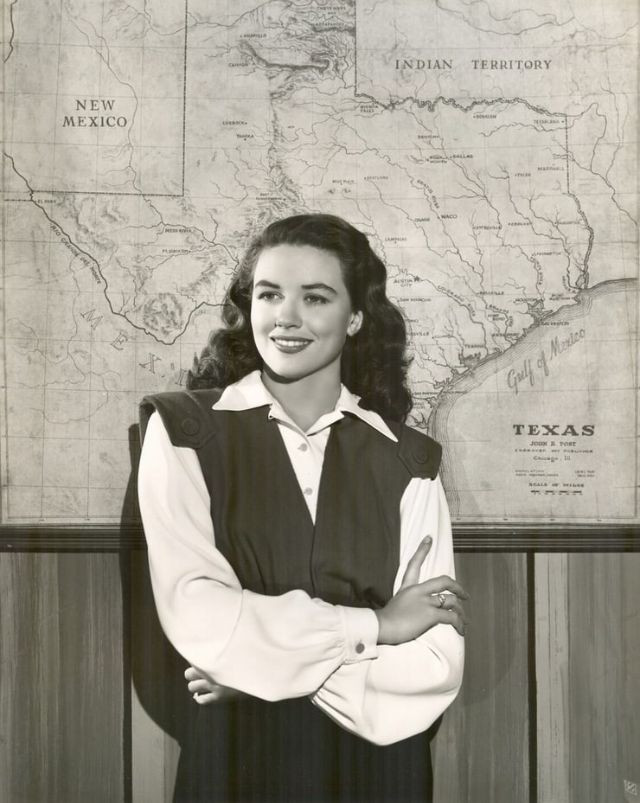
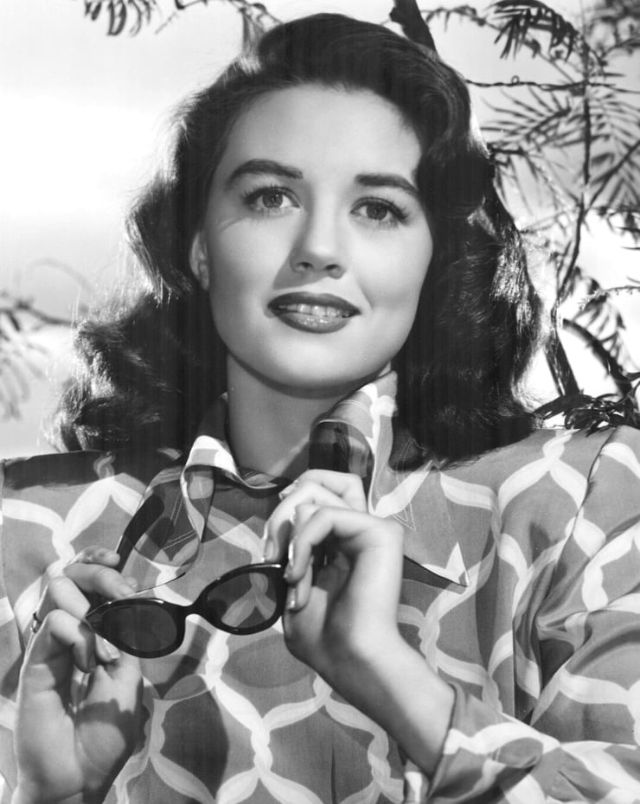
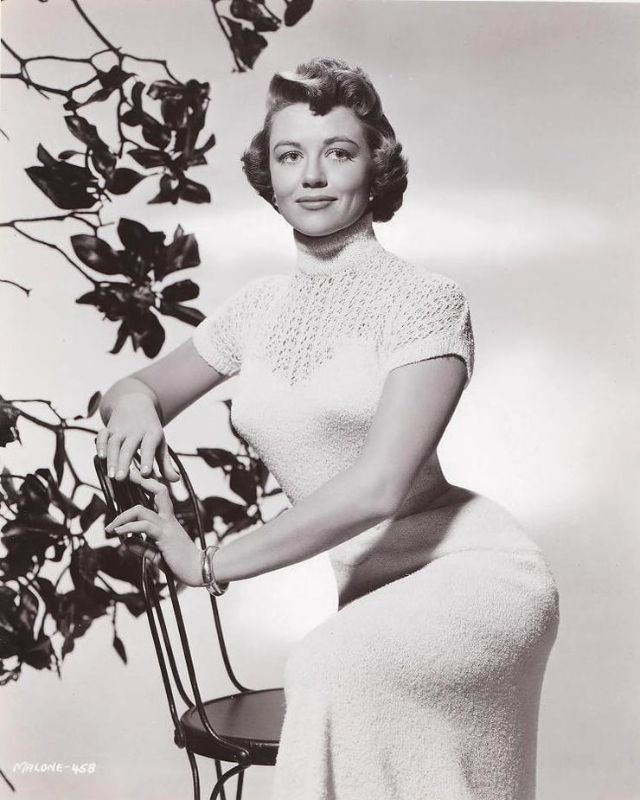
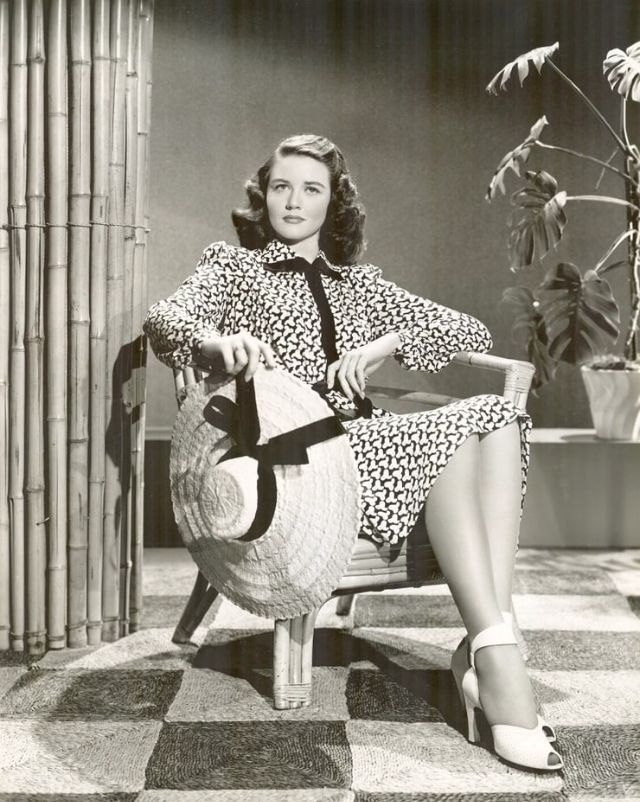
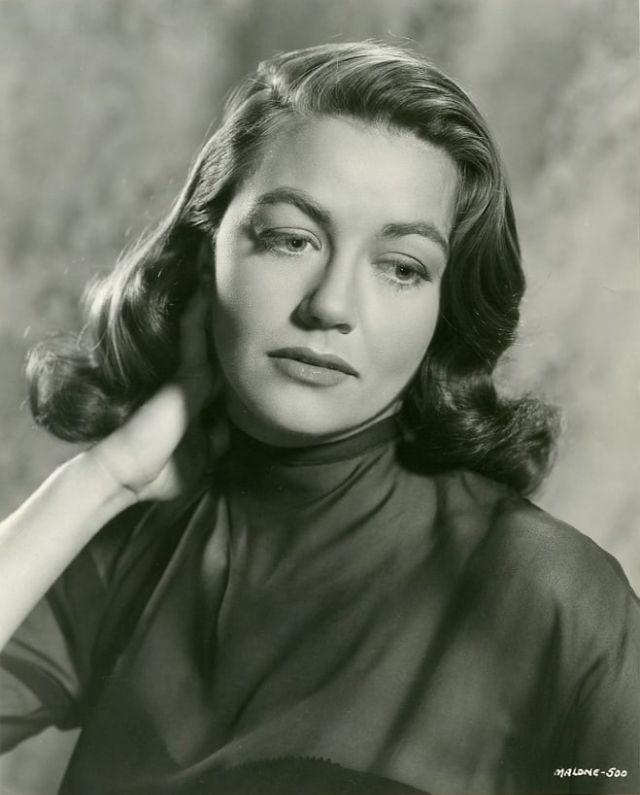
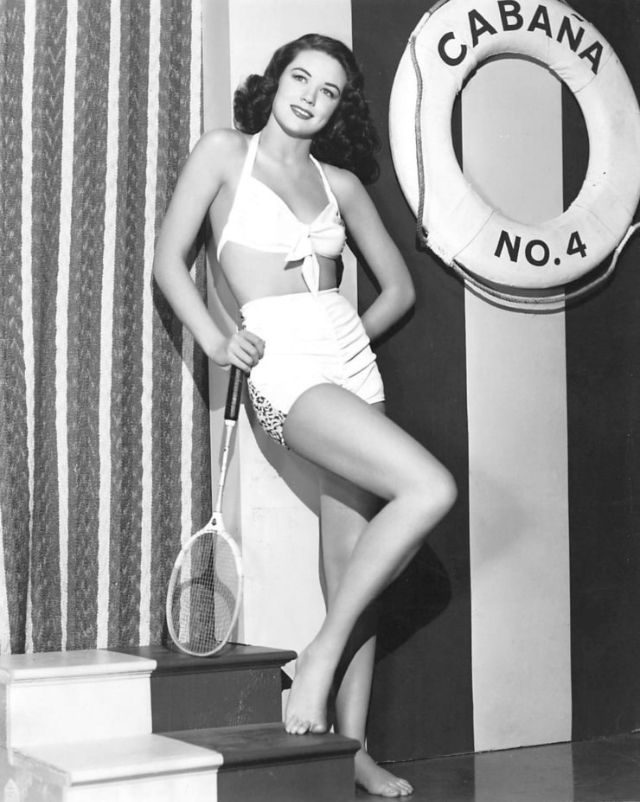
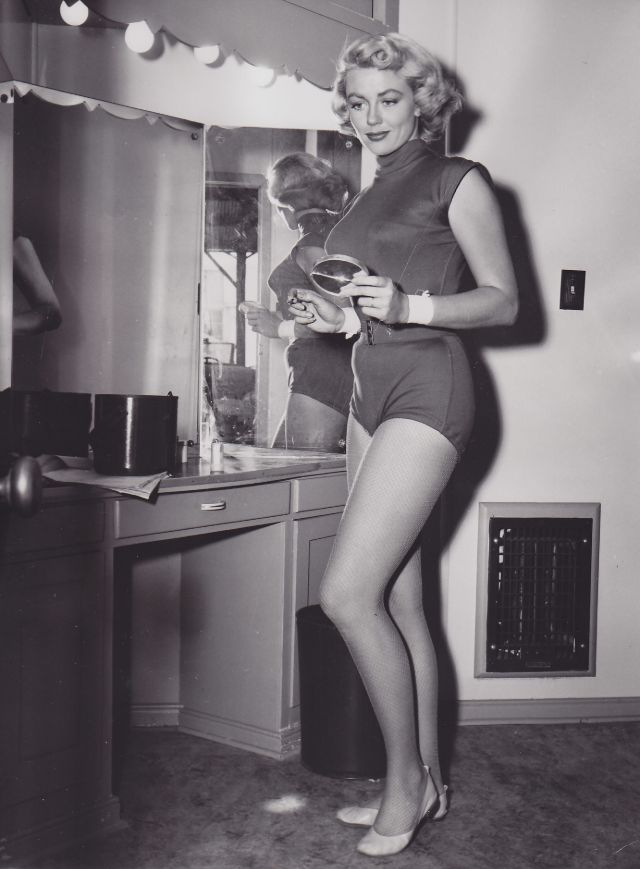
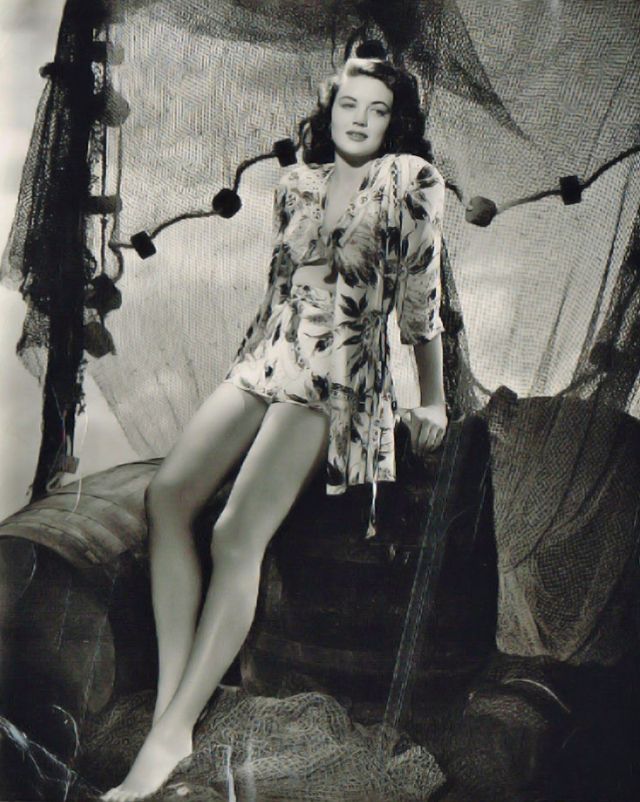
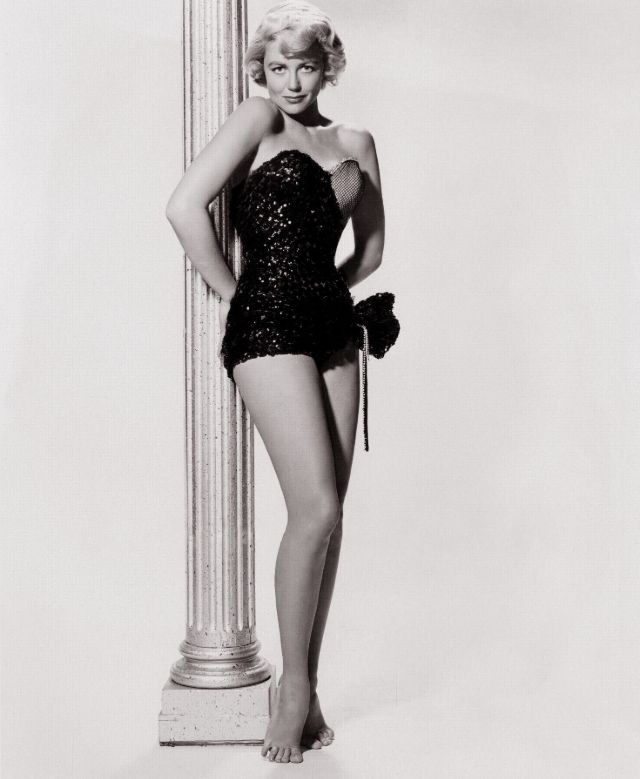
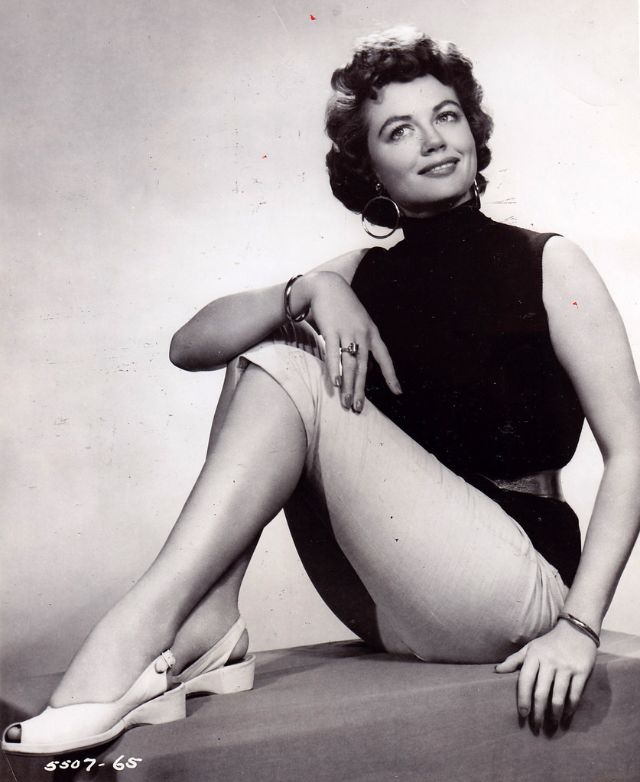
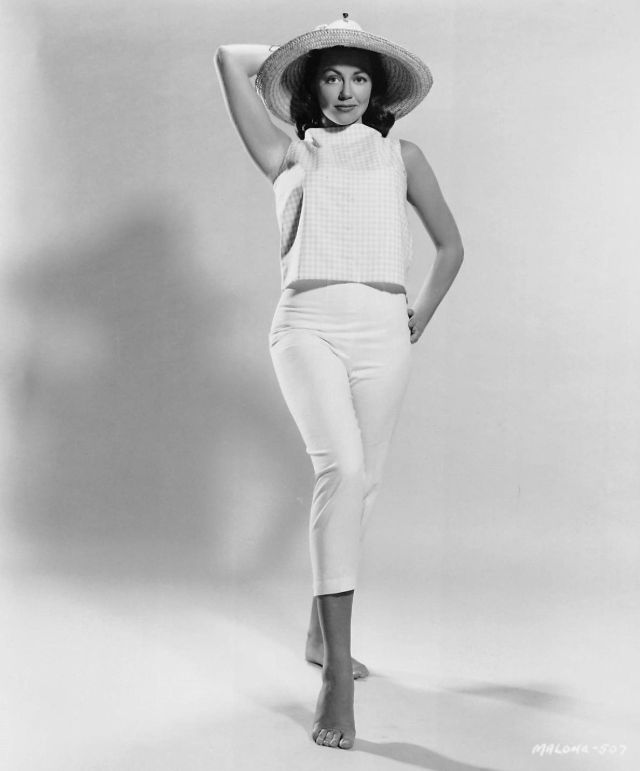
Born 1924 in Chicago, Illinois, American actress Dorothy Malone began her film career in 1943, and in her early years, she played small roles, mainly in B-movies, but an exception is The Big Sleep (1946).
After a decade, she changed her image, particularly after her role in Written on the Wind (1956), for which she won the Oscar for Best Supporting Actress.
Her career reached its peak by the beginning of the 1960s, and she achieved later success with her television role as Constance MacKenzie on Peyton Place (1964–1968). Less active in her later years, Malone’s last screen appearance was in Basic Instinct in 1992.
Malone has a star on the Hollywood Walk of Fame at 1718 Vine in the Motion Pictures section. It was dedicated February 8, 1960. She died in 2018 at the age of 93. She had been one of the last surviving stars from the Golden Age of Hollywood.
Take a look at these glamorous photos to see the beauty of young Dorothy Malone in the 1940s and 1950s.
Subscribe to Yesterday Today’s Blog to receive regular updates regarding new content:
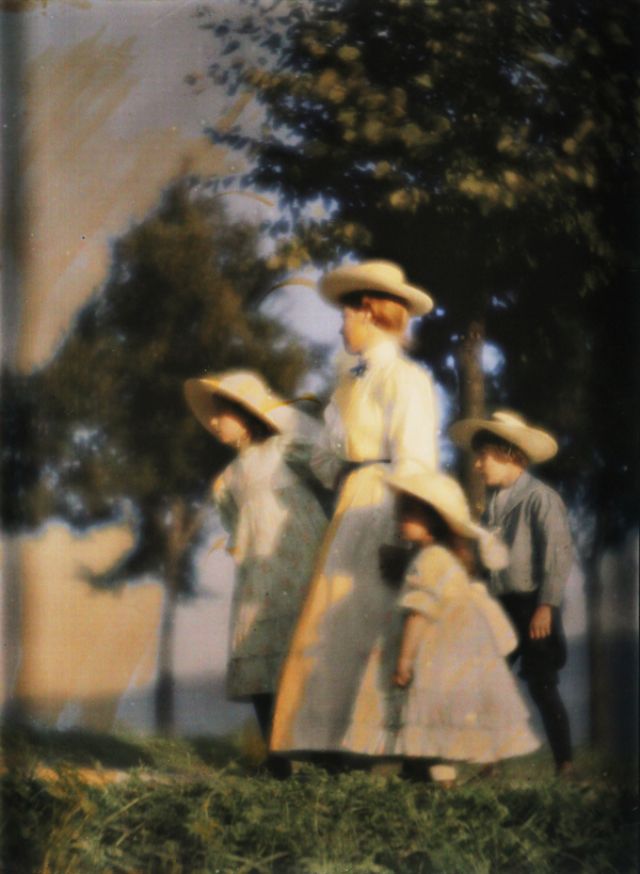
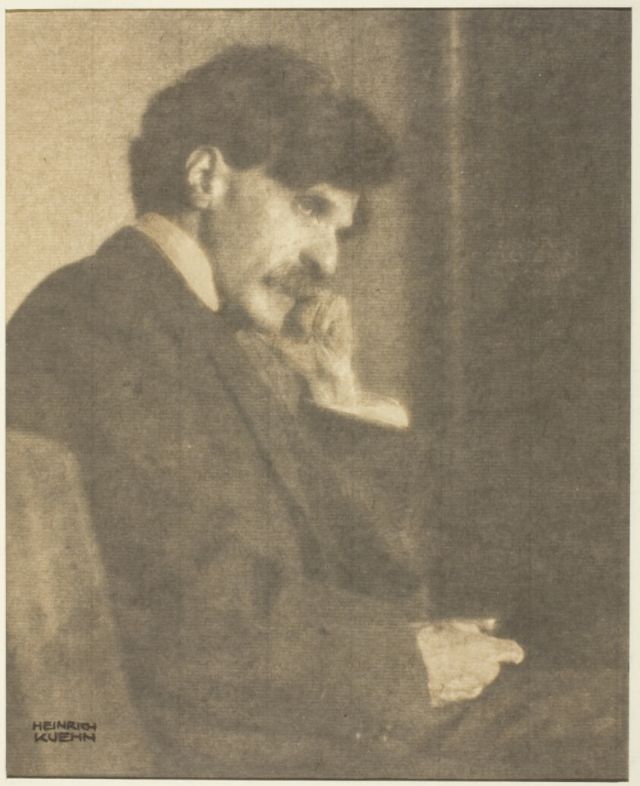
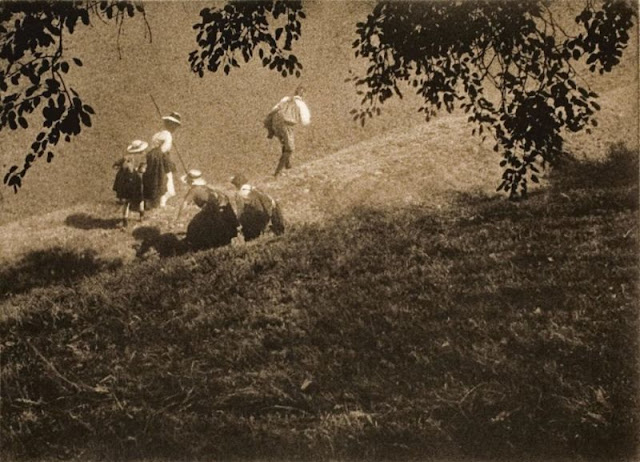
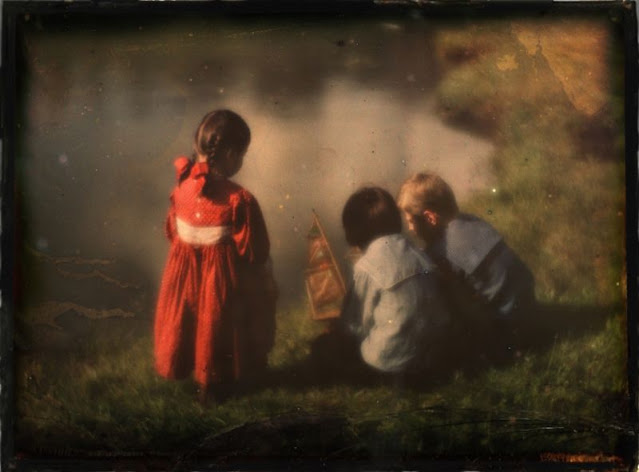
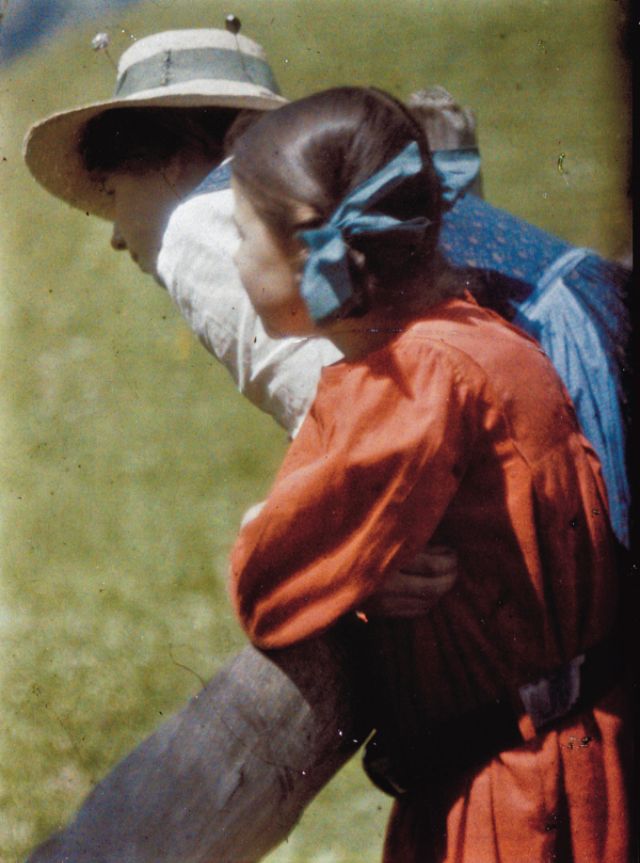
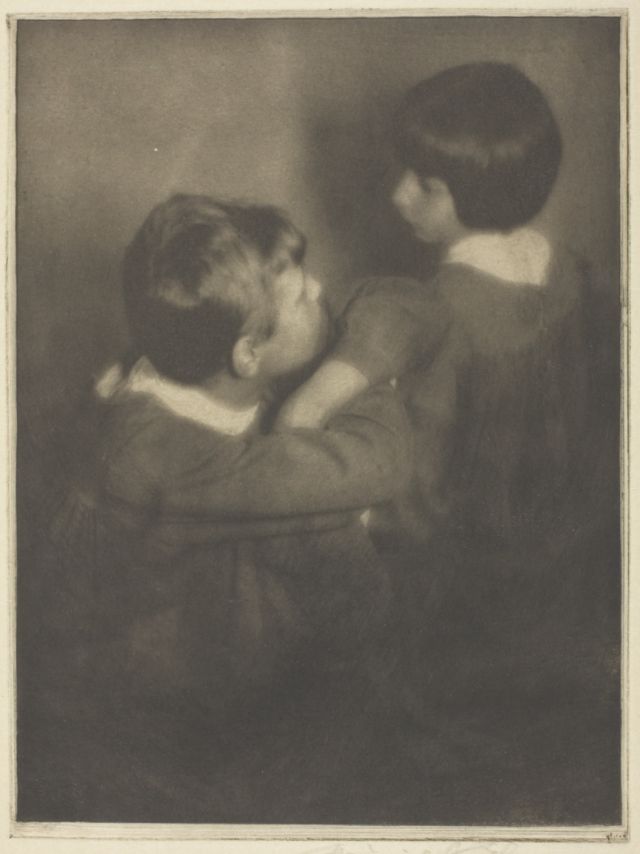
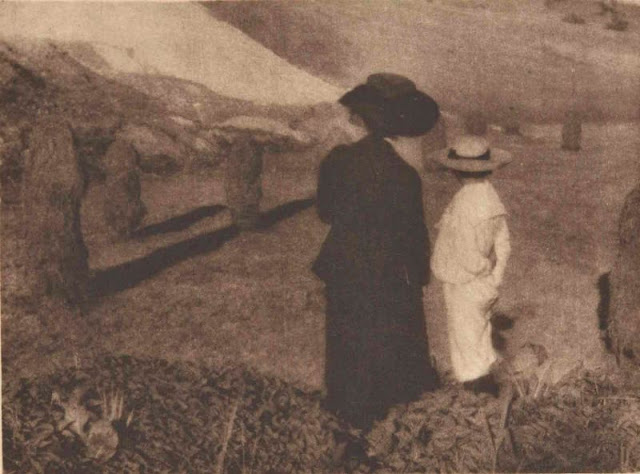
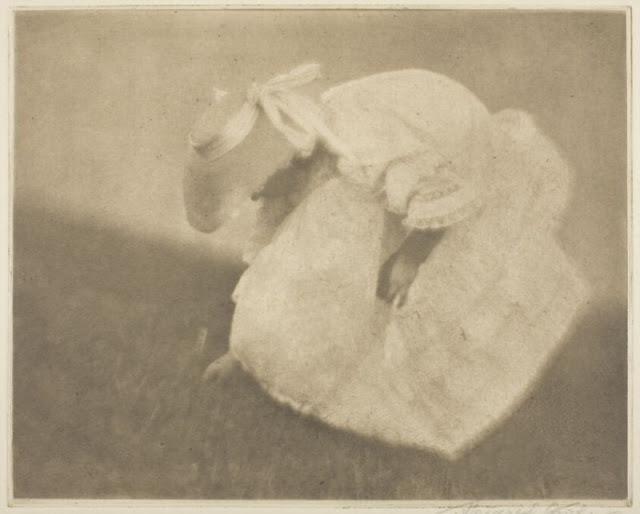
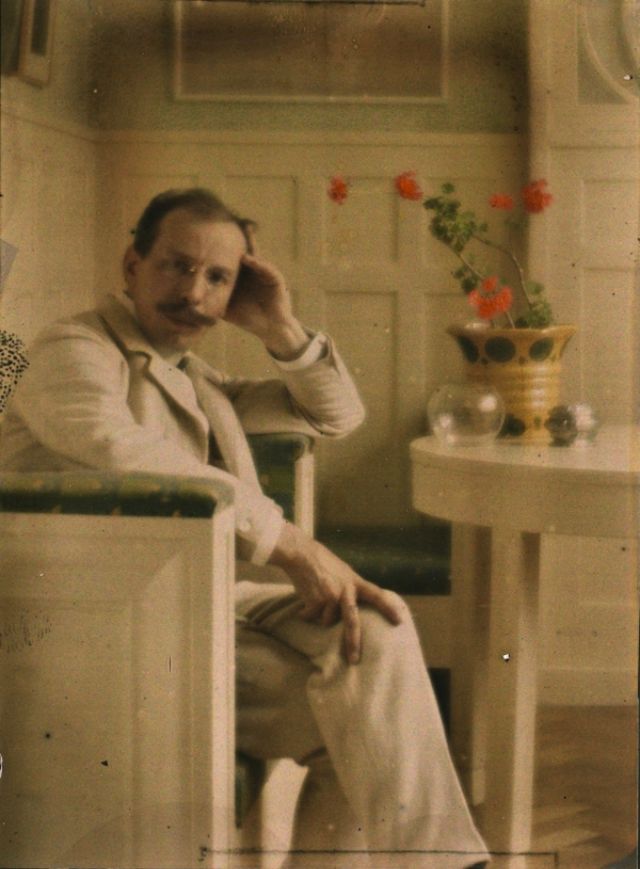
Heinrich Kühn, originally Carl Christian Heinrich Kühn (25 February 1866 – 14 September 1944) was an Austrian–German photographer and photography pioneer. The grandson of a sculptor, Heinrich Kühn initially used photography to aid his medical studies. He gave up medicine for art around 1890 but spent much of his life pursuing technical research into new photographic lenses and printing processes.
Heinrich Kühn is regarded as one of the forefathers of fine art photography, the movement that helped photography to establish itself as an art on its own. His photographs closely resemble impressionist paintings, with their frequent use of soft lighting and focus. Kühn was part of the pictorialist photographic movement and belonged to the so-called Viennese Trifolium, a trio of photographers who took up gum bichromate printing after its rediscovery just before the turn of the century, and in 1896 he was the first to exhibit gum bichromate prints in Germany.
In the 1910s developed a custom soft-focus lens that continued to be sold until around 1990. In 1911, he invented the Gummigravüre technique, a combination of photogravure and Gum bichromate. In 1915, he developed the Leimdruck technique, which uses Animal glue as Colloid and produces pictures similar to gum prints. Kühn also invented the Syngraphie, a forgotten technique that uses two negatives of different sensitivity to obtain a larger tonal spectrum. In the 1920s, Kühn began writing about photographic techniques for trade magazines.
Subscribe to Yesterday Today’s Blog to receive regular updates regarding new content:
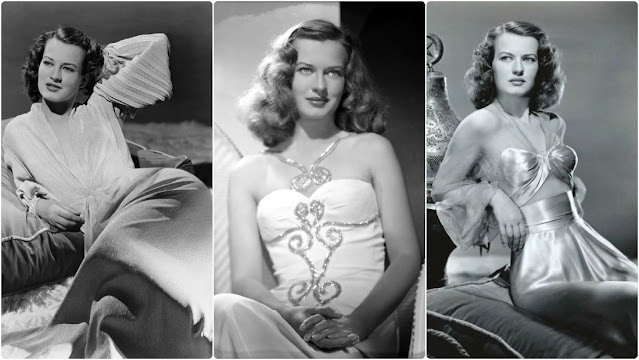
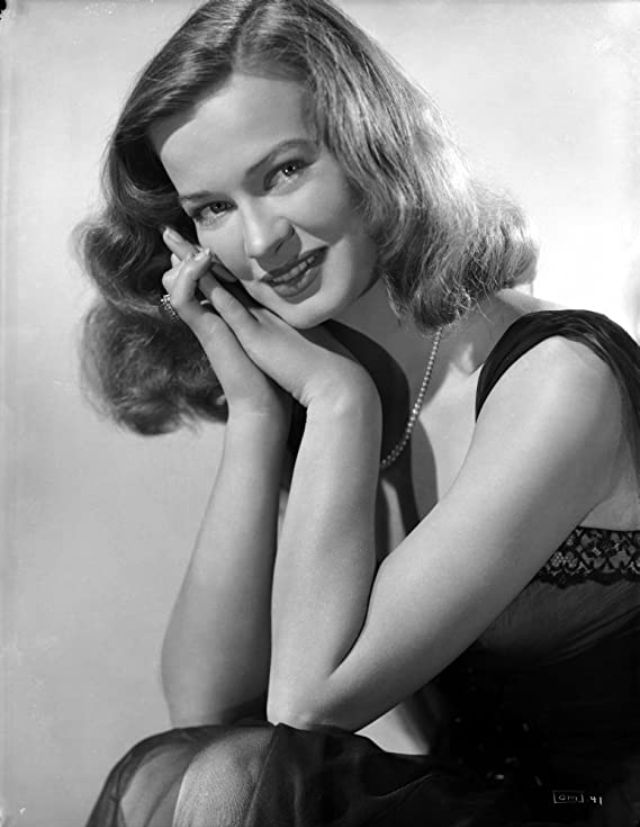
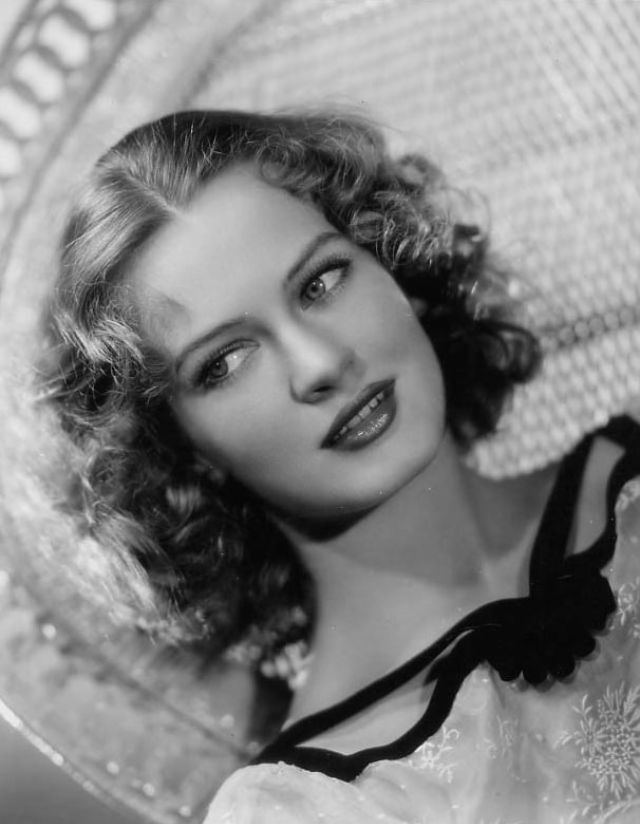
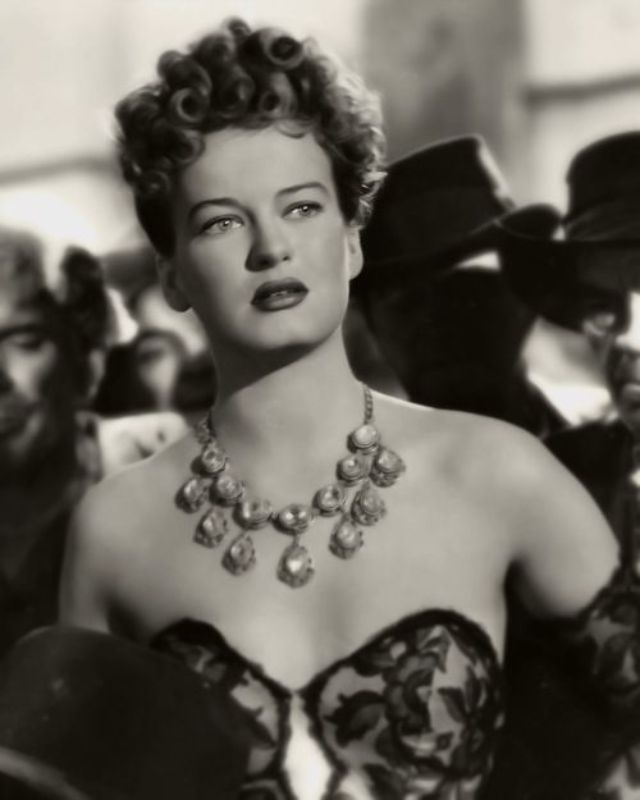
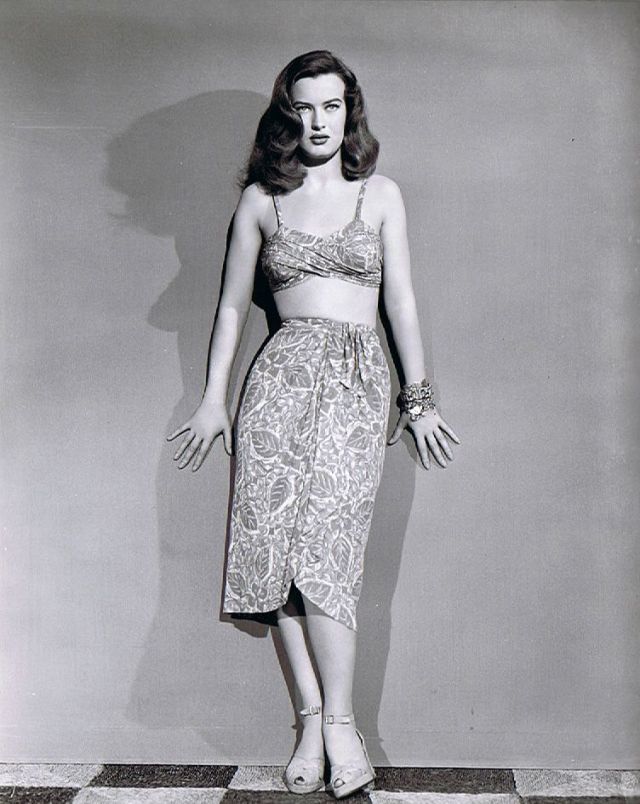
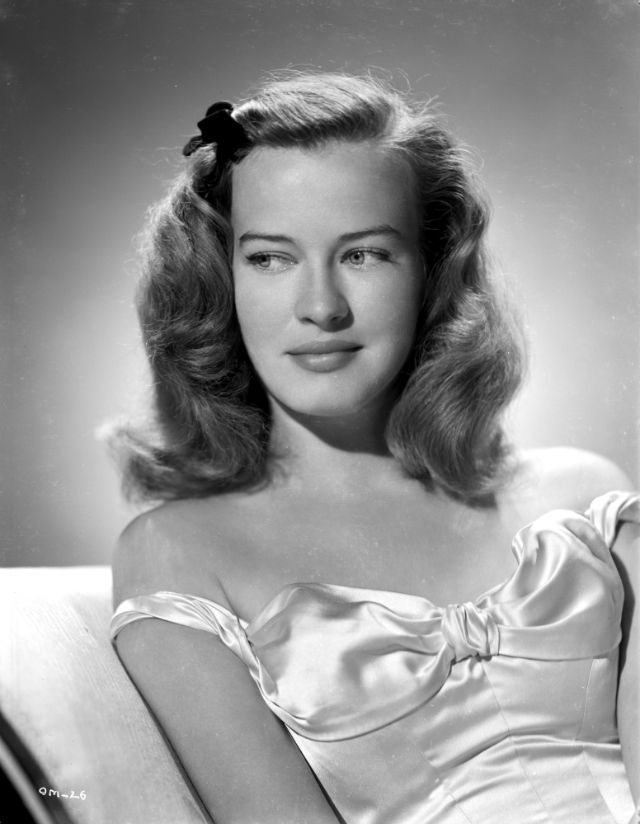
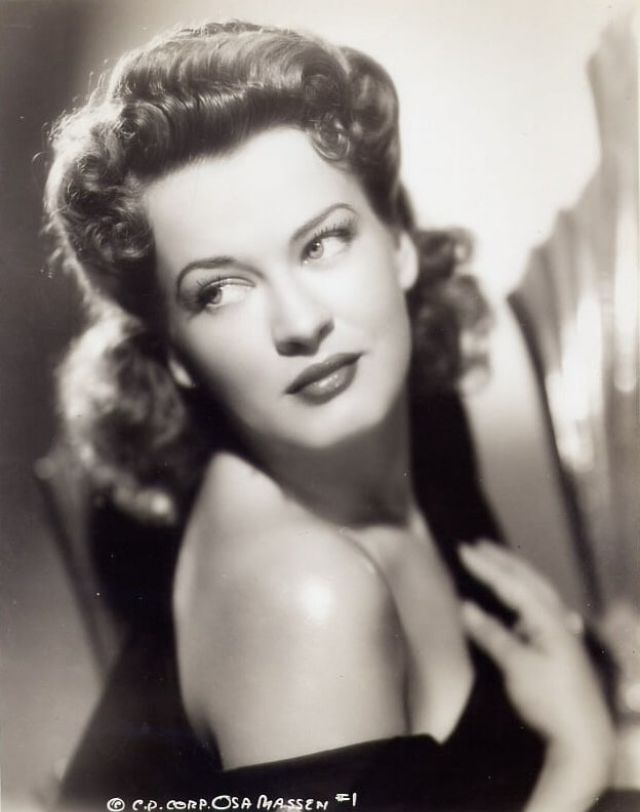
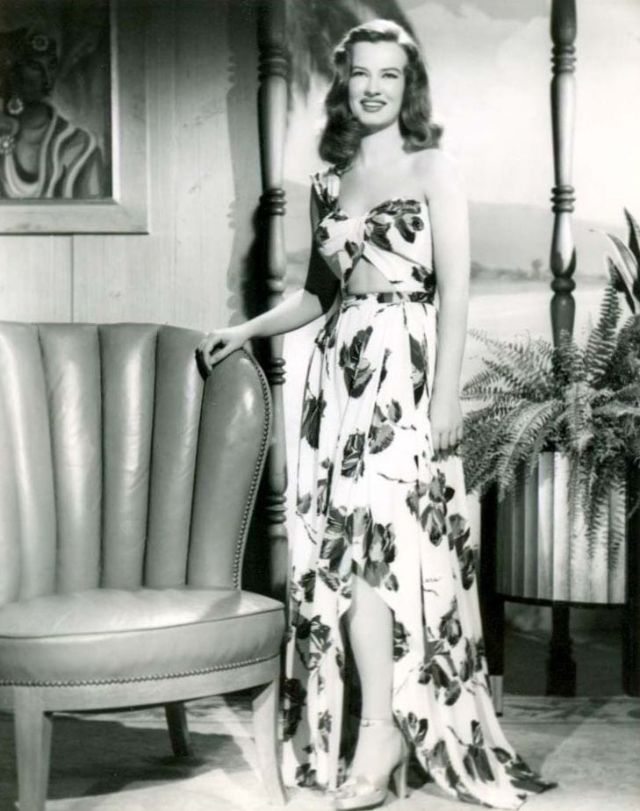
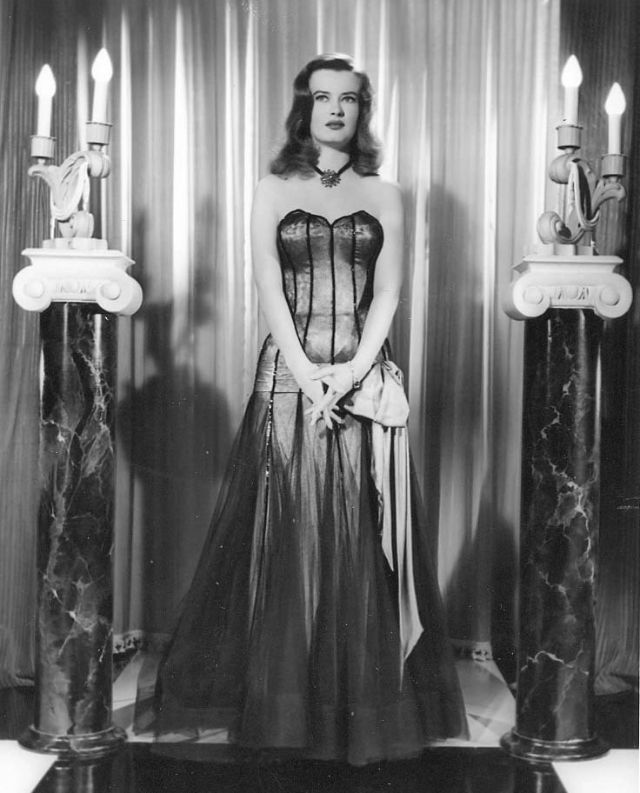
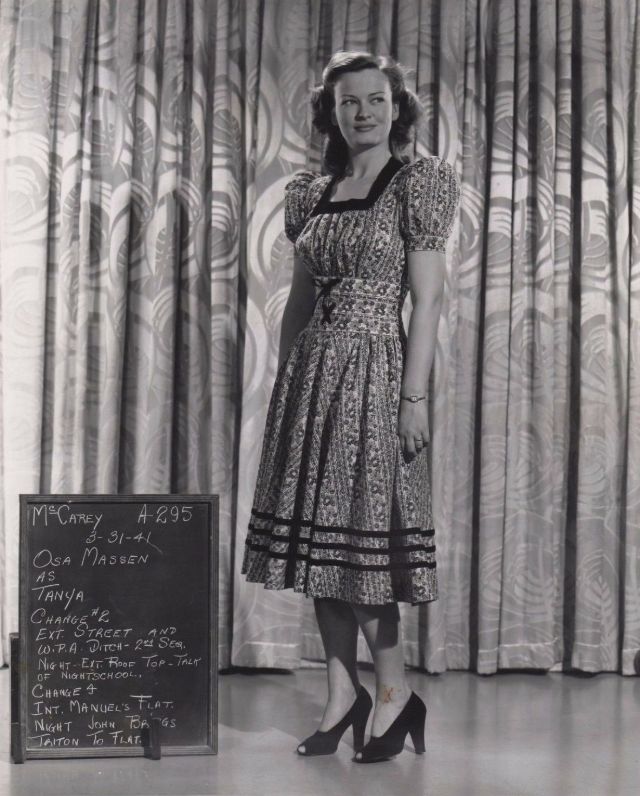
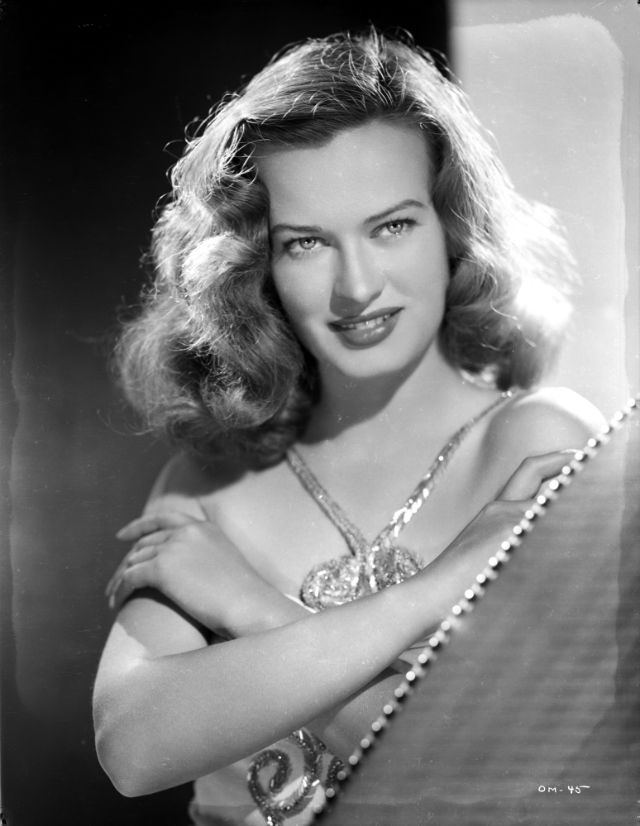
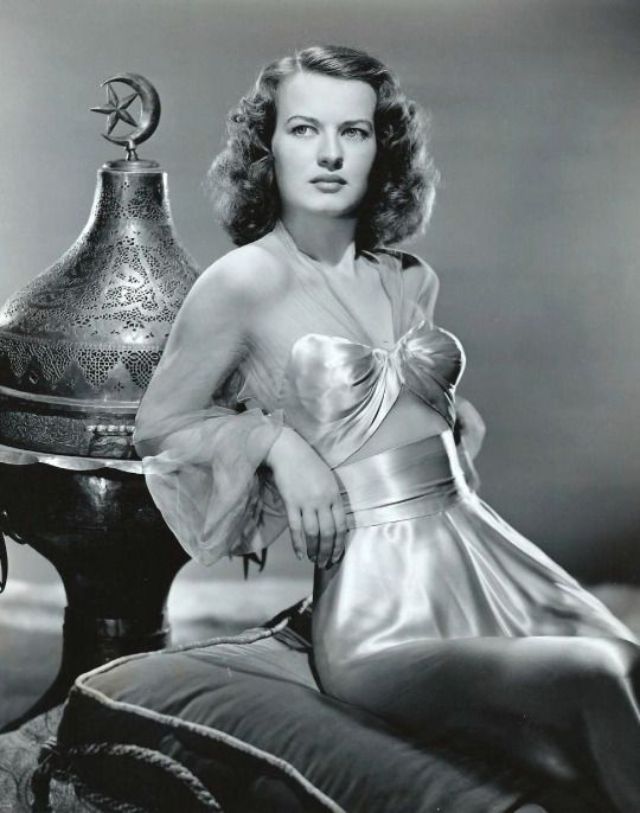
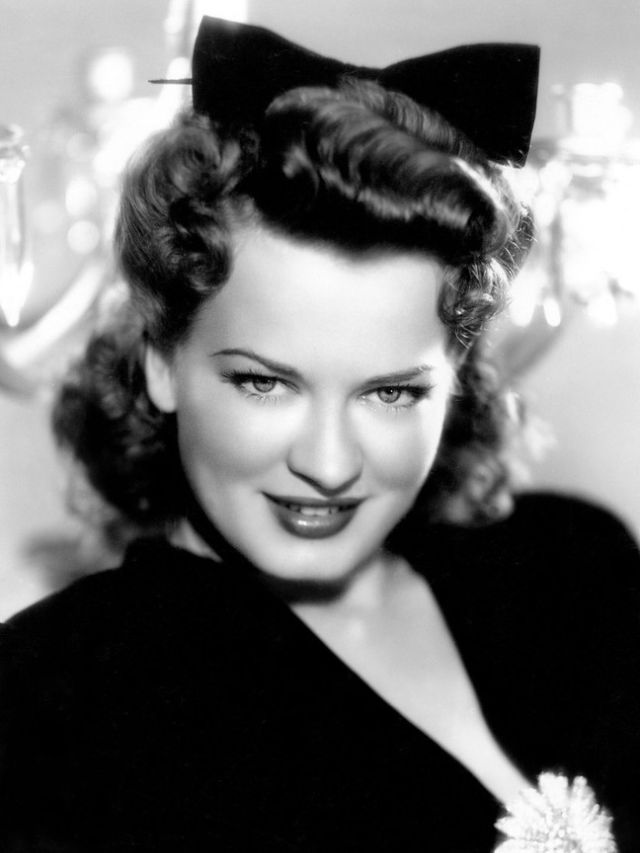
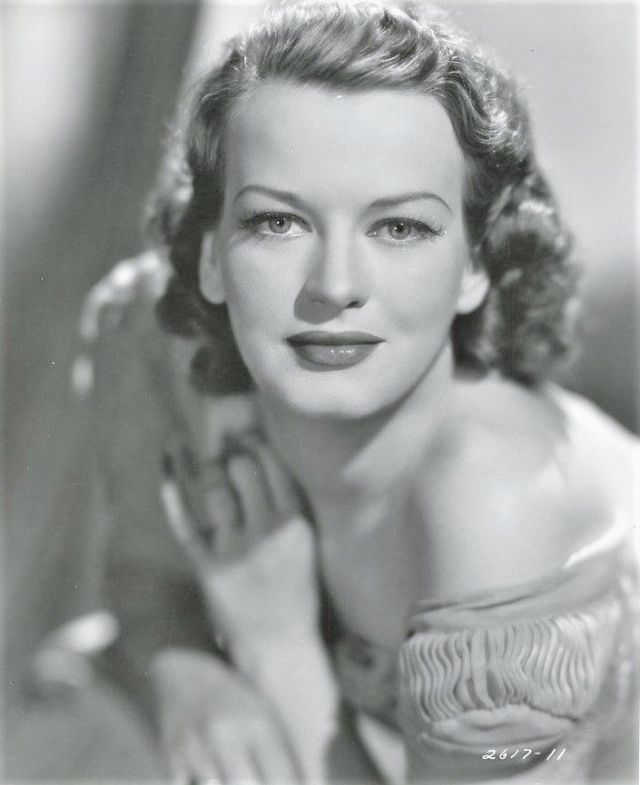
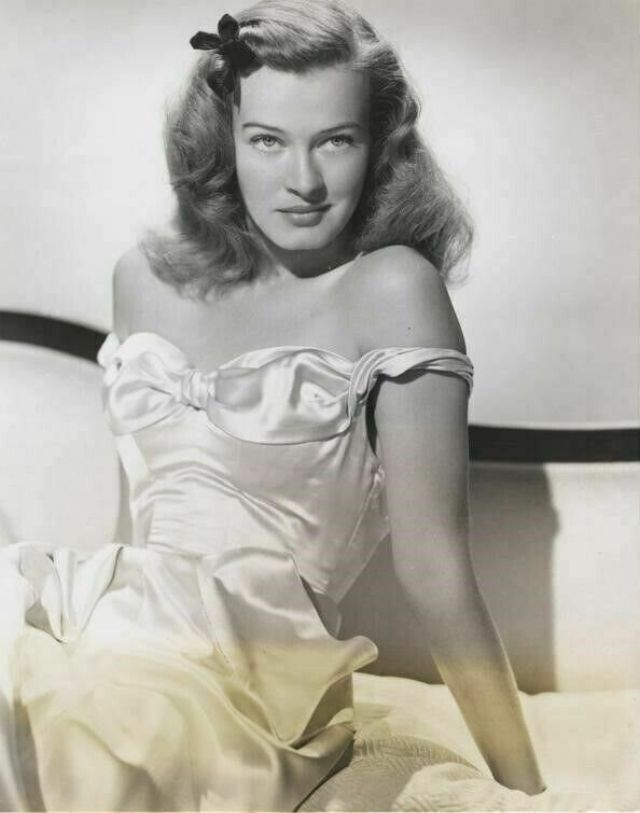
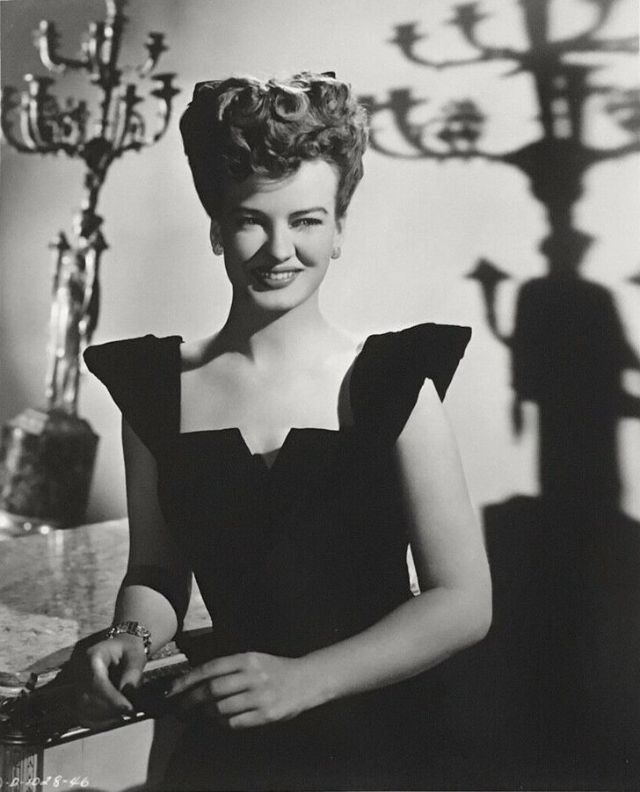
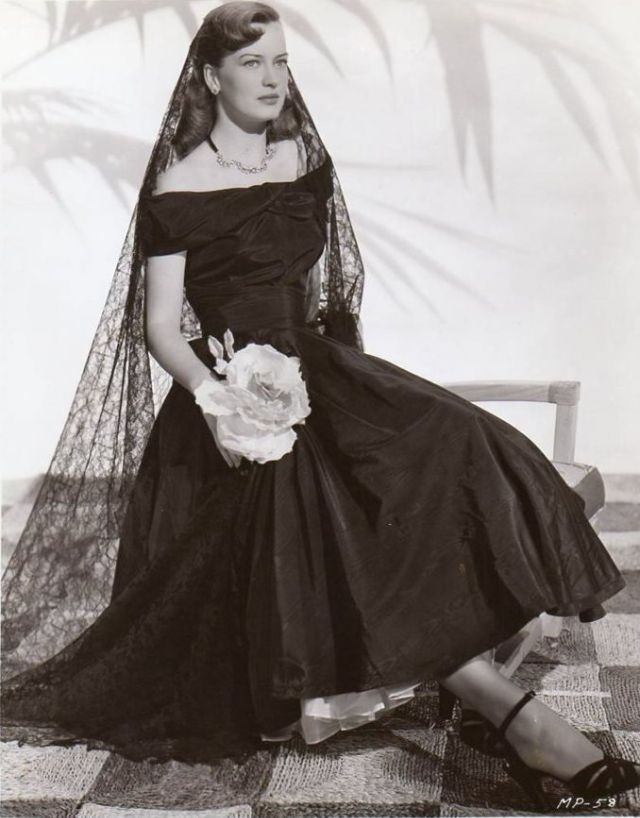
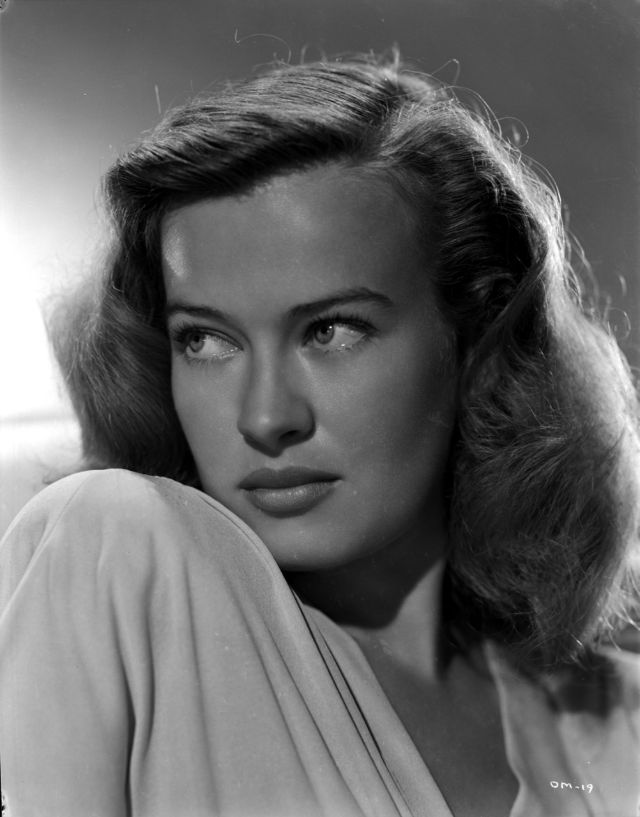
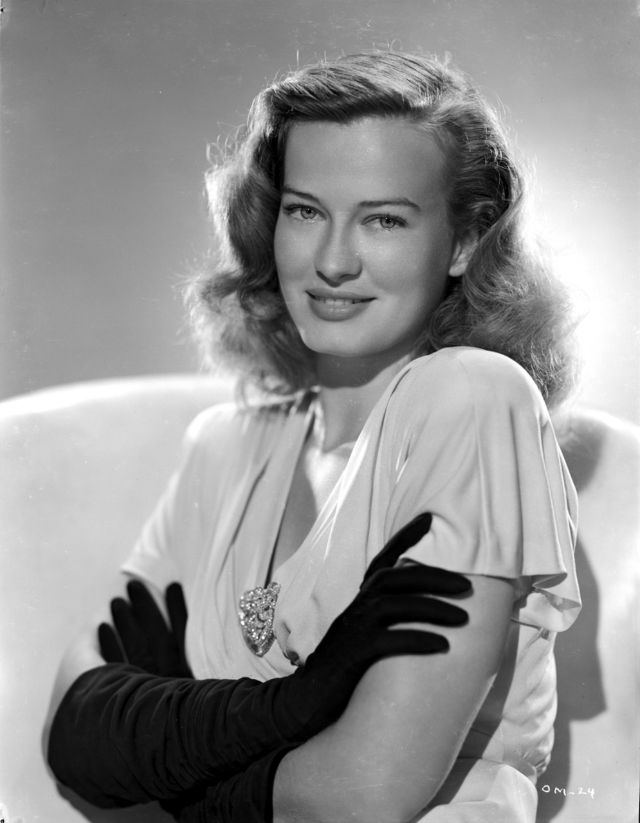
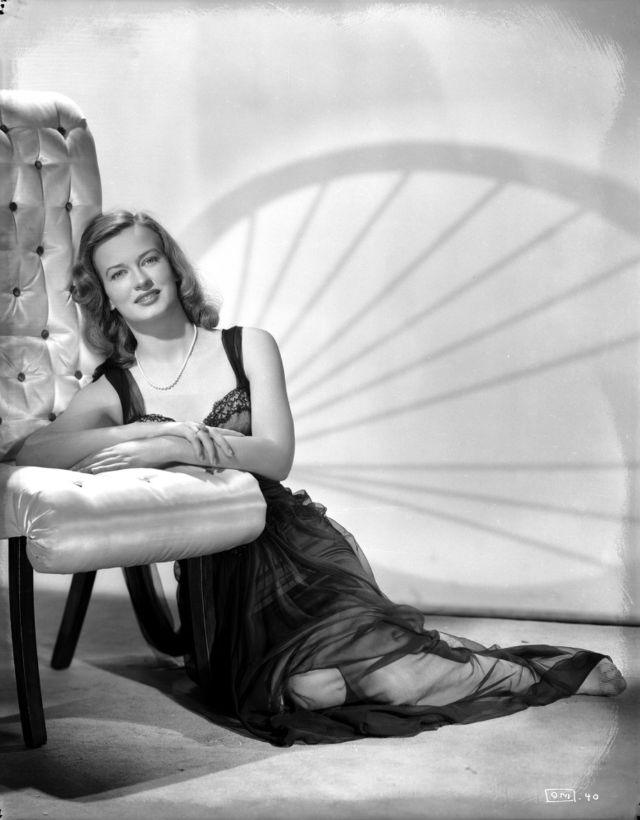
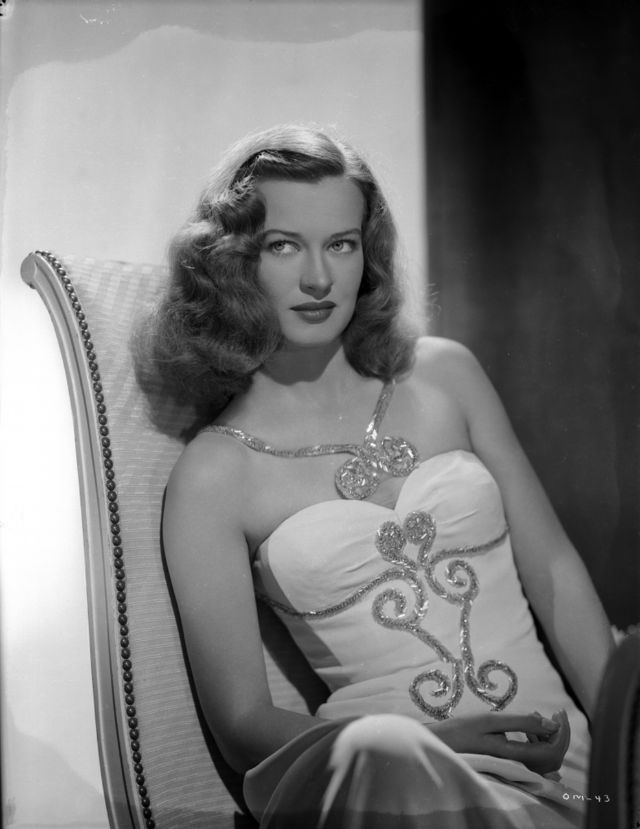
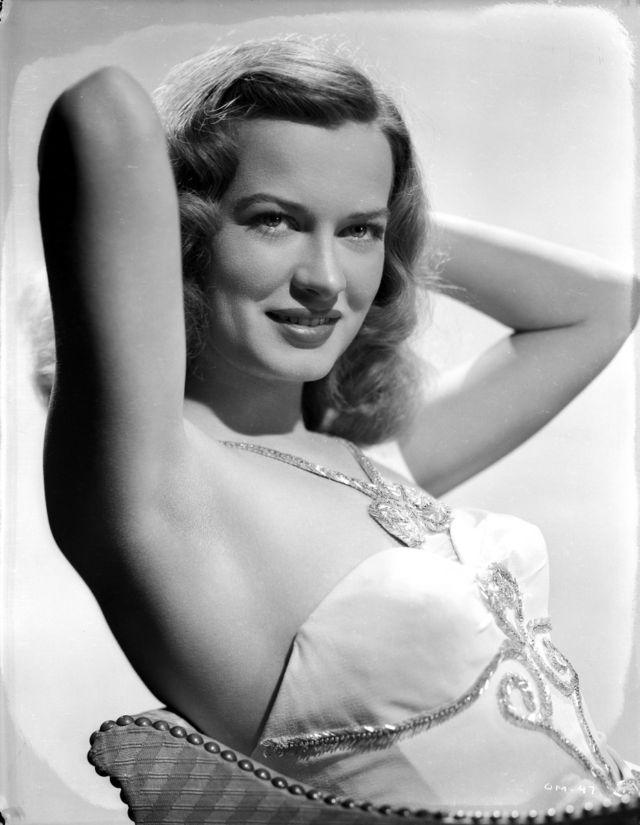
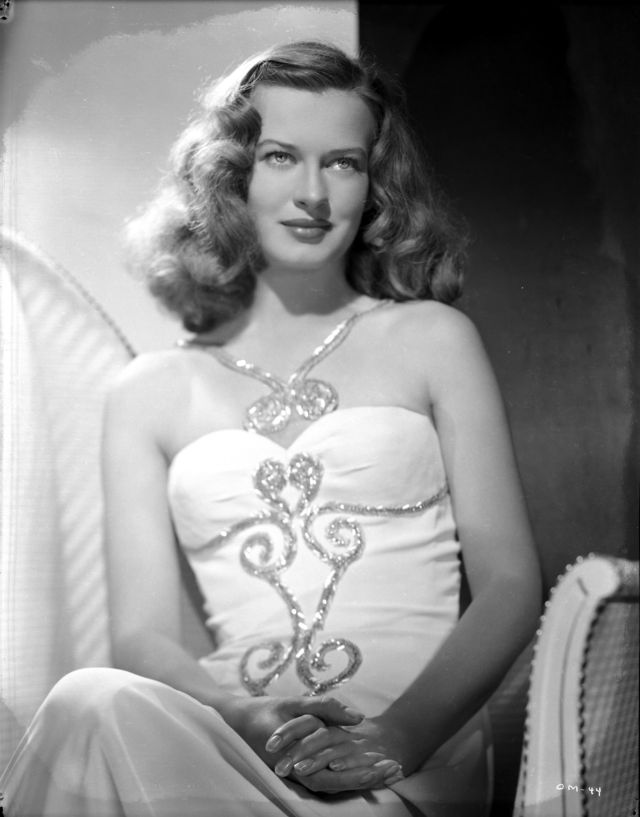
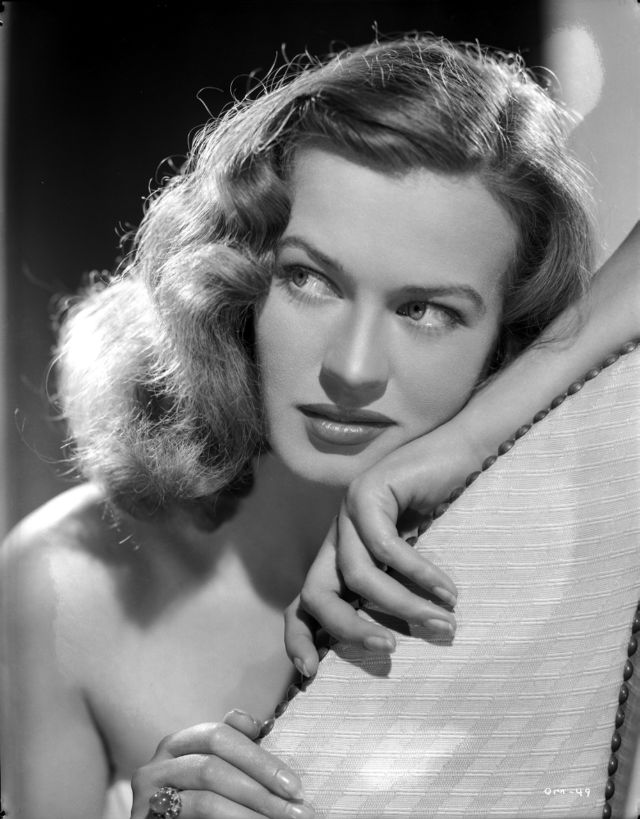
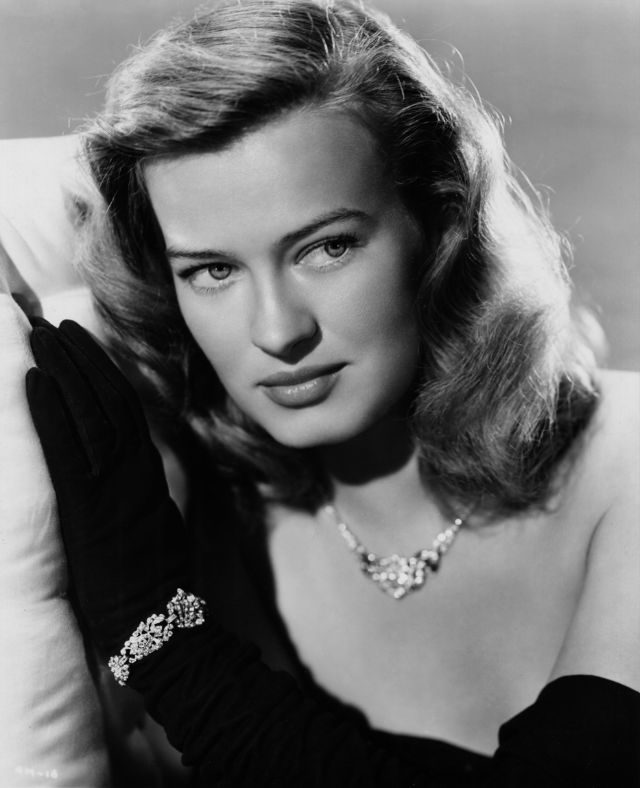
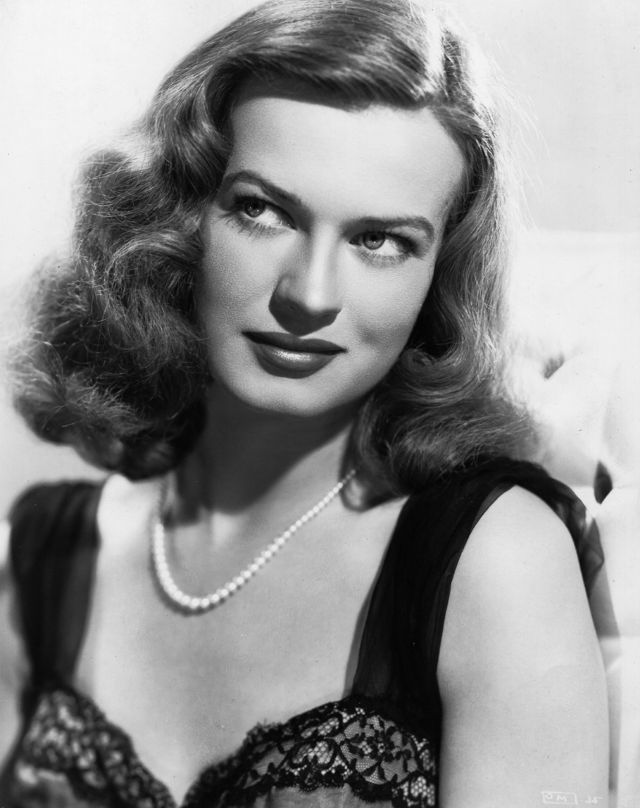
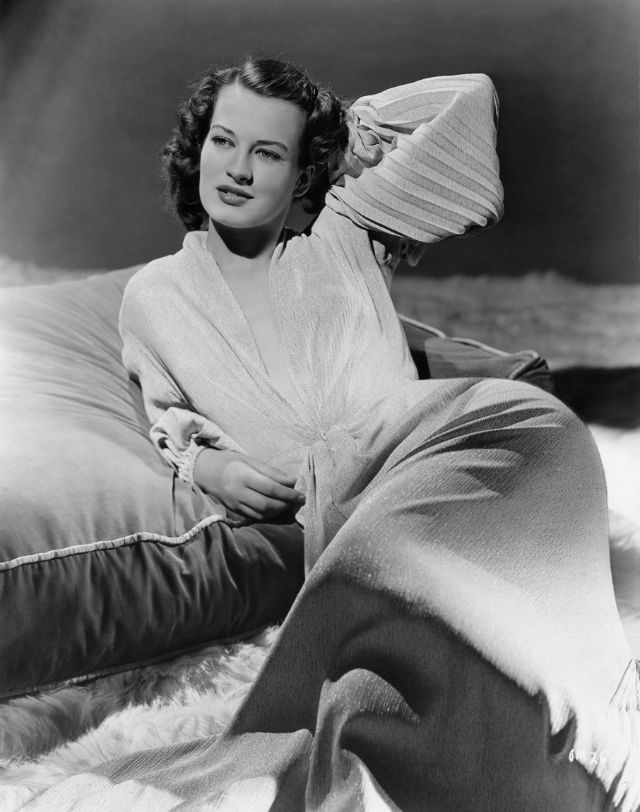
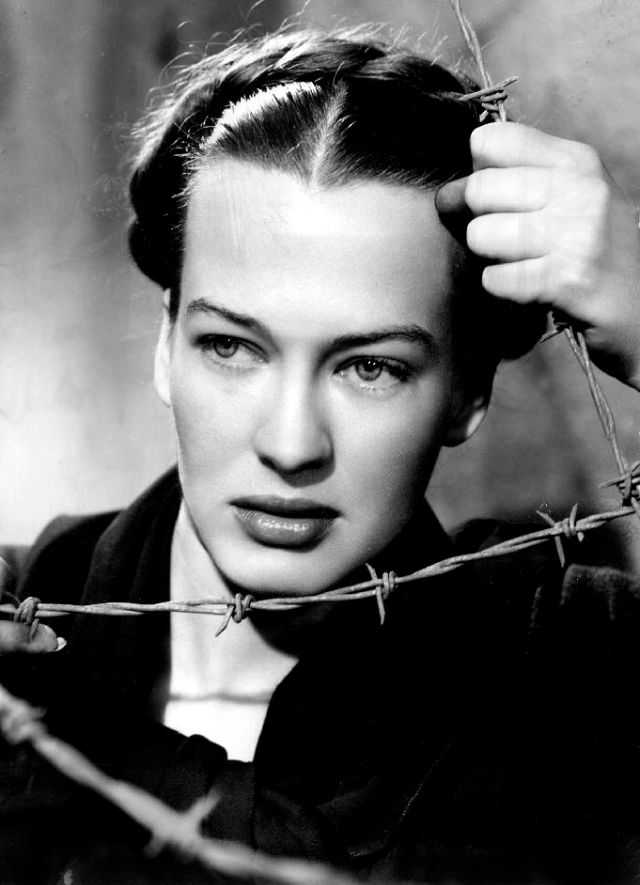
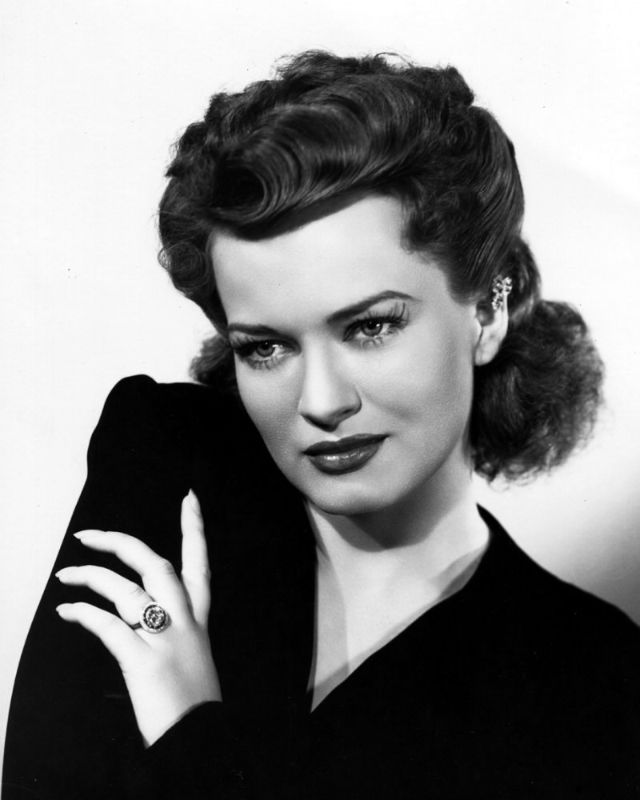
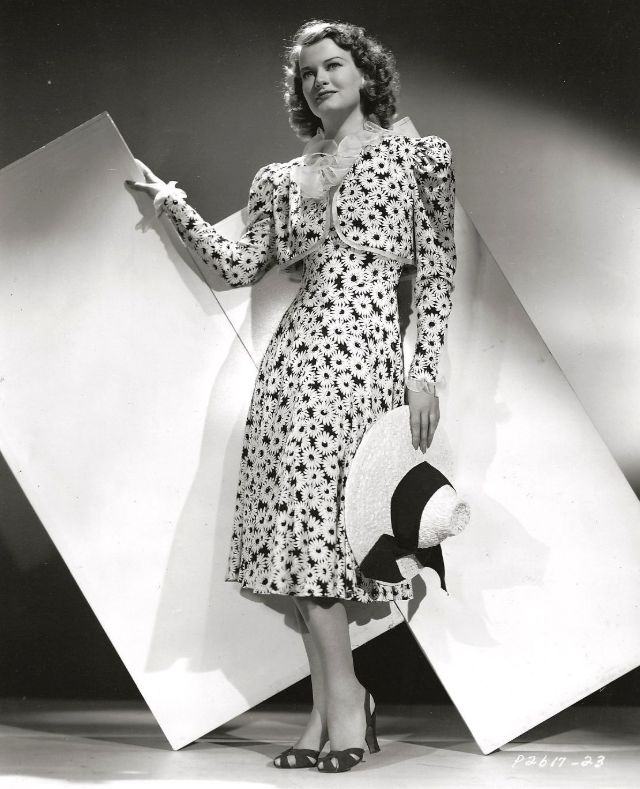
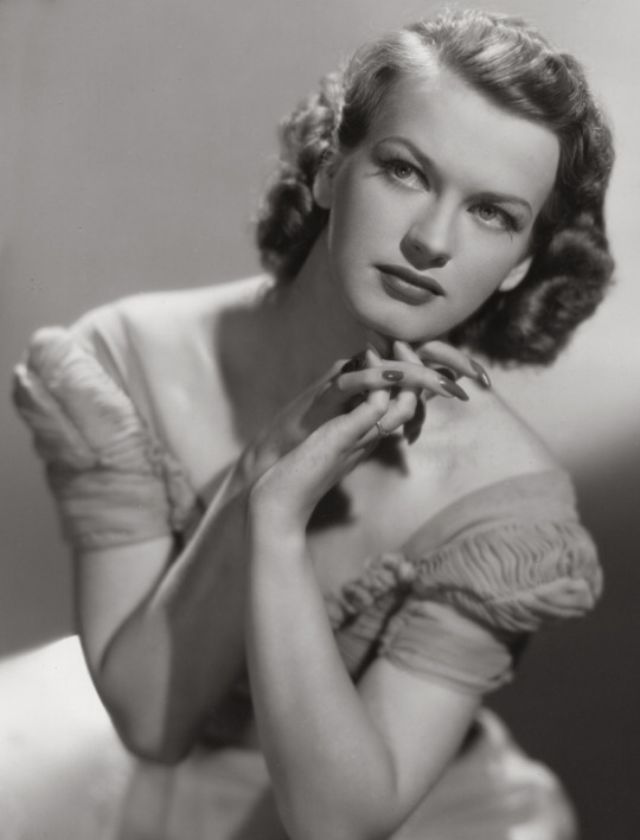
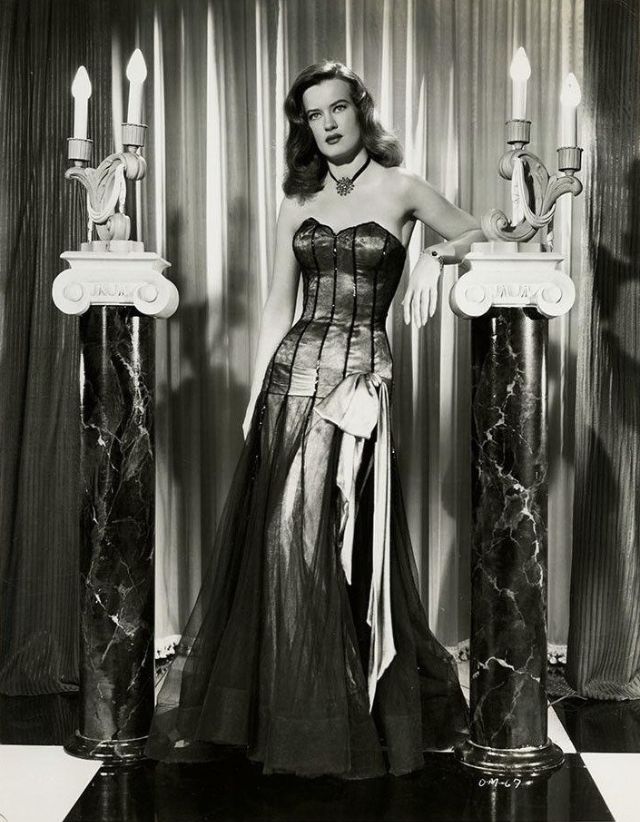
Born 1914 as Aase Madsen Iversen in Copenhagen, Danish actress Osa Massen began her career as a newspaper photographer, then became an actress. She first came to the United States in 1937. Her first film was Kidnapped (1935).
Massen notably appeared as Melvyn Douglas’ unfaithful wife dealing with blackmailer Joan Crawford in A Woman’s Face (1941). She also appeared as a mysterious woman with something to hide in Deadline at Dawn (1946). She also starred with Lloyd Bridges in the movie Rocketship X-M (1950), the first space adventure of the post-World War II era.
Later in her career, Massen appeared in guest roles on many television programs. She made three guest appearances on Perry Mason. In 1958, she played Lisa Bannister in “The Case of the Desperate Daughter”, where she was reunited with her “Master Race” daughter Gigi Perreau, and in 1959, she played Sarah Werner in “The Case of the Shattered Dream”.
Her last television role was in 1962 when she played Lisa Pedersen in “The Case of the Tarnished Trademark”. Massen died in 2006, 11 days before her 92nd birthday, in Hollywood, California. Take a look at these fabulous photos to see the beauty of young Osa Massen in the 1930s and 1940s.
Subscribe to Yesterday Today’s Blog to receive regular updates regarding new content:
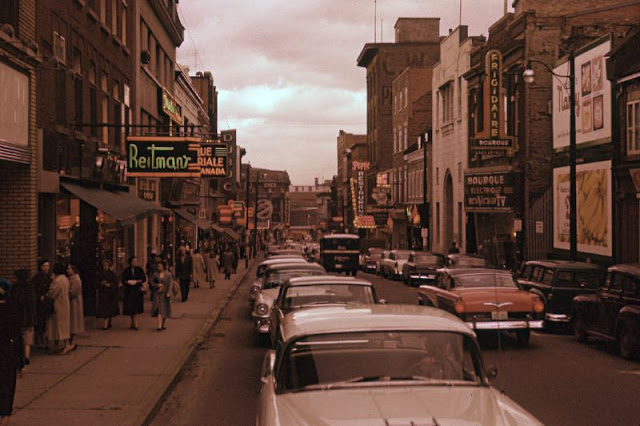
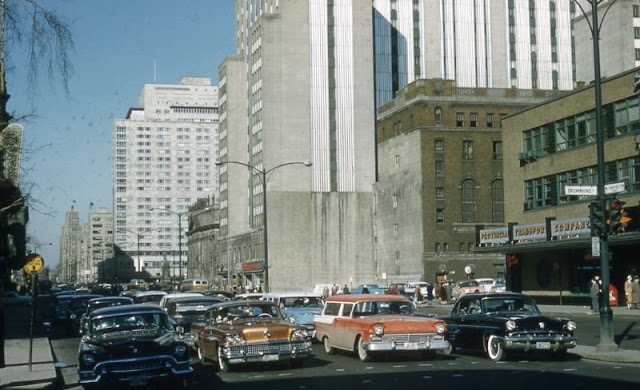
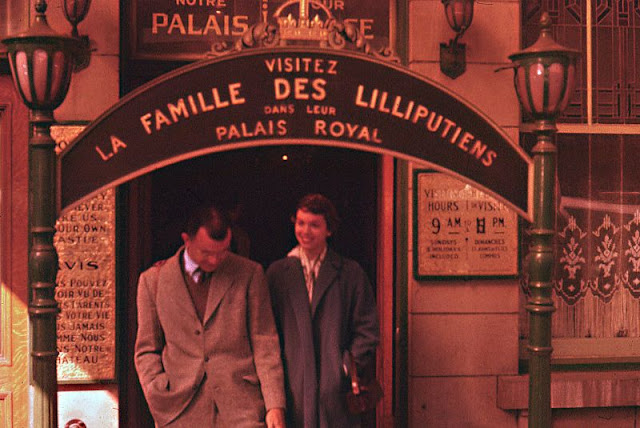
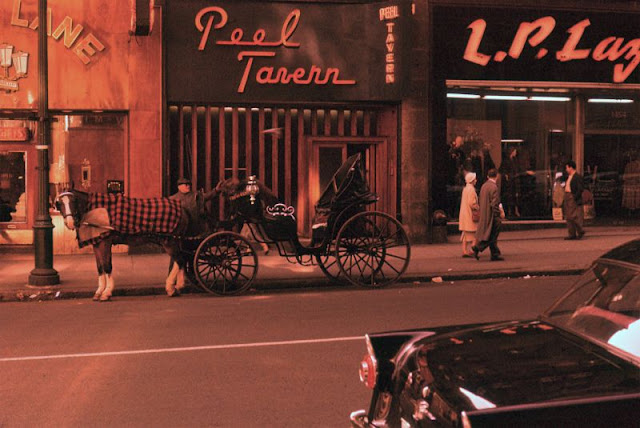
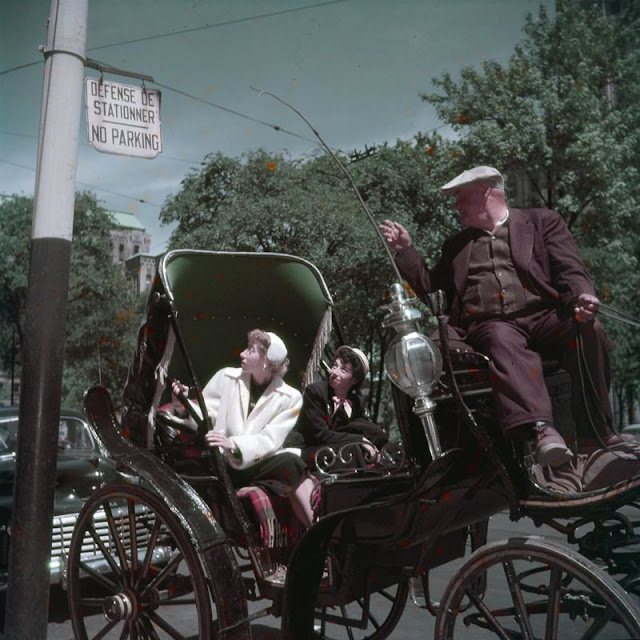
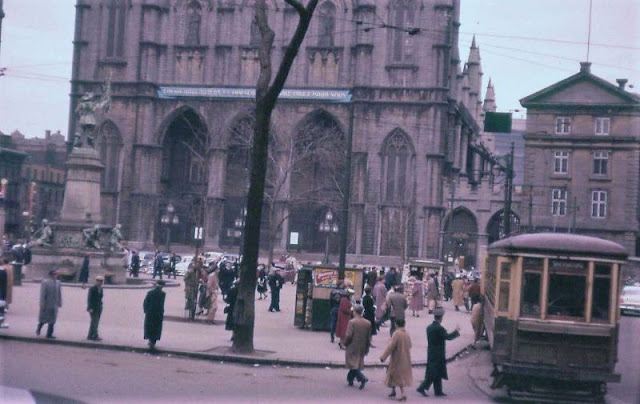
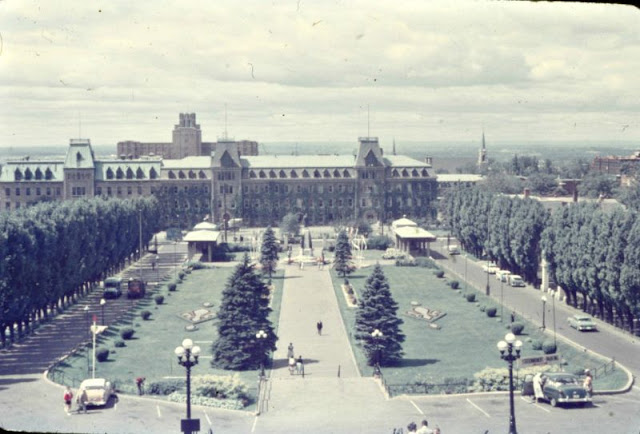
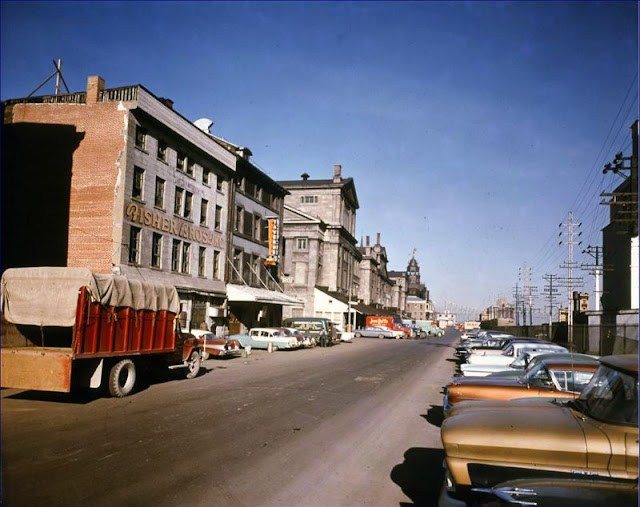
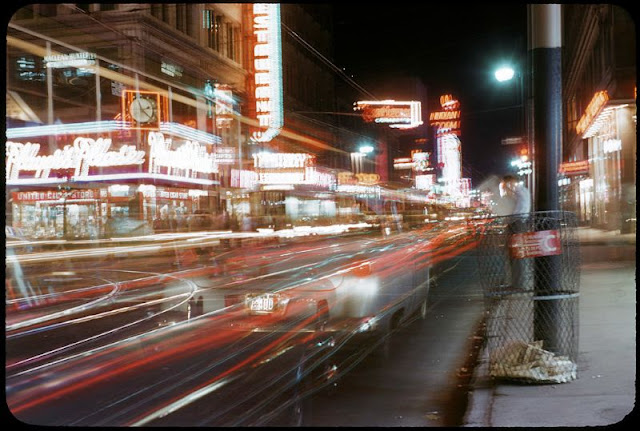
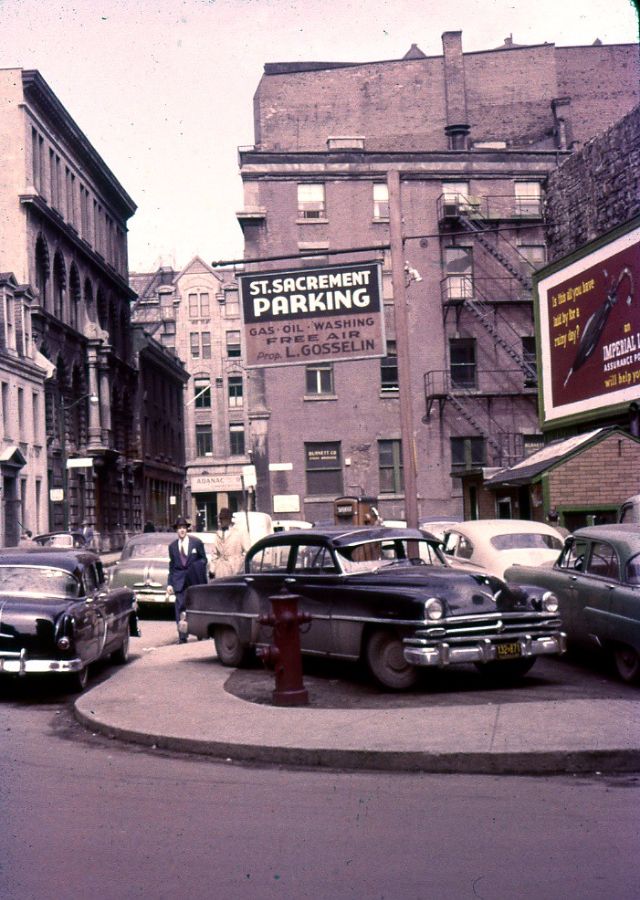
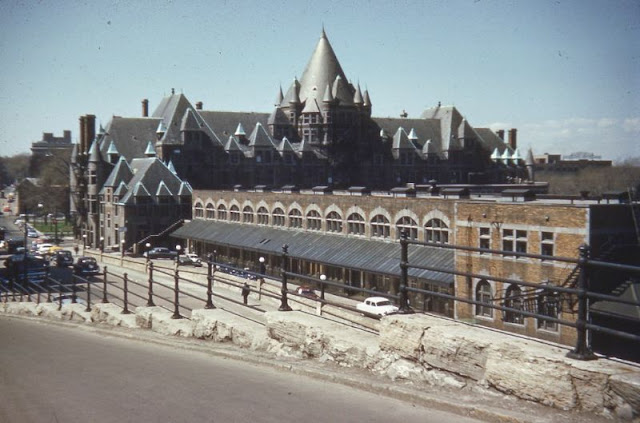
Montreal is the second most populous city in Canada, the tenth most populous city in North America, and the most populous city in the province of Quebec. Founded in 1642 as Ville-Marie, or “City of Mary”, it is named after Mount Royal, the triple-peaked hill around which the early city of Ville-Marie was built. The city is centred on the Island of Montreal, which obtained its name from the same origin as the city, and a few much smaller peripheral islands, the largest of which is Île Bizard. The city is 196 km (122 mi) east of the national capital Ottawa, and 258 km (160 mi) southwest of the provincial capital, Quebec City.
As of 2021, the city has a population of 1,762,949, and a metropolitan population of 4,291,732, making it the second-largest city, and second-largest metropolitan area in Canada. French is the city’s official language. In 2021, 85.7% of the population of the city of Montreal considered themselves fluent in French while 90.2% could speak it in the metropolitan area. Montreal is one of the most bilingual cities in Quebec and Canada, with 58.5% of the population able to speak both English and French.
Historically the commercial capital of Canada, Montreal was surpassed in population and economic strength by Toronto in the 1970s. Montreal remains an important centre of art, culture, literature, film and television, music, commerce, aerospace, transport, finance, pharmaceuticals, technology, design, education, tourism, food, fashion, video game development, and world affairs. Montreal is the location of the headquarters of the International Civil Aviation Organization, and was named a UNESCO City of Design in 2006. In 2017, Montreal was ranked the 12th-most liveable city in the world by the Economist Intelligence Unit in its annual Global Liveability Ranking, although it slipped to rank 40 in the 2021 index, primarily due to stress on the healthcare system from the COVID-19 pandemic. It is regularly ranked as a top ten city in the world to be a university student in the QS World University Rankings.
Montreal has hosted multiple international conferences and events, including the 1967 International and Universal Exposition and the 1976 Summer Olympics. It is the only Canadian city to have held the Summer Olympics. In 2018, Montreal was ranked as a global city. The city hosts the Canadian Grand Prix of Formula One; the Montreal International Jazz Festival, the largest jazz festival in the world; the Just for Laughs festival, the largest comedy festival in the world; and Les Francos de Montréal, the largest French-language music festival in the world. In sports, it is home to the Montreal Canadiens of the National Hockey League, who have won the Stanley Cup more times than any other team.
Subscribe to Yesterday Today’s Blog to receive regular updates regarding new content:
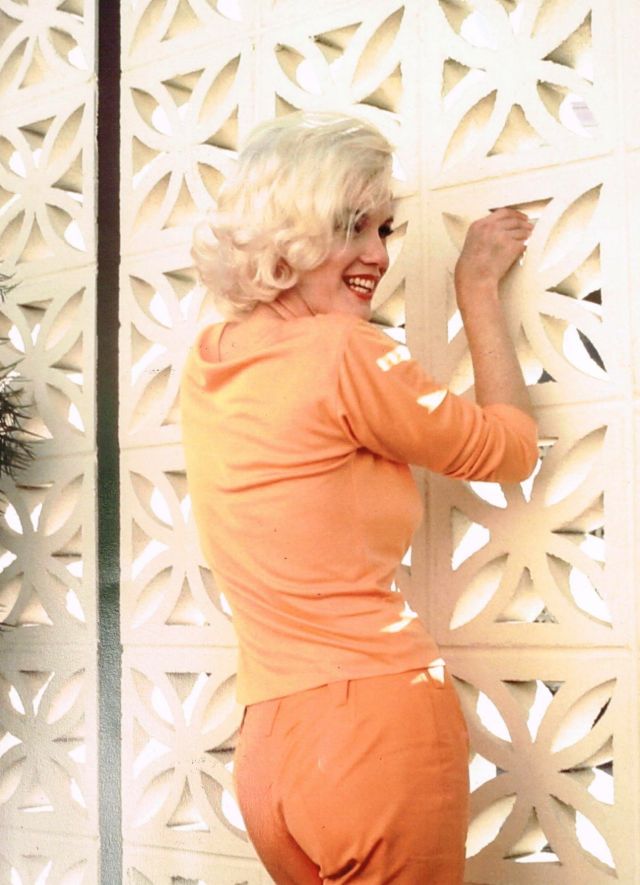
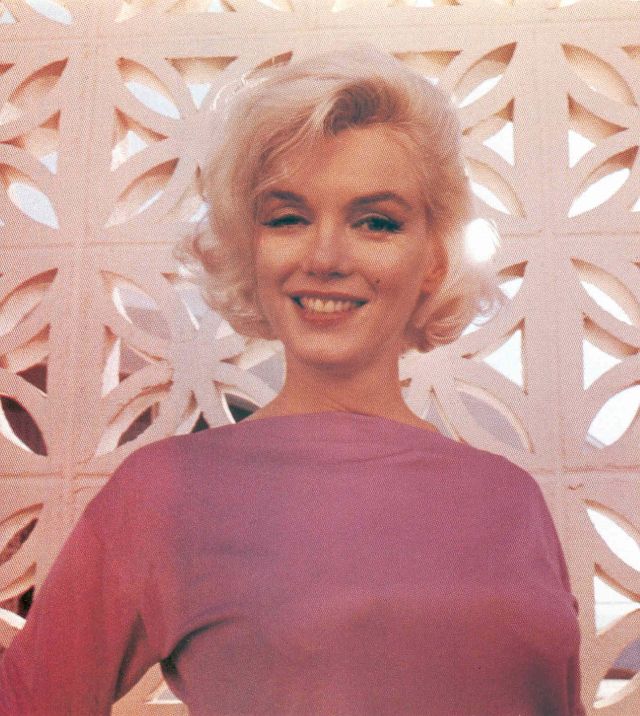
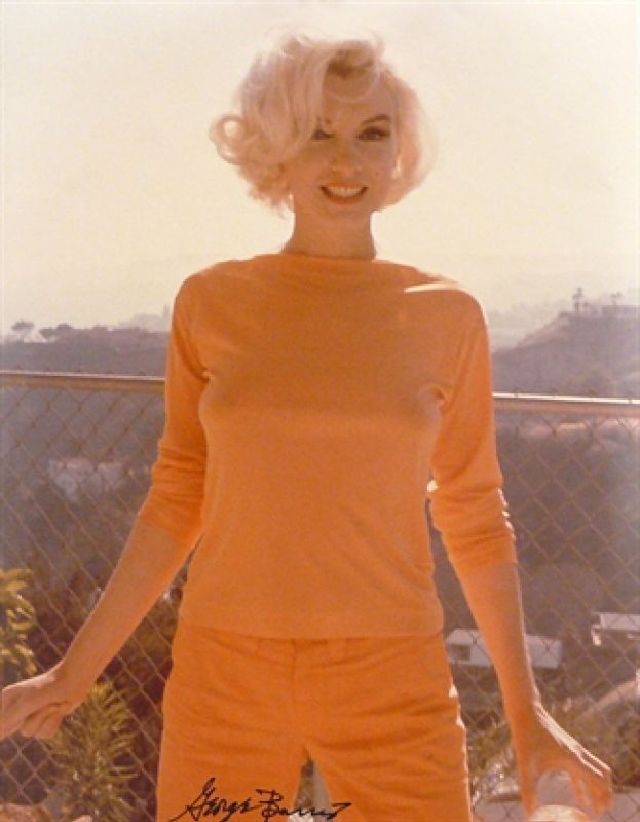
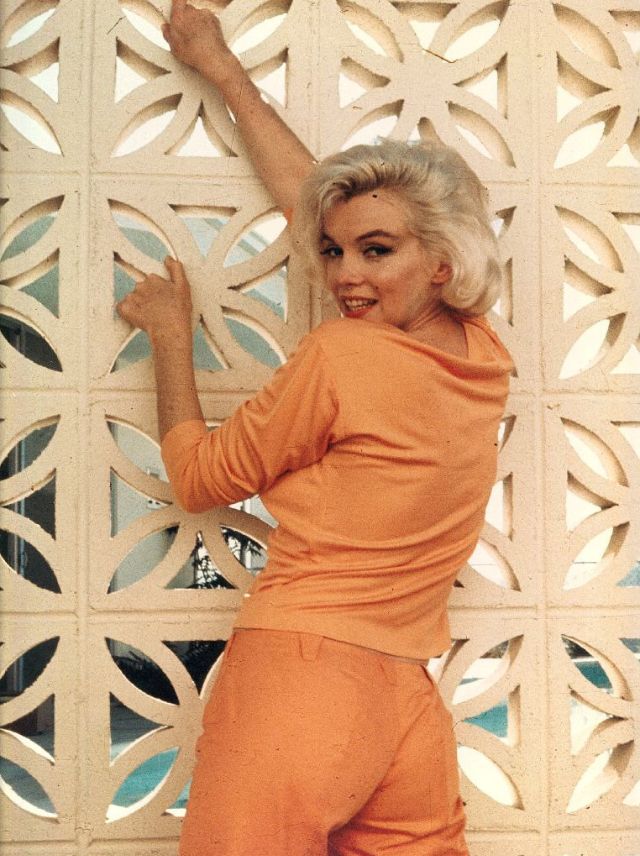
Born 1922 in New York City, American photographer and photojournalist George Barris had a lifelong interest in photography. As a young man, he worked for the U.S. Army’s Office of Public Relations. Many of his photographs of General Dwight D. Eisenhower were published.
After the war, he became a freelance photographer and found work in Hollywood. He photographed many stars of the 1950s and 1960s, including Elizabeth Taylor on the set of Cleopatra, Marlon Brando, Charlie Chaplin, Frank Sinatra, Clark Gable and Steve McQueen.
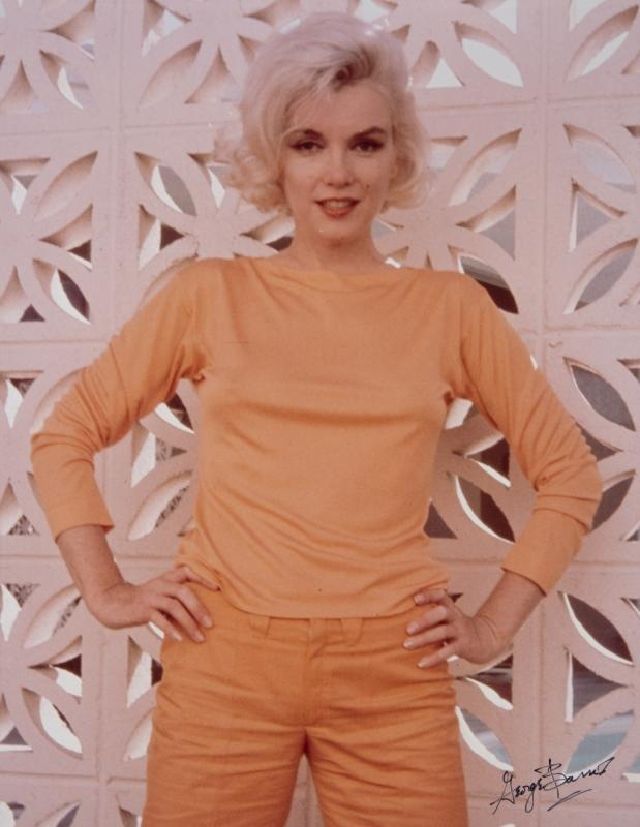
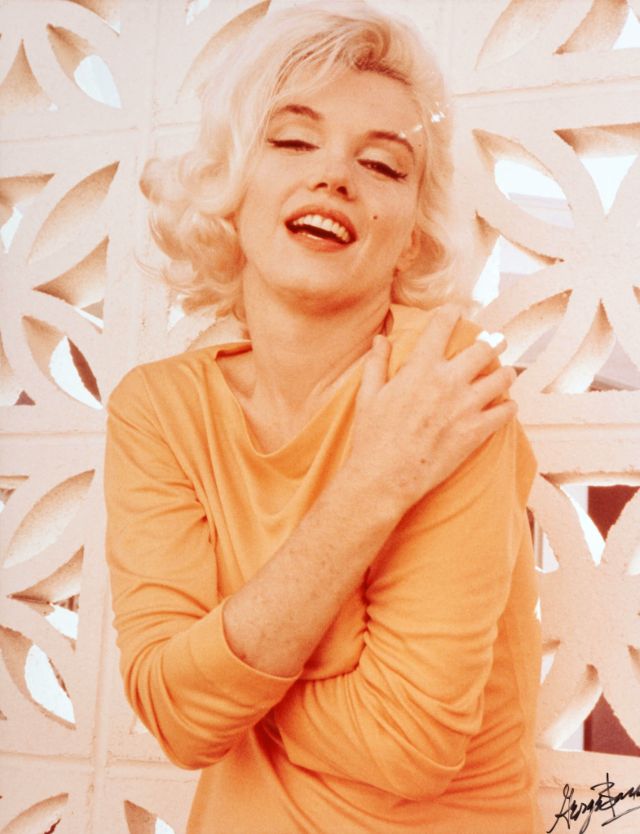
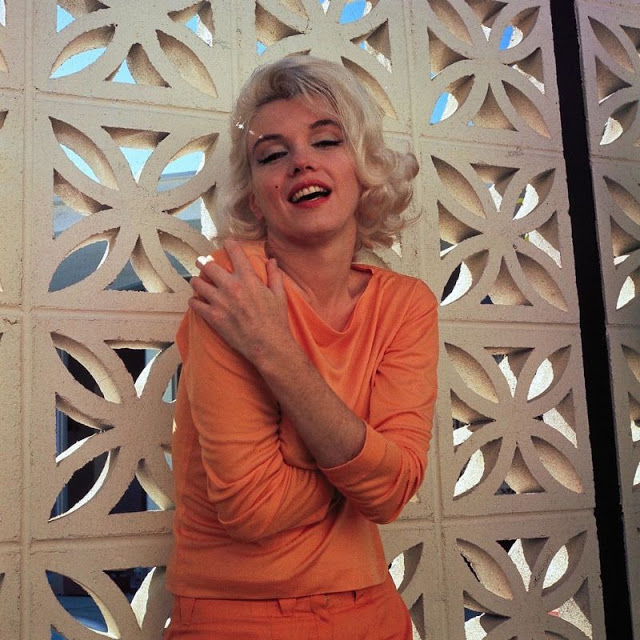
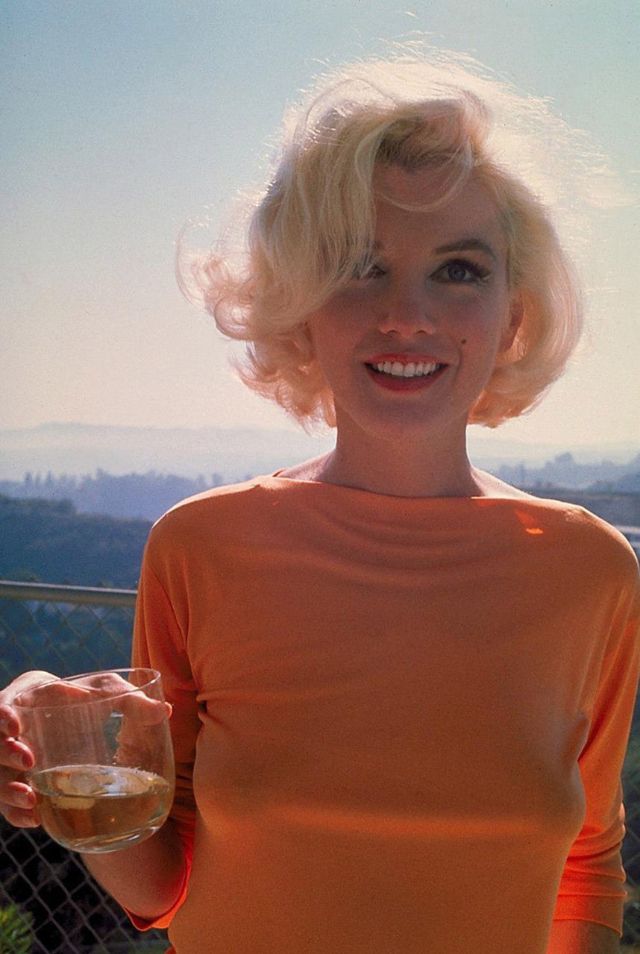
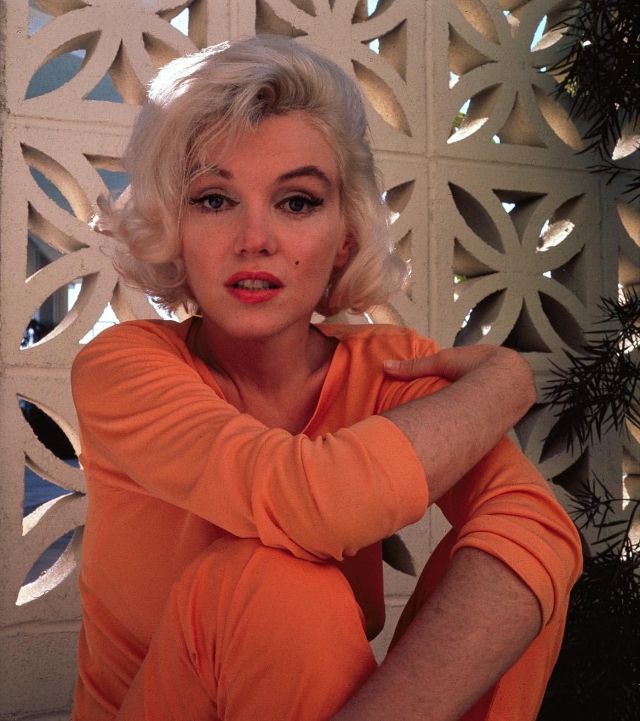
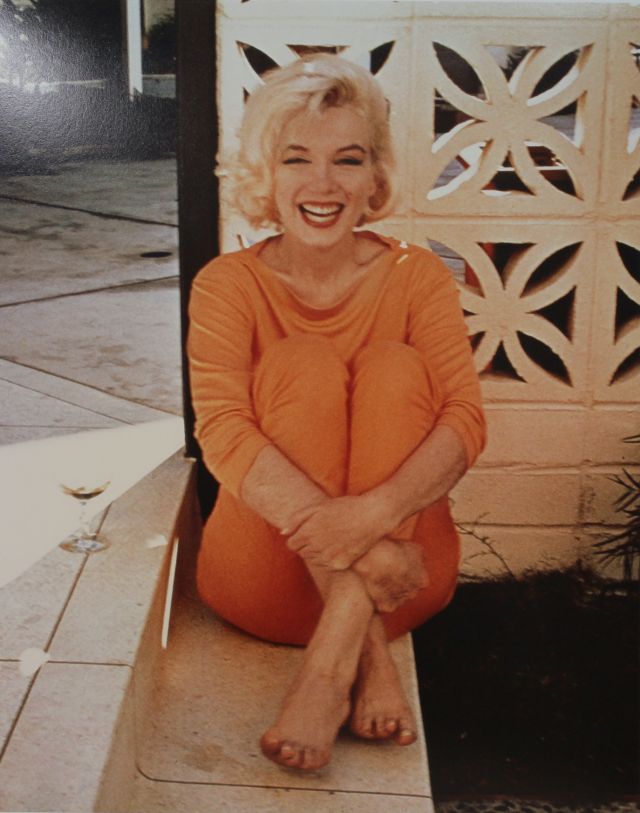
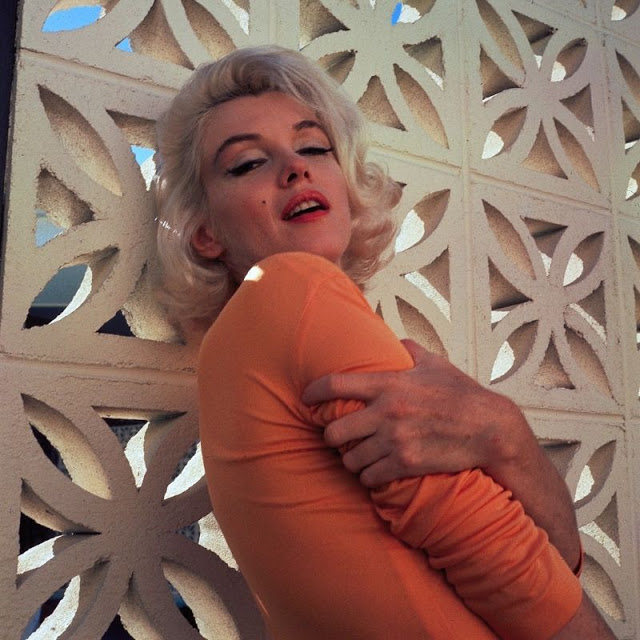
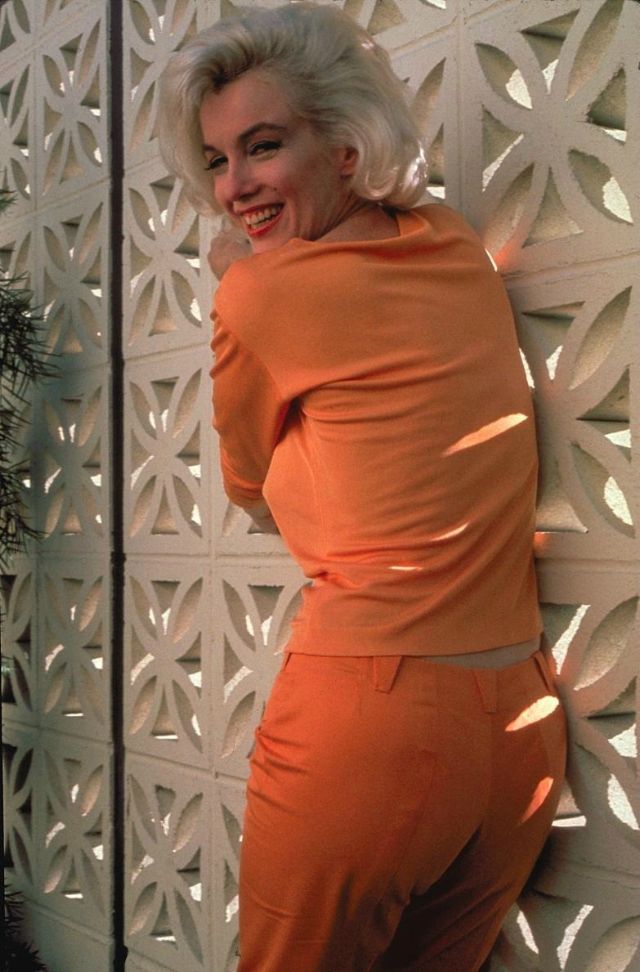
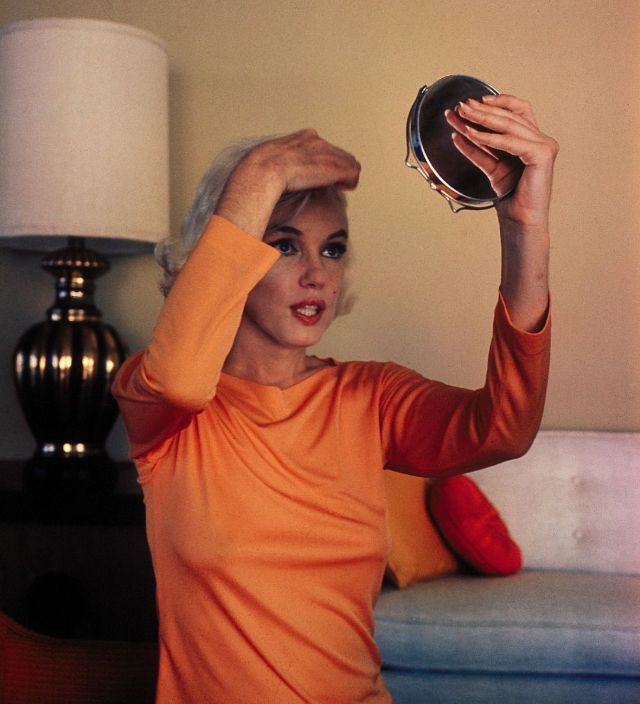
Barris is perhaps best known for his work with Marilyn Monroe, whom he photographed in 1954 on the set of The Seven Year Itch, and in 1962 at Santa Monica beach, and in the Hollywood Hills in a series that became known as “The Last Photos.”
Barris was collaborating on a book titled Marilyn: Her Life In Her Own Words at the time of her death. He is well known for taking the last photo of Monroe on July 13, 1962.
Barris died in 2016 at the age of 94.
These beautiful pics of Marilyn Monroe were part of his work that George Barris took in 1962, just 3 weeks before her death.
Subscribe to Yesterday Today’s Blog to receive regular updates regarding new content:
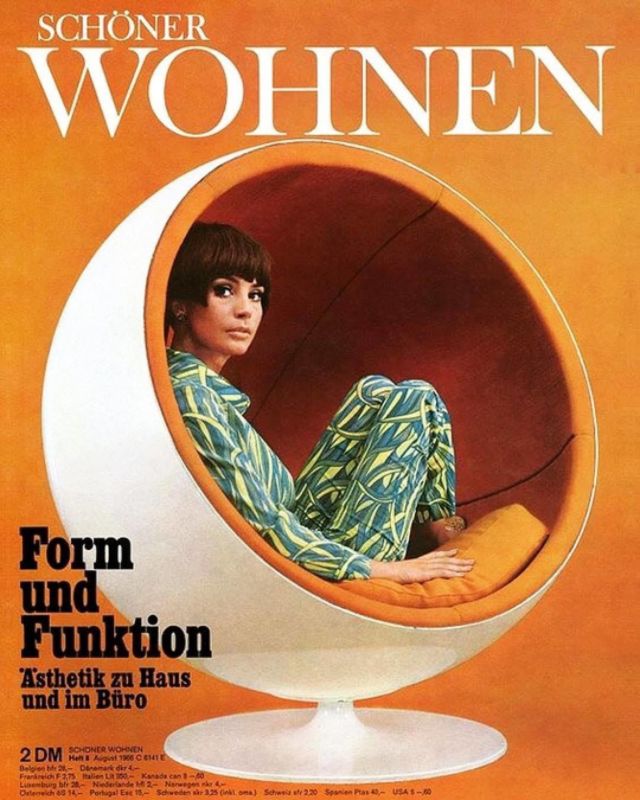
The race for the conquest of space had a great impact on people in the mid-1960s and thus also on fashion and design. The question of how one wanted to live in the future brought forth futuristic designs and manifested itself through geometric shapes. With the Sixties Revival at the end of the 20th century came the creations of the ball chair by Finnish furniture designer Eero Aarnio in 1963 and the egg chair by Danish industrial designer Henrik Thor-Larsen in 1968.
Not only do these chairs both look simple and unconventional at the same time, but they are also irrational and rational in an almost schizophrenic way. As they create a “room in the room” similar to a futuristic space capsule, they quickly became very popular and appeared not only in ‘60s living rooms but also in science fiction films. Fantastic white and silver space worlds with softly rounded plastic furniture were shown in movies such as Barbarella (1968) and 2001: A Space Odyssey (1968). It was these chairs that brought the Space Age into the terrestrial living rooms.
Take a look at these sixties Space Age ball and egg chairs below:
Subscribe to continue reading
Become a paid subscriber to get access to the rest of this post and other exclusive content.
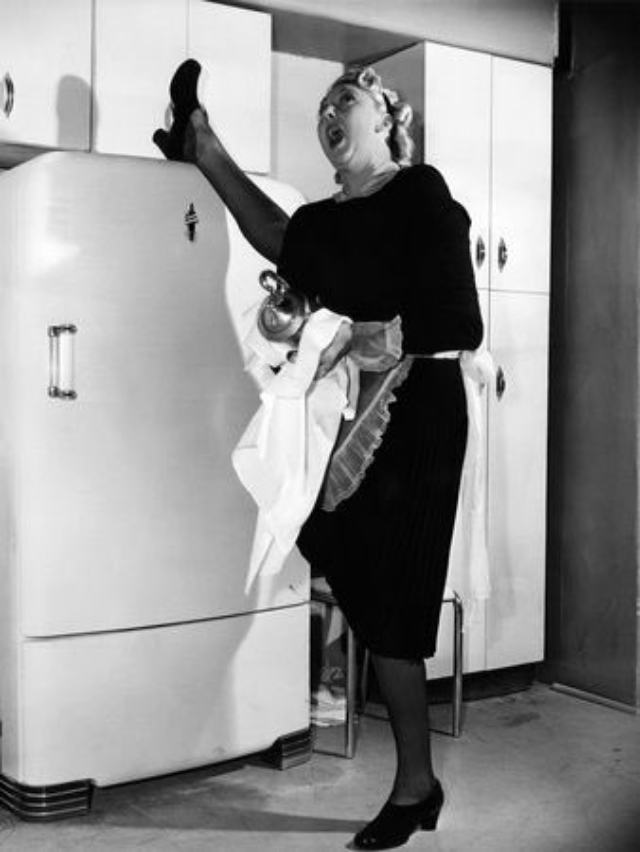
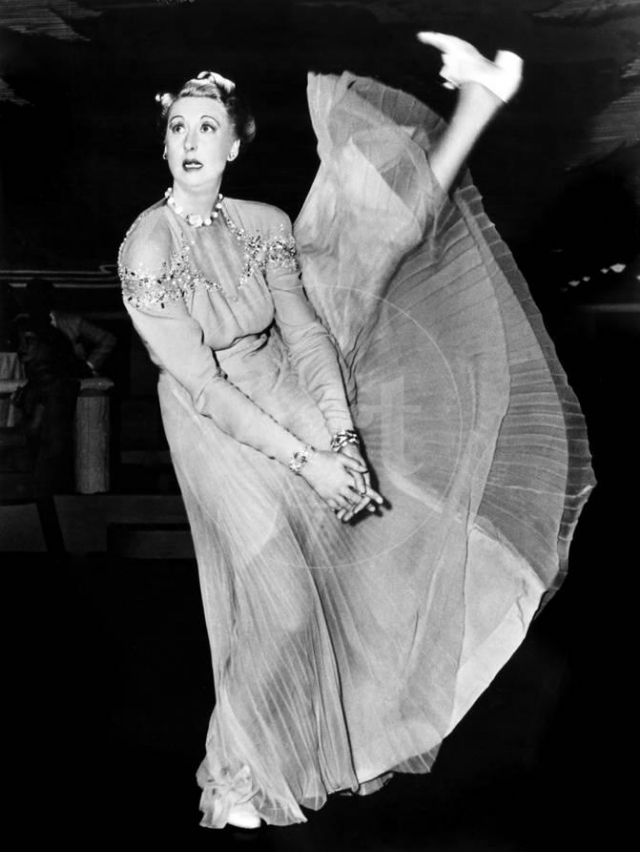
Charlotte Greenwood (June 25, 1890 – December 28, 1977) was an American actress and dancer. Born in Philadelphia, Greenwood started in vaudeville, and starred on Broadway, movies and radio.
Standing around six feet tall, she was best known for her long legs and high kicks. Her kicks were truly astonishing. By one account her skills continued through middle age. She was capable of complete leg splits as well as the ability to kick higher than the top of her head, sideways. She earned the unique praise of being, in her words, the “…only woman in the world who could kick a giraffe in the eye.”
Subscribe to Yesterday Today’s Blog to receive regular updates regarding new content: