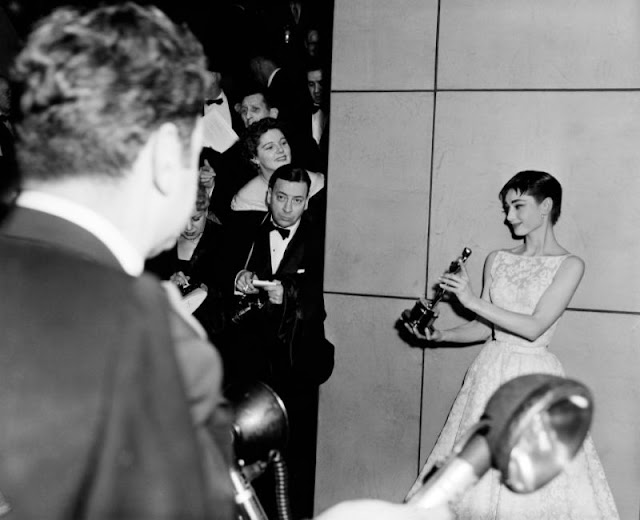
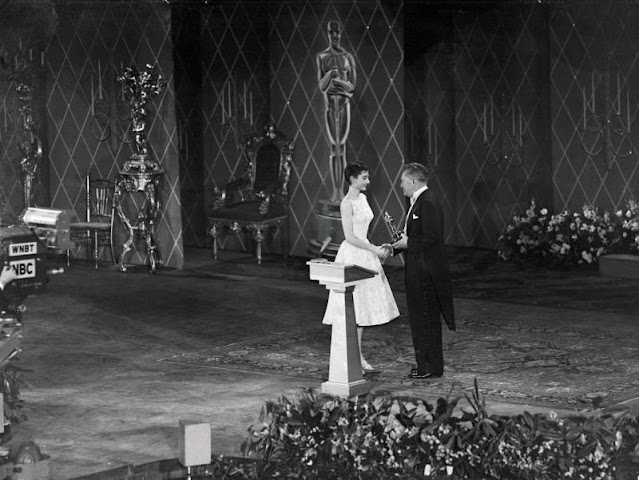
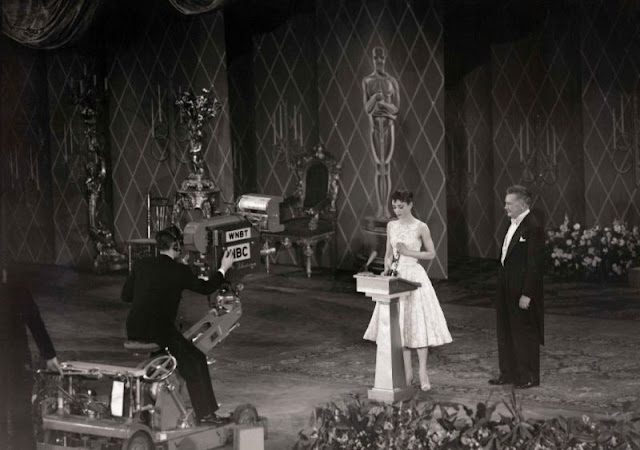
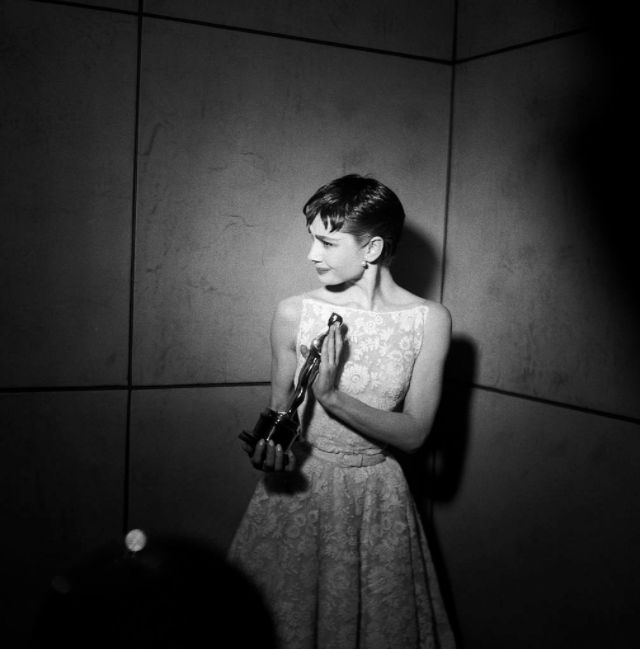
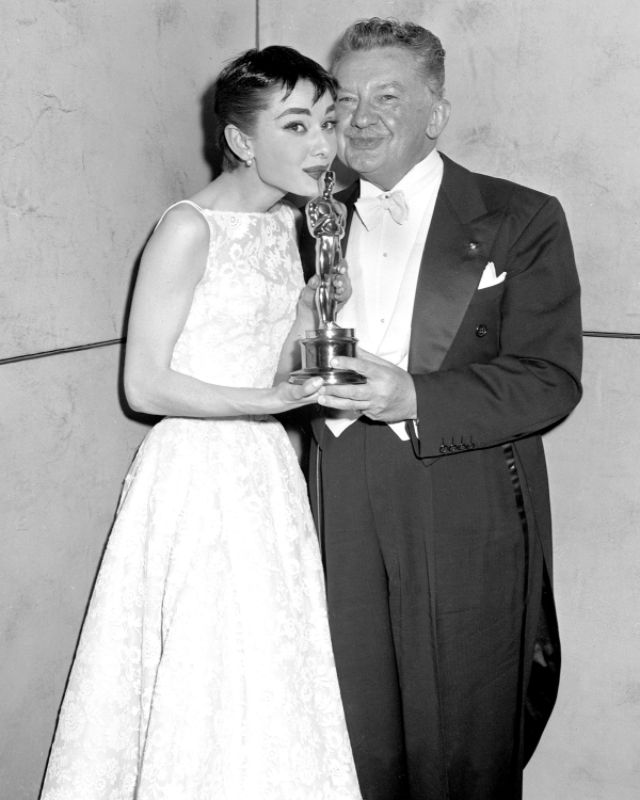
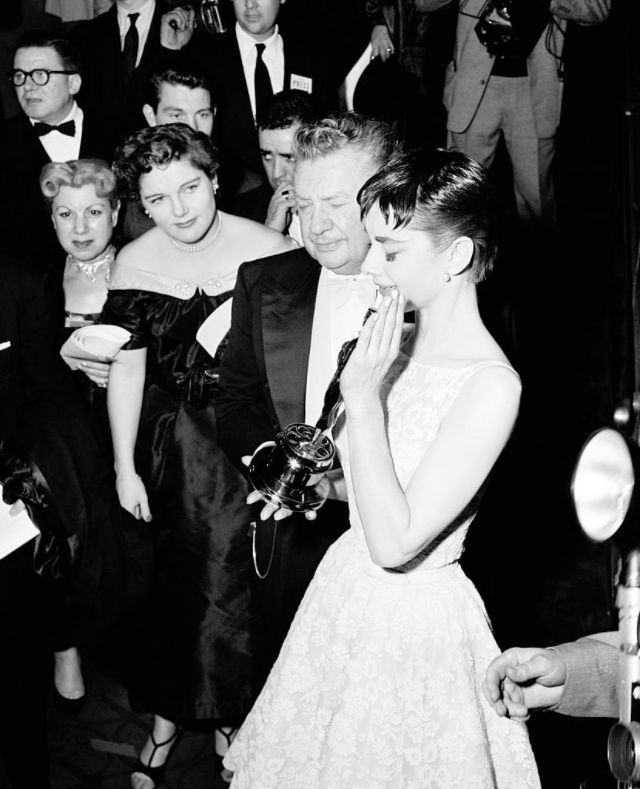
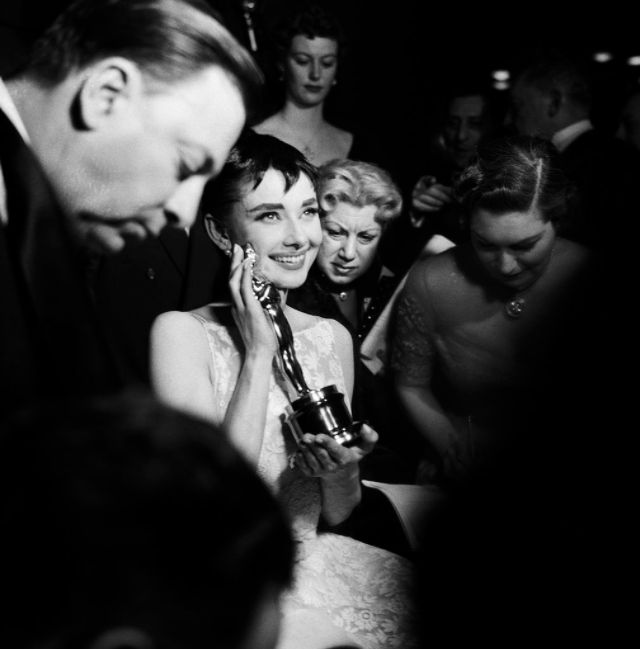
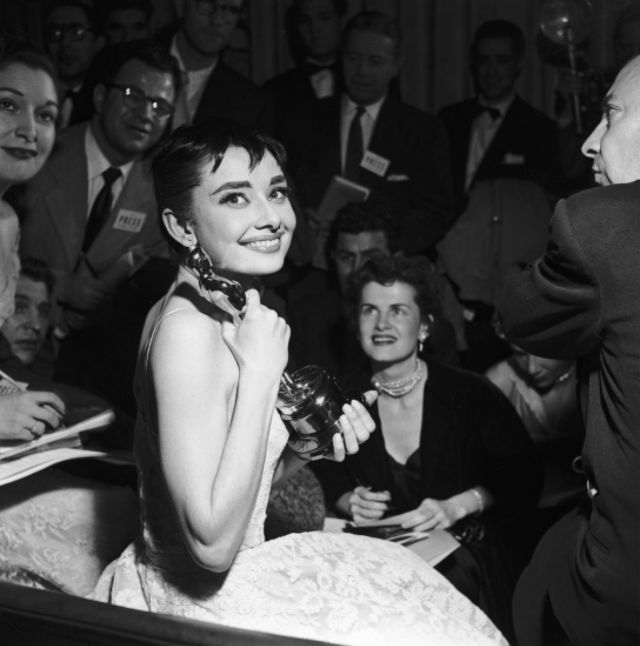
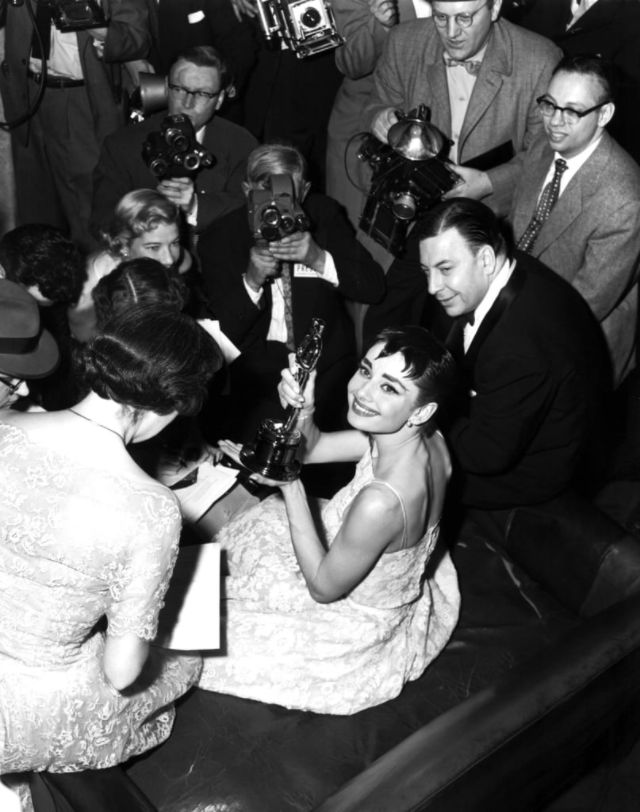
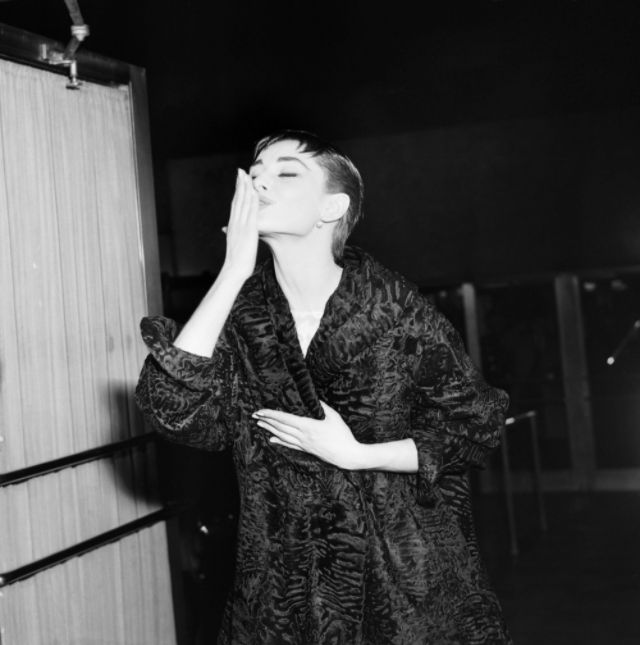
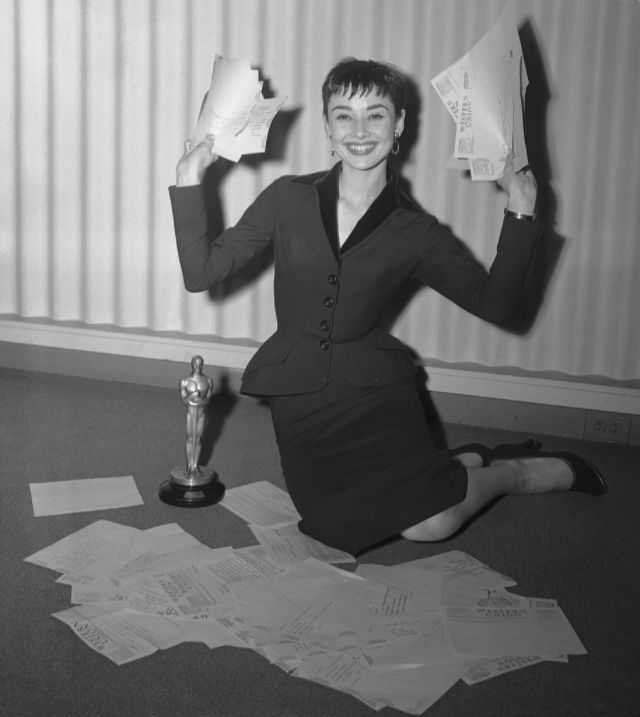
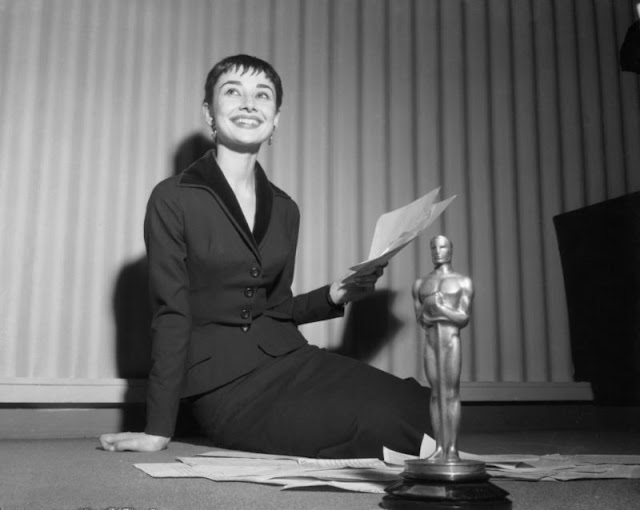
A Look Back at Audrey Hepburn and Her Oscar Win in 1954

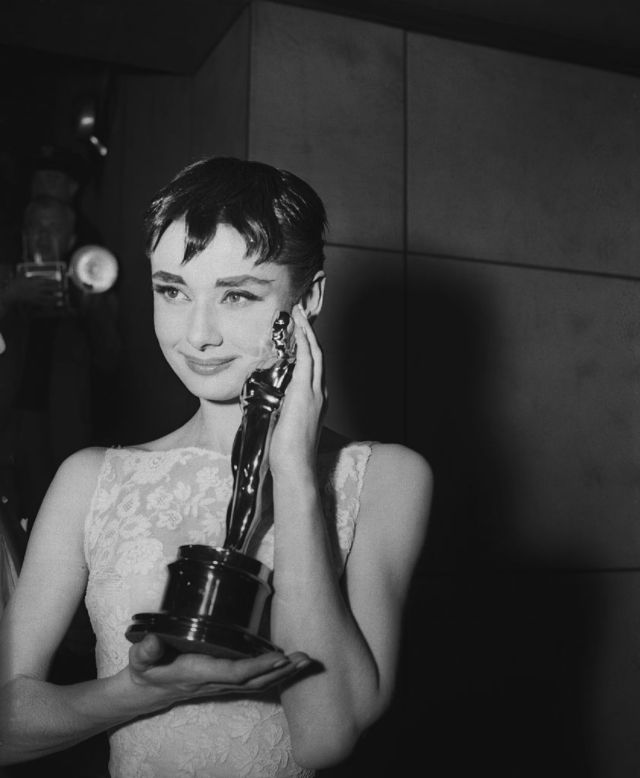
Audrey Hepburn had her first starring role in the romantic comedy Roman Holiday (1953), also her first American film. The film was a box-office success and brought Hepburn to stardom. Her critical acclaim portrayal of the European princess won Hepburn an Academy Award for Best Actress, a BAFTA Award for Best British Actress in a Leading Role and a Golden Globe Award for Best Actress – Motion Picture Drama, making her the first actress to win an Oscar, a BAFTA Award and a Golden Globe Award for a single performance.

Take a look back at the screen legend the night she won her Oscar at the 26th Academy Awards in 1954:

Subscribe to Yesterday Today’s Blog to receive regular updates regarding new content:

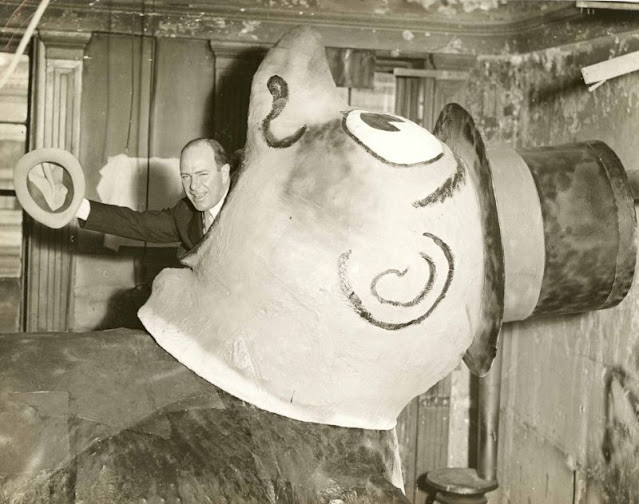
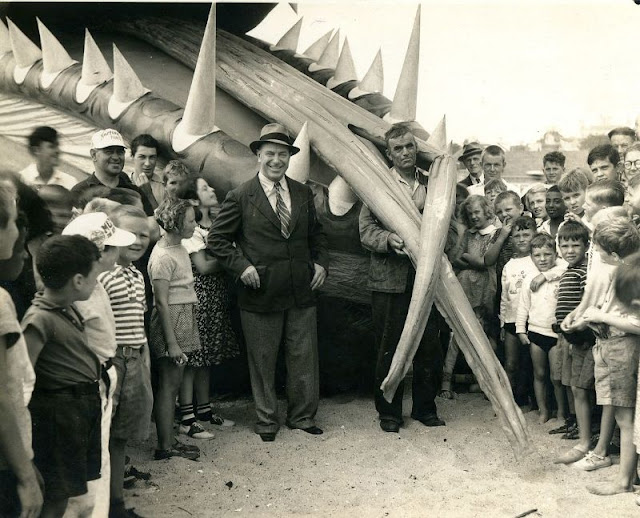
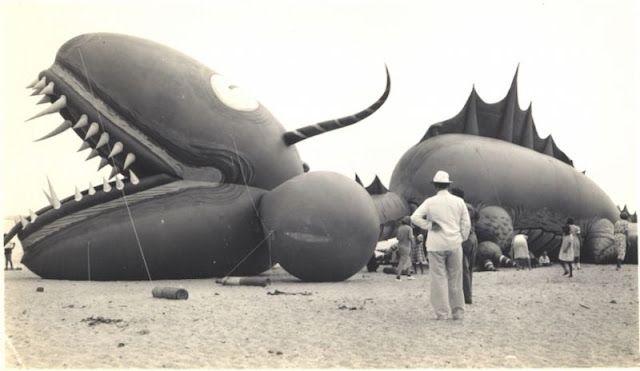
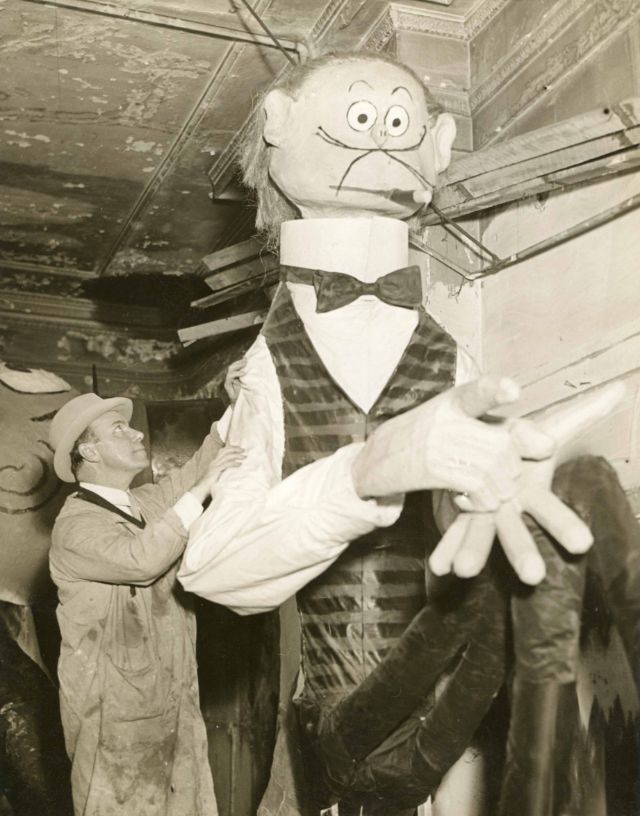
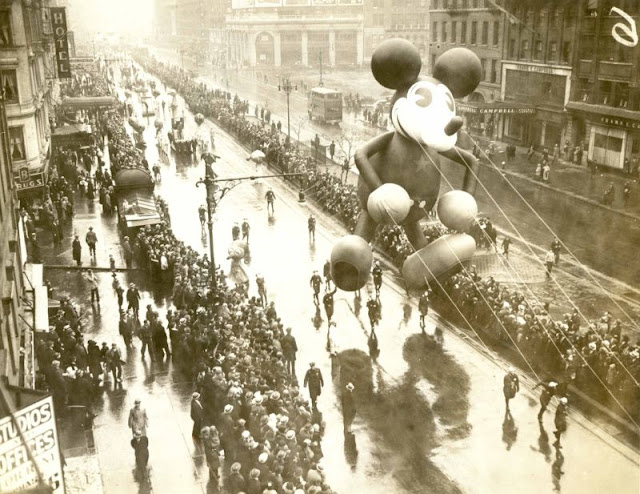
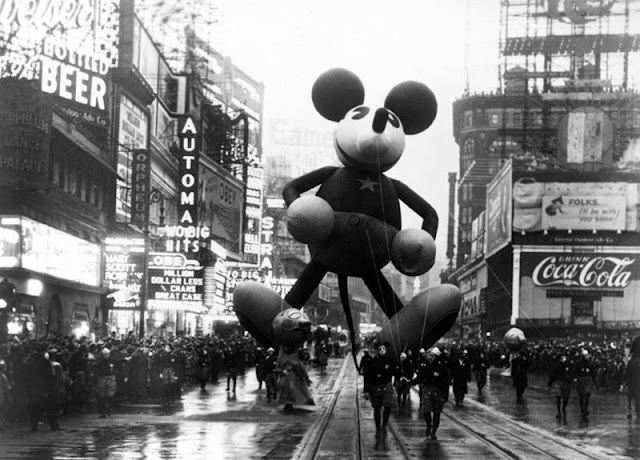
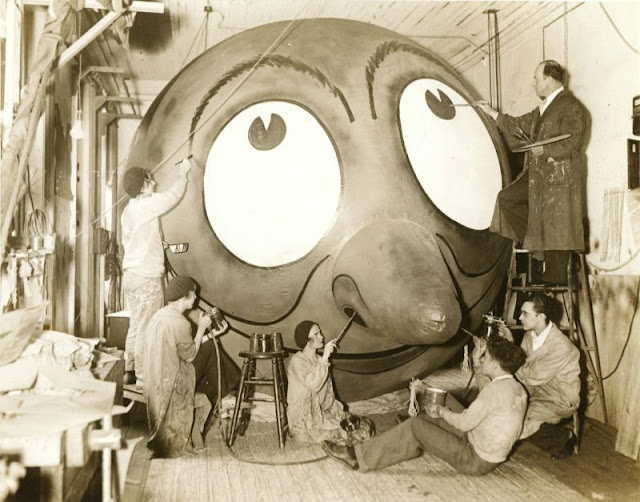
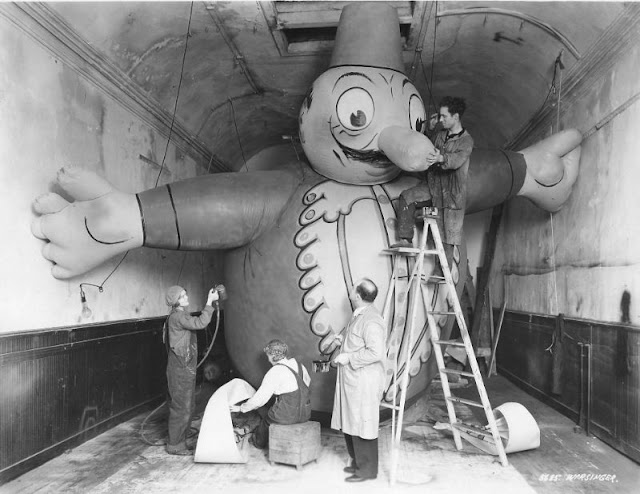
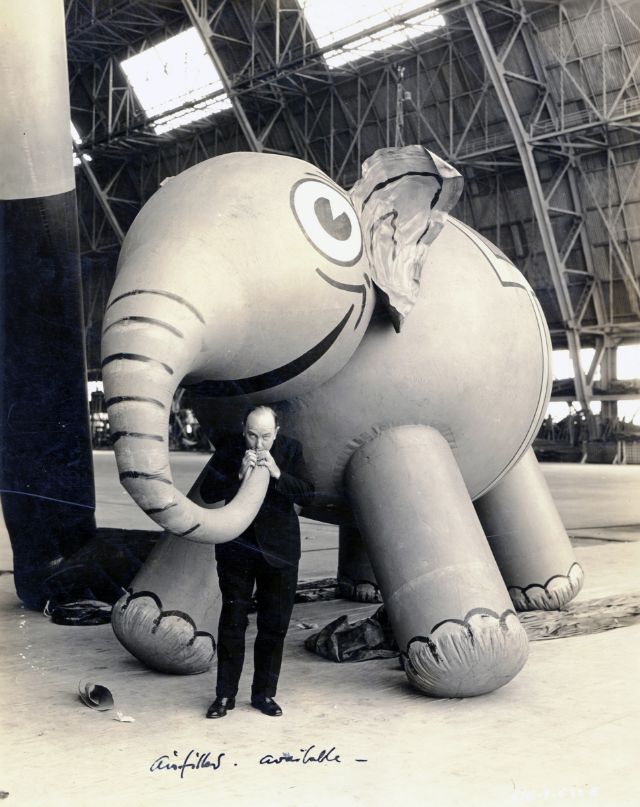
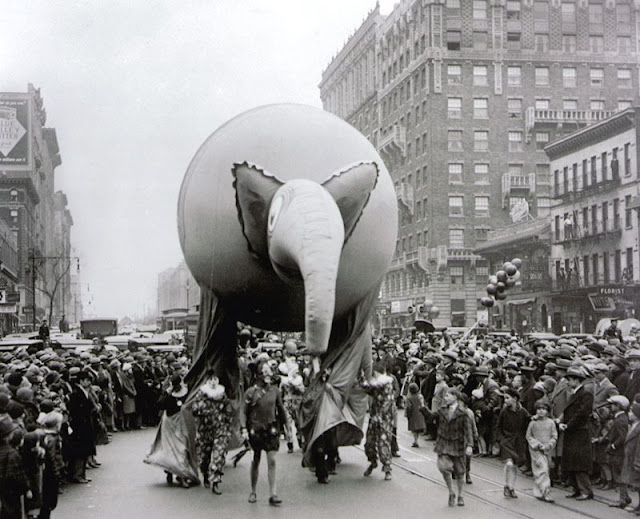
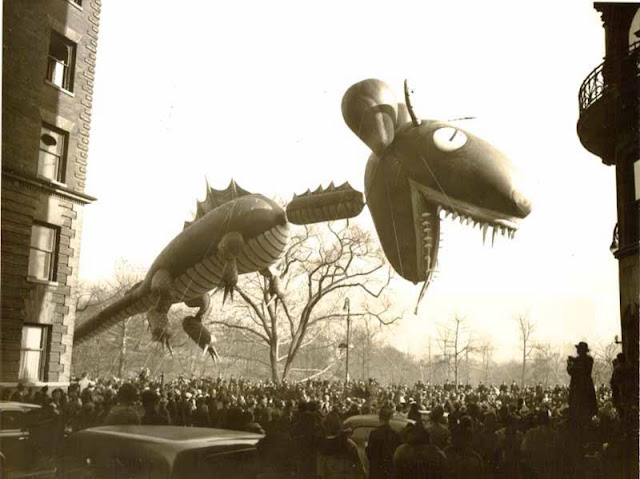
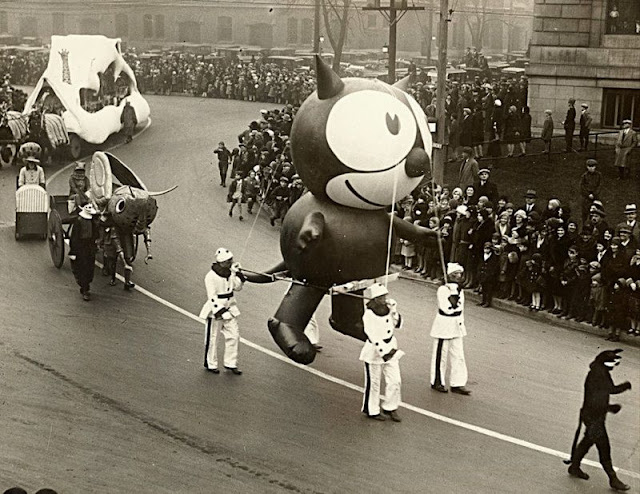
Wonderful Creations of “America’s Puppet Master” Tony Sarg

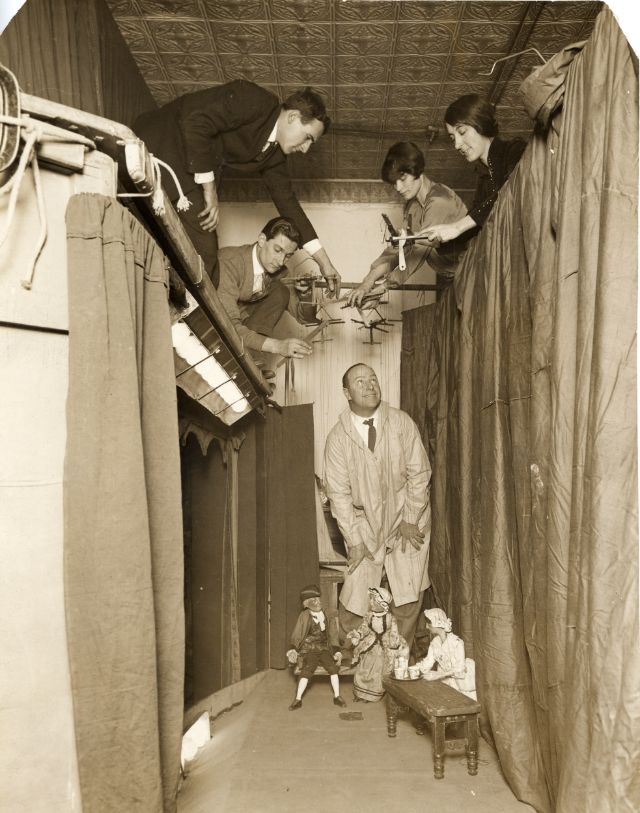
Anthony Frederick Sarg (1880–1942), known professionally as Tony Sarg, was a German American puppeteer and illustrator. Born in Cobán, Guatemala, Sarg later took up residence in the United Kingdom in 1905. After World War I broke out, he settled the family in New York City in 1915. In 1920, Sarg became a naturalized citizen of the United States.

He had been raised around puppets, inherited his grandmother’s collection of them, developed them as a hobby that enhanced the impression he made on other artists, and finally in 1917, turned them into a profession.

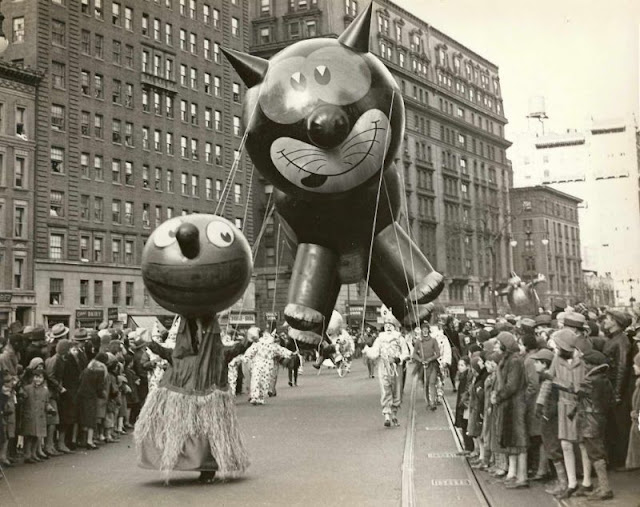
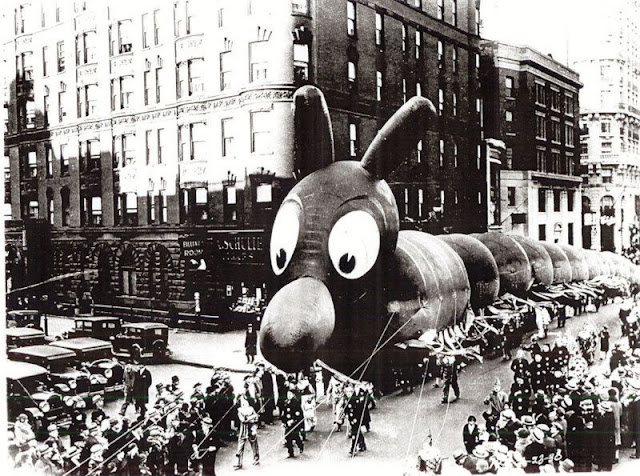
In 1928, he designed, and his protégé Bil Baird built tethered helium-filled balloons up to 125 feet long, resembling animals, for the New York institution of Macy’s department store. This work involved a number of puppetry-related principles. These creations were featured in the store’s Thanksgiving Day parade. In 1935, he undertook the puppet-related work of designing Macy’s elaborate animated window display, which was shown between Thanksgiving and Christmas.

Take a look at these wonderful creations of the puppet master through 15 fascinating pictures below:

Subscribe to Yesterday Today’s Blog to receive regular updates regarding new content:
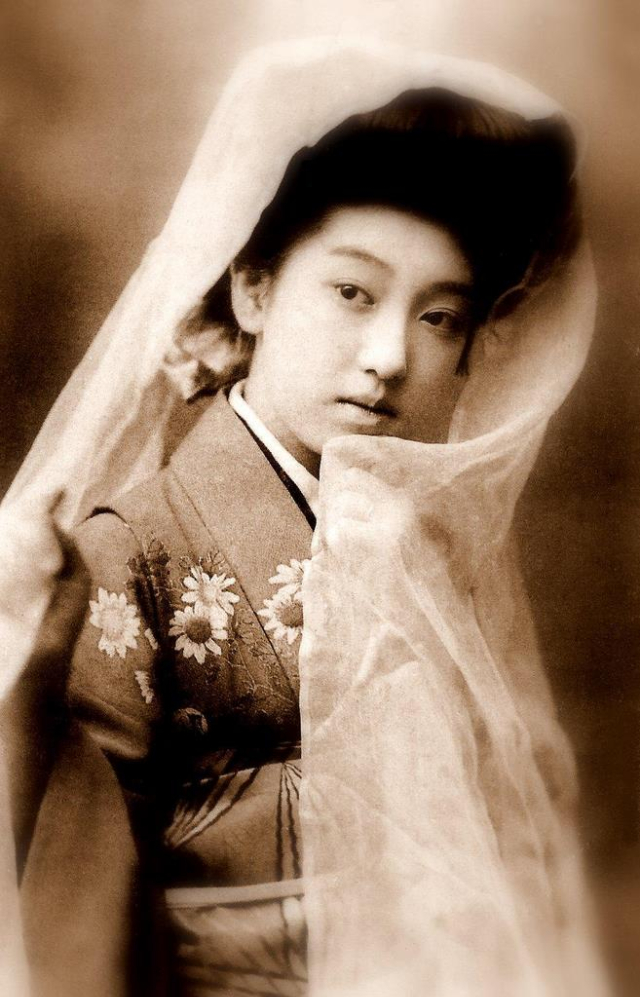
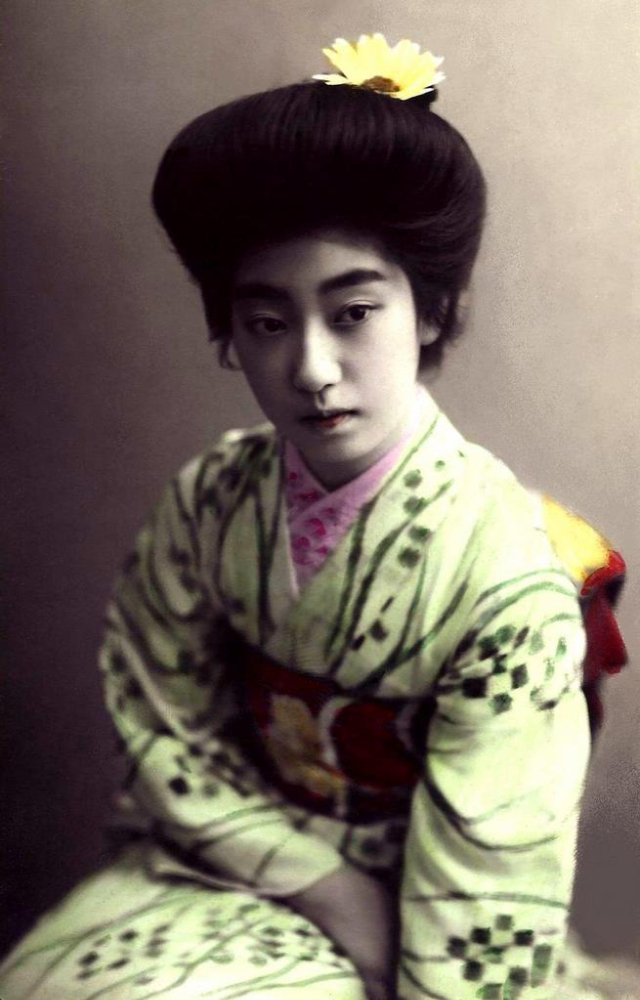
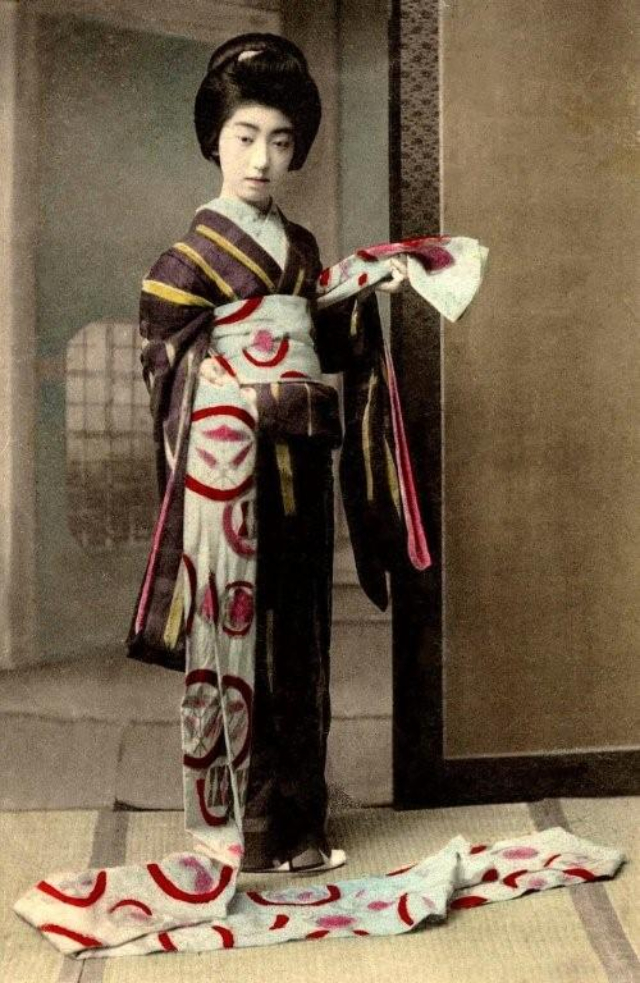
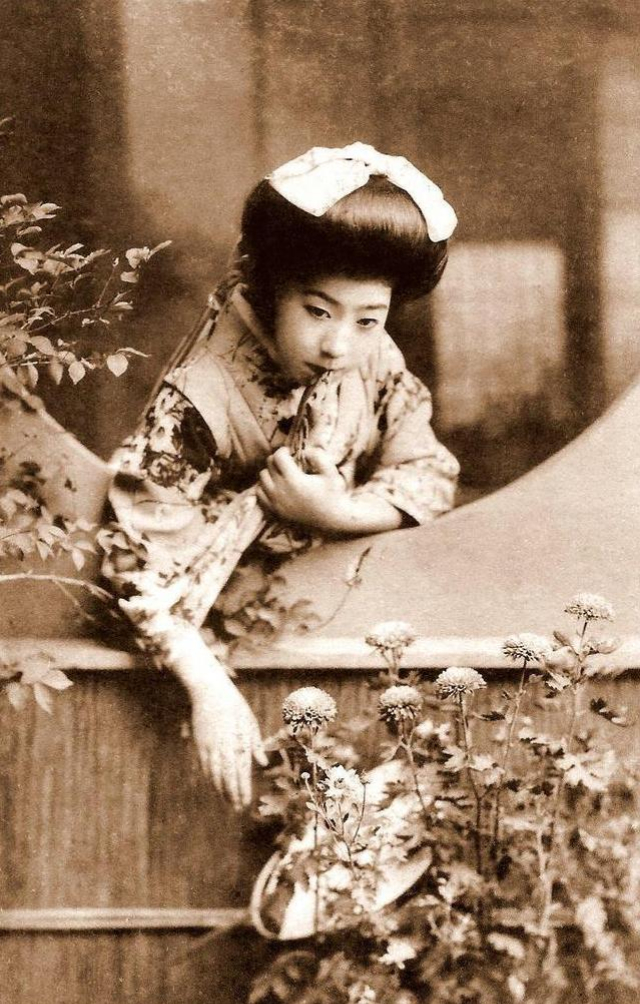
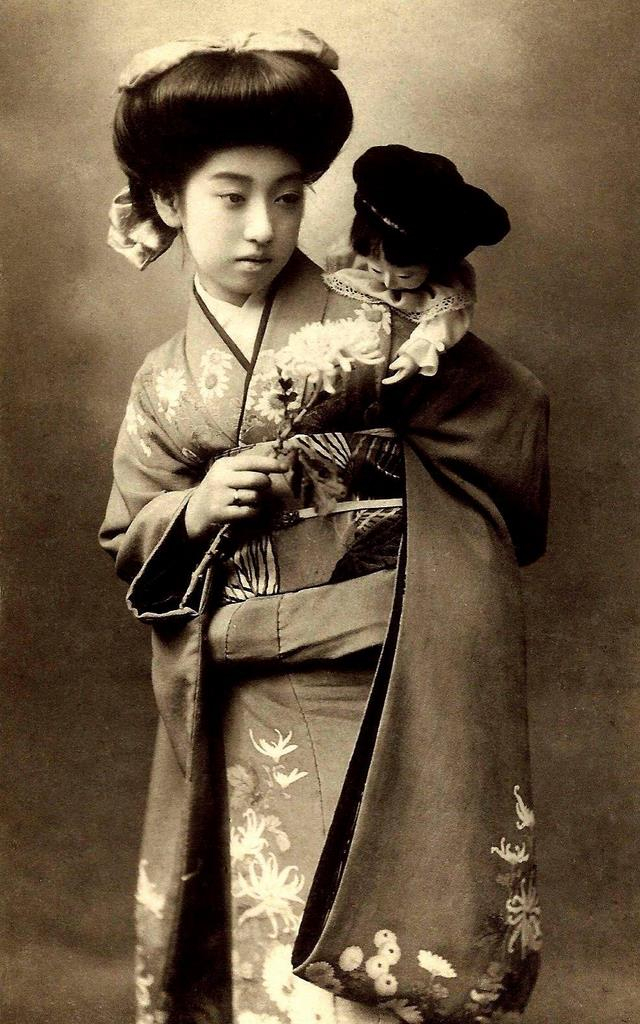
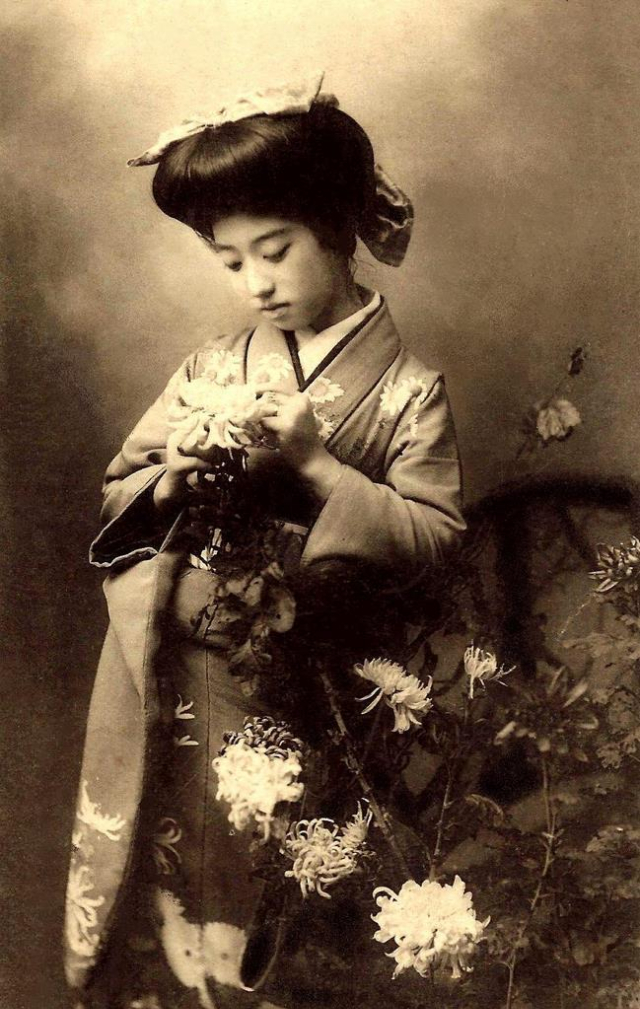
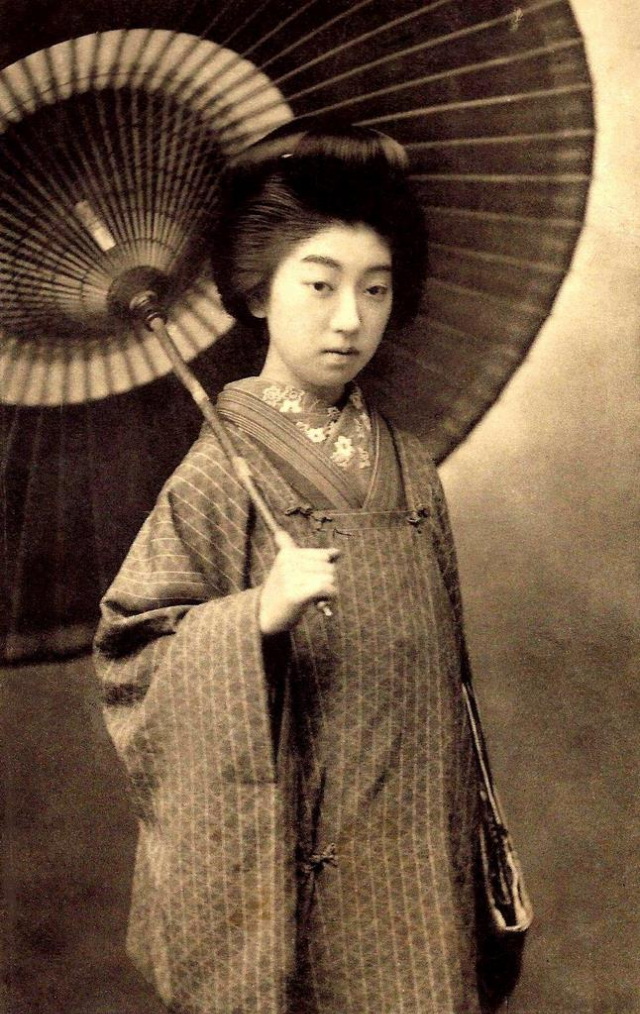
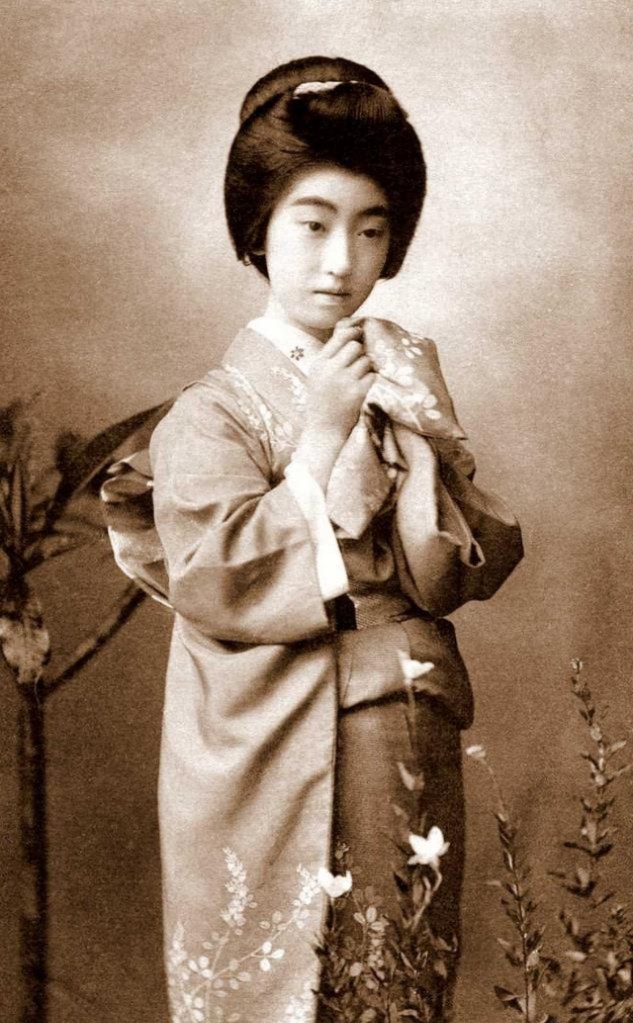
The Nine-Fingered Geisha: 30 Vintage Portraits of Chishō Takaoka aka Teruha From the Early 20th Century

Chishō Takaoka (April 22, 1896 – October 22, 1994) was a geisha in Shinbashi who became a Buddhist nun later in life. Her stage name was Chiyoha or Teruha, while her real name was Tatsuko Takaoka. She became famous for her radiant beauty, and for chopping off one of her fingers for her lover. She was a popular model featured in postcards, and was known internationally as the “Nine-Fingered Geisha”. She also inspired Jakucho Setouchi’s novel, Jotoku.

Chishō was born in 1896 in Nara Prefecture, but her birth notification was registered at Osaka city hall by her parents. Her father was an alcoholic who worked as a blacksmith. When Chishō was two years old, her mother, Oda Tsuru, died; some theories speculate that Tsuru ran away from home. Chishō was brought up lovingly by her grandmother, and when she was seven years old, she worked in her aunt’s tea parlor as a waitress. At 12 years old, her father sold her into slavery, sending her to Oume Tsujii, courtesan of kabuki actor Onoe Kikugorō V. At 14 years old, upon being given 250 yen employment preparation money, Chishō became the adopted daughter of Kagaya, and debuted with the stage name “Chiyoha”. Her unusual beauty helped her gain popularity, and her mizuage was bought by a chairperson of an Ōsaka stock exchange transaction.

At 15 years old, she became emotionally involved with Otomine, a famous playboy and upscale clothes dealer, who lived in Higashi ward. Chishō eloped with him to Beppu Onsen. When Otomine discovered she had a picture of a kabuki actor in her hand mirror, he became jealous and broke up with her. To convey her fidelity to Otomine, she cut off her pinky with a razor and brought it to him. It was also said that, when he was trying to cure his arthritis at the Beppu spa, she came over and proposed love suicide to him, but he refused it. Then she gave her own finger for the purpose of appealing for his love.

The scandal made it difficult for her to remain in Osaka, and she was taken under the care of Kiyoka, a geisha in Tokyo who was the mistress of Lord Taketarō Gōtō. She worked in Kōfuen, Mukōjima, and Kiyoka assumed 3,000 yen debt repayments. The day she debuted, she got word that her younger brother had been burned to death in a fire. Originally in nature she was a quiet geisha in the zashiki parlor, so when she was hit with the shock of the separation from Otomine and the news of her brother’s death, she had cut off her finger. Many men came and saw her and she soon became a sought-after geisha. The many picture cards of her were a commercial commodity, and they sold quickly. Some men also illegally copied and sold them, and Chishō accused them of copyright infringement.

She had a modest talent as a geisha, having an academic goal. She learned the kanji by reading many books and later became a writer.

In 1919, Chishō married Suezo Oda, the market player of Kitahama and a runner for a motion picture company. She visited the United States with her husband and traveled across the entire county. During this time she lived in a girls’ school dormitory while studying English for eight months. After returning home, her behavior in the U.S. created tensions in her marriage. She attempted suicide two times, and they divorced.

After this, she traveled back to the U.S. She went to London, and on her friend Sessue Hayakawa’s advice, she moved to Paris where, it is said, she gave birth to a child.

After returning home, she worked as a geisha. In 1923, under the name of Teruha Oda, she starred in the film Ai no tobira (The Gate of Love) directed by Shiro Nakagawa. She then remarried to a medical doctor and ran a bar in Osaka.

In 1928, she wrote the first of five autobiographies, titled “Teruha Zange”. In 1935, at 39 years old, she entered the Buddhist priesthood in Temple Kume, and referred to herself as Chisho. She went to Giōji in Kyoto, which had been ruined, and rebuilt it. Giōji attracted attention among wounded women as a refuge.

She died in 1994 at the age of 98.

Subscribe to Yesterday Today’s Blog to receive regular updates regarding new content:

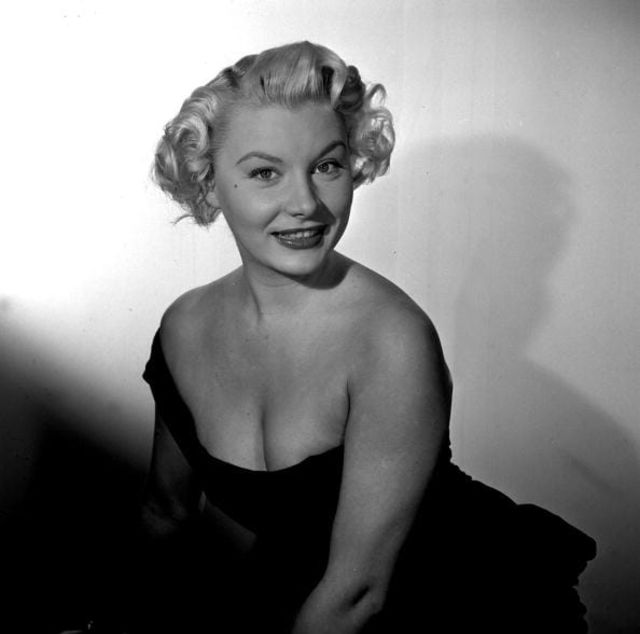
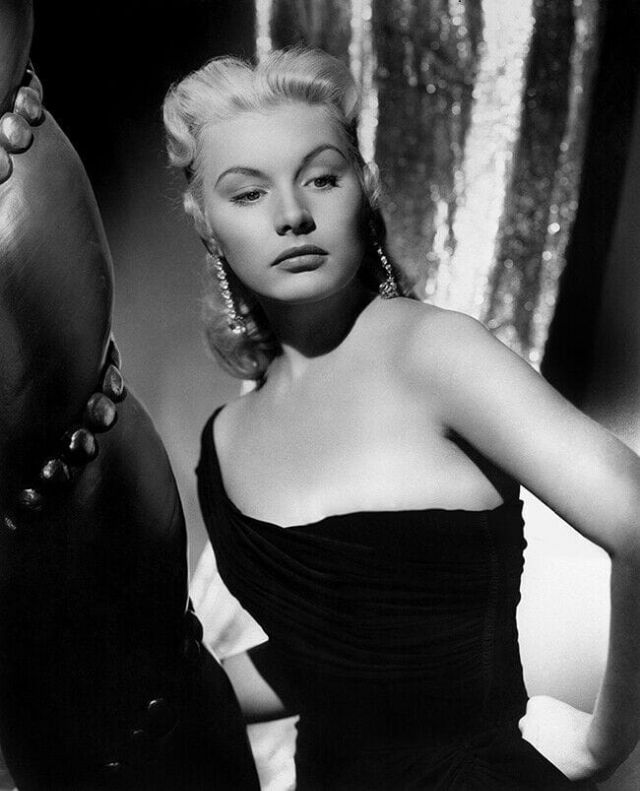
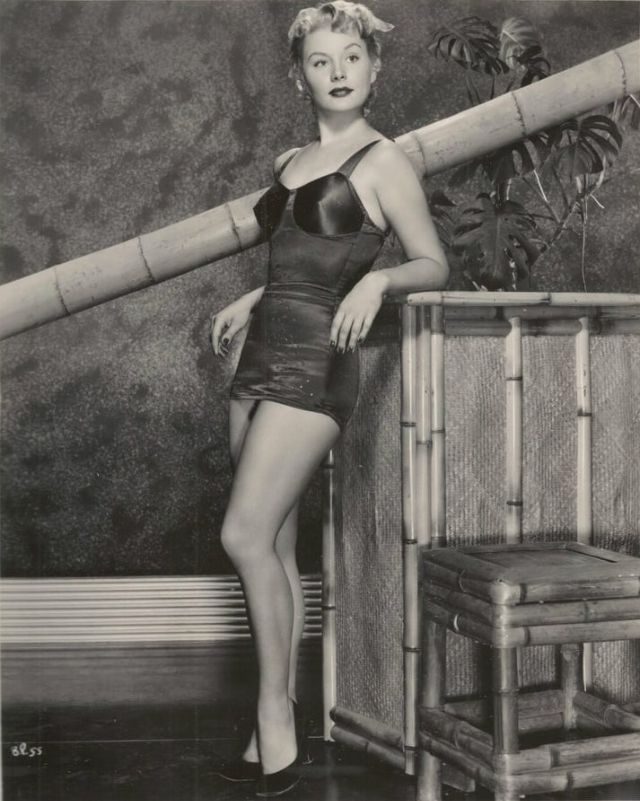
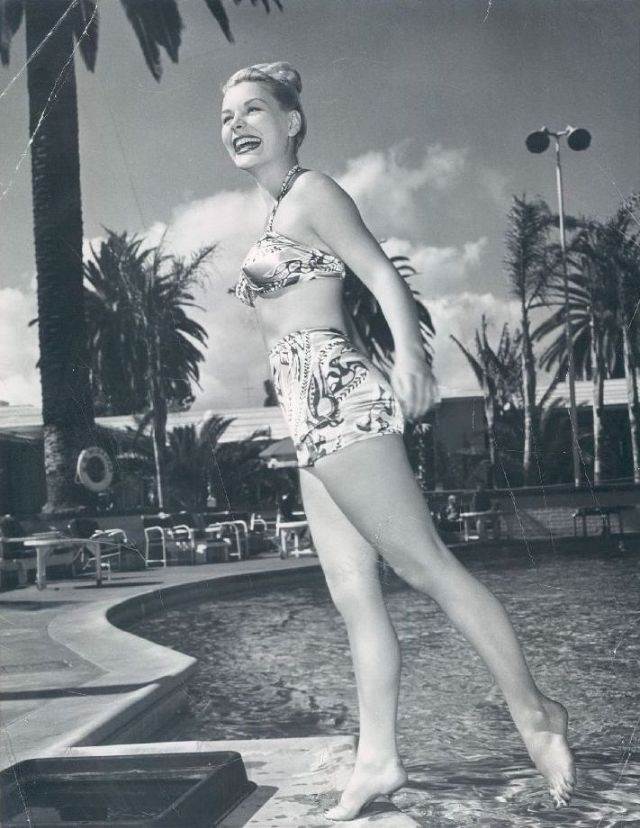
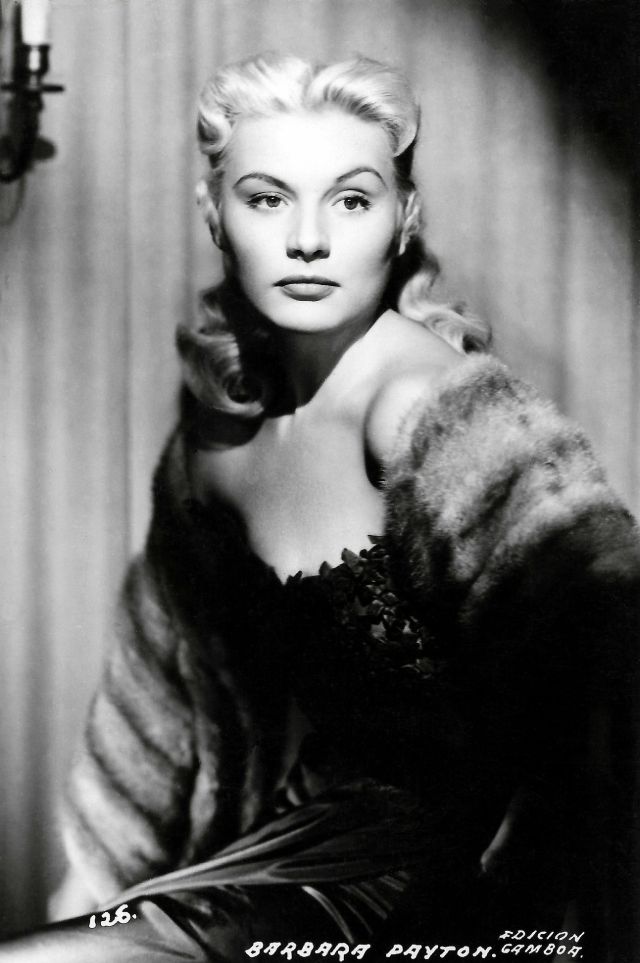
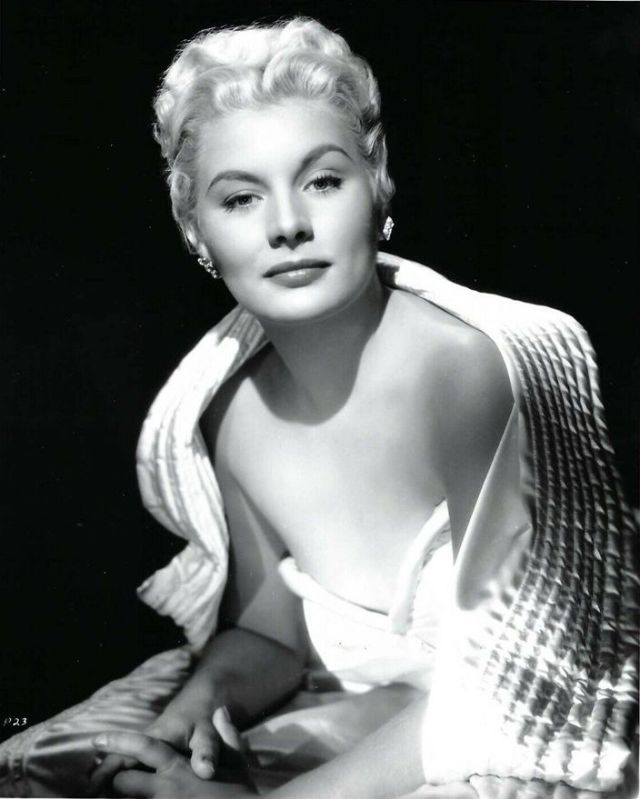
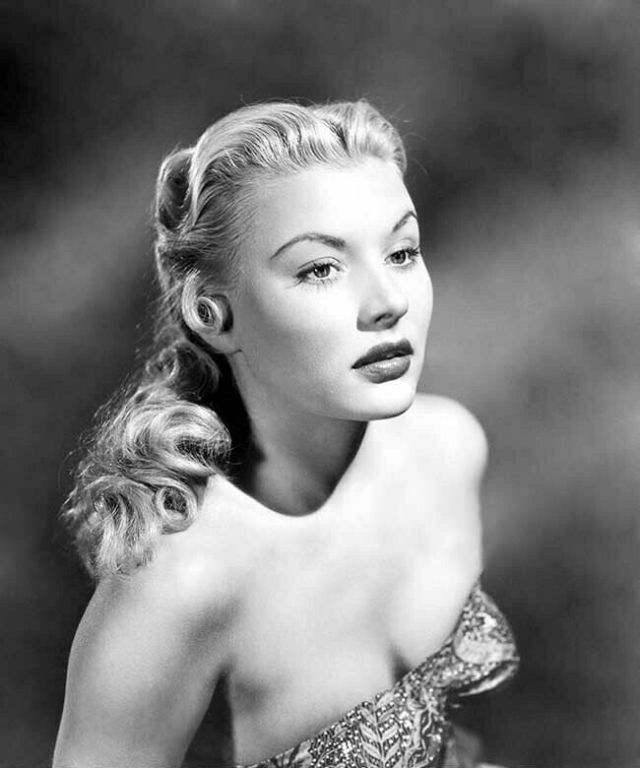
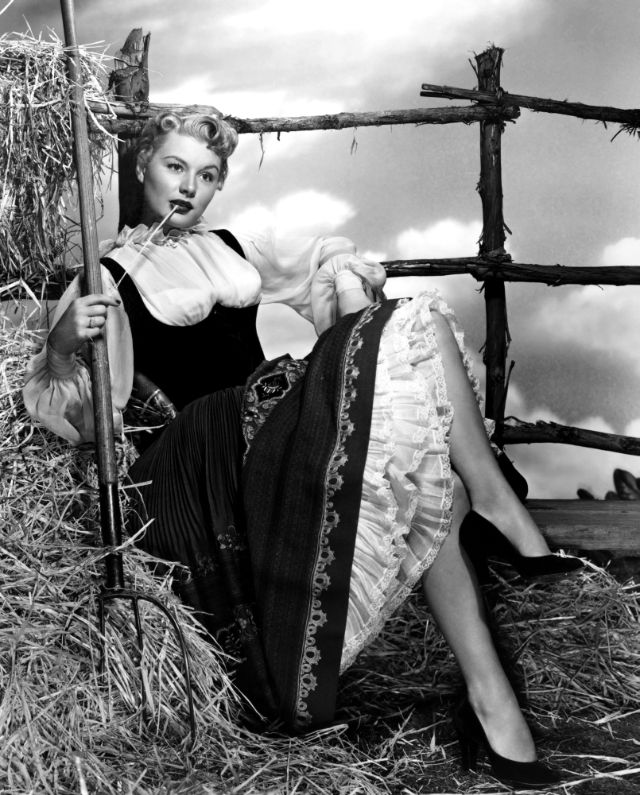
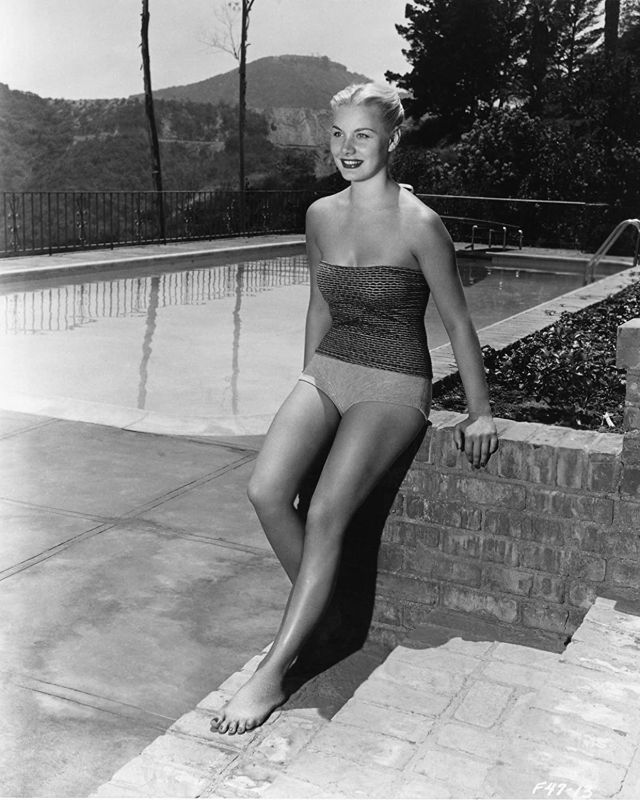
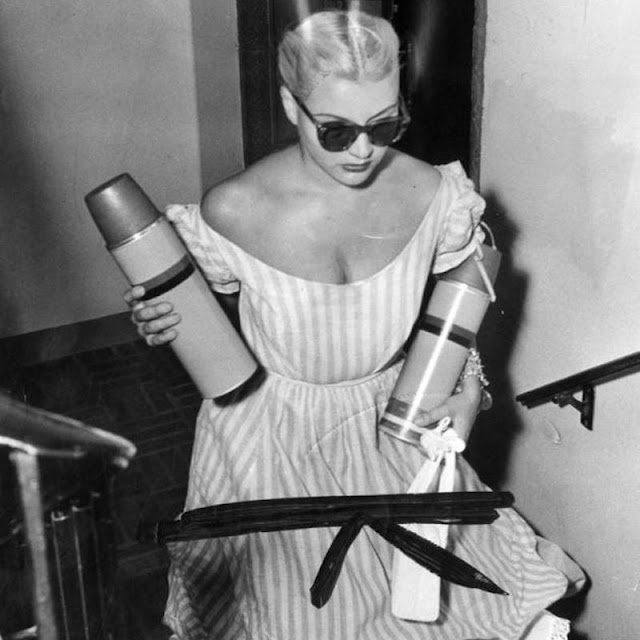
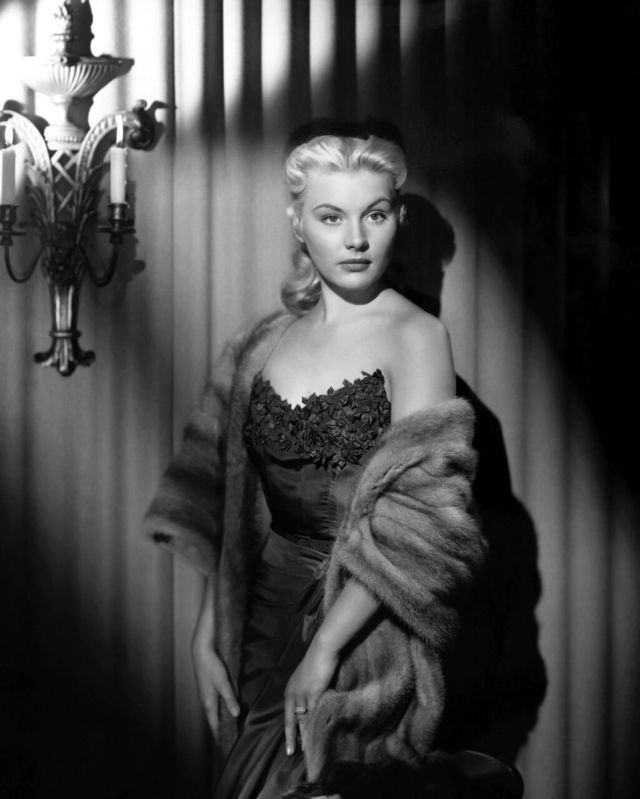
25 Gorgeous Photos of Actress Barbara Payton During Her Brief Life

Born 1927 in Cloquet, Minnesota, American actress Barbara Payton first gained notice in the 1949 film noir Trapped co-starring Lloyd Bridges.

After being screen-tested by James Cagney and his producer brother, William, Payton starred with Cagney in the violent noir thriller Kiss Tomorrow Goodbye in 1950. William Cagney was so smitten with Payton’s sensual appeal and beauty that her contract was drawn as a joint agreement between William Cagney Productions and Warner Bros. at a salary of $5,000 per week, a large sum for an actress yet to demonstrate star power at the box office.

Her portrayal of the hardened, seductive girlfriend, whom Cagney’s character ultimately double-crosses, was praised in newspaper reviews of the movie. Her acting skills were recognized and her significant screen charisma widely acknowledged.

Kiss Tomorrow Goodbye was the high point in Payton’s career. Her screen appearances opposite Gary Cooper in Dallas (1950) and Gregory Peck in Only the Valiant (1951), both westerns, were lackluster productions that did little to highlight her skills as an actress. Payton’s career decline began with the 1951 low-budget horror film Bride of the Gorilla, co-starring Raymond Burr.

Payton was best known for her stormy social life and battles with alcoholism and drug addiction. Her life has been the subject of several books, including Kiss Tomorrow Goodbye: The Barbara Payton Story (2007) by John O’Dowd, L.A. Despair: A Landscape of Crimes and Bad Times (2005) by John Gilmore and B Movie: A Play in Two Acts (2014) by Michael B. Druxman.

In her brief life, she married five times. She died in 1967 at her parents’ home of heart and liver failure at the age of 39.

Take a look at these gorgeous photos to see the beauty of Barbara Payton in the 1950s.

Subscribe to Yesterday Today’s Blog to receive regular updates regarding new content:
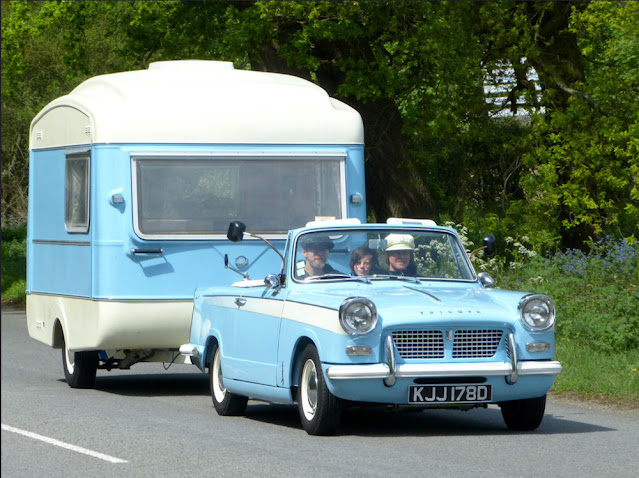
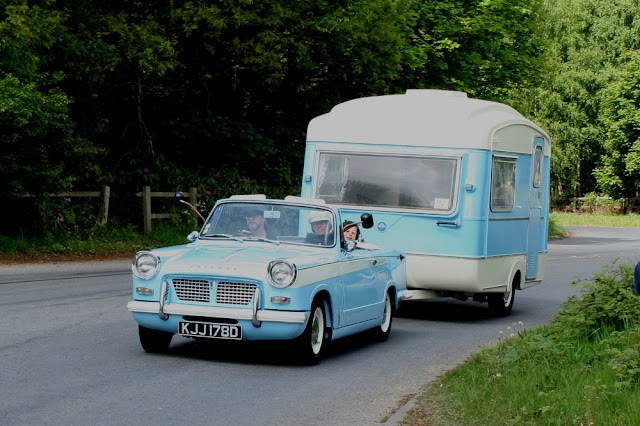
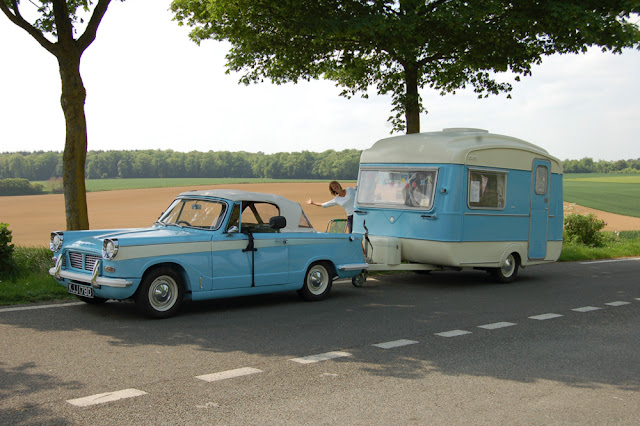
Beautiful 1200 Triumph Herald With a Vintage Cheltenham Caravan

The Triumph Herald is a small two-door car introduced by Standard-Triumph of Coventry, England, in 1959 and made through to 1971. The body design was by the Italian stylist Giovanni Michelotti, and the car was offered in saloon, convertible, coupé, estate and van models, with the latter marketed as the Triumph Courier.

Standard-Triumph experienced financial difficulties at the beginning of the 1960s and was taken over by Leyland Motors in 1961. This released new resources to develop the Herald and the car was re-launched in April 1961 with an 1147 cc engine as the Herald 1200.

The new model featured rubber-covered bumpers, a wooden laminate dashboard and improved seating. Quality control was also tightened up. Twin carburettors were no longer fitted to any of the range as standard although they remained an option, the standard being a single down-draught Solex carburettor. Claimed maximum power of the Herald 1200 was 39 bhp (29 kW), as against the 34.5 bhp (25.7 kW) claimed for the 948 cc model. One month after the release of the Herald 1200, a 3-door estate was added to the range. Disc brakes became an option from 1962.

Sales picked up despite growing competition from the Mini and the Ford Anglia. The coupé was dropped from the range in late 1964 as it was by then in direct competition with the Triumph Spitfire.

Subscribe to Yesterday Today’s Blog to receive regular updates regarding new content:
Incredible Vintage Photos of Amsterdam’s People in the 1960s and 1970s

Subscribe to get access

Read more of this content when you subscribe today.

Eduard van der Elsken (1925–1990) was a Dutch photographer and filmmaker. His imagery provides quotidian, intimate and autobiographic perspectives on the European zeitgeist spanning the period of the Second World War into the nineteen-seventies in the realms of love, sex, art, music (particularly jazz), and alternative culture.

He described his camera as “infatuated,” and said: “I’m not a journalist, an objective reporter, I’m a man with likes and dislikes.” His style is subjective and emphasizes the seer over the seen; a photographic equivalent of first-person speech.

Over the course of his 40-year career, Van der Elsken took around 100,000 photographs, “collecting my kind of people.” Take a look at these incredible pictures of the people of Amsterdam taken by Van der Elsken in the 1960s and 1970s:

Subscribe to continue reading

Become a paid subscriber to get access to the rest of this post and other exclusive content.

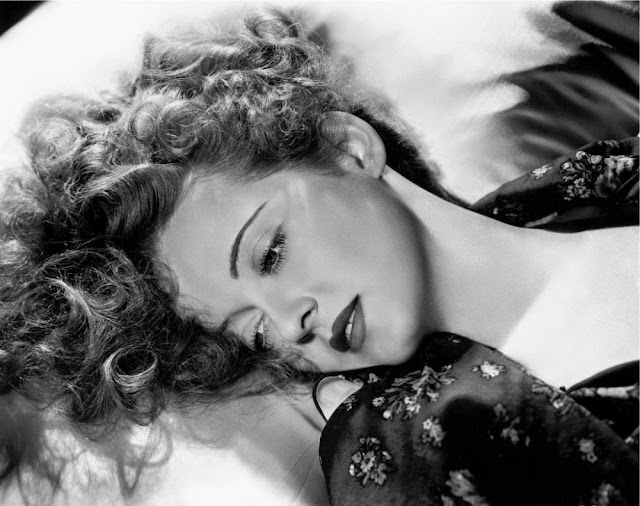
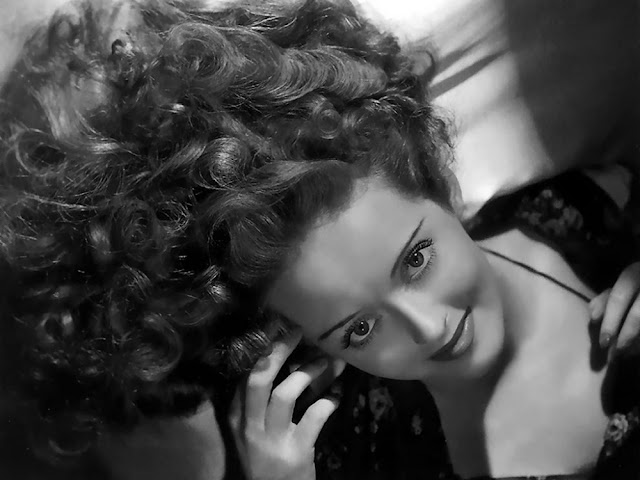
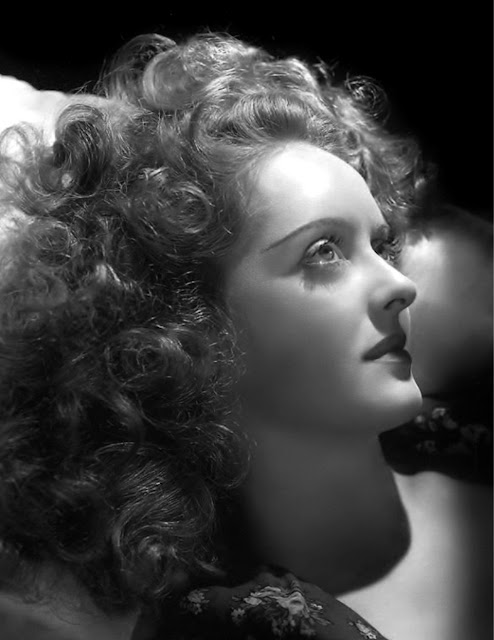
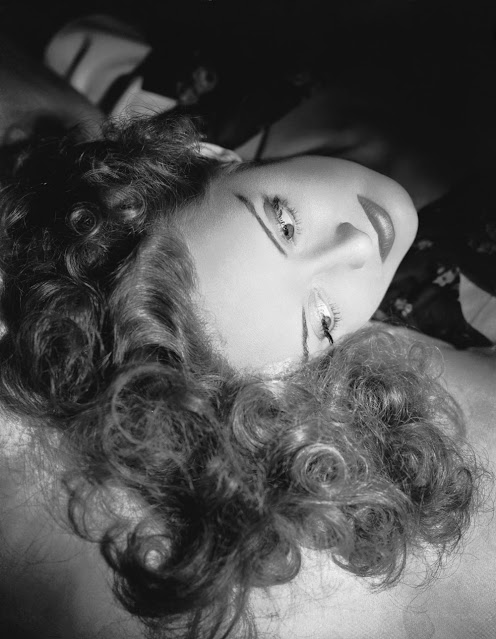
Stunning Portraits of Bette Davis Taken in 1939

Ruth Elizabeth “Bette” Davis (April 5, 1908 – October 6, 1989) was an American actress with a career spanning more than 50 years and 100 acting credits. She was noted for playing unsympathetic, sardonic characters, and was famous for her performances in a range of film genres, from contemporary crime melodramas to historical films, suspense horror, and occasional comedies, although her greater successes were in romantic dramas. A recipient of two Academy Awards, she was the first thespian to accrue ten nominations.

After appearing on stage in New York for a short period, Davis moved to Hollywood in 1930. After some unsuccessful films, she had her critical breakthrough playing a vulgar waitress in Of Human Bondage (1934), although, contentiously, she was not among the three nominees for the Academy Award for Best Actress that year. The next year, Davis received her first Best Actress nomination, and she won for her performance in Dangerous (1935). In 1937, she starred in Marked Woman, a film regarded as one of the most important in her early career. Davis’s portrayal of a strong-willed 1850s southern belle in Jezebel (1938) won her a second Academy Award for Best Actress, and was the first of five consecutive years in which she received a Best Actress nomination; the others were for Dark Victory (1939), The Letter (1940), The Little Foxes (1941), and Now, Voyager (1942).

Davis was known for her forceful and intense style of acting. She could be combative and confrontational with studio executives and film directors, as well as with her co-stars. Her forthright manner, idiosyncratic speech, and ubiquitous cigarette contributed to a public persona that has been often imitated.

Davis played a Broadway star in All About Eve (1950), which earned her another Oscar nomination and won her the Cannes Film Festival Award for Best Actress. Her last Oscar nomination was for What Ever Happened to Baby Jane? (1962), which also starred Joan Crawford. In the latter stage of her career, her most successful films were Death on the Nile (1978) and The Whales of August (1987). Her career went through several periods of eclipse, but despite a long period of ill health, she continued acting in film and on television until shortly before her death from breast cancer in 1989.[4] She admitted that her success had often been at the expense of her personal relationships. She married four times, divorcing three and widowed once when her second husband died unexpectedly. She raised her children largely as a single parent. Her daughter, B. D. Hyman, wrote a controversial memoir about her childhood, 1985’s My Mother’s Keeper.

Subscribe to Yesterday Today’s Blog to receive regular updates regarding new content:

28 Amazing Vintage Photographs of American Stores From the 19th Century

In Victorian era, it was very difficult to keep perishable food fresh. People in the Victorian period would go shopping everyday and bought small amounts of groceries.

There were no supermarkets in the 19th century, but little stores of different kinds. The Victorian stores opened six days a week and would stay open in the evening until the last customer left.

Poor people would often buy from street vendors as there were cheaper than the stores. They would often buy from markets or street sellers as these were cheaper than shops.

Take a look at these amazing vintage photos to see what stores of the United States looked like in the 19th century.

Exterior of Hardie & Darling store and auctioneer store, circa 1860s-1870s

Exterior of J.S. Lytle & Son’s horse furnishing goods store, circa 1870s-1880s

People outside of general store, New York, circa 1870s

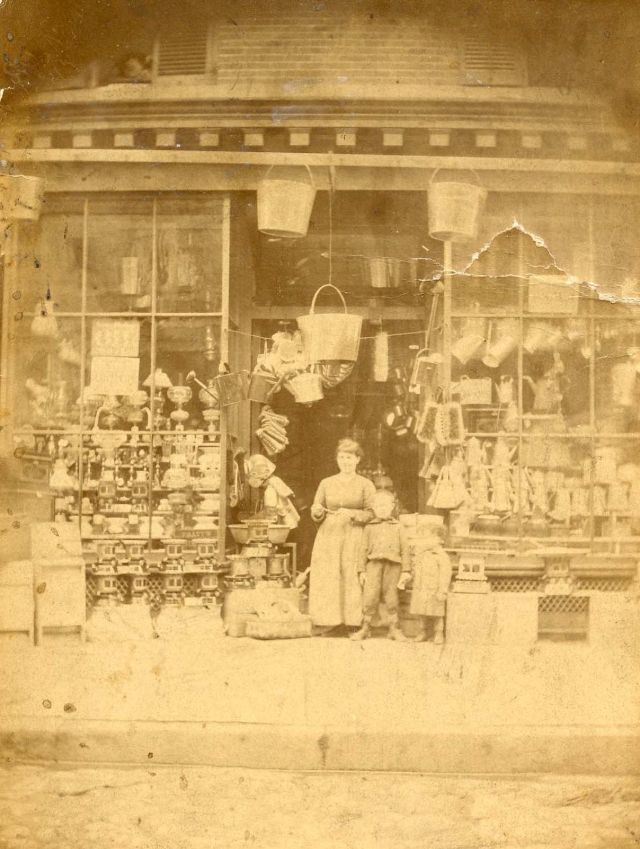
People outside of tinware store, New York, circa 1870s

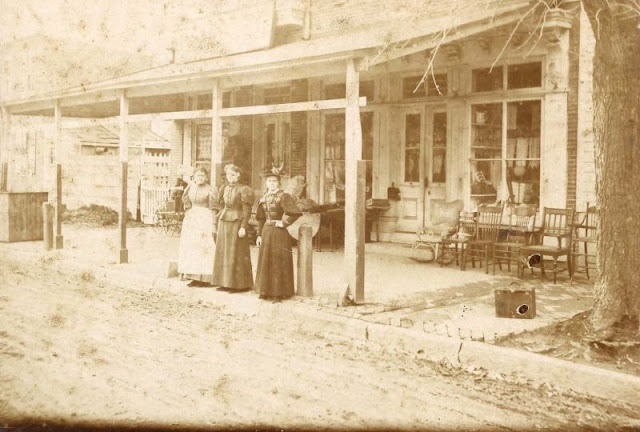
Three women outside general store, circa 1870s

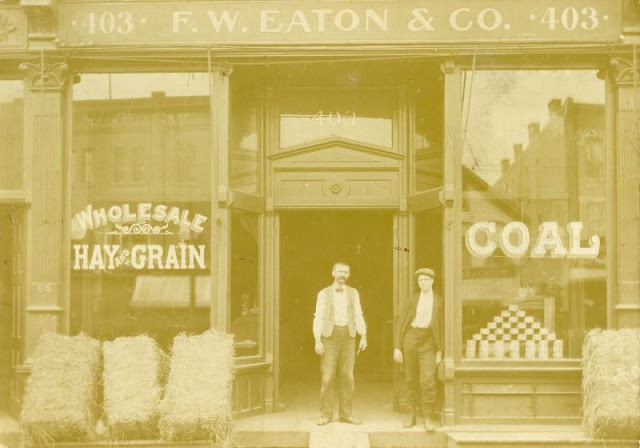
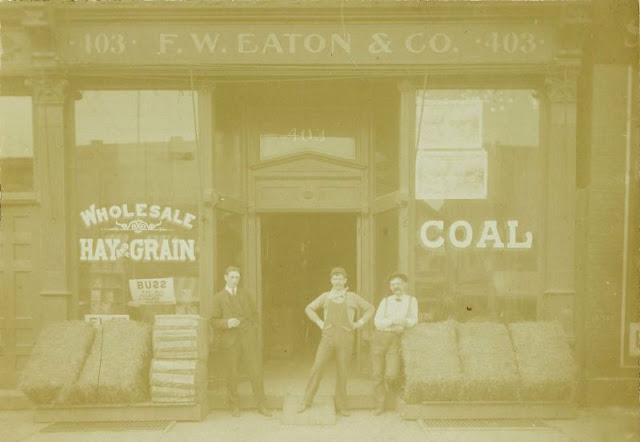
Exterior of F.W. Eaton & Co. Hay, Grain, & Coal store, circa 1880s

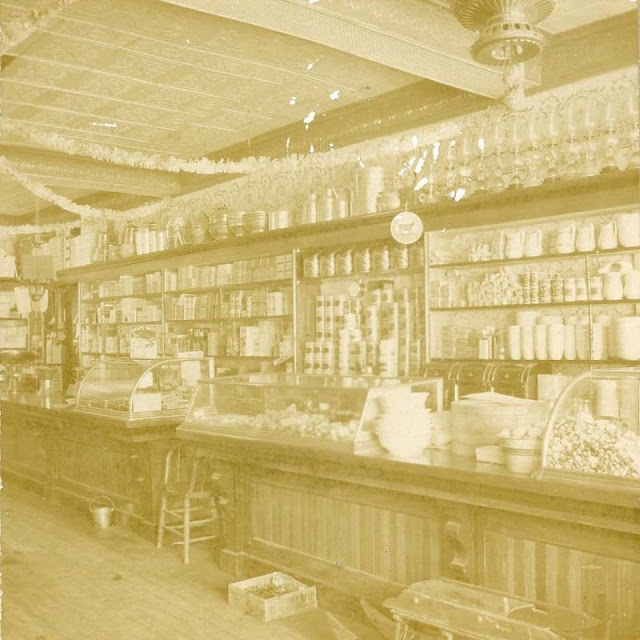
Interior of James Heaney’s grocery store, circa 1880s

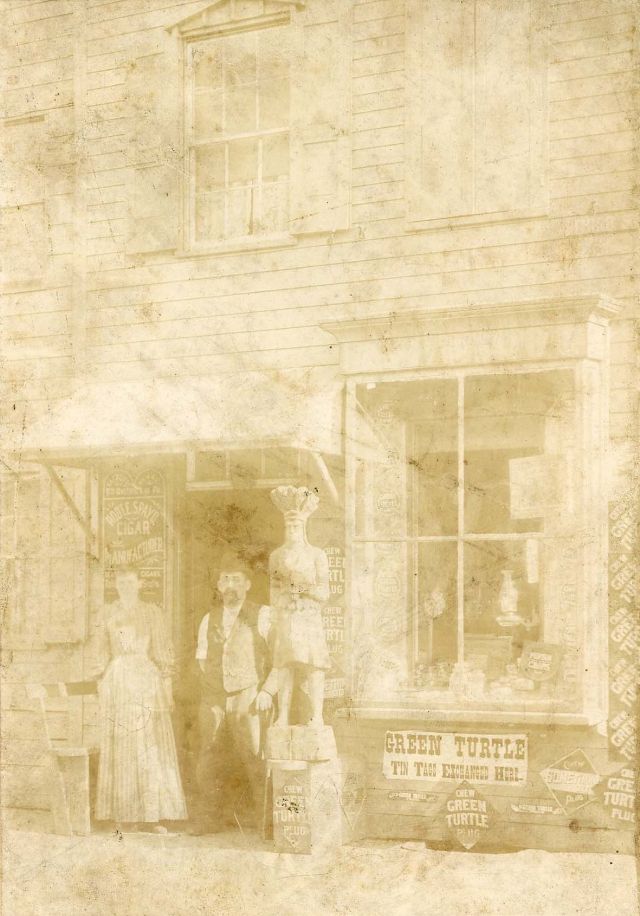
Man and woman outside tobacconist shop, circa 1880s

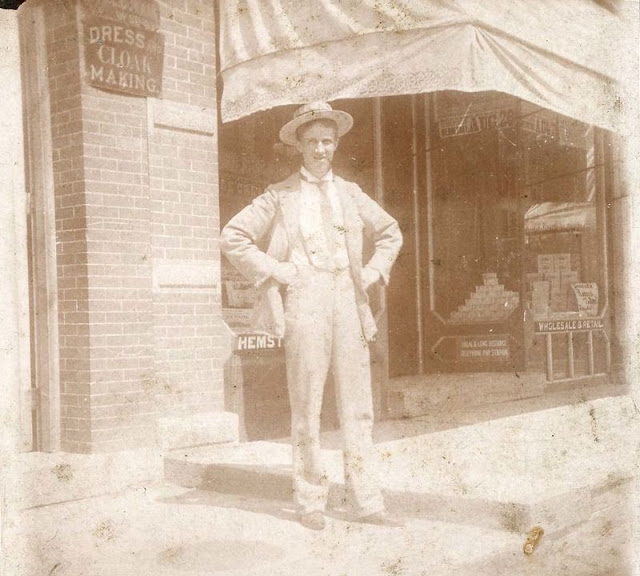
Man outside dress and cloak making shop, Gloversville, New York, circa 1880s

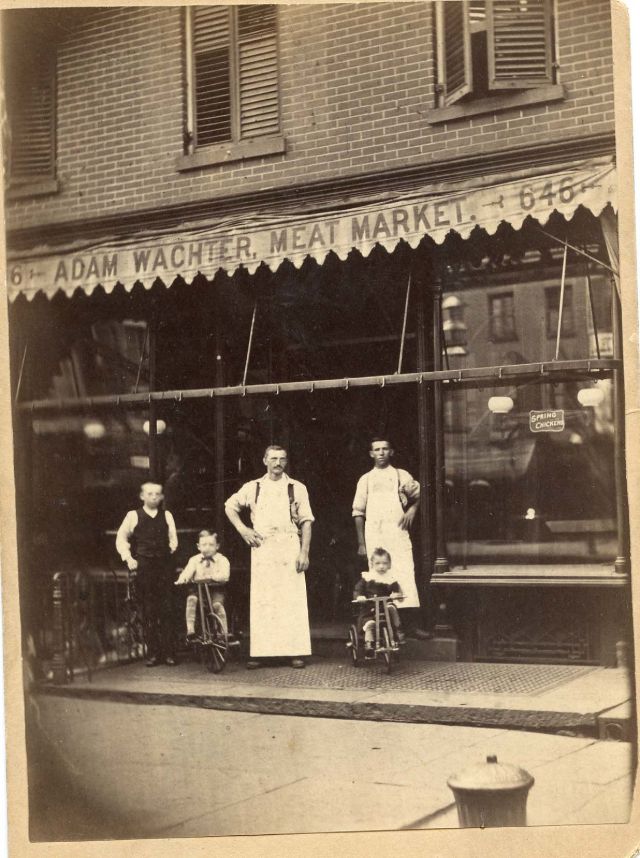
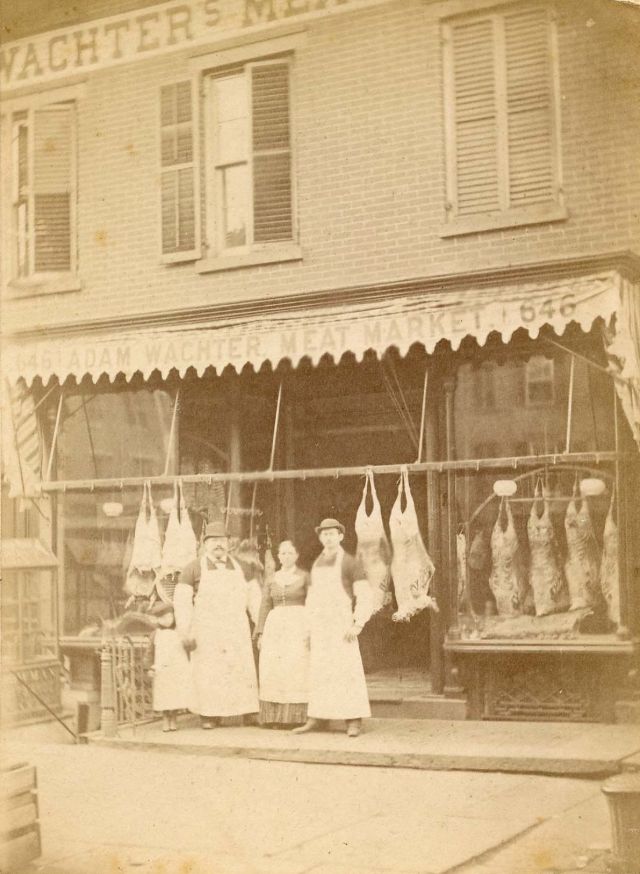
Men and boys outside Adam Wachter’s Meat Market, circa 1880s

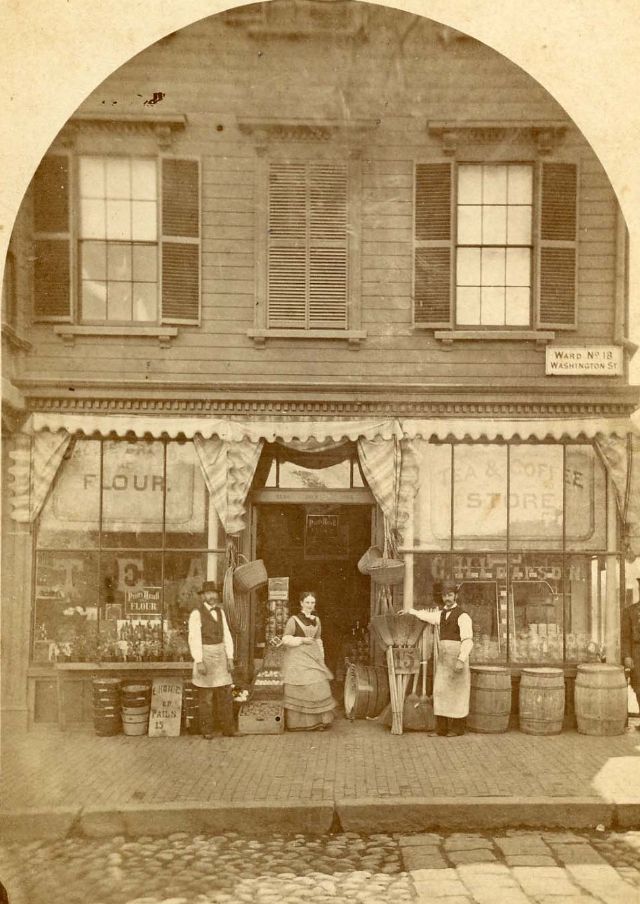
People outside grocery store, Washington St., Boston, MA, circa 1880s

People outside Locher’s Drug Store, Philadelphia, PA, circa 1880s

Three men outside of F.W. Eaton & Co. Hay, Grain, & Coal store, circa 1880s

Two men outside corner general store, circa 1880s

Two men outside grocery store, circa 1880s

Two men outside grocery store, circa 1880s

Two men outside storefront, 2336 Broadway, New York, circa 1880s

Two women outside store selling Horton’s ice cream, 352 Pleasant St., New York, circa 1880s

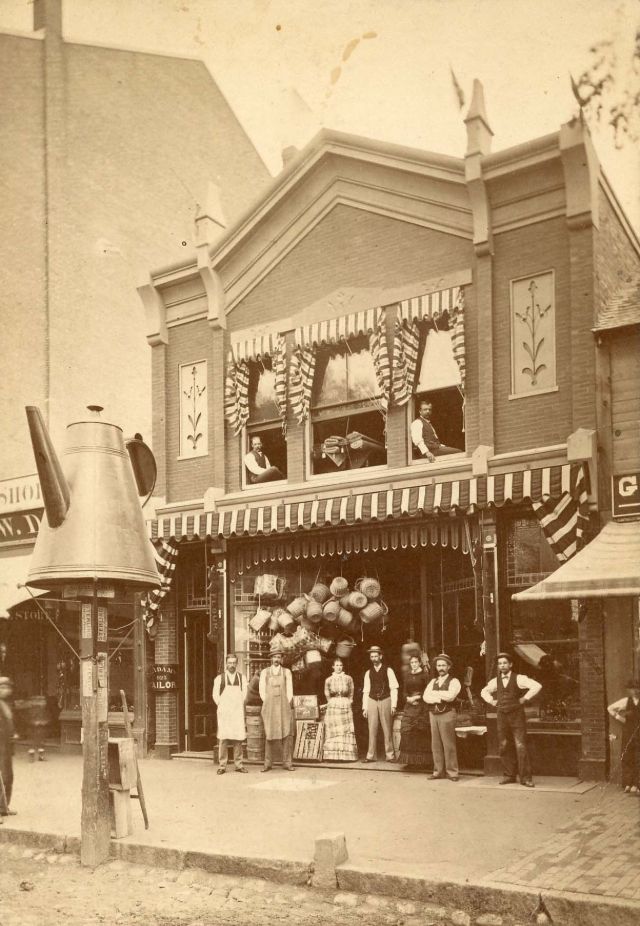
Exterior of tinware store, Boston, MA, circa 1890s

Interior of a shoe store, circa 1890s

Interior of hardware store, circa 1890s

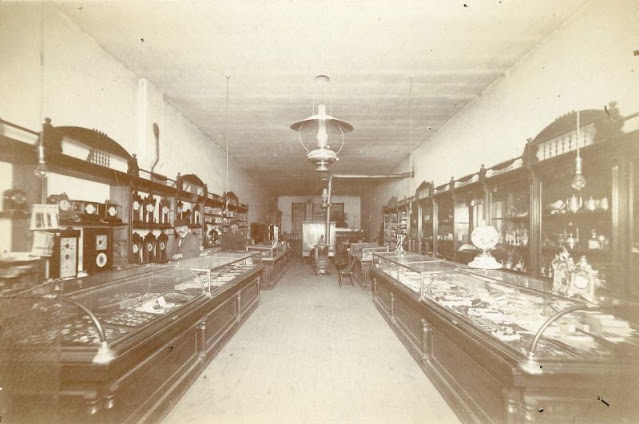
Interior of Herman Lemp’s jewelry and watch store, circa 1890s

Man standing outside Working People’s Bargain Store, New York, circa 1890s

People outside Adam Wachter’s Meat Market, New York, circa 1880s

People outside grocery store, circa 1890s

Three men at counter of grocery store, circa 1890s

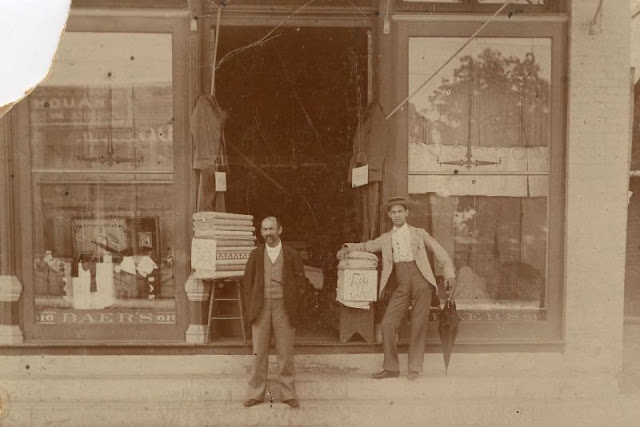
Two men outside haberdashery, circa 1890s

Subscribe to Yesterday Today’s Blog to receive regular updates regarding new content:

35 Fabulous Photos of Ewa Aulin in the 1960s and 1970s

Born 1950 in Landskrona, Swedish actress Ewa Aulin won the title of Miss Teen Sweden in 1965 at age 15, and earned the title of Miss Teen International 1966. In 1967, at age 16, she made her feature-film debut with a supporting role in the comedy Don Giovanni in Sicilia (Don Juan in Sicily), based on the novel by Vitaliano Brancati.

Aulin appeared in a number of Italian and some American films in the 1960s and 1970s. She is remembered for playing the title character in the cult film Candy where she appeared with John Huston, Ringo Starr, Walter Matthau, James Coburn, Richard Burton and Marlon Brando. She is known to horror film fans for starring in Death Smiles on a Murderer, Death Laid an Egg, Candy and Ceremonia Sangrienta (aka Legend of Blood Castle).

In 1974, at age 24, Aulin married a wealthy Real Estate developer, Cesare Paladino, and by him had two daughters (one of her daughters, Olivia Paladino, later became the partner of Giuseppe Conte, 58th prime minister of Italy). She abandoned her acting career, enrolled at university, and became a school teacher. Since her retirement, she has appeared only in one other film, Mi fai un favore (Stella’s Favor, 1996), in a supporting role.

Take a look at these fabulous photos to see the beauty of a young Ewa Aulin in the 1960s and 1970s.

Subscribe to Yesterday Today’s Blog to receive regular updates regarding new content:
Yesterday Today

Bringing You the Wonder of Yesterday - Today

Skip to content ↓