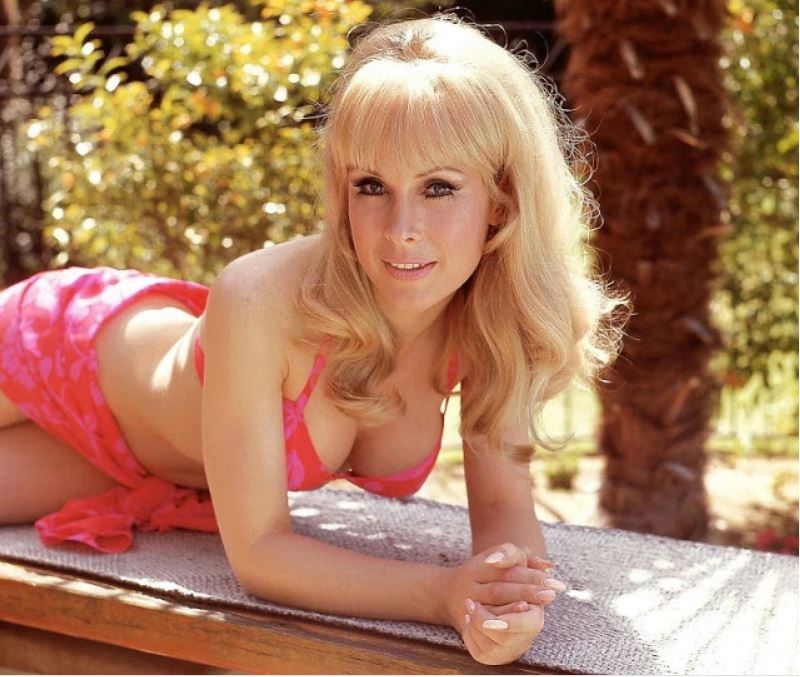
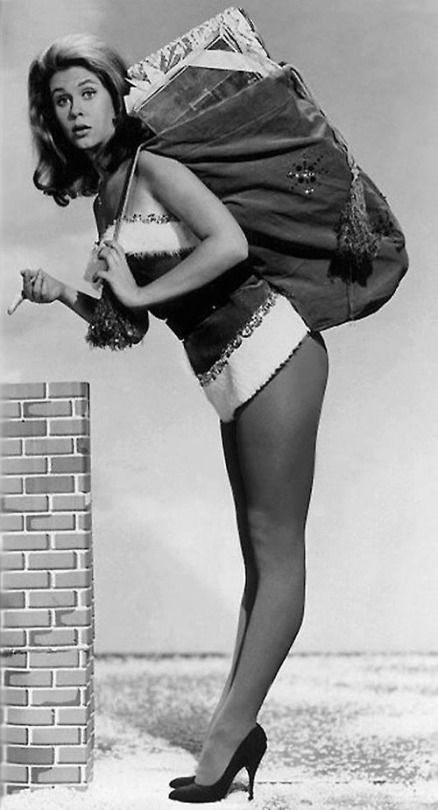
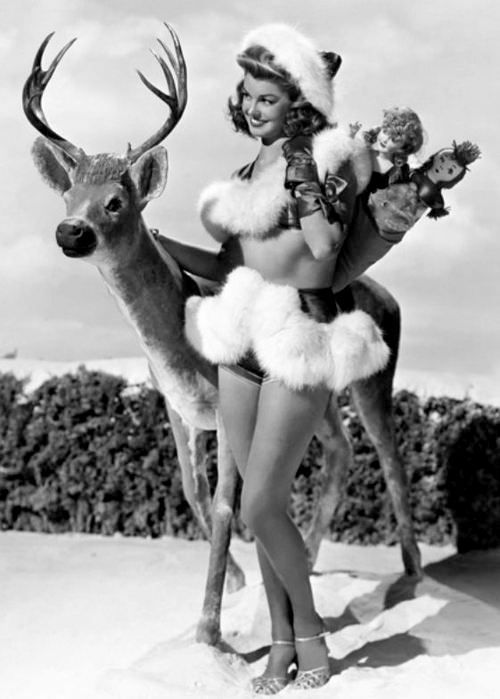
Barbara Eden, born Barbara Jean Morehead on August 23, 1931, in Tucson, Arizona, is an American actress and singer best known for her iconic role as Jeannie in the TV sitcom “I Dream of Jeannie” (1965-1970). Eden’s career began in the mid-1950s with appearances on television shows like “The Johnny Carson Show” and “Burke’s Law”. She quickly gained popularity and landed her first major film role in “A Private’s Affair” (1959).
Eden’s breakthrough came with “I Dream of Jeannie”, where she portrayed the beautiful and mischievous genie who becomes the master of an American astronaut, played by Larry Hagman. The show was a huge success and ran for five seasons, making Eden a household name. Beyond this role, Eden starred in over 20 theatrical and made-for-television films. She worked for at least four movie studios: 20th Century Fox, Metro-Goldwyn-Mayer, Columbia Studios, and Universal Studios. Most notable in her career was the film Flaming Star (1960), in which she acted as Elvis Presley’s leading lady. Other films in which Barbara Eden had a leading role were Voyage to the Bottom of the Sea (1961), The Wonderful World of the Brothers Grimm (1962), Five Weeks in a Balloon (1962), 7 Faces of Dr. Lao (1964) and The Brass Bottle (1964). The Brass Bottle comedy movie led to Sidney Sheldon’s creation of I Dream of Jeannie (1965) comical TV series.
Throughout her career, Eden continued to work in television and film, showcasing her versatility as an actress. Outside of her film and television works, Barbara Eden headlined at major hotel resorts and casinos, including Lake Tahoe, Atlantic City, and Las Vegas. She was also the star attraction at the MGM Grand, Harrah’s, and Caesar’s Palace on concert stages and in legitimate theatres nationwide.
In 1988, Eden received a star on the Hollywood Walk of Fame for her contributions to television. In 1990, the University of West Los Angeles School of Law granted Eden an honorary Doctor of Laws degree. She is still going strong today at the age of 93.
Subscribe to continue reading
Become a paid subscriber to get access to the rest of this post and other exclusive content.
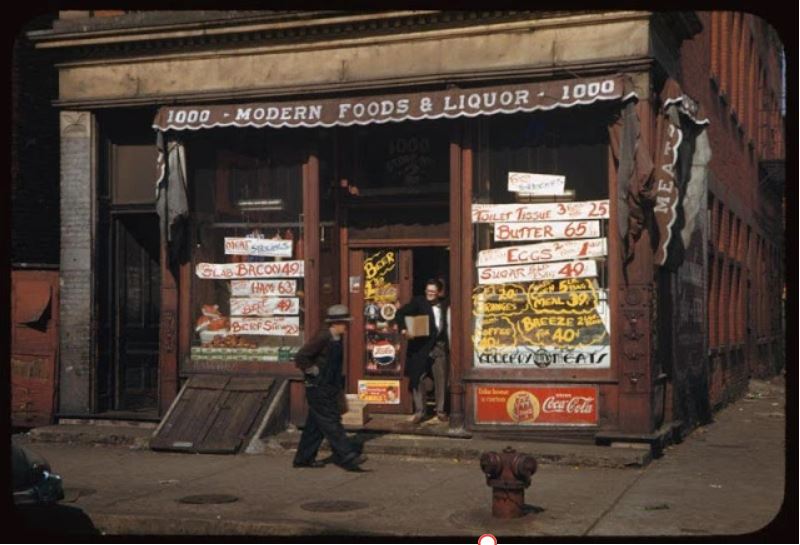
Everyday life in the United States during the 1940s was shaped largely by World War II, which profoundly impacted the home front. The early part of the decade saw families adjusting to wartime realities, with many men enlisting or being drafted into military service. Women stepped into roles traditionally held by men, working in factories and other industries to support the war effort. This period saw the iconic image of “Rosie the Riveter” become a symbol of female empowerment and the nation’s collective effort towards victory. Rationing became a part of daily life, with households conserving food, gasoline, and other resources to ensure enough supplies were available for the military.
Despite the challenges, the 1940s were a time of significant social change. The war accelerated technological advancements and fostered a sense of unity and purpose among Americans. People came together to support the war effort by buying war bonds, participating in scrap drives, and volunteering for civil defence duties. The sense of community and patriotism was palpable, as everyone contributed to the nation’s goals. Additionally, the experiences and opportunities that women and minorities gained during the war laid the groundwork for future social movements and advancements in civil rights.
The late 1940s saw the United States transitioning from wartime to peacetime. The war’s end brought about a period of economic prosperity and growth, often referred to as the post-war boom. Soldiers returned home, and many took advantage of the GI Bill to pursue higher education or buy homes, leading to a surge in suburban development. Consumer goods, which had been scarce during the war, became more available, and Americans enjoyed new conveniences such as refrigerators, washing machines, and television sets. The baby boom began during this period as families reunited and began to grow.
Culturally, the 1940s were a vibrant time for music, movies, and fashion. Swing music and big bands were immensely popular, with figures like Glenn Miller and Duke Ellington dominating the airwaves. Hollywood produced some of its most enduring classics, including films like “Casablanca” and “It’s a Wonderful Life.” Fashion also saw significant changes, with practical wartime styles giving way to more lavish and expressive designs as the decade progressed. Overall, the 1940s were a time of resilience, adaptation, and transformation, impacting American society.
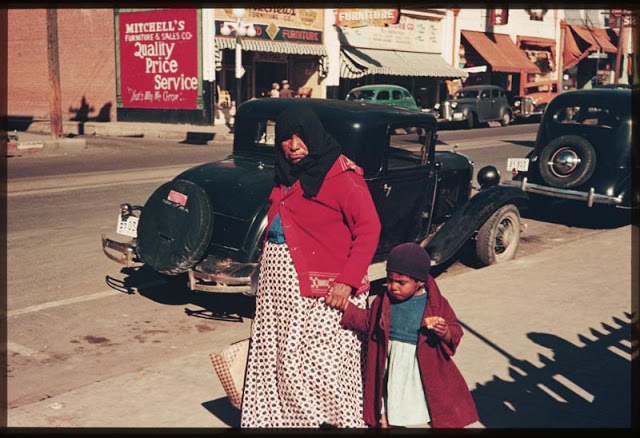
Tucson on Saturday afternoon, Arizona, Feb. 1940
Subscribe to continue reading
Become a paid subscriber to get access to the rest of this post and other exclusive content.
“First Blood,” released on October 22, 1982, tells the story of John Rambo, a troubled Vietnam War veteran struggling to reintegrate into civilian life. Arriving in the small town of Hope, Washington, Rambo seeks out his former commanding officer, only to find him deceased. Harassed by the local sheriff, Will Teasle, Rambo is arrested and subjected to brutal treatment, triggering flashbacks of his traumatic wartime experiences as a prisoner of war.
Enraged and traumatized, Rambo escapes from custody and flees into the surrounding wilderness. Teasle, determined to capture him, mobilizes a massive manhunt involving local police, the National Guard, and helicopter gunships. Using his exceptional combat and survival skills honed during the war, Rambo wages a guerrilla war against his pursuers, inflicting heavy casualties while evading capture.
As the body count rises and the situation escalates, Teasle begins to understand the depth of Rambo’s suffering and the injustice he has endured. Ultimately, Rambo’s former commanding officer, Colonel Samuel Trautman, intervenes to de-escalate the conflict. Trautman, recognizing the psychological scars of war in Rambo, helps him surrender peacefully. “First Blood” explores the complex themes of post-traumatic stress disorder, the struggles of veterans returning from war, and the dehumanizing effects of violence.
“First Blood” was a significant box office success.
Financial Triumph: Despite a modest budget of $15 million, the film grossed over $125 million worldwide.
Critical Recognition: While initial reviews were mixed, the film has since gained critical acclaim and is considered a classic action film.
Cultural Impact: The film launched Sylvester Stallone to superstardom and established the character of John Rambo as an iconic figure in popular culture.
Franchise Launchpad: “First Blood” spawned a successful franchise, with four sequels following its release.
The film’s success can be attributed to several factors, including Stallone’s powerful performance, the gripping story, and the intense action sequences.
Subscribe to our Page and receive notifications of new posts automatically so you do not miss a thing – it is free!!!
Please consider supporting our ongoing efforts to bring you, our valued readers, engaging and thoughtful historical content. Your monthly financial support goes a long way in helping us to continue to survive and move forward – just click on the “Subscribe” button to sign up for monthly giving. Or, If You Would Like, You Can Make a One-Time Donation If you enjoy my history content, you can support my work with a donation at https://www.buymeacoffee.com/YesterdayToday
If you buy something through our site, we might earn a commission, but this will not affect the price you pay for the item.
Thank You For Considering to Support Us.
Michael
Yesterday Today
Subscribe to get access
Read more of this content when you subscribe today.
From lighting a real candle on the branch of an indoor Christmas tree, to a well-dressed family singing carols on a stairwell in the home, this lovely collection of nostalgic photos reveal how children from a bygone era celebrated the festive season.
A little girl and her Saint Bernard deliver Christmas, ca. 1910s
Subscribe to continue reading
Become a paid subscriber to get access to the rest of this post and other exclusive content.
The Christmas Truce of 1914 stands as one of the most poignant moments of World War I, highlighting the shared humanity amidst the horrors of war. This brief cessation of hostilities occurred along the Western Front during the first Christmas of the conflict, bringing together German and British soldiers in an unexpected and touching display of goodwill.
As December 1914 approached, the Great War was just a few months old, but it had already devolved into the grim reality of trench warfare. The soldiers of both sides found themselves entrenched in muddy, cold, and miserable conditions, separated by a mere stretch of no-man’s-land. The harsh conditions and the omnipresent threat of death had taken a toll on the morale of the men, making the holiday season an even more stark contrast to the pre-war days of peace and family gatherings.
On Christmas Eve, an extraordinary event began to unfold. German soldiers, stationed along the Western Front, started decorating their trenches with candles and Christmas trees. They sang carols, and their voices carried across no-man’s-land to the British trenches. Initially, there was a sense of disbelief among the British soldiers. However, as the carol singing continued, they responded with their own carols. The shared music created a bond, and soon both sides were shouting Christmas greetings to each other.
On Christmas Day, the informal truce became even more tangible. Soldiers on both sides ventured out of their trenches and met in no-man’s-land, shaking hands and exchanging small gifts such as food, tobacco, and souvenirs. Some accounts even mention impromptu games of soccer being played, symbolizing a brief return to normalcy and camaraderie. The scene was surreal: men who had been trying to kill each other just days before were now laughing, singing, and mingling as if they were old friends.
Captain Robert Miles, King’s Shropshire Light Infantry, who was attached to the Royal Irish Rifles recalled in an edited letter that was published in the Daily Mail and the Wellington Journal & Shrewsbury News in January 1915, following his death in action on 30 December 1914:
Friday (Christmas Day). We are having the most extraordinary Christmas Day imaginable. A sort of unarranged and quite unauthorized but perfectly understood and scrupulously observed truce exists between us and our friends in front. The funny thing is it only seems to exist in this part of the battle line – on our right and left we can all hear them firing away as cheerfully as ever. The thing started last night – a bitter cold night, with white frost – soon after dusk when the Germans started shouting ‘Merry Christmas, Englishmen’ to us. Of course our fellows shouted back and presently large numbers of both sides had left their trenches, unarmed, and met in the debatable, shot-riddled, no man’s land between the lines. Here the agreement – all on their own – came to be made that we should not fire at each other until after midnight tonight. The men were all fraternizing in the middle (we naturally did not allow them too close to our line) and swapped cigarettes and lies in the utmost good fellowship. Not a shot was fired all night.
Of the Germans he wrote: “They are distinctly bored with the war…. In fact, one of them wanted to know what on earth we were doing here fighting them.” The truce in that sector continued into Boxing Day; he commented about the Germans, “The beggars simply disregard all our warnings to get down from off their parapet, so things are at a deadlock. We can’t shoot them in cold blood…. I cannot see how we can get them to return to business.”
The Christmas Truce was not an official ceasefire, and it was not observed uniformly across the front. In some sectors, fighting continued as usual, while in others, the truce lasted for several days. High command on both sides was not pleased with this spontaneous outbreak of peace, fearing it could undermine the soldiers’ willingness to fight. Orders were given to resume hostilities, and by New Year’s, the war had resumed its relentless grind.
The Christmas Truce of 1914 was significant not only because it provided a brief respite from the brutality of war but also because it underscored the shared humanity of the soldiers. It showed that, despite the propaganda and the dehumanization of the enemy, the men in the trenches recognized each other as fellow human beings, capable of compassion and kindness. The truce remains a powerful symbol of hope and peace, a reminder that even in the darkest of times, the light of humanity can shine through.
In the years that followed, the war only grew more brutal, and similar truces became less likely. The Christmas Truce of 1914 remains a unique and poignant chapter in the history of World War I, illustrating the potential for empathy and understanding even amid the most bitter of conflicts. Its legacy continues to inspire and remind us of the possibilities for peace and reconciliation in our own troubled times.
Subscribe to get access
Read more of this content when you subscribe today.
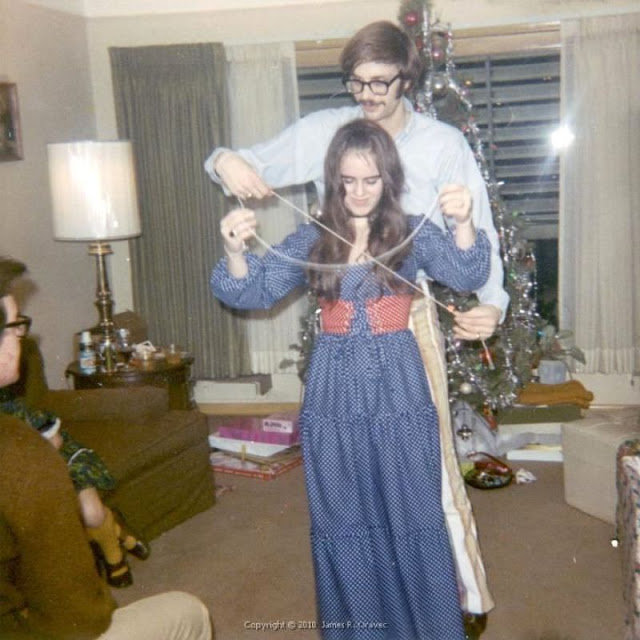
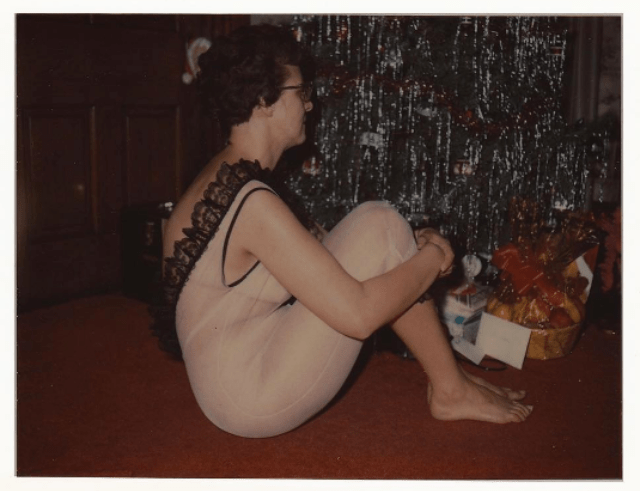
Christmas mornings in the 1960s and 1970s were often filled with a mix of anticipation, tradition, and joy. Families would wake up early, the excitement palpable as children rushed to the tree to see what Santa Claus had left for them. The living room, often decorated with tinsel, colorful lights, and handmade ornaments, was the heart of the celebration. Parents, still in their pajamas and nursing their first cups of coffee, watched with warm smiles as their children tore open brightly wrapped packages.
In many households, the day began with the sounds of Christmas carols playing on the record player or the radio, creating a festive atmosphere. The scent of freshly baked cinnamon rolls or holiday cookies wafted from the kitchen, where mothers and grandmothers prepared the day’s feast. While children played with their new toys—ranging from Etch-A-Sketches and G.I. Joes in the 1960s to Atari consoles and Star Wars action figures in the 1970s—adults reminisced about Christmases past and shared laughter over family stories.
Christmas morning was also a time for religious reflection for many families. Attending a morning church service was a common tradition, where communities gathered to celebrate the birth of Jesus Christ. After the service, families returned home to continue their festivities, often visiting with extended family members and neighbors. The day was marked by a sense of togetherness, with people cherishing the simple pleasures of being with loved ones.
Technology in the 1960s and 1970s was far simpler than today, but it played its role in the holiday celebrations. Polaroid cameras were popular, capturing instant memories of the joyous morning. Television specials, like “A Charlie Brown Christmas” or “Rudolph the Red-Nosed Reindeer,” were family favorites, bringing everyone together in front of the screen. These shows added to the magic of the season and became an integral part of the Christmas experience.
Overall, Christmas mornings in the 1960s and 1970s were a blend of excitement, tradition, and community. The holiday spirit was tangible, and the focus was on creating lasting memories with family and friends. It was a time of joy and togetherness, where the simple pleasures of life were celebrated and cherished.
Subscribe to continue reading
Become a paid subscriber to get access to the rest of this post and other exclusive content.