
Subscribe to continue reading
Become a paid subscriber to get access to the rest of this post and other exclusive content.
Bringing You the Wonder of Yesterday – Today

Become a paid subscriber to get access to the rest of this post and other exclusive content.

Become a paid subscriber to get access to the rest of this post and other exclusive content.

Read more of this content when you subscribe today.
First Blood. 1982. Sylvester Stallone stars as John Rambo.
#RamboFirstBlood
“First Blood,” released on October 22, 1982, tells the story of John Rambo, a troubled Vietnam War veteran struggling to reintegrate into civilian life. Arriving in the small town of Hope, Washington, Rambo seeks out his former commanding officer, only to find him deceased. Harassed by the local sheriff, Will Teasle, Rambo is arrested and subjected to brutal treatment, triggering flashbacks of his traumatic wartime experiences as a prisoner of war.
Enraged and traumatized, Rambo escapes from custody and flees into the surrounding wilderness. Teasle, determined to capture him, mobilizes a massive manhunt involving local police, the National Guard, and helicopter gunships. Using his exceptional combat and survival skills honed during the war, Rambo wages a guerrilla war against his pursuers, inflicting heavy casualties while evading capture.
As the body count rises and the situation escalates, Teasle begins to understand the depth of Rambo’s suffering and the injustice he has endured. Ultimately, Rambo’s former commanding officer, Colonel Samuel Trautman, intervenes to de-escalate the conflict. Trautman, recognizing the psychological scars of war in Rambo, helps him surrender peacefully. “First Blood” explores the complex themes of post-traumatic stress disorder, the struggles of veterans returning from war, and the dehumanizing effects of violence.
“First Blood” was a significant box office success.
The film’s success can be attributed to several factors, including Stallone’s powerful performance, the gripping story, and the intense action sequences.
#FirstBlood
Subscribe to our Page and receive notifications of new posts automatically so you do not miss a thing – it is free!!!
Please consider supporting our ongoing efforts to bring you, our valued readers, engaging and thoughtful historical content. Your monthly financial support goes a long way in helping us to continue to survive and move forward – just click on the “Subscribe” button to sign up for monthly giving. Or, If You Would Like, You Can Make a One-Time Donation If you enjoy my history content, you can support my work with a donation at https://www.buymeacoffee.com/YesterdayToday
If you buy something through our site, we might earn a commission, but this will not affect the price you pay for the item.
Thank You For Considering to Support Us.
Michael
Yesterday Today
Read more of this content when you subscribe today.

Read more of this content when you subscribe today.
From lighting a real candle on the branch of an indoor Christmas tree, to a well-dressed family singing carols on a stairwell in the home, this lovely collection of nostalgic photos reveal how children from a bygone era celebrated the festive season.

Become a paid subscriber to get access to the rest of this post and other exclusive content.

The Christmas Truce of 1914 stands as one of the most poignant moments of World War I, highlighting the shared humanity amidst the horrors of war. This brief cessation of hostilities occurred along the Western Front during the first Christmas of the conflict, bringing together German and British soldiers in an unexpected and touching display of goodwill.
As December 1914 approached, the Great War was just a few months old, but it had already devolved into the grim reality of trench warfare. The soldiers of both sides found themselves entrenched in muddy, cold, and miserable conditions, separated by a mere stretch of no-man’s-land. The harsh conditions and the omnipresent threat of death had taken a toll on the morale of the men, making the holiday season an even more stark contrast to the pre-war days of peace and family gatherings.
On Christmas Eve, an extraordinary event began to unfold. German soldiers, stationed along the Western Front, started decorating their trenches with candles and Christmas trees. They sang carols, and their voices carried across no-man’s-land to the British trenches. Initially, there was a sense of disbelief among the British soldiers. However, as the carol singing continued, they responded with their own carols. The shared music created a bond, and soon both sides were shouting Christmas greetings to each other.
On Christmas Day, the informal truce became even more tangible. Soldiers on both sides ventured out of their trenches and met in no-man’s-land, shaking hands and exchanging small gifts such as food, tobacco, and souvenirs. Some accounts even mention impromptu games of soccer being played, symbolizing a brief return to normalcy and camaraderie. The scene was surreal: men who had been trying to kill each other just days before were now laughing, singing, and mingling as if they were old friends.
Captain Robert Miles, King’s Shropshire Light Infantry, who was attached to the Royal Irish Rifles recalled in an edited letter that was published in the Daily Mail and the Wellington Journal & Shrewsbury News in January 1915, following his death in action on 30 December 1914:
Friday (Christmas Day). We are having the most extraordinary Christmas Day imaginable. A sort of unarranged and quite unauthorized but perfectly understood and scrupulously observed truce exists between us and our friends in front. The funny thing is it only seems to exist in this part of the battle line – on our right and left we can all hear them firing away as cheerfully as ever. The thing started last night – a bitter cold night, with white frost – soon after dusk when the Germans started shouting ‘Merry Christmas, Englishmen’ to us. Of course our fellows shouted back and presently large numbers of both sides had left their trenches, unarmed, and met in the debatable, shot-riddled, no man’s land between the lines. Here the agreement – all on their own – came to be made that we should not fire at each other until after midnight tonight. The men were all fraternizing in the middle (we naturally did not allow them too close to our line) and swapped cigarettes and lies in the utmost good fellowship. Not a shot was fired all night.
Of the Germans he wrote: “They are distinctly bored with the war…. In fact, one of them wanted to know what on earth we were doing here fighting them.” The truce in that sector continued into Boxing Day; he commented about the Germans, “The beggars simply disregard all our warnings to get down from off their parapet, so things are at a deadlock. We can’t shoot them in cold blood…. I cannot see how we can get them to return to business.”
The Christmas Truce was not an official ceasefire, and it was not observed uniformly across the front. In some sectors, fighting continued as usual, while in others, the truce lasted for several days. High command on both sides was not pleased with this spontaneous outbreak of peace, fearing it could undermine the soldiers’ willingness to fight. Orders were given to resume hostilities, and by New Year’s, the war had resumed its relentless grind.
The Christmas Truce of 1914 was significant not only because it provided a brief respite from the brutality of war but also because it underscored the shared humanity of the soldiers. It showed that, despite the propaganda and the dehumanization of the enemy, the men in the trenches recognized each other as fellow human beings, capable of compassion and kindness. The truce remains a powerful symbol of hope and peace, a reminder that even in the darkest of times, the light of humanity can shine through.
In the years that followed, the war only grew more brutal, and similar truces became less likely. The Christmas Truce of 1914 remains a unique and poignant chapter in the history of World War I, illustrating the potential for empathy and understanding even amid the most bitter of conflicts. Its legacy continues to inspire and remind us of the possibilities for peace and reconciliation in our own troubled times.
Read more of this content when you subscribe today.

Become a paid subscriber to get access to the rest of this post and other exclusive content.

Read more of this content when you subscribe today.
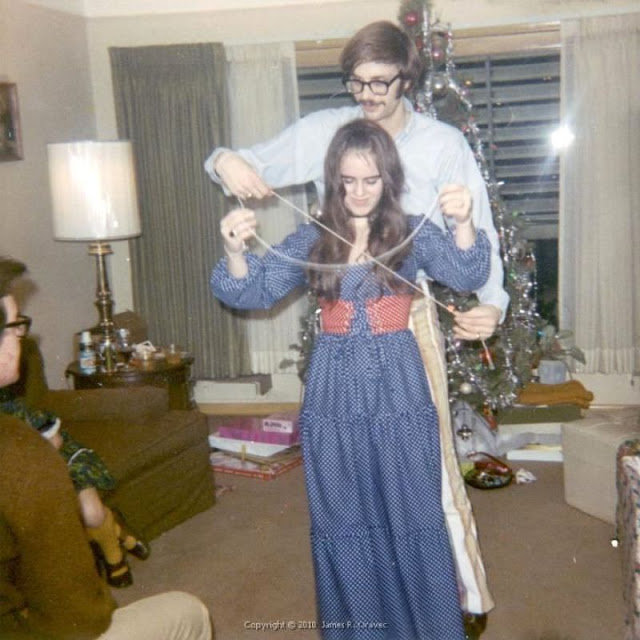
Christmas mornings in the 1960s and 1970s were often filled with a mix of anticipation, tradition, and joy. Families would wake up early, the excitement palpable as children rushed to the tree to see what Santa Claus had left for them. The living room, often decorated with tinsel, colorful lights, and handmade ornaments, was the heart of the celebration. Parents, still in their pajamas and nursing their first cups of coffee, watched with warm smiles as their children tore open brightly wrapped packages.
In many households, the day began with the sounds of Christmas carols playing on the record player or the radio, creating a festive atmosphere. The scent of freshly baked cinnamon rolls or holiday cookies wafted from the kitchen, where mothers and grandmothers prepared the day’s feast. While children played with their new toys—ranging from Etch-A-Sketches and G.I. Joes in the 1960s to Atari consoles and Star Wars action figures in the 1970s—adults reminisced about Christmases past and shared laughter over family stories.
Christmas morning was also a time for religious reflection for many families. Attending a morning church service was a common tradition, where communities gathered to celebrate the birth of Jesus Christ. After the service, families returned home to continue their festivities, often visiting with extended family members and neighbors. The day was marked by a sense of togetherness, with people cherishing the simple pleasures of being with loved ones.
Technology in the 1960s and 1970s was far simpler than today, but it played its role in the holiday celebrations. Polaroid cameras were popular, capturing instant memories of the joyous morning. Television specials, like “A Charlie Brown Christmas” or “Rudolph the Red-Nosed Reindeer,” were family favorites, bringing everyone together in front of the screen. These shows added to the magic of the season and became an integral part of the Christmas experience.
Overall, Christmas mornings in the 1960s and 1970s were a blend of excitement, tradition, and community. The holiday spirit was tangible, and the focus was on creating lasting memories with family and friends. It was a time of joy and togetherness, where the simple pleasures of life were celebrated and cherished.
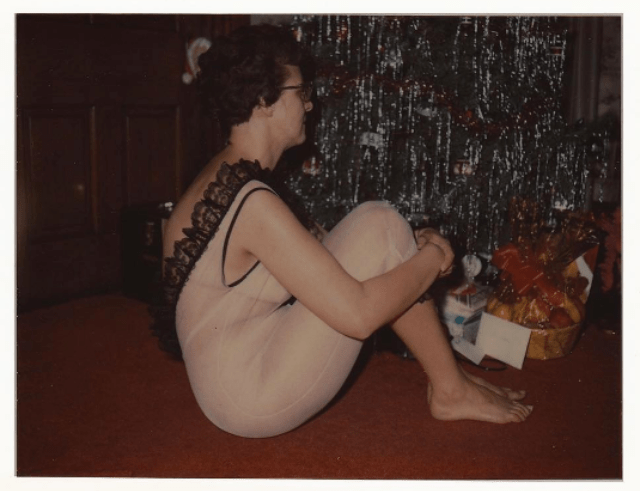
Become a paid subscriber to get access to the rest of this post and other exclusive content.

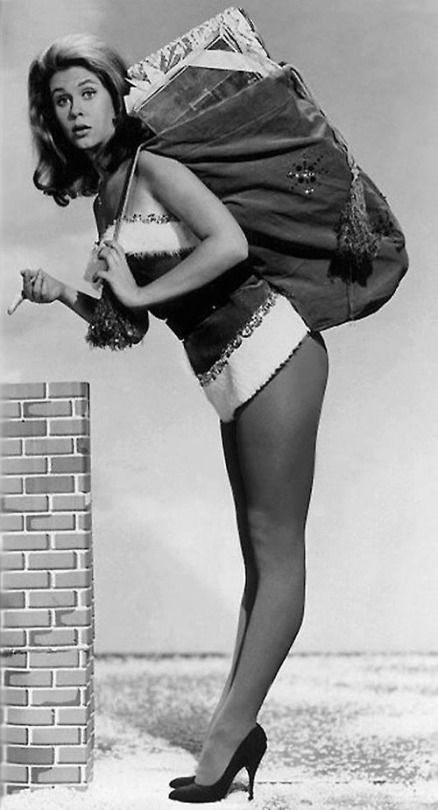
Read more of this content when you subscribe today.

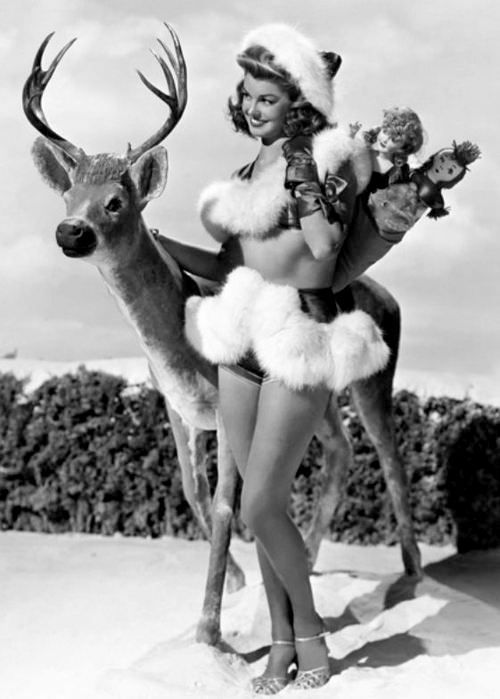
Become a paid subscriber to get access to the rest of this post and other exclusive content.

Become a paid subscriber to get access to the rest of this post and other exclusive content.

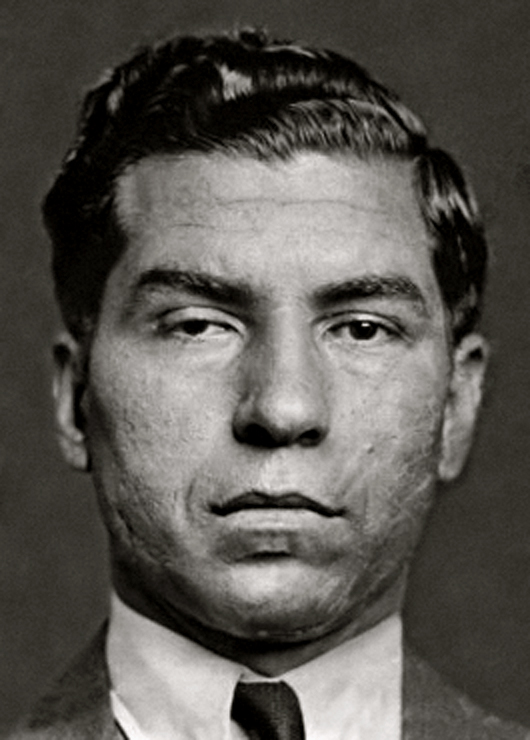
Read more of this content when you subscribe today.
The terms “gangster” and “mobster” are mostly used in the United States to refer to members of criminal organizations associated with Prohibition. In 1920, the Eighteenth Amendment of the United States Constitution banned the sale, manufacture, and transportation of alcohol for consumption. Many gangs sold alcohol illegally for profit, and used acute violence to stake turf and protect their interest. Often, police officers and politicians were paid off or extorted to ensure continued operation. Al Capone was one of these notorious gangsters during the Depression era for the Chicago Outfit. Capone would rise to control a major portion of illicit activity such as gambling, prostitution, and bootlegging in Chicago during the early 20th century.
In New York City, by the end of the 1920s, two factions of organized crime had emerged to fight for control of the criminal underworld, one led by Joe Masseria and the other by Salvatore Maranzano. This caused the Castellammarese War, which led to Masseria’s murder in 1931. Maranzano then divided New York City into five families. Maranzano, the first leader of the American Mafia, established the code of conduct for the organization, set up the “family” divisions and structure, and established procedures for resolving disputes. In an unprecedented move, Maranzano set himself up as boss of all bosses and required all families to pay tribute to him. This new role was received negatively, and Maranzano was murdered within six months on the orders of Charles “Lucky” Luciano. Luciano was a former Masseria underling who had switched sides to Maranzano and orchestrated the killing of Masseria. As an alternative to the previous despotic Mafia practice of naming a single Mafia boss as capo di tutti capi, or “boss of all bosses,” Luciano created The Commission in 1931, where the bosses of the most powerful families would have equal say and vote on important matters and solve disputes between families. This group ruled over the National Crime Syndicate and brought in an era of peace and prosperity for the American Mafia.
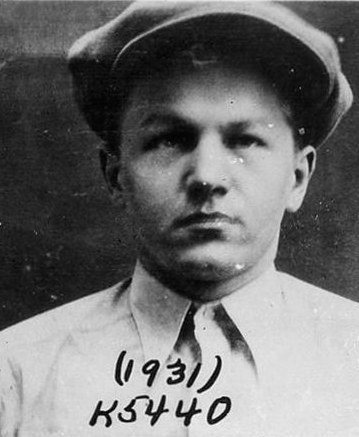
Become a paid subscriber to get access to the rest of this post and other exclusive content.

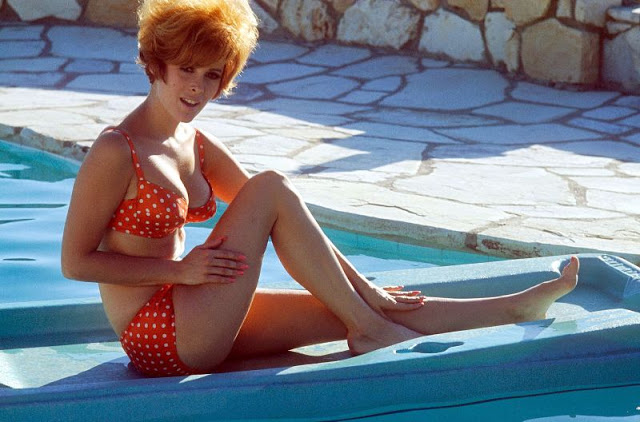
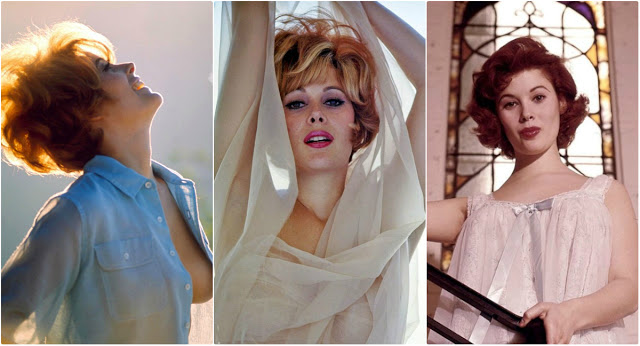
Read more of this content when you subscribe today.
Born 1940 in Los Angeles, California, American actress Jill St. John began acting on radio at age 6. She made her screen debut in December 1949, at age 9, in the first full-length made-for-TV movie, a production of A Christmas Carol. She was in the TV show Sandy Dreams in 1949. And at age 11, St. John appeared in two episodes of The George Burns and Gracie Allen Show.
In May 1957, at age 16, Universal Pictures signed St. John to a contract for seven years starting at $200 a week. Her major studio film debut was in Summer Love (1958). She also appeared on TV in episodes of The Christophers, Schlitz Playhouse, and The DuPont Show of the Month (an adaptation of Junior Miss).
St. John then signed a contract with 20th Century Fox who tried to build her into a star. She appeared in The Remarkable Mr. Pennypacker (1959) and Holiday for Lovers (1959), then was put in an adventure movie, The Lost World (1960).
St. John had a key role in Come Blow Your Horn (1963) and received a Golden Globe Award nomination as Best Actress – Motion Picture Musical or Comedy for her performance in the film. Her most famous role then was as Tiffany Case, the Bond girl in the James Bond film Diamonds Are Forever (1971), where she starred opposite Sean Connery. She was the first American to play a Bond girl.
St. John is not just a beautiful woman, she is also very intelligent with an IQ of 162. Take a look at these glamorous pics to see the beauty of young Jill St. John in the 1960s.
Become a paid subscriber to get access to the rest of this post and other exclusive content.
