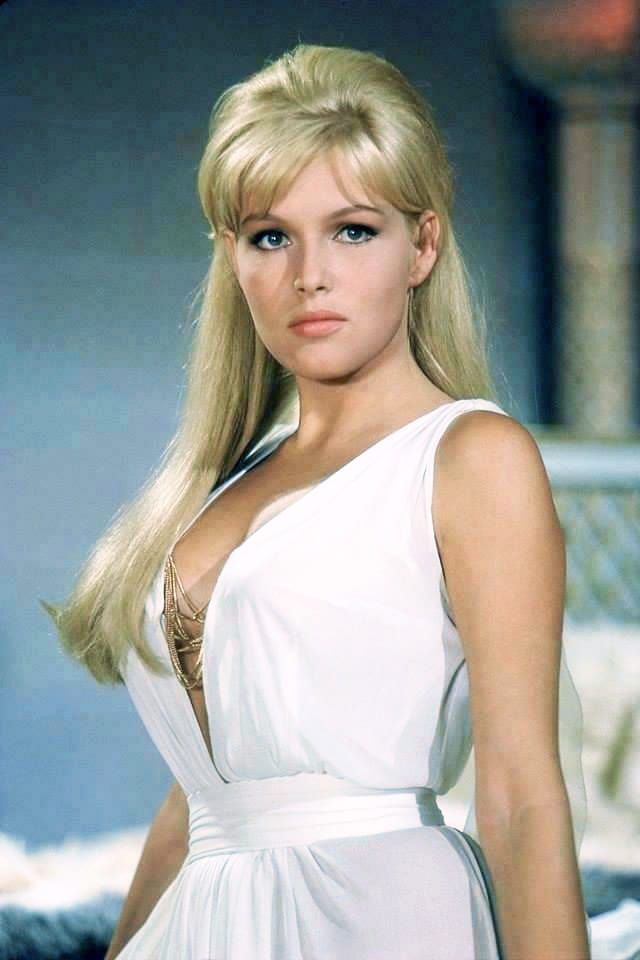
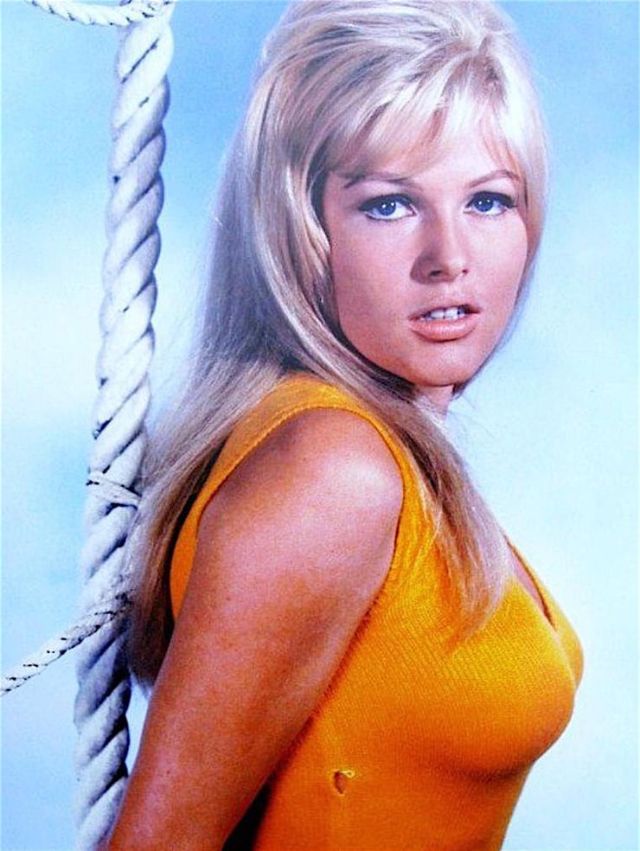
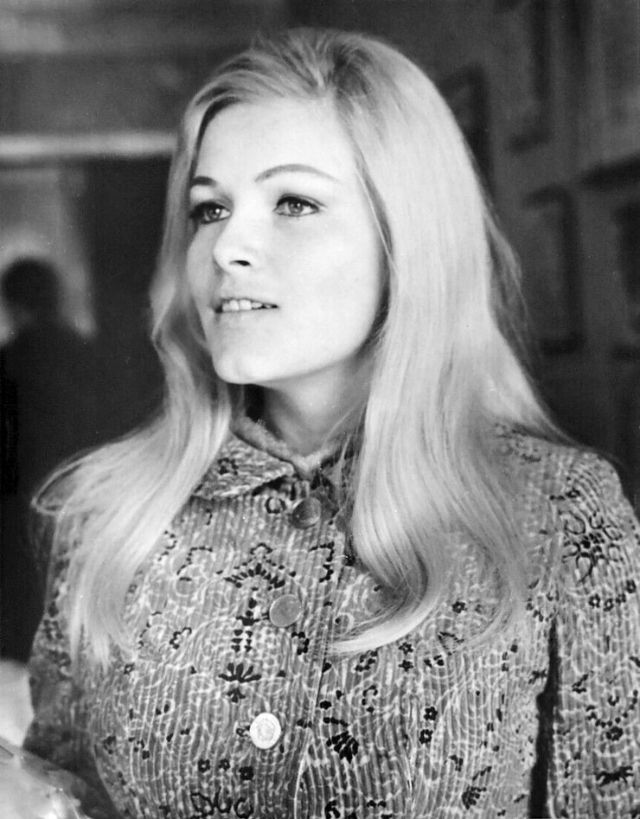
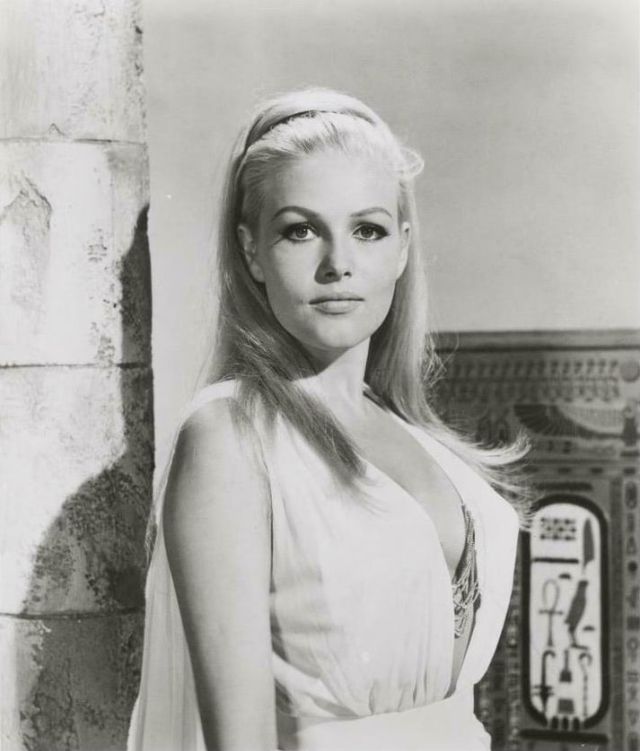
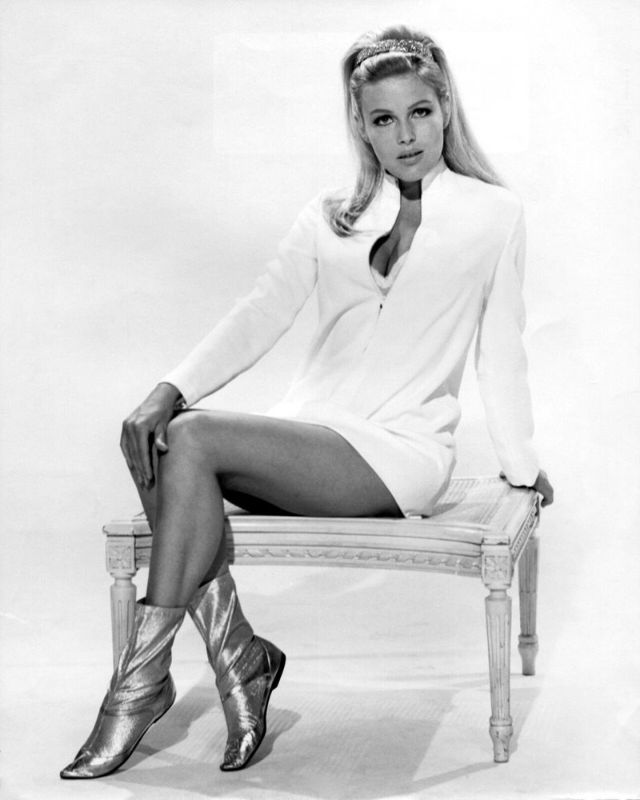
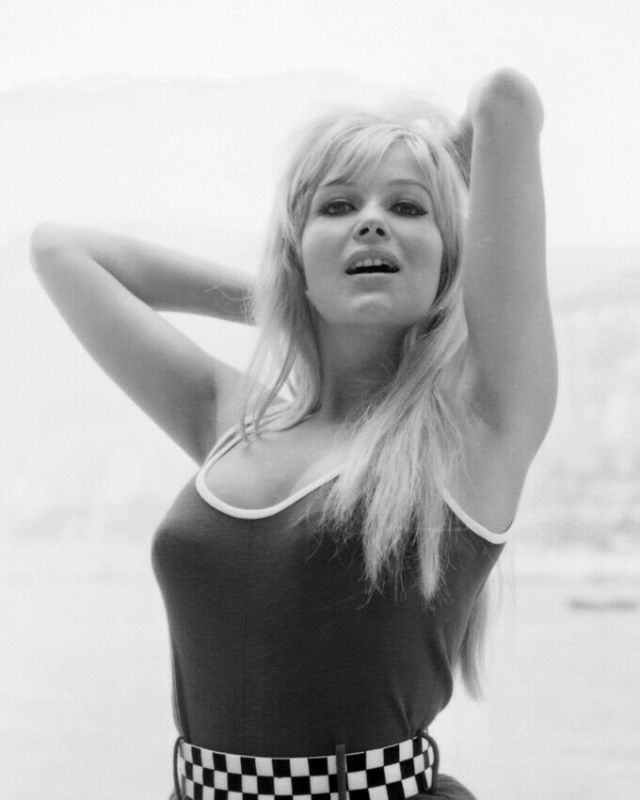
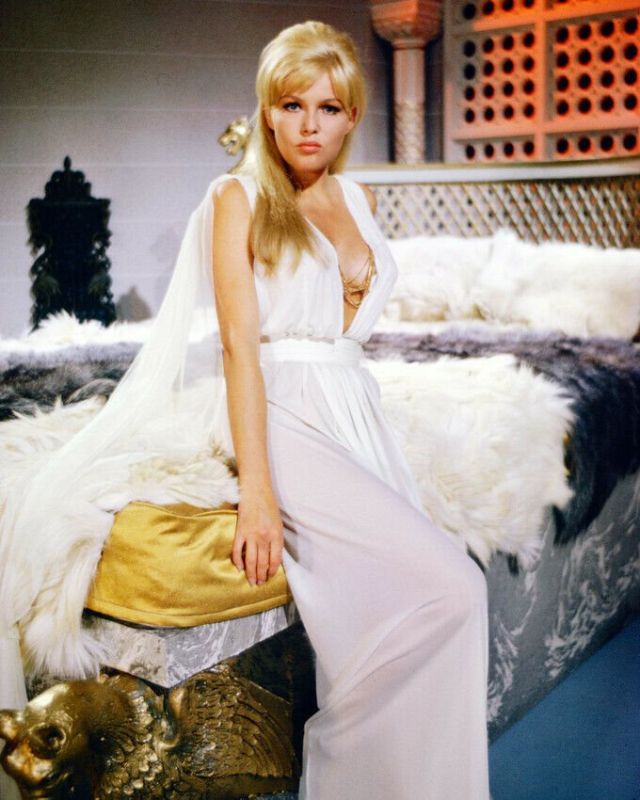
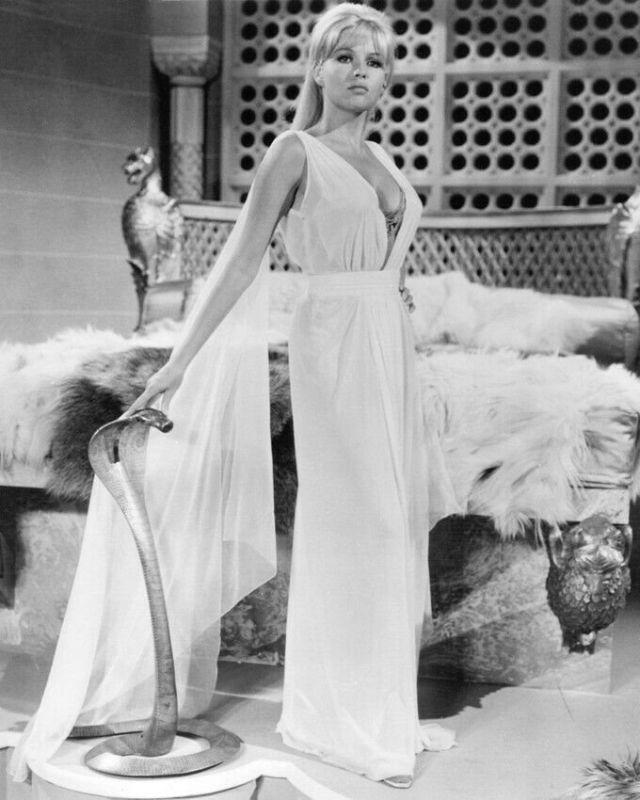
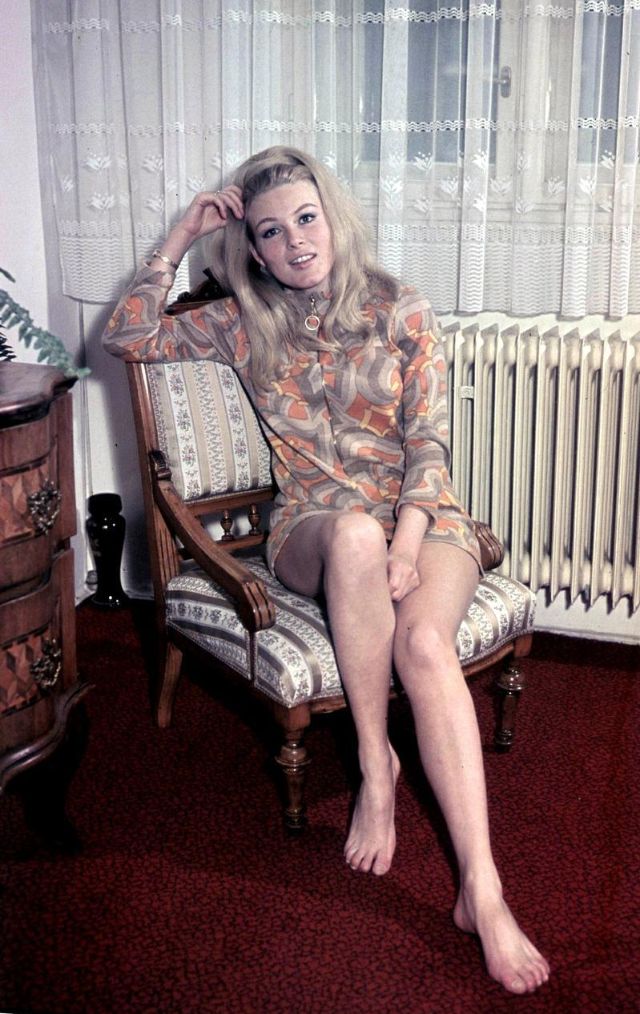
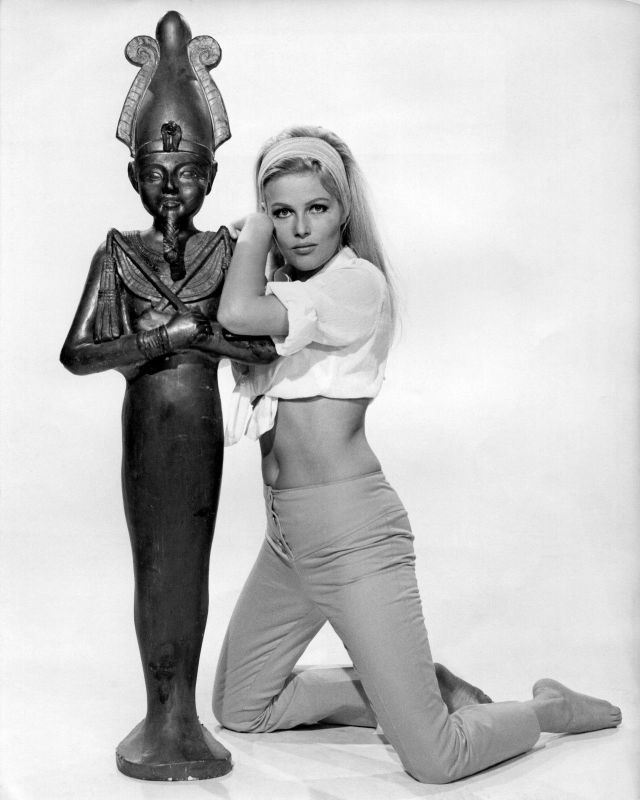
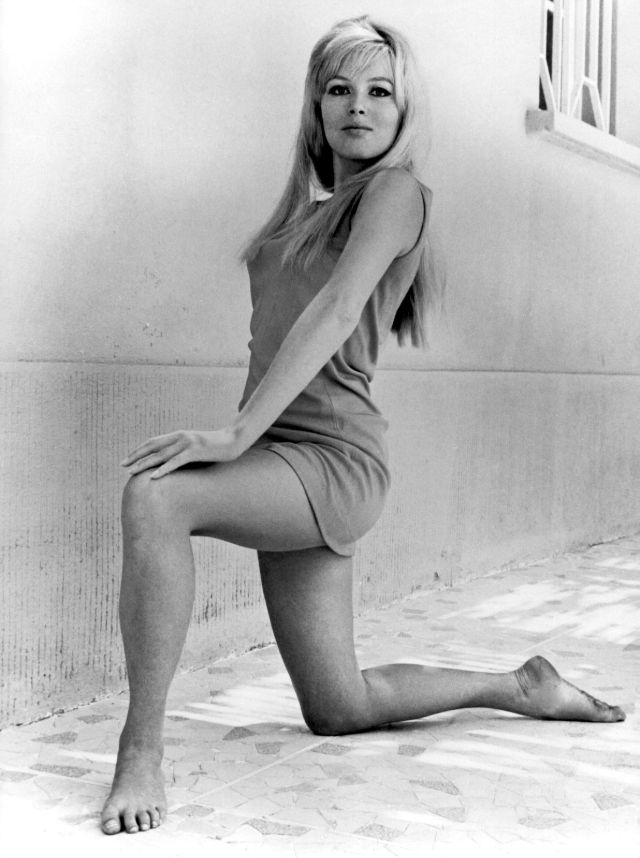
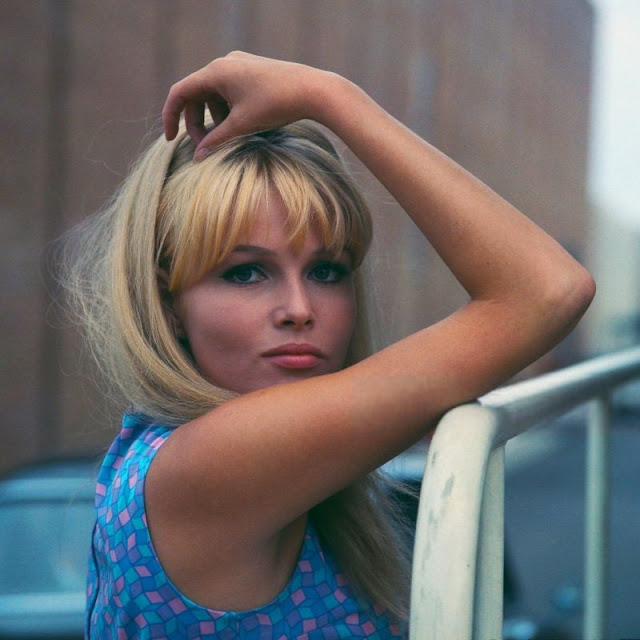
Czech Classic Beauty: 40 Fabulous Photos of Olga Schoberová in the 1960s

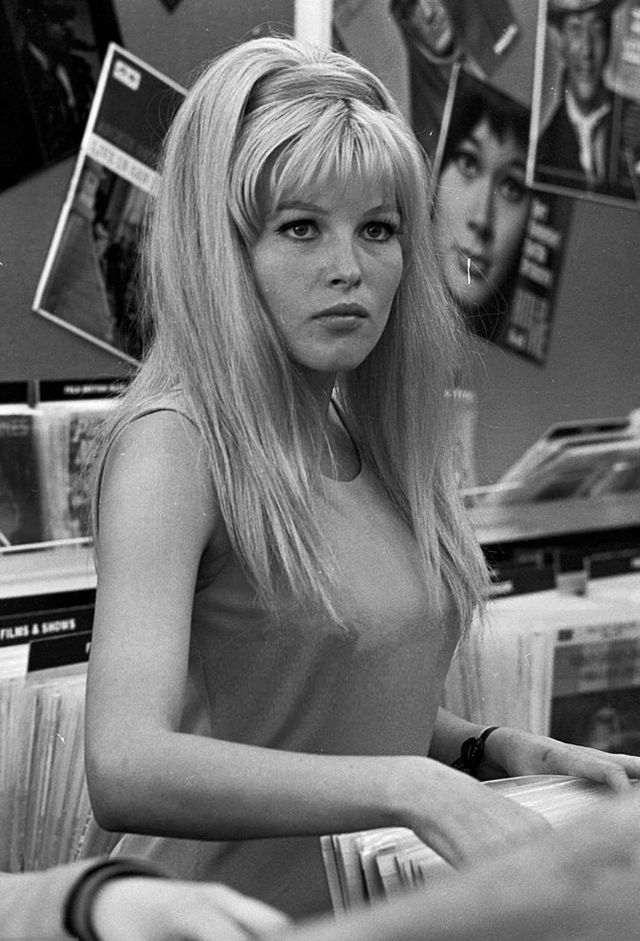
Born 1943 in Prague, Czech actress Olga Schoberová, also known as Olinka Bérová worked as a clerk at the Technomat, for CZK 500 per month. Her older sister Eva was a model. Since Eva was quite busy as a model, Eva once sent Olga, who looked very similar to her, to a modeling job. Olga then started shooting commercials. A Pilsner beer poster with Olga attracted the attention of director Antonín Kachlík, who cast her in We Were Ten (1963).

In 1964, Schoberová became the first woman from Czechoslovakia to appear on the cover of Playboy magazine, photographed by Herman Leonard. In 1969, she appeared in the pictorial, Sex Stars of 1969, and with Brad Harris in The Secret of the Chinese Carnation (1964), and Massacre at Marble City (1964).

Olga Schoberová acted in 22 Czech, German, Italian, Austrian, Polish, English, and American movies. As “Olinka Berova”, she appeared in The Vengeance of She (1968), and several more films. She has been compared to Brigitte Bardot and Ursula Andress.

Take a look at these fabulous photos to see the beauty of young Olga Schoberová in the 1960s.

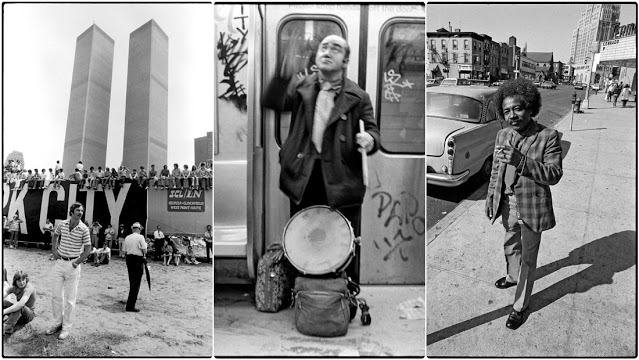
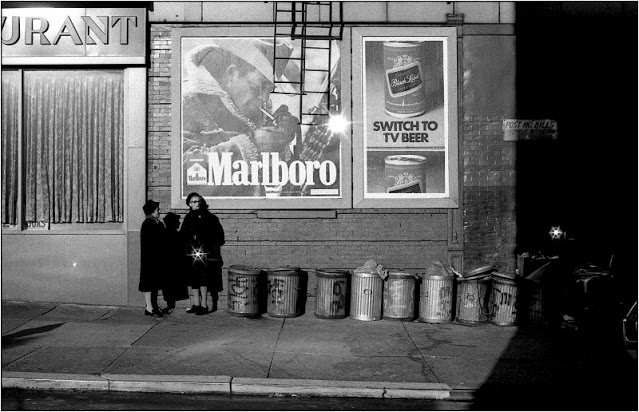
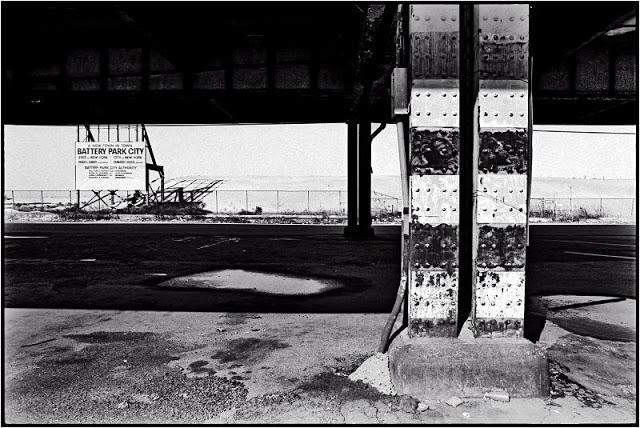
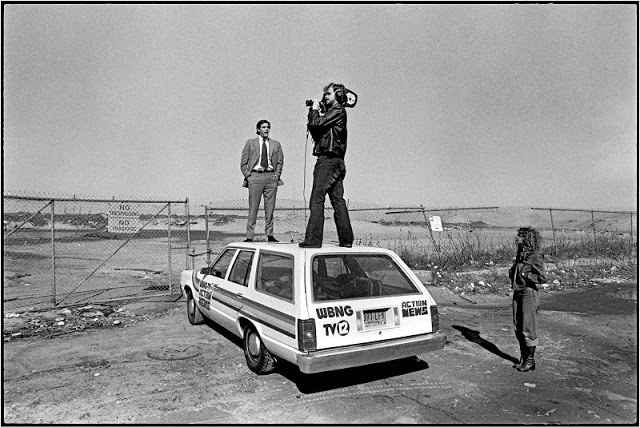
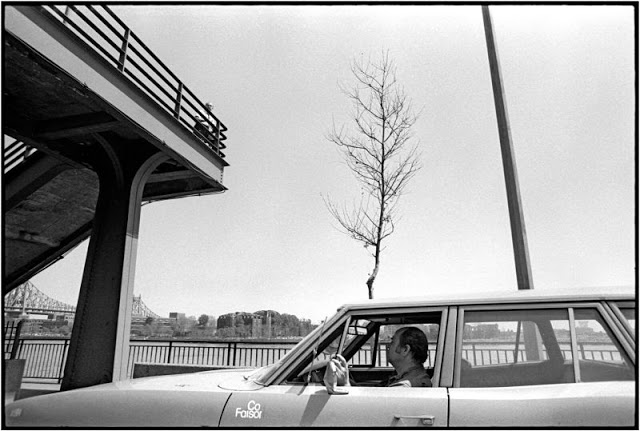
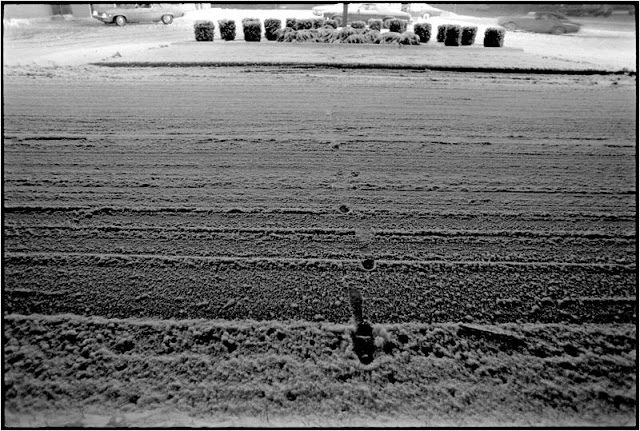
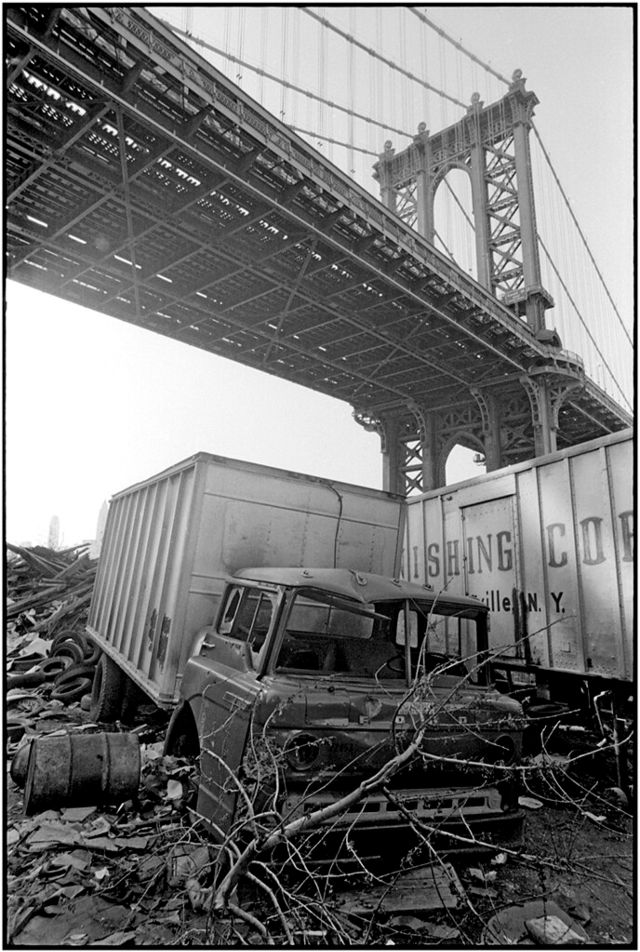
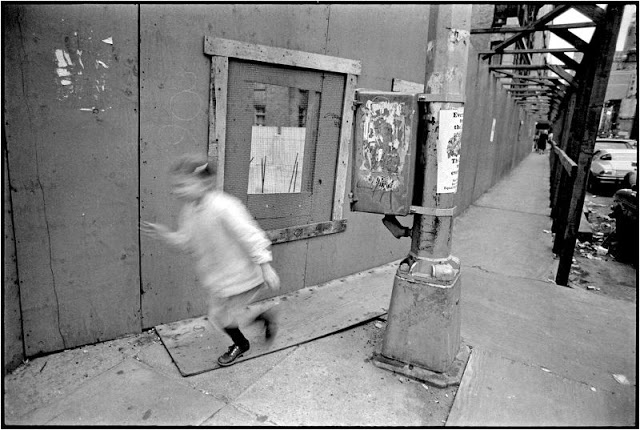
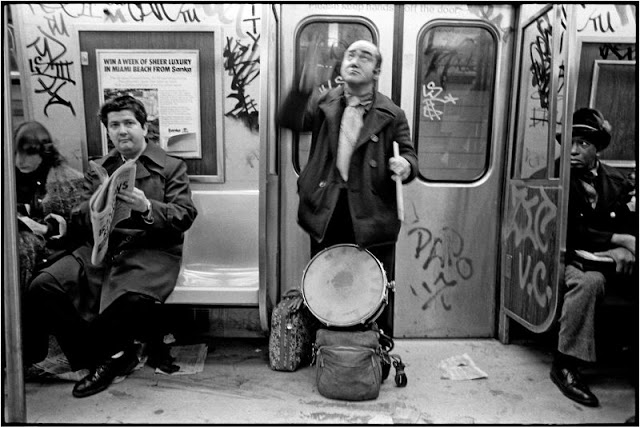
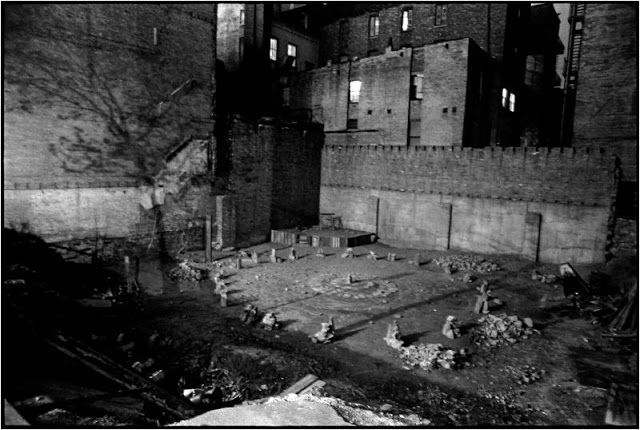
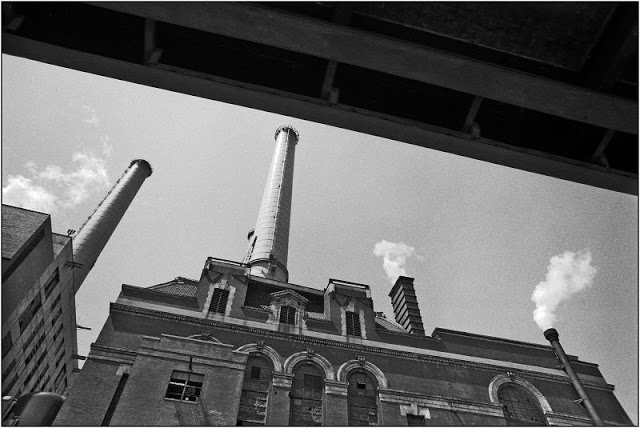
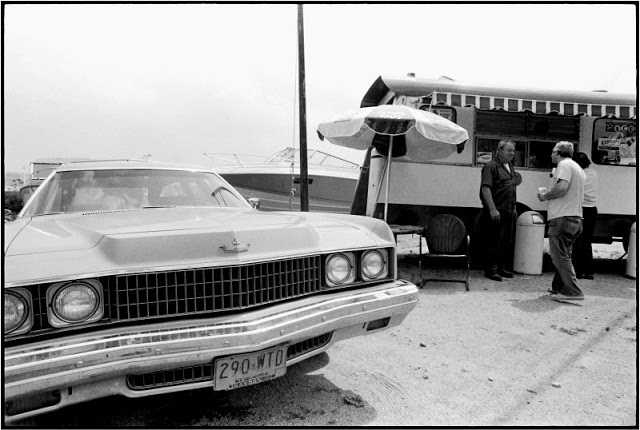
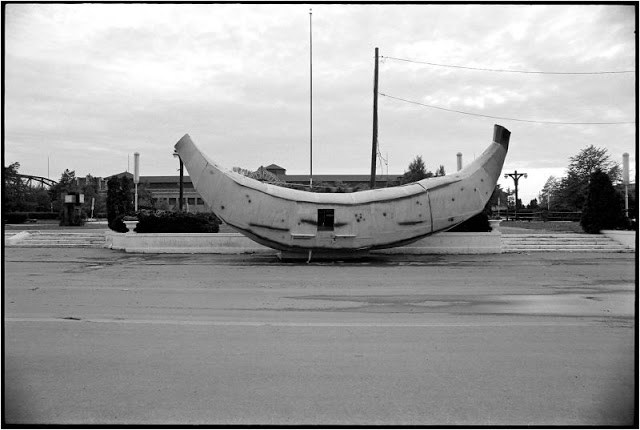
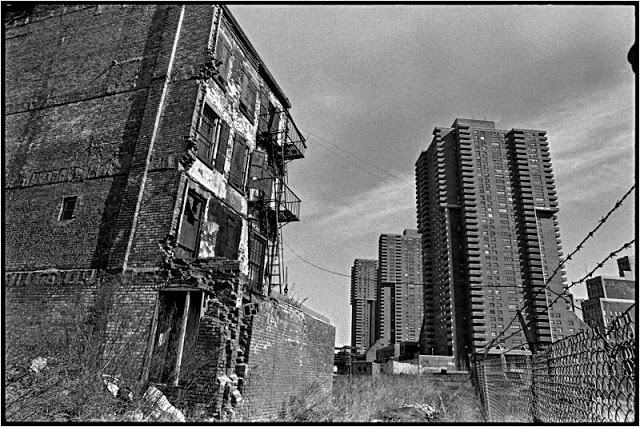
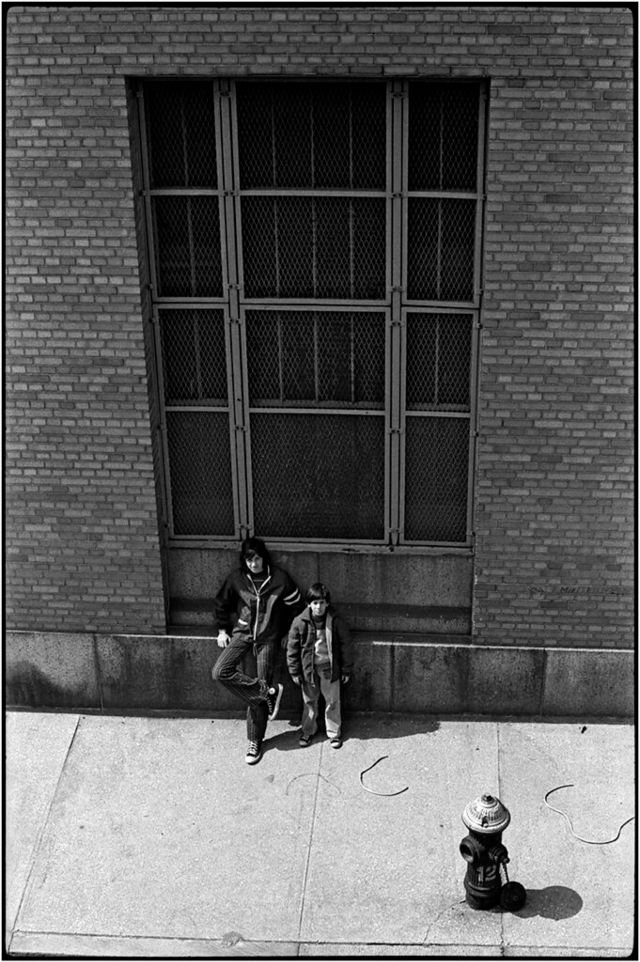
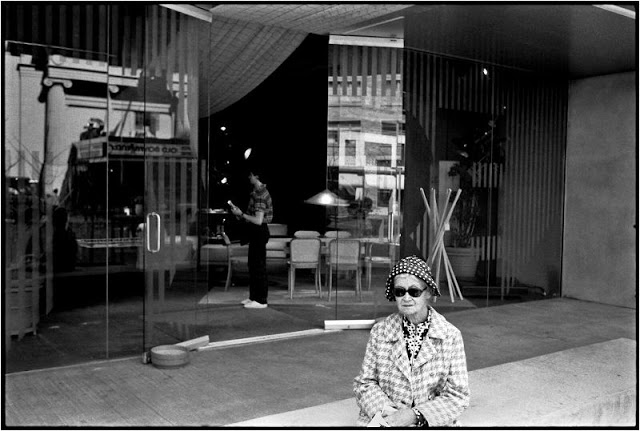
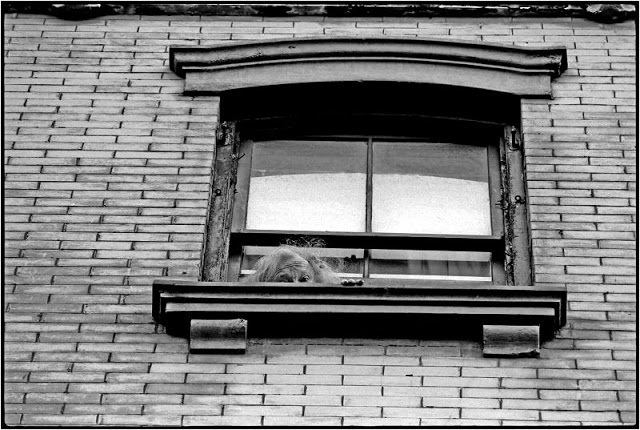
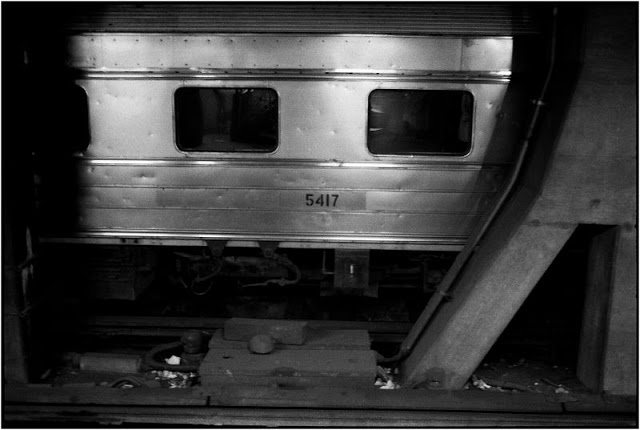
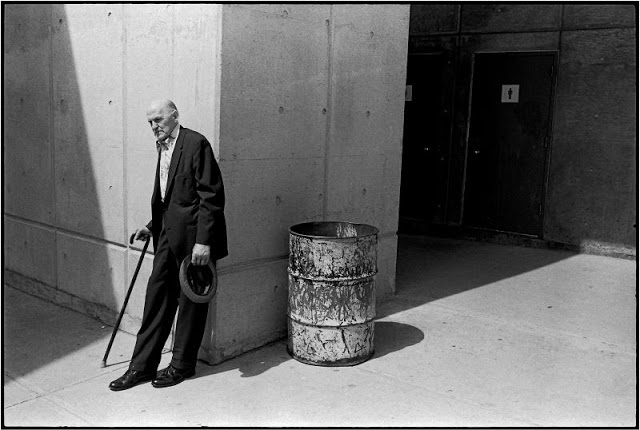
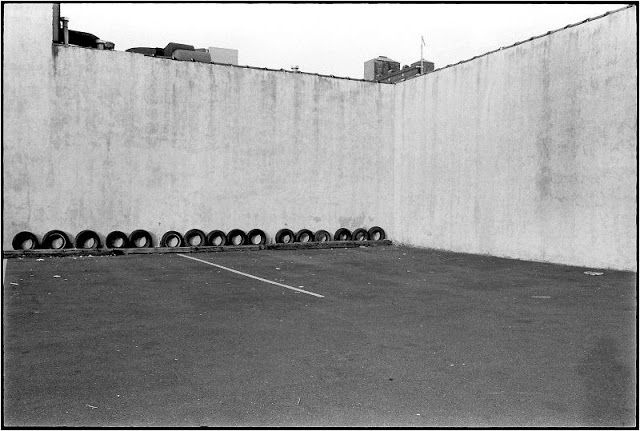
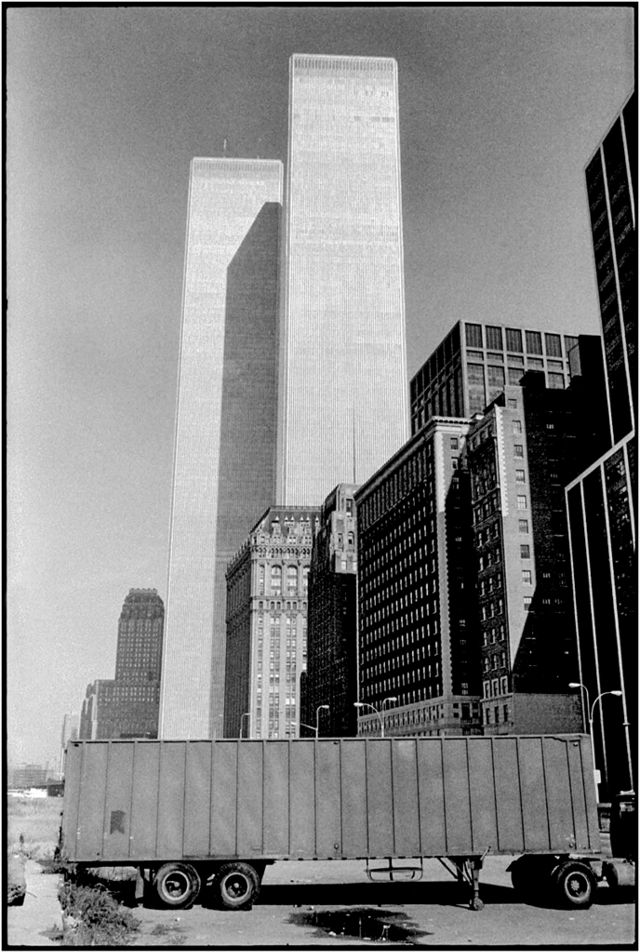
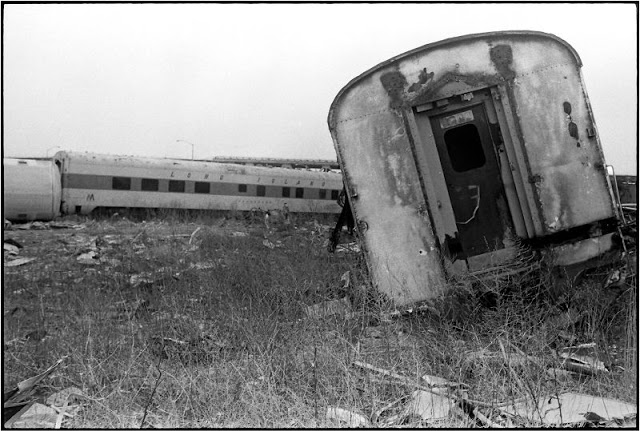
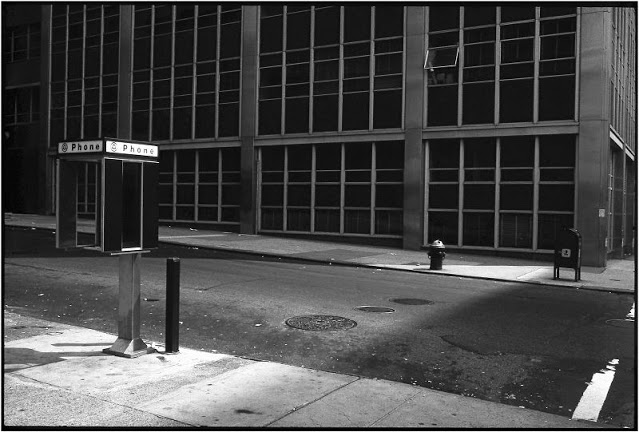
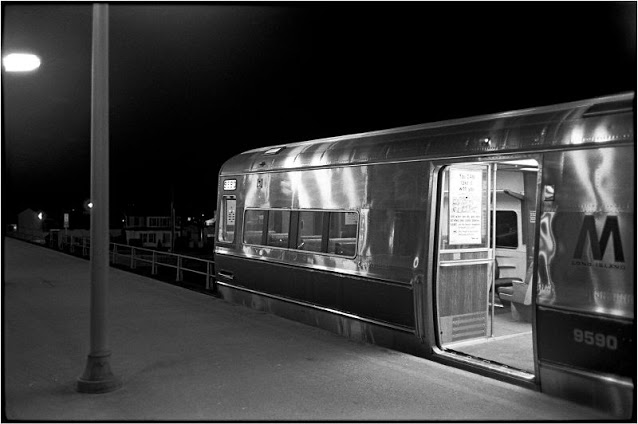
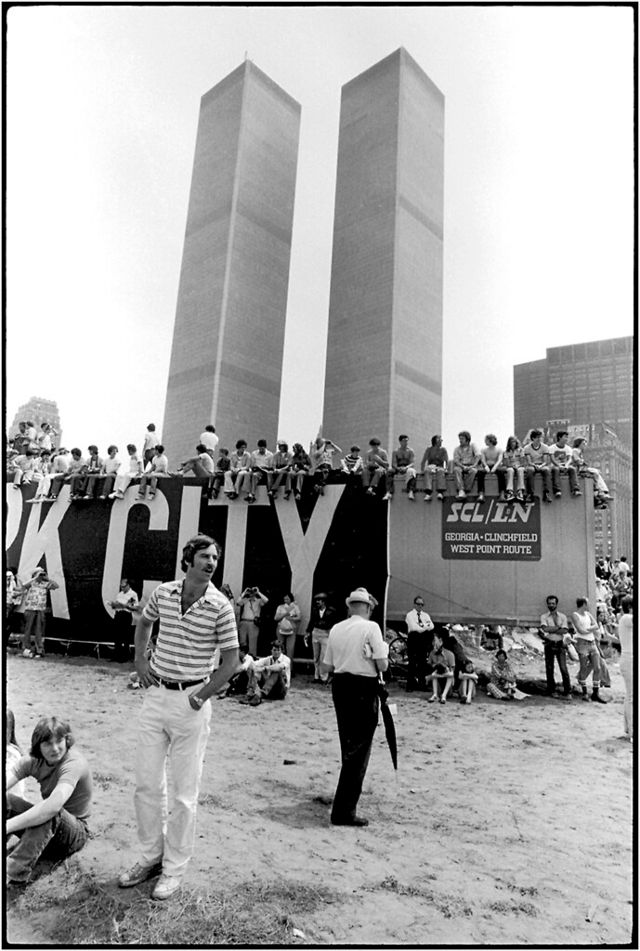
43 Fantastic Photos of New York City in the 1970s

Reeling from a decade of social turmoil, New York in the 1970s fell into a deep tailspin provoked by the flight of the middle class to the suburbs and a nationwide economic recession that hit New York’s industrial sector especially hard.

Combined with substantial cuts in law enforcement and citywide unemployment topping ten percent, crime and financial crisis became the dominant themes of the decade.

In just five years from 1969 to 1974, the city lost over 500,000 manufacturing jobs, which resulted in over one million households being dependent on welfare by 1975. In almost the same span, rapes and burglaries tripled, car thefts and felony assaults doubled, and murders went from 681 to 1690 a year.

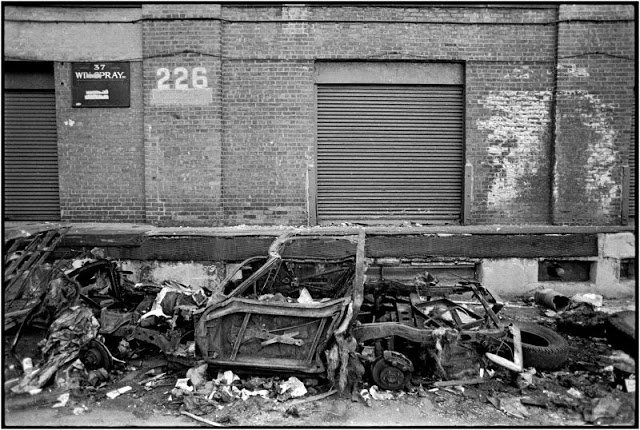
Depopulation and arson also had pronounced effects on the city: abandoned blocks dotted the landscape, creating vast areas absent of urban cohesion and life itself.

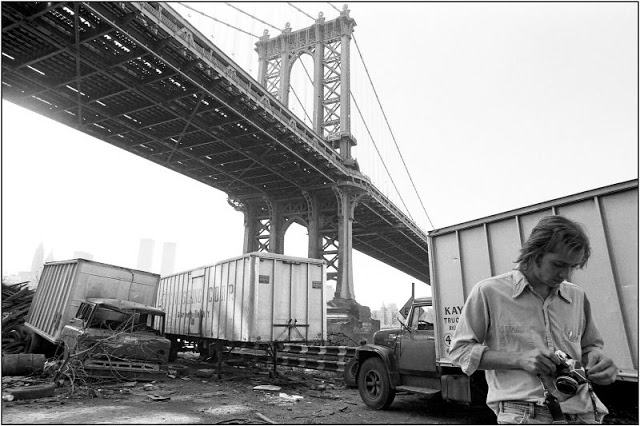
These fascinating black and white photos show what New York looked like during the 1970s.

Subscribe to Yesterday Today’s Blog to receive regular updates about new content:

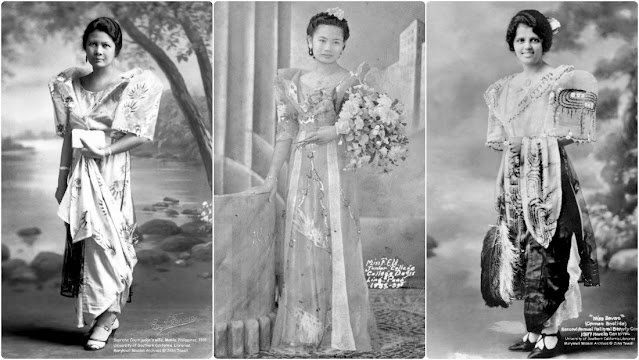
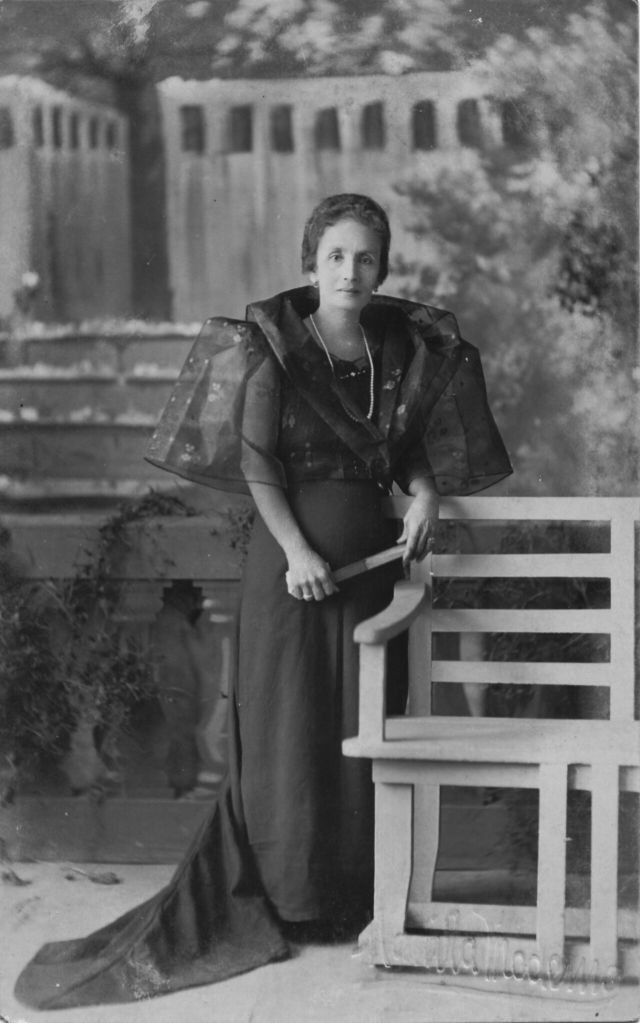
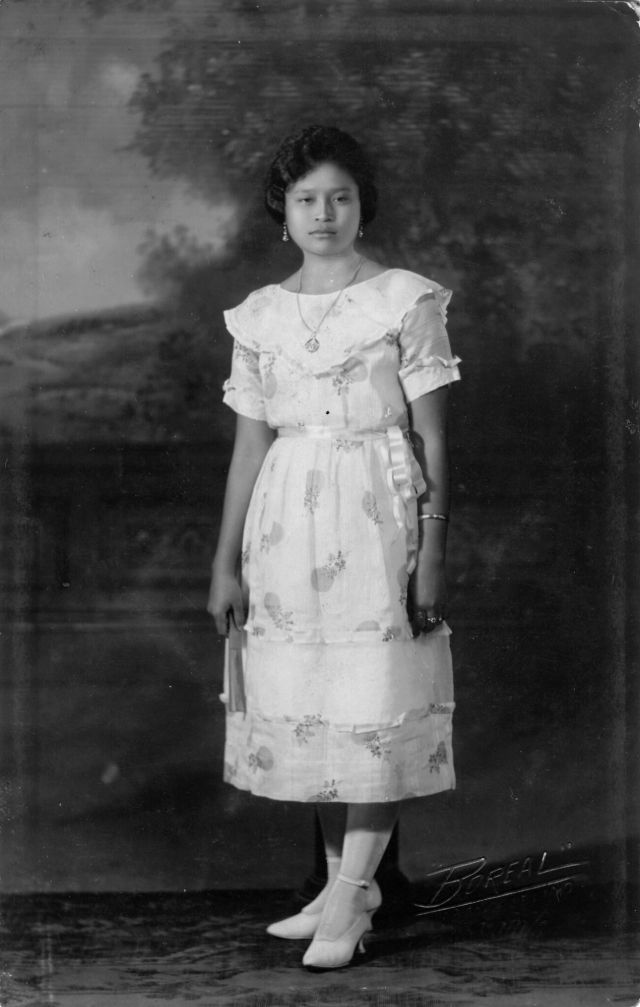
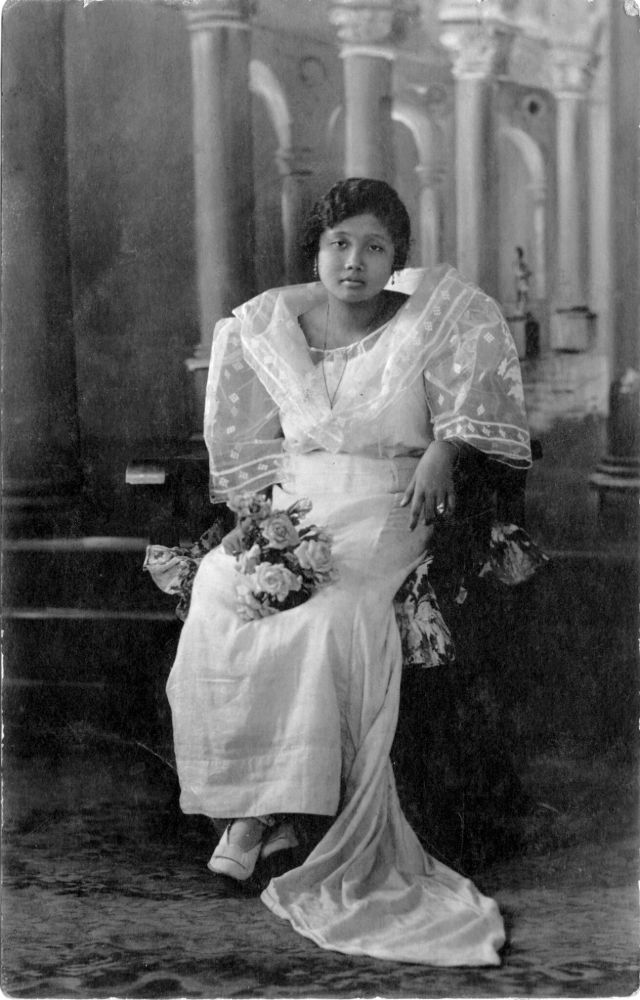
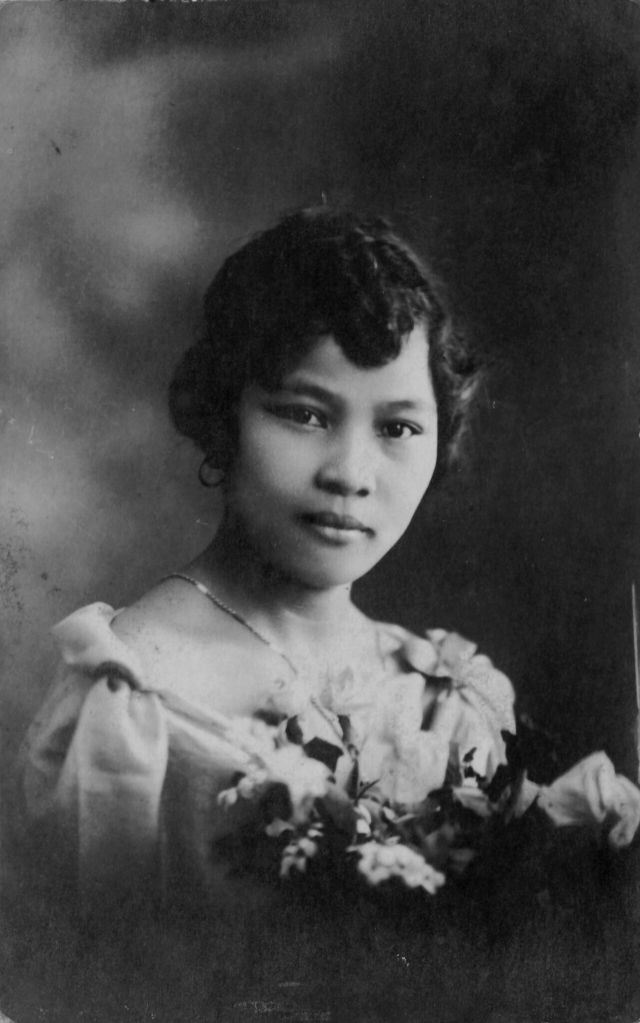
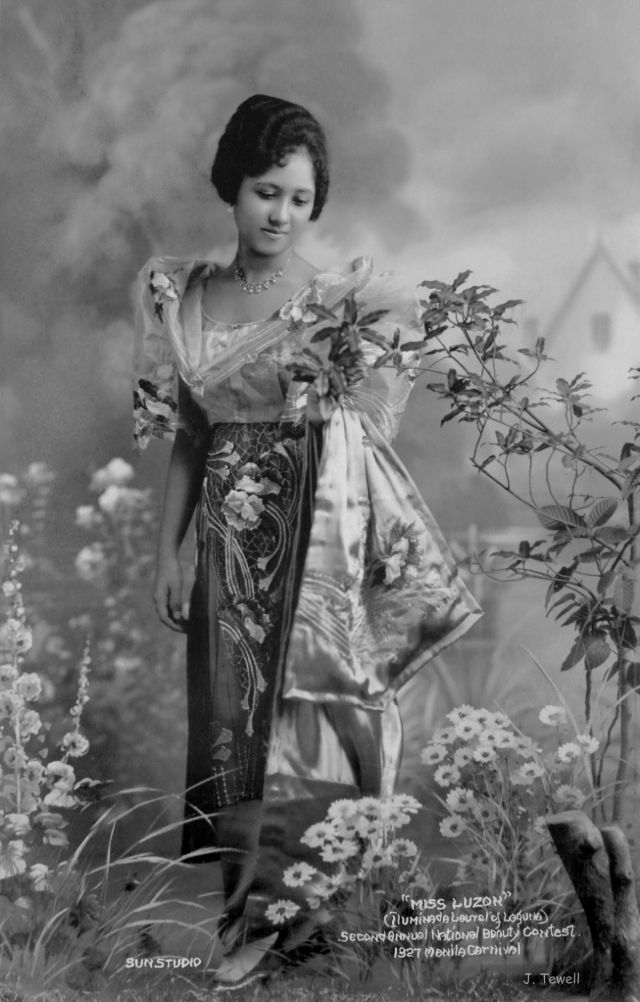
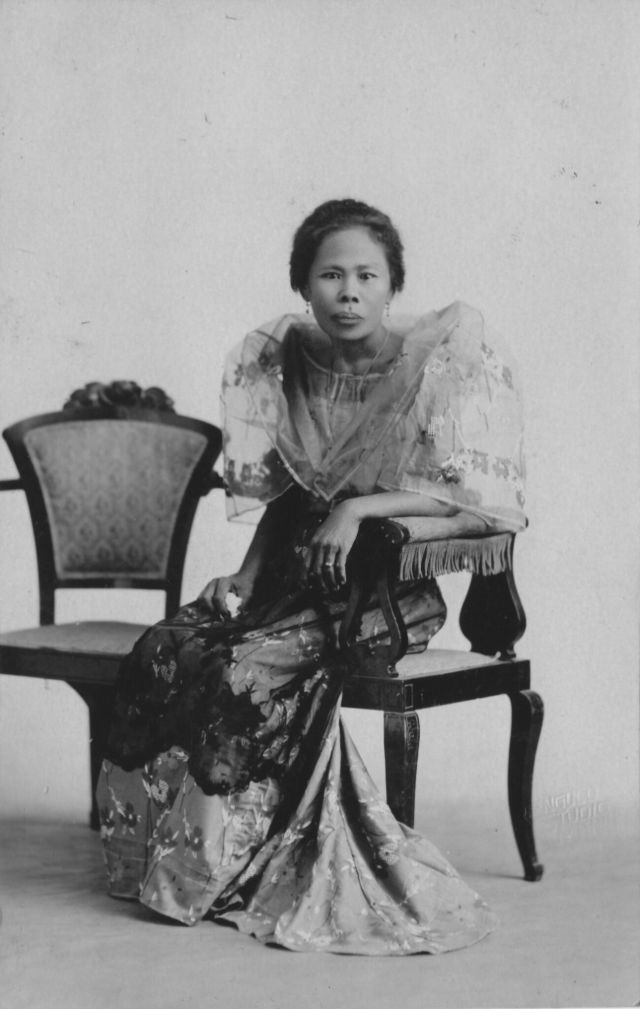
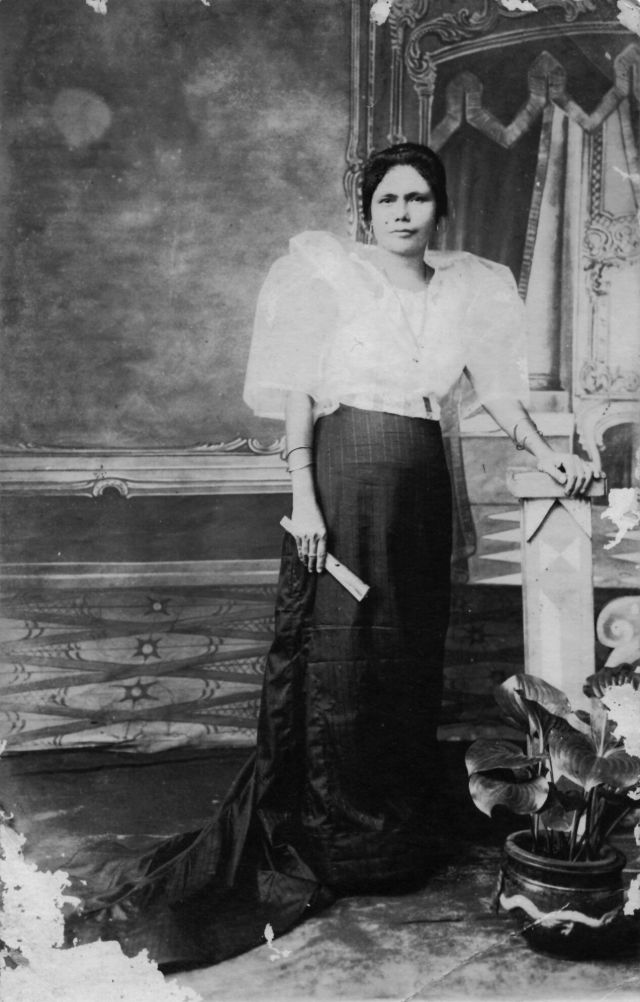
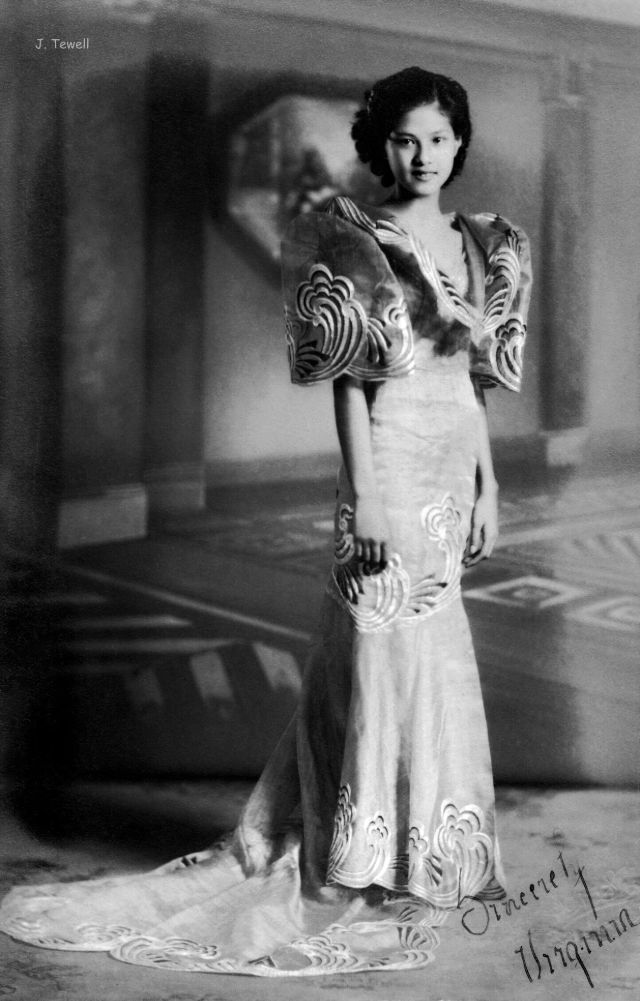
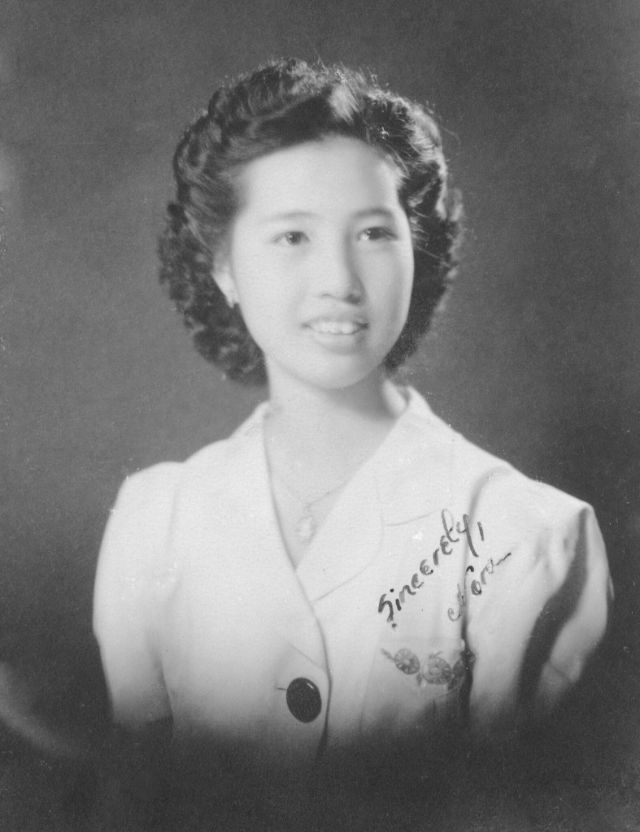
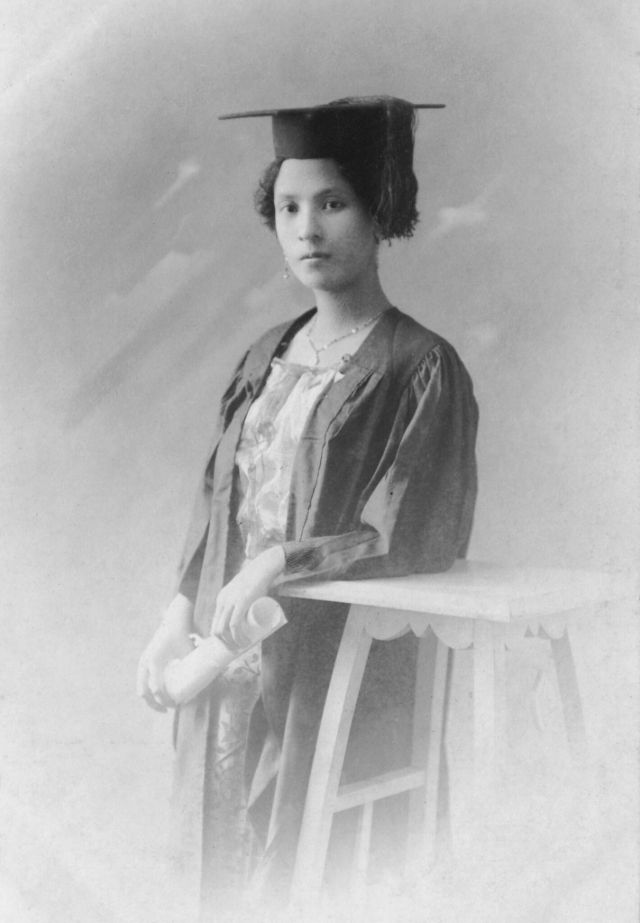
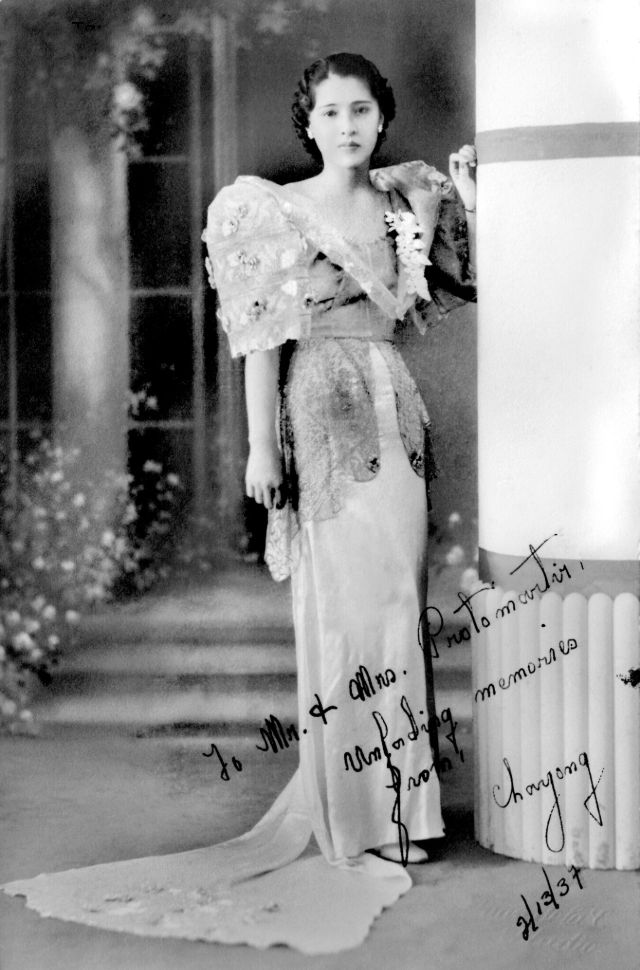
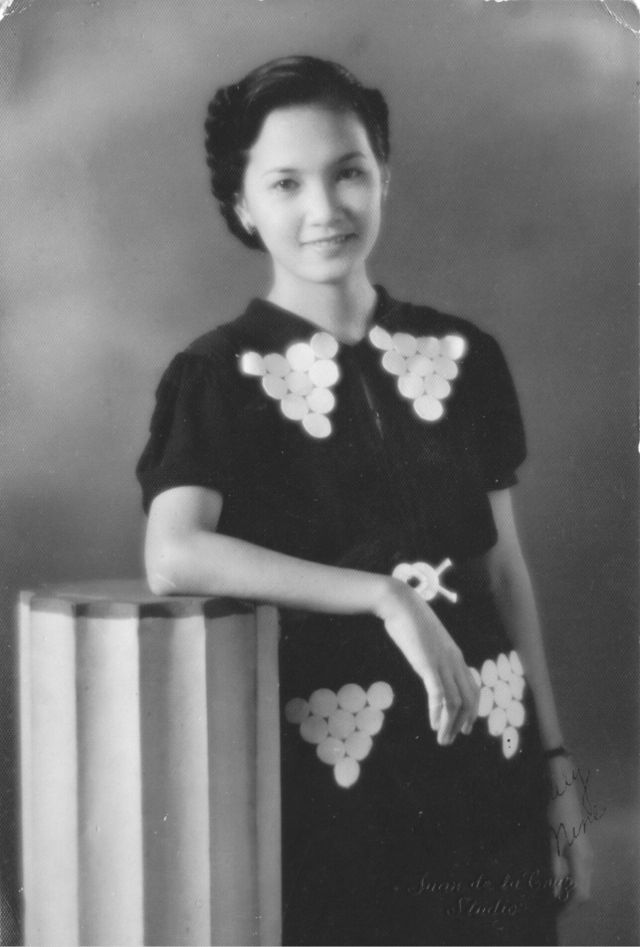
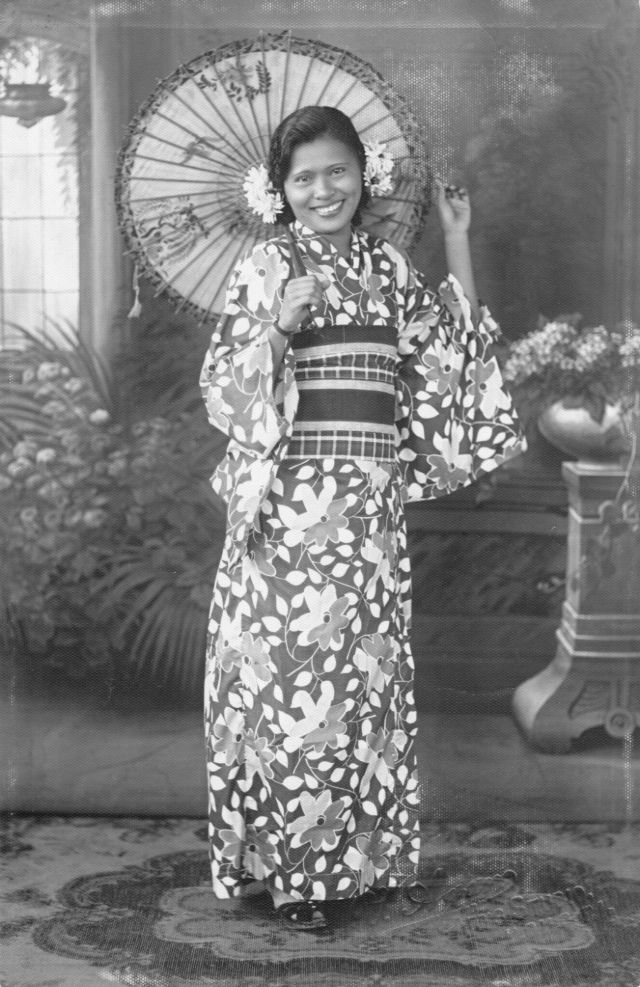
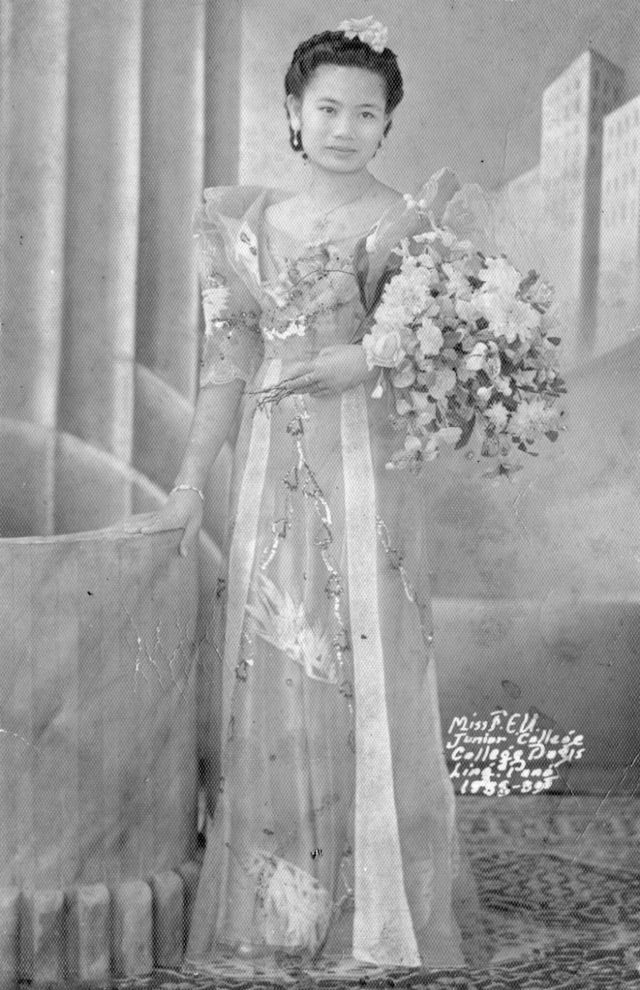
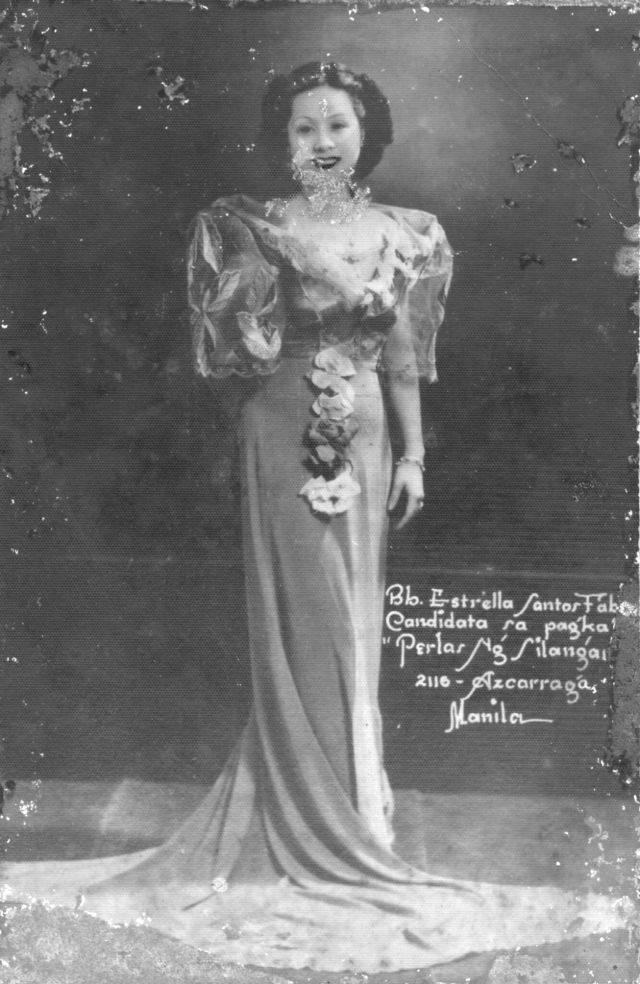
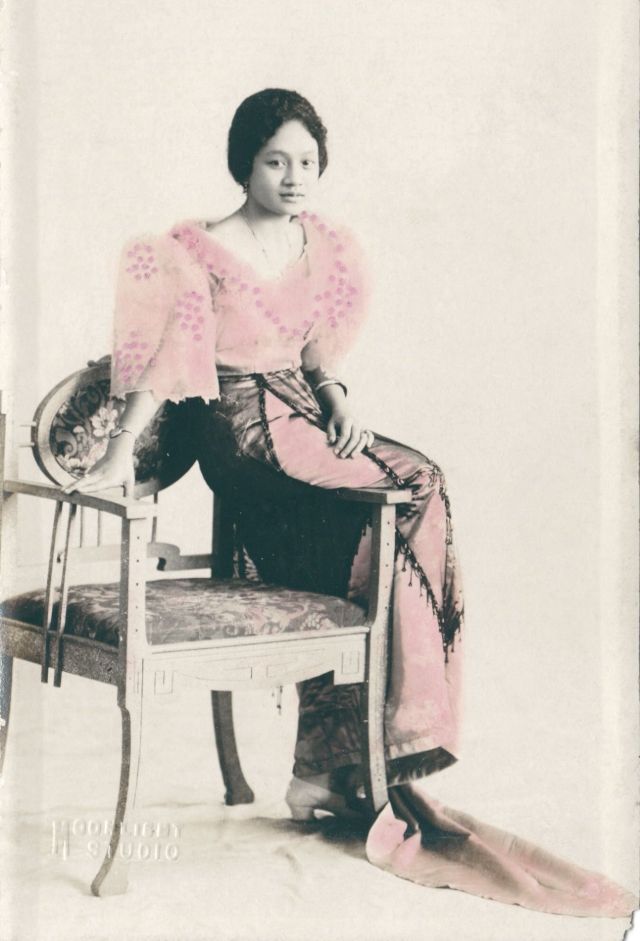
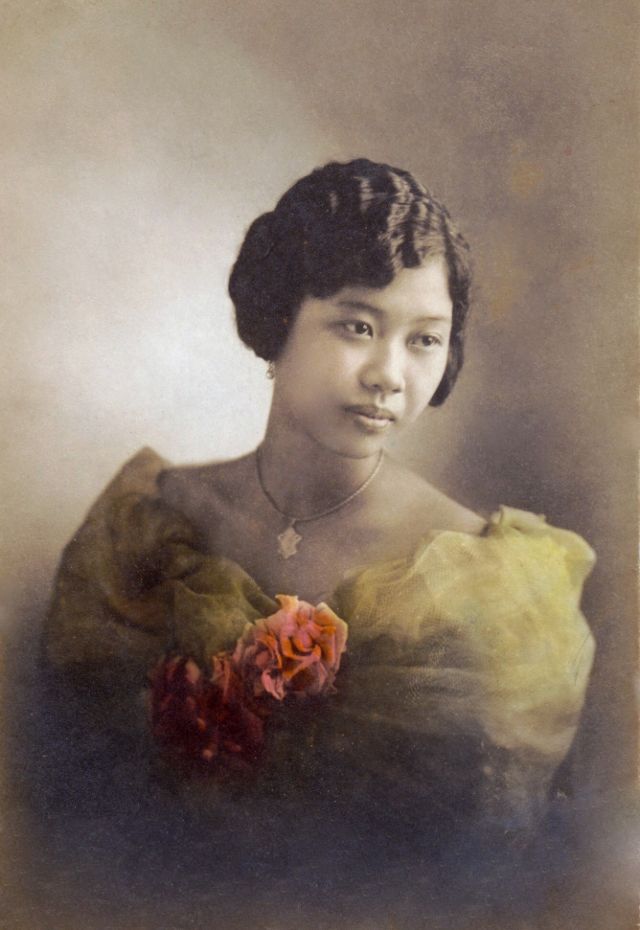
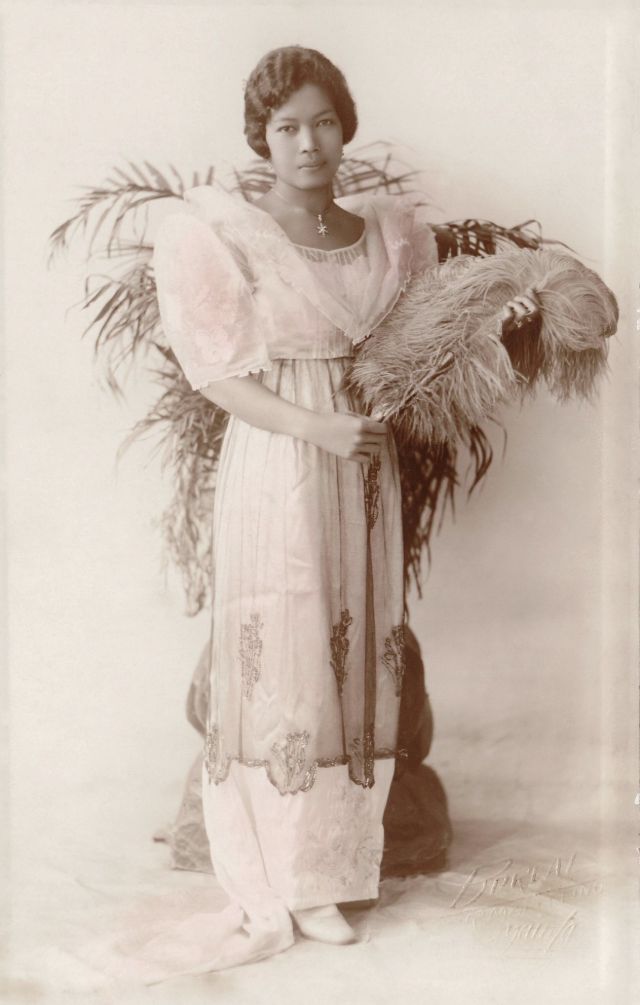
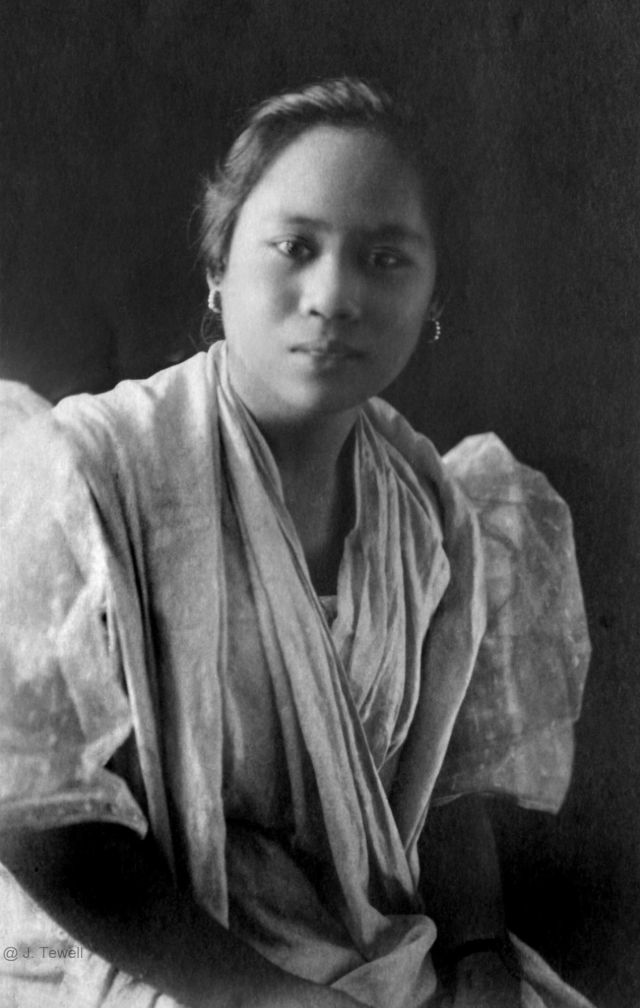
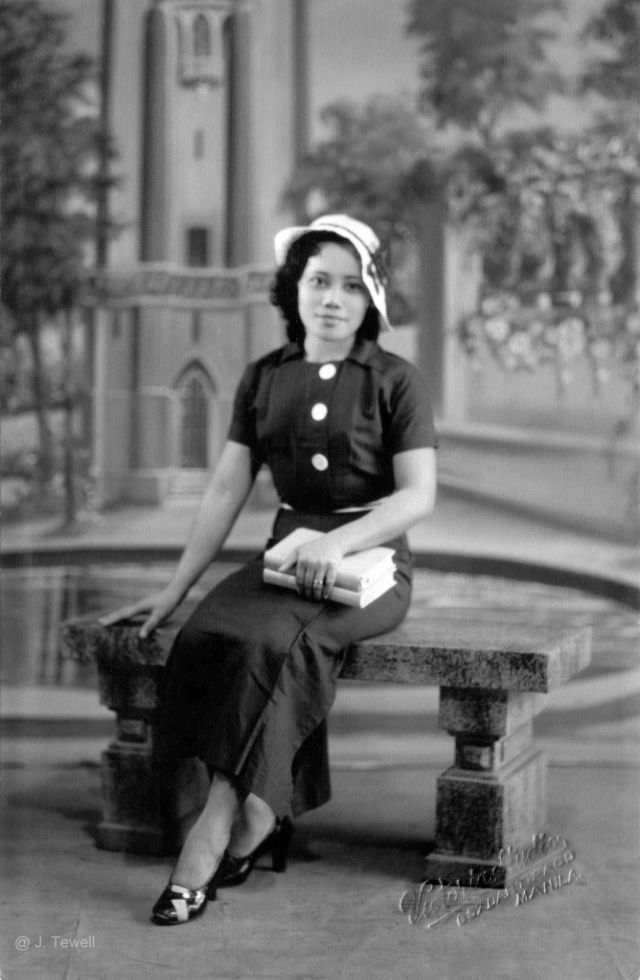
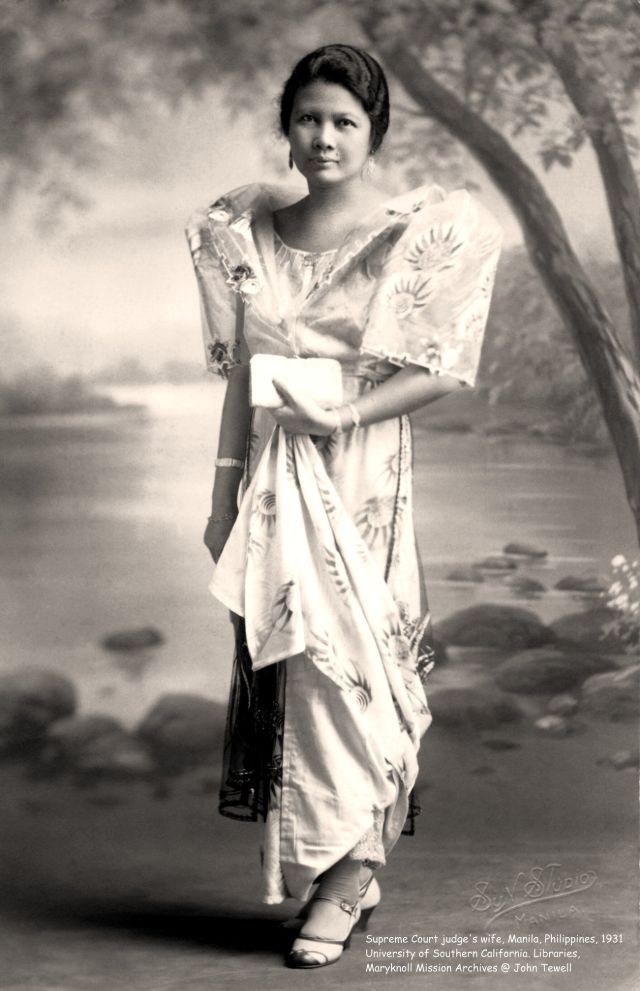
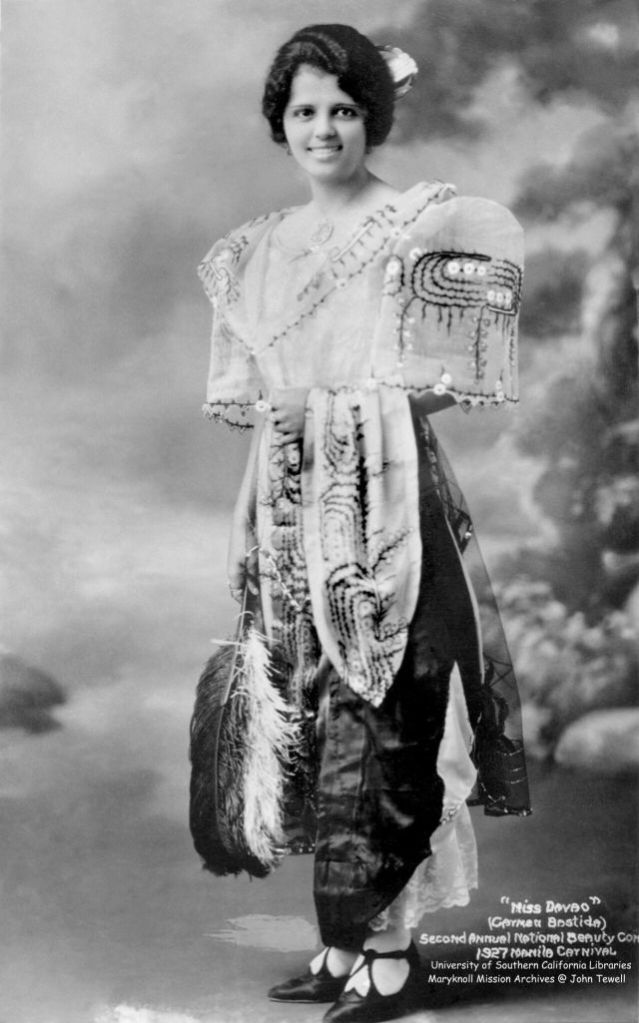
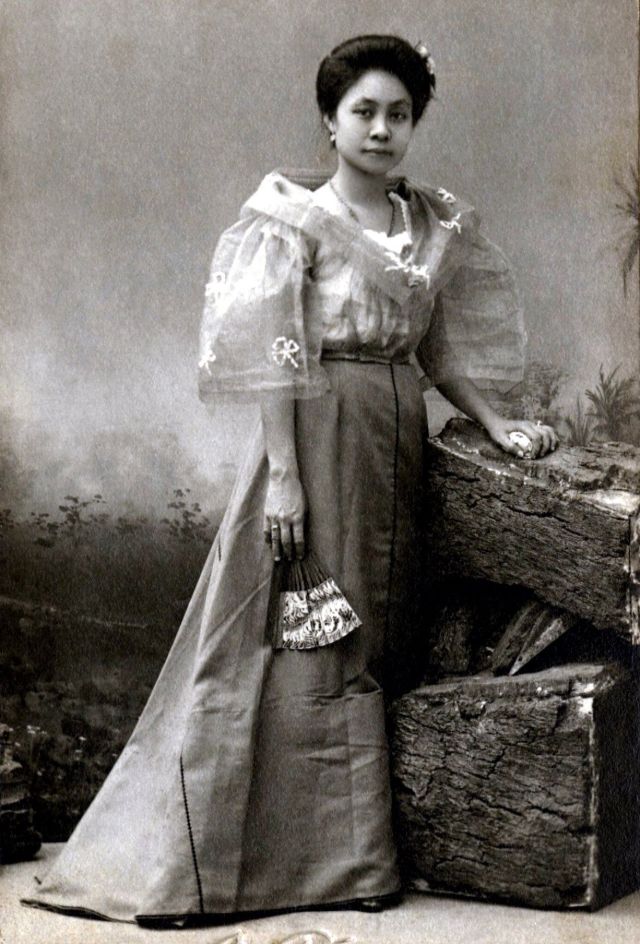
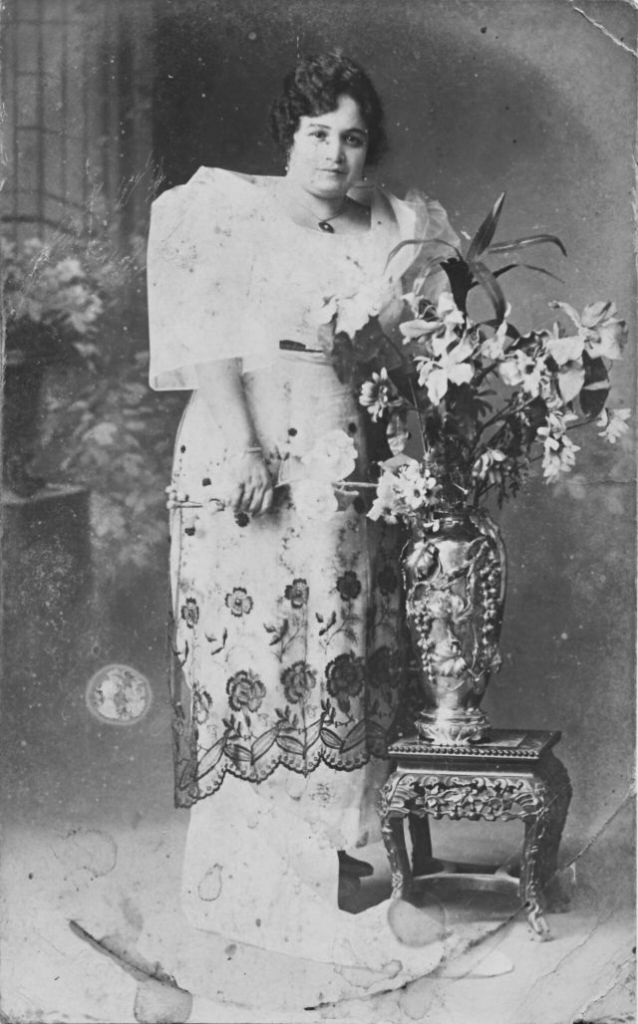
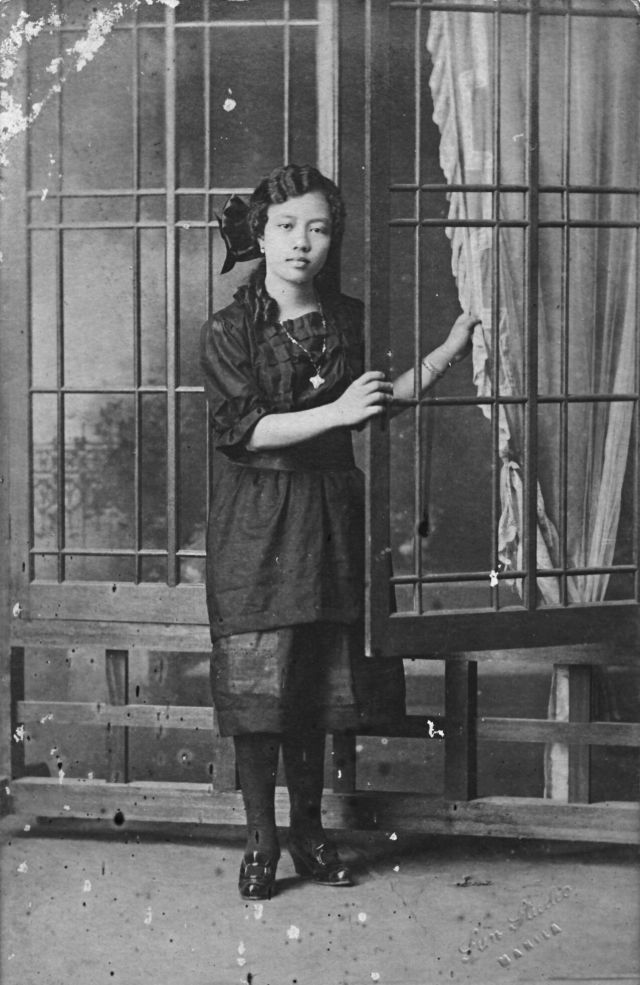
30 Old Portrait Photos of Manila Ladies From the Early 20th Century

Manila is the capital of the Philippines, and its second most populous city. It is located on the eastern shore of Manila Bay, on the island of Luzon. The Pasig River flows through the middle of the city, dividing it into the north and south sections.

Manila became autonomous with the passage of Republic Act No. 409, “The Revised Charter of the City of Manila,” on June 18, 1949. Manila is the second most natural-disaster-afflicted capital city in the world after Tokyo. Nevertheless, it is among the most populous and fastest growing cities in Southeast Asia.
The term “Manila” is commonly used to refer to the whole metropolitan area, the greater metropolitan area or the city proper. The officially defined metropolitan area, called Metro Manila, the “capital region” of the Philippines, also includes the much larger Quezon City and the Makati Central Business District. It is the most populous region in the country, one of the most populous urban areas in the world, and is one of the wealthiest regions in Southeast Asia.

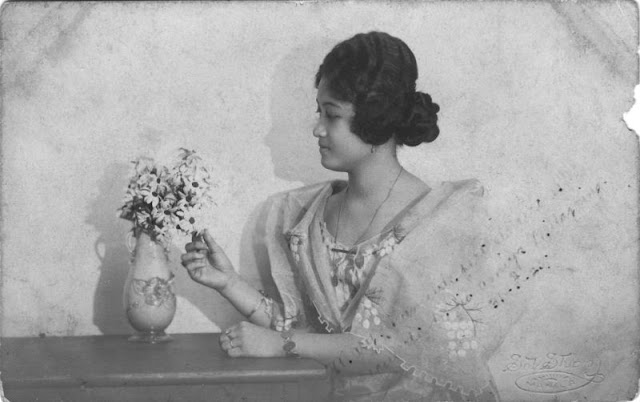
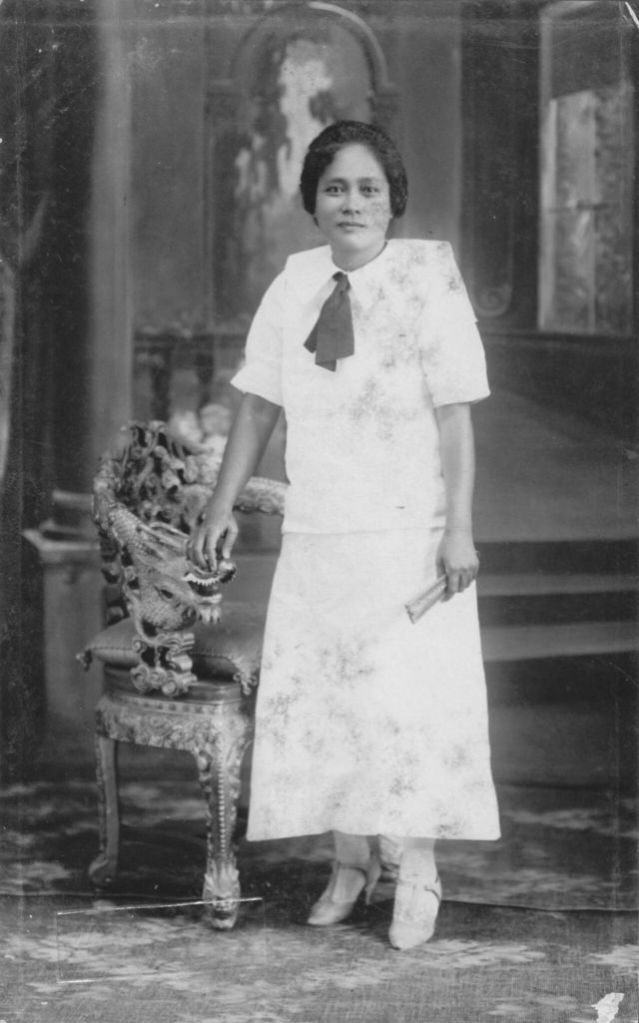
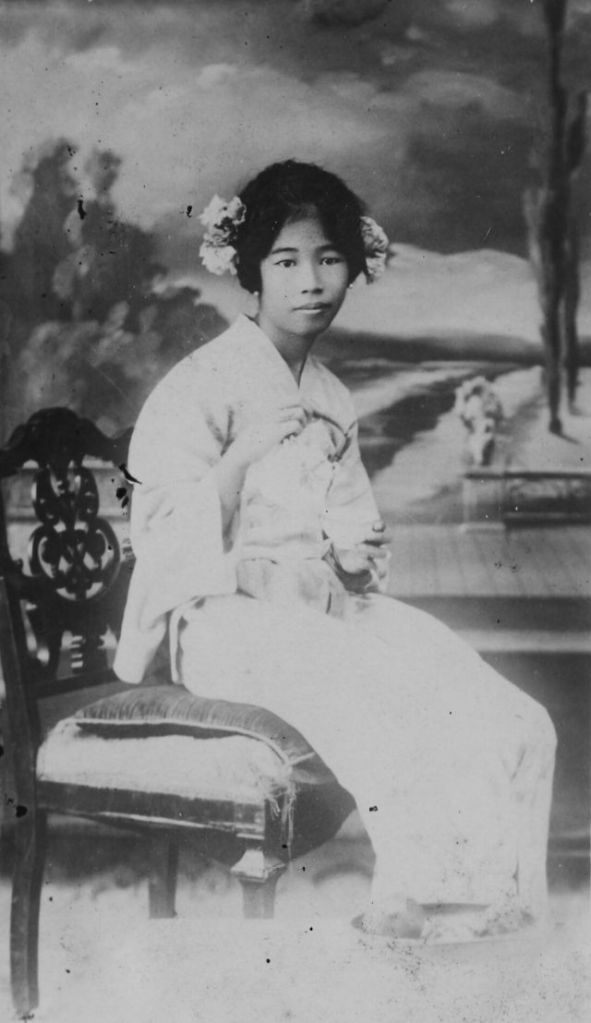
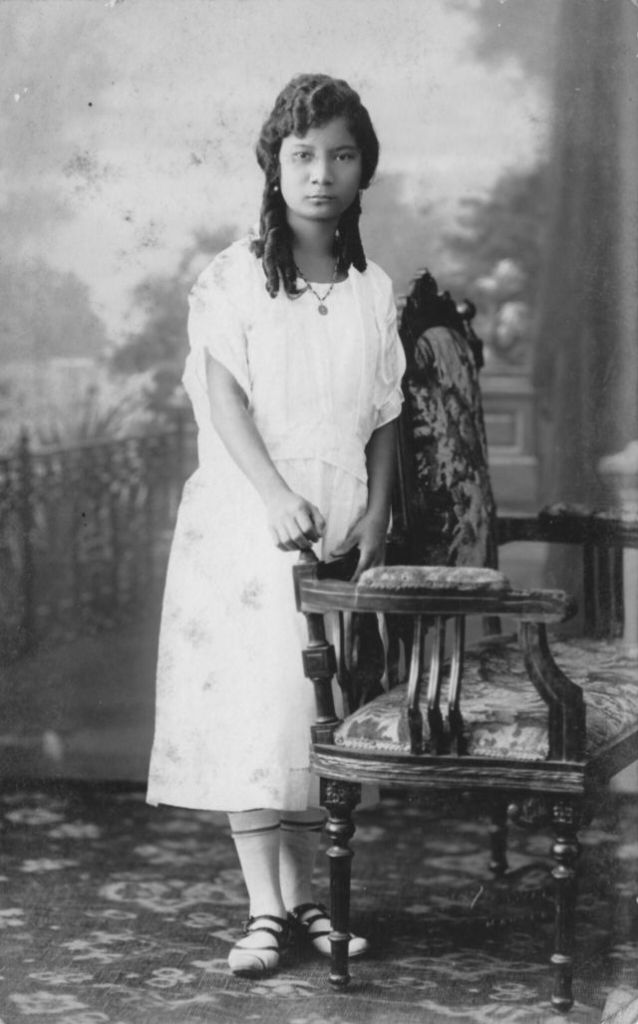
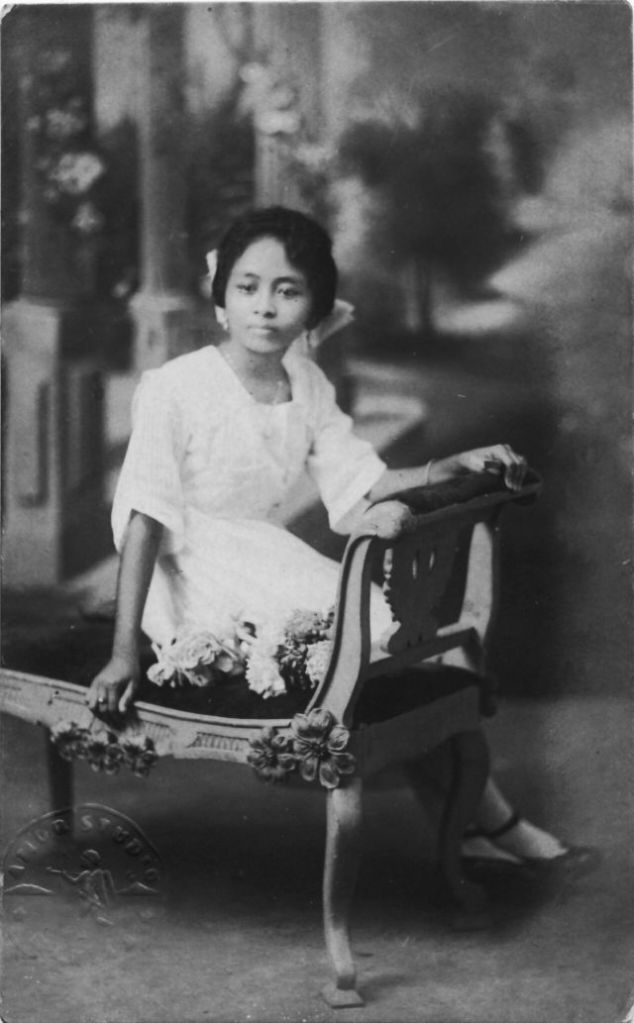
Here below is a set of old photos that shows portraits of Manila ladies from between the 1910s and 1930s.
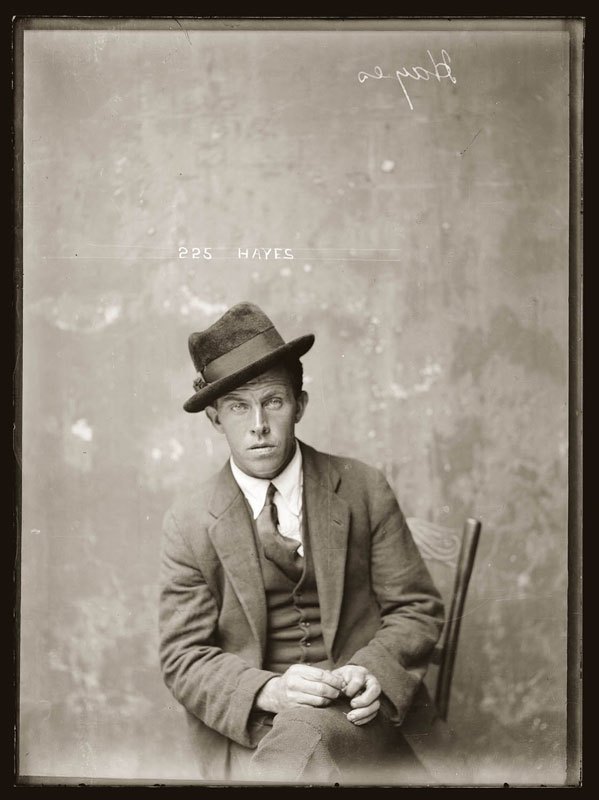
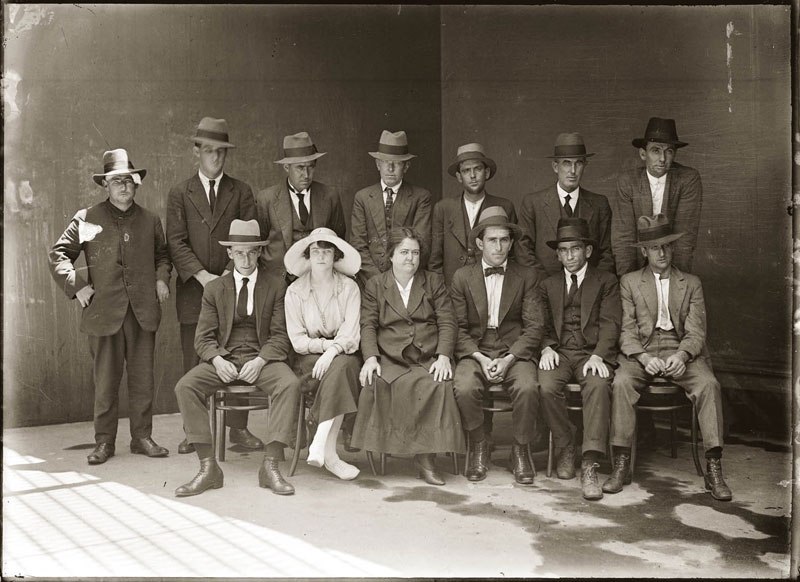
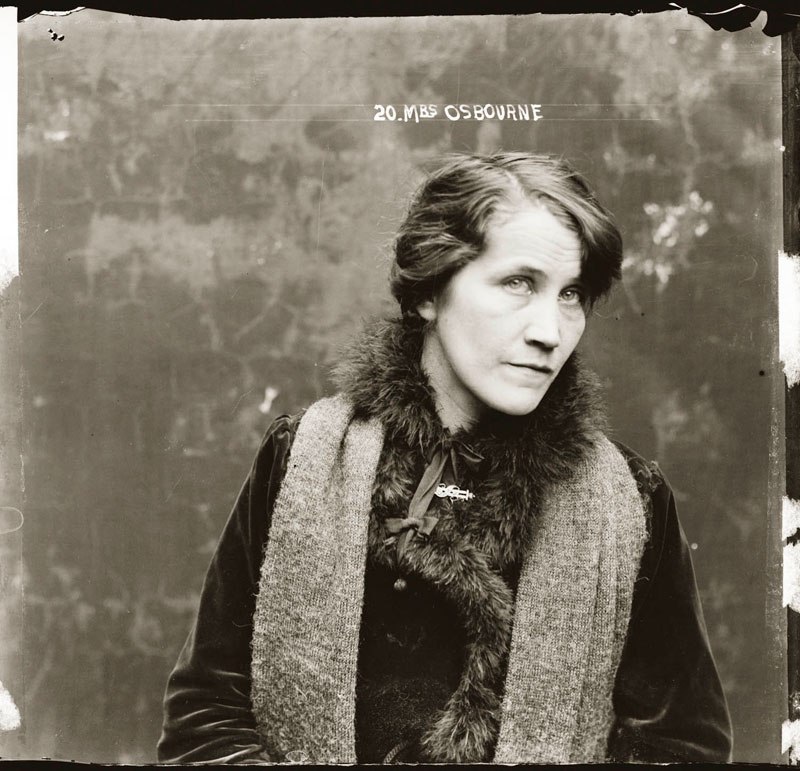
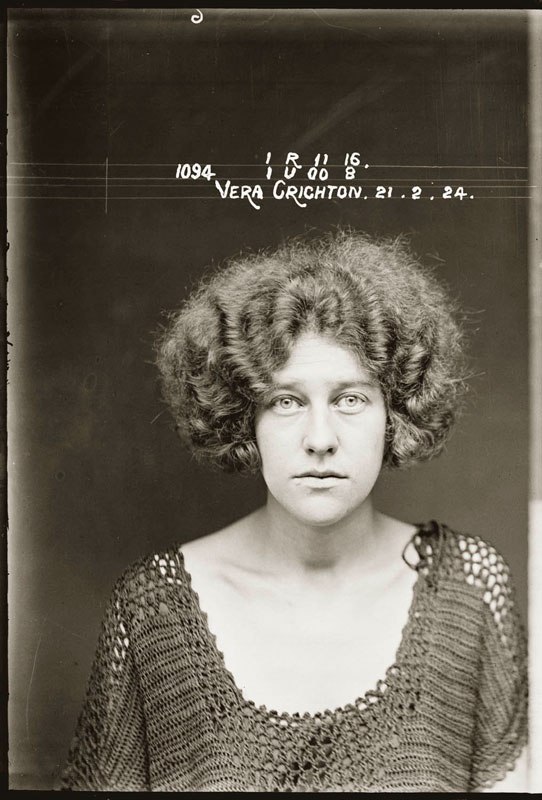
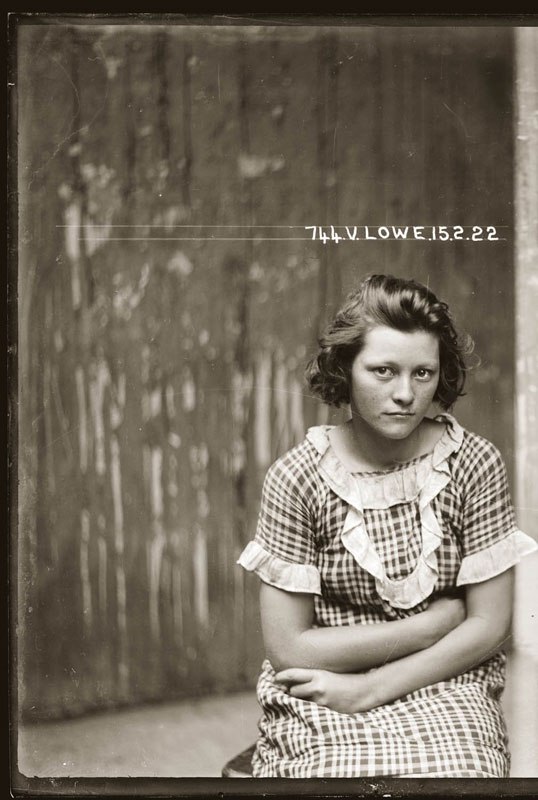
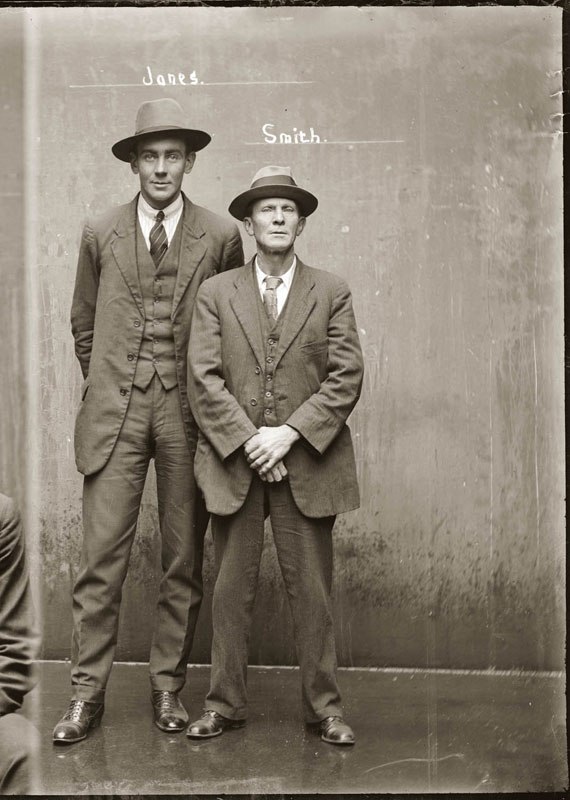
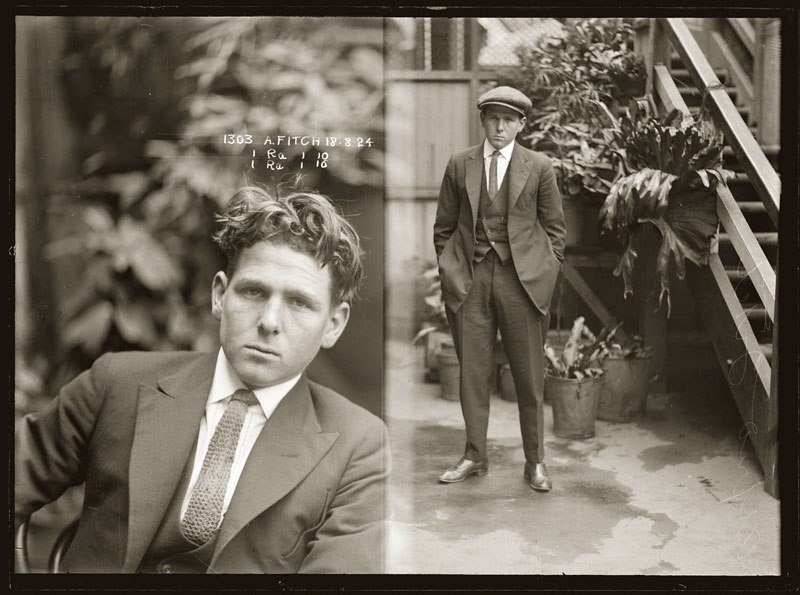
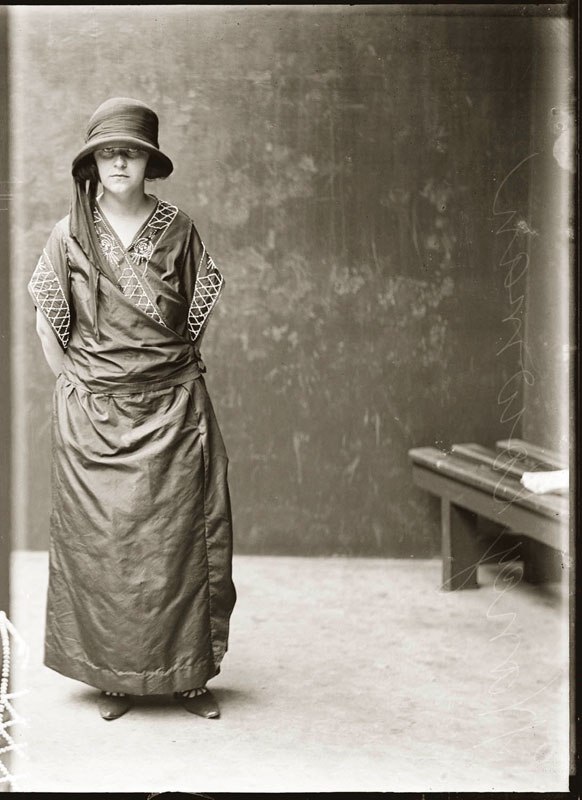
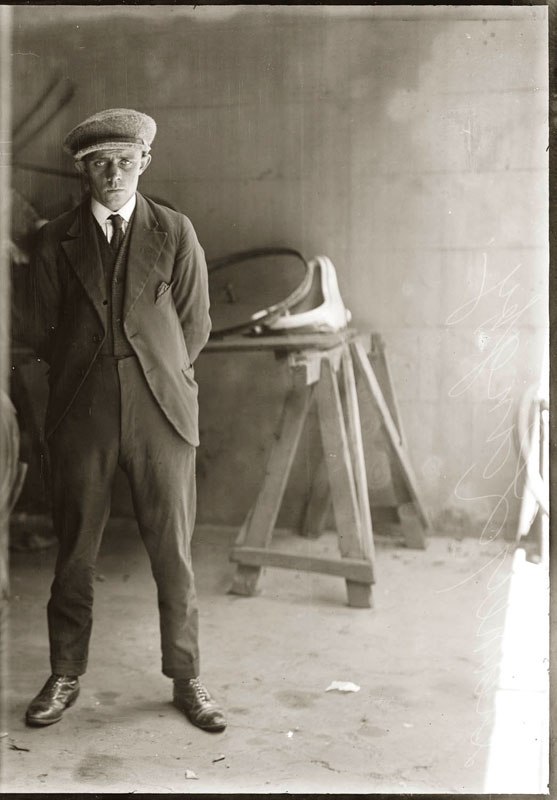
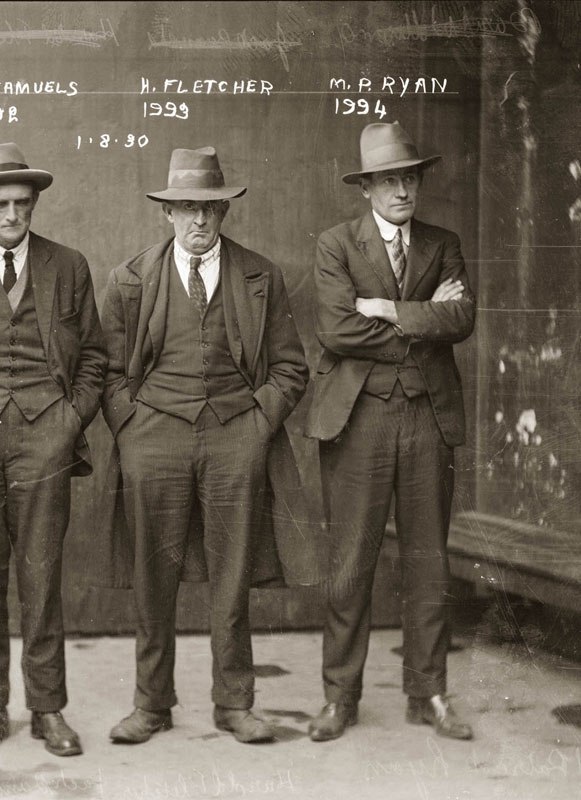
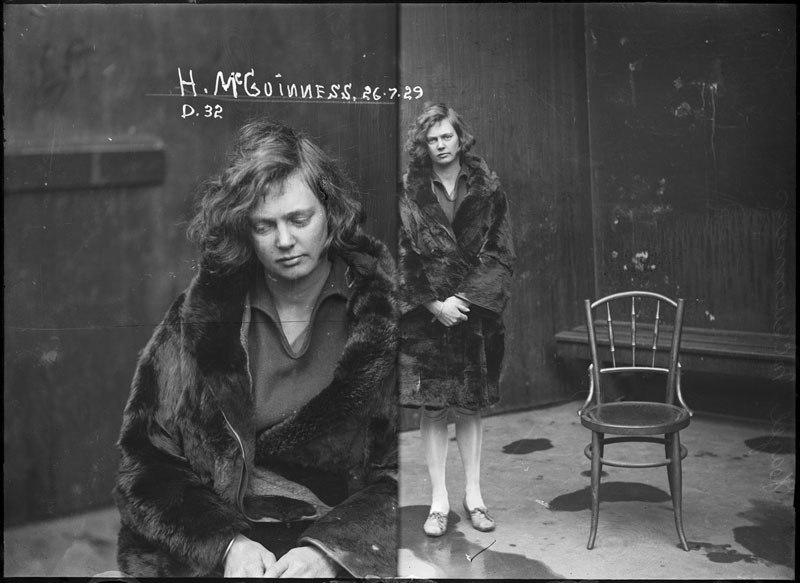
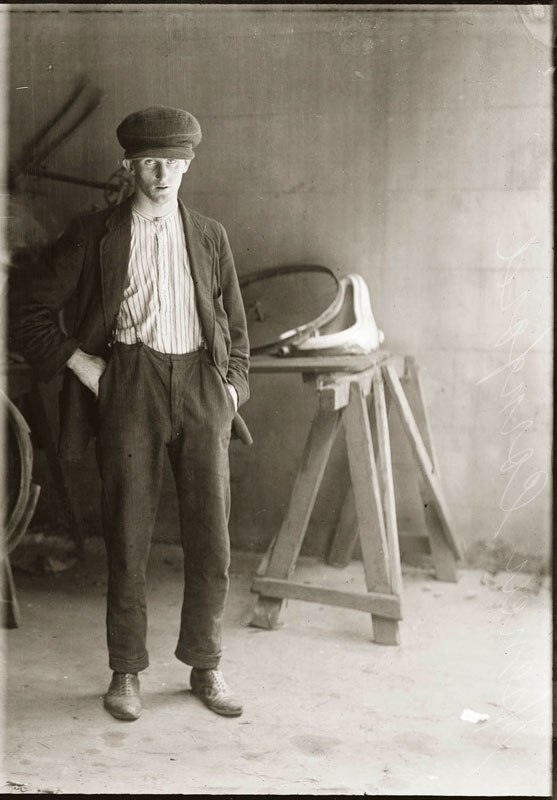
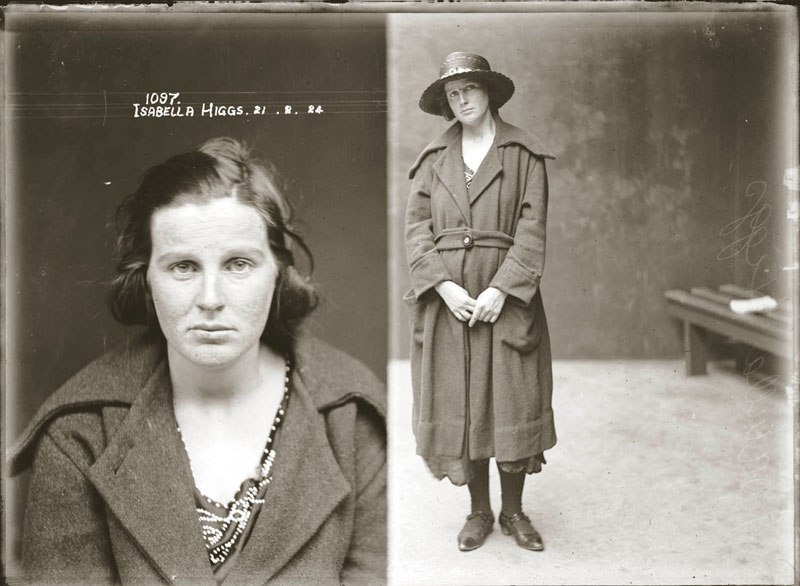
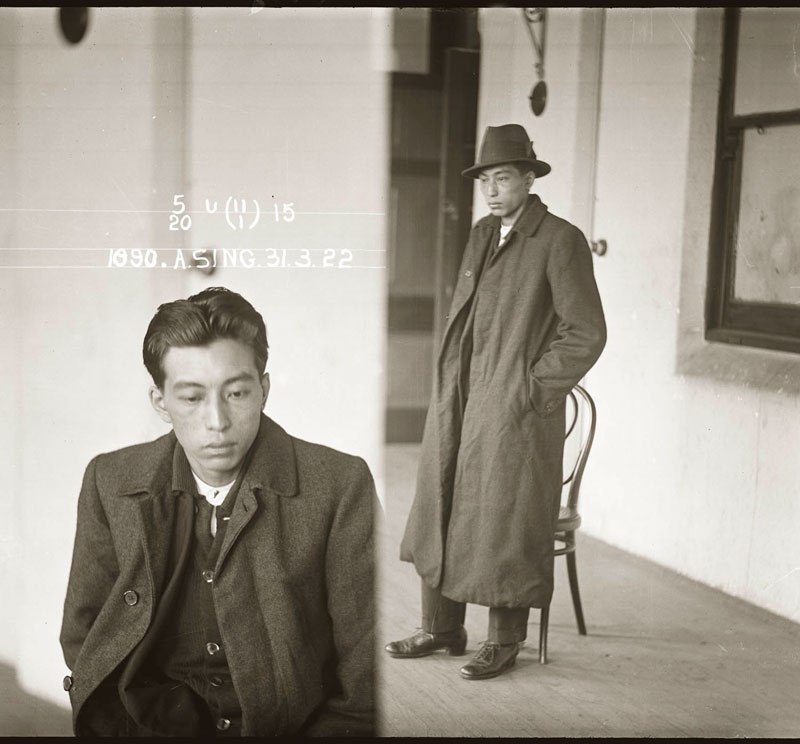
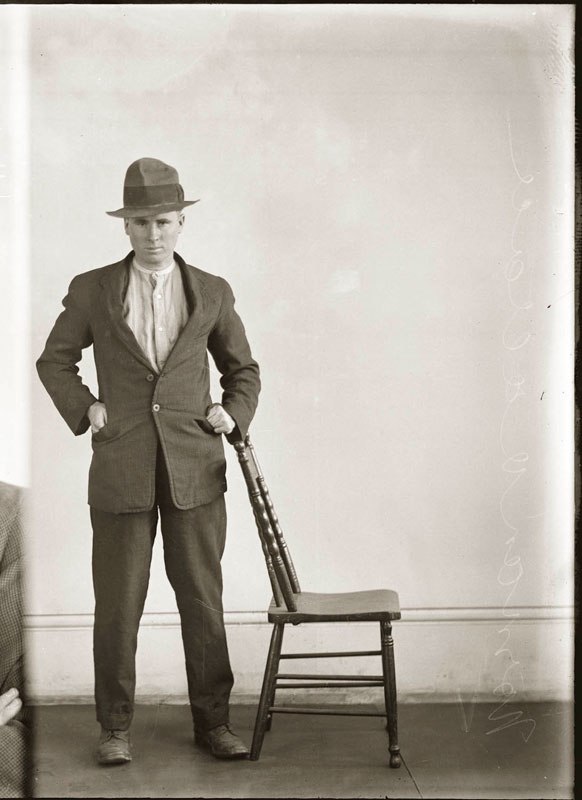
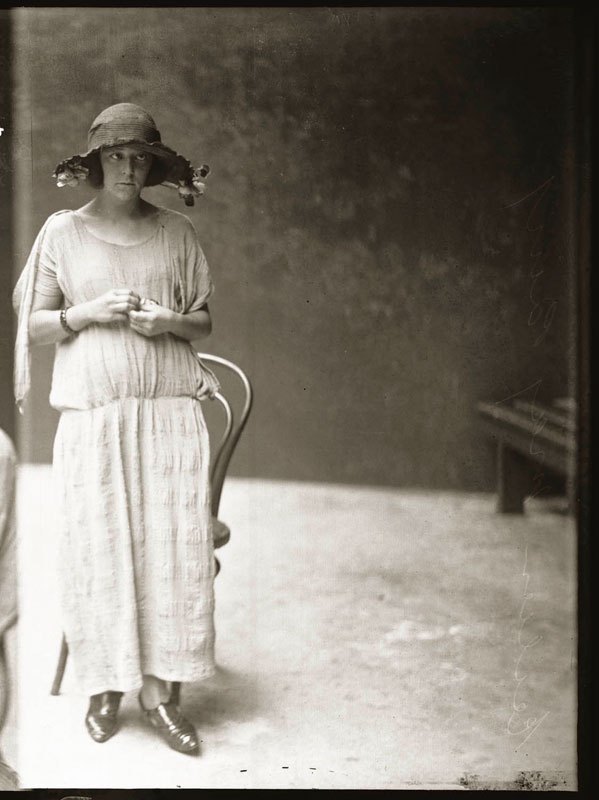
Mug Shots of Criminals in Calgary, 1920

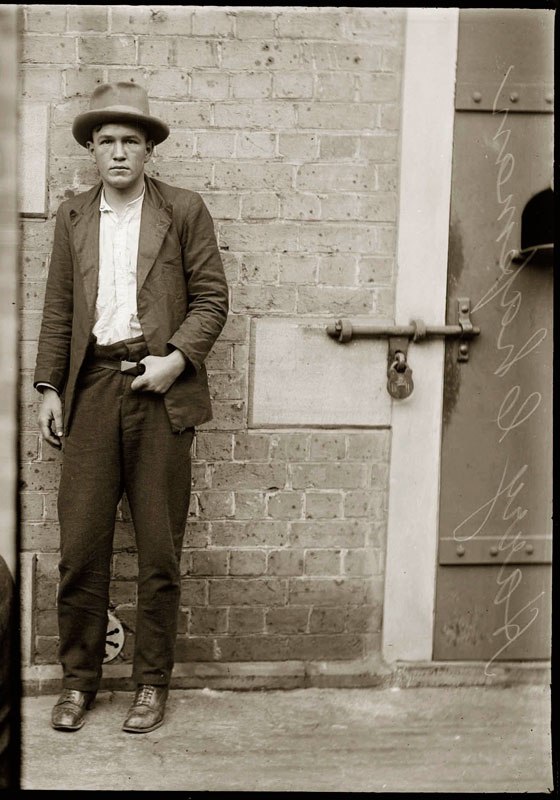
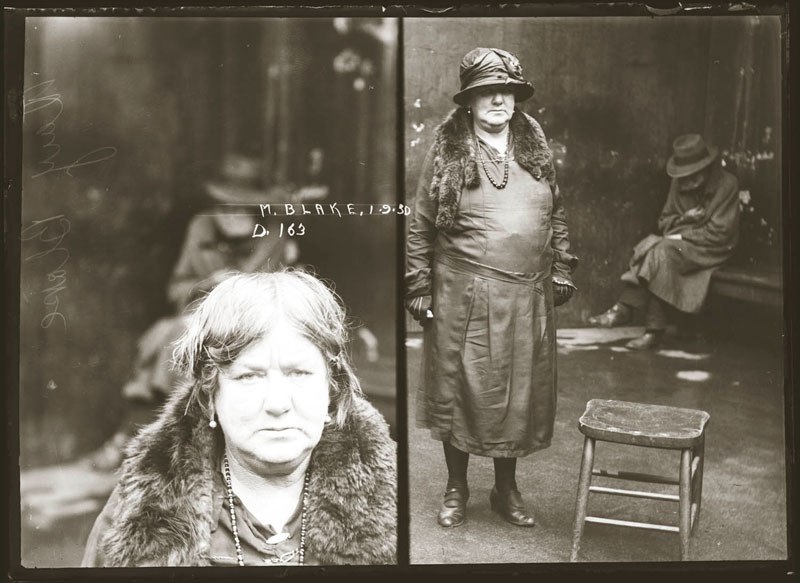
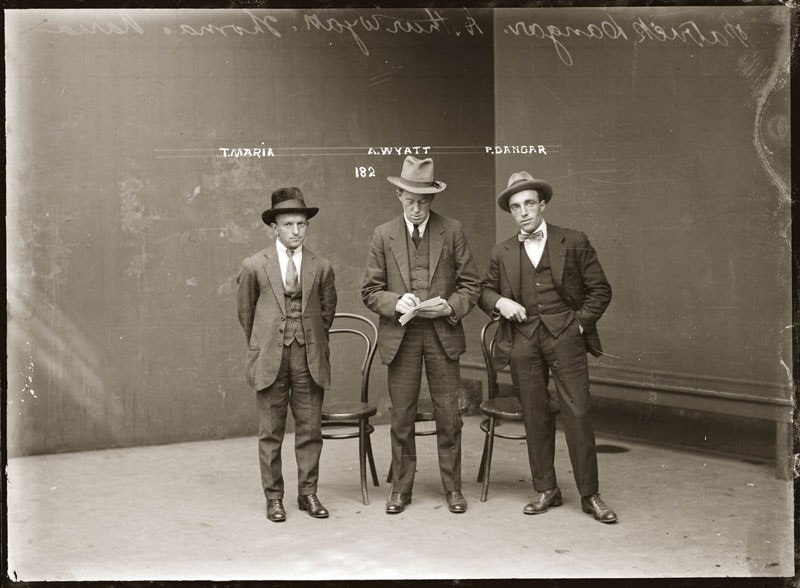
A mug shot is a photographic portrait of a person from the shoulders up, typically taken after a person is arrested. The original purpose of the mug shot was to allow law enforcement to have a photographic record of an arrested individual to allow for identification by victims, the public and investigators.
After the defeat of the Paris Commune in 1871, the Prefecture of Police of Paris hired a photographer, Eugène Appert, to take portraits of convicted prisoners. In 1888, Alphonse Bertillon invented the modern mug shot featuring full face and profile views, standardizing the lighting and angles. This system was soon adopted throughout Europe, and in the United States and Russia.
These photos of 1920s criminals absolutely fascinating, partly because mug shots make for really interesting candid photographs. They were all taken in Calgary, Canada in 1920.

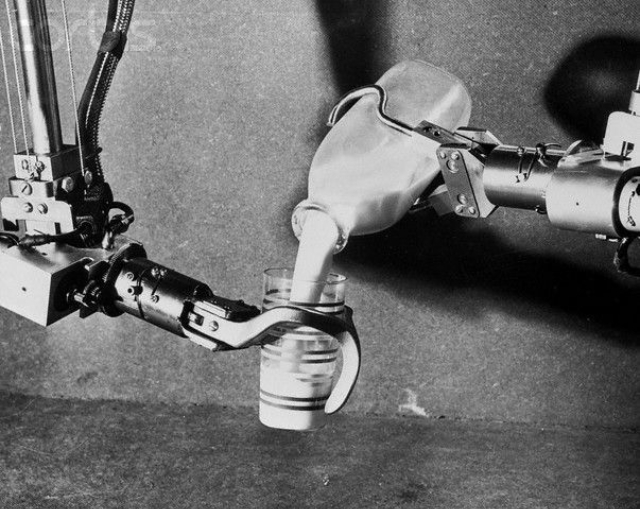
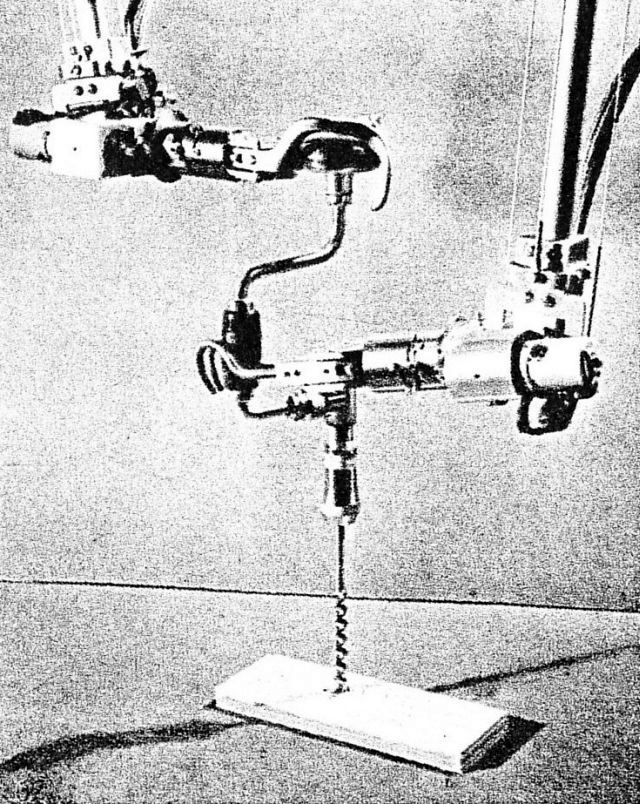
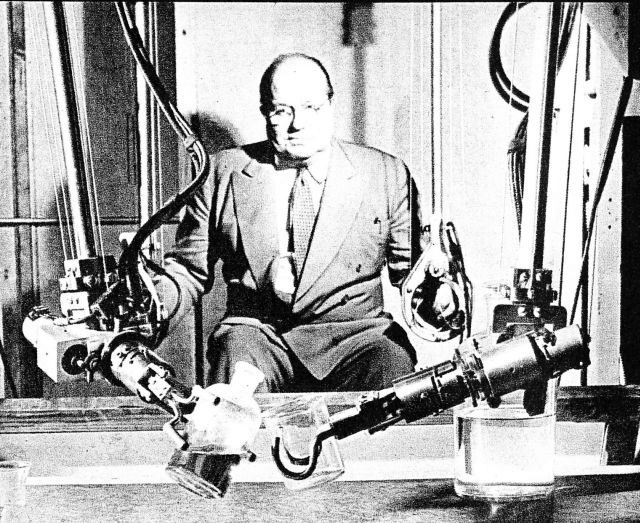
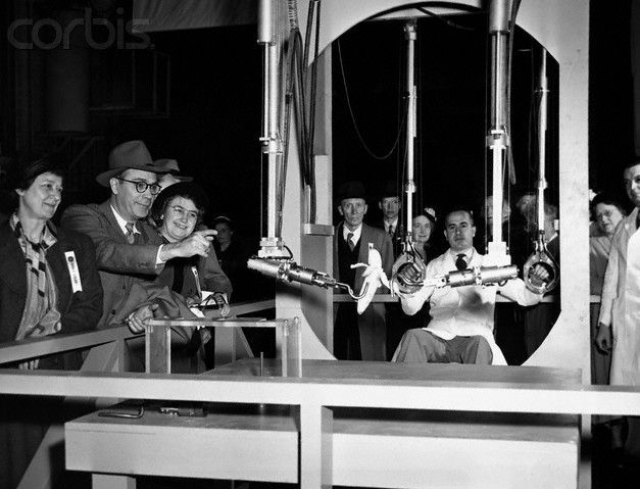
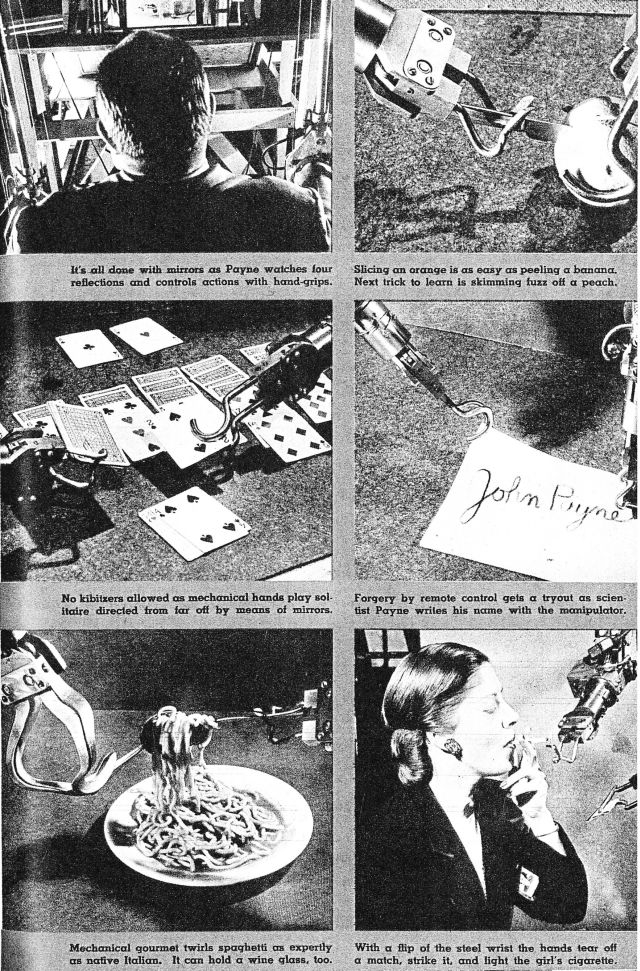
Mechanical Hands With Remote Control: GE Master-Slave Manipulator by John Payne, 1948

The village blacksmith of Longfellow may have had “muscles like iron bands,” but scientist John Payne of General Electric has done him one better; he has arms and hands made of steel, and what’s more, he can operate his from the next room.

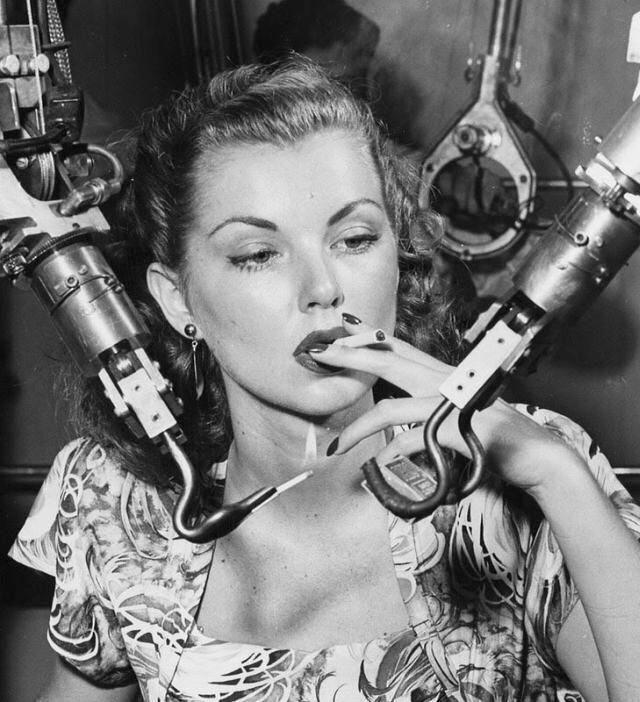
Designed for use by re-mote control in radioactive areas, a pair of mechanical hands can do everything human hands can and more. The hands extend over a protective wall into the radiation area while the operator controls them from a safe place. Most movements are mechanical, being controlled by linkages with the handles, but wrist action is electrical. This permits the wrist to twist around completely any number of hand that consists of a pair of snips instead times, a feat which is particularly useful of hooks. Control of the hands is so sensitive that a gentle squeeze can be applied to break the shell of a hard-boiled egg without damaging its contents.

John Payne’s device has an important function of course; with it he can handle remotely the hot, radioactive materials used in atomic research at Knolls Atomic Power Laboratory at Schenectady, NY. His “hands” can perform delicate chemical experiments, operate machine tools and do countless other tasks involving great dexterity. In use the metal manipulators extend over a wall impervious to the harmful radiations, and reach into the radio-active area to handle the material. The operator remains in a separate control room and atches the operation by means of mirrors.

A model having her cigarette lit by a “Master-Slave Manipulator” for remotely working with radioactive materials, Schenectady, NY, 1948.

Subscribe to Yesterday Today’s Blog to receive regular updates regarding new content:

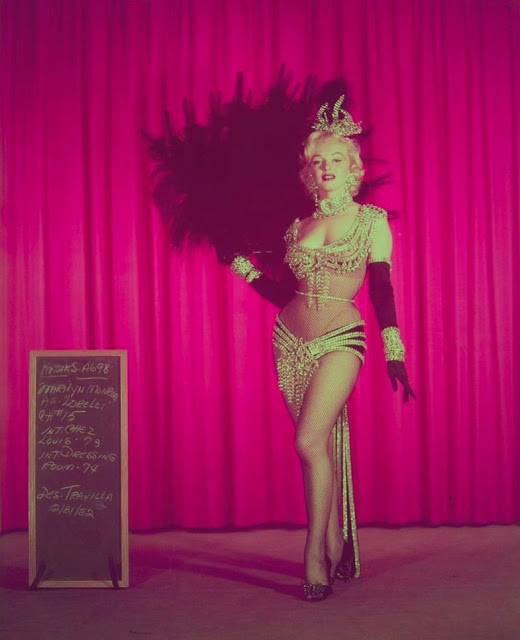
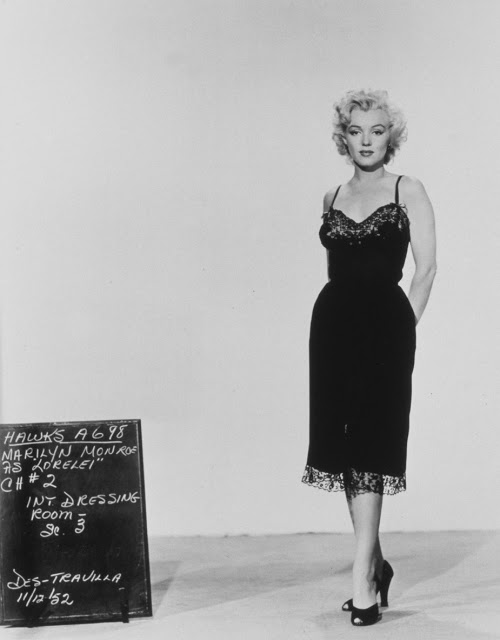
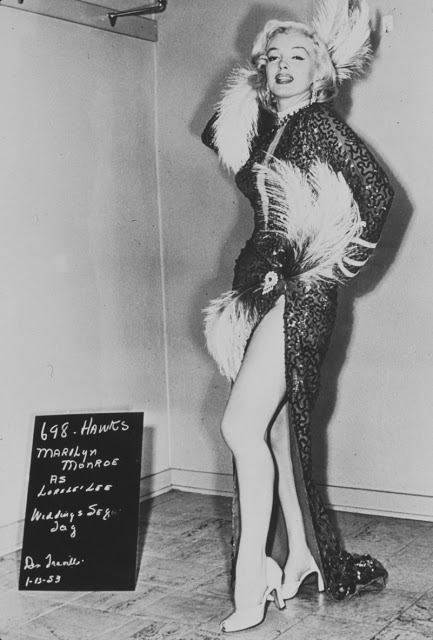
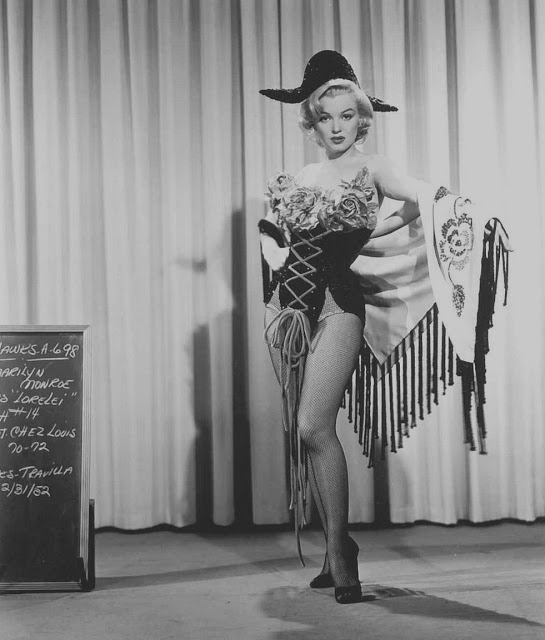
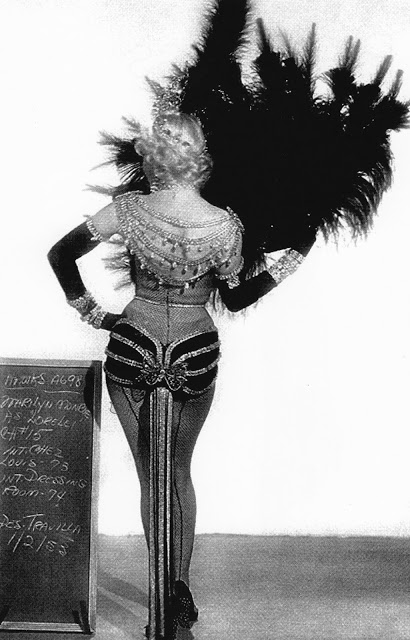
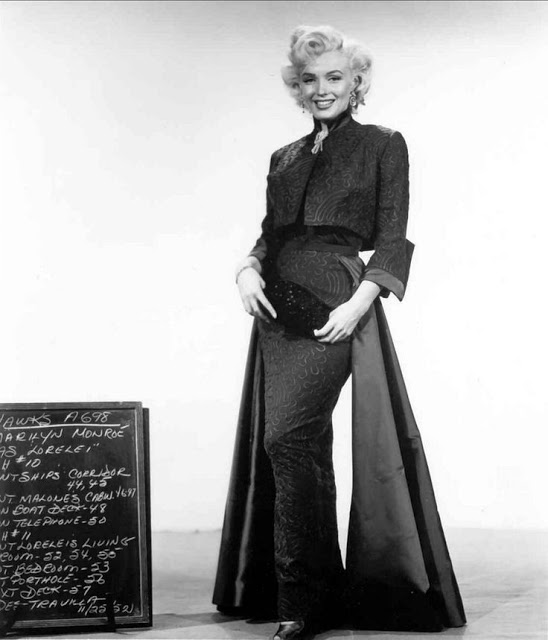
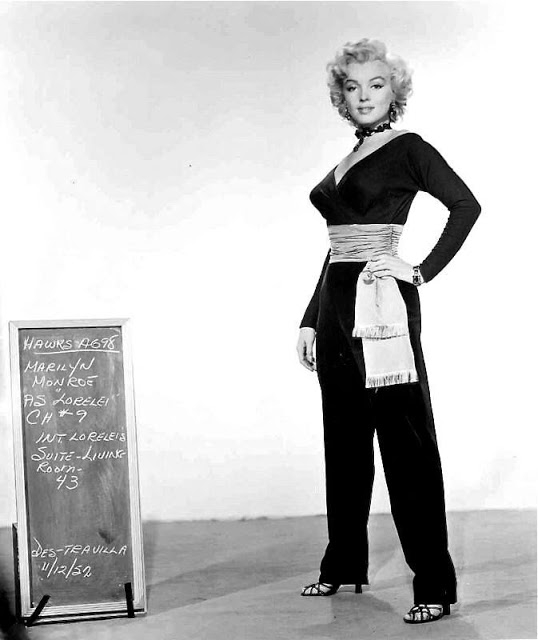
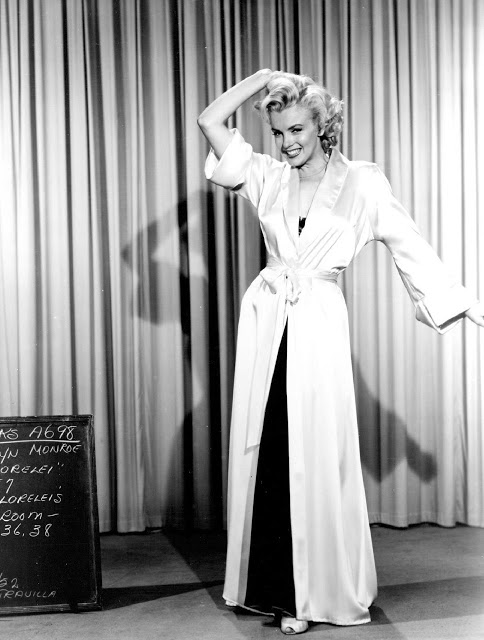
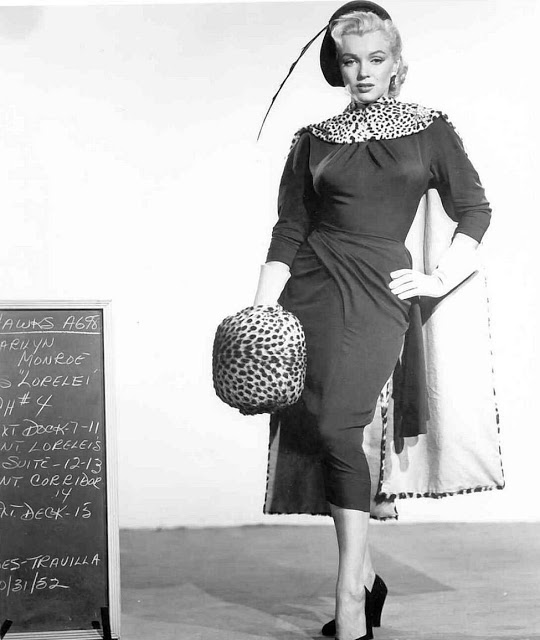
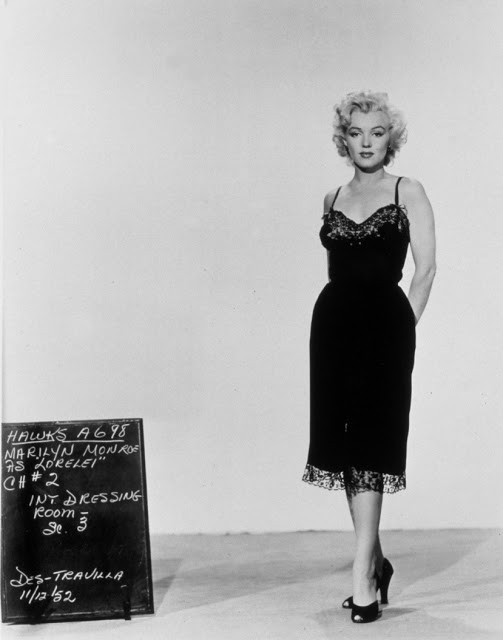
22 Vintage Photos of Marilyn Monroe’s Wardrobe Tests as Lorelei Lee in ‘Gentlemen Prefer Blondes’ (1953)

Increased press coverage of Marilyn brought headaches, but it also contributed to an improvement in her status at Twentieth Century-Fox throughout the production of Niagara.

On June 1, 1952, Fox gave Marilyn a surprise birthday present — the news that she would star as Lorelei Lee in the film version of Gentlemen Prefer Blondes. A smash success on the Broadway stage, Gentlemen Prefer Blondes had been running for over two years with Carol Channing starring as the vivacious Lorelei.

Here, we collected 22 interesting behind-the-scenes photos of Marilyn Monroe wardrobe tests as Lorelei in Gentlemen Prefer Blondes.

Subscribe to Yesterday Today’s Blog to receive regular updates regarding new content:

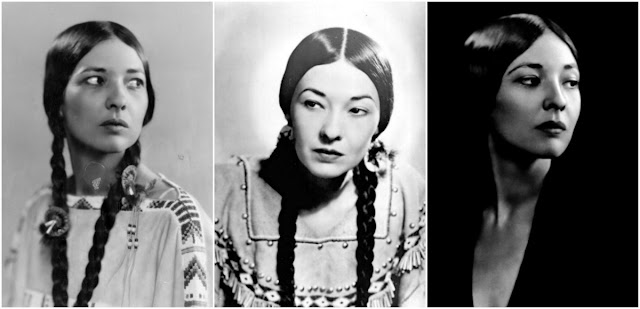
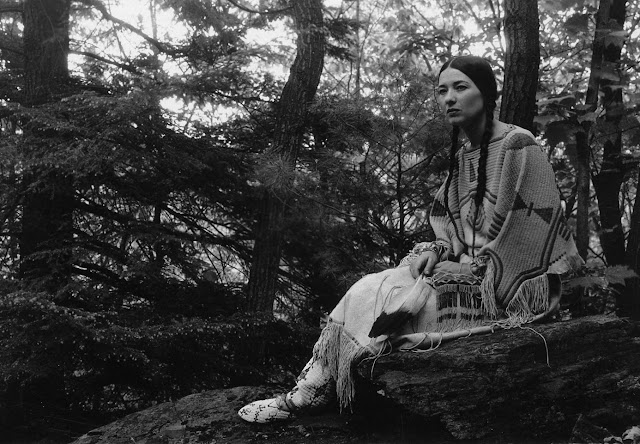
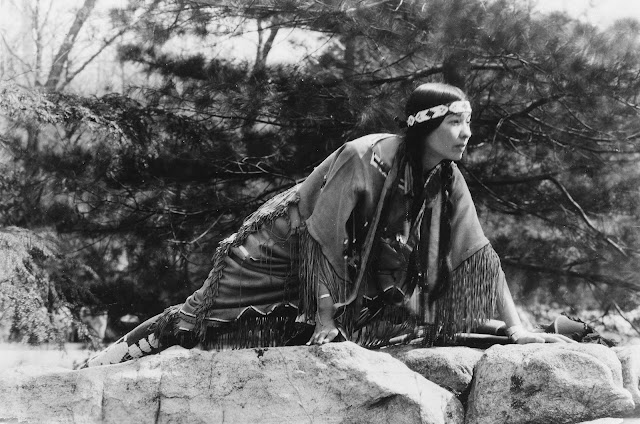
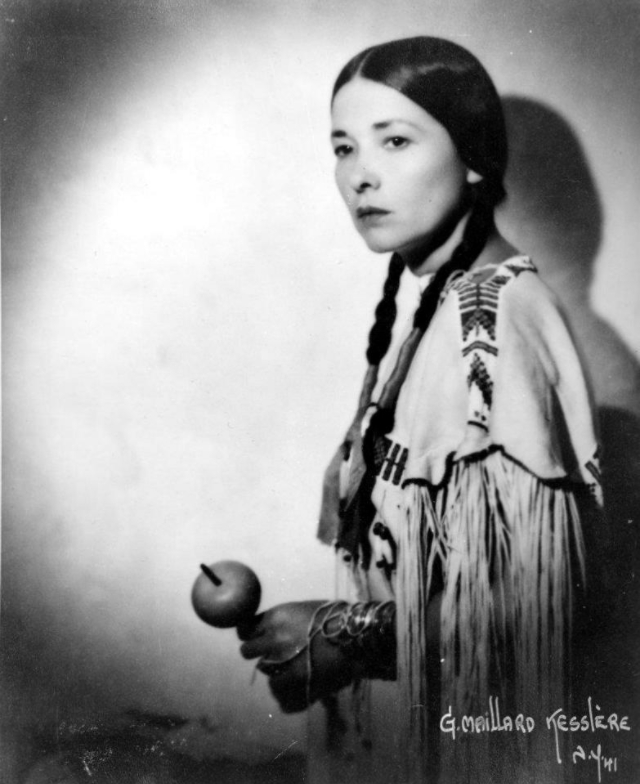
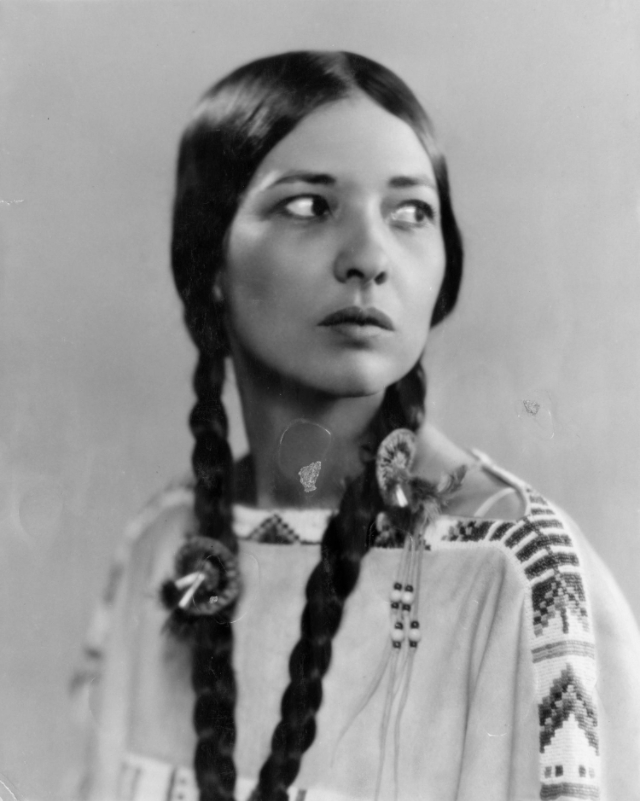
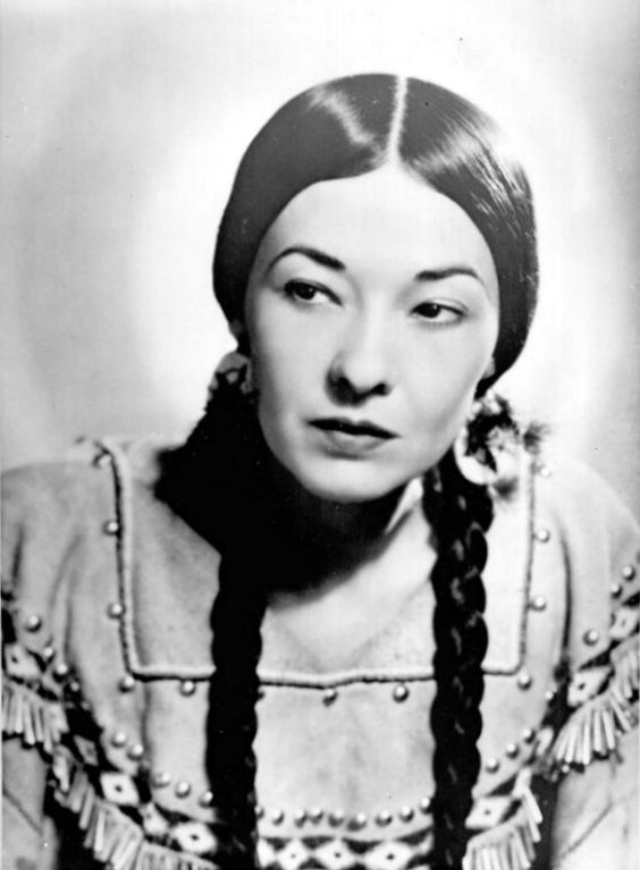
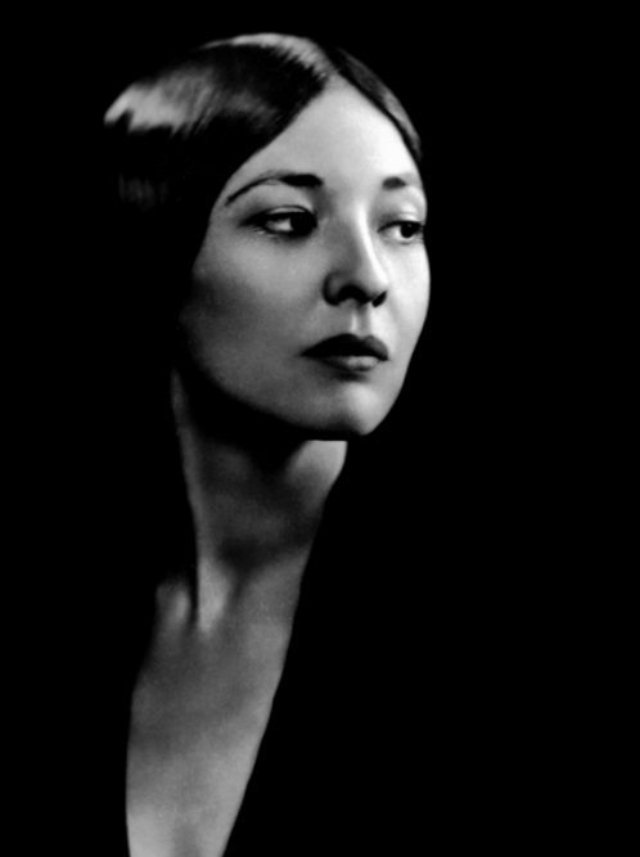
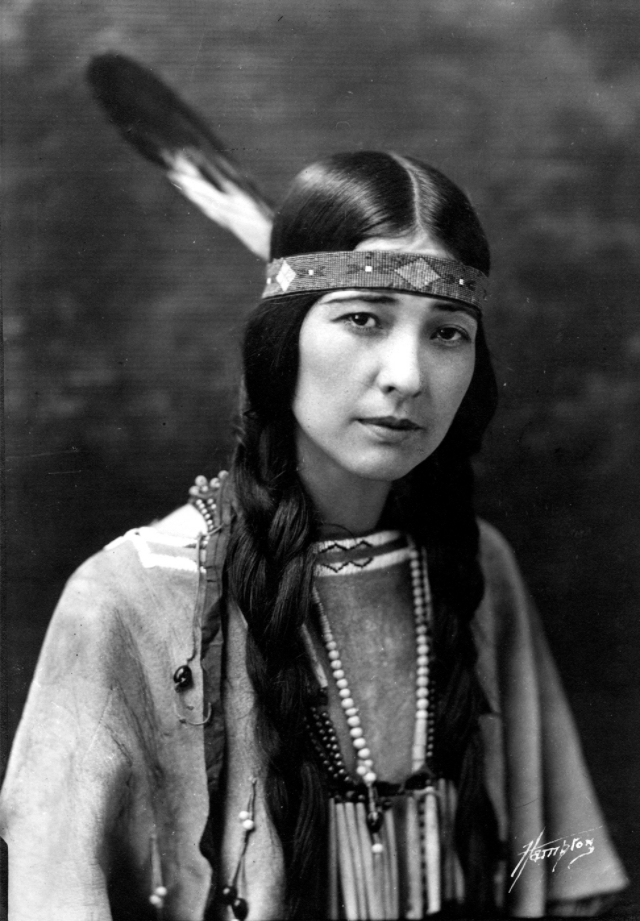
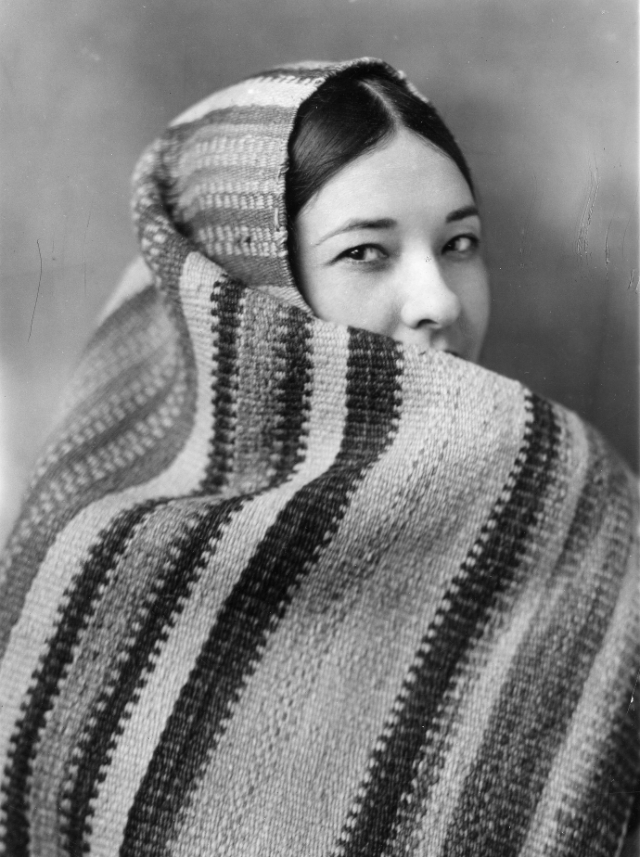
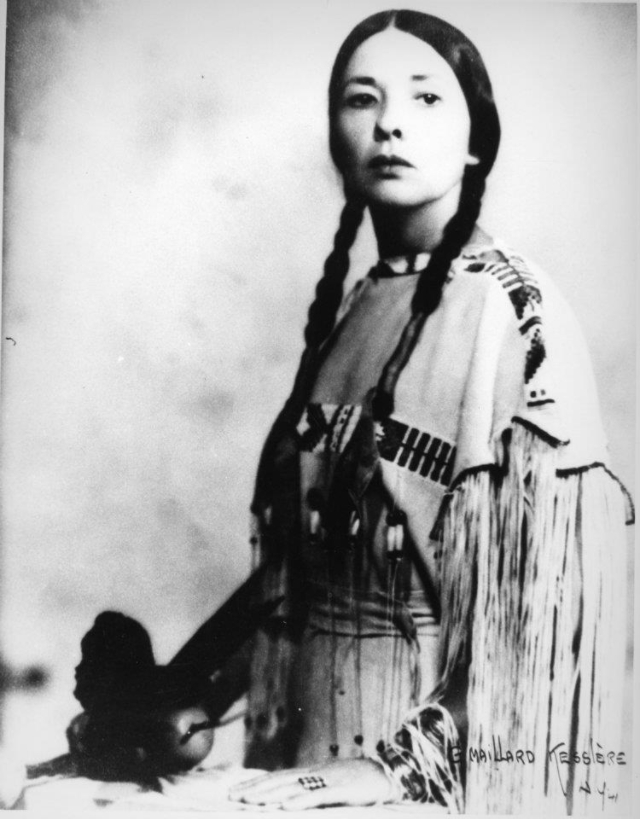
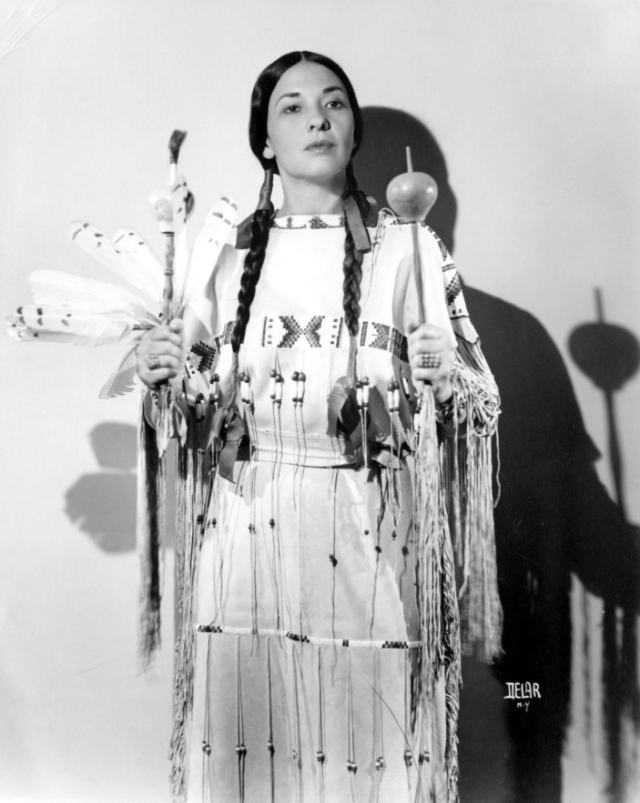
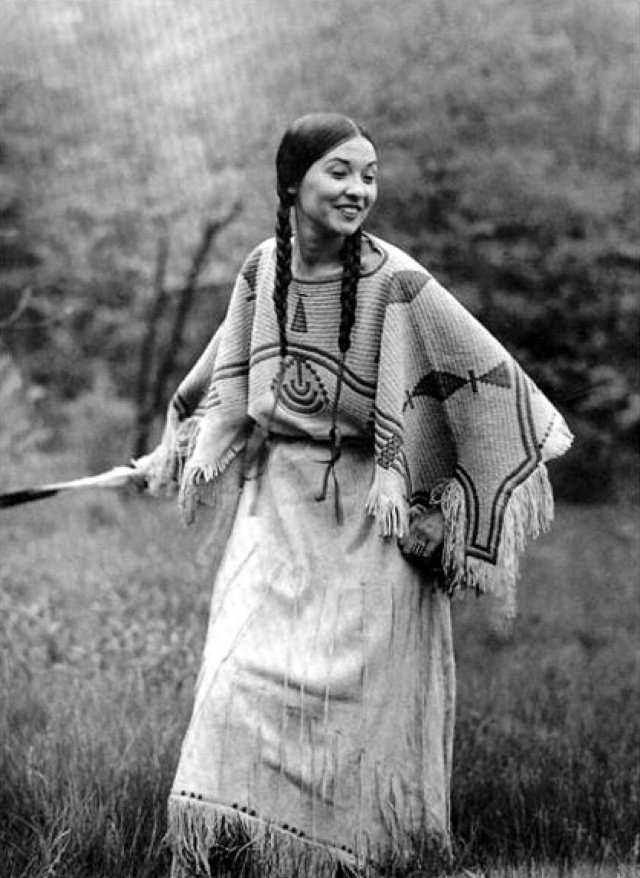
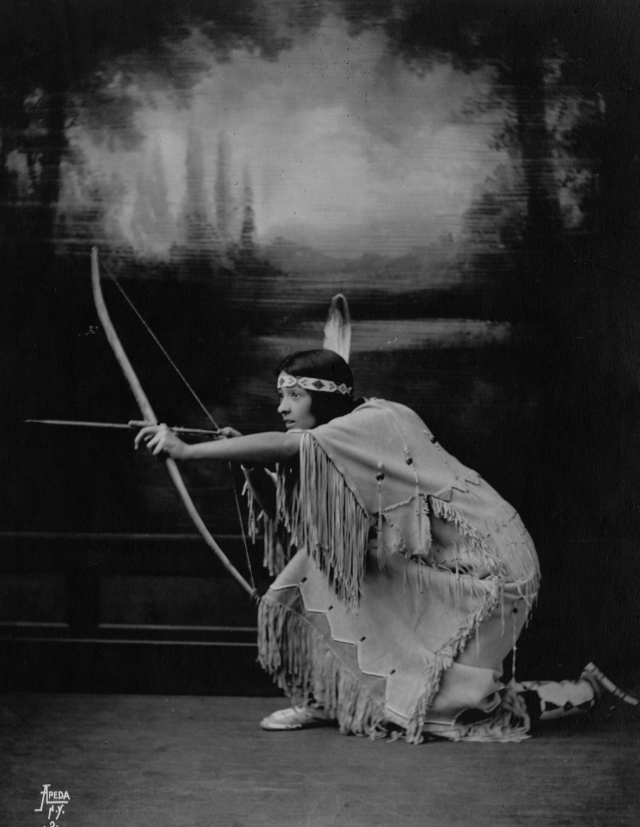
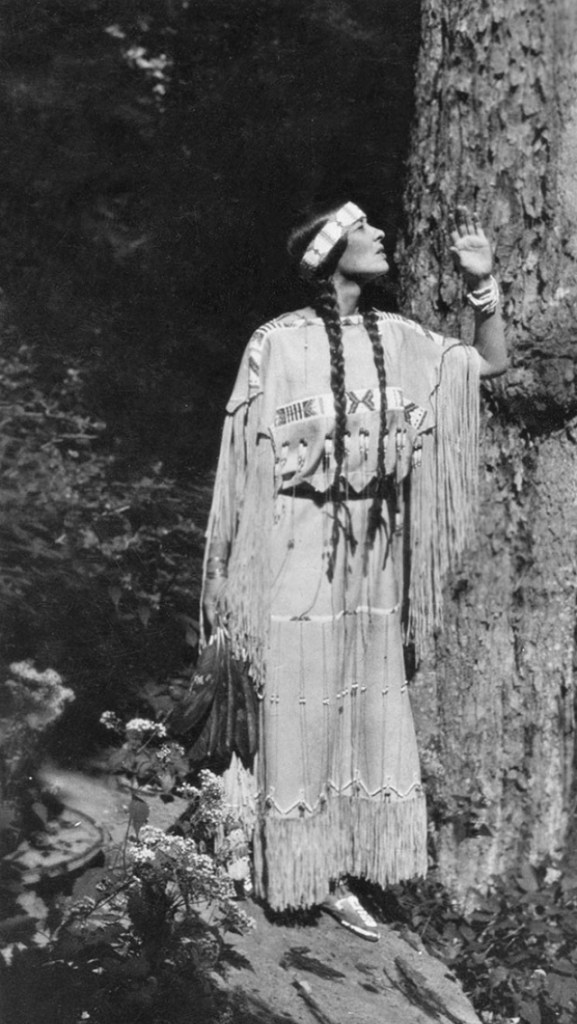
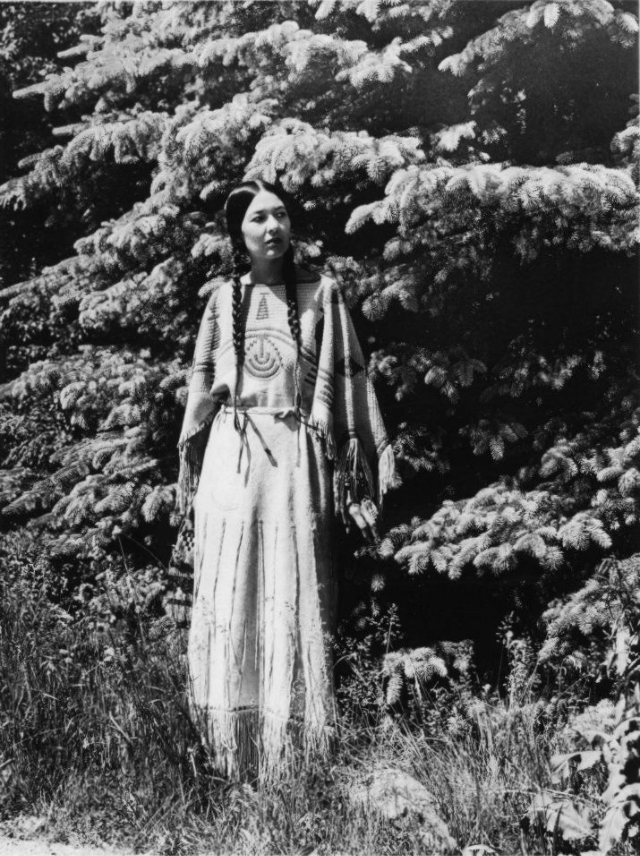
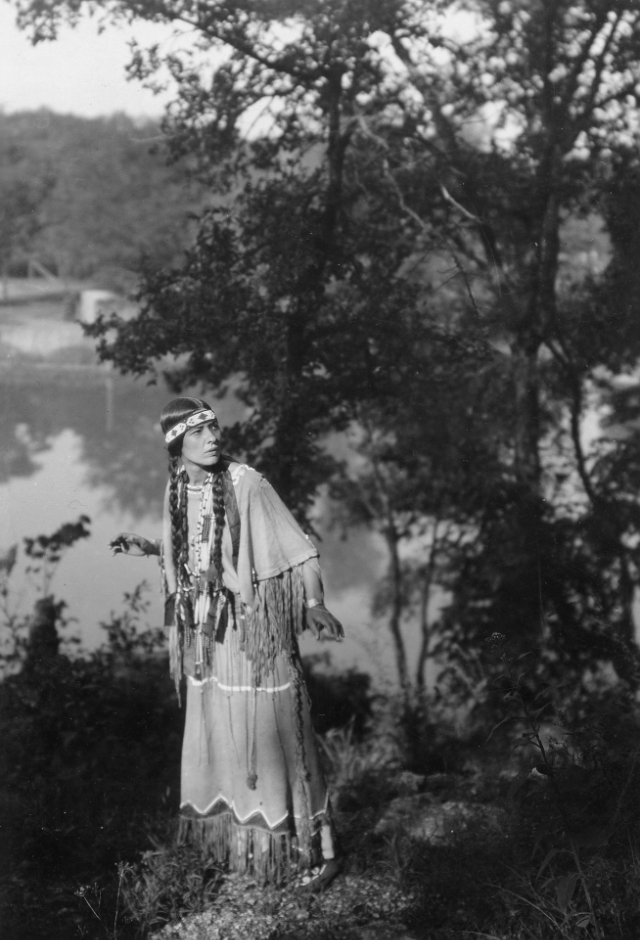
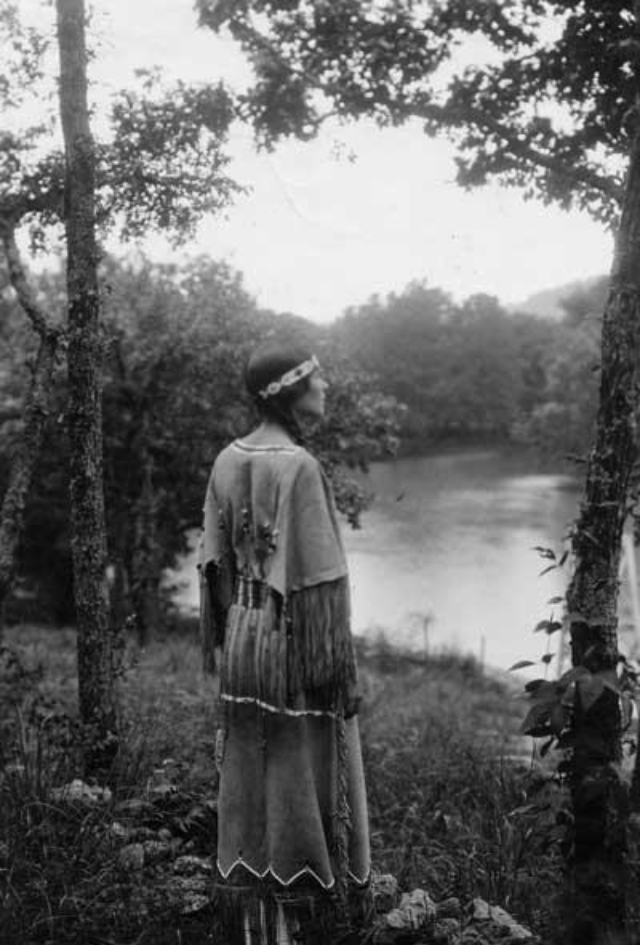
16 Vintage Portraits of a Beautiful Mary “Te Ata” Thompson Fisher

Te Ata Thompson Fisher, whose name means “Bearer of the Morning,” was born Dec. 3, 1895, near Emet, Oklahoma. A citizen of the Chickasaw Nation, Te Ata was an accomplished actor and teller of Native American stories.

She received her early education in Tishomingo, and eventually went to the Oklahoma College for Women. While there, it was evident Te Ata had a natural talent for drama.

Her career as an actor and storyteller spanned more than 60 years. She worked as a storyteller to finance her acting career. She would tell Chickasaw legends, myths and chants, including performing rituals in native regalia.

Te Ata attended the Carnegie Institute of Technology in Pittsburgh, Pennsylvania, for one year. From there, she moved to New York City, where she met and married Clyde Fisher. During the 1930s she performed at summer camps in New York and New England.

In the prime of her career, she performed in England and Scandinavia, at the White House for President Franklin Roosevelt, for the King and Queen of Great Britain, and on stages across the United States.

Although Te Ata worked as an actor and drama instructor, she is best known for her artistic interpretations of Indian folklore, and for her children’s book she co-authored on the subject.

Her world-renown talent has won her several honors including induction into the Oklahoma Hall of Fame in 1957, being named The Ladies’ Home Journal Woman of the Year in 1976, being named Oklahoma’s Official State Treasure in 1987, and having a lake near Bear Mountain in New York named in her honor.

She is also the subject of a video, God’s Drum, the proceeds of which have supported the Te Ata Scholarship Fund for Indian students at her alma mater, the University of Science and Arts of Oklahoma in Chickasha, Oklahoma.

Te Ata died Oct. 26, 1995, in Oklahoma City, though her legacy and influence on the Native American storytelling traditions continues to this day.

Subscribe to Yesterday Today to receive regular updates regarding new content:

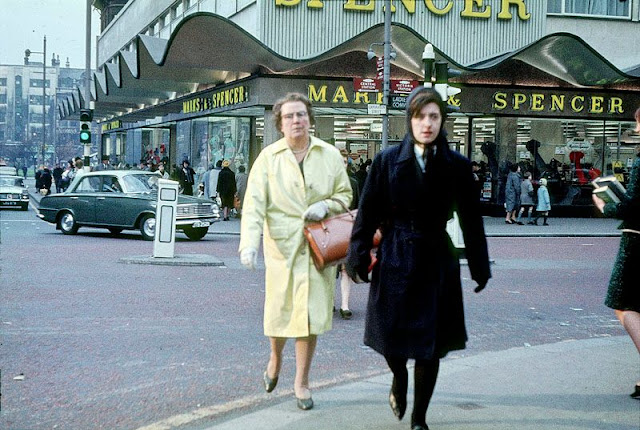
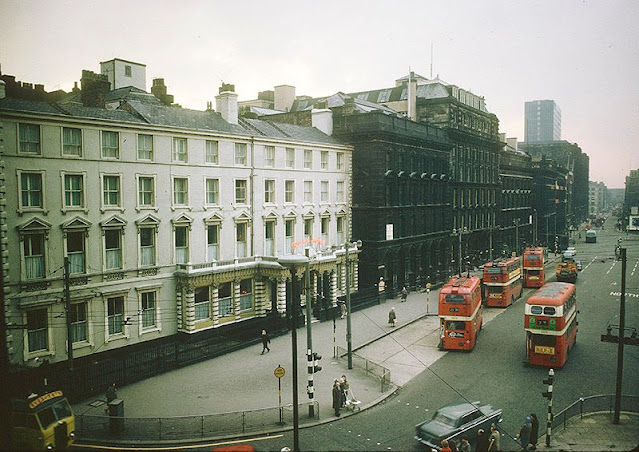
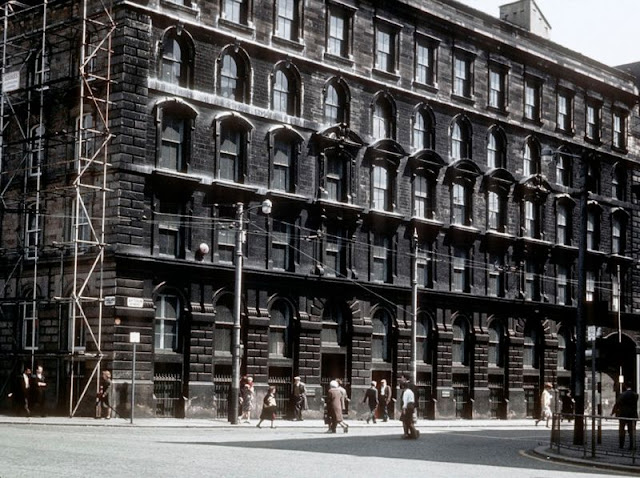
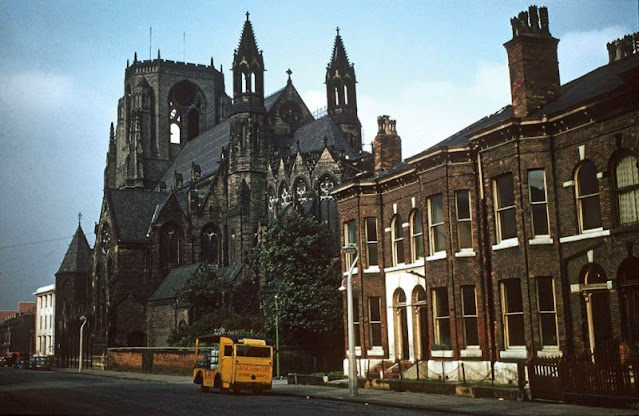
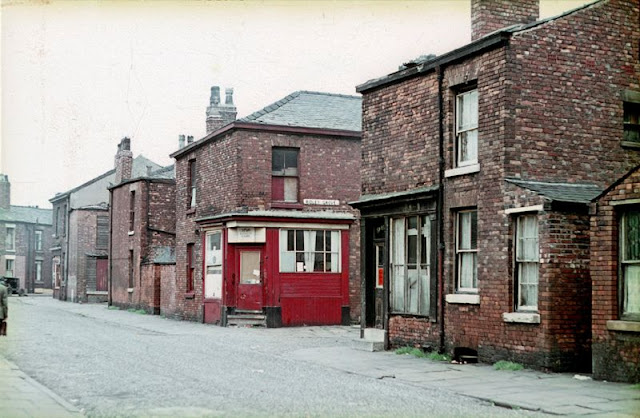
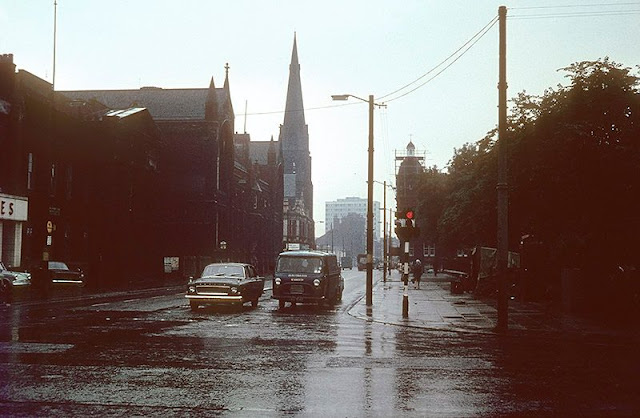
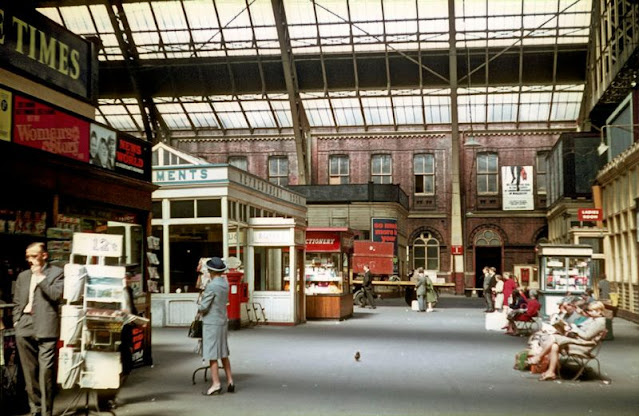
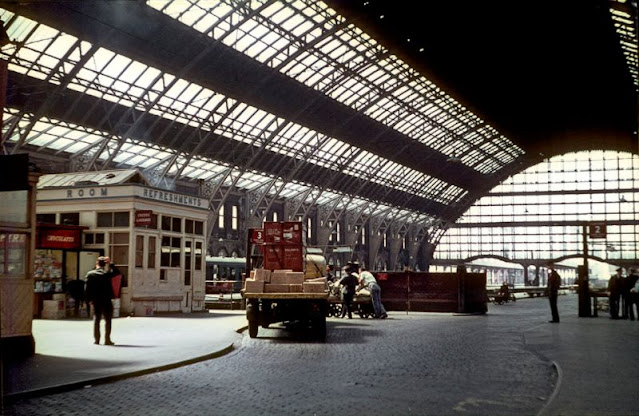
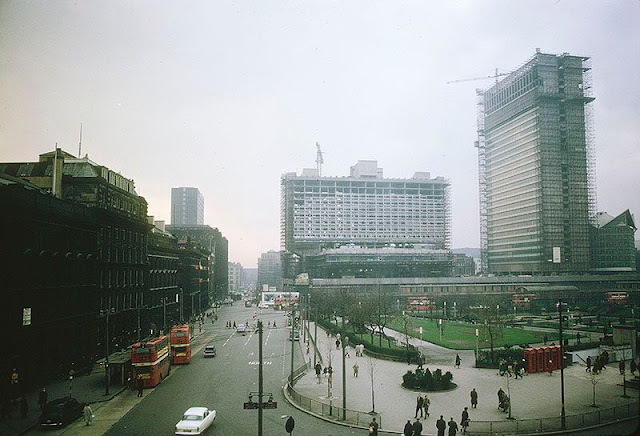
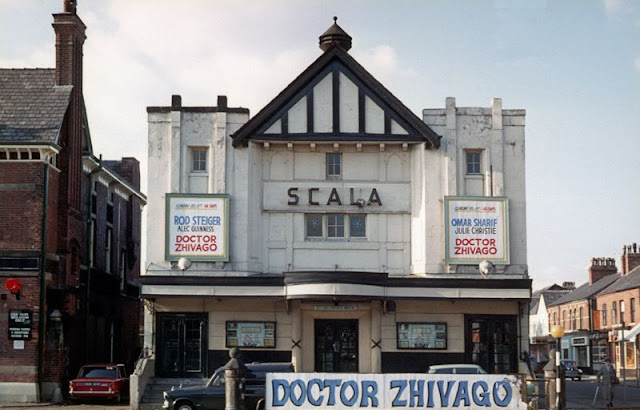
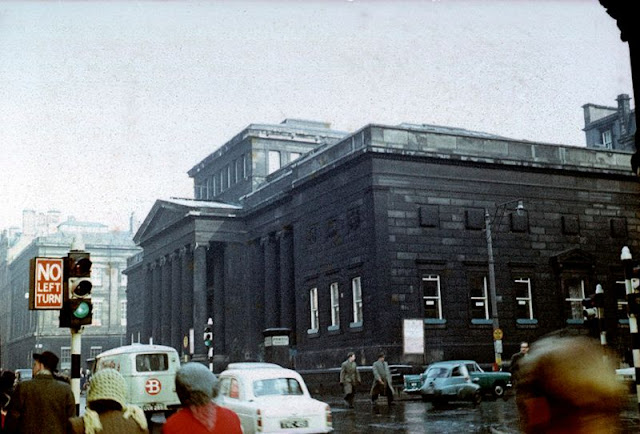
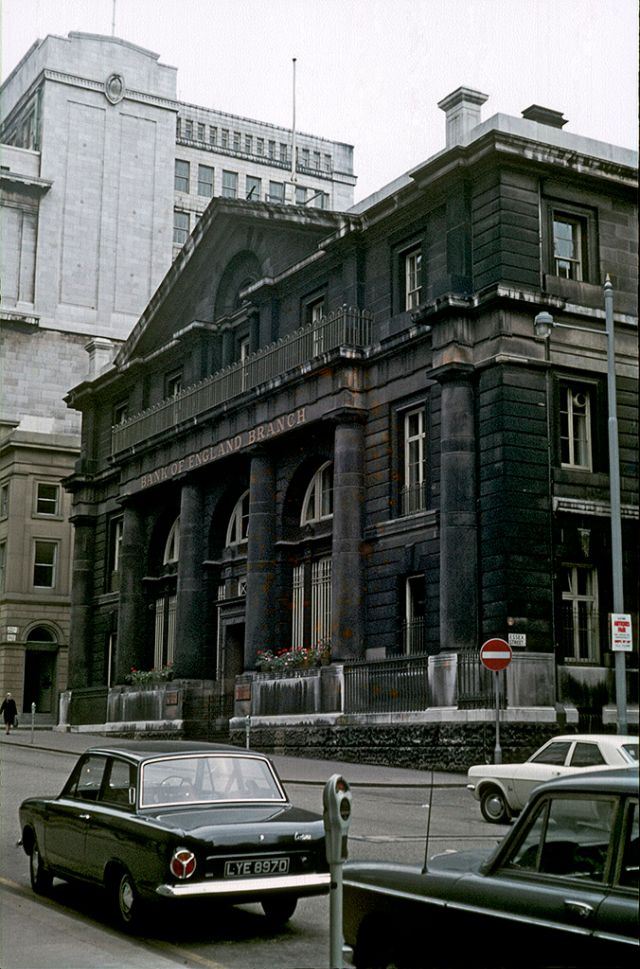
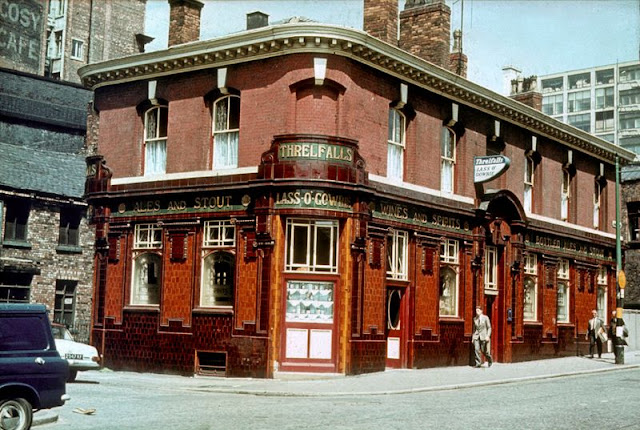
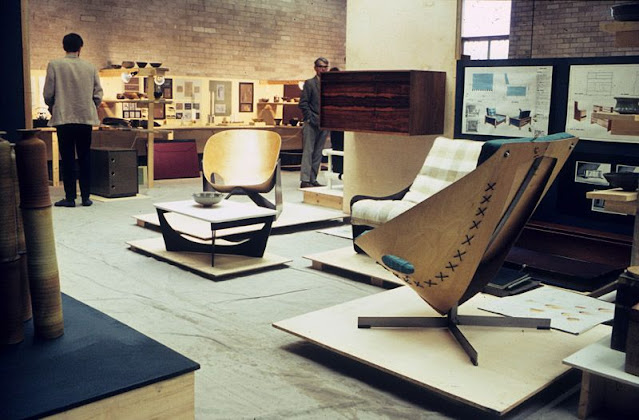
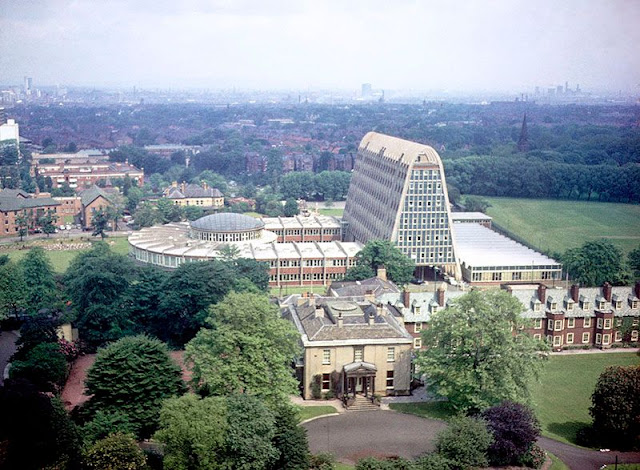
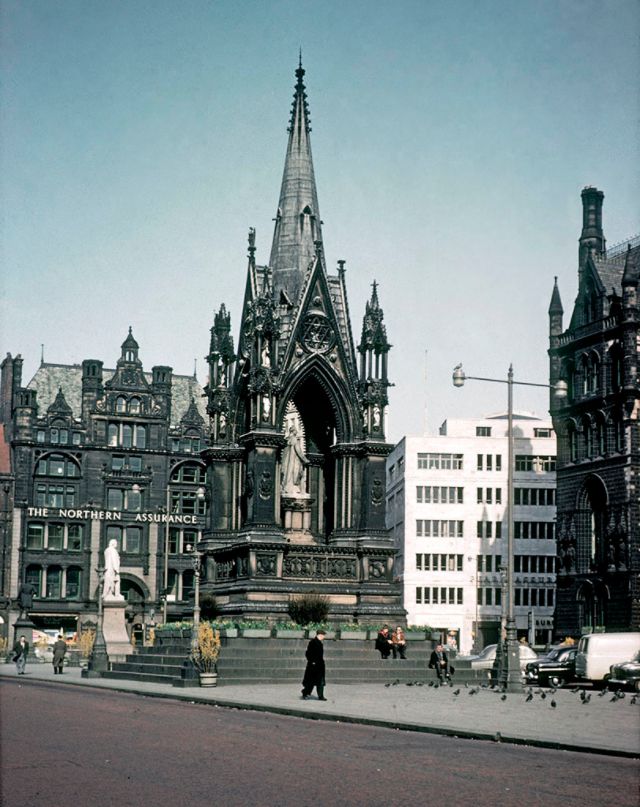
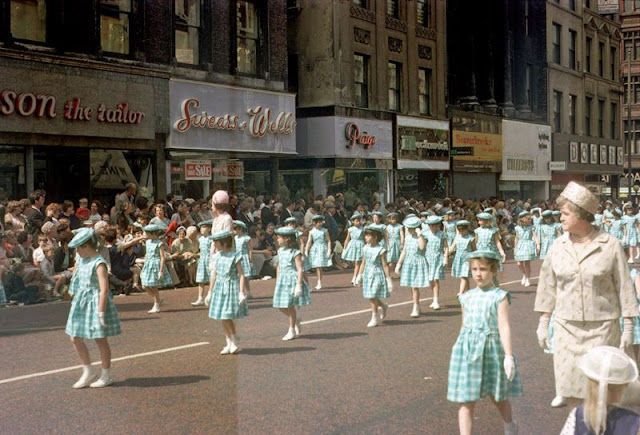
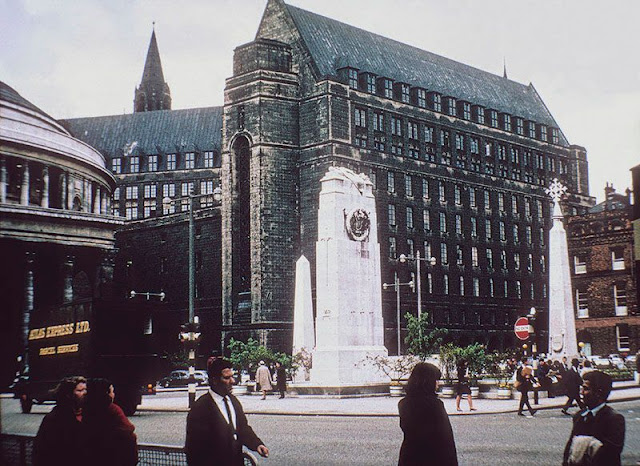
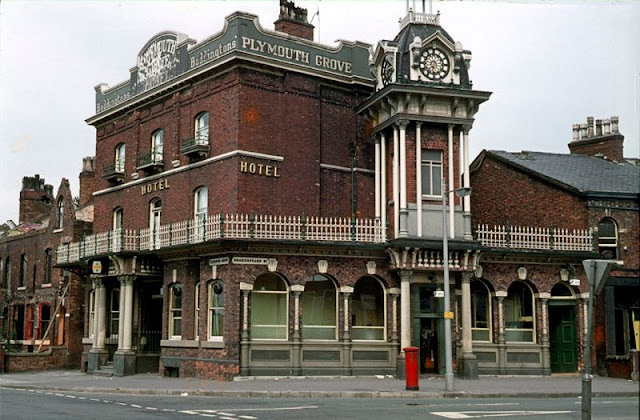
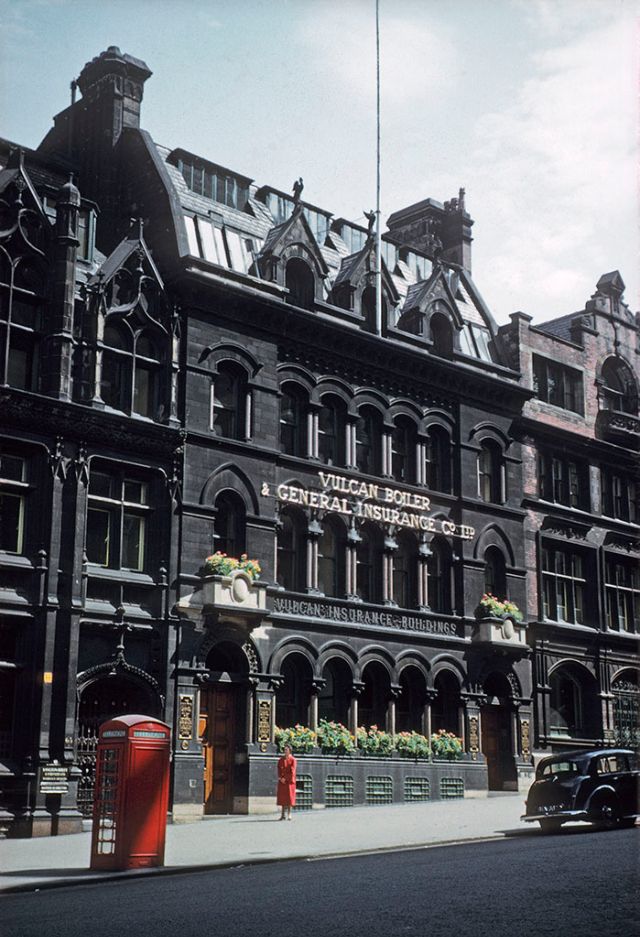
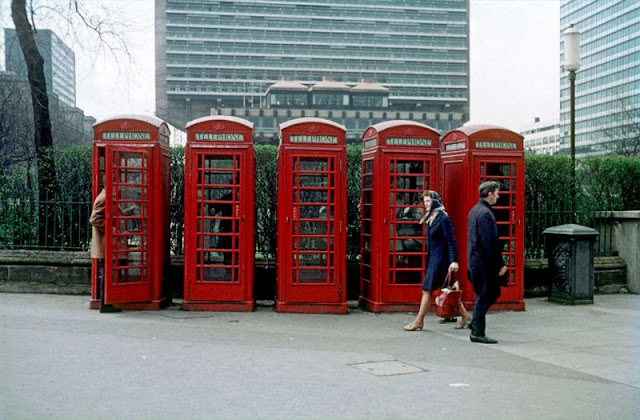
22 Color Photos of Manchester, England in the 1960s

The sixties was a difficult decade for Manchester. As heavy industry, cotton processing and trading all suffered a severe downturn, the city had to struggle with high unemployment rates. Between 1961 and 1983, Manchester lost 150,000 jobs in manufacturing. The city’s population also suffered a decline during that time. In 1961, Manchester’s population was 662,000, and by 1971 it was 544,000.

The city also saw the rise of new buildings, skyscrapers and housing schemes in this decade. Few aesthetically memorable buildings were constructed in the 1950s and 1960s, but some grew into landmarks. In 1962, the 118-metre tall CIS Tower became the tallest building in the United Kingdom, and three years later came the opening of the Piccadilly Plaza, another skyscraper. Overcrowded and shabby housing was also demolished to make way for high-rise blocks of flats.

Take a look back at the city in the 1960s through 22 fascinating vintage snapshots.

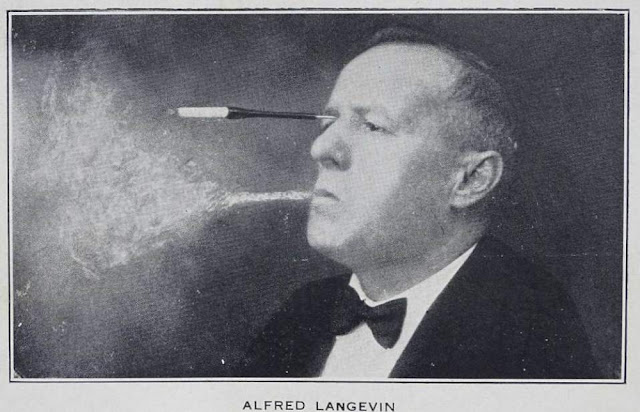
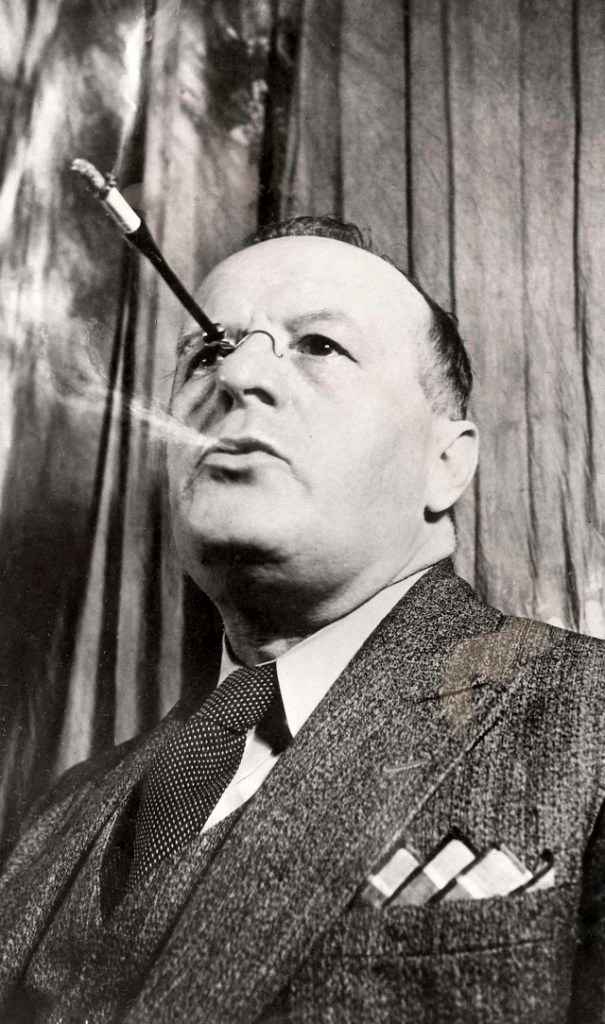
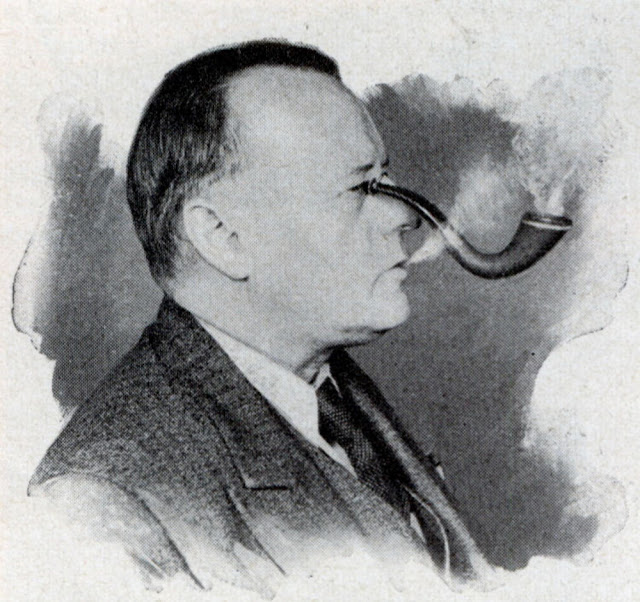
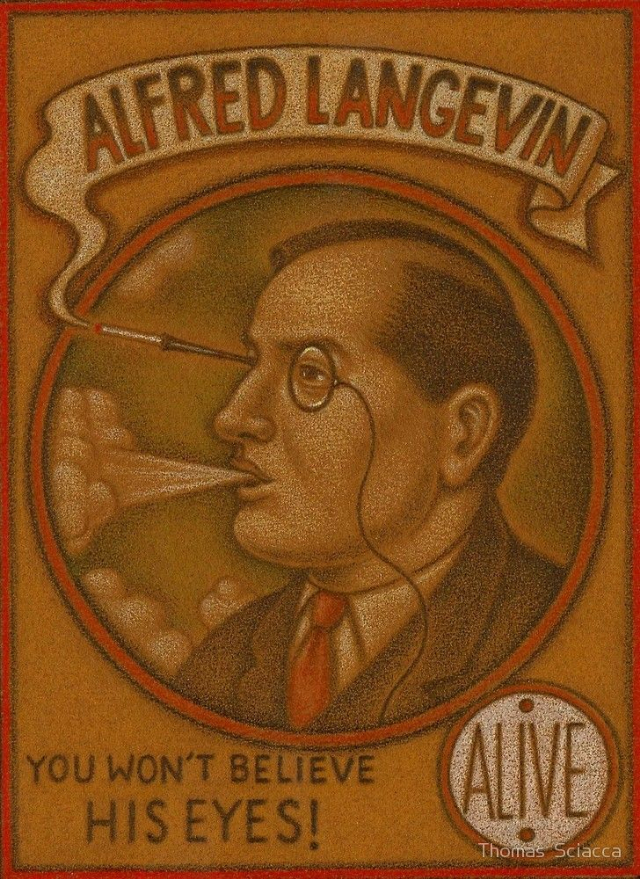
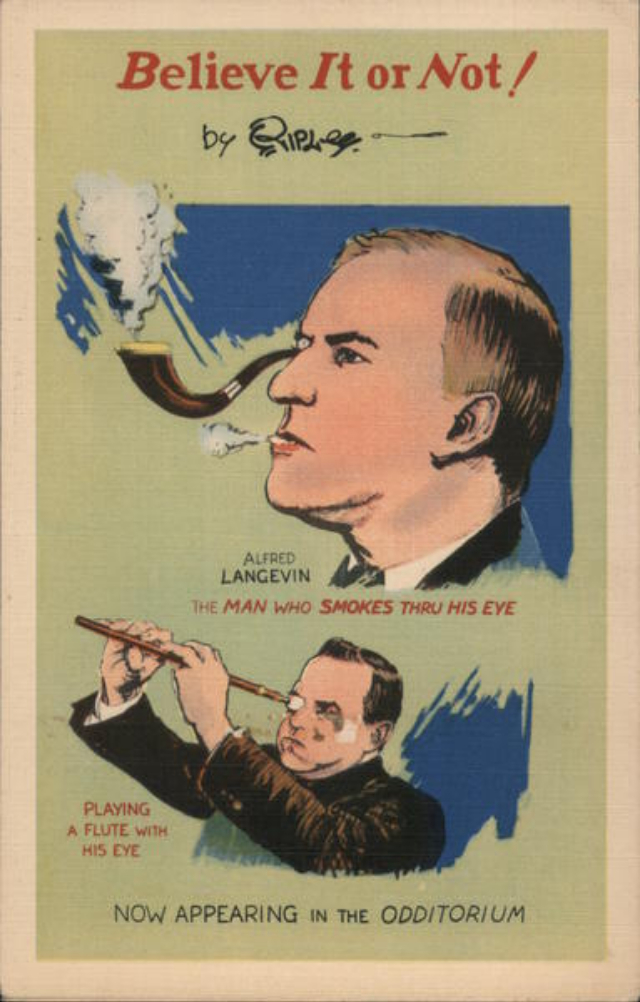
Alfred Langevin, the Man Who Could Smoke Through His Eye

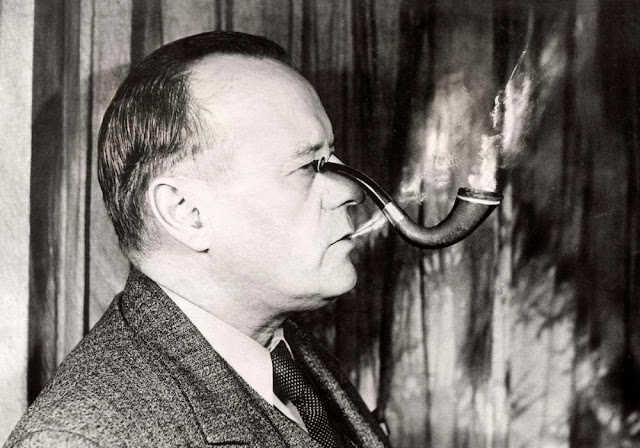
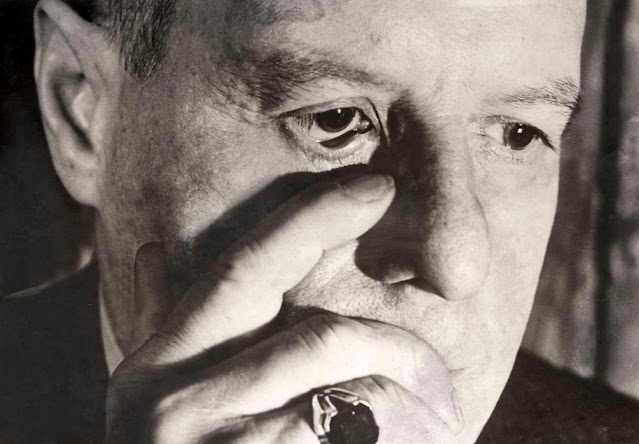
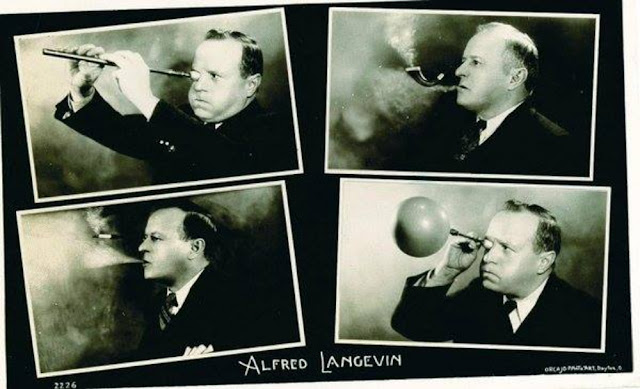
Here’s Alfred Langevin (1885–1974), French-Canadian, aka the “Eye Smoker,” who could smoke a pipe through his eye.

In the 1930s, he resided in Detroit, Michigan but was under the employ of Robert Ripley. Mr. Langevin was featured not only in the Believe-It-Or-Not cartoons of Ripley, but also appeared in Ripley’s renowned Odditorium from 1933 to 1940 and was even featured on the 1933 Odditorium postcard.

Not only could Mr. Langevin use his eye socket to smoke, he could also blow up balloons and play a recorder. It should be noted that Mr. Langevin indeed had two very real and functioning eyes. The medical reason for his unusual ability remains unknown but is likely due to an anomaly in the development of his tear gland. This rare tear gland defect is responsible for the fairly recent Guinness Book category of “squirting milk from the eye.” The record is currently held by Mike Moraal of Vancouver, British Columbia, Canada. The record is for distance and Mike managed 8.745 feet in 2001.

Subscribe to Yesterday Today to receive regular updates regarding recent updates in new content:

Yesterday Today

Bringing You the Wonder of Yesterday - Today

Skip to content ↓