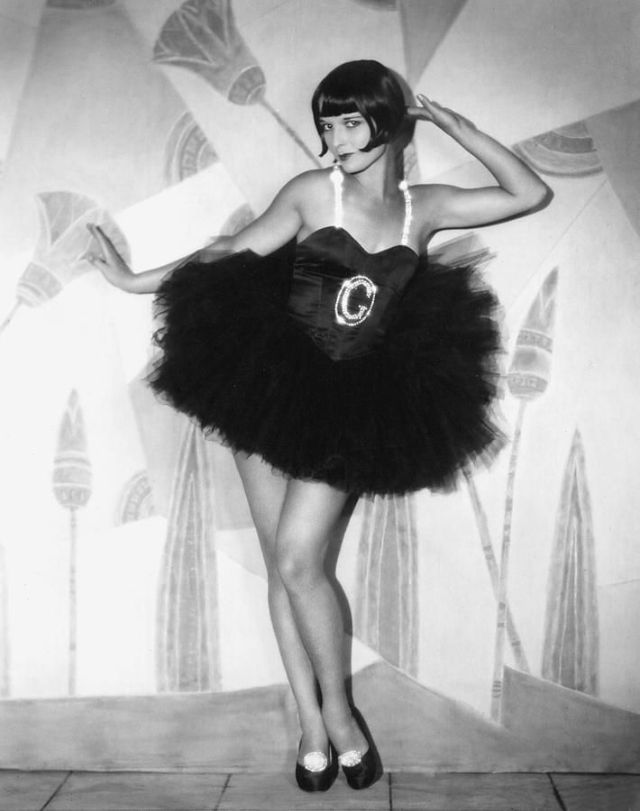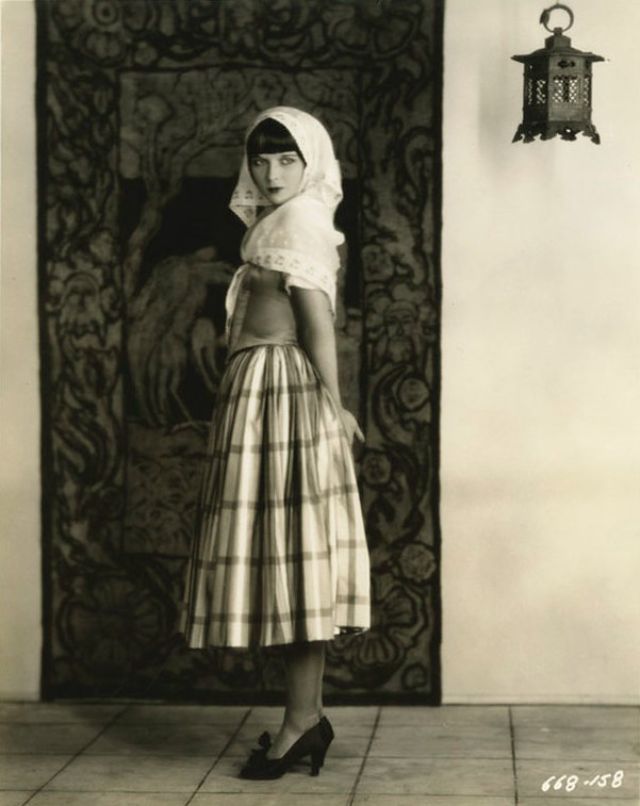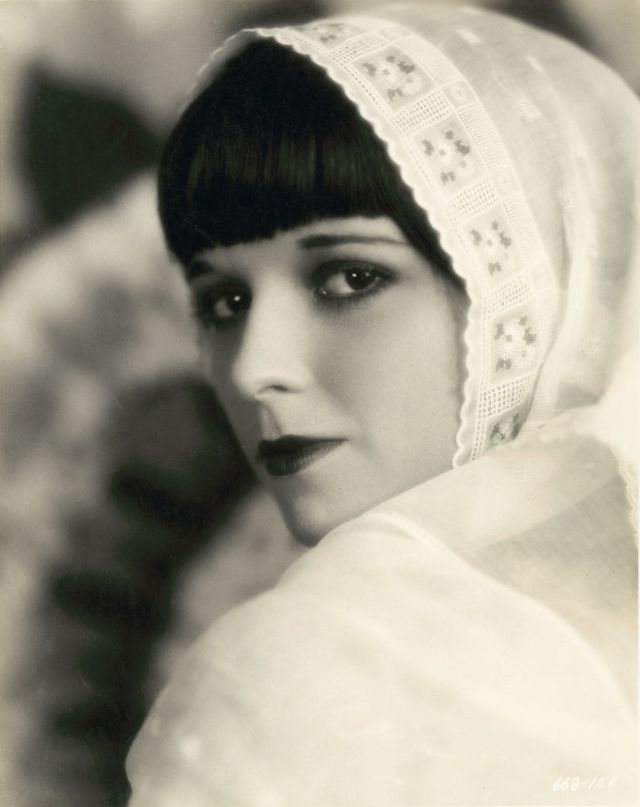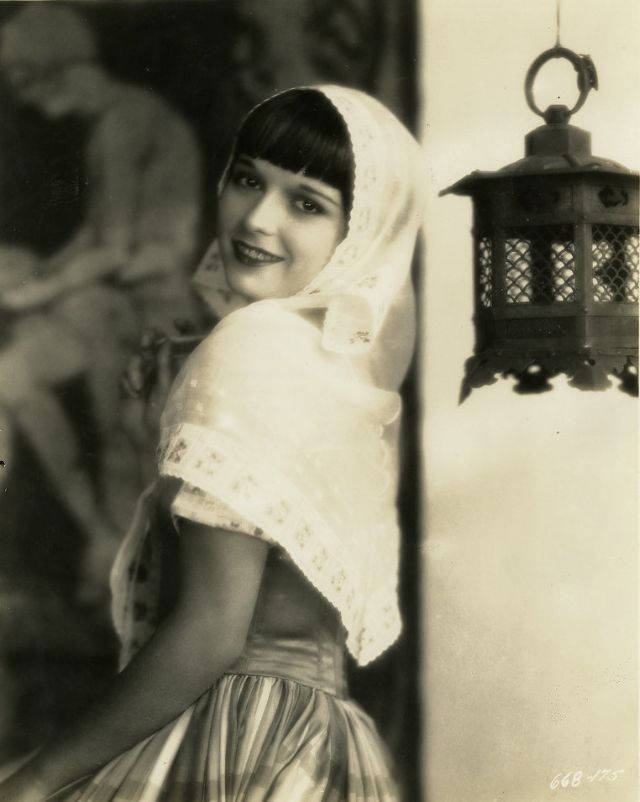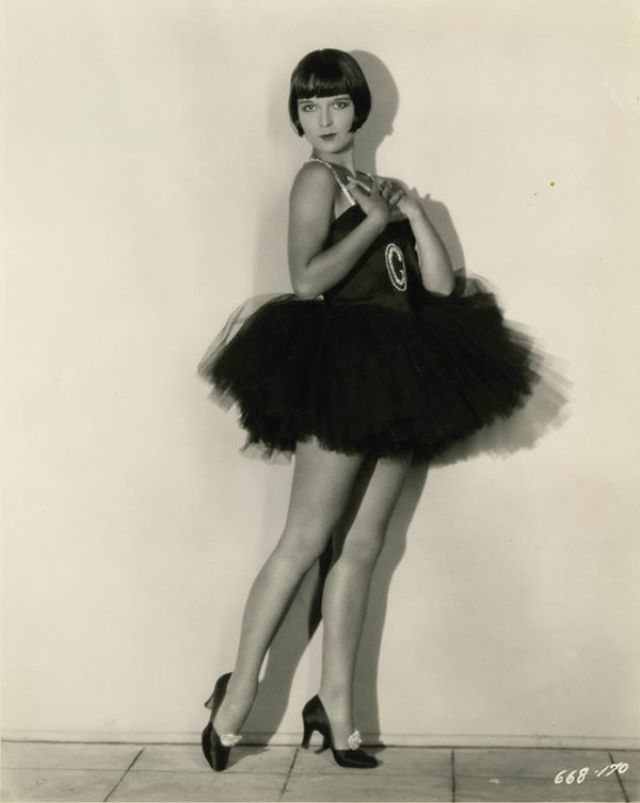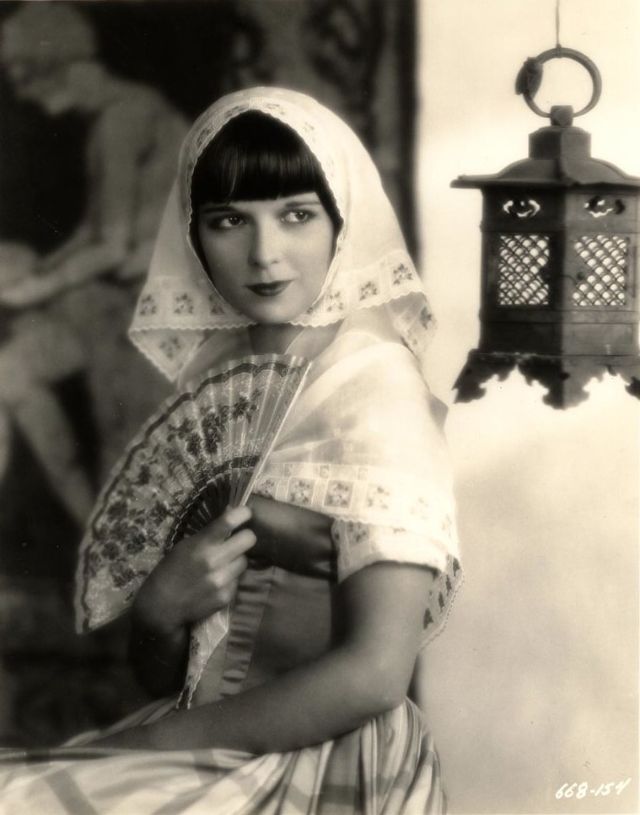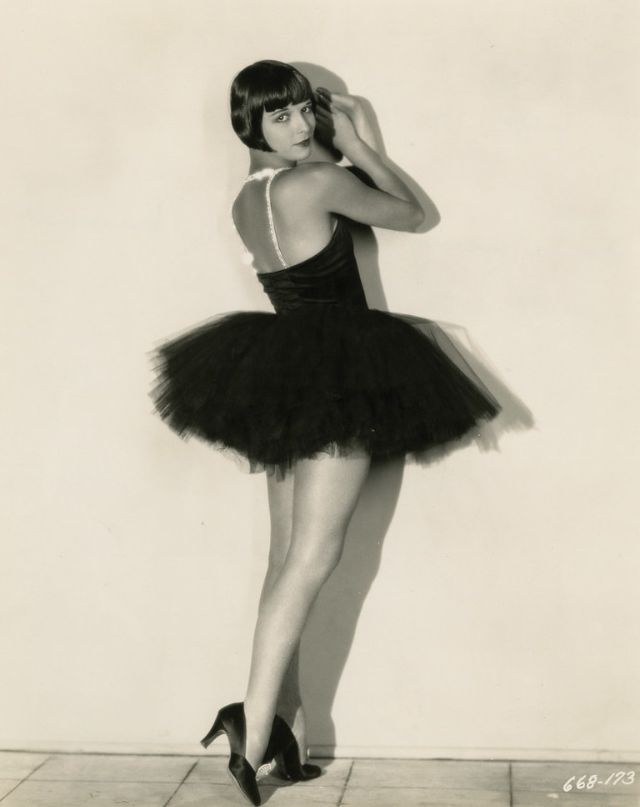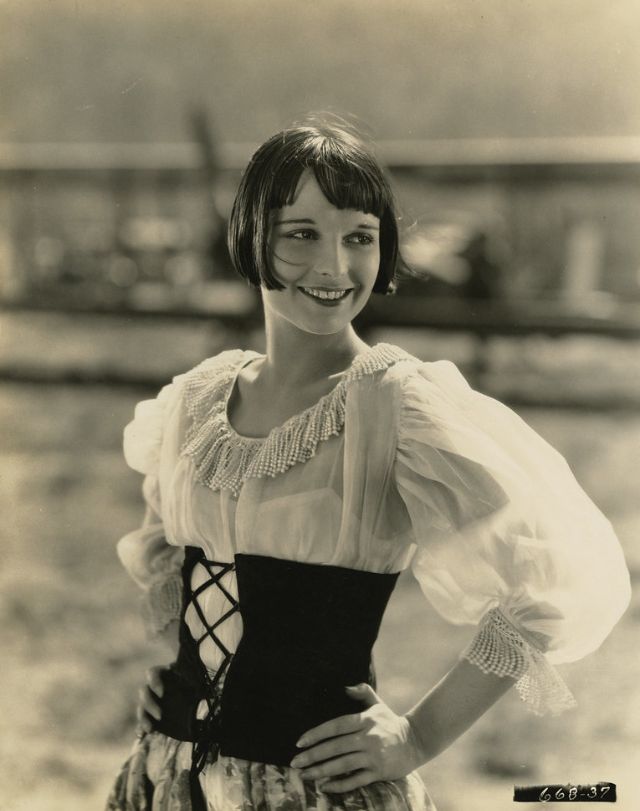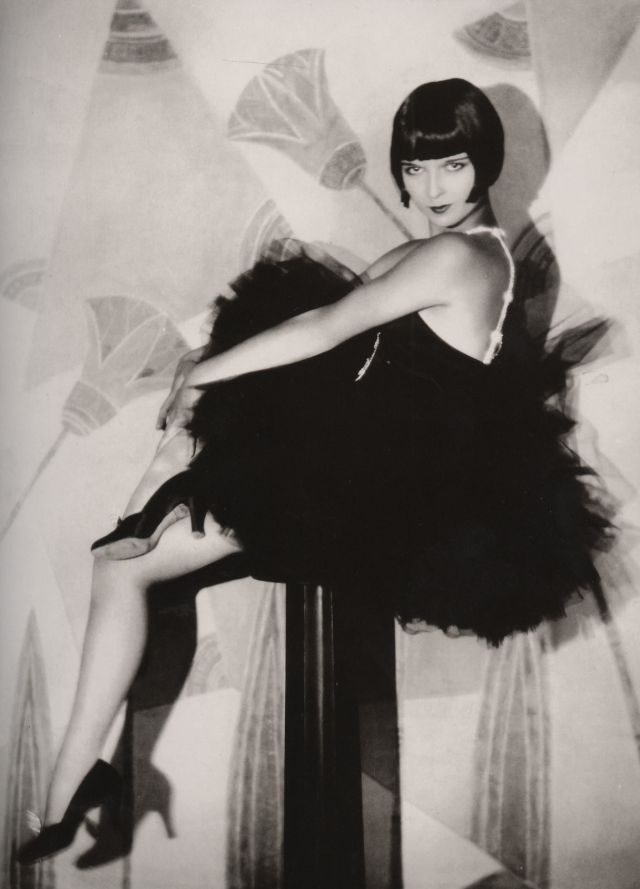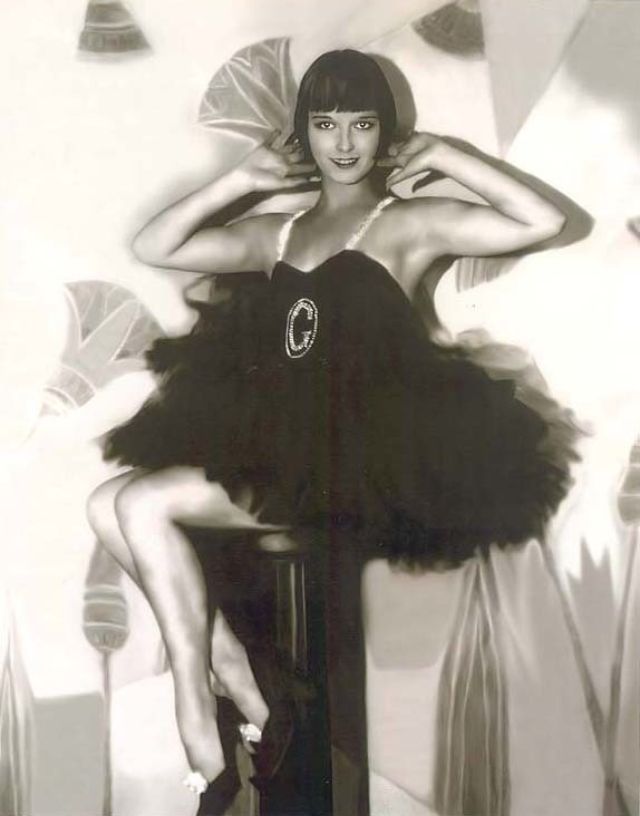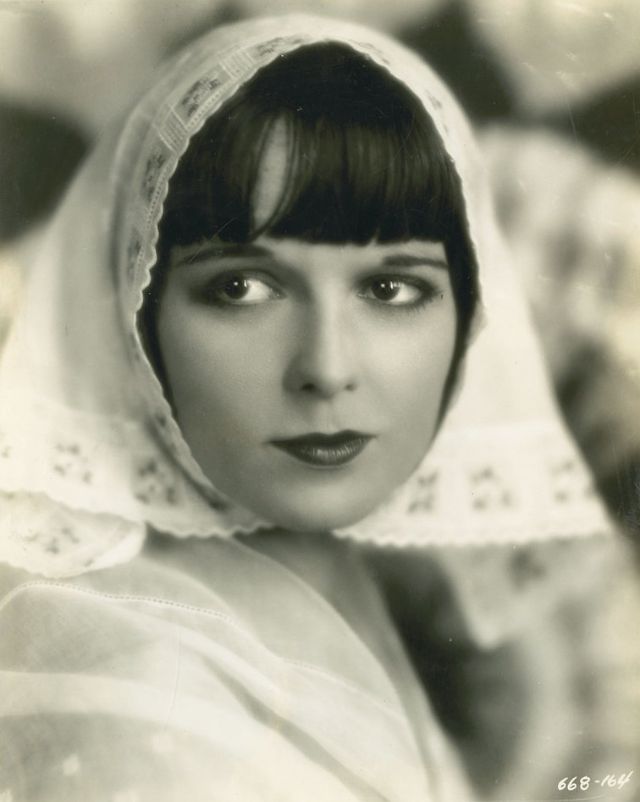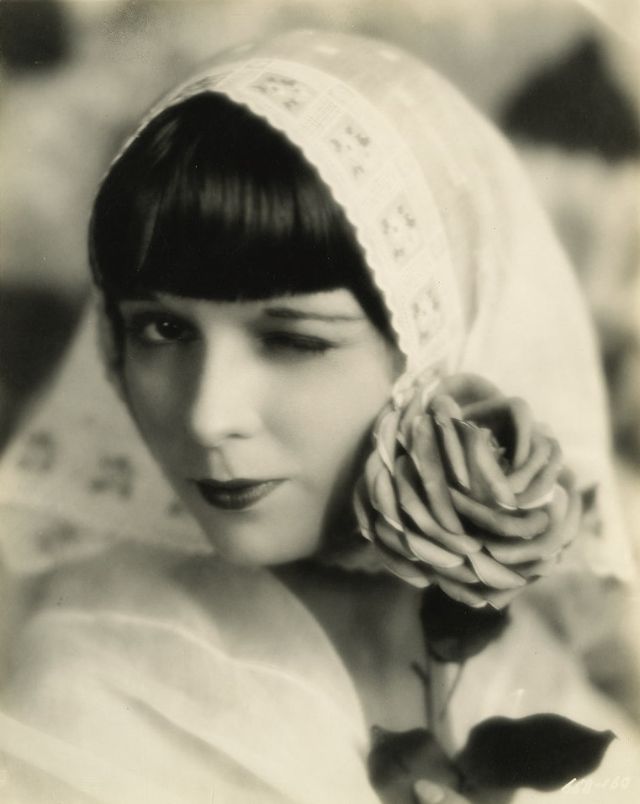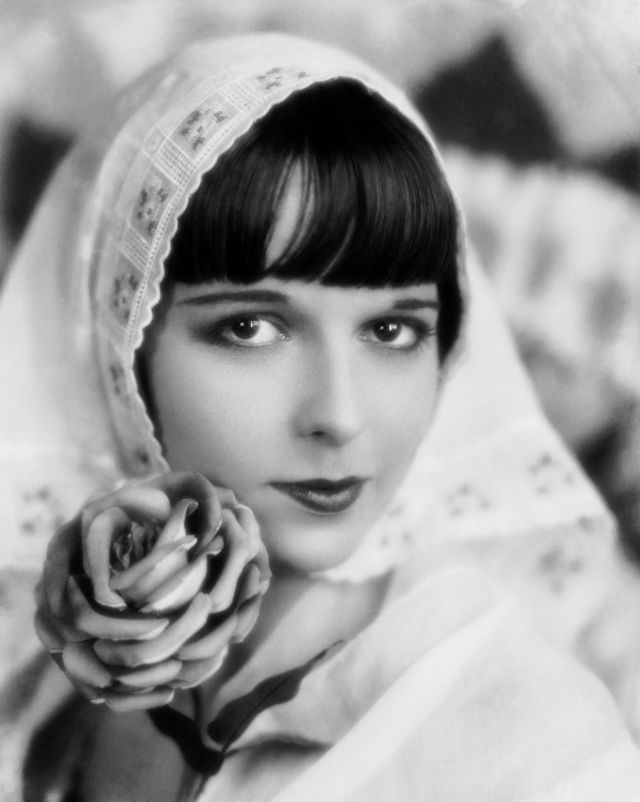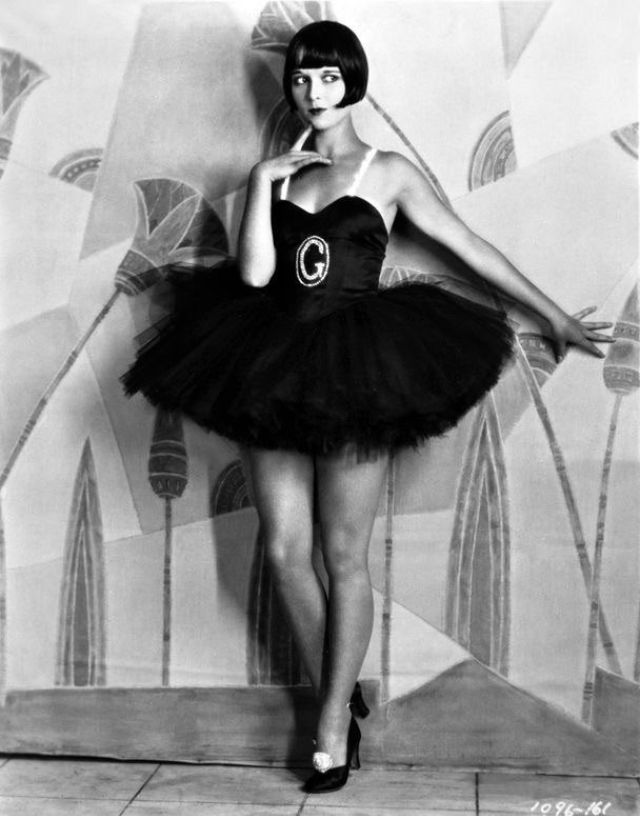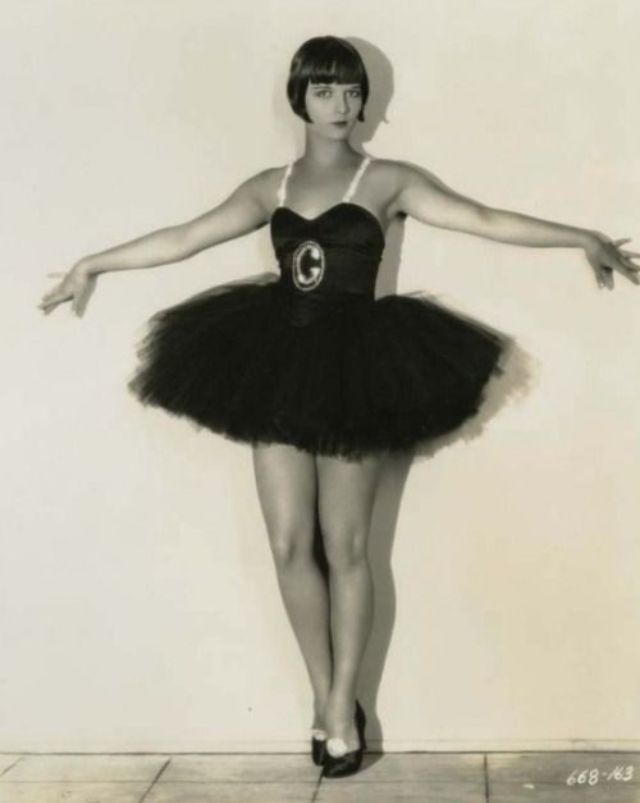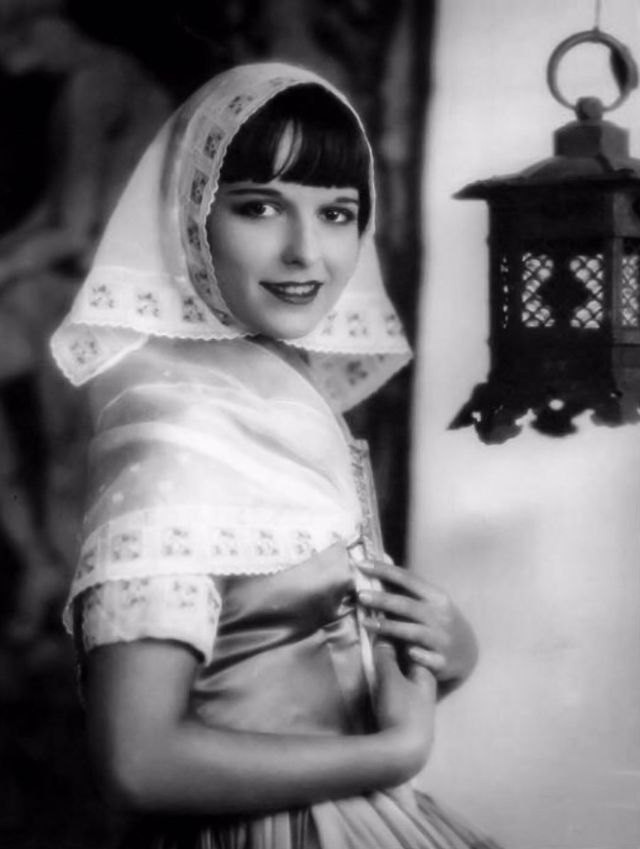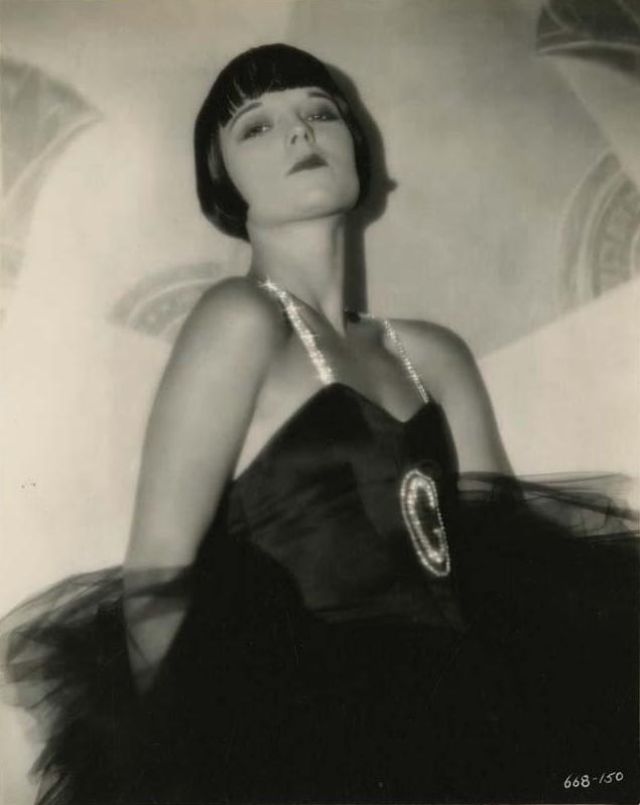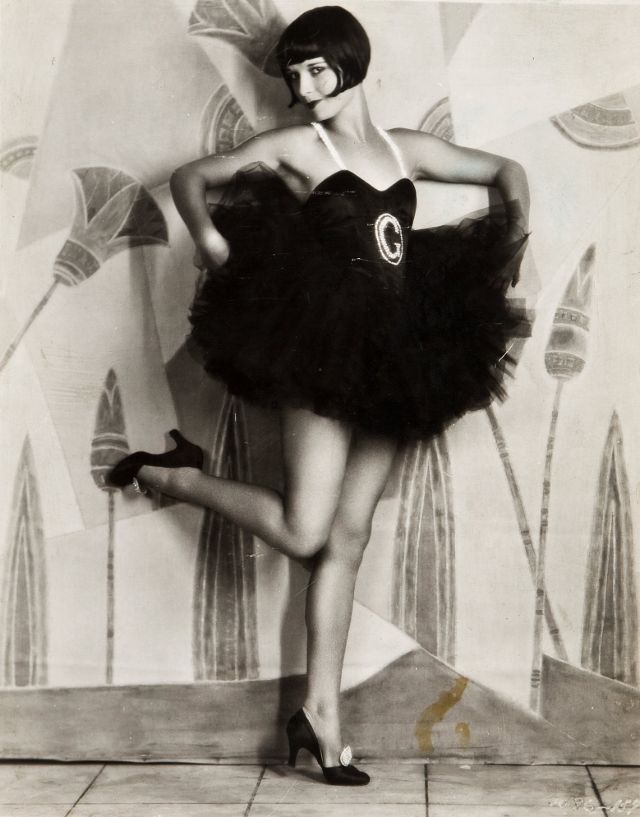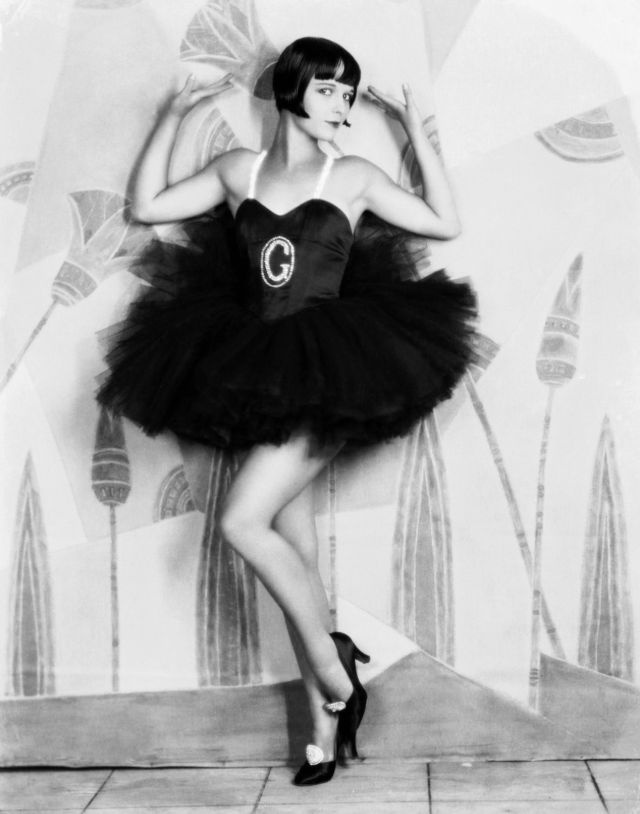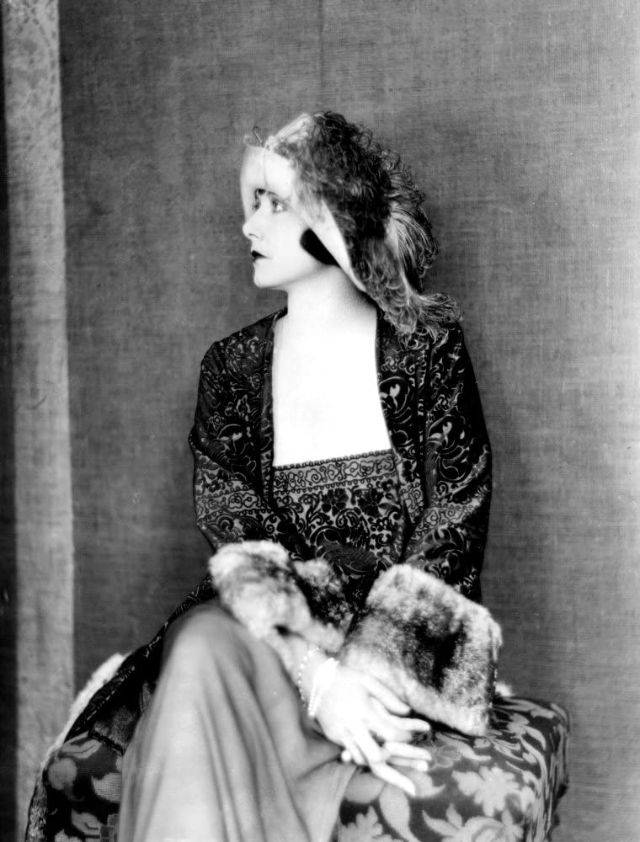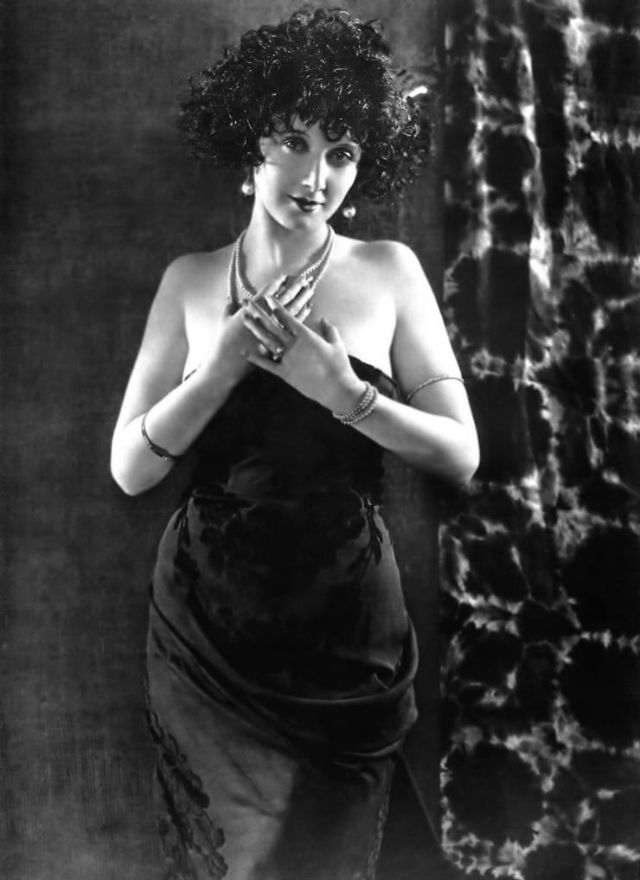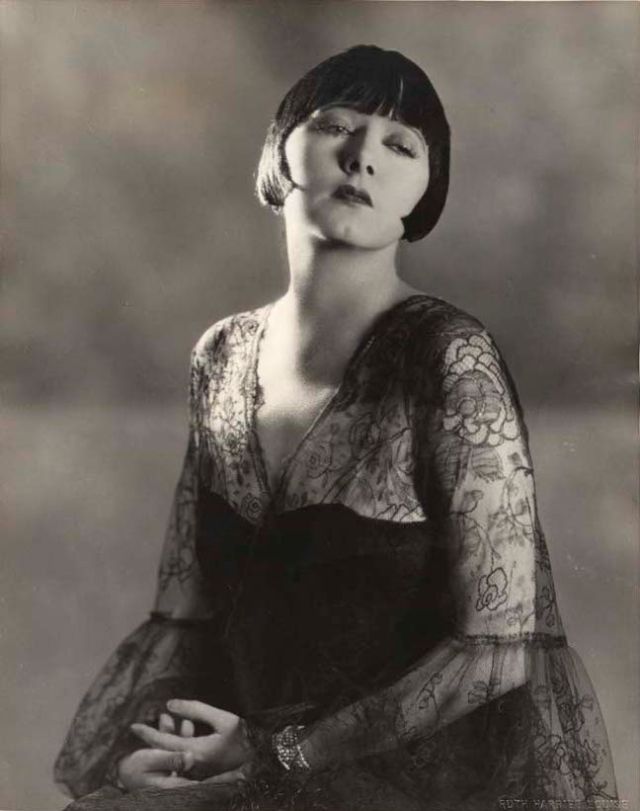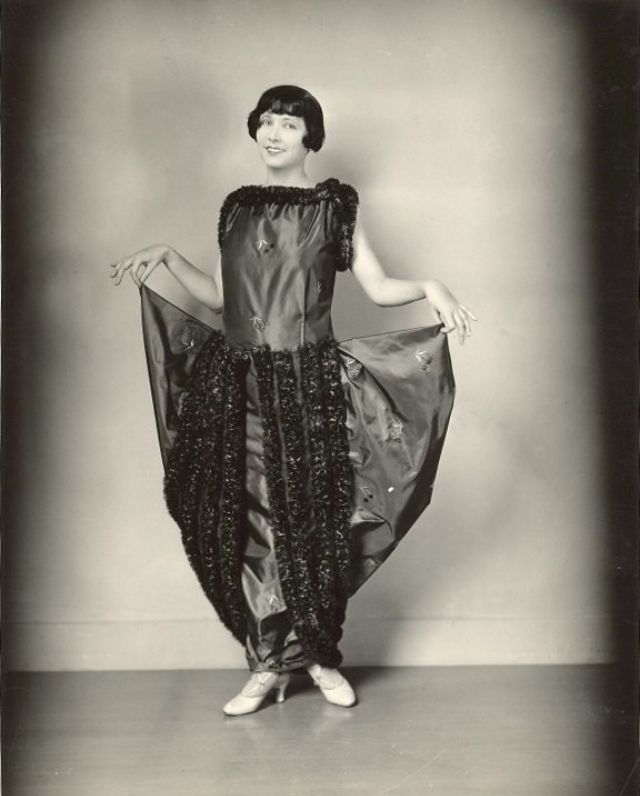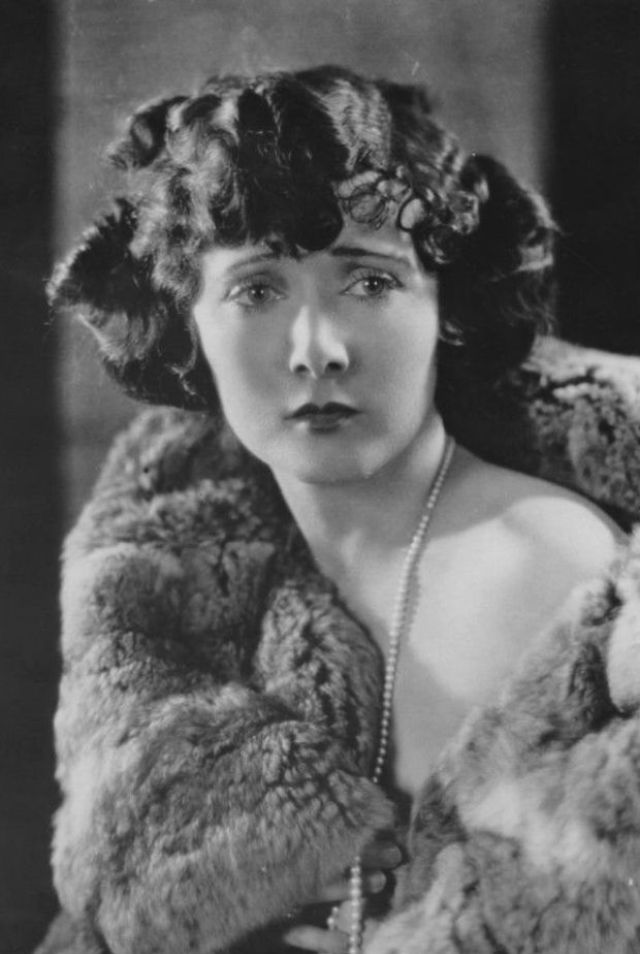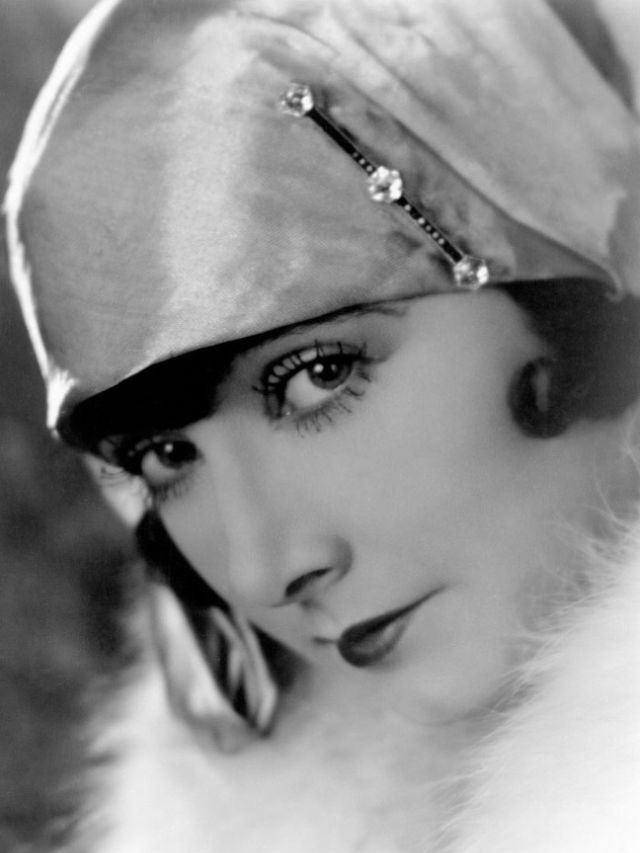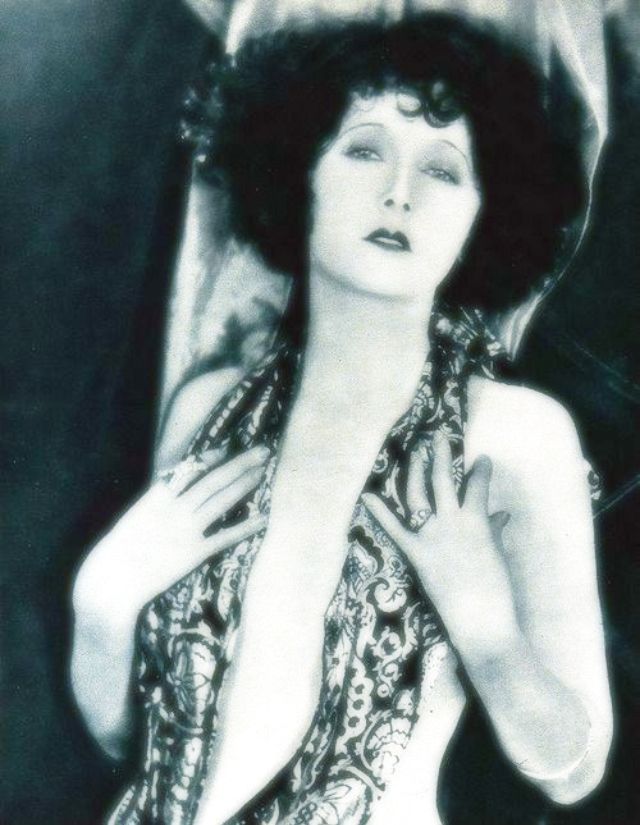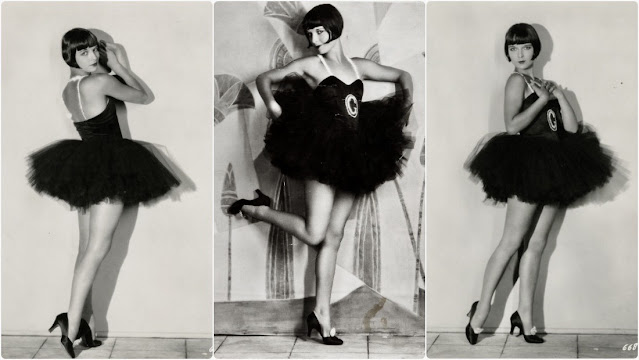
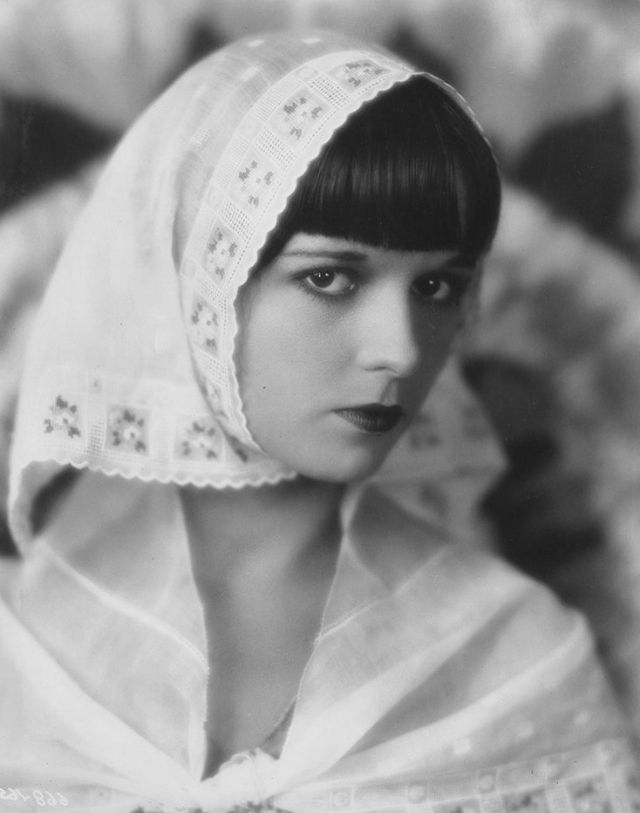
Portrait Photos of Louise Brooks During the Filming of ‘Now We’re in the Air’ (1927)

Now We’re in the Air is a 1927 American silent comedy film directed by Frank R. Strayer, starring the late-1920s intermittent comedy team of Wallace Beery and Raymond Hatton. In a supporting role, Louise Brooks plays twins, one raised French and the other raised German.

Wallace Beery and Louise Brooks worked together the following year in the taut drama Beggars of Life, a well-received early sound film. Hatton also sometimes appeared paired in films with Beery’s older brother Noah Beery.

Now We’re in the Air was popular in its time, although not as well received as the earlier military farces from the Beery/Hatton team. The aerial scenes were an interesting aspect of the production. In a modern re-appraisal, however, reviewer Janiss Garza commented: “In spite of a dual role, Brooks doesn’t have much to do; Moving Picture World felt that ‘any intelligent extra girl’ could have handled the part.”

Mary Louise Brooks (November 14, 1906 – August 8, 1985) was an American film actress and dancer during the 1920s and 1930s. She is regarded today as an icon of the flapper culture, in part due to the bob hairstyle that she helped popularize during the prime of her career.

At the age of 15, Brooks began her career as a dancer and toured with the Denishawn School of Dancing and Related Arts where she performed opposite Ted Shawn. After being fired, she found employment as a chorus girl in George White’s Scandals and as a semi-nude dancer in the Ziegfeld Follies in New York City. While dancing in the Follies, Brooks came to the attention of Walter Wanger, a producer at Paramount Pictures, and signed a five-year contract with the studio. She appeared in supporting roles in various Paramount films before taking the heroine’s role in Beggars of Life (1928). During this time, she became an intimate friend of actress Marion Davies and joined the elite social circle of press baron William Randolph Hearst at Hearst Castle in San Simeon.

Dissatisfied with her mediocre roles in Hollywood films, Brooks went to Germany in 1929 and starred in three feature films that launched her to international stardom: Pandora’s Box (1929), Diary of a Lost Girl (1929), and Miss Europe (1930); the first two were directed by G. W. Pabst. By 1938, she had starred in 17 silent films and eight sound films. After retiring from acting, she fell upon financial hardship and became a paid escort. For the next two decades, she struggled with alcoholism and suicidal tendencies. Following the rediscovery of her films by cinephiles in the 1950s, a reclusive Brooks began writing articles about her film career; her insightful essays drew considerable acclaim. She published her memoir, Lulu in Hollywood, in 1982. Three years later, she died of a heart attack at age 78.

These fabulous photos captured portraits of Louise Brooks during the filming of Now We’re in the Air in 1927.

Subscribe to Yesterday Today to receive regular updates regarding new content:

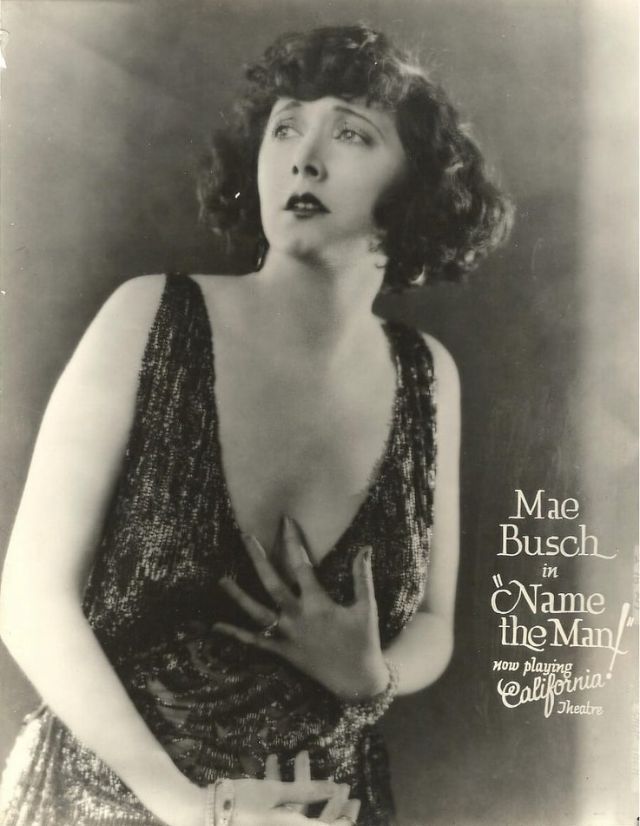
Beautiful Photos of Australian Actress Mae Busch in the Early 20th Century

Born 1891 in Melbourne, Victoria, Australian actress Mae Busch had her first film appearances in The Agitator and The Water Nymph, both released in 1912. She worked in both silent and sound films in early Hollywood.

At the pinnacle of her film career, Busch was known as the versatile vamp. She starred in such feature films as The Devil’s Pass Key (1920), Foolish Wives (1923), and in The Unholy Three (1925). Her career declined abruptly after 1926, when she walked out on her contract at Metro–Goldwyn–Mayer and suffered a nervous breakdown.

In 1927, Busch was offered a leading role in a Hal Roach two-reeler, Love ’em and Weep, which began her long association with Laurel and Hardy. She appeared in 13 of their comedies, often as shrewish, gold-digging floozies (Chickens Come Home, Come Clean), a volatile wife of Oliver Hardy (Sons of the Desert, Their First Mistake), or more sympathetic roles (Them Thar Hills, Tit for Tat, The Fixer Uppers). Her last role in a Laurel and Hardy film was in The Bohemian Girl, again as a combative spouse of Hardy’s, released in 1936.

Busch’s film roles after 1936 were often uncredited. Overall, she had roles in approximately 130 motion pictures between 1912 and 1946. She died in 1946, age 54. For her contributions to the film industry, Busch was inducted into the Hollywood Walk of Fame in 1960 with a motion pictures star located at 7021 Hollywood Boulevard.

Take a look at these vintage photos to see the beauty of young Mae Busch in the 1910s and 1920s.

The First Photograph of a Woman Smoking: Lola Montez 1852

Subscribe to get access

Read more of this content when you subscribe today.

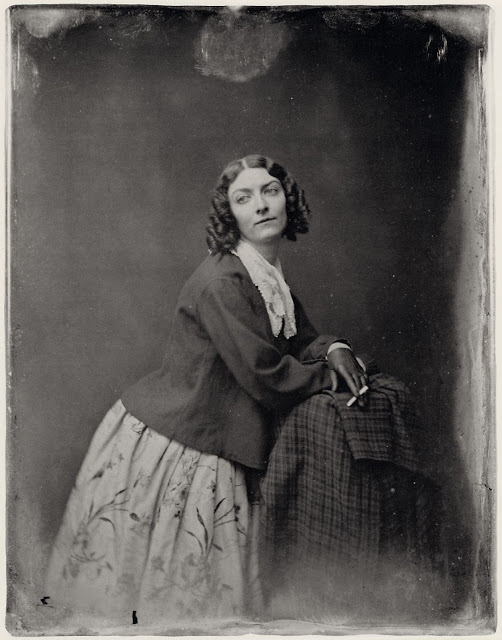
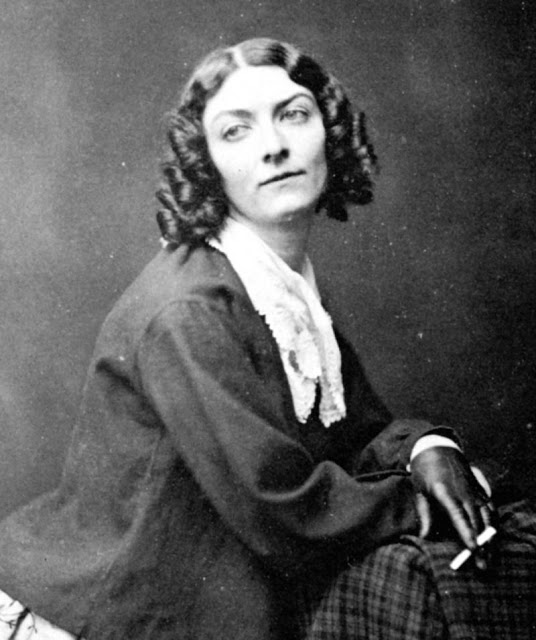
Considered to be the first photograph of a woman smoking, this is Lola Montez’s portrait by Southworth & Hawes.

A savvy self-promoter, Lola Montez is the first woman ever to be photographed smoking. She made sure the cigarette is the focus of the picture. (Metropolitan Museum of Art)

This is Lola’s third and most provocative and widely recognized daguerreotype, the image of her smoking. In Boston in 1852, she was welcomed to the daguerreotype studio of Southworth and Hawes. The pair captured daguerreotypes of key intellectual and artistic personalities, thus, Lola’s appointment in their studio was a clear signal of her status as a celebrity. The most well known of their daguerreotypes from this sitting shows Lola standing and resting her arms on a fabric covered table. Her wrists are crossed, a gesture of elegance, but she holds a cigarette between her gloved fingers, a particularly controversial detail given that it was not proper for women to smoke in public, let alone be photographed participating in such a gentlemanly activity.

Her facial expression in the portrait is one of indifference and hardness, her cocked head and her arched eyebrows creating a sense of intrigue. Her sharp facial features are softened slightly by her dark brown ringlets on either side of her face and her lace scarf. This intricate lace ornamental fabric around her collar contrasts starkly with her dark overcoat, and the lace and the cigarette are the two brightest whites in the image, drawing the eye to these contrasting symbols of femininity and hardness. The two patterned fabrics, the large floral decoration on her skirt and the plaid fabric on which she rests her hands serve also to represent soft femininity and stiffness, respectively. Her fashionable clothing and hairstyle give her the sense of being genteel and respectable, but this impression is countered by her brazen depiction of herself as an uninhibited smoker.

Subscribe to continue reading

Become a paid subscriber to get access to the rest of this post and other exclusive content.

Fascinating Black and White Photos of Life in Britain in 1939

Subscribe to get access

Read more of this content when you subscribe today.

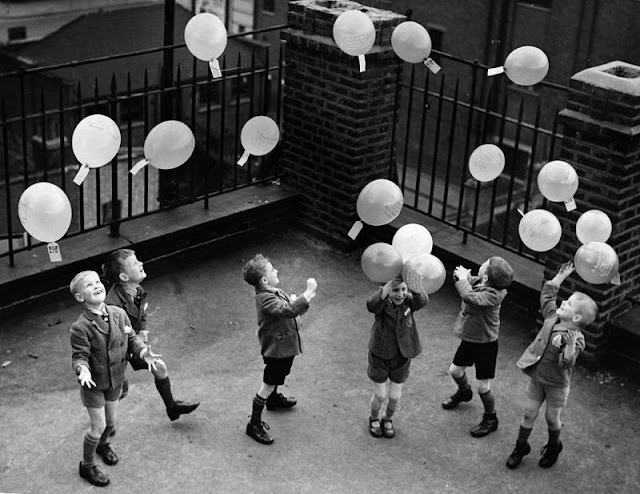
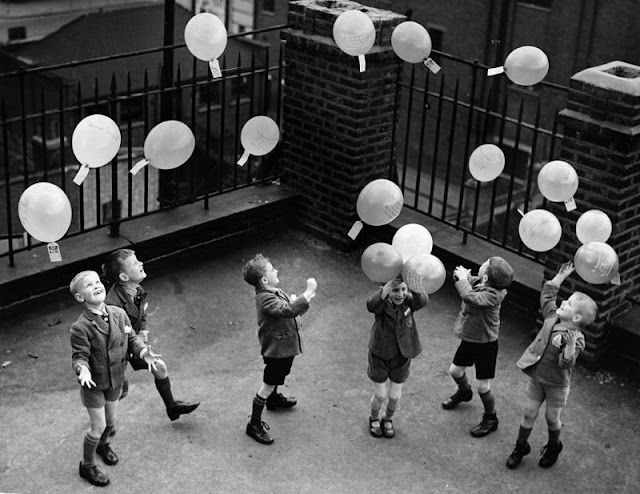
Boys release toy balloons bearing appeals for the Doctor Barnardo’s Home at Stepney, London, August 1939

After the German invasion of Poland, The King declared war in September 1939.

In preparation for war, Britain undertakes measures including calling up of troops, citizens returning home from abroad, children rehearsing safety drills. The government also thought of all the possible dangers and difficulties the Home Front would face and started to take precautions.

Boys release toy balloons bearing appeals for the Doctor Barnardo’s Home at Stepney, London, August 1939

Take a look at life in Britain in 1939 through these fascinating black and white photographs.

The ladies’ rifle team of Downe House School in Berkshire set out for a practice session with their guns, April 1939

Subscribe to continue reading

Become a paid subscriber to get access to the rest of this post and other exclusive content.

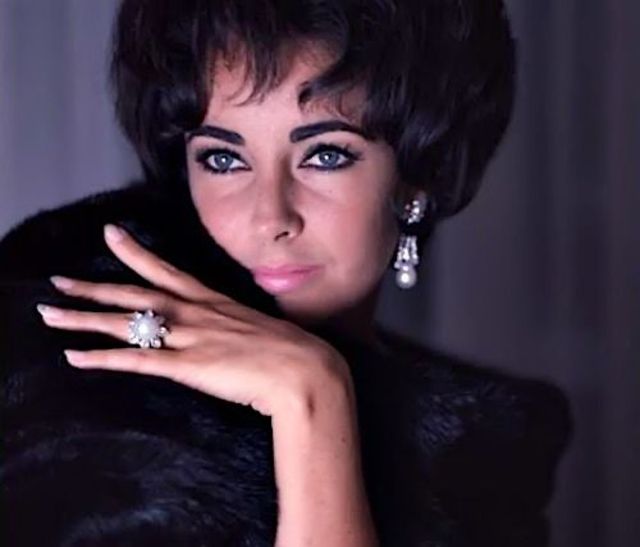
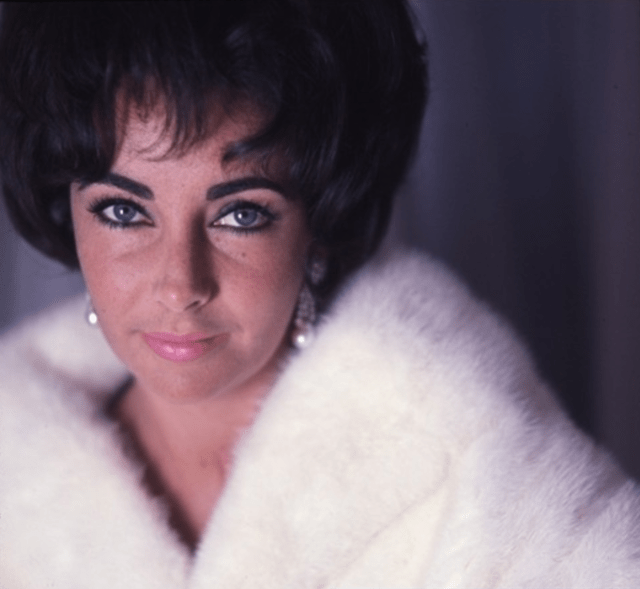
Stunning Portraits of Elizabeth Taylor From 1961

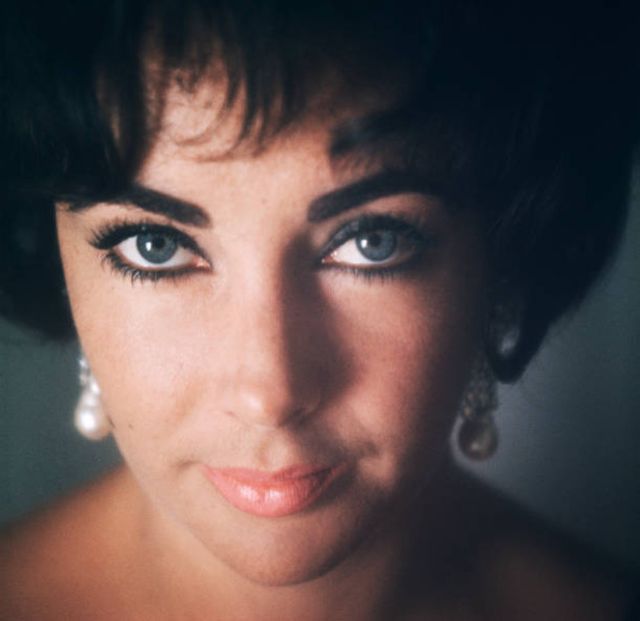
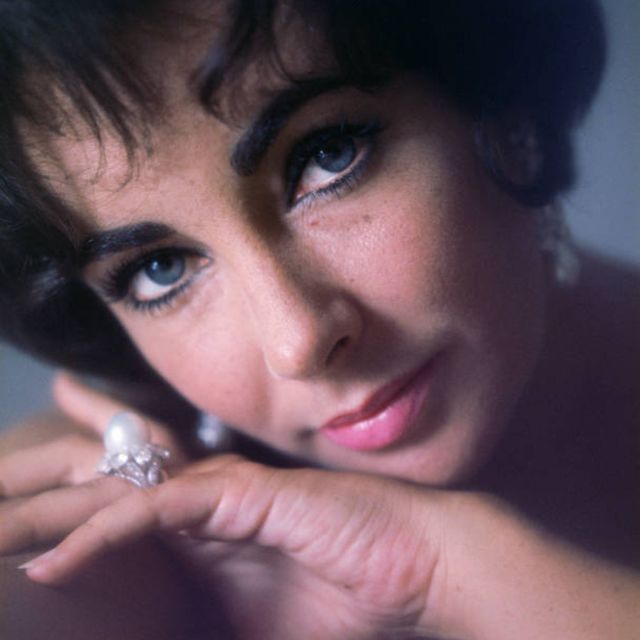
Over the course of his six-decade-long career, legendary photographer Douglas Kirkland has taken some of the most recognizable photos of some the most iconic celebrities of all time, among them is Elizabeth Taylor who he photographed her in 1961 when he just started his photography career. Elizabeth’s tracheotomy scar from an emergency procedure due to pneumonia that left her unable to breathe during the filming of Cleopatra in Rome is clearly visible.

“Elizabeth was the one who started my career,” Kirkland said. “At the time she was the biggest movie star in the world, but she had been very ill and had vanished from the public eye for close to a year, and this was the first time people were going to see her — that was if she would allow me to photograph her. [One thing you notice is] her tracheotomy scar; she felt it was her statement and who she was at the time. She wasn’t into hiding it, ‘cause it was something that had saved her life.”

Douglas Kirkland was a young photographer at Look magazine and was sent to Las Vegas to sit on an interview with Elizabeth. She has said yes to the interview but no picture. She has not been seen for a while and had has a tracheotomy as result of being ill during the first attempt to shoot Cleopatra. “After the interview I went up to her and held her hand and said:,‘it is wonderful to meet you. My name is Douglas Kirkland, I am new with this magazine, can you imagine what it would mean to me if you let me photograph you’ I did not let go of her hand, she wore jungle gardenia perfume which I could smell later on, she thought for a while and said “Come back tomorrow at 8pm.’”

Subscribe to Yesterday Today to receive regular updates regarding new content:

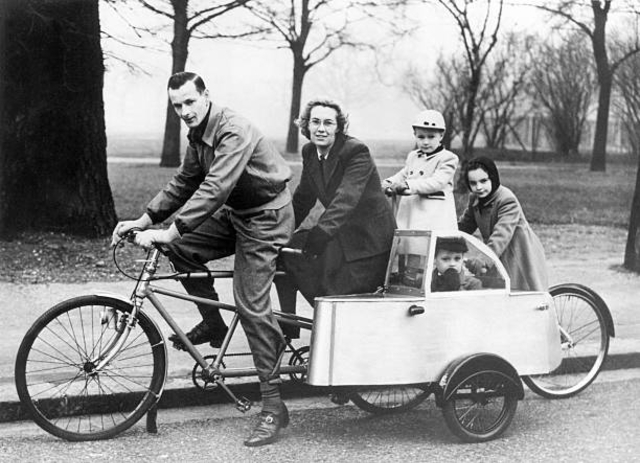
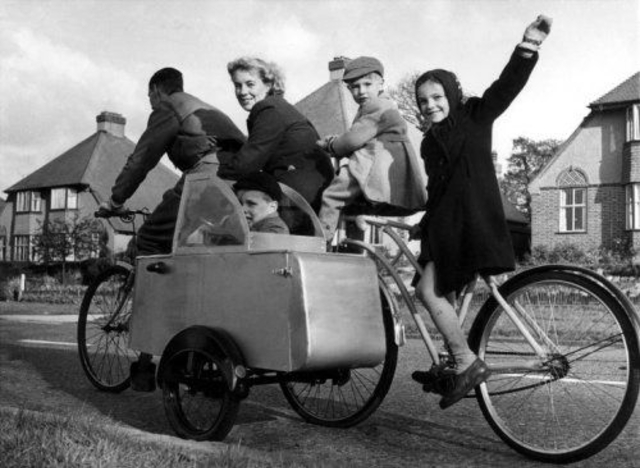
Family Ride on a Five Seat Bike in England, 1950

Who needs a van when you can ride as a family! How cool is this family circa 1950.

Mr. Eric Jewell, of Dukes Avenue, Finchley, London, finds the solution to go with his whole family to the countryside: a five seat bike.

Here, Jewell with his wife and children on a “quinticycle” – adapted from a tandem with a sidecar.

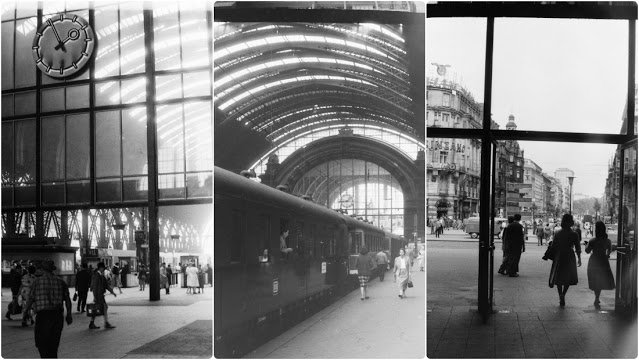
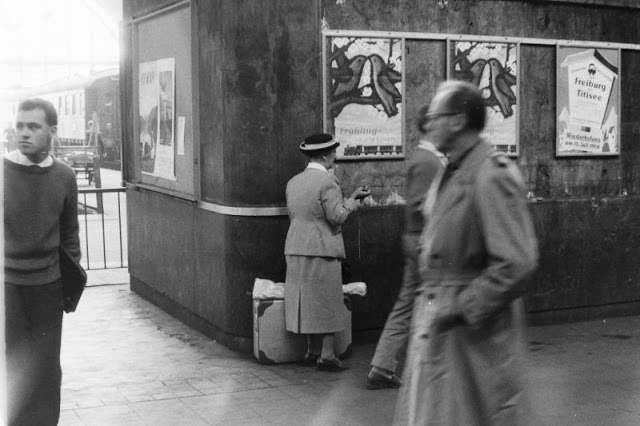
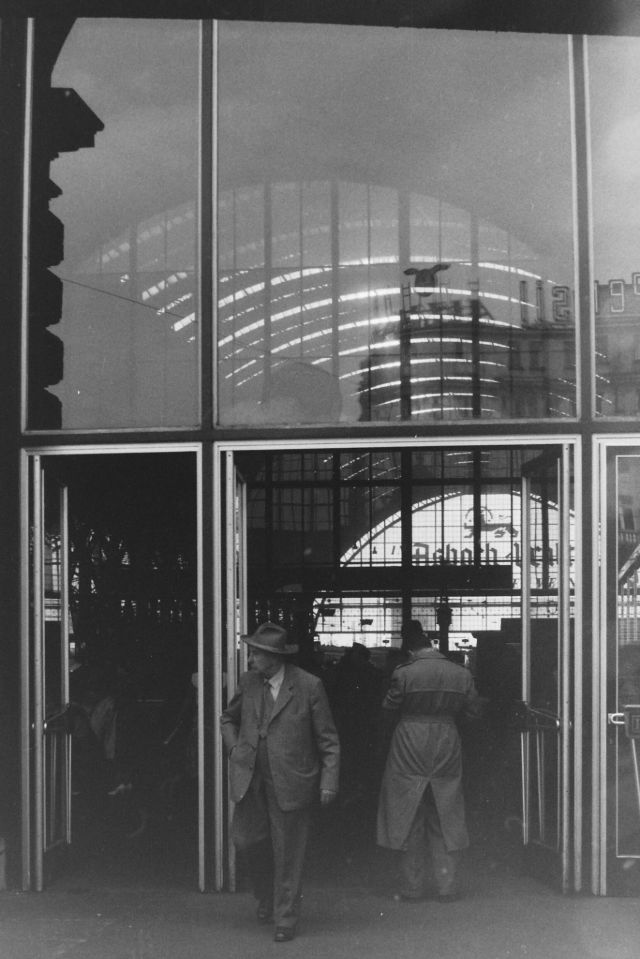
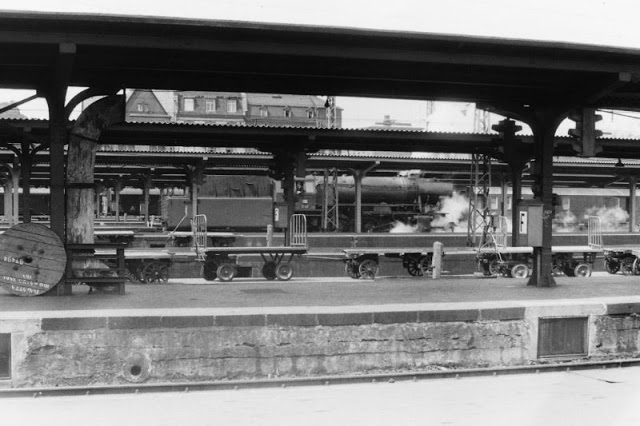
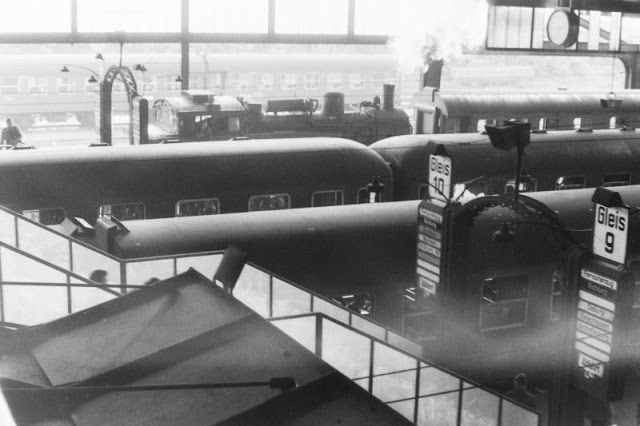
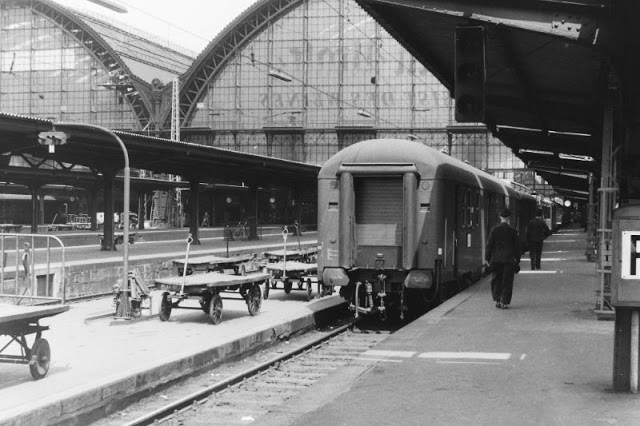
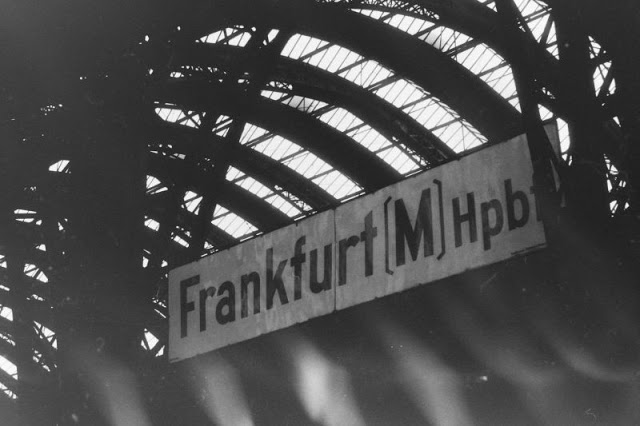
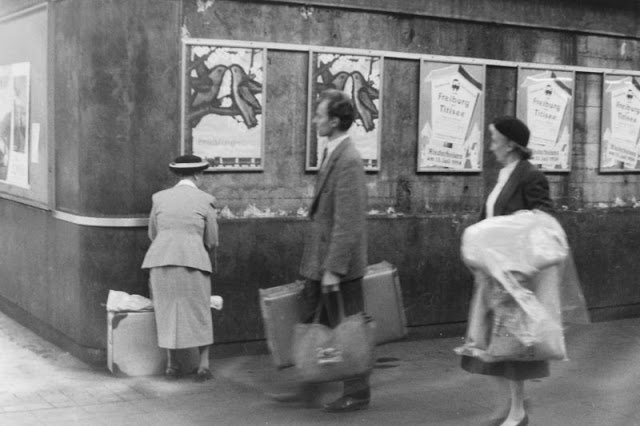
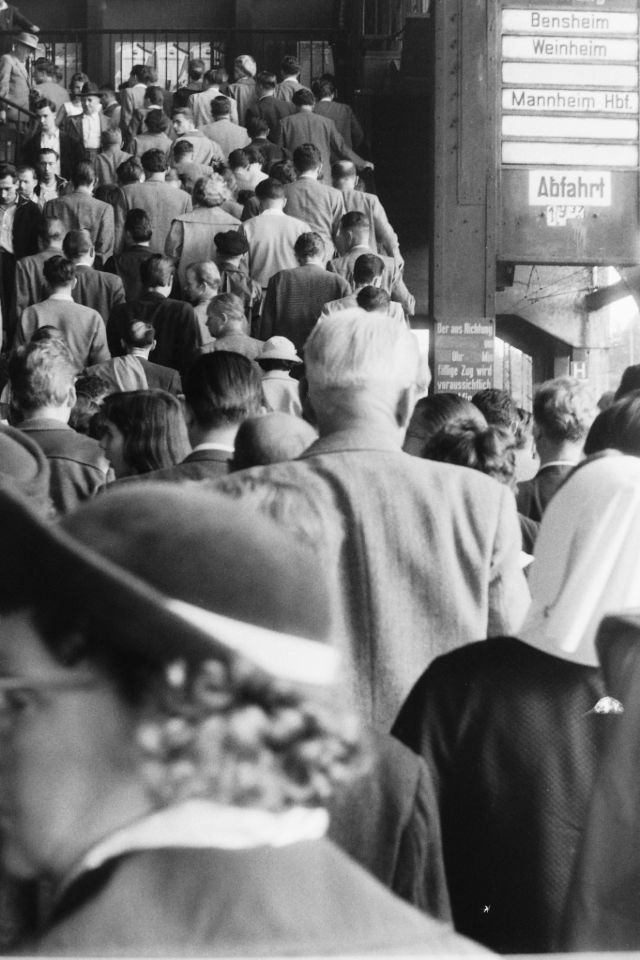
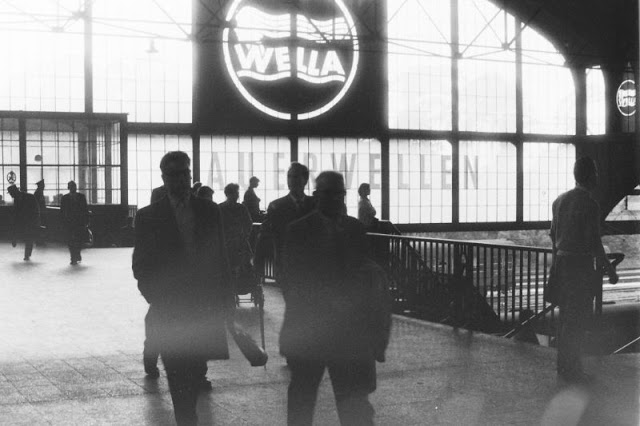
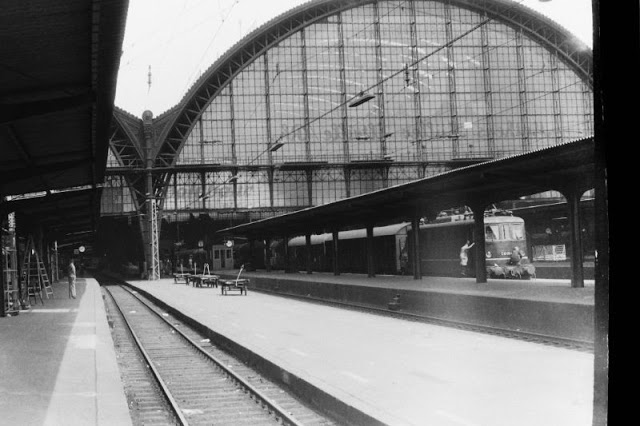
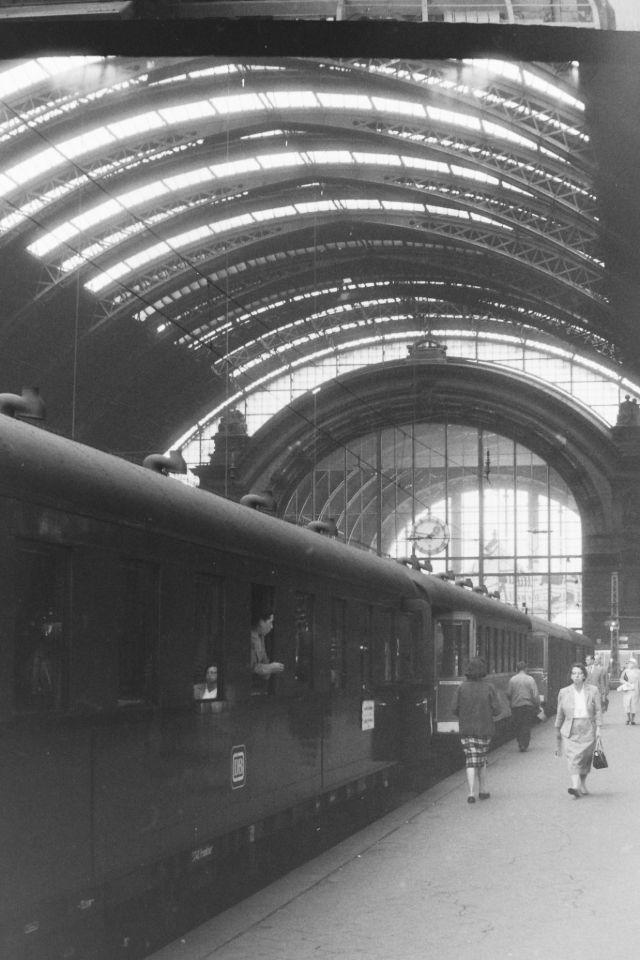
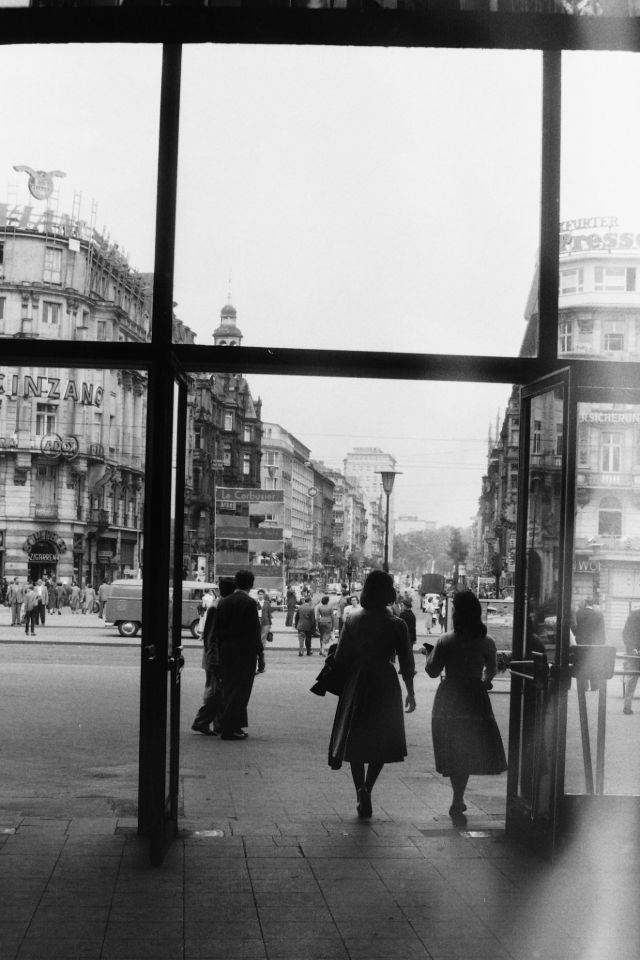
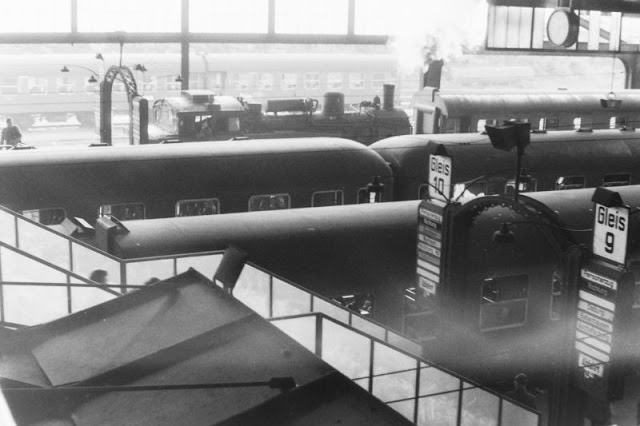
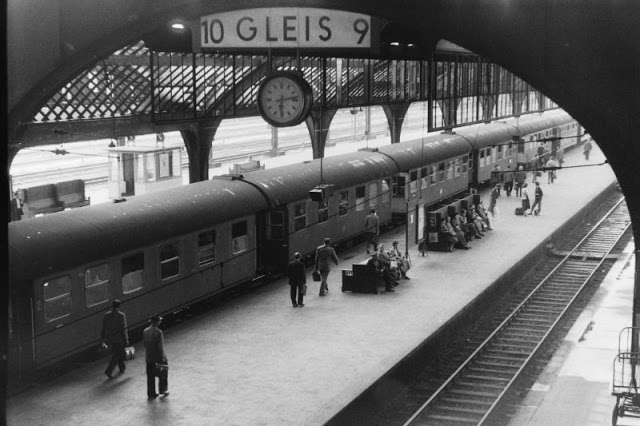
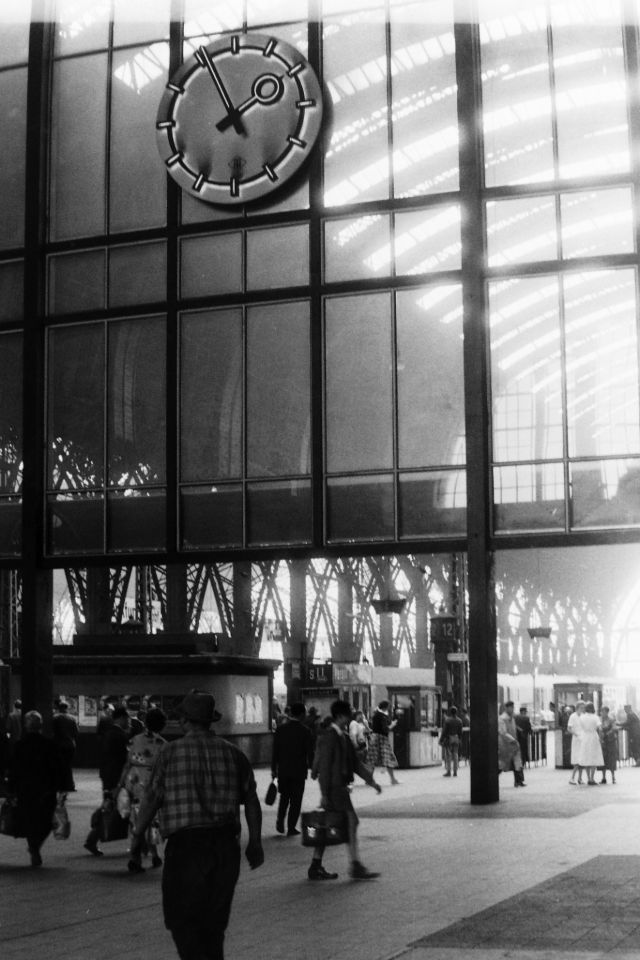
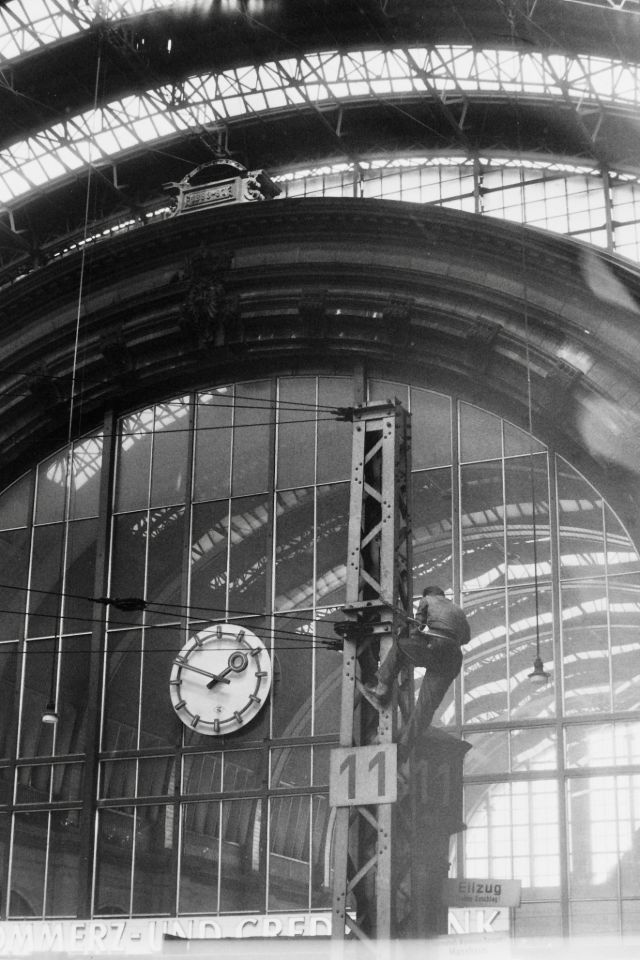
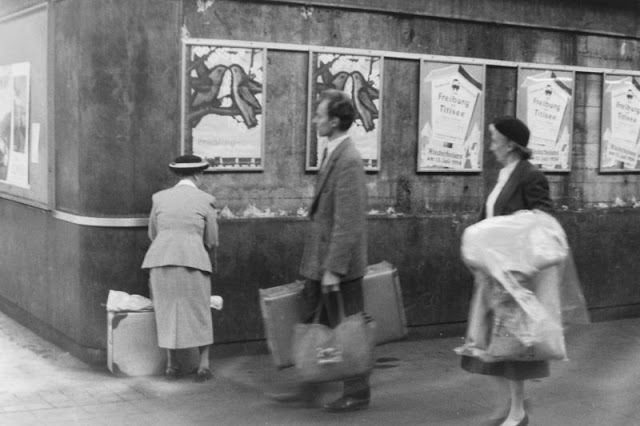
18 Amazing Photos Showing the Inside of the Frankfurt Main Train Station during the 1950s

Frankfurt (Main) Hauptbahnhof, often abbreviated as Frankfurt (Main) Hbf and sometimes translated as Frankfurt central station, is the busiest railway station in Hesse, Germany. It is one of the largest train stations in Europe and is located just west of the city center.

The affix “Main” comes from the city’s full name, Frankfurt am Main (“Frankfurt on the Main”). Because of its location in the middle of Germany and usage as a transport hub for long and short distance traveling, Deutsche Bahn refers to it as the most important station in Germany.

More than 350,000 travelers use this station every day. To be able to manage this great volume of traffic, the central station has more than 25 platforms in five departure halls.

Subscribe to Yesterday Today to receive regular updates regarding new content:

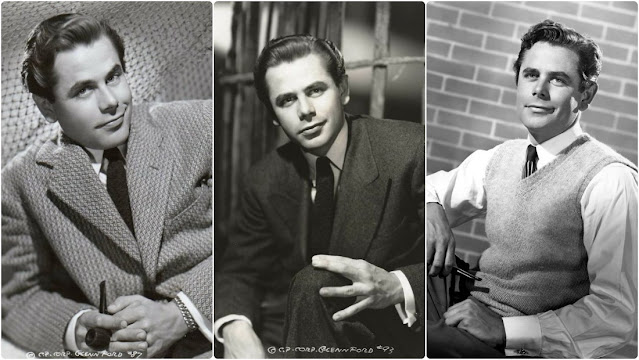
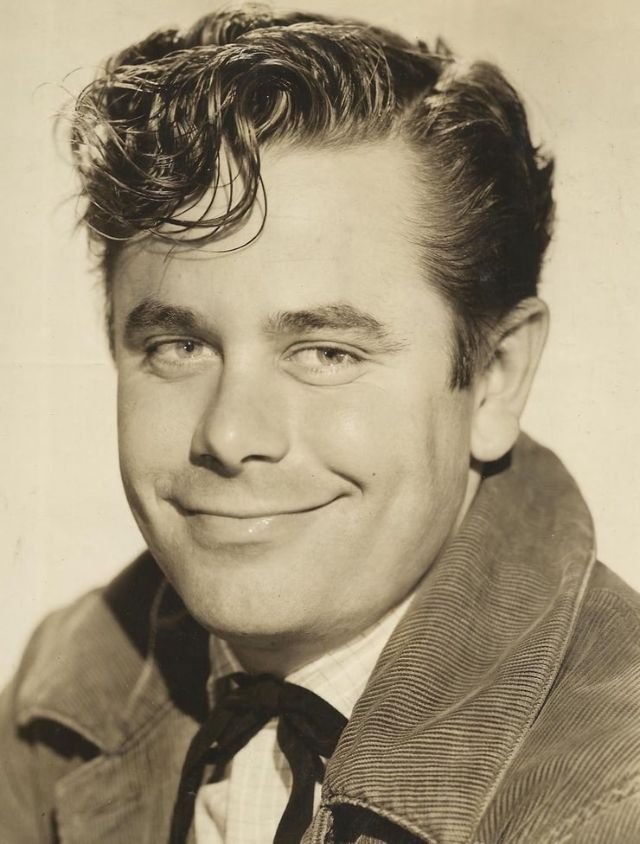
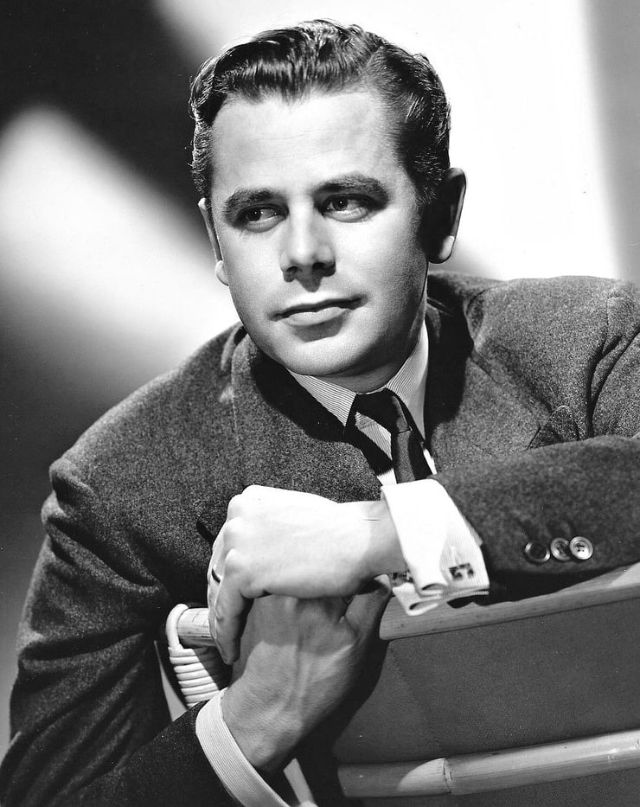
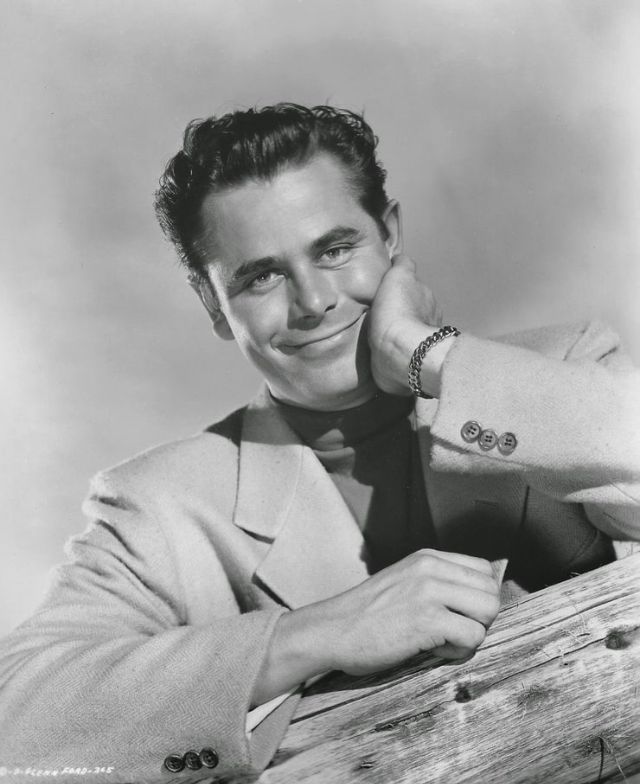
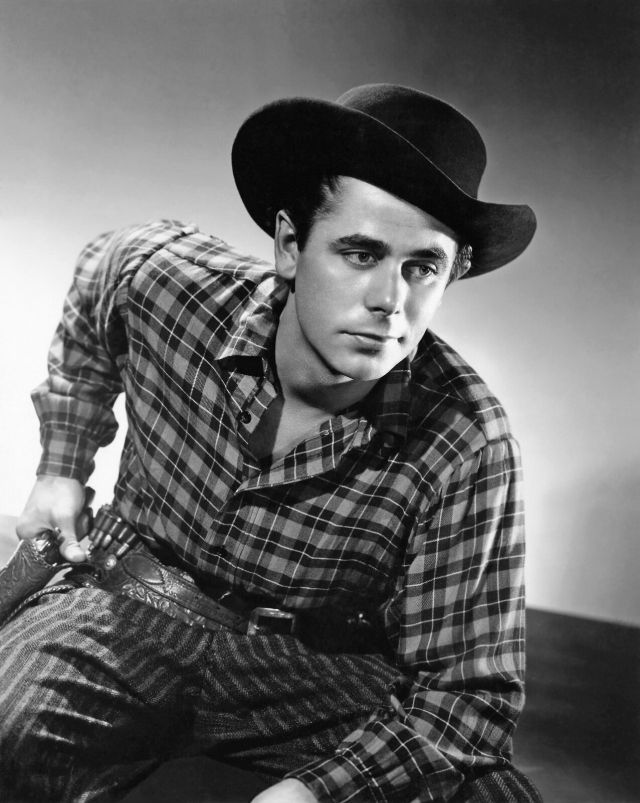
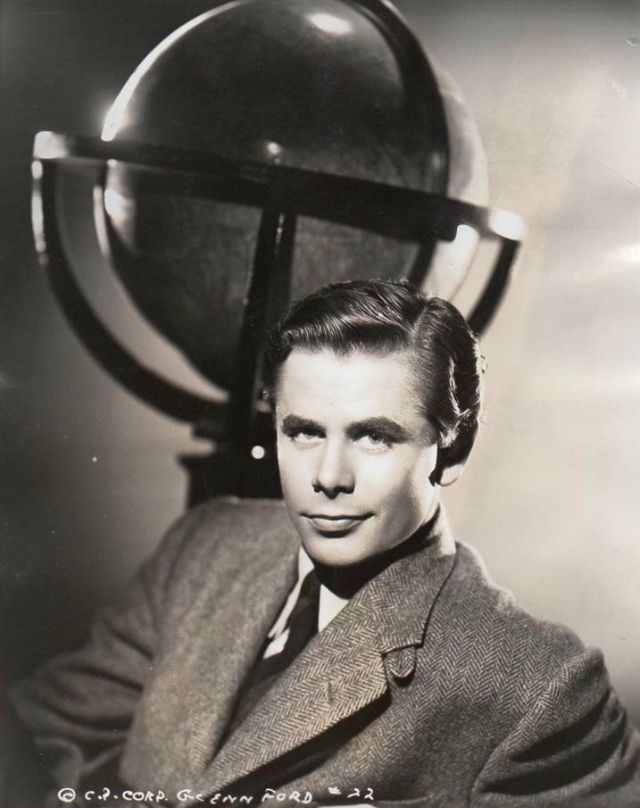
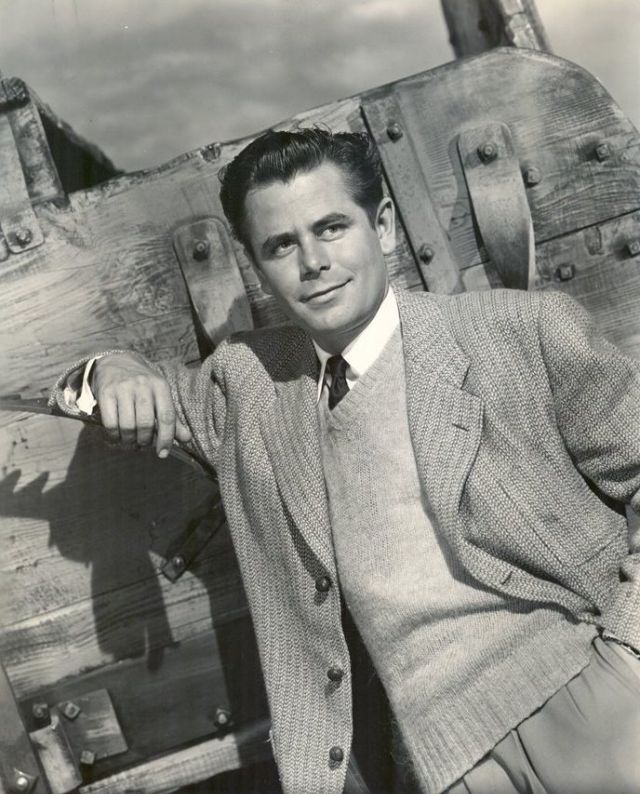
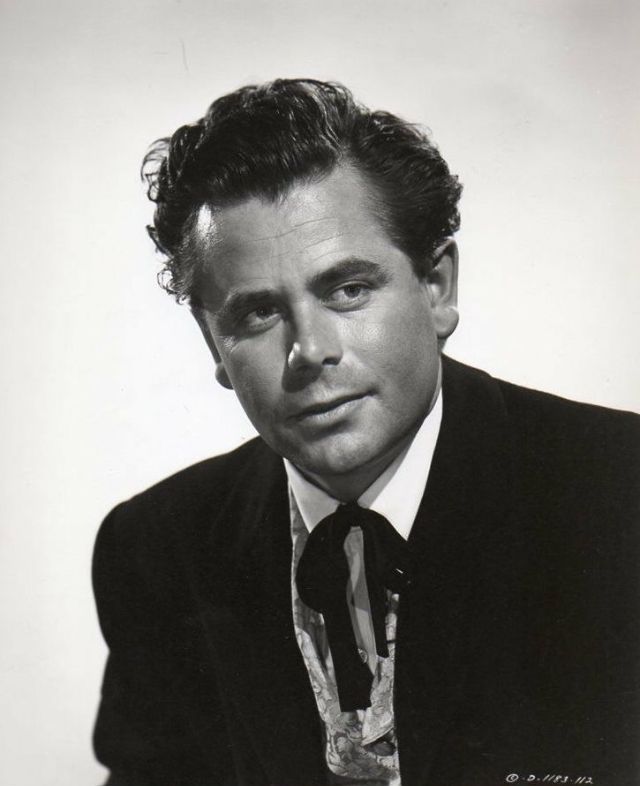
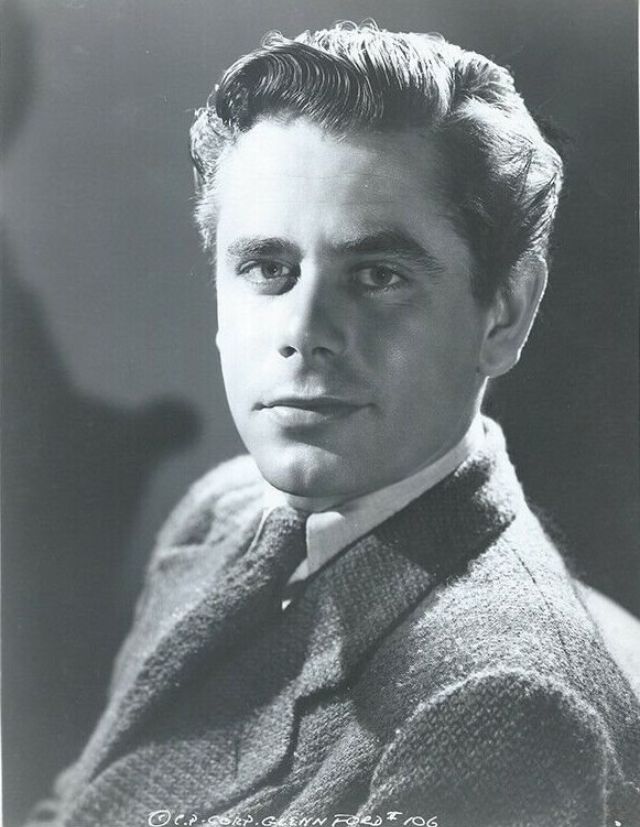
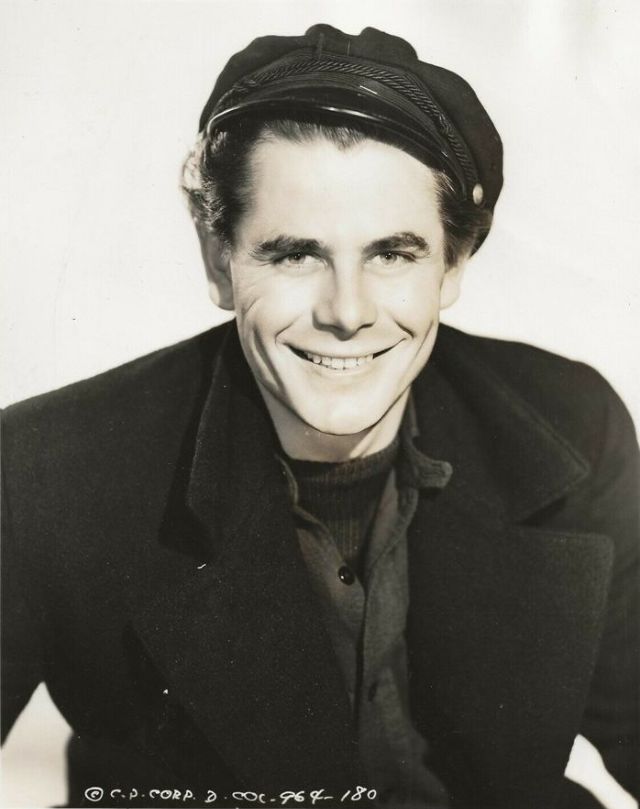
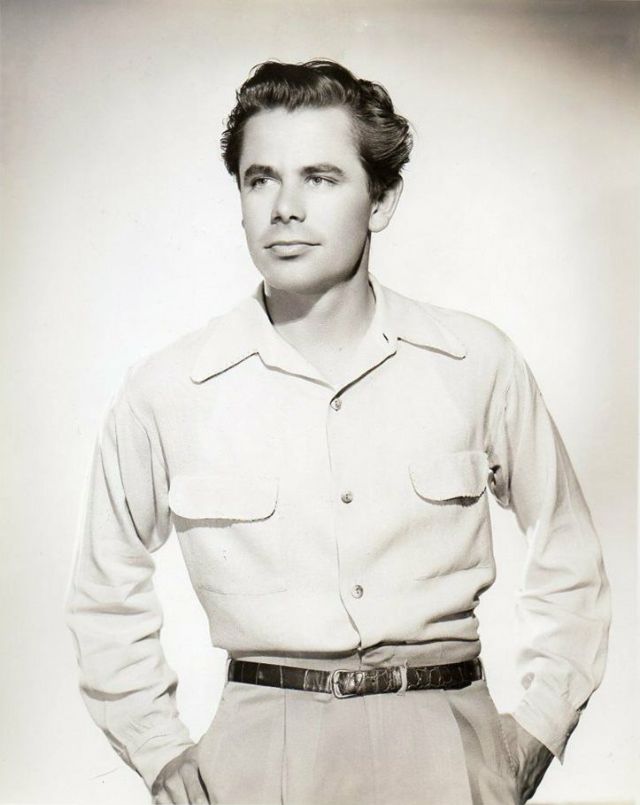
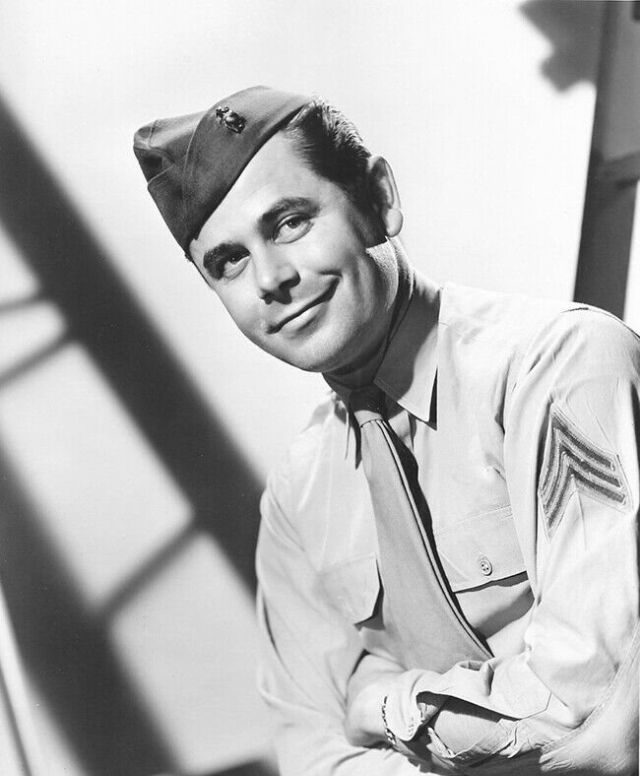
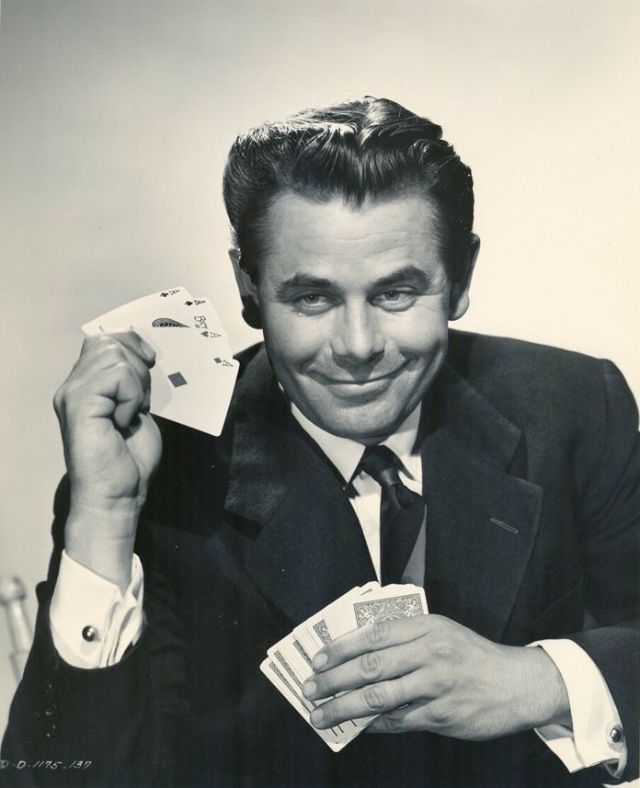
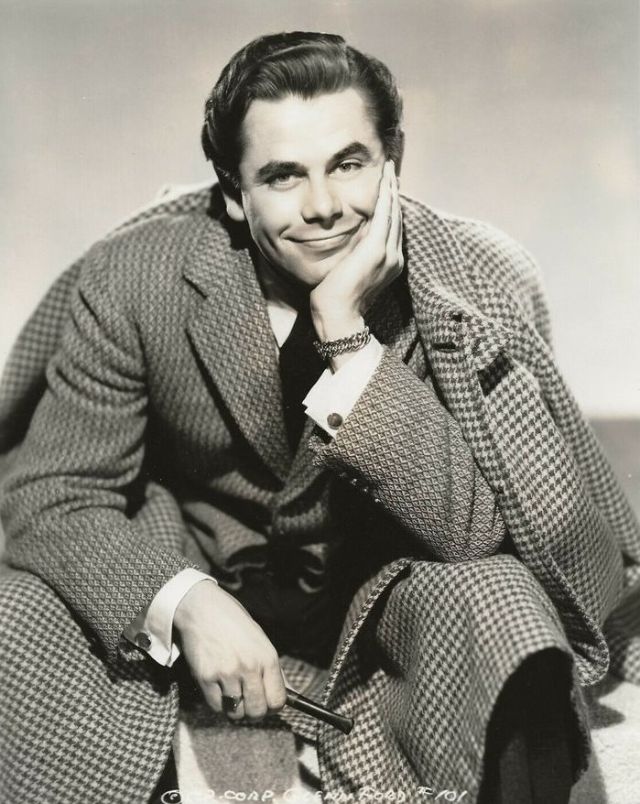
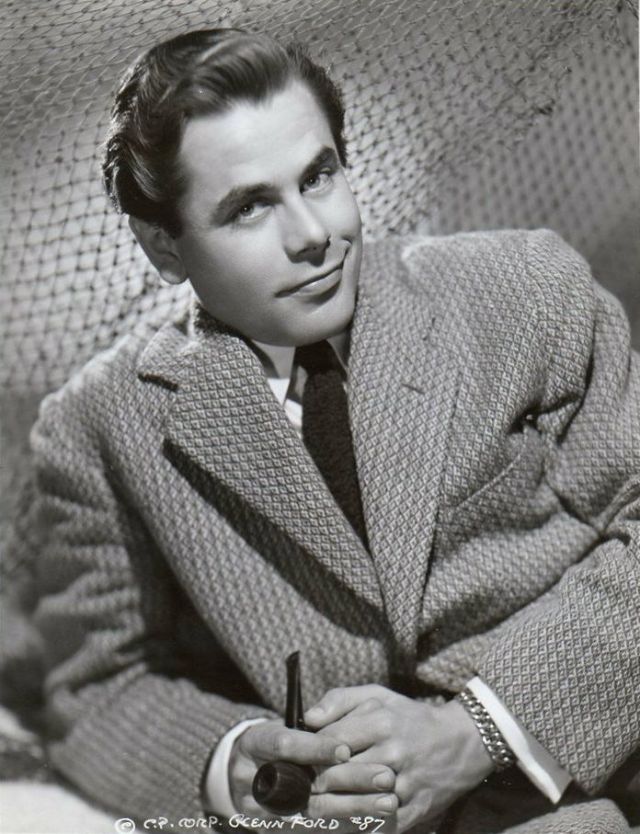
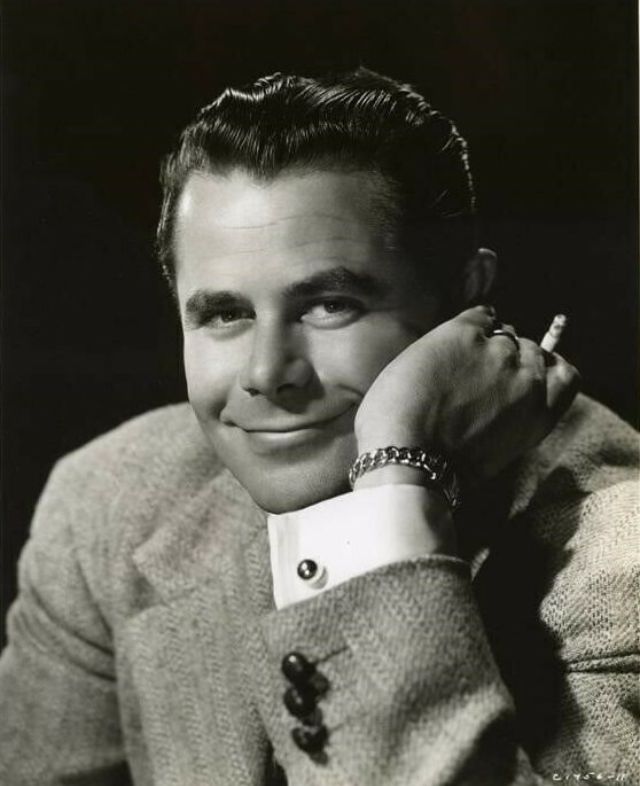
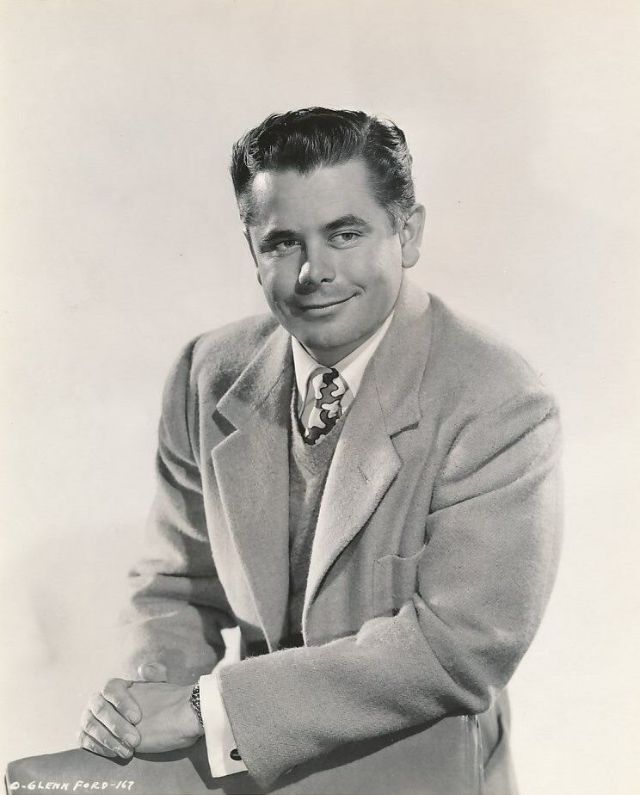
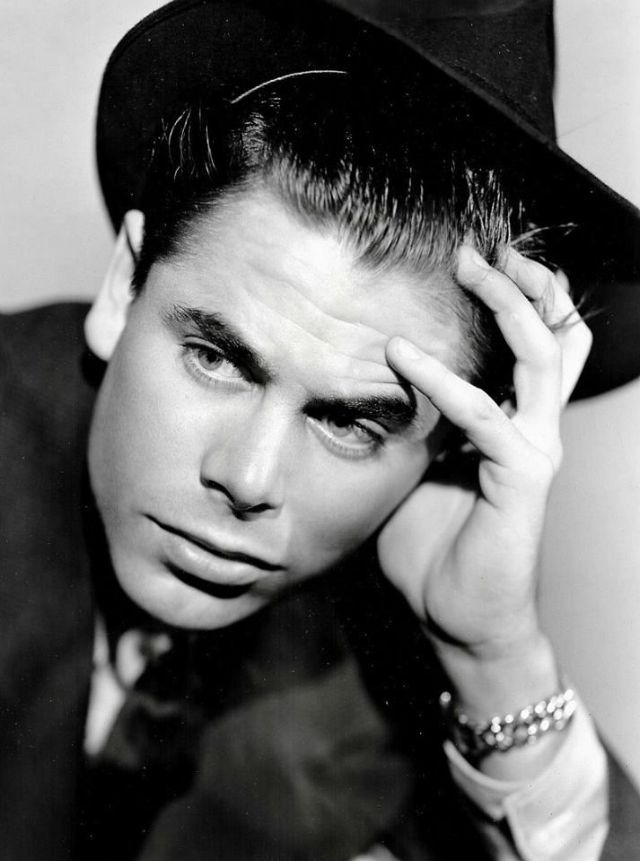
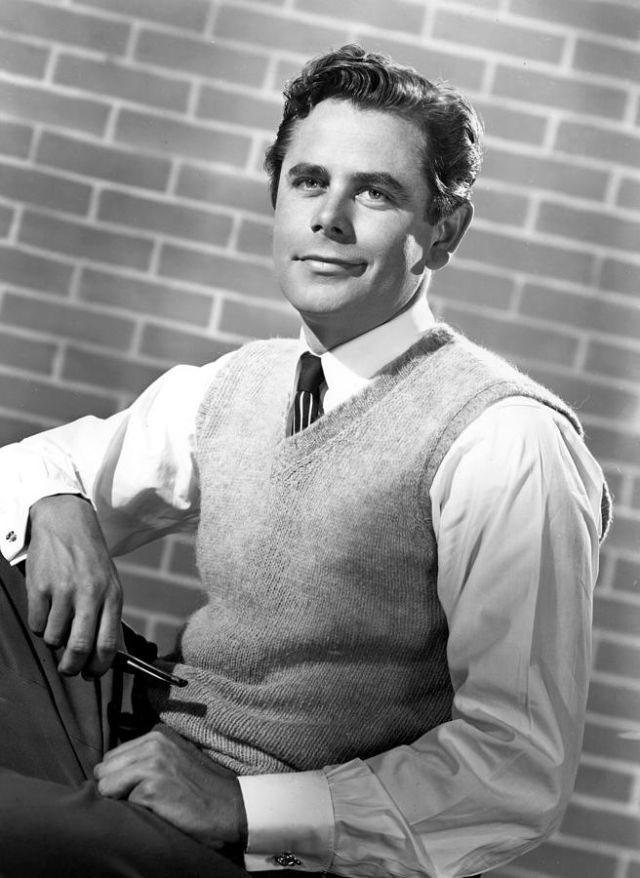
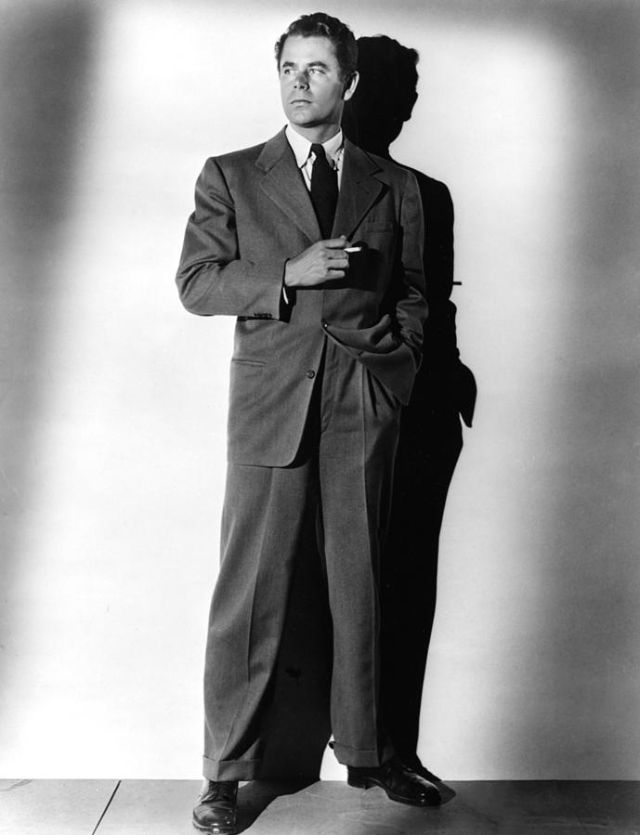
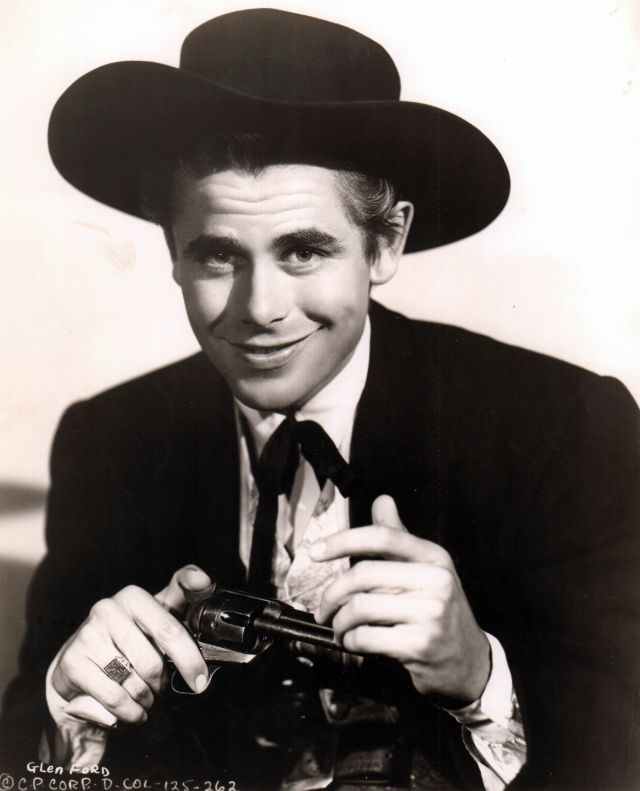
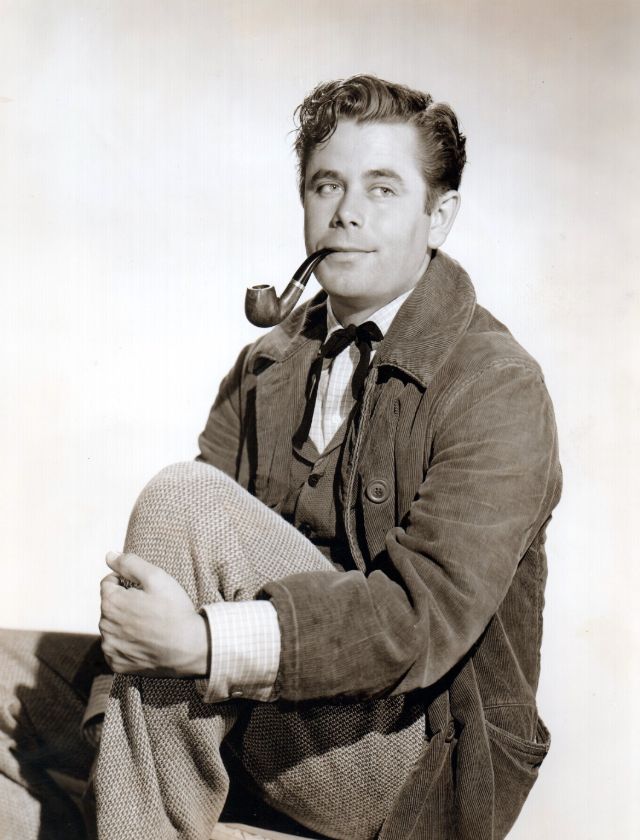
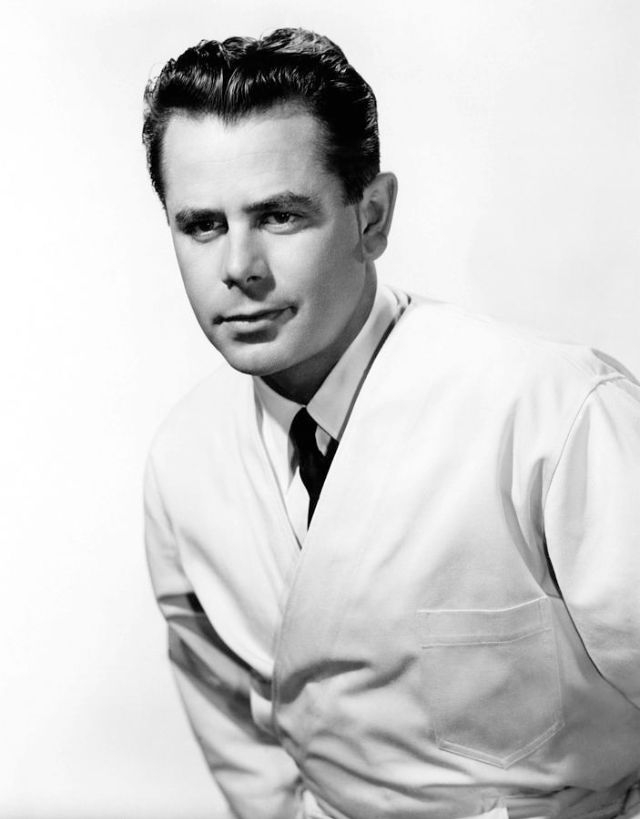
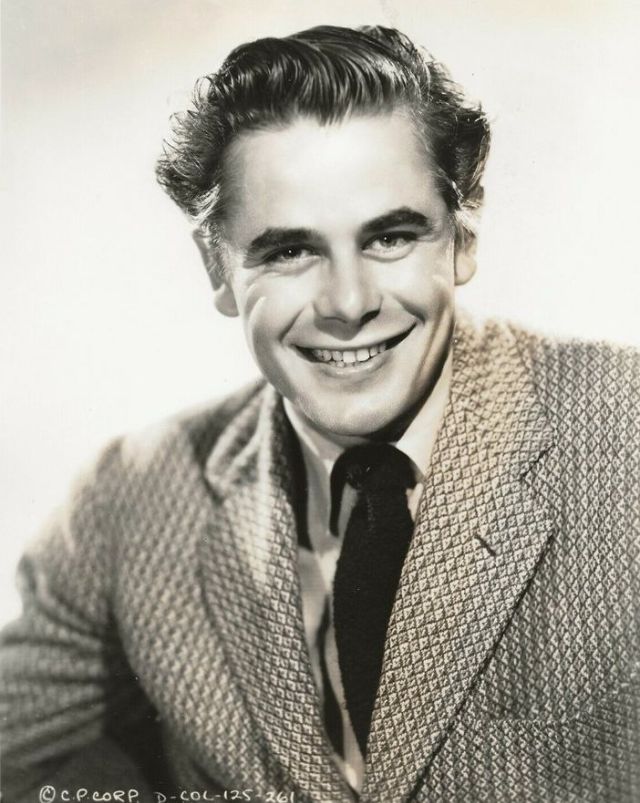
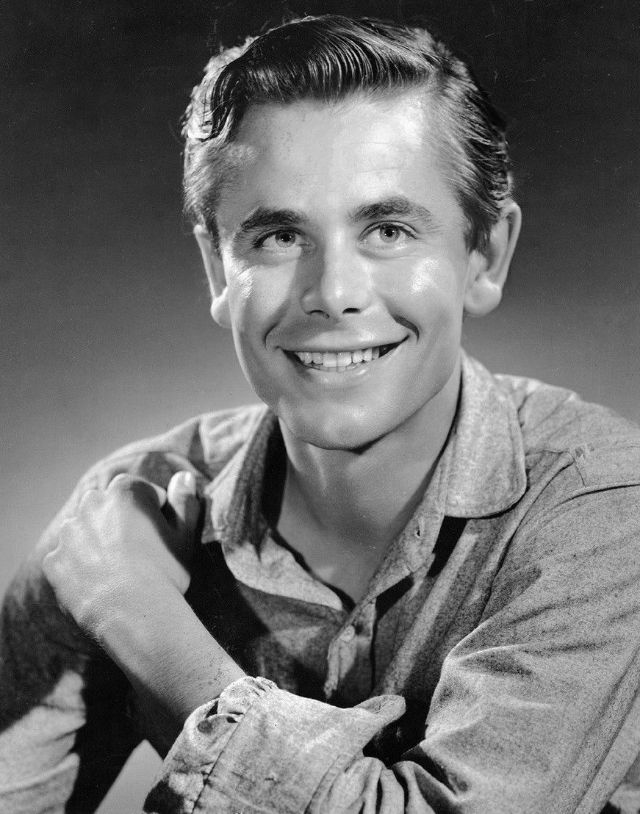
40 Portrait Photos of Actor Glenn Ford in the 1940s

Born 1916 in Quebec, Canadian-American actor Glenn Ford had his first major movie part in Heaven with a Barbed Wire Fence (1939) at 20th Century Fox. He often portrayed ordinary men in unusual circumstances.

Ford was most prominent during Hollywood’s Golden Age as one of the biggest box-office draws of the 1940s, 1950s, and 1960s, who had a career that lasted more than 50 years. Although he played in many genres of movies, some of his most significant roles were in the film noirs Gilda (1946) and The Big Heat (1953), and the high school angst film Blackboard Jungle (1955). However, it was for comedies or westerns which he received acting laurels, including three Golden Globe Nominations for Best Actor in a Comedy movie, winning for Pocketful of Miracles (1961).

Five of Ford’s films have been selected for the National Film Registry by the Library of Congress as being “culturally, historically or aesthetically” significant: Gilda (1946), The Big Heat (1953), Blackboard Jungle (1955), 3:10 to Yuma (1957) and Superman (1978).

Ford retired from acting in 1991 following heart and circulatory problems. He suffered a series of minor strokes which left him in frail health in the years leading up to his death. He died in his Beverly Hills home in 2006 at the age of 90.

Take a look at these vintage photos to see portrait of a young and handsome Glenn Ford in the 1940s.

Subscribe to Yesterday Today to receive regular updates regarding new content:

Yesterday Today: September 27
Subscribe to get access

Read more of this content when you subscribe today.

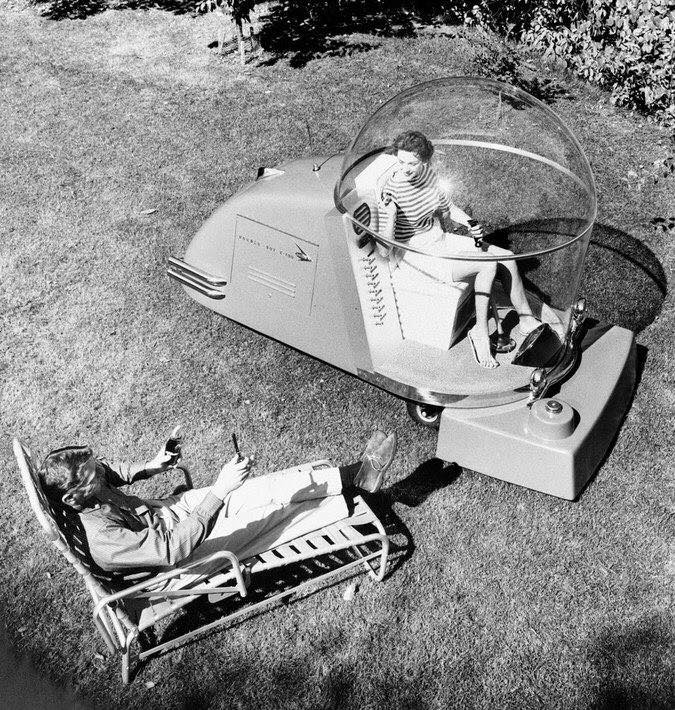
A fully air-conditioned luxury lawn mower from the 1950s.

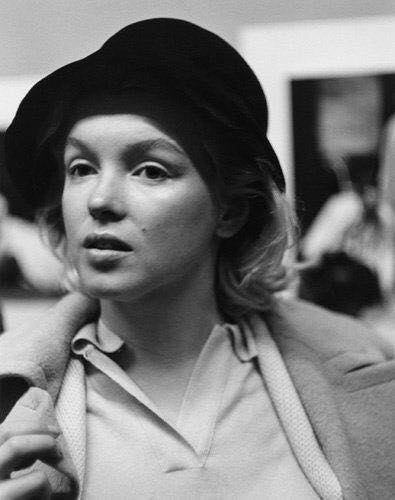
Marilyn Monroe without makeup, 1955

Subscribe to continue reading

Become a paid subscriber to get access to the rest of this post and other exclusive content.

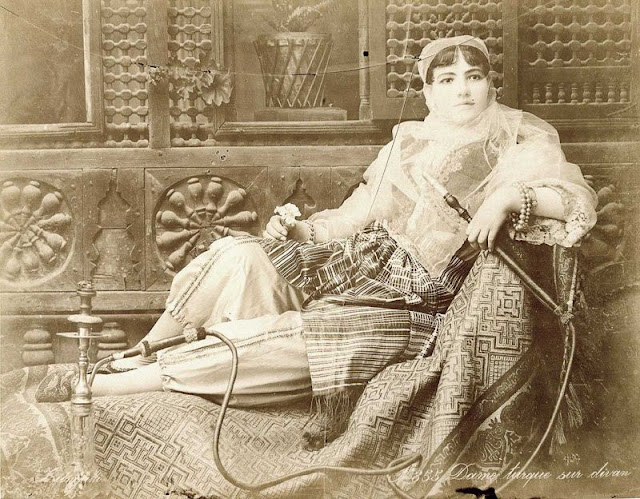
Vintage Photographs of Egypt From Between the 1860s and 1890s

Subscribe to get access

Read more of this content when you subscribe today.

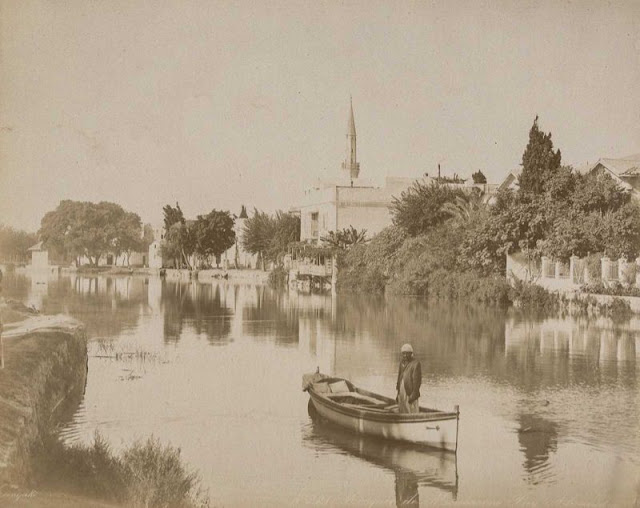
River view, Alexandria

The Adelphoi Zangaki (Zangaki Brothers) were two brothers of Greek origin, active as photographers in Ottoman Egypt from the 1860s through to the 1890s. Little is known about them, except their initials, C. and G., and that they worked out of Port Said and Cairo from around the 1860s through to at least the 1890s. Many of the Zangaki photographs are signed with a brother’s initial and/or a place of business, e.g., “C. Zangaki” or “Zangaki, Cairo” or occasionally “A. Zangaki”.

The two brothers specialized in photographing ancient monuments and scenes of everyday life, producing photographic prints for the tourist trade, but it remains unclear how they came to learn photography. However, shortly after their arrival in Egypt they had become established photographers with studios in Cairo and Port Said.

The Zangaki brothers traveled along the Nile, accompanied by a horse-drawn darkroom wagon to document the Egyptian scenery, architecture and events. Their pictures included views of the pyramids at Giza or the Sphinx and cities, as well of Egyptians going about their daily lives. They occasionally worked with the French photographer Hippolyte Arnoux in Port Said, documenting the works on the Suez Canal. They were also among the first commercial photographers to produce large-scale images of late 19th- century Egypt.

Students in the Al-Azhar Mosque, Cairo

Subscribe to continue reading

Become a paid subscriber to get access to the rest of this post and other exclusive content.

Yesterday Today

Bringing You the Wonder of Yesterday - Today

Skip to content ↓