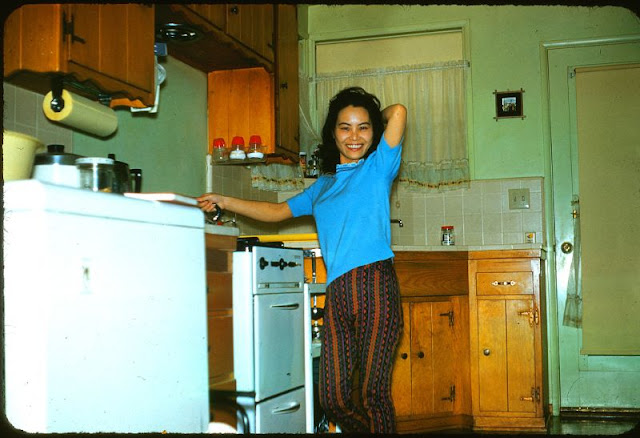
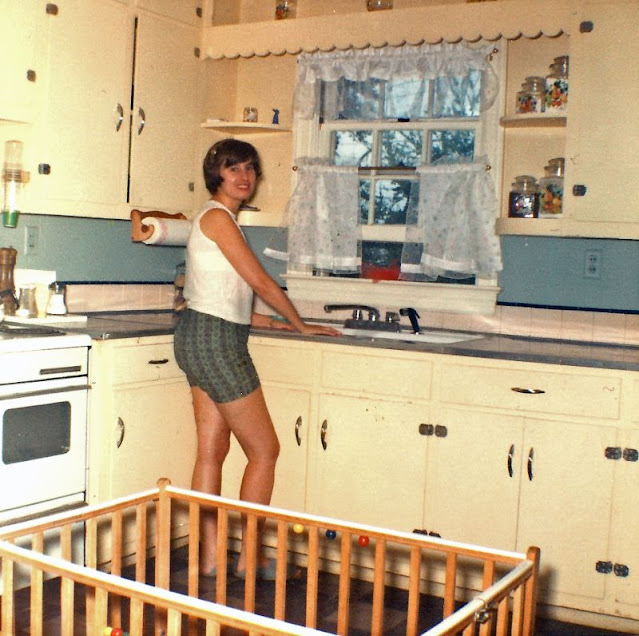
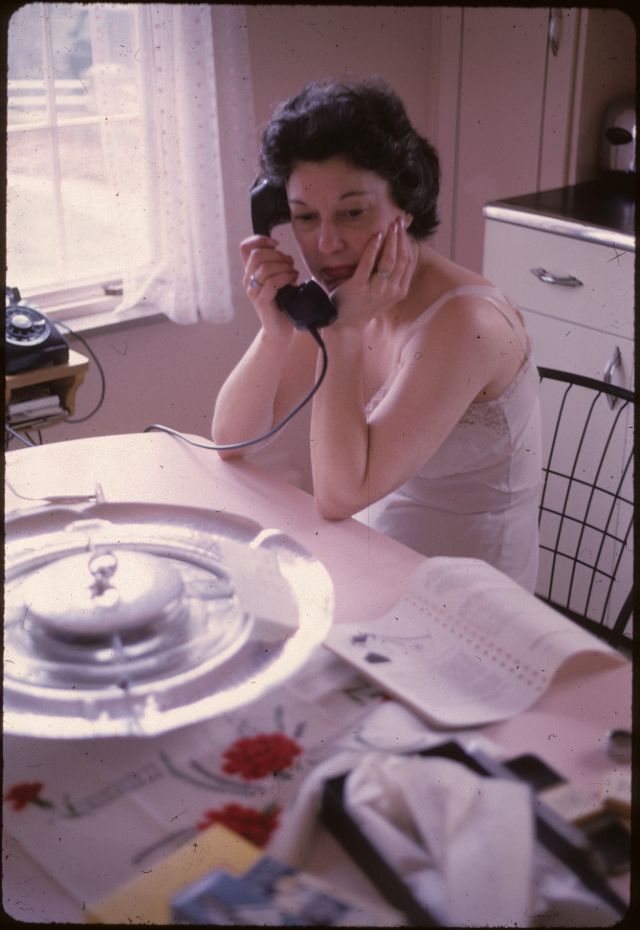
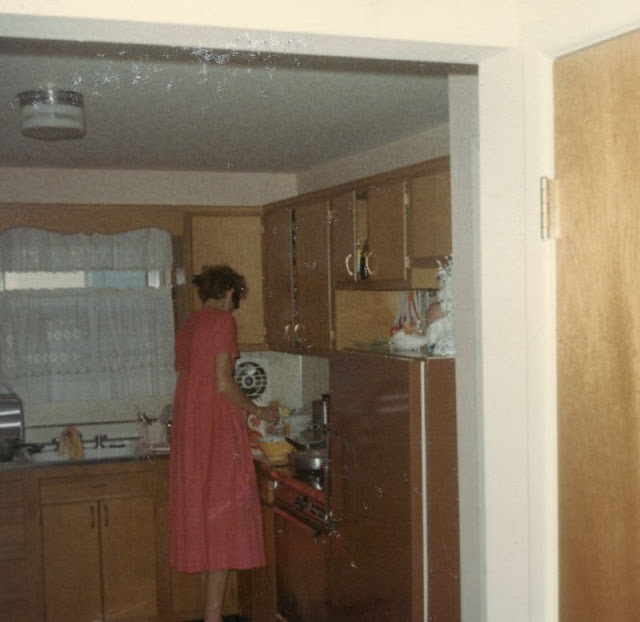
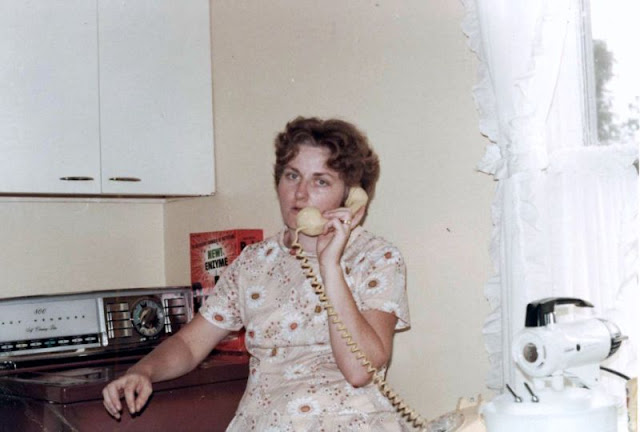
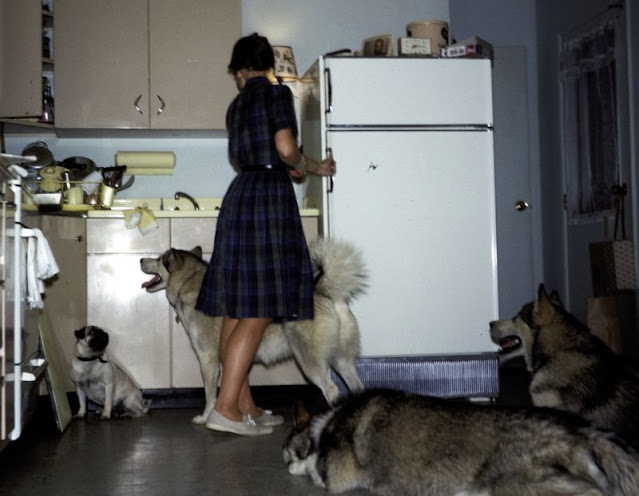
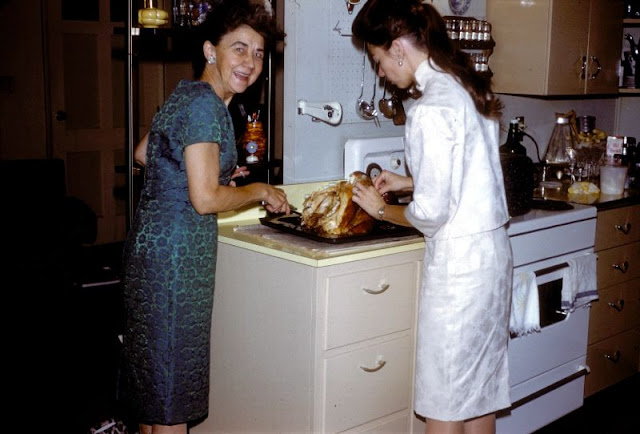
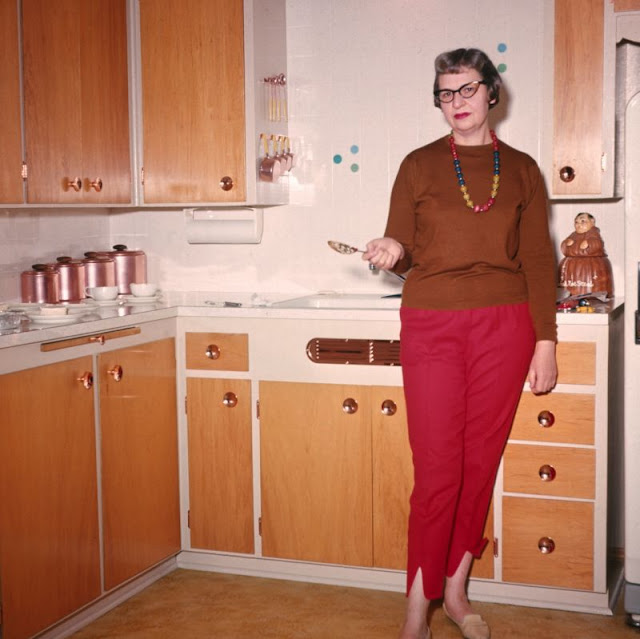
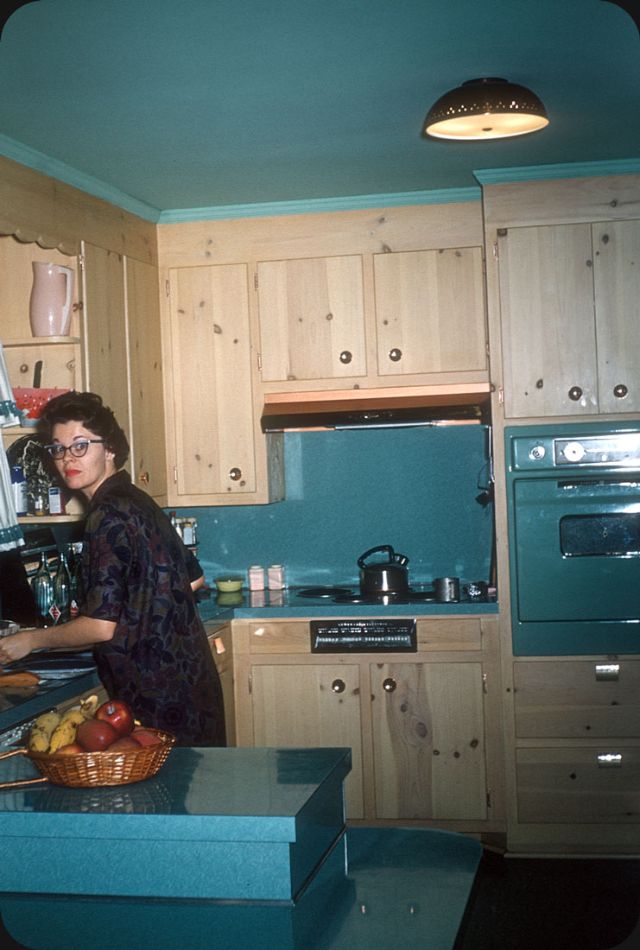
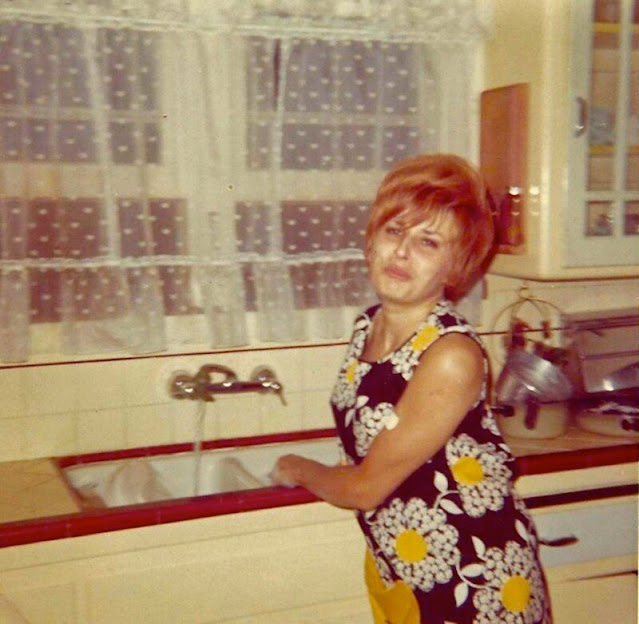
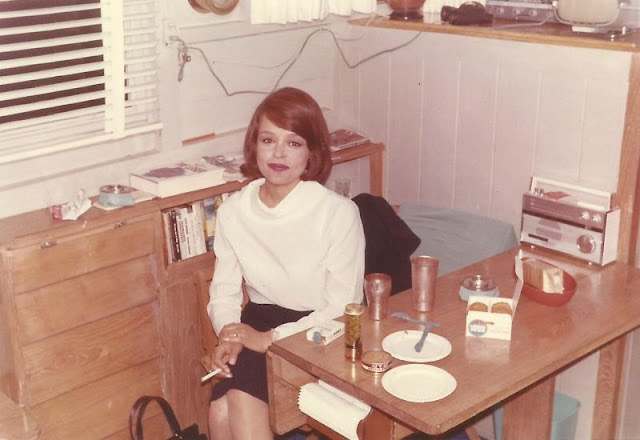
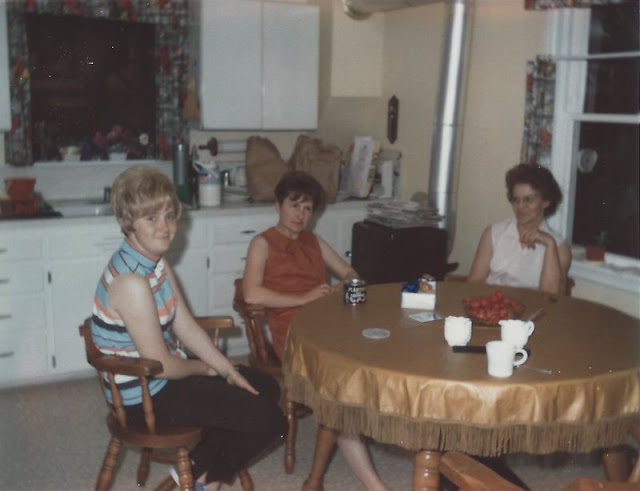
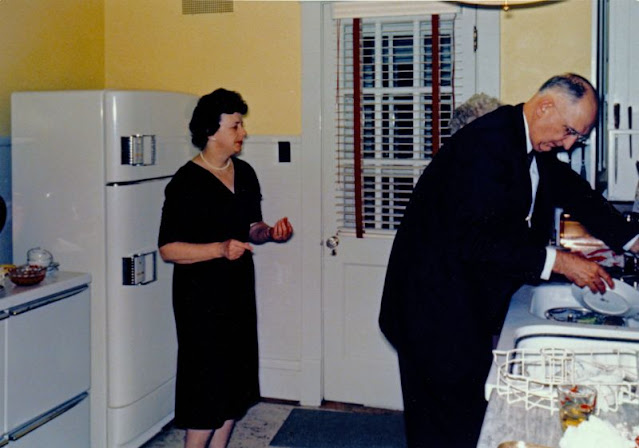
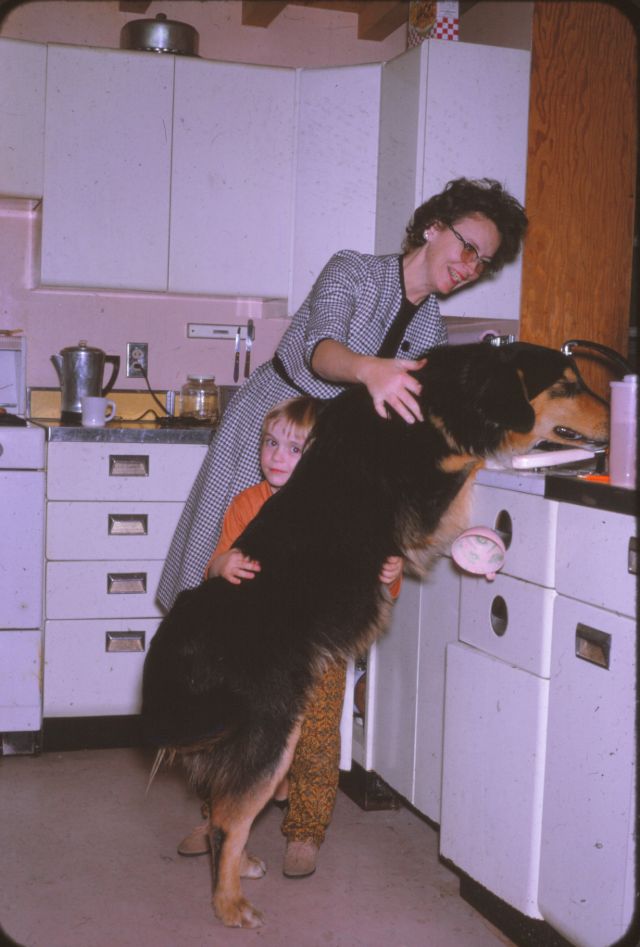
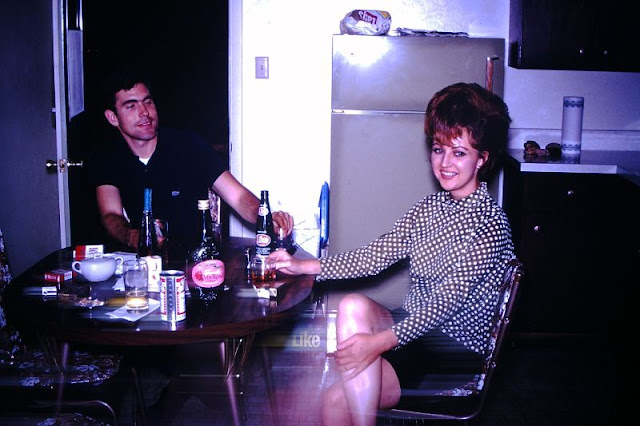
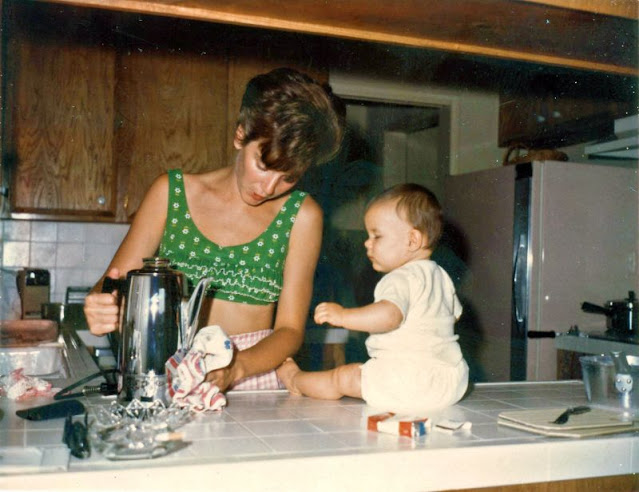
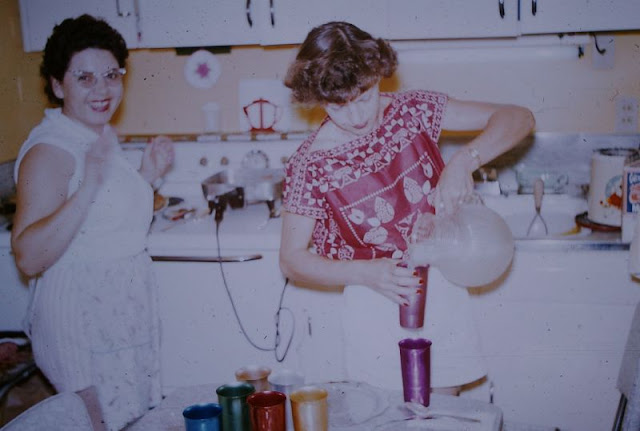
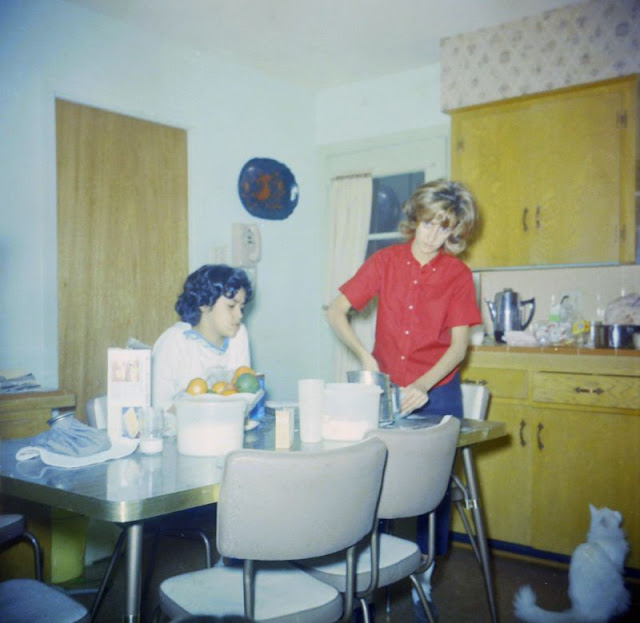
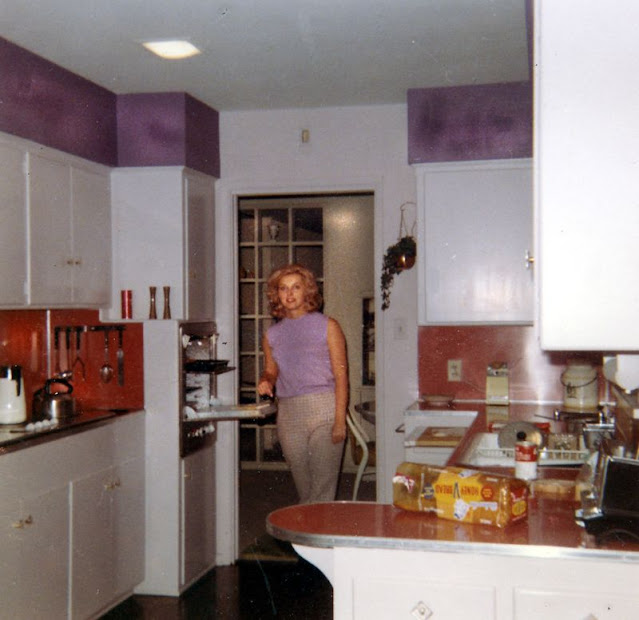
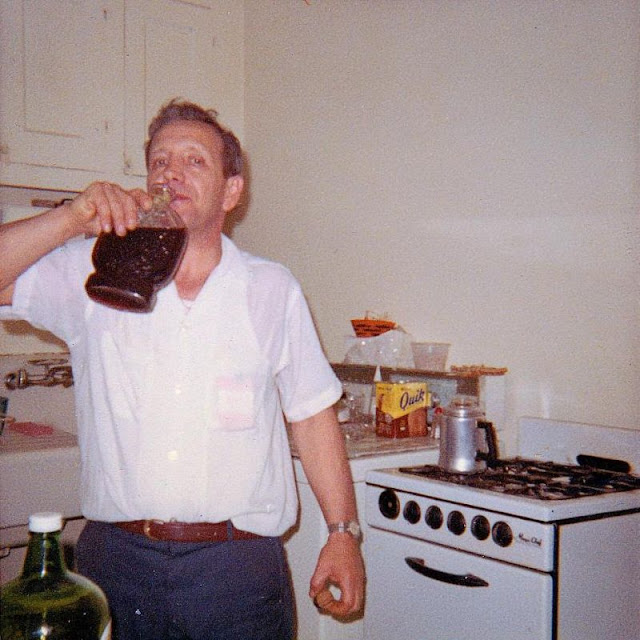
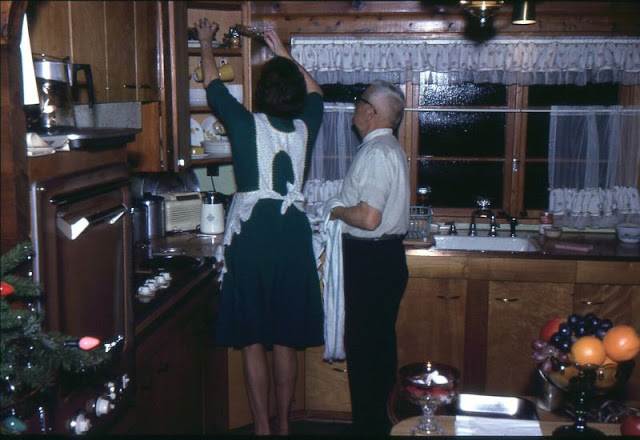
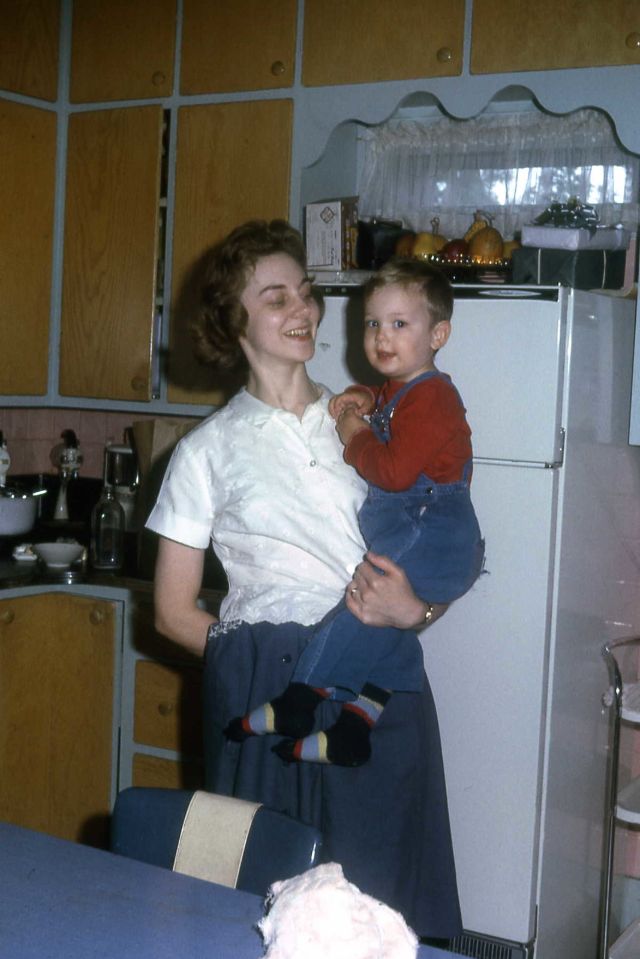
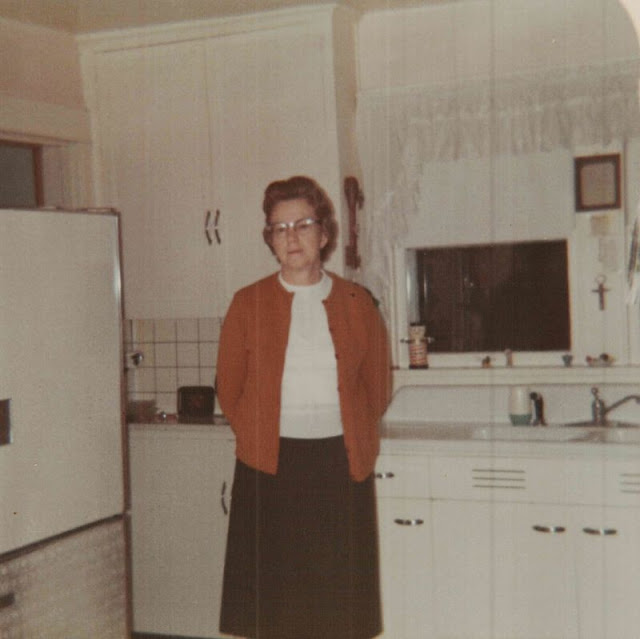
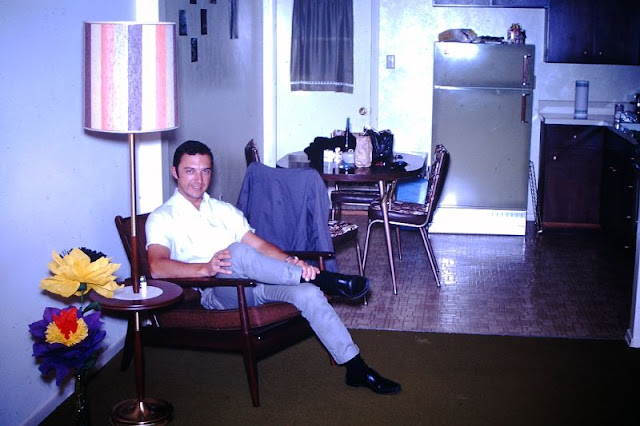
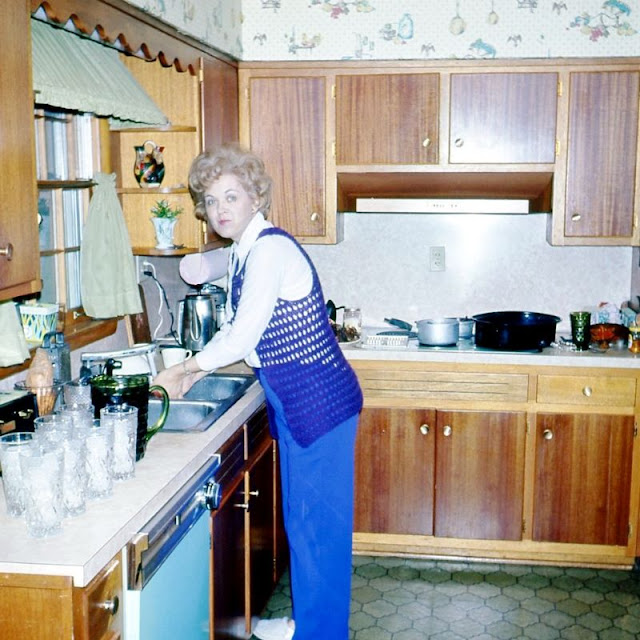
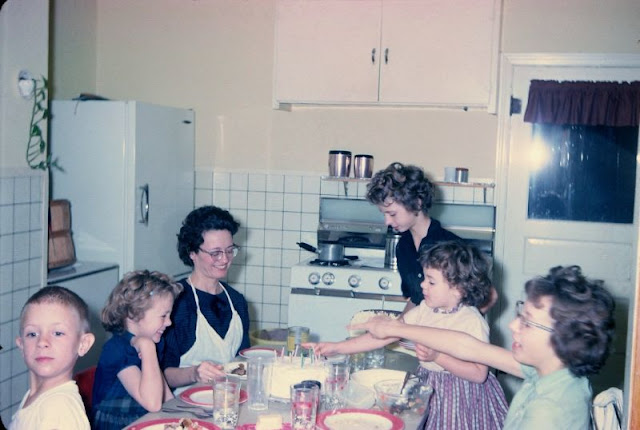
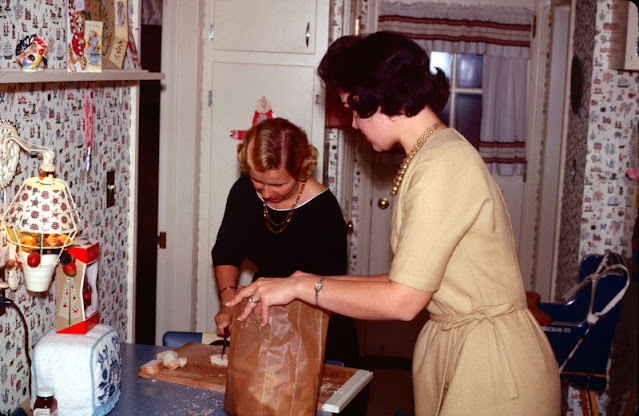
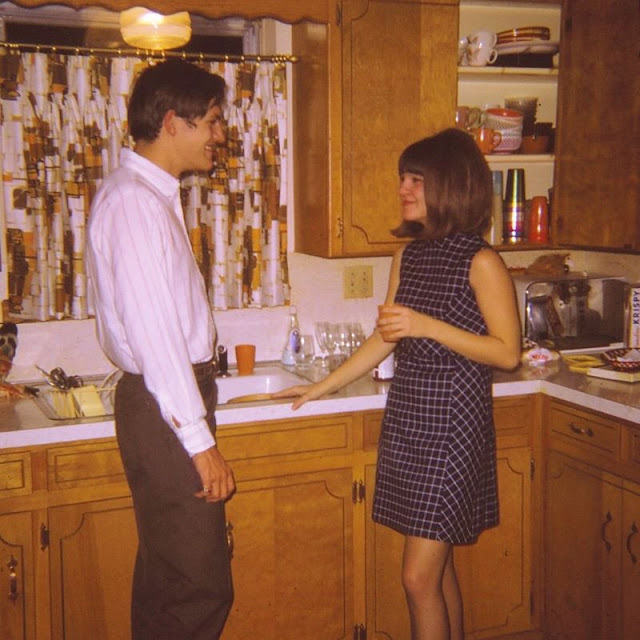
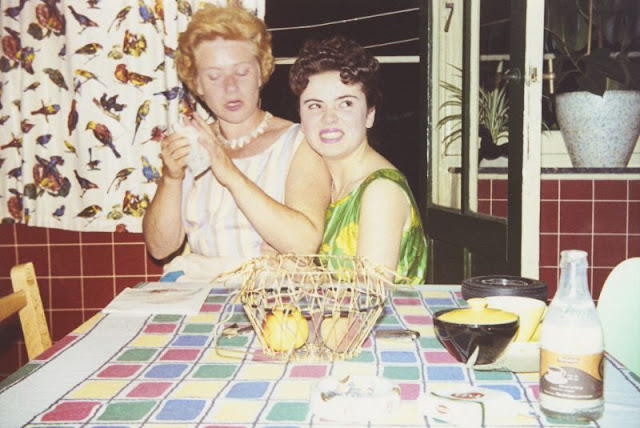
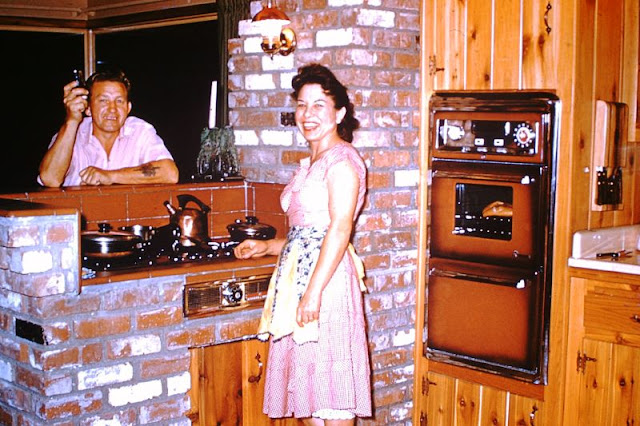
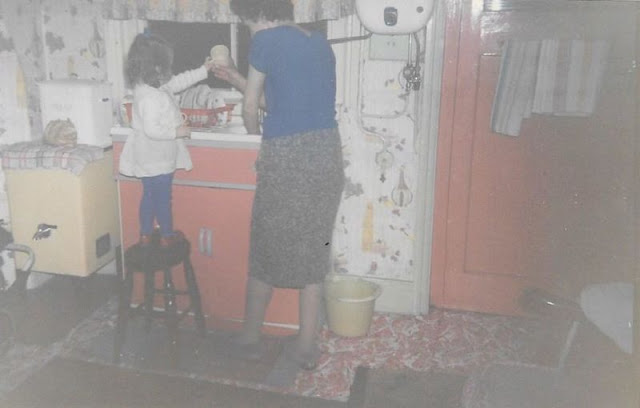
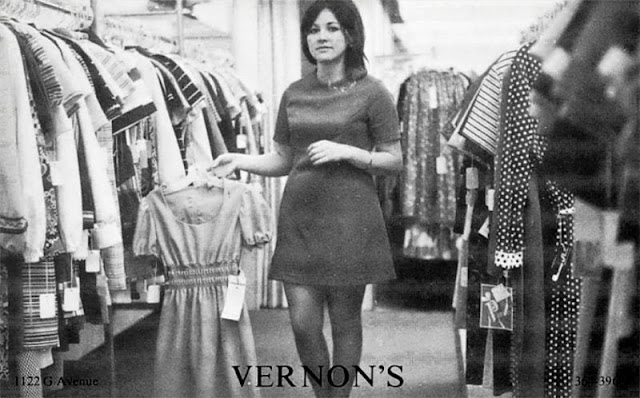
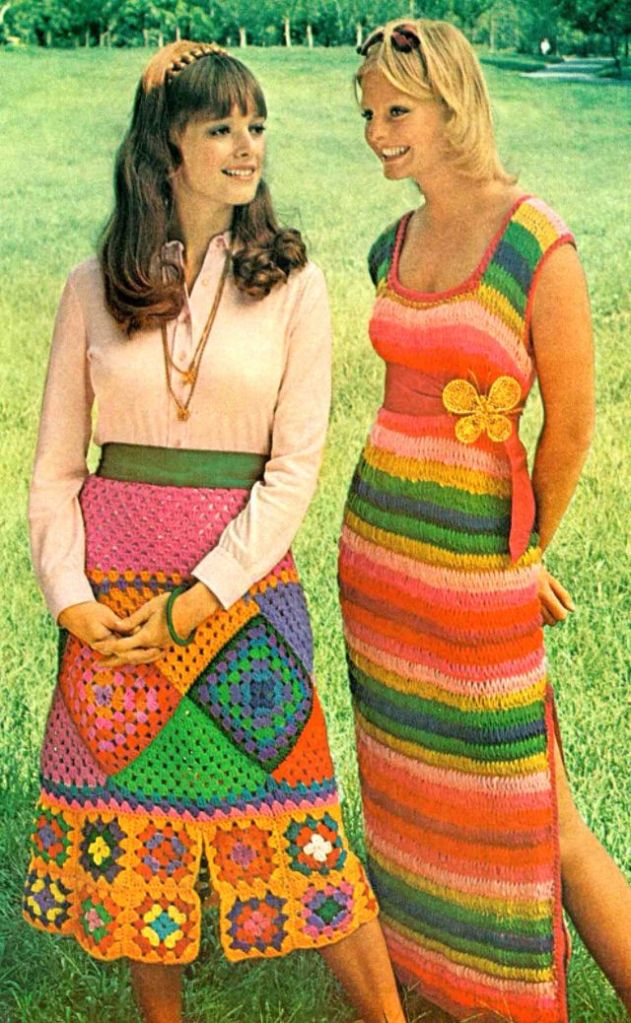
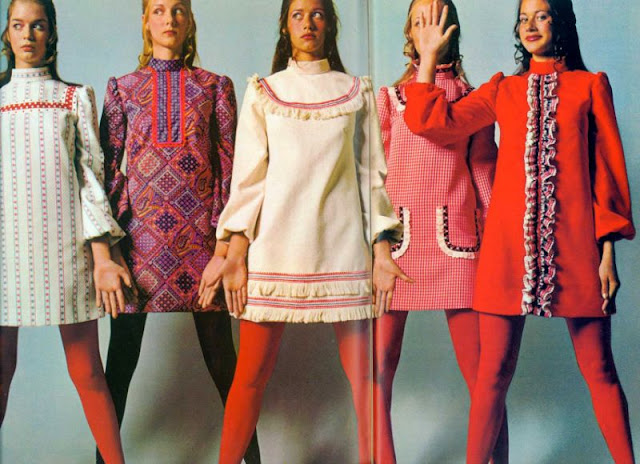
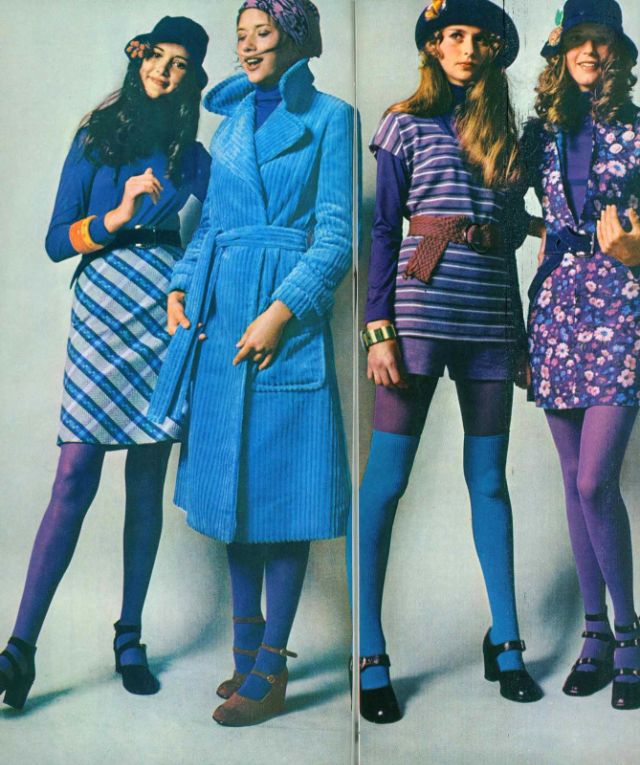
The 1960s were all about innovation and eclectic style. The mid-century modern look was still going strong and folks were eager to add pops of color throughout their home decor.
The 1960s marked the beginning of when kitchens became more than just a place to prepare food. Instead, kitchens turned into the center of the home, a room where families and friends gathered not just to make dinner, but to eat it, too.
Kitchens were open and spacious and just as functional as they were beautiful. Take a look at these vintage photos to see what kitchens looked like in the 1960s.
Subscribe to Yesterday Today to receive regular updates about new content:
Born 1957 in Salt Lake City, Utah, American model, actor and dancer Sterling St. Jacques was the adopted son of actor Raymond St. Jacques. He had bit parts in films such as Eyes of Laura Mars (1978) with Faye Dunaway, Dinah East (1970) and the Italian movie Sistemo l’America e torno (1974).
Together, Sterling and model Pat Cleveland were regulars at Studio 54. Although they appeared in public as a couple, and were briefly engaged, Sterling was widely known to be gay.
In the 1980s, Sterling moved to Europe to try and become a nightclub DJ and advance his modeling career. Soon after, he claimed to the press he was broke and was thinking of opening a dance studio in Manhattan. This idea never came to fruition and instead he regularly appeared in both high-end and low-brow magazines and even performed Italo disco.
St. Jacques contracted AIDS and died in 1984 in New York City, not knowing who gave it to him.
Take a look at these vintage photos to see moments of Sterling St. Jacques and Bianca Jagger dancing at Studio 54 in New York City in 1978.
Subscribe to continue reading
Become a paid subscriber to get access to the rest of this post and other exclusive content.
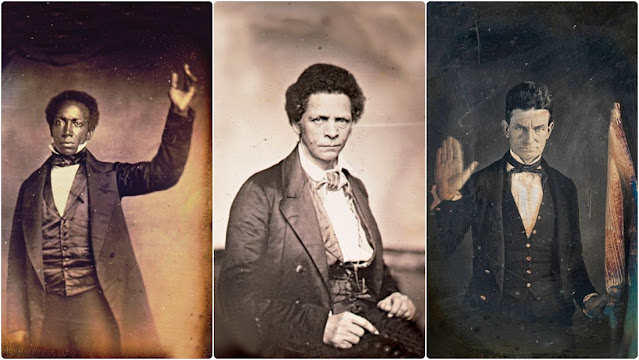
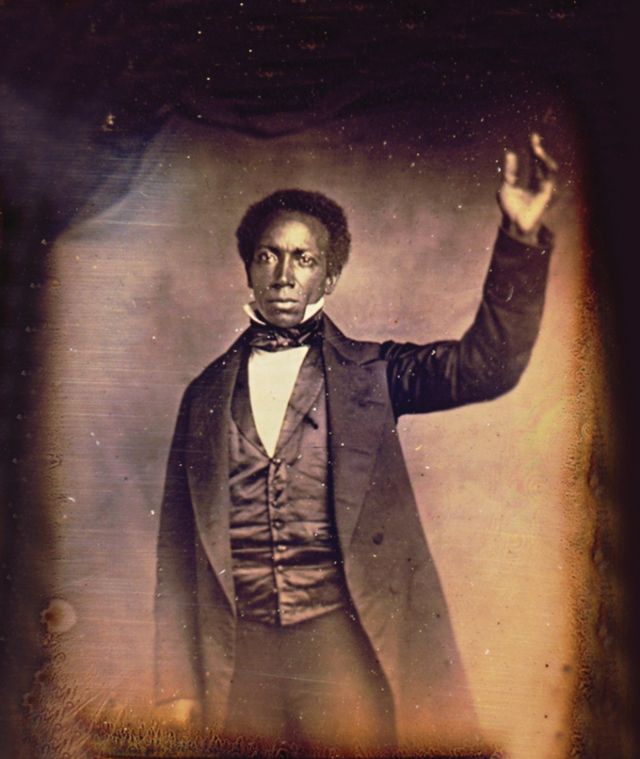
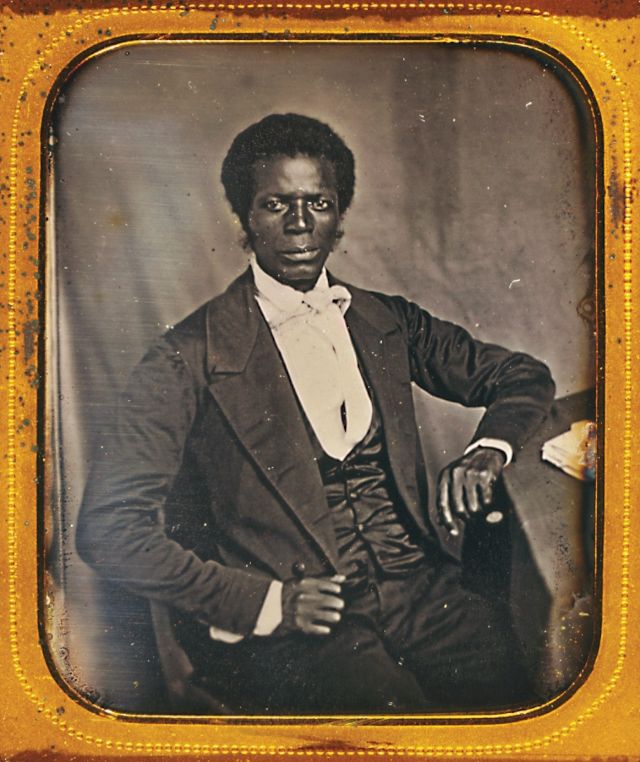
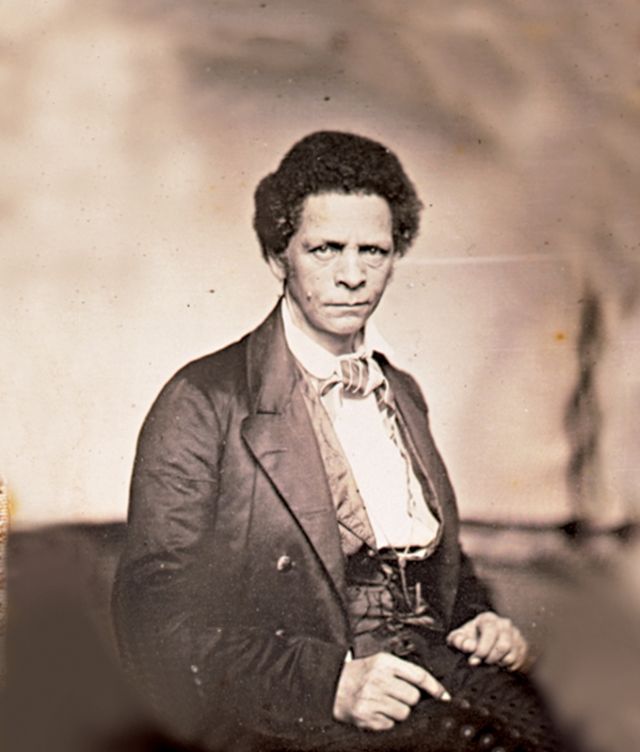
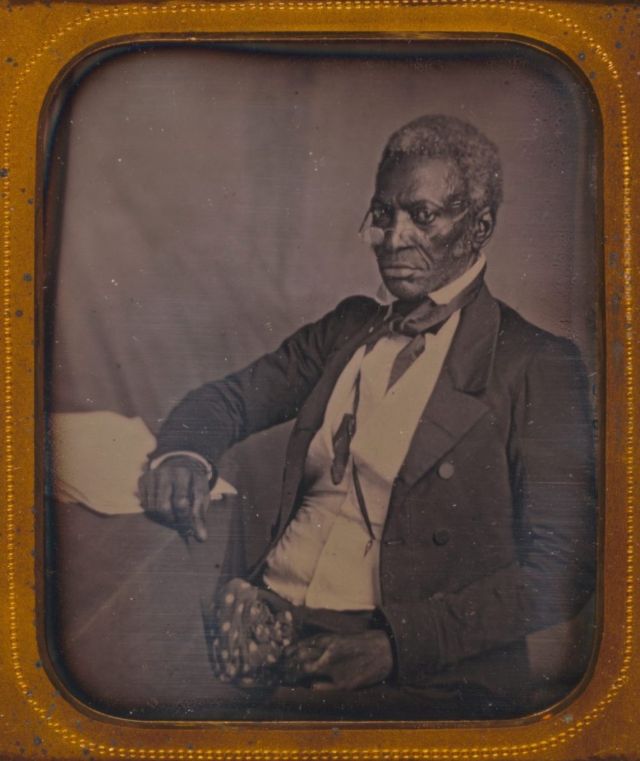
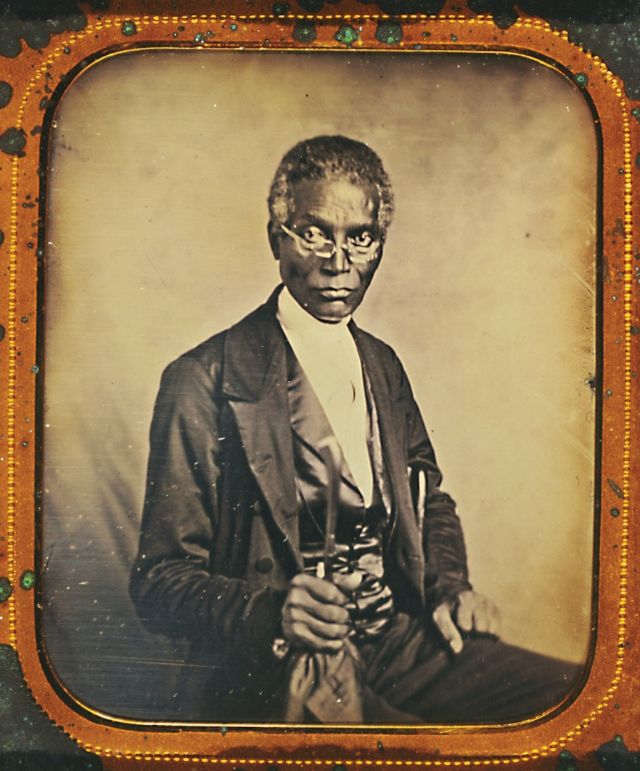
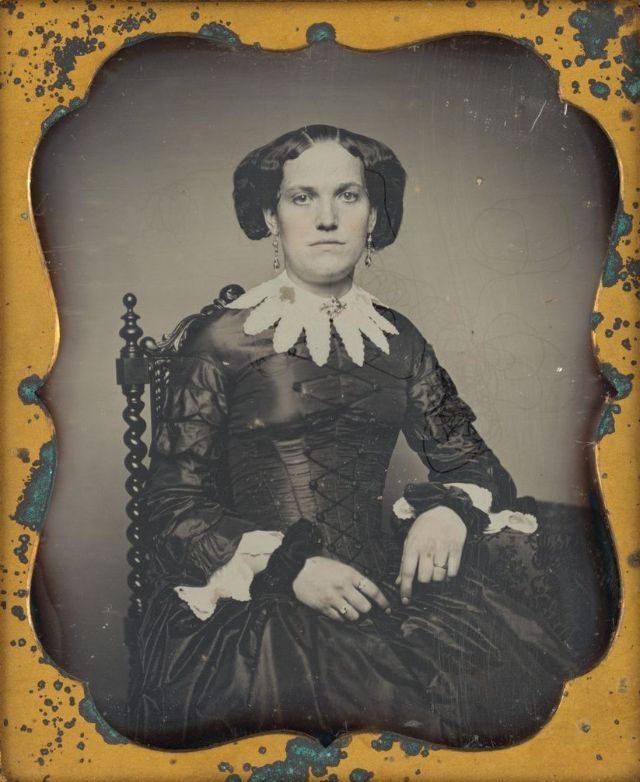
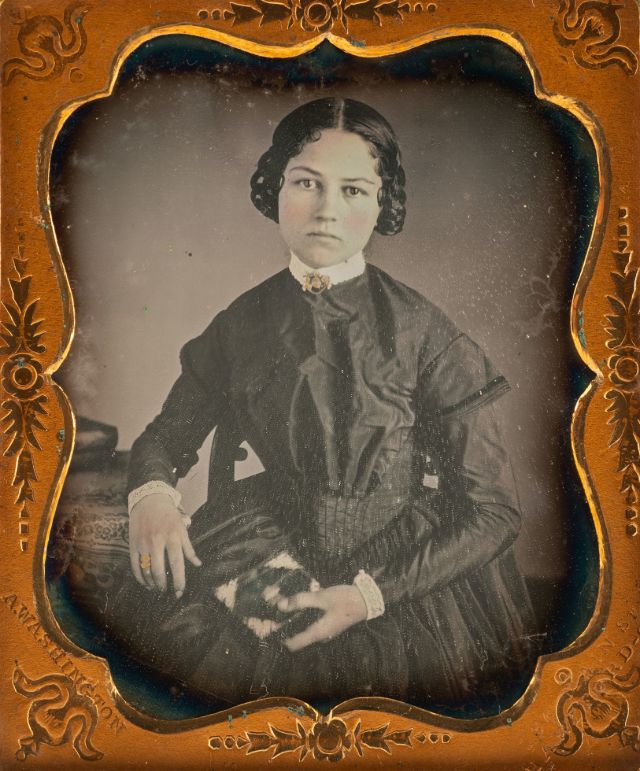
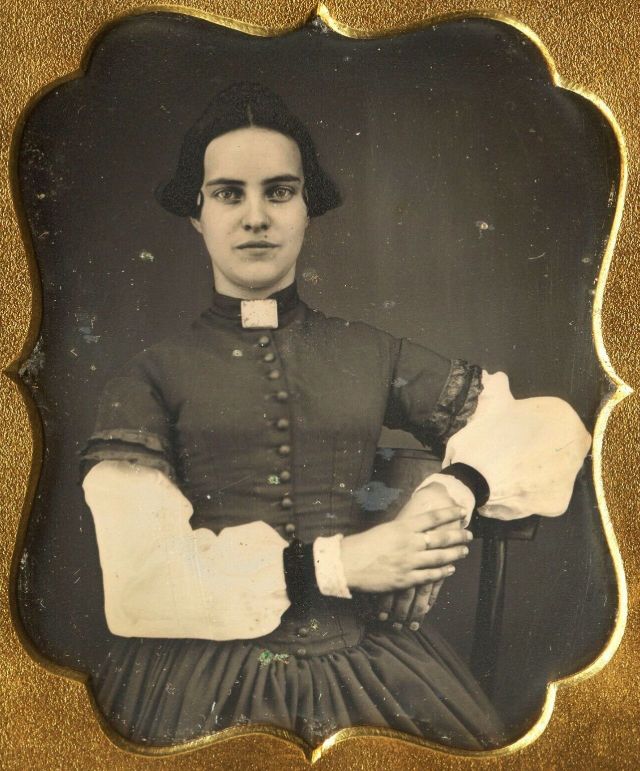
Born 1820 in Trenton, New Jersey as a free person of color and immigrated to Liberia in 1852, American photographer and daguerreotypist Augustus Washington is one of the few African-American daguerreotypists whose career has been documented.
Washington moved to Hartford, Connecticut, teaching black students at a local school and opening a daguerrean studio in 1846. He made the decision in 1852 to leave his home in Hartford, Connecticut, to emigrate to Liberia, and opened a daguerrean studio in the Liberian capital Monrovia in 1853 and also traveled to the neighboring countries Sierra Leone, Gambia and Senegal.
His daguerreotypes came at a vital moment for the Liberian nation as they were a visible way to document the progress of the colony not only for the Liberians but also to create an image of the colony for Western audiences. Washington’s Liberian portraits are of meticulously-posed elite members of the Liberian colony and focus on showing off the grooming, clothing, decoration and self-possession of his upper- and middle-class subjects.
In addition to photographing members of the Liberian upper and middle classes, Washington also photographed many of Liberia’s political leaders. These include likenesses of President Stephen Allen Benson, Vice President Beverly Page Yates, Senate chaplain Reverend Philip Coker, a number of senators, as well as the secretary, clerk, and sergeant-at-arms of the Senate.
Washington later gave up his photographic work and became a sugarcane grower on the shores of the Saint Paul River. In 1858, he began a political career, serving in both the House of Representatives and the Senate of Liberia. He served as Speaker of the House of Representatives from 1865 to 1869. He died in Monrovia in 1875.
Take a look at these amazing daguerreotypes to see his work from the 1840s and 1850s.
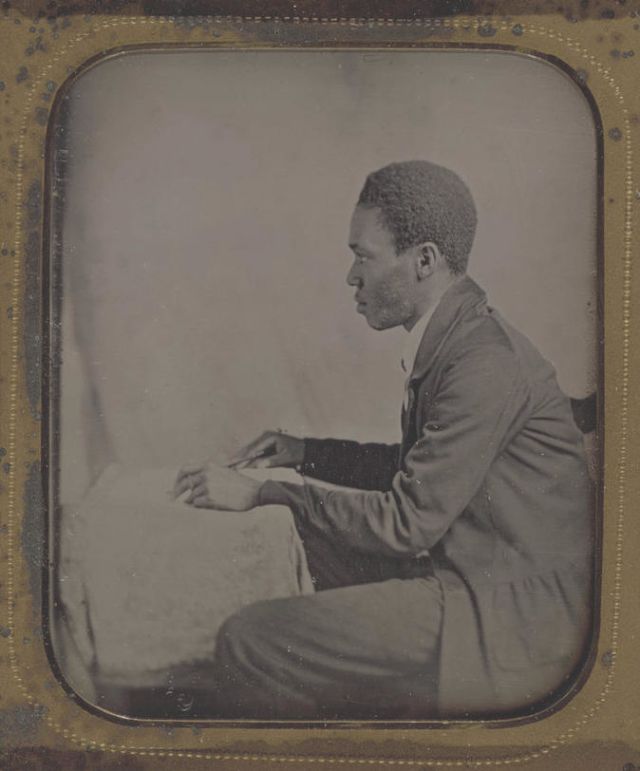
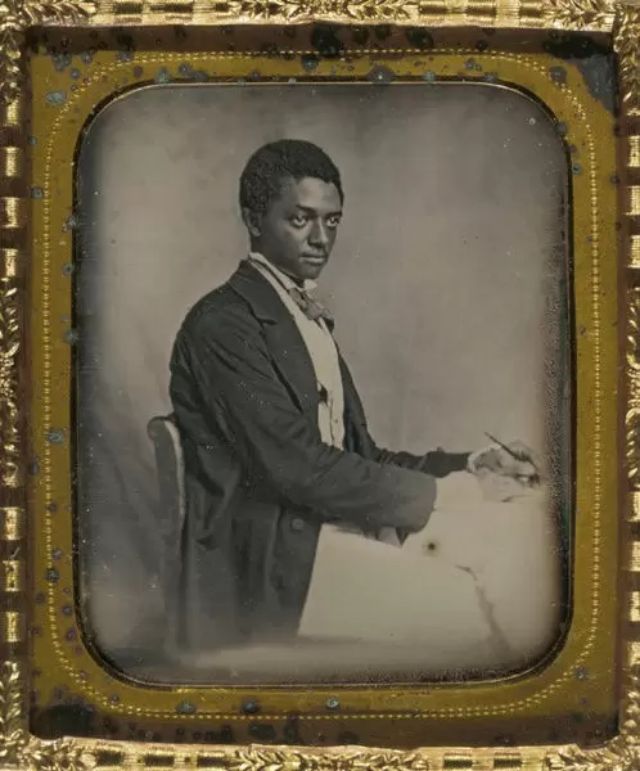
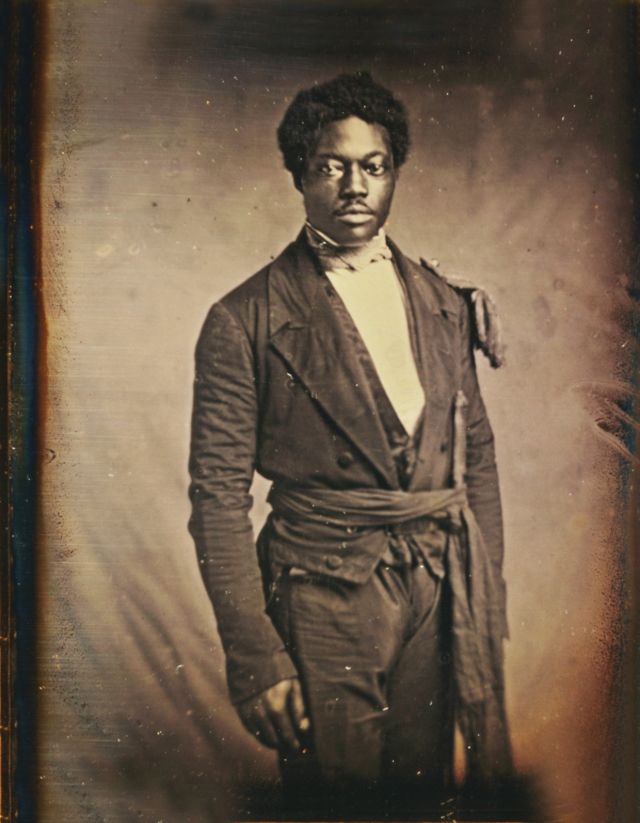
Chauncy H. Hicks, Liberian colonist, circa 1858. (Photo by Augustus Washington)
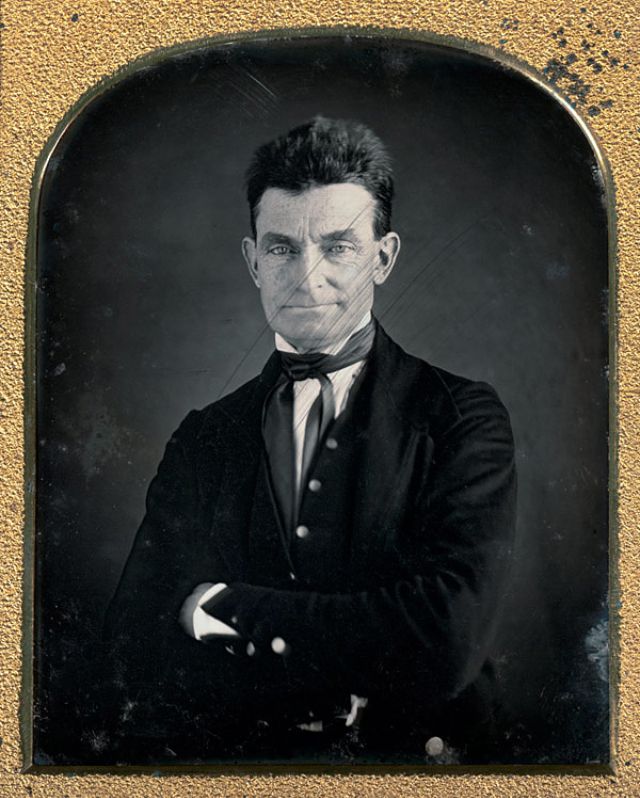
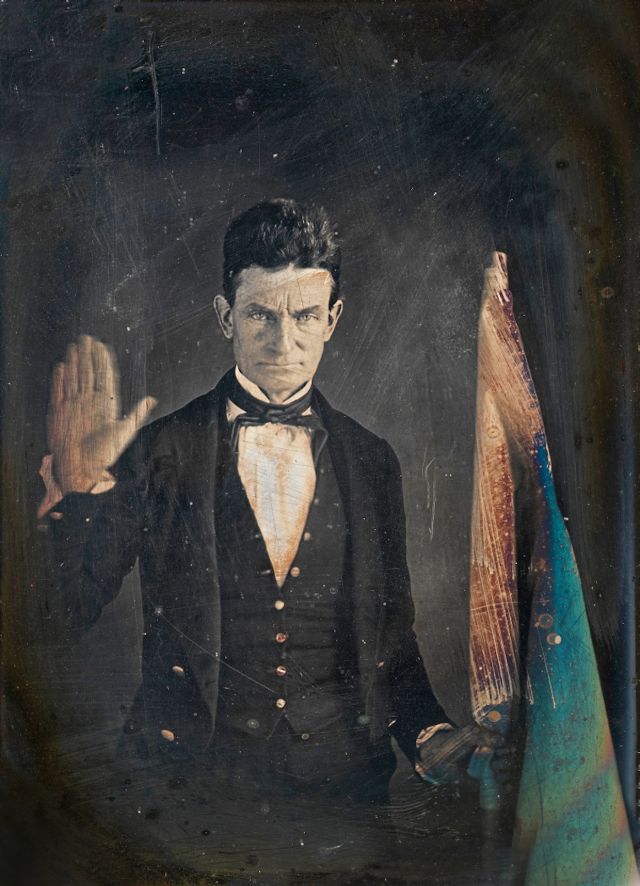
John Brown, 1846-47. (Photo by Augustus Washington)
James B. Yates, Liberian politician, 1958. (Photo by Augustus Washington)
Chancy Brown, Sargeant at Arms of the Liberian Senate, 1860. (Photo by Augustus Washington)
Edward James Roye, who owned a successful shipping business. (Photo by Augustus Washington)
James Mux Priest, the first Presbyterian African American missionary sent to Liberia. (Photo by Augustus Washington)
Joseph Jenkins Roberts, the first and seventh president of Liberia, 1851. (Photo by Augustus Washington)
Liberian Senator John Hanson. (Photo by Augustus Washington)
Philip Coker, clergyman and missionary of the Methodist Episcopal Church. (Photo by Augustus Washington)
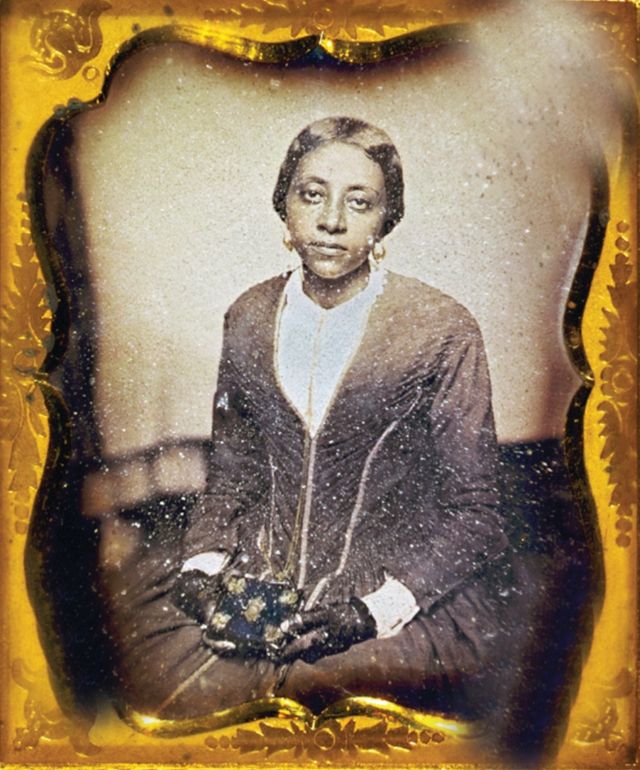
Portrait of a woman, circa 1850. (Photo by Augustus Washington)
Portrait of a young woman holding a union case in her lap, circa 1850. (Photo by Augustus Washington)
Portrait of a young woman, circa 1850. (Photo by Augustus Washington)
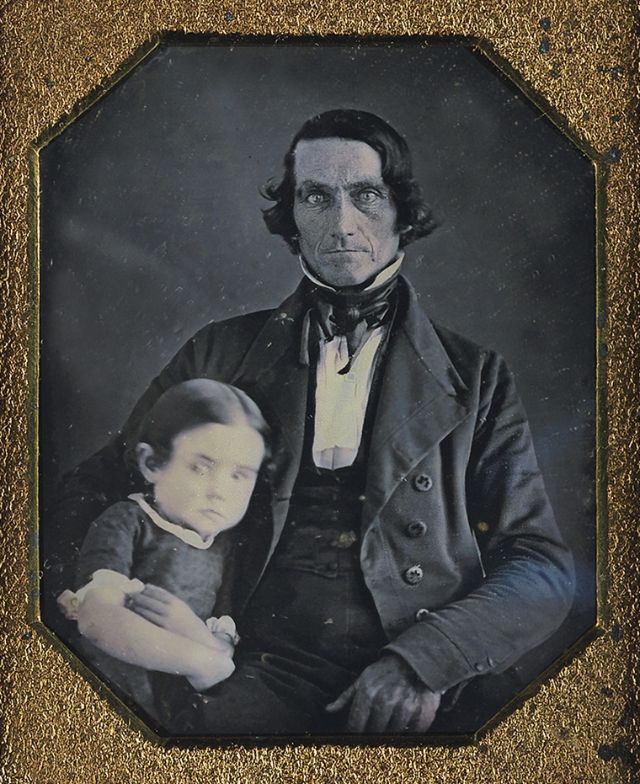
Portrait of an unidentified man with his child, circa 1847. (Photo by Augustus Washington)
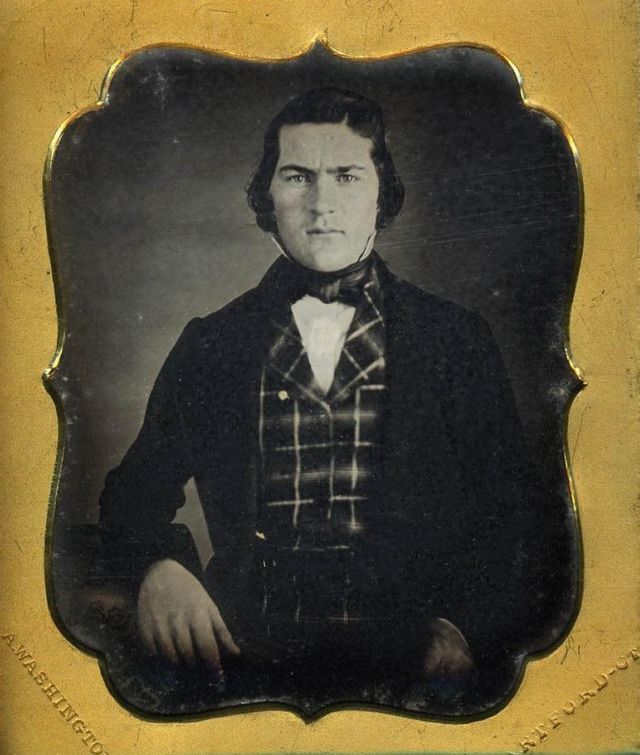
Portrait of an unidentified man, circa 1850. (Photo by Augustus Washington)
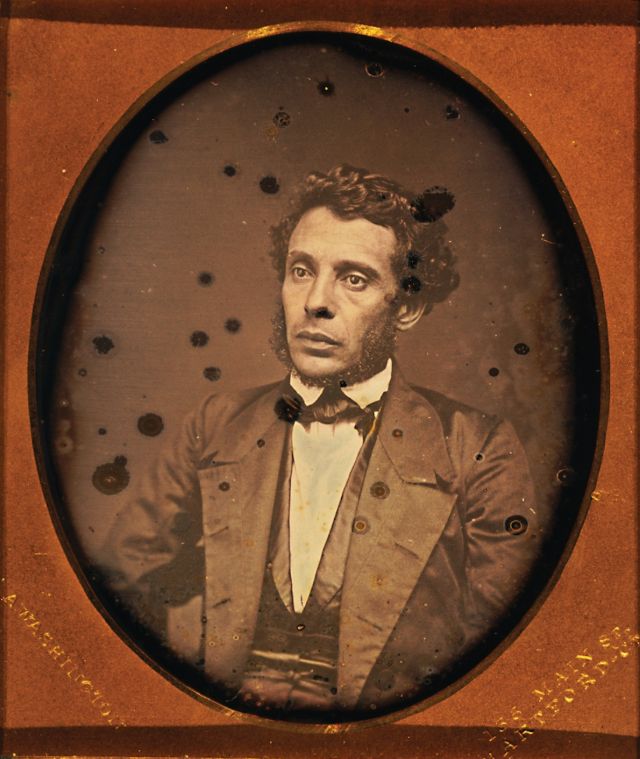
Portrait of an unidentified Man. (Photo by Augustus Washington)
Portrait of an unidentified woman, presumed member of the Urias McGill family. (Photo by Augustus Washington)
Radical abolitionist, John Brown, who believed that armed insurrection was the only way to overthrow the slavery in the United States. (Photo by Augustus Washington)
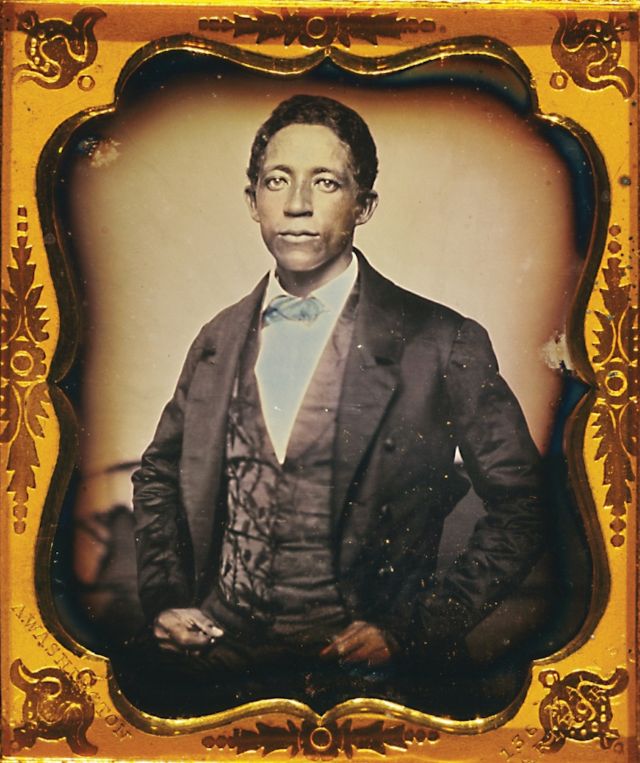
Urias Africannus McGill, an American immigrant to Liberia. (Photo by Augustus Washington)
Subscribe to Yesterday Today to receive regular updates on new content:
Born 1932 in Ewell, Surrey, British singer and actress Petula Clark began her professional career as a child entertainer on BBC Radio during the Second World War. In 1954, she charted with “The Little Shoemaker”, the first of her big UK hits, and within two years she began recording in French. Her international successes have included “Prends mon coeur”, “Sailor” (a UK number one), “Romeo”, and “Chariot”. Hits in German, Italian and Spanish followed.
In late 1964, Clark’s success extended to the United States with a four-year run of career-defining, often upbeat singles, many written or co-written by Tony Hatch and Jackie Trent. These songs include her signature song “Downtown”, “I Know a Place”, “My Love”, “A Sign of the Times”, “I Couldn’t Live Without Your Love”, “Who Am I”, “Colour My World”, “This Is My Song” (by Charles Chaplin), “Don’t Sleep in the Subway”, “The Other Man’s Grass Is Always Greener”, and “Kiss Me Goodbye”. In the United States, Clark was sometimes called “the First Lady of the British Invasion”.
Clark has had one of the longest serving careers of a British singer, spanning more then 7 decades. She has sold more than 68 million records. She has also enjoyed success in the musical film Finian’s Rainbow and in the stage musicals The Sound of Music, Blood Brothers, Sunset Boulevard and Mary Poppins.
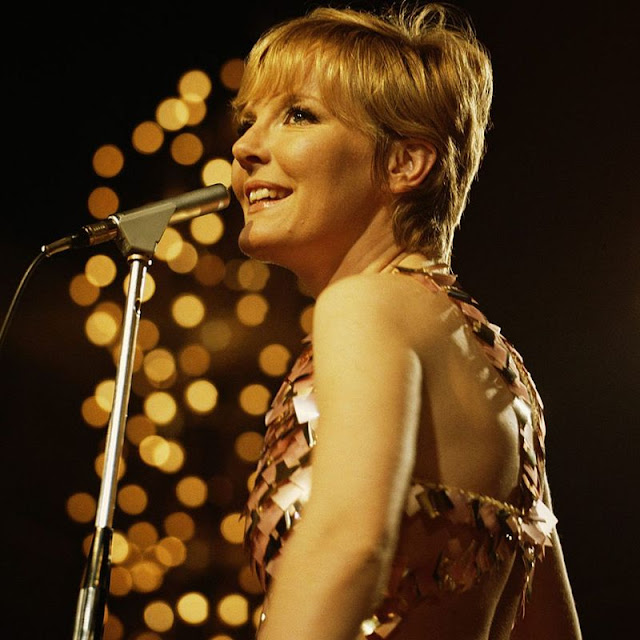
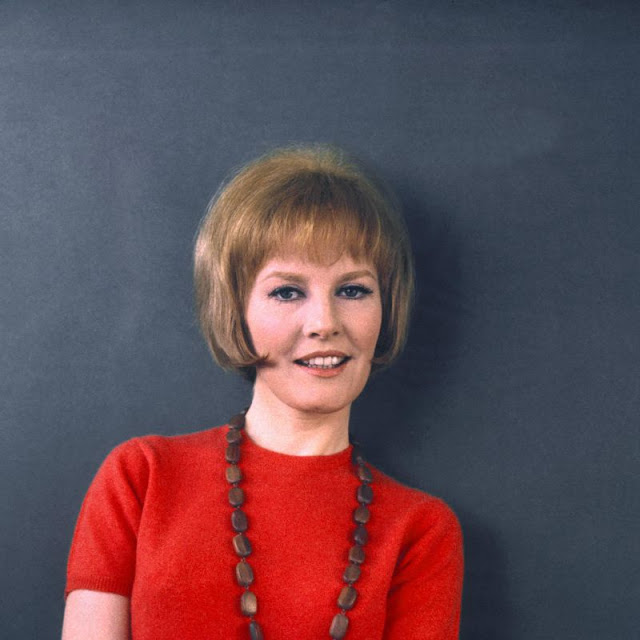
Take a look at these vintage photos to see portraits of a young and beautiful Petula Clark.
Subscribe to continue reading
Become a paid subscriber to get access to the rest of this post and other exclusive content.
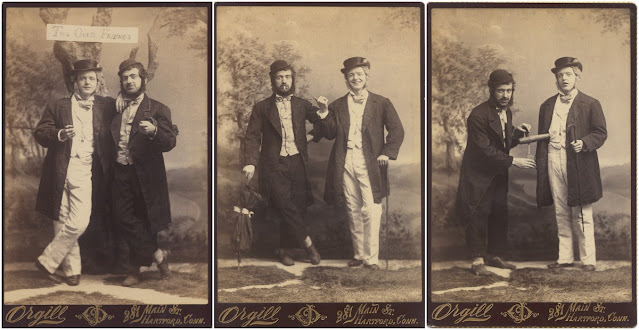
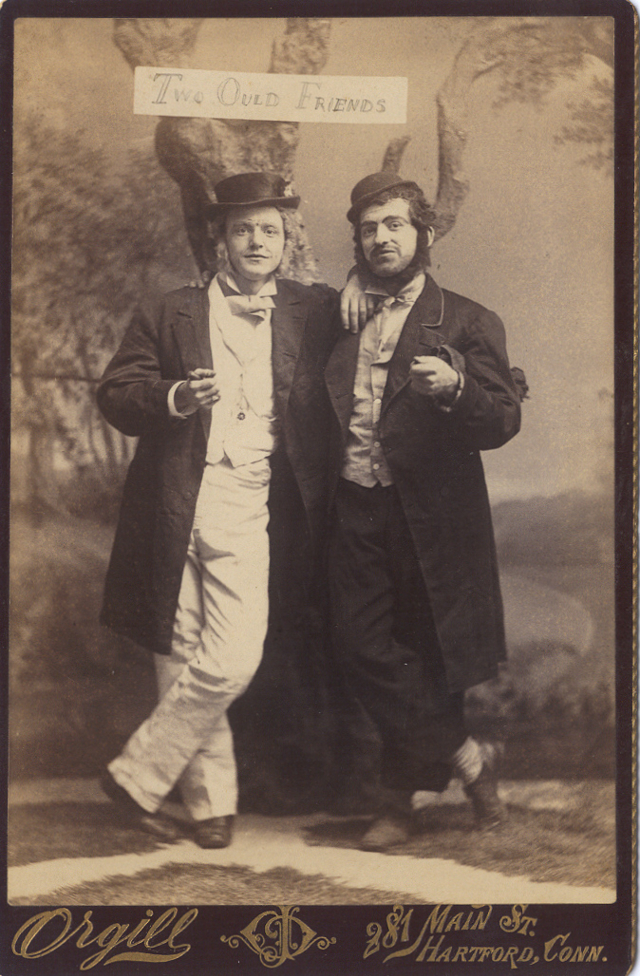
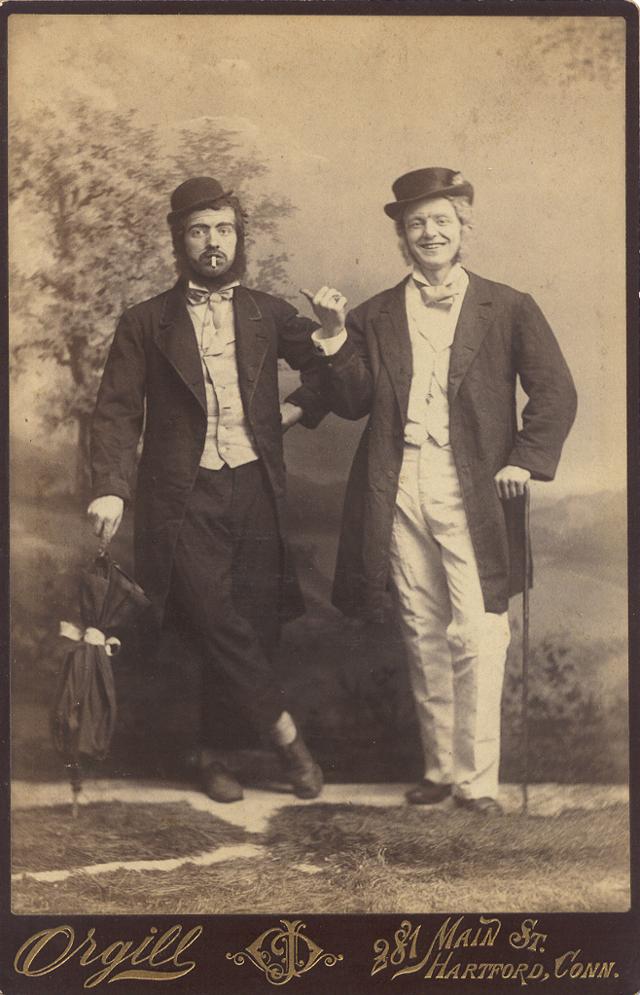
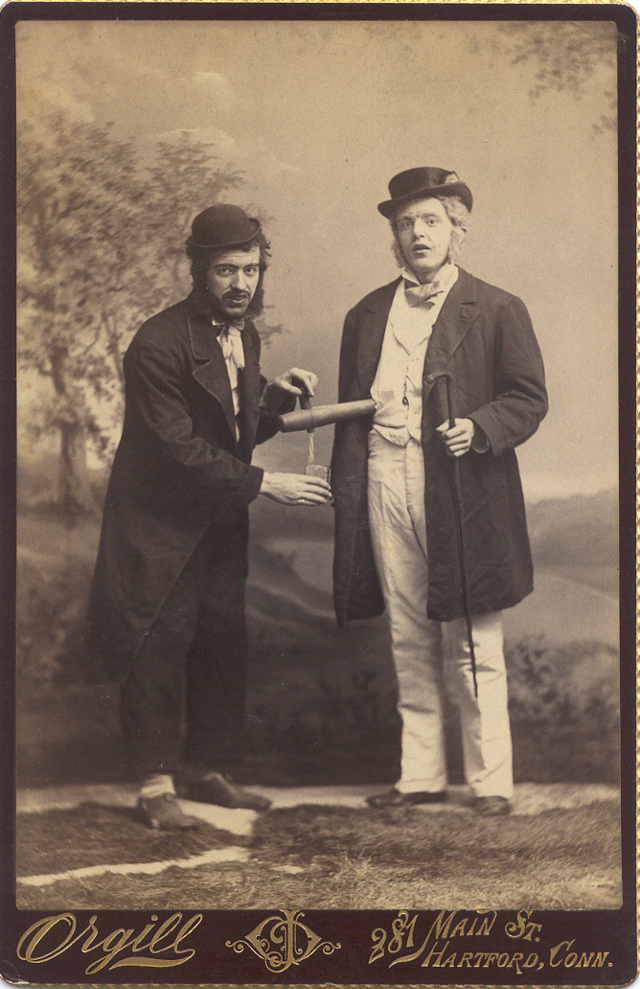
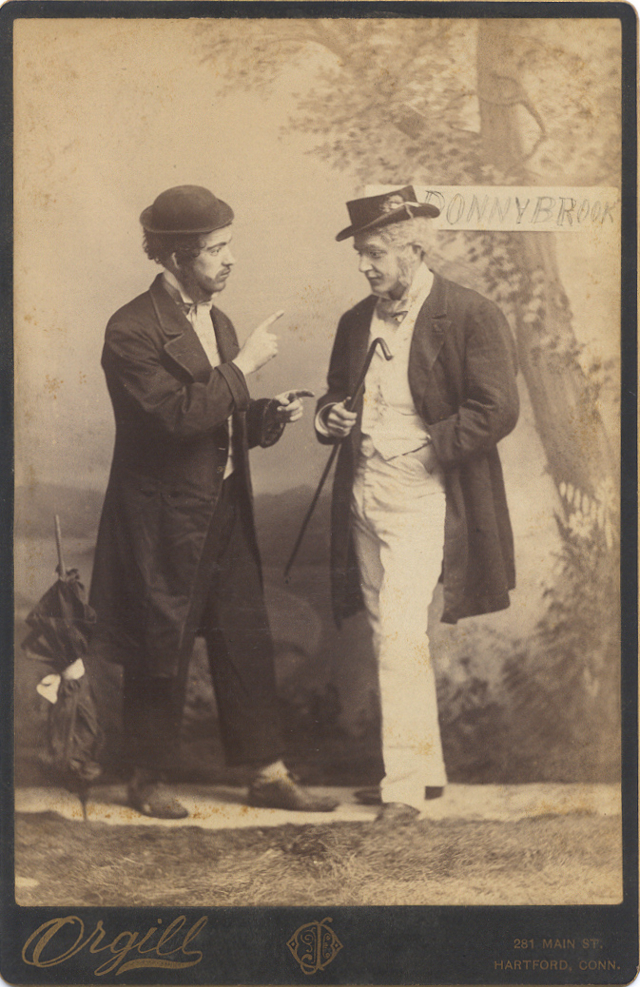
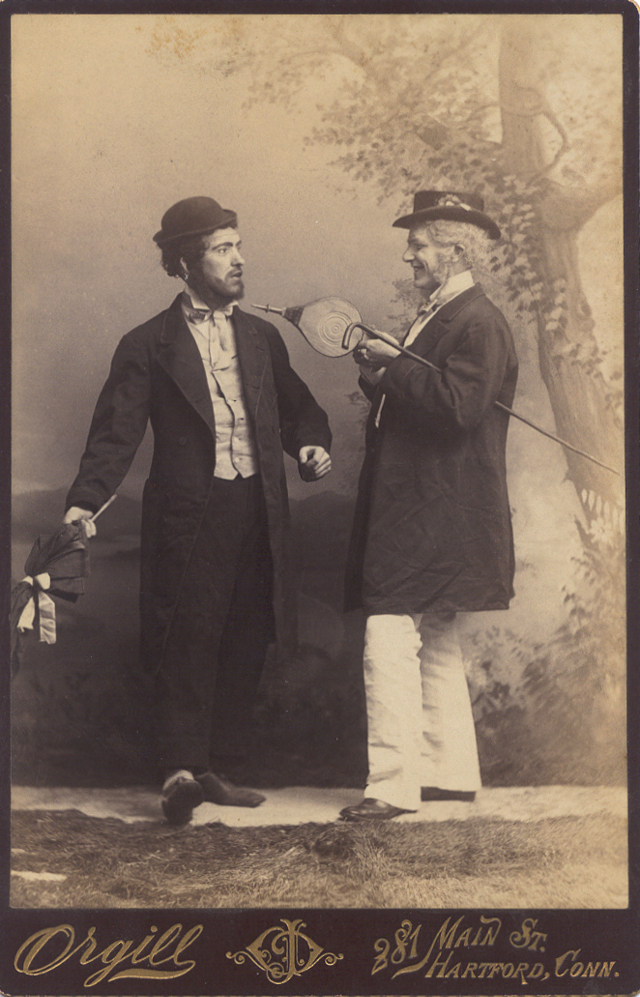
Group of six creative cabinet cards that were most likely used to advertise the photography studio of Orgill, (John), Hartford, Connecticut. This marvelous series has an Irish theme as we see two buddies leaning on each other with a sign above that reads, Two Ould Friends.
Next we see them joking around in hilarious drinking scenes, such as the one where it looks like the spigot of a keg is sticking out of the man on the right’s white vest. In the next one, we see one of the buddies lecturing the other with a “Donnybrook” sign now attached to the tree. This is followed by the one man blowing air at his friend with a fireplace blower. The final scene takes a more serious turn as the one man has resulted to a large rock while the other hides behind the tree.
This is an unusual grouping as these set themes are rarely seen together; often they are sold separately.
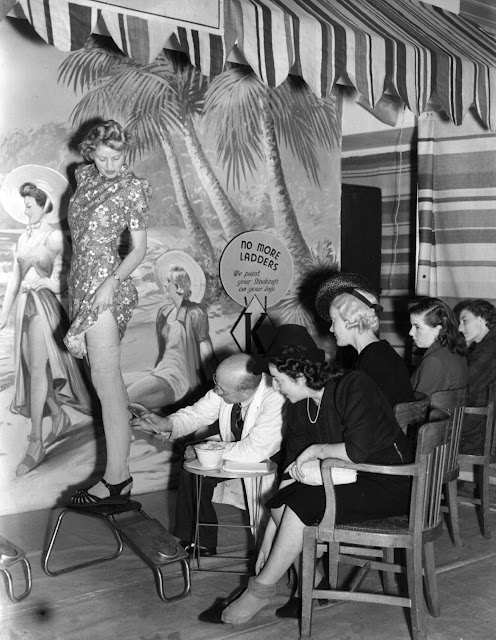
Wallace Carothers produced the first nylon fiber in 1935, but it was the 1939 World’s Fair that first introduced the nylon stocking to the public. It was marketed as a fabric made from “carbon, water and air.“ Cheap and durable, better in appearance than silk, nylon soon became the material of choice for manufacturing women’s stockings.
Nearly 4 million pairs could be bought in a single day in 1939. Then, due to the war, valuable resources and labor were redirected away from civilian production to provide equipment for the armed forces.
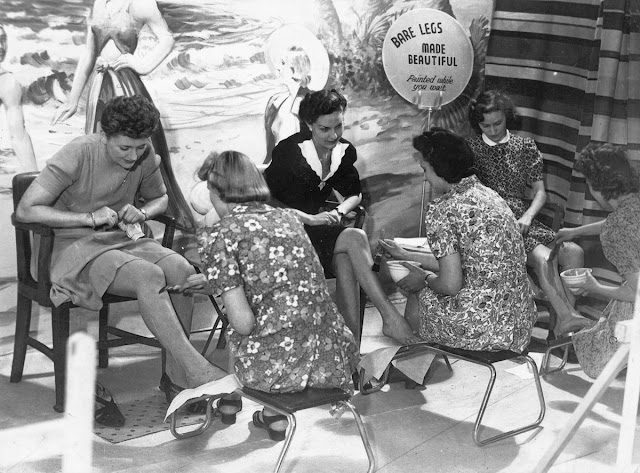
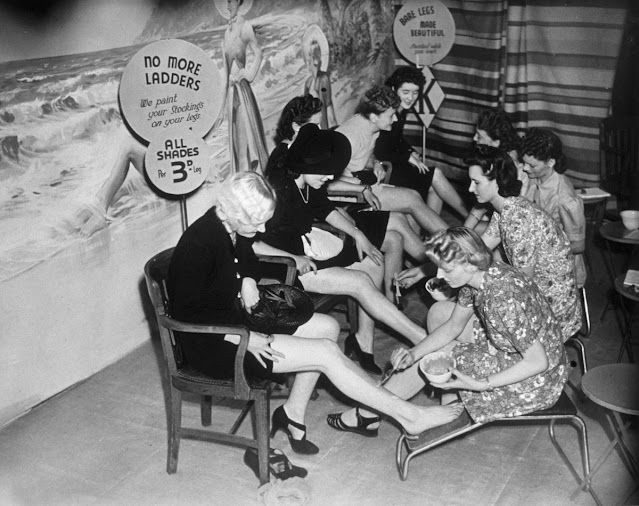
In 1941, Britain introduced clothes rationing to conserve materials and valuable resources for World War II troops. During stocking rationing, a beautician at the newly opened Bare Leg Beauty Bar at Kennard’s store in Croydon, England, paints stockings onto a customer’s skin.
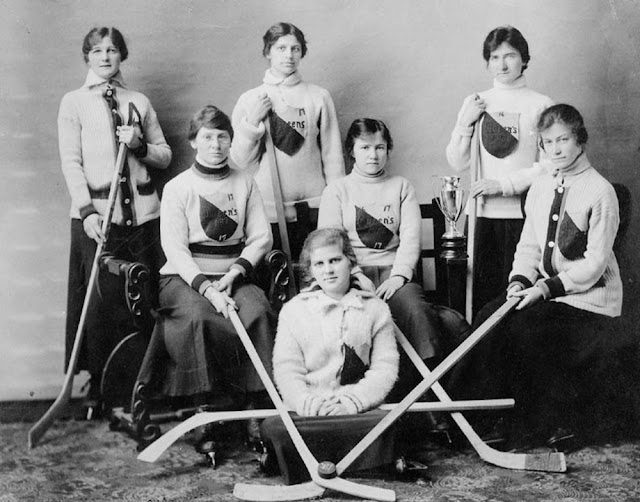
Ice hockey is believed to have evolved from simple stick and ball games played in the 18th and 19th centuries in the United Kingdom, Ireland and elsewhere, primarily bandy, hurling, shinty and lacrosse. Arguably the games most influential to the early design of ice hockey were early forms of an organized sport today known as bandy, a sport distinctly separate from ice hockey. These games were brought to North America and several similar winter games using informal rules developed, such as shinny and ice polo, but would later be absorbed into a new organized game with codified rules which today is ice hockey.
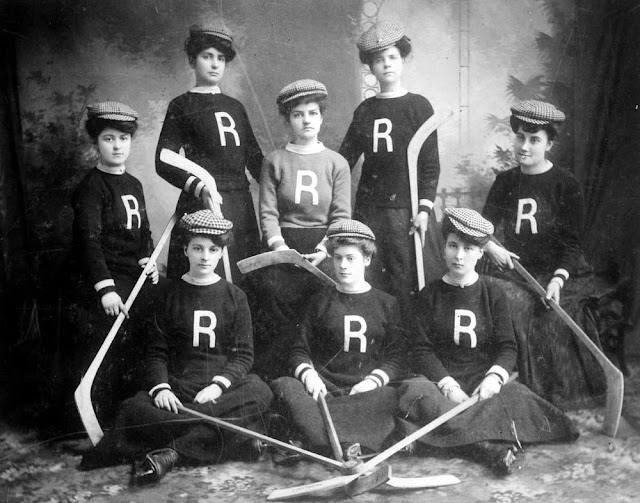
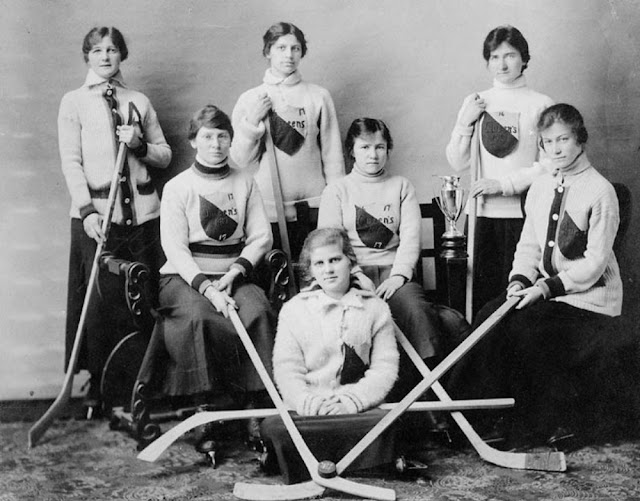
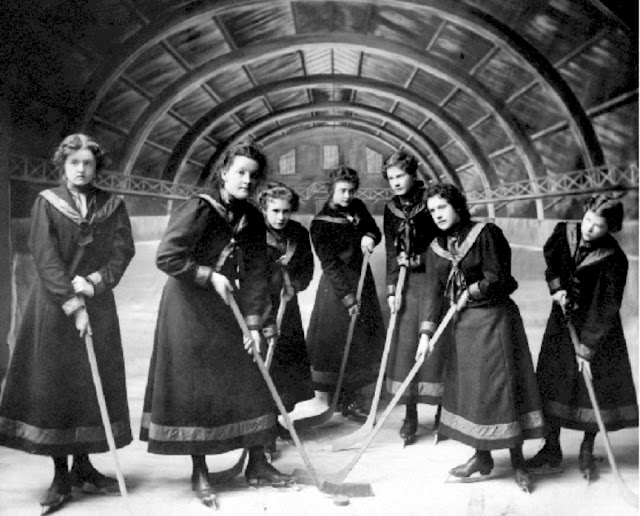
Women’s hockey teams started forming early in the 20th century, though there wouldn’t be a professional league for a long time. Women still played casually hockey for fun, and so before long, they started getting organized.
The first formal women’s match happened in Ontario in 1891; however, women’s teams didn’t really get going until the 1910s and 1920s when college teams started to form in the US and especially in Canada. Below are some vintage photos of women’s ice hockey teams from between the 1900s and 1920s:
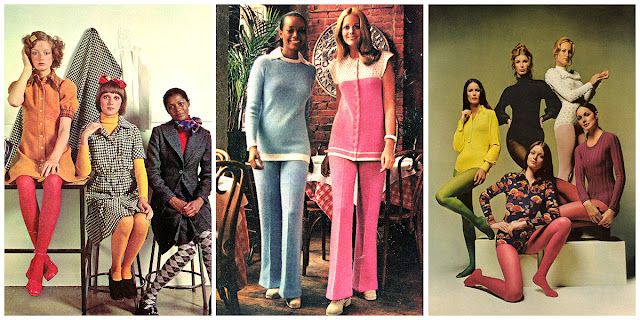
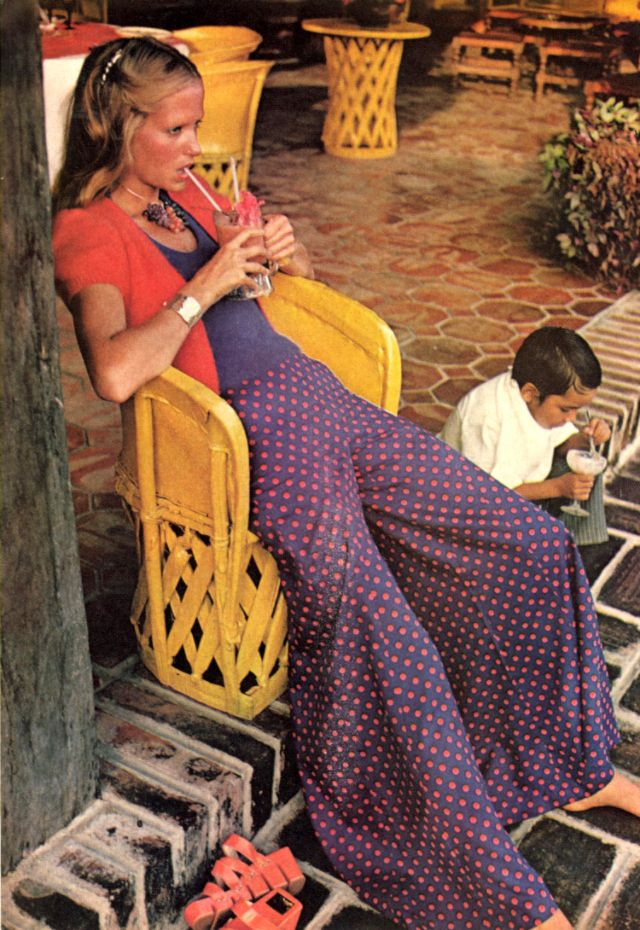
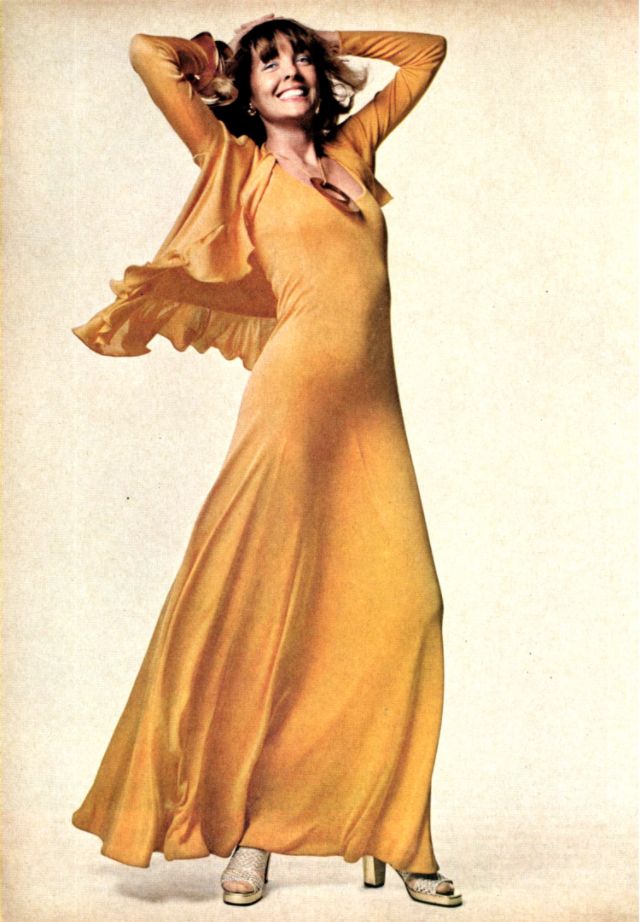
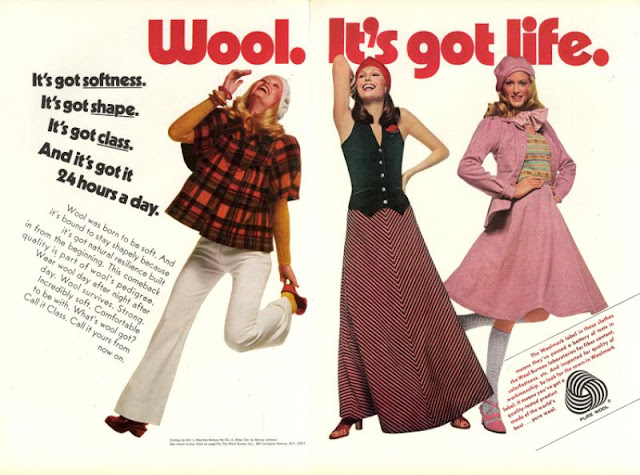
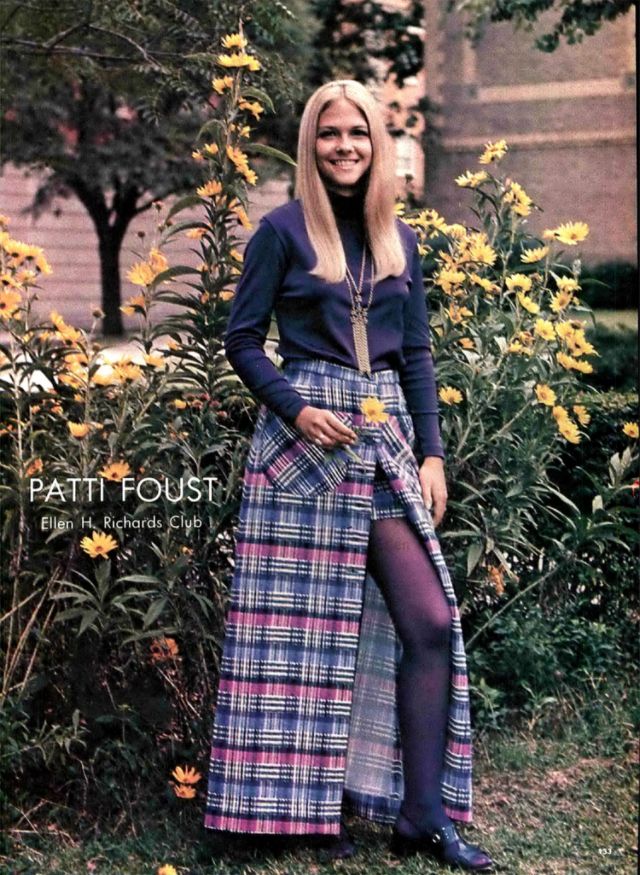
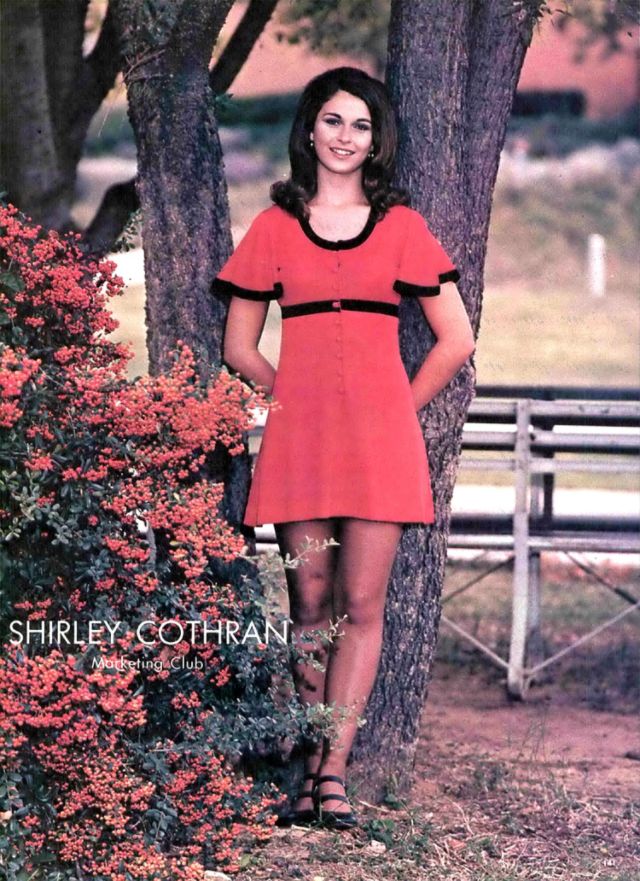
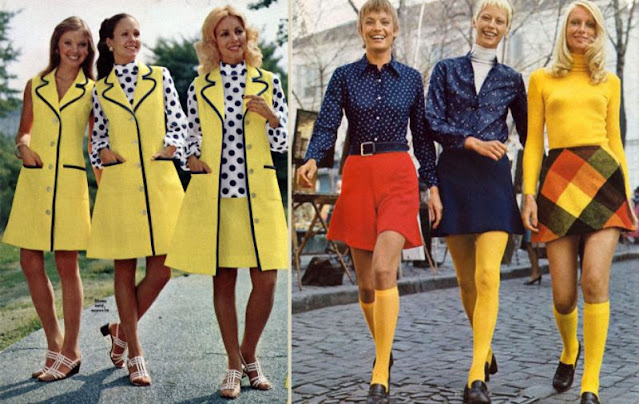
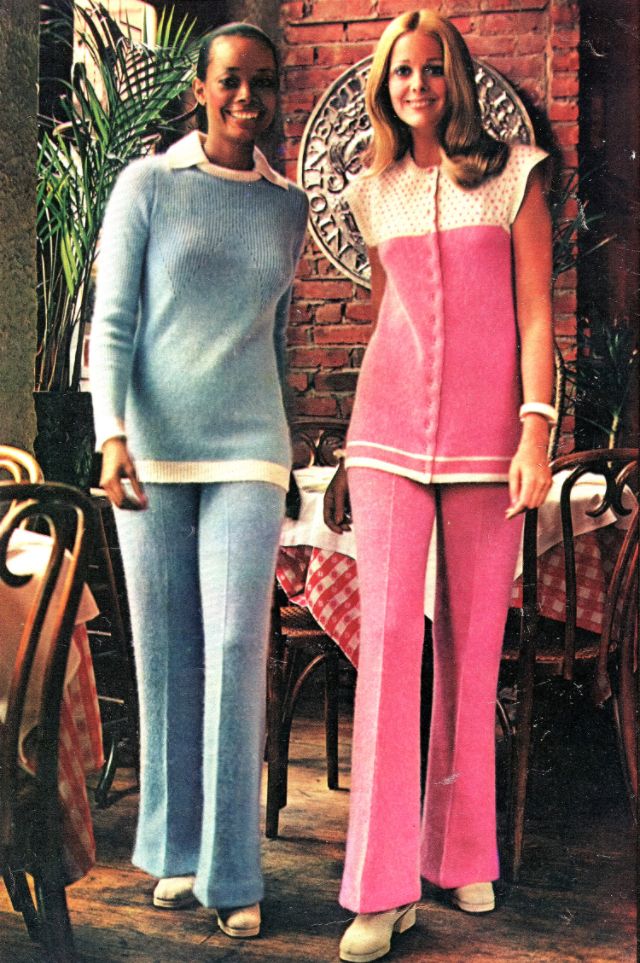
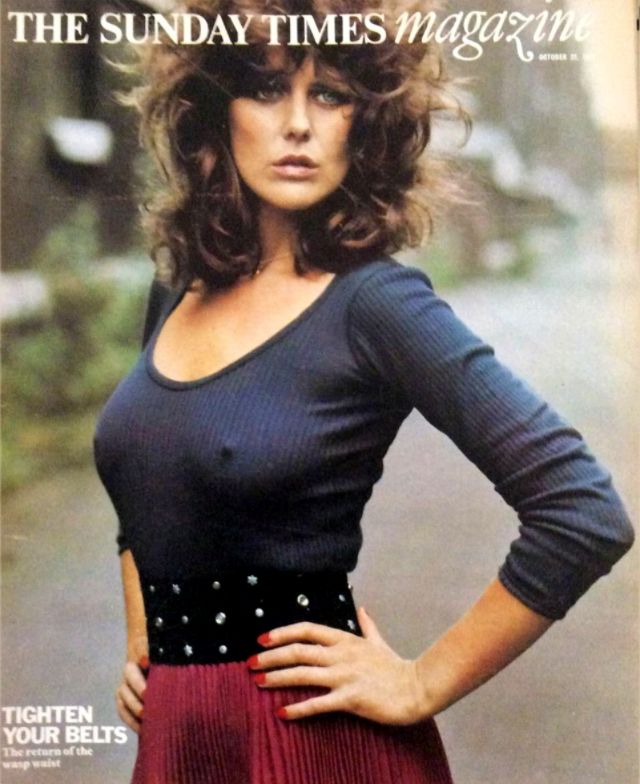
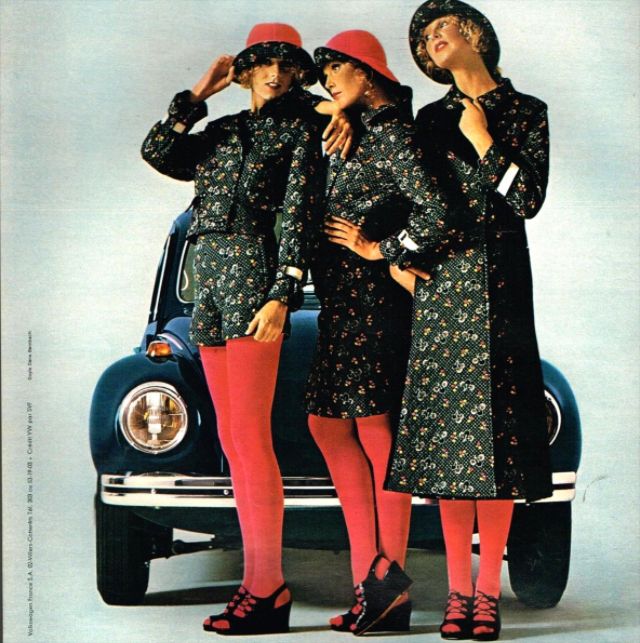
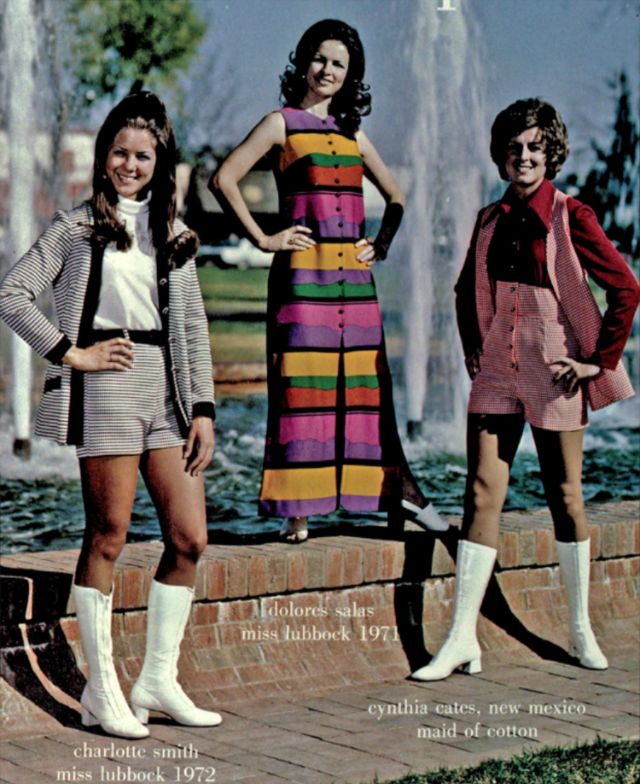
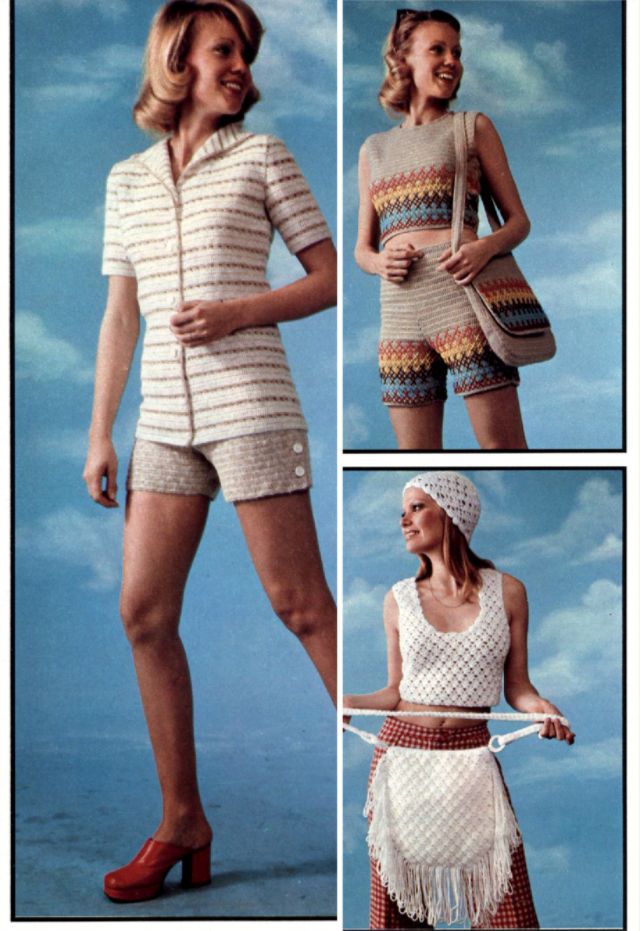
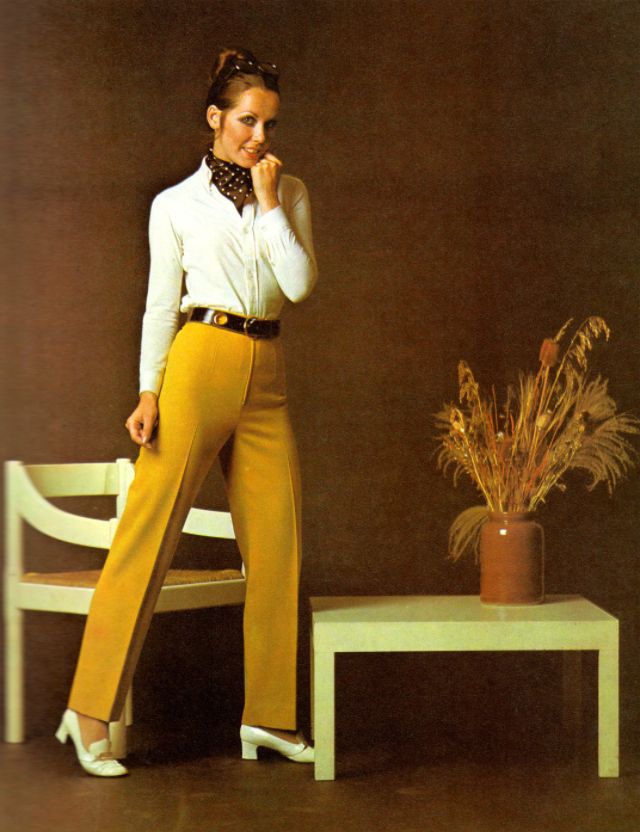
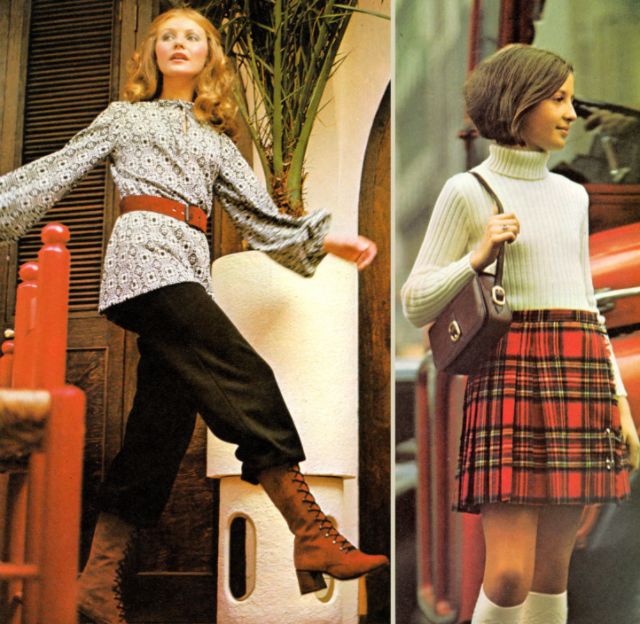
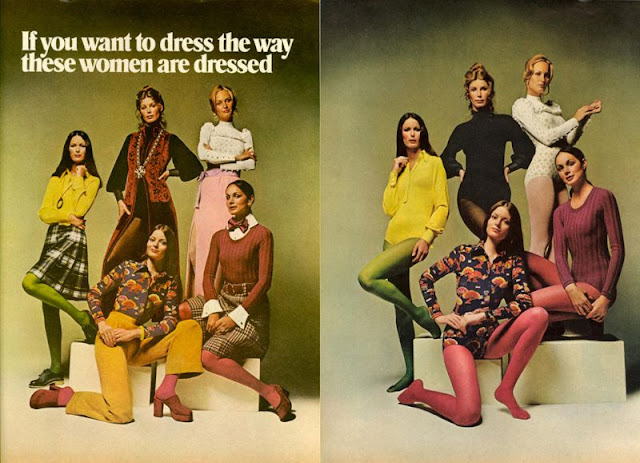
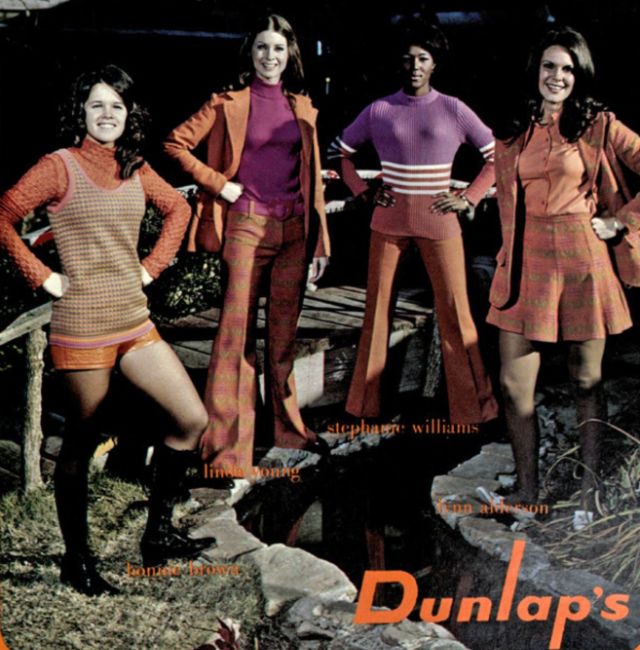
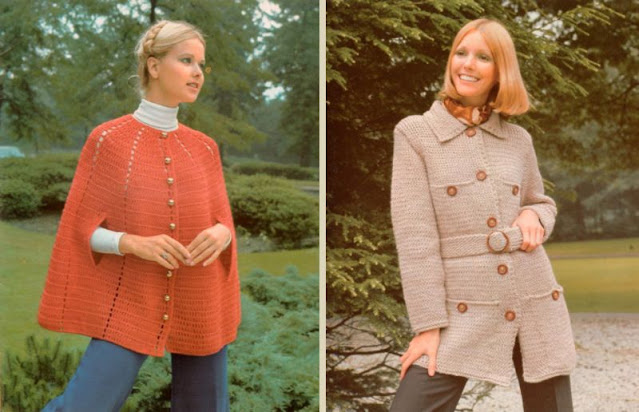
By 1972, the feel of the peppy mod sixties had faded away. In its place was a style that combined elements from the hippy counter-culture – by now, no longer really even “counter”, but a mainstream ideal embraced by the largest generation ever, the Baby Boomers. Additionally, Women’s Lib had its impact, with pants for women suddenly being the “in” look.
But let’s stop talking about ’72 styles, and actually have a look at them. Here, gathered together from the far corners of the vintage fashion landscape (fashion magazines, college yearbooks, needlework pamphlets, and more) are some wonderful examples of women’s and teen fashions from the grand old year of nineteen hundred and seventy-two. Take a look:
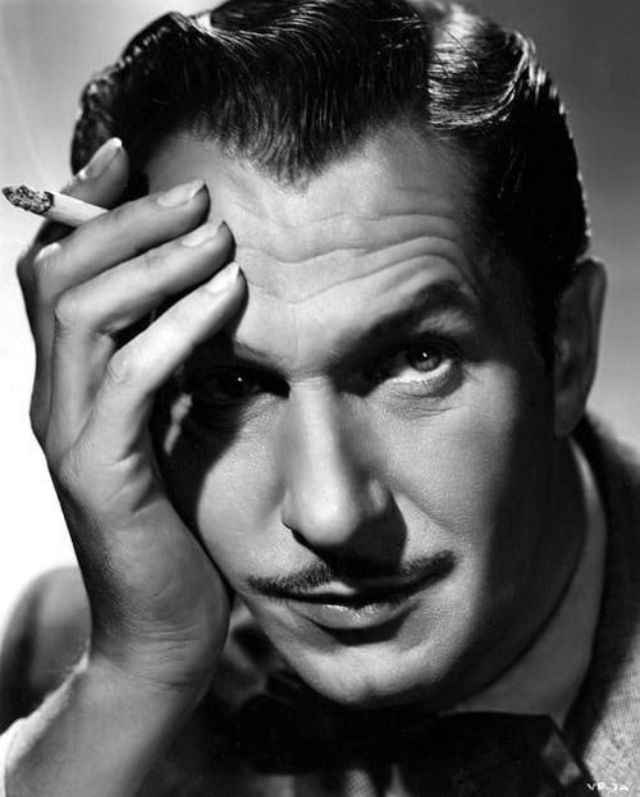
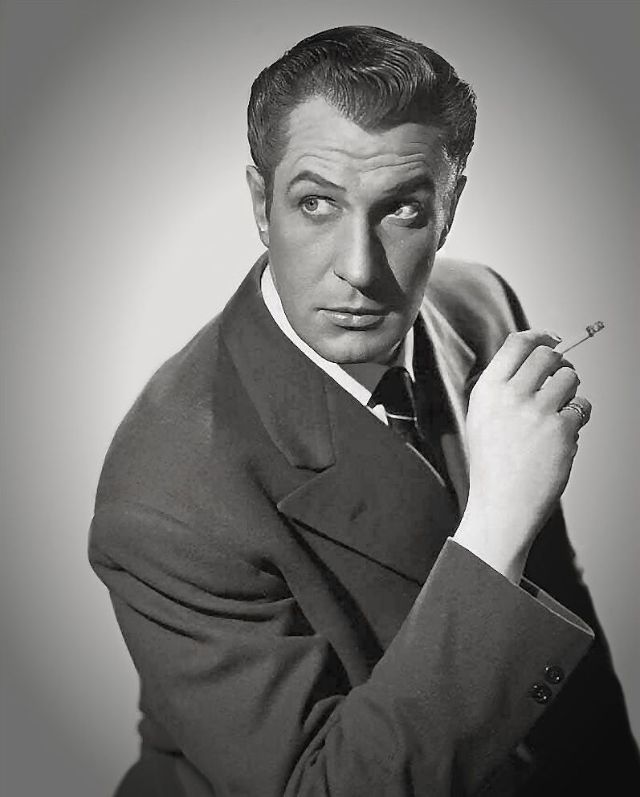
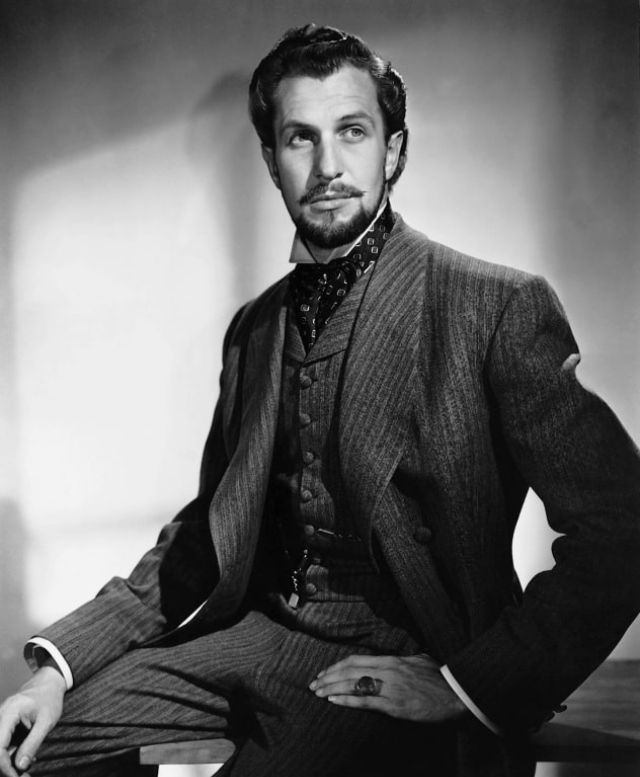
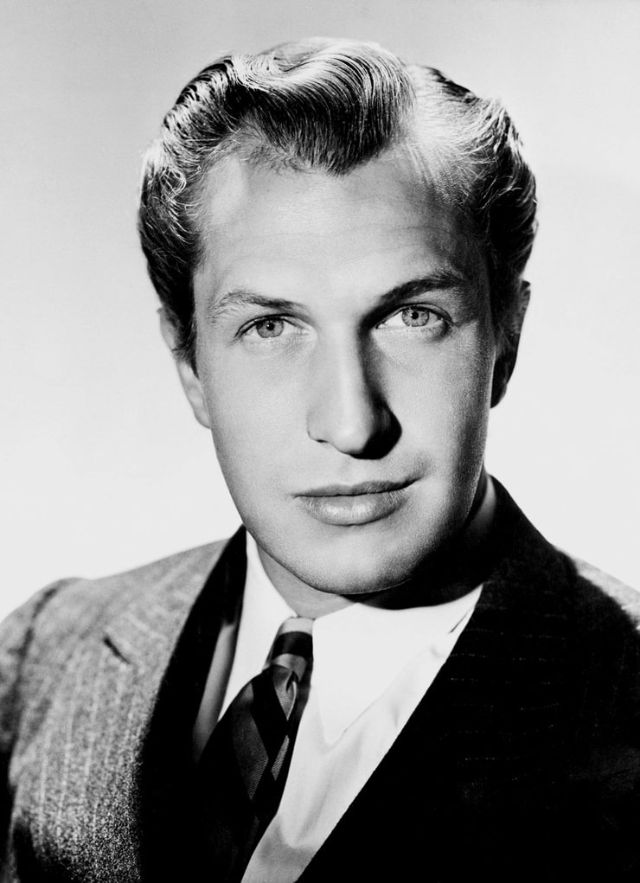
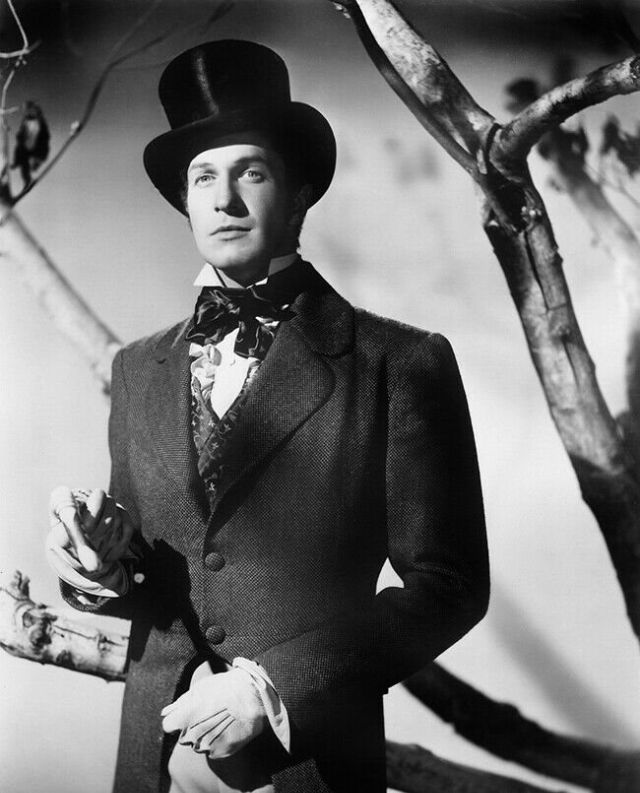
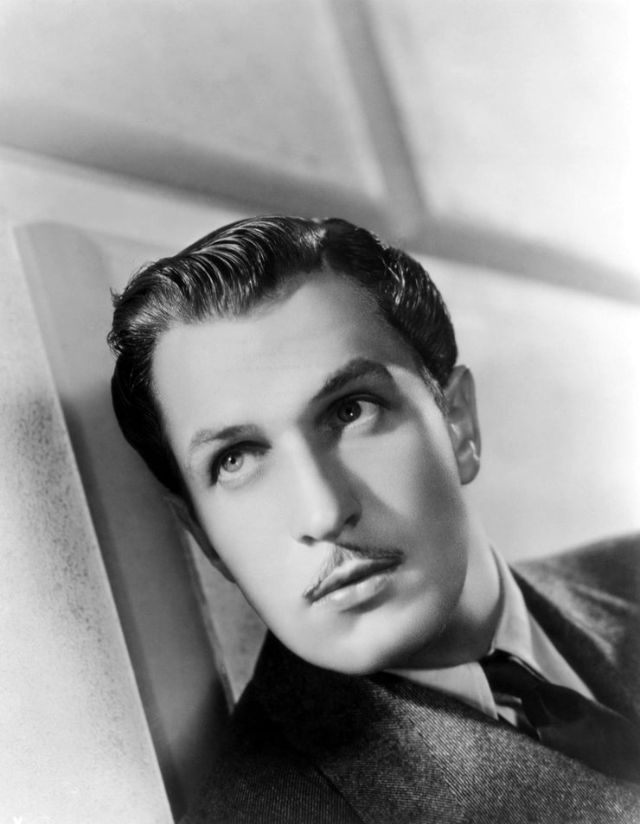
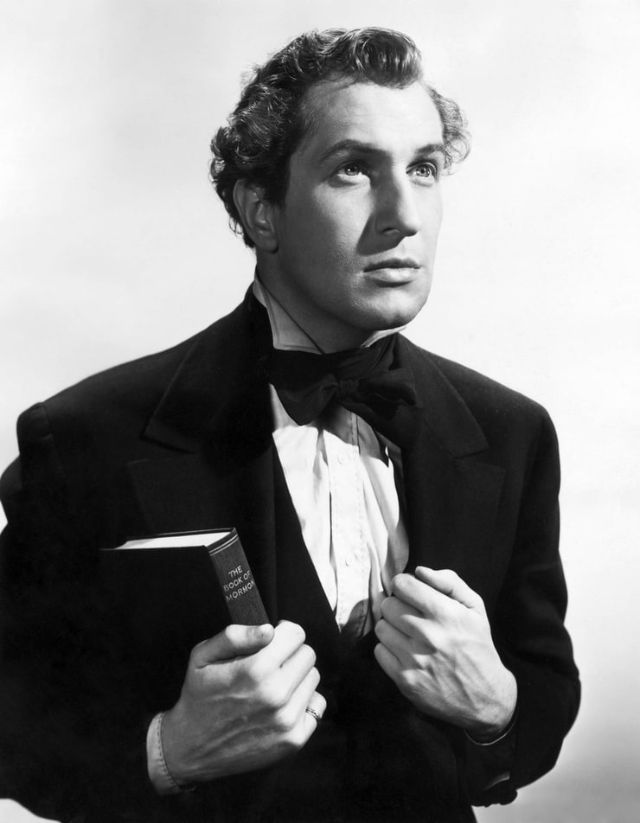
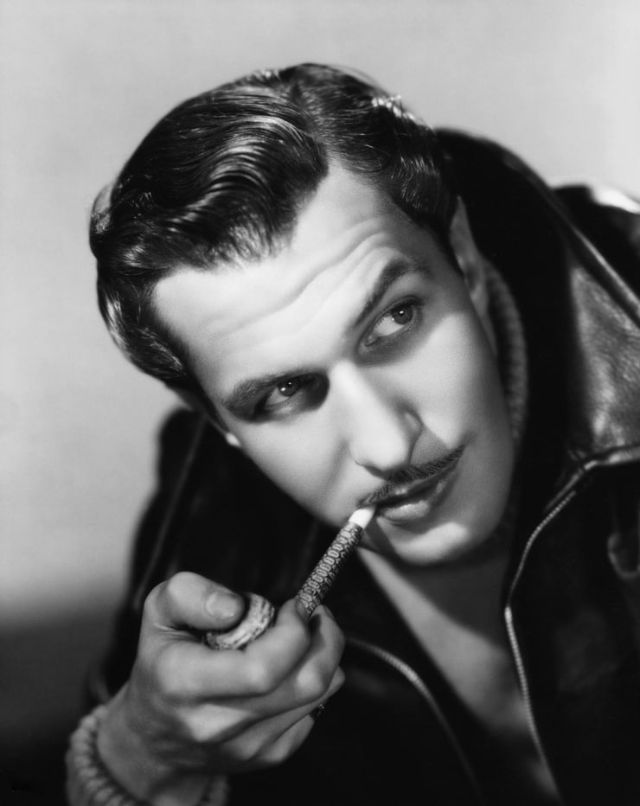
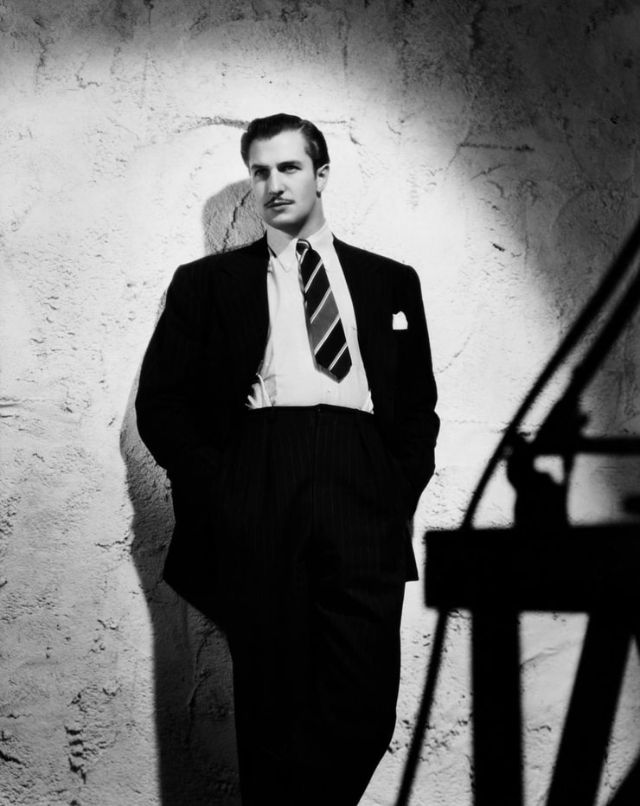
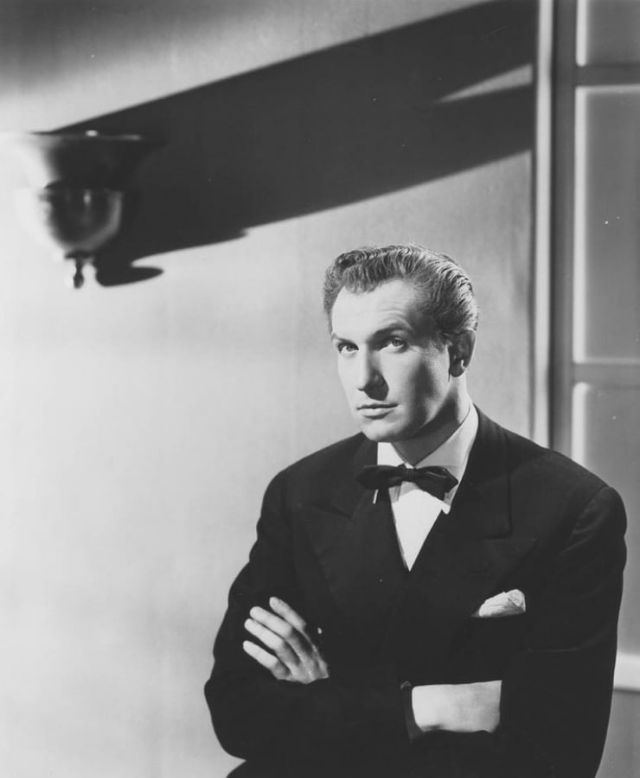
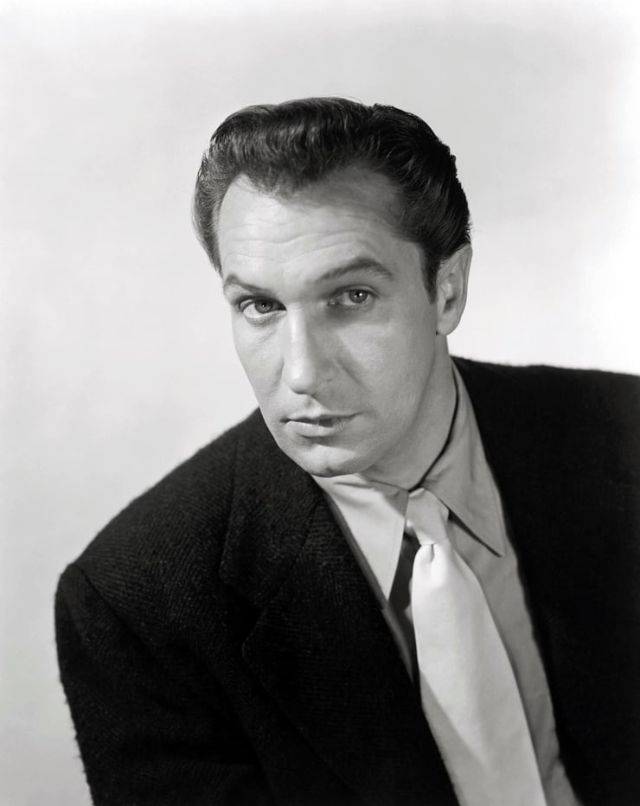
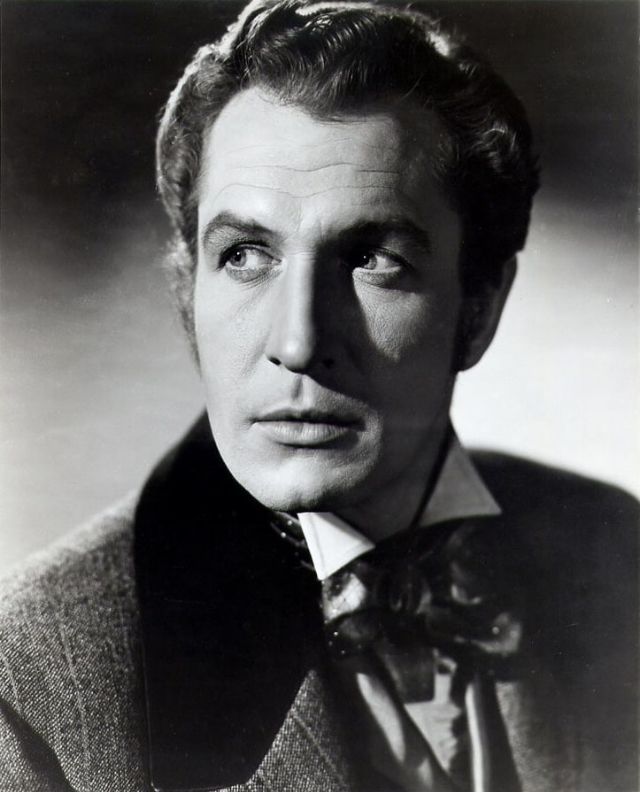
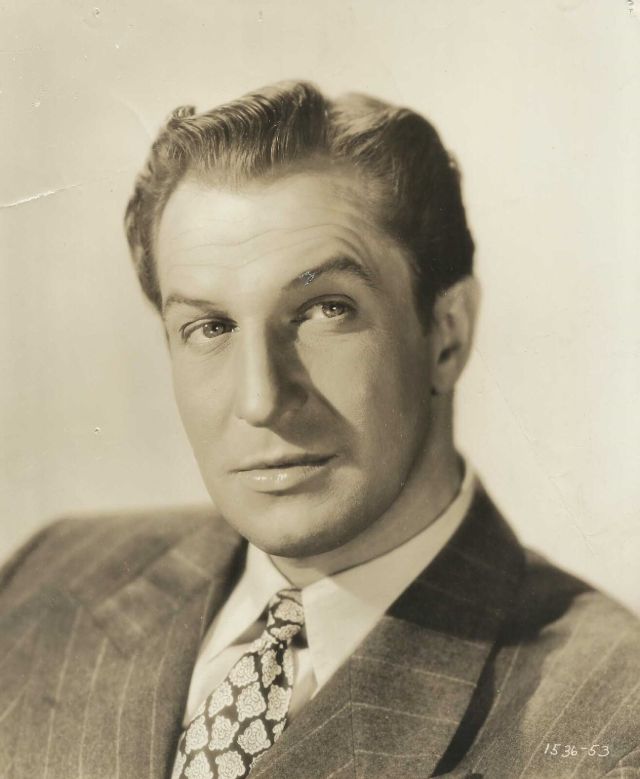
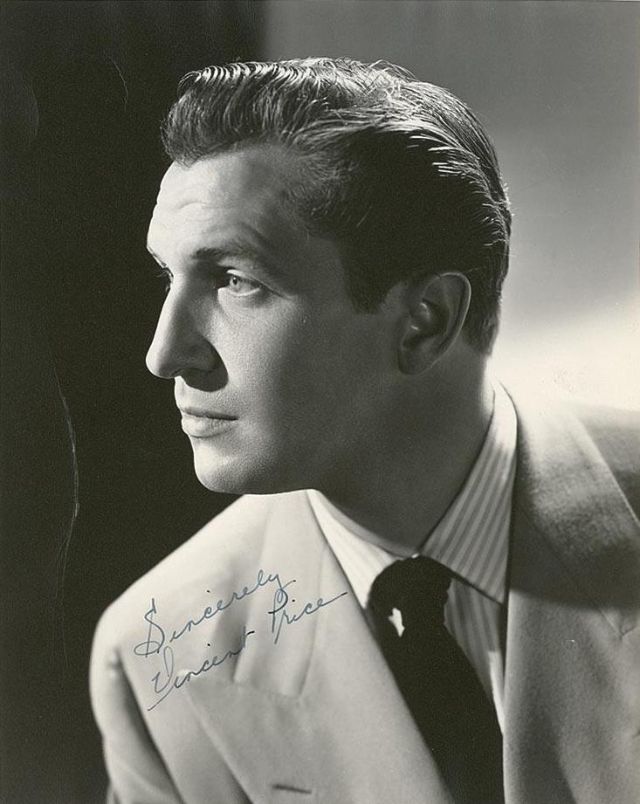
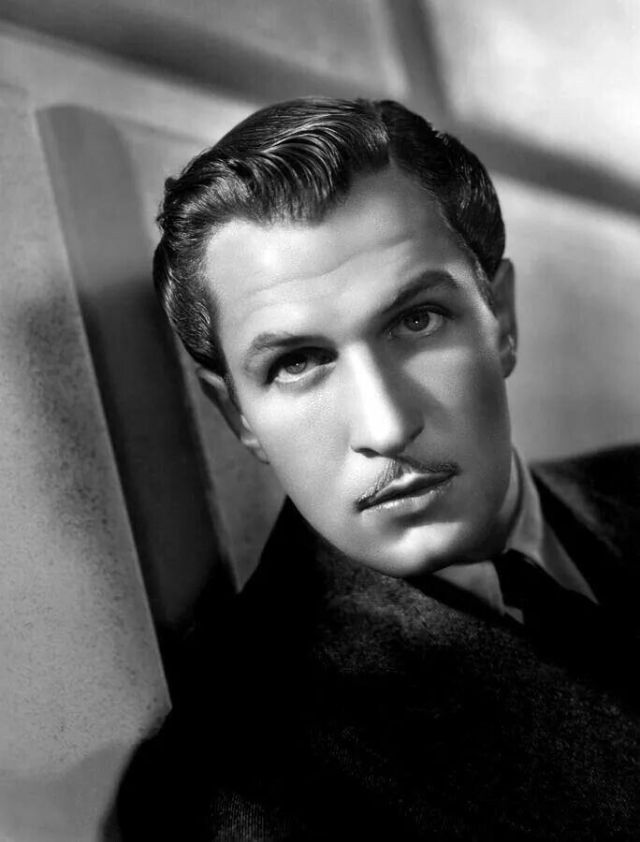
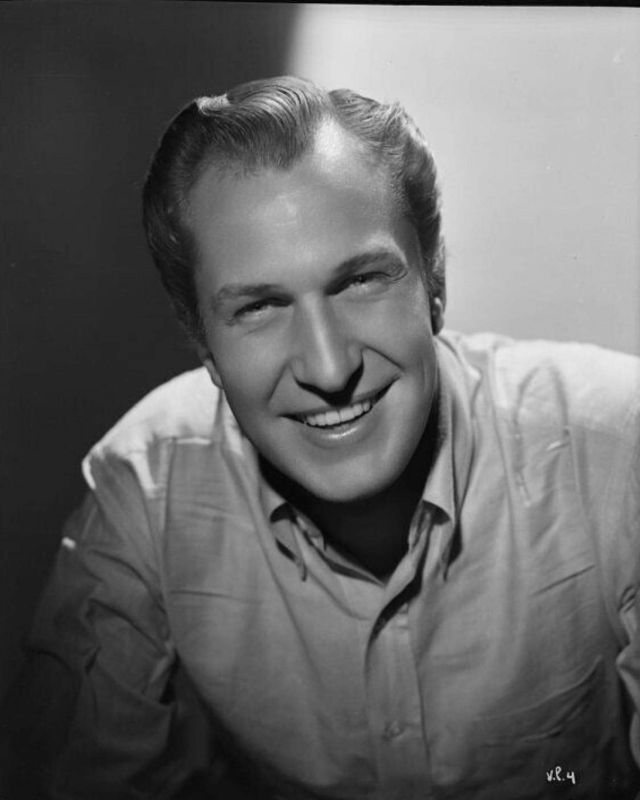
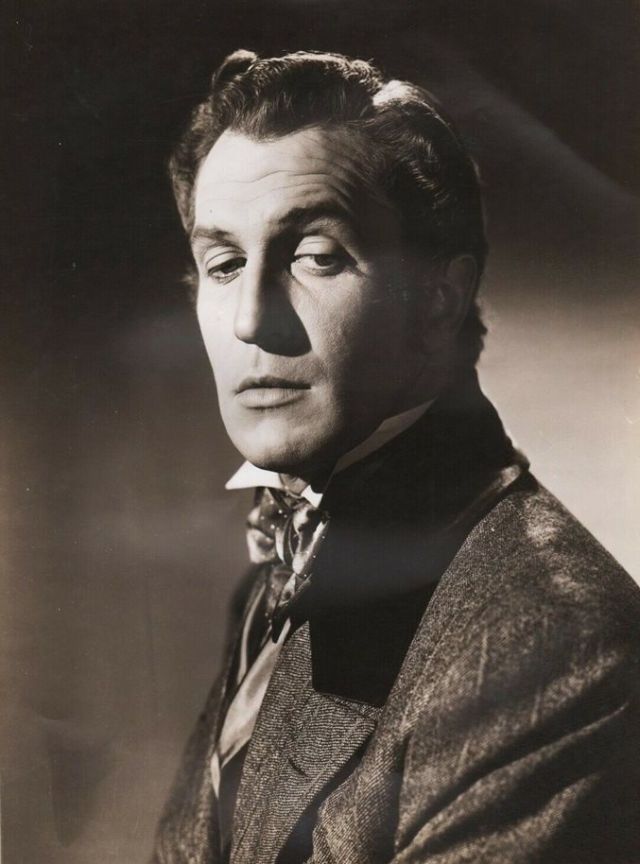
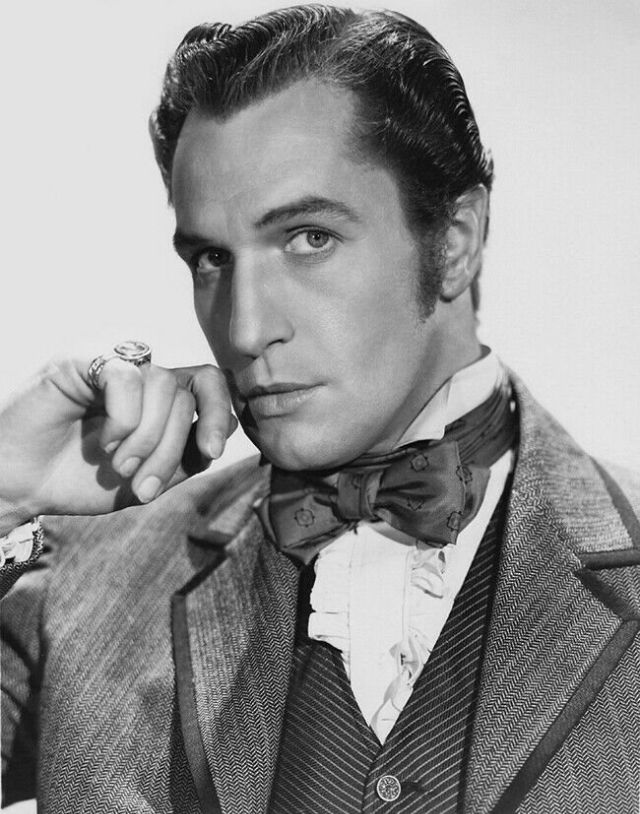
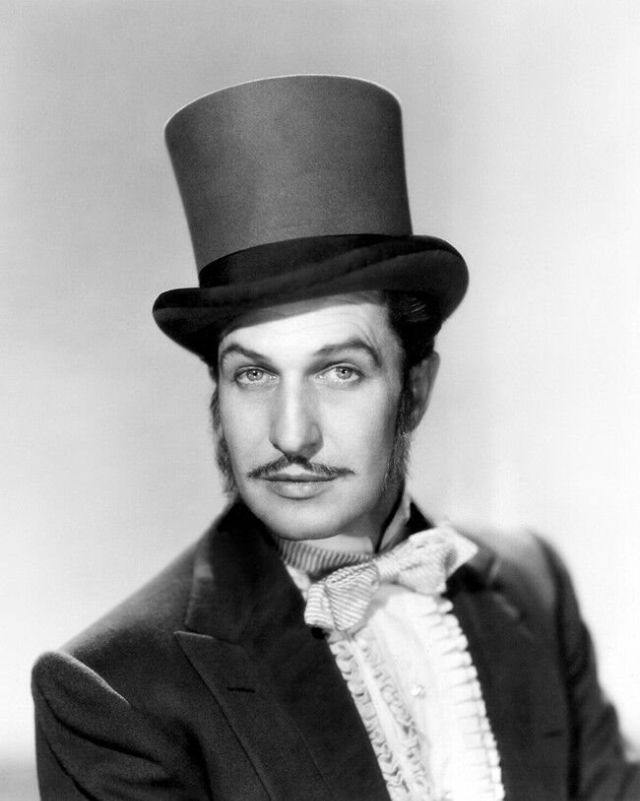
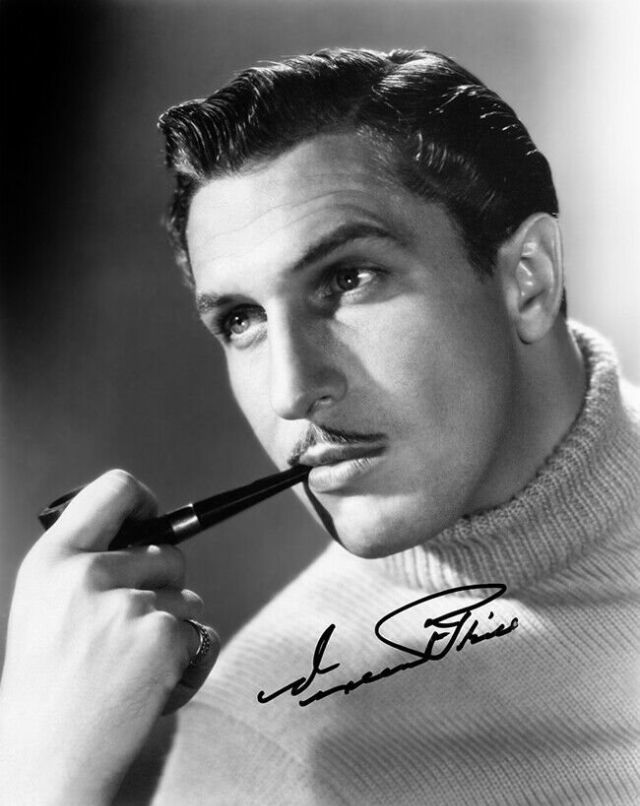
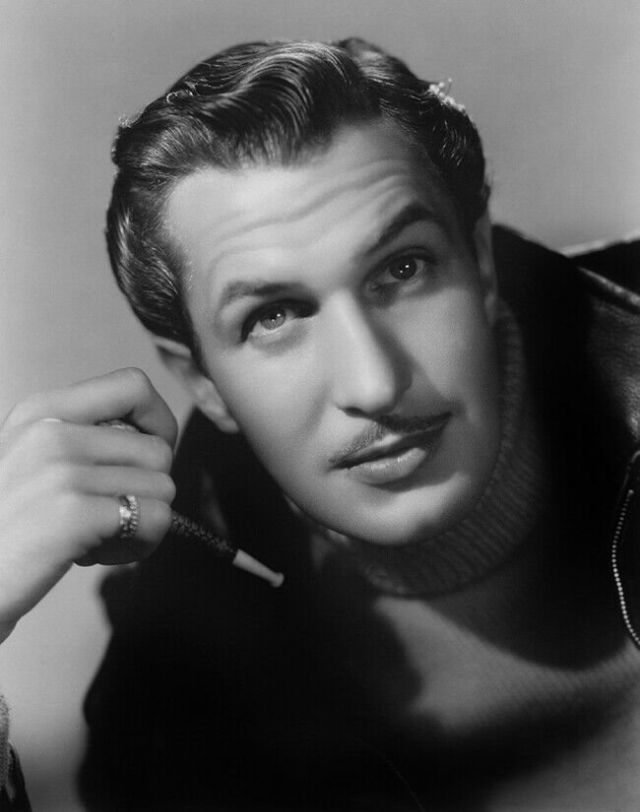
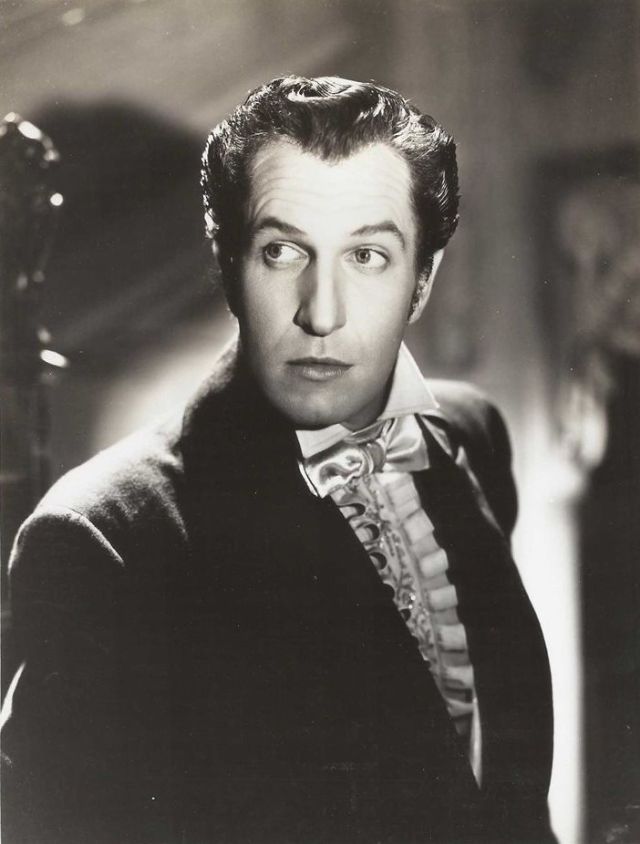
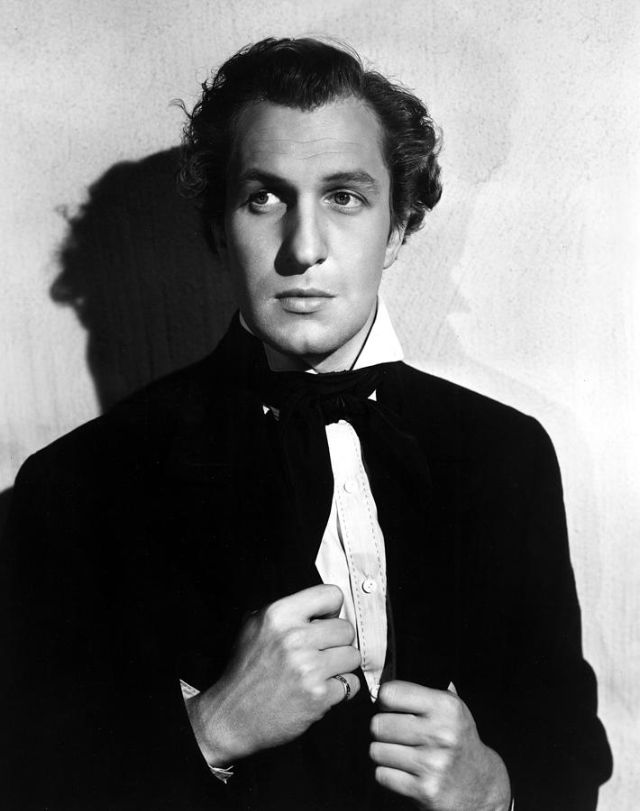
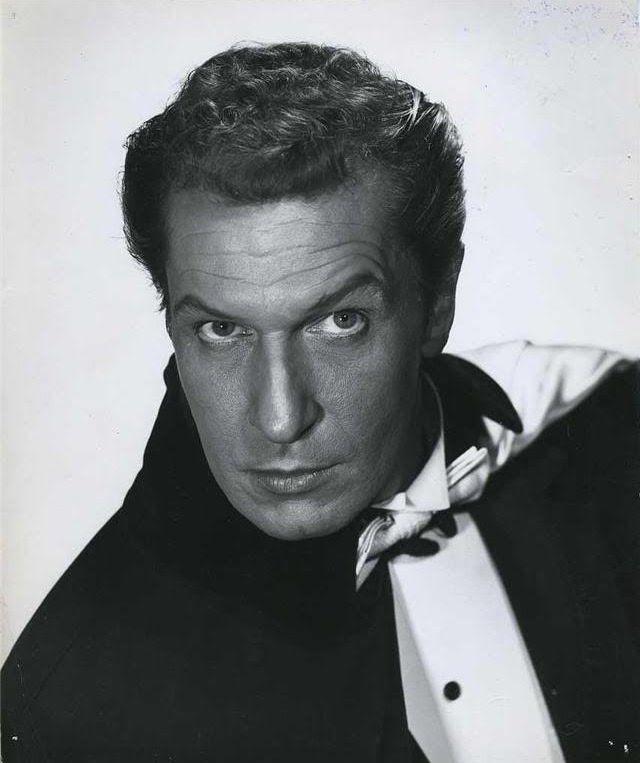
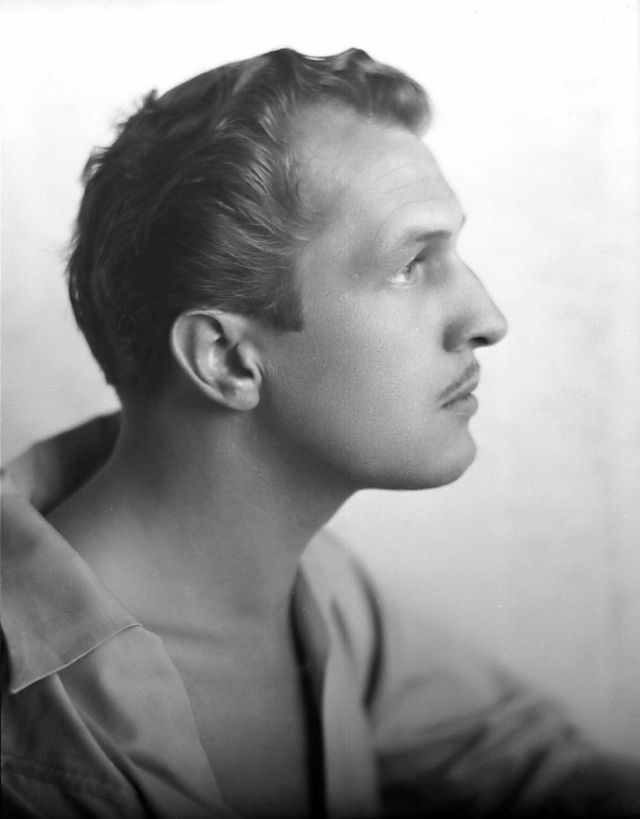
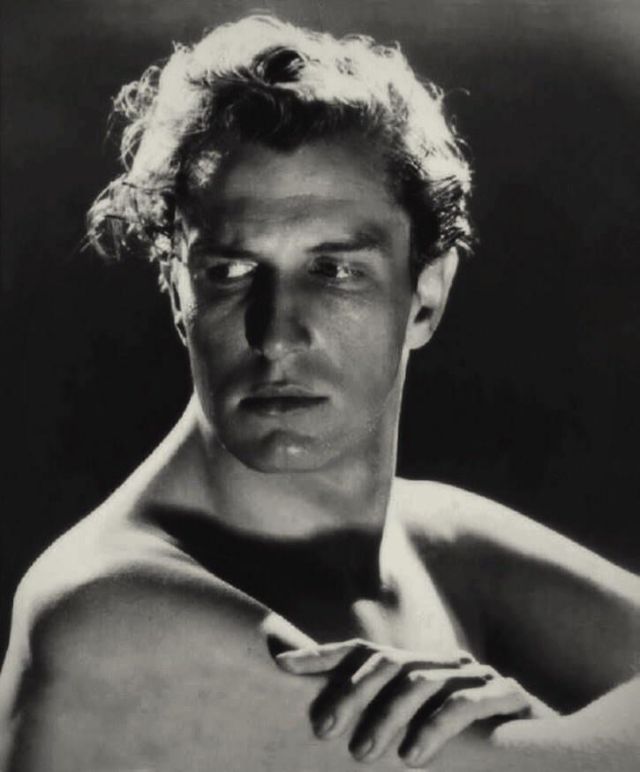
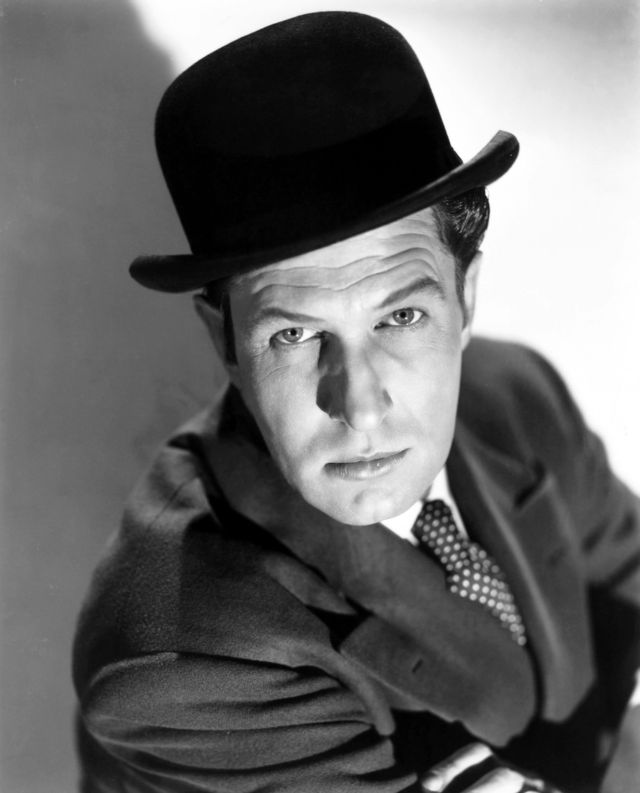
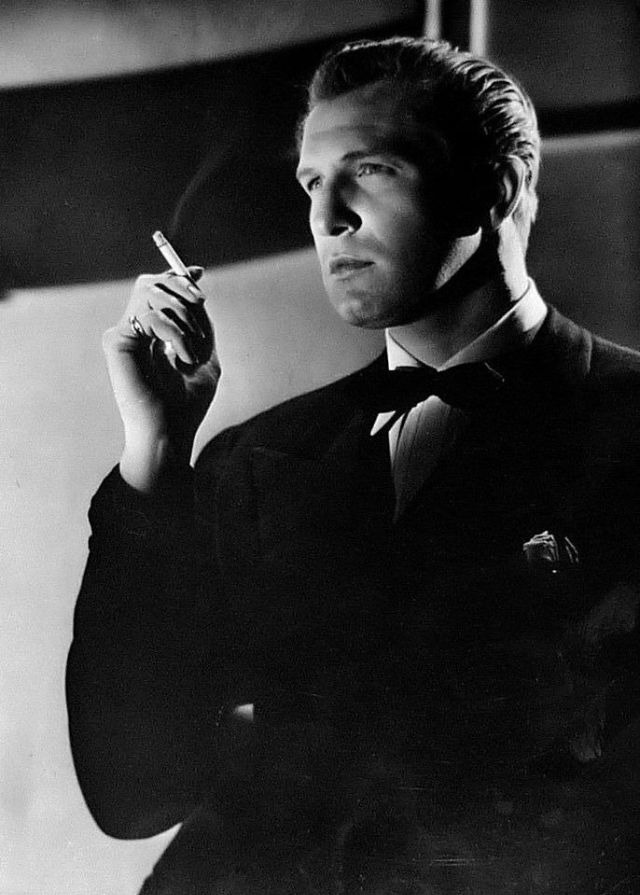
Born 1911 in St. Louis, Missouri, American actor Vincent Price had his first film role as leading man in the 1938 comedy Service de Luxe. He became well known as a character actor, appearing in films such as The Song of Bernadette (1943), Laura (1944), The Keys of the Kingdom (1944), Leave Her to Heaven (1945), Dragonwyck (1946), and The Ten Commandments (1956).
Price established himself as a recognizable horror-movie star after his leading role in House of Wax (1953). He subsequently starred in other successful or cult horror films, including The Fly (1958), House on Haunted Hill (1959), The Tingler (1959), The Last Man on Earth (1964), Witchfinder General (1968), The Abominable Dr. Phibes (1971), and Theatre of Blood (1973). He was particularly known for his collaborations with Roger Corman on Edgar Allan Poe adaptations such as House of Usher (1960), The Pit and the Pendulum (1961), and The Masque of the Red Death (1964). Price occasionally appeared on television series, such as in Batman as Egghead.
In his later years, Price voiced the villainous Professor Ratigan in Disney’s classic animated film The Great Mouse Detective (1986), and appeared in the drama The Whales of August (1987), which earned him an Independent Spirit Award for Best Supporting Male nomination and Tim Burton’s Edward Scissorhands (1990), his last theatrical release.
For his contributions to cinema, especially to genre films, Price has received lifetime achievement or special tribute awards from Academy of Science Fiction, Fantasy and Horror Films, Fantasporto, Bram Stoker Awards, and Los Angeles Film Critics Association.
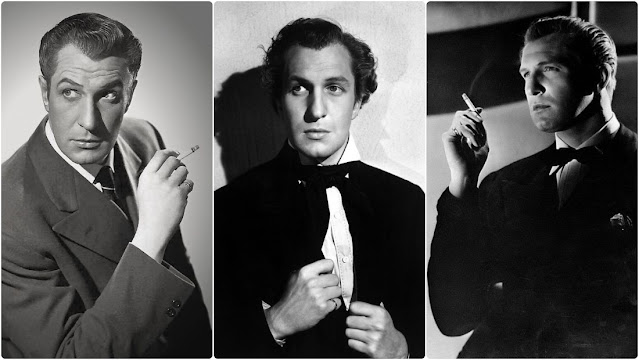
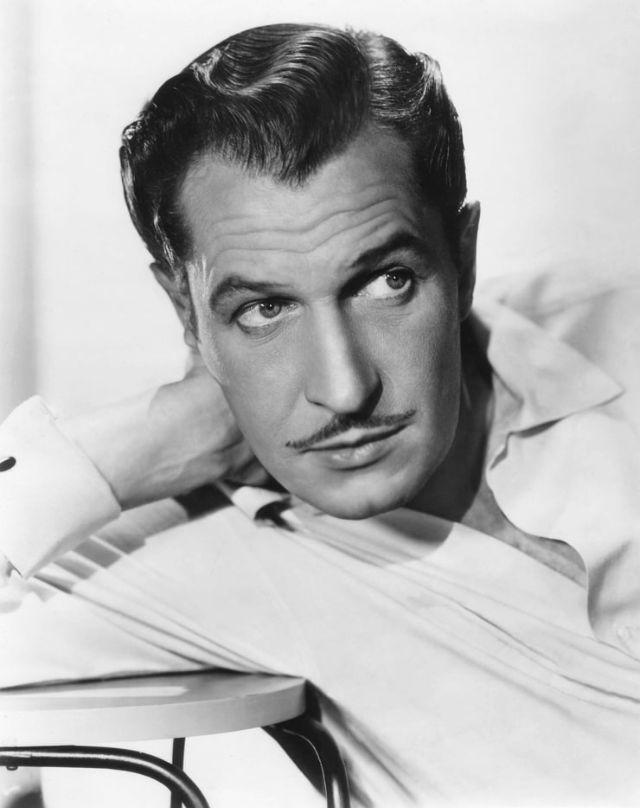
Price died at age 82 of lung cancer in 1993, at his home in Los Angeles. These vintage photos captured portrait of a young Vincent Price in the 1930s and 1940s.