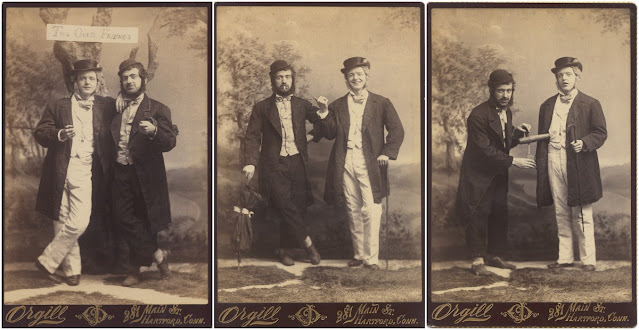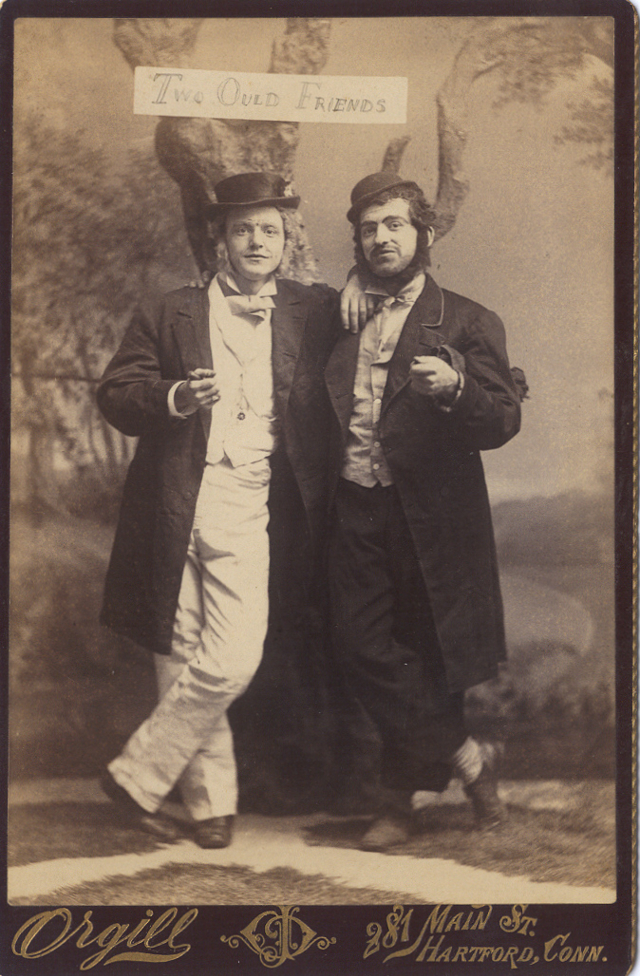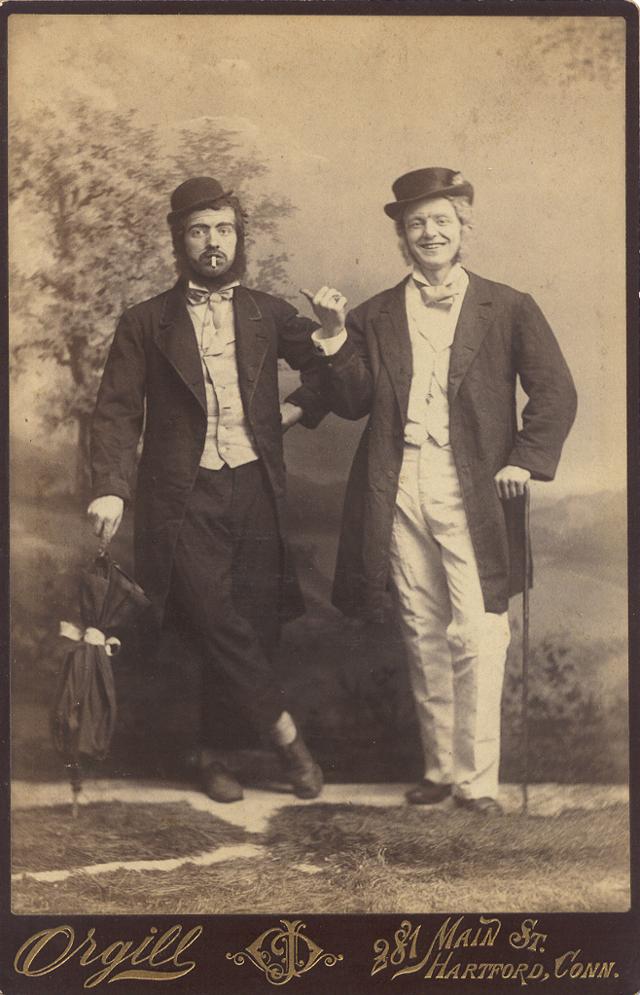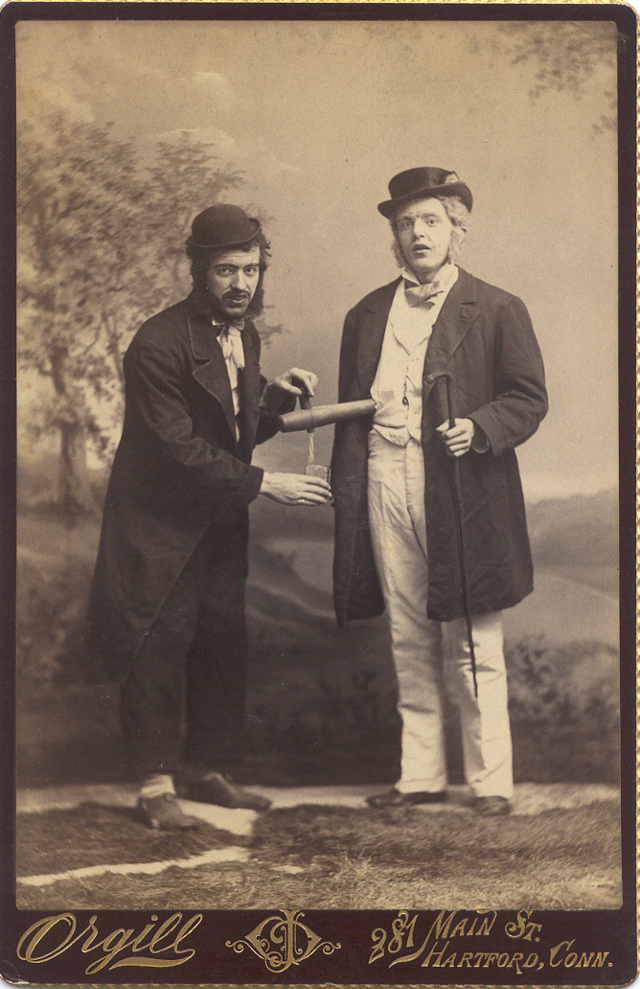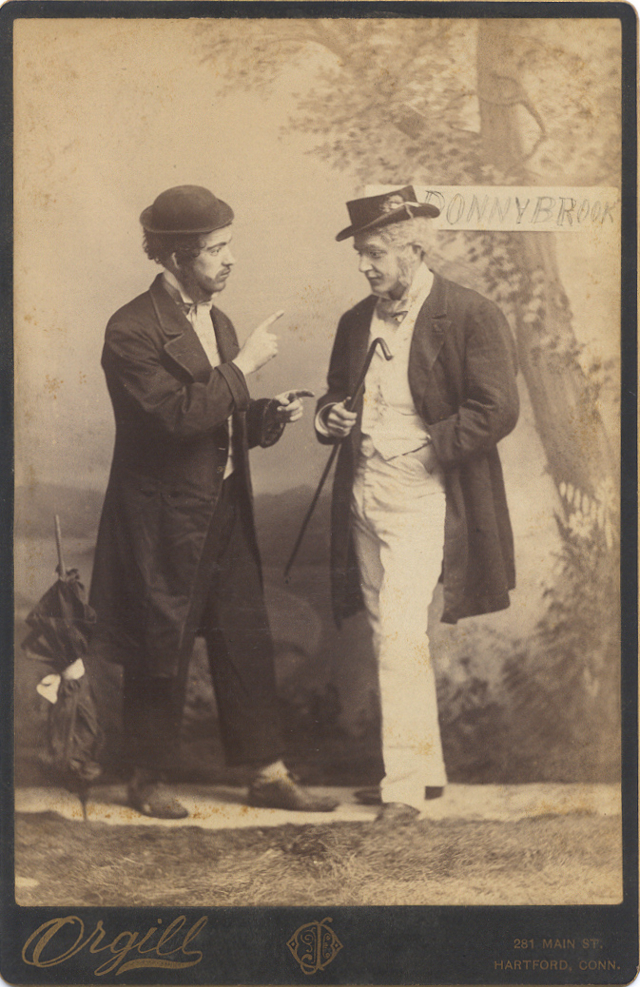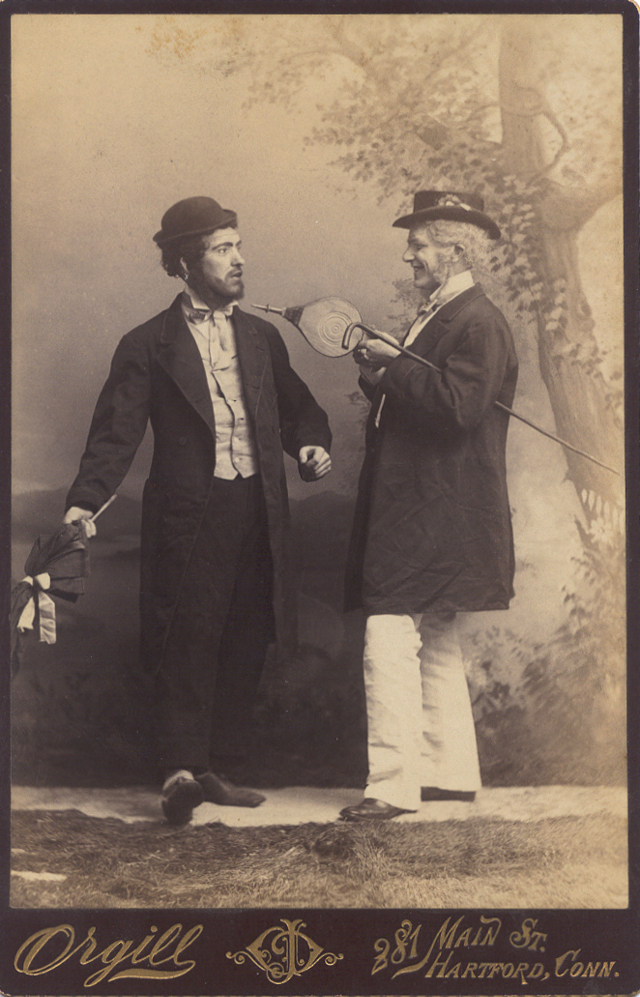
Group of six creative cabinet cards that were most likely used to advertise the photography studio of Orgill, (John), Hartford, Connecticut. This marvelous series has an Irish theme as we see two buddies leaning on each other with a sign above that reads, Two Ould Friends.
Next we see them joking around in hilarious drinking scenes, such as the one where it looks like the spigot of a keg is sticking out of the man on the right’s white vest. In the next one, we see one of the buddies lecturing the other with a “Donnybrook” sign now attached to the tree. This is followed by the one man blowing air at his friend with a fireplace blower. The final scene takes a more serious turn as the one man has resulted to a large rock while the other hides behind the tree.
This is an unusual grouping as these set themes are rarely seen together; often they are sold separately.
Wallace Carothers produced the first nylon fiber in 1935, but it was the 1939 World’s Fair that first introduced the nylon stocking to the public. It was marketed as a fabric made from “carbon, water and air.“ Cheap and durable, better in appearance than silk, nylon soon became the material of choice for manufacturing women’s stockings.
Nearly 4 million pairs could be bought in a single day in 1939. Then, due to the war, valuable resources and labor were redirected away from civilian production to provide equipment for the armed forces.
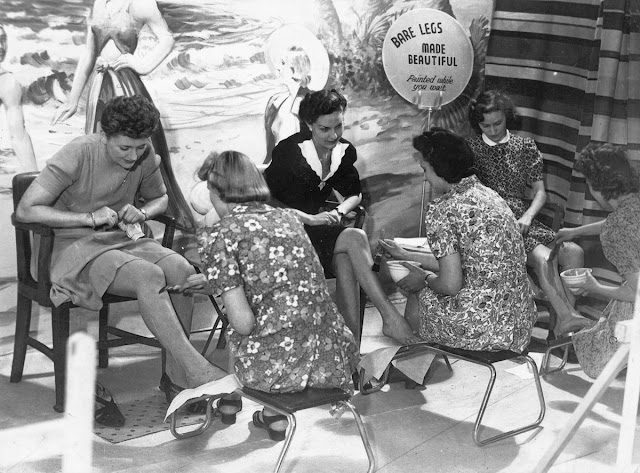
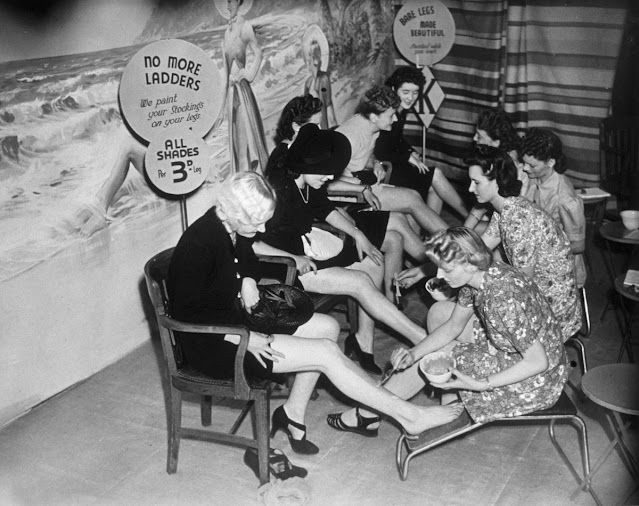
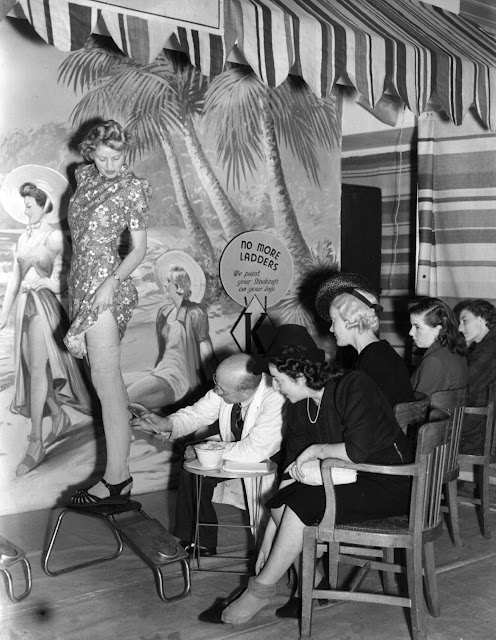
In 1941, Britain introduced clothes rationing to conserve materials and valuable resources for World War II troops. During stocking rationing, a beautician at the newly opened Bare Leg Beauty Bar at Kennard’s store in Croydon, England, paints stockings onto a customer’s skin.
Ice hockey is believed to have evolved from simple stick and ball games played in the 18th and 19th centuries in the United Kingdom, Ireland and elsewhere, primarily bandy, hurling, shinty and lacrosse. Arguably the games most influential to the early design of ice hockey were early forms of an organized sport today known as bandy, a sport distinctly separate from ice hockey. These games were brought to North America and several similar winter games using informal rules developed, such as shinny and ice polo, but would later be absorbed into a new organized game with codified rules which today is ice hockey.
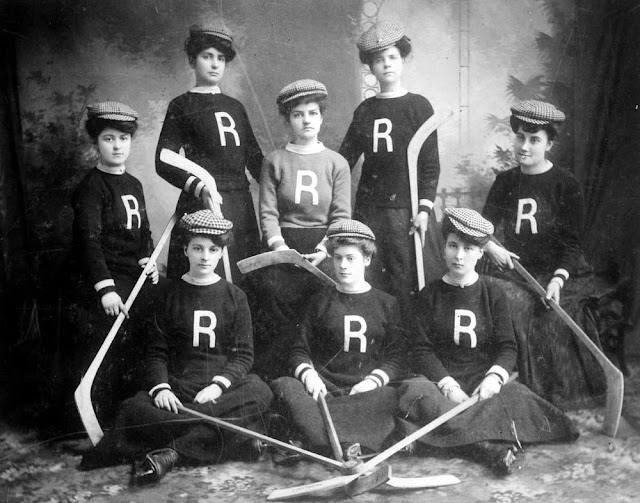
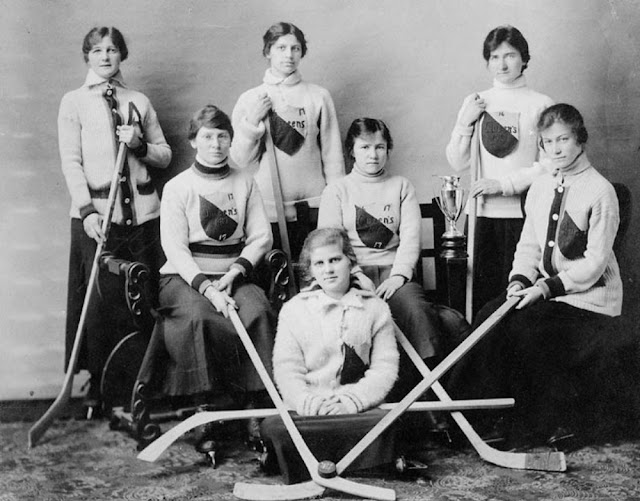
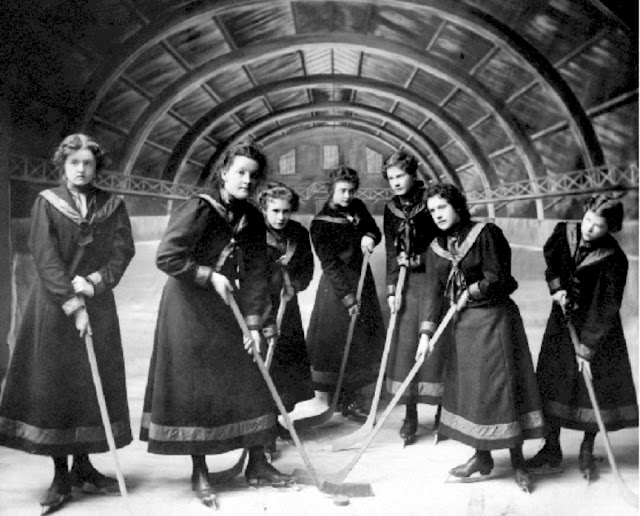
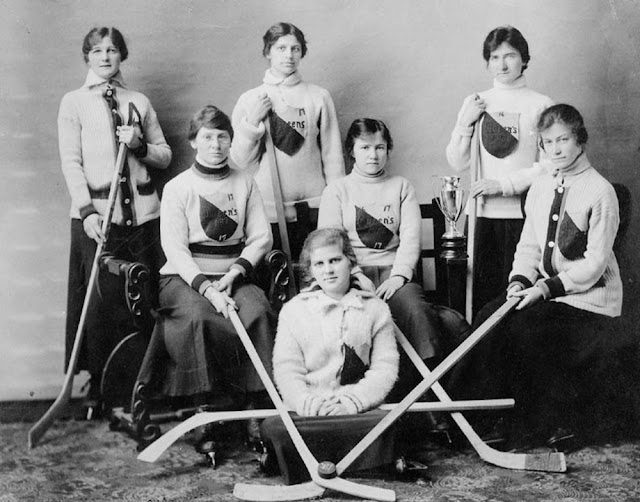
Women’s hockey teams started forming early in the 20th century, though there wouldn’t be a professional league for a long time. Women still played casually hockey for fun, and so before long, they started getting organized.
The first formal women’s match happened in Ontario in 1891; however, women’s teams didn’t really get going until the 1910s and 1920s when college teams started to form in the US and especially in Canada. Below are some vintage photos of women’s ice hockey teams from between the 1900s and 1920s:
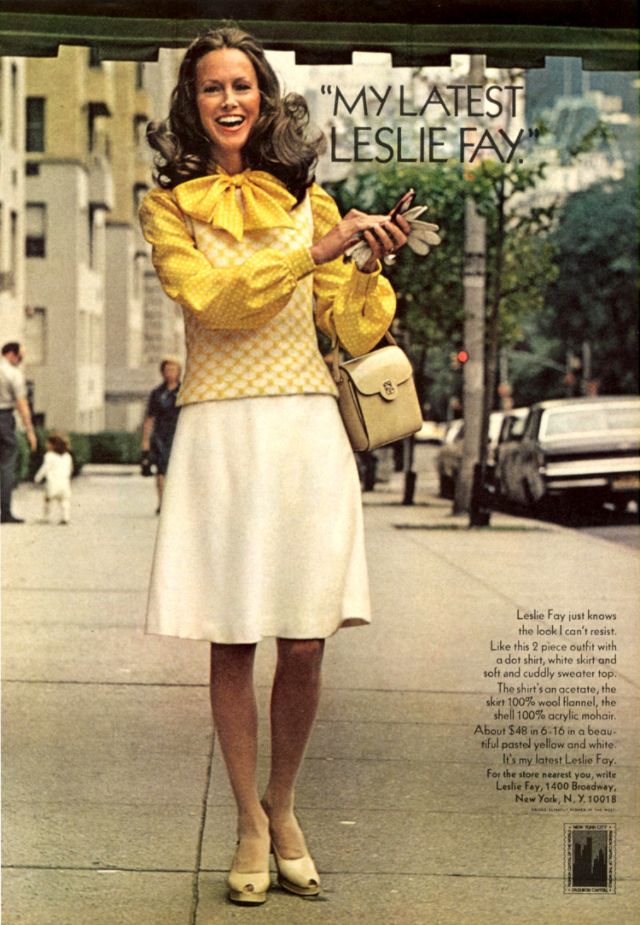
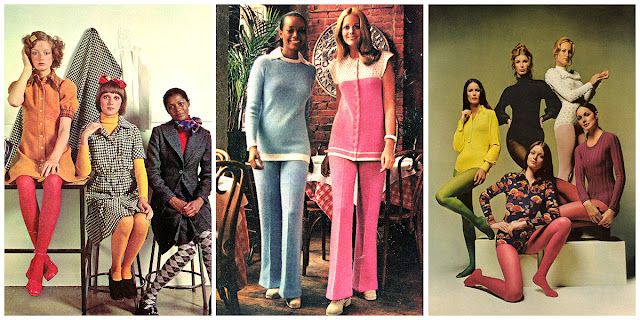
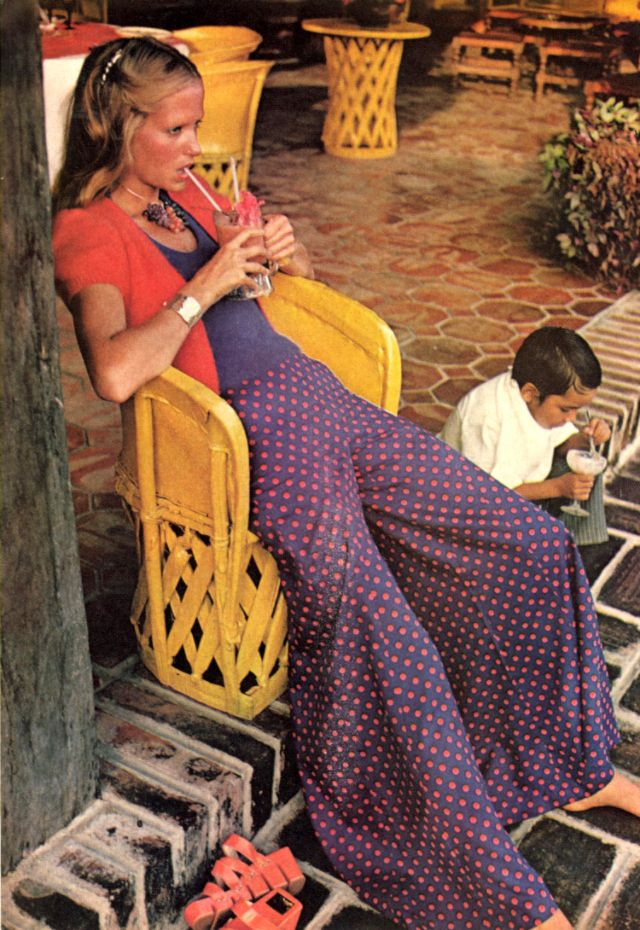
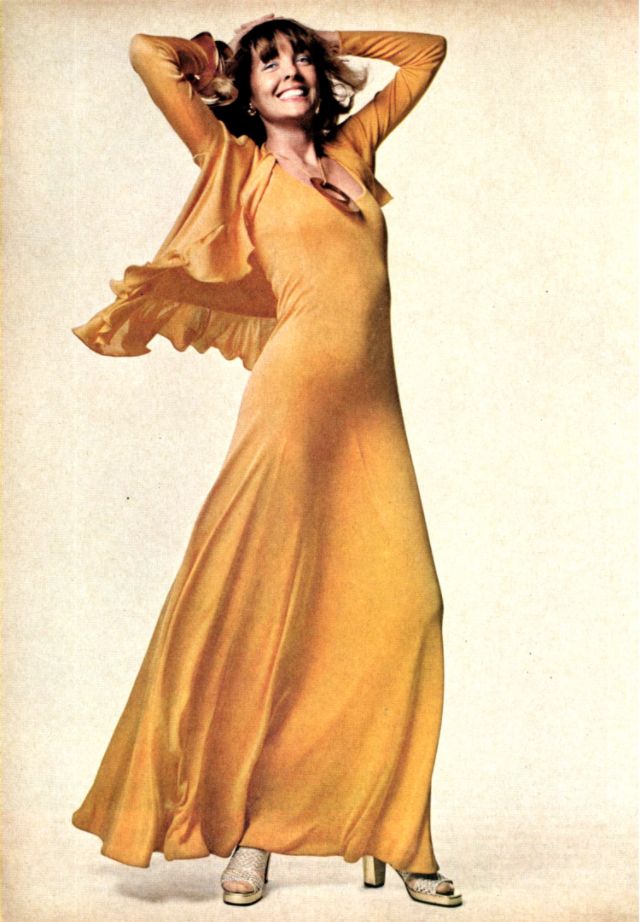
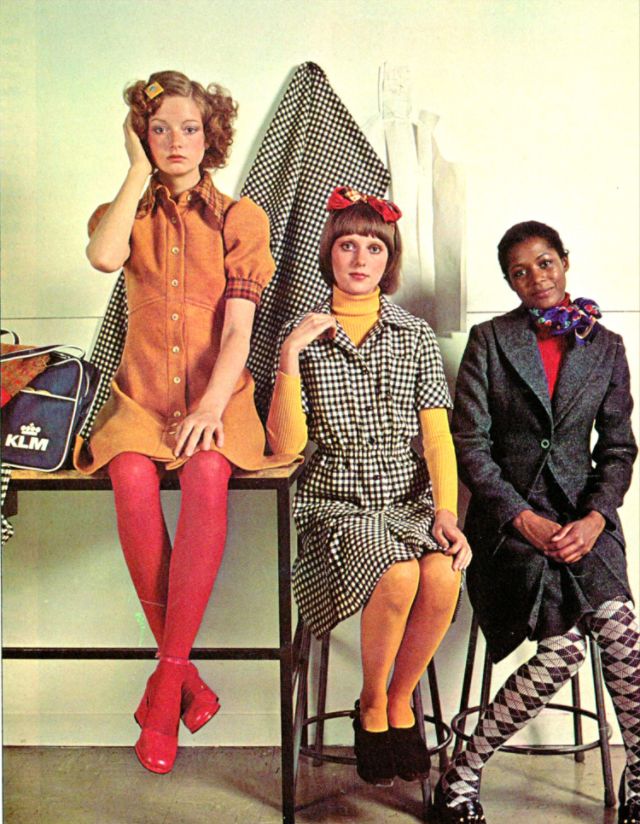
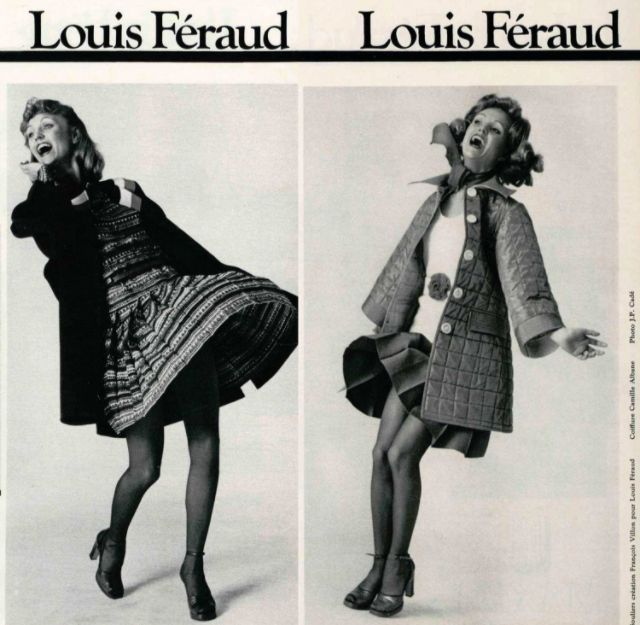
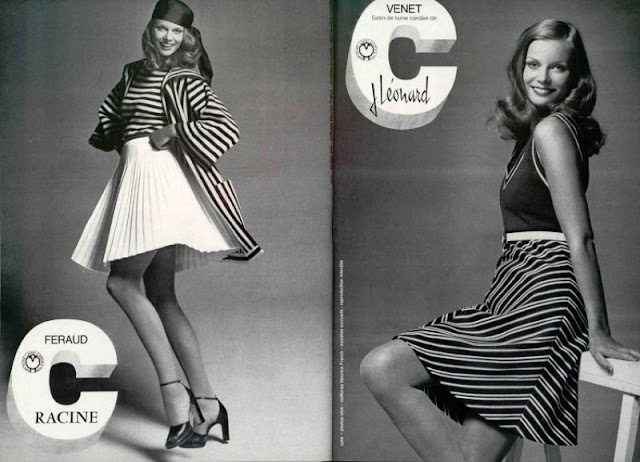
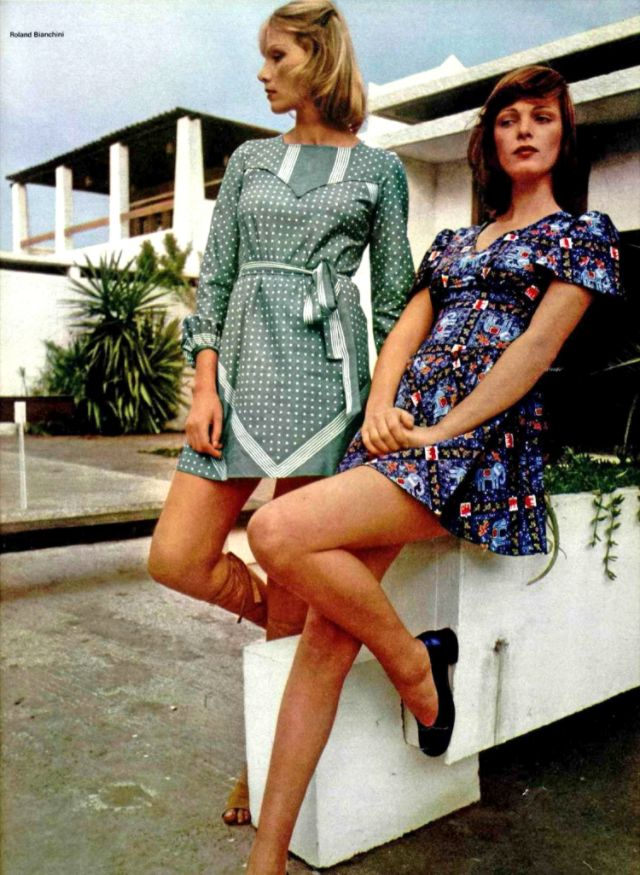
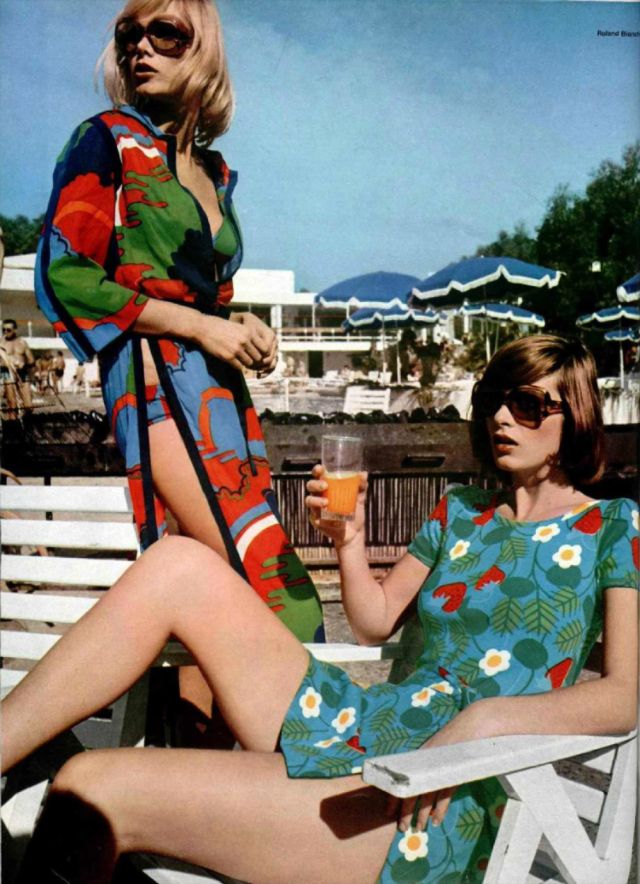
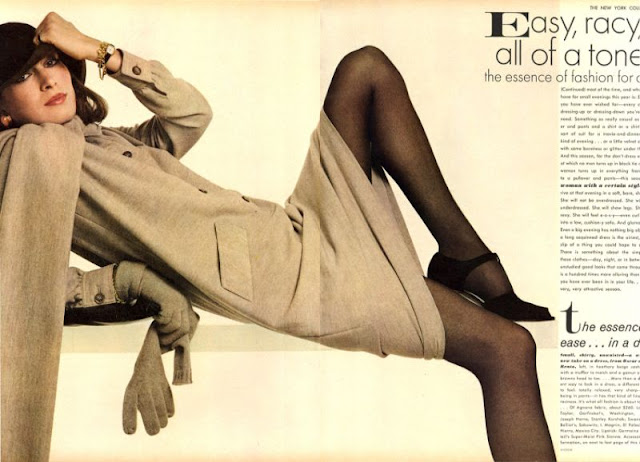
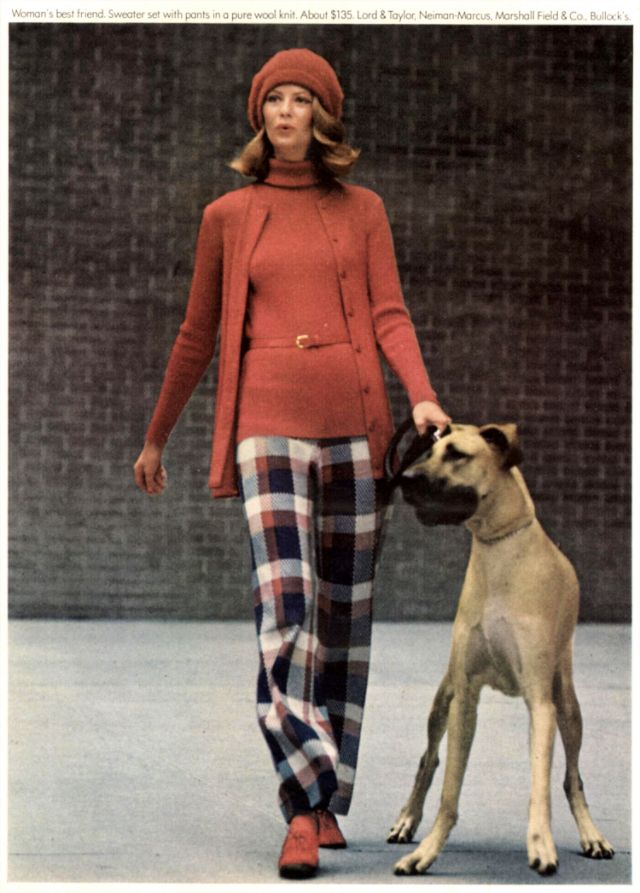
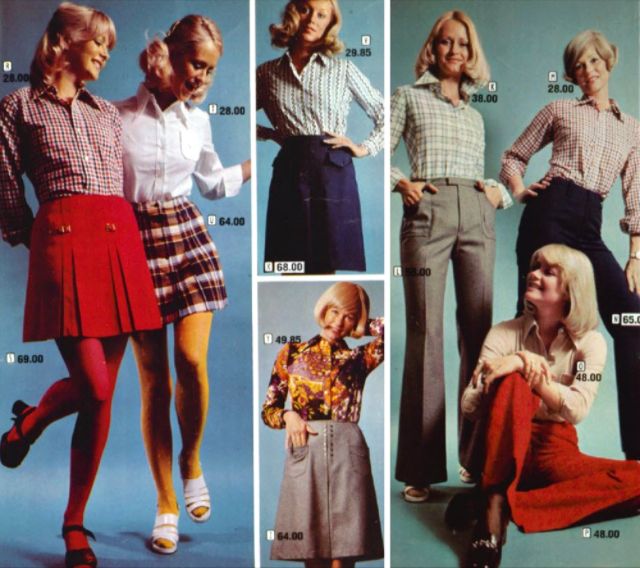
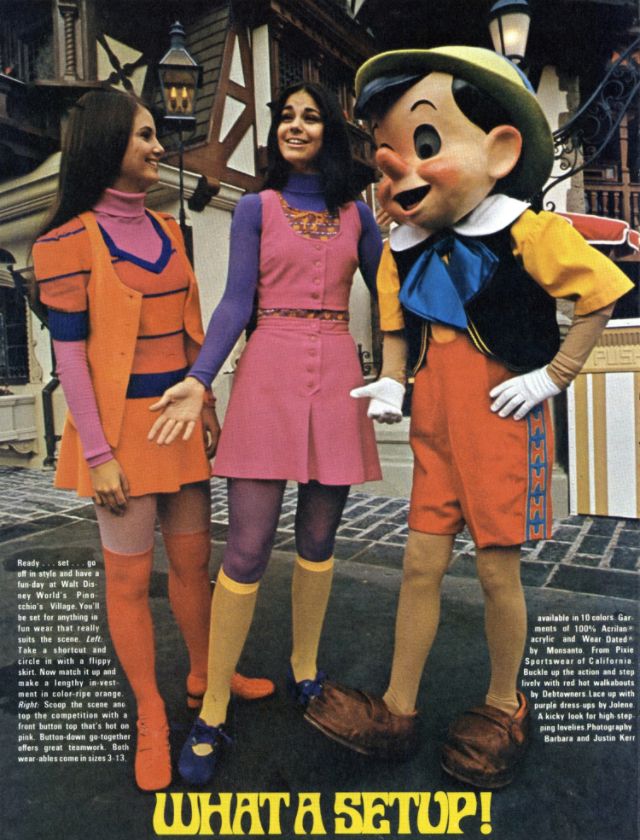
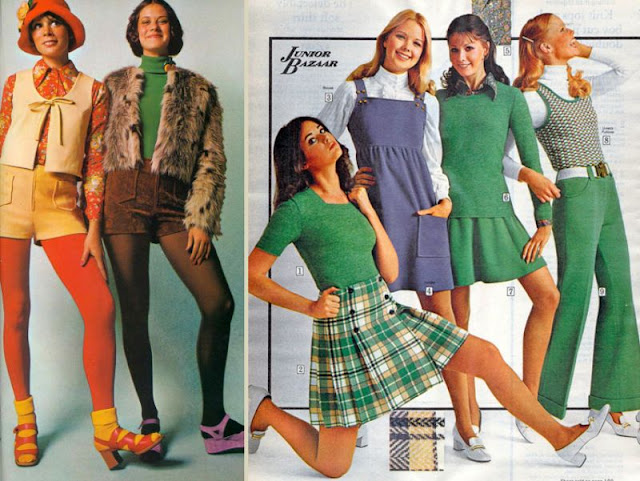
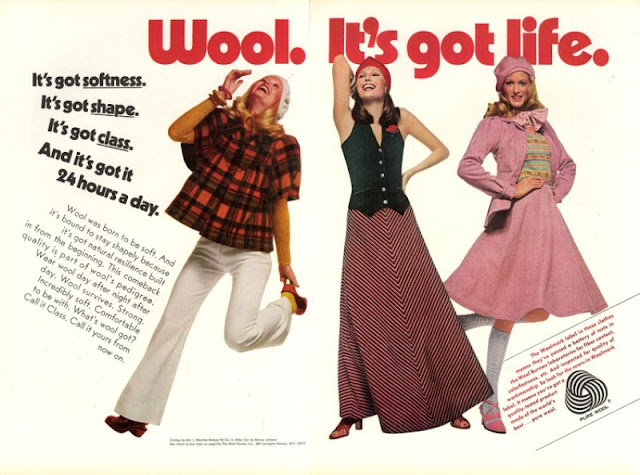
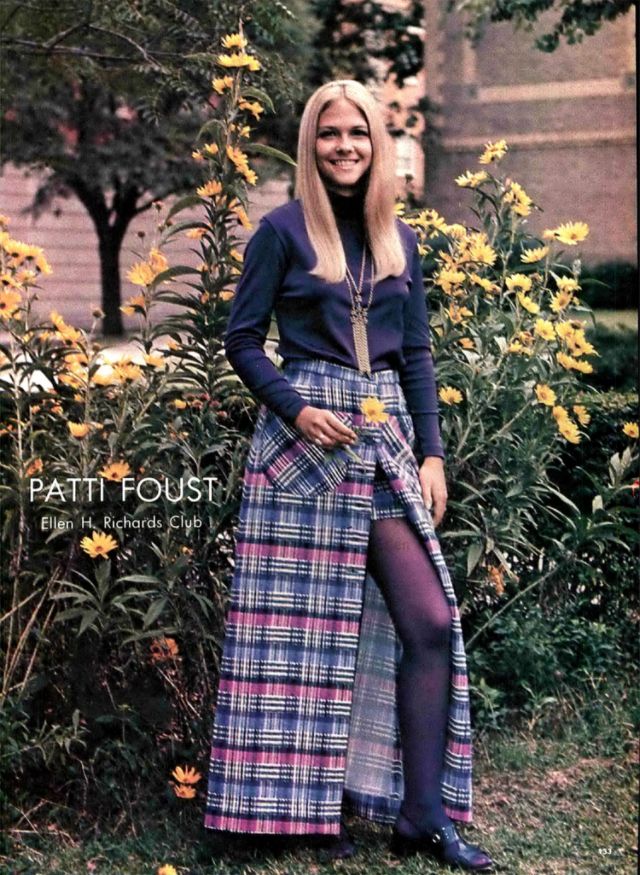
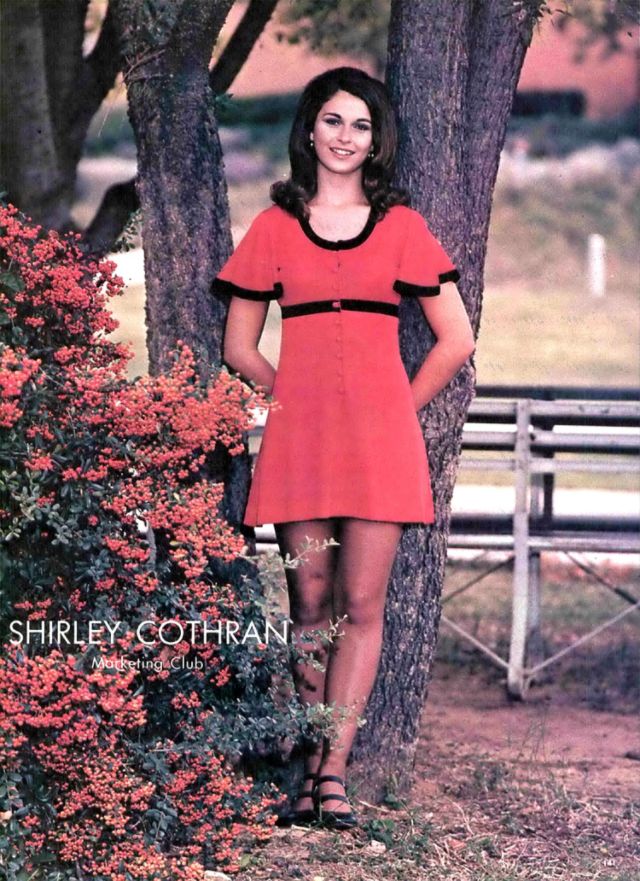
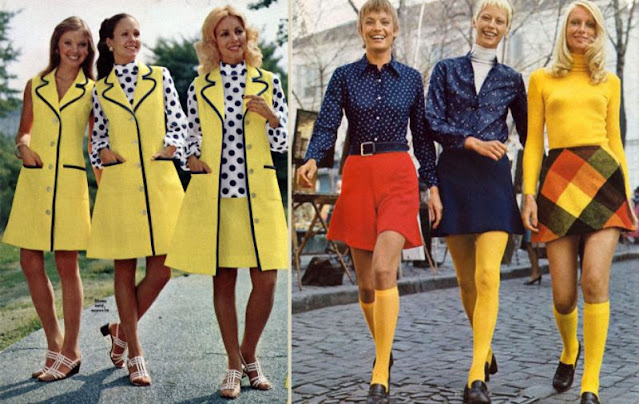
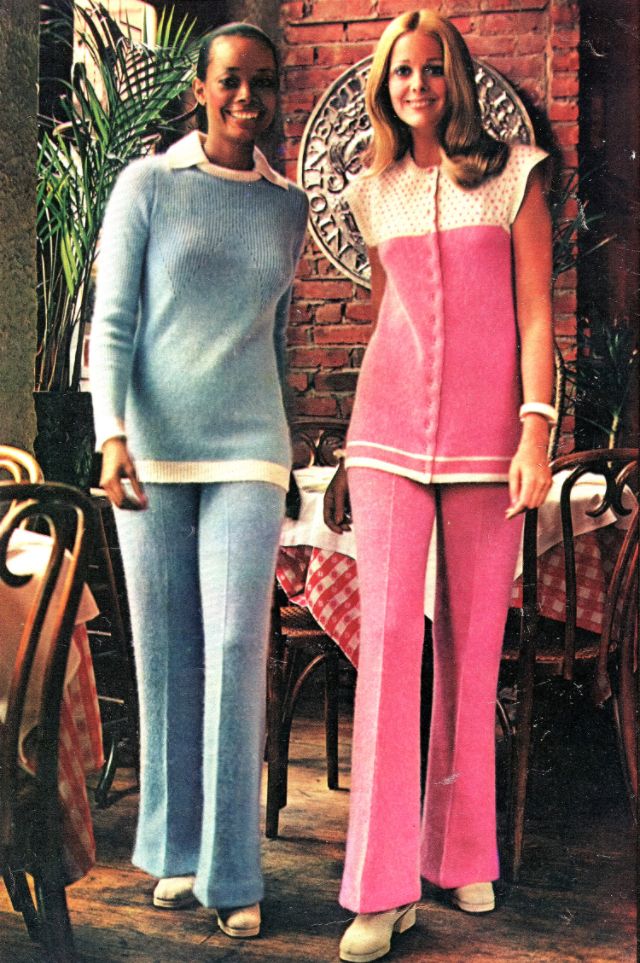
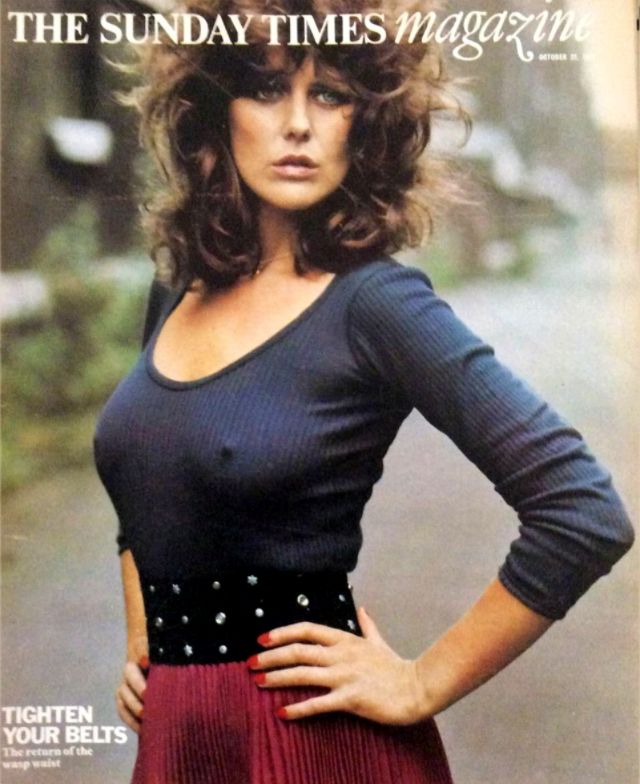
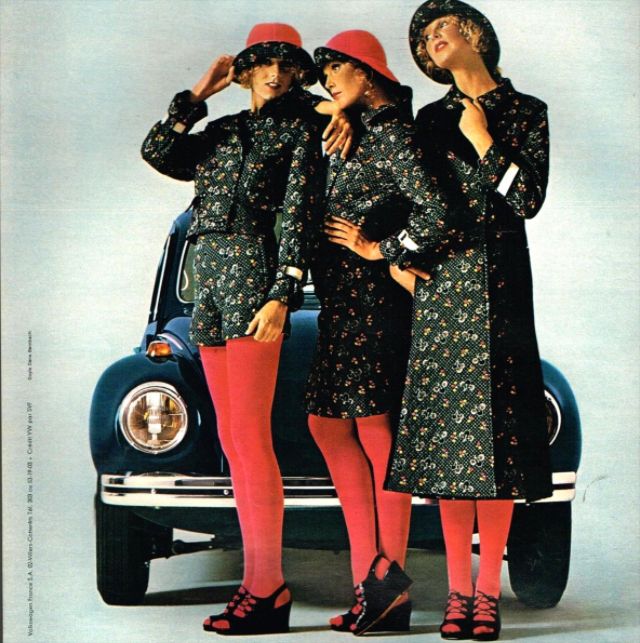
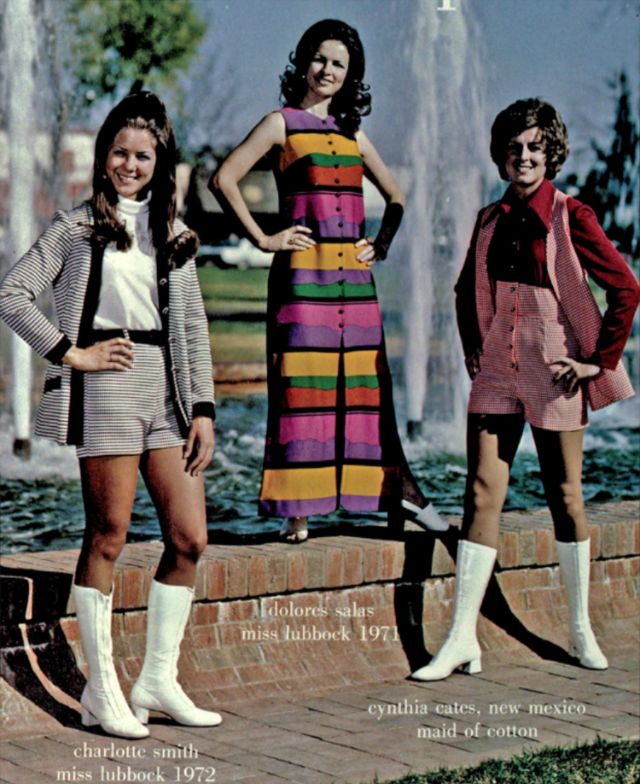
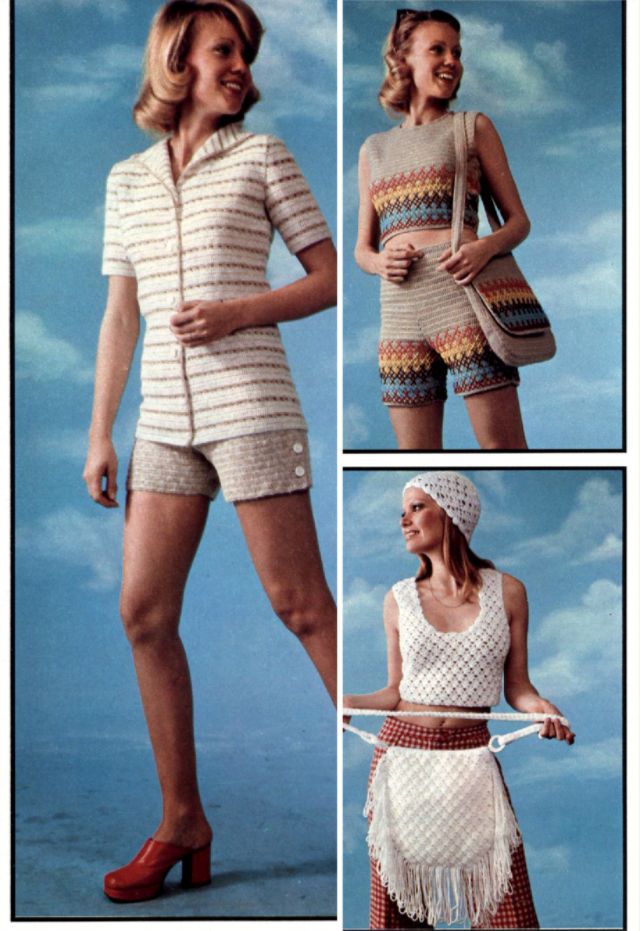
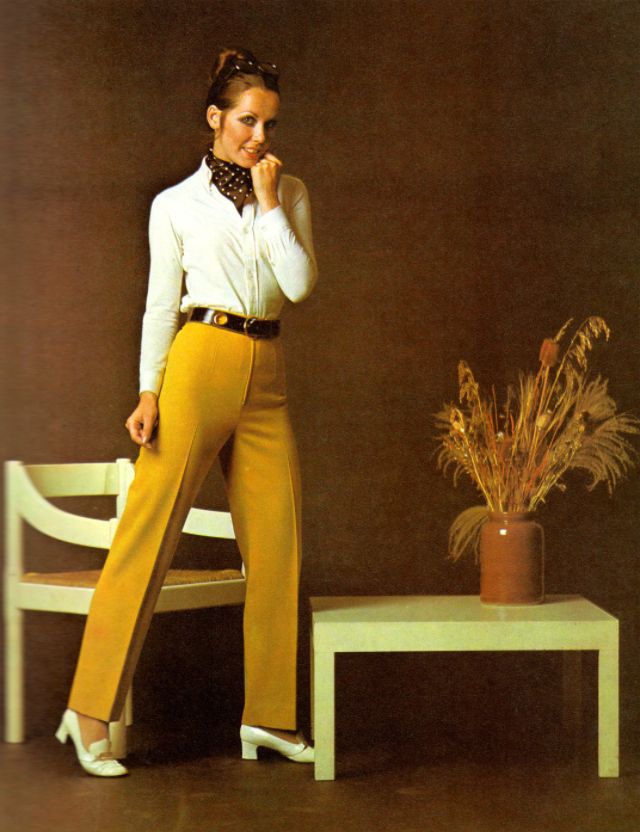
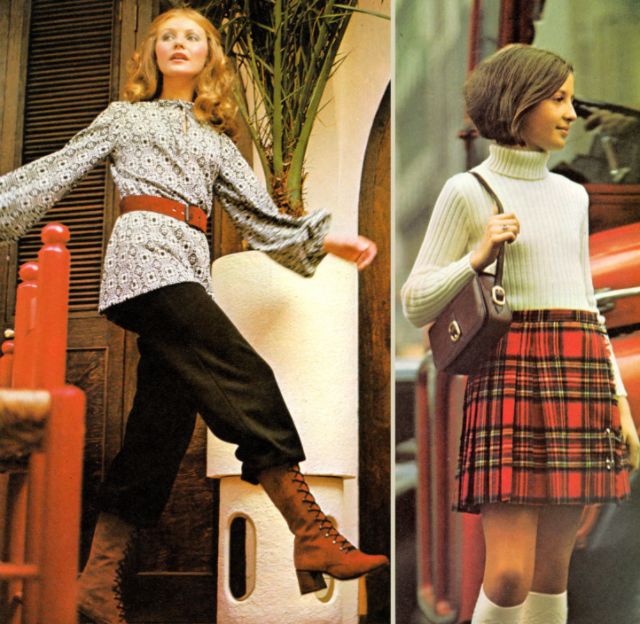
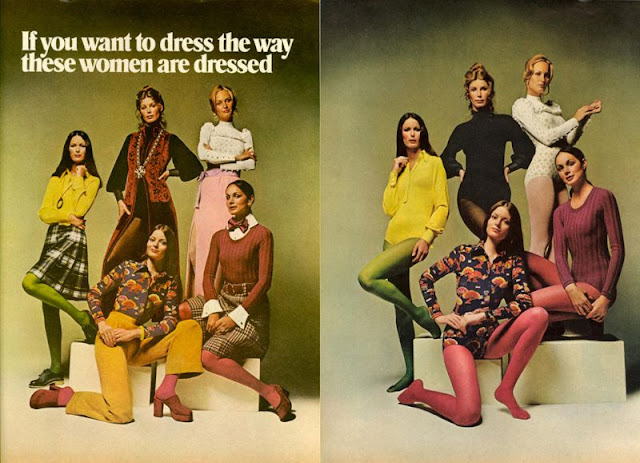
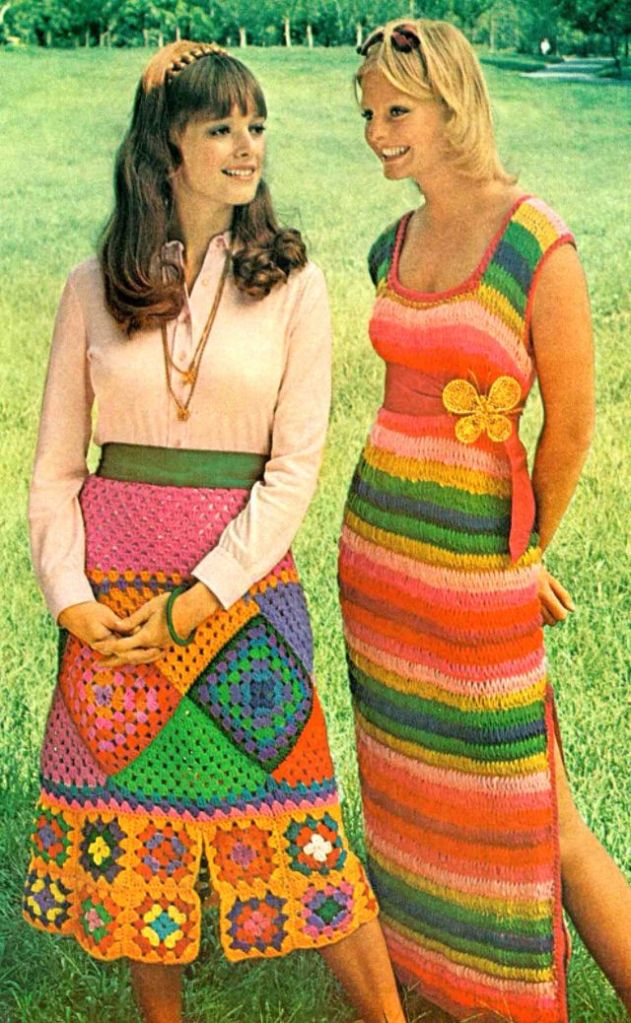
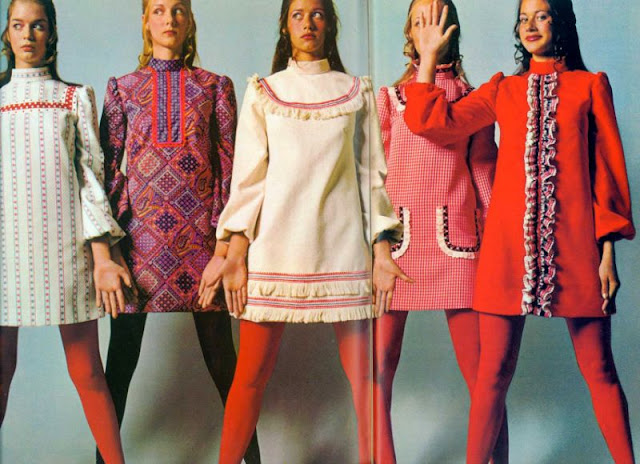
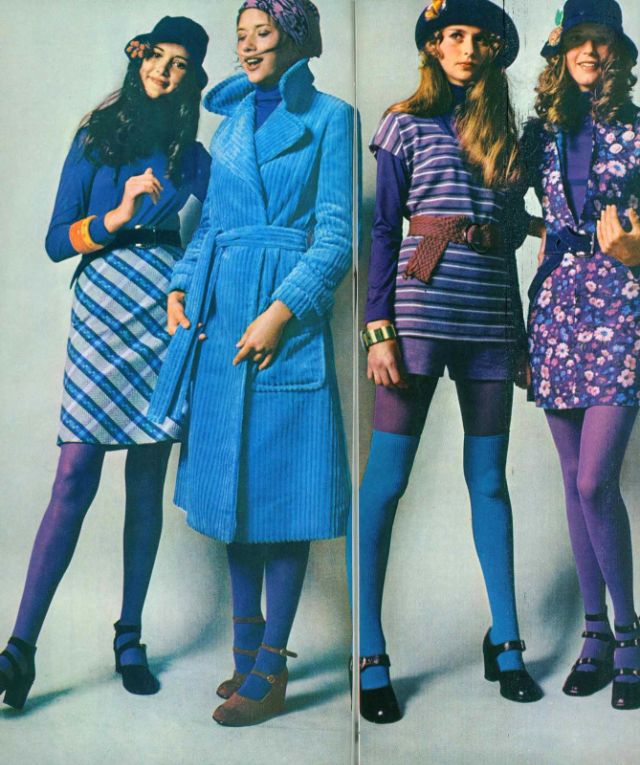
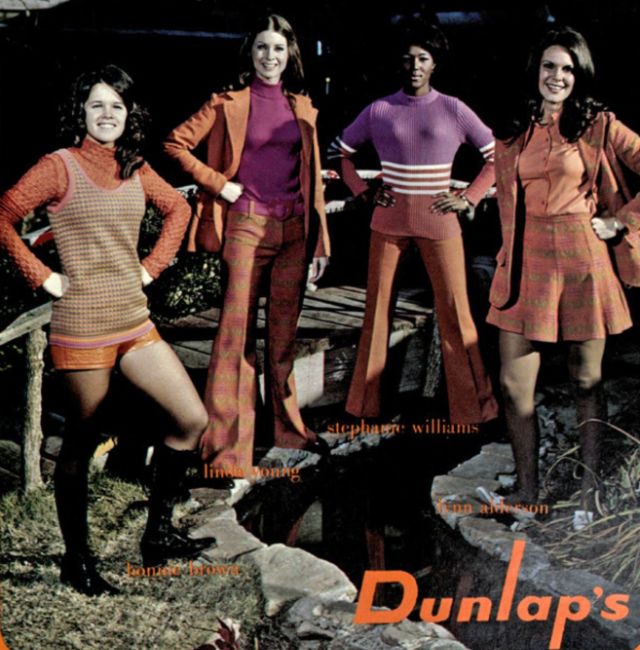
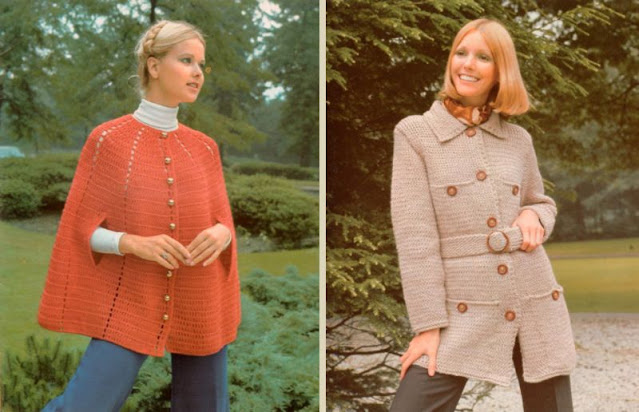
By 1972, the feel of the peppy mod sixties had faded away. In its place was a style that combined elements from the hippy counter-culture – by now, no longer really even “counter”, but a mainstream ideal embraced by the largest generation ever, the Baby Boomers. Additionally, Women’s Lib had its impact, with pants for women suddenly being the “in” look.
But let’s stop talking about ’72 styles, and actually have a look at them. Here, gathered together from the far corners of the vintage fashion landscape (fashion magazines, college yearbooks, needlework pamphlets, and more) are some wonderful examples of women’s and teen fashions from the grand old year of nineteen hundred and seventy-two. Take a look:
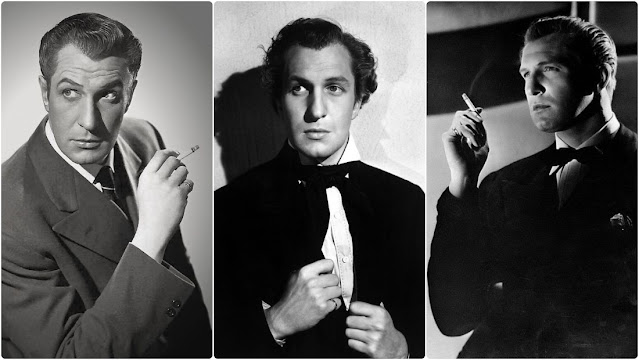
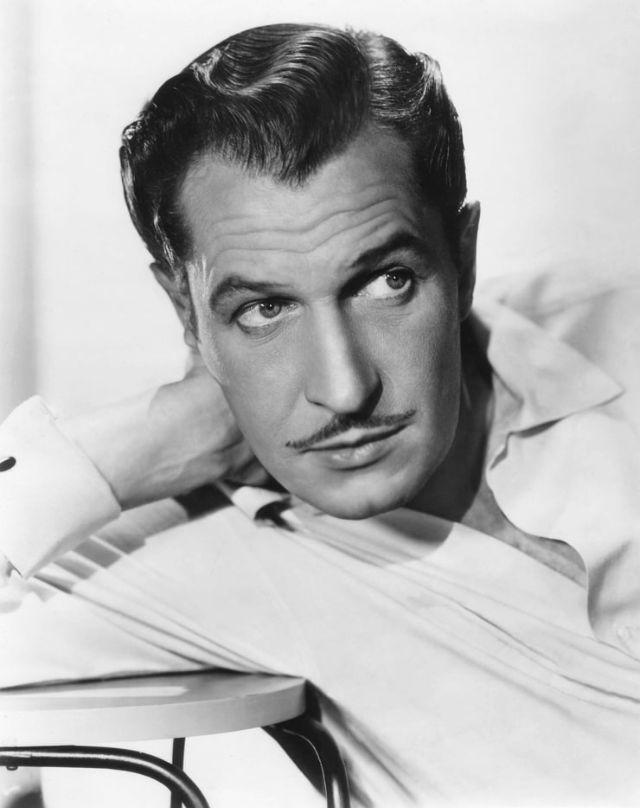
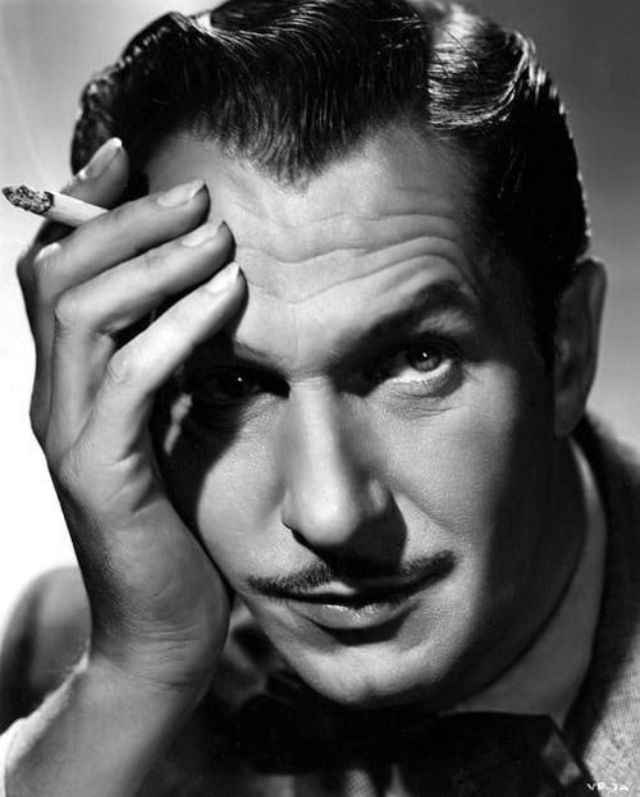
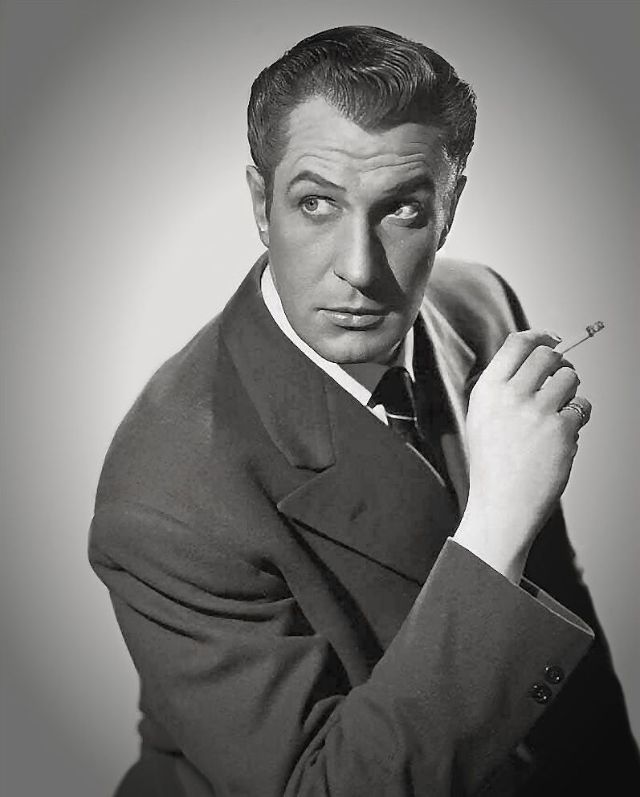
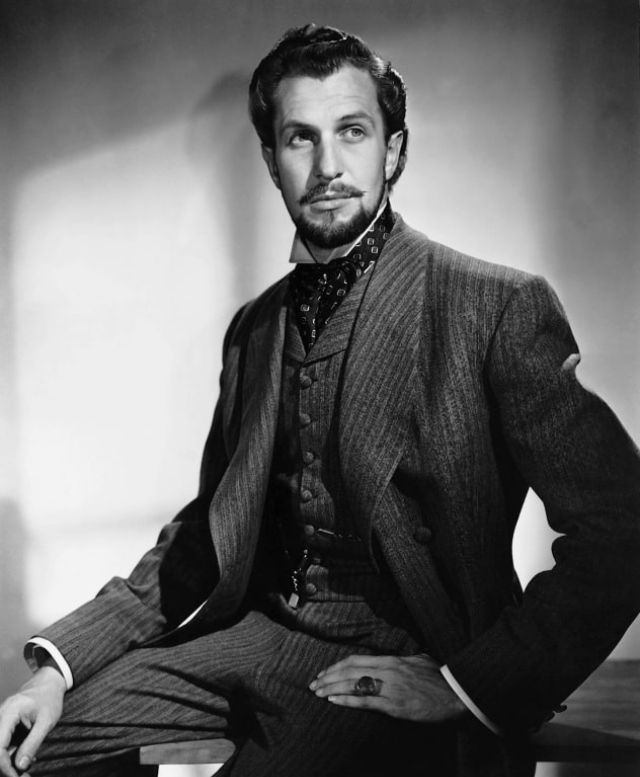
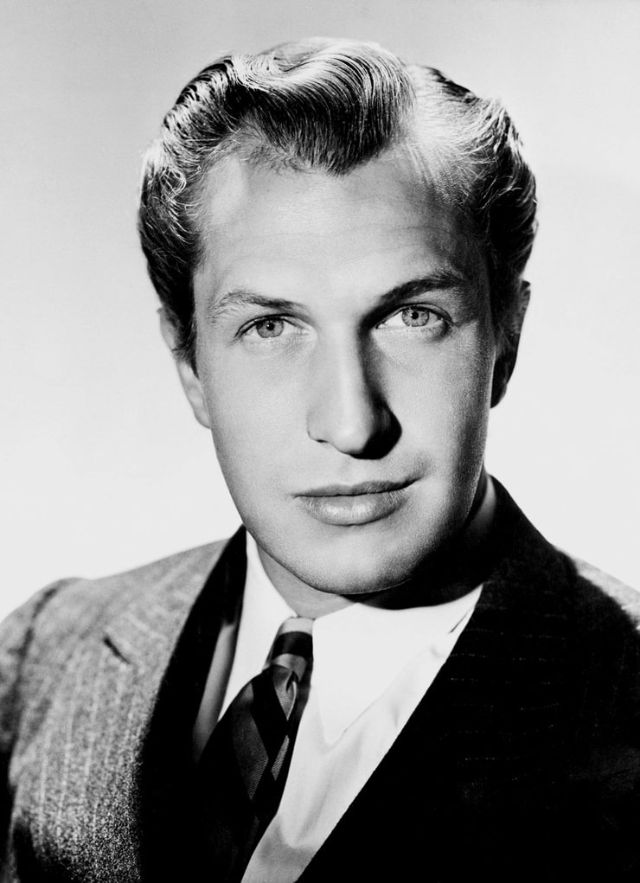
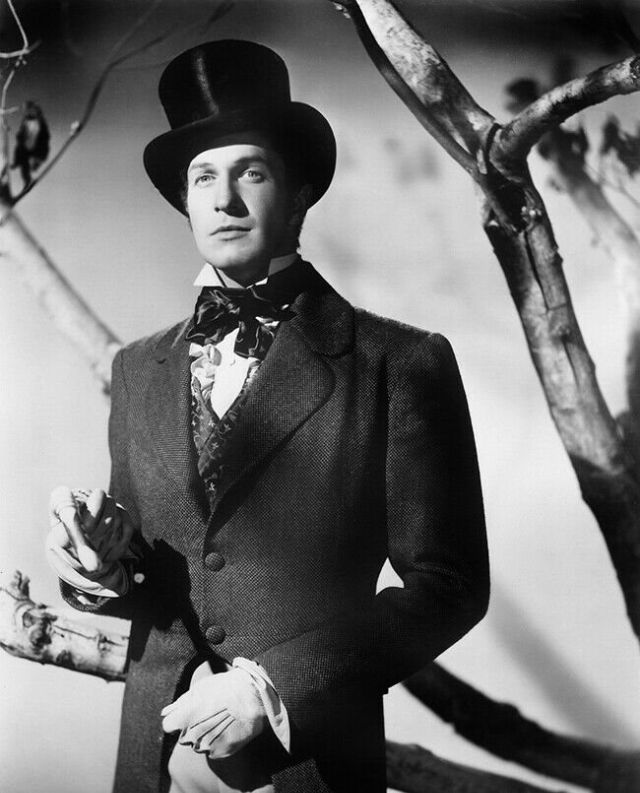
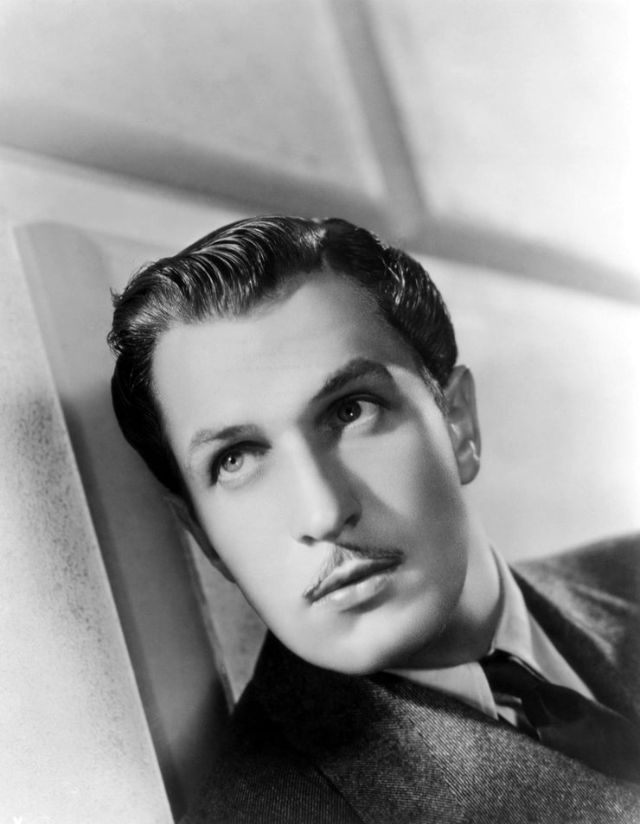
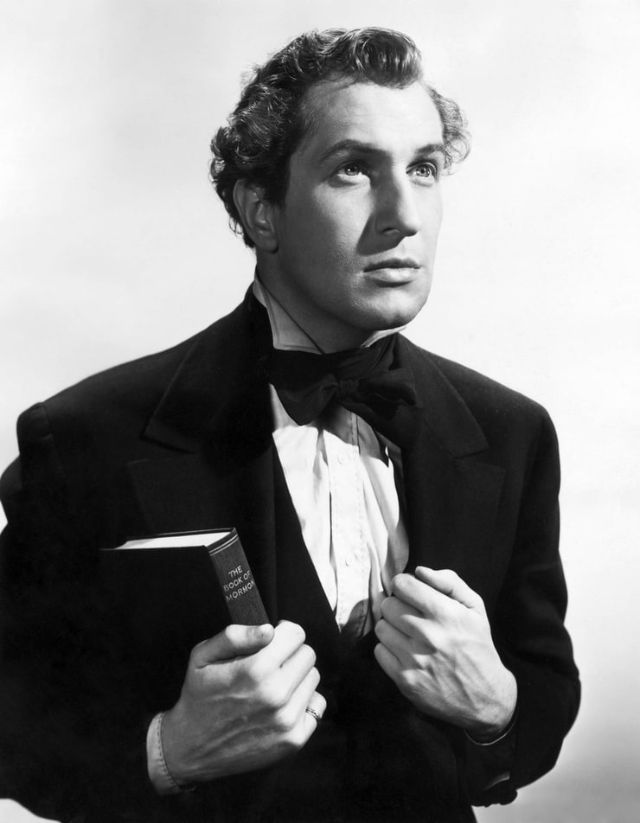
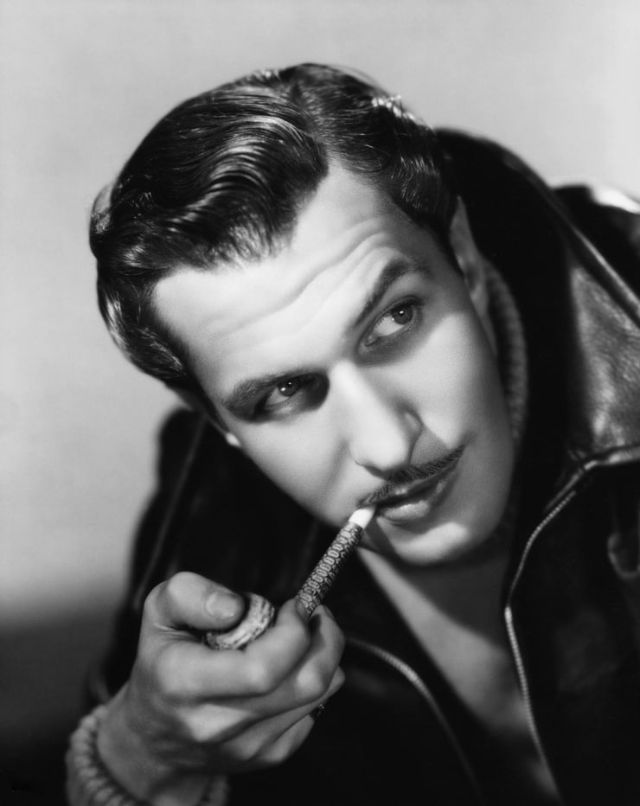
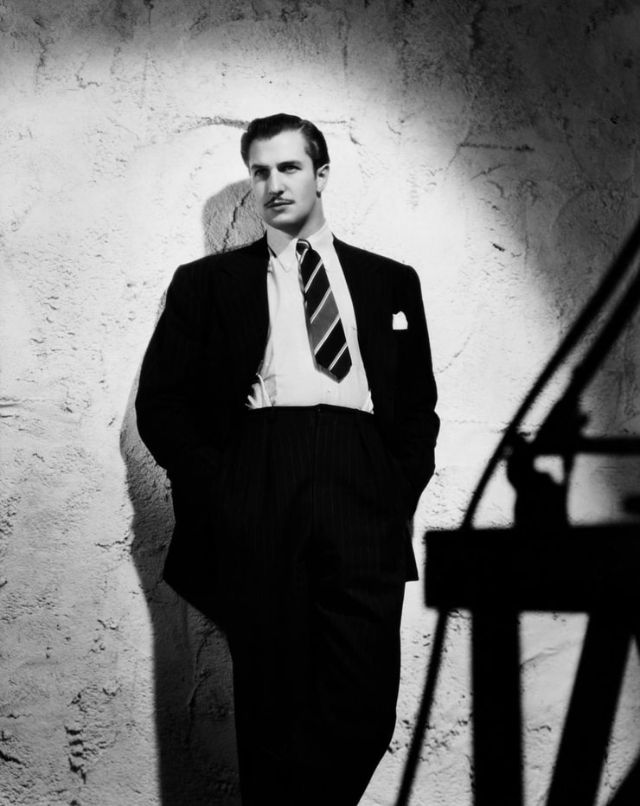
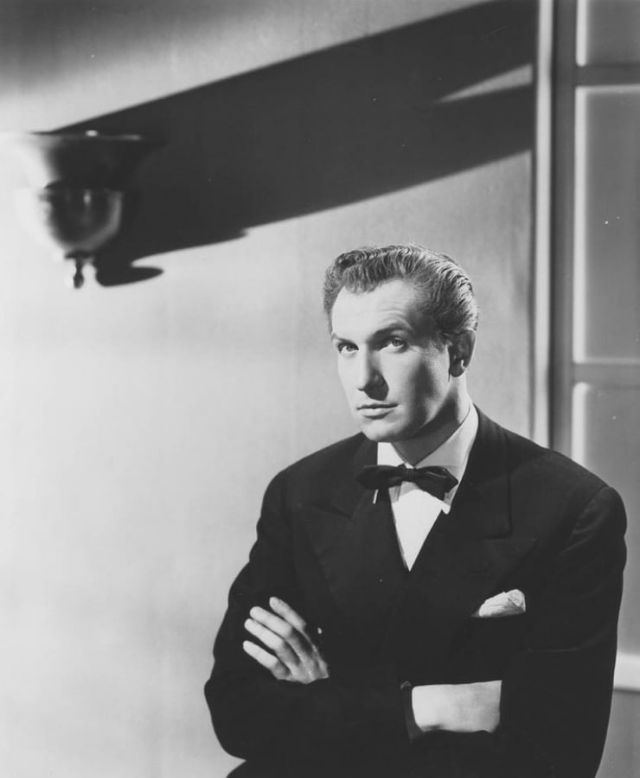
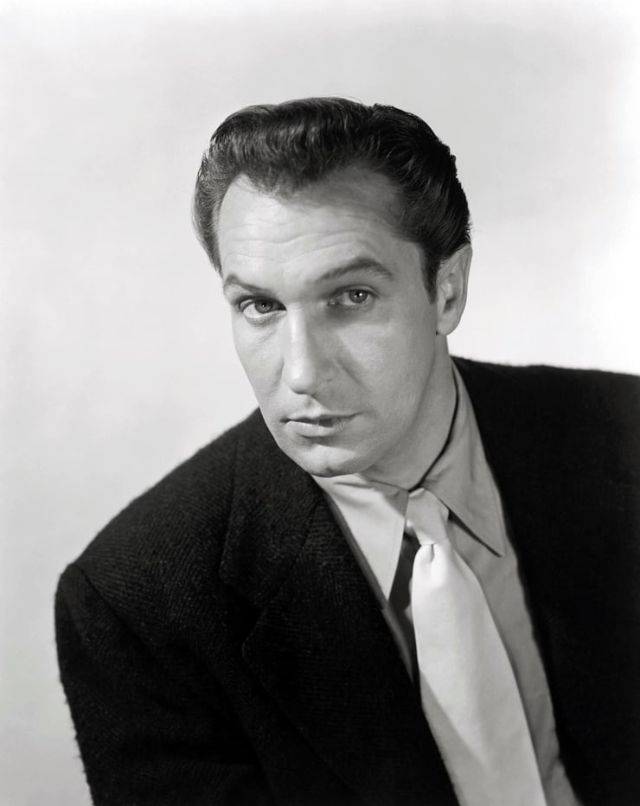
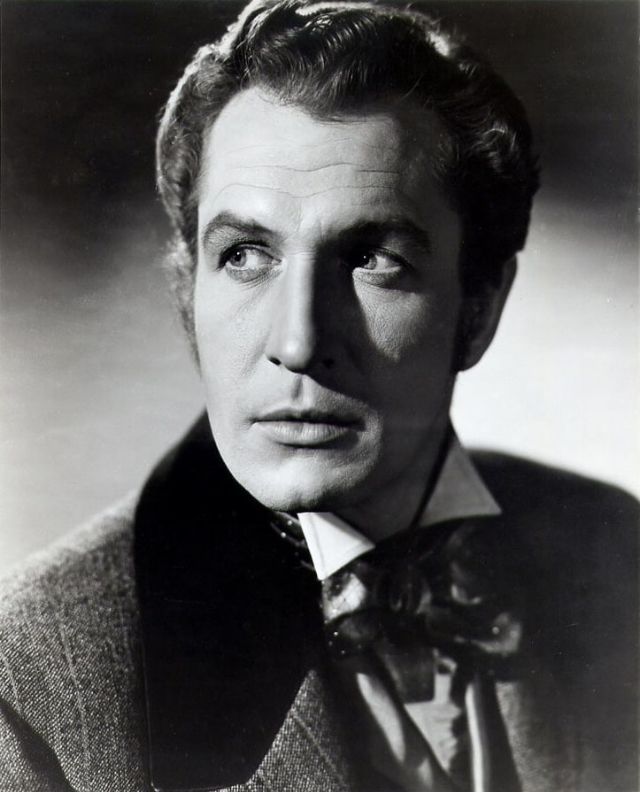
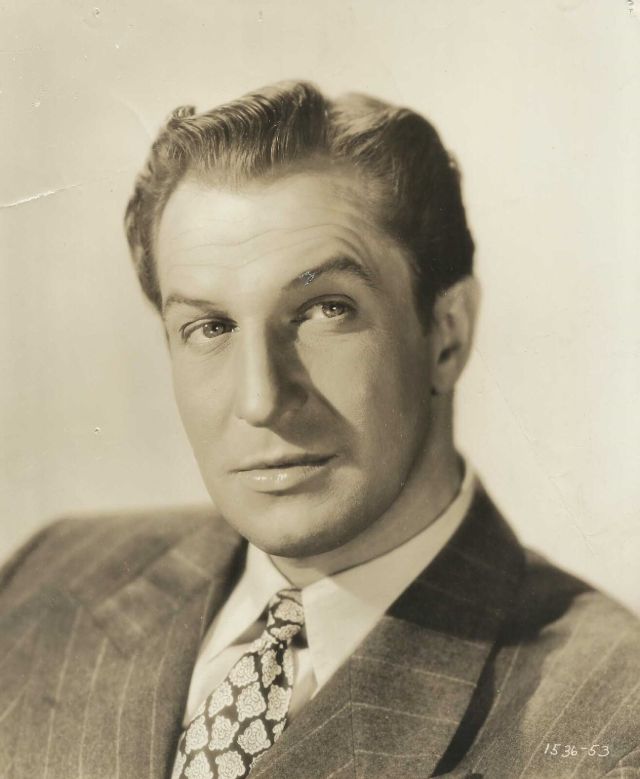
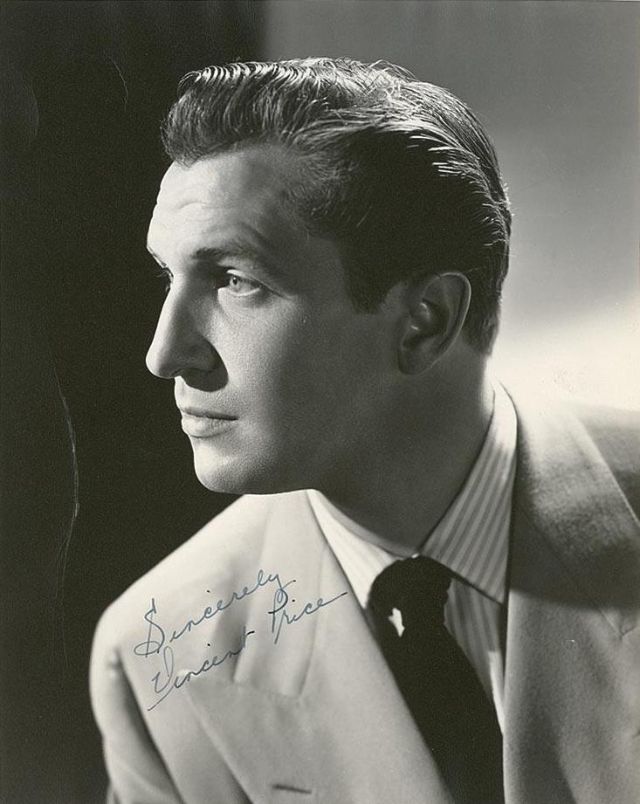
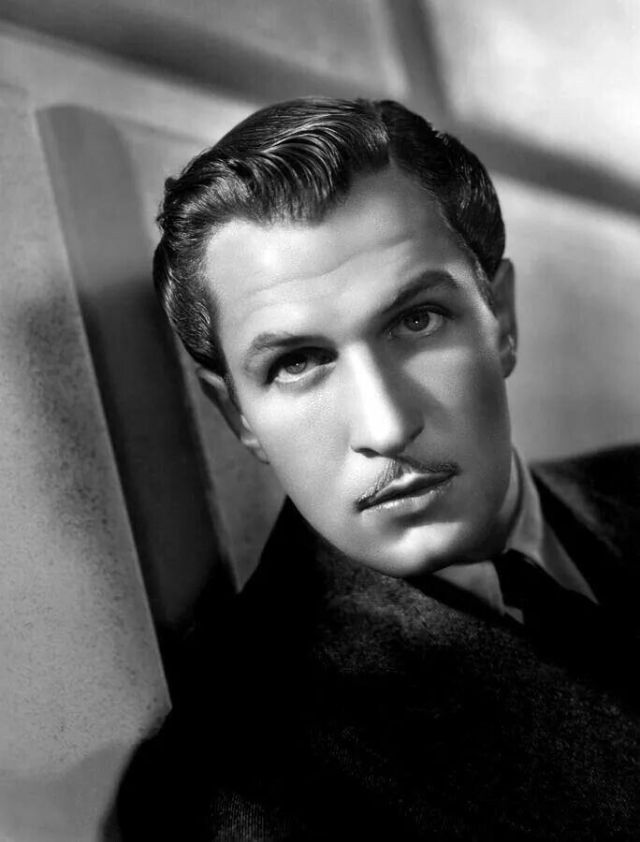
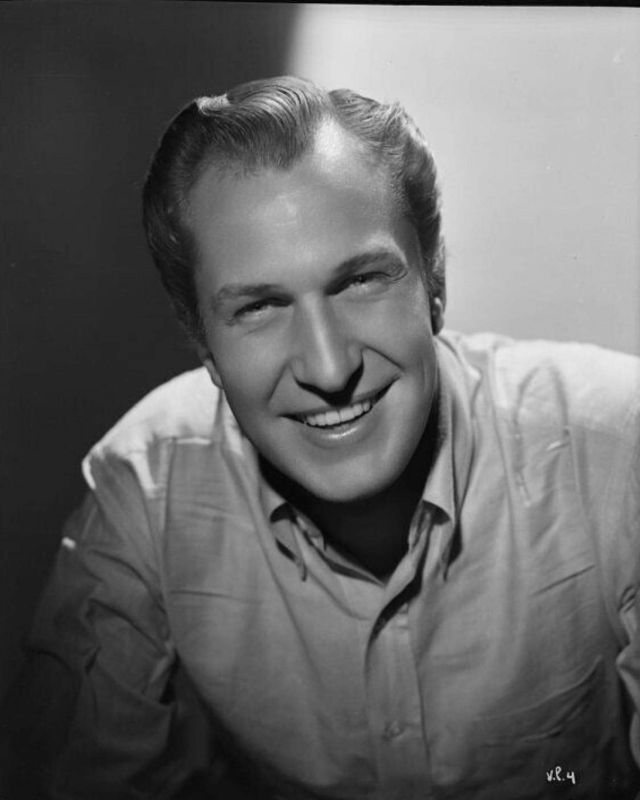
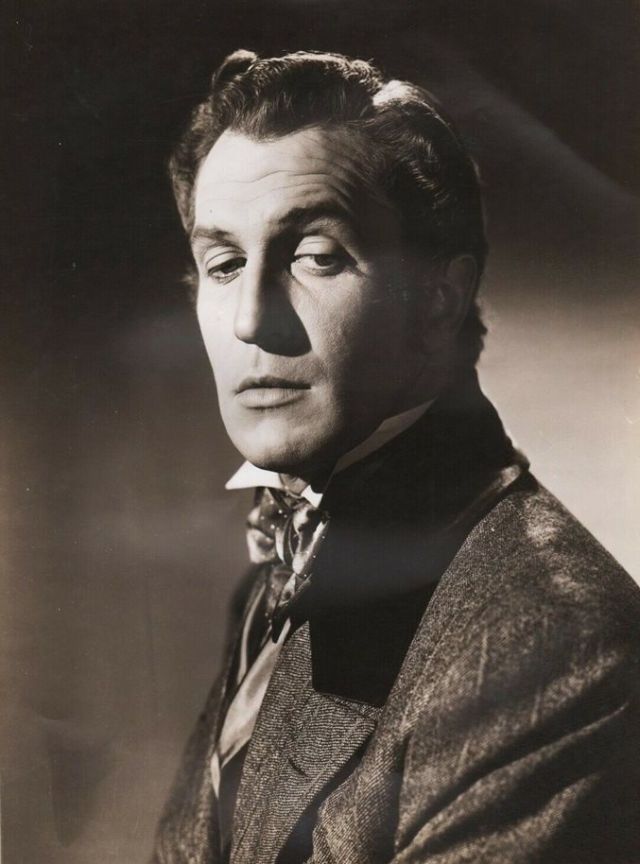
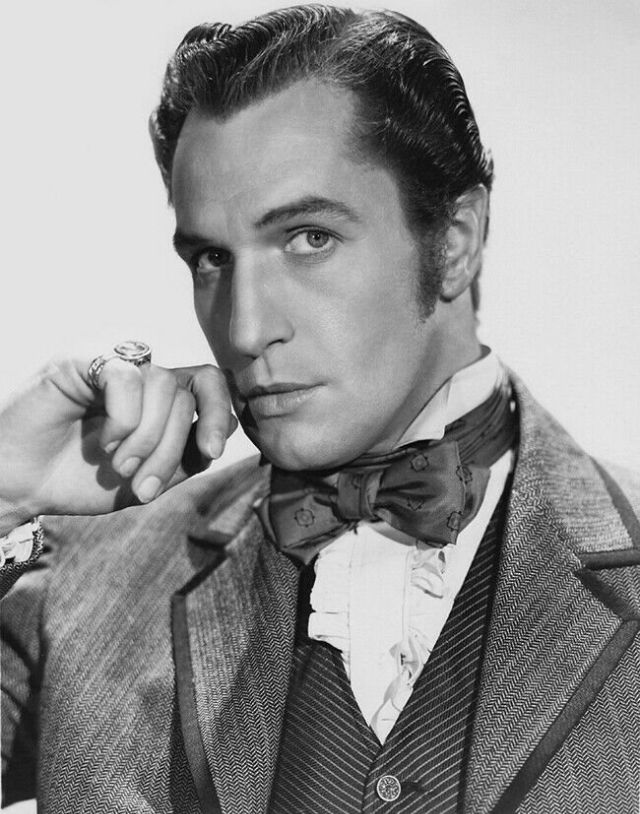
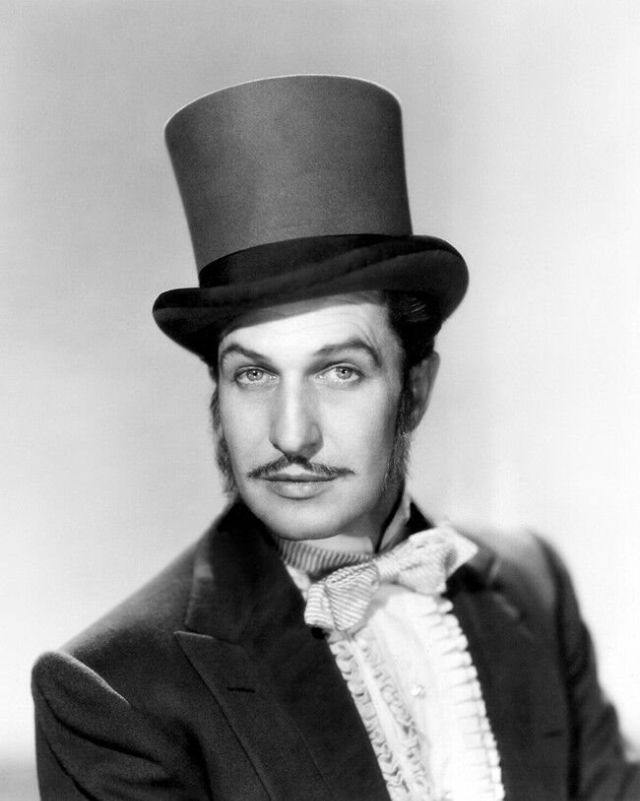
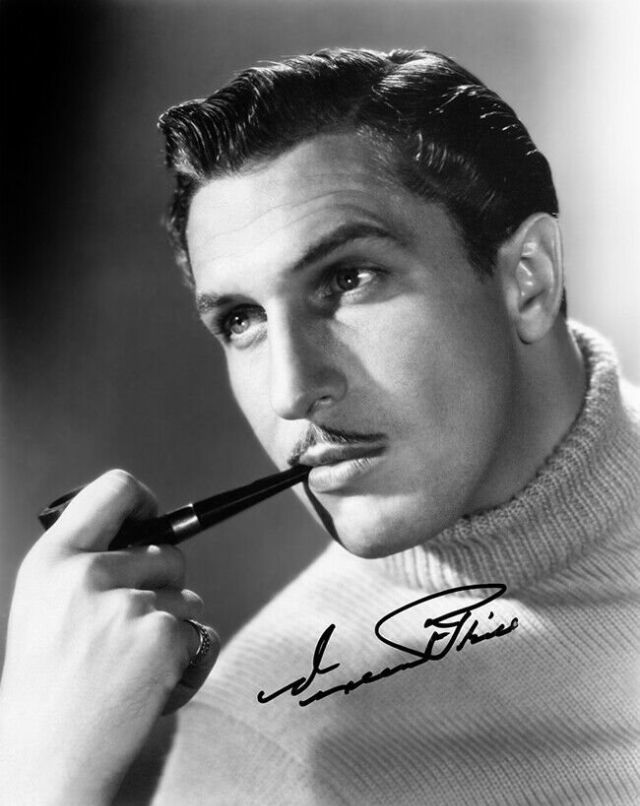
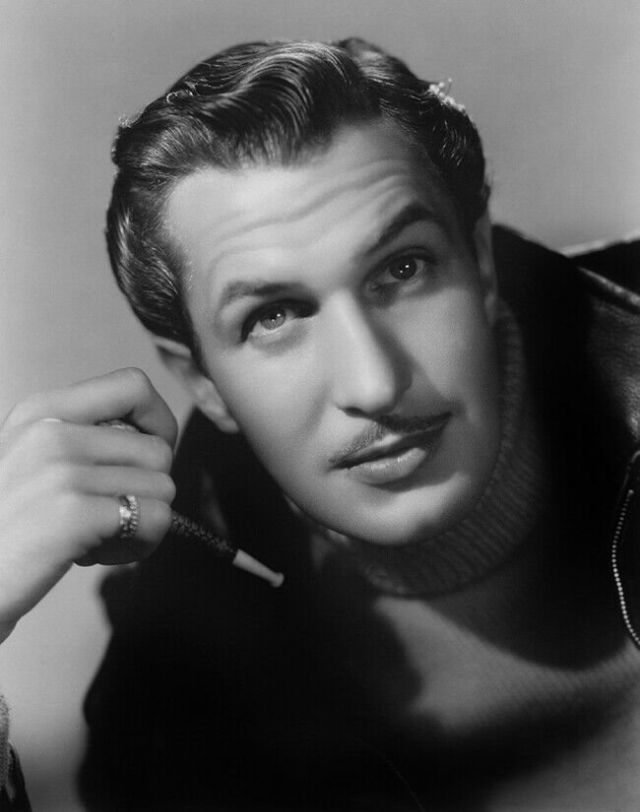
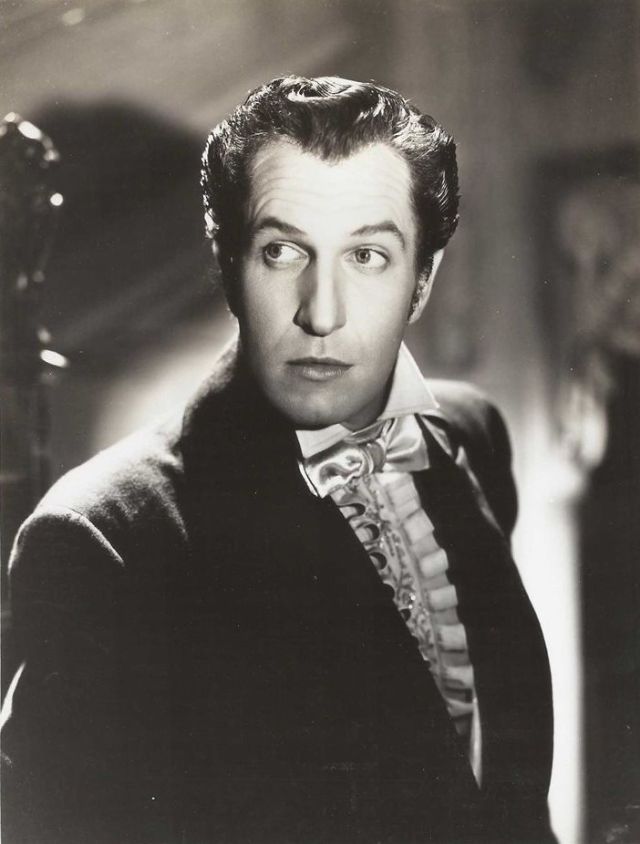
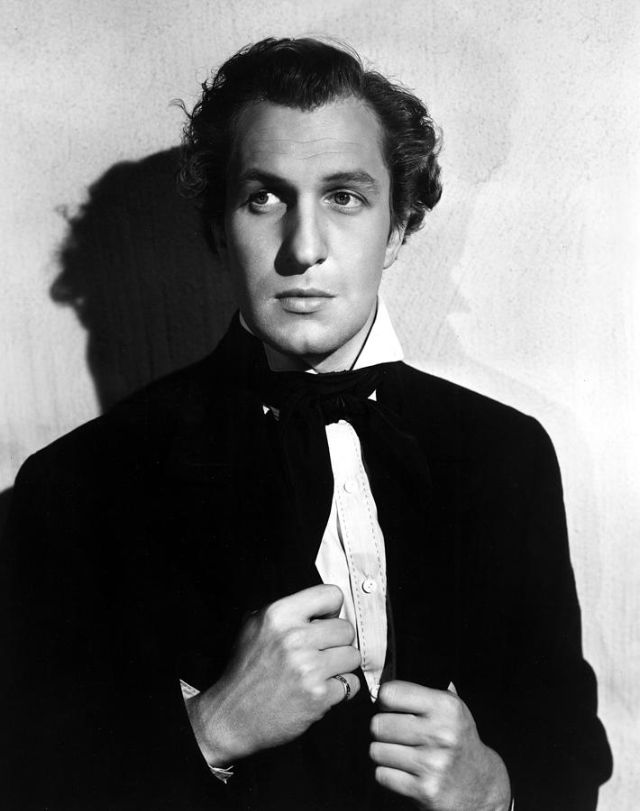
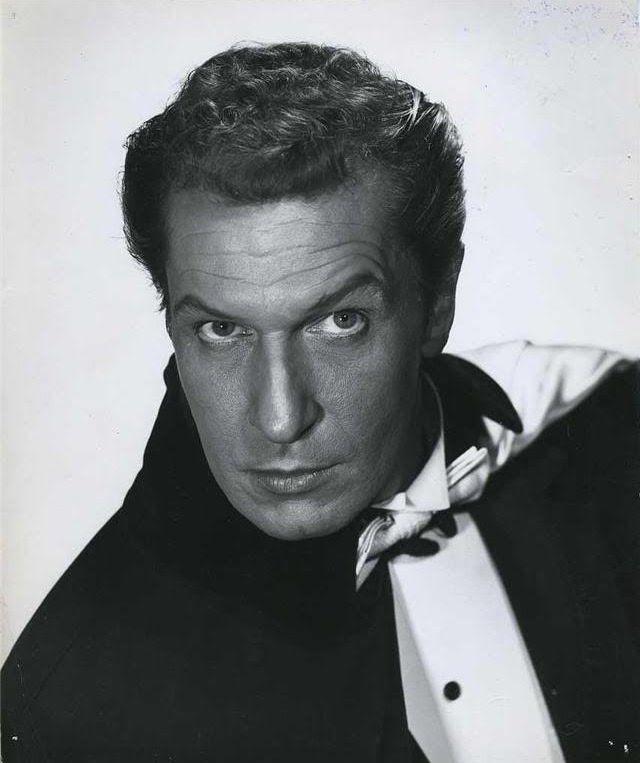
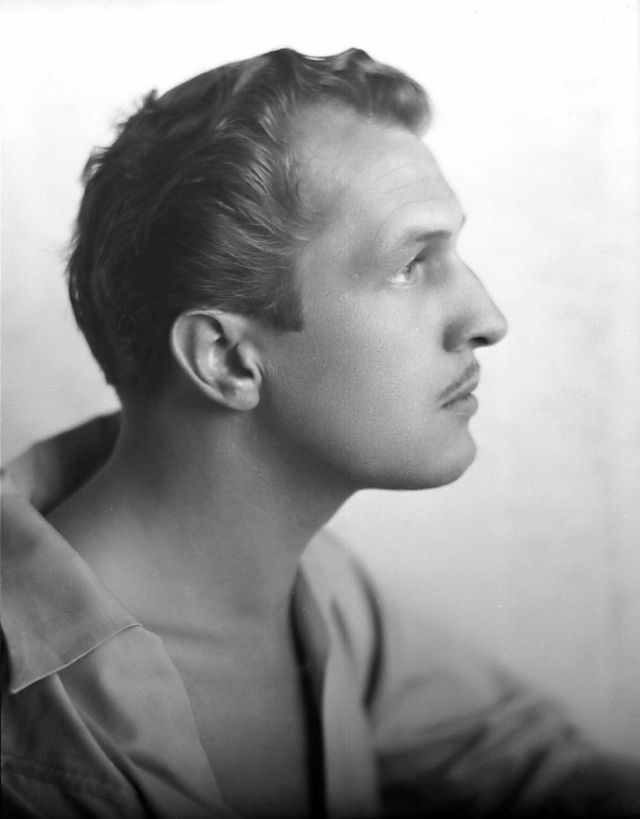
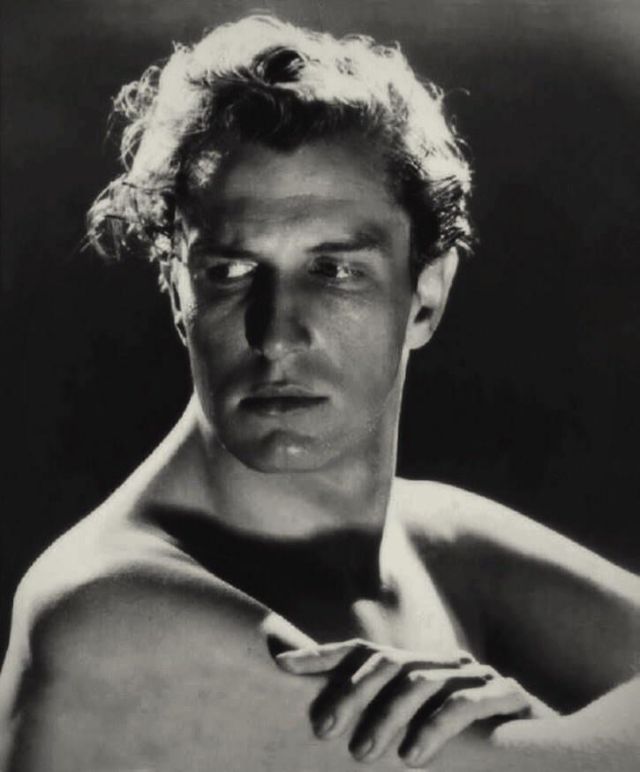
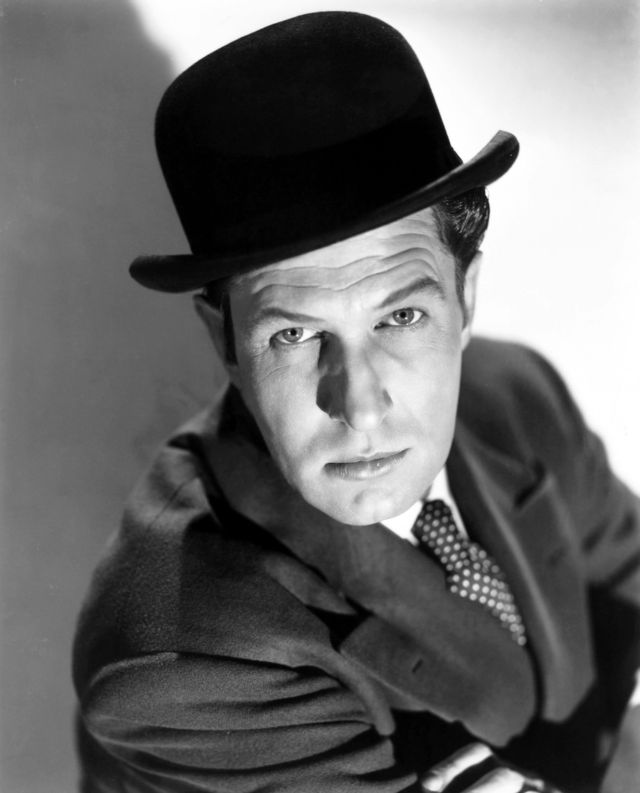
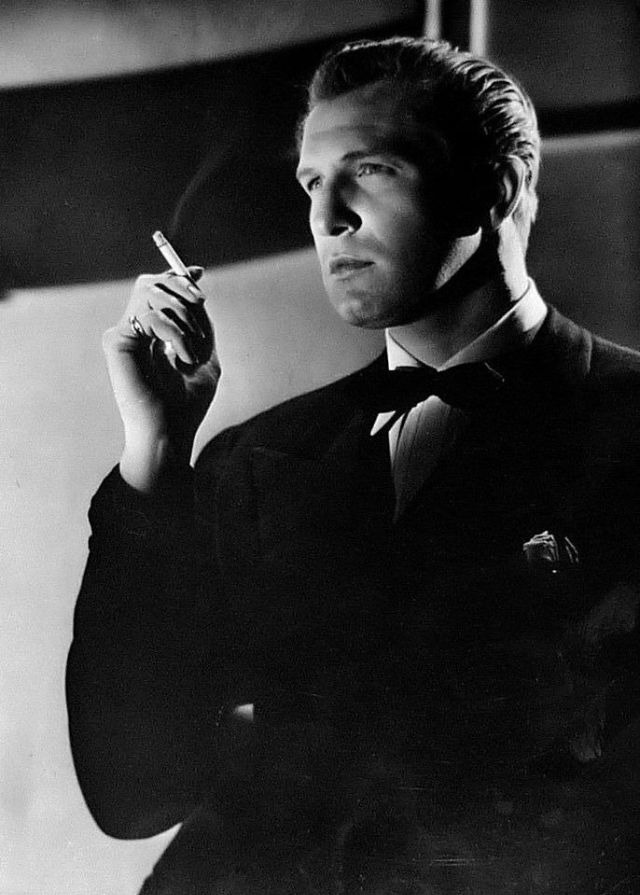
Born 1911 in St. Louis, Missouri, American actor Vincent Price had his first film role as leading man in the 1938 comedy Service de Luxe. He became well known as a character actor, appearing in films such as The Song of Bernadette (1943), Laura (1944), The Keys of the Kingdom (1944), Leave Her to Heaven (1945), Dragonwyck (1946), and The Ten Commandments (1956).
Price established himself as a recognizable horror-movie star after his leading role in House of Wax (1953). He subsequently starred in other successful or cult horror films, including The Fly (1958), House on Haunted Hill (1959), The Tingler (1959), The Last Man on Earth (1964), Witchfinder General (1968), The Abominable Dr. Phibes (1971), and Theatre of Blood (1973). He was particularly known for his collaborations with Roger Corman on Edgar Allan Poe adaptations such as House of Usher (1960), The Pit and the Pendulum (1961), and The Masque of the Red Death (1964). Price occasionally appeared on television series, such as in Batman as Egghead.
In his later years, Price voiced the villainous Professor Ratigan in Disney’s classic animated film The Great Mouse Detective (1986), and appeared in the drama The Whales of August (1987), which earned him an Independent Spirit Award for Best Supporting Male nomination and Tim Burton’s Edward Scissorhands (1990), his last theatrical release.
For his contributions to cinema, especially to genre films, Price has received lifetime achievement or special tribute awards from Academy of Science Fiction, Fantasy and Horror Films, Fantasporto, Bram Stoker Awards, and Los Angeles Film Critics Association.
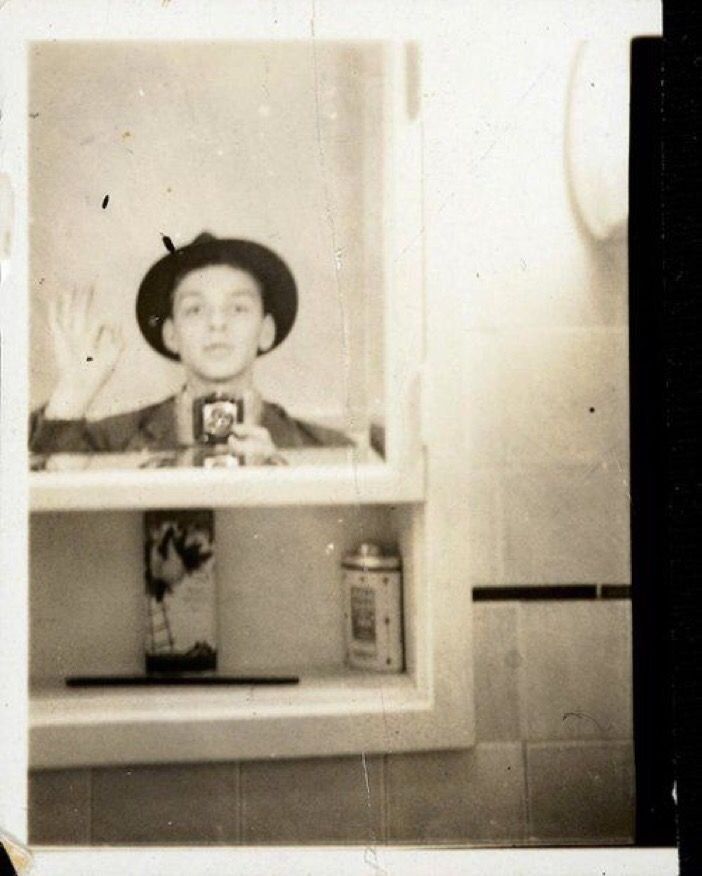
Price died at age 82 of lung cancer in 1993, at his home in Los Angeles. These vintage photos captured portrait of a young Vincent Price in the 1930s and 1940s.
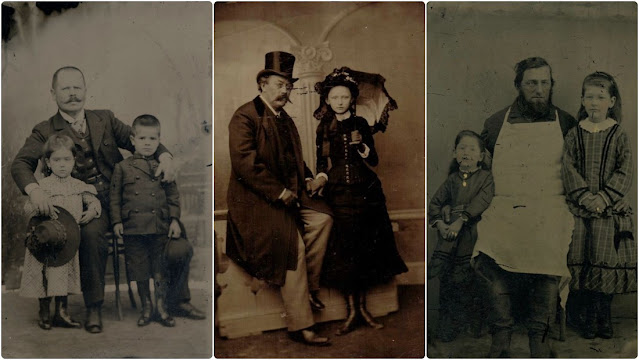
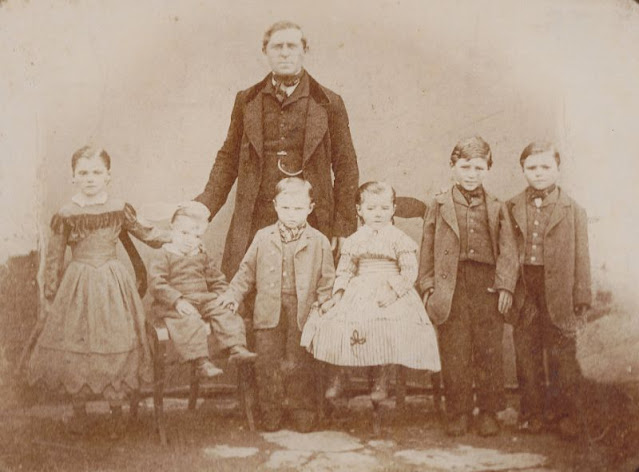
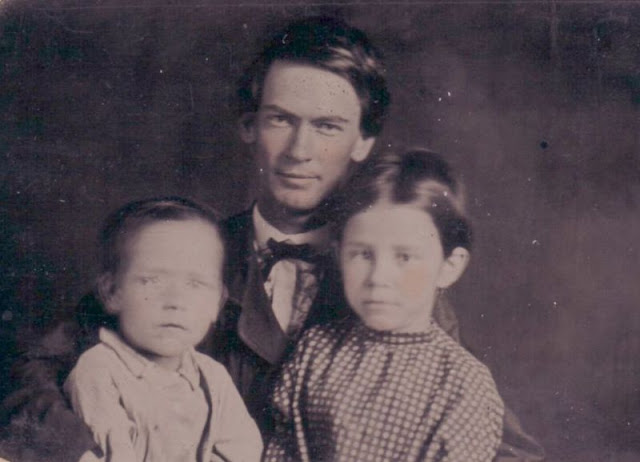
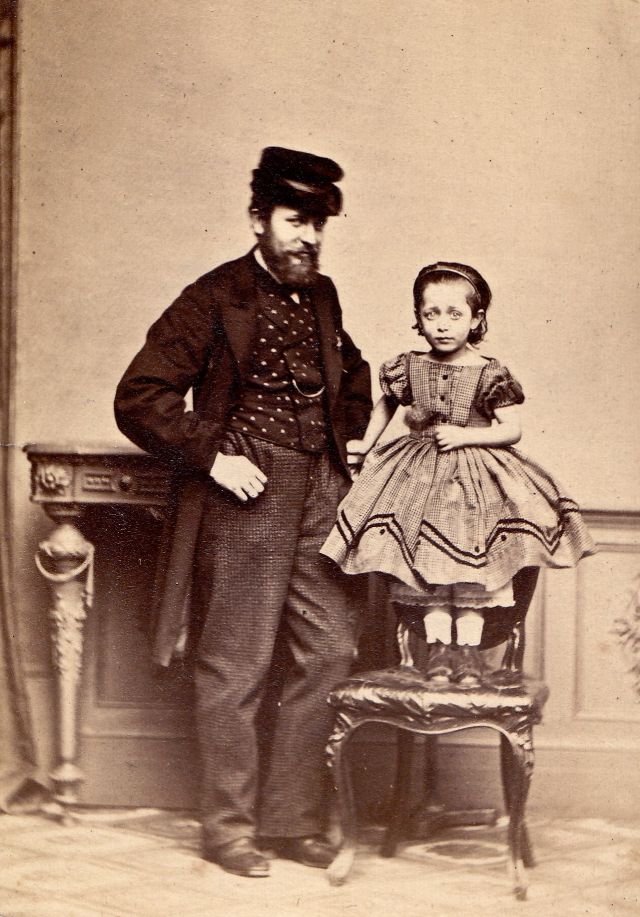
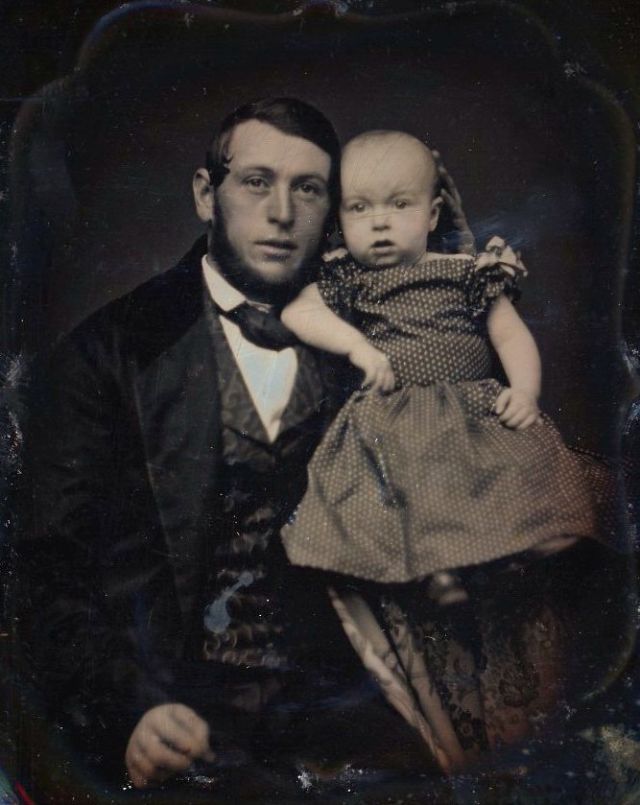
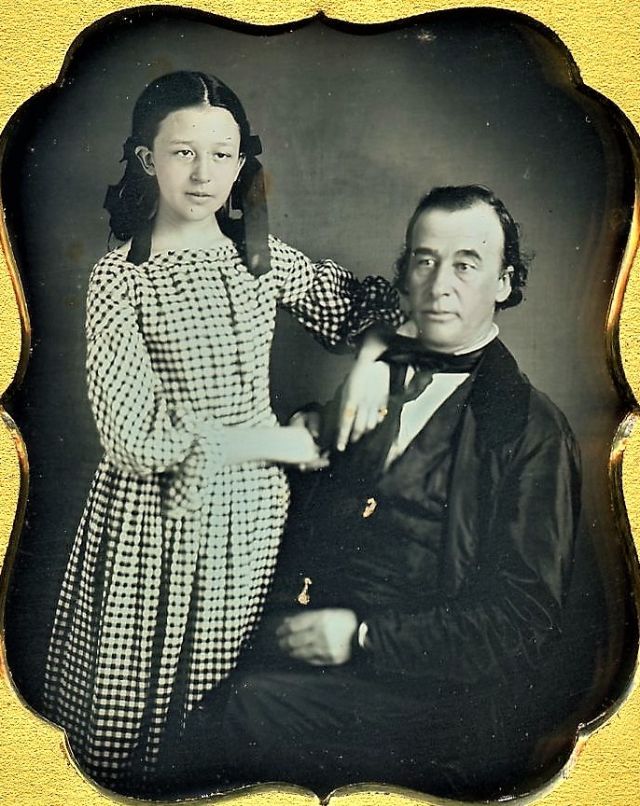
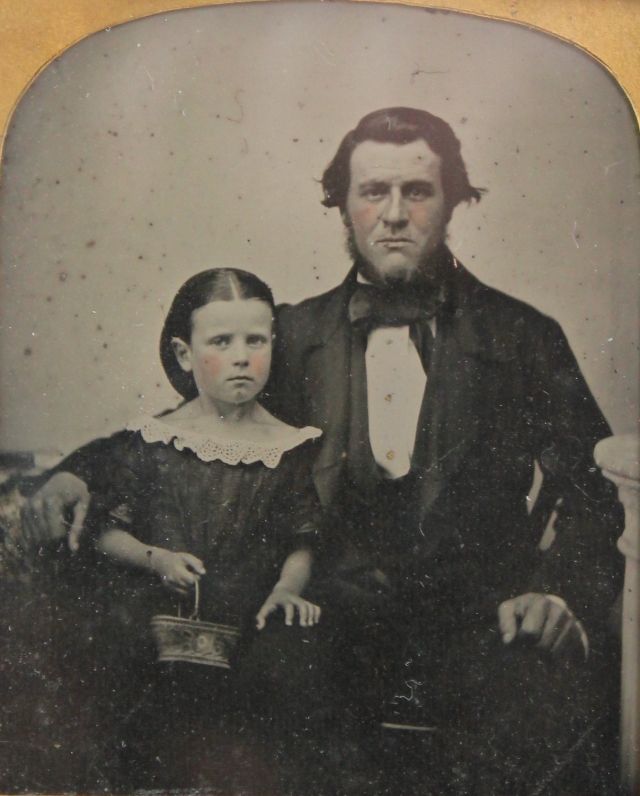
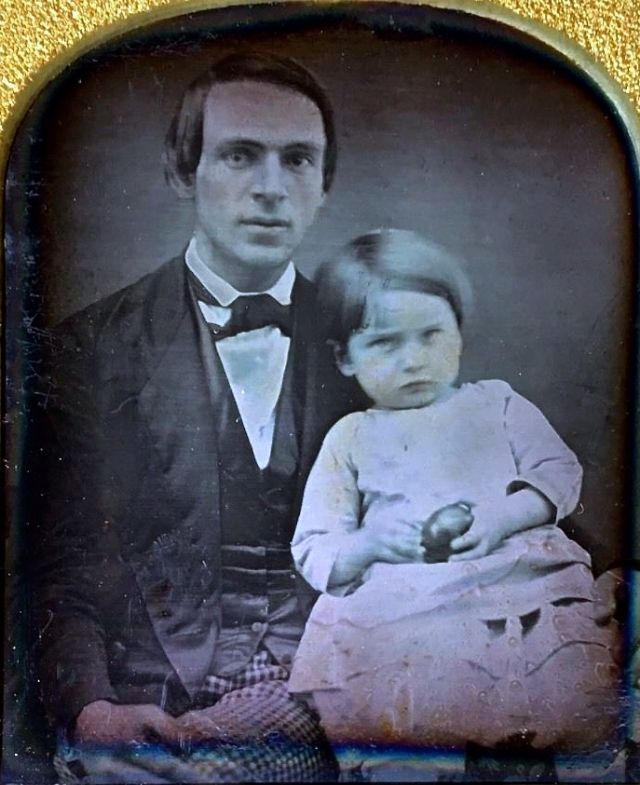
Of all the characteristics attributed to defining Victorian male masculinity, the one least emphasized or spoken about was that of the Victorian man as a father. Little attention was directed to the role the Victorian man played as a father till the end of the period.
If the public and private spheres were defined by gender, then child-rearing fell under the domain of his wife; however, as domesticity revolved around the roles of both parents, parenting was defined as the Victorian man’s commitment to his home and the family unit. With both of these views in existence, the actual role of the Victorian man in the Victorian family unit was unclear.
The biggest change seen during the period was in the area of discipline. The Victorian male had the right to physically beat his children and/or servants, a demonstration of the ultimate power he had over his household. But as time went on, these attitudes began to change and in 1889 laws passed to prevent cruelty towards their children.
Children were a demanding part of the Victorian father’s emotional life. Children successfully raised in a good marriage brought the family stability and respect. While the role of fatherhood changed dramatically, it continued to affect his masculinity and how he saw himself.
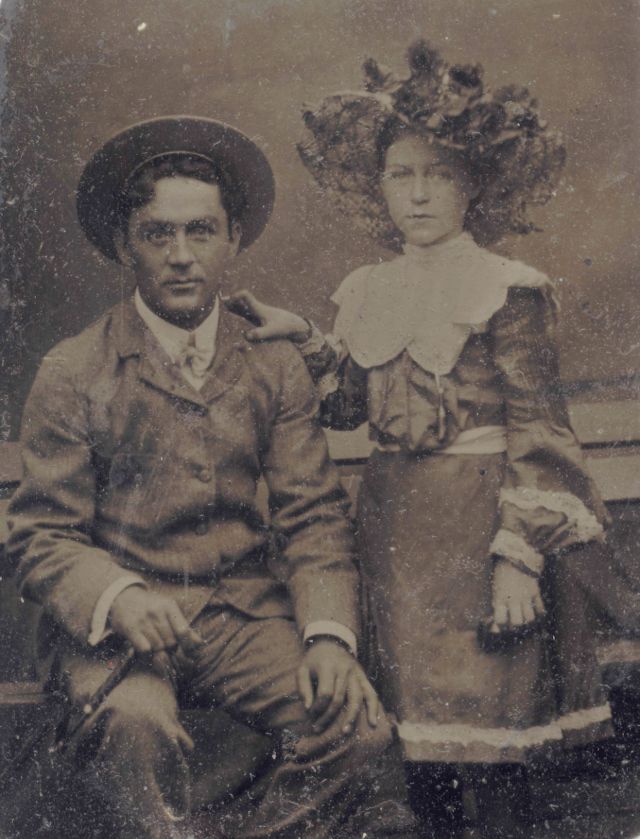
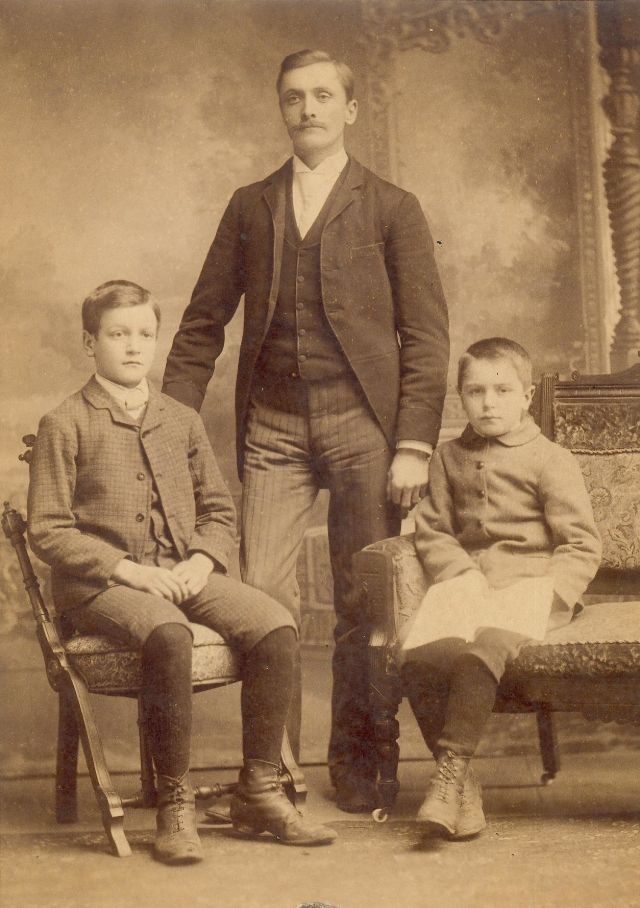
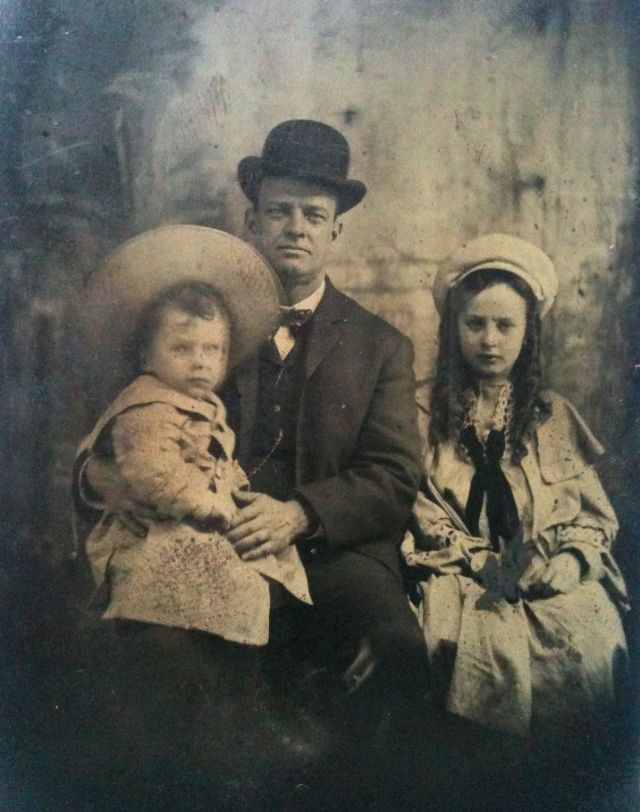
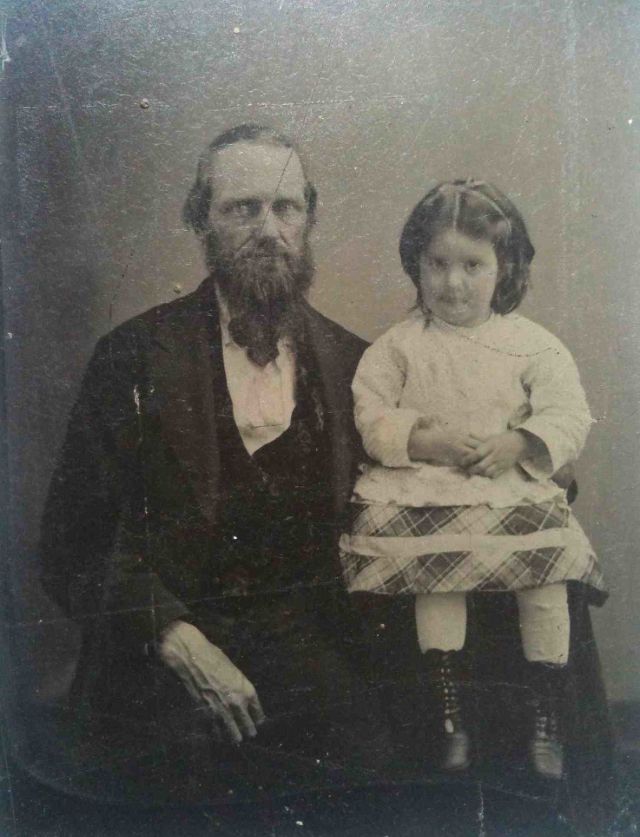
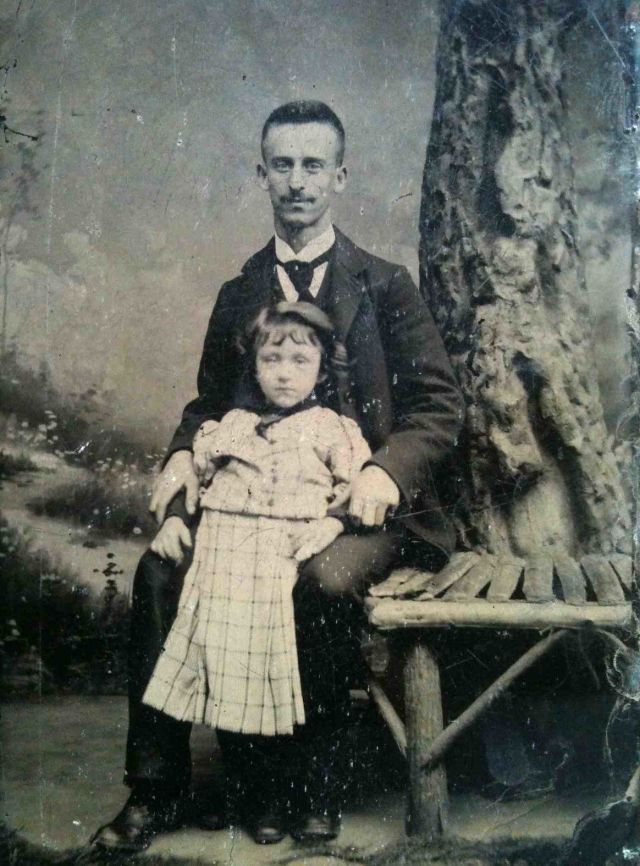
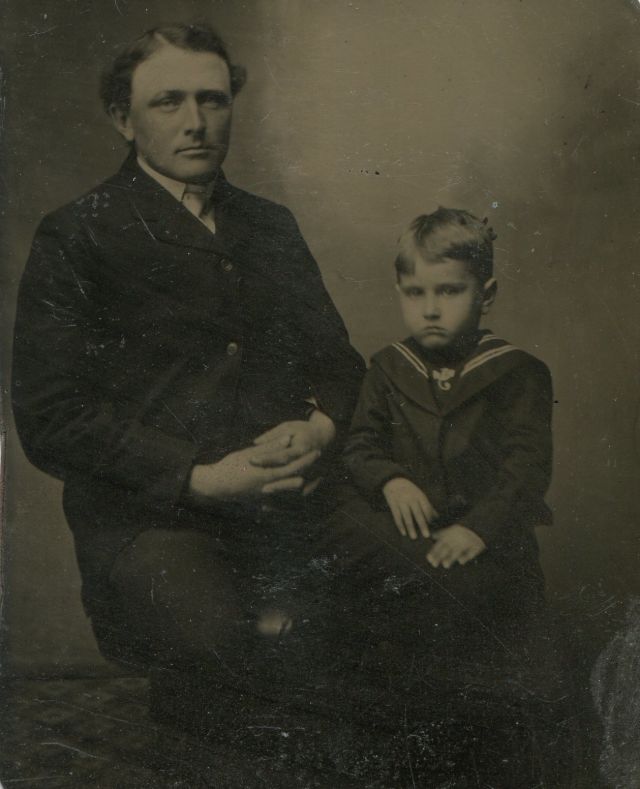
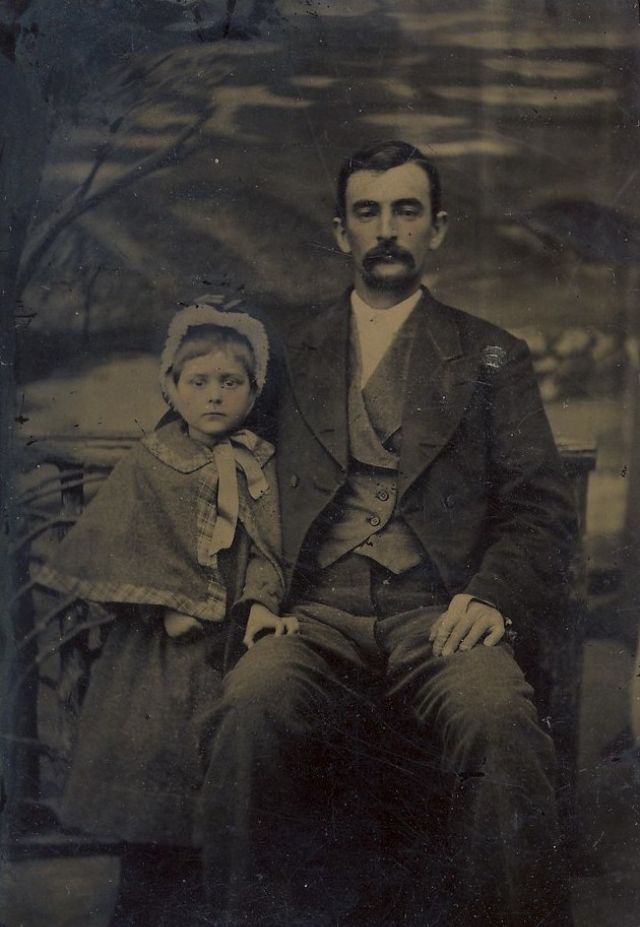
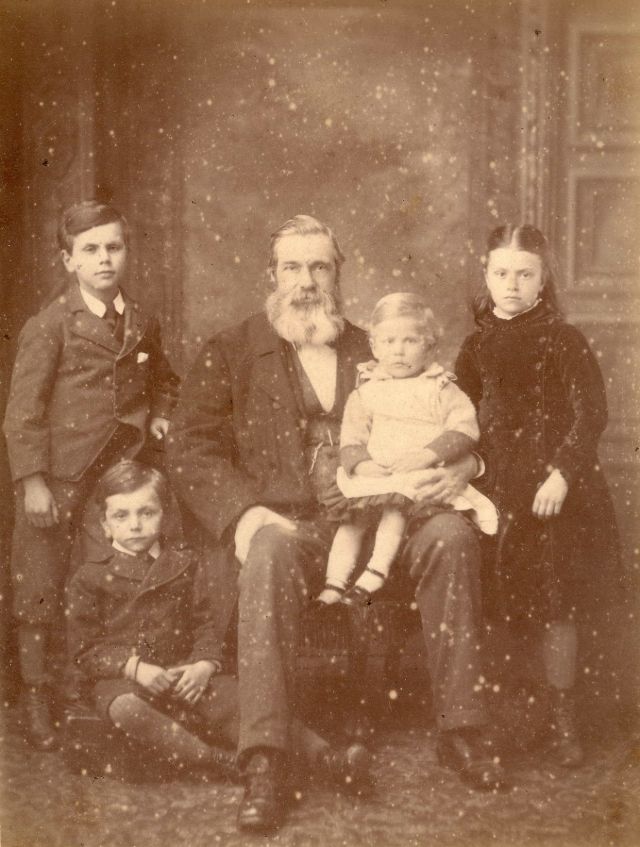
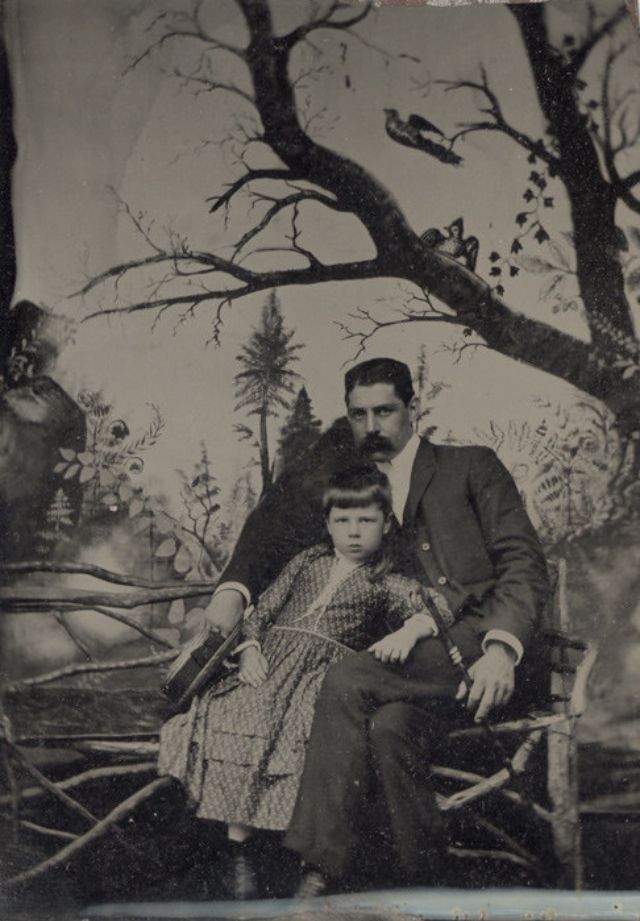
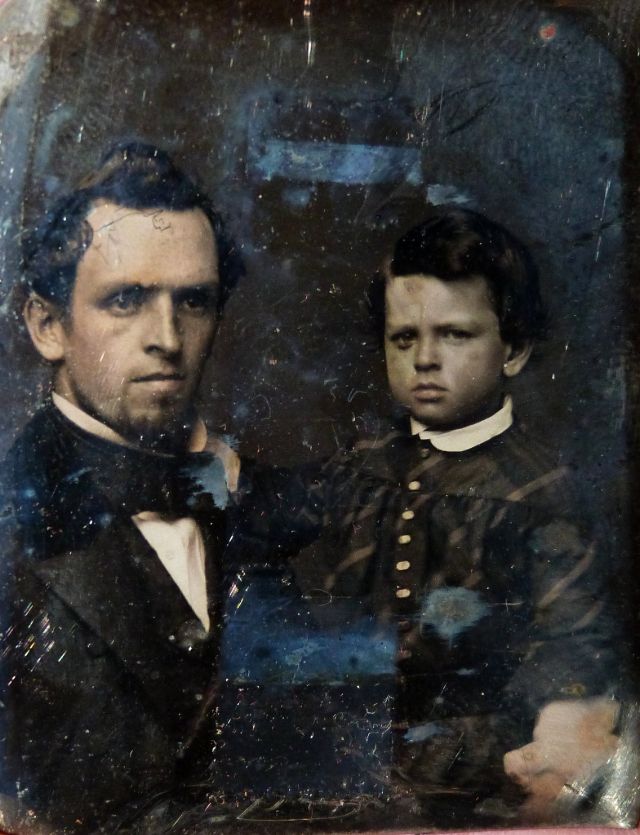
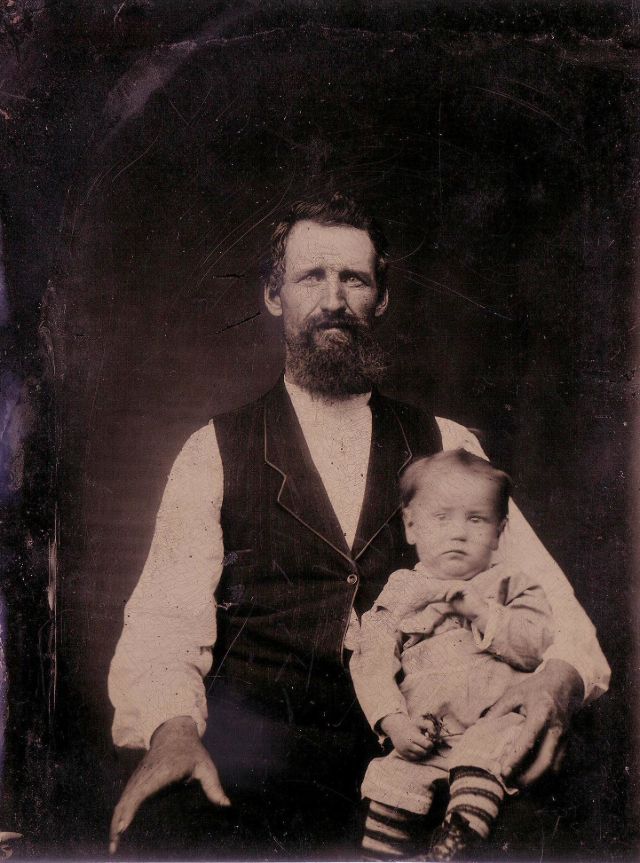
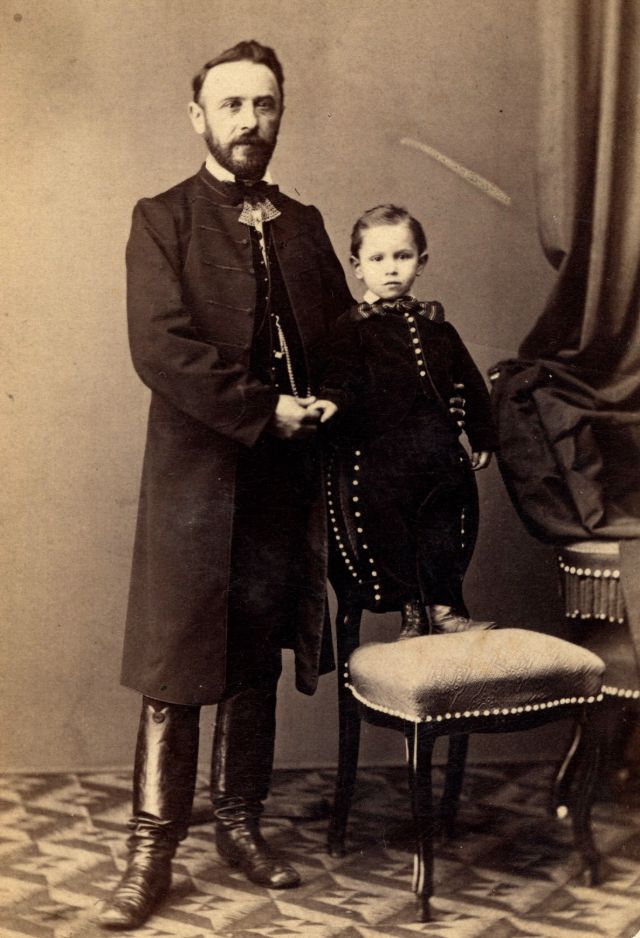
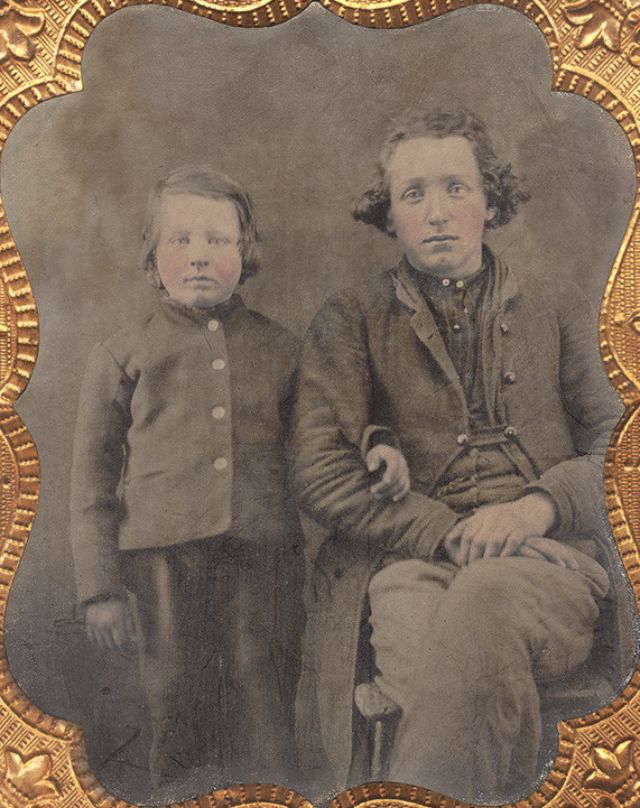
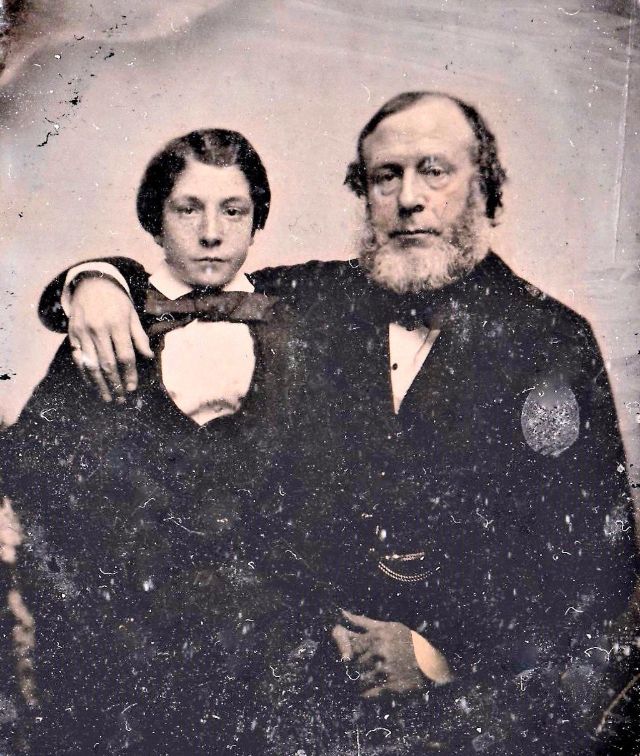
Here is a set of sweet photos that shows portraits of Victorian fathers with their children from the 19th century.
The Industrial Revolution transformed Berlin during the 19th century; the city’s economy and population expanded dramatically, and it became the main railway hub and economic center of Germany. Additional suburbs soon developed and increased the area and population of Berlin.
In 1861, neighboring suburbs including Wedding, Moabit and several others were incorporated into Berlin. In 1871, Berlin became capital of the newly founded German Empire. In 1881, it became a city district separate from Brandenburg.
In the early 20th century, Berlin had become a fertile ground for the German Expressionist movement. In fields such as architecture, painting and cinema new forms of artistic styles were invented.
Here below is a set of colored magic lantern slides that shows street scenes of Berlin in the late 19th and very early 20th centuries.
Ava Lavinia Gardner (December 24, 1922 – January 25, 1990) was an American actress. She first signed a contract with Metro-Goldwyn-Mayer in 1941 and appeared mainly in small roles until she drew critics’ attention in 1946 with her performance in Robert Siodmak’s film noir The Killers. She was nominated for an Academy Award for Best Actress for her performance in John Ford’s Mogambo (1953), and for best actress for both a Golden Globe Award and BAFTA Award for her performance in John Huston’s The Night of the Iguana (1964). She was a part of the Golden Age of Hollywood.
During the 1950s, Gardner established herself as a leading lady and one of the era’s top stars with films like Show Boat, Pandora and the Flying Dutchman (both 1951), The Snows of Kilimanjaro (1952), The Barefoot Contessa (1954), Bhowani Junction (1956) and On the Beach (1959). She continued her film career for three more decades, appearing in the films 55 Days at Peking (1963), Seven Days in May (1964), The Bible: In the Beginning… (1966), Mayerling (1968), The Life and Times of Judge Roy Bean (1972), Earthquake (1974) and The Cassandra Crossing (1976). And in 1985, she had the major recurring role of Ruth Galveston on the primetime soap opera Knots Landing. She continued to act regularly until 1986, four years before her death in 1990, at the age of 67.
In 1999, the American Film Institute ranked Gardner No. 25 on its greatest female screen legends of classic American cinema list.
Here are some gorgeous photos of Ava Gardner from the early 1950s.