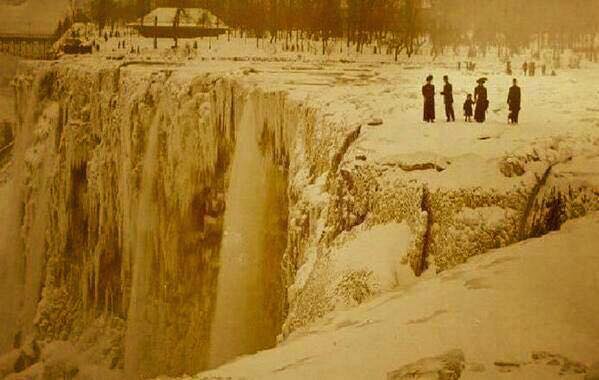
Niagara Falls completely frozen over in the year 1911
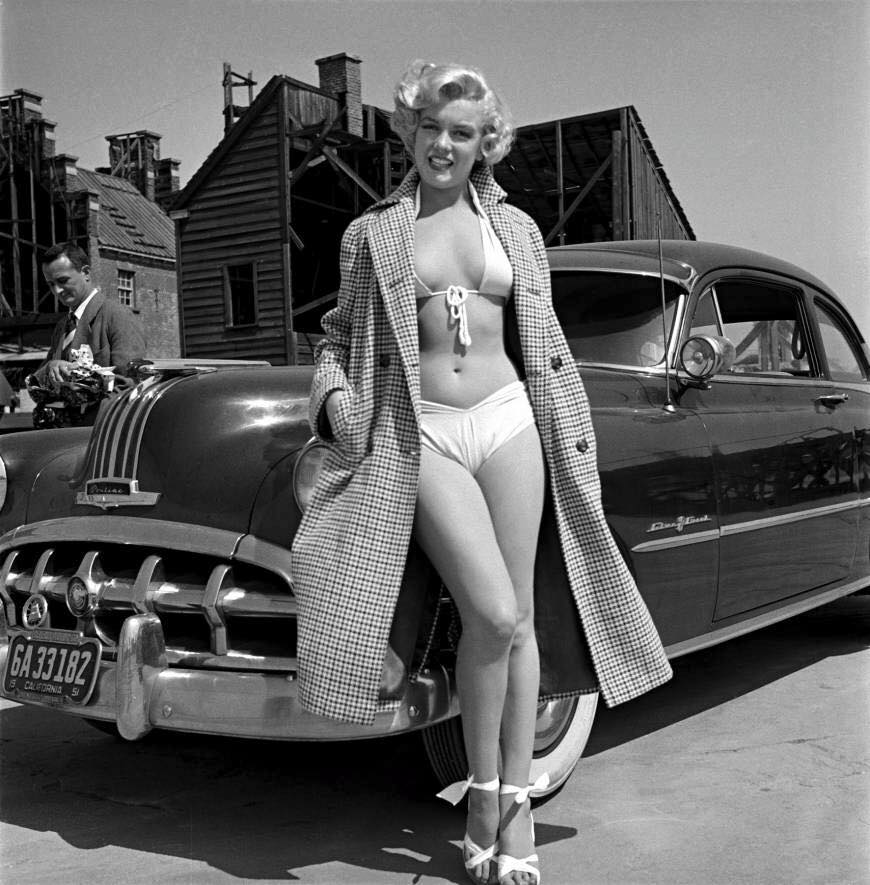
Marilyn Monroe, California, 1951
This Incredible Angel Oak Tree found on Johns Island in South Carolina is over 1,500 years old.
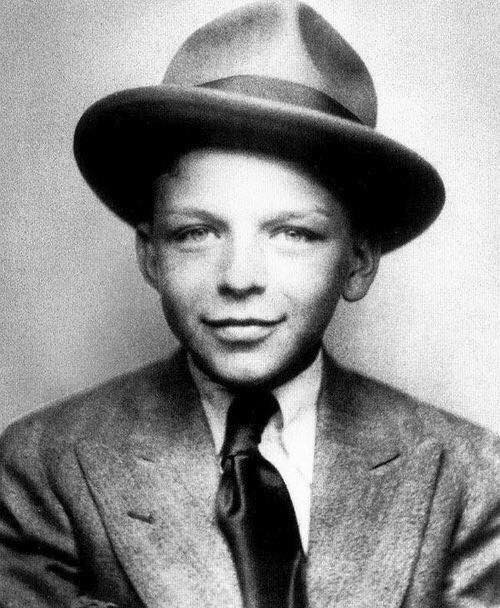
A 10 year old Frank Sinatra, 1925
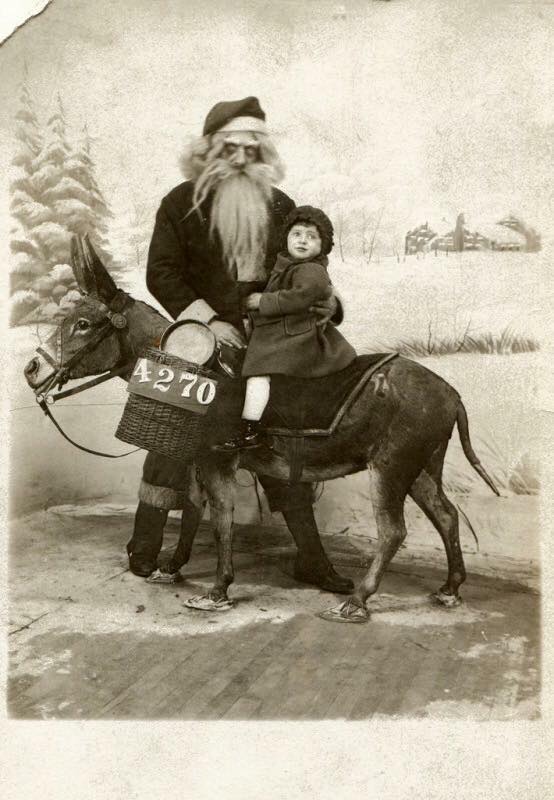
A child posing for a photograph with Santa back in 1912.
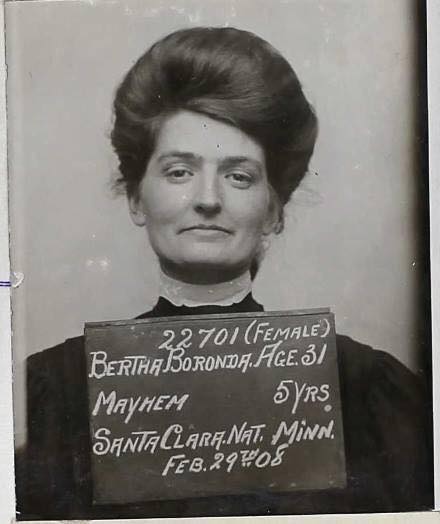
In 1908, Bertha Boronda was found guilty of “Mayhem” and sentenced to 5 years in a Minnesota state prison for cutting off her husband’s penis with a straight razor.
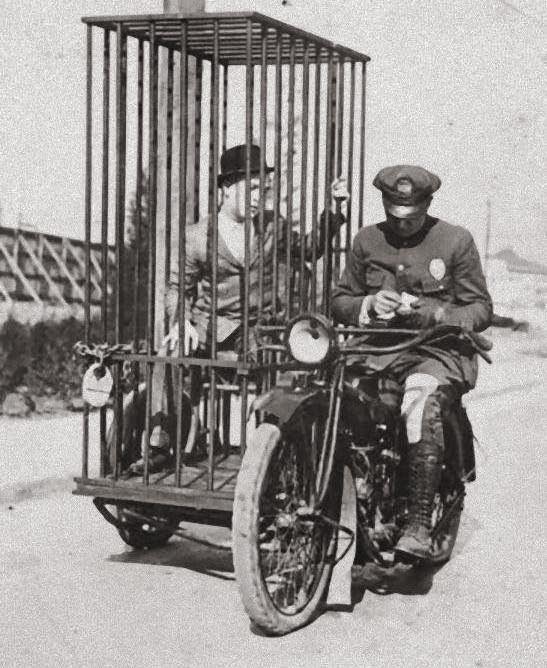
A police officer riding a Harley-Davidson motorcycle transports a prisoner inside a mobile booking cage, 1921
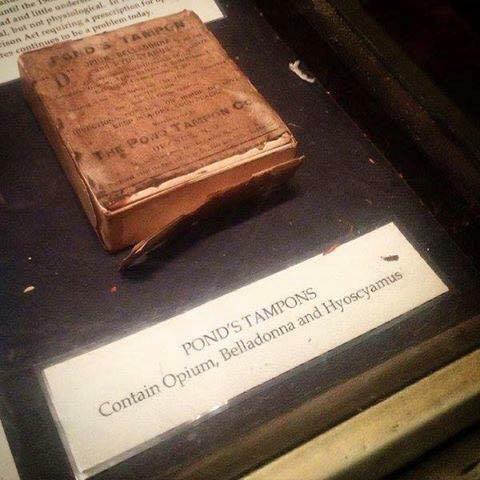
In the early 1900’s, women’s tampons were soaked in opium and belladonna to help combat menstrual pain.
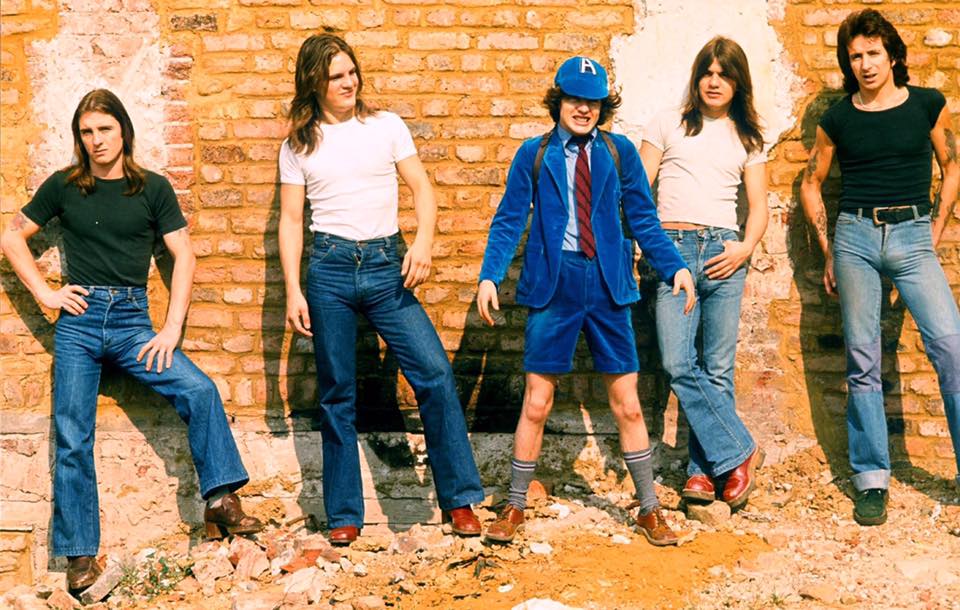
AC/DC in London, 1976
Subscribe to Yesterday Today to receive daily updates regarding new content:
Women formed a large and increasing part of the new novel-reading public. The traditional discrepancy between male and female literacy rates was narrowed, and finally eliminated by the end of the 19th century. The gap had always been the widest at the lowest end of the social scale.
Perhaps more women than we realize could already read. The signature test, commonly used by historians to measure literacy, hides from view all those who could read, but were still unable to sign their own name. This group was essentially female. The Catholic Church had tried as far as possible to encourage people to read, but not to write. It was useful for parishioners to be able to read the Bible and their catechism, but the ability to write as well might have given peasants an undesirable degree of independence in the eyes of the clergy. Perhaps for this reason, many women could read but not sign or write. In some families, there was a rigid sexual division of literary labour, according to which the women would read to the family, while the men would do the writing and account-keeping.
Although feminist movements at the end of the 18th century had tried to set up precedents for women’s reading, 19th century models for the ideal women concentrated on activity, for instance charity work and above all motherhood. The only reading advocated for women was as part of educating their children or running their households. Mrs. Beeton’s Book of Household Management was first published in 1861. Although novel reading was common among leisured women, it was somewhat looked down on, unless the text was of a serious or ‘improving’ nature.
Subscribe to continue reading
Become a paid subscriber to get access to the rest of this post and other exclusive content.
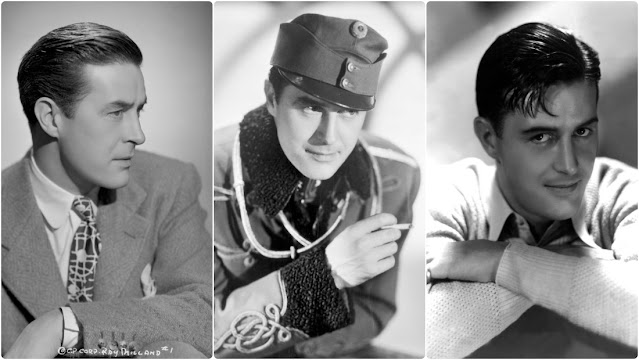
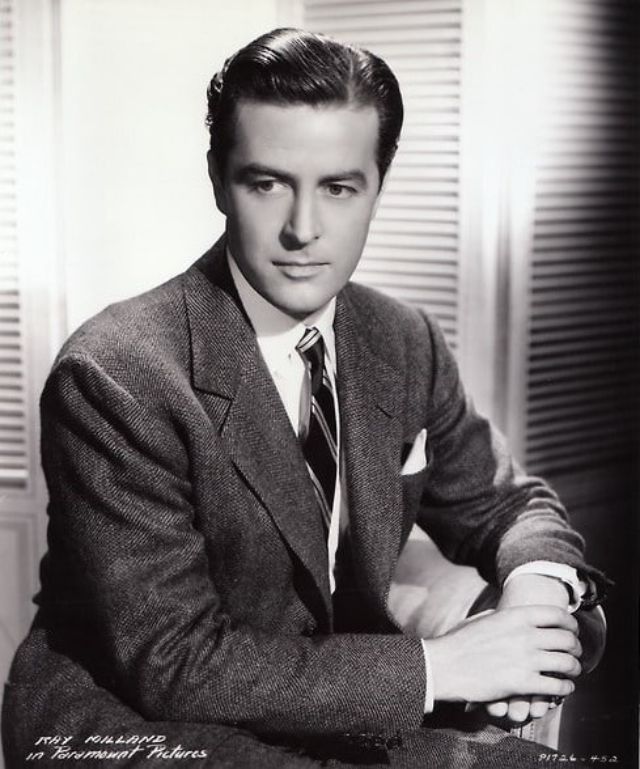
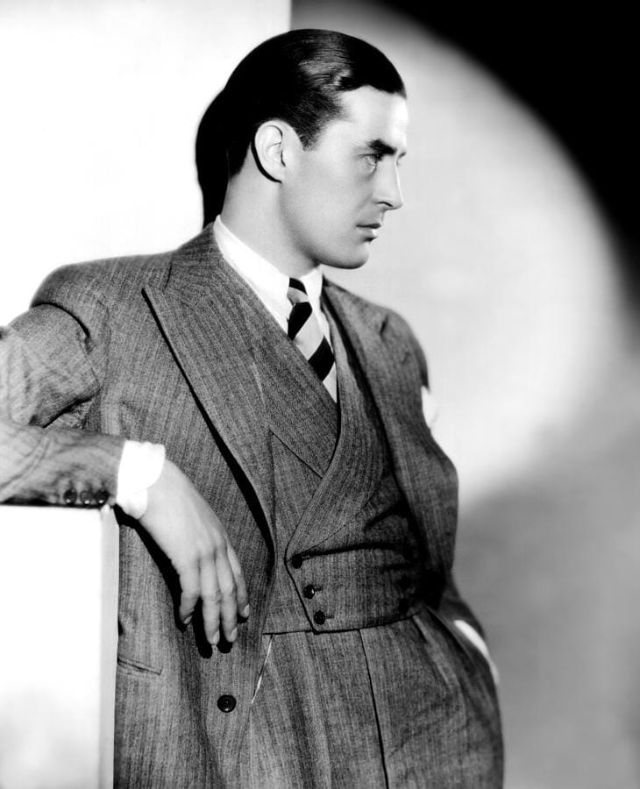
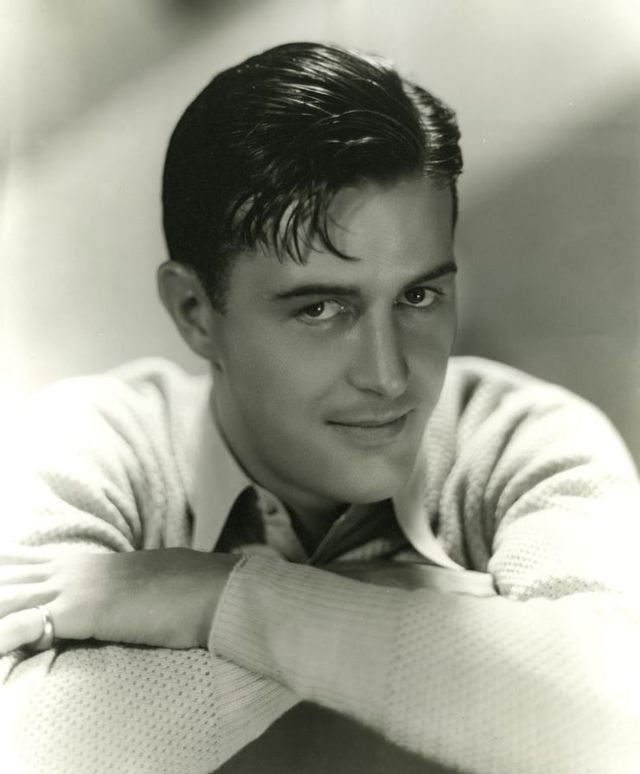
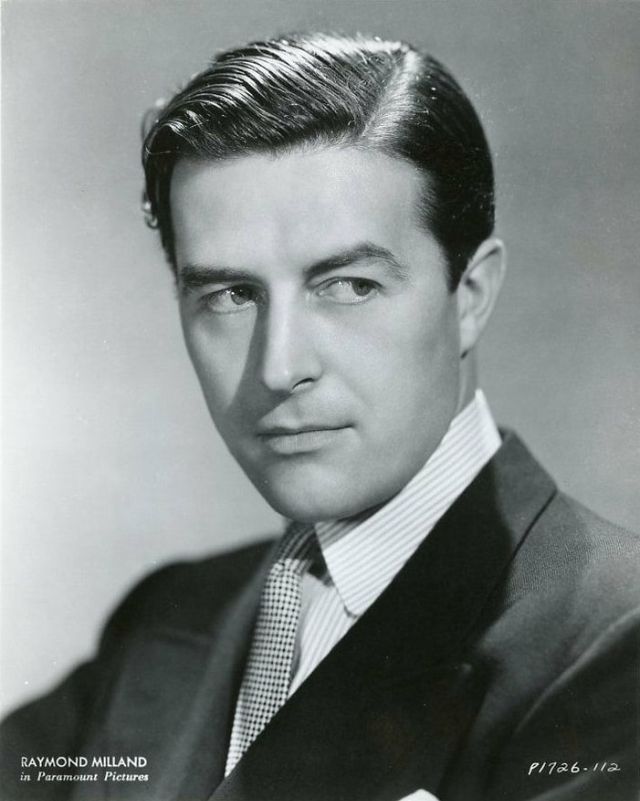
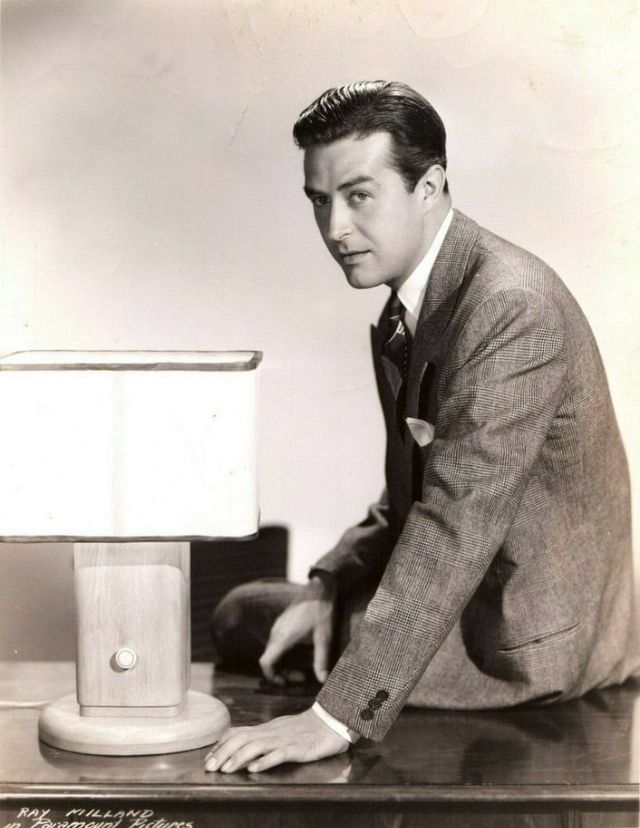
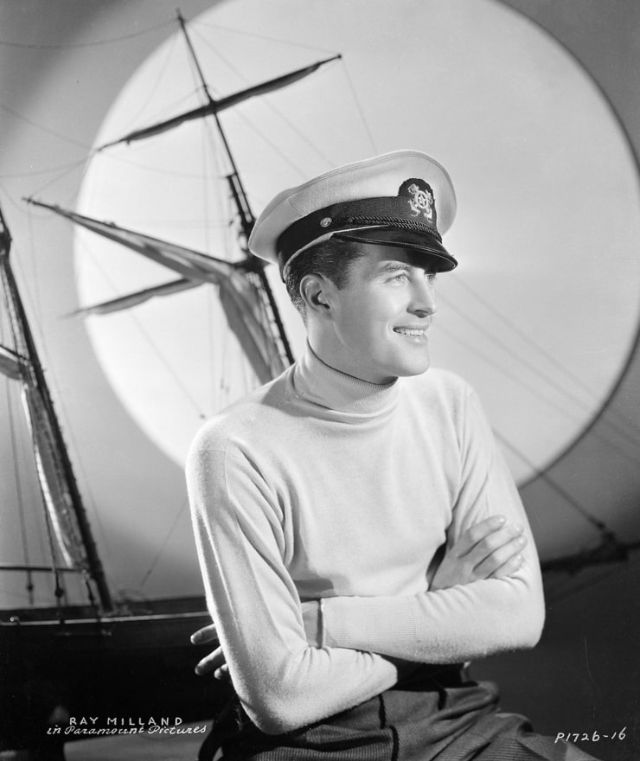
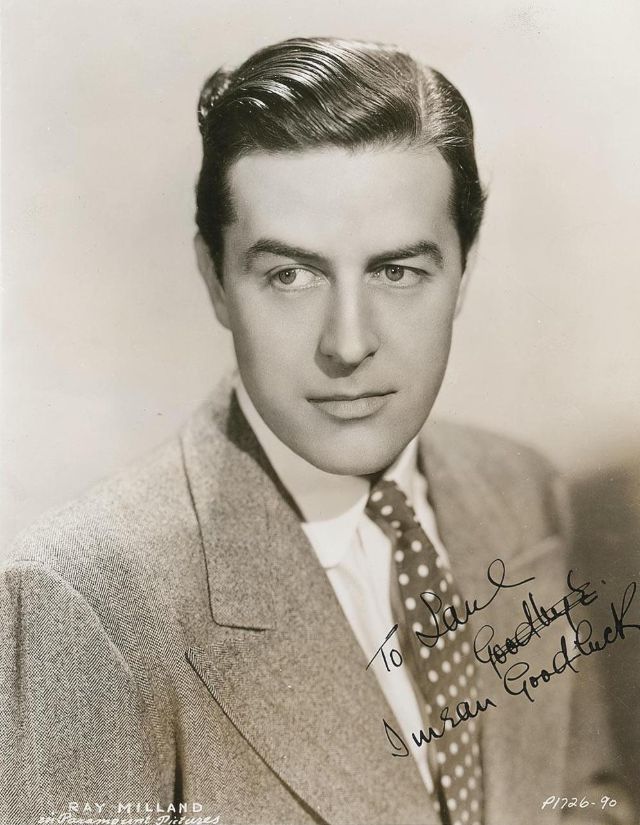
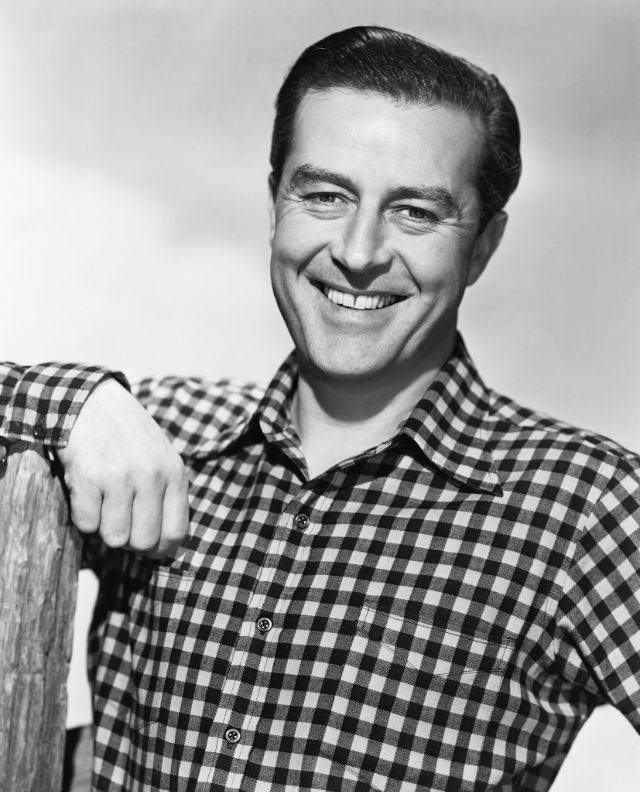
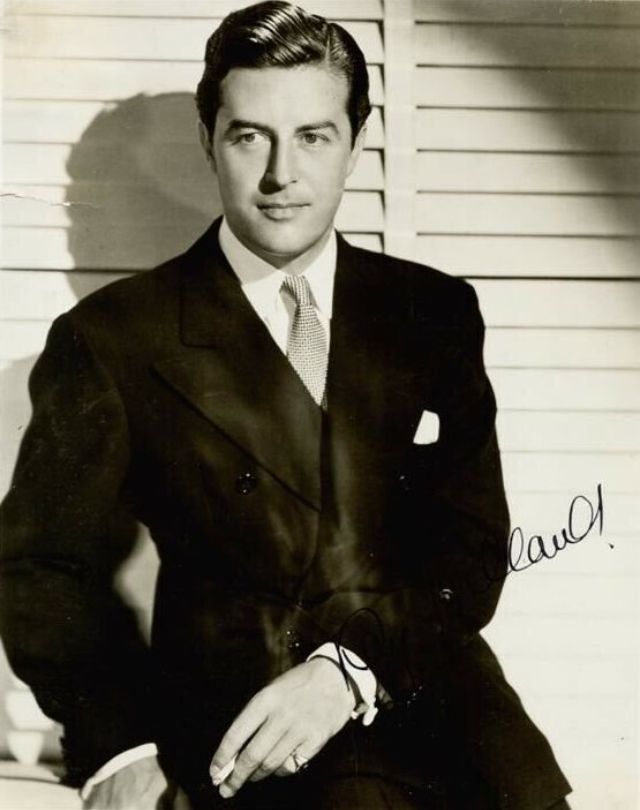
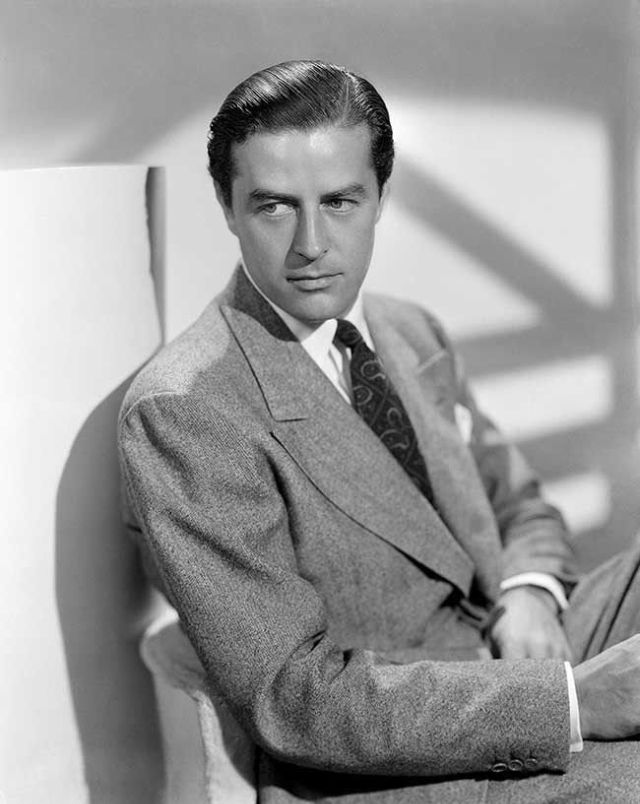
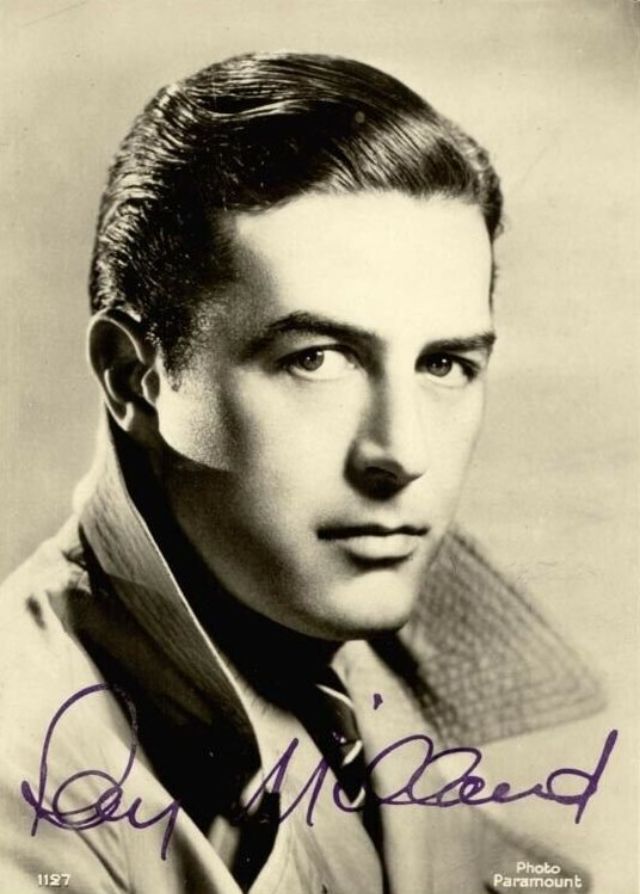
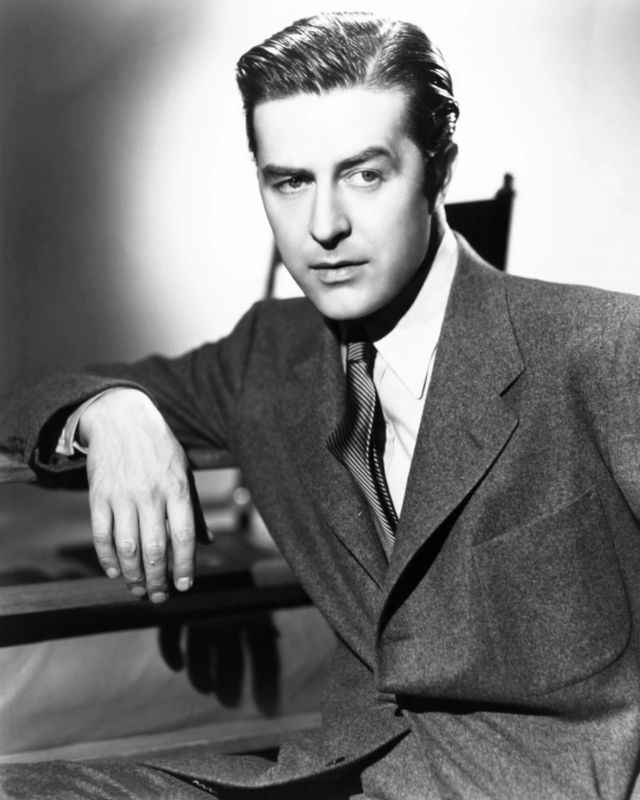
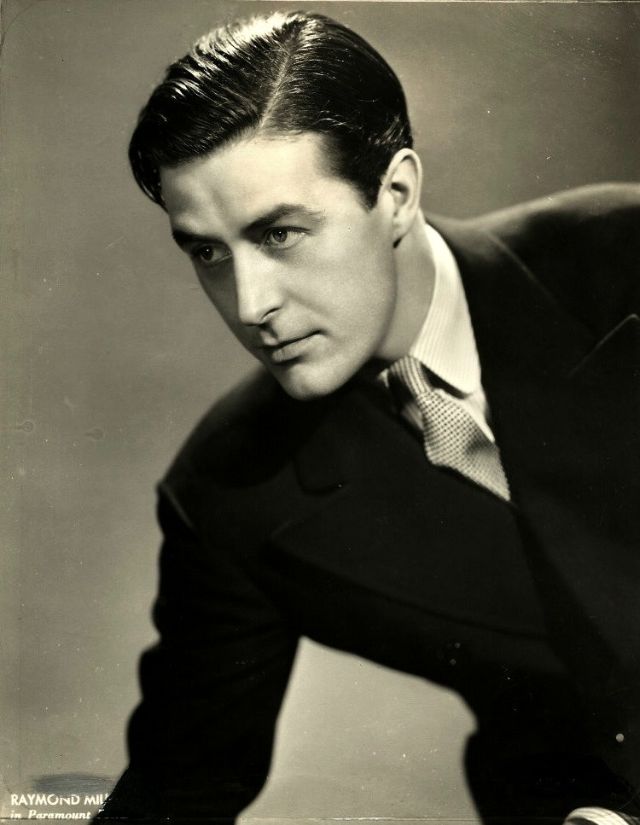
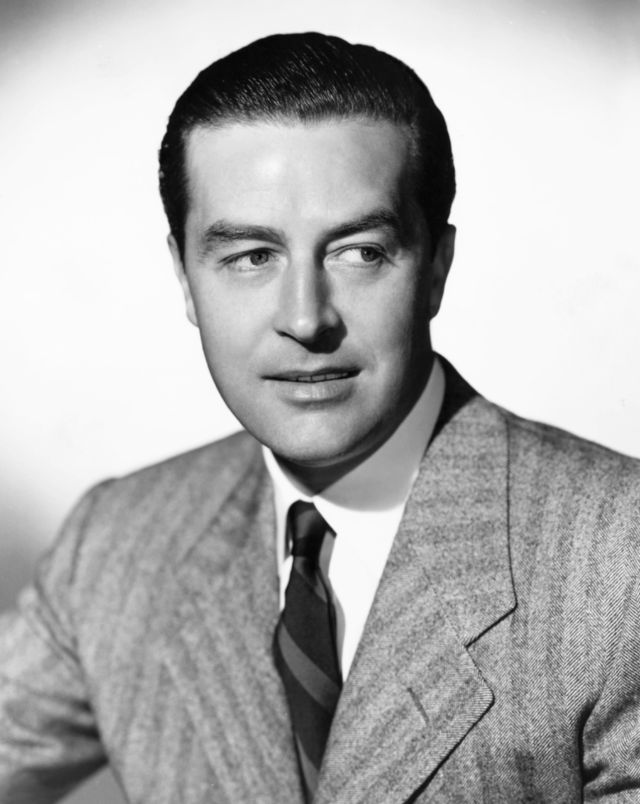
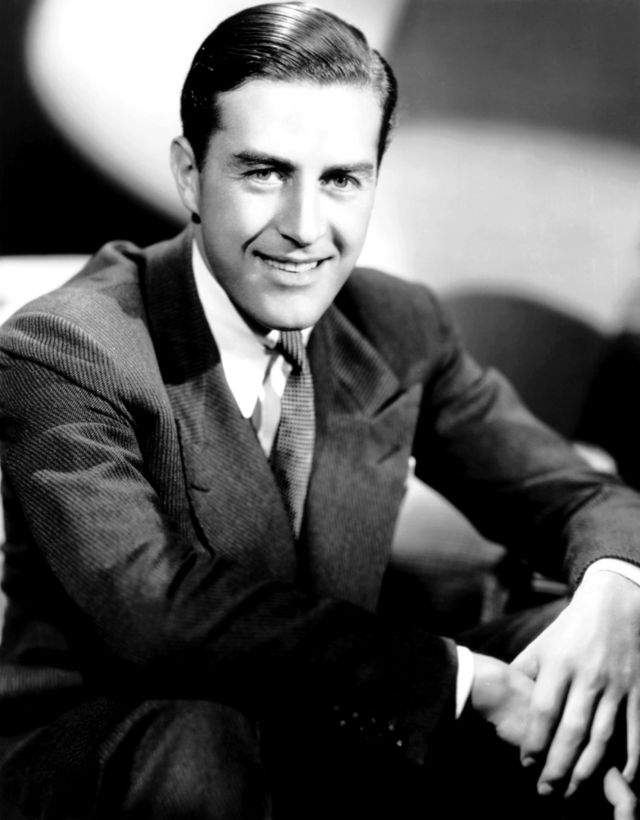
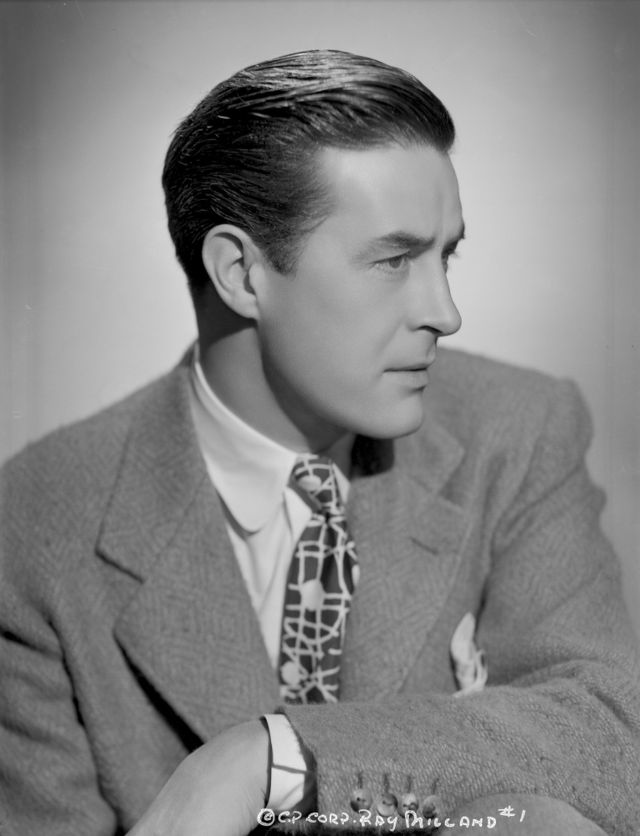
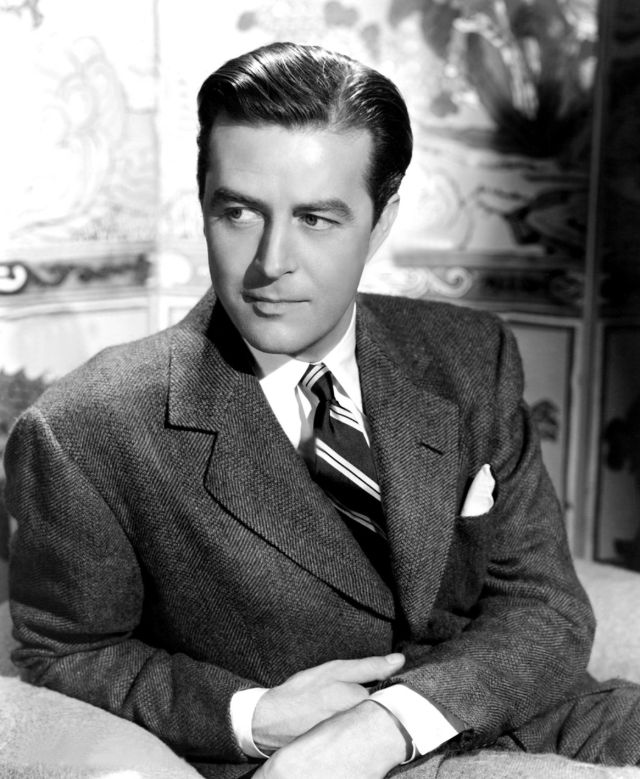
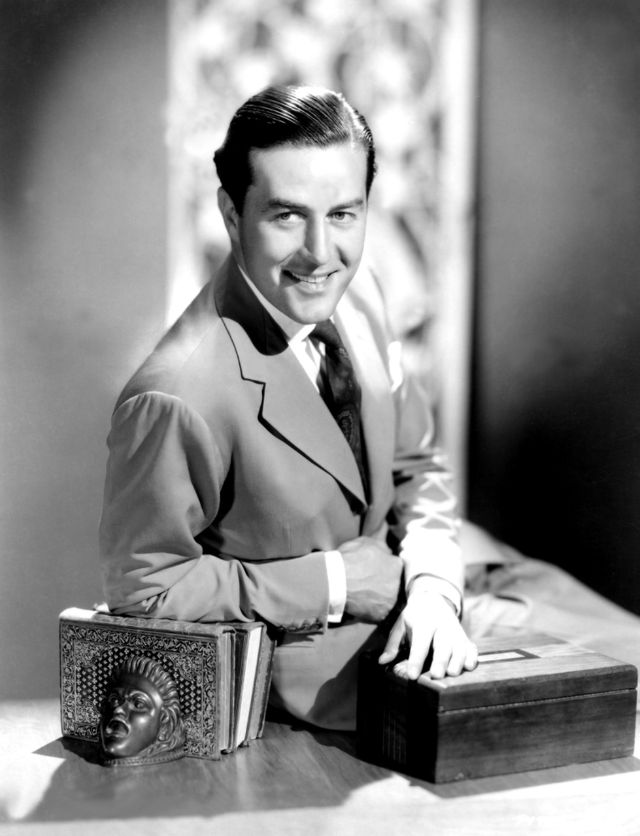
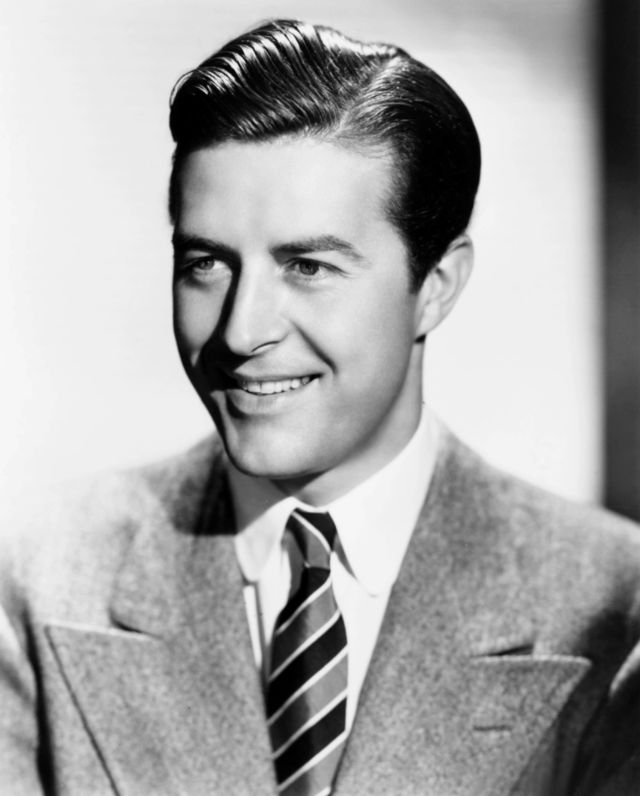
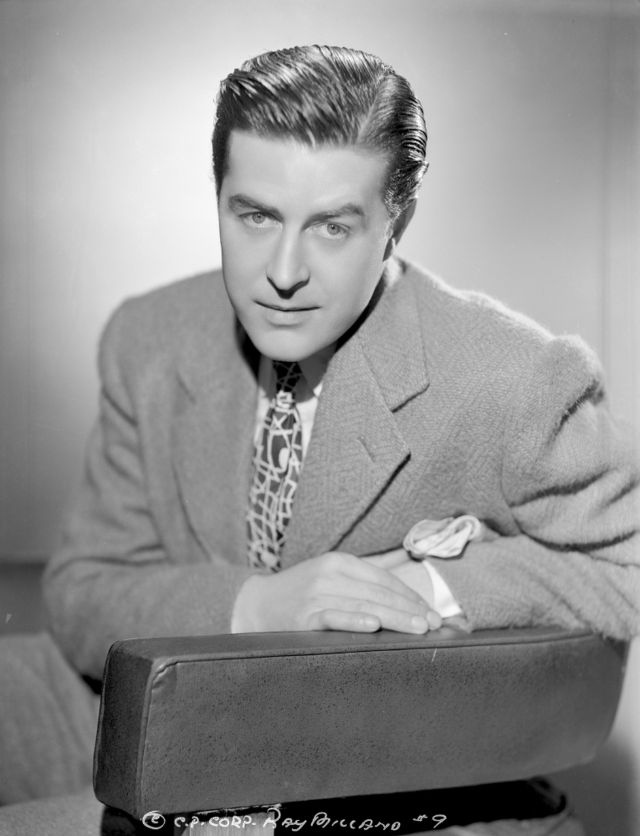
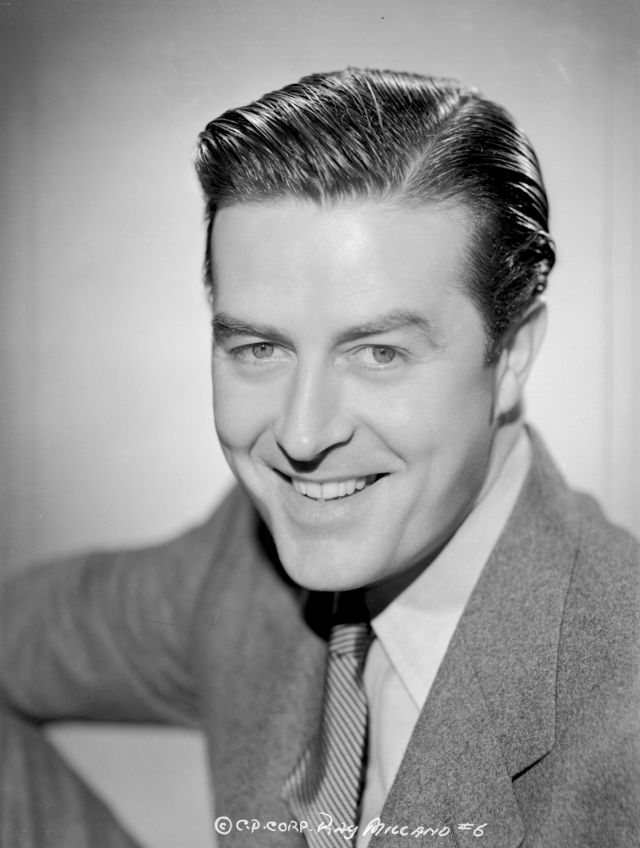
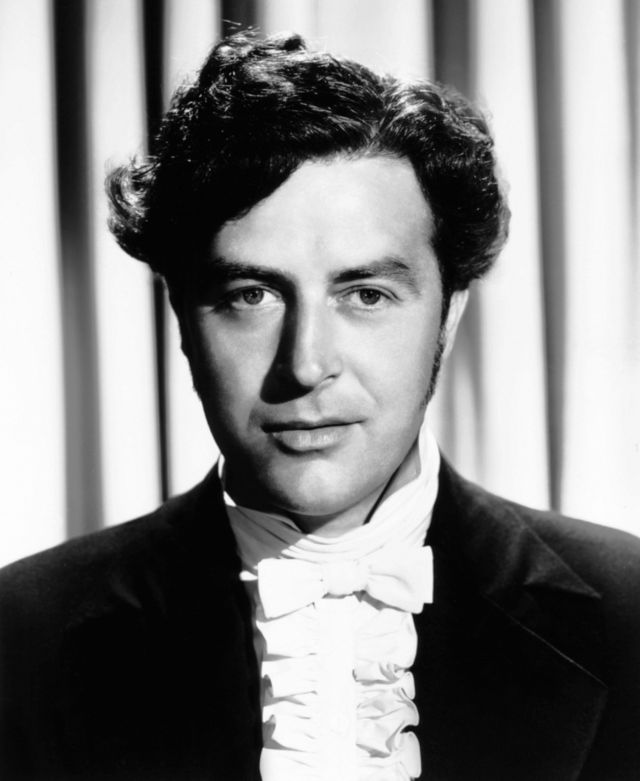
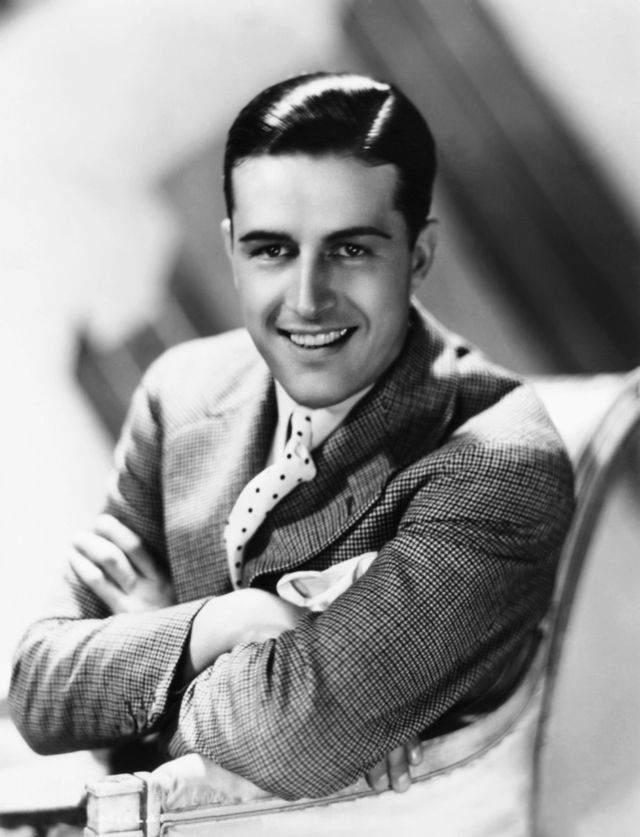
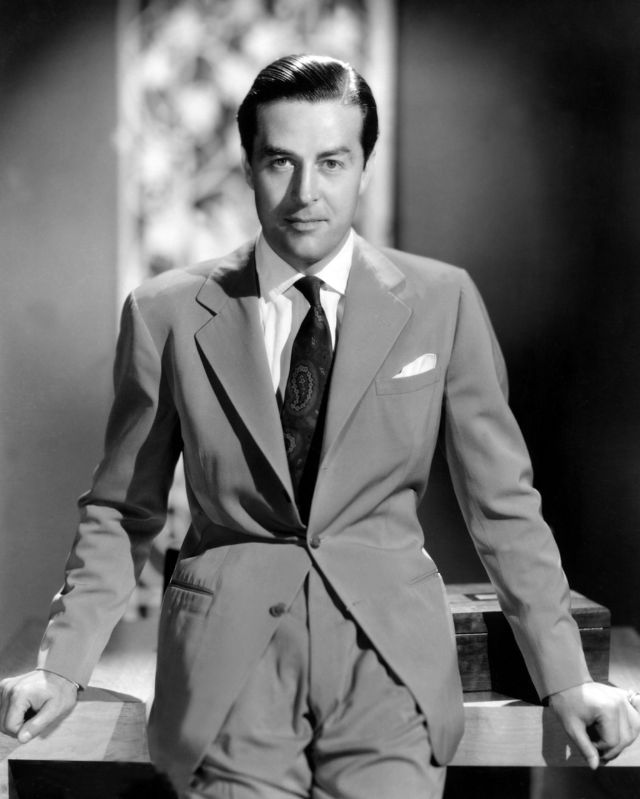
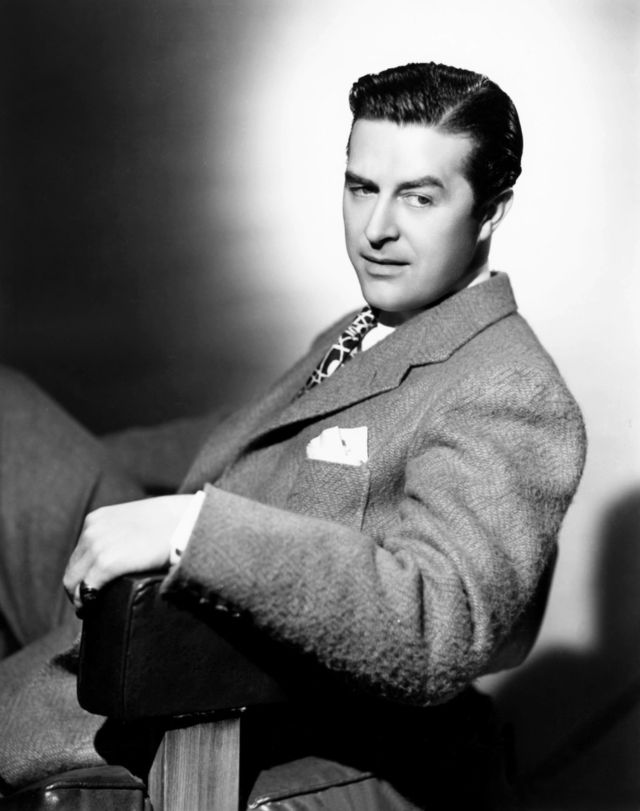
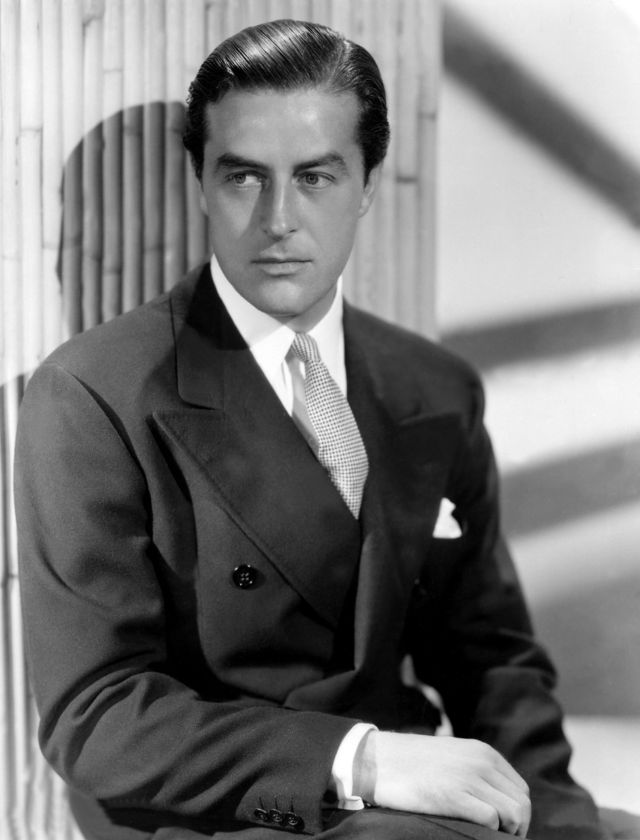
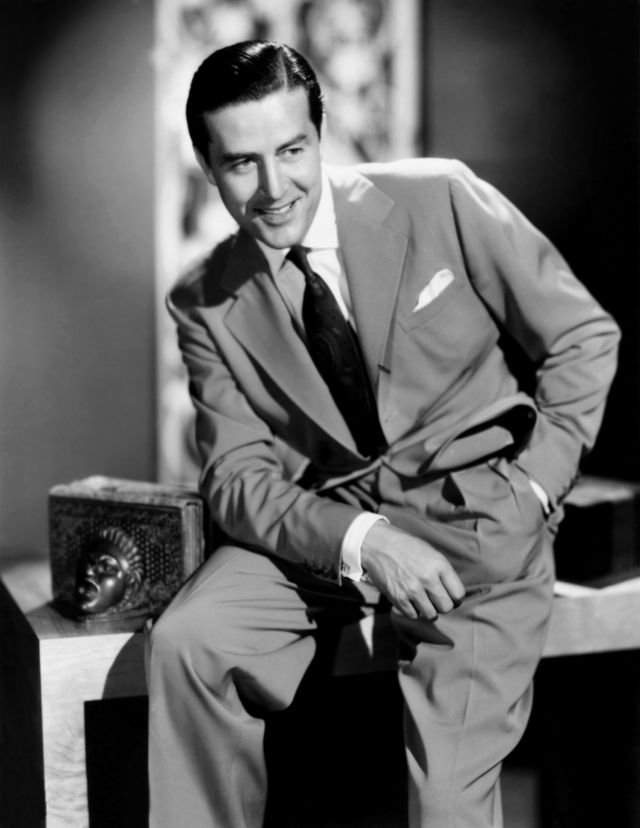
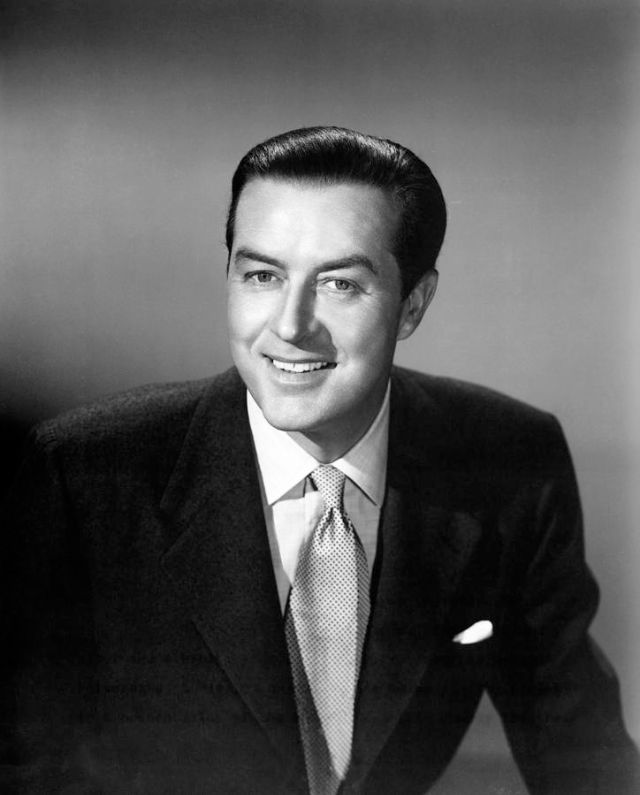
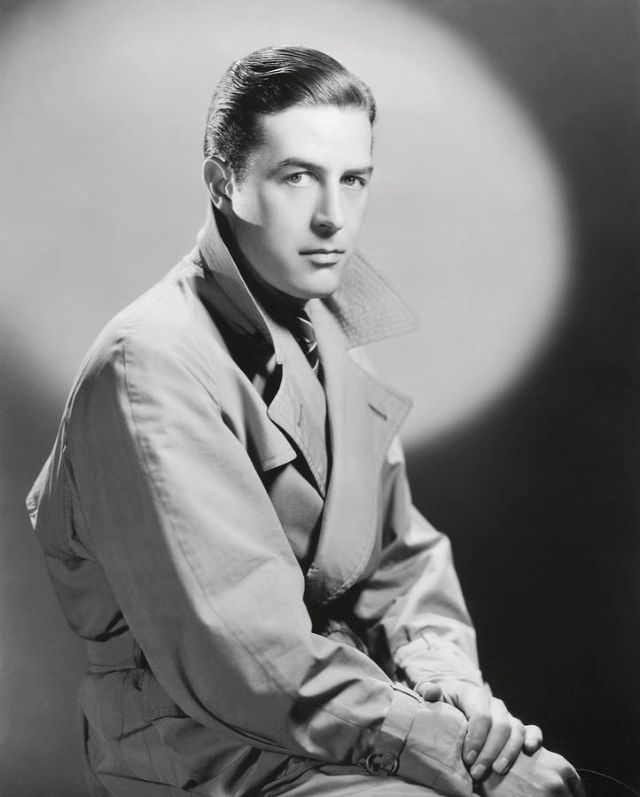
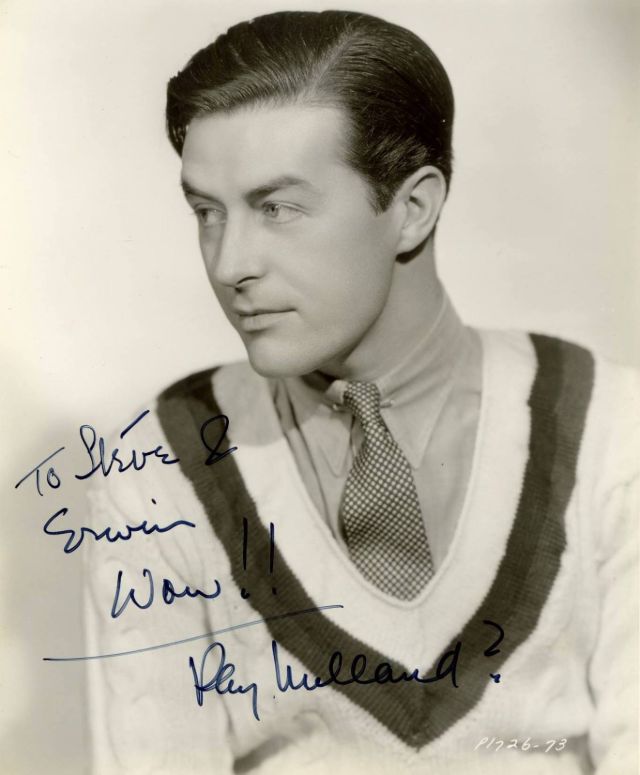
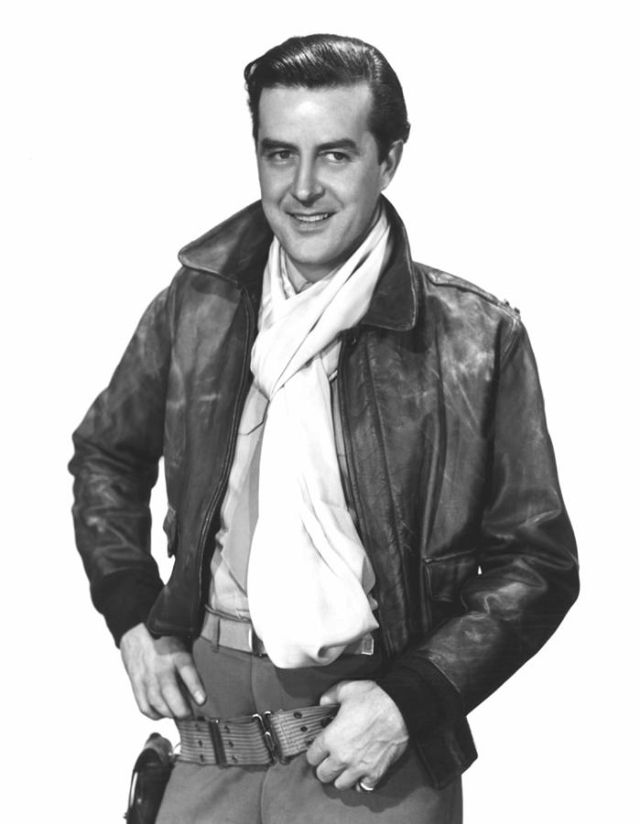
Born 1907 as Alfred Reginald Jones in Neath, Glamorgan, Welsh-American actor and film director Ray Milland served in the Household Cavalry of the British Army, becoming a proficient marksman, horseman and aeroplane pilot before becoming an actor. He had his first major role in The Flying Scotsman (1929). This led to a nine-month contract with MGM, and he moved to the United States, where he worked as a stock actor.
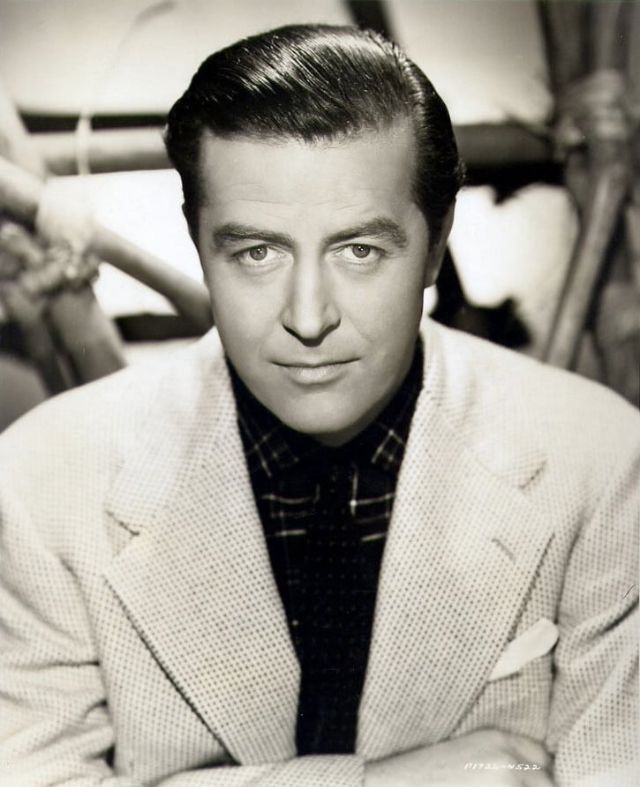
After being released by MGM, Milland was picked up by Paramount, which used him in a range of lesser speaking parts, usually as an English character. He was loaned to Universal for the Deanna Durbin musical Three Smart Girls (1936), and its success had Milland given a lead role in The Jungle Princess (also 1936) alongside new starlet Dorothy Lamour. The film was a big success and catapulted both to stardom. Milland remained with Paramount for almost 20 years.
Milland appeared in many other notable films, including Easy Living (1937), Beau Geste (1939), Billy Wilder’s The Major and the Minor (1942), The Uninvited (1944), Fritz Lang’s Ministry of Fear (1944), The Big Clock (1948), and The Thief (1952), for which he was nominated for his second Golden Globe, and A Man Alone (1955). After leaving Paramount, he began directing and moved into television acting.
Once Paramount Pictures’ highest-paid actor, Milland co-starred alongside many of the most popular actresses of the time, including Gene Tierney, Jean Arthur, Grace Kelly, Lana Turner, Marlene Dietrich, Maureen O’Hara, Ginger Rogers, Jane Wyman, Loretta Young, and Veronica Lake.
Milland is best remembered for his Academy Award-winning portrayal of an alcoholic writer in Billy Wilder’s The Lost Weekend (1945) and also for such roles as a sophisticated leading man opposite John Wayne’s corrupt character in Reap the Wild Wind (1942), the murder-plotting husband in Alfred Hitchcock’s Dial M for Murder (1954), and Oliver Barrett III in Love Story (1970). His last appearances were in The Sea Serpent (1985) and The Gold Key (1985).
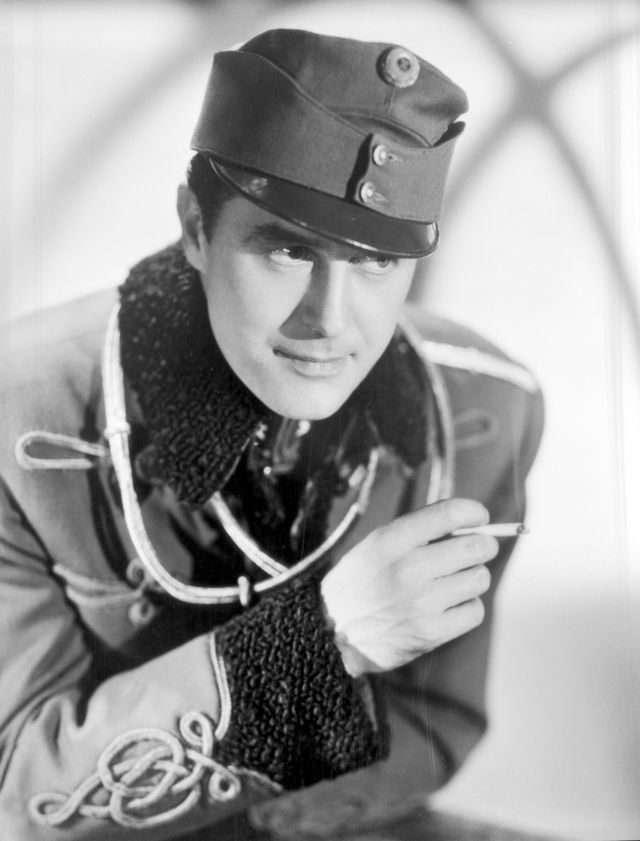
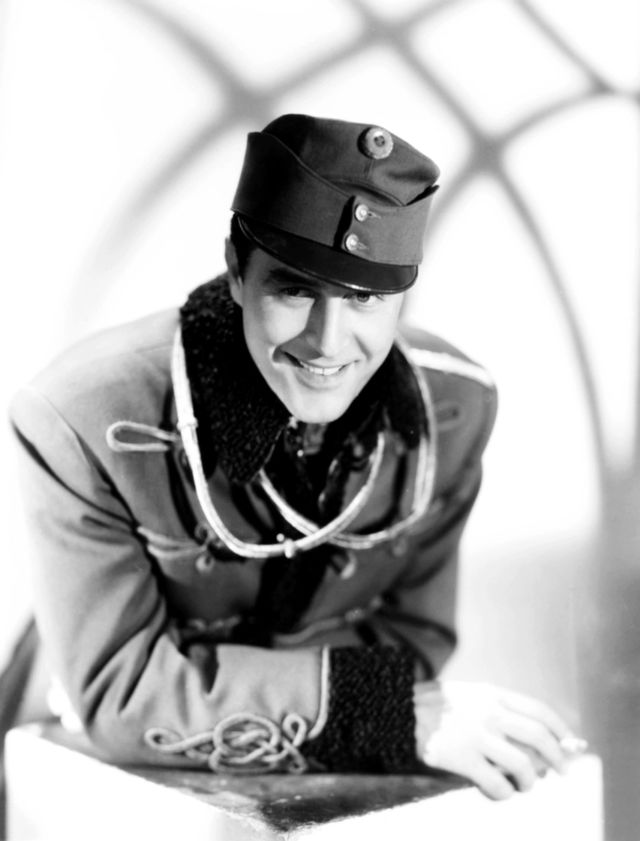
Milland died of lung cancer in 1986 at the age of 79. These vintage photos captured portraits of a young and handsome Ray Milland in the 1930s and 1940s.
Subscribe to Yesterday Today to receive up-to-the-minute content straight to your email:
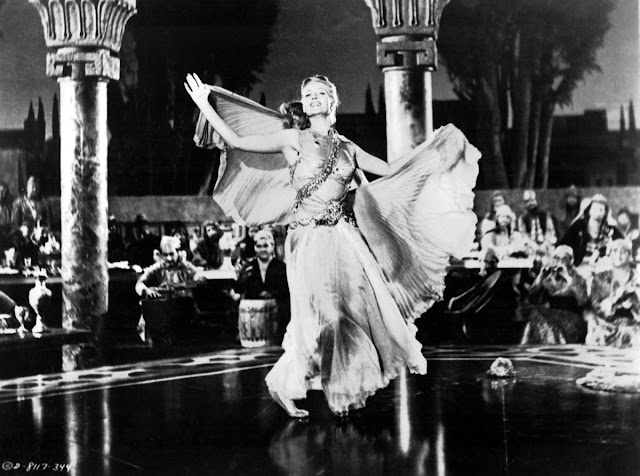
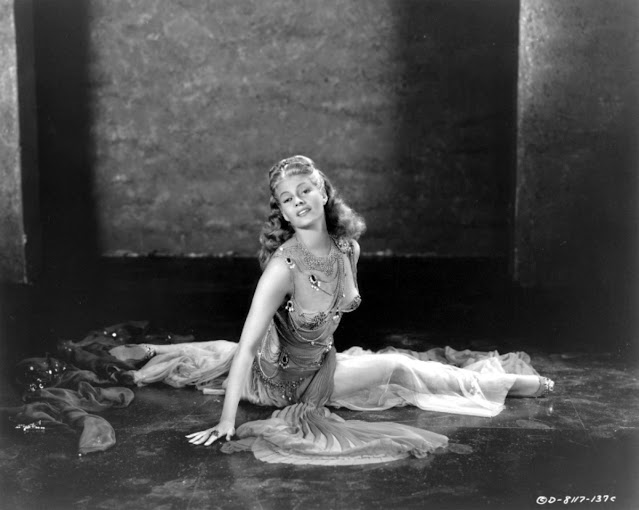
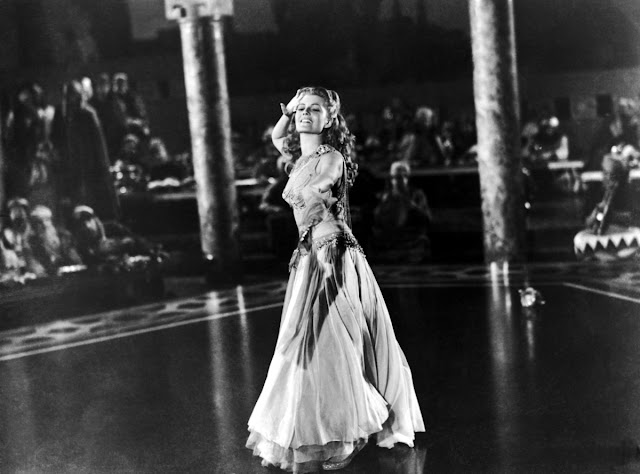
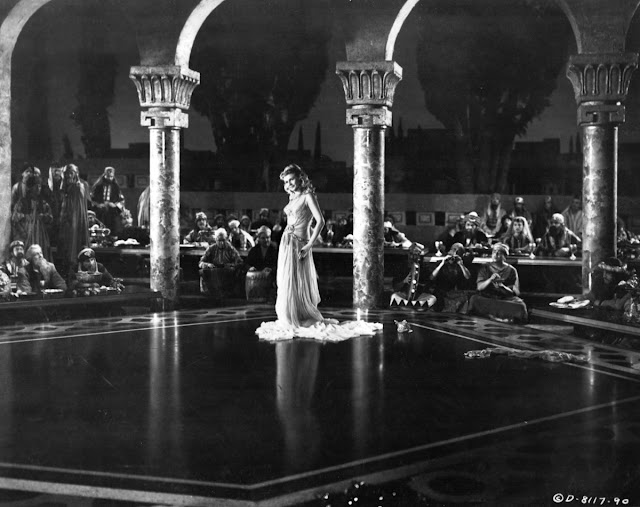
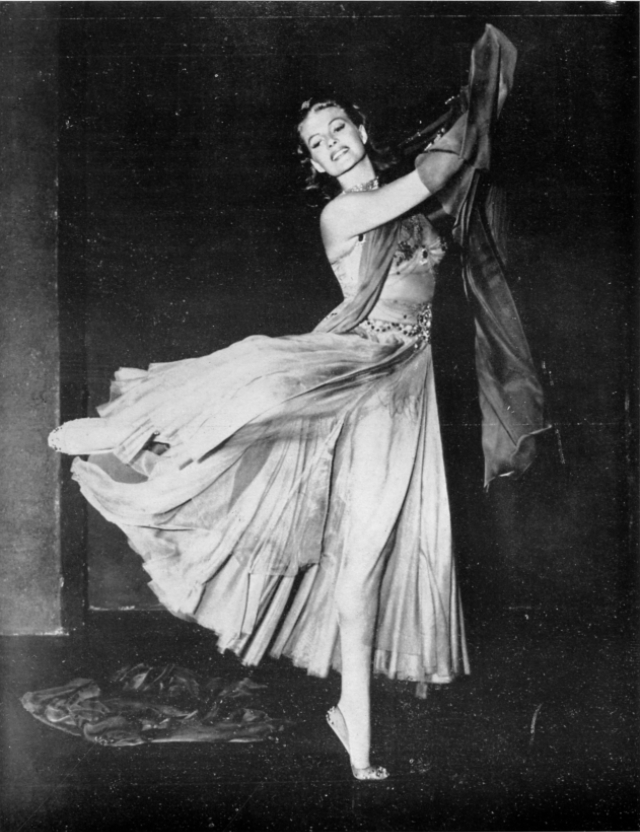
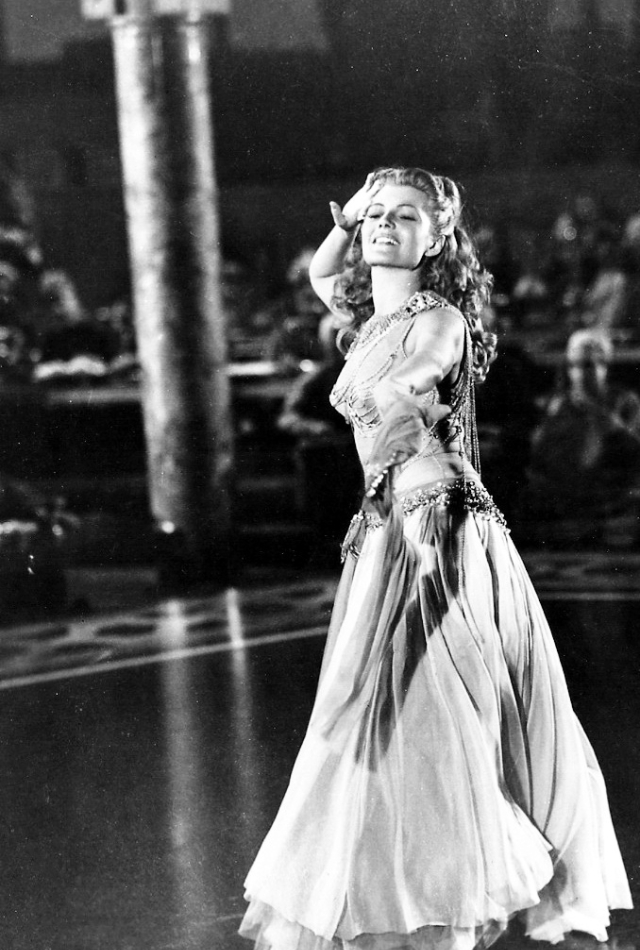
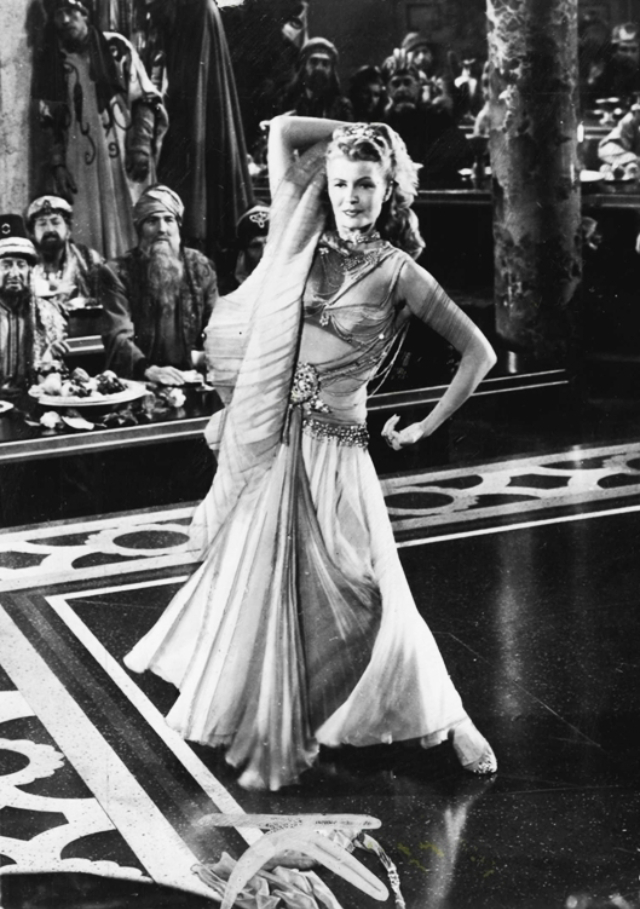
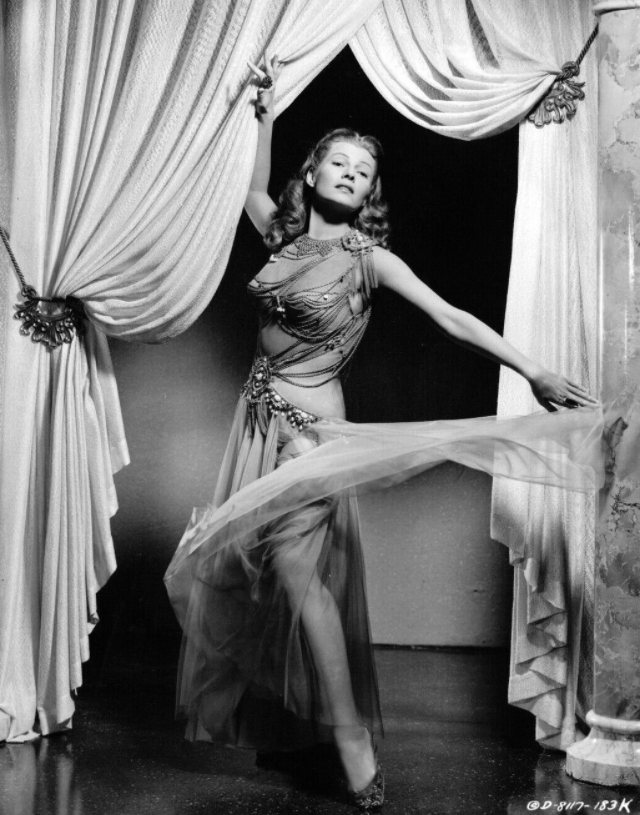
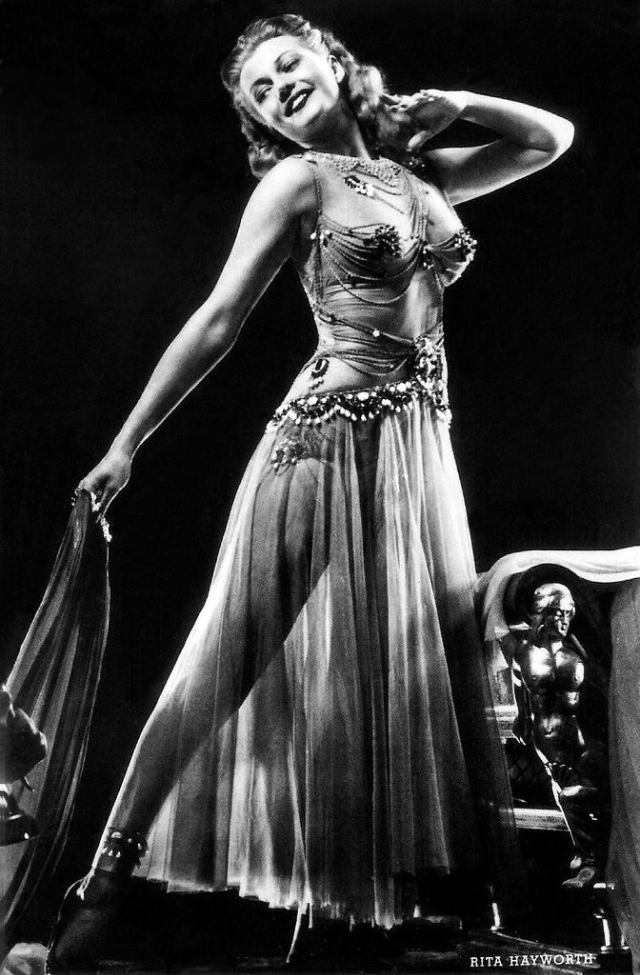
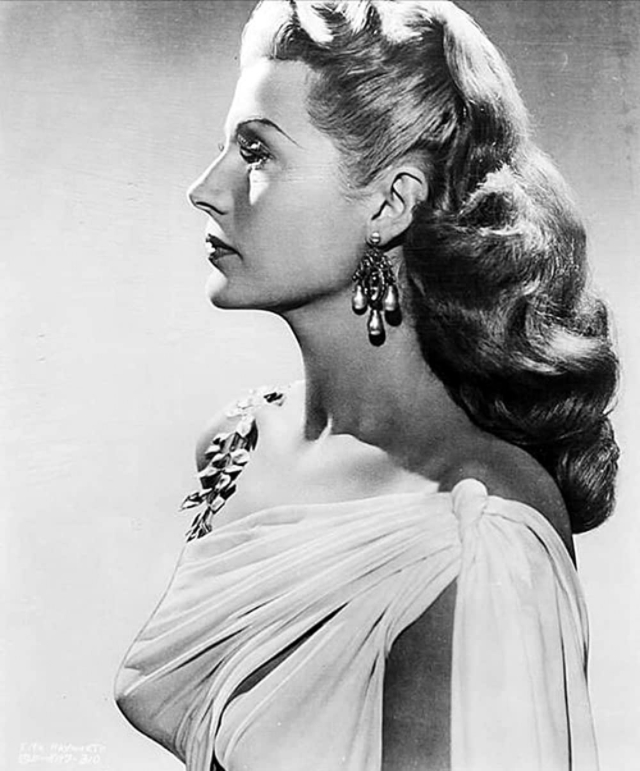
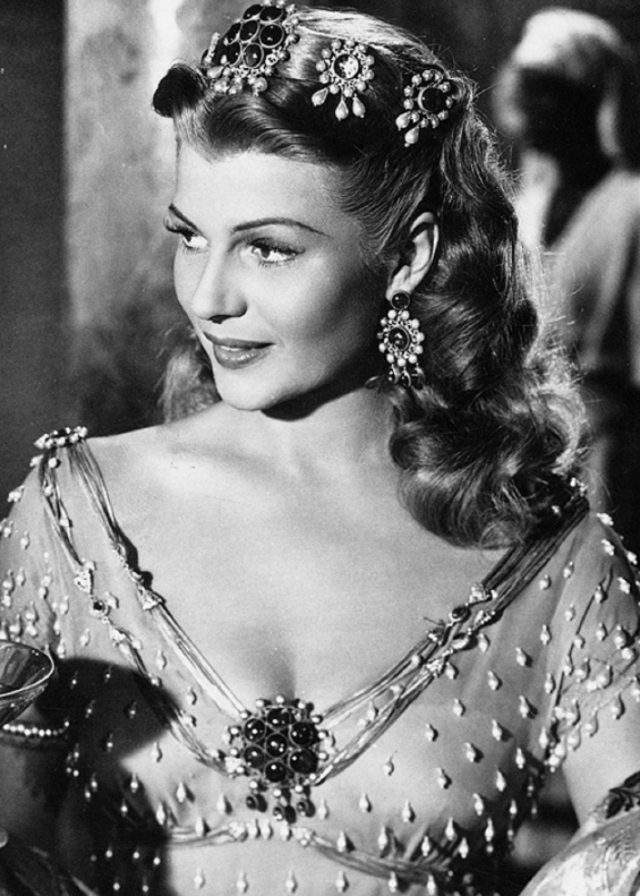
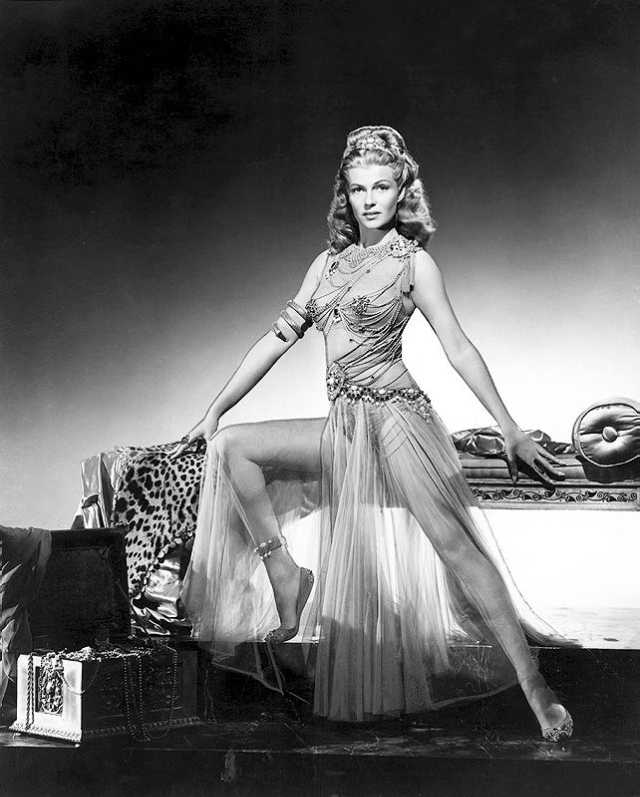
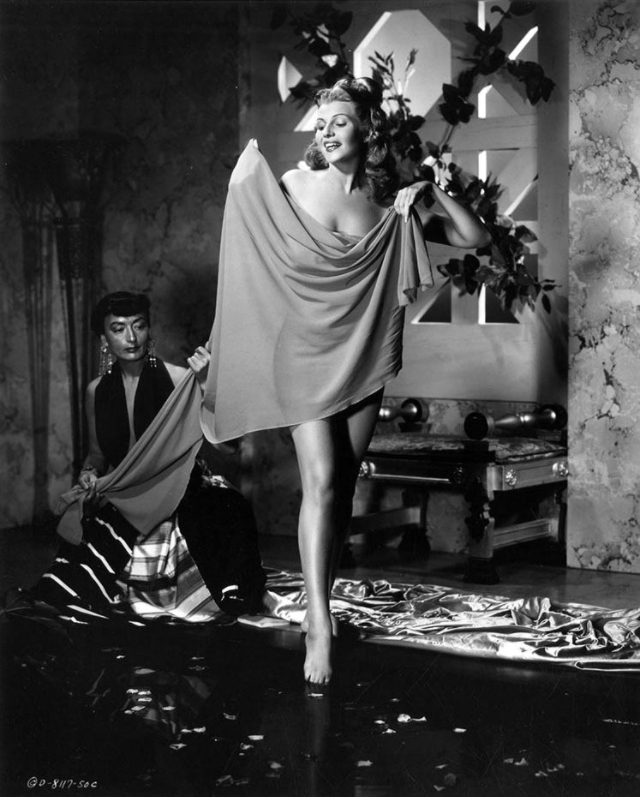
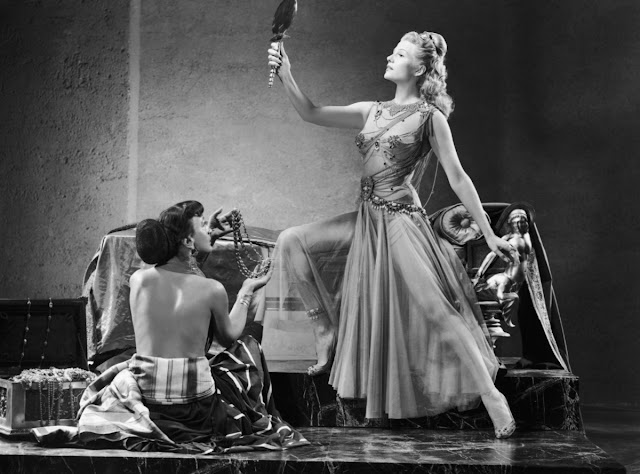
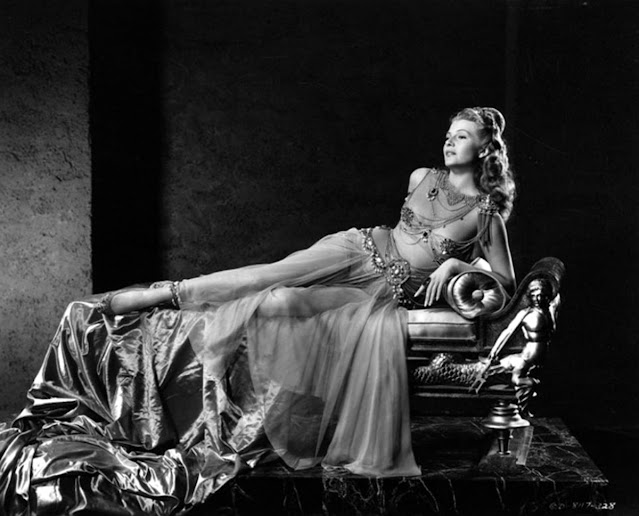
The “Dance of the Seven Veils” is Salome’s dance performed before Herod II, in modern stage, literature and visual arts. It is an elaboration on the biblical story of the execution of John the Baptist, which refers to Salome dancing before the king, but does not give the dance a name.
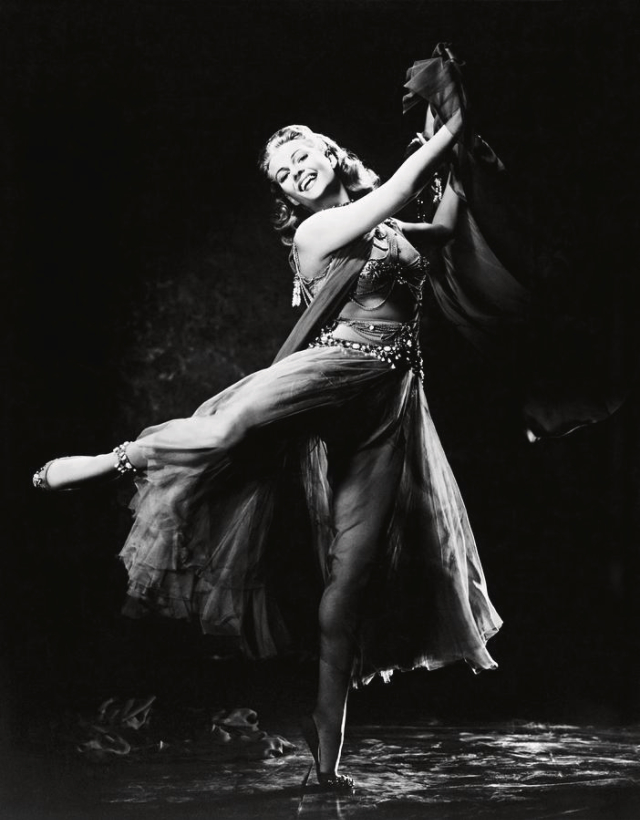
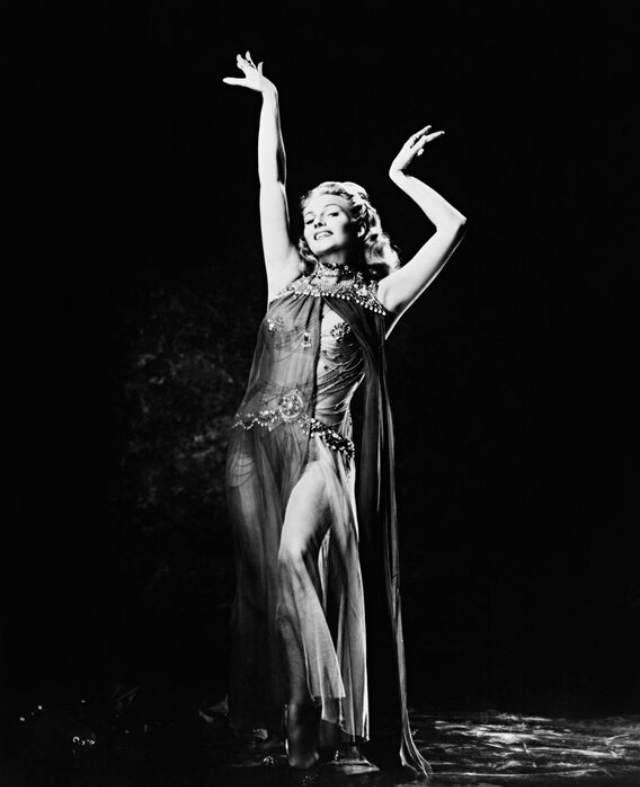
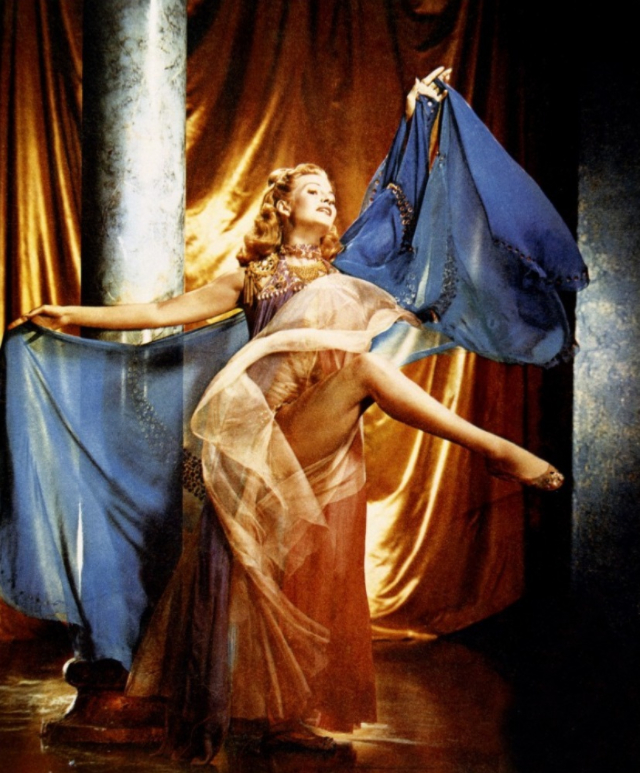
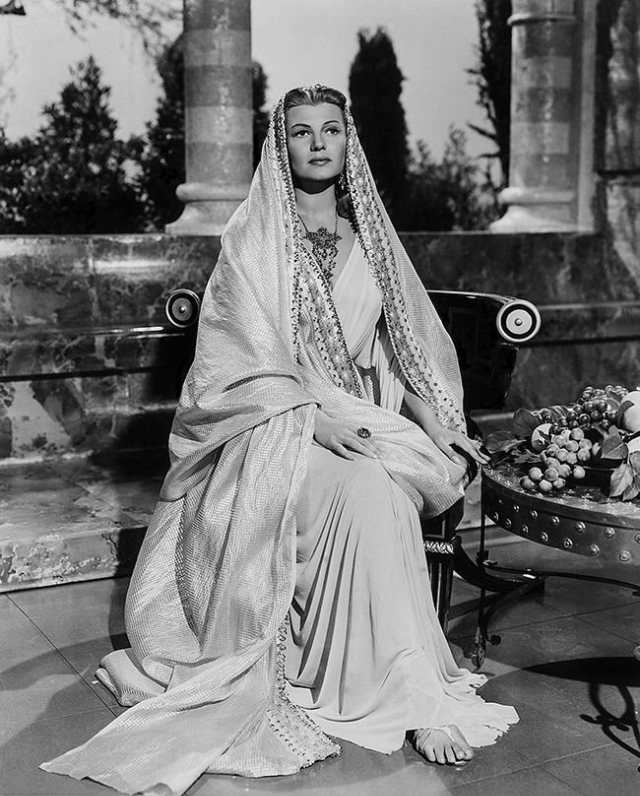
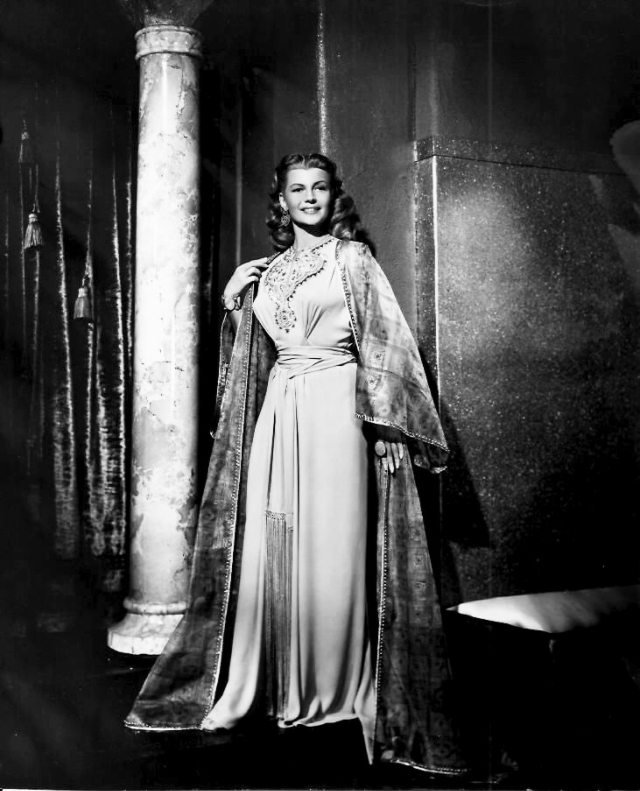
In the 1953 film Salome, Rita Hayworth performs the dance as a strip dance. She stops the dance before removing her last veil when she sees John’s head being delivered on a platter, as she did not want him to be killed in this version of the story.
Salome was the last film produced by Rita Hayworth’s production company (The Beckworth Company). She later said that her dance “Dance of the Seven Veils” in this film was “… the most demanding of my entire career,” and that it required “endless takes and retakes.”
Having seen the magnificent results, it was time well spent and effort that certainly paid off. While Rita is celebrated as one of the great beauties and as a wonderful actress, she deserves just as much attention for her dancing talent – it was extraordinary.
Subscribe to Yesterday Today to receive daily updates on new content:
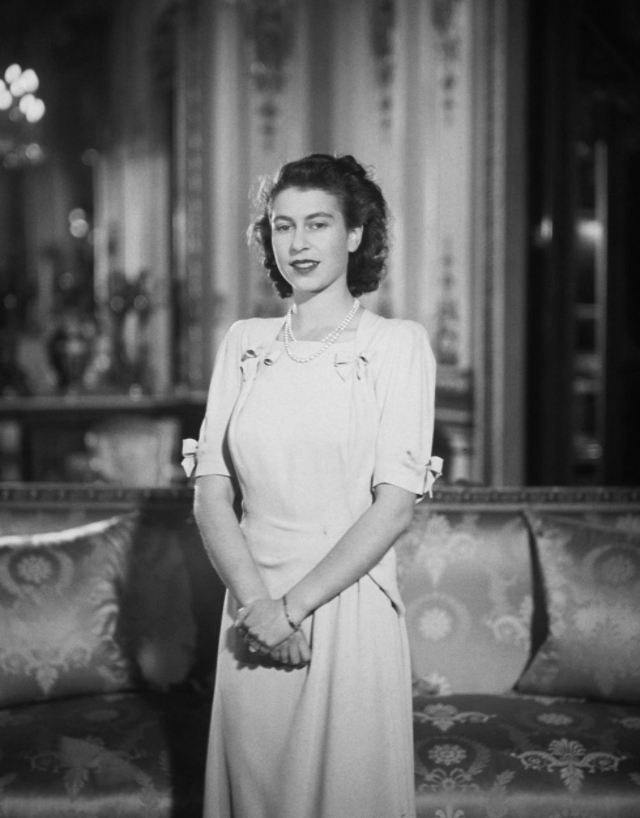
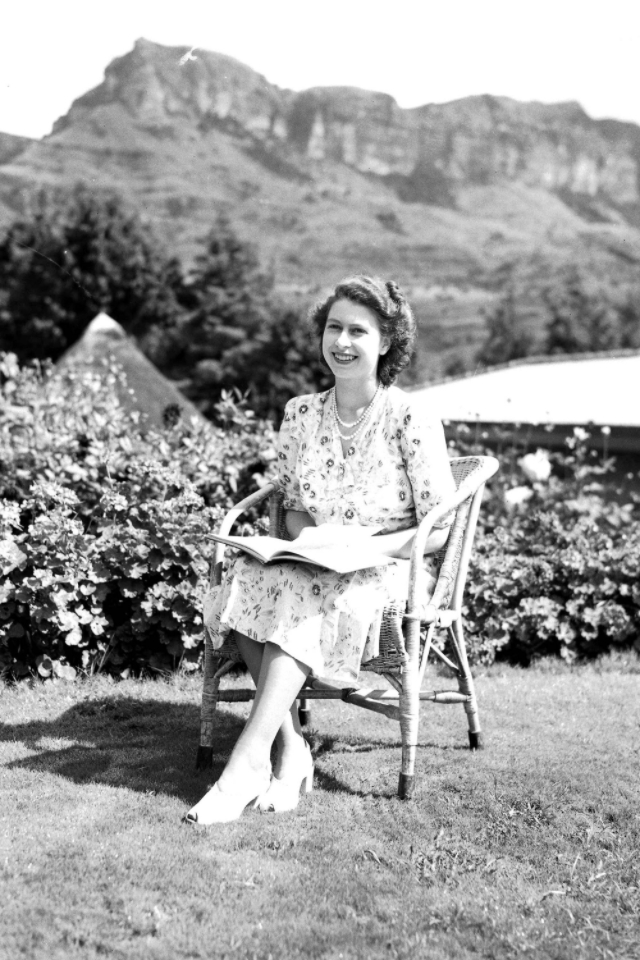
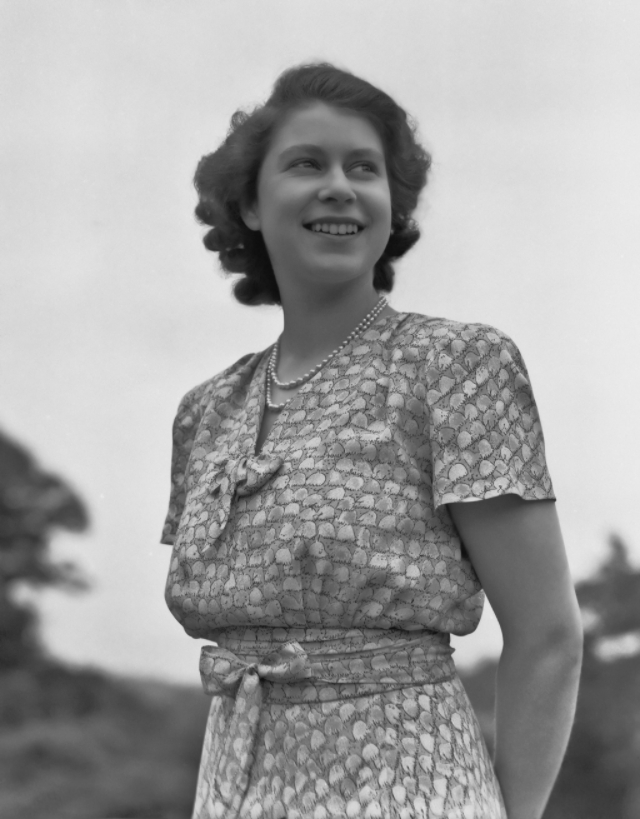
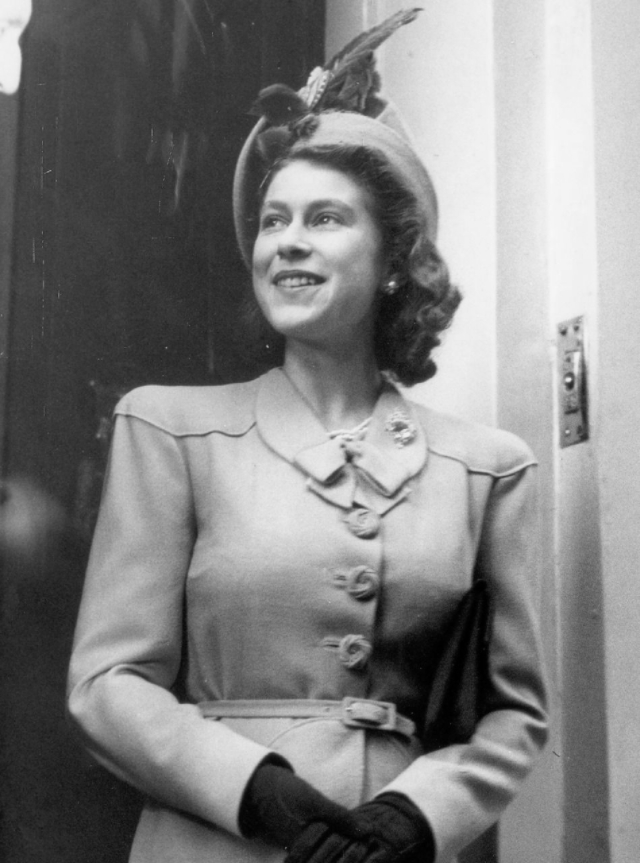
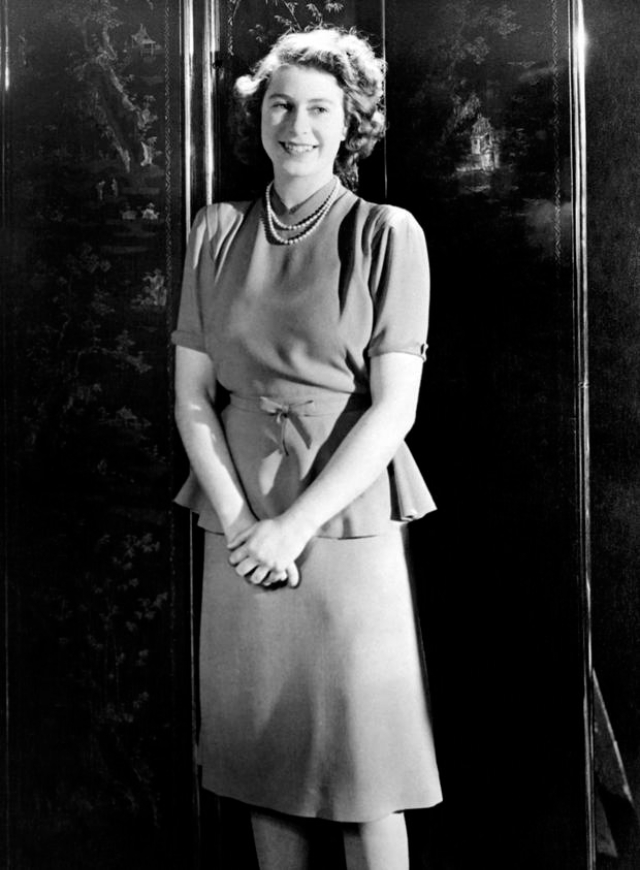
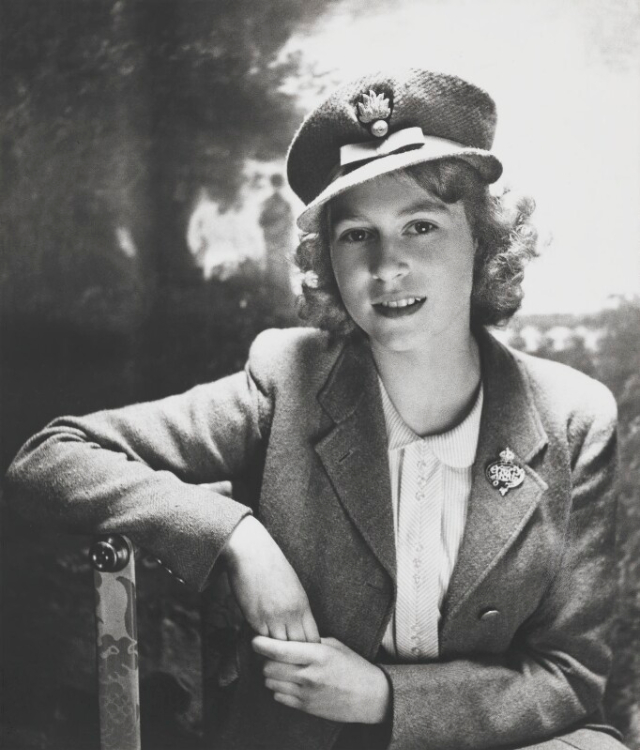
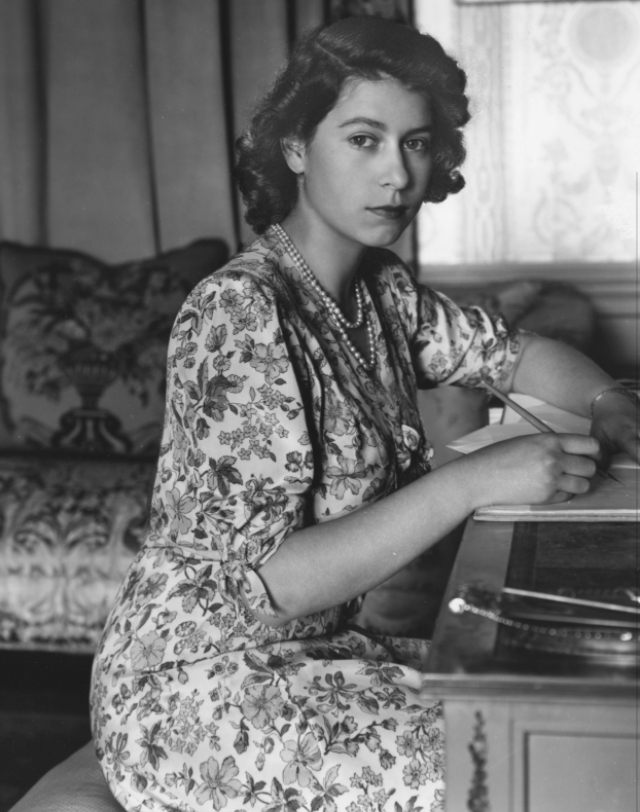
When Elizabeth was born in April 1926, she wasn’t destined for the throne. Her father Albert, known as “Bertie” to his family, was the second son of King George V. Elizabeth and her younger sister Margaret were doted on by their parents, with her father dubbing the family, “we four.” It was a comfortable but strictly confined upbringing.
Elizabeth’s world was turned upside down in 1936, following George V’s death and the abdication of Elizabeth’s uncle Edward VIII just months later. Edward’s decision to cast aside the crown to marry Wallis Simpson left her father, now King George VI, on the throne and 10-year-old Elizabeth as heir presumptive.
George VI struggled to find his footing after assuming the throne. Tentative, nervous and prone to both ill health and a relentless stutter, he found public speeches and appearances agonizing. But, as the war began, he found his footing. Bolstered by his wife and government officials, including Prime Minister Winston Churchill, the king helped rally the morale of the British people, refusing to leave London despite repeated aerial attacks by Nazi planes that left cities in ruins. He and the queen regularly visited those most devastated by the attacks, and when one bombing in September 1940 badly damaged a portion of Buckingham Castle, bringing the dangers of the war to the royal’s doorstep, the queen noted, “Now I can look the East End in the face.”
With the looming threat of a German invasion, the British government urged the queen to leave for Canada with her daughters. She refused, stating, “The children won’t go without me. I won’t leave without the King. And the King will never leave.” But, like thousands of other children who were evacuated from British cities, Elizabeth and Margaret did leave London, spending much of the war at Windsor Castle. In 1940, the two sisters made one of their first public addresses, recording a radio broadcast to their fellow children in Britain and British colonies and dominions around the world.
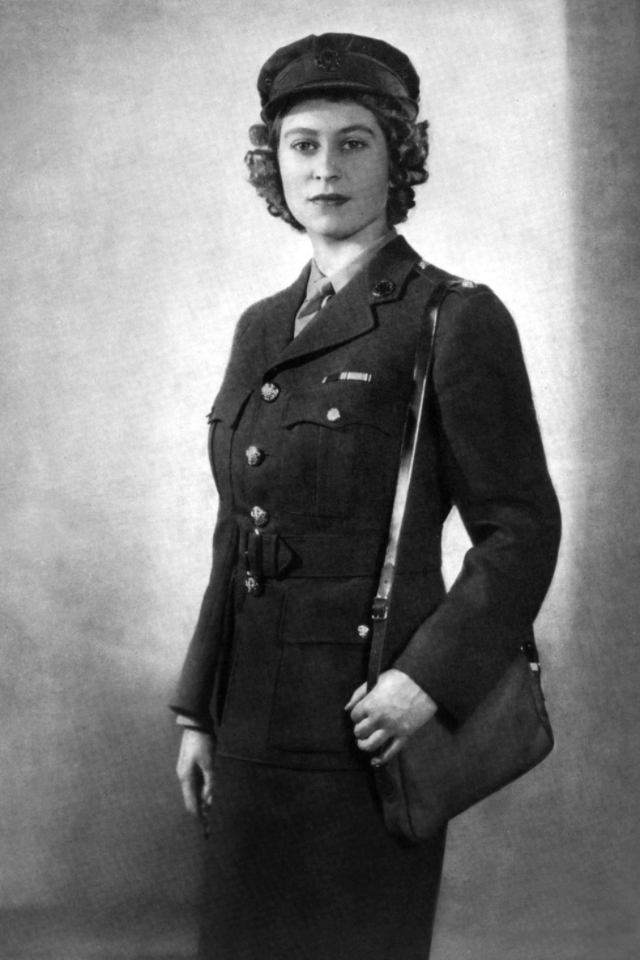
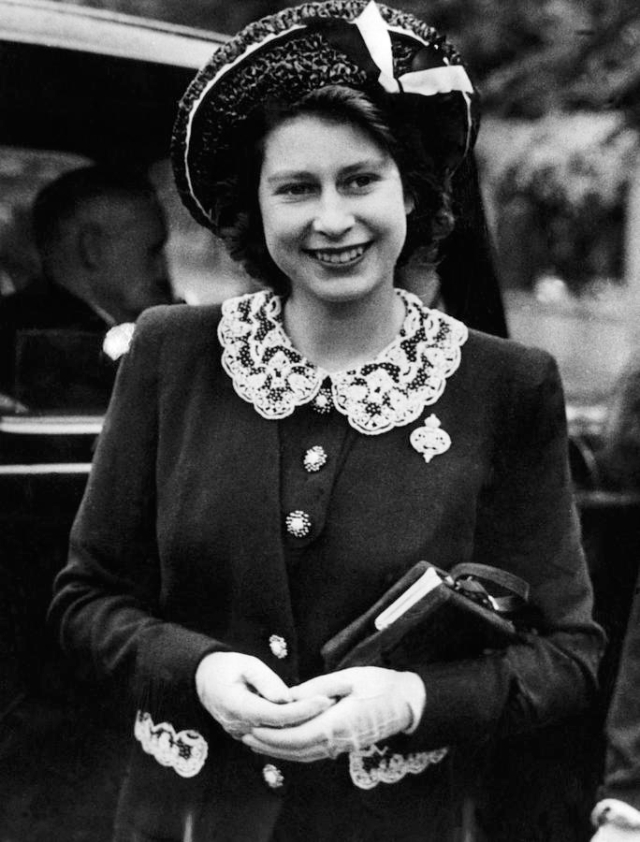
With the British people rallying to cause, Elizabeth, like many other young Britons, yearned to do her part. But her protective parents refused to allow her to enlist, noting that no female member of the royal family had ever joined the military. Elizabeth was a dutiful daughter, but she was also strong-willed. It took more than a year of debate before her family finally relented in early 1945, giving the now 19-year-old permission to join up.
That February she joined the Women’s Auxiliary Territory Service (similar to the American Women’s Army Corps or WACs), registered as inductee No. 230873, under the name Elizabeth Windsor. The ATS provided key support during the war, with its members serving as anti-aircraft gunners, radio operators, mechanics and drivers.
Queen Elizabeth died in September 2022.
Here, a gallery of 20 fascinating vintage photos of a young Queen Elizabeth II during the 1940s:
Subscribe to Yesterday Today to receive daily updates via email:
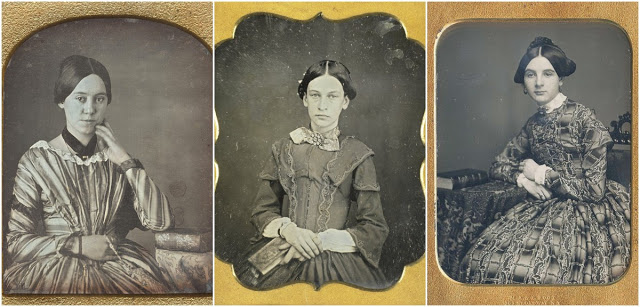
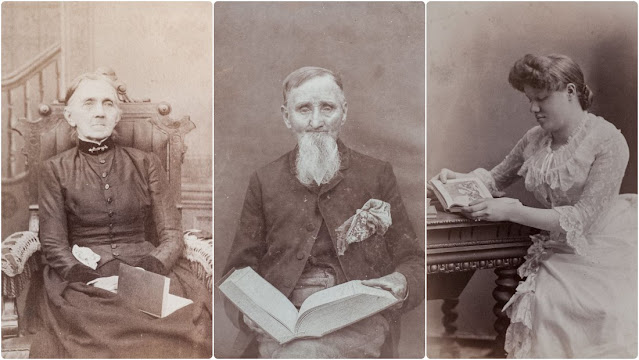
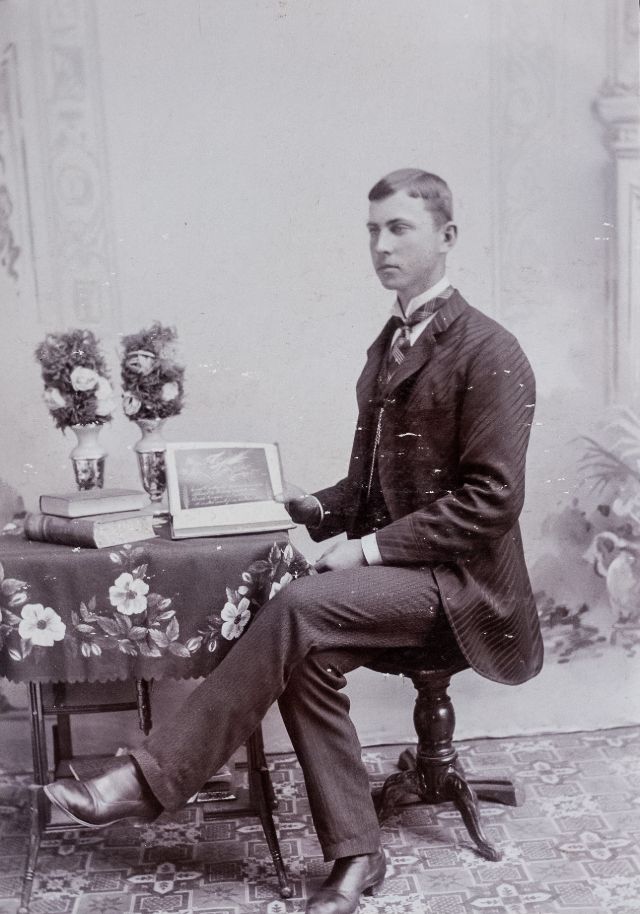
Victorians were great readers of the novel, and the number of novels available for them to read increased enormously during Victoria’s reign.
The activity of reading benefited hugely from wider schooling and increased literacy rates, from the cheapening costs of publication, from improved distribution that resulted from better transportation, and, towards the end of the century, from the arrival of gas and electric lighting in homes, which meant that reading after dark no longer had to take place by candlelight or oil lamp.
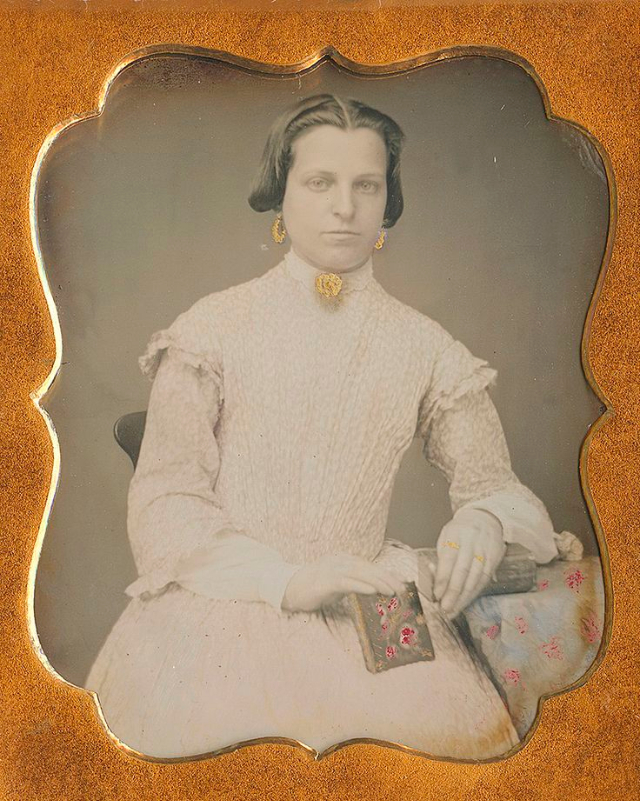
Here below is a set of amazing photos that show Victorian people posing with their books.
Subscribe to continue reading
Become a paid subscriber to get access to the rest of this post and other exclusive content.
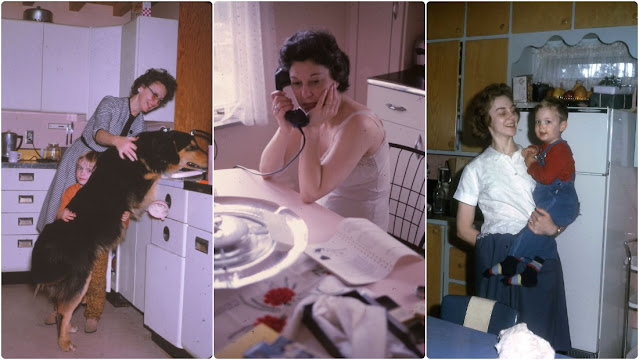
In the 1960s, it wasn’t just the fashion that was groovy and out there – interiors and architecture reflected trends of the time, too. One room that really received unique features during the 1960s were kitchens. Whether it was floor-to-ceiling woodwork or chartreuse laminate countertops, kitchens were far from boring during this era.
The biggest improvement of modern kitchen design in the 1960s is considered to be the work triangle layout, consisting of three connected work areas – the stove, sink and the refrigerator. This essential model is an example of a highly utilitarian and effective design that remains a key aspect in kitchen planning to this day.
Shag rugs, minimalist furniture, and kooky colors were all the rage of the kitchens in this period. These vintage photos captured people at their kitchens from the 1960s.
Subscribe to continue reading
Become a paid subscriber to get access to the rest of this post and other exclusive content.
Frank Sinatra had met his first wife, Nancy Sinatra (née Barbato, 1917–2018), in Long Branch, New Jersey in the summer of 1934, while working as a lifeguard. He agreed to marry her after an incident at “The Rustic Cabin” which led to his arrest. They were married from 1939 to 1951, and had three children, Nancy (born 1940), Frank Jr. (1944–2016) and Tina (born 1948).
Sinatra had numerous extramarital affairs, and gossip magazines published details of affairs with women including Marilyn Maxwell, Lana Turner, and Joi Lansing.
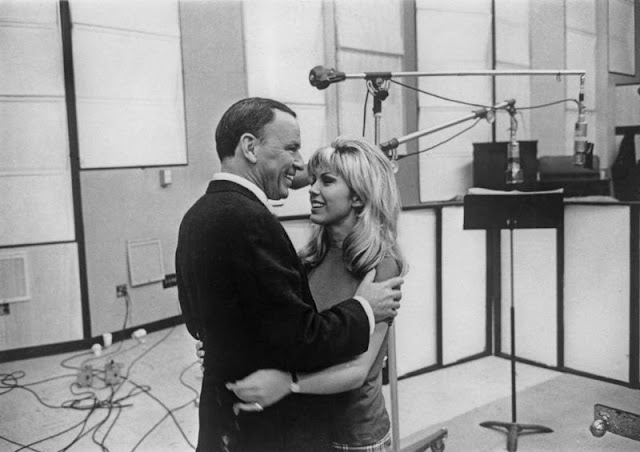
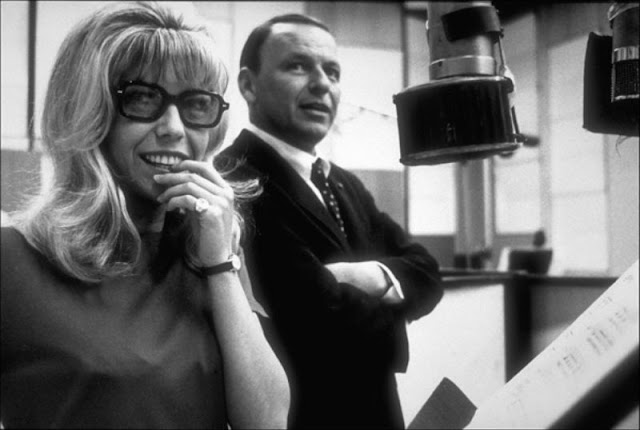
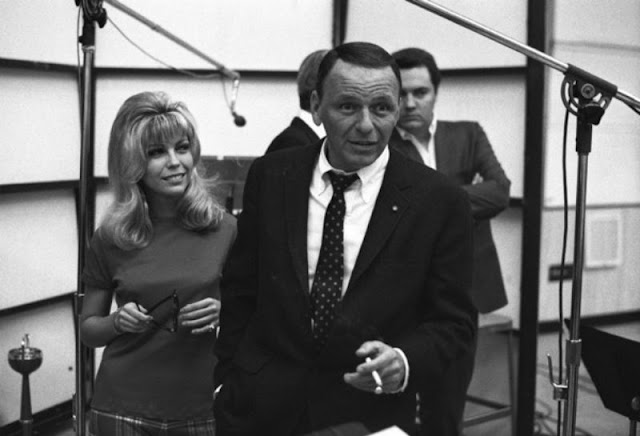
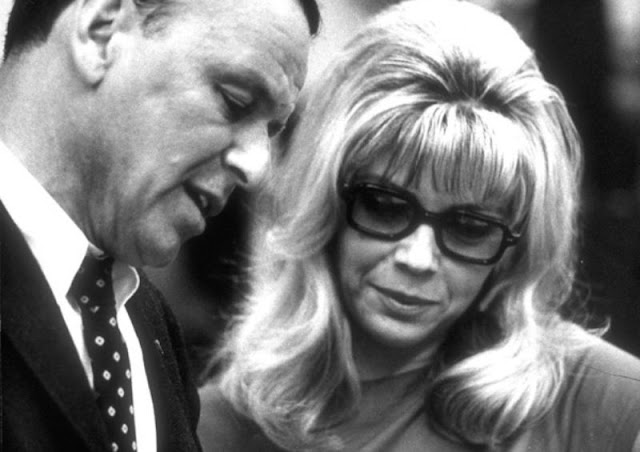
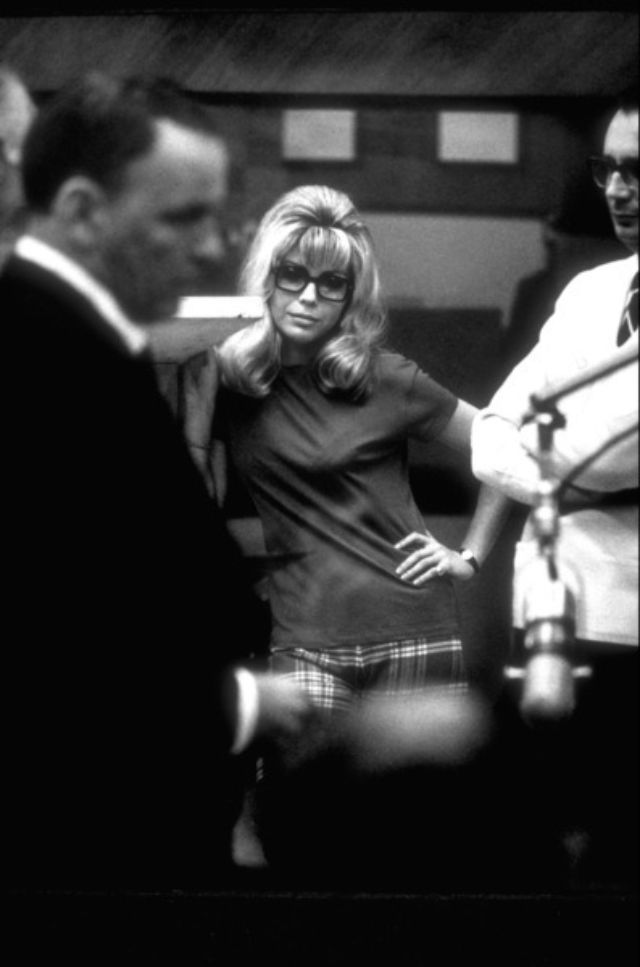
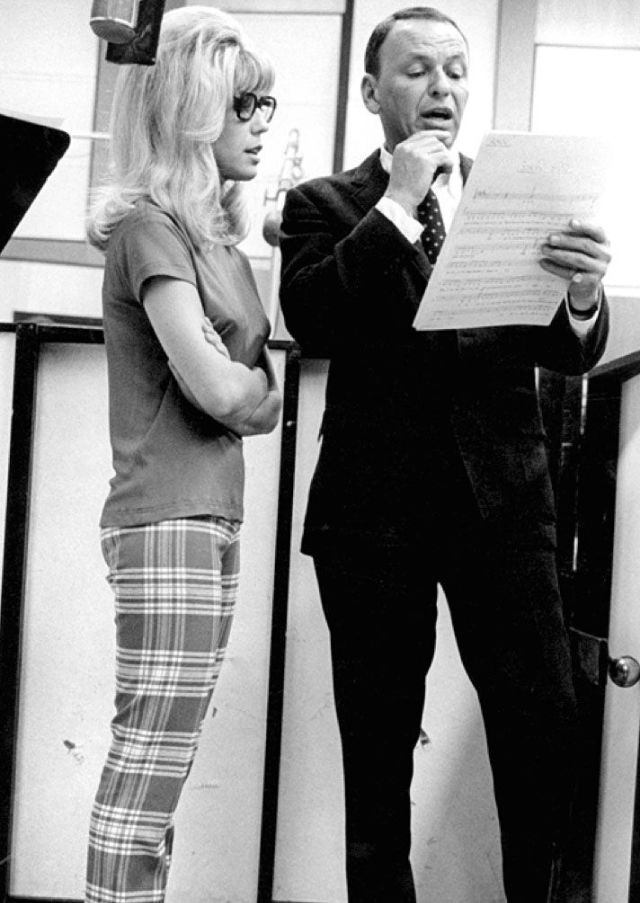
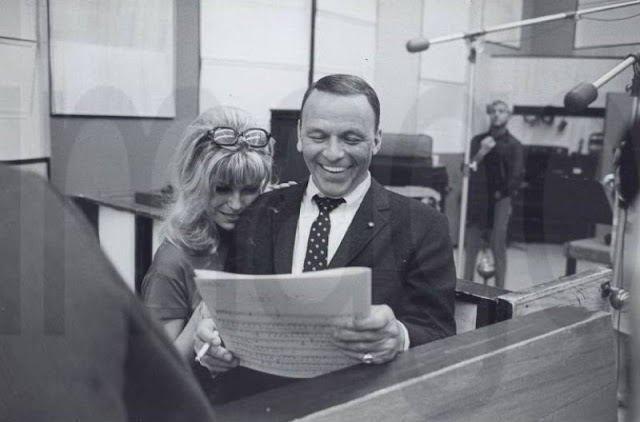
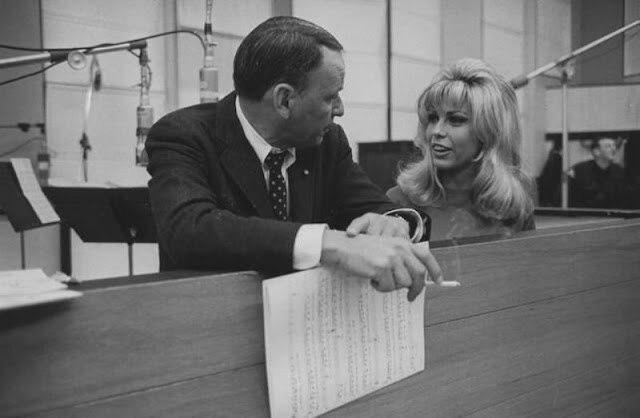
American photographer Ed Thrasher took these vintage photos that show beautiful moments of Frank Sinatra and his daughter Nancy Sinatra during a recording session in 1967.
Subscribe to Yesterday Today to receive daily updates on new and exciting content:
Drinking in a Great Western Railway buffet bar, September 1938.
In 1832 it became clear that Bristol simply had to be connected to London. A group of businessmen got together and turned to one of Britain’s greatest engineers, Isambard Kingdom Brunel. The go-ahead was given in 1835 and the story of the Great Western Railway began.
By the late 1930s, the Great Western Railway had long been recognized as the epitome of luxury British travel. Specifically designed to take people from London to the Southwest Ports such as Bristol and the emerging holiday destinations of Paignton, Penzance and Plymouth. From the start, it was planned that it would outshine its northern counterparts in both performance and style.
Photograph by Fox Films for the 1939 ‘Holiday Haunts’ brochure. The buffet car provided a new informal way of eating on trains, with passengers able to eat and drink in the buffet before returning to their seats. It had a spacious counter at one end and tables at the other. These images were elaborately posed with the background scenery added for effect, as the photographs were probably taken in the Swindon works yard.
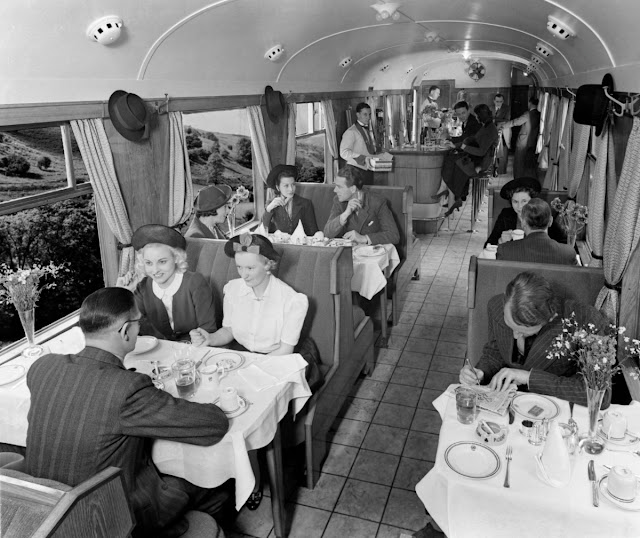
Passengers in the first class Great Western Railway dining car could have a three course meal, including a roast dinner, for around 3/6 (18.5p). They could also order snacks and drinks. First class carriages were more luxurious than third class. The seats were wider and more comfortable, and the carriage was more elaborately decorated.
Passengers in a first class Great Western Railway dining car, 1938.
Passengers in a first class Great Western Railway dining car.
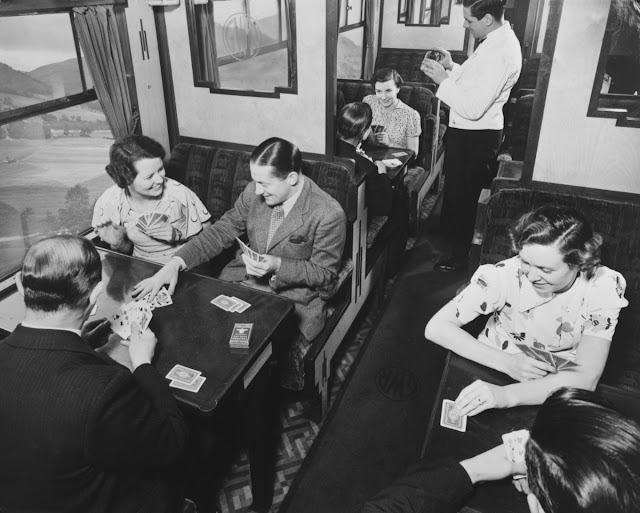
Passengers playing cards in a third class carriage, February 1938.
Dining in a Great Western Railway buffet car, September 1938.
Subscribe to Yesterday Today to receive daily updates on new content: