Vintage Photos Show What Young Couples Wore in the 1940s

Subscribe to get access

Read more of this content when you subscribe today.

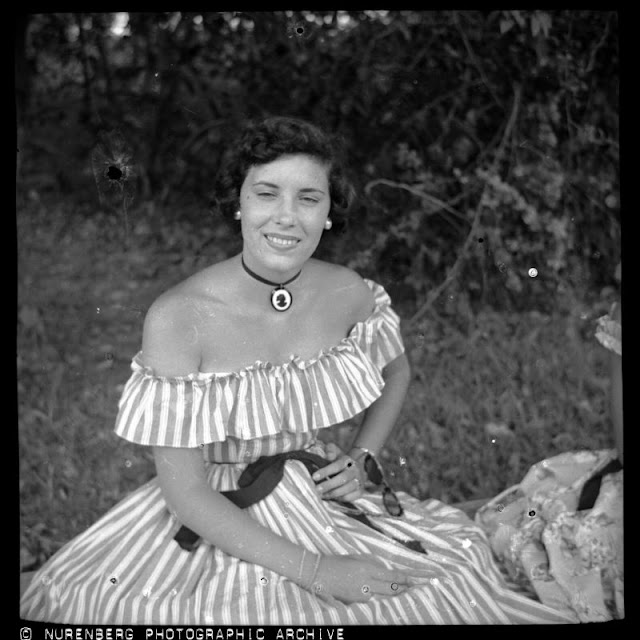
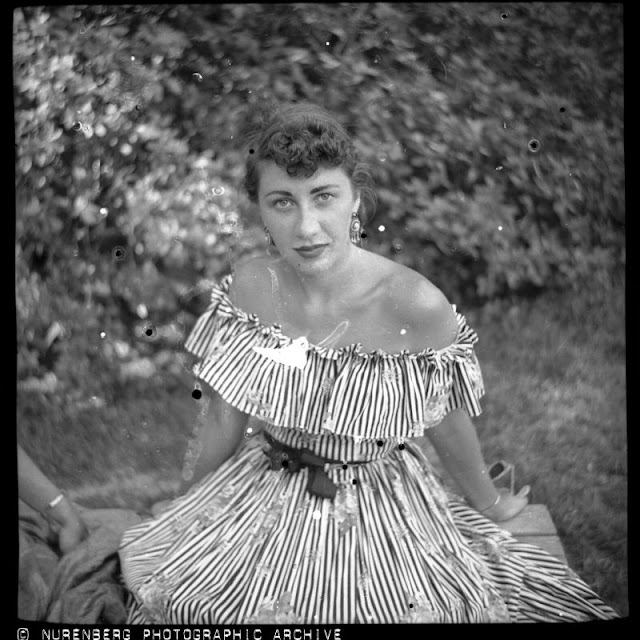
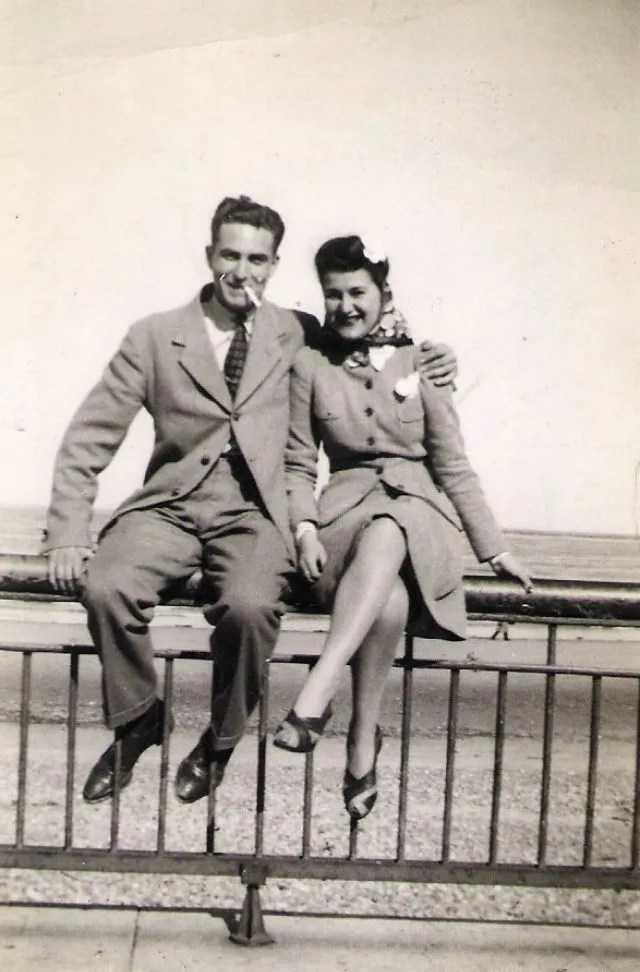
World War II dominated the first half of the 1940s as well as fashions in the Western world. Materials such as silk, nylon, wool, leather, rubber, and zippers were needed in wartime production. Clothing was rationed in the United States and parts of Europe. 1940s fashion designers had to be efficient and innovative in how they made suits, dresses, and shoes.

The typical 1940s female dress silhouette was like a uniform: simple and fitted, with boxy shoulders, a slim-belted waistline, and a hemline below the knee. In cold weather, you might see women in long-sleeved dress suits of a similar shape.

Women in the 1940s typically wore their hair shoulder-length or longer, without bangs, styled with waves and rolls. The “victory roll” helped women manage long hairstyles during a hard day’s work; they could unroll it later into shapely waves.

During the 1940s, men not in uniform often wore suits in public. Many made do with older suits from the 1930s. Suit vests fell out of favor as an excess use of fabric. New suits were made with a wool-rayon blend instead of wool and often with patterned (especially striped) fabric.

Here is a vintage photo collection that shows what young couples looked like during the 1940s.

Subscribe to continue reading

Become a paid subscriber to get access to the rest of this post and other exclusive content.

Yesterday Today: August 6

Subscribe to get access

Read more of this content when you subscribe today.

A 106-year-old Armenian woman sits in front of her home guarding it with a rifle, in the village of Degh, near the border of Azerbaijan. 1990.

Subscribe to continue reading

Become a paid subscriber to get access to the rest of this post and other exclusive content.

Cool Photos Show What House Parties Looked Like in the 1960s

Subscribe to get access

Read more of this content when you subscribe today.

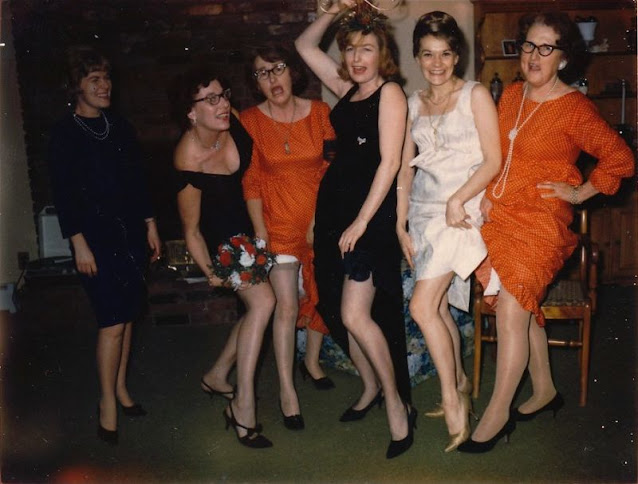
The 1960s were the time of the hippies, “Make love, not war”, The Beatles and Woodstock. It brings images of cultural revolution, peace symbols, flower power, beach culture, short skirts, flares and lots of hair.

Girls looked like Twiggy or Lulu. The decade finishes with the opening of the musical Hair and its shocking (for the time) nudity. The 1960s were the carefree and colorful years.

Cool photos show what house parties looked like during the Sixties.

Subscribe to continue reading

Become a paid subscriber to get access to the rest of this post and other exclusive content.
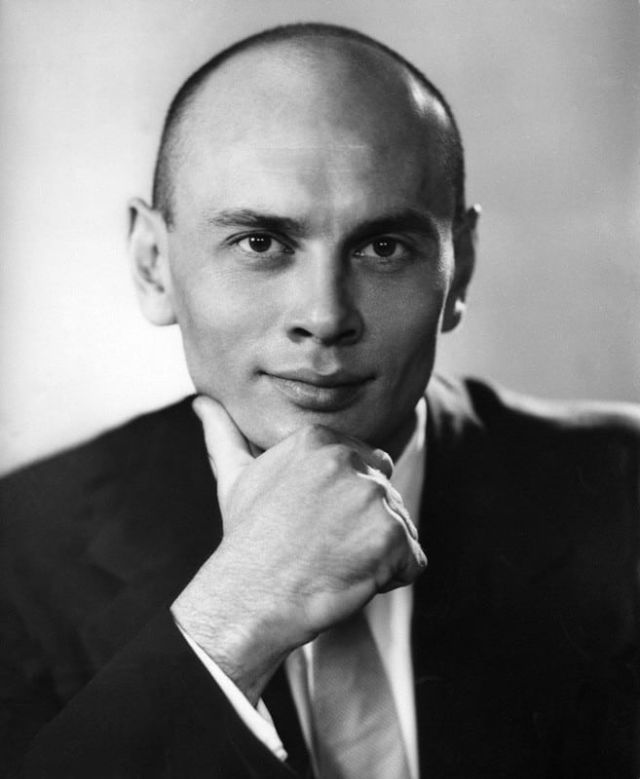
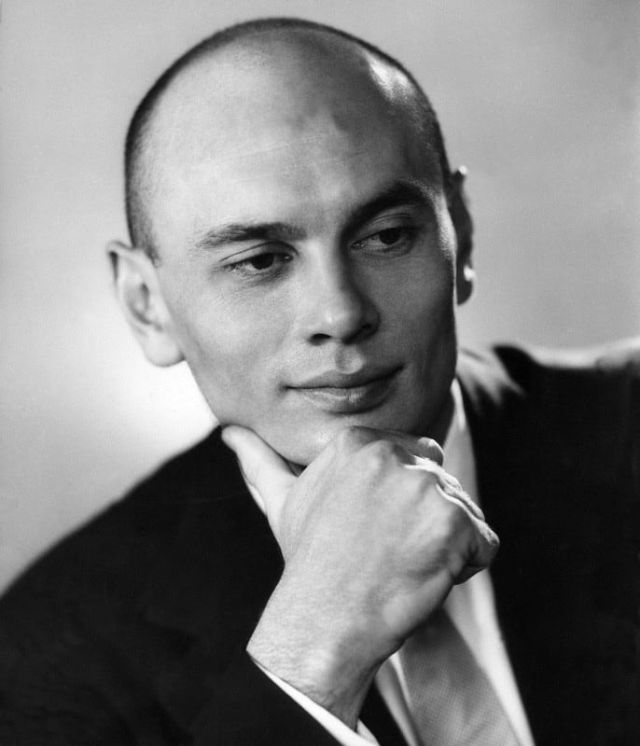
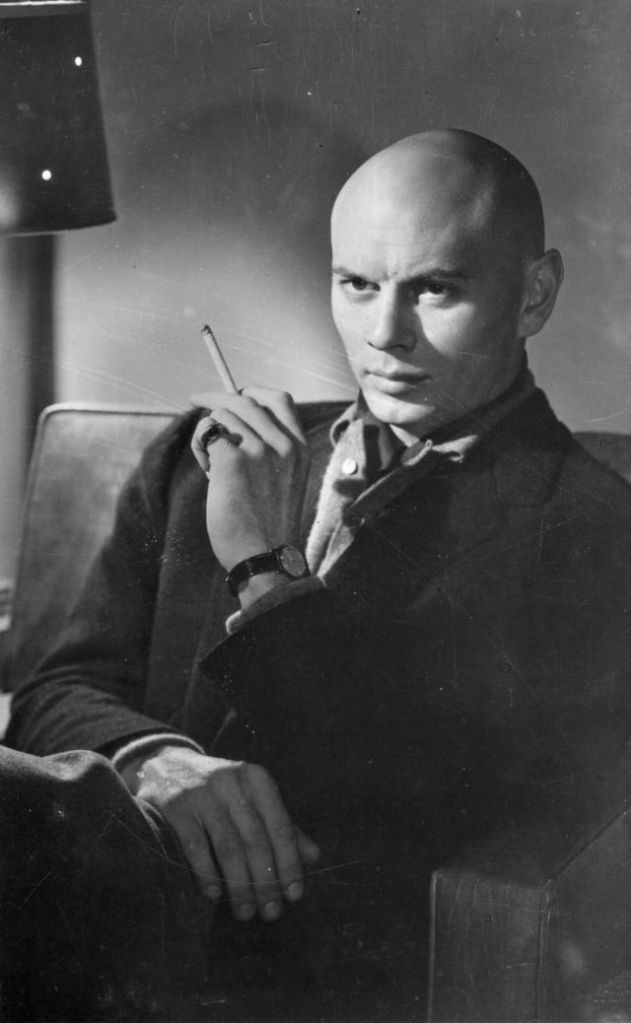
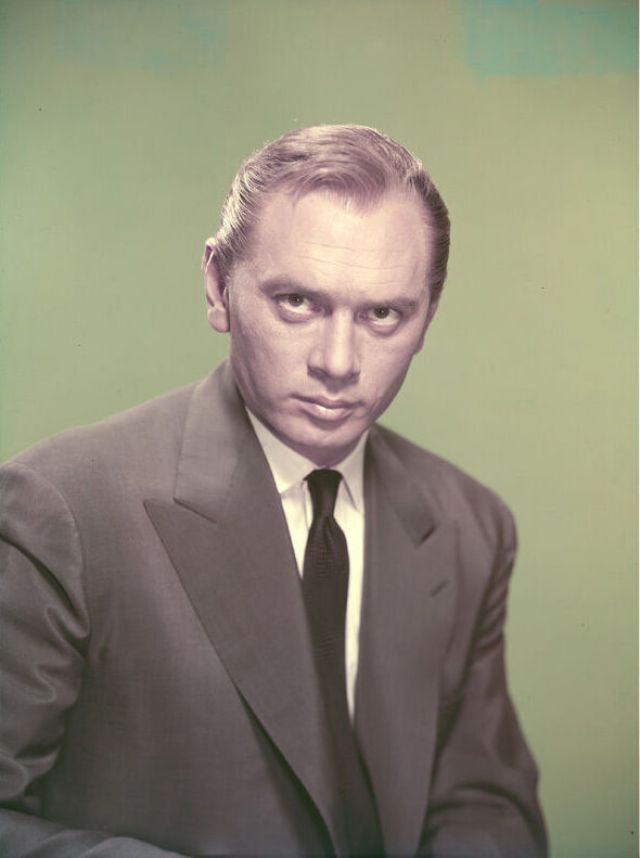
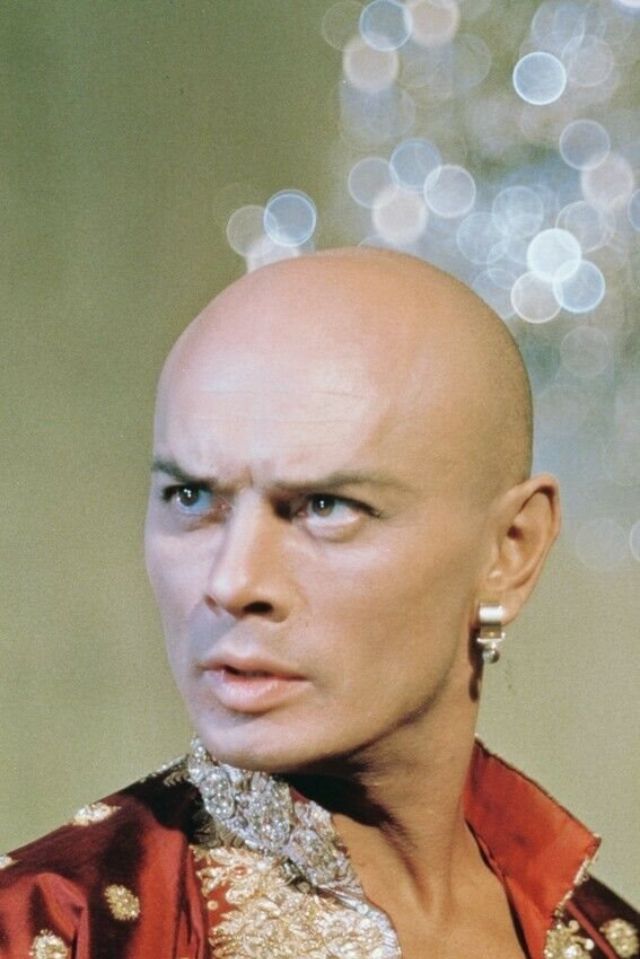
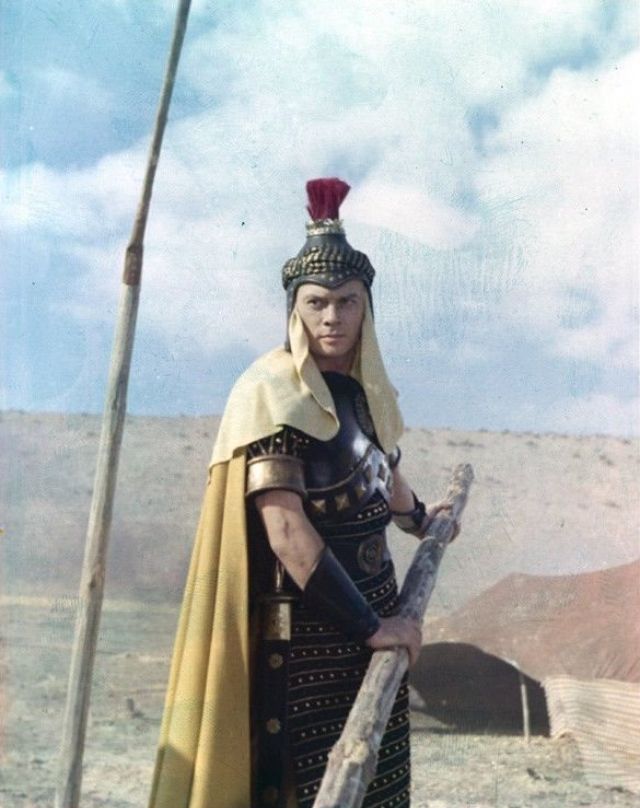
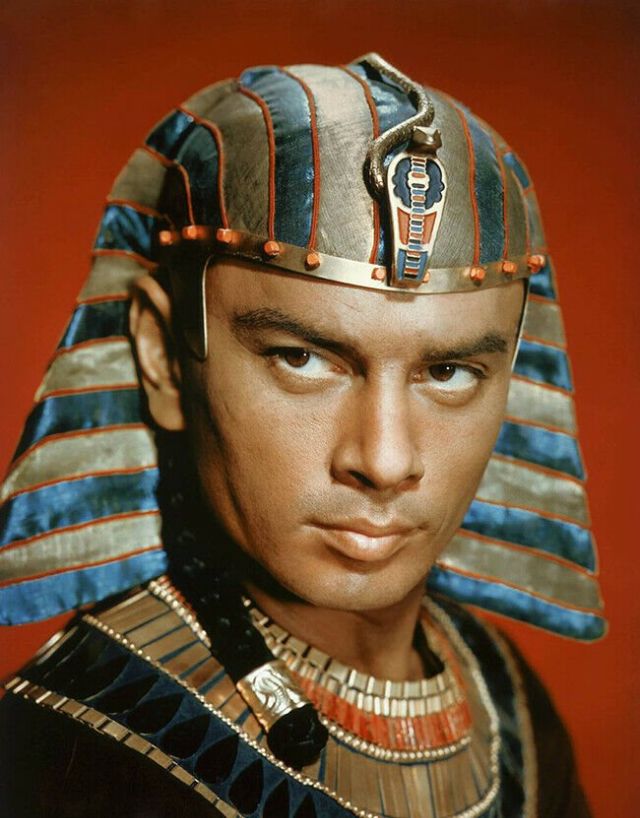
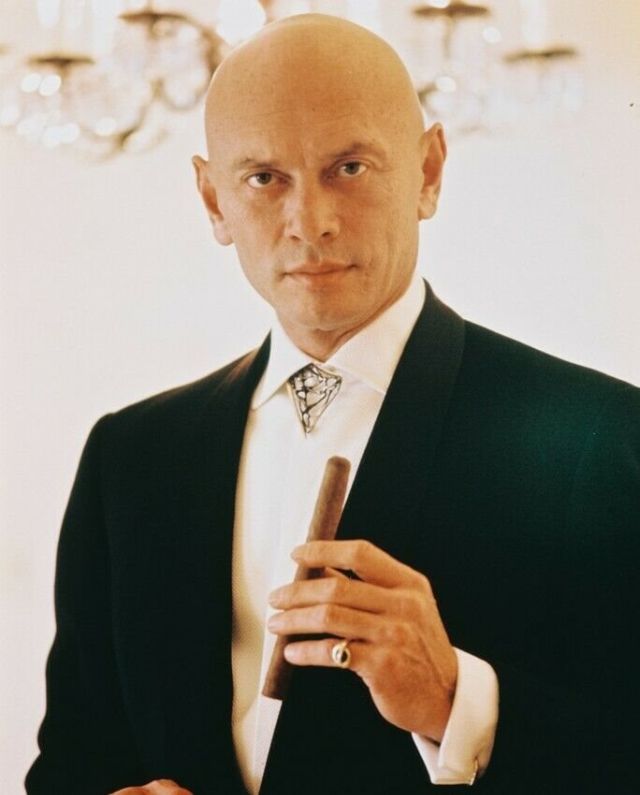
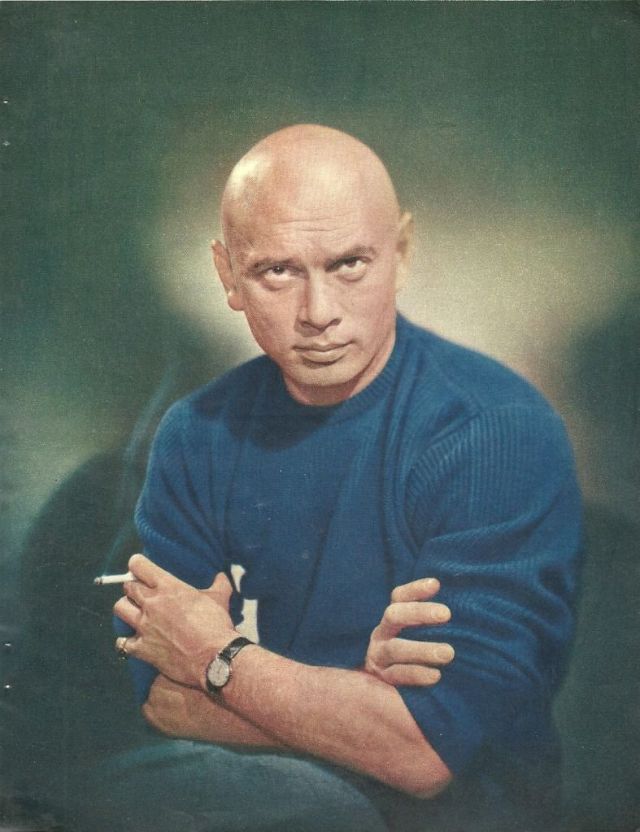
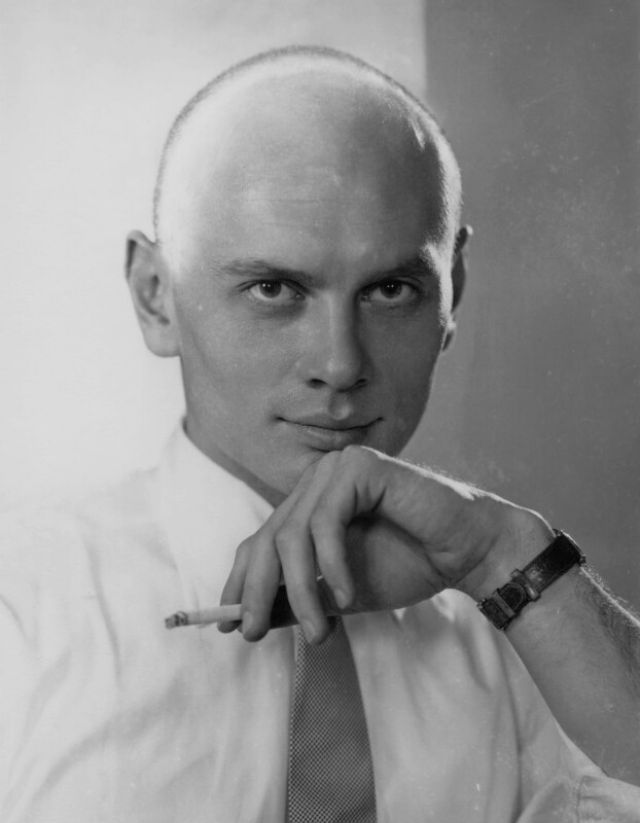
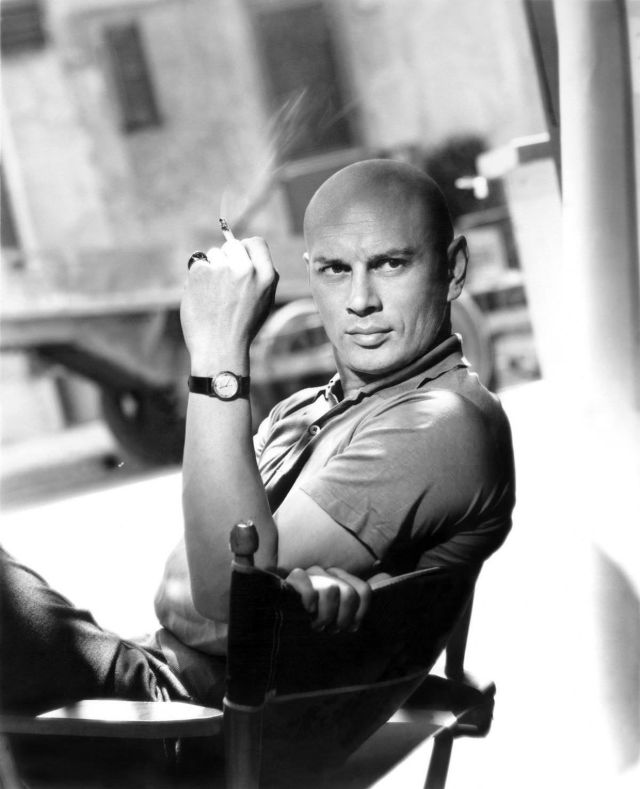
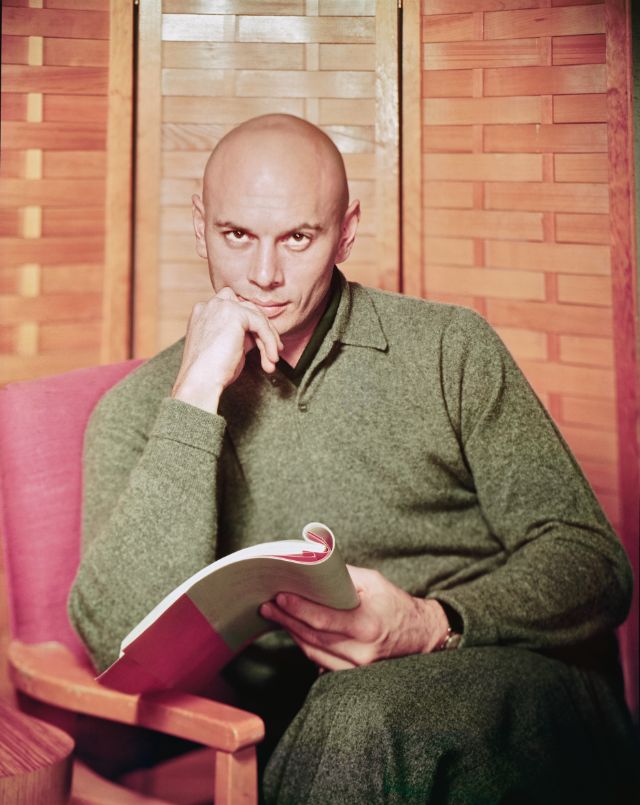
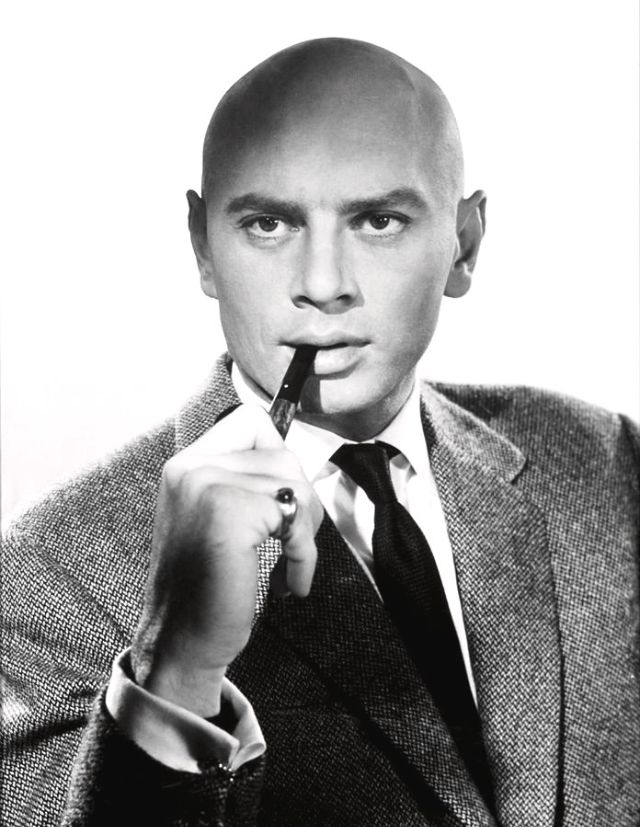
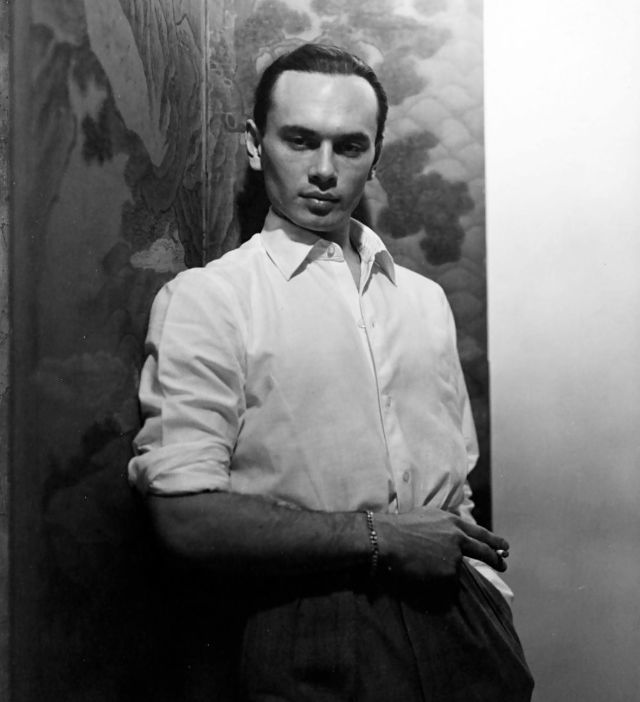
Yul Brynner: One of the First Russian-American Film Stars

Born 1920 as Yuliy Borisovich Briner in the city of Vladivostok, Russian-American actor, singer, and director Yul Brynner had his first Broadway performance with a small part in Shakespeare’s Twelfth Night in 1941. He found little acting work during the next few years, but among other acting stints, he co-starred in a 1946 production of Lute Song. He also did some modeling work and was photographed nude by George Platt Lynes.

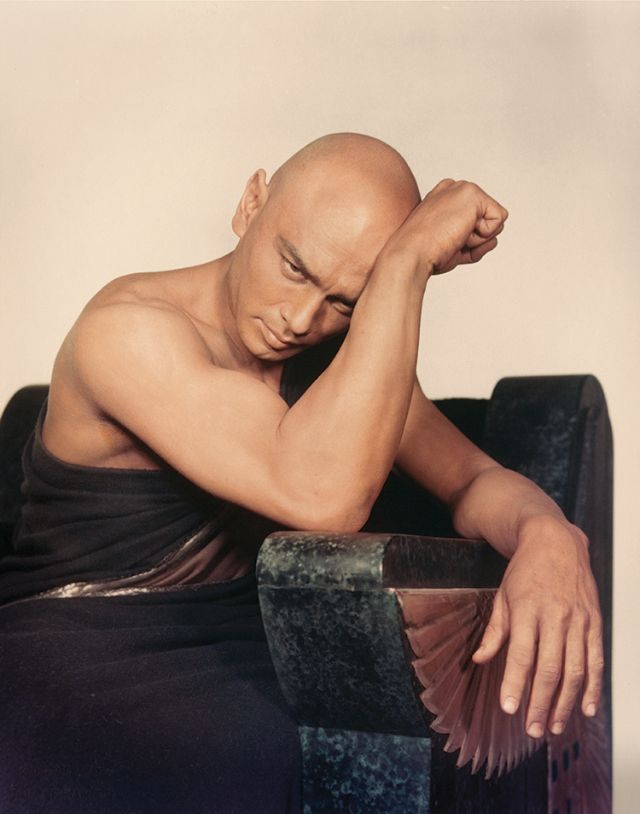
Brynner was best known for his portrayal of King Mongkut in the Rodgers and Hammerstein stage musical The King and I, for which he won two Tony Awards, and later an Academy Award for Best Actor for the film adaptation. He played the role 4,625 times on stage and became known for his shaved head, which he maintained as a personal trademark long after adopting it for The King and I.

Brynner was also well-known as the gunman Chris Adams in The Magnificent Seven (1960) and its first sequel Return of the Seven, along with roles as the android “The Gunslinger” in Westworld (1973), and its sequel Futureworld (1976). In addition to his film credits, he also worked as a model and photographer and was the author of several books.

Considered one of the first Russian-American film stars, Brynner was honored with a ceremony to put his handprints in front of Grauman’s Chinese Theatre in Hollywood in 1956, and also received a star on the Hollywood Walk of Fame in 1960. He received the National Board of Review Award for Best Actor for his portrayal of Ramesses II in the Cecil B. DeMille epic The Ten Commandments (1956) and General Bounine in the film Anastasia (also 1956).

Brynner died of lung cancer in 1985 at New York Hospital at the age of 65. Take a look at these vintage photos to see portrait of a young and handsome Yul Brynner.

Subscribe to receive daily updates of new content in your email:

Vintage Photos of Women Workers in the Factories in London During World War II

Subscribe to get access

Read more of this content when you subscribe today.

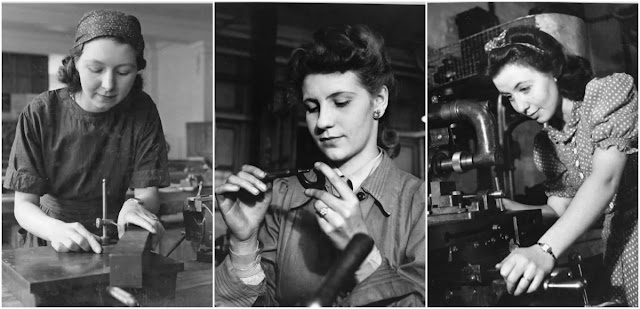
These women were all training in various London polytechnics to work in munitions factories during the early 1940s.

Women have always worked outside the home but never before in the numbers or with the same impact as they did in World War II. Prior to the war, most of the women that did work were from the lower working classes and many of these were minorities. There were a variety of attitudes towards women in the work force. Some thought they should only have jobs that men didn’t want while others felt women should give up their jobs so unemployed men could have a job. Still others held the view that women from the middle class or above should never lower themselves to go to work.

Around 950,000 British women worked in munitions factories during World War II, making weapons like shells and bullets. Munitions work was often well-paid but involved long hours, sometimes up to seven days a week. Workers were also at serious risk from accidents with dangerous machinery or when working with highly explosive material.

Some munitions workers handled toxic chemicals every day. Those who handled sulphur were nicknamed ‘Canary Girls’, because their skin and hair turned yellow from contact with the chemical.

A machine shop trainee at the Ministry of Labour training centre at Chelsea Polytechnic at work on a milling machine.

Subscribe to continue reading

Become a paid subscriber to get access to the rest of this post and other exclusive content.

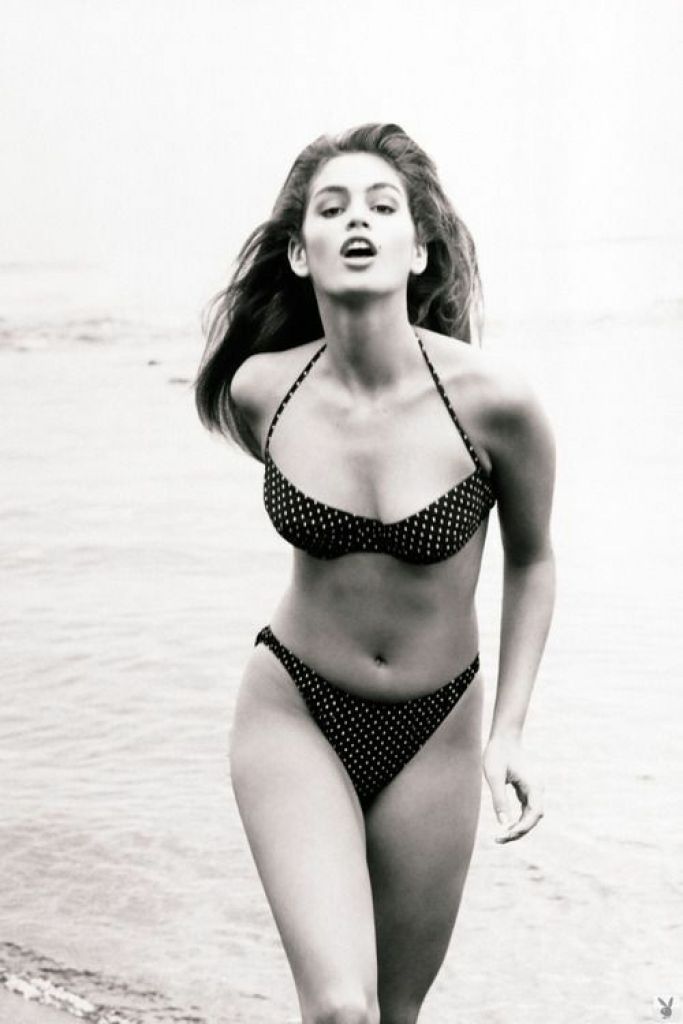
51 Amazingly Gorgeous Photos of Supermodel Cindy Crawford

Subscribe to get access

Read more of this content when you subscribe today.

Cynthia Ann Crawford (born February 20, 1966) is an American model, actress and television personality. During the 1980s and 1990s, she was among the most popular supermodels and a ubiquitous presence on magazine covers and runways, as well as fashion campaigns. She subsequently expanded into acting and business ventures.

Crawford is an icon who’s had a lasting impact on the fashion world. Her All-American look highlighted by a beauty mark on her upper lip became an instant sensation when she hit the scene in 1986. The mother of two has since graced countless magazine covers for Vogue, Harper’s Bazaar Elle and stared in major designer campaigns for brands like Chanel, Versace and Calvin Klein.

Crawford helped pioneer ’90s All-American style with simple silhouettes, neutral palettes and comfortable, easy fabrics. Her inimitable and innate sense of style has had a lasting impact on both street style and high fashion. In honor of her milestone birthday, below are 50 of Crawford’s most iconic style moments.

Subscribe to continue reading

Become a paid subscriber to get access to the rest of this post and other exclusive content.

Yesterday Today: August 30

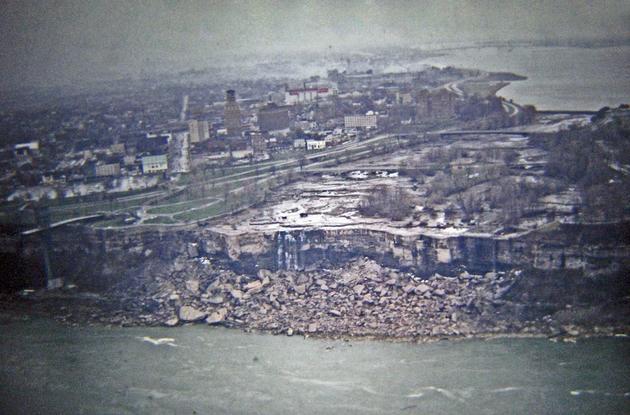
Niagara river was diverted from Niagara Falls for the first time in 12,000 years to perform maintenance, 1969.

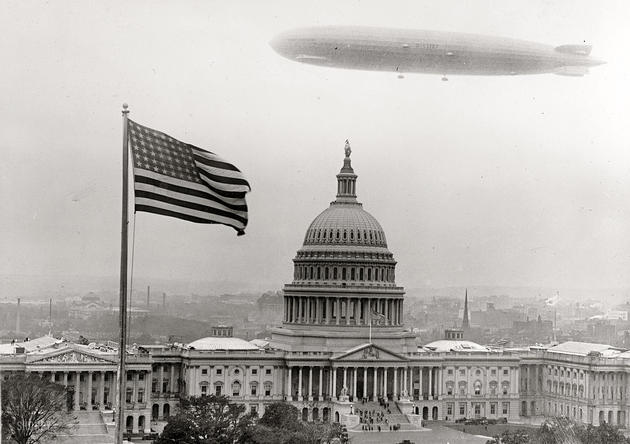
LZ 127 Graf Zeppelin floating over Washington DC, 1928.

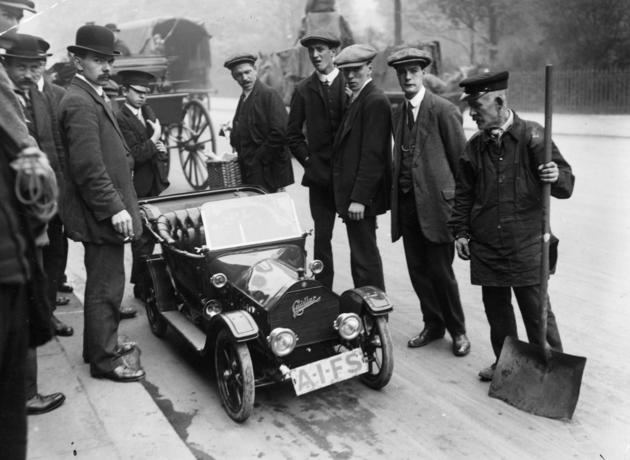
A miniature, fully functional replica of a Cadillac that was made for the Royal family of Siam. 1913.

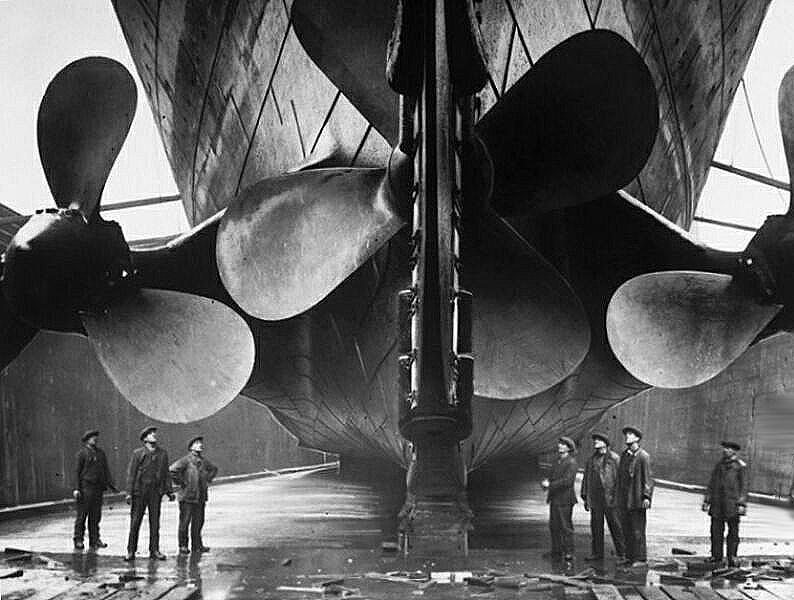
This photo gives a great size comparison of Titanic’s propellers.

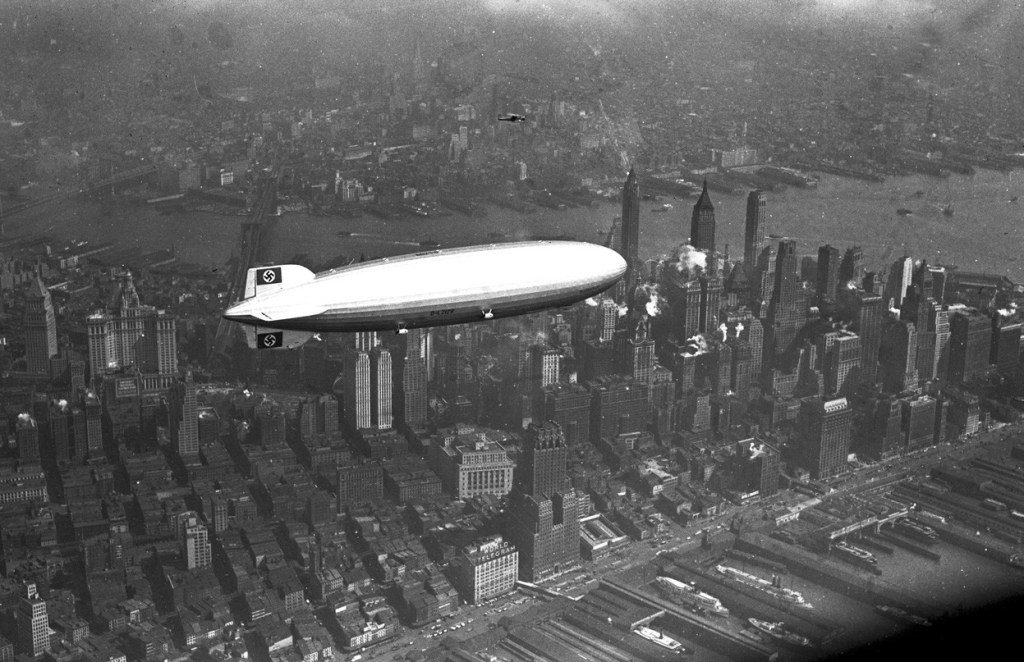
Hindenburg flies over Manhattan in 1936.

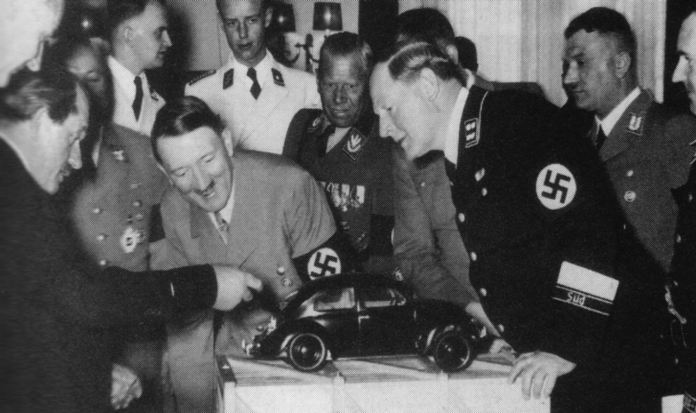
Ferdinand Porsche showcasing the Volkswagen Beetle to Adolf Hitler. ~1935.

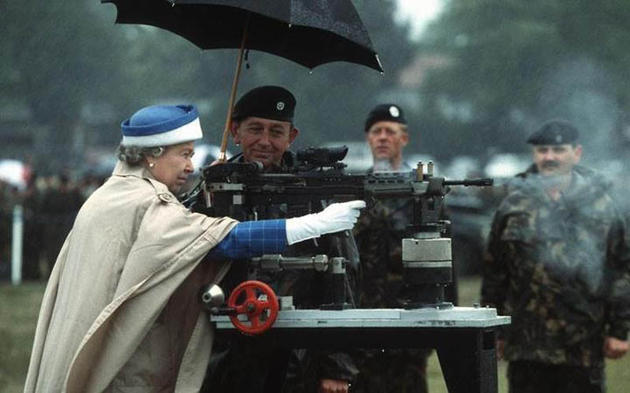
Queen Elizabeth II firing a British L85 battle rifle. Surrey, England,1993.

Einstein’s office at the Institute for Advanced Study in Princeton, New Jersey, photographed on the day of his death, April 18, 1955.

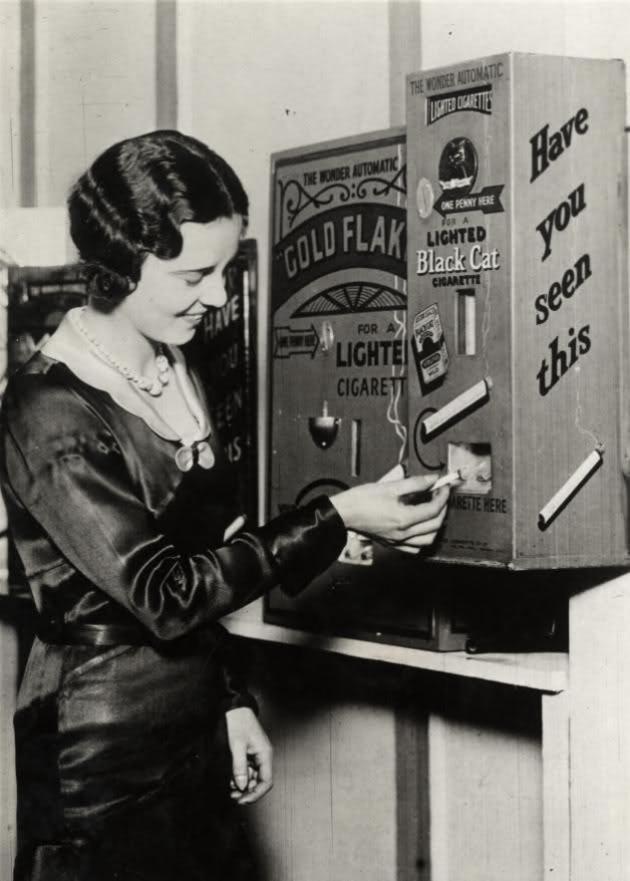
A vending machine that sold already lit cigarettes for a penny. England, 1931.

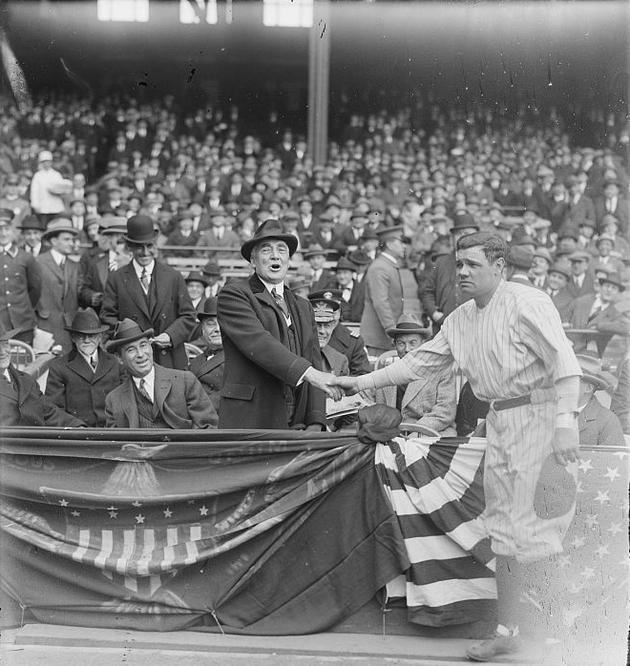
Babe Ruth shakes hands with U.S. President Warren G. Harding during a game at the Yankees Stadium. April, 1923. Ruth set career records for home runs which totaled at 714!

Subscribe to Yesterday Today to receive daily updates:

Help us with our endeavors to keep History alive. With our daily Blog posts and our publishing program we hope to inform people in a comfortable and easy-going manner. This is my full-time job so any support you can give would be greatly appreciated. Click on the word “Donate” below:

Donate

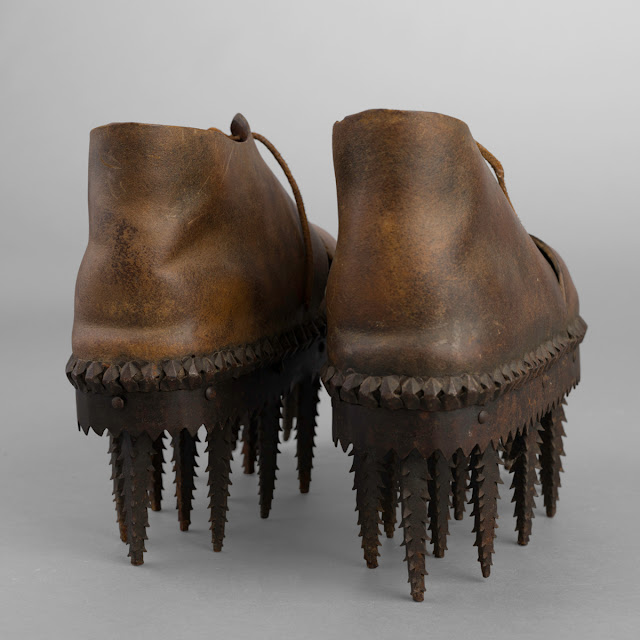
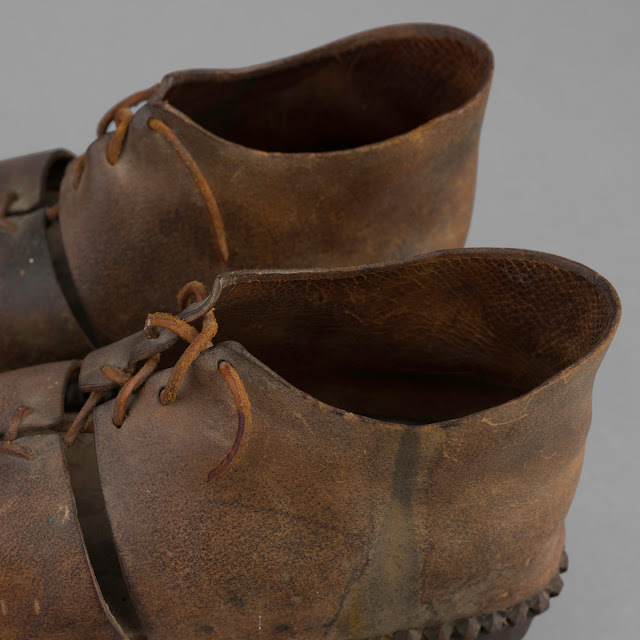
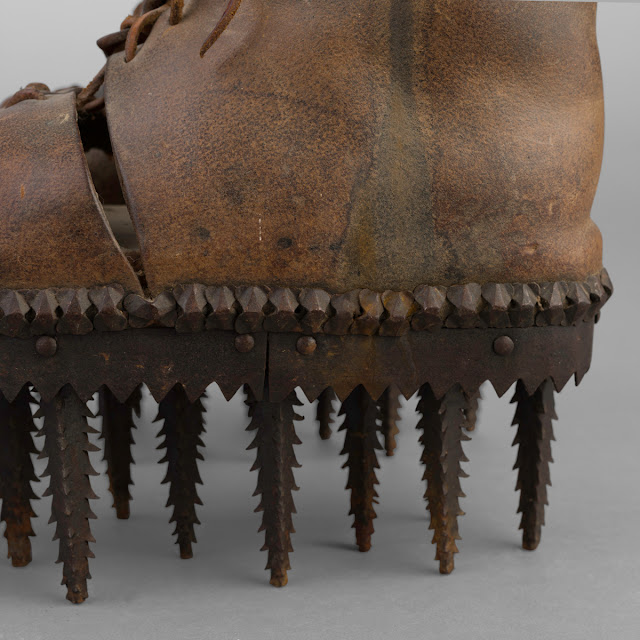
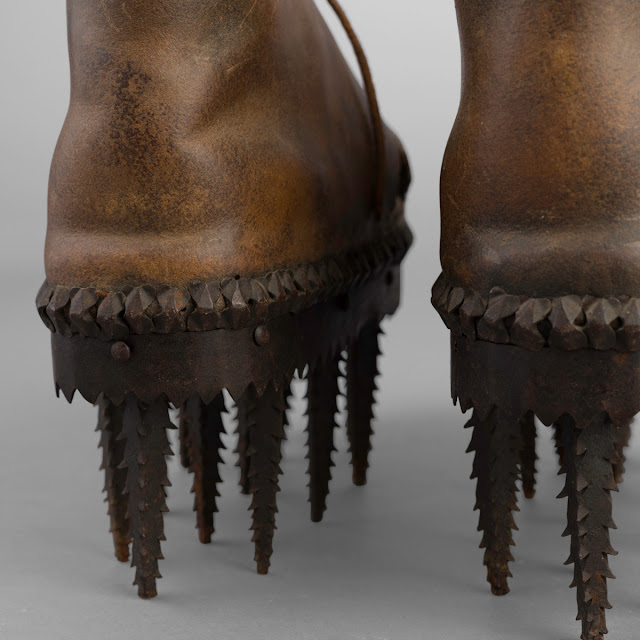
Curious Pair of Shoes Called “Soles” Ardèche From the Late 19th Century

This footwear, called “Soles”, made in the Ardèche region of France in the 19th century. The soles are heavy duty shoes whose soles are studded with sharp blades. They were in wood for the sole, leather for the portion covering the foot and metal for the dents.

The soles were used to peel the chestnuts, once the fruit freed from its shell adorned with fearsome spines and after a drying time. Each shoe weighs about 2kg.

Subscribe to Yesterday Today to receive daily updates of new content:

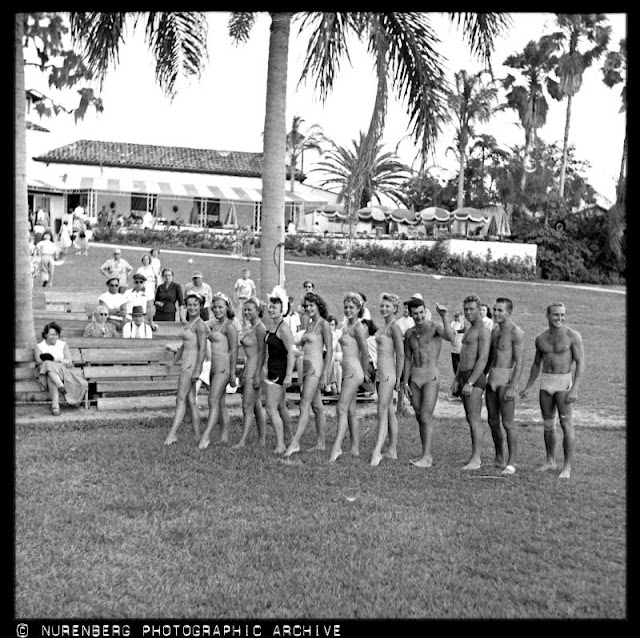
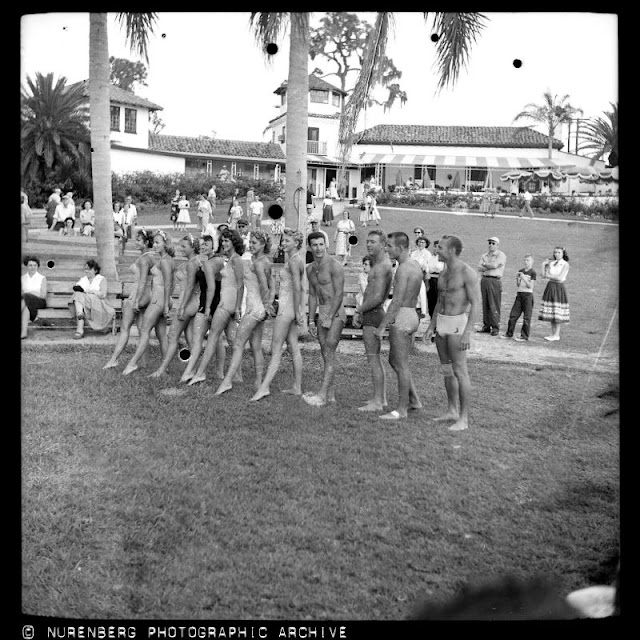
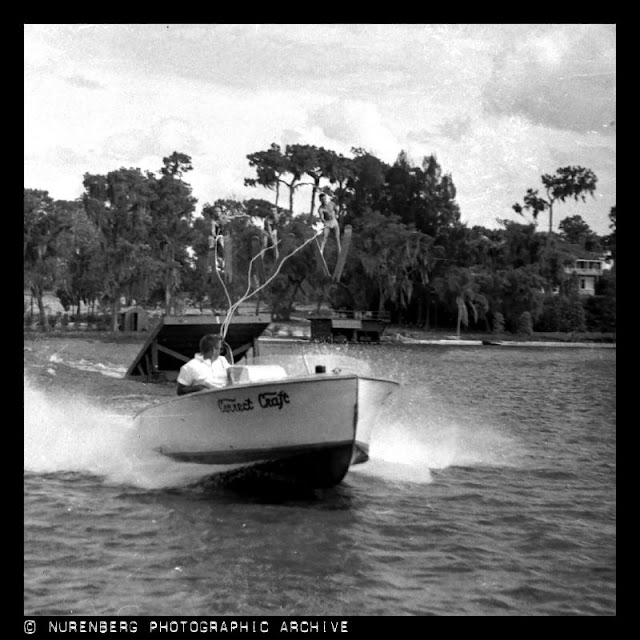
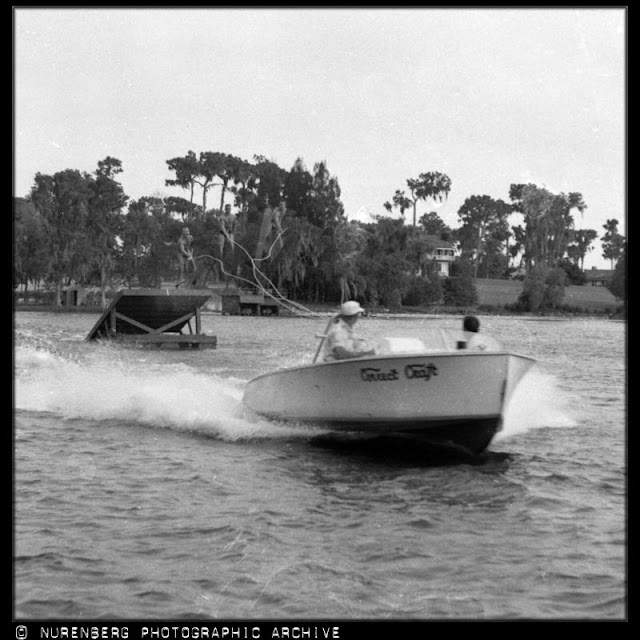
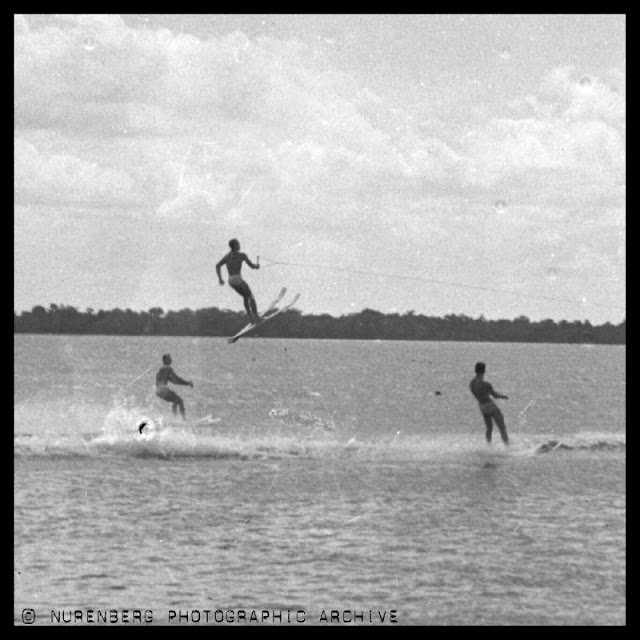
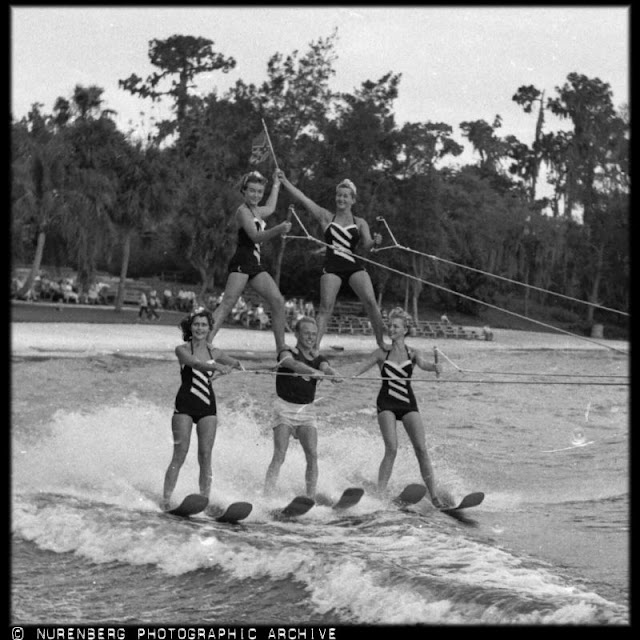
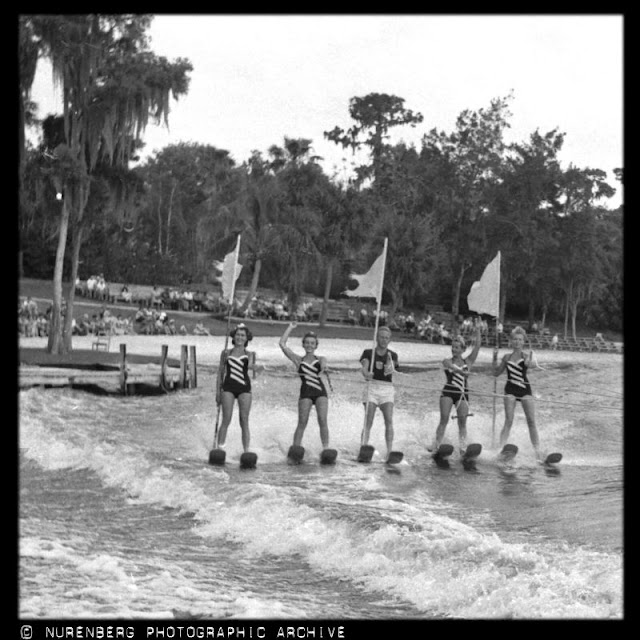
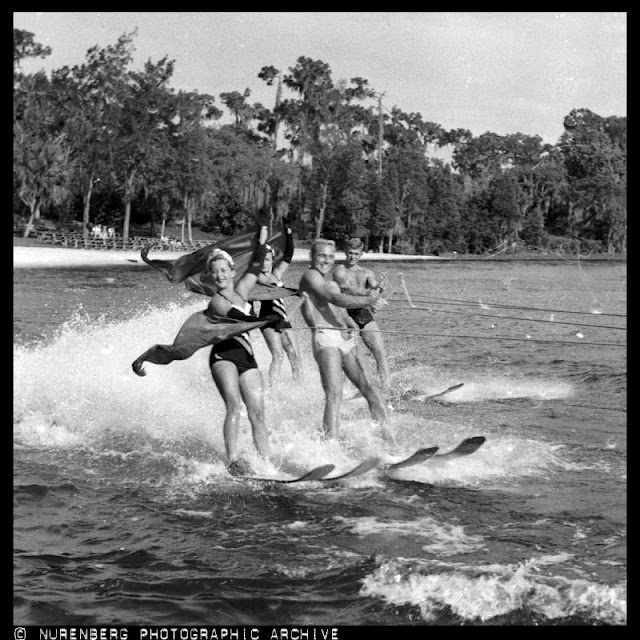
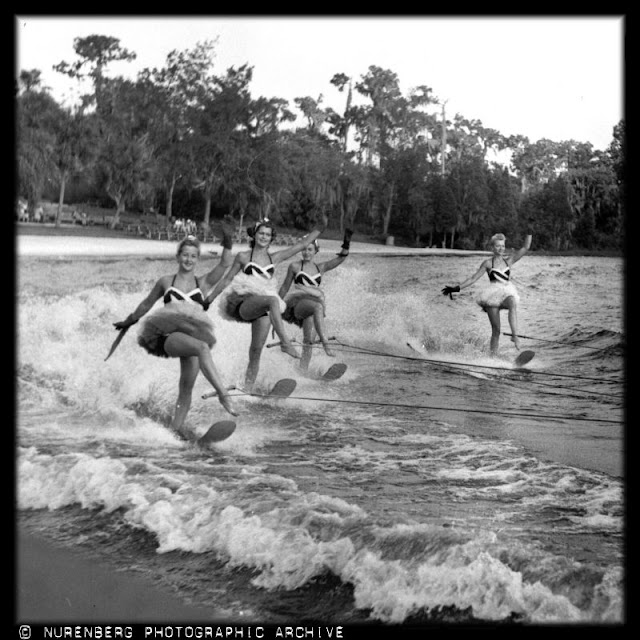
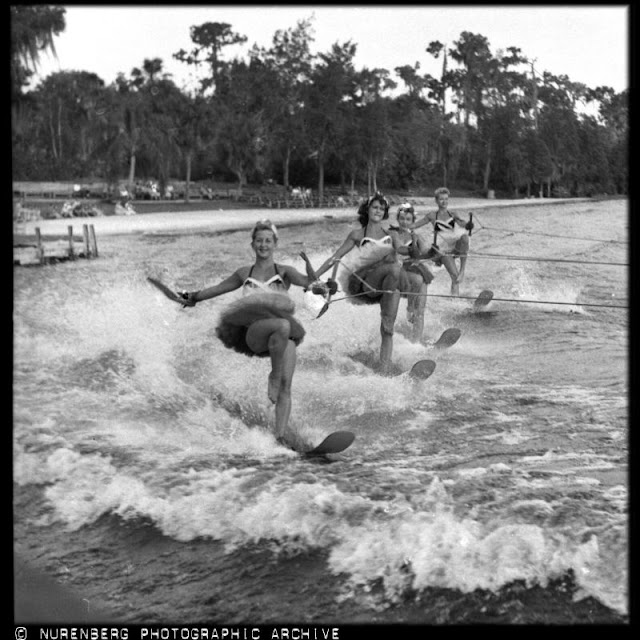
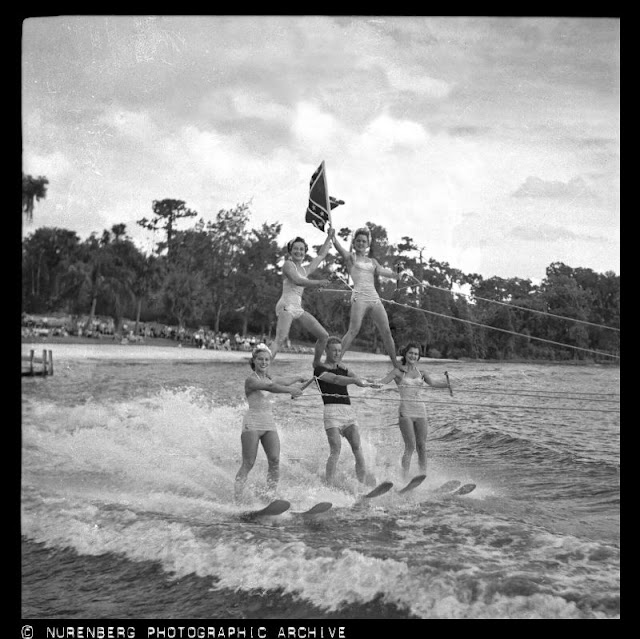
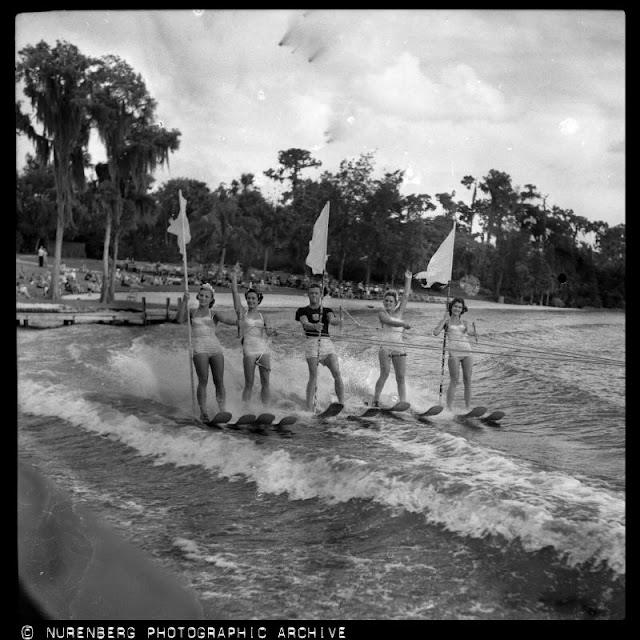
24 Black and White Photos of Cypress Gardens in the 1950s

Opened in 1936 by Dick Pope, Sr. and his wife Julie Downing Pope, Cypress Gardens may have been Florida’s first ‘Theme Park.’ After decades of changing ownership and financial troubles, the park was re-opened in 2011 as Legoland Florida, retaining some of the original theme and gardens, but from the 1940s through 2003, Cypress Gardens was dubbed the ‘Waterski Capital of the World’.

Southern belles, water ski stunts, bathing beauties, swimsuits, this collection of photos offers a nice glimpse into 1950s Cypress Gardens.

(Photo © The Nurenberg Photographic Archive)

Subscribe to receive daily updates on new content:

\

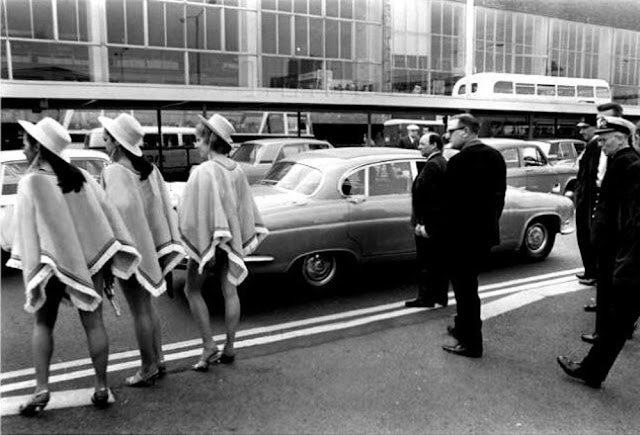
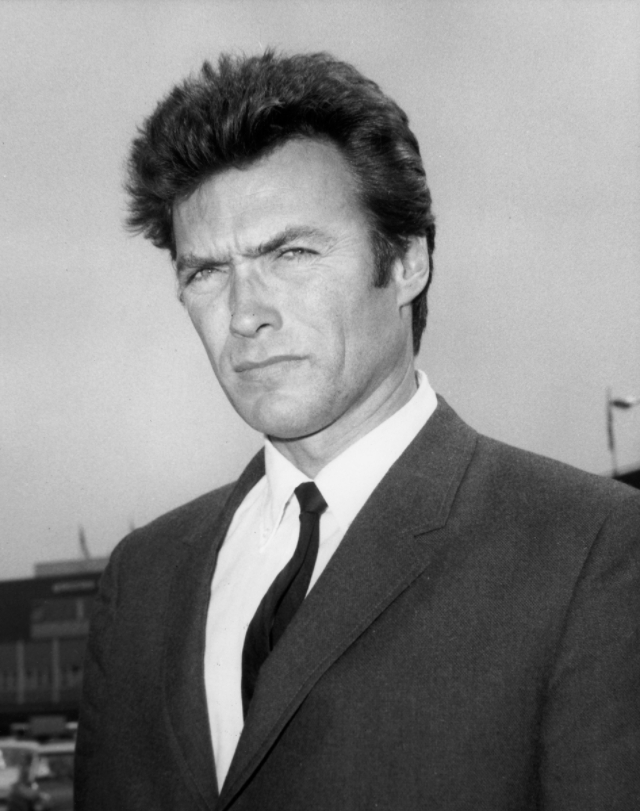
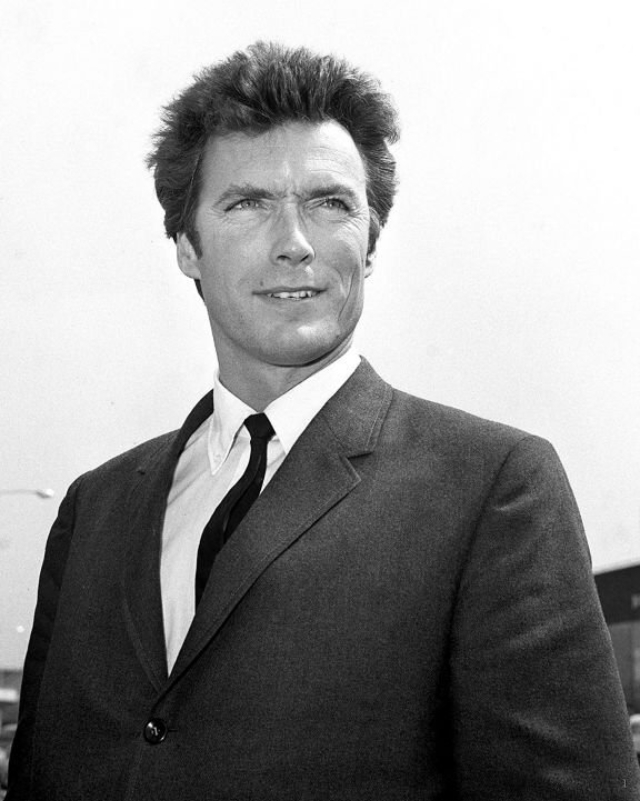
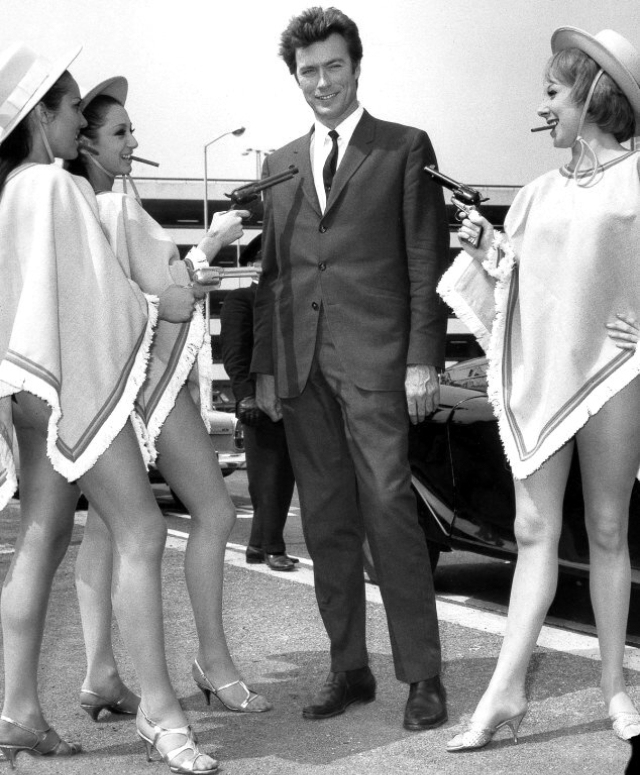
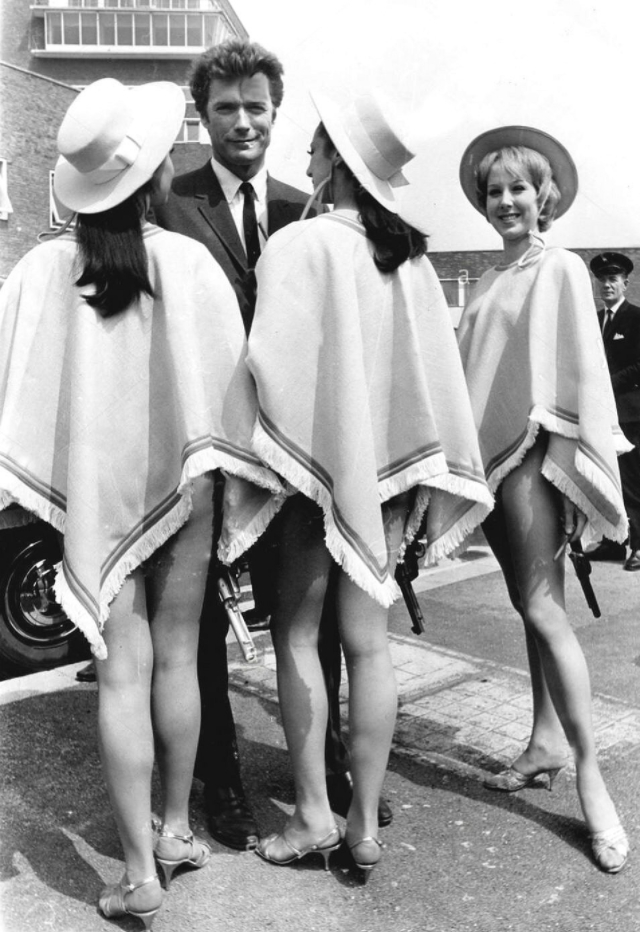
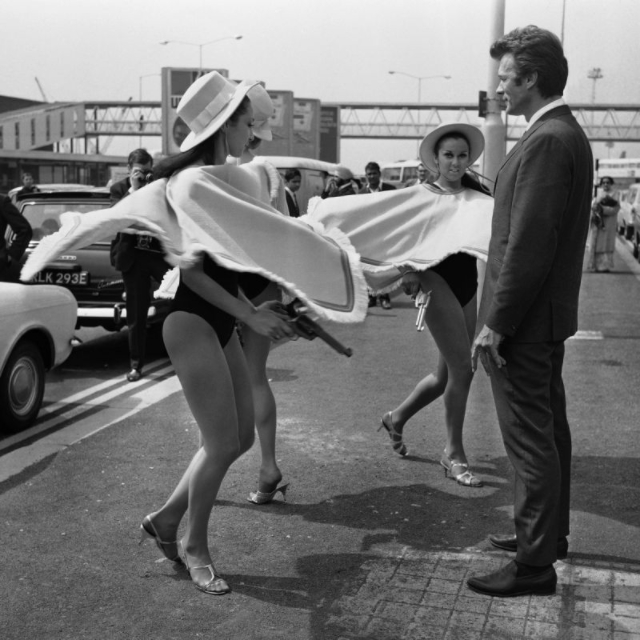
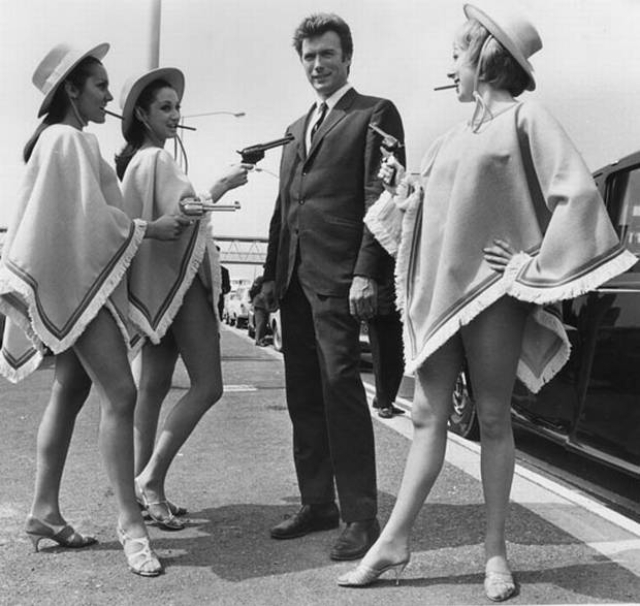
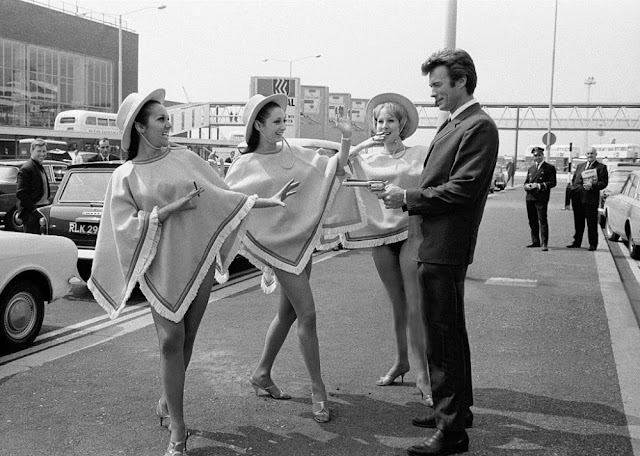
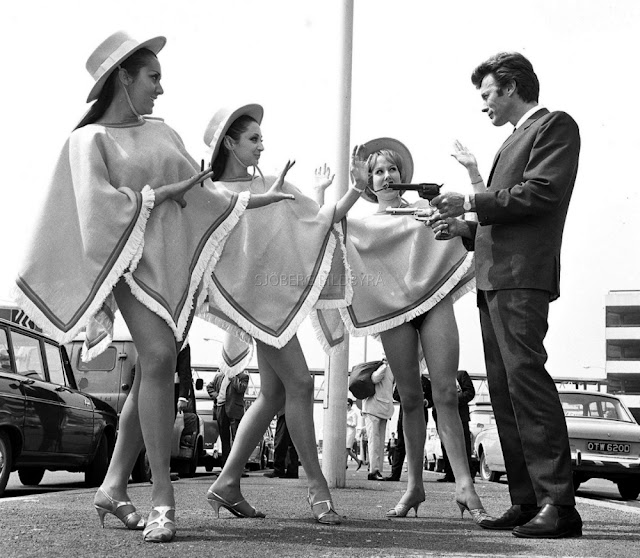
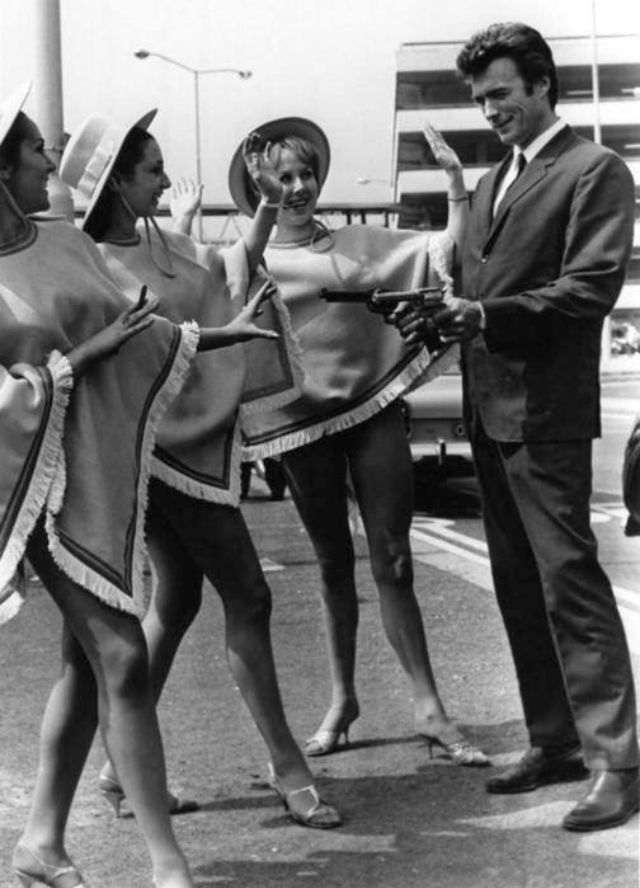
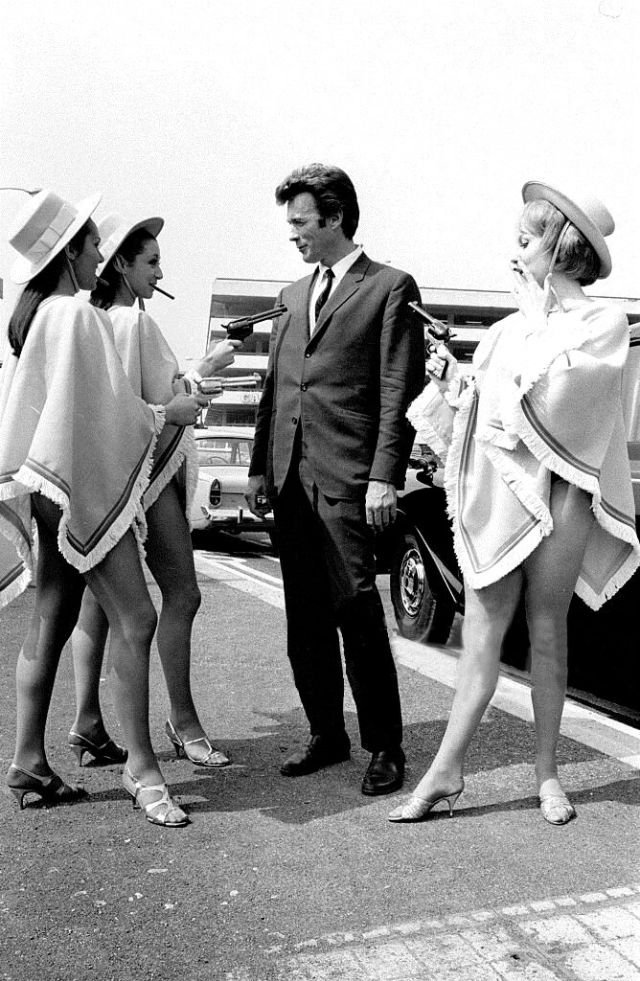
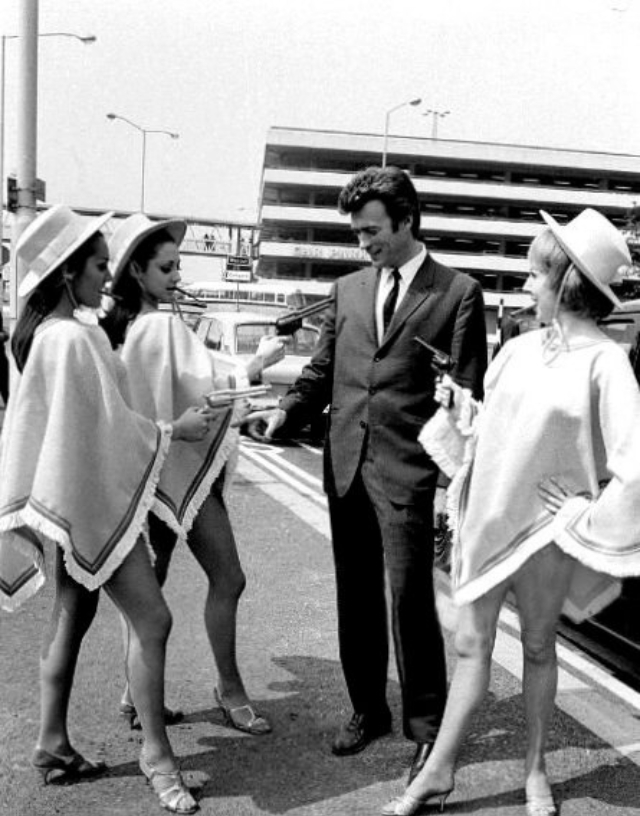
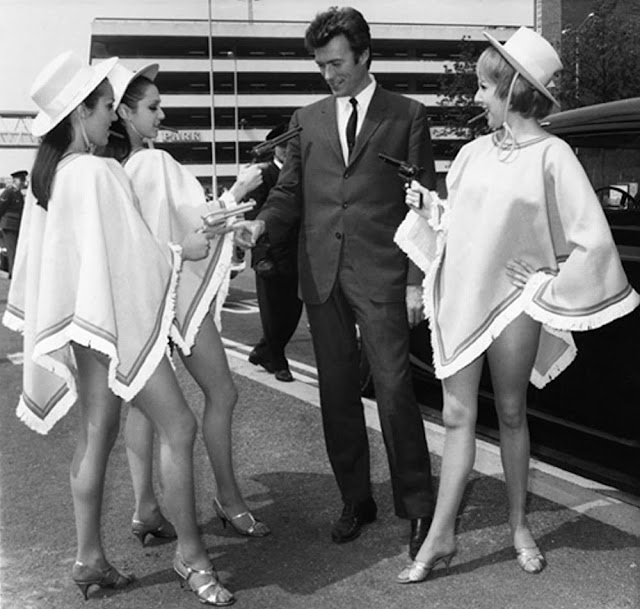
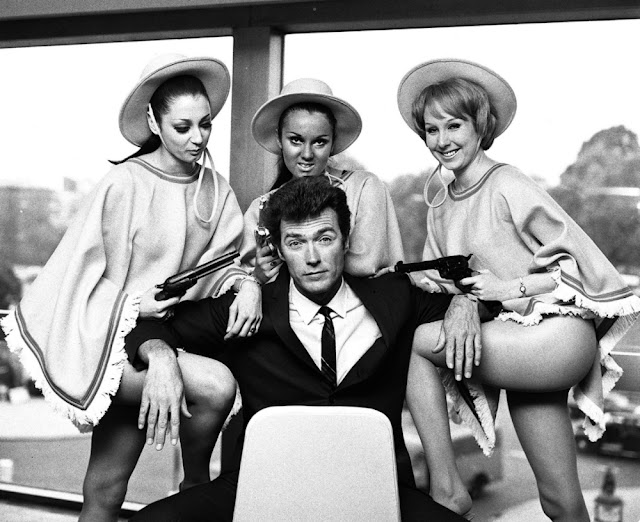
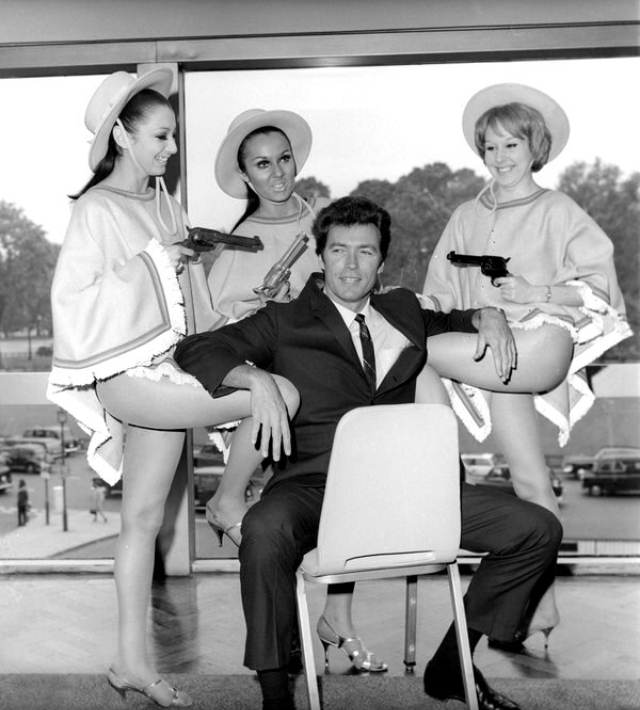
Clint Eastwood During the 1967 Promotional Tour in London for ‘A Fistful of Dollars’

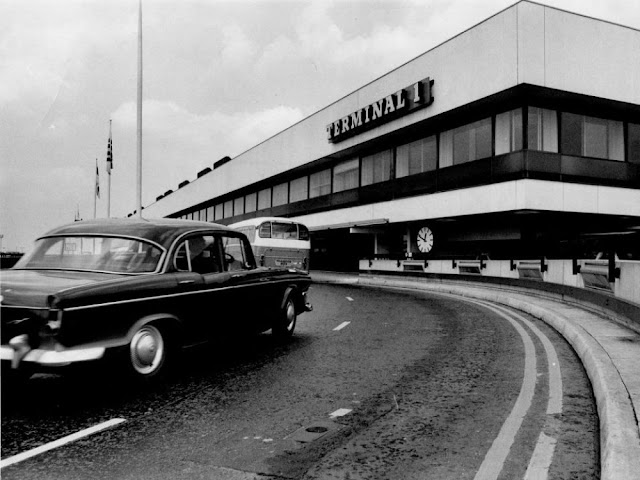
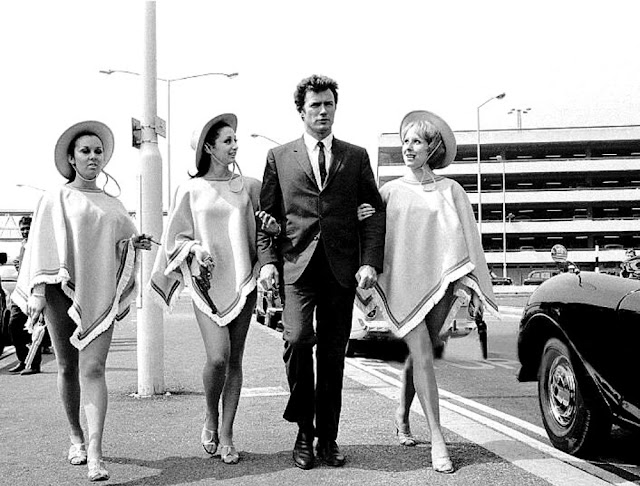
Clint Eastwood arrived at London’s Heathrow airport on June 1, 1967. He was in the UK for a total of 9 days to promote A Fistful of Dollars. It was of course released some 3 years after it was made, due mainly to copyright problems with Akira Kurosawa’s Yojimbo (1961).

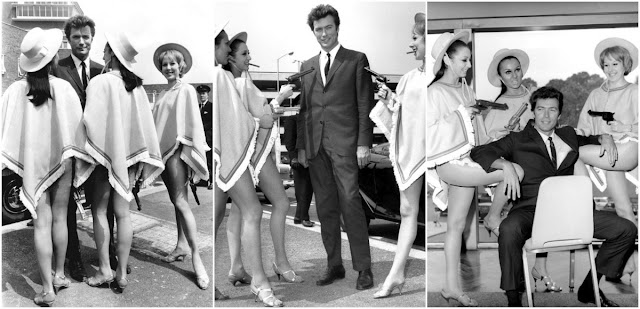
Most pictures from this promotional tour were captured at Heathrow where it was arranged through United Artists for Clint to be photographed with three beauties from the UA publicity department. These three girls, dressed in cowboy hats, ponchos and toy guns were Sue Melody, Sandra Marshall and Anita McGregor.
A Fistful of Dollars is a 1964 Spaghetti Western film directed by Sergio Leone and starring Clint Eastwood in his first leading role, alongside John Wells, Marianne Koch, W. Lukschy, S. Rupp, Jose Calvo, Antonio Prieto, and Joe Edger.[4] The film, an international co-production between Italy, West Germany, and Spain, was filmed on a low budget (reported to be $200,000), and Eastwood was paid $15,000 for his role.
Released in Italy in 1964 and then in the United States in 1967, it initiated the popularity of the Spaghetti Western genre. It was followed by For a Few Dollars More and The Good, the Bad and the Ugly, also starring Eastwood. Collectively, the films are known as the “Dollars Trilogy,” or the “Man with No Name Trilogy” after the United Artists publicity campaign referred to Eastwood’s character in all three films as the “Man with No Name.” All three films were later released in sequence in the United States in 1967, catapulting Eastwood into stardom.

The film has been identified as an unofficial remake of the Akira Kurosawa film Yojimbo (1961), which resulted in a successful lawsuit by Toho, Yojimbo’s production company.

As few Spaghetti Westerns had yet been released in the United States, many of the European cast and crew took on American-sounding stage names. A Fistful of Dollars was shot in Spain, mostly near Hoyo de Manzanares close to Madrid, but also (like its two sequels) in the Tabernas Desert and in the Cabo de Gata-Níjar Natural Park, both in the province of Almería.

Yesterday Today

Bringing You the Wonder of Yesterday - Today

Skip to content ↓