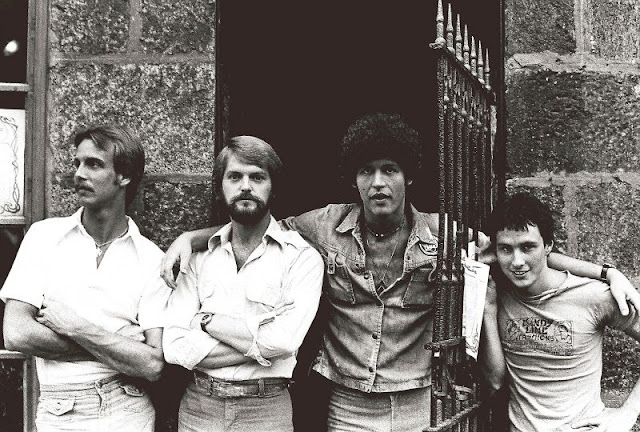
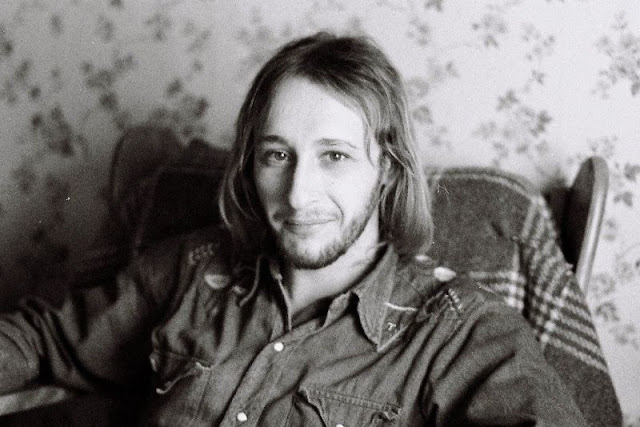
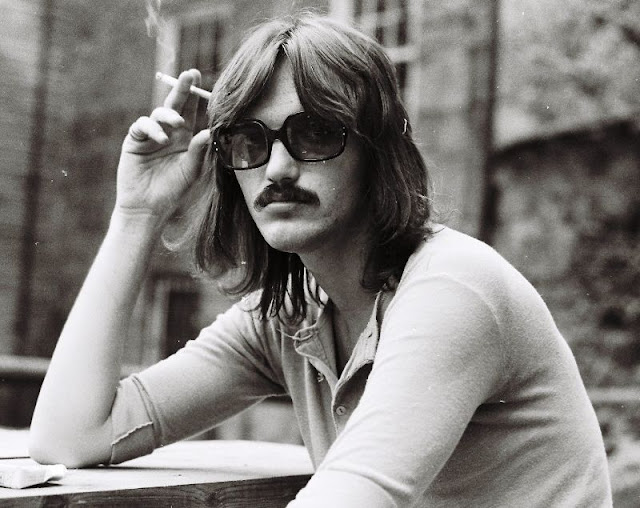
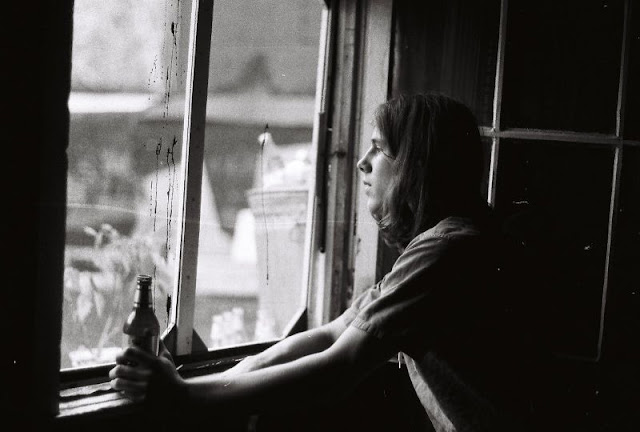
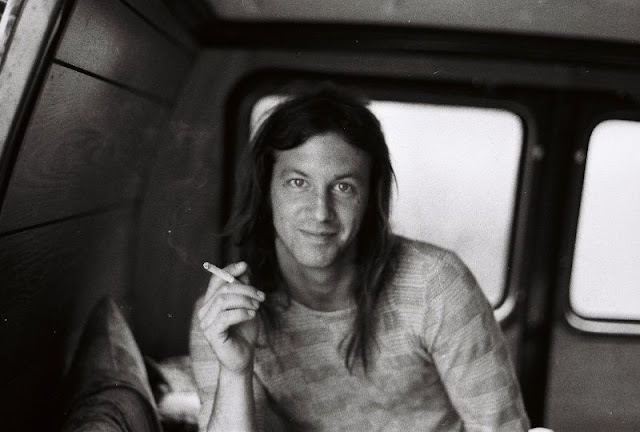
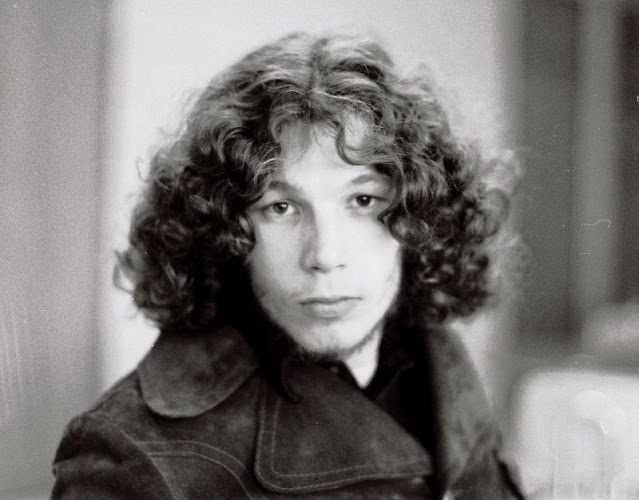
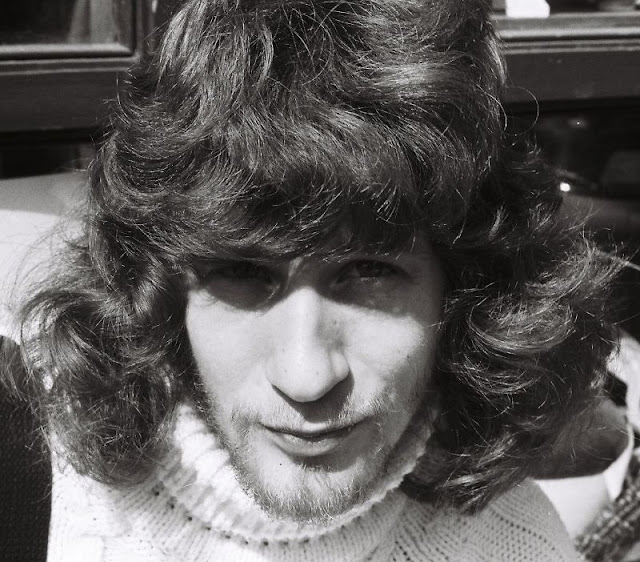
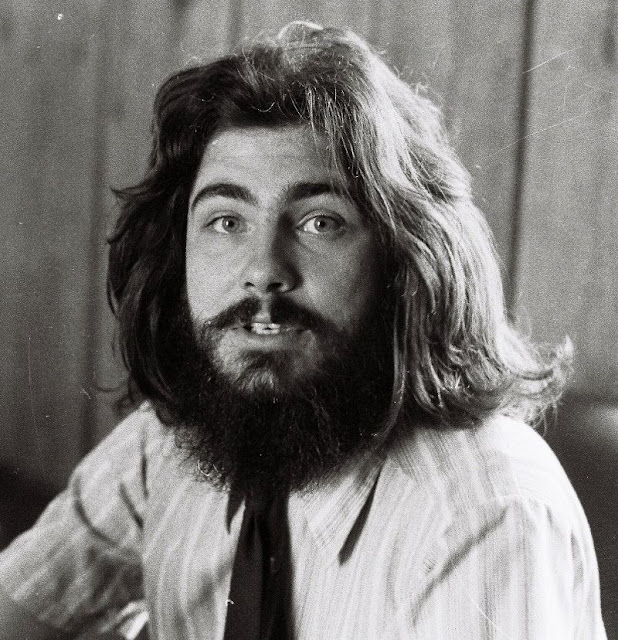
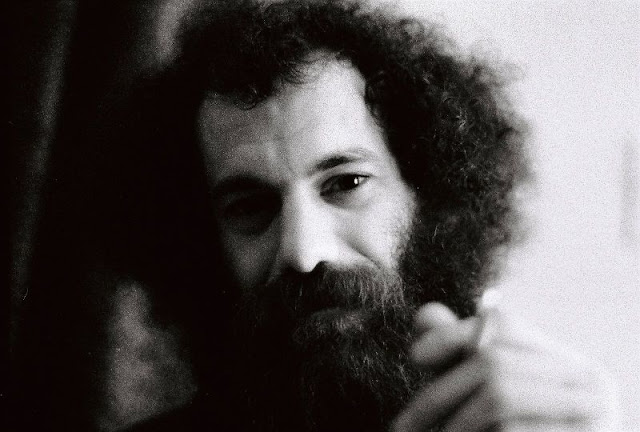
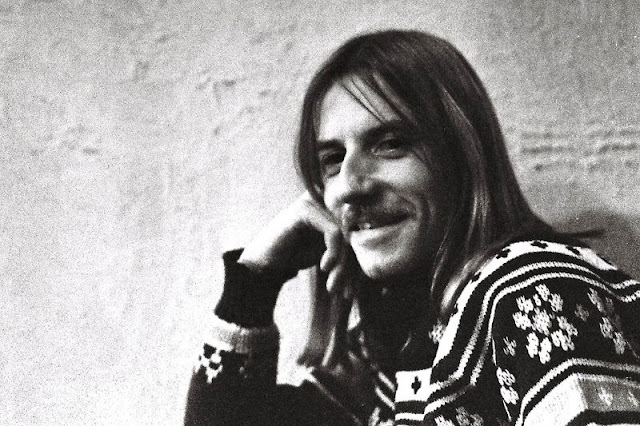
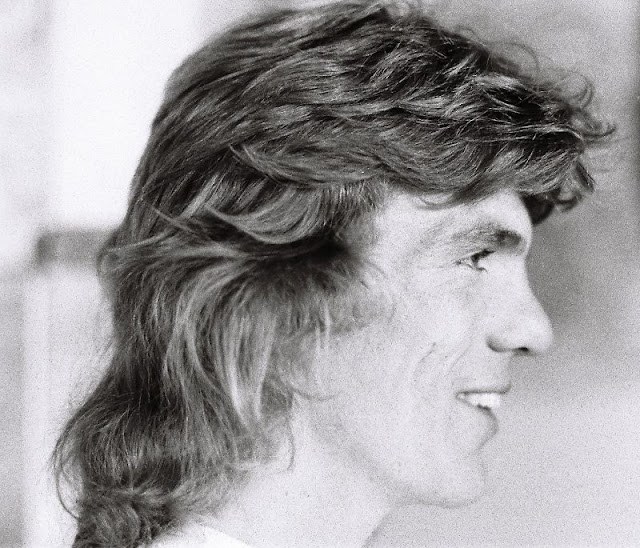
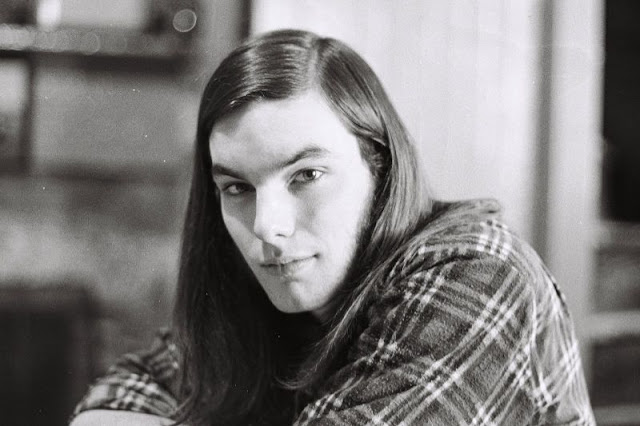
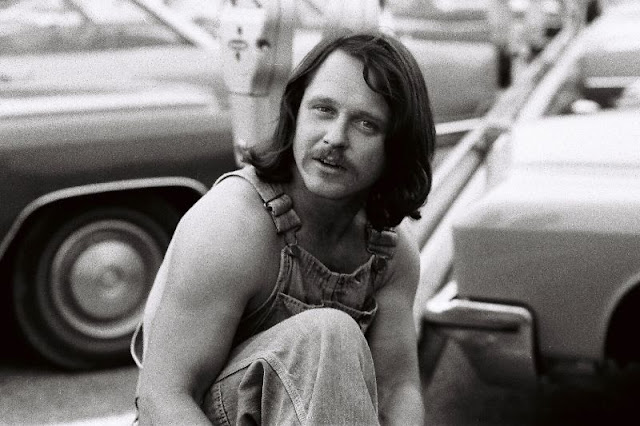
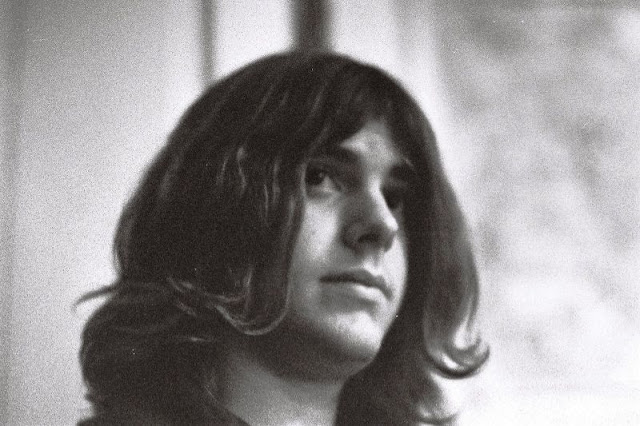
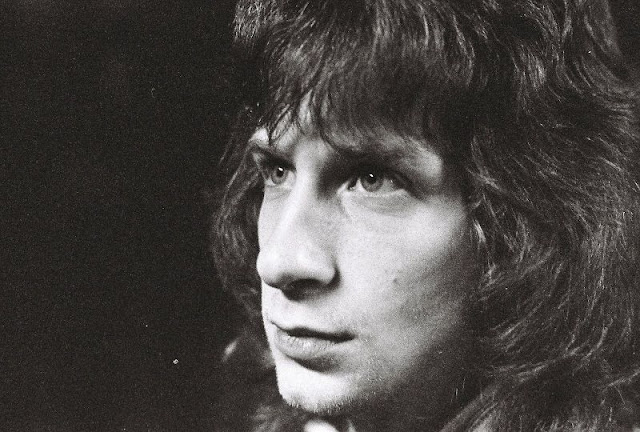
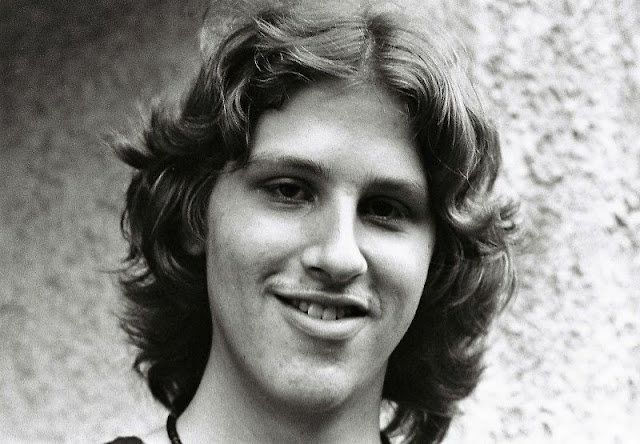
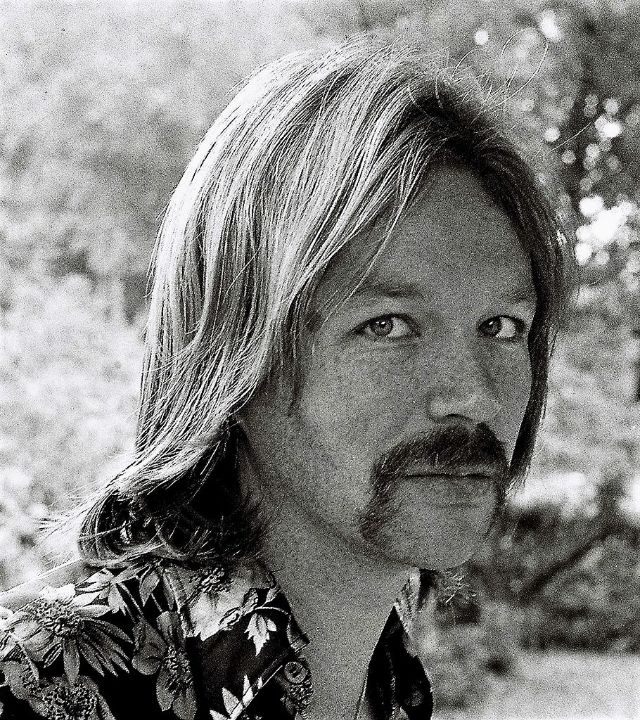
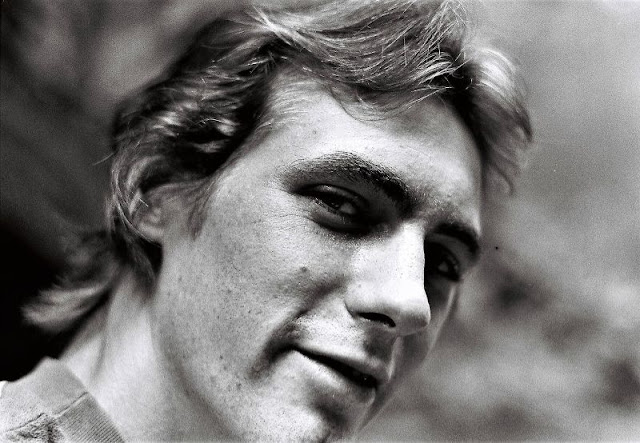
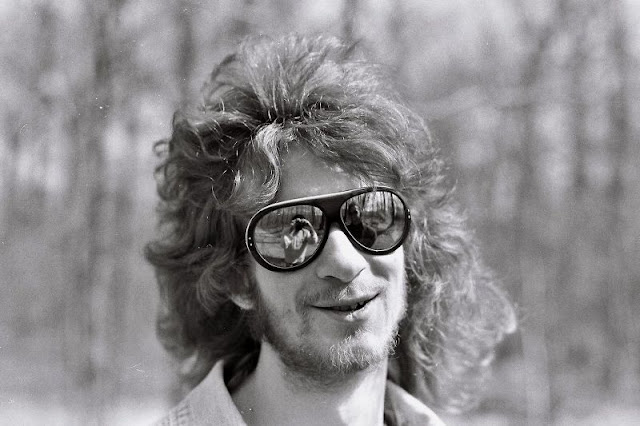
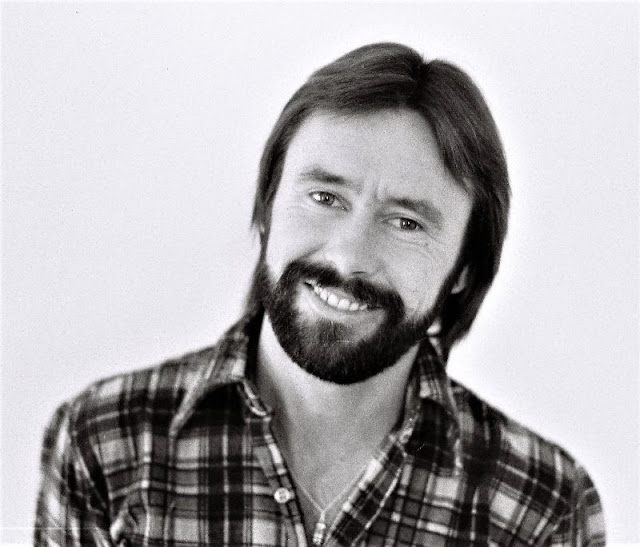
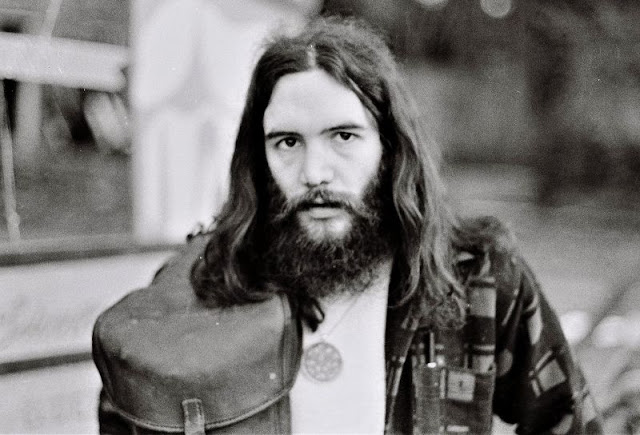
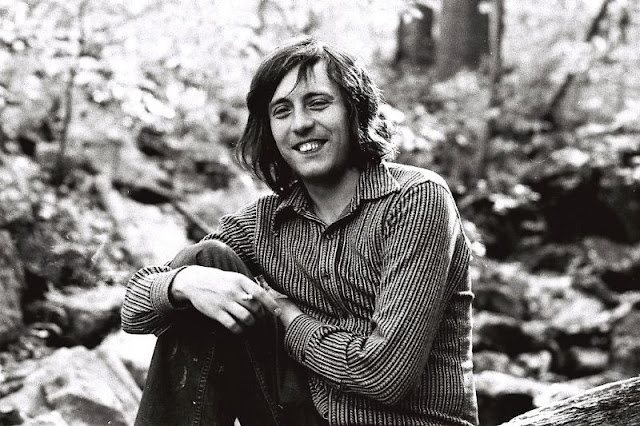
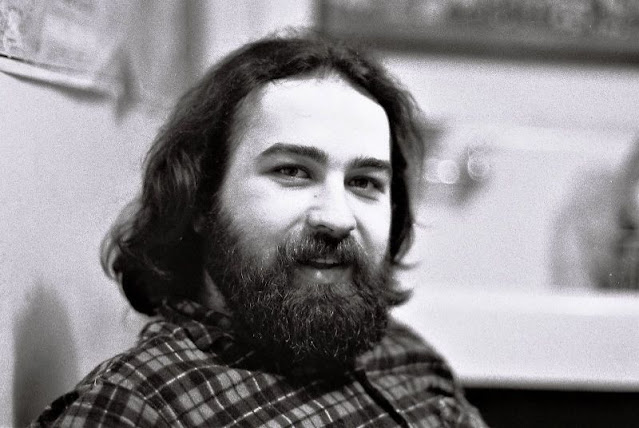
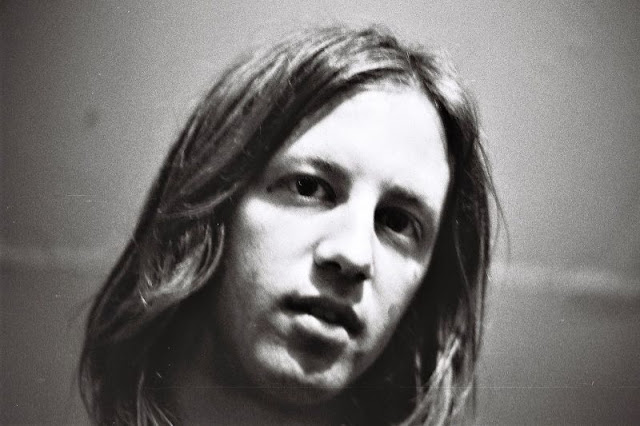
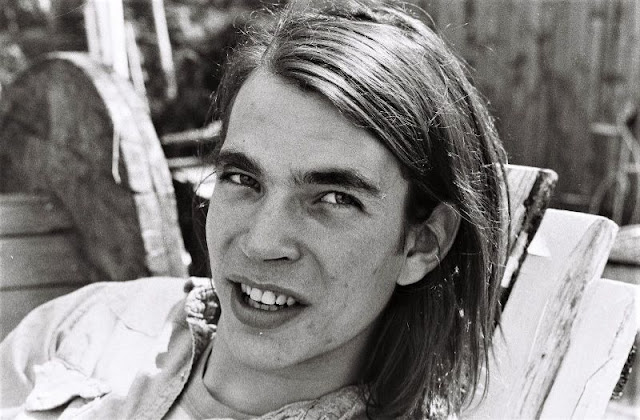
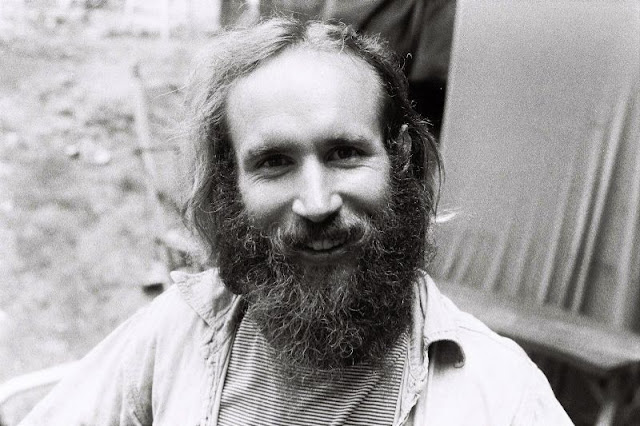
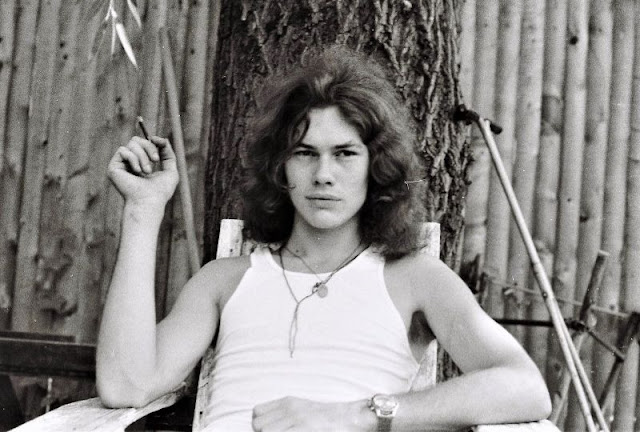
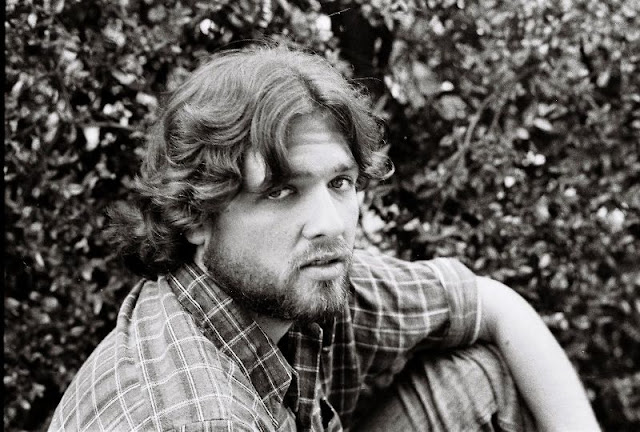
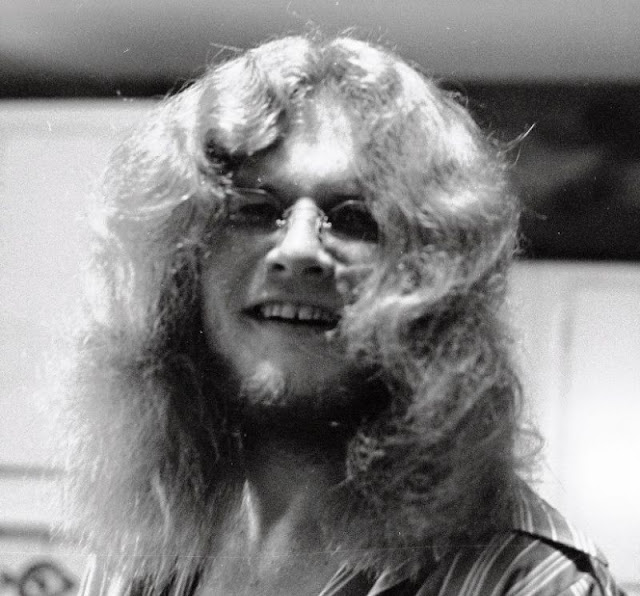
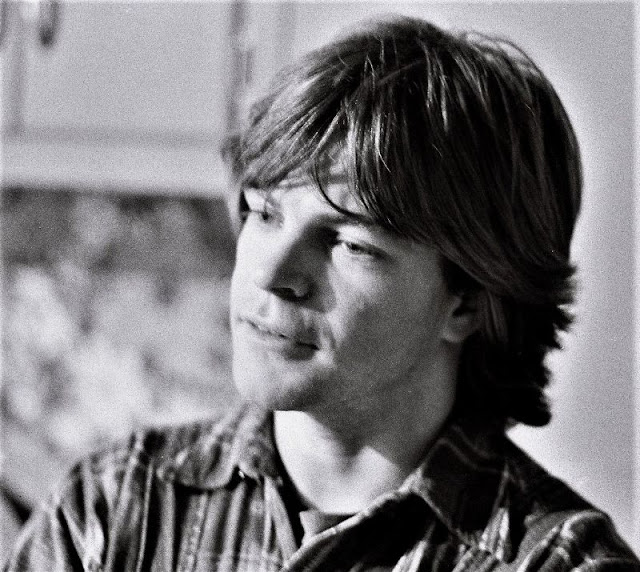
These vintage photos show hairstyles of young men in the 1970s.
Help us to continue bringing you amazing quality historical content. We truly appreciate your contribution. Visit the donate section of our website for safe and secure giving.
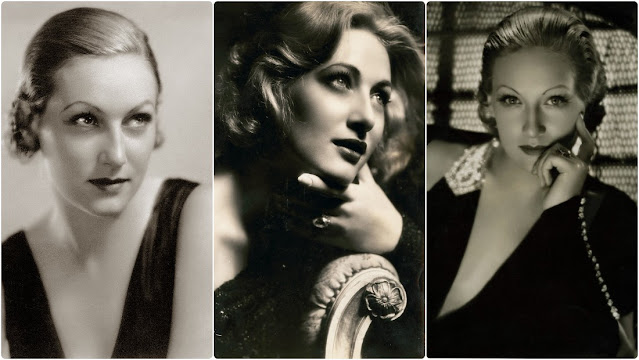
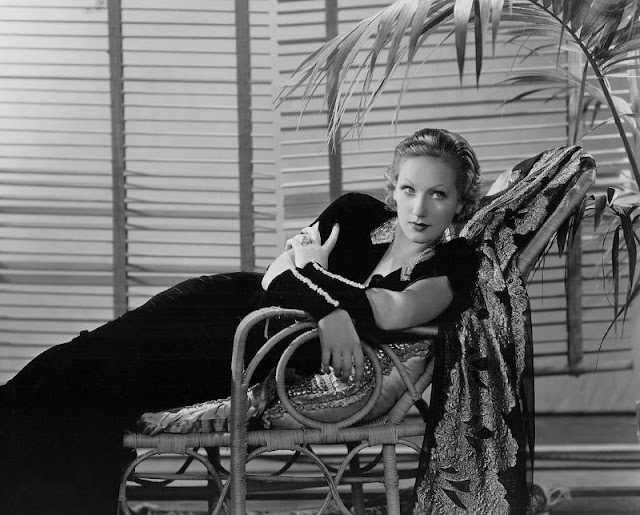
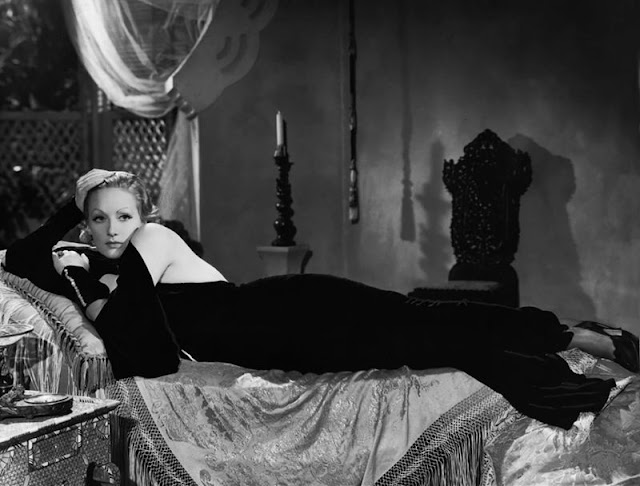
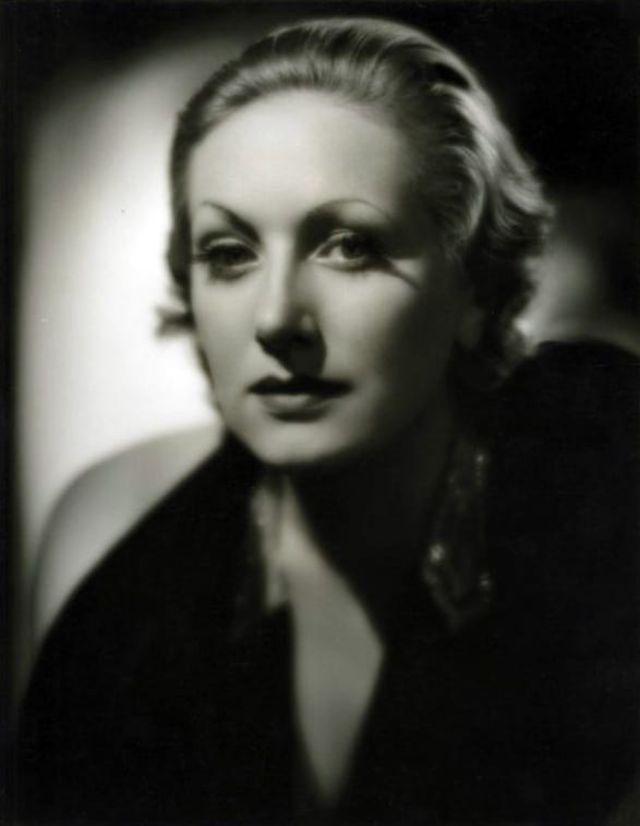
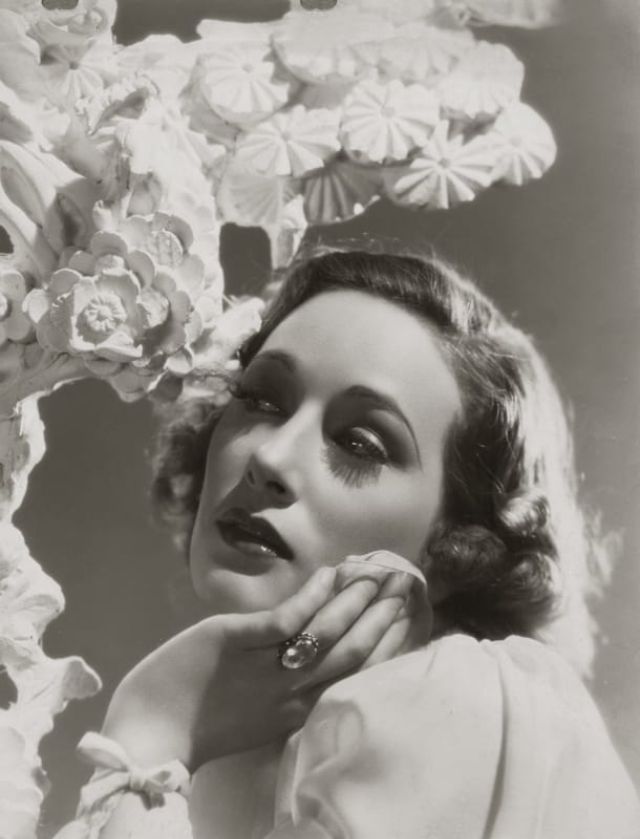
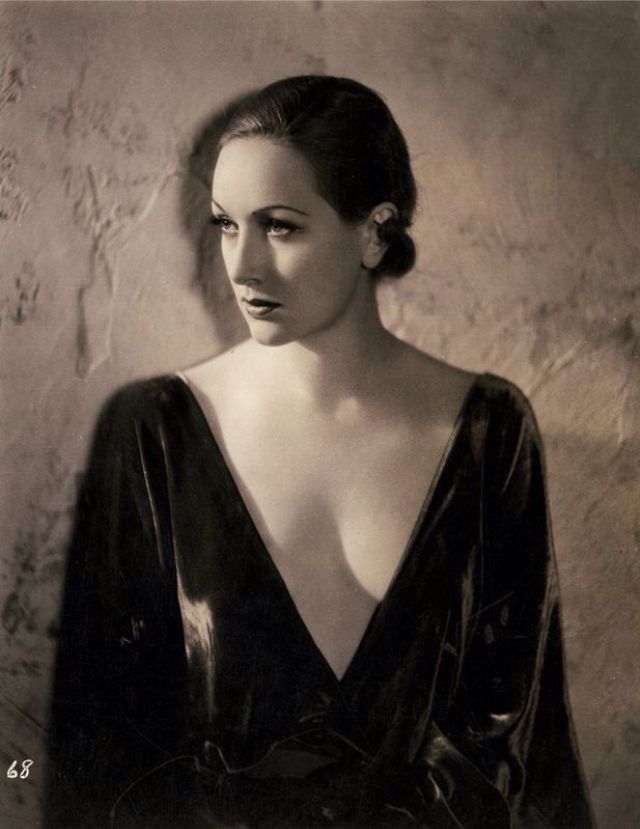
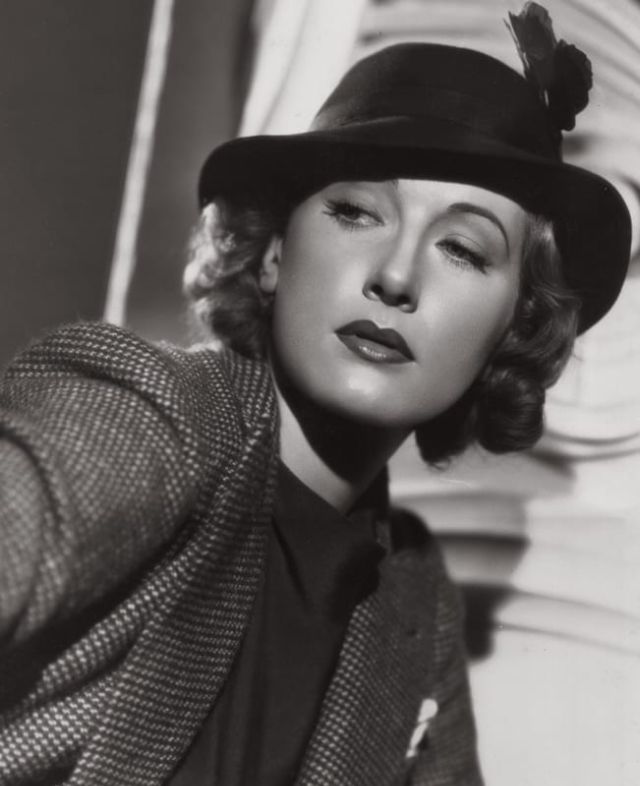
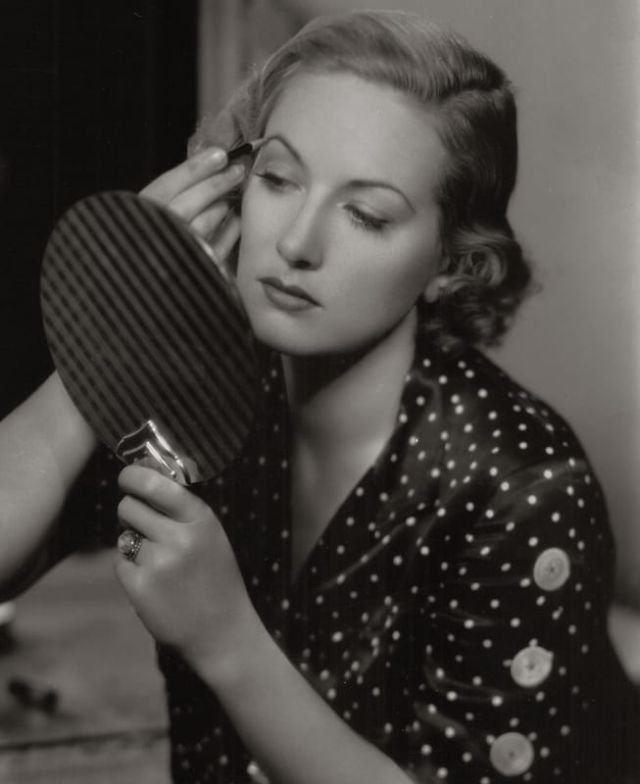
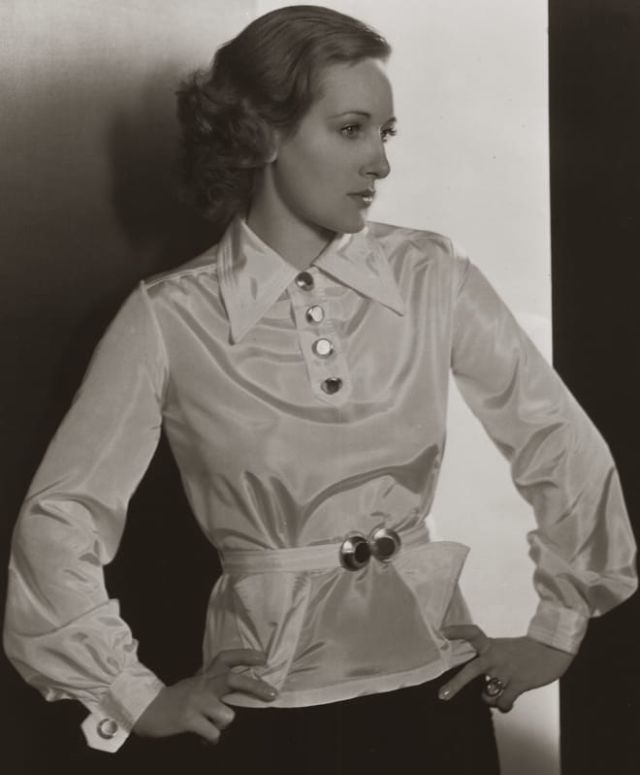
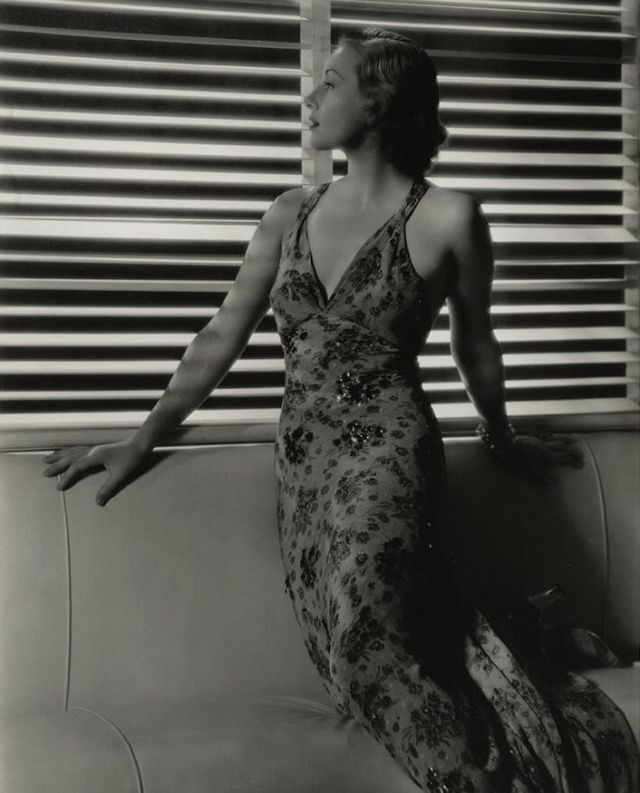
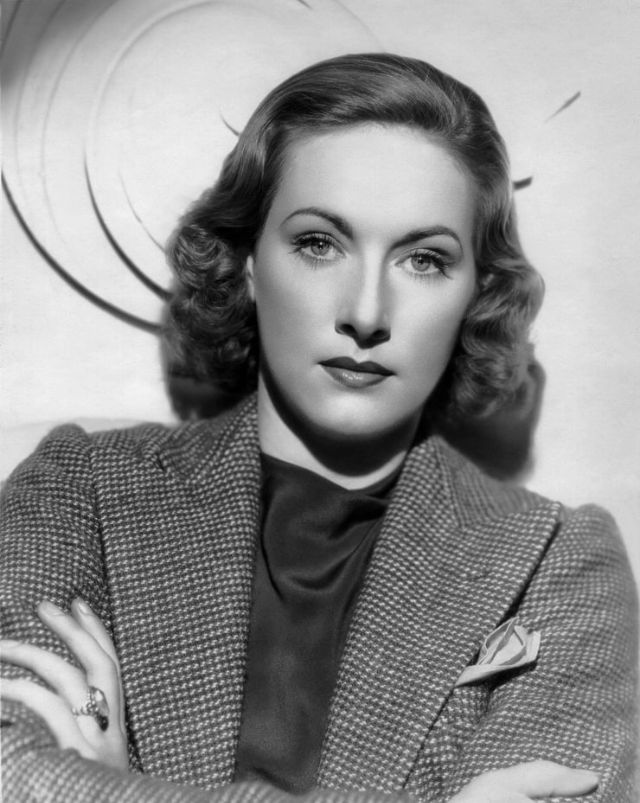
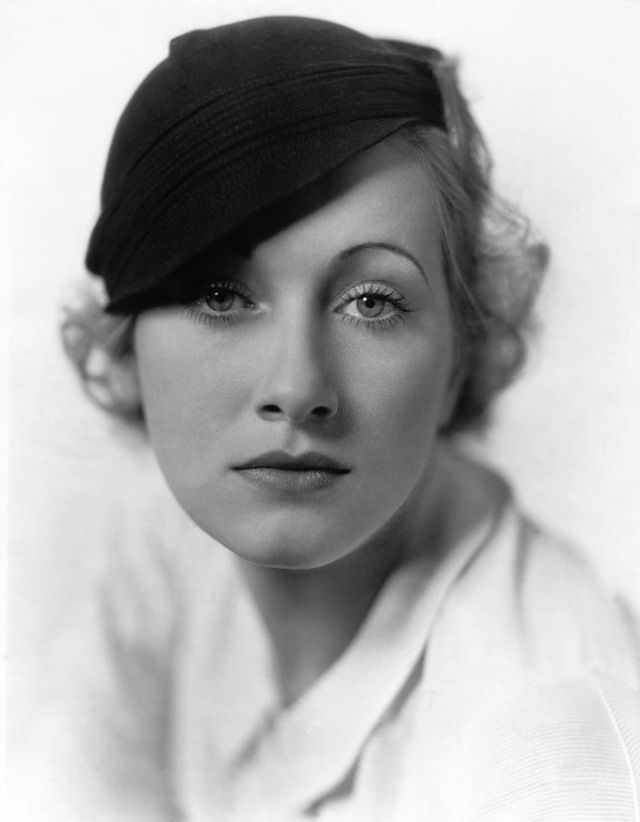
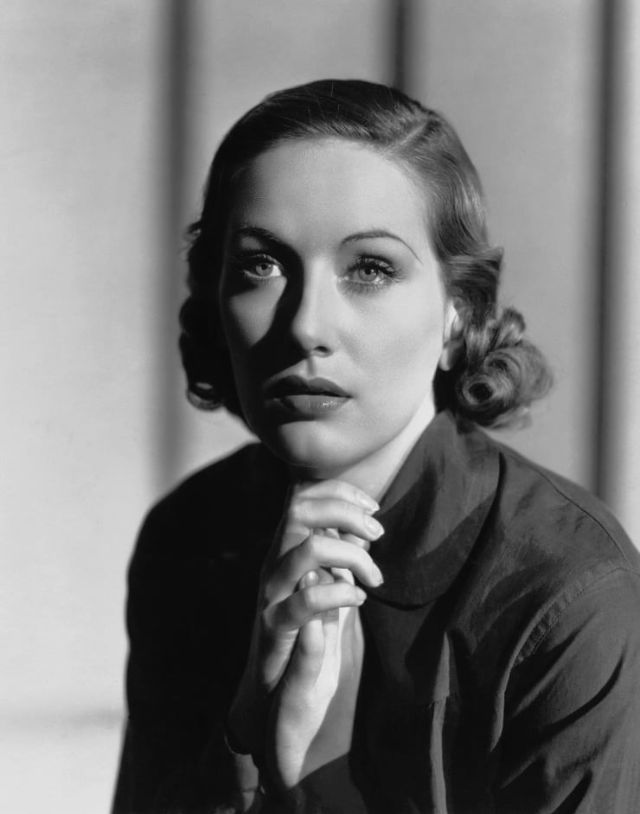
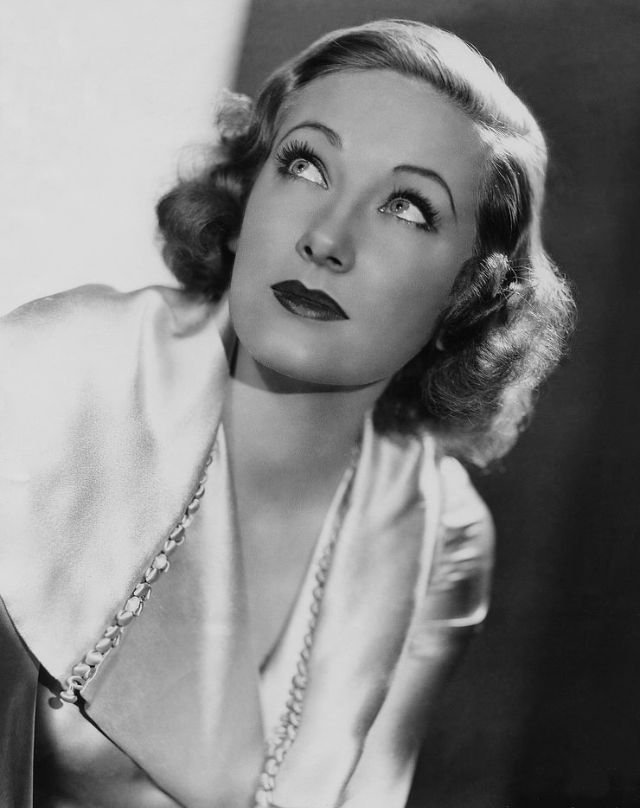
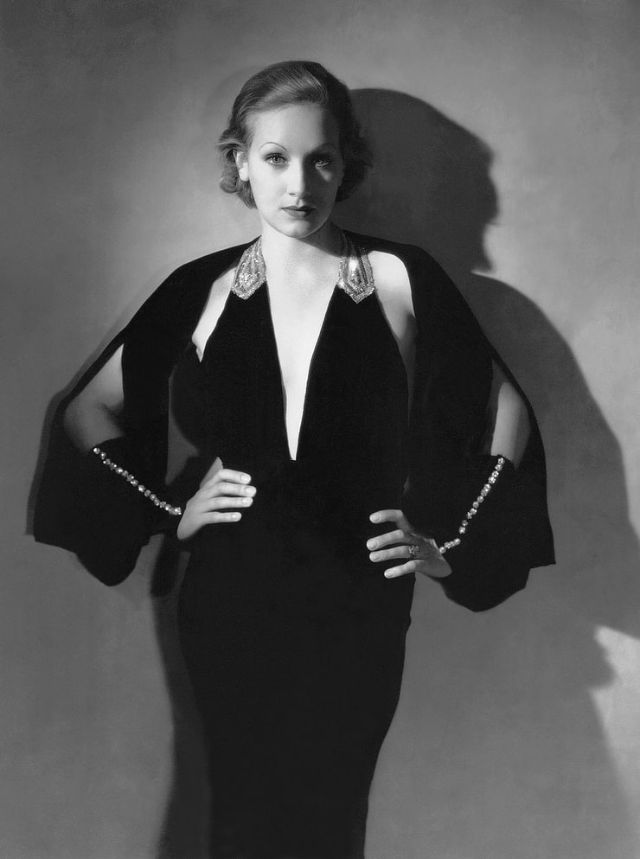
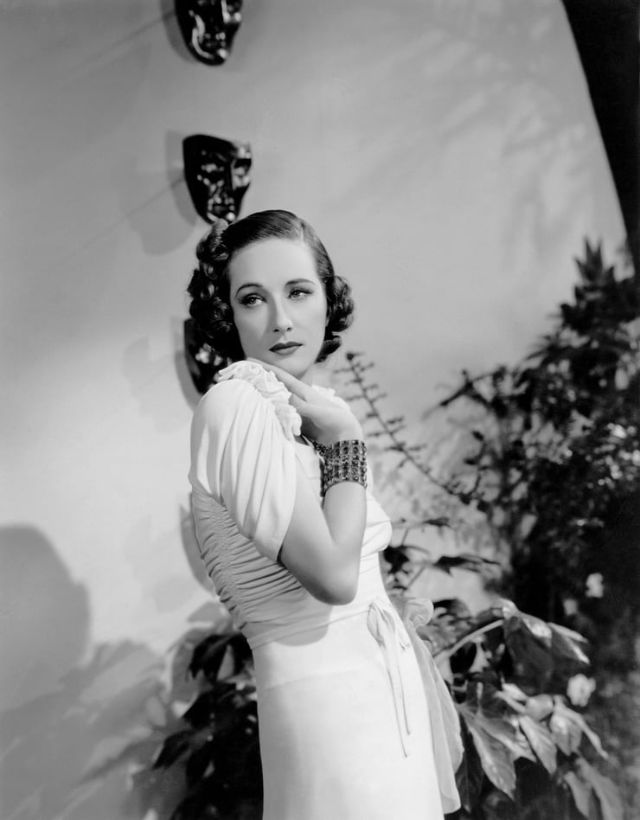
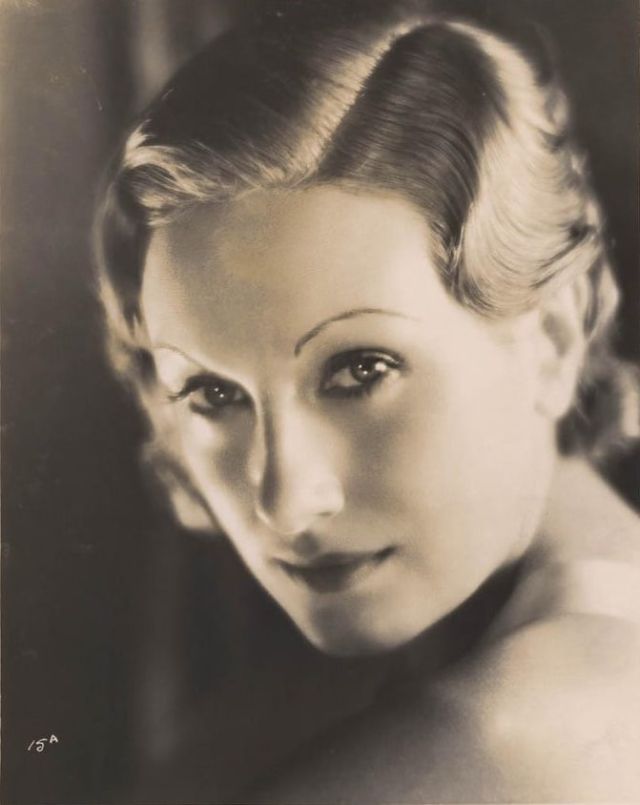
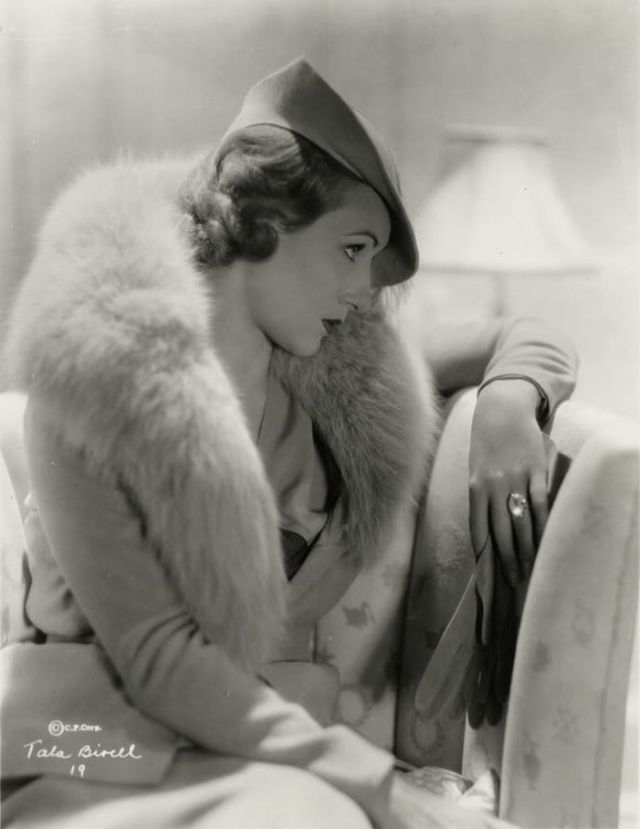
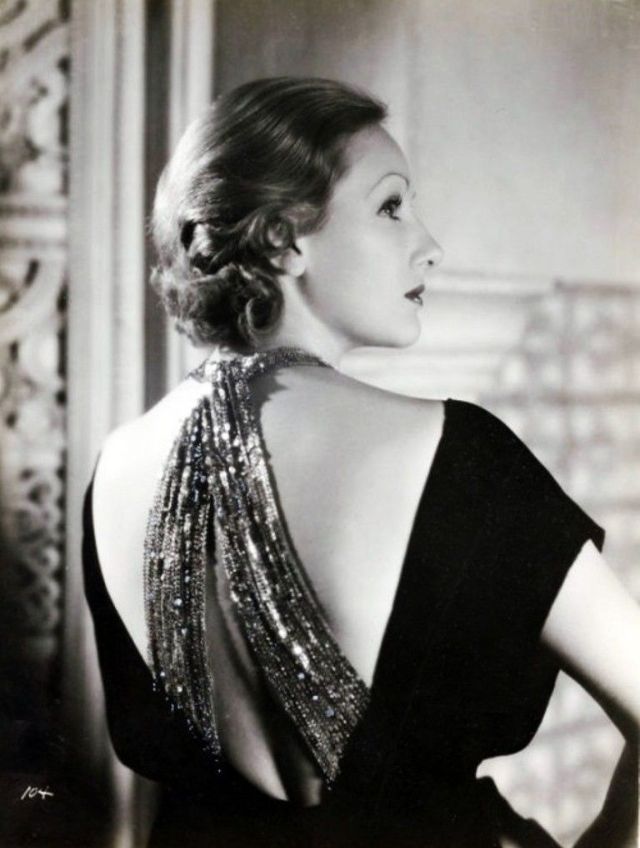
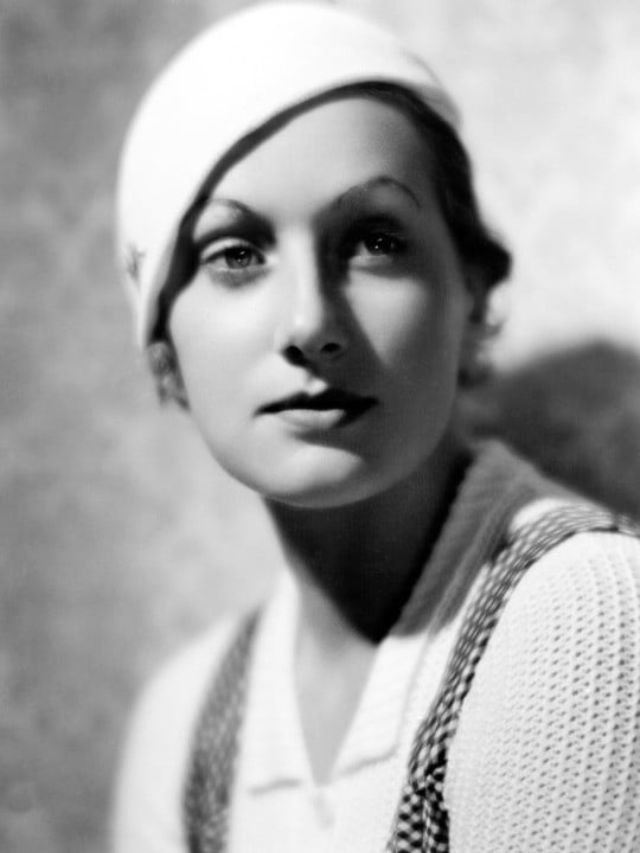
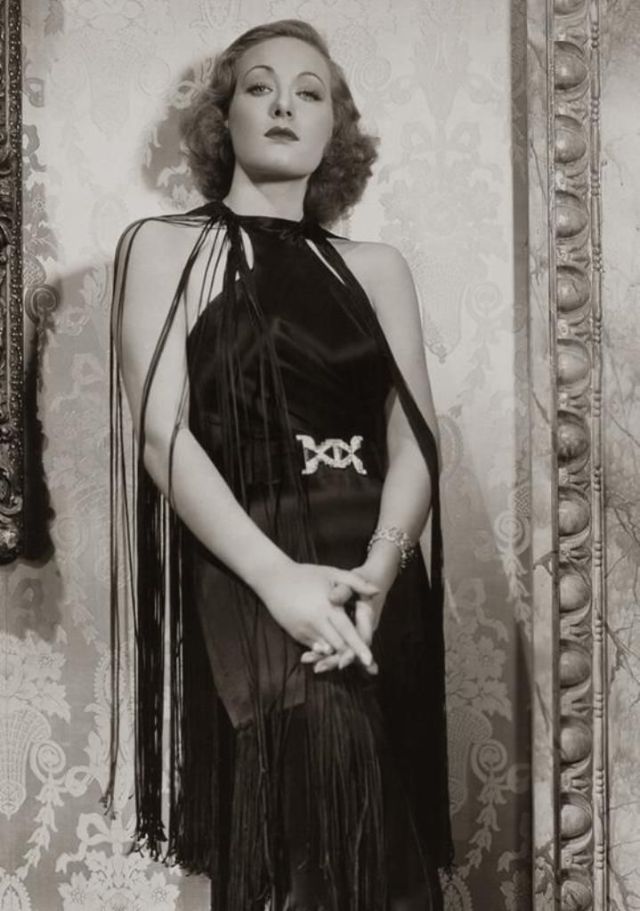
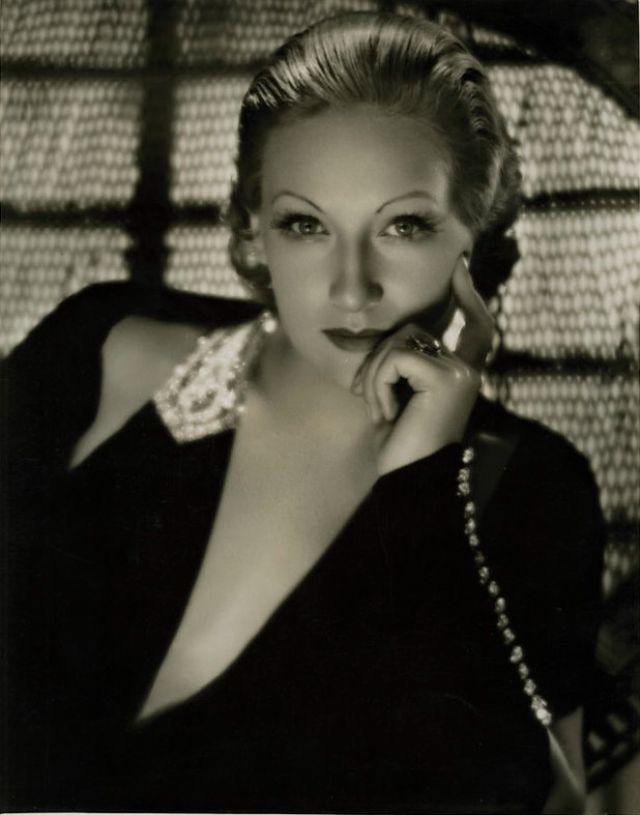
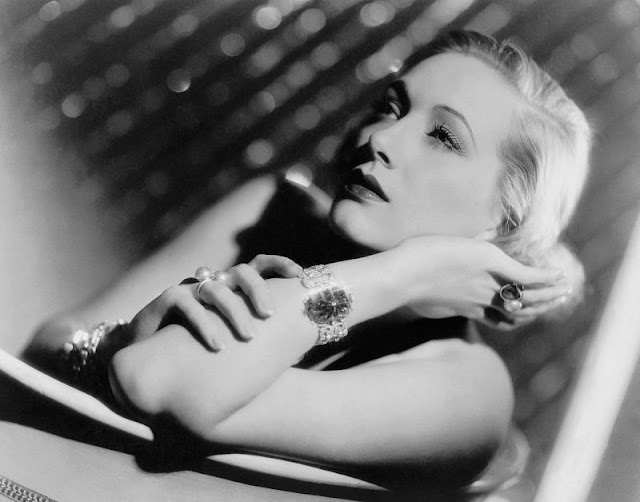
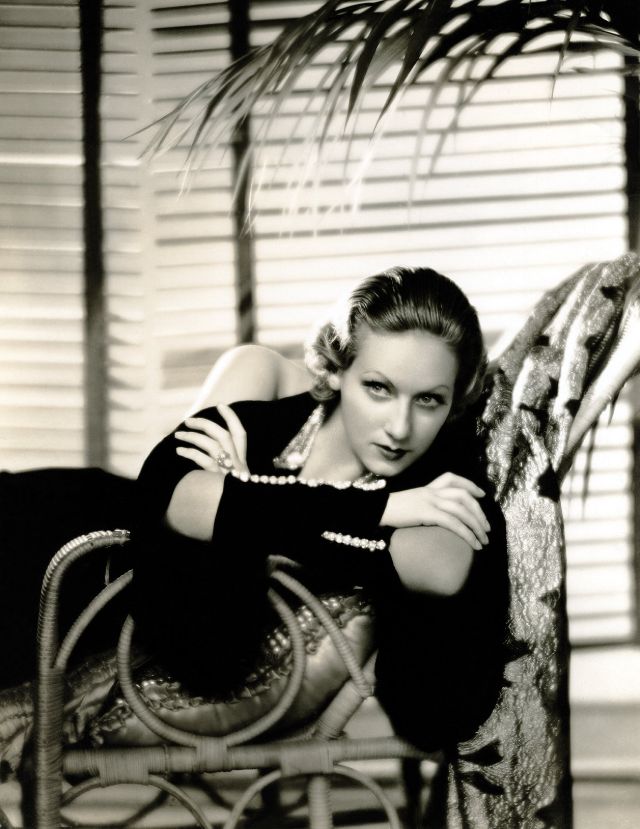
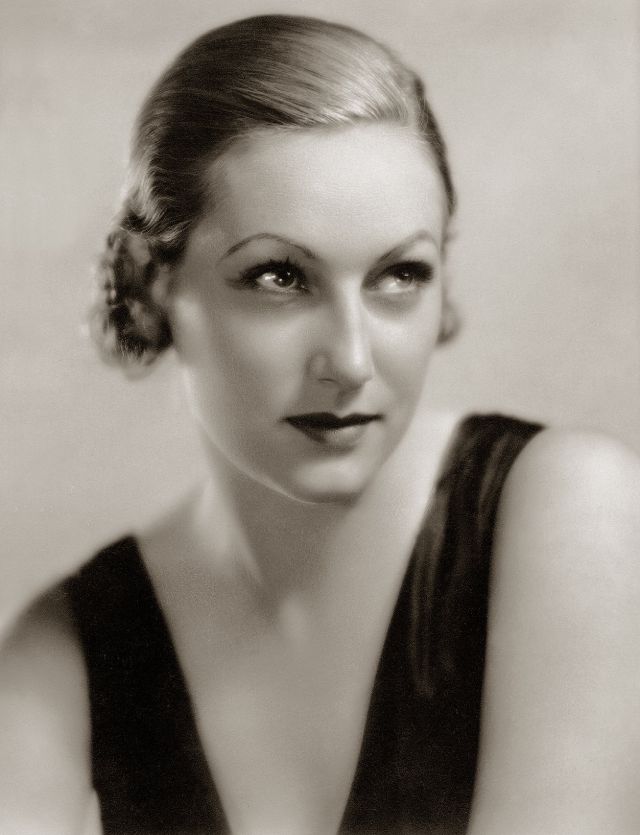
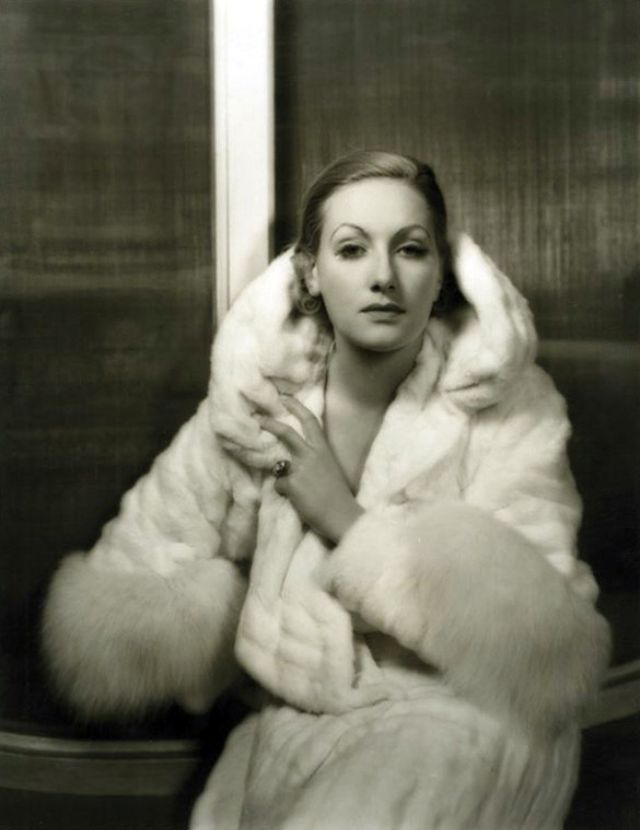
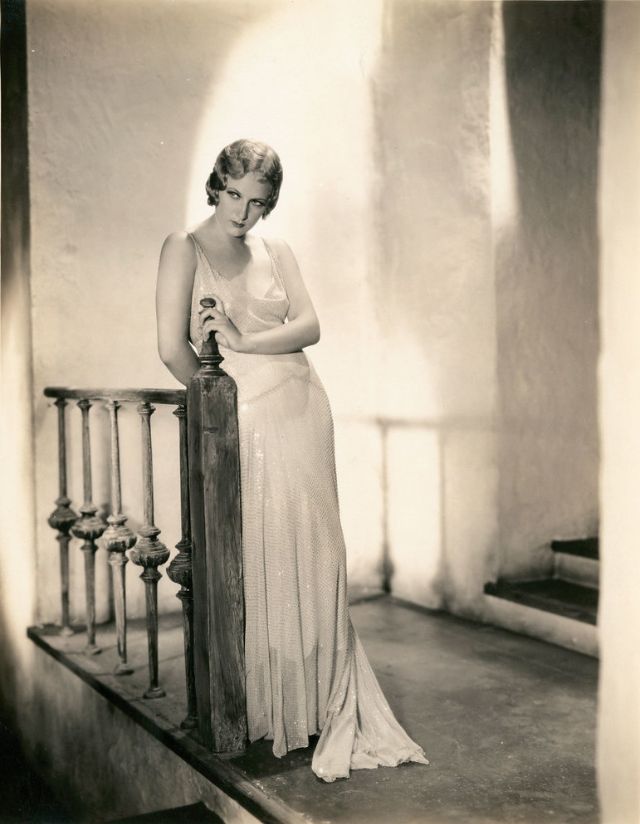
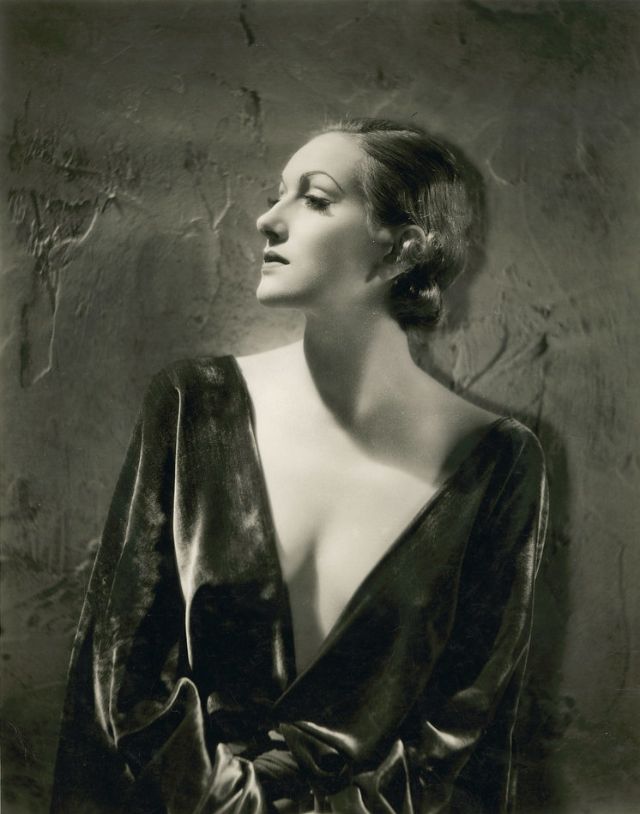
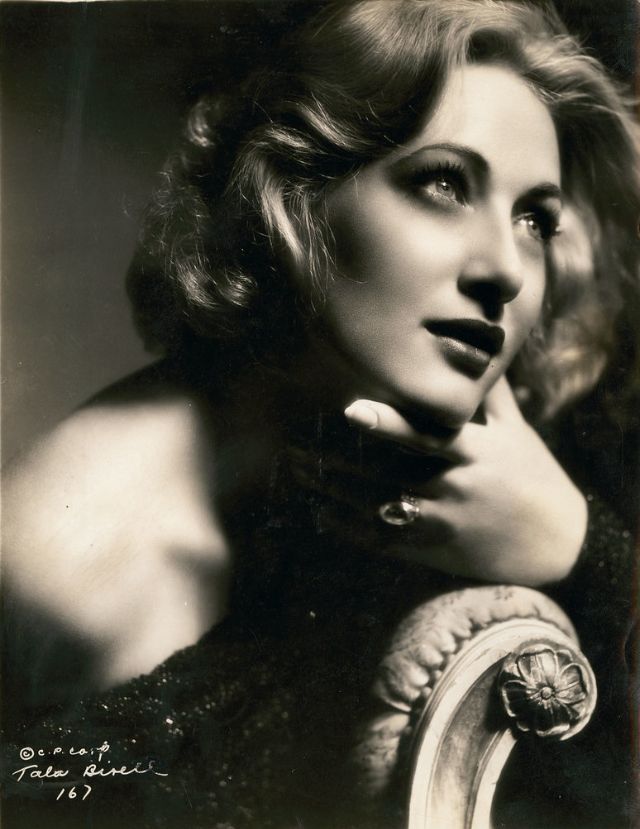
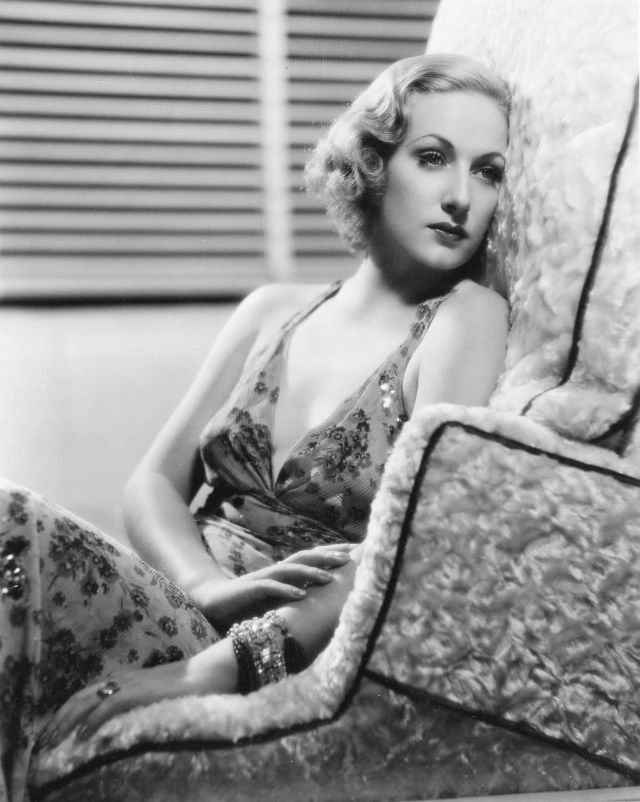
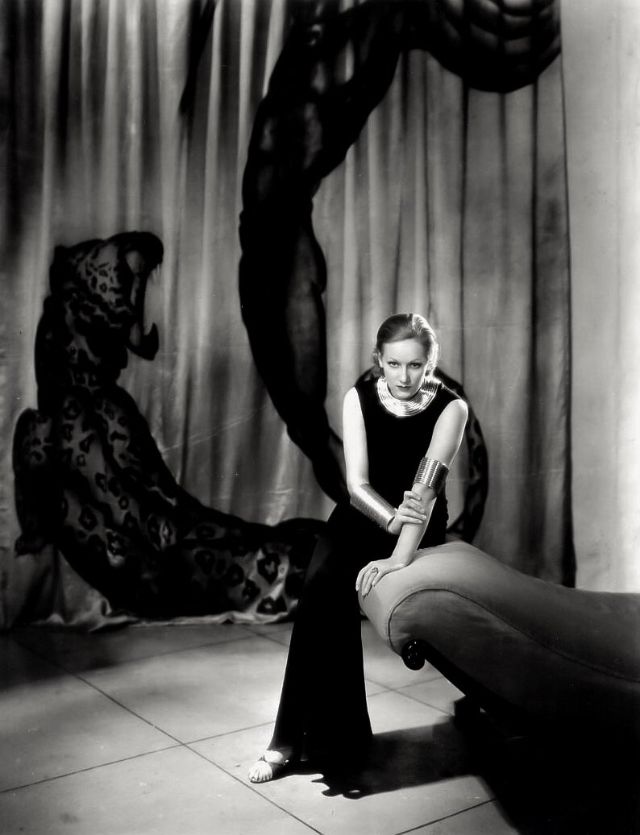
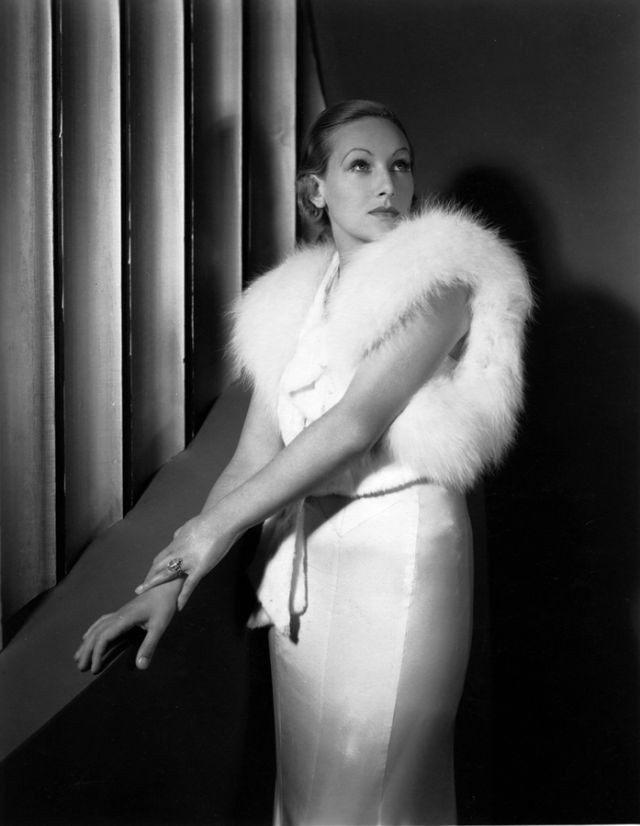
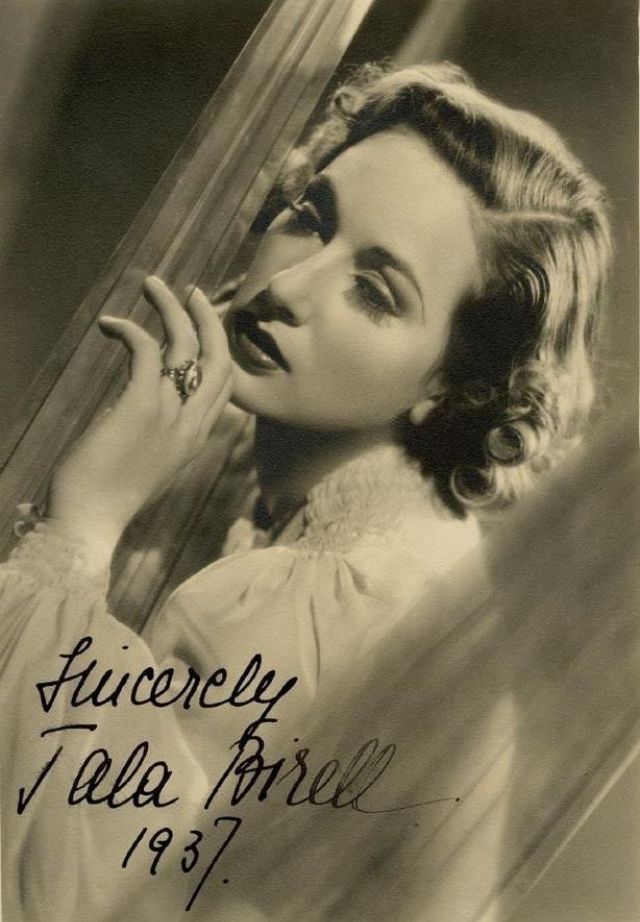
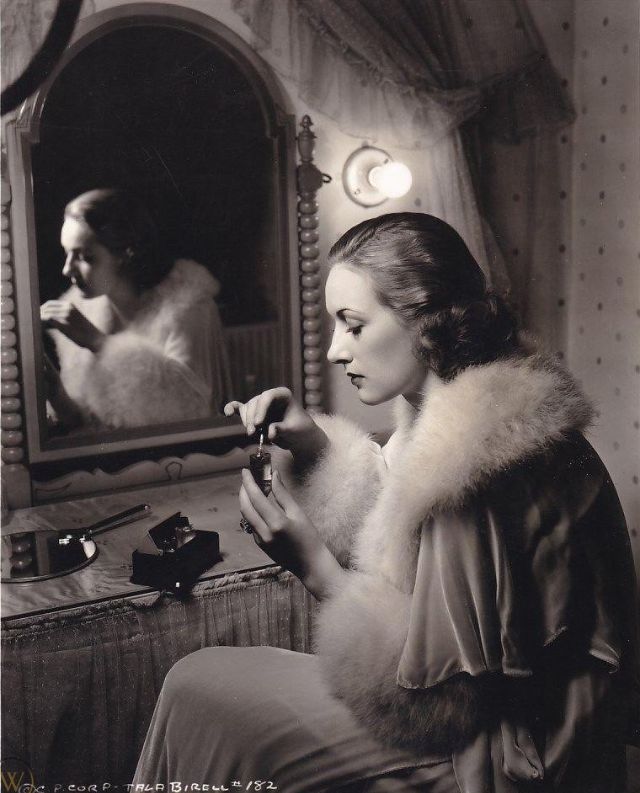
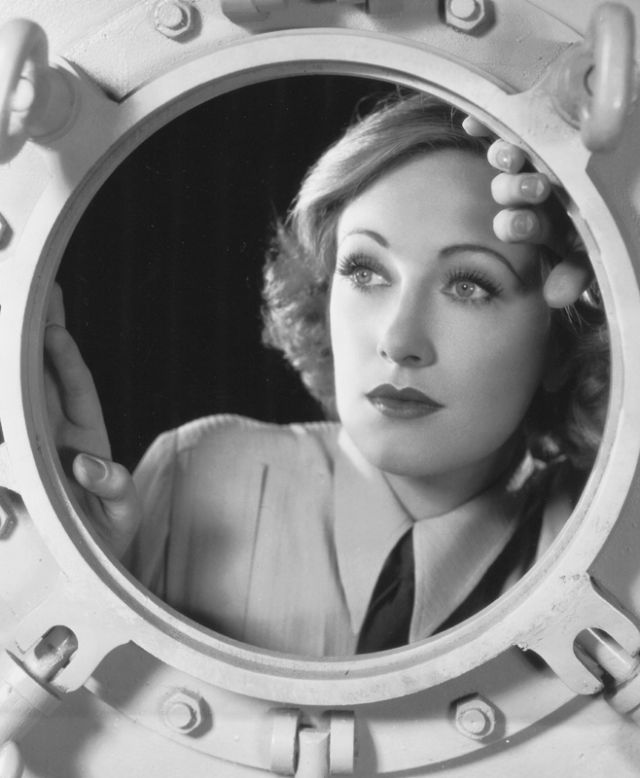
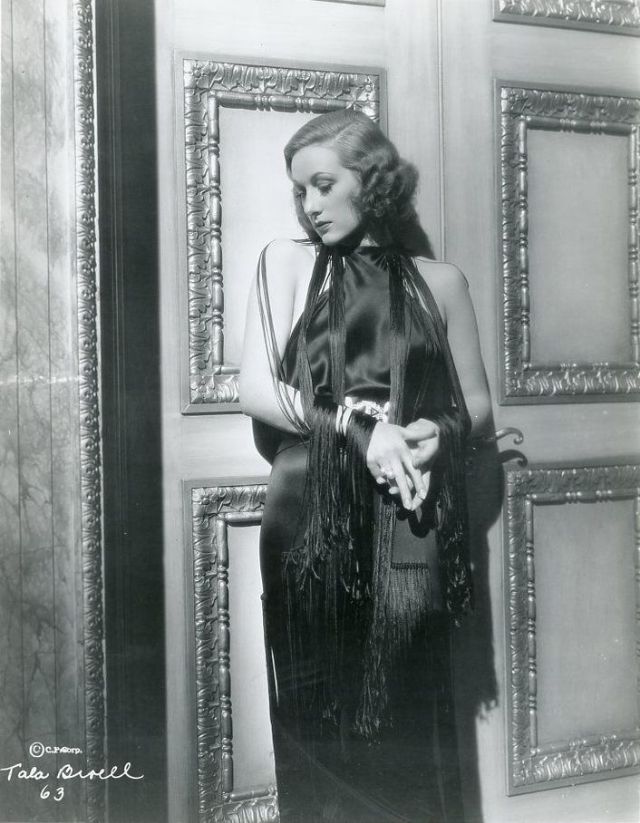
Natalie Bierl (1907, Bucharest – Romania; 1958, Landsthul – Germany), nickname Talusha, was born to a German couple, the mother a Baroness of Polish descent, and the father a German businessman who was temporarily in Bucharest overseeing his company. During WWI she was in Berlin, and studying at a private school. 5′ 6″ tall and blonde, she had a brief film appearance in 1926, and then a stage career in Germany and Austria, substituting for a character that had been played by Marlene Dietrich. During WWII she became a “Second Garbo” in Hollywood, due to her sort of cold, glamorous beauty. She played in crime thrillers and early women-in-prison genre films, but various characters of hers were linked with the anti-Nazi war effort: a courageous Russian in China (1943), Madame Bouchard of the French Resistance in Till We Meet Again (1944), the Nazi Doctor Elise Bork in Jungle Queen (1945), and Yvette Aubert, the French adventurer and entertainer, in Women in the Night (1948), who plays along with an extreme Nazi unit in Shanghai until she saves the world from a weapon of mass destruction with the sacrifice of her life. Possibly during the production of this film, in mid-1948, Tala decided to return to Germany and take up residence with her mother who was by then living in Munich. In 1951 she was appointed by the Special Service Headquarters of the U.S. Army in Nuremberg to organize theatrical productions in Germany, France, and Austria for the G.I.s. stationed there. Her title was Field Entertainment Supervisor, and sometimes took part herself in shows at military clubs in Munich and Nuremberg, and Orléans (France). She later moved to Berlin with the title Command Entertainment Director and put on shows for U.S. troops and refugees from Eastern Europe. She retired in 1957 for health reasons, and died shortly after at the age of 50. She is buried in the family tomb, in Marquartstein, Bavaria, Germany.
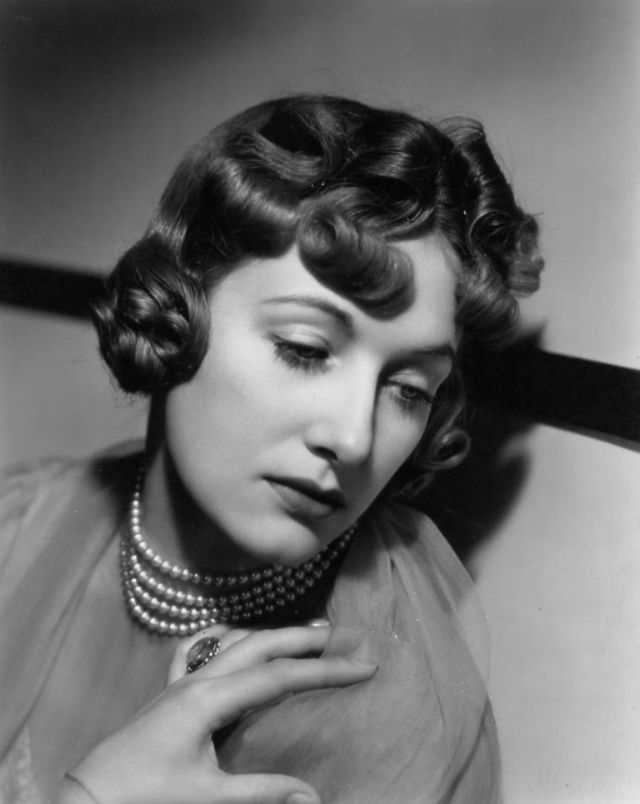
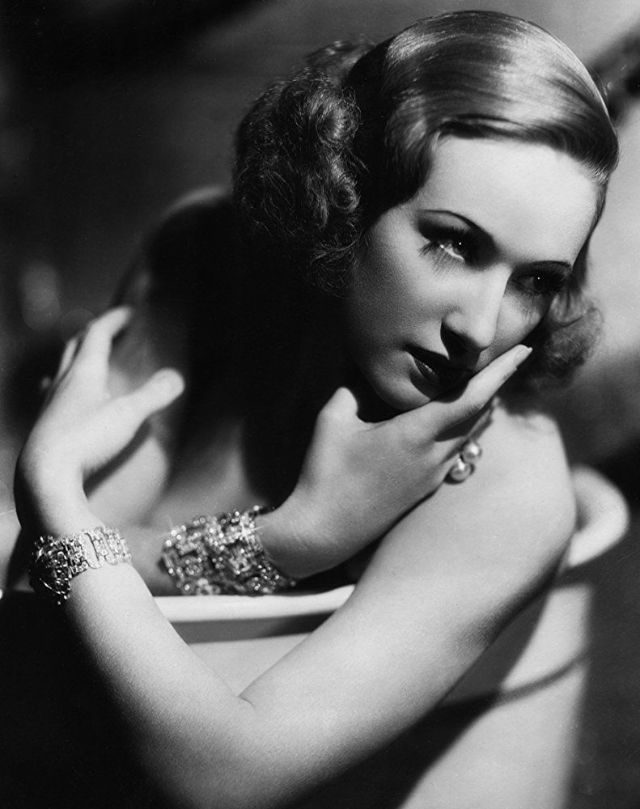
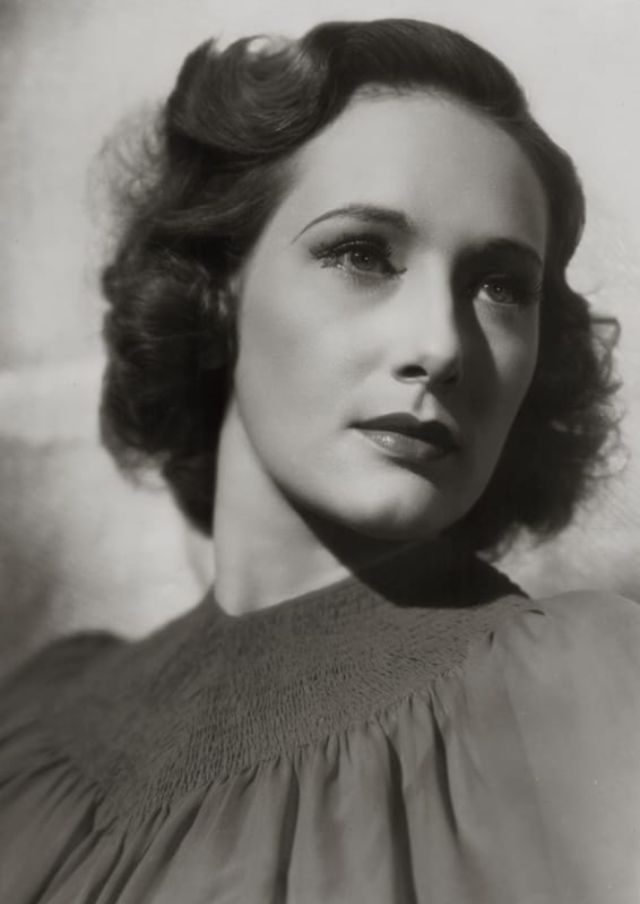
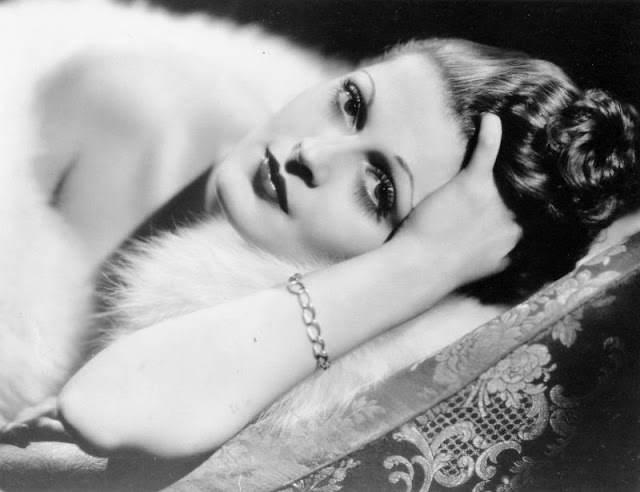
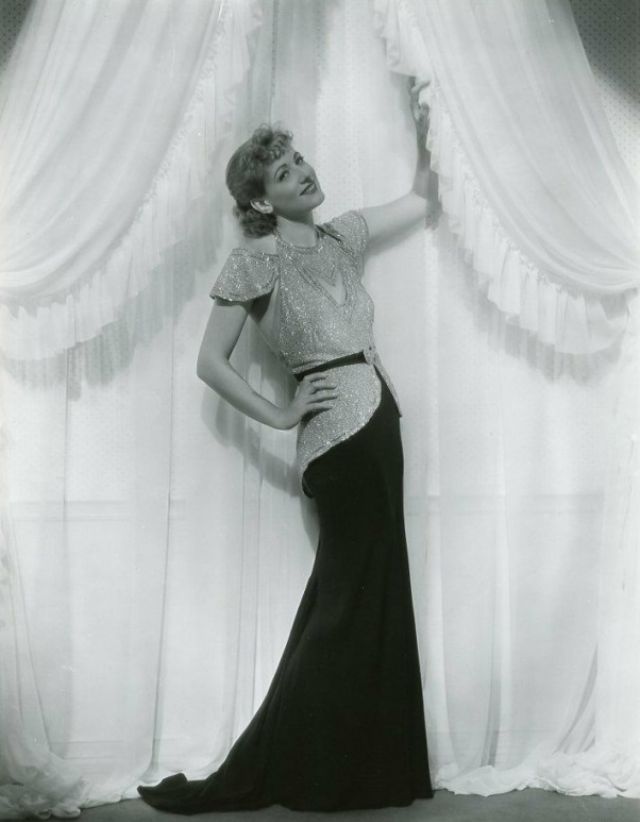
These vintage photos captured her portrait as a young and beautiful actress in the 1930s.
Subscribe to Yesterday Today to receive daily updates of new content:
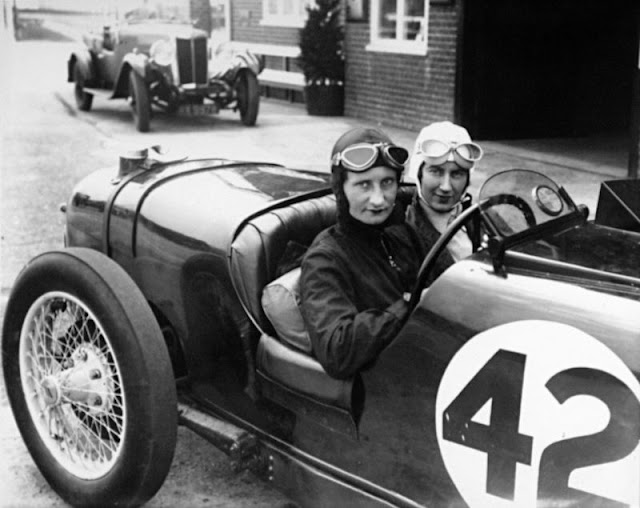
The Brooklands Automobile Racing Club was formed in December 1906 and held its last ever meeting in August 1939 with the outbreak of World War Two. When peace returned, despite people’s high hopes, the anticipated recovery costs were too high and due to the demise of Brooklands at the time, the club was amalgamated with the Junior Car Club. Come 1949 the Club changed its name to the British Automobile Racing Club and took up residence at Goodwood Circuit.
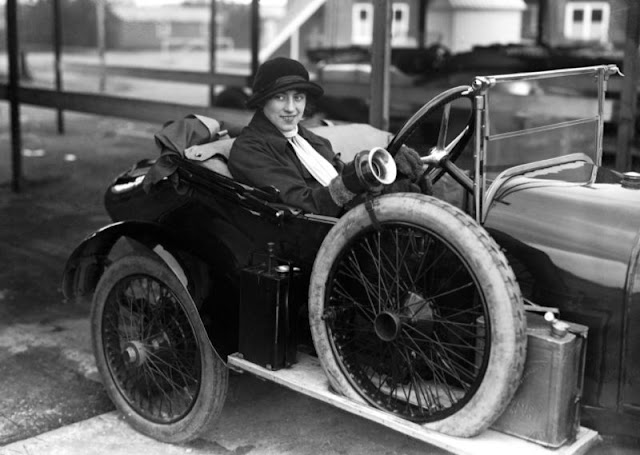
Initially, women were banned from racing, this ruling, however, was loosened in 1908 and by 1920, female drivers were able to participate in both female and mixed races. In 1933, the Royal Automobile Club gave permission for women to drive at Open meetings on equal terms with men at Brooklands, which became the ultimate heyday for female racing drivers.
Take a look at these insanely cool women through 21 amazing photographs below:
Kay Petre at Brooklands, March 1930.
Fay Taylour at Brooklands, 1930.
Violet Cordery, 1930.
Miss J Alwynne, a motor mechanic at Brooklands race course, July 1931.
Kitty Brunell tunes up her AC Ace Sports engine, 1932.
Mrs Elsie “Bill” Wisdom and Miss Joan Richmond, July 1932.
Miss Paddy Naismith pushing her car onto the track for one of the events at Brooklands, June 1933.
Mrs Gordon Simpson and the young racing driver Joan Richmond sitting in the latter’s 1921 3-litre GP Ballot racer, July 1934.
Eileen Ellison in a Bugatti during the ‘mountain race’ at Brooklands, 1934.
Gwenda Stewart, 1935.
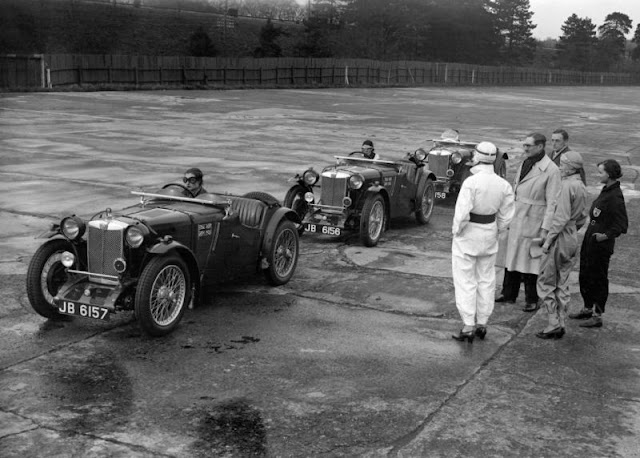
The three racing MGs were entered for Le Mans by land speed record breaker George Eyston and nicknamed the ‘Dancing Daughters’ after a popular variety act of the time. The drivers were : Car 54 – Margaret Allen & Coleen Eaton, Car 55 – Doreen Evans & Barbara Skinner, Car 56 – Joan Richmond & Miss Joan Simpson. July 1935.
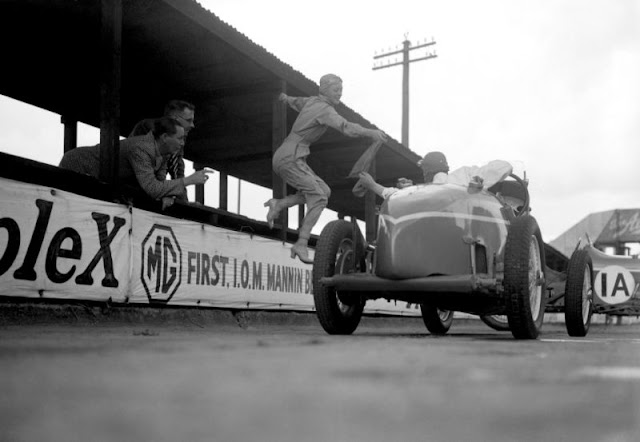
Doreen Evans taking over the sash during a relay race at Brooklands, July 1935.
Racing drivers Gwenda Stewart, Doreen Evans, Kay Petre, Elsie Wisdom, September 1935.
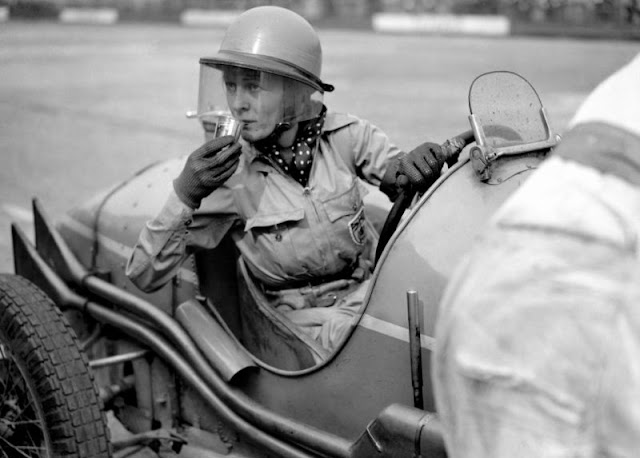
Doreen Evans taking a refreshment, July 1936.
A Brooklands’ mechanic fastens the buckle on Miss Dorothy Turner’s helmet, July 1937.
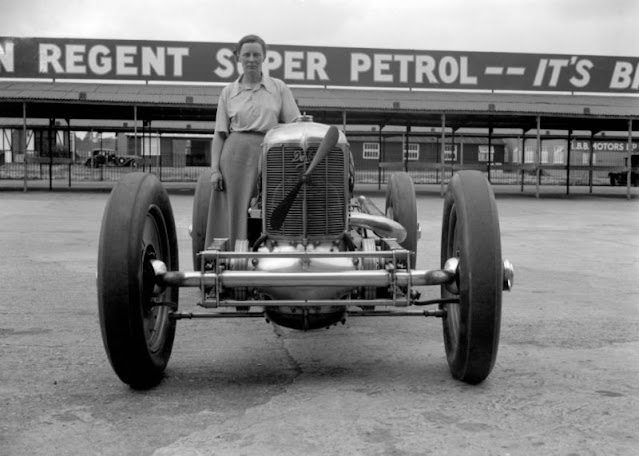
Kay Petre poses with her V12 Delage, July 1937.
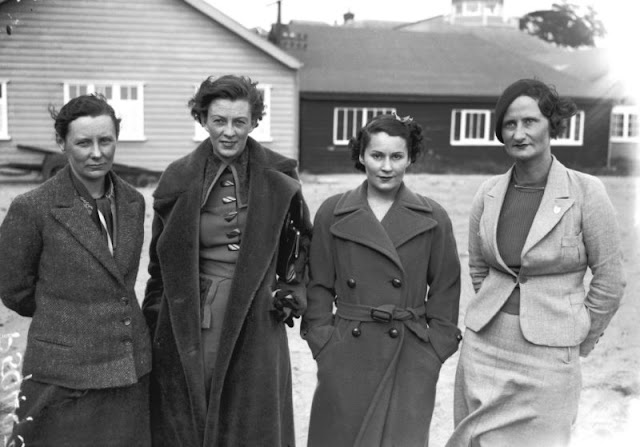
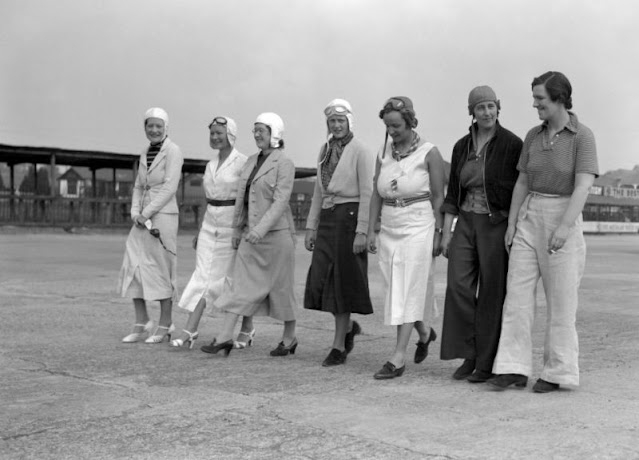
Women drivers at Brooklands, 1937
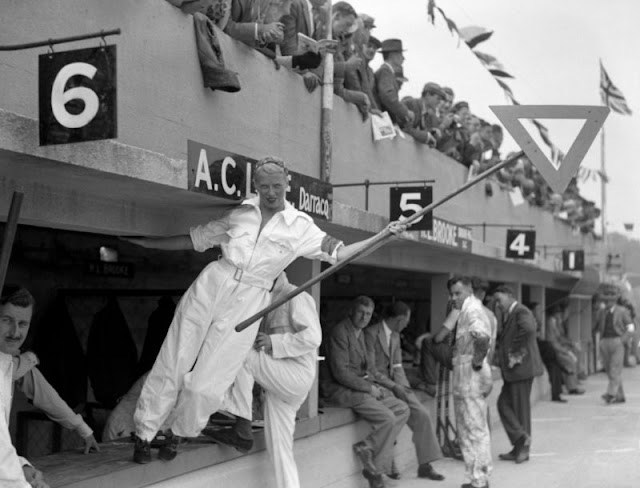
Mrs Aclace signals from the pits during the JCC 200 mile race at Brooklands, August 1938.
Kay Petre at Brooklands, March 1938.
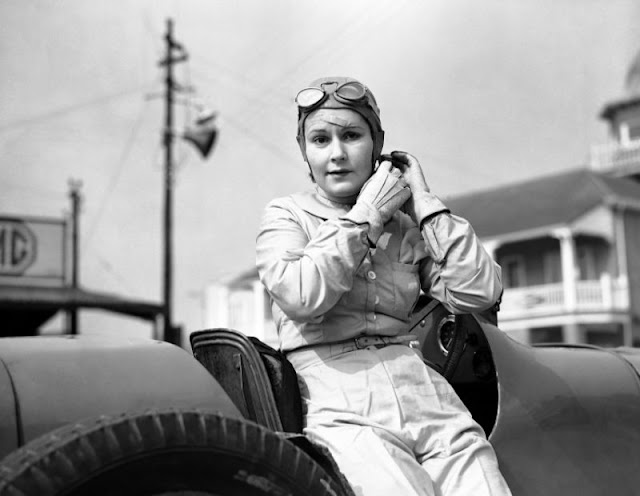
Miss Patten, Baroness Dorndorf sits on the door of her Peugeot, May 1939.
Subscribe to Yesterday Today to receive daily updates on new content:
Sometimes, looking at images of Debbie Harry is actually painful she looks that good. With her iconic pout, shock of bleached white hair and revolving, ever-imitated outfit choices, the 1970s style queen has always been (and still is) much more than Blondie’s lead singer. Here, Debbie Harry photographed by Lynn Goldsmith in 1978, complete with sailor hat and Popeye T-shirt.
Subscribe to continue reading
Become a paid subscriber to get access to the rest of this post and other exclusive content.
The first hoax photograph was taken in 1840 by Hippolyte Bayard. Both Bayard and Louis Daguerre fought to claim the title “Father of Photography.” Bayard had supposedly developed his photography process before Daguerre introduced the daguerreotype. However, the announcement of the invention was held off, and Daguerre claimed the moment. In a rebellious move, Bayard produced this photograph of a drowned man claiming that he killed himself because of the feud.
François Arago, a friend of Daguerre, encouraged Bayard to delay the announcement of his photographic invention. Consequently, Bayard’s invention and contributions to photography were ignored, eclipsed by the celebrations surrounding the daguerreotype. In response to his alleged injustice, Bayard staged a portrait entitled Le Noyé (Self Portrait as a Drowned Man) in 1840. The portrait depicts the artist shirtless, slumped in a chair, his eyes closed to signal his recent demise. It was the first faked, staged portrait and was accompanied by a statement indicating Bayard’s turn to suicide because of the lack of recognition he received by the French government for his role in the invention of photography. And written on the image verso is a strange note:
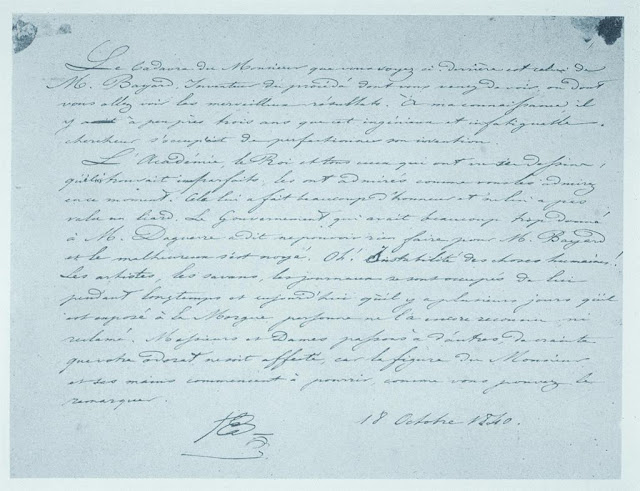
“The corpse which you see here is that of M. Bayard, inventor of the process that has just been shown to you, or the wonderful results of which you will soon see. As far as I know, this inventive and indefatigable experimenter has been occupied for about three years with the perfection of his discovery. The Academy, the King, and all those who have seen his pictures admired them as you do at this very moment, although he himself considers them still imperfect. This has brought him much honor but not a single sou. The government, which has supported M. Daguerre more than is necessary, declared itself unable to do anything for M. Bayard, and the unhappy man threw himself into the water in despair. Oh, human fickleness! For a long time, artists, scientists, and the press took interest in him, but now that he has been lying in the morgue for days, no-one has recognized him or claimed him! Ladies and gentlemen, let’s talk of something else so that your sense of smell is not upset, for as you have probably noticed, the face and hands have already started to decompose.” The note is signed by none other than the drowned man himself: “H.B. 18 October, 1840.”
Bayard’s contributions to photography remain largely unrecognized, but this early portrait is significant, showing the possibility to play with and manipulate the photographic portrait despite the apparent inherent truth presented in the medium.
As the first known example of a faked photograph, this image illustrates two qualities of photographs: first, that they can depict the world in a manner that closely mimics the way we see it. Second, that since their invention, they have been staged or altered in ways that remain consistent with the way we see. This consistency makes them all the more believable.
For many centuries the girl’s costumes were largely influenced by clothes worn by their mothers. Such copying of style continued until the early years of the 18th century.
Silk was the popular material used by the rich class of the society mainly to show off their wealth. If the girl was from a poor family, then the girls and their female relations wore simple clothes made from cotton, linen, wool and lesser coarser fibers.
Girls wore a flower and ribbon trimmed hats or bonnets. Puce, plum, scarlet red and navy were the strong colors worn.
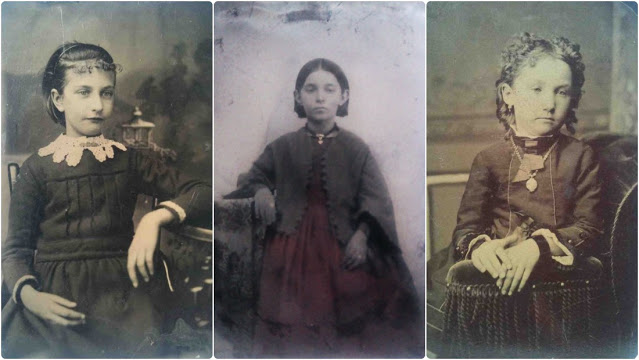
Take a look at these amazing tintype photos to see what fashion styles of Victorian girls looked like.
Subscribe to continue reading
Become a paid subscriber to get access to the rest of this post and other exclusive content.
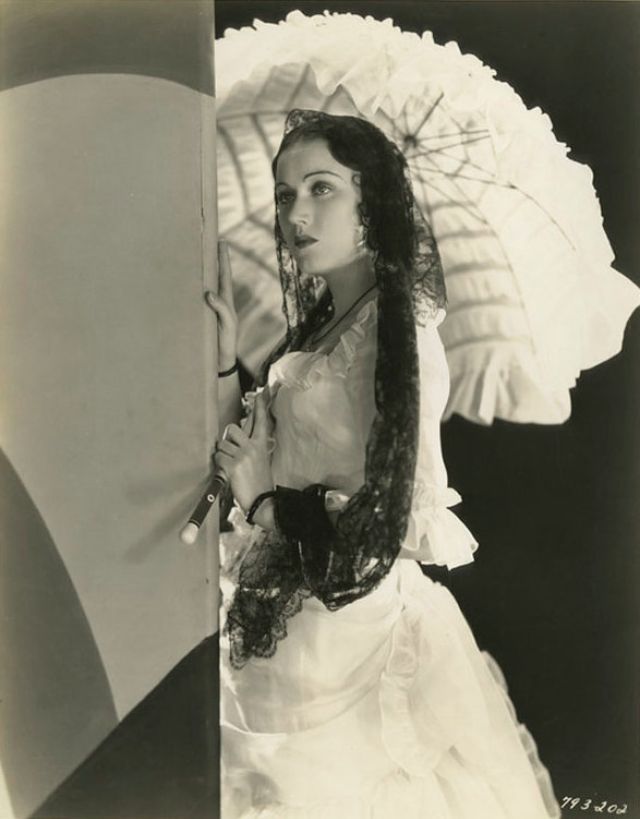
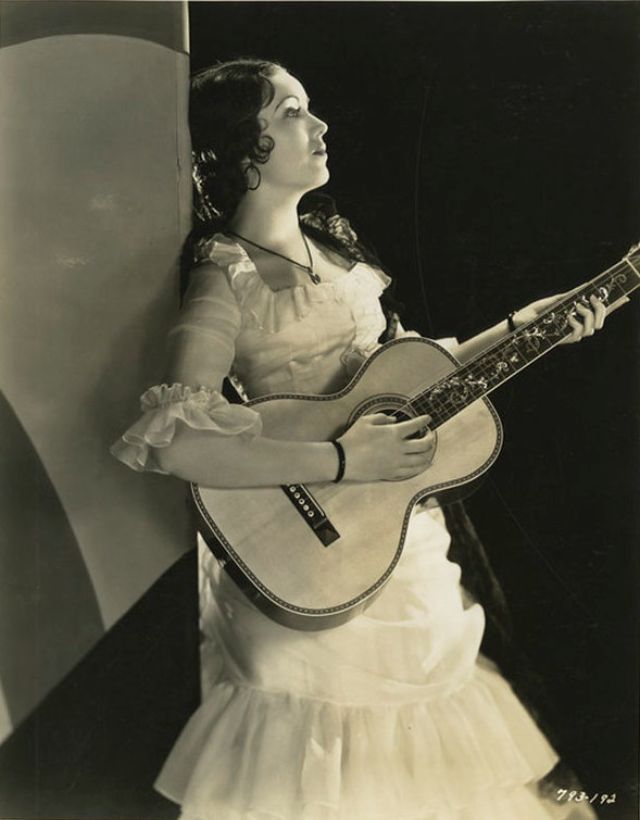
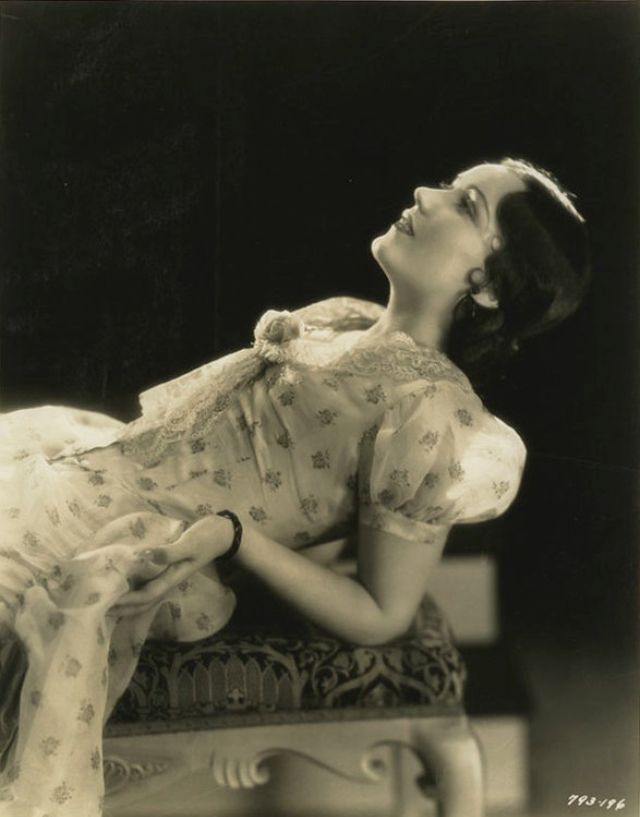
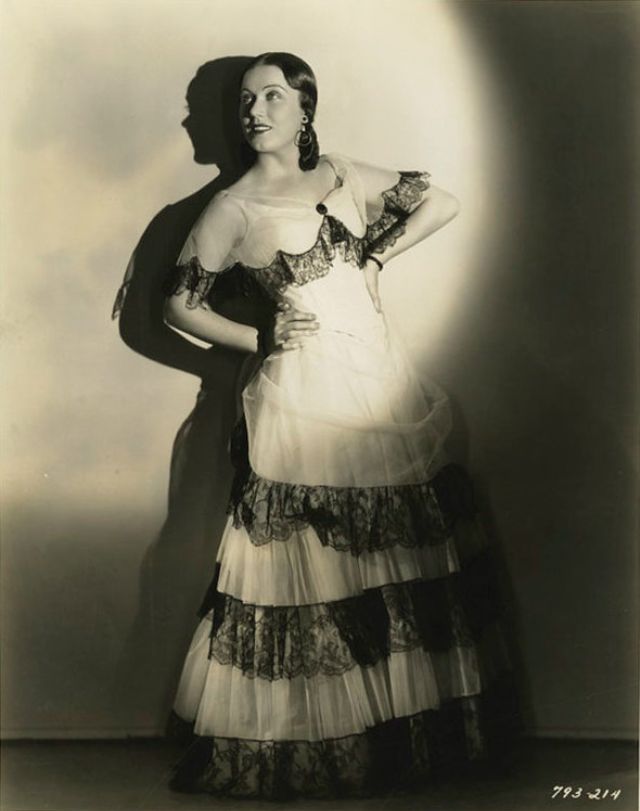
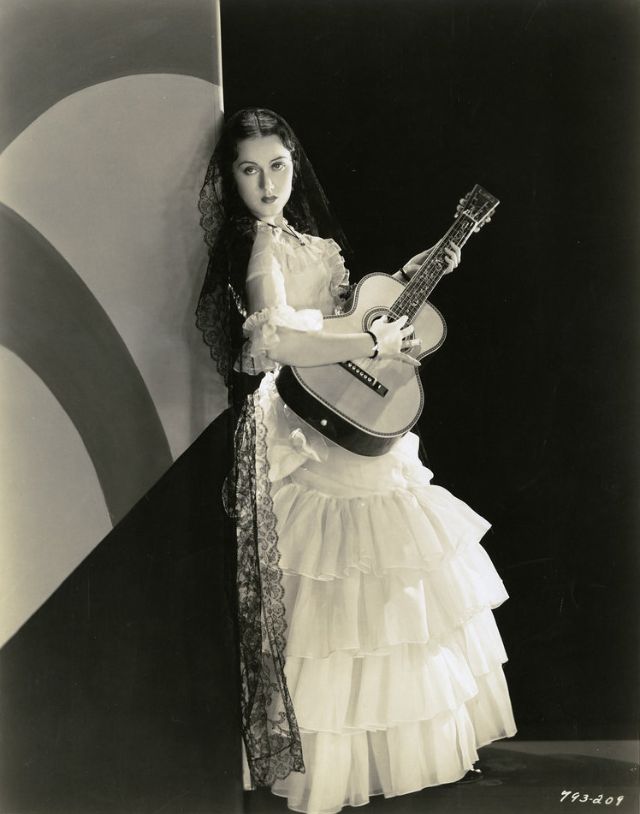
The Texan is a 1930 American Western film directed by John Cromwell and starring Gary Cooper and Fay Wray. Based on the short story “The Double-Dyed Deceiver” by O. Henry, the film is about a daring bandit called the Llano Kid who shoots a young gambler in self-defense and is forced to hide from the law. He is helped by a corrupt lawyer who involves the bandit in a scheme to swindle a Mexican aristocrat whose son turns out to be the young gambler killed by the Llano Kid.
The screenplay was written by Daniel Nathan Rubin, and the story was adapted for the screen by Oliver H.P. Garrett and Victor Milner. Produced by Hector Turnbull for Paramount Pictures, The Texan was released in the United States on May 10, 1930. The film received positive reviews upon its theatrical release.
Vina Fay Wray (September 15, 1907 – August 8, 2004) was a Canadian-American actress best known for starring as Ann Darrow in the 1933 film King Kong. Through an acting career that spanned nearly six decades, Wray attained international recognition as an actress in horror films. She has been dubbed one of the early “scream queens”.
Wray was born on a ranch near Cardston, Alberta, to parents who were members of the Church of Jesus Christ of Latter-day Saints, Elvina Marguerite Jones, who was from Salt Lake City, Utah, and Joseph Heber Wray, who was from Kingston upon Hull, England. She was one of six children and was a granddaughter of LDS pioneer Daniel Webster Jones. Her ancestors came from England, Scotland, Ireland and Wales. Wray was never baptized a member of The Church of Jesus Christ of Latter-day Saints.
Her family returned to the United States a few years after she was born; they moved to Salt Lake City in 1912 and moved to Lark, Utah, in 1914. In 1919, the Wray family returned to Salt Lake City, and then relocated to Hollywood, where Fay attended Hollywood High School.
After appearing in minor film roles, Wray gained media attention after being selected as one of the “WAMPAS Baby Stars” in 1926. This led to her being contracted to Paramount Pictures as a teenager, where she made more than a dozen feature films. After leaving Paramount, she signed deals with various film companies, being cast in her first horror film roles, in addition to many other types of roles, including in The Bowery (1933) and Viva Villa! (1934), both of which starred Wallace Beery. For RKO Radio Pictures, Inc., Wray starred in the film she is most identified with, King Kong (1933). After the success of King Kong, she made numerous appearances in both film and television, retiring in 1980.
Wray married three times – to writers John Monk Saunders and Robert Riskin and the neurosurgeon Sanford Rothenberg (January 28, 1919 – January 4, 1991). She had three children: Susan Saunders, Victoria Riskin, and Robert Riskin Jr.
After returning to the US after finishing The Clairvoyant she became a naturalized citizen of the United States in May 1935.
Star on Hollywood Walk of Fame at 6349 Hollywood Blvd. Wray died in her sleep of natural causes in the night of August 8, 2004, in her apartment on Fifth Avenue Manhattan. She is interred at the Hollywood Forever Cemetery in Hollywood, California.
Two days after her death, the lights of the Empire State Building were lowered for 15 minutes in her memory.
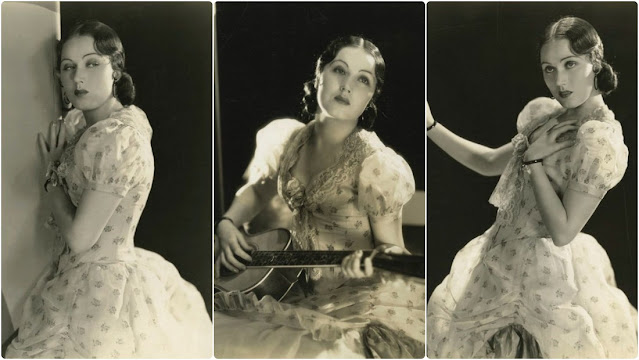
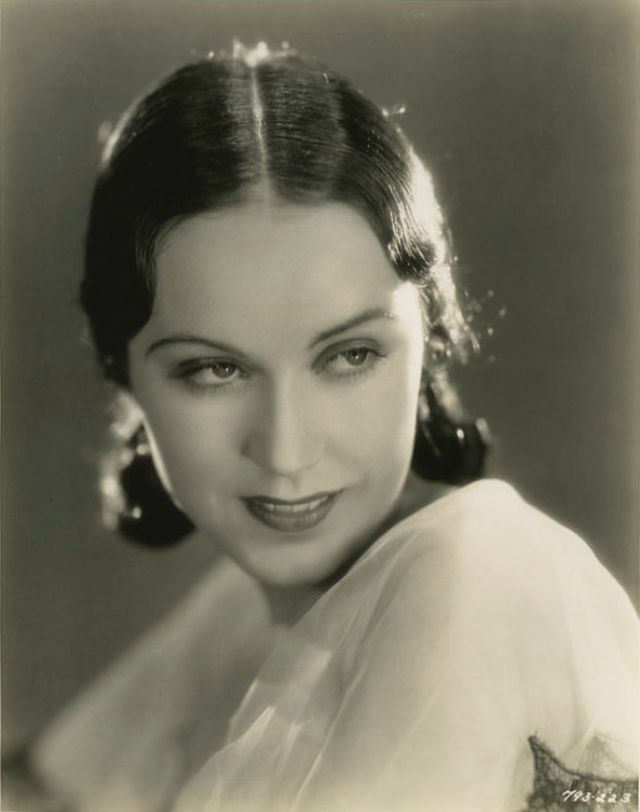
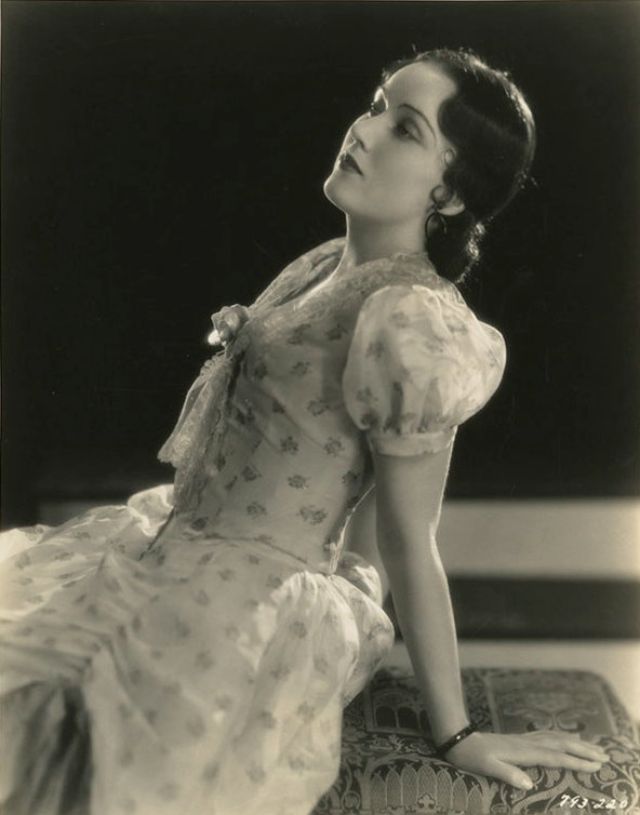
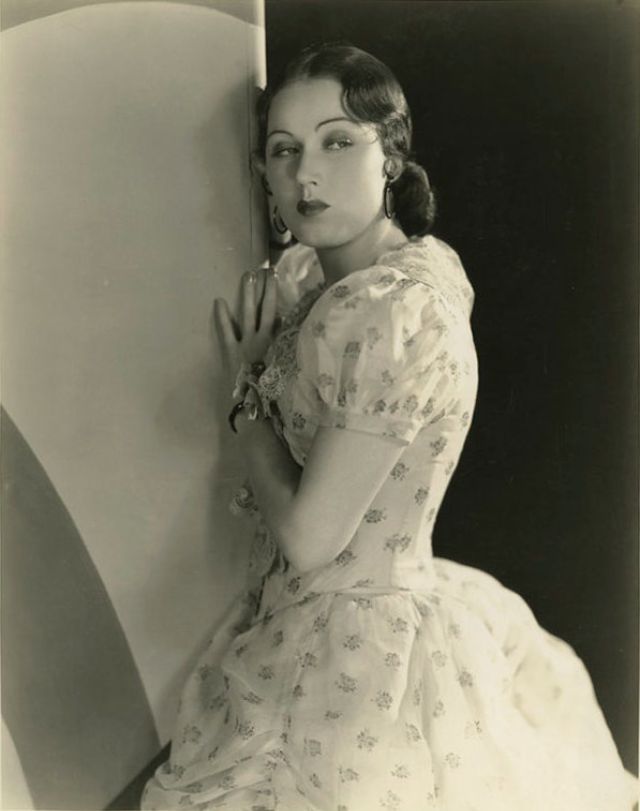
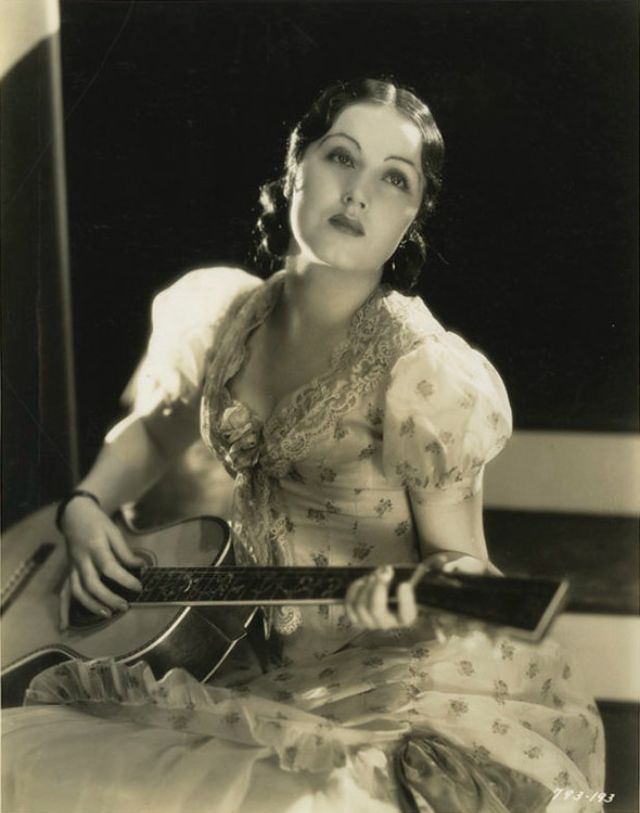
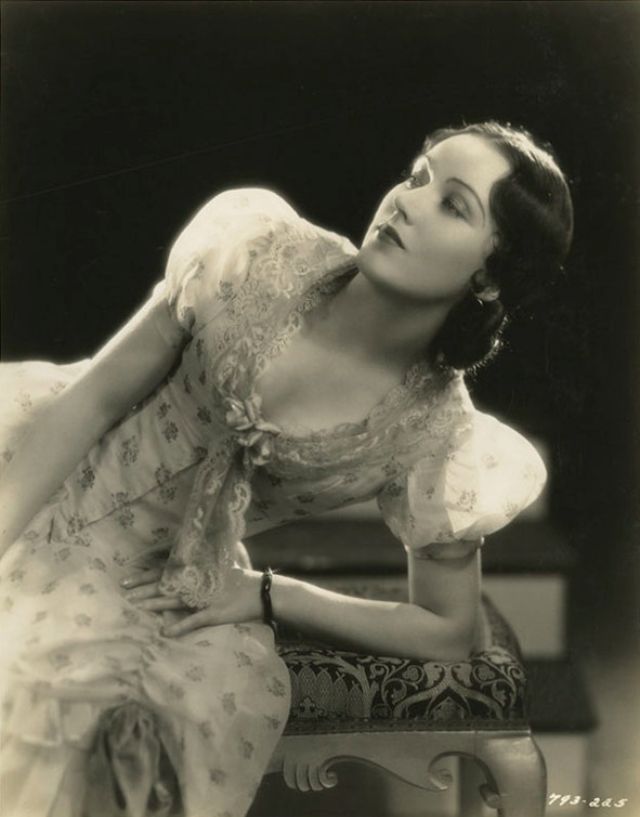
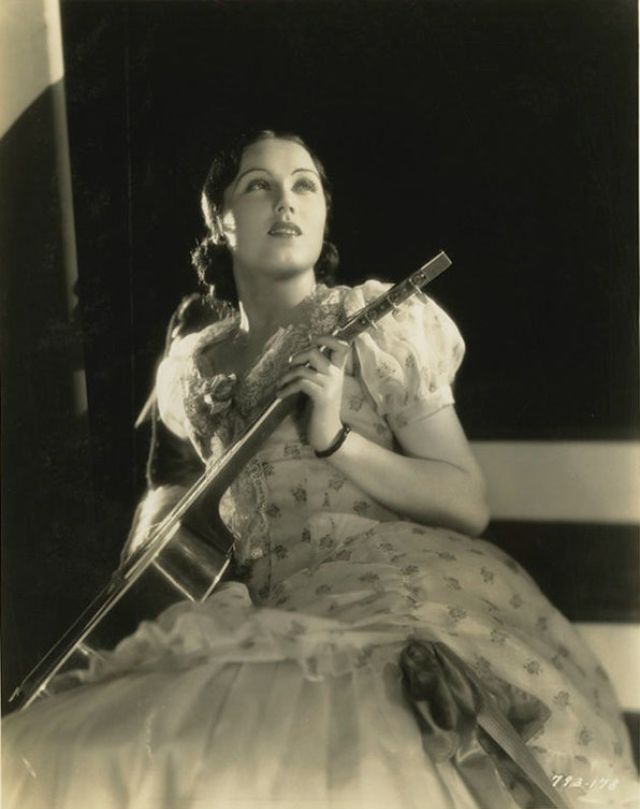
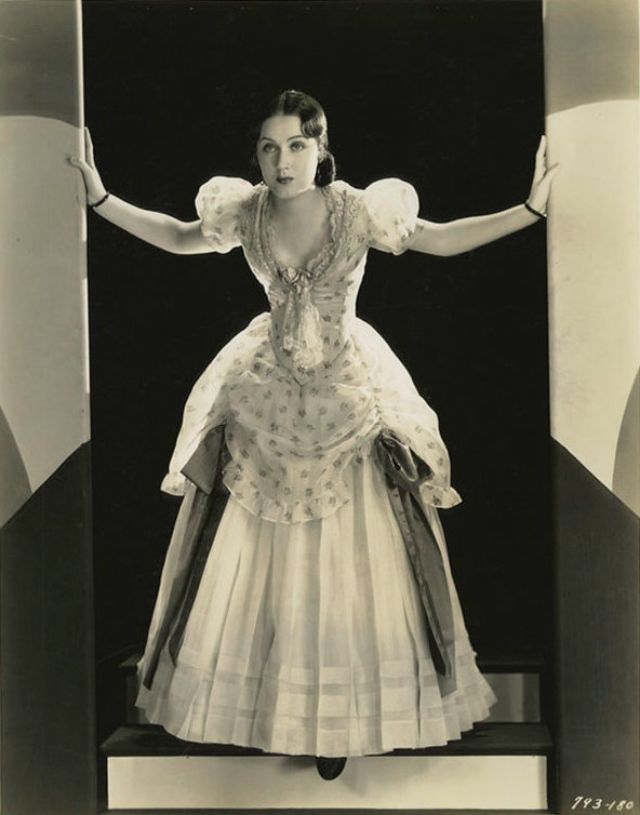
Here below is a set of gorgeous photos that shows portraits of Fay Wray during the filming of The Texan in 1930.
Subscribe to Yesterday Today and receive updates daily in your email:
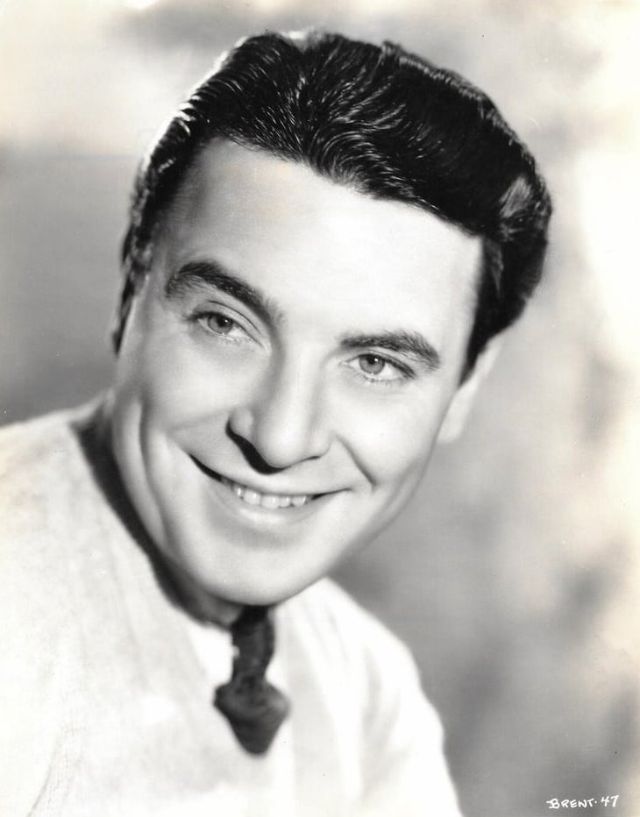
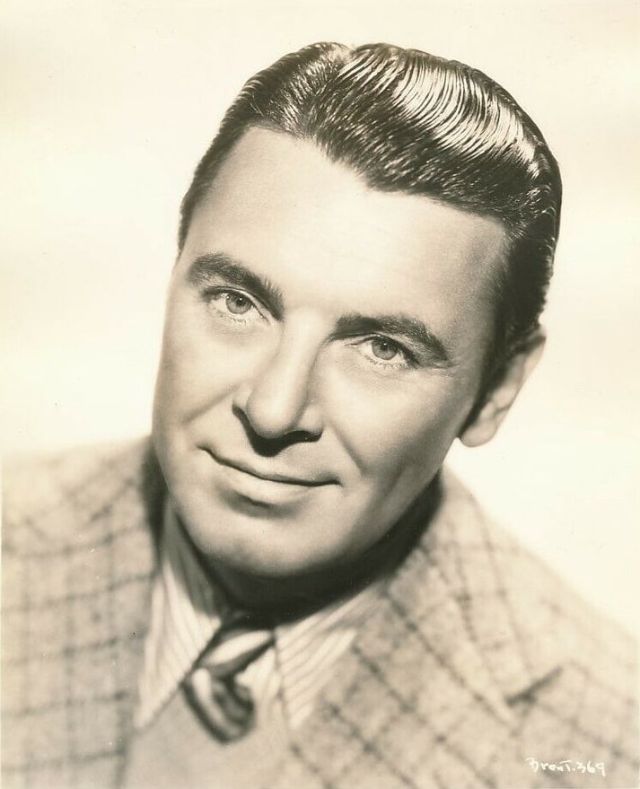
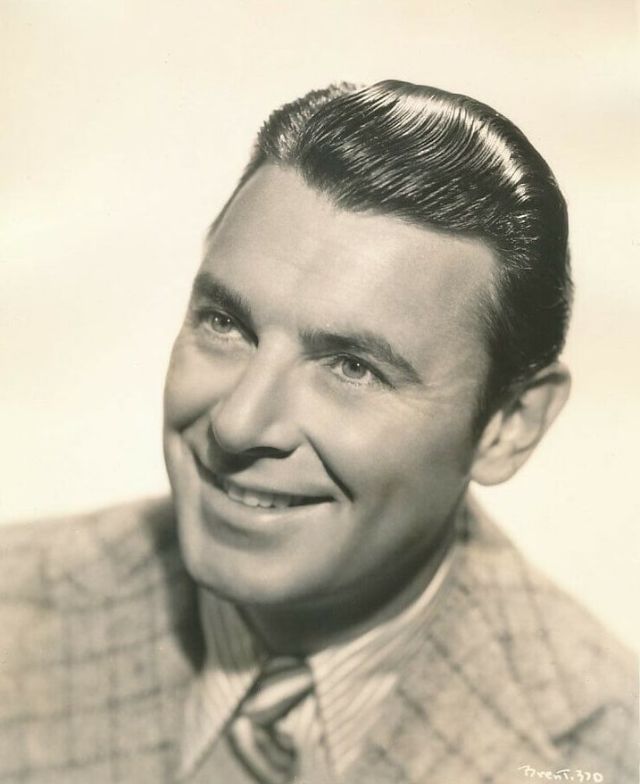
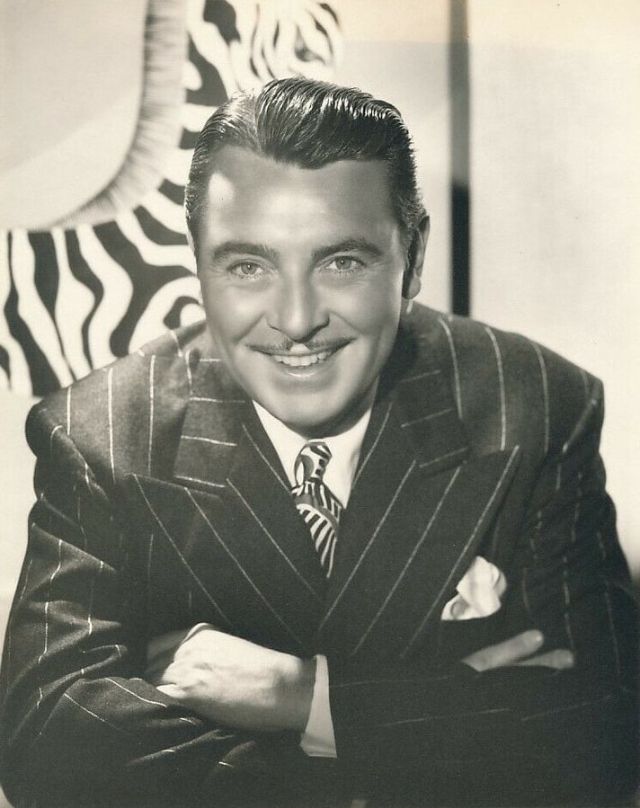
Brent was born in Ballinasloe, County Galway, Ireland on March 15, 1904, to John J. and Mary (née McGuinness) Nolan. His father was a shopkeeper and his mother was a native of Clonfad, Moore, County Roscommon. In September 1915, he moved with his younger sister Kathleen to New York City. There, they joined their mother, who was living in the USA after her separation from her husband.
Brent returned to Ireland in February 1921, during the Irish War of Independence (1919–1922), and was involved in the Irish Republican Army. During this period he also became involved with the Abbey Theatre.
He fled Ireland with a bounty set on his head by the British government, although he later claimed only to have been a courier for guerrilla leader and tactician Michael Collins. According to Ballinasloe Life (volume 2, issue 4, Oct/Nov 2012), the Irish War of Independence careers of three different men named George Nolan (Brent and two others; one from County Dublin and the other from County Offaly) were apparently conflated, which may explain some of the discrepancies regarding Brent’s year of birth, life, and activities during the 1919 to 1922 period.
Brent travelled from England to Canada and returned to the United States in August 1921.He decided to become a professional actor. He made his Broadway debut in director Guthrie McClintic’s The Dover Road. He did numerous plays throughout the 1920s. He moved to Hollywood and made his first film for 20th Century Fox, Under Suspicion (1930).
At Universal, he was seventh billed for Ex-Bad Boy (1931) and fifth for Homicide Squad (1931), then was in the Rin Tin Tin serial The Lightning Warrior (1931) at Mascot Pictures. He was signed by Warner Bros. in 1931, where he played Barbara Stanwyck’s leading man in So Big! (1932). This established him as a leading man for female stars.
Brent is best remembered for the eleven films he made with Bette Davis, which included Jezebel (1938) and Dark Victory (1939). In 1978, he made one last film, the made-for-television production Born Again.
Brent was married five times: to Helen Louise Campbell (1925–1927), Ruth Chatterton (1932–1934), Constance Worth (1937), Ann Sheridan (1942–1943), and Janet Michaels (1947–1974). Chatterton, Worth, and Sheridan were actresses; Chatterton and Sheridan were Warner Bros. players.
His final marriage to Janet Michaels, a former model and dress designer, lasted 27 years until her death in 1974. They had two children: a daughter, Suzanne (born August 3, 1950), and a son, Barry (born November 26, 1954).
Brent also had affairs with actresses Greta Garbo and Bette Davis, the latter a frequent Warner Bros. co-star.
Brent suffered from emphysema and died of natural causes in 1979 in Solana Beach, California. He was inducted into the Hollywood Walk of Fame with two stars in 1960. He received a motion-pictures star located at 1709 Vine Street and a second star located at 1612 Vine Street for his work in television.
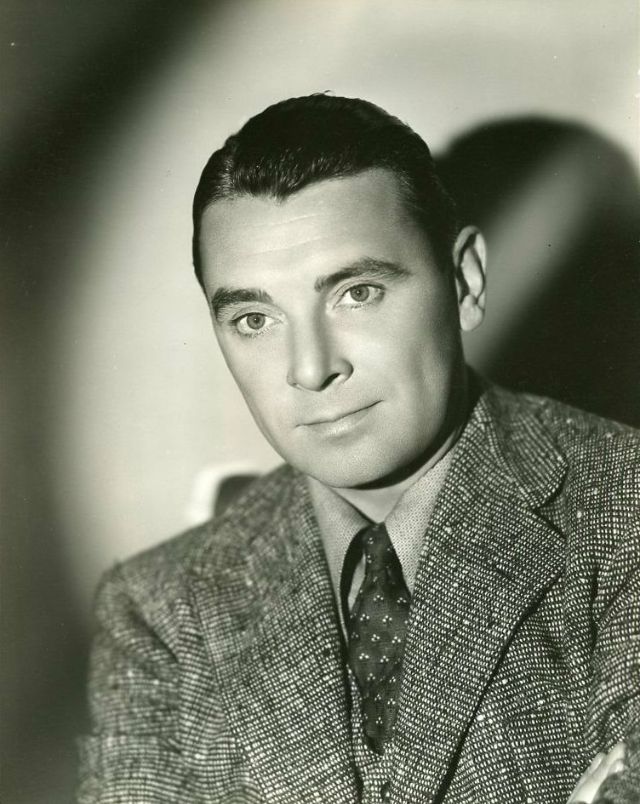
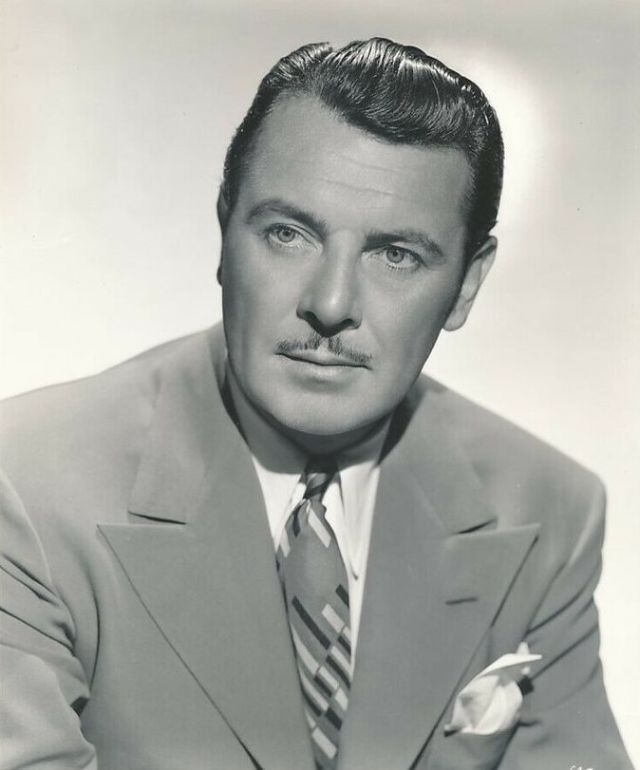
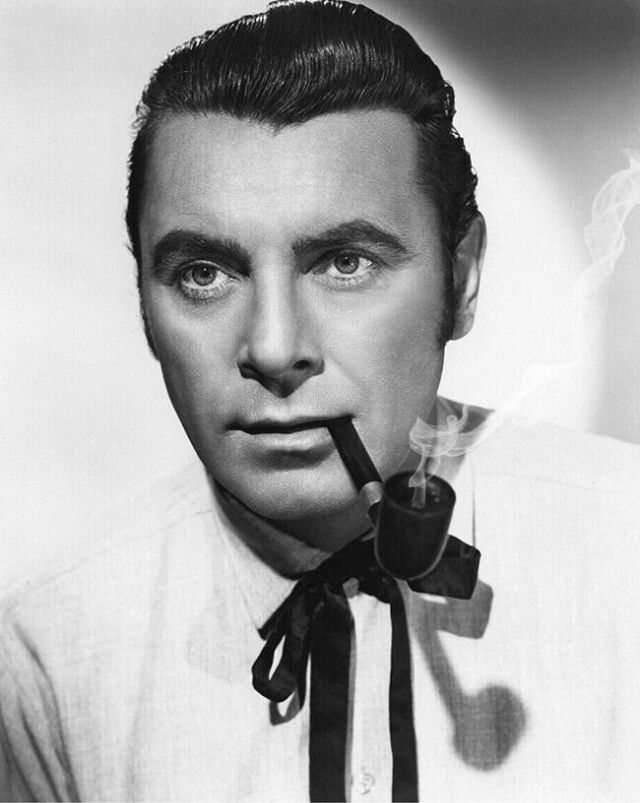
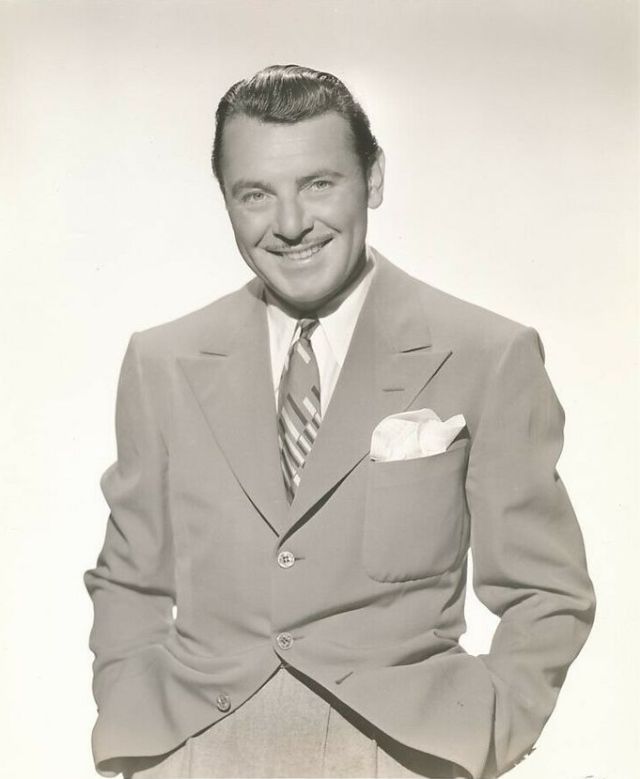
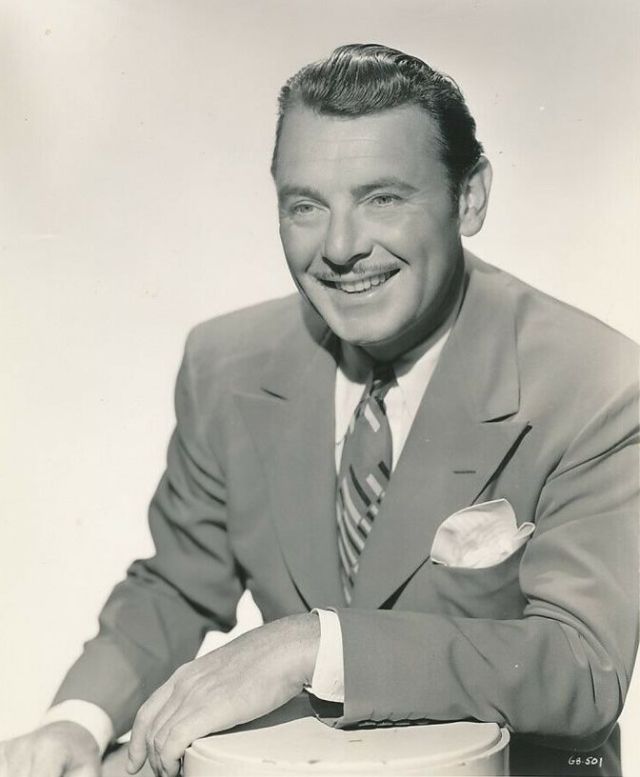
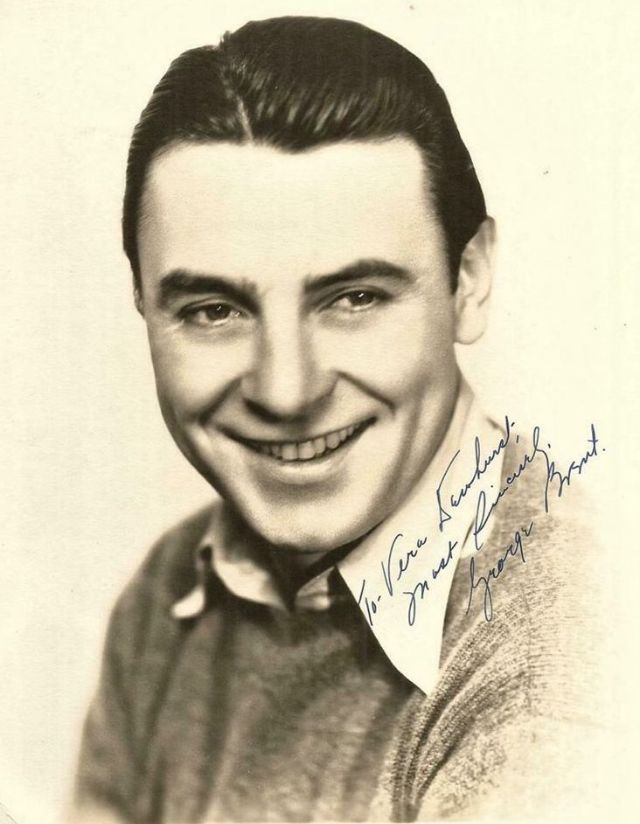
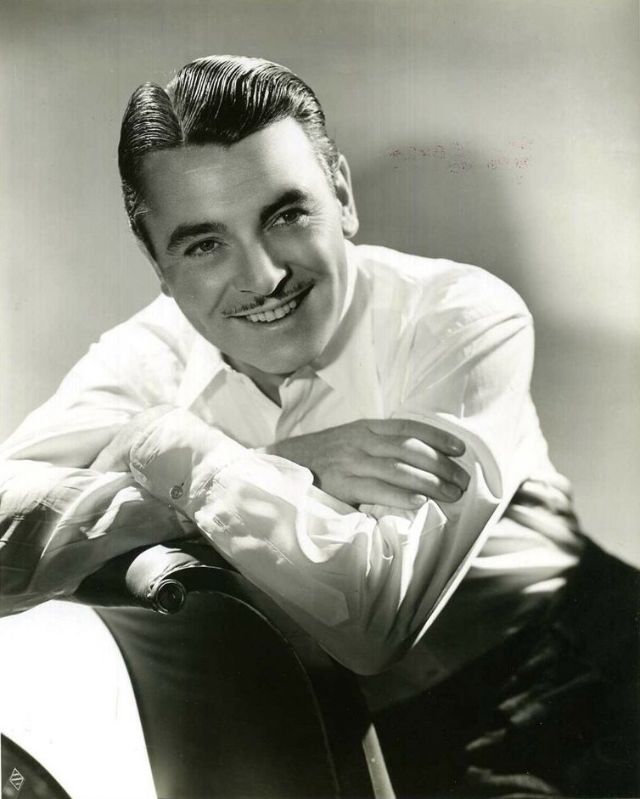
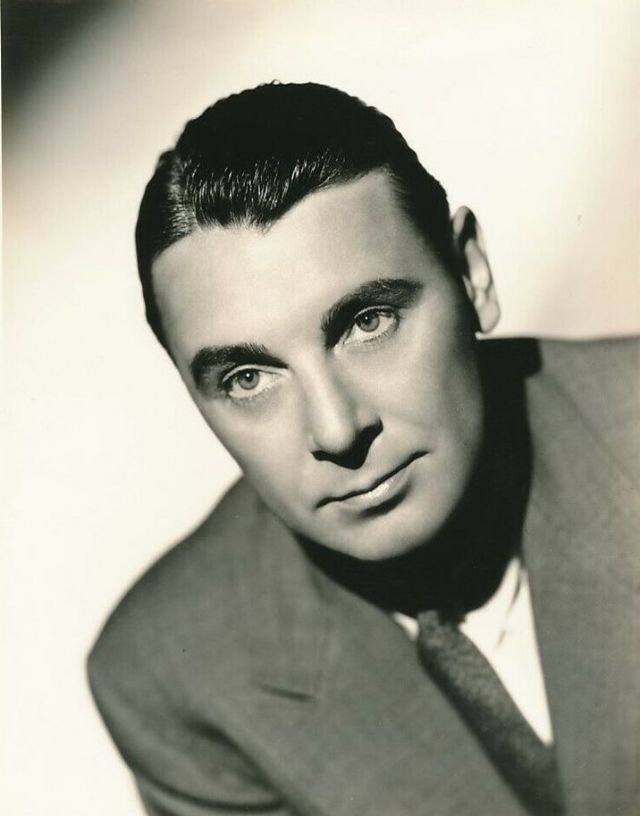
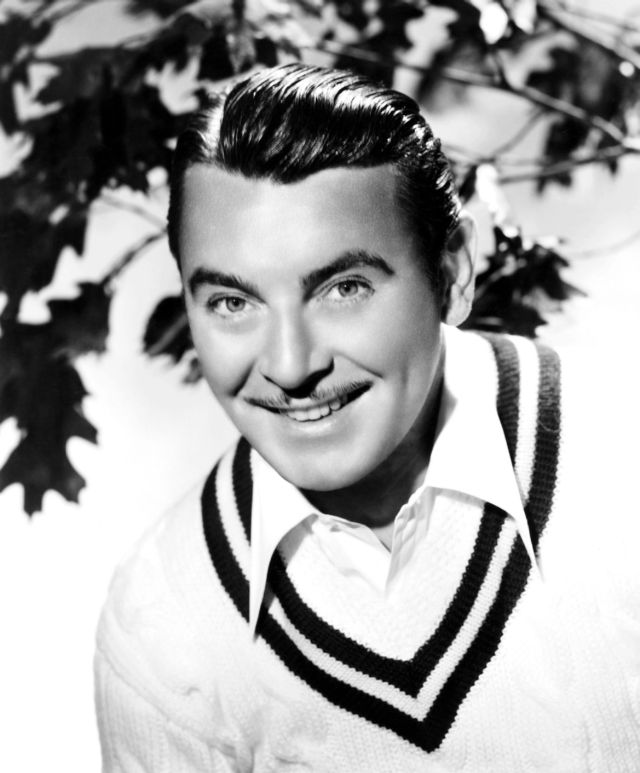
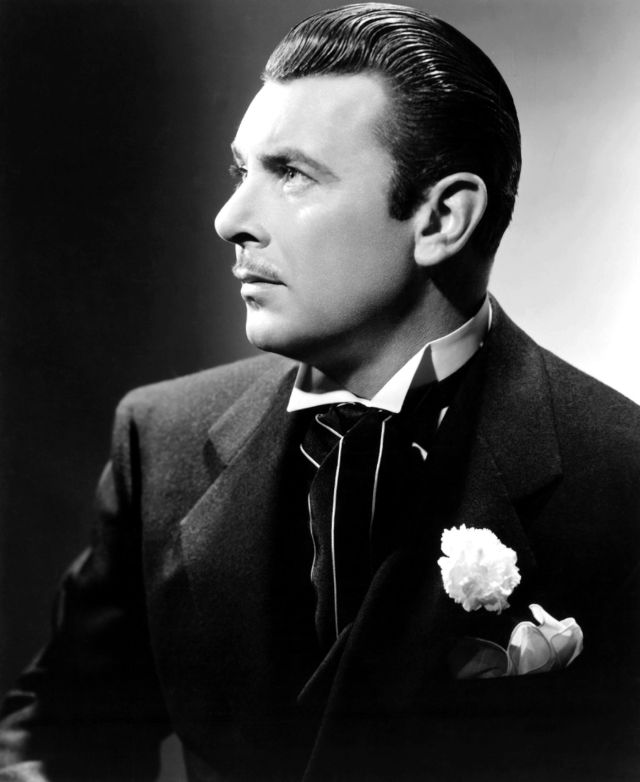
Take a look at these vintage photos to see portraits of a young George Brent in the 1930s and 1940s.
Subscribe to Yesterday Today and receive daily updates via email:
Casparus Bernardus Oorthuys (1 November 1908 – 22 July 1975), known as Cas Oorthuys, was a Dutch photographer and designer. Oorthuys first took up photography after he joined the free-thinking Dutch Association of Abstinent Students in the architecture department of the Haarlem MTS.
In 1936, Oorthuys became permanent photographer at De Arbeiderspers. He produced photography and graphics for communist and anti-fascist organizations; and in the tradition of “workers’ photography” he documented poverty, police violence, the unemployed, homeless people and evictions for magazines, book illustrations and book covers and exhibitions.
During the German Occupation, Oorthuys became involved in the Personal Identification Centre established in 1942 and made passport photos for fake ID cards. In May 1944, Oorthuys was arrested by the Germans and imprisoned in camp Amersfoort. Unexpectedly, he was released again in August. On release Oorthuys connected with De Ondergedoken Camera and documented the activities of the German occupiers, and also the awful Hongerwinter, the Dutch famine of 1944–45. During the postwar recovery he recorded the Nuremberg war crimes trials and the rebuilding of his homeland.
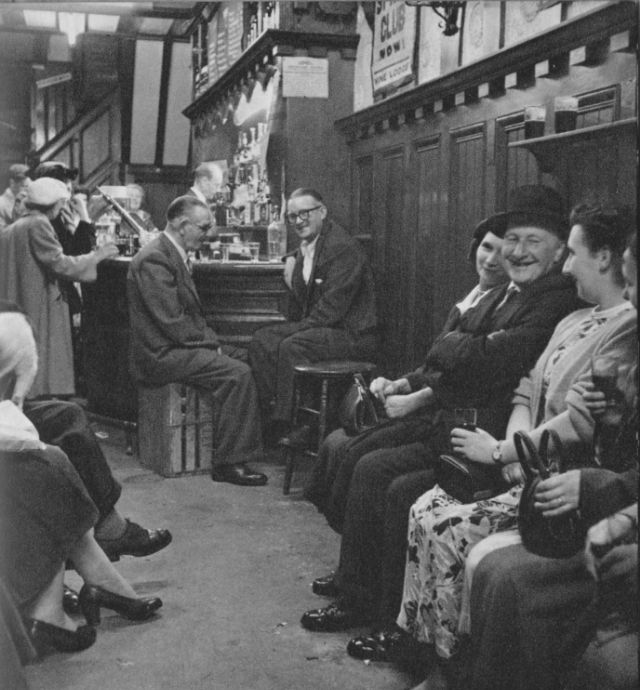
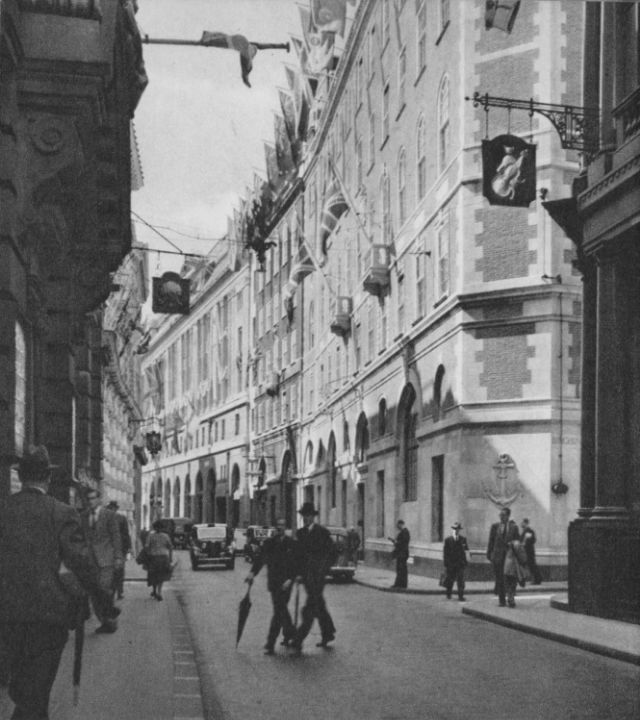
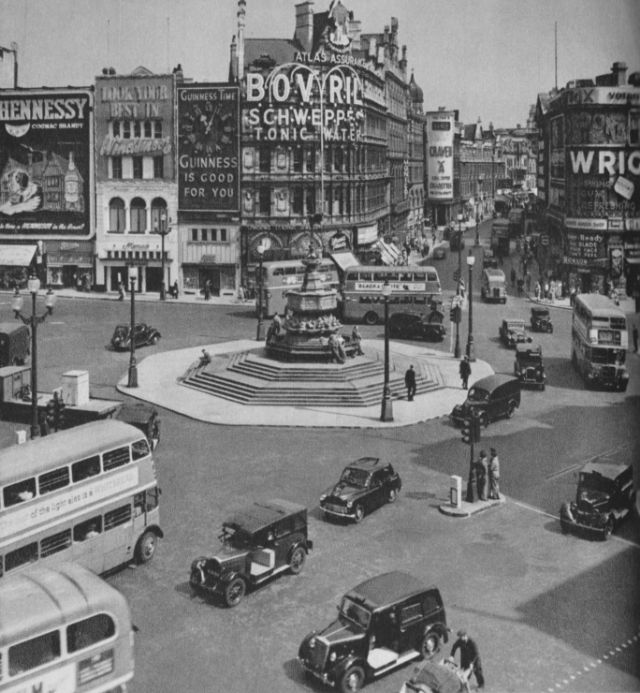
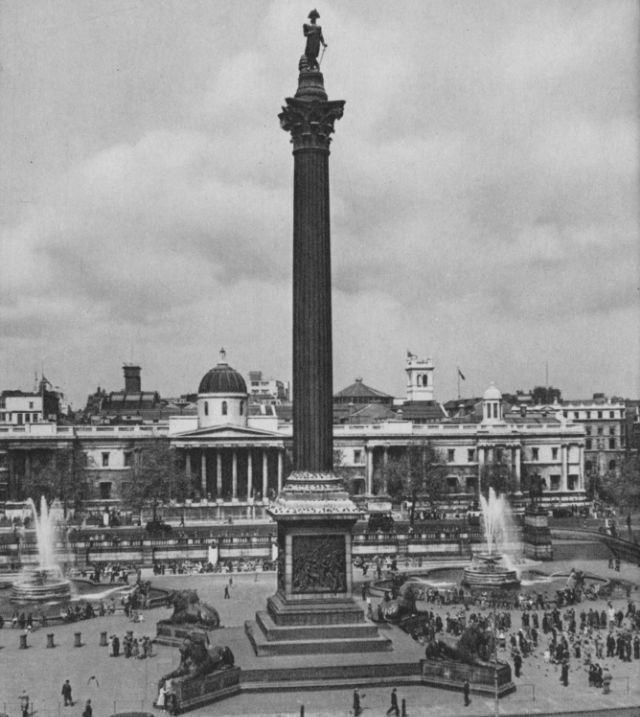
Take a look at London in the 1950s through these 23 stunning black and white photographs taken by Oorthuys:
Subscribe to Yesterday Today to receive daily updates via email: