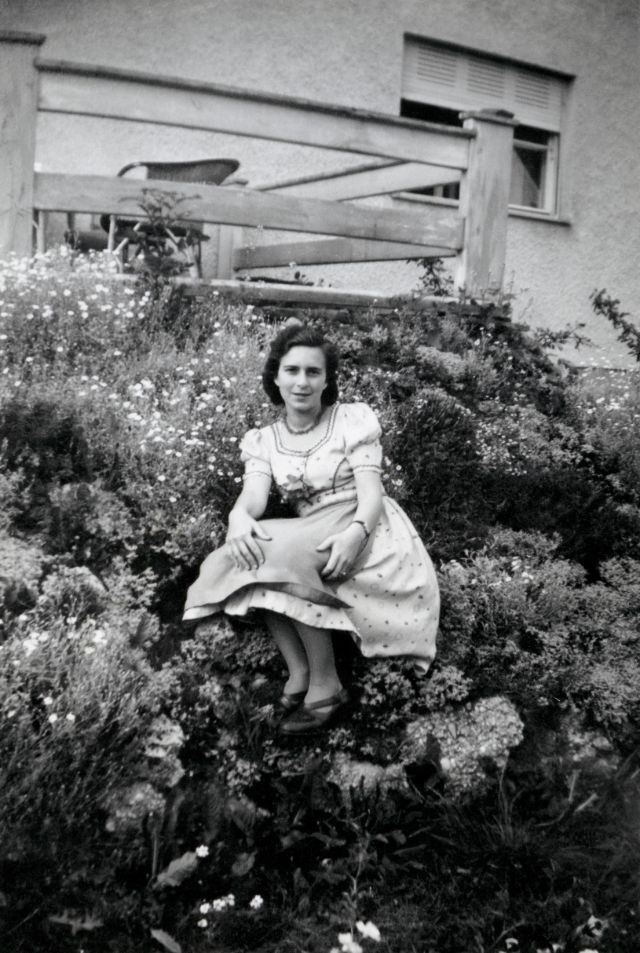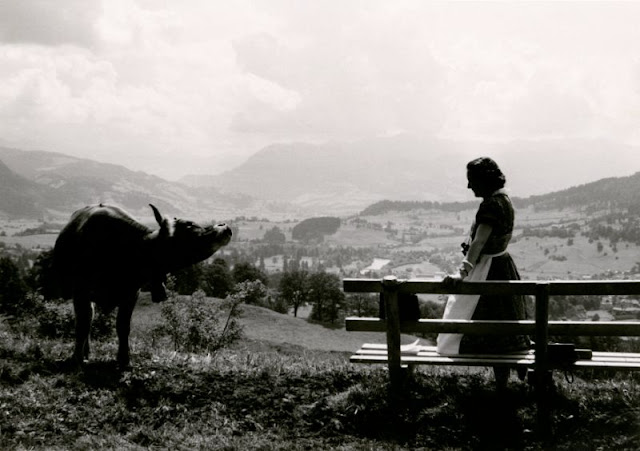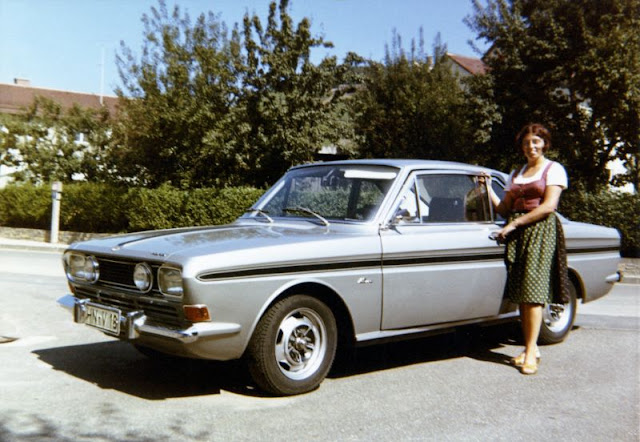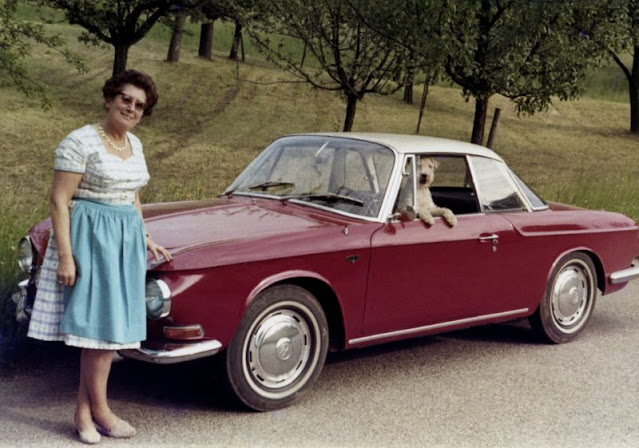
30 Vintage Photos of Ladies Wearing Dirndls

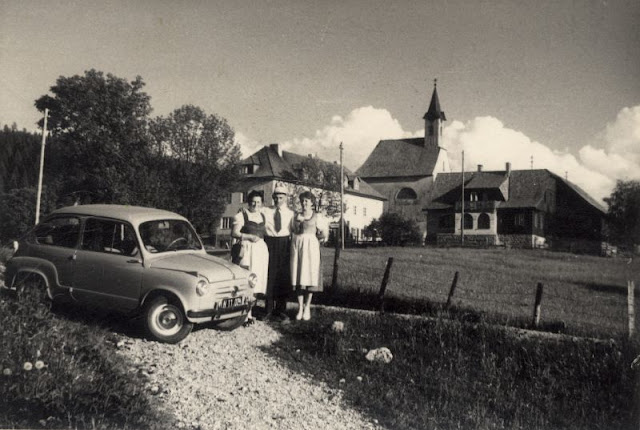
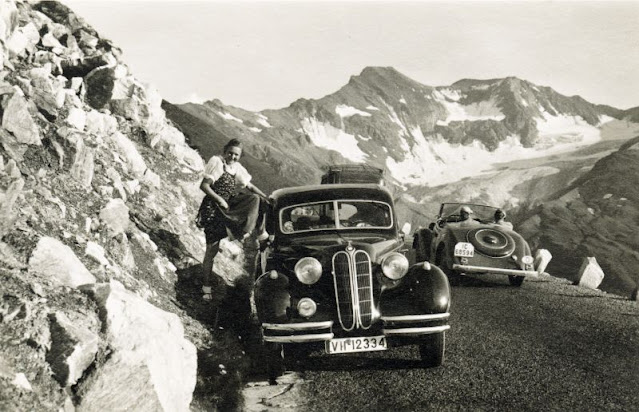
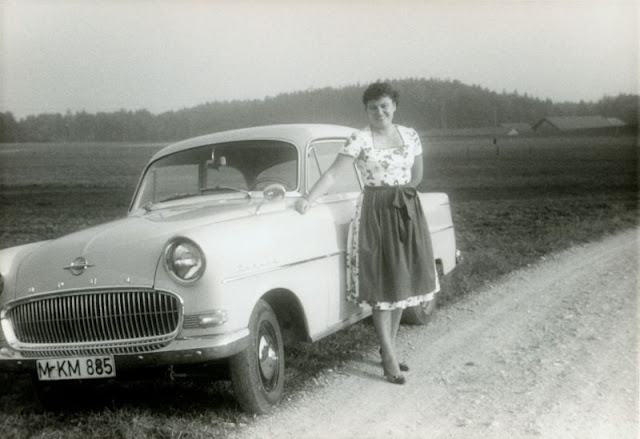
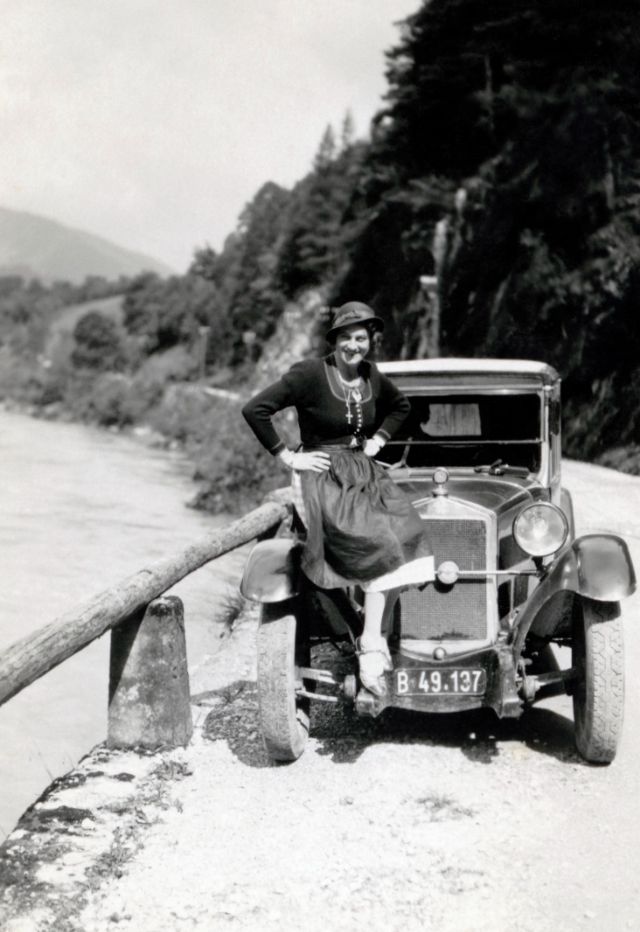
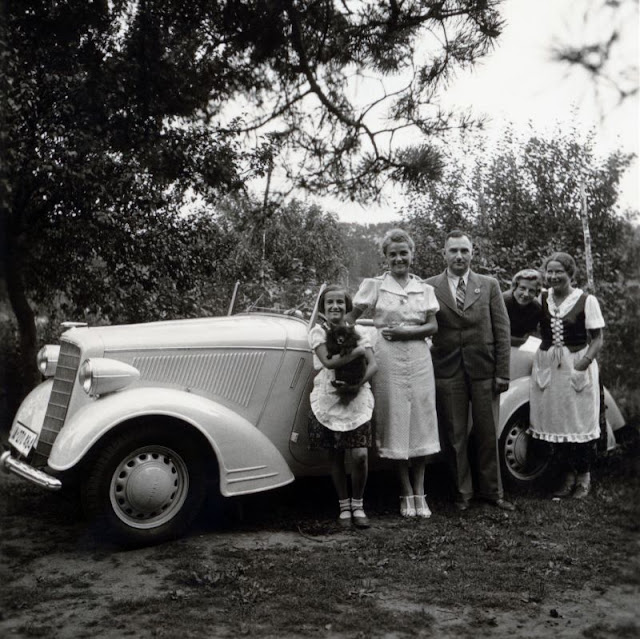
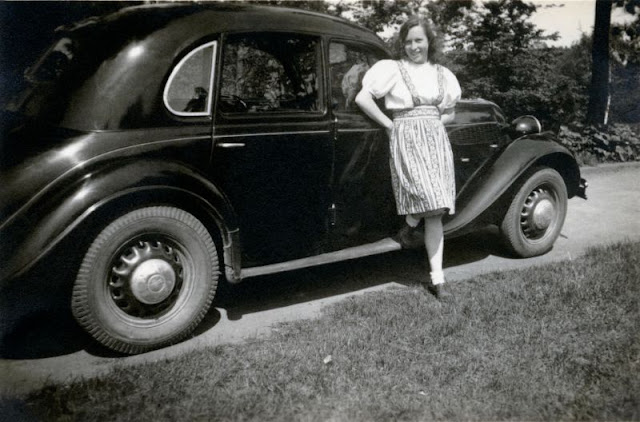
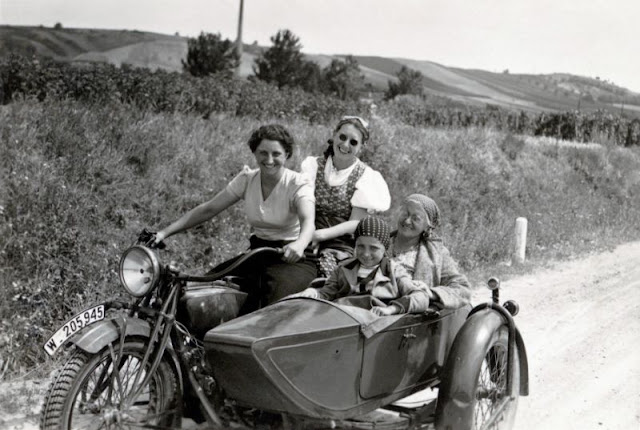
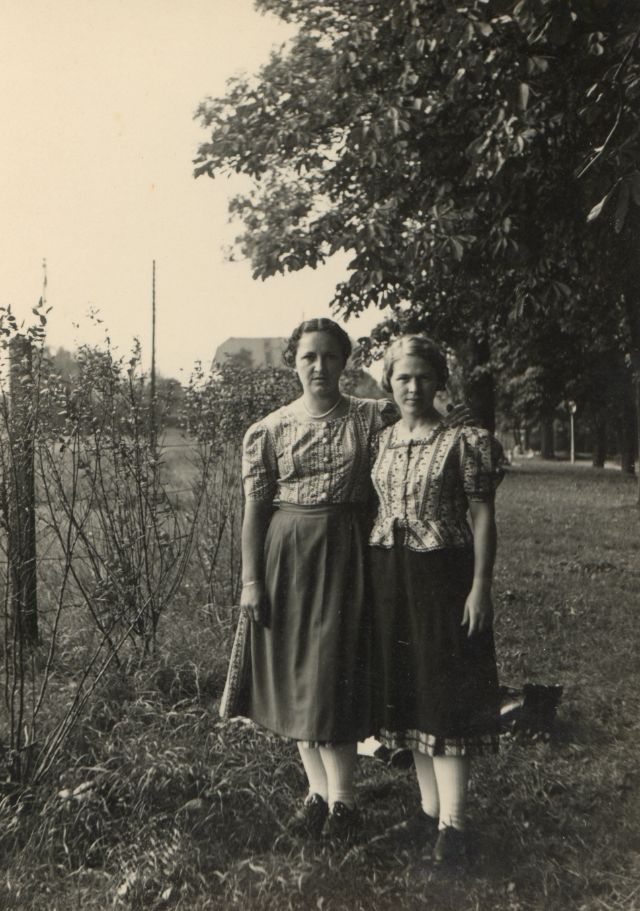
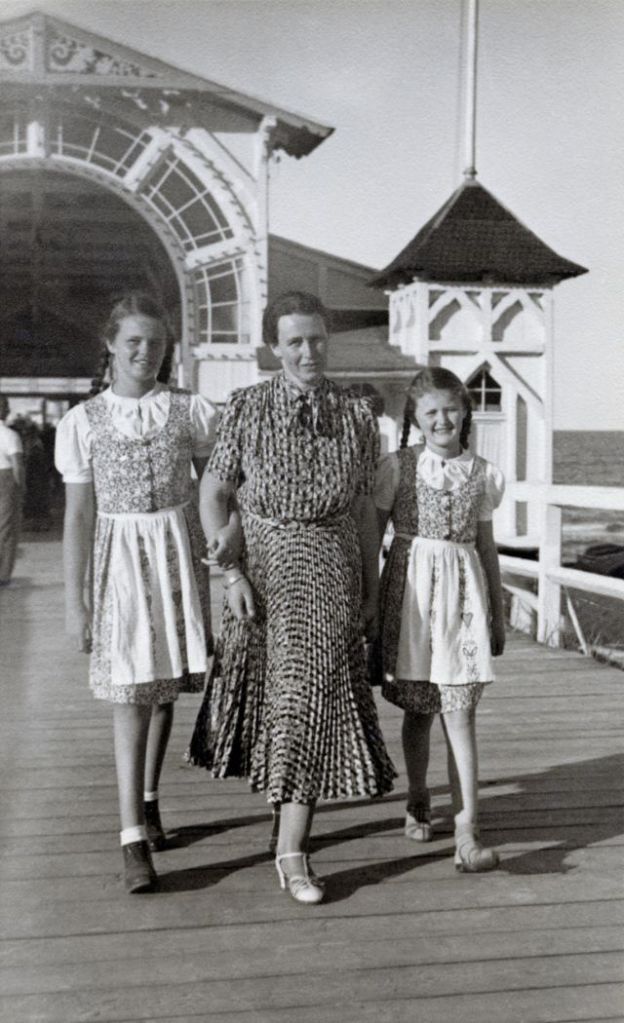
A dirndl is a feminine dress which originated in German-speaking areas of the Alps. It is traditionally worn by women and girls in Bavaria (south-eastern Germany), Austria, Liechtenstein, Switzerland and Alpine regions of Italy. A dirndl consists of a close-fitting bodice featuring a low neckline, a blouse worn under the bodice, a wide high-waisted skirt and an apron.

The dirndl is regarded as a folk costume (in German Tracht). It developed as the clothing of Alpine peasants between the 16th and 18th centuries. Today it is generally considered the traditional dress for women and girls in German-speaking parts of the Alps, with particular designs associated with different regions.

In the late 19th century, the dirndl was adapted by the upper and middle classes as a fashion mode, and subsequently spread as a mode outside its area of origin. There are many varieties of adaptations from the original folk designs. The dirndl is also worn as an ethnic costume by German diaspora populations in other countries.

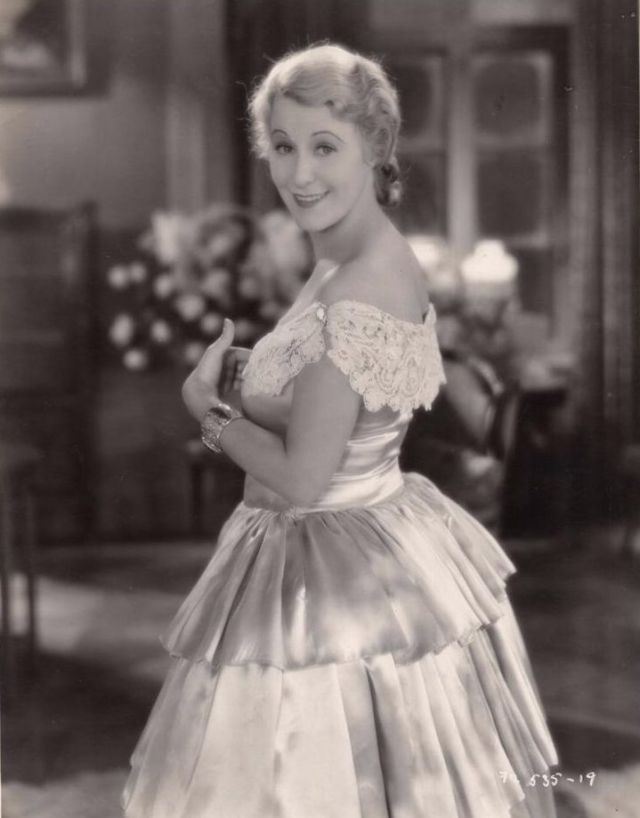
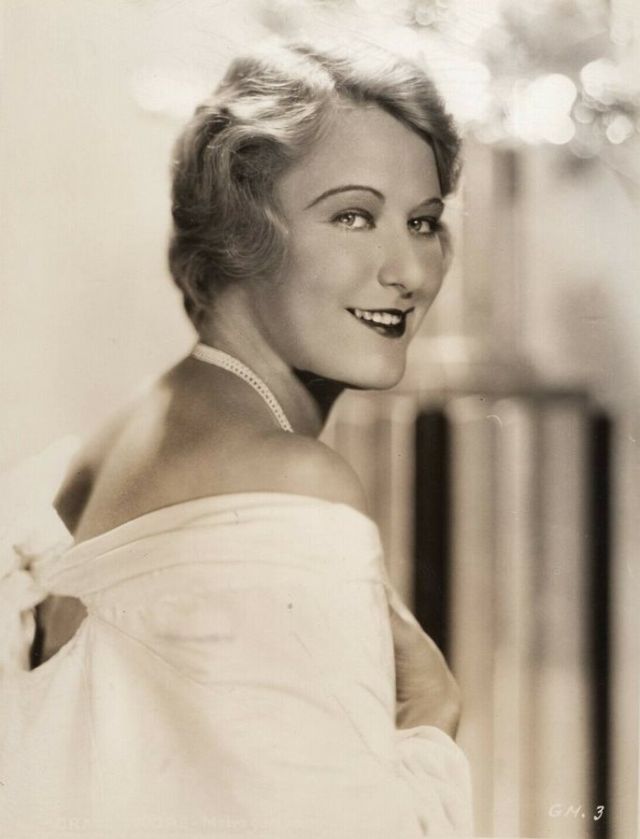
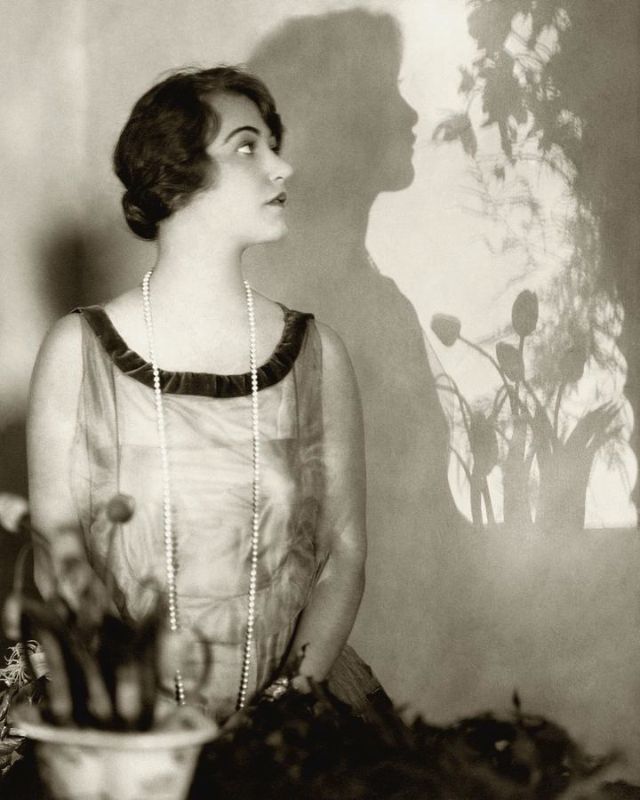
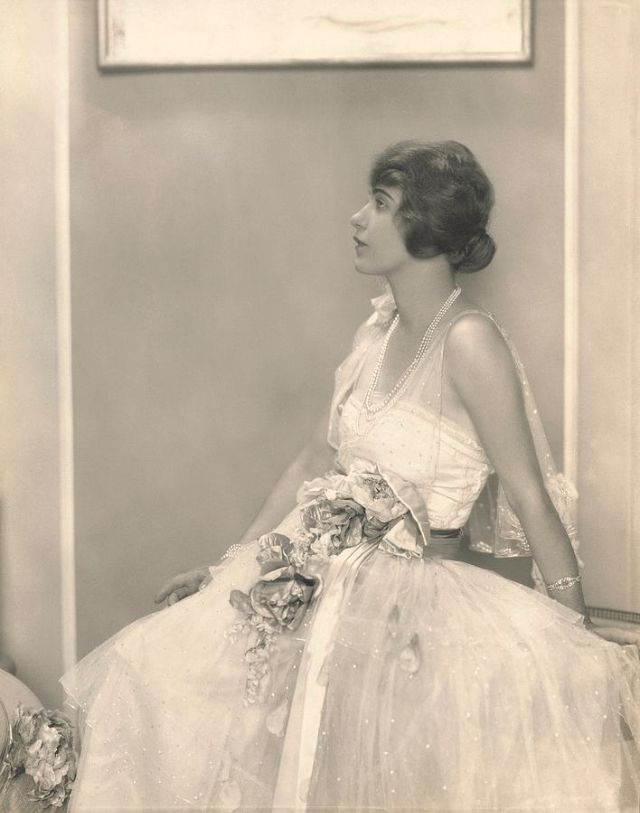
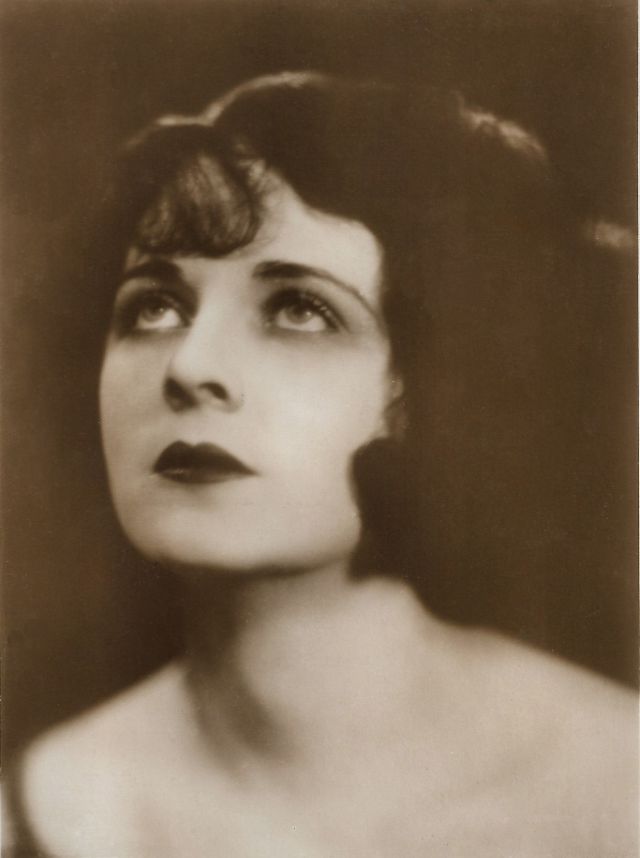
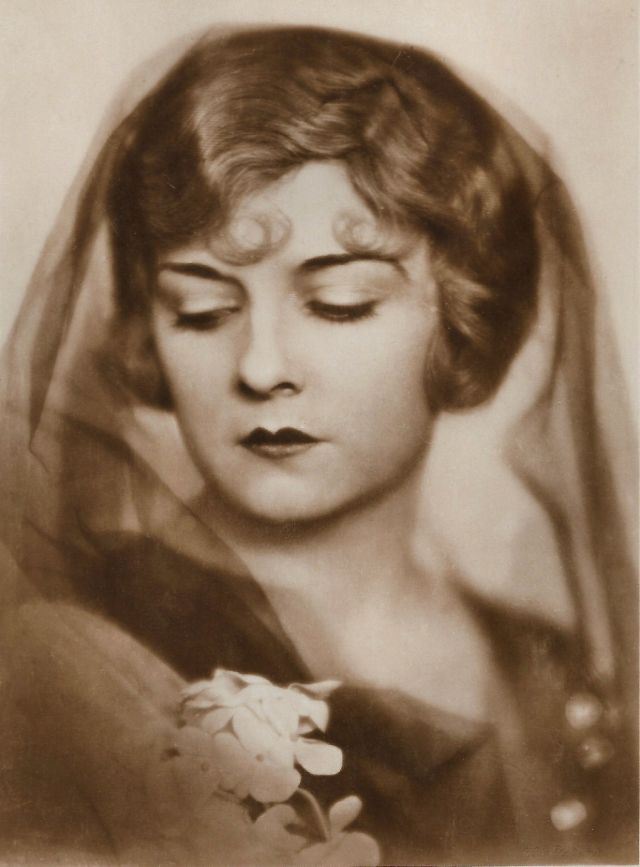
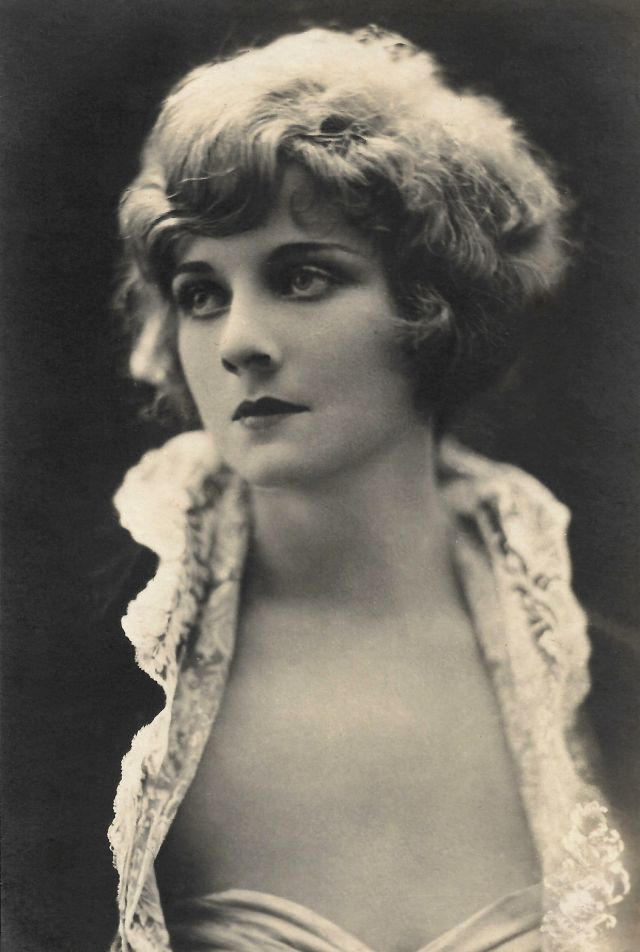
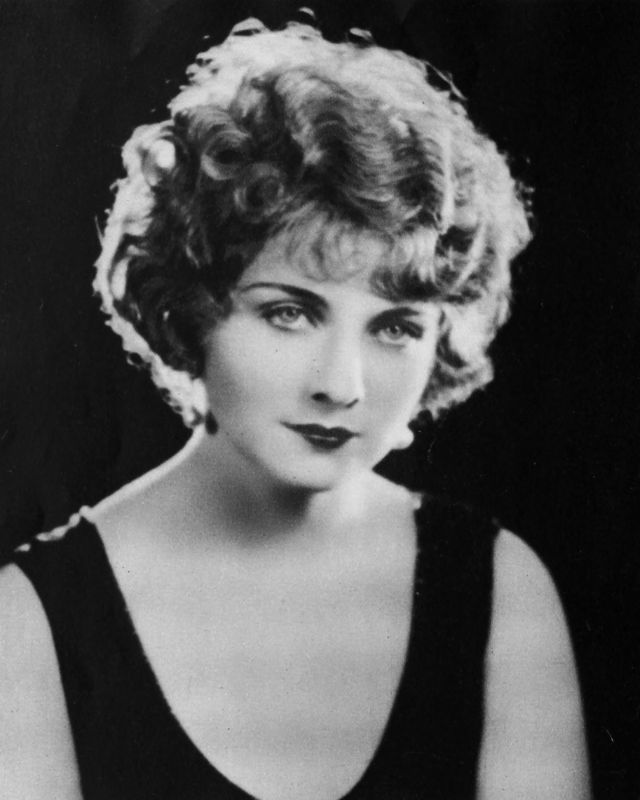
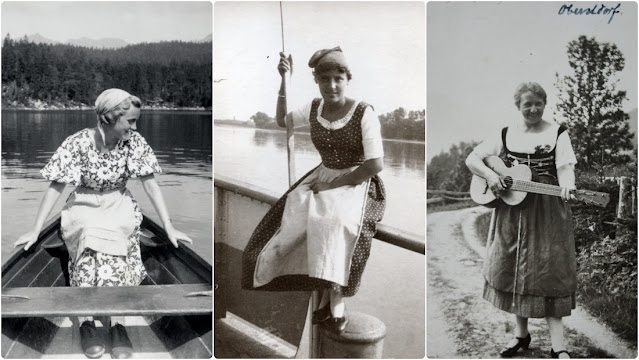
Here below is a set of vintage photos that shows portraits of ladies wearing dirndls.

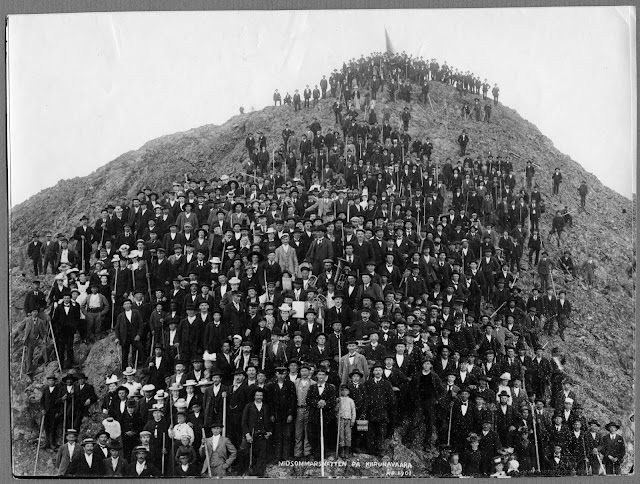
Midsummer Night Celebrations in Kirunavaara, Sweden, Where the Sun Doesn’t Set During Summer, 1901

In Kiruna, the sun doesn’t set for 47 days during the summer. This phenomenon, known as midnight sun, is at it’s hight around midsummer, which is always celebrated near the summer solstice.

Kirunavaara is the name of the mountain that the crowd is standing on. Kirunavaara means “mountain of the ptarmigans” in the Sámi language and gave it’s name to the nearby mining town Kiruna. The mountain has changed shape radically over the years due to extensive mining.

Kiruna in Swedish Lapland is a world full of contrasts, colors and light. The period where we have midnight sun is the counterpart to the polar night that we experience in December. The period from late May to the middle of July is an intense period and it has a deep effect on all life when the daylight never ends.

When can I see the midnight sun?

The midnight sun glows in the sky from the 27th of May until the 14th of July. During this period, it never slides below the horizon. The sun is at its lowest at the time 00:40. So the sun is up continuously for 47 days at Kiruna’s latitude. The periods prior to and following that of the midnight sun are also very bright. This is why they usually talk about having 100 days without night.

The midnight sun is the same sun seen during daytime, it just doesn’t go below the horizon. This means that you don’t see a rapid sunset and sunrise. This phenomenon can be experienced anywhere in Kiruna.

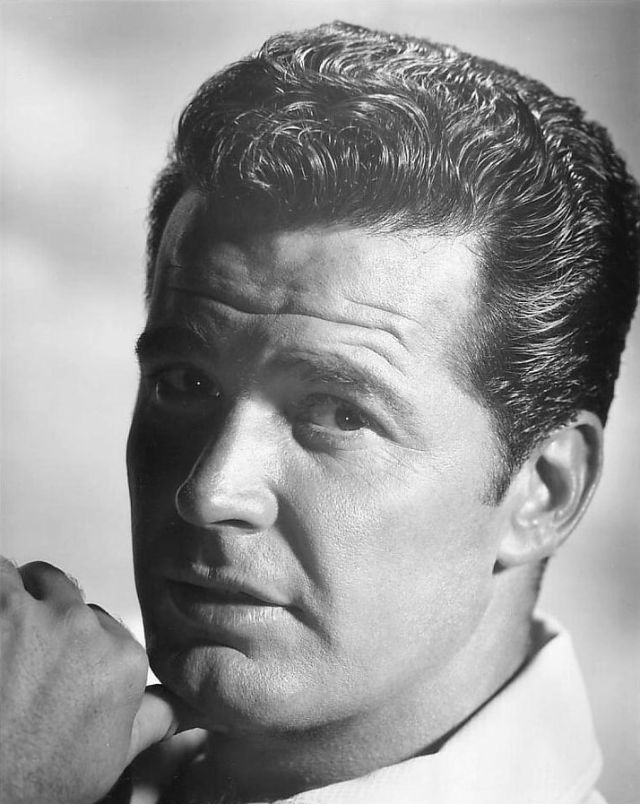
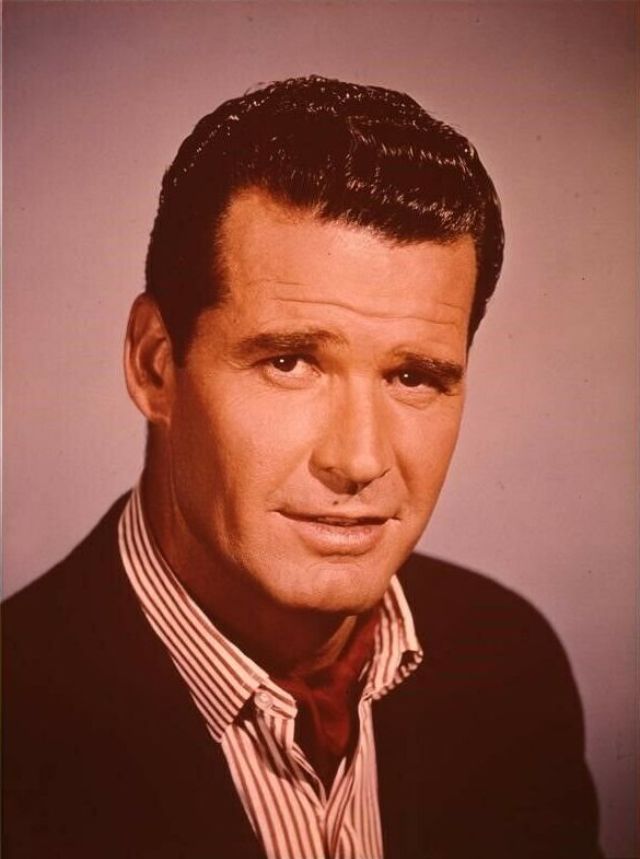
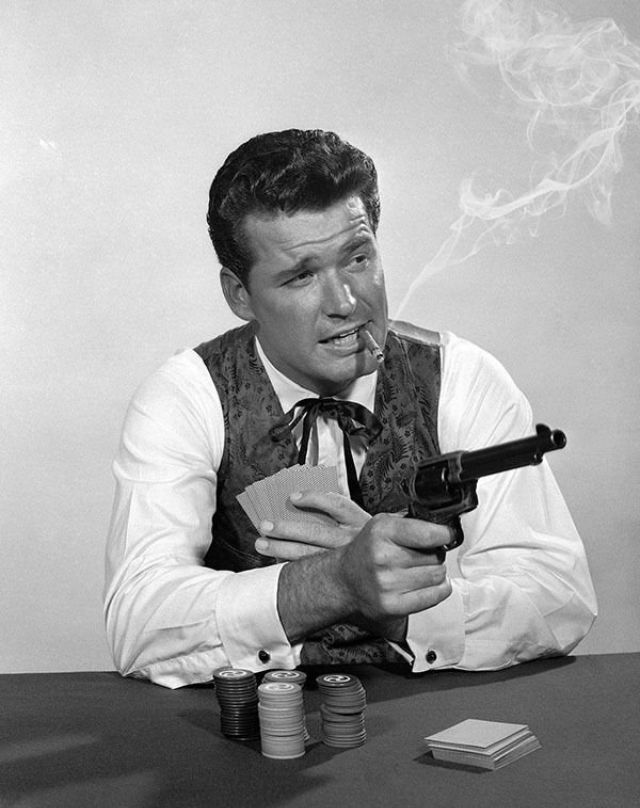
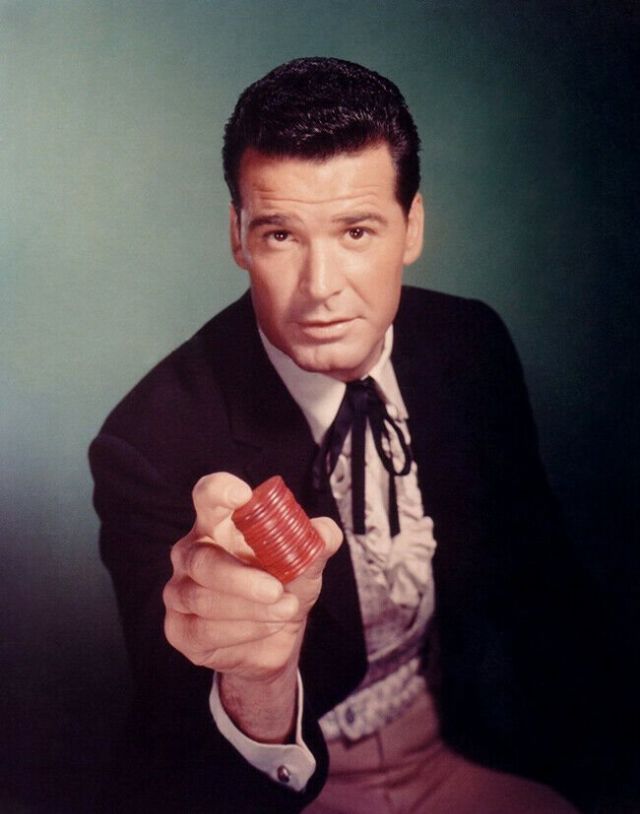
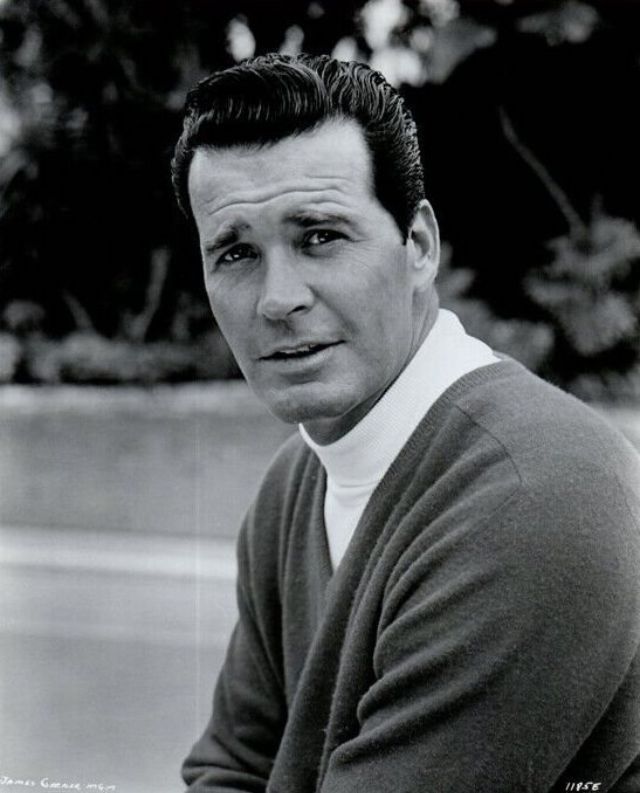
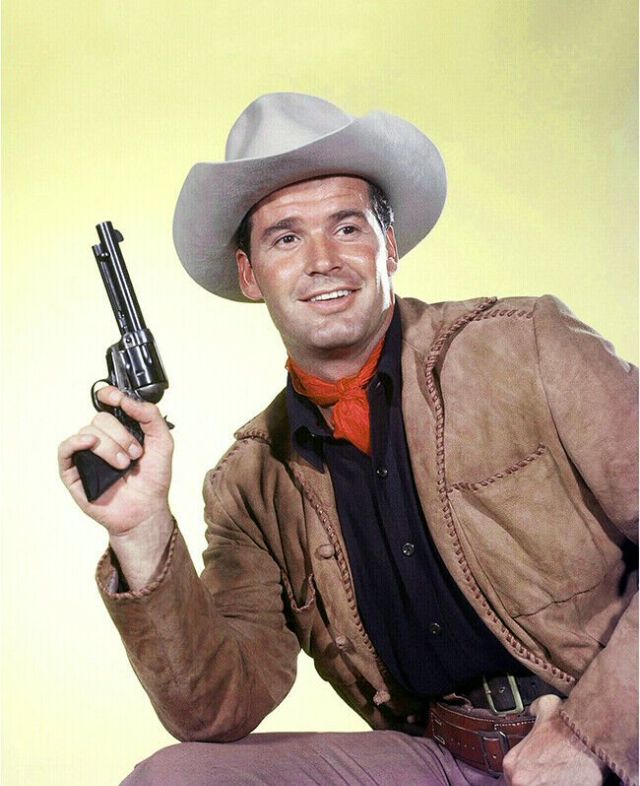
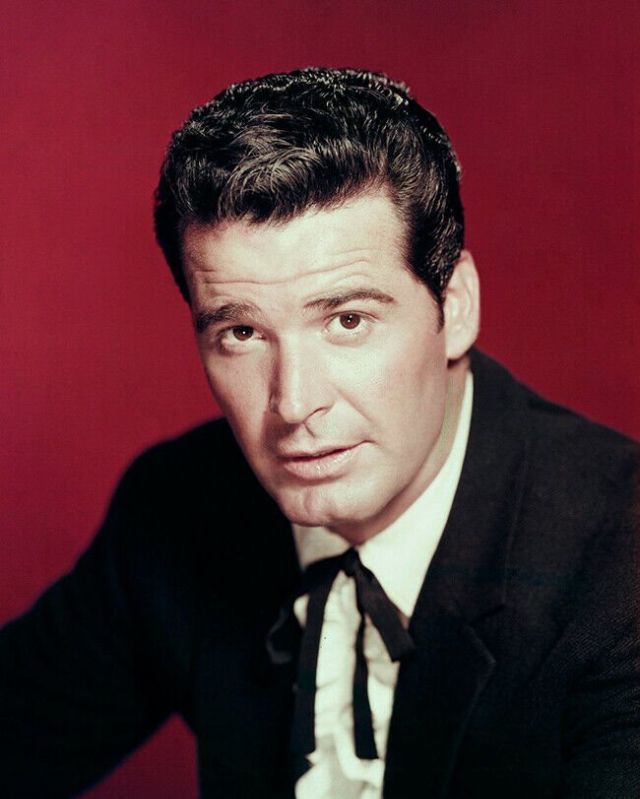
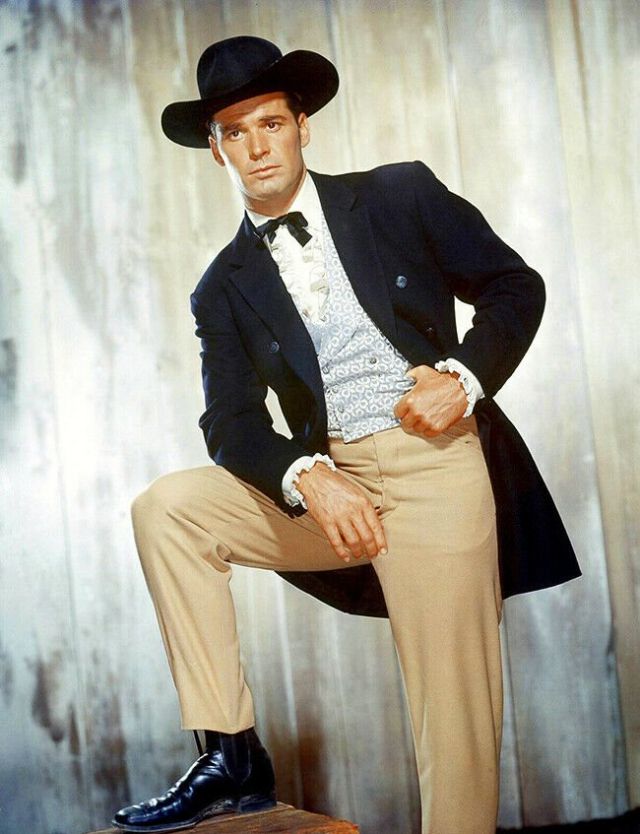
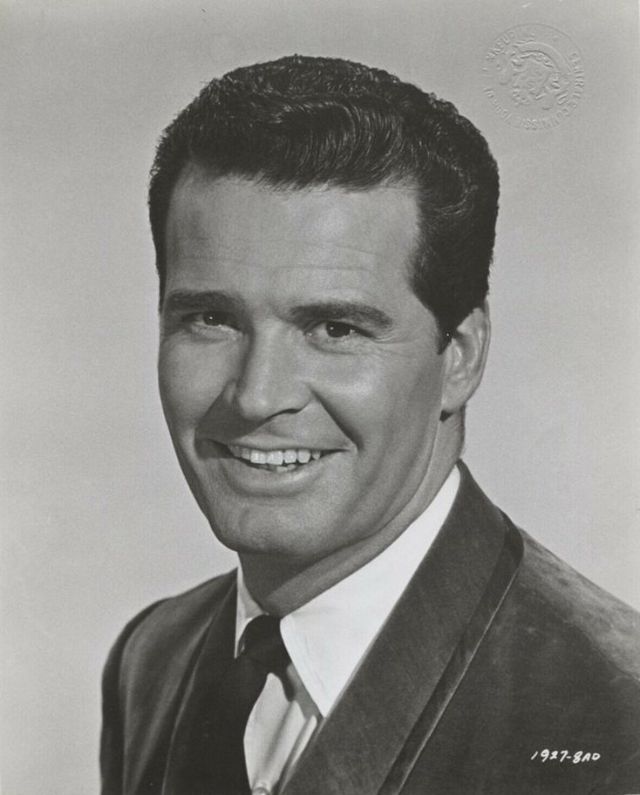
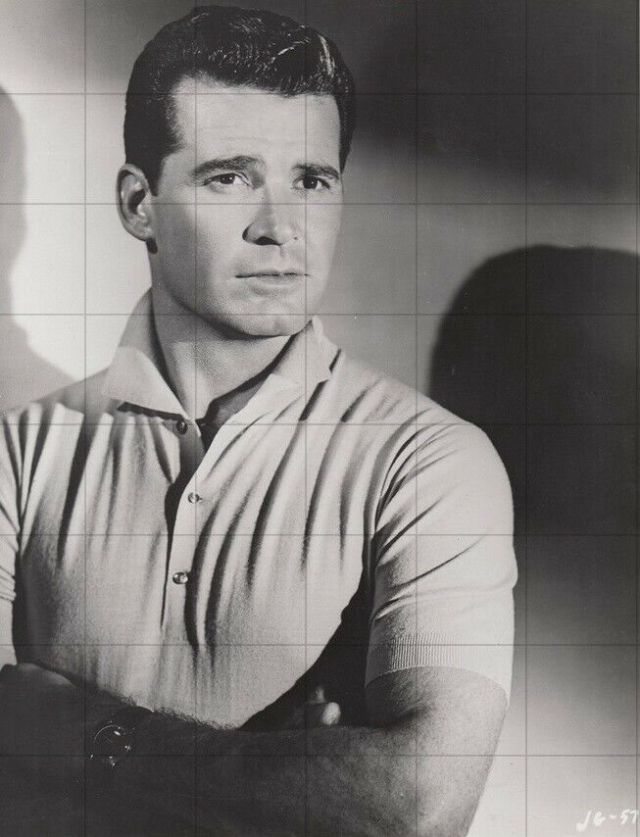
35 Handsome Portrait Photos of James Garner in the 1940s and 1950s

Born 1928 as James Scott Bumgarner in Denver, Oklahoma, American actor James Garner starred in several television series over more than five decades, including popular roles such as Bret Maverick in the 1950s Western series Maverick and as Jim Rockford in the 1970s private detective show, The Rockford Files.

Garner played leading roles in more than 50 theatrical films, including The Great Escape (1963) with Steve McQueen, Paddy Chayefsky’s The Americanization of Emily (1964) with Julie Andrews, Grand Prix (1966) with Toshiro Mifune, Marlowe (1969) with Bruce Lee, Support Your Local Sheriff! (1969), Support Your Local Gunfighter (1971), The Castaway Cowboy (1974), and Blake Edwards’s Victor/Victoria (1982) with Julie Andrews, and Murphy’s Romance (1985) with Sally Field, for which he received an Academy Award nomination.

Garner’s career and popularity continued through another decade in movies like Space Cowboys (2000) with Clint Eastwood, Atlantis: The Lost Empire (2001) with Michael J. Fox and The Notebook (2004) with Gena Rowlands. and his TV sitcom role as Jim Egan in 8 Simple Rules (2003–2005).

Garner died in 2014 at the age of 86. These vintage photos captured portrait of a young and handsome James Garner in the 1940s and 1950s.

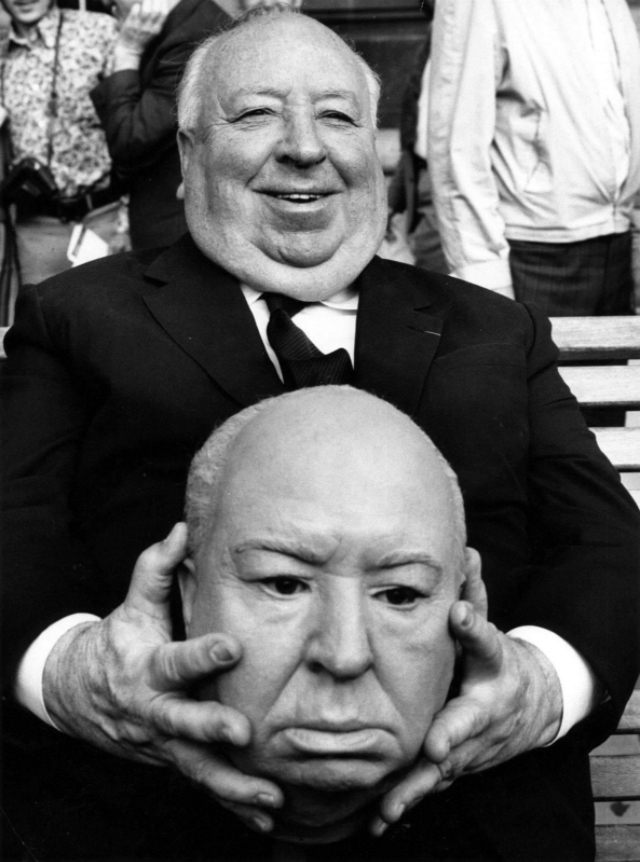
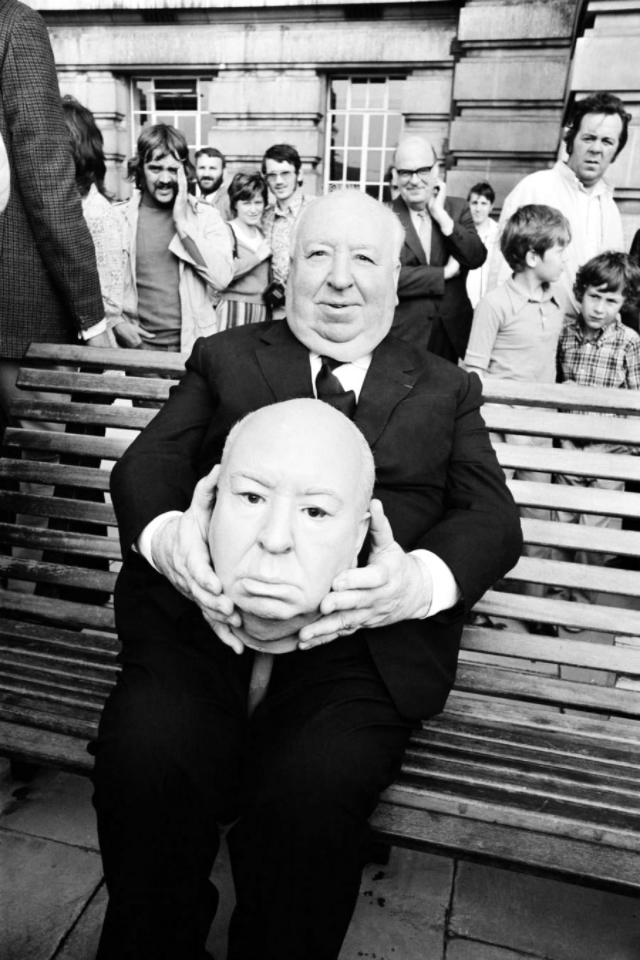
Double the Hitchcock, Double the Fun?

Some behind the scenes photos of Alfred Hitchcock holding a plaster dummy head of himself on the set of Frenzy (1972).

Frenzy was the third and final film that Hitchcock made in Britain after he moved to Hollywood in 1939. The other two were Under Capricorn (1949) and Stage Fright (1950). The last film he made in Britain before his move to America was Jamaica Inn (1939). Frenzy was screened at the 1972 Cannes Film Festival, but it was not entered into the main competition.

Alfred Hitchcock’s cameo appearance can be seen three minutes into the film in the center of a crowd scene, wearing a bowler hat. Teaser trailers show a Hitchcock-like dummy floating in the River Thames and Hitchcock introducing the audience to Covent Garden via the fourth wall.

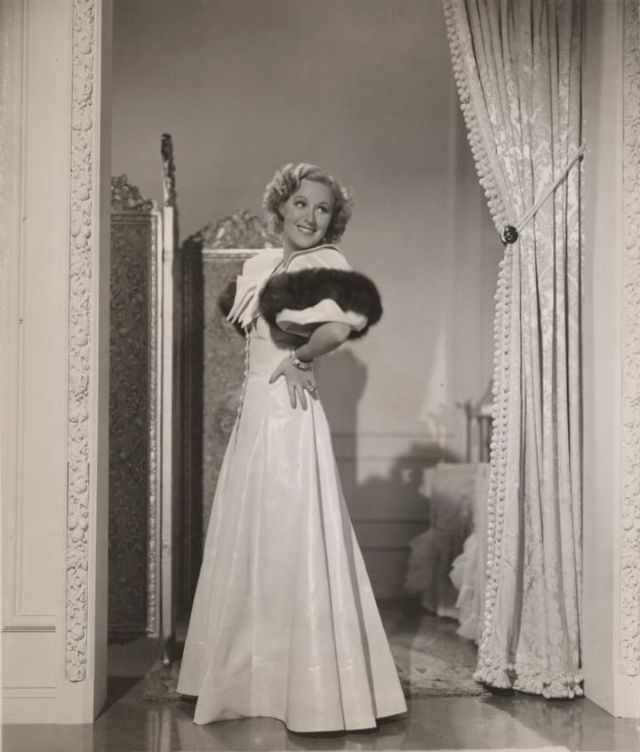
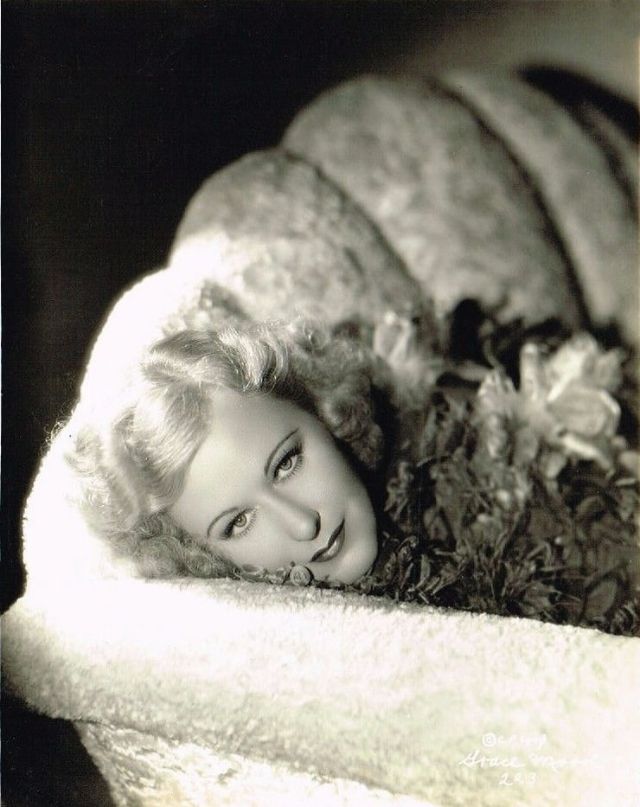
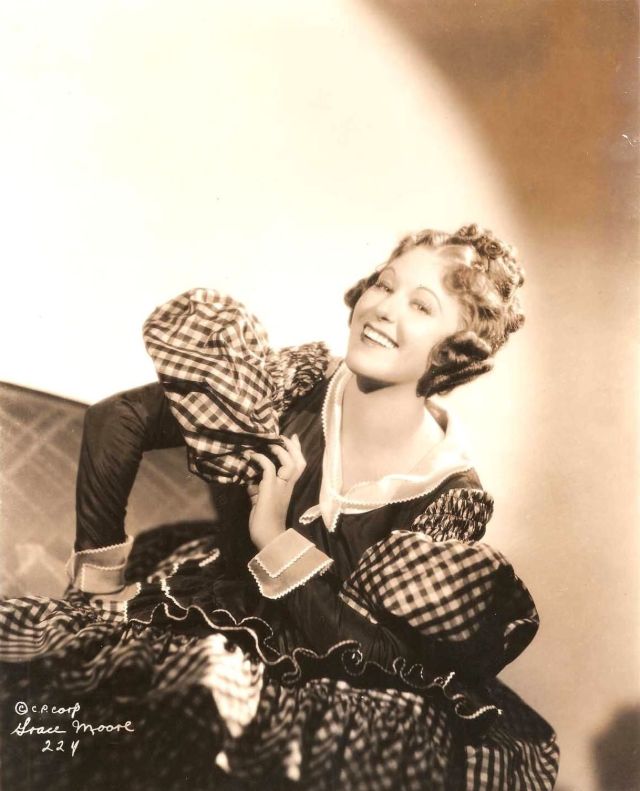
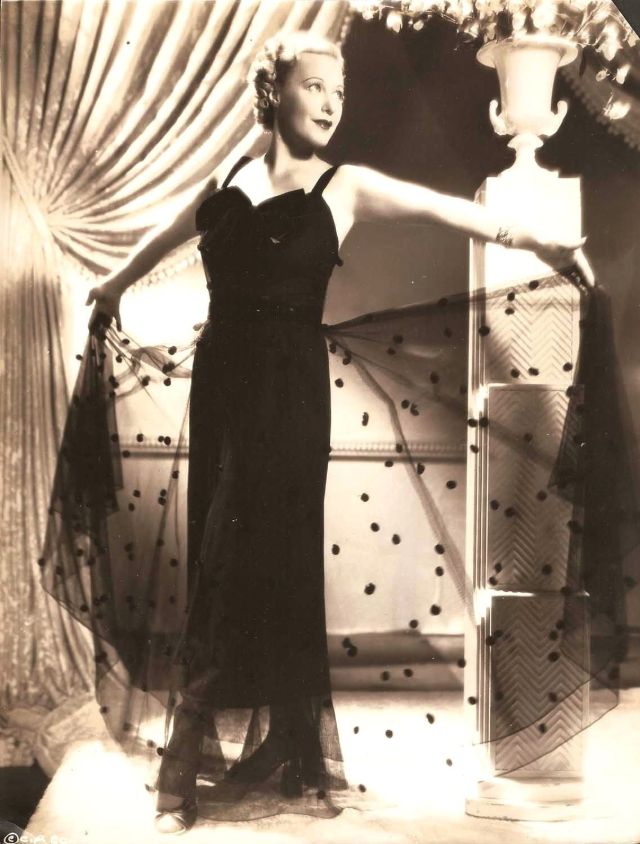
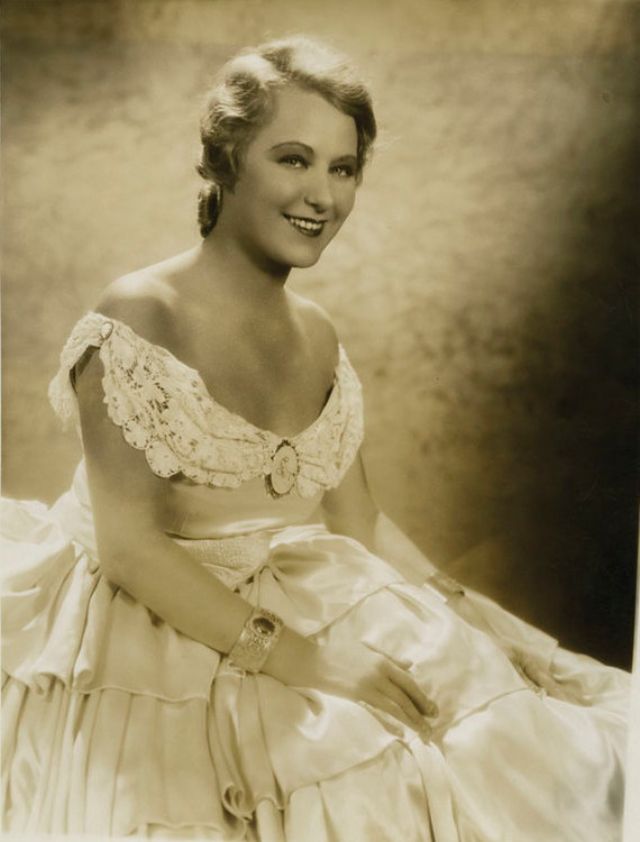
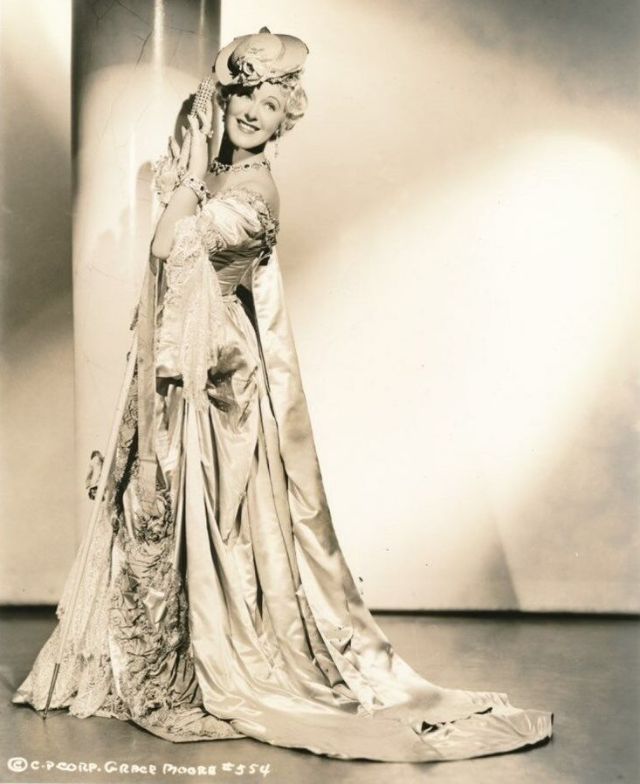
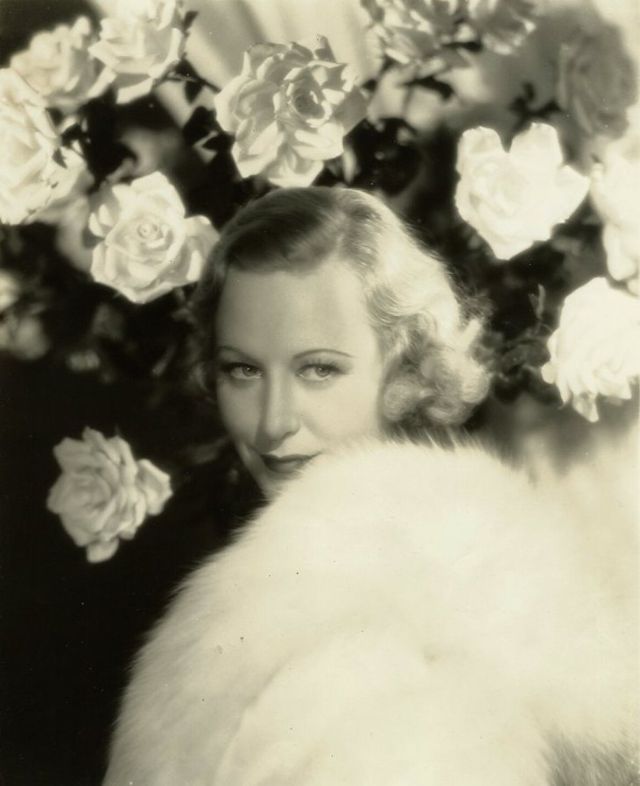
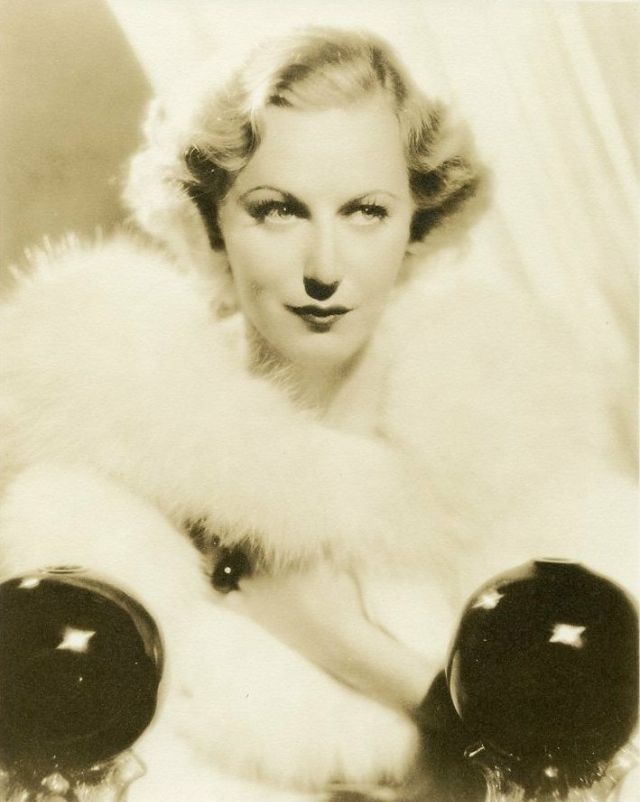
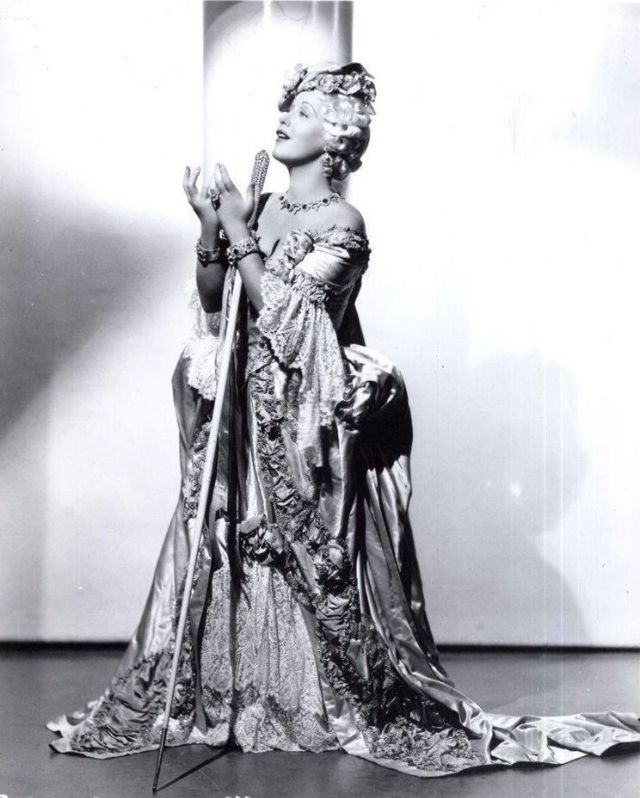
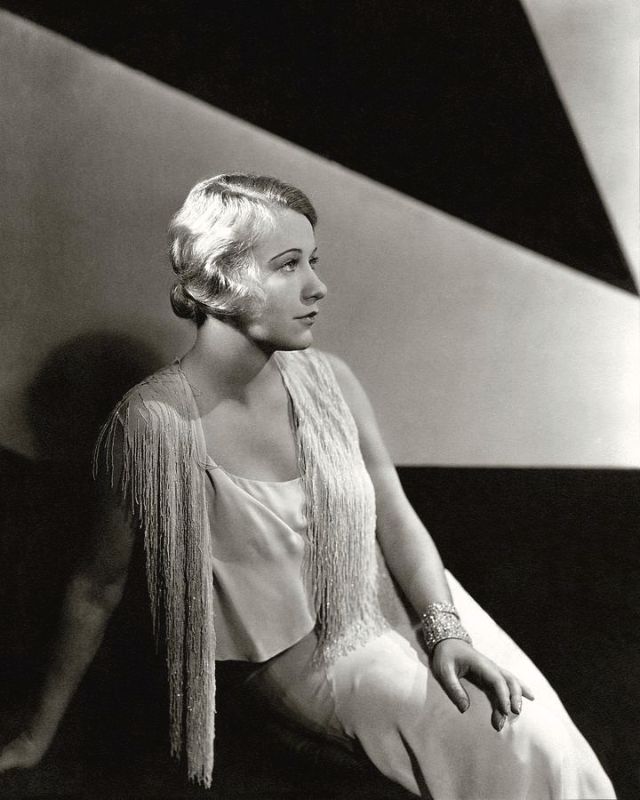
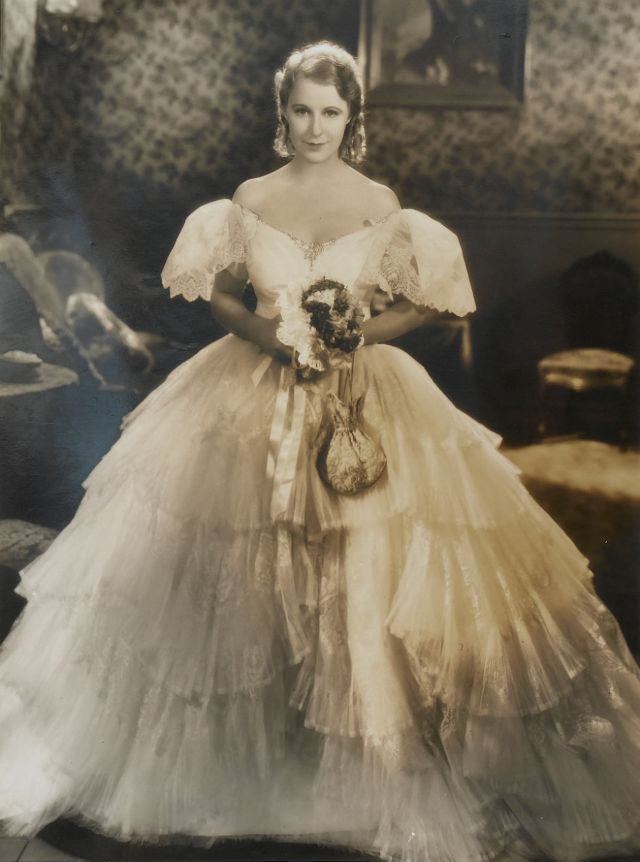
40 Gorgeous Vintage Photos of Grace Moore in the 1920s and 1930s

Born 1898 in Cocke County, Tennessee, American operatic soprano and actress Grace Moore had her first Broadway appearance in 1920 in the musical Hitchy-Koo, by Jerome Kern. Her films helped to popularize opera by bringing it to a larger audience.

Moore was nicknamed the “Tennessee Nightingale.” She was nominated for the Academy Award for Best Actress for her performance in One Night of Love (1934).

In 1947, Moore died in a plane crash at the age of 48. She published an autobiography in 1944 titled You’re Only Human Once. In 1953, a film about her life was released titled So This Is Love starring Kathryn Grayson.

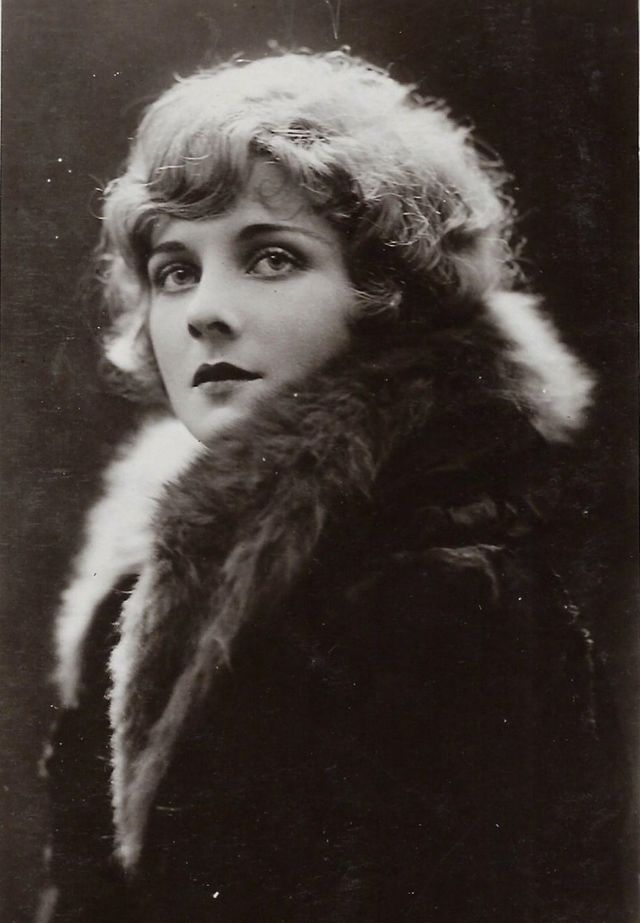
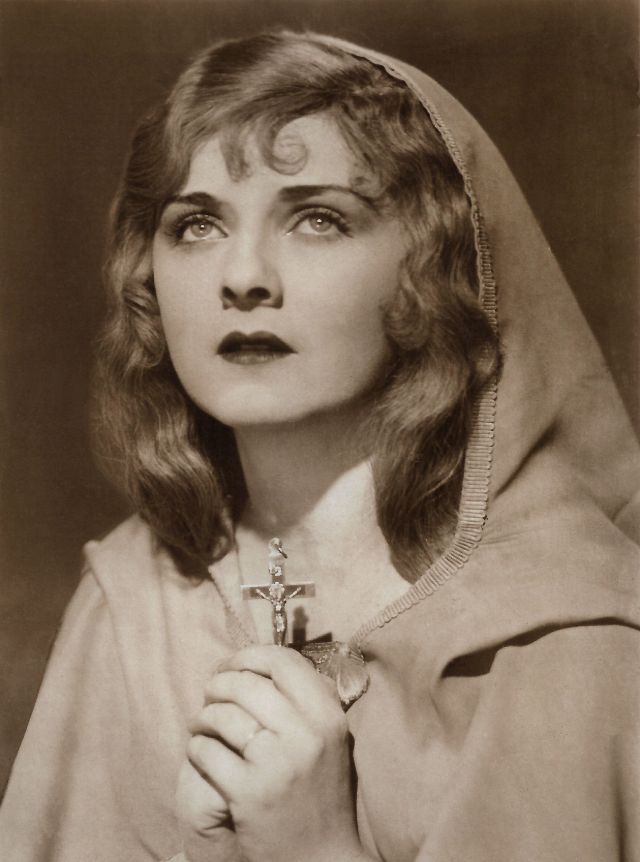
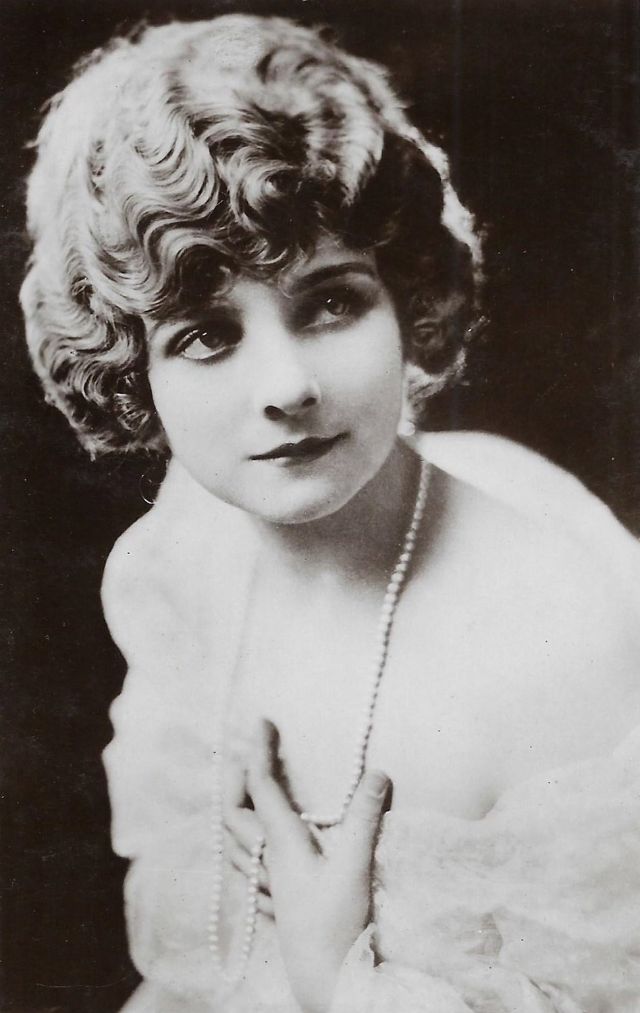
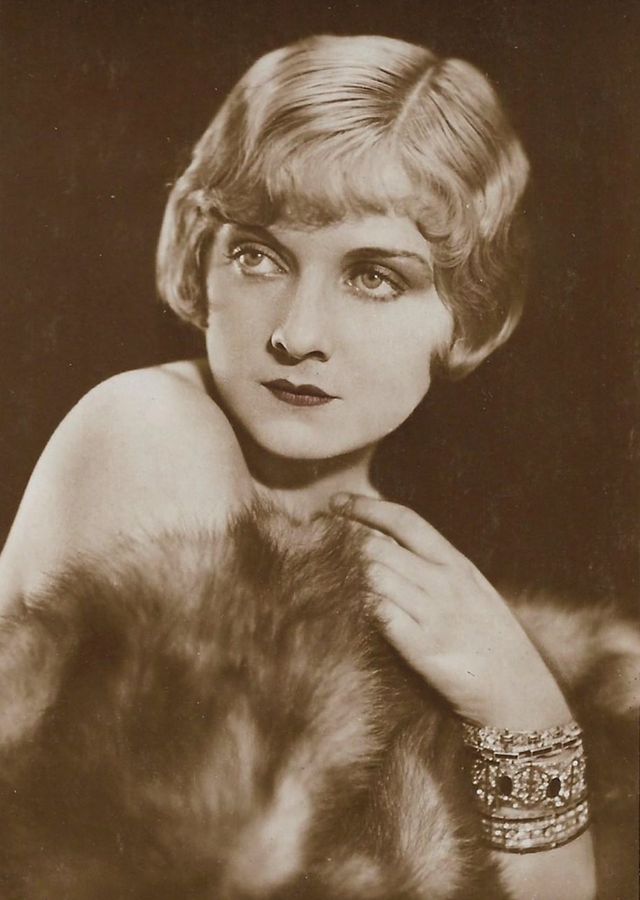
Take a look at these glamorous photos to see the beauty of Grace Moore in the 1920s and 1930s.

Animal in Daguerreotypes in the Early Years of Photography

Subscribe to get access

Read more of this content when you subscribe today.

Daguerreotypes, the first commercial form of photography, appeared in America around the year 1839. These were produced by first sensitizing a polished silvered copper plate with iodine vapor, and then exposing the plate to light. The image was developed over hot mercury, fixed, and rinsed. This was a direct positive process, meaning that no negatives were produced, and so each daguerreotype is unique. Daguerreotypes can be easily distinguished from other early photographs by their reflective, mirror-like surface.

Animals are not well represented in daguerreotypes, yet their visage within them is quite informative. The inclusion of animals was inhibited by their penchant for movement, which confounded the capabilities of the daguerreotype. Nonetheless, people sought to incorporate animals into portraits, the result often being a smeared image of the being. Rather than viewing this outcome as a failure, the smeared images should be viewed as theoretically and philosophically insightful.

On the one hand, the smears suggest the frailty of existence during an era in which disease and death were common, a condition that instigated the creation of lasting daguerreotypes. The smears indicate the transient character of life in all ages, a condition that points toward an altered conception of animal ontology. These social and ontological insights have ramifications for present-day relations.

Subscribe to continue reading

Become a paid subscriber to get access to the rest of this post and other exclusive content.

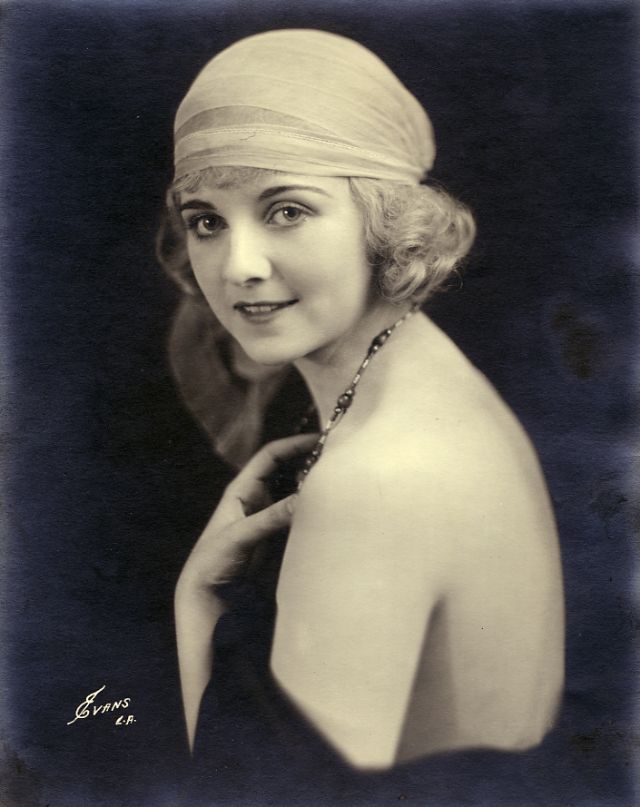
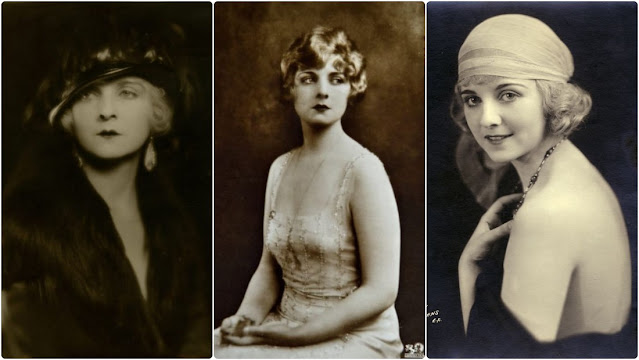
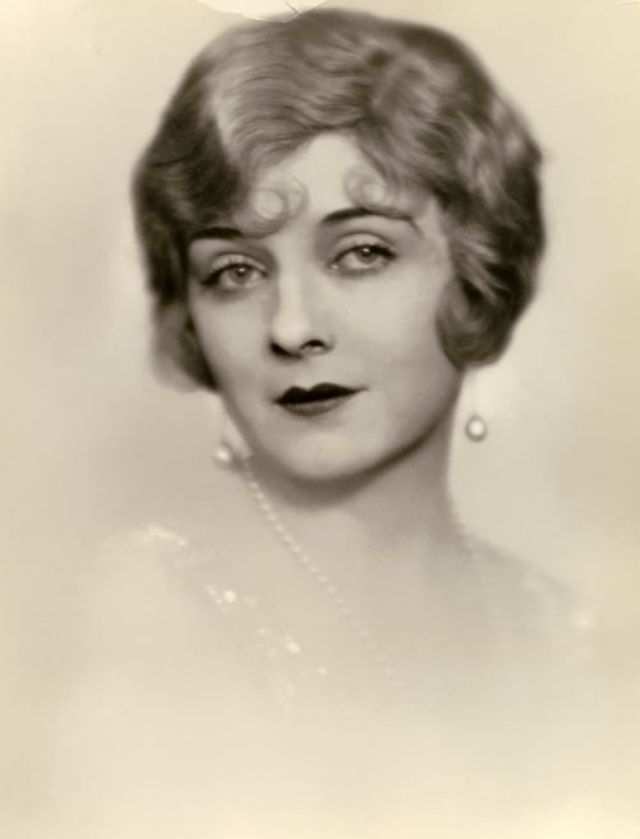
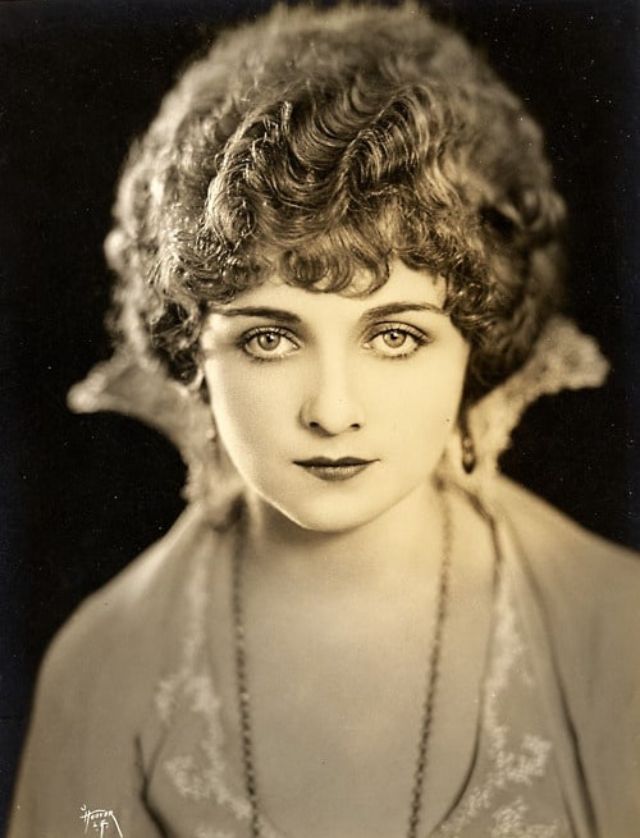
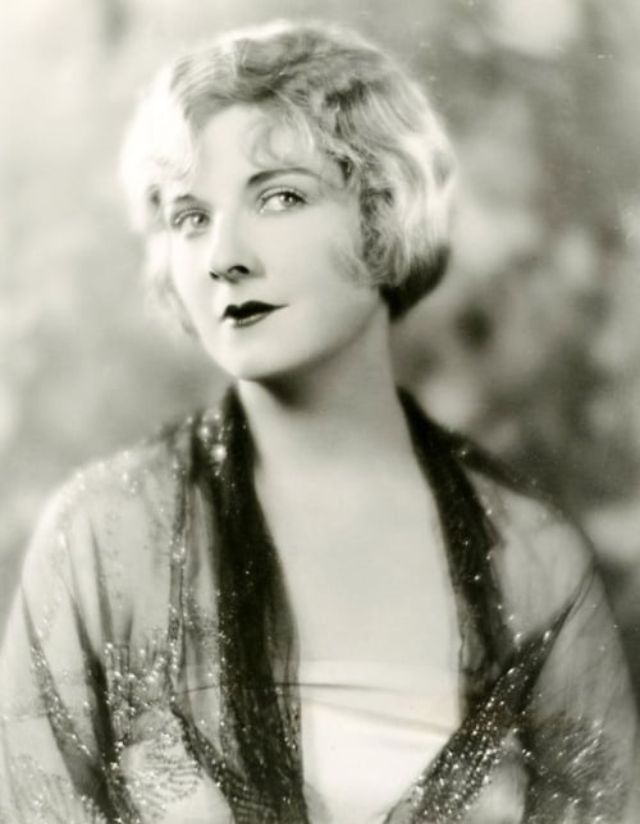
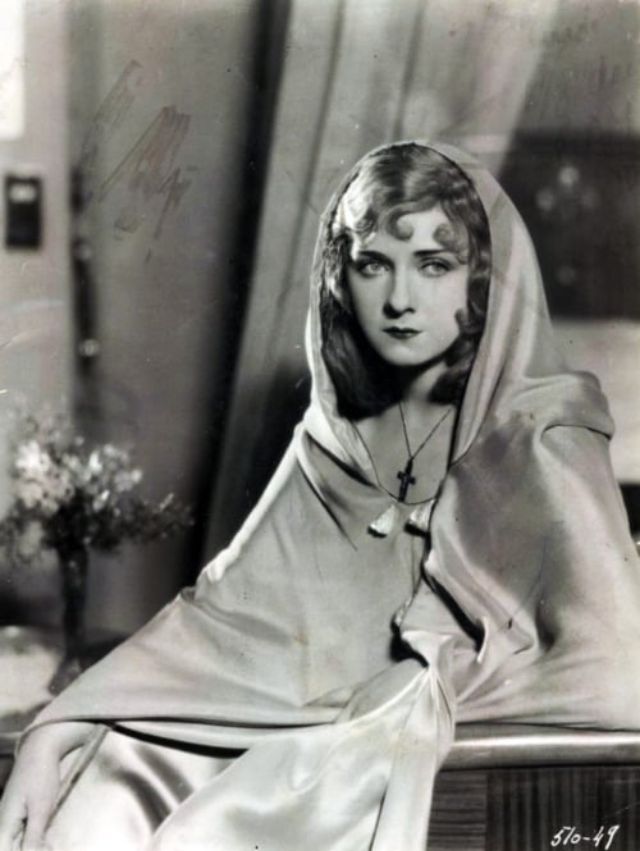
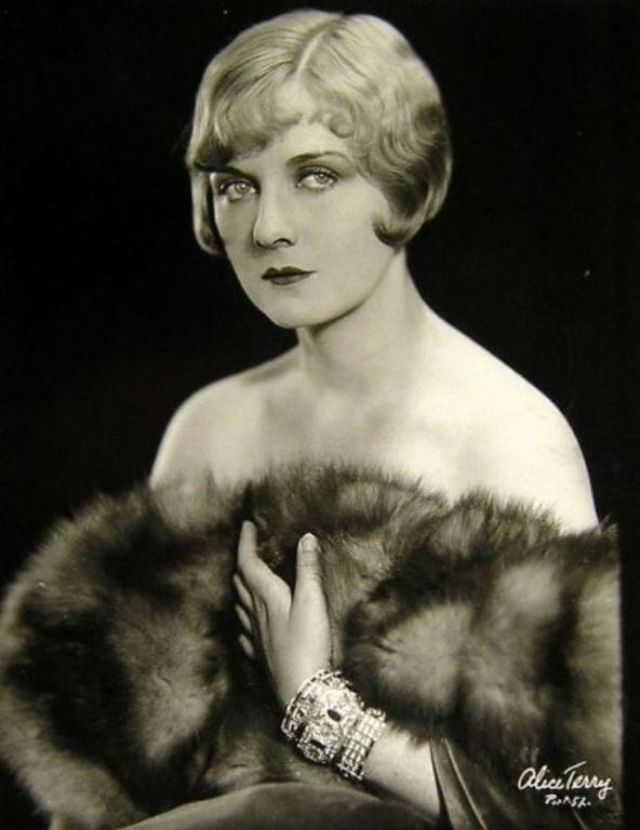
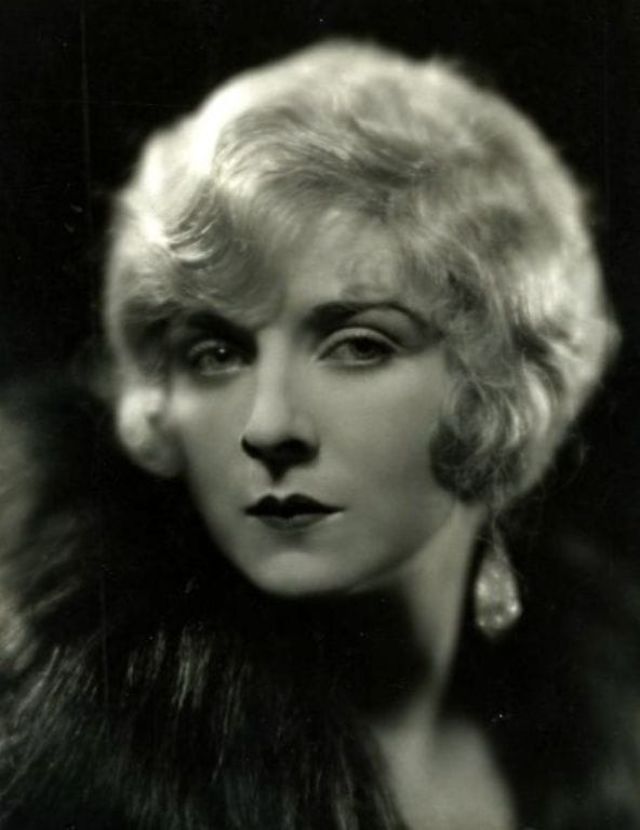
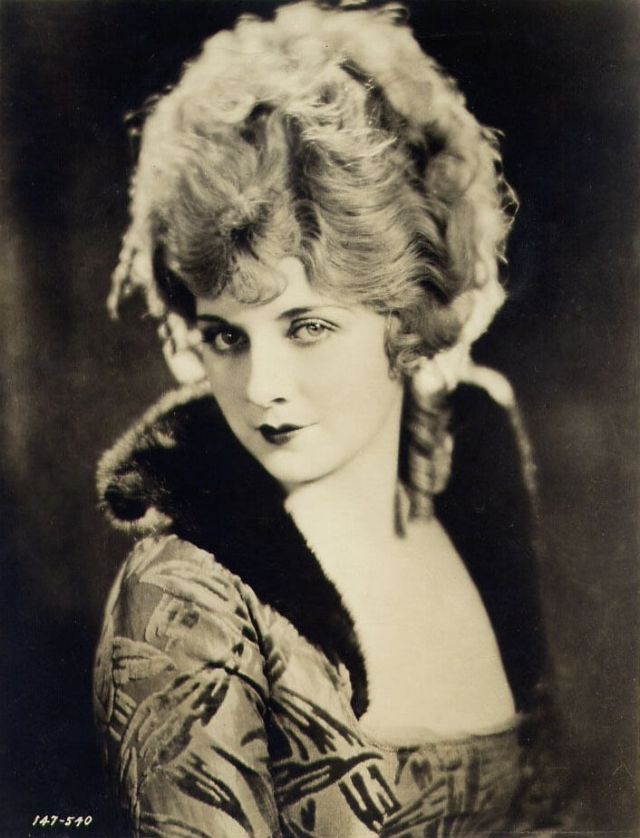
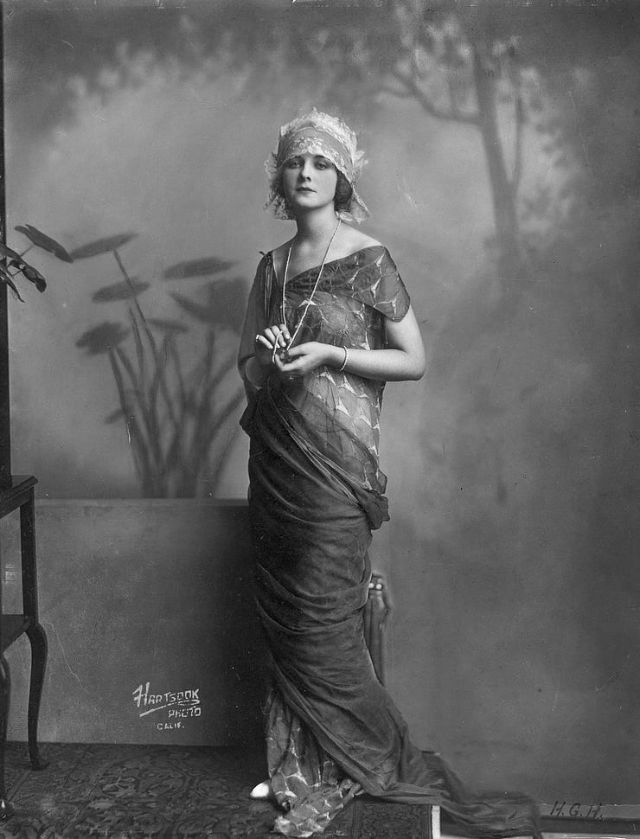
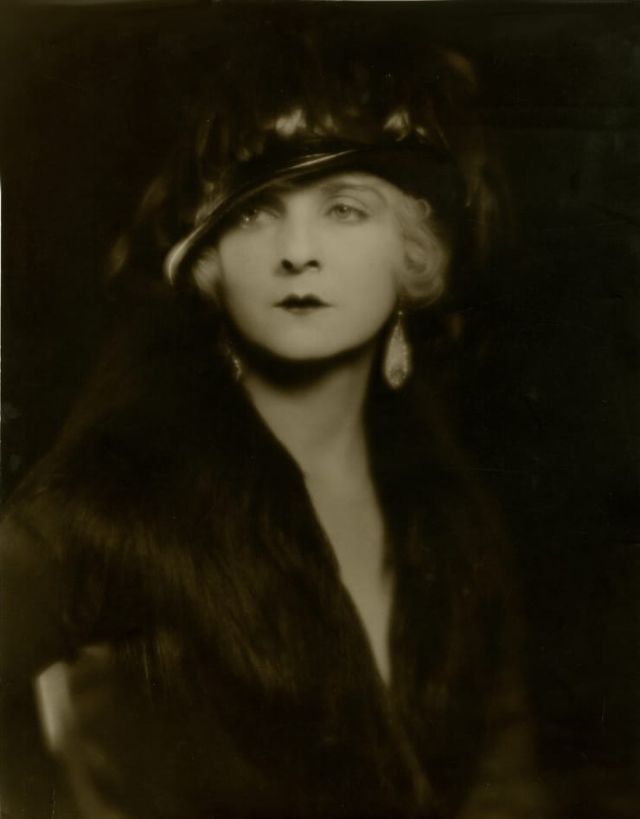
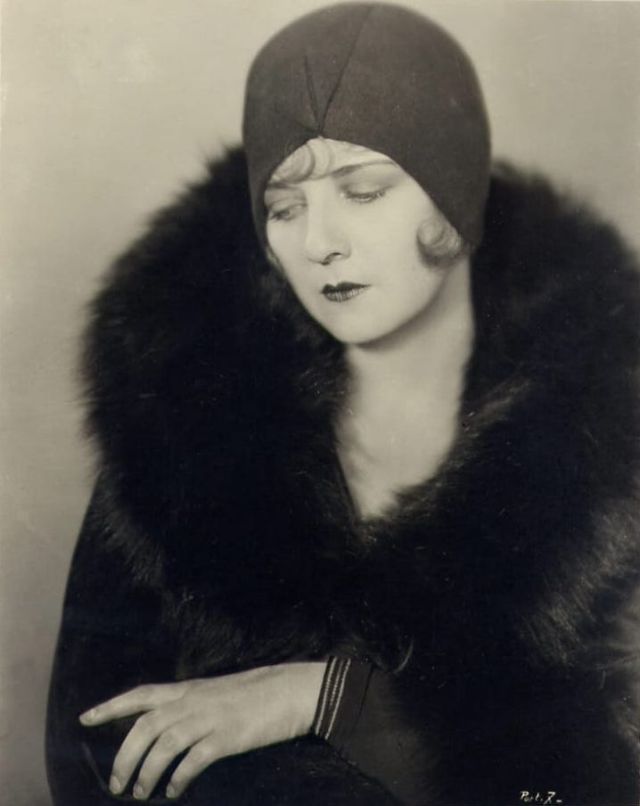
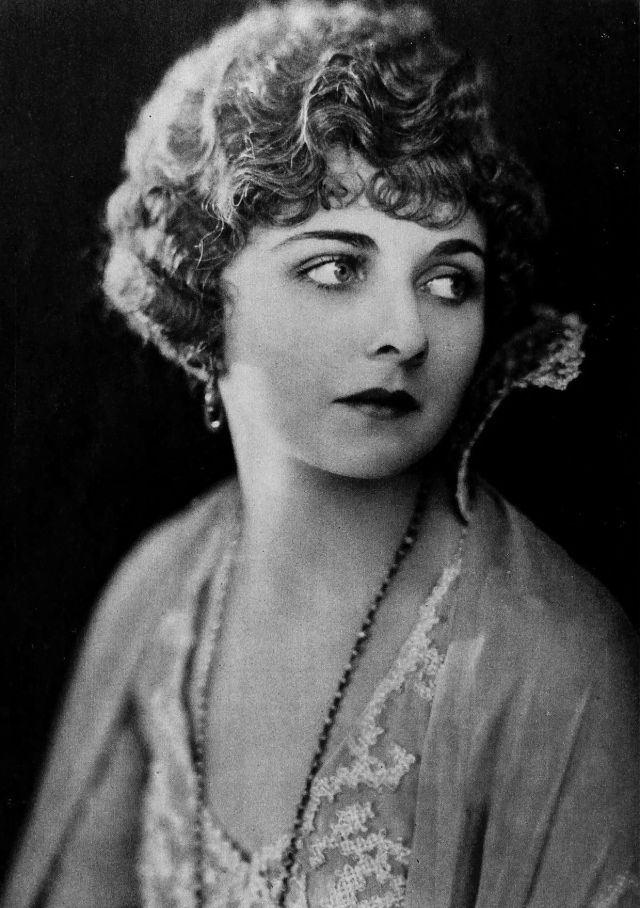
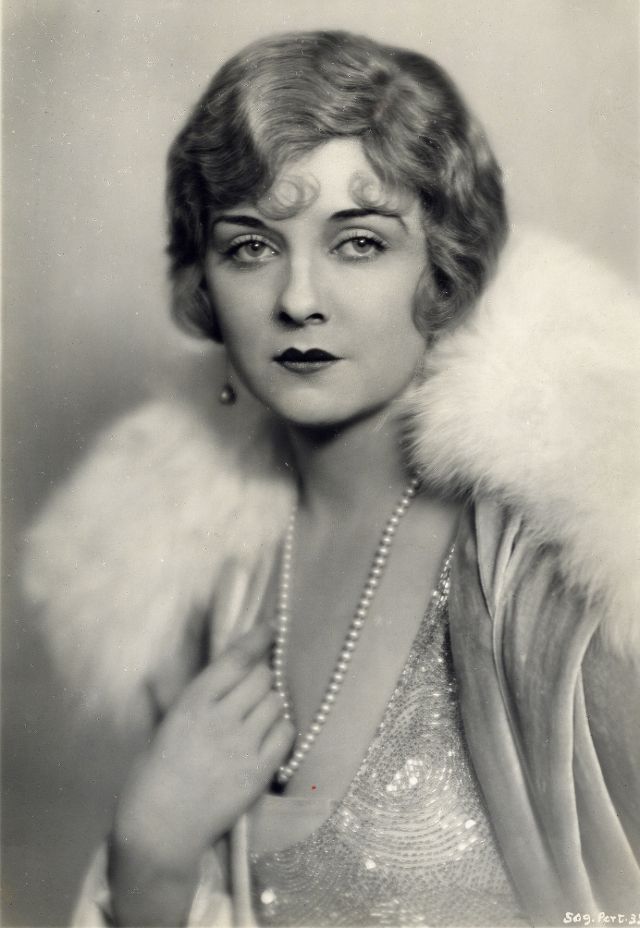
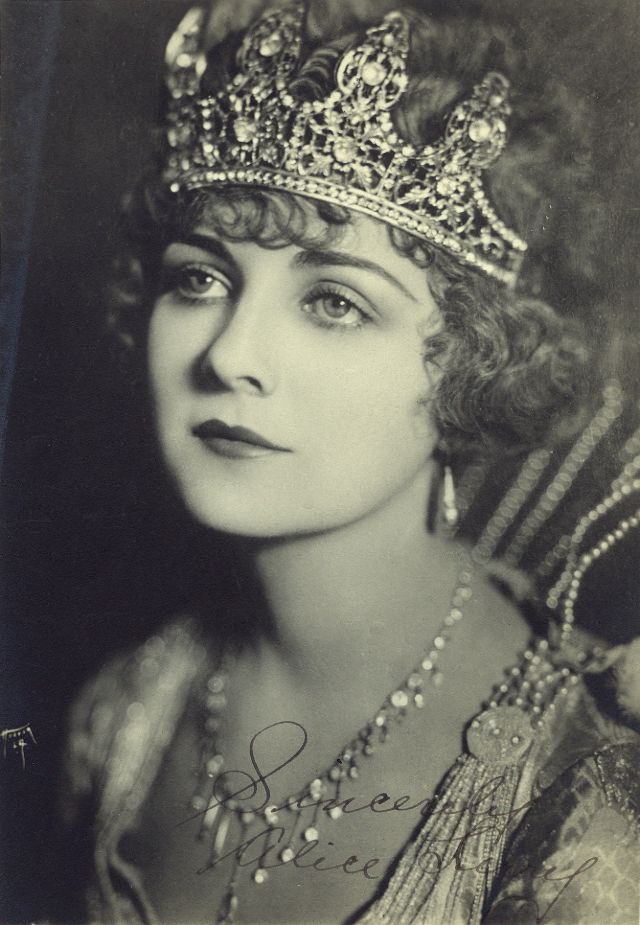
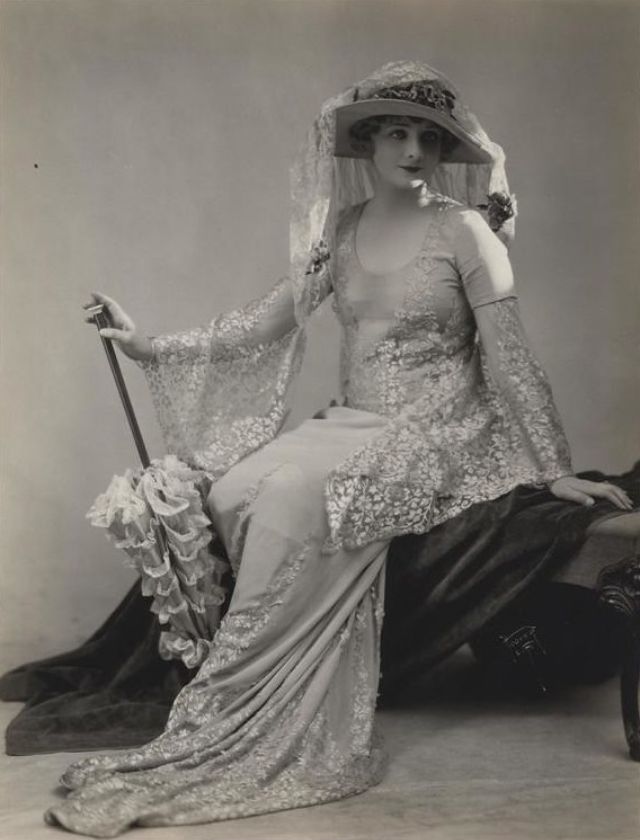
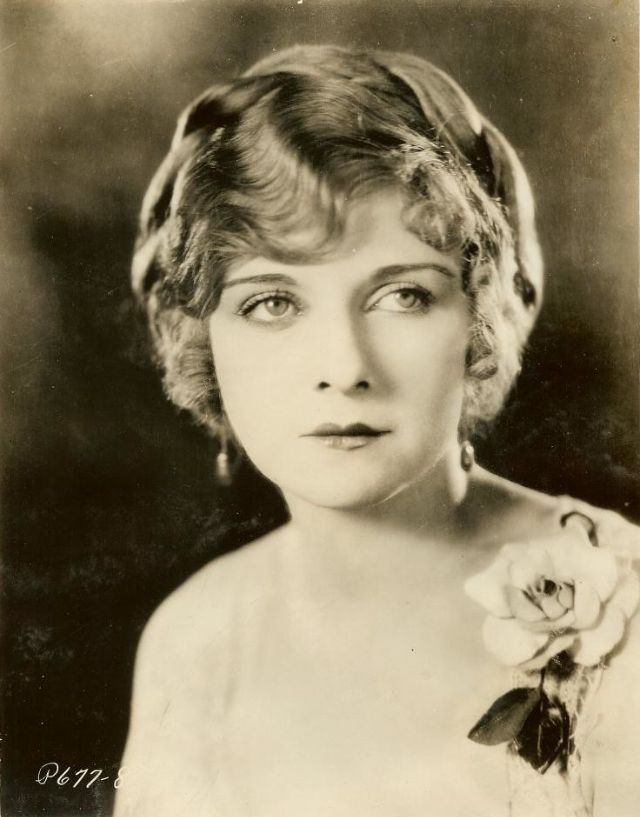
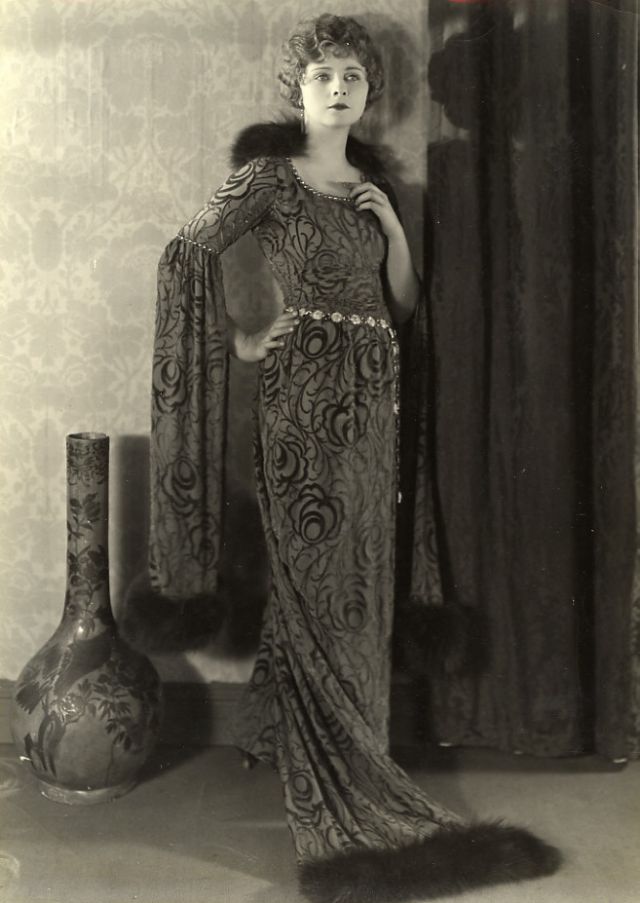
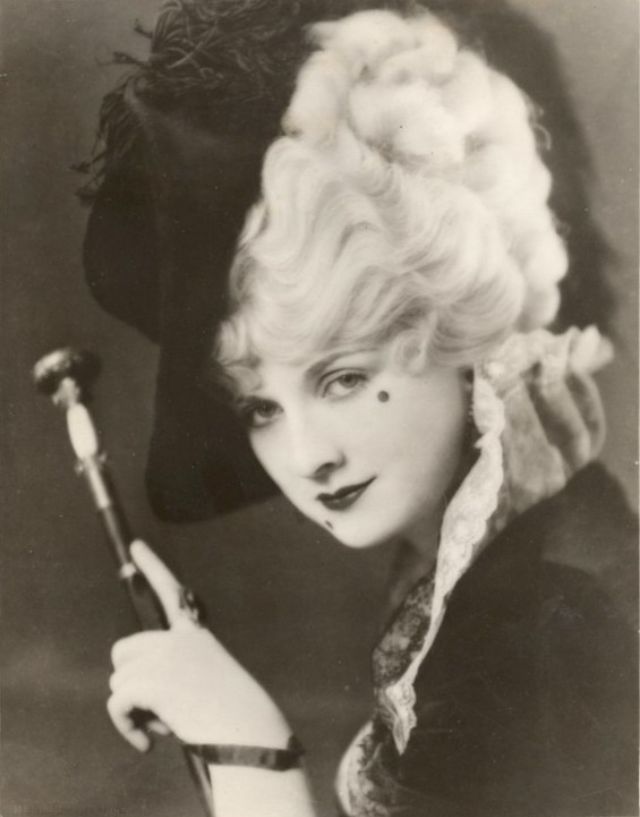
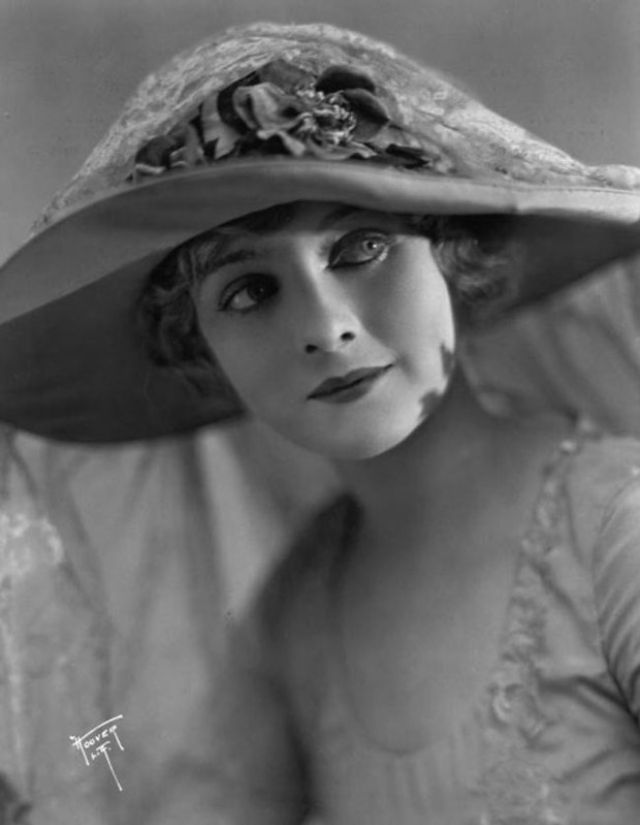
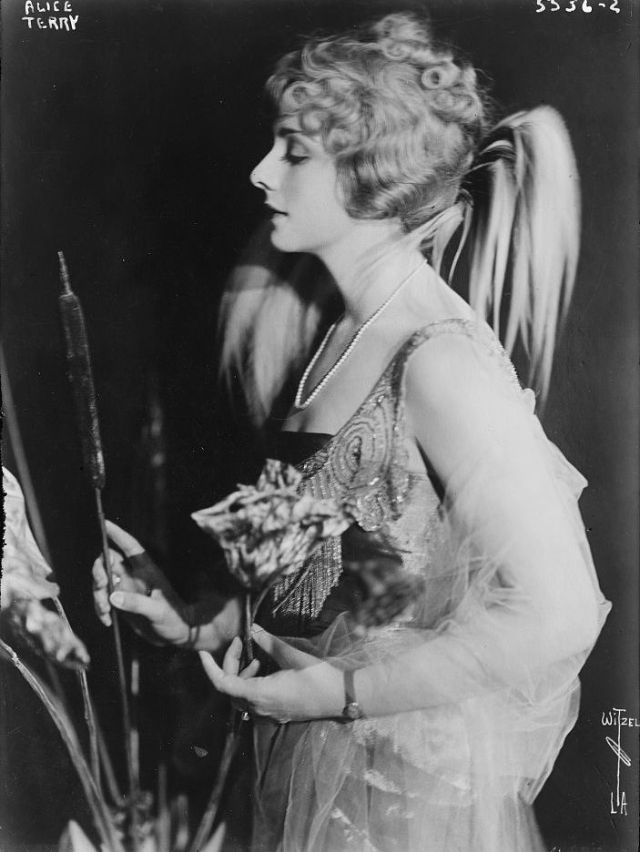
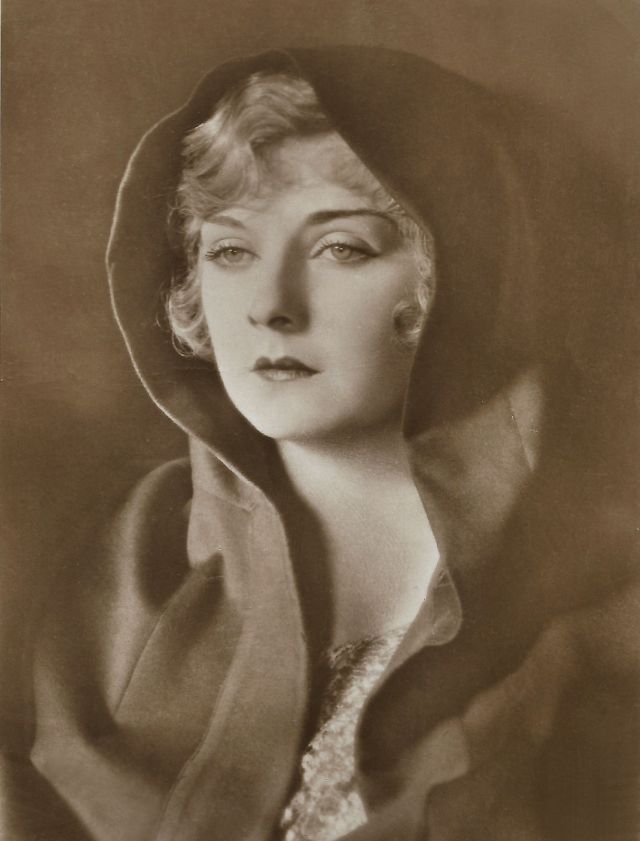
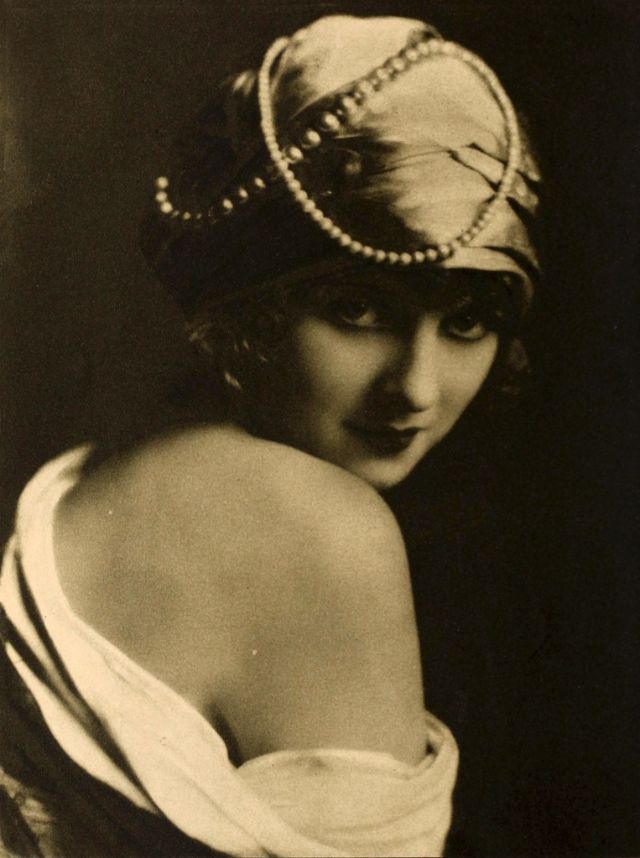
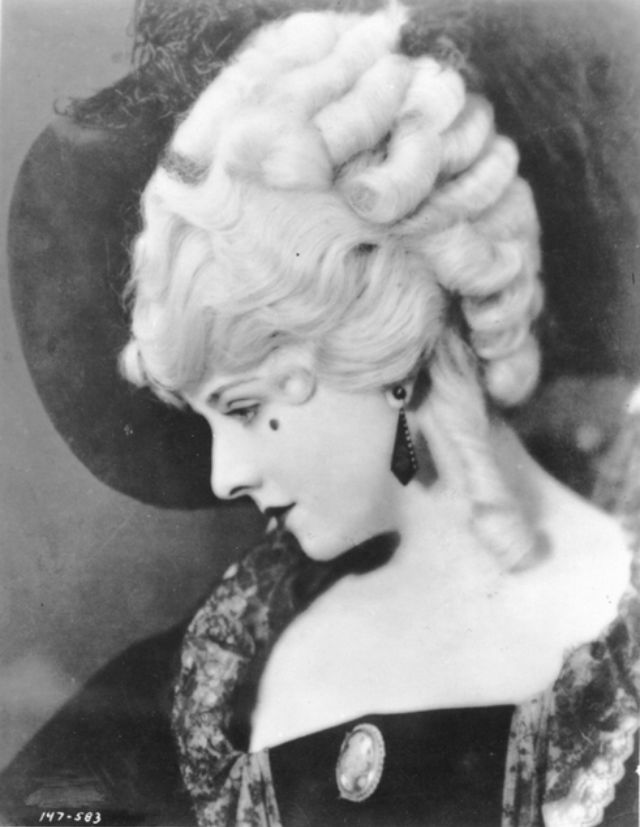
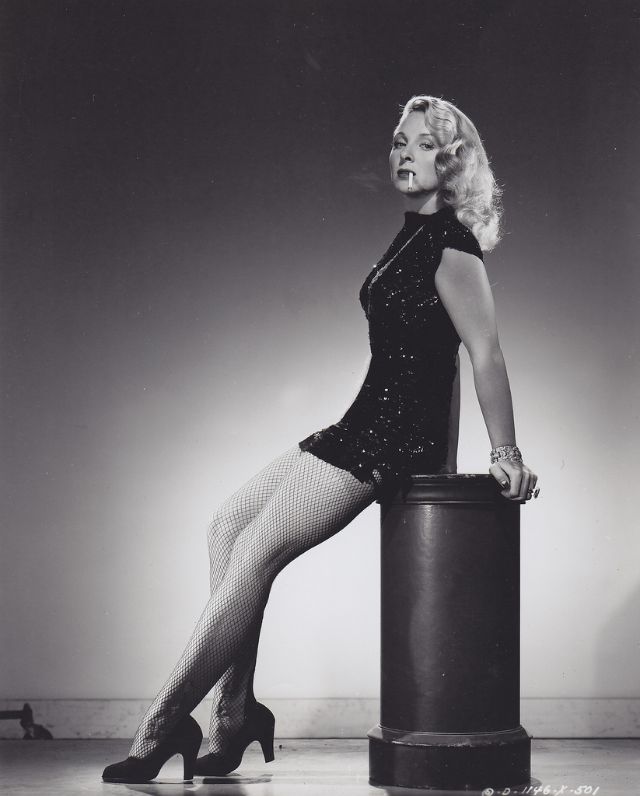
35 Vintage Photos of American Actress Alice Terry in the Early 20th Century

Born 1900 in Vincennes, Indiana, American actress Alice Terry began her career during the silent film era, appearing in thirty-nine films between 1916 and 1933. While Terry’s trademark look was her blonde hair, she was actually a brunette, and put on her first blonde wig in Hearts Are Trumps (1920) to look different from Francelia Billington, the other actress in the film.

Terry played several different characters in the 1916 anti-war film Civilization, co-directed by Thomas H. Ince and Reginald Barker. She wore the blonde wig again in her most acclaimed role as “Marguerite” in film The Four Horsemen of the Apocalypse (1921), and kept the wig for any future roles.

In 1925 her husband Rex Ingram co-directed Ben-Hur, filming parts of it in Italy. The two decided to move to the French Riviera, where they set up a small studio in Nice and made several films on location in North Africa, Spain, and Italy for MGM and others. In 1933, Terry made her last film appearance in Baroud, which she also co-directed with her husband.

Alzheimer’s put a stop to Terry’s parties and fun and she eventually died in a Burbank, California, hospital in 1987. For her contribution to the motion picture industry, Terry has a star on the Hollywood Walk of Fame at 6628 Hollywood Boulevard.

Take a look at these beautiful photos to see portrait of a young Alice Terry in the early 20th century.

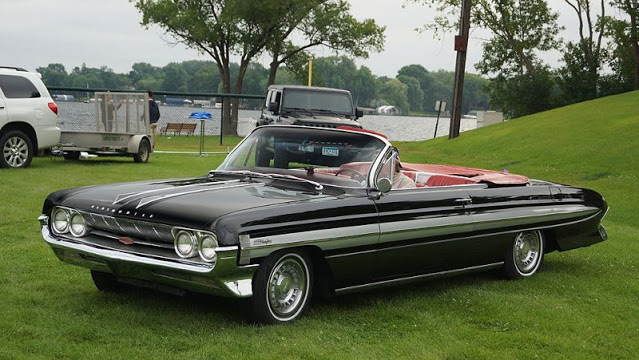
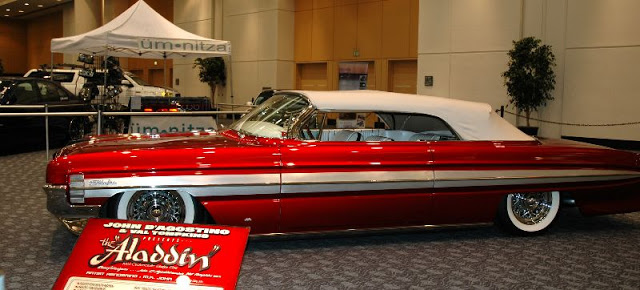
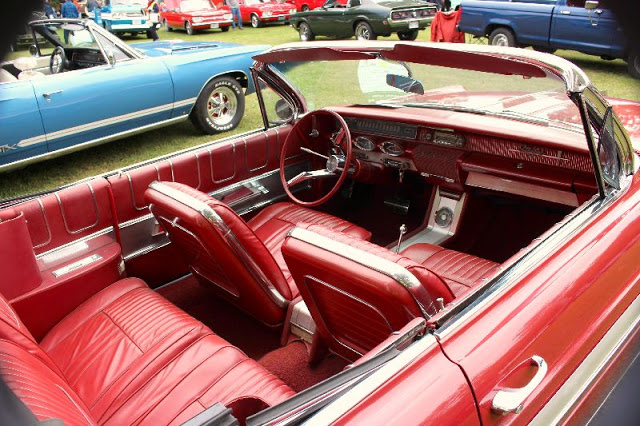
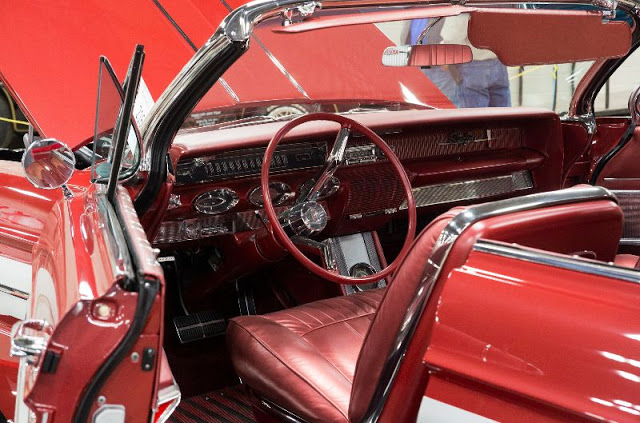
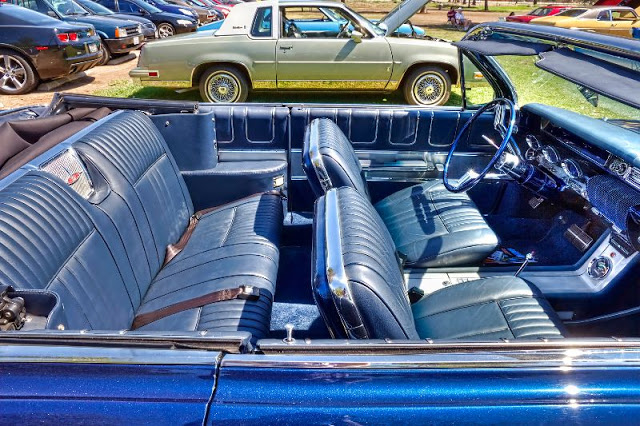
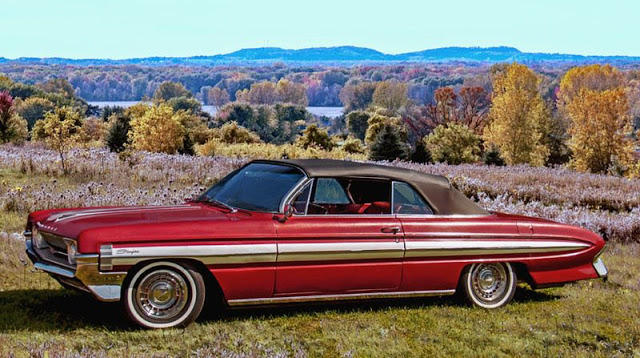
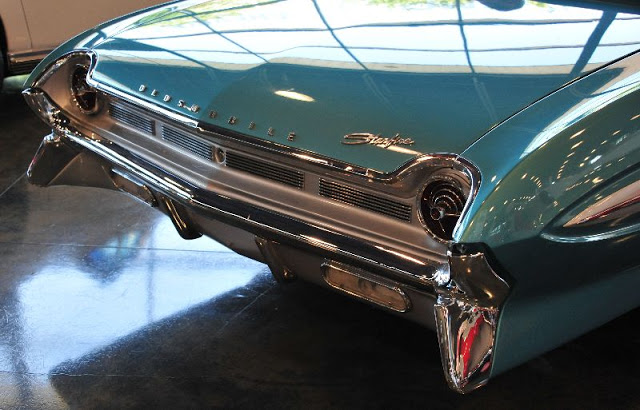
20 Amazing Photos of the 1961 Oldsmobile Starfire Convertible

The Oldsmobile Starfire is an automobile nameplate used by Oldsmobile, produced in three non-contiguous generations beginning in 1954. Oldsmobile during this time period was one of the most popular brands selling, and the company saw an opportunity to benefit from the Space Race of the 1960s.

Introduced in January 1961 as a convertible, the Starfire was separated into its own model line and shared its body and wheelbase with the Super 88 and the lower-priced Dynamic 88.

It was loaded with standard equipment including leather bucket seats, center console with tachometer and floor shifter for the Hydra-matic transmission, and was the first U.S. full-sized production car to feature an automatic transmission with a console-mounted floor shifter, brushed aluminum side panels and power steering, brakes, windows and driver’s seat.

With a base price of $4,647 in 1961, it was the most expensive Oldsmobile, even more than the larger Ninety-Eight models. The standard 394 cubic inch V-8 Skyrocket V8 engine – Oldsmobile’s most powerful in 1961 – used a 4-barrel Rochester carburetor and generated 330 hp (246 kW) at 4600 rpm.

Sales of the 1961 model were 1,500.

Here below is a set of cool photos of the 1961 Oldsmobile Starfire Convertible.

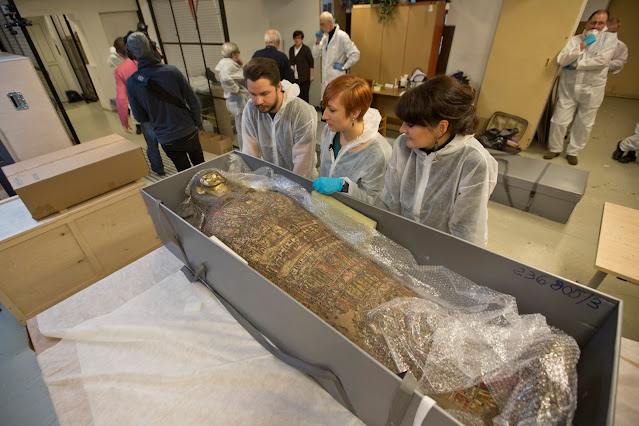
A Pregnant Ancient Egyptian Mummy From the 1st Century BC Uncovered in Poland

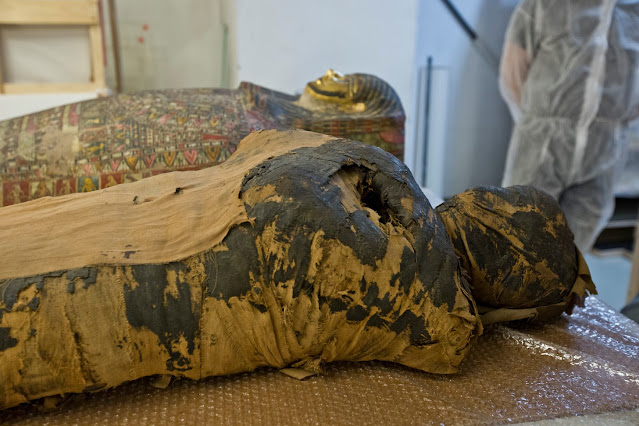
The world’s first pregnant Egyptian mummy has been discovered in Warsaw by a team of Polish scientists using radiological scanning. The mummy, which dates back to the 1st century BC, was transported to Poland in the early 1800s, and is currently in the collection of the National Museum in Warsaw.

The 2,000-year-old mummy was initially identified as the body of the male priest and scribe Hor-Djehuti, after hieroglyphic inscriptions on the sarcophagus were translated in the 1920s. However, non-invasive tomographic scans of the mummy in 2015 – which revealed that it did not have a penis, an organ the Egyptians usually mummified – suggested the body was in fact that of a woman.

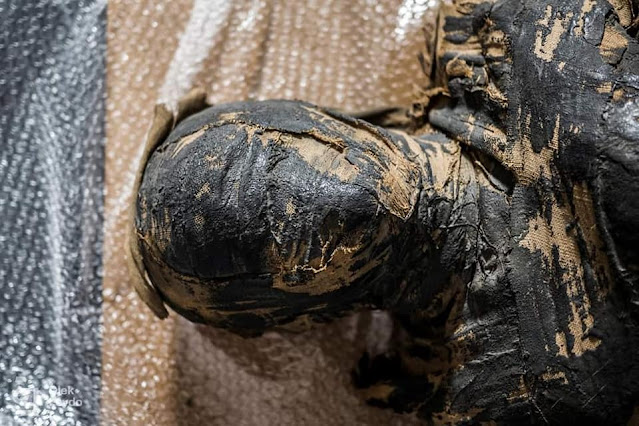
“Our first surprise was that it has no penis, but instead it has breasts and long hair, and then we found out that it’s a pregnant woman,” Marzena Ozarek-Szilke, an anthropologist and archeologist, told The Associated Press. “When we saw the little foot and then the little hand, we were really shocked.”

A 3D model also showed long, curly hair flowing to the shoulders, mummified breasts, and female genitalia. The scans then revealed the presence of a fetus in the womb of the mummy.

“For unknown reasons, the fetus was not removed from the abdomen of the deceased during mummification,” said Wojciech Ejsmond from the Institute of Mediterranean and Oriental Cultures at the Polish Academy of Sciences. “That’s why this mummy is really special. This means that ‘our’ mummy is the only one, so far recognized in the world, with a fetus in the womb.”

Researchers believe the woman was between 20 and 30 years old when she died. The size of the baby’s skull suggested she was about 26 to 28 weeks pregnant. The cause of death is not known.

Yesterday Today

Bringing You the Wonder of Yesterday - Today

Skip to content ↓