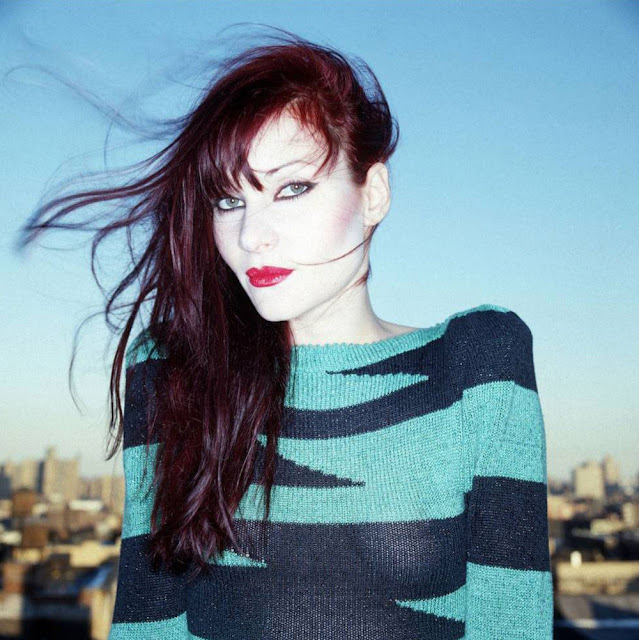
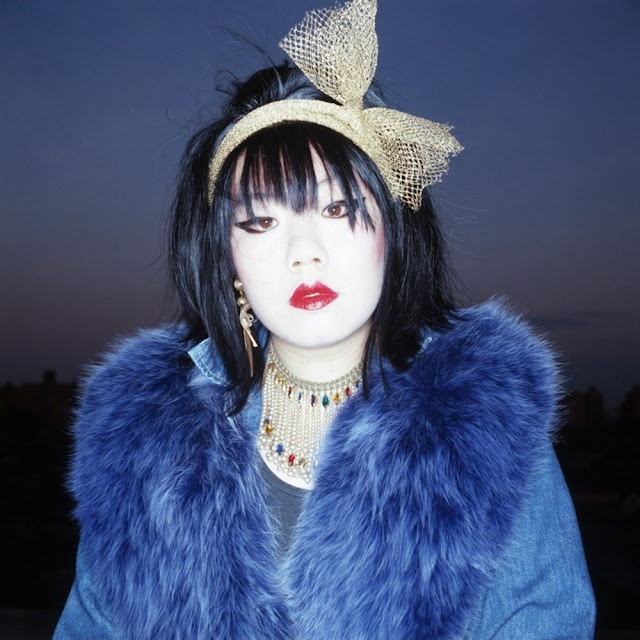
Art is a strange creature. Ever mutating, evolving, and forever changing. Often the most obvious is overlooked. Often the over-looked is the most obvious in how we view the world around us. Often that which is overlooked is over shadowed by a more imposing medium. We identify so much with what we listen to and define parts of who we are by the sounds resting within the sleeves protecting the disc. We listen to the music and often take in the art with great interest but in many ways do not relate the image as art the way we do when we look at a painting or a photograph.
The art of album covers is a wild and wonderful genera of art that really has an upper hand in defining the culture that embraces the music it caresses. An honesty on a very temporal and primal level is recognized in the way this art is interpreted and rendered with these pieces.
These are gems that are the “less seen” visions and through them we can revisit the worlds that these artists and musicians lived in. Through them hopefully we can get a fresher glimpse of our own lives in the moment we live in.
Some of the images are disturbing and strange. Some are very revealing and serious commentary of the way we are as a community of humans. Others are humorous and delightful, poking fun at the world we live in. Mostly they are reflections of who we are and where we, where we have been, and where we are going to.
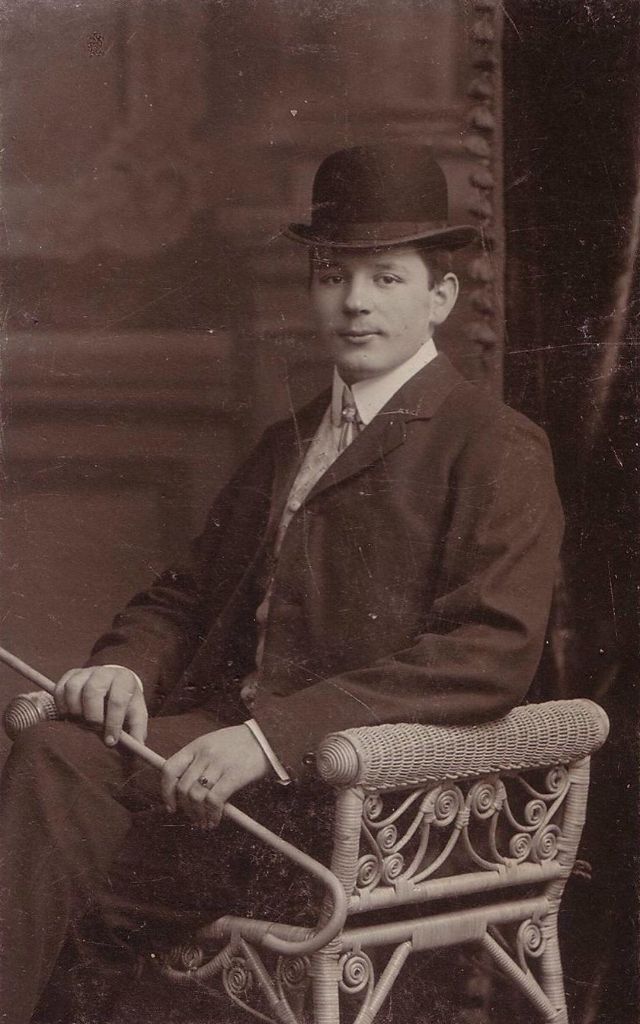
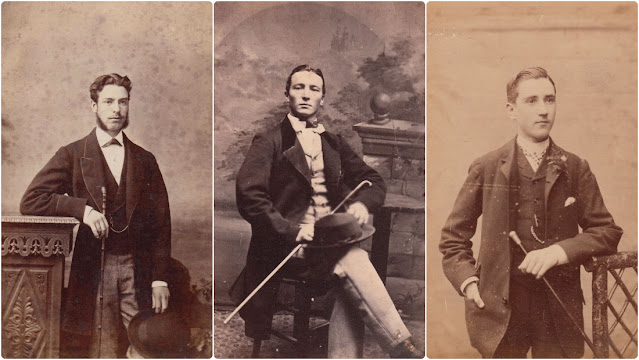
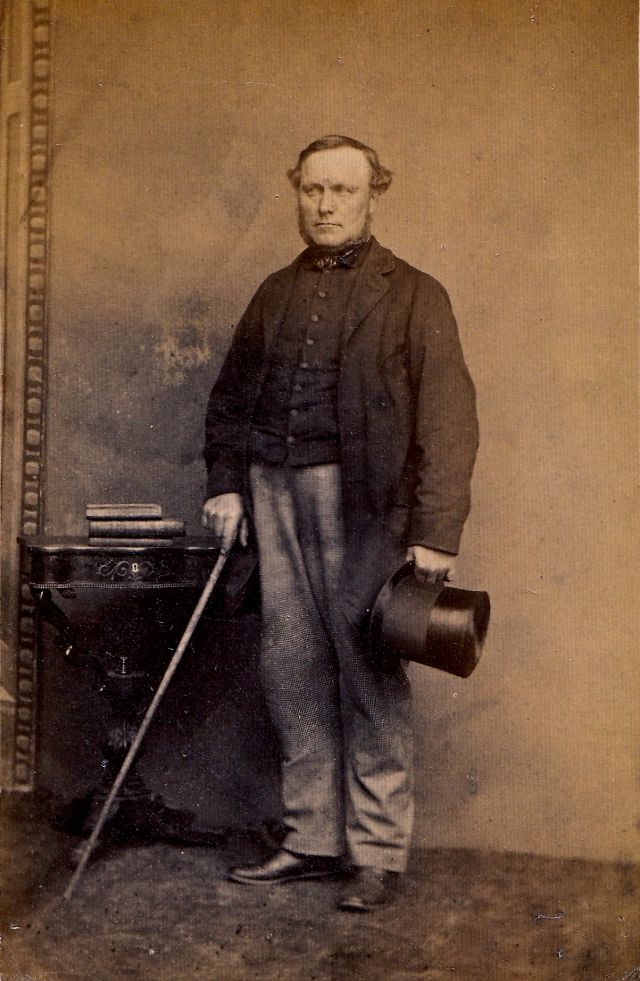
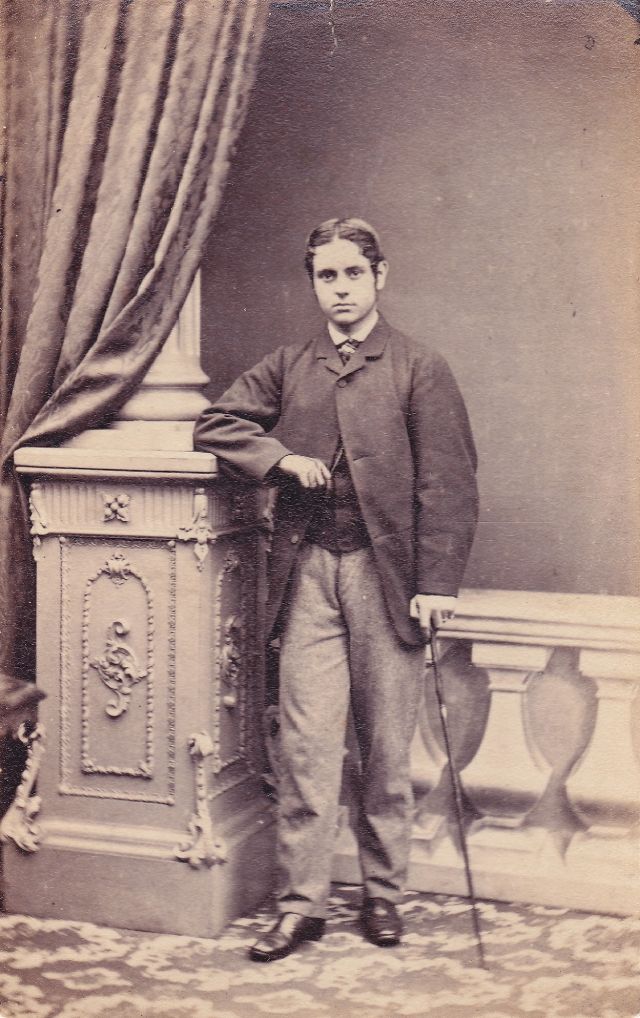
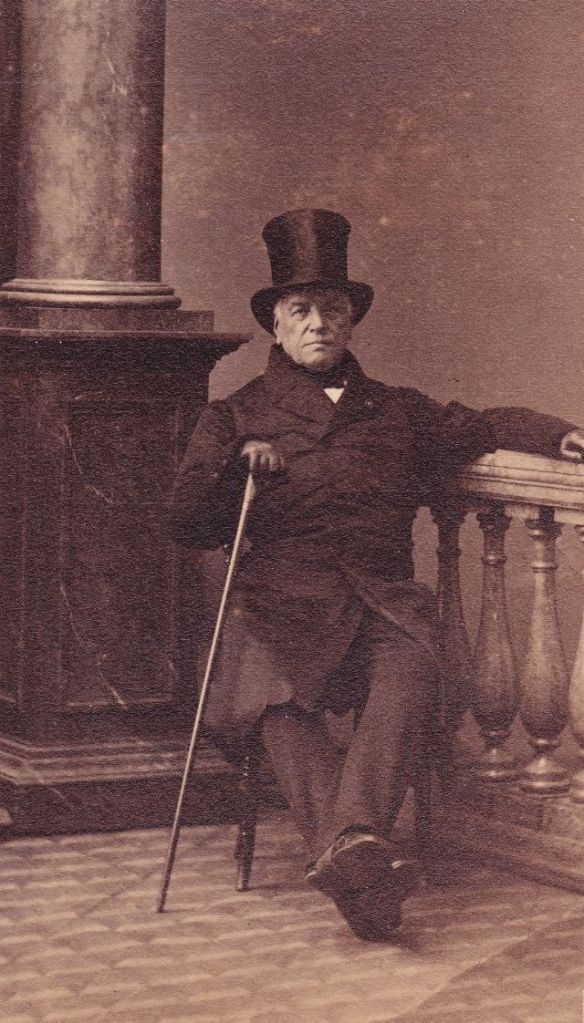
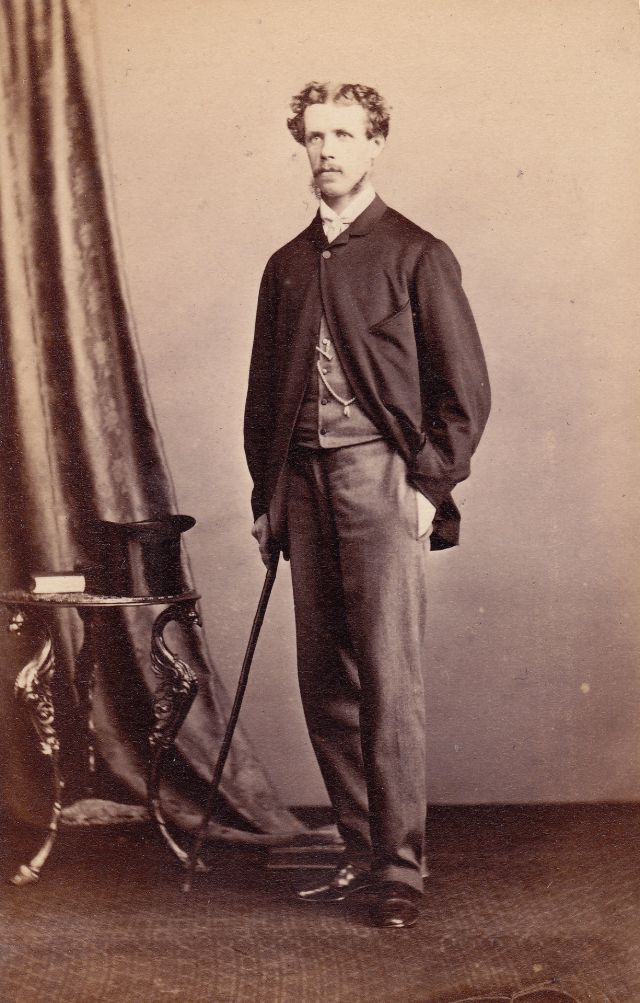
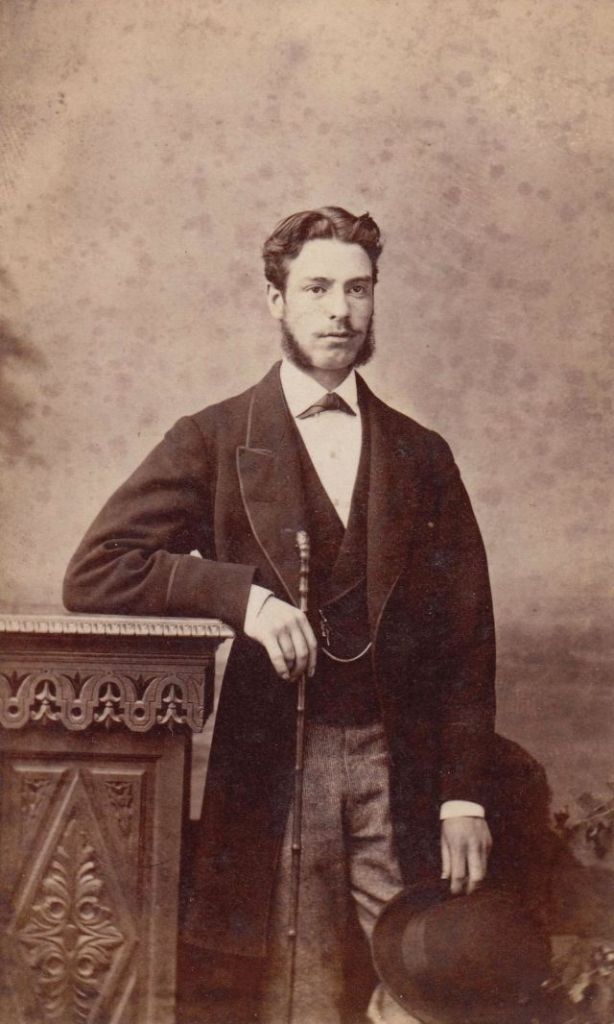
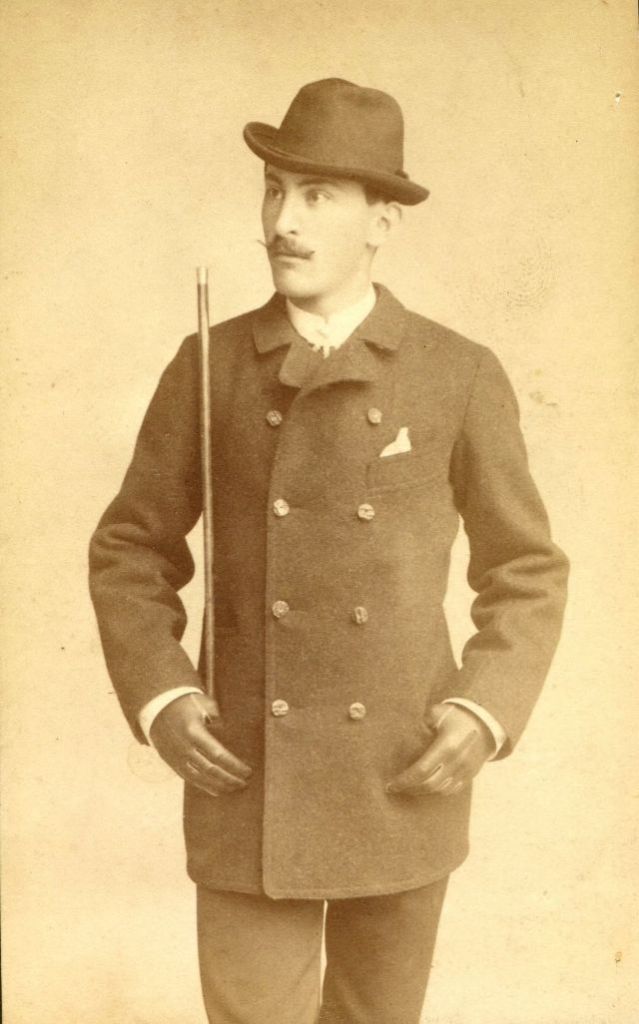
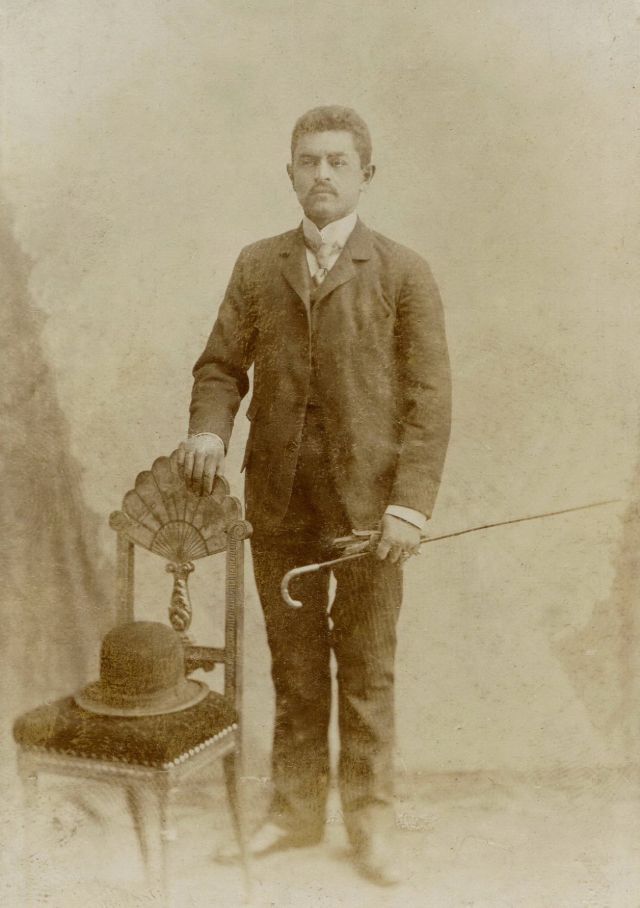
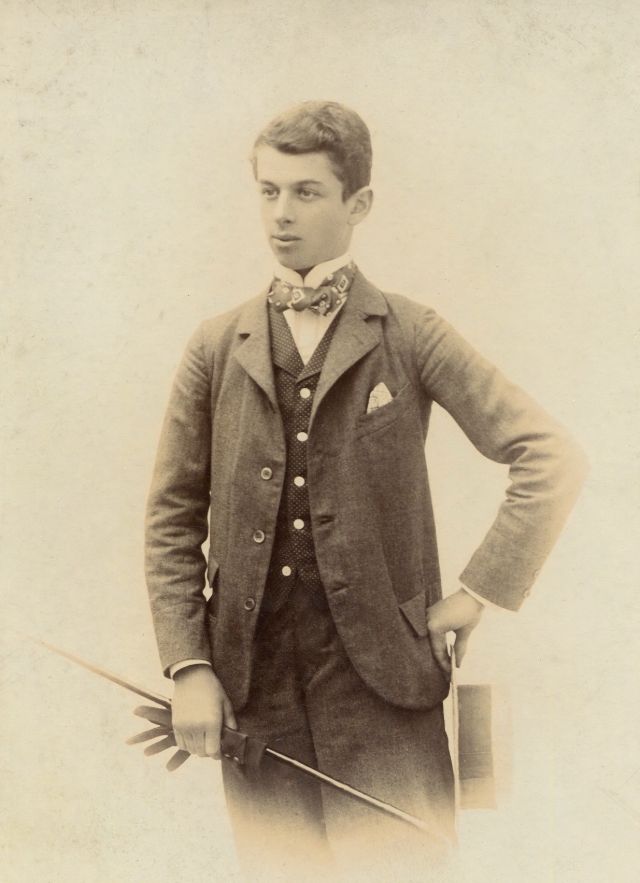
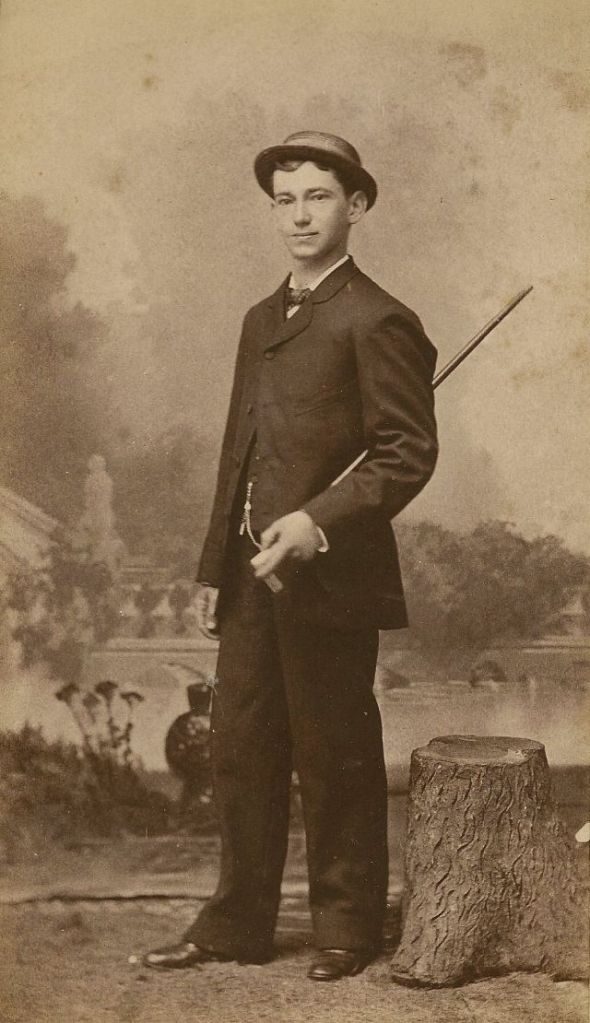
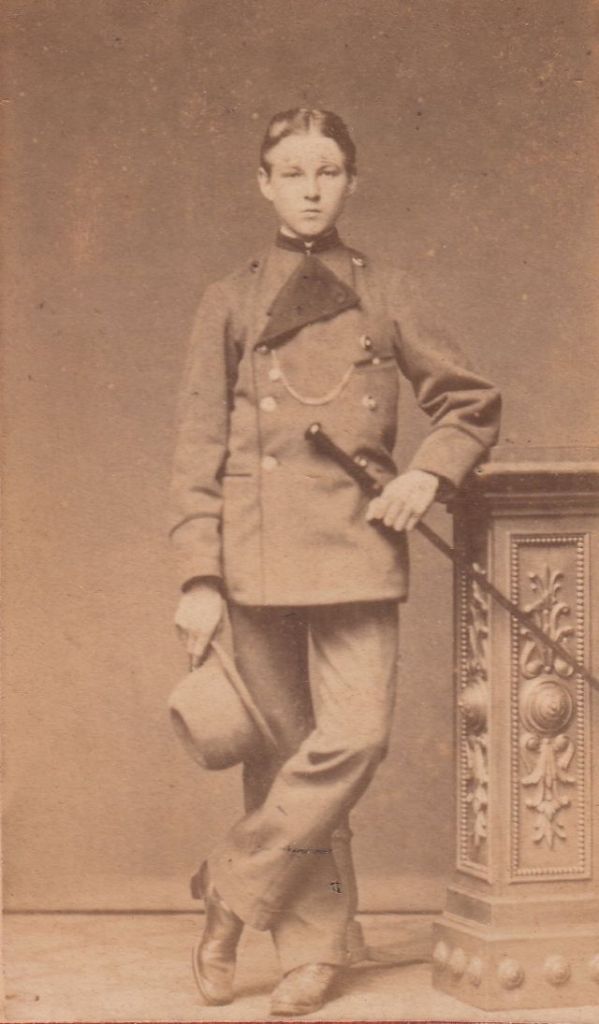
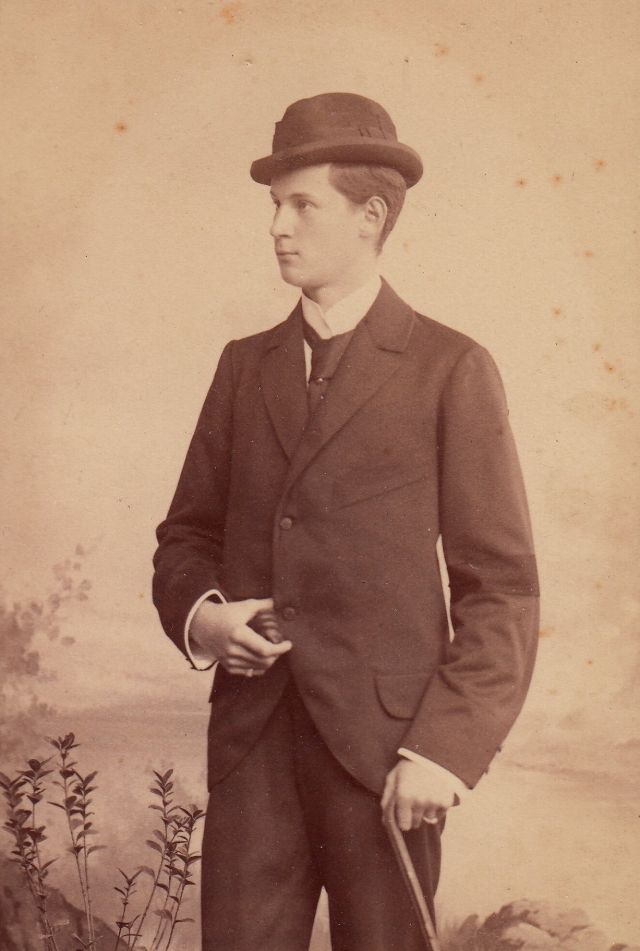
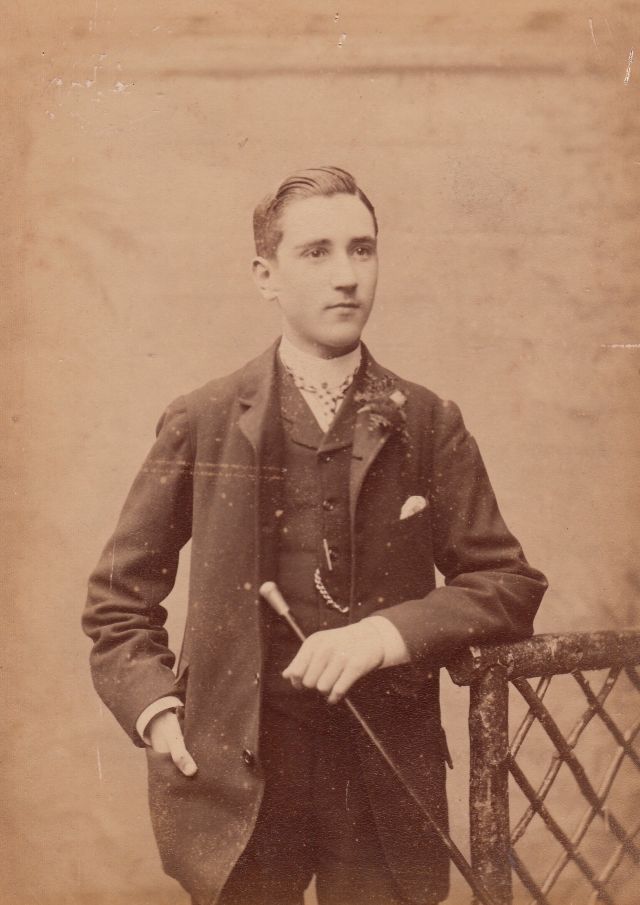
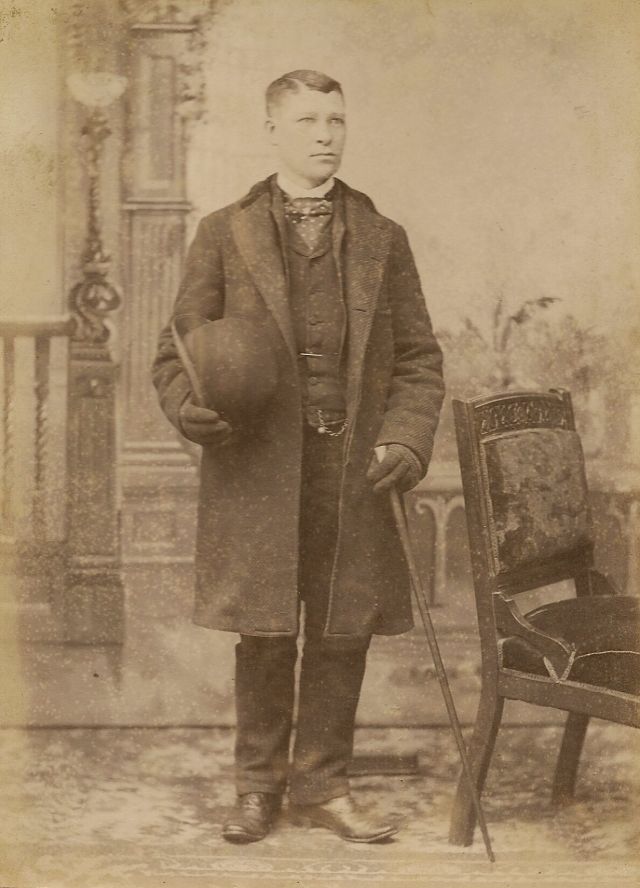
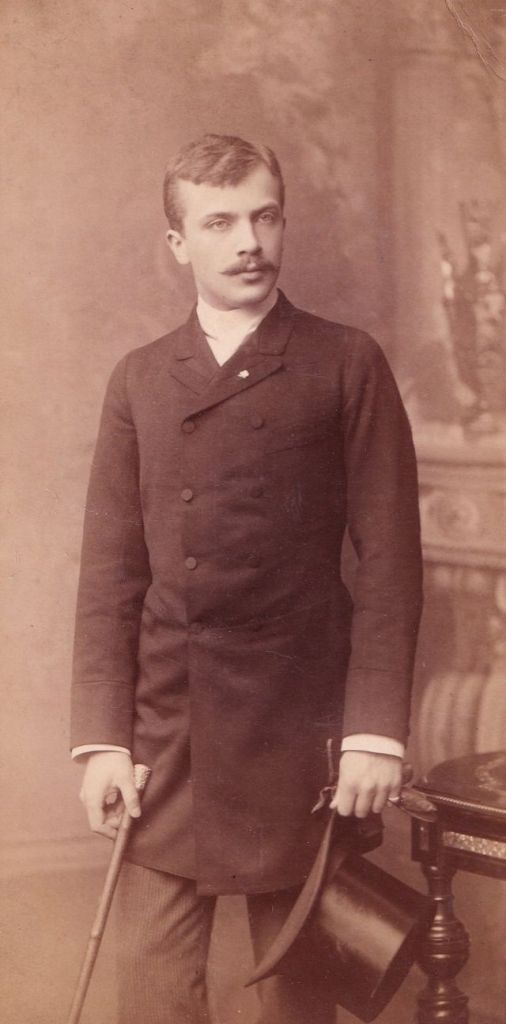
A Victorian gentleman would have a number of canes – there would be a rustic cane, perhaps made of a stout wood such as ash, for walking the dogs and a more sober cane for the office. Then, for going to dinner and to the opera, a man would carry a lighter cane with a shaft made of an exotic wood, perhaps rosewood, with a gorgeous handle made out of something such as tortoise shell.
Whoever you were, there was a cane for you. If you were a Duke, there were canes that reflected your status in the richness of the wood. Peasants would carve their own canes and illustrate them with country pursuits, such as shooting, fishing and hunting. Sailors would use whalebone with whale teeth for the handles. Ebony and ivory, transported to Britain from the colonies, also ended up on canes. Some of these canes had additional functions.
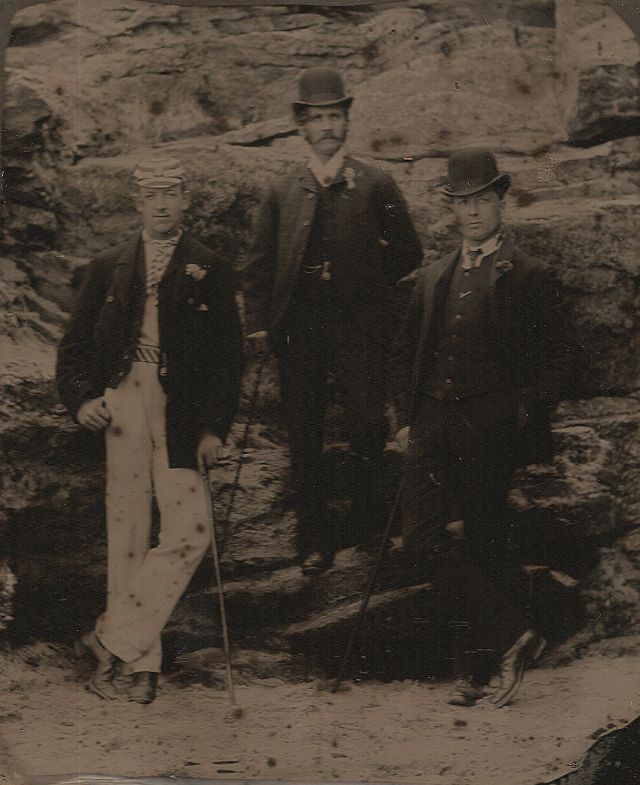
Here below is a set of vintage photos that shows Victorian men posing with their canes.
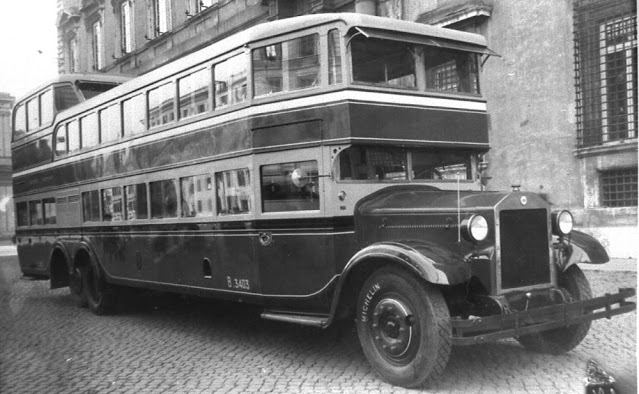
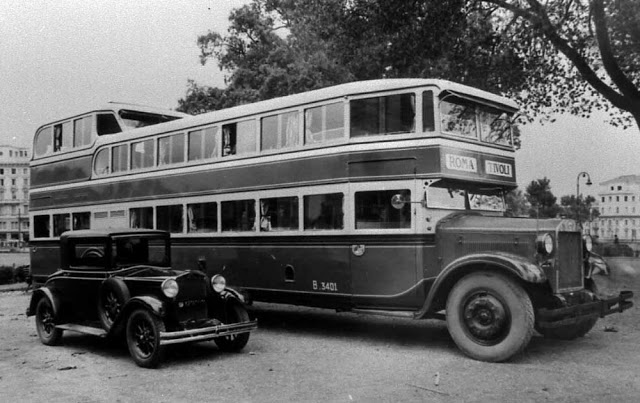
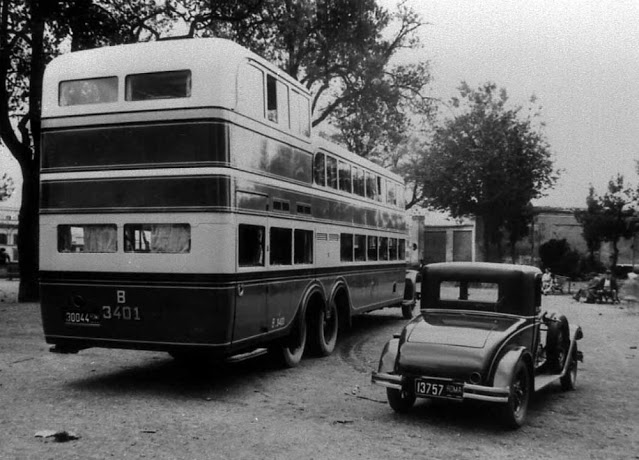
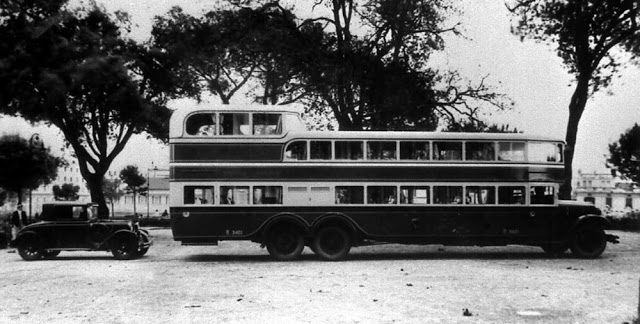
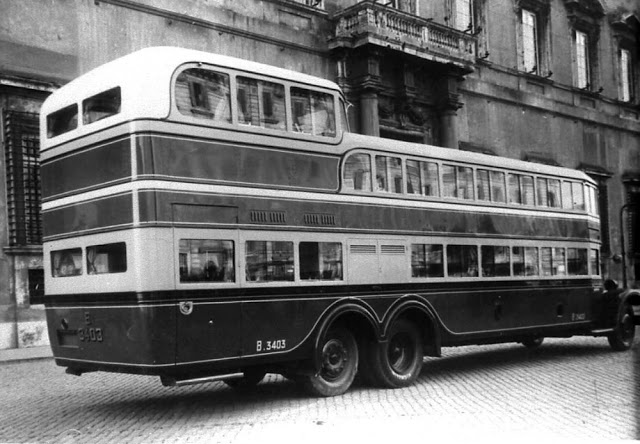
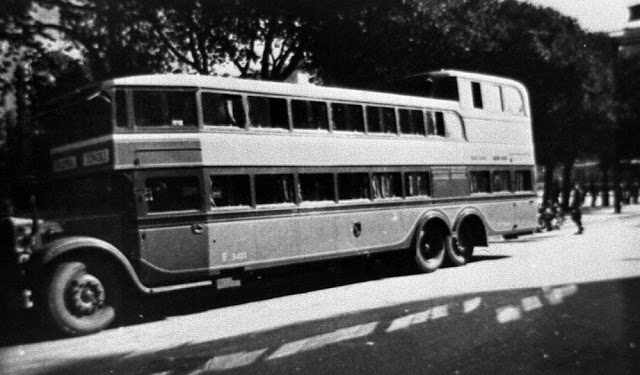
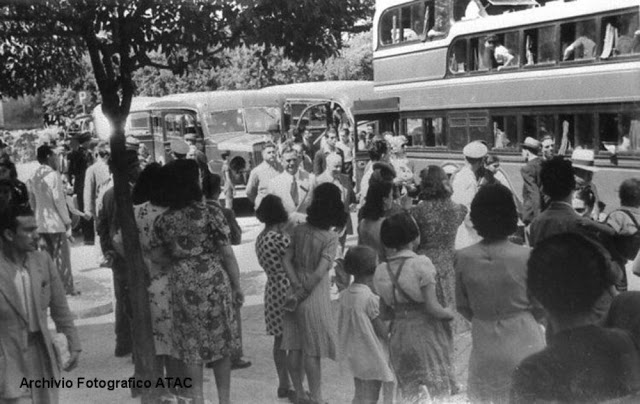
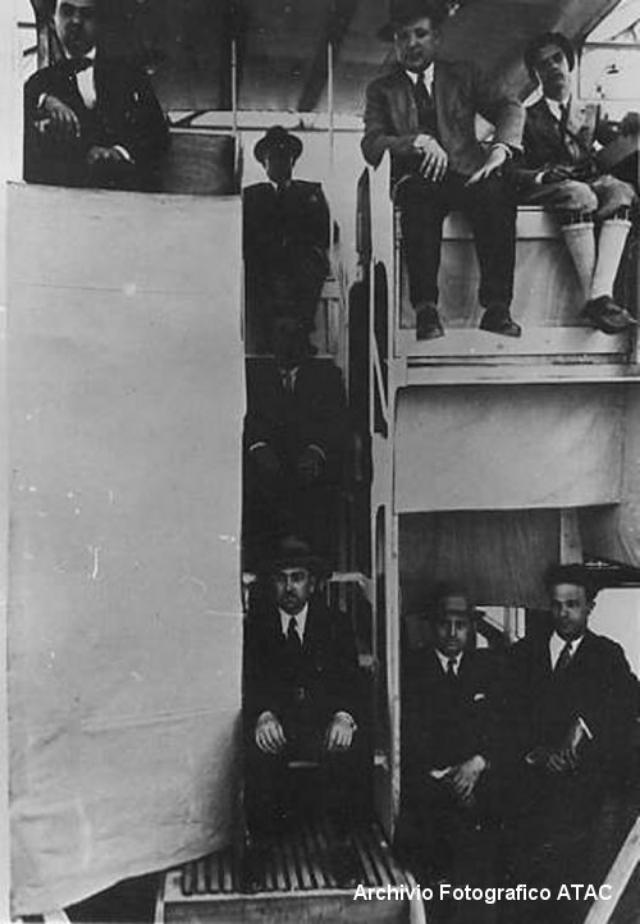
Built in 1932, the first real triple-decker bus, Lancia Autoalveare, was made in Italy. While not much is known about the manufacturer, it ran between Rome and Tivoli and carried 88 passengers.
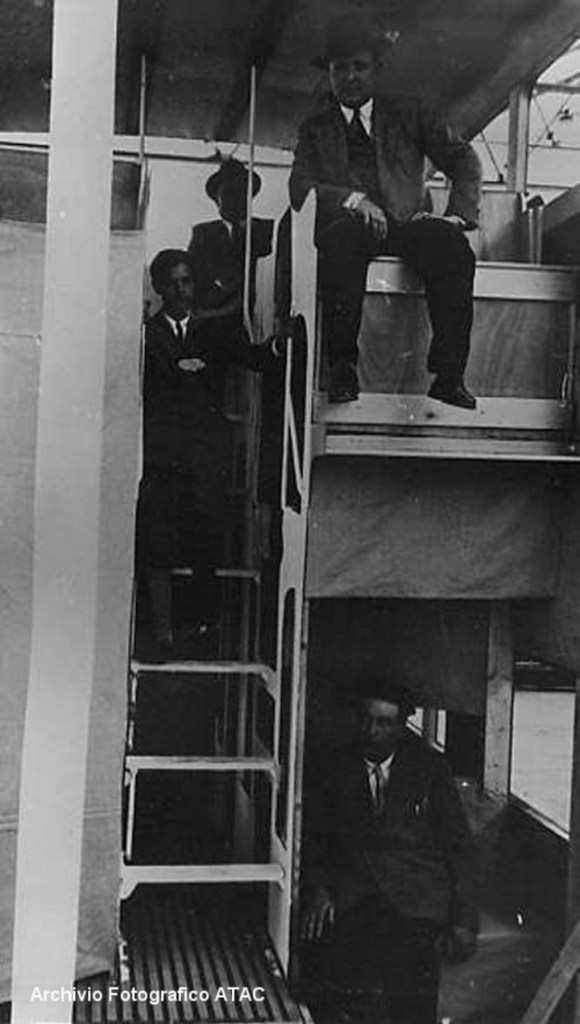
The third level was essentially a smoking compartment and the bus had space for 440 pounds (200 kg) of luggage and space for dogs. It was 33.5 feet long and 11 feet wide and had a speed of 28 miles per hour (45 km per hour)
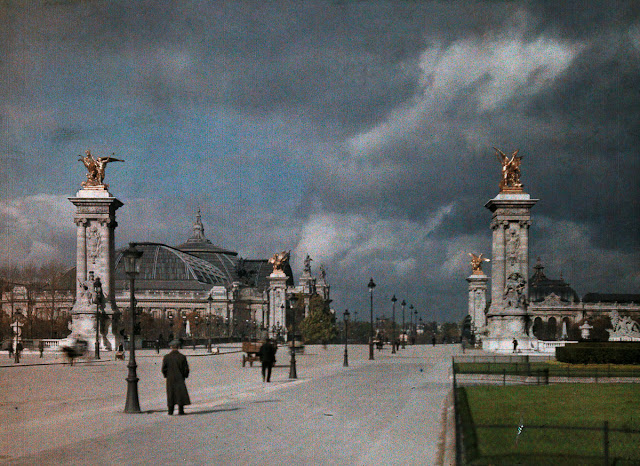
Jules Gervais-Courtellemont (1863–1931) was a French photographer who was famous for taking color autochromes during World War I. He was born near Fontainebleau in Avon, Seine-et-Marne, south of Paris. Courtellemont emigrated with his parents in 1874 to Algeria, and remained there for 20 years.
He became a globetrotter, always in search of something special and exotic. His photography drew him as far as the eastern Mediterranean, North Africa and on to Asia. He collected his works, the moment he had captured with his camera. A head full of dreams and two feet on the ground, is how a contemporary described the artist of light painting.
Courtellemont returned to his home province to record the war. His work reflects the photographic traditions of the autochrome. Landscapes are carefully composed, with due attention to lighting and placement within the picture frame. He used symbols such as the lonely cross and the charred tree for dramatic effect. Judging from the popularity of his lectures in Paris during the war, and the series of publications featuring the battles of Marne and Verdun, his autochromes had the ability to attract a great deal of public interest.
After the war, Courtellemont worked for an American publication. He eventually became a photographer for National Geographic. He was a lifelong friend of the novelist, Orientalist and photographer Pierre Loti. While over 5,500 Gervais-Courtellemont autochromes survive in various institutional collections, including the Musée Albert-Kahn in Boulogne-Billancourt and the Cinémathèque Robert-Lynen in central Paris, his work in private hands is quite rare and sought after.
Paris is the capital and most populous city of France, with an estimated population of 2,165,423 residents in 2019 in an area of more than 105 km² (41 sq mi), making it the 34th most densely populated city in the world in 2020. Since the 17th century, Paris has been one of the world’s major centres of finance, diplomacy, commerce, fashion, gastronomy, science, and arts, and has sometimes been referred to as the capital of the world or “the City of Light”.The City of Paris is the centre of the region and province of Île-de-France, or Paris Region, with an estimated population of 12,262,544 in 2019, or about 19% of the population of France. The Paris Region had a GDP of €739 billion ($743 billion) in 2019, which is the highest in Europe. According to the Economist Intelligence Unit Worldwide Cost of Living Survey, in 2021, Paris was the city with the second-highest cost of living in the world, tied with Singapore, and after Tel Aviv.
Paris is a major railway, highway, and air-transport hub served by two international airports: Paris–Charles de Gaulle (the second-busiest airport in Europe) and Paris–Orly. Opened in 1900, the city’s subway system, the Paris Métro, serves 5.23 million passengers daily; it is the second-busiest metro system in Europe after the Moscow Metro. Gare du Nord is the 24th-busiest railway station in the world and the busiest located outside Japan, with 262 million passengers in 2015. Paris is especially known for its museums and architectural landmarks: the Louvre received 2.8 million visitors in 2021, despite the long museum closings caused by the COVID-19 virus. The Musée d’Orsay, Musée Marmottan Monet and Musée de l’Orangerie are noted for their collections of French Impressionist art. The Pompidou Centre Musée National d’Art Moderne has the largest collection of modern and contemporary art in Europe. The Musée Rodin and Musée Picasso exhibit the works of two noted Parisians. The historical district along the Seine in the city centre has been classified as a UNESCO World Heritage Site since 1991; popular landmarks there include the Cathedral of Notre Dame de Paris on the Île de la Cité, now closed for renovation after the 15 April 2019 fire. Other popular tourist sites include the Gothic royal chapel of Sainte-Chapelle, also on the Île de la Cité; the Eiffel Tower, constructed for the Paris Universal Exposition of 1889; the Grand Palais and Petit Palais, built for the Paris Universal Exposition of 1900; the Arc de Triomphe on the Champs-Élysées, and the hill of Montmartre with its artistic history and its Basilica of Sacré-Coeur.
Paris hosts several United Nations organisations: the UNESCO, the Young Engineers / Future Leaders, the World Federation of Engineering Organizations, and other international organisations such as the OECD, the OECD Development Centre, the International Bureau of Weights and Measures, the International Energy Agency, the International Federation for Human Rights, the International Organisation of La Francophonie; along with European bodies such as the European Space Agency, the European Banking Authority or the European Securities and Markets Authority. Other international organisations were founded in Paris such as the CIMAC in 1951 (International Council on Combustion Engines | Conseil International des Machines à Combustion), or the modern Olympic Games in 1894 which was then moved to Lausanne, Switzerland.
The football club Paris Saint-Germain and the rugby union club Stade Français are based in Paris. The 80,000-seat Stade de France, built for the 1998 FIFA World Cup, is located just north of Paris in the neighbouring commune of Saint-Denis. Paris hosts the annual French Open Grand Slam tennis tournament on the red clay of Roland Garros. The city hosted the Olympic Games in 1900, 1924 and will host the 2024 Summer Olympics. The 1938 and 1998 FIFA World Cups, the 2007 Rugby World Cup, as well as the 1960, 1984 and 2016 UEFA European Championships were also held in the city. Every July, the Tour de France bicycle race finishes on the Avenue des Champs-Élysées in Paris. (Wikipedia)
ca. January 1923, Paris, France
Subscribe to continue reading
Become a paid subscriber to get access to the rest of this post and other exclusive content.
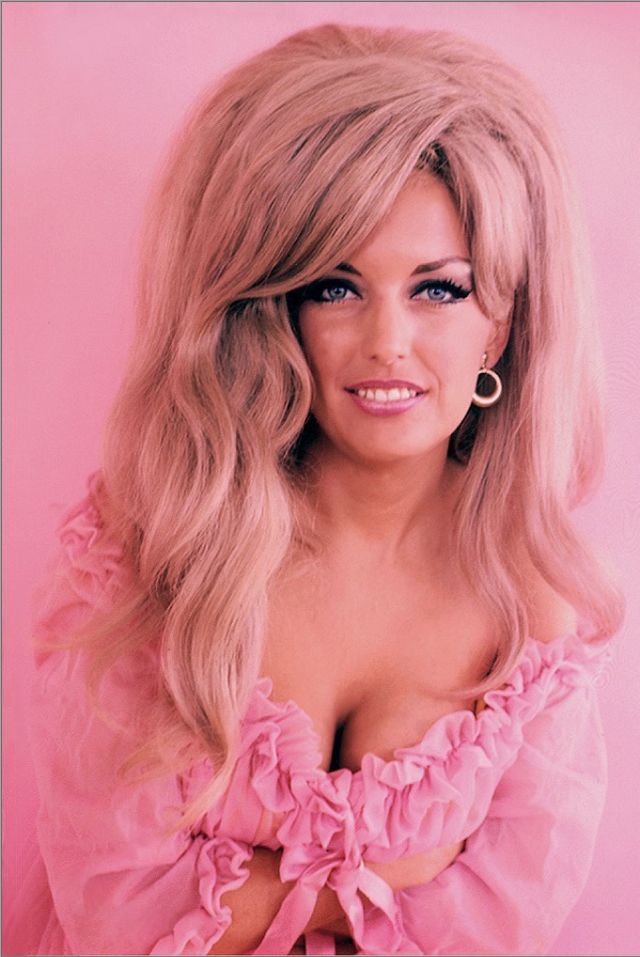
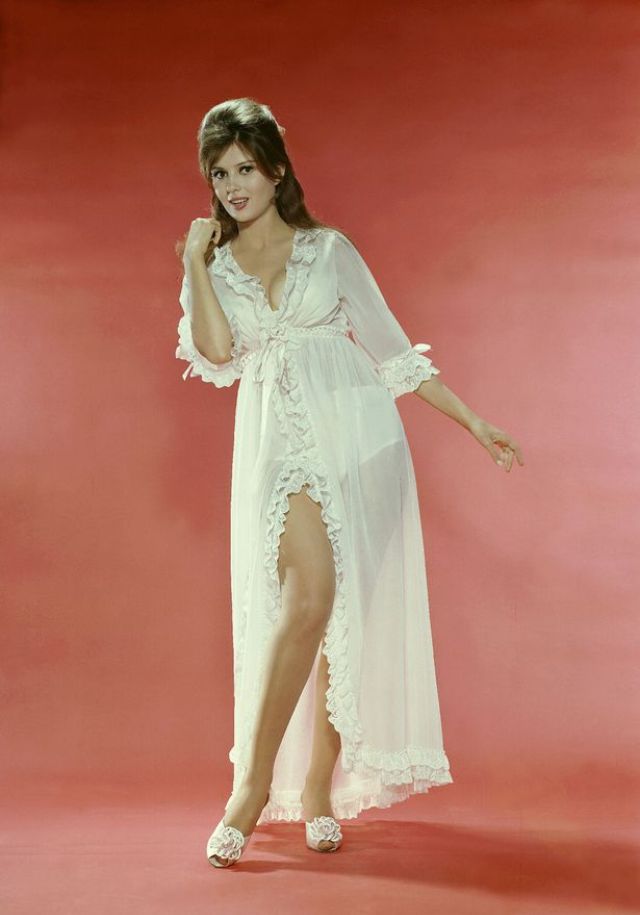
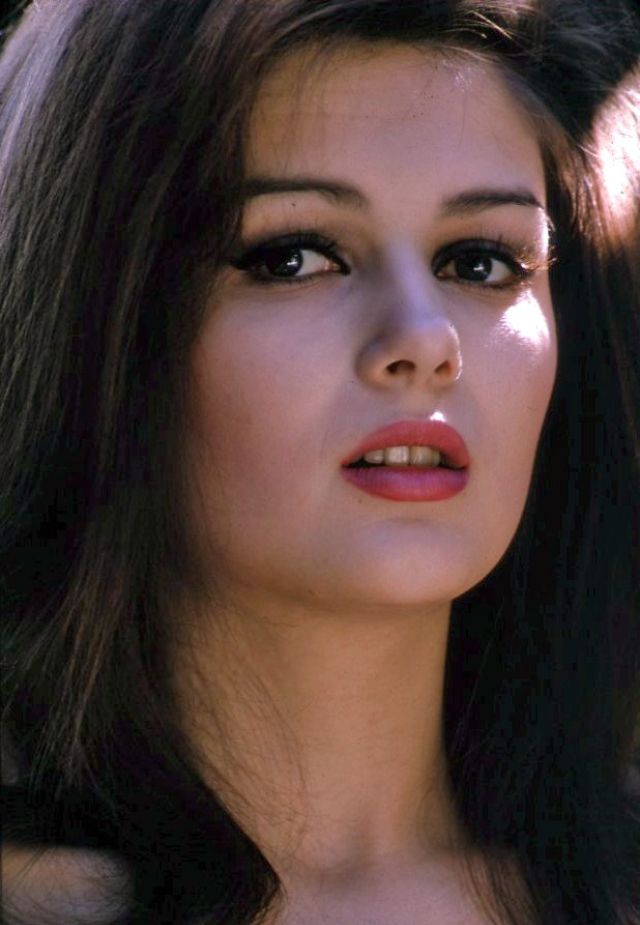
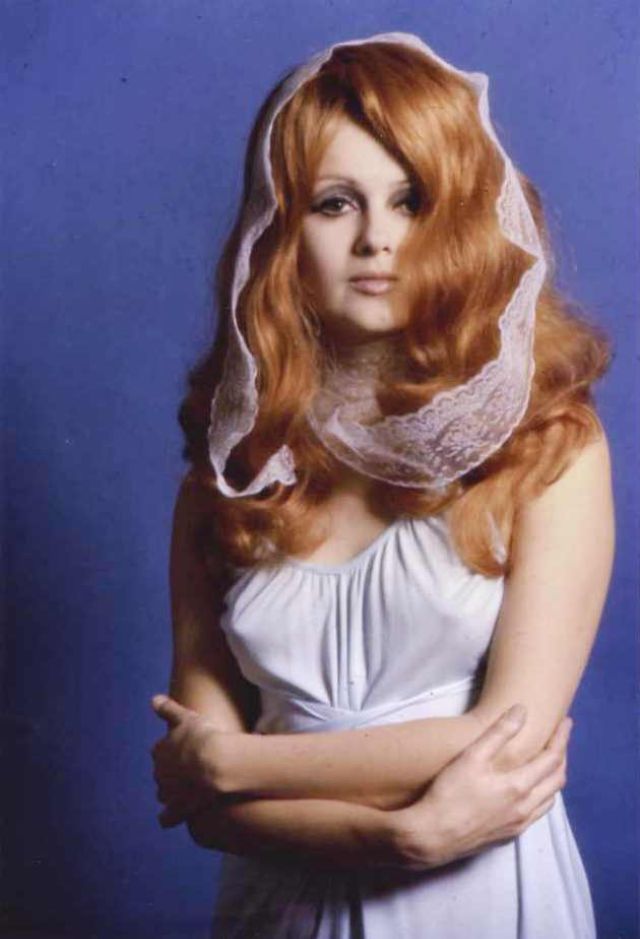
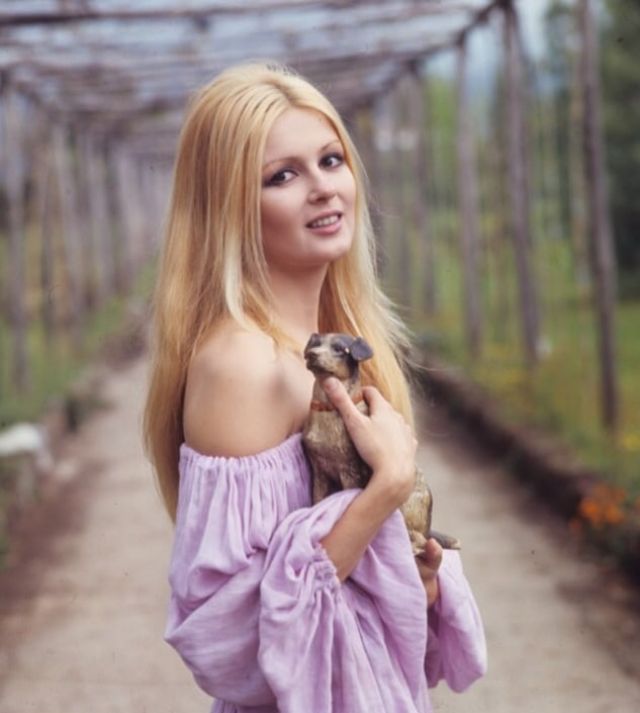
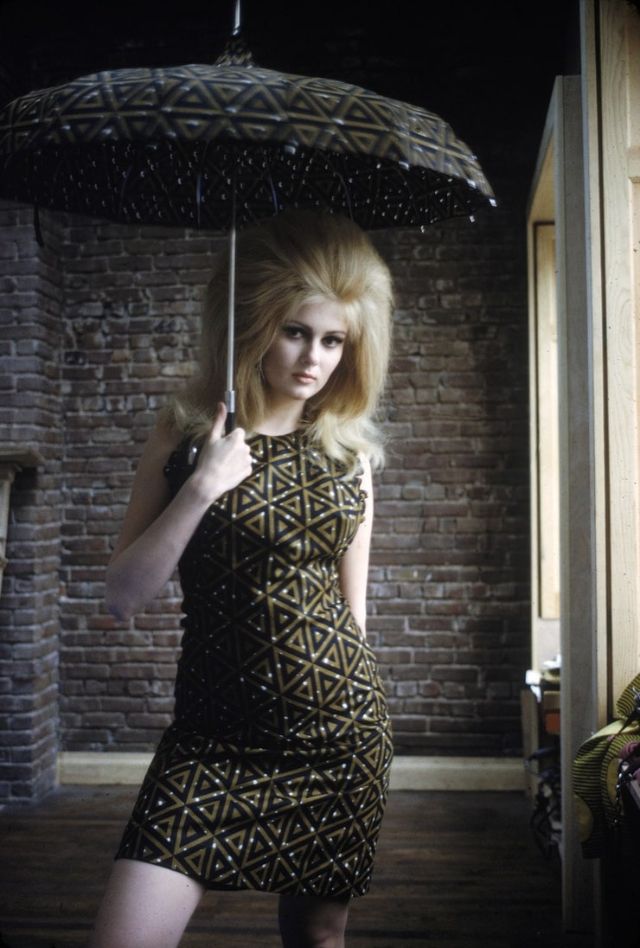
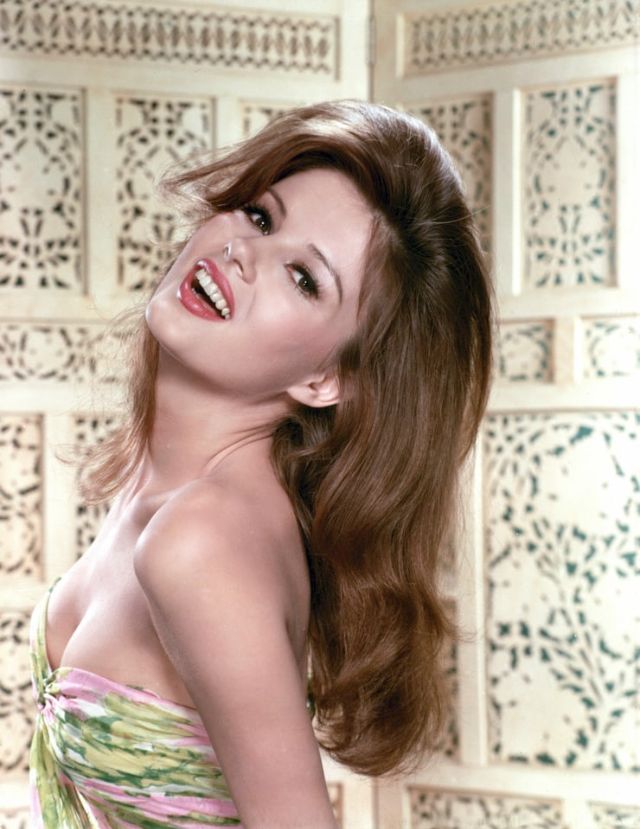
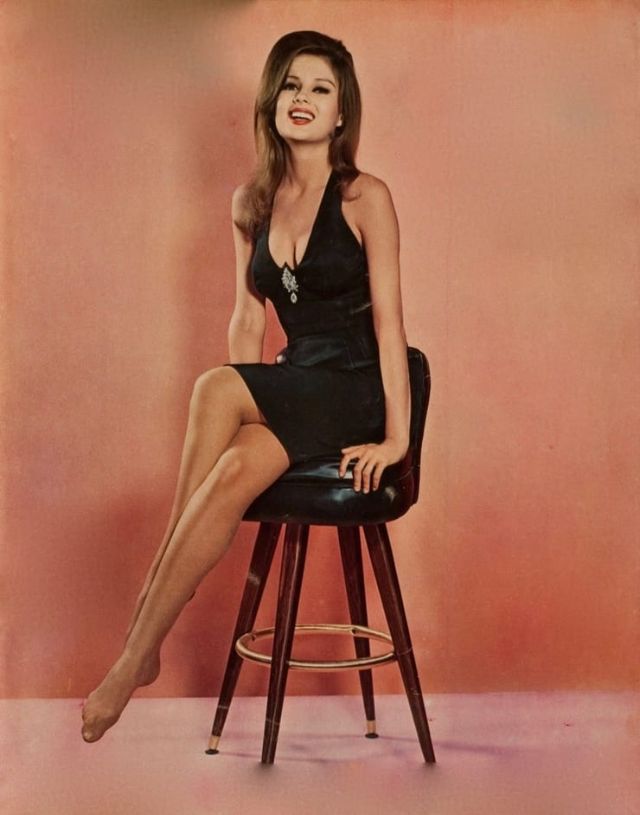
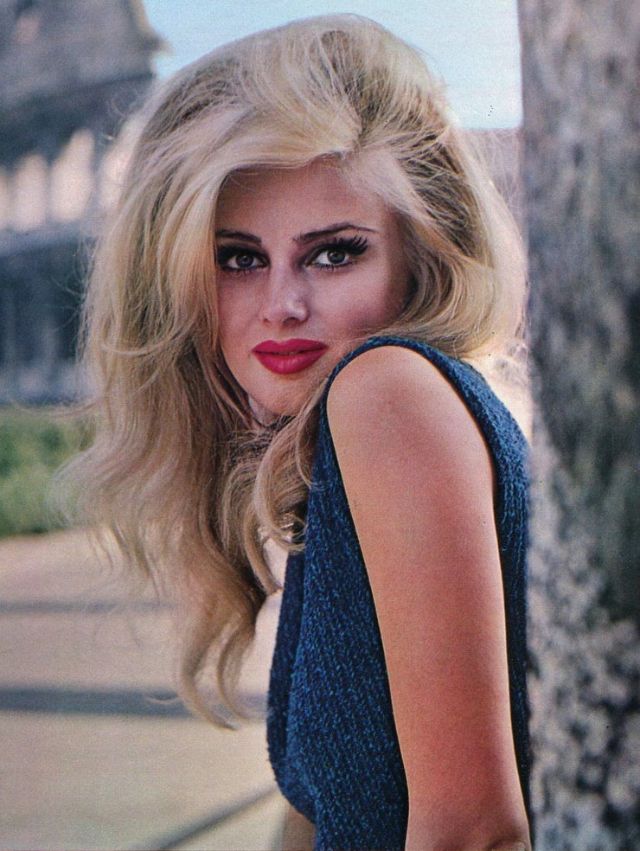
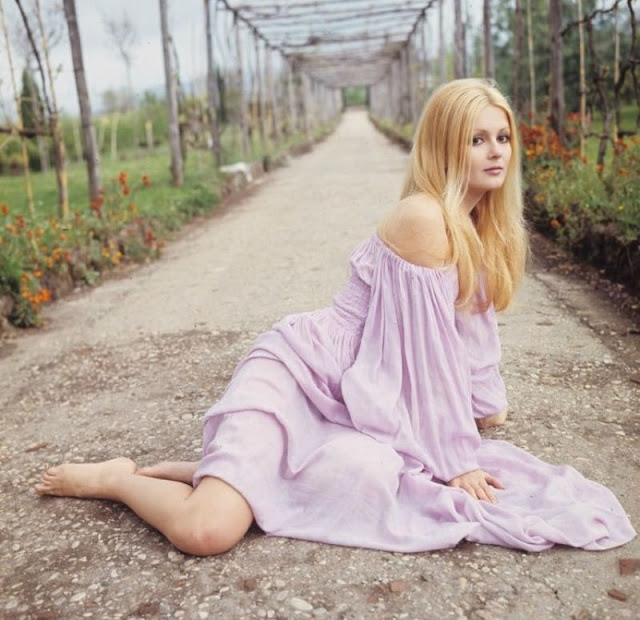
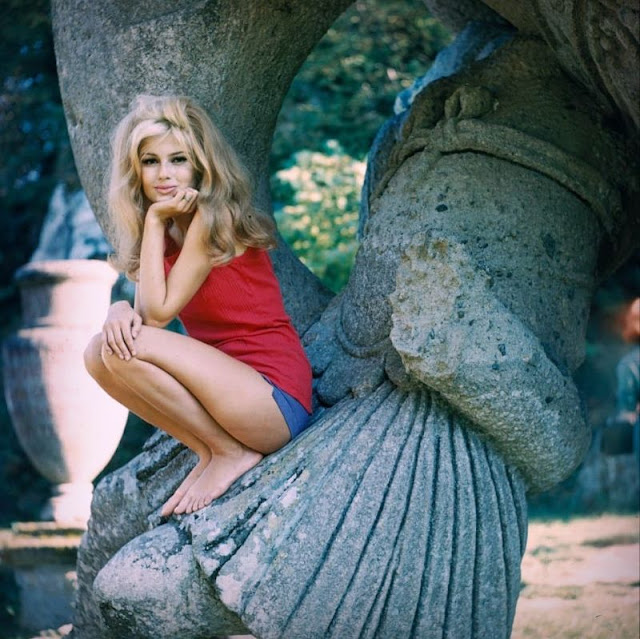
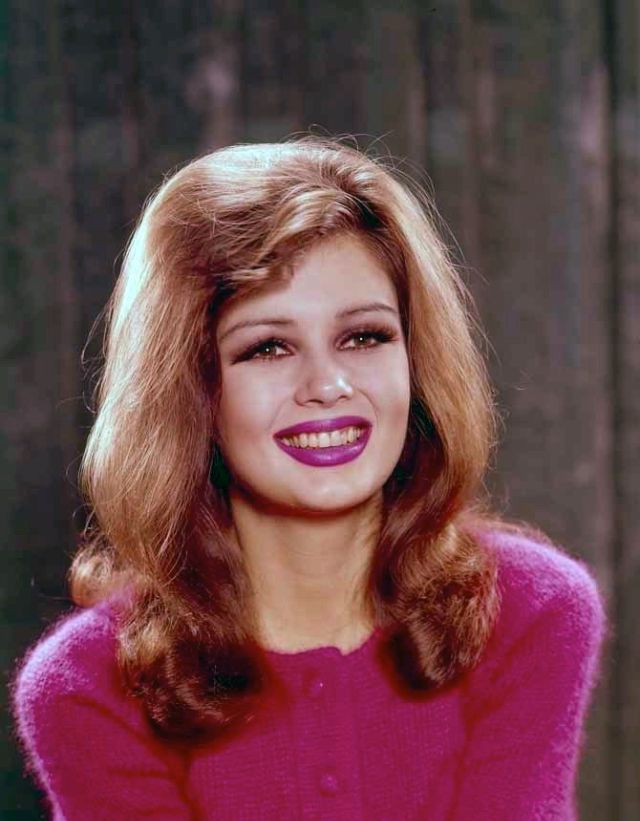
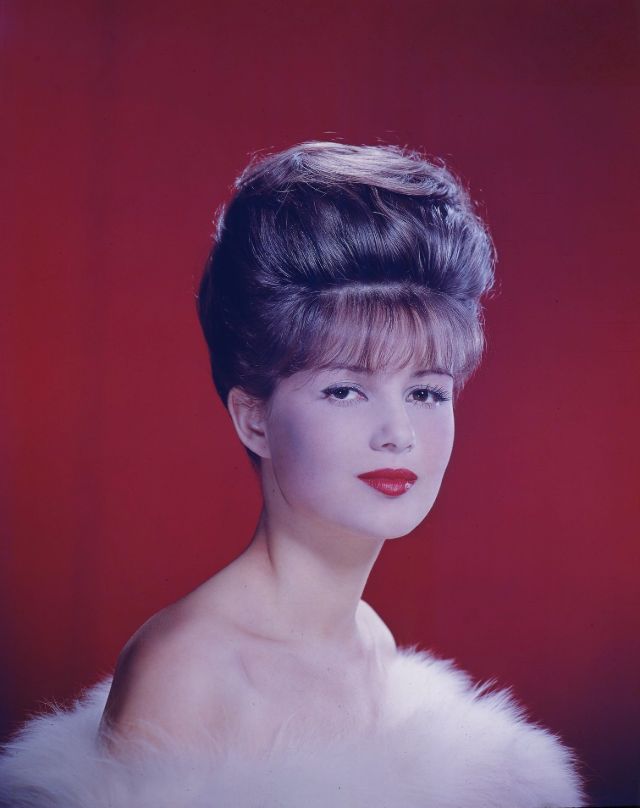
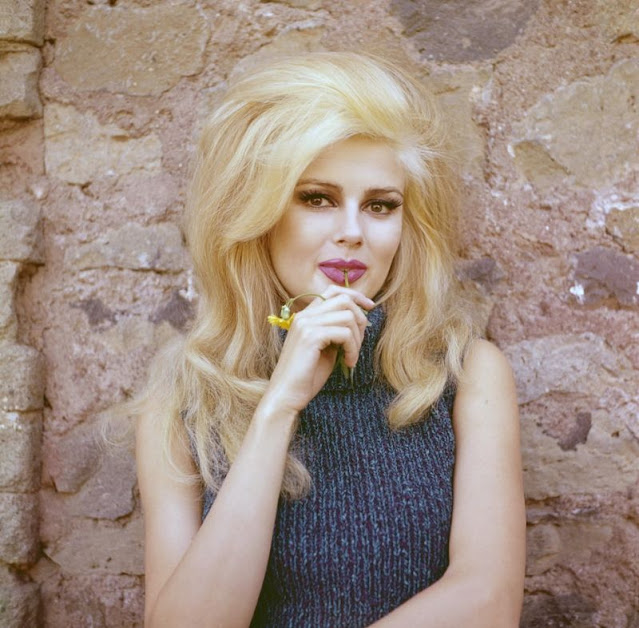
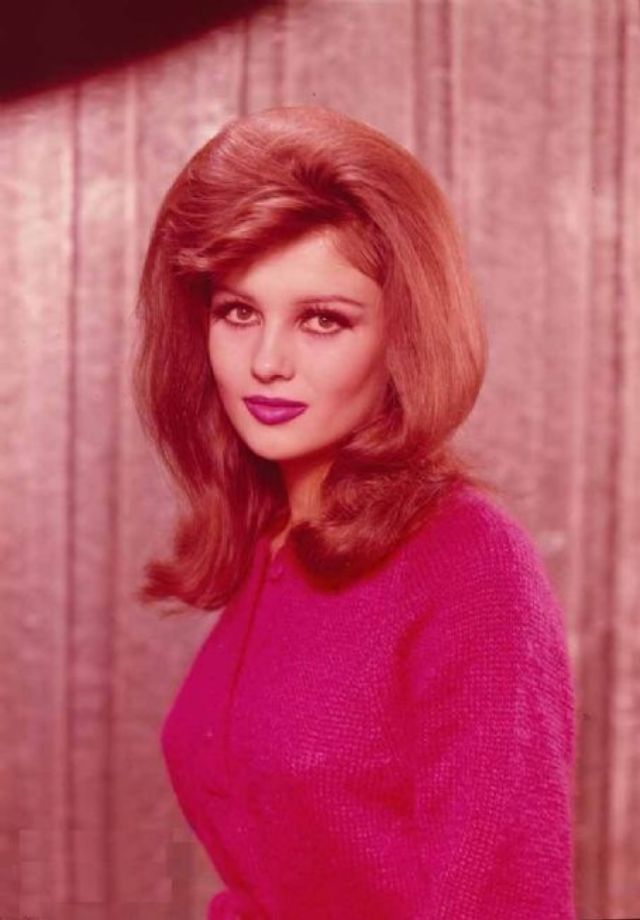
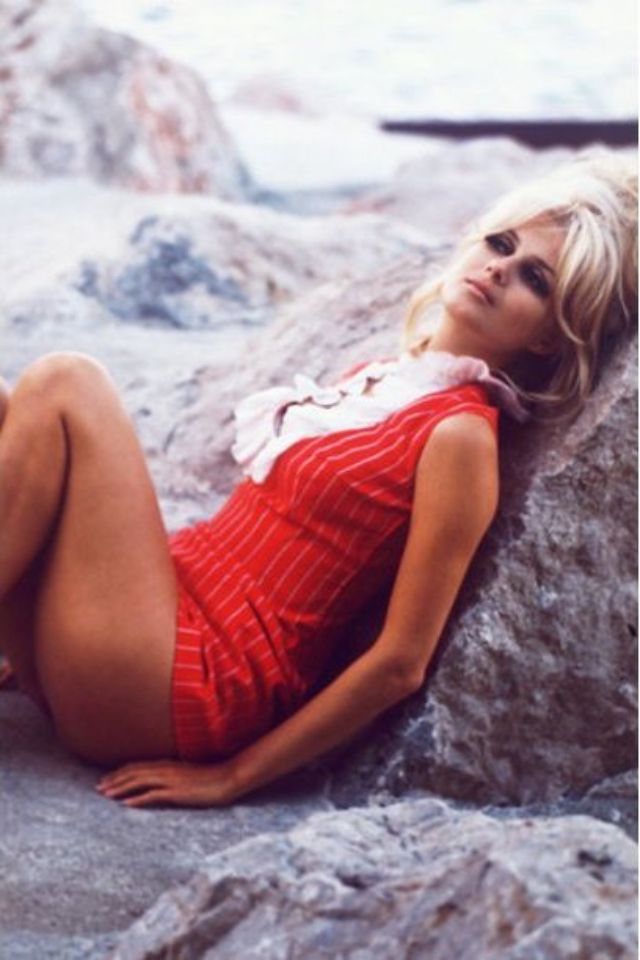
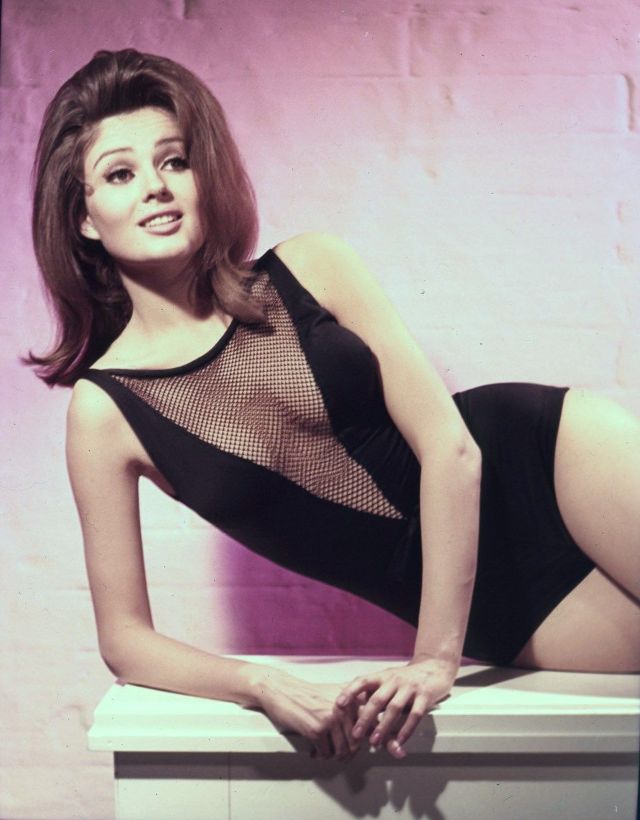
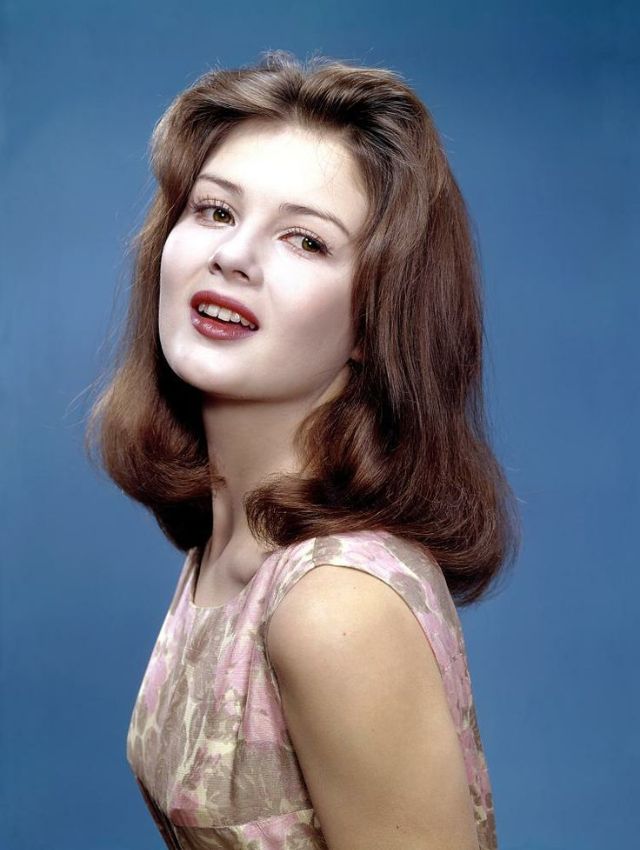
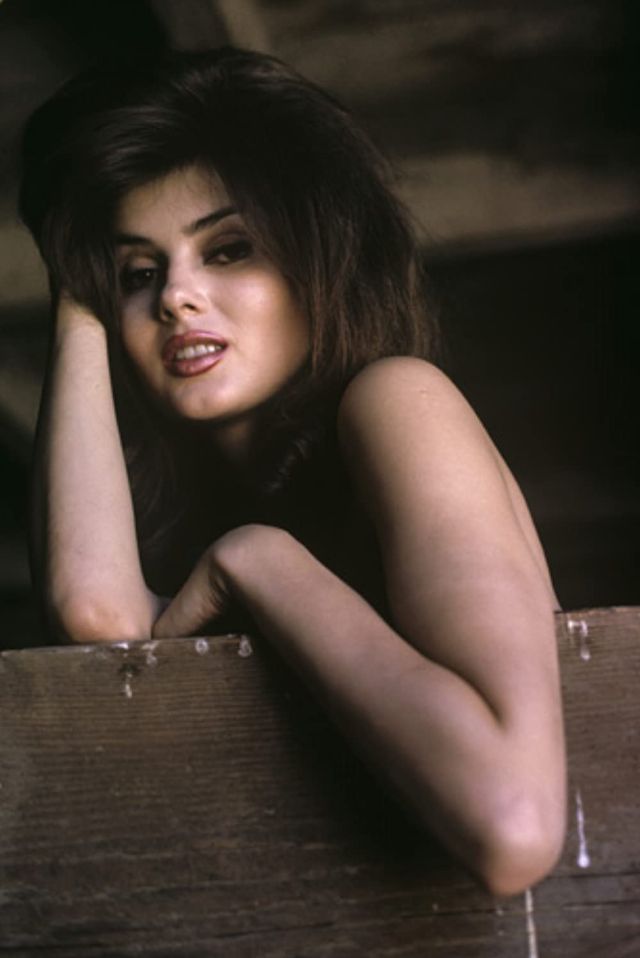
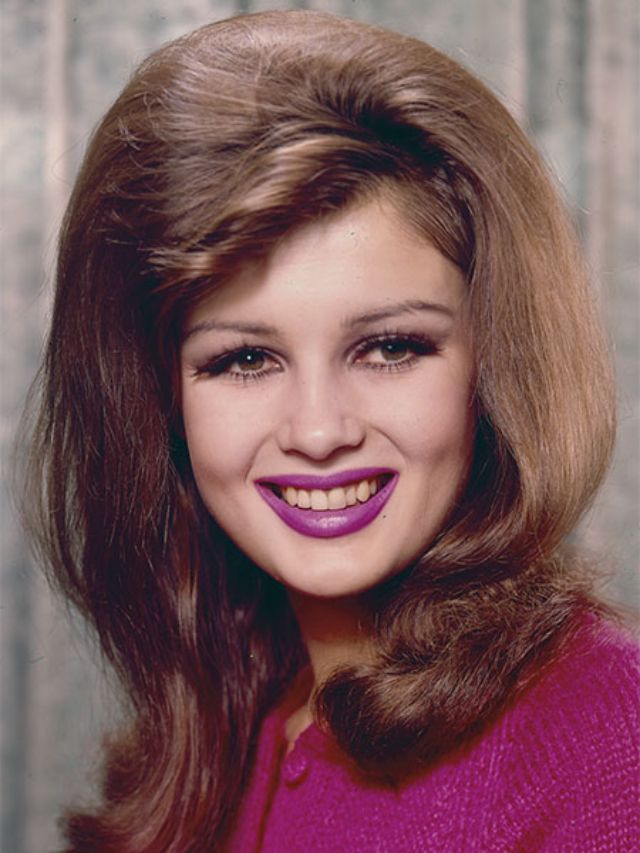
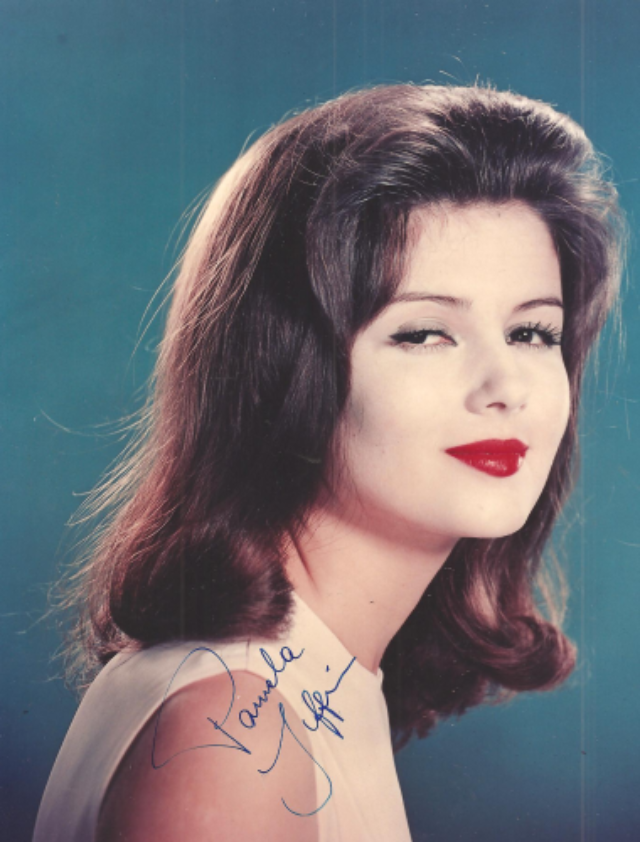
Born 1942 in Oklahoma City, Oklahoma, American actress Pamela Tiffin was spotted by producer Hal B. Wallis, who had her screen tested. This led to her being cast in the film version of Summer and Smoke (1961), and then appeared in the comedy One, Two, Three (1961), directed by Billy Wilder who called her “the biggest find since Audrey Hepburn”. She earned a Golden Globe nomination for this film as well as one for Summer and Smoke.
20th Century Fox gave Tiffin the leading role in the musical State Fair (1962), and was one of the three leads in MGM’’s comedy Come Fly with Me (1963). She made two films with James Darren, both aimed at teen audiences: For Those Who Think Young (1964) and The Lively Set (1964).
In 1967, Tiffin decided to move to Italy “to find out what I want”. She appeared in The Protagonists (1968); Torture Me But Kill Me with Kisses (1968), a hugely popular comedy; and The Archangel (1969).
Tiffin released a memoir, Daring: My Passages with Gail Sheehy in 2014 and a biography of her life, Pamela Tiffin: Hollywood to Rome, was written by Tom Lisanti in 2015. She died in 2020, in a Manhattan hospital, at the age of 78.
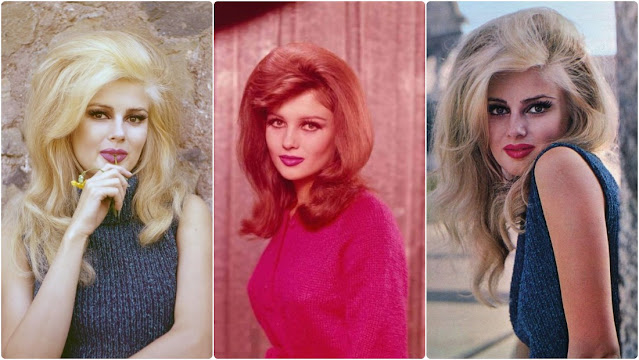
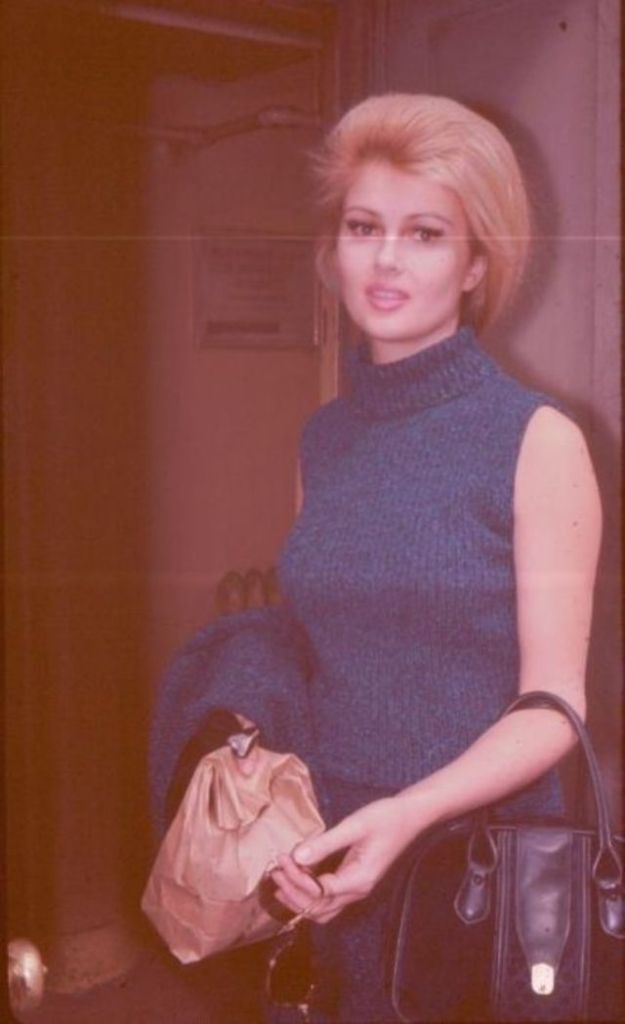
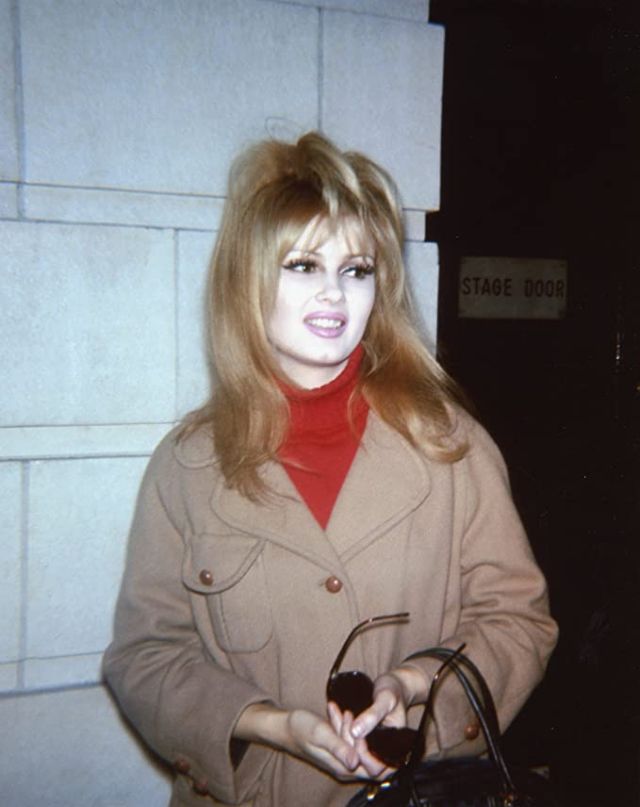
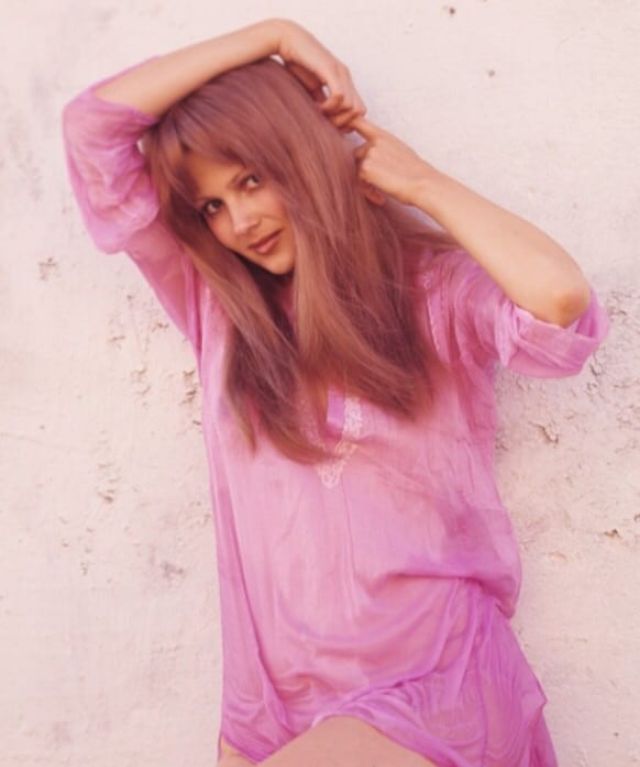
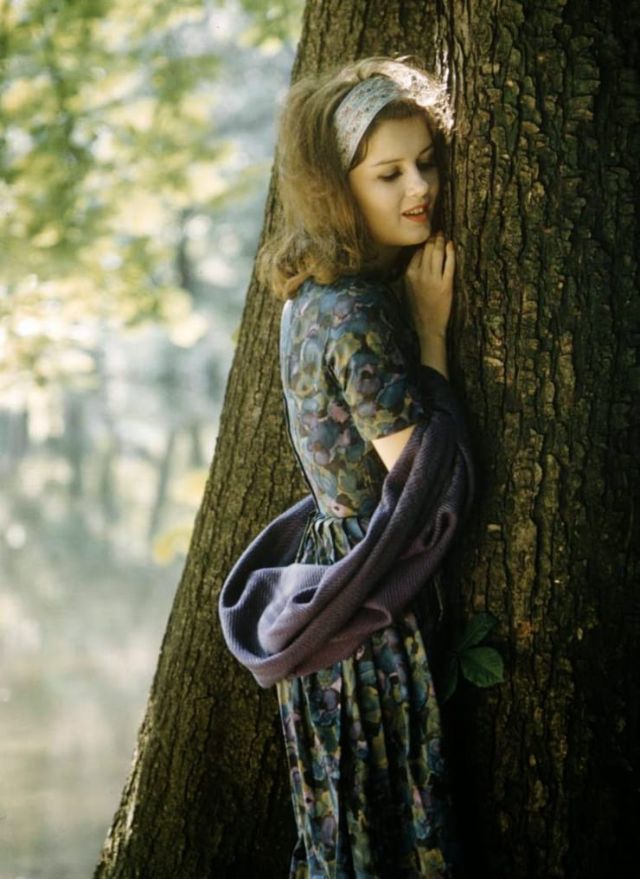
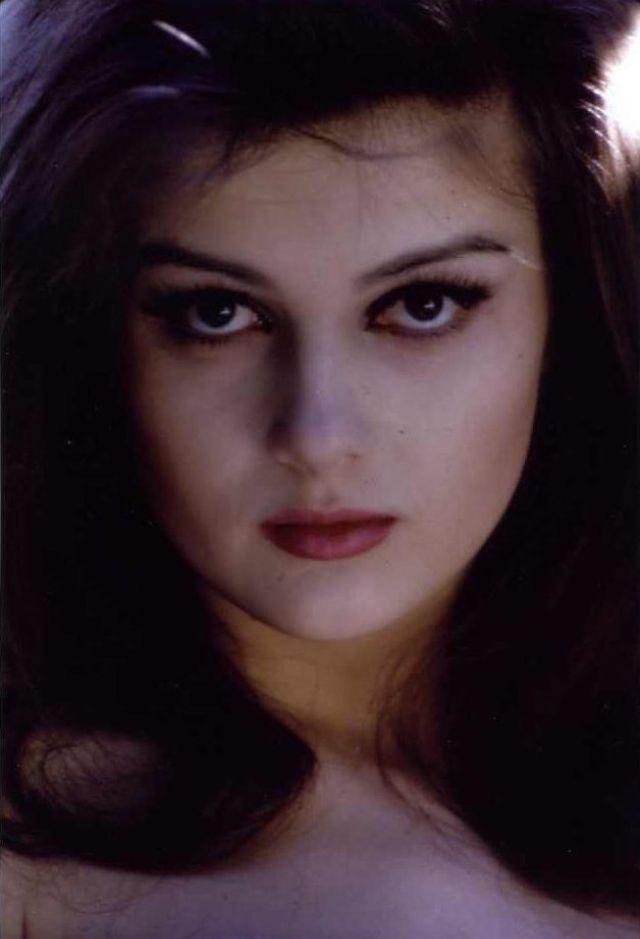
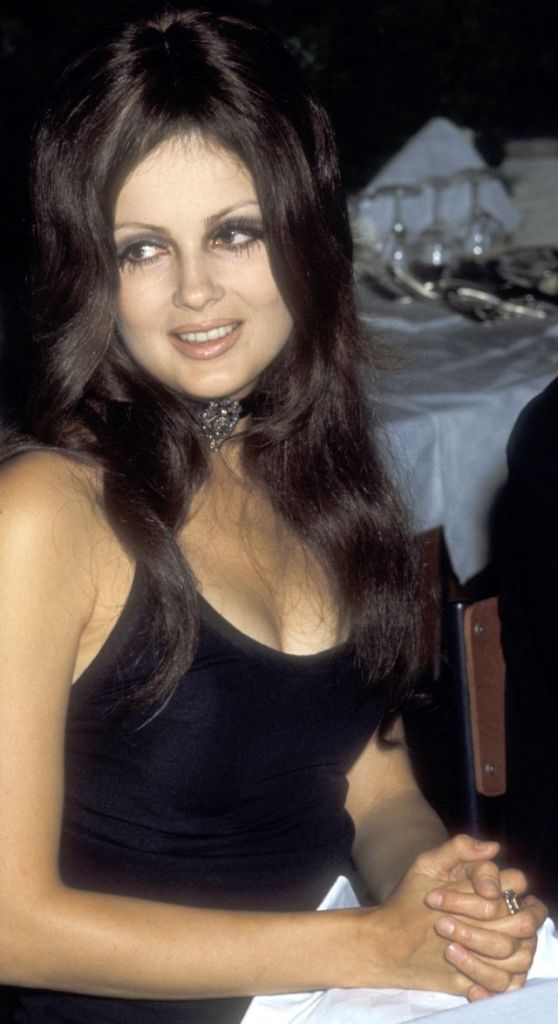
Take a look at these glamorous photos to see the beauty of young Pamela Tiffin in the 1960s.
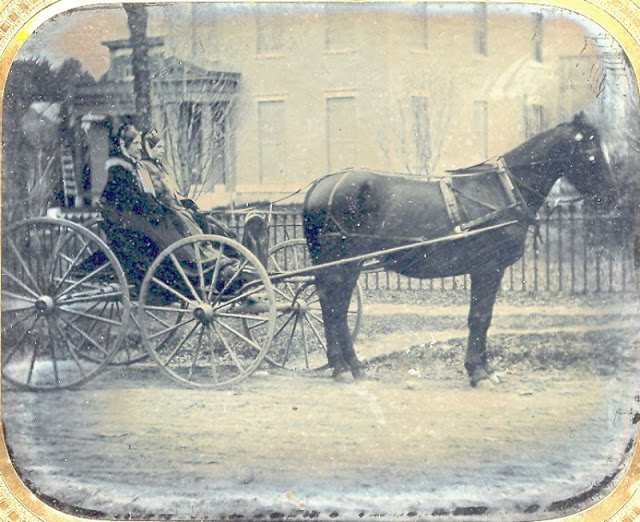
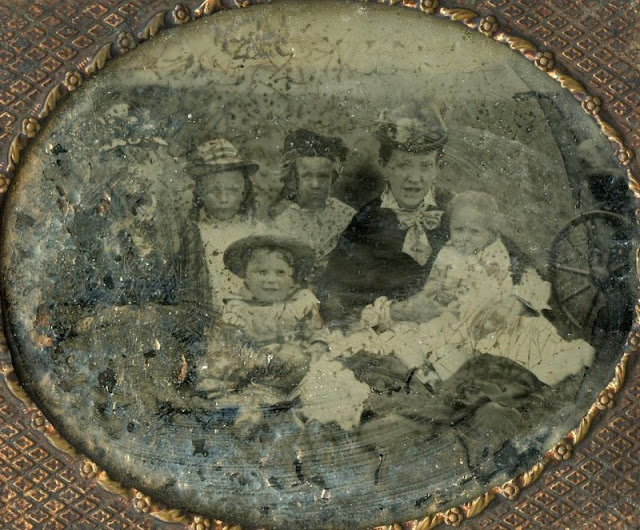
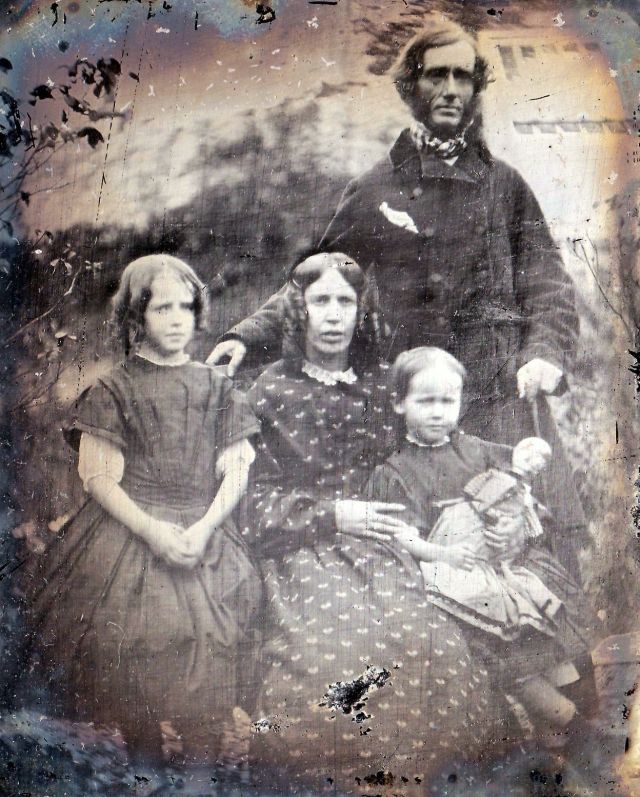
The relatively low cost of the daguerreotype in the middle of the 19th century and the reduced sitting time for the subject, though still much longer than now, led to a general rise in the popularity of portrait photography over painted portraiture.
The style of these early works reflected the technical challenges associated with long exposure times and the painterly aesthetic of the time. Hidden mother photography, in which portrait photographs featured young children’s mothers hidden in the frame to calm them and keep them still, arose from this difficulty. Subjects were generally seated against plain backgrounds, lit with the soft light of an overhead window, and whatever else could be reflected with mirrors.
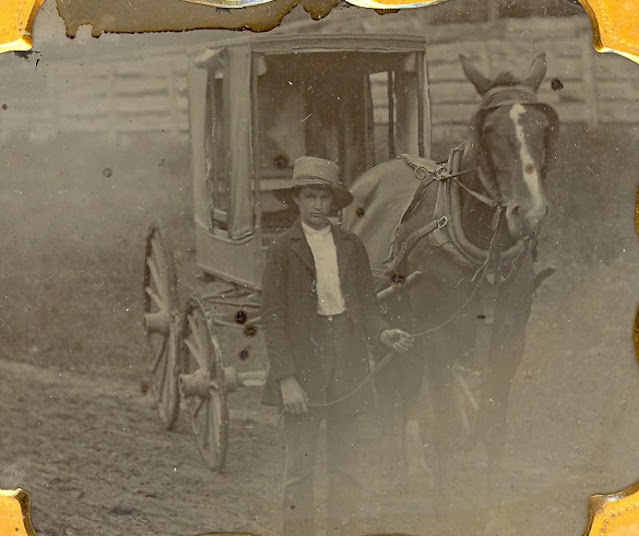
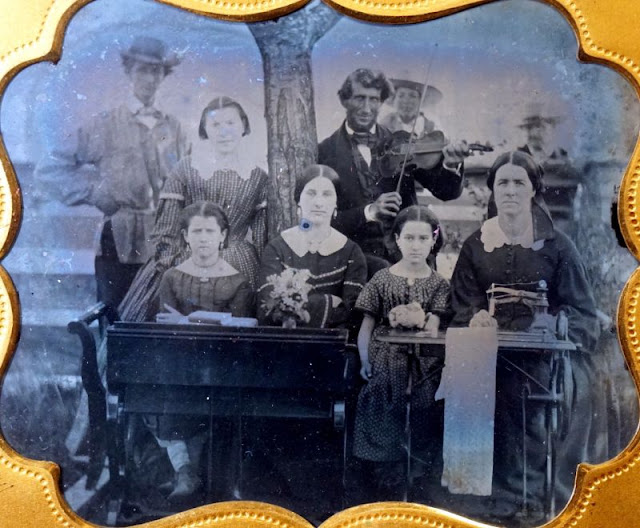
Advances in photographic technology since the daguerreotype spawned more advanced techniques, allowed photographers to capture images with shorter exposure times, and work outside a studio environment.
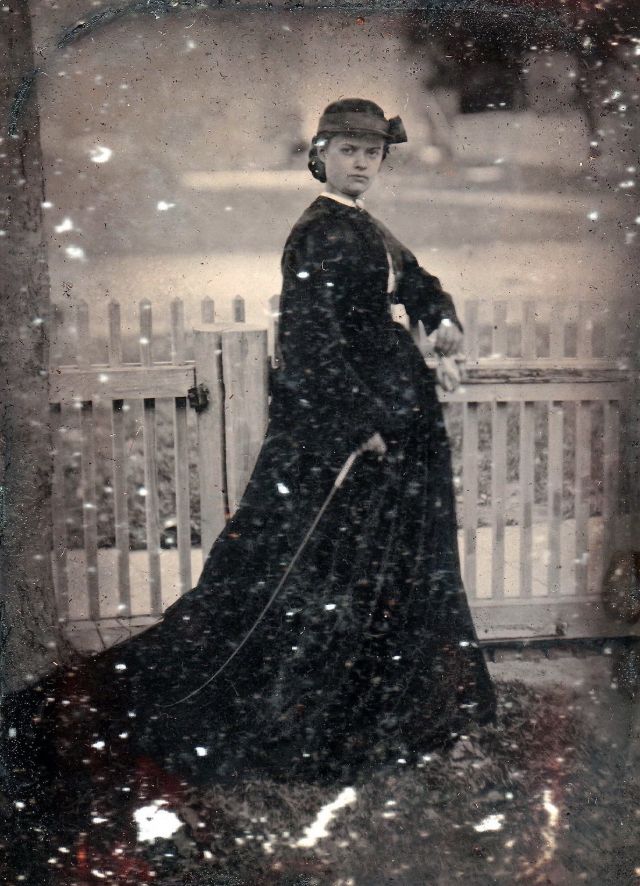
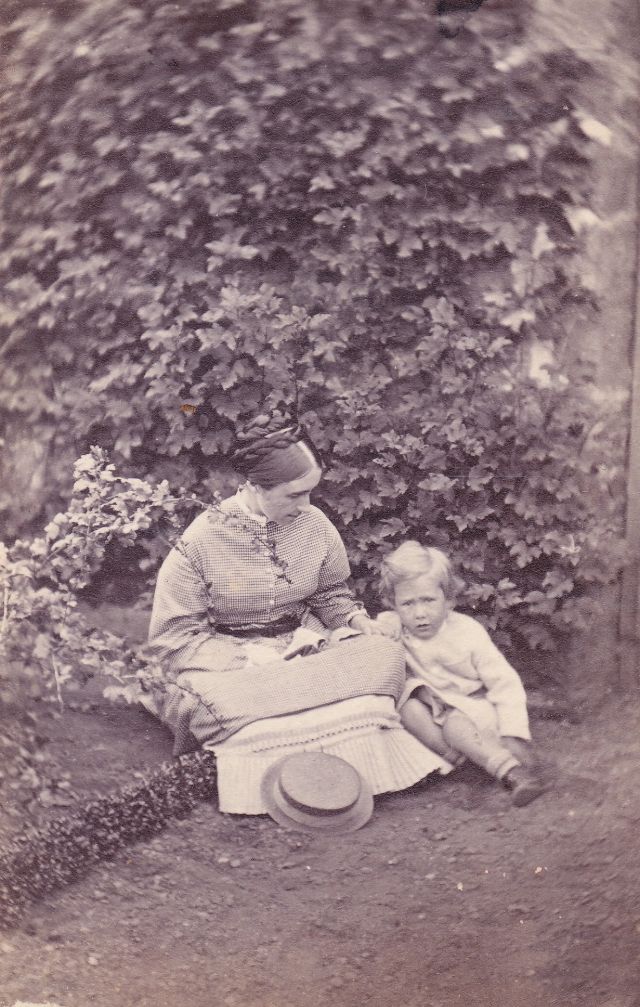
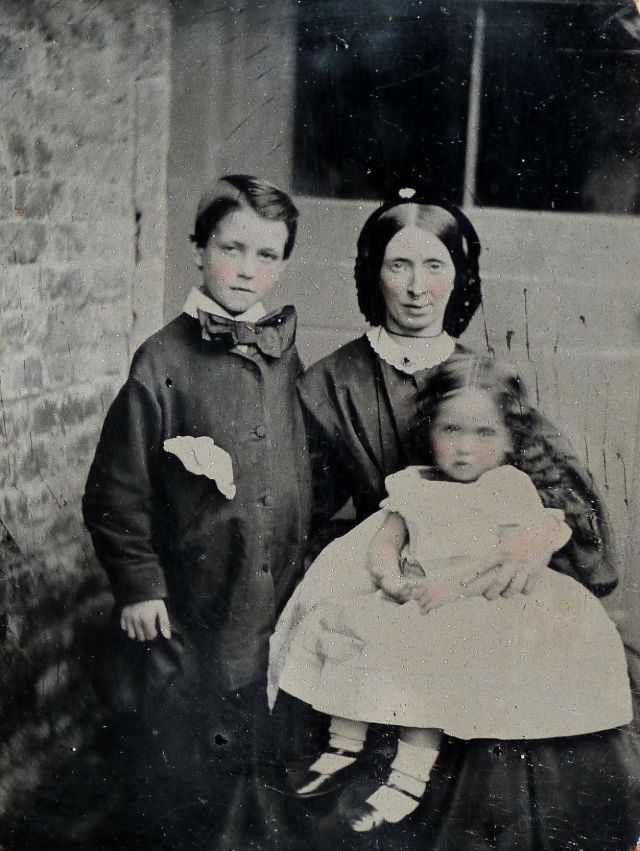
Here below is a set of rare photos that shows outdoor portraits of Victorian people from between the 1840s and 1870s.
If a picture is worth a thousand words, then Leonard McCombe’s image that inspired the Marlboro Man campaign is worth over $15 billion.
The photograph above shows Clarence Hailey Young, a foreman at the JA Ranch in Texas. McCombe had set out on assignment by Life magazine to document the real way of life of these cowboys, dispelling the glamorous image of most Hollywood movies at that time for the harsh and difficult work of ranching reality.
Something in that 1949 photo must have caught the eye of legendary advertising executive Leo Burnett who later used it as his template for the Marlboro Man. Young’s wrinkled and unshaven face framed by a large cowboy hat and bandana around his neck looked perfect to the ad executive. The fact that he had a lit cigarette on his lips probably convinced Mr. Burnett to choose the cowboy lifestyle for his advertising campaign.
The campaign for Marlboro was meant to include other macho professions, but the cowboy image emerged to be the clear winner. The choice obviously worked for Phillip Morris as the original filtered cigarettes which were first advertised for women as “Mild as May” became the winning ingredient when one tried to picture the place “Where the Flavor is.” Within two years, sales of the cigarette increased three-fold.
Darren Winfield was the first commercial Marlboro Man, with many other actors and real cowboys following in his footsteps. Similarly, many photographers, including Jim Krantz and Sam Abell were commissioned to make the iconic ads.
While most tobacco companies nowadays have shifted their advertising campaigns away from the cowboy image, the original idea has been considered to be one of the most successful ad campaigns of all time. And to think that McCombe’s Marlboro Man shot sparked the idea that would be worth millions of dollars from what was originally a ladies’ cigarette.
Subscribe to continue reading
Become a paid subscriber to get access to the rest of this post and other exclusive content.
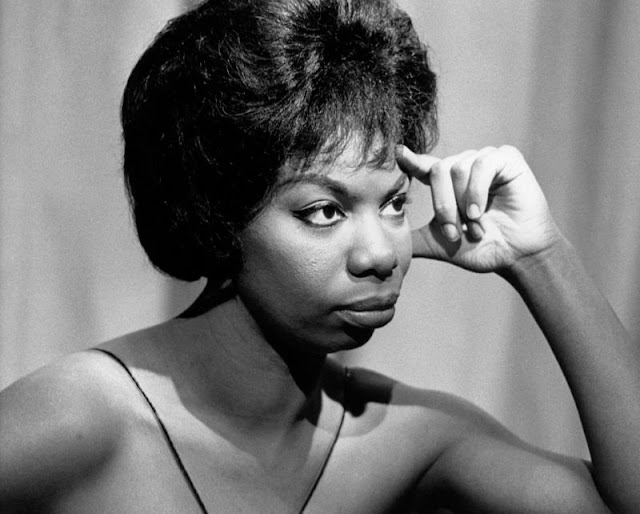
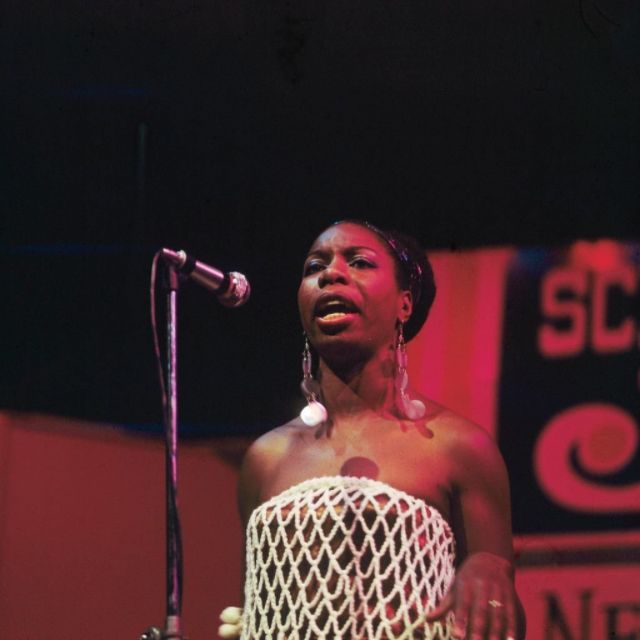
After the success of Little Girl Blue, Simone signed a contract with Colpix Records and recorded a multitude of studio and live albums. Simone became a favorite performer in Greenwich Village after her live album Nina Simone at Town Hall was released. By this time, Simone performed pop music only to make money to continue her classical music studies.
In 1964, Simone changed record distributors to the Dutch Philips Records. She had always included songs in her repertoire that drew on her African-American heritage, such as “Brown Baby” by Oscar Brown and “Zungo” by Michael Olatunji on her album Nina at the Village Gate in 1962.
On her debut album for Philips, Nina Simone in Concert (1964), for the first time she addressed racial inequality in the United States in the song “Mississippi Goddam”. The song was released as a single, and it was boycotted in some southern states. Promotional copies were smashed by a Carolina radio station and returned to Philips. It was after this song that a civil rights message became the norm in Simone’s recordings and part of her concerts. As her political activism rose, the rate of release of her music slowed.
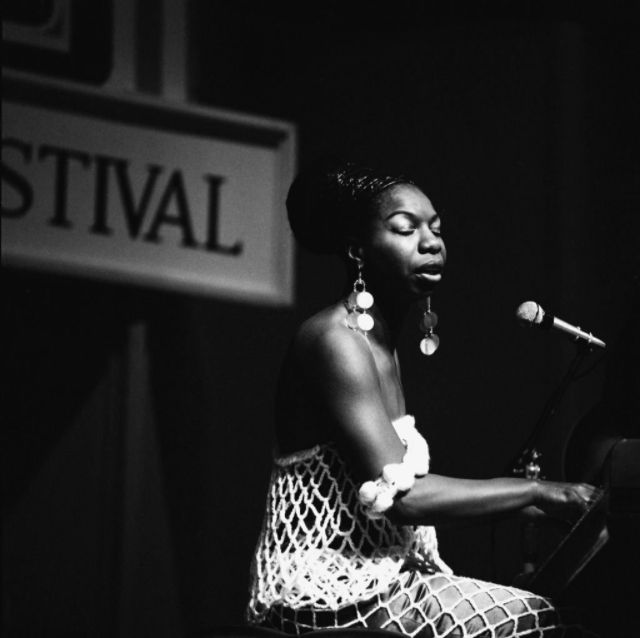
In 1967, Simone moved from Philips to RCA Victor. She sang “Backlash Blues” written by Harlem Renaissance leader Langston Hughes, on her first RCA album, Nina Simone Sings the Blues (1967). On Silk & Soul (1967), she recorded Billy Taylor’s “I Wish I Knew How It Would Feel to Be Free” and “Turning Point”. The album ‘Nuff Said! (1968) contained live recordings from the Westbury Music Fair of April 7, 1968, three days after the assassination of Martin Luther King Jr. She dedicated the performance to him and sang “Why? (The King of Love Is Dead)”, a song written by Gene Taylor. In 1969, she performed at the Harlem Cultural Festival in Harlem’s Mount Morris Park.
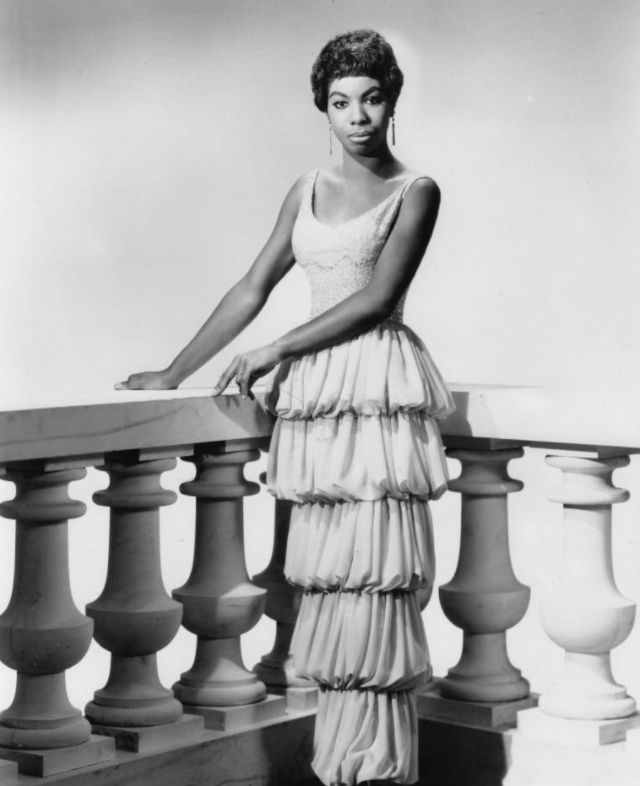
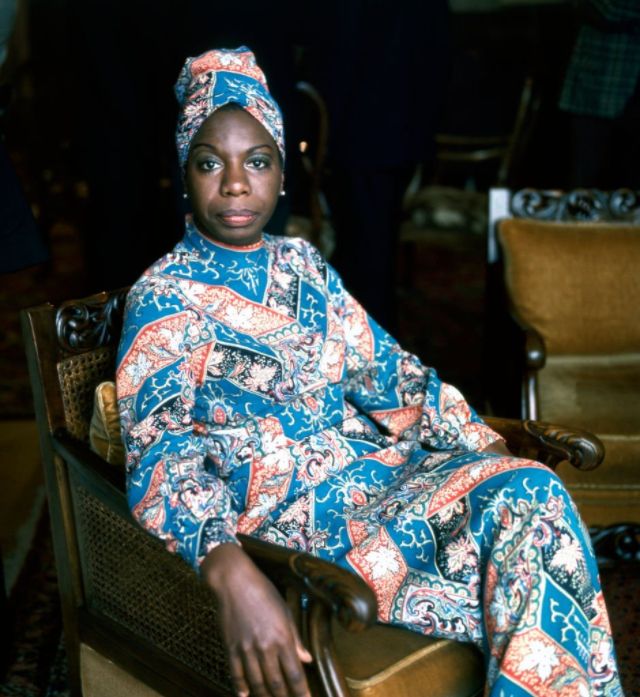
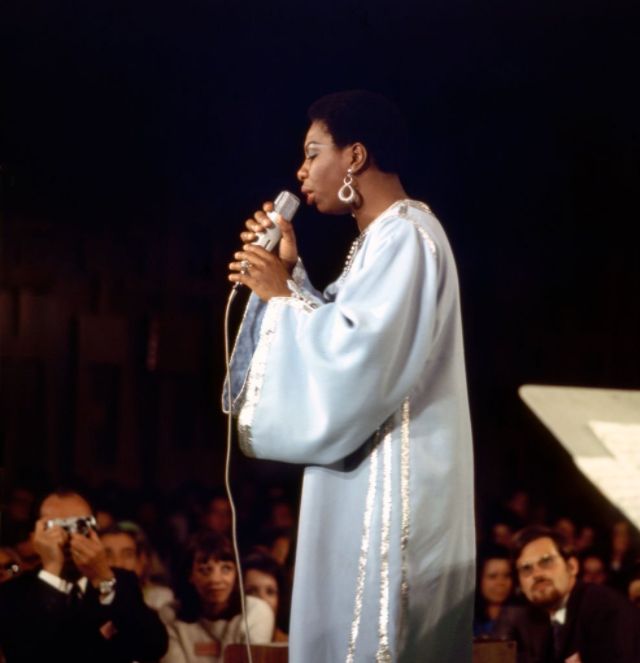
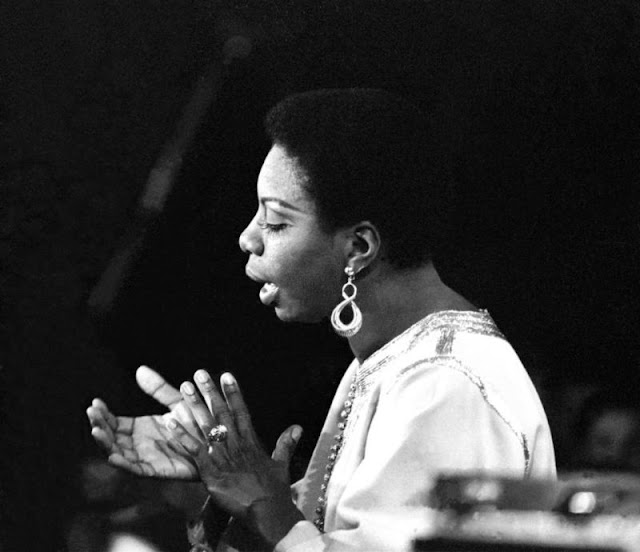
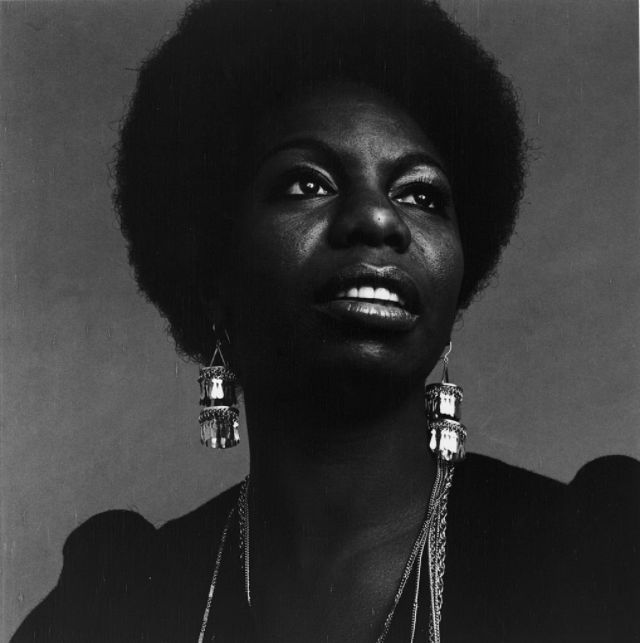
Take a look back at Simone in the 1960s through these 18 fascinating portraits:
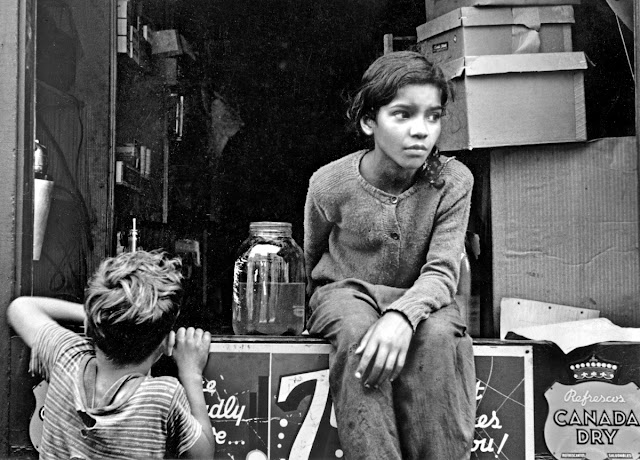
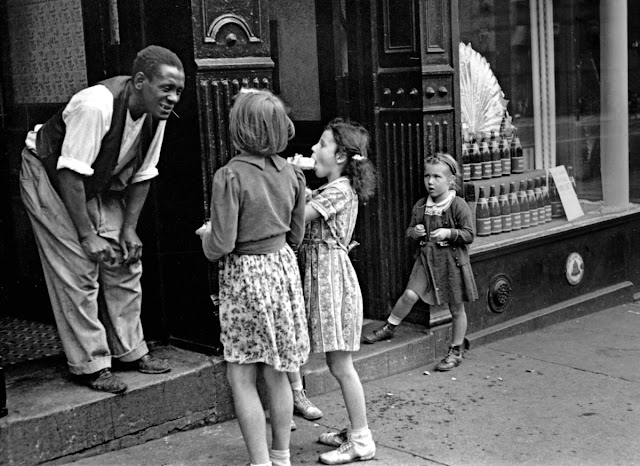
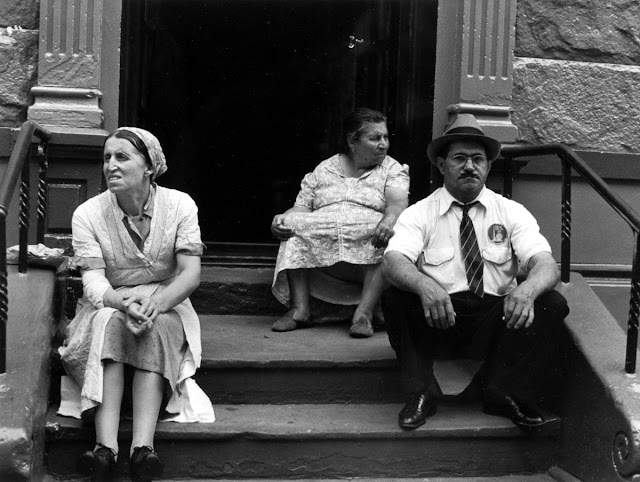
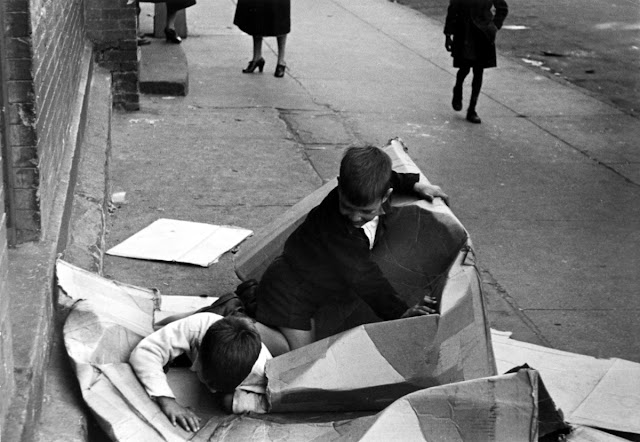
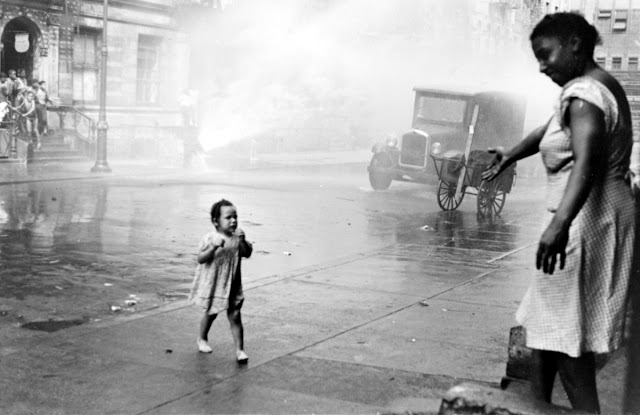
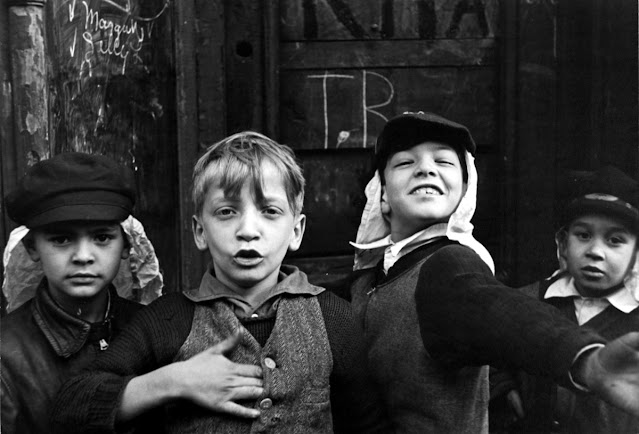
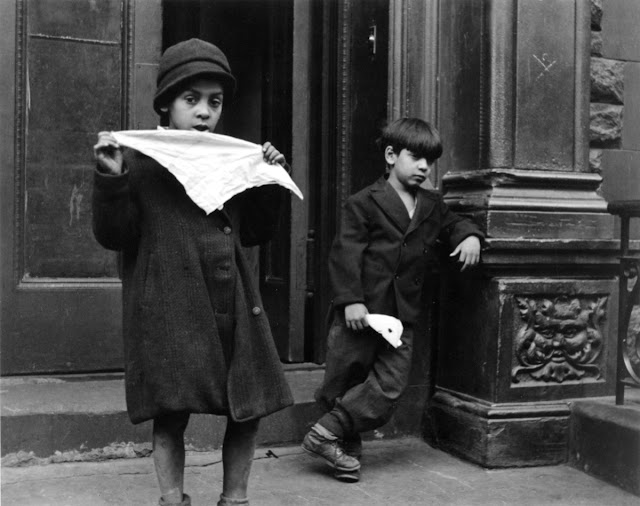
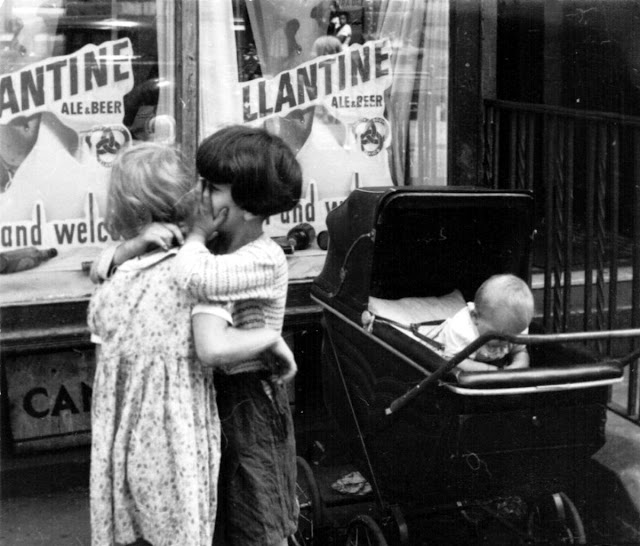
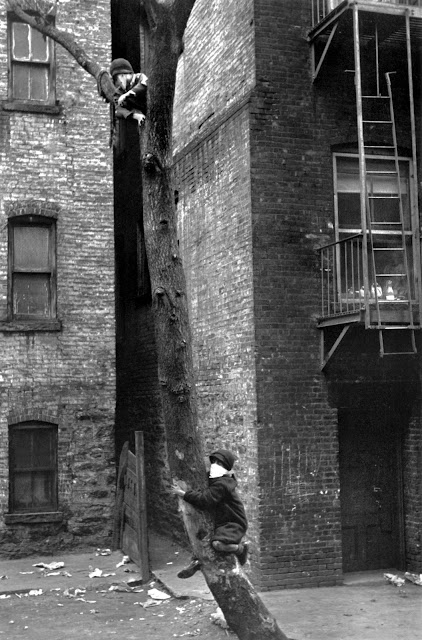
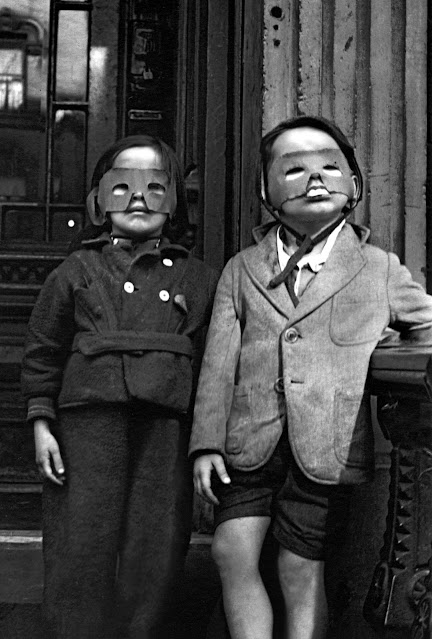
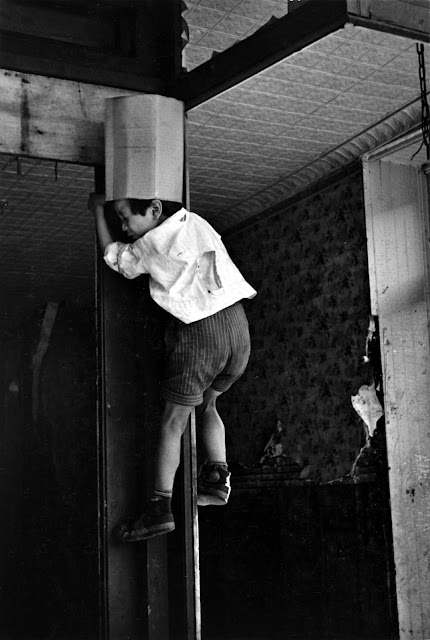
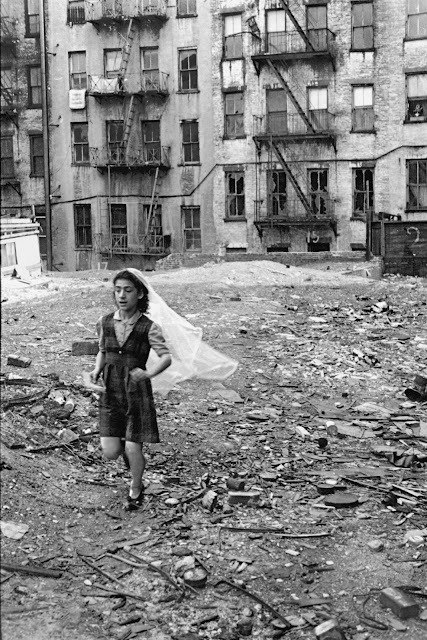
In the late 1930s, photographer Helen Levitt rode the New York City subway system, first as an apprentice to photographer Walker Evans, then snapping photos of aloof passengers wearing fur coats, flat-brim hats, and antique brooches.
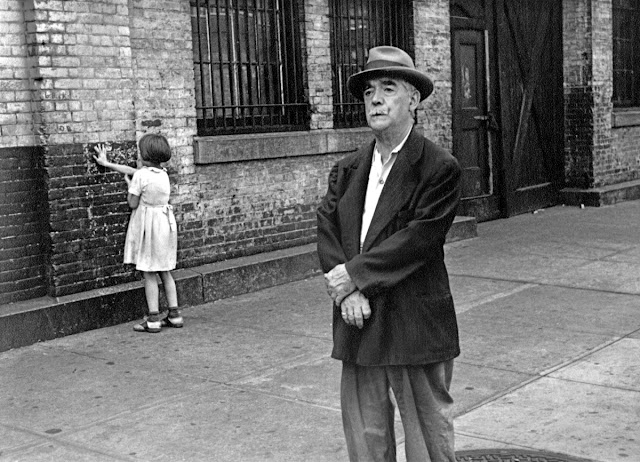
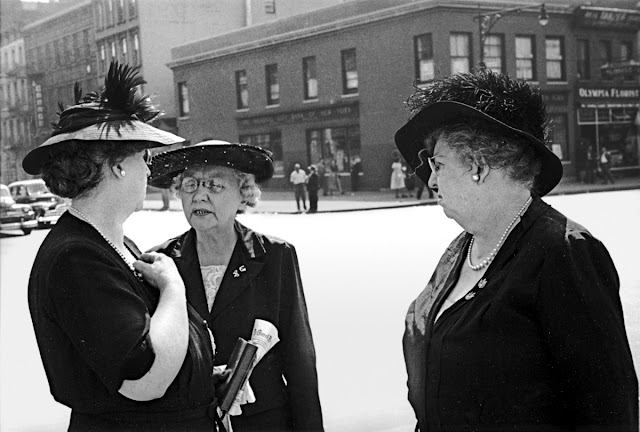
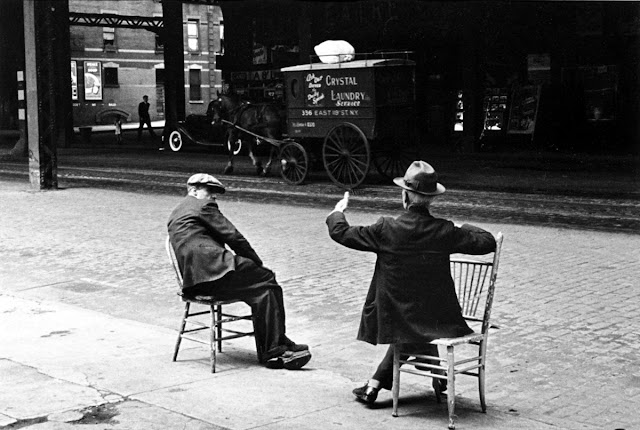
Yet for the majority of Levitt’s illustrious career (lasting until the 1990s), she ventured out of the underground to document life on Manhattan streets. She captured authentic moments — children playing on the sidewalk or dressing up for Halloween, a group of women gossiping — in neighborhoods including Harlem, the Lower East Side, and the Garment District.
Levitt spoke about her early pictures shot on the streets in the 1930s: “It was a good neighborhood for taking pictures in those days, because that was before television. There was a lot happening. And the older people would be sitting out on the stoops because of the heat. Those neighborhoods were very active.”
The New York Times, in 2009, described her as: “a major photographer of the 20th century who caught fleeting moments of surpassing lyricism, mystery and quiet drama on the streets of her native New York”.
New York, often called New York City (NYC) to distinguish it from the State of New York, is the most populous city in the United States. With a 2020 population of 8,804,190 distributed over 300.46 square miles (778.2 km2), New York City is also the most densely populated major city in the United States. Located at the southern tip of New York State, the city is the center of the New York metropolitan area, the largest metropolitan area in the world by urban landmass. With over 20.1 million people in its metropolitan statistical area and 23.5 million in its combined statistical area as of 2020, New York is one of the world’s most populous megacities. New York City is a global cultural, financial, and media center with a significant influence on commerce, entertainment, research, technology, education, politics, tourism, dining, art, fashion, and sports. New York is the most photographed city in the world. Home to the headquarters of the United Nations, New York is an important center for international diplomacy, an established safe haven for global investors, and is sometimes described as the capital of the world.
Situated on one of the world’s largest natural harbors, with water covering 36.4% of its surface area, New York City is composed of five boroughs, each of which is coextensive with a respective county of the state of New York. The five boroughs—Brooklyn (Kings County), Queens (Queens County), Manhattan (New York County), the Bronx (Bronx County), and Staten Island (Richmond County)—were created when local governments were consolidated into a single municipal entity in 1898.The city and its metropolitan area constitute the premier gateway for legal immigration to the United States. As many as 800 languages are spoken in New York, making it the most linguistically diverse city in the world. New York is home to more than 3.2 million residents born outside the United States, the largest foreign-born population of any city in the world as of 2016. As of 2018, the New York metropolitan area is estimated to produce a gross metropolitan product (GMP) of nearly $1.8 trillion, ranking it first in the United States. If the New York metropolitan area were a sovereign state, it would have the eighth-largest economy in the world. New York is home to the highest number of billionaires of any city in the world.
New York City traces its origins to a trading post founded on the southern tip of Manhattan Island by Dutch colonists in approximately 1624. The settlement was named New Amsterdam (Dutch: Nieuw Amsterdam) in 1626 and was chartered as a city in 1653. The city came under English control in 1664 and was renamed New York after King Charles II of England granted the lands to his brother, the Duke of York. The city was regained by the Dutch in July 1673 and was renamed New Orange for one year and three months; the city has been continuously named New York since November 1674. New York City was the capital of the United States from 1785 until 1790, and has been the largest U.S. city since 1790. The Statue of Liberty greeted millions of immigrants as they came to the U.S. by ship in the late 19th and early 20th centuries, and is a symbol of the U.S. and its ideals of liberty and peace. In the 21st century, New York has emerged as a global node of creativity, entrepreneurship, and environmental sustainability, and as a symbol of freedom and cultural diversity.The New York Times has won the most Pulitzer Prizes for journalism and remains the U.S. media’s “newspaper of record”.In 2019, New York was voted the greatest city in the world per a survey of over 30,000 people from 48 cities worldwide, citing its cultural diversity.
Many districts and monuments in New York City are major landmarks, including three of the world’s ten most visited tourist attractions in 2013. A record 66.6 million tourists visited New York City in 2019. Times Square is the brightly illuminated hub of the Broadway Theater District, one of the world’s busiest pedestrian intersections, and a major center of the world’s entertainment industry. Many of the city’s landmarks, skyscrapers, and parks are known around the world, as is the city’s fast pace, spawning the term New York minute. The Empire State Building has become the global standard of reference to describe the height and length of other structures. Manhattan’s real estate market is among the most expensive in the world. Providing continuous 24/7 service and contributing to the nickname The City That Never Sleeps, the New York City Subway is the largest single-operator rapid transit system worldwide, with 472 passenger rail stations; and Penn Station in Midtown Manhattan is the busiest transportation hub in the Western Hemisphere. The city has over 120 colleges and universities, including Columbia University, New York University, and the City University of New York system, which is the largest urban public university system in the United States. Anchored by Wall Street in the Financial District of Lower Manhattan, New York City has been called both the world’s leading financial center and the most powerful city in the world, and is home to the world’s two largest stock exchanges by total market capitalization, the New York Stock Exchange and Nasdaq. (Wikipedia)
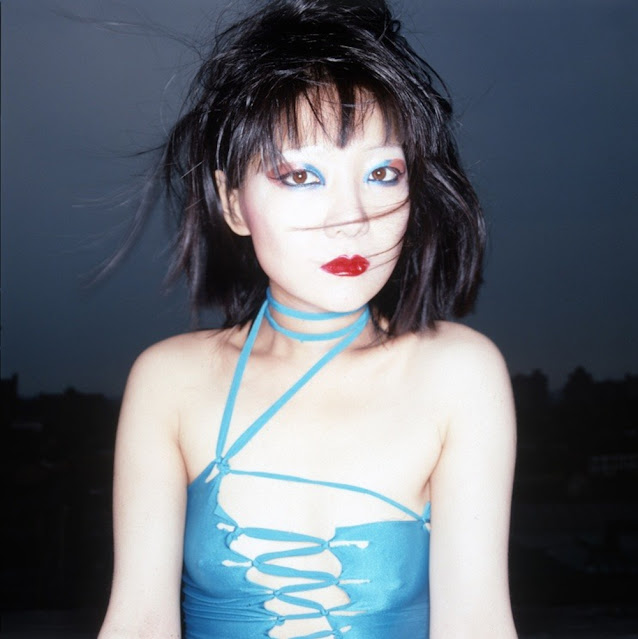
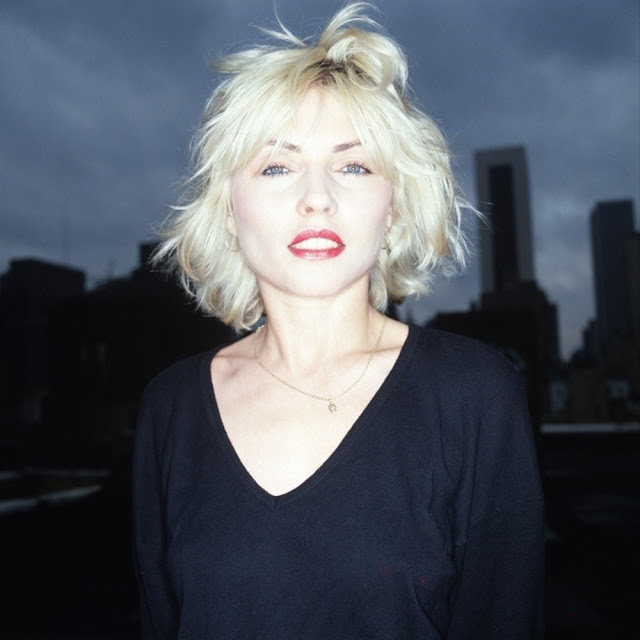
Edo Bertoglio is a Swiss photographer and film director. He received his degree in film directing and editing at the Conservatoire Libre du Cinema Francais in Paris in 1975. He moved to New York City in 1976, where he found work as a photographer for Italian Vogue, and Andy Warhol’s Interview, and other magazines.
He became involved in the downtown art and music scenes of the late 1970s and early ’80s. During this time he was married to fashion designer Maripol, whom he has since divorced. He also took his photography experience and familiarity to rock music to do photographic work for the covers of LPs, completing many assignments for Atlantic, Arista, Chrysalis Records and Warner Brothers Records. He photographed The Bongos for RCA Records and for GQ Magazine. He also worked on Glenn O’Brien’s late night countercultural talk show TV Party.
In 1980, Bertoglio and Maripol secured backing from Rizzoli, through Fiorucci, to produce a film (with rock critic Glenn O’Brien) about the No Wave music scene and the general Lower East Side milieu. The film, titled New York Beat, was directed by Bertoglio, and young graffiti writer and future artist Jean-Michel Basquiat played the lead role, which was written by O’Brien to mirror his real life. The no-wave bands DNA, Tuxedomoon, The Plastics, James Chance and the Contortions, and others appear in the movie, as well as Kid Creole and the Coconuts. Fab Five Freddy, Deborah Harry and others play bit parts. After shooting finished in January 1981 Rizzoli pulled out of funding the project, and footage lay unedited for almost 20 years until it was released under the title Downtown 81 in 2000.