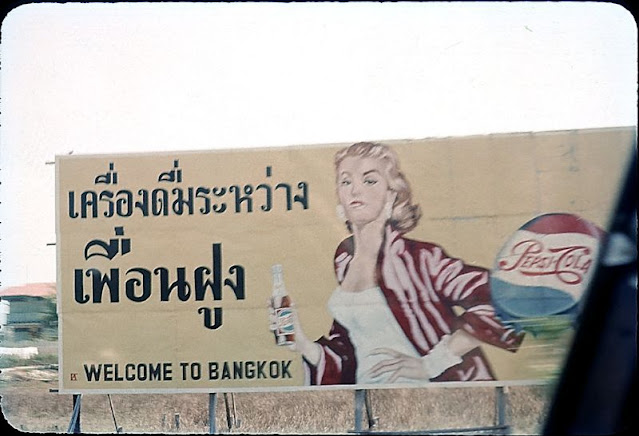
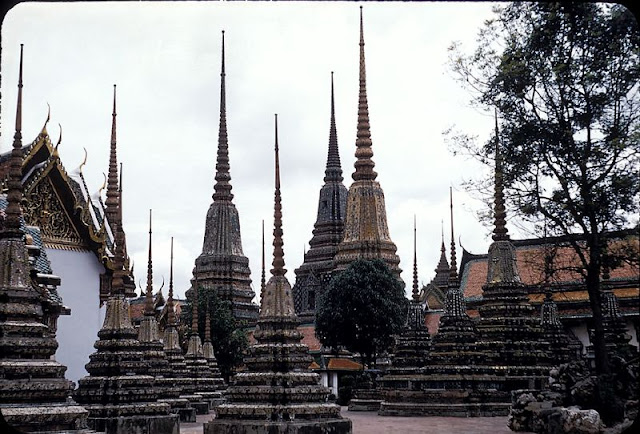
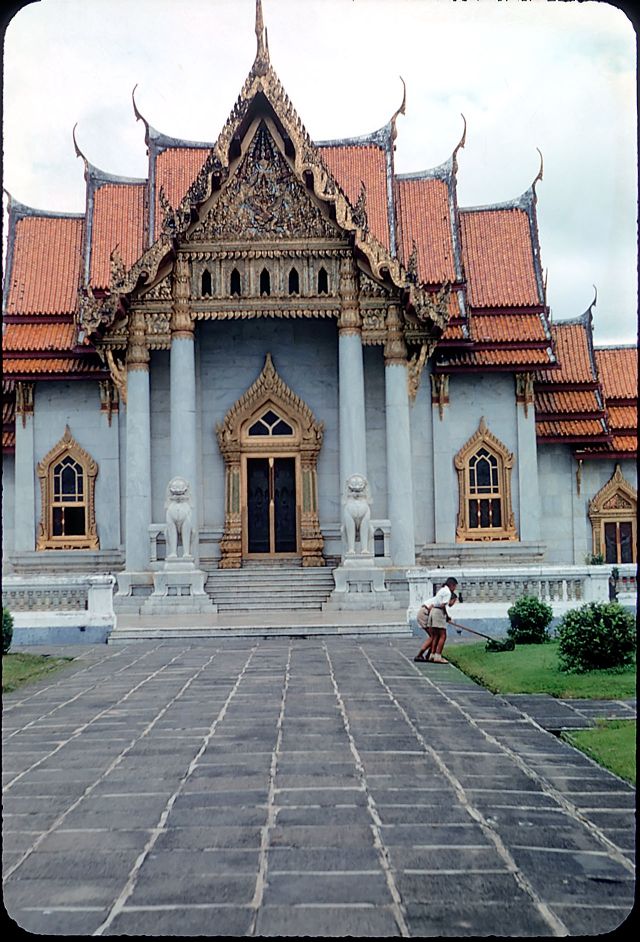
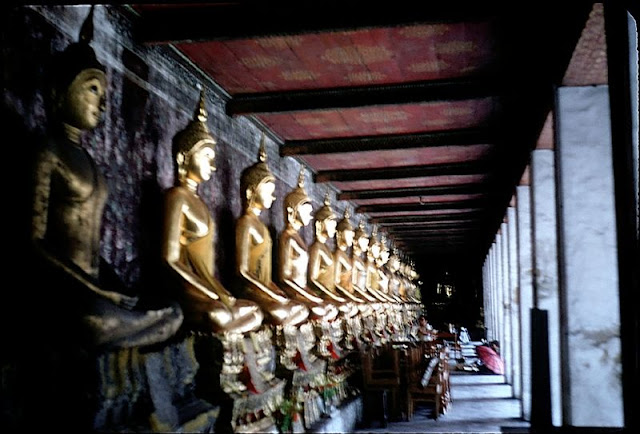
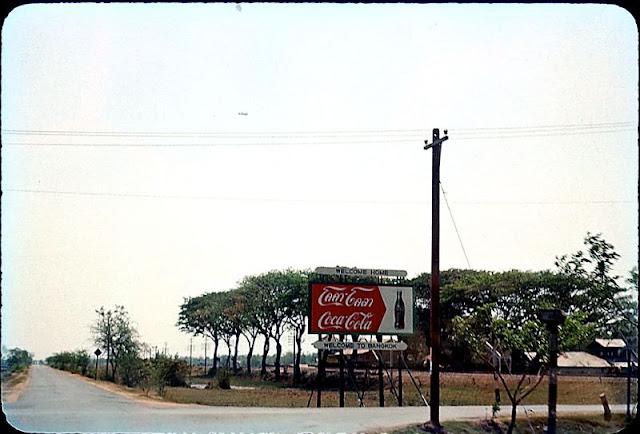
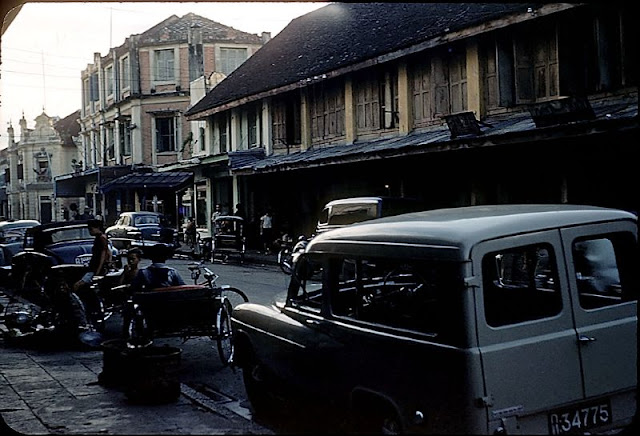
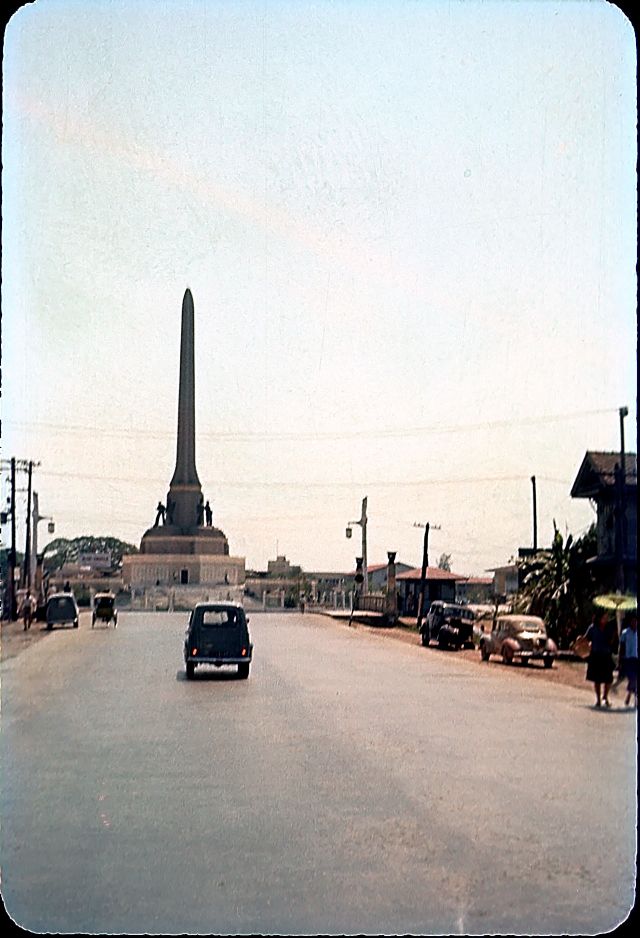
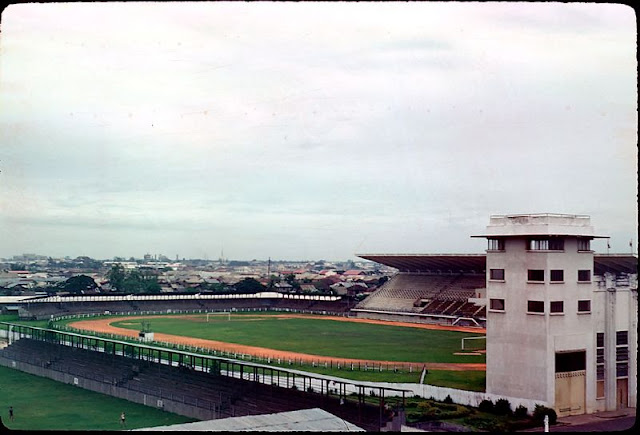
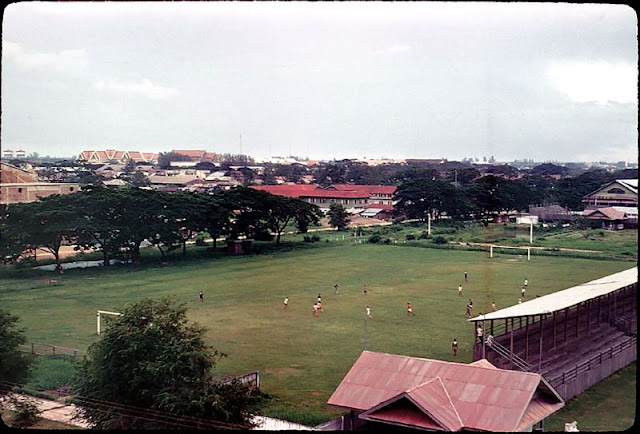
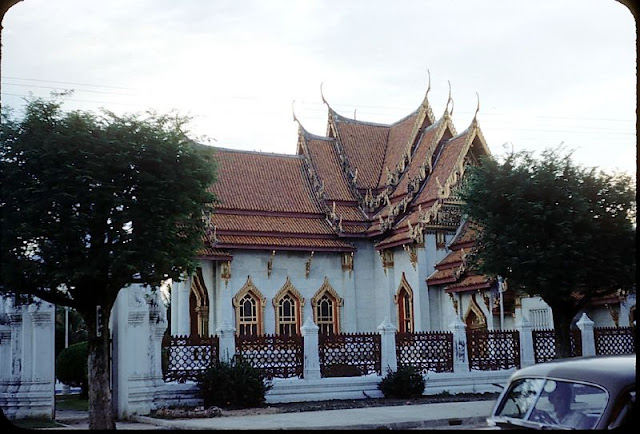
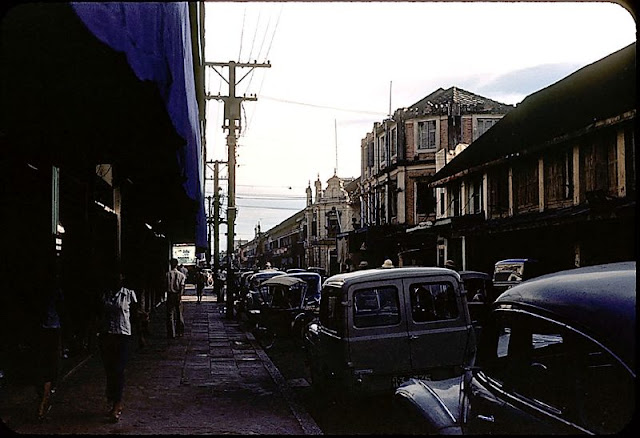
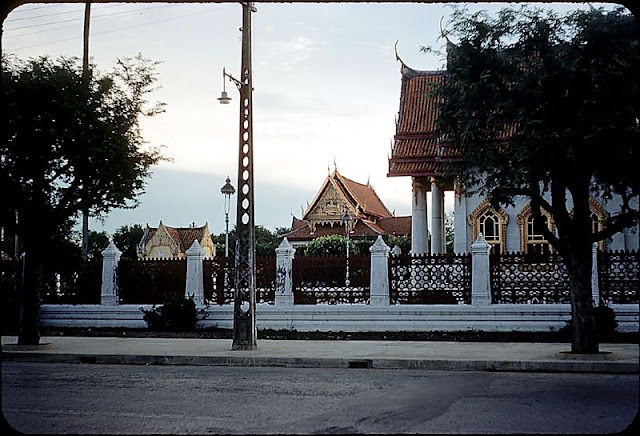
Bangkok, officially known in Thai as Krung Thep Maha Nakhon and colloquially as Krung Thep, is the capital and most populous city of Thailand. The city occupies 1,568.7 square kilometres (605.7 sq mi) in the Chao Phraya River delta in central Thailand and has an estimated population of 10.539 million as of 2020, 15.3 percent of the country’s population. Over 14 million people (22.2 percent) lived within the surrounding Bangkok Metropolitan Region at the 2010 census, making Bangkok an extreme primate city, dwarfing Thailand’s other urban centres in both size and importance to the national economy.
Bangkok traces its roots to a small trading post during the Ayutthaya Kingdom in the 15th century, which eventually grew and became the site of two capital cities, Thonburi in 1768 and Rattanakosin in 1782. Bangkok was at the heart of the modernization of Siam, later renamed Thailand, during the late-19th century, as the country faced pressures from the West. The city was at the centre of Thailand’s political struggles throughout the 20th century, as the country abolished absolute monarchy, adopted constitutional rule, and underwent numerous coups and several uprisings. The city, incorporated as a special administrative area under the Bangkok Metropolitan Administration in 1972, grew rapidly during the 1960s through the 1980s and now exerts a significant impact on Thailand’s politics, economy, education, media and modern society.
The Asian investment boom in the 1980s and 1990s led many multinational corporations to locate their regional headquarters in Bangkok. The city is now a regional force in finance and business. It is an international hub for transport and health care, and has emerged as a centre for the arts, fashion, and entertainment. The city is known for its street life and cultural landmarks, as well as its red-light districts. The Grand Palace and Buddhist temples including Wat Arun and Wat Pho stand in contrast with other tourist attractions such as the nightlife scenes of Khaosan Road and Patpong. Bangkok is among the world’s top tourist destinations, and has been named the world’s most visited city consistently in several international rankings.
Bangkok’s rapid growth coupled with little urban planning has resulted in a haphazard cityscape and inadequate infrastructure. Despite an extensive expressway network, an inadequate road network and substantial private car usage have led to chronic and crippling traffic congestion, which caused severe air pollution in the 1990s. The city has since turned to public transport in an attempt to solve the problem, operating eight urban rail lines and building other public transit, but congestion still remains a prevalent issue. The city faces long-term environmental threats such as sea level rise due to climate change. (Wikipedia)
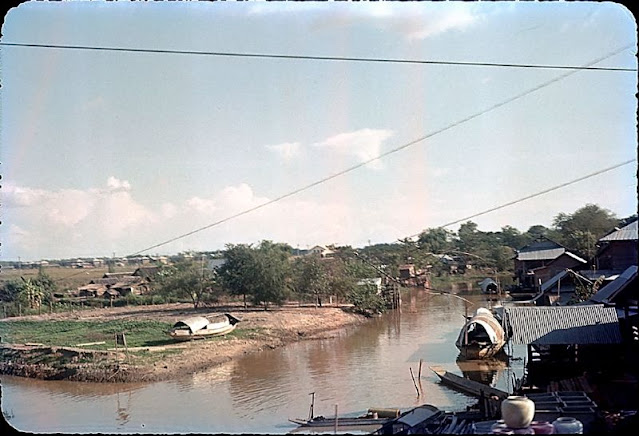
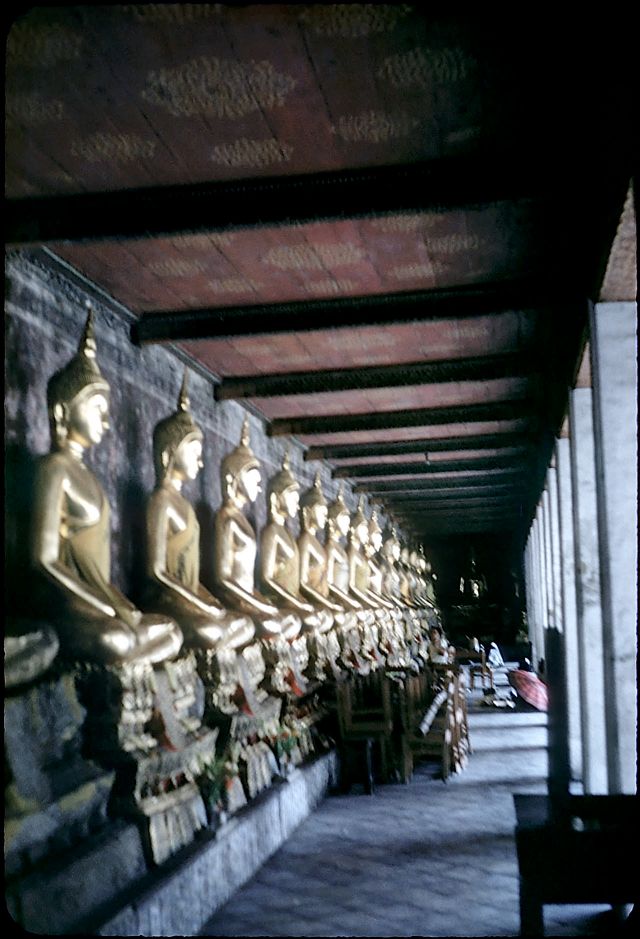
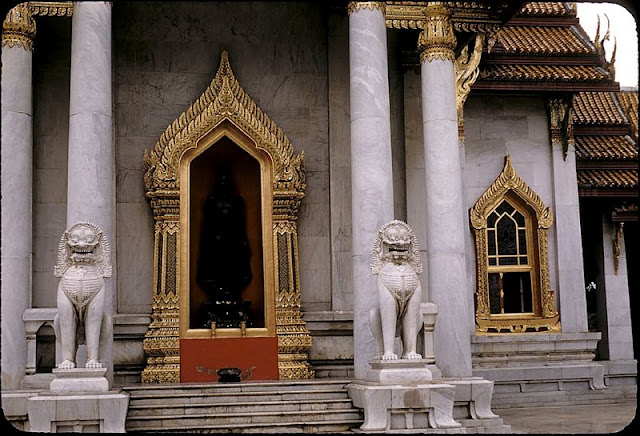
Here below is a set of vintage color photos from jcator that show street scenes of Bangkok in 1955.
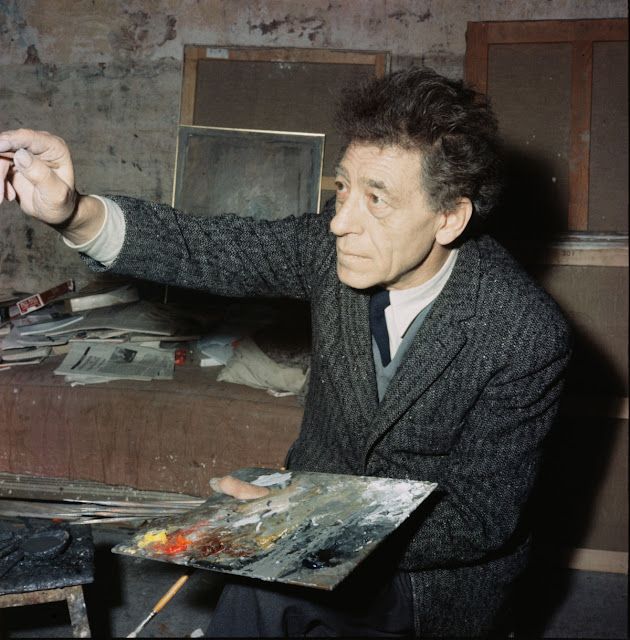
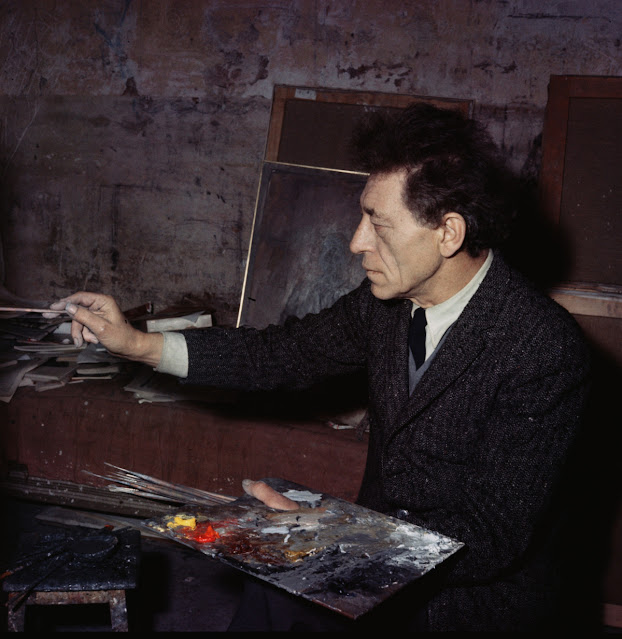
Alberto Giacometti was born in Switzerland to an artistic family in 1901. His father was post-Impressionist painter Giovanni Giacometti; his father’s second cousin was Symbolist painter Augusto Giacometti; and his godfather Fauvist Cuno Amiet. In addition to his three younger siblings, two of Alberto’s cousins were raised in his family home after they became orphaned. His brothers Diego and Bruno also worked as artists.
Giacometti was famously extremely self-critical, which motivated his prolific and wide-ranging career: “The more you fail, the more you succeed.” The 100 Swiss franc note features a portrait of Giacometti on one side, and a reproduction of his 1961 sculpture, L’Homme Qui Marche, on the other.
Giacometti began working in various media at a young age. He sent pencil drawings to his godfather beginning in 1911, and began oil painting in his father’s studio in 1913. By 1914 he began modeling the heads of his brothers in plasticine. He moved to Paris at age 21 to study at the Académie de la Grande Chaumière, under Antoine Bourdelle, who had worked and taught with Auguste Rodin.
From the late 1920s until 1935, Giacometti’s work reflected the ideals of the Surrealists and appeared in exhibitions alongside the work of Joan Miró, Hans Arp and Salvador Dalì. He quickly became a leading Surrealist sculptor.
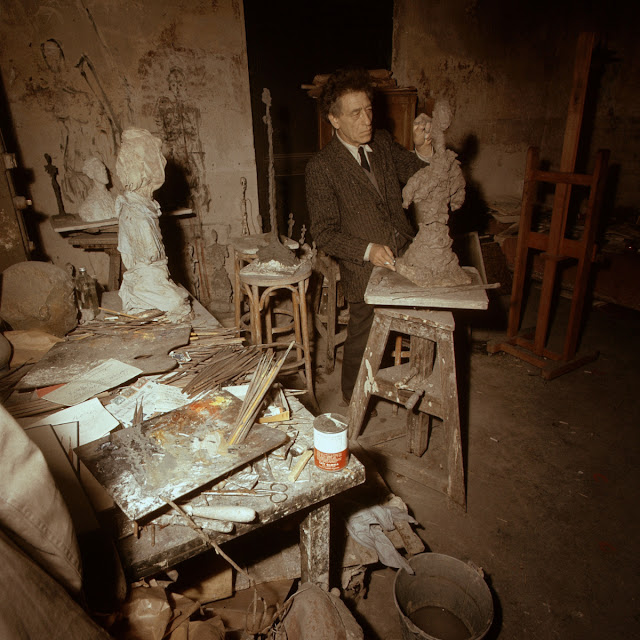
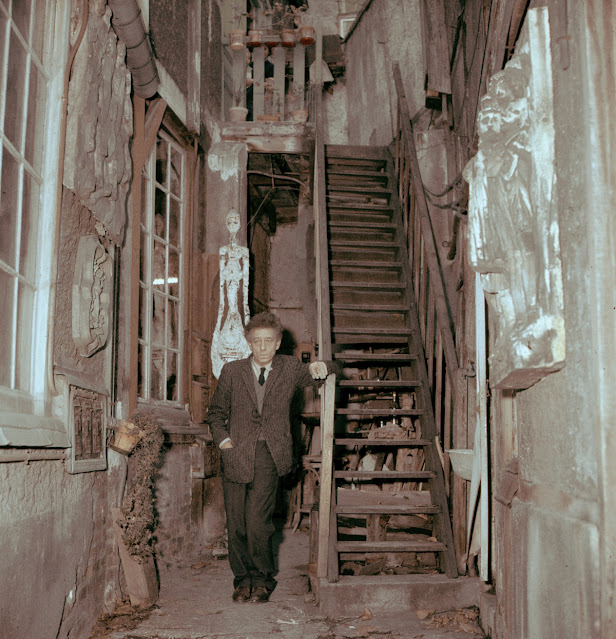
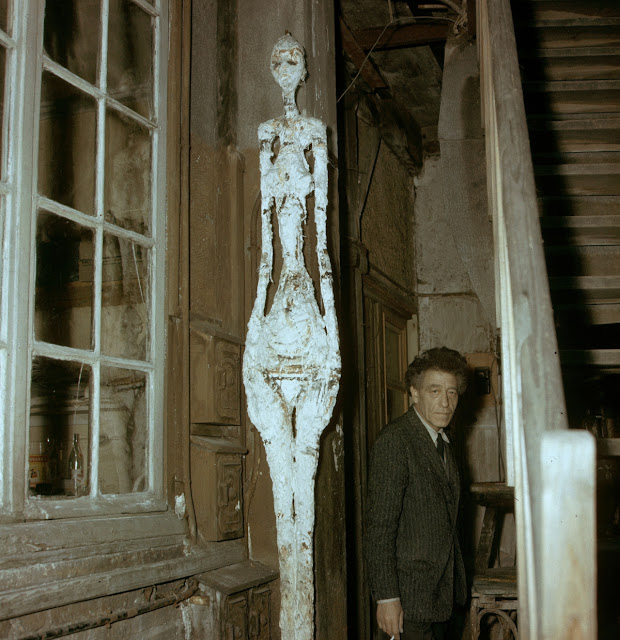
Until his death in 1966, Giacometti occupied the small, shabby Paris studio he bought in 1926, despite the commercial, critical, and financial success he experienced during much of his life. His American biographer James Lord referred to the studio as a “dump” and a tree branch famously grew through one of its walls.
In the last weeks of his life, Giacometti vacillated between losing his will to live or work after hearing an undesirable prognosis, and renewed hope and a zealous undertaking of working from his hospital room. He died of heart complications from years of suffering from bronchitis and chain-smoking. His funeral in his hometown of Borgonovo was attended by family, residents of nearby towns, members of Swiss authorities and the French government, and countless museum directors, art dealers and artists from around the world.
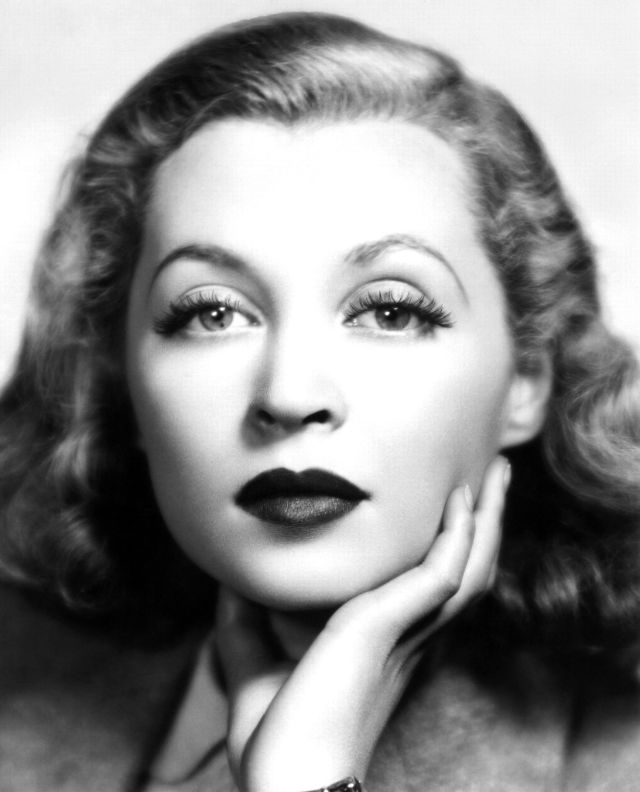
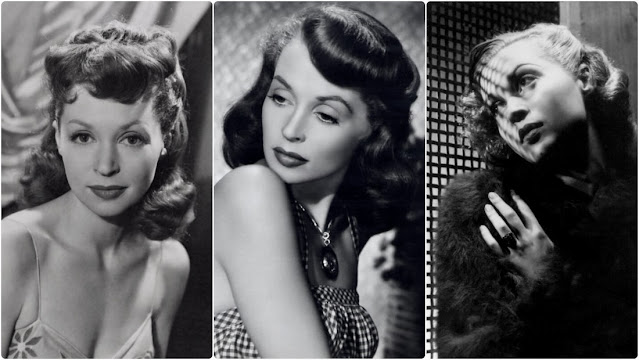
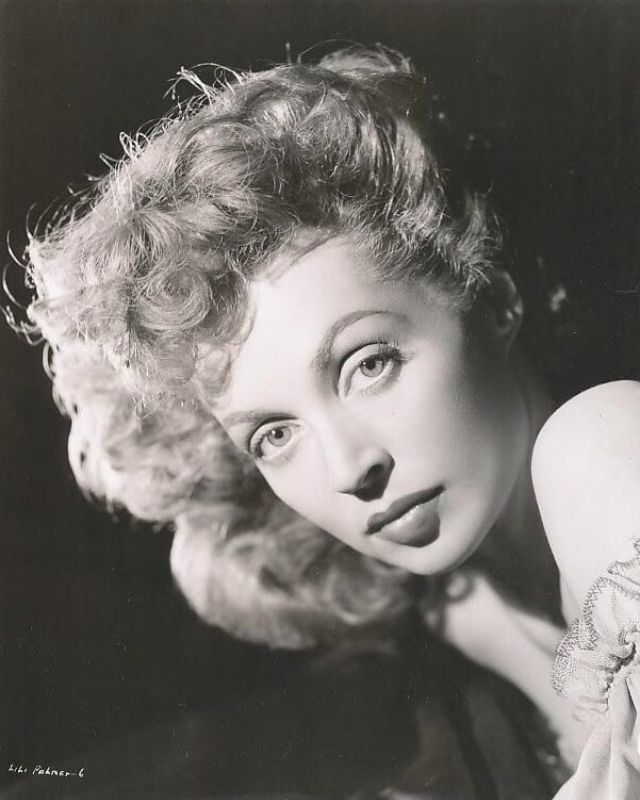
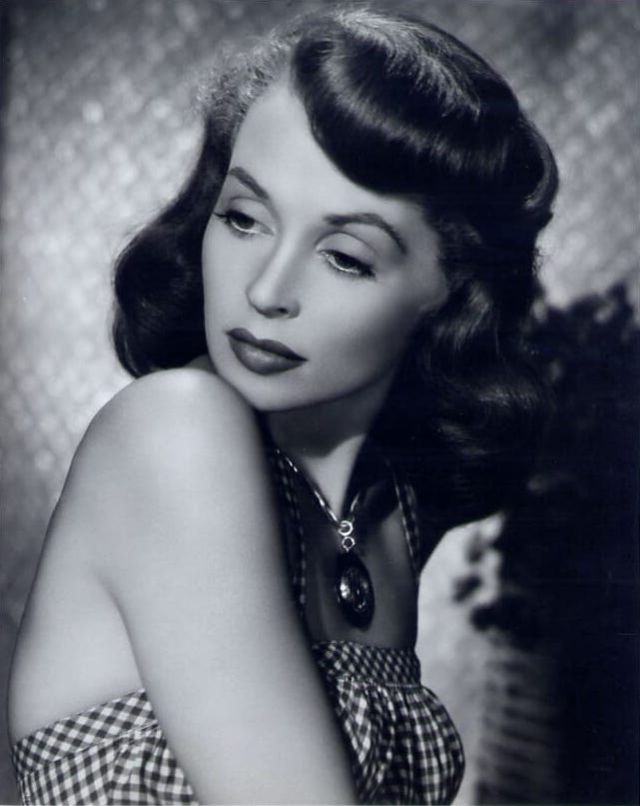
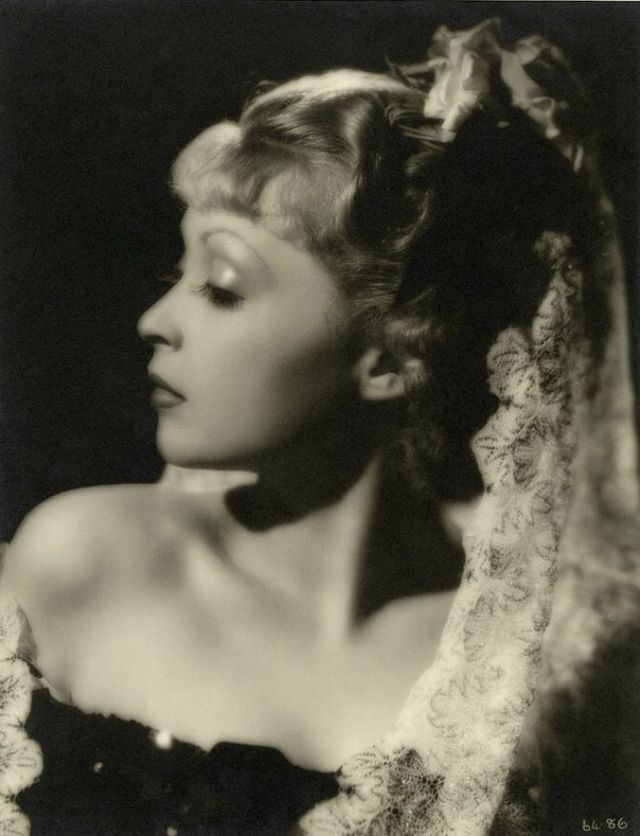
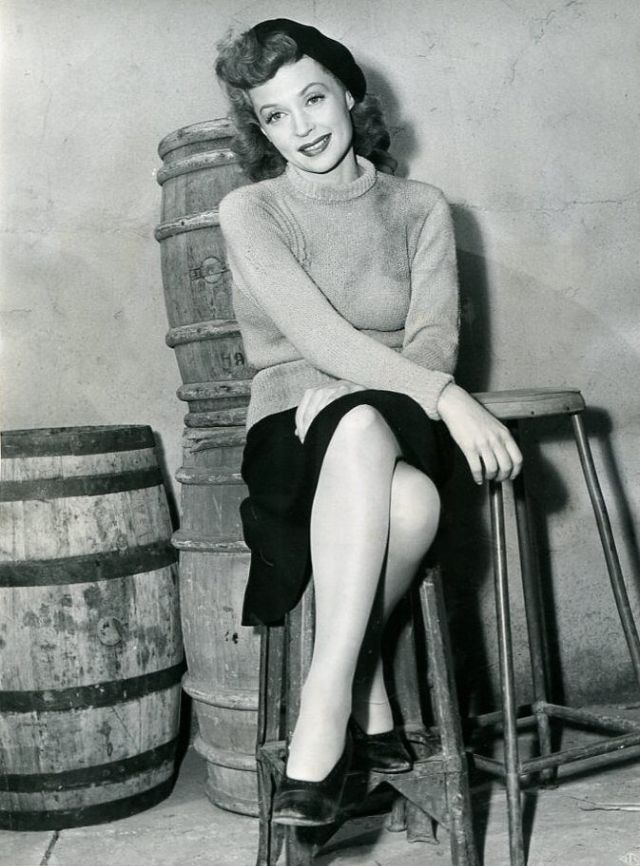
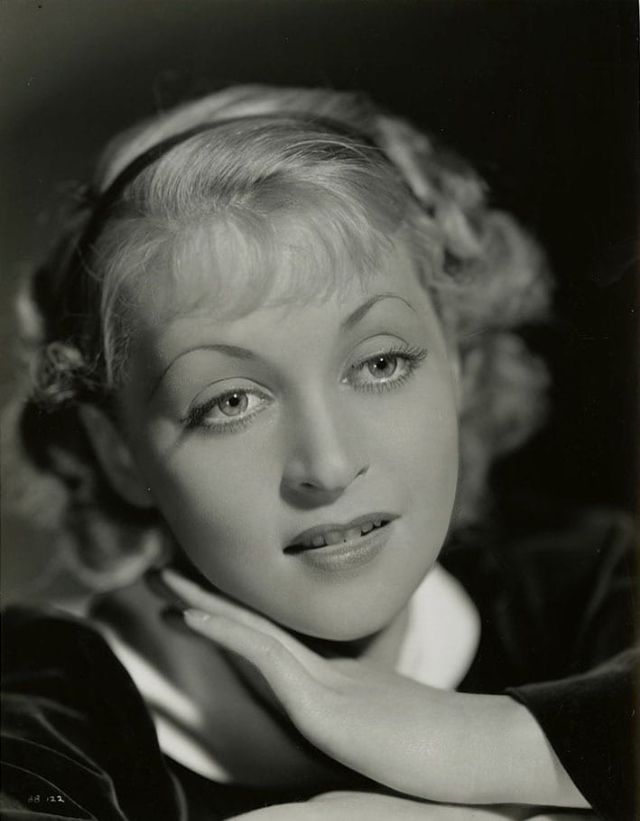
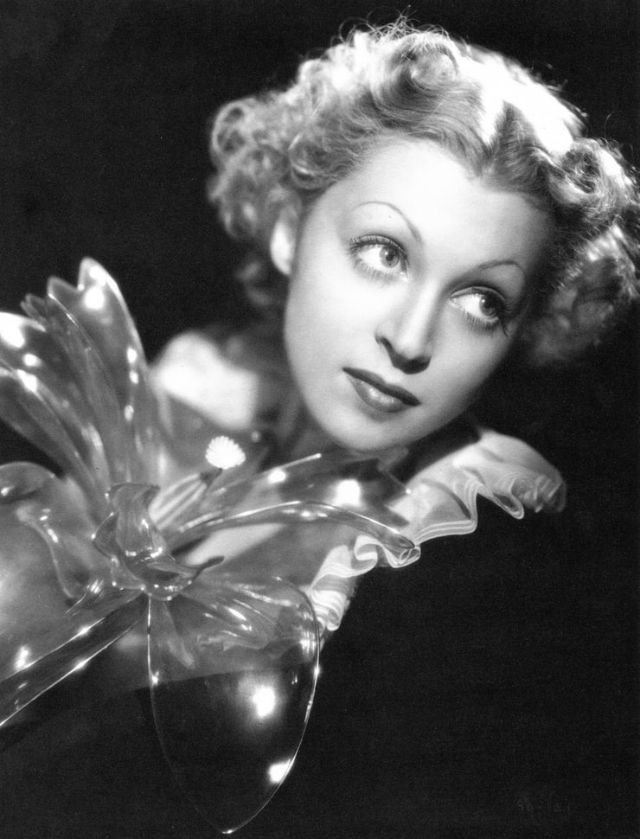
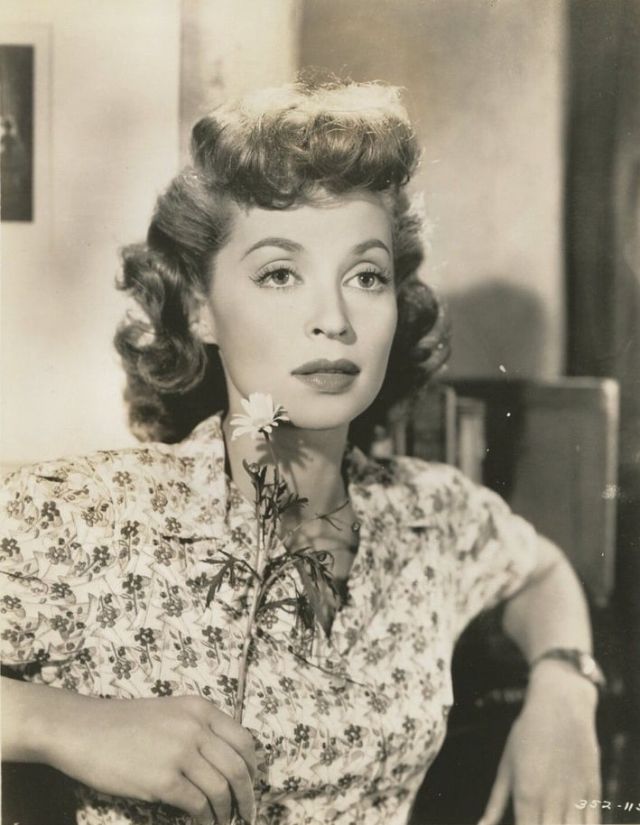
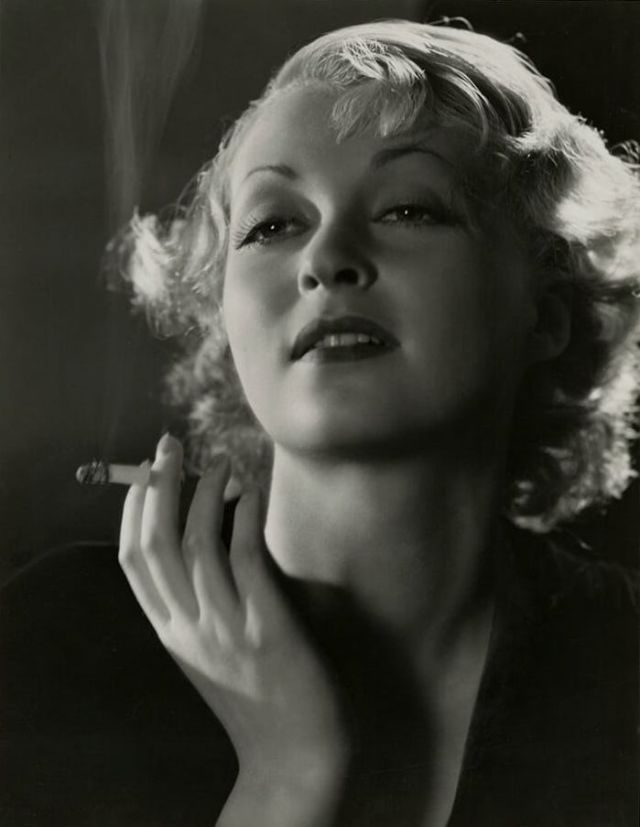
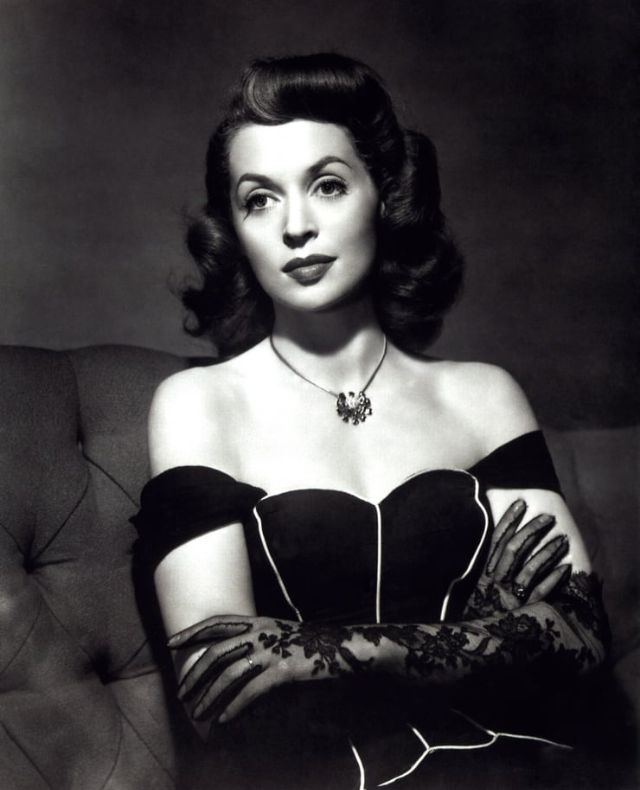
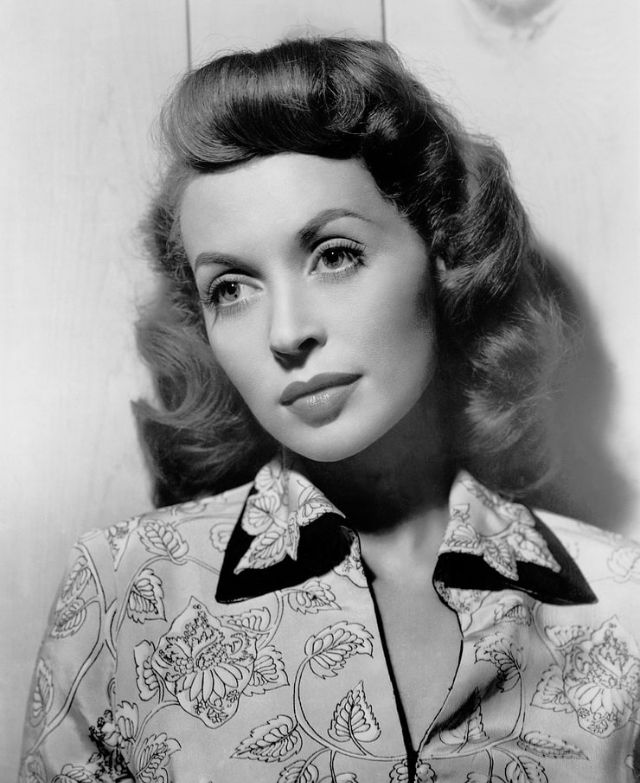
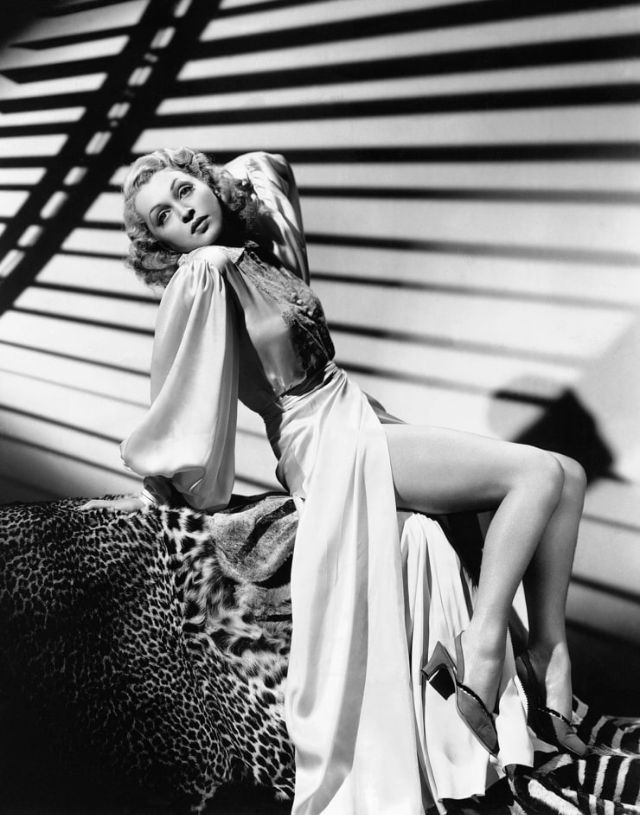
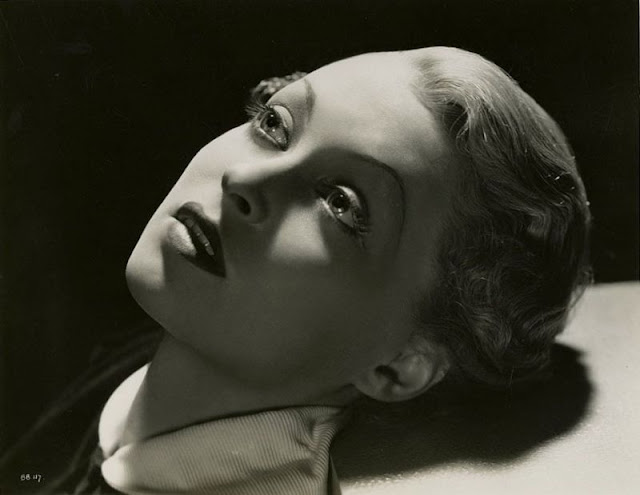
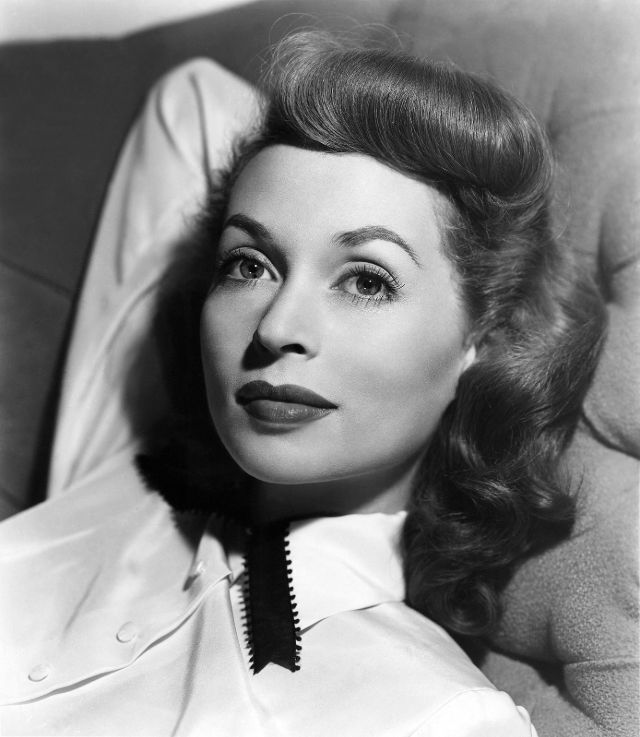
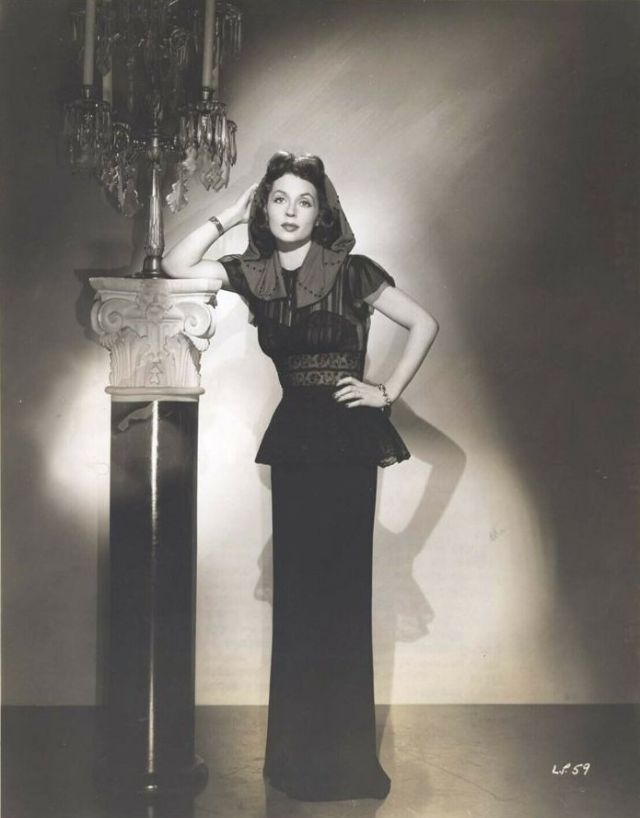
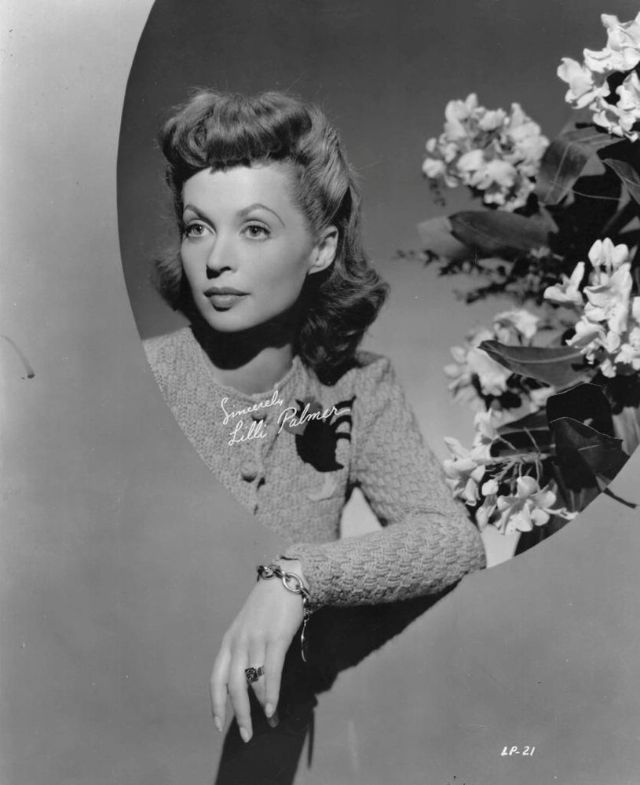
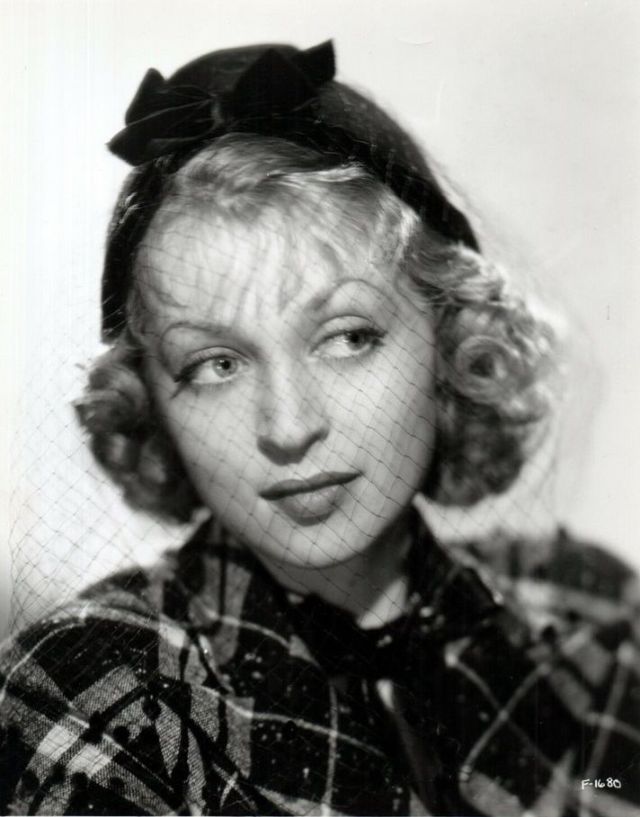
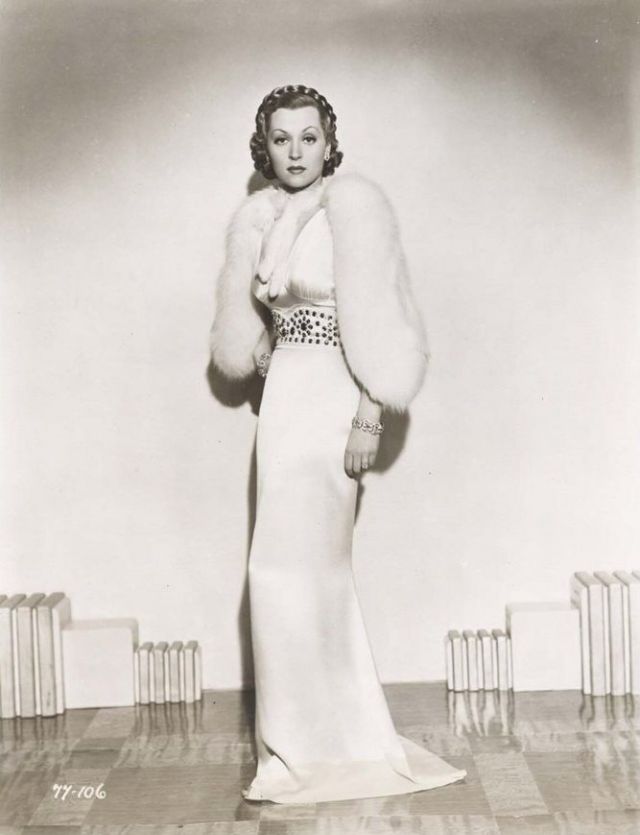
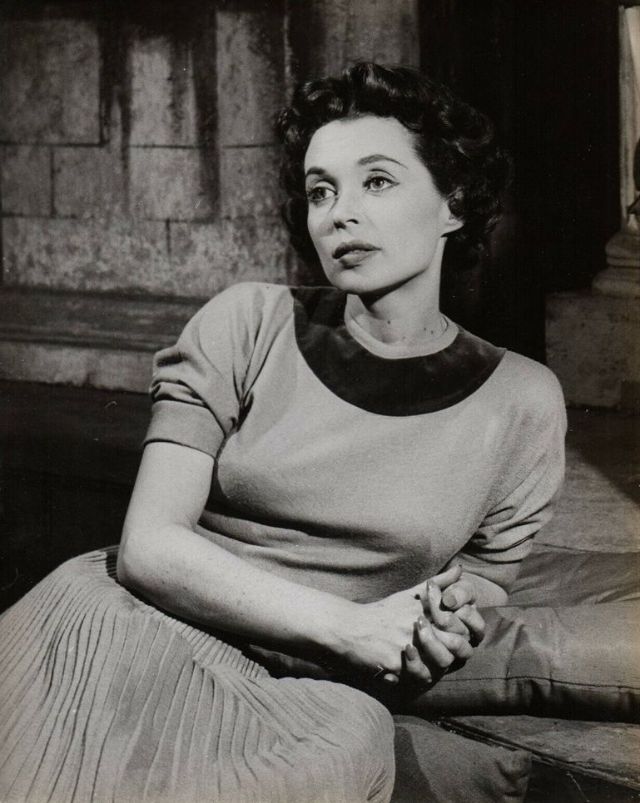
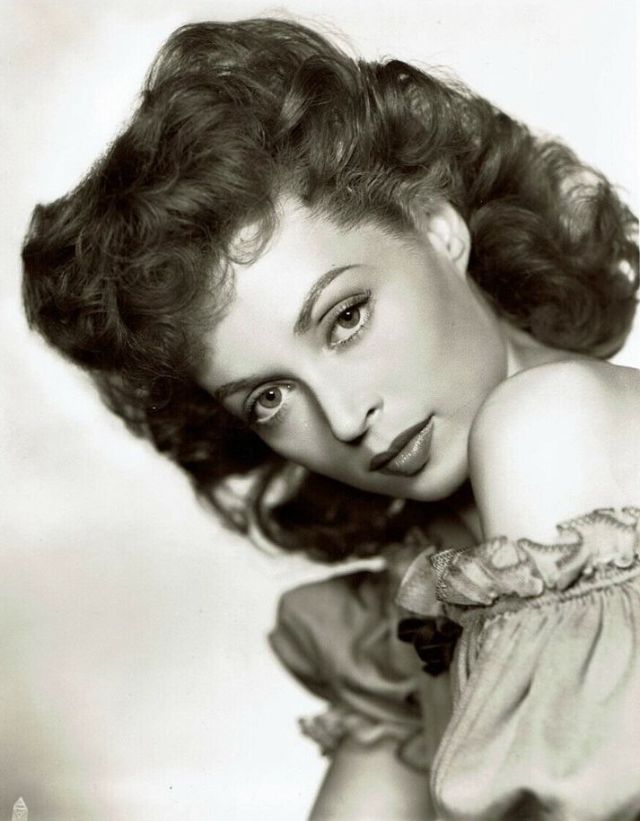
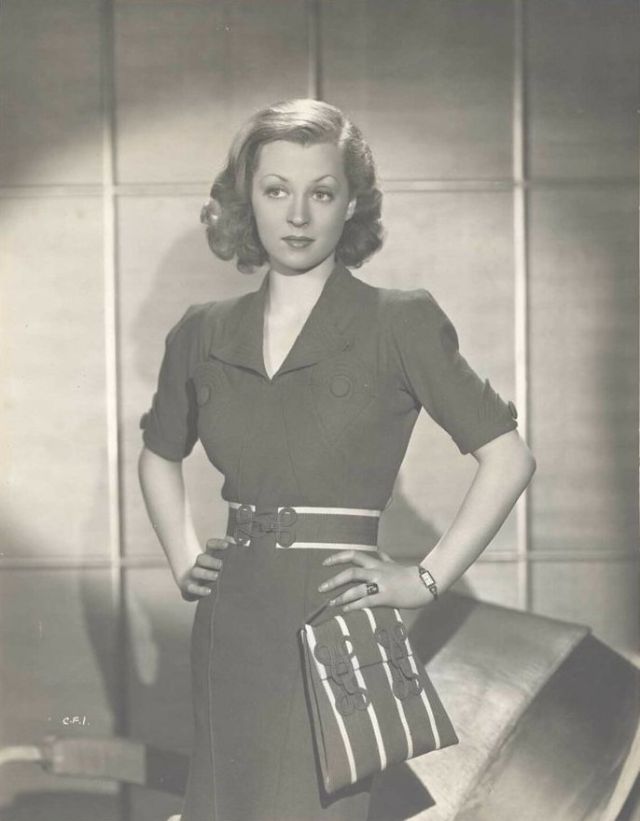
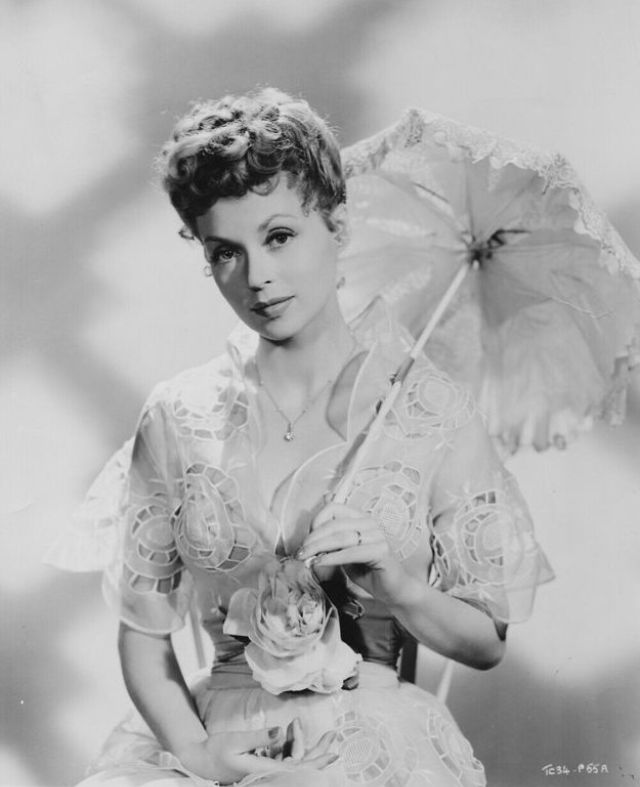
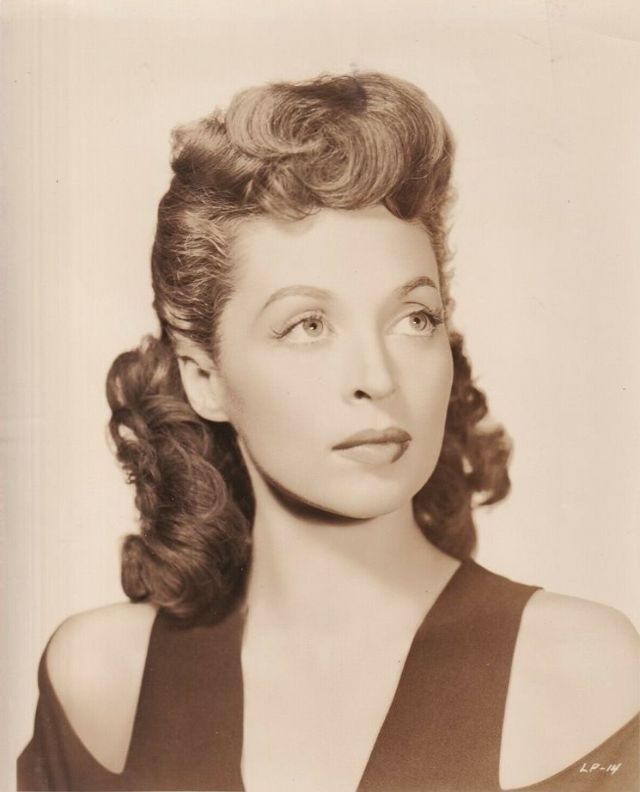
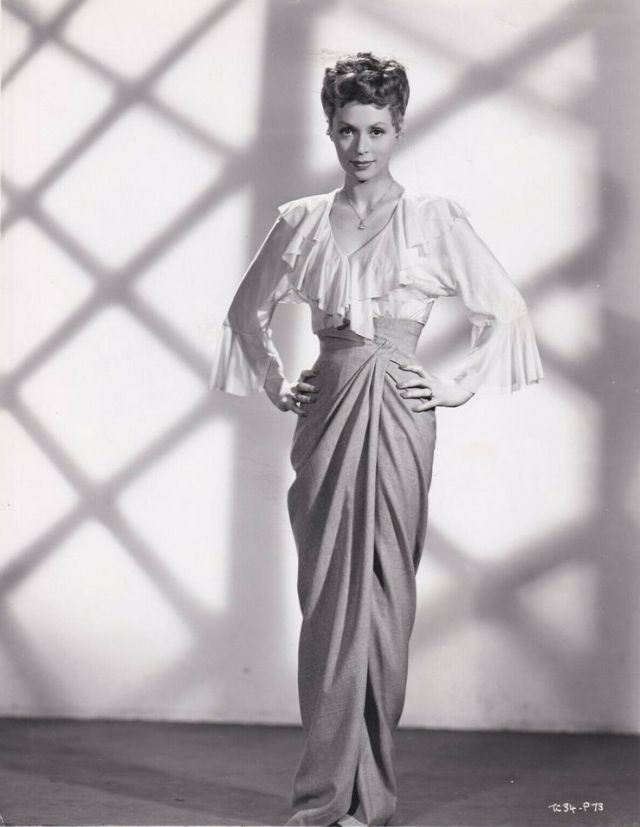
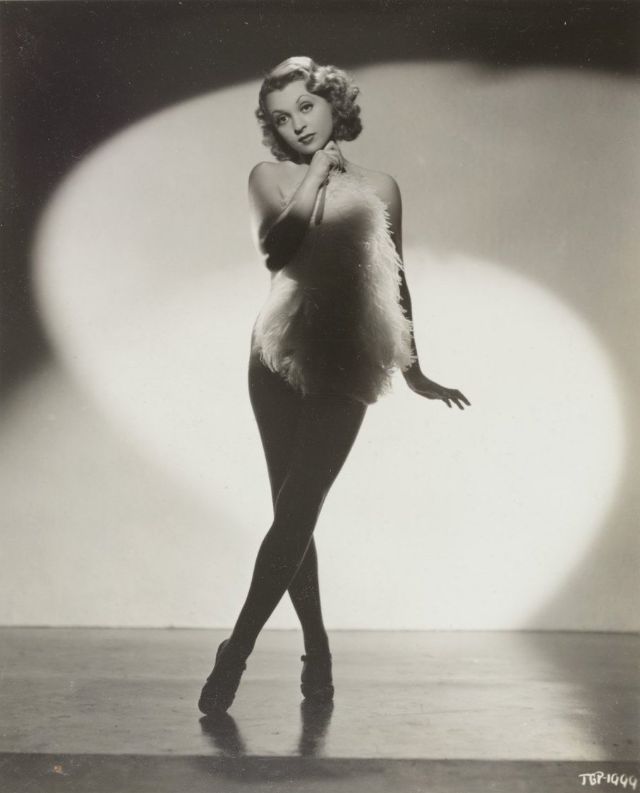
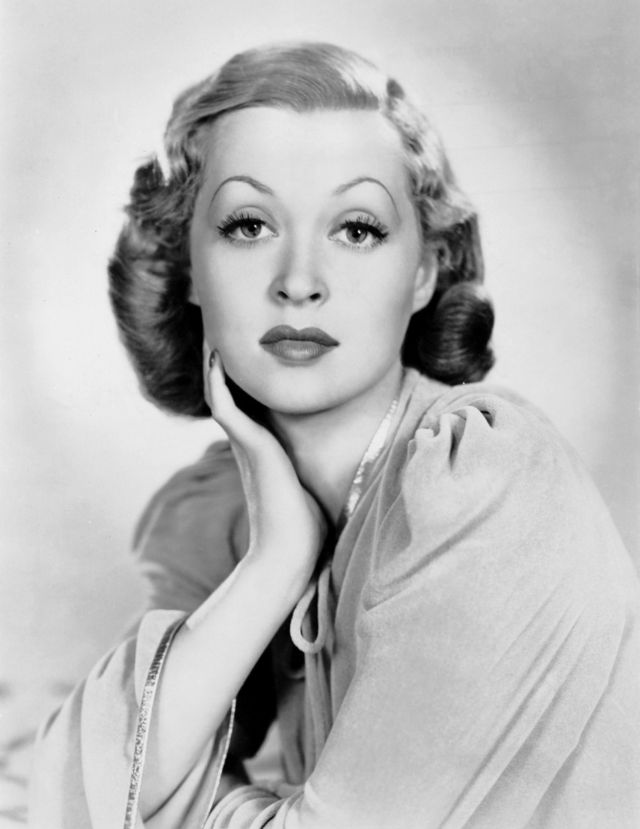
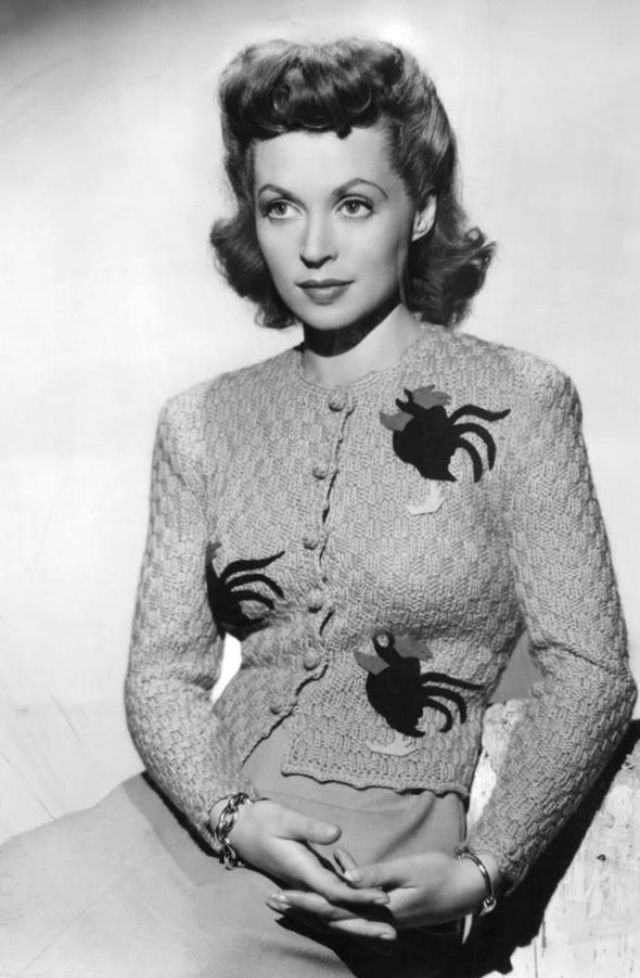
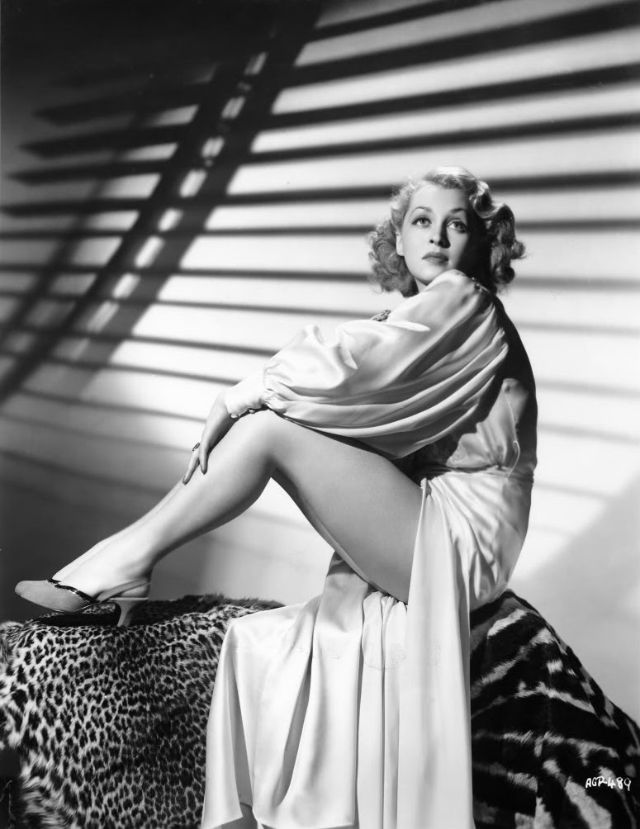
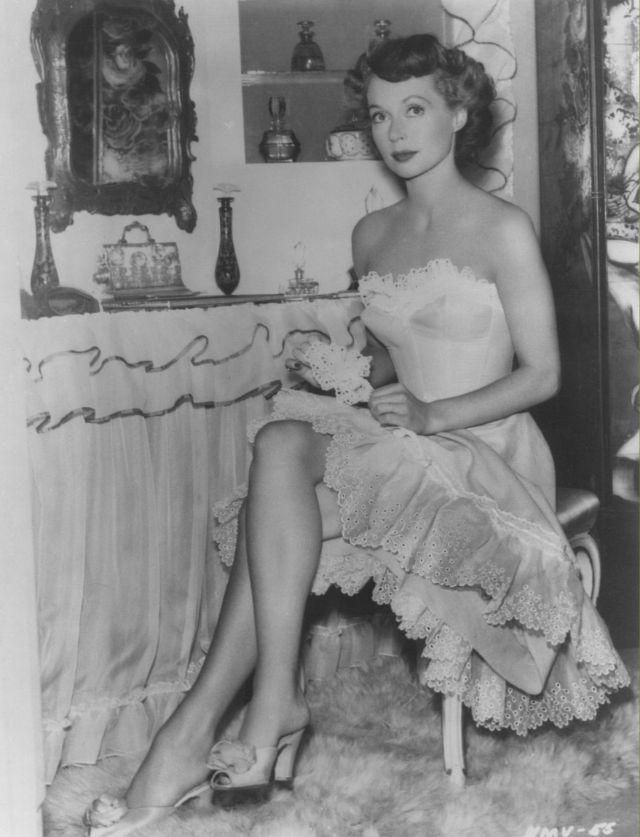
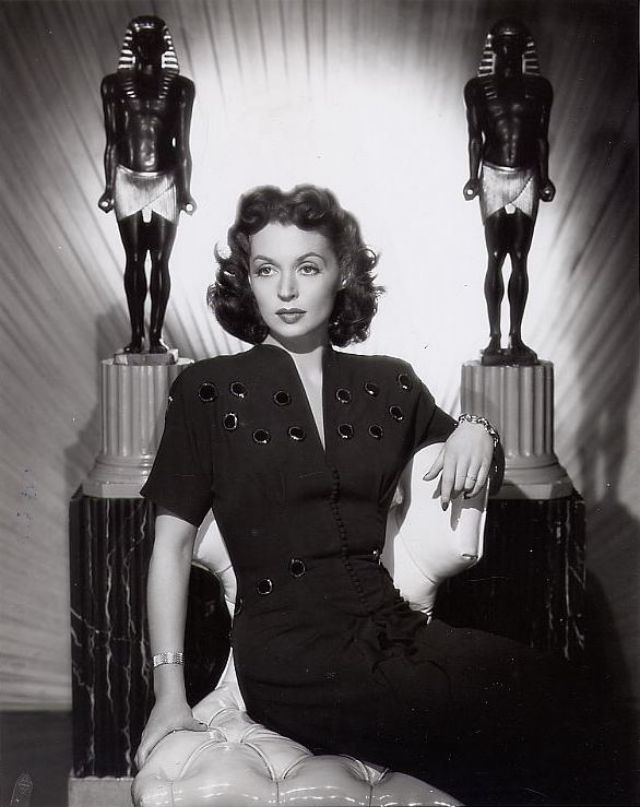
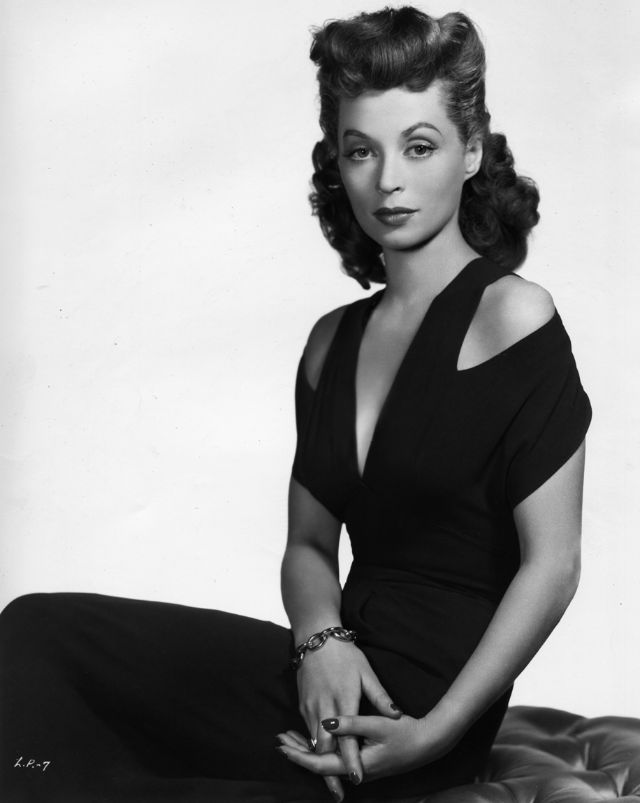
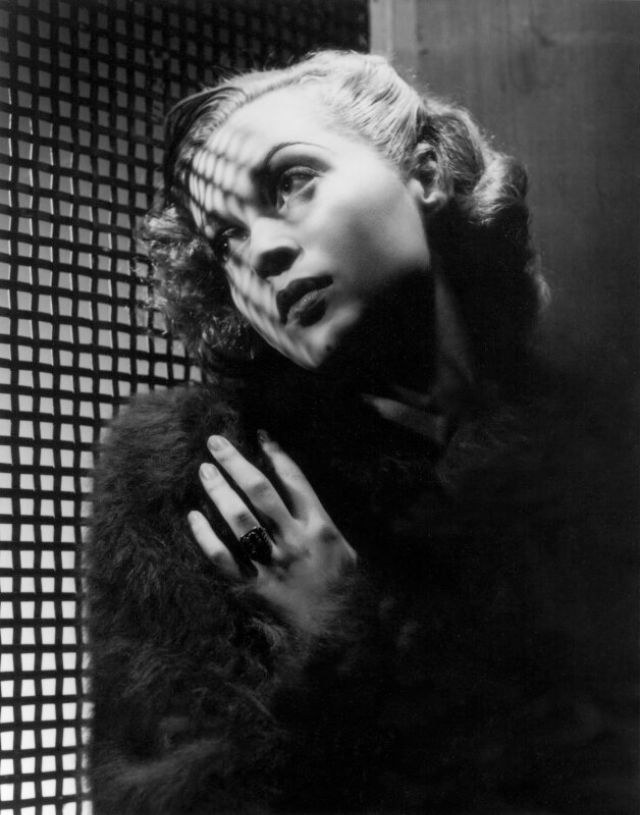
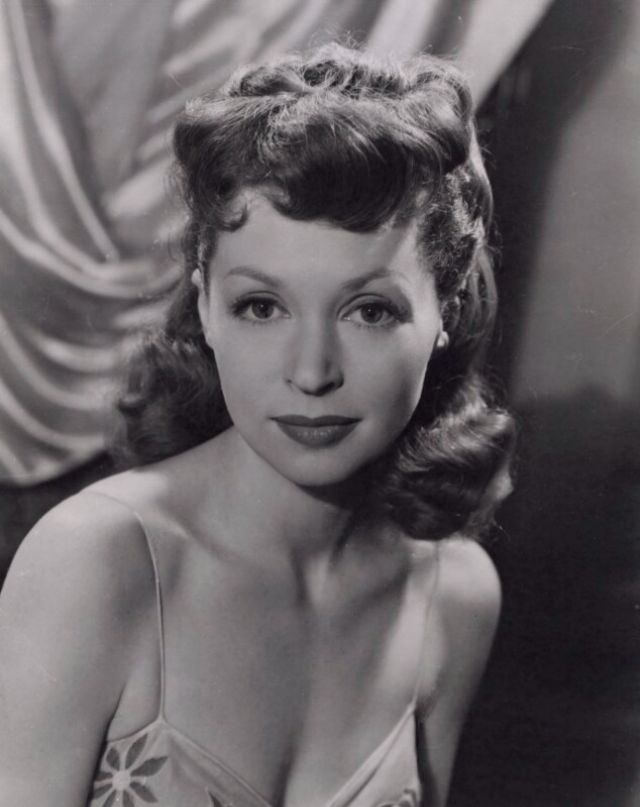
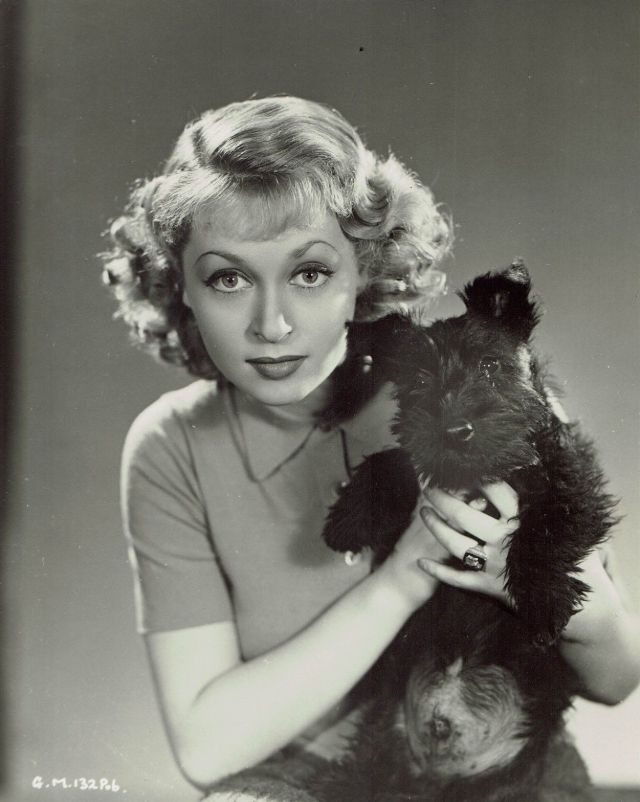
Born 1914 in Posen, German Empire (now Poznań, Poland), German actress Lilli Palmer appeared in an operetta at the Moulin Rouge in France, and then to London, where she began her film career.
After beginning her career in British films in the 1930s, Palmer would later transition to major Hollywood productions, earning a Golden Globe Award nomination for her performance in But Not for Me (1959).
Palmer’s other notable roles include in the comedy The Pleasure of His Company (1961), the Spanish horror film The House That Screamed (1969), and in the miniseries Peter the Great (1986), which earned her another Golden Globe Award nomination. For her career in European films, she won the Volpi Cup, and the Deutscher Filmpreis three times.
Palmer died in Los Angeles from abdominal cancer in 1986 at the age of 71. Take a look at these vintage photos to see the beauty of young Lilli Palmer in the 1930s and 1940s.
Hollywood is a neighborhood in the central region of Los Angeles, California. Its name has come to be a shorthand reference for the U.S. film industry and the people associated with it. Many notable film studios such as Columbia Pictures, Walt Disney Studios, Paramount Pictures, Warner Bros., and Universal Pictures are located near or in Hollywood; Paramount still has its studios there.
Hollywood was incorporated as a municipality in 1903. It was consolidated with the city of Los Angeles in 1910 and soon thereafter a prominent film industry emerged, eventually becoming the most recognizable in the world.
H.J. Whitley, a real estate developer, arranged to buy the 480-acre (1.9 km2) E.C. Hurd ranch. They agreed on a price and shook hands on the deal. Whitley shared his plans for the new town with General Harrison Gray Otis, publisher of the Los Angeles Times, and Ivar Weid, a prominent businessman in the area.
Daeida Wilcox, who donated land to help in the development of Hollywood, learned of the name Hollywood from an acquaintance who owned an estate by that name in Illinois. Mrs. Wilcox is quoted as saying, “I chose the name Hollywood simply because it sounds nice and because I’m superstitious and holly brings good luck.” She recommended the same name to her husband, Harvey H. Wilcox, who had purchased 120 acres on February 1, 1887. It wasn’t until August 1887 Wilcox decided to use that name and filed with the Los Angeles County Recorder’s office on a deed and parcel map of the property.
By 1900, the region had a post office, newspaper, hotel, and two markets. Los Angeles, with a population of 102,479 lay 10 miles (16 km) east through the vineyards, barley fields, and citrus groves. A single-track streetcar line ran down the middle of Prospect Avenue from it, but service was infrequent and the trip took two hours. The old citrus fruit-packing house was converted into a livery stable, improving transportation for the inhabitants of Hollywood.
The Hollywood Hotel was opened in 1902 by Whitley, president of the Los Pacific Boulevard and Development Company. Having finally acquired the Hurd ranch and subdivided it, Whitley built the hotel to attract land buyers. Flanking the west side of Highland Avenue, the structure fronted on Prospect Avenue (later Hollywood Boulevard), which, though still a dusty, unpaved road, was regularly graded and graveled. The hotel was to become internationally known and was the center of the civic and social life and home of the stars for many years.
Whitley’s company developed and sold one of the early residential areas, the Ocean View Tract. Whitley did much to promote the area. He paid thousands of dollars for electric lighting, including bringing electricity and building a bank, as well as a road into the Cahuenga Pass. The lighting ran for several blocks down Prospect Avenue. Whitley’s land was centered on Highland Avenue. His 1918 development, Whitley Heights, was named for him.
Hollywood was incorporated as a municipality on November 14, 1903, by a vote of 88 for and 77 against. On January 30, 1904, the voters in Hollywood decided, 113 to 96, to banish the sale of liquor within the city, except for medicinal purposes. Neither hotels nor restaurants were allowed to serve wine or liquor before or after meals.
In 1910, the city voted for a merger with Los Angeles in order to secure an adequate water supply and to gain access to the L.A. sewer system.
With annexation, the name of Prospect Avenue was changed to Hollywood Boulevard and all the street numbers in the new district changed. For example, 100 Prospect Avenue, at Vermont Avenue, became 6400 Hollywood Boulevard; and 100 Cahuenga Boulevard, at Hollywood Boulevard, changed to 1700 Cahuenga Boulevard.
By 1912, major motion-picture companies had set up production near or in Los Angeles. In the early 1900s, most motion picture camera and equipment patents were held by Thomas Edison’s Motion Picture Patents Company in New Jersey, and filmmakers were often sued to stop their productions. To escape this, filmmakers began moving to Los Angeles, where attempts to enforce Edison’s patents were easier to evade. Also, the weather was ideal and there was quick access to various settings. Los Angeles became the capital of the film industry in the United States. The mountains, plains and low land prices made Hollywood a good place to establish film studios.
Director D. W. Griffith was the first to make a motion picture in Hollywood. His 17-minute short film In Old California (1910) was filmed for the Biograph Company. Although Hollywood banned movie theaters—of which it had none—before annexation that year, Los Angeles had no such restriction.
The first studio in Hollywood, the Nestor Film Company, was established by the New Jersey-based Centaur Film Company in a roadhouse at 6121 Sunset Boulevard (the corner of Gower), in October 1911. Four major film companies – Paramount, Warner Bros., RKO, and Columbia – had studios in Hollywood, as did several minor companies and rental studios. In the 1920s, Hollywood was the fifth-largest industry in the nation. By the 1930s, Hollywood studios became fully vertically integrated, as production, distribution and exhibition was controlled by these companies, enabling Hollywood to produce 600 films per year.
Hollywood became known as Tinseltown and the “dream factory” because of the glittering image of the movie industry.
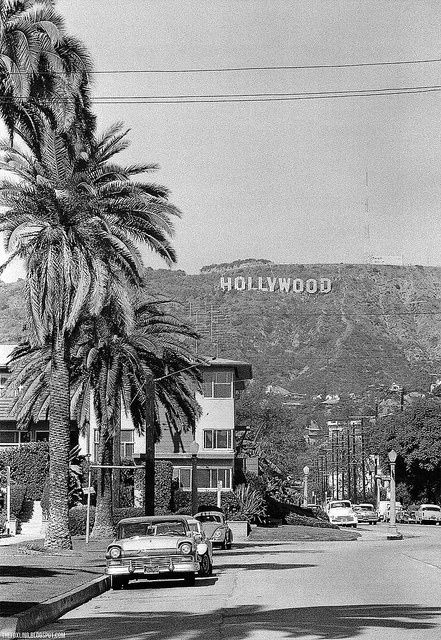
A large sign reading HOLLYWOODLAND was erected in the Hollywood Hills in 1923 to advertise real estate developers Woodruff’s and Shoults’ housing development. In 1949, the Hollywood Chamber of Commerce entered a contract with the City of Los Angeles to repair and rebuild the sign. The agreement stipulated that LAND be removed to spell HOLLYWOOD so the sign would now refer to the district, rather than the housing development.
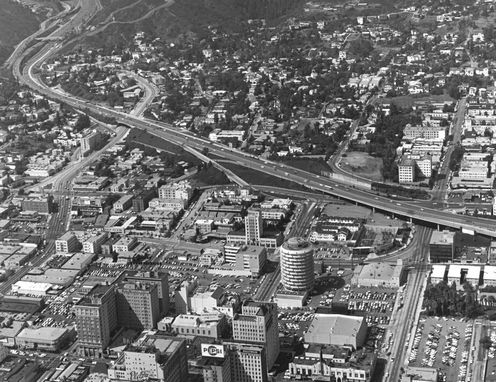
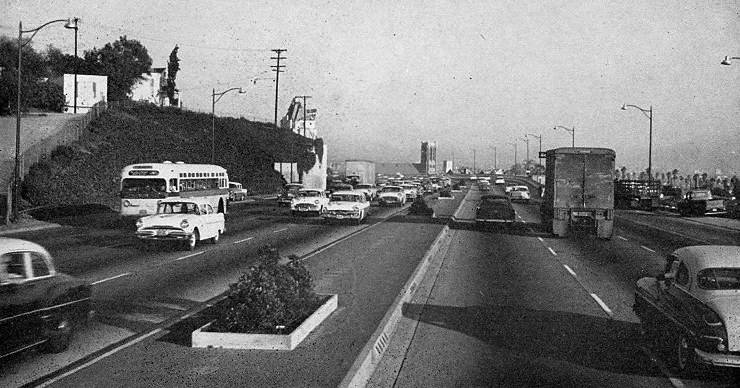
During the early 1950s, the Hollywood Freeway was constructed through the northeast corner of Hollywood.
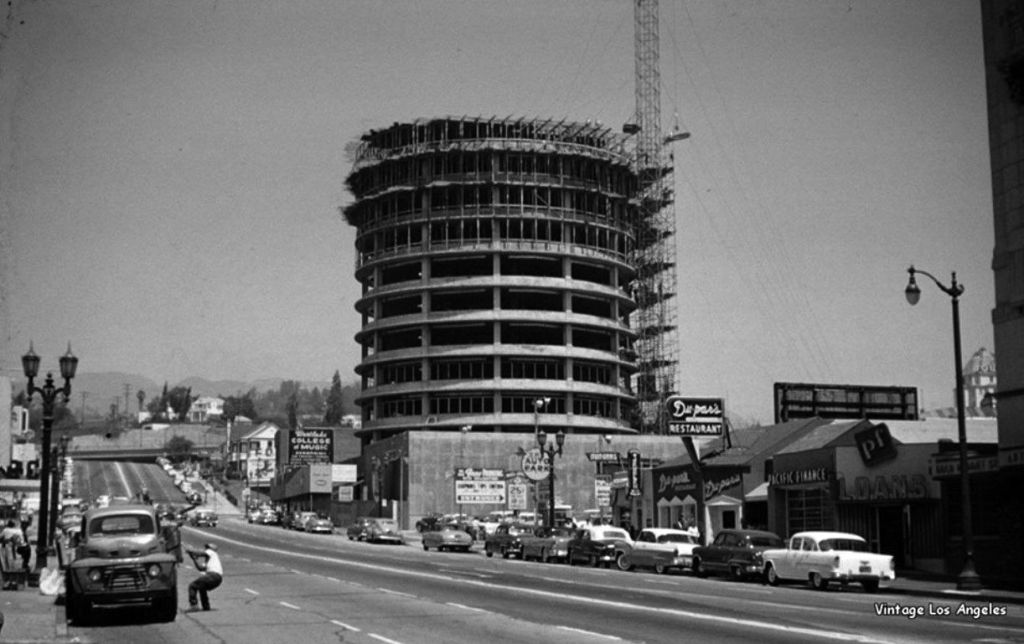
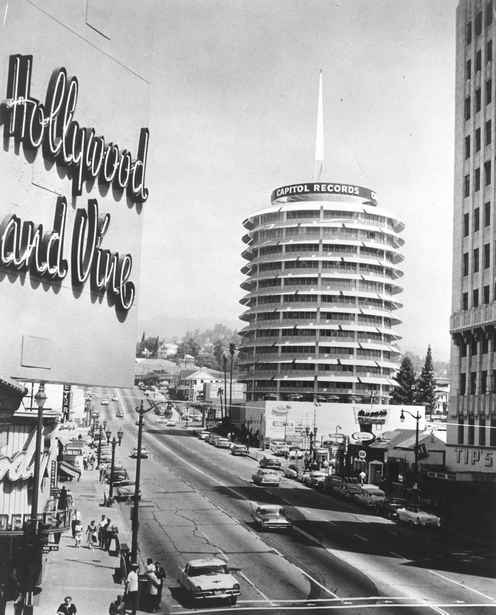
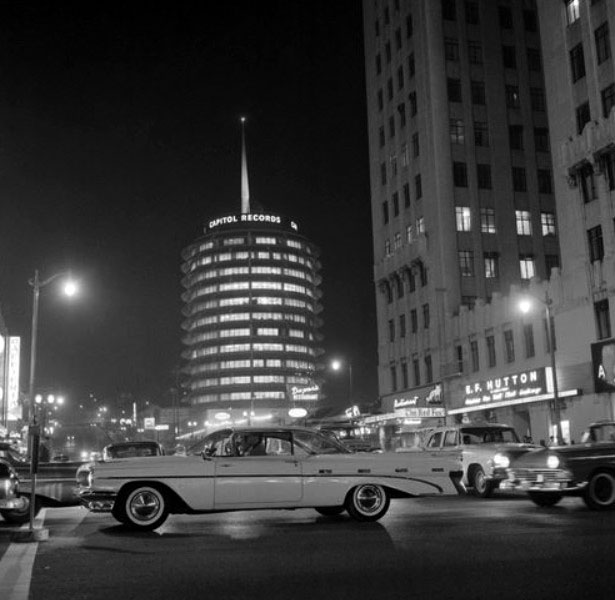
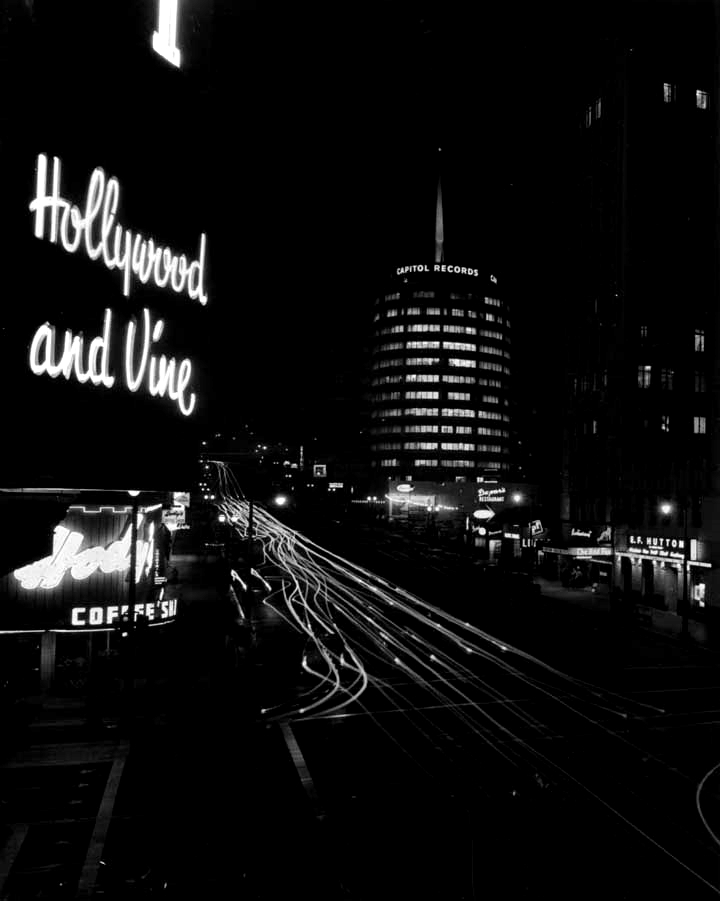
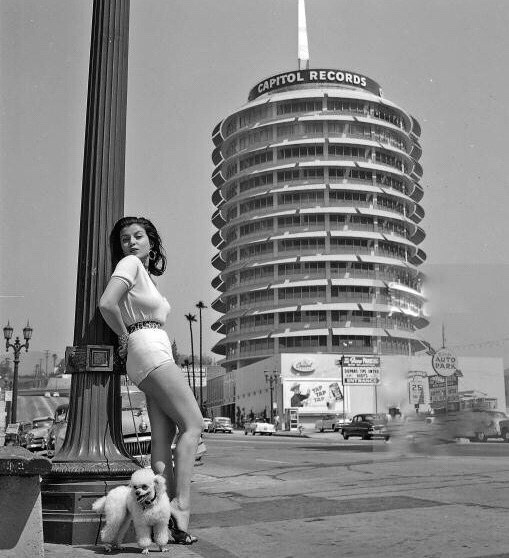
The Capitol Records Building on Vine Street, just north of Hollywood Boulevard, was built in 1956, and the Hollywood Walk of Fame was created in 1958 as a tribute to artists and other significant contributors to the entertainment industry. The official opening was on February 8, 1960.
The Hollywood Boulevard Commercial and Entertainment District was listed in the National Register of Historic Places in 1985.
In June 1999, the Hollywood extension of the Los Angeles County Metro Rail Red Line subway opened from Downtown Los Angeles to the San Fernando Valley, with stops along Hollywood Boulevard at Western Avenue (Hollywood/Western Metro station), Vine Street (Hollywood/Vine Metro station), and Highland Avenue (Hollywood/Highland Metro station).
The Dolby Theatre, which opened in 2001 as the Kodak Theatre at the Hollywood & Highland Center mall, is the home of the Oscars. The mall is located where the historic Hollywood Hotel once stood.
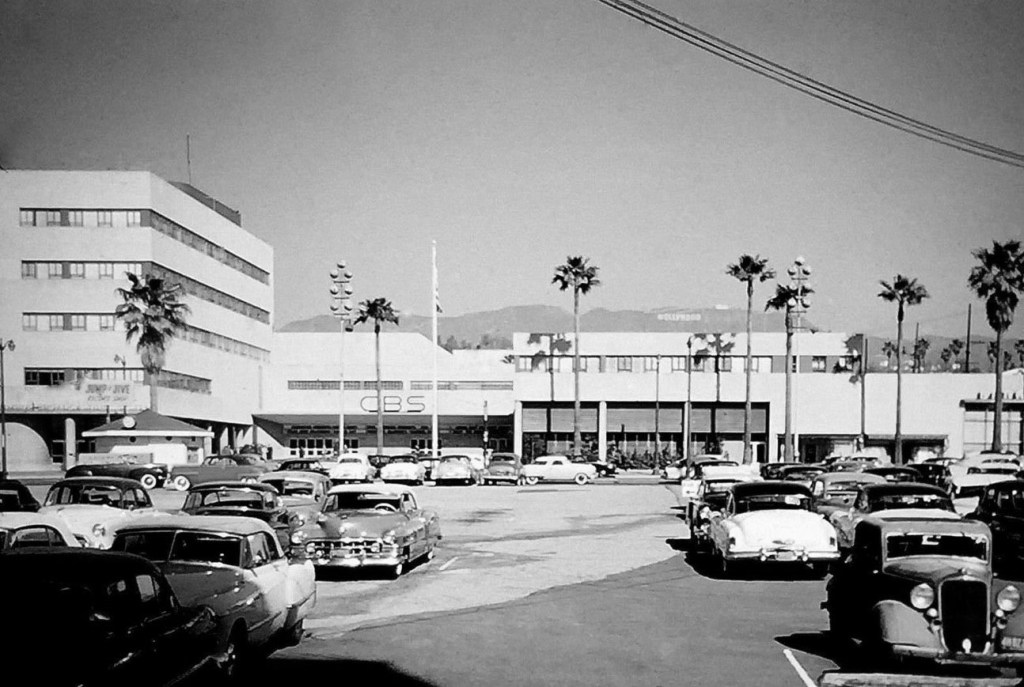
After the neighborhood underwent years of serious decline in the 1980s, many landmarks were threatened with demolition. Columbia Square, at the northwest corner of Sunset Boulevard and Gower Street, is part of the ongoing rebirth of Hollywood. The Art Deco-style studio complex, completed in 1938, was once the Hollywood headquarters for CBS. It became home to a new generation of broadcasters when cable television networks MTV, Comedy Central, BET and Spike TV consolidated their offices there in 2014 as part of a $420 million office, residential and retail complex. Since 2000, Hollywood has been increasingly gentrified due to revitalization by private enterprise and public planners. Over 1,200 hotel rooms have been added in Hollywood area between 2001 and 2016. Four thousand new apartments and over thirty low to mid-rise development projects were approved in 2019.
In 2002, some Hollywood voters began a campaign for the area to secede from Los Angeles and become a separate municipality. In June of that year, the Los Angeles County Board of Supervisors placed secession referendums for both Hollywood and the San Fernando Valley on the ballot. To pass, they required the approval of a majority of voters in the proposed new municipality as well as a majority of voters in all of Los Angeles. In the November election, both measures failed by wide margins in the citywide vote. (Wikipedia)
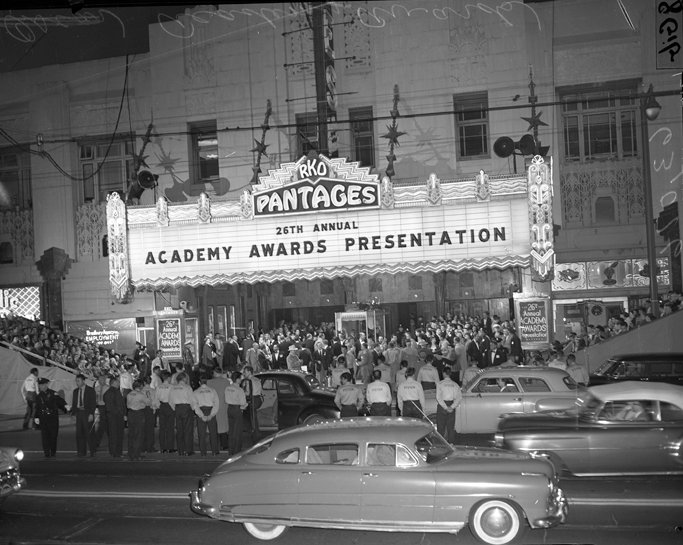
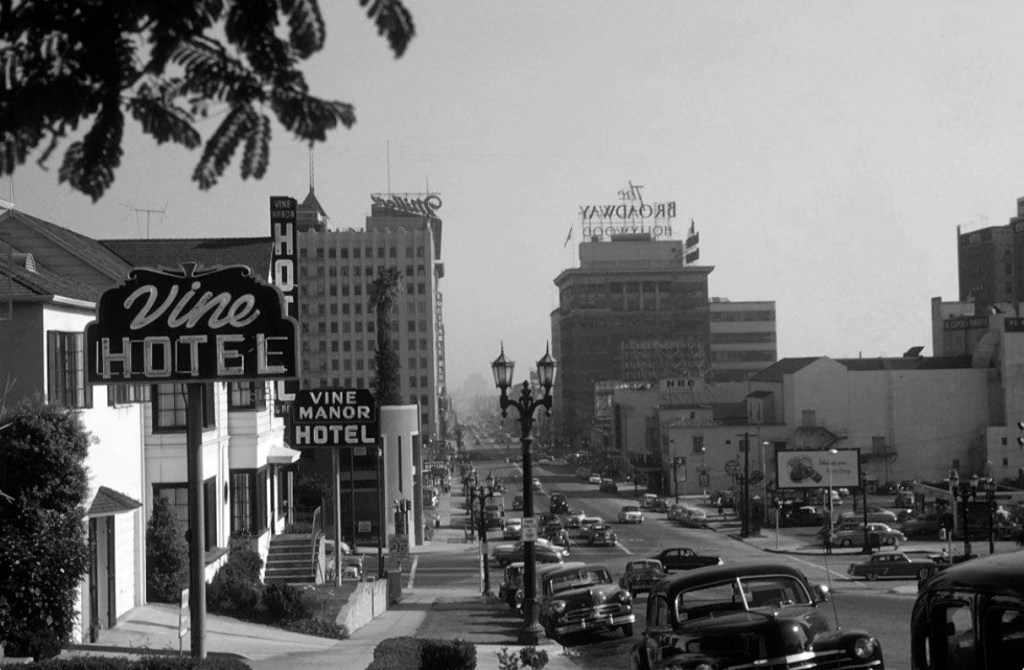
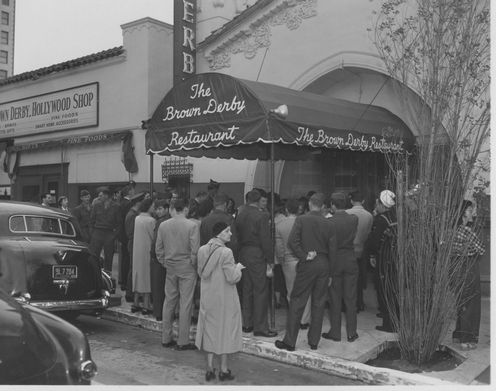
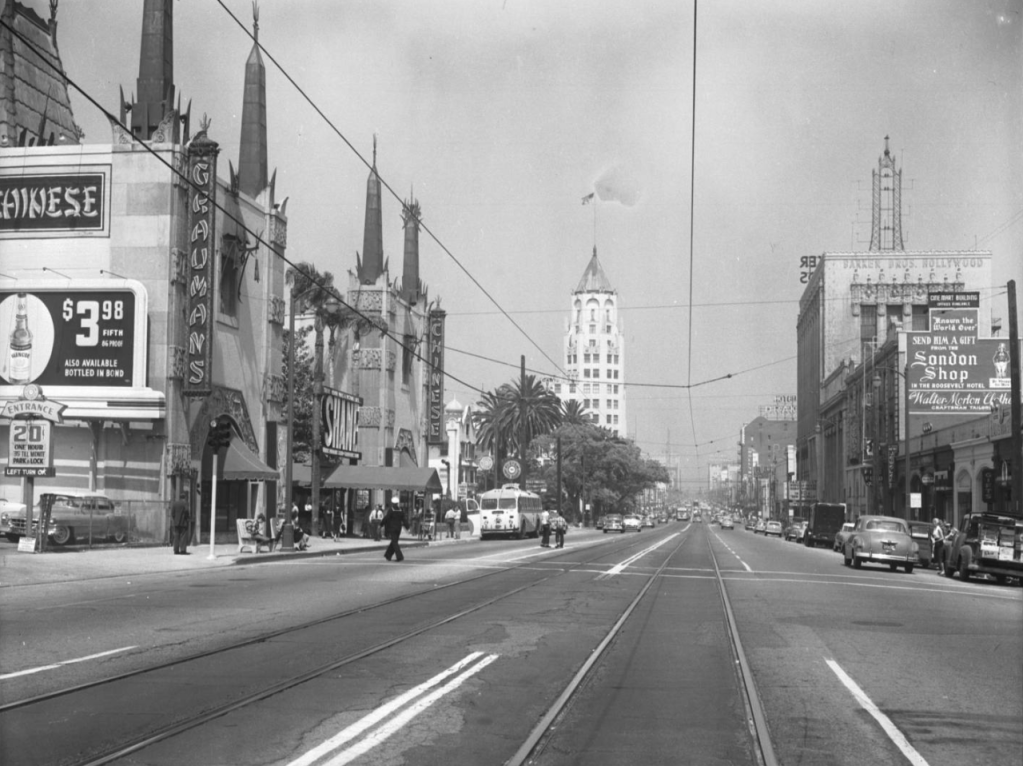
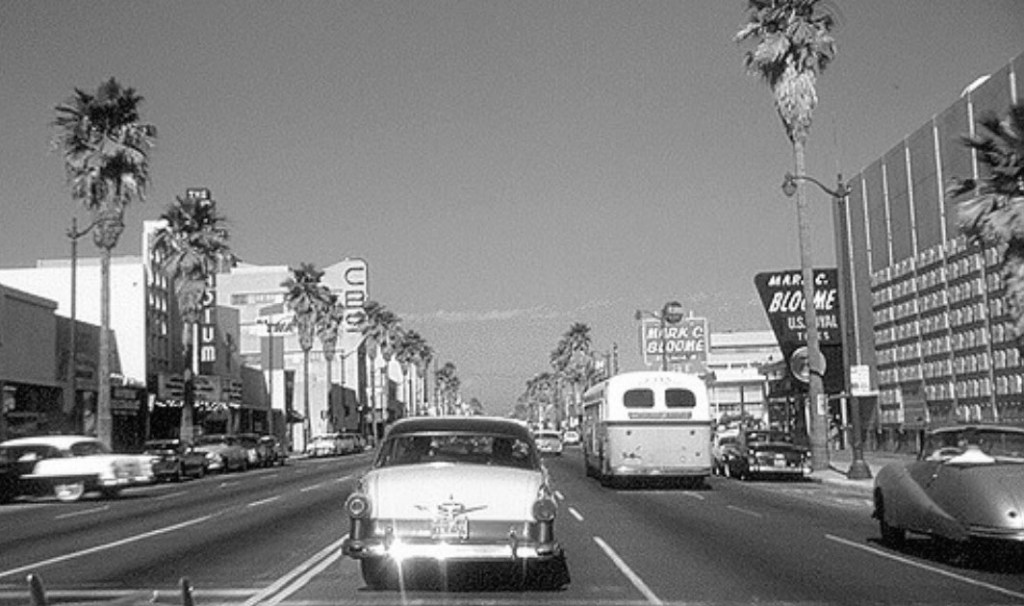
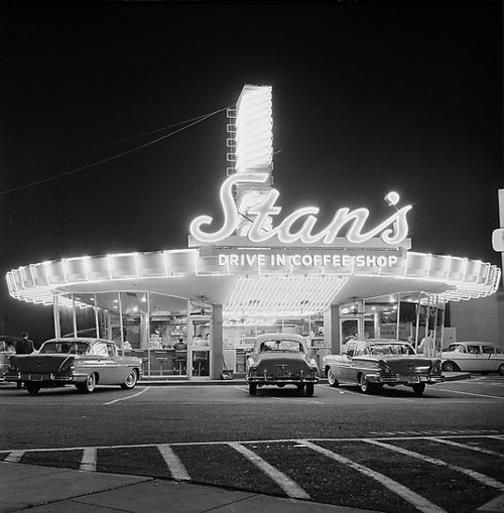
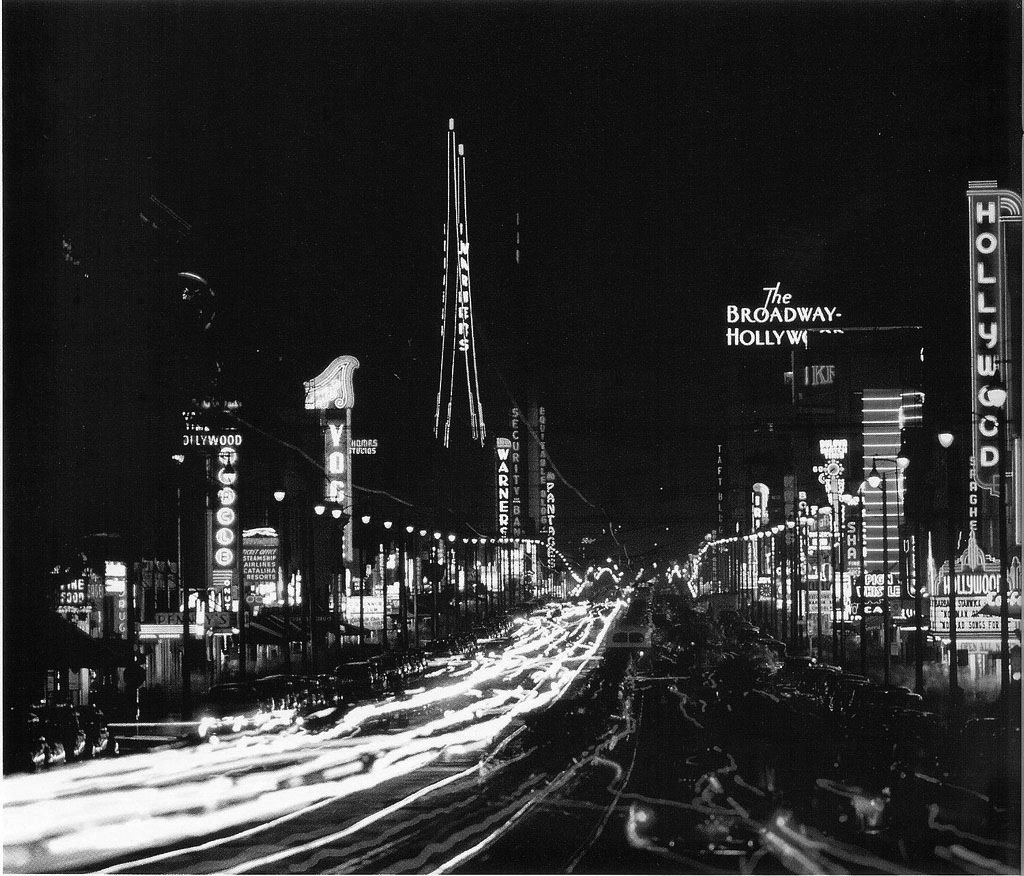
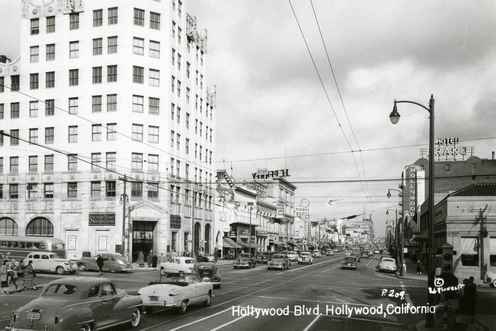
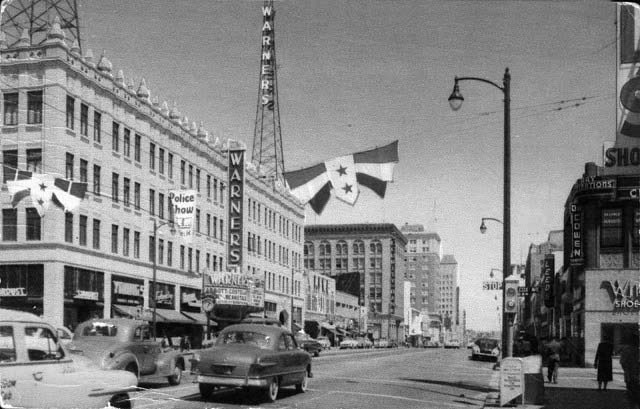
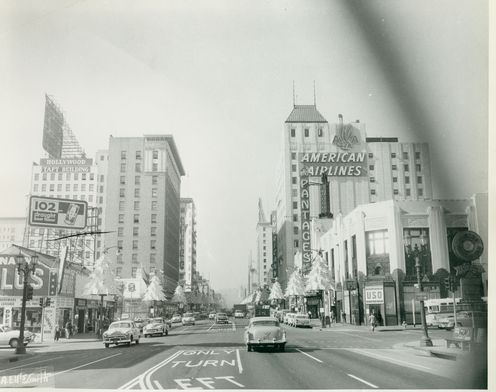
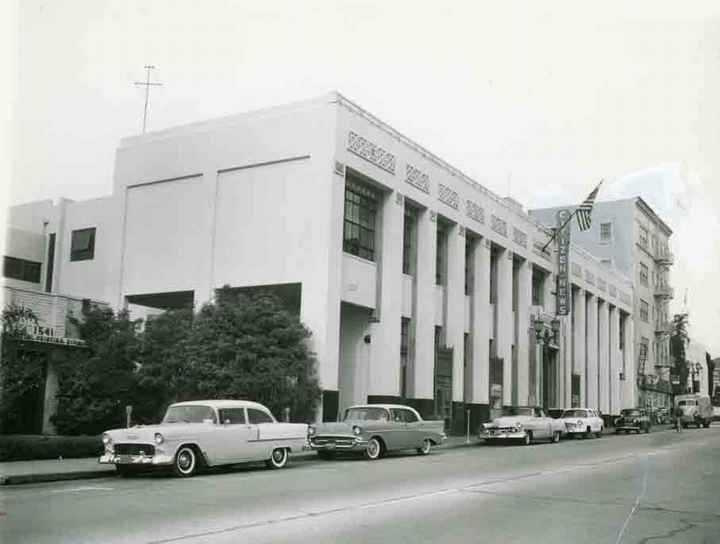
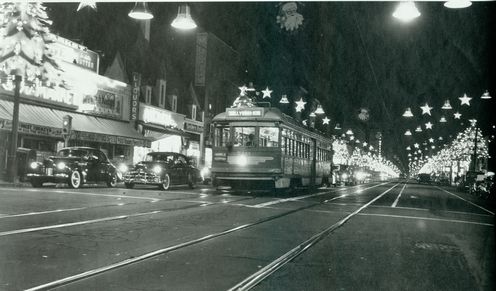
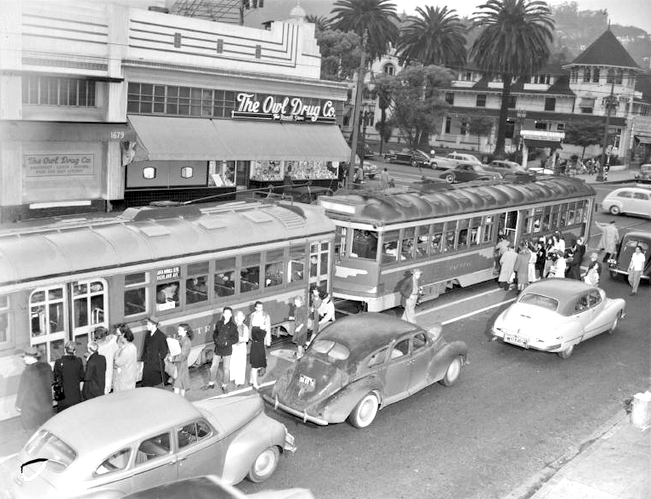
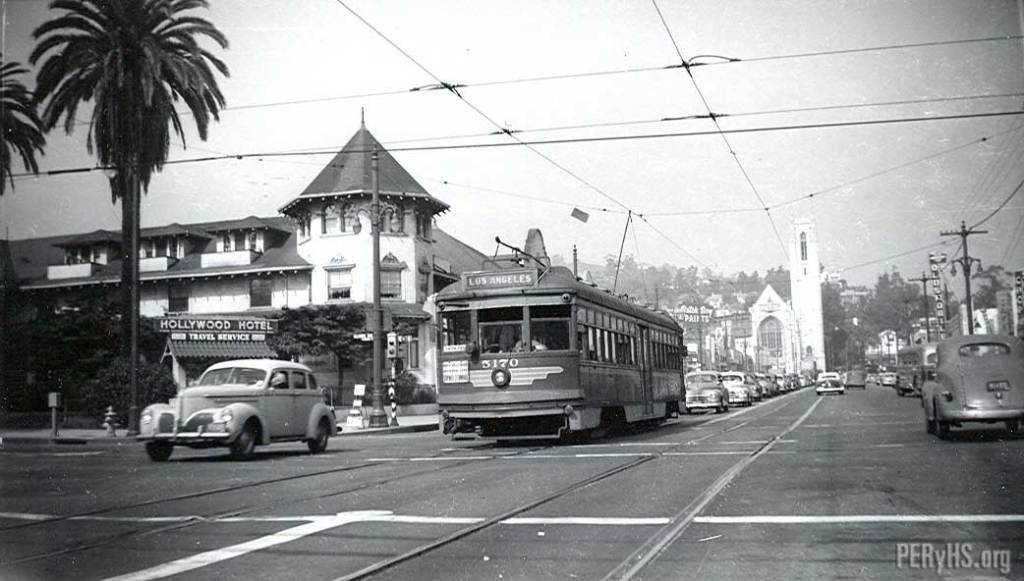
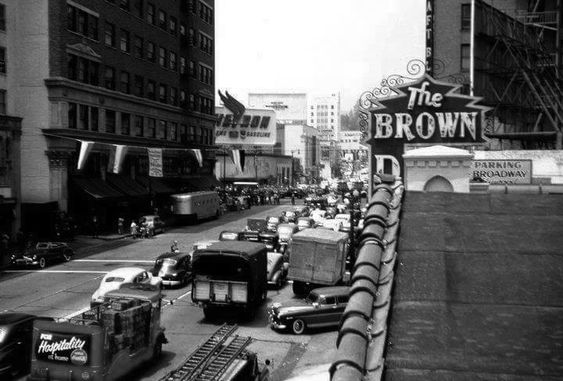
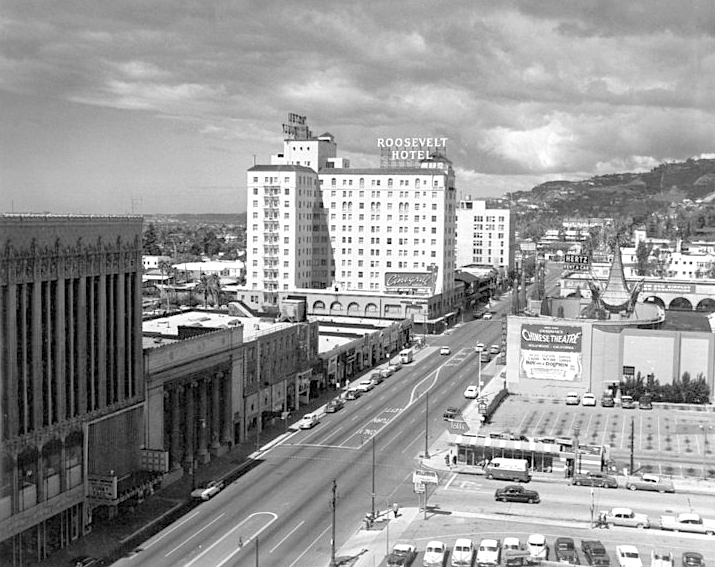
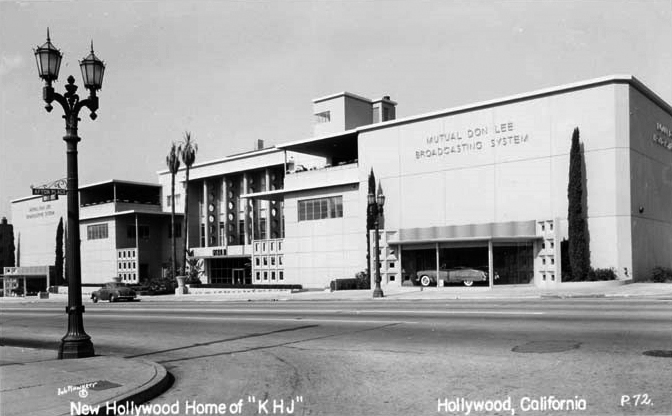
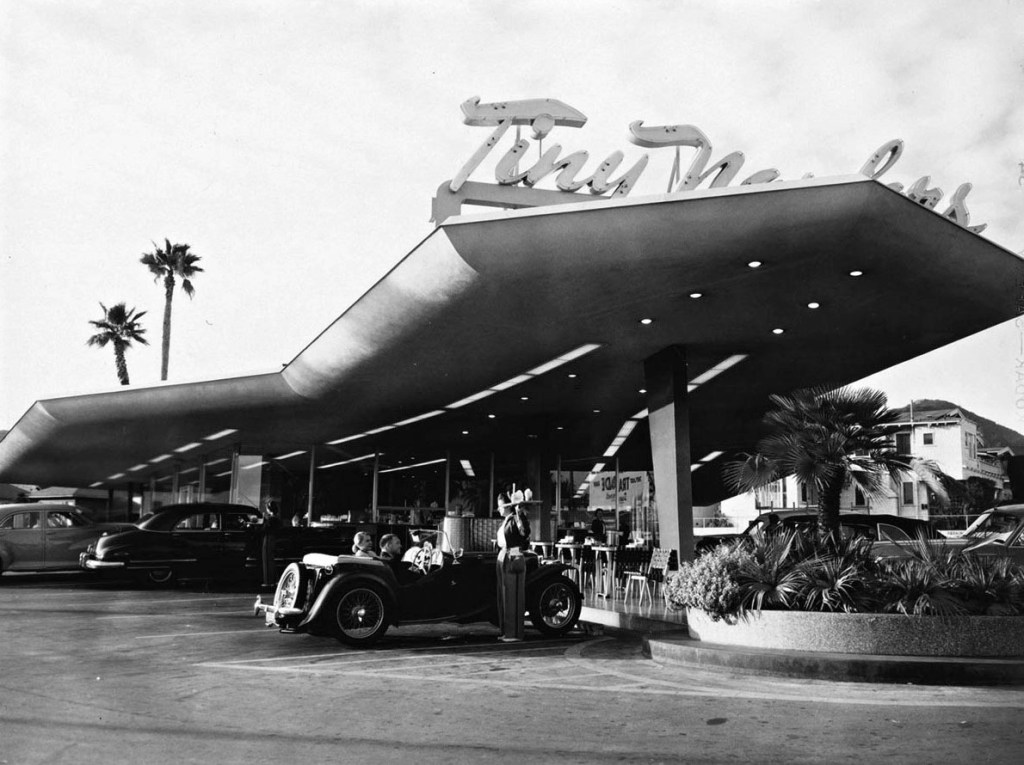
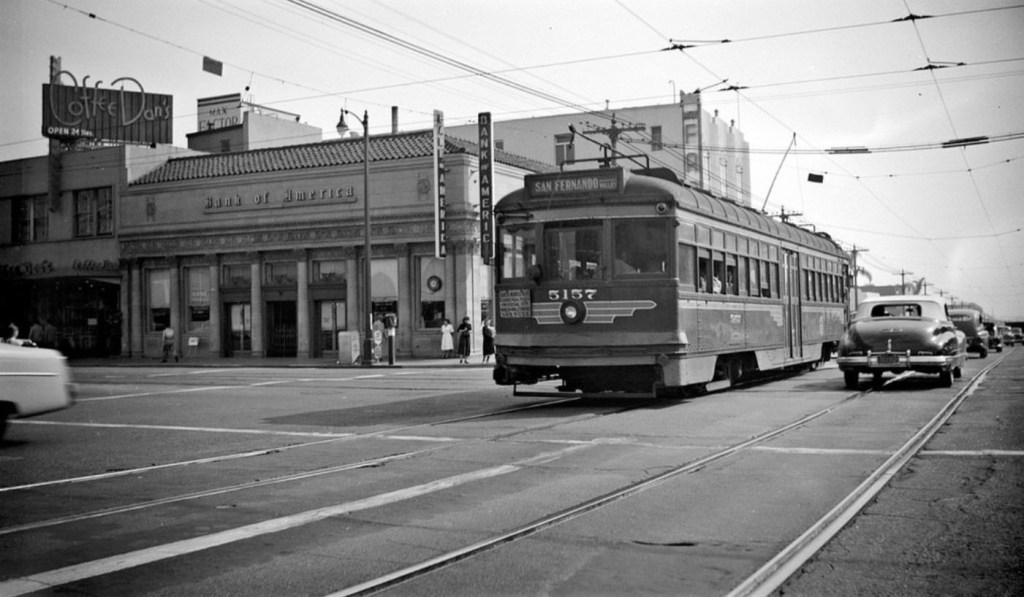
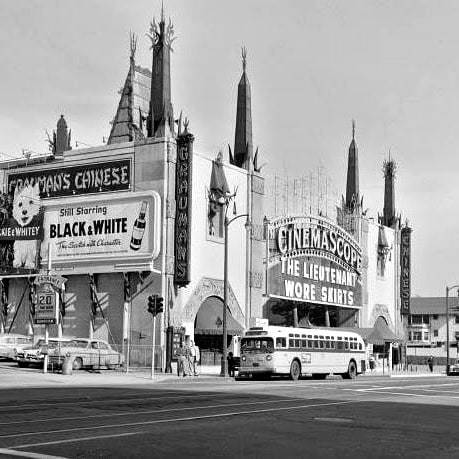
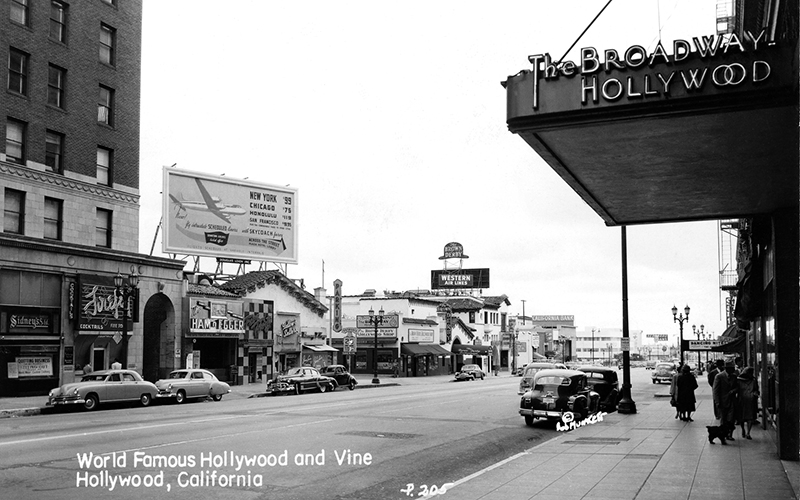
Capitol Records Building under construction, 1955Looking North Up Vine St. At The Capitol Records Tower From Hollywood Blvd. 1959Looking Nw From Hollywood Blvd. & Argyle St. 1959View looking northwest on the Hollywood Freeway near Vine Street. 1955Cruising down Hollywood Boulevard on a Saturday night in a shining new 1959 Pontiac Coupe.View looking south on Vine Street from just north of Yucca Street. 1950Fans Outside Brown Derby Restaurant, 1952Grauman’s Chinese Theater, Hollywood, 1954Looking east on Sunset Boulevard, 1959Stan’s Drive In Restaurant Los Angeles, 1950s (Highland Avenue & Sunset Boulevard)Long exposure of Hollywood and Vine at night. Capitol Records Building is in the background. 1956Hollywood Boulevard looking East towards Vine Street. 1959Joan Bradshaw, Vine Street, Hollywood, Sept 8, 1957Looking East On Hollywood Blvd. Towards Highland Ave. 1950Looking east on Hollywood Boulevard at Wilcox Avenue. 1950sHollywood Blvd. & Argyle St., 1956Citizen News Newspaper Offie On Wilcox Ave., Just North Of Sunset Blvd., 1959Streetcar On Hollywood Blvd., 1956The corner of Hollywood Boulevard and Highland Ave, 1950Pacific Electric streetcar no. 5170 proceeds through the intersection at Highland Blvd. and Hollywood Blvd., heading southbound past the famed (and long-gone) Hollywood Hotel. 1950A view of Hollywood and Vine from the roof of the Brown Derby restaurant. 1950Hollywood Boulevard with the Roosevelt Hotel and Grauman’s Chinese theater in 1957.The Mutual Don Lee Broadcasting Studios, now the “New Hollywood Home of KHJ”, 1950A couple in an MG being served at Tiny Naylors. 1952View looking south on Highland Avenue at Hollywood Boulevard showing the Van Nuys Line Red Car heading north toward Cahuenga Pass. 1950View of CBS Columbia Square looking north from the Gower Gulch shopping center. The Hollywood Sign is seen in the distance. 1951Grauman’s Chinese Theater, 1956.Outside the 26th Annual Academy Awards at RKO Pantages Theater in Hollywood, 1954.Hollywood & Vine, 1950
On April 14, 1865, Lewis Thornton Powell, alias Payne, was the (Live Oak?) Florida native who was part of Booth’s conspiracy to assassinate President Lincoln, Vice President Johnson and Secretary of State Seward. Powell entered Seward’s home, stabbed him in the throat, inflicted dangerous wounds on other members of the household. He escaped and hid in the woods near Washington, returned to the home of Mary Surratt, a fellow conspirator. As he reached the house it was being searched by officers. Powell said he had been hired to dig a drain. Surratt, when questioned raised her hand and swore :“Before God I do not know him, never saw him, and never hired him.”
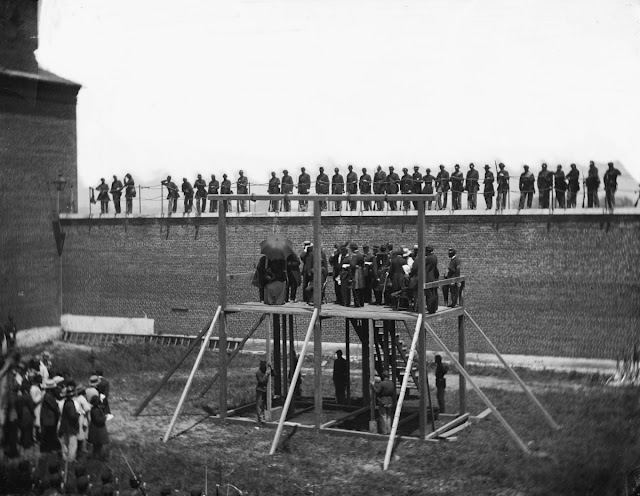
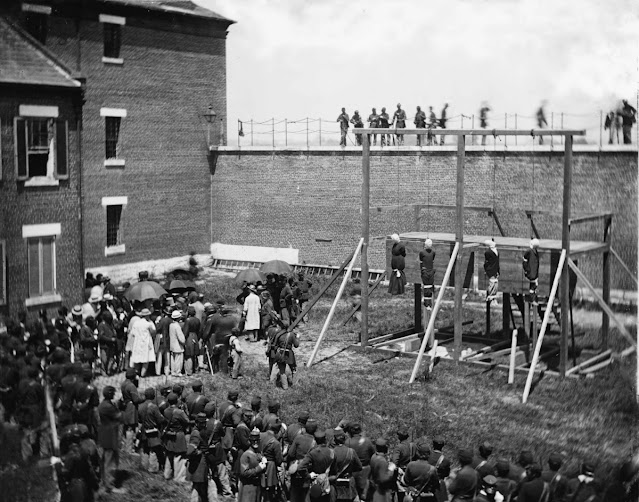
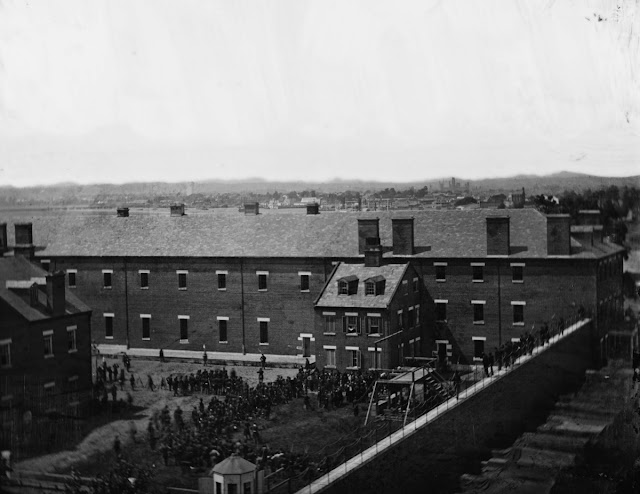
Thus was the conspiracy indicated; and evidence soon forthcoming led to the conviction and execution of Surratt, Powell, George Atzerodt and David Herold. Shortly after the afternoon of July 7, 1865, the four condemned conspirators were forced to climb the hastily built gallows that they had heard being tested the night before from their prison cells.
It was hot that day, reportedly a hundred degrees (38 degrees Celsius). Sweat surely dripped down the accused’s faces as they passed by the cheap pine coffins and shallow graves that had been dug for them. Alexander Gardner was the only photographer permitted for the execution of the Lincoln assassination conspirators. More than 1,000 people—including government officials, members of the U.S. armed forces, friends and family of the accused, official witnesses, and reporters—had come with their exclusive tickets to see this execution.
Nooses were placed around the accused’s necks and hoods over their heads. Ever since the sentences had been handed down a week ago, Surratt’s lawyers and her daughter Anna had been fighting and pleading for her death sentence to be changed. In fact, many in attendance thought that Surratt would be saved from the gallows at the last minute. It was not to be. She was the first woman executed by the United States government.
After the last rites and shortly after 1:30 PM, the trap door was opened and all four fell. It was reported that Atzerodt yelled at this very last moment: “May we meet in another world”. Within minutes, they were all dead.
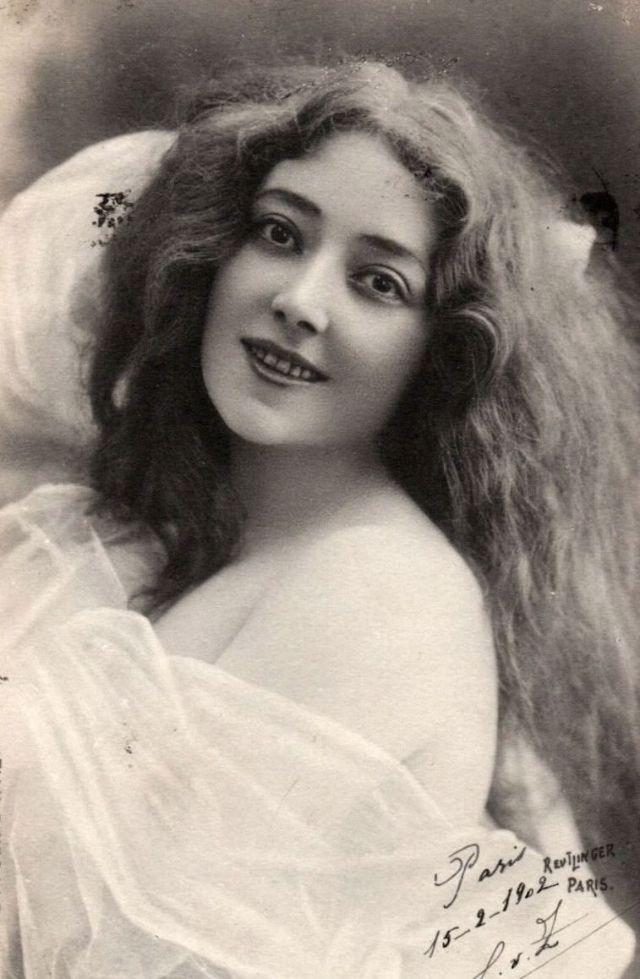
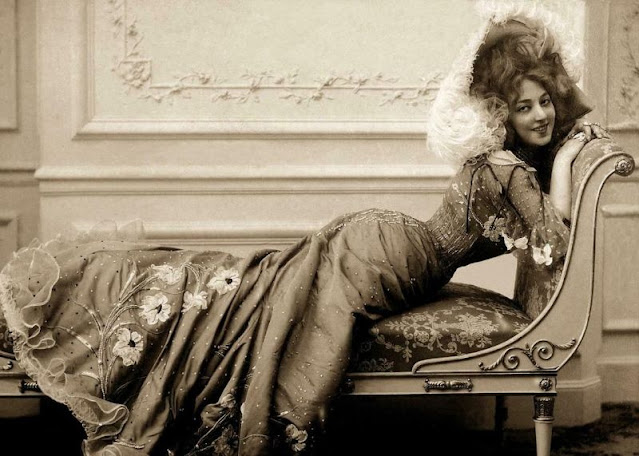
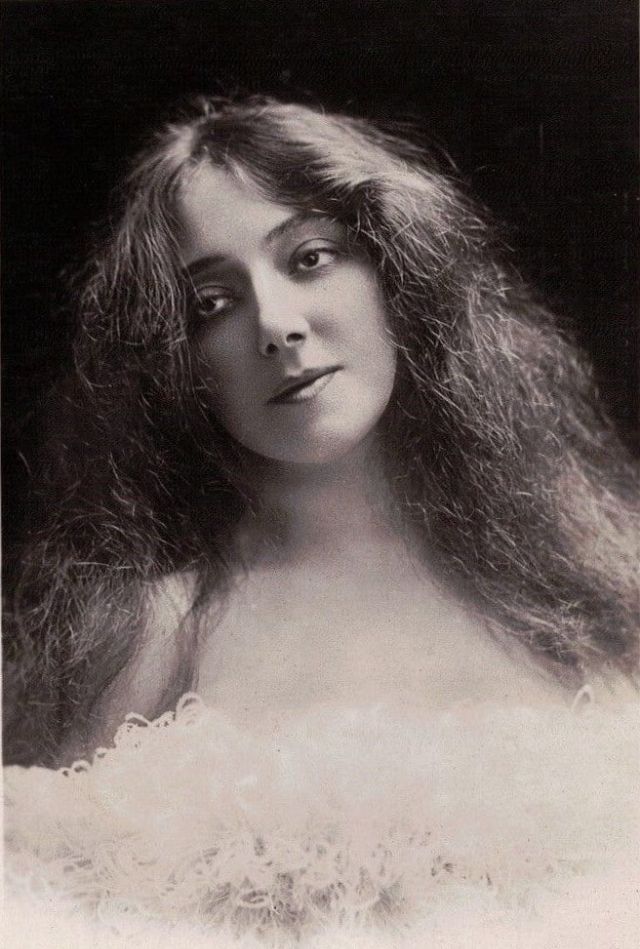
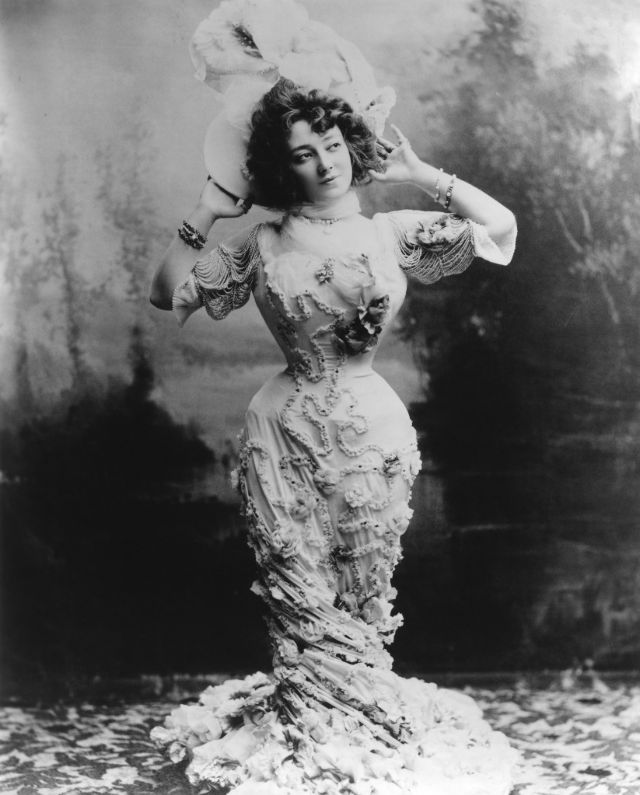
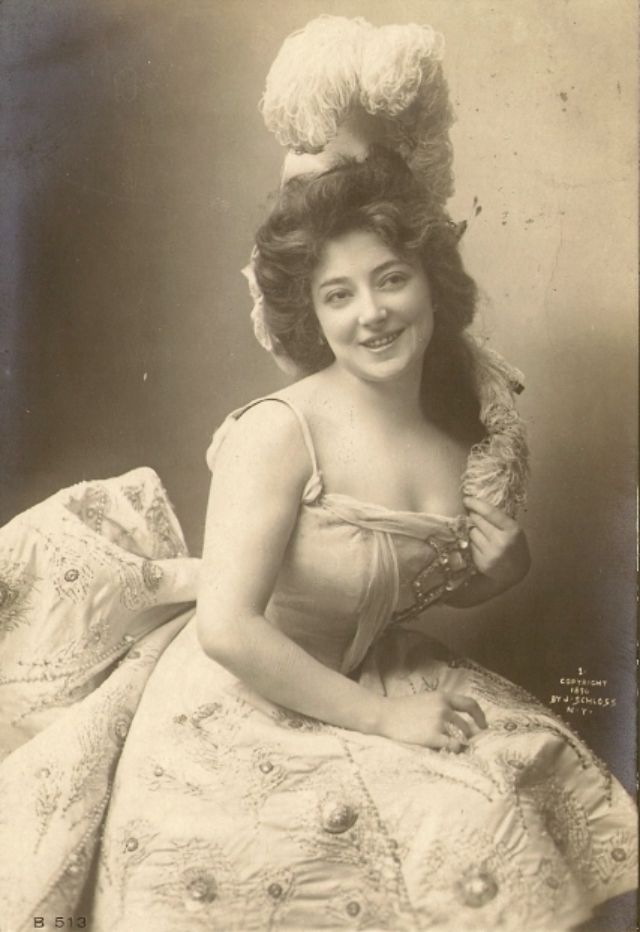
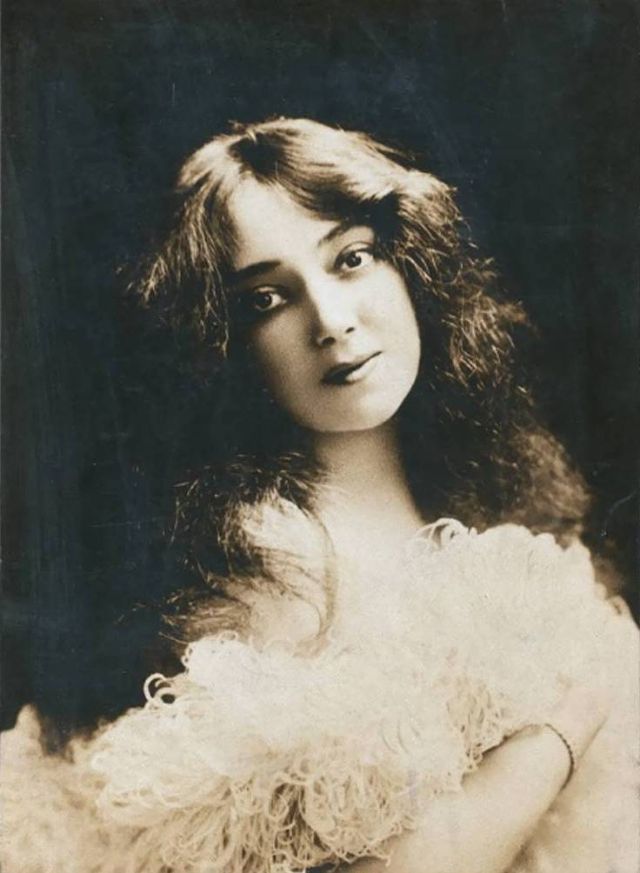
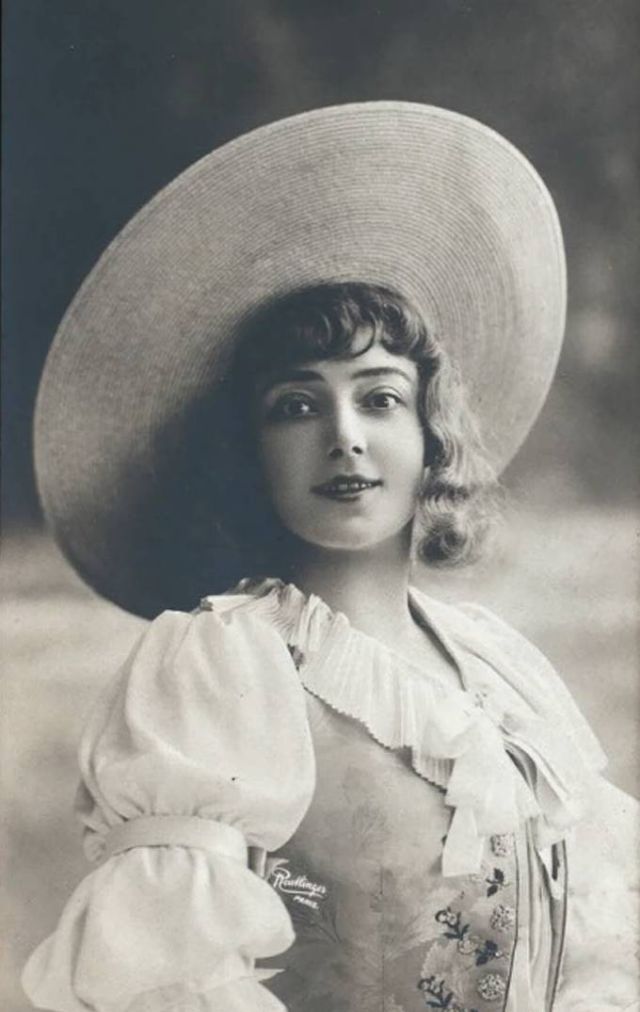
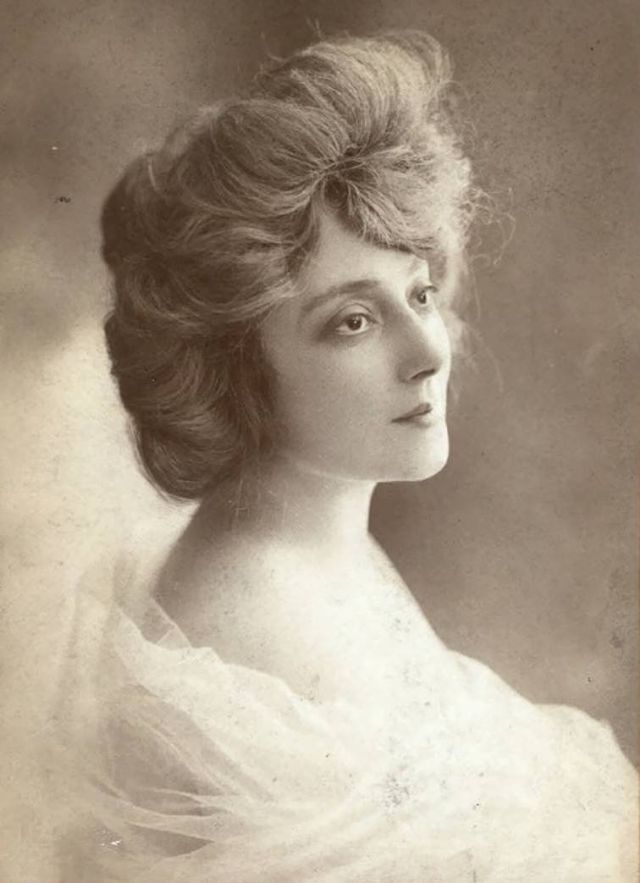
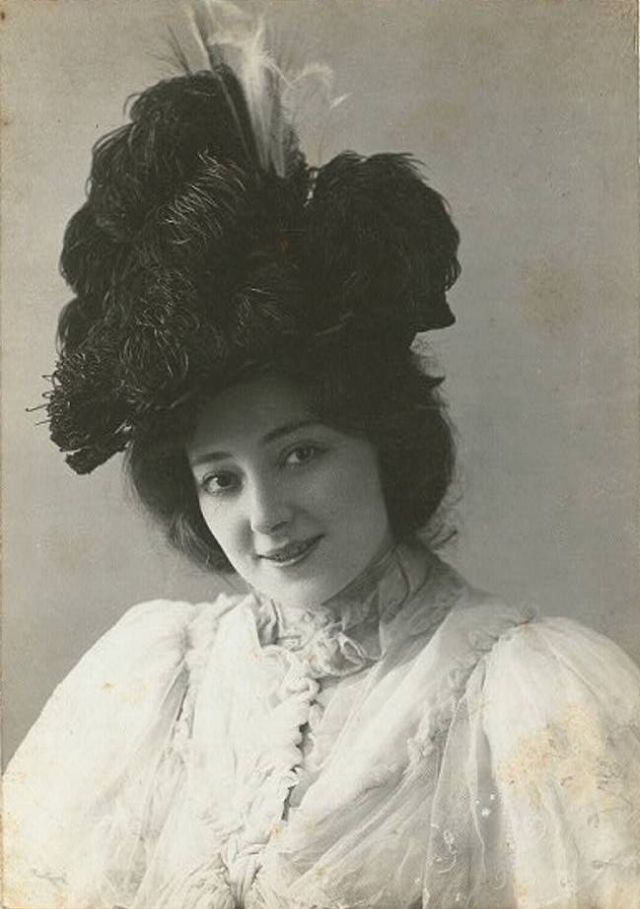
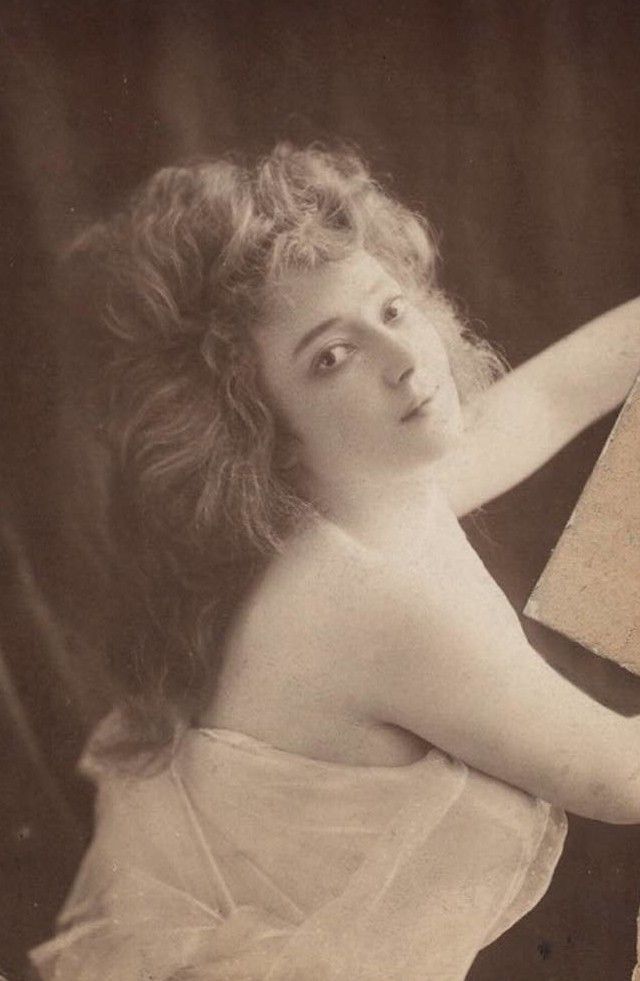
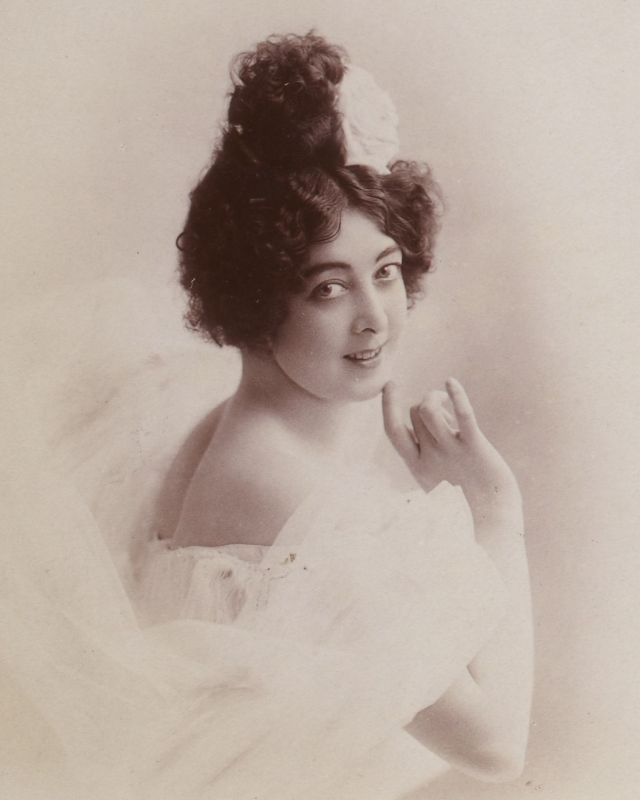
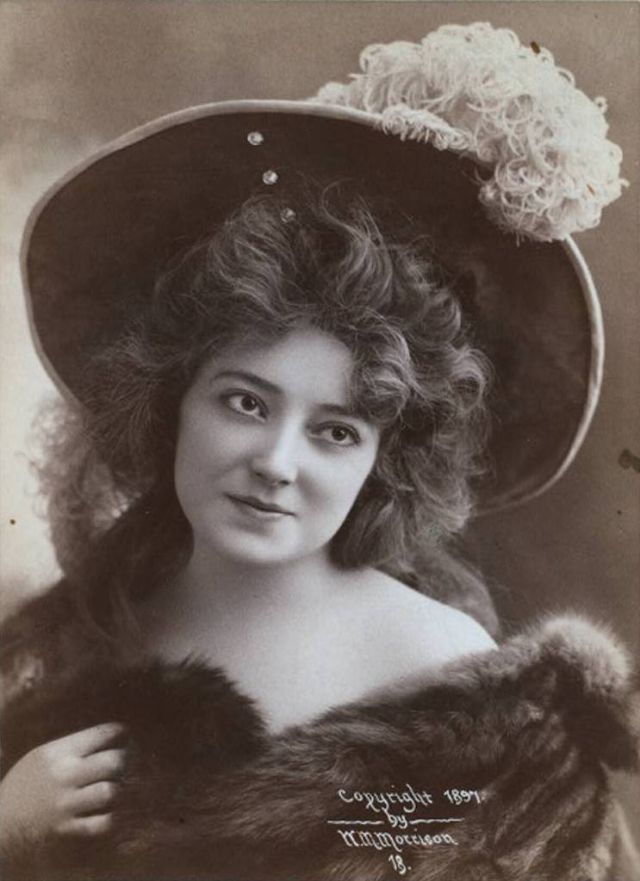
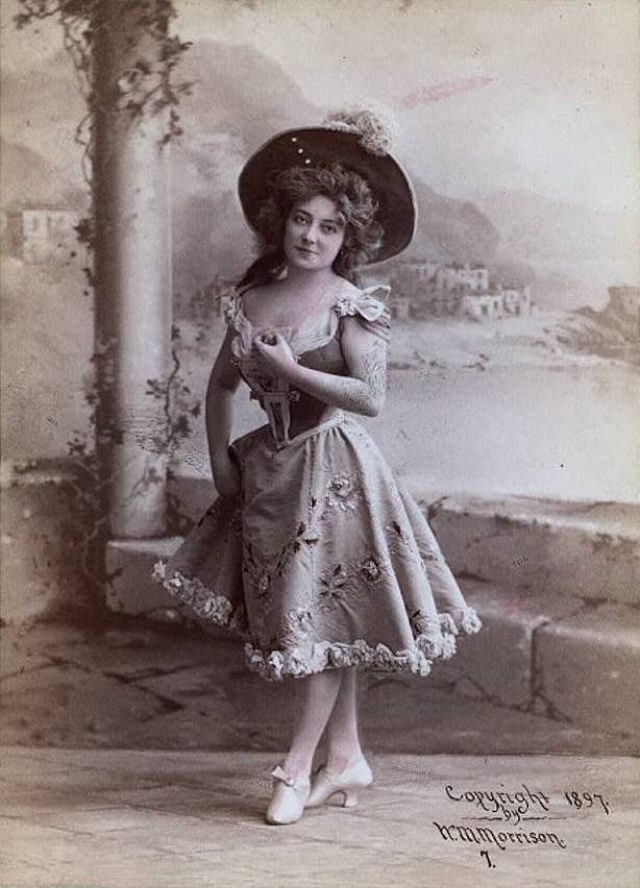
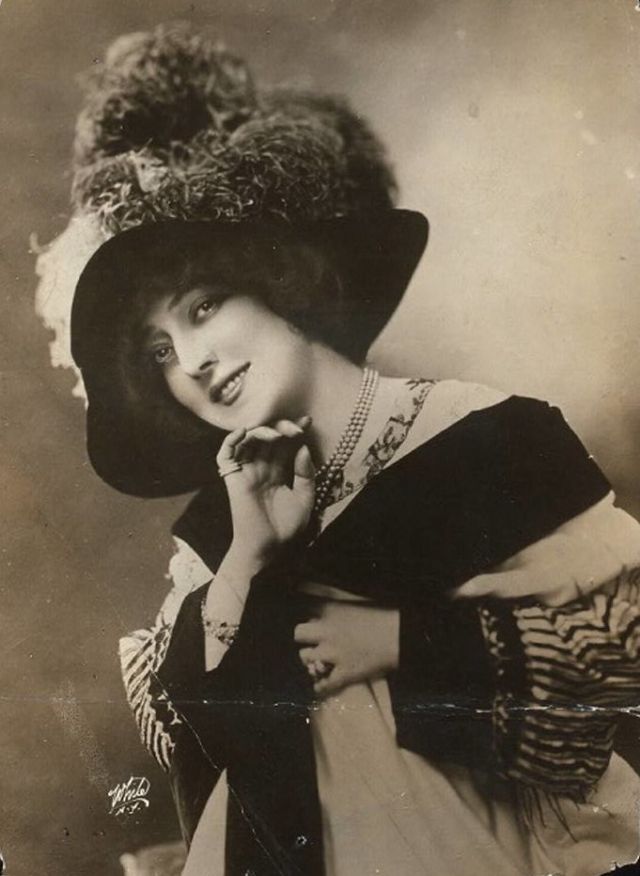
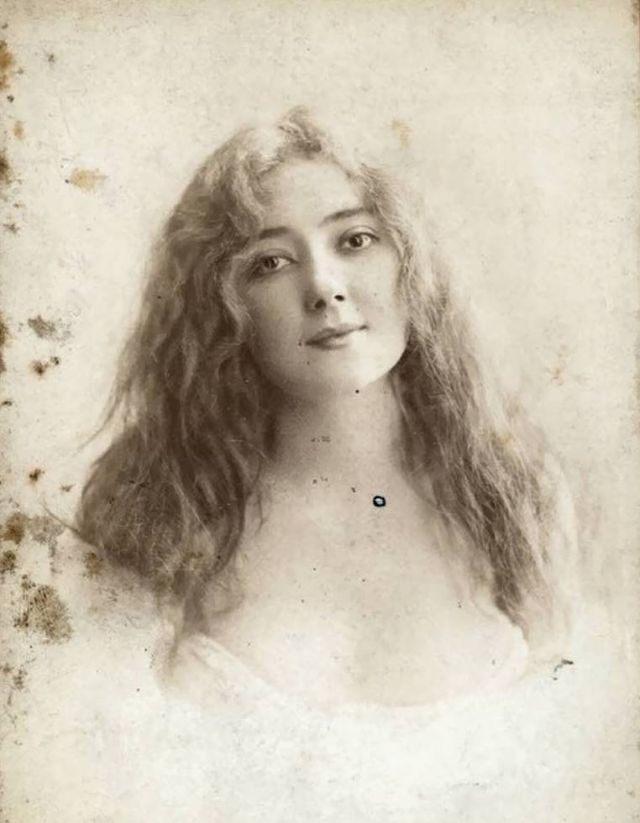
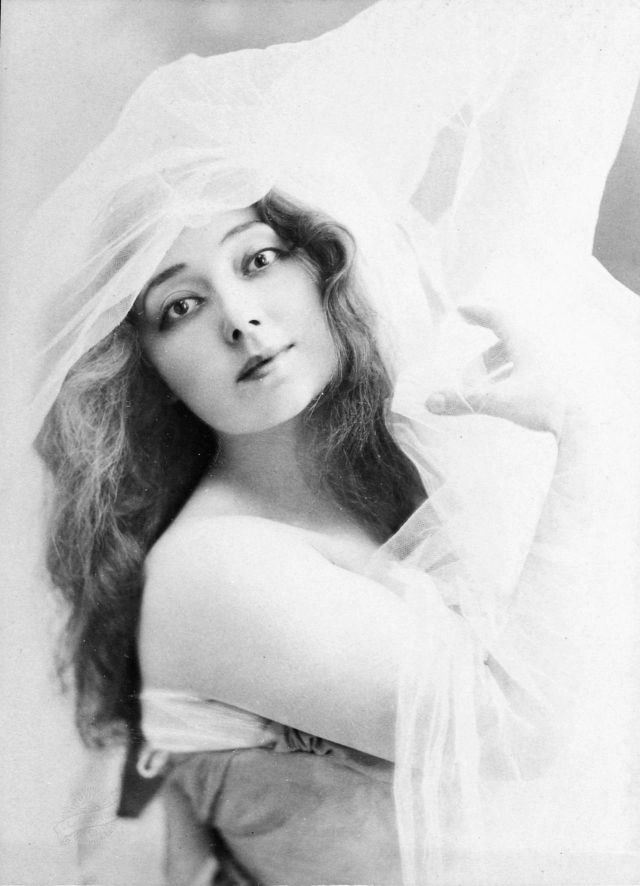
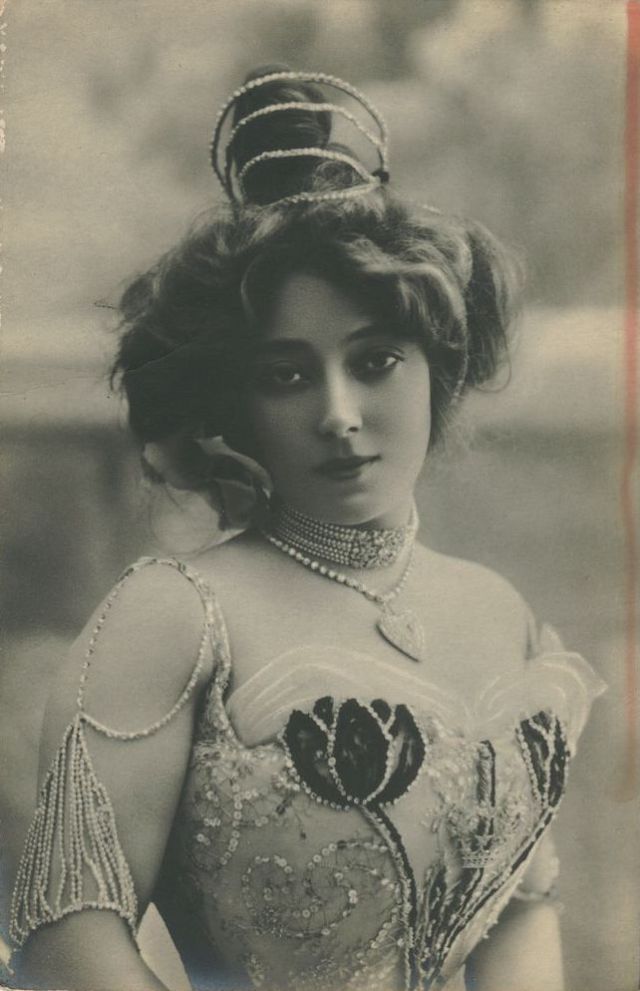
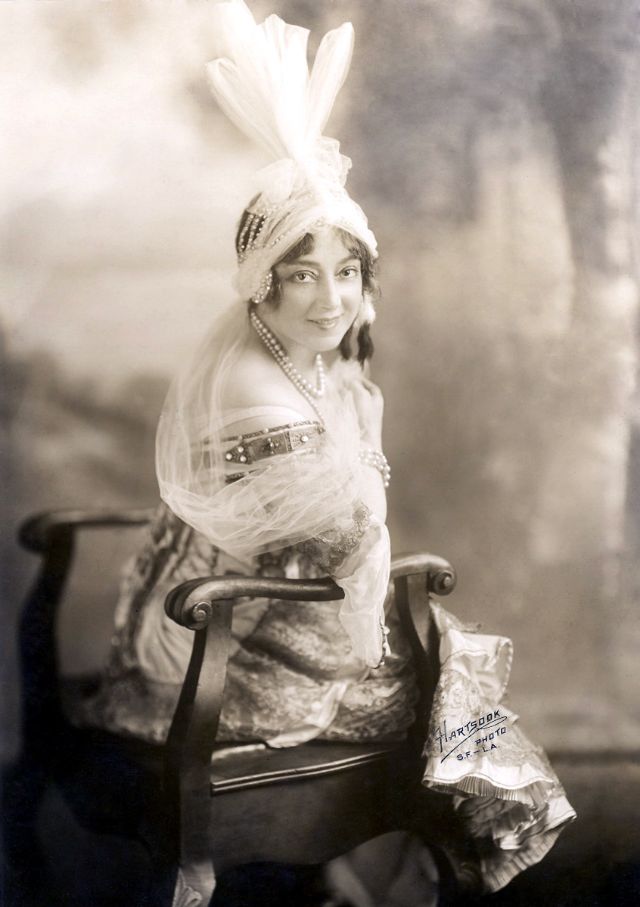
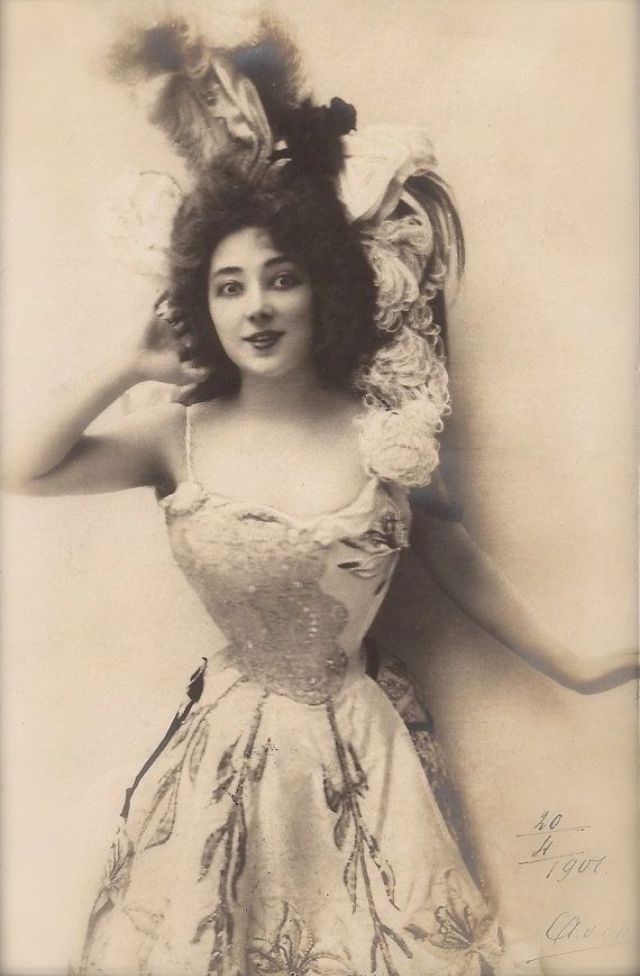
Helene Anna Held (19 March 1872 – 12 August 1918) was a Polish-French stage performer on Broadway. While appearing in London, she was spotted by impresario Florenz Ziegfeld, who brought her to America as his common-law wife. From 1896 through 1910, she was one of Broadway’s most celebrated leading ladies, presented in a succession of musicals as a charming, coquettish Parisian singer and comedienne, with an hourglass figure and an off-stage reputation for exotic behavior, such as bathing in 40 gallons of milk a day to maintain her complexion. Detractors implied that her fame owed more to Ziegfeld’s promotional flair than to any intrinsic talent, but her audience allure was undeniable for over a decade, with several of her shows setting house attendance records for their time. Her uninhibited style also inspired the long-running series of popular revues, the Ziegfeld Follies.
Born in Warsaw, Congress Poland, Russian Empire, Held was named Helene Anna Held, daughter of a German Jewish glove maker, Shimmle (aka Maurice) Held, and his French-Jewish wife, Yvonne Pierre.
Sources of her year of birth range from 1865 to 1873, but 1872 has been accepted in general. In 1881, anti-Semitic pogroms forced the family to flee to Paris, France. When her father’s glovemaking business failed, he found work as a janitor, while her mother operated a kosher restaurant. Held began working in the garment industry, then found work as a singer in Jewish theatres in Paris and, later, after her father’s death, London, where her roles included the title role in a production by Jacob Adler of Abraham Goldfaden’s Shulamith; she was also in Goldfaden’s ill-fated Paris troupe, whose cashier stole their money before they ever played publicly.
As a young woman in France, Held converted to Roman Catholicism.
Her vivacious and animated personality proved popular and her career as a stage performer gained momentum as she became known for her risqué songs, flirtatious nature and willingness to show her legs on stage. In 1894, she married the much-older Uruguayan playboy Maximo Carrera, with whom she had a daughter, Lianne (1895–1988), who was also an actress and producer, sometimes billed as Anna Held Jr.
Touring through Europe, Held was appearing in London in 1896, when she met Florenz Ziegfeld, who asked her to return to New York City with him. He set about creating a wave of public interest in her, feeding stories to the American press, such as her having had ribs surgically removed. By the time Held and Ziegfeld arrived in New York, she was already the subject of intense public speculation. When she finally performed in a revival of A Parlor Match, the critics were dismissive, but the public approved.
David Monod of Wilfrid Laurier University has suggested that Held succeeded more on image than talent, the illusion she presented to post-Victorian era audiences who were beginning to explore new social freedoms. From 1896, Held enjoyed several successes on Broadway, including A Parisian Model (1906–1907). These, apart from bolstering Ziegfeld’s fortune, made her a millionaire in her own right. Ziegfeld’s talent for creating publicity stunts ensured that Held’s name remained well known.
Held influenced the format for what would eventually become the famous Ziegfeld Follies in 1907, and she helped Ziegfeld establish the most lucrative phase of his career. Held could not perform in the first Follies when she become pregnant by Ziegfeld in late 1908. Held’s daughter Lianne later claimed in her unpublished memoirs that Ziegfeld forced Held to have an abortion because he did not want her pregnancy interfering with Miss Innocence, a show in which she would star in 1908–09. The claim was repeated in an autobiography by Held entitled Anna Held and Flo Ziegfeld, however, Richard and Paulette Ziegfeld, (authors of The Ziegfeld Touch) concluded that Held never wrote her memoirs, and Lianne was the real author of the autobiography. Eve Golden, Held’s biographer, wrote that Lianne’s abortion claim was likely a lie designed to demonize Ziegfeld, whom Lianne loathed.
In 1909, Ziegfeld began an affair with the actress Lillian Lorraine; Held remained hopeful that his fascination would pass, and he would return to her, but instead he turned his attentions to another actress, Billie Burke, whom he would marry in 1914.
After Miss Innocence, Held left Broadway. She spent the years of World War I working in vaudeville and touring France, performing for French soldiers and raising money for the war effort. She was considered a war heroine for her contributions, and was highly regarded for the courage she displayed in traveling to the front lines, to be where she could do the most good.
The year 1917 was one of constant touring for Held; she toured the United States in a production of Follow Me until ill health caused her to close the show in January 1918. She then checked into the Hotel Savoy in New York City where her health continued to decline. Held had been battling multiple myeloma, a cancer of plasma cells, for a year. News coverage began reporting that it had been caused by her practice of excessive lacing of her corsets to give her a tiny waist.
According to the Washington Times, Held had been in and out of consciousness for about a week. On 12 August 1918, her doctor pronounced her dead, and the media was alerted. Approximately two hours later, Held revived, and the media notified she was still alive, only to have Held finally die shortly thereafter.
A Catholic convert, Held’s funeral was held at St. Patrick’s Cathedral in Manhattan on 14 August. Florenz Ziegfeld did not attend as he had a phobia about death and never attended funerals. Held is interred at Cemetery of the Gate of Heaven in Hawthorne, New York. (Wikipedia)
Take a look at these vintage photos to see the beauty of young Anna Held in the 1890s and 1900s.
The 1950s (pronounced nineteen-fifties; commonly abbreviated as the “Fifties” or the ” ’50s”) (among other variants) was a decade that began on January 1, 1950, and ended on December 31, 1959.
Throughout the decade, the world continued its recovery from World War II, aided by the post-World War II economic expansion. The period also saw great population growth with increased birth rates and the emergence of the baby boomer generation. Despite this recovery, the Cold War developed from its modest beginnings in the late 1940s to a heated competition between the Soviet Union and the United States by the early 1960s. The ideological clash between communism and capitalism dominated the decade, especially in the Northern Hemisphere, with conflicts including the Korean War in the early 1950s, the Cuban Revolution, the beginning of the Vietnam War in French Indochina, and the beginning of the Space Race with the launch of Sputnik 1 in 1957. Along with increased testing of nuclear weapons (such as RDS-37 and Upshot–Knothole), the tense geopolitical situation created a politically conservative climate. In the United States, a wave of anti-communist sentiment known as the Second Red Scare resulted in Congressional hearings by both houses in Congress. The beginning of decolonization in Africa and Asia also took place in this decade and accelerated in the following decade. (Wikipedia)
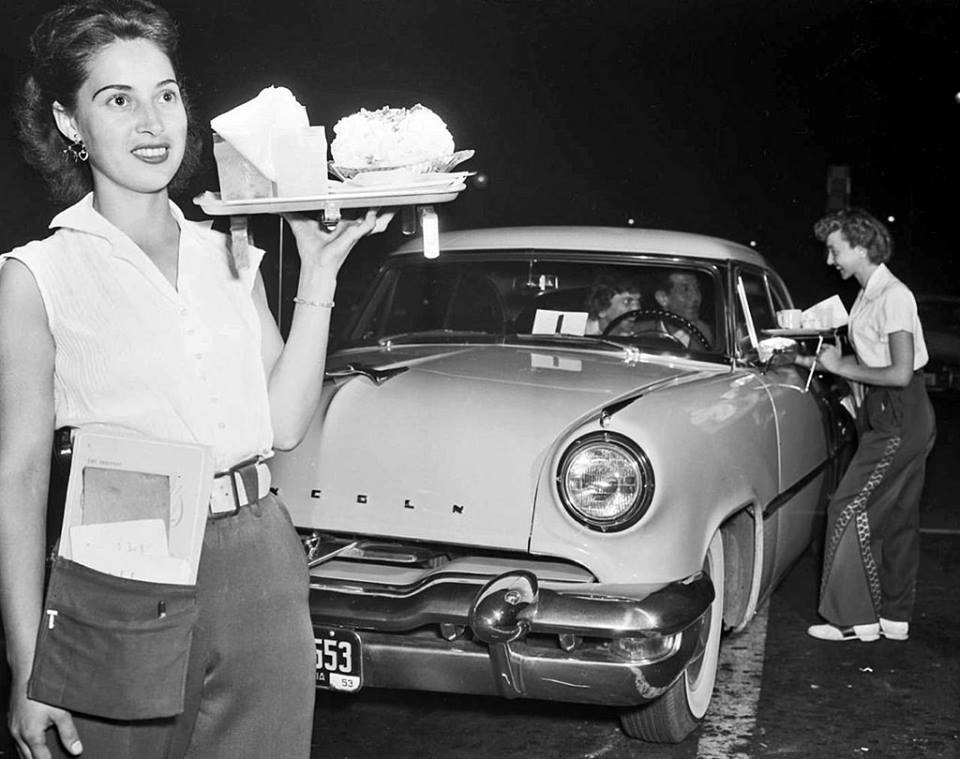
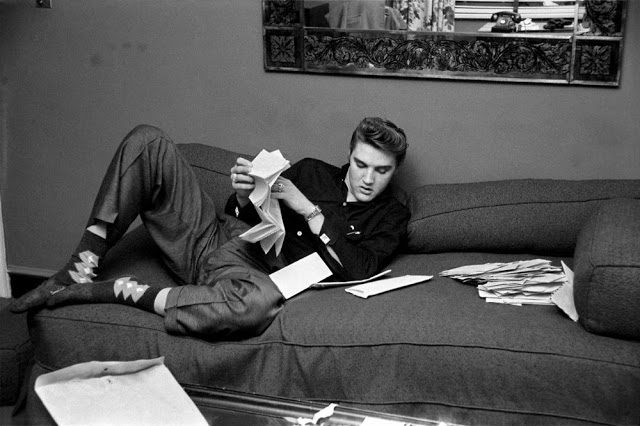
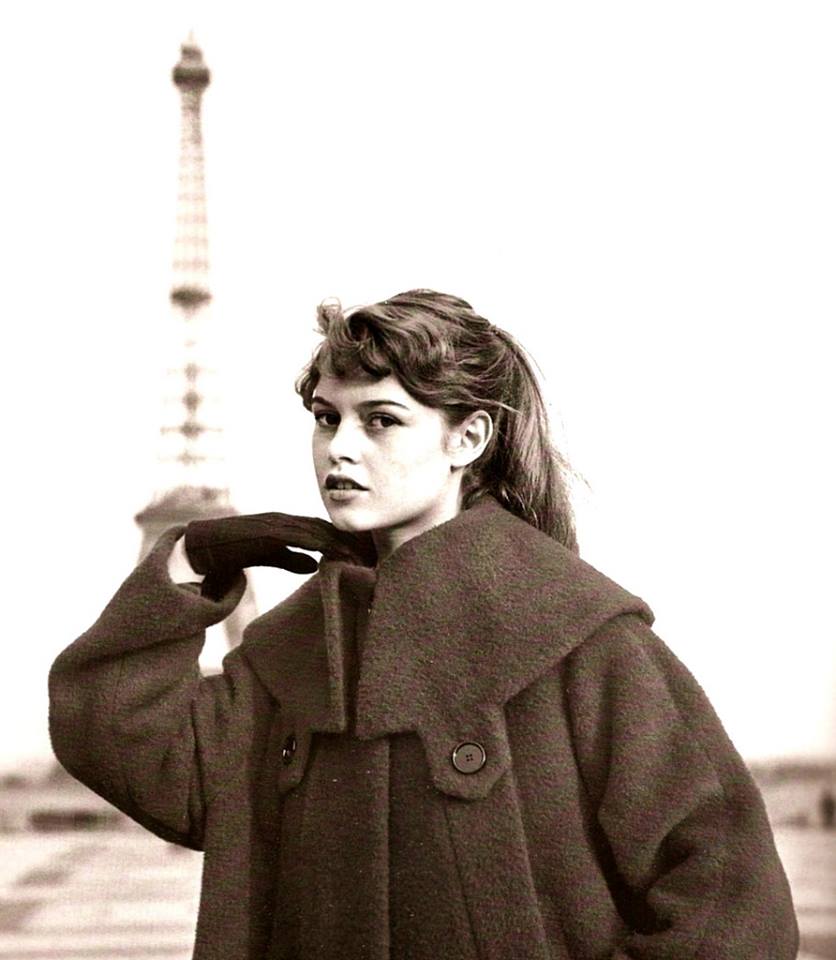
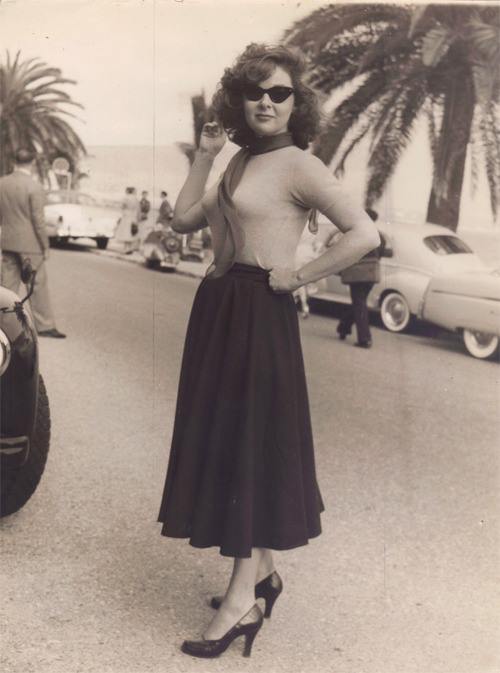
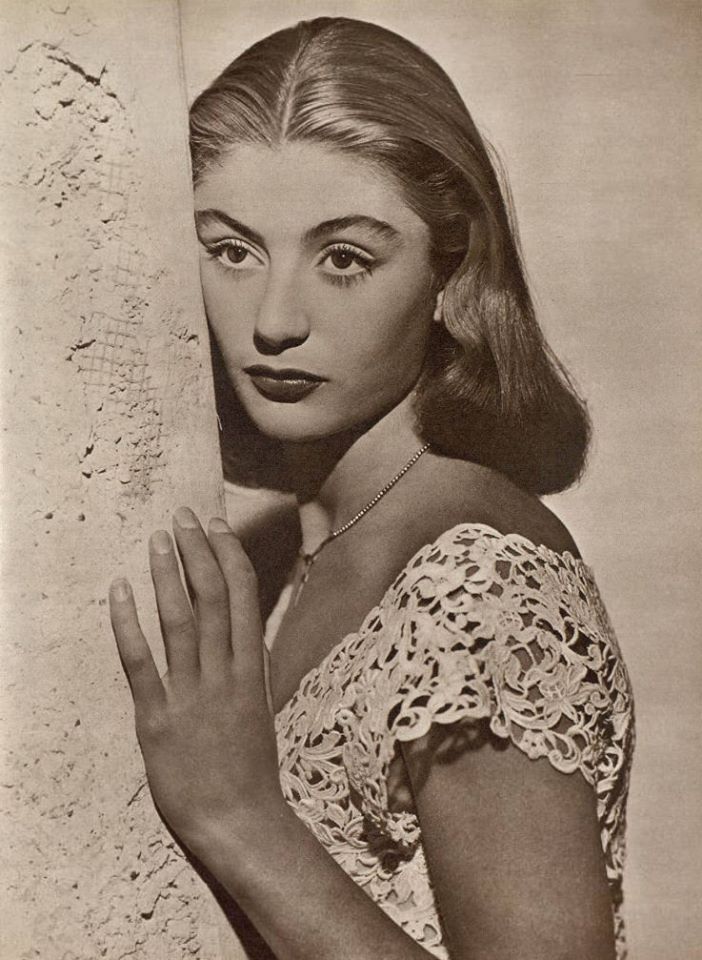
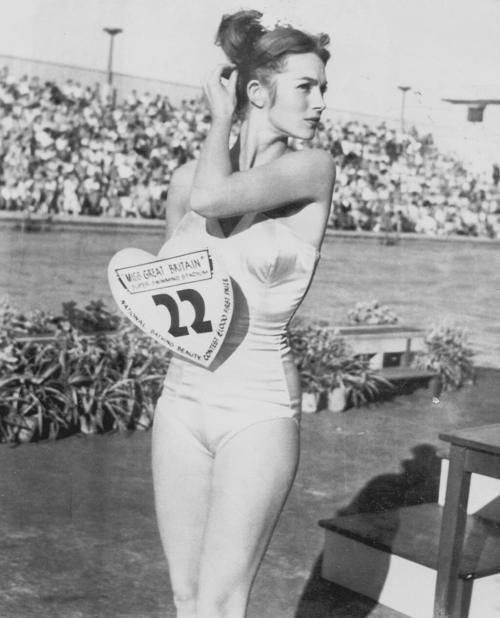
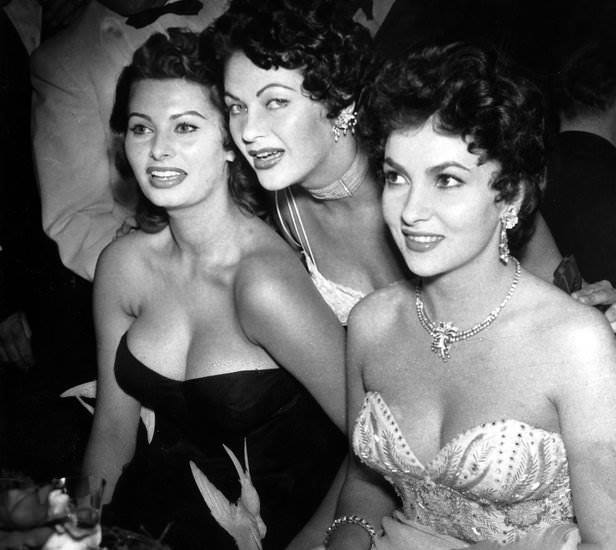
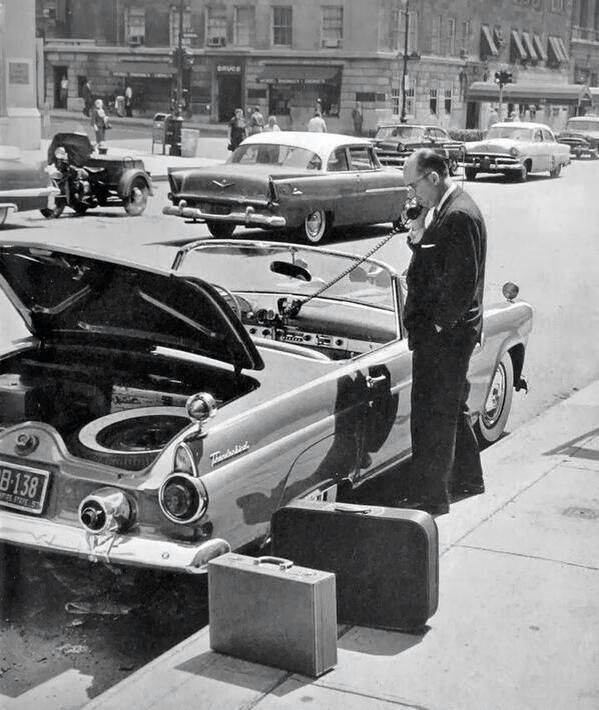
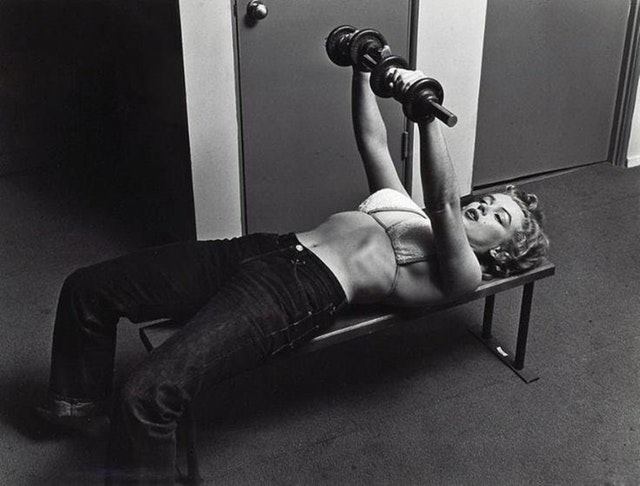
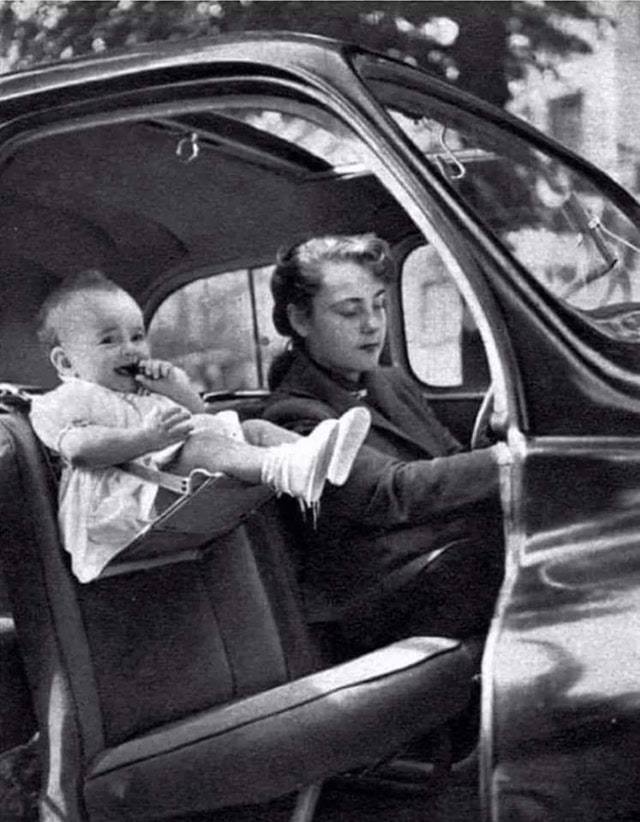
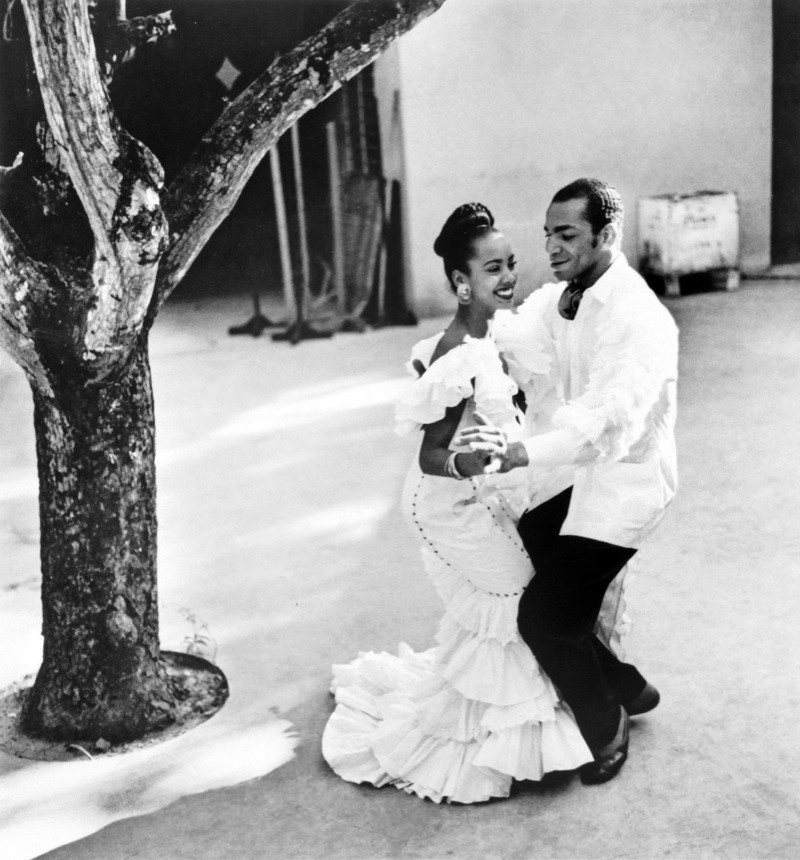
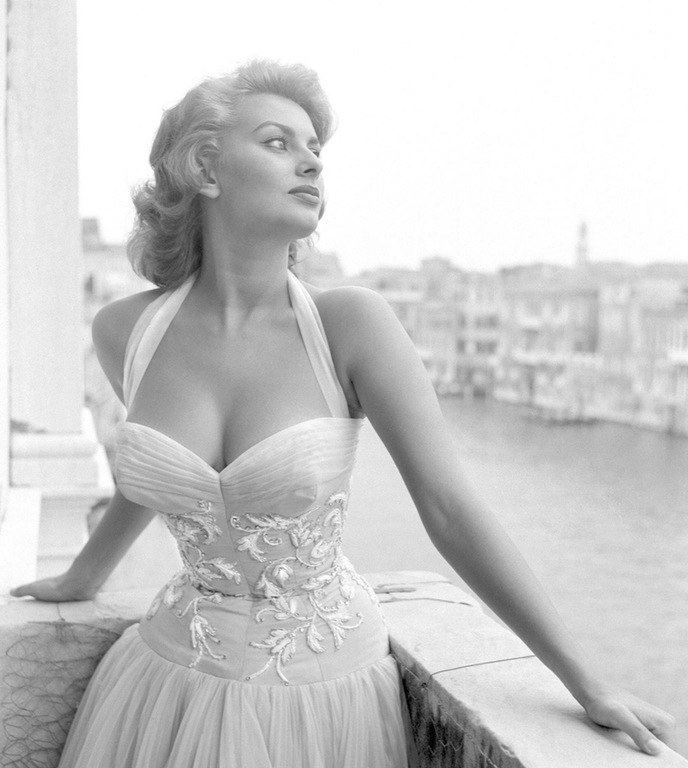
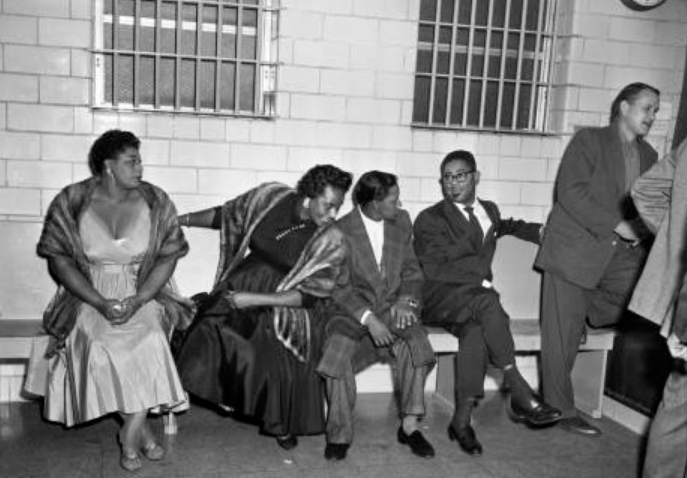
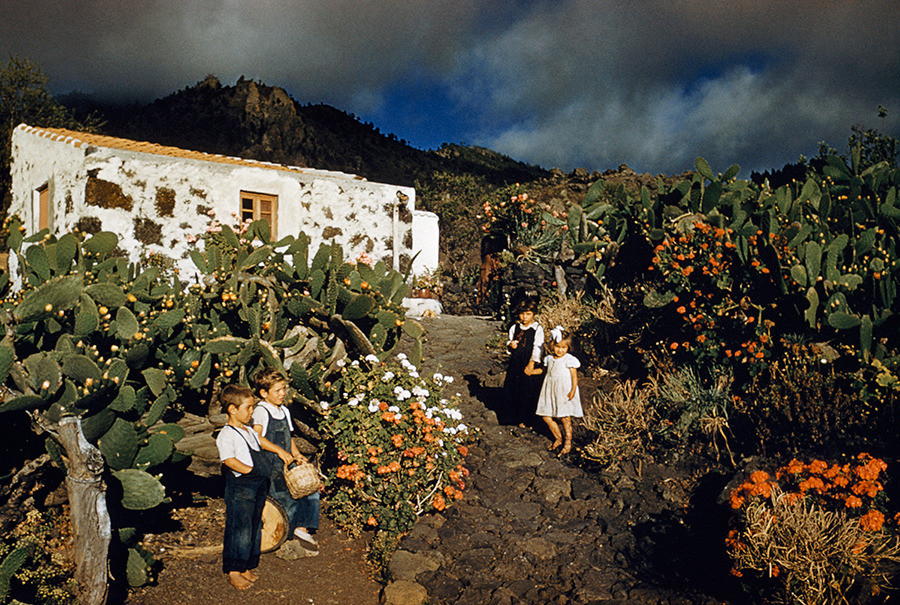
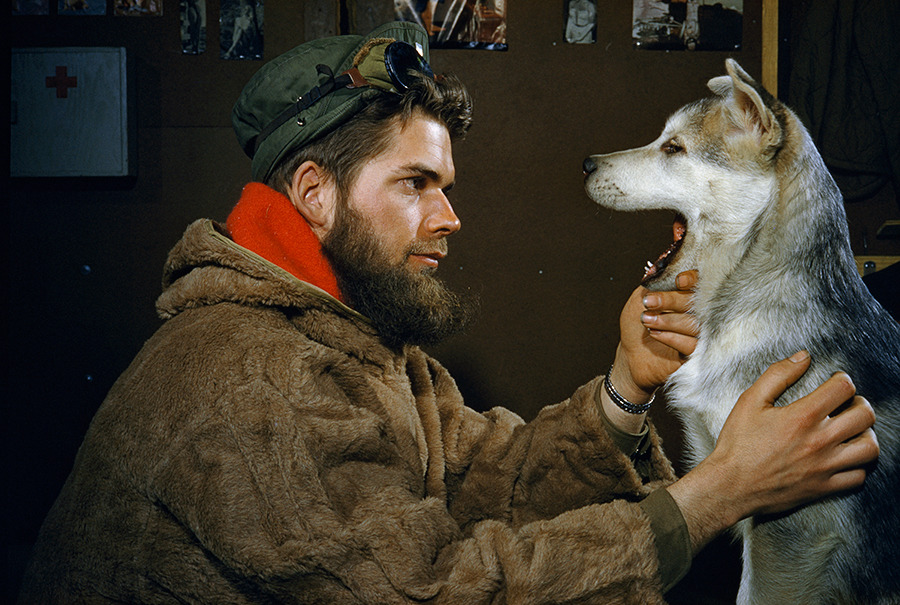
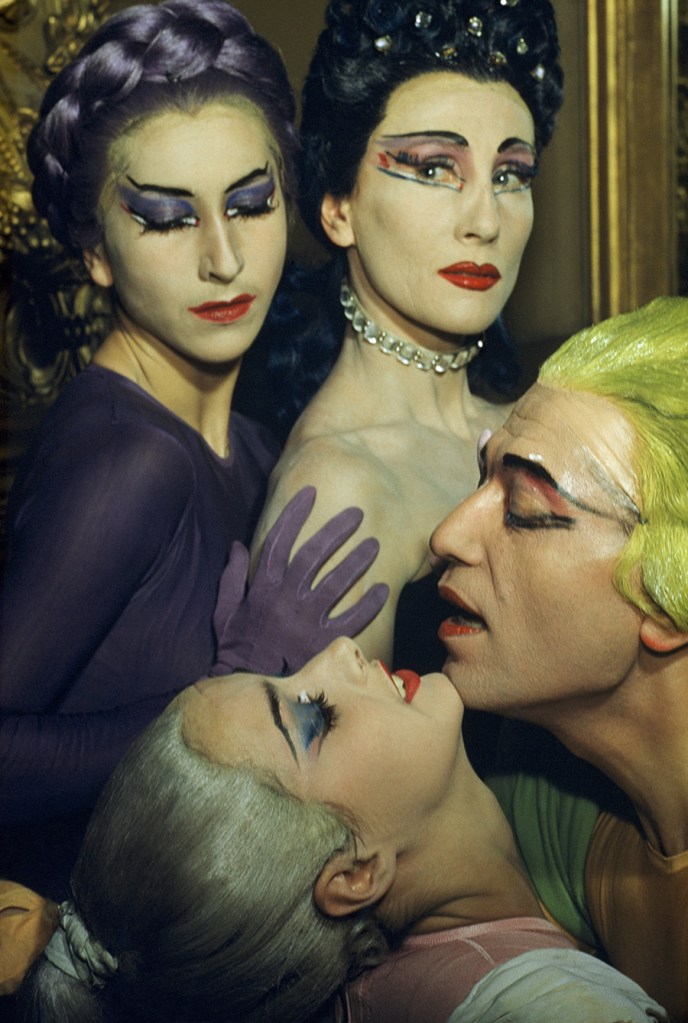
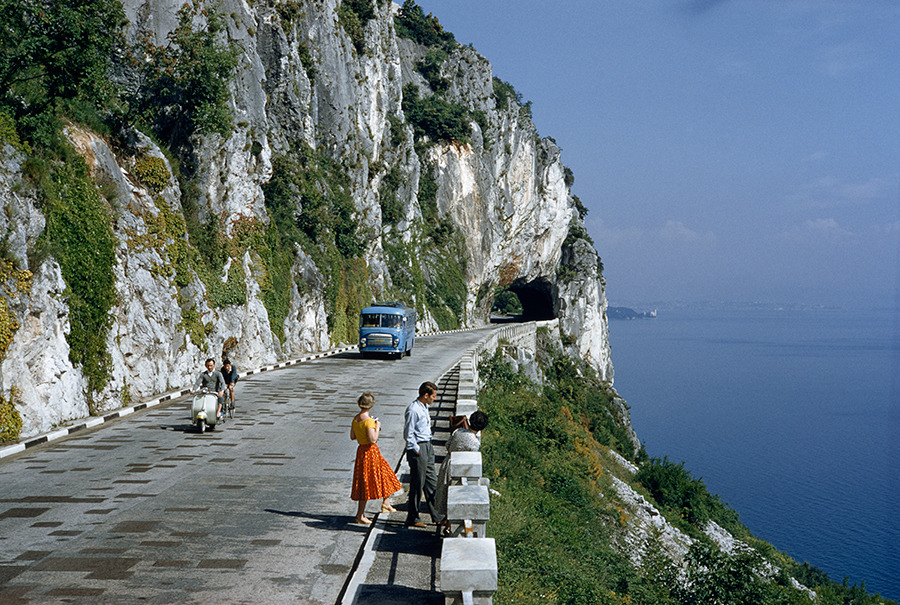
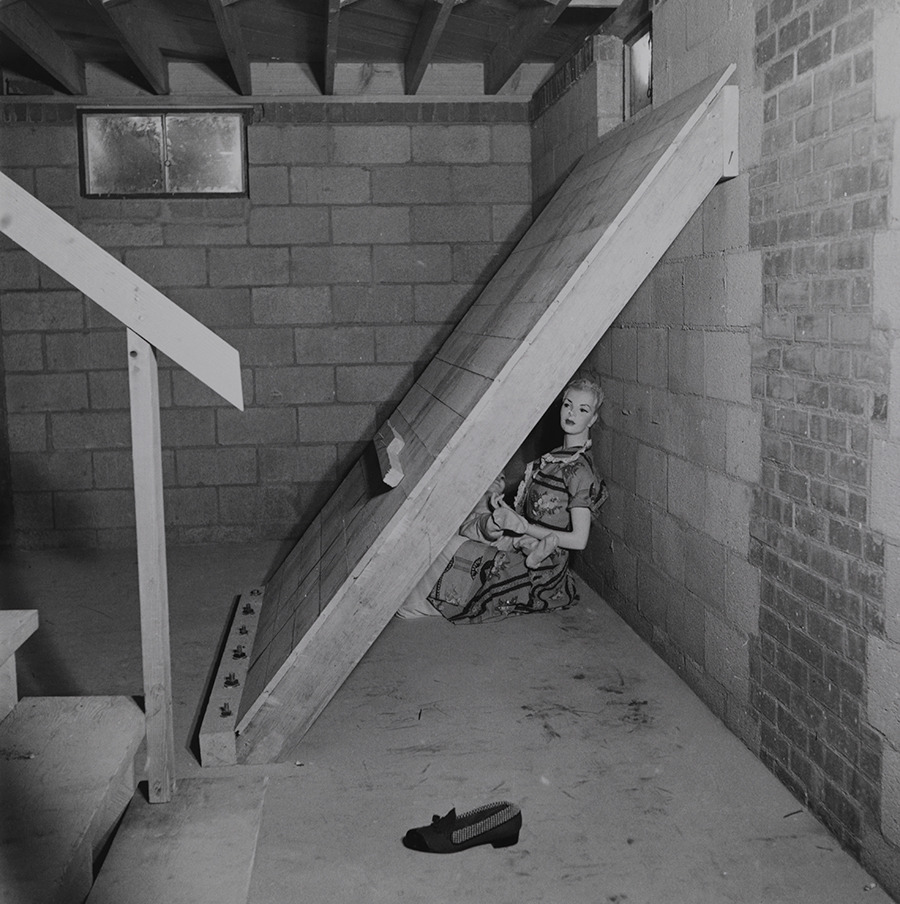
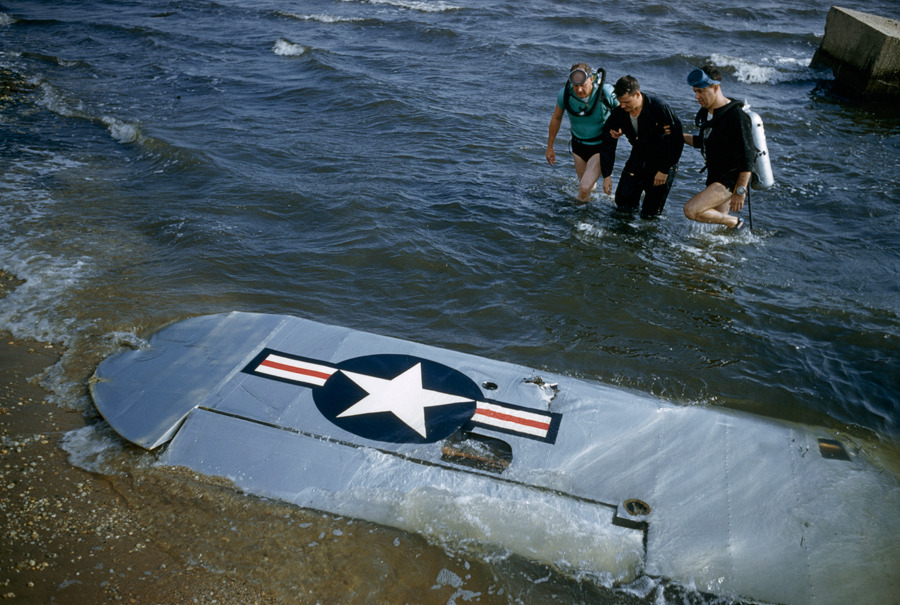
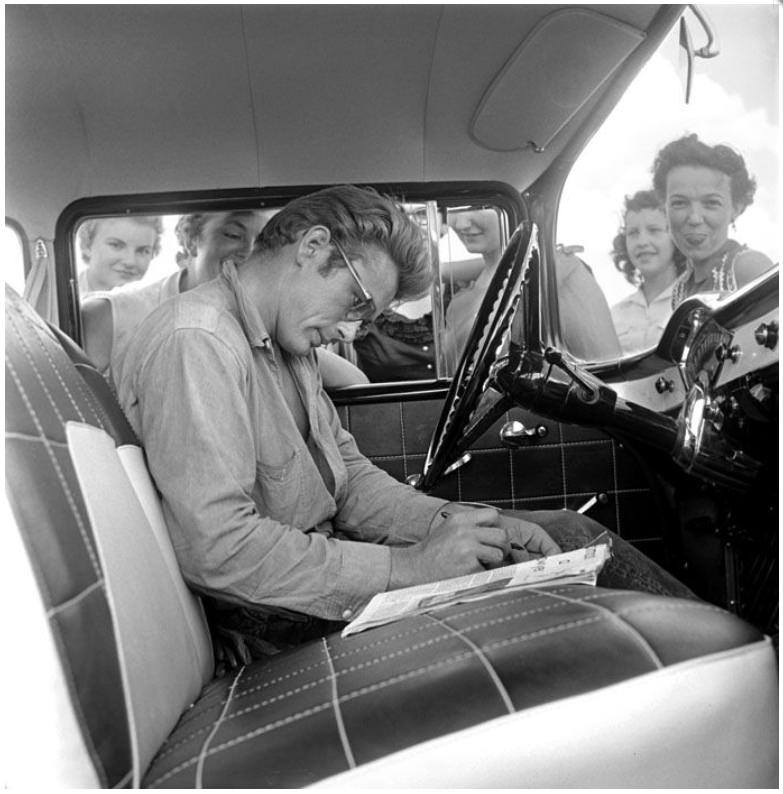
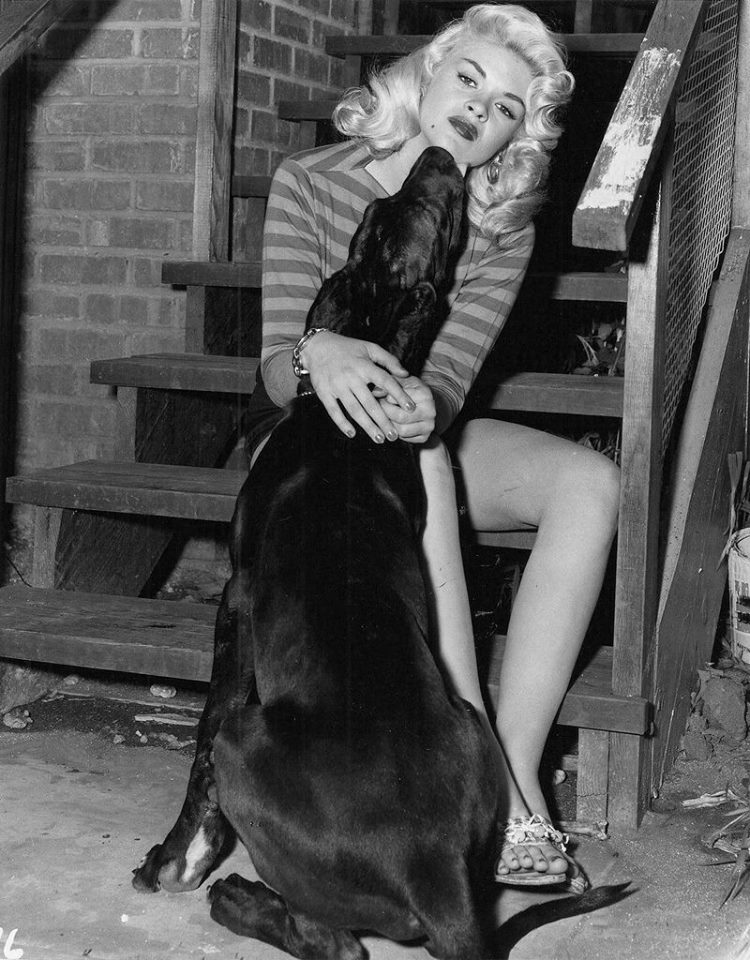
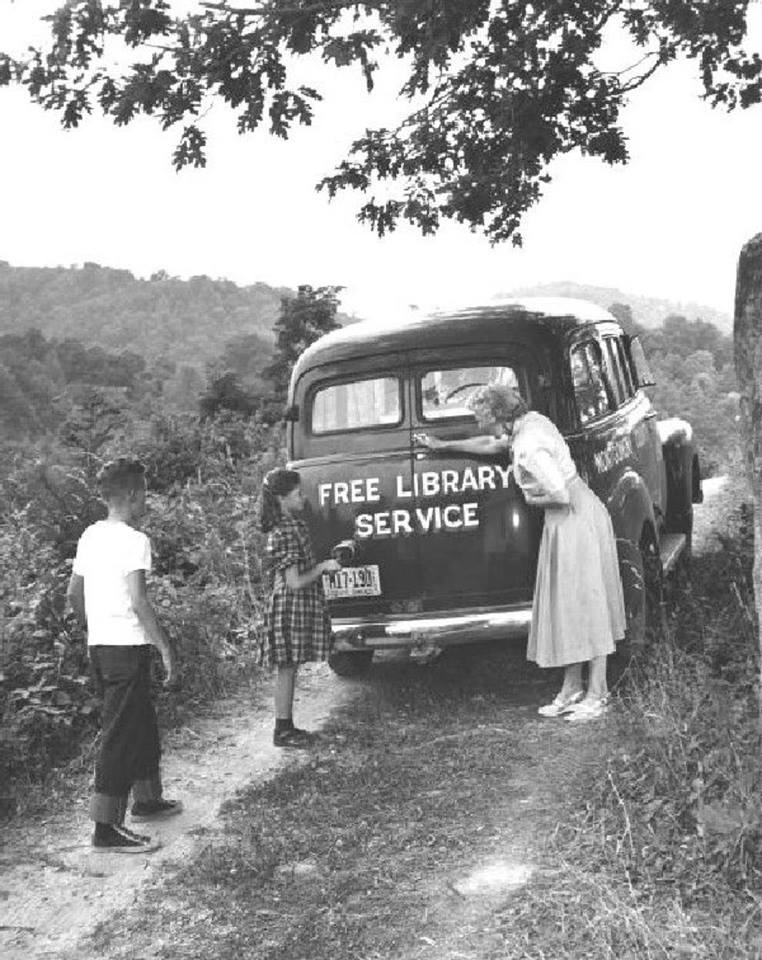
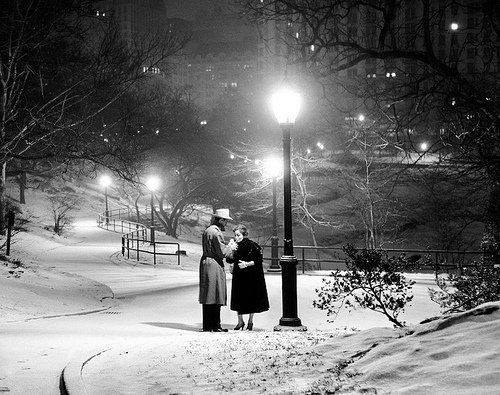
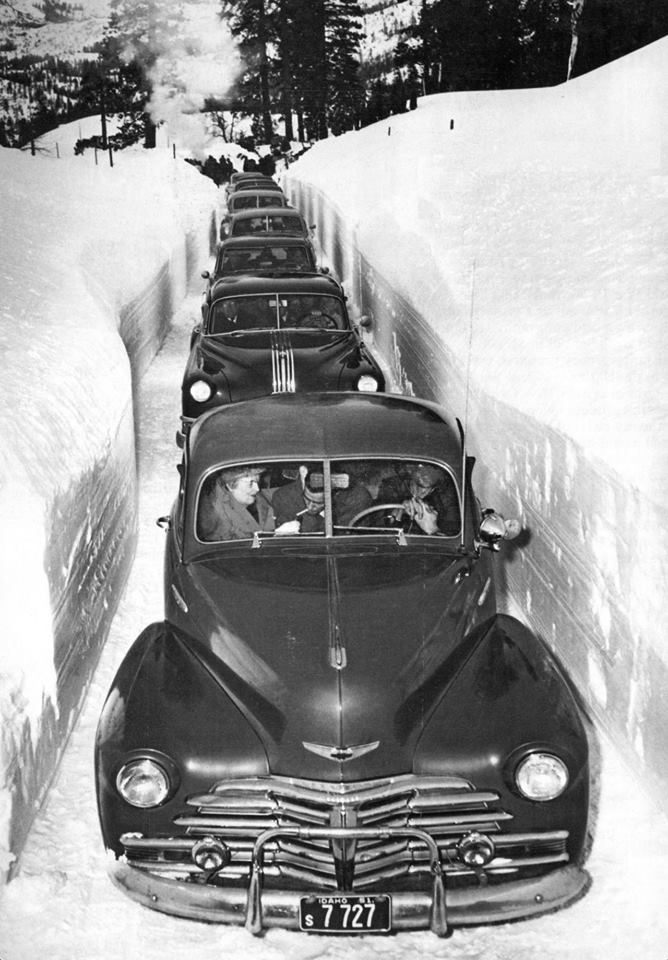
Elvis Presley Reading Fan Mail in His Suite at the Warwick Hotel in New York City, 1956On the Staten Island Ferry approaching Manhattan, 1951.Marlon Brando in New York, 1950.Carhops at night, Carl’s drive-in, S. Figueroa Street, Los Angeles, August 16, 1953.Dean Martin and Audrey Hepburn on the Paramount Pictures lot, 1954.Brigitte Bardot in front of the Eiffel Tower, 1954.Susan Hayward at Cannes Film Festival, 1956.French film actress Anouk Aimée at 18, 1950.Window shopping for a new Chevy in 1950.Shirley Anne Field was “Miss Great Britain” in 1955.Los Angeles police officers and a skeleton named ‘Mr. Statistic’ used to warn drivers about traffic fatalities back in 1952.Queen Elizabeth and Marilyn Monroe (both 30 years-old at the time and born 10 days apart) meet in London, 1956.“Miss Los Angeles” contestants, 1954.Betty Crocker Picture Cookbook from 1950.Sophia Loren, Yvonne De Carlo and Gina Lollobrigida, in 1954.1955 Ad for Hairnets: “Net Your Man”Photo of Einstein’s office taken only hours after he died, April 1955.Mobile telephone in 1959.Marilyn Monroe working out in 1952.A young Cherilyn Sarkisian LaPierre in 1955, before she shortened her name to just Cher.Women’s pipe smoking club in Chicago. 1954Baby riding in the front seat of a car, 1952.Barmaid, NYC, 1950.Havana, Cuba, 1954.Sophia Loren, Venice 1955Ella Fitzgerald (right) in a Texas jail cell after she and Dizzy Gillespie were arrested for “throwing dice” in her dressing room. 1955Elvis Presley signing autographs backstage in Cleveland. Ohio, October 20, 1955.Elvis Presley and Bill “Rock Around the Clock” Haley on October 20, 1955, during the filming of the inexplicably lost documentary, The Pied Piper of Cleveland.Children play barefoot in a cactus garden on the Canary Islands, 1955.Arizona cowboys play sports to pass the time in Phoenix, 1955A man examines the teeth of a 10-month-old Alaskan Malamute puppy near the South Pole, 1957.Women in bright dress walk by a fountain with the Taj Mahal in the background, 1959.Ballet dancers appear in a love scene from Phedre by Jean Cocteau in Paris, 1952.Motorists pass people on a scenic road atop a cliff overlooking a bay near Trieste, Italy, 1956A women’s water ski team lifts skis while being towed at 23 mph on Darts Lake in New York, 1A shielded dummy in a basement for atomic bomb testing in Nevada, March 1953.A woman walks a dachshund across pavement with undulating wave patterns in Rio de Janeiro, Brazil, March 1955.A Civil Air Patrol rescue team aids a pilot whose plane was downed outside of Long Island, May 1956.James Dean in 1950.Zsa Zsa Gabor and Buster Keaton at the Moulin Rouge, Paris, 1959.Janet Leigh at the Flamingo, 1953.James Dean making his mark, 1955.Jayne Mansfield takes a licking, circa mid-1950s.Bookmobile in Virginia, ca. 1950s.James Dean trying to get the perfect camera angle, 1950s.A very happy little French girl holding her kitty, 1959.Tab Hunter working out with a trainer at the Beverly Hills Club in the late 1950s.A couple share a cigarette under a street lamp in a snow-covered Central Park, 1957.Cars in a tight fit, on a narrow road, in the snow, Idaho, 1952.Marilyn Monroe on the set of ‘River of No Return’, 1953.
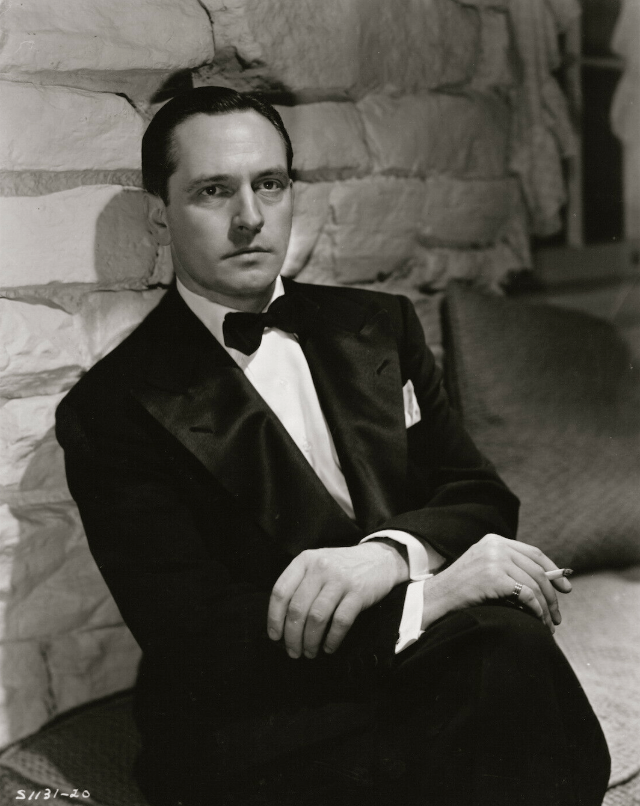
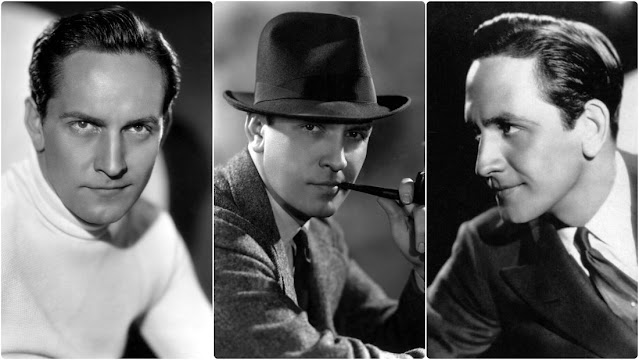
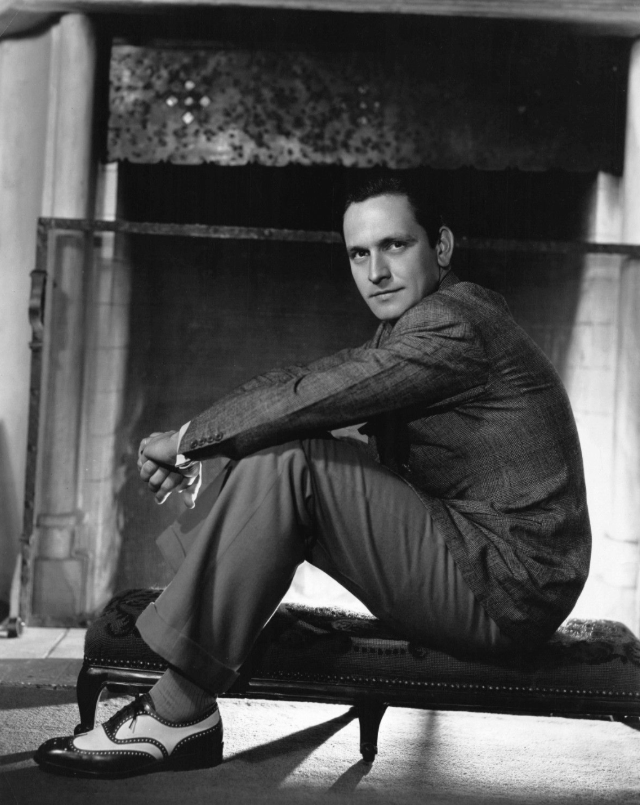
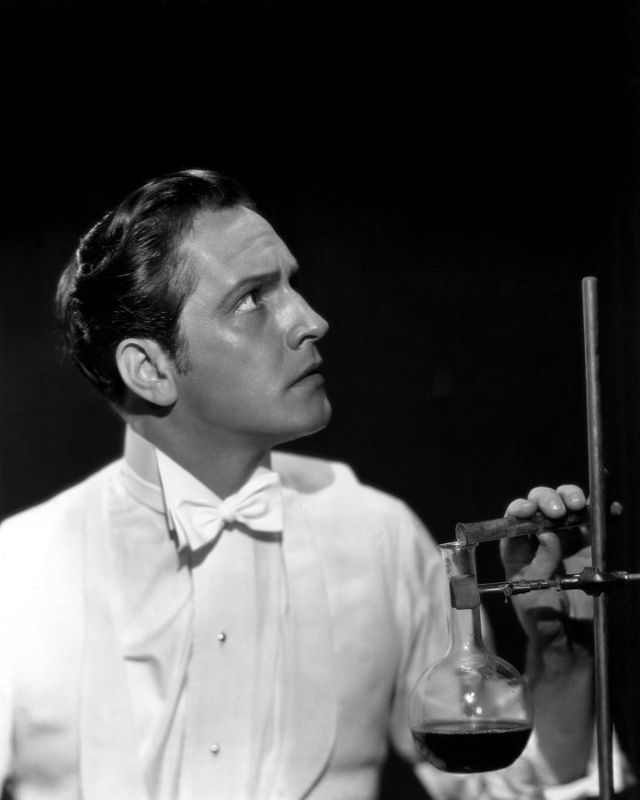
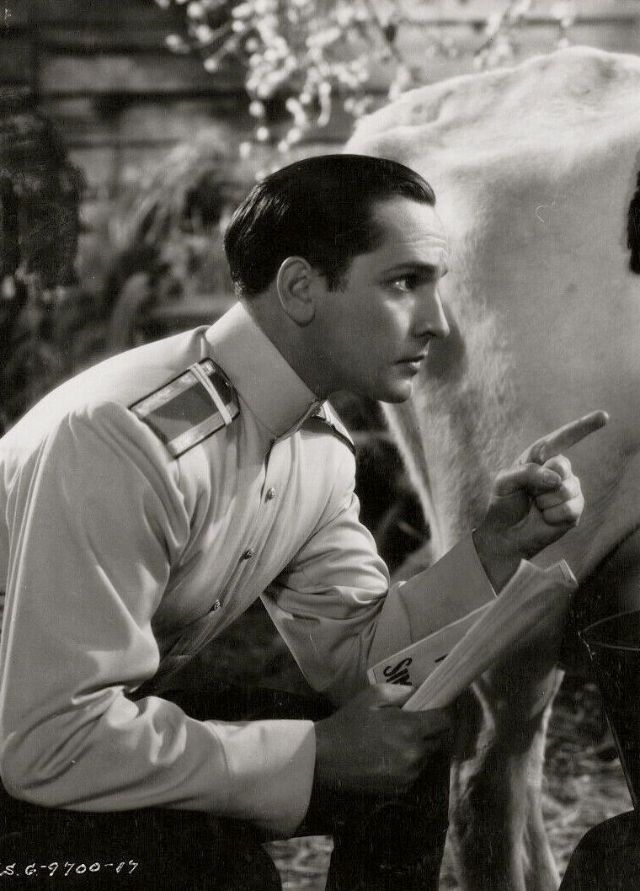
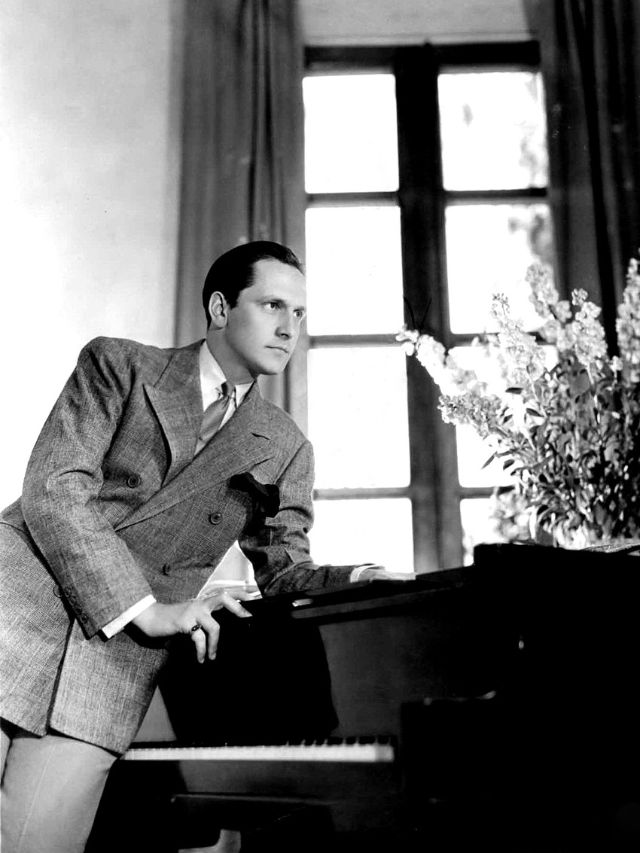
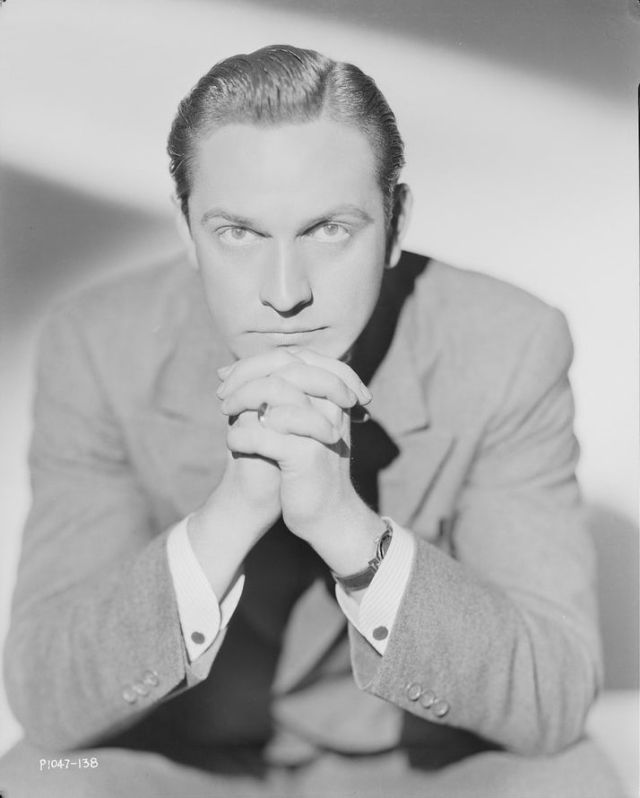
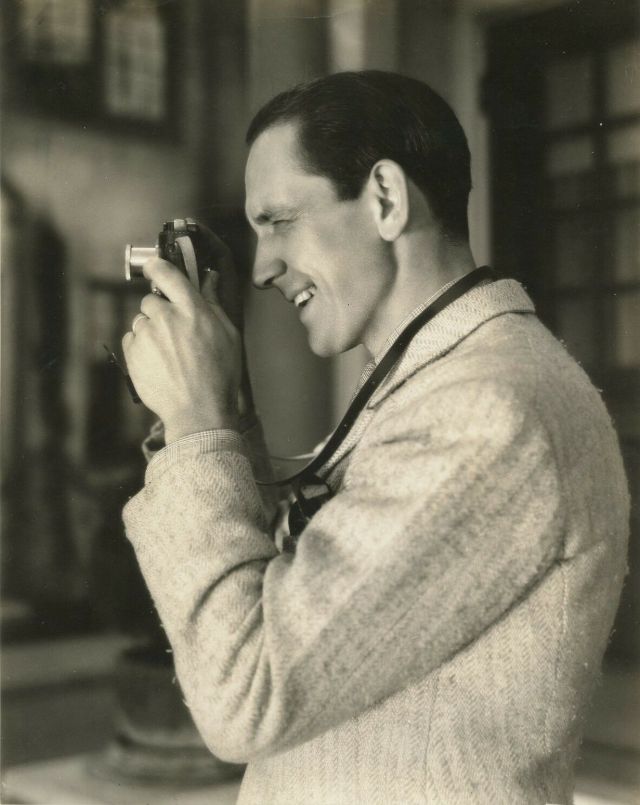
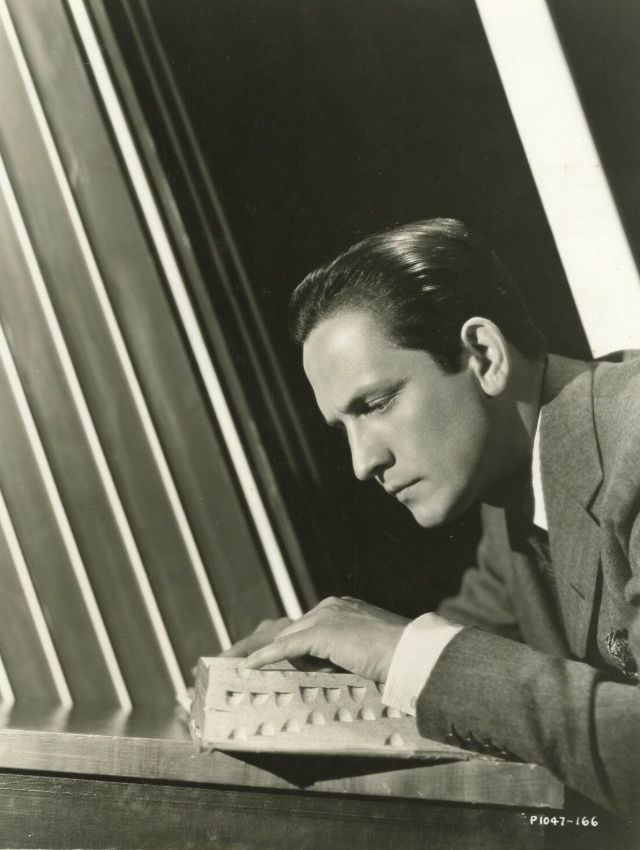
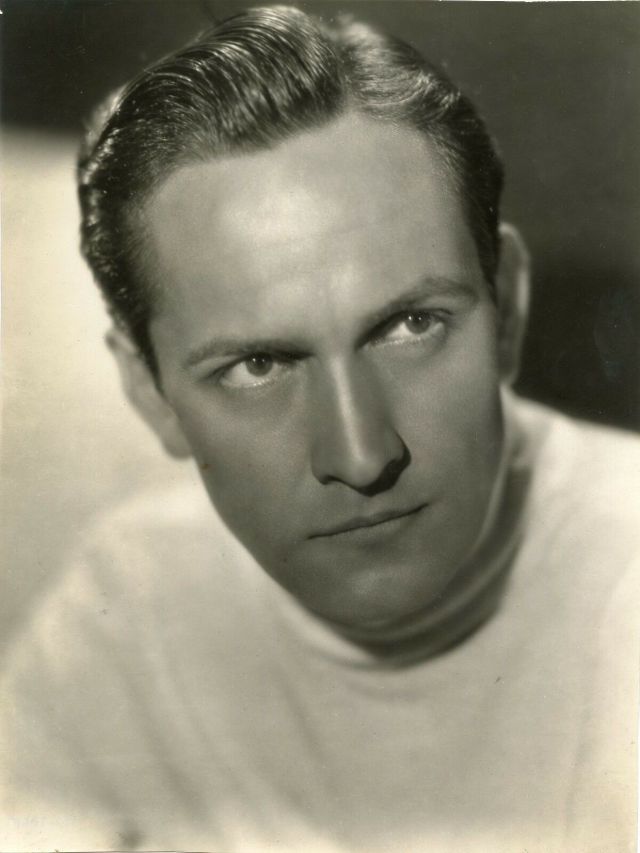
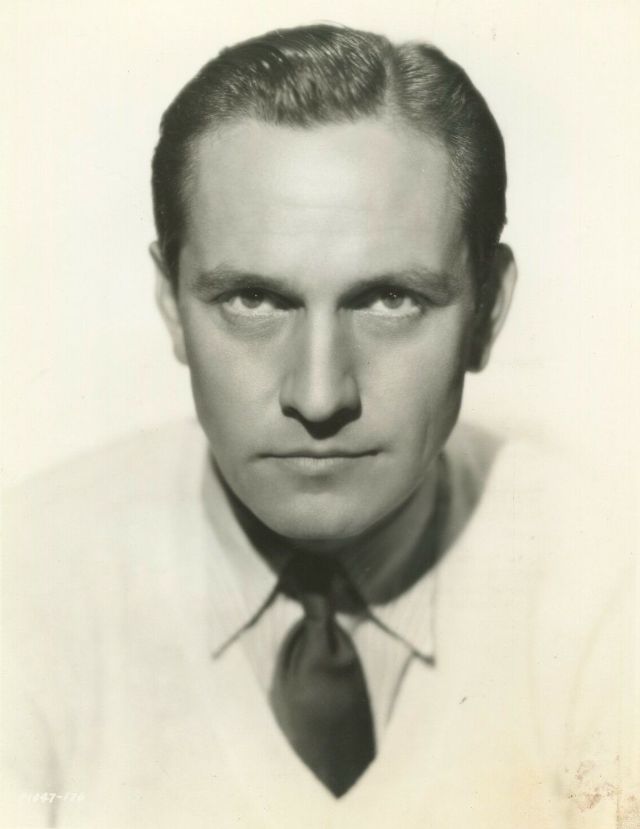
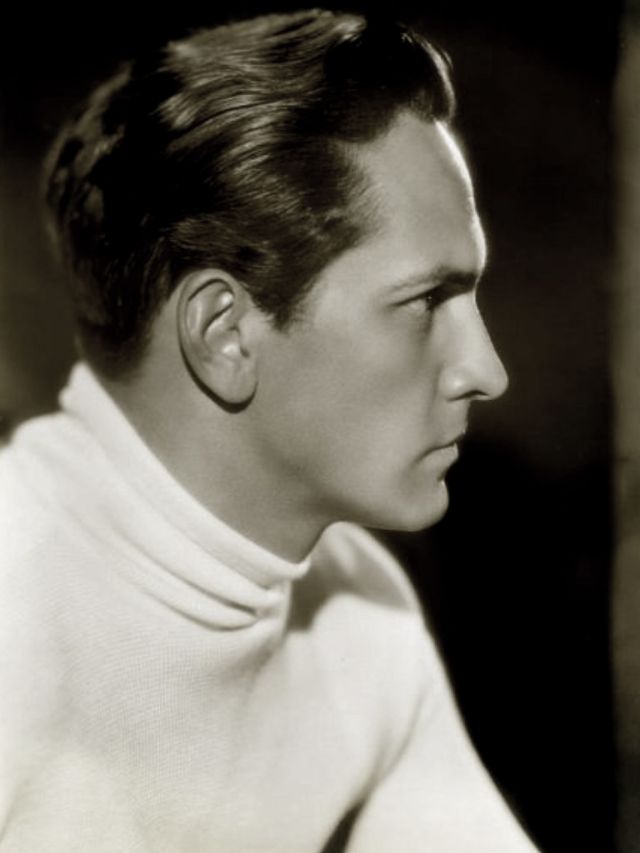
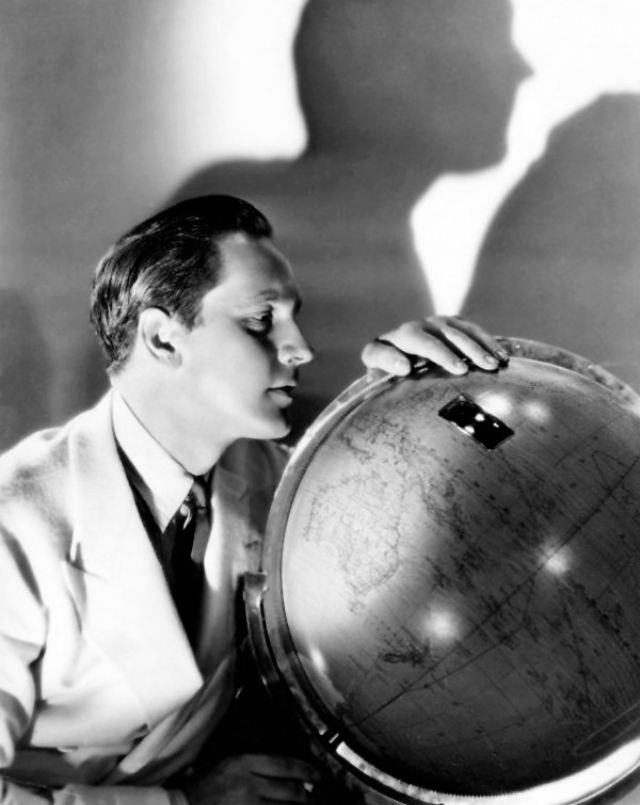
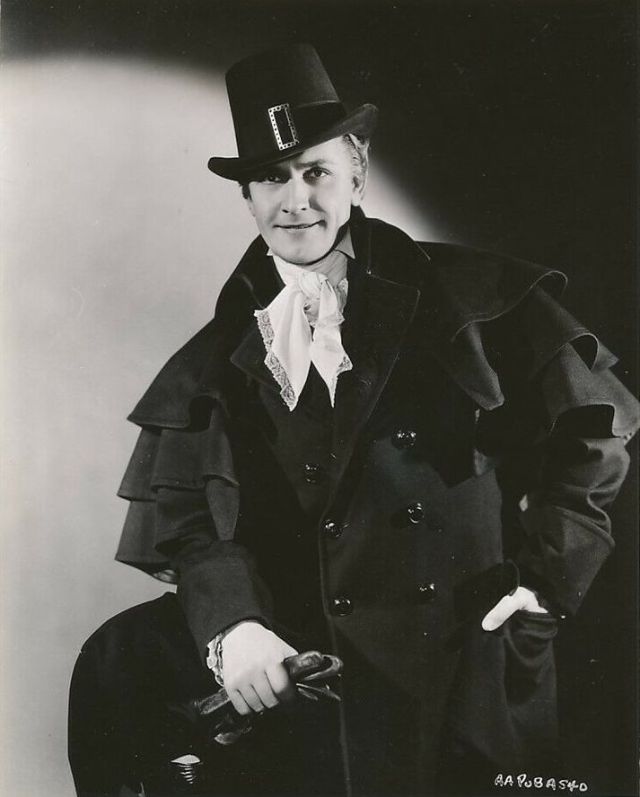
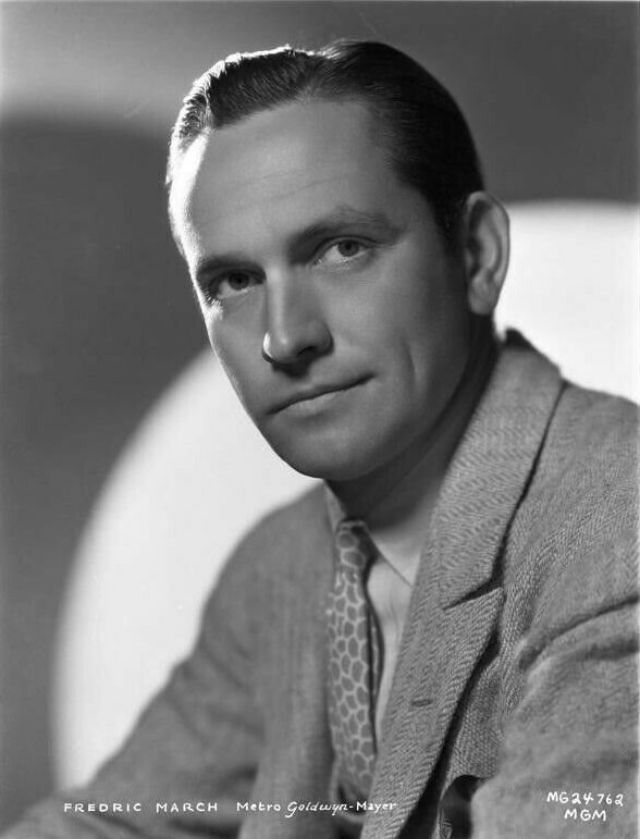
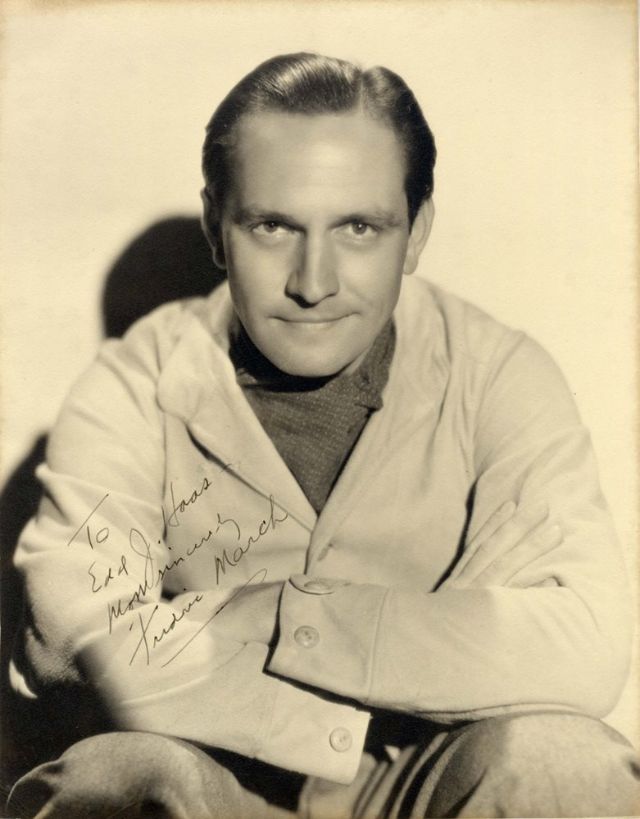
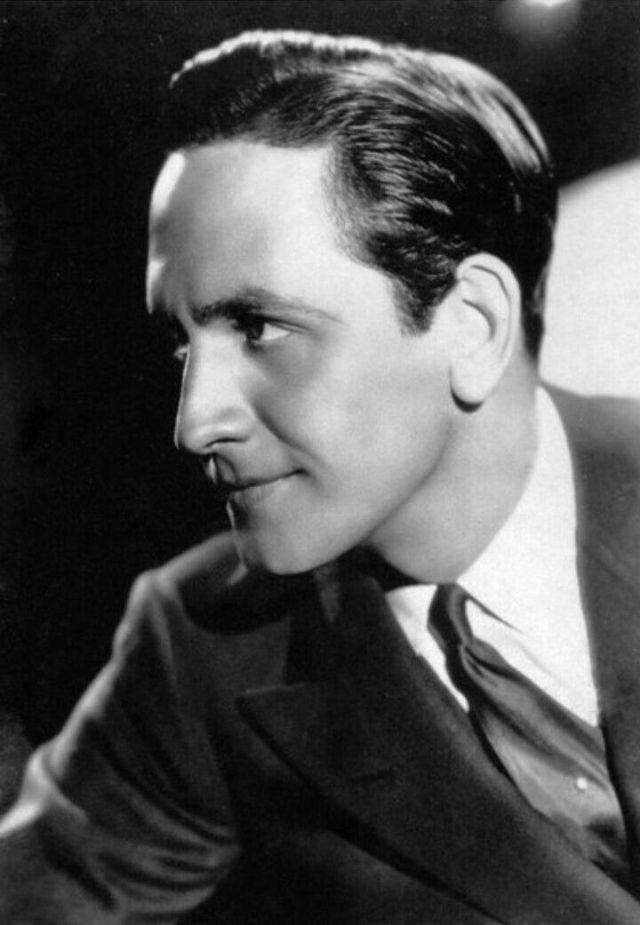
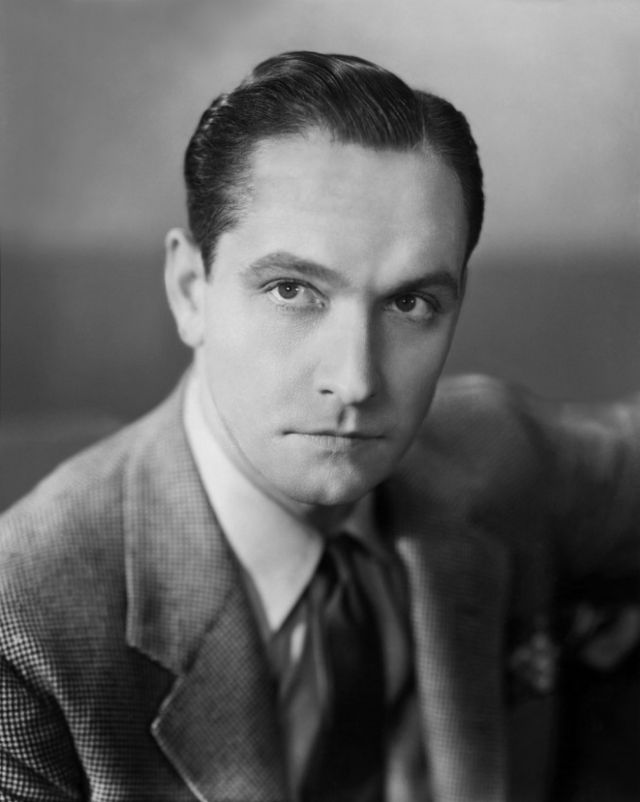
Fredric March (born Ernest Frederick McIntyre Bickel; August 31, 1897 – April 14, 1975) was an American actor, regarded as one of Hollywood’s most celebrated, versatile stars of the 1930s and 1940s. He won the Academy Award for Best Actor for Dr. Jekyll and Mr. Hyde (1931) and The Best Years of Our Lives (1946), as well as the Tony Award for Best Actor in a Play for Years Ago (1947) and Long Day’s Journey into Night (1956).
March is one of only two actors, the other being Helen Hayes, to have won both the Academy Award and the Tony Award twice.
March was born in Racine, Wisconsin, the son of Cora Brown Marcher (1863–1936), a schoolteacher from England, and John F. Bickel (1859–1941), a devout Presbyterian Church elder who worked in the wholesale hardware business. March attended the Winslow Elementary School (established in 1855), Racine High School, and the University of Wisconsin–Madison,[citation needed] where he was a member of Alpha Delta Phi.
March served in the United States Army during World War I as an artillery lieutenant.
He began a career as a banker, but an emergency appendectomy caused him to re-evaluate his life, and in 1920, he began working as an “extra” in movies made in New York City, using a shortened form of his mother’s maiden name. He appeared on Broadway in 1926, and by the end of the decade, he signed a film contract with Paramount Pictures.
Like Laurence Olivier, March had a rare protean quality to his acting that allowed him to assume almost any persona convincingly, from Robert Browning to William Jennings Bryan to Dr Jekyll – or Mr. Hyde. He received an Oscar nomination for the 4th Academy Awards in 1930 for The Royal Family of Broadway, in which he played a role modeled on John Barrymore. He won the Academy Award for Best Actor for the 5th Academy Awards in 1932 for Dr. Jekyll and Mr. Hyde (tied with Wallace Beery for The Champ, although March accrued one more vote than Beery). This led to roles in a series of classic films based on stage hits and classic novels like Design for Living (1933) with Gary Cooper and Miriam Hopkins; Death Takes a Holiday (1934); Les Misérables (1935) with Charles Laughton; Anna Karenina (1935) with Greta Garbo; Anthony Adverse (1936) with Olivia de Havilland; and as the original Norman Maine in A Star is Born (1937) with Janet Gaynor, for which he received his third Academy Award nomination.
March resisted signing long-term contracts with the studios, enabling him to play roles in films from a variety of studios. He returned to Broadway after a ten-year absence in 1937 with a notable flop, Yr. Obedient Husband, but after the success of Thornton Wilder’s The Skin of Our Teeth, he focused as much on Broadway as on Hollywood. He won two Best Actor Tony Awards: in 1947 for the play Years Ago, written by Ruth Gordon and in 1957 for his performance as James Tyrone in the original Broadway production of Eugene O’Neill’s Long Day’s Journey Into Night. He also had major successes in A Bell for Adano in 1944 and Gideon in 1961, and he played in Ibsen’s An Enemy of the People on Broadway in 1951. During this period, he also starred in films, including I Married a Witch (1942) and Another Part of the Forest (1948). March won his second Oscar in 1946 for The Best Years of Our Lives.
March also branched out into television, winning Emmy nominations for his third attempt at The Royal Family for the series The Best of Broadway as well as for television performances as Samuel Dodsworth and Ebenezer Scrooge. On March 25, 1954, March co-hosted the 26th Annual Academy Awards ceremony from New York City, with co-host Donald O’Connor in Los Angeles.
March’s neighbor in Connecticut, playwright Arthur Miller, was thought to favor March to inaugurate the part of Willy Loman in the Pulitzer Prize-winning Death of a Salesman (1949). However, March read the play and turned down the role, whereupon director Elia Kazan cast Lee J. Cobb as Willy and Arthur Kennedy as one of Willy’s sons, Biff Loman. Cobb and Kennedy were two actors with whom the director had worked in the film Boomerang (1947). March later regretted turning down the role and finally played Willy Loman in Columbia Pictures’s 1951 film version of the play, directed by Laslo Benedek. March earned his fifth and final Oscar nomination as well as a Golden Globe Award. He also played one of two leads in The Desperate Hours (1955) with Humphrey Bogart. Bogart and Spencer Tracy had both insisted upon top billing, and Tracy withdrew, leaving the part available for March.
In 1957, March was awarded the George Eastman Award, given by George Eastman House for “distinguished contribution to the art of film”.
On February 12, 1959, March appeared before a joint session of the 86th United States Congress, reading the Gettysburg Address as part of a commemoration of the 150th anniversary of Abraham Lincoln’s birth.
March co-starred with Spencer Tracy in the 1960 Stanley Kramer film Inherit the Wind, in which he played a dramatized version of famous orator and political figure William Jennings Bryan. March’s Bible-thumping character provided a rival for Tracy’s Clarence Darrow-inspired character. In the 1960s, March’s film career continued with a performance as President Jordan Lyman in the political thriller Seven Days in May (1964) in which he co-starred with Burt Lancaster, Kirk Douglas, and Edmond O’Brien; the part earned March a Golden Globe nomination as Best Actor.
March made several spoken word recordings, including a version of Oscar Wilde’s The Selfish Giant issued in 1945 in which he narrated and played the title role, and The Sounds of History, a twelve volume LP set accompanying the twelve volume set of books The Life History of the United States, published by Time-Life. The recordings were narrated by Charles Collingwood, with March and his wife Florence Eldridge performing dramatic readings from historical documents and literature.
Following surgery for prostate cancer in 1970, it seemed his career was over; yet, he managed to give one last performance in The Iceman Cometh (1973) as the complicated Irish saloon keeper, Harry Hope.
March was married to actress Florence Eldridge from 1927 until his death in 1975, and they had two adopted children. They appeared in seven films together, the last being Inherit the Wind.
March and Eldridge commissioned Wallace Neff to build their house in Ridgeview Drive, Bel Air, in 1934. It has subsequently been owned by the philanthropist Wallis Annenberg and the actors Brad Pitt and Jennifer Aniston.
Throughout his life, March and Eldridge were supporters of the Democratic Party. In July 1936, March co-founded the Hollywood Anti-Nazi League (HANL), along with the writers Dorothy Parker and Donald Ogden Stewart, the director Fritz Lang, and the composer Oscar Hammerstein.
In 1938, March was one of many Hollywood personalities who were investigated by the House Un-American Activities Committee (HUAC) and the hunt for Communists in the film community. In July 1940, he was among a number of individuals who were questioned by a HUAC subcommittee which was led by Representative Martin Dies Jr.
Later, in 1948, he and his wife sued the anti-communist publication Counterattack for defamation, seeking $250,000 in damages. The suit was settled out of court.
March died of prostate cancer, at the age of 77, in Los Angeles, and he was buried at his estate in New Milford, Connecticut. (Wikipedia)
Les Femmes is a 1969 sex comedy film co-written and directed by Jean Aurel, starring Brigitte Bardot and Maurice Ronet. It recorded admissions of 505,292 in France.
When Les Femmes was first released in Italy in 1970, the Committee for the Theatrical Review of the Italian Ministry of Cultural Heritage and Activities rated it as VM18: not suitable for children under 18.
The reason for the age restriction, cited in the official documents, is that: even after the cuts, the movie is still imbued with eroticism and it is inappropriate to the sensitivity of a minor.
Brigitte Anne-Marie Bardot; born 28 September 1934, often referred to by her initials B.B., is a French former actress, singer and model. Famous for portraying sexually emancipated characters with hedonistic lifestyles, she was one of the best known sex symbols of the late 1950s and 1960s. Although she withdrew from the entertainment industry in 1973, she remains a major popular culture icon.
Born and raised in Paris, Bardot was an aspiring ballerina in her early life. She started her acting career in 1952. She achieved international recognition in 1957 for her role in And God Created Woman (1956), and also caught the attention of French intellectuals. She was the subject of Simone de Beauvoir’s 1959 essay The Lolita Syndrome, which described her as a “locomotive of women’s history” and built upon existentialist themes to declare her the first and most liberated woman of post-war France. She won a 1961 David di Donatello Best Foreign Actress Award for her work in The Truth. Bardot later starred in Jean-Luc Godard’s film Le Mépris (1963). For her role in Louis Malle’s film Viva Maria! (1965) she was nominated for the BAFTA Award for Best Foreign Actress.
Bardot retired from the entertainment industry in 1973. She had acted in 47 films, performed in several musicals, and recorded more than 60 songs. She was awarded the Legion of Honour in 1985. After retiring, she became an animal rights activist and created the Fondation Brigitte Bardot. Bardot is known for her strong personality, outspokenness, and speeches on animal defense; she has been fined twice for public insults. She has also been a controversial political figure, having been fined five times for inciting racial hatred when she criticised immigration and Islam in France. She is married to Bernard d’Ormale, a former adviser to Jean-Marie Le Pen, a French far-right politician. Bardot is a member of the Global 500 Roll of Honour of the United Nations Environment Programme and has received awards from UNESCO and PETA. Los Angeles Times Magazine ranked her second on the “50 Most Beautiful Women In Film”. (Wikipedia)
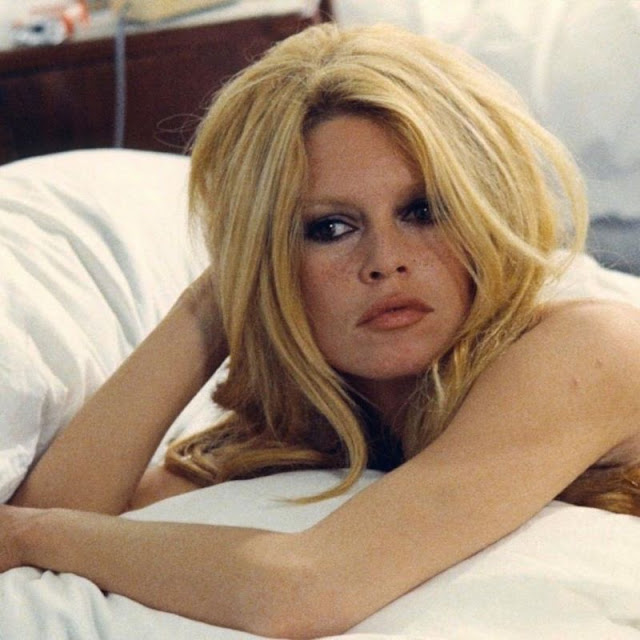
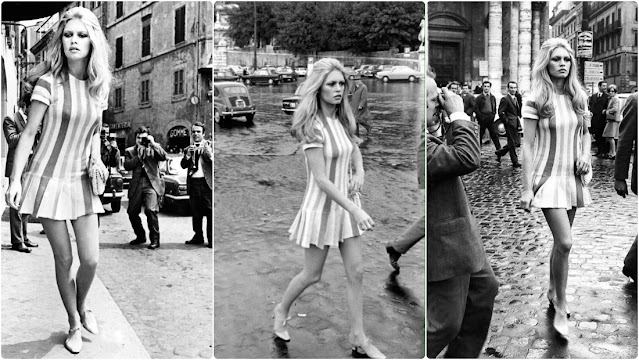
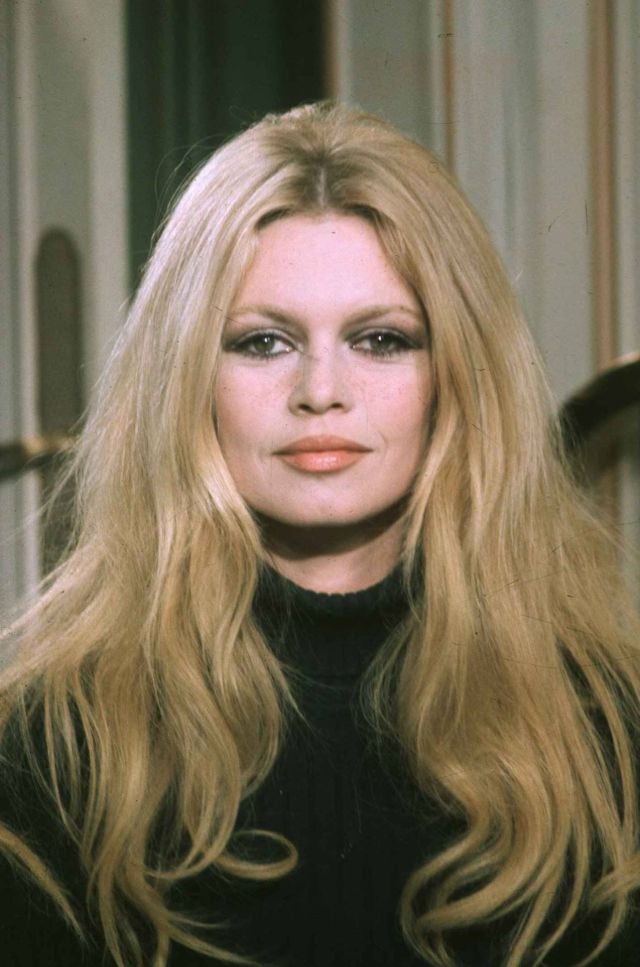
Here below is a set of vintage photos that shows portraits of Brigitte Bardot during the filming of Les Femmes in 1969.
Subscribe to continue reading
Become a paid subscriber to get access to the rest of this post and other exclusive content.