
Subscribe to continue reading
Become a paid subscriber to get access to the rest of this post and other exclusive content.
Bringing You the Wonder of Yesterday – Today

Become a paid subscriber to get access to the rest of this post and other exclusive content.
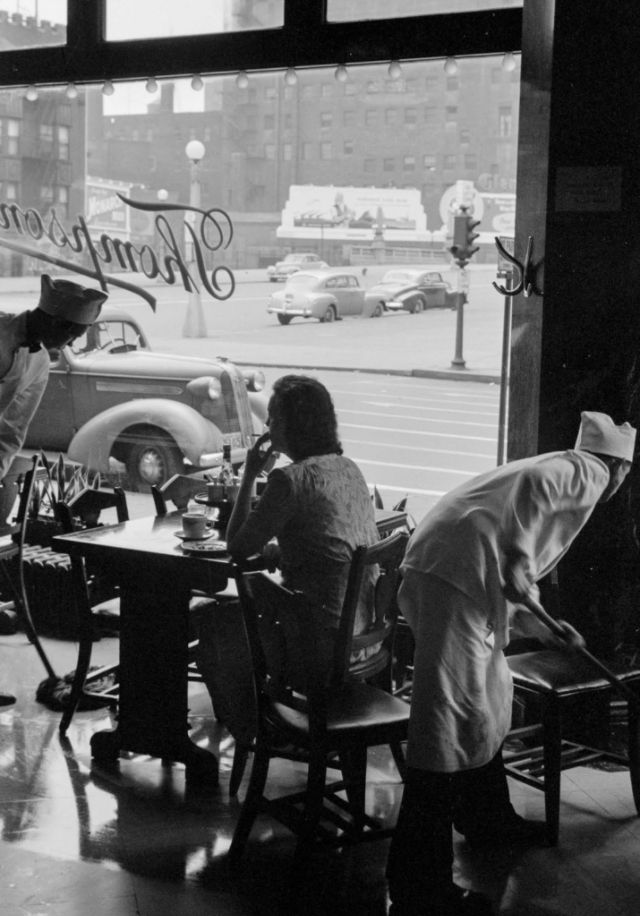
In the depths of the Great Depression, the United States government created the Resettlement Administration to help provide relief for drought-stricken and impoverished farmers. The RA was restructured and renamed the Farm Security Administration in 1937.
One of the FSA’s most notable efforts was its small team of documentary photographers, who traveled the country recording the living conditions of Americans. Directed by Roy Stryker, the photographers included now-legendary documentarians Dorothea Lange, Walker Evans, Gordon Parks and Russell Lee, among others.
In 1936, 21-year-old Minnesotan John Felix Vachon got a job with the FSA as an assistant messenger while attending the Catholic University of America. He had no previous interest in photography, but his constant immersion in the work of the FSA photographers motivated him to try his own hand at shooting.
He started out by wandering around Washington with a Leica camera, and soon received training, equipment and encouragement from Stryker, Evans and other FSA photographers. By 1938, he was shooting solo assignments.
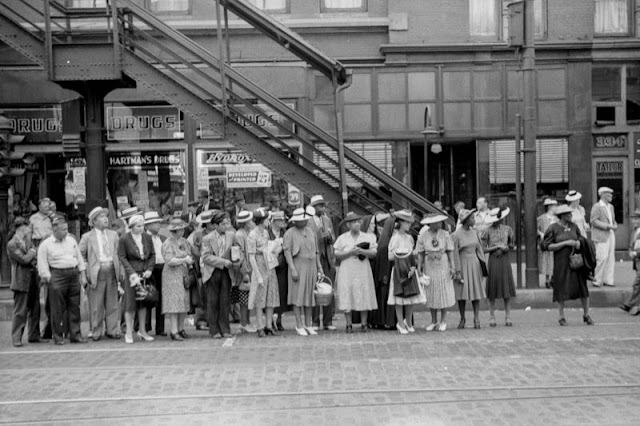
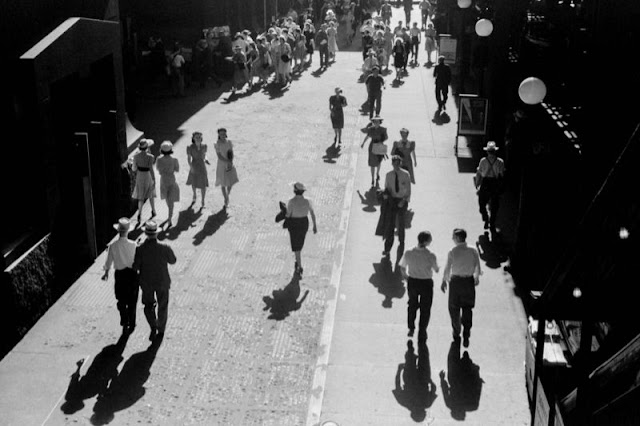
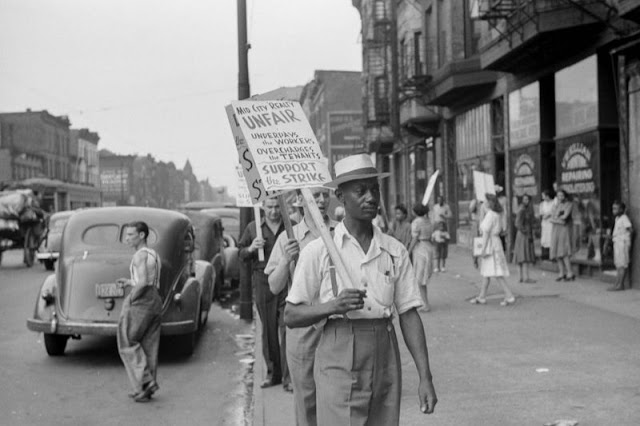
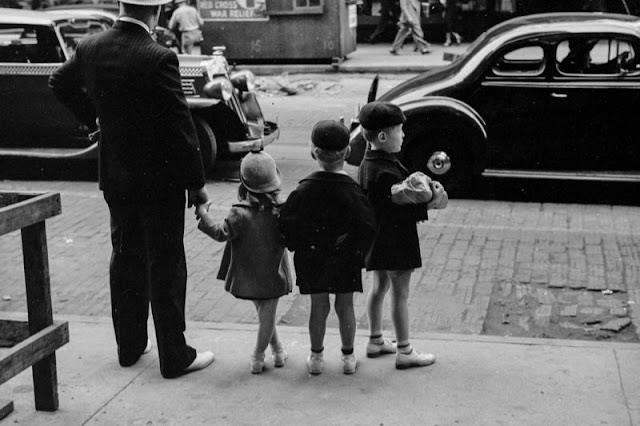
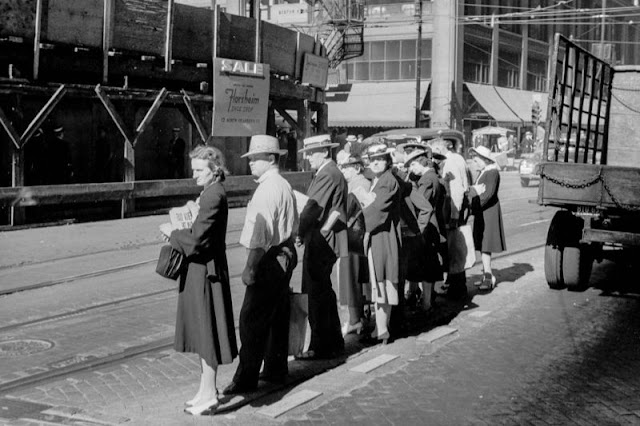
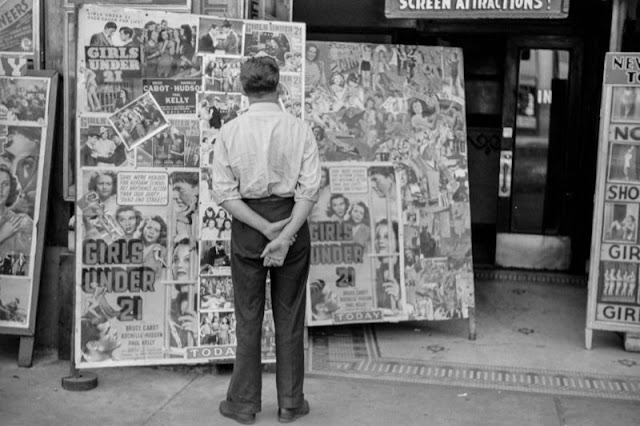
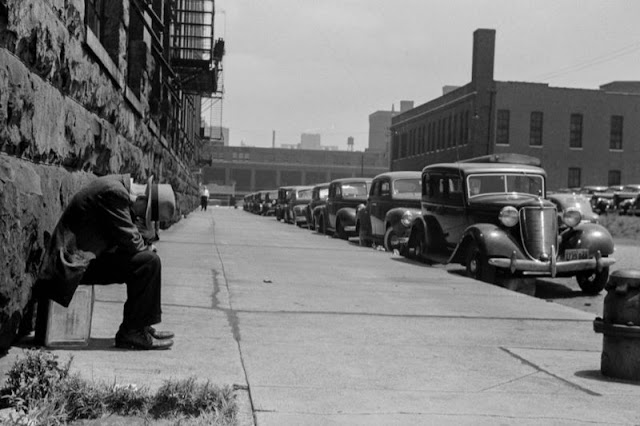
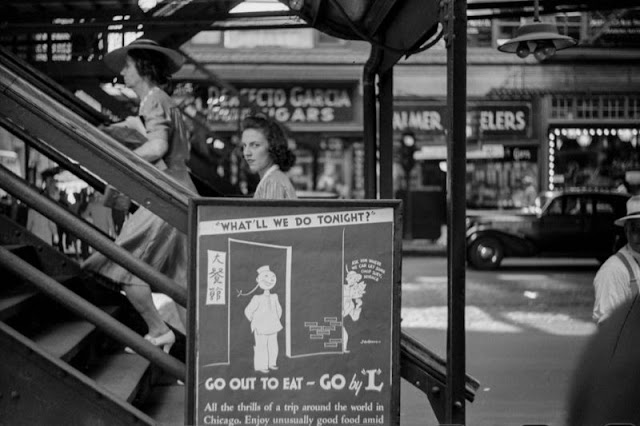
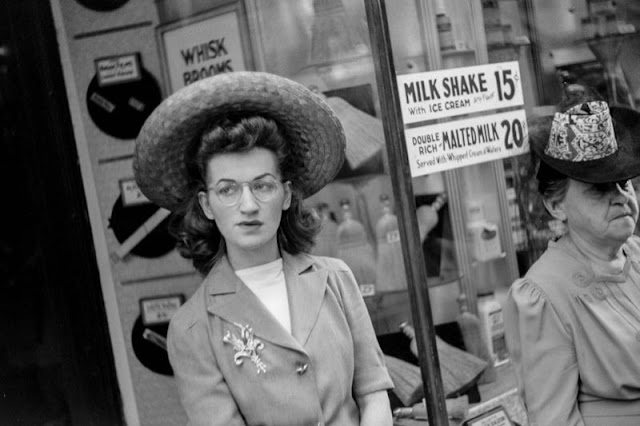
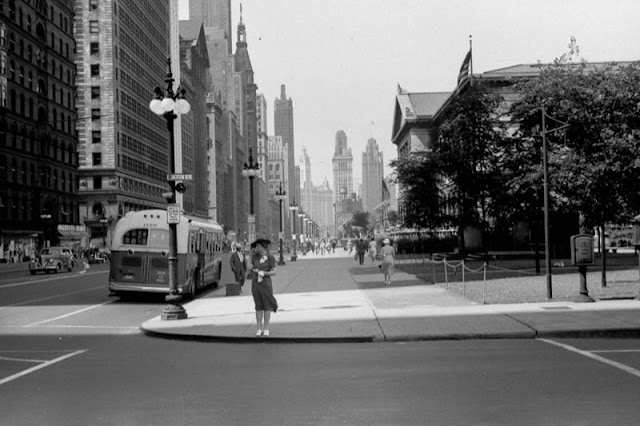
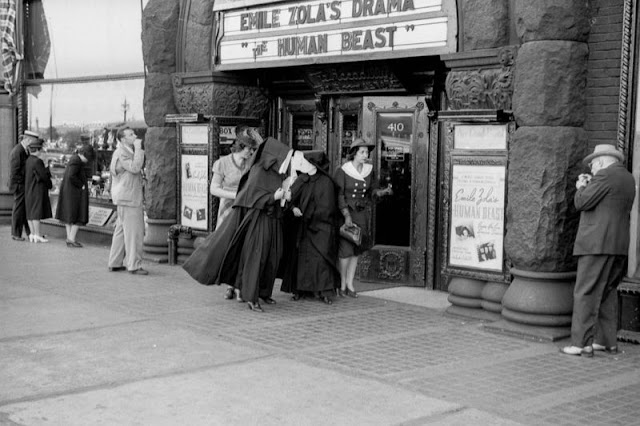
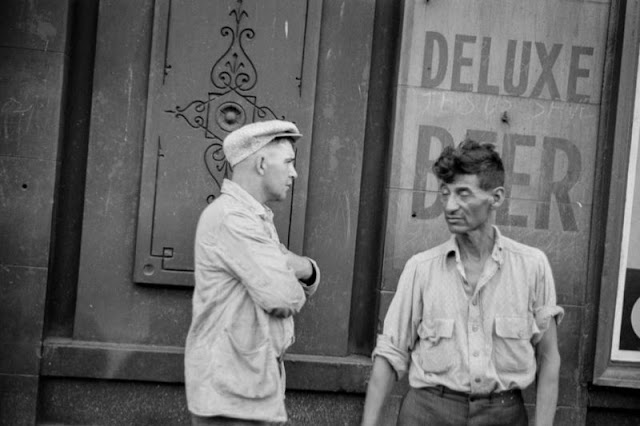
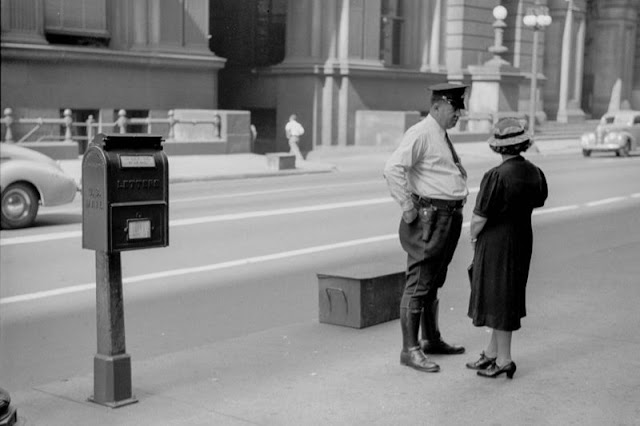
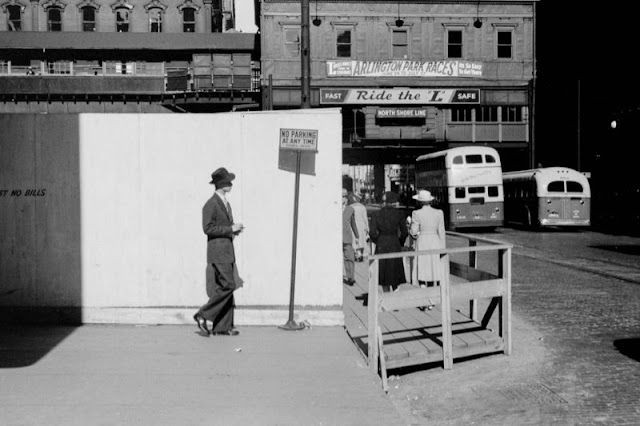
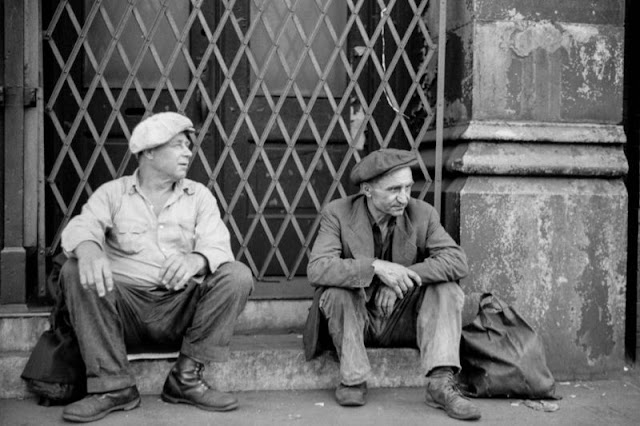
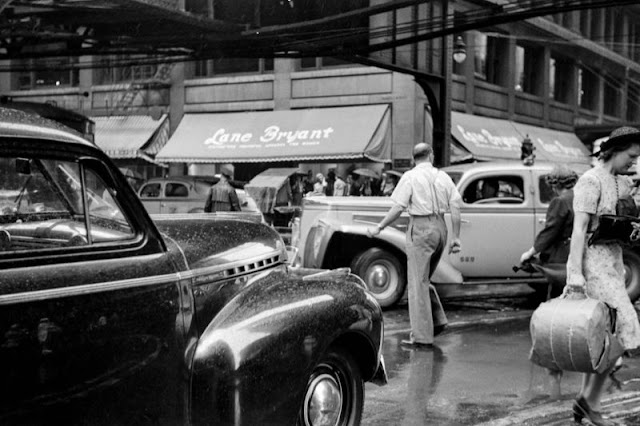
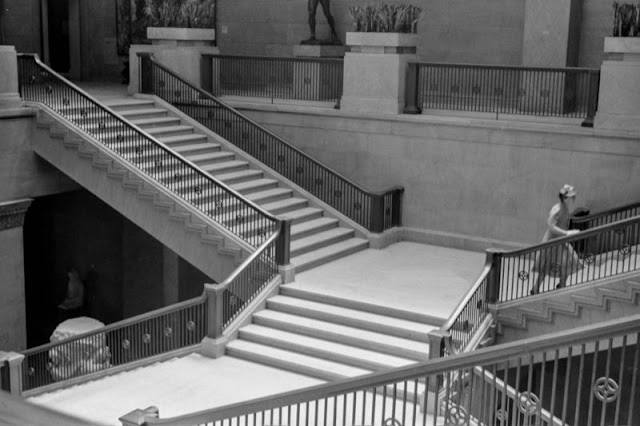
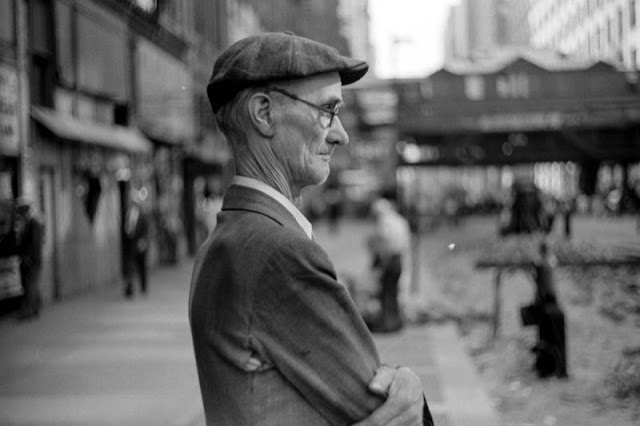
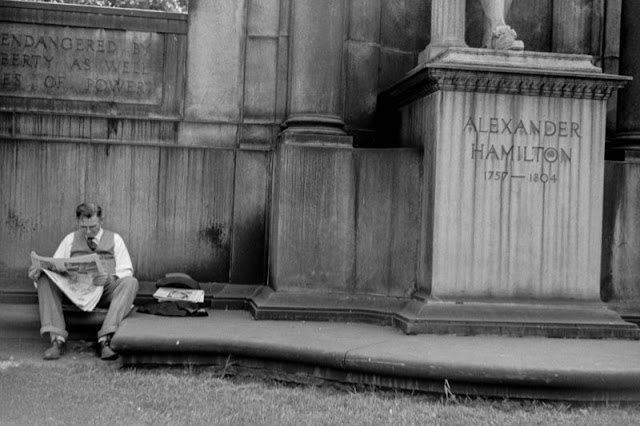
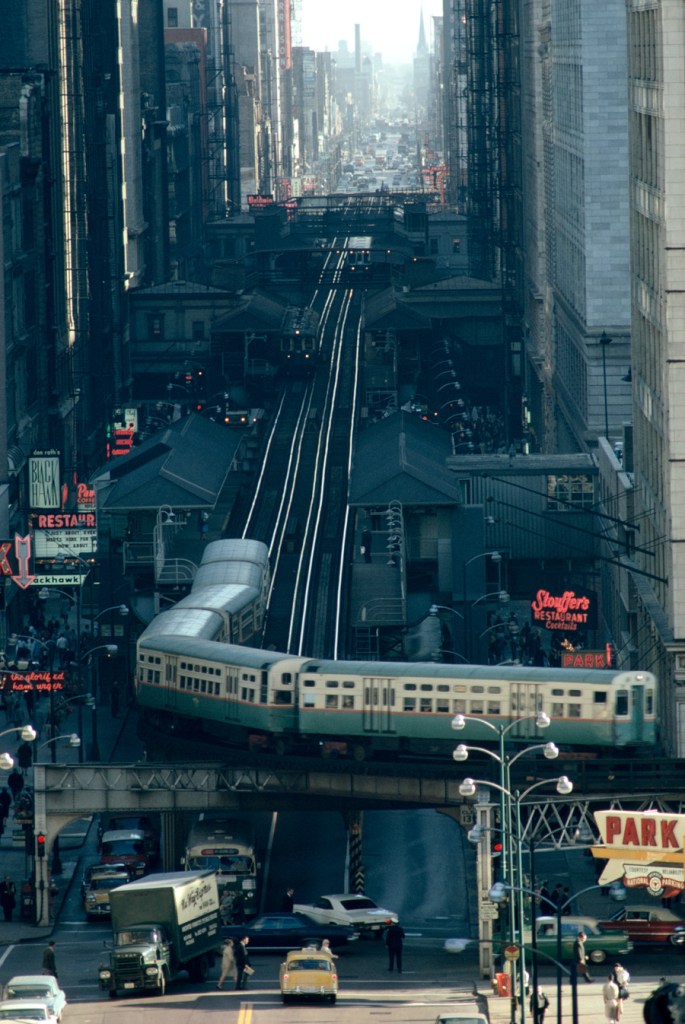
Here, the still-green photographer explores the streets of Chicago in 1941, capturing images of city life in photos that are sometimes distant and unobtrusive, but often sharply observant and quietly funny.















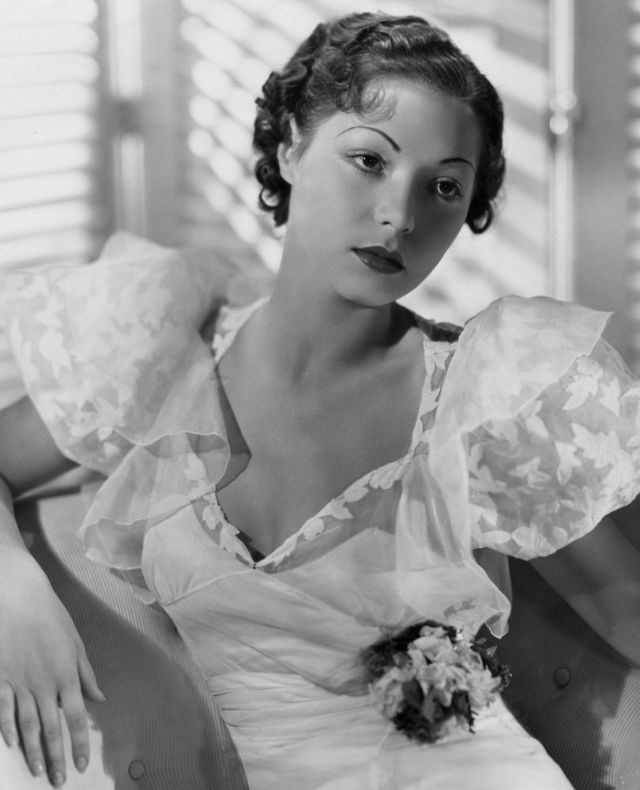

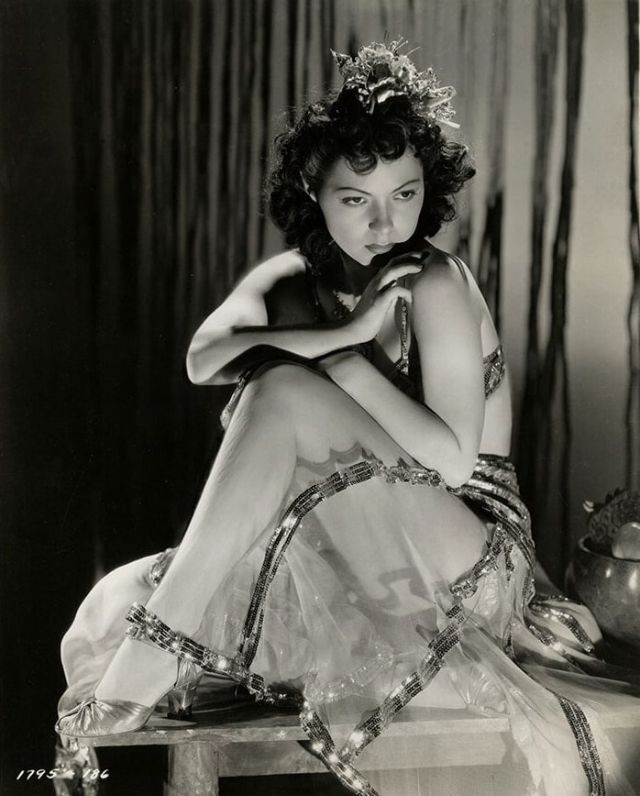
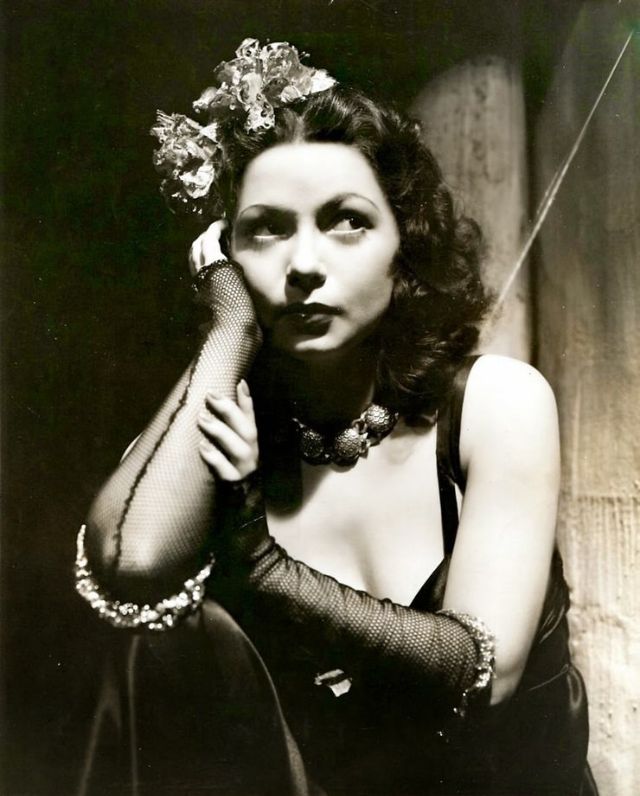
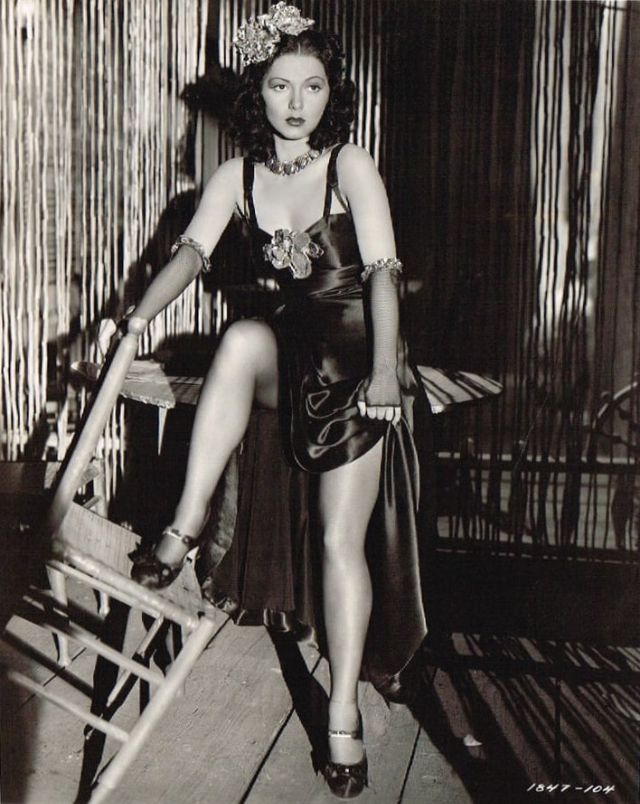
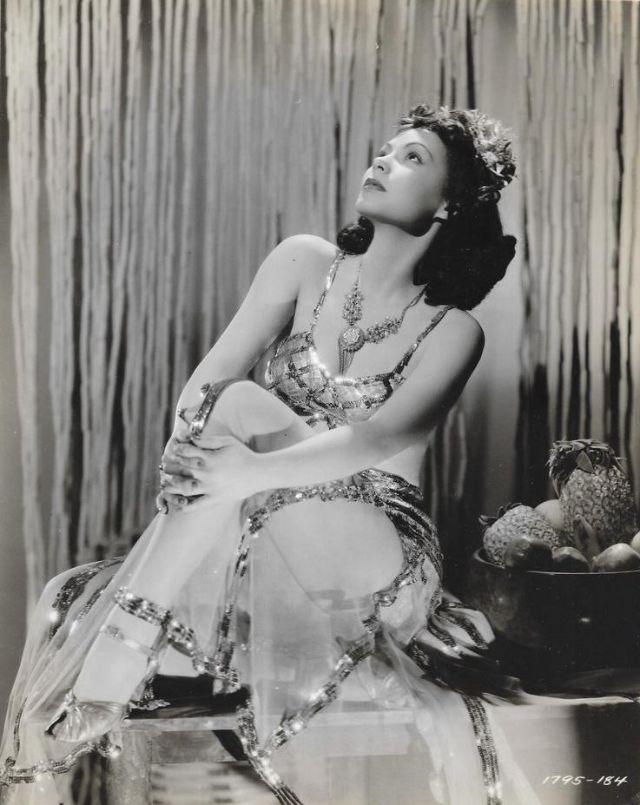
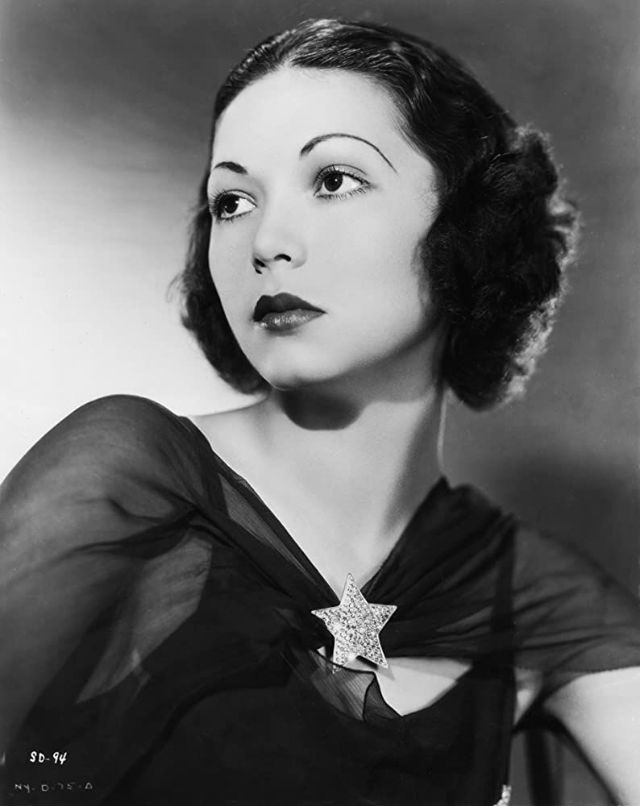
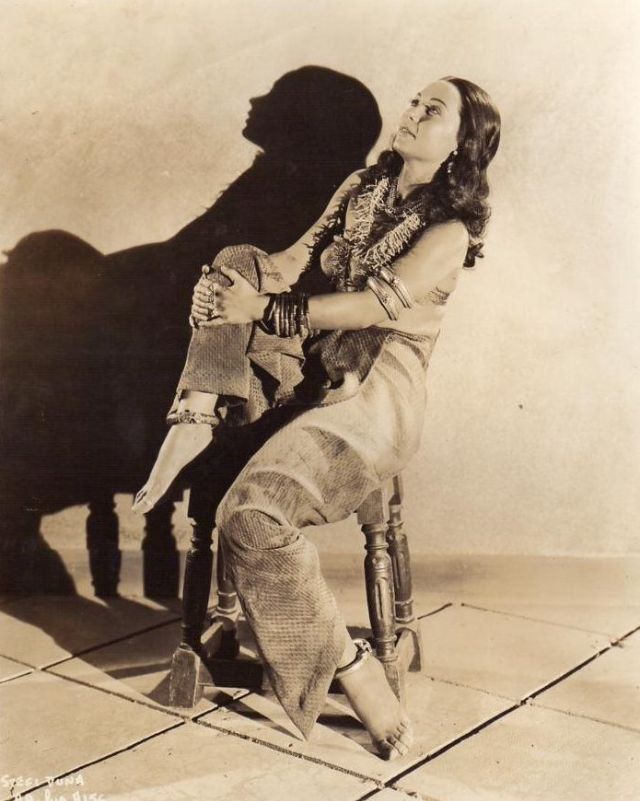
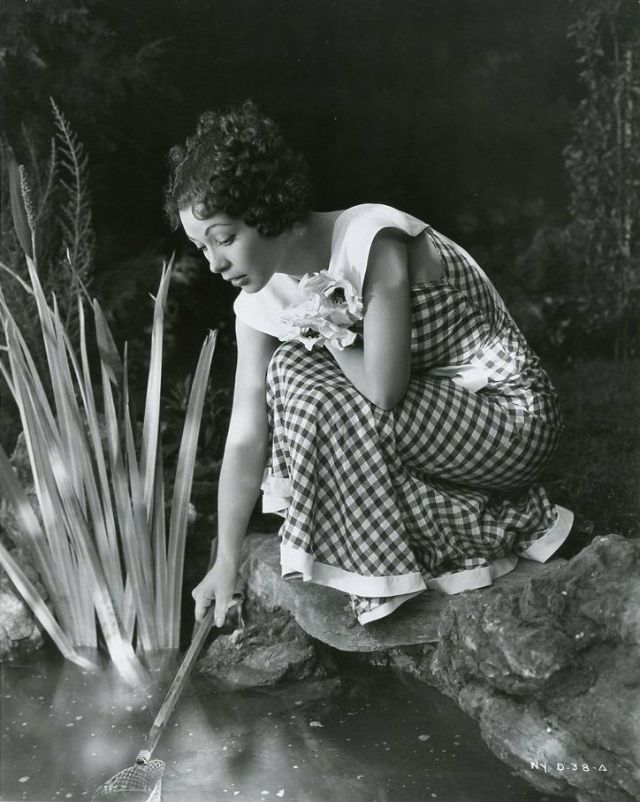
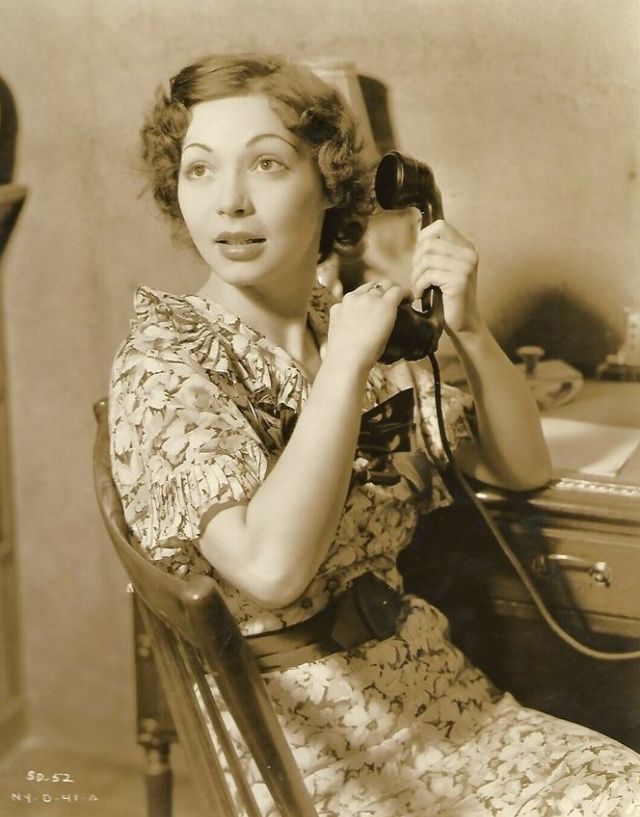
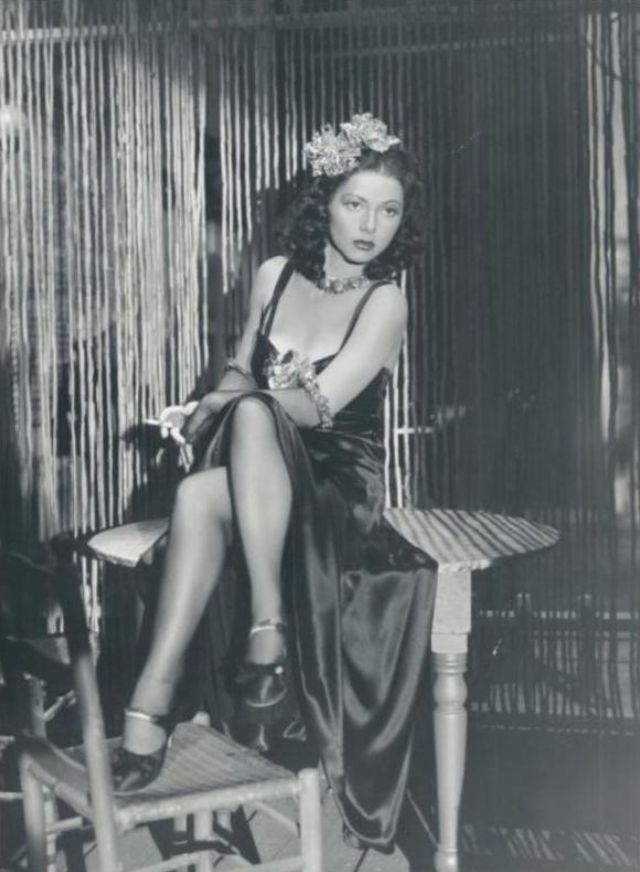
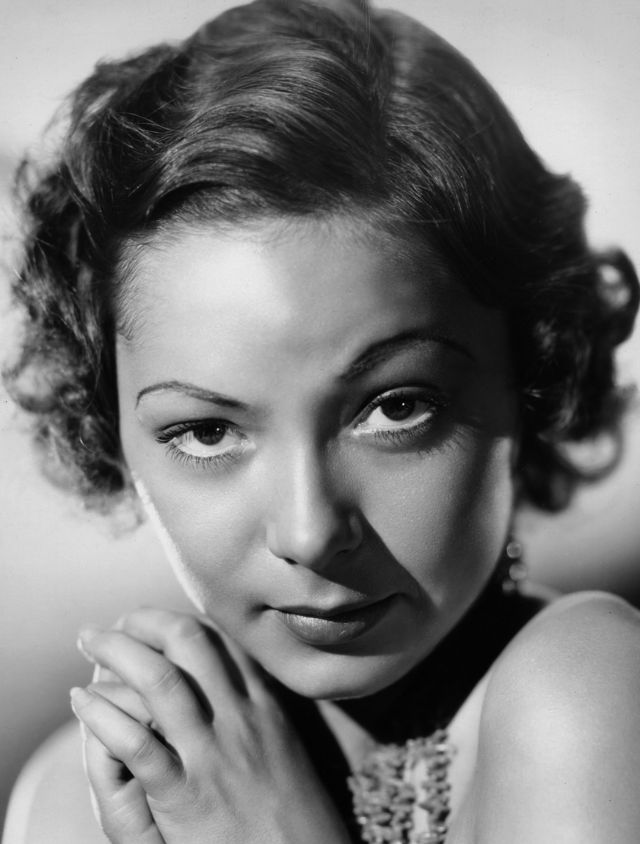
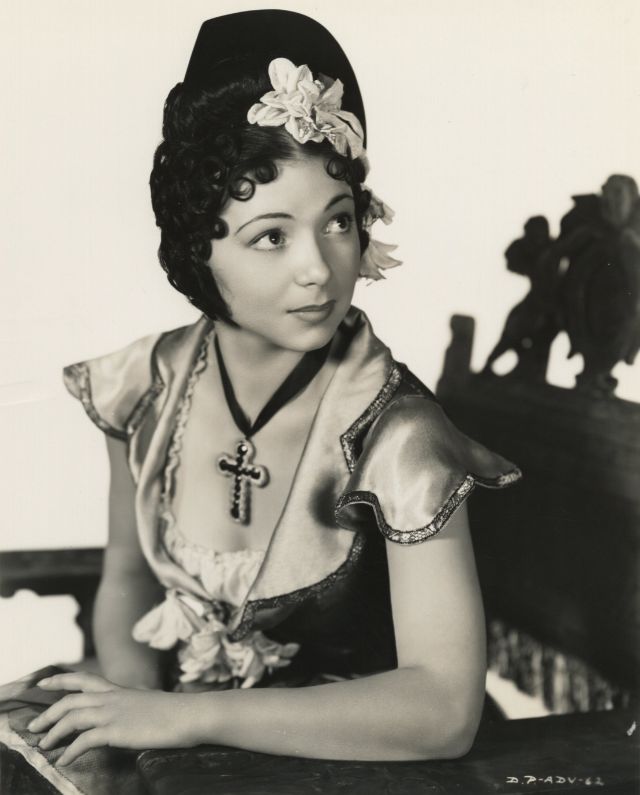
Born 1910 as Erzsébet Berindey in Budapest, Hungarian actress Steffi Duna started dancing at the age of nine and first attracted attention as a thirteen-year-old ballet dancer in Europe. She made her first stage appearance performing dramatized fairy tales at the Children’s Theater of Budapest.
Duna made her film debut in The Indiscretions of Eve (1932) in the starring role. Signed by RKO Radio Pictures, Duna played “Guninana”, the Eskimo wife of Francis Lederer, in Man of Two Worlds (1934). In 1936, she played the part of Nedda in the British film version of Pagliacci, starring Richard Tauber.
Films in which Duna played lead roles, such as Panama Lady (1939) with Lucille Ball, were popular but did not make her a major star. Her best remembered films include Anthony Adverse (1936) and Waterloo Bridge (1940).
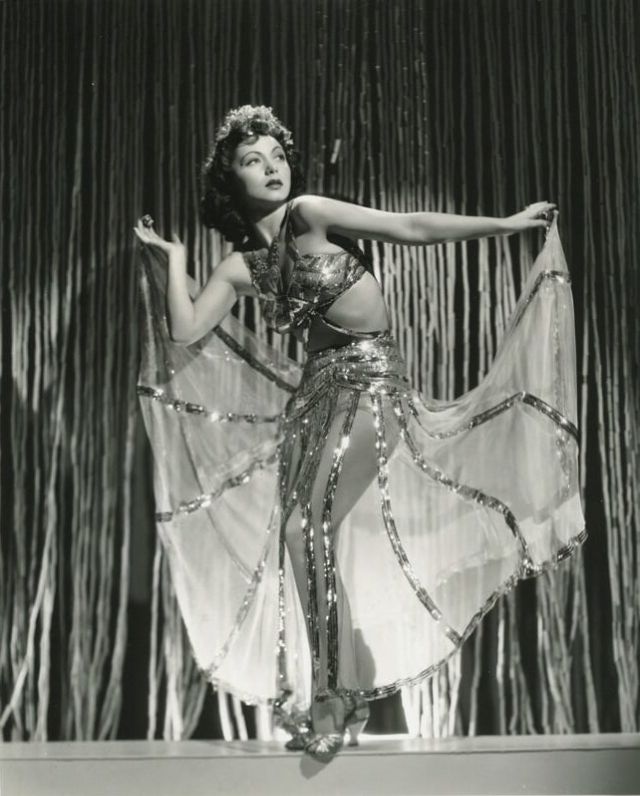
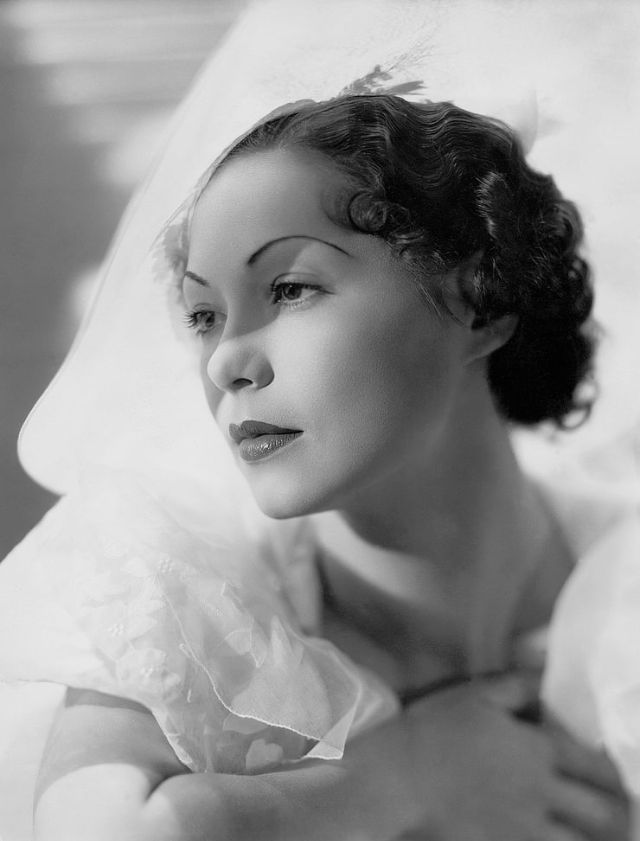
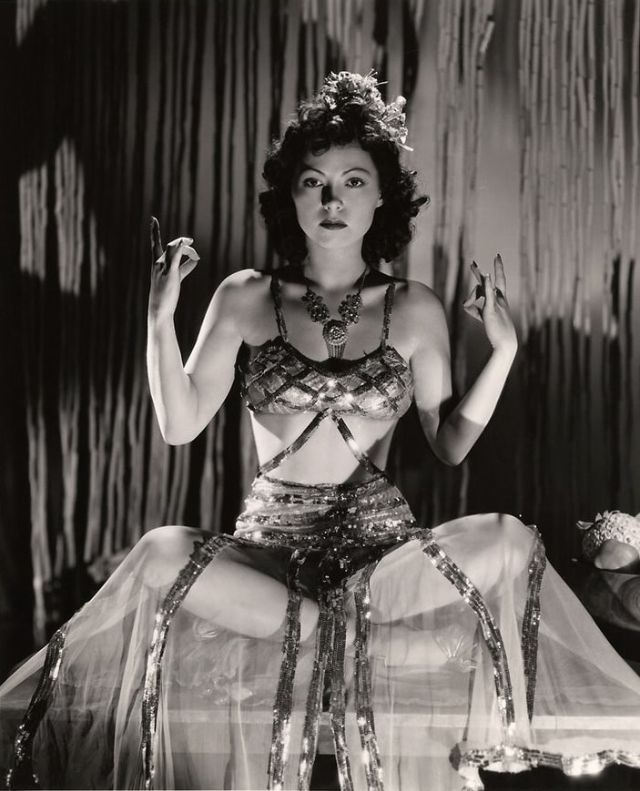
Duna retired from acting in 1940 and died in 1992 of cancer at her home in Beverly Hills, aged 82. These beautiful photos captured portrait of a young Steffi Duna during her short career.
















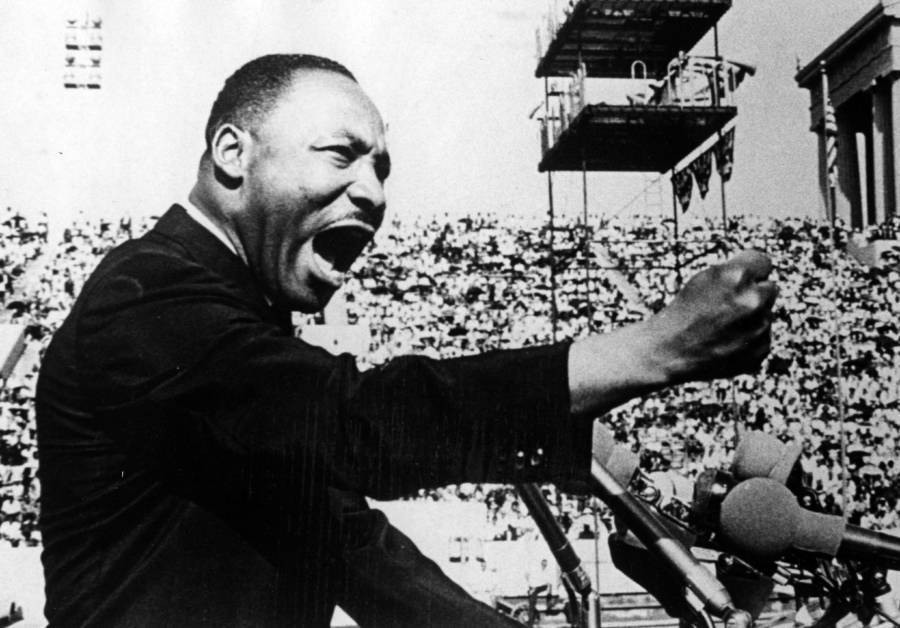
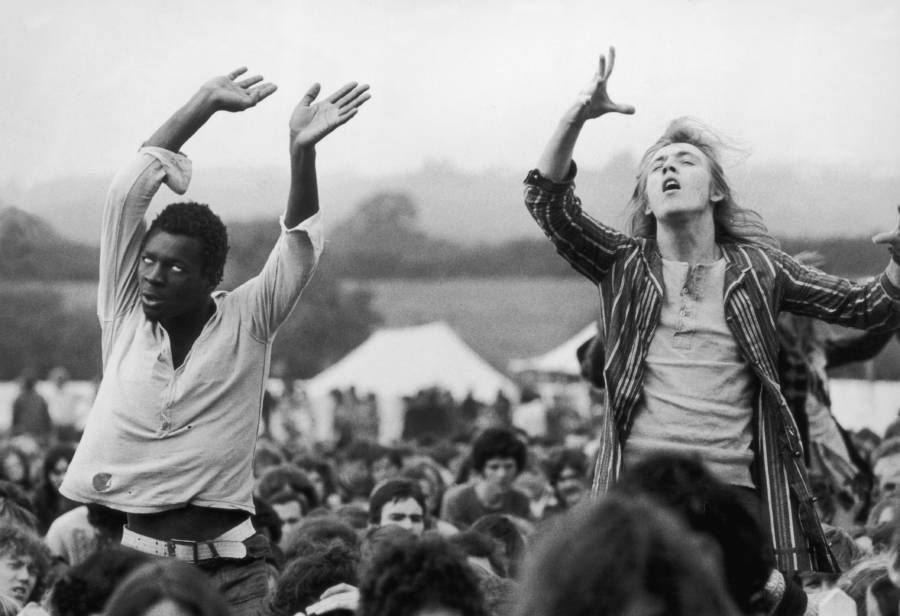
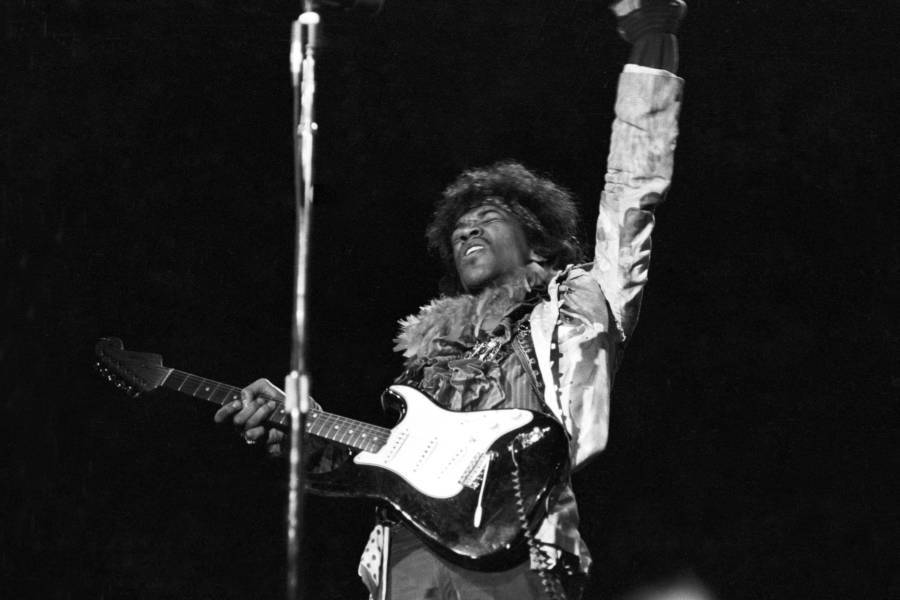
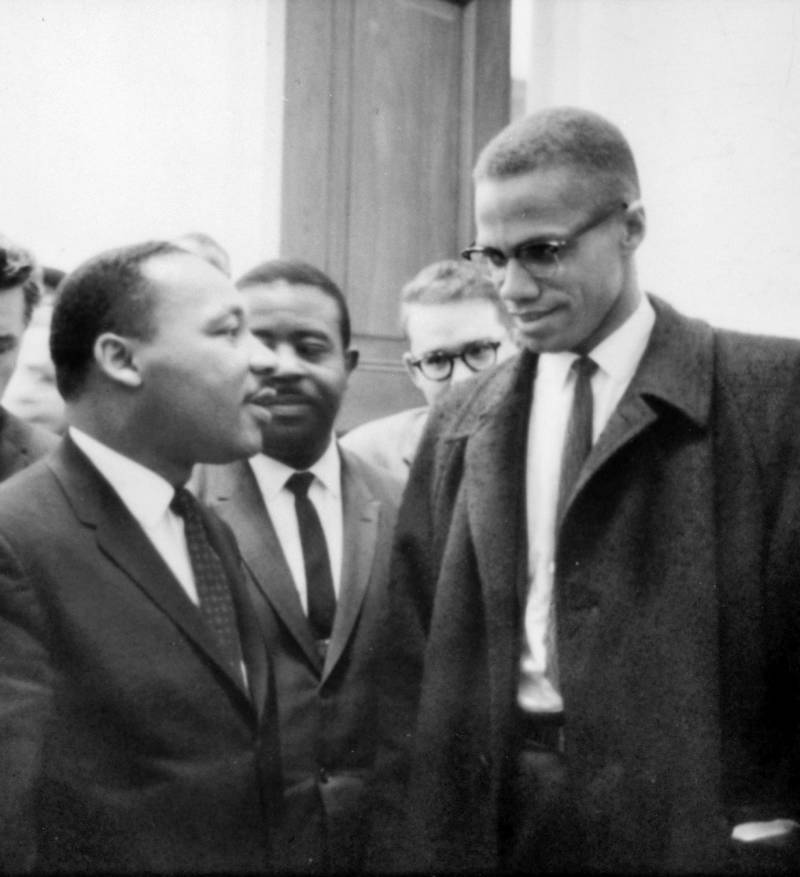
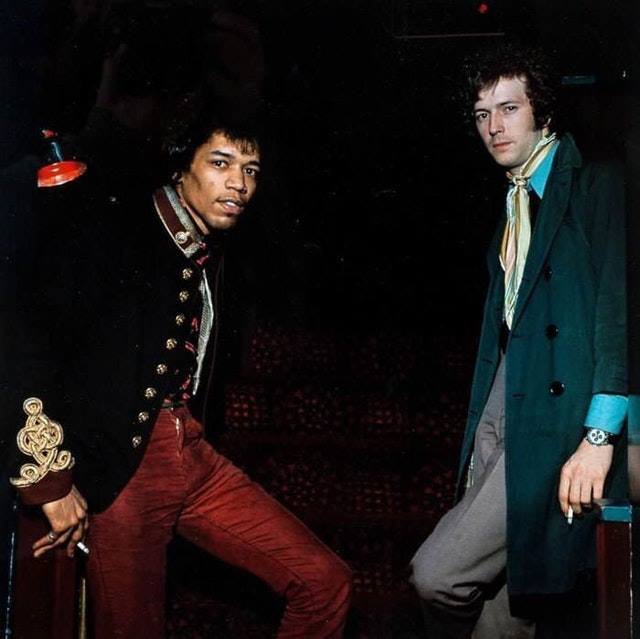
The 1960s (pronounced “nineteen-sixties”, shortened to the “’60s” or the “Sixties”) was a decade that began 1 January 1960 and ended December 31, 1969.
In the United States and other Western countries, the Sixties is noted for its counterculture. There was a revolution in social norms, including clothing, music (such as the Altamont Free Concert), drugs, dress, sexuality, formalities, civil rights, precepts of military duty, and schooling. Others denounce the decade as one of irresponsible excess, flamboyance, the decay of social order, and the fall or relaxation of social taboos. A wide range of music emerged; from popular music inspired by and including the Beatles (in the United States known as the British Invasion), the folk music revival, to the poetic lyrics of Bob Dylan. In the United States the Sixties were also called the “cultural decade” while in the United Kingdom (especially London) it was called the Swinging Sixties.
Organizations such as those present at May 1968, the German Red Army Faction, and the Japanese Zengakuren tested liberal democracy’s ability to help people left out of society in the post-industrial age hybrid capitalist economies. In the United Kingdom, the Labour Party gained power in 1964 with Harold Wilson as Prime Minister through most of the decade. In France, the protests of 1968 led to President Charles de Gaulle temporarily fleeing the country. Italy formed its first left-of-center government in March 1962 with a coalition of Christian Democrats, Social Democrats, and moderate Republicans. When Aldo Moro became Prime Minister in 1963, Socialists joined the ruling block too. Soviet leaders during the decade were Nikita Khrushchev until 1964 and Leonid Brezhnev. In Brazil, João Goulart became president after Jânio Quadros resigned.
The United States had three presidents; Dwight D. Eisenhower, John F. Kennedy and Lyndon B. Johnson. Eisenhower was near the end of his term, while Kennedy was assassinated in 1963. Kennedy had wanted a Keynesian and staunch anti-communist social reforms. These were passed under Johnson including civil rights for African Americans and healthcare for the elderly and the poor. Despite his large-scale Great Society programs, Johnson was increasingly disliked by the New Left at home and abroad. For some, May 1968 meant the end of traditional collective action and the beginning of a new era to be dominated mainly by the so-called new social movements.
After President Kennedy’s assassination, direct tensions between the superpower countries of US and Soviet Union developed into a contest with proxy wars, insurgency funding, puppet governments and other overall influence mainly in Latin America, Africa, and Asia. This “Cold War” dominated the world’s geopolitics during the decade. In Africa was in a period of radical political change as 32 countries gained independence from their European colonial rulers. The heavy-handed American role in the Vietnam War lead to an anti-Vietnam War movement with outraged student protestors around the globe.
By the end of the 1950s, post-war reconstructed Europe and began an economic boom. World War II had closed up social classes with remnants of the old feudal gentry disappearing. A developing upper-working-class (a newly redefined middle-class) in Western Europe could afford a radio, television, refrigerator and motor vehicles. The Soviet Union and other Warsaw Pact countries were improving quickly after rebuilding from WWII. Real GDP growth averaged 6% a year during the second half of the decade; overall worldwide economic prospered in the 1960s with expansion of the middle class and the increase of new domestic technology. (Wikipedia)
























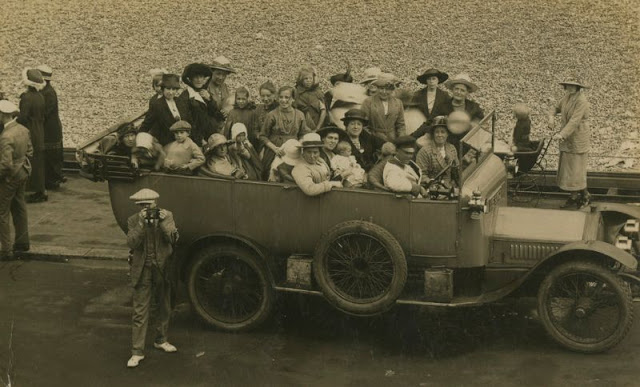
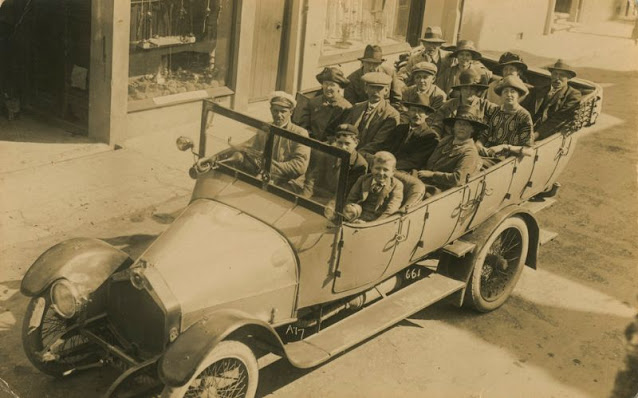
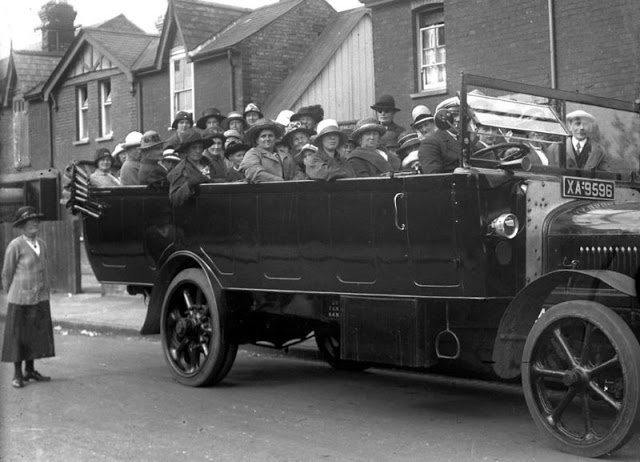
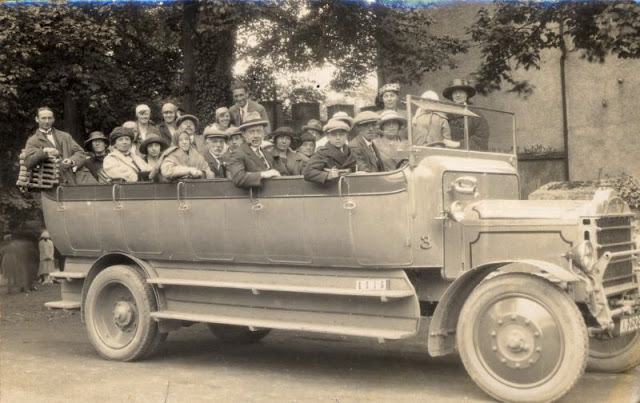
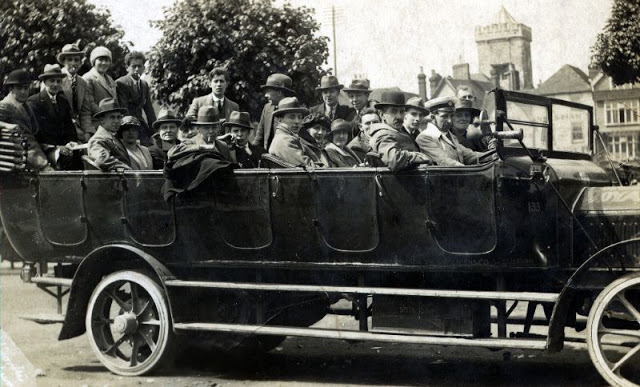
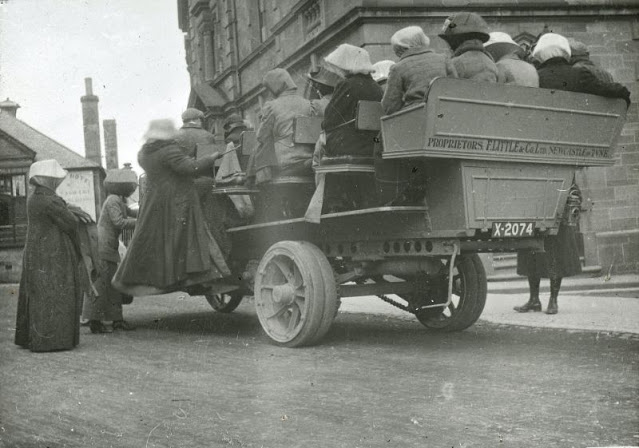
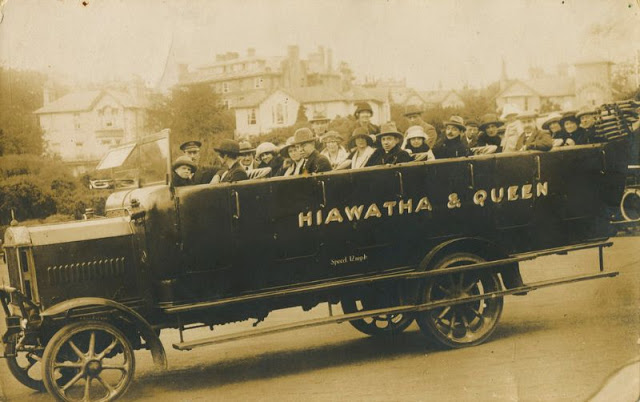
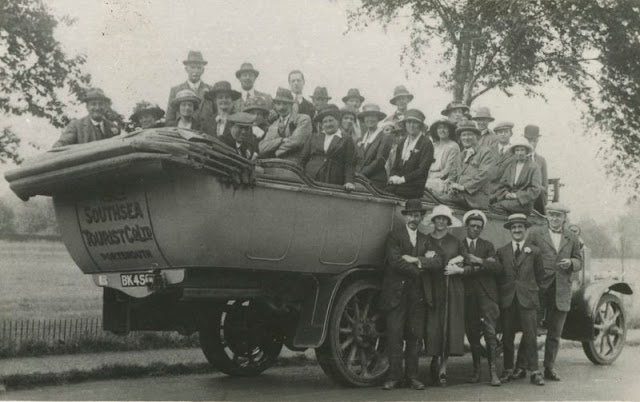
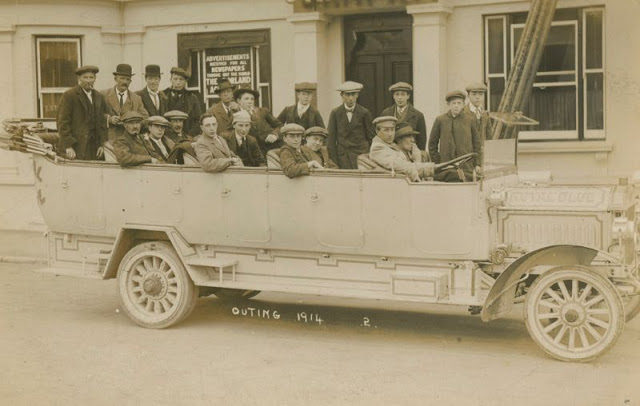
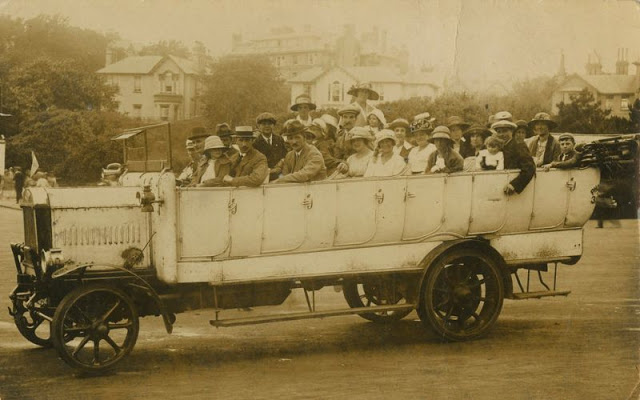
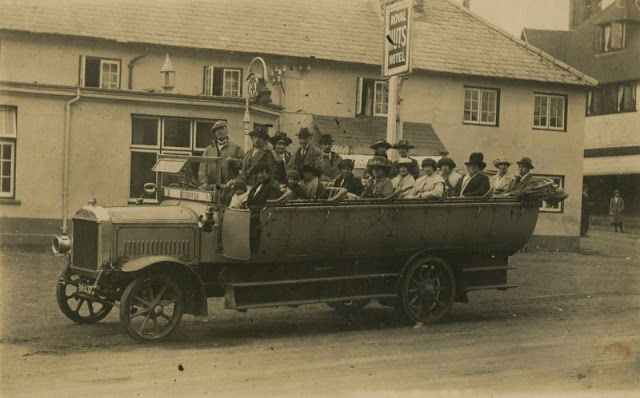
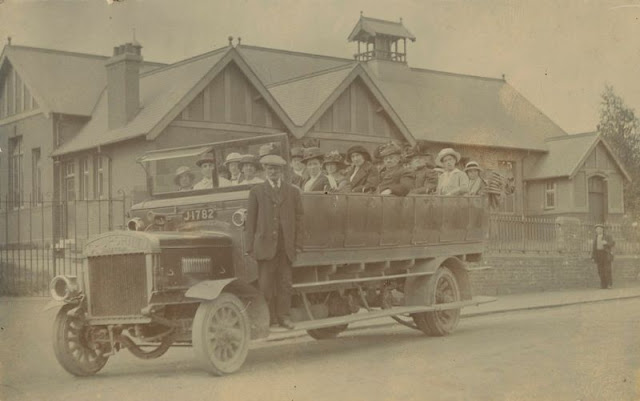
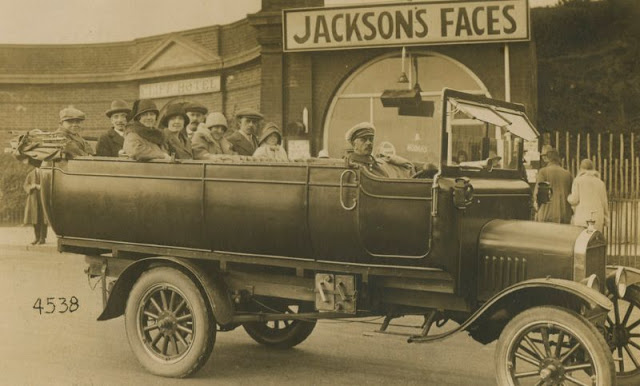
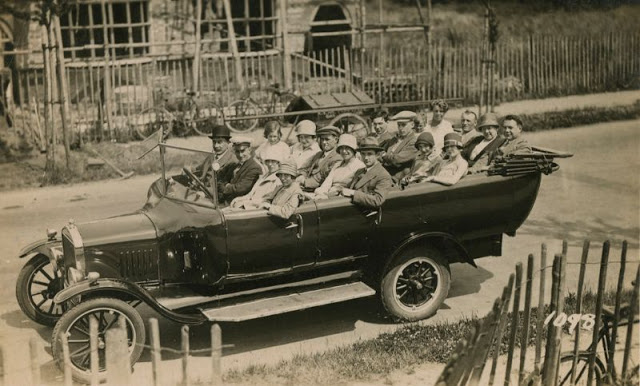
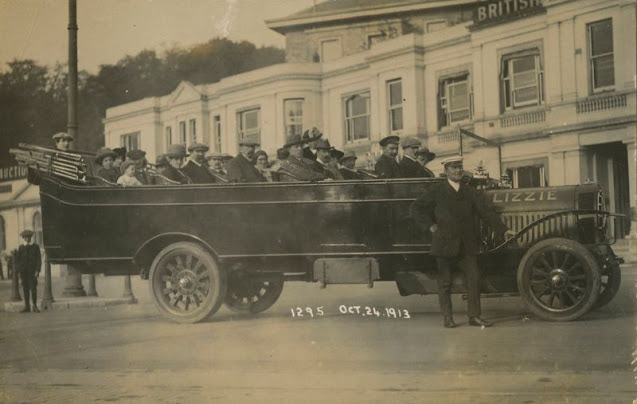
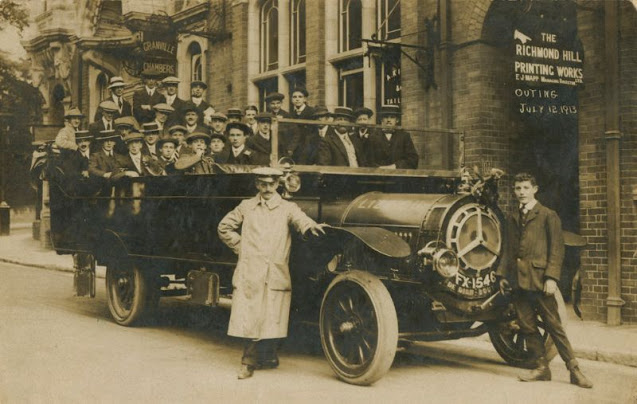
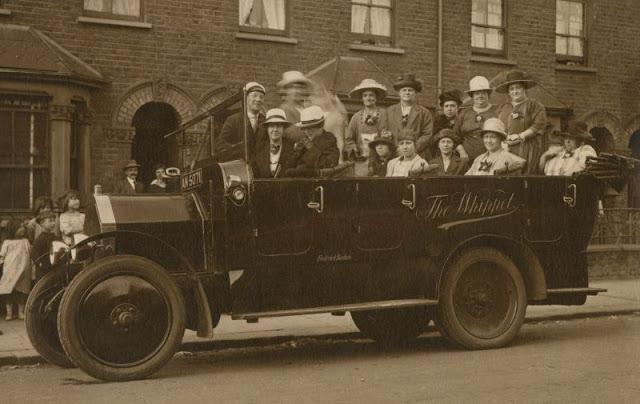
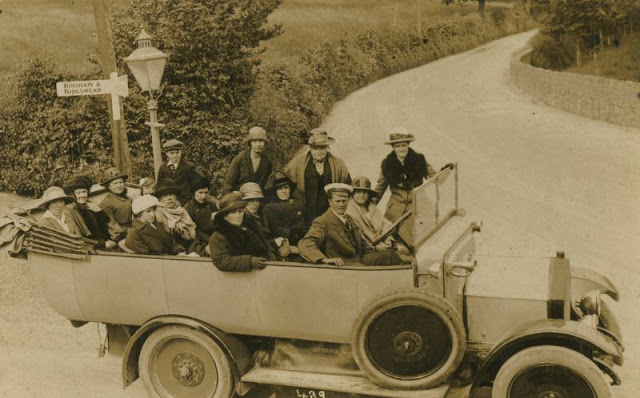
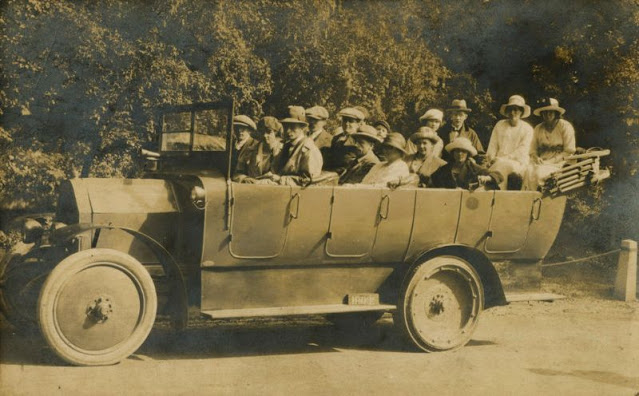
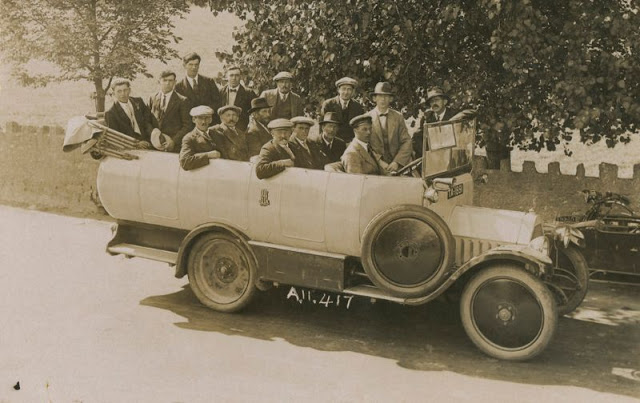
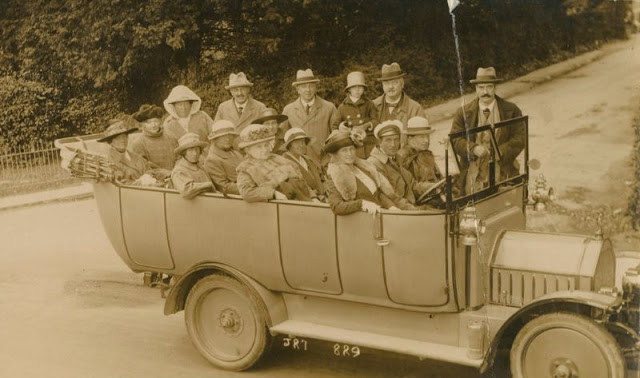
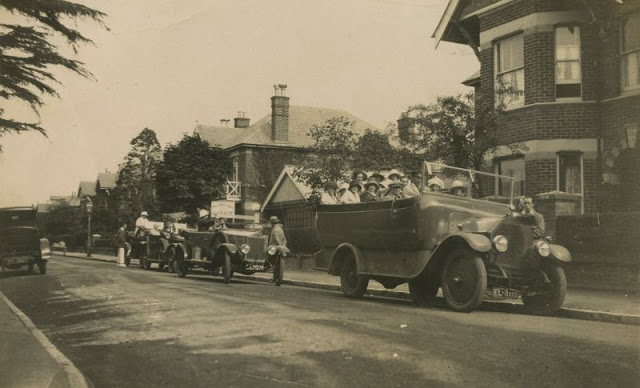
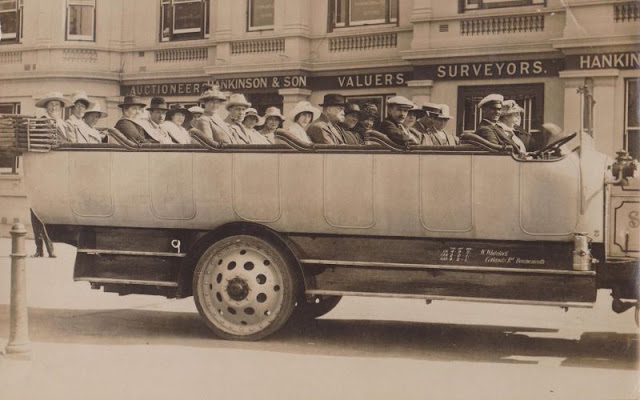
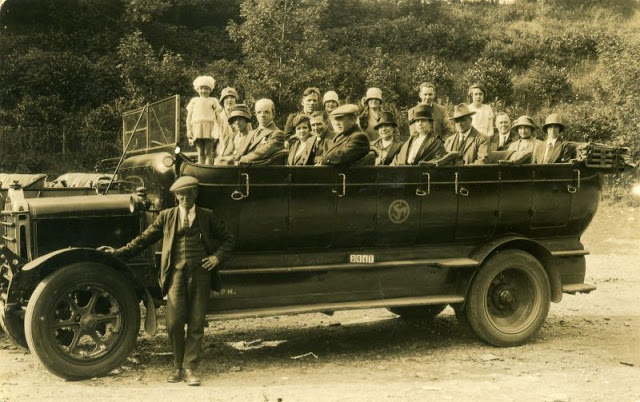
A charabanc is a type of horse-drawn vehicle or early motor coach, usually open-topped, common in Britain during the early part of the 20th century. It has “benched seats arranged in rows, looking forward, commonly used for large parties, whether as public conveyances or for excursions”.
Charabancs were especially popular for sight-seeing or “works outings” to the country or the seaside, organized by businesses once a year. The name derives from the French char à bancs (“carriage with wooden benches”), the vehicle having originated in France in the early 19th century.
Although the vehicle has not been common on the roads since the 1920s, a few signs survive from the era. The word is in common usage especially in Northern England in a jocular way referring to works outings by coach.
Here below is a set of fascinating photos that shows people in charabancs from the early 20th century.













Become a paid subscriber to get access to the rest of this post and other exclusive content.

Become a paid subscriber to get access to the rest of this post and other exclusive content.

Become a paid subscriber to get access to the rest of this post and other exclusive content.

Read more of this content when you subscribe today.
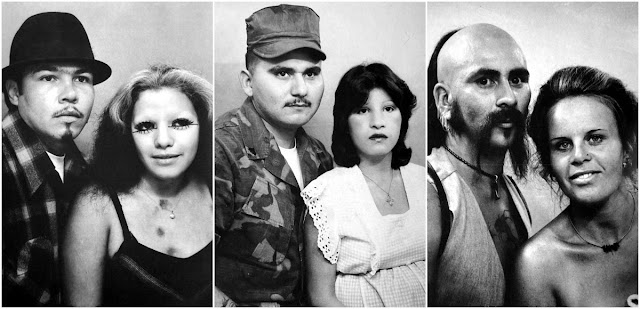
Back in the 1970s, a young man went to work for a carnival concessionaire who, each summer, took a portable photo studio on the road to county fairs across California and the west. For a few dollars, you could have a portrait-sized or larger photo of you and your loved-one to frame and put up on the wall, in only 15 minutes. Pre-digital, it was a good deal.
But what kind of people had their portraits taken at county fairs? People without a lot of money. People who lived on the fringes. People whose life stories were written on their faces. But they wanted a record of who they were, that they could specify and dictate themselves, and they got that at the county fair.
These portraits were made by the young man named Mikkel Aaland in a portable studio that was hauled from fair to fair between 1976 and 1980. The studio was complete with darkroom and a shooting stage and it took a crew of three to run it: a shooter, a front person to handle customers and a darkroom person to develop and print the 4×5 inch negative.
“Because our prices were so reasonable, we often had lines of customers that lasted from ten in the morning to midnight,” Aaland said. “To give you an idea of our volume: on a busy day in Pleasanton, I shot over 450 portraits, averaging three people per print, meaning 1,350 mostly smiling faces.”

Become a paid subscriber to get access to the rest of this post and other exclusive content.

In late 1887, Calamity Jane Canary and cowboy Teddy Blue Abbott, wearing each other’s hats, shared drinks at a saloon in Gilt Edge, Montana, where she was living for the winter.
Teddy Blue, who lived nearby on his Three Deuce Ranch, had come to town to repay her 50 cents, which he had borrowed in Miles City in 1883.
Martha Jane Cannary (May 1, 1852 – August 1, 1903), better known as Calamity Jane, was an American frontierswoman, sharpshooter, and raconteur. In addition to many exploits she was known for being an acquaintance of Wild Bill Hickok. Late in her life, she appeared in Buffalo Bill’s Wild West show and at the 1901 Pan-American Exposition. She is said to have exhibited compassion to others, especially to the sick and needy. This facet of her character contrasted with her daredevil ways and helped to make her a noted frontier figure. She was also known for her habit of wearing men’s attire.
Edward Charles Abbott was born in England—but he became the prototypical American
cowboy. His family moved to Texas when he was a boy; he later helped move a cattle
herd to Nebraska. He later moved to Montana, where he became a rancher and an
influential member of the stockgrowers association.
Abbott—who was called Teddy Blue—is best known for his remarkable chronicle of
cowboy life, We Pointed Them North. It came out in 1939, just a few days before he died
at age 78.

