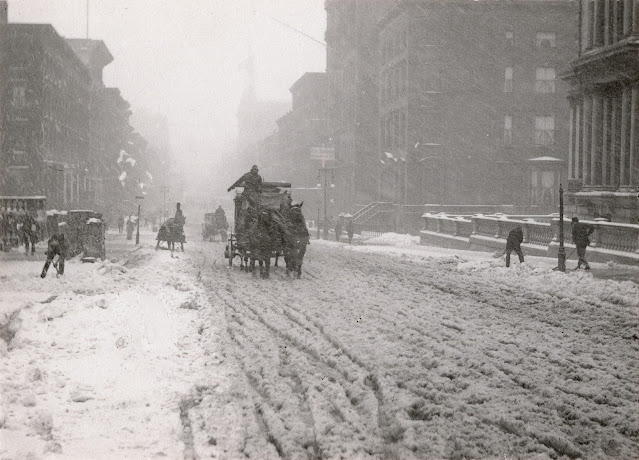
Winter, Fifth Avenue is a black and white photograph taken by Alfred Stieglitz in 1893. The photograph was made at the corner of the Fifth Avenue and the 35th Street in New York. It was one of the first pictures that Stieglitz took using a more practical hand camera after his return from Europe.
Subscribe to continue reading
Become a paid subscriber to get access to the rest of this post and other exclusive content.
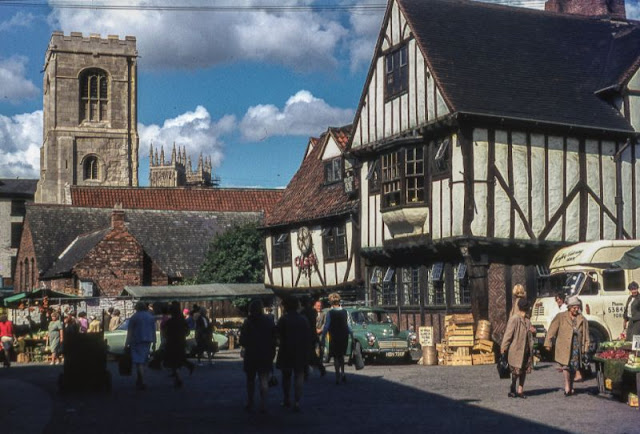
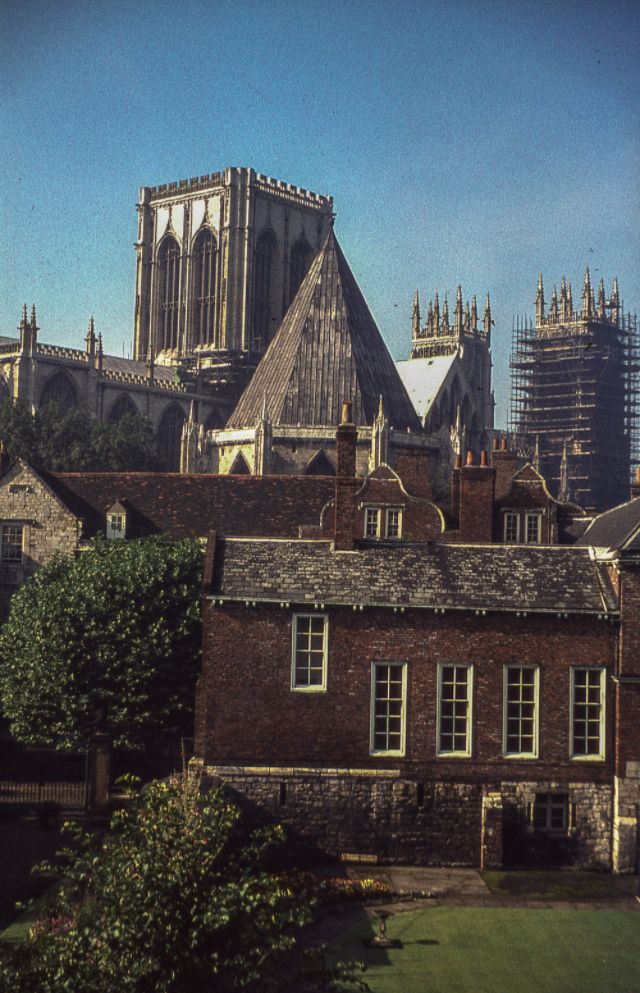
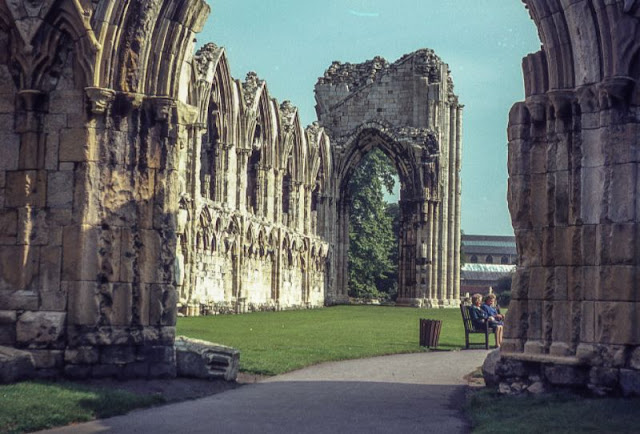
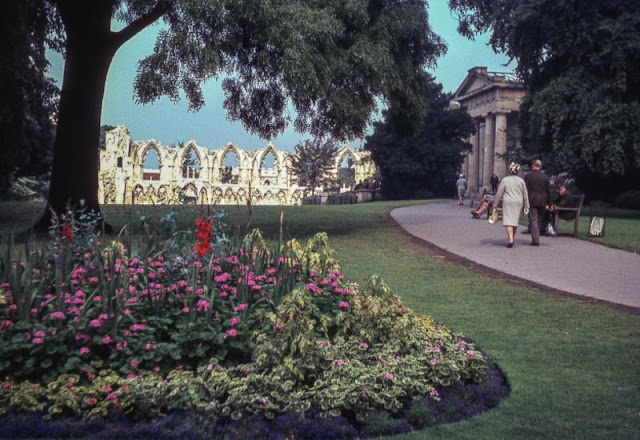
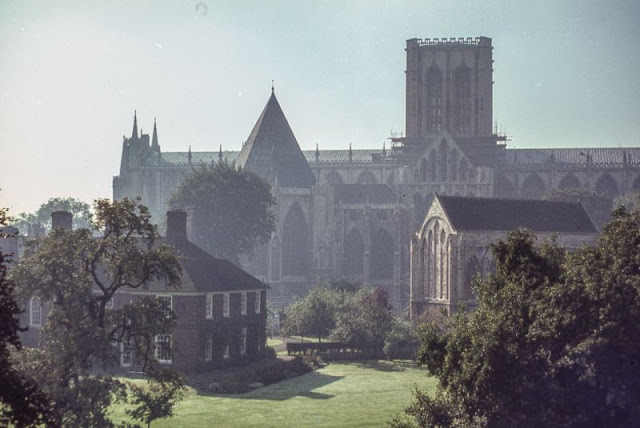
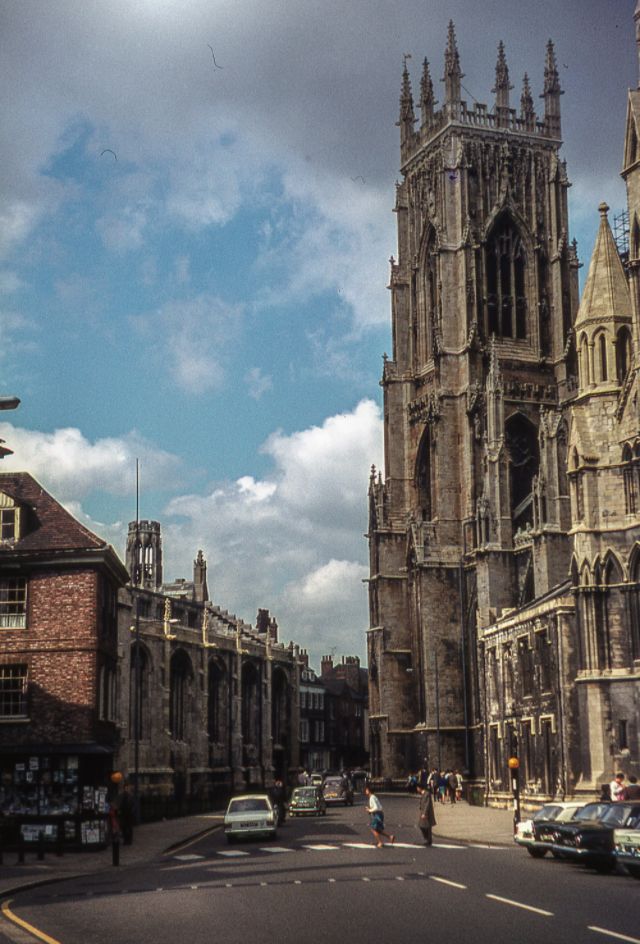
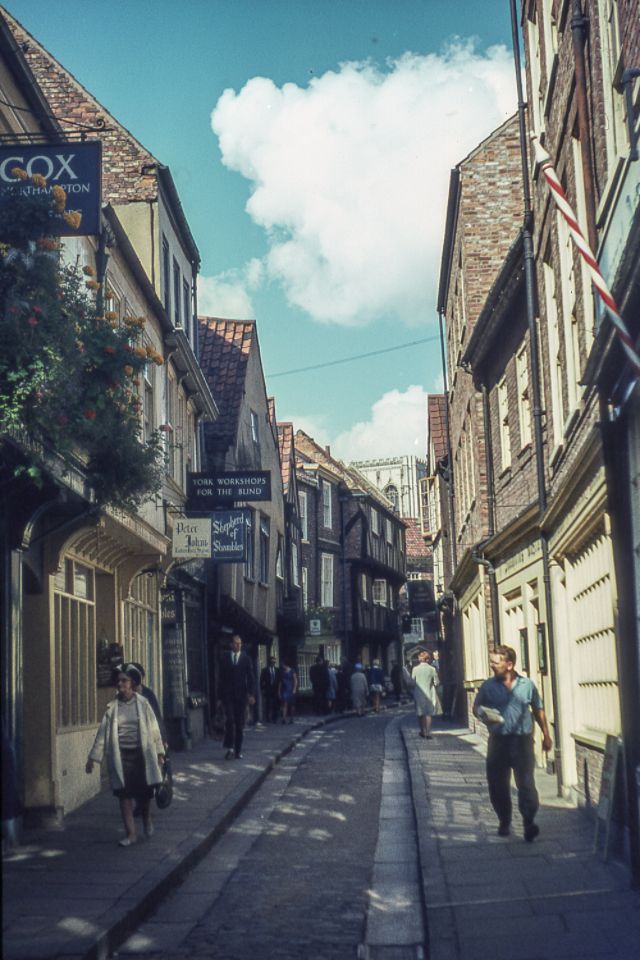
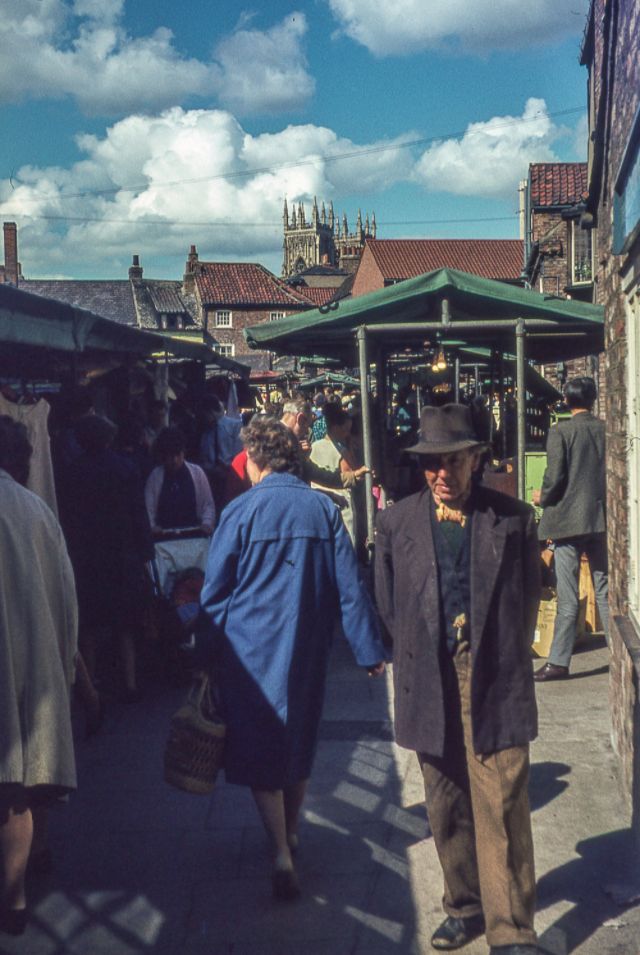
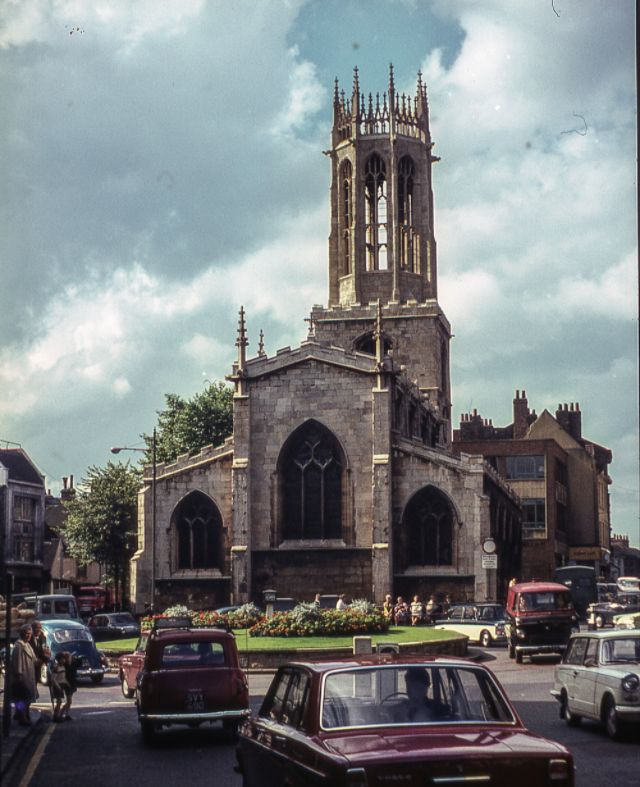
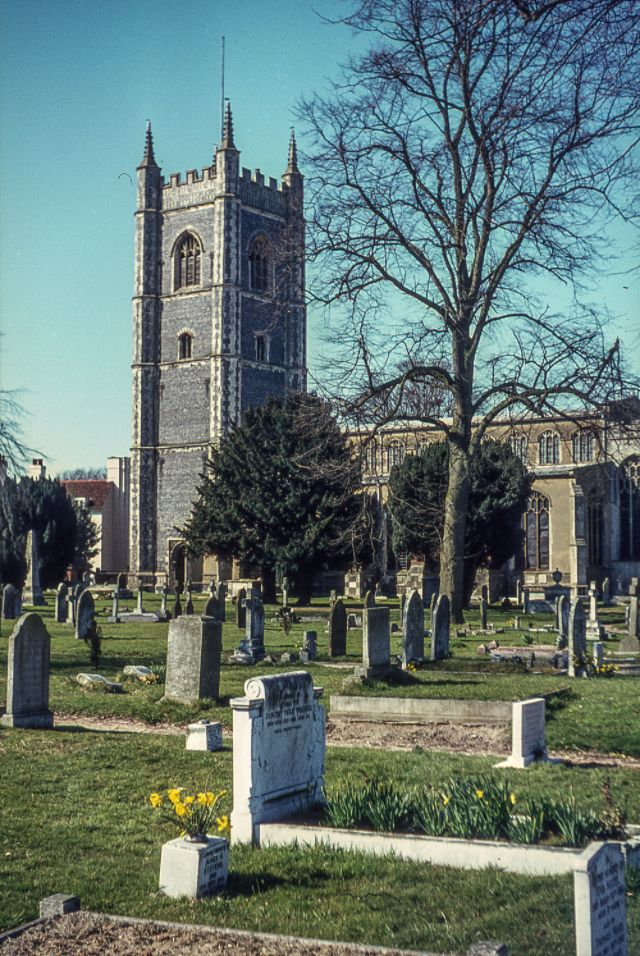
York is a cathedral city and unitary authority area, at the confluence of the rivers Ouse and Foss, in England. It is the head city of historic Yorkshire and was a county corporate, outside of the county’s council and the ridings. The city has long-standing buildings and structures, such as a minster, castle and ancient city walls.
The city was founded by the Romans as Eboracum in 71 AD. It became the capital of the Roman province of Britannia Inferior, and later of the kingdoms of Deira, Northumbria and Jórvík. In the Middle Ages, York grew as a major wool trading centre and became the capital of the northern ecclesiastical province of the Church of England, a role it has retained. In the 19th century, York became a major hub of the railway network and a confectionery manufacturing centre, a status it maintained well into the 20th century. During the Second World War, York was bombed as part of the Baedeker Blitz. Although less affected by bombing than other northern cities, several historic buildings were gutted and restoration efforts continued into the 1960s.
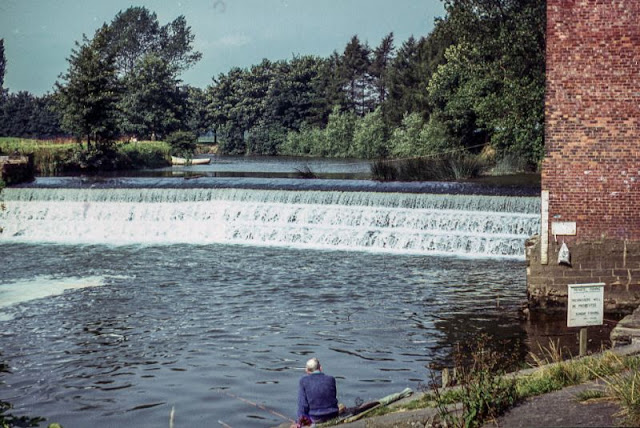
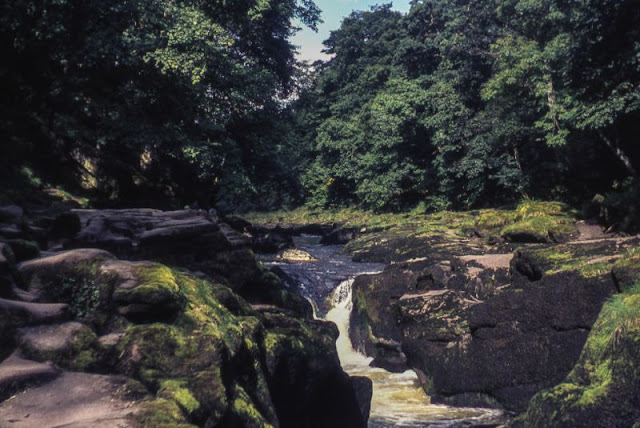
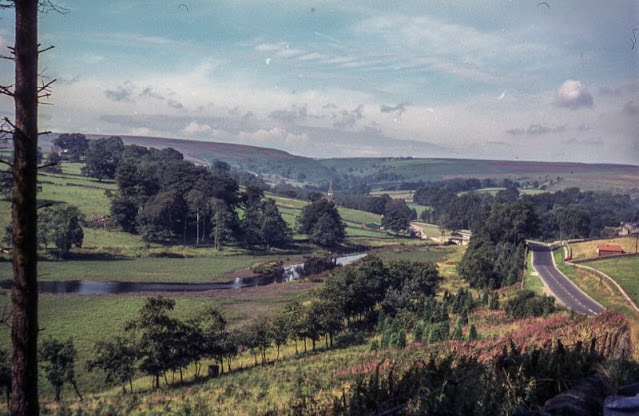
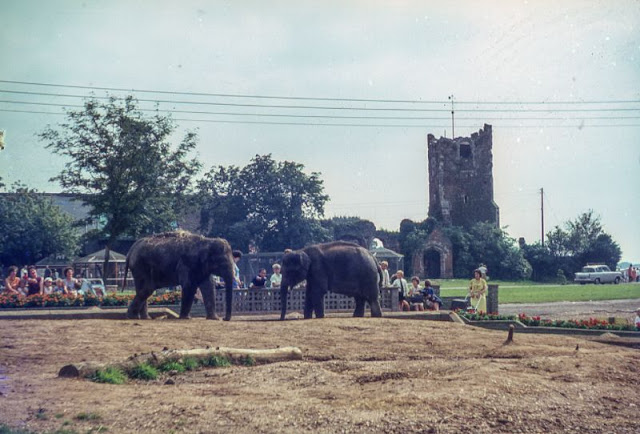
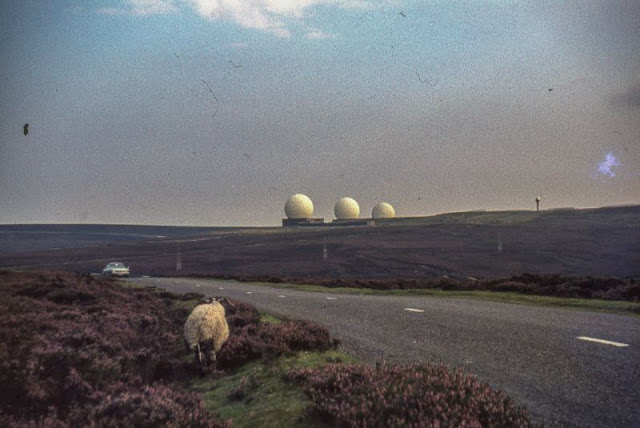
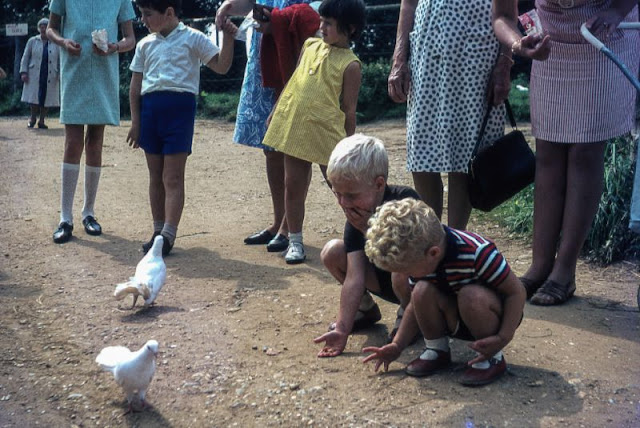
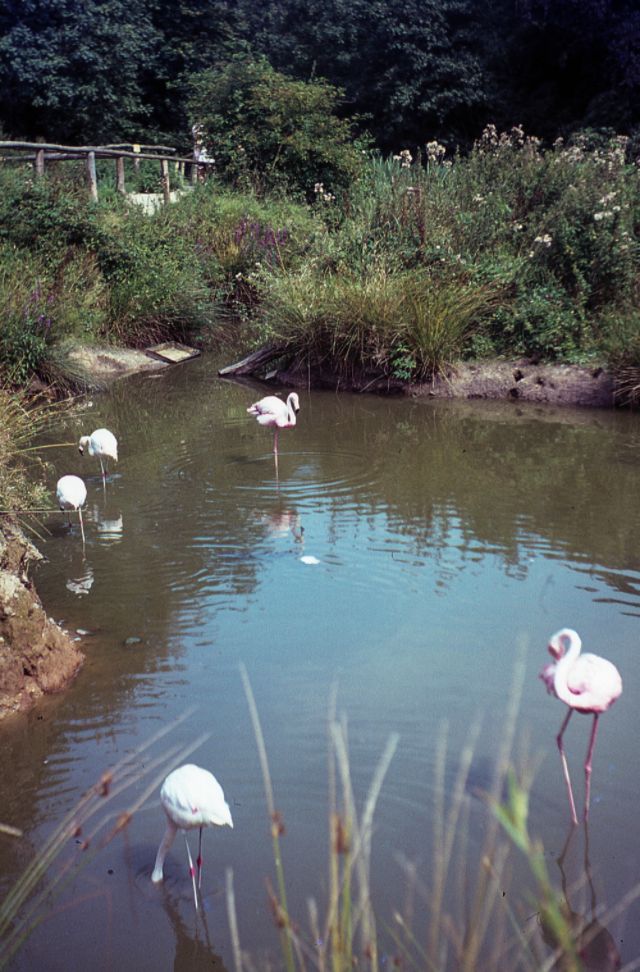
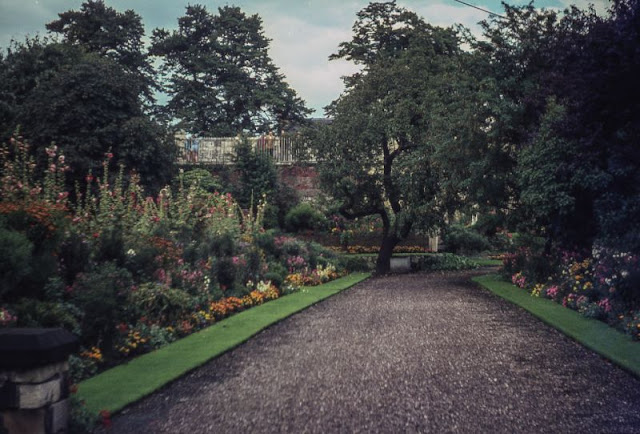
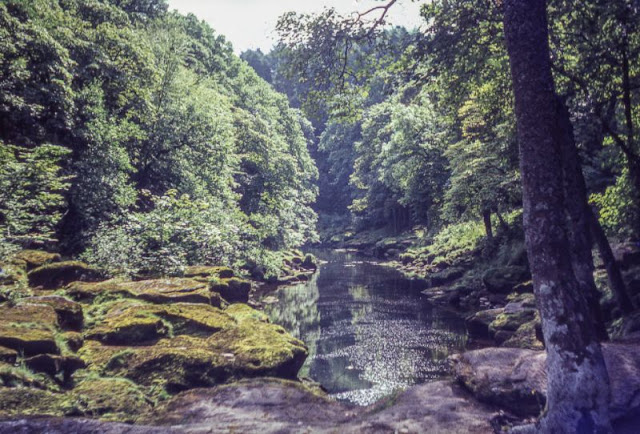
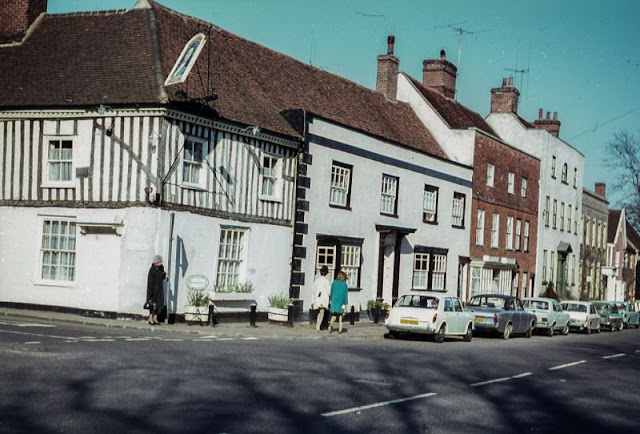
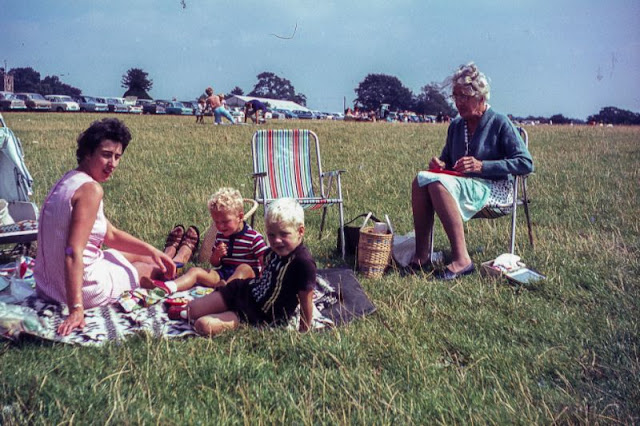
These gorgeous color slides were taken in 1968 and later collected by Martin Snelling, an owner of a brilliant archive of vintage photographs. Take a look:
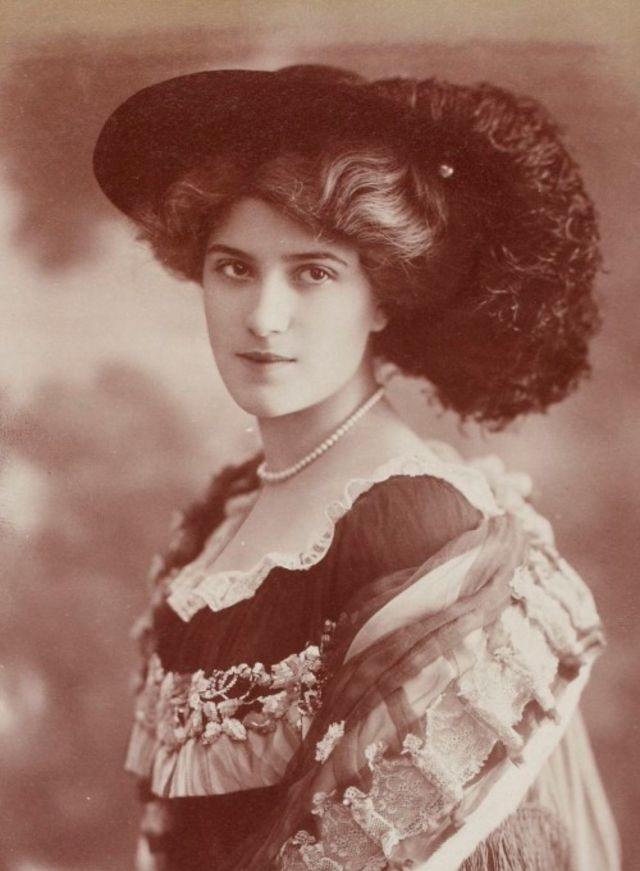
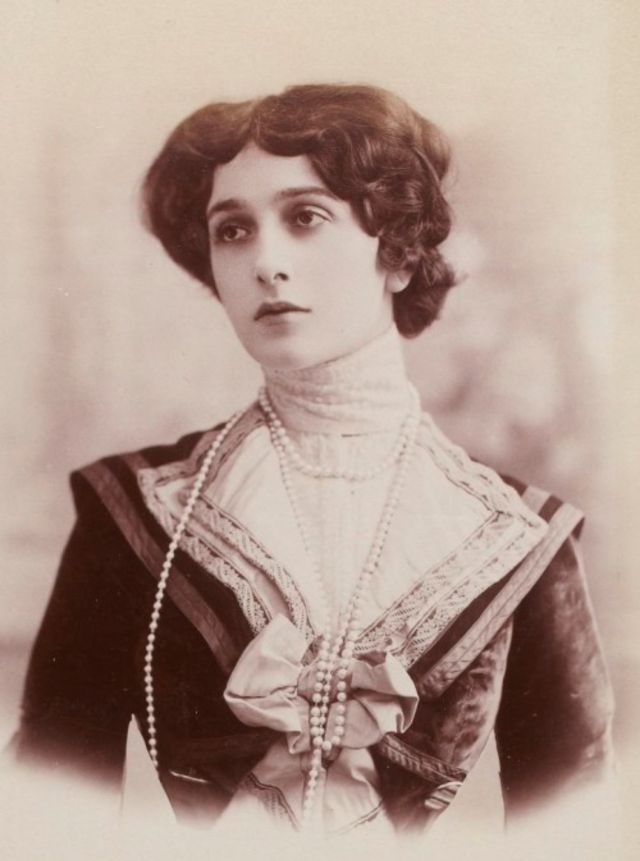
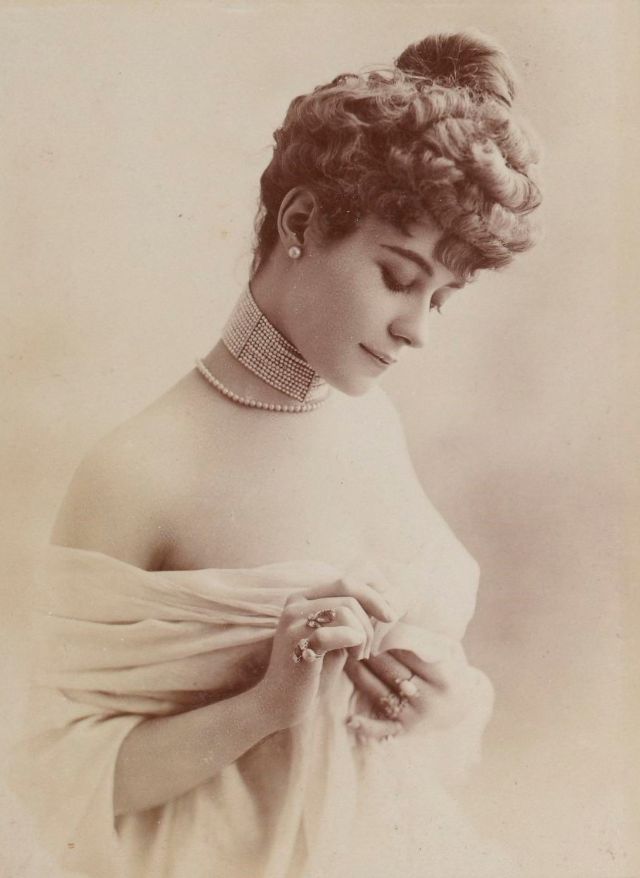
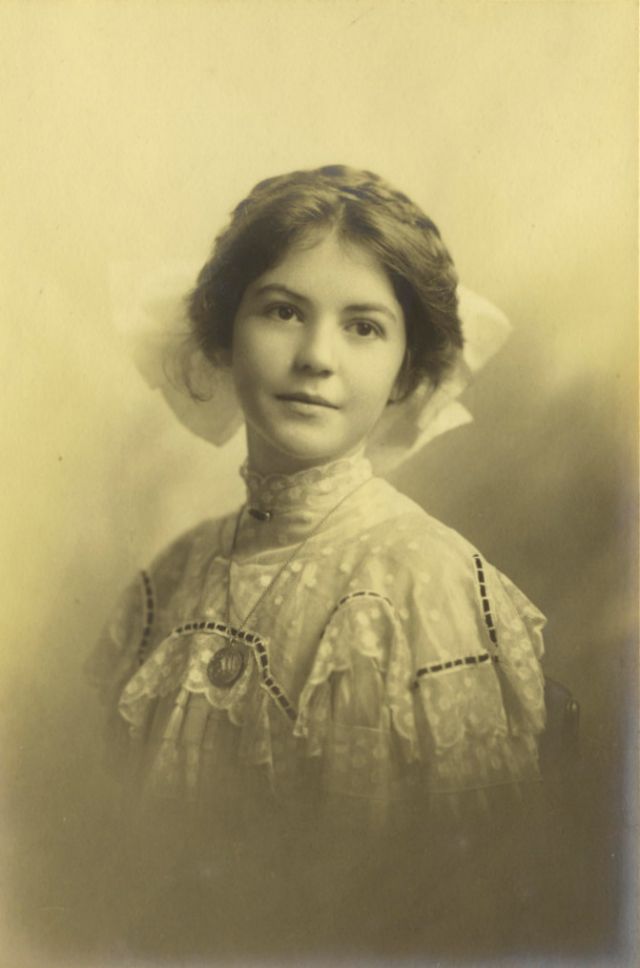
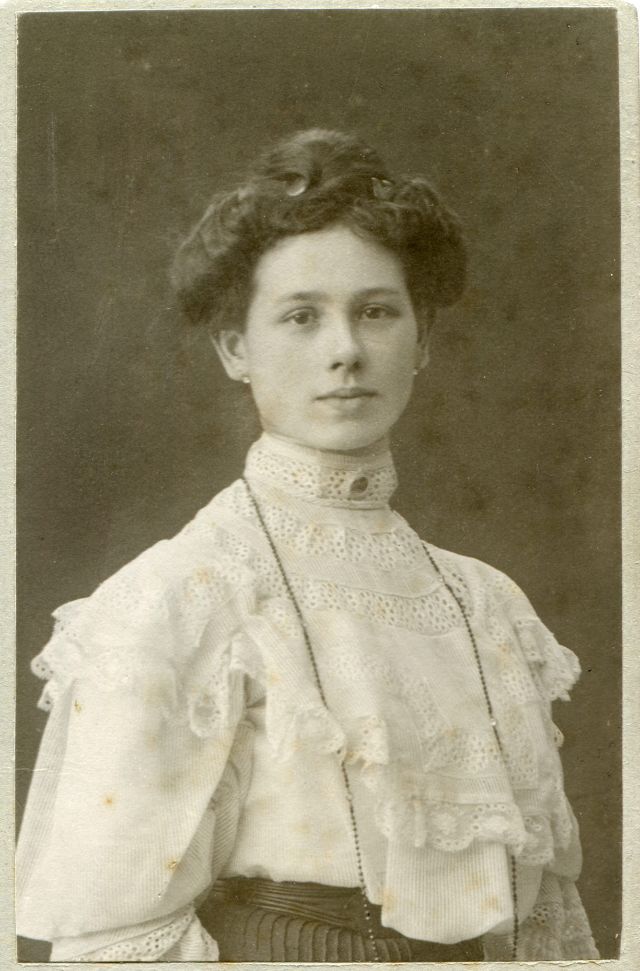
Beauty is in the eye of the beholder, according to the well-known saying. Yet it is only in the present day that our eyes need to make some effort to find beauty in so many faces. When it comes to women of the past, their appearance was unquestionably pure. One can be sure — this beauty is as real as it gets.
With Edwardian era, that has lasted from 1900 to 1912 came many life improvements that we still use today, such as electricity, cars, and vacuum cleaners, but it has also given us a fair share of bizarre facts, most of them concerning women.
According to sources, beautiful women of the Edwardian Era used Belladonna, a highly poisonous and even lethal plant, drops to make their pupils dilate, making the women look aroused. They have also smeared their faces with lead cream to make them look pale. And a faint smell of dame’s sweat was deemed very desirable by young gentlemen and even got a name as ‘bouquet de corsage’ (literally ‘smells of the bodice’).
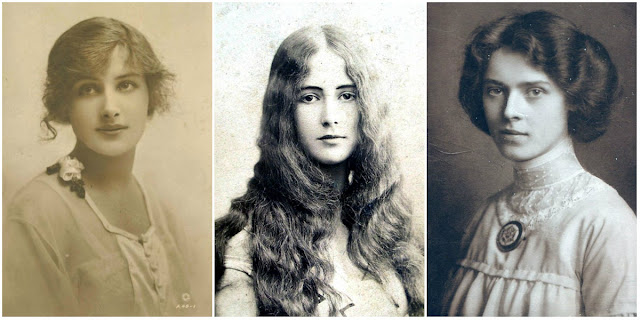
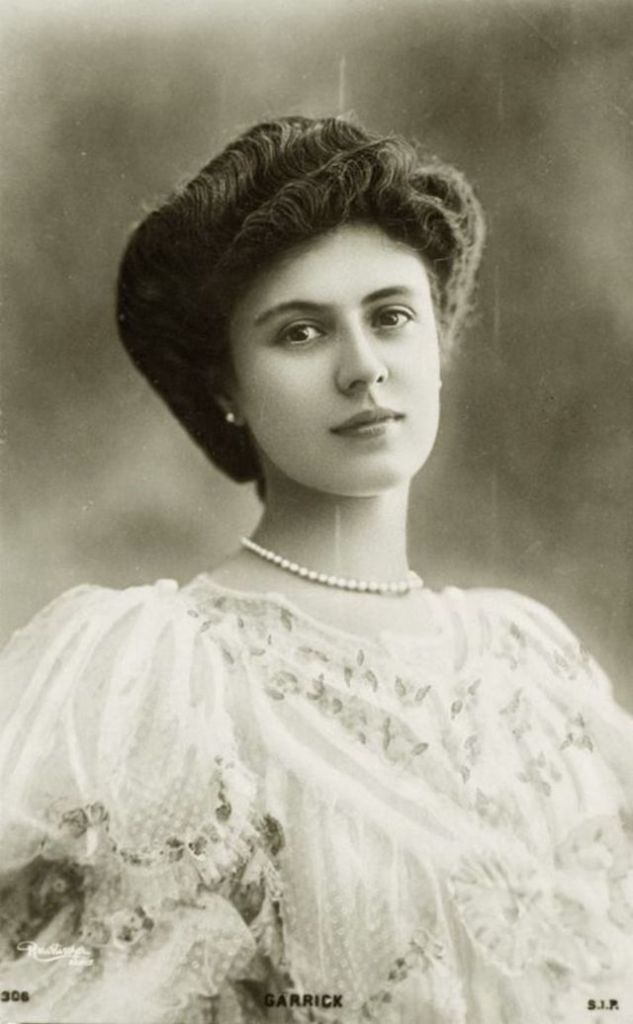
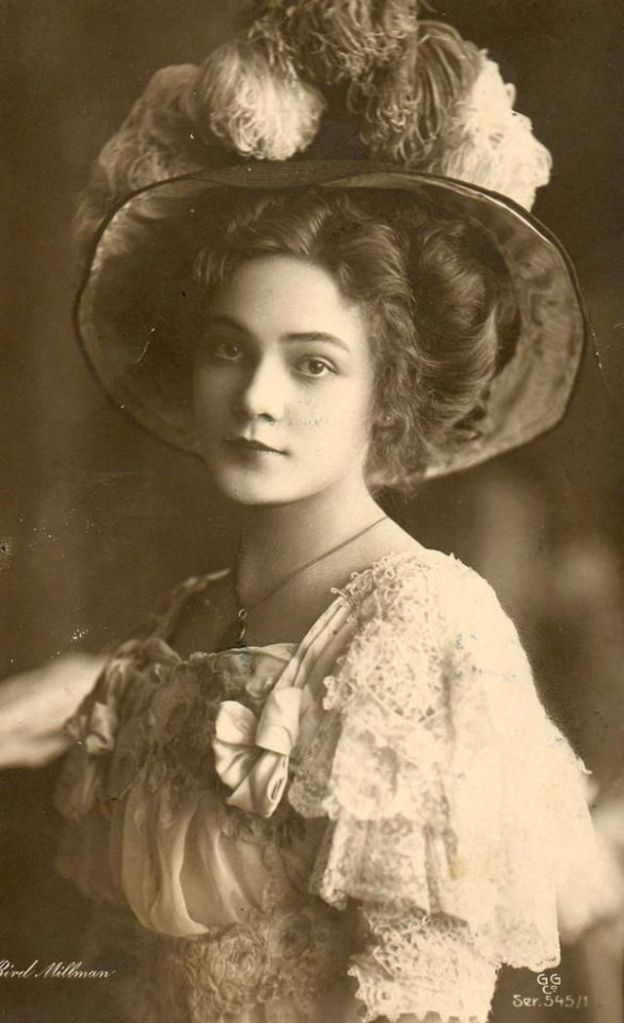
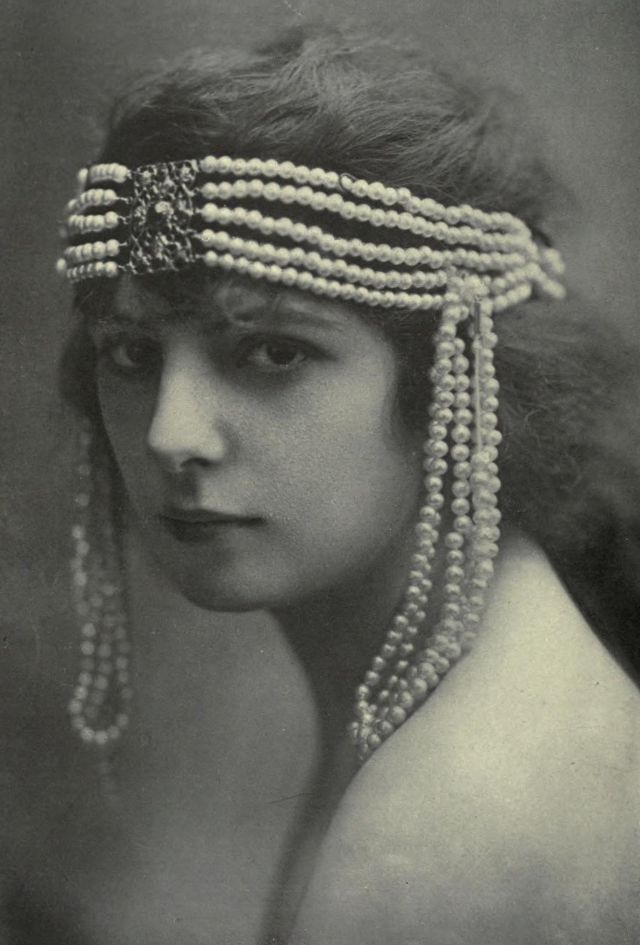
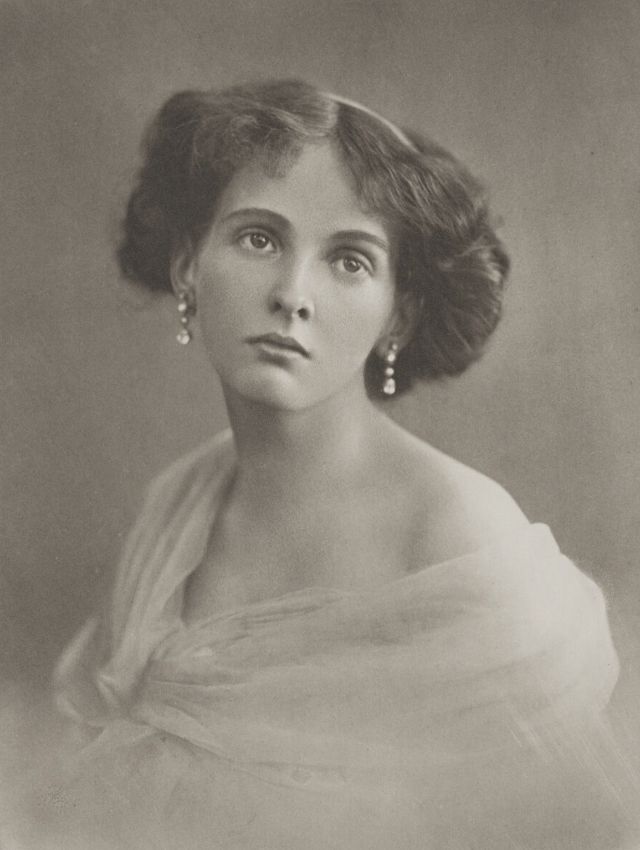
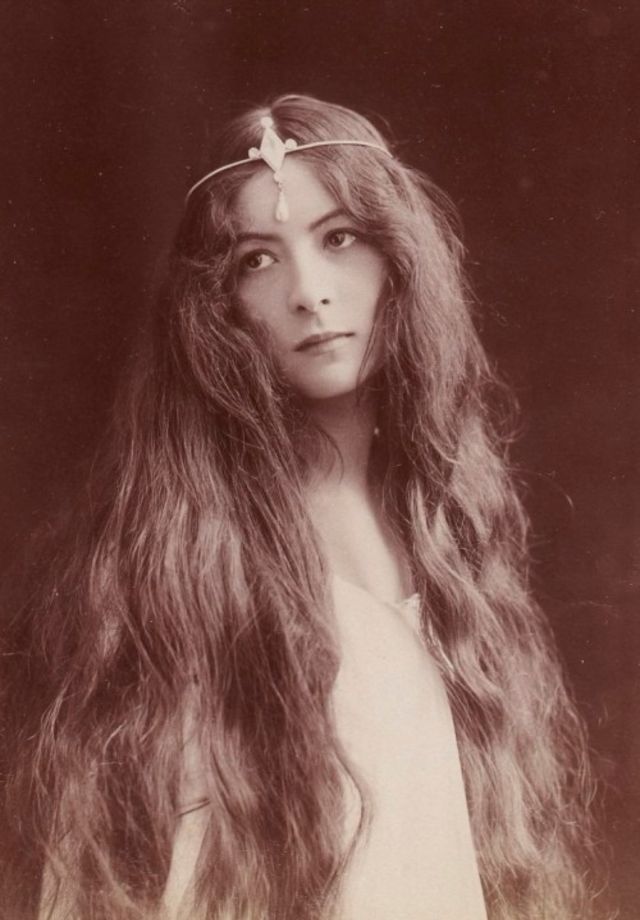
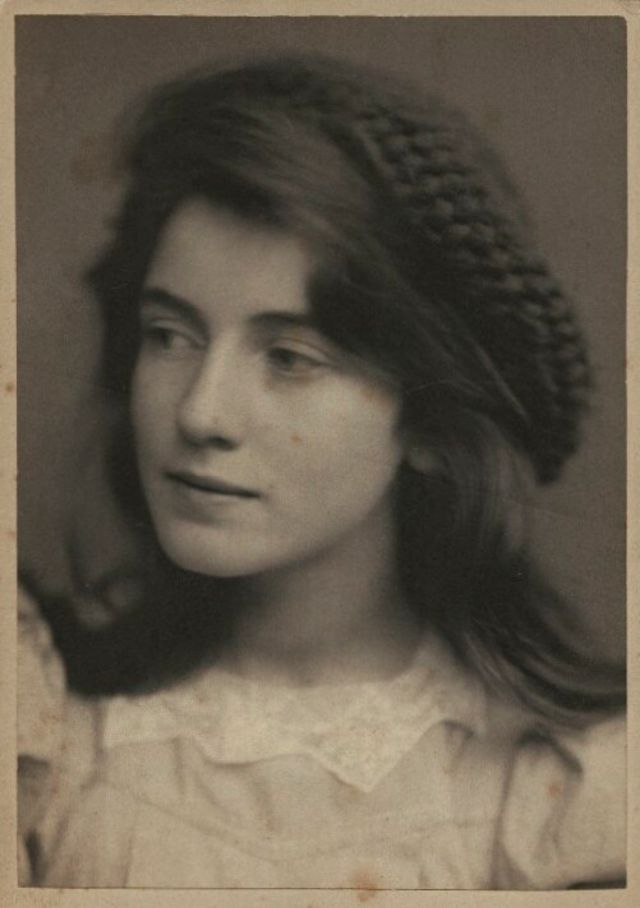
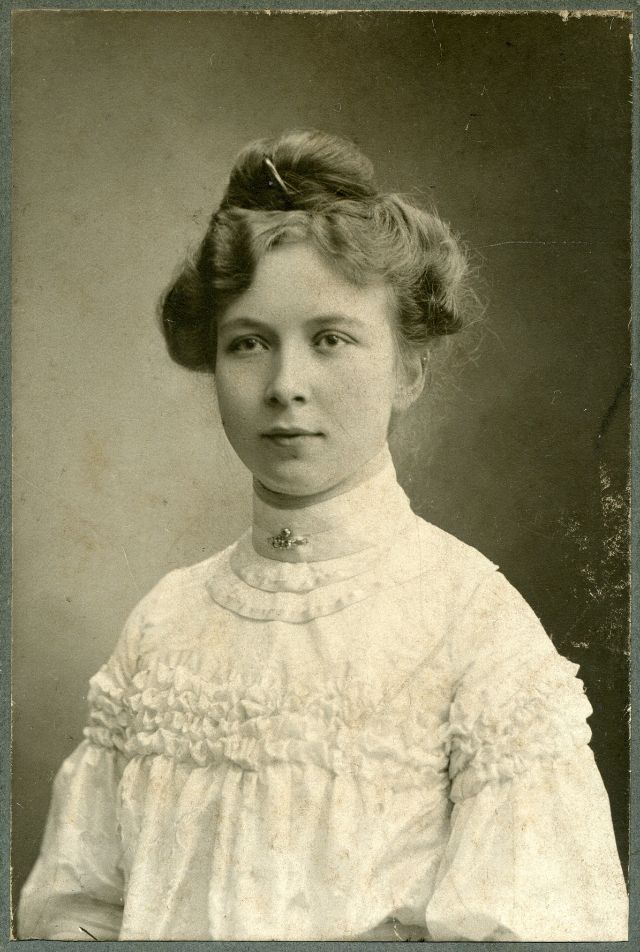
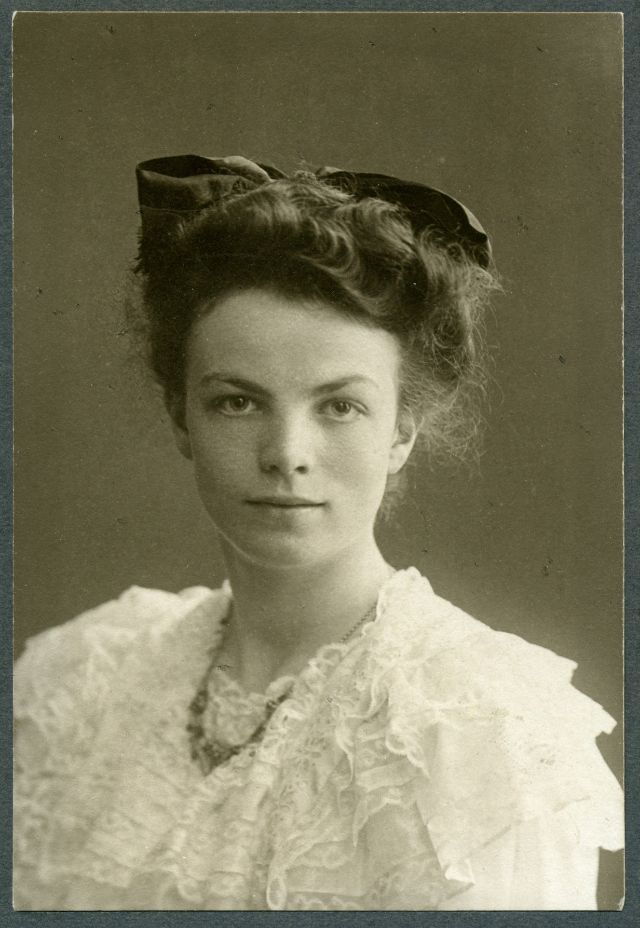
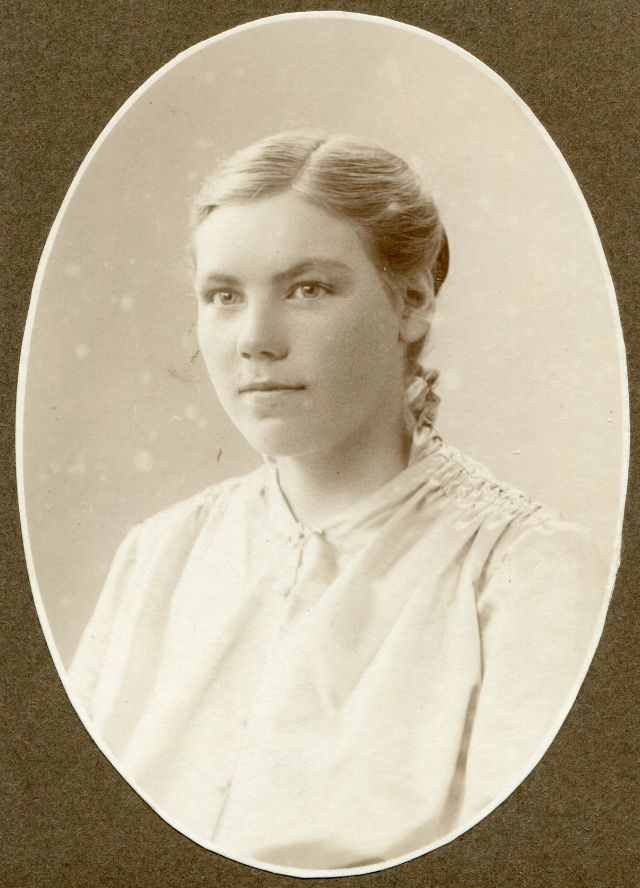
In spite of these absurd beauty trends, the era gave us some of the most beautiful women and emancipated ladies, here we gathered a gallery of 40 vintage portraits of beautiful women from between the 1900s to 1910s:
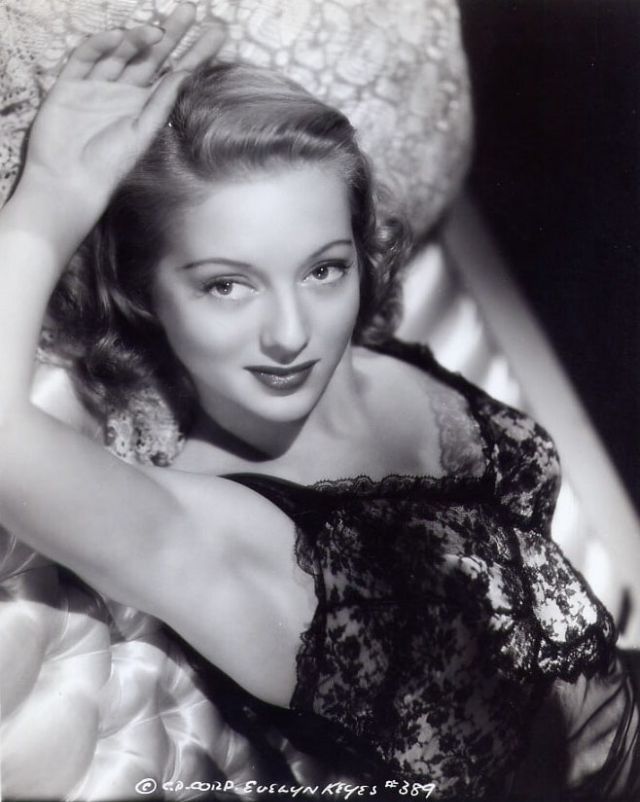
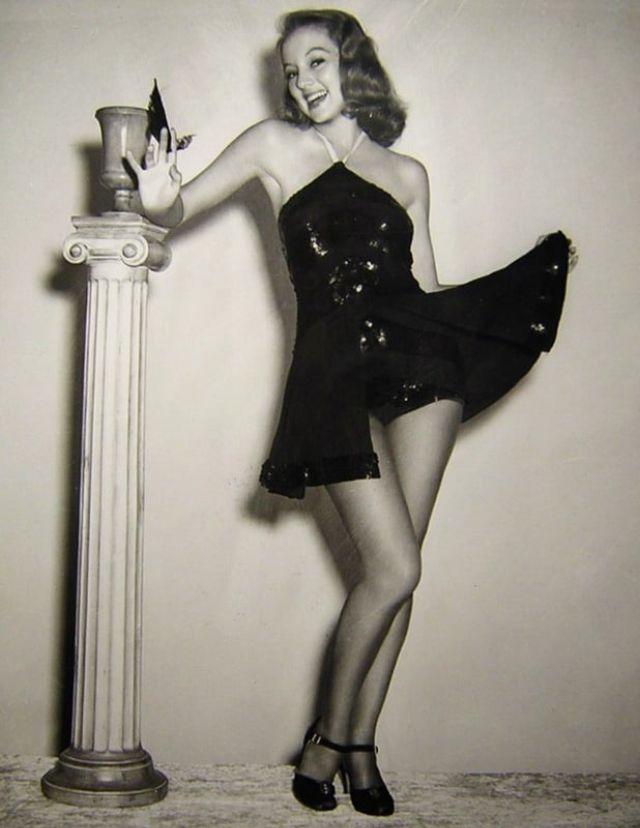
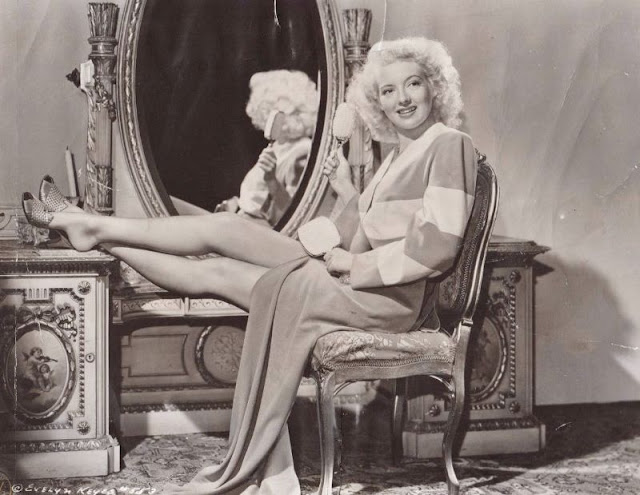
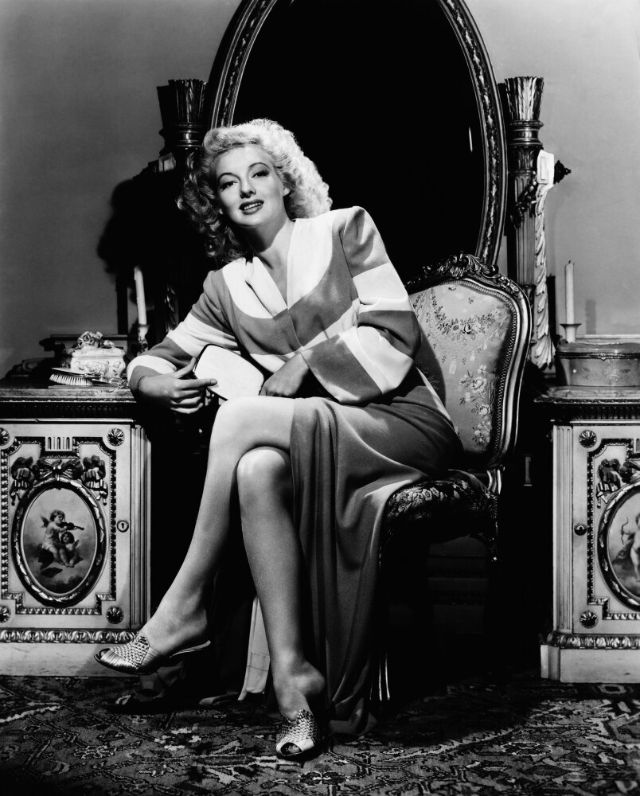
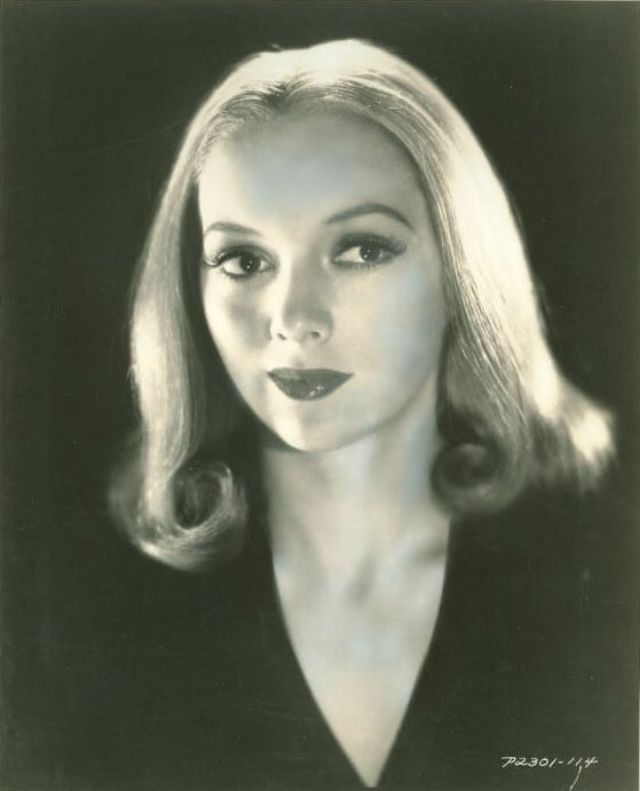
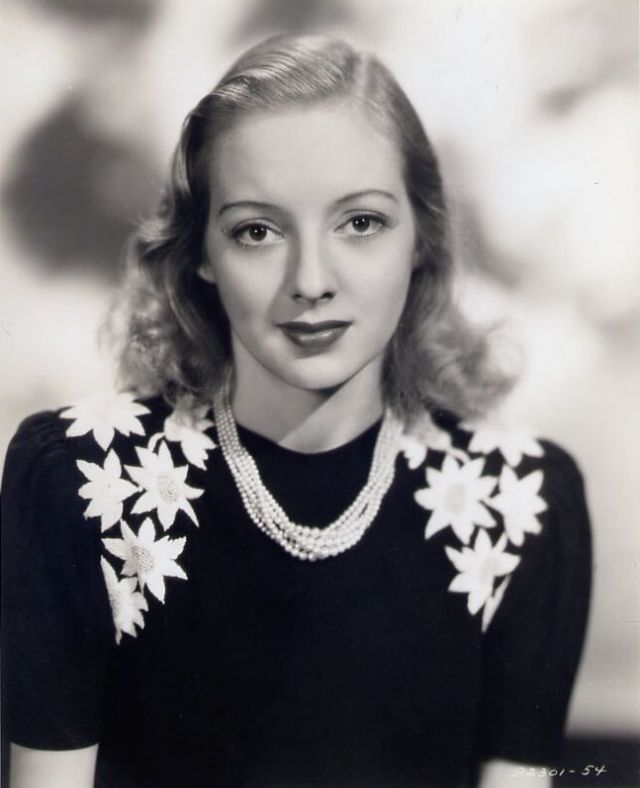
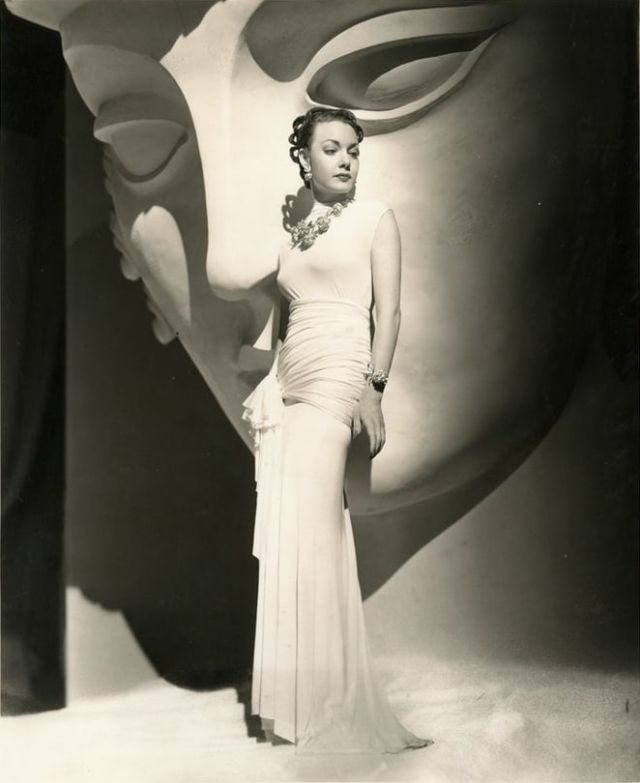
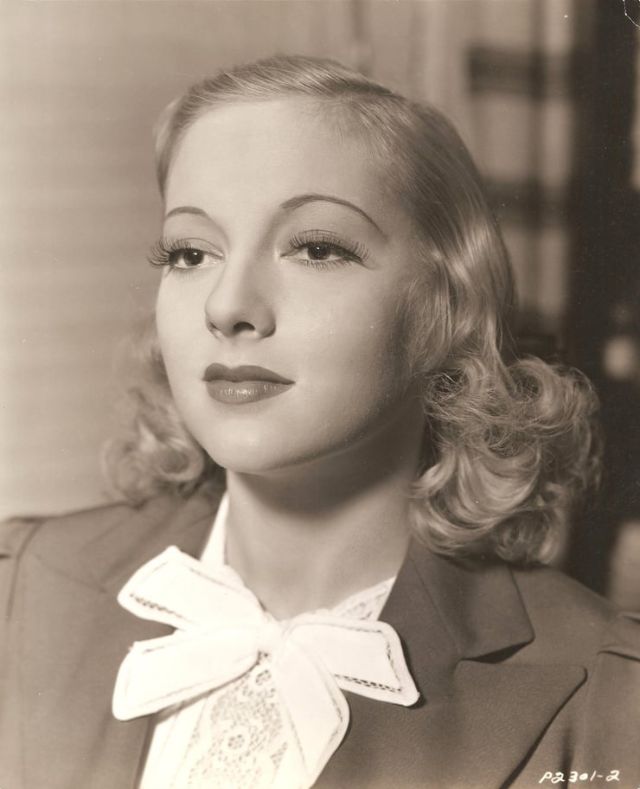
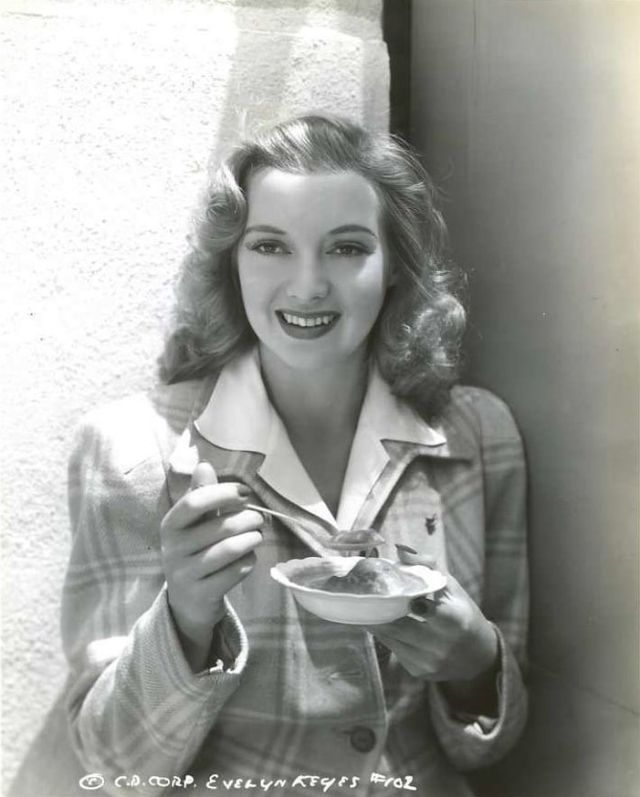
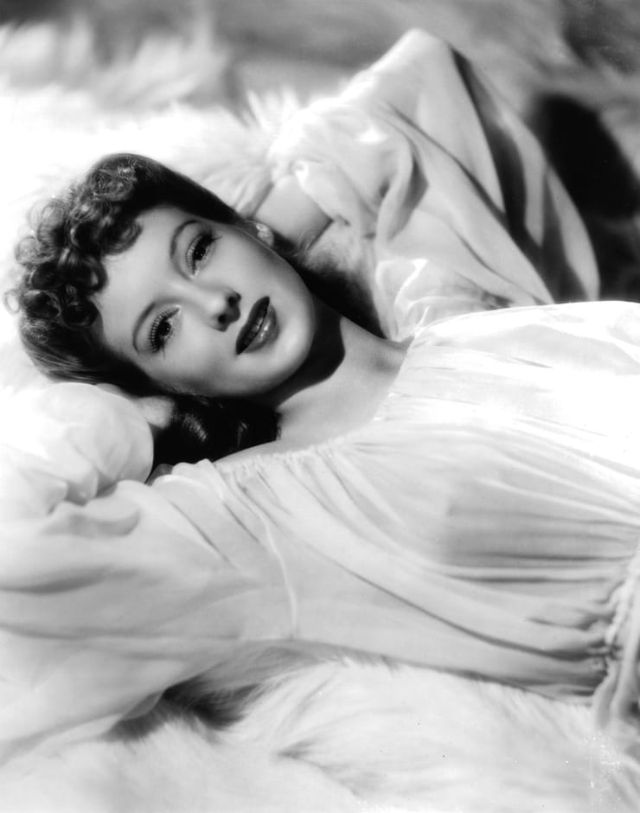
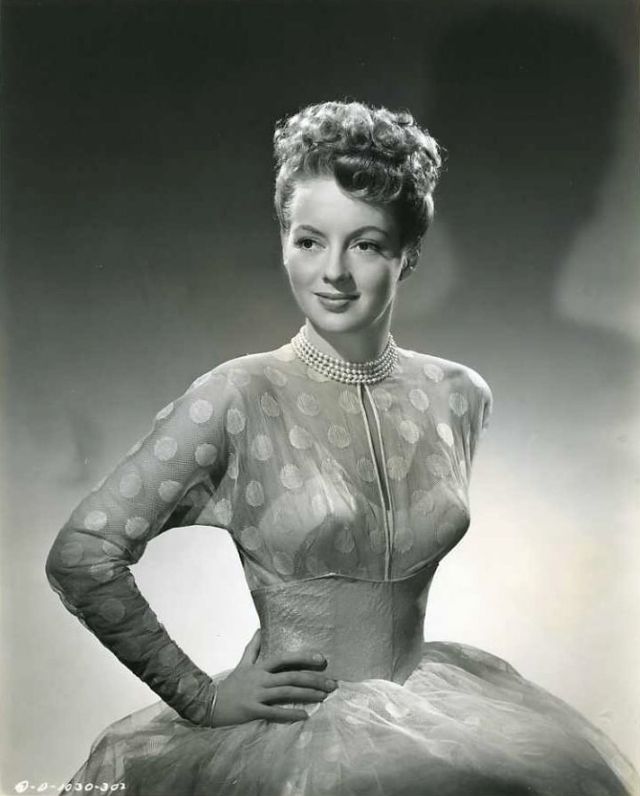
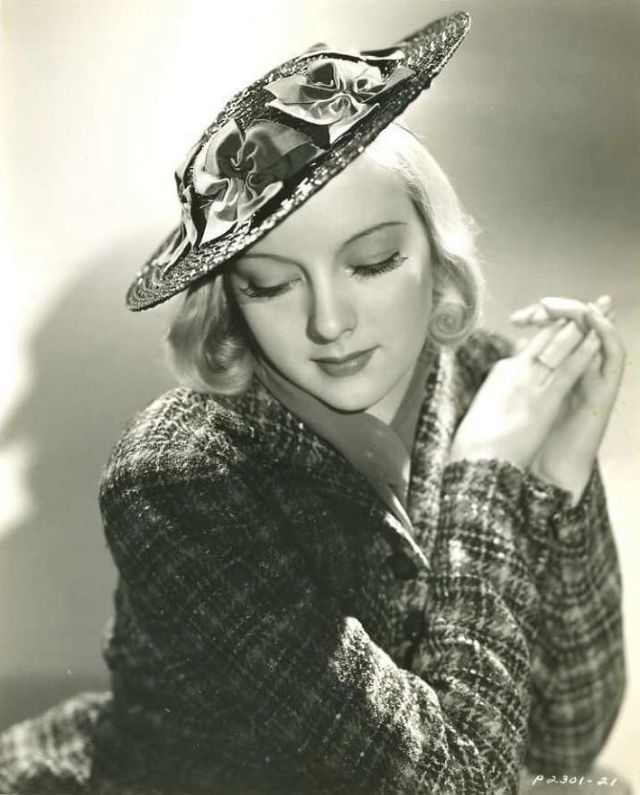
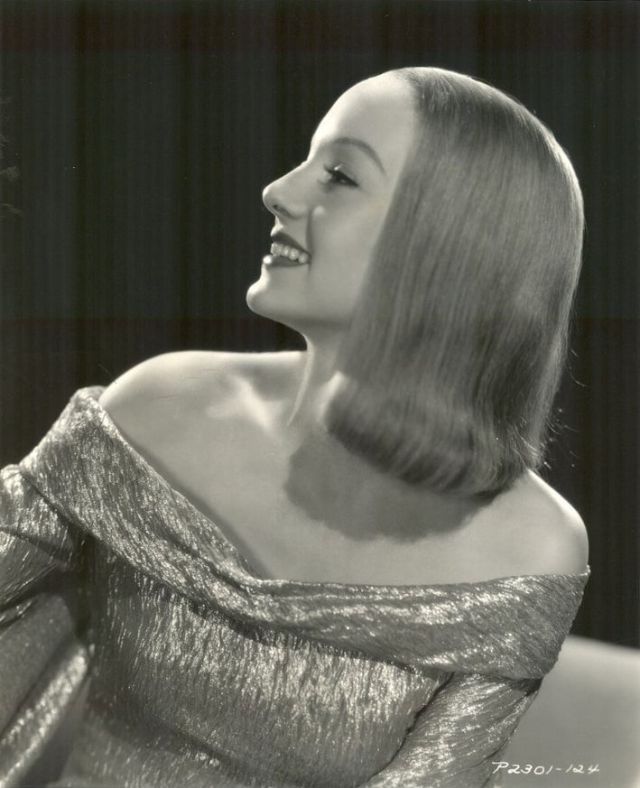
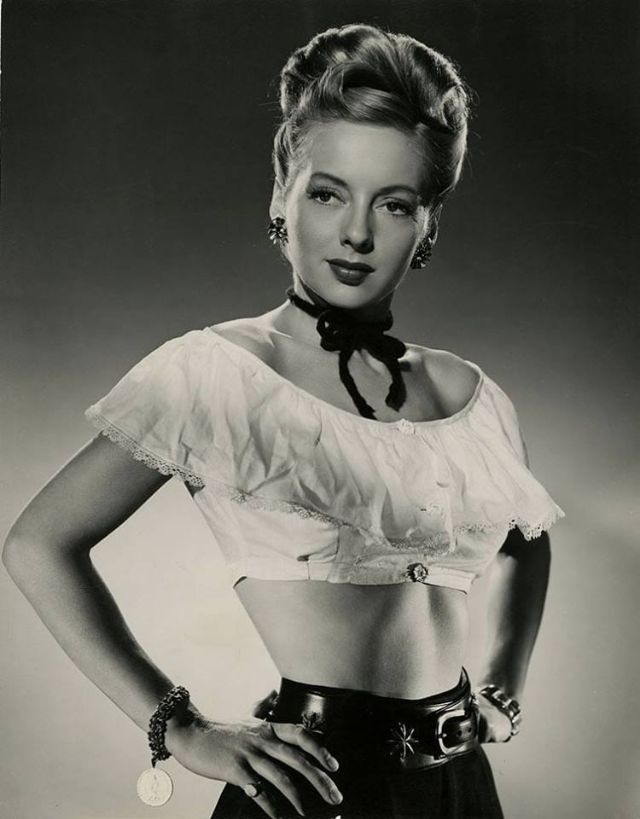
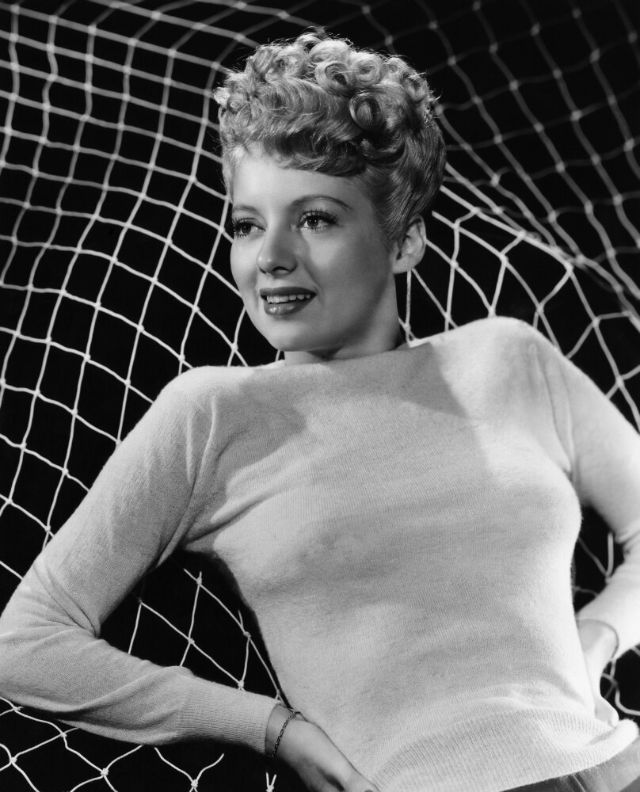
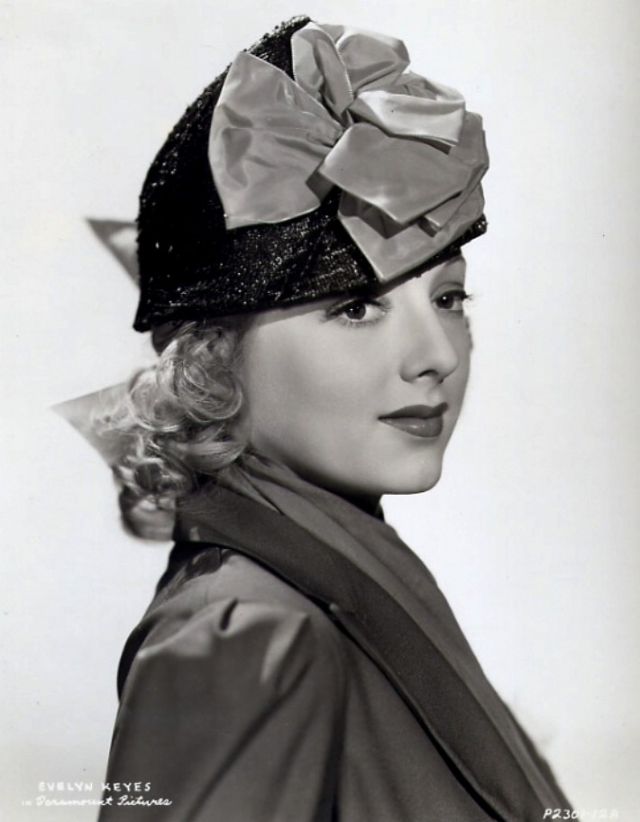
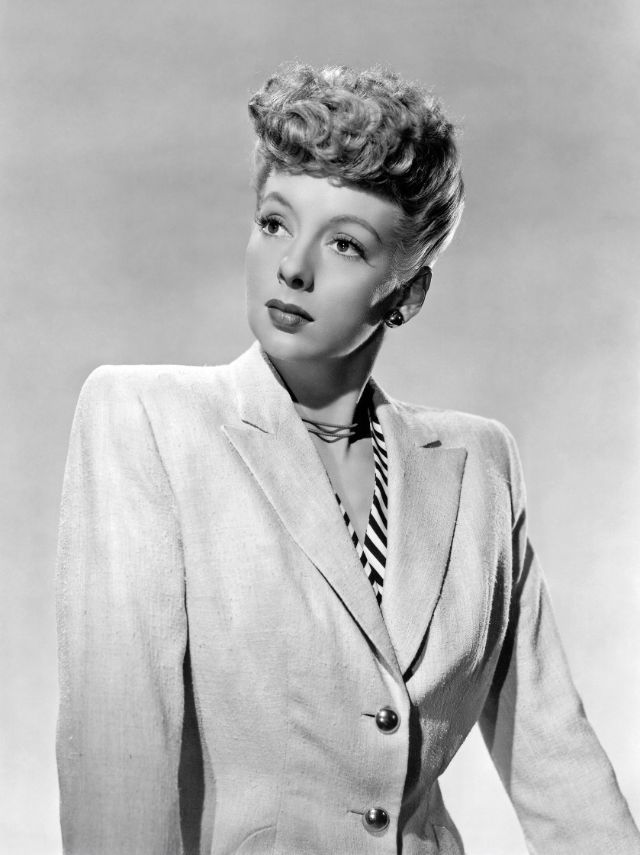
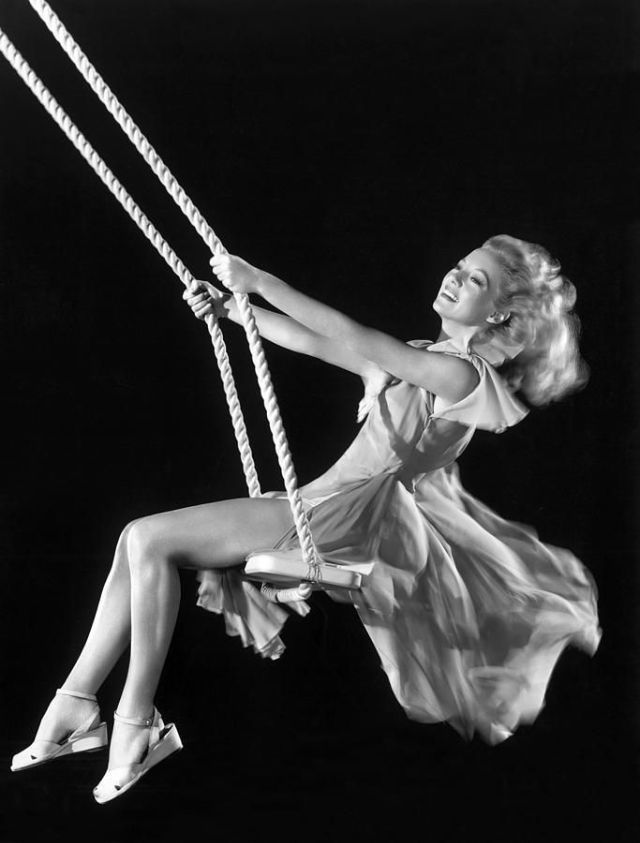
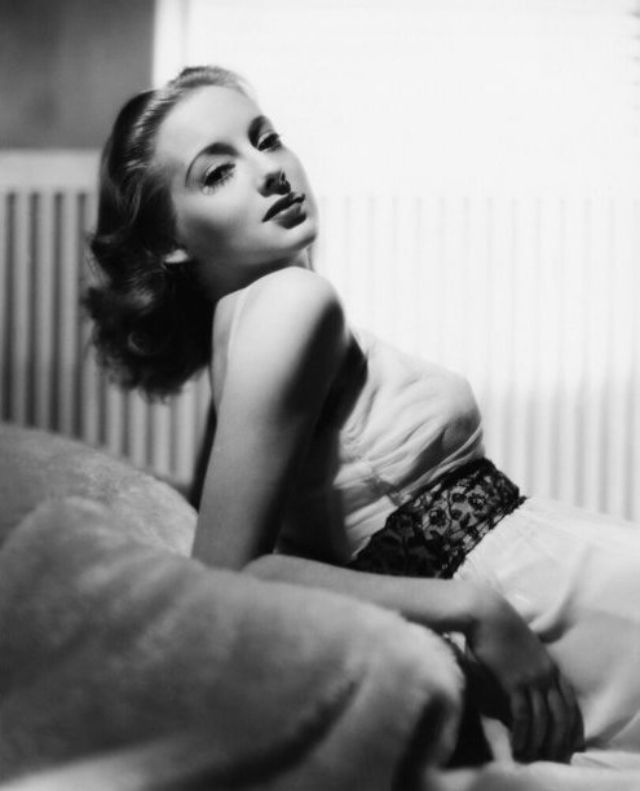
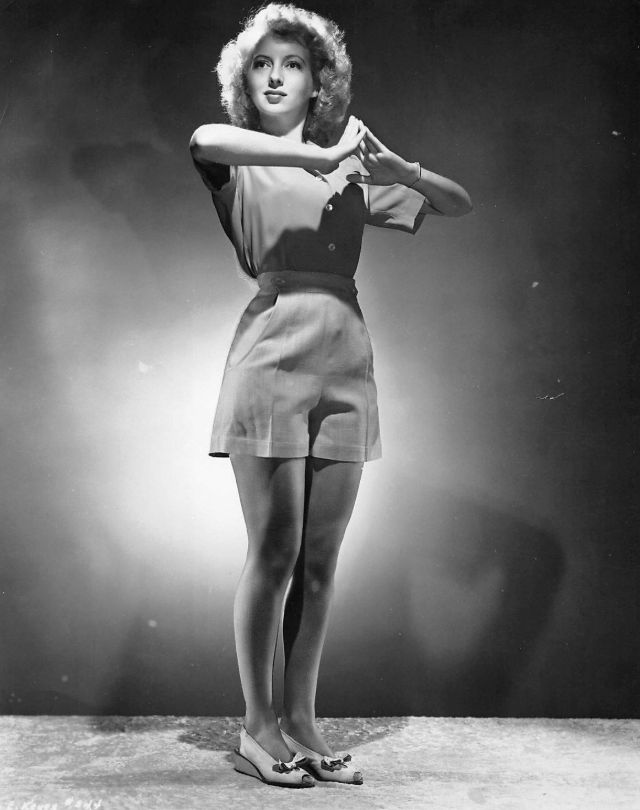
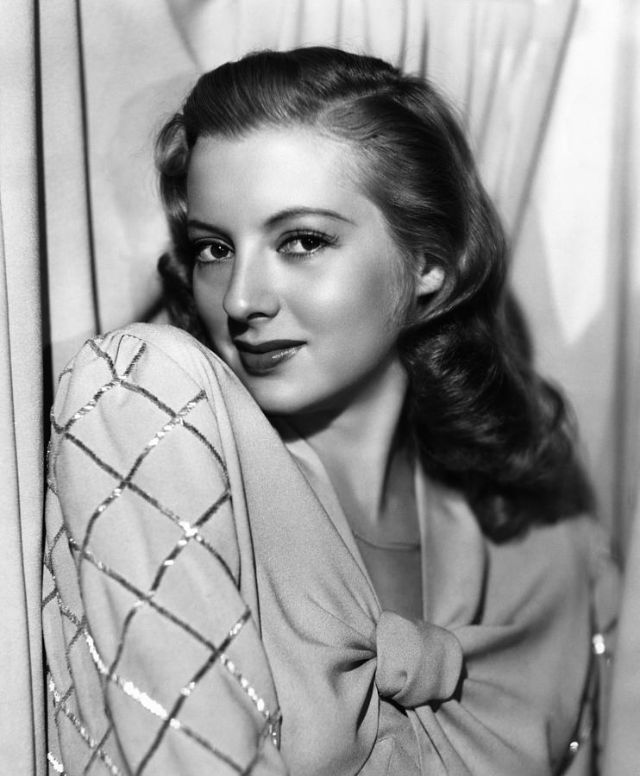
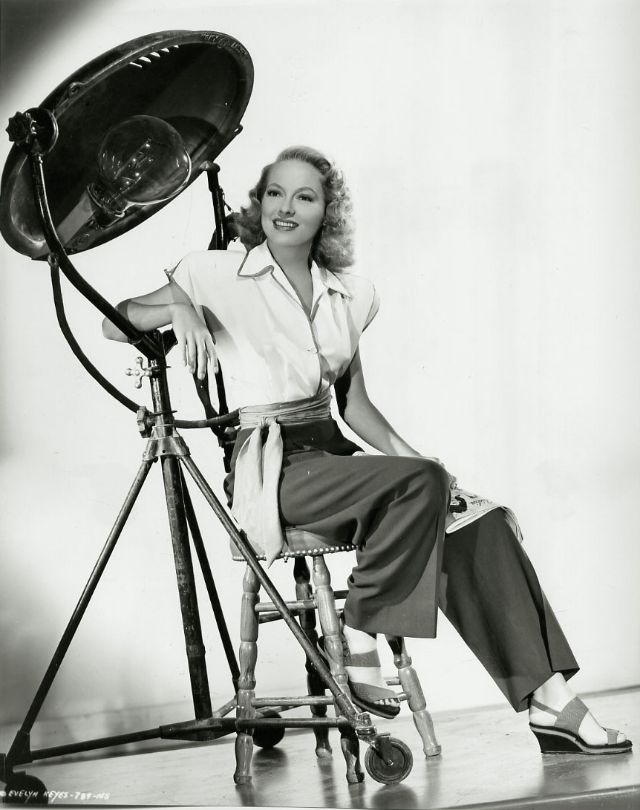
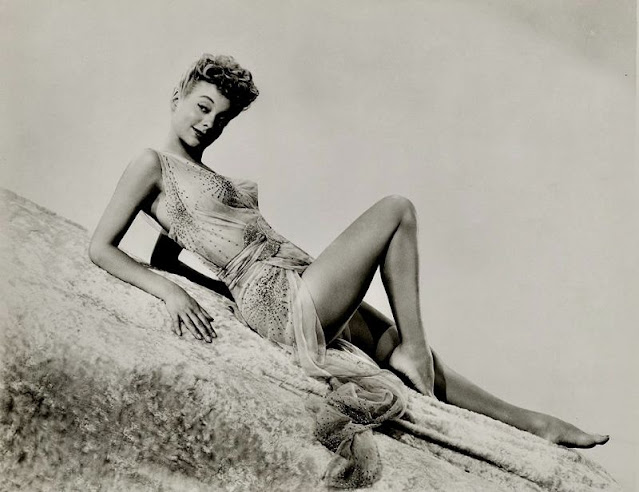
Born 1916 in Port Arthur, Texas, American actress Evelyn Keyes came out to Hollywood by age 18 as a chorus girl and was introduced to Cecil B. DeMille who in her own words “signed me to a personal contract without even making a test”.
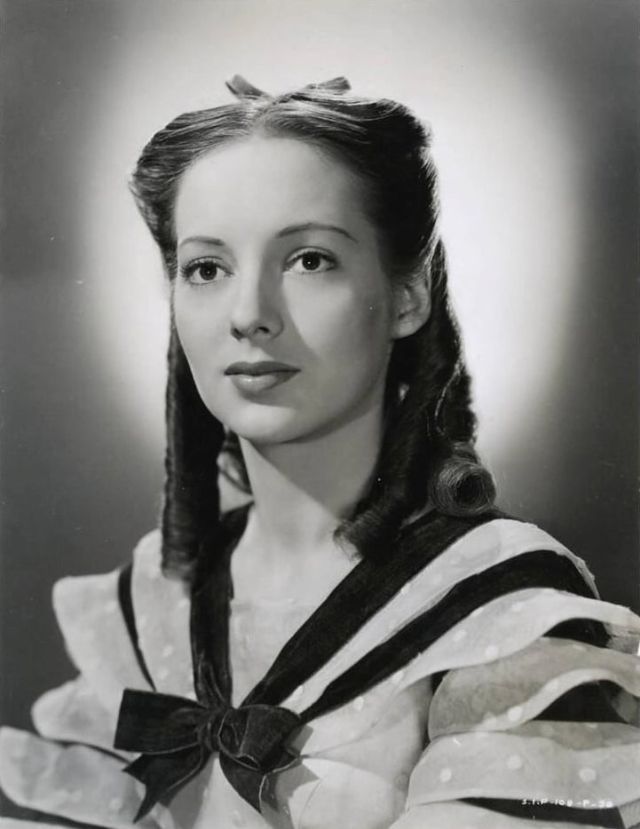
After a handful of B movies at Paramount Pictures, Keyes landed a minor role in Gone with the Wind (1939), that of Scarlett O’Hara’s sister Suellen. (She was later interviewed for the 1988 documentary The Making of a Legend: Gone with the Wind).
Columbia Pictures signed her to a contract. In 1941, Keyes played an ingenue in Here Comes Mr. Jordan. She spent most of the early 1940s playing leads in many of Columbia’s B dramas and mysteries. Appeared as the female lead in Columbia’s blockbuster hit The Jolson Story (1946), she followed this up with an enjoyable minor screwball comedy, The Mating of Millie. She was then in a 1949 role as Kathy Flannigan in Mrs. Mike.
Keyes’ last major film role was a small part as Tom Ewell’s vacationing wife in The Seven Year Itch (1955), which starred Marilyn Monroe. Keyes officially retired in 1956, but continued to act. She died in in 2008 from uterine cancer at the Pepper Estates in Montecito, California, aged 91.
Take a look at these vintage photos to see the beauty of young Evelyn Keyes in the 1930s and 1940s.
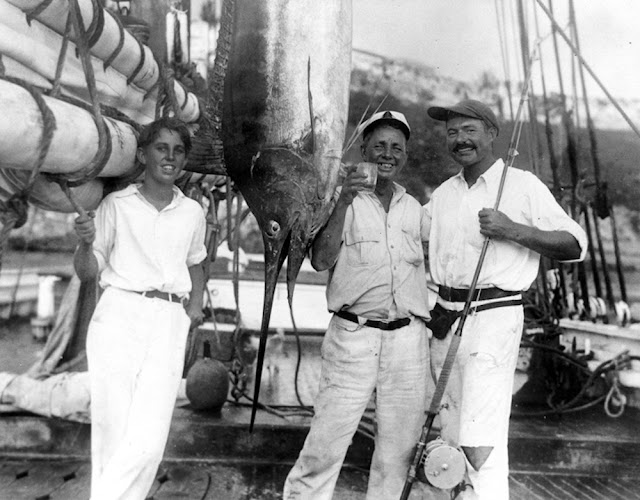
The legends surrounding Ernest Hemingway and his days at war — from World War I to the Spanish Civil War, are often recounted, but when he wasn’t risking his life on the battlefield or writing, he was likely hunting or fishing.
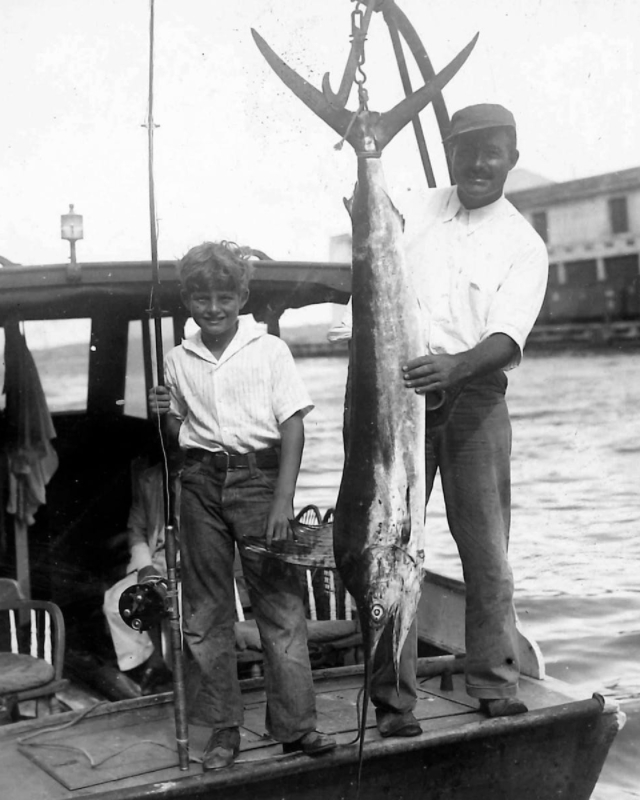
At four years old, Hemingway learned to fish, hunt and camp from his father, as the family would frequently spend time at their cabin in Northern Michigan. Early experiences would shape his understanding of the natural world and contribute to the themes present in much of his writing, particularly his Nick Adams short stories.
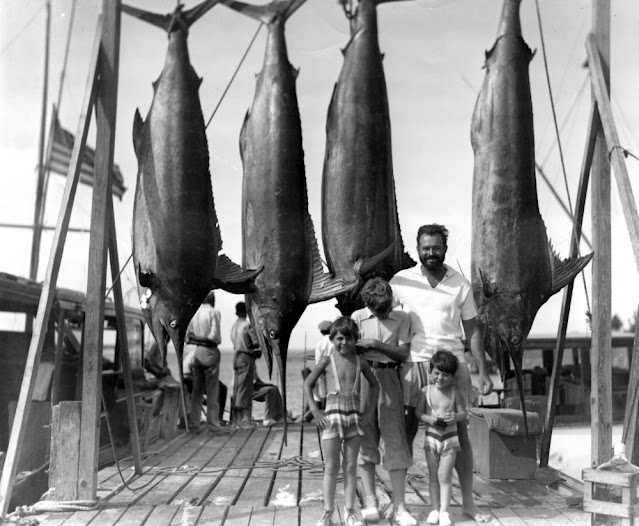
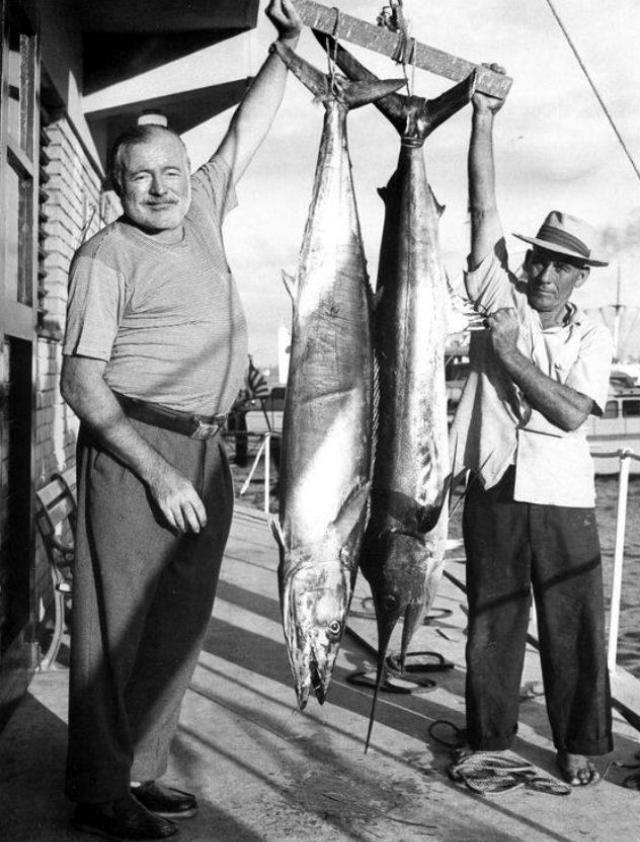
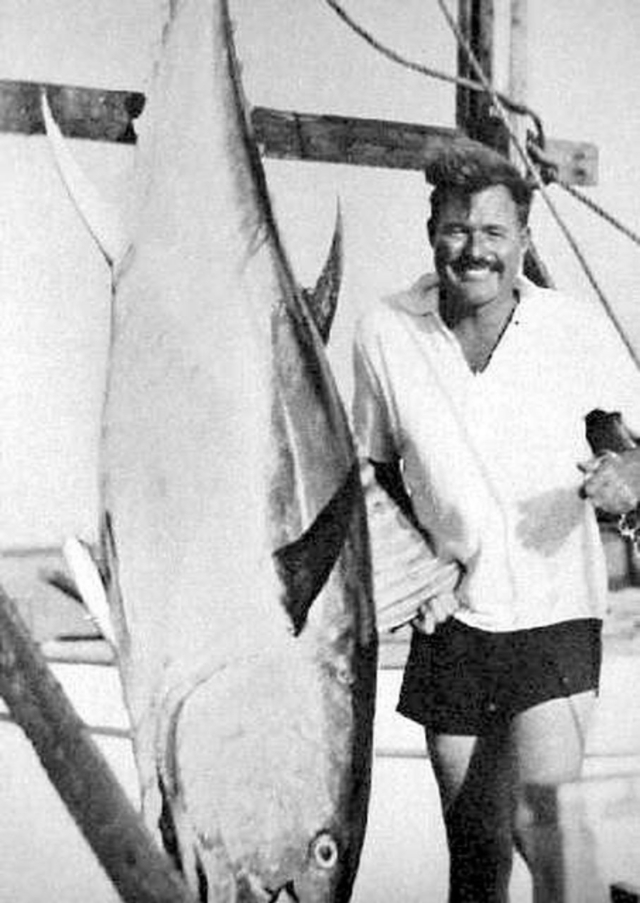
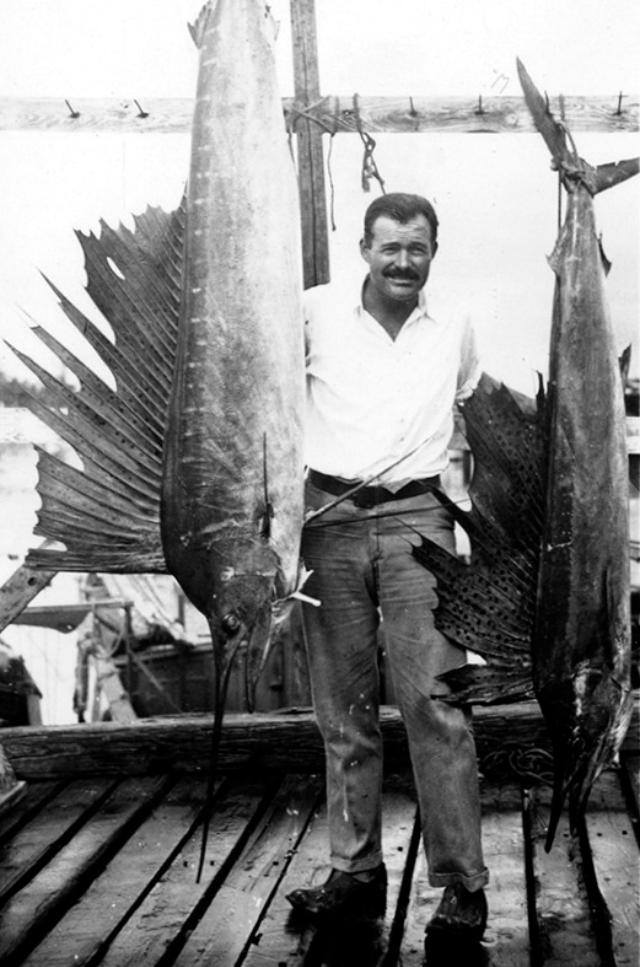
While hunting was a passion, it was fishing that Hemingway was known for, and for good reason. He managed to live the life of a successful journalist and writer while also making serious contributions to the world of fishing. He fished for trout in the streams of Michigan, Germany and Spain, and for sportfish in the Gulf of Mexico.
Hemingway spent a lot of time on his 38-foot fishing boat Pilar, so much that it would heavily influence his writing, especially in novels like Islands in the Streams and To Have and Have Not, where much of the action takes place on a small fishing boat.
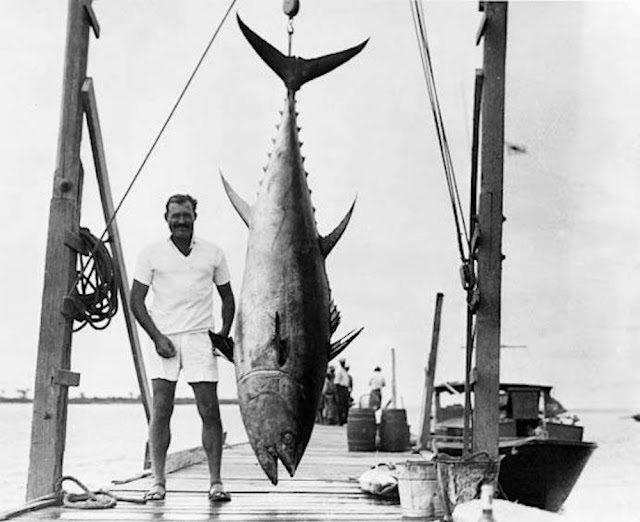
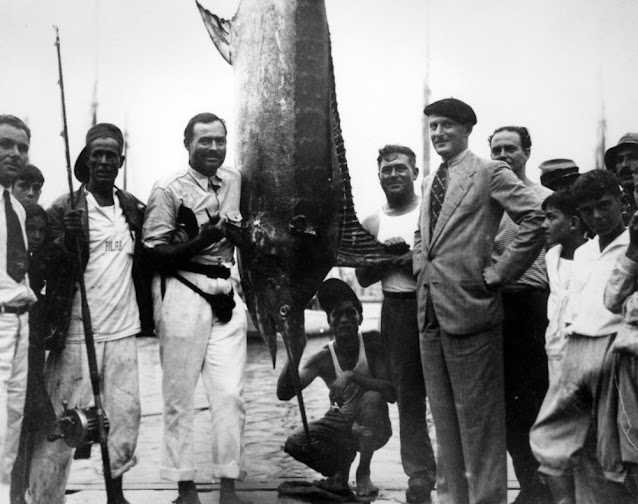
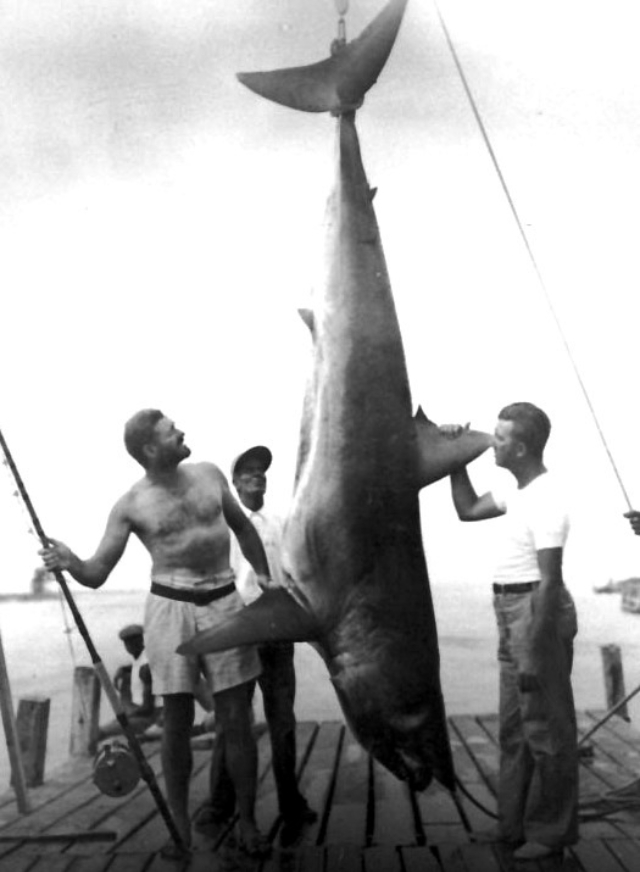
Hemingway himself developed theories and techniques in fishing, like solving the “apple coring” problem with tuna, where sharks would attack the tired fish during the lengthy landing times. Hemingway would keep constant pressure on the tuna, focusing on getting it to the boat as fast as possible instead of letting it tire, which was the accepted method of the day.
He tried everything from transferring the fight to a smaller boat to shooting attacking sharks with his Thompson sub machine gun as the hooked tuna approached the boat. He was the first person on record to boat an undamaged giant tuna.
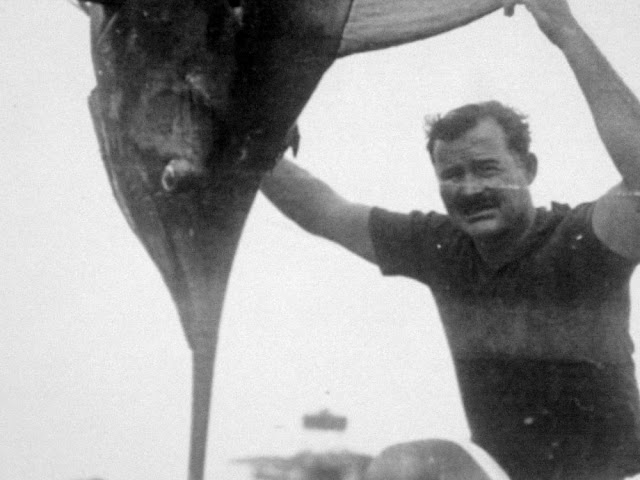
Once, he caught a marlin that was estimated to have been over 1,000 pounds before sharks reached it. He learned the hard way that by shooting the sharks he released blood into the water and attracted more sharks, which took most of the marlin’s body. This tale is probably the basis for the novel The Old Man and the Sea.
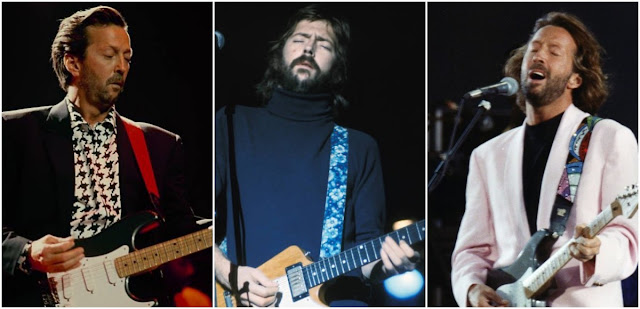
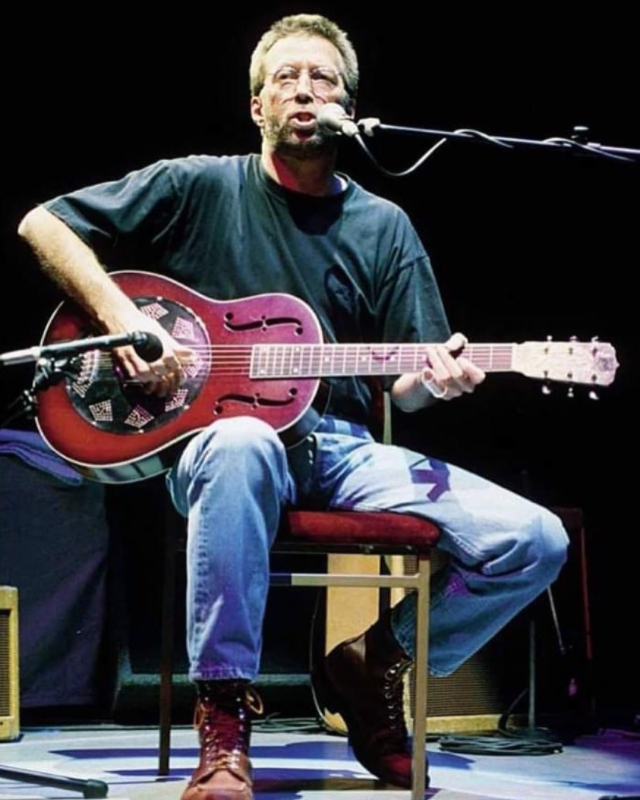
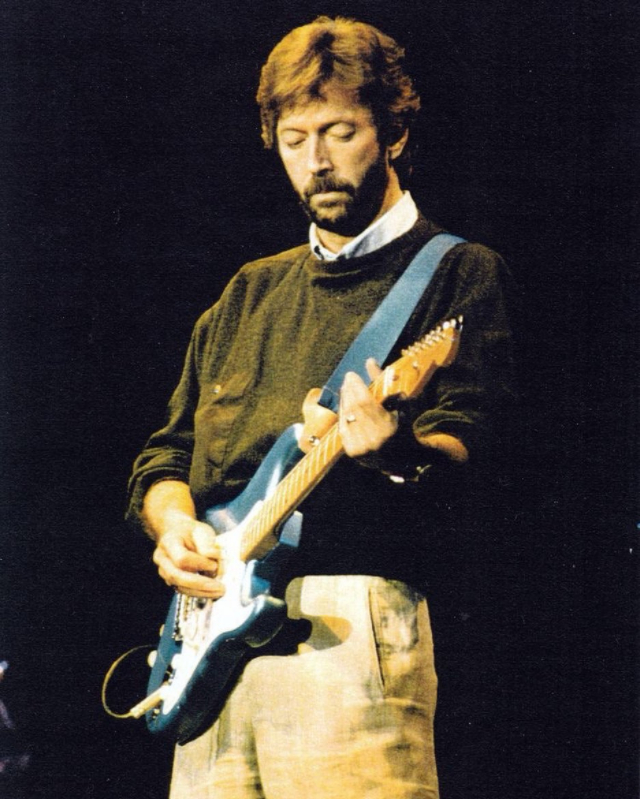
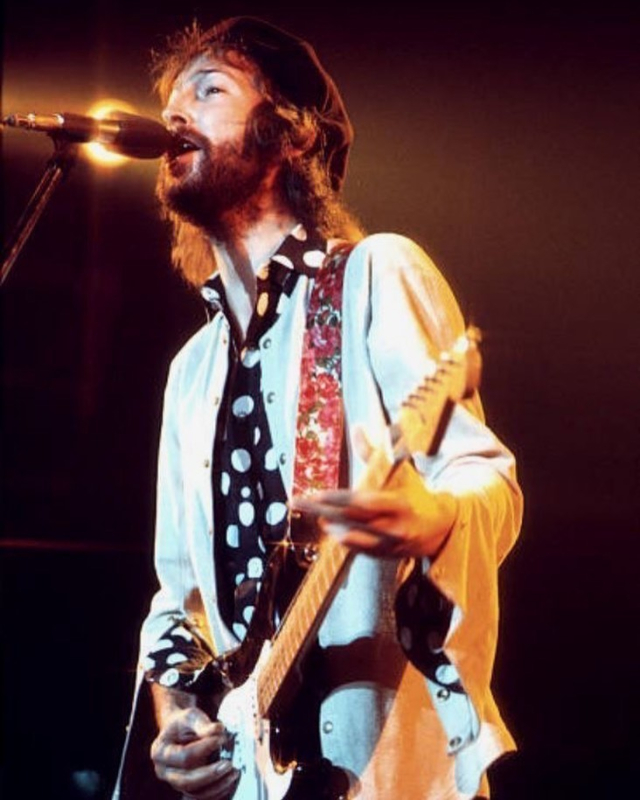
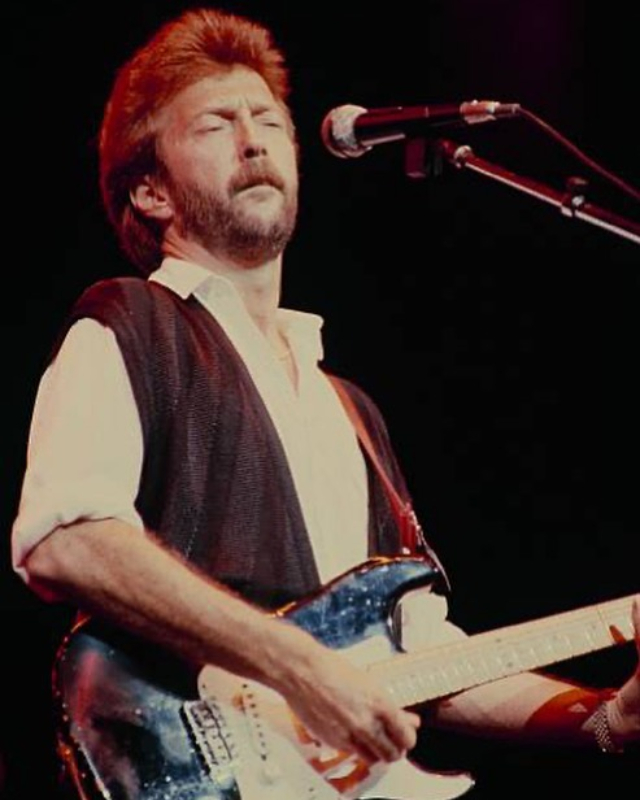
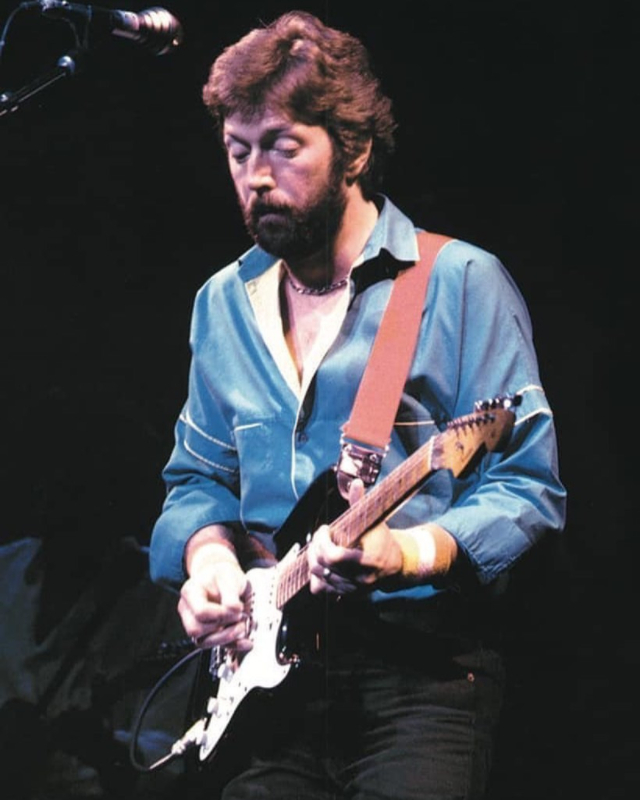
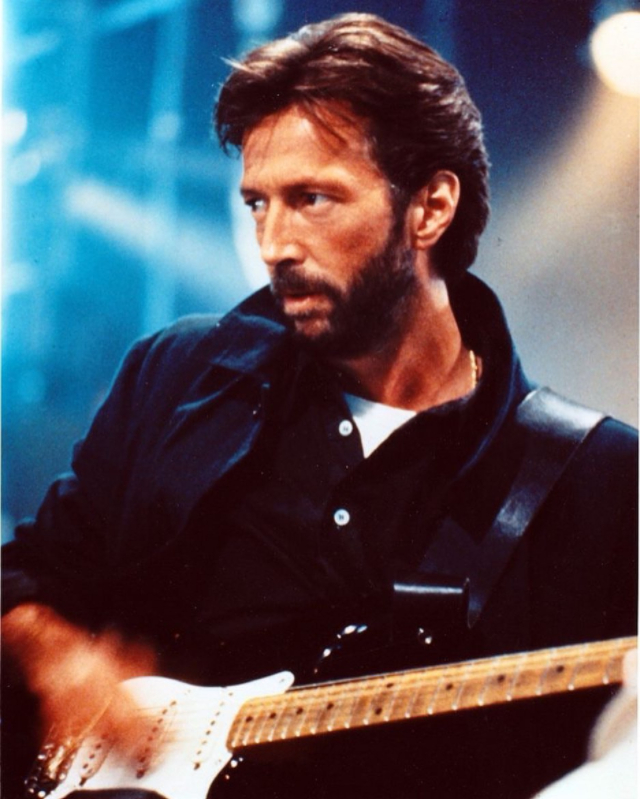
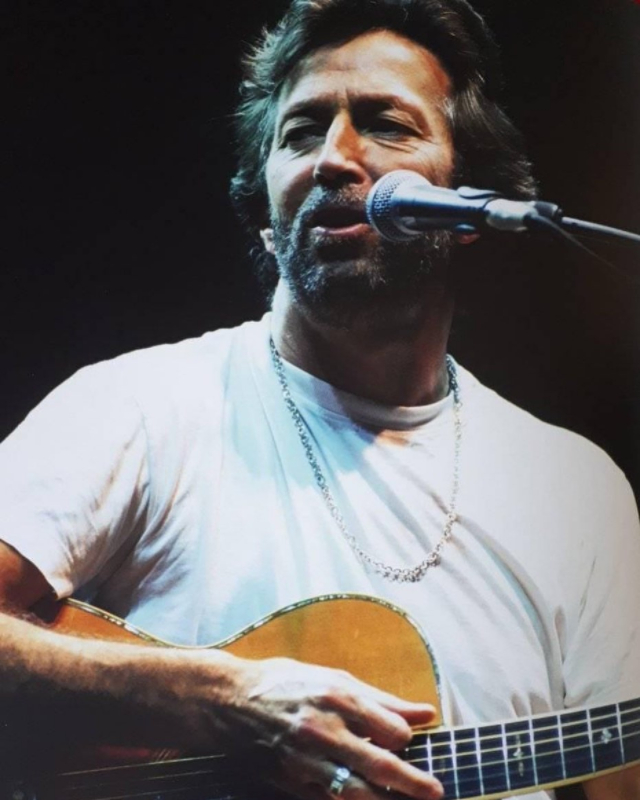
In the eighties, Eric Clapton was trying to quit drugs and alcohol. Naturally, he got really into clothes and women. “I’d always loved clothes, and that became a huge interest for me,” he told Classic Rock in 2016.
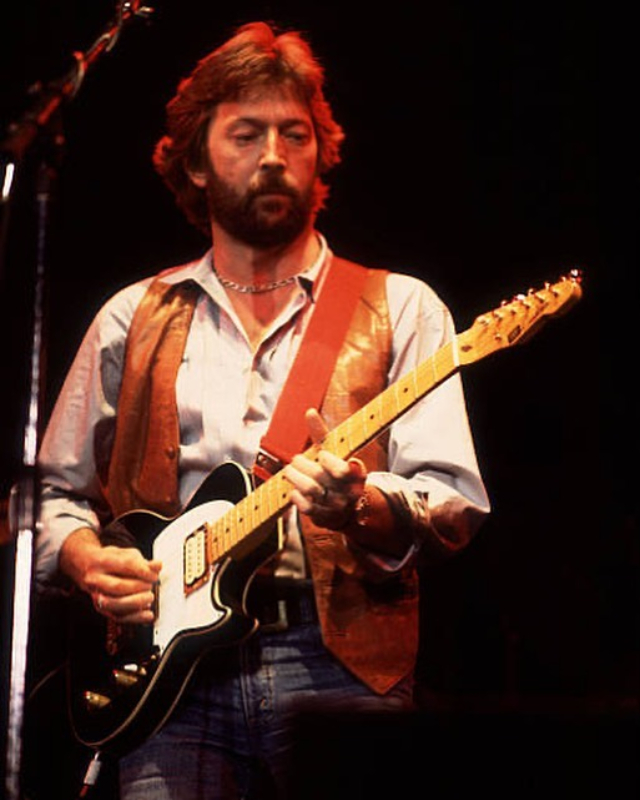
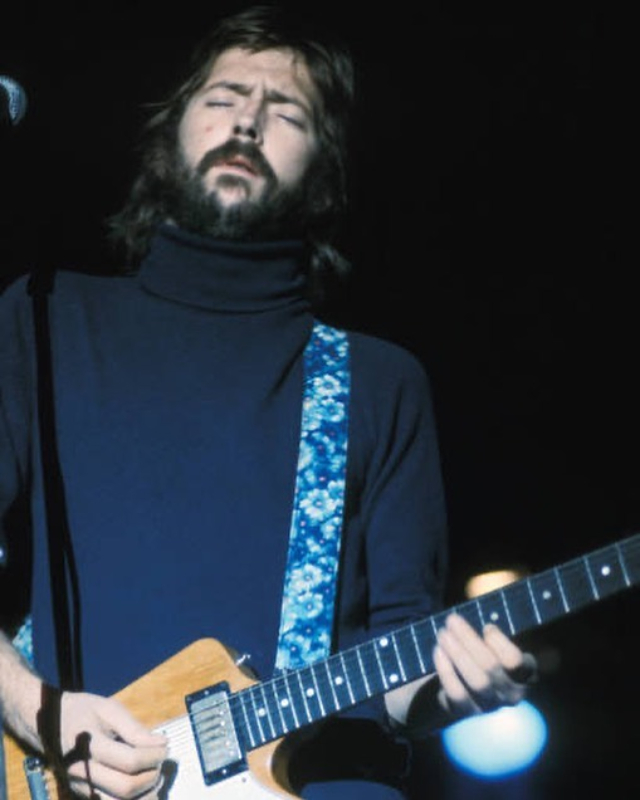
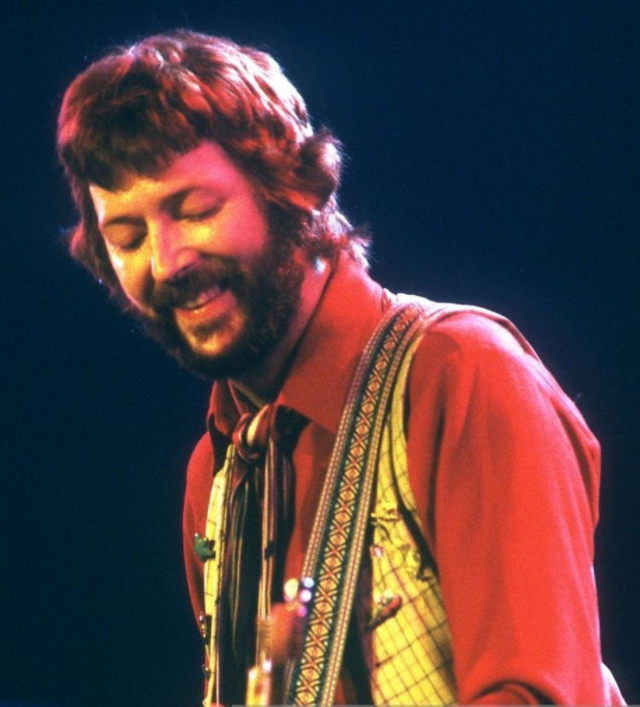
Clapton meant it when he said he’d always been really into clothes: His 1970s stage ensembles included overalls and a bucket hat made from a flour bag, for example, and his former bandmates have spoken to his obsession with getting the look. But in the mid-1980s, he made a conscious effort to pivot away from his rock-dude image of vests and blouses and clean up his act a bit. So he turned to Armani and Versace. “I was really interested in Italian stuff,” he told Classic Rock. “I met and loved this lovely Italian lady, we had a child, and I met Giorgio Armani and I met Gianni Versace.”
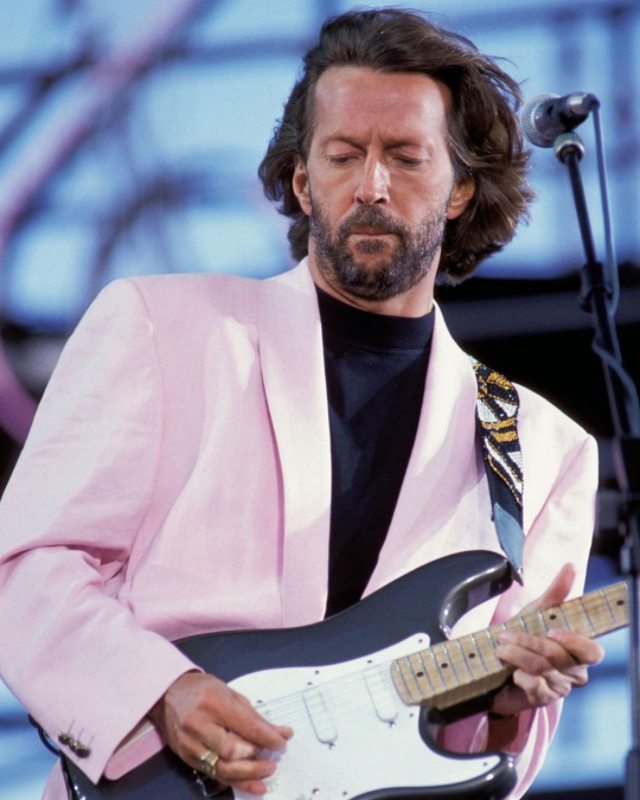
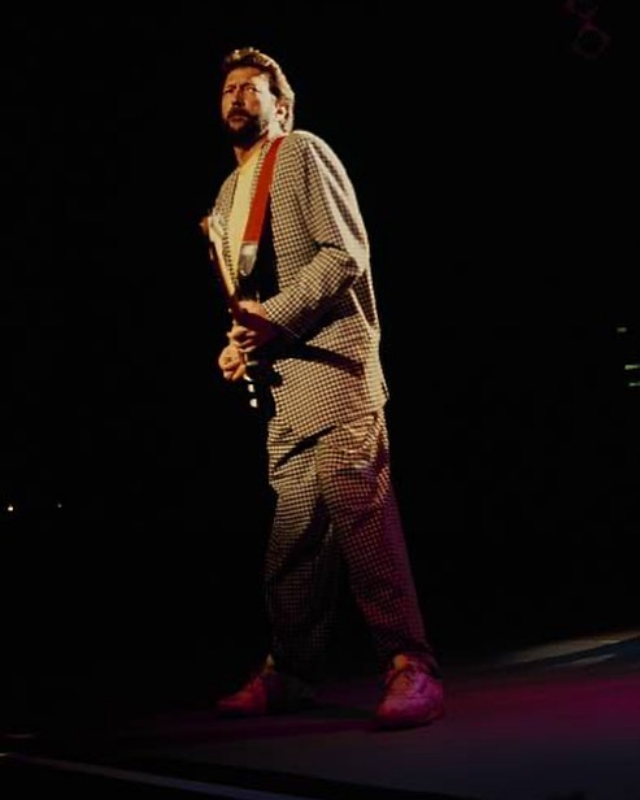
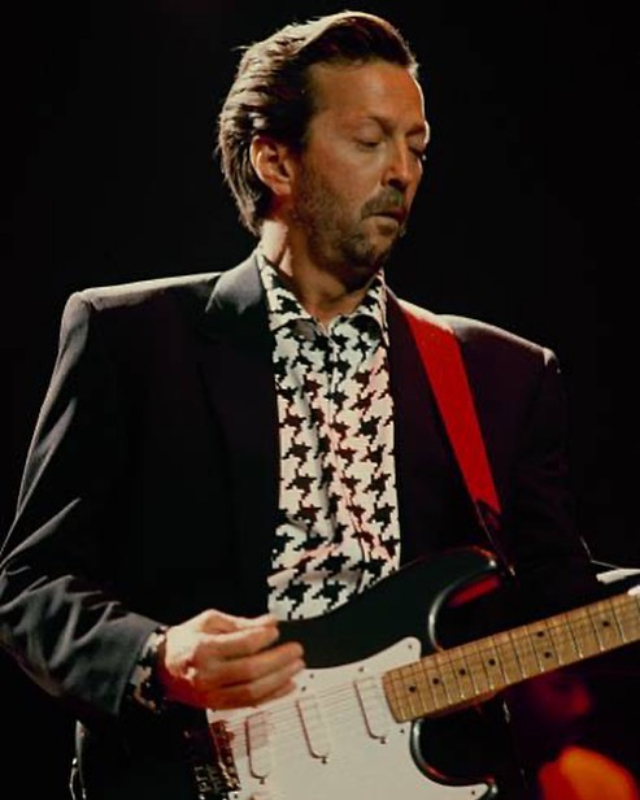
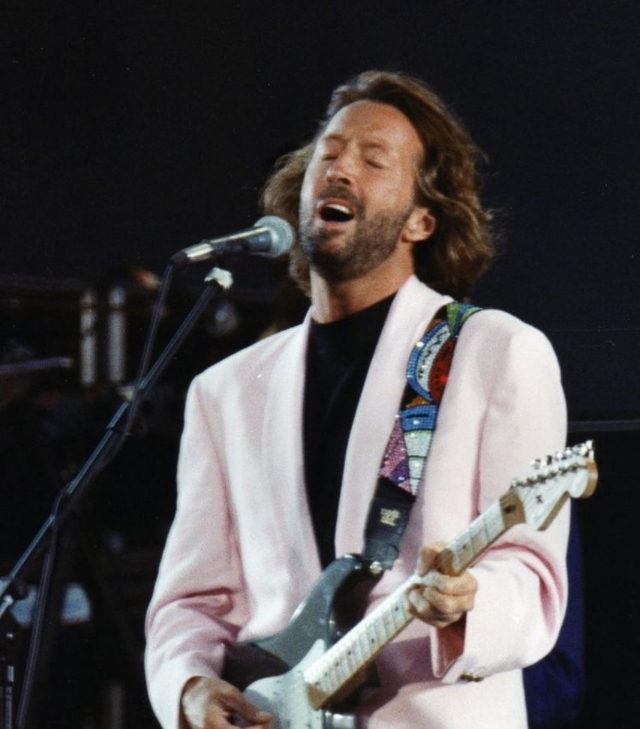
Throughout the 1980s, he almost exclusively wore the two Italian greats and went all the way in, developing a look as rock-and-roll gigolo. He appeared onstage and in publicity photographs in Versace’s gangster-fashionisto tailoring—“revolutionary, but simple at the same time,” as he wrote in his 2007 biography—and Armani’s sexy cool-guy suits, with their soft shoulders and loong jackets. He liked the energy and the romance of it, he said: “English culture, and fashion, was always much more tweedy and introverted, so when I finally got to Italy in the mid-eighties I was overwhelmed by the vivacity of it all, and the colors and the flamboyance of everything, and I was sucked in, I really loved it.”
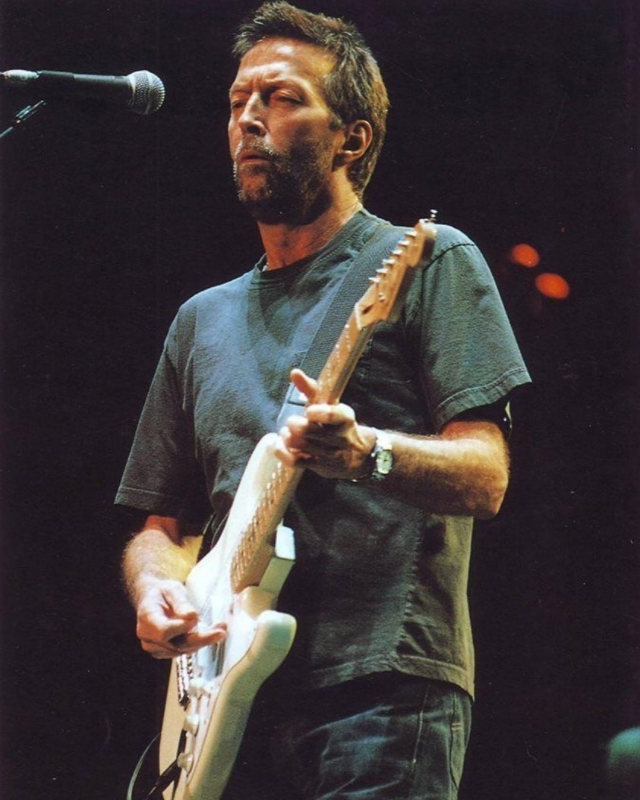
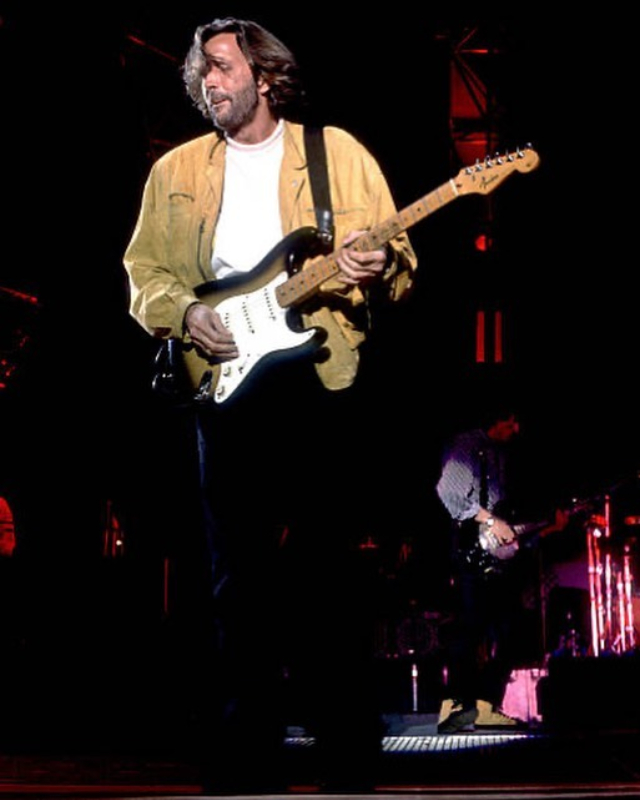
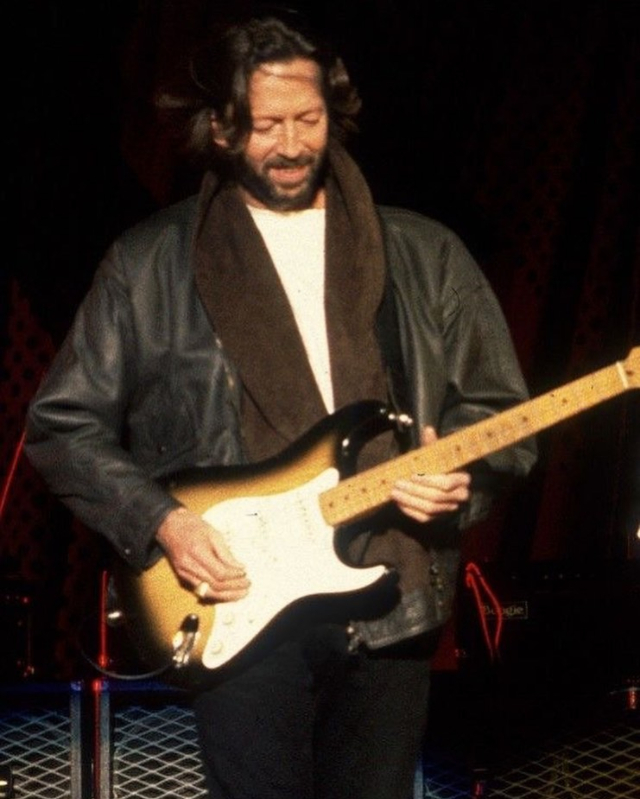
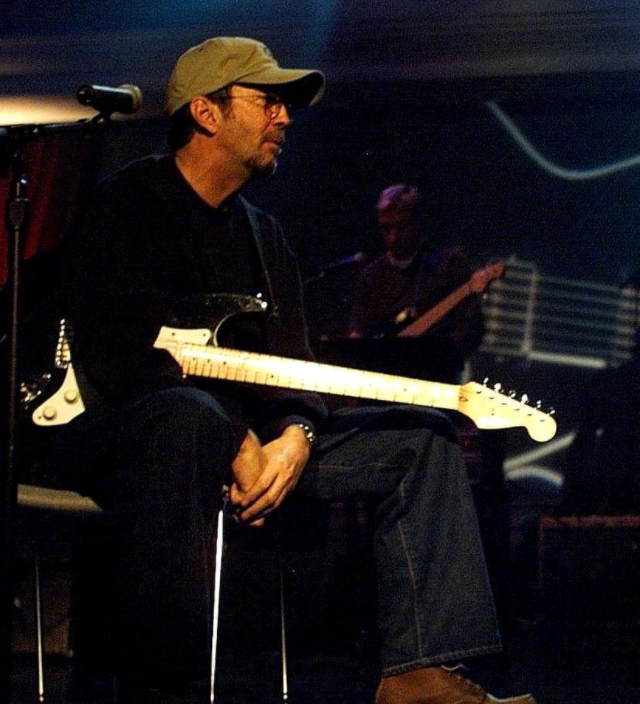
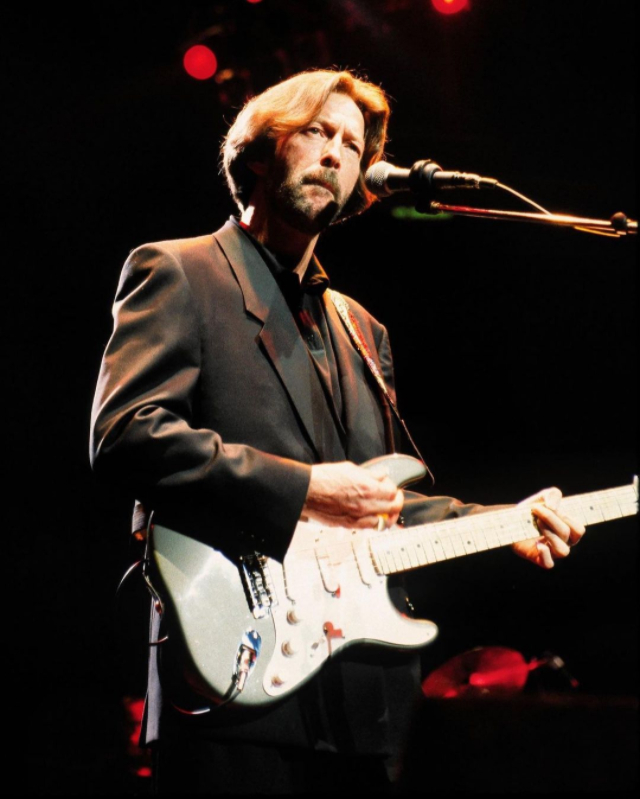
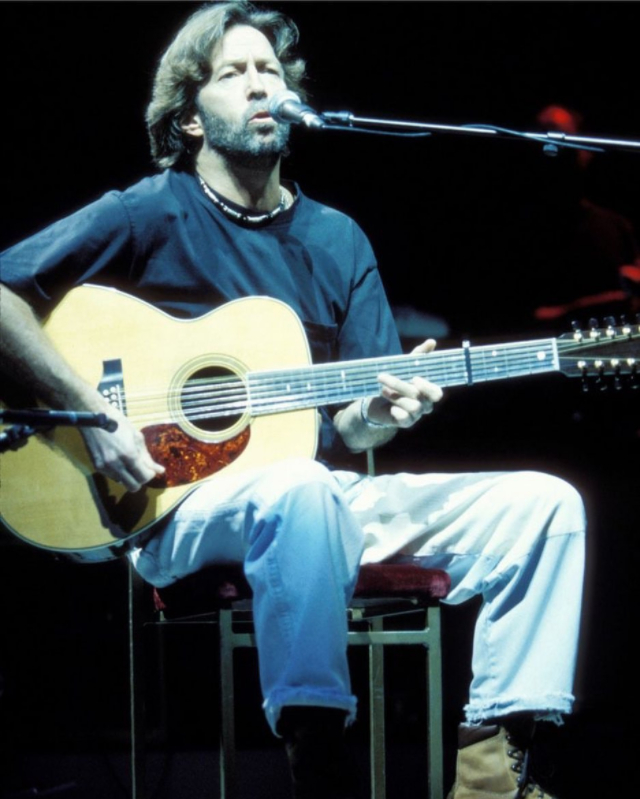
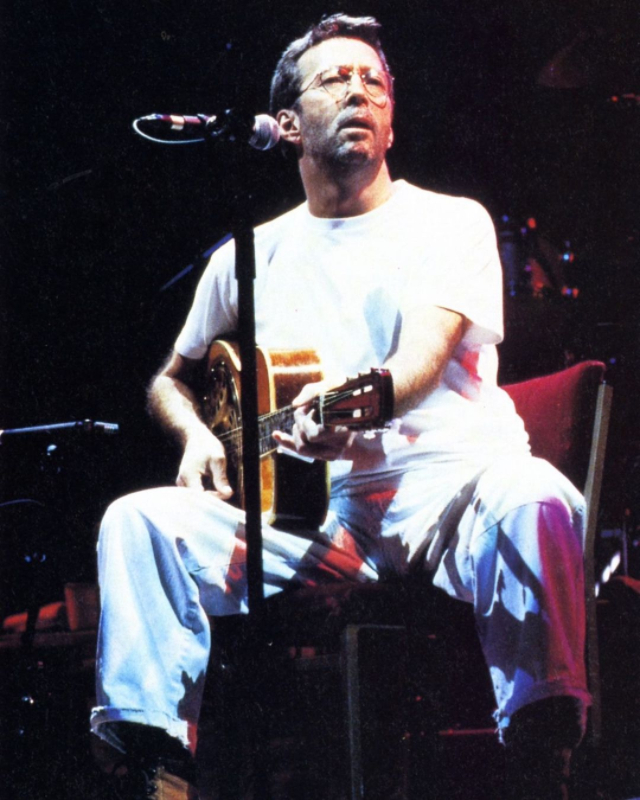
But in the early 1990s, he pumped the brakes on the bella figura thing for a bit, and this is where we must begin to pay close attention. If Clapton has been eager to speak on Armani mania, this much more bizarre and rewarding period is less documented. The British press, with its enviable flair for the poetic, has been eager to connect this makeover with his newfound sobriety and 1989 “comeback album” Journeyman, referring to his 1980s period as one defined by “heroin, alcohol, and dodgy Armani suits” and expressing relief later that “the suits have been binned in favor] of jeans, [and] his entire Armani-period output has been trashed.” Instead, The Telegraph wrote, “with his weatherbeaten, beardy visage, wire-rimmed specs and tufty, bed-head hair, he could pass now as a regular middle England dad, the sort you would hardly notice in a DIY superstore, or a country high street.”
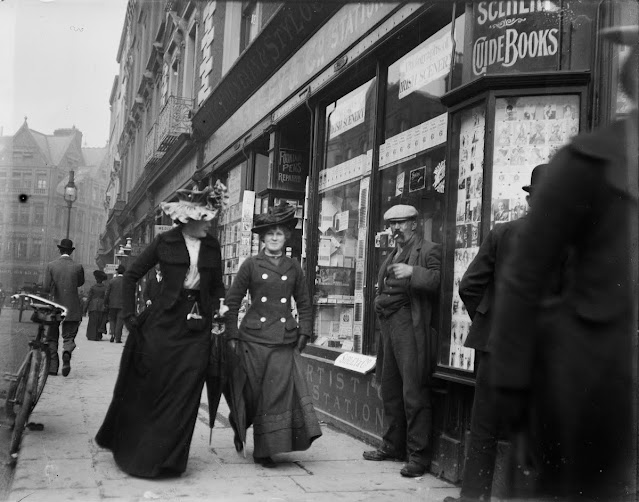
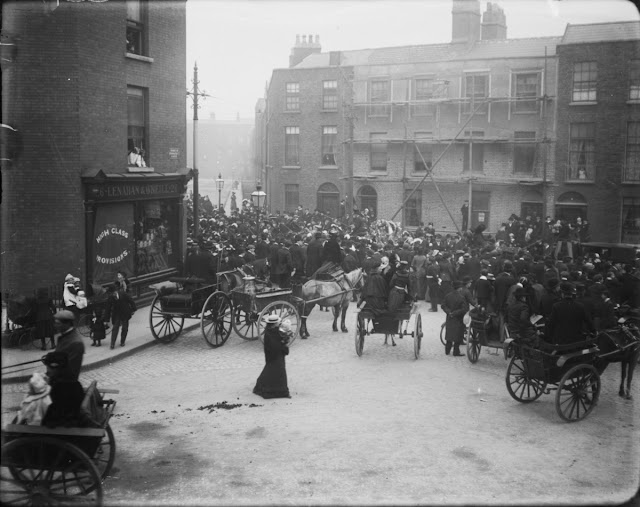
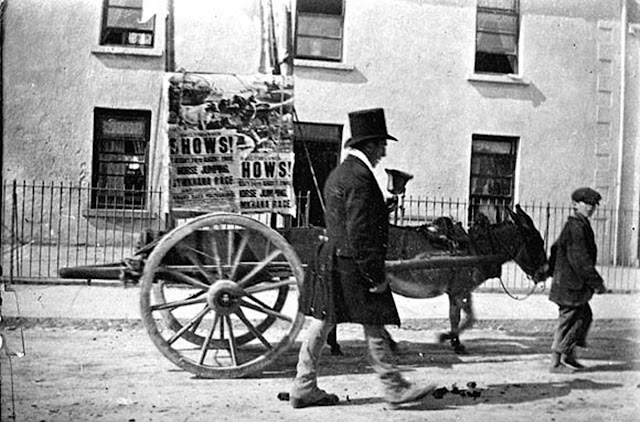
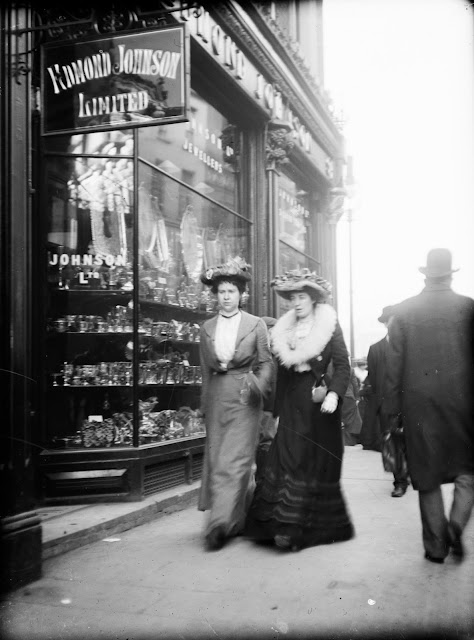
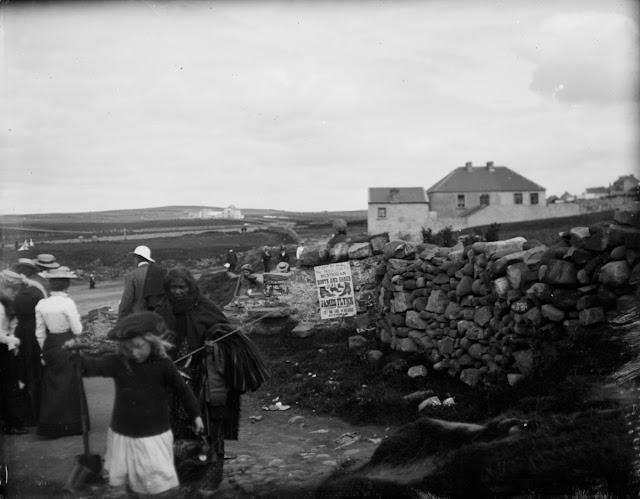
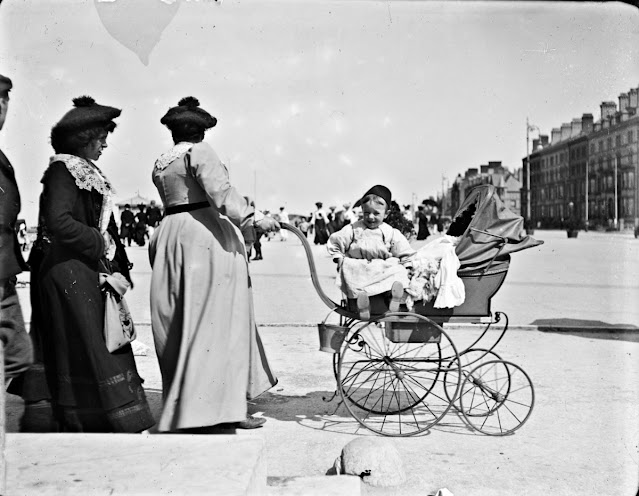
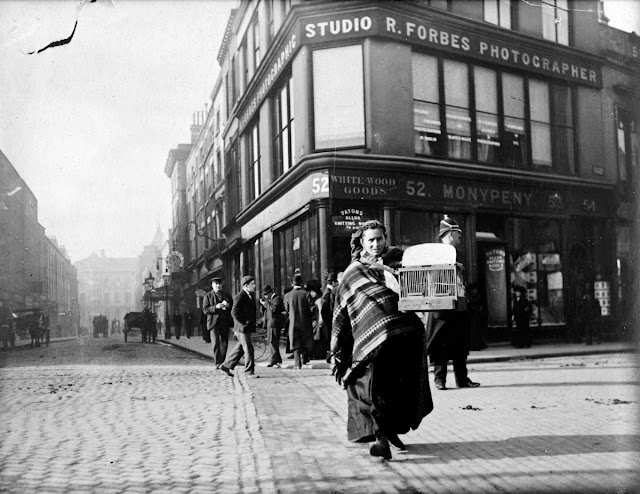
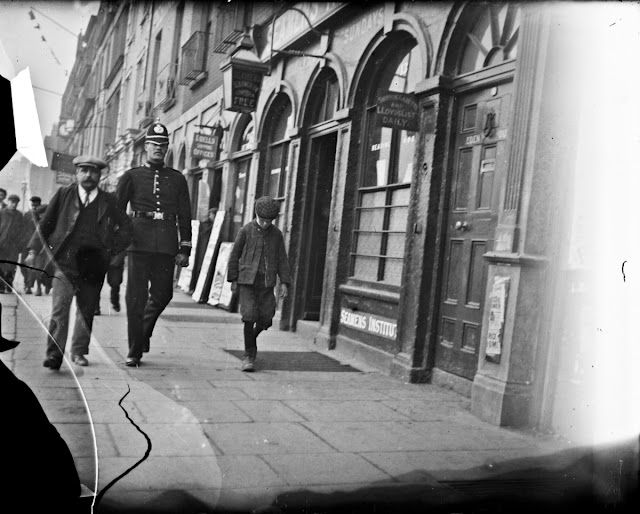
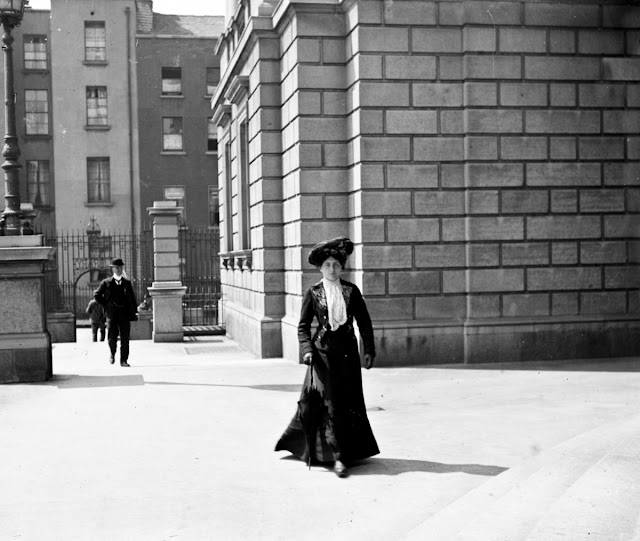
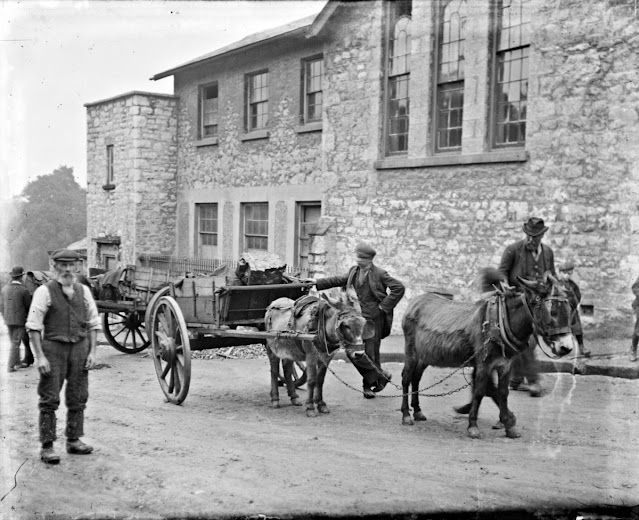
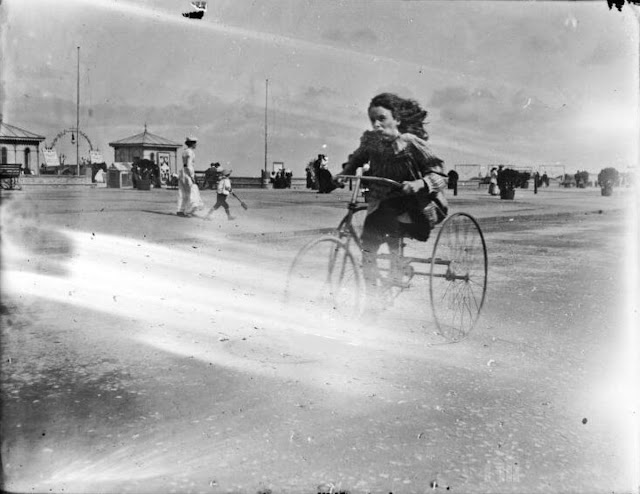
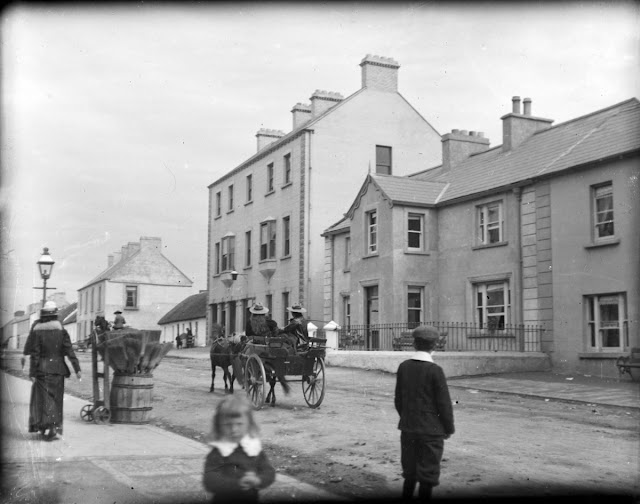
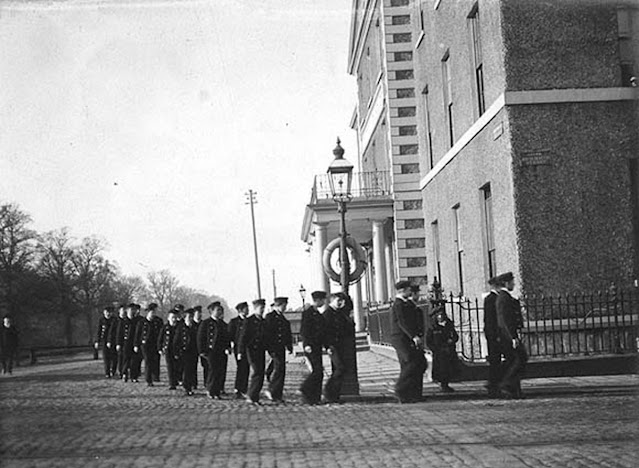
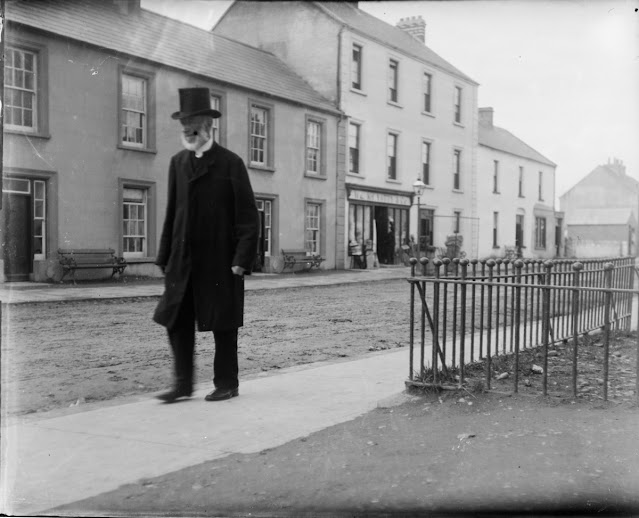
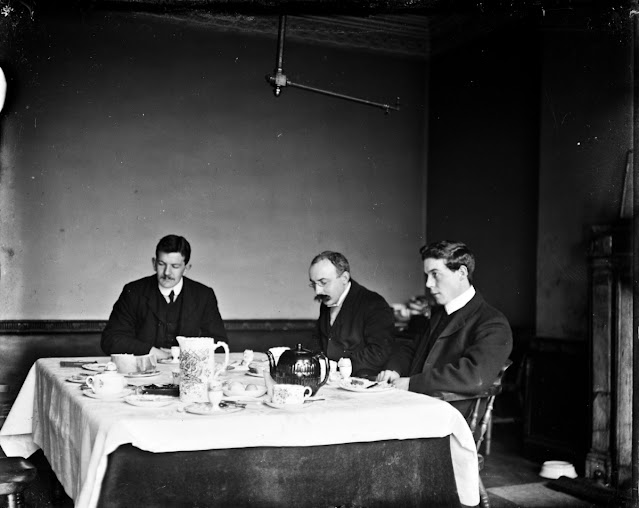
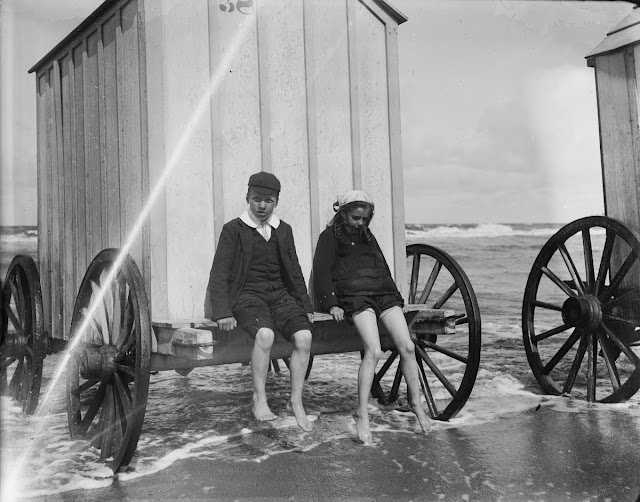
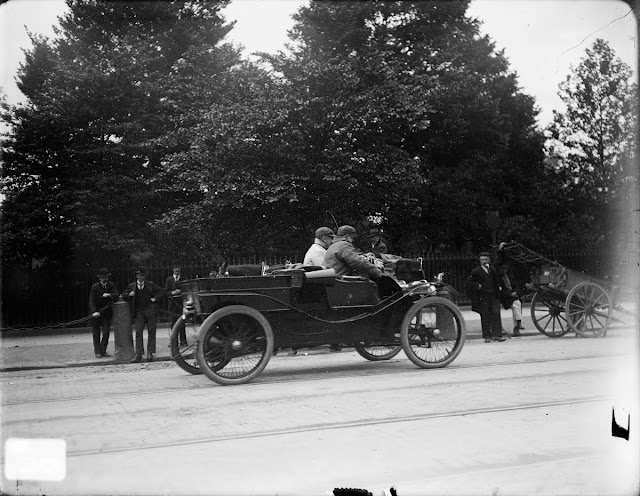
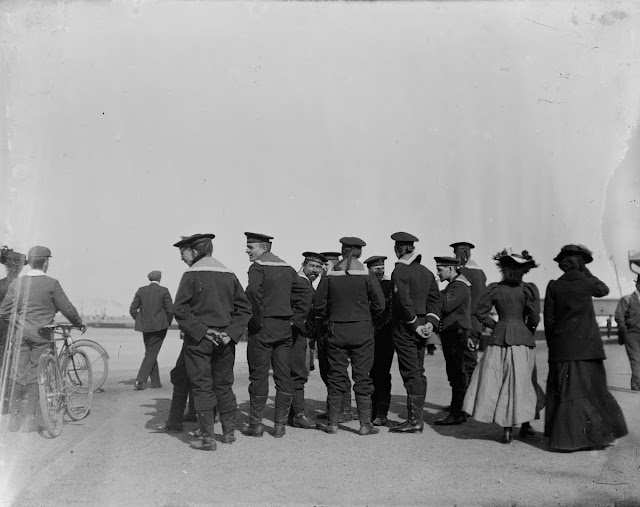
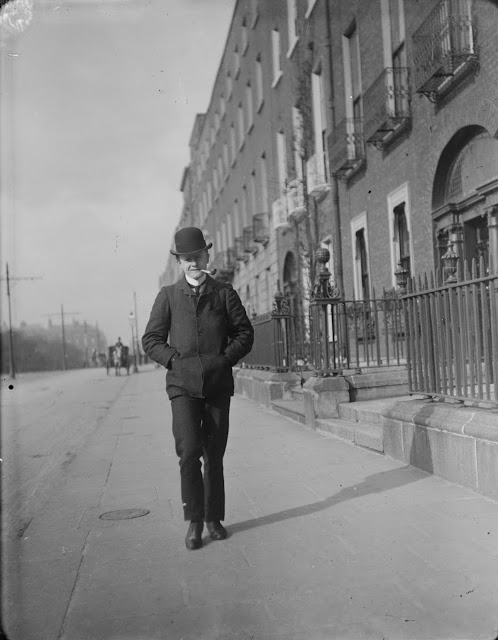
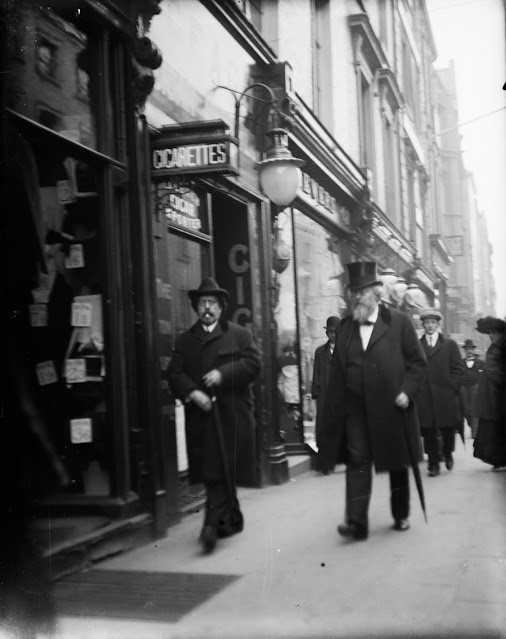
JJ Clarke, from Castleblaney, Co Monaghan, took the photographs between 1897 and 1904, when he was a medical student in Dublin. Dr Clarke’s photojournalistic approach to his subjects allowed him to capture vivid scenes from the daily lives of Dublin’s men, women and children.
Compelling in themselves, the images also show us how the city looked to writer James Joyce. His best known works – the short story collection Dubliners, and the novels A Portrait of the Artist as a Young Man and Ulysses – are all set around this time, when Joyce too was a young student fascinated by the world around him.
Many of JJ Clarke’s photographs show Dubliners making their way along the city streets, or taking a moment’s rest. His images have a spontaneity and “snapshot” quality which is very rare in photographs of this time.
Dublin is the capital and largest city of Ireland. Situated on a bay on the east coast, at the mouth of the River Liffey, it is in the province of Leinster and the Eastern and Midland Region. It is bordered on the south by the Dublin Mountains, a part of the Wicklow Mountains range. At the 2016 census, it had an urban area population of 1,173,179, while the population of the traditional County Dublin as a whole was 1,347,359. The population of the Greater Dublin Area was 1,904,806.
There is archaeological debate regarding precisely where and when Dublin originated, with a settlement established by the Gaels during or before the 7th century CE, and a second, Viking, settlement, following. As the small Kingdom of Dublin, the city grew, and it became Ireland’s principal settlement after the 12th century Anglo-Norman invasion of Ireland. The city expanded rapidly from the 17th century and was briefly the second largest city in the British Empire and the sixth largest in Western Europe after the Acts of Union in 1800. Following independence in 1922, Dublin became the capital of the Irish Free State, later renamed Ireland in 1937.
Dublin is a contemporary and historical centre for Irish education, arts and culture, administration and industry. As of 2018 the city was listed by the Globalization and World Cities Research Network (GaWC) as a global city, with a ranking of “Alpha minus”, which places it as one of the top thirty cities in the world. (Wikipedia)