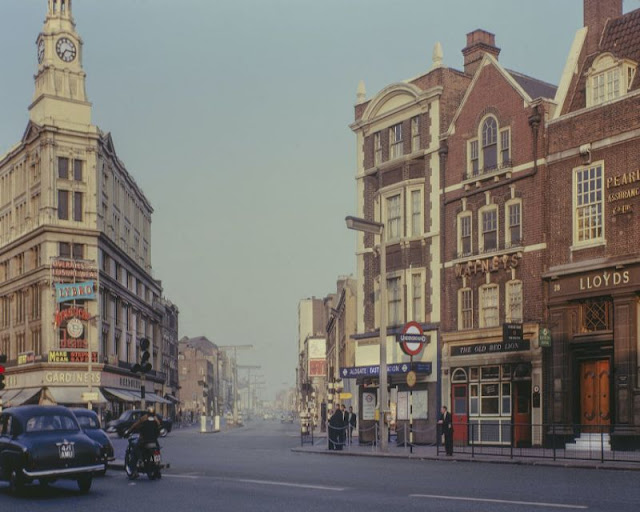
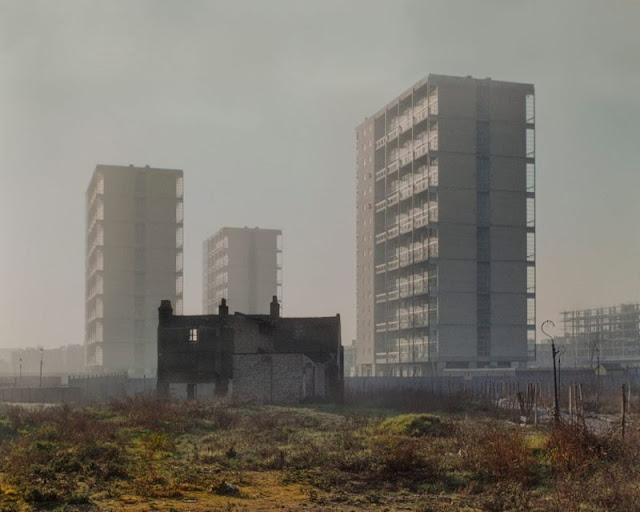
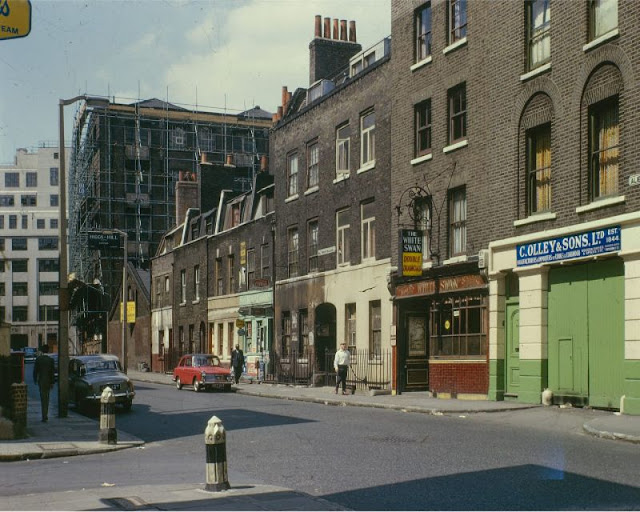
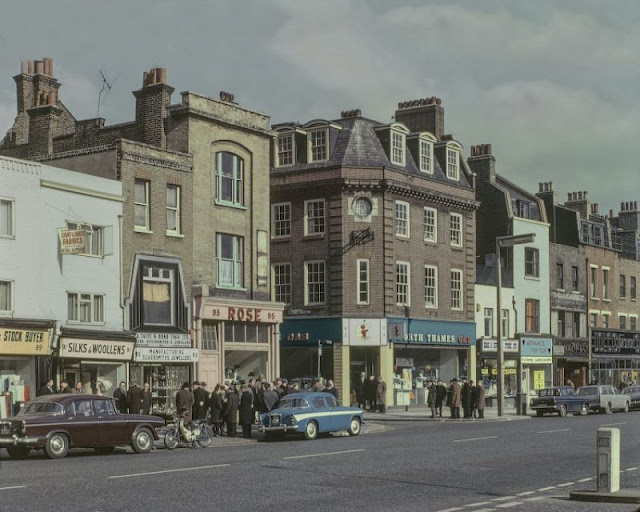
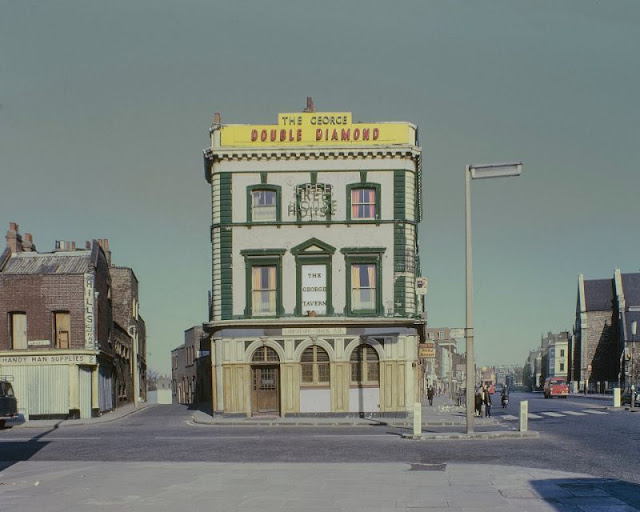
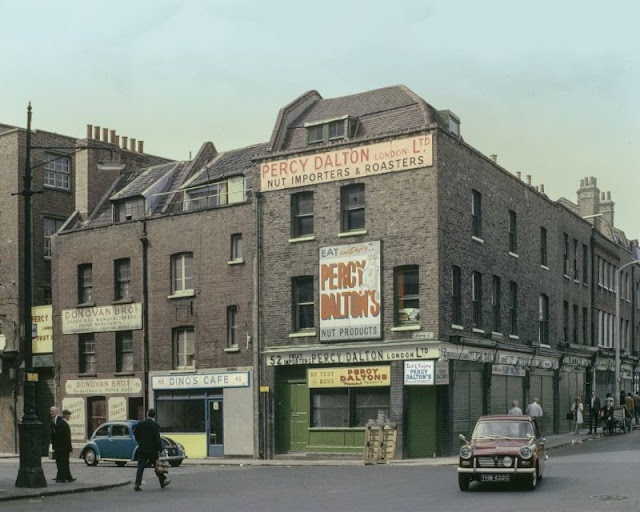
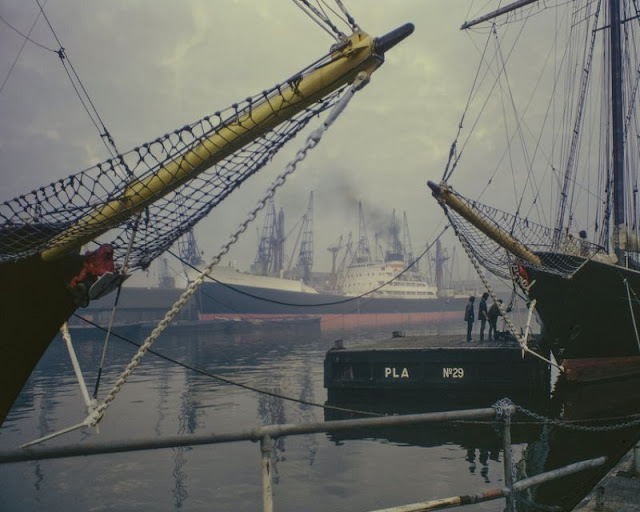
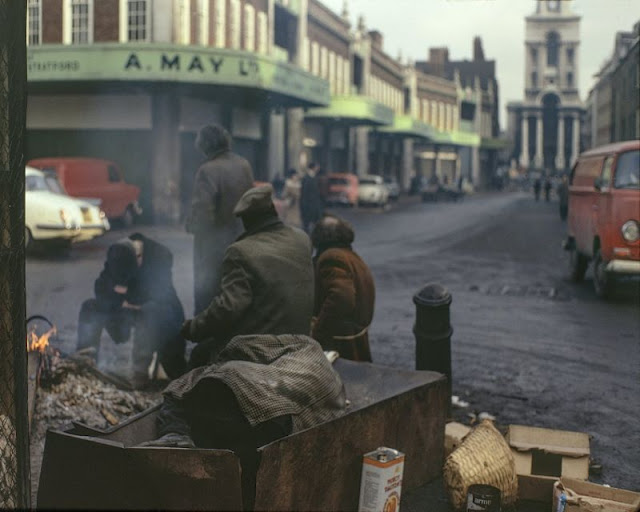
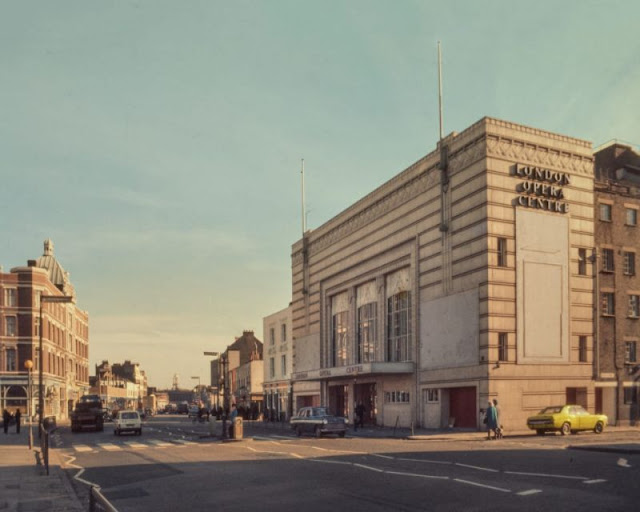
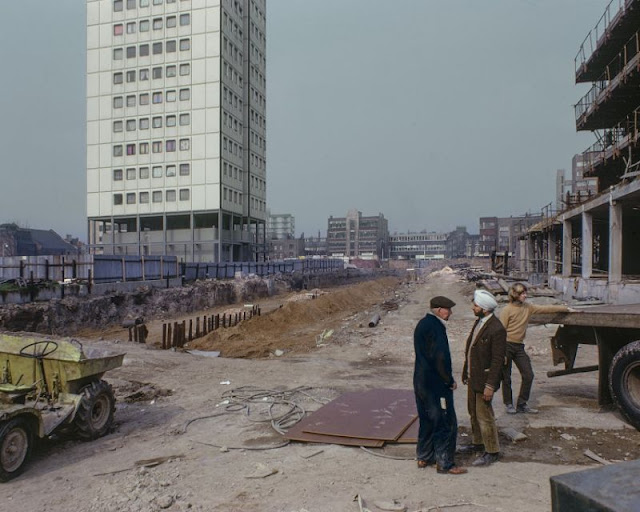
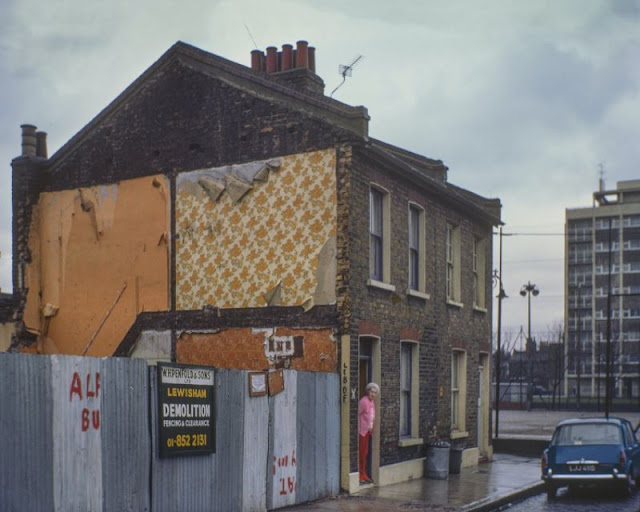
In 2017, photographer Chris Dorley-Brown stumbled across thousands of extraordinary color slides, which belonged to local, East End photographer David Granick, when he was invited to examine the Tower Hamlets Local History Library & Archives. Born in 1912, Granick lived in Stepney until his death in 1980. A brilliant photographer and member of the East London History Society, throughout his life he shot thousands of images of the area, which he also used to illustrate his lectures on various local history themes.
Taken between the late 1950s and 1980, these evocative photos captured a fading world, a time when the area was still bearing the scars of the war. “The collection has about 3,000 slides going back to the fifties,” explains Dorley-Brown, “but they have been well preserved. Many had been unseen for fifty years or more.”
The East End in Colour 1960-1980 by David Granick is published by Hoxton Mini Press.
Gardiners, circa 1977.Stifford Estate, Stepney Green, 1961.Alie Street, 1963.Whitechapel Road, 1965.The George Tavern, Commercial Road, 1969.Brushfield Street, 1970.West India Dock, 1971.Spitalfields Market, 1973.Commercial Road, 1974.Watney Market, 1974.Belhaven Street, 1977.The New Globe, Mile End Road, 1977.
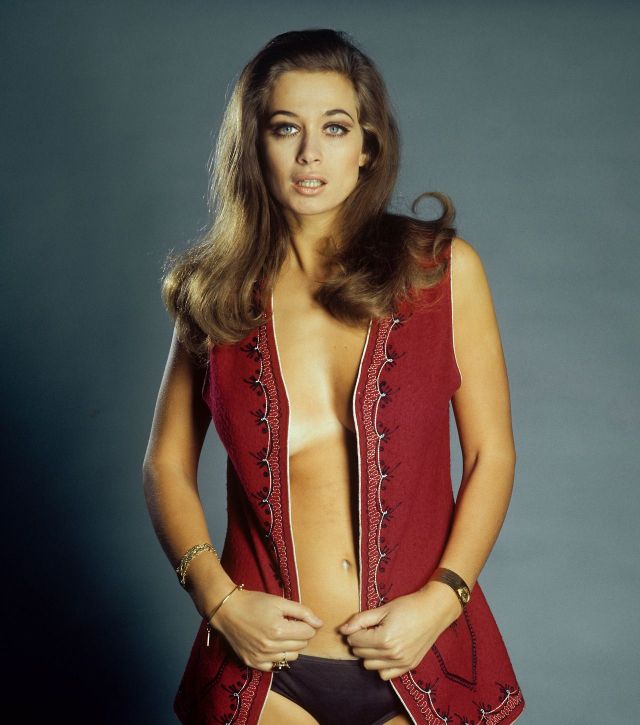
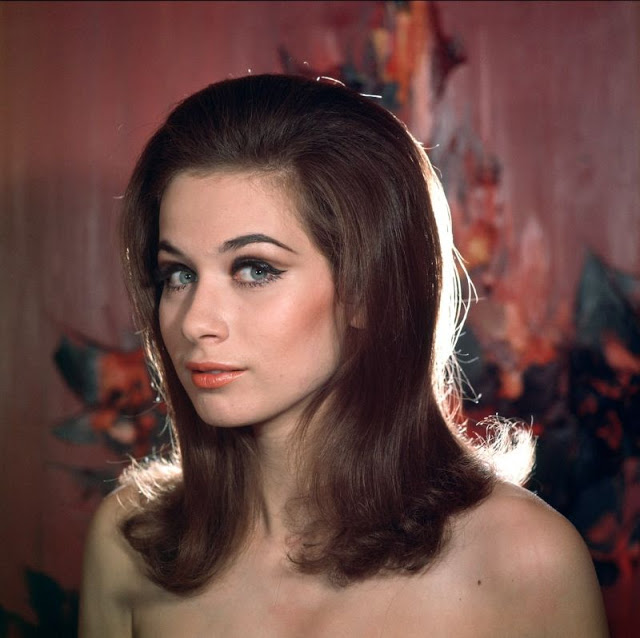
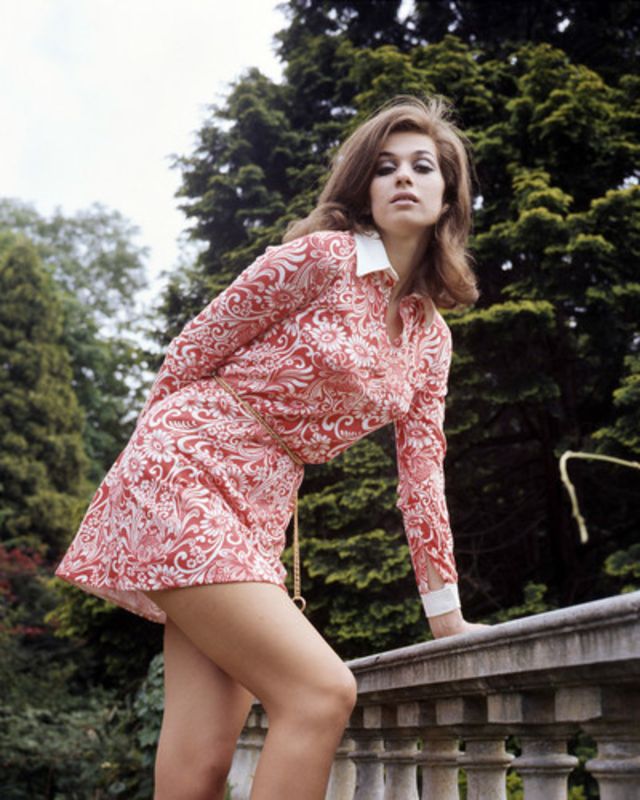
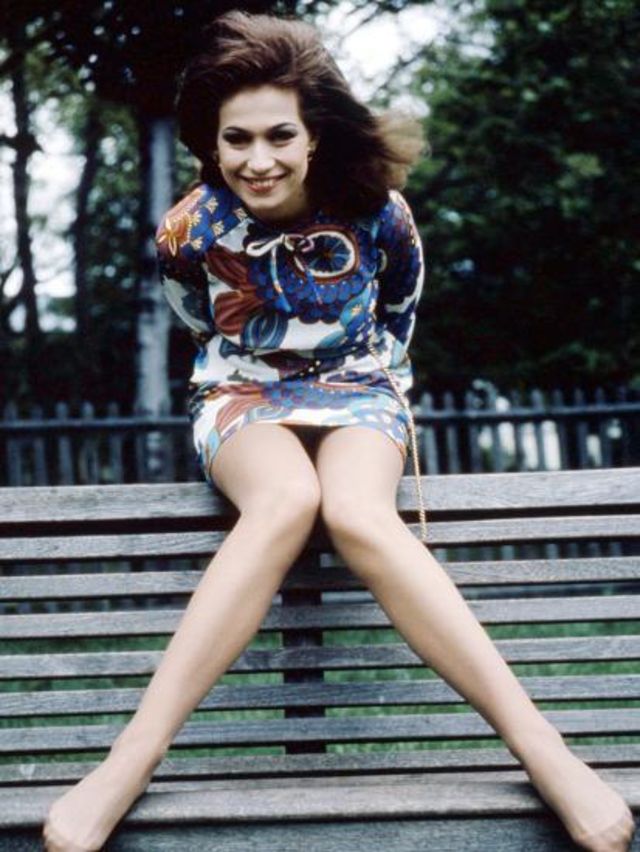
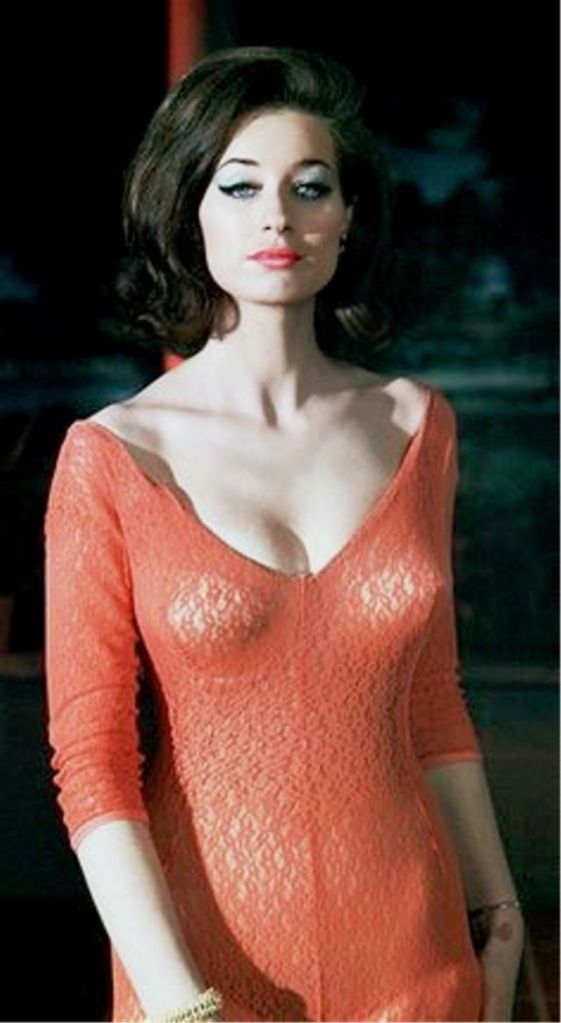
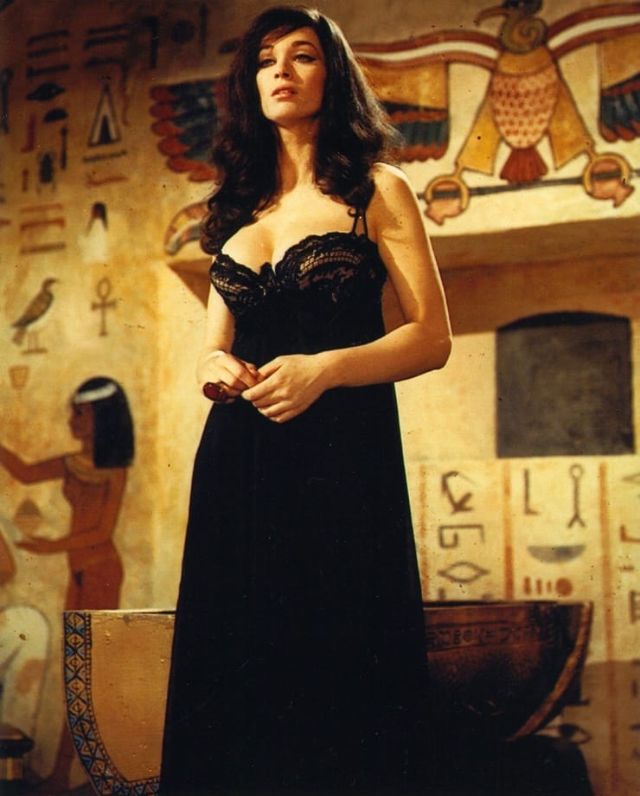
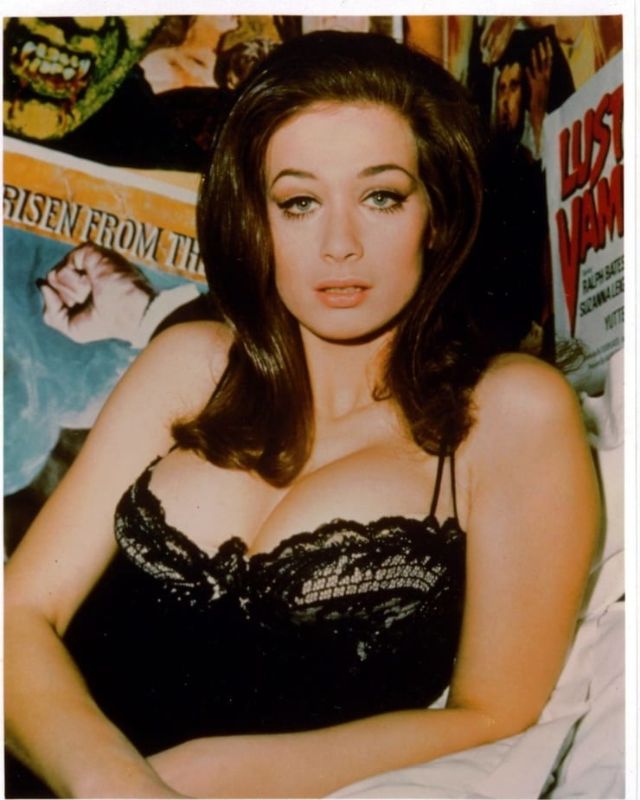
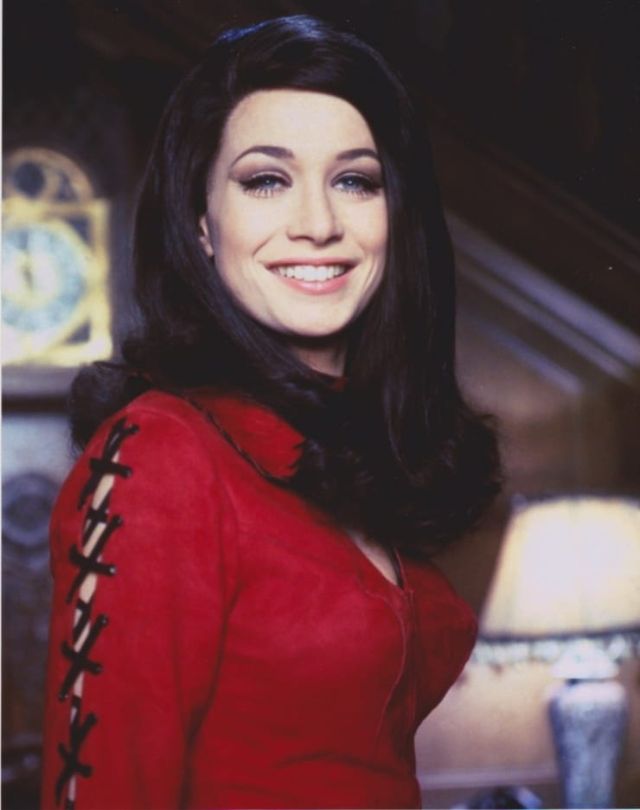
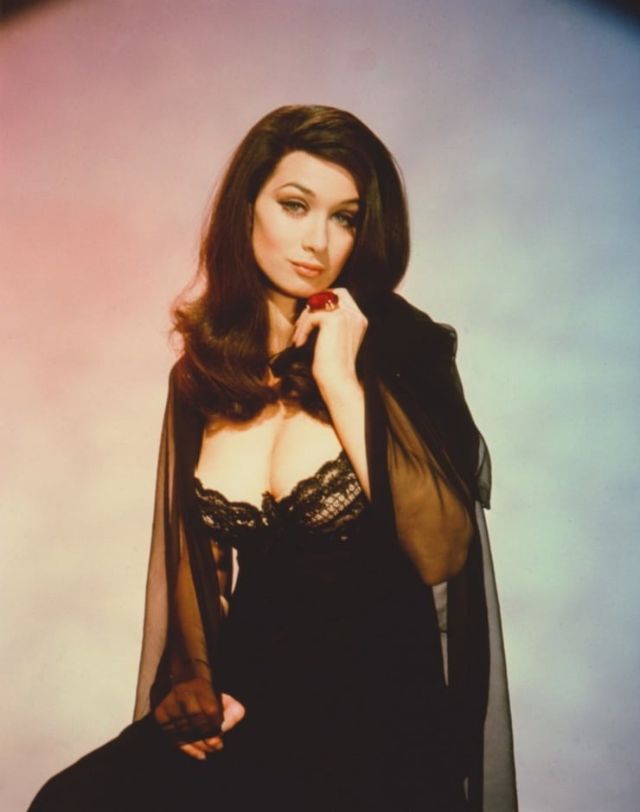
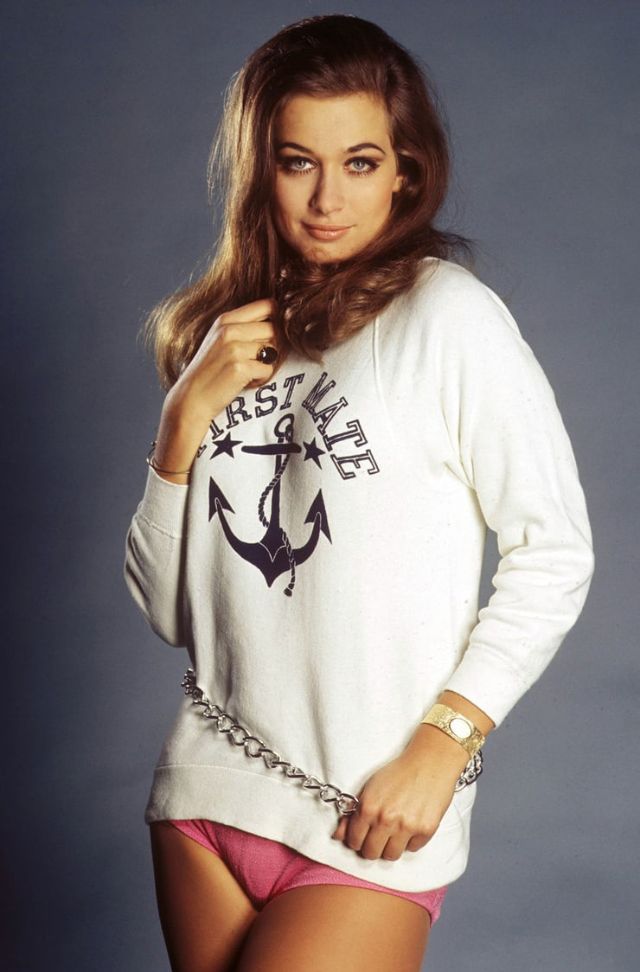
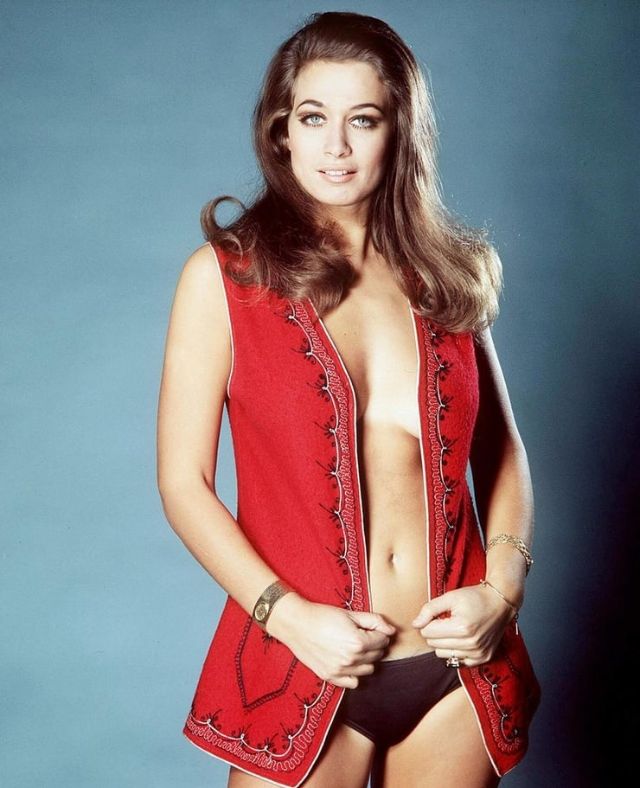
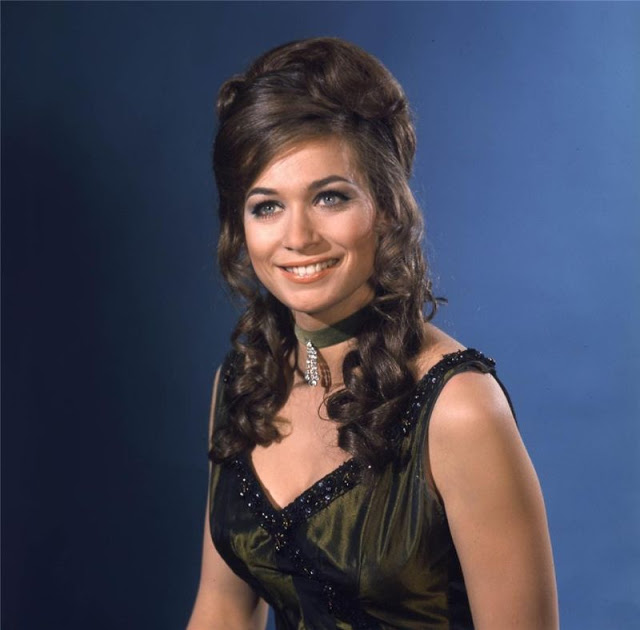
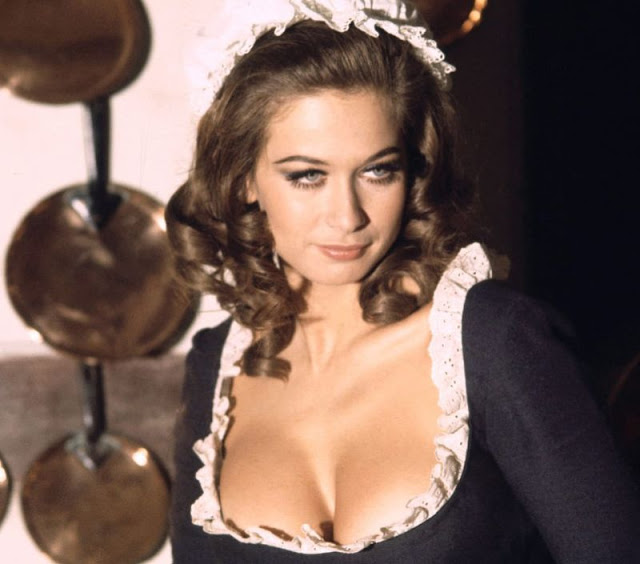
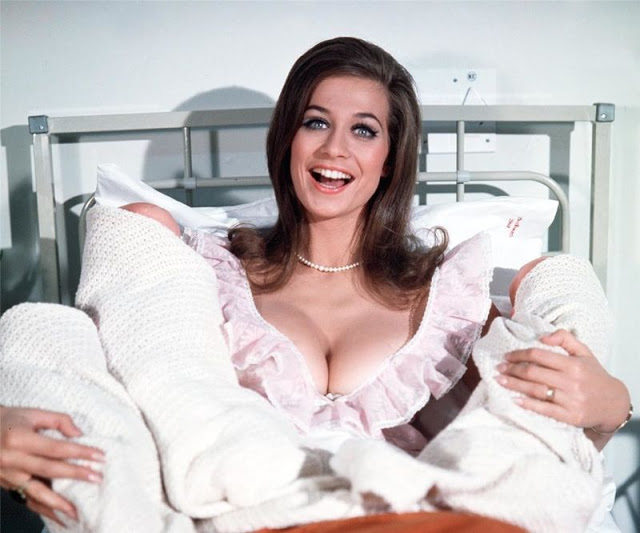
Born 1943 in Hampstead, London, English actress Valerie Leon started as a trainee fashion buyer at Harrods. One day, Leon went to an audition which led her to her become a chorus girl. Leon appeared with Barbra Streisand in Funny Girl at the Prince of Wales Theatre in London’s West End.
Leon appeared in several of the Carry On films and has been a Bond girl twice: in The Spy Who Loved Me (1977) and Never Say Never Again (1983). Other film appearances include Revenge of the Pink Panther, The Rise and Rise of Michael Rimmer, The Italian Job, No Sex Please, We’re British. The 1971 Hammer horror film Blood from the Mummy’s Tomb gave Leon a dual starring role, as a reincarnated Egyptian queen.
Numerous other TV credits include The Saint, Randall and Hopkirk, Up Pompeii!, The Avengers, Space: 1999, The Persuaders, Last of the Summer Wine, The Goodies episode “It Might as Well Be String”, and the 1968 version of Johnny Speight’s provocative comedy-drama If There Weren’t Any Blacks You’d Have To Invent Them as a nurse.
Recently, she has been making appearances on stage in the UK in her reminiscence show called “Up Front with Valerie Leon”.
Take a look at these stunning pics to see the beauty of young Valerie Leon in the 1960s and 1970s.
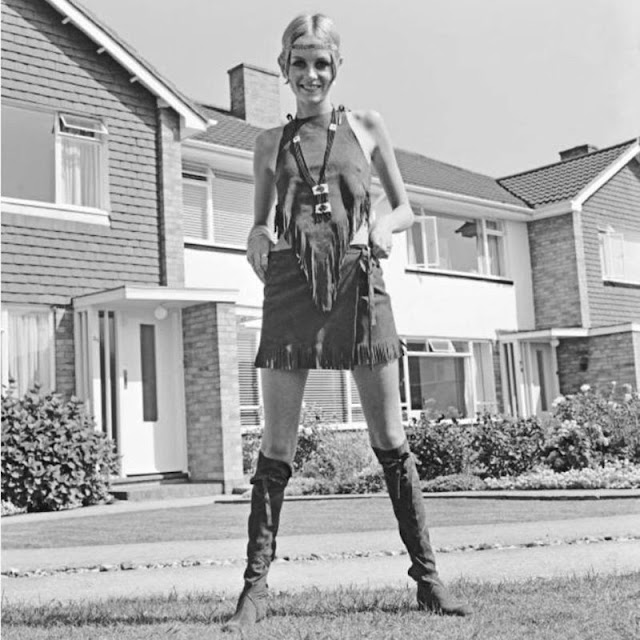
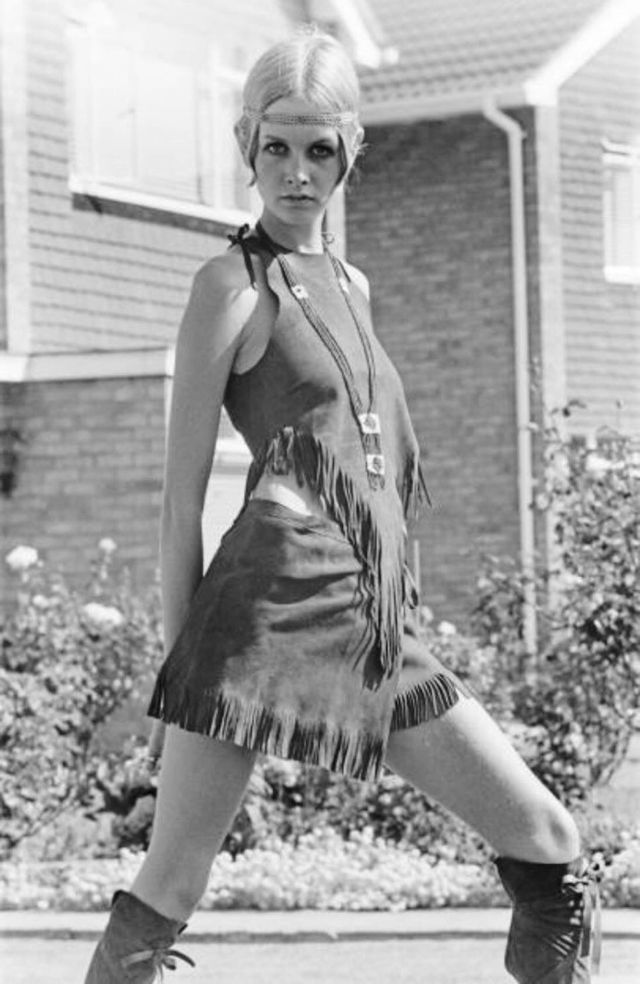
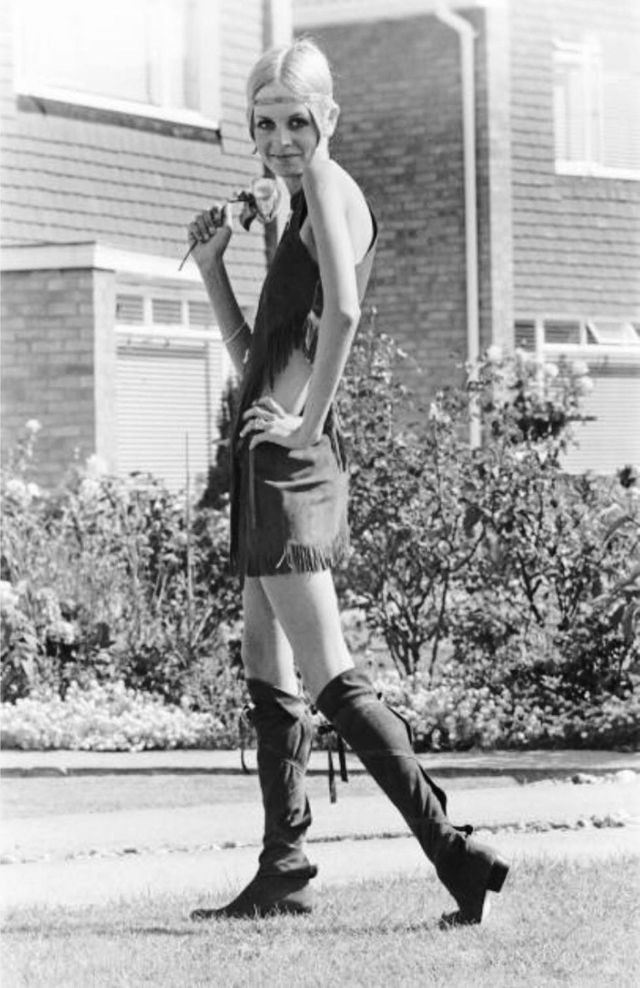
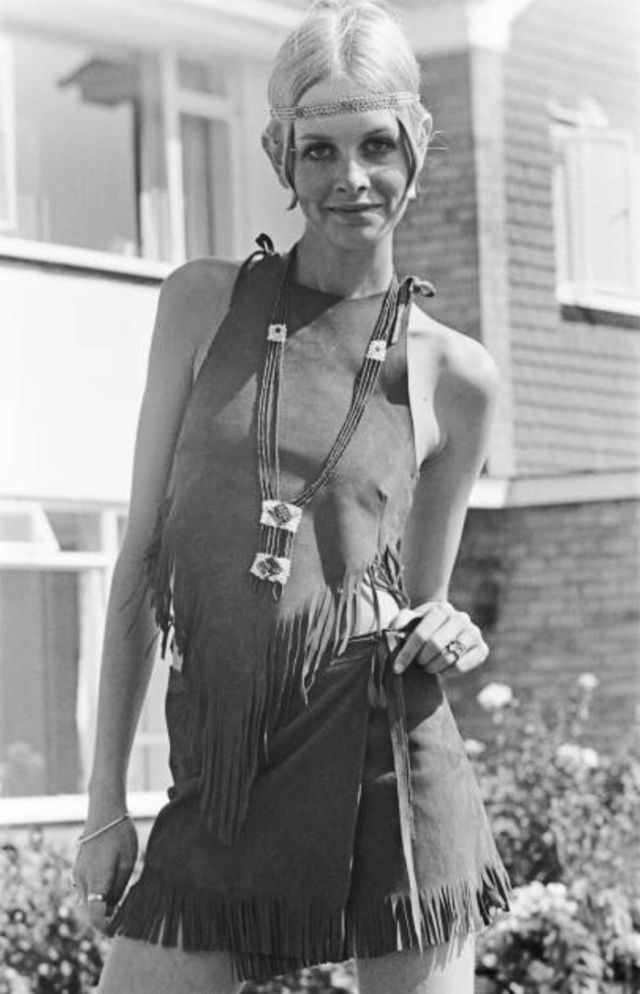
These black and white photos of English model, actress, and singer Twiggy were taken on August 21, 1967 by photographer Kent Gavin, before she left for the New York later the same day.
Twiggy said of her Hippie outfit: “I Love it! I have a Hippie hat, it’s straw with poppies on the side. But I couldn’t wear it today because it doesn’t go with this outfit. That shows I’m not a real Hippie doesn’t it? If I was, I’d wear it anyway wouldn’t I?”
“I think the clothes can be adapted to everyday wear, we’re certainly planning some for the next Twiggy range.” She added.
Dame Lesley Lawson DBE (née Hornby; born 19 September 1949) is an English model, actress, and singer, widely known by the nickname Twiggy. She was a British cultural icon and a prominent teenaged model during the swinging ’60s in London.
Twiggy was initially known for her thin build and the androgynous appearance considered to result from her big eyes, long eyelashes, and short hair. She was named “The Face of 1966” by the Daily Express and voted British Woman of the Year. By 1967, she had modelled in France, Japan, and the US, and had landed on the covers of Vogue and The Tatler. Her fame had spread worldwide.
After modelling, Twiggy enjoyed a successful career as a screen, stage, and television actress. Her role in The Boy Friend (1971) brought her two Golden Globe Awards. In 1983, she made her Broadway debut in the musical My One and Only, for which she earned a Tony nomination for Best Actress in a Musical. She later hosted her own series, Twiggy’s People, in which she interviewed celebrities; she also appeared as a judge on the reality show America’s Next Top Model. Her 1998 autobiography Twiggy in Black and White entered the best-seller lists. Since 2005, she has modelled for Marks and Spencer, most recently to promote their recent rebranding, appearing in television advertisements and print media, alongside Myleene Klass, Erin O’Connor, Lily Cole, and others. In 2012, she worked alongside Marks & Spencer’s designers to launch an exclusive clothing collection for the M&S Woman range. (Wikipedia)
The 1930s (pronounced “nineteen-thirties” and commonly abbreviated as “the 30s”) was a decade that began on January 1, 1930, and ended on December 31, 1939.
The decade was defined by a global economic and political crisis that culminated in the Second World War. It saw the collapse of the international financial system, beginning with the Wall Street Crash of 1929, the largest stock market crash in American history. The subsequent economic downfall, called the Great Depression, had traumatic social effects worldwide, leading to widespread poverty and unemployment, especially in the economic superpower of the United States and in Germany, which was already struggling with the payment of reparations for the First World War. The Dust Bowl in the United States (which led to the nickname the “Dirty Thirties”) exacerbated the scarcity of wealth. U.S. President Franklin D. Roosevelt, elected in 1933, introduced a program of broad-scale social reforms and stimulus plans called the New Deal in response to the crisis.
In the wake of the Depression, the decade also saw the rapid retreat of liberal democracy as authoritarian regimes emerged in countries across Europe and South America, including Italy, Spain, and in particular Nazi Germany. With the rise of Adolf Hitler, Germany undertook a series of annexations and aggressions against neighboring territories in Central Europe, and imposed a series of laws which discriminated against Jews and other ethnic minorities. Weaker states such as Ethiopia, China, and Poland were invaded by expansionist world powers, with the last of these attacks leading to the outbreak of World War II on September 1, 1939, despite calls from the League of Nations for worldwide peace. World War II helped end the Great Depression when governments spent money for the war effort. The 1930s also saw many important developments in science and a proliferation of new technologies, especially in the fields of intercontinental aviation, radio, and film. (Wikipedia)
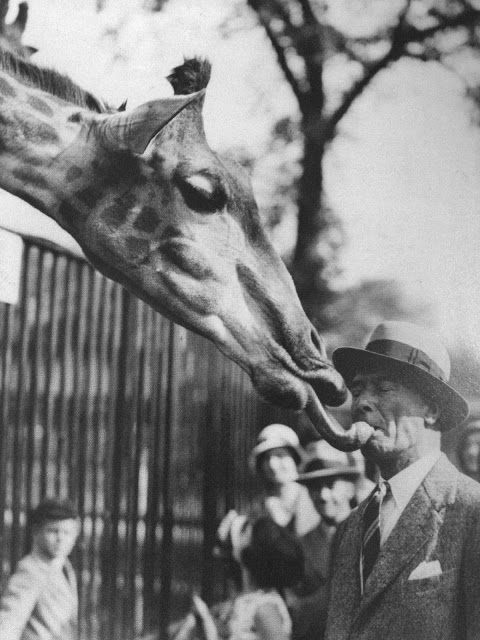
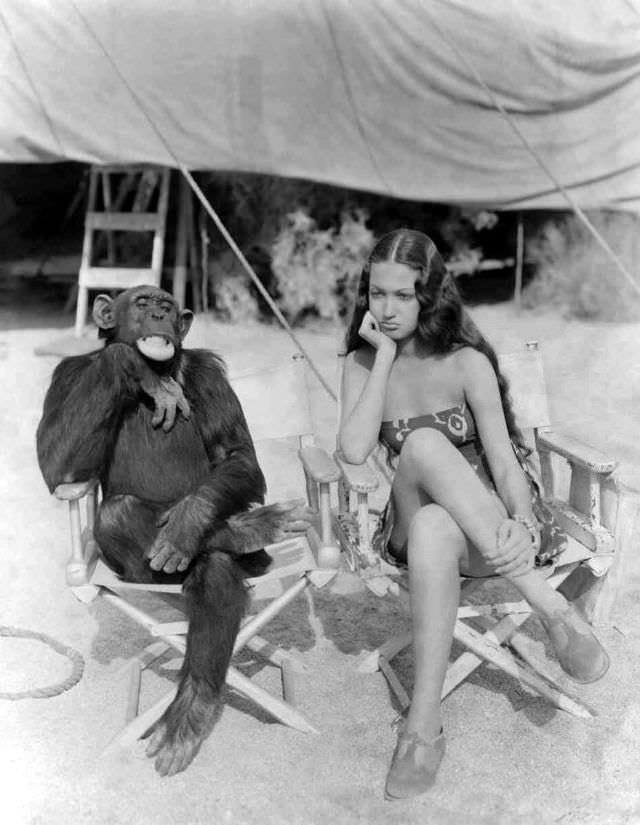
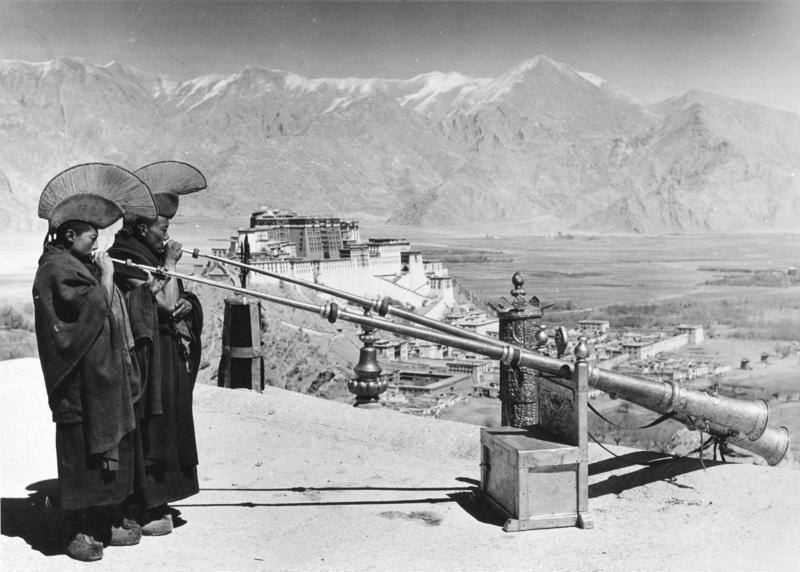
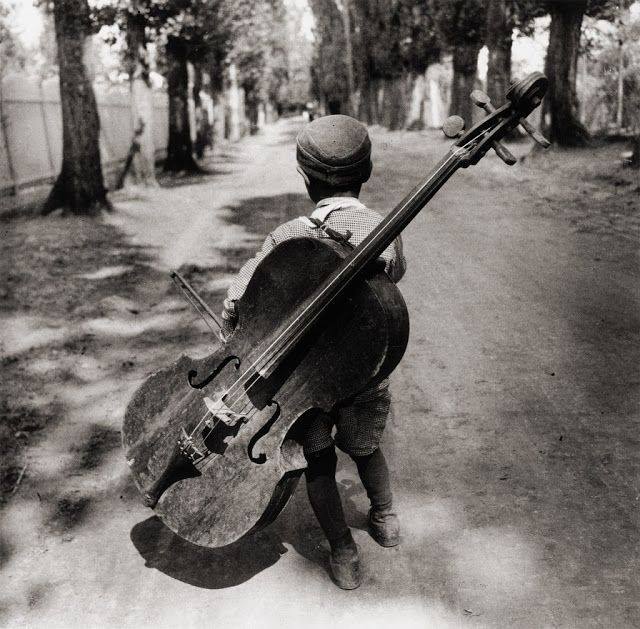
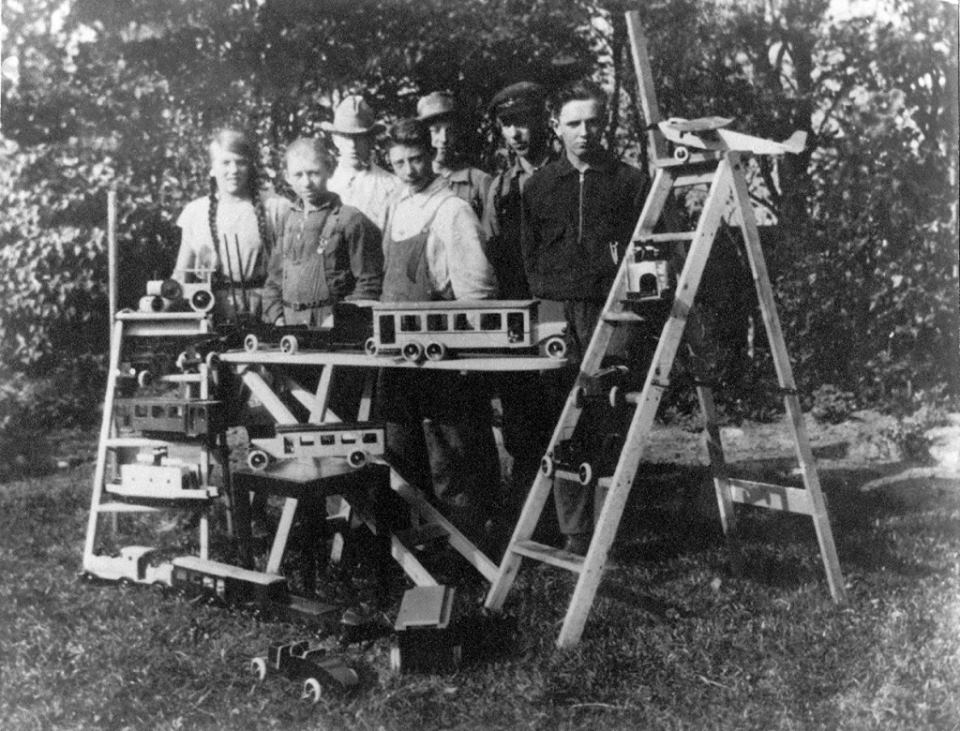
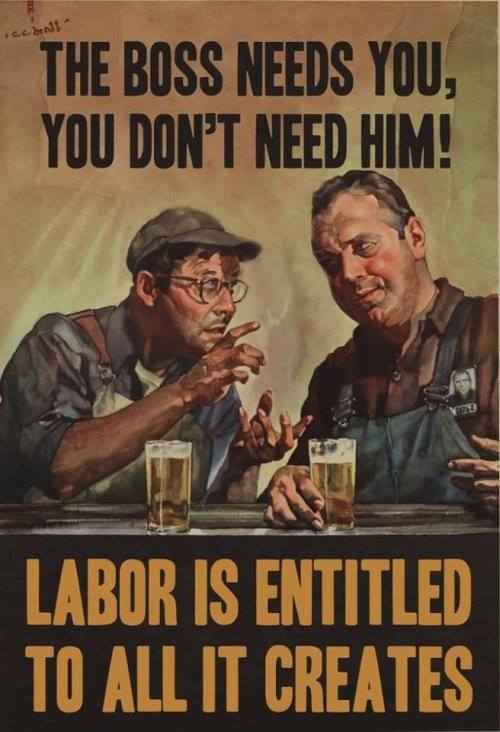
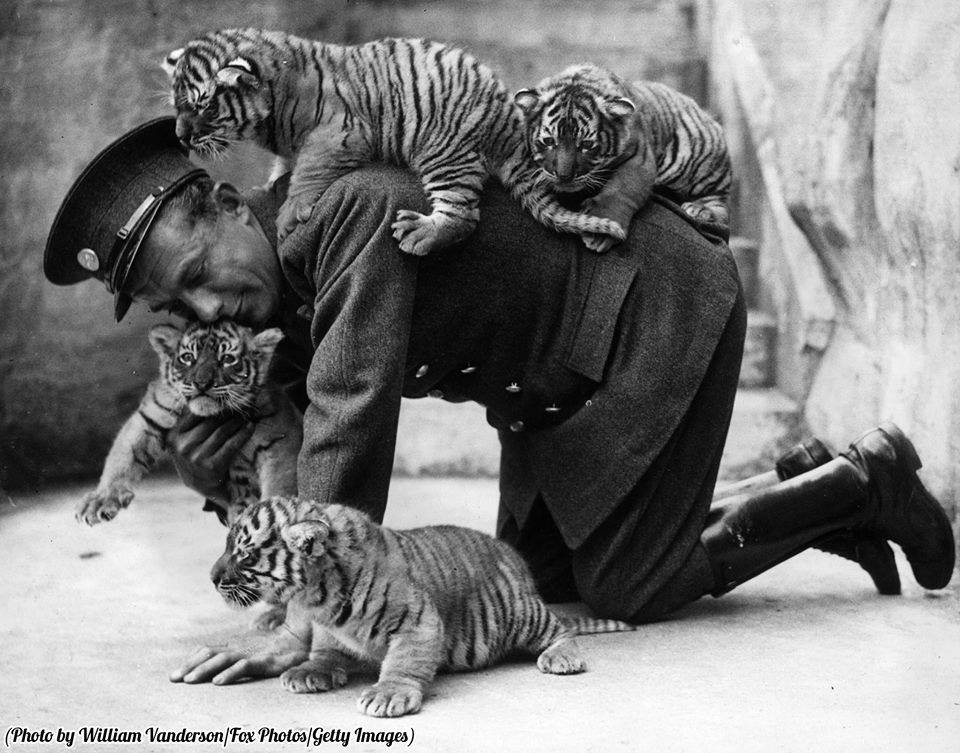
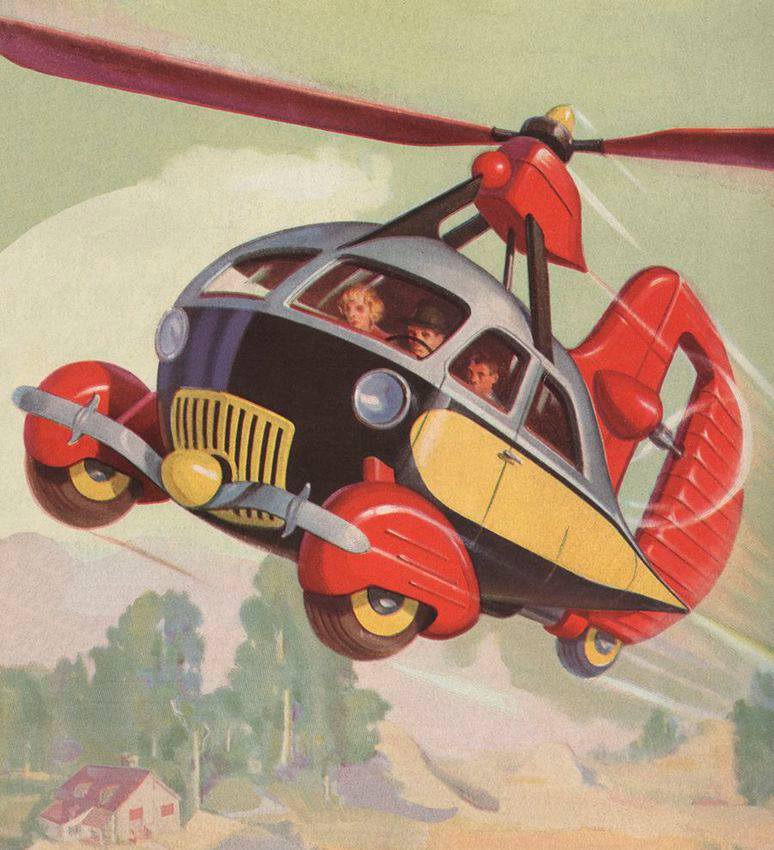
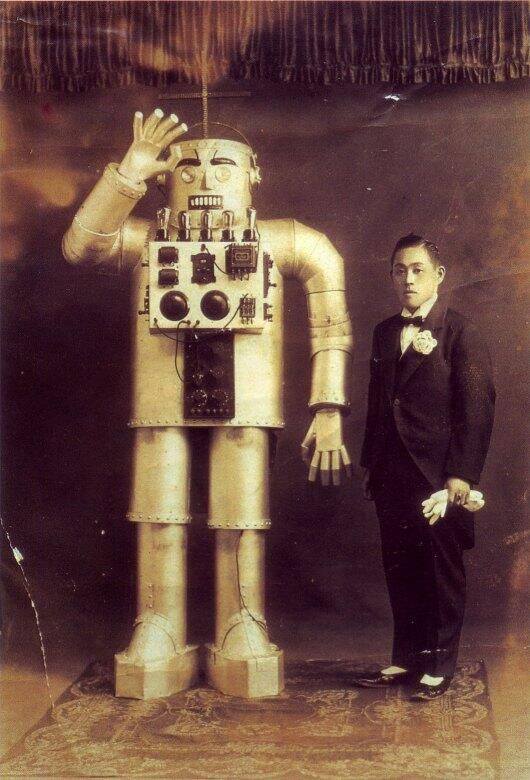
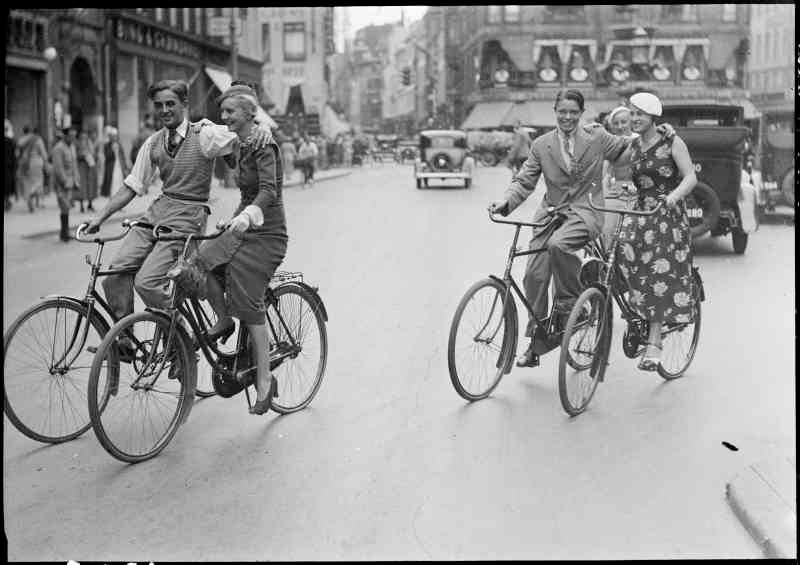
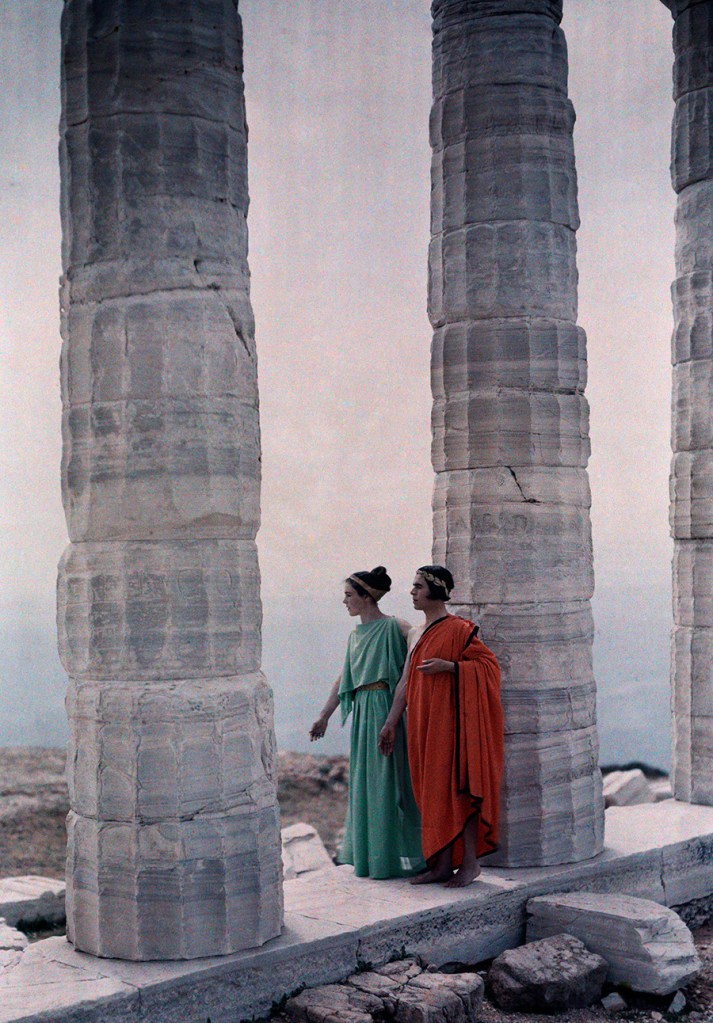
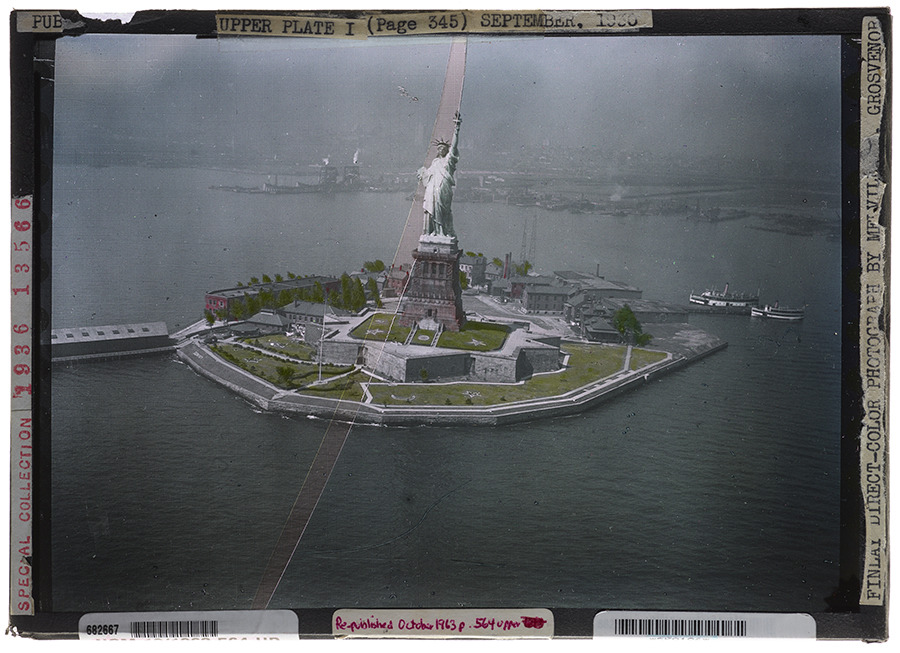
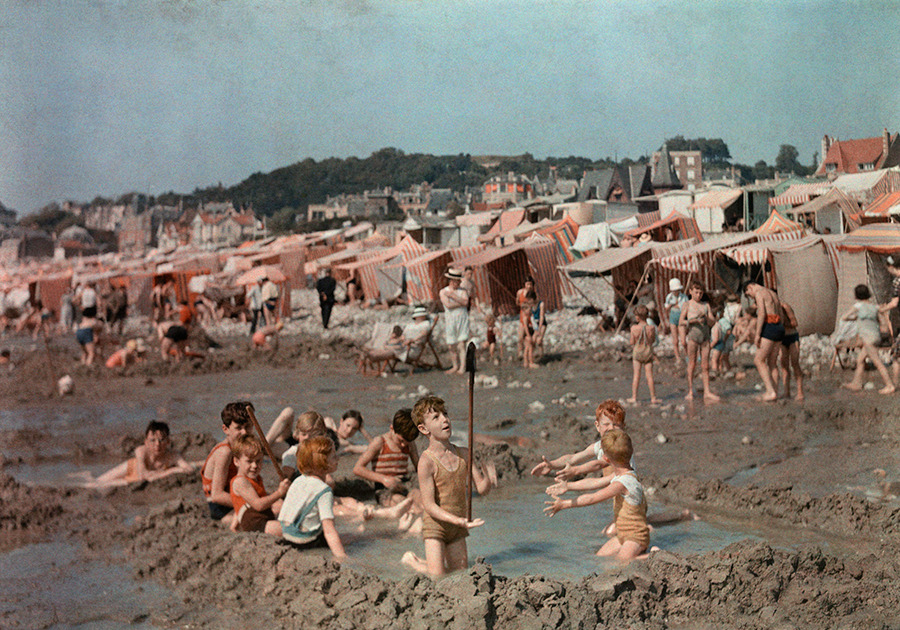
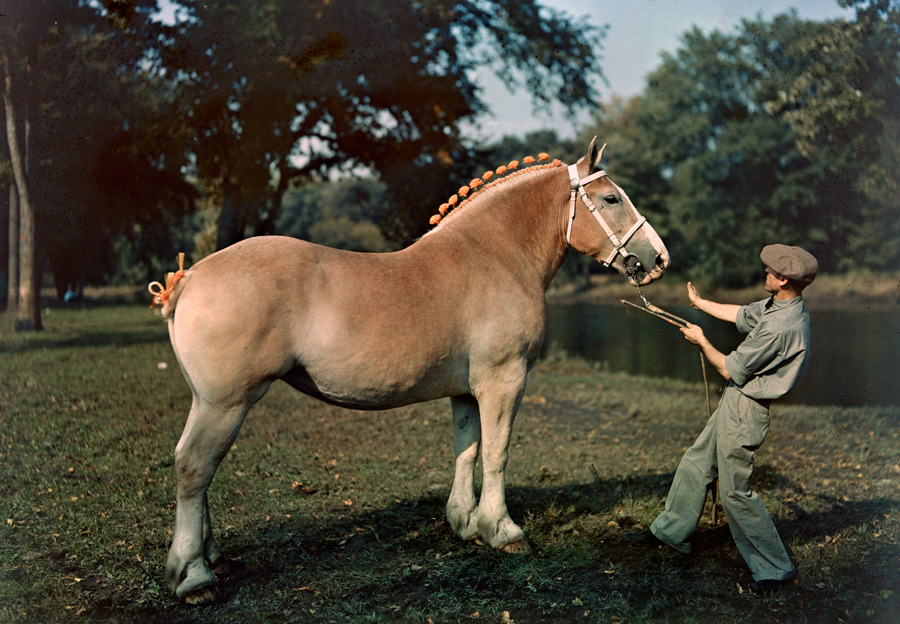
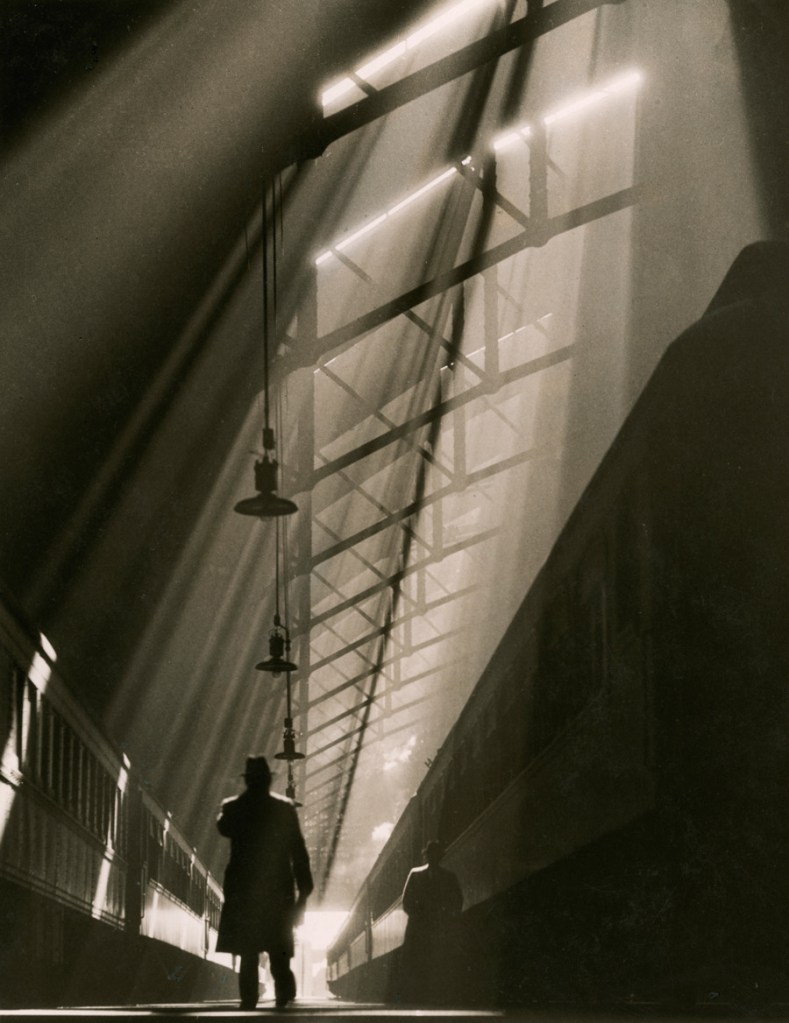
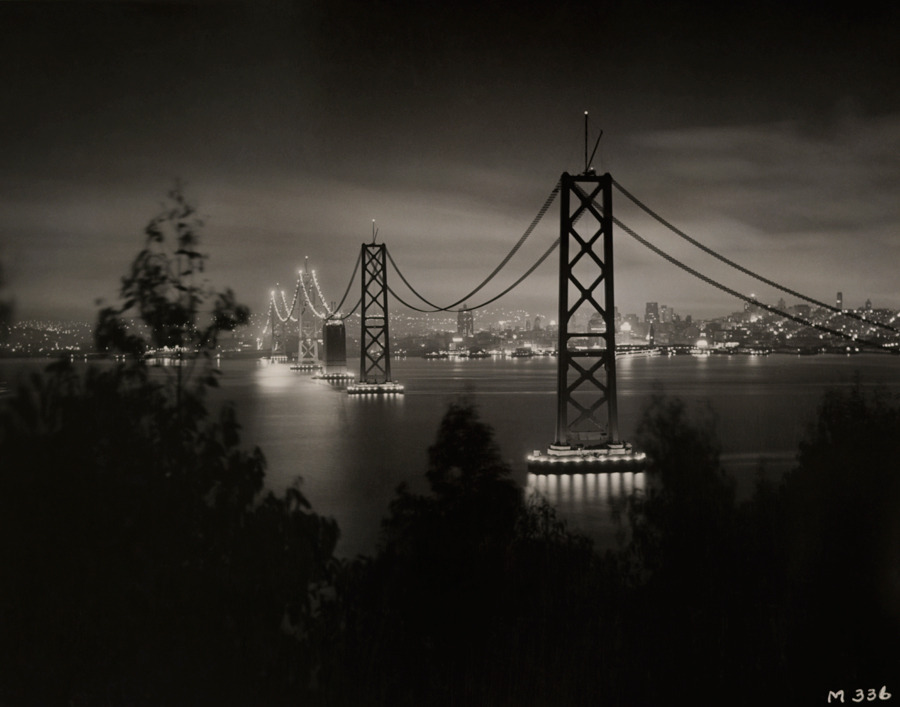
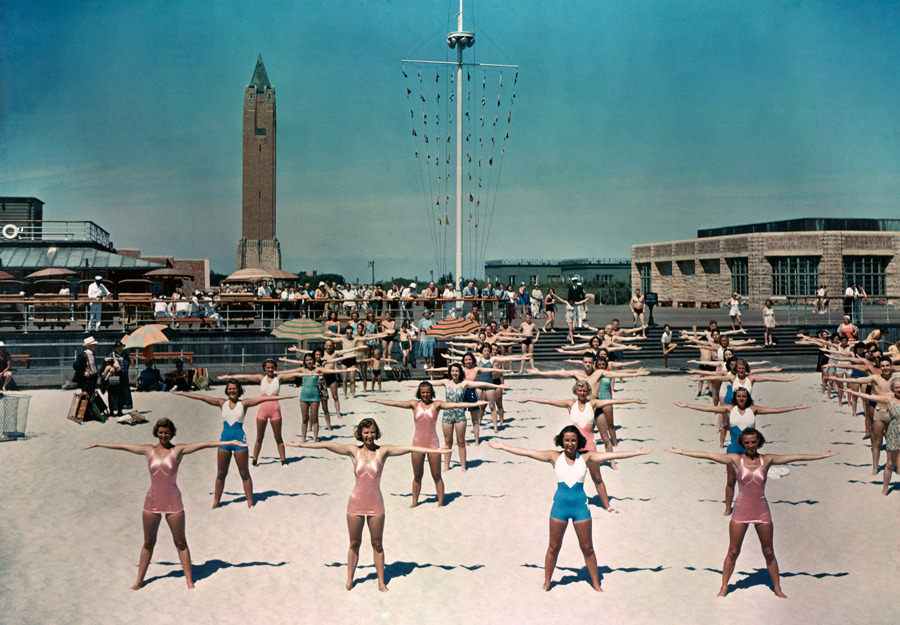
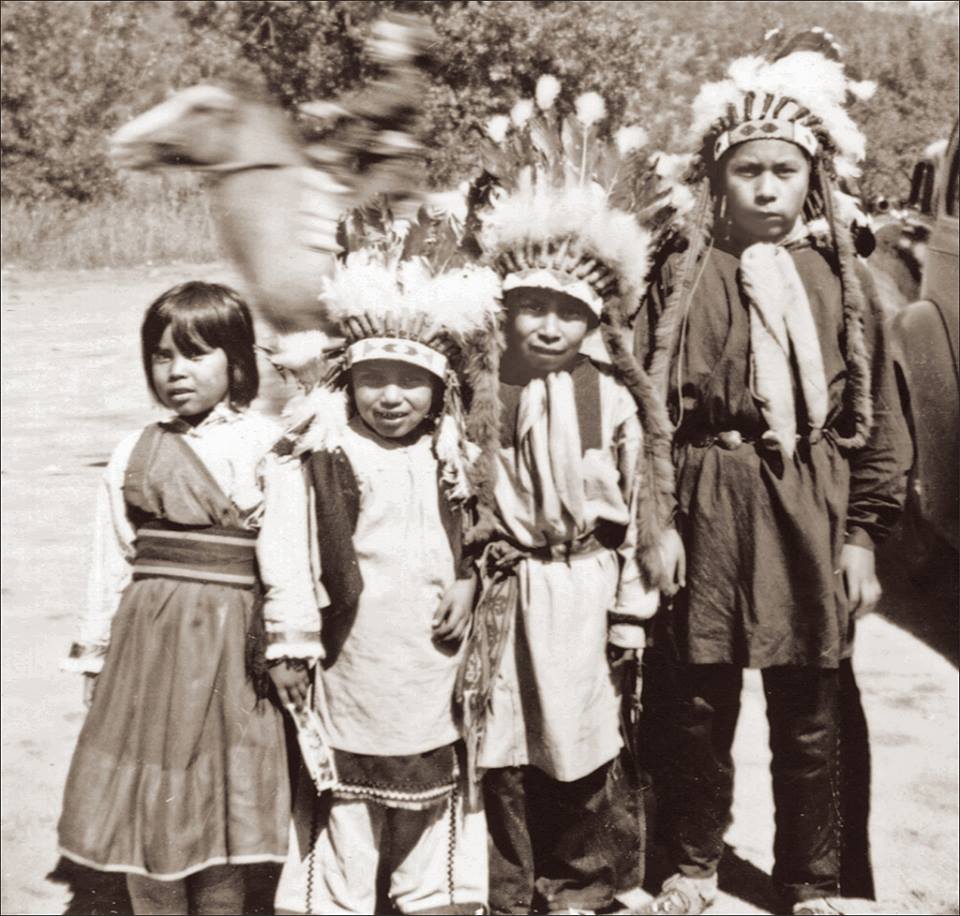
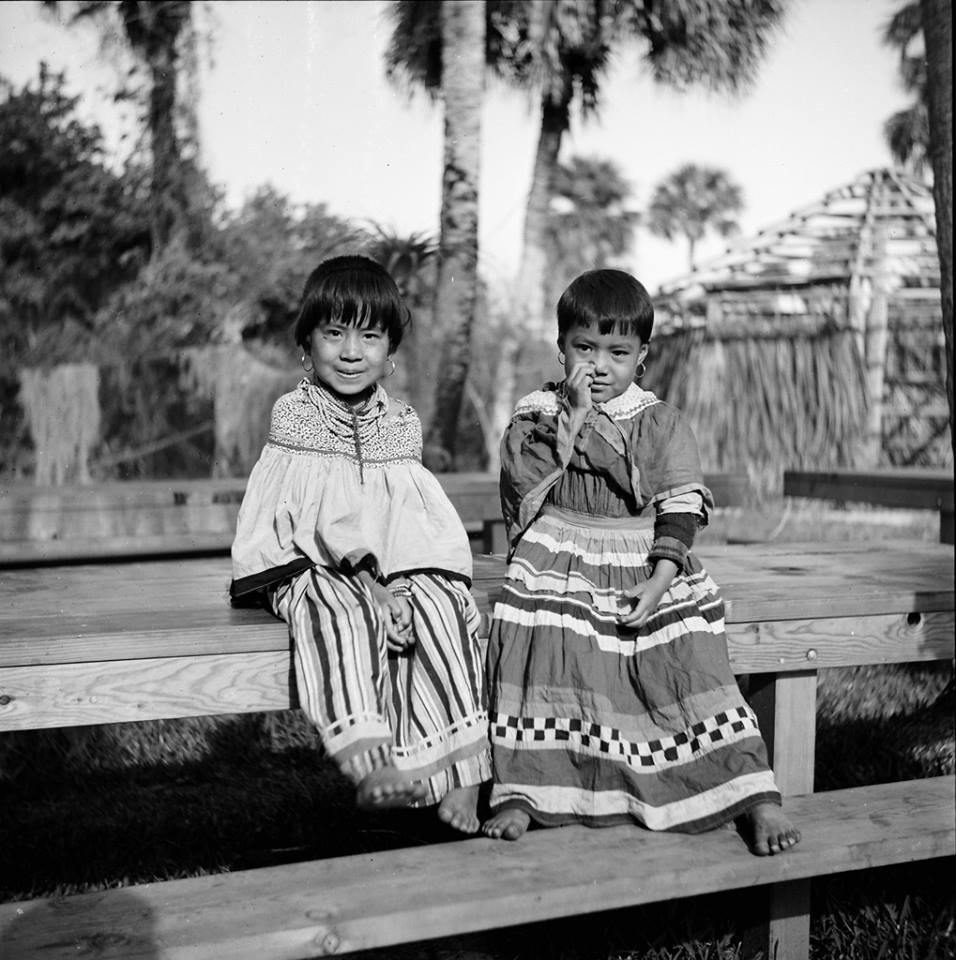
Dorothy Lamour and her co-star ‘Jiggs’ relax on the set of the film, “Her Jungle Love” in 1938.A pair of Tibetan monks play the dung-chen from atop Jagpori Hill, Lhasa. 1938Fay Wray and Bruce Cabot in a publicity photo for “King Kong”, 1933The Queensway Tunnel, which goes under the Mersey River in Liverpool, opened in 1934.Carole Lombard photographed in 1937.Gypsy boy with his cello, Hongarije, 1931.Harlow with the top down, 1934.End of a long day, Birney, Montana, June 1939.English actress Hermione Baddeley dresses in costume as Minnie Mouse for Film Memories Ball, May 18, 1933.Glamour shot of Carole Lombard in 1933.Thelma Todd, 1930s.Carole Lombard in 1938.A six-year-old Anne Frank off to jump rope with one of her friends, Amsterdam, 1935In 1934, the LEGO company and its products officially became known as LEGO, formed from the Danish words “LEg GOdt” (“play well”).American anti-capitalist poster, 1938.The Phantom Corsair was a sleek prototype automobile built in 1938.Boy riding a ‘rocket scooter’ in 1931.Waiting in line for an opportunity to get a job during the Great Depression, 1930.The Pontiac Plexiglas Deluxe Six Ghost Car at the 1939 New York World’s Fair.The observation deck on top of Rockefeller Center, 850 ft above the streets of NYC. 1930Photo of a giraffe kissing a zoo visitor, London Zoo, 1930’s.Eight week old tiger cubs at Whipsnade zoo find that their keeper makes a good climbing post, 1937.The cover of “Modern Mechanix” magazine shows an illustration of the Giro Car, 1935While attending the 75th anniversary of the Battle of Gettysburg, Civil War veterans shake hands at the Gettysburg Battlefield encampment. 1938Seven future baseball Hall of Famers: Lou Gehrig, Joe Cronin, Bill Dickey, Joe DiMaggio, Charlie Gehringer, Jimmie Foxx and Hank Greenberg at the All Star Game in Washington DC, 1937.Yasutaro Mitsui and his steel humanoid robot in 1932, was the first known Japanese robot.Children doing their telephone lessons in 1934.“I came to hate working on that movie,” the very vocal Marlene Dietrich said of “The Garden of Allah”. “My curls, the bombastic script — everything annoyed me.” 1936Carole Lombard wears protective glasses for skeet shooting at a gun club, 1938A photo taken from the Statue of Liberty’s torch in 1930.The back of the Hoover Dam before it was filled with water in 1936.Building the bleachers at Wrigley Field in Chicago, 1937.Couples cycling down the street, Denmark, 1930s.Young women learning how to charge an enemy with rifles and bayonets at their high school in Tokyo, February 1937.Children read a Sylvan Drew Circus billboard, 1931.Two dancers in costume stand between the columns of Poseidon’s Temple, Greece, 1930.The first successful aerial color photograph—which depicted the Statue of Liberty—used the Finlay process, 1931.Children play in pool they have dug out of the sand on the beach in Le Havre, France, 1936.Girls standing in water holding bunches of American Lotus, Amana, Iowa, November 1938.Seven siblings sit on a wooden fence in Quebec, Canada, May 1939.A New York Central Mercury train is dwarfed by Cleveland’s Union Station, November 1936.This mare won a blue ribbon at a horse show in Wateloo, Iowa, August 1939.A view of Chicago’s historic La Salle Street train station, November 1936.The San Francisco-Oakland Bay Bridge from Yerba Buena Island in 1936.A classroom inside a railway car in Ontario, Canada, August 1932.Free calisthenics lessons are given daily for beach visitors in Long Island, New York, 1939.Native American children at the Garden of the Gods, Colorado, 1930s.Seminole children, 1930s.A CCC (Civilian Conservation Corps) stops to confer over a map with a state trooper in New Mexico, 1939.Rue des Ursins, Paris, 1931.
Please help us to continue our work bringing you the best in history on a daily basis. The cost of subscriptions to journals, archives and other media is expensive. We also have the added internet costs. You can help us by subscribing to this page for $5 per month or if you like you can make a one-time donation at https://www.buymeacoffee.com/YesterdayToday
Thank you for your consideration.
Yesterday Today
Subscribe to get access
Read more of this content when you subscribe today.
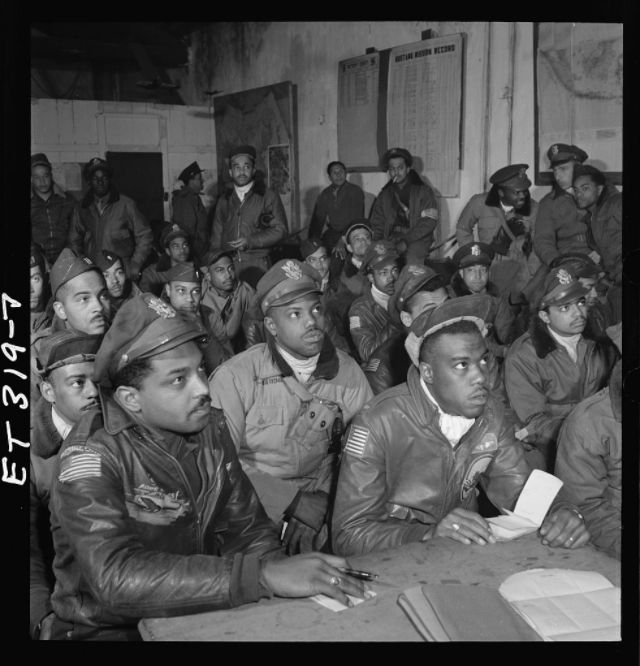
The Tuskegee Airmen were a group of primarily African American military pilots (fighter and bomber) and airmen who fought in World War II. They formed the 332d Fighter Group and the 477th Bombardment Group (Medium) of the United States Army Air Forces (USAAF). The name also applies to the navigators, bombardiers, mechanics, instructors, crew chiefs, nurses, cooks, and other support personnel. The Tuskegee airmen received praise for their excellent combat record earned while protecting American bombers from enemy fighters. The group was awarded three Distinguished Unit Citations.
All black military pilots who trained in the United States trained at Griel Field, Kennedy Field, Moton Field, Shorter Field, and the Tuskegee Army Air Fields. They were educated at the Tuskegee Institute (now Tuskegee University), located near Tuskegee, Alabama. Of the 922 pilots, five were Haitians from the Haitian Air Force and one pilot was from Trinidad. It also included a Hispanic or Latino airman born in the Dominican Republic.
The 99th Pursuit Squadron (later the 99th Fighter Squadron) was the first black flying squadron, and the first to deploy overseas (to North Africa in April 1943, and later to Sicily and other parts of Italy). The 332nd Fighter Group, which originally included the 100th, 301st and 302nd Fighter Squadrons, was the first black flying group. It deployed to Italy in early 1944. Although the 477th Bombardment Group trained with North American B-25 Mitchell bombers, they never served in combat. In June 1944, the 332nd Fighter Group began flying heavy bomber escort missions and, in July 1944, with the addition of the 99th Fighter Squadron, it had four fighter squadrons.
The 99th Fighter Squadron was initially equipped with Curtiss P-40 Warhawk fighter-bomber aircraft. The 332nd Fighter Group and its 100th, 301st and 302nd Fighter Squadrons were equipped for initial combat missions with Bell P-39 Airacobras (March 1944), later with Republic P-47 Thunderbolts (June–July 1944) and finally with the aircraft with which they became most commonly associated, the North American P-51 Mustang (July 1944). When the pilots of the 332nd Fighter Group painted the tails of their P-47s red, the nickname “Red Tails” was coined. The red markings that distinguished the Tuskegee Airmen included red bands on the noses of P-51s as well as a red rudder; the P-51B, C and D Mustangs flew with similar color schemes, with red propeller spinners, yellow wing bands and all-red tail surfaces.
The Tuskegee Airmen were the first African-American military aviators in the United States Armed Forces. During World War II, black Americans in many U.S. states were still subject to the Jim Crow laws and the American military was racially segregated, as was much of the federal government. The Tuskegee Airmen were subjected to discrimination, both within and outside of the army. (Wikipedia)
These intimate portraits were taken by Toni Frissell, a high-fashion photographer who volunteered her photographic services to the American Red Cross, Women’s Army Corps, and Eighth Army Air Force during WWII. On volunteering for the American Red Cross in 1941, Frissell said: “I became so frustrated with fashions that I wanted to prove to myself that I could do a real reporting job.” Take a look:
Several Tuskegee airmen attending a briefing in Ramitelli, Italy, March 1945
Subscribe to continue reading
Become a paid subscriber to get access to the rest of this post and other exclusive content.
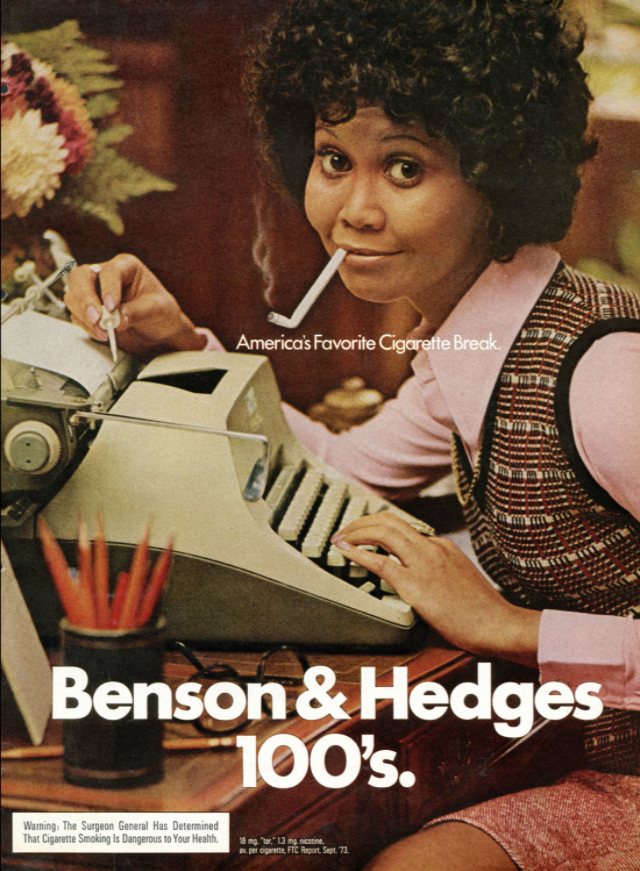
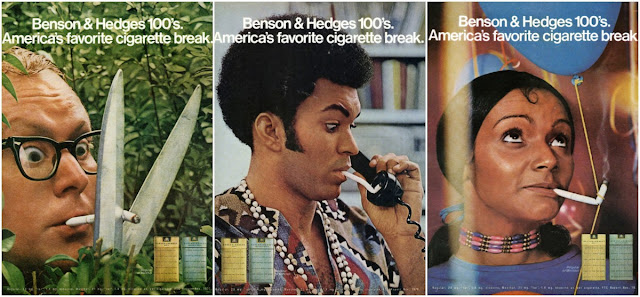
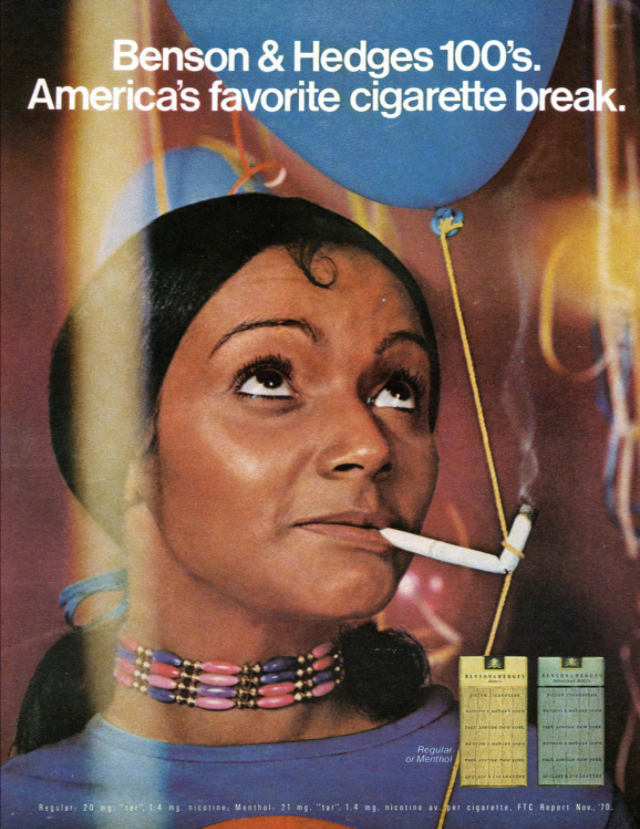
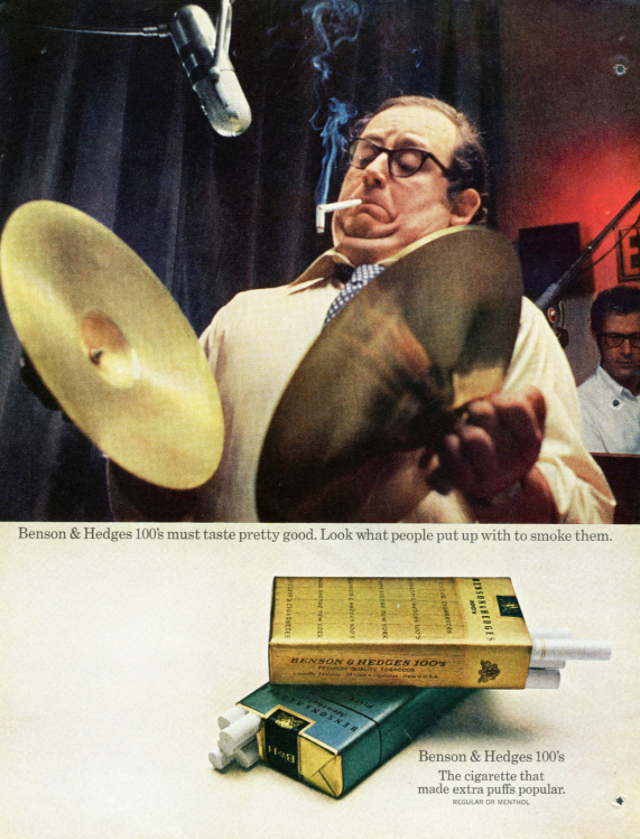
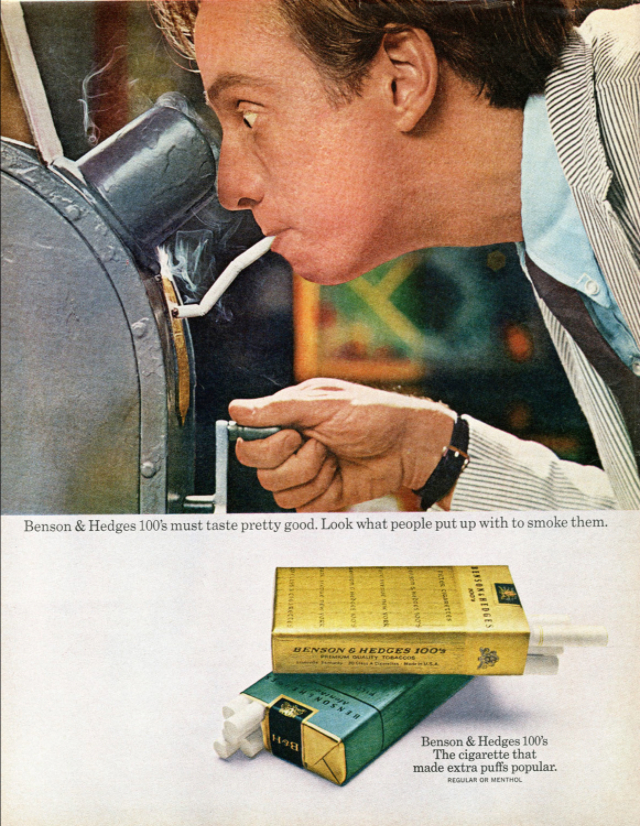
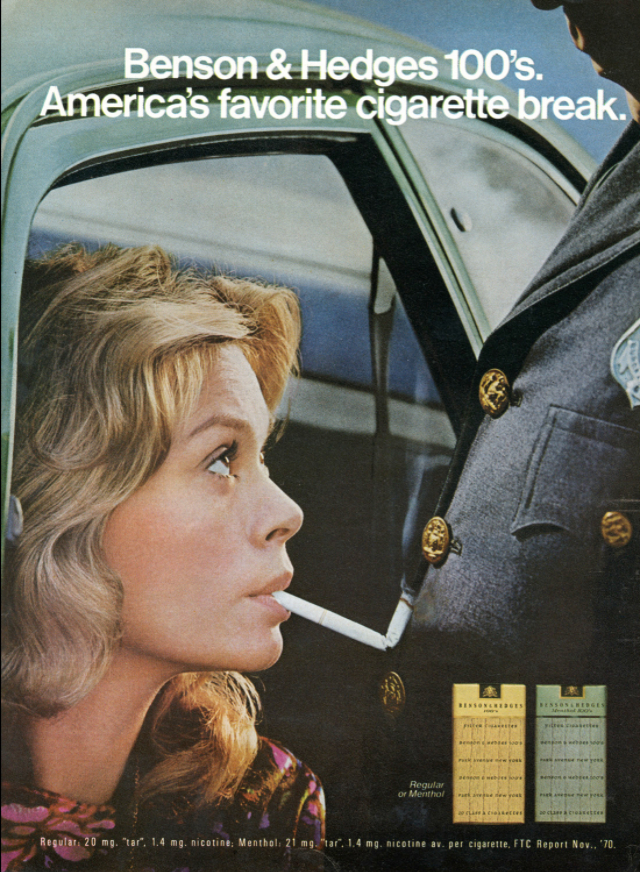
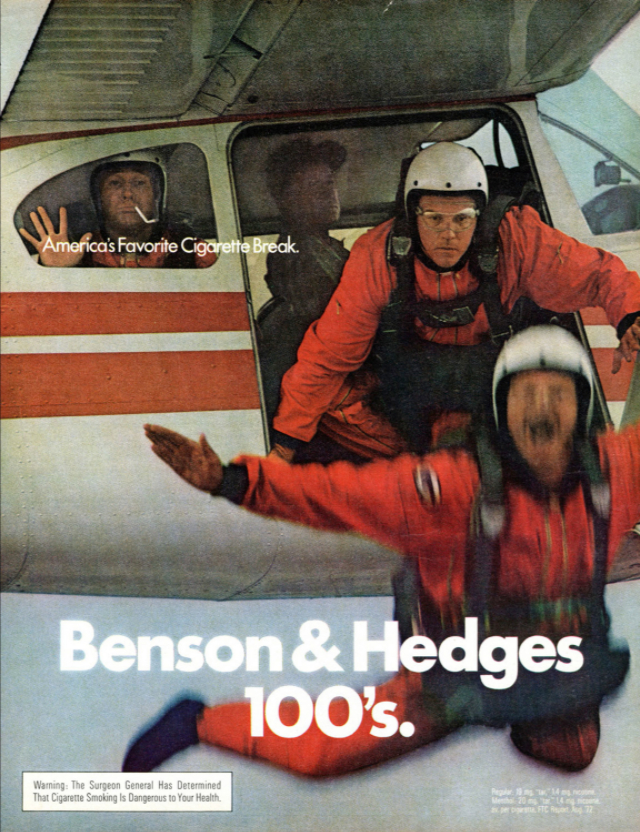
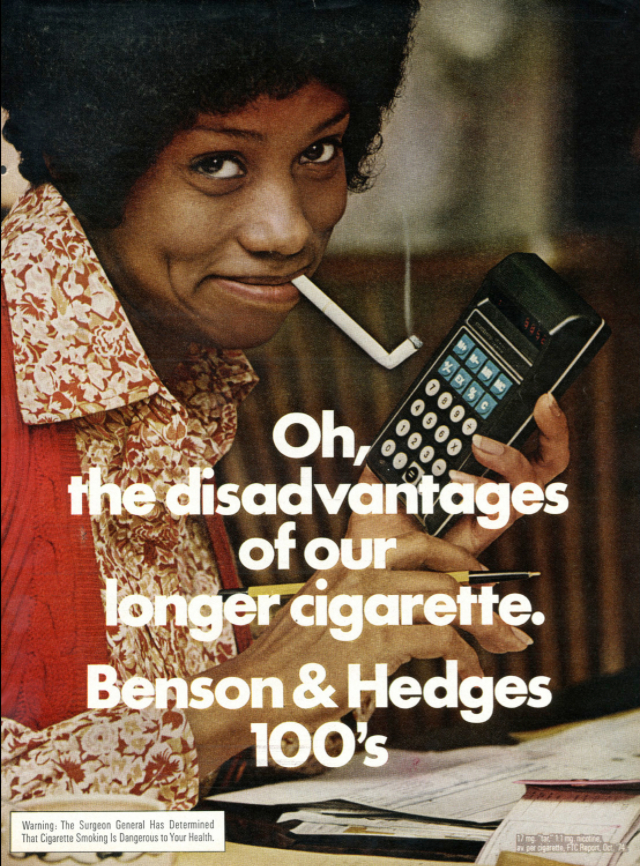
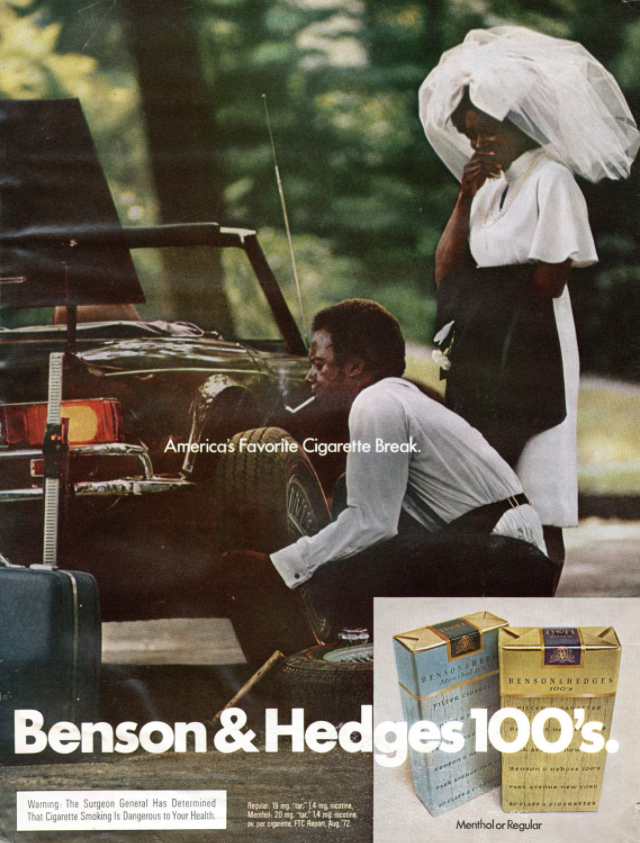
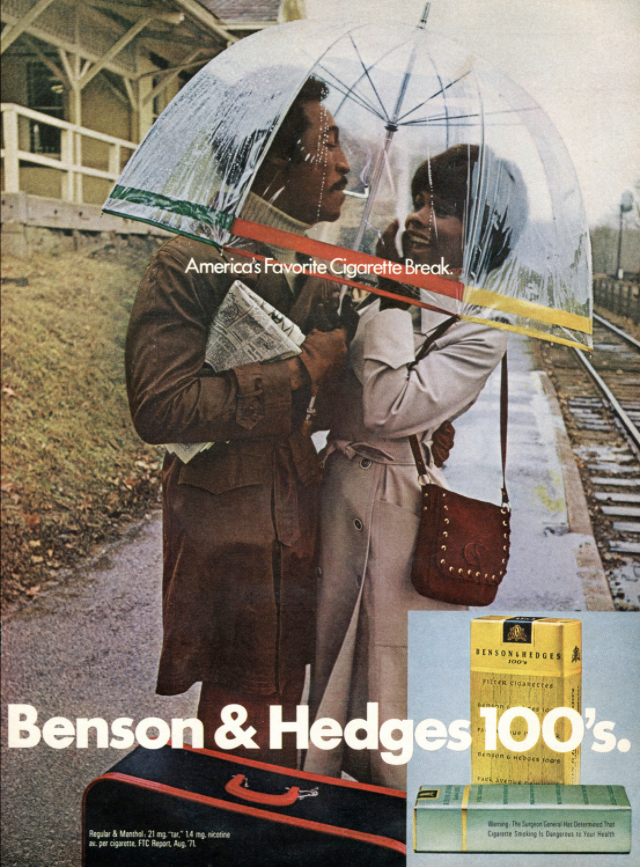
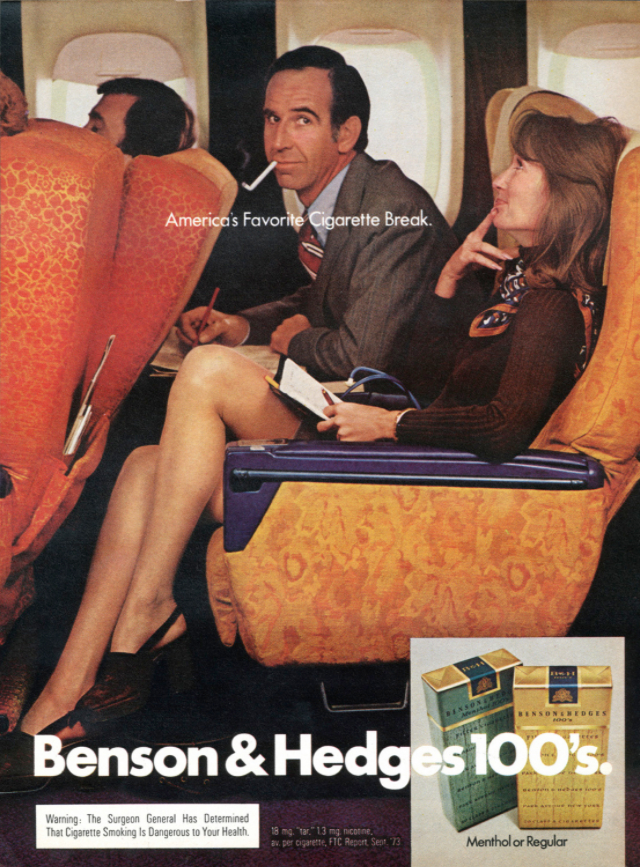
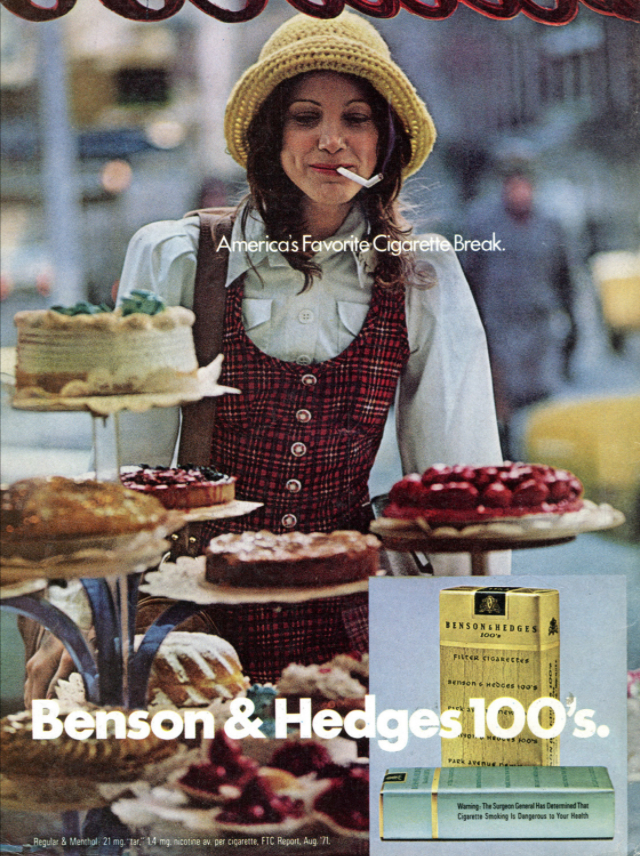
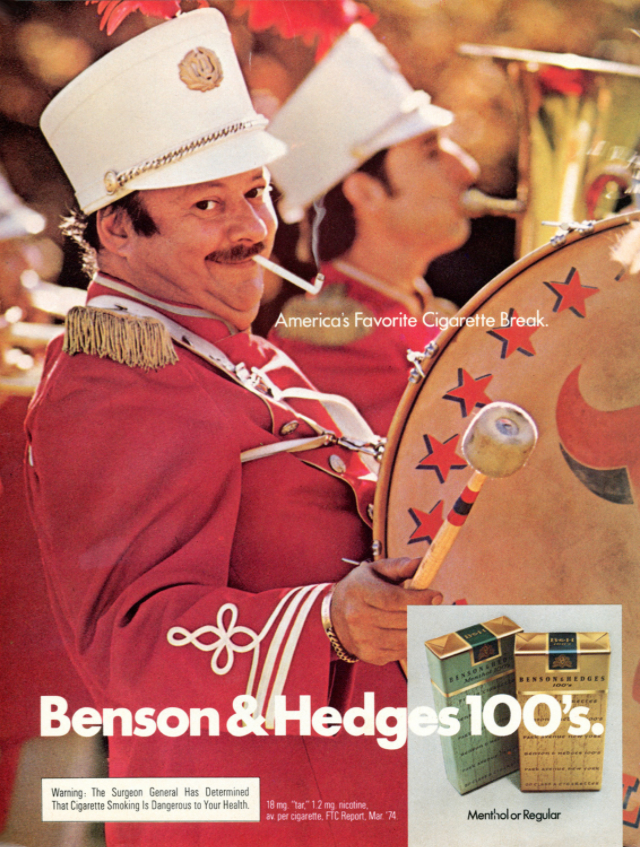
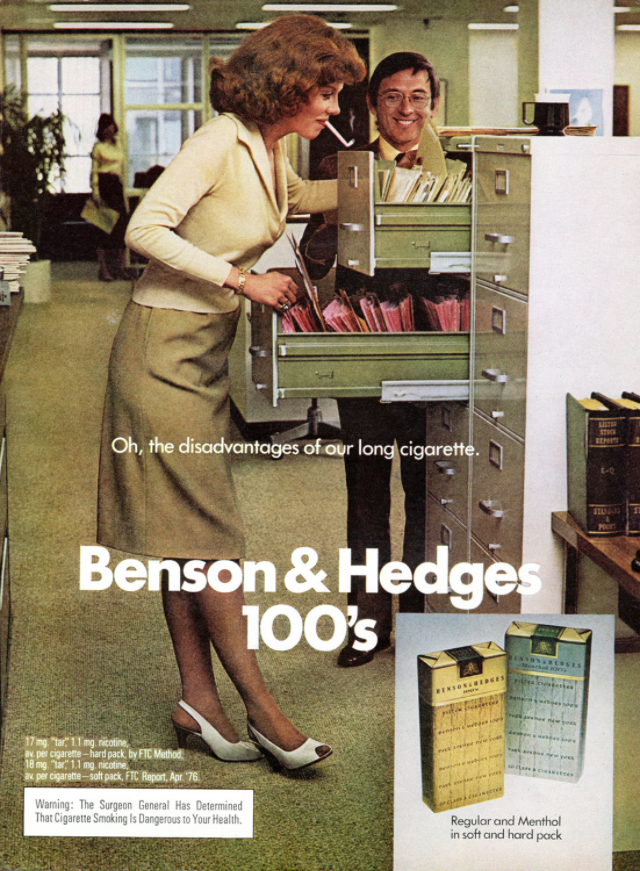
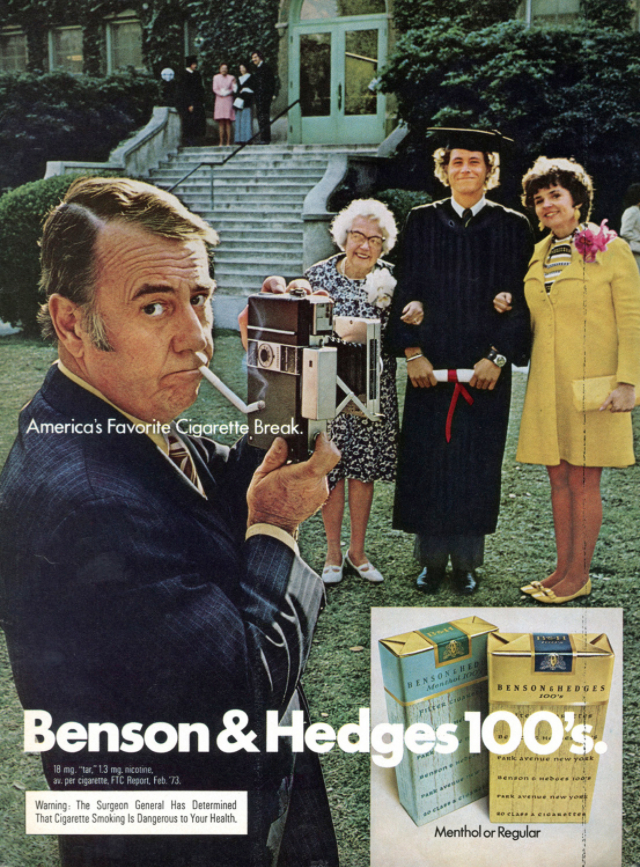
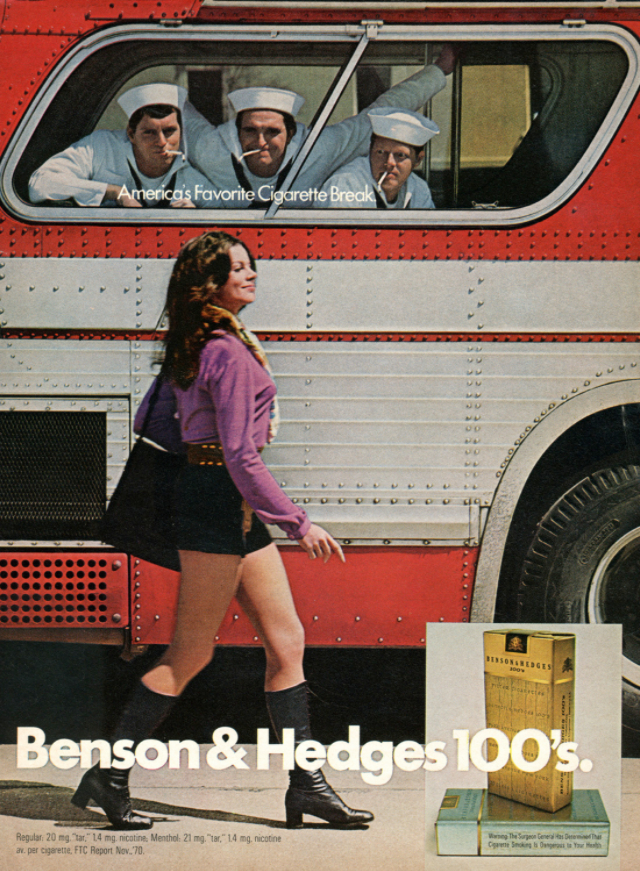
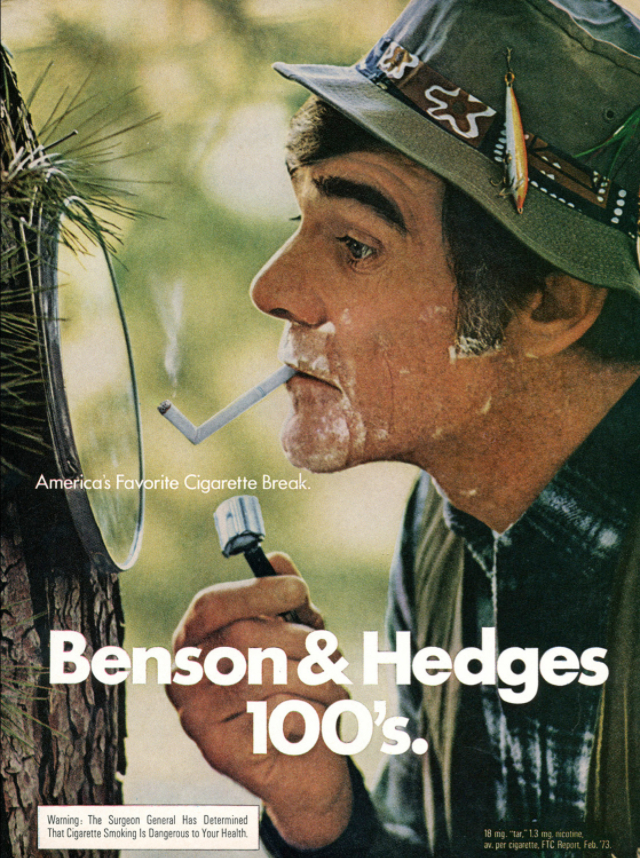
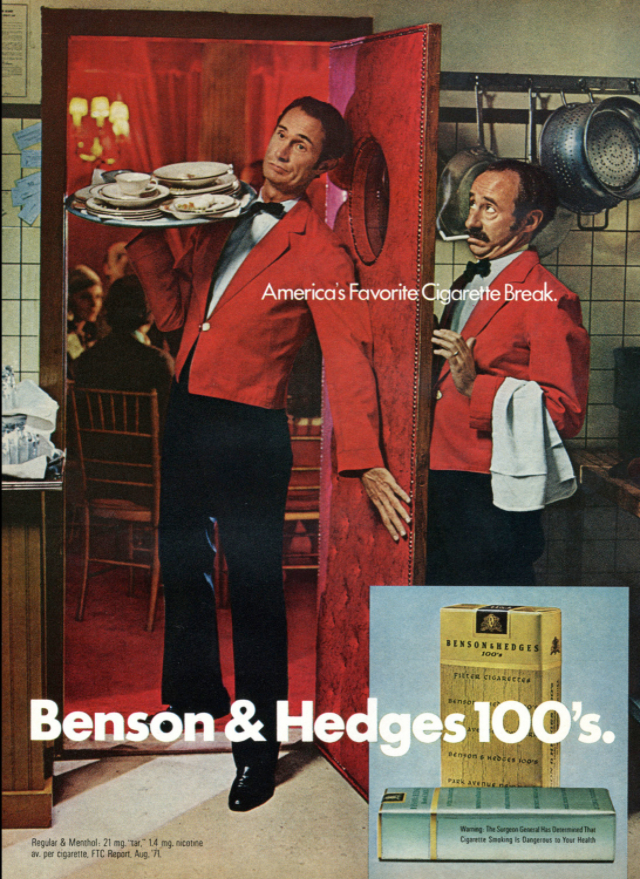
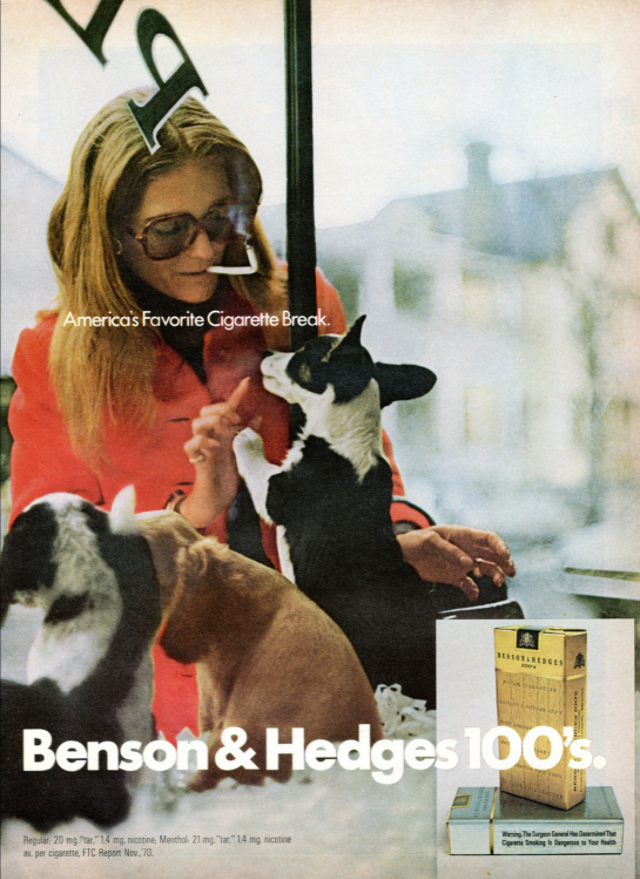
Benson & Hedges was founded in London in 1873 by Richard Benson and William Hedges as Benson and Hedges Ltd. Alfred Paget Hedges succeeded his father in the business in 1885, the same year which Richard Benson left the business. The 1900s saw branches of Benson & Hedges Ltd. opening in the United States and Canada. In 1928, the American branch became independent, and was bought by Philip Morris in 1958. Benson & Hedges Ltd in the UK was acquired by the Gallaher Group in 1955.
A Royal Warrant was issued to the British company in 1878, after the required five years of supply to the Royal Family. This was the brand of cigarettes preferred by King George VI, who was famed for his heavy cigarette smoking. The royal warrant was revoked in 1999 due to a “lack of demand in the royal households”. The Warrant seal, which had previously been on the flip lid of the box, was removed.
In July 1968, Philip Morris released Virginia Slims which were a spin-off of Benson & Hedges intended to be sold to women. They were sold during a period of time where society was beginning to realize the dangers of smoking. Therefore, they were a thinner and more “elegant” alternative to regular cigarettes.
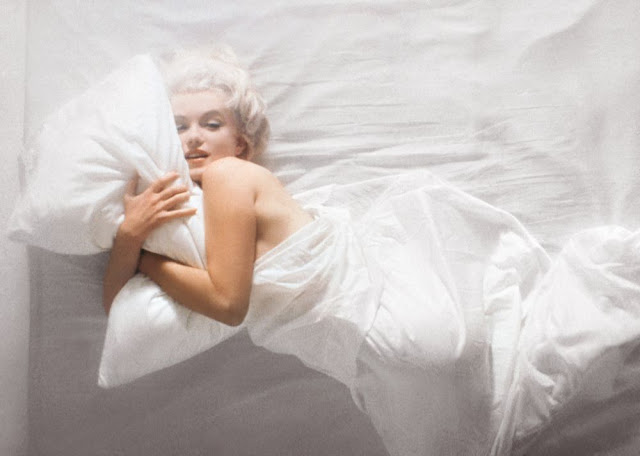
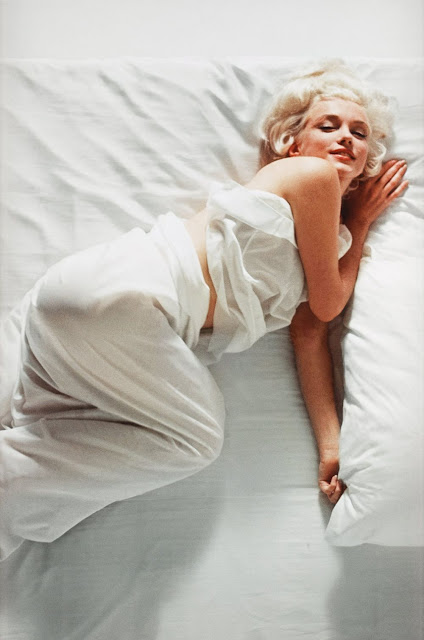
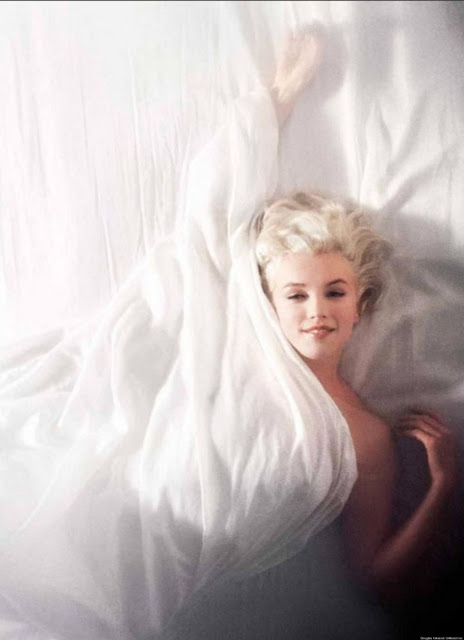
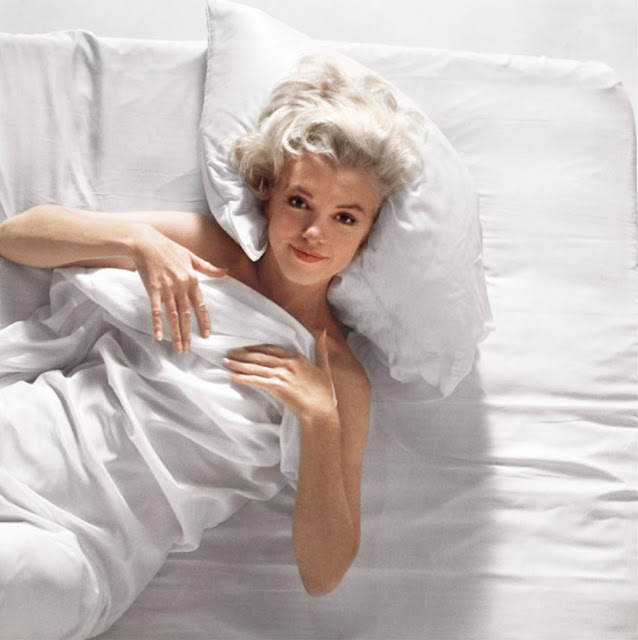
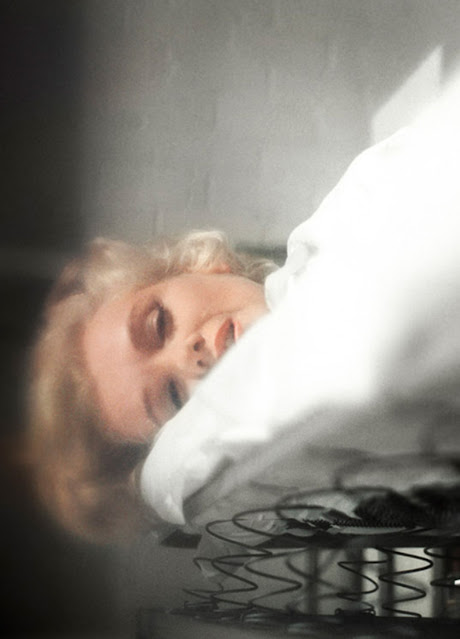
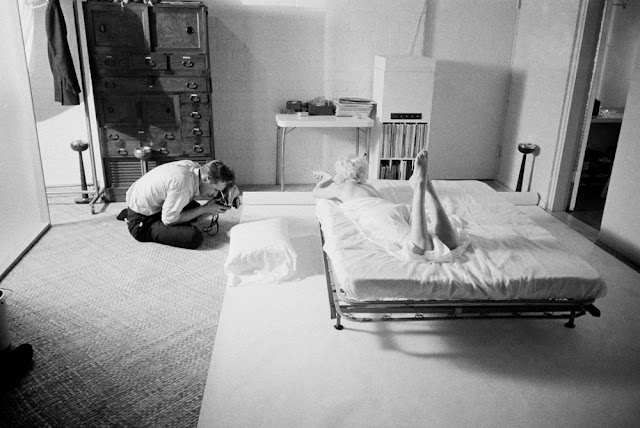
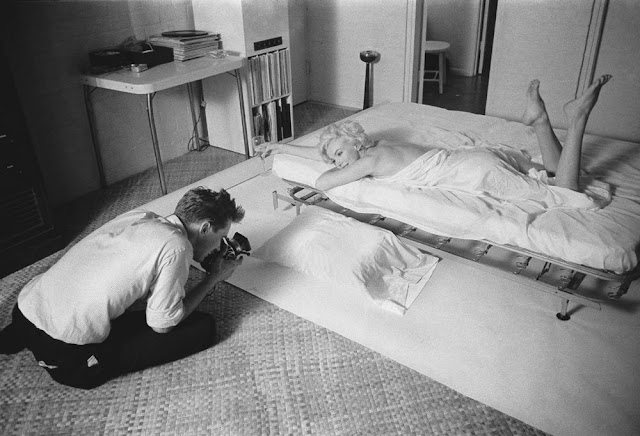
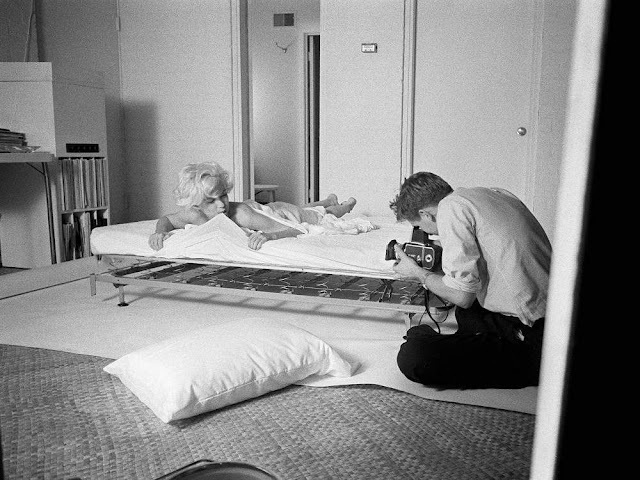
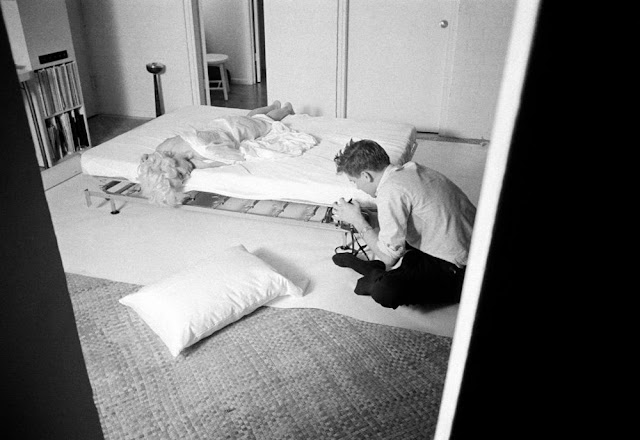
Douglas Kirkland has been passionate about images since he was a child. Coming from Canada he started working for a small photo studio in Virginia. A few years later he met the photographer of whom he was an admirer and went to New York for the position of Irving Penn’s assistant. Despite the prominent position he obtained, Douglas Kirkland needed better salary to live, but Irving Penn refused to increase it. He then gave himself some time to make himself known, later he joined Look Magazine for which he got a first photo session with Elizabeth Taylor. This photo session was the origin of his reputation as a star portraitist. It is 1961 and it is also the year in which he photographed Marilyn Monroe.
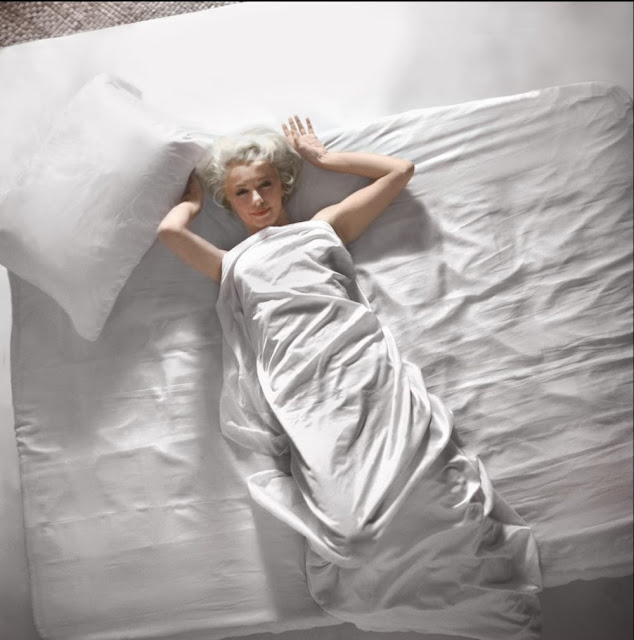
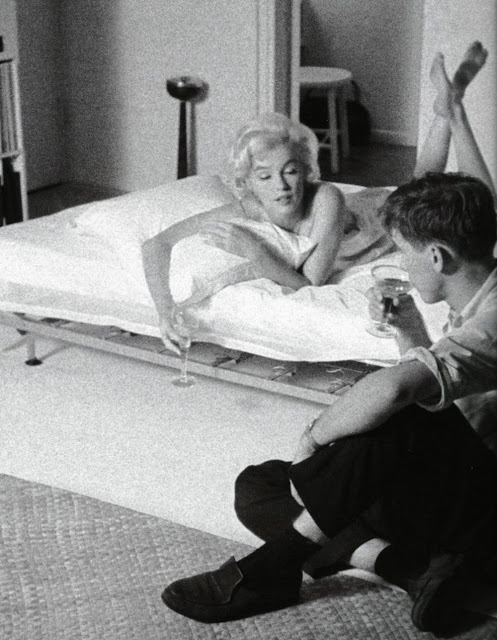
“The first time I met Marilyn to talk about the shoot, my colleagues and I went to her home on Doheny Drive – right on the edge where Beverly Hills and Hollywood connect. She was very disarming because she didn’t seem like a big superstar; she seemed more like the girl next door. I wanted to get some hot pictures of her, but in my shy Canadian way, I didn’t know how to say that. In the end Marilyn was the one to take charge. She said, ‘I know what we need. We need a bed, and we need white silk sheets – they must be silk. Frank Sinatra records, and Dom Pérignon champagne.’ She totally pre-empted what I wanted to go for on the shoot, and I was so relieved. We scheduled it to be done about three days later, at 7.30pm on a Friday evening.”
“The day came and I arrived promptly at the studio, which we’d we rented in Hollywood. I waited and waited, and 9.30pm came and she had not yet appeared. I said to myself, ‘If Marilyn doesn’t show up, it’s going to be a disaster. I’m still new at the publication, I’ve been sent to California, and if I don’t take back pictures it will be very difficult to explain.’ Just at that moment, at the other side of the studio, I heard the door open and in came Marilyn, with a lady carrying some clothes – ultimately she didn’t use them very much. She came in a completely different person to the girl I’d met last time – I saw the real Marilyn, the Marilyn we all think of. She seemed to move in slow motion to me; she had a luminescence about her and she didn’t step, she almost floated. That’s my memory of it, that’s the impression she left me with.”
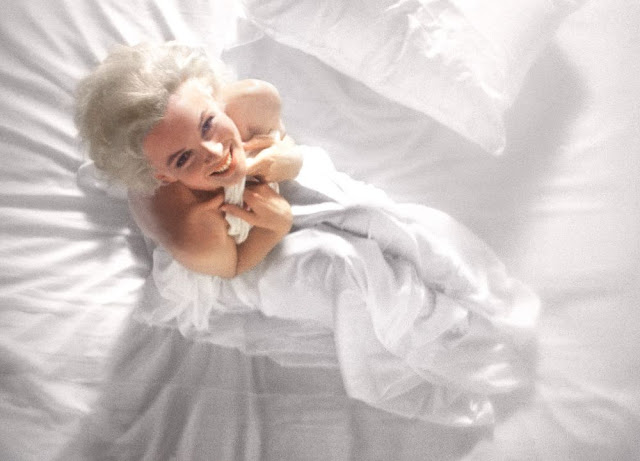
The artist suggested to Marilyn to show how she wanted to be remembered 25 years later. It was a very delicate, sensual and joyful series that emerges. The photographer managed to produce and capture a very intimate moment between him and the star.
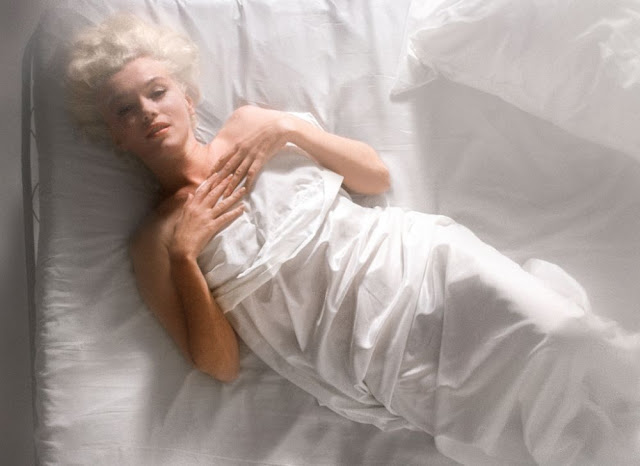
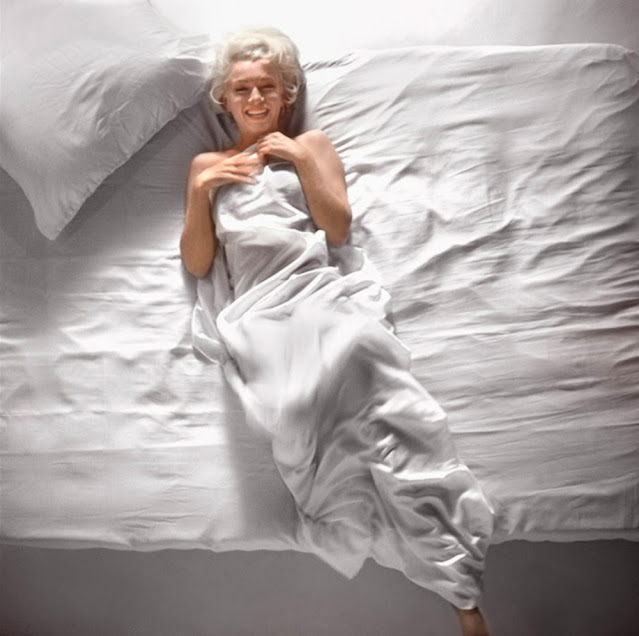
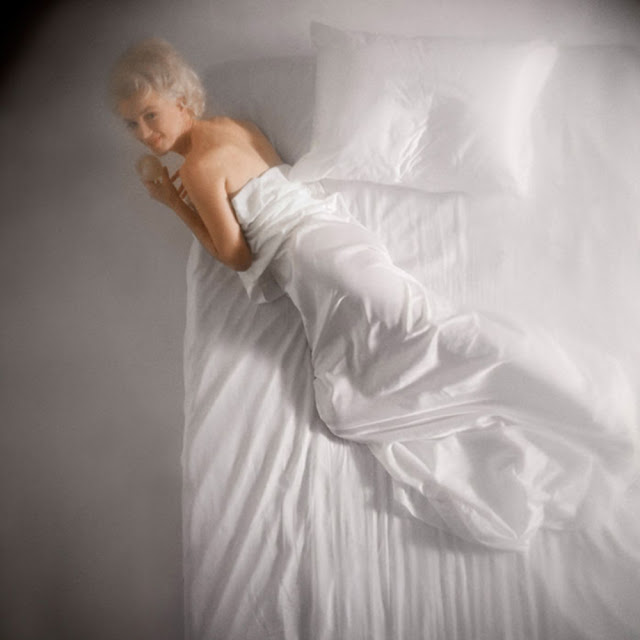
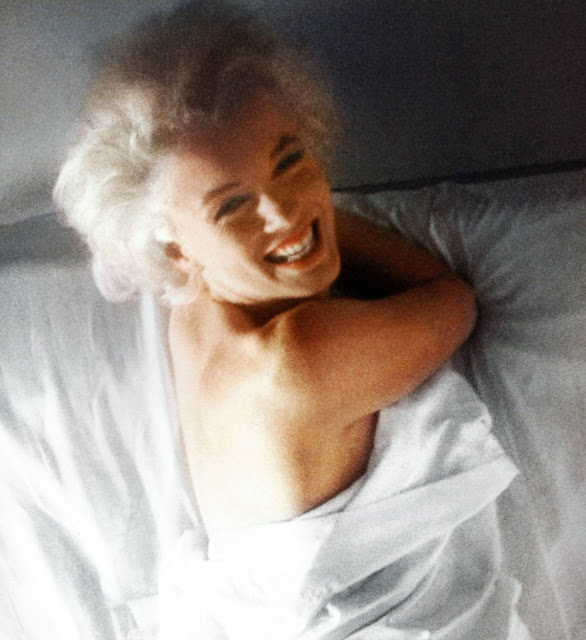
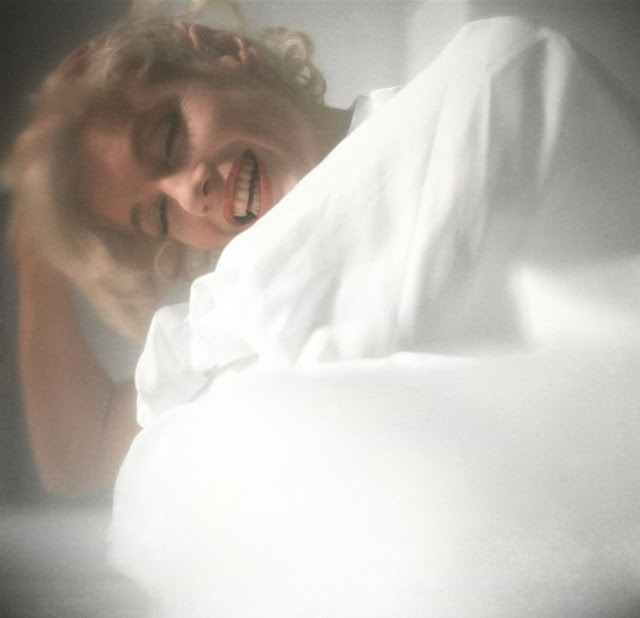
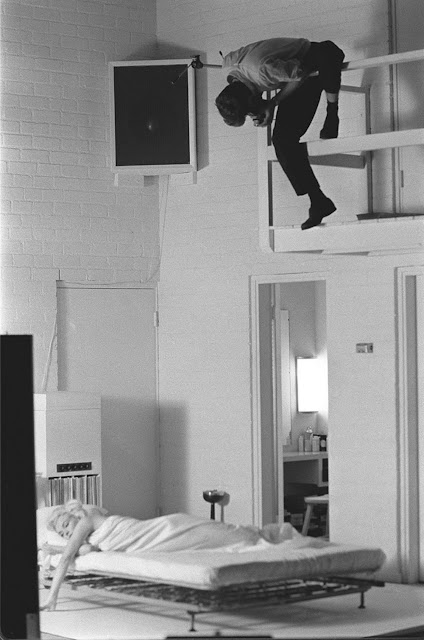
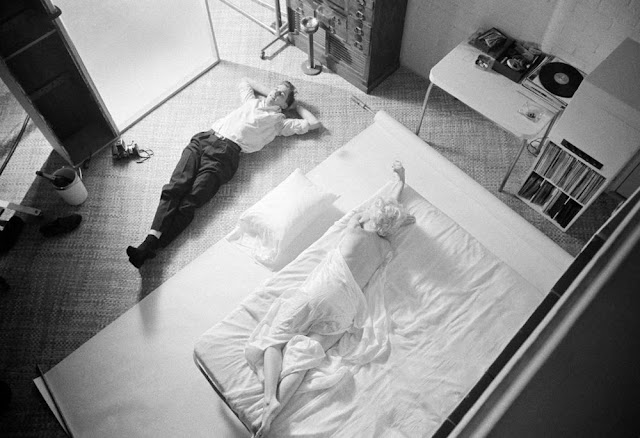
The most famous photos in this series are images of Marilyn taken vertically from a balcony in the photo studio. The decor is entirely white. Out of time and space, Marylin is plunged naked into a cloud of sheets. The star plays with the fabric and the cushion, with a seductive look. She rolls in the sheets, smiles and has fun, she seems happy and fulfilled. The atmosphere is bright, fresh, Marilyn’s blond hair, her fair skin and the white of the bedding, everything is immaculate and pure. Douglas Kirkland used a very special grain here.
“She had a robe on, and she took that robe off and got in under the white silk sheets. I just want to tell you, I was 27, but I was mentally 17. As I say, I’d had a very small town background and here, the superstar of all superstars was five feet away from me; I could reach out and touch her, and as she slipped into the bed I saw parts of her body that I couldn’t believe I’d ever see.
“Marilyn was so sexual, very sensual. At one point she suggested that we should do something more than just talk, in other words, embrace each other. This is where my small town boy came in, I acted like I didn’t understand, I was embarrassed. I looked down into my camera and just kept shooting pictures, over and over, as quickly as I could. I think that’s why the pictures are so strong, because that sexual desire was channeled into the camera instead of into action.
“I got overhead so I could shoot directly down on her. I started to take pictures, but I didn’t need to direct her – I just talked with her. It was like flirting, both ways, it became very hot, the charge in the air. I had one assistant, and she had her woman who worked with her. We took a break, and then she said, ‘I want to be alone with this boy, I find it usually works better that way’. So everybody left the room, I heard the door close, and I realised I was alone with Marilyn. Then I came down from up above, and she said, ‘why don’t you come down and do some close-ups down here’. I came down from the stairs that I was up on, and I was a little over one metre away from her.”
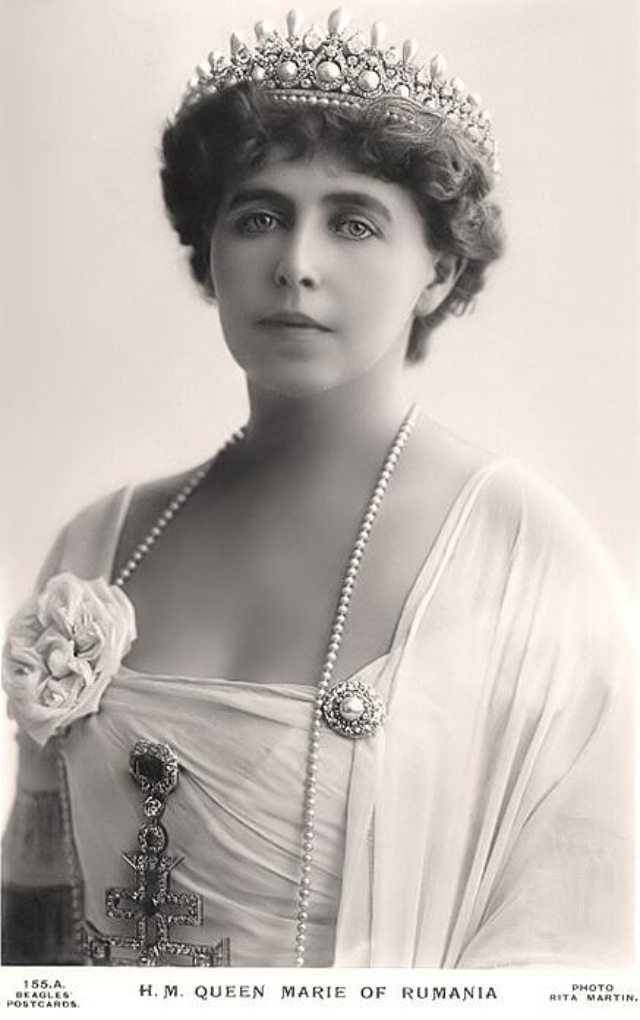
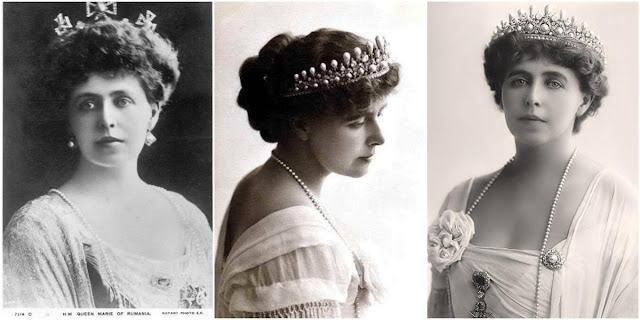
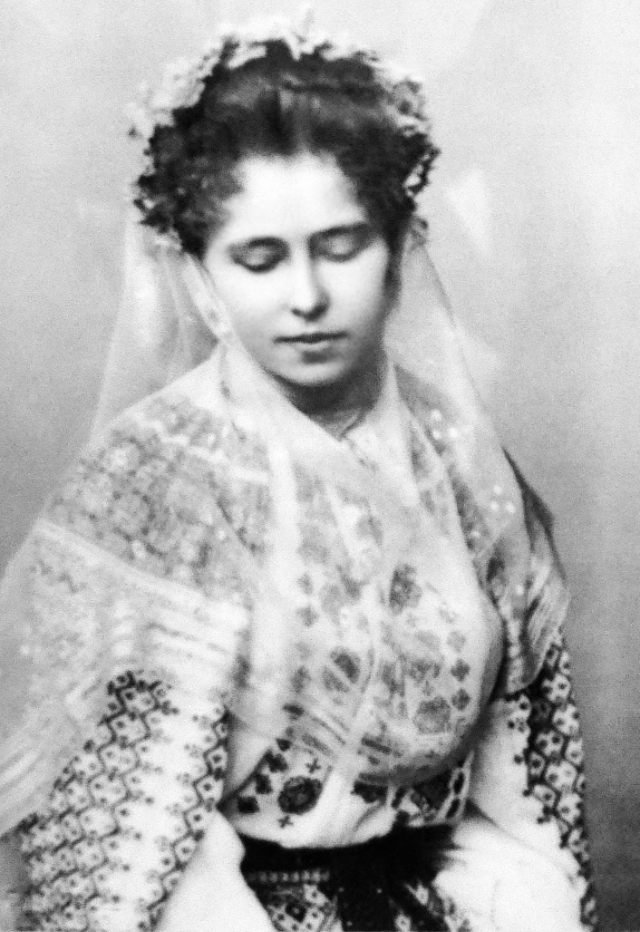
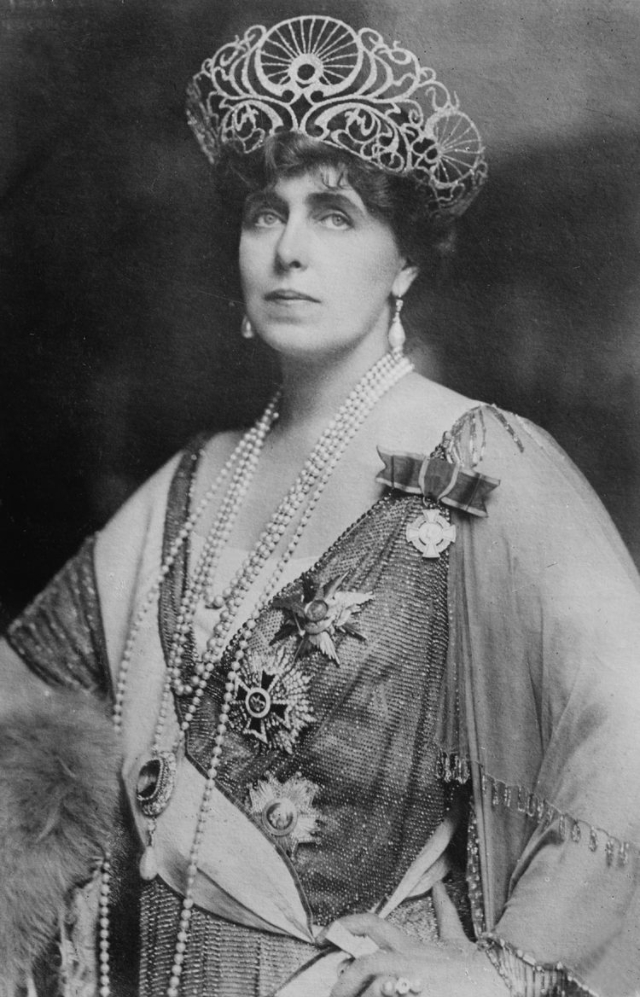
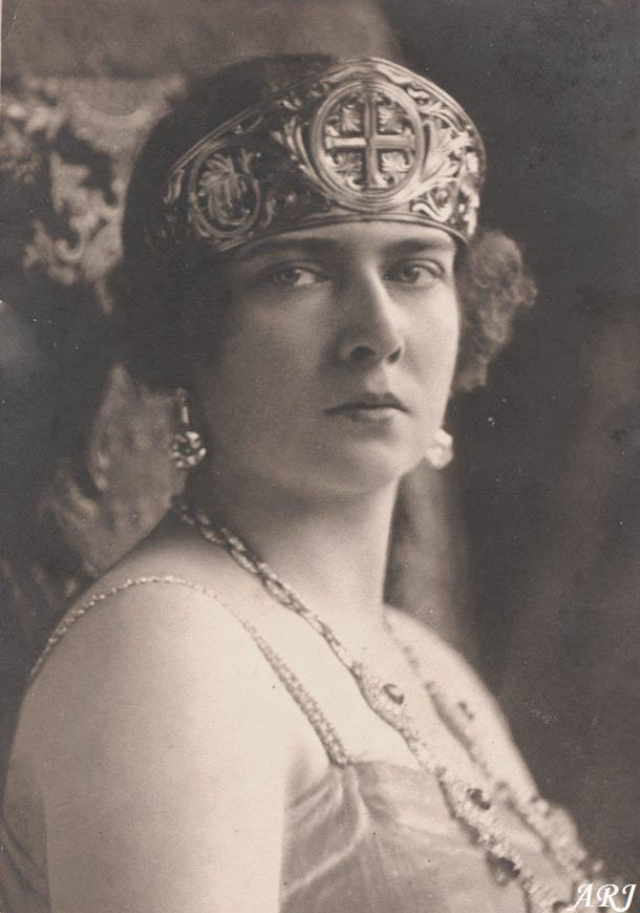
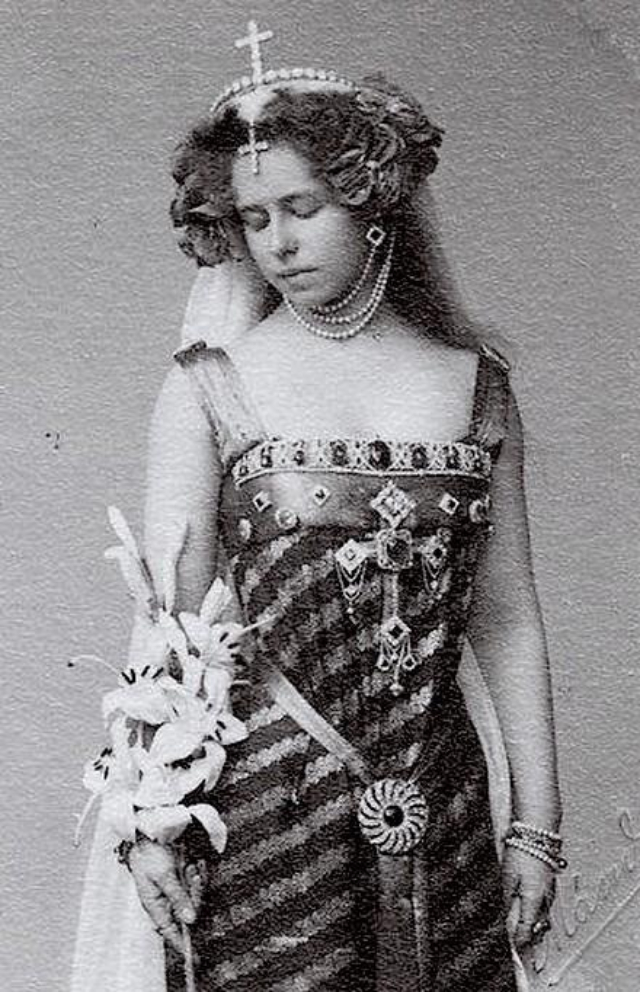
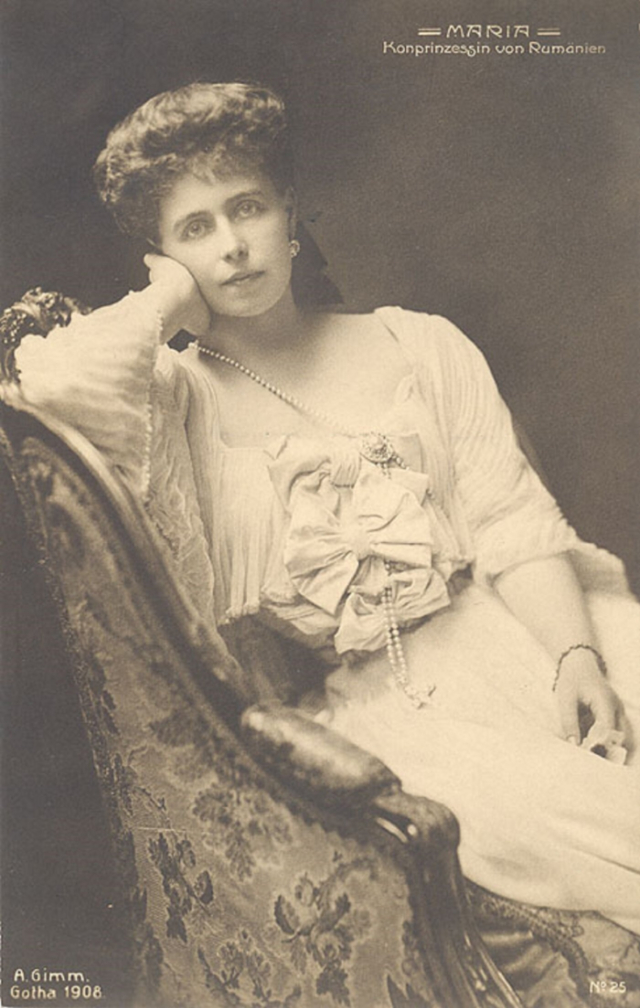
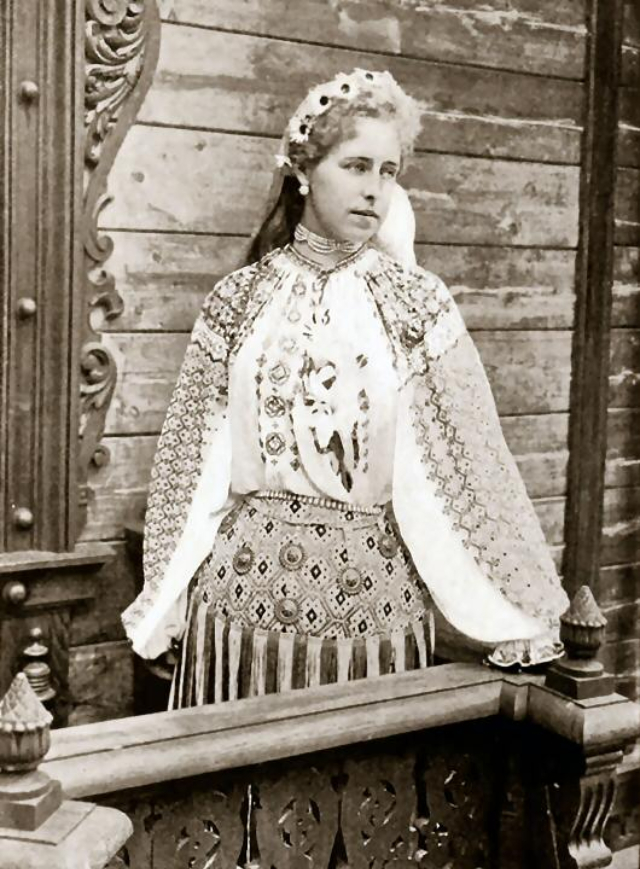
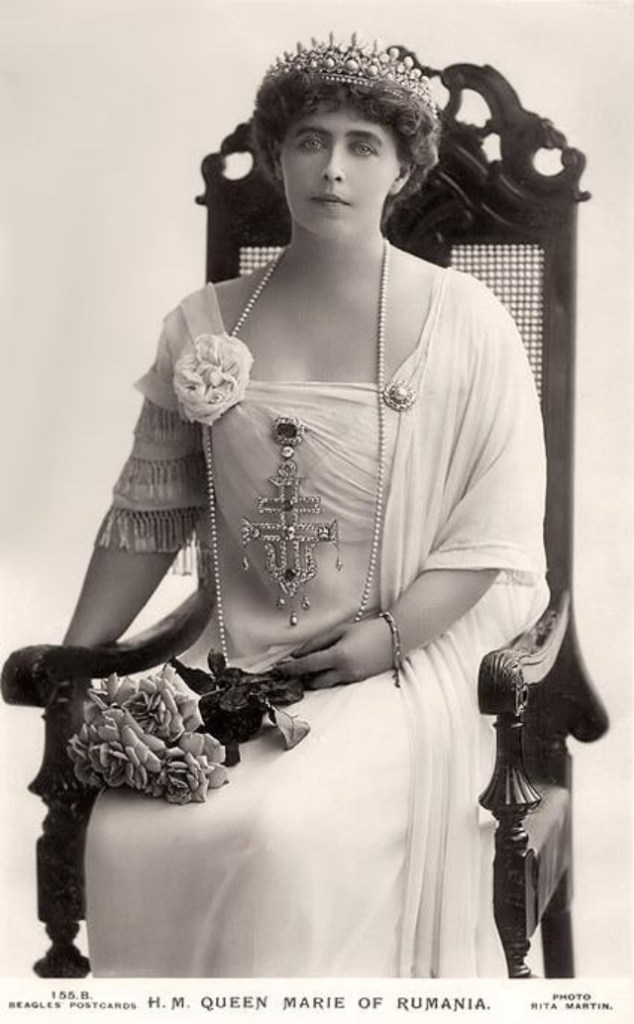
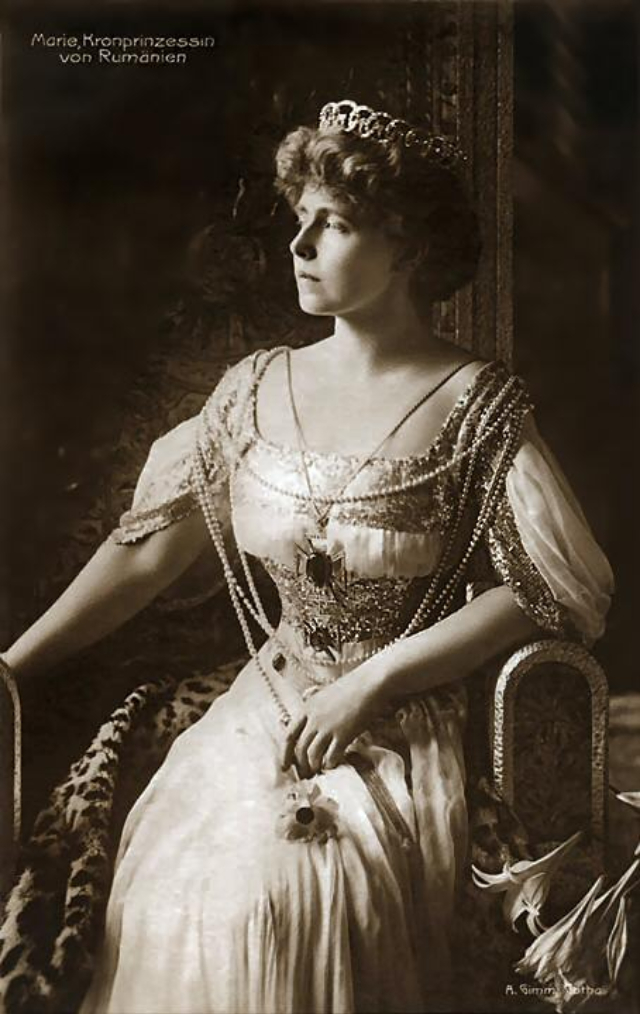
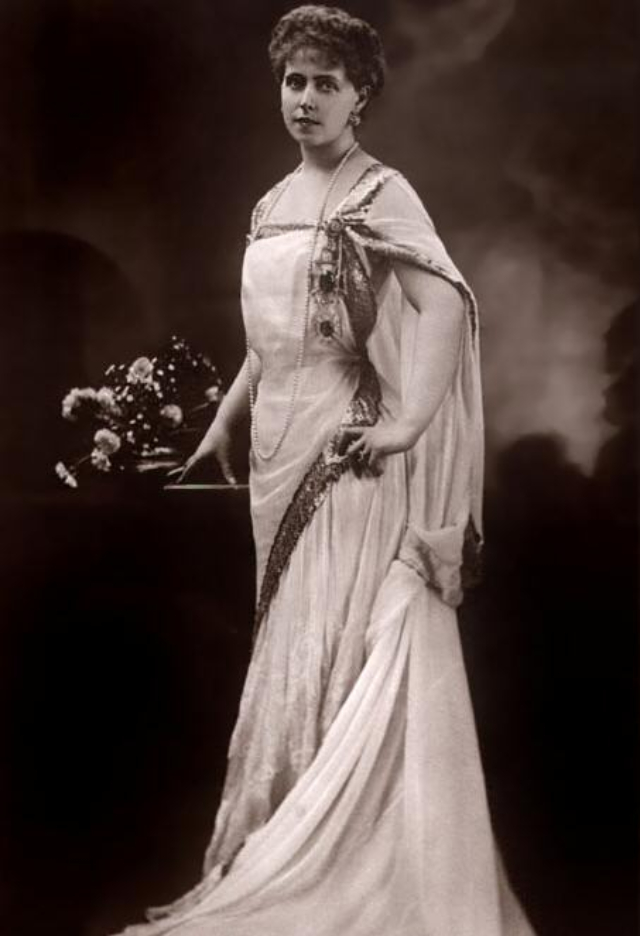
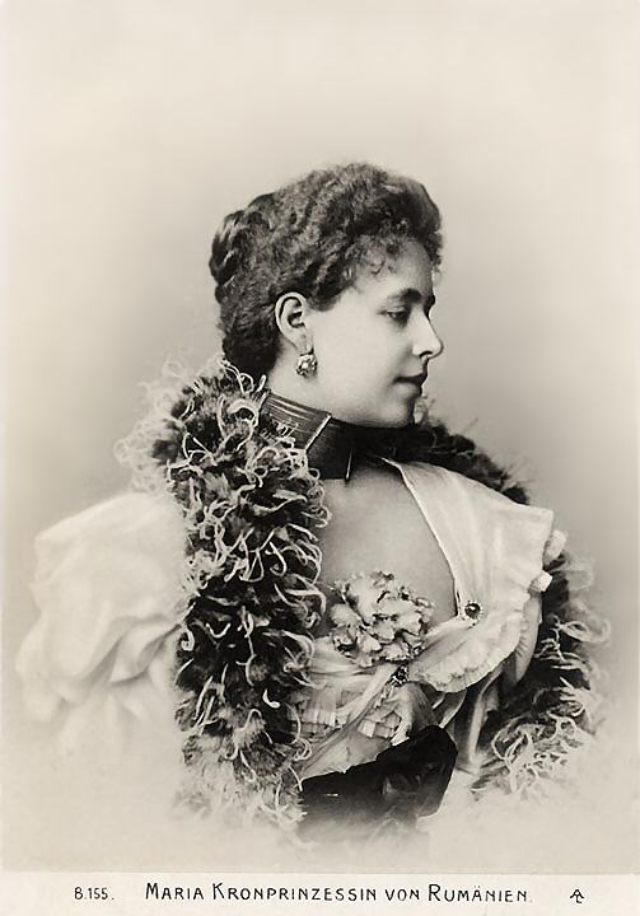
Princess Marie of Edinburgh (1875 – 1938) was born and spent her childhood at Eastwell Park in Ashford, later becoming Queen of Romania in 1914 and reigning until 1927. The statue is unveiled to honor this revered British princess and Romanian queen, one of the most important bridge-personalities between the two countries, and to mark 100 years since the unification of Romania in 1918.
The future Queen was born on October 29 1875 at Eastwell Park, her family estate in Kent, as the daughter of Alfred Ernest Albert de Saxe-Coburg and Gotha, Duke of Edinburgh and Queen Victoria’s second son, and Maria Alexandrovna Romanova, Grand Duchess of Russia. On December 15, 1875, in the presence of her royal grandmother, Marie was baptized in the Anglican Church at Windsor Castle.
A projected marriage between Marie and her cousin, George of York, the future George V, encouraged by Queen Victoria and supported by their fathers, the Duke of Edinburgh and the Prince of Wales, failed because of the opposition of the young heirs’ mothers, the Duchess of Edinburgh and the Duchess of Wales. Instead, on January 10, 1893 at Sigmaringen Castle, after a brief engagement, Marie married Ferdinand of Hohenzollern-Sigmaringen, the heir to the Romanian throne. In 1914, after the death of King Carol I, Ferdinand and Marie became Romania’s monarchs. In the summer of 1916, Romania entered the First World War as part of the Allied Powers.
From the first day of the war, Queen Marie undertook an active role that would soon transform her into a role model. Beautiful, full of wit and intelligent, cultivated and possessing a strong personality, the queen caught the imagination of her contemporaries, Romanian and foreign alike. The Queen devoted all her energy to the war effort. She tirelessly visited the camp hospitals, set up relief schemes, managed the medical support, attended military and civilian ceremonies, raised money for the wounded, the war prisoners and the widows, and kept the British and French allies closer.
She later became a pivotal figure at the Paris Peace Conference, which recognized the unification of all Romanian provinces in one, democratic state, where the Queen used her brilliant diplomatic skills and her vast array of connections to secure a favorable outcome. “From My Heart to Theirs”, an article published during the war, summoned an entire way of life, dominated by the unconditional love for her adoptive country. And her Romanian subjects reciprocated with an equal passion.
Endowed with a great artistic flair, she also devoted her time to writing, architecture, and design, as well as to various social and cultural causes, which made her one of the most admired royals of her time. On July 18, 1938, she died at Pelișor Castle in Sinaia, Central Romania, her beloved mountain retreat built under her guidance.