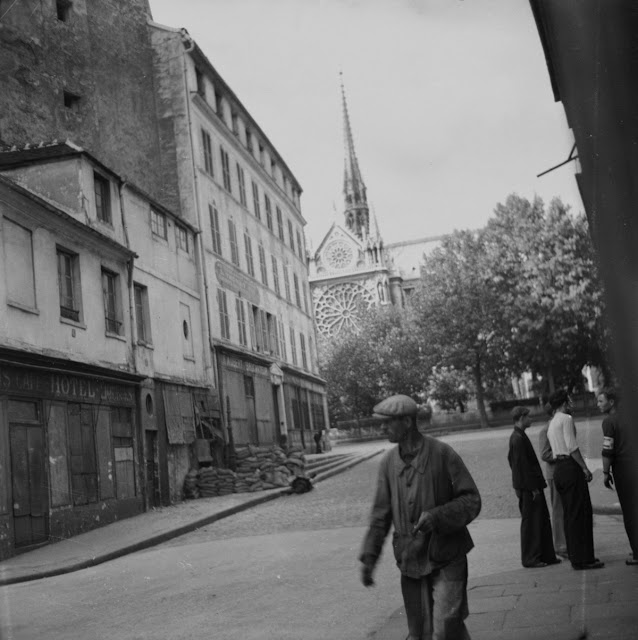
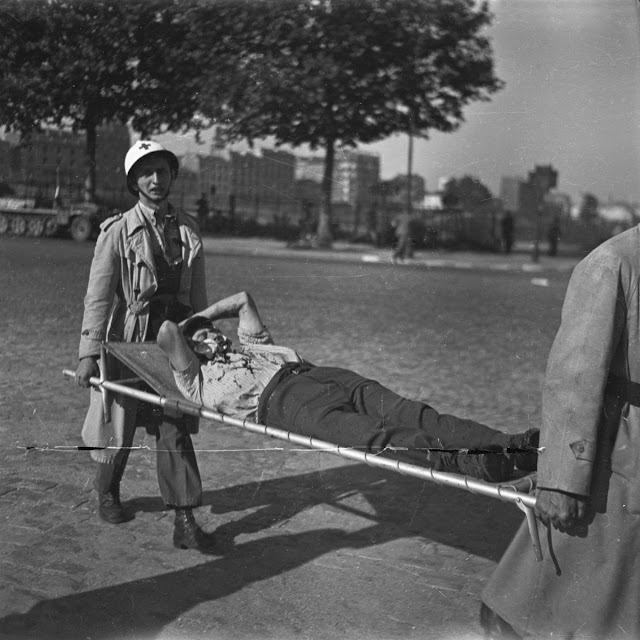
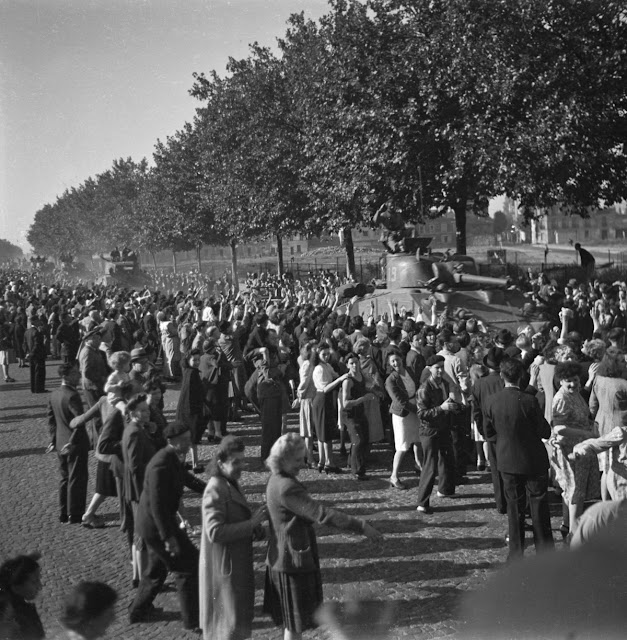
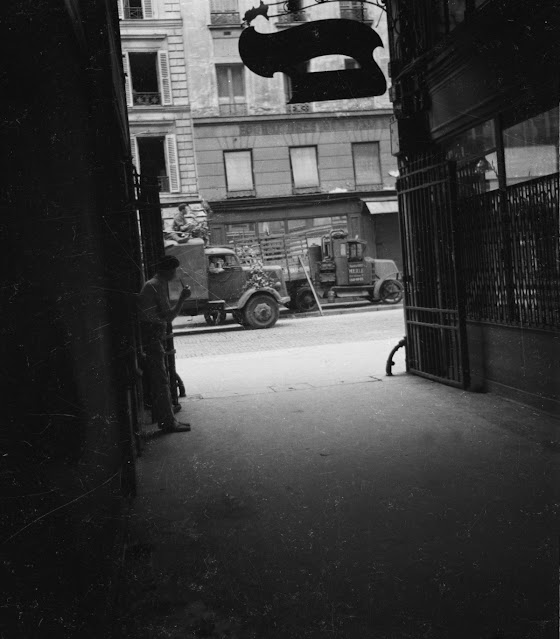
20 Rarely Seen Photographs of the Liberation of Paris, 1944

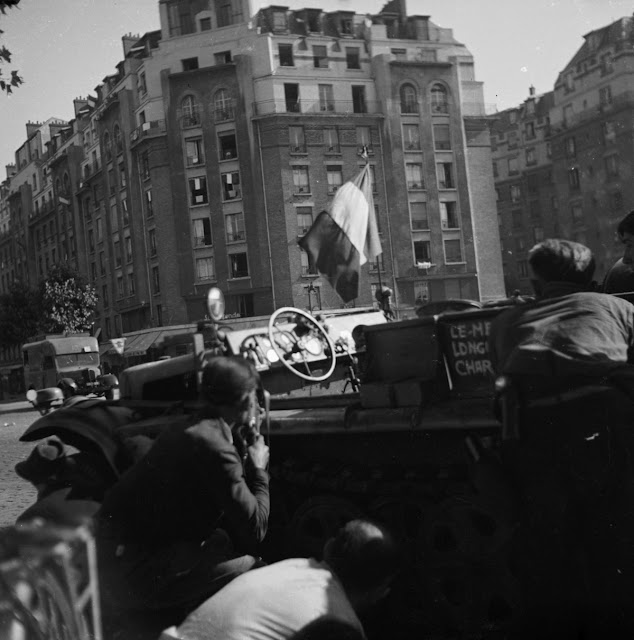
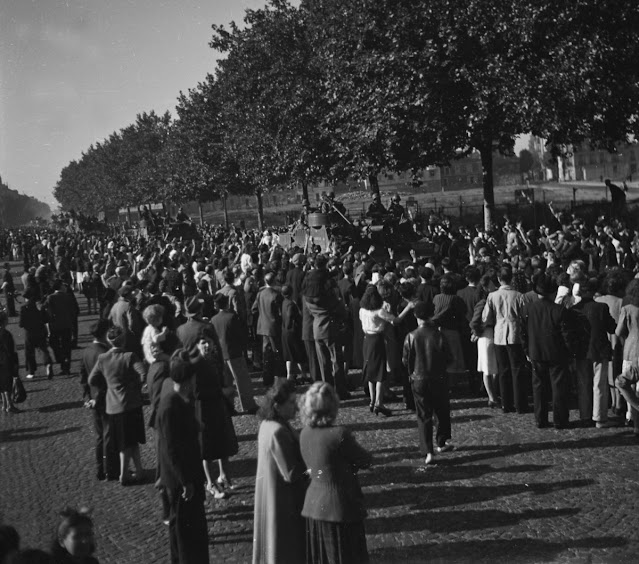
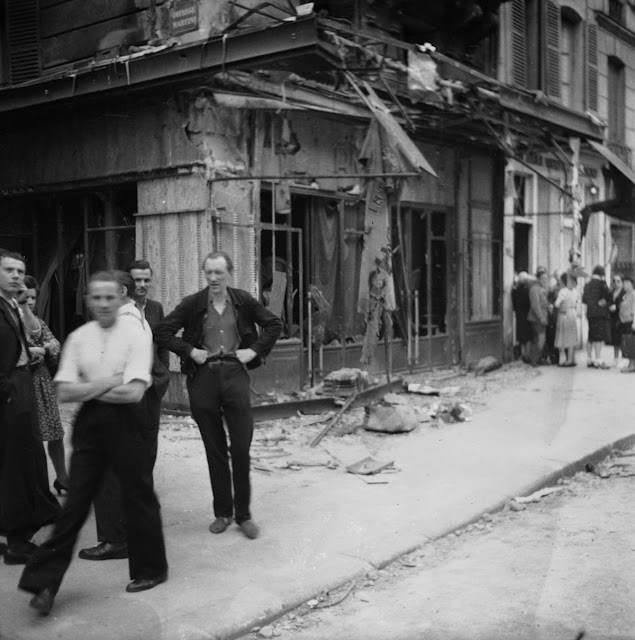
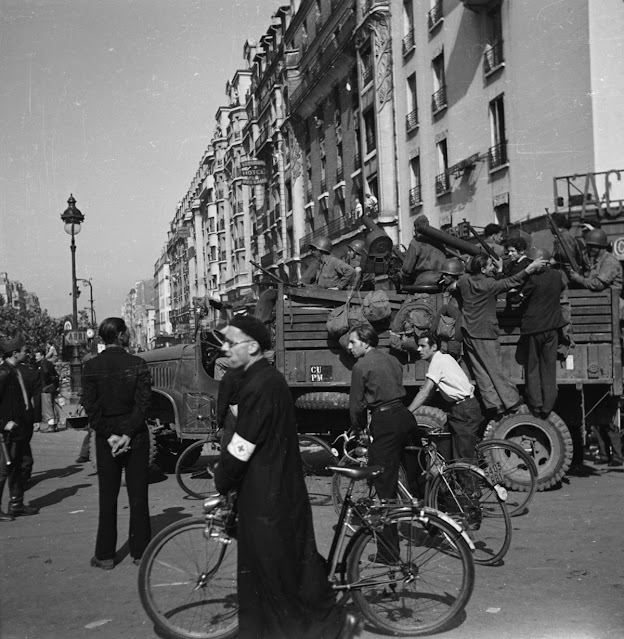
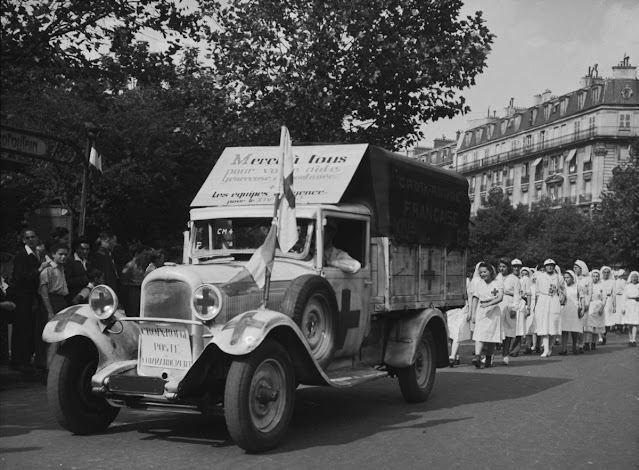
The liberation of Paris was a military battle that took place during World War II from August 19, 1944 until the German garrison surrendered the French capital on August 25, 1944. Paris had been occupied by Nazi Germany since the signing of the Second Compiègne Armistice on June 22, 1940, after which the Wehrmacht occupied northern and western France.

After defeating the German forces in Normandy, Allied armies rushed through France, trying to catch up retreating German troops. The liberation of Paris didn’t have priority, also because the risk of damaging the town. On August 19, 1944 however, the French resistance caused an uprising in Paris against the Germans. The German commander of Paris, Lieutenant-General Choltitz, was ordered to crush the insurrection and to destroy the city, as the Germans did in Warsaw.

To prevent this disaster, Charles de Gaulle insisted to interfere. Allied Command sent in Major-General Leclerc’s 2nd French Armored Division, supported by the U.S. 4th Infantry Division of Major-General Barton. A first group managed to infiltrate into the heart of Paris on the evening of August 24.

On August 25, the French and American forces were warmly welcomed by the Parisians. Choltitz and his staff were captured at the Meurice Hotel. The capitulation was signed at the Police Department on the Île de la Cité. After that, Choltitz was taken to the Montparnasse train station from where he ordered his troops to surrender. The next day, cheered by countless people, de Gaulle led the triumphal parade on the Champs-Élysées. France regained its national unity and sovereignty.

(Photos by Gaston Paris)

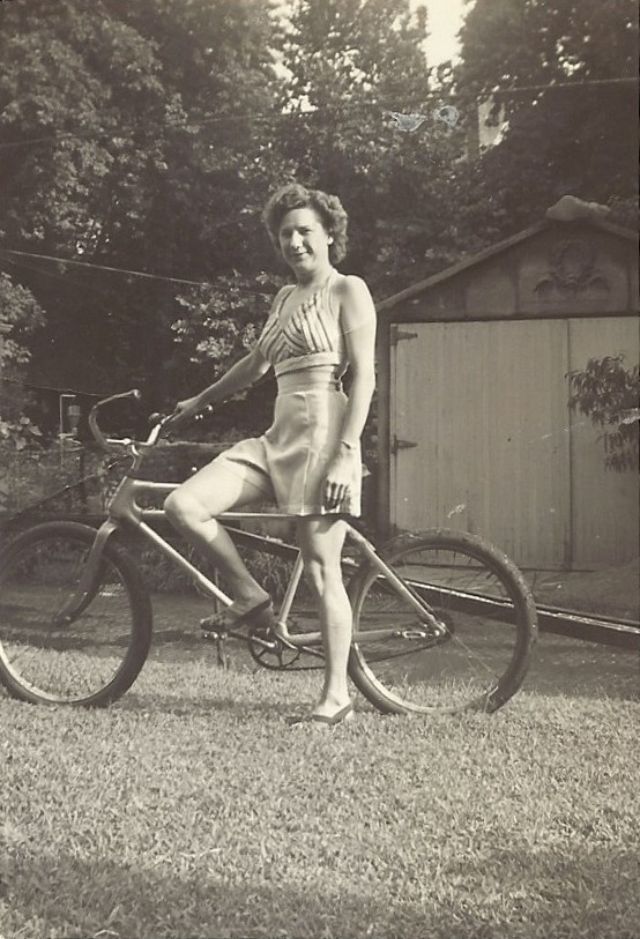
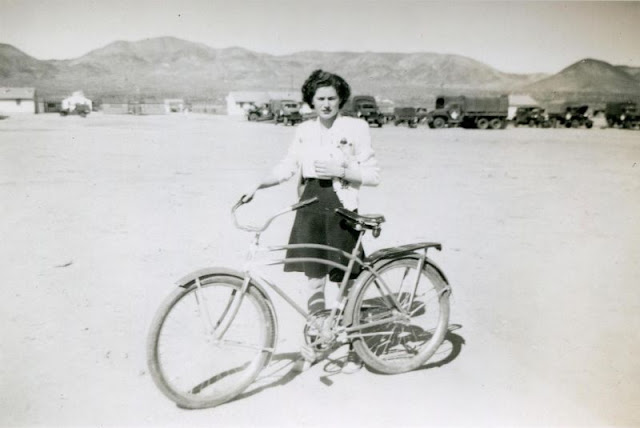
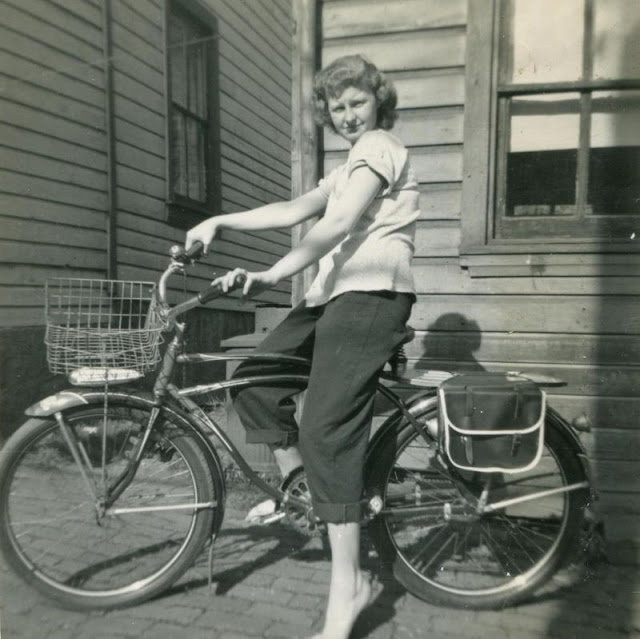
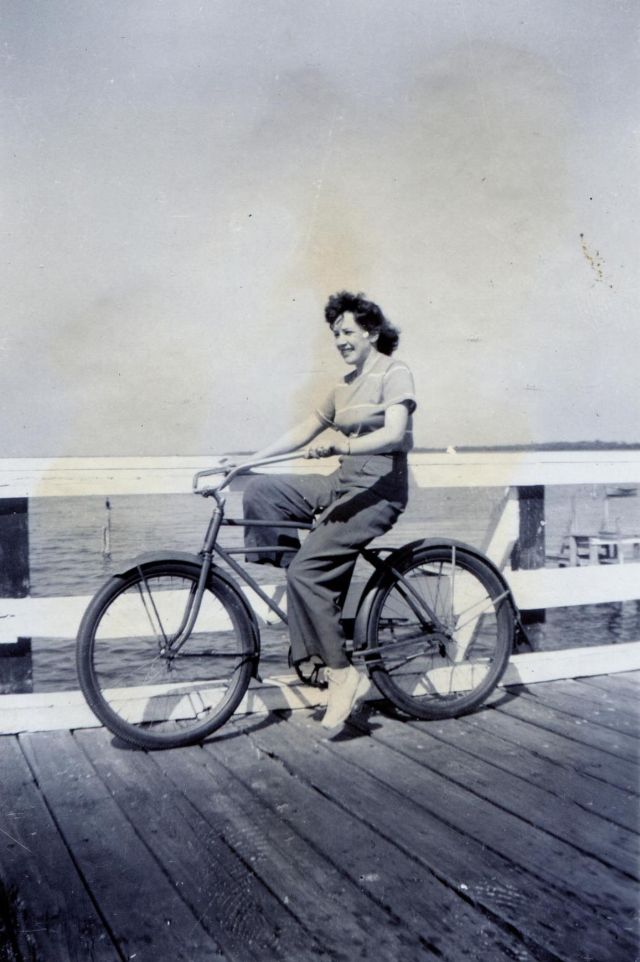
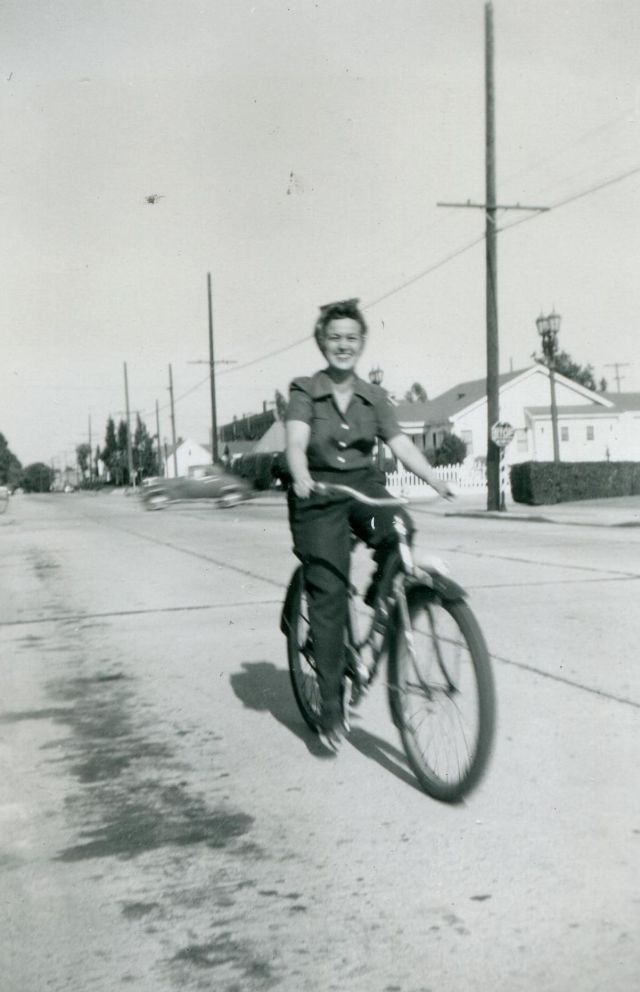
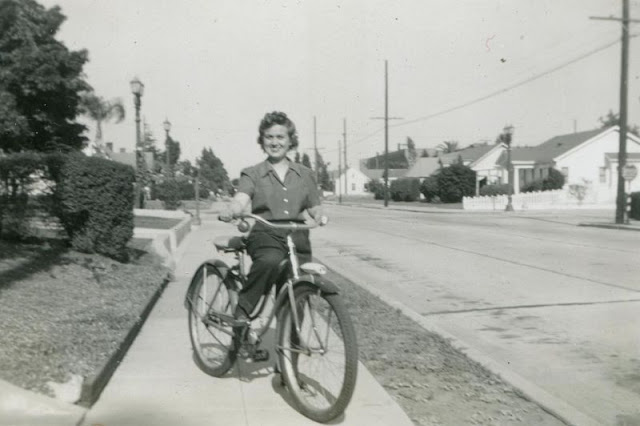
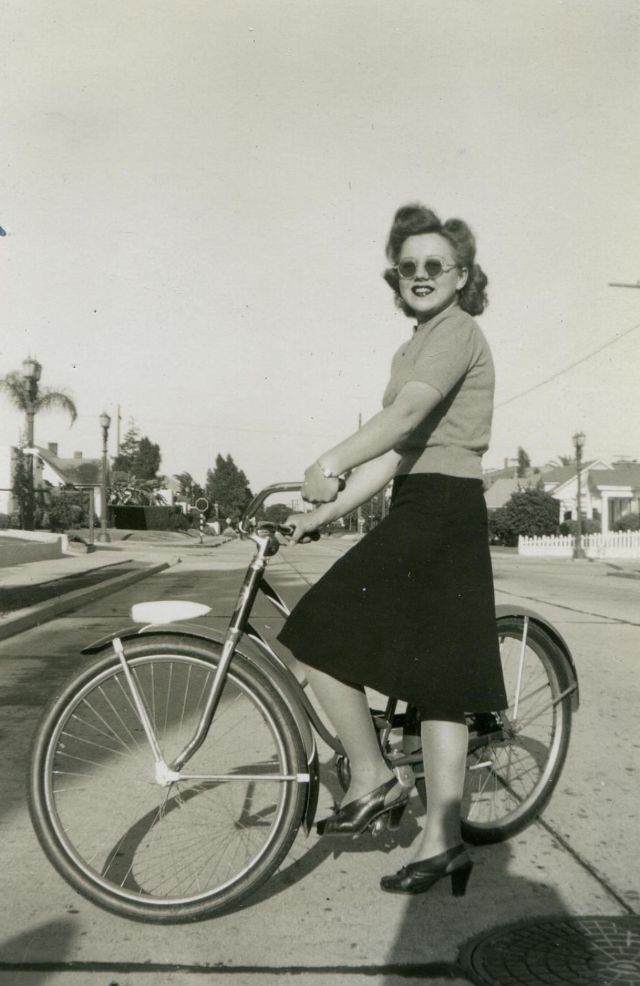
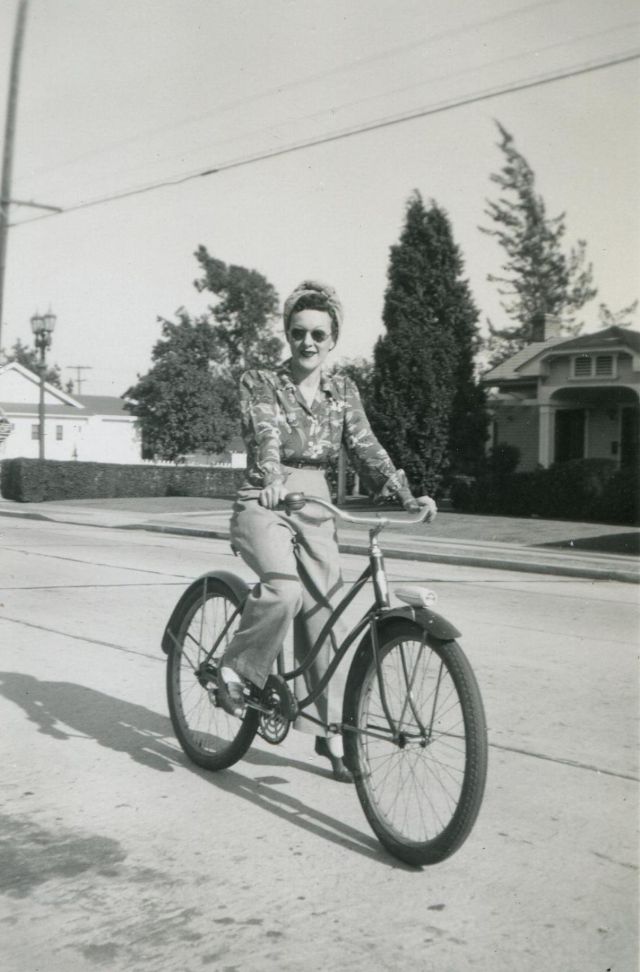
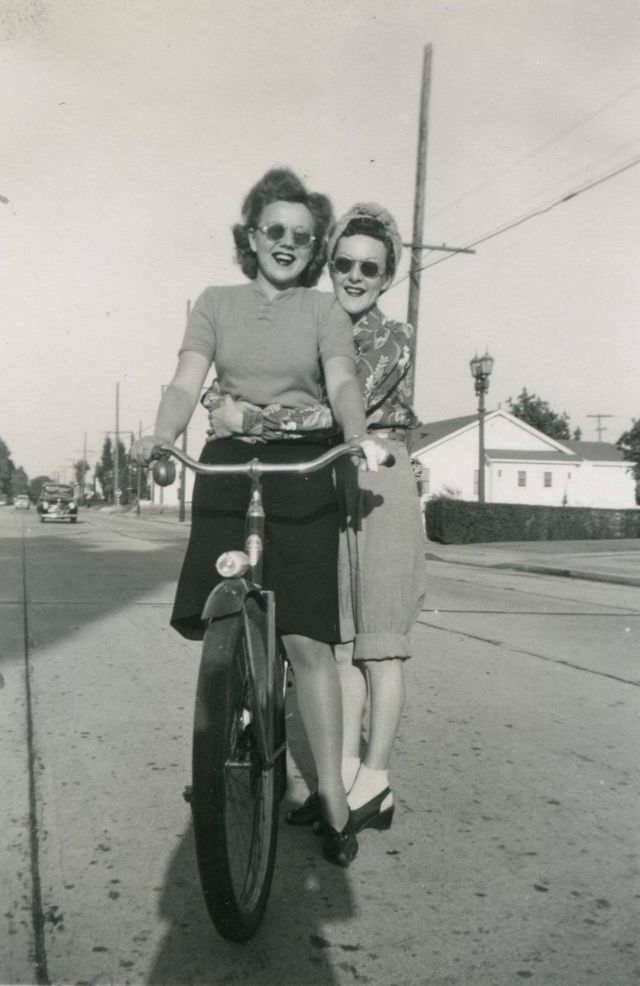
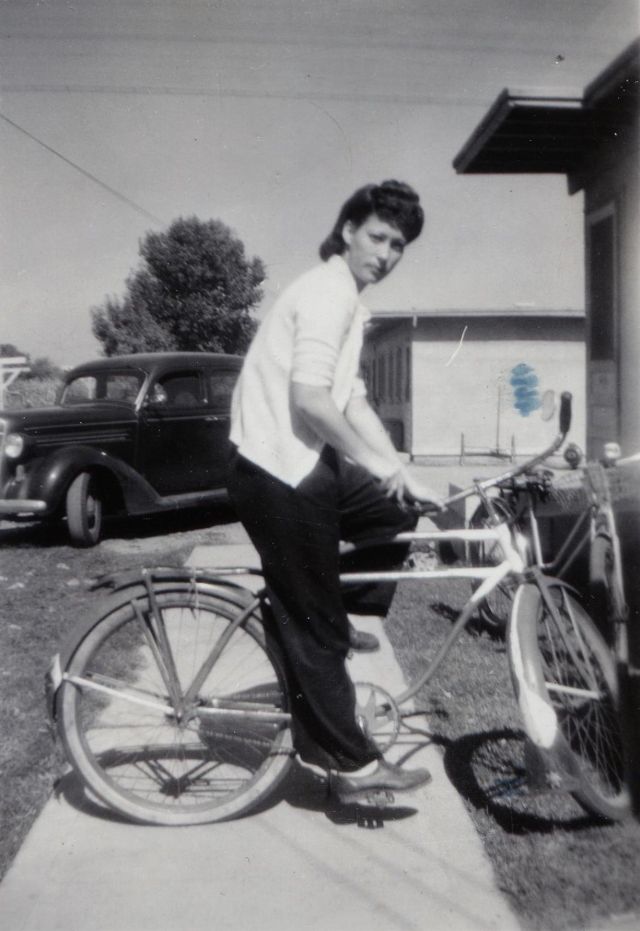
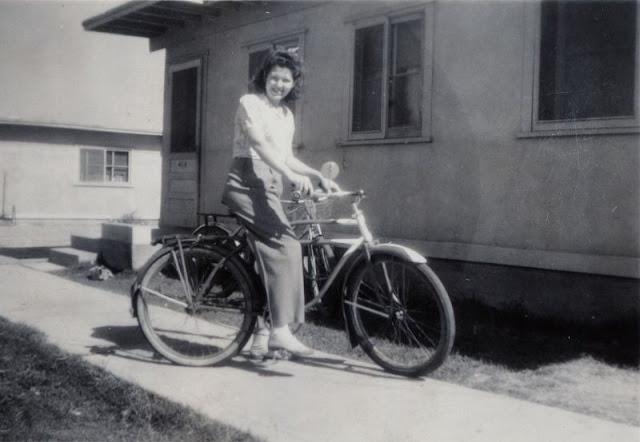
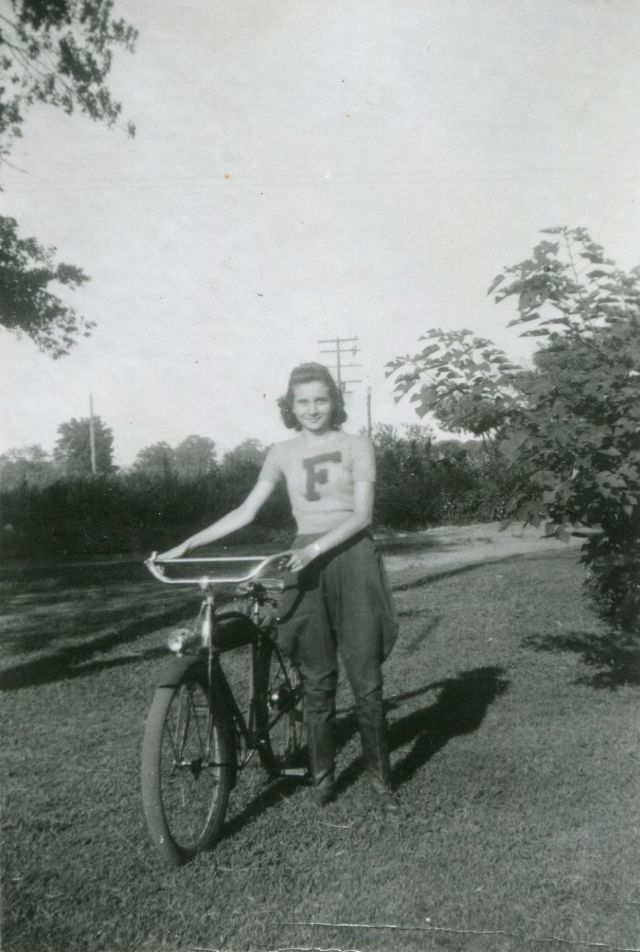
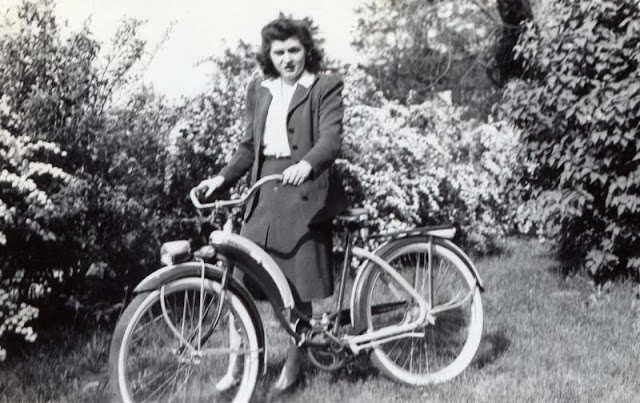
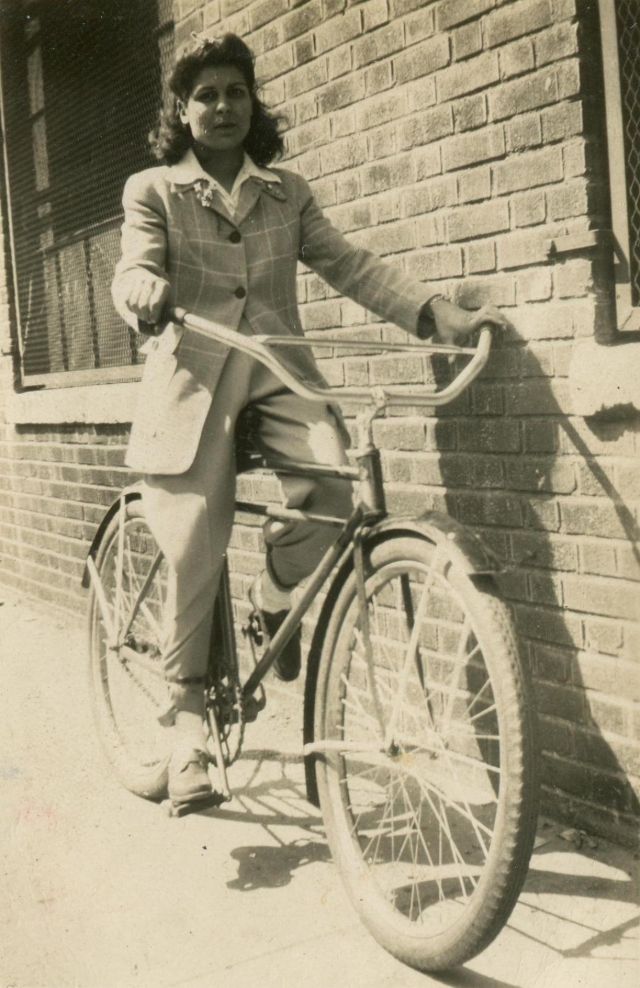
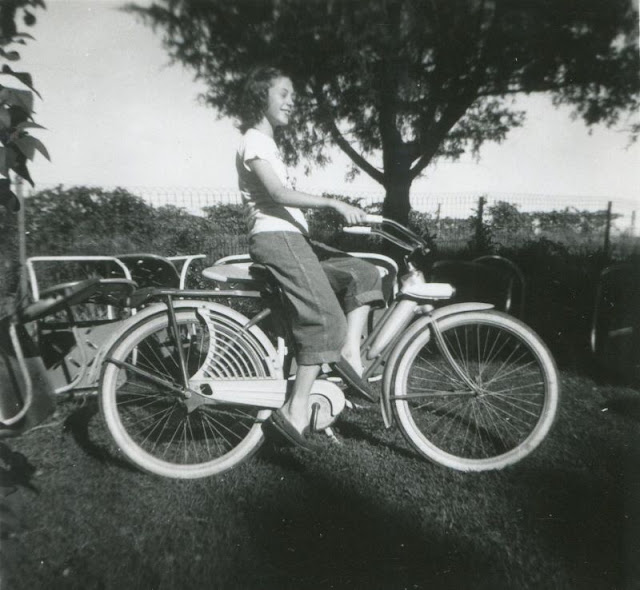
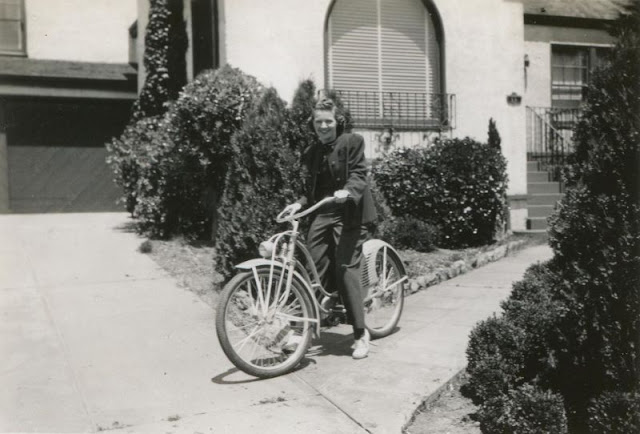
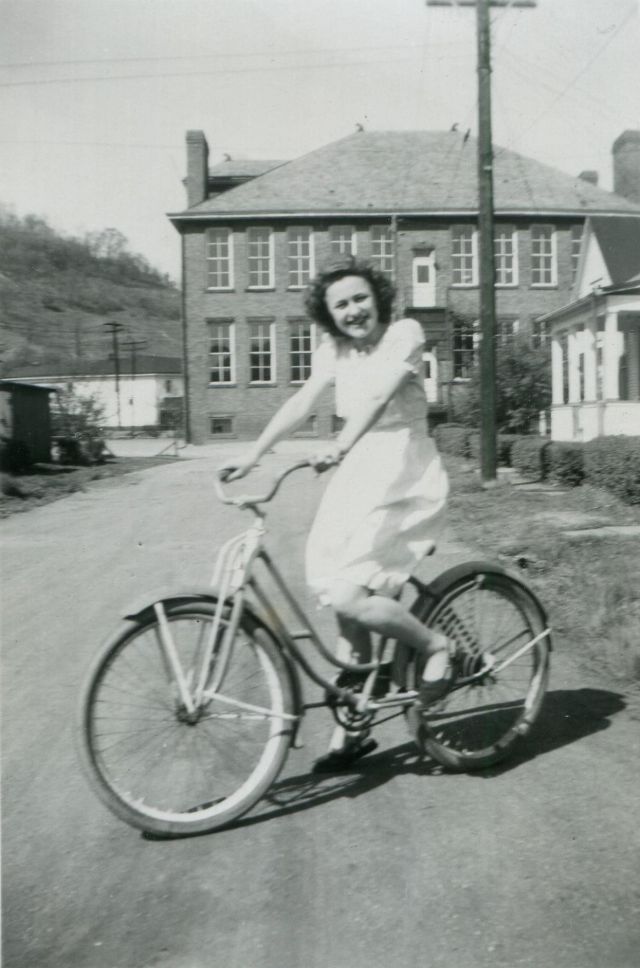
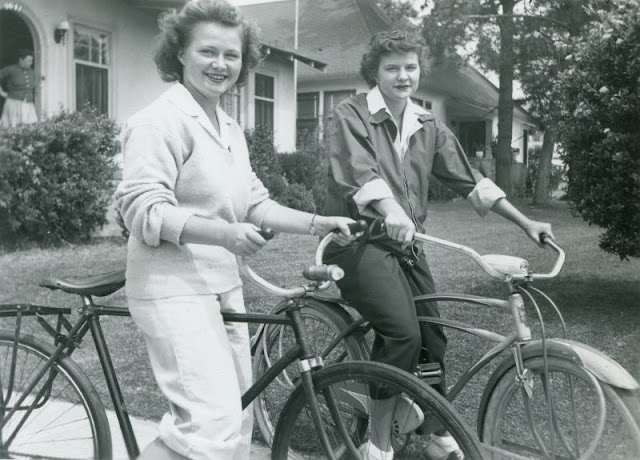
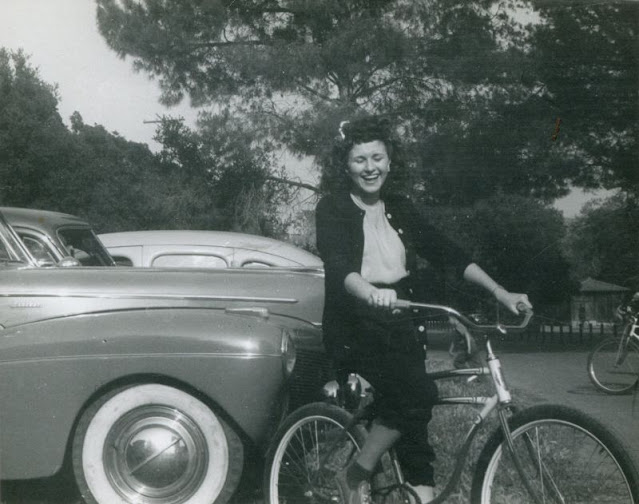
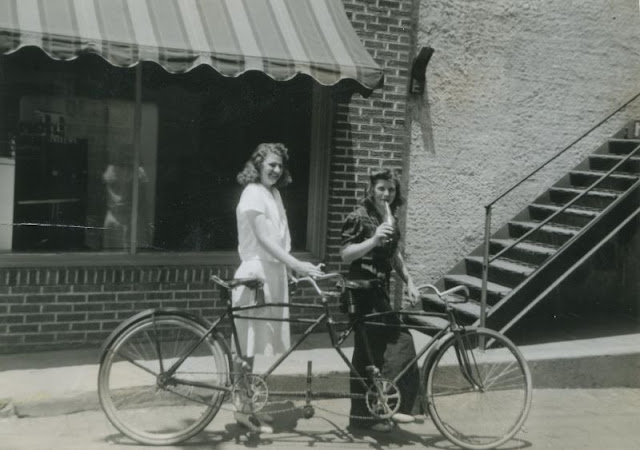
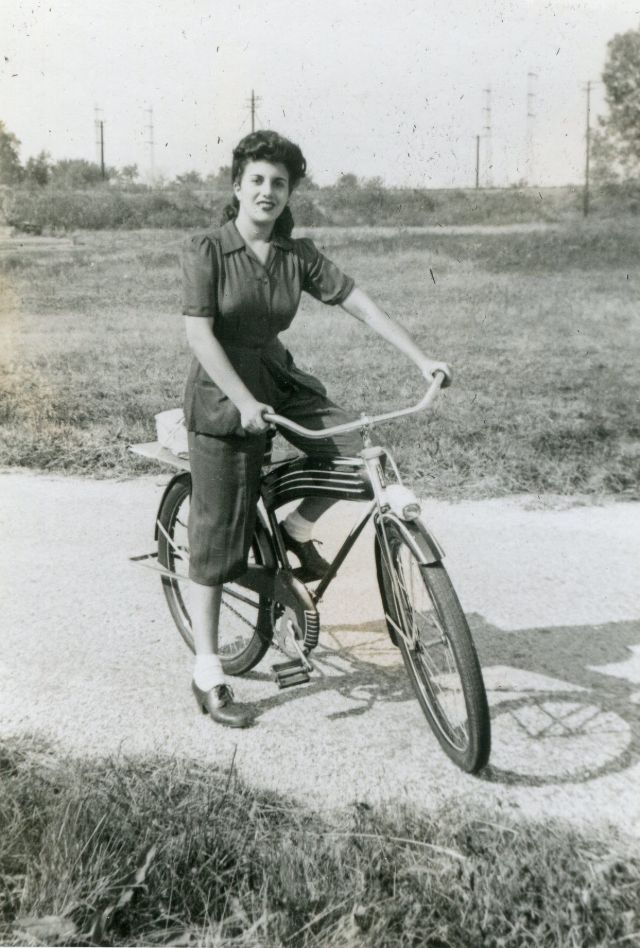
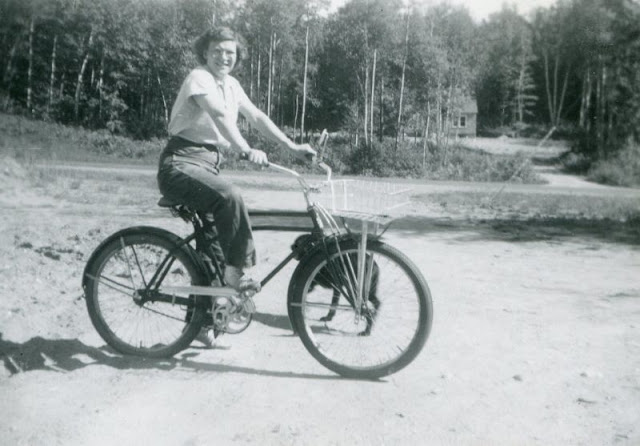
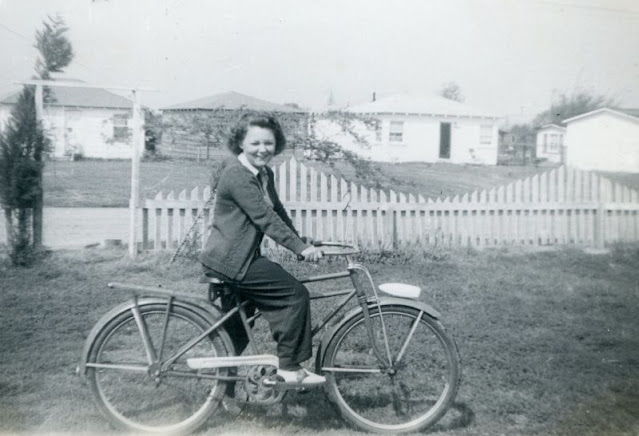
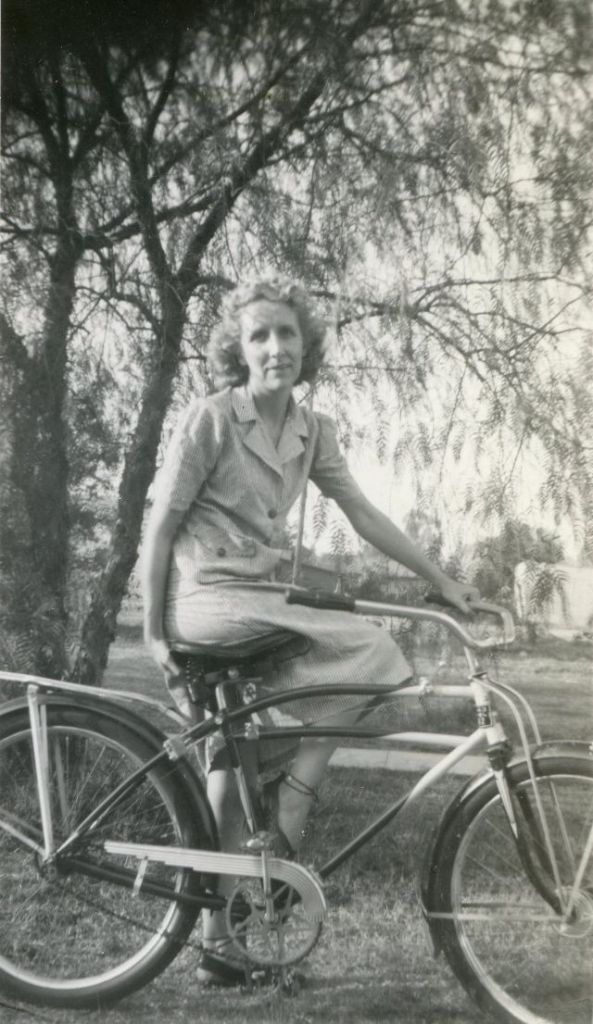
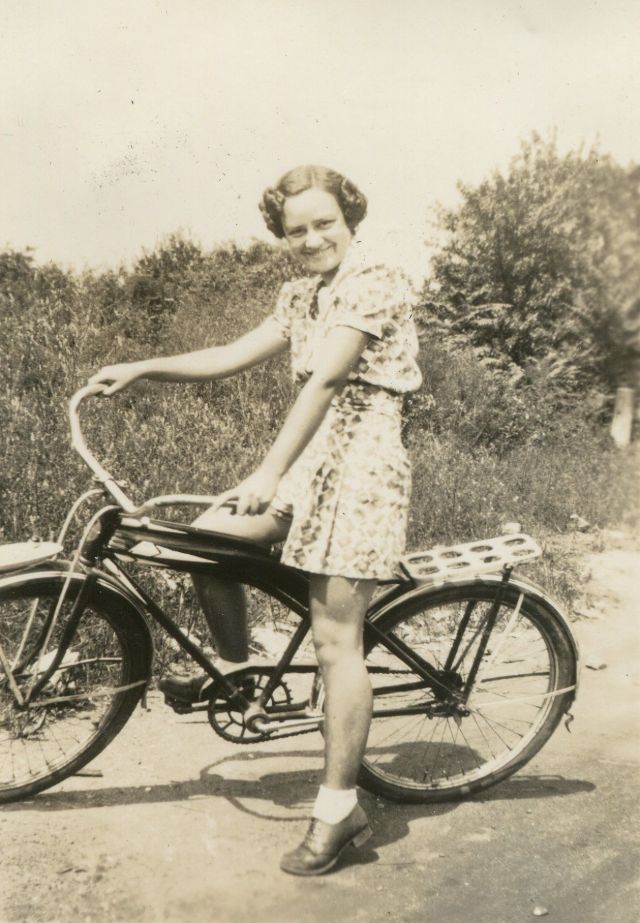
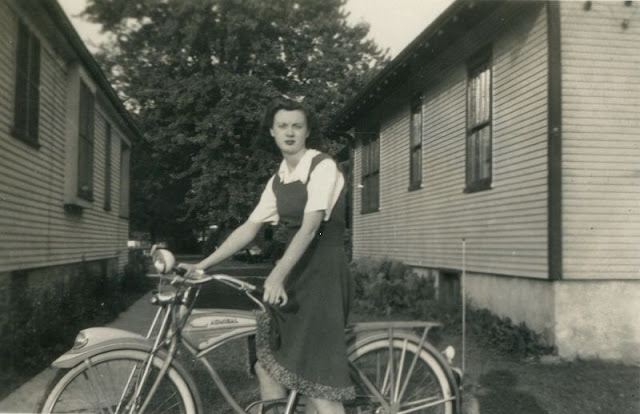
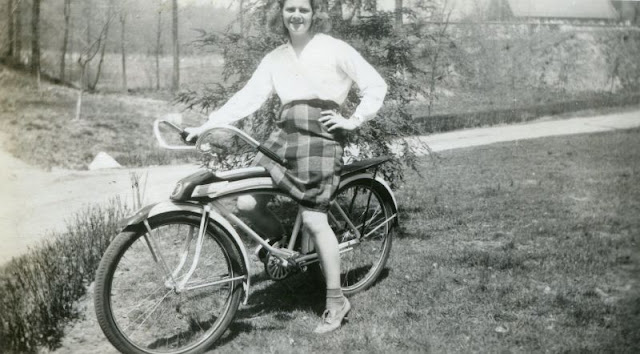
40 Amazing Photos of 1940s Women With Their Bicycles

A German baron named Karl von Drais made the first major development when he created a steerable, two-wheeled contraption in 1817. Known by many names, including the “velocipede,” “hobby-horse,” “draisine” and “running machine,” this early invention has made Drais widely acknowledged as the father of the bicycle. But the bicycle as we know it today evolved in the 19th century thanks to the work of several different inventors.

Bicycles were introduced in the 19th century in Europe. By the early 21st century, more than 1 billion were in existence. These numbers far exceed the number of cars, both in total and ranked by the number of individual models produced. They are the principal means of transportation in many regions. They also provide a popular form of recreation, and have been adapted for use as children’s toys, general fitness, military and police applications, courier services, bicycle racing, and bicycle stunts.

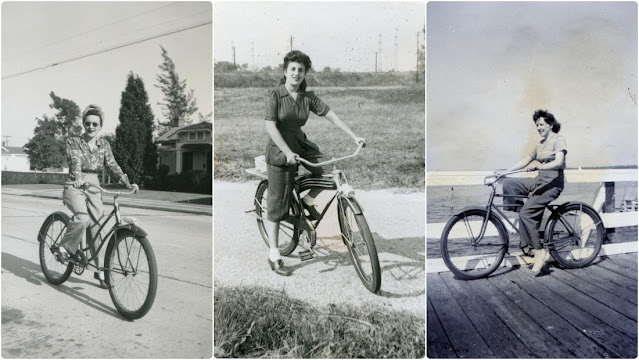
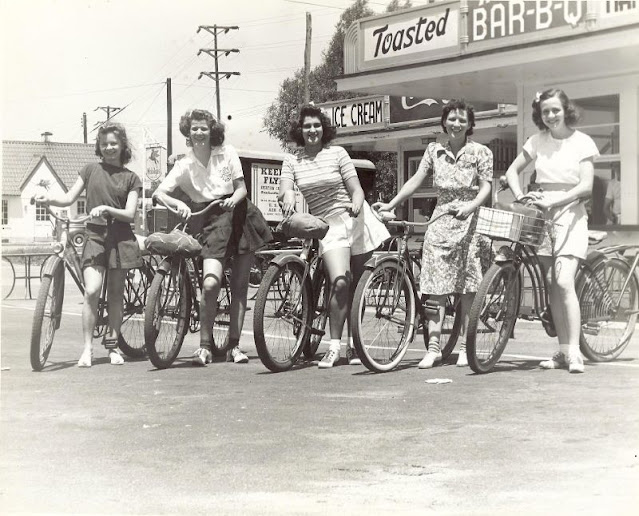
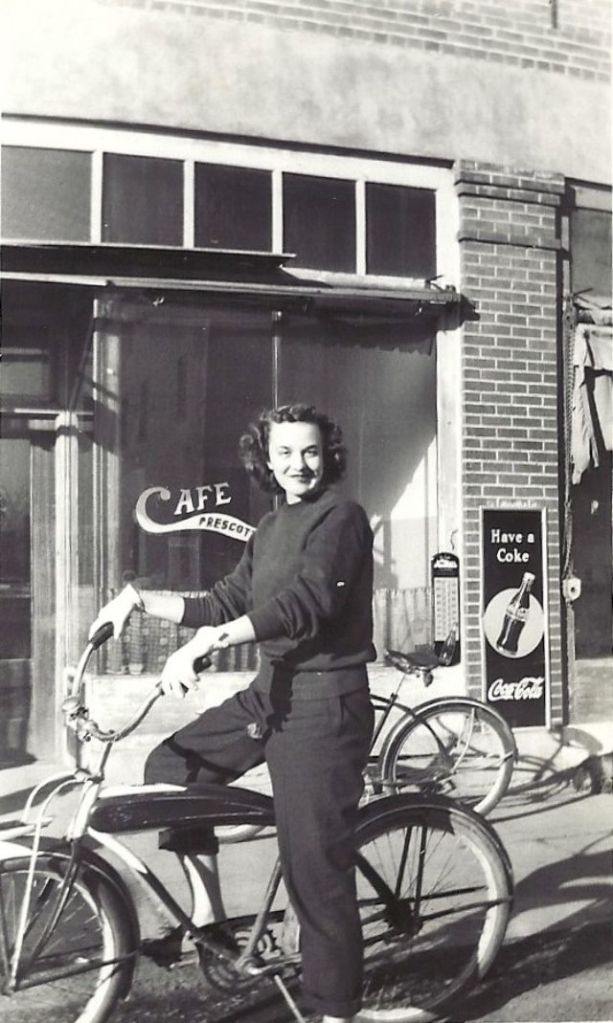
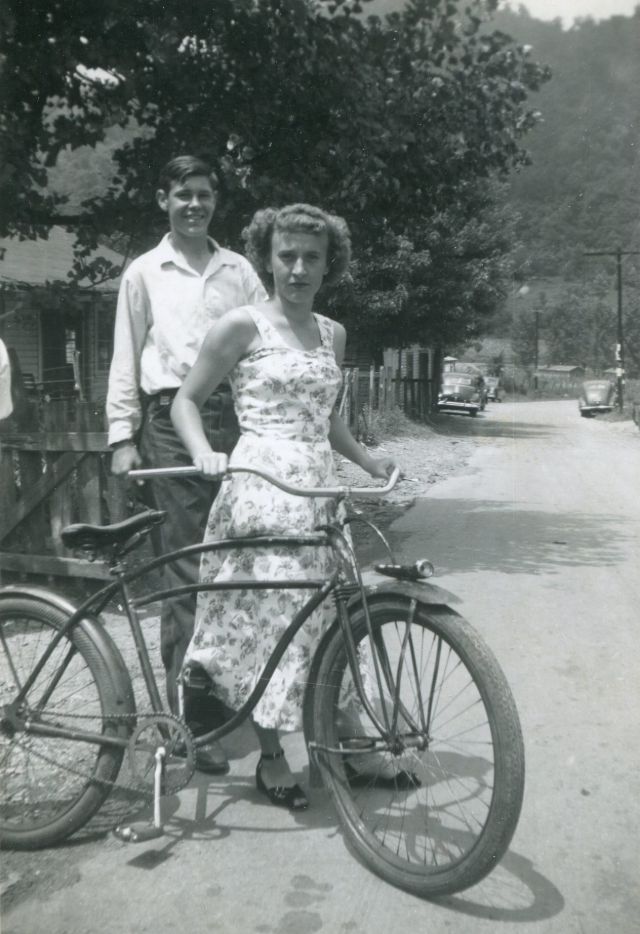
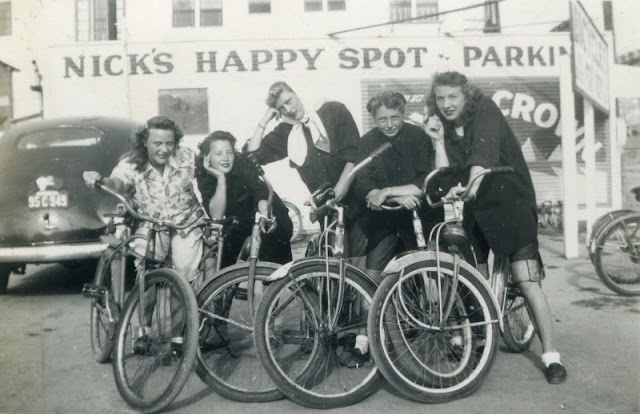
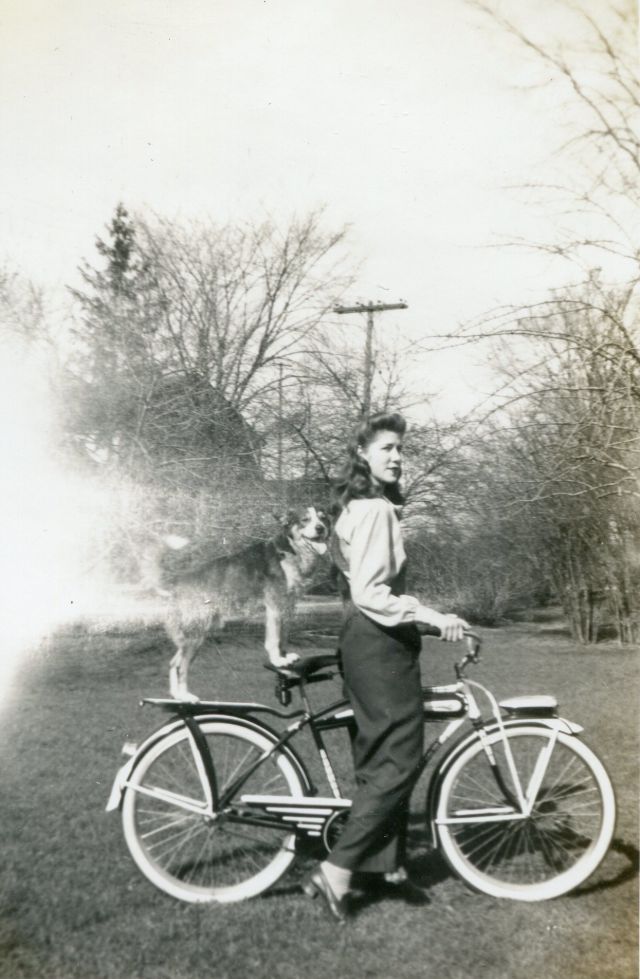
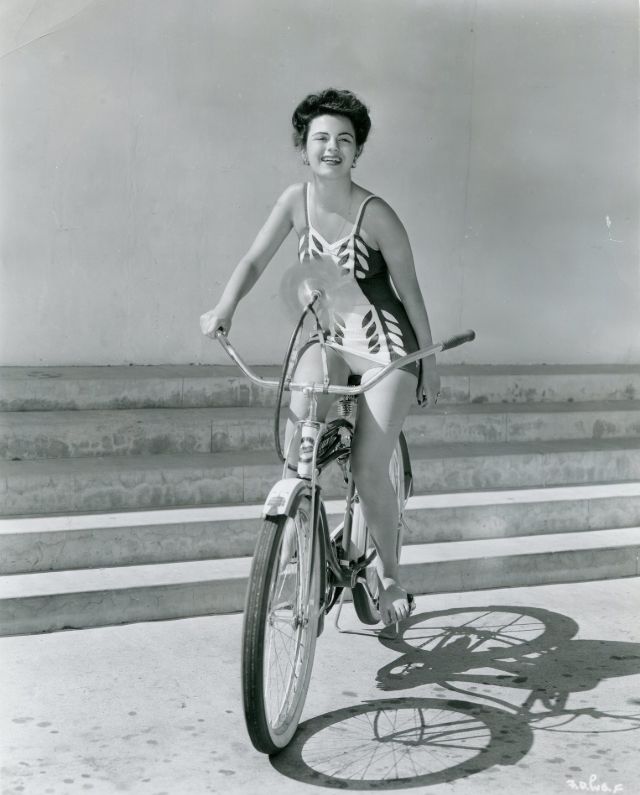
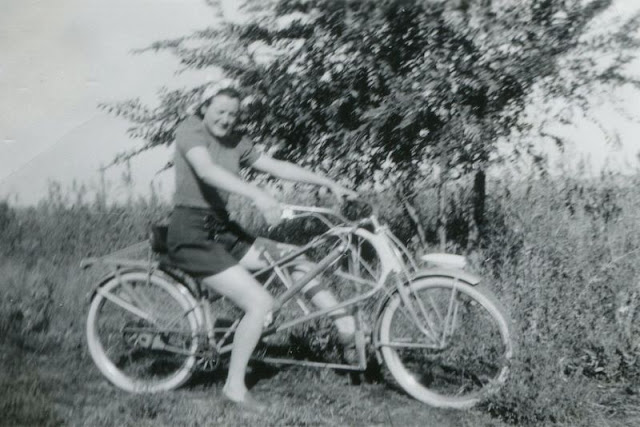
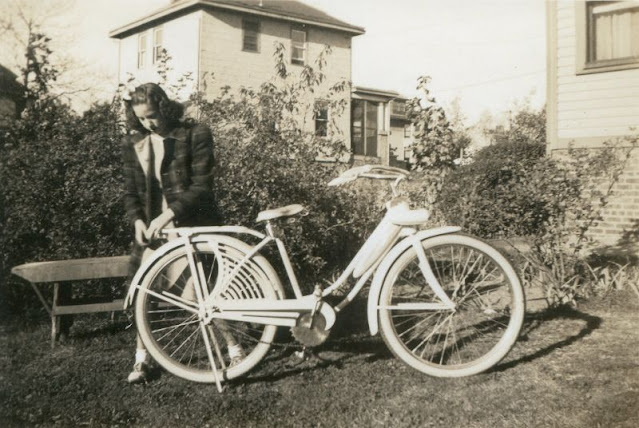
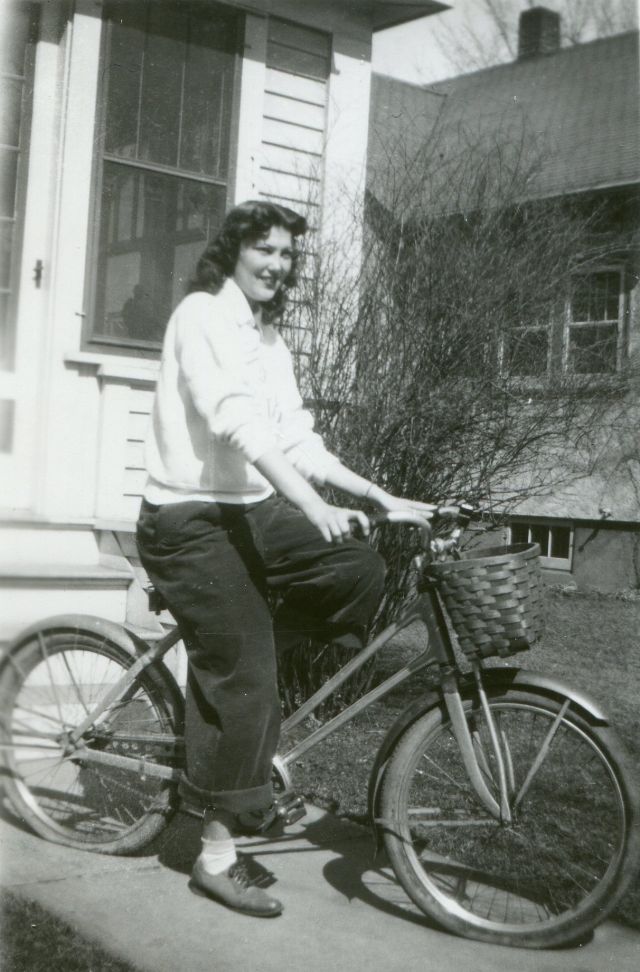
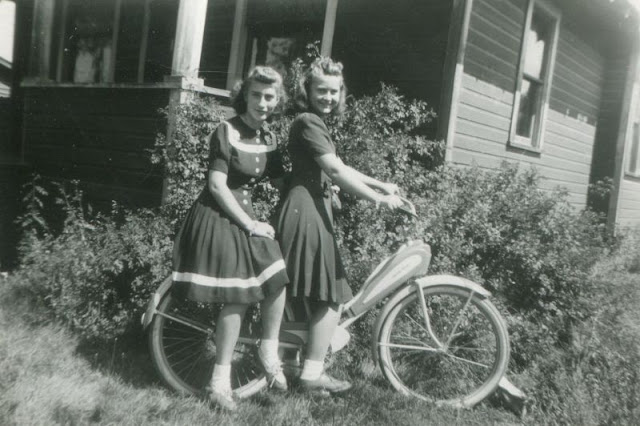
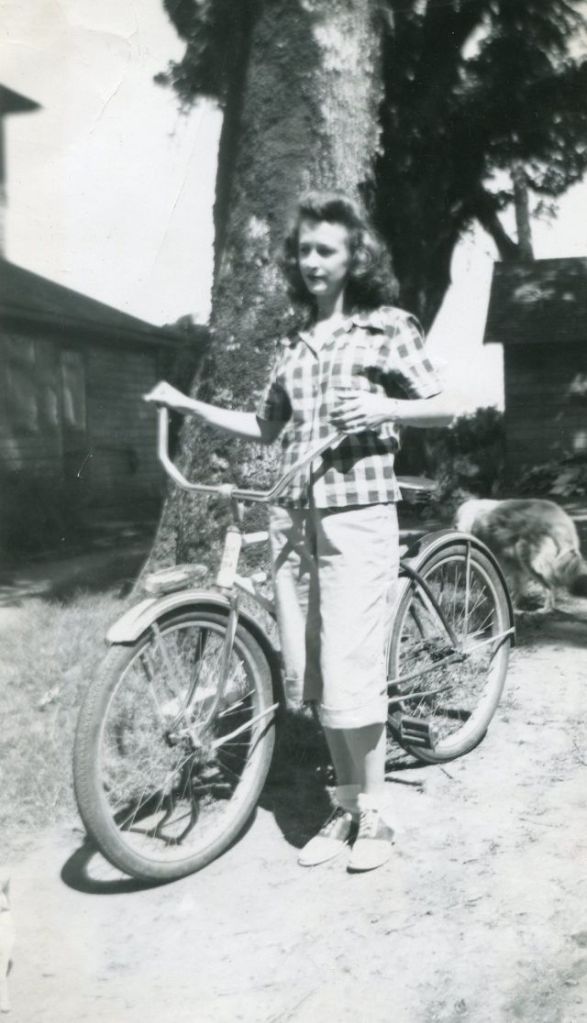
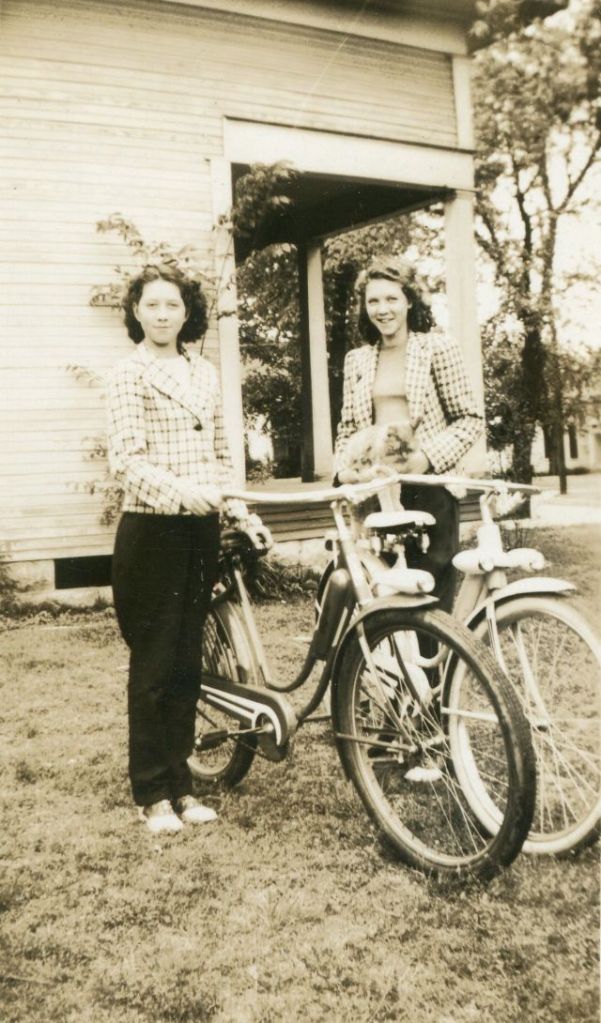
Here is a set of cool photos that shows ladies posing with their bicycles in the 1940s.

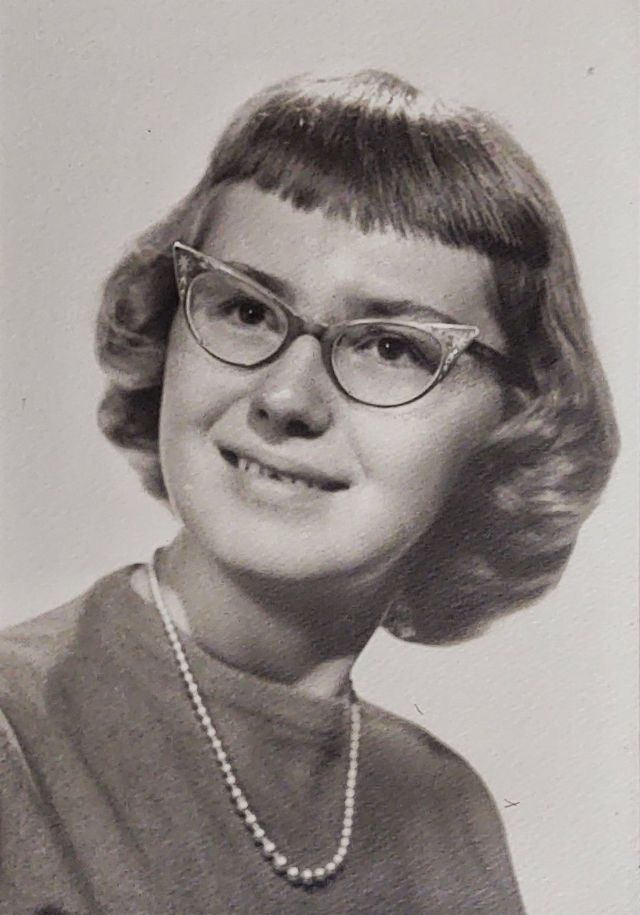
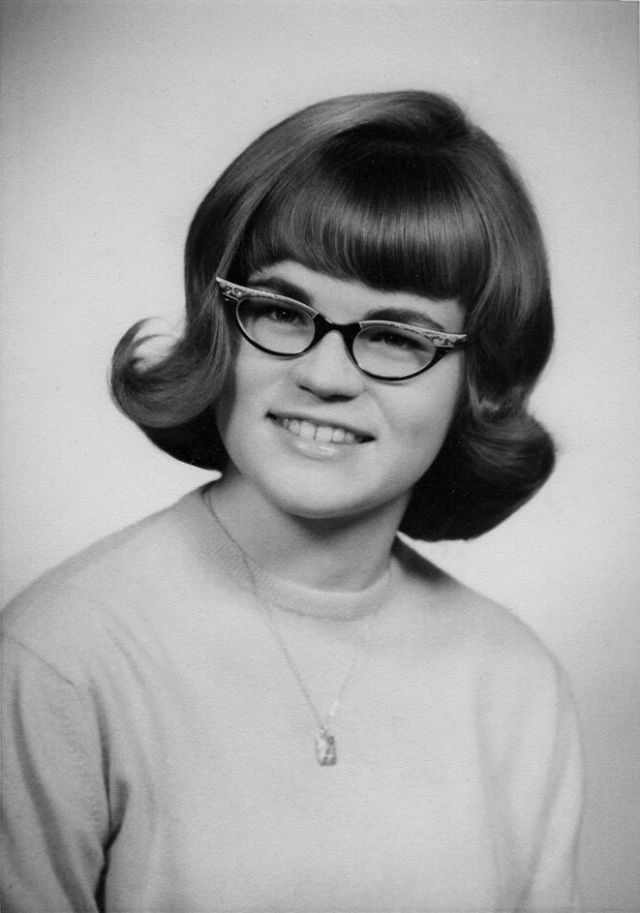
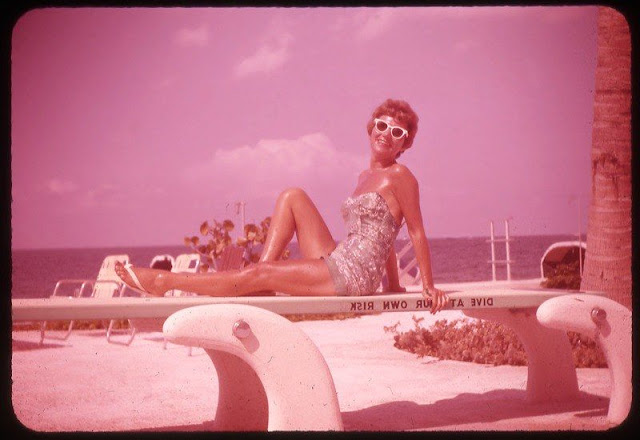
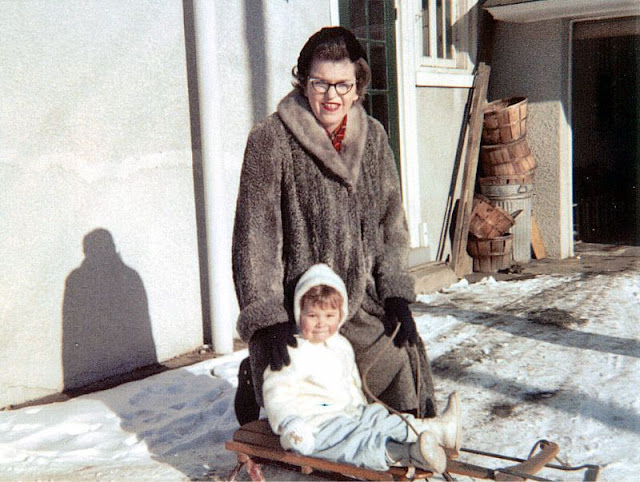
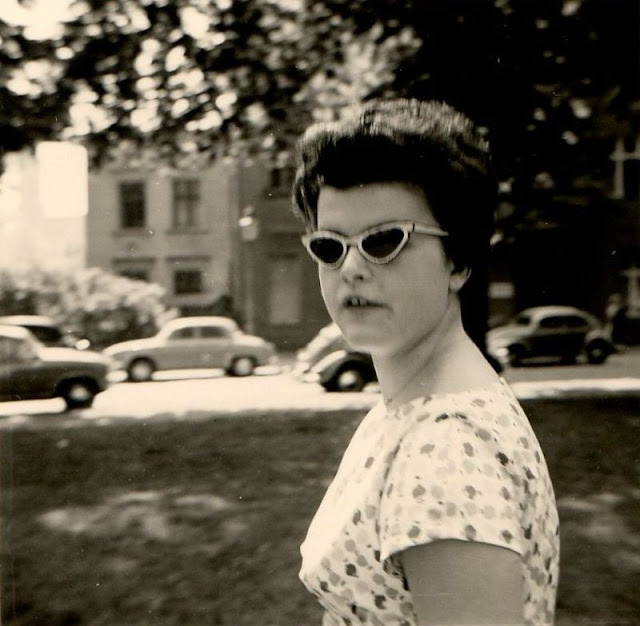
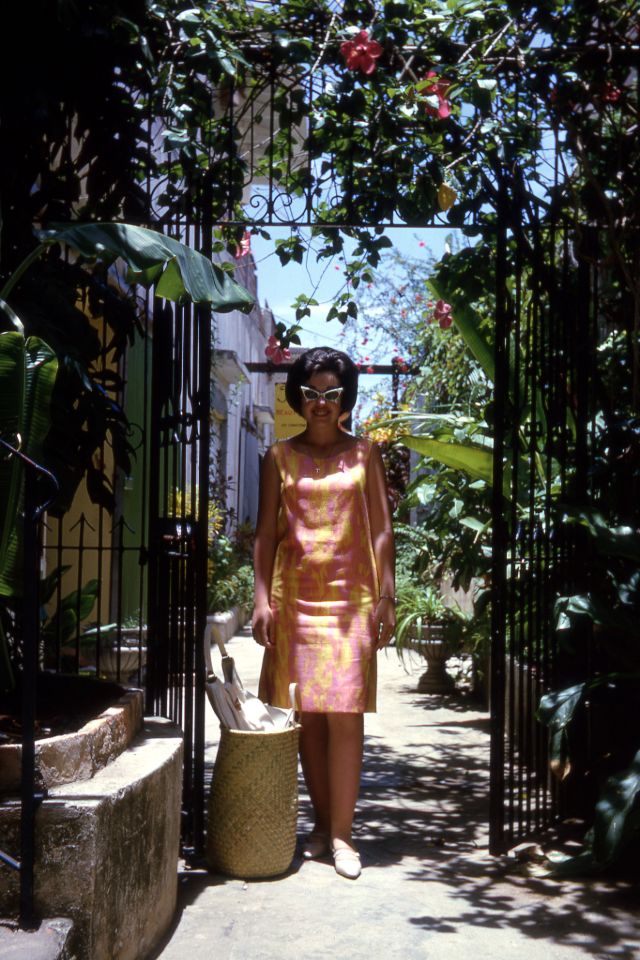
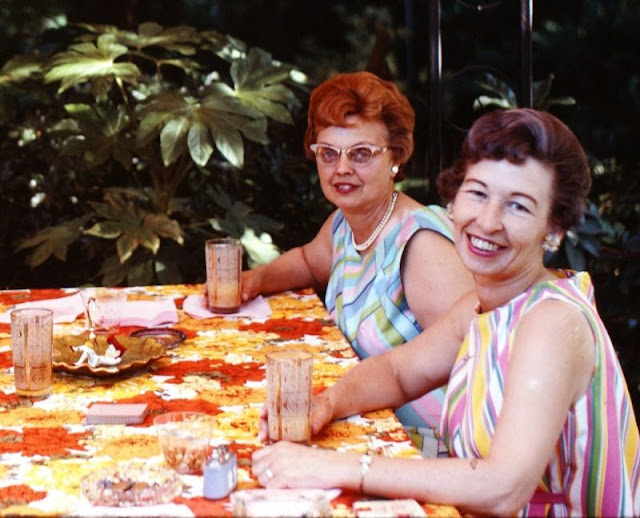
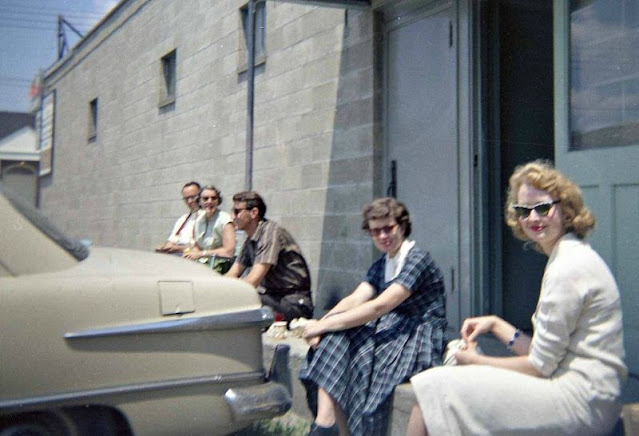
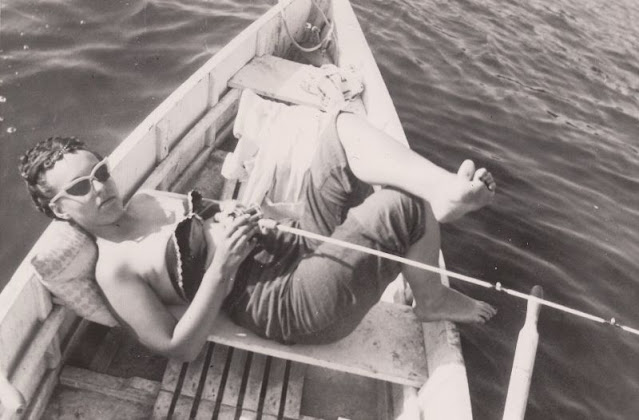
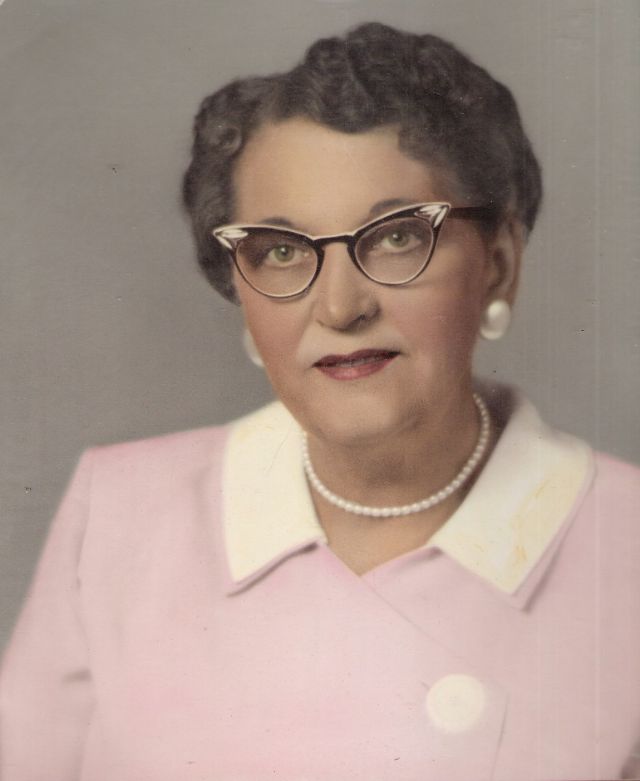
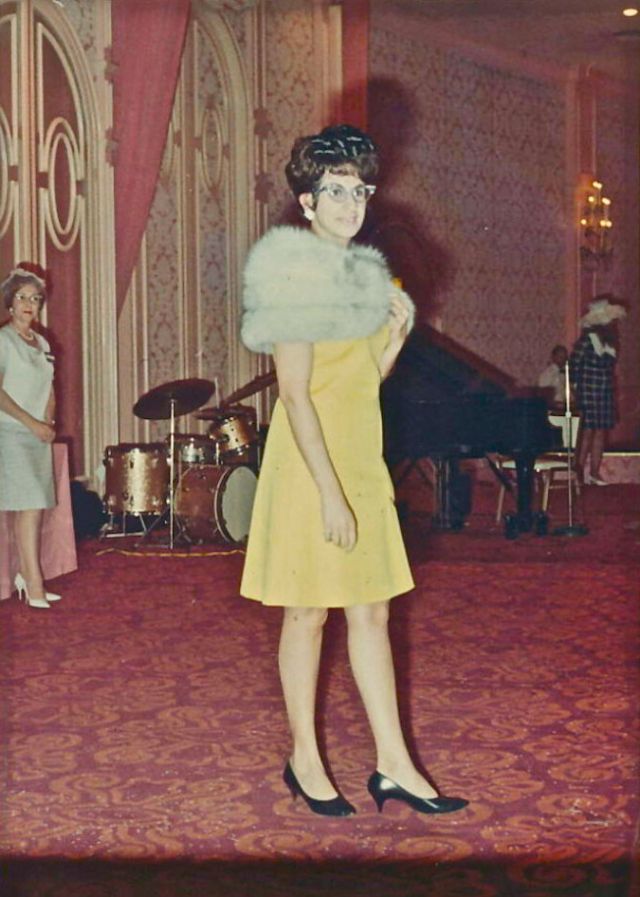
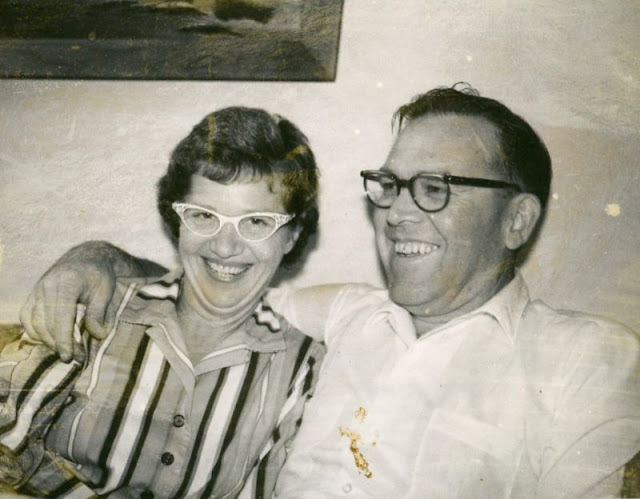
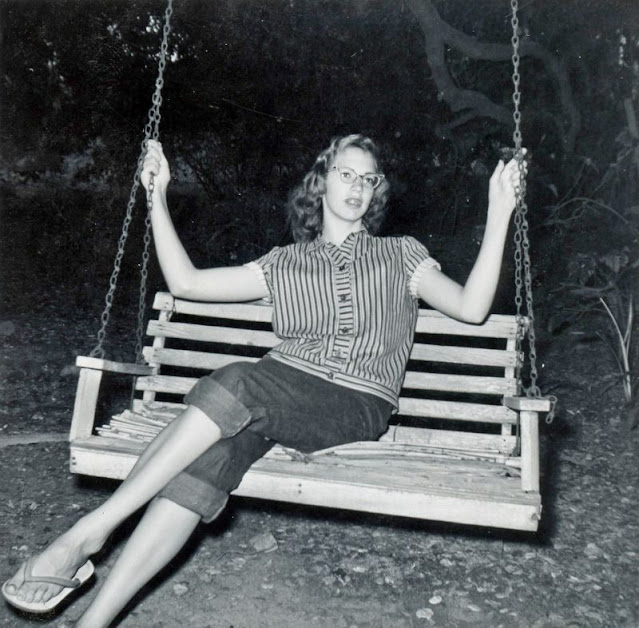
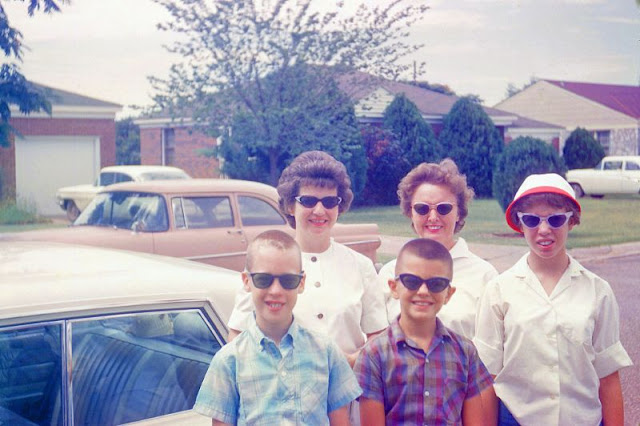
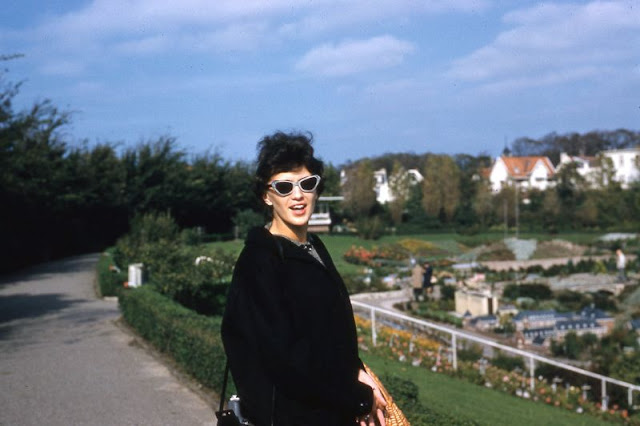
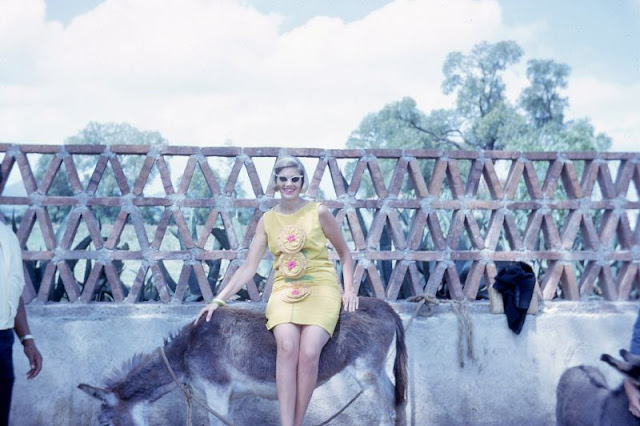
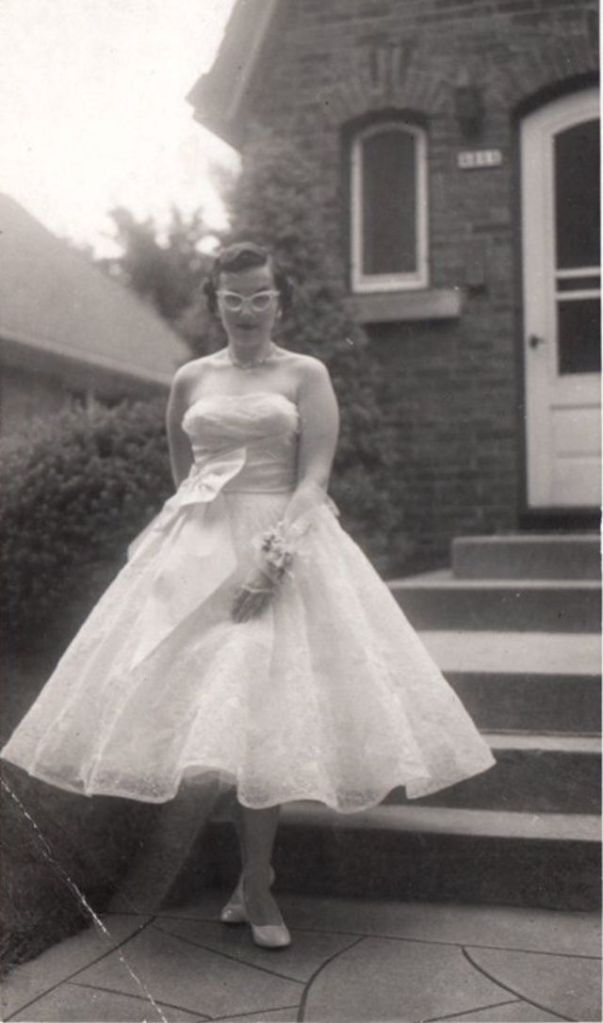
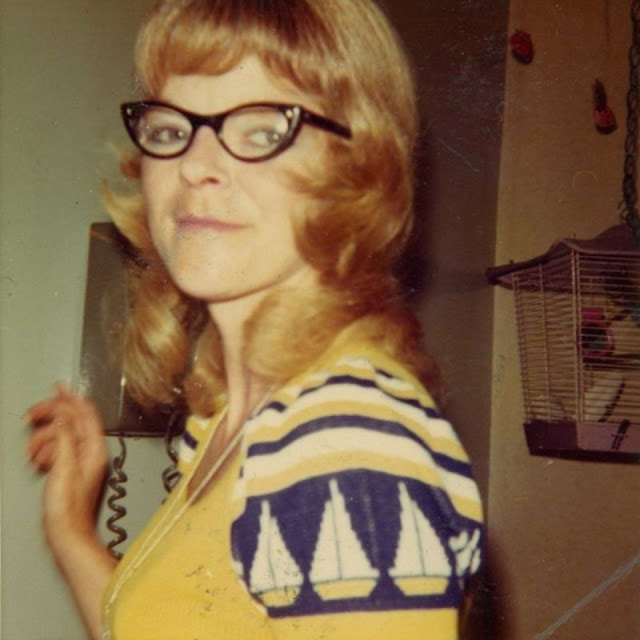
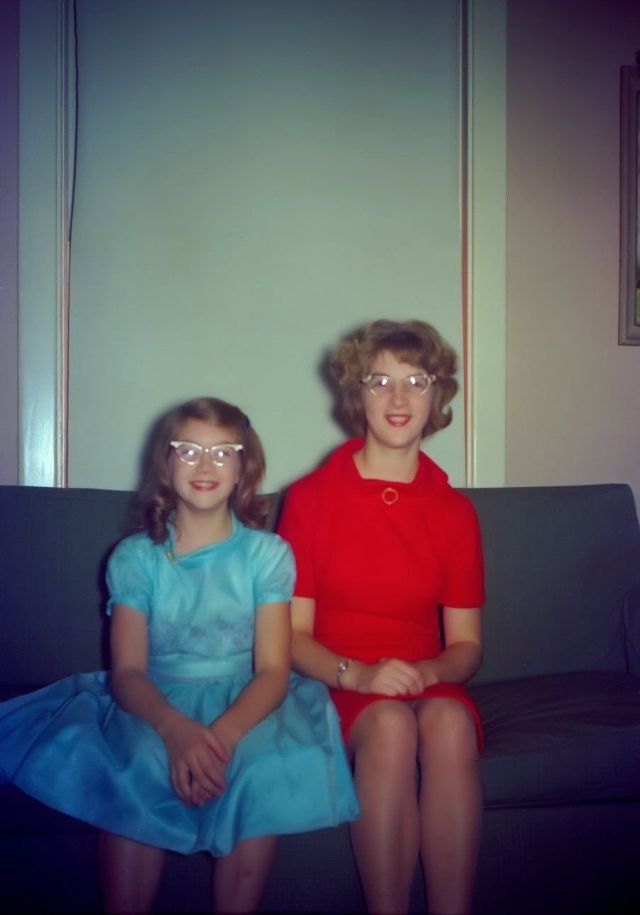
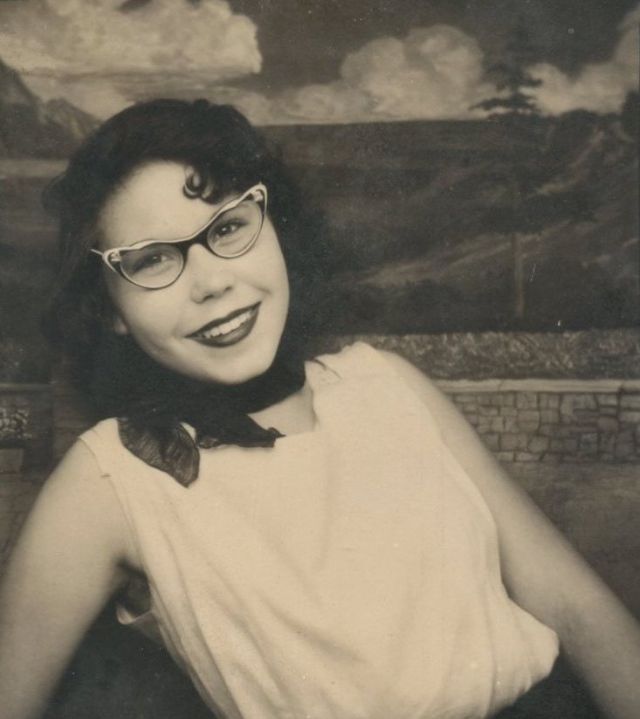
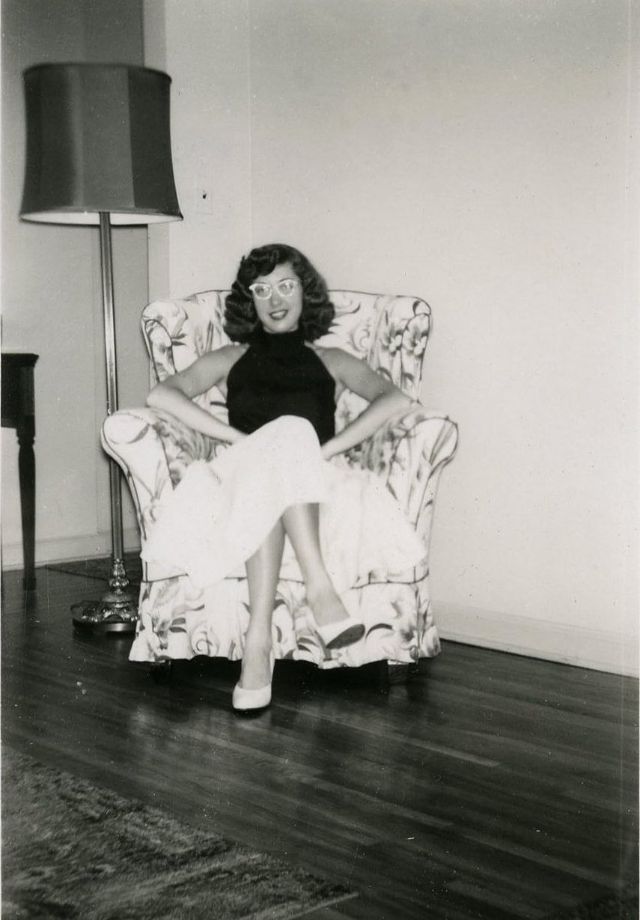
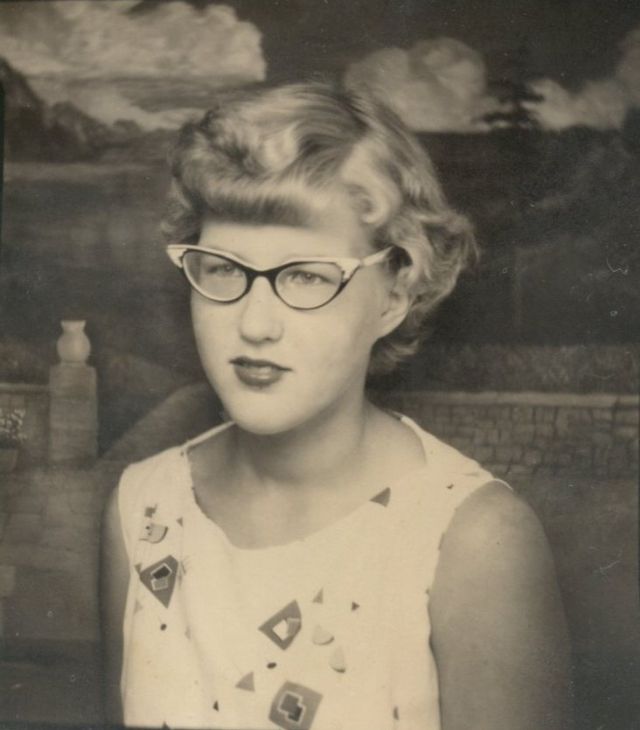
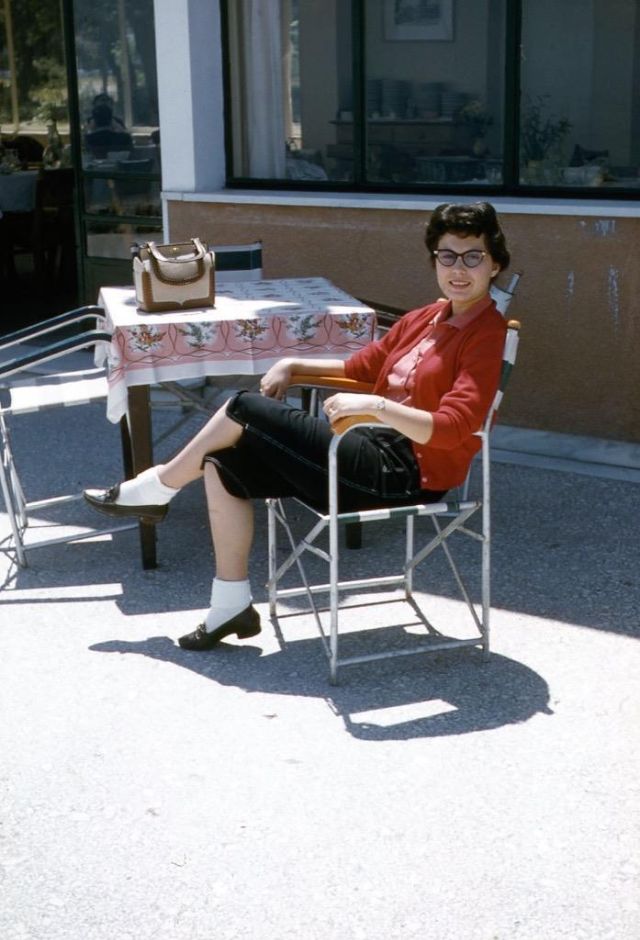
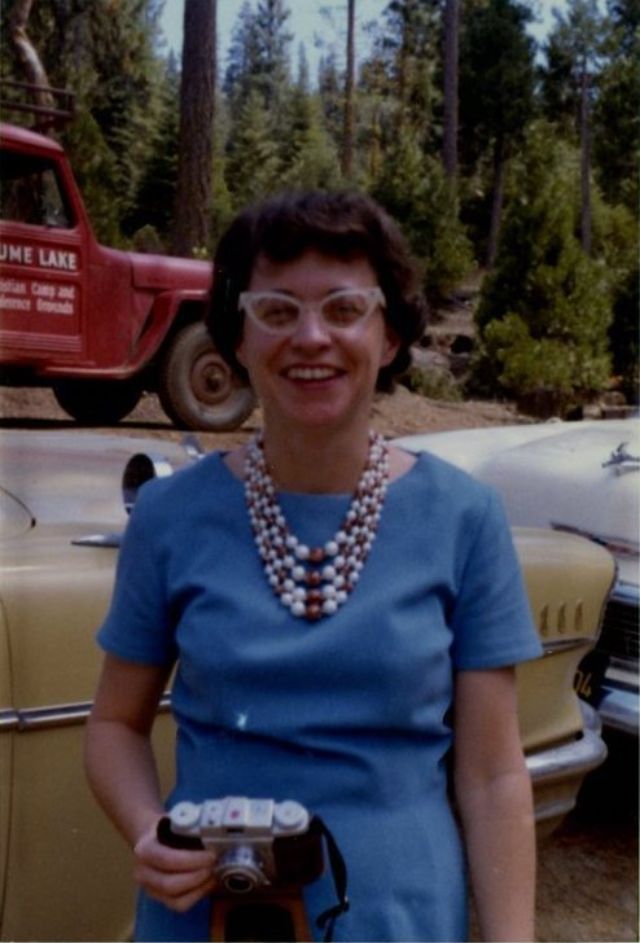
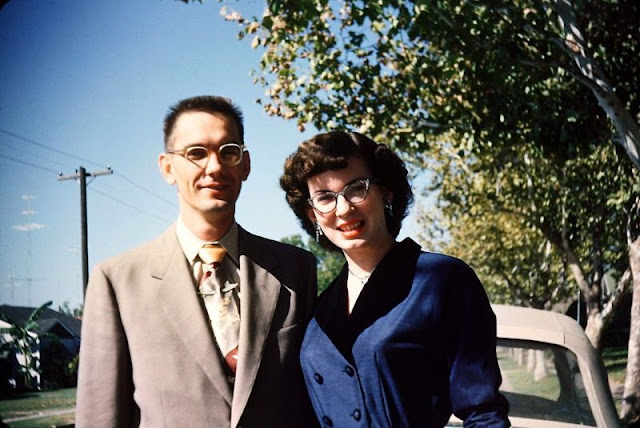
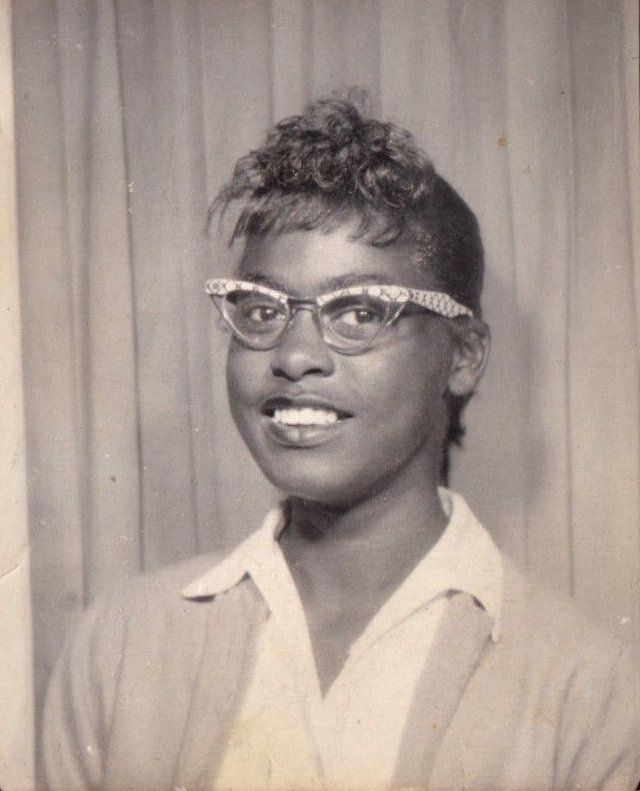
Photos of Women Wearing Cat-Eye Glasses in the 1950s and 1960s

First created in the 1930s, cat-eye glasses are one style that has stood the test of time. Nearly a century old, the cat-eye has managed to create its own distinct look each decade.

The frame later became a huge trend for sunglasses in the 1960s when Audrey Hepburn famously wore them in the film Breakfast at Tiffany’s. Since then, we’ve seen the cat-eye on everyone from Barbie, to Marilyn Monroe, Jacqueline Kennedy Onassis, and today’s top fashion influencers.

Cat eye glasses were mainly popular in the 1950s and 1960s among women and are often associated with the Beehive hairstyle and other looks of the period.

A set of vintage photos that shows ladies wearing cat-eye glasses in the 1950s and 1960s.

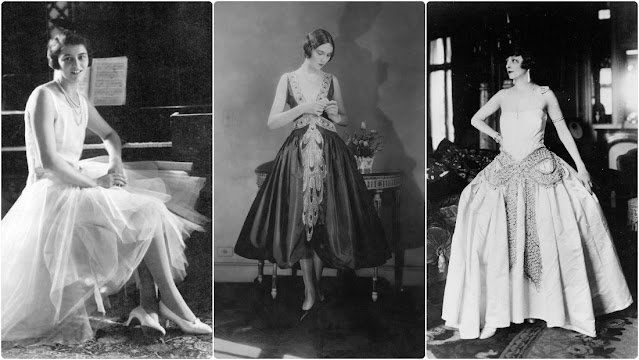
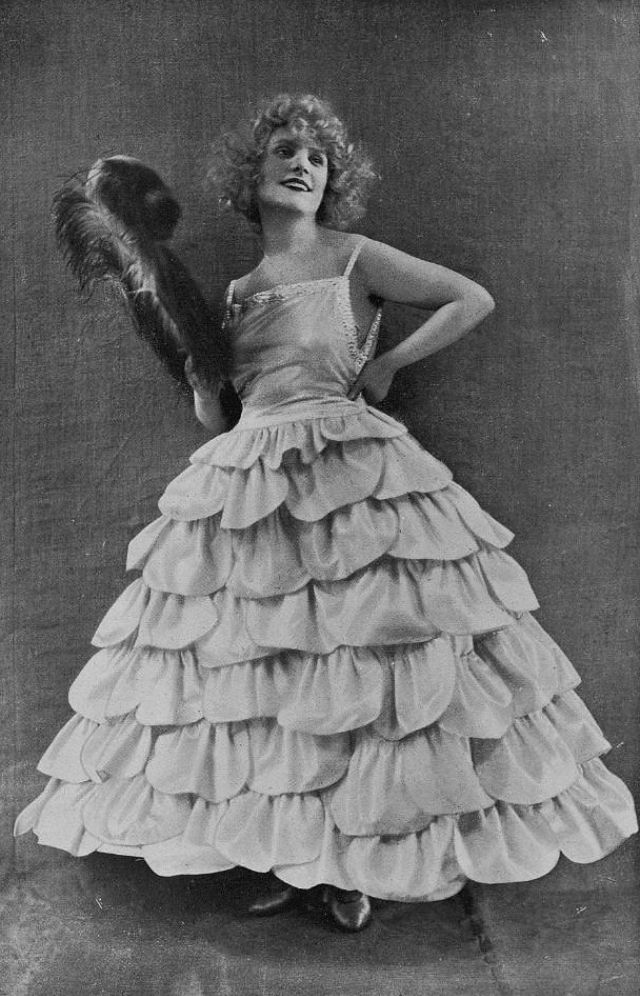
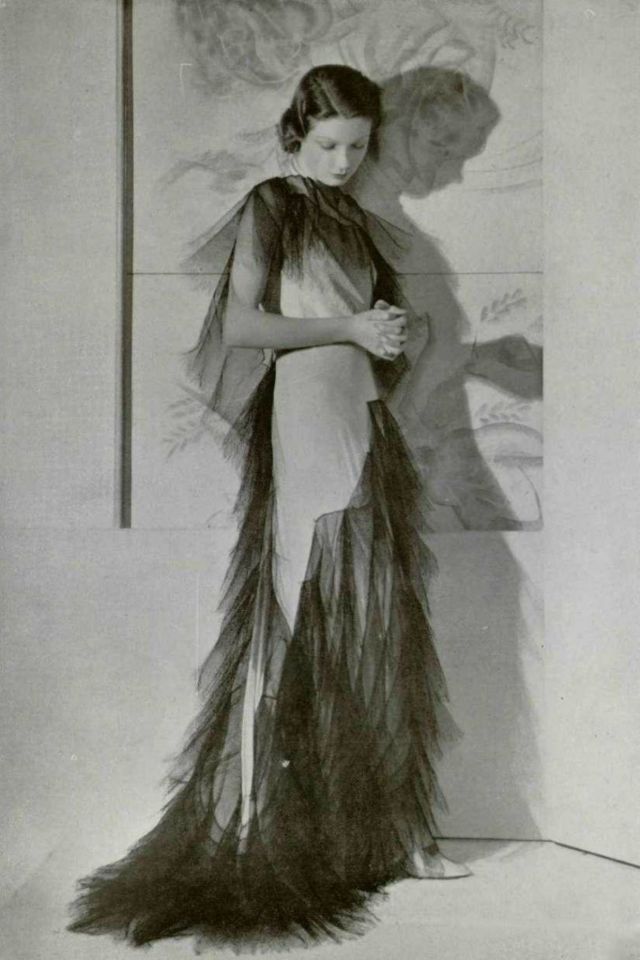
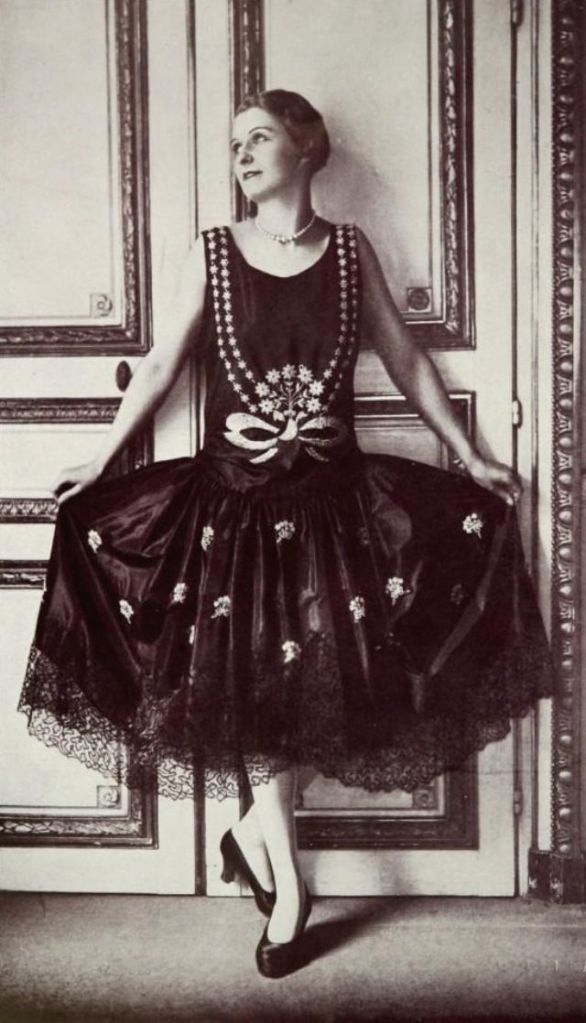
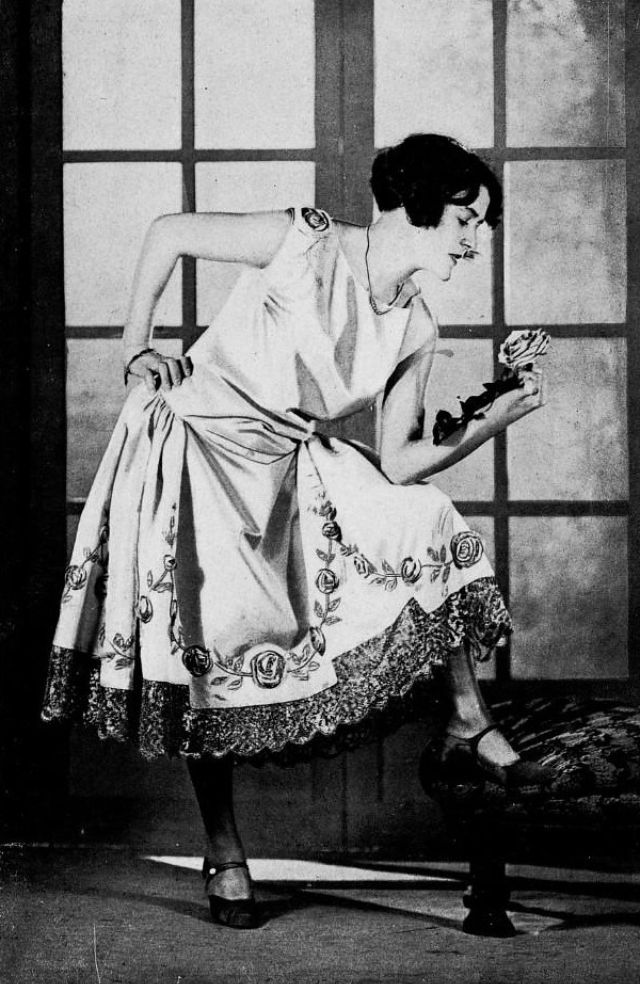
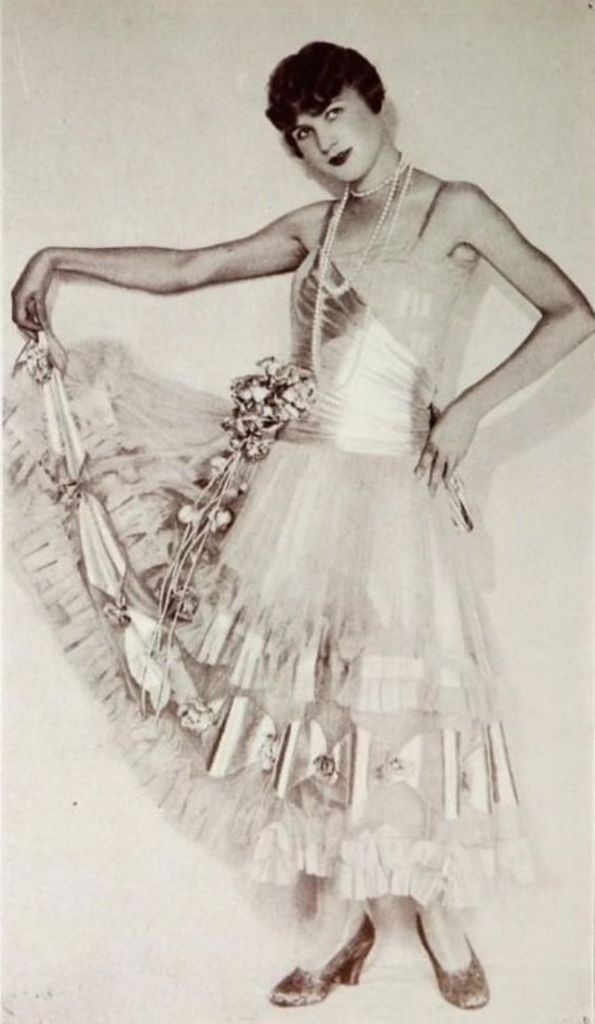
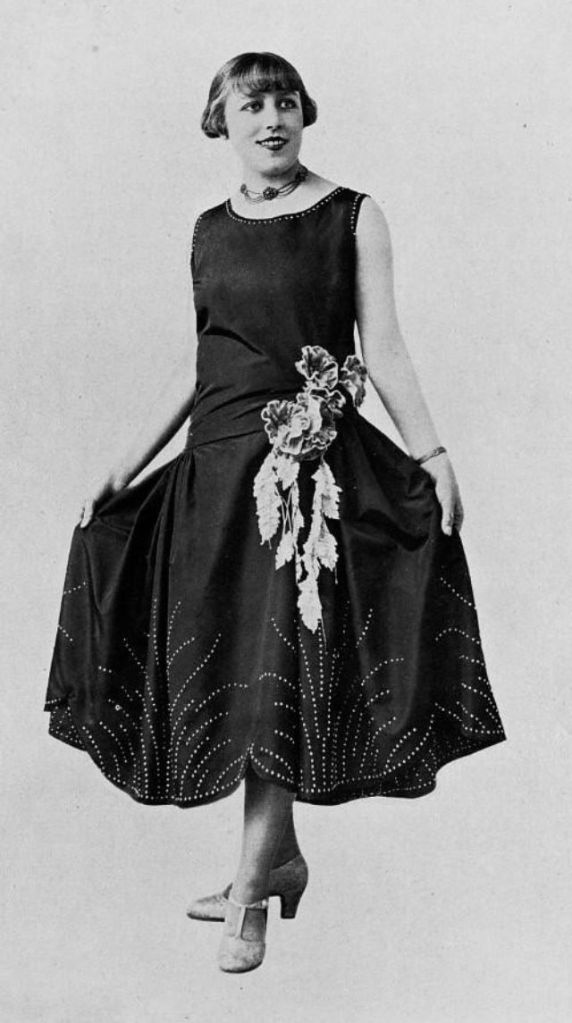
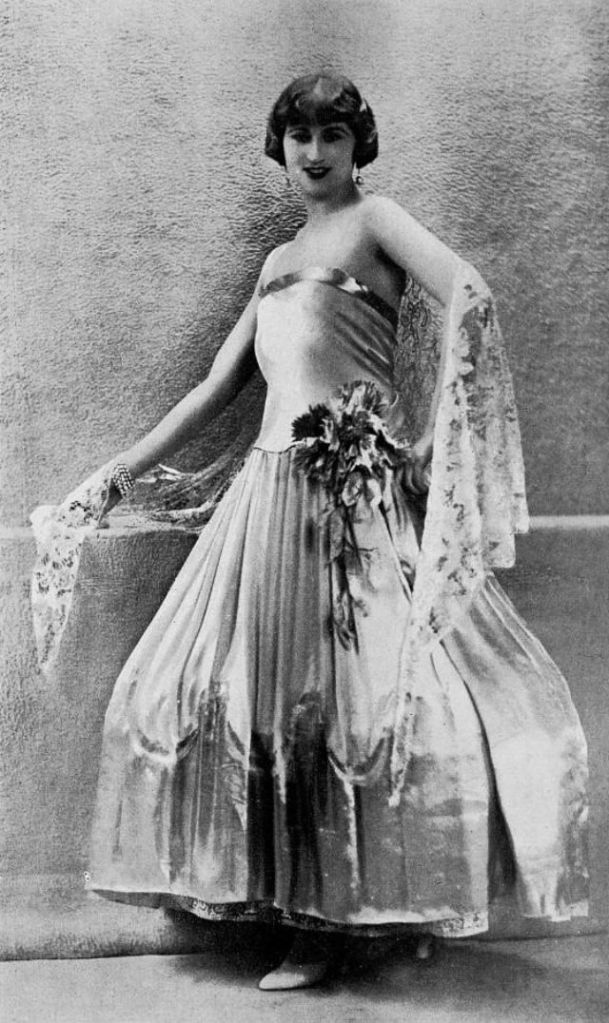
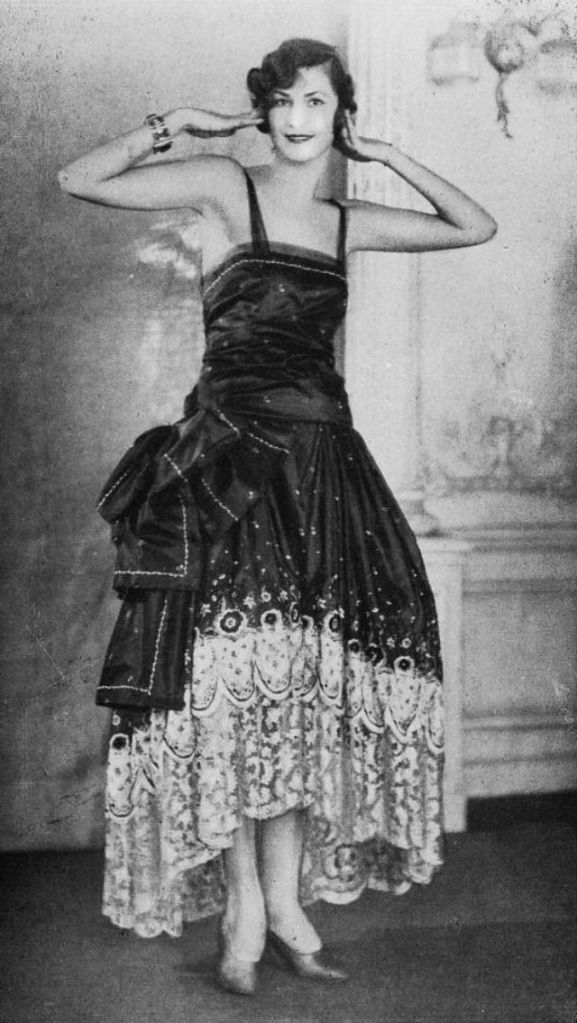
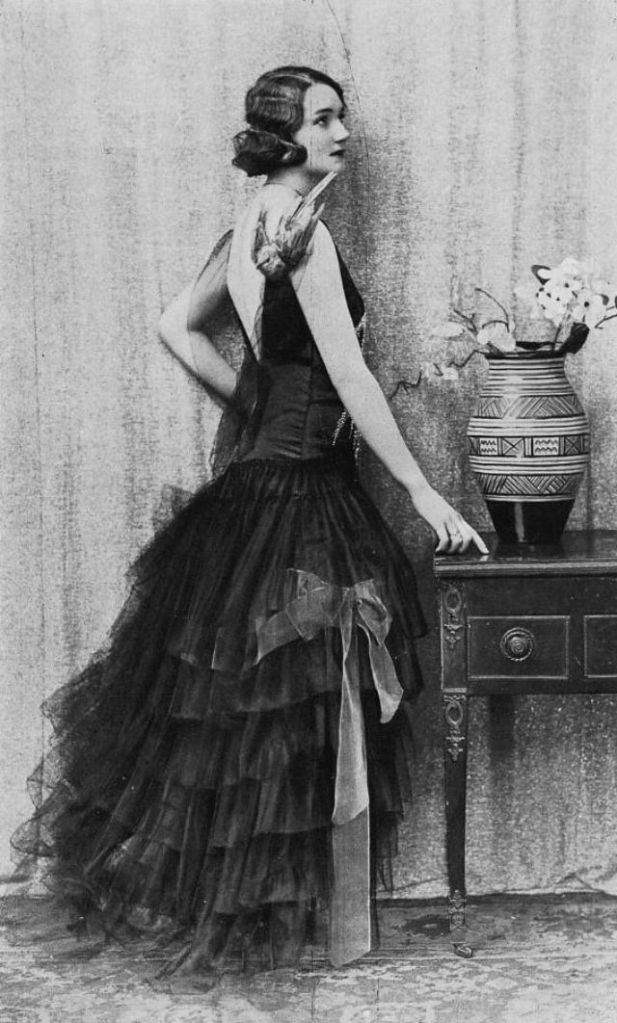
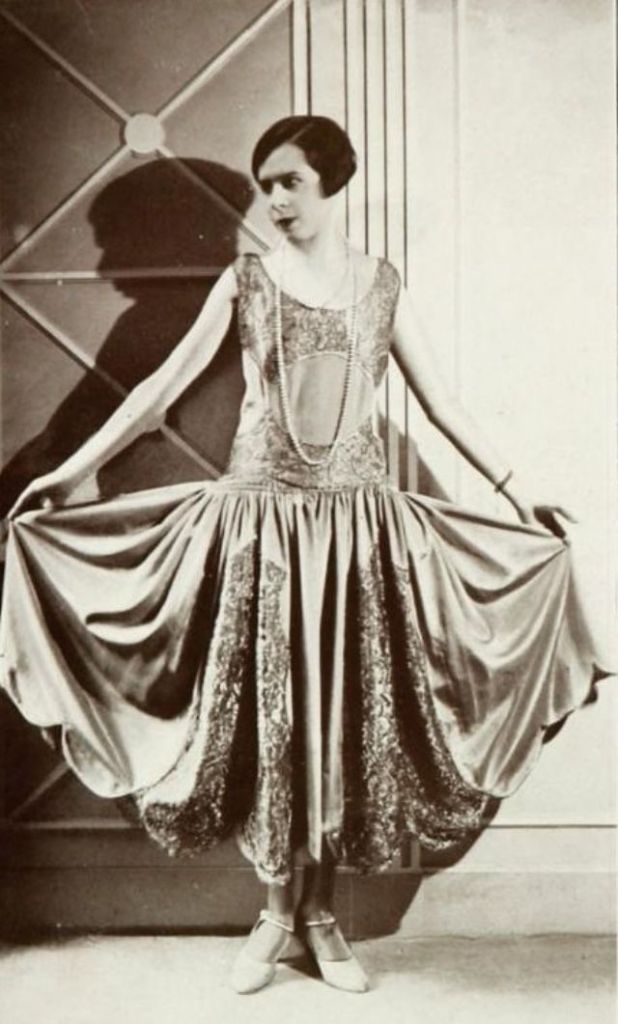
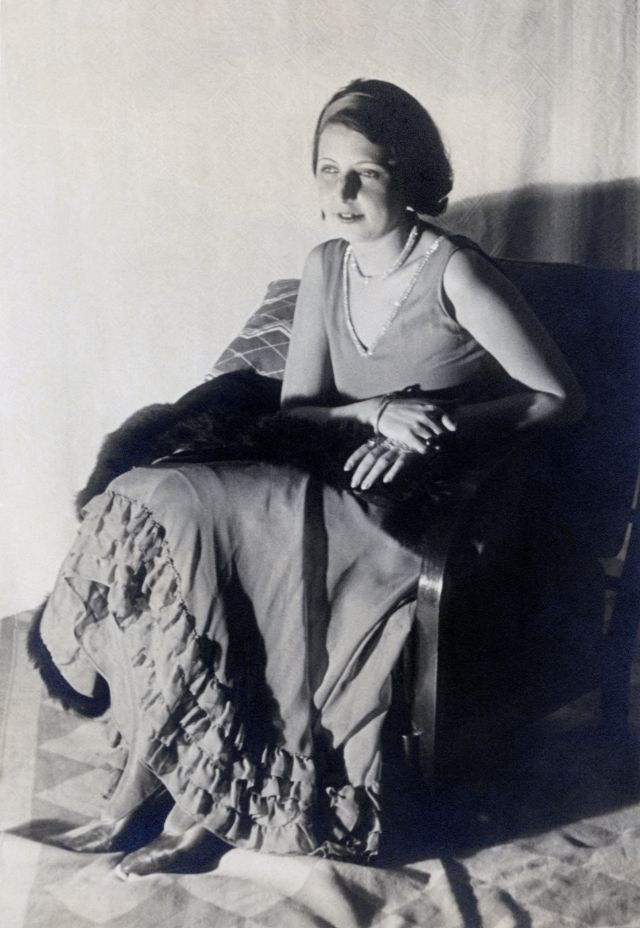
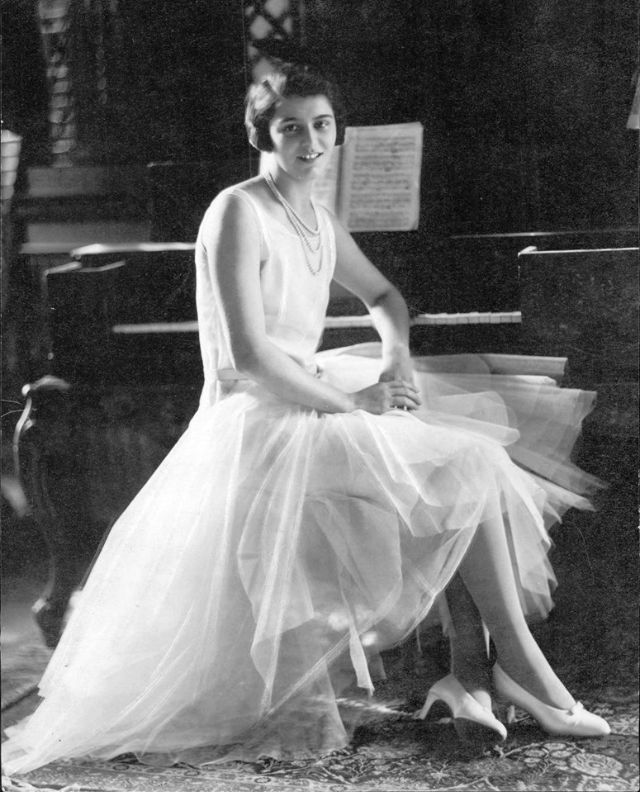
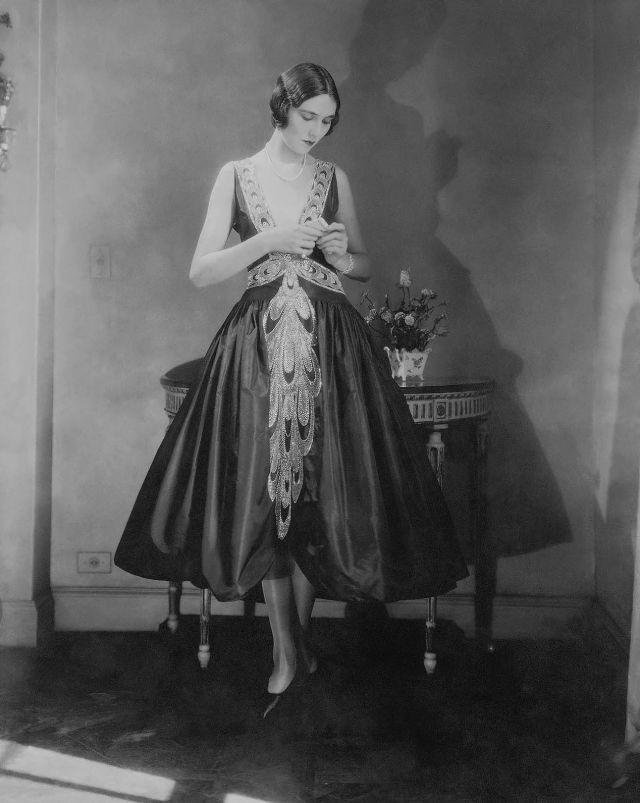
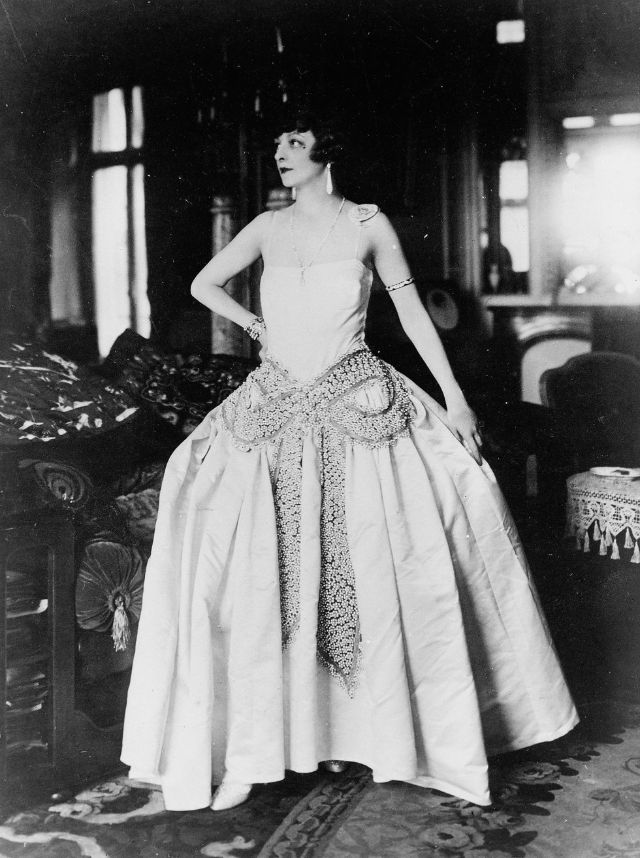
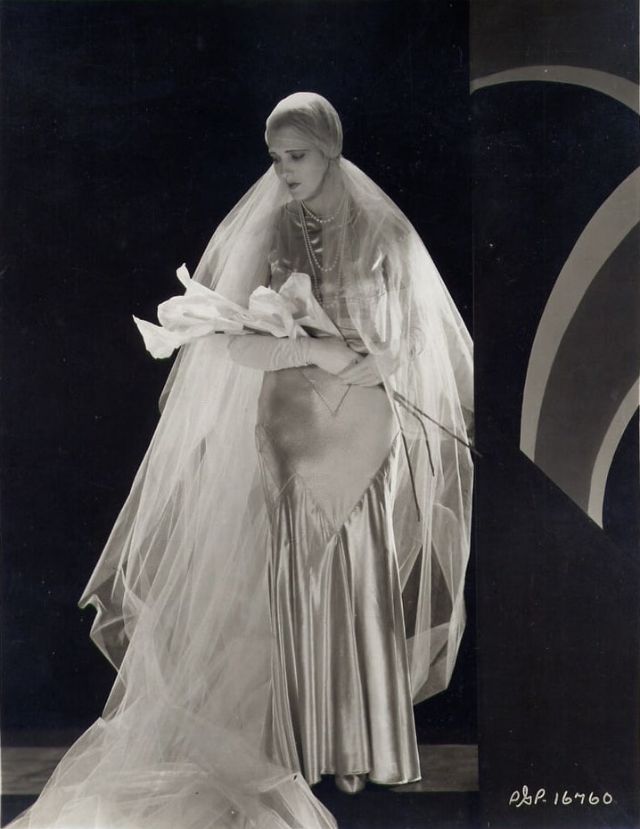
Elegant Photos of 1920s Ladies in Robe de Style Dresses

The robe de style describes a style of dress popular in the 1920s as an alternative to the straight-cut chemise dress.

The style was characterized by its full skirts. The bodice could be fitted, or straight-cut in the chemise manner, with a dropped waist, but it was the full skirt that denoted the robe de style. Sometimes the fullness was supported with petticoats, panniers, or hoops.

The robe de style was a signature design of the couturier Jeanne Lanvin. Other couture houses known for their versions of the robe de style included Boué Soeurs, Callot Soeurs, Doeuillet and Lucile.

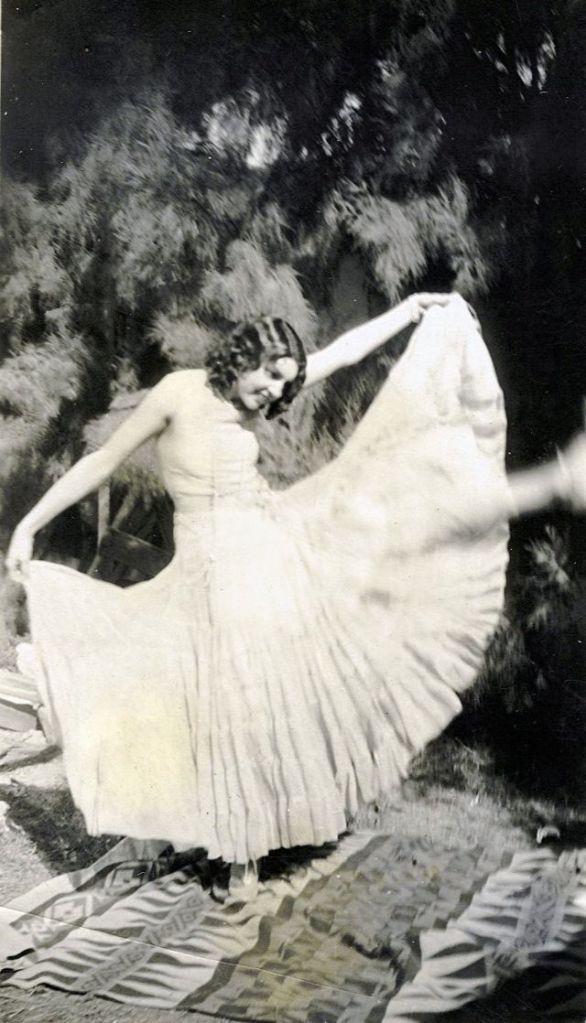
Here below is a set of elegant photos that shows beautiful ladies wearing robe de style dresses in the 1920s.

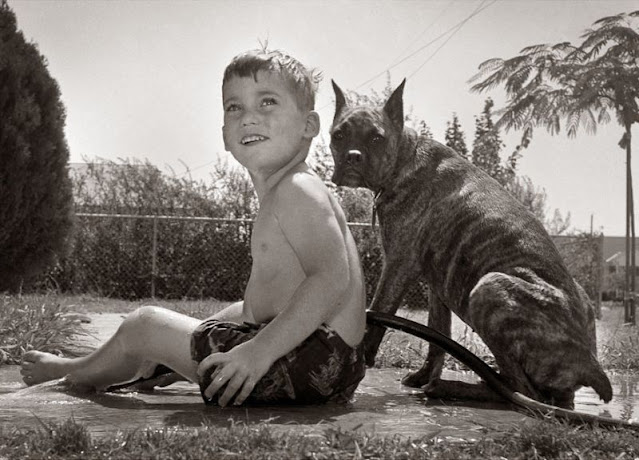
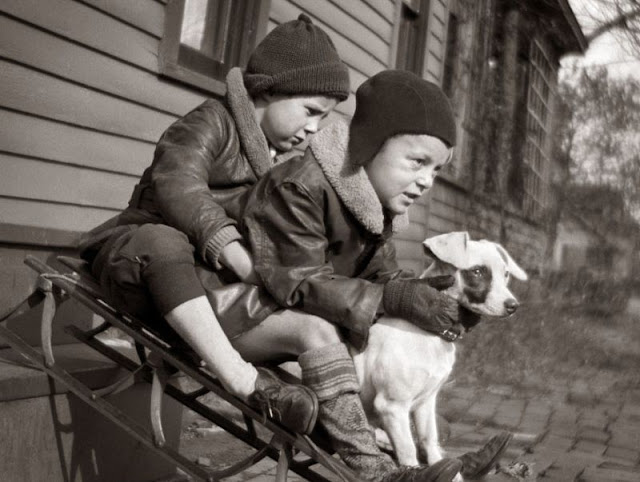
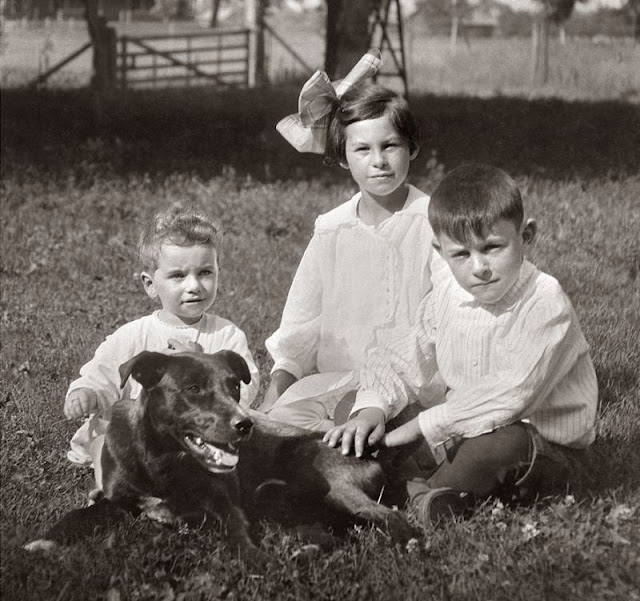
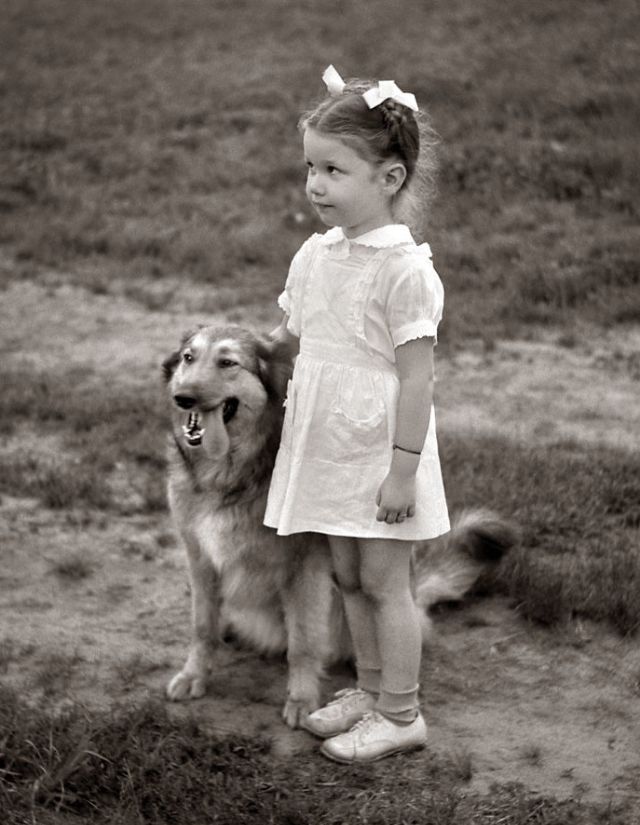
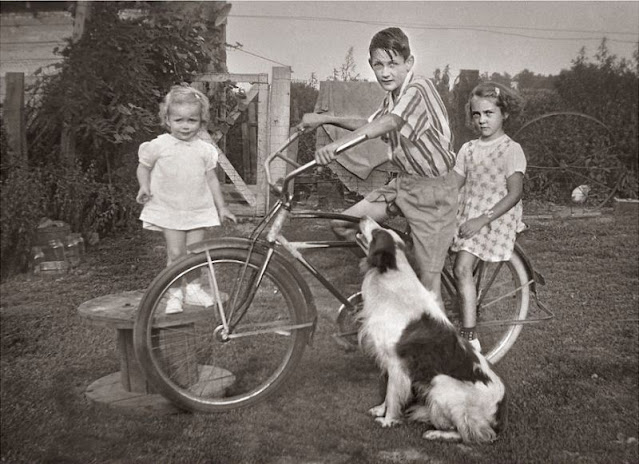
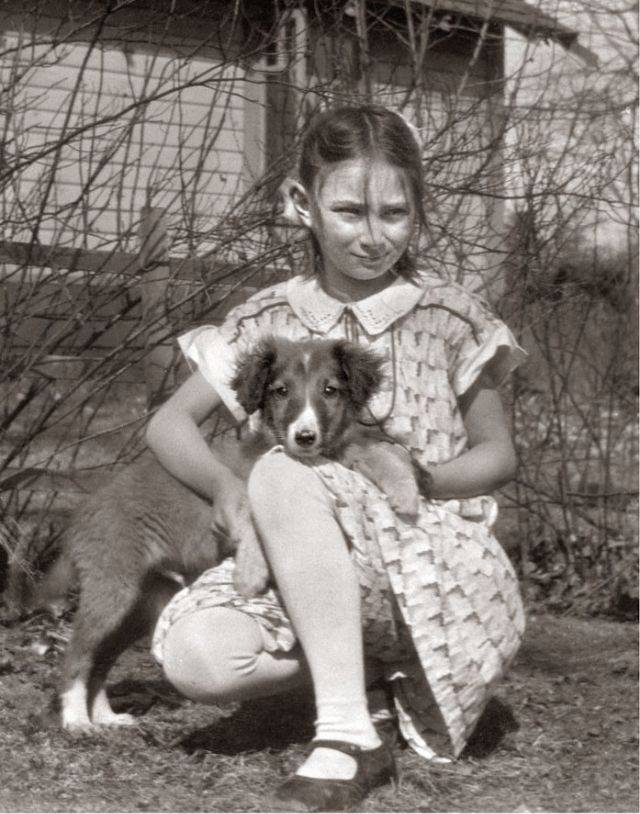
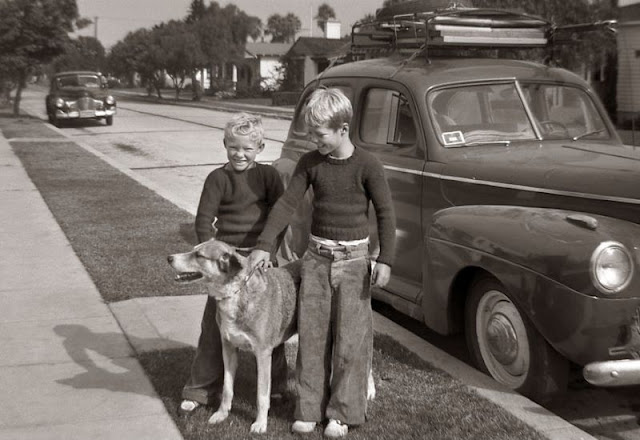
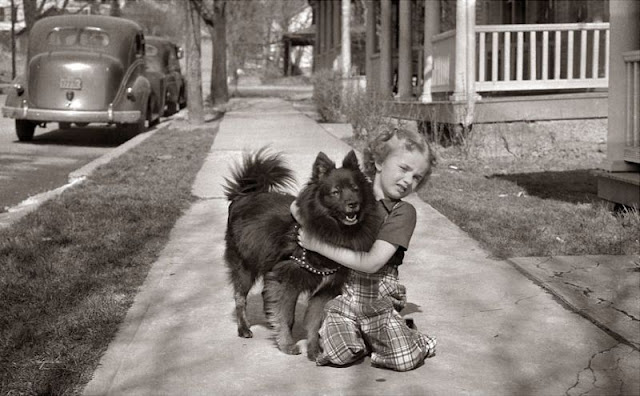
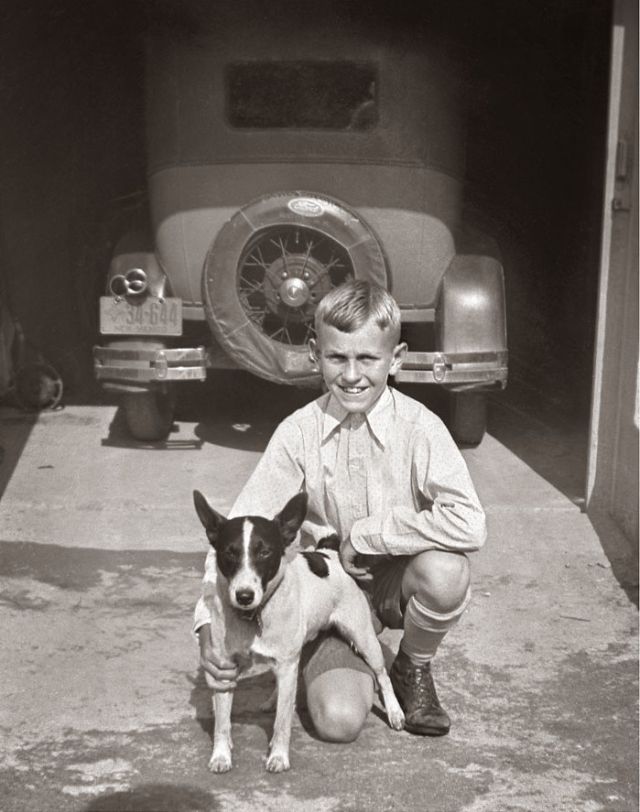
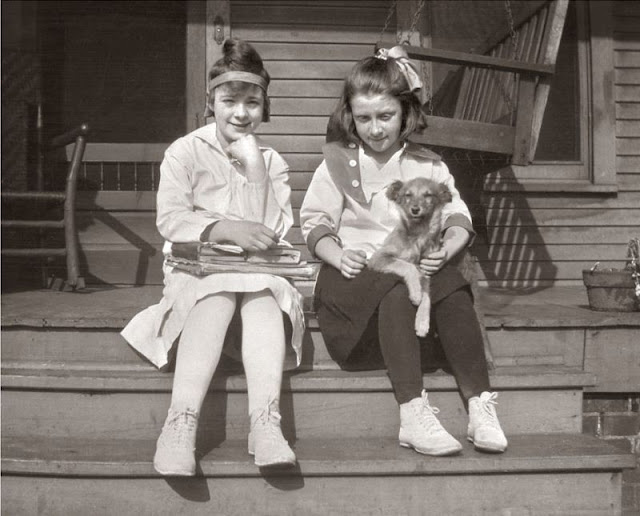
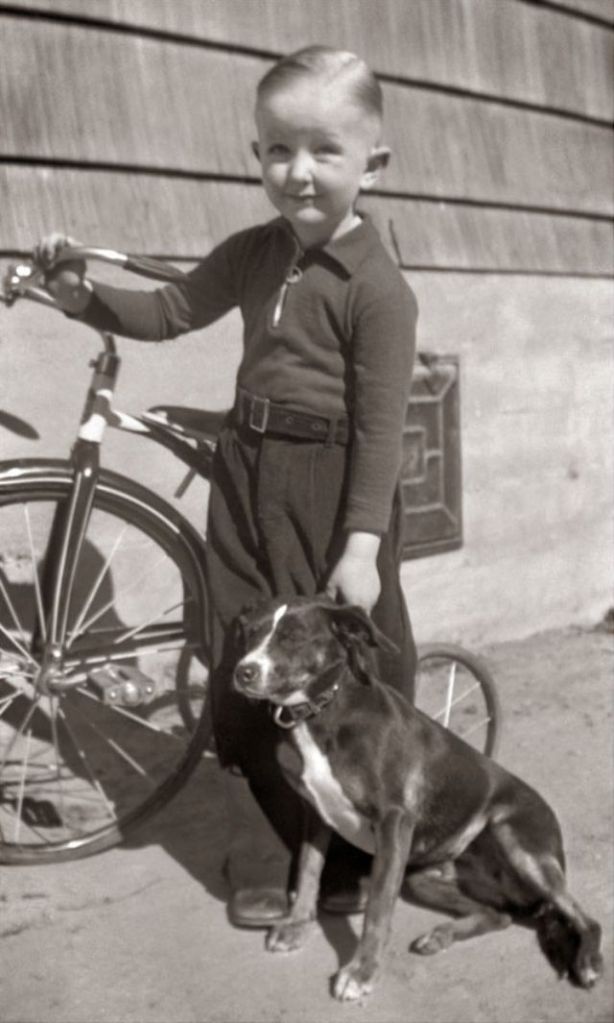
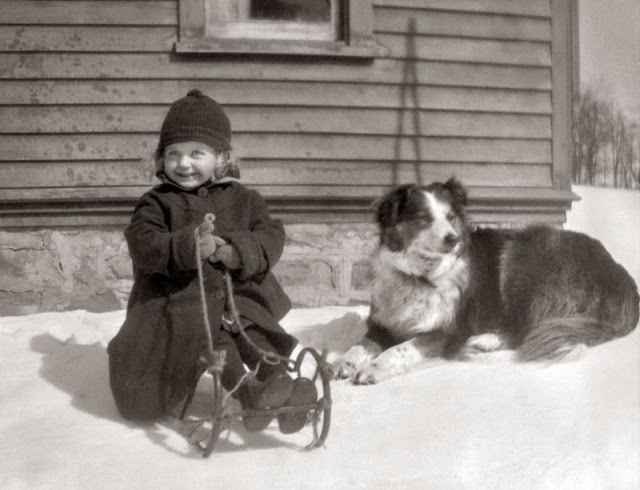
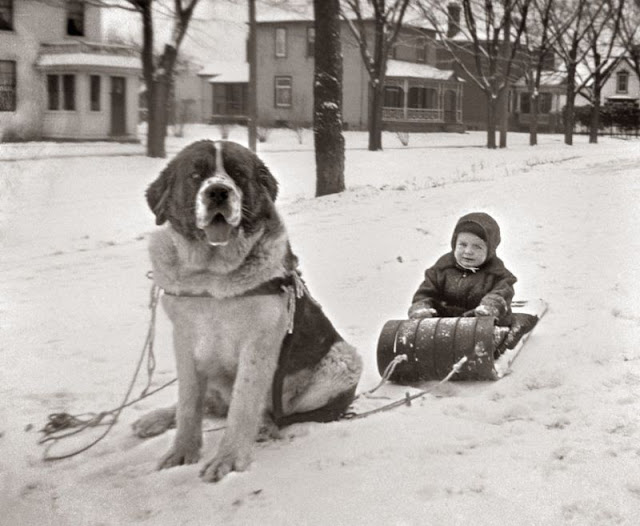
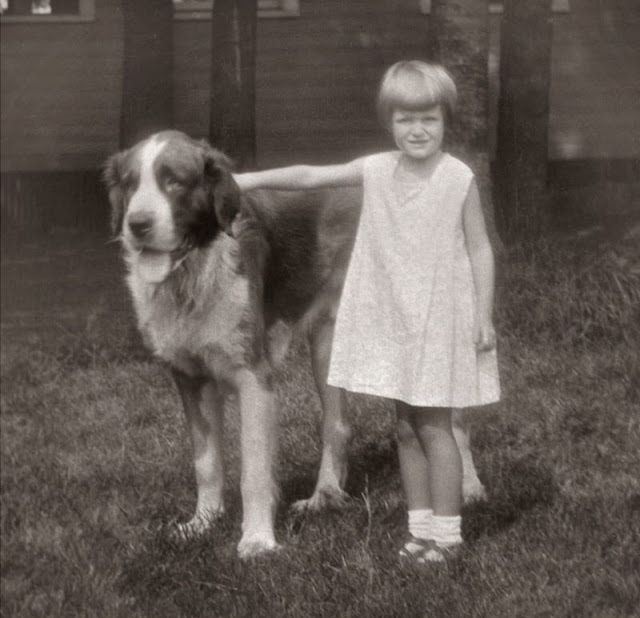
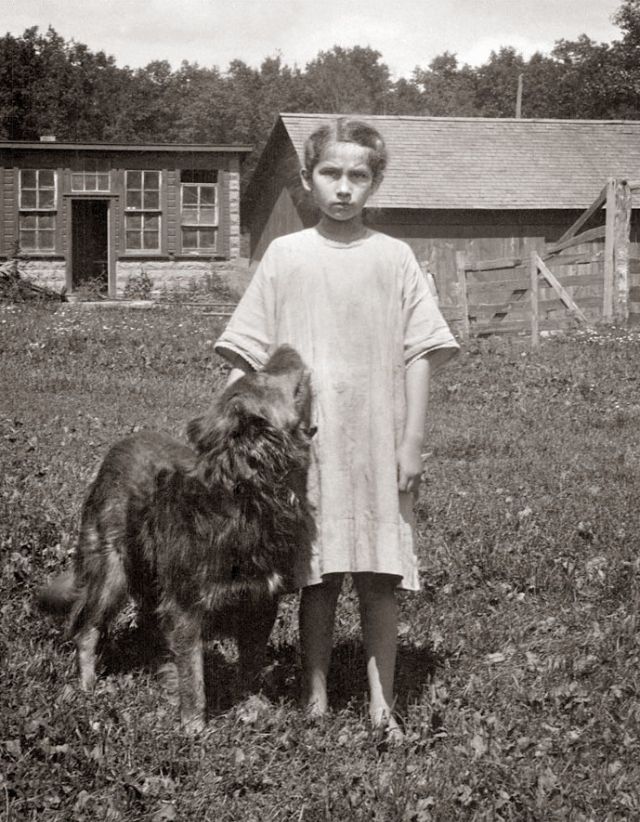
30 Lovely Vintage Photos of Kids With Their Pet Dogs

Every child at some point begs their parents for a puppy. As a parent, we can’t help but think of all of the added chores and financial obligations that come with owning a pet. But did you know it can actually benefit the health and development of your kids?

Studies in pediatric health have concluded that children who lived with pets (but especially dogs) during their first year of life actually had a better immune system than those who did not. They believe that exposure to dogs may have positively boosted the maturation of their immune system during infancy. In addition, when they did fall ill, they needed a shorter course of antibiotics compared to the children who did not live with pets.
Here below is a set of lovely photos that shows portraits of children with their pet dogs in the past.

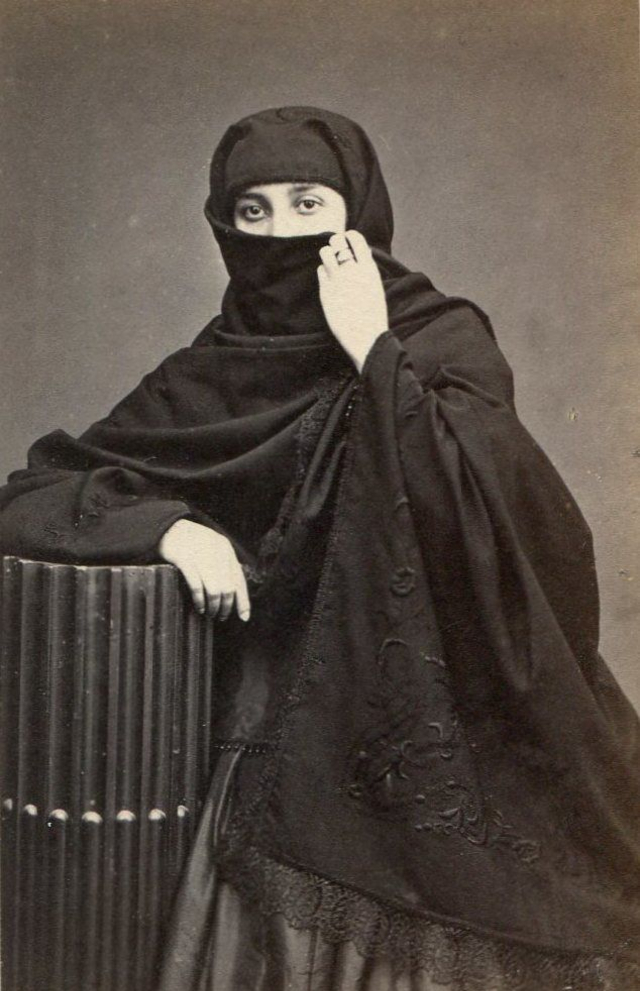
Las Tapadas Limenas: 17 Amazing Photos Of The Hidden Women of Lima Who Veiled Everything But One Eye in the 19th Century

Subscribe to get access

Read more of this content when you subscribe today.

Images of people in typical local costume and vocations were among the standard offerings of any 19th century photographic studio. Many such themes are found in the cartes-de-visite produced in Peru during the 1860s, but by far the most important of these types was the tapada, the veiled one. The costume and manner of the tapada were peculiar even in Peru and were associated exclusively with Lima.

These days, society, including men and women, feel restricted by the fickle trends dictated from fashion’s elite. In Lima, however, there was a time when women felt freer, one could say, thanks to fashion and their choice to cover up. These women, who came to be known as Tapadas Limeñas, were even able to prevent a ban on their garments of choice: the saya (skirt) and manto (veil or wrap). The saya was an overskirt, worn tight at the waist and raised to show off feet and ankles. The manto was a thick veil fastened to the back of the waist; from there it was brought over the shoulders and head and drawn over the face so closely that all that was left uncovered was a small triangular space sufficient for one eye to peep through.
The Tapadas Limeñas were found exotic at that time and some men were even attracted by their mysterious appearance. As a consequence, the Church and some other laws prohibited these clothes. Still, women kept on wearing these clothes till deep in the 19th century. They believed it was ethical, but mainly because they didn’t want to give up their freedom.

Subscribe to continue reading

Become a paid subscriber to get access to the rest of this post and other exclusive content.

Portrait of Kno-Shr, Kansas Chief, 1853

From 1846 to 1860, John Fitzgibbon operated one of America’s most prominent daguerreian establishments in the frontier city of Saint Louis, Missouri. Fitzgibbon learned photography in 1839 while apprenticed as a saddler in Philadelphia, but he is best known for his studio portraits and scenes of regional life in the territories west of the Mississippi River.

This daguerreotype of Kno-Shr, a Kansas, is one of the few dated pre-Civil War portraits of a Native American whose name and tribe are known. The chief is shown bare-chested, wearing a traditional grizzly bear claw necklace, the most coveted of all Plains Indian body ornaments.

Several details are hand-colored with red paint, the color of strength and success and a powerful agent to ward off evil spirits. Made during the height of the country’s territorial expansion beyond the Mississippi, the photograph is remarkable as a document of a Native American before assimilation.

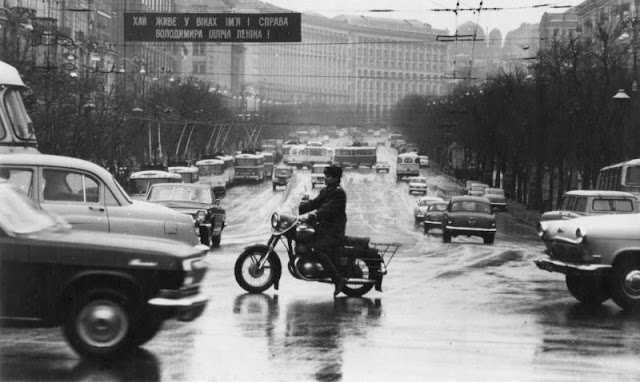
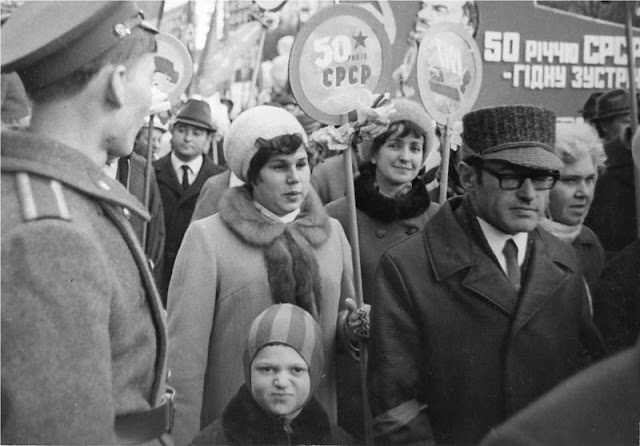
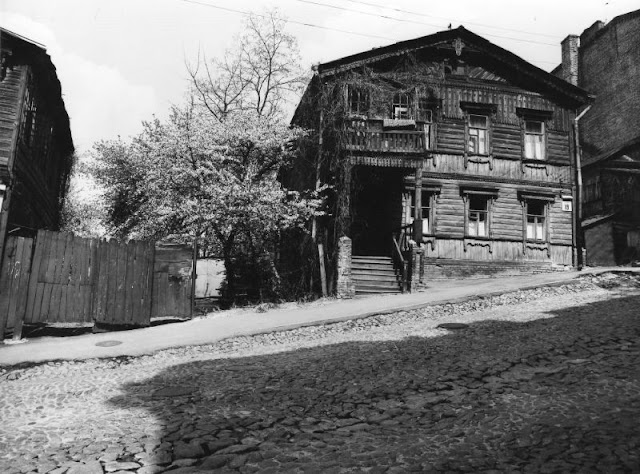
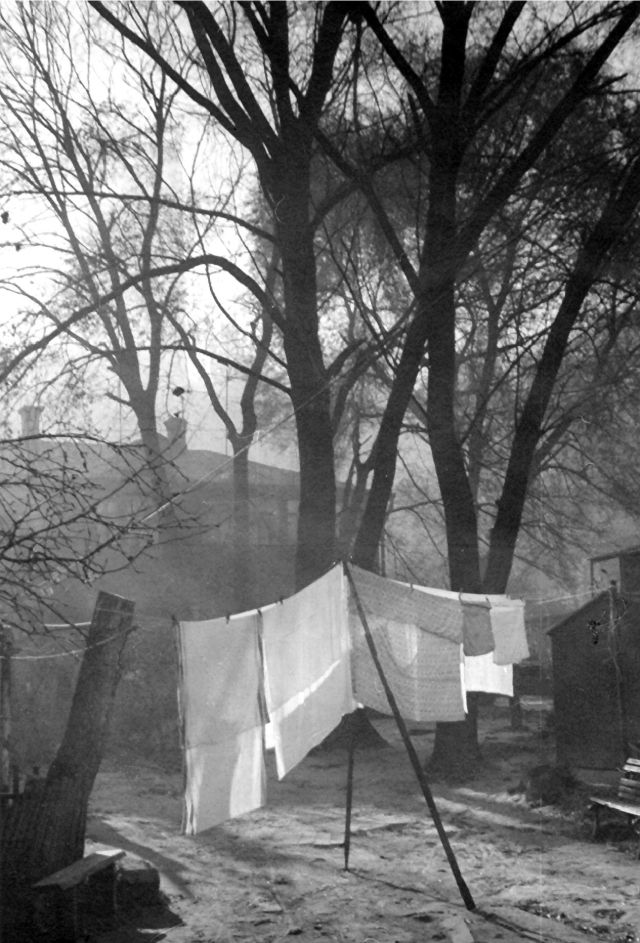
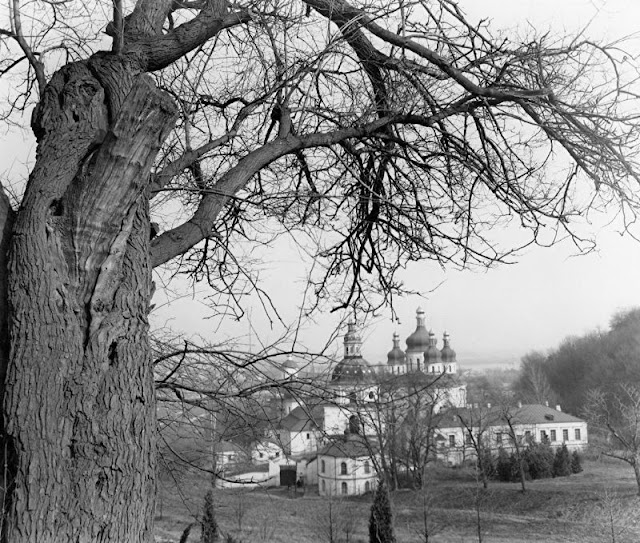
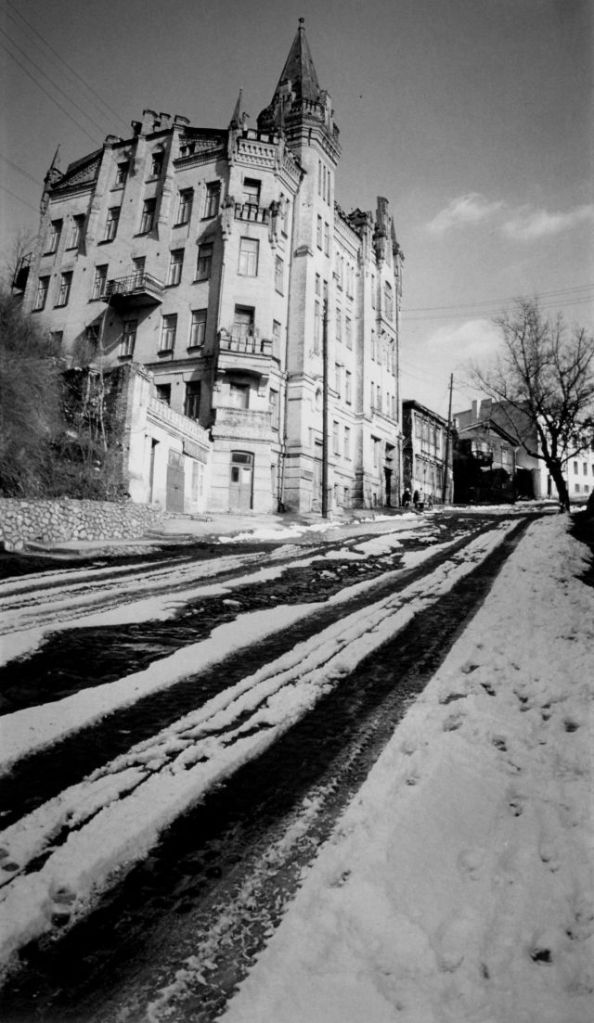
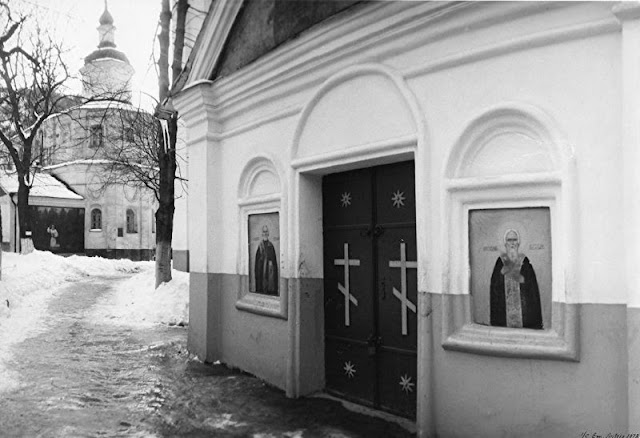
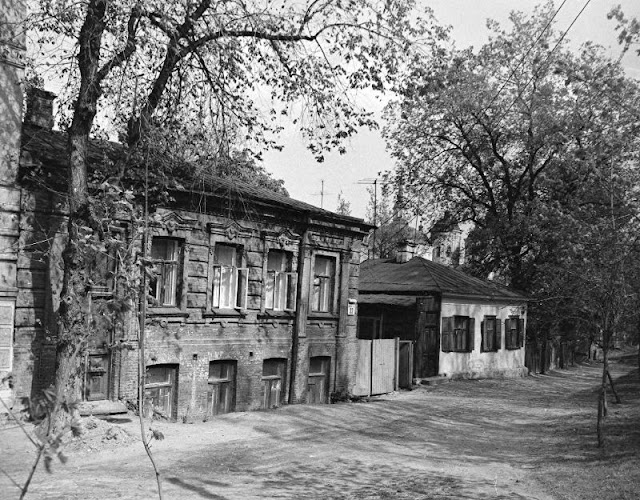
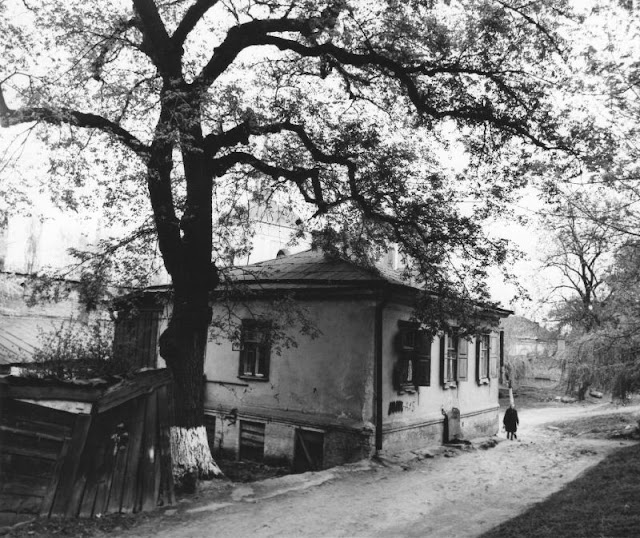
30 Wonderful Photos of Kiev in the 1960s and 1970s

Kyiv or Kiev is the capital and most populous city of Ukraine. It is in north-central Ukraine along the Dnieper River. As of 1 January 2021, its population was 2,962,180,[14] making Kyiv the seventh-most populous city in Europe.

Kyiv is an important industrial, scientific, educational, and cultural center in Eastern Europe. It is home to many high-tech industries, higher education institutions, and historical landmarks. The city has an extensive system of public transport and infrastructure, including the Kyiv Metro.

The city’s name is said to derive from the name of Kyi, one of its four legendary founders. During its history, Kyiv, one of the oldest cities in Eastern Europe, passed through several stages of prominence and obscurity. The city probably existed as a commercial center as early as the 5th century. A Slavic settlement on the great trade route between Scandinavia and Constantinople, Kyiv was a tributary of the Khazars,[16] until its capture by the Varangians (Vikings) in the mid-9th century. Under Varangian rule, the city became a capital of Kievan Rus’, the first East Slavic state. Completely destroyed during the Mongol invasions in 1240, the city lost most of its influence for the centuries to come. It was a provincial capital of marginal importance in the outskirts of the territories controlled by its powerful neighbours, first Lithuania, then Poland and ultimately Russia.

The city prospered again during the Russian Empire’s Industrial Revolution in the late 19th century. In 1918, after the Ukrainian People’s Republic declared independence from Soviet Russia, Kyiv became its capital. From 1921 onwards, Kyiv was a city of Soviet Ukraine, which was proclaimed by the Red Army, and, from 1934, Kyiv was its capital. The city suffered significant destruction during World War II but quickly recovered in the postwar years, remaining the Soviet Union’s third-largest city.

Following the collapse of the Soviet Union and Ukrainian independence in 1991, Kyiv remained Ukraine’s capital and experienced a steady influx of ethnic Ukrainian migrants from other regions of the country. During the country’s transformation to a market economy and electoral democracy, Kyiv has continued to be Ukraine’s largest and wealthiest city. Its armament-dependent industrial output fell after the Soviet collapse, adversely affecting science and technology, but new sectors of the economy such as services and finance facilitated Kyiv’s growth in salaries and investment, as well as providing continuous funding for the development of housing and urban infrastructure. Kyiv emerged as the most pro-Western region of Ukraine; parties advocating tighter integration with the European Union dominate during elections. (Wikipedia)

These fascinating black and white photos show street scenes of Kiev in the 1960s and 1970s.

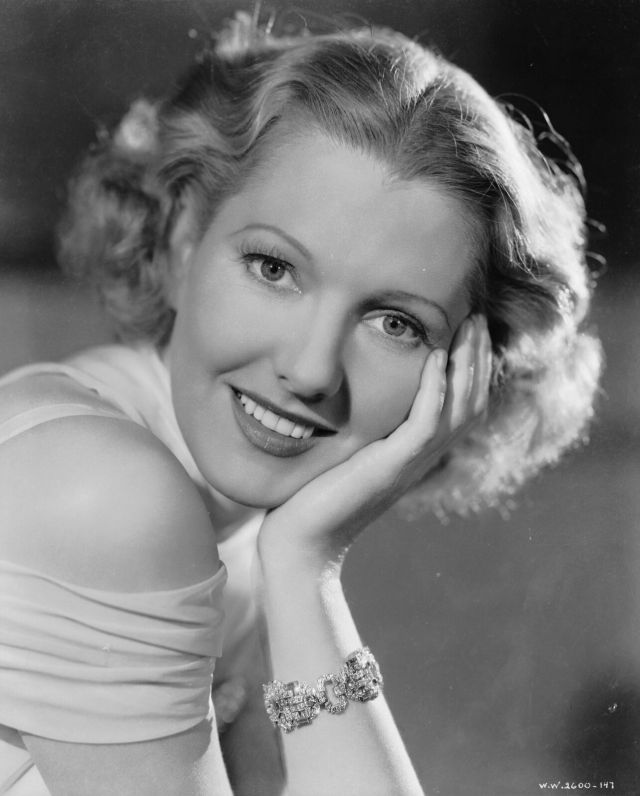
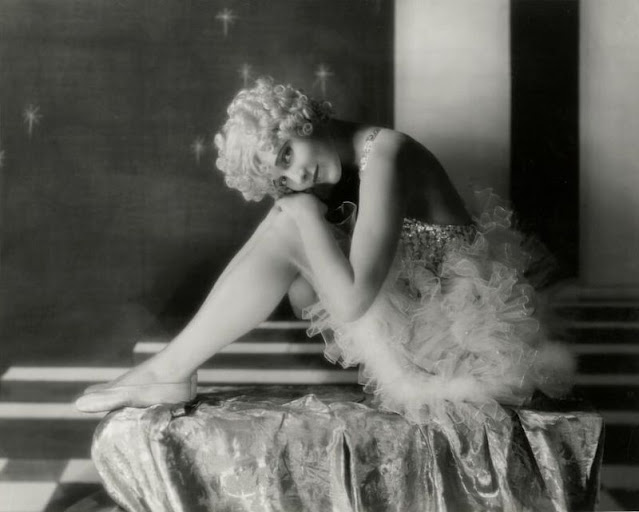
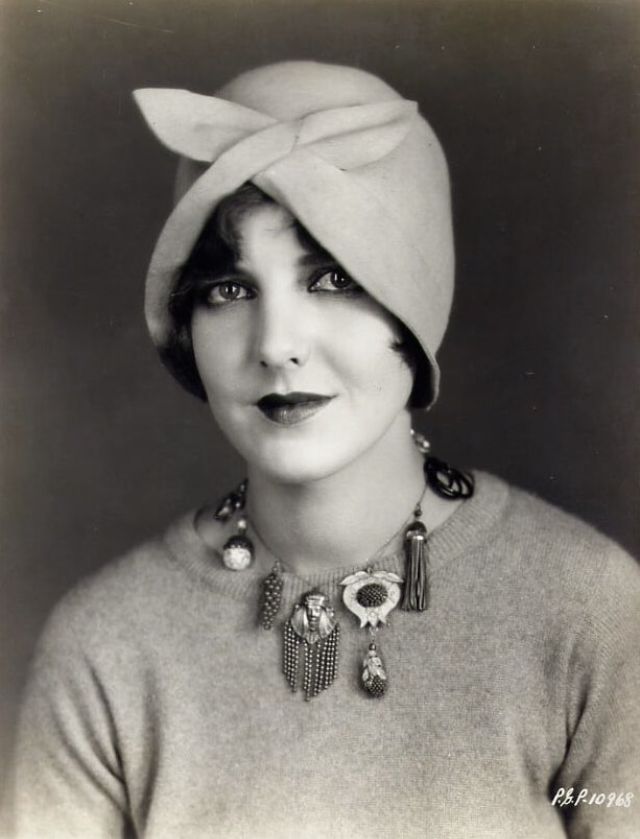
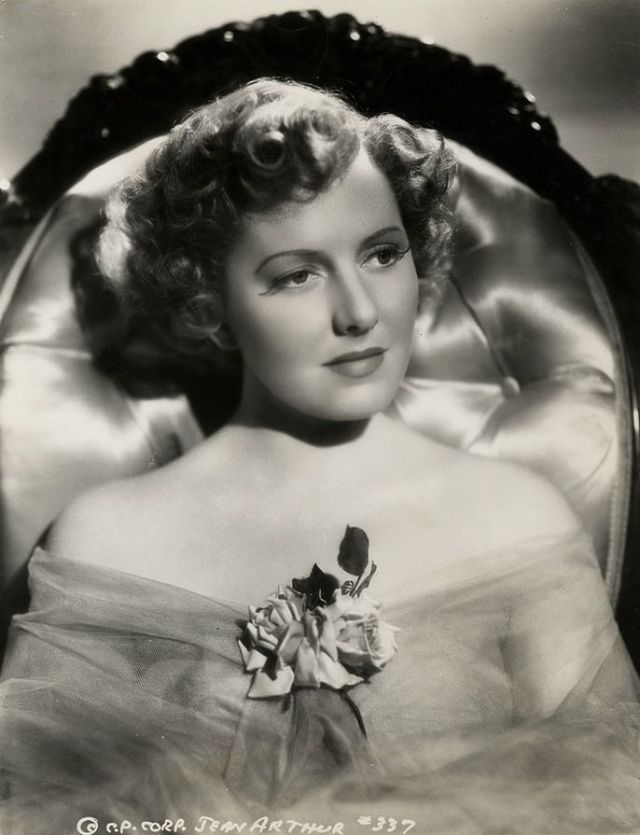
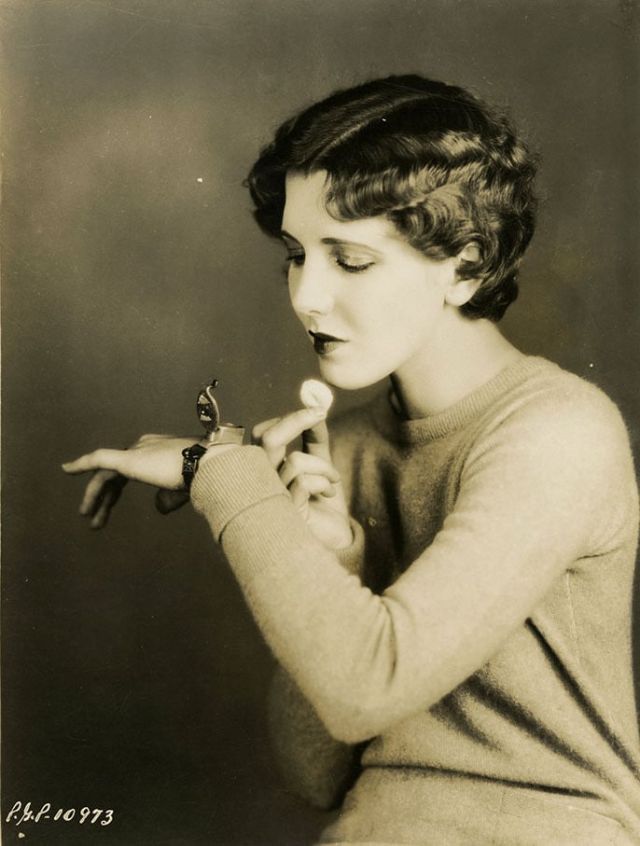
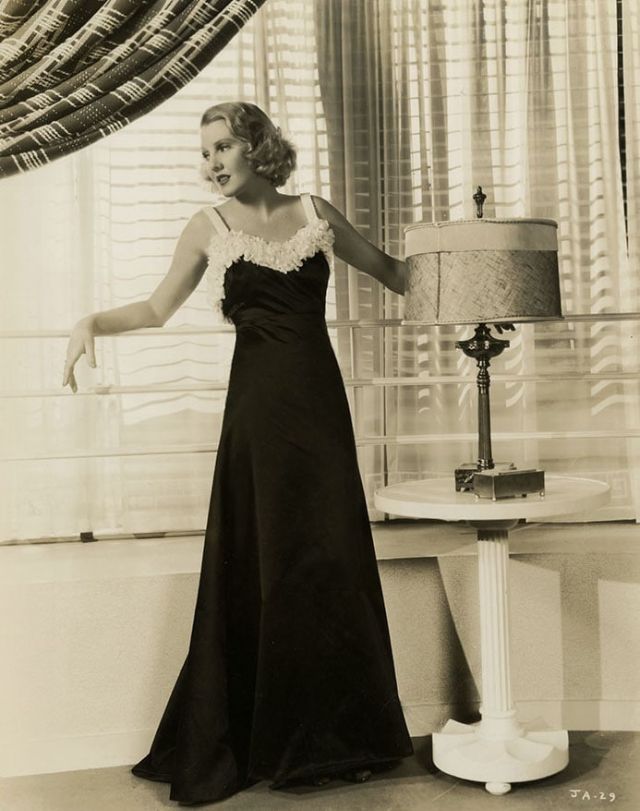
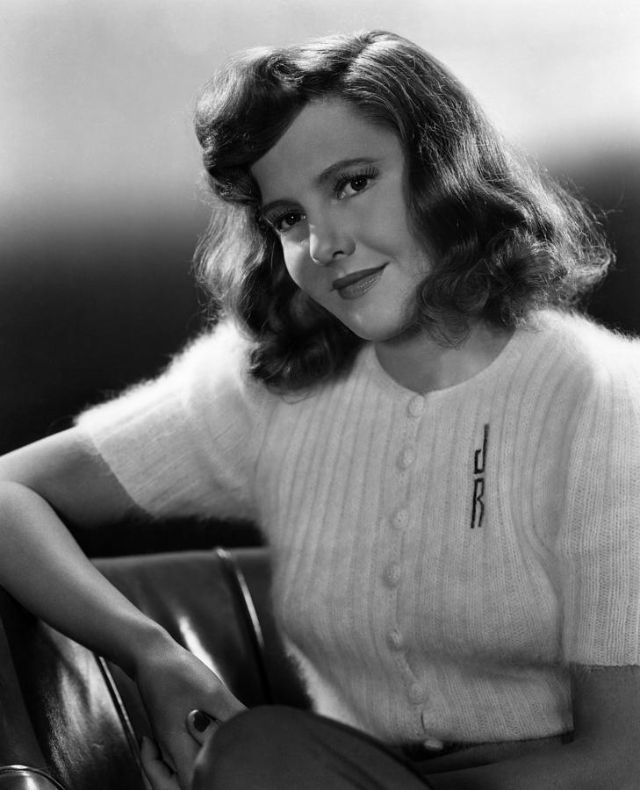
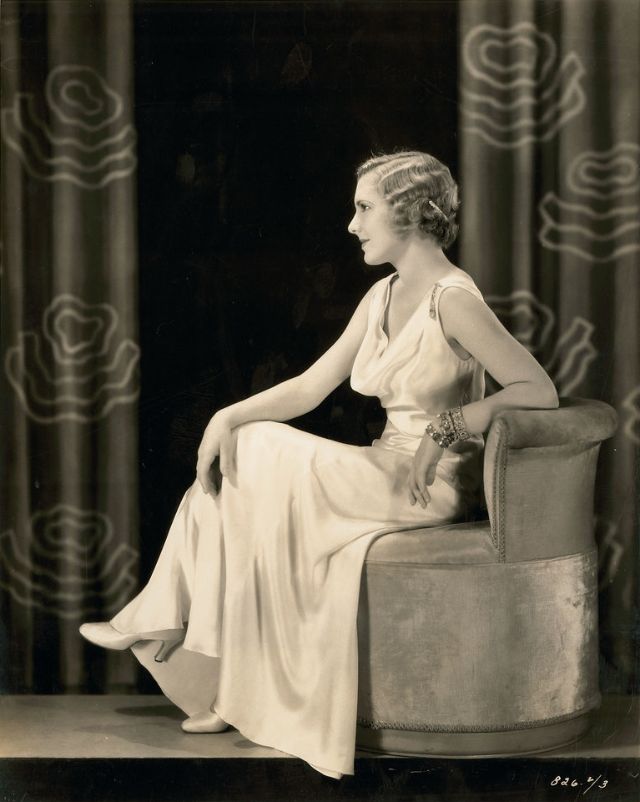
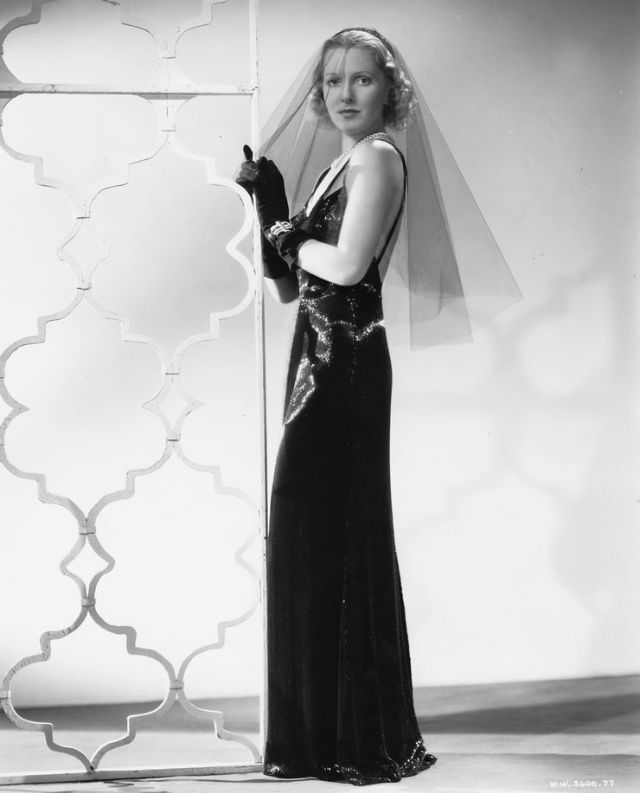
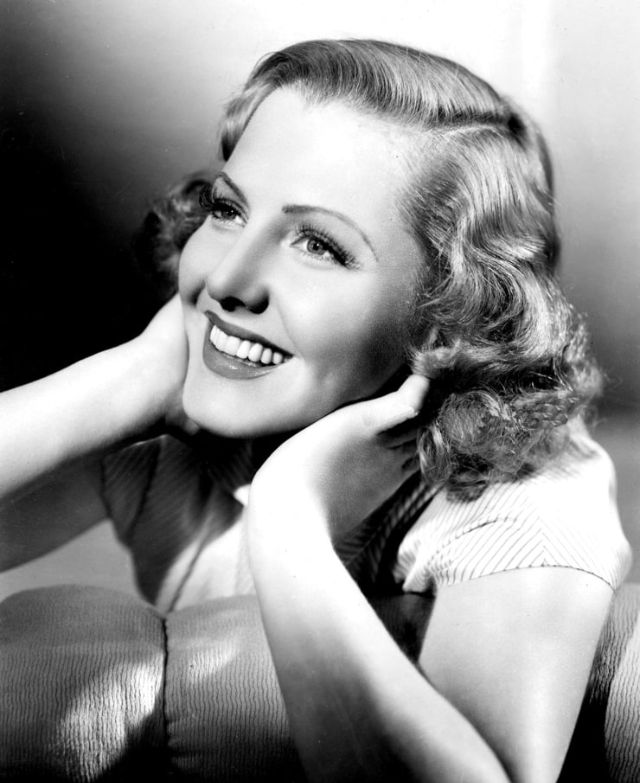
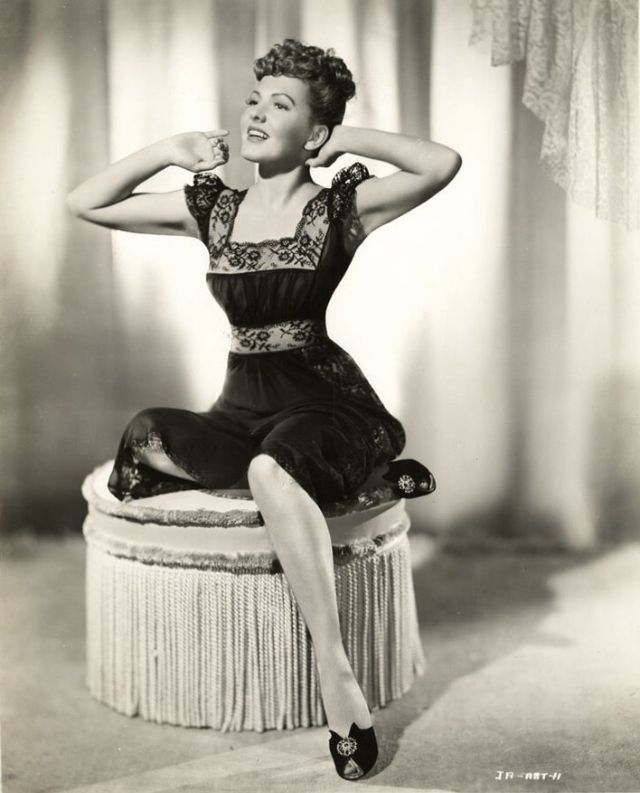
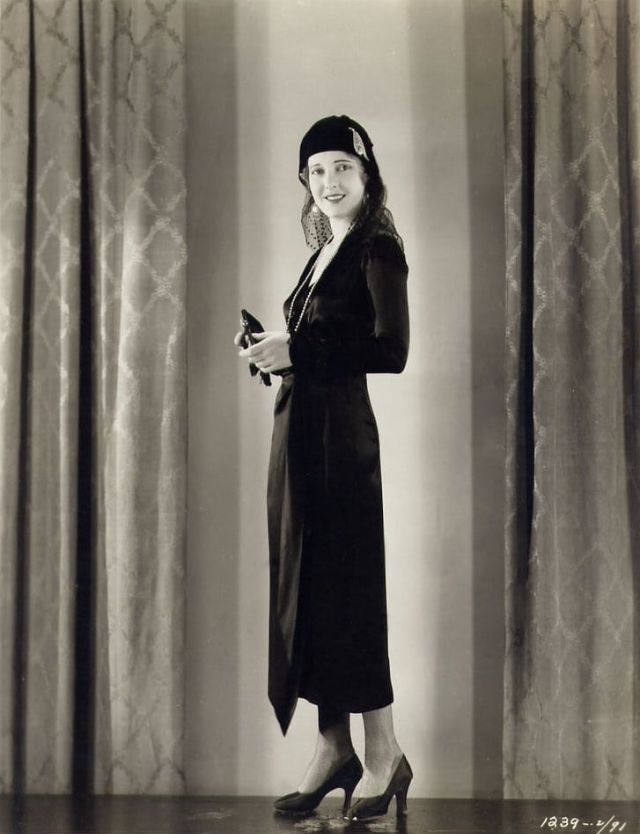
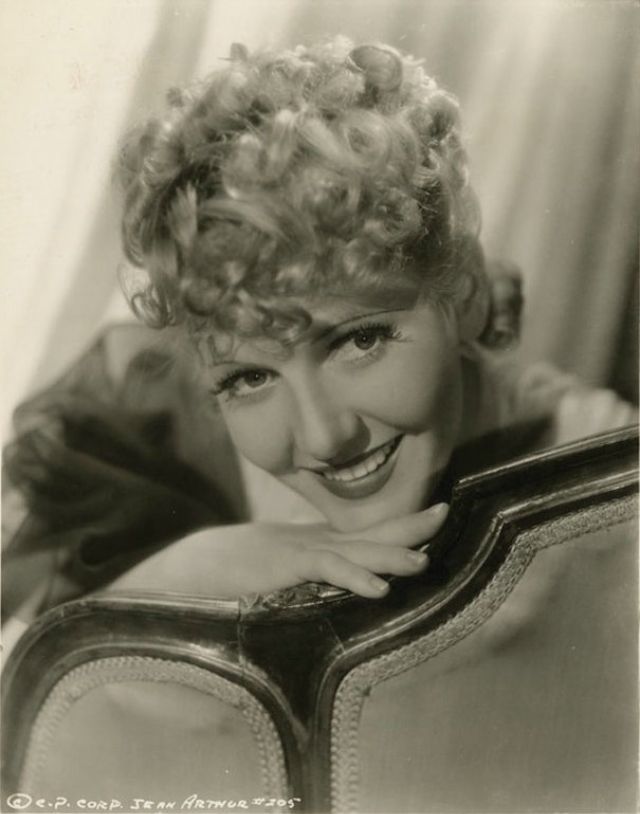
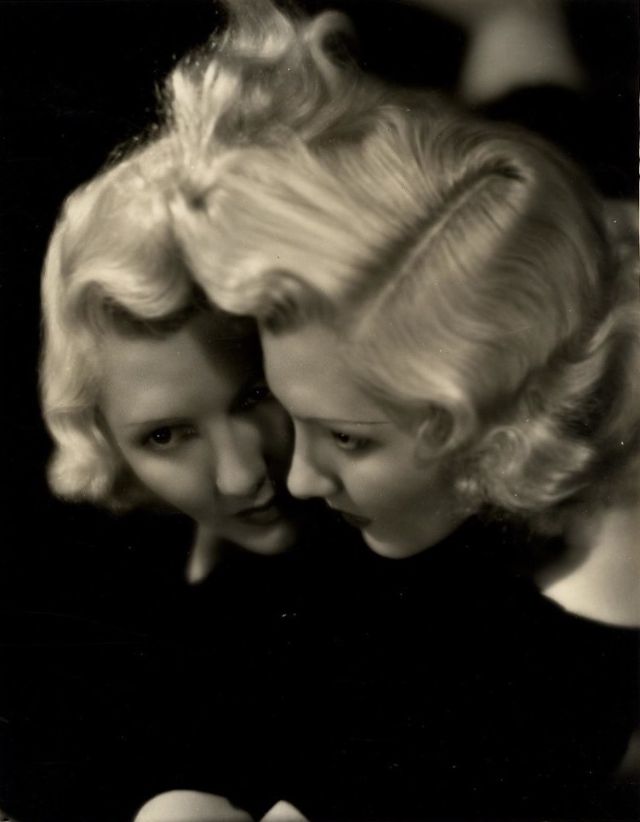
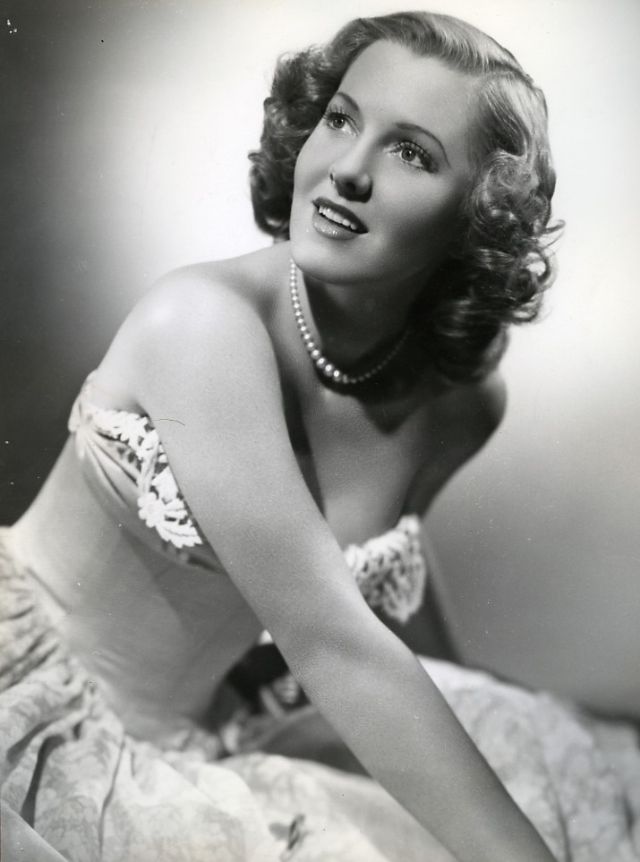
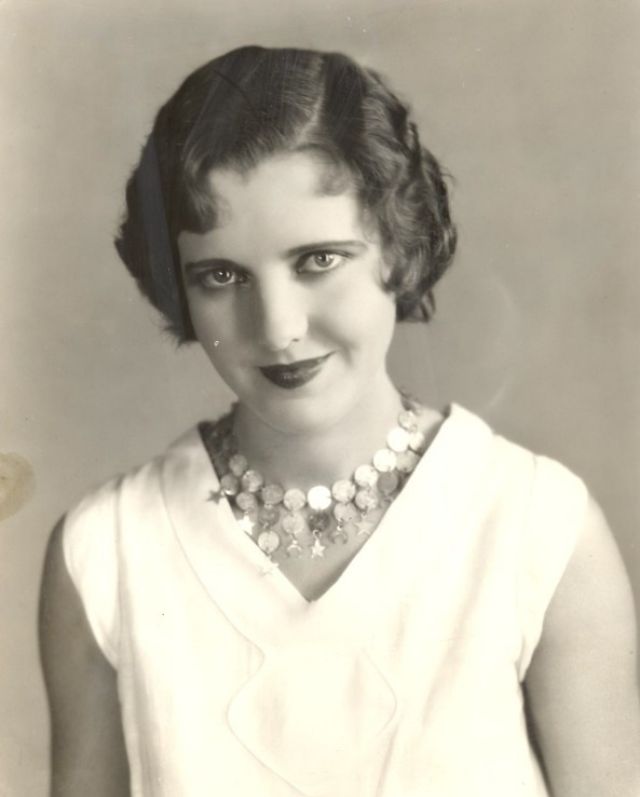
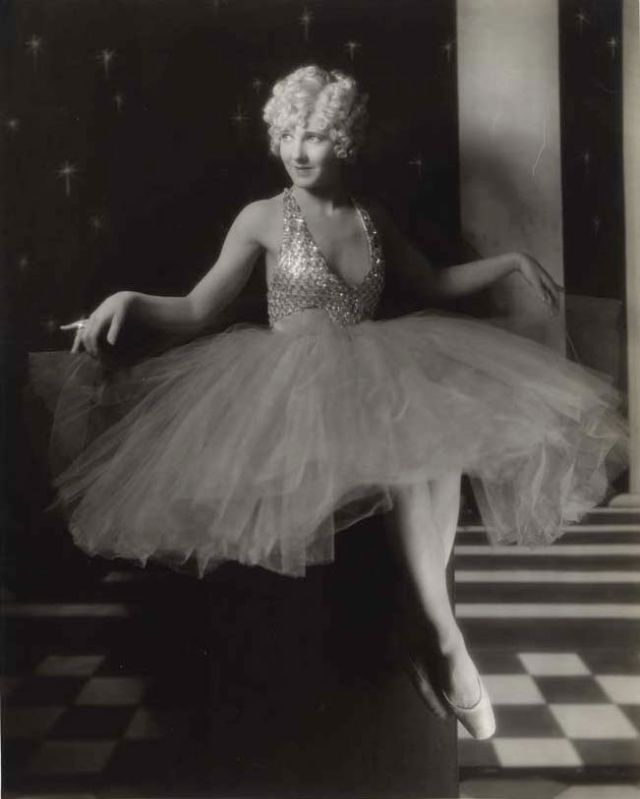
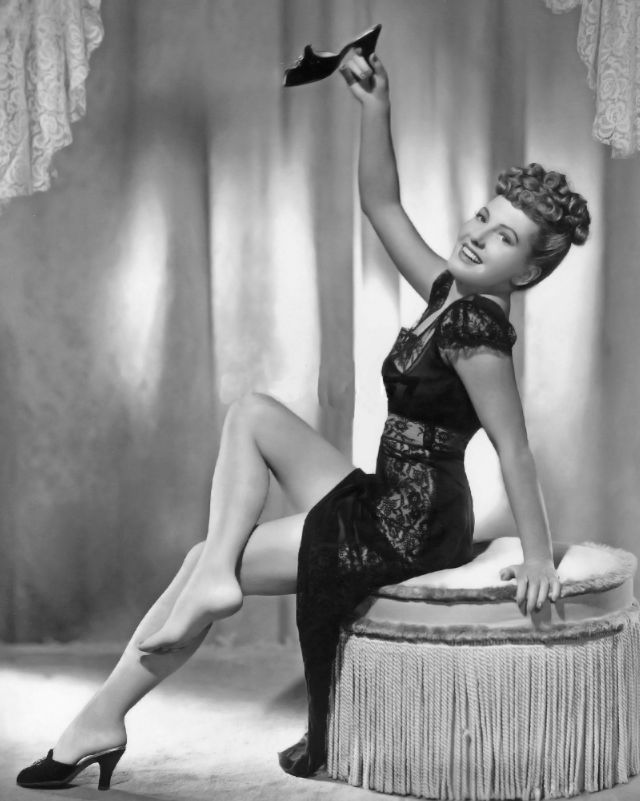
40 Beautiful Photos of Jean Arthur in the 1920s and 1930s

Born 1900 as Gladys Georgianna Greene in Plattsburgh, New York, American actress Jean Arthur had her career beginning in silent films in the 1920s and lasted until the early 1950s.

Arthur had feature roles in three Frank Capra films: Mr. Deeds Goes to Town (1936), You Can’t Take It with You (1938), and Mr. Smith Goes to Washington (1939), films that championed the “everyday heroine”. She was nominated for an Academy Award for Best Actress in 1944 for her performance in The More the Merrier (1943).

James Harvey wrote in his history of the romantic comedy: “No one was more closely identified with the screwball comedy than Jean Arthur. So much was she part of it, so much was her star personality defined by it, that the screwball style itself seems almost unimaginable without her.” She has been called “the quintessential comedic leading lady”. Her last film performance was non-comedic, playing the homesteader’s wife in George Stevens’s Shane in 1953.

Arthur was known as a reclusive woman. News magazine Life observed in a 1940 article: “Next to Garbo, Jean Arthur is Hollywood’s reigning mystery woman.” As well as recoiling from interviews, she avoided photographers and refused to become a part of any kind of publicity. She died from heart failure in 1991 at the age of 90.

Take a look at these gorgeous photos to see the beauty of young Jean Arthur in the 1920s and 1930s.

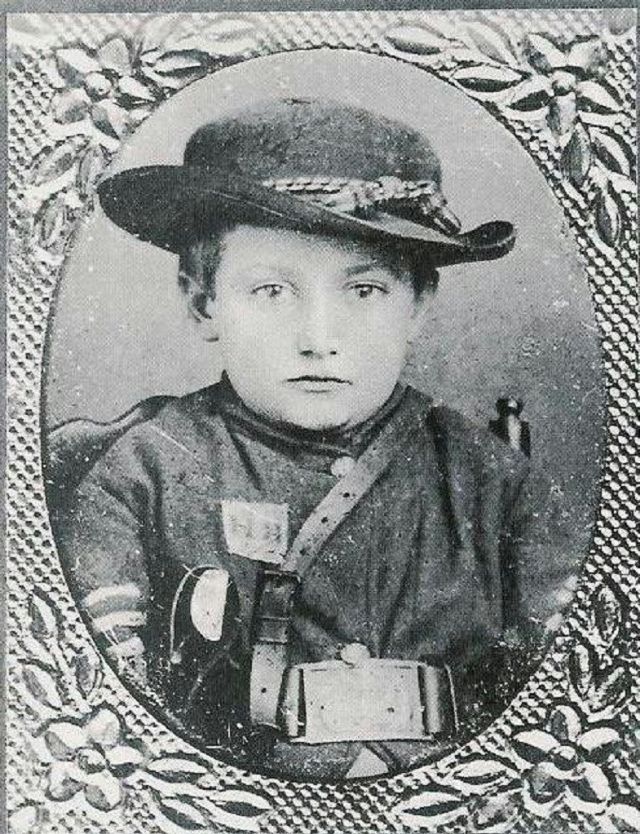
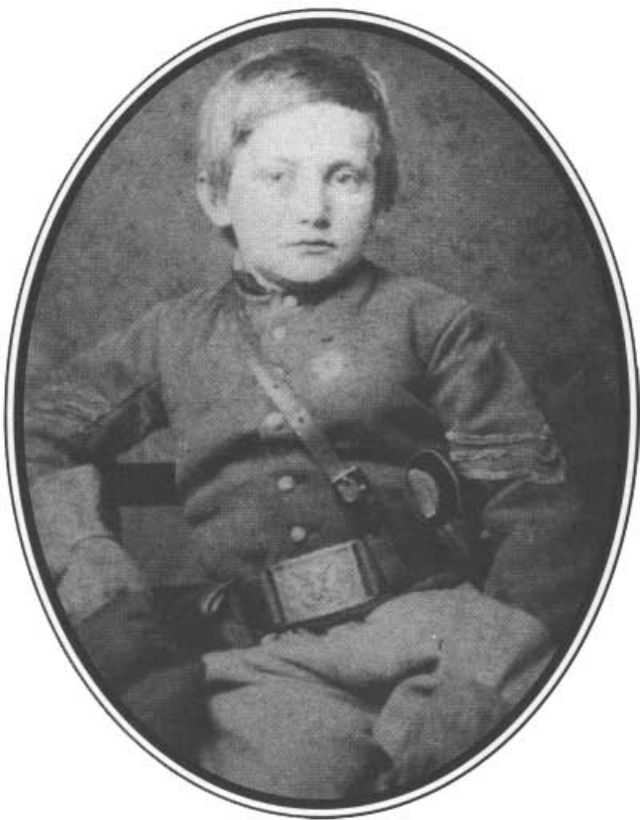
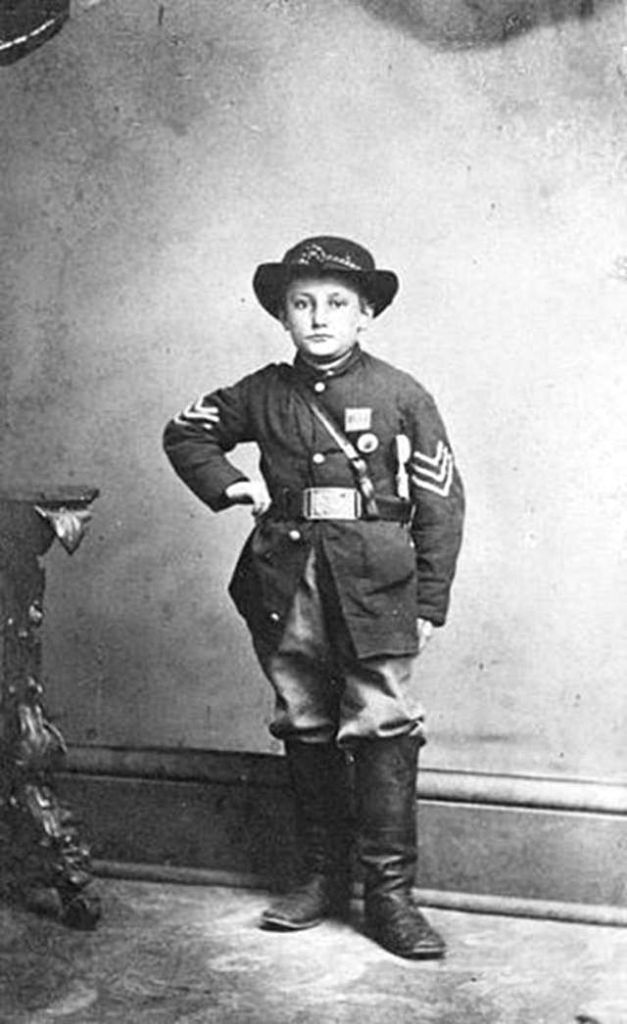
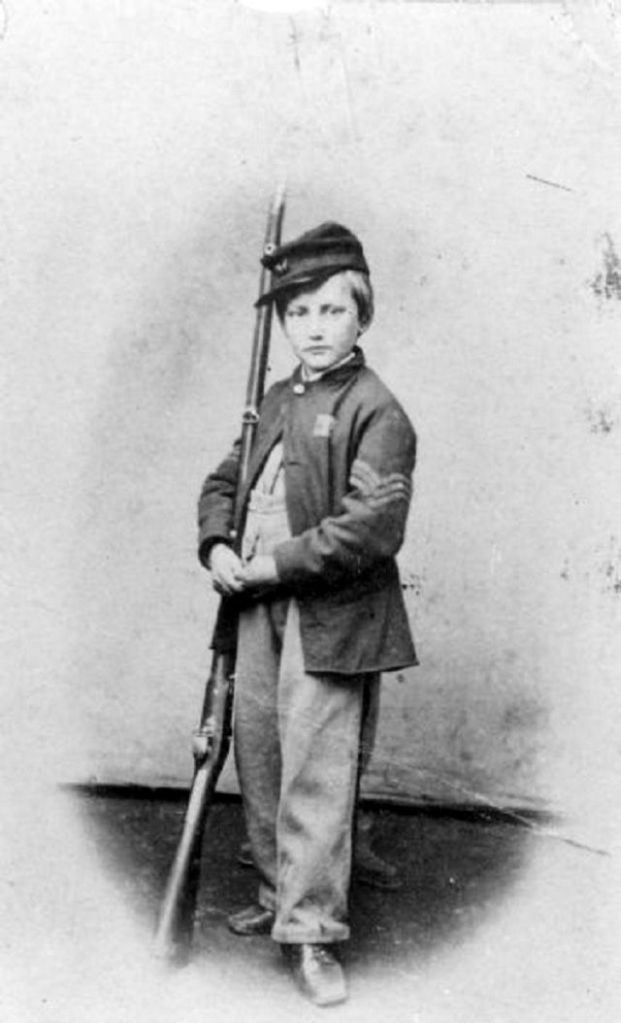
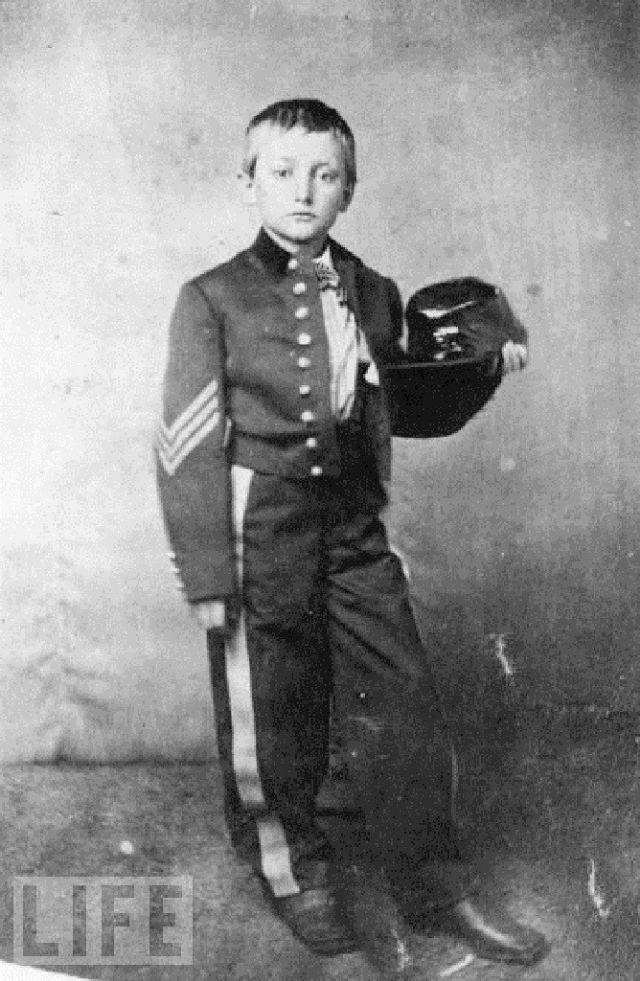
Portraits of John Clem, Who Was 12 Years Old When He Became a Civil War Hero

Johnny Clem was a soldier in the service of the United States for most of his life. He was born on August 13, 1851, in Newark, Ohio. His actual name was John Joseph Klem.

When President Abraham Lincoln in May 1861 issued the call for volunteers to serve in the Union army for a three year term, one of those who tried to answer was Ohio resident John Clem. Not yet 10 years old, Clem’s service was refused by the newly formed 3rd Ohio. Undeterred, Clem later tried to join the 22nd Michigan, where his persistence won over the unit’s officers. They agreed to let him follow the regiment, adopting him as a mascot and unofficial drummer boy. The officers also chipped in to pay his monthly salary of $13 before he finally was allowed to officially enlist in 1863.

Clem became a national celebrity for his actions at Chickamauga. Armed with a musket sawed down for him to carry, Clem joined the 22nd Michigan in the defense of Horseshoe Ridge on the afternoon of September 20. As the Confederate forces surrounded the unit, a Confederate colonel spotted Clem and shouted either “I think the best thing a mite of a chap like you can do is drop that gun” or called him a “damned little Yankee devil,” according to various sources. Rather than surrender, Clem shot the colonel and successfully made his way back to Union lines. For his actions, Clem was promoted to sergeant, the youngest soldier ever to become a noncommissioned officer in the U.S. Army, and became known as the “Drummer Boy of Chickamauga.”

Clem’s legend grew following the battle, although some stories may be apocryphal. One holds that his drum was destroyed at the Battle of Shiloh, earning him the nickname “Johnny Shiloh” and serving as inspiration for the song, “The Drummer Boy of Shiloh.” However, the 22nd Michigan, Clem’s unit, was not mustered until the summer after the Battle of Shiloh, making it unlikely Clem saw action in the battle with that regiment.

Clem went on to fight at Perryville, Murfreesboro, Kennesaw and Atlanta, where he was wounded twice. Clem was discharged from the Army in 1864 at age 13, but sought to rejoin the military in 1870. Nominated to West Point by President Ulysses S. Grant, Clem failed the entrance exam several times before Grant appointed him a second lieutenant in the U.S. Army. Clem enjoyed a successful second military career, rising to the rank of colonel and assistant quartermaster general by 1906. He retired on the eve of U.S. entry into World War I with the rank of major general, the last Civil War veteran to actively serve in the U.S. Army. Clem died on May 13, 1937 and is buried at Arlington National Cemetery.

Yesterday Today

Bringing You the Wonder of Yesterday - Today

Skip to content ↓