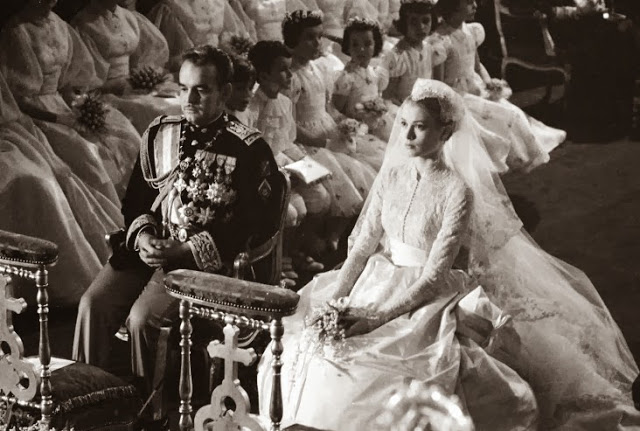
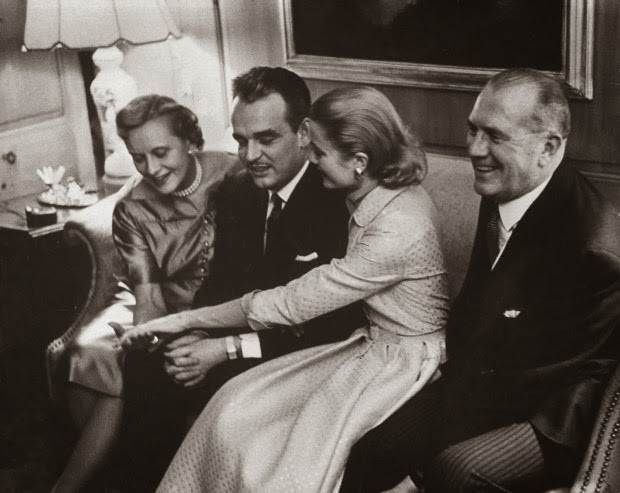
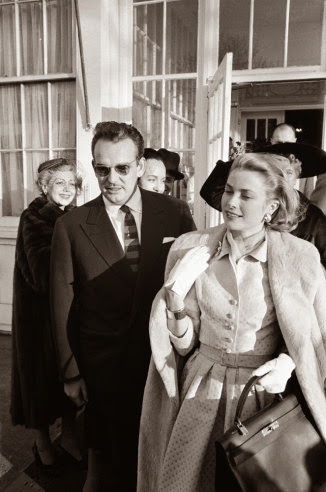
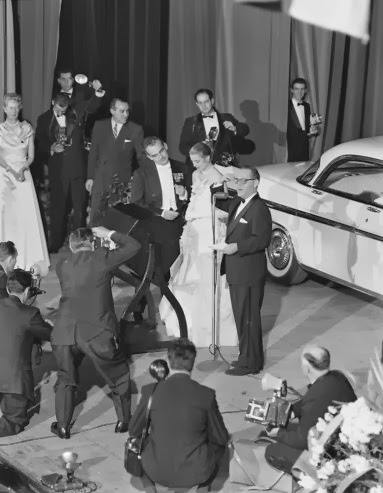
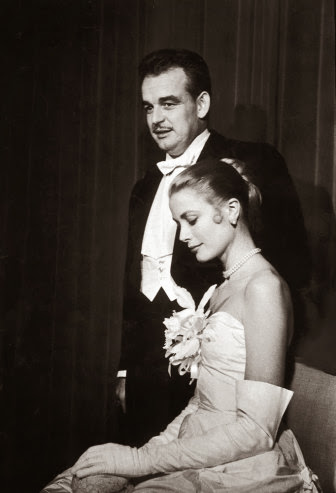
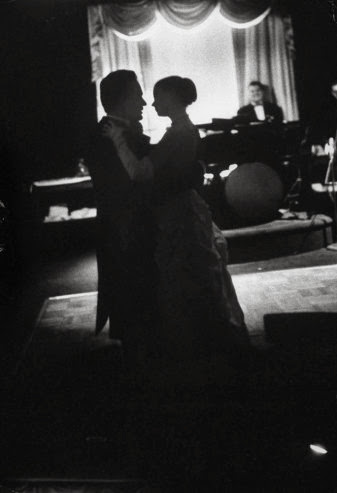
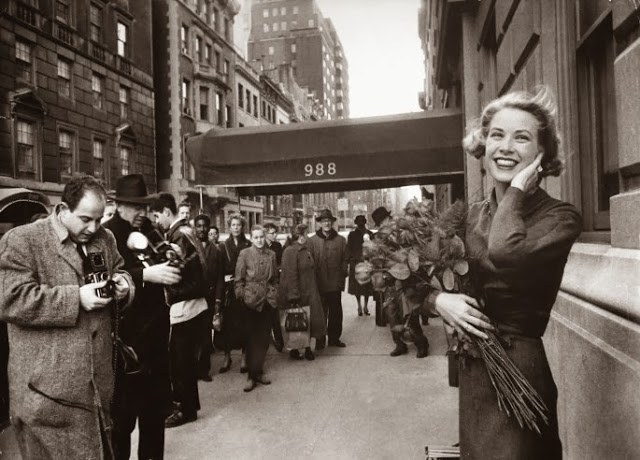
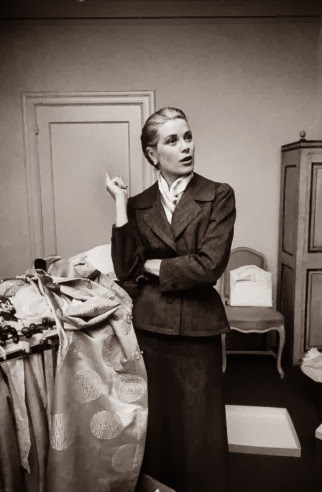
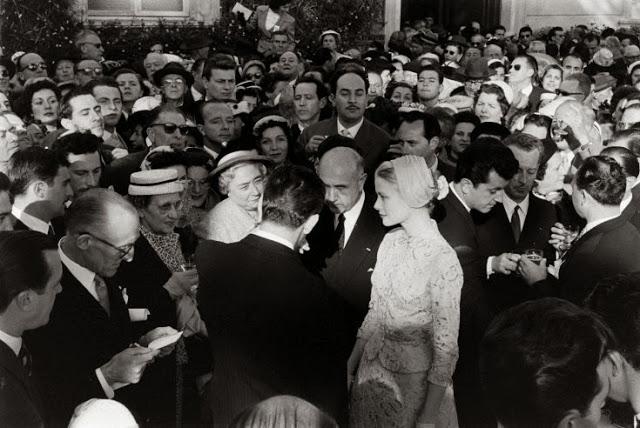
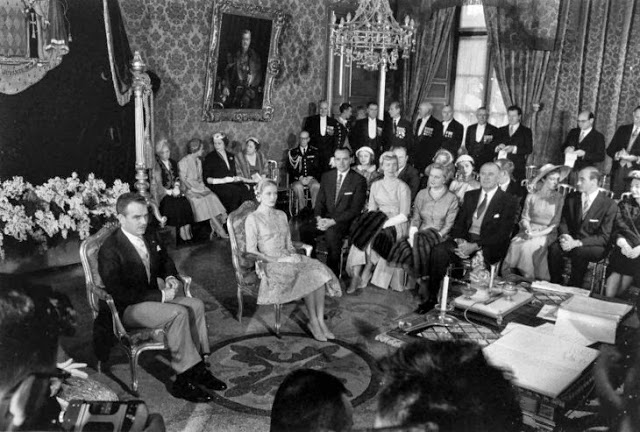
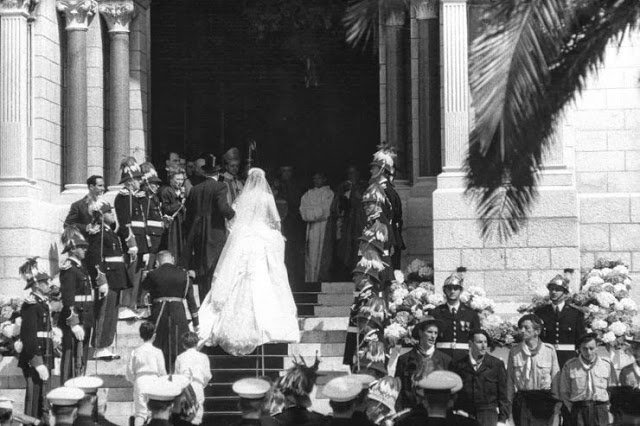
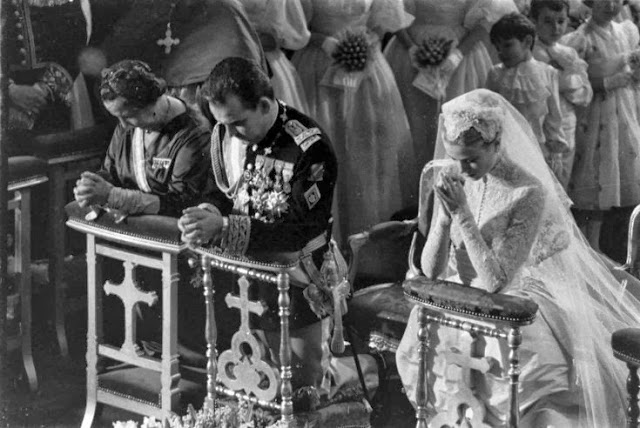
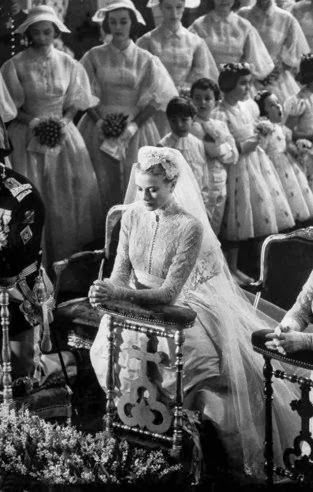
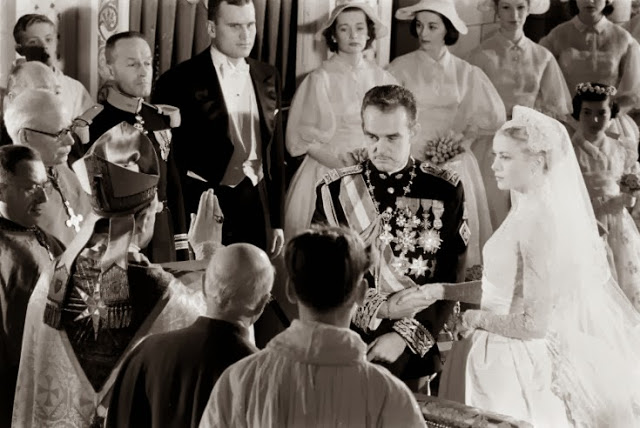
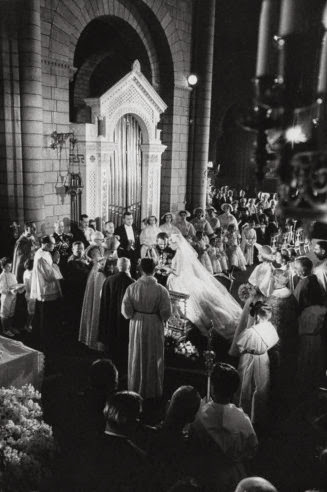
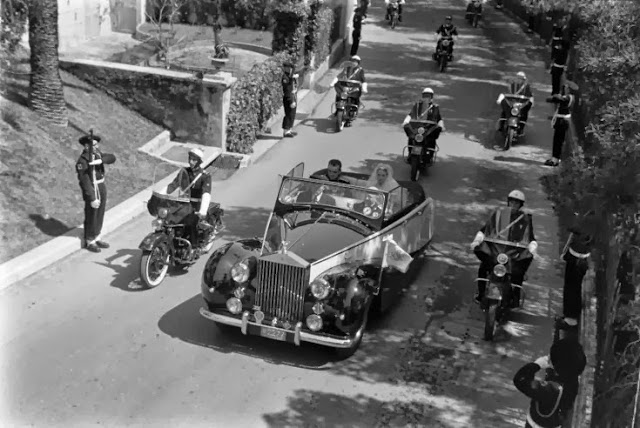
Before William and Kate, before Charles and Di, before Liz and Dick (I and II), before any of the “storybook” weddings of the past several decades, there was the fairytale wedding of the last century: the April 1956 nuptials of Grace Kelly and Prince Rainier III of Monaco. The tale of the American movie star and Philadelphia native marrying the prince of a small, sensationally wealthy city-state was simply too perfect to ignore — and for months leading up to the event, from the time of the couple’s engagement until the two ceremonies (civil and religious) that formalized their union, the Hollywood princess and the real-life prince were hardly ever out of the news.
Here’s a collection of interesting black and white pictures of the Monaco Royal wedding in 1956.
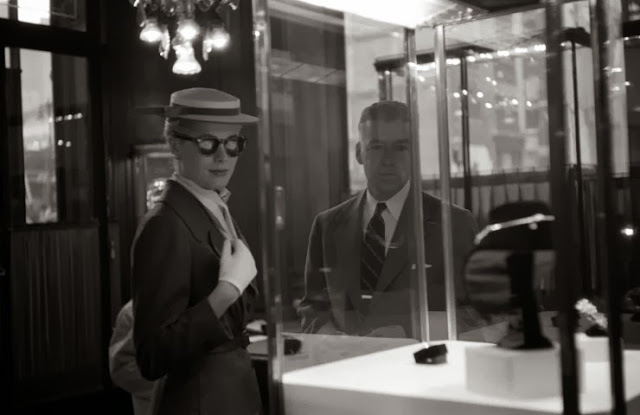
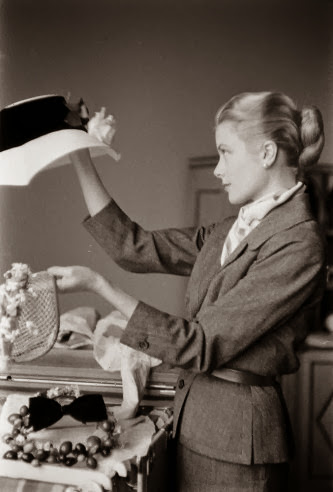
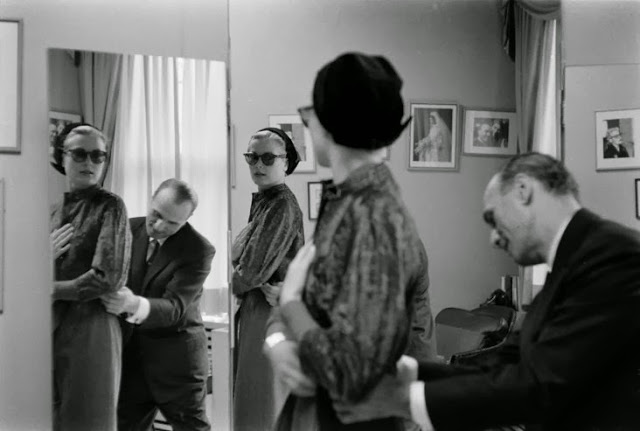
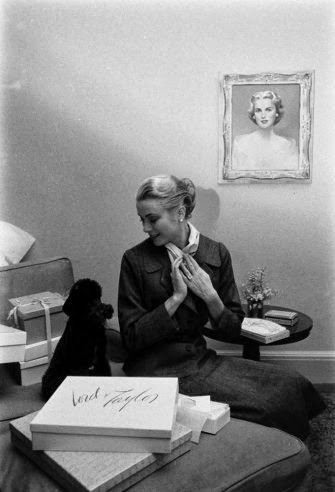
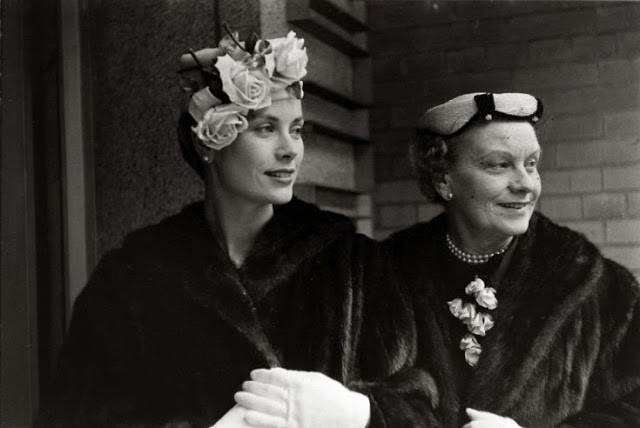
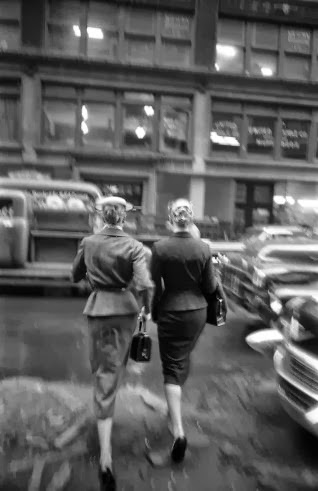
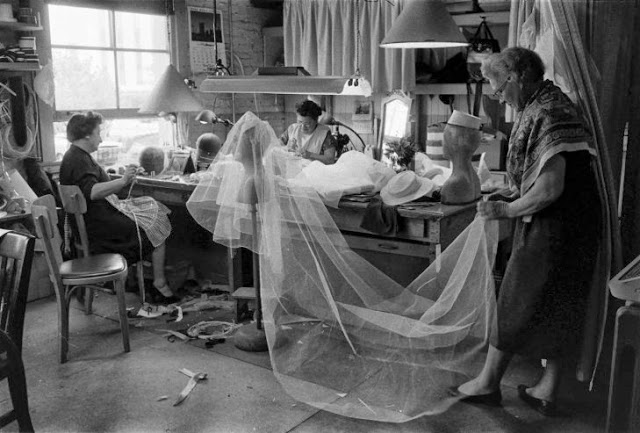
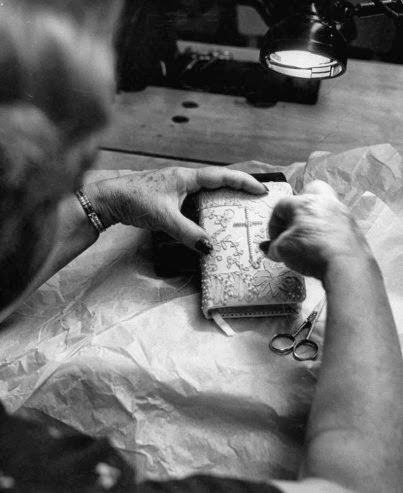
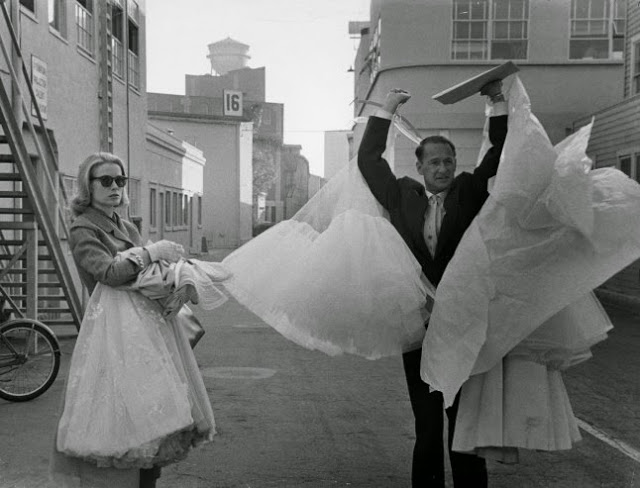
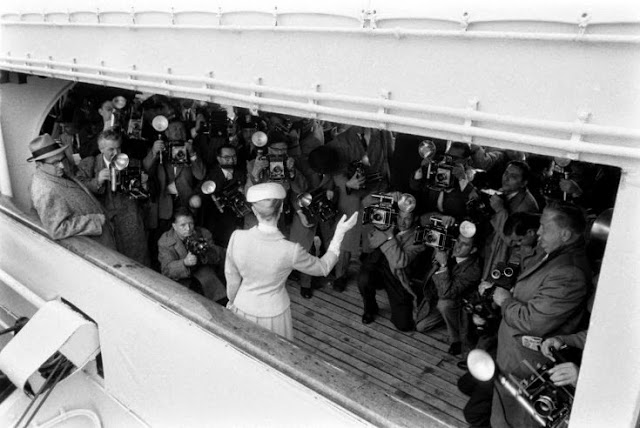
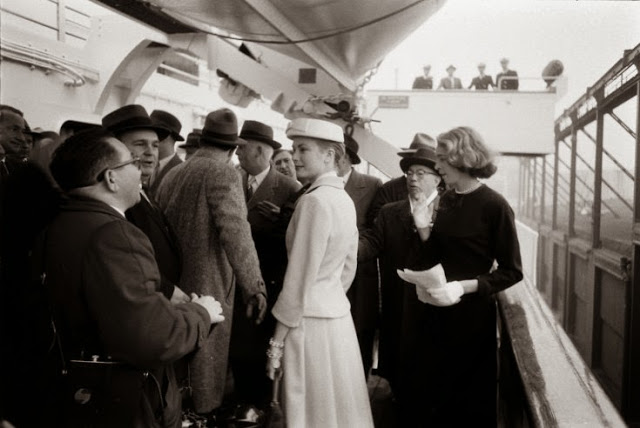
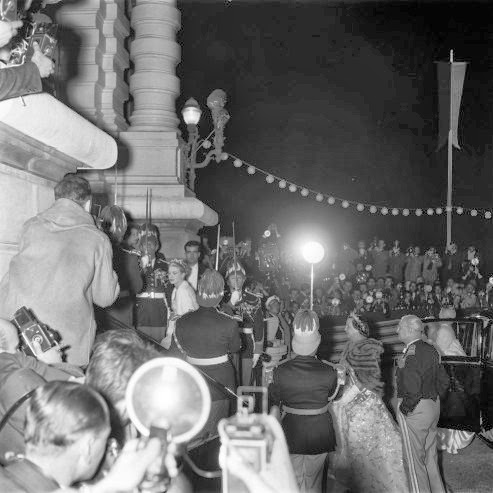
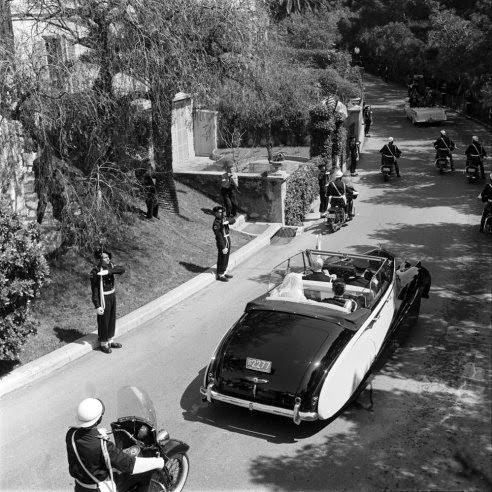
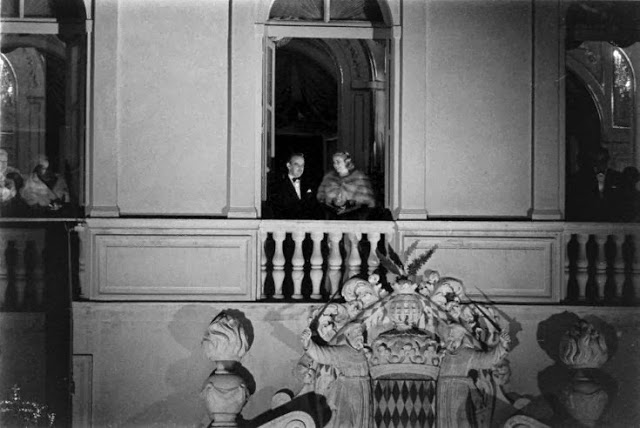
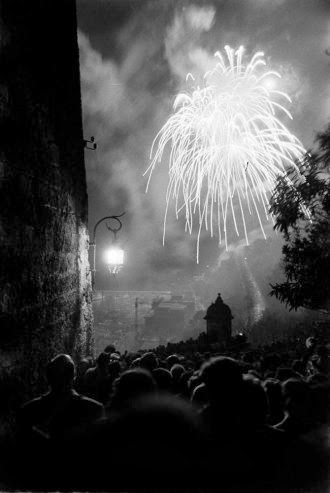
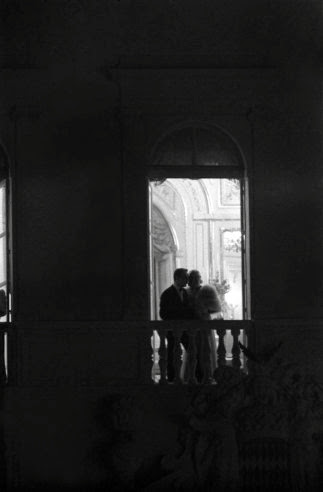
Grace Kelly and Prince Rainier wed, St. Nicholas Cathedral, Monaco, April 19, 1956Grace Kelly and Prince Rainier show her engagement ring to her mother and father at the Kelly home in Philadelphia, 1956Monaco’s Prince Rainier and Grace Kelly at time of the announcement of their engagement, January 1956Grace Kelly and Prince Rainier arrive at the Waldorf-Astoria Hotel in New York, the day after announcing their engagement, January 1956Grace Kelly and Prince Rainier at the Waldorf-Astoria Hotel in New York, the day after announcing their engagement, January 1956Grace Kelly and Prince Rainier dance not long after announcing their engagement, 1956Smiling in a brisk March wind and surrounded by photographers and fans, Grace Kelly poses just off of Fifth Avenue in New York, 1956Grace Kelly takes a momentary breather while packing her things before the wedding, 1956Kelly inside a New York jewelry store, where she perused possible gifts for her groomGrace Kelly packing for her trip to Monaco, March 1956Grace Kelly, March 1956Grace Kelly and her poodle, Oliver, 1956Grace Kelly with her mother, Margaret Majer Kelly, before leaving New York for Monaco in March 1956Grace Kelly (left) and one of her two sisters (either Peggy or Lizanne), New York City, 1956Seamstresses work on Grace Kelly’s wedding dress and veil, conceived by MGM’s wardrobe designer, Helen Rose, Hollywood, Calif., 1956A woman puts the finishing touches on the pearl-studded prayer book for Grace Kelly’s wedding, Hollywood, Calif., 1956Grace Kelly leaves a Hollywood studio lot for the last time before her marriage, 1956On April 4, 1956, Grace Kelly — her bridesmaids, her relatives, her dog, and about 80 pieces of luggage in tow — left New York for Monaco aboard the liner, SS ConstitutionGrace Kelly aboard the liner, SS Constitution, on which she traveled to Monaco for her wedding, April 1956Grace Kelly in Monaco, April 1956Grace Kelly in Monaco before her wedding, April 1956Grace Kelly and Prince Rainier in Monaco, the day before their wedding, April 1956Prince Rainier III and Grace Kelly ascend the steps of Monaco PalaceGrace Kelly and Prince Rainier kneel during Mass at their religious wedding, April 1956Grace Kelly prays before her wedding to Prince Rainier III, April 1956Grace Kelly and Prince Rainier join hands as the Bishop of Monaco, Mgr. Gilles Barthe, administers the nuptial benediction at Saint Nicholas Cathedral, April 1956Wedding ceremony of Prince Rainier III of Monaco to Grace Kelly, April 1956Princess Grace and Prince Rainier III, newlyweds, April 1956Princess Grace and Prince Rainier III, newlyweds, are whisked away in a Rolls Royce convertible, April 1956Prince Rainier III and Her Serene Highness, Princess Gracia Patricia of Monaco, April 19, 1956Fireworks light up the sky above Monaco in celebration of the wedding of Prince Rainier III and Grace Kelly, April 1956Grace Kelly and Prince Rainier III of Monaco, April 1956
(Photos: Frank Scherschel, via Time & Life Pictures/Getty Images)
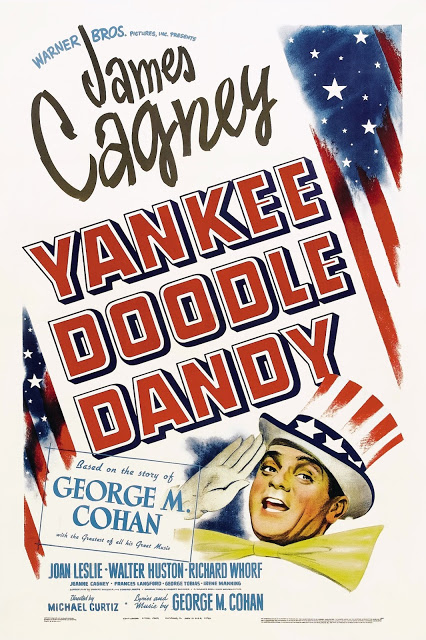
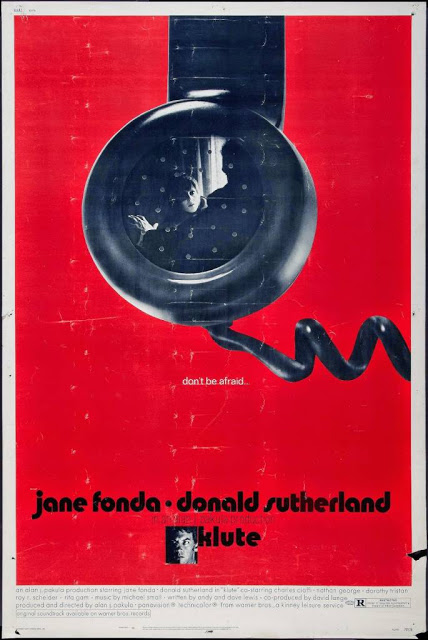
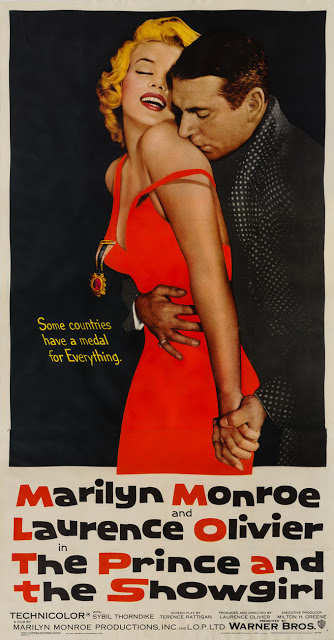
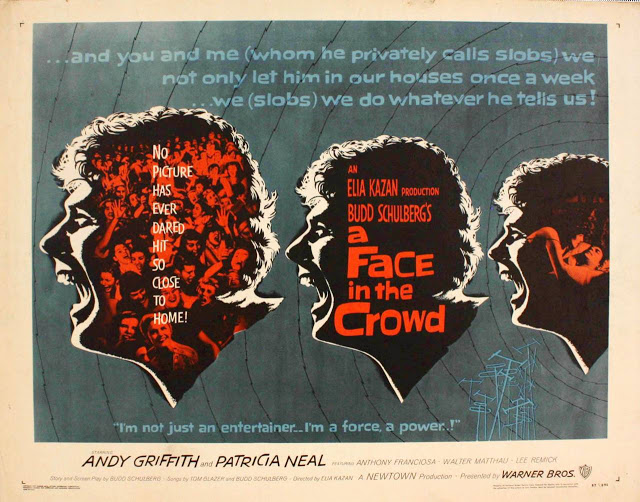
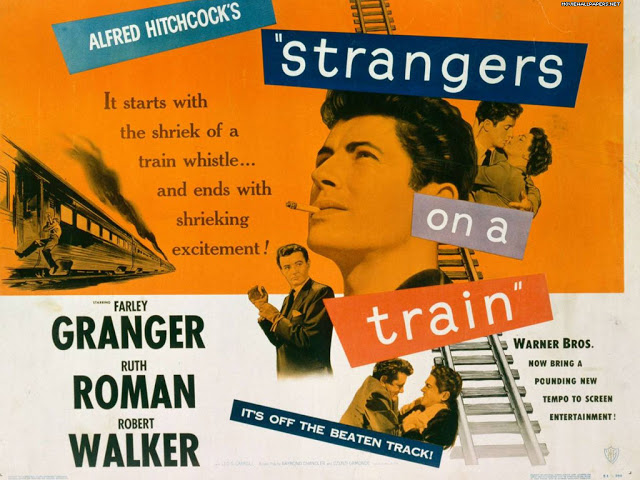
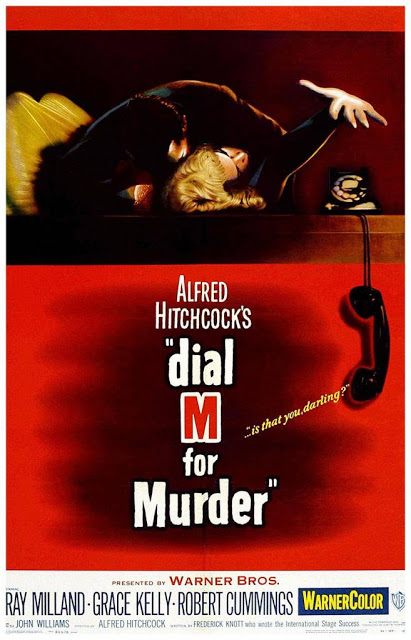
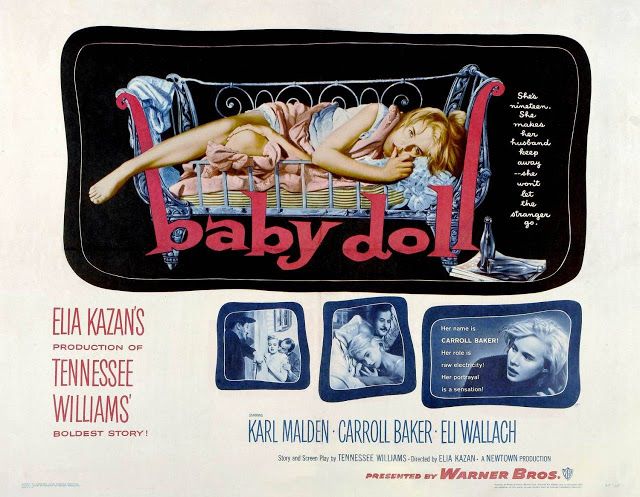
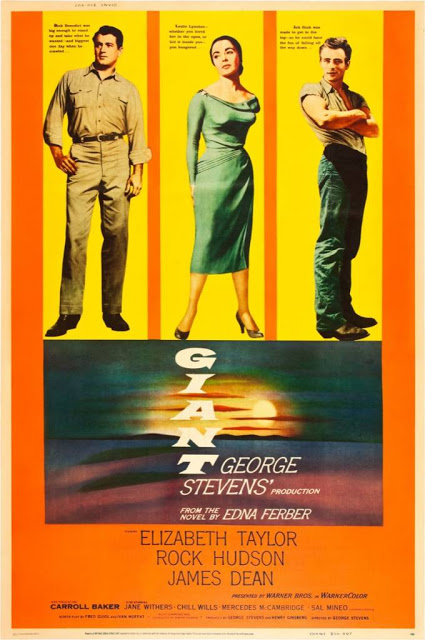
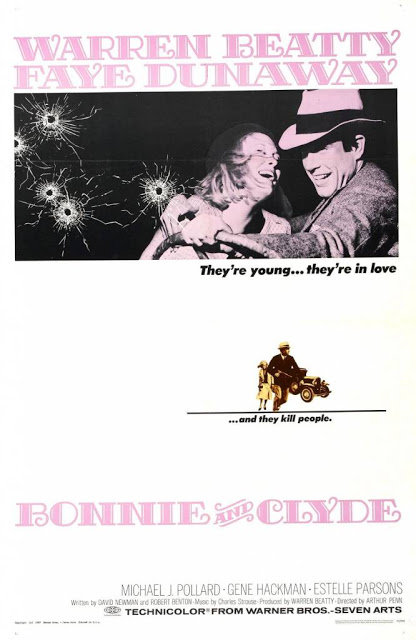
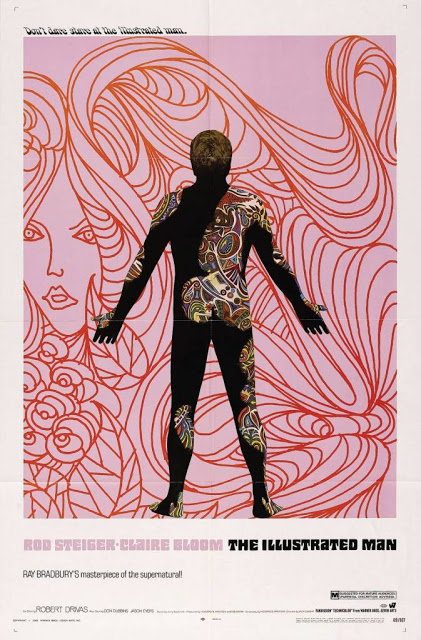
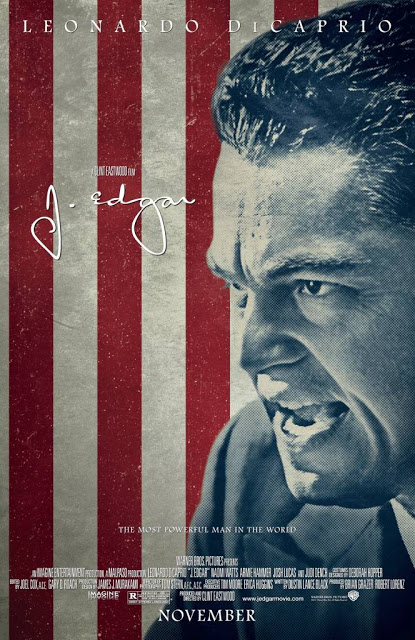
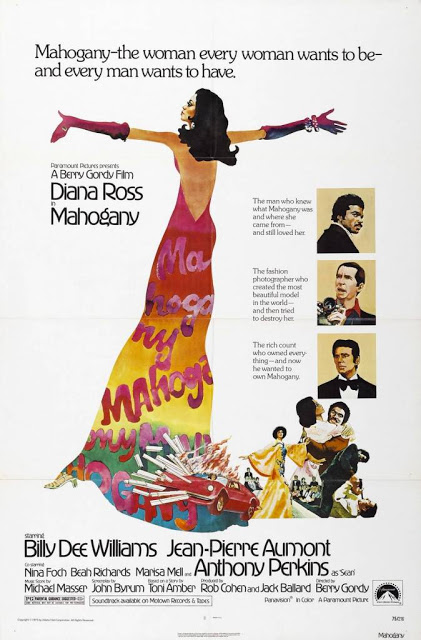
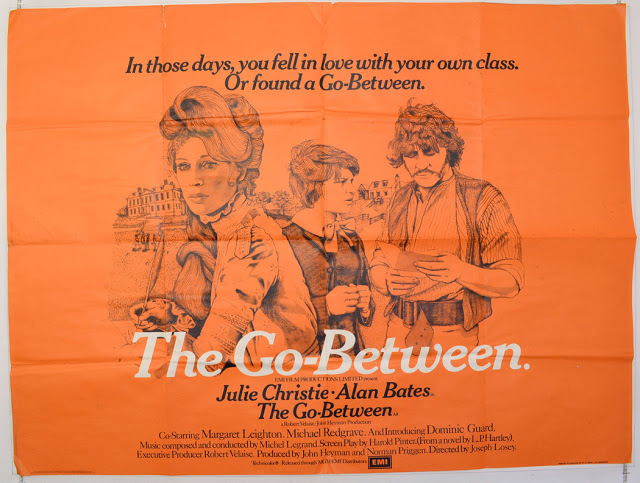
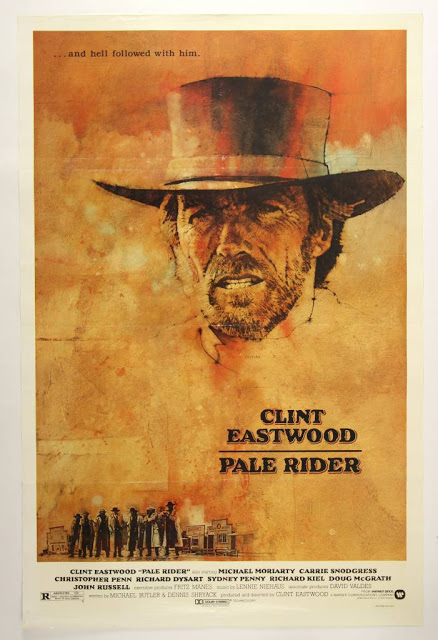
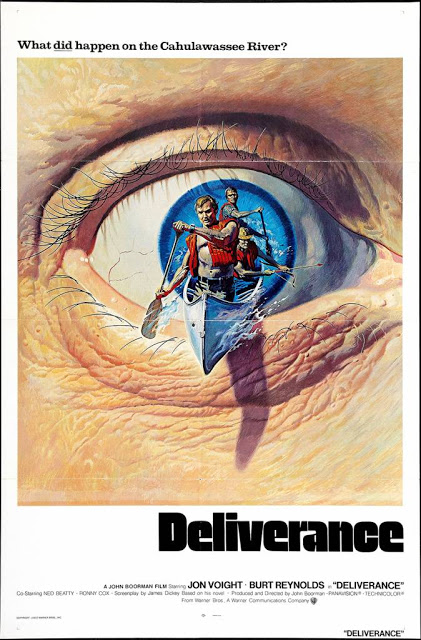
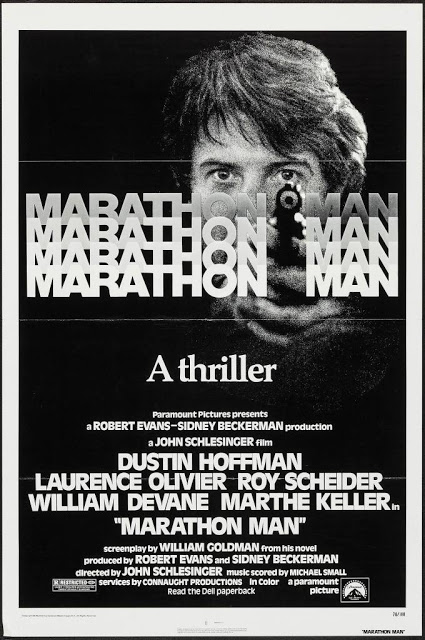
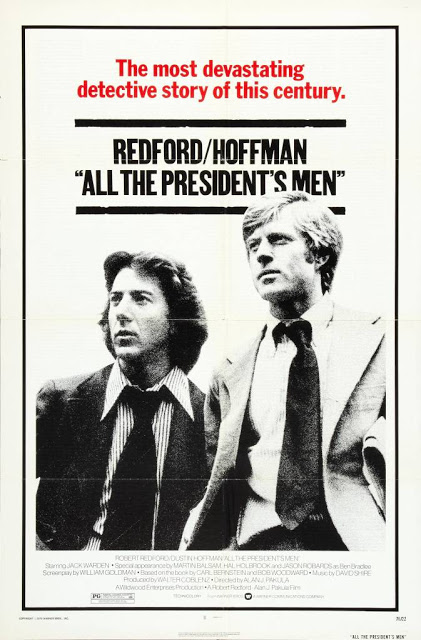
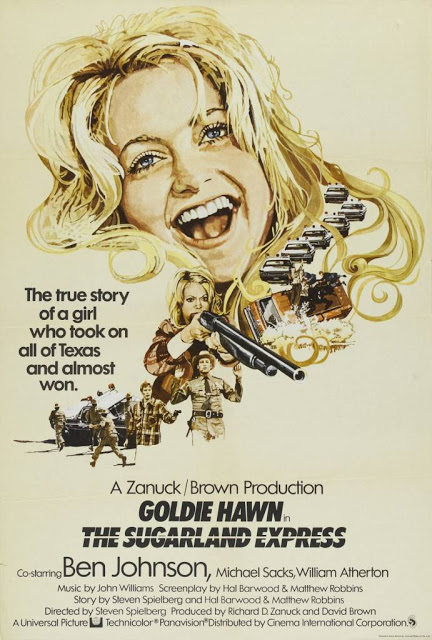
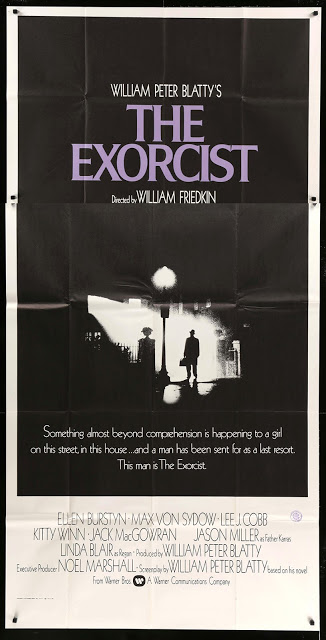
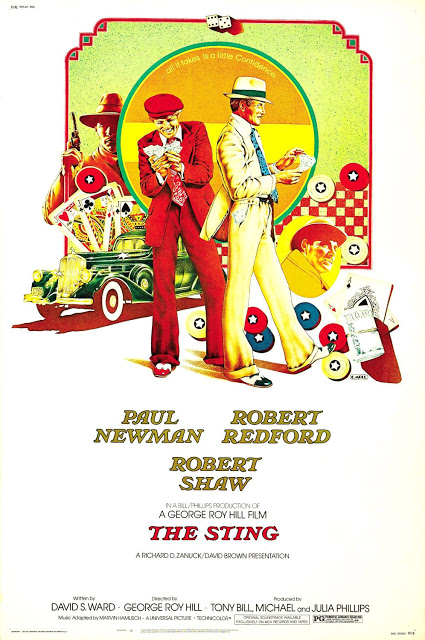
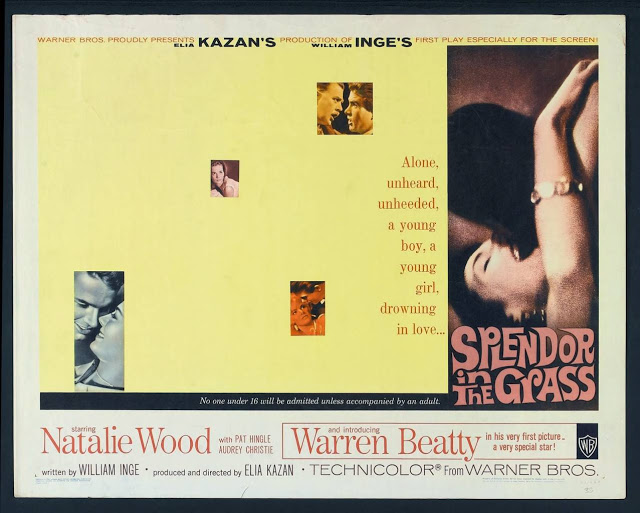
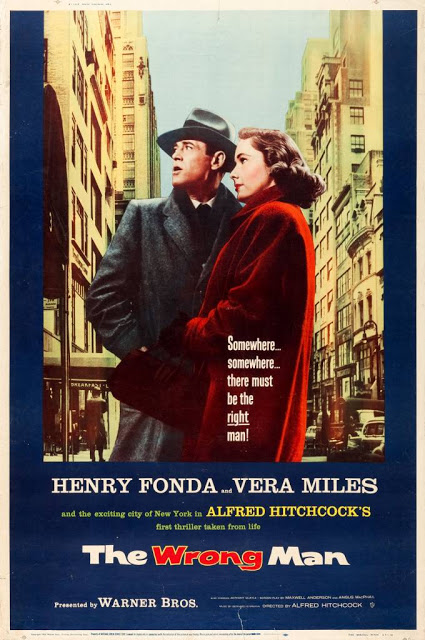
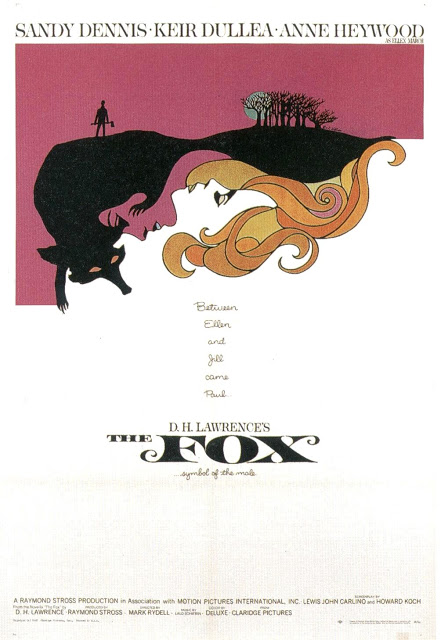
Bill Gold (1921-2018) is an American former graphic designer best known for thousands of film poster designs. He began his professional design career in 1941, in the advertising department of Warner Bros.. Gold became head of poster design in 1947. His first film poster was for Yankee Doodle Dandy (1941), and his most recent work was for J. Edgar (2011).
“I know what movie posters should look like, instinctively,” he told the New York Times “I looked at everything that MGM and Paramount and all the companies did, and I never liked anything that I saw. I always found fault with the fact that they showed three heads of the actors, and that’s about all the concept they would use. And when I started to work, I thought: I don’t want to just do a concept with three heads in it. I want a story.”
During his 70-year career he has worked with some of Hollywood’s greatest filmmakers, including Laurence Olivier, Clint Eastwood, Alfred Hitchcock, Stanley Kubrick, Elia Kazan, Ridley Scott, and many more. Among his most famous film posters are those for Casablanca and A Clockwork Orange.
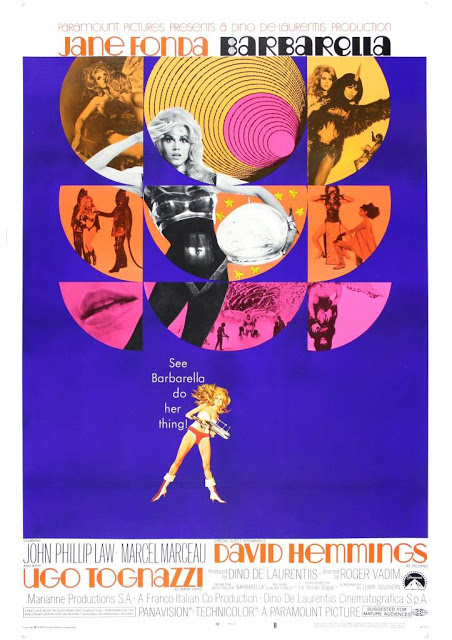
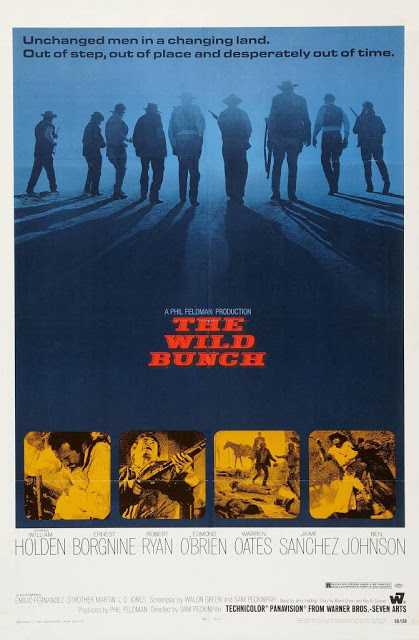
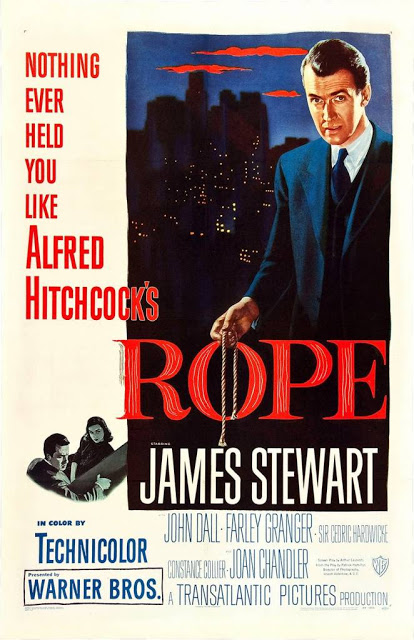
Yankee Doodle Dandy (1941). Gold’s first poster.Barbarella (1968)The Wild Bunch (1969)Rope (1948)Klute (1971)The Prince and the Showgirl (1957)Casablanca (1942)A Face in the Crowd (1957)Strangers on a Train (1951)Dial M for Murder (1954)Baby Doll (1956)Giant (1956)The Old Man and the Sea (1958)Bonnie and Clyde (1968)Illustrated Man (1969)J Edgar (2011). Bill Gold’s last poster.Mahogany (1975)The Go-Between (1971)Pale Rider (1985)Deliverance (1972)Marathon Man (1976)All the President’s Men (1976)Sugarland Express (1974)The Exorcist (1972)The Sting (1973)Splendor in the Grass (1961)The Wrong Man (1956)The Fox (1967)
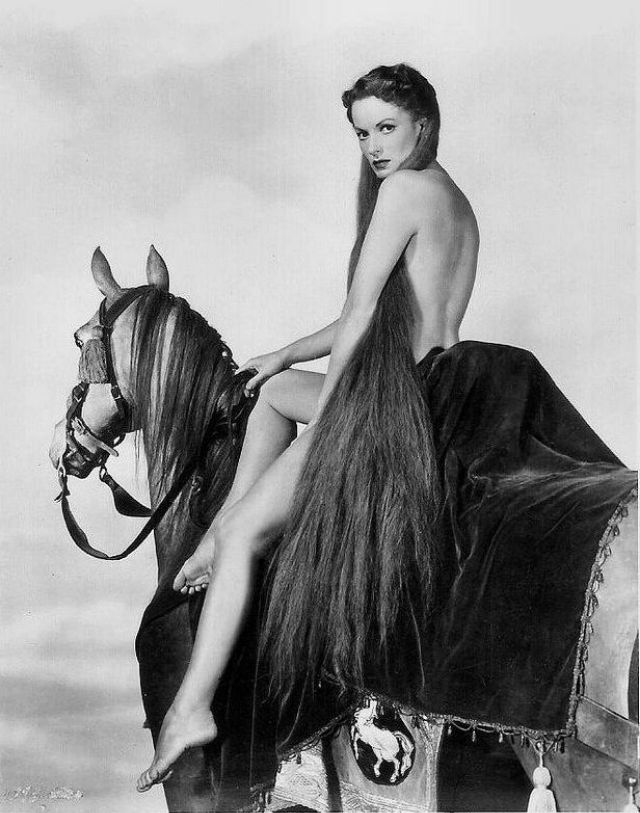
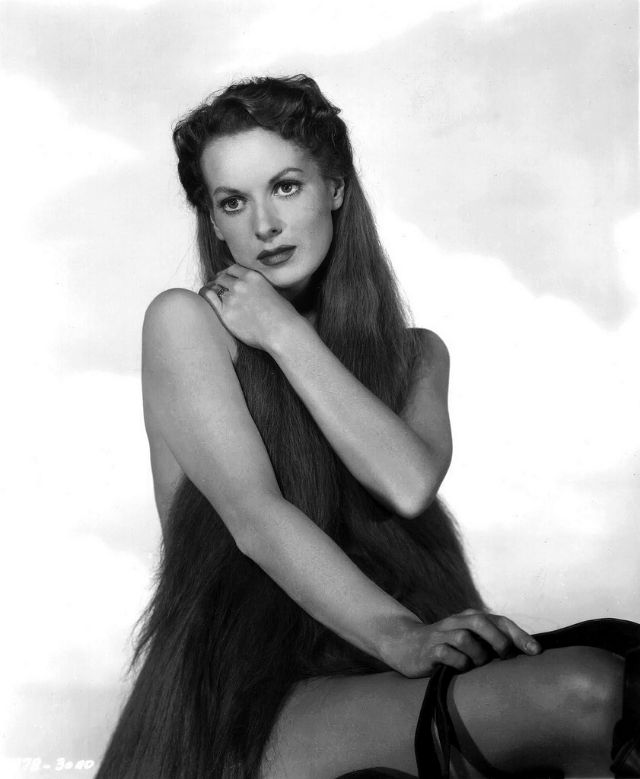
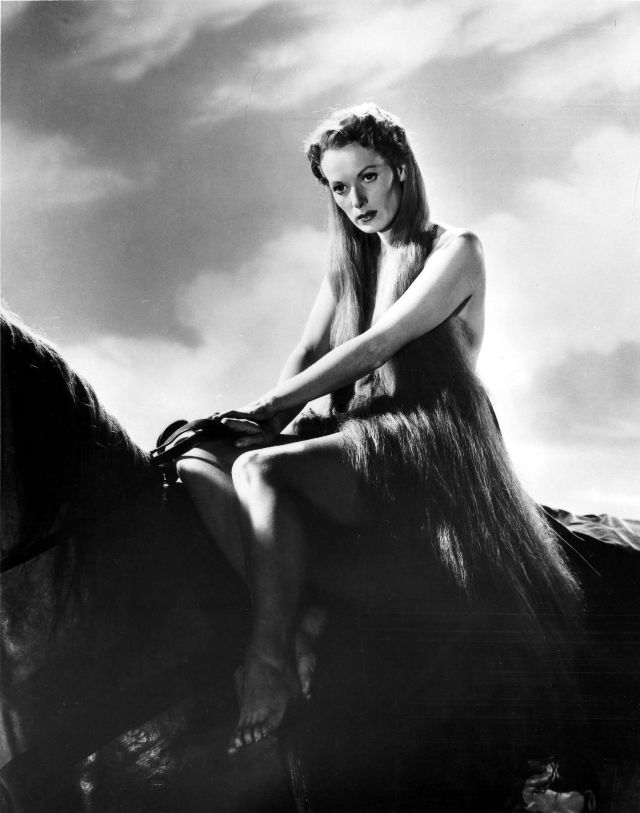
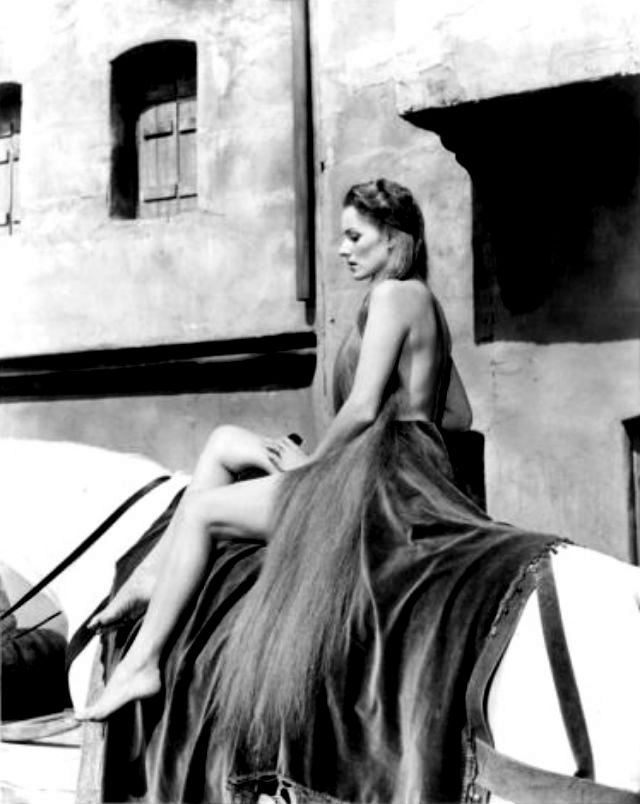
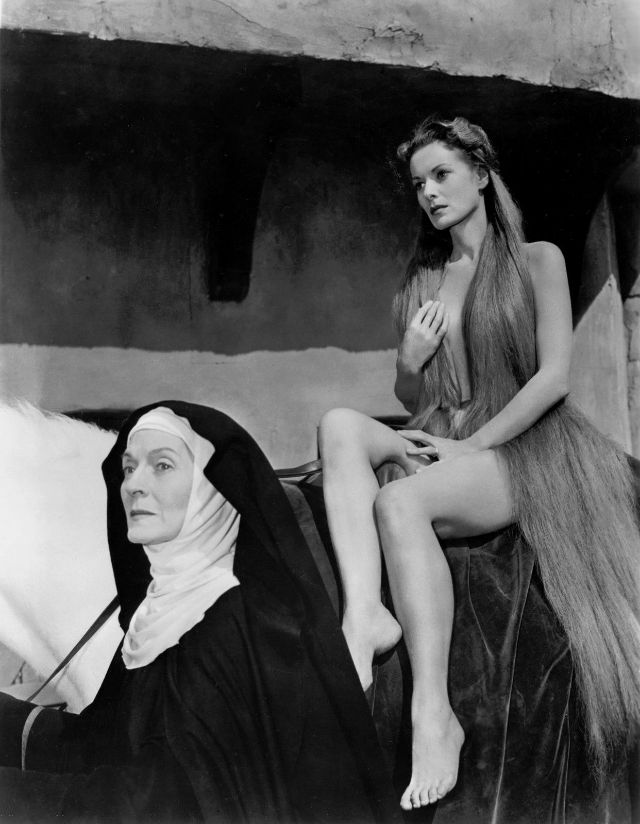
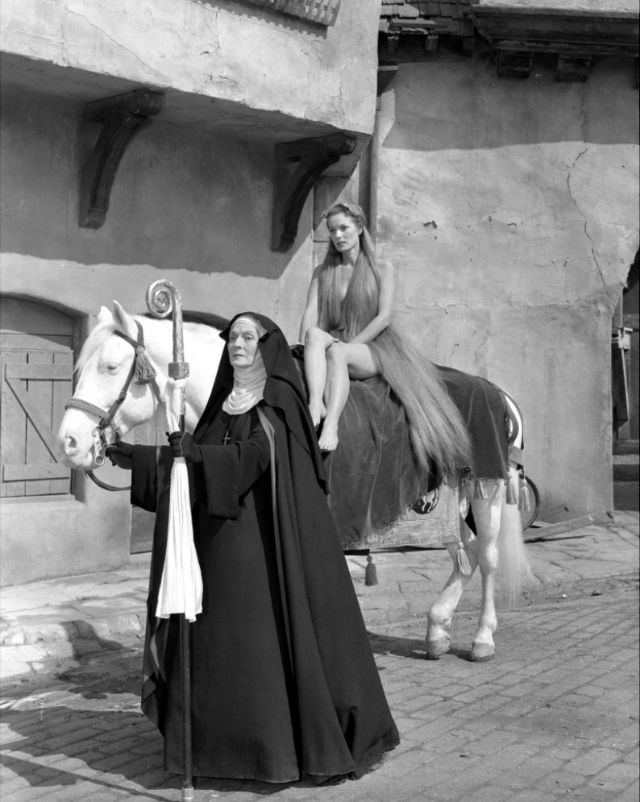
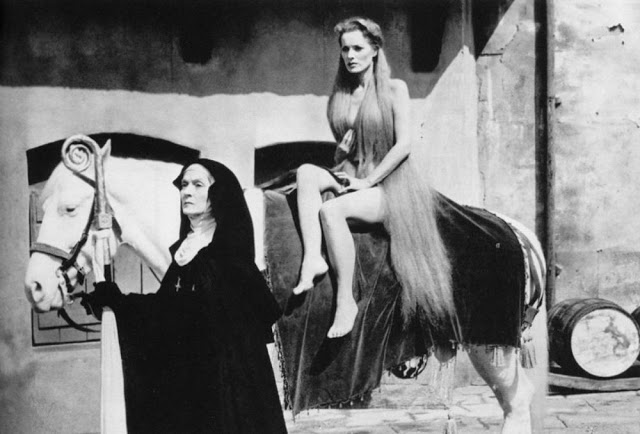
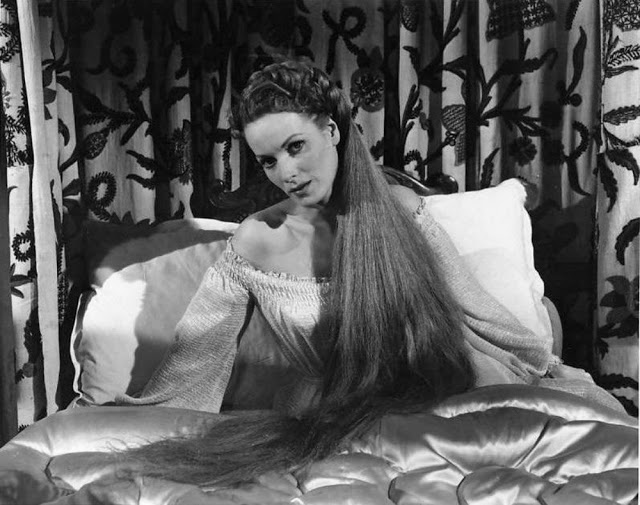
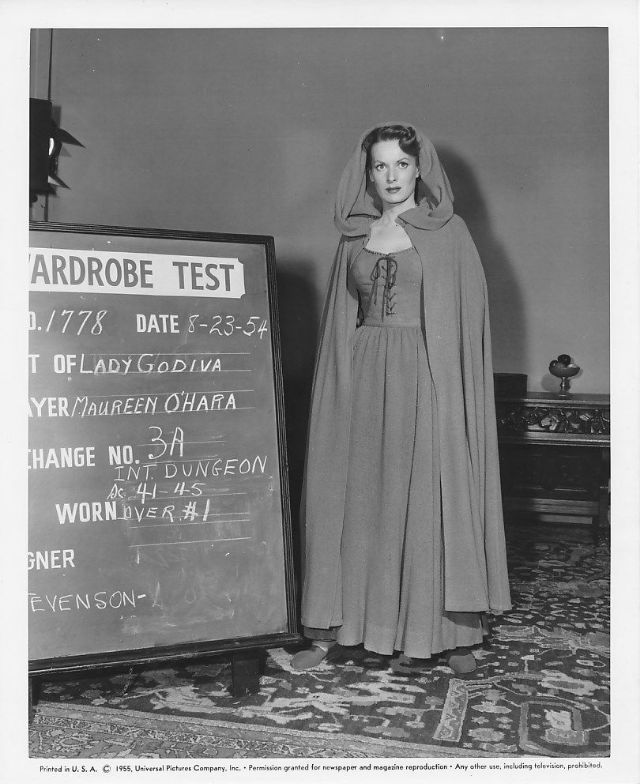
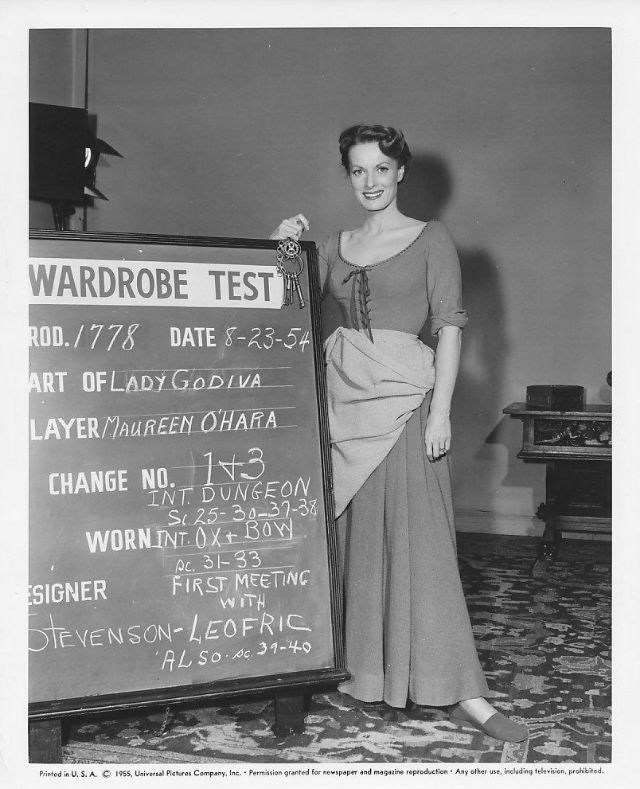
Lady Godiva of Coventry is a 1955 American Technicolor historical drama film, directed by Arthur Lubin. It starred Maureen O’Hara in the title role.
The film is set in 11th century England. King Edward the Confessor wants the Saxon Lord Leofric, who rules Coventry, to marry a Norman woman, Yolanda. When he refuses, he is sentenced to jail, where he meets Godiva, the sheriff’s sister. The two fall in love and soon they are wed. The times are turbulent and Godiva proves a militant bride; unhistorically, unrest between the Anglo-Saxon populace and the increasingly influential Norman French led to her famous ride.
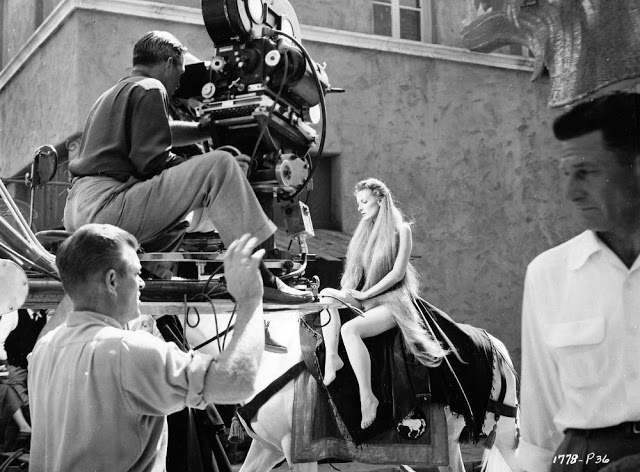
The plot is quite notable by the striking leadership qualities of the Maureen O’Hara role. She filmed the famous ride wearing a leotard, with her long hair covering the rest of her body. Arthur Lubin said he was inspired by the painting of Landseer. The sequence was shot on a closed set.
Below are some amazing behind the scenes photographs on the famous set of the film Lady Godiva of Coventry.
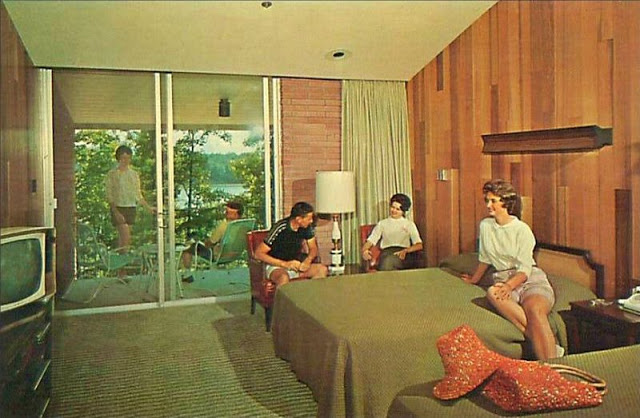
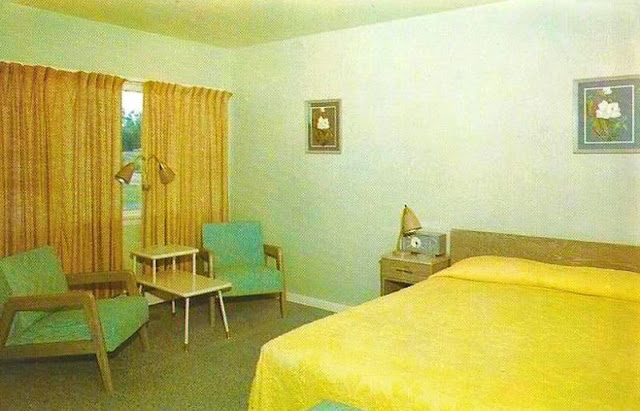
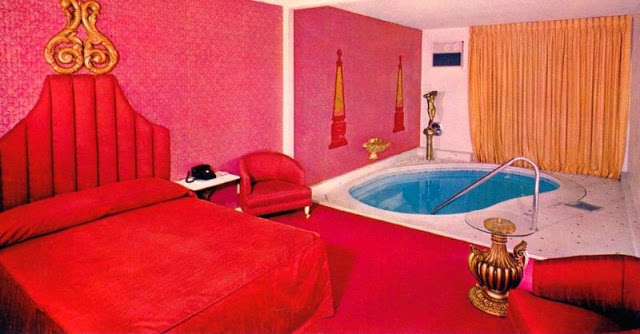
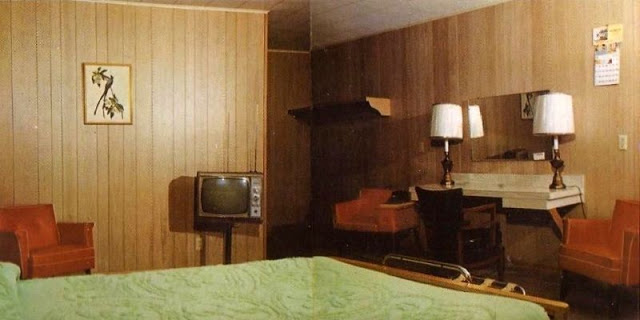
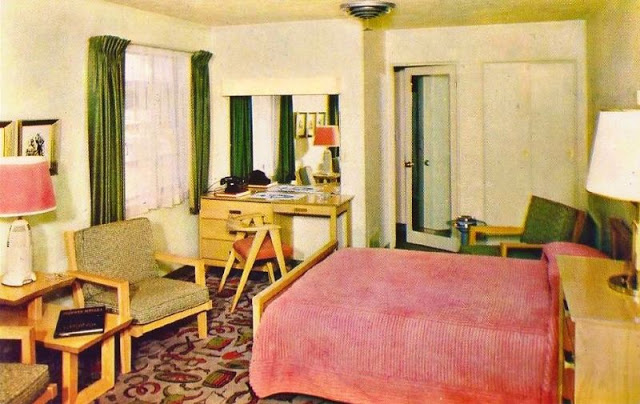
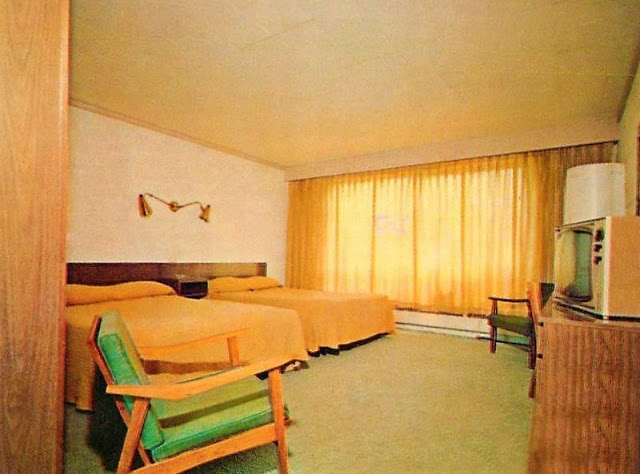
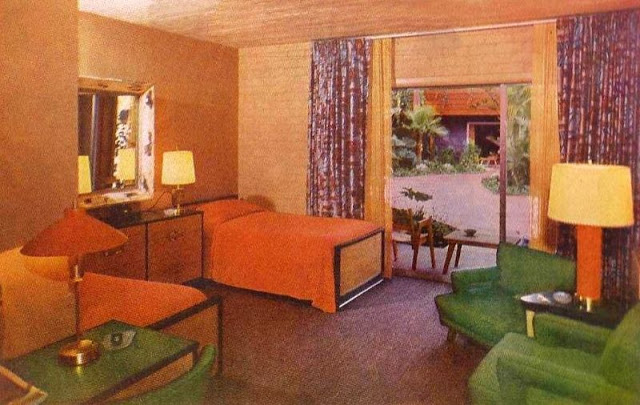
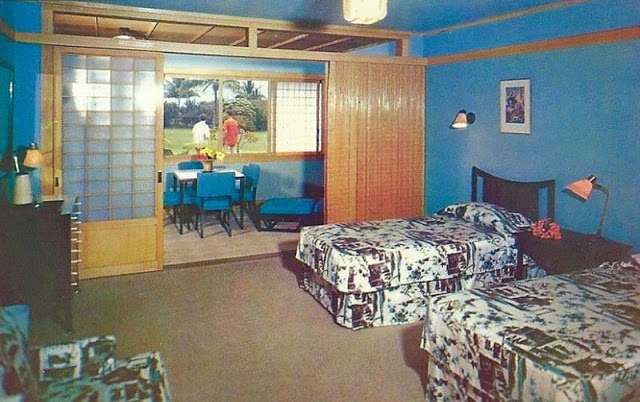
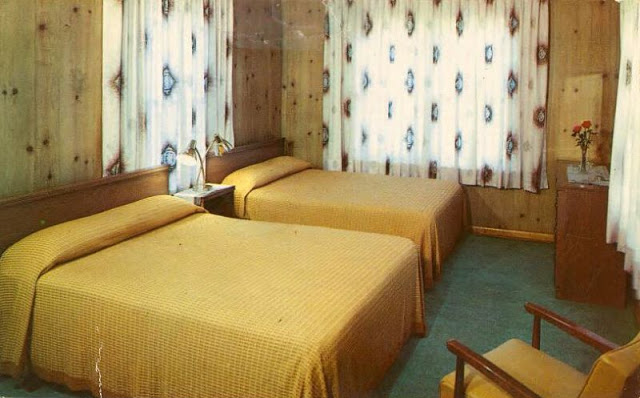
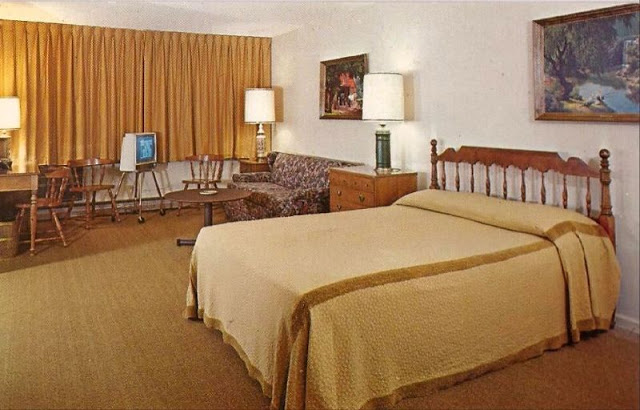
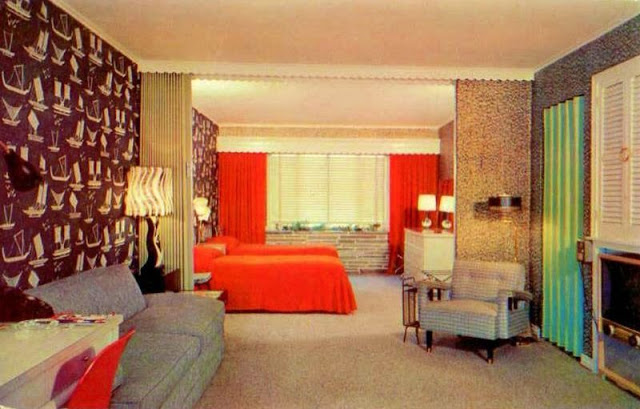
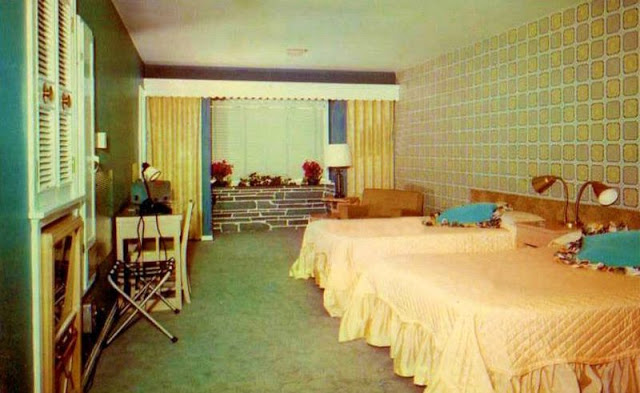
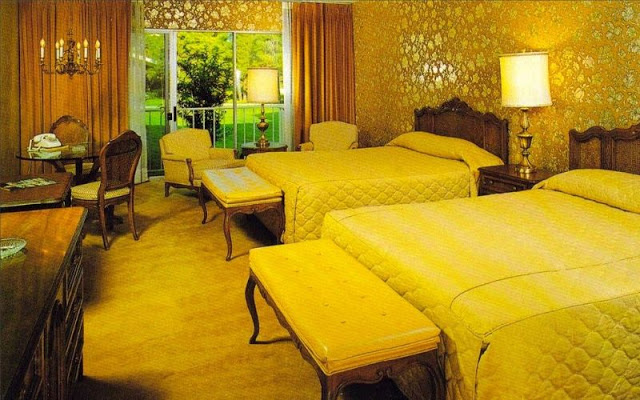
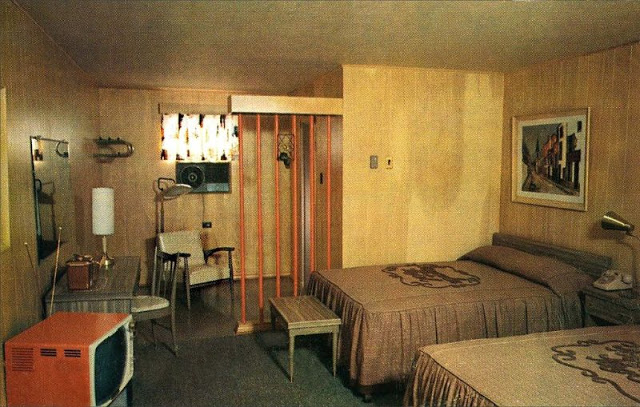
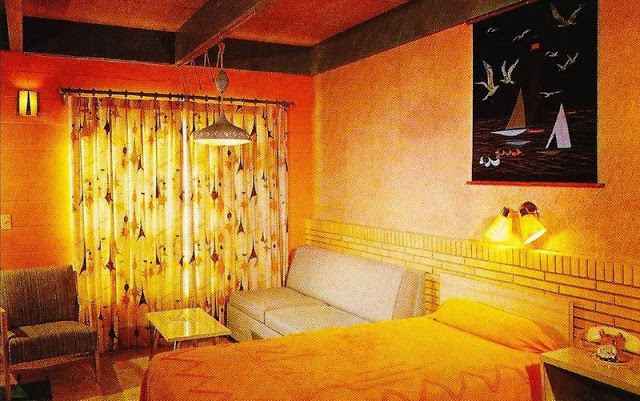
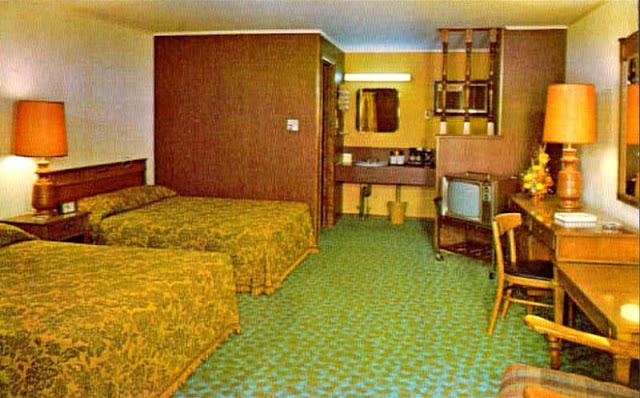
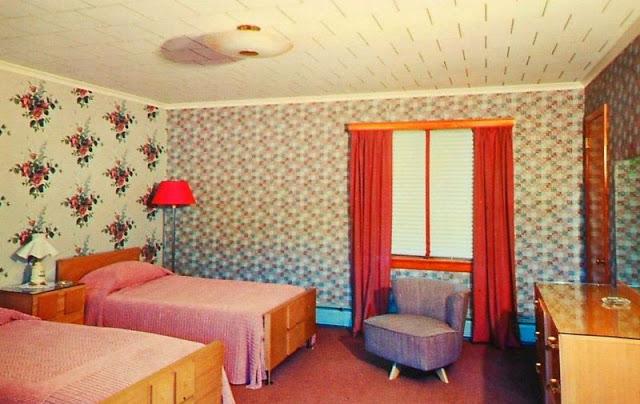
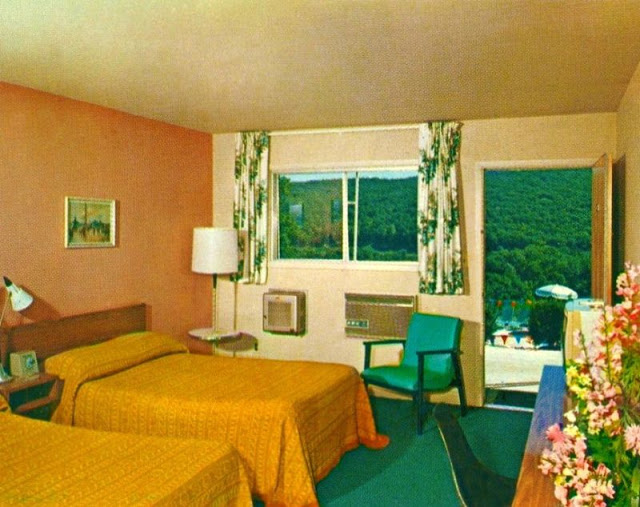
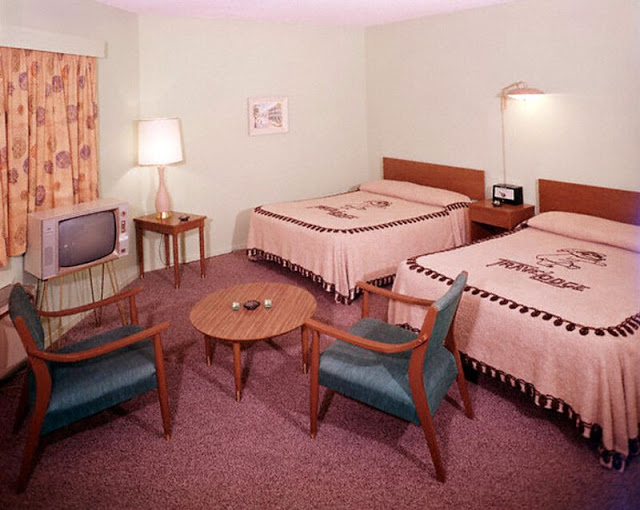
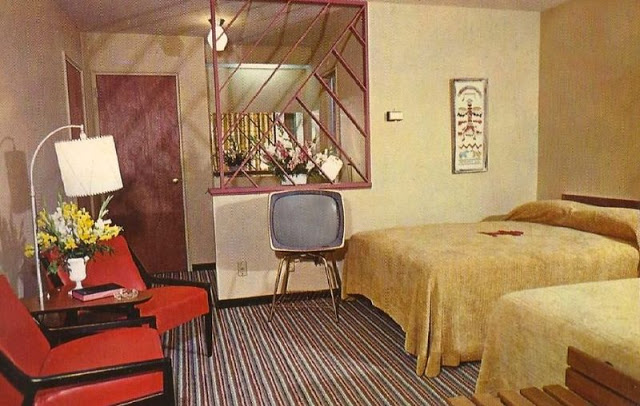
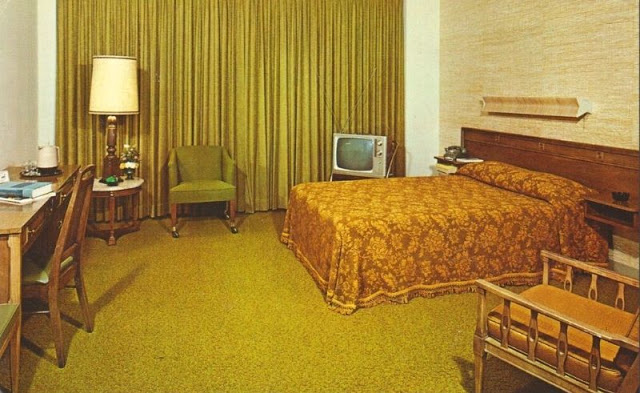
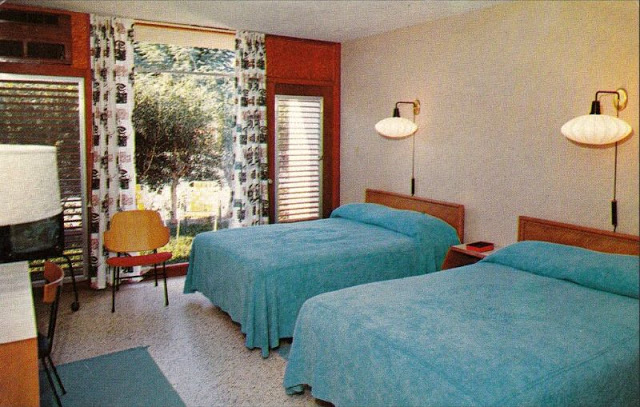
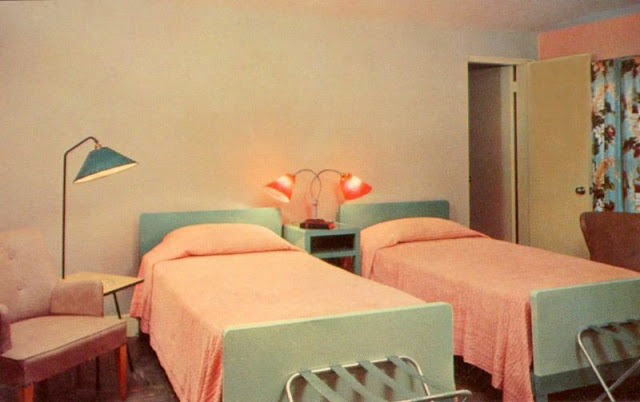
A cool photo collection shows what bedroom interior of American hotels looked like in the 1950s and 1960s.
Astro Motel, Glendale, CaliforniaBeachleys Motel, Barneveld, New YorkClark’s New Beach Motel, New YorkCliff House & Motel, Bald Head Cliff, Ogunquit, MaineCountry Club Motor Hotel, Las Vegas, NevadaCrestwood Motel, Detroit, MichiganDelux Motel, Sioux Falls, South DakotaDowntowner Motel bridal suite, Boise, IdahoEdgewood Resort room, Alexandria Bay, New YorkGondolier Motel, Wildwood, New JerseyHanalei Plantation, Hanalei Bay, Kauai, HawaiiHarolds Pony Express Motel, Reno, NevadaHerkimer Motel, Herkimer, New YorkHollywood Roosevelt Hotel, Hollywood, CaliforniaHotel Hana, Maui, HawaiiHotel room with 2 beds at the Hy-Sa-Na Lodge in Ferndale, New YorkInn of Tomorrow Motel, CaliforniaIrvington Motor Lodge, Irvington, New JerseyKirby’s Motel room 18, Rochester, New YorkKirby’s Motel room 23, Rochester, New YorkLarson’s Court Motel, Gettysburg, PennsylvaniaLedge Rock Motel, Wilmington, New YorkLincoln Motel, Liberty, New YorkLittle America Motel, Cheyenne, WyomingLittle America Motel, Salt Lake City,UtahLittle America, Flagstaff, ArizonaLodge of the Four Seasons, Lake Ozark, MissouriMagnolia Motel, Knoxville, TennesseeMelody Manor Motel, Bolton Landing, New YorkPedro’s South of the Border Motel, South CarolinaPenn Hills Lodge, Analomink, PennsylvaniaQuiet Haven Motel, Ronks, PennsylvaniaReber’s Hotel, Barryville, New YorkRed Apple Motel, Tuxedo, New YorkRoyal Lahaina Hotel, Kaanapali Beach, HawaiiSmilow-Thielle bedroom suite, New YorkTravel Haven Motel, Cleveland, OhioTravel Inn Motel, Eugene, OregonTravel lodge in Las VegasTuckahoe Motel, Yonkers, New YorkUniversity Hotel room, Kansas City, KansasVillage Inn, Gilbertsville, KentuckyWendell Phillips Motel, St. Petersburg, FloridaWhite Cliffs of Plymouth Motel, Plymouth, Massachusetts
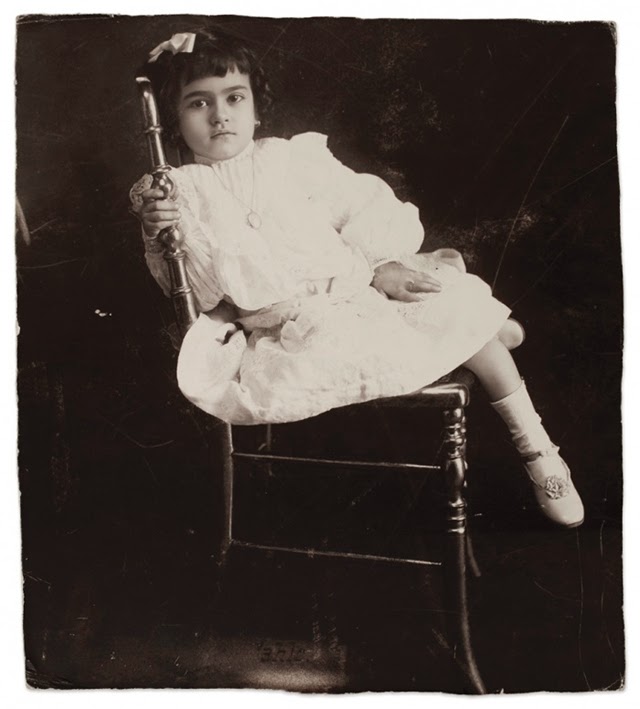
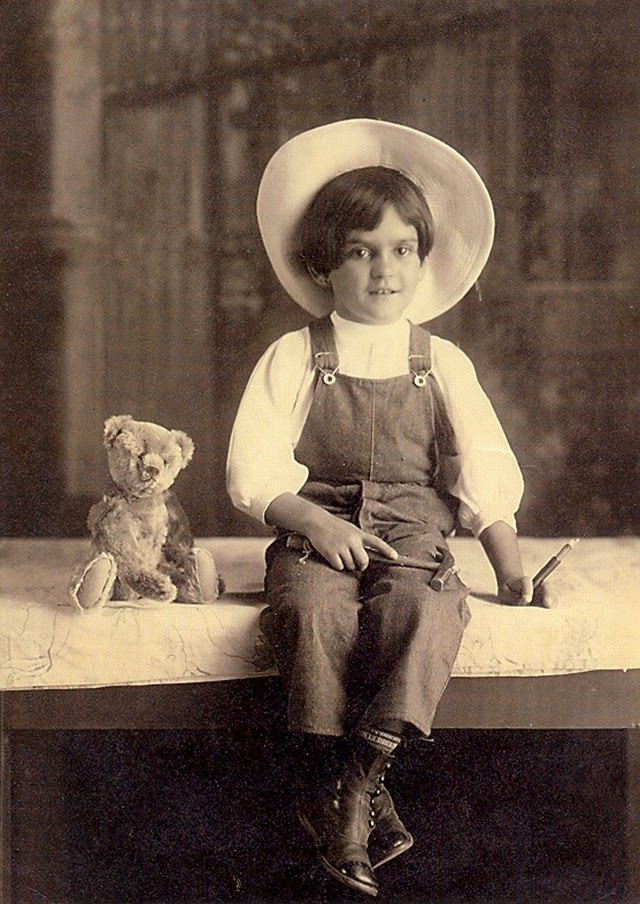
Magdalena Carmen Frida Kahlo y Calderón (6 July 1907 – 13 July 1954) was a Mexican painter known for her many portraits, self-portraits, and works inspired by the nature and artifacts of Mexico. Inspired by the country’s popular culture, she employed a naïve folk art style to explore questions of identity, postcolonialism, gender, class, and race in Mexican society. Her paintings often had strong autobiographical elements and mixed realism with fantasy. In addition to belonging to the post-revolutionary Mexicayotl movement, which sought to define a Mexican identity, Kahlo has been described as a surrealist or magical realist. She is known for painting about her experience of chronic pain.
Born to a German father and a mestiza mother, Kahlo spent most of her childhood and adult life at La Casa Azul, her family home in Coyoacán – now publicly accessible as the Frida Kahlo Museum. Although she was disabled by polio as a child, Kahlo had been a promising student headed for medical school until being injured in a bus accident at the age of 18, which caused her lifelong pain and medical problems. During her recovery, she returned to her childhood interest in art with the idea of becoming an artist.
Kahlo’s interests in politics and art led her to join the Mexican Communist Party in 1927, through which she met fellow Mexican artist Diego Rivera. The couple married in 1929 and spent the late 1920s and early 1930s travelling in Mexico and the United States together. During this time, she developed her artistic style, drawing her main inspiration from Mexican folk culture, and painted mostly small self-portraits that mixed elements from pre-Columbian and Catholic beliefs. Her paintings raised the interest of Surrealist artist André Breton, who arranged for Kahlo’s first solo exhibition at the Julien Levy Gallery in New York in 1938; the exhibition was a success and was followed by another in Paris in 1939. While the French exhibition was less successful, the Louvre purchased a painting from Kahlo, The Frame, making her the first Mexican artist to be featured in their collection. Throughout the 1940s, Kahlo participated in exhibitions in Mexico and the United States and worked as an art teacher. She taught at the Escuela Nacional de Pintura, Escultura y Grabado (“La Esmeralda”) and was a founding member of the Seminario de Cultura Mexicana. Kahlo’s always-fragile health began to decline in the same decade. She had her first solo exhibition in Mexico in 1953, shortly before her death in 1954 at the age of 47.
Kahlo’s work as an artist remained relatively unknown until the late 1970s, when her work was rediscovered by art historians and political activists. By the early 1990s, not only had she become a recognized figure in art history, but she was also regarded as an icon for Chicanos, the feminism movement, and the LGBTQ+ movement. Kahlo’s work has been celebrated internationally as emblematic of Mexican national and indigenous traditions and by feminists for what is seen as its uncompromising depiction of the female experience and form. (Wikipedia)
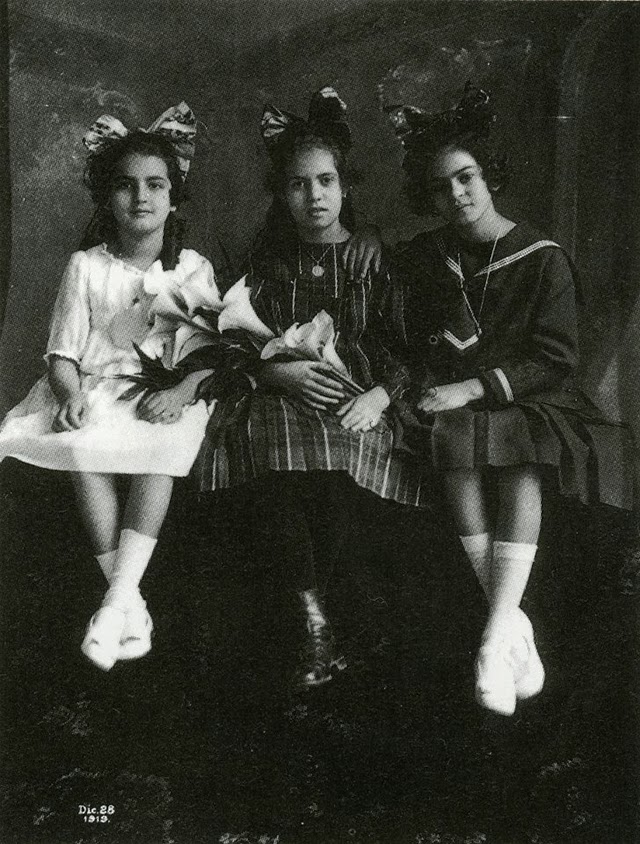
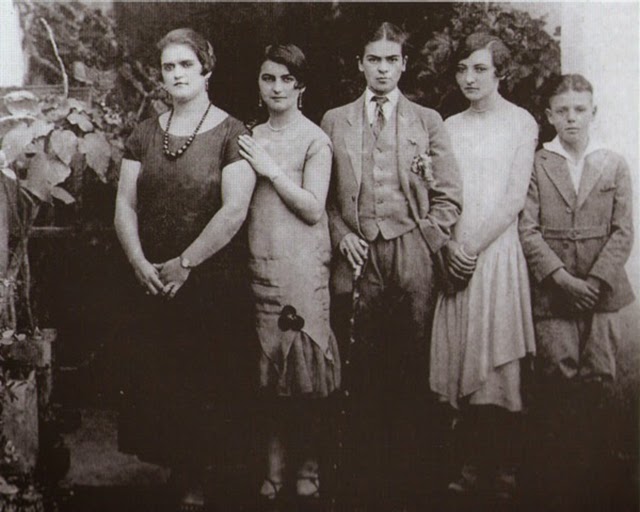
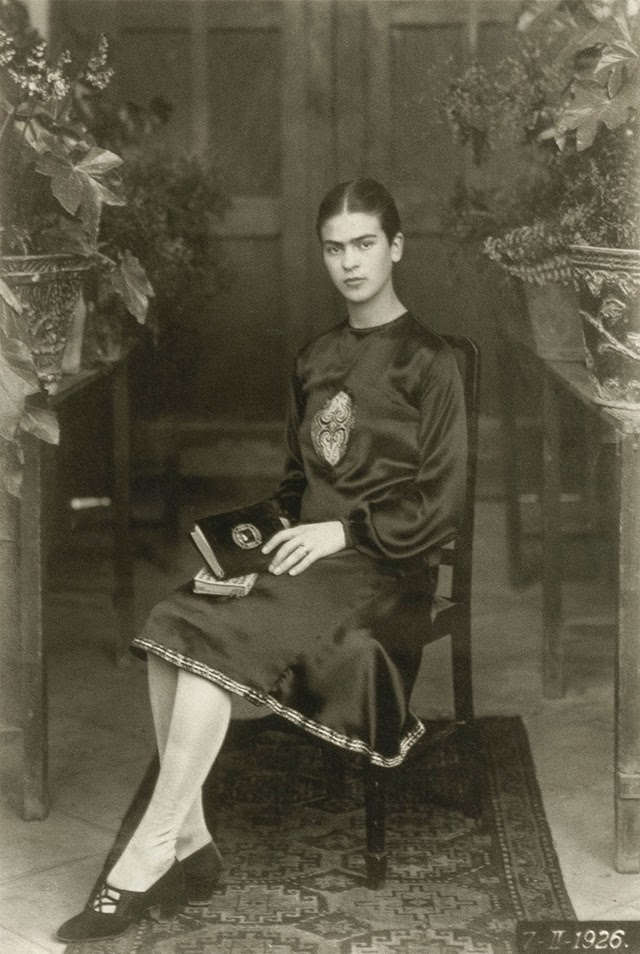
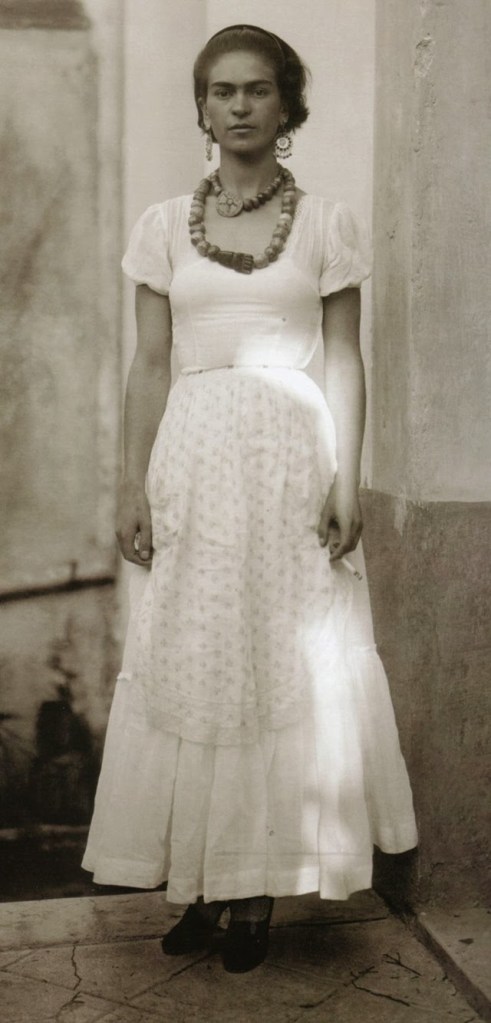
Frida Kahlo at age 2, 1909Frida Kahlo at age 4, 1911Frida Kahlo at age 5, 1912Frida Kahlo at age 6, 1913Frida (far right) age 12, with sister Cristina (L) and best friend, Isabel Campos (C), 1919Frida Kahlo in drag, with sisters Adriana and Christina and cousins Carmen and Carlos Verasa, 1926Frida at 18 years old, 1926Frida Kahlo, 1929Frida Kahlo, 1929Frida Kahlo, 1930Frida Kahlo, 1932
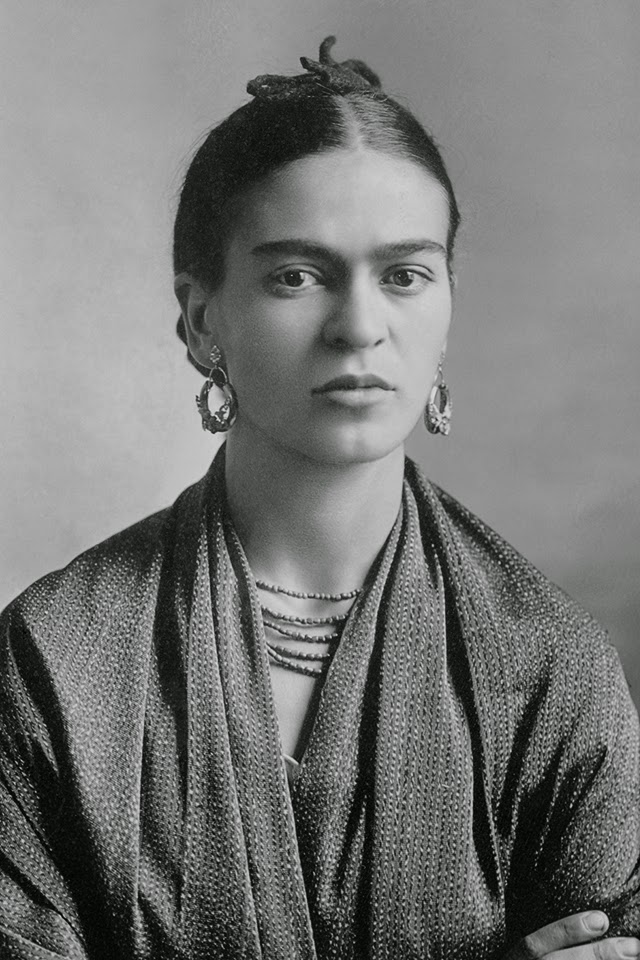
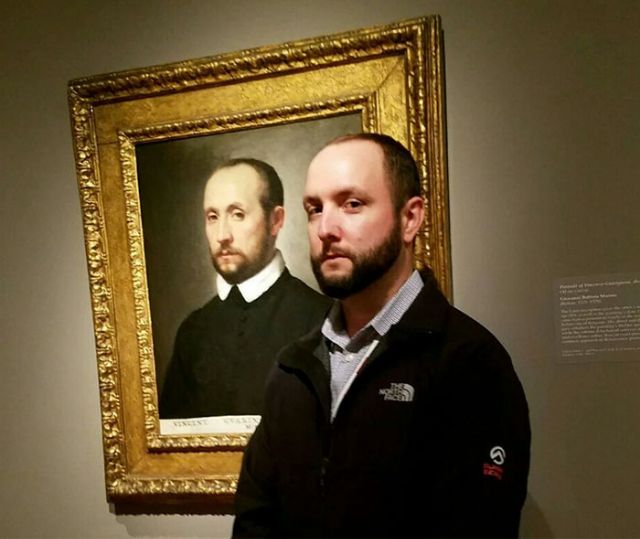
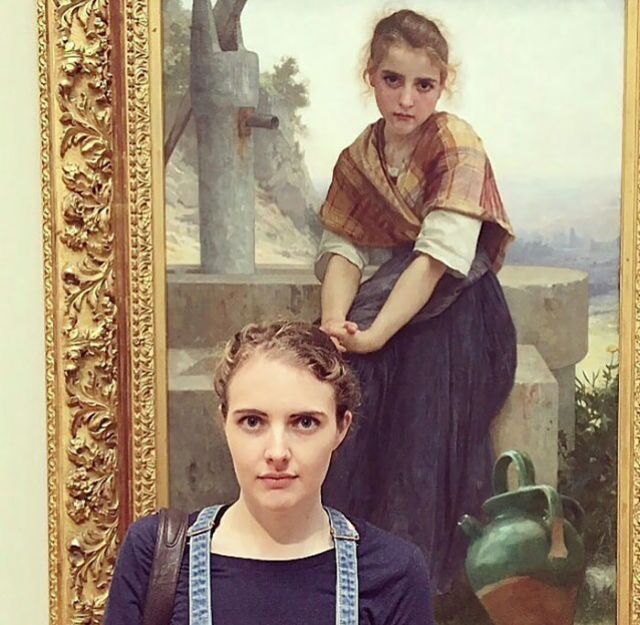
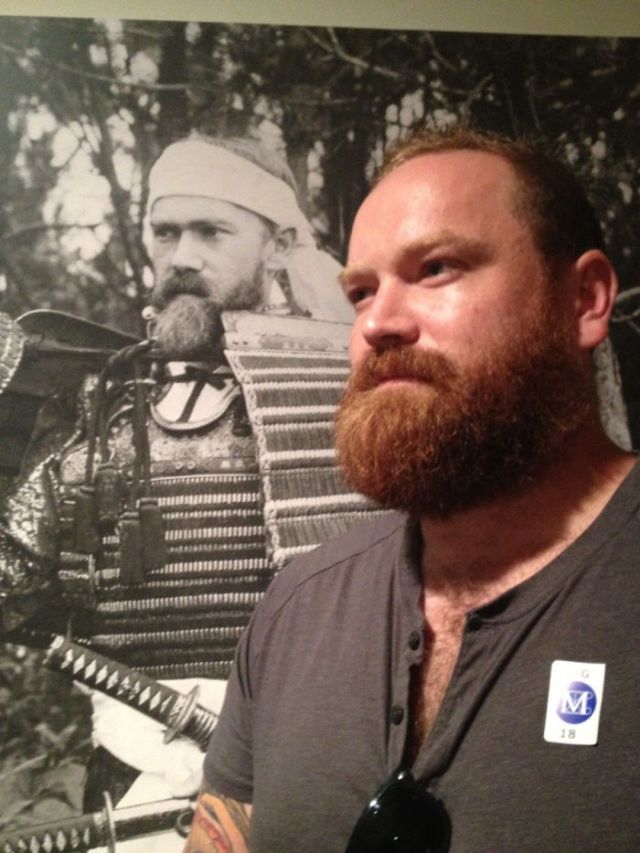
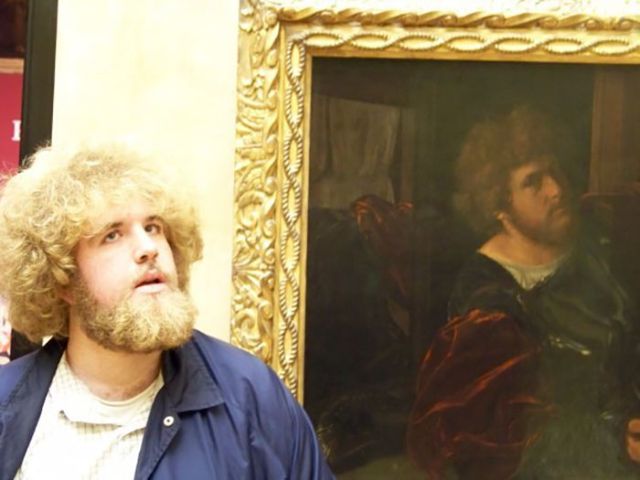
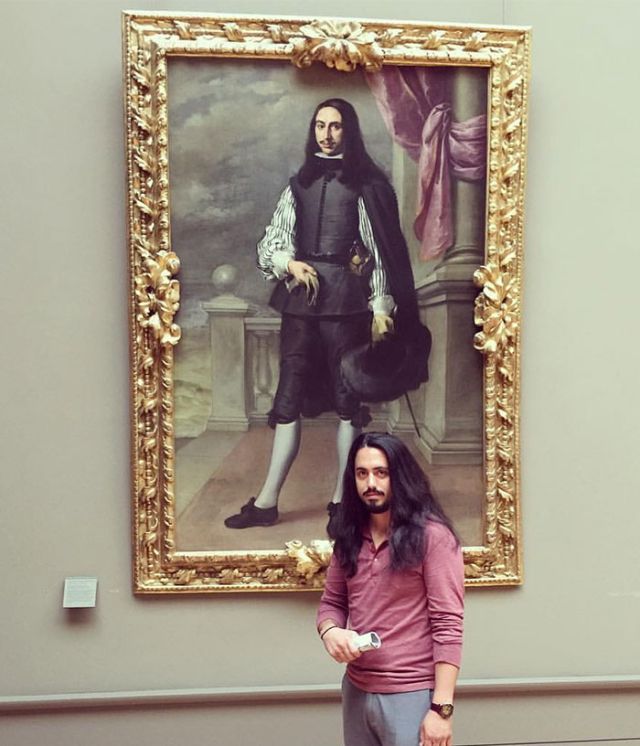
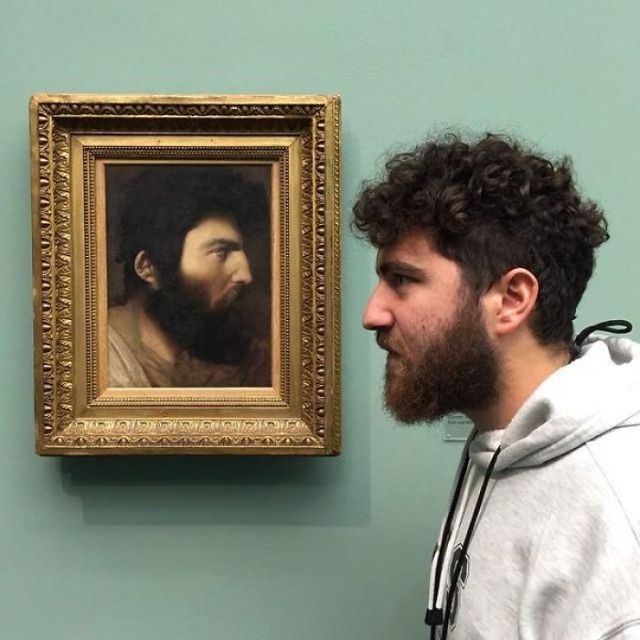
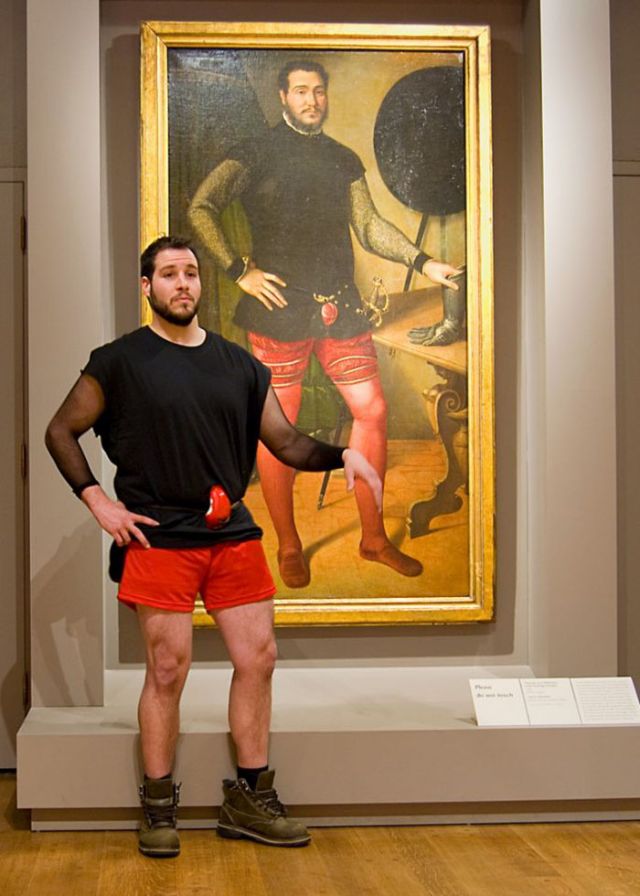
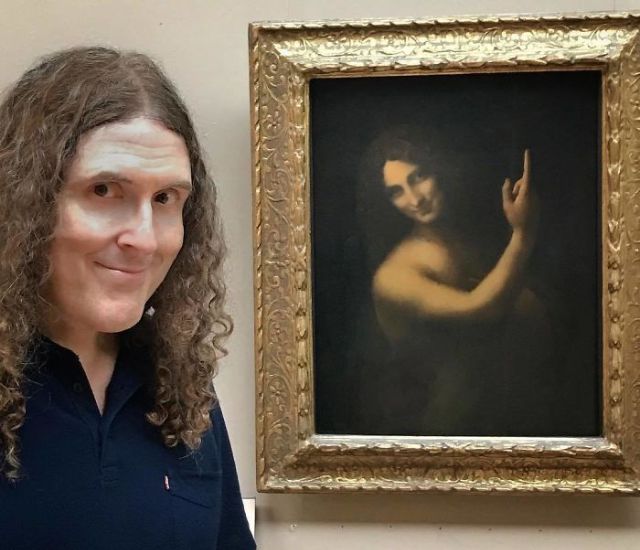
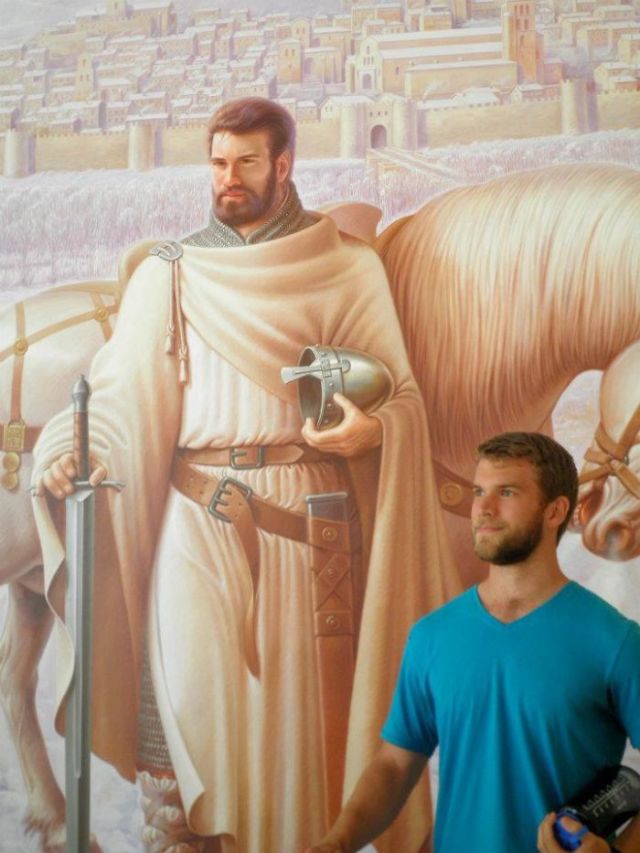
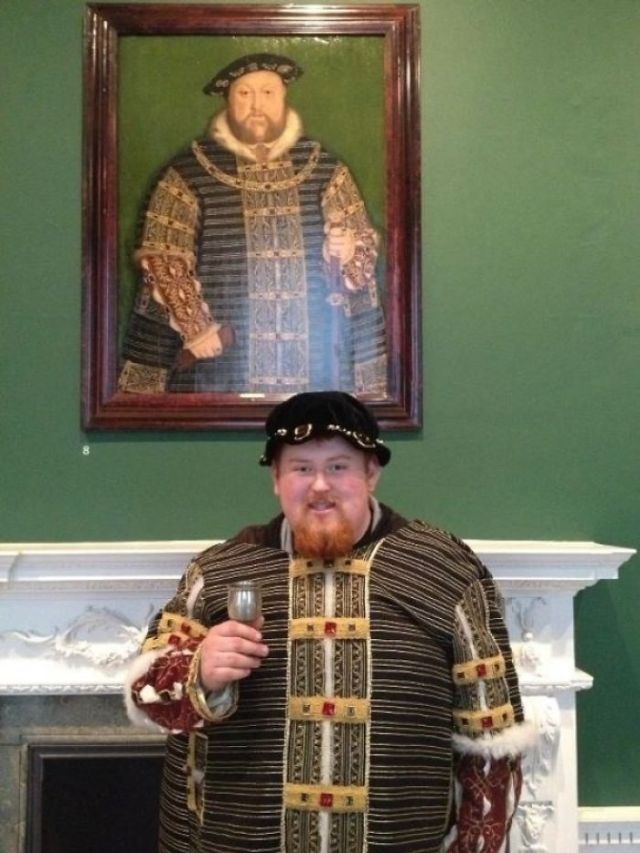
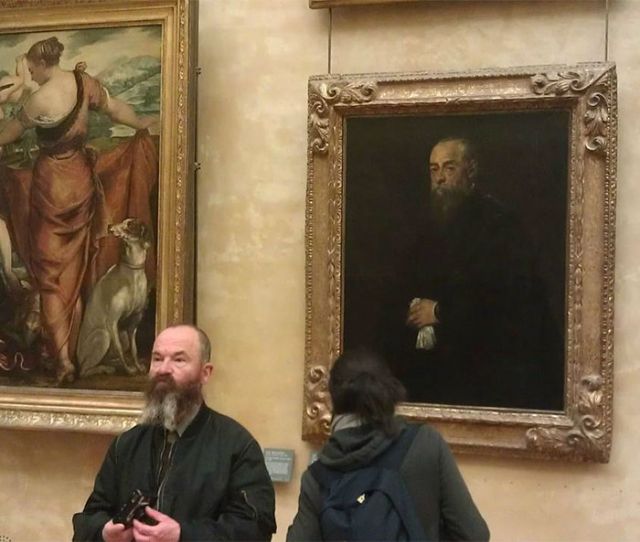
What would you do if you walked around a museum and saw a person in one of the paintings bearing a striking resemblance to you? Get a fright then start excitedly posing for a photo to share with your friends for a laugh?
Many people had walked into museums to appreciate artwork, but some of them found themselves coming face-to-face with their doppelgängers in the paintings. Originally shared on Bored Panda, these brilliant frights at the museum saw jokers posing beside their painted lookalikes to showcase the uncanny resemblance. Some of them have an uncanny resemblance to the paintings, even down to the outfits!
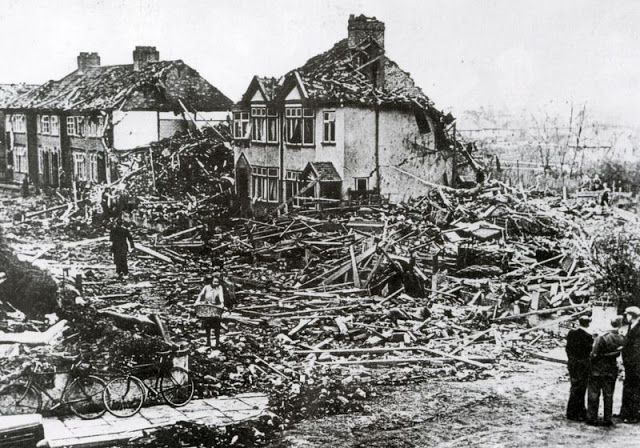
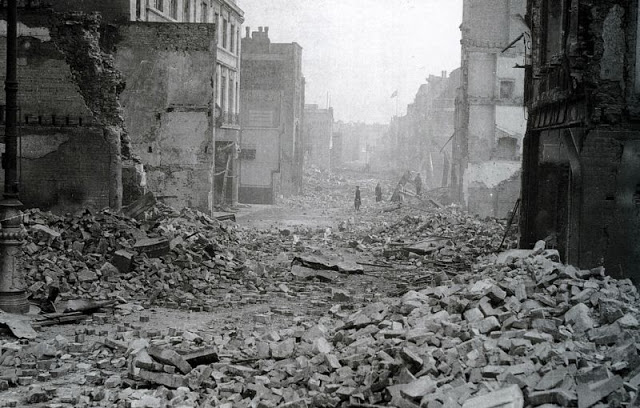
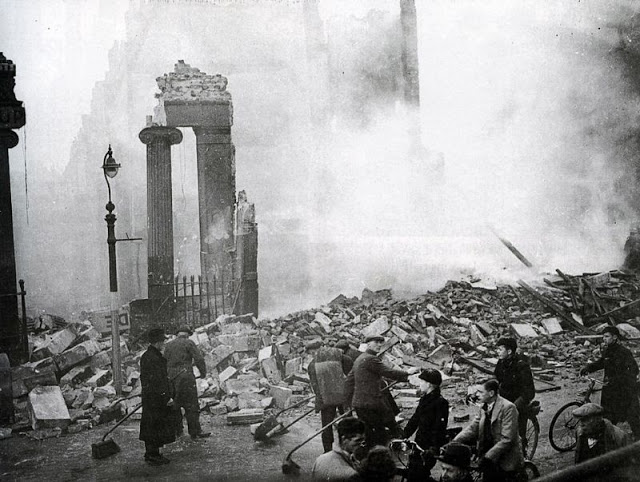
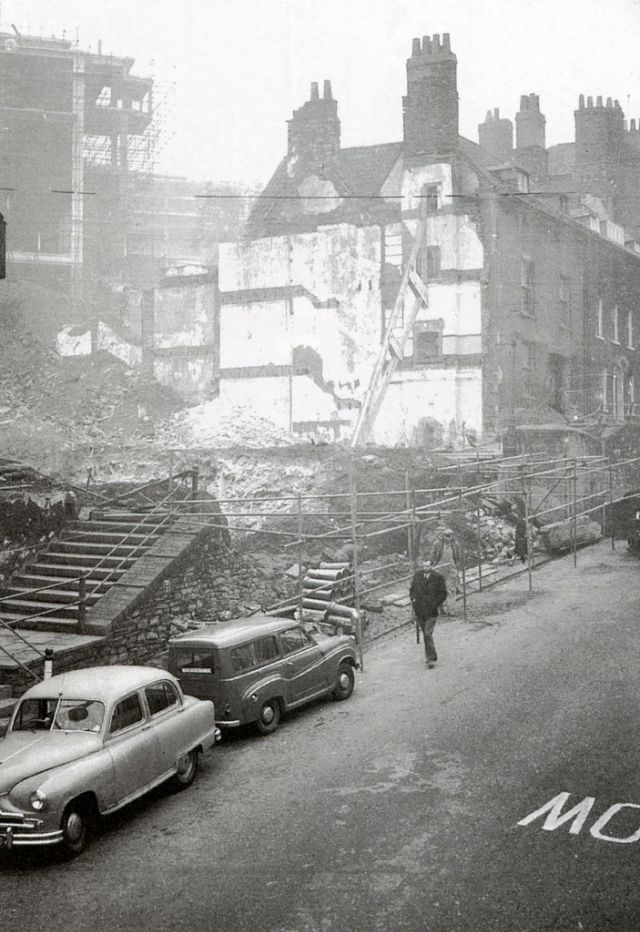
Bristol is a city and county in South West England. The district has the 10th-largest population in England. The city borders North Somerset and South Gloucestershire, with the cities of Bath and Gloucester to the south-east and north-east, respectively.
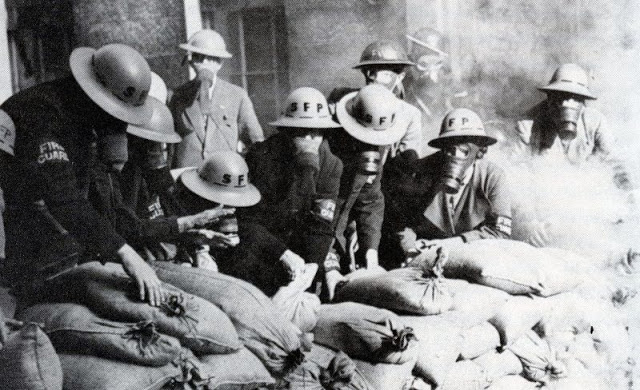
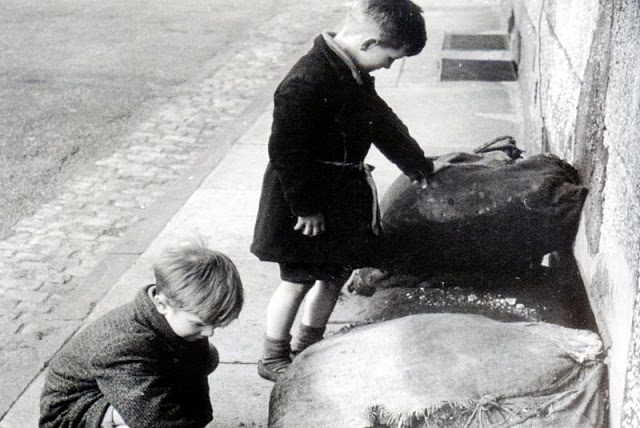
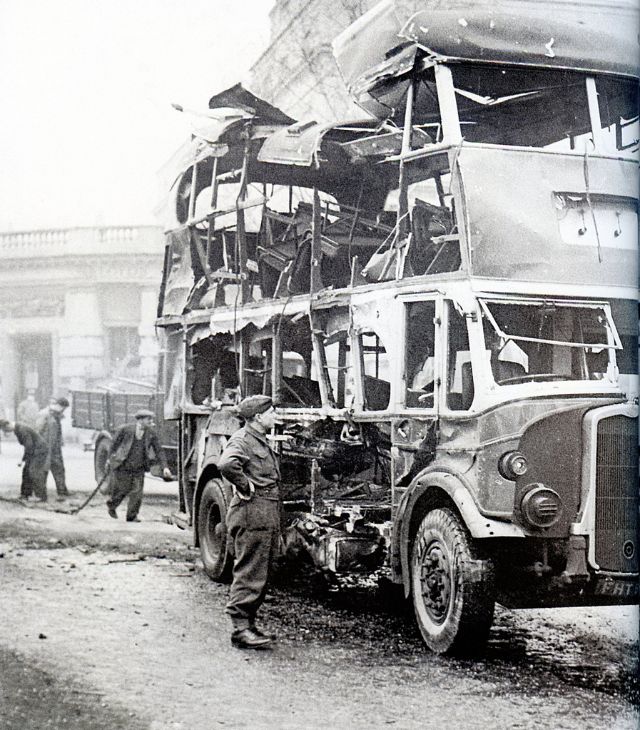
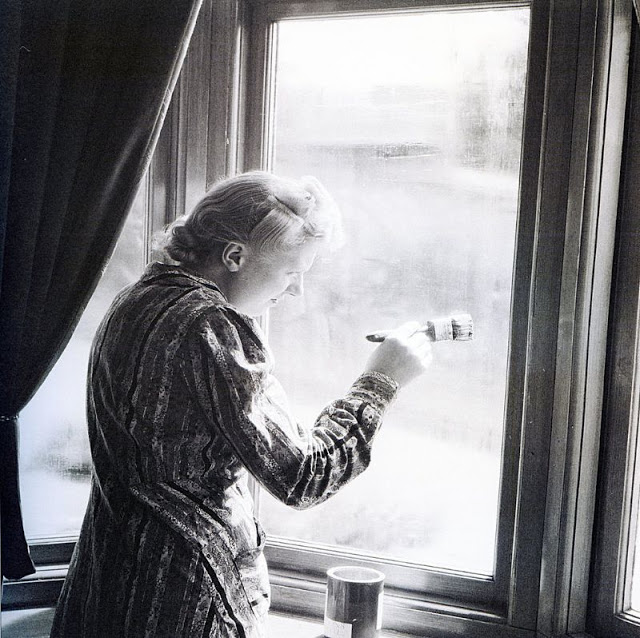
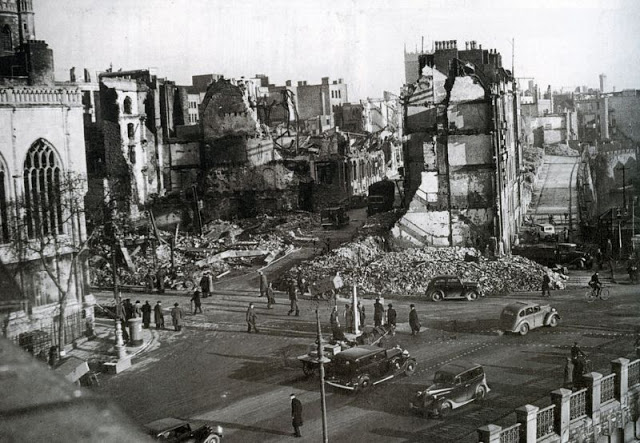
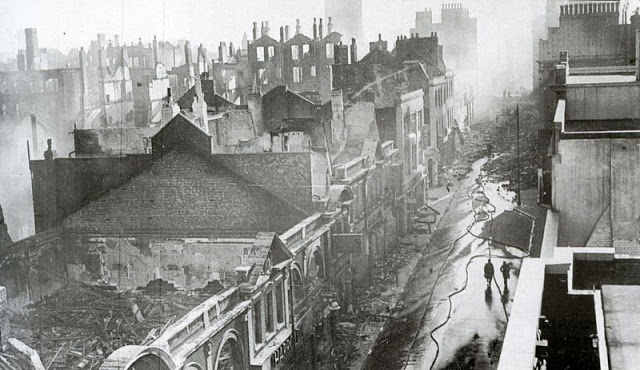
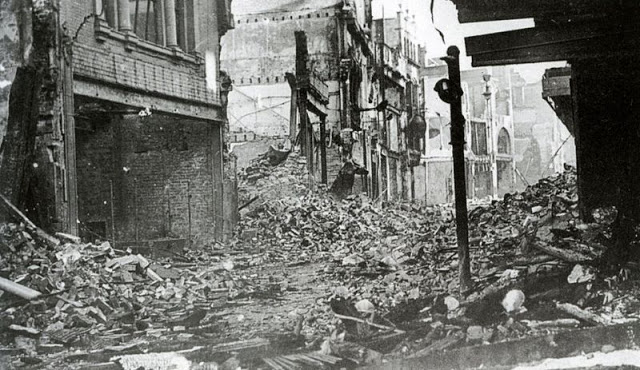
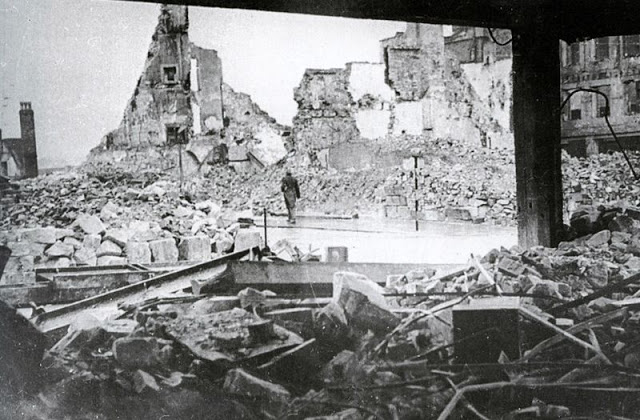
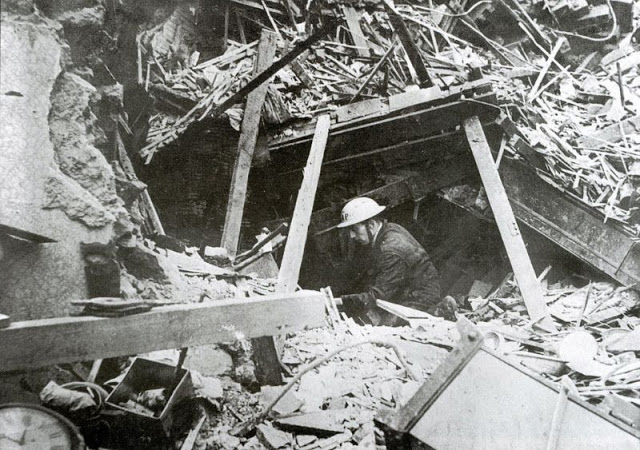
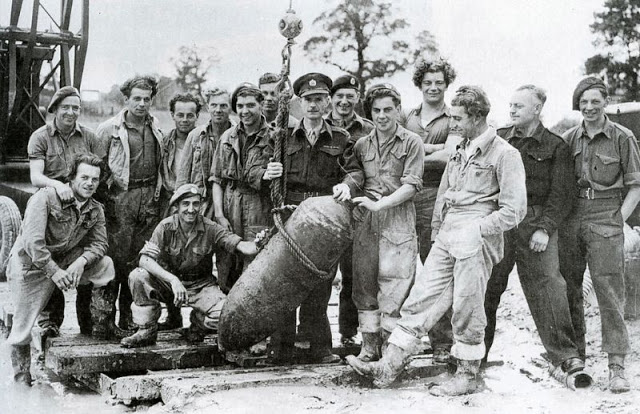
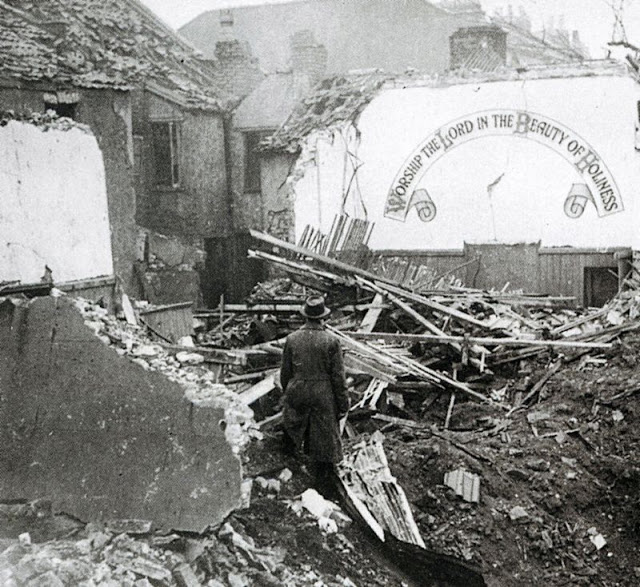
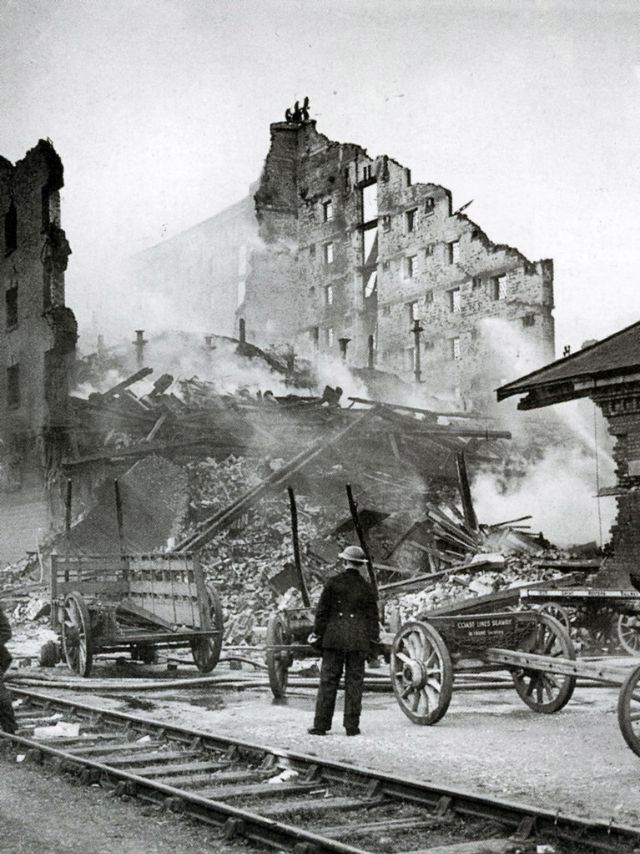
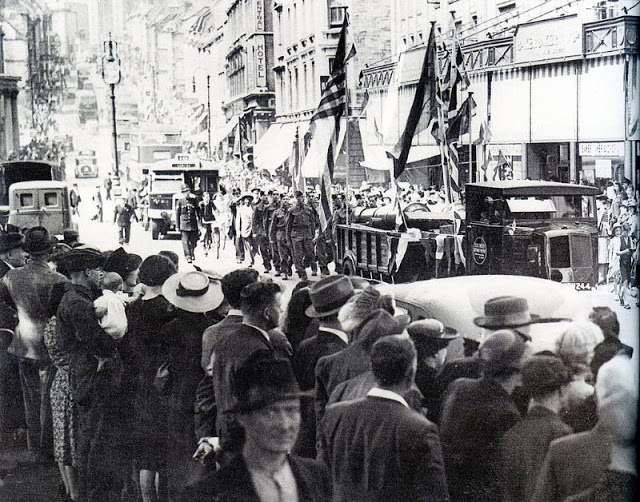
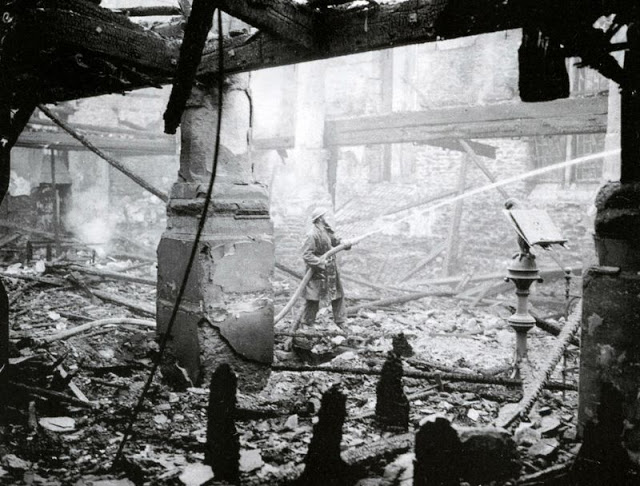
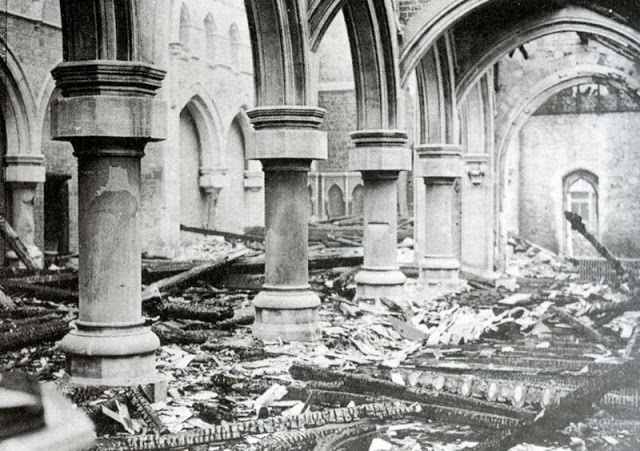
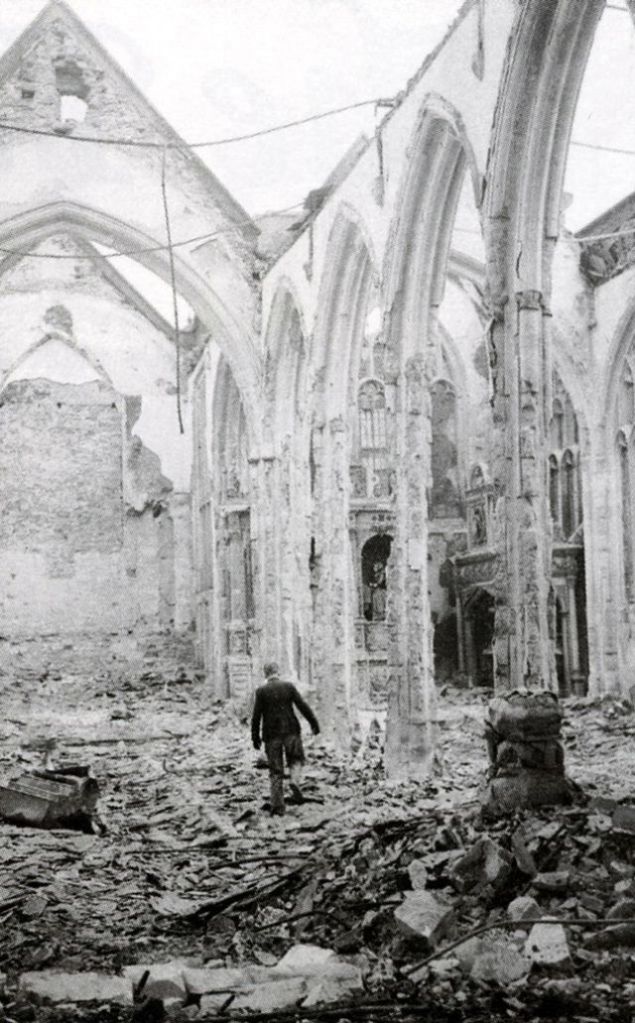
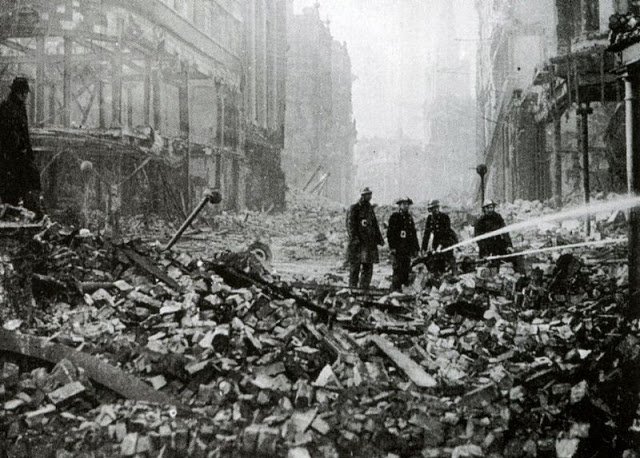
Bristol was heavily damaged by Luftwaffe raids during World War II; about 1,300 people living or working in the city were killed and nearly 100,000 buildings were damaged, at least 3,000 beyond repair. The original central shopping area, near the bridge and castle, is now a park containing two bombed churches and fragments of the castle. A third bomb-damaged church nearby, St Nicholas was restored and after a period as a museum has now re-opened as a church. It houses a 1756 William Hogarth triptych painted for the high altar of St Mary Redcliffe. The church also has statues of King Edward I (moved from Arno’s Court Triumphal Arch) and King Edward III (taken from Lawfords’ Gate in the city walls when they were demolished about 1760), and 13th-century statues of Robert, 1st Earl of Gloucester (builder of Bristol Castle) and Geoffrey de Montbray (who built the city’s walls) from Bristol’s Newgate.
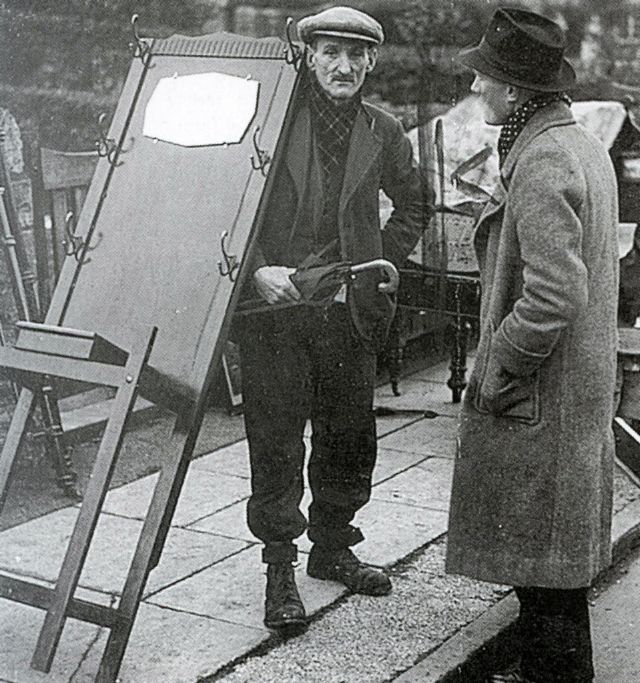
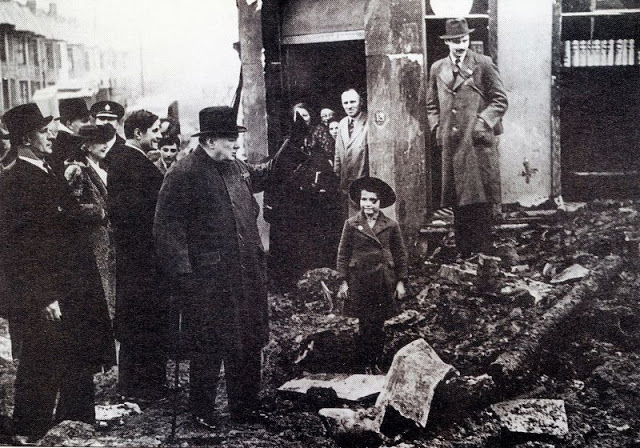
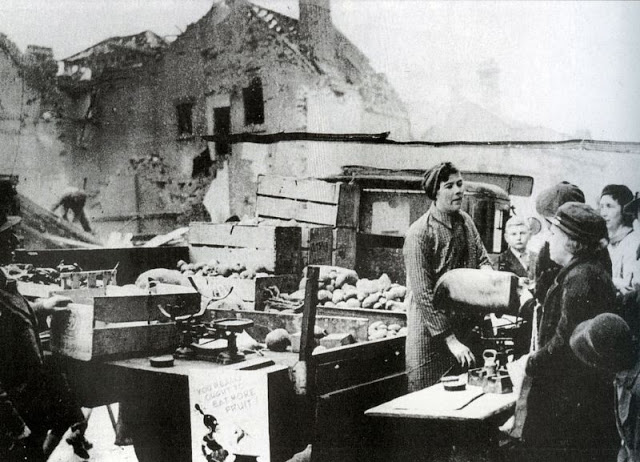
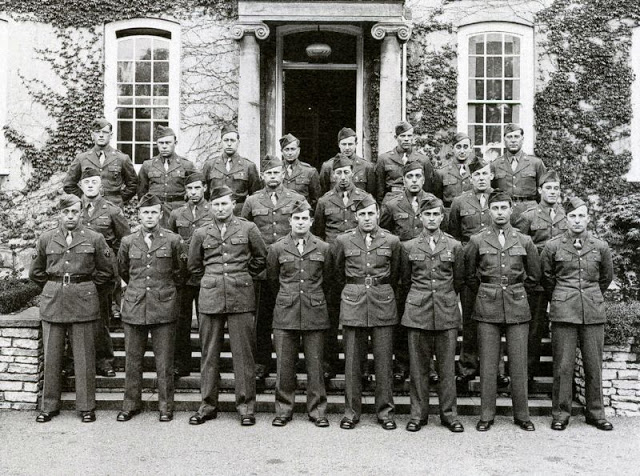
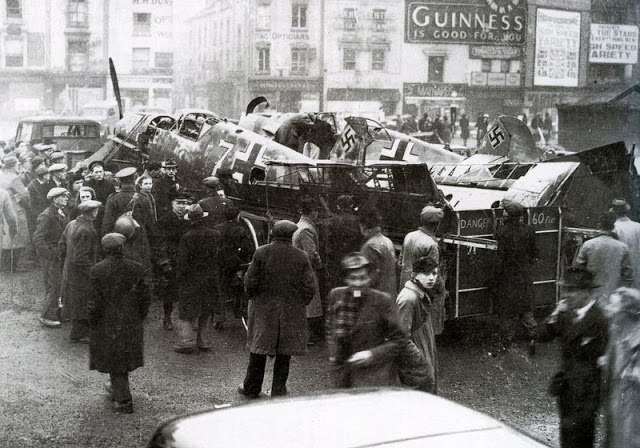
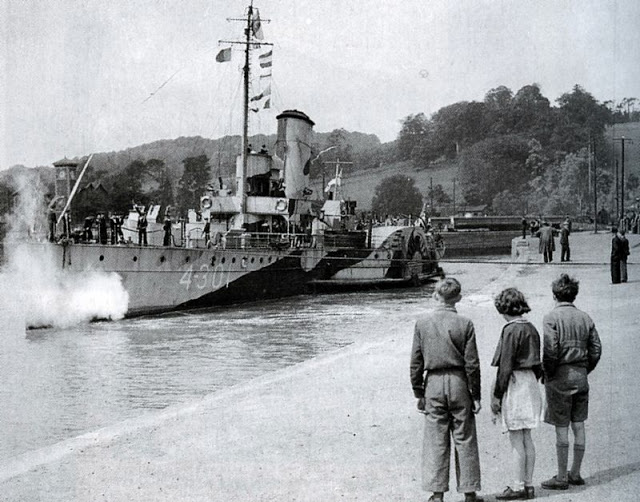
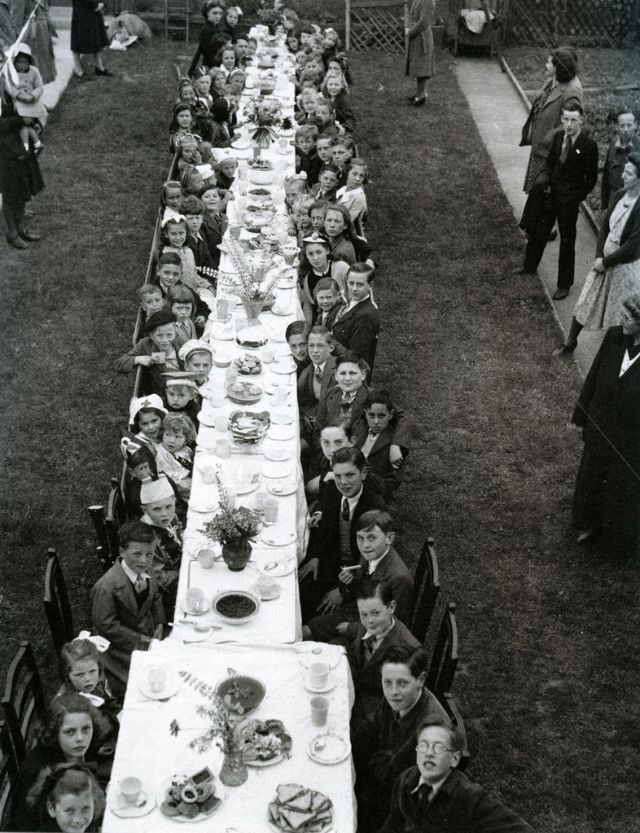
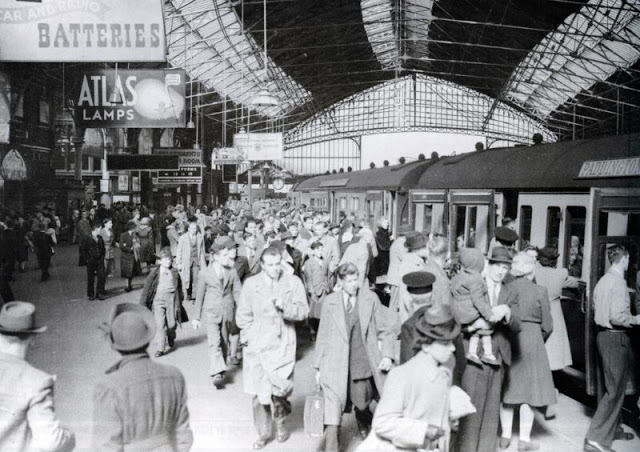
These historic photos that captured street scenes of Bristol during the Second World War.
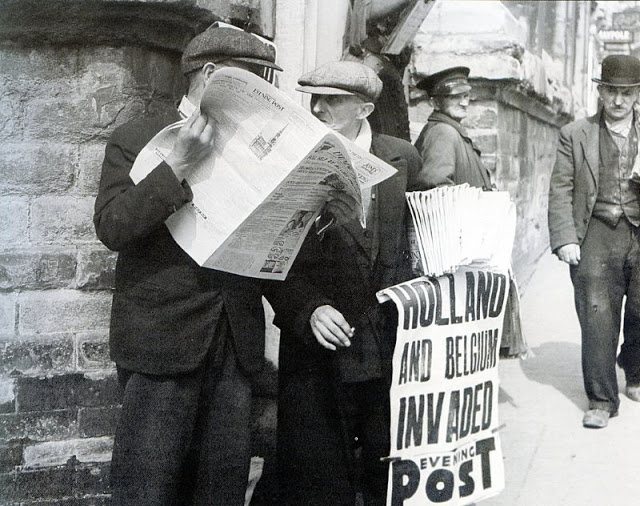
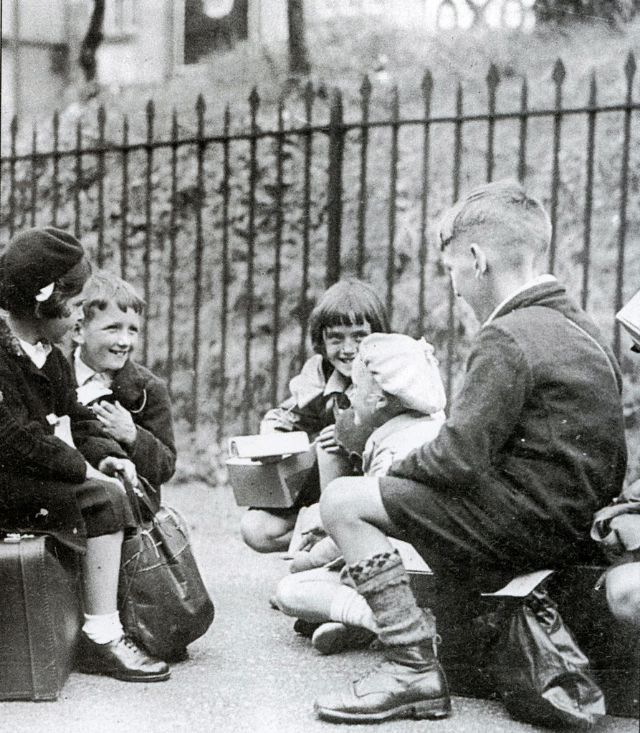
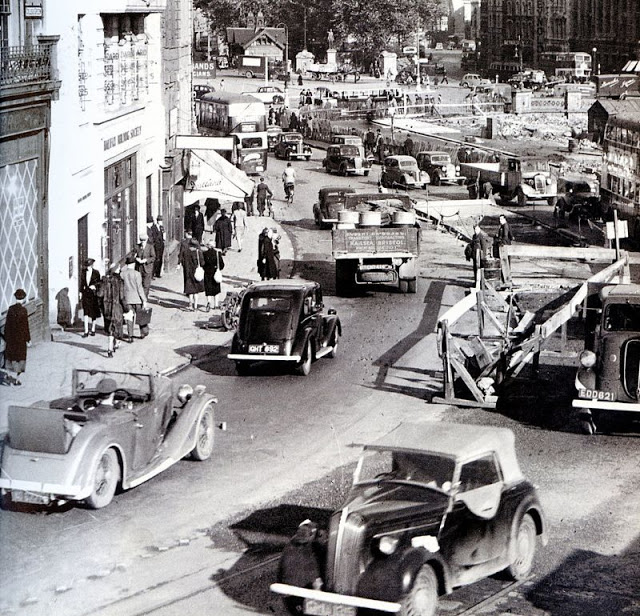
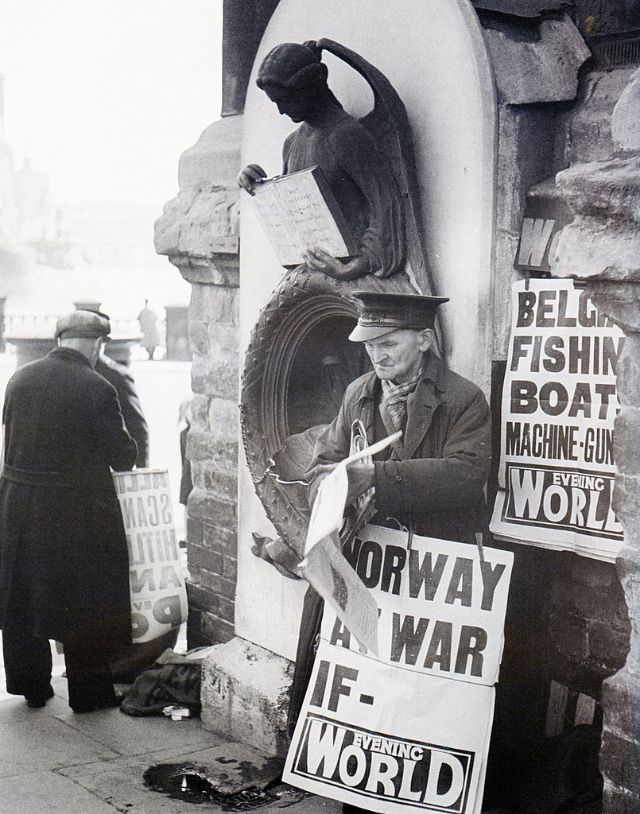
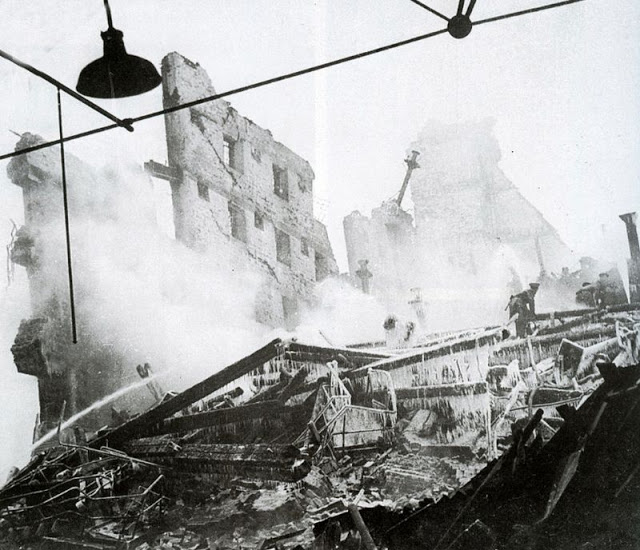
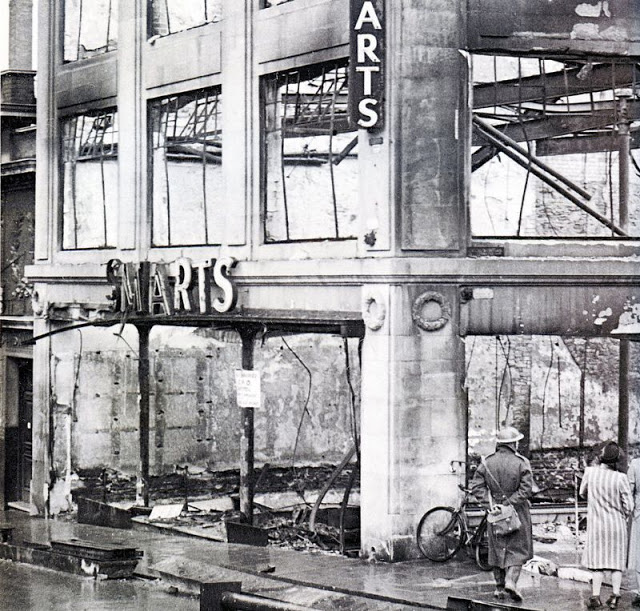
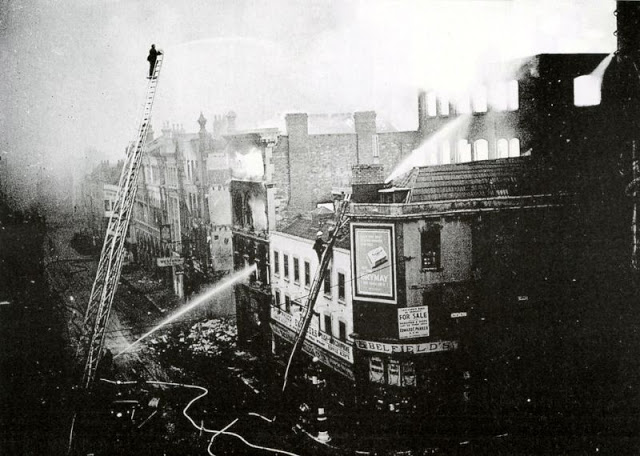
Gas mask drill, 1939Children and sandbags, 1939Gas masks over the garden fence, 1939A double-decker bus was badly damaged during this raid, Whiteladies Road, December 1940A dentist chair is all that is left of No.2 Dolphin Street, Castle Park, December 1940An unknown Bedminster housewife paints her window with a shatter-proof lacquer because of the danger of flying glass during the ‘Blitz’, 1940Bristol Evening Post, May 1940Child evacuees, 1940King George VI on a visit to Bristol, 1940Land Army girls replaced men on the farm during the war, 1940Looking towards Mary Le Port and Bridge Streets from top of Baldwin Street near Bristol Bridge, 1940Looking towards the City Centre from College Green before the air raids on Bristol, 1940Metal for munitions, 1940Newspaper vendor, Angel Fountain, High Street, 1940One of the great granaries took a direct hit in the city docks, 1940Smart’s store, Union Street, 1940St James Barton, 1940The Dutch House on the corner of Wine Street and High Street was reduced to a charred skeleton and for safety’s sake it had to be pulled down, 1940A dawn scene after a night raid on Union Street, 1941View of the Dutch House, with its statue soldier still on guard before the bombed-out remnants were pulled down, 1941Air raid wardens pose for the camera at the Crescent, Henleaze, Bristol, 1941Bedminster residents enjoying their Christmas party in an air raid shelter, 1941Bedminster tram depot in West street after an air raid, 1941Blitz on West Street near Chessel Road, Bedminster, 1941Cheriton Place Westbury-on-Trym and Henleaze, 1941Evacuation at Temple Meads station, 1941Families who were bombed out of their homes, 1941“Give us the tools, we will finish the job”, July 1941People lost homes, 1941Peter Street, 1941Sailors help bombed-out Bristolians collect their remaining belongings, 1941St Francis’, North Street, Ashton, 1941Stafford Street, Bedminster, 1941The Children of Bristol leave their families and homes for Devon and Safety at Temple Meads Railway Station, 1941Utter devastation in Bristol after a night of air-raids, 1941Victim of the blitz, 1941View from the still standing Odeon cinema showing the bomb damage in Union Street and the Castle Street area, 1941Water froze in the hosepipes, January 1941Wine Street, 1941Winston Churchill outside the shop of S.W. Pitman at the junction of Raleigh Road and Leighton Road, Southville, 1941A doll’s house survived the blitz of Newfoundland Road, 1942A lone figure walks through the ruins of Dolphin Street, 1942A rescue worker digs deep into the ruins of a house in St Michael’s Hill, 1942A triumphant bomb disposal team with one that failed to go off, 1942After a night of heavy bombing, 1942Air raid wardens at Muller’s Orphanage, 1942Bedminster West Street Baptist, 1942Bomb damage at Bristol Homeopathic Hospital in Cotham, 1942Bomb damage in the City Docks, 1942Bristol blitz victims being fed at an unknown parish hall, 1942Bus conductors, 1942Crowds turn out to watch this military parade march down Park Street towards the City Centre, June 4th, 1942Daylight air raid on Broad Weir, August 28th, 1942Daylight air raid on Broad Weir, August 28th, 1942Holy Trinity Church, Hotwells, 1942Prince’s Theatre, Park Row, 1942St Anselm’s Church, Clifton Down, Bristol, 1942The burnt out remains of St Peter’s Church, Castle Park, circa 1942The mobile greengrocer, 1942The pub might have vanished but there’s still time for a pint, 1942The remains of Wine Street after a night of fire and destruction, 1942Winston Churchill tours bomb-battered Bristol with his wife Clementine, 1942Women’s voluntary service, 1942A group of US soldiers outside Filton House, 1943An American GI and his Bristol girlfriend are interviewed by a BBC roving reporter, 1943German planes transported through the street’s of Bristol, 1943Unexploded bomb outside 7 Beckington Road, April 14th, 1943Bomb damage buildings on Bristol’s St Michael’s Hill, 1944Allington Road, Southville, Bristol on VE Day, May 8th, 1945Temple Meads Railway Station is boarded up after it was damaged in a bombing-raid, 1945The White Funnel paddle steamer Britannia in full camouflage returns to Hotwells, Bristol from war service, May 1945VE Day celebrations in Hill Street, Totterdown, Bristol, May 8th, 1945Victory tea party in the Muller Road area of Eastville on VE-Day, May 8th, 1945Crowds at Temple Meads boarding a London bound train, 1945
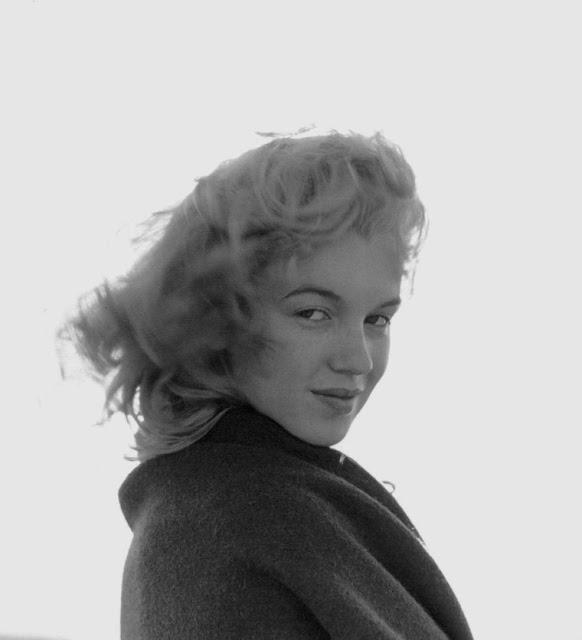
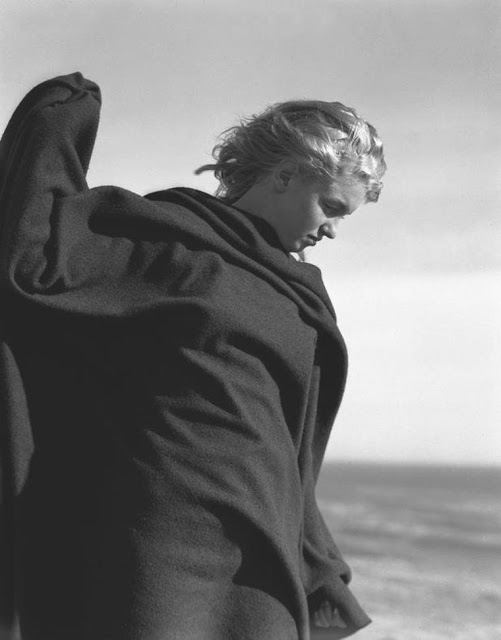
Before there was Marilyn Monroe there was a girl named Norma Jeane Dougherty who met André de Dienes in 1945. Together they travelled as lovers taking photographs that would help catapult the cherub-faced redhead into superstardom.
These black and white photographs of Marilyn on Malibu beach covered in a blanket wearing no make-up are accompanied with the below text: “She was twenty and had never experienced the intoxication of success, yet already there was a shadow over her radiance, in her laughter. One day when we were relaxing on the beach between photo sessions, I decided to capture some new expressions I had glimpsed on Marilyn’s face. Getting her in close-up, I asked her to react instinctively, without giving herself time to think, to the words happiness, surprise, reflection, doubt, peace of mind, sadness, self-torment… and death. When I said ‘death’ she took hold of the folded dark-cloth and covered her head with it. Death to her was blackness, nothingness. I tried to coax another reaction from her. Death might be a beginning, the hope of an everlasting light. She shook her head: ‘That’s what death is for me.’ She turned towards me, her face set and despairing, eyes dulled, her mouth suddenly bereft of colour. To her, death was the end of everything.” – André de Dienes
Subscribe to continue reading
Become a paid subscriber to get access to the rest of this post and other exclusive content.
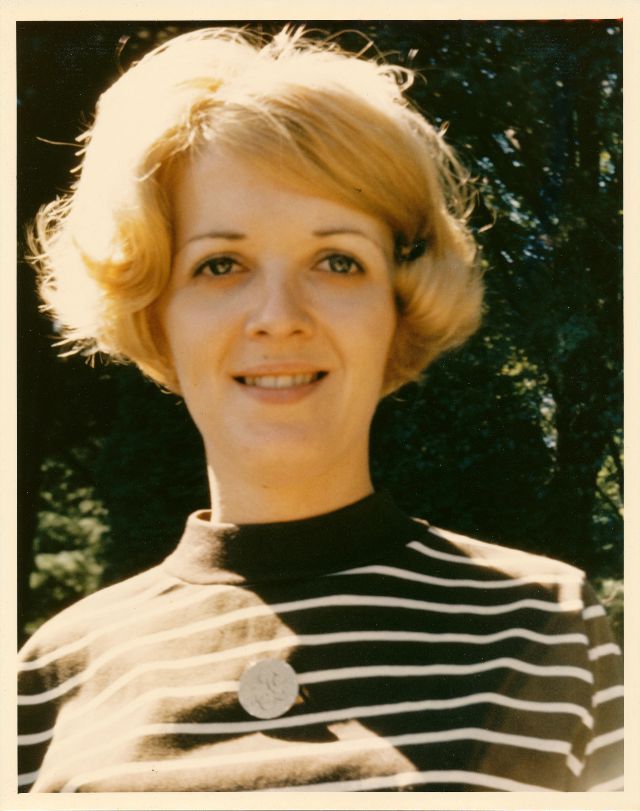
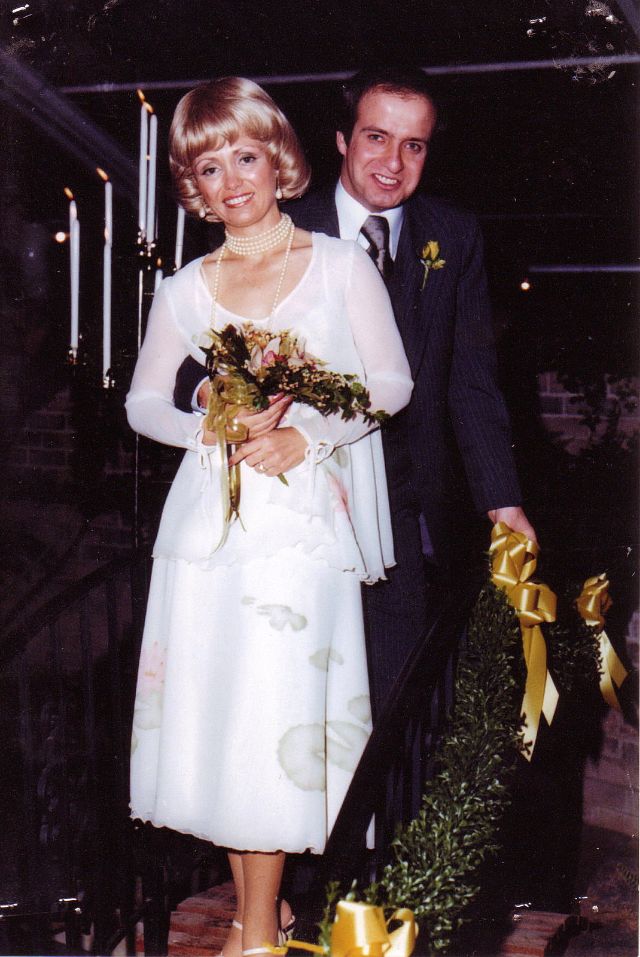
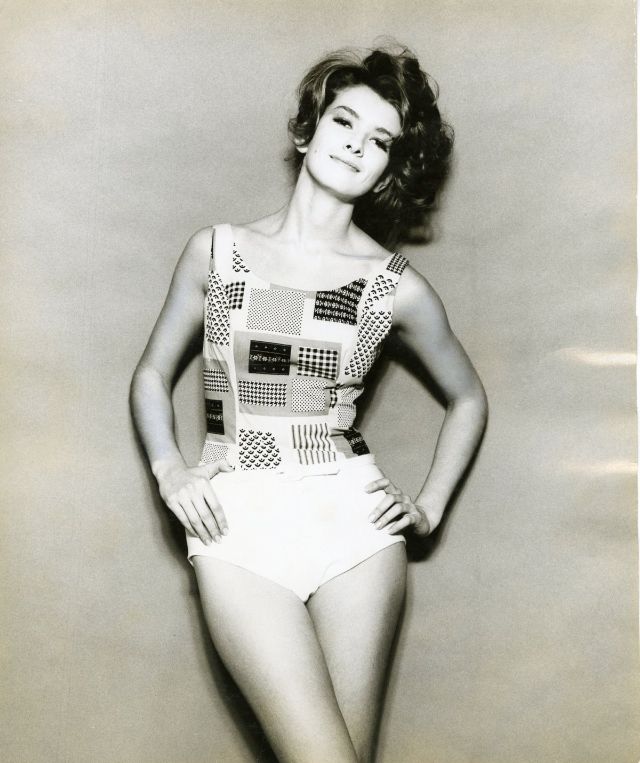
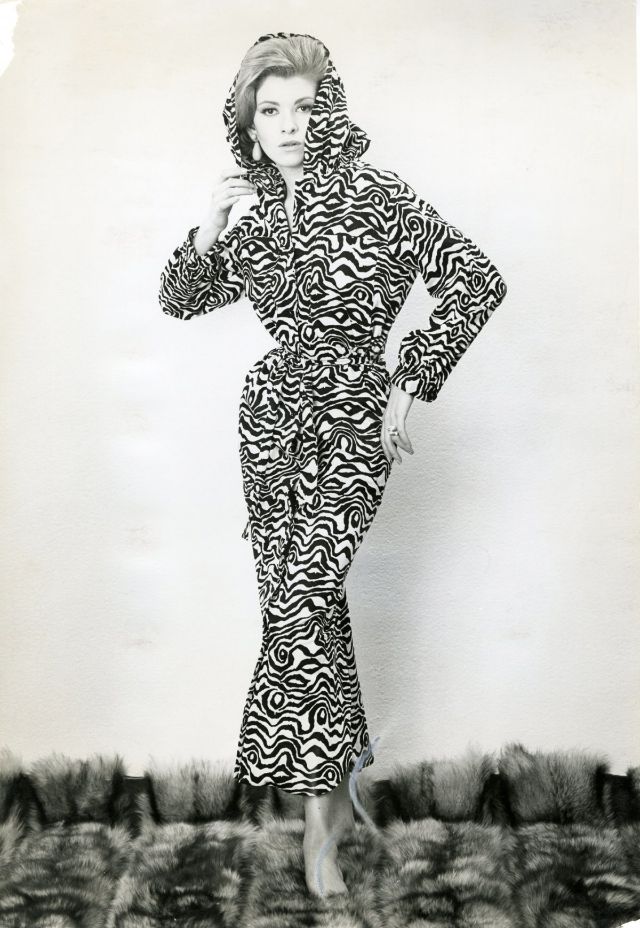
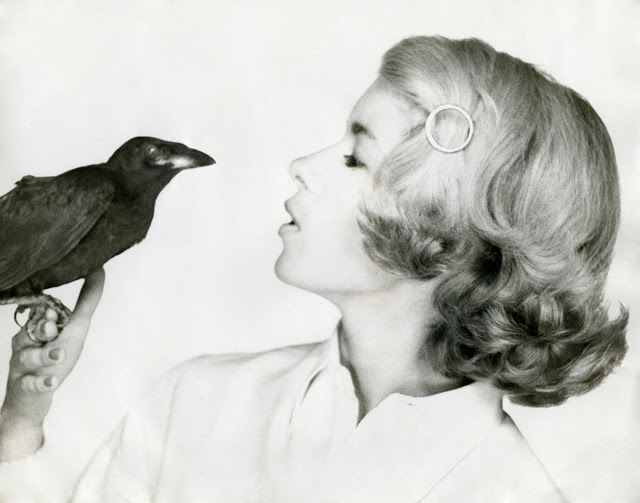
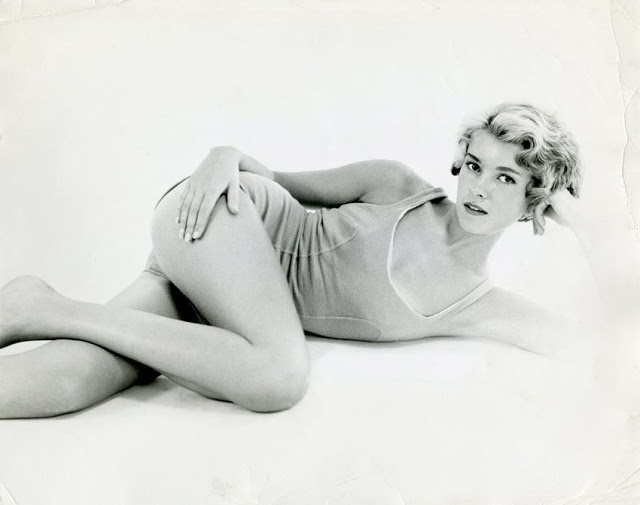
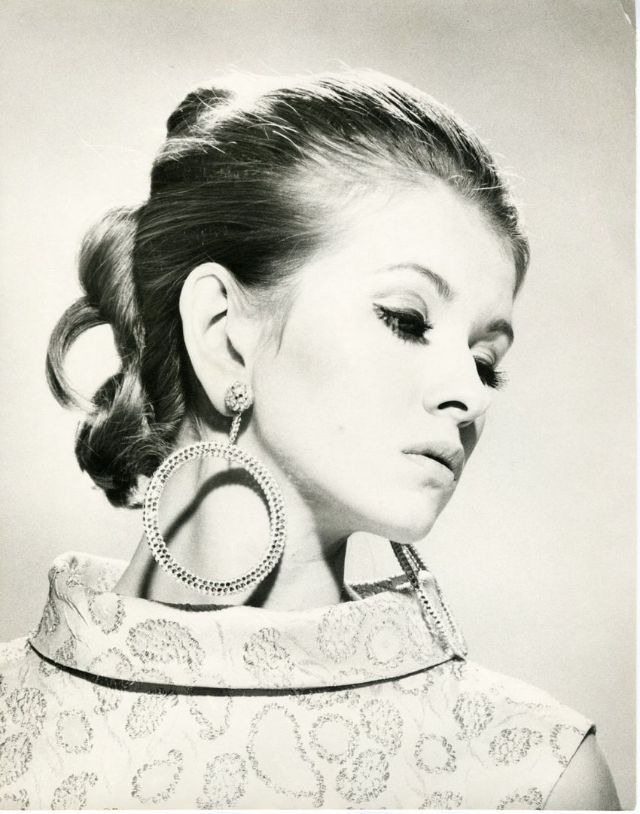
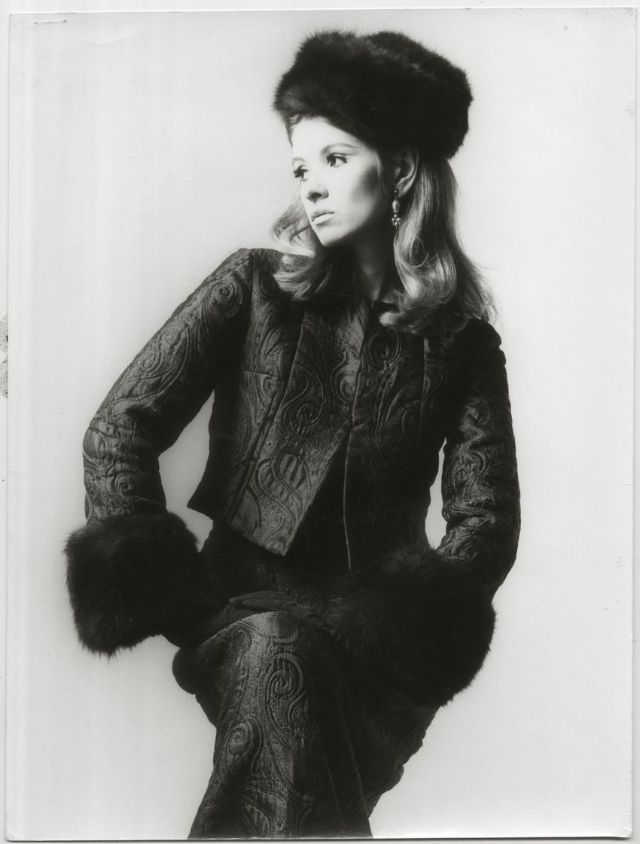
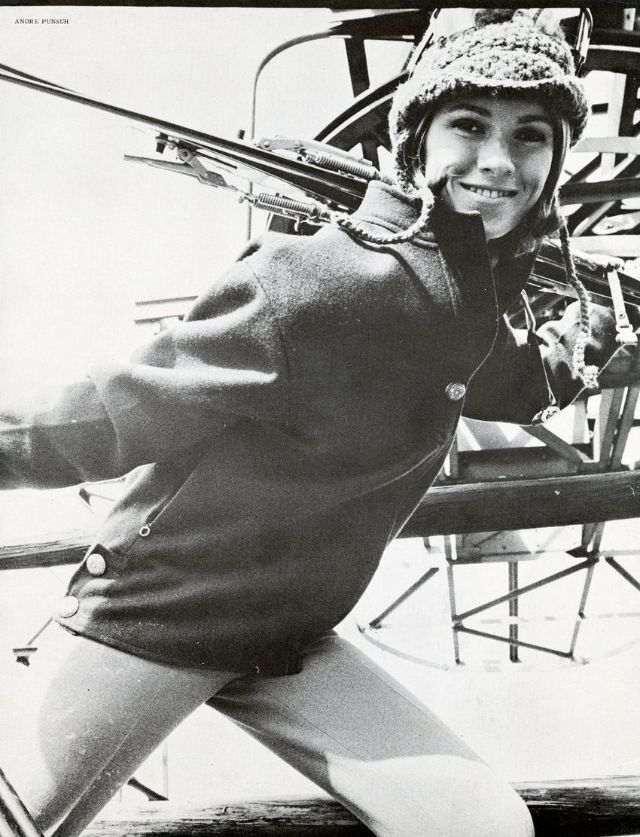
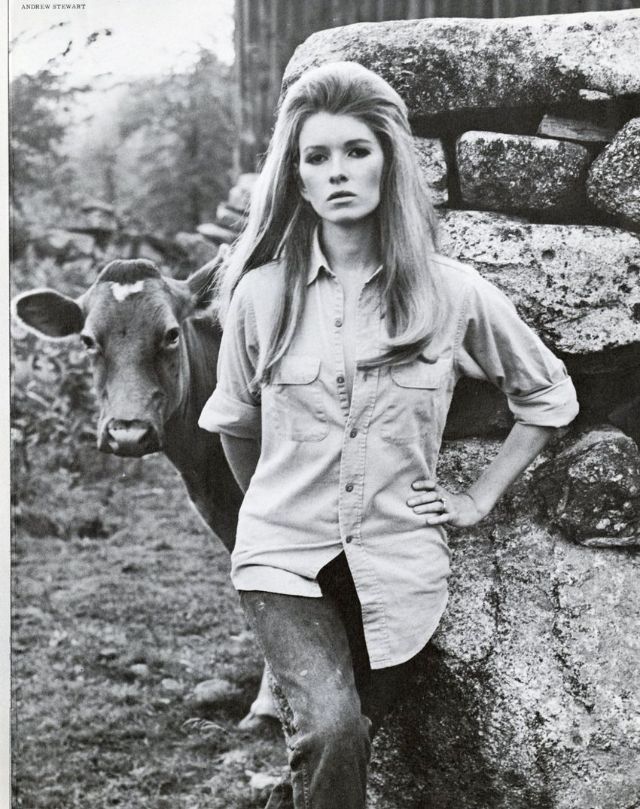
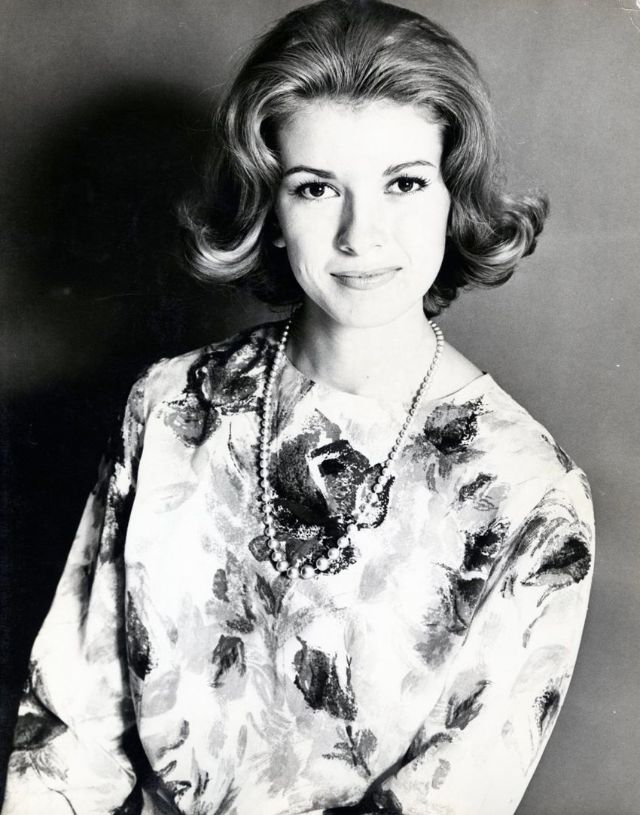
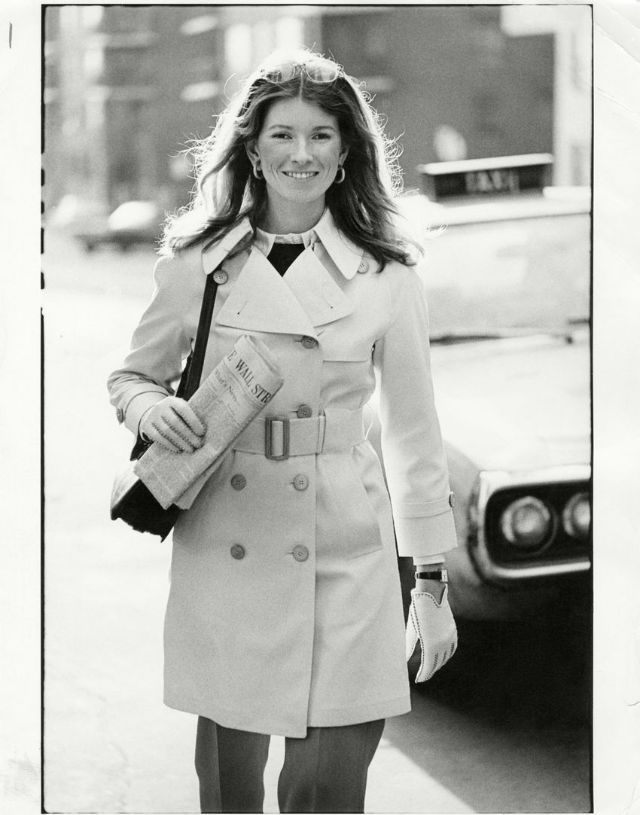
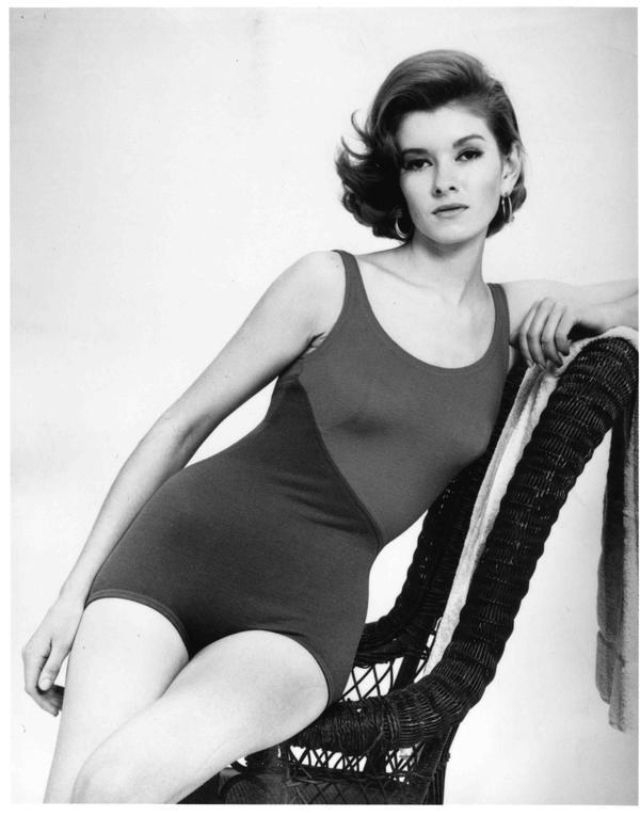
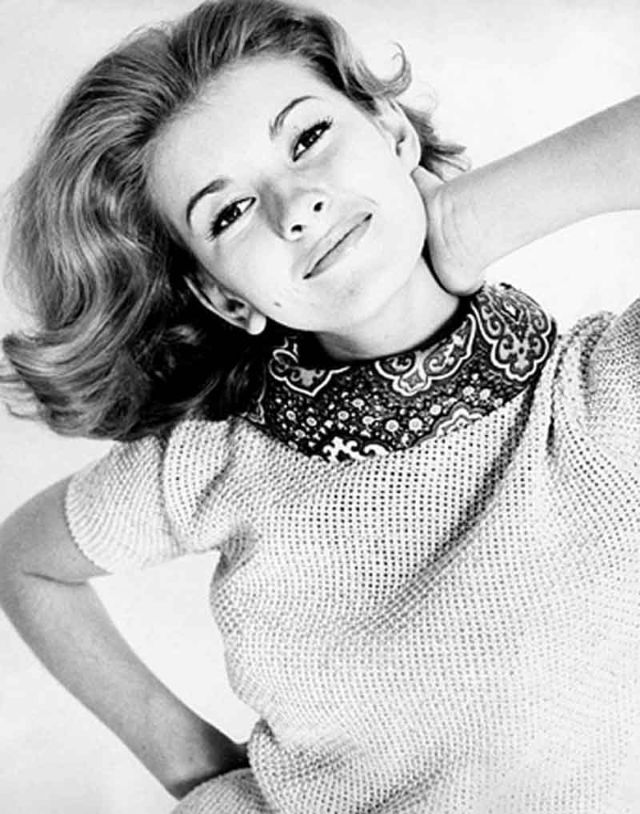
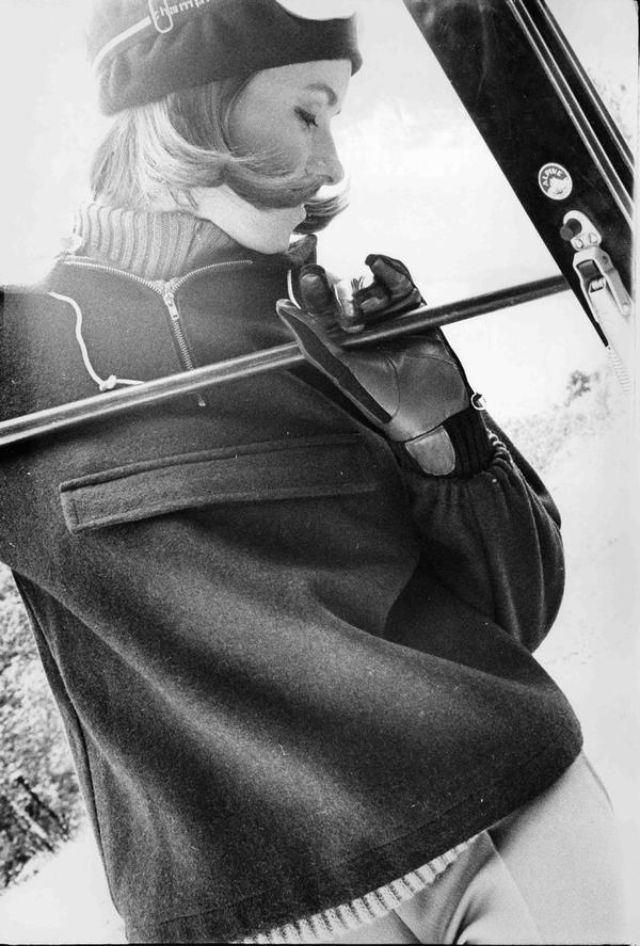
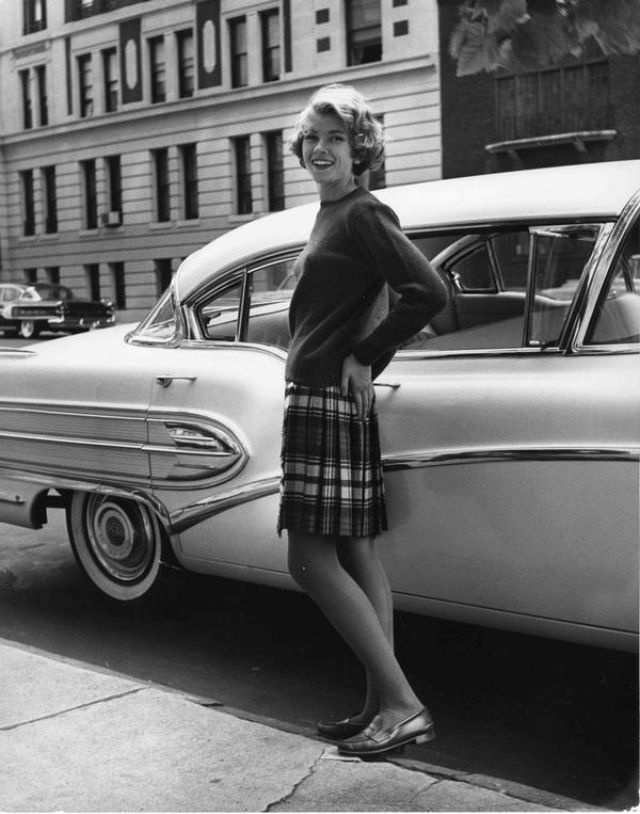
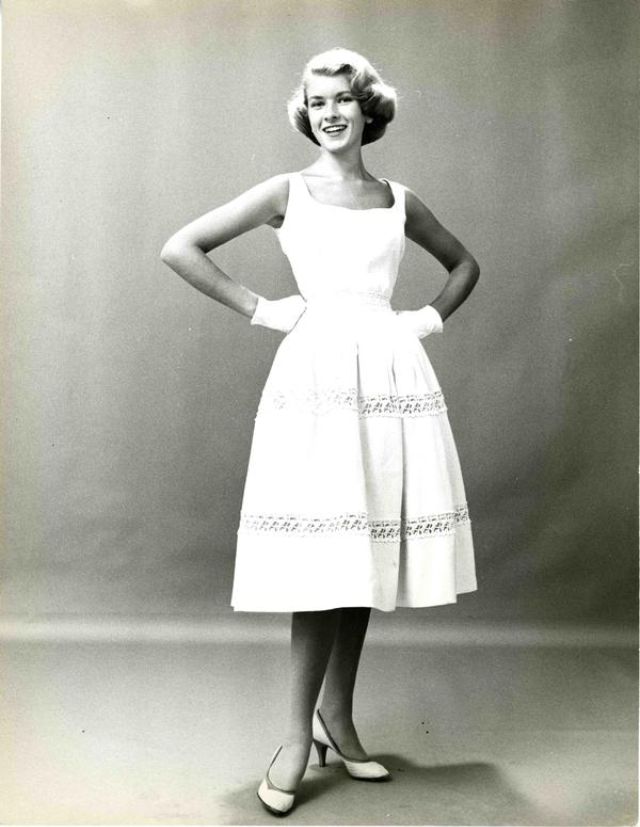
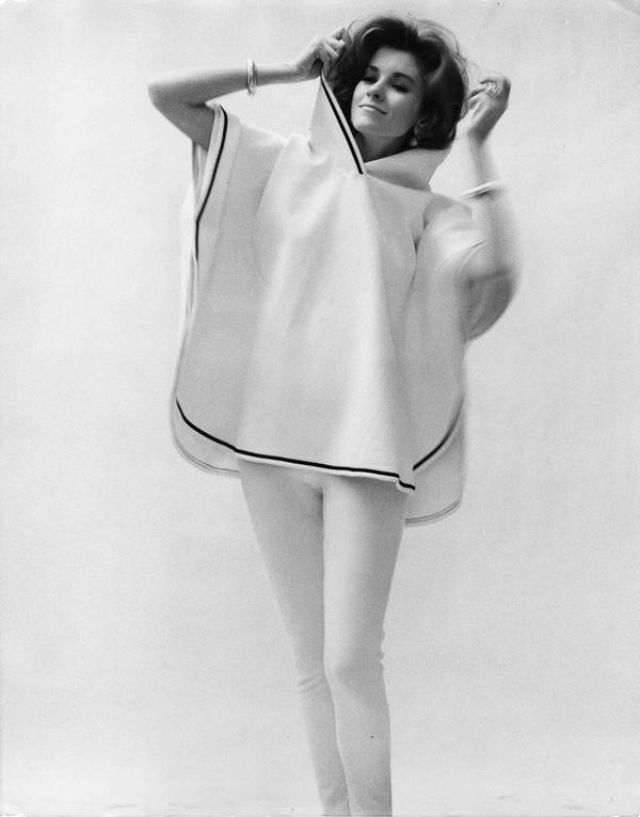
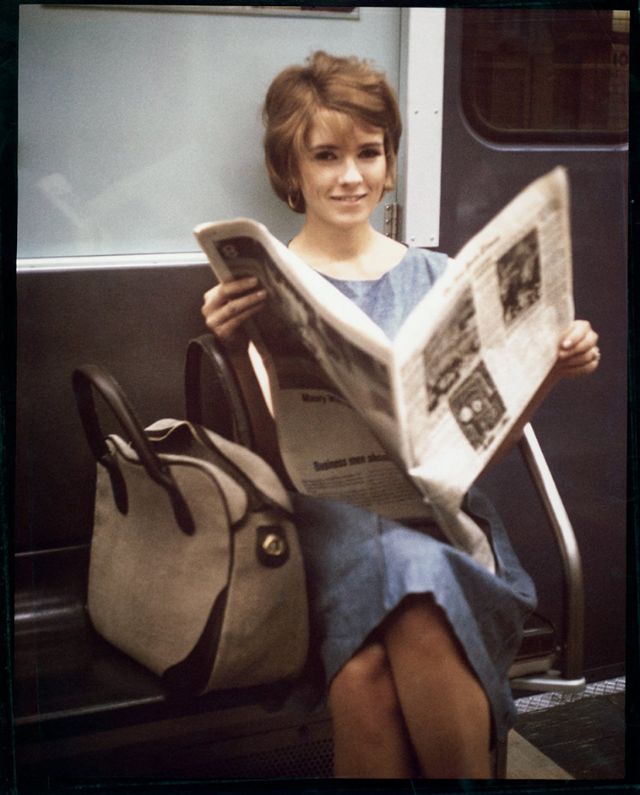
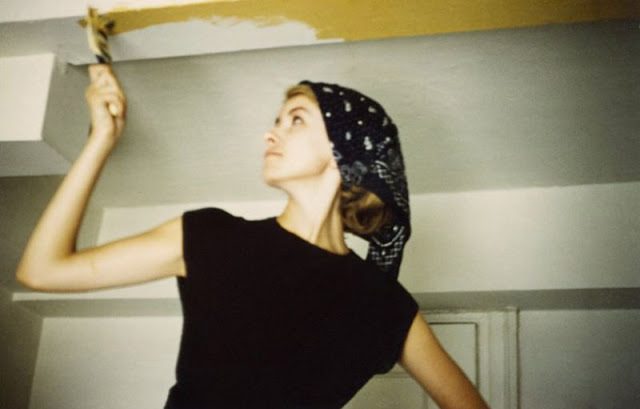
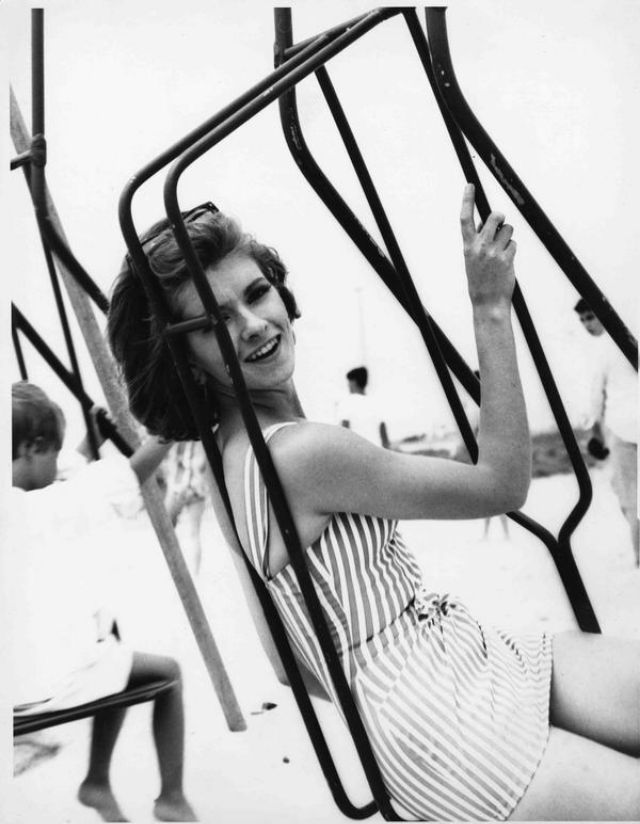
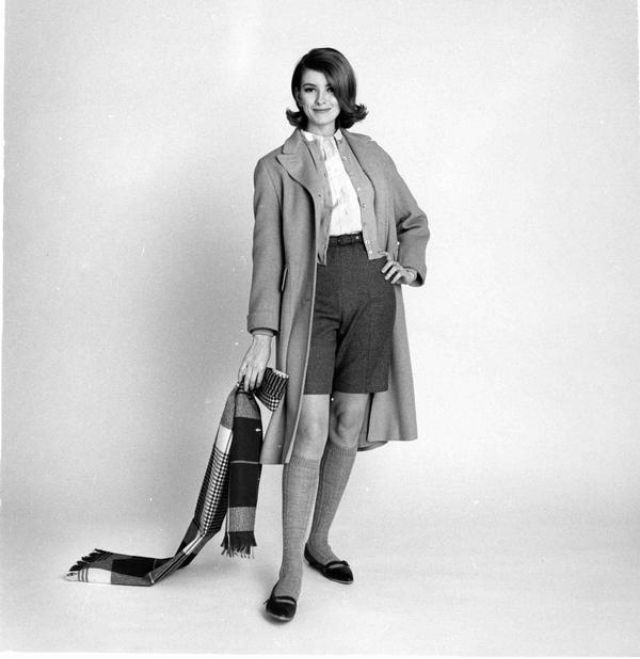
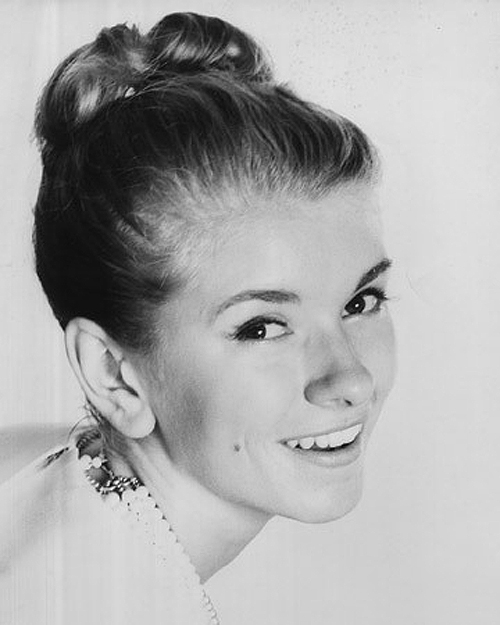
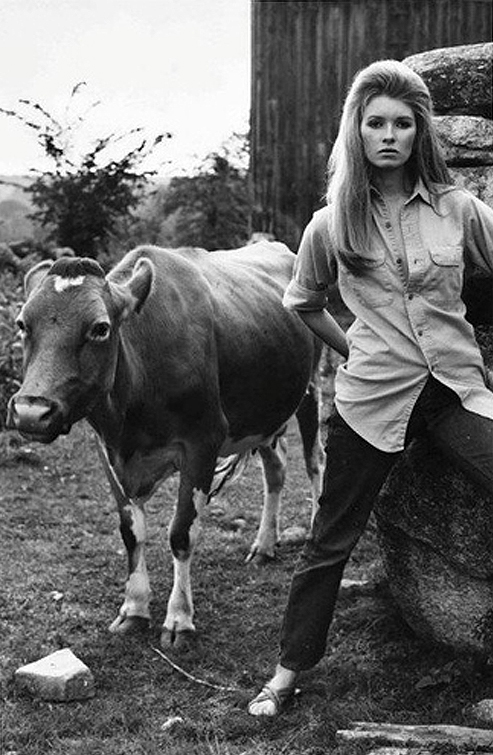
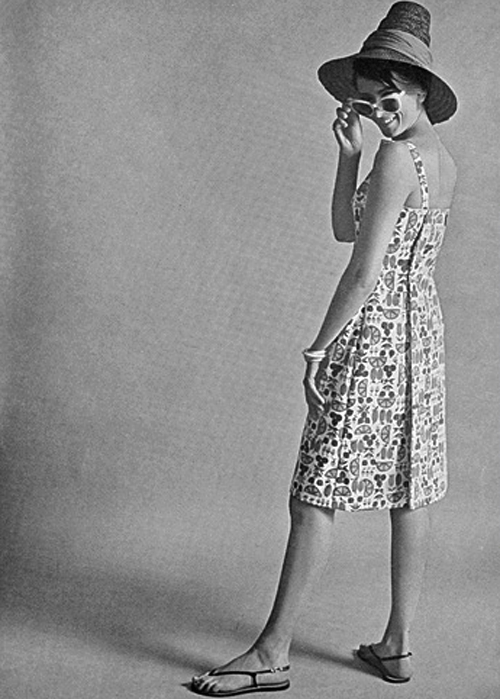
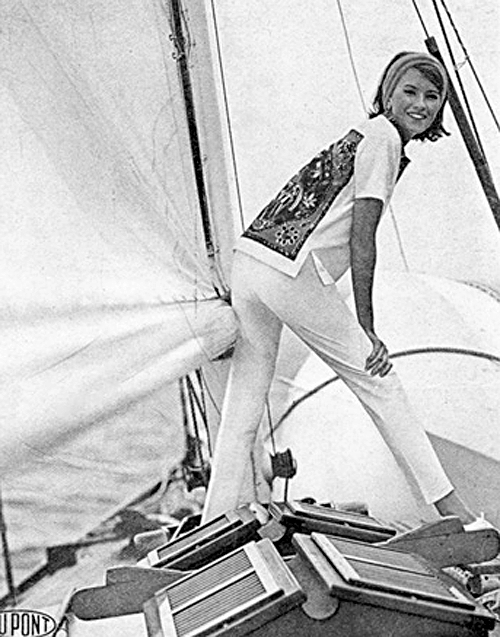
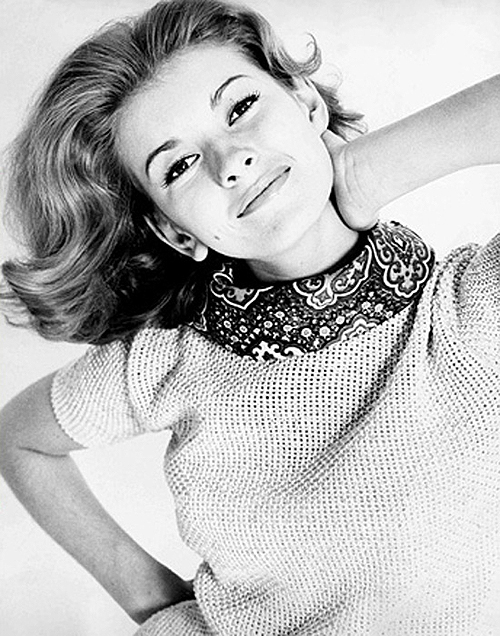
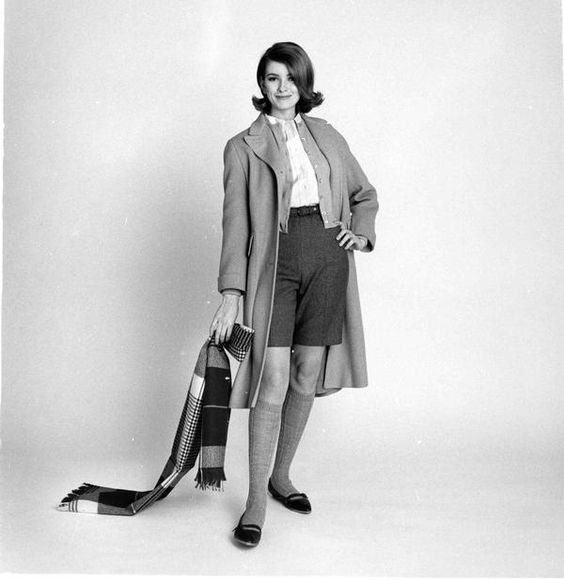
Martha Helen Stewart (née Kostyra, born August 3, 1941) is an American retail businesswoman, writer, and television personality. As founder of Martha Stewart Living Omnimedia, she gained success through a variety of business ventures, encompassing publishing, broadcasting, merchandising and e-commerce. She has written numerous bestselling books, is the publisher of Martha Stewart Living magazine and hosted two syndicated television programs: Martha Stewart Living, which ran from 1993 to 2004, and Martha, which ran from 2005 to 2012.
In 2004, Stewart was convicted of felony charges related to the ImClone stock trading case; she served five months in federal prison and was released in March 2005. There was speculation that the incident would effectively end her media empire, but in 2005 Stewart began a comeback campaign and her company returned to profitability in 2006. Stewart rejoined the board of directors of Martha Stewart Living Omnimedia in 2011 and became chairwoman of her namesake company again in 2012. The company was acquired by Sequential Brands in 2015. (Wikipedia)