

































Bringing You the Wonder of Yesterday – Today



















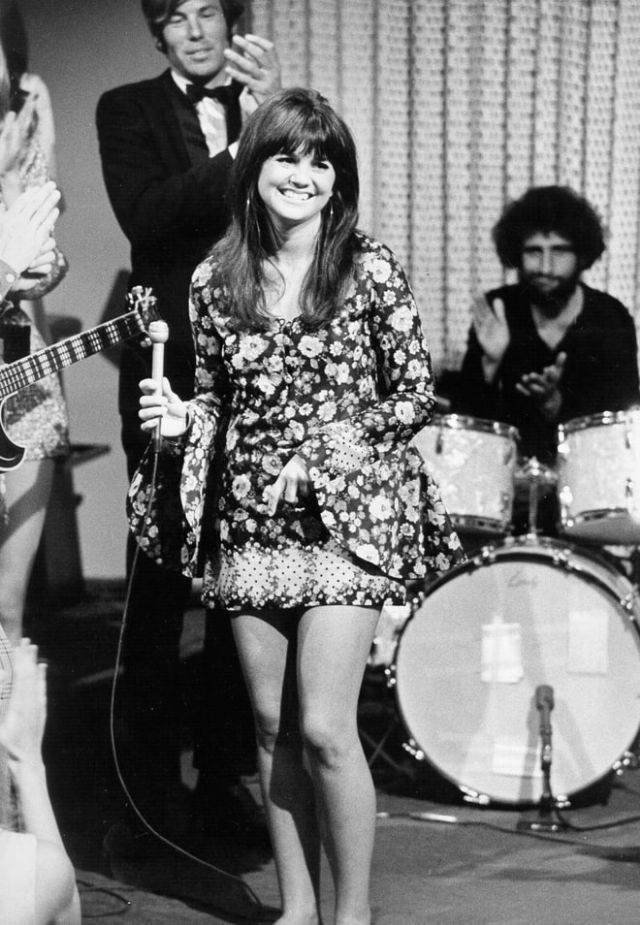
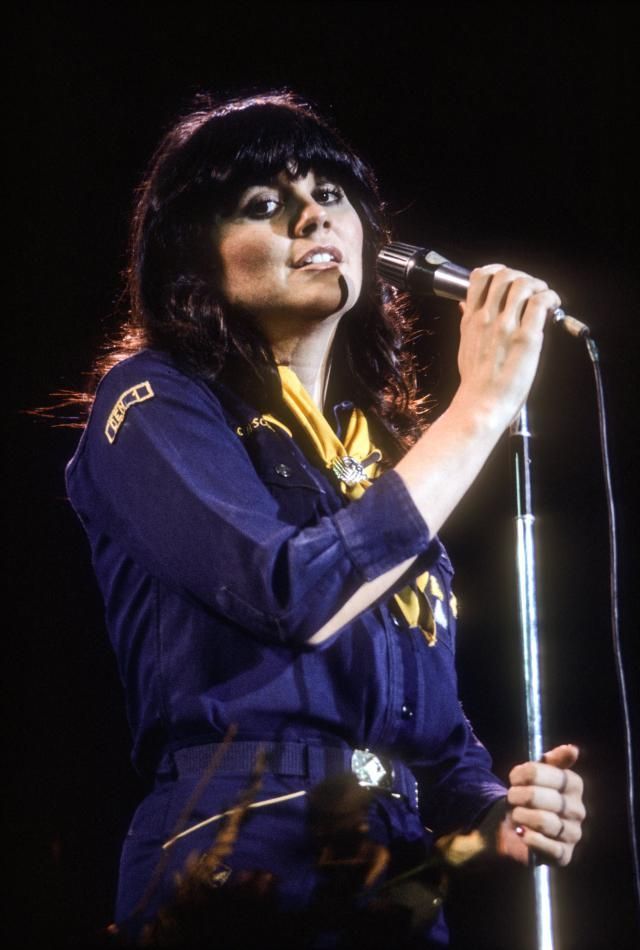
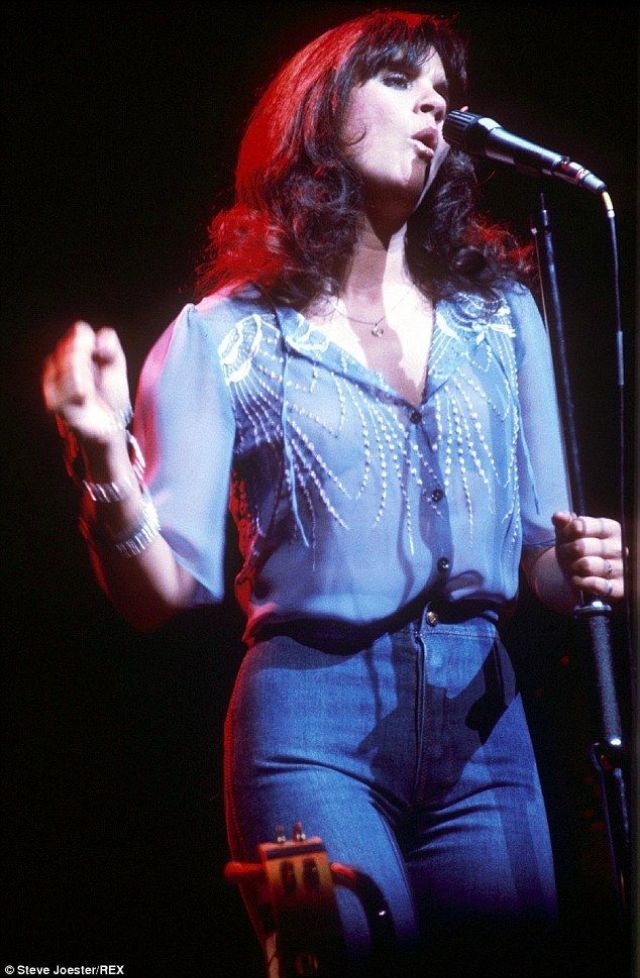
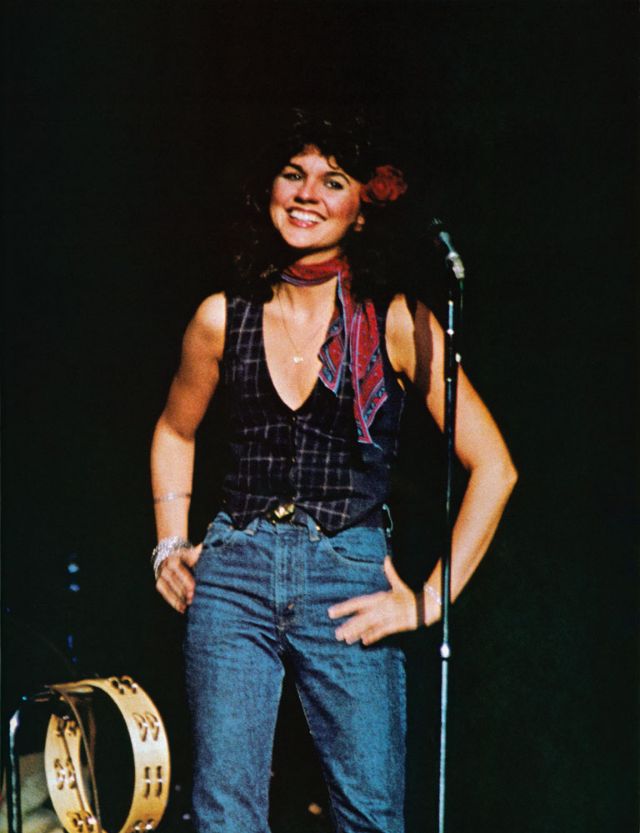
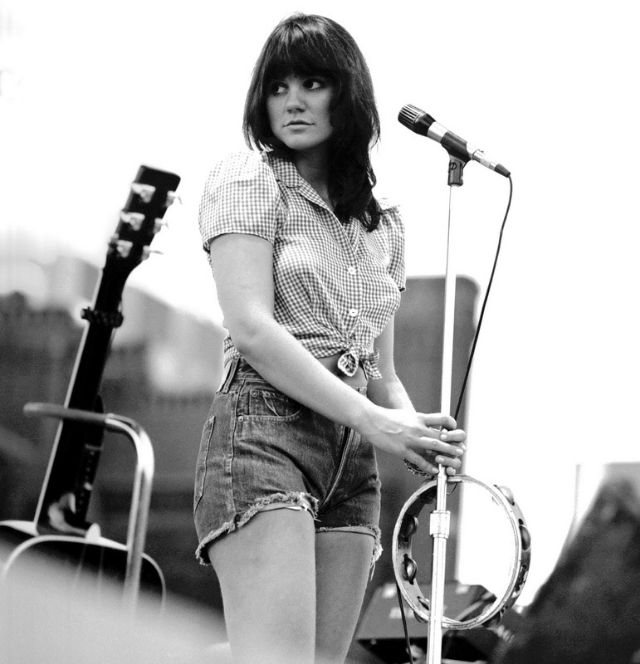
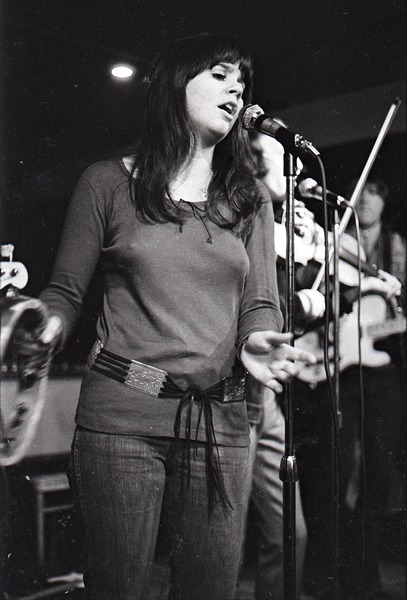
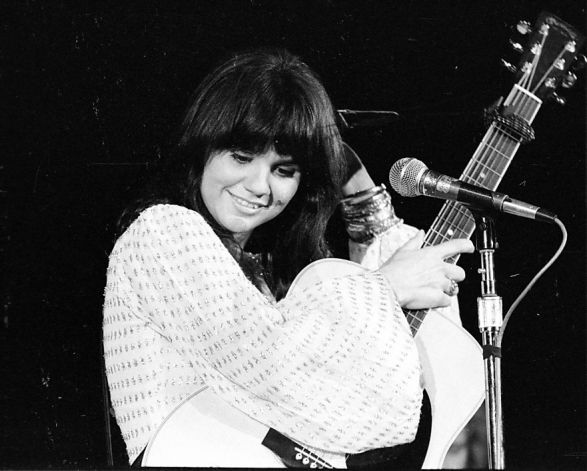
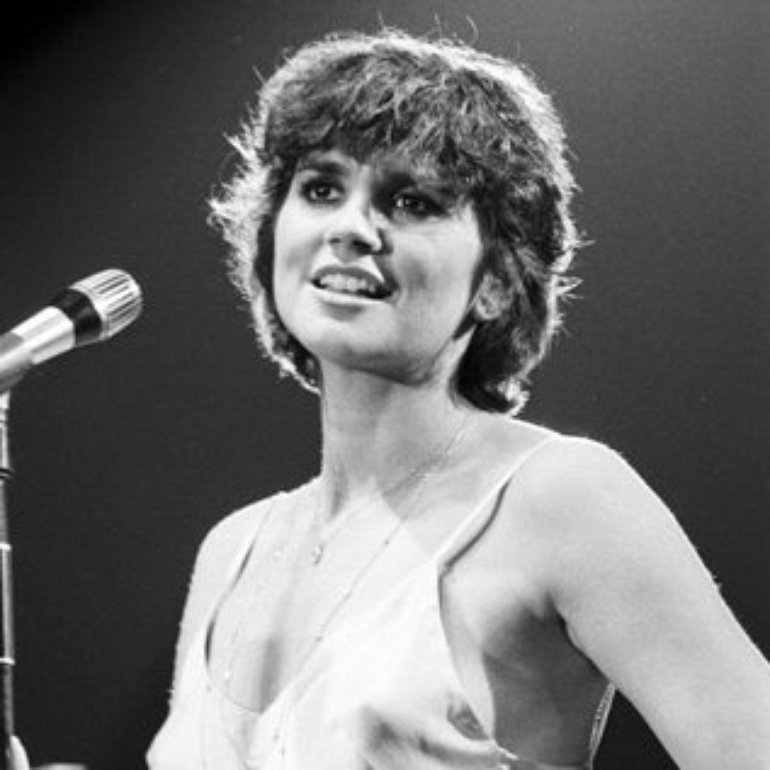
Linda Maria Ronstadt (born July 15, 1946) is a retired American singer who performed and recorded in diverse genres including rock, country, light opera, and Latin. She has earned 11 Grammy Awards, three American Music Awards, two Academy of Country Music awards, an Emmy Award, and an ALMA Award. Many of her albums have been certified gold, platinum or multiplatinum in the United States and internationally. She has also earned nominations for a Tony Award and a Golden Globe award. She was awarded the Latin Grammy Lifetime Achievement Award by the Latin Recording Academy in 2011 and also awarded the Grammy Lifetime Achievement Award by the Recording Academy in 2016. She was inducted into the Rock and Roll Hall of Fame in April 2014. On July 28, 2014, she was awarded the National Medal of Arts and Humanities. In 2019, she received a star jointly with Dolly Parton and Emmylou Harris on the Hollywood Walk of Fame for their work as the group Trio. Ronstadt was among five honorees who received the 2019 Kennedy Center Honors for lifetime artistic achievements.
Ronstadt has released 24 studio albums and 15 compilation or greatest hits albums. She charted 38 US Billboard Hot 100 singles. Twenty-one of those singles reached the top 40, ten reached the top 10, and one reached number one (“You’re No Good”). Ronstadt also charted in UK as two of her duets, “Somewhere Out There” with James Ingram and “Don’t Know Much” with Aaron Neville, peaked at numbers 8 and 2 respectively and the single “Blue Bayou” reached number 35 on the UK Singles charts. She has charted 36 albums, ten top-10 albums, and three number 1 albums on the US Billboard Pop Album Chart.
Ronstadt has collaborated with artists in diverse genres, including: Dolly Parton, Emmylou Harris, Bette Midler, Billy Eckstine, Frank Zappa, Carla Bley (Escalator Over the Hill), Rosemary Clooney, Flaco Jiménez, Philip Glass, Warren Zevon, Gram Parsons, Neil Young, Paul Simon, Earl Scruggs, Johnny Cash, and Nelson Riddle. She has lent her voice to over 120 albums and has sold more than 100 million records, making her one of the world’s best-selling artists of all time. Christopher Loudon, of Jazz Times, wrote in 2004 that Ronstadt is “blessed with arguably the most sterling set of pipes of her generation.”
Ronstadt reduced her activity after 2000 when she felt her singing voice deteriorating, releasing her last full-length album in 2004 and performing her last live concert in 2009. She announced her retirement in 2011 and revealed shortly afterwards that she is no longer able to sing as a result of a degenerative condition later determined to be progressive supranuclear palsy. Since then, Ronstadt has continued to make public appearances, going on a number of public speaking tours in the 2010s. She published an autobiography, Simple Dreams: A Musical Memoir, in September 2013. A documentary based on her memoirs, Linda Ronstadt: The Sound of My Voice, was released in 2019. (Wikipedia)




























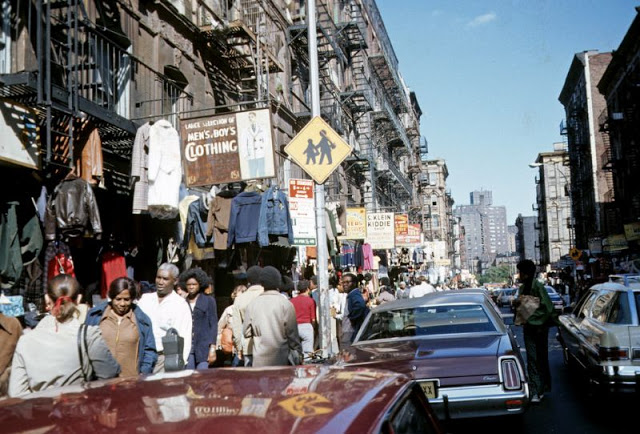
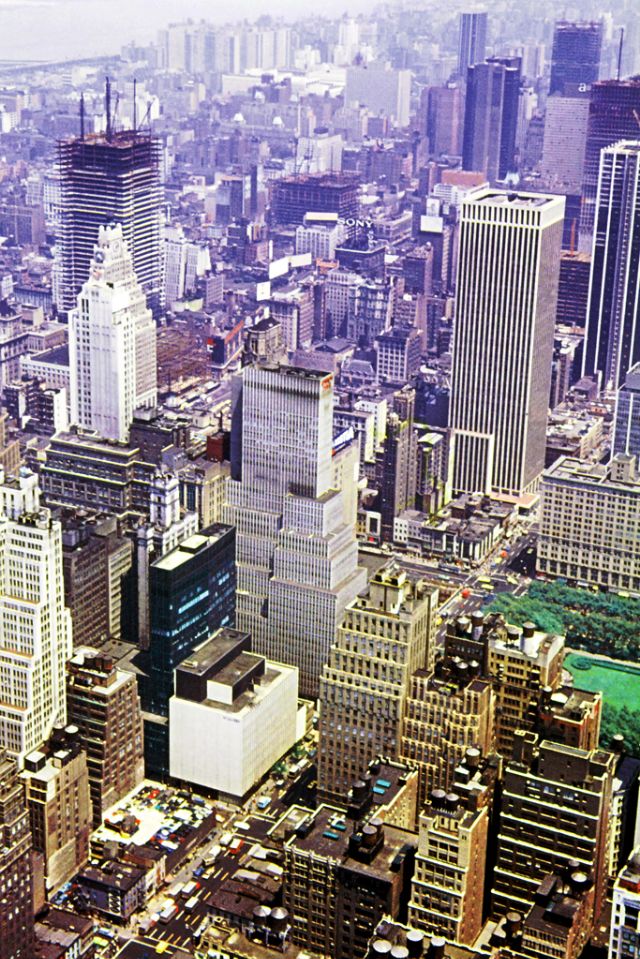
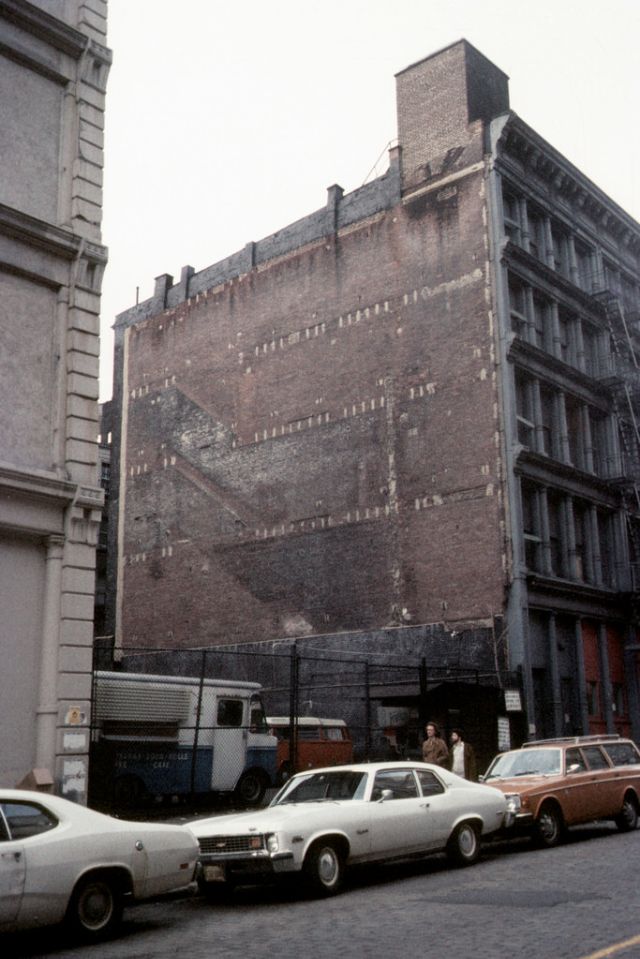
New York, often called New York City (NYC) to disambiguate it from the State of New York, is the most populous city in the United States. With a 2020 population of 8,804,190 distributed over 300.46 square miles (778.2 km2), New York City is also the most densely populated major city in the United States. Located at the southern tip of the state of New York, the city is the center of the New York metropolitan area, the largest metropolitan area in the world by urban area. With over 20.1 million people in its metropolitan statistical area and 23.5 million in its combined statistical area as of 2020, New York is one of the world’s most populous megacities. New York City has been described as the cultural, financial, and media capital of the world, and is a significant influence on commerce, entertainment, research, technology, education, politics, tourism, dining, art, fashion, and sports. It is the most photographed city in the world. Home to the headquarters of the United Nations, New York is an important center for international diplomacy, is an established safe haven for global investors, and is sometimes described as the capital of the world.
Situated on one of the world’s largest natural harbors, with water covering 36.4% of its surface area, New York City is composed of five boroughs, each of which is coextensive with a respective county of the state of New York. The five boroughs—Brooklyn (Kings County), Queens (Queens County), Manhattan (New York County), the Bronx (Bronx County), and Staten Island (Richmond County)—were created when local governments were consolidated into a single municipal entity in 1898. The city and its metropolitan area constitute the premier gateway for legal immigration to the United States. As many as 800 languages are spoken in New York, making it the most linguistically diverse city in the world. New York is home to more than 3.2 million residents born outside the United States, the largest foreign-born population of any city in the world as of 2016. As of 2018, the New York metropolitan area is estimated to produce a gross metropolitan product (GMP) of nearly $1.8 trillion, ranking it first in the United States. If the New York metropolitan area were a sovereign state, it would have the eighth-largest economy in the world. New York is home to the highest number of billionaires of any city in the world.
New York City traces its origins to a trading post founded on the southern tip of Manhattan Island by Dutch colonists in approximately 1624. The settlement was named New Amsterdam (Dutch: Nieuw Amsterdam) in 1626 and was chartered as a city in 1653. The city came under English control in 1664 and was renamed New York after King Charles II of England granted the lands to his brother, the Duke of York. The city was regained by the Dutch in July 1673 and was renamed New Orange for one year and three months; the city has been continuously named New York since November 1674. New York City was the capital of the United States from 1785 until 1790, and has been the largest U.S. city since 1790. The Statue of Liberty greeted millions of immigrants as they came to the U.S. by ship in the late 19th and early 20th centuries, and is a symbol of the U.S. and its ideals of liberty and peace. In the 21st century, New York has emerged as a global node of creativity, entrepreneurship, and environmental sustainability, and as a symbol of freedom and cultural diversity. In 2019, New York was voted the greatest city in the world per a survey of over 30,000 people from 48 cities worldwide, citing its cultural diversity.
Many districts and monuments in New York City are major landmarks, including three of the world’s ten most visited tourist attractions in 2013. A record 66.6 million tourists visited New York City in 2019. Times Square is the brightly illuminated hub of the Broadway Theater District, one of the world’s busiest pedestrian intersections, and a major center of the world’s entertainment industry. Many of the city’s landmarks, skyscrapers, and parks are known around the world, as is the city’s fast pace, spawning the term New York minute. The Empire State Building has become the global standard of reference to describe the height and length of other structures. Manhattan’s real estate market is among the most expensive in the world. Providing continuous 24/7 service and contributing to the nickname The City That Never Sleeps, the New York City Subway is the largest single-operator rapid transit system worldwide, with 472 rail stations. The city has over 120 colleges and universities, including Columbia University, New York University, Rockefeller University, and the City University of New York system, which is the largest urban public university system in the United States. Anchored by Wall Street in the Financial District of Lower Manhattan, New York City has been called both the world’s leading financial center and the most financially powerful city in the world, and is home to the world’s two largest stock exchanges by total market capitalization, the New York Stock Exchange and Nasdaq. (Wikipedia)



























After Joan Crawford died in 1977, Christina and her brother, Christopher, discovered that their mother had disinherited them from her $2 million estate, her will citing “reasons which are well-known to them.”
In November 1977, Christina and her brother sued to invalidate their mother’s will, which she signed on October 18, 1976. Cathy LaLonde, another Crawford daughter, and her husband, Jerome, the complaint charged, “took deliberate advantage of decedent’s seclusion and weakened and distorted mental and physical condition to insinuate themselves” into Joan’s favor.
Christina released a well-known but controversial “tell-all” memoir, Mommie Dearest just after Crawford’s death in 1978. It accused her mother of being a cruel, violent, neglectful, and deceitful narcissistic fraud who adopted her children only for wealth and fame after she had been labeled “box office poison”. It also raised public discourse about child abuse, which was only then beginning to be widely acknowledged as a problem.
A court settlement was reached on July 13, 1979, awarding Crawford and Christopher $55,000 from their mother’s estate.
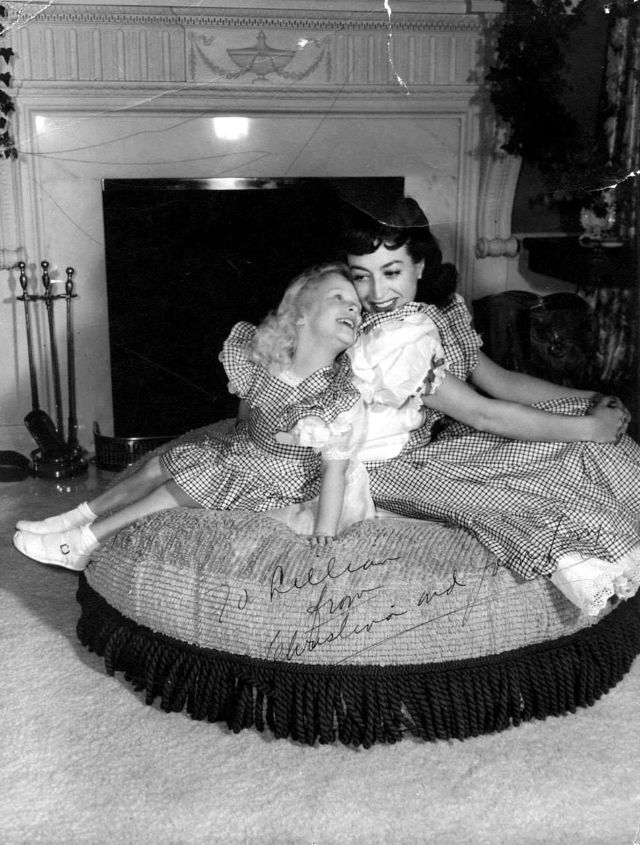
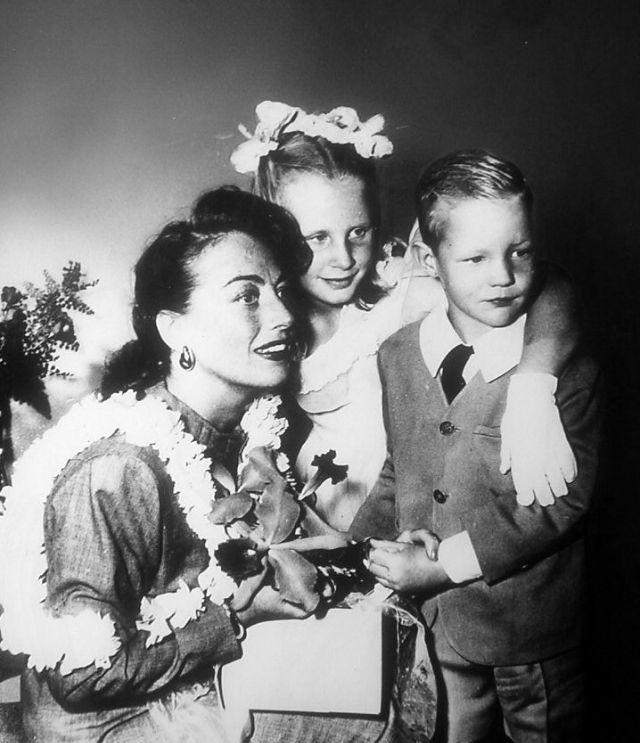
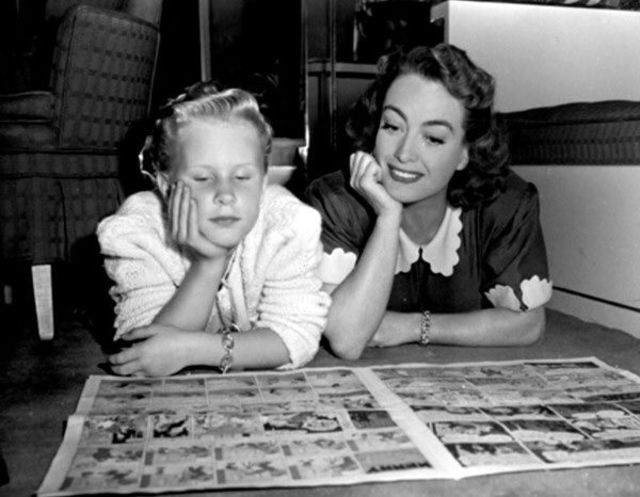
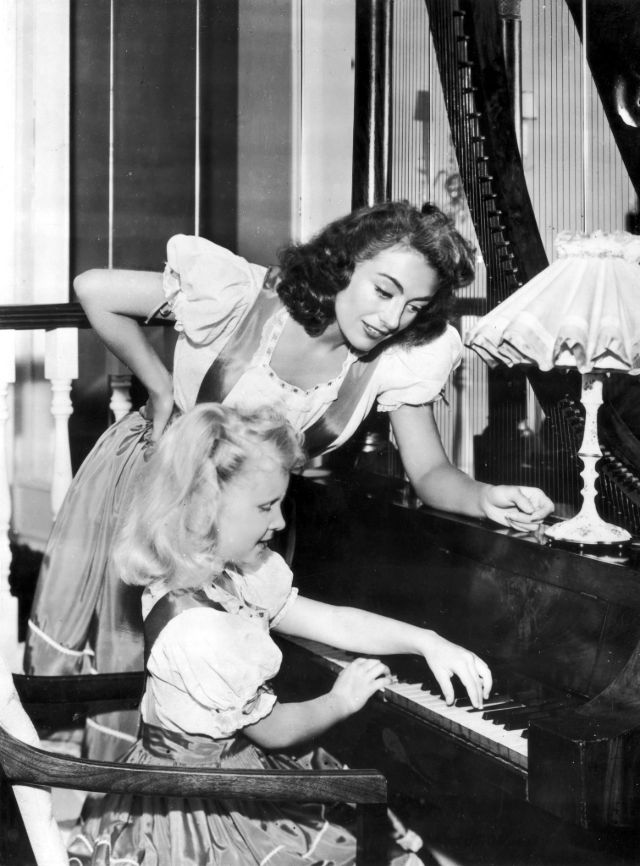
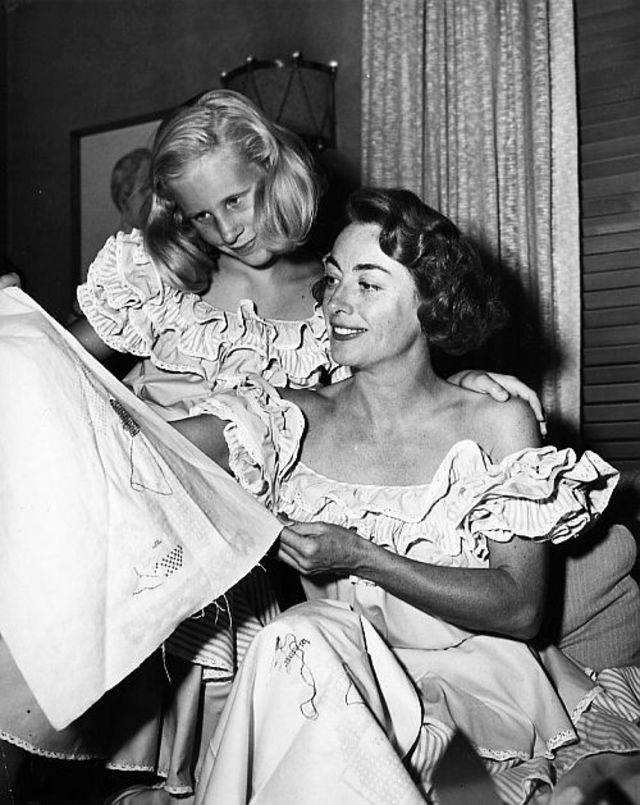
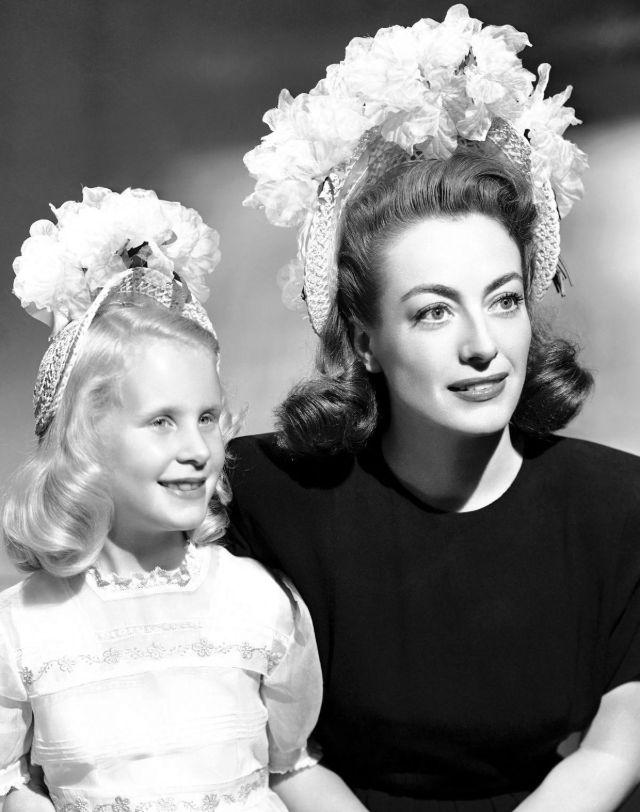
These vintage photos that captured lovely moments of Joan Crawford with her adopted daughter Christina in the 1940s.


















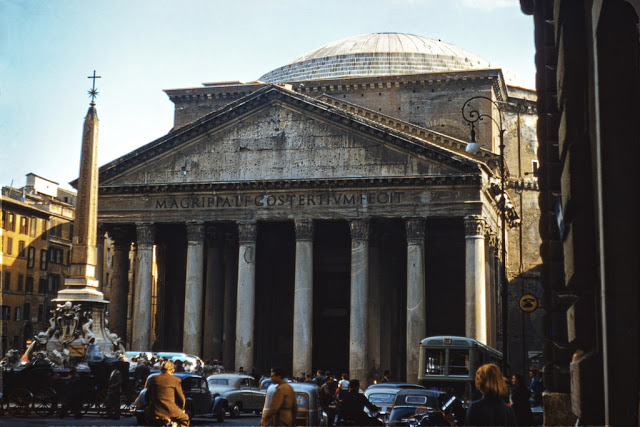
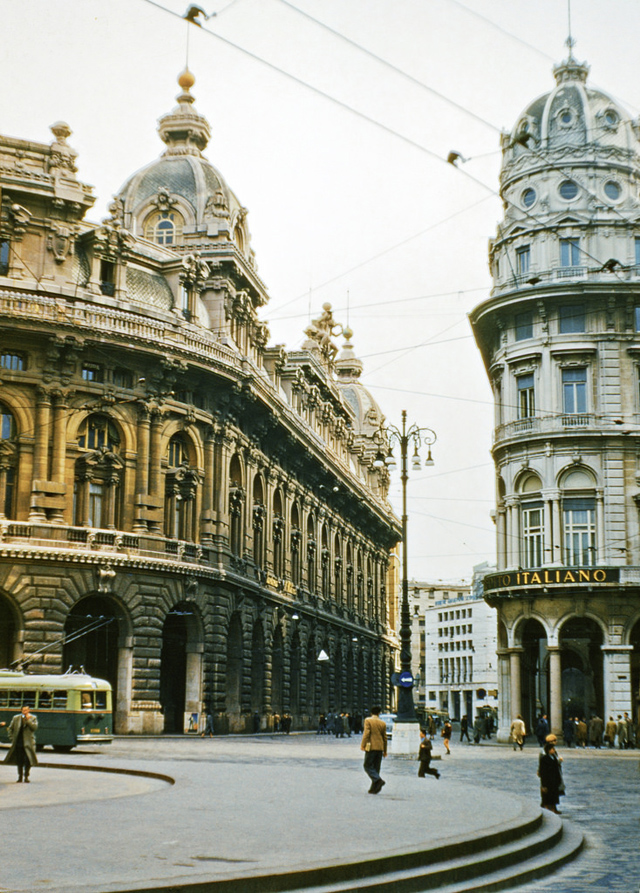
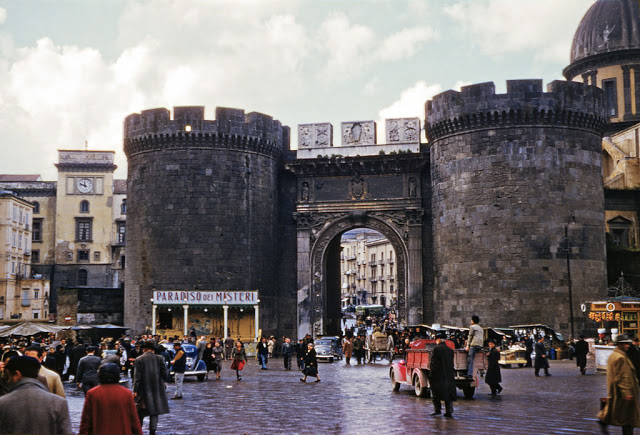
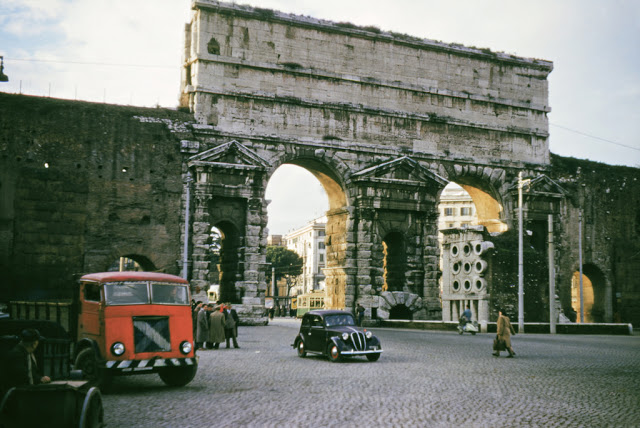
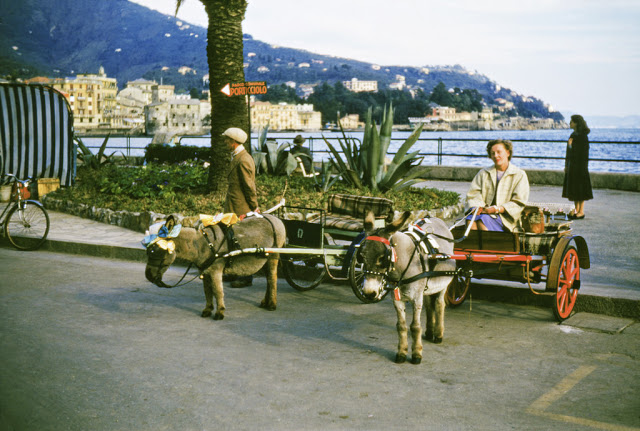
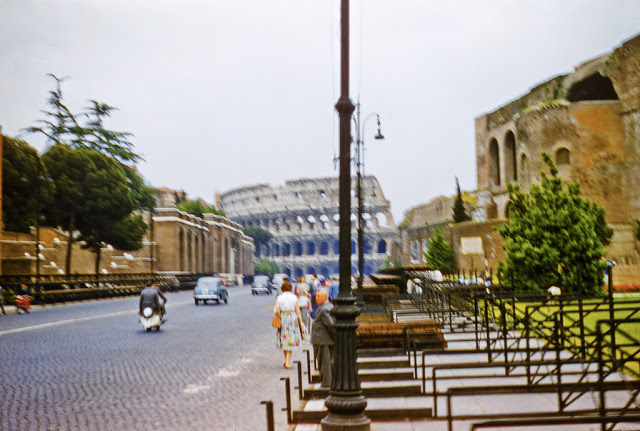
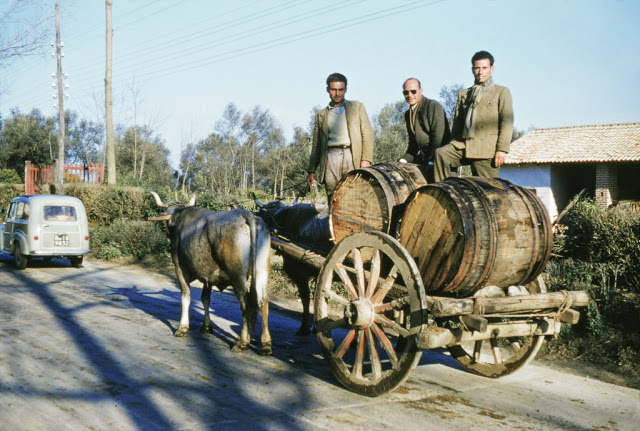
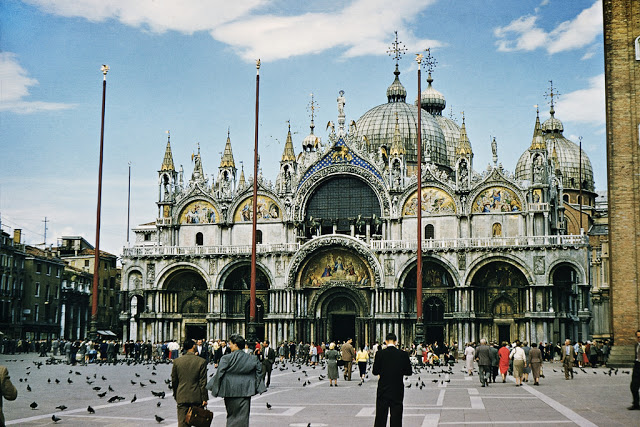
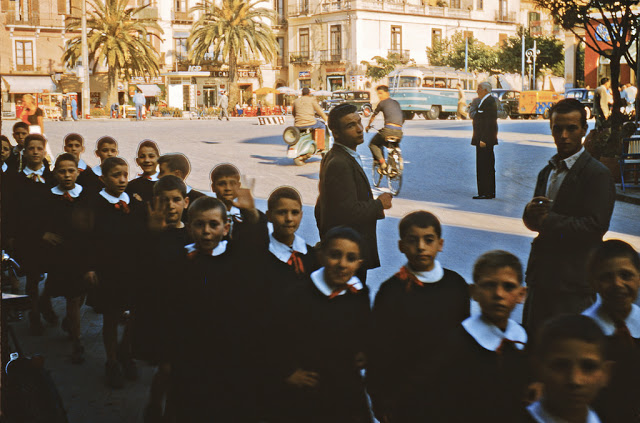
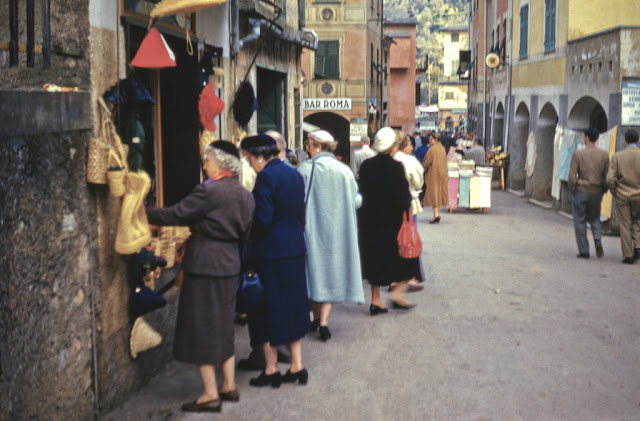
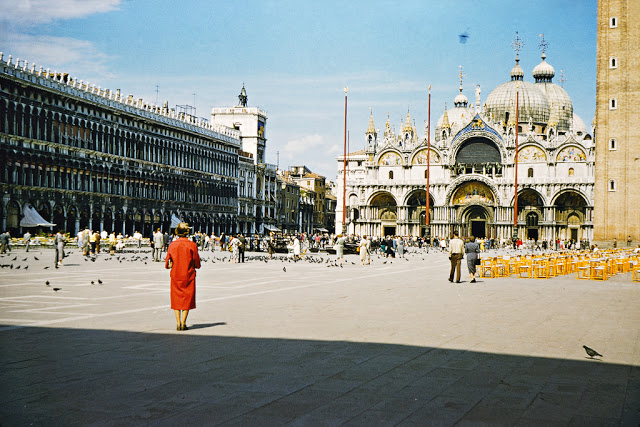
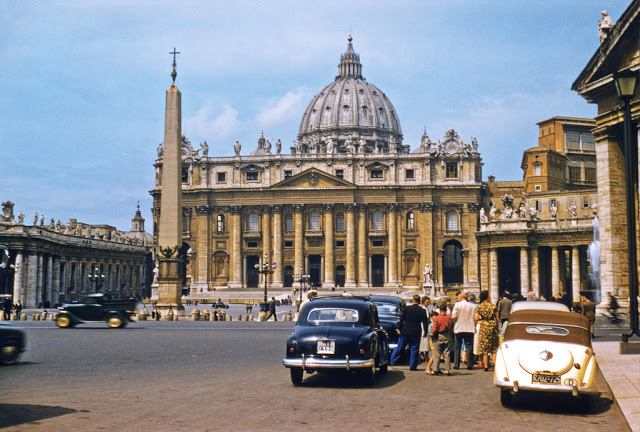
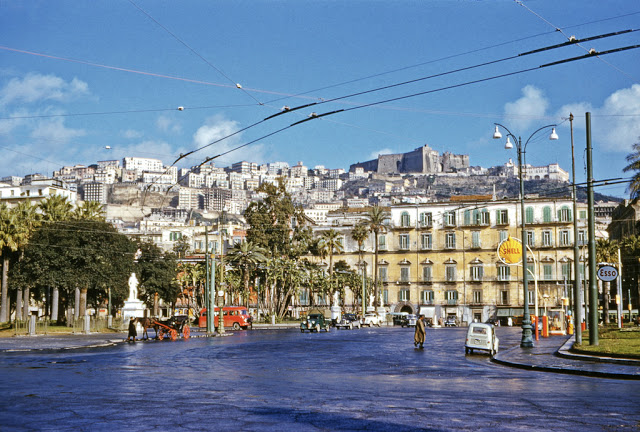
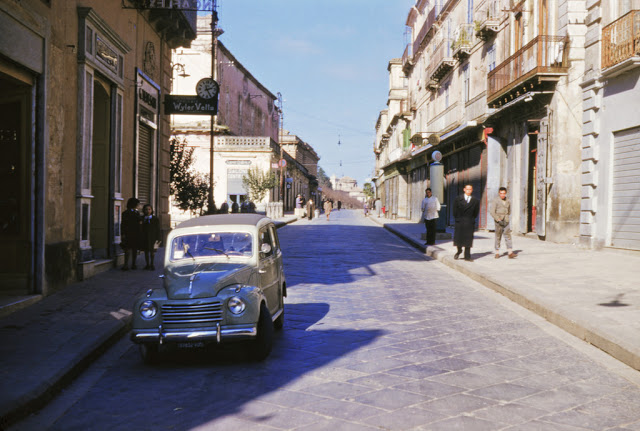
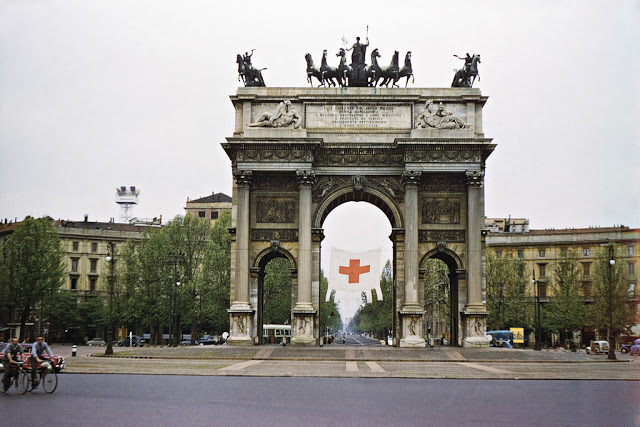
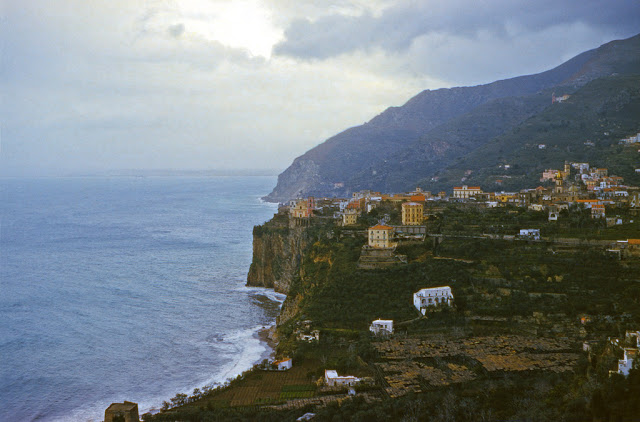
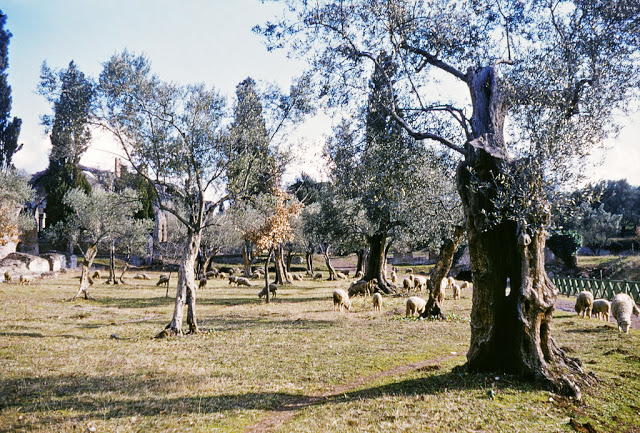
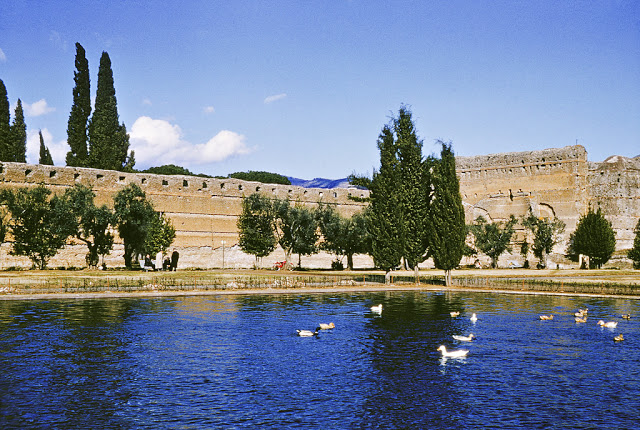
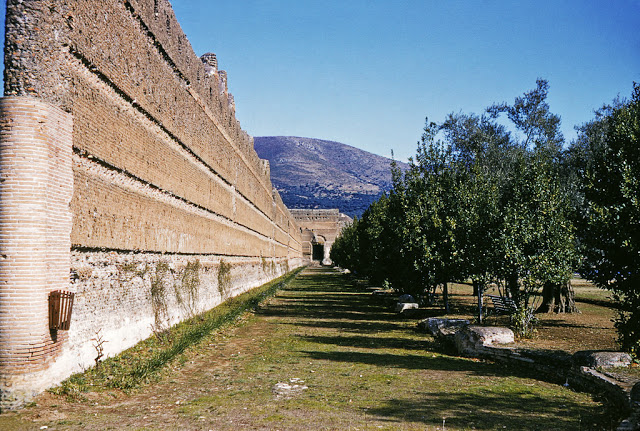
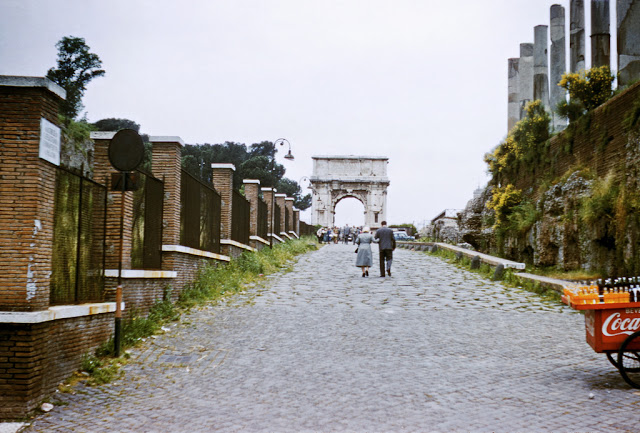
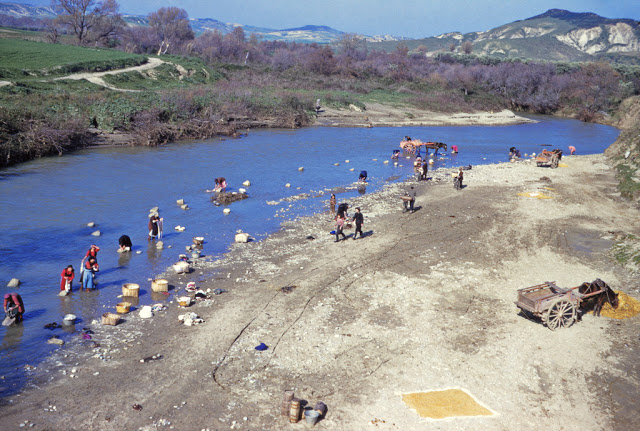
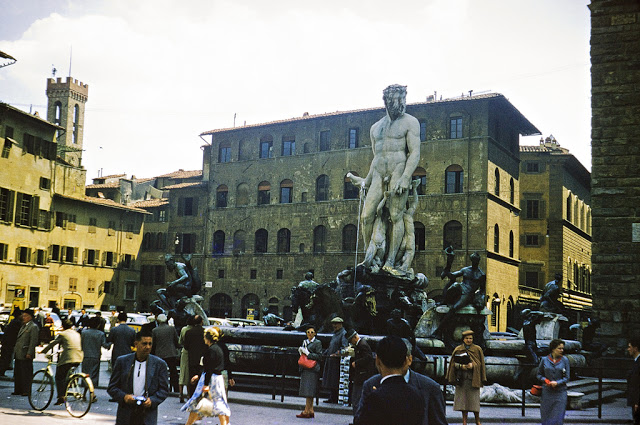
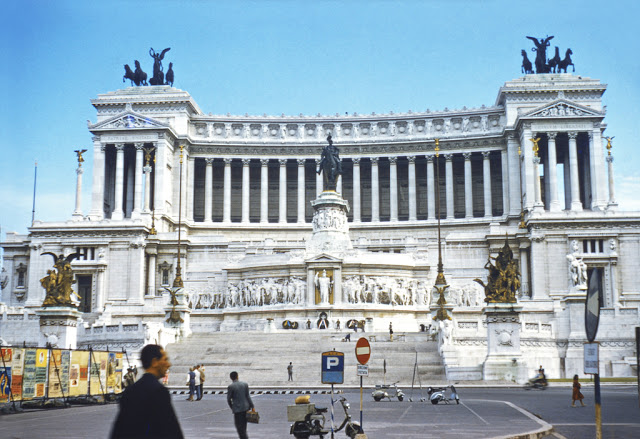
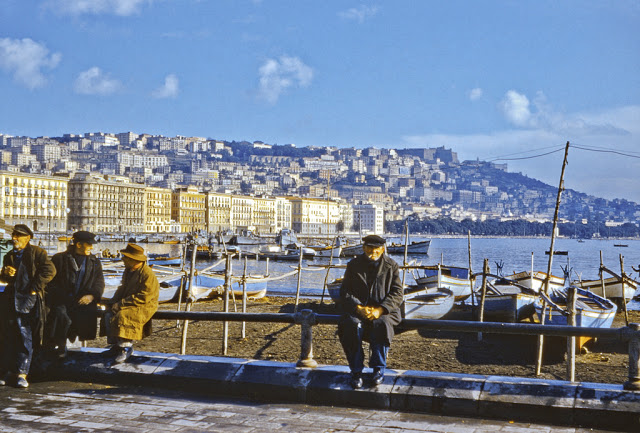
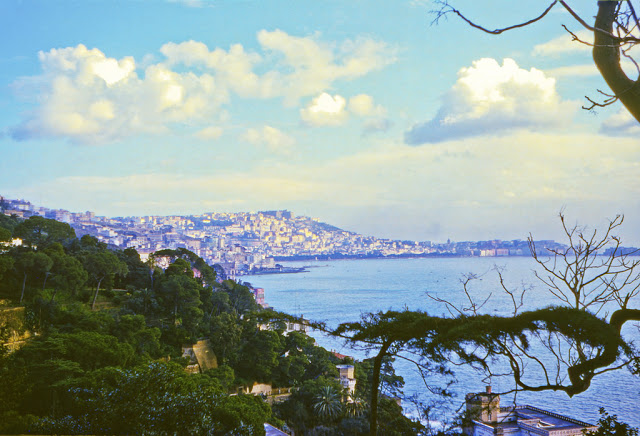
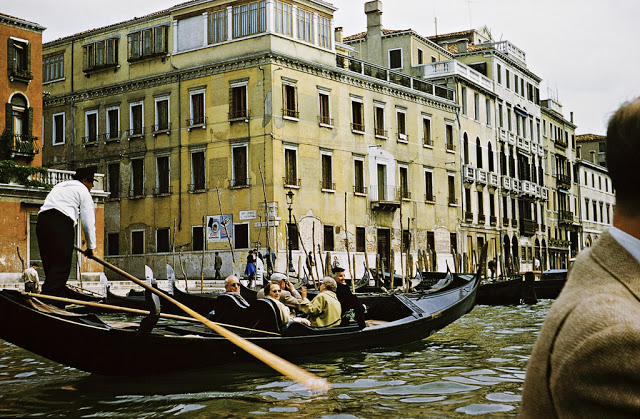
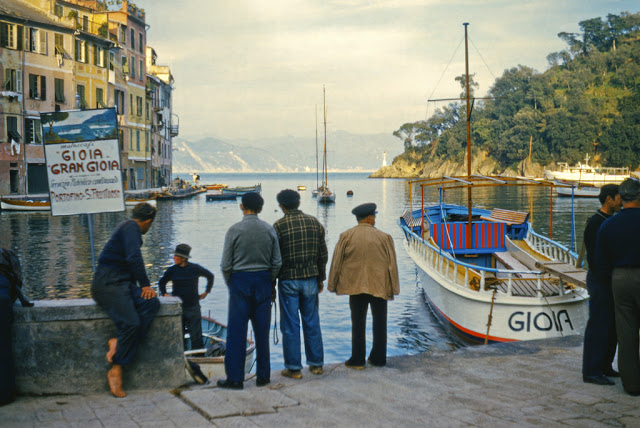
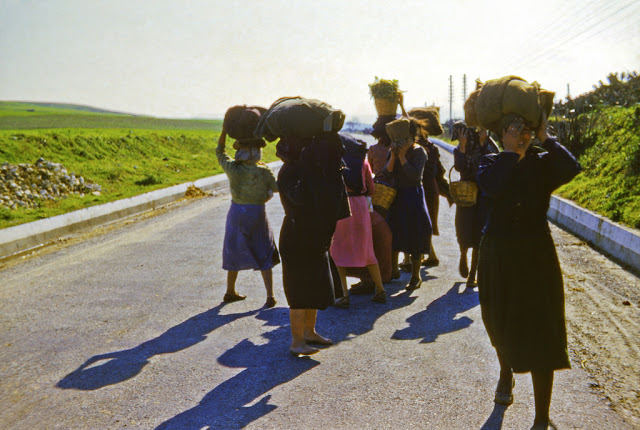
Italy, officially the Italian Republic or Republic of Italy, is a country consisting of a peninsula delimited by the Alps and several islands surrounding it, whose territory largely coincides with the homonymous geographical region. Italy is located in the middle of the Mediterranean Sea, in Southern Europe; it is also considered part of Western Europe. A unitary parliamentary republic with Rome as its capital and largest city, the country covers a total area of 301,230 km2 (116,310 sq mi) and shares land borders with France, Switzerland, Austria, Slovenia, as well as the enclaved microstates of Vatican City and San Marino. Italy has a territorial exclave in Switzerland, Campione. With over 60 million inhabitants, Italy is the third-most populous member state of the European Union.
Due to its central geographic location in Southern Europe and the Mediterranean, Italy has historically been home to myriad peoples and cultures. In addition to the various ancient peoples dispersed throughout what is now modern-day Italy, the most predominant being the Indo-European Italic peoples who gave the peninsula its name, beginning from the classical era, Phoenicians and Carthaginians founded colonies mostly in insular Italy, Greeks established settlements in the so-called Magna Graecia of Southern Italy, while Etruscans and Celts inhabited central and northern Italy respectively. An Italic tribe known as the Latins formed the Roman Kingdom in the 8th century BC, which eventually became a republic with a government of the Senate and the People. The Roman Republic initially conquered and assimilated its neighbours on the Italian peninsula, eventually expanding and conquering parts of Europe, North Africa and Asia. By the first century BC, the Roman Empire emerged as the dominant power in the Mediterranean Basin and became a leading cultural, political and religious centre, inaugurating the Pax Romana, a period of more than 200 years during which Italy’s law, technology, economy, art, and literature developed.
During the Early Middle Ages, Italy endured the fall of the Western Roman Empire and the Barbarian Invasions, but by the 11th century numerous rival city-states and maritime republics, mainly in the northern and central regions of Italy, became prosperous through trade, commerce, and banking, laying the groundwork for modern capitalism. These mostly independent statelets served as Europe’s main trading hubs with Asia and the Near East, often enjoying a greater degree of democracy than the larger feudal monarchies that were consolidating throughout Europe; however, part of central Italy was under the control of the theocratic Papal States, while Southern Italy remained largely feudal until the 19th century, partially as a result of a succession of Byzantine, Arab, Norman, Angevin, Aragonese, and other foreign conquests of the region. The Renaissance began in Italy and spread to the rest of Europe, bringing a renewed interest in humanism, science, exploration, and art. Italian culture flourished, producing famous scholars, artists, and polymaths. During the Middle Ages, Italian explorers discovered new routes to the Far East and the New World, helping to usher in the European Age of Discovery. Nevertheless, Italy’s commercial and political power significantly waned with the opening of trade routes that bypassed the Mediterranean. Centuries of foreign conquest and meddling, and the rivalry and infighting between the Italian city-states, such as the Italian Wars of the 15th and 16th centuries, left Italy politically fragmented, and it was further conquered and divided among multiple foreign European powers over the centuries.
By the mid-19th century, rising Italian nationalism and calls for independence from foreign control led to a period of revolutionary political upheaval. After centuries of foreign domination and political division, Italy was almost entirely unified in 1861 following a war of independence, establishing the Kingdom of Italy. From the late 19th century to the early 20th century, Italy rapidly industrialised, mainly in the north, and acquired a colonial empire, while the south remained largely impoverished and excluded from industrialisation, fuelling a large and influential diaspora. Despite being one of the victorious allied powers in World War I, Italy entered a period of economic crisis and social turmoil, leading to the rise of the Italian fascist dictatorship in 1922. The participation of Fascist Italy in World War II on the Axis side and against the Allies ended in military defeat, economic destruction, and the occupation of Italy by Nazi Germany and the collaborationist Italian Social Republic. Following the rise of the Italian Resistance and the subsequent Italian Civil War and liberation of Italy, the country abolished its monarchy, established a democratic Republic, enjoyed a prolonged economic boom, and became a highly developed country.
Italy has an advanced economy. The country is the ninth-largest by nominal GDP (third in the European Union), the eighth-largest by national wealth and the third-largest by central bank gold reserve. It ranks highly in life expectancy, quality of life, healthcare, and education. The country is a great power and it has a significant role in regional and global economic, military, cultural, and diplomatic affairs. Italy is a founding and leading member of the European Union and a member of numerous international institutions, including the United Nations, NATO, the OECD, the Organization for Security and Co-operation in Europe, the World Trade Organization, the Group of Seven, the G20, the Union for the Mediterranean, the Latin Union, the Council of Europe, Uniting for Consensus, the Schengen Area, and many more. The source of many inventions and discoveries, the country has long been a global centre of art, music, literature, philosophy, science and technology, and fashion, and has greatly influenced and contributed to diverse fields including cinema, cuisine, sports, jurisprudence, banking, and business. As a reflection of its cultural wealth, Italy has the world’s largest number of World Heritage Sites (58), and is the fifth-most visited country. (Wikipedia)

















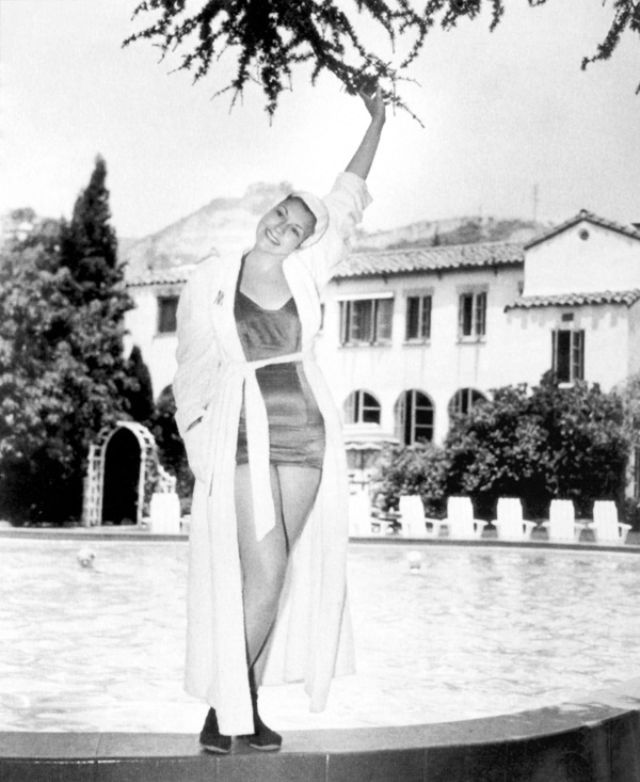
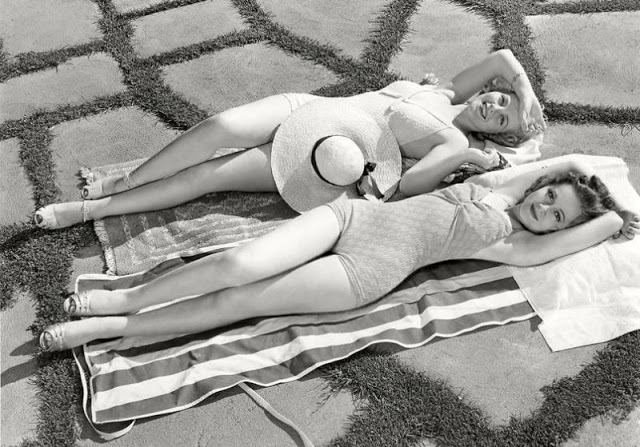
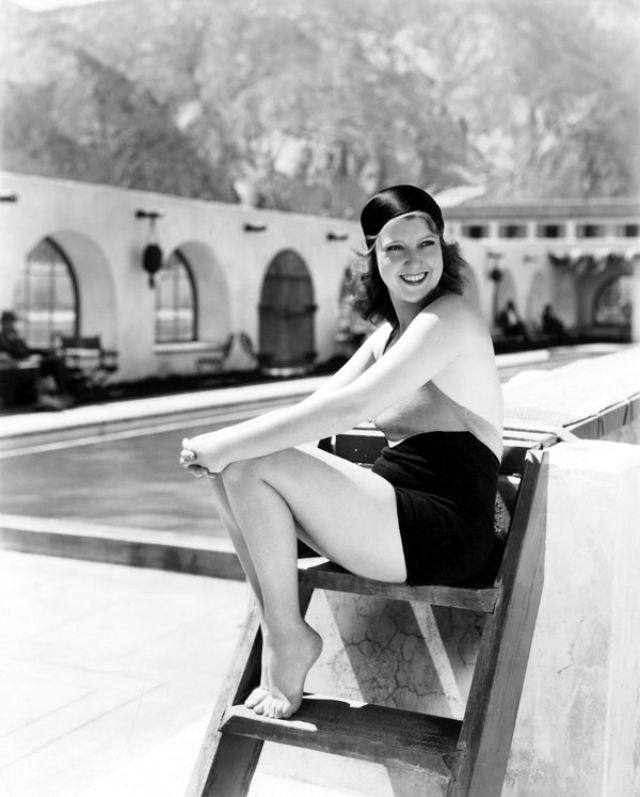
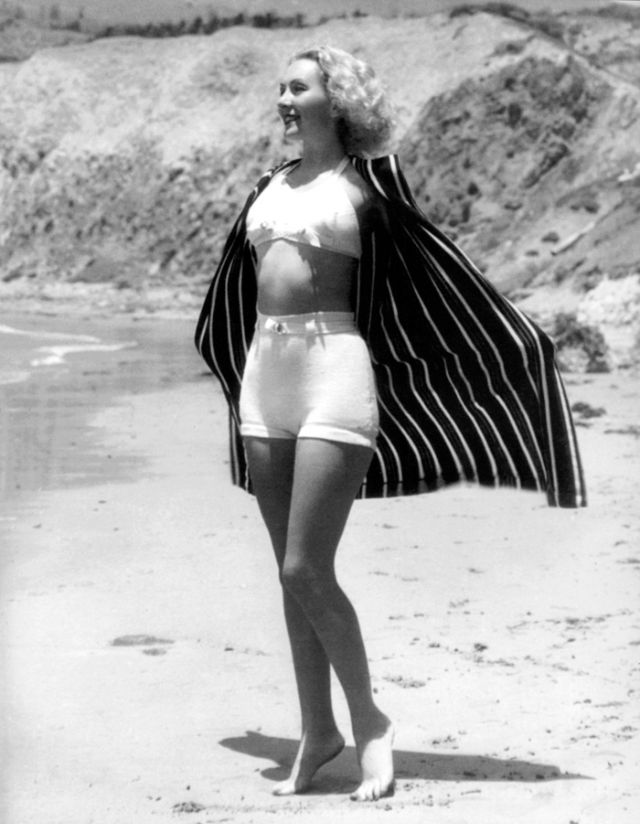
What did Hollywood beauties look like in the 1940s during summertime? Take a look at these glamorous photos to see.





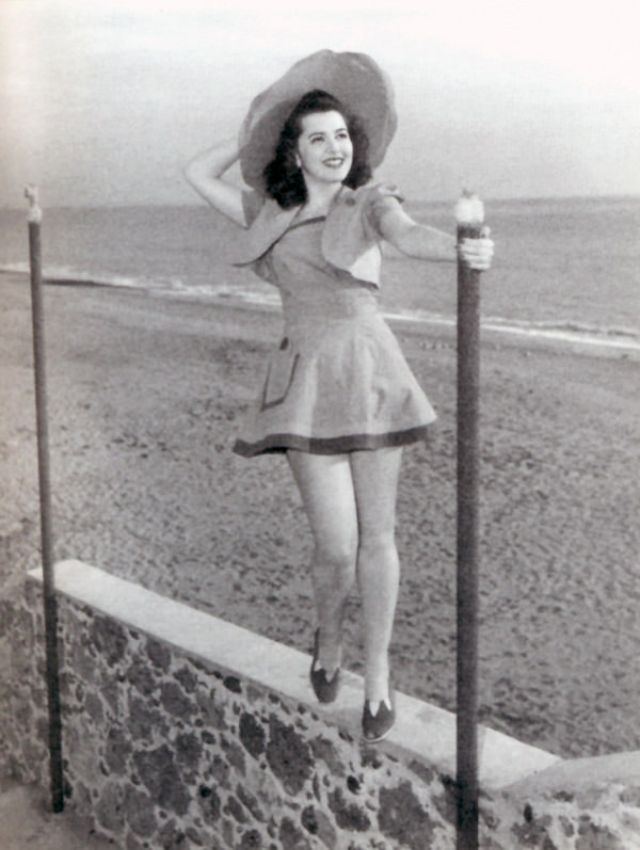





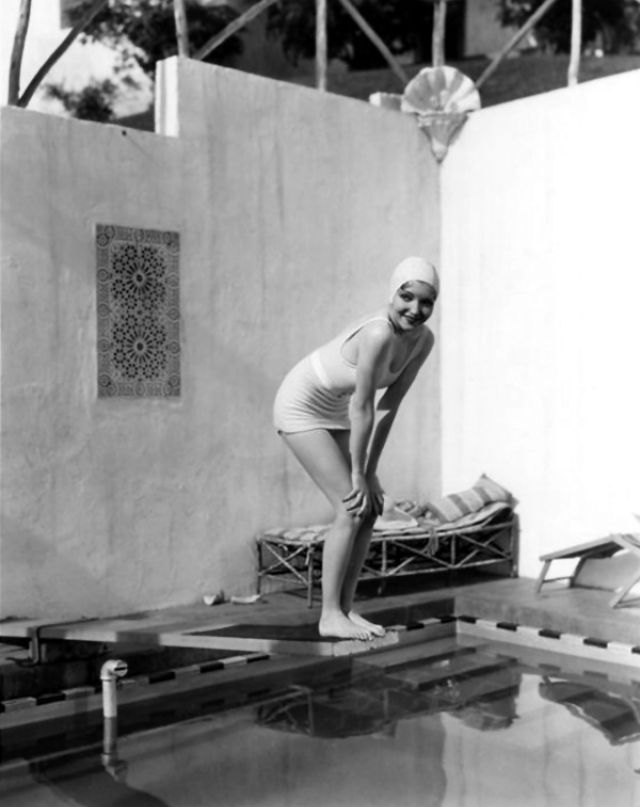





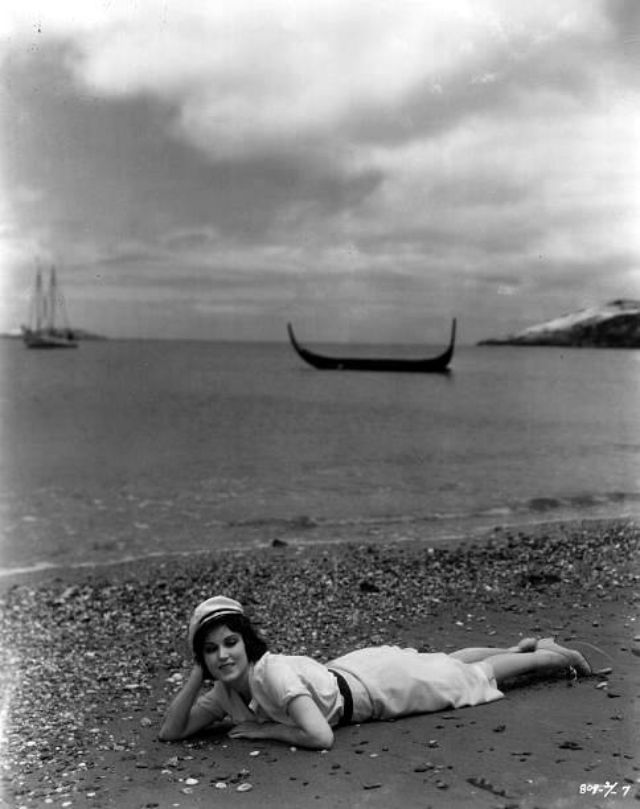
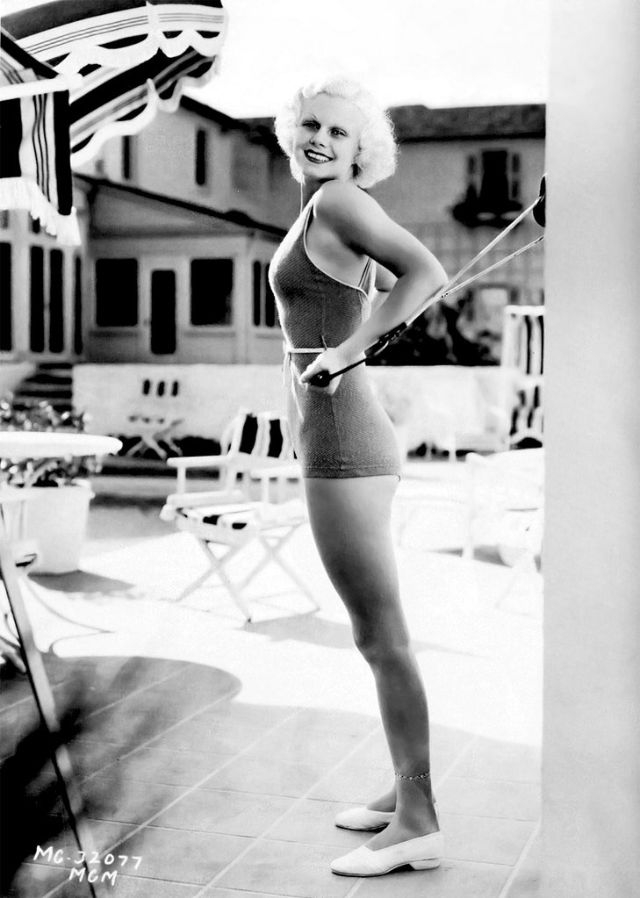



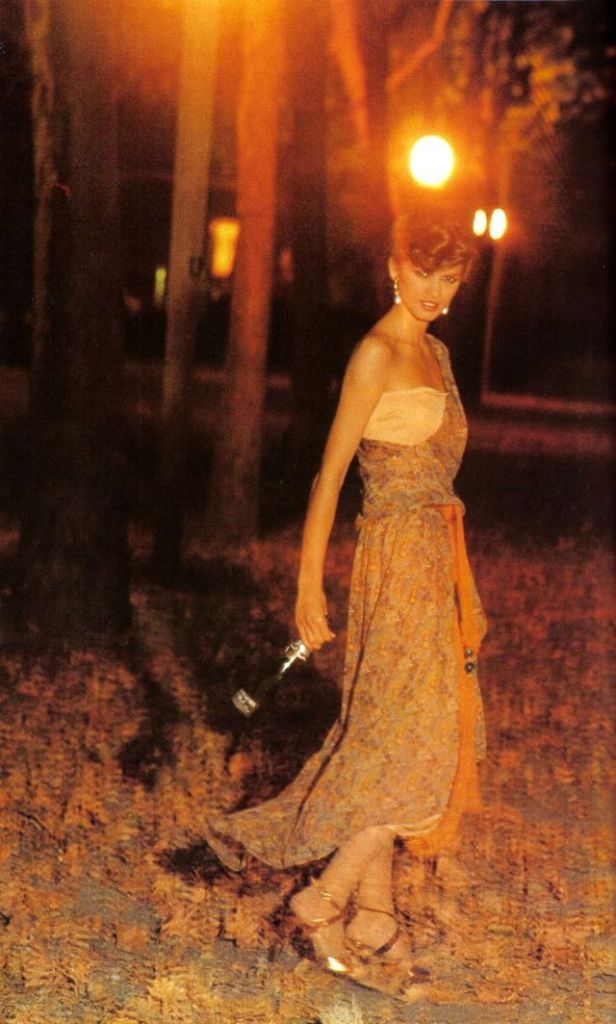
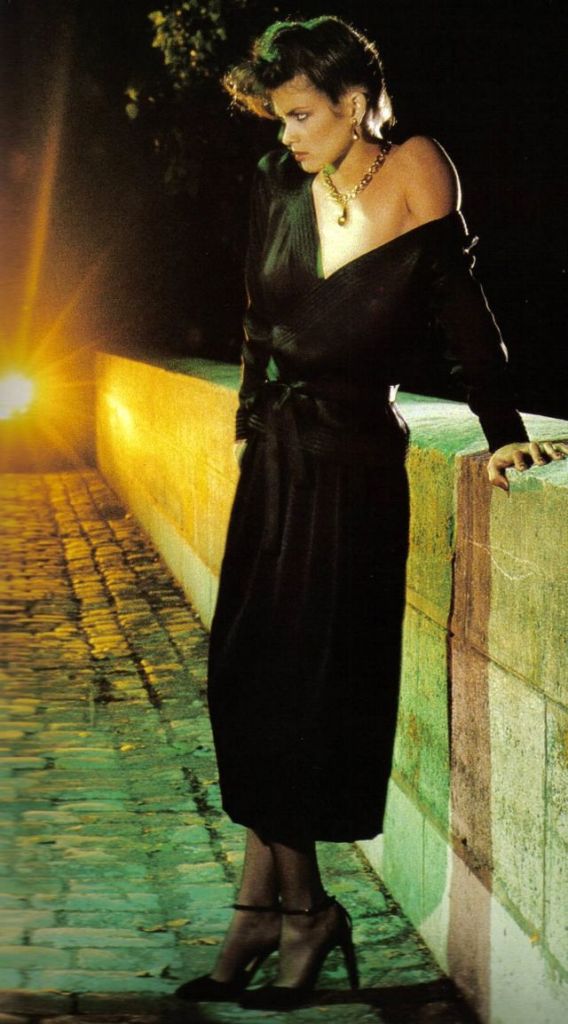
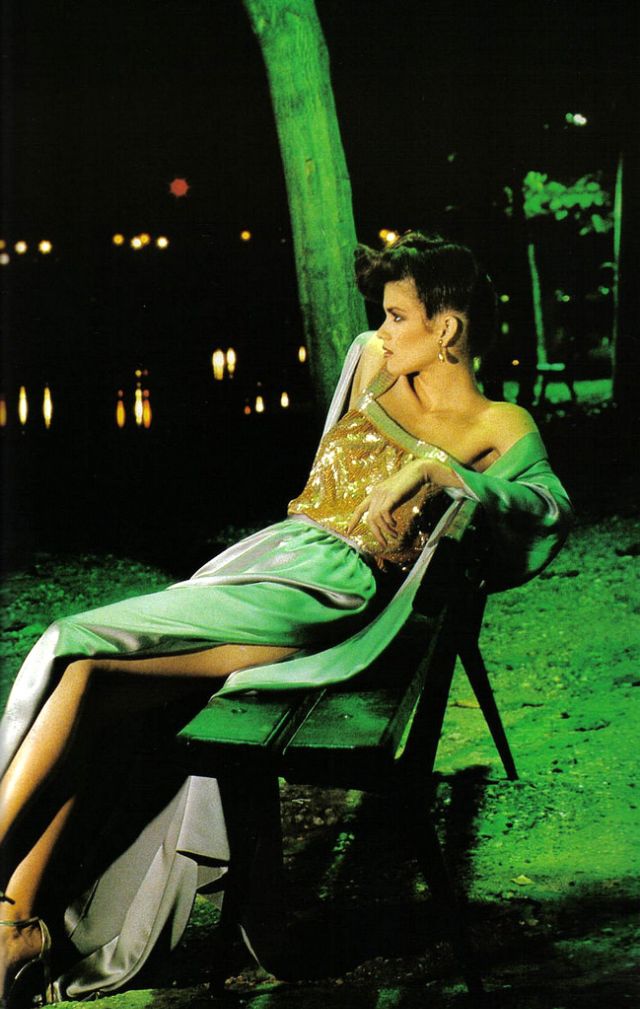
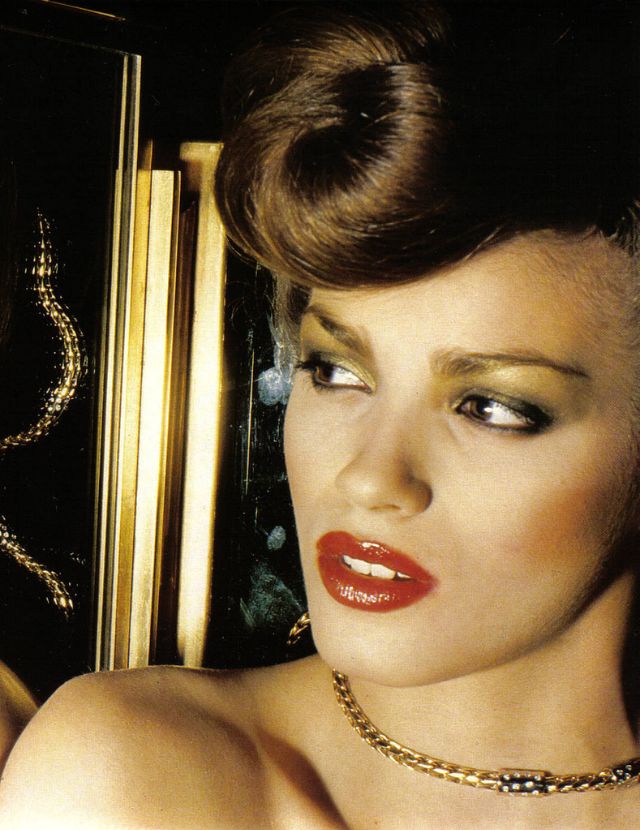
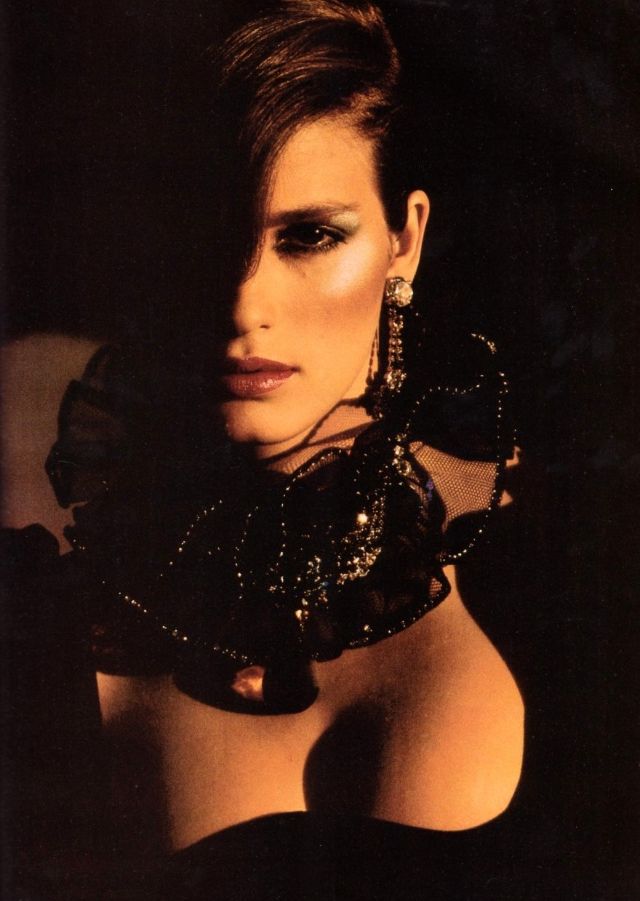
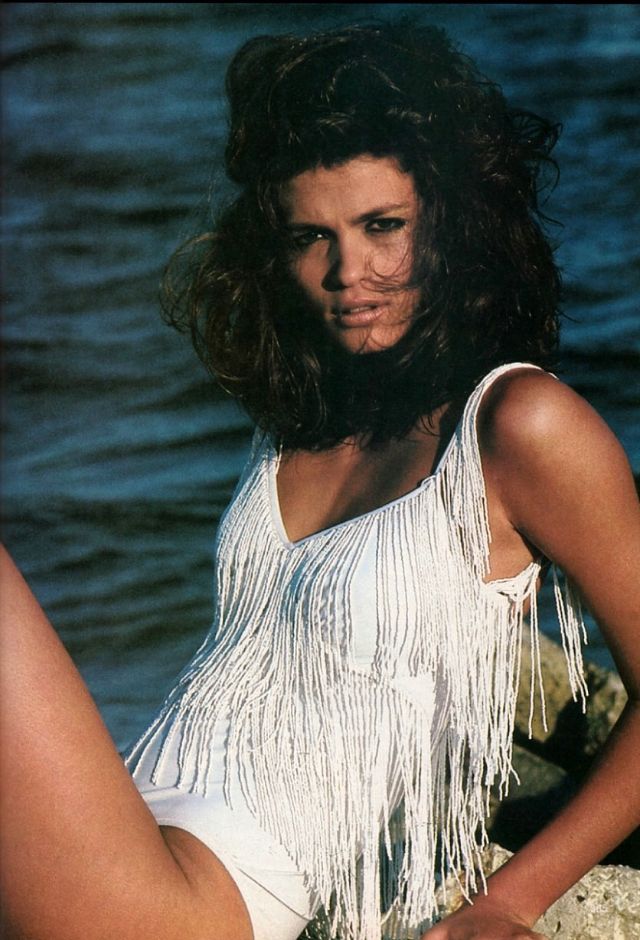
Before Cindy Crawford, Naomi Campbell and Linda Evangelista, there was Gia.
Born 1960, Gia Marie Carangi was an American fashion model during the late 1970s and early 1980s. Considered by some to be the first supermodel, she was featured on the cover of fashion magazines, including multiple editions of Vogue and Cosmopolitan, and appeared in advertising campaigns for such fashion houses as Armani, Christian Dior, Versace, and Yves Saint Laurent.
After being addicted to heroin, Carangi’s modeling career rapidly declined. She died of AIDS-related complications in 1986 at the age of 26, becoming one of the first famous women to die of the disease. Her life was dramatized in the television film Gia, starring Angelina Jolie, which debuted on HBO in 1998.






































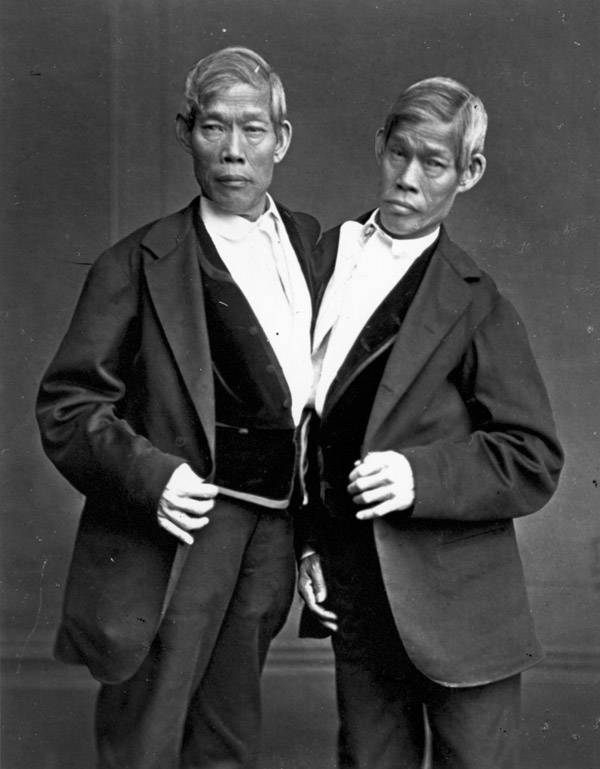
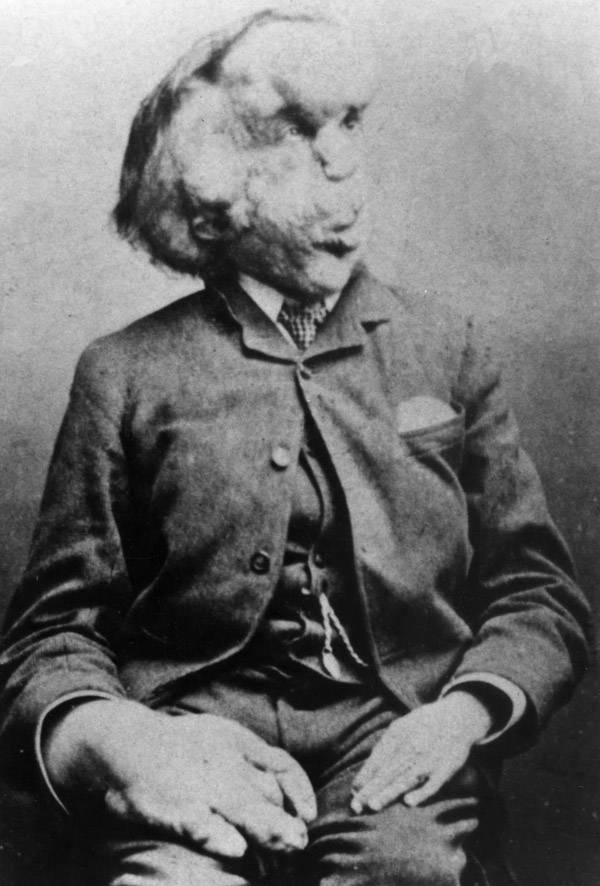
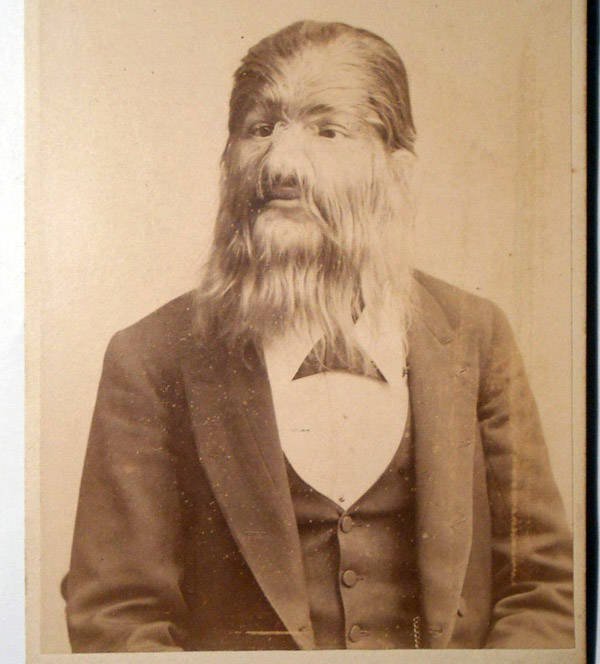
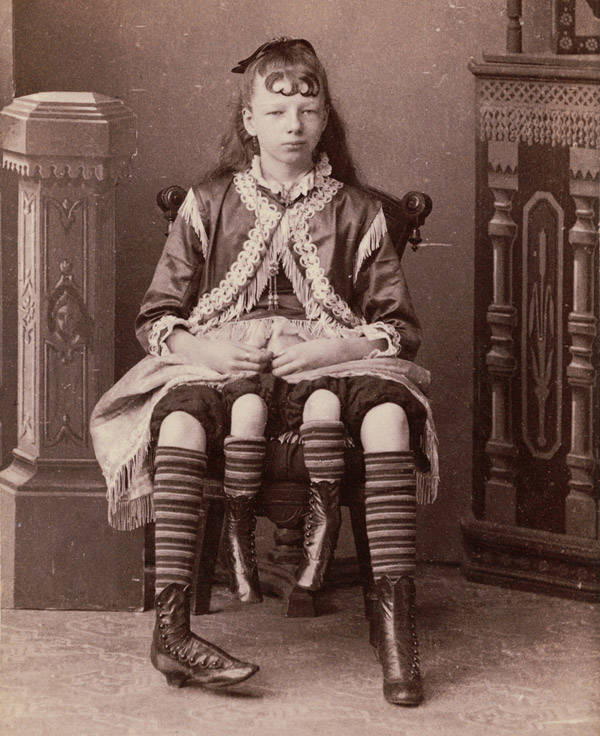
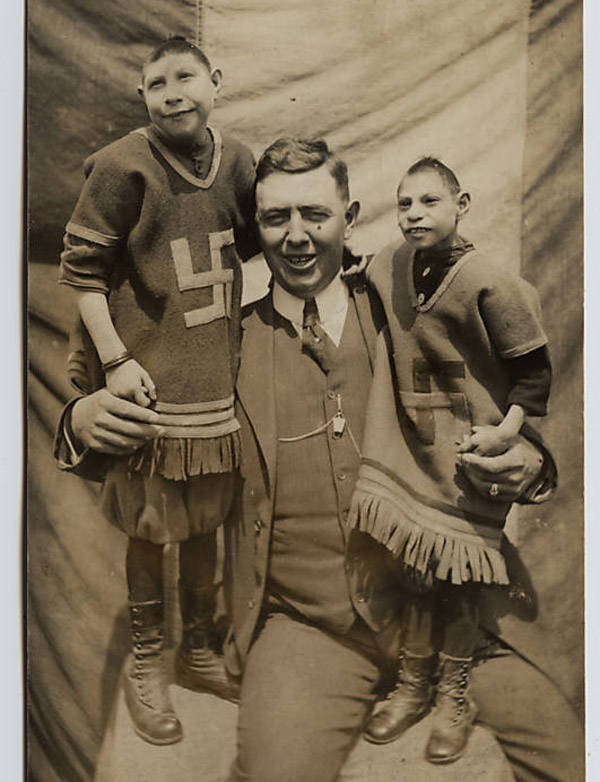
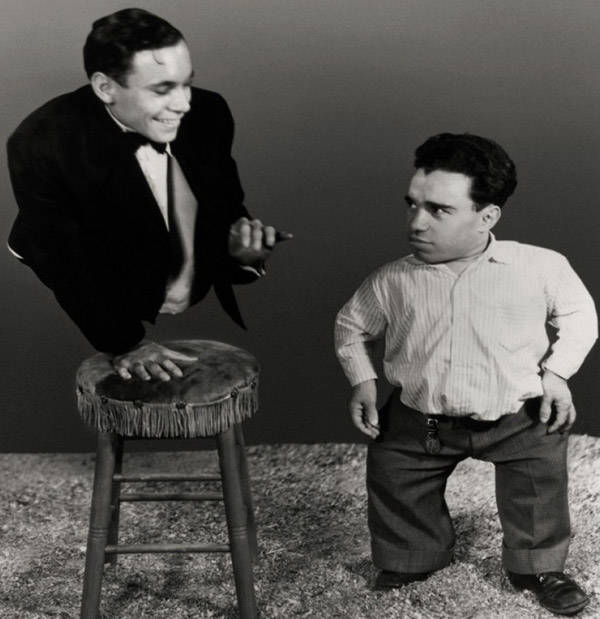
The idea of a spectacle that exploits people with severe physical deformities and abnormalities, better known as a “freak show,” has existed for centuries. However, these shows only really started to take off as the traveling shows that most of us now recognize in the 1800s, when they traveled to towns with lurid banners advertising examples of nature gone wrong.
After paying their money, spectators would be taken inside dimly-lit tents to gawk in horror and amusement at people suffering from all sorts of rare abnormalities. Conjoined twins and those with deformed limbs or no limbs at all were put on display and labeled as “freaks.”
By the time these people came to be freak show performers, most of them had already had terribly difficult lives as they suffered rejection from family members and peers. In many cases, they were sent to the freak shows as children by their parents to earn the family extra money and because public schools wouldn’t have them.
For others, the freak show was the only employment option available and became a home where they could find some kind of acceptance among others suffering from similar conditions.
Moreover, freak shows were big business, especially during their heyday in the late 19th and early 20th centuries when the likes of P.T. Barnum promoted these spectacles. Barnum, who was actually known to pay a fair wage, would comb the globe looking for new people to join his growing show.
But it wasn’t long before the trend stopped growing. By the 1940s, the appeal of the freak show had begun to decline with the medicalization of human abnormalities pulling the curtain back on some of the mystery that lent the show its appeal.
Today, while you can still find the occasional freak show, the performers are generally ones who with extreme body modifications (such as tattoos and piercings) or those that can execute astonishing physical performances like fire-eating and sword-swallowing — all of which represents a welcome departure from the insensitive days of yore.
















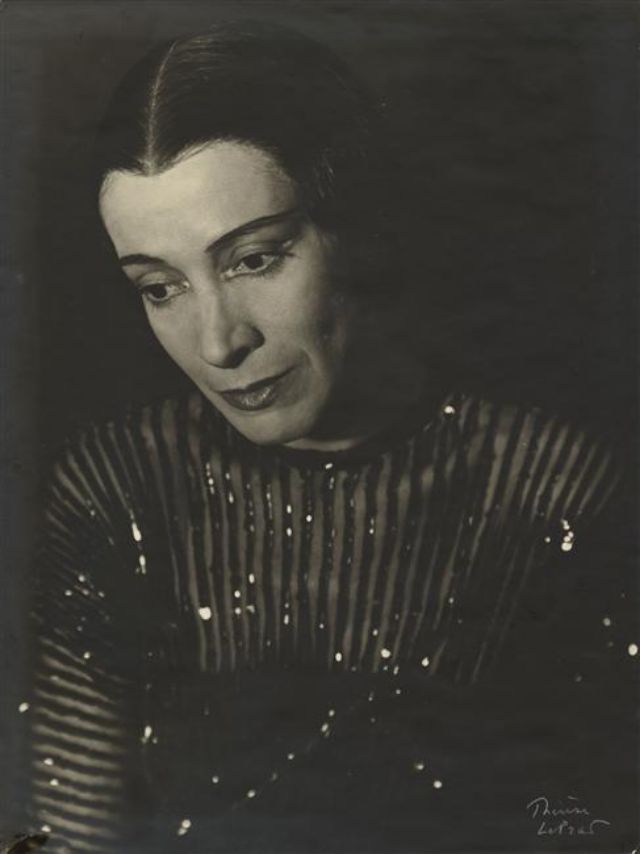
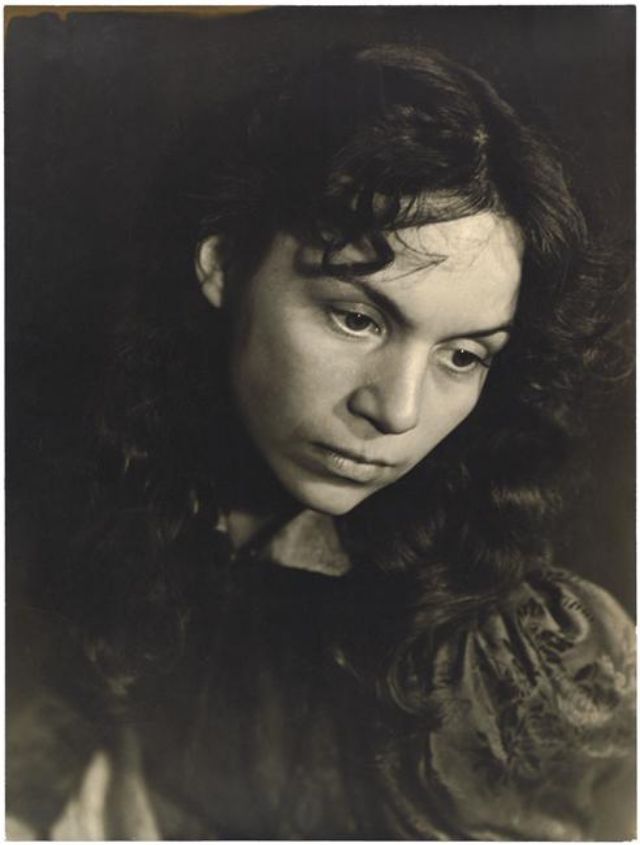
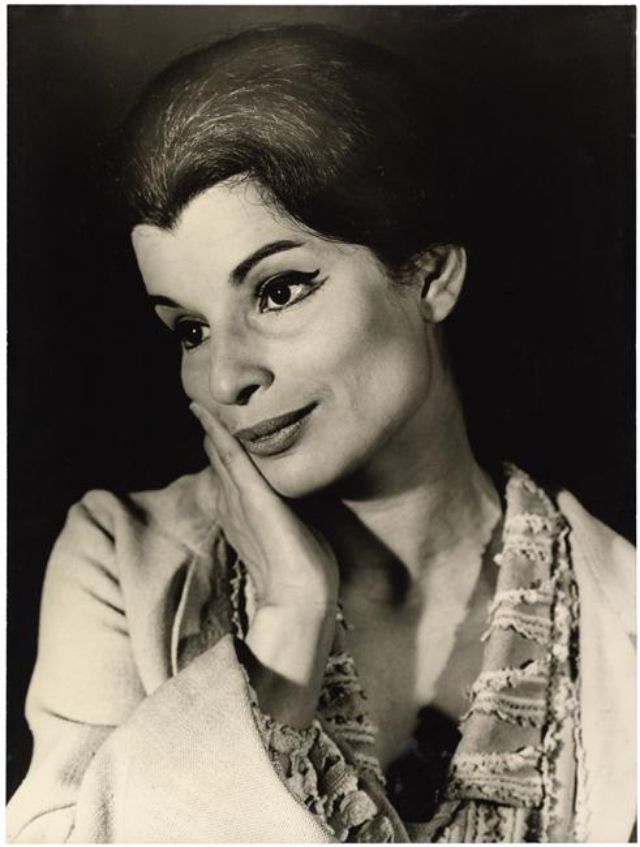
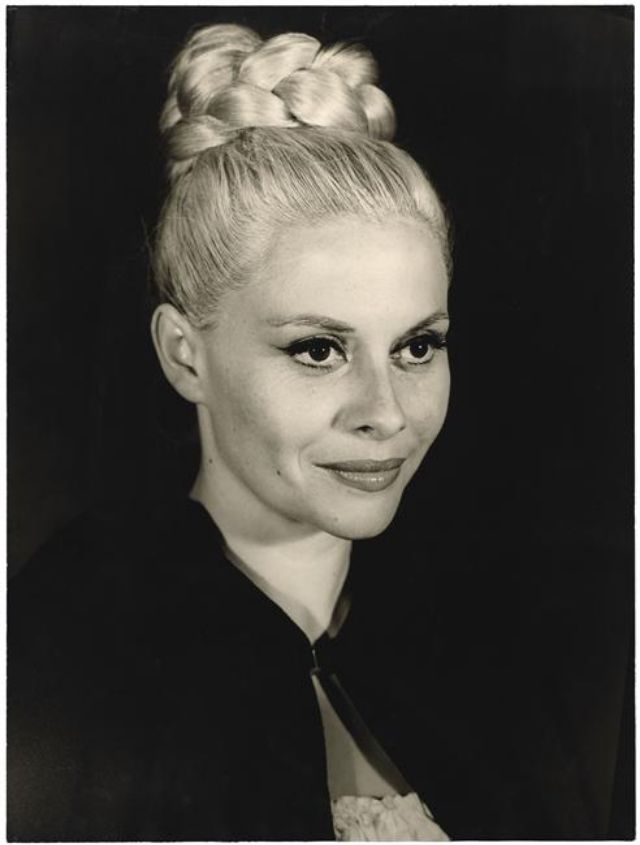
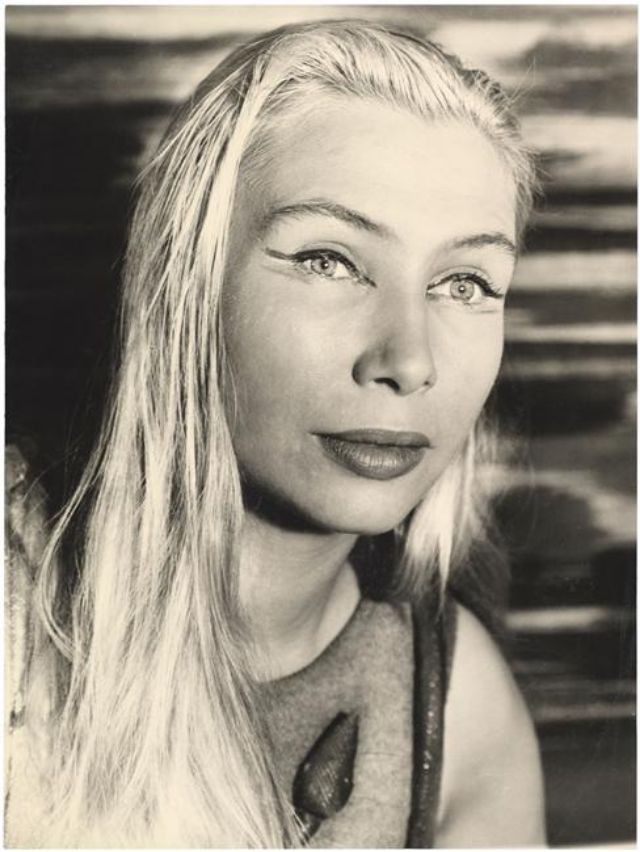
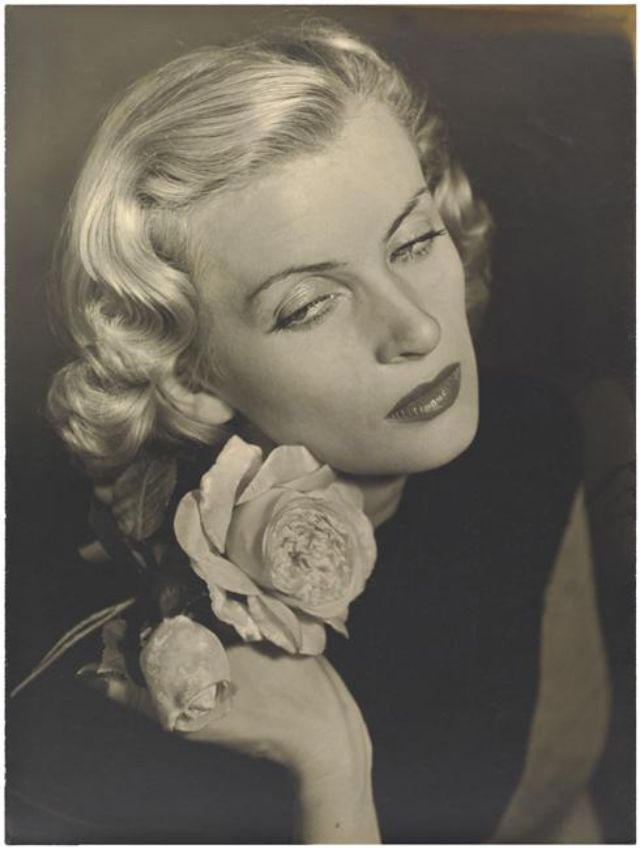
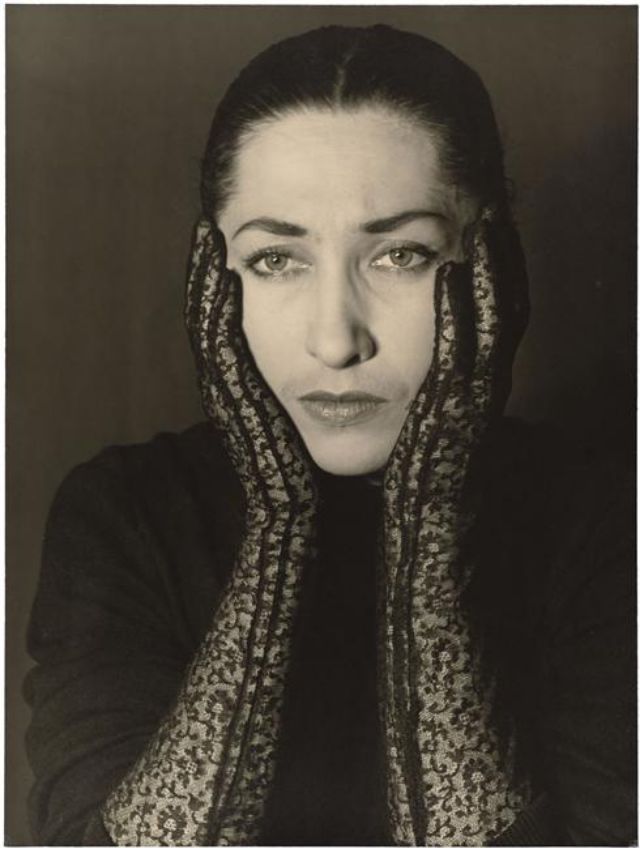
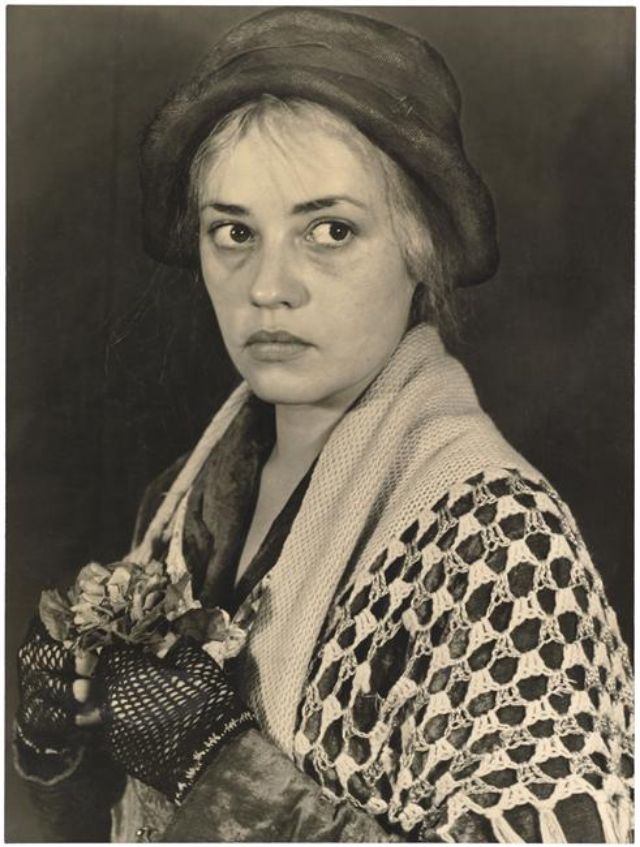
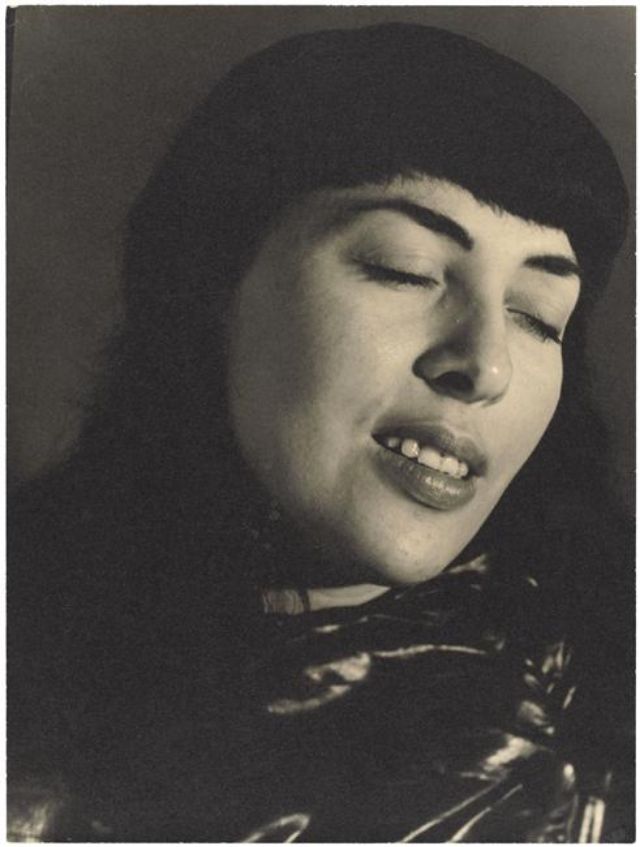
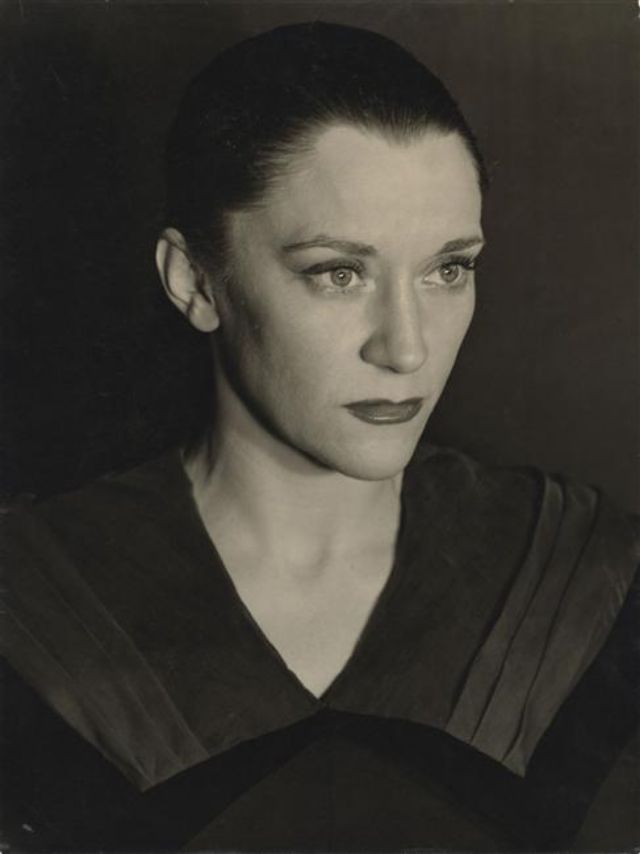
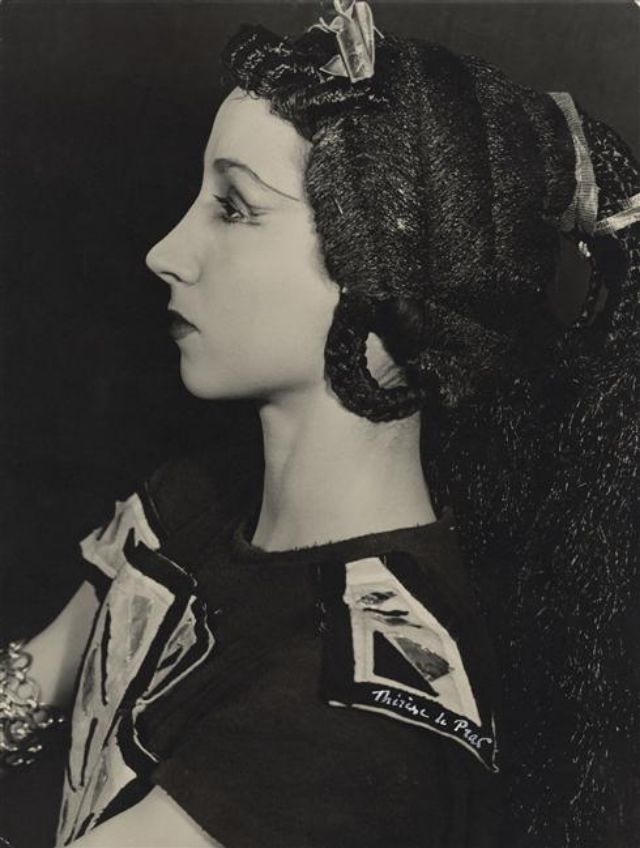
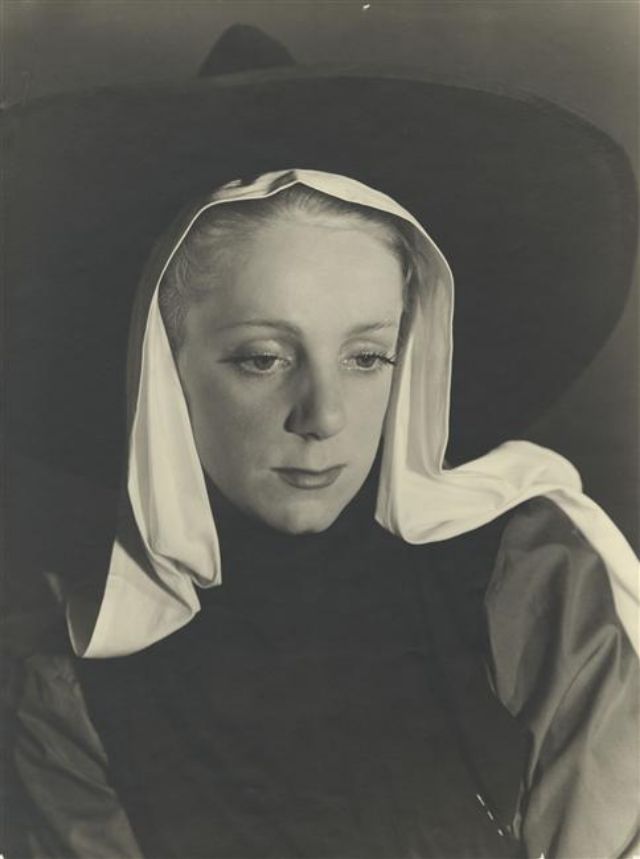
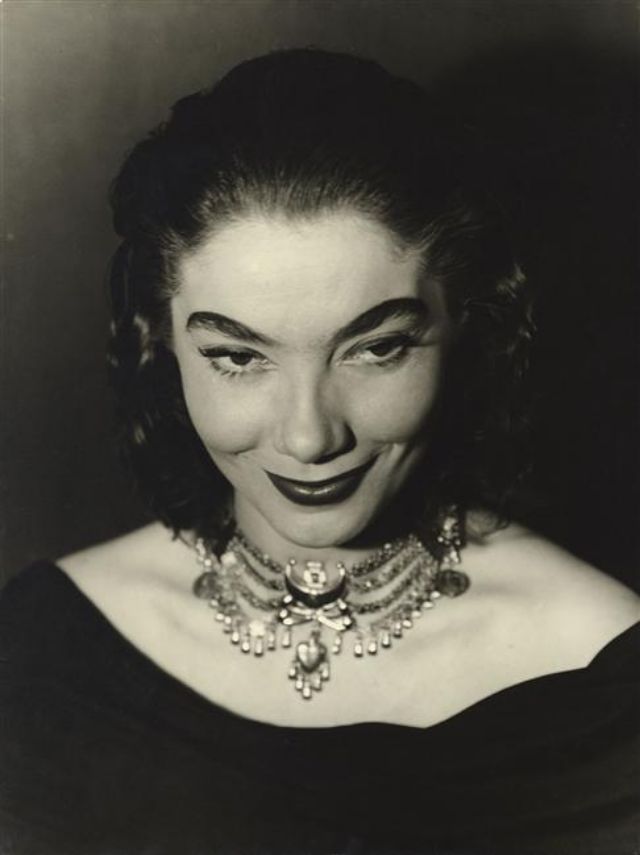
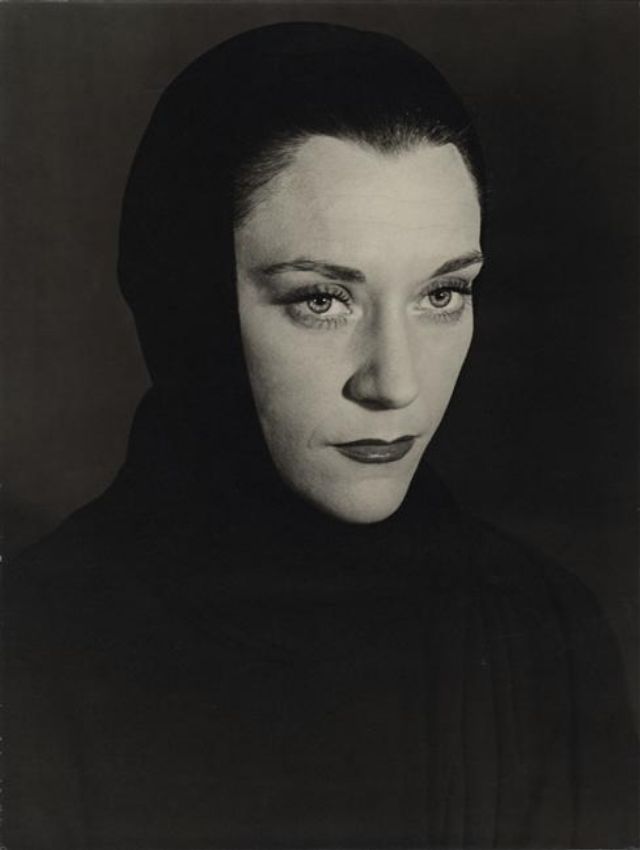
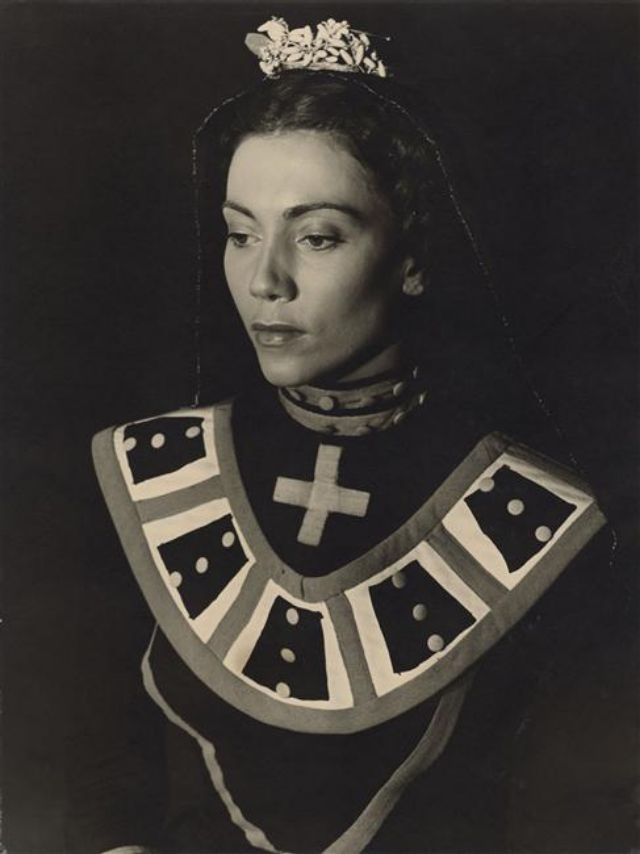
Though brought up in a family mostly interested in scientific studies, Thérèse Le Prat, born Thérèse Cahen in 1895 in Pantin, was taught literature and music.
When she divorced the publisher Guillaume Le Prat in the early 1930, he offered her a really good camera, and she started photography. Thanks to her dawning talent and to her knowledge of several languages, she was employed by the Compagnie des Messageries maritimes as a reporter, mainly in Asia, Oceania and Africa.
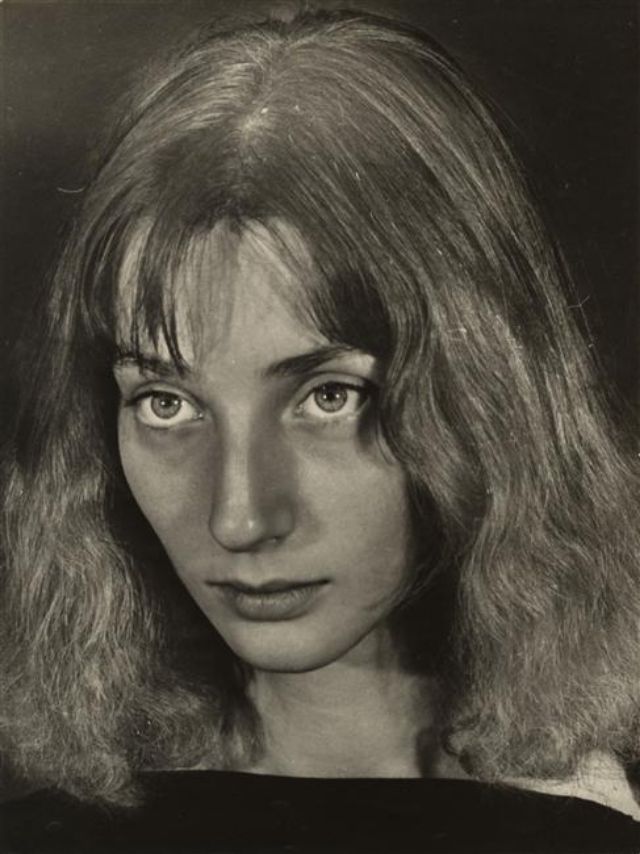
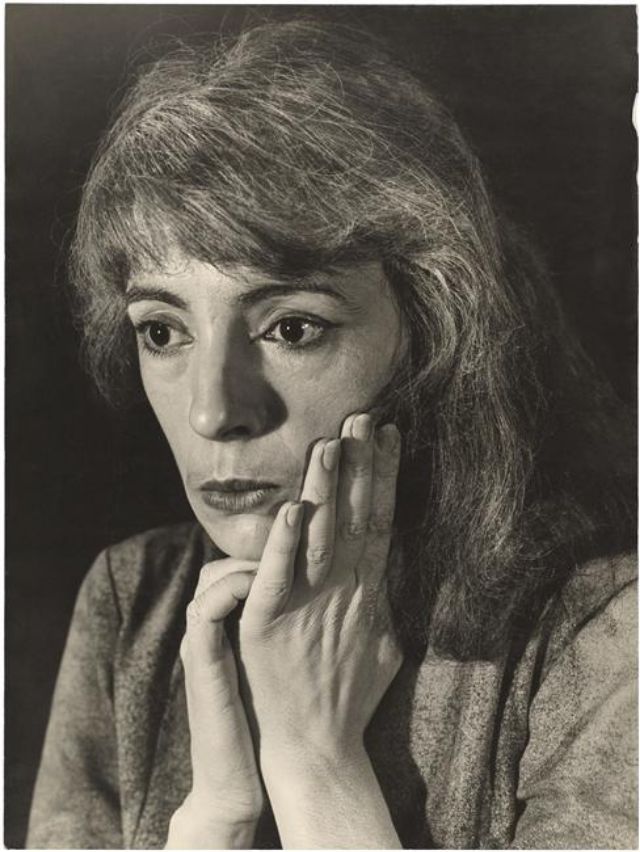
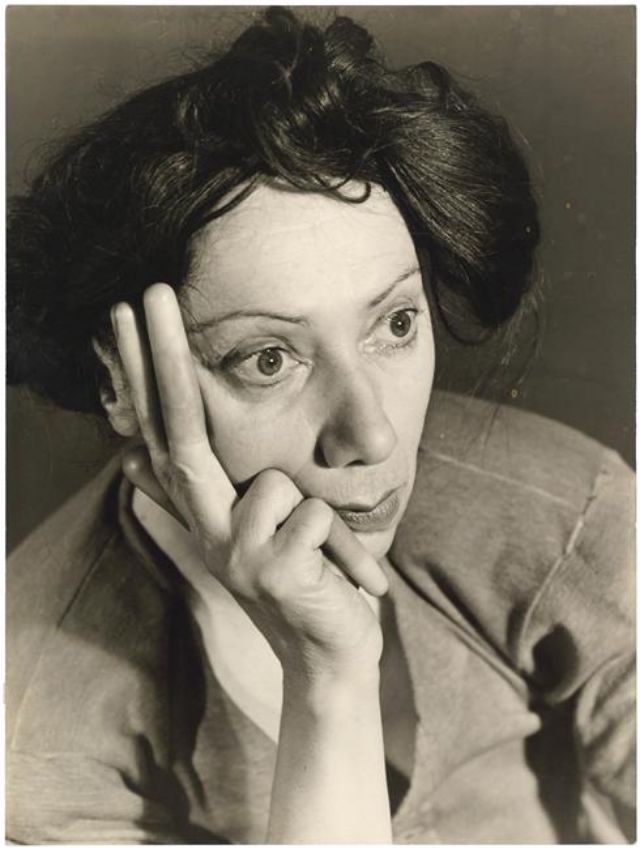
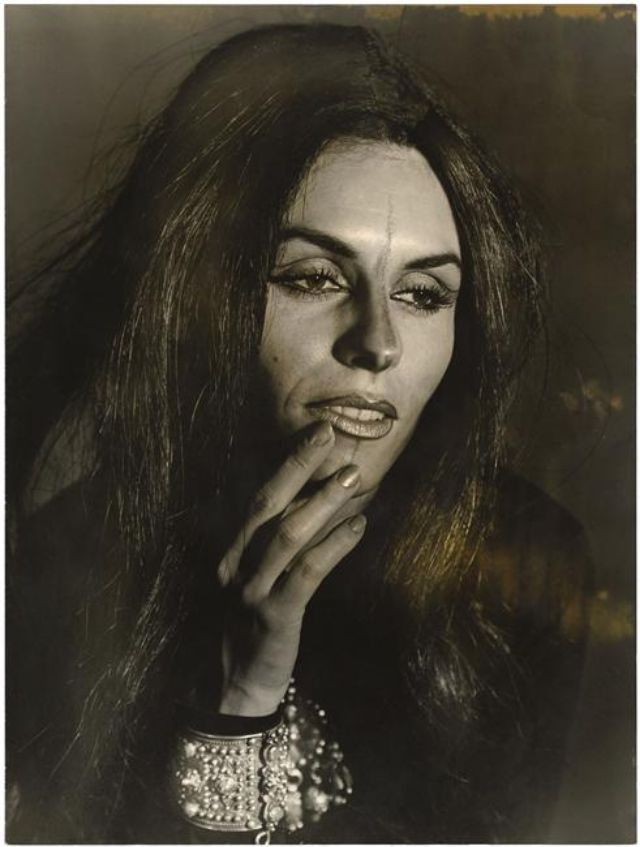
She stopped her career during the war. When it was over, she married Philippe Stern, a well known specialist of the Far East civilizations, and she definitively devoted her time to portrait: artists, writers and scientist and, most of all, famous people of the stage and dancers posed in her studio as models, serving her quest on faces, according to her inner conception of actors, conception tinged with anxiety and solemnity.
Until her death in 1966, Thérèse Le Prat photographed the actors of approximately 250 plays written by the greatest classical as well as modern authors, developing an approach which, in the last years of her life, brought her work closer to an aesthetic creation where faces, thanks to makeup and lightings, constitute a world of mysterious and indefinitely combining signs.