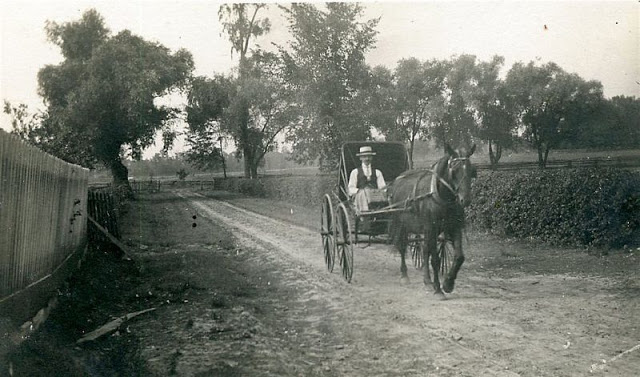
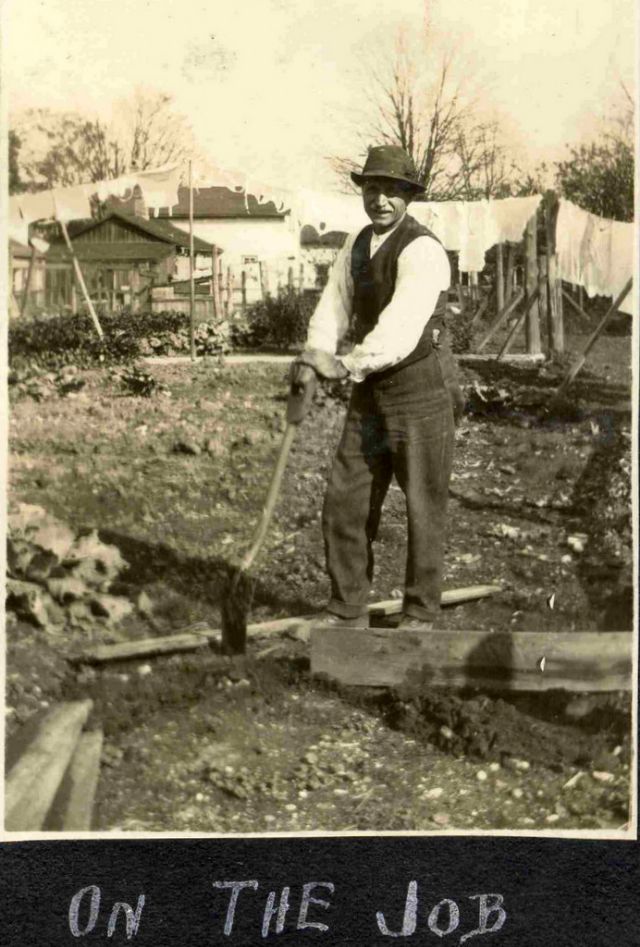
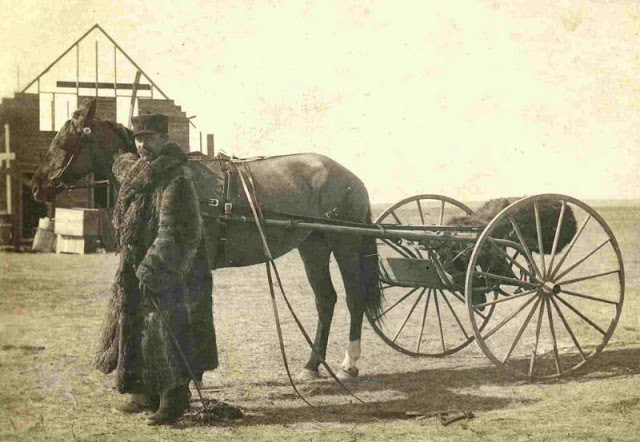
50 Vintage Photos Showing Everyday Life in Canada During the Early 20th Century

Canada is a country in North America. Its ten provinces and three territories extend from the Atlantic Ocean to the Pacific Ocean and northward into the Arctic Ocean, covering over 9.98 million square kilometres (3.85 million square miles), making it the world’s second-largest country by total area. Its southern and western border with the United States, stretching 8,891 kilometres (5,525 mi), is the world’s longest bi-national land border. Canada’s capital is Ottawa, and its three largest metropolitan areas are Toronto, Montreal, and Vancouver.

Indigenous peoples have continuously inhabited what is now Canada for thousands of years. Beginning in the 16th century, British and French expeditions explored and later settled along the Atlantic coast. As a consequence of various armed conflicts, France ceded nearly all of its colonies in North America in 1763. In 1867, with the union of three British North American colonies through Confederation, Canada was formed as a federal dominion of four provinces. This began an accretion of provinces and territories and a process of increasing autonomy from the United Kingdom. This widening autonomy was highlighted by the Statute of Westminster 1931 and culminated in the Canada Act 1982, which severed the vestiges of legal dependence on the Parliament of the United Kingdom.

Canada is a parliamentary democracy and a constitutional monarchy in the Westminster tradition. The country’s head of government is the prime minister—who holds office by virtue of their ability to command the confidence of the elected House of Commons—and is appointed by the governor general, representing the monarch, who serves as head of state. The country is a Commonwealth realm and is officially bilingual at the federal level. It ranks among the highest in international measurements of government transparency, civil liberties, quality of life, economic freedom, and education. It is one of the world’s most ethnically diverse and multicultural nations, the product of large-scale immigration from many other countries. Canada’s long and complex relationship with the United States has had a significant impact on its economy and culture.

A highly developed country, Canada has the 24th highest nominal per-capita income globally and the sixteenth-highest ranking in the Human Development Index. Its advanced economy is the eighth-largest in the world, relying chiefly upon its abundant natural resources and well-developed international trade networks. Canada is part of several major international and intergovernmental institutions or groupings including the United Nations, NATO, the G7, the Group of Ten, the G20, the Organisation for Economic Co-operation and Development (OECD), the World Trade Organization (WTO), the Commonwealth of Nations, the Arctic Council, the Organisation internationale de la Francophonie, the Asia-Pacific Economic Cooperation forum, and the Organization of American States. (Wikipedia)

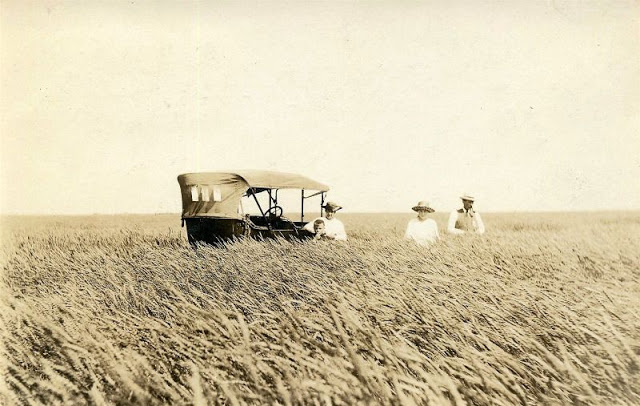
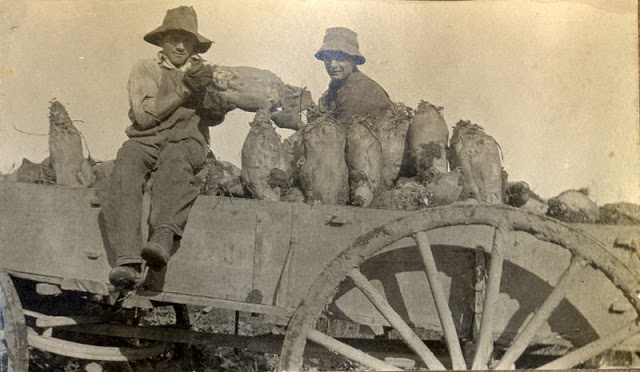
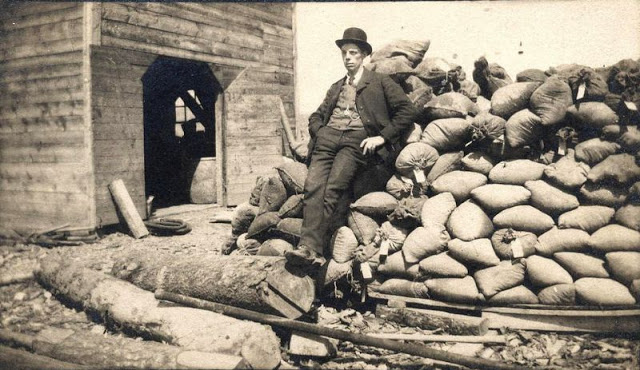
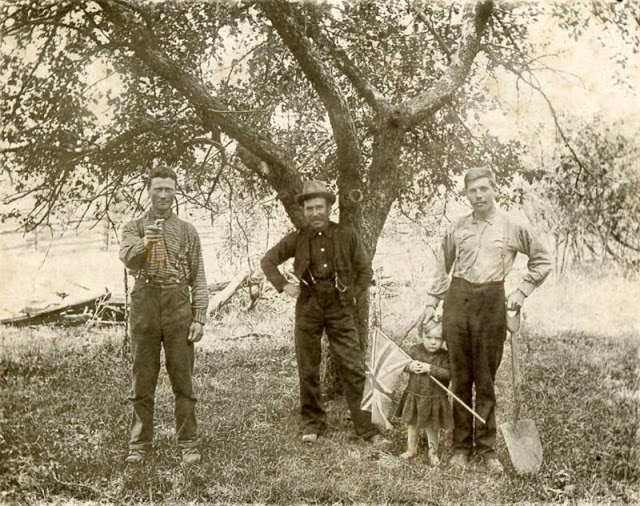
Two Canadian men after harvesting, Culloden, Ontario
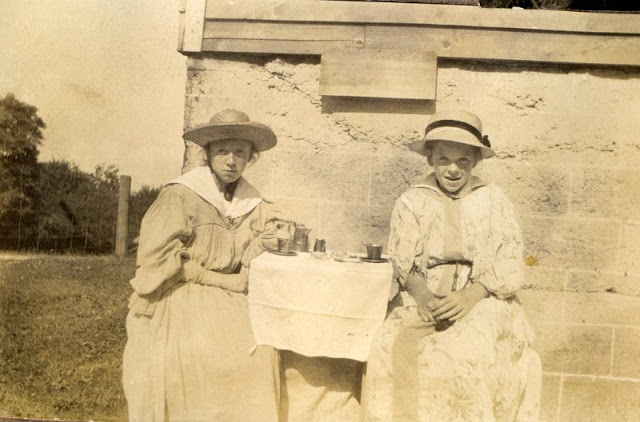
Two farm girls in Culloden, Ontario
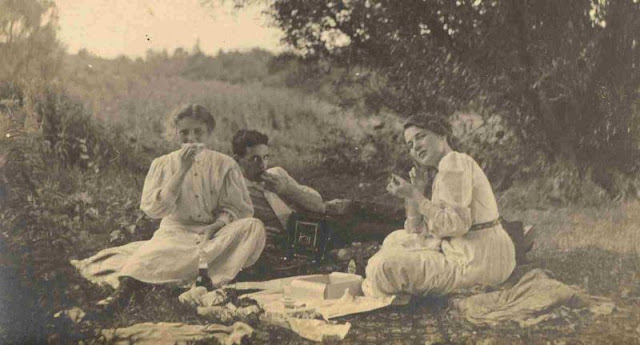
A happy day, London, Ontario
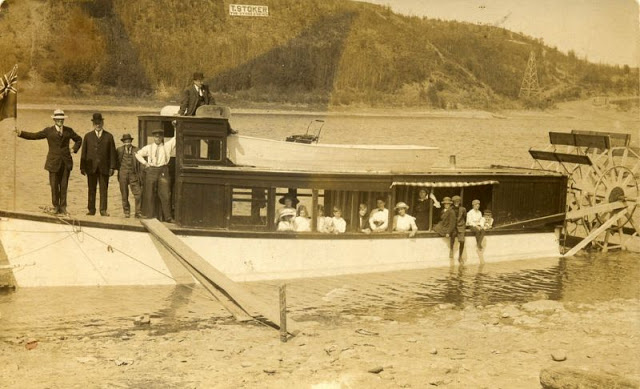
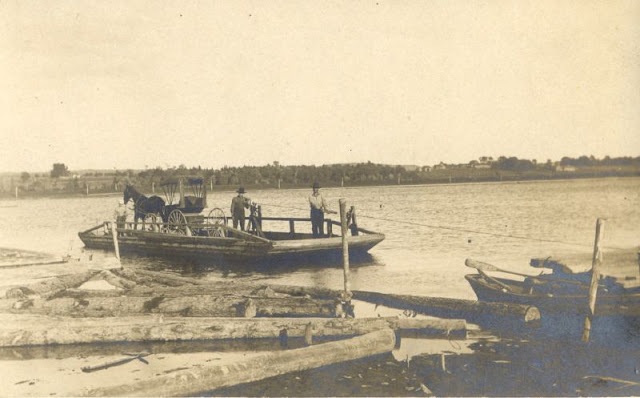
A stern-wheeler, Dundas, Ontario
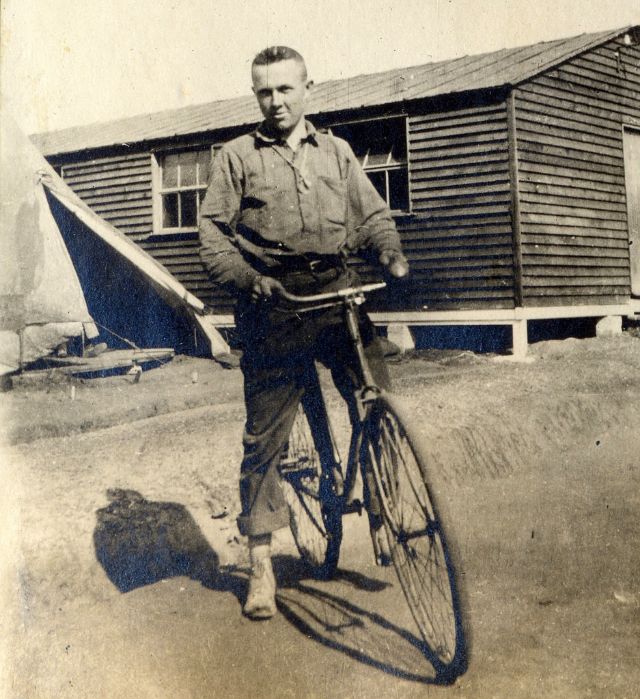
Boy riding on his bicycle, Culloden, Ontario
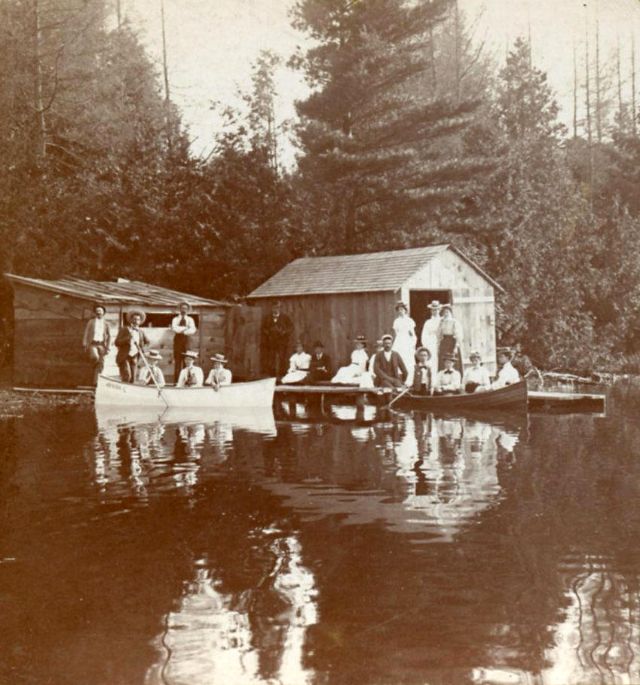
Canoes at the boathouse on the lake, possibly from the Muskokas or Lake Simcoe
Down on the farm, somewhere near Toronto
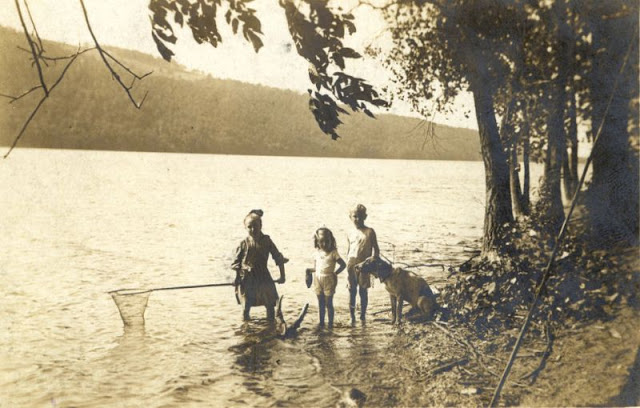
Farm girls in Culloden, Ontario
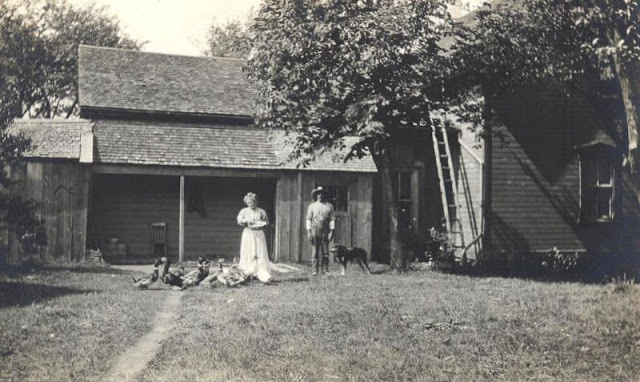
Feeding the ducks at home, possibly in Goderich or Blyth area of Huron County, Ontario,
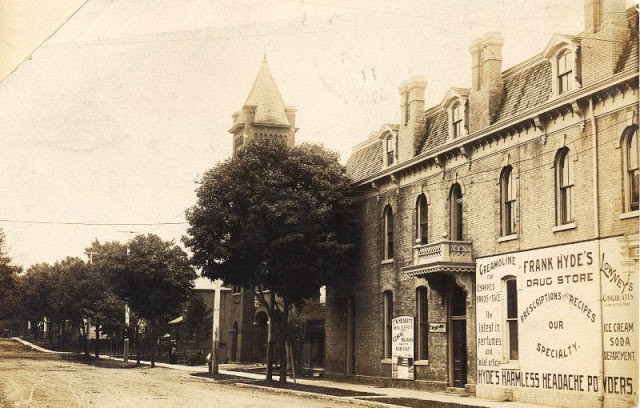
Frank Hyde’s Drug Store, in Woodstock, Ontario
Heffron’s Meat Market and the office of Thomas Code, Blyth, Ontario
Lunenburg dockside
Merry men in Sarnia, Ontario
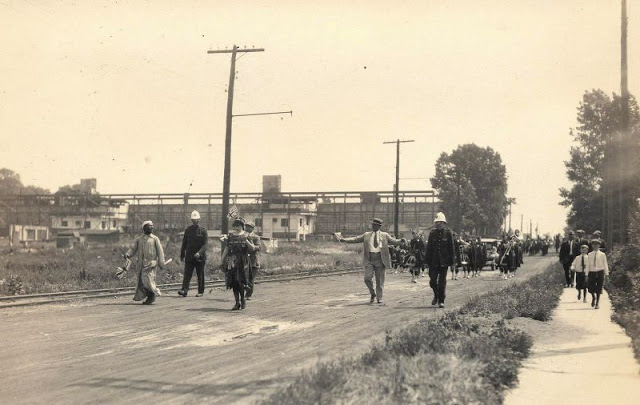
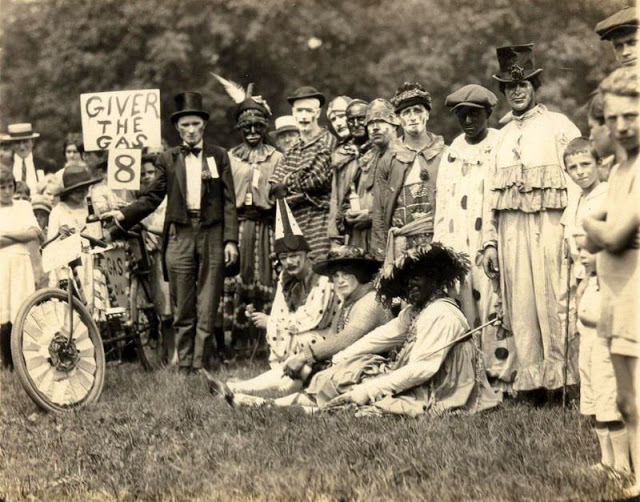
Parade in Sarnia, Ontario
Dundas, Ontario
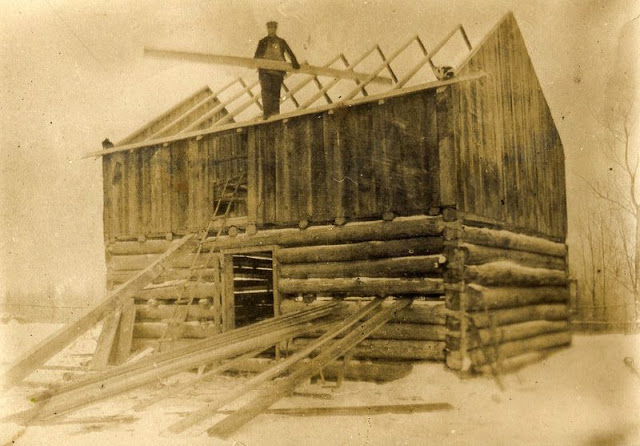
Raising the roof, somewhere in Southwestern Ontario
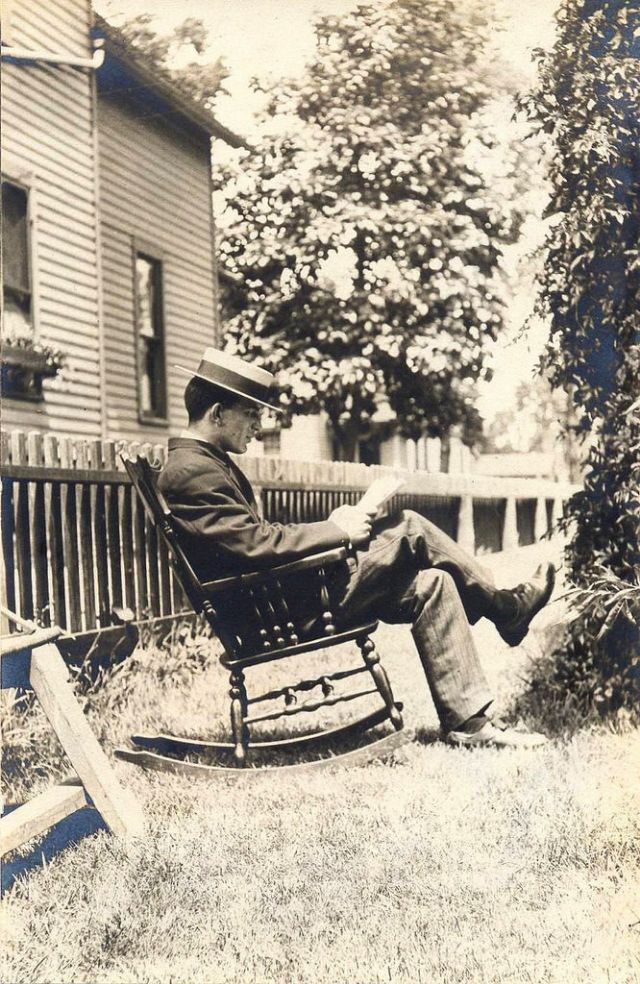
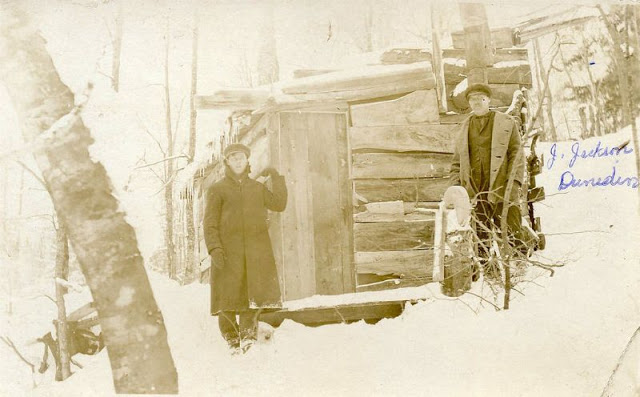
Taking a break, Woodstock, Ontario
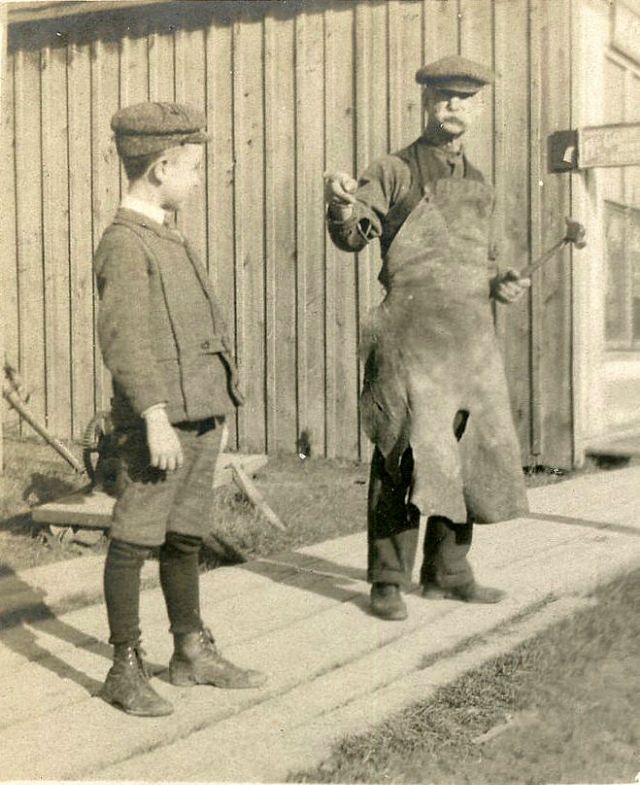
The division of labour, somewhere in Southern Ontario
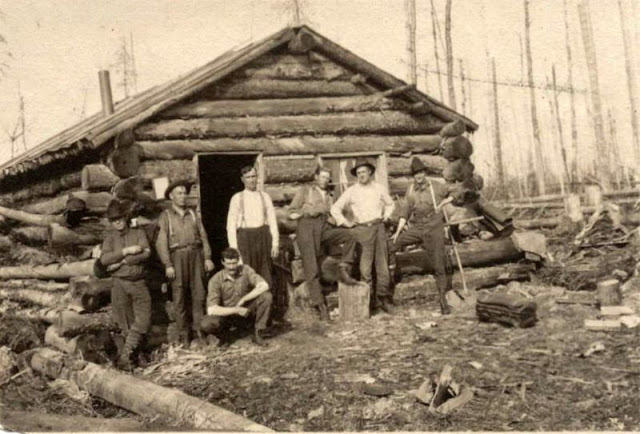
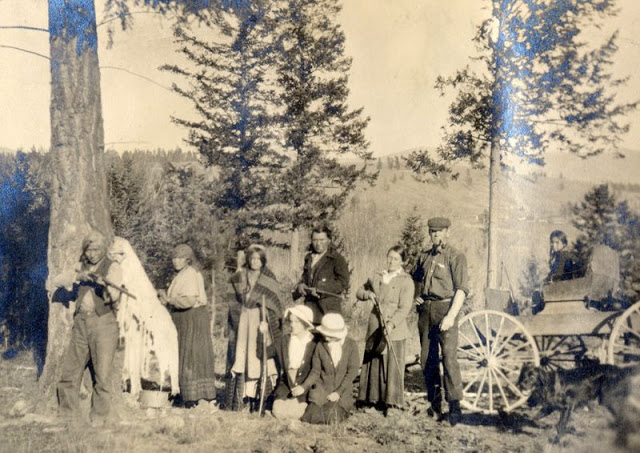
The farm family on holiday, probably Northern Ontario or the West
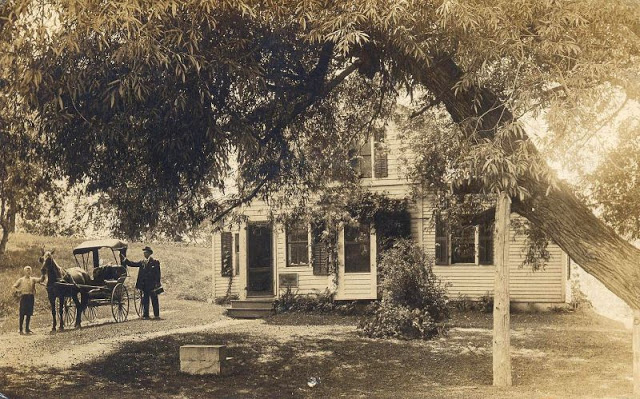
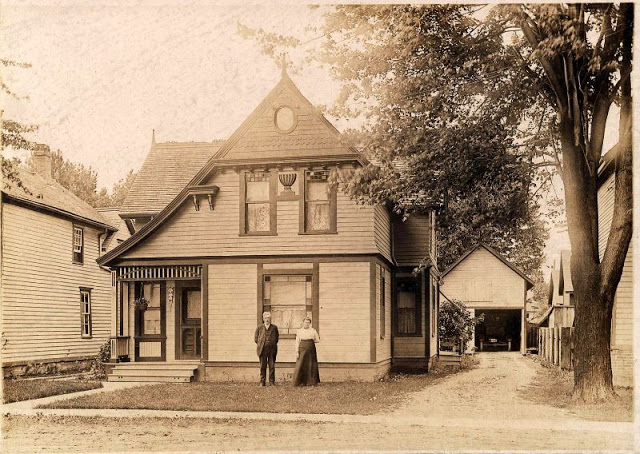
The homeowners, somewhere in Southern Ontario
The Vienna Band, Vienna, Ontario
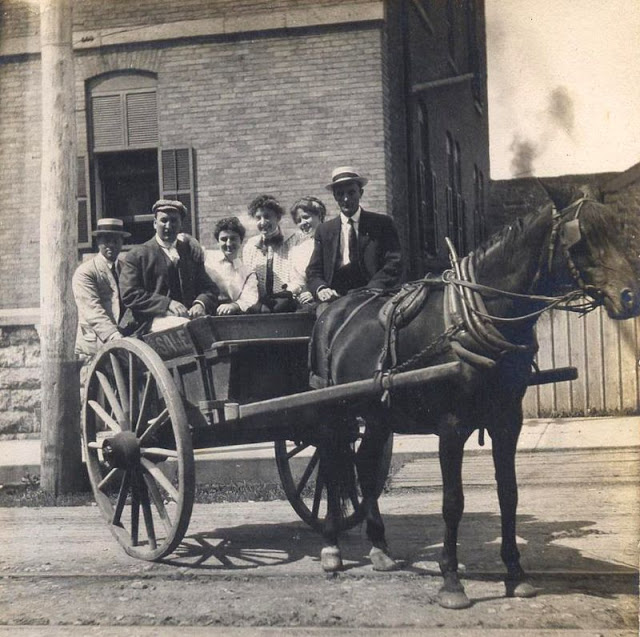
Three couples in a cart, possibly in Goderich or Blyth area of Huron County, Ontario

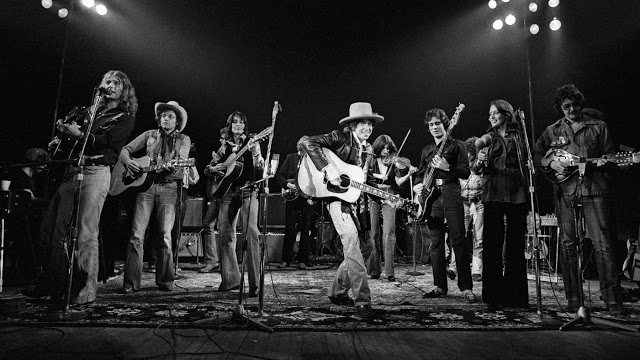
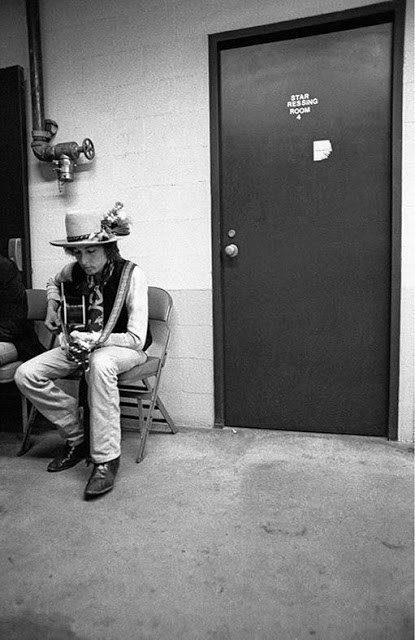
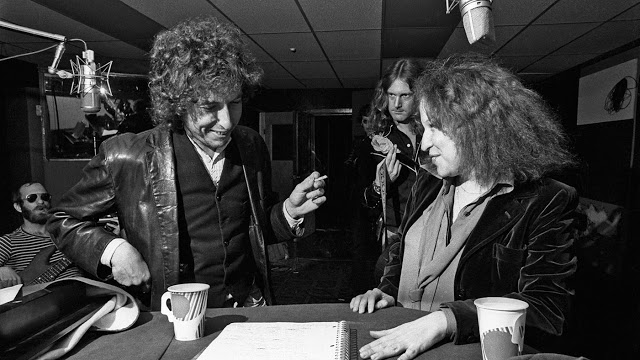
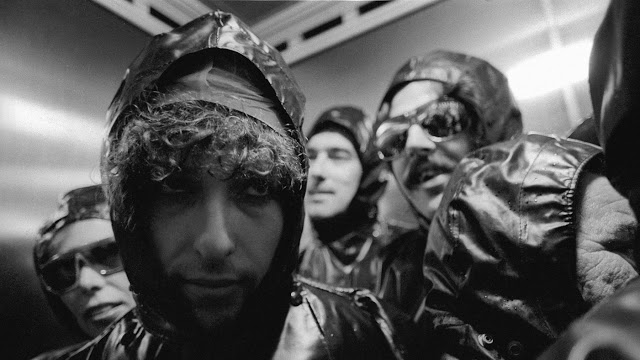
25 Incredible Photographs of Backstage During Bob Dylan’s 1975 Tour ‘Rolling Thunder Revue’

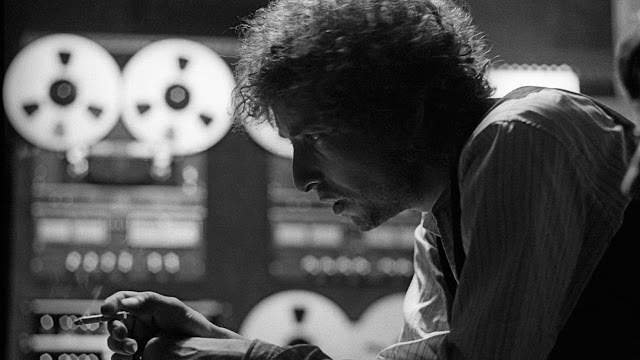
Photographer Ken Regan took almost 14,000 photographs during his time with Bob Dylan’s tour Rolling Thunder Revue. He had complete, unrestricted and exclusive access during that year of 1975.

Regan was the sole photographer on the tour, which included music greats Joan Baez, Joni Mitchell, Ramblin’ Jack Elliott and T-Bone Burnett. Poet Allen Ginsberg and actor Sam Shepard were part of the entourage.

Regan once explained, “Bob had given me free rein to shoot it all–onstage, offstage, dressing rooms, parties, trailers, whatever was going on,” with just one caveat that any photos of Dylan’s family couldn’t be released publicly.

Here’s a look at some incredible photos from Regan’s collection.

The day after playing the Springfield Civic Center, Bob Dylan and the Rolling Thunder gang visited Mama Frasca’s Dream Away Lodge in Becket, Massachusetts.
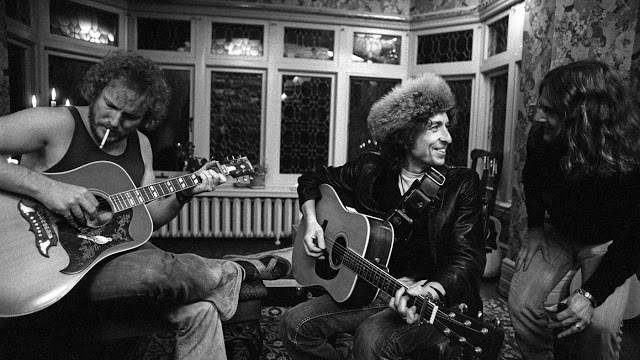
During downtime from the tour, Dylan jams with Roger McGuinn and Gordon Lightfoot.
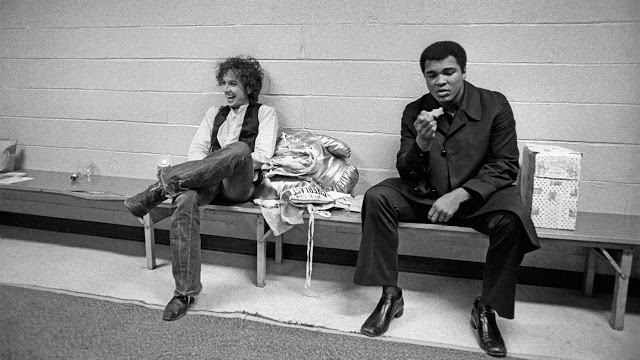
Muhammad Ali visited Dylan backstage when the tour reached Madison Square Garden.
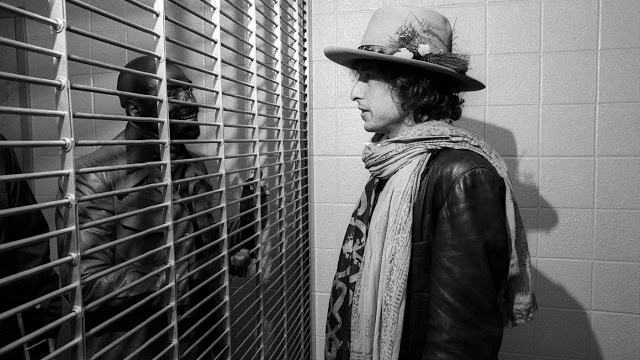
Shortly before launching the Rolling Thunder Revue, Dylan became aware of the plight of boxer Rubin “Hurricane” Carter, who was in prison for a murder he claimed he didn’t commit.
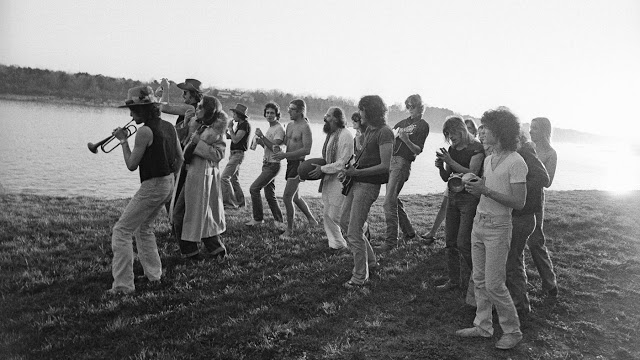
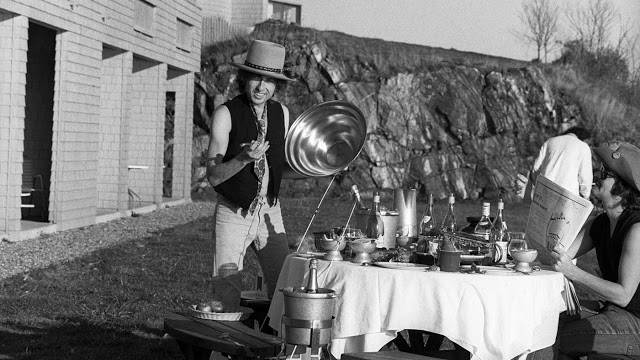
Dylan and many of the Rolling Thunder gang shoot a scene for Renaldo and Clara in Rhode Island.
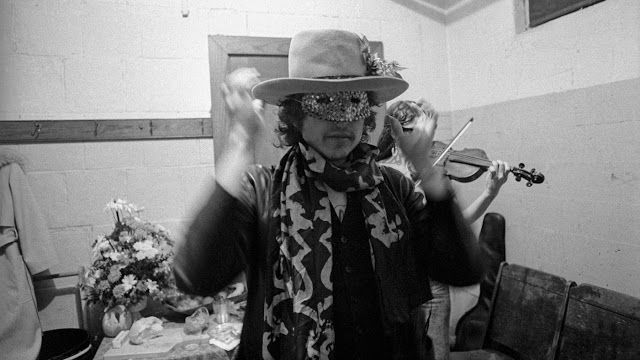
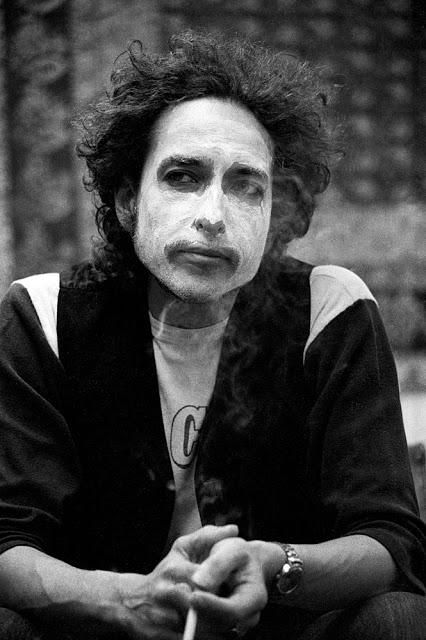
Dylan often wore masks and face paint during the Rolling Thunder Revue period. The disguises tied into the complex plot of Renaldo and Clara, though at the time they merely confused many in Dylan’s orbit.
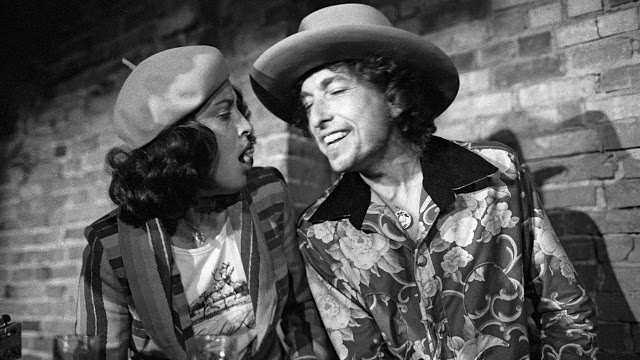
The New York folk haunt the Other End became a key hangout for Dylan in the weeks leading up to Rolling Thunder. Here he is at the club with Ronee Blakley.
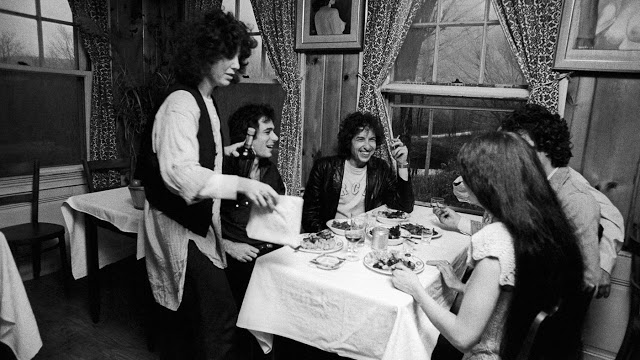
For many on the Rolling Thunder Revue, the tour doubled as a nonstop party. Here, Dylan and friends enjoy some downtime in Newport, Rhode Island.
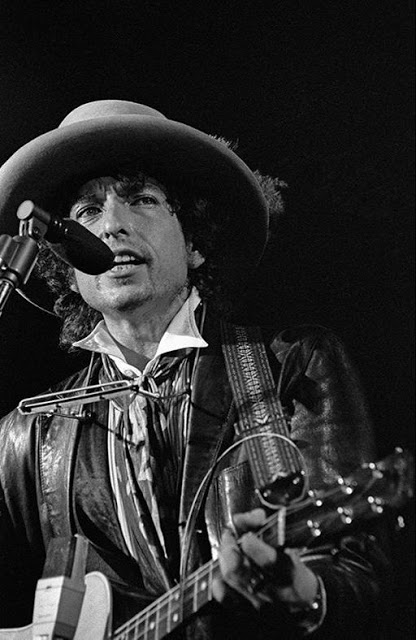
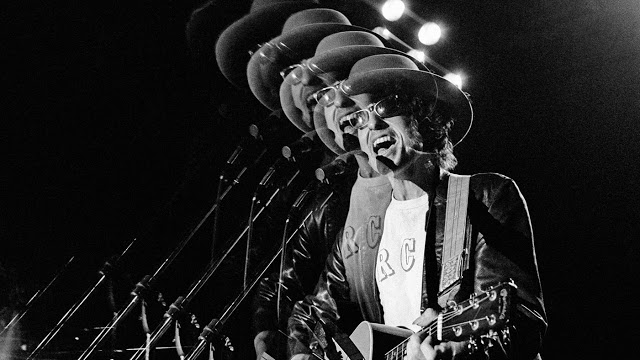
Dylan’s vocals have rarely been as passionate and intense as they were on the Rolling Thunder Revue.
The Rolling Thunder Revue set list mixed in Sixties folk-era classics like “A Hard Rain’s A-Gonna Fall” and “The Lonesome Death of Hattie Carroll” with newer songs like “Tangled Up in Blue” and “Romance in Durango.”
At the end of the night, all the performers would come onstage for “Knockin’ on Heaven’s Door.”
The backstage accommodations at the theaters on the Rolling Thunder Revue were a far cry from what Dylan experienced on his 1974 arena and stadium tour with the Band.
Midler’s “Buckets of Rain” cover appeared on her 1976 LP, Songs for the New Depression.
In one of the most memorable scenes from Renaldo and Clara, Dylan and Allen Ginsberg visit Jack Kerouac’s grave.
Dylan suits up for a visit to the iconic landmark.
Every night on the Rolling Thunder Revue, Bob Dylan sang a passionate rendition of “Hurricane” and implored the crowd to lobby for the release of Rubin “Hurricane” Carter, whom Dylan said was racially profiled and unlawfully tried and convicted.
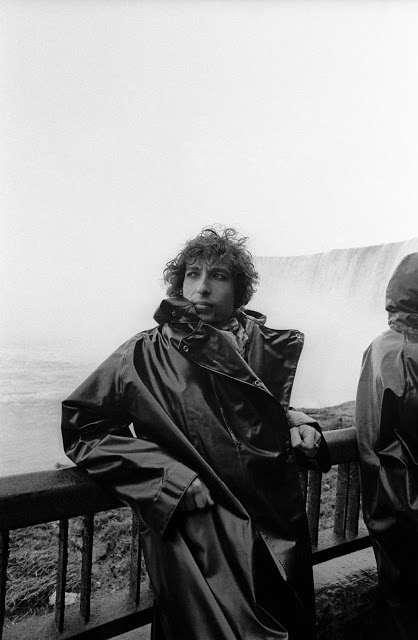
The gang prepares to take on Niagara Falls.
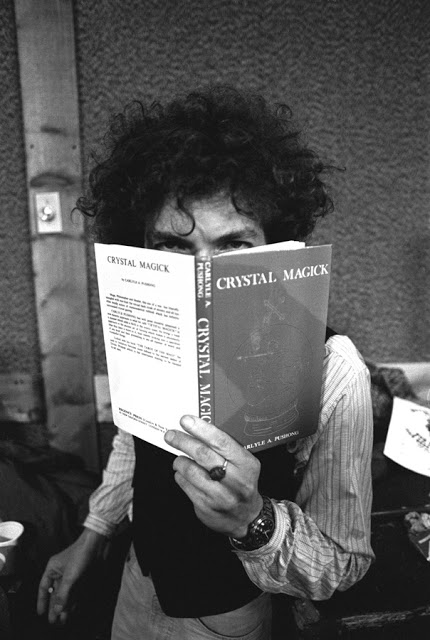
Dylan reads the incredibly obscure 1968 New Age book Crystal Magick by Carlyle A. Pushong.
Once he actually reached the falls, Dylan ditched the hood.
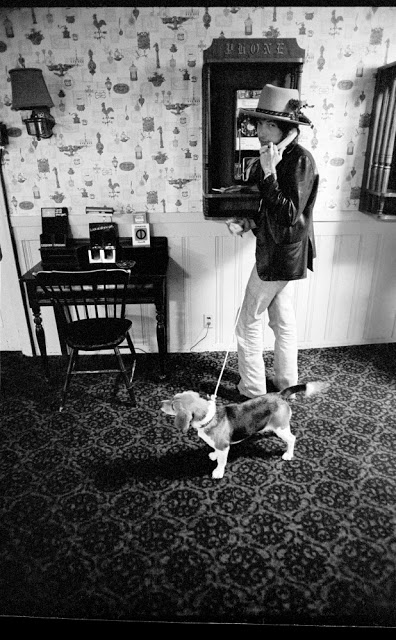
The hat Dylan is wearing in this photo appears on the cover of Desire. The story behind the beagle remains a mystery.
Dylan played entire sets in white face paint during the tour.
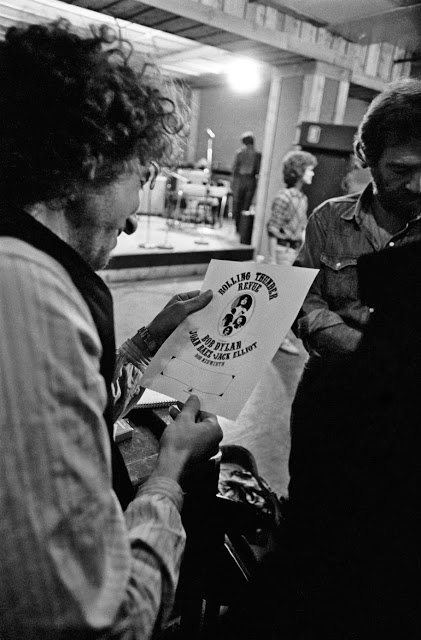
Original posters and flyers from the Rolling Thunder Revue are now highly collectible. Here’s Dylan approving one of them.
The purpose behind Dylan’s makeup has never been fully explained, though there are heavy rumors that the Dylan camp was prepping an extensive documentary of the tour.
Bob Dylan and Bette Midler recorded a duet on the Blood on the Tracks tune “Buckets of Rain” in October of 1975. He wanted her to take part in the Rolling Thunder Revue, but she didn’t wind up signing up for the crazy trip.
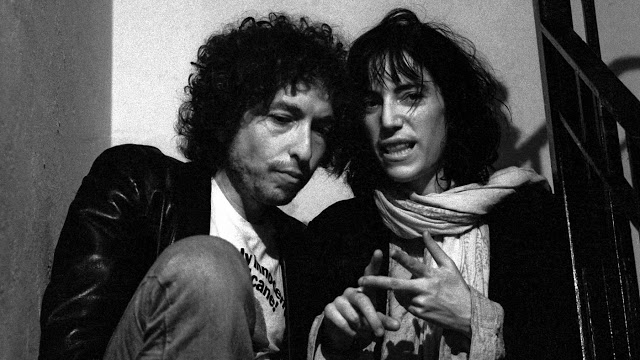
Shortly before launching the Rolling Thunder Revue, Bob Dylan began hanging out in Greenwich Village clubs. He met Patti Smith and they formed a tight bond that lasted for decades.

(Photos © Estate of Ken Regan/Ormond Yard Press, via Rolling Stone)

15 Vintage Photos Show Beautiful Bridal Fashion in the 1960s

Weddings looked so cool and classic back then. These old pictures of brides in the 1960’s are even more romantic as they show beautiful brides in their classic gowns at the happiest moments of their lives. Bridal fashion has changed so much but it seems that nothing can replicate this timeless beauty.

Charlie Chaplin at his daughter’s wedding in 1969.
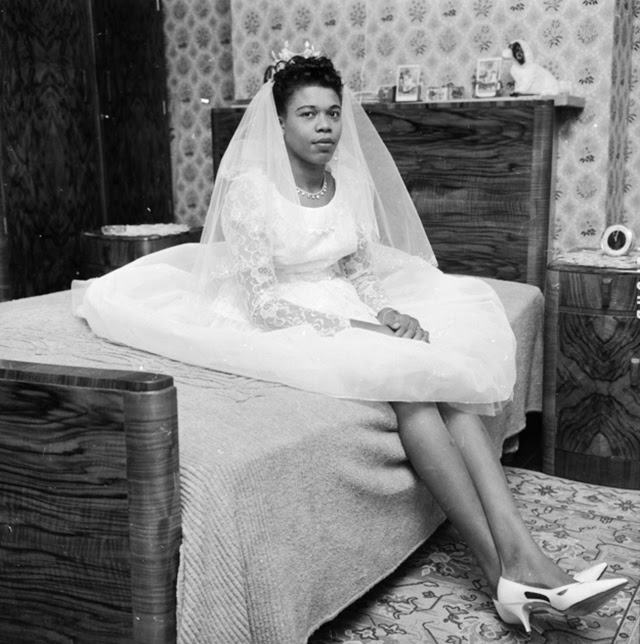
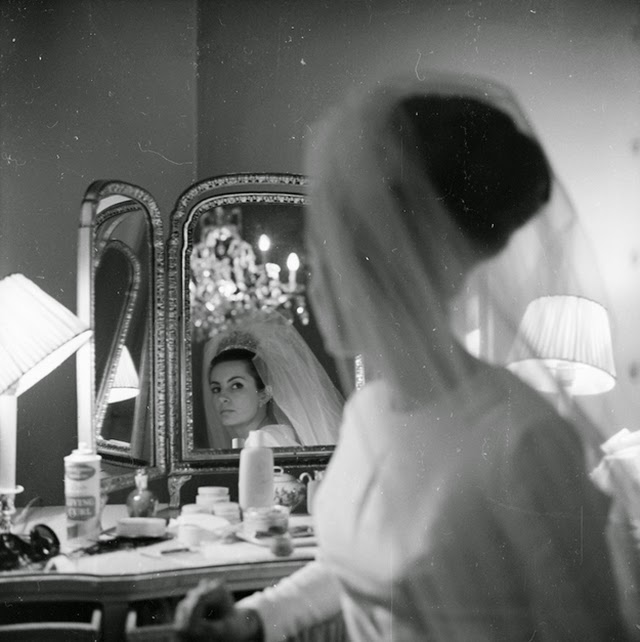
A 1962 bride waits for her ceremony to begin.
Sporting a mini-wedding dress in 1968.
The wedding of Countess Anne Marie Jeanne de Chauvigny de Blot in 1968.
Elizabeth Taylor’s 1964 wedding to Richard Burton
A photo from 1966 shows a bride in a long-sleeved style gown.
The beautiful Martha Boss, who was apparently a top bridal model.
Henrietta Tiark’s wedding, 1961.
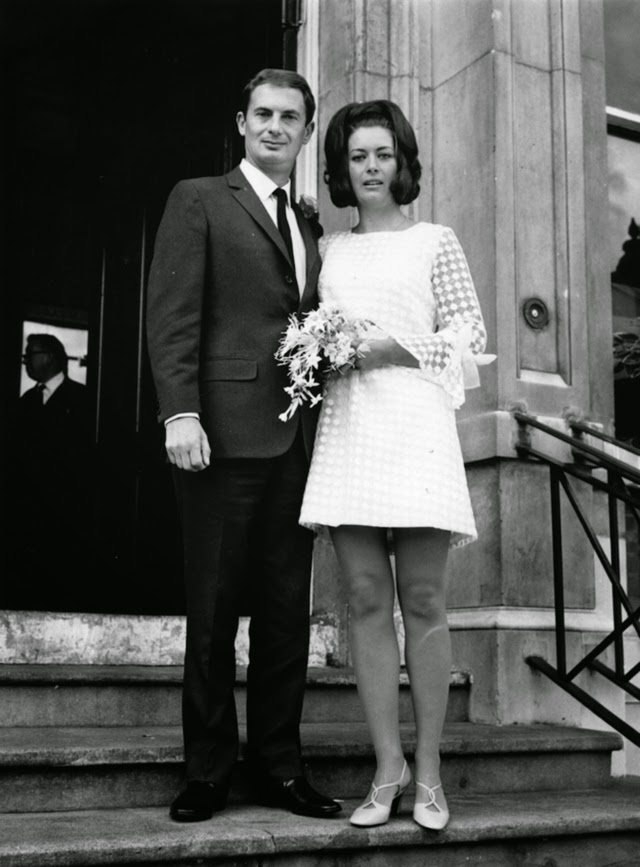
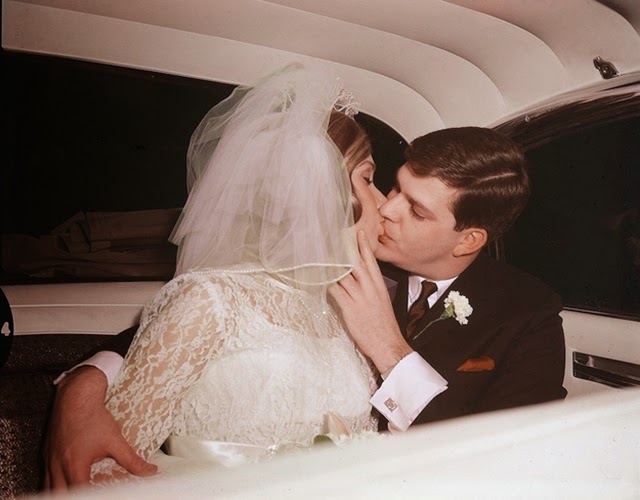
1968 newlyweds.
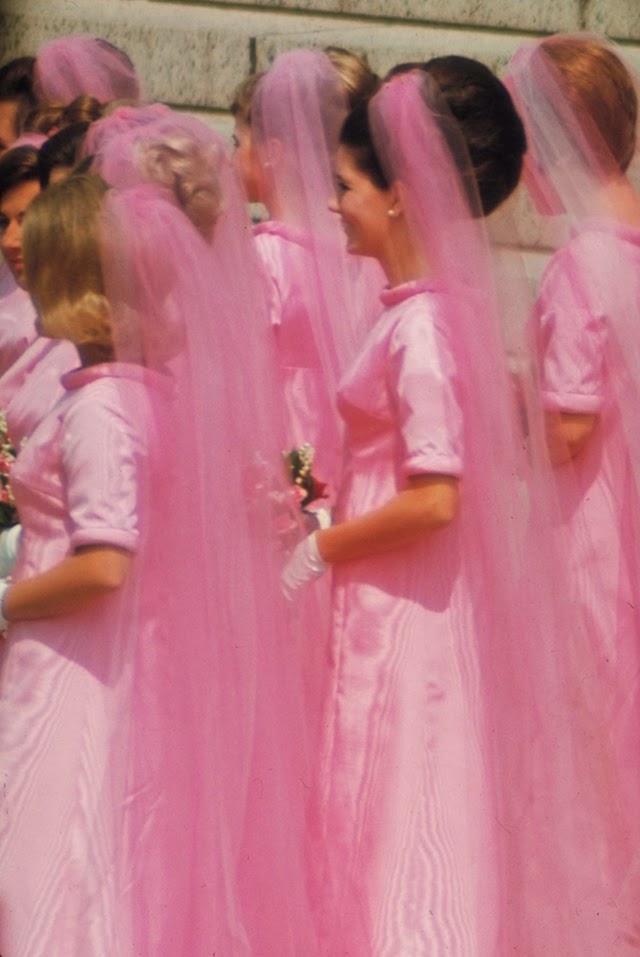
Bridesmaids in pink, 1966.
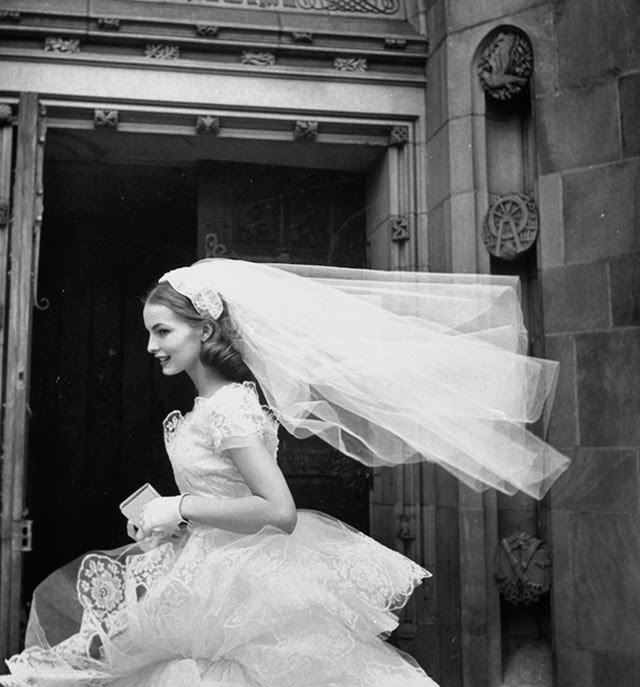
A bride in a sweet dress, Paris, 1963.
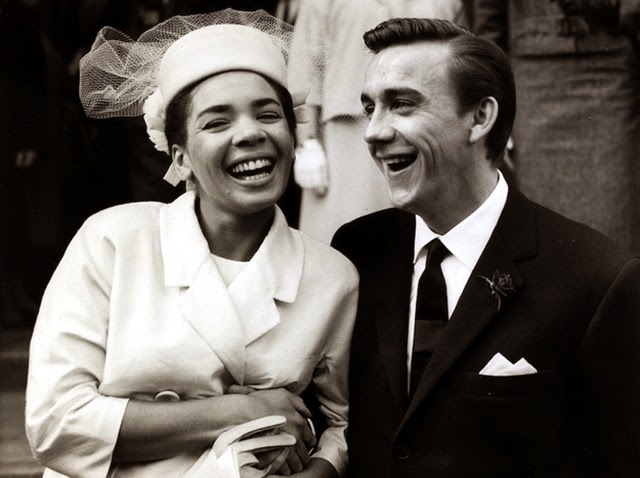
Shirley Bassey on her wedding day to Kenneth Hume.
A 1960 dress style.
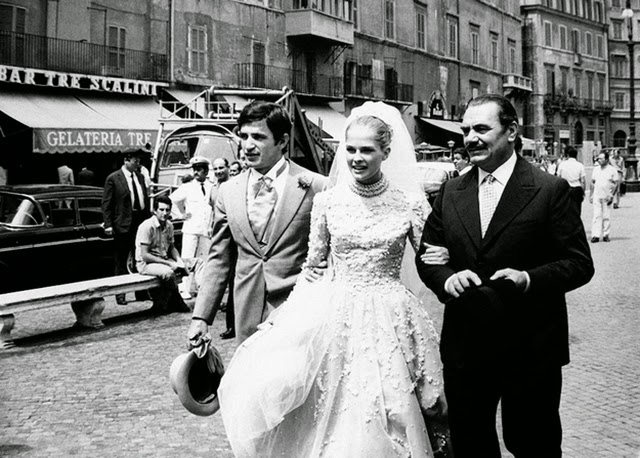
Candice Bergen on set of the The Adventurers in 1963.

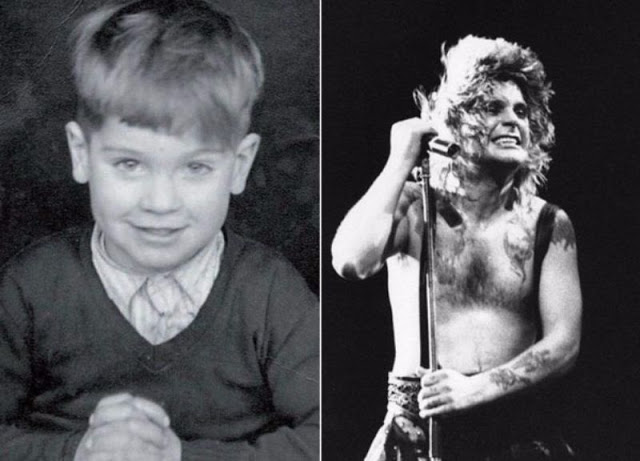
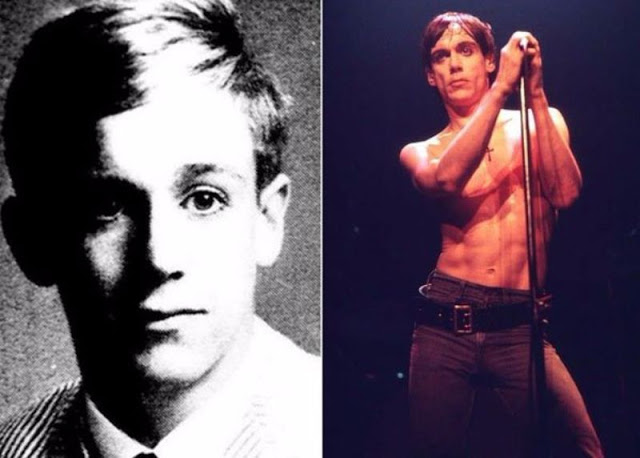
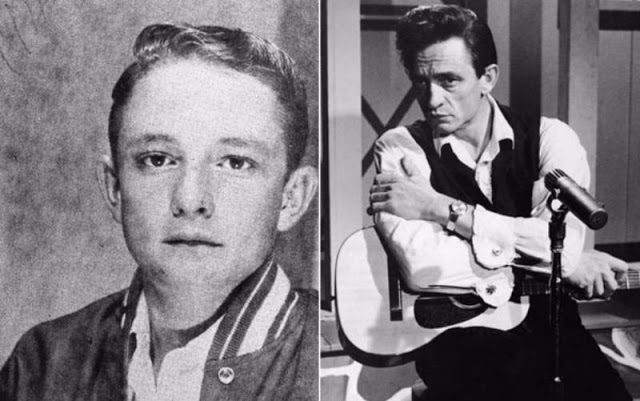
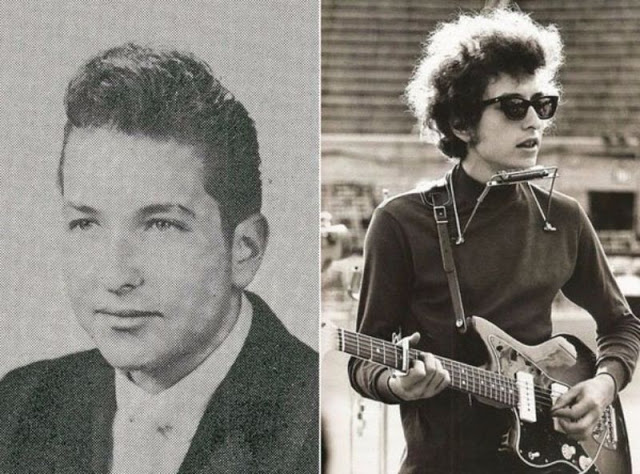
Before and After They Were Famous: 18 Amusing Childhood Pictures of Your Favorite Rock Stars

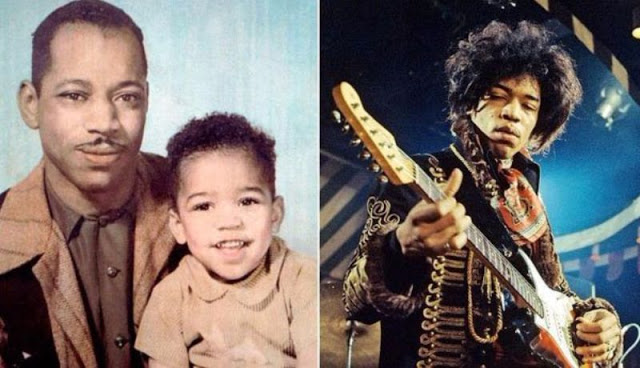
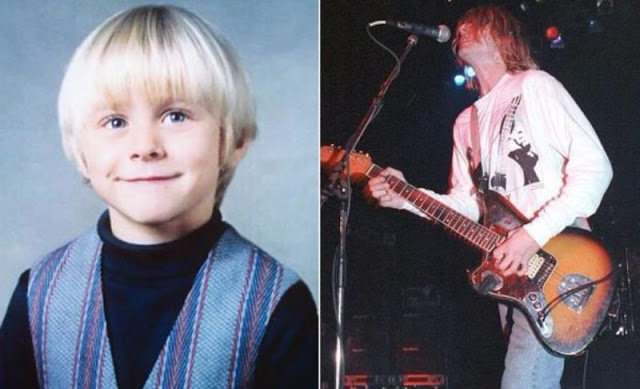
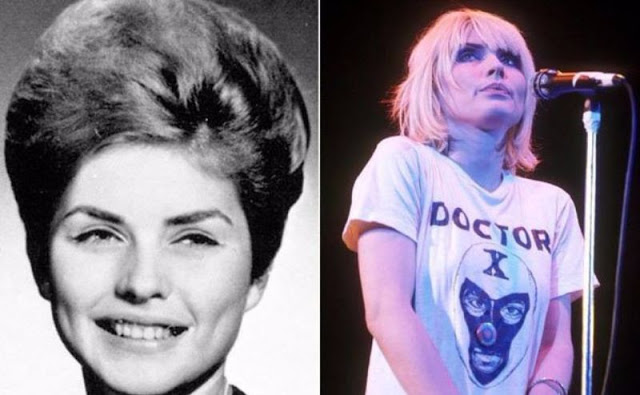
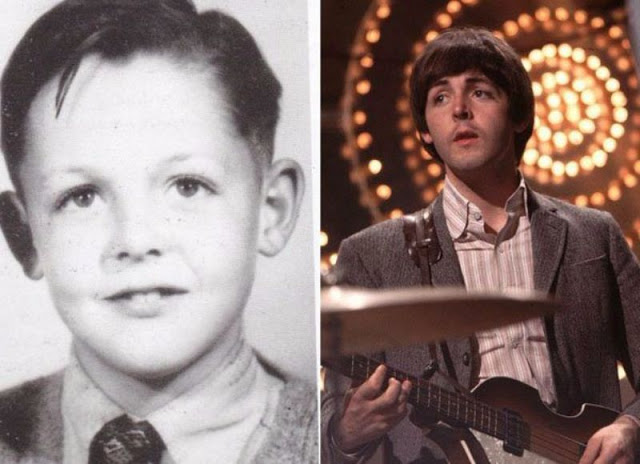
Sometimes it’s important to remember that every musician starts as an amateur. Before they hit the stage and the big time, they were young and a little bit awkward. Here’s a gallery of 18 before and after pictures of your favorite rock stars.

Jimi Hendrix
Freddie Mercury
David Bowie
Kurt Cobain
John Lennon
Debbie Harry
Elvis Presley
Björk
Paul McCartney
Ozzy Osbourne
Steve Tyler
Jimmy Page
Iggy Pop
Johnny Cash
Courtney Love
Bob Dylan
John Lydon (Johnny Rotten)
Mick Jagger

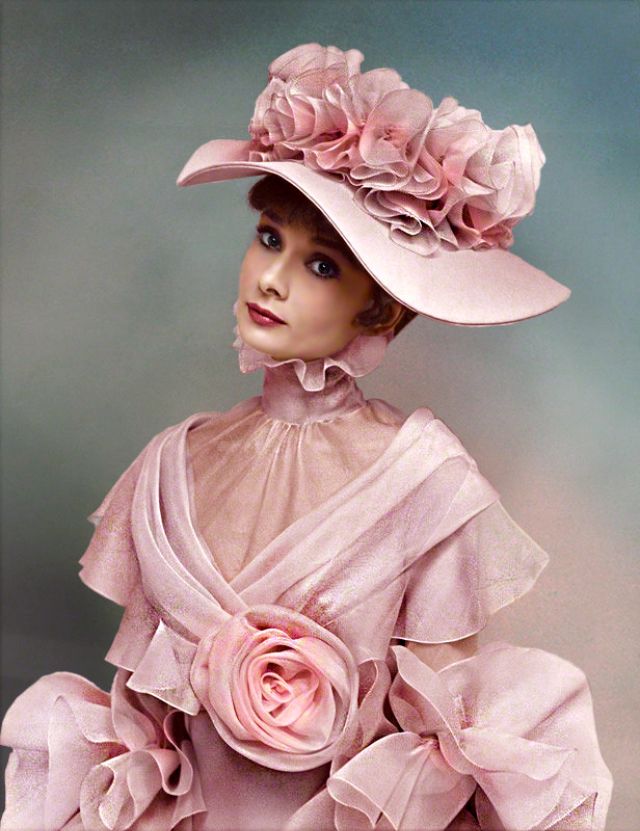
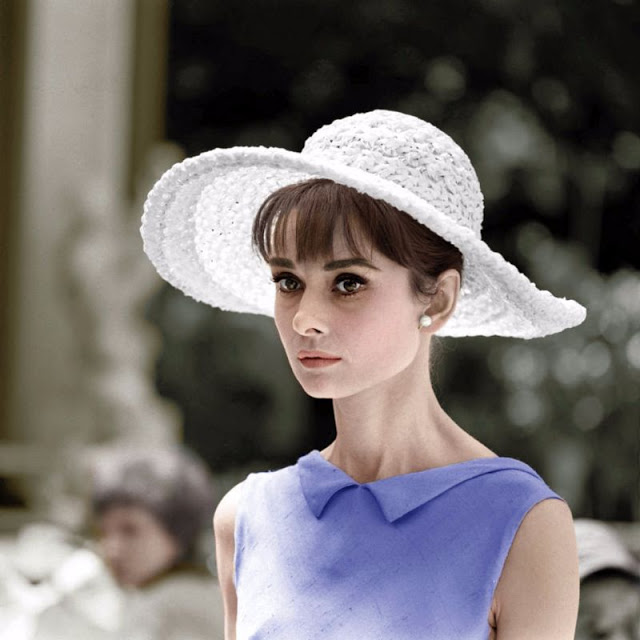
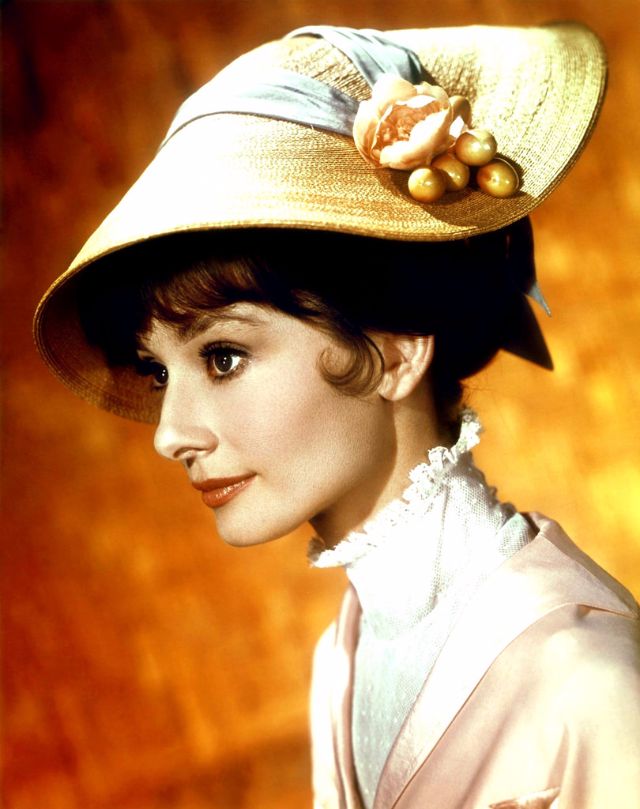
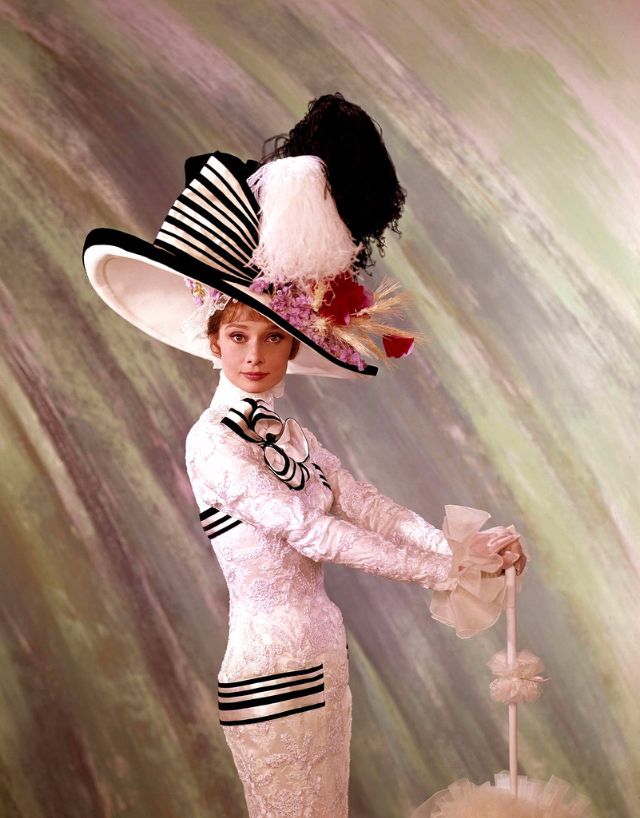
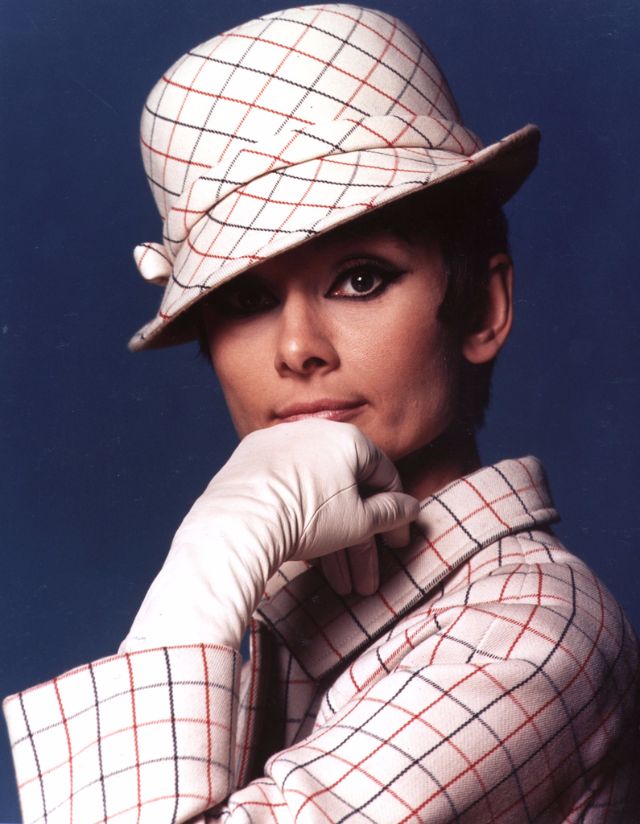
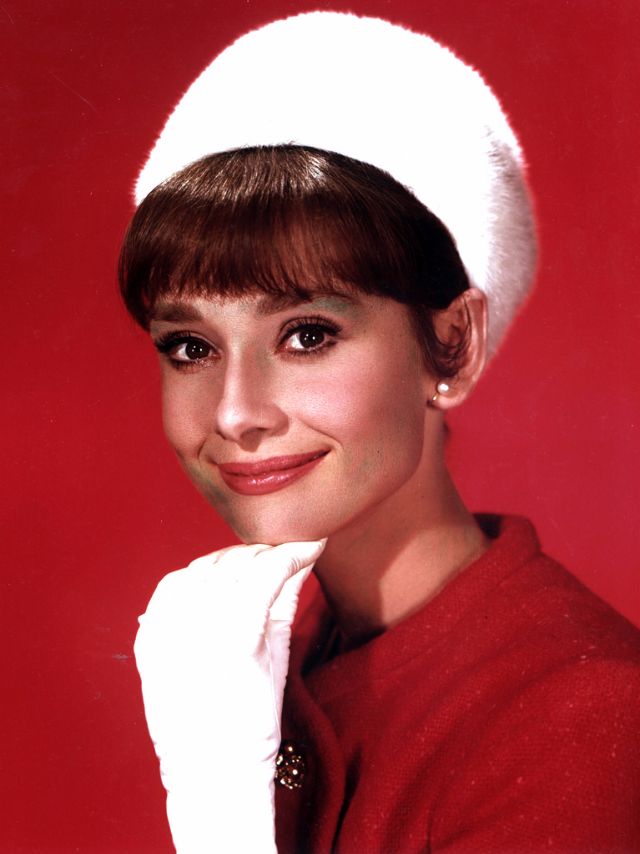
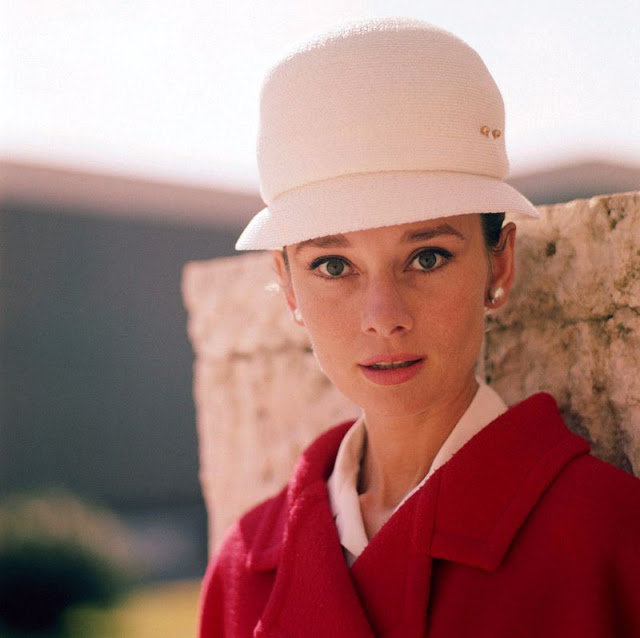
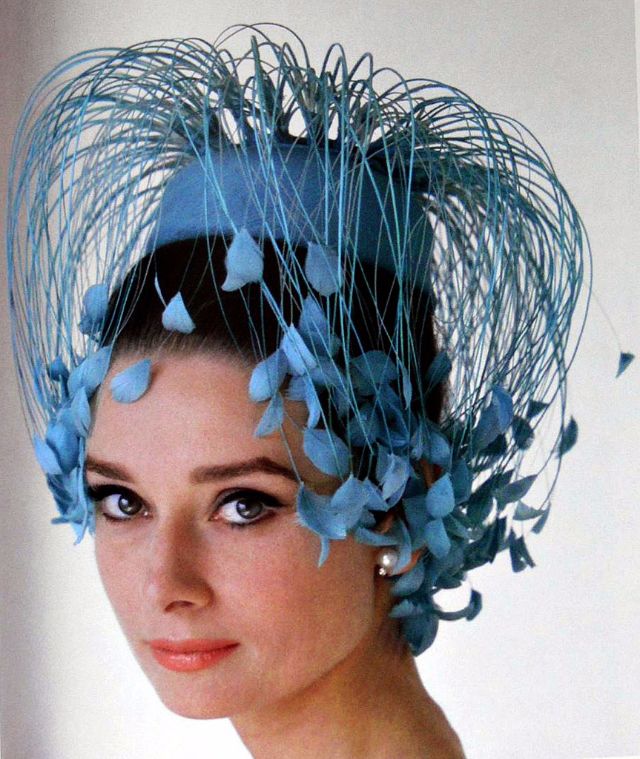
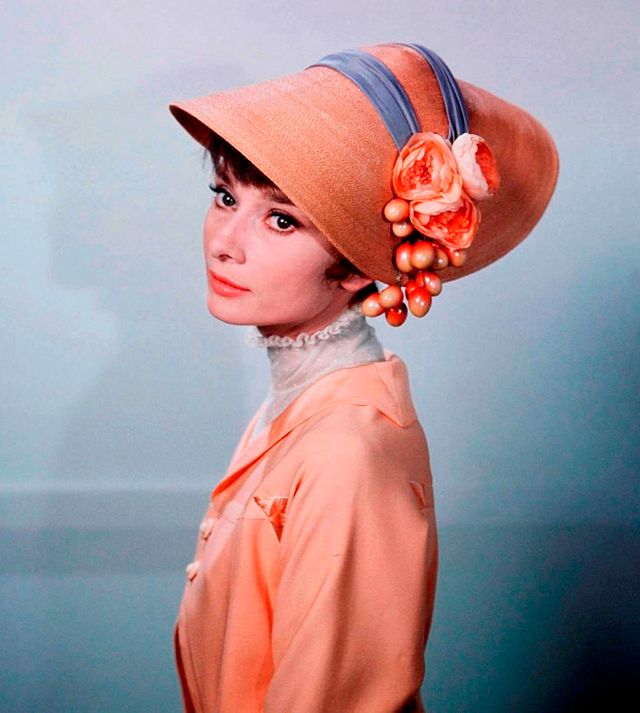
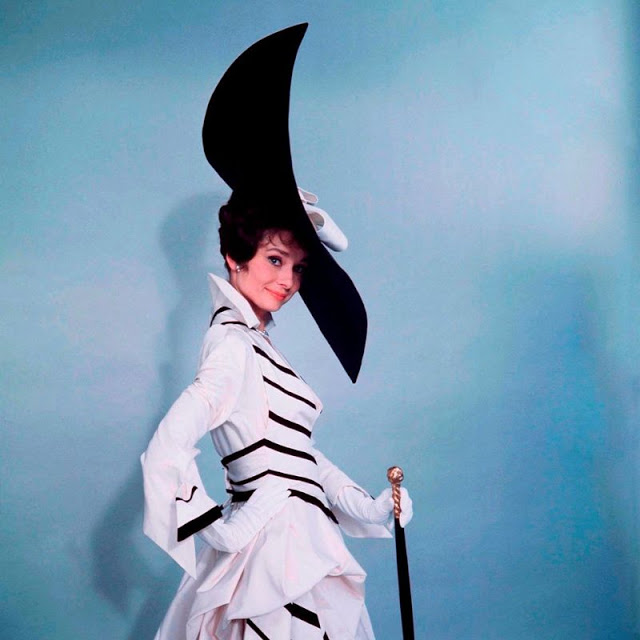
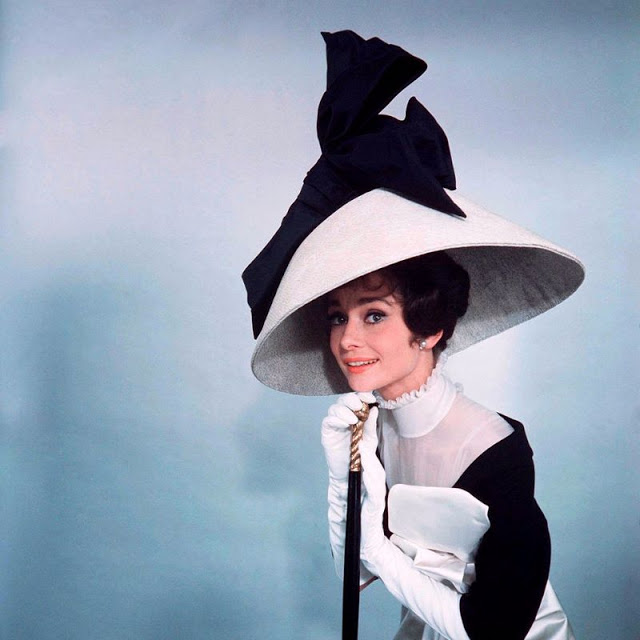
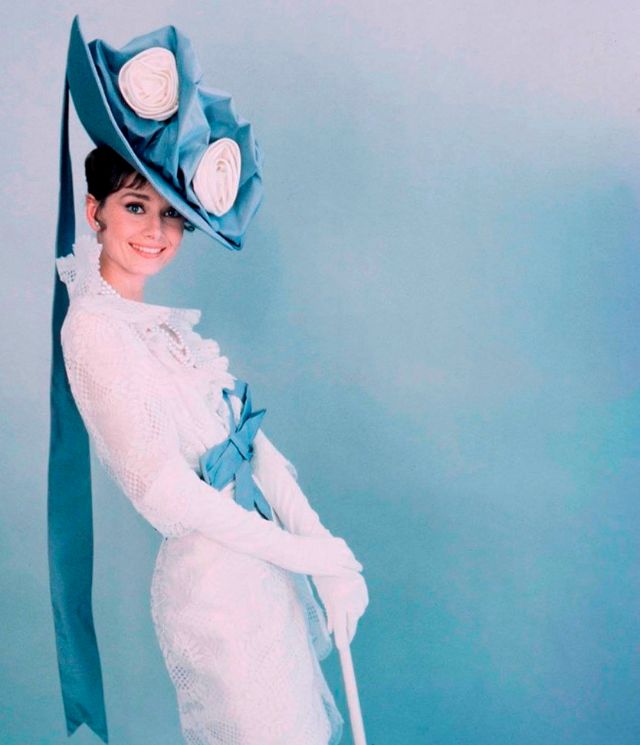
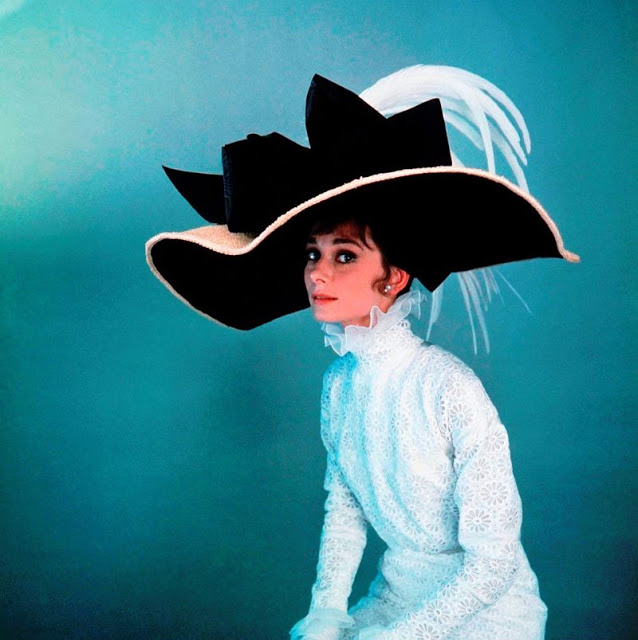
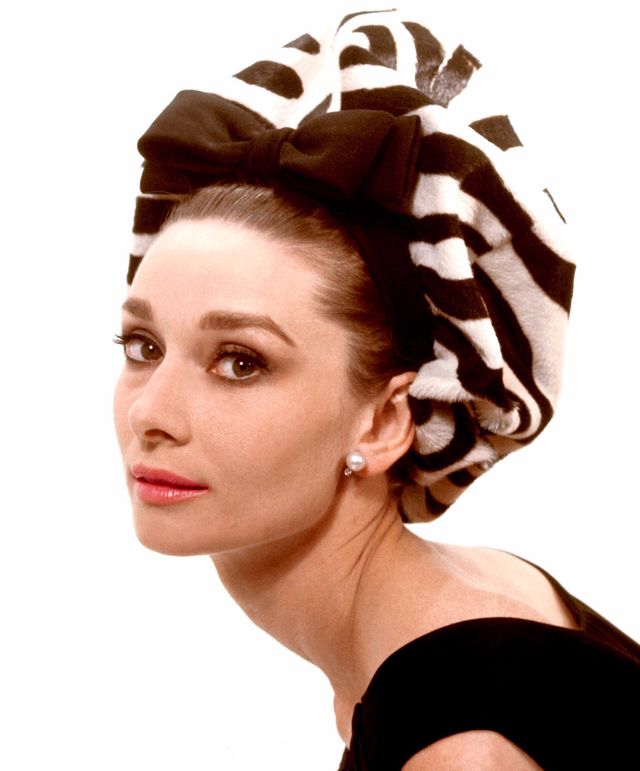
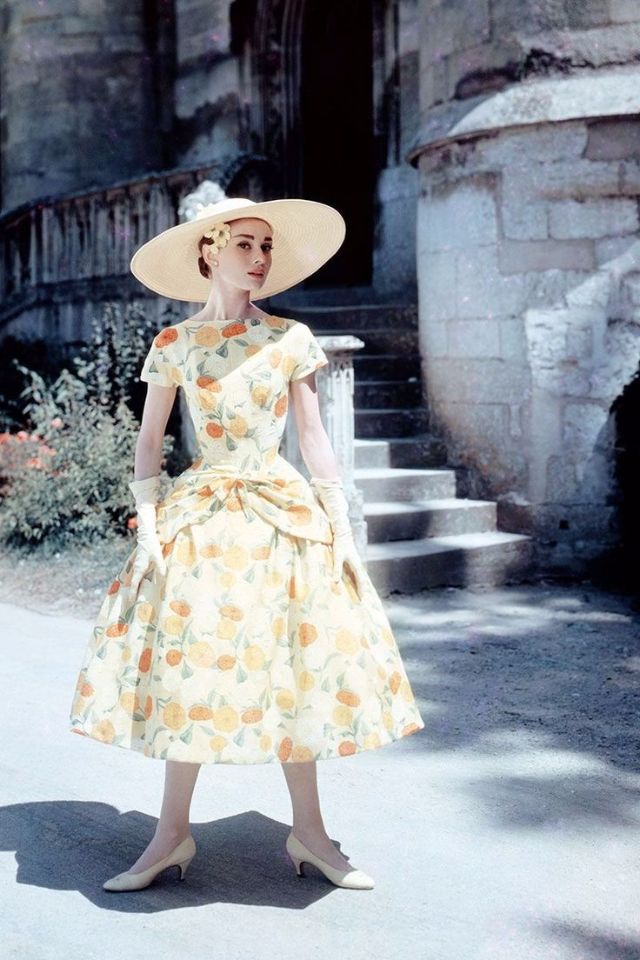
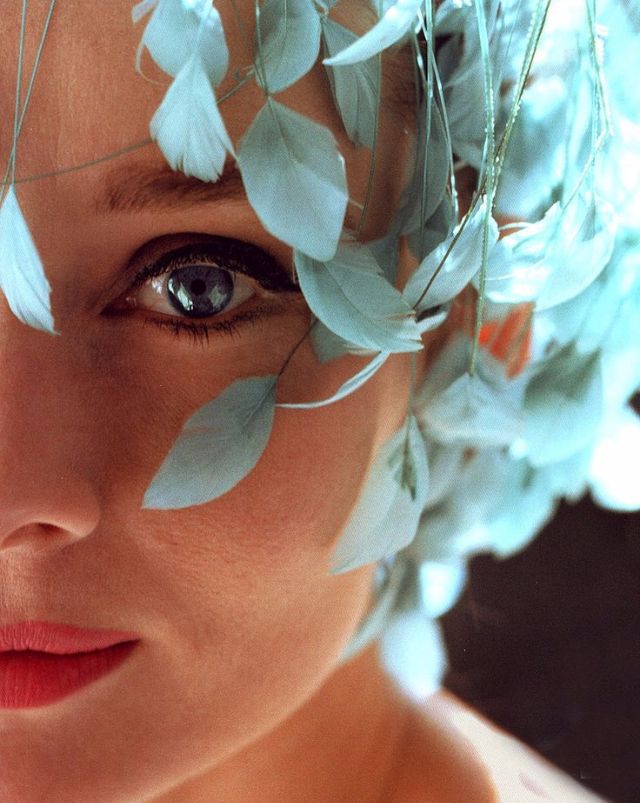
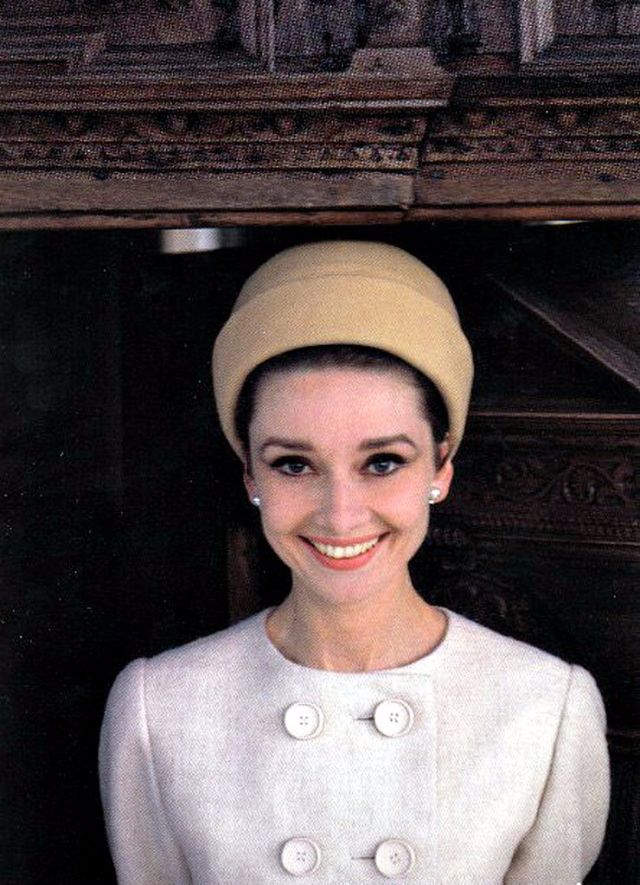
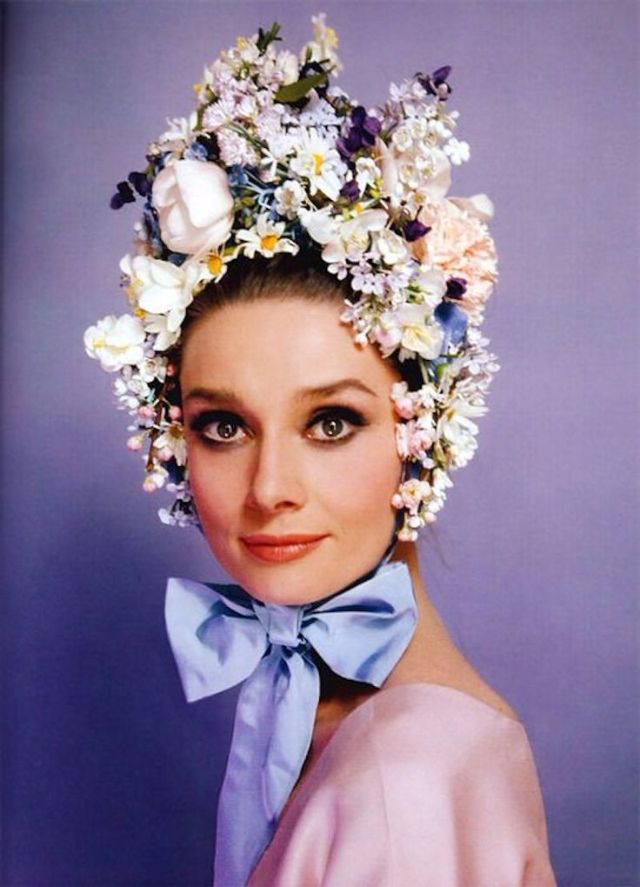
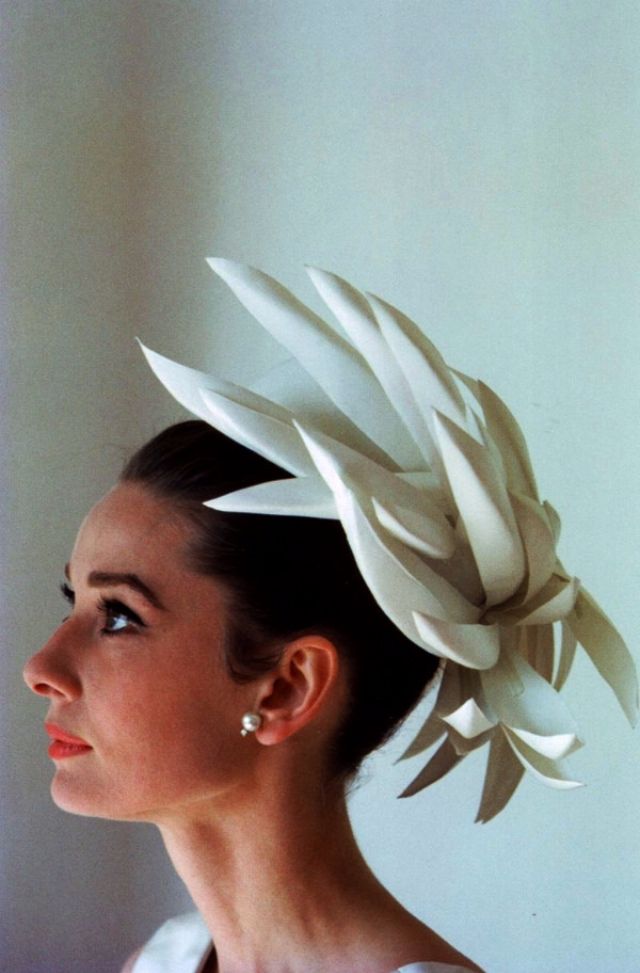
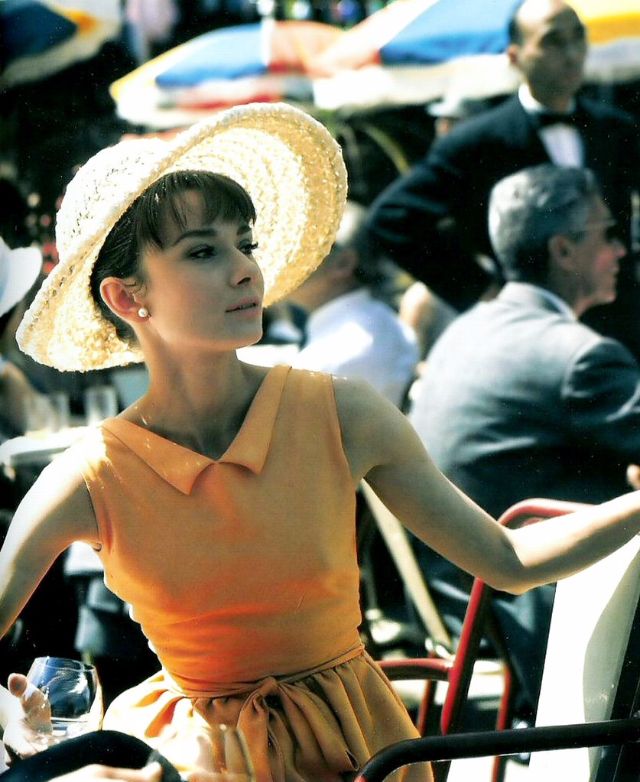
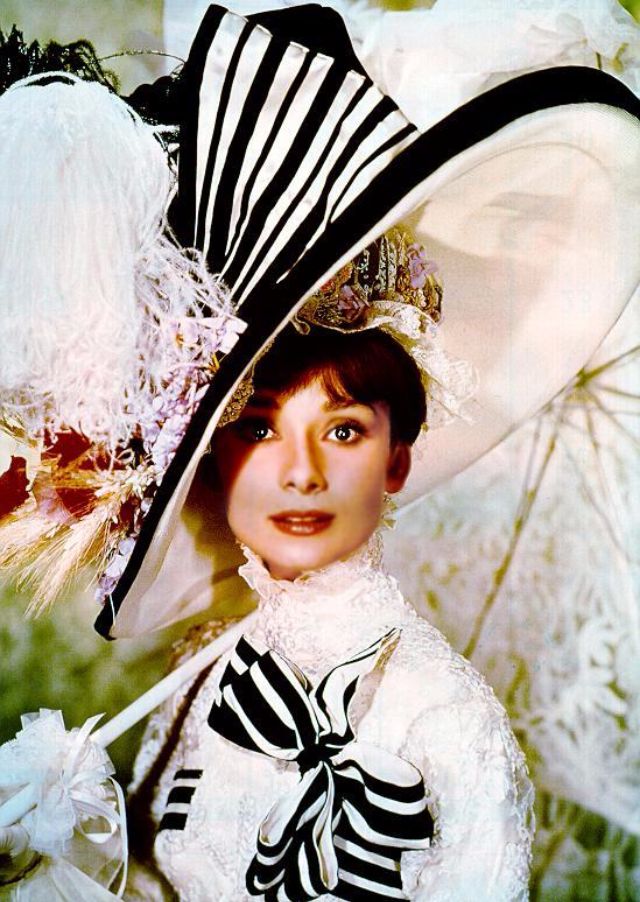
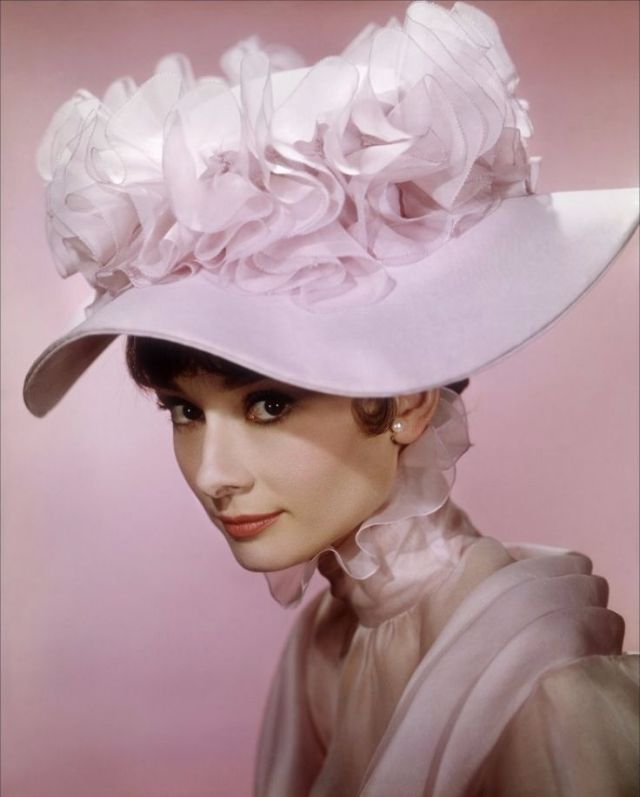
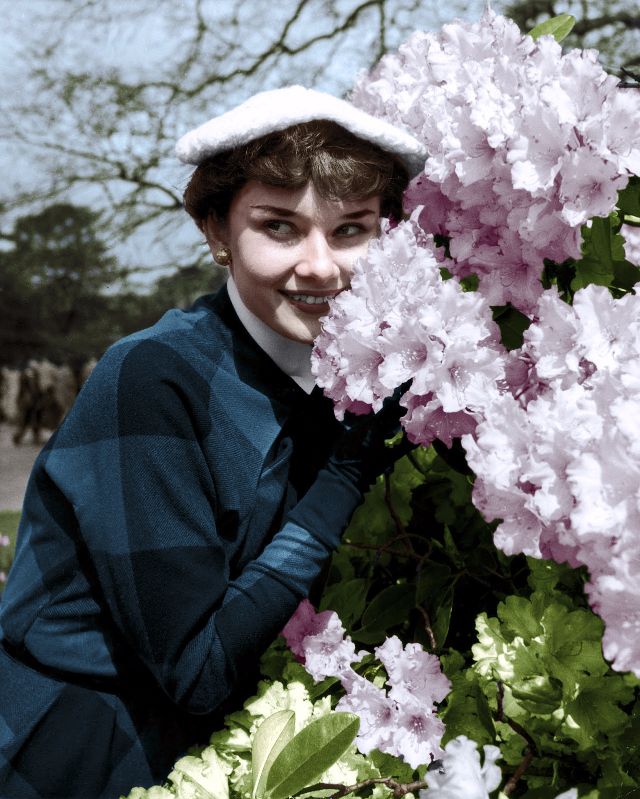
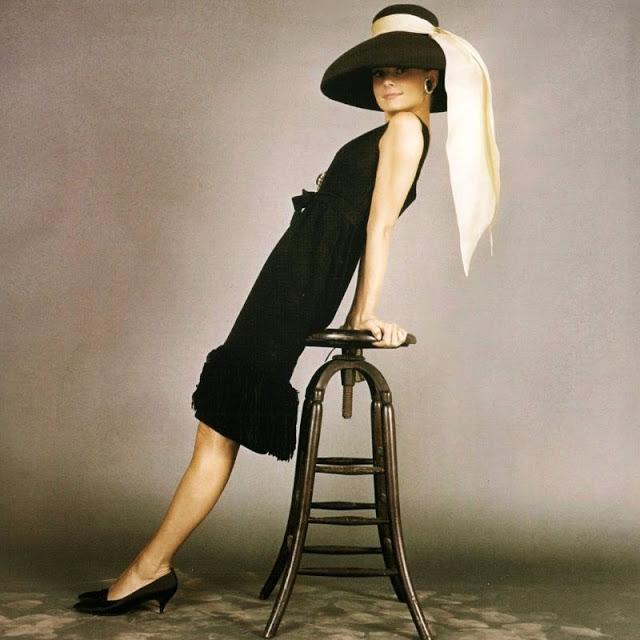
31 Colorful Photos Showing Hat Styles That Audrey Hepburn Often Wore From Between the 1950s and 1960s

Audrey Hepburn (born Audrey Kathleen Ruston; 4 May 1929 – 20 January 1993) was a British[a] actress and humanitarian. Recognised as both a film and fashion icon, she was ranked by the American Film Institute as the third-greatest female screen legend from the Classical Hollywood cinema and was inducted into the International Best Dressed List Hall of Fame.

Born in Ixelles, Brussels to an aristocratic family, Hepburn spent parts of her childhood in Belgium, England, and the Netherlands. She studied ballet with Sonia Gaskell in Amsterdam beginning in 1945, and with Marie Rambert in London from 1948. She began performing as a chorus girl in West End musical theatre productions and then had minor appearances in several films. She rose to stardom in the romantic comedy Roman Holiday (1953) alongside Gregory Peck, for which she was the first actress to win an Oscar, a Golden Globe Award, and a BAFTA Award for a single performance. That year, she also won a Tony Award for Best Lead Actress in a Play for her performance in Ondine.

She went on to star in a number of successful films such as Sabrina (1954), in which Humphrey Bogart and William Holden compete for her affection; Funny Face (1957), a musical where she sang her own parts; the drama The Nun’s Story (1959); the romantic comedy Breakfast at Tiffany’s (1961); the thriller-romance Charade (1963), opposite Cary Grant; and the musical My Fair Lady (1964). In 1967 she starred in the thriller Wait Until Dark, receiving Academy Award, Golden Globe, and BAFTA nominations. After that, she only occasionally appeared in films, one being Robin and Marian (1976) with Sean Connery. Her last recorded performances were in the 1990 documentary television series Gardens of the World with Audrey Hepburn for which she won a Primetime Emmy Award for Outstanding Individual Achievement – Informational Programming.

Hepburn won three BAFTA Awards for Best British Actress in a Leading Role. In recognition of her film career, she received BAFTA’s Lifetime Achievement Award, the Golden Globe Cecil B. DeMille Award, the Screen Actors Guild Life Achievement Award, and the Special Tony Award. She remains one of only sixteen people who have won Academy, Emmy, Grammy, and Tony Awards. Later in life, Hepburn devoted much of her time to UNICEF, to which she had contributed since 1954. Between 1988 and 1992, she worked in some of the poorest communities of Africa, South America, and Asia. In December 1992, she received the Presidential Medal of Freedom in recognition of her work as a UNICEF Goodwill Ambassador. A month later, she died of appendiceal cancer at her home in Switzerland at the age of 63. (Wikipedia)

A colorful photo collection that shows hat styles Hepburn often wore from between the 1950s and 1960s.

17 Vintage Photos of American Teenagers in the 1950s

In June 1954, LIFE magazine published an article titled “The Luckiest Generation” that, revisited 60 years later, feels like an almost perfect snapshot of a certain segment of American society at a particular moment in the nation’s history…

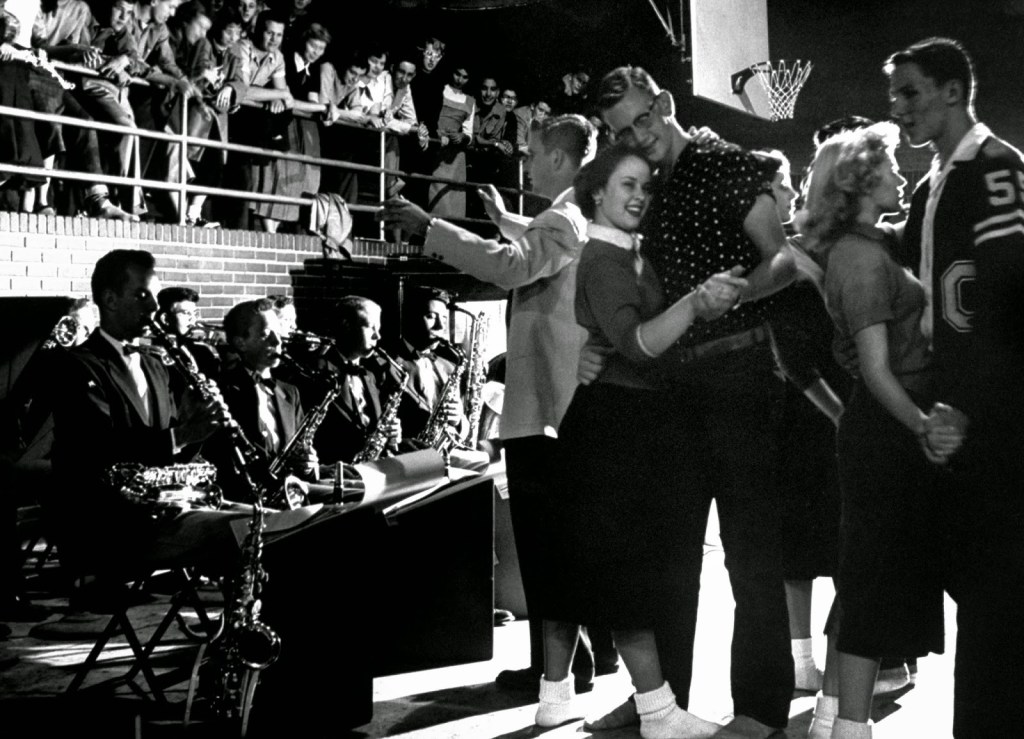
In aura of fun and well-being, students dance in gym of Carlsbad’s high school at weekly ‘Sock Hop’ to music of a 12-piece student band.
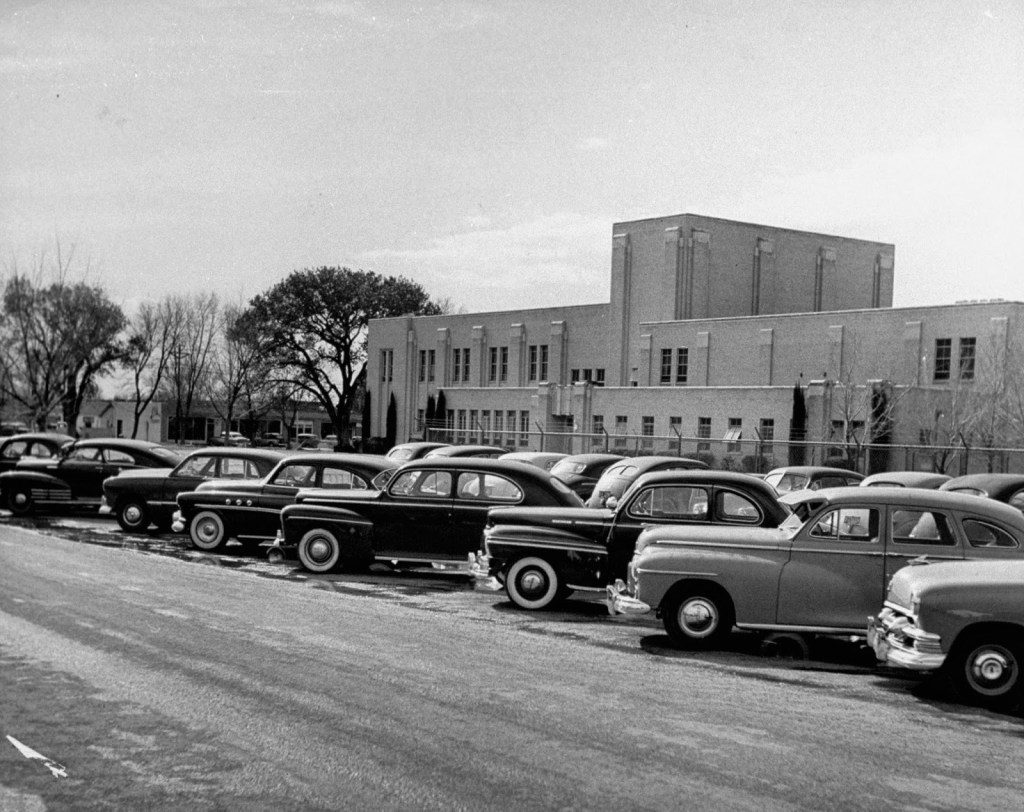
Cars of Carlsbad High students fill own parking lot.
Electrician, Jack Harris, 16, still in school, picks up $40 to $50 in part-time repair jobs.
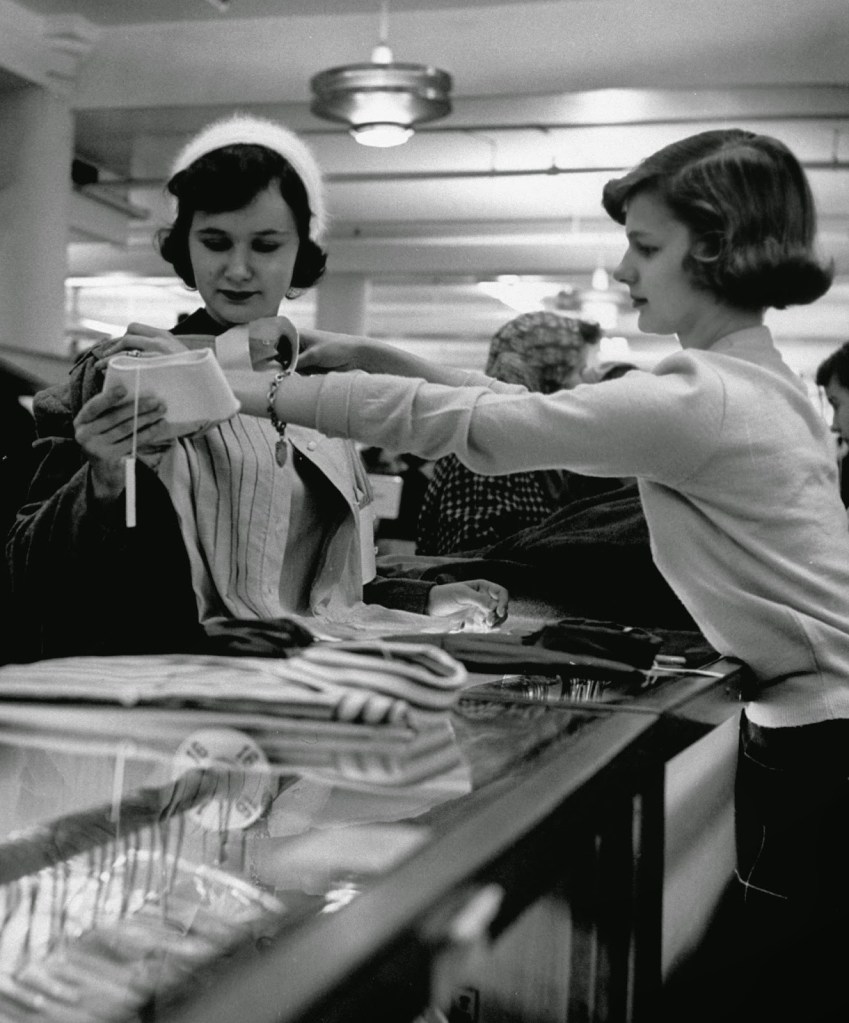
A teenage sales girl holds a blouse up to a customer in a store, 1954.
Young investor, David Lenske, 17, having bought four AT&T shares, talks with banker, 1954.
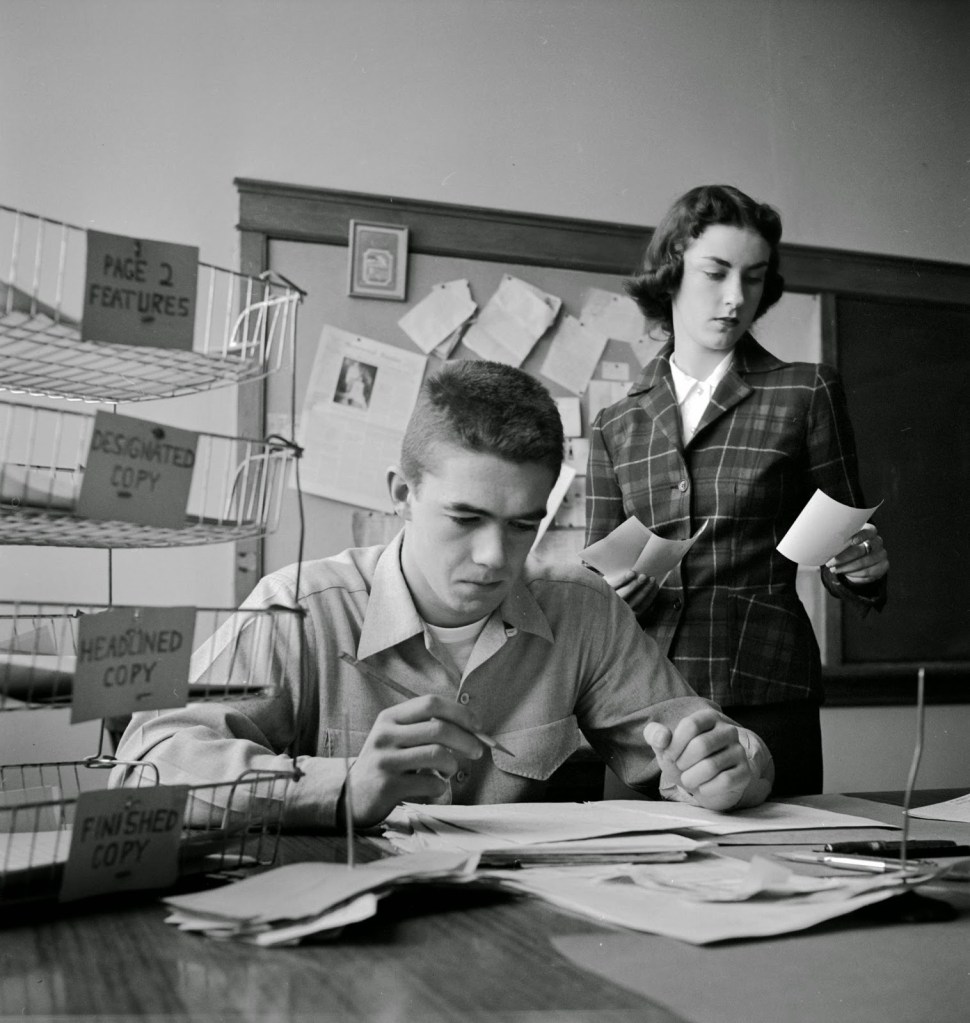
Outtake from “Luckiest Generation” feature in LIFE magazine, 1954.
Teenage mechanic, 1954.
Bookkeeper Rada Alexander, 19, gets $200 a month in auto firm job she got after graduation.
Sonny Thayer, 19, packs for hunting trip.
Utility worker, Jack Krueger, 19, who finished high school in 1952, earns $2.24 an hour.
Prosperous pay-off of after-school jobs brings Mike Sweeney and Harold Riley (right) with Pat Marsh (left), Nita Wheeler, all 17, to Carlsbad’s Red Barn restaurant, a favorite party spot.
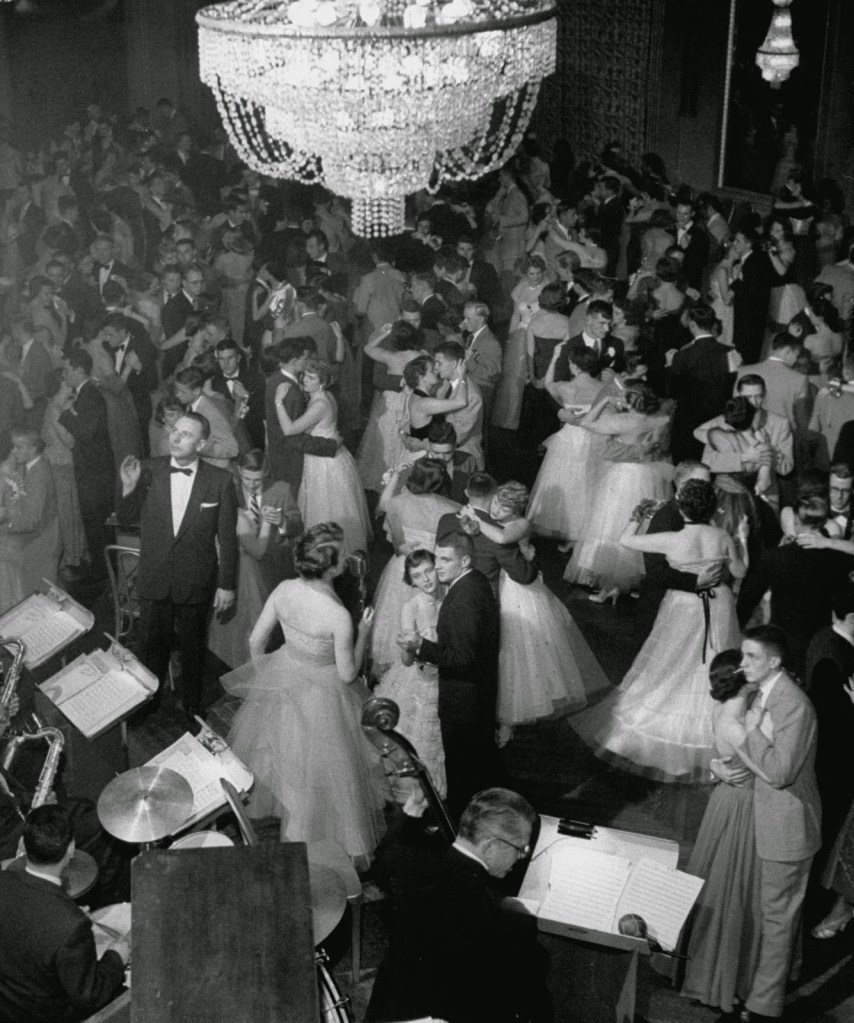
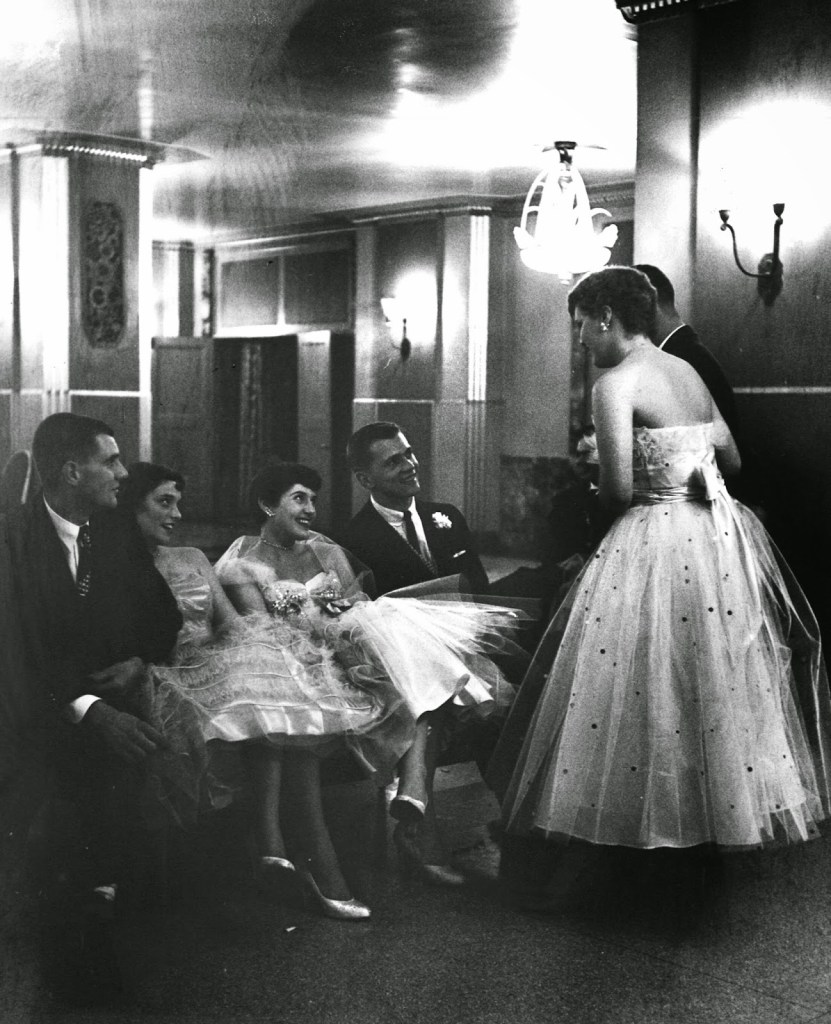
Young couples at formal dance dreamily sway on crowded floor of dim, chandelier-lit ballroom, 1954.
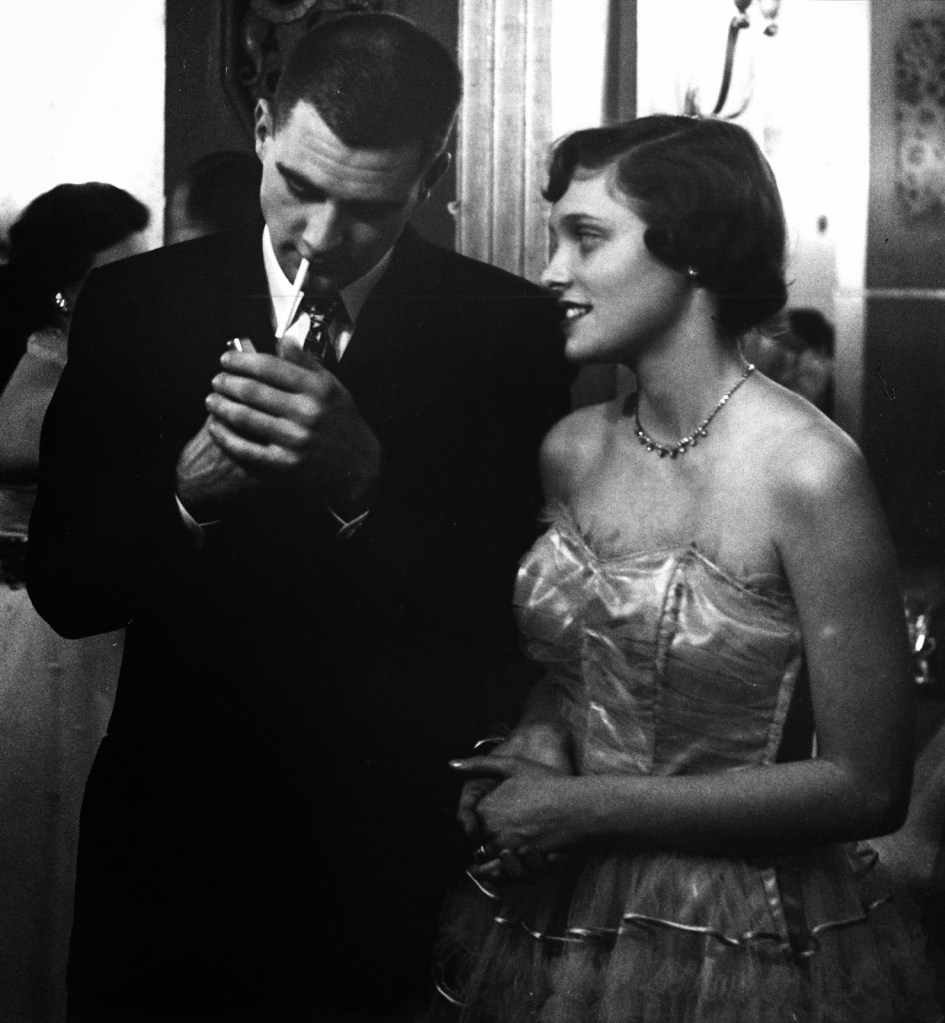
Outtake from “Luckiest Generation” feature in LIFE magazine, 1954.
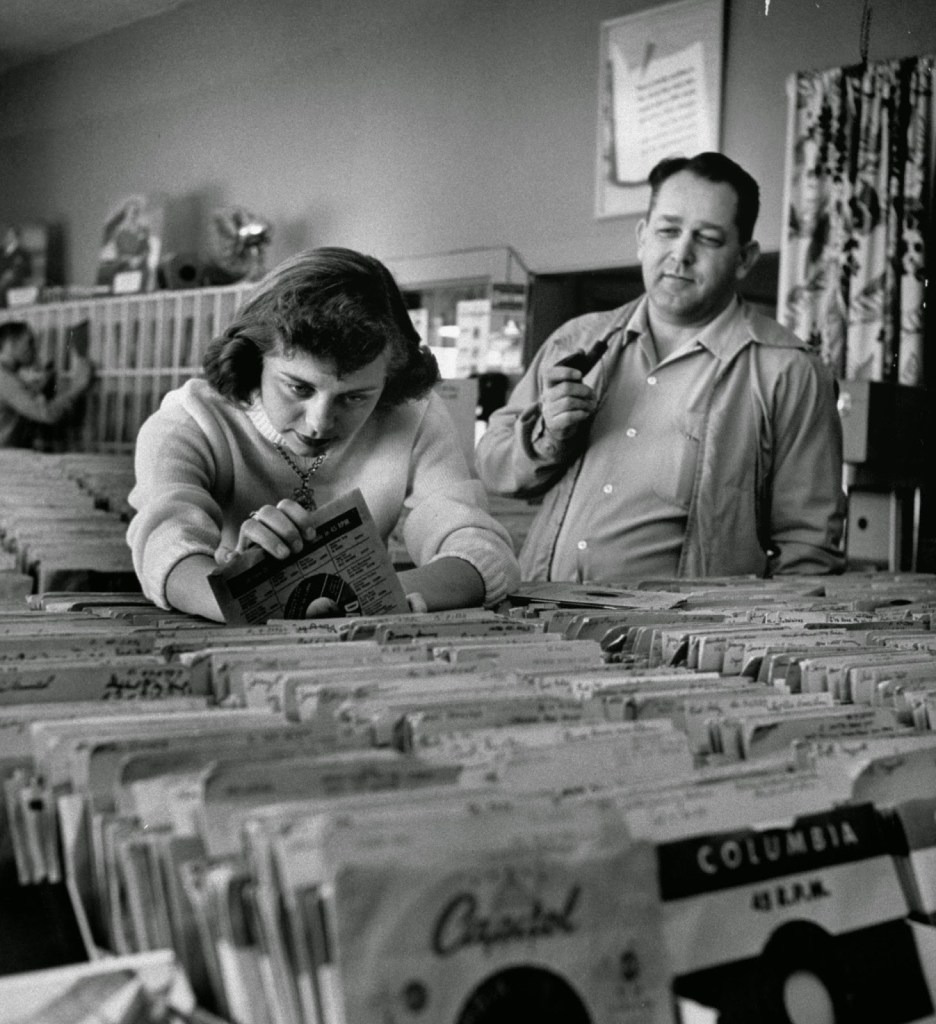
Pay in trade is taken by Margaret High, 17, who works in music store, spends salary on records.
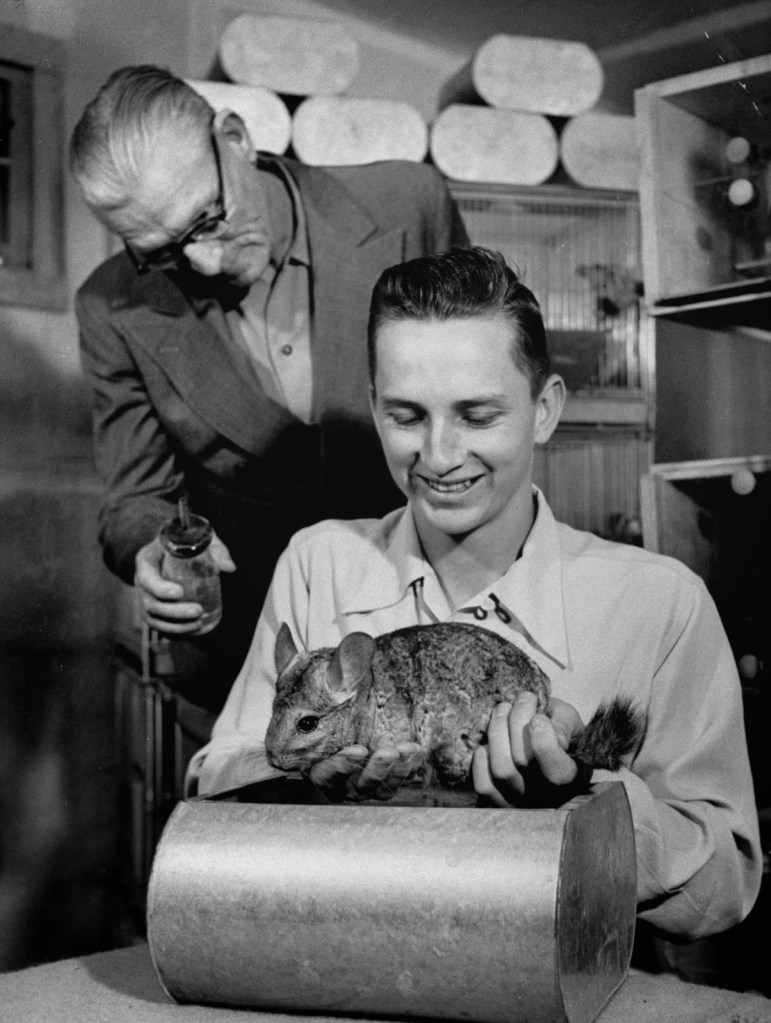
Breeder of chinchillas, Jere Reid Jr., 17, holds $3,000 animal, has paid off note father co-signed.

(Photos by Nina Leen—The LIFE Picture Collection/Getty Images)

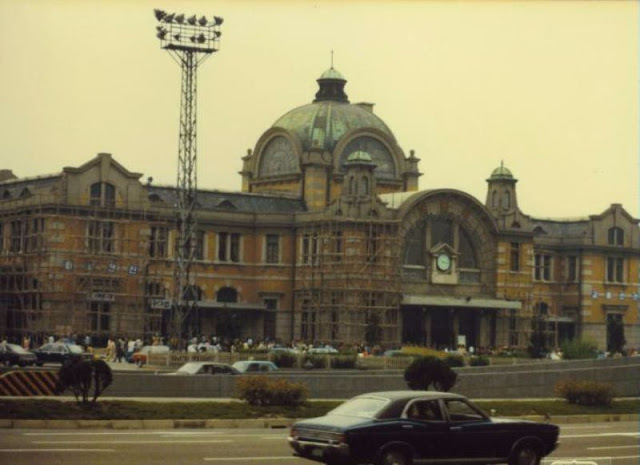
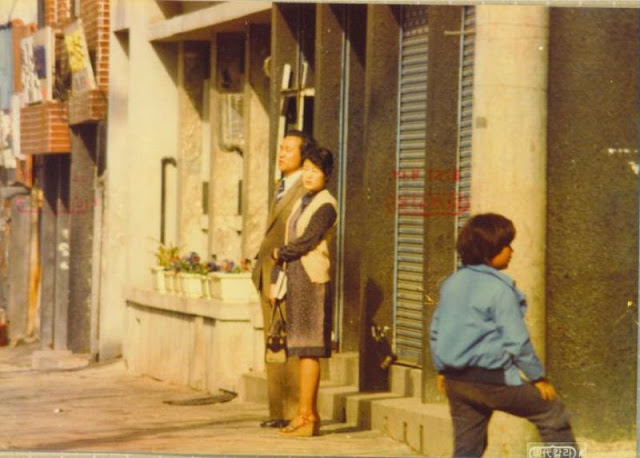
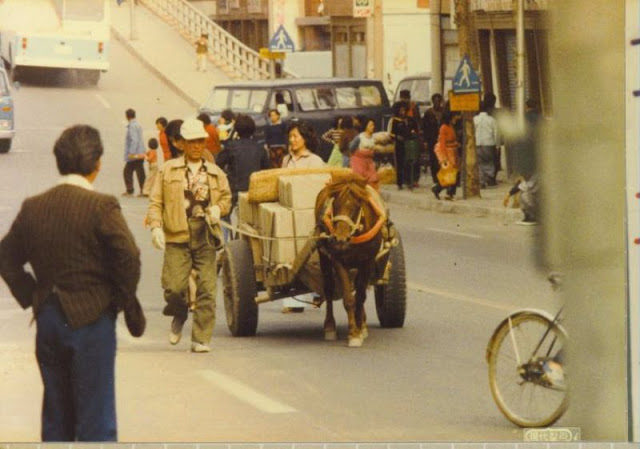
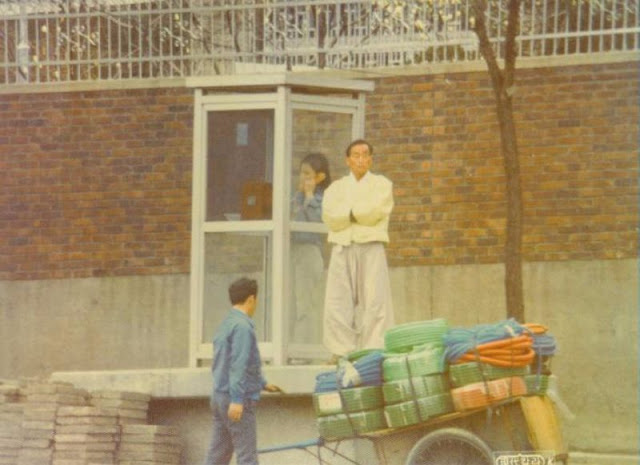
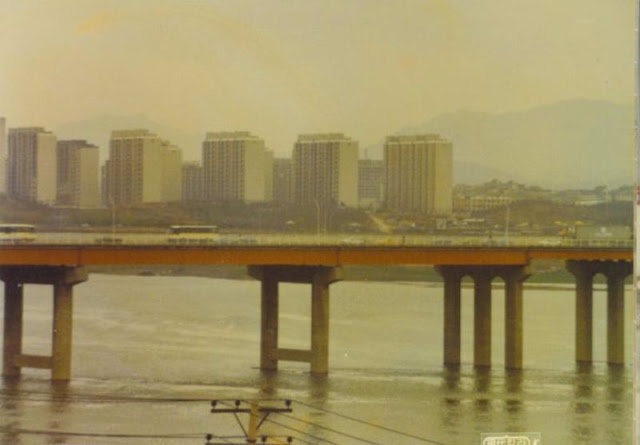
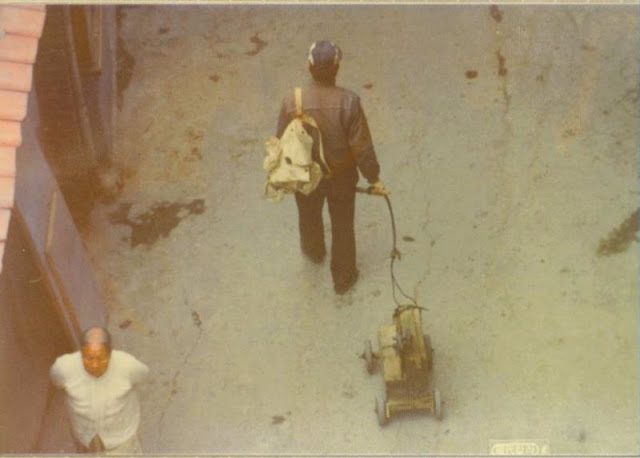
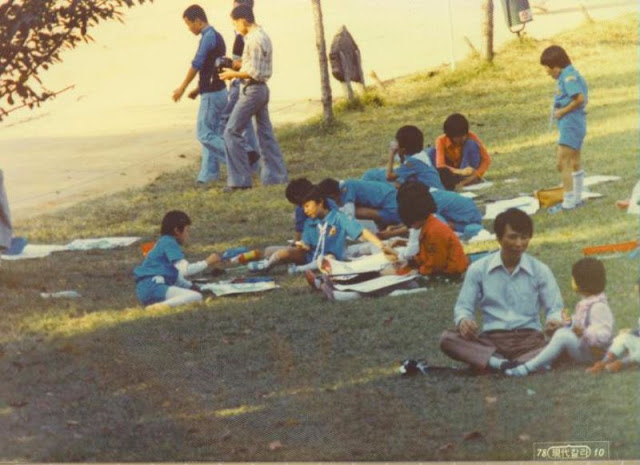
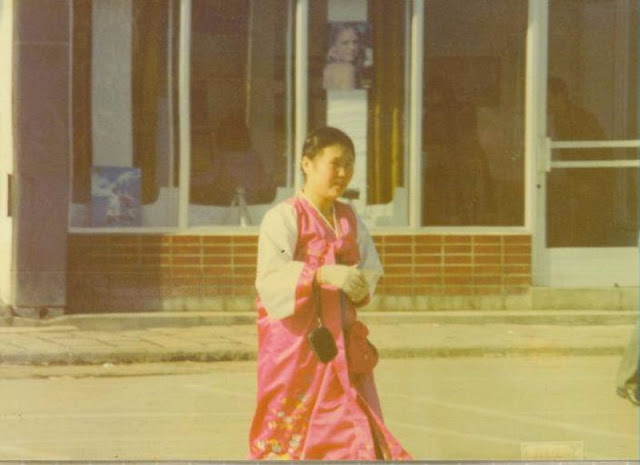
28 Interesting Photos of Seoul, South Korea in the Late 1970s

Seoul, officially known as the Seoul Special City, is the capital and largest metropolis of South Korea. According to the 2020 census, Seoul has a population of 9.9 million people, and forms the heart of the Seoul Capital Area with the surrounding Incheon metropolis and Gyeonggi province. It is considered to be a global city and rated as an Alpha – City by Globalization and World Cities Research Network (GaWC), Seoul was the world’s 4th largest metropolitan economy in 2014 after Tokyo, New York City and Los Angeles. International visitors generally reach Seoul via AREX from Incheon International Airport, notable for having been rated the best airport for nine consecutive years (2005–2013) by Airports Council International. In 2015, it was rated Asia’s most livable city with the second highest quality of life globally by Arcadis, with the GDP per capita (PPP) in Seoul being around $40,000. In 2017, the cost of living in Seoul was ranked the 6th highest globally. In 2020, Seoul’s real estate market was ranked 3rd in the world for the price of apartments in the downtown center. Seoul was one of the host cities for the official tournament of the 2002 FIFA World Cup, which was co-hosted by South Korea and Japan.

With major technology hubs centered in Gangnam and Digital Media City, the Seoul Capital Area is home to the headquarters of 15 Fortune Global 500 companies, including Samsung, LG, and Hyundai. Ranked seventh in the Global Power City Index and Global Financial Centres Index, the metropolis exerts a major influence in global affairs as one of the five leading hosts of global conferences.[16] Seoul has hosted the 1986 Asian Games, 1988 Summer Olympics, and the 2010 G20 Seoul summit.

Seoul was the capital of various Korean states, including Baekje, Joseon, the Korean Empire, Goryeo (as a secondary capital), and presently South Korea. It is strategically located along the Han River, Seoul’s history stretches back over two thousand years, when it was founded in 18 BC by the people of Baekje, one of the Three Kingdoms of Korea. The city was later designated the capital of Korea under the Joseon dynasty. Seoul is surrounded by a mountainous and hilly landscape, with Bukhan Mountain located on the northern edge of the city. The Seoul Capital Area contains five UNESCO World Heritage Sites: Changdeok Palace, Hwaseong Fortress, Jongmyo Shrine, Namhansanseong and the Royal Tombs of the Joseon Dynasty. More recently, Seoul has been a major site of modern architectural construction – major modern landmarks include the N Seoul Tower, the 63 Building, the Lotte World Tower, the Dongdaemun Design Plaza, Lotte World, Trade Tower, COEX, and the IFC Seoul. Seoul was named the 2010 World Design Capital. It is the birthplace of K-pop and the Korean wave. (Wikipedia)

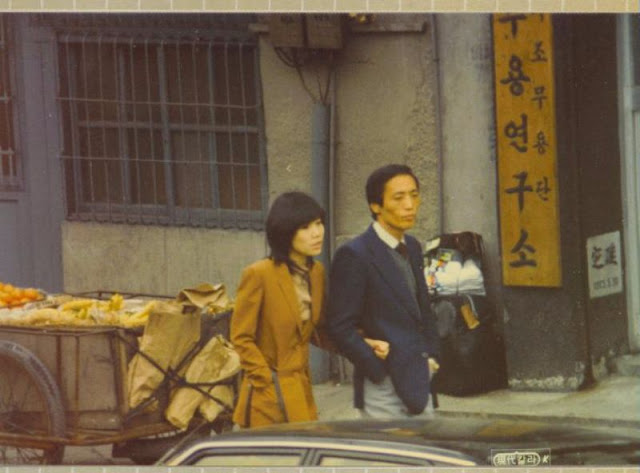
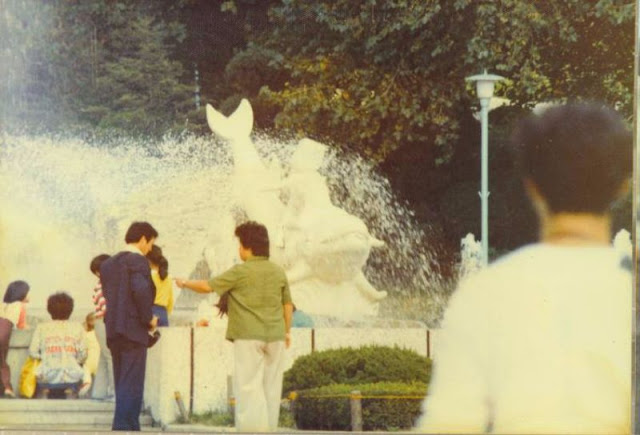
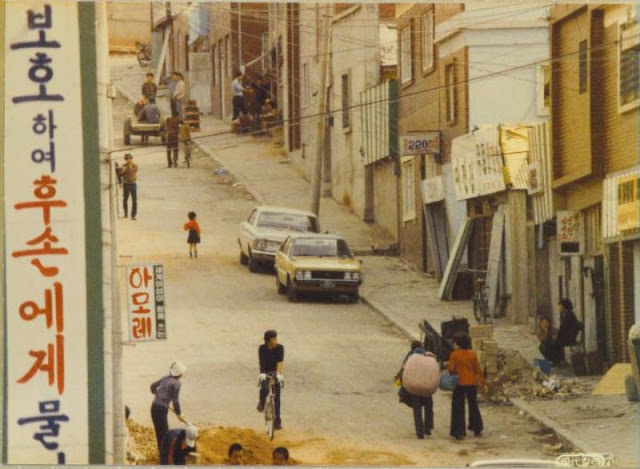
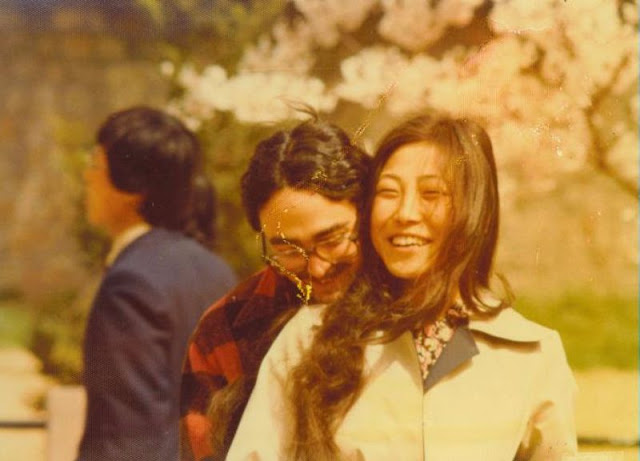
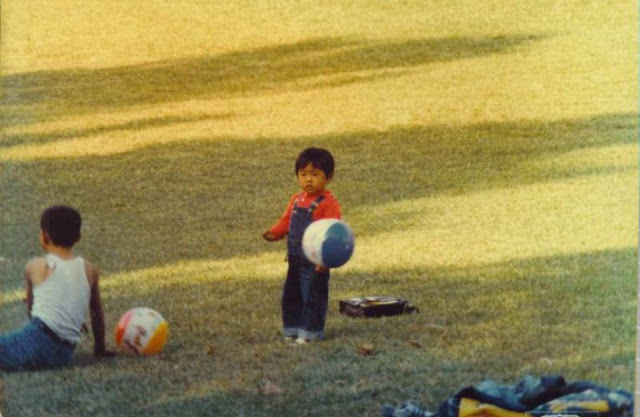
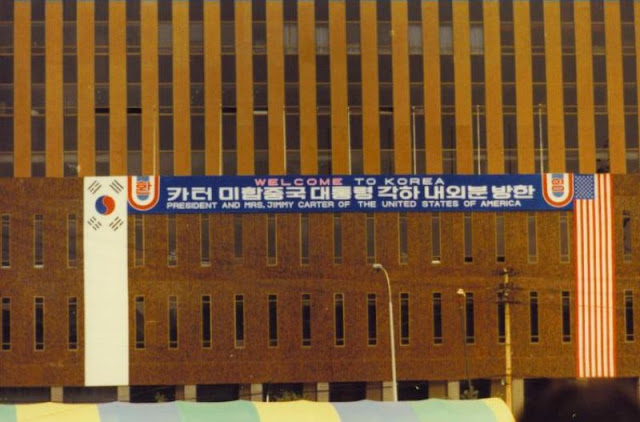
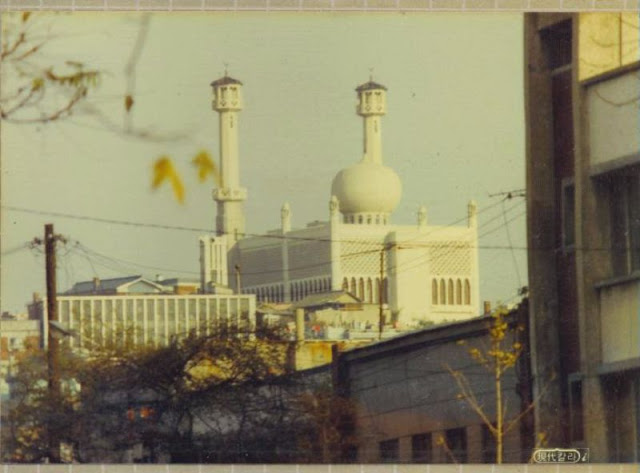
Take a look at these beautiful pictures from Bob to see what Seoul looked like around 1978 and 1979.

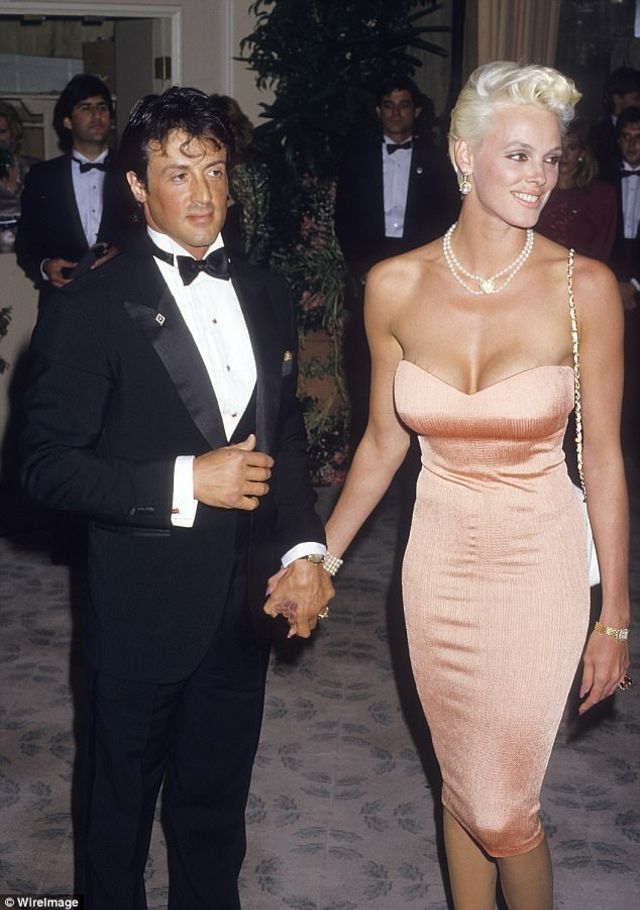
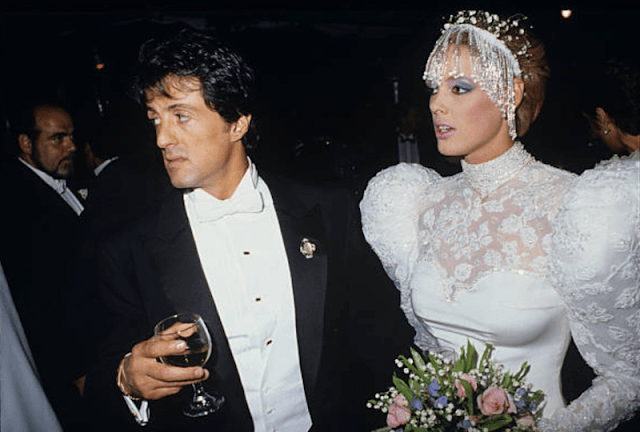
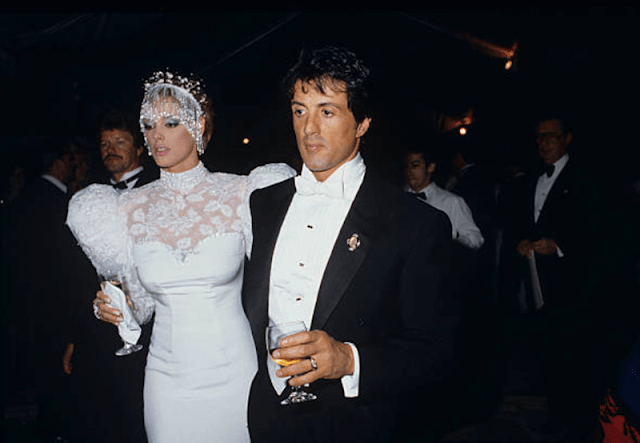
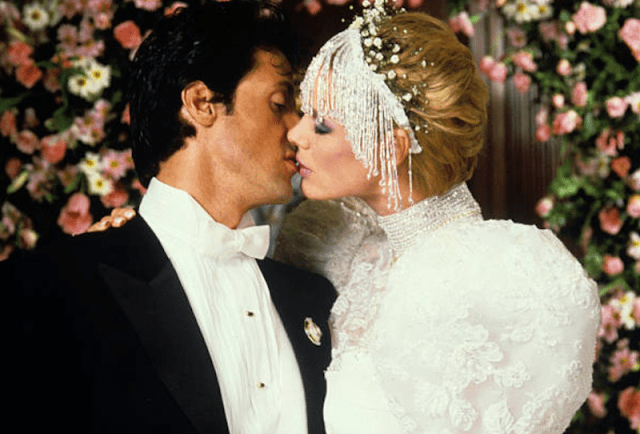
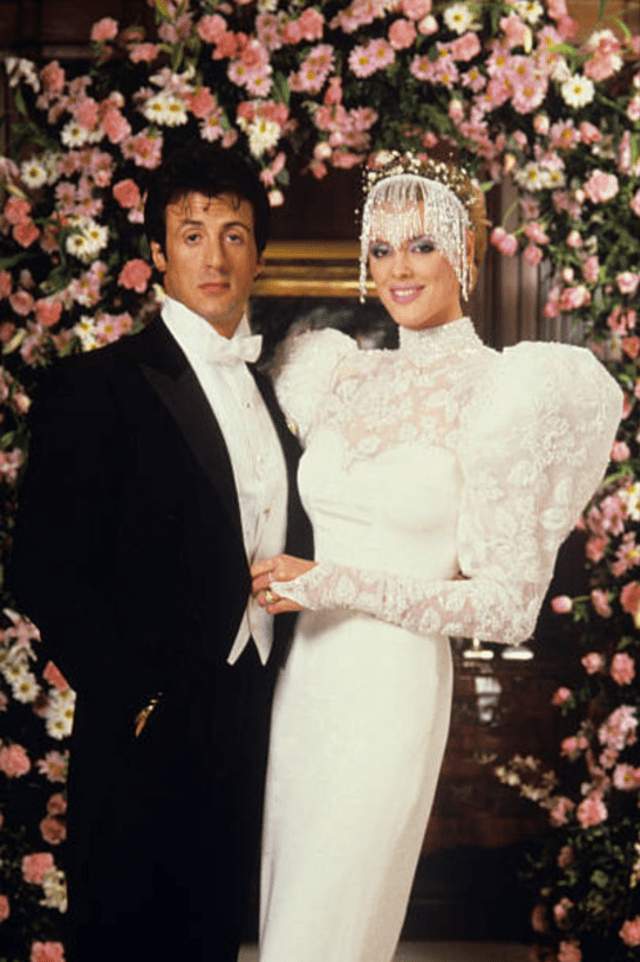
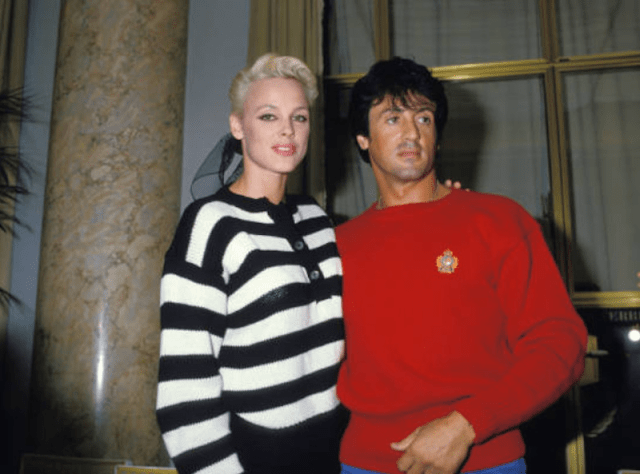
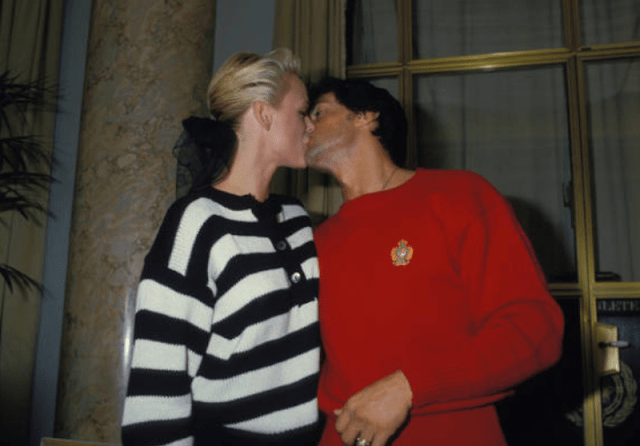
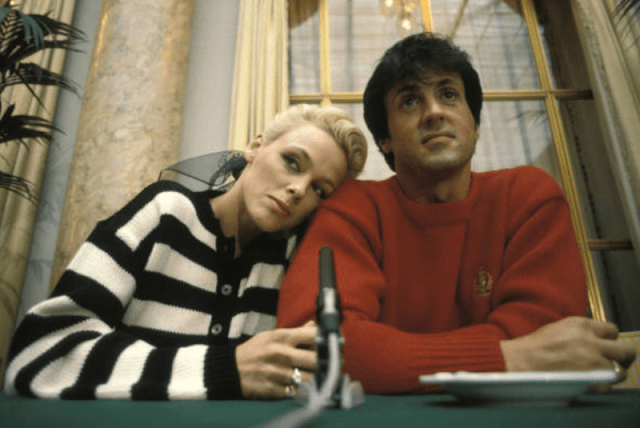
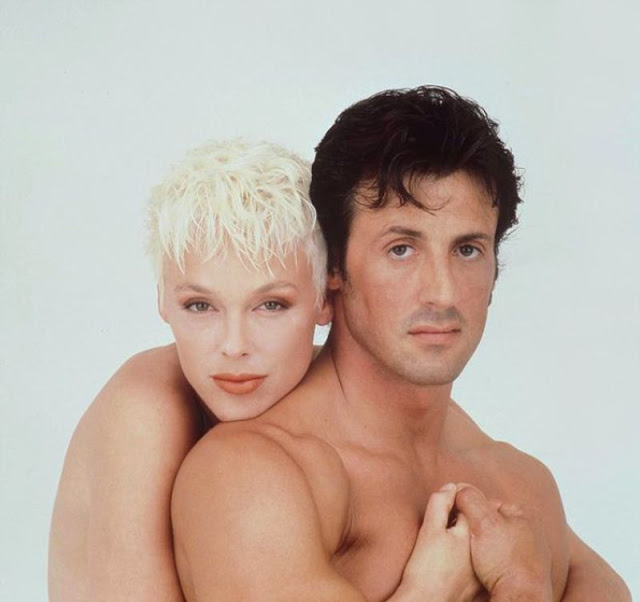
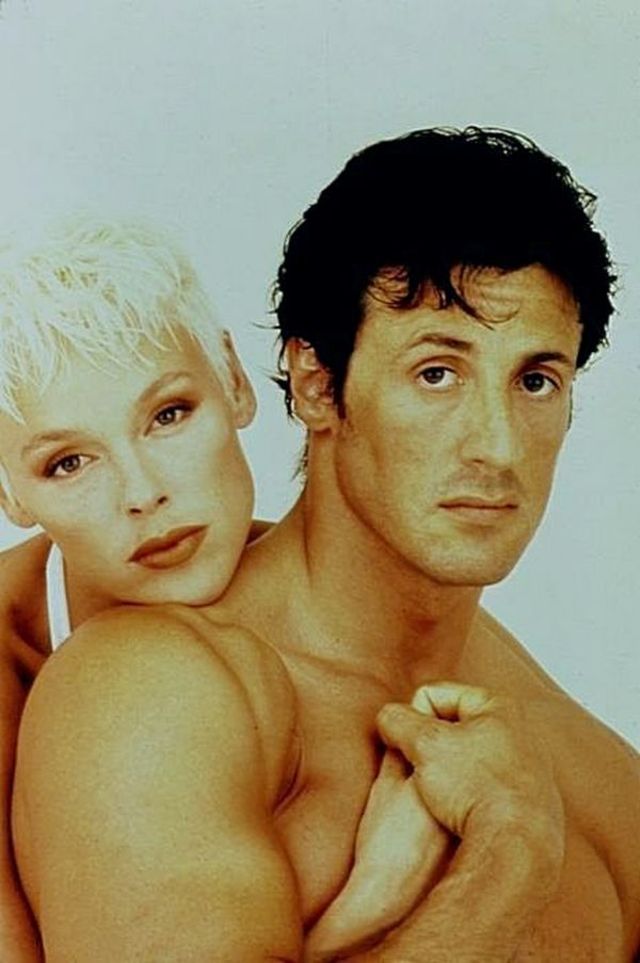
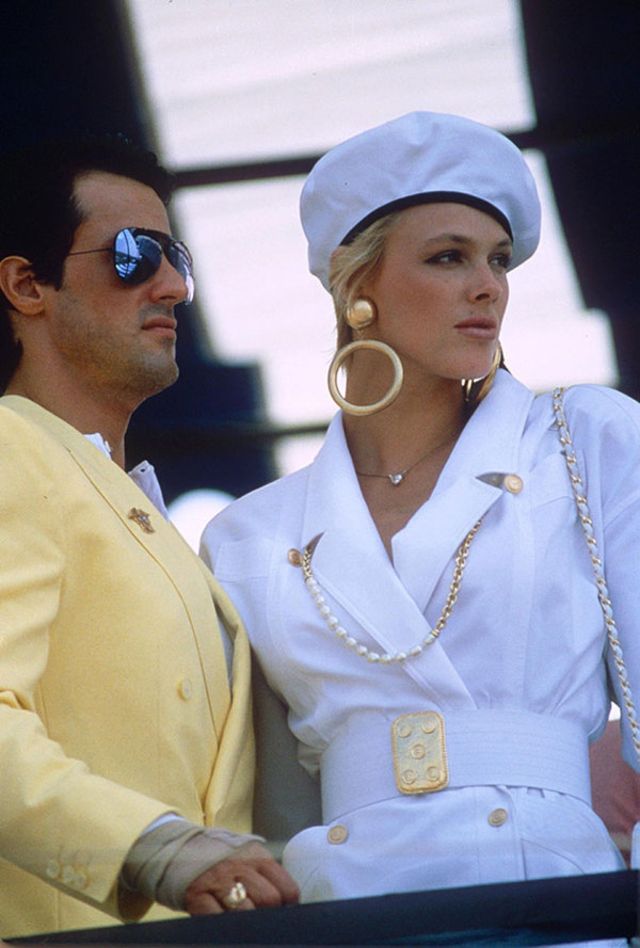
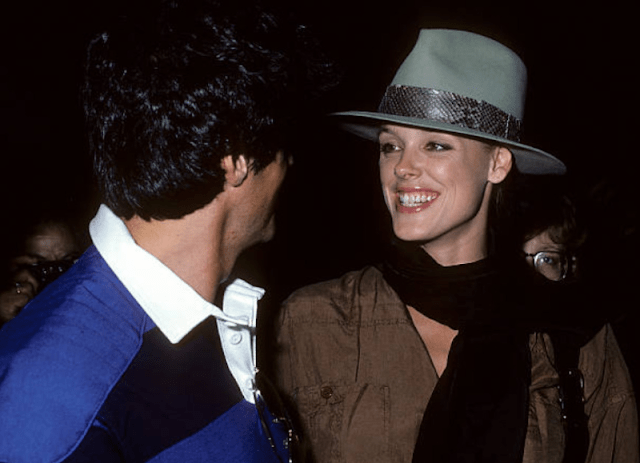
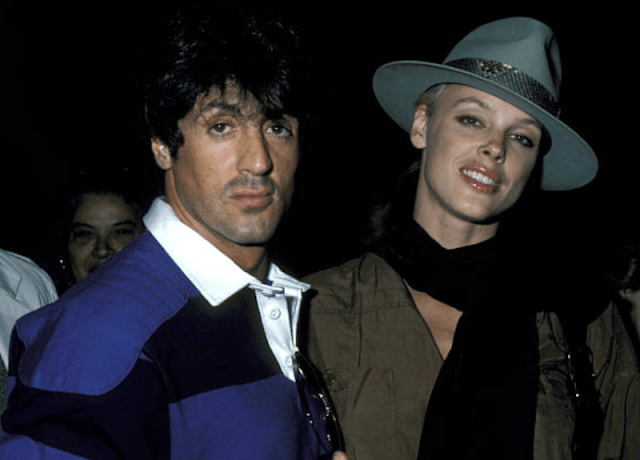
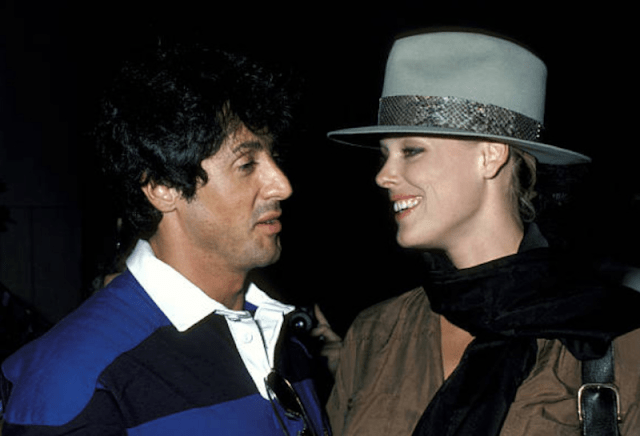
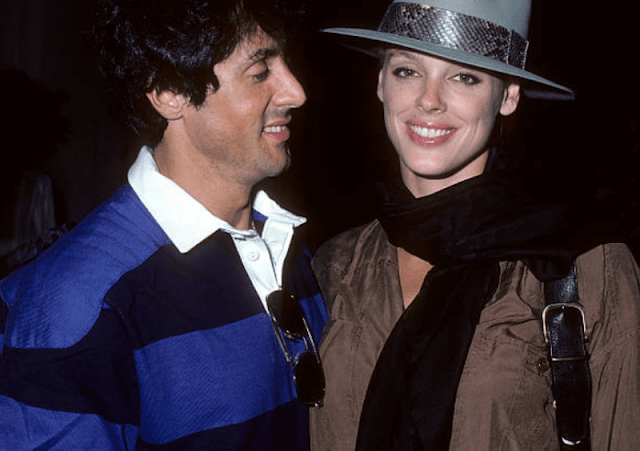
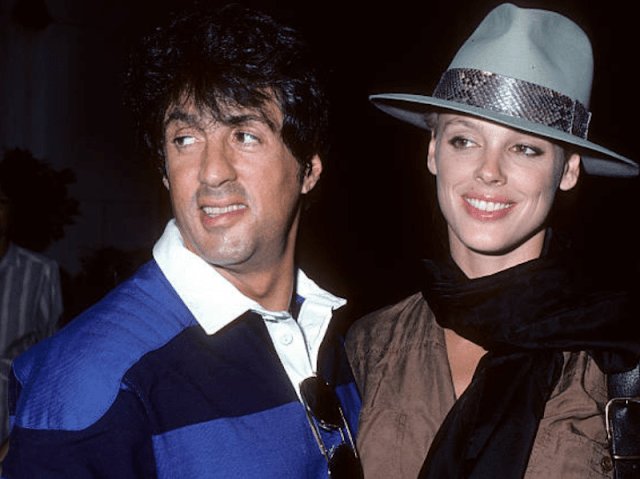
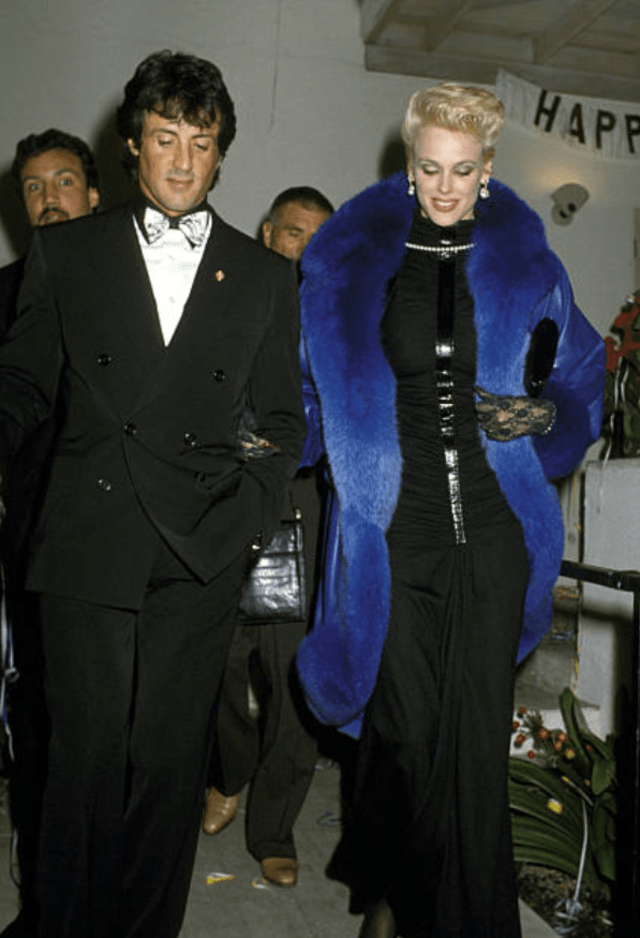
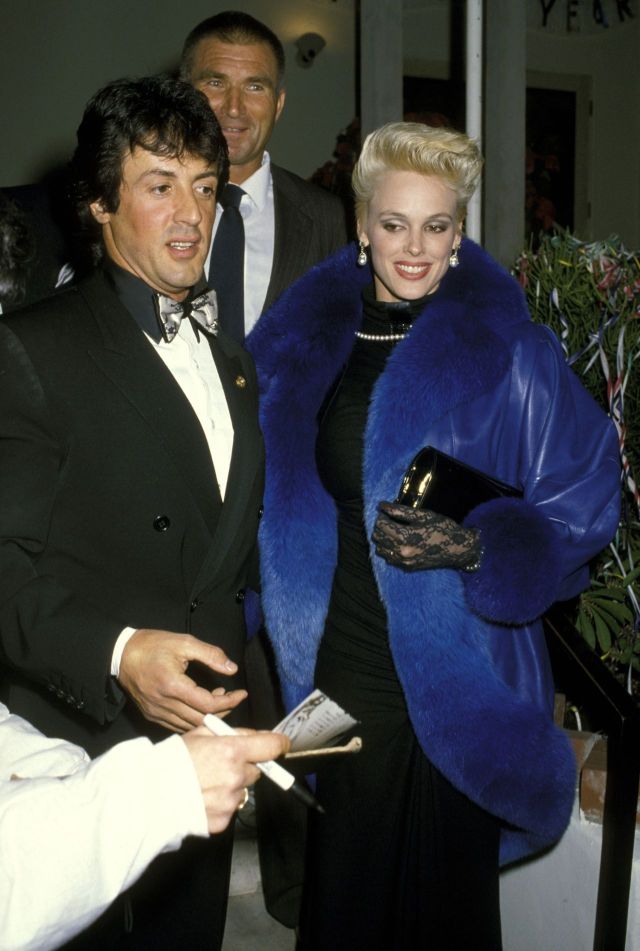
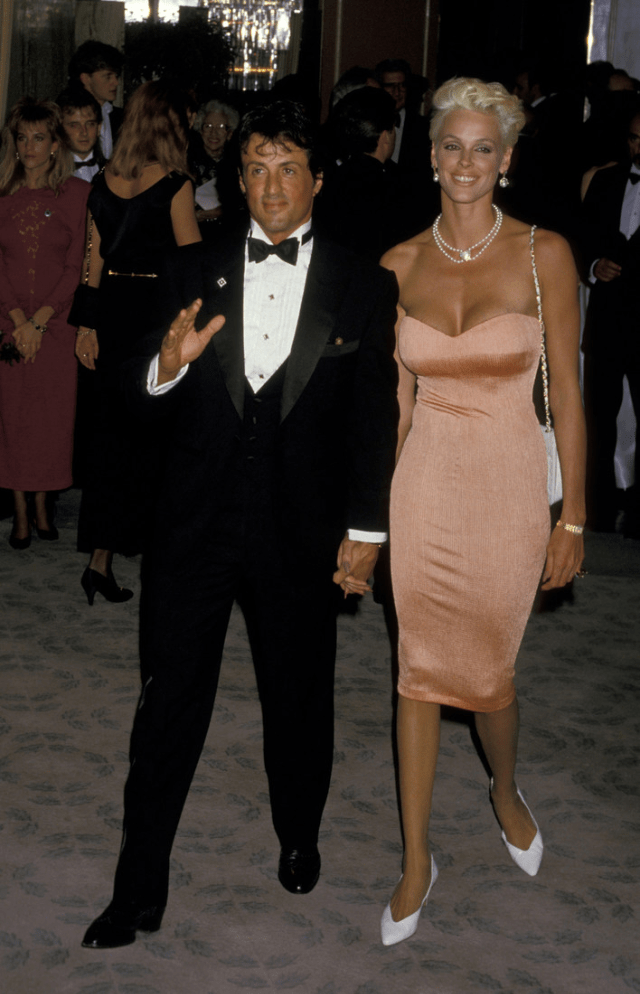
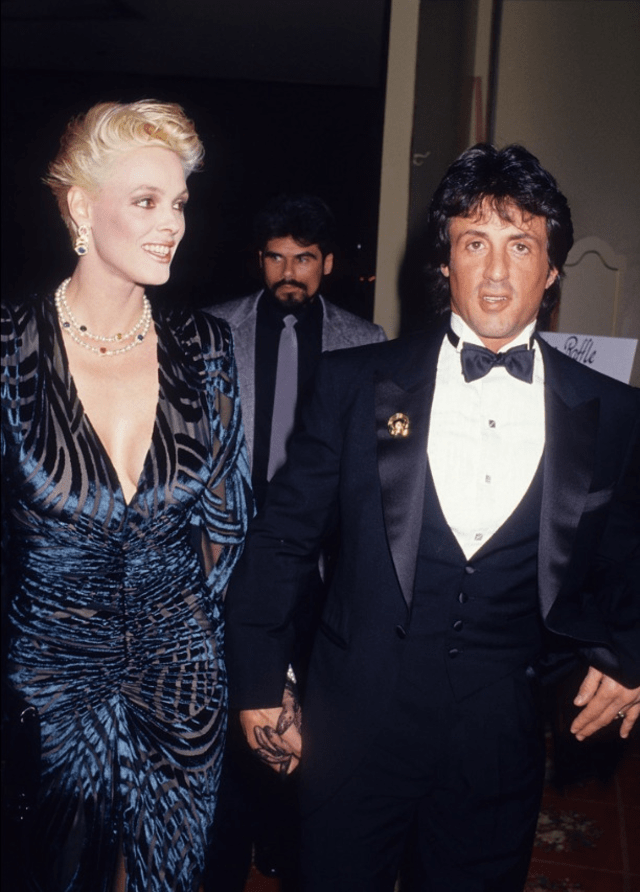
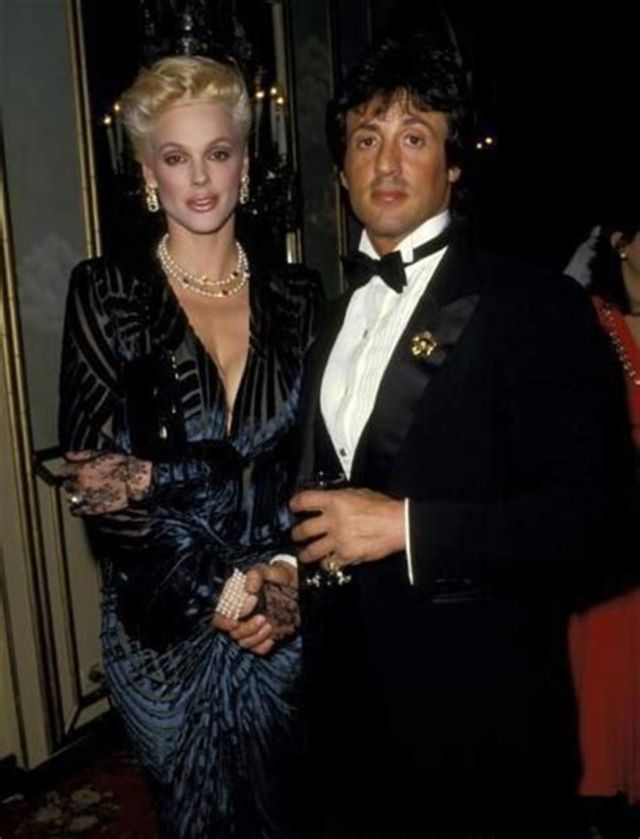
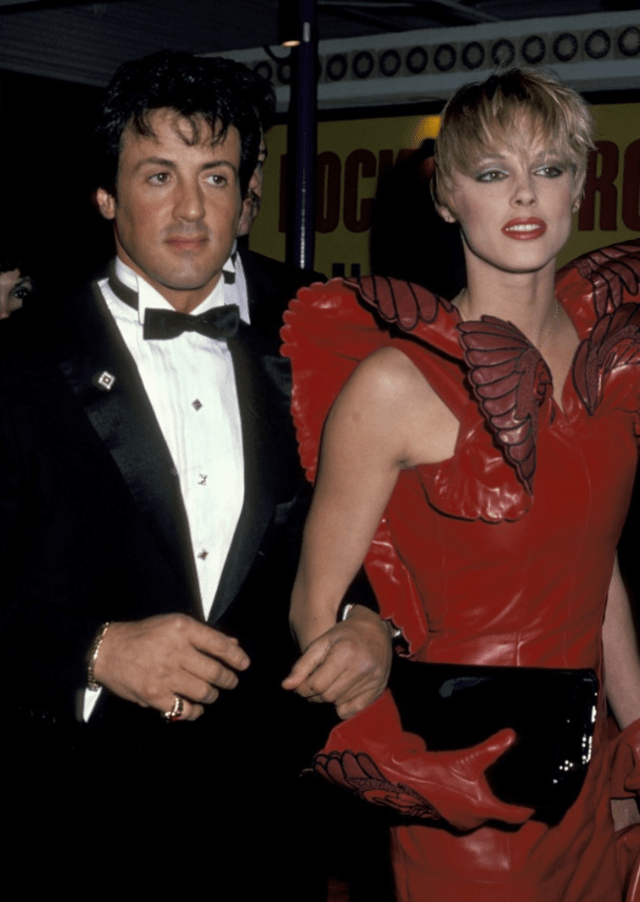
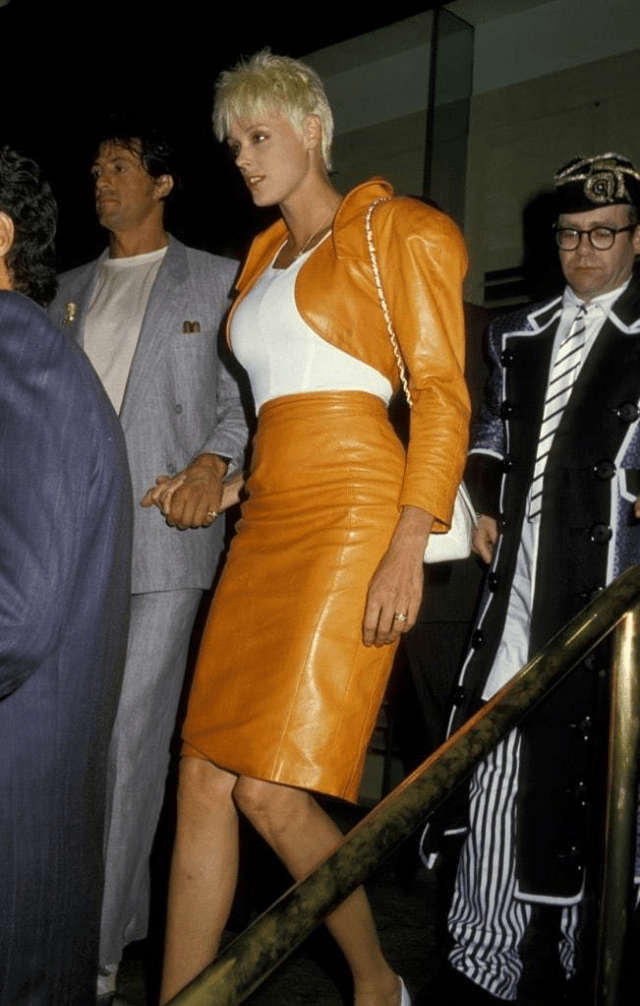
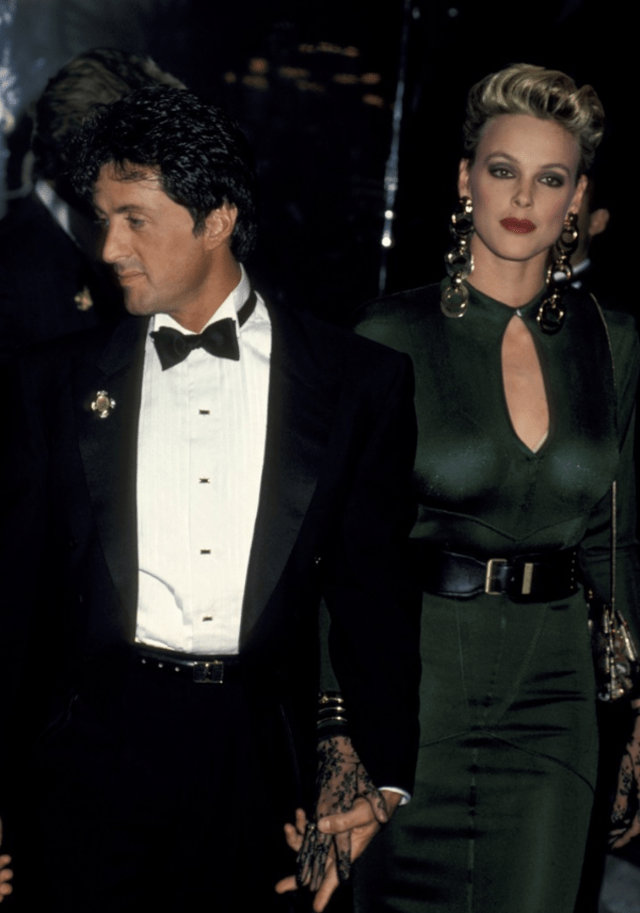
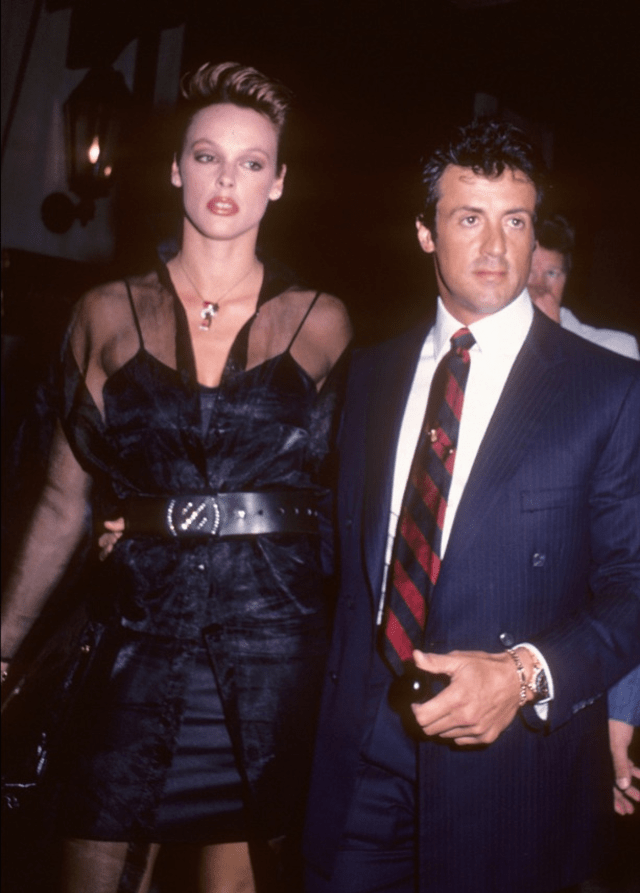
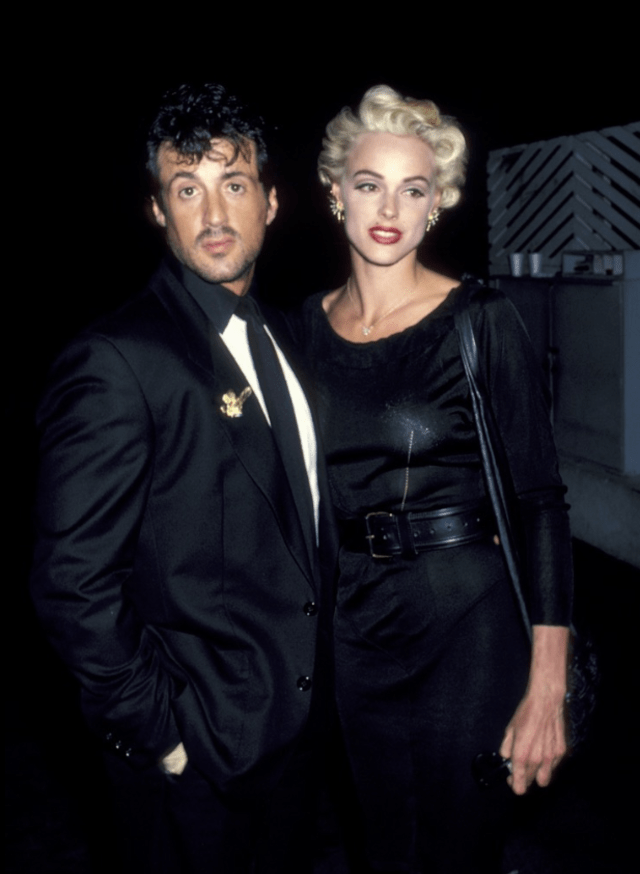
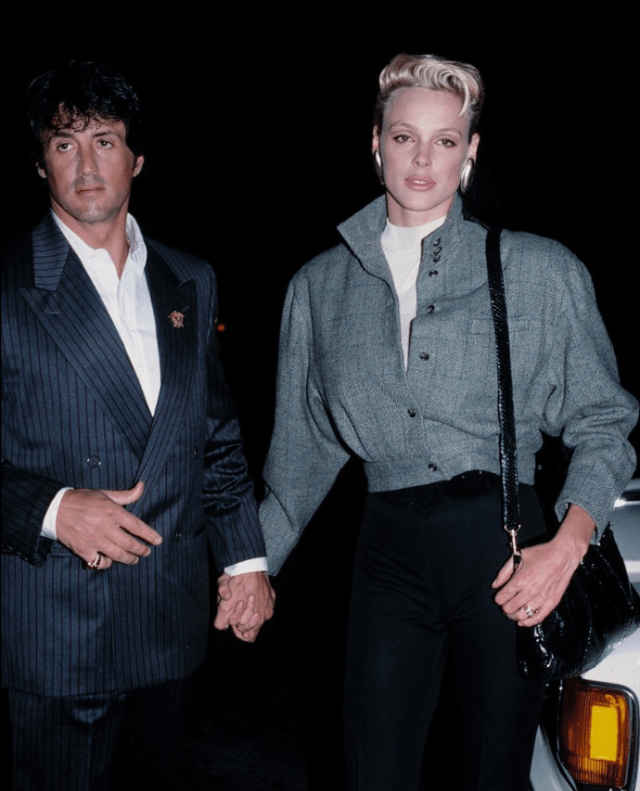
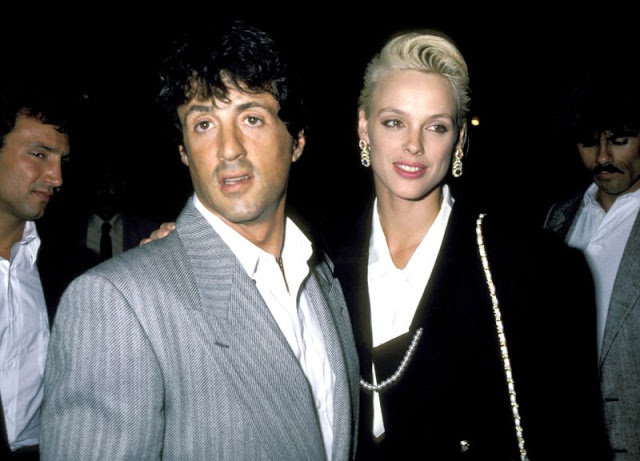
30 Vintage Photos of Sylvester Stallone and His Wife Brigitte Nielsen During Their Marriage in the 1980s

Sylvester Enzio Stallone (born Michael Sylvester Gardenzio Stallone, July 6, 1946) is an American actor and filmmaker. After his beginnings as a struggling actor for a number of years upon arriving to New York City in 1969 and later Hollywood in 1974, he won his first critical acclaim as an actor for his co-starring role as Stanley Rosiello in The Lords of Flatbush. Stallone subsequently found gradual work as an extra or side character in films with a sizable budget until he achieved his greatest critical and commercial success as an actor and screenwriter, starting in 1976 with his role as boxer Rocky Balboa, in the first film of the successful Rocky series (1976–present), for which he also wrote the screenplays. In the films, Rocky is portrayed as an underdog boxer who fights numerous brutal opponents, and wins the world heavyweight championship twice.

In 1977, Stallone was the third actor in cinema to be nominated for two Academy Awards for Best Original Screenplay and Best Actor. Stallone’s film Rocky was inducted into the National Film Registry, and had its props placed in the Smithsonian Museum. Stallone’s use of the front entrance to the Philadelphia Museum of Art in the Rocky series led the area to be nicknamed the Rocky Steps. Philadelphia has a statue of his character Rocky placed permanently near the museum, and he was voted into the International Boxing Hall of Fame.

Up until 1982, Stallone’s films were not big box office successes unless they were Rocky sequels, and none received the critical acclaim achieved with the first Rocky. This changed with the successful action film First Blood in which he portrayed the PTSD-plagued soldier John Rambo. Originally an adaptation of the eponymous novel by David Morell, First Blood’s script was significantly altered by Stallone during the film’s production. Stallone would play the role in a total of five Rambo films (1982–2019). From the mid-1980s through to the late 1990s, Stallone would go on to become one of Hollywood’s highest-paid actors of that era by appearing in a slew of commercially successful action films which were however generally panned by critics. These include Cobra, Tango and Cash, Cliffhanger, the better received Demolition Man, and The Specialist.

Stallone saw a decline in popularity in the early 2000s but rebounded back to prominence in 2006 with a sixth installment in the Rocky series and 2008 with a fourth in the Rambo series. In the 2010s, Stallone launched The Expendables films series (2010–2014), in which he played the lead as the mercenary Barney Ross. In 2013, he starred in the successful Escape Plan, and acted in its sequels. In 2015, Stallone returned to the Rocky series with Creed, that serve as spin-off films focusing on Adonis “Donnie” Creed played by Michael B. Jordan, the son of the ill-fated boxer Apollo Creed, to whom the long-retired Rocky is a mentor. Reprising the role brought Stallone praise, and his first Golden Globe award for the first Creed, as well as a third Oscar nomination, having been first nominated for the same role 40 years prior.

Stallone is the only actor in the history of American cinema to have starred in a box office number one film across six consecutive decades. He is also one of the most renowned physical culture icons in history. (Wikipedia)

These old pics capture lovely moments of Sylvester Stallone and his wife Brigitte Nielsen during their short time together (1985-1987).

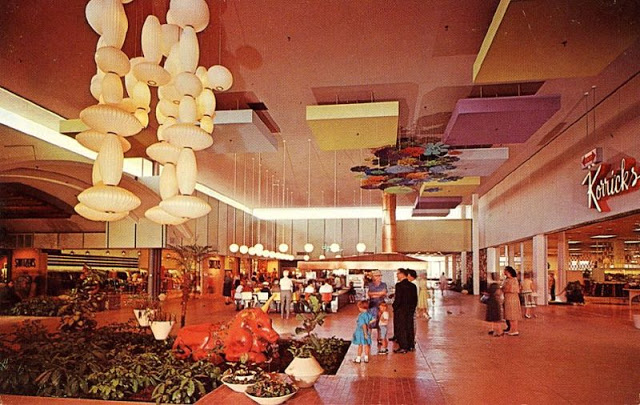
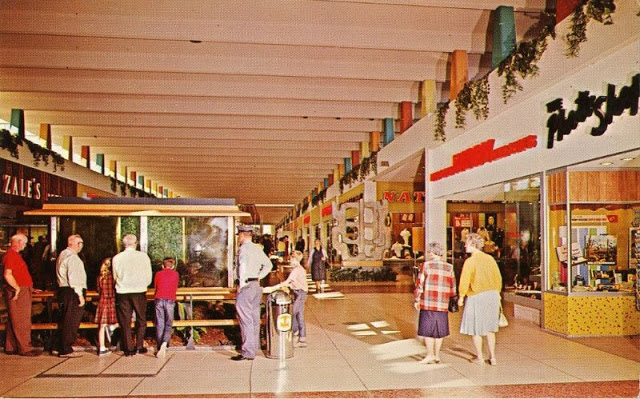
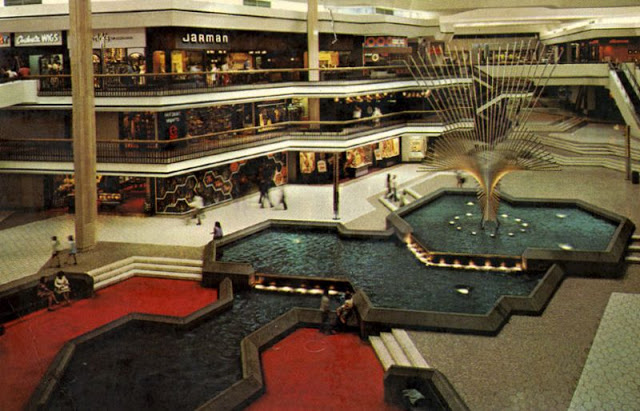
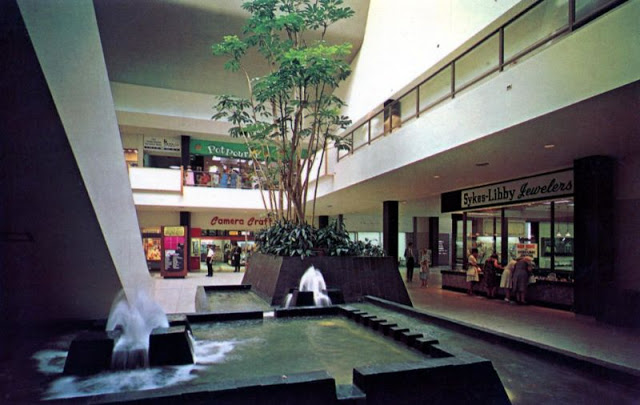
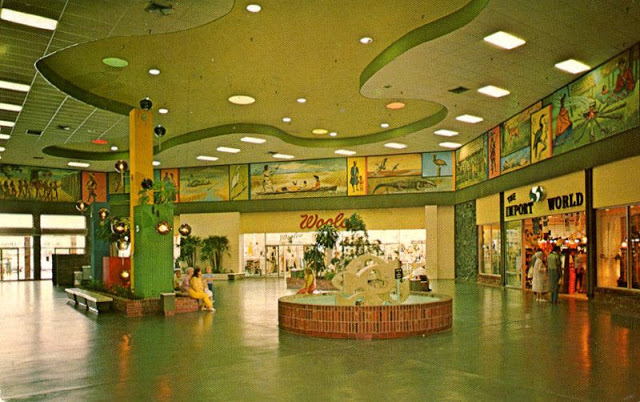
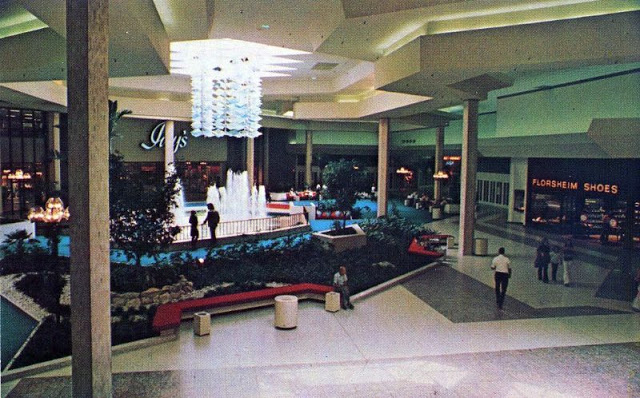
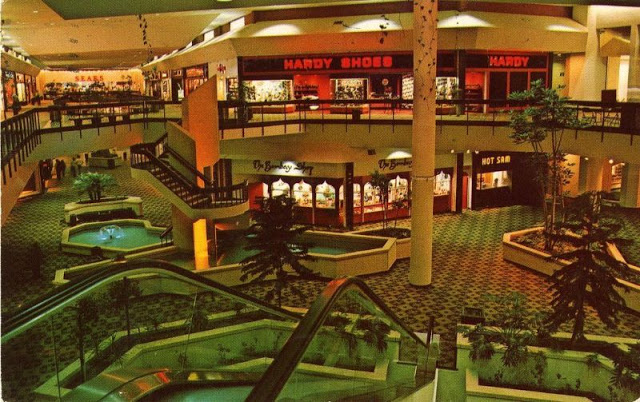
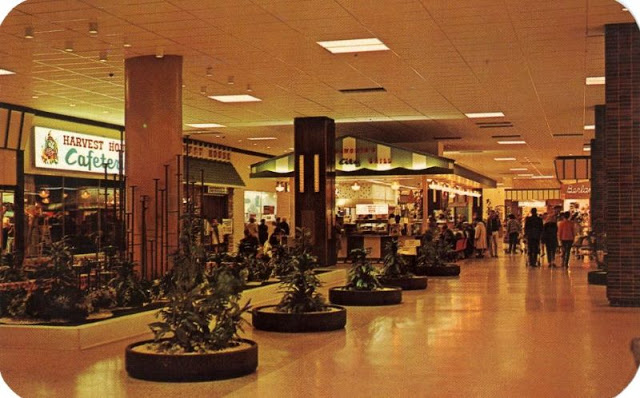
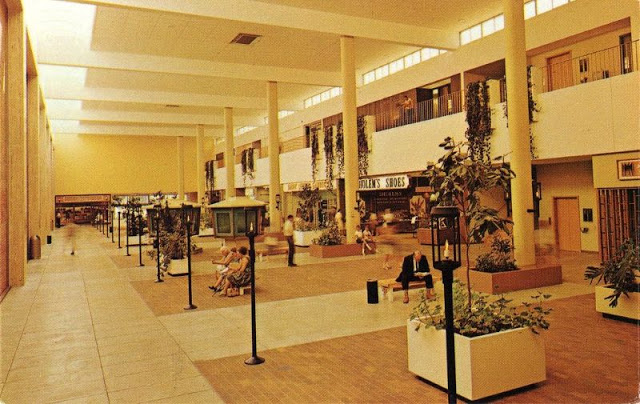
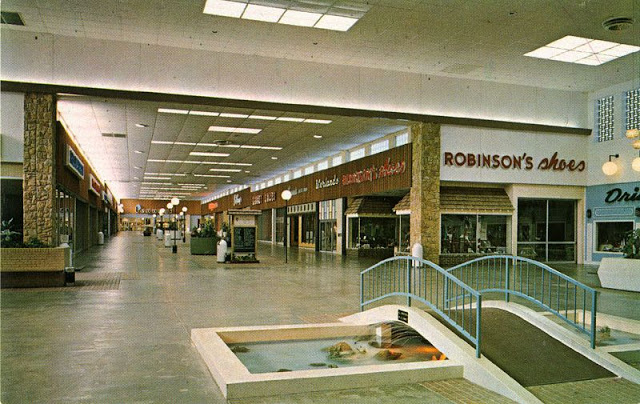
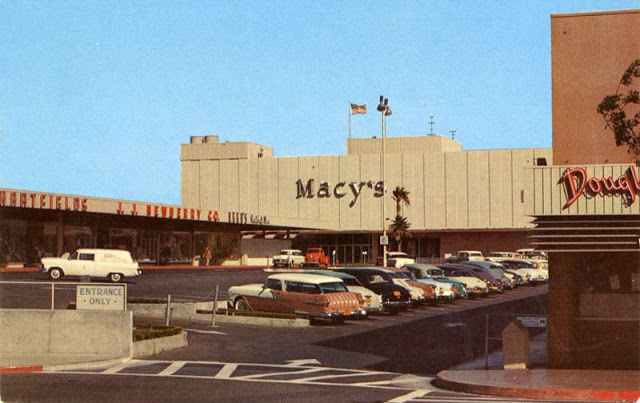
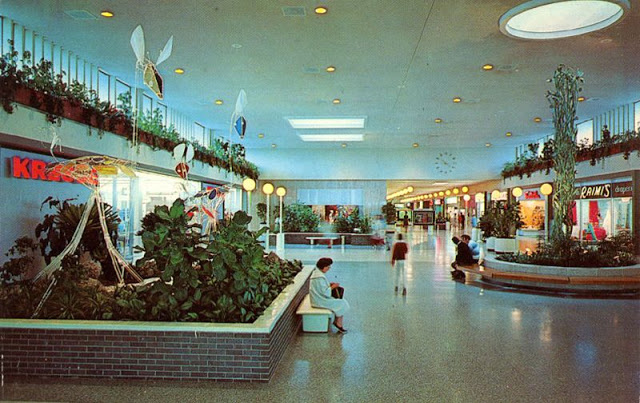
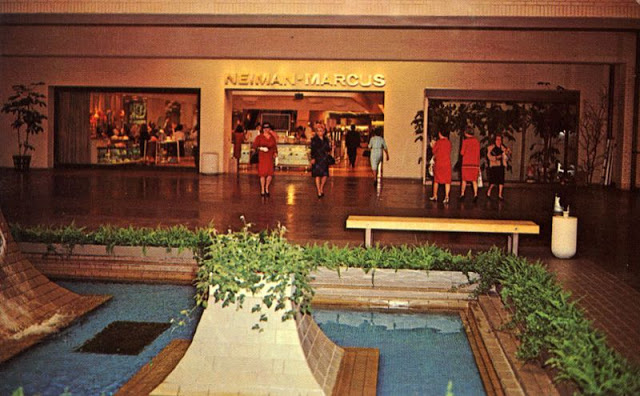
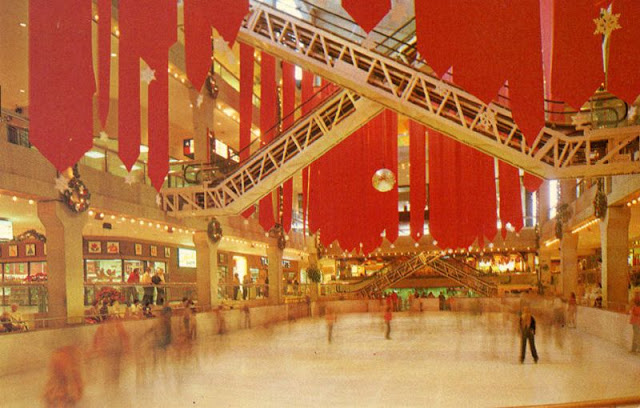
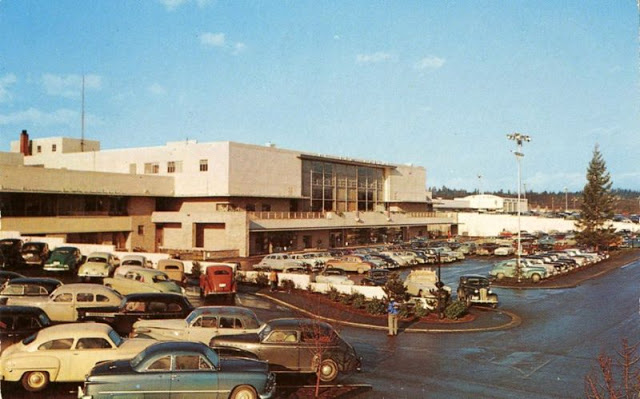
Wonderful Photographs of Shopping Malls in America During the 1950s & 1960s

A shopping mall (or simply mall) is a North American term for a large indoor shopping center, usually anchored by department stores. The term “mall” originally meant a pedestrian promenade with shops along it (that is, the term was used to refer to the walkway itself which was merely bordered by such shops), but in the late 1960s, it began to be used as a generic term for the large enclosed shopping centers that were becoming commonplace at the time. In the U.K., such complexes are considered shopping centres (Commonwealth English: shopping centre), though “shopping center” covers many more sizes and types of centers than the North American “mall”. Other countries may follow U.S. usage (India, U.A.E., etc.) and others (Australia, etc.) follow U.K. usage. In Canadian English, and oftentimes in Australia and New Zealand, ‘mall’ may be used informally but ‘shopping centre’ or merely ‘centre’ will feature in the name of the complex (such as Toronto Eaton Centre). The term ‘mall’ is less-commonly a part of the name of the complex.

Many malls have declined considerably (especially in the United States and Canada), and some have closed and become so-called “dead malls”. Successful exceptions have added entertainment and experiential features, added big-box stores as anchors, or converted to other specialized shopping center formats such as power centers, lifestyle centers, factory outlet centers, and festival marketplaces. In Canada, shopping centres have frequently been replaced with mixed-use highrise communities. (Wikipedia)
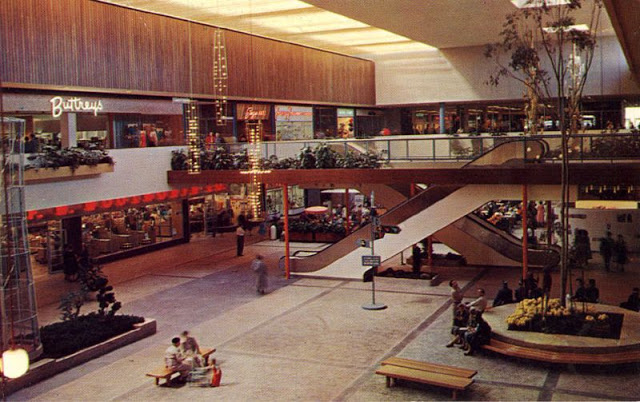
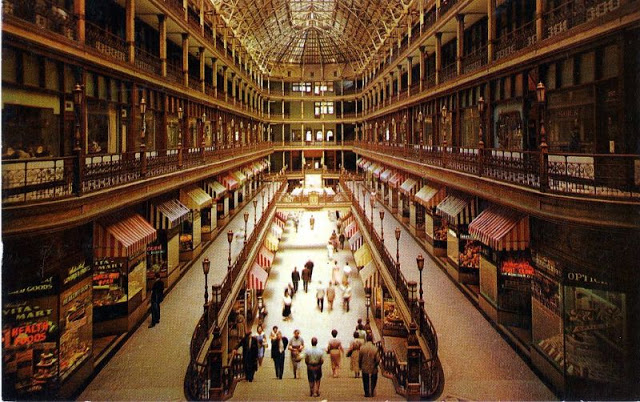
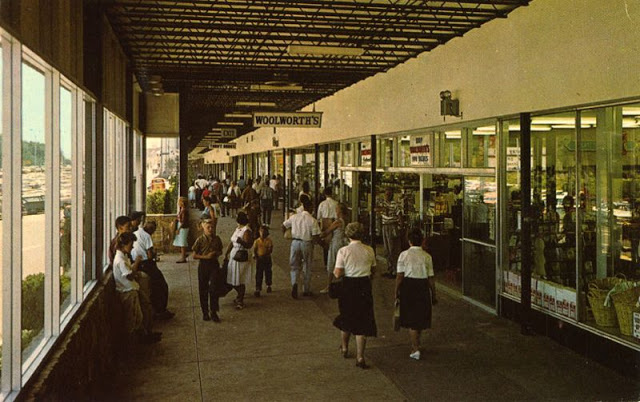
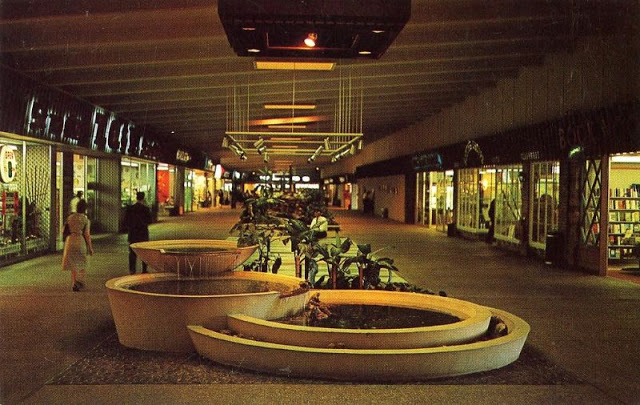
Here is an amazing photo collection that shows what American shopping malls looked like in the 1950s and 1960s.

Arizona. Chris Town Shopping Mall, Phoenix
Arizona. Thomas Mall, Phoenix
California. Eastridge Shopping Mall, San Jose
California. Escondido Village Mall, Escondido
California. Rain Fountain at Topanga Plaza, Canoga Park
California. Shopping Mall in Marysville
California. Topanga Plaza, Canoga Park
Connecticut. Chapel Square Mall, New Haven
Florida. Merritt Square Mall
Florida. Regency Square Shopping, Jacksonville
Florida. Seminole Mall, St. Petersburg
Florida. Tyrone Square Shopping Mall, St. Petersburg
Florida. Volusia Mall, Dayton Beach
Florida. West Shore Shopping Plaza, Tampa
Florida. Winter Park Mall fountain
Georgia. Macon Mall
Illinois. Ford City Shopping Center, Chicago
Illinois. Mall at Lincoln Square, Urbana
Illinois. Old Orchard shopping center fountain, Skokie
Illinois. Yorktown Shopping, Lombard
Iowa. Mall Fountain, Dubuque
Kansas. White Lakes Shopping Mall, Topeka
Massachusetts. Burlington Mall
Massachusetts. Chapel Northshore Shopping, Peabody
Massachusetts. Eastfield Mall, Springfield
Massachusetts. Liberty Tree Mall, Danvers
Michigan. Eastland Center, Harper Woods
Michigan. Fountain sculpture of Eastland Center, Harper Woods
Michigan. Hillsdale Shopping Center
Michigan. Northland Shopping Mall, Southfield
Michigan. Westland Center, Wayne
Michigan. Woodland Shopping Mall, Grand Rapids
Minnesota. Southdale Shopping Mall, Edina
New York. Boulevard Mall, Buffalo
New York. Midtown Plaza, Rochester
New York. Summit Park, Niagara Falls
Ohio. Arcade, Cleveland
Ohio. Belden Village Mall seating, Canton
Ohio. Eastwood Mall
Oregon. Lloyd Center Mall, Portland
Pennsylvania. Northway Mall, Pittsburgh
South Carolina. Florence Mall, Florence
Texas. Lake Air Shopping Center, Waco
Texas. NorthPark Center, Dallas
Texas. One Tandy Center, Fort Worth
Texas. Sharpstown Mall Clock, Houston
Washington. Northgate Shopping Mall, Seattle
Washington. Tacoma Mall wide corridors

Yesterday Today

Bringing You the Wonder of Yesterday - Today

Skip to content ↓