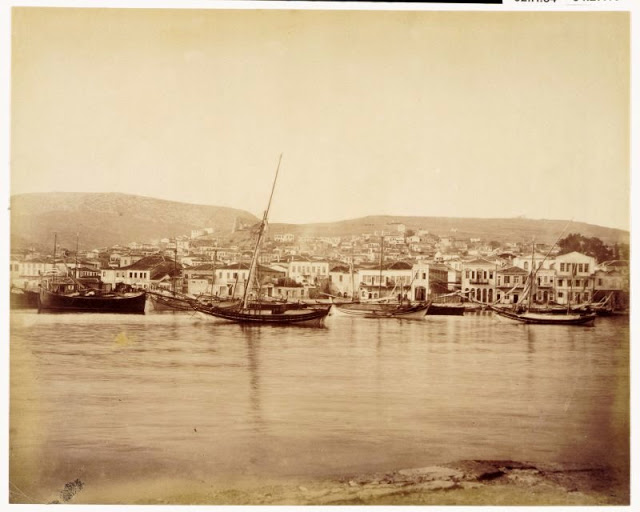
34 Vintage Photos Showing Greece During the 19th Century

Greece, officially the Hellenic Republic, is a country in Southeast Europe. It is situated on the southern tip of the Balkans, and is located at the crossroads of Europe, Asia, and Africa. Greece shares land borders with Albania to the northwest, North Macedonia and Bulgaria to the north, and Turkey to the northeast. The Aegean Sea lies to the east of the mainland, the Ionian Sea to the west, and the Sea of Crete and the Mediterranean Sea to the south. Greece has the longest coastline on the Mediterranean Basin, featuring thousands of islands. The country consists of nine traditional geographic regions, and has a population of approximately 10.7 million. Athens is the nation’s capital and largest city, followed by Thessaloniki.

Greece is considered the cradle of Western civilization, being the birthplace of democracy, Western philosophy, Western literature, historiography, political science, major scientific and mathematical principles, theatre and the Olympic Games. From the eighth century BC, the Greeks were organised into various independent city-states, known as poleis (singular polis), which spanned the Mediterranean and the Black Sea. Philip II of Macedon united most of present-day Greece in the fourth century BC, with his son Alexander the Great rapidly conquering much of the ancient world, from the eastern Mediterranean to India. The subsequent Hellenistic period saw the height of Greek culture and influence in antiquity. Greece was annexed by Rome in the second century BC, becoming an integral part of the Roman Empire and its continuation, the Byzantine Empire, which was culturally and linguistically predominantly Greek. The Greek Orthodox Church, which emerged in the first century AD, helped shape modern Greek identity and transmitted Greek traditions to the wider Orthodox world. After falling under Ottoman rule in the mid-15th century, Greece emerged as a modern nation state in 1830 following a war of independence. The country’s rich historical legacy is reflected in part by its 18 UNESCO World Heritage Sites.

Greece is a unitary parliamentary republic, and a developed country, with an advanced high-income economy, and a high quality of life, ranking 32nd in the Human Development Index. Its economy is the largest in the Balkans, where it is an important regional investor. A founding member of the United Nations, Greece was the tenth member to join the European Communities (precursor to the European Union) and has been part of the Eurozone since 2001. It is also a member of numerous other international institutions, including the Council of Europe, NATO, the OECD, the WTO, and the OSCE. Greece’s unique cultural heritage, large tourism industry, prominent shipping sector and geostrategic importance classify it as a middle power. (Wikipedia)

A set of rare and amazing photos of Greece from the 19th century.
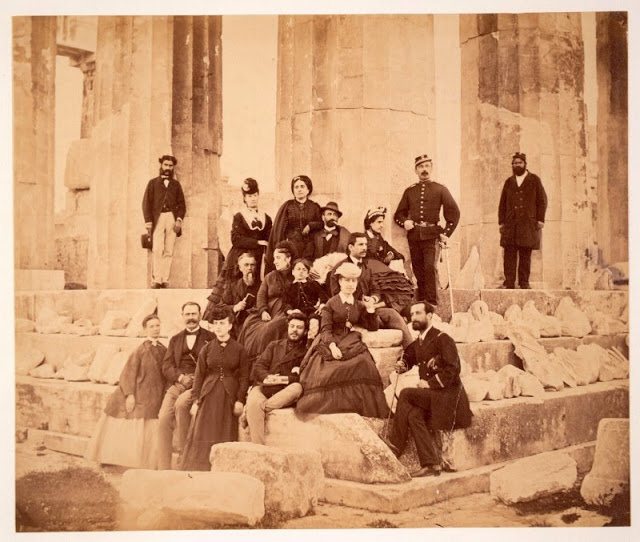
Tourists on Parthenon, Athens, Greece, circa 1860
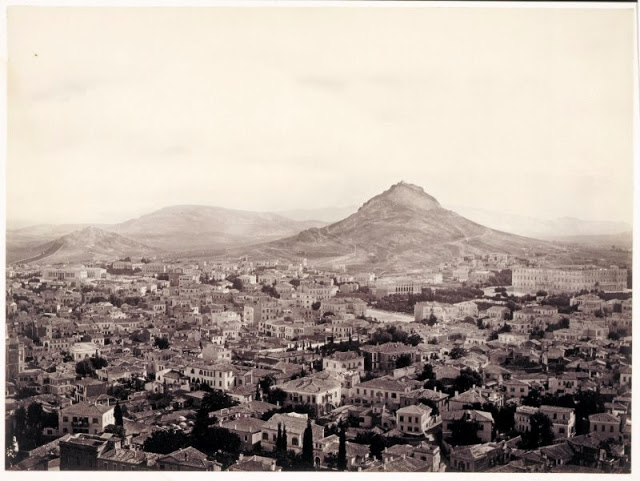
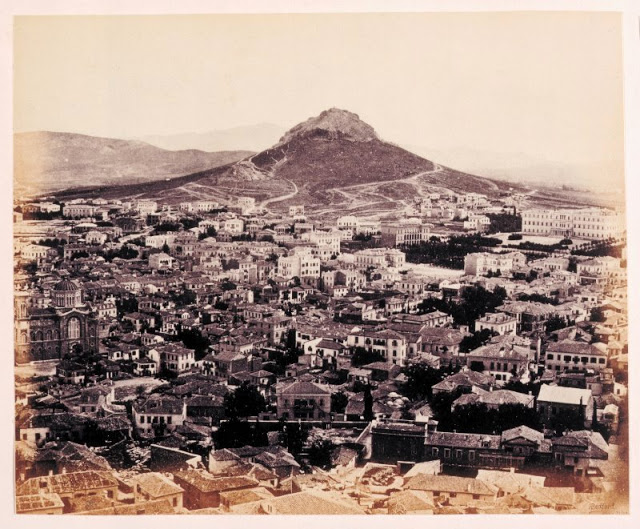
Athens from Acropolis, Greece, circa 1860
Hephaisteion, Acropolis, Greece, circa 1860
Jupiter temple, Athens, Greece, circa 1860
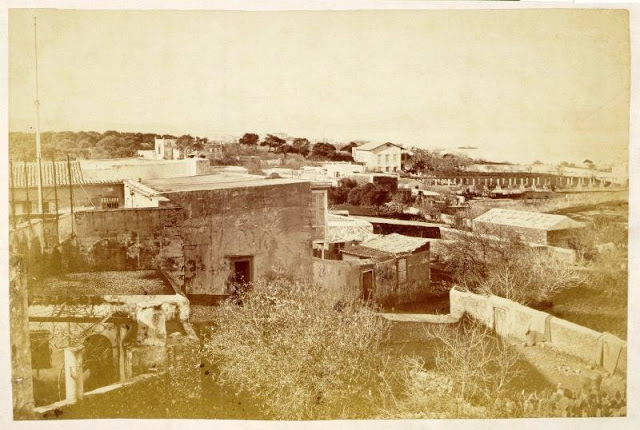
Piraeus, Greece, 1860
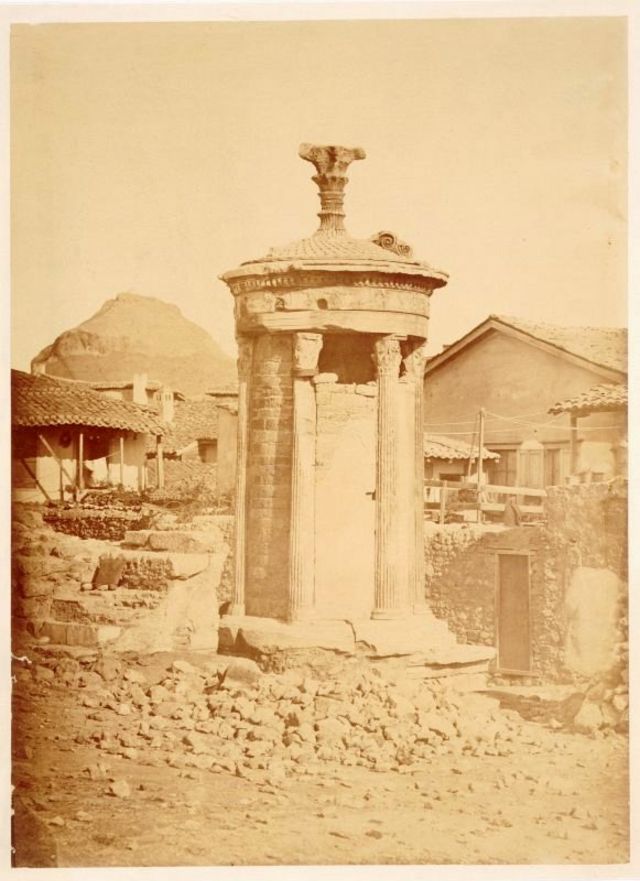
The Choragic Monument of Lysicrates, Athens, Greece, 1860
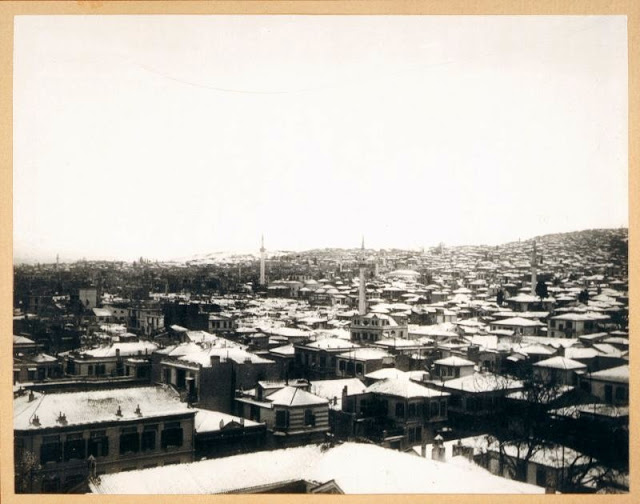
Thessaloniki snow, Greece, circa 1860
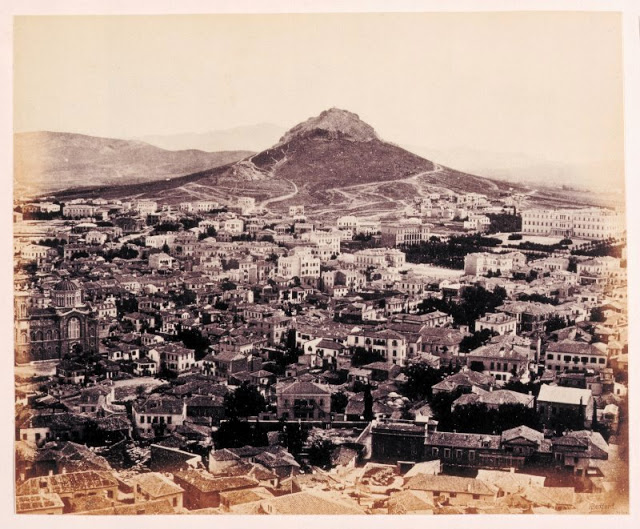
Athens from Acropolis, Greece, 1862
Ermoupoli, Greece, 1865
Samos port, Greece, 1865
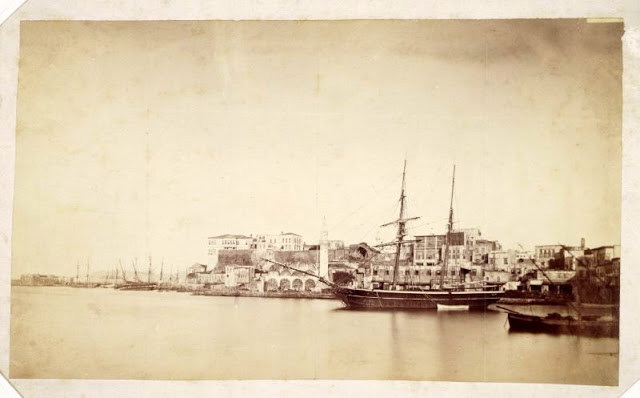
Chania port, Greece, 1868
Kapela, Crete, Greece, 1868
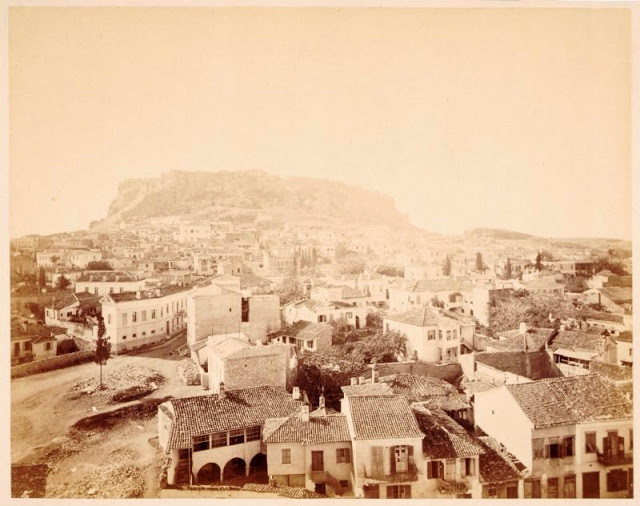
Plaka from Acropolis, Greece, 1868
Monastiraki, Athens, Greece, 1869
Crete Port, Chania, Greece, 1870
Royal Palace from Acropolis, Greece, circa 1870-90
Corfu, Greece, 1875
Railroad with Acropolis, Greece, 1875
The Tower of the Winds, Athens, Greece, 1875
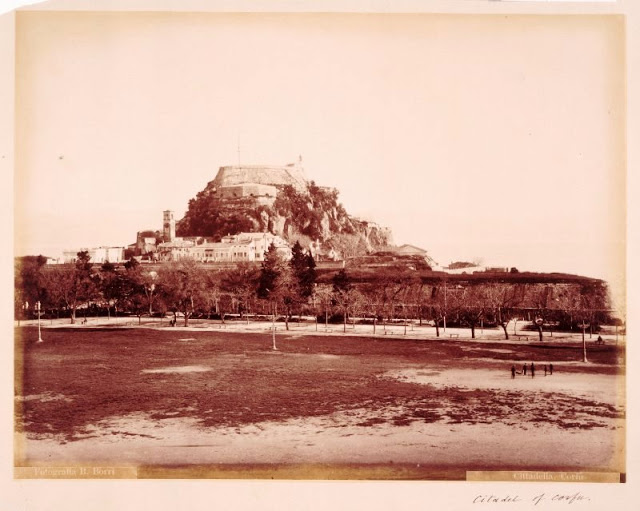
Citadel, Corfu, Greece, circa 1880
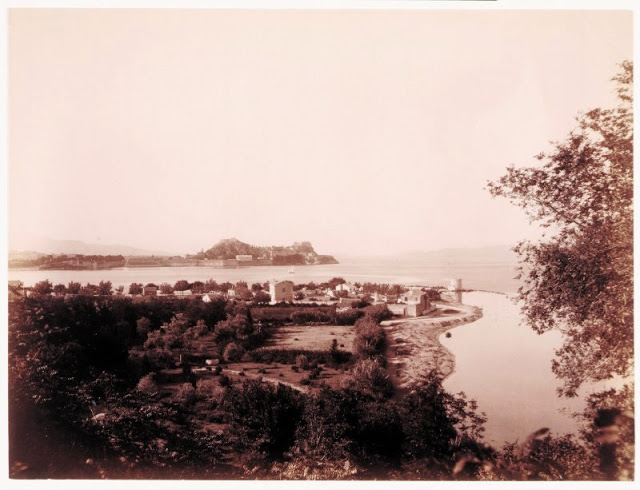
Corfu port, Greece, circa 1880
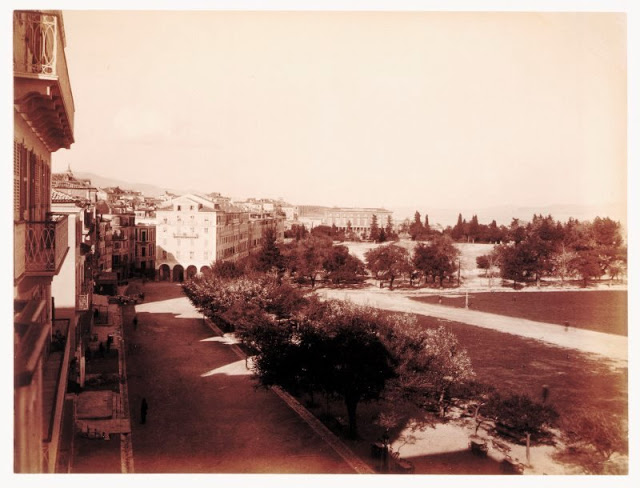
Corfu, Greece, circa 1880
Kerameikos, Athens, Greece, 1882
Piraeus, Greece, 1889
Athens street scenes, Greece, 1890
Mytilene port, Lesbos, Greece, 1890
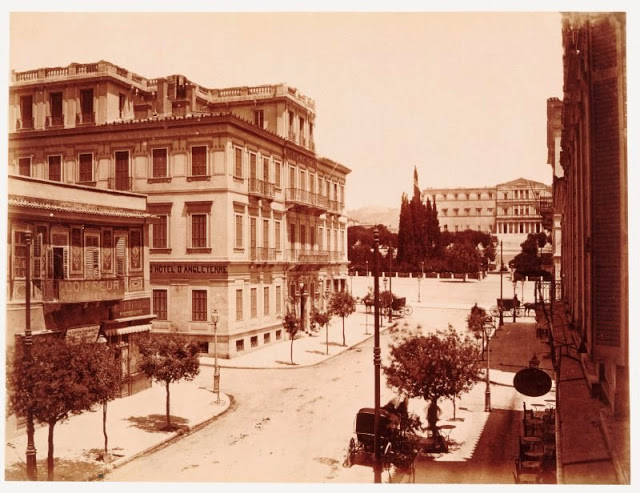
Syntagma, Athens, Greece, 1890
The Choragic Monument of Lysicrates, Athens, Greece, 1890
The National Archaeological Museum, Athens, Greece, 1890

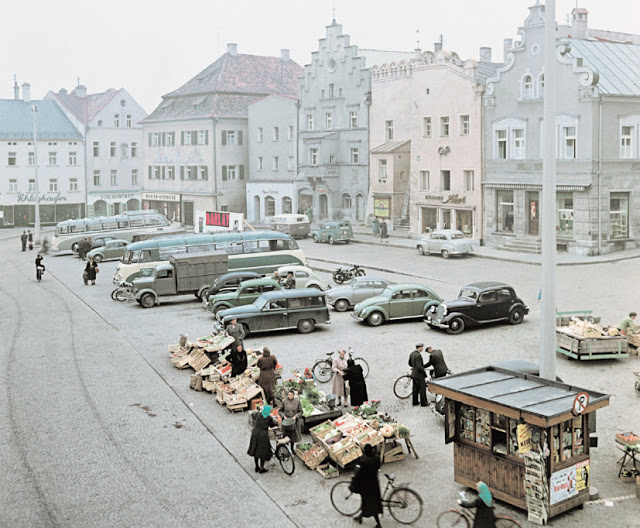
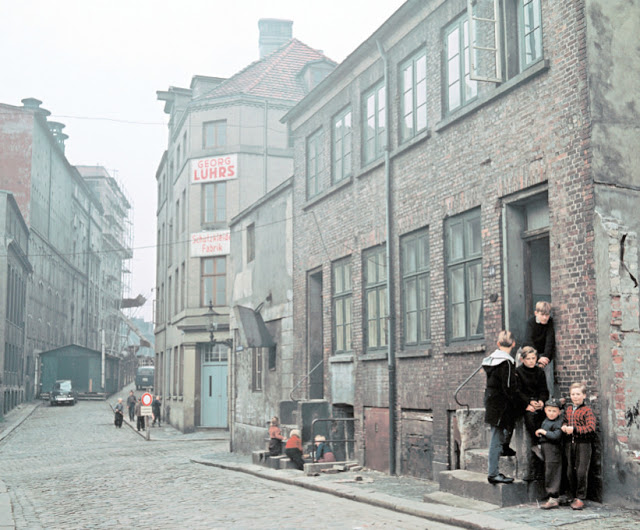
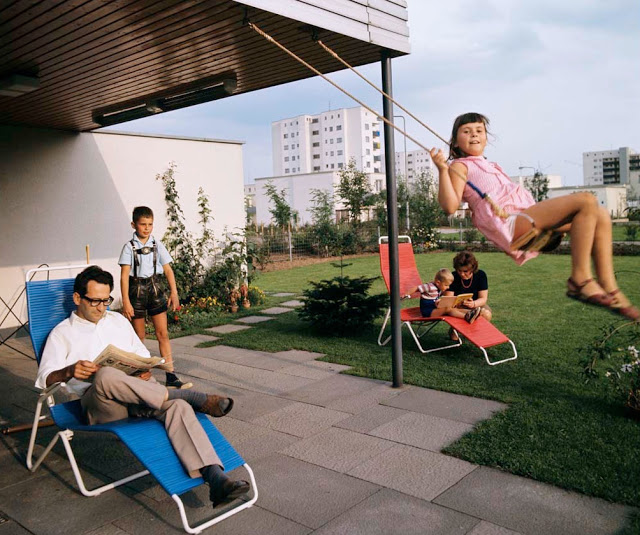
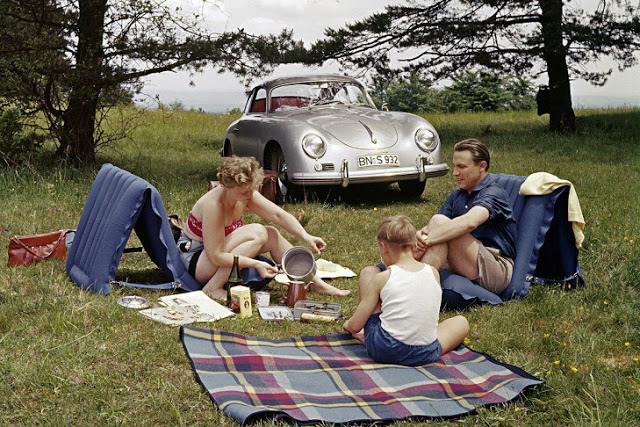
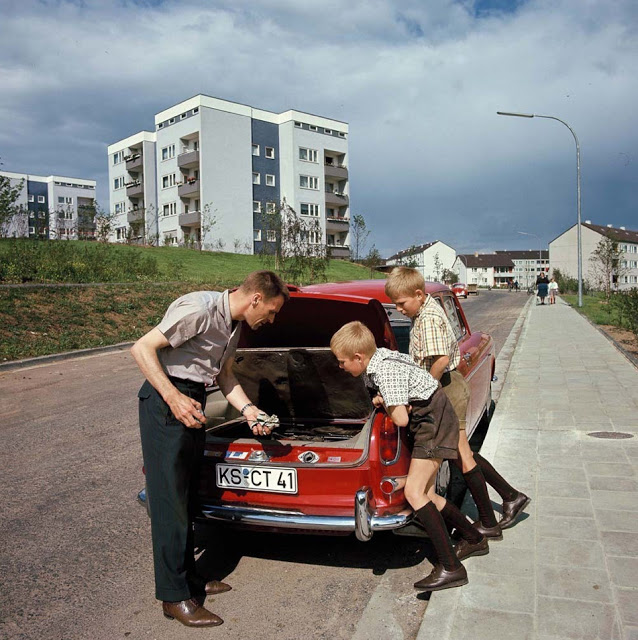
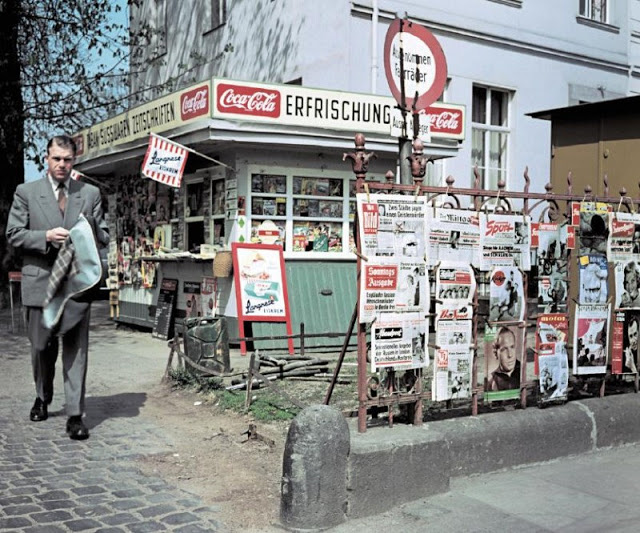
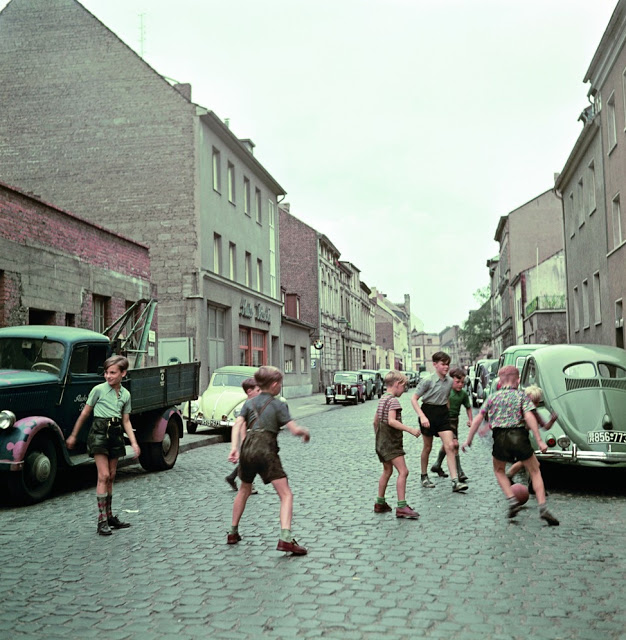
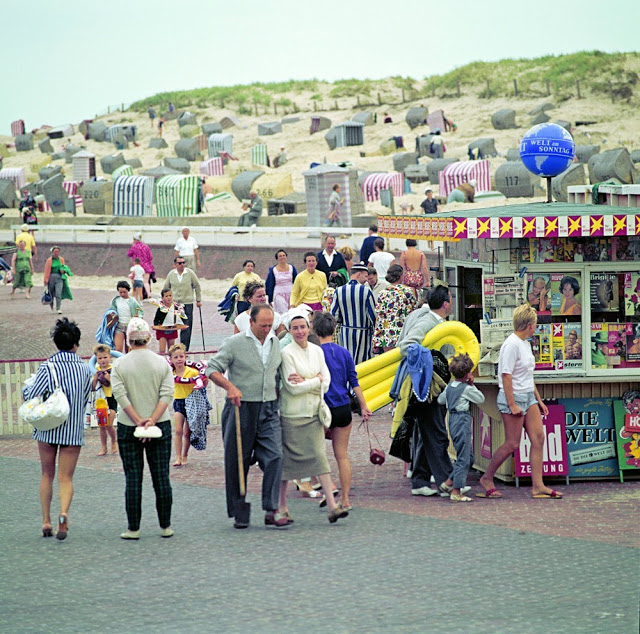
24 Vintage Color Photos Showing Life in Germany During the 1950s and 1960s

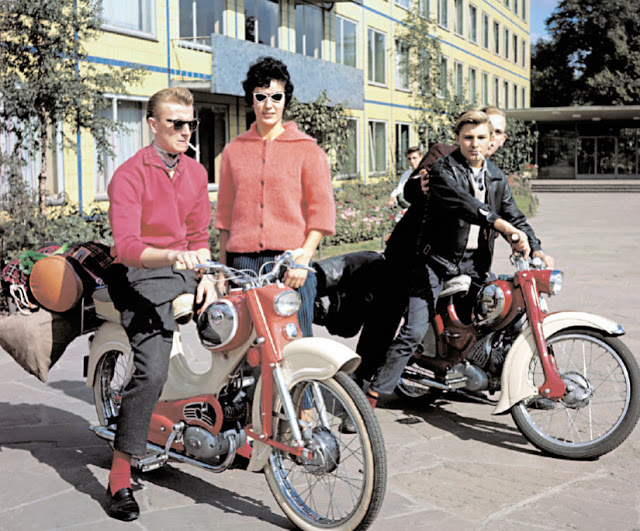
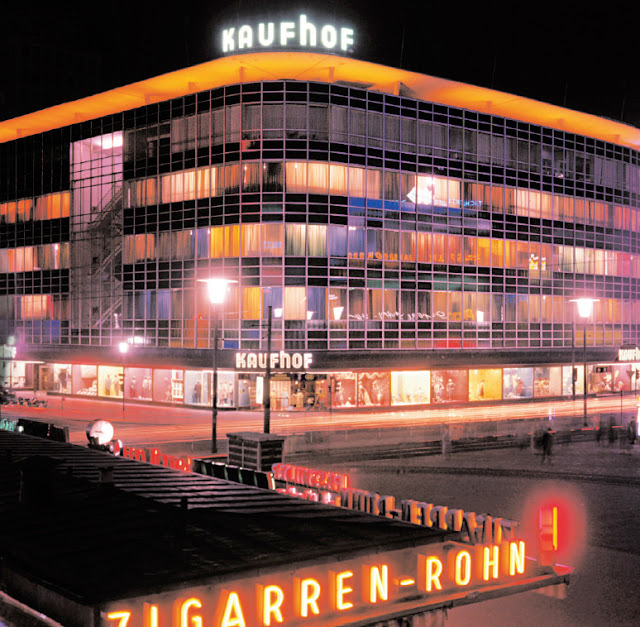
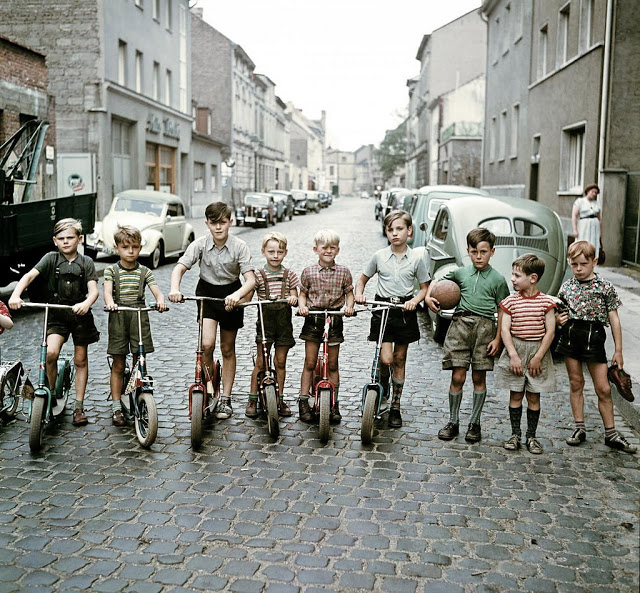
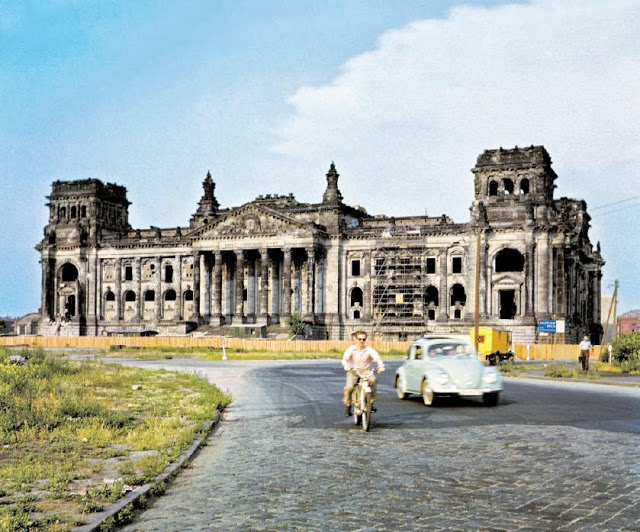
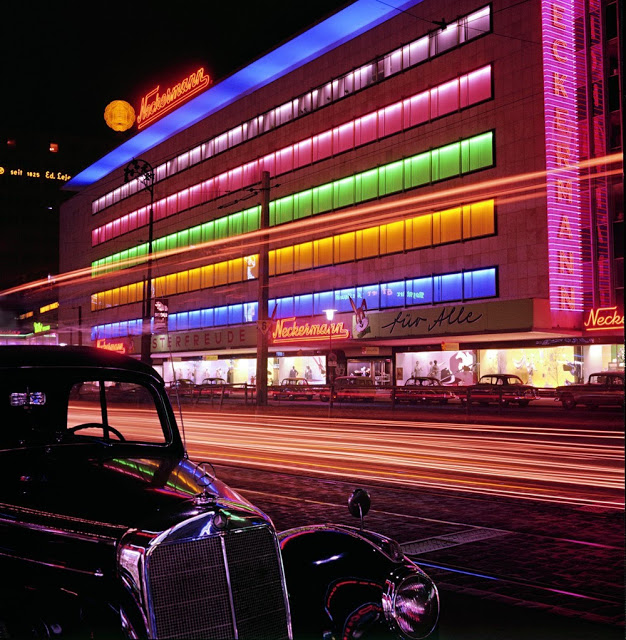
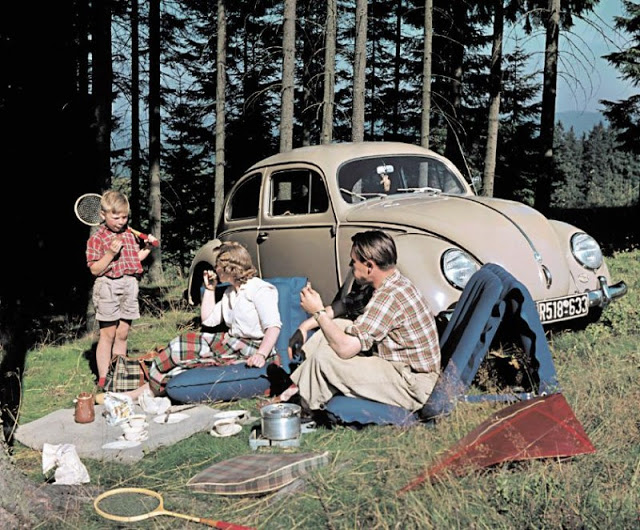
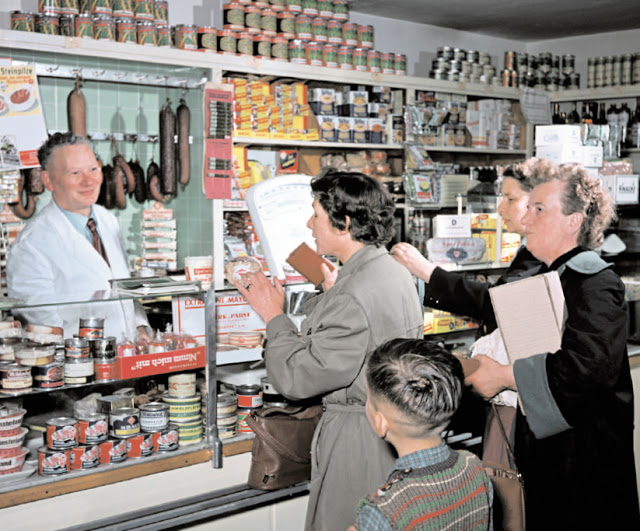
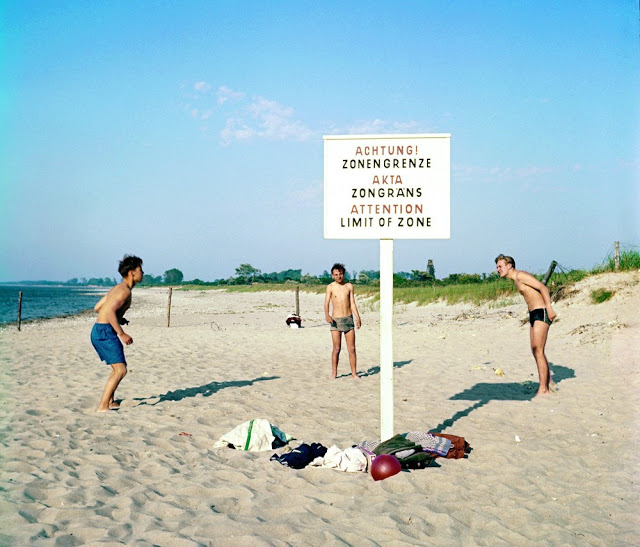
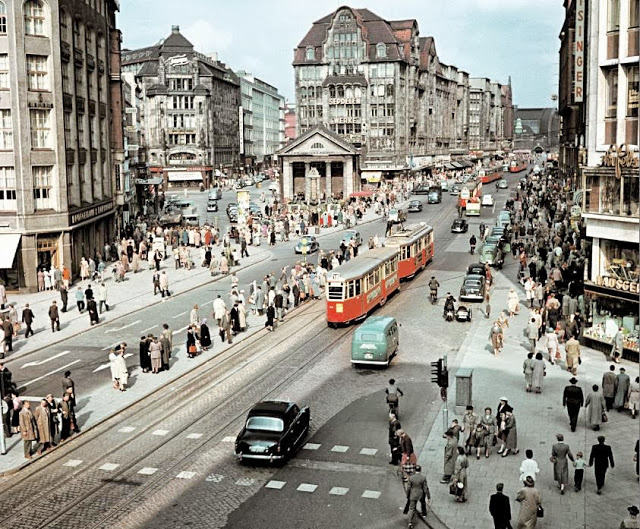
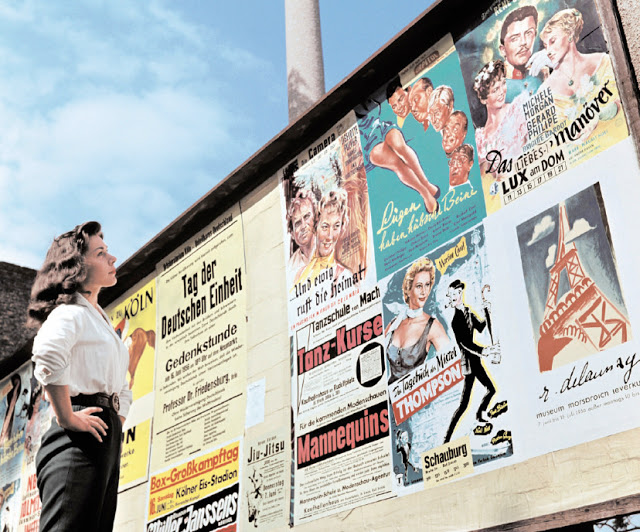
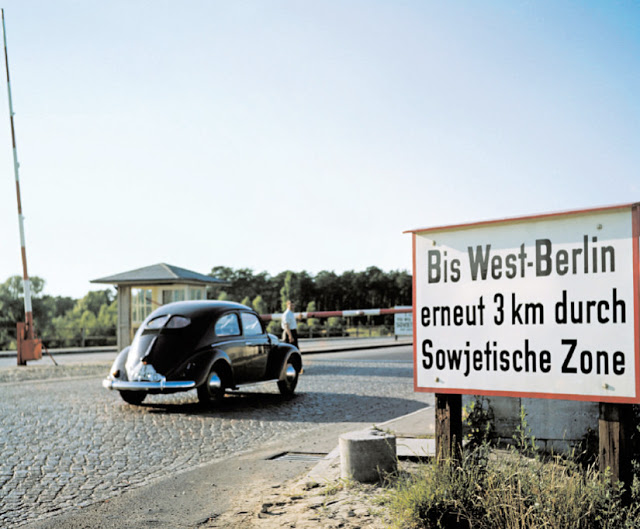
It was no more than eight years after the surrender of the Nazi government when Josef Heinrich Darchinger set out on his photographic journey through the West of a divided Germany. The bombs of World War II had reduced the country’s major cities to deserts of rubble. Yet his pictures show scarcely any signs of the downfall of a civilization. Not that the photographer was manipulating the evidence: he simply recorded what he saw.

The photographs portray a country caught between the opposite poles of technological modernism and cultural restoration, between affluence and penury, between German Gemütlichkeit and the constant threat of the Cold War. They show the winners and losers of the “economic miracle,” people from all social classes, at home, at work, in their very limited free time and as consumers. But they also show a country that looks, in retrospect, like a film from the middle of the last century. Of his color photographs, the Frankfurter Allgemeine Zeitung wrote, “they are exceptional contemporary documents indicating how swiftly the grayness of everyday life became infused with color again.”
21 Vintage Photos of Frida Kahlo During the Last Years of Her Life in Mexico City

Subscribe to get access

Read more of this content when you subscribe today.

Magdalena Carmen Frida Kahlo y Calderón (6 July 1907 – 13 July 1954) was a Mexican painter known for her many portraits, self-portraits, and works inspired by the nature and artifacts of Mexico. Inspired by the country’s popular culture, she employed a naïve folk art style to explore questions of identity, postcolonialism, gender, class, and race in Mexican society. Her paintings often had strong autobiographical elements and mixed realism with fantasy. In addition to belonging to the post-revolutionary Mexicayotl movement, which sought to define a Mexican identity, Kahlo has been described as a surrealist or magical realist. She is known for painting about her experience of chronic pain.

Born to a German father and a mestiza mother, Kahlo spent most of her childhood and adult life at La Casa Azul, her family home in Coyoacán – now publicly accessible as the Frida Kahlo Museum. Although she was disabled by polio as a child, Kahlo had been a promising student headed for medical school until being injured in a bus accident at the age of 18, which caused her lifelong pain and medical problems. During her recovery, she returned to her childhood interest in art with the idea of becoming an artist.

Kahlo’s interests in politics and art led her to join the Mexican Communist Party in 1927, through which she met fellow Mexican artist Diego Rivera. The couple married in 1929 and spent the late 1920s and early 1930s travelling in Mexico and the United States together. During this time, she developed her artistic style, drawing her main inspiration from Mexican folk culture, and painted mostly small self-portraits that mixed elements from pre-Columbian and Catholic beliefs. Her paintings raised the interest of Surrealist artist André Breton, who arranged for Kahlo’s first solo exhibition at the Julien Levy Gallery in New York in 1938; the exhibition was a success and was followed by another in Paris in 1939. While the French exhibition was less successful, the Louvre purchased a painting from Kahlo, The Frame, making her the first Mexican artist to be featured in their collection. Throughout the 1940s, Kahlo participated in exhibitions in Mexico and the United States and worked as an art teacher. She taught at the Escuela Nacional de Pintura, Escultura y Grabado (“La Esmeralda”) and was a founding member of the Seminario de Cultura Mexicana. Kahlo’s always-fragile health began to decline in the same decade. She had her first solo exhibition in Mexico in 1953, shortly before her death in 1954 at the age of 47.

Kahlo’s work as an artist remained relatively unknown until the late 1970s, when her work was rediscovered by art historians and political activists. By the early 1990s, not only had she become a recognized figure in art history, but she was also regarded as an icon for Chicanos, the feminism movement, and the LGBTQ+ movement. Kahlo’s work has been celebrated internationally as emblematic of Mexican national and indigenous traditions and by feminists for what is seen as its uncompromising depiction of the female experience and form. (Wikipedia)

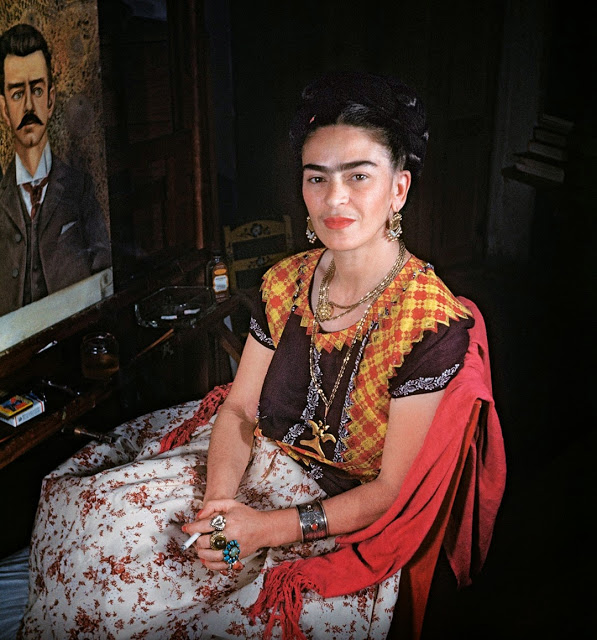
These powerful photographs, among the last taken before Kahlo’s death, bear poignant witness to Frida’s beauty and talent.

Frida Kahlo at work, 1951

Subscribe to continue reading

Become a paid subscriber to get access to the rest of this post and other exclusive content.

23 Amazing Behind the Scenes Photos From the Making of the Film “2001: A Space Odyssey”

2001: A Space Odyssey is a 1968 epic science fiction film produced and directed by Stanley Kubrick. The screenplay was written by Kubrick and science fiction author Arthur C. Clarke, and was inspired by Clarke’s 1951 short story “The Sentinel” and other short stories by Clarke. Clarke also developed a novelisation of the film, which was released after the film’s release, and in part written concurrently with the screenplay. The film stars Keir Dullea, Gary Lockwood, William Sylvester and Douglas Rain, and follows a voyage to Jupiter with the sentient supercomputer HAL after the discovery of an alien monolith.

The film is noted for its scientifically accurate depiction of space flight, pioneering special effects, and ambiguous imagery. Kubrick avoided conventional cinematic and narrative techniques; dialogue is used sparingly, and there are long sequences accompanied only by music. The soundtrack incorporates numerous works of classical music, by composers including Richard Strauss, Johann Strauss II, Aram Khachaturian, and György Ligeti.
The film received diverse critical responses, ranging from those who saw it as darkly apocalyptic to those who saw it as an optimistic reappraisal of the hopes of humanity. Critics noted its exploration of themes such as existentialism, human evolution, technology, artificial intelligence, and the possibility of extraterrestrial life. It was nominated for four Academy Awards, winning Kubrick the award for his direction of the visual effects. The film is now widely regarded as one of the greatest and most influential films ever made. In 1991, it was deemed “culturally, historically, or aesthetically significant” by the United States Library of Congress and selected for preservation in the National Film Registry. (Wikipedia)
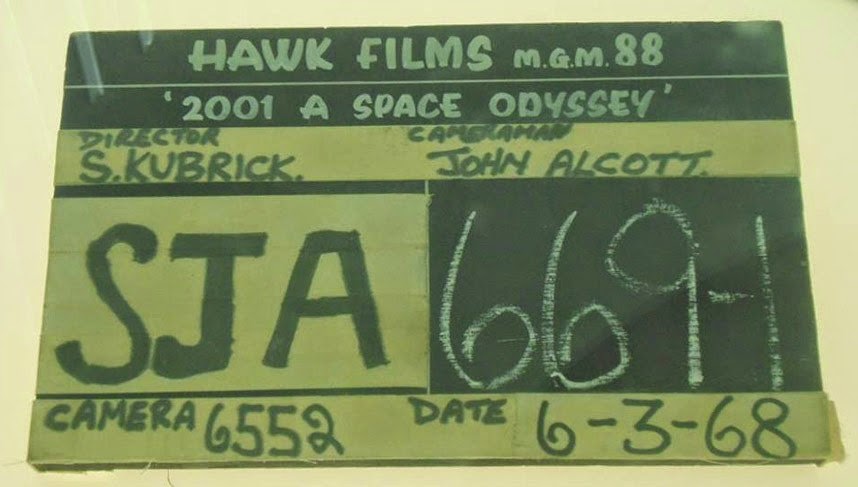
The majority of filming took place at MGM Borehamwood, Elstree and Shepperton Studios in England.
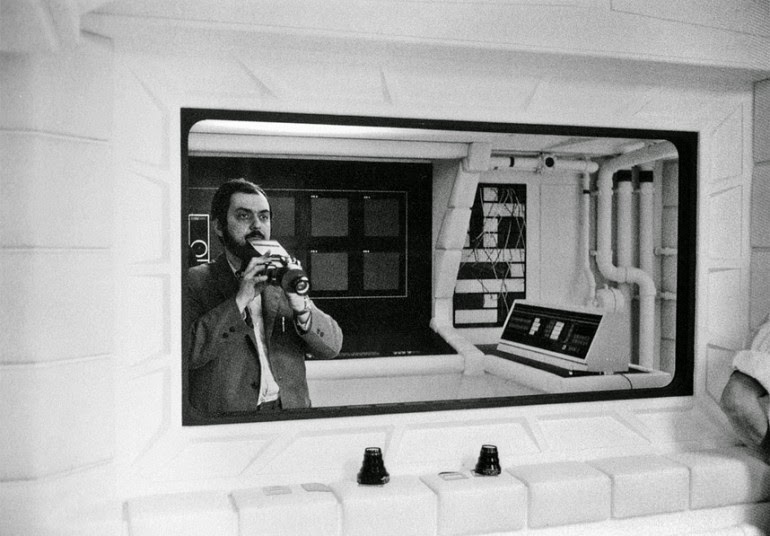
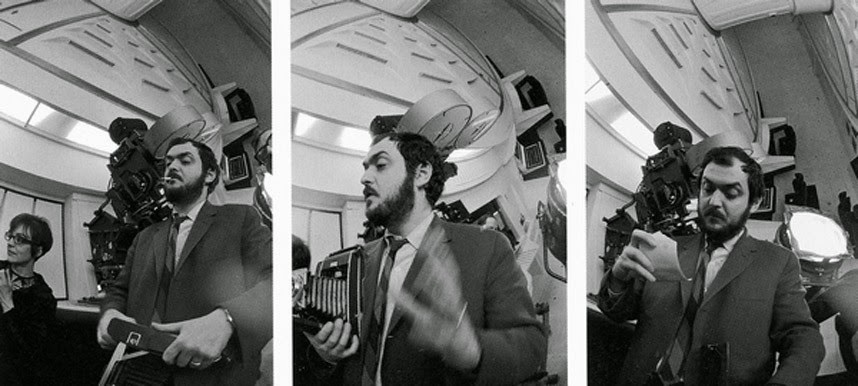
Stanley Kubrick was an extremely hands-on director.
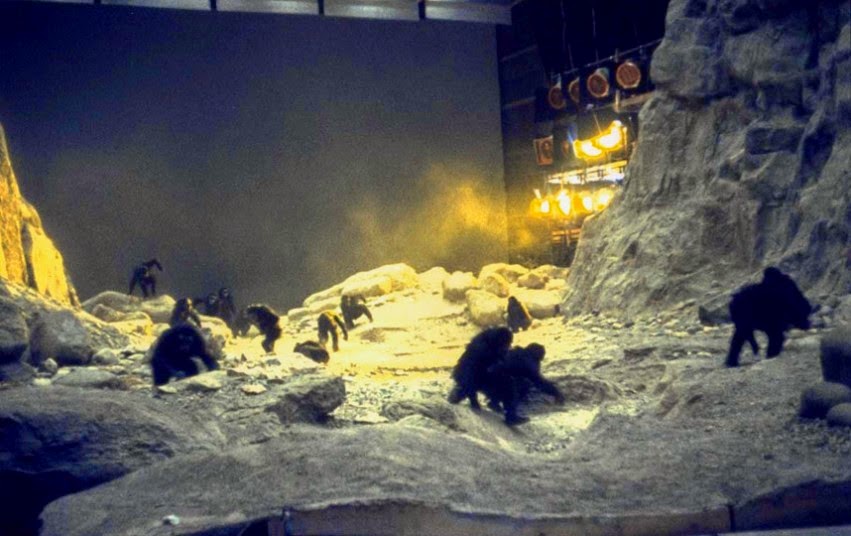
The film opens with a group of shrieking apes in the ‘Dawn of Man’ sequence.
William Sylvester plays Dr. Heywood R Floyd in the second ‘act’ of the film.
Keir Dullea and Gary Lockwood star in the third ‘act’ as two astronauts on a voyage to Jupiter.
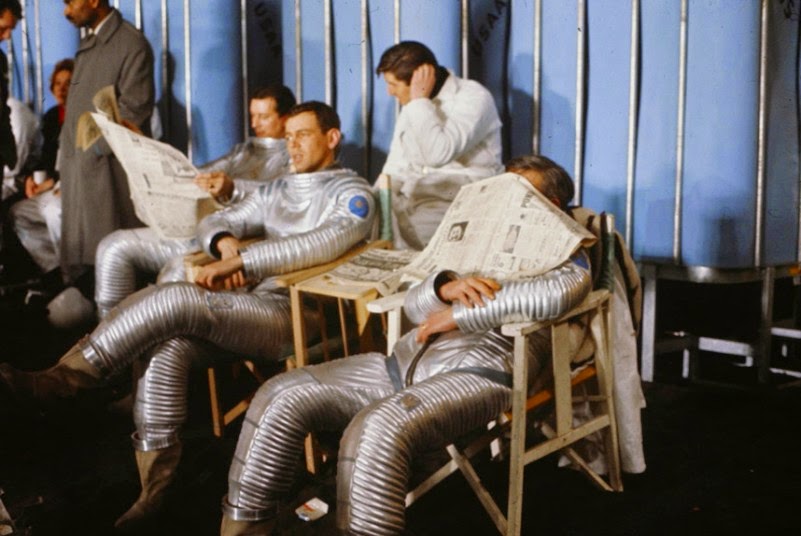
The astronauts take a break on-set.
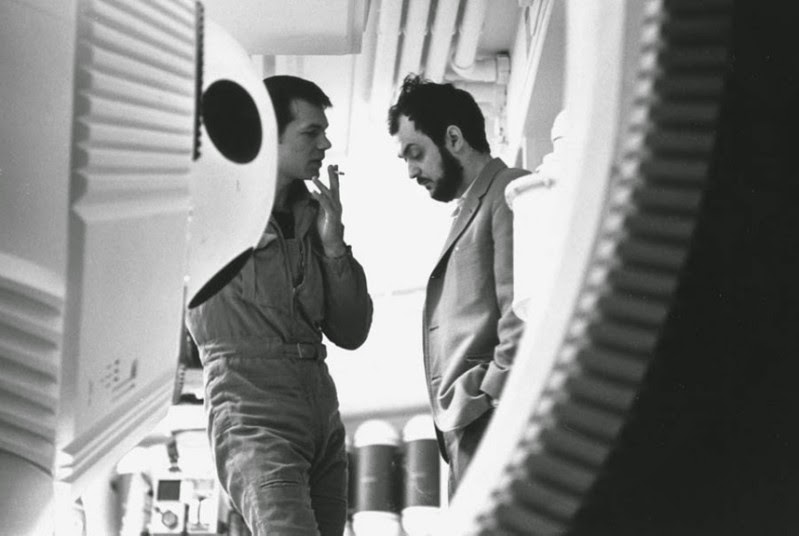
Kubrick and Sylvester enjoy a cigarette break.
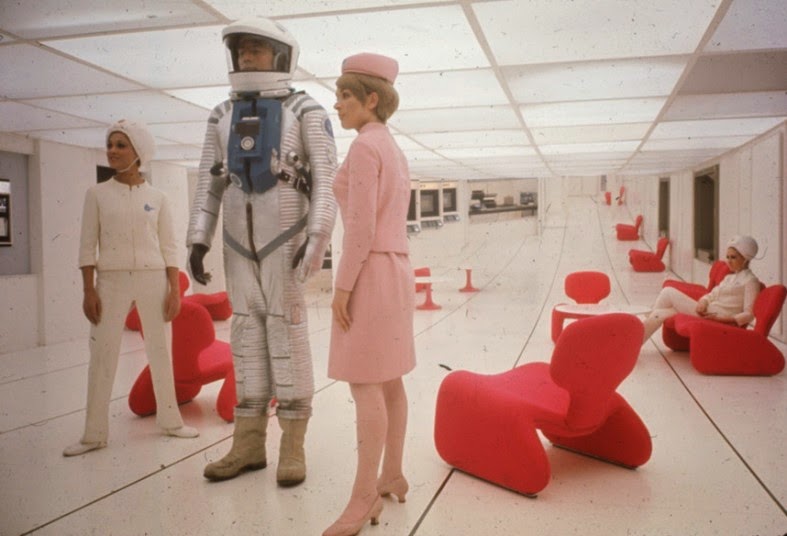
Edwina Carroll, Penny Brahms and Heather Downham as stewardesses onboard the space station.
Kubrick asked companies to provide designs for futuristic products to be used in the movie, such as this prototype car.
The wooden construction that would form the film’s Moonbus vehicle.
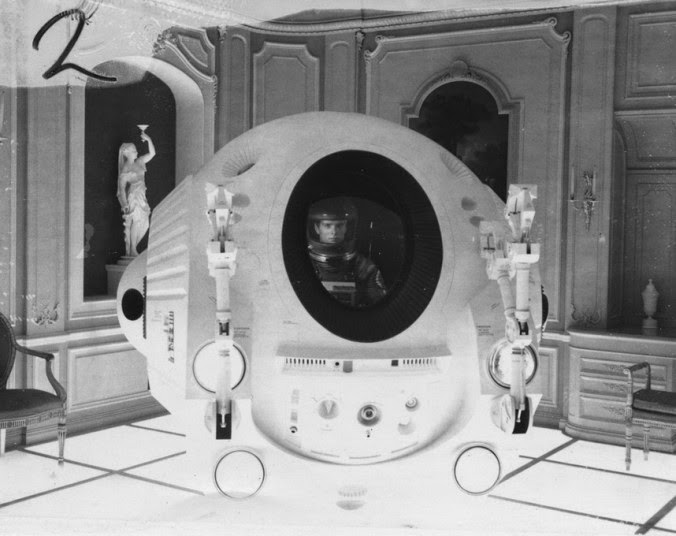
NASA engineers were consulted during the design process for the Discovery One spacecraft.
Kubrick collaborated with science fiction writer Arthur C Clarke to create the screenplay, based on Clarke’s short story The Sentinel.
Science fiction writer Arthur C Clarke on the film set.
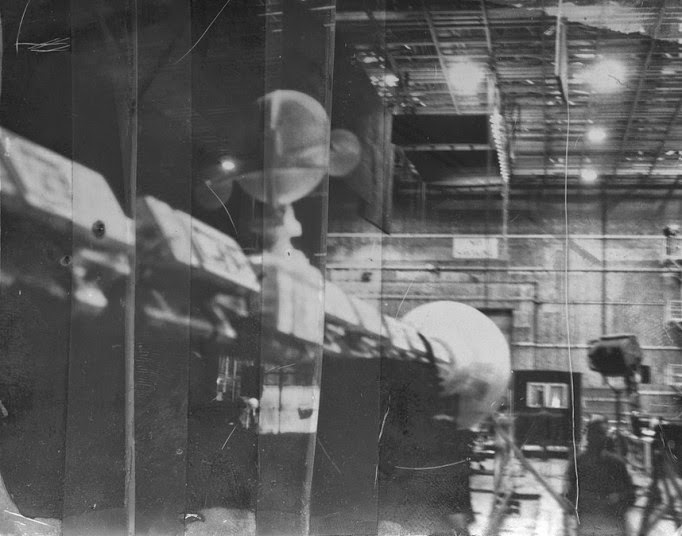
Kubrick and his team employed numerous photography techniques during filming, including “slit-scan”, which blurs and distorts the image.
Despite hundreds of people working behind the scenes, only 27 crew members were credited at the end of the film.
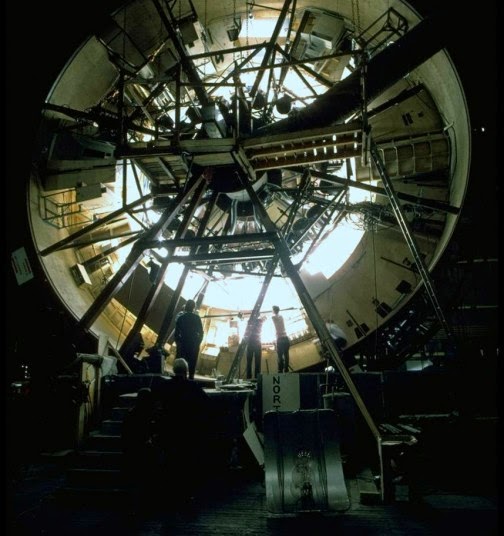
Constructing the rotating centrifuge for the Discovery spaceship cost $750,000.
Gary Lockwood, a long-time fan of Kubrick’s work, started out his film career as a stuntman.
The primary coloured space suits were used onboard the Discovery, along with a fourth green suit.
Front projection, where pre-filmed footage is projected onto a reflective surface, was used for a lot of the outer space scenes.
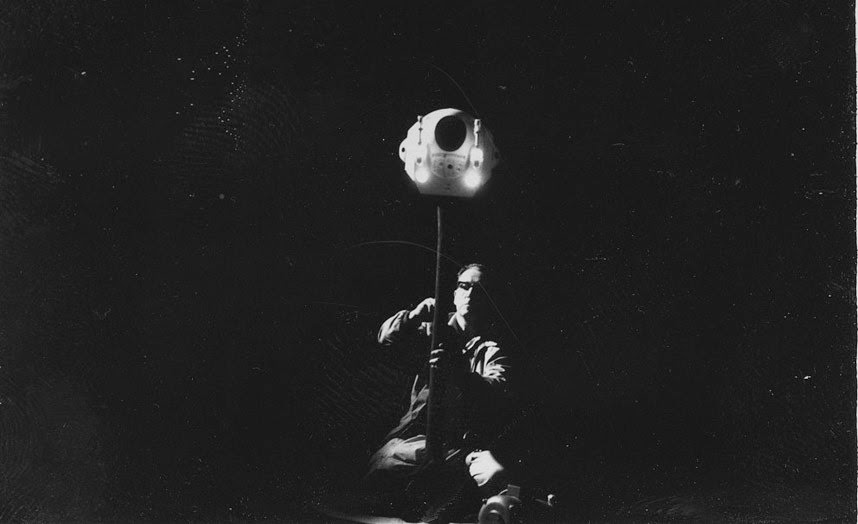
An EVA (extra-vehicular activity) pod, carried on board the Discovery One spacecraft.
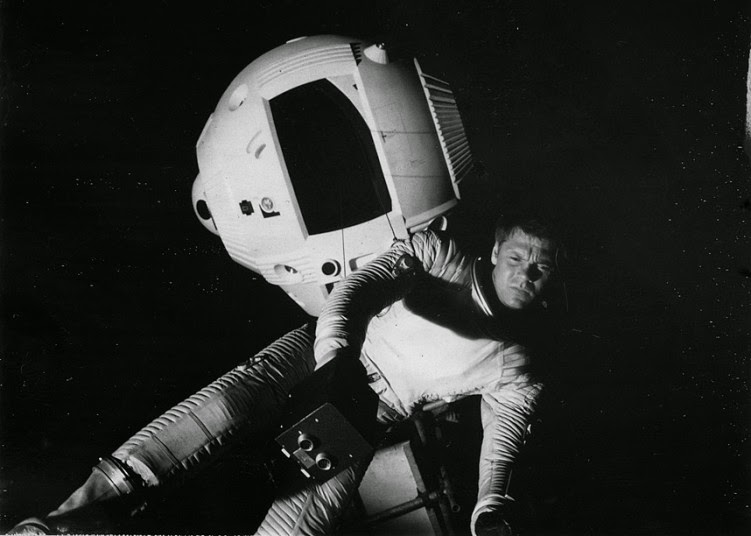
Dr Frank Poole (Gary Lockwood) leaves the spacecraft to replace a faulty unit, but is attacked by malfunctioning artificially intelligent computer HAL 9000 and sent hurtling into outer space.
Dr Dave Bowman (Keir Dullea) has to enter HAL’s logic and memory center to disconnect its higher brain functions.
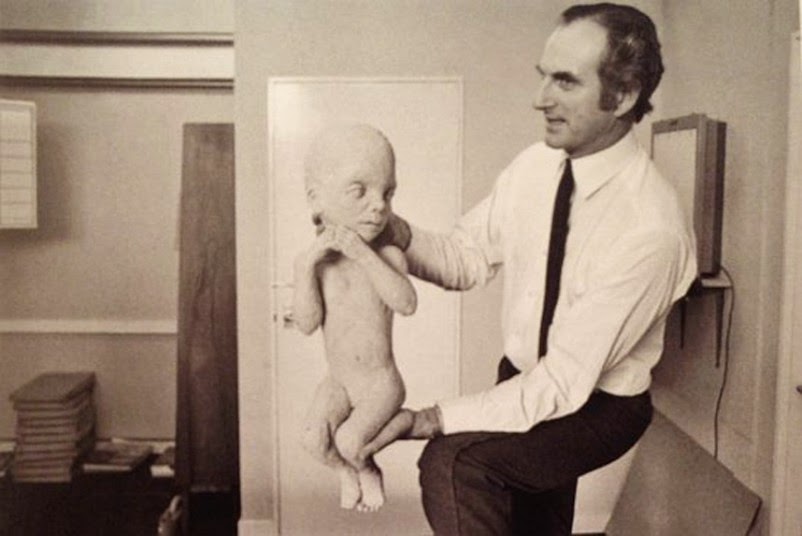
The “star child”: Dullea’s character is transformed into this open-eyed fetus at the end of the film.

40 Stunning Photos Showing Fashion & Style Trends of the 1940s

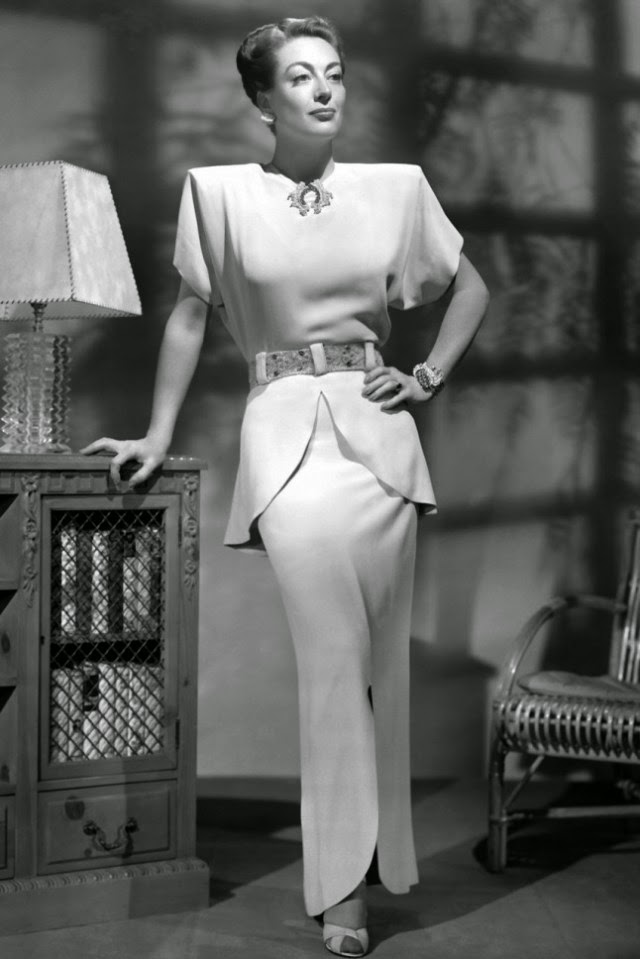
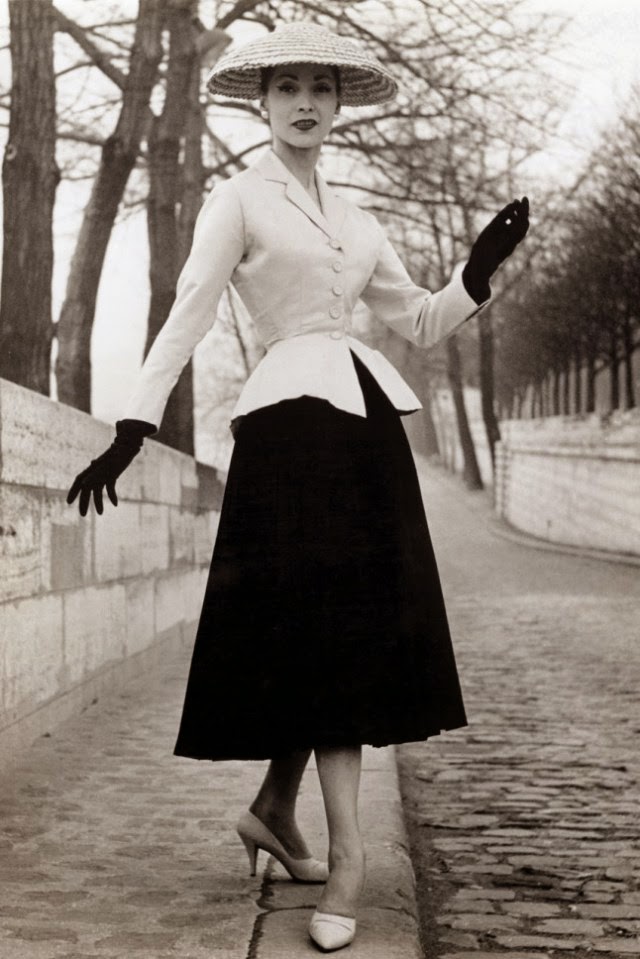
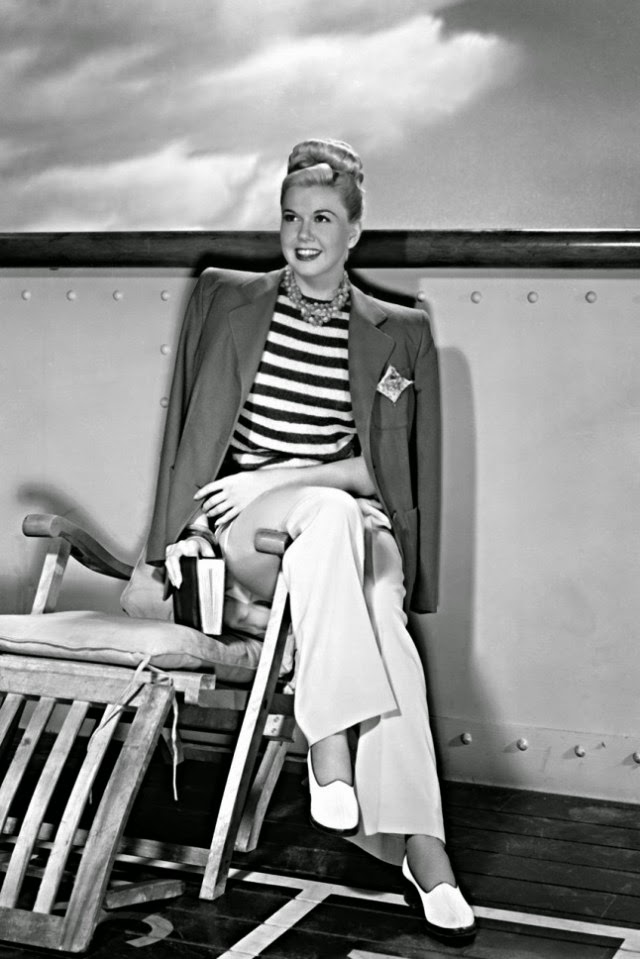
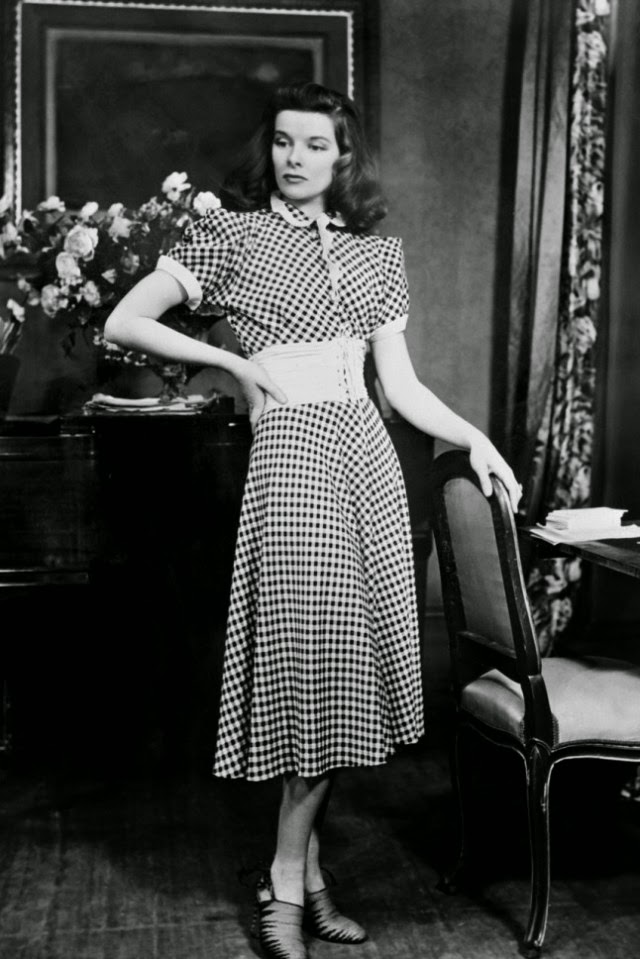
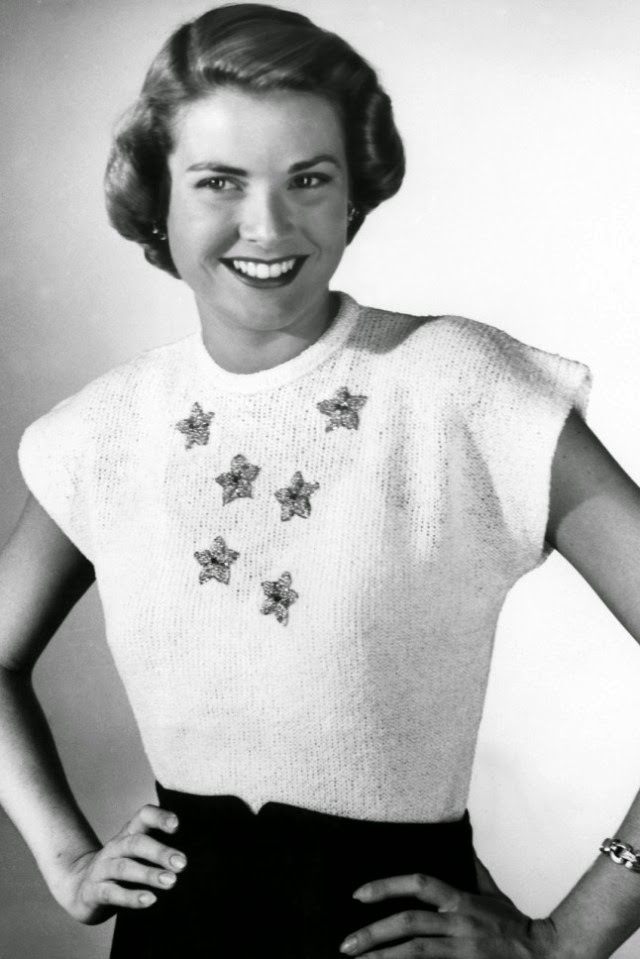
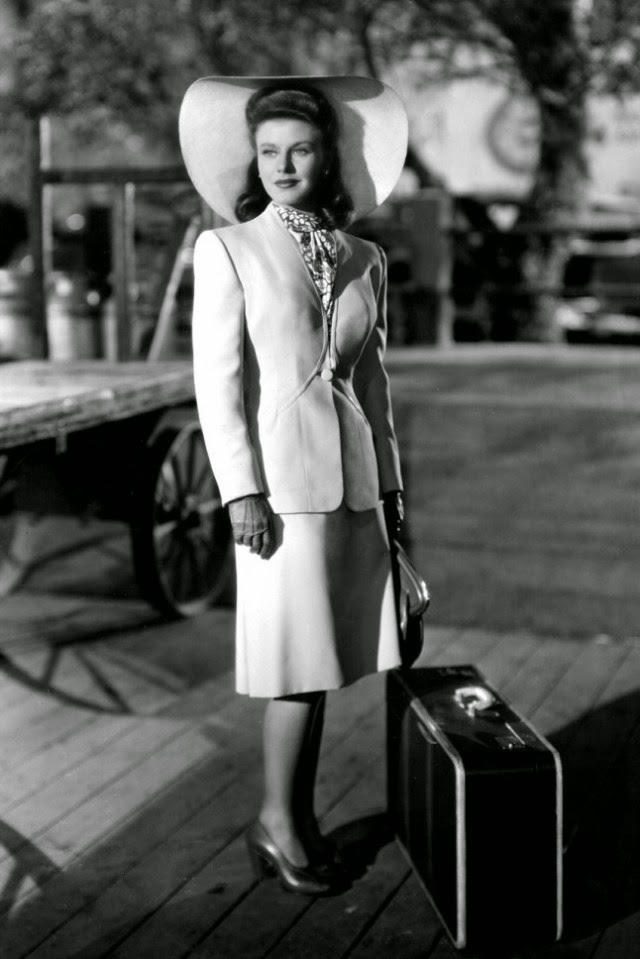
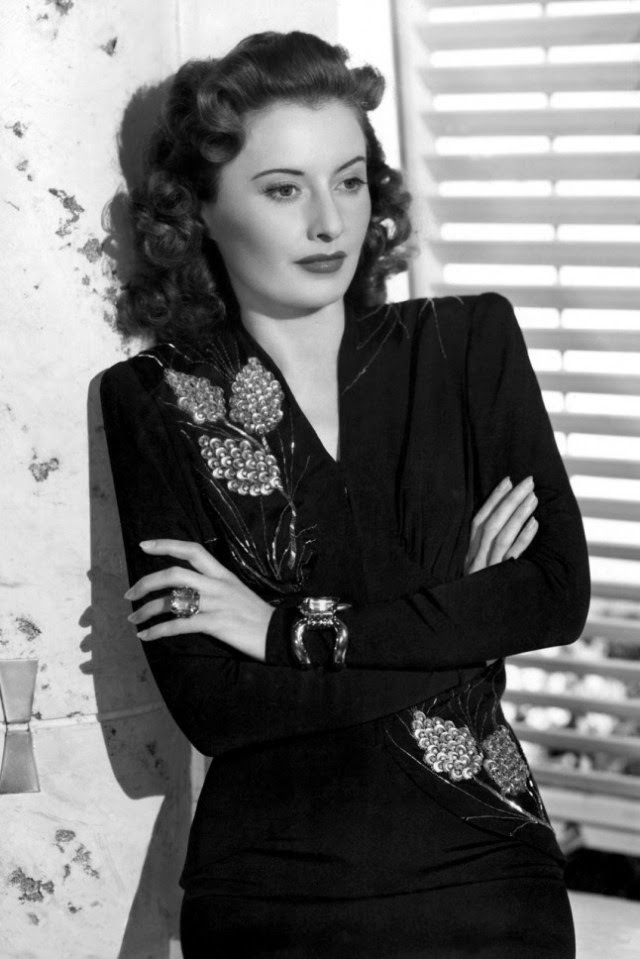
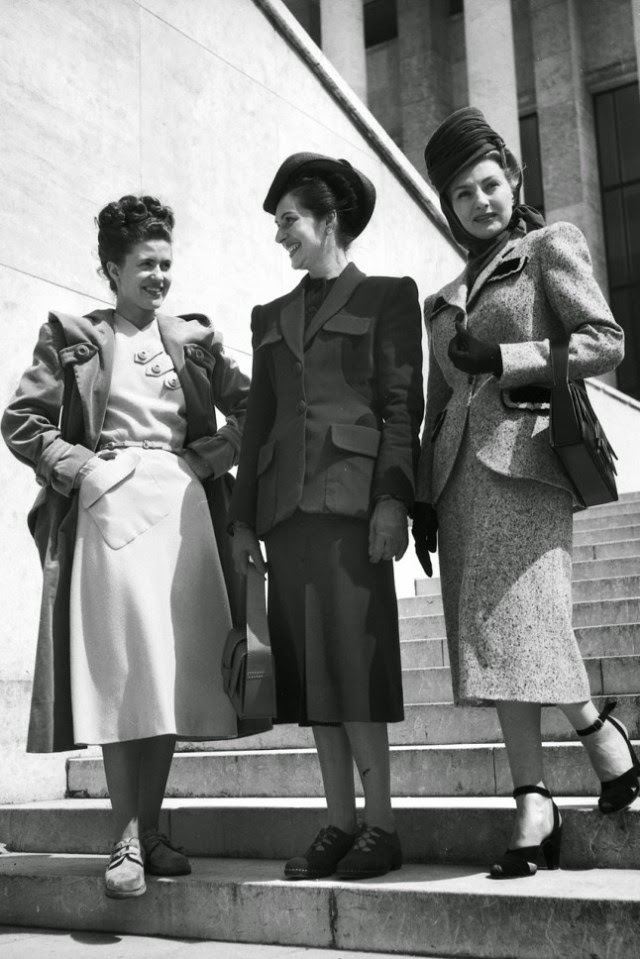
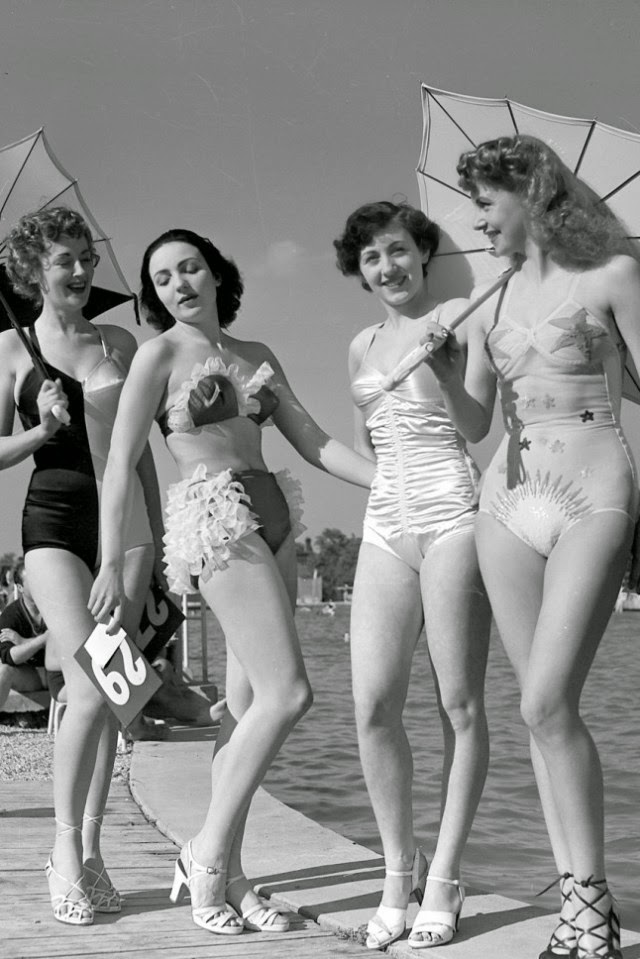
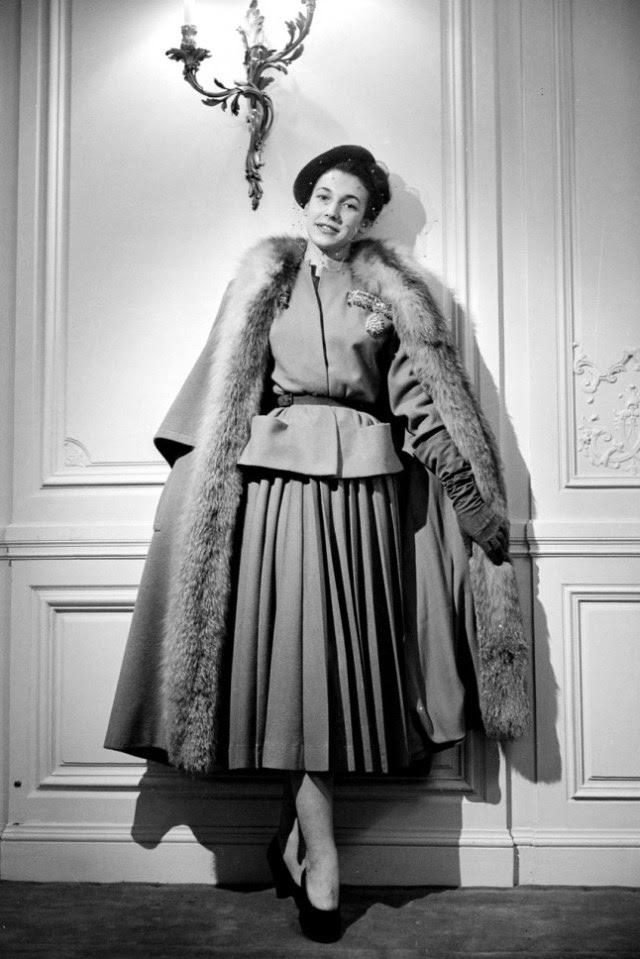
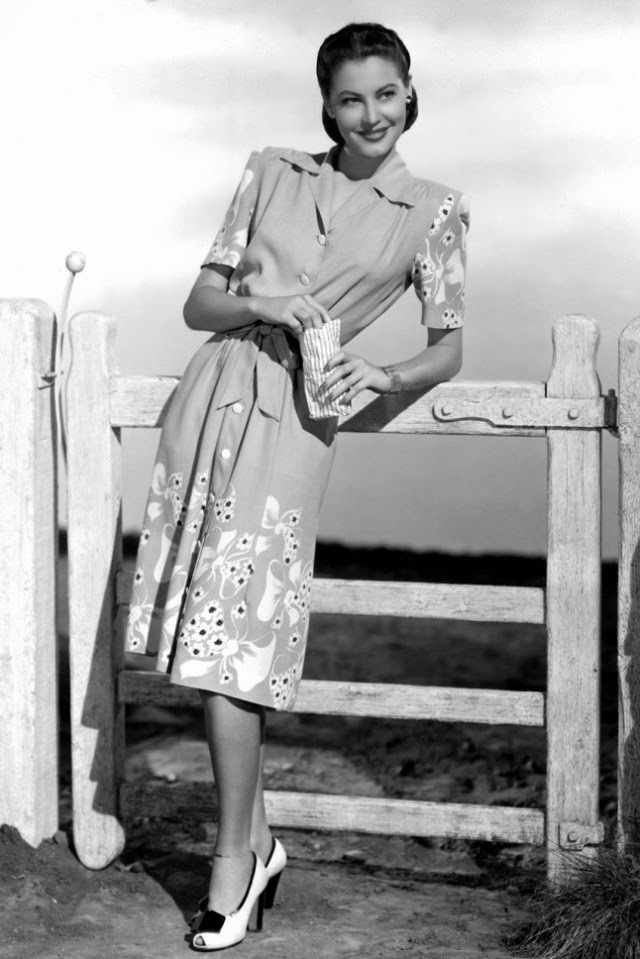
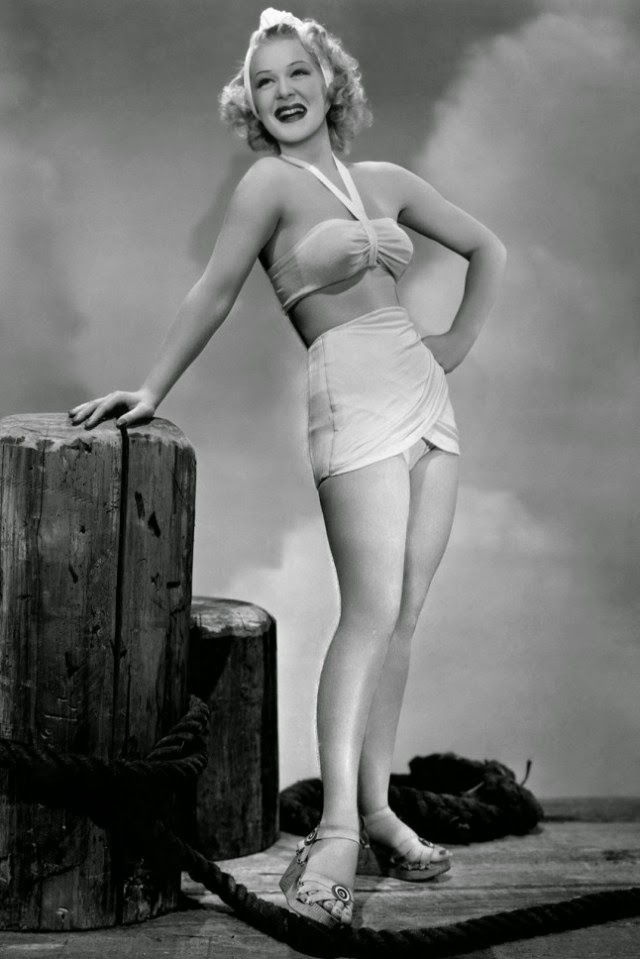
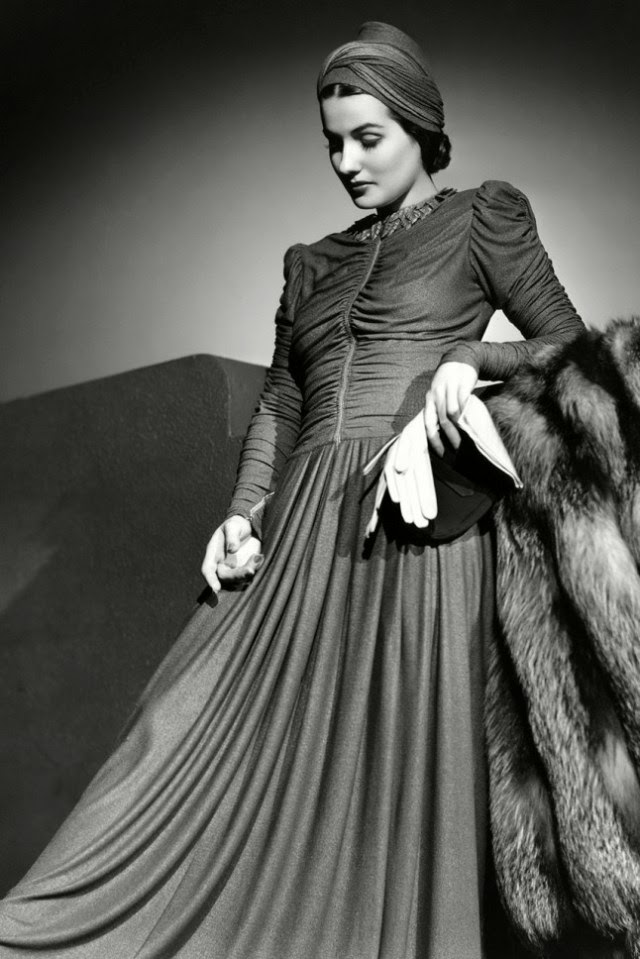
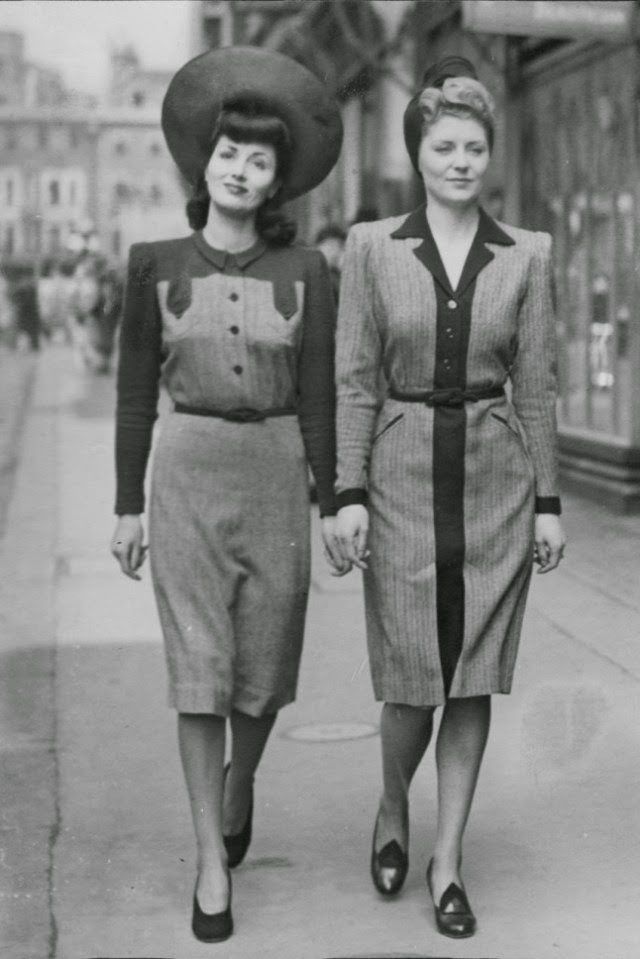
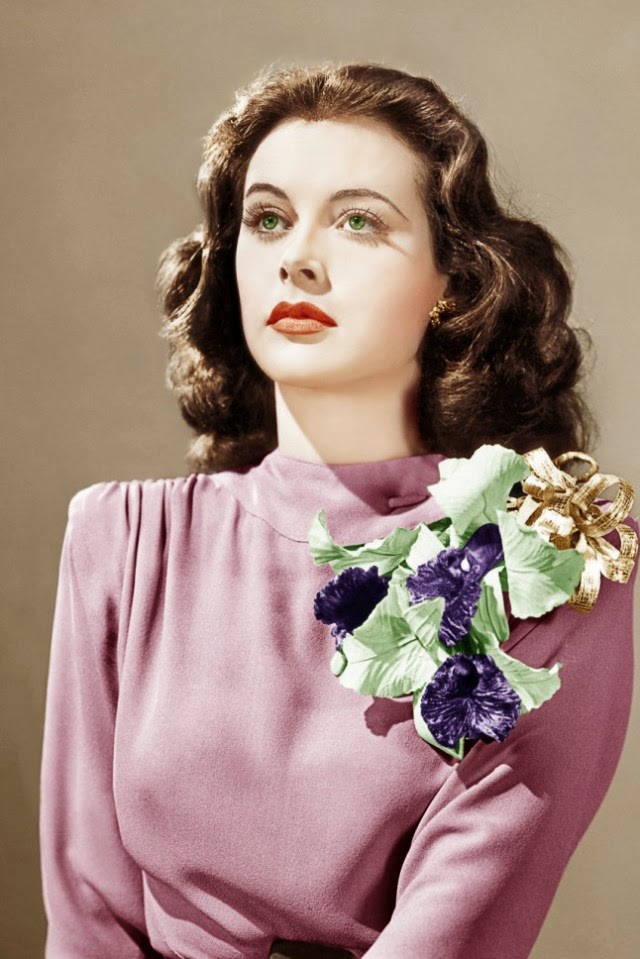
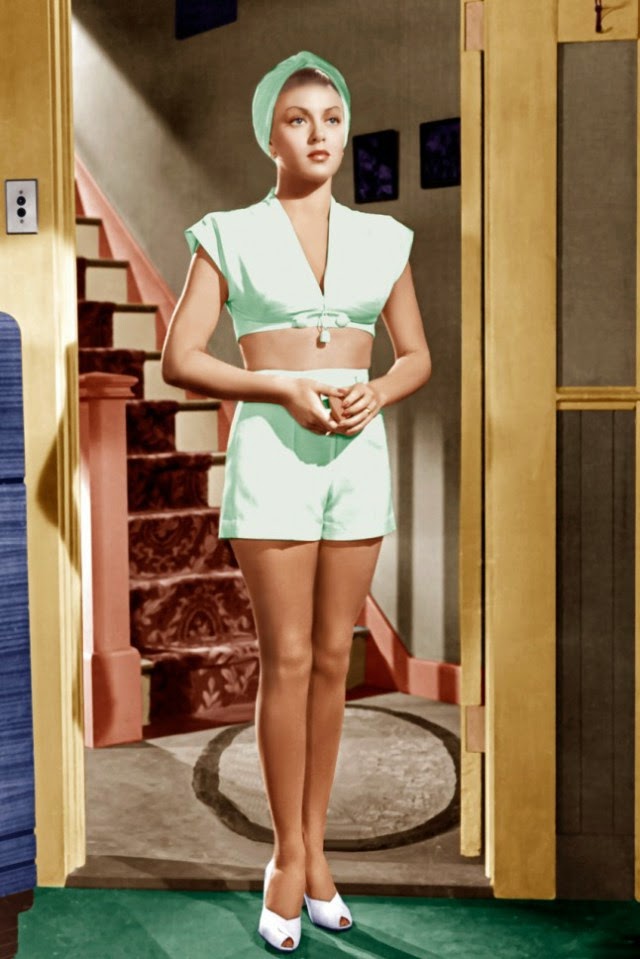
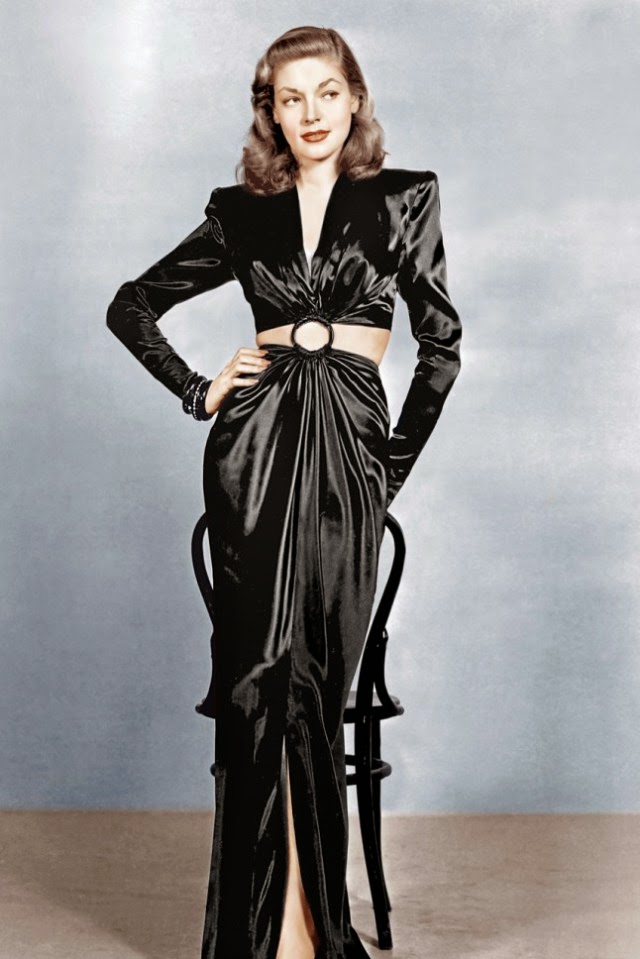
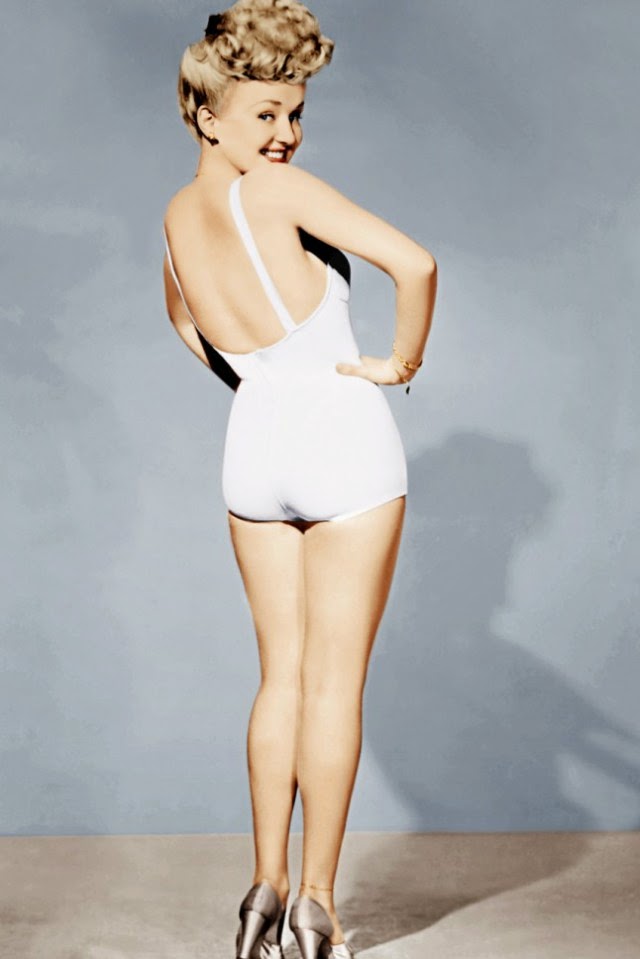
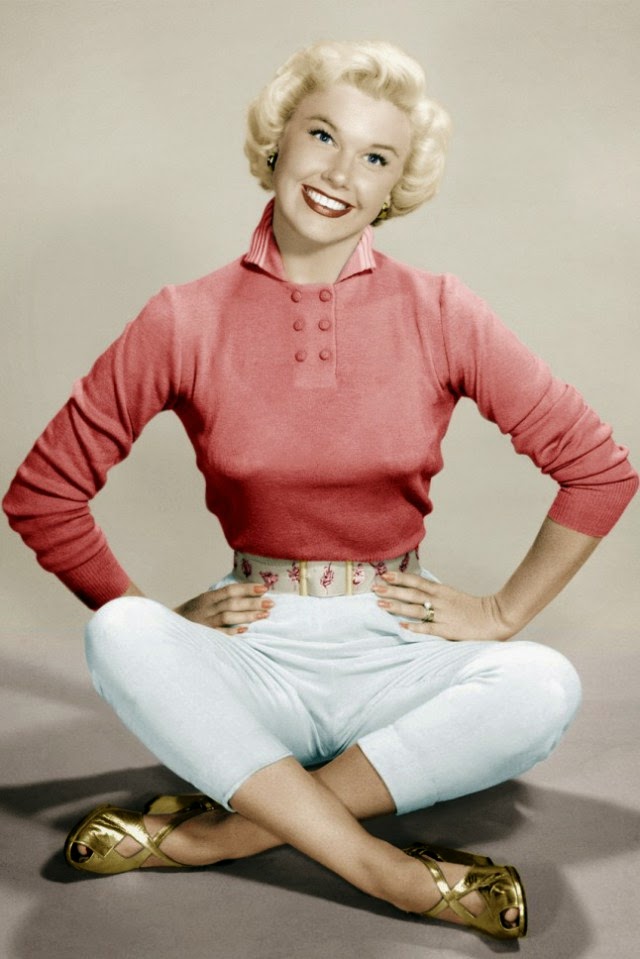
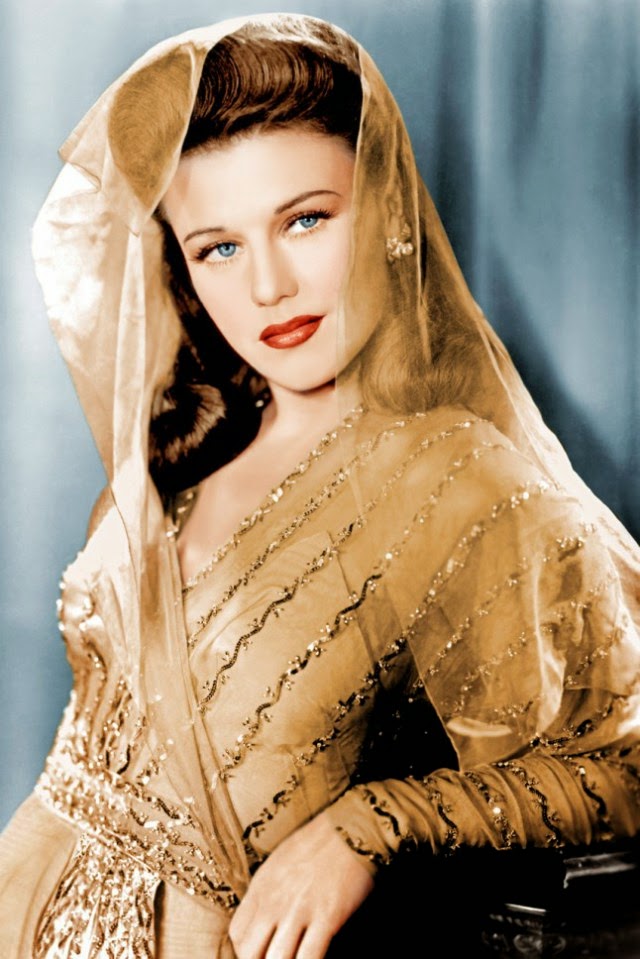
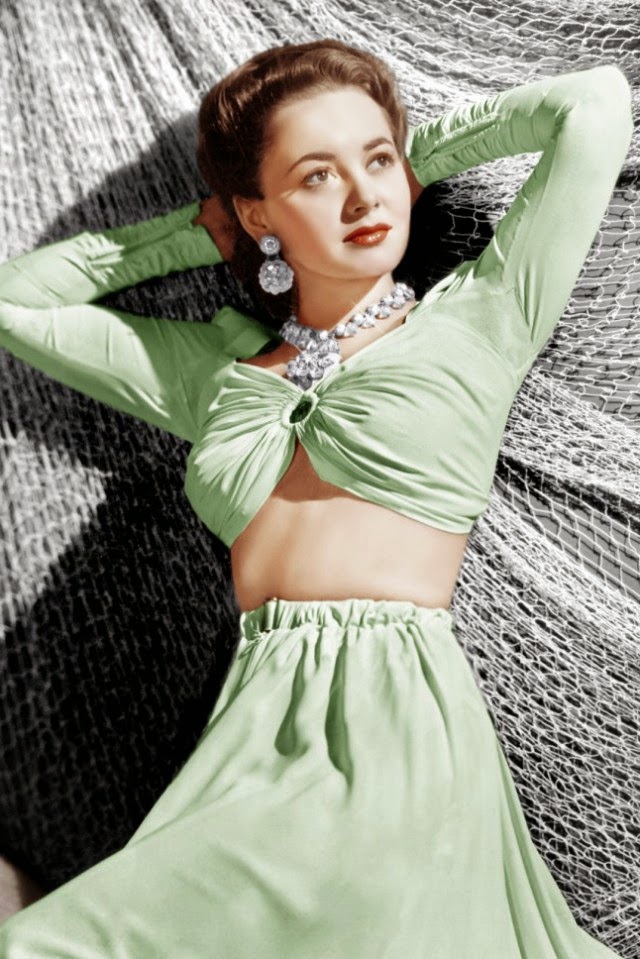
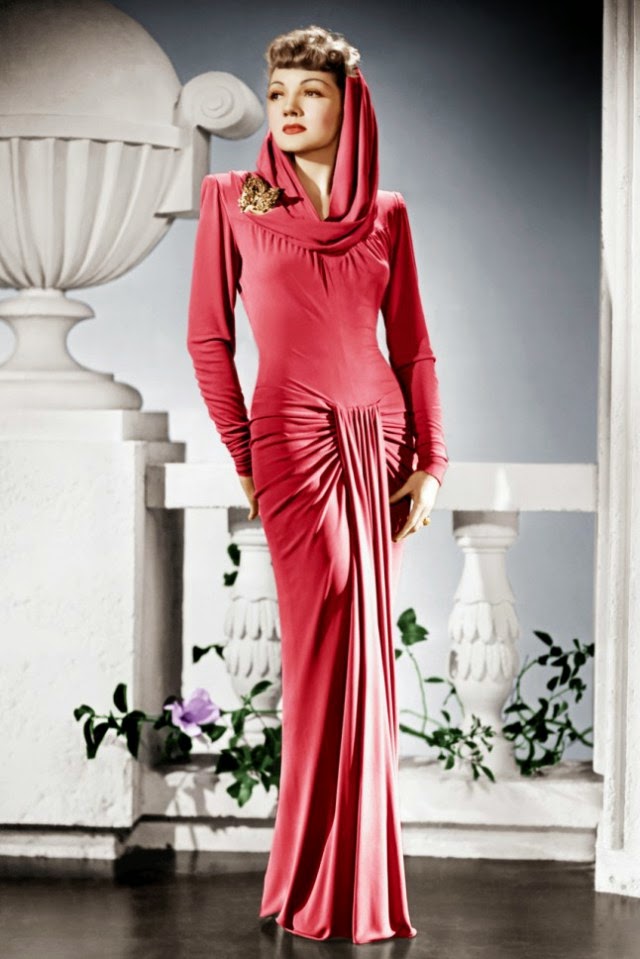
As the 1940s went through times of hardship during and after WWII, the solution was significant rationing and fashion items and fabrics were no exception. Fashion became more utilitarian or function and comfortability over style. Besides this rationing, as a tribute, women’s fashion also changed to reflect that and it was seen in the new silhouette that is featured suits. In order to feminize this, certain elements were added such as the straight knee-length skirts and accessories to complete the look. Even with the challenges imposed by shortages in rayon, nylon, wool, leather, rubber, metal (for snaps, buckles, and embellishments), and even the amount of fabric that could be used in any one garment, the fashion industry’s wheels kept chugging slowly along, producing what it could. After the fall of France in 1940, Hollywood drove fashion in the United States almost entirely, with the exception of a few trends coming from war torn London in 1944 and 1945, as America’s own rationing hit full force, and the idea of function seemed to overtake fashion, if only for a few short months until the end of the war. Fabrics shifted dramatically as rationing and wartime shortages controlled import items such as silk and furs. Floral prints seem to dominate the early 1940s, with the mid-to-late 1940s also seeing what is sometimes referred to as “atomic prints” or geometric patterns and shapes. The color of fashion seemed to even go to war, with patriotic nautical themes and dark greens and khakis dominating the color palettes, as trousers and wedges slowly replaced the dresses and more traditional heels due to shortages in stockings and gasoline. The most common characteristics of this fashion were the straight skirt, pleats, front fullness, squared shoulders with v-necks or high necks, slim sleeves and the most favorited necklines were sailor, mandarin and scalloped.

Here, some of the best of the 1940s fashion and style trends highlight in 40 stunning pictures.

Joan Crawford, 1940s
Christian Dior’s New Look, 1947
Ava Gardner, 1944
Bette Davis, 1943
Doris Day, 1948
Rita Hayworth, 1940
Katharine Hepburn, 1940
Joan Crawford, 1946
Grace Kelly, 1947
Ginger Rogers, 1942
Barbara Stanwyck, 1941
Rita Hayworth, 1946
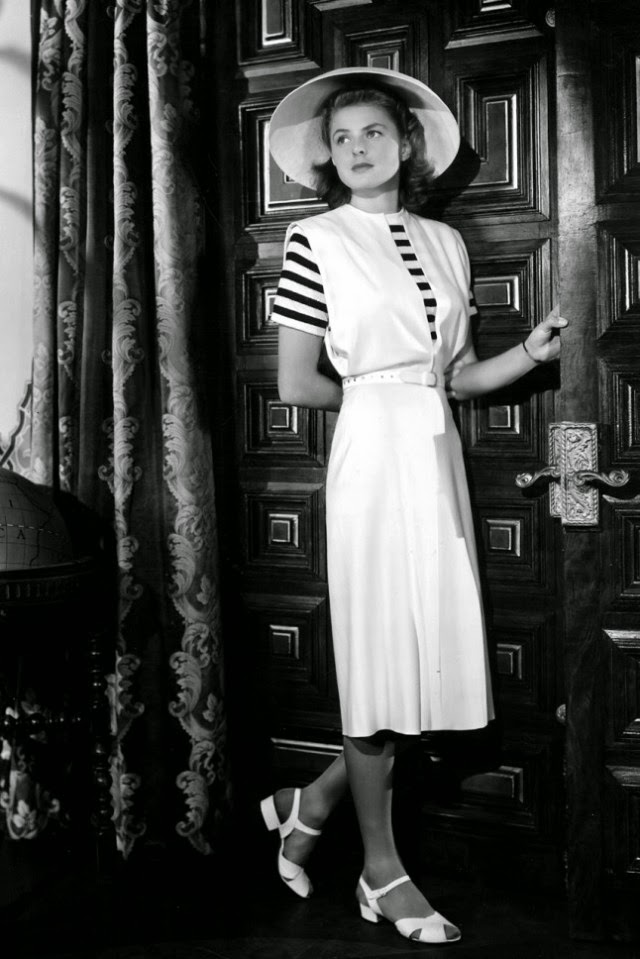
Ingrid Bergman, 1942
Bette Davis, 1940s
Rita Hayworth, 1940s
Ladies in Paris, 1947
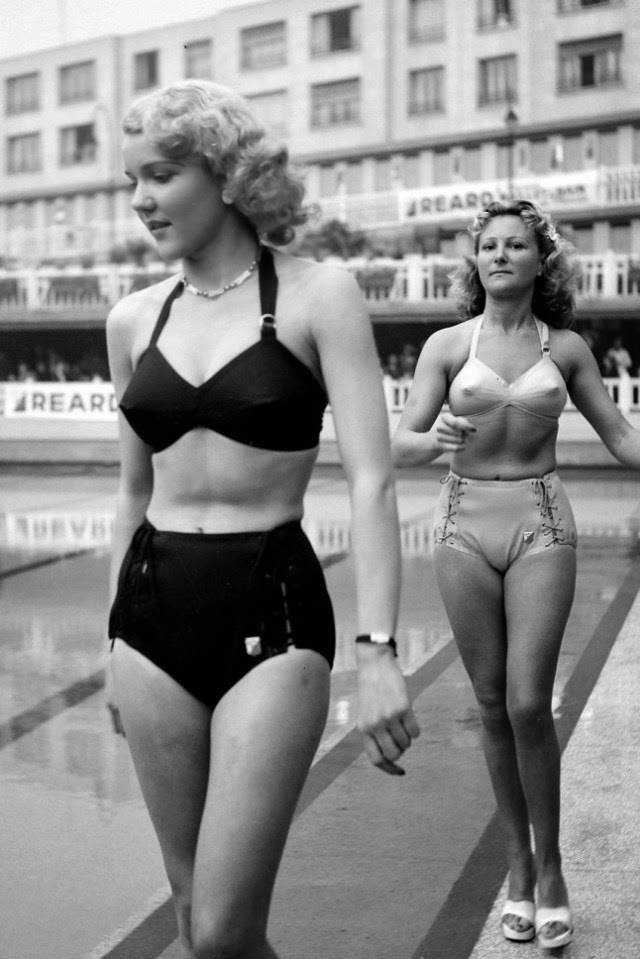
Swimsuit Competition, Paris, 1949
Christian Dior Model, 1947
Ava Gardner, 1940s
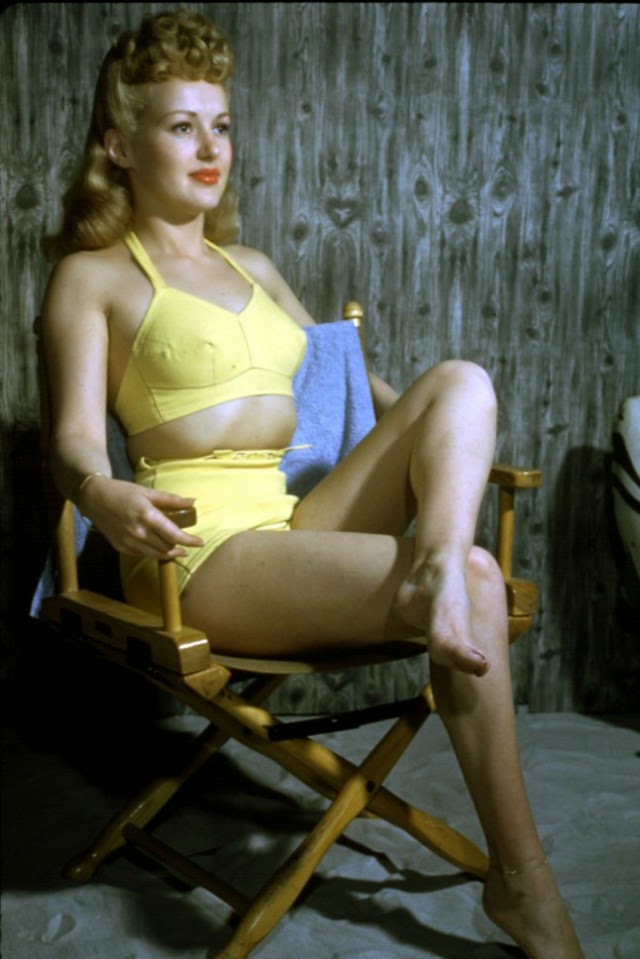
Betty Hutton, 1945
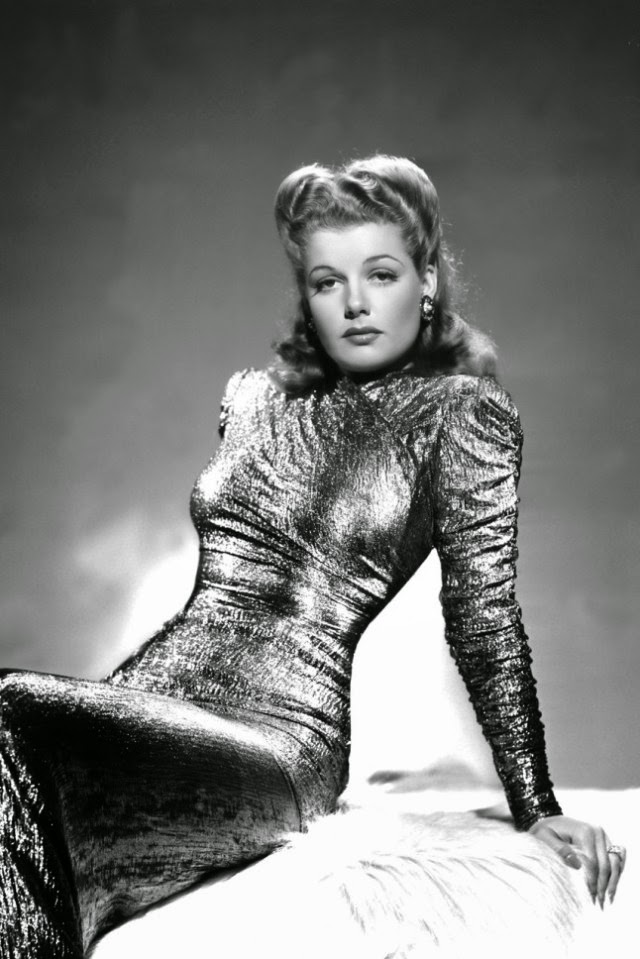
Ann Sheridan, 1942
Reard Fashion Show, 1946
Betty Grable, 1940s
Lucille Ball, 1940s
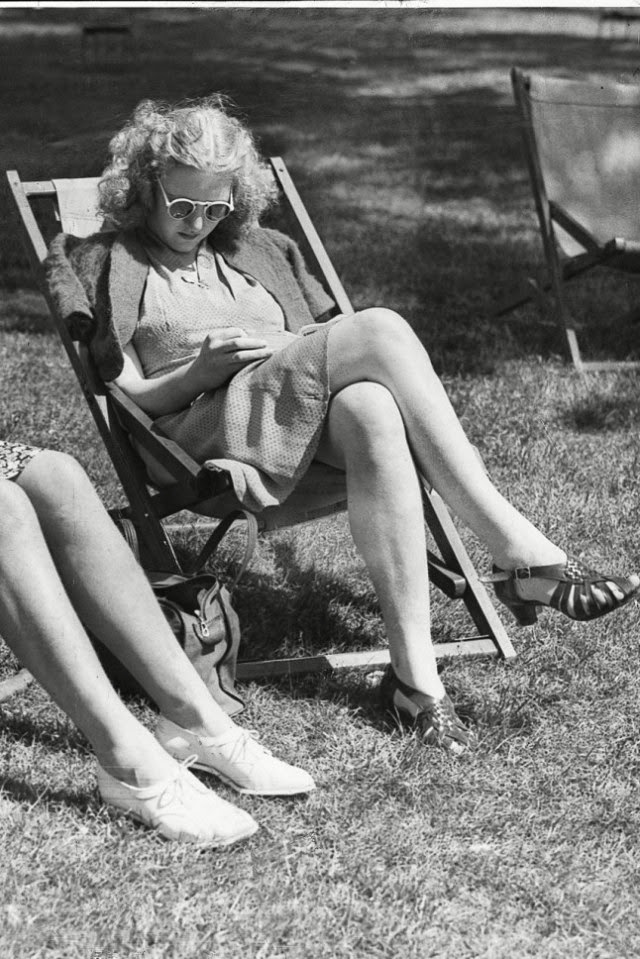
Ladies Sunbathing in London, 1942
Brenda Marshall, 1940s
Models on Bond Street, London, 1942
Land Girl in Southern England, 1944
Hedi Lamarr, 1941
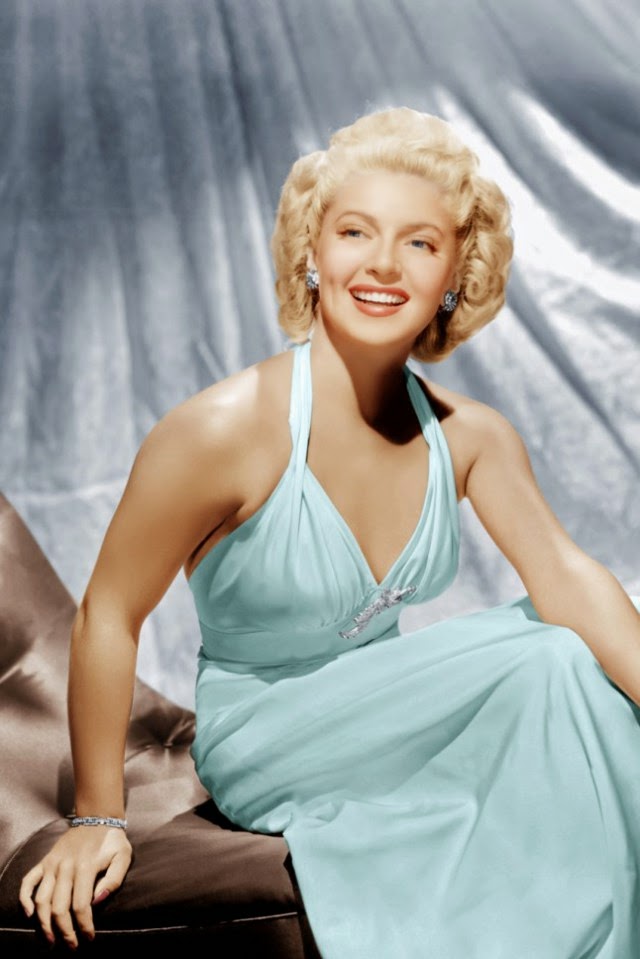
Lana Turner, 1946
Lana Turner, 1943
Lauren Bacall, 1944
Barbara Stanwyck, 1940
Betty Grable, 1943
Claudette Colbert, 1941
Doris Day, 1945
Ginger Rogers, 1942
Ida Lupino, 1940s
Olivia de Havilland, 1941
Claudette Colbert, 1942

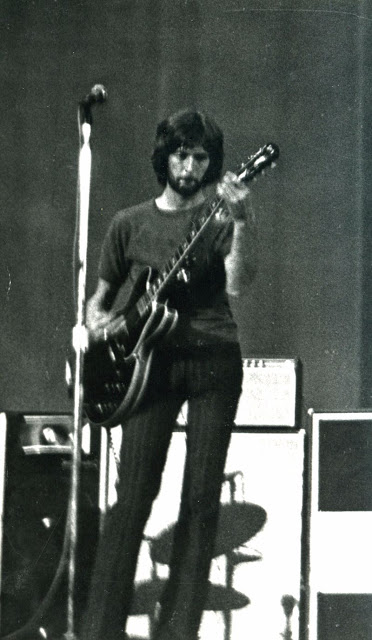
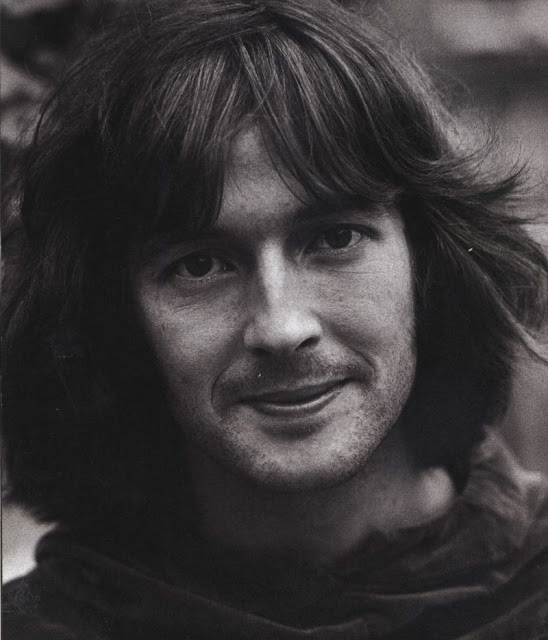
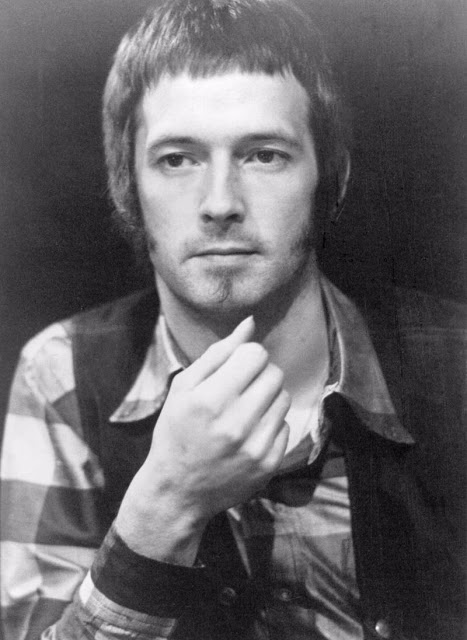
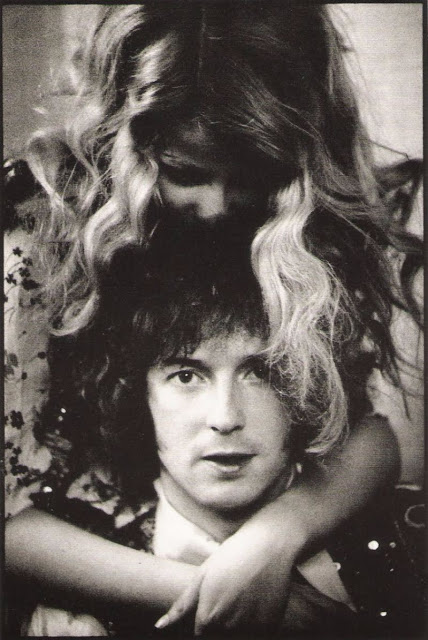
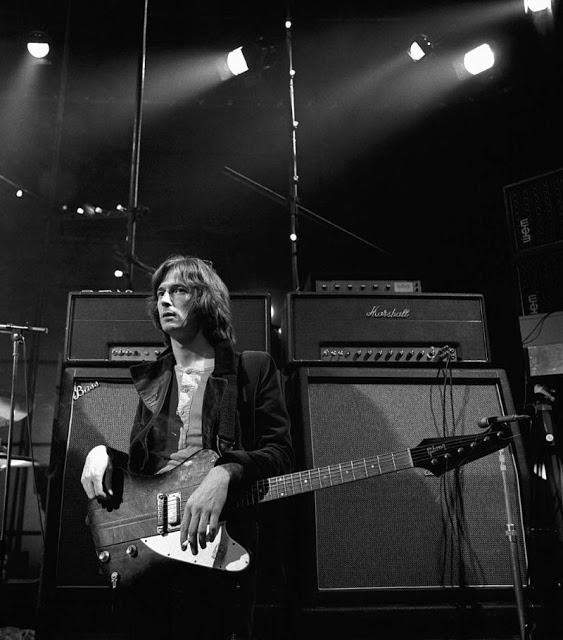
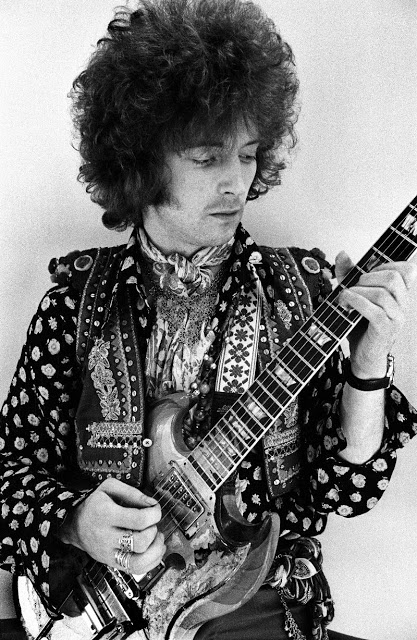
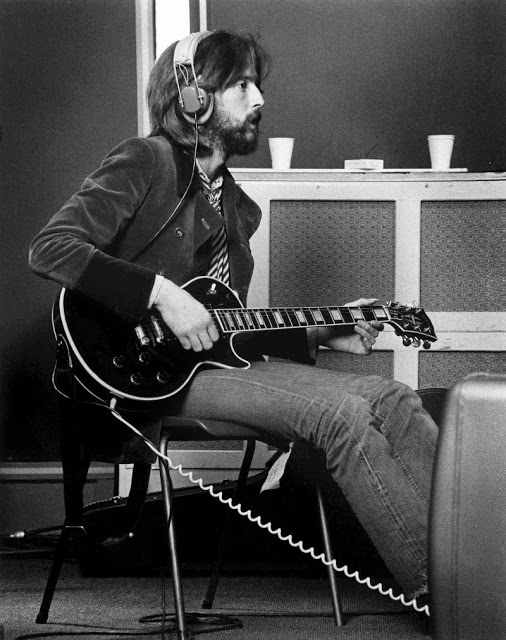
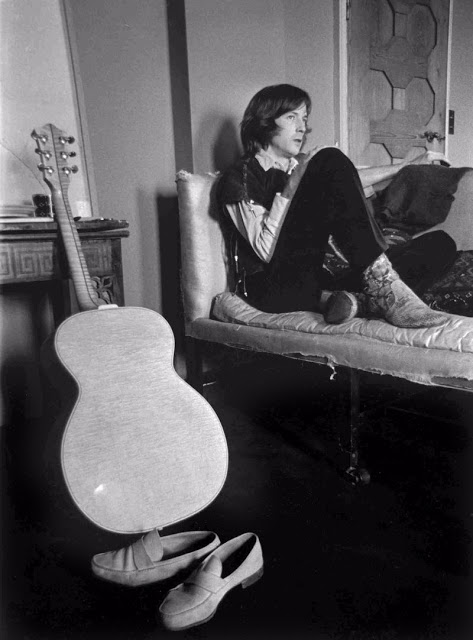
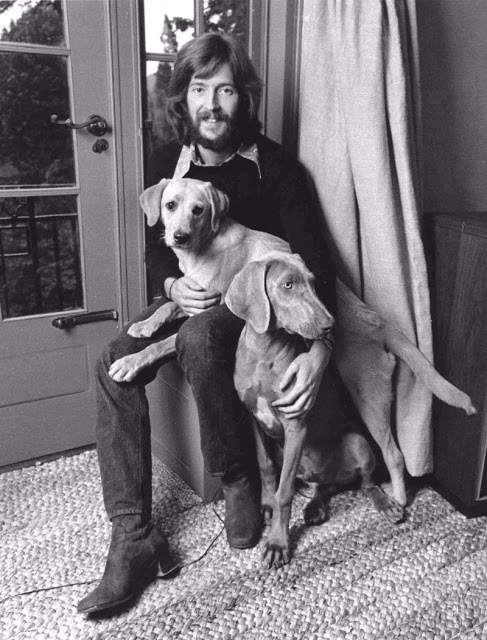
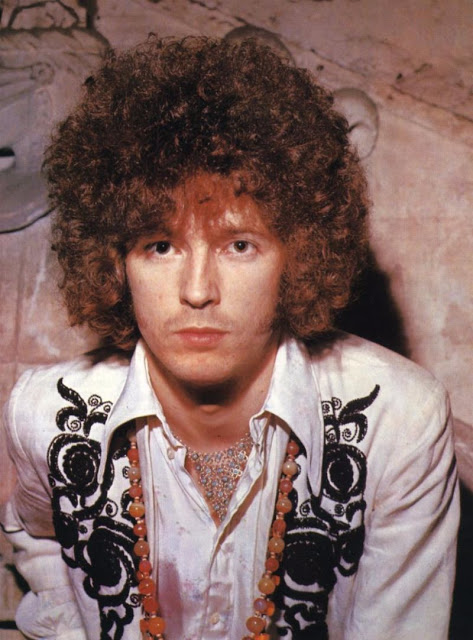
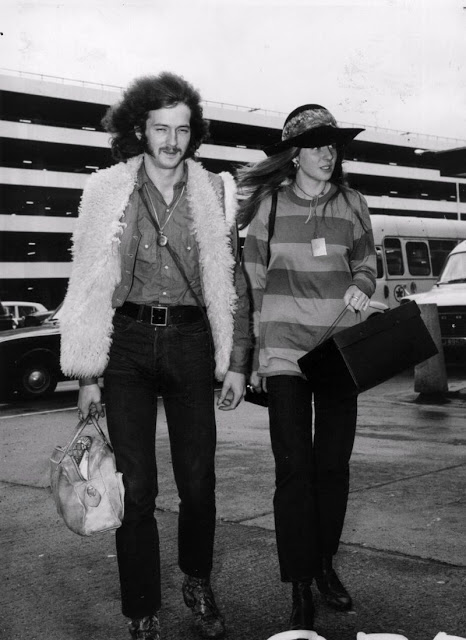
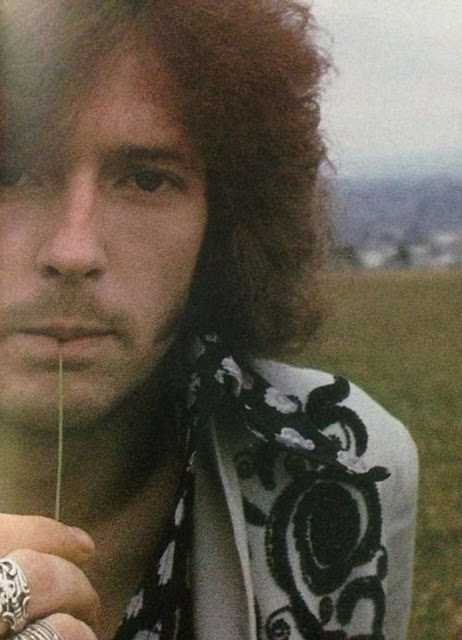
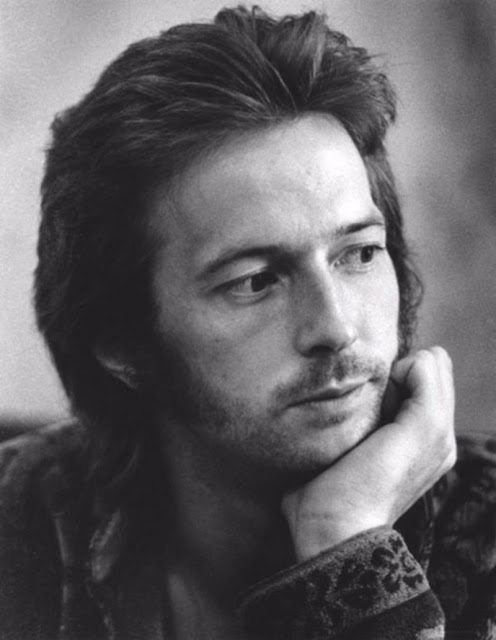
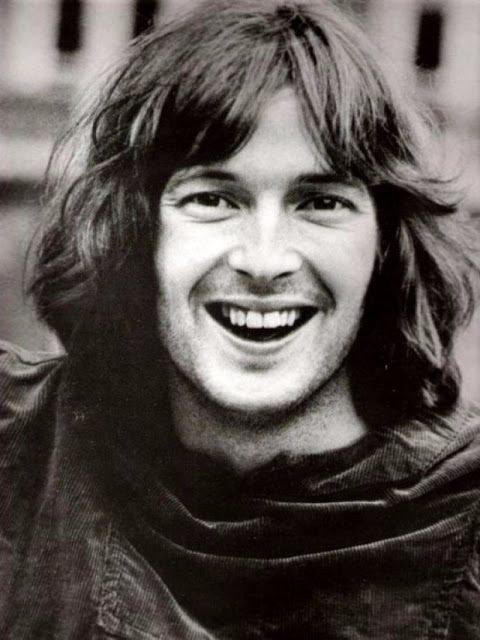
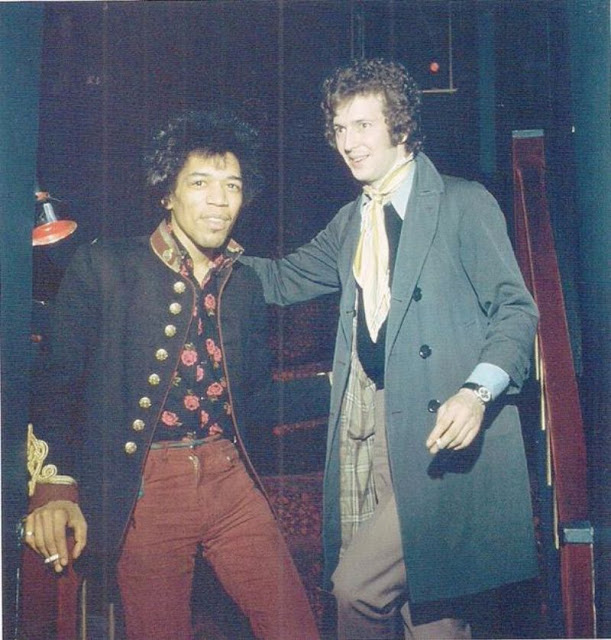
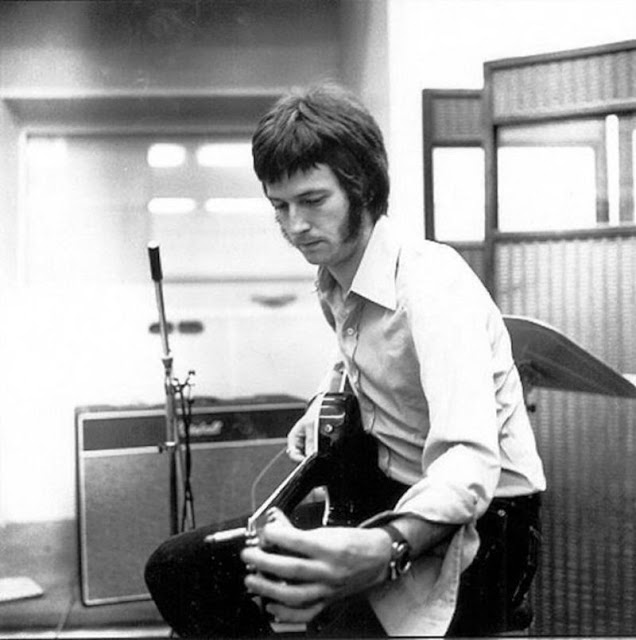
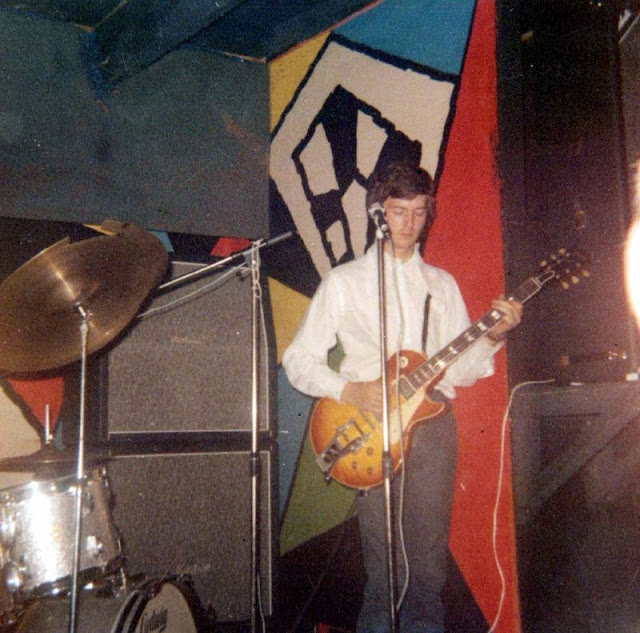
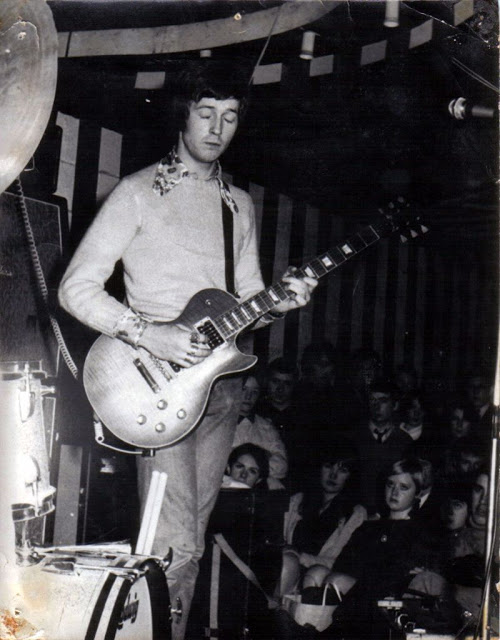
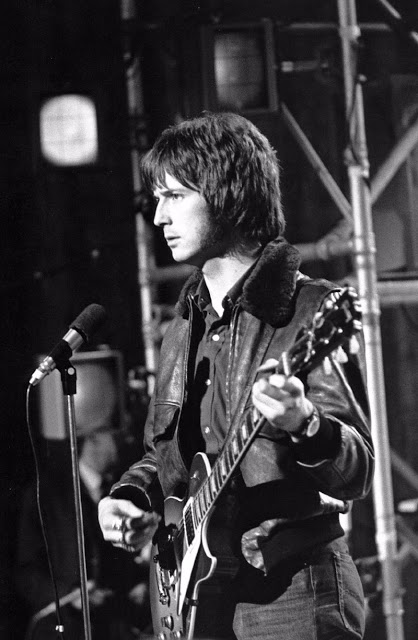
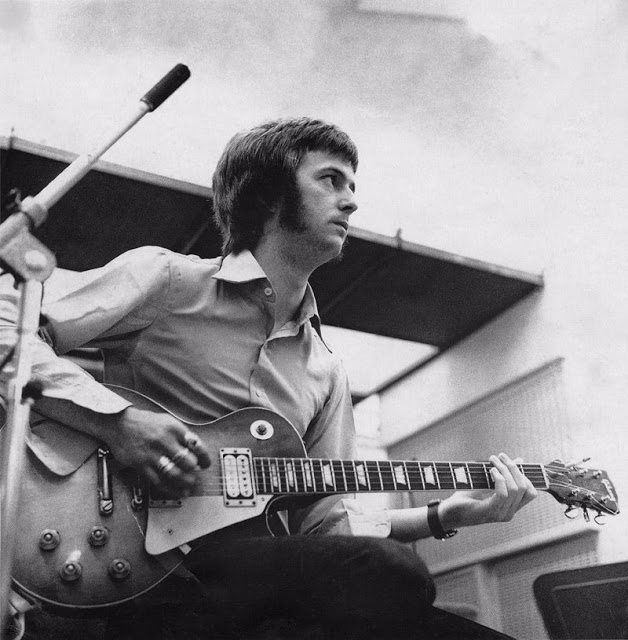
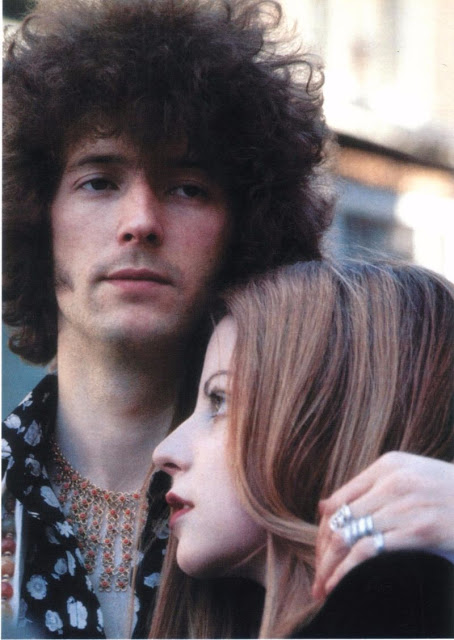
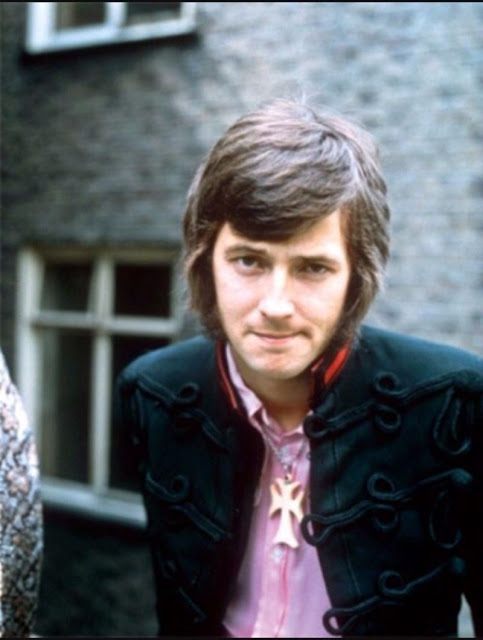
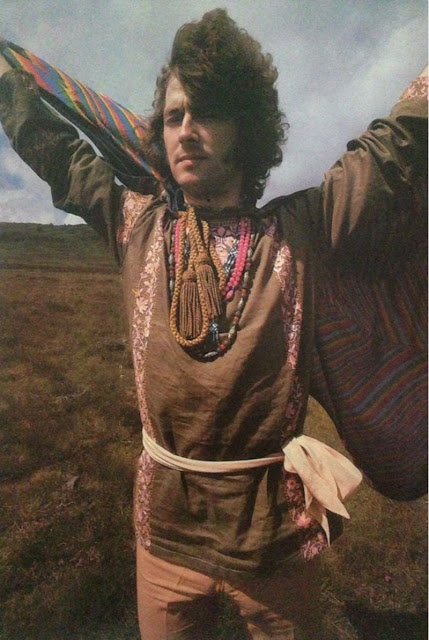
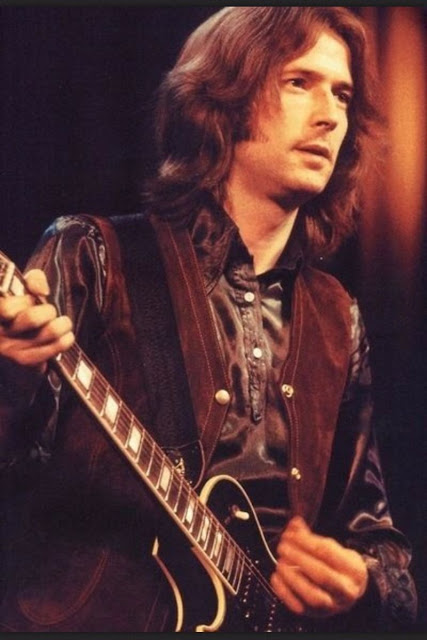
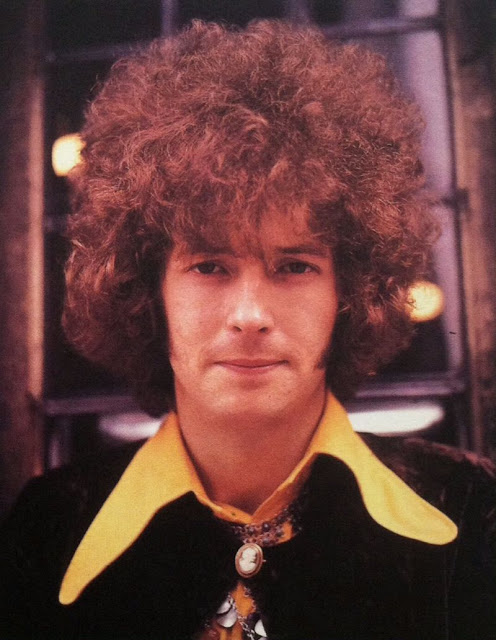
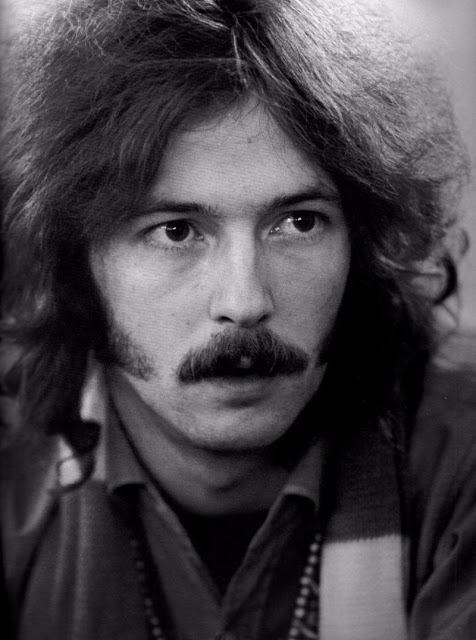
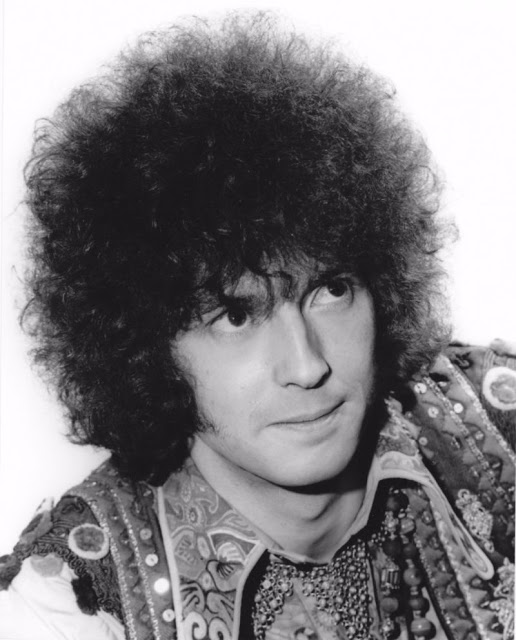
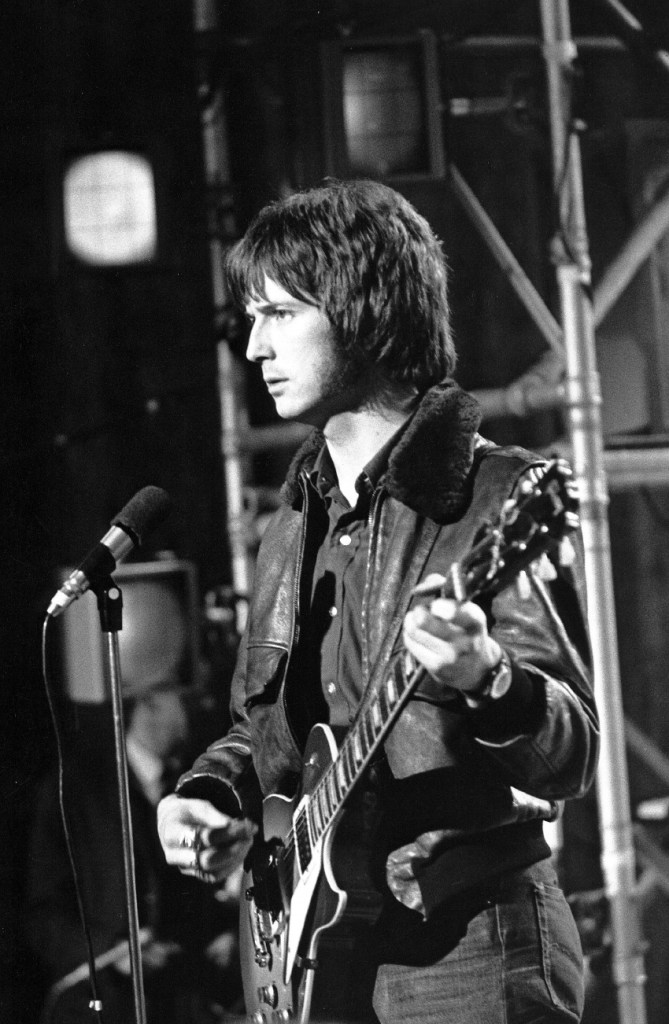
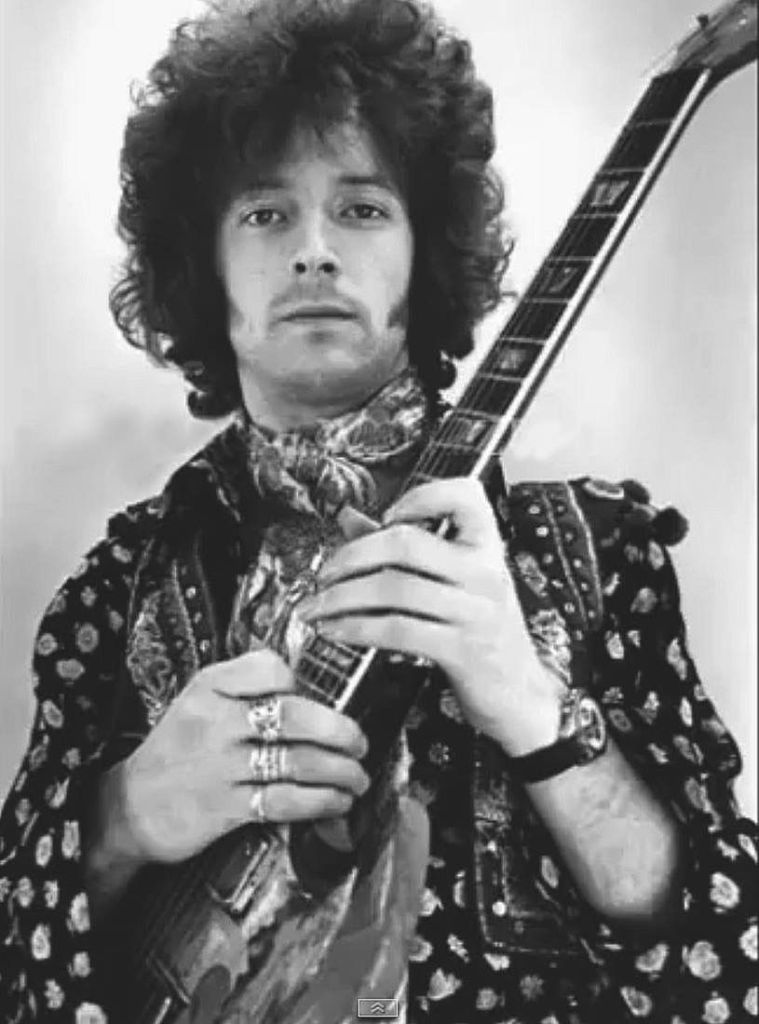
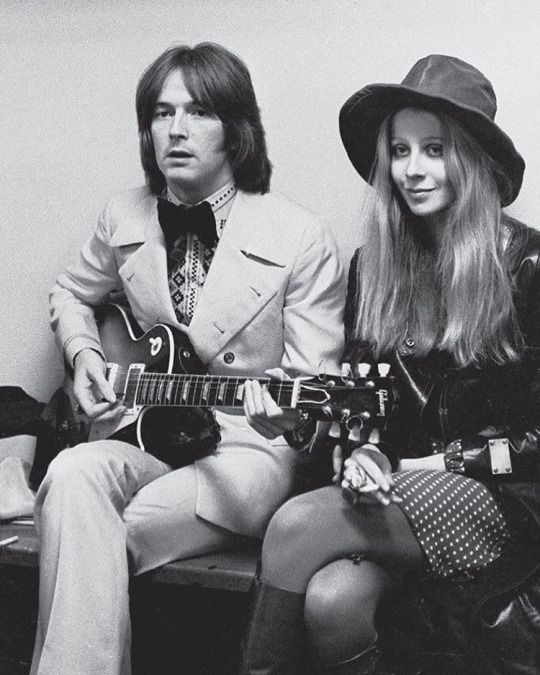
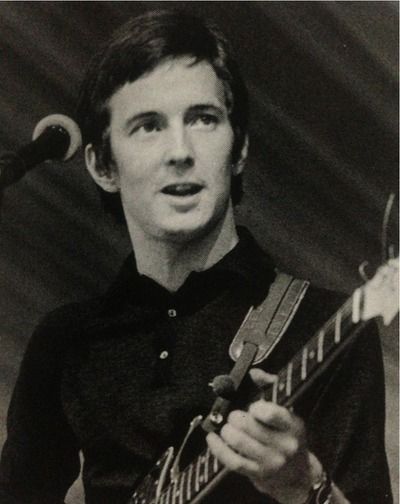
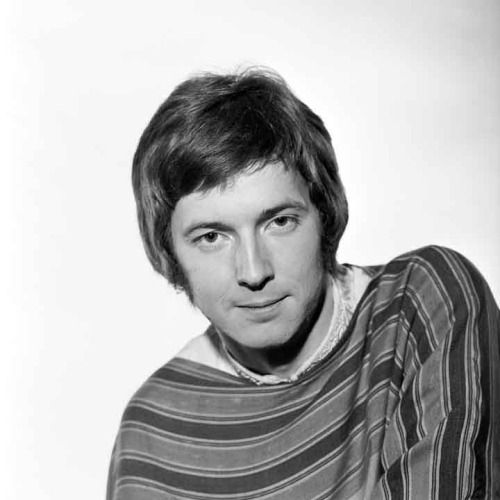
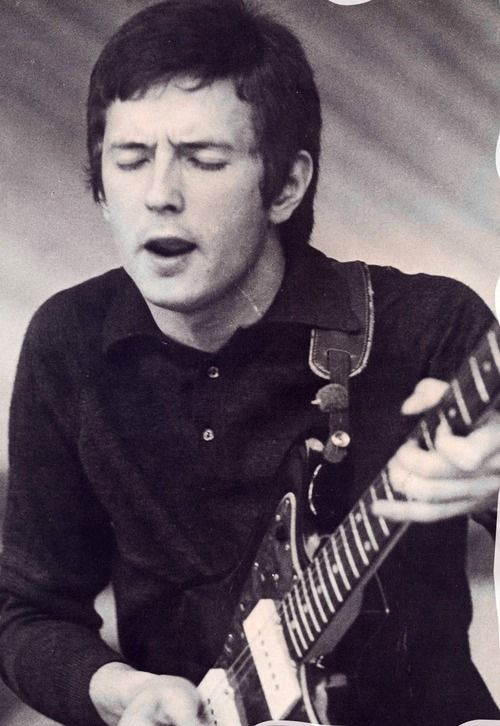
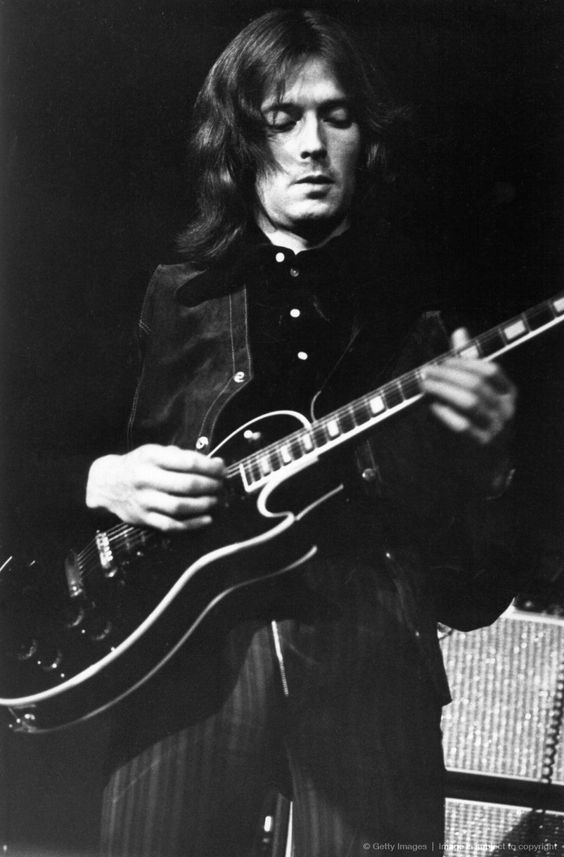
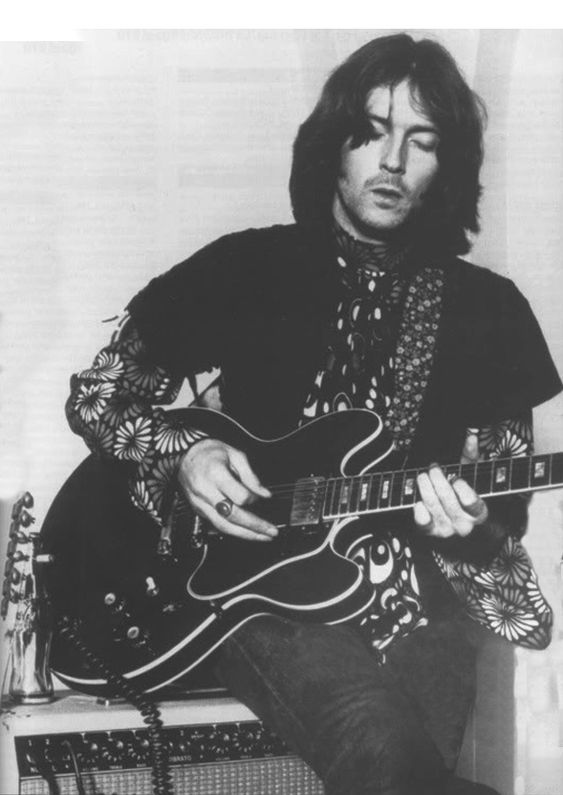
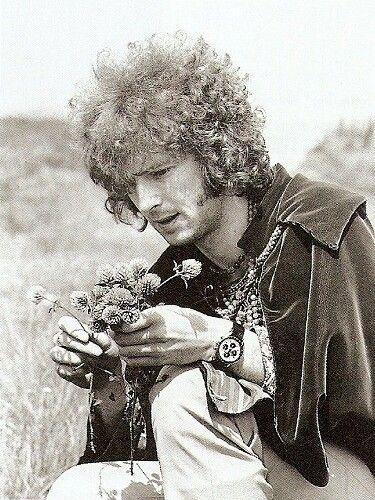
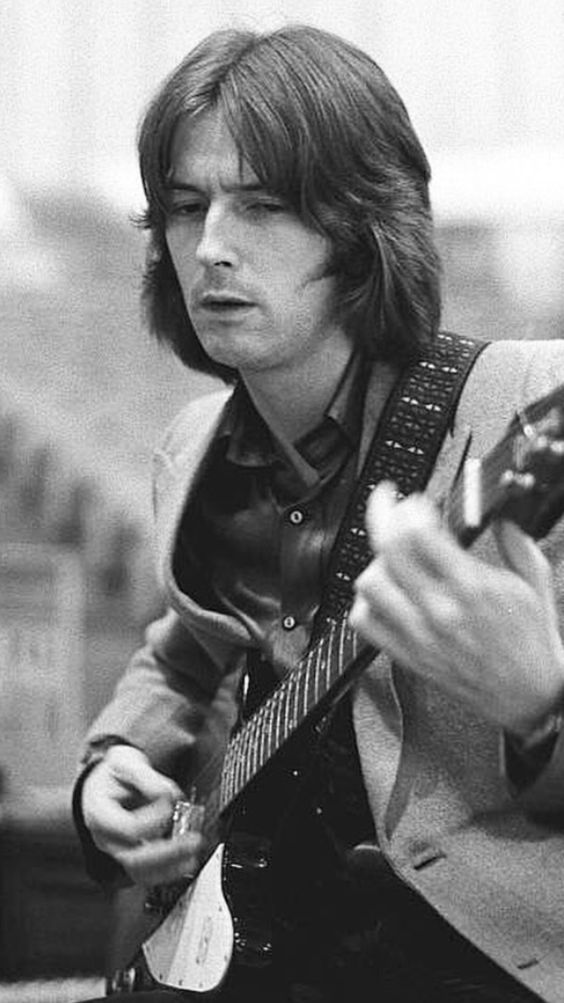
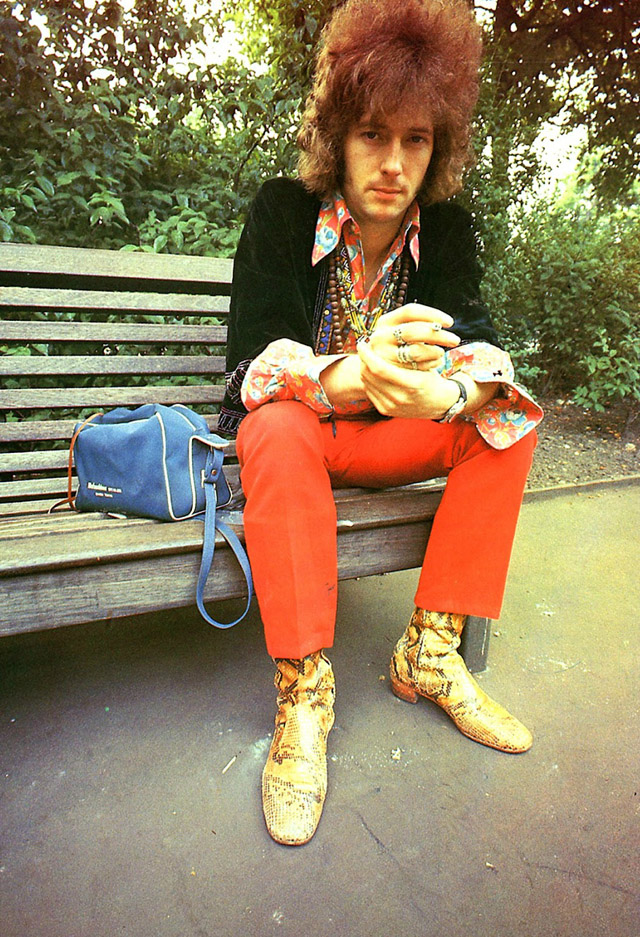
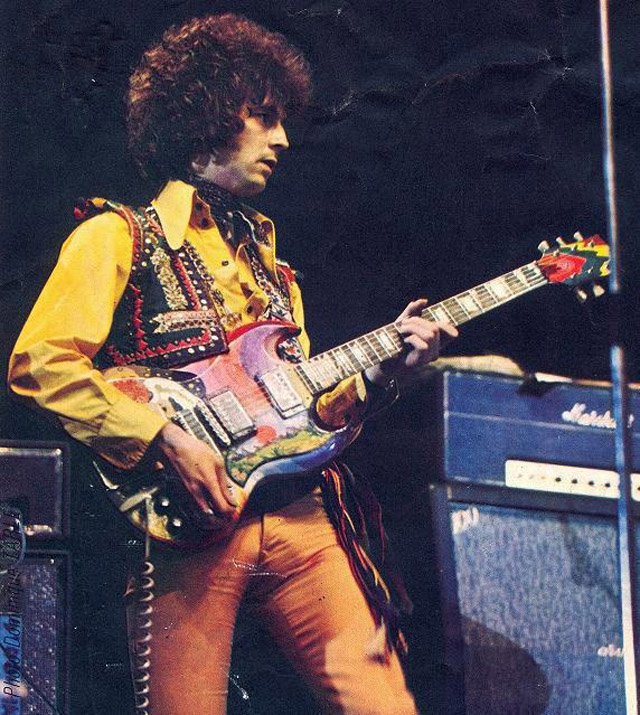
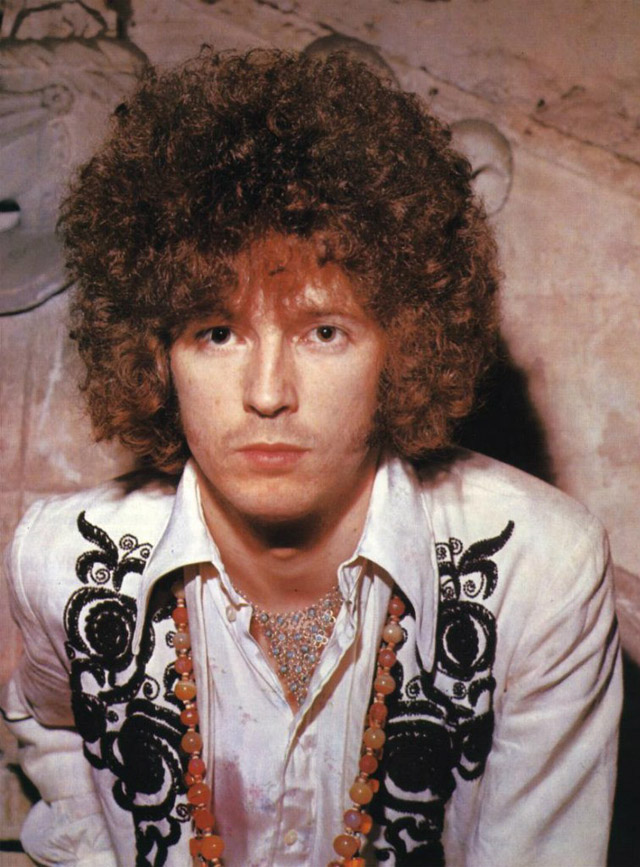
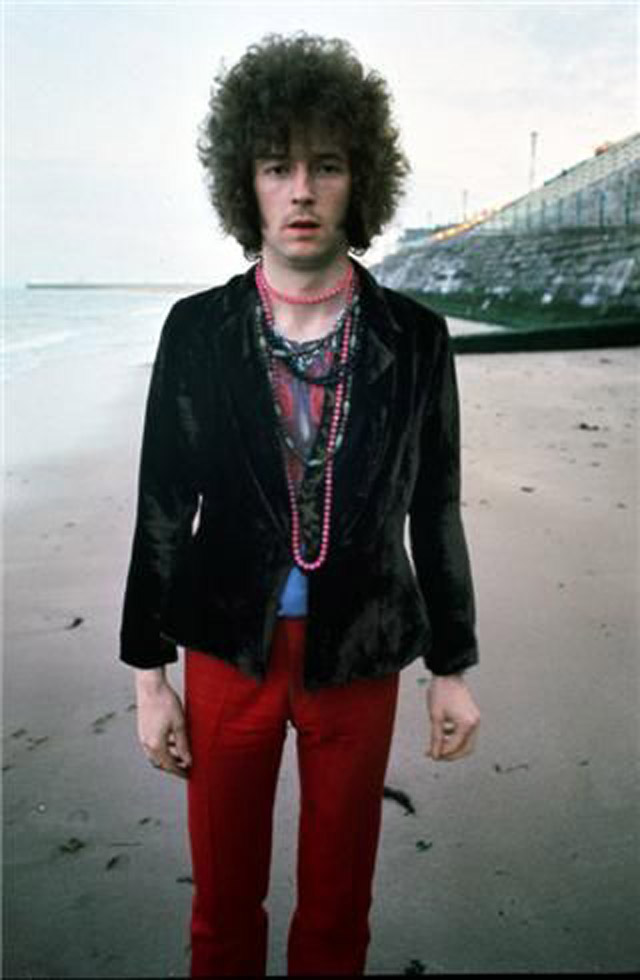
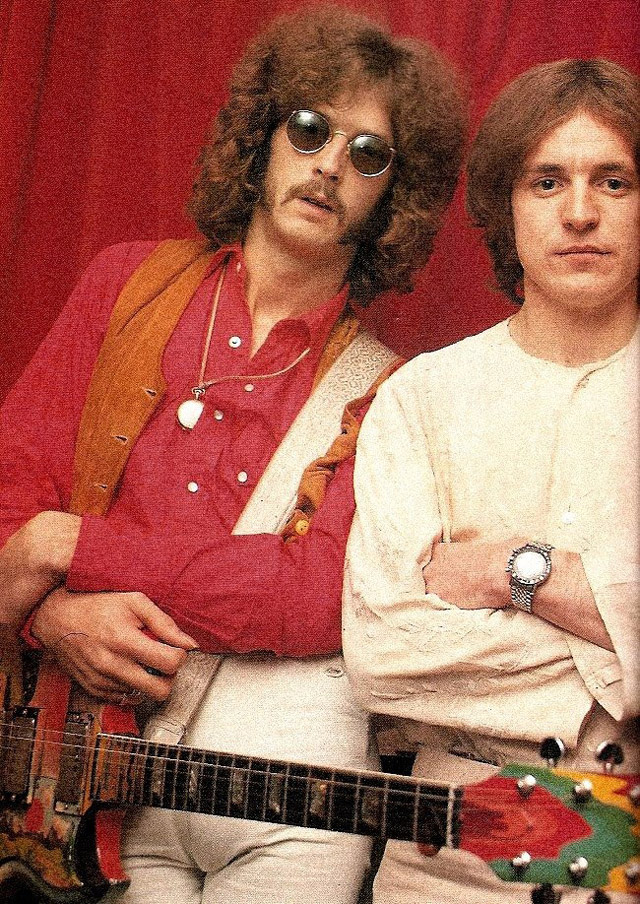
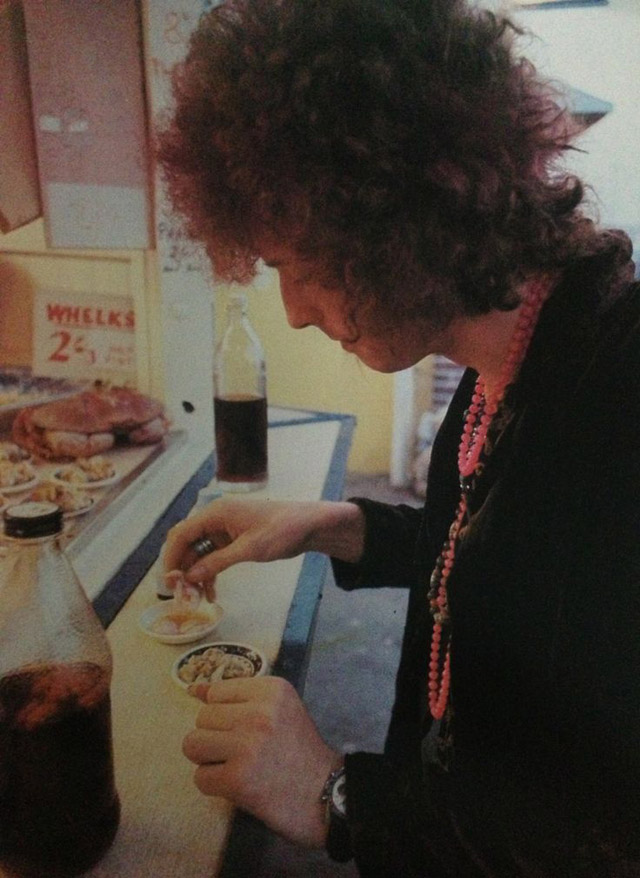
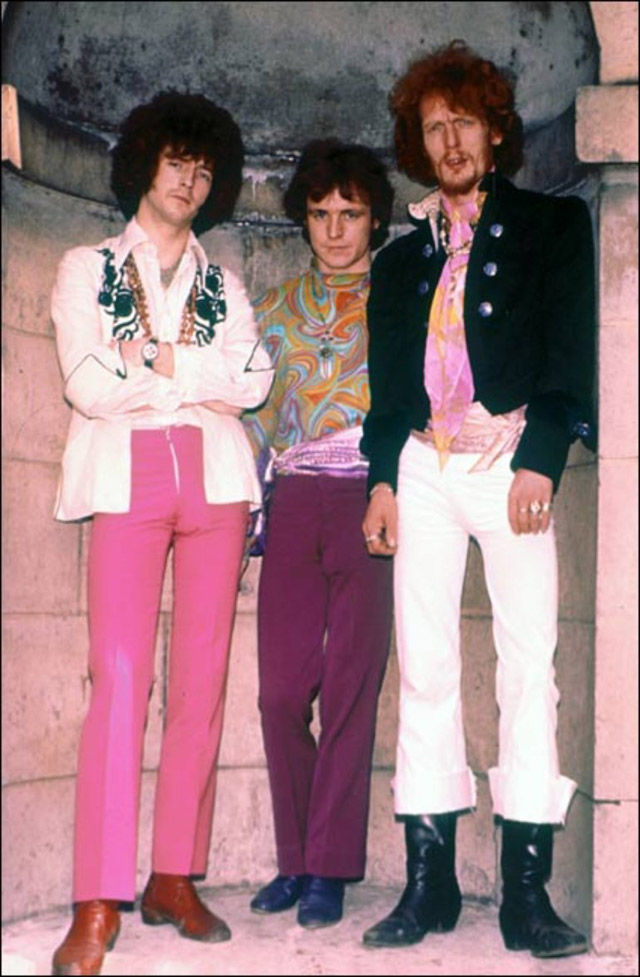
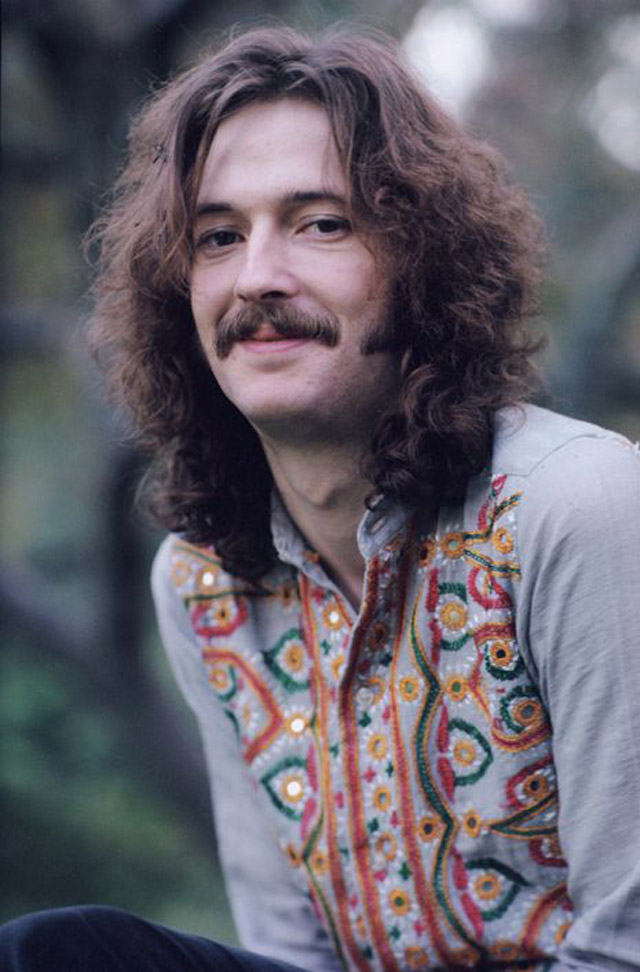
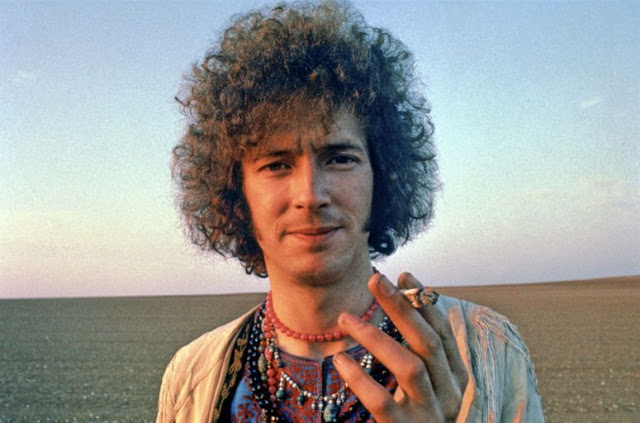
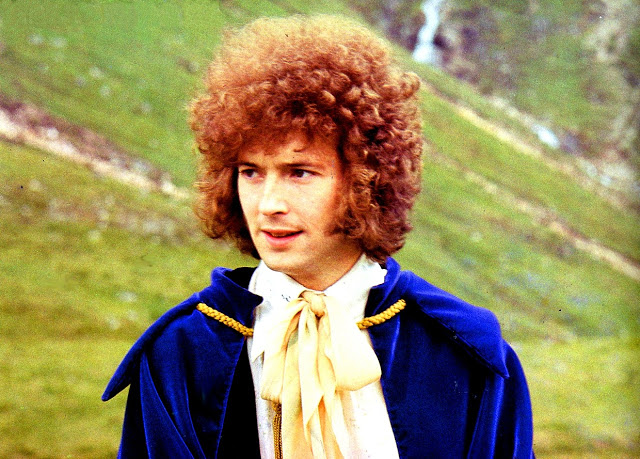
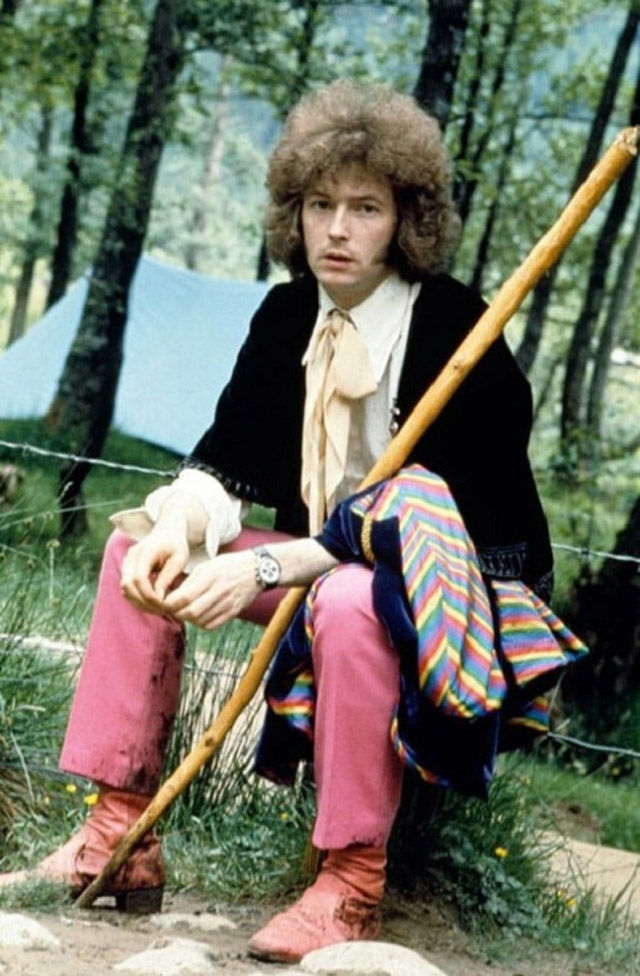
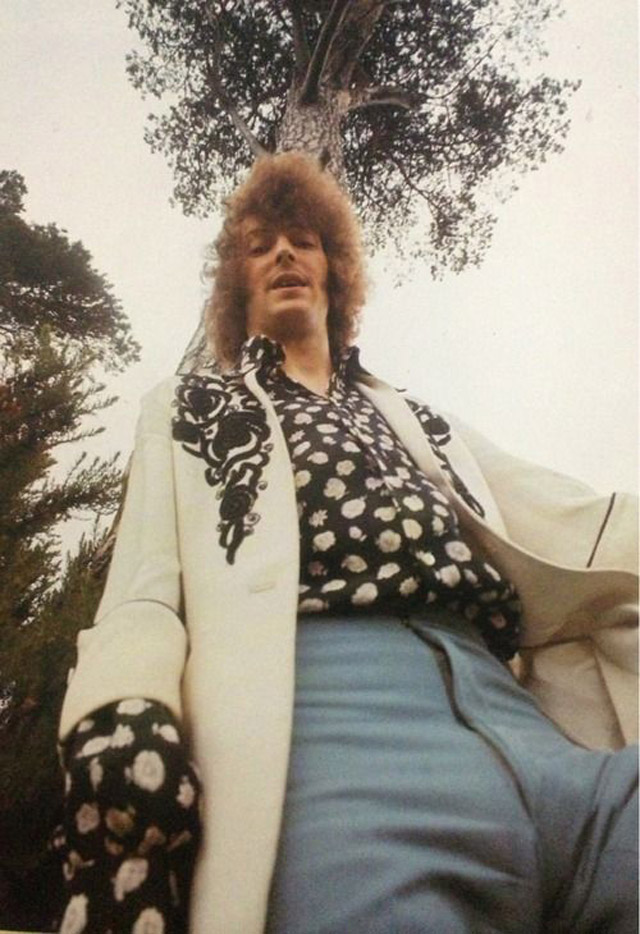
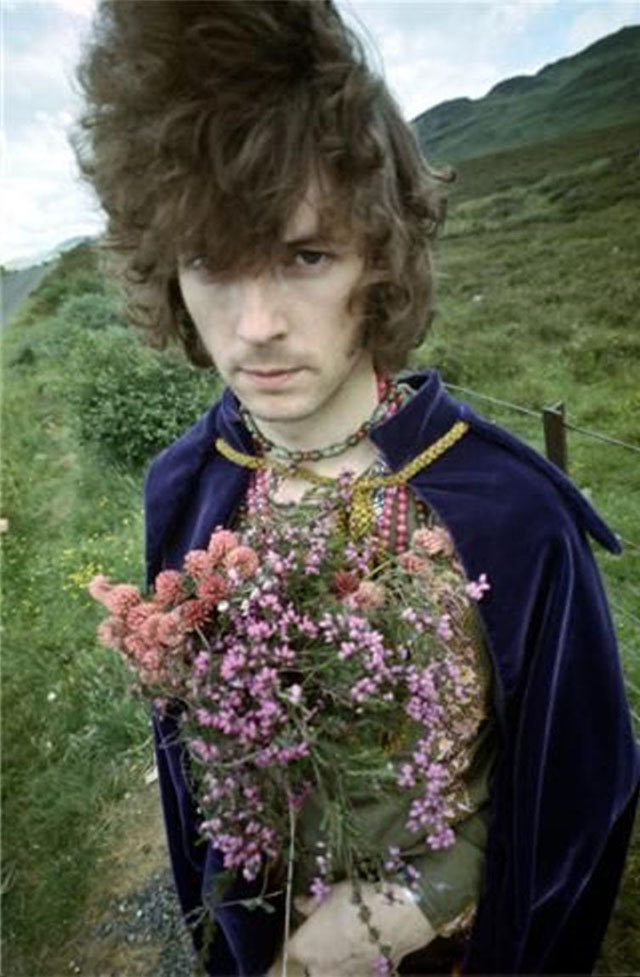
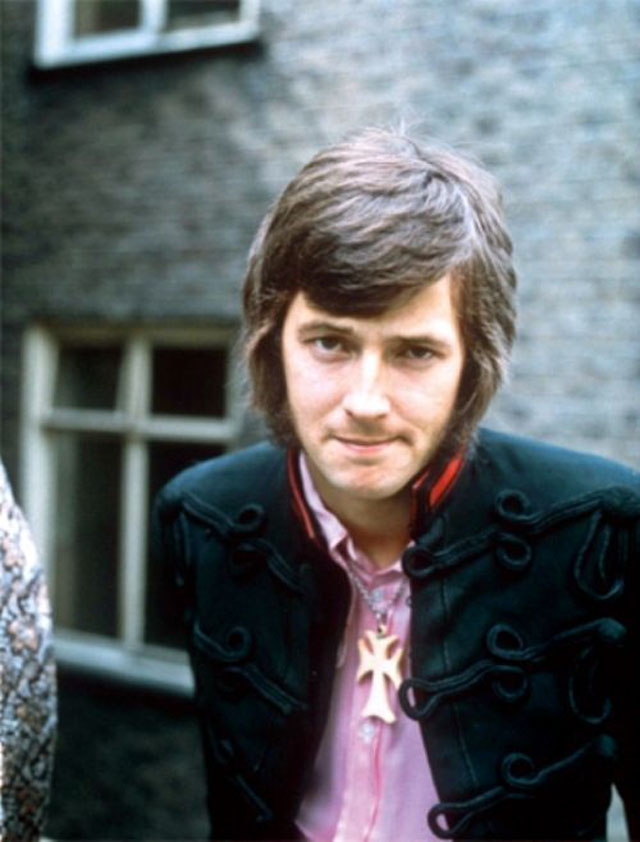
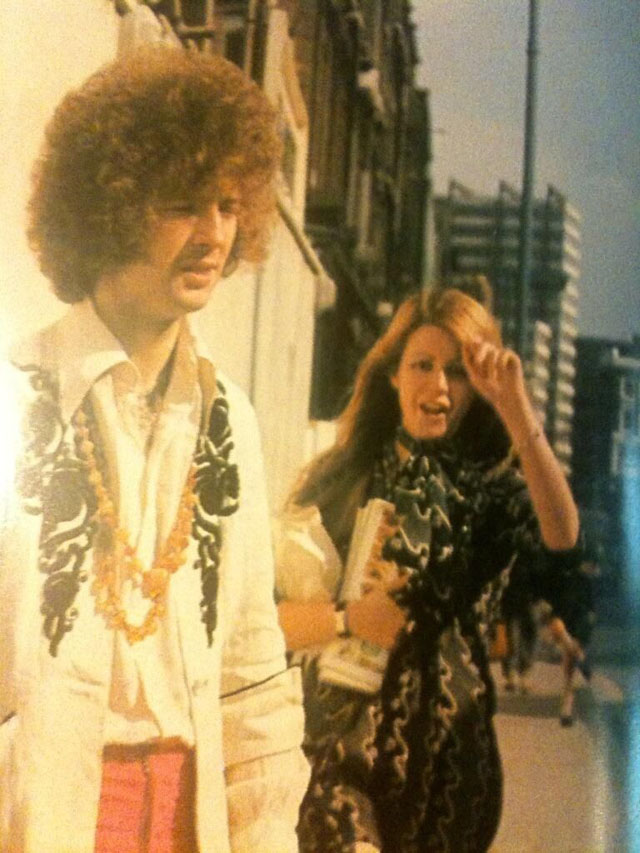
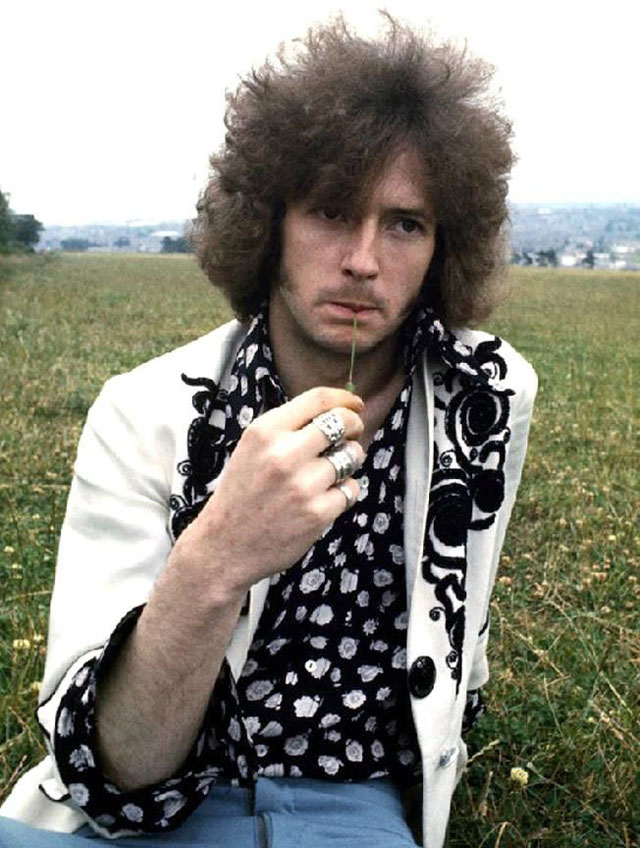
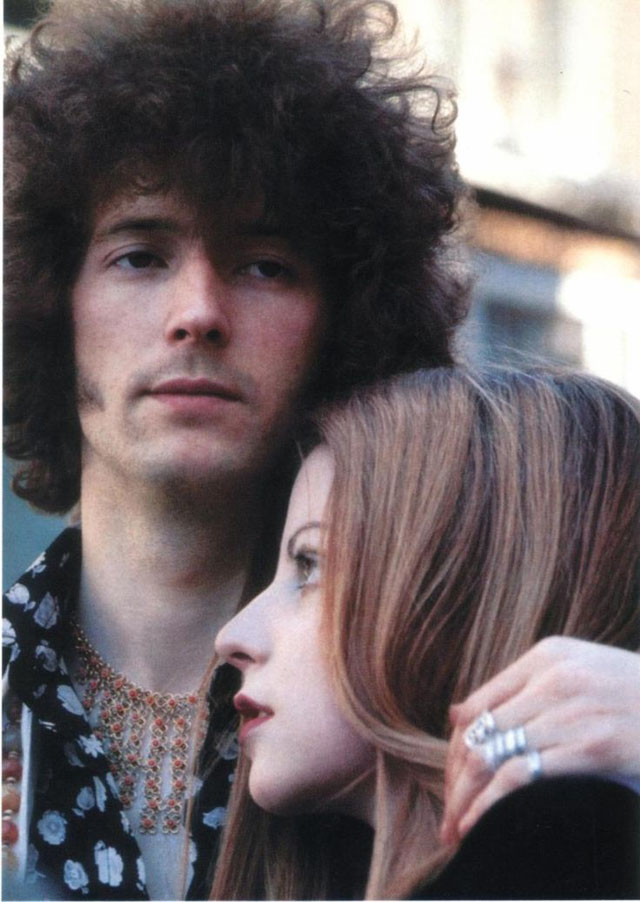
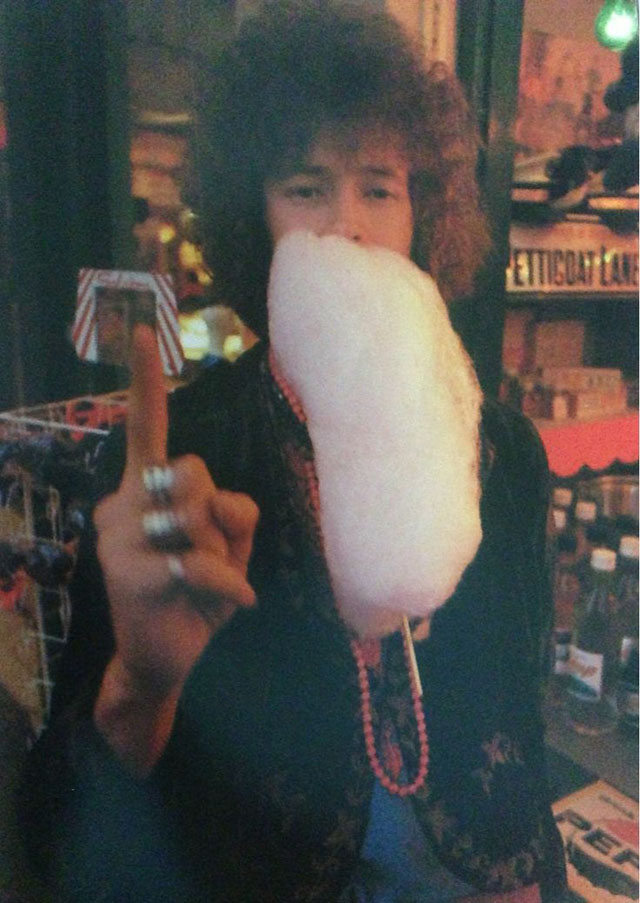
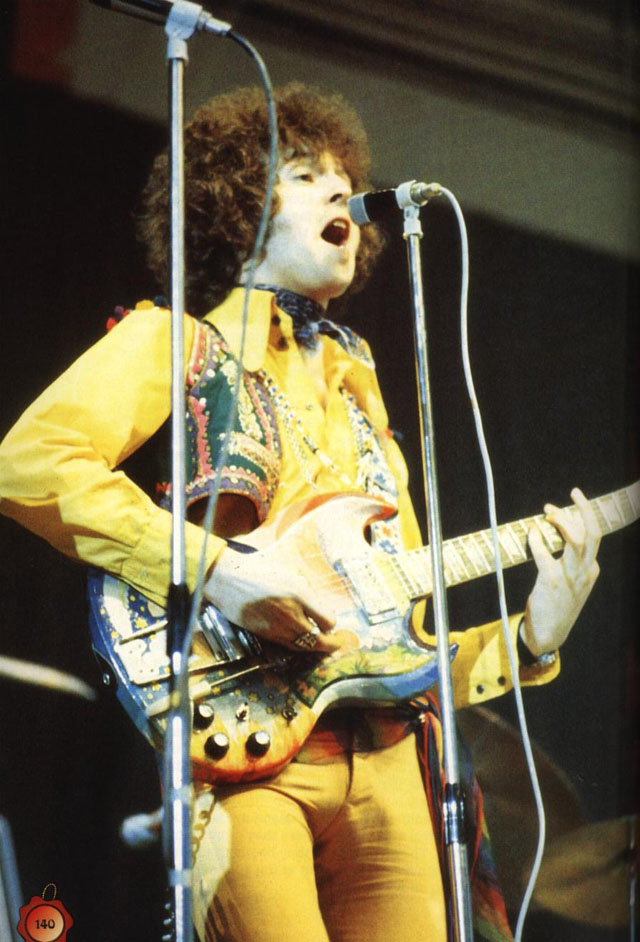
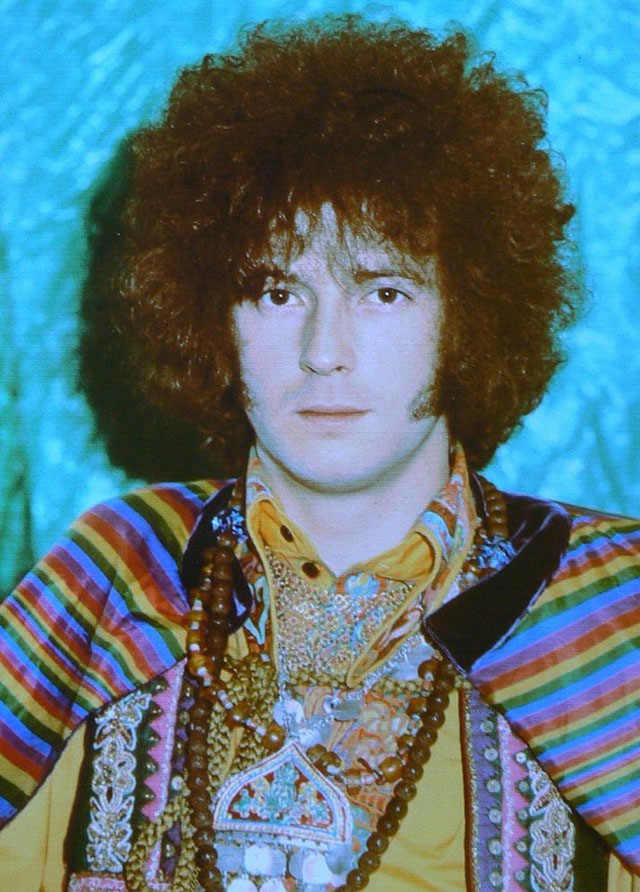
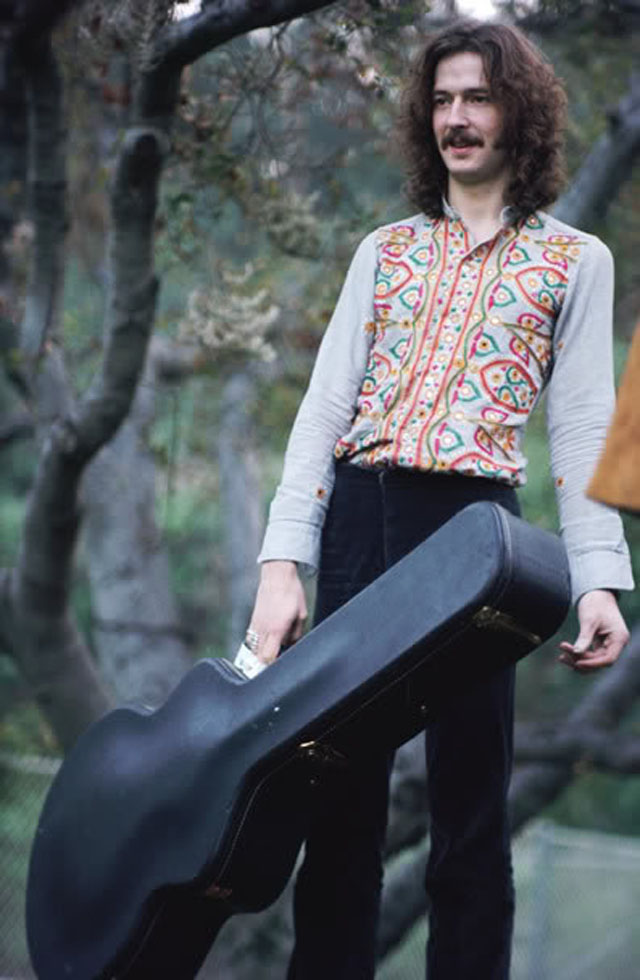
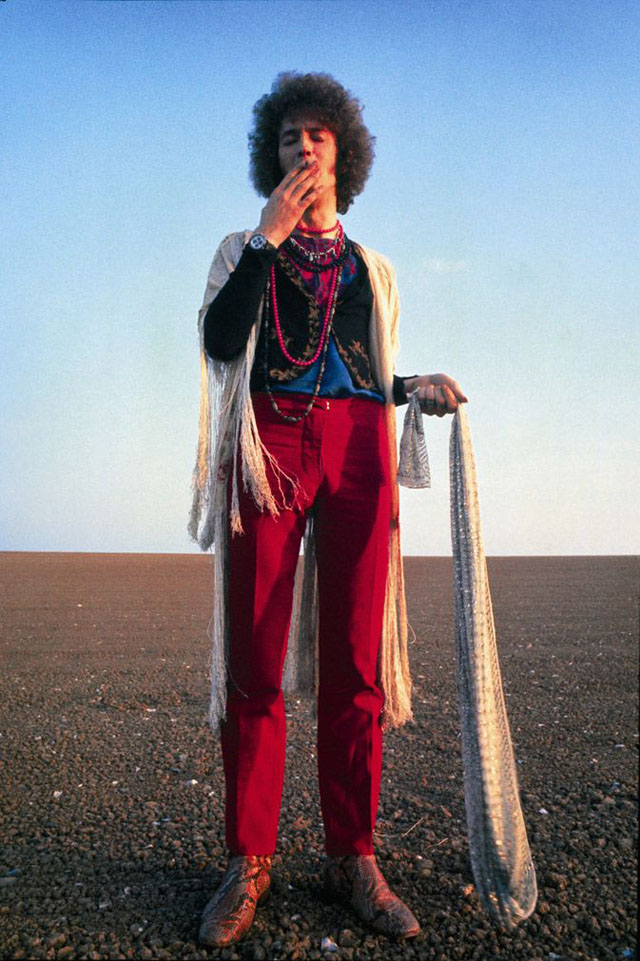
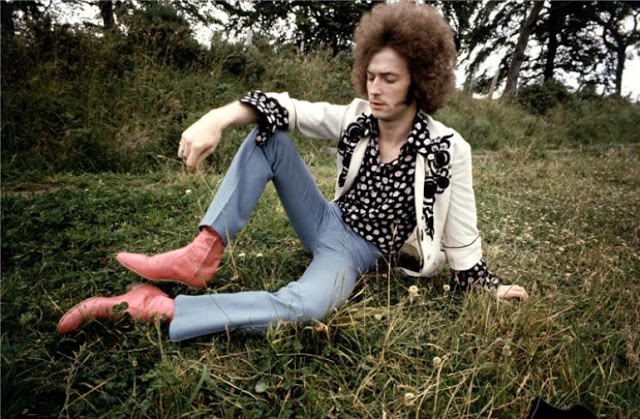
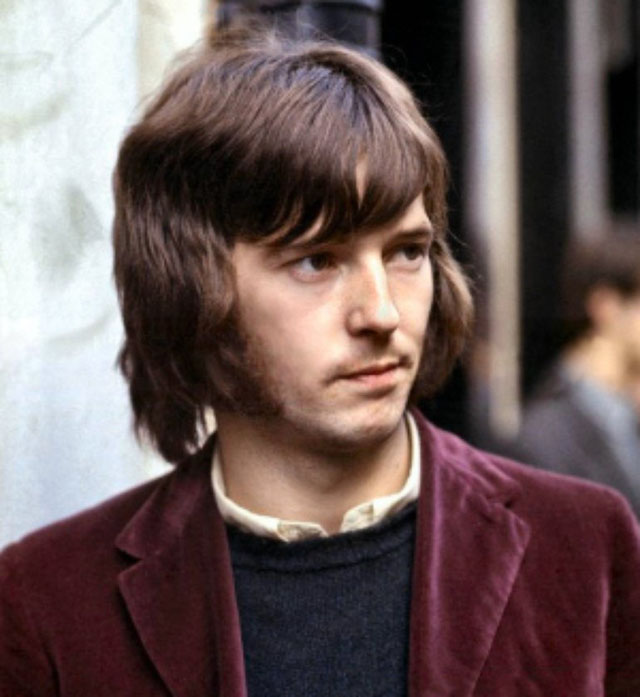
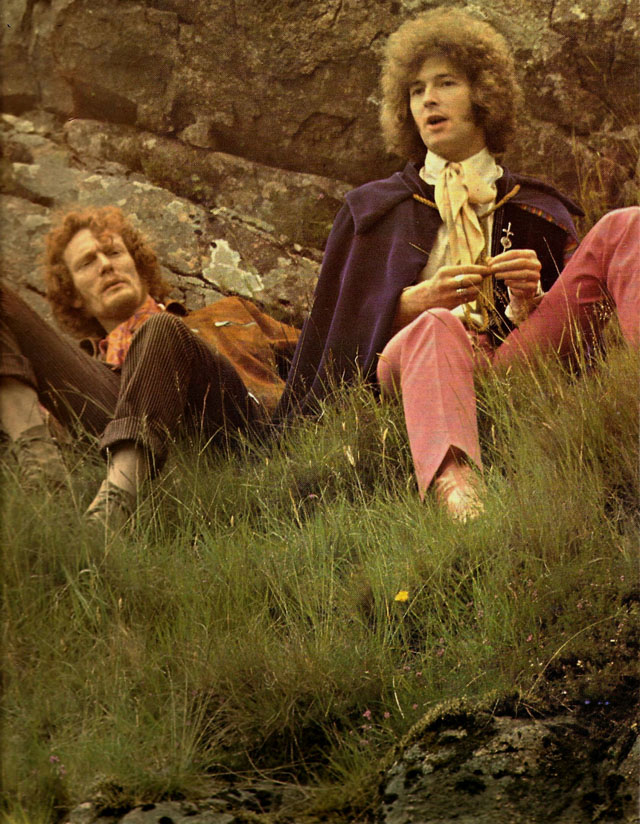
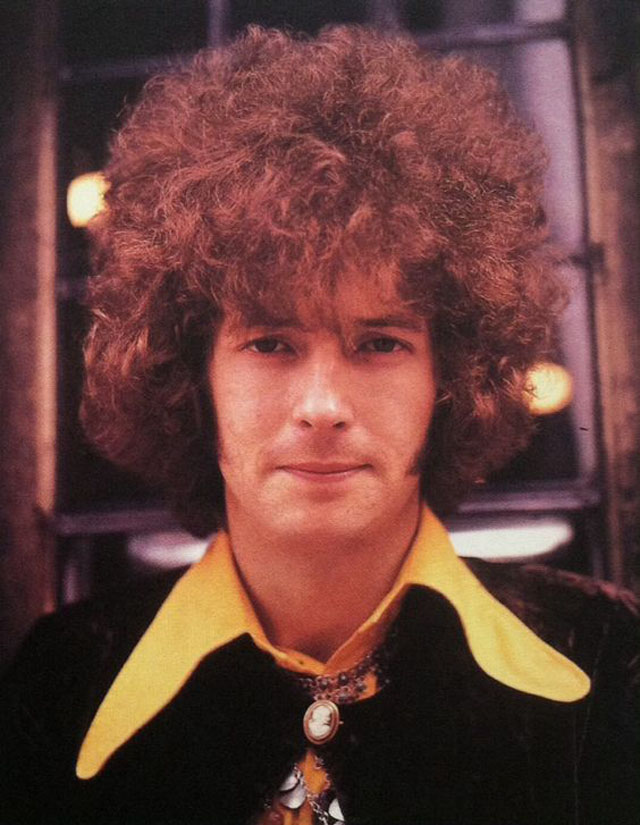
67 Interesting Vintage Photographs of a Eric Clapton in the 1960s

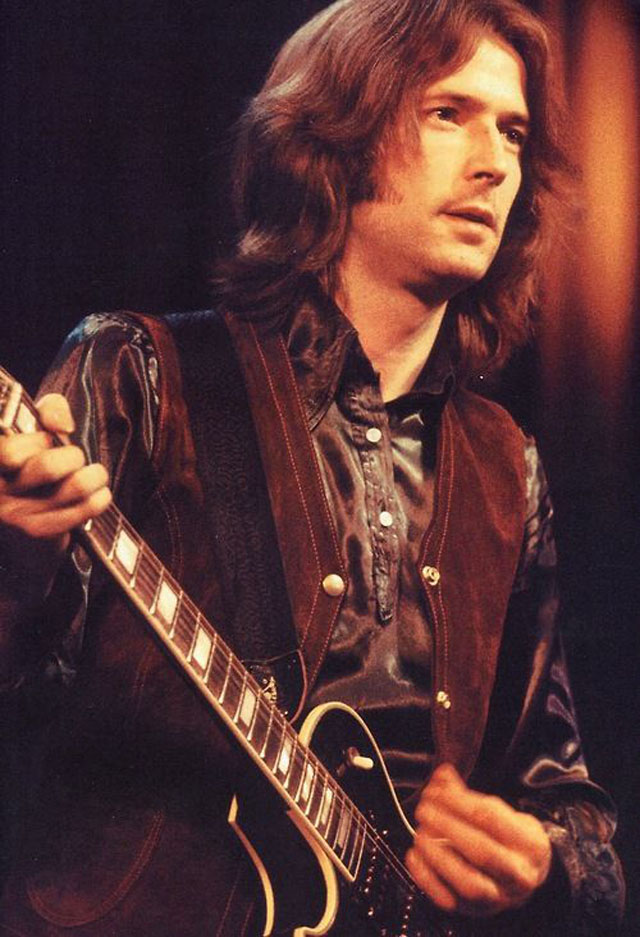
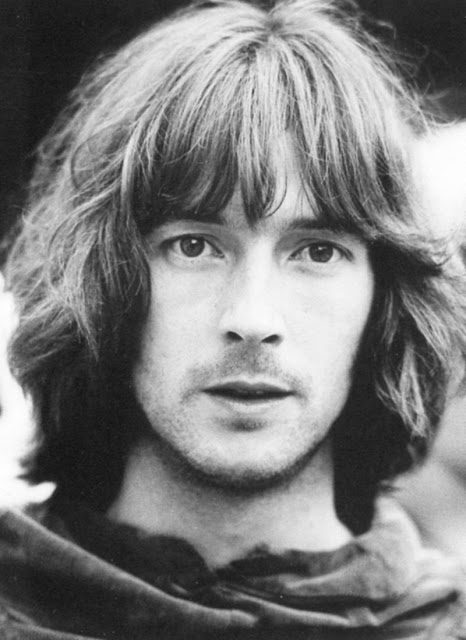
Eric Patrick Clapton CBE (born 30 March 1945) is an English rock and blues guitarist, singer, and songwriter, widely regarded as one of the most important and influential guitarists of all time. Clapton ranked second in Rolling Stone’s list of the “100 Greatest Guitarists of All Time” and fourth in Gibson’s “Top 50 Guitarists of All Time”. He was also named number five in Time magazine’s list of “The 10 Best Electric Guitar Players” in 2009.

After playing in a number of different local bands, Clapton joined the Yardbirds in 1963, replacing founding guitarist Top Topham. Dissatisfied with the change of the Yardbirds sound from blues rock to a more radio-friendly pop rock sound, Clapton left in 1965 to play with John Mayall & the Bluesbreakers. On leaving Mayall in 1966, after one album, he formed the power trio Cream with drummer Ginger Baker and bassist Jack Bruce, in which Clapton played sustained blues improvisations and “arty, blues-based psychedelic pop”. After Cream broke up in November 1968, he formed the blues rock band Blind Faith with Baker, Steve Winwood, and Ric Grech, recording one album and performing on one tour before they broke up. Clapton embarked on a solo career in 1970.

Alongside his solo career, he also performed with Delaney & Bonnie and Derek and the Dominos, with whom he recorded “Layla”, one of his signature songs. He continued to record a number of successful solo albums and songs over the next several decades, including a 1974 cover of Bob Marley’s “I Shot the Sheriff” (which helped reggae reach a mass market), the country-infused Slowhand album (1977) and the pop rock of 1986’s August. Following the death of his son Conor in 1991, Clapton’s grief was expressed in the song “Tears in Heaven”, which appeared on his Unplugged album, and in 1996 he had another top-40 hit with the R&B crossover “Change the World”. In 1998, he released the Grammy award-winning “My Father’s Eyes”. Since 1999, he has recorded a number of traditional blues and blues rock albums and hosted the periodic Crossroads Guitar Festival. His most recent studio album is Happy Xmas (2018).

Clapton has received 18 Grammy Awards as well as the Brit Award for Outstanding Contribution to Music. In 2004, he was awarded a CBE for services to music. He has received four Ivor Novello Awards from the British Academy of Songwriters, Composers and Authors, including the Lifetime Achievement Award. He is the only three-time inductee to the Rock and Roll Hall of Fame: once as a solo artist and separately as a member of the Yardbirds and of Cream.

In his solo career, Clapton has sold more than 280 million records worldwide, making him one of the best-selling musicians of all time. In 1998, Clapton, a recovering alcoholic and drug addict, founded the Crossroads Centre on Antigua, a medical facility for recovering substance abusers. (Wikipedia)

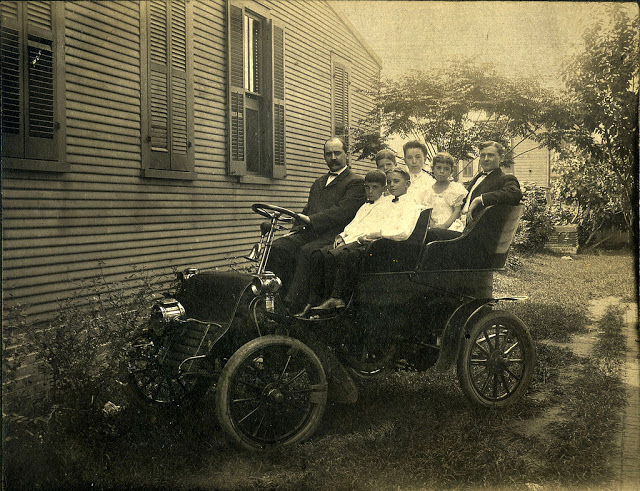
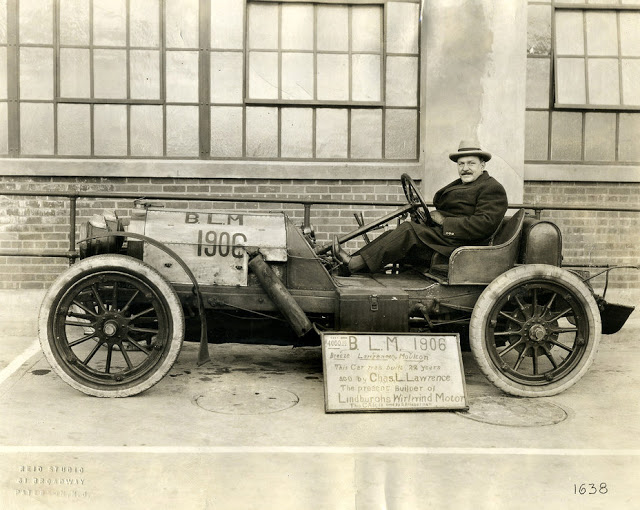
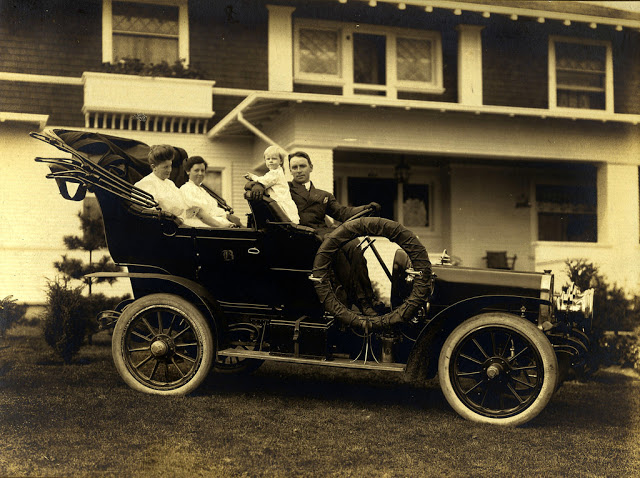
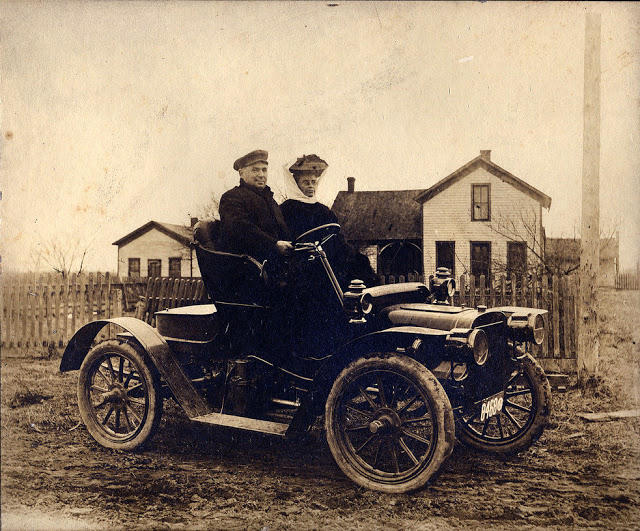
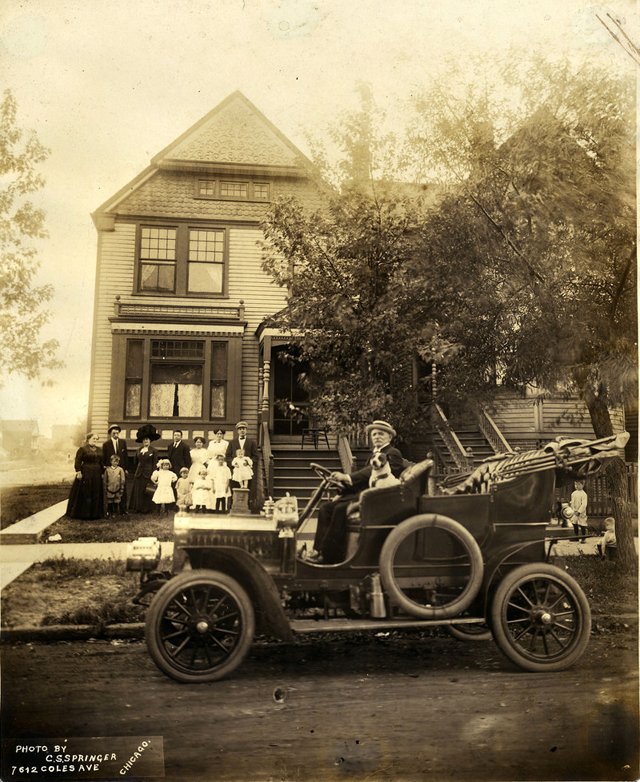
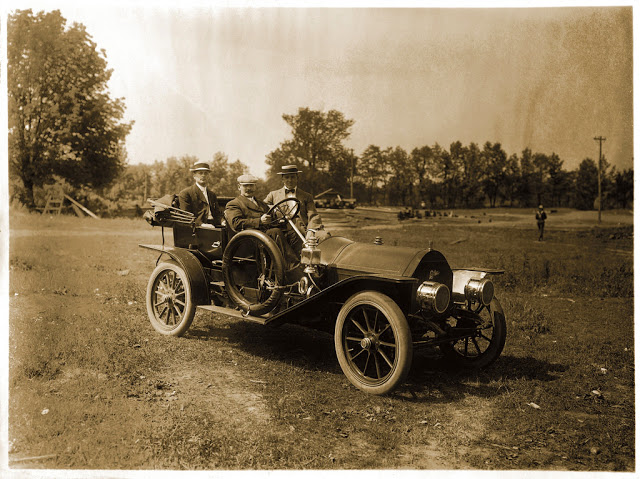
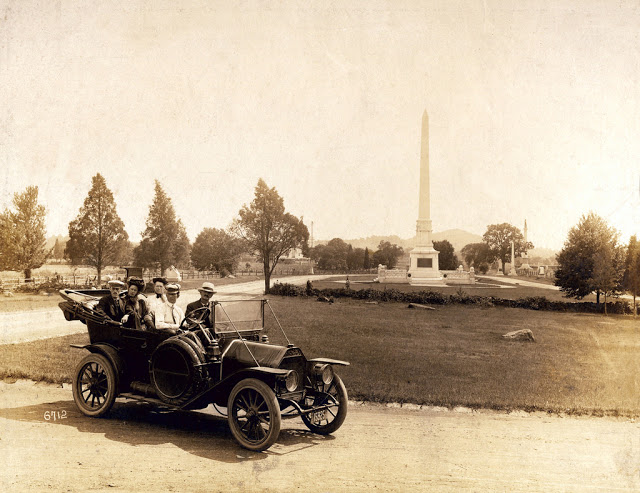
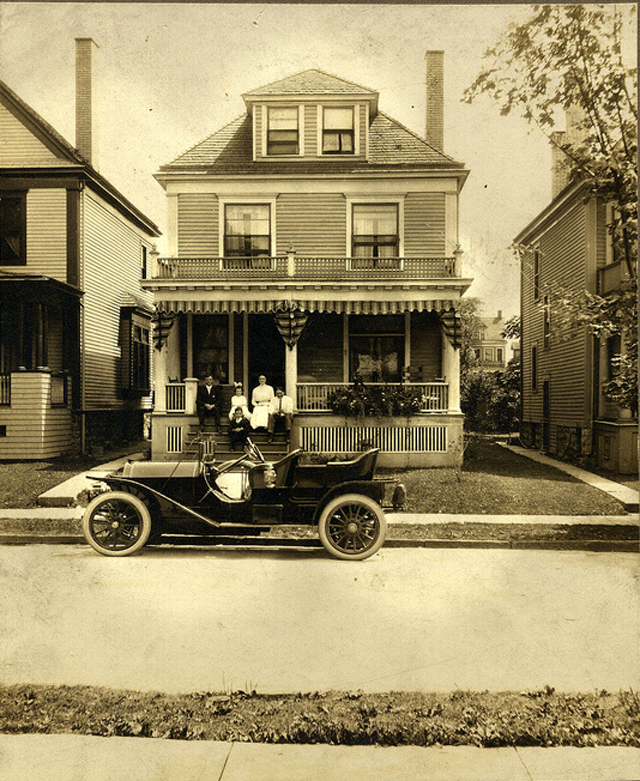
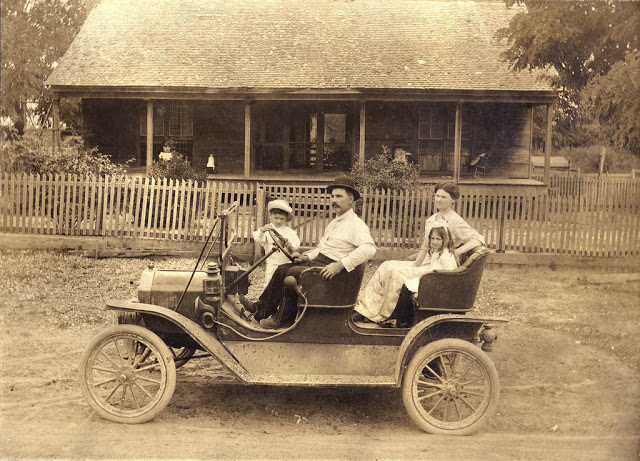
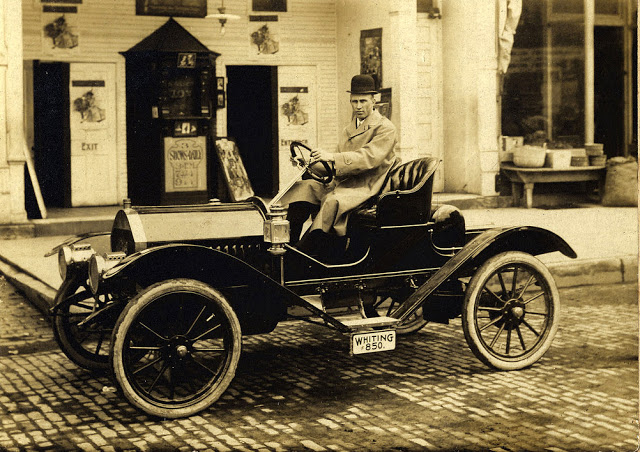
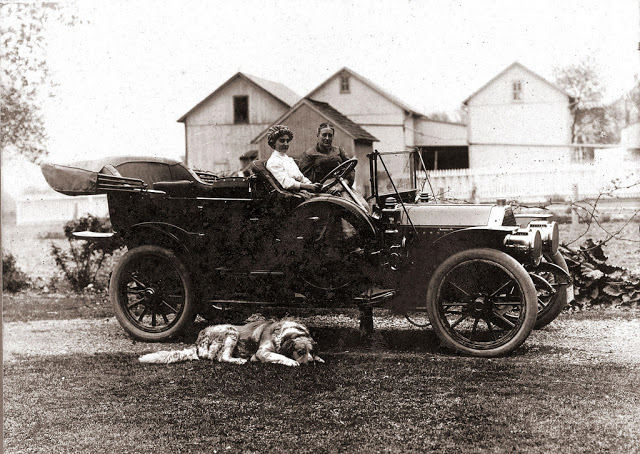
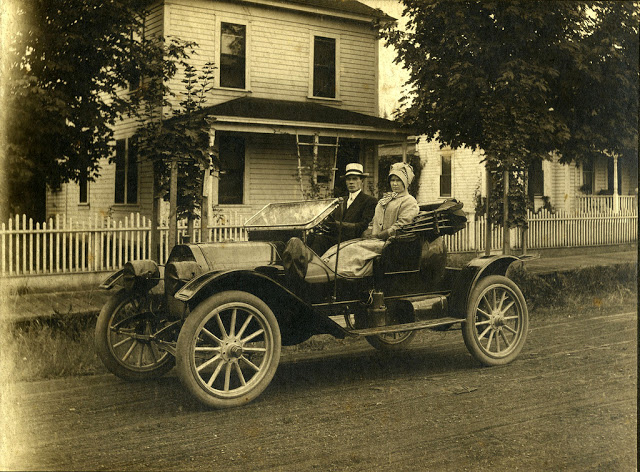
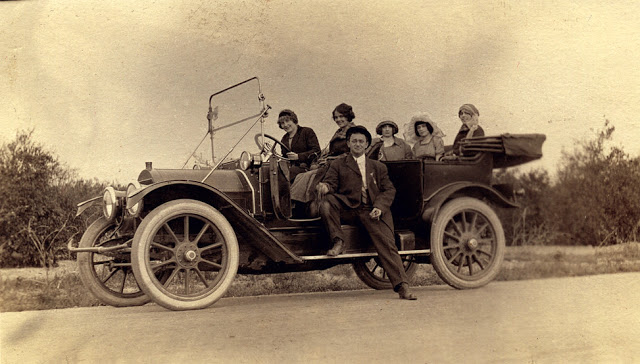
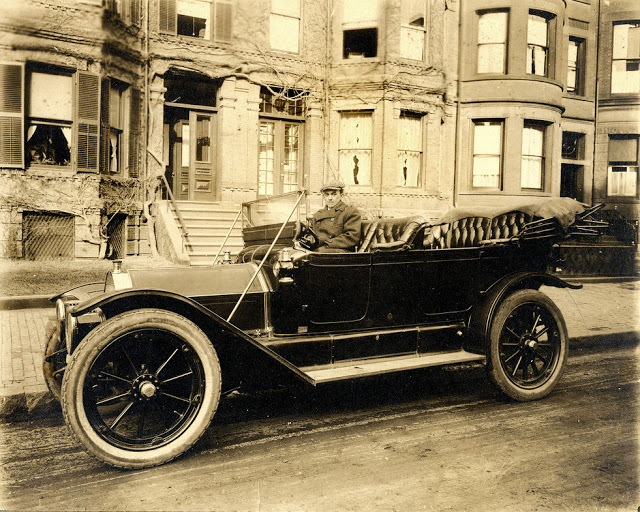
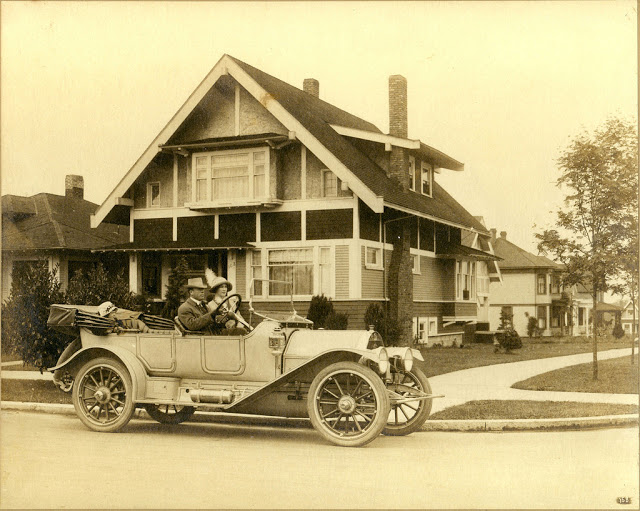
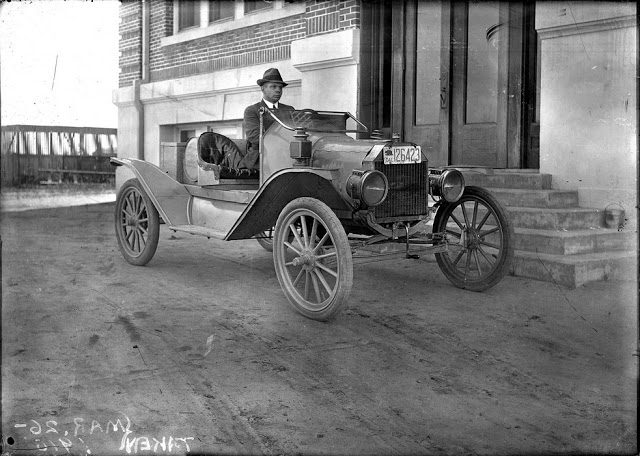
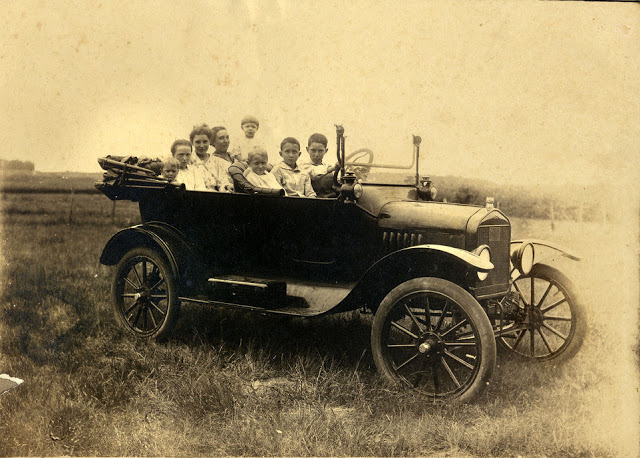
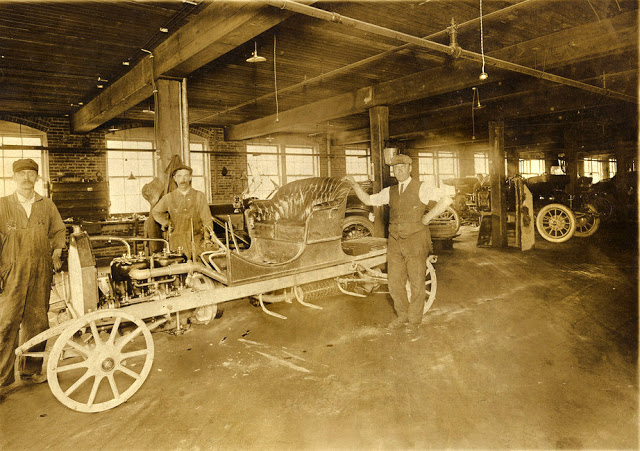
48 Vintage Photos of People With Their Classic Cars From the 1900s to the 1910s

1903 Cadillac Model A Tonneau
1906 B.L.M. Auto
1906 Ford Model N Roadster
1906 Winton Model K
1907 Stevens-Duryea
1908 Cadillac Model S
1908 Maxwell-Briscoe Model H
1909 Cadillac Model 30
1909 Oakland Model 40
1909 or 1910 Cadillac Demi-Tonneau
1910 Ford Model T Tourabout
1910 EMF 30 Touring Car
1910 Mitchell
1911 Whiting Model A Roadster
1910 Peerless Touring Car
1911 EMF Roadster
1911 Maxwell
1912 Cadillac Model 30
1912 Pierce Arrow Model 36
1912 Speedwell
1912 Winton
1913 Willys-Knight Overland Model 69
1913 Winton
1914 Willys Overland
1915 Ford Model T Tourer
1916 Ford Model T Speedster
1918 Ford Model T Runabout
1918 Overland Model 90
1919 Pierce-Arrow Series 51
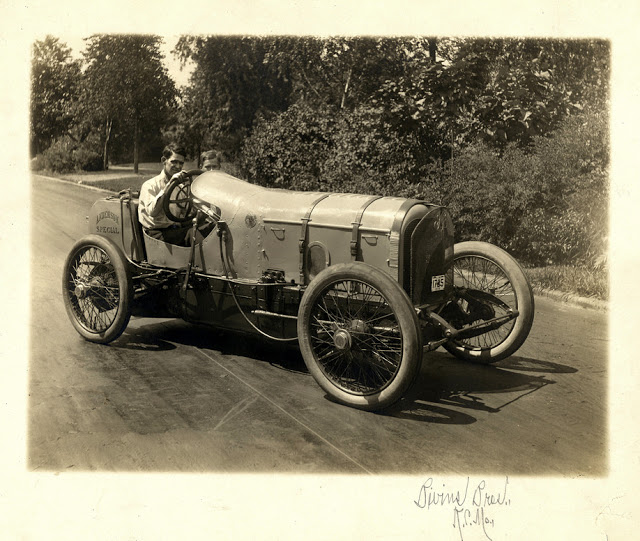
Andy F. Scott and the Anderson Special Race Car, Kansas City, Missouri, 1915
Family and their Ford model T, circa 1915
Family and their Ford Model T
Family in a Ford Model T, NYC, 1913
Family in a Ford Model T
Gentlemen in an early automobile, circa 1910
H. A. Moyer Automobile Company, Syracuse, New York City, 1912
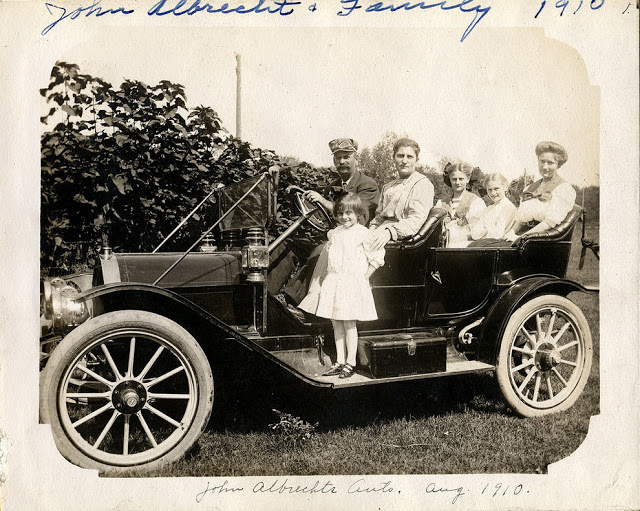
John Albrecht and family in a Halladay automobile, August 1910
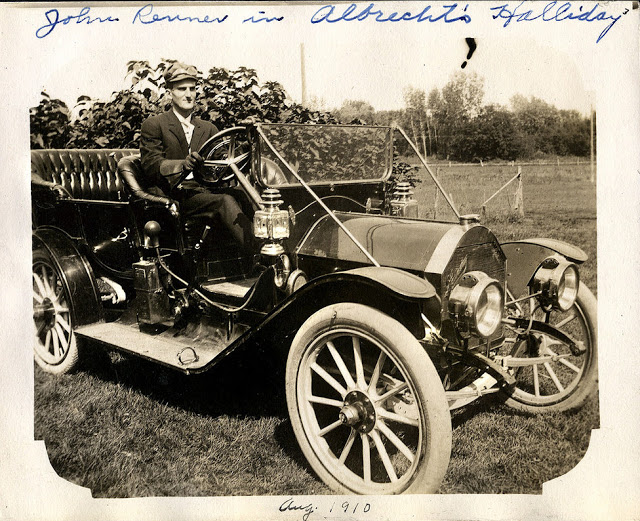
John Renner in Albrecht’s Halladay, August 1910
New York tour bus, circa 1910
Pullman autos in Washington D.C., 1912
R.L. (Lee) Jones and Julia Wilkins Jones in their auto, Poolville, Texas, 1917
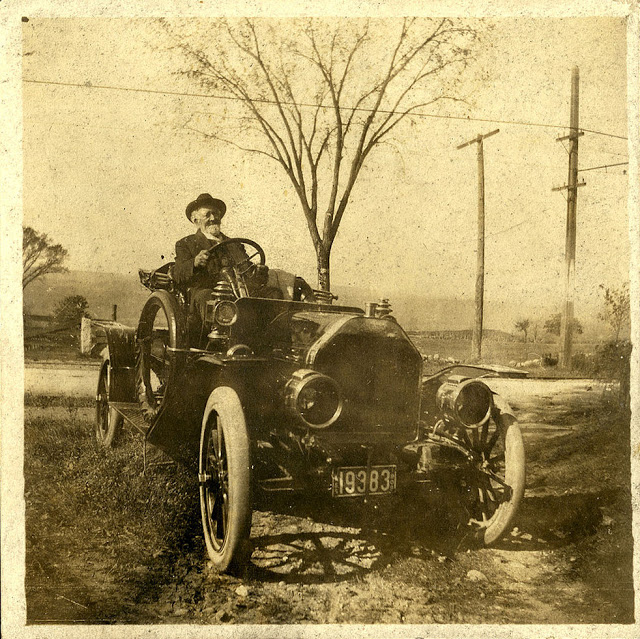
Rev. H.H. Hartnell, 90 Years old, in his E.M.F. auto with a 1909 Massachusetts license plate in Suncook, New Hampshire, Oct. 18, 1909
Sophia and Laura in a Halladay automobile, August 1910
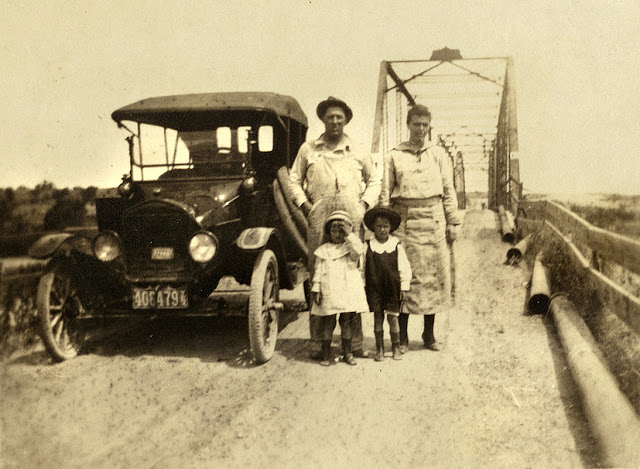
Texas family and their 1917-19 Ford Model T
Tourists in a Ford Model T at the ‘Devil’s Den’ at Gettysburg Battlefield in Pennsylvania, ca. early 1910s
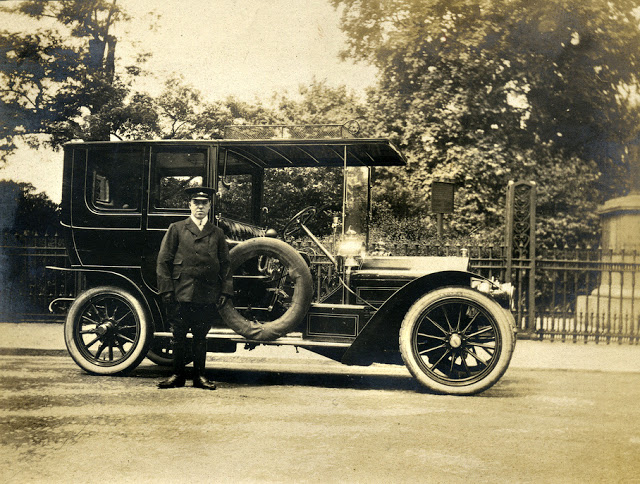
Wolseley-Siddeley limousine and chauffeur, London, ca. 1906-1907

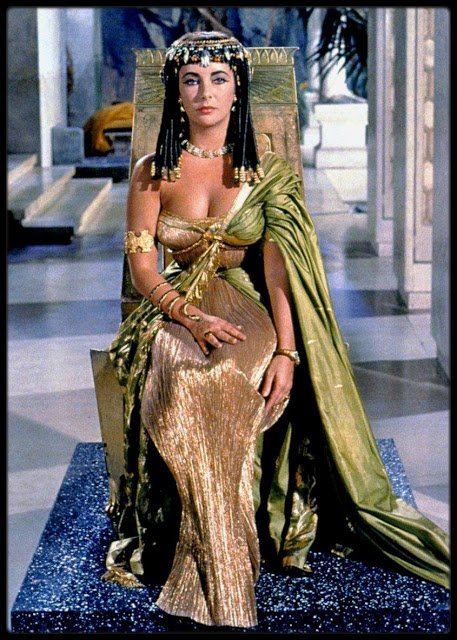
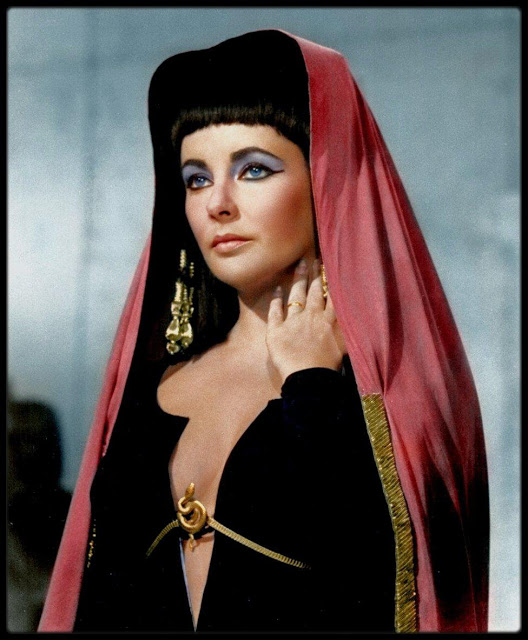
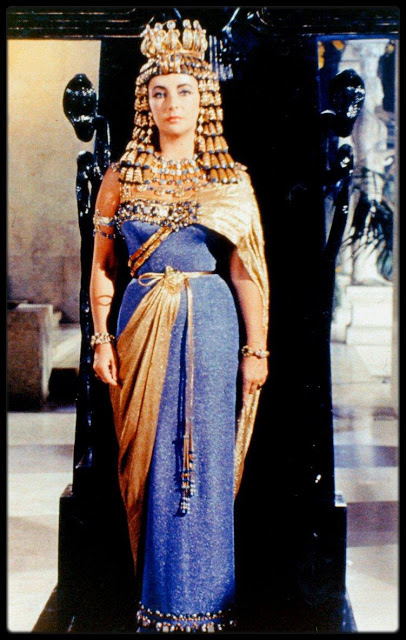
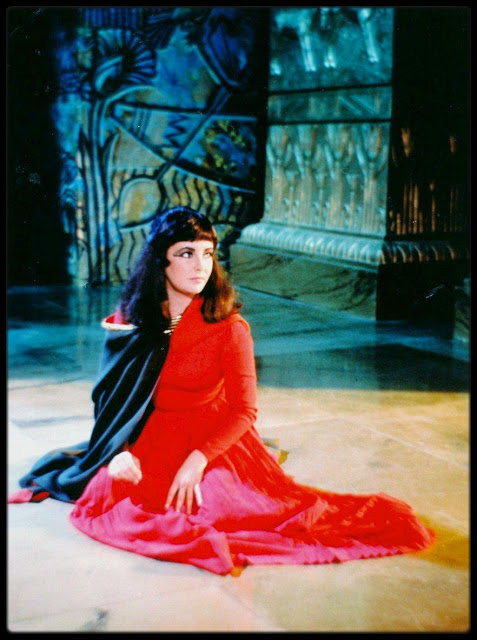
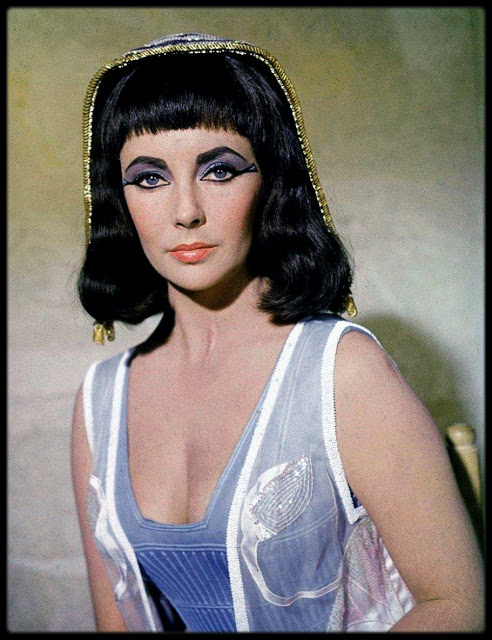
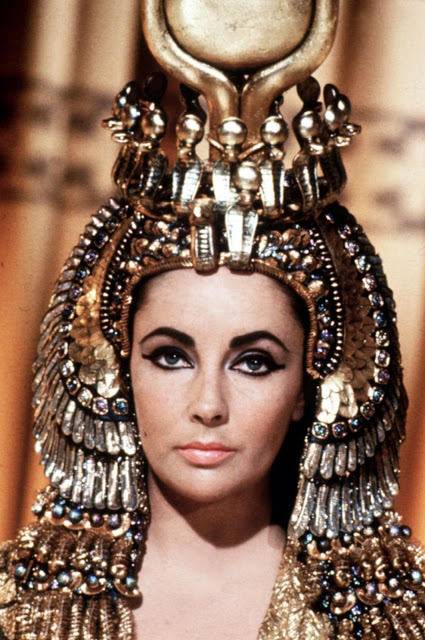
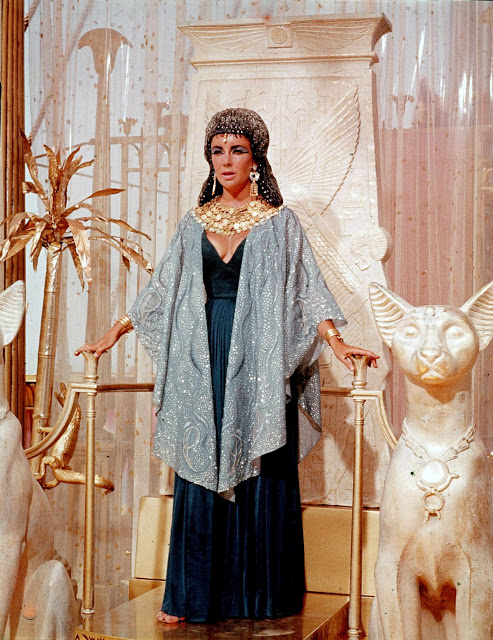
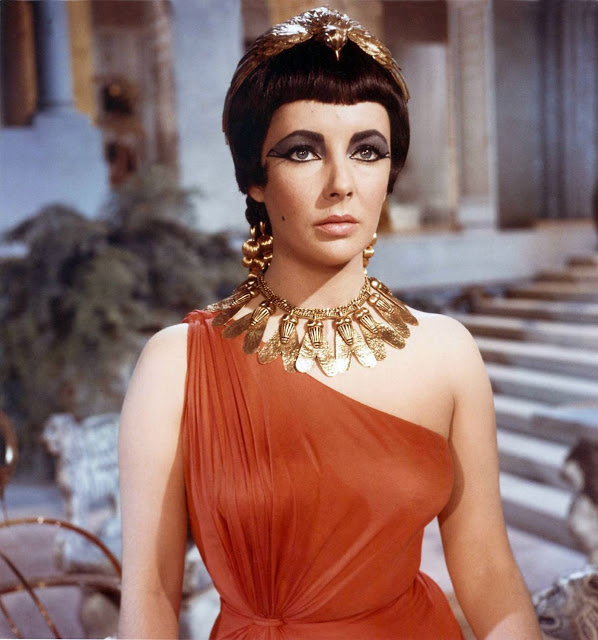
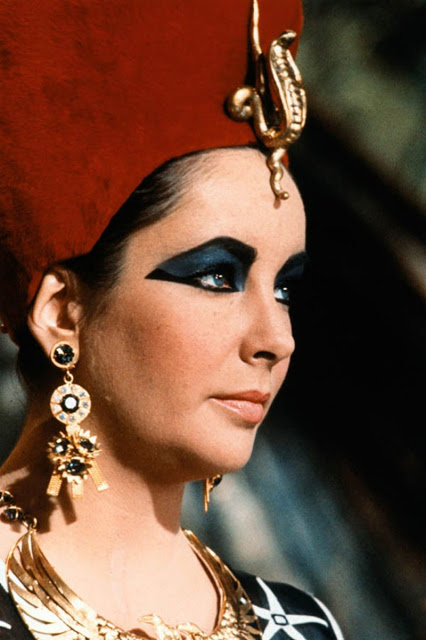
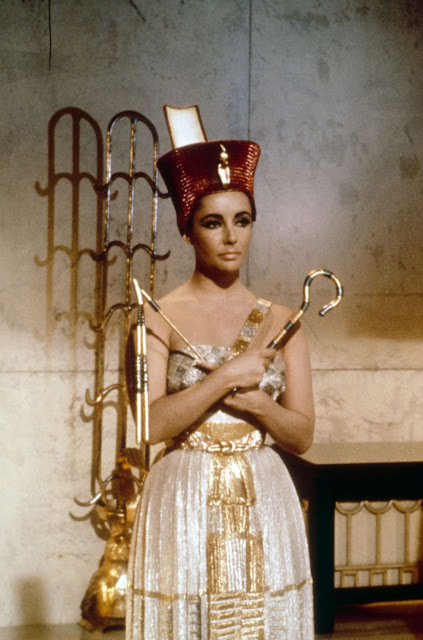
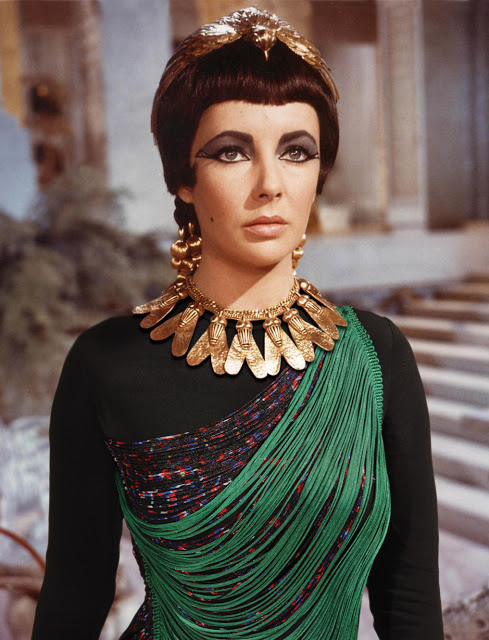
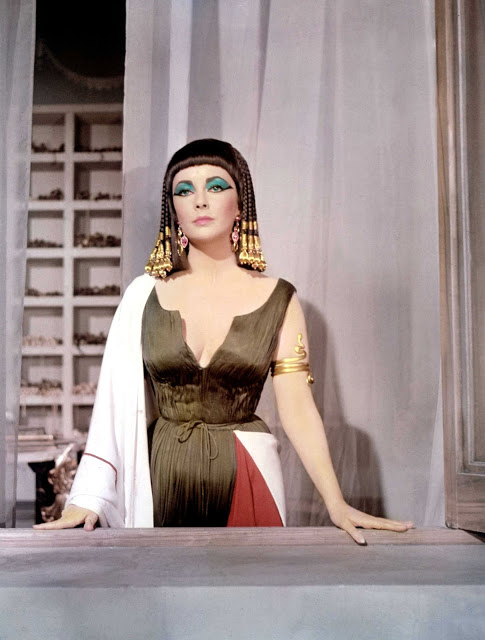
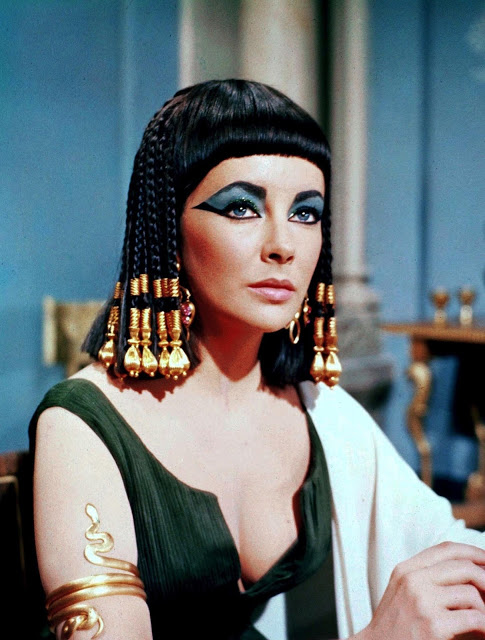
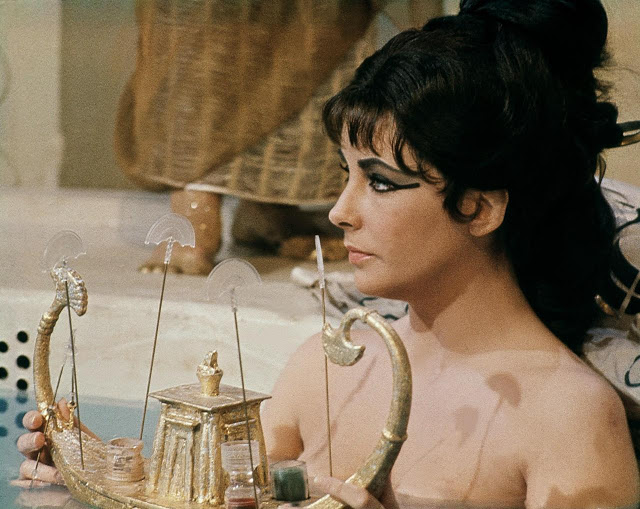
22 Gorgeous Photos of Elizabeth Taylor Portraying the Egyptian Queen Cleopatra, 1963

Cleopatra is a 1963 American epic historical drama film directed by Joseph L. Mankiewicz, with a screenplay adapted by Mankiewicz, Ranald MacDougall and Sidney Buchman from the 1957 book The Life and Times of Cleopatra by Carlo Maria Franzero, and from histories by Plutarch, Suetonius, and Appian. The film stars Elizabeth Taylor in the eponymous role. Richard Burton, Rex Harrison, Roddy McDowall, and Martin Landau are featured in supporting roles. It chronicles the struggles of Cleopatra, the young queen of Egypt, to resist the imperial ambitions of Rome.

Walter Wanger had long contemplated producing a biographical film about Cleopatra. In 1958, his production company partnered with Twentieth Century Fox to produce the film. Following an extensive casting search, Elizabeth Taylor signed on to portray the title role for a record-setting salary of $1 million. Rouben Mamoulian was hired as director, and the script underwent numerous revisions from Nigel Balchin, Dale Wasserman, Lawrence Durrell, and Nunnally Johnson. Principal photography began at Pinewood Studios on September 28, 1960, but Taylor’s health problems delayed further filming. Production was suspended in November after it had gone overbudget with only ten minutes of usable footage.

Mamoulian resigned as director, and was subsequently replaced by Joseph L. Mankiewicz, who had previously directed Taylor in Suddenly, Last Summer (1959). Production was re-located to Cinecittà, where filming resumed on September 25, 1961, without a finished shooting script. During filming, a personal scandal made worldwide headlines when it was reported that co-stars Taylor and Richard Burton had an adulterous affair. Filming wrapped on July 28, 1962, and further reshoots were made from February to March 1963. With the estimated production costs totaling $31 million, the film became the most expensive film ever made up to that point and nearly bankrupted the studio.

Cleopatra premiered at the Rivoli Theatre in New York City on June 12, 1963. It received a generally favorable response from film critics,[4] and became the highest-grossing film of 1963, earning box-office receipts of $57.7 million in the United States and Canada, and one of the highest-grossing films of the decade at a worldwide level. However, the film initially lost money because of its production and marketing costs of $44 million. It received nine nominations at the 36th Academy Awards, including for Best Picture, and won four: Best Art Direction (Color), Best Cinematography (Color), Best Visual Effects and Best Costume Design (Color). (Wikipedia)

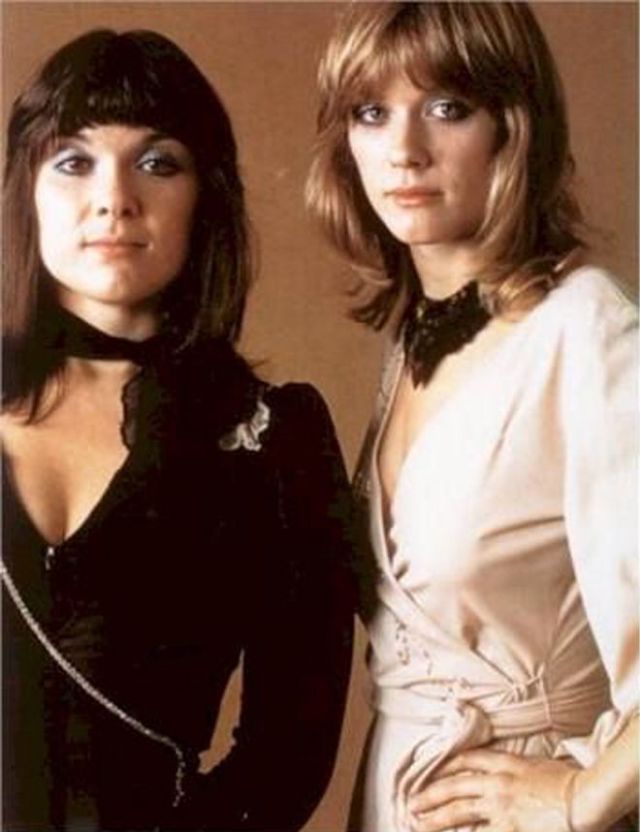
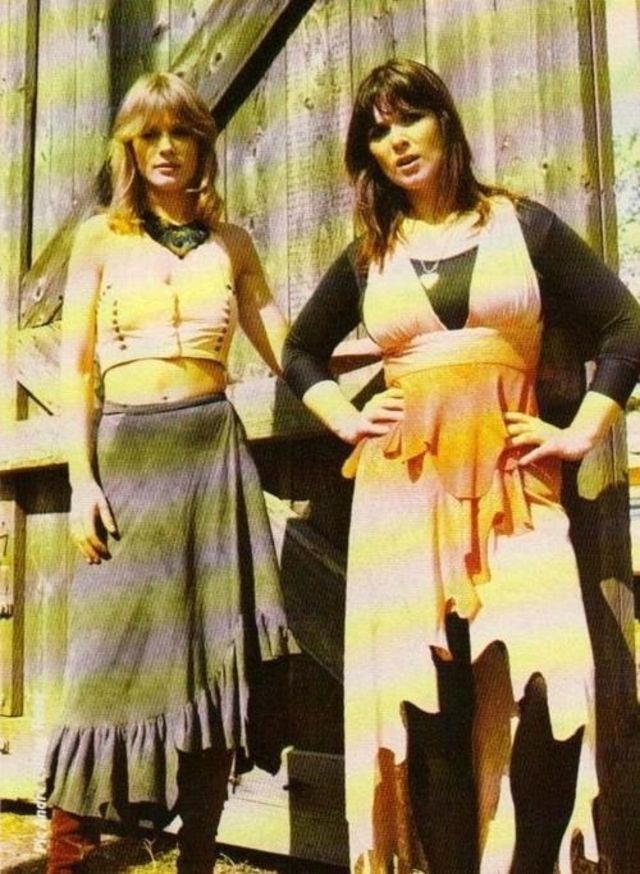
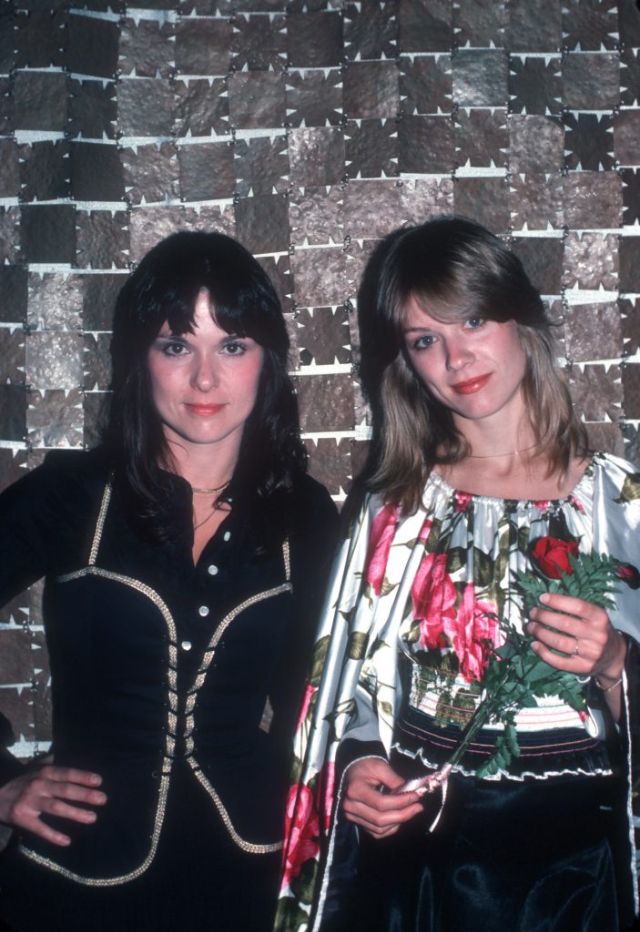
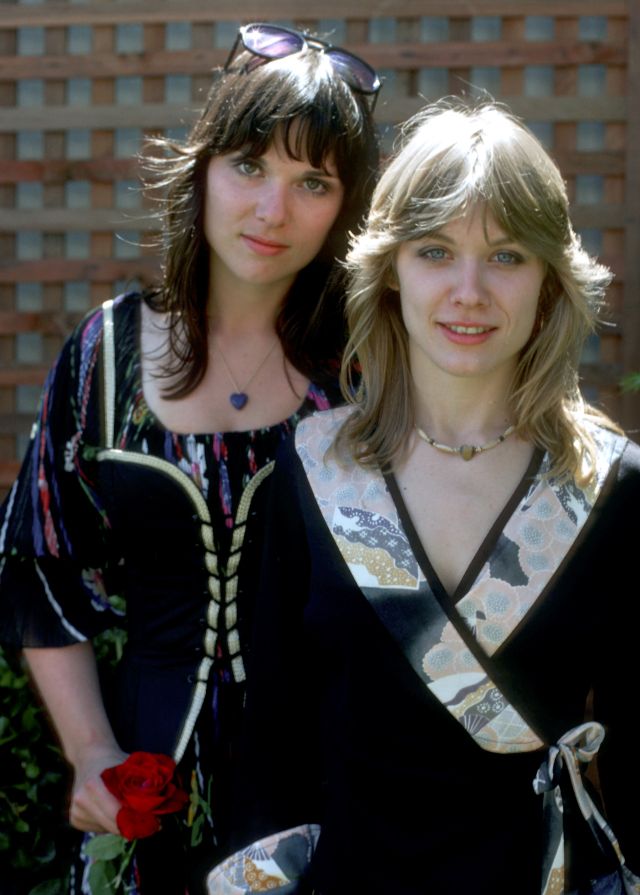
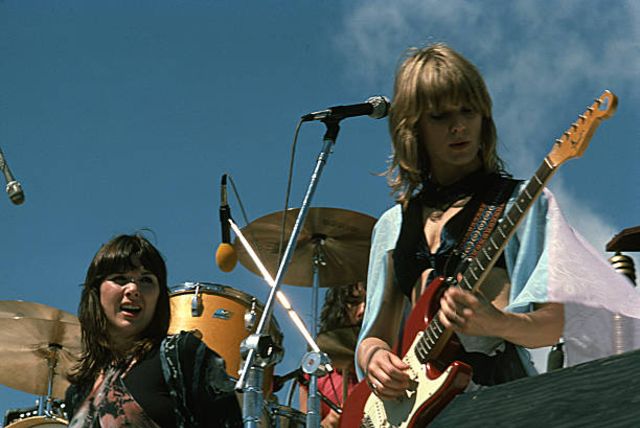
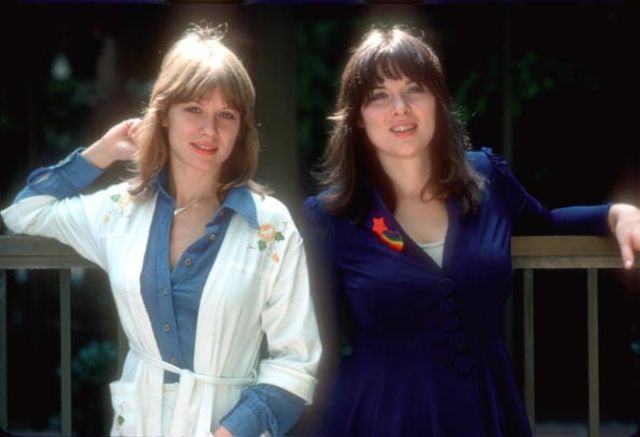
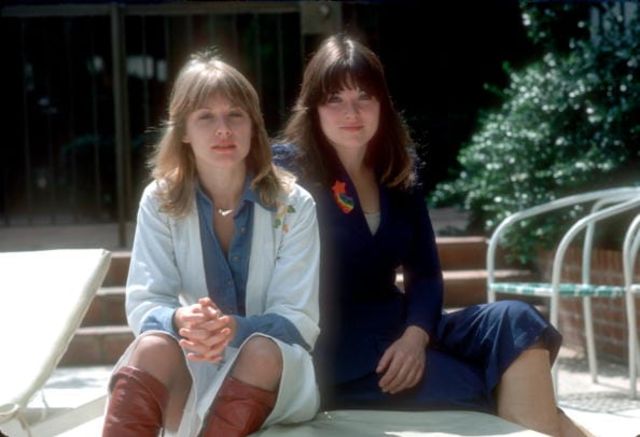
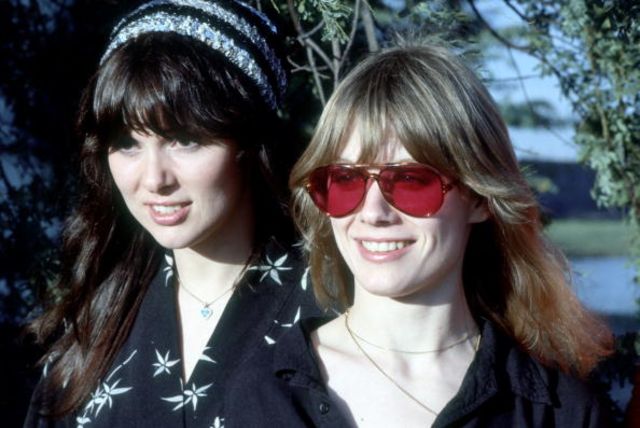
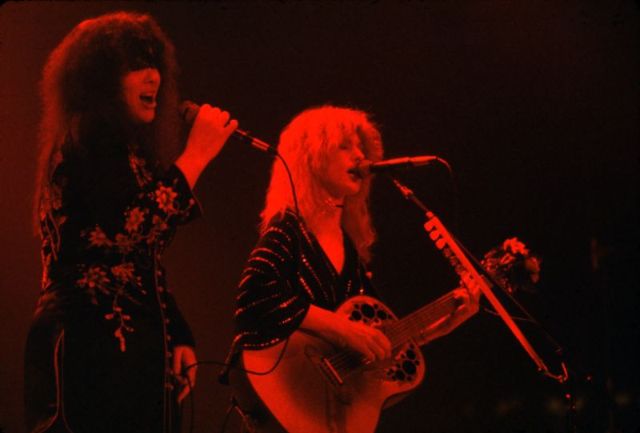
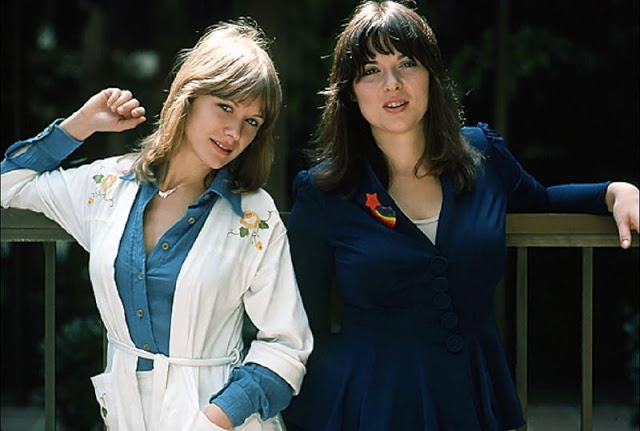
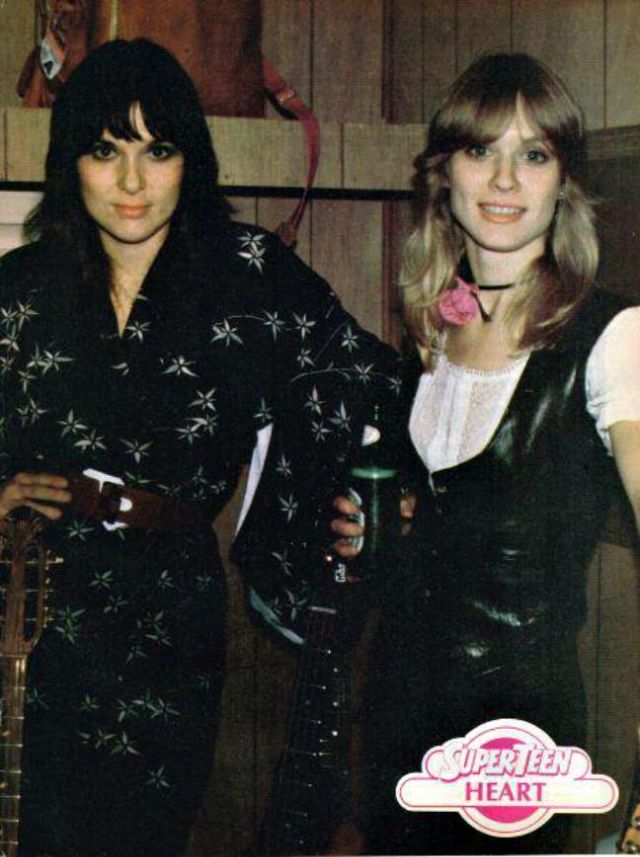
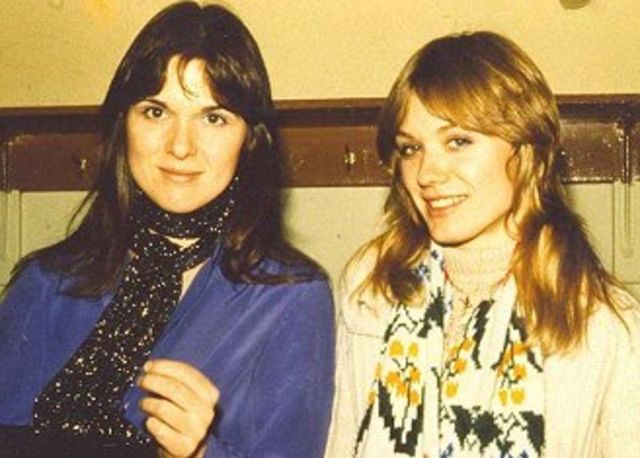
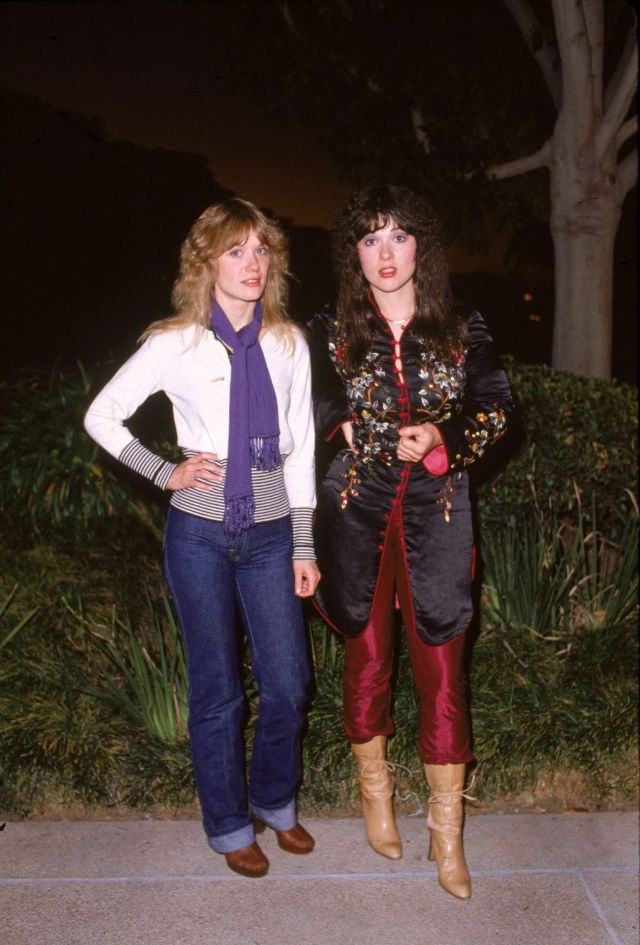
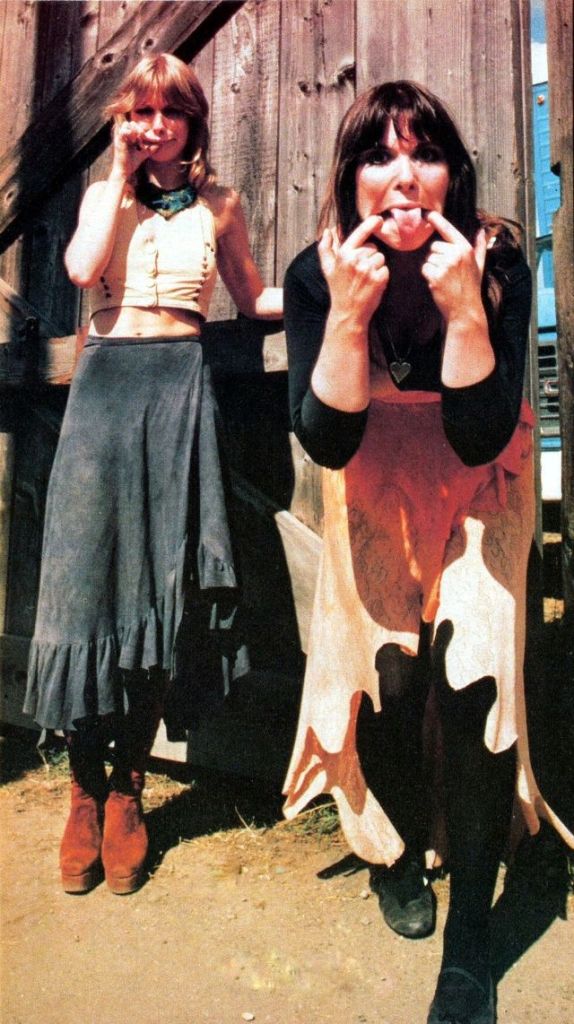
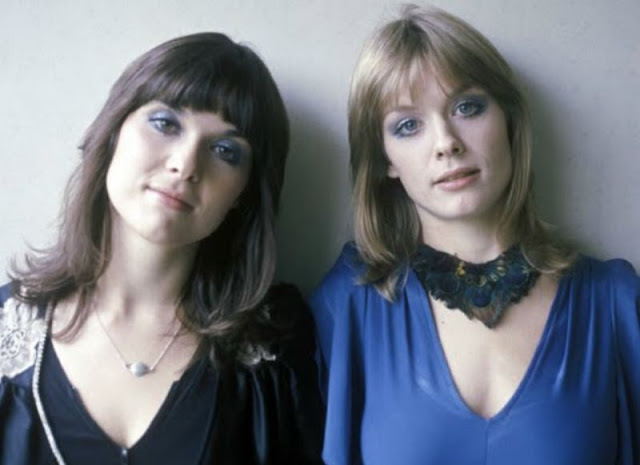
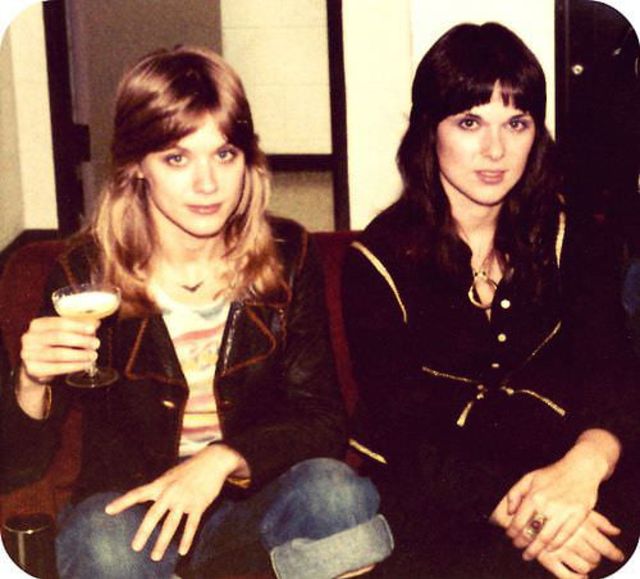
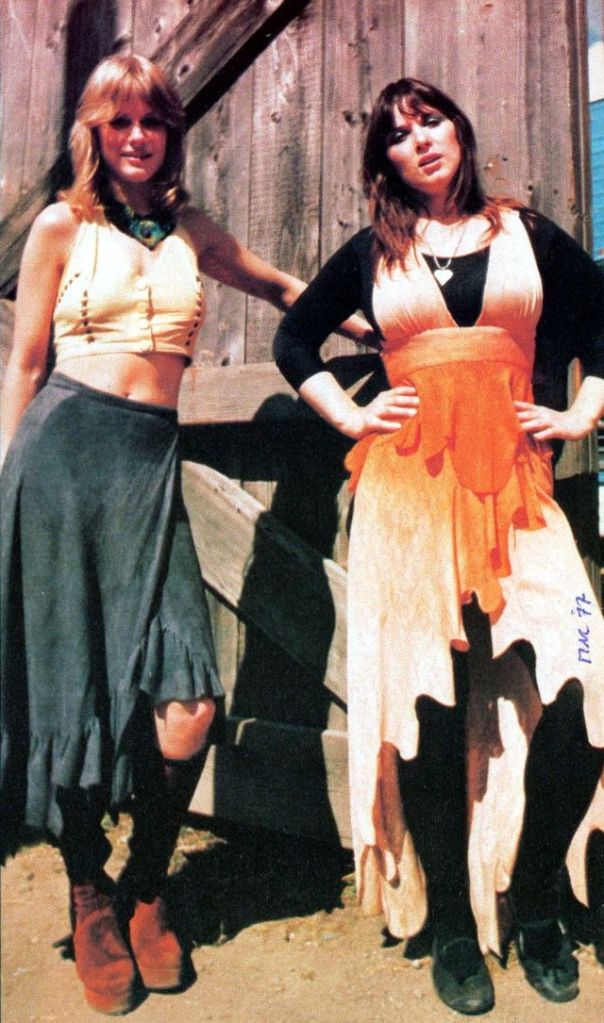
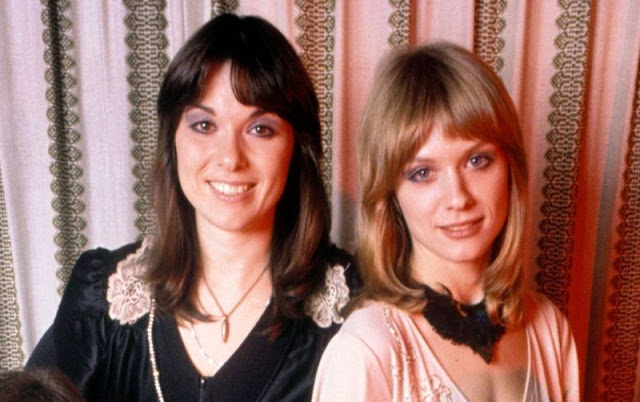
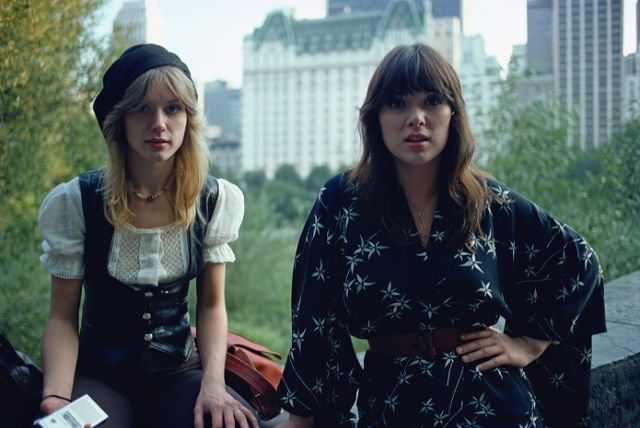
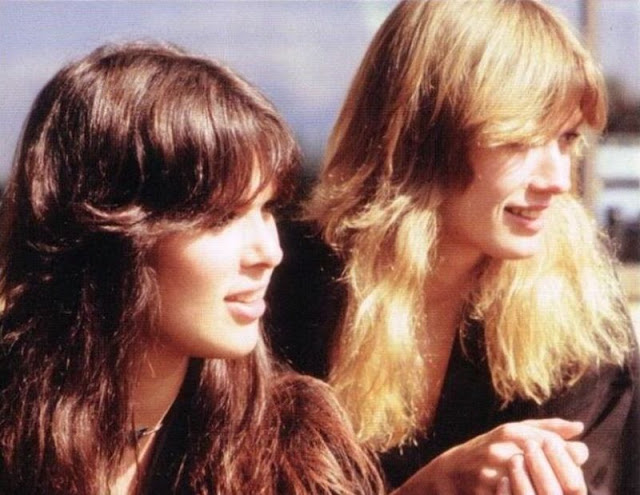
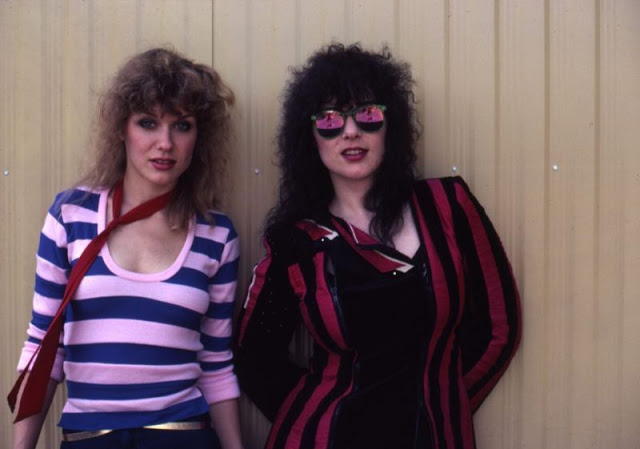
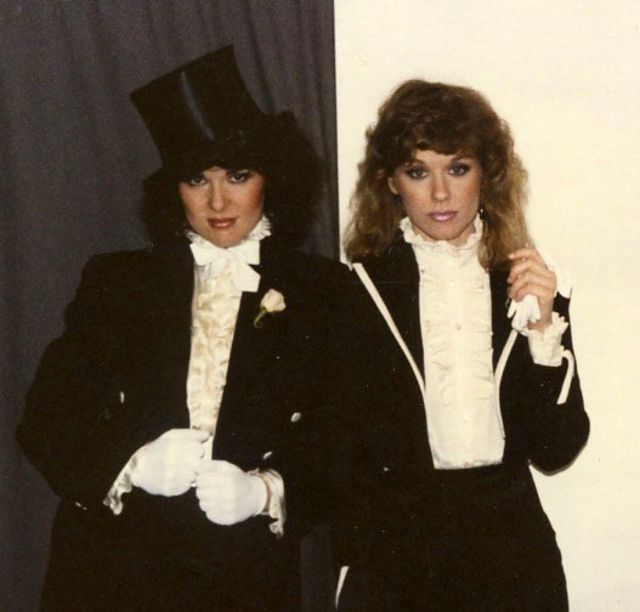
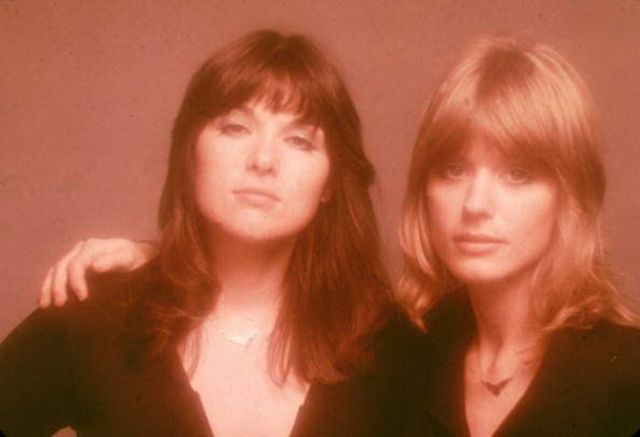
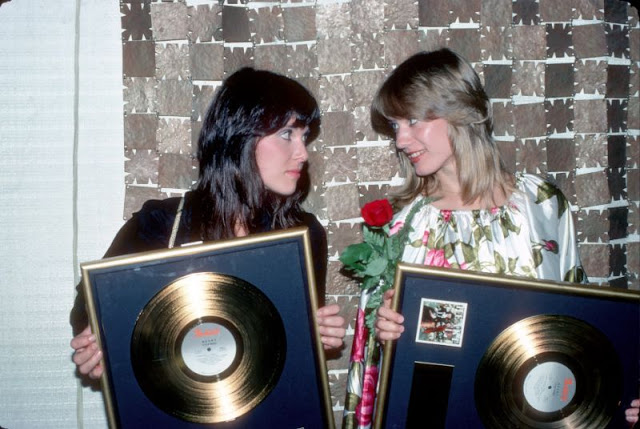
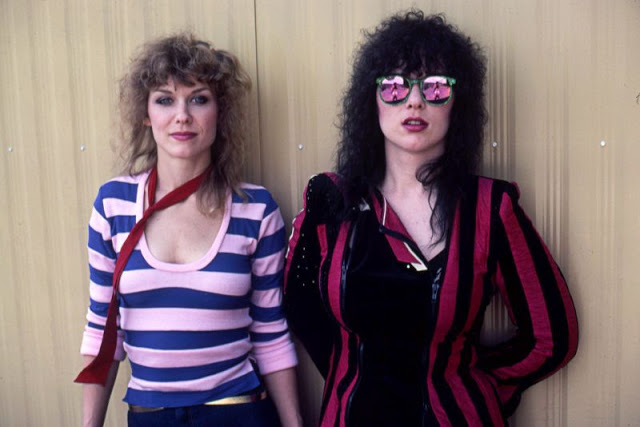
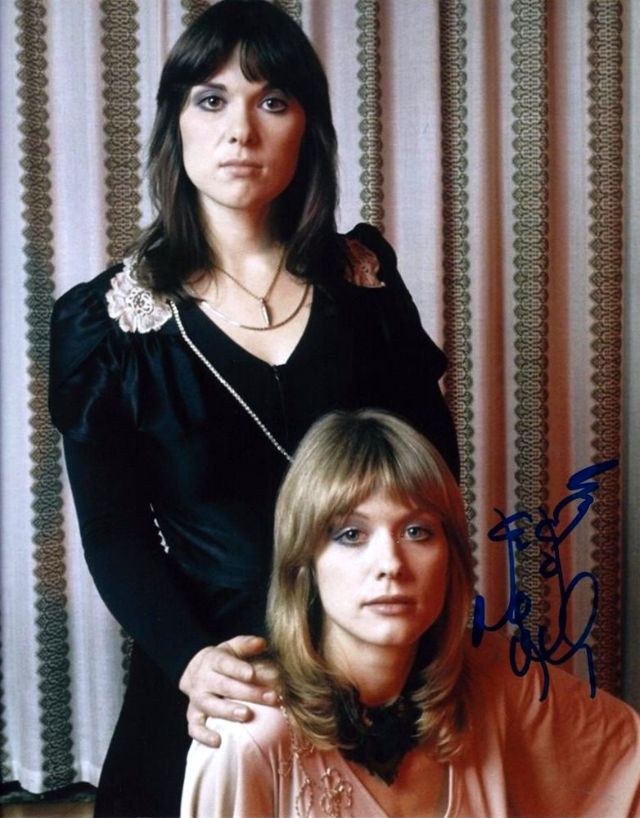
33 Wonderful Photos of Heart’s Ann and Nancy Wilson Together in the 1970s and 1980s

Heart is an American rock band formed in 1967 in Seattle, Washington, as The Army. Two years later they changed their name to Hocus Pocus. The year following they changed their name to White Heart, and eventually changed the name a final time to Heart, in 1973. By the mid-1970s, original members Roger Fisher (guitar) and Steve Fossen (bass guitar) had been joined by sisters Ann Wilson (lead vocals and flute) and Nancy Wilson (rhythm guitar, backing and occasional lead vocals), Michael Derosier (drums), and Howard Leese (guitar and keyboards) to form the lineup for the band’s initial mid- to late-1970s success period. These core members were included in the band’s 2013 induction into the Rock and Roll Hall of Fame.
Heart rose to fame with music influenced by hard rock and heavy metal, as well as folk music. The band’s popularity declined in the early 1980s, and the band began a successful comeback in 1985 which continued into the mid-1990s. Heart disbanded in 1998, resumed performing in 2002, went on hiatus in 2016, and resumed performing in the summer of 2019. Heart’s US Top 40 singles include “Magic Man” (1975), “Crazy on You” (1976), “Barracuda” (1977), “What About Love” (1985), “Never” (1985), and “All I Wanna Do Is Make Love to You” (1990), along with no. 1 hits “These Dreams” (1986) and “Alone” (1987).

Heart has sold over 35 million records worldwide, including approximately 22.5 million albums in the United States. They have placed top 10 albums on the Billboard 200 in the 1970s, 1980s, 1990 and 2010s. Heart was ranked number 57 on VH1’s “100 Greatest Artists of Hard Rock” and ranked number 49 on Ultimate Classic Rock’s Top 100 Classic Rock Artists. (Wikipedia)

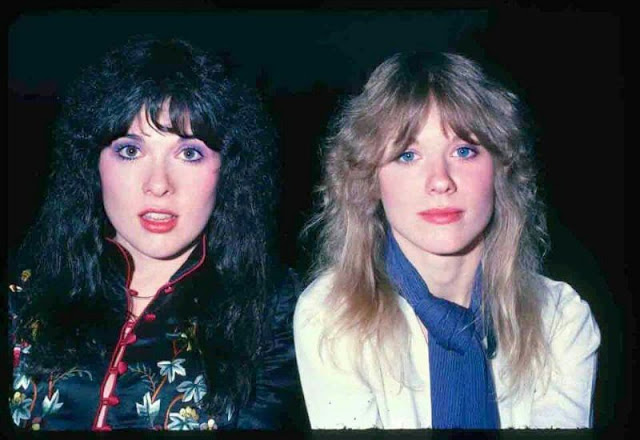
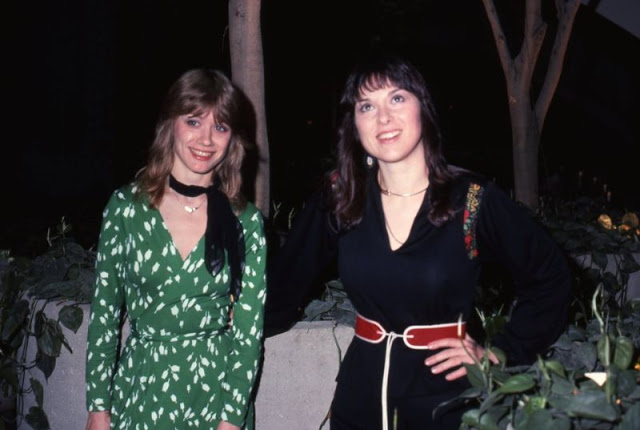
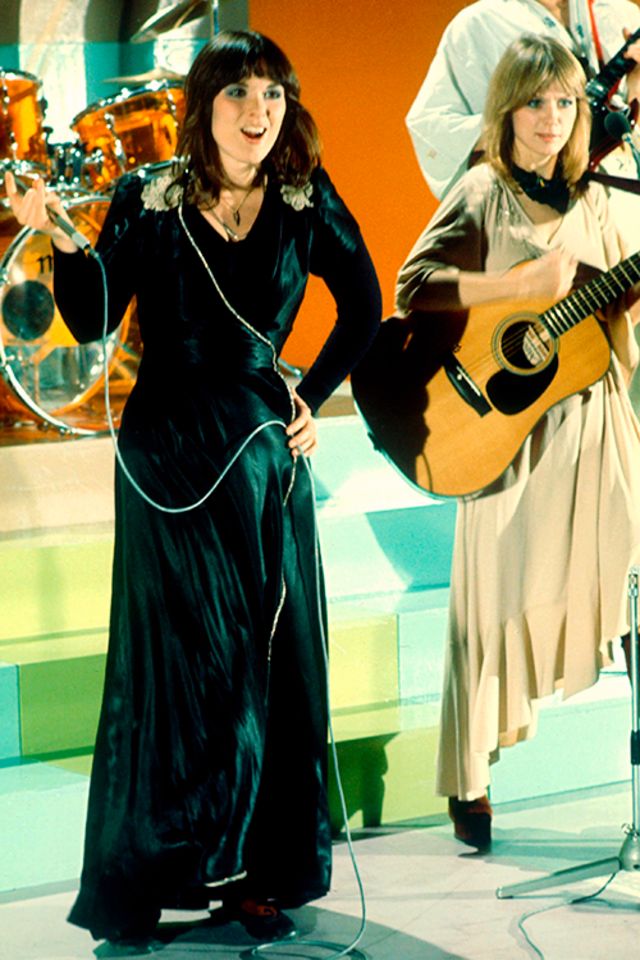
These lovely photos that captured young Wilson sisters Ann and Nancy together in the 1970s and 1980s.

Yesterday Today

Bringing You the Wonder of Yesterday - Today

Skip to content ↓