















Bringing You the Wonder of Yesterday – Today
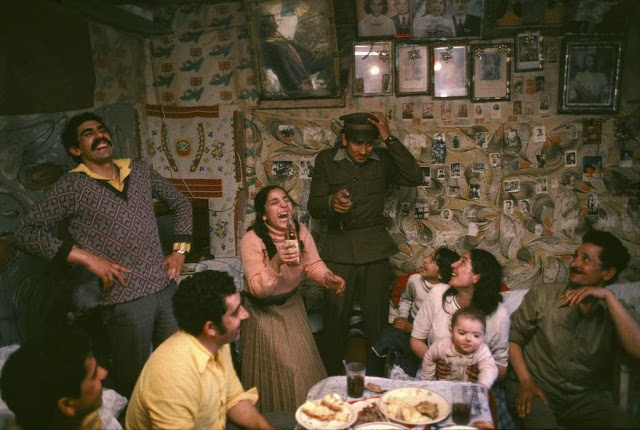
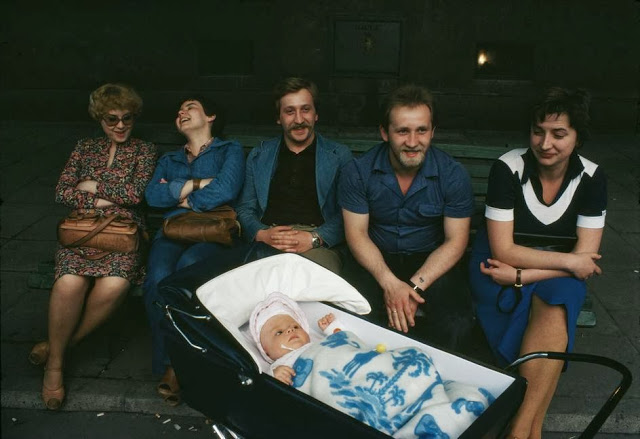
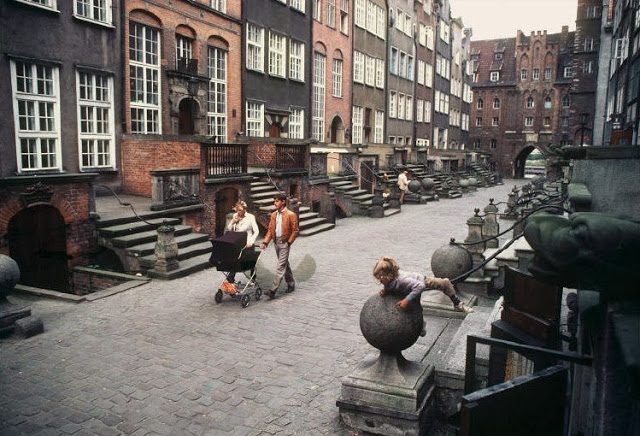
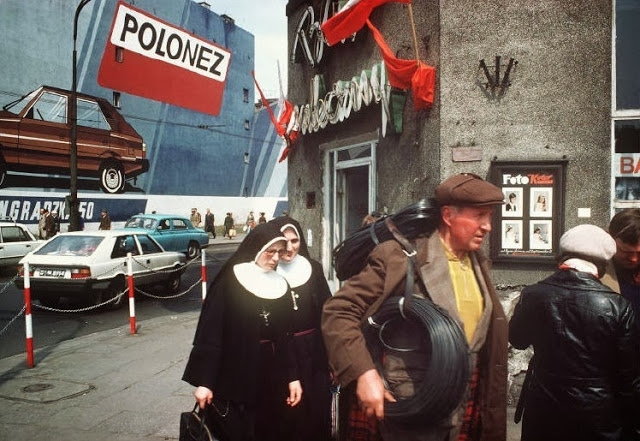
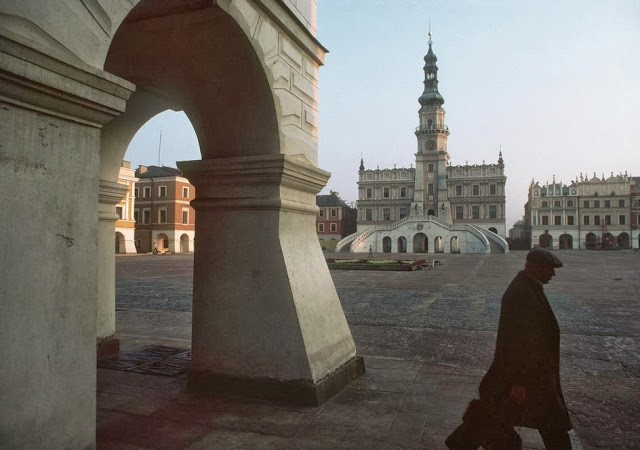
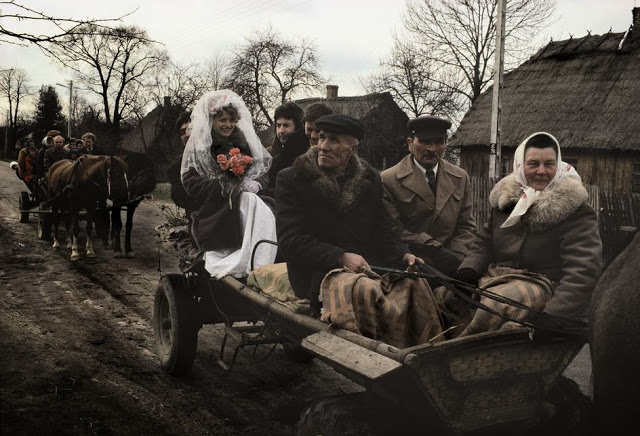
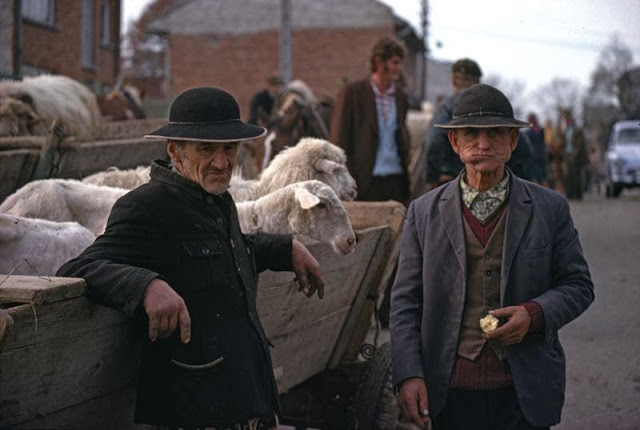
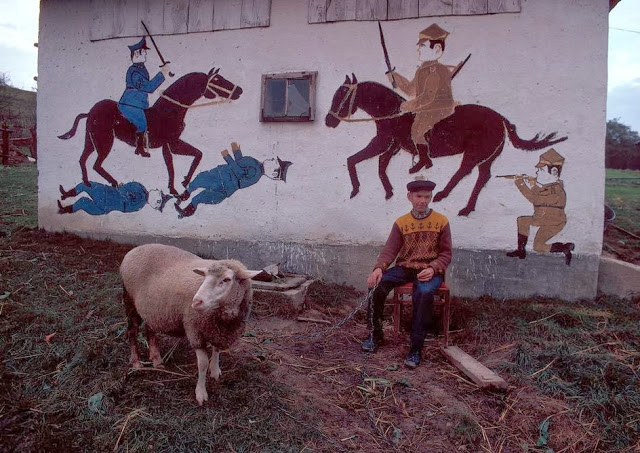
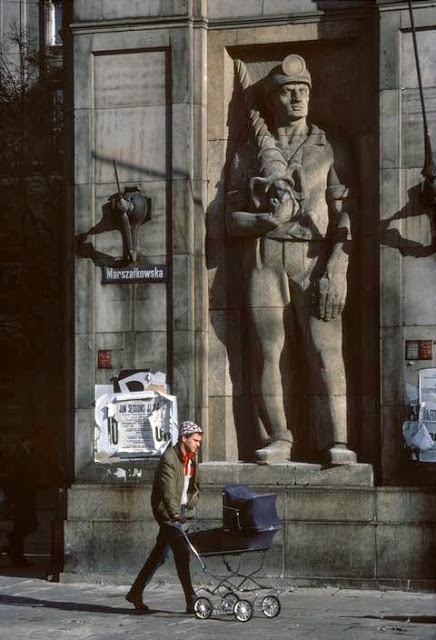
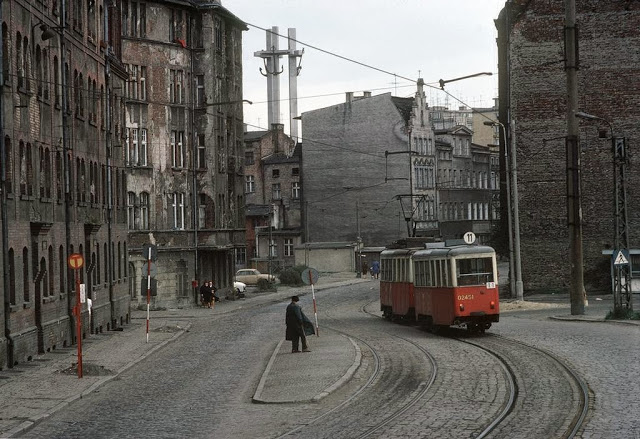
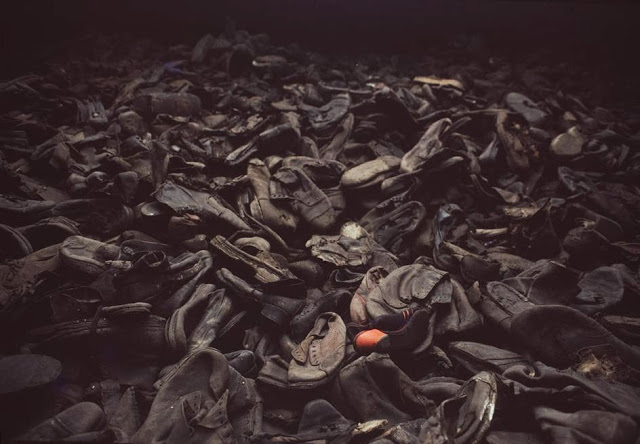
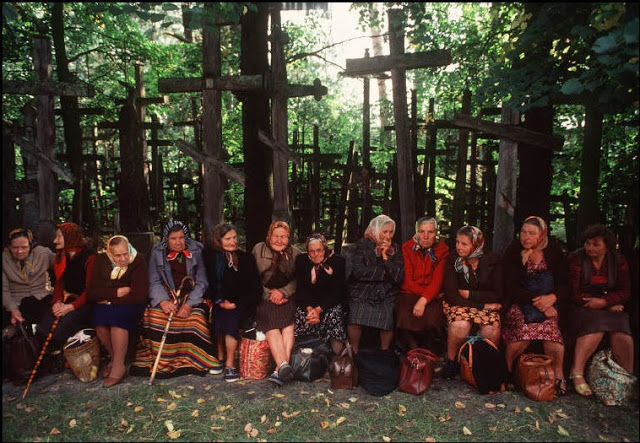
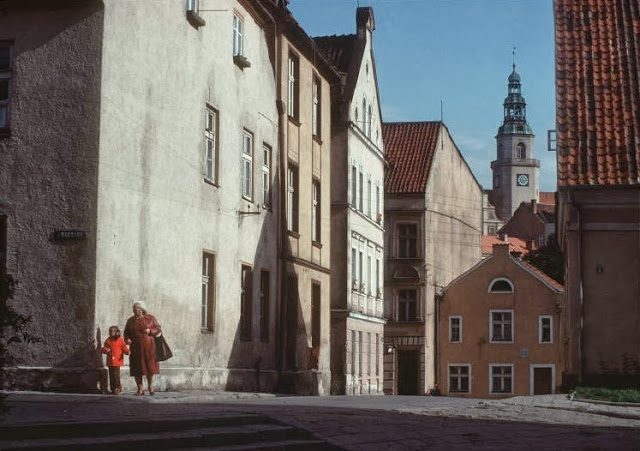
Poland, officially the Republic of Poland, is a country in Central Europe. It is divided into 16 administrative provinces called voivodeships, covering an area of 312,696 km2 (120,733 sq mi). Poland has a population of over 38 million and is the fifth-most populous member state of the European Union. Warsaw is the nation’s capital and largest metropolis. Other major cities include Kraków, Lódz, Wroclaw, Poznan, Gdansk, and Szczecin.
Poland’s territory extends from the Baltic Sea in the north to the Sudeten and Carpathian Mountains in the south. The country is bordered by Lithuania and Russia to the northeast, Belarus and Ukraine to the east, Slovakia and the Czech Republic to the south, and Germany to the west. Poland also shares maritime boundaries with Denmark and Sweden.
The history of human activity on Polish soil spans thousands of years. Throughout the late antiquity period it became extensively diverse, with various cultures and tribes settling on the vast Central European Plain. However, it was the Polans who dominated the region and gave Poland its name. The establishment of Polish statehood can be traced to 966, when the pagan ruler of a realm coextensive with the territory of present-day Poland embraced Christianity and converted to Catholicism. The Kingdom of Poland was founded in 1025 and in 1569 cemented its longstanding political association with Lithuania by signing the Union of Lublin. The latter led to the forming of the Polish–Lithuanian Commonwealth, one of the largest and most populous nations of 16th and 17th-century Europe, with a uniquely liberal political system that adopted Europe’s first modern constitution, the Constitution of 3 May 1791.
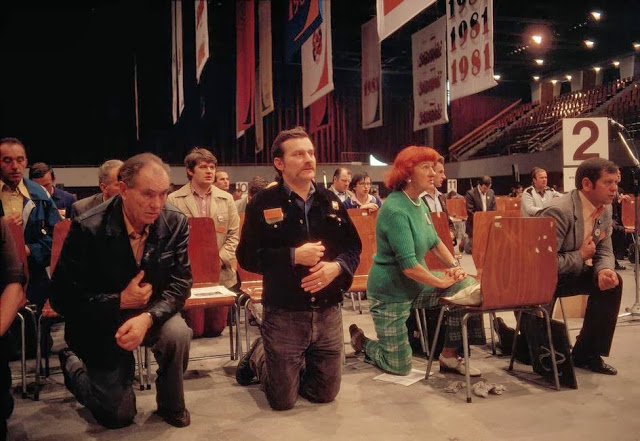
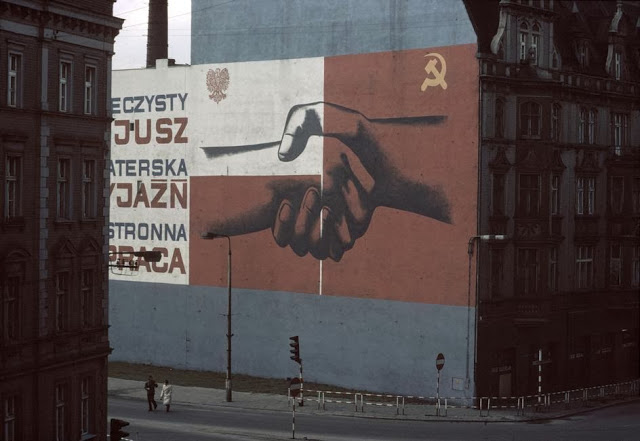
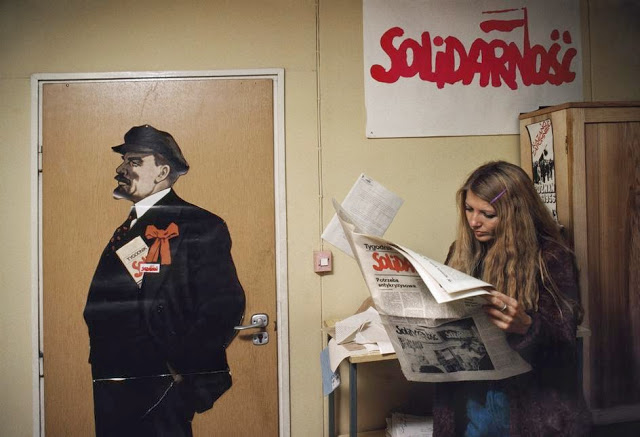
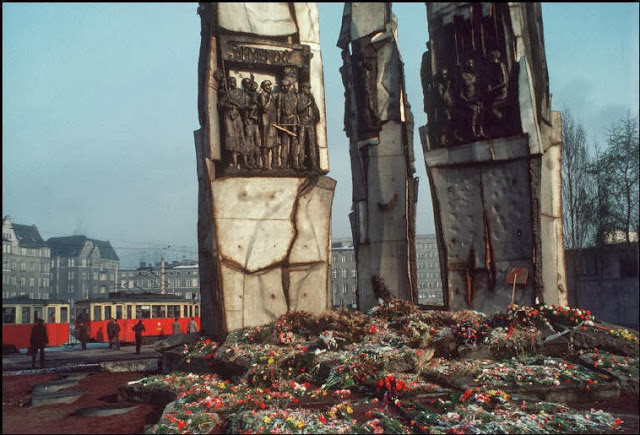
With the end of the prosperous Polish Golden Age, the country was partitioned by neighbouring states at the end of the 18th century. It regained its independence in 1918 with the Treaty of Versailles and restored its position as a key player in European politics. In September 1939, the German-Soviet invasion of Poland marked the beginning of World War II, which resulted in the Holocaust and millions of Polish casualties. As a member of the Eastern Bloc, the Polish People’s Republic proclaimed forthwith was a chief signatory of the Warsaw Pact amidst global Cold War tensions. In the wake of the 1989 events, notably through the emergence and contributions of the Solidarity movement, the communist government was dissolved and Poland re-established itself as a democratic republic.
Poland is a developed market and a middle power; it has the sixth largest economy in the European Union by nominal GDP and the fifth largest by GDP (PPP). It provides very high standards of living, safety and economic freedom, as well as free university education and a universal health care system. The country has 17 UNESCO World Heritage Sites, 15 of which are cultural. Poland is a founding member state of the United Nations, as well as a member of the World Trade Organization, NATO, and the European Union (including the Schengen Area). (Wikipedia)
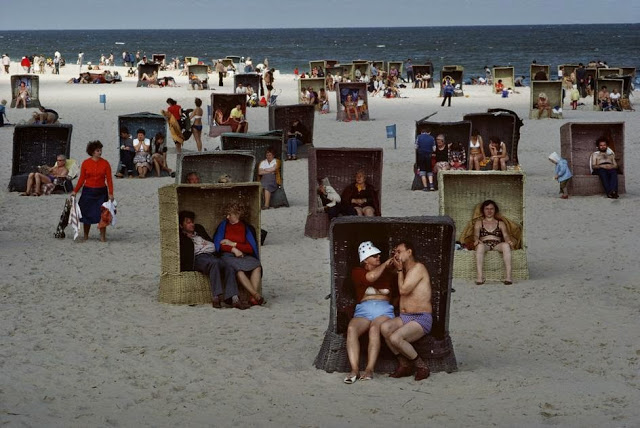




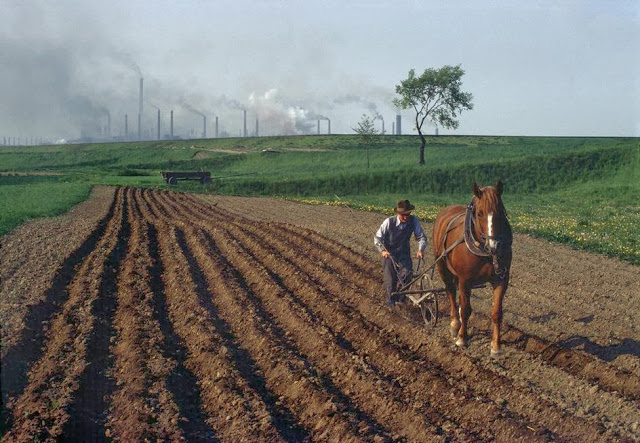


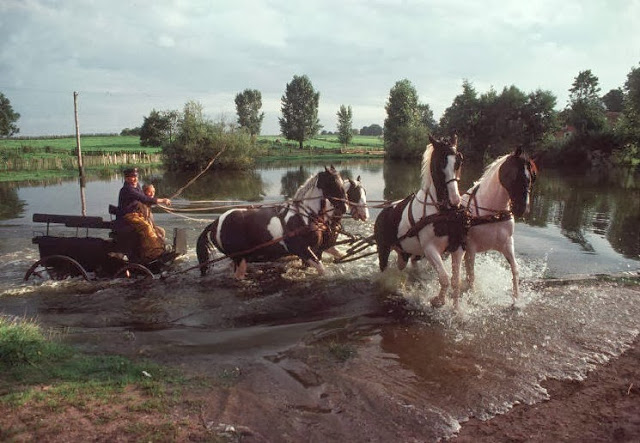
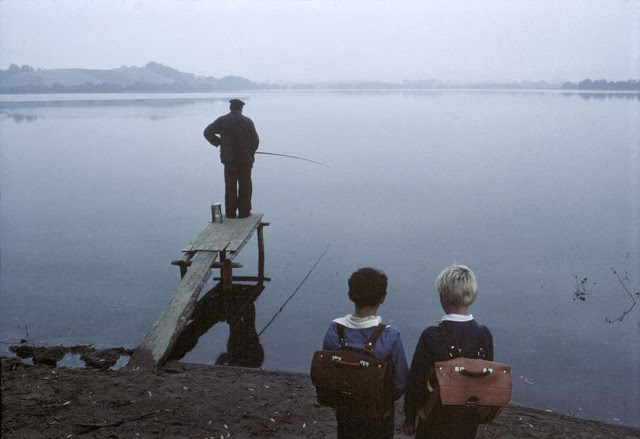
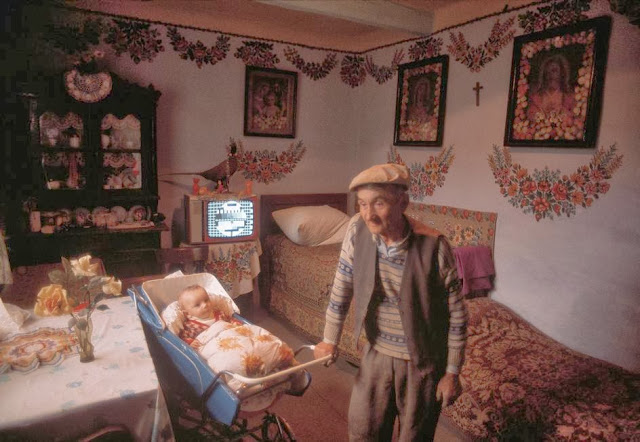






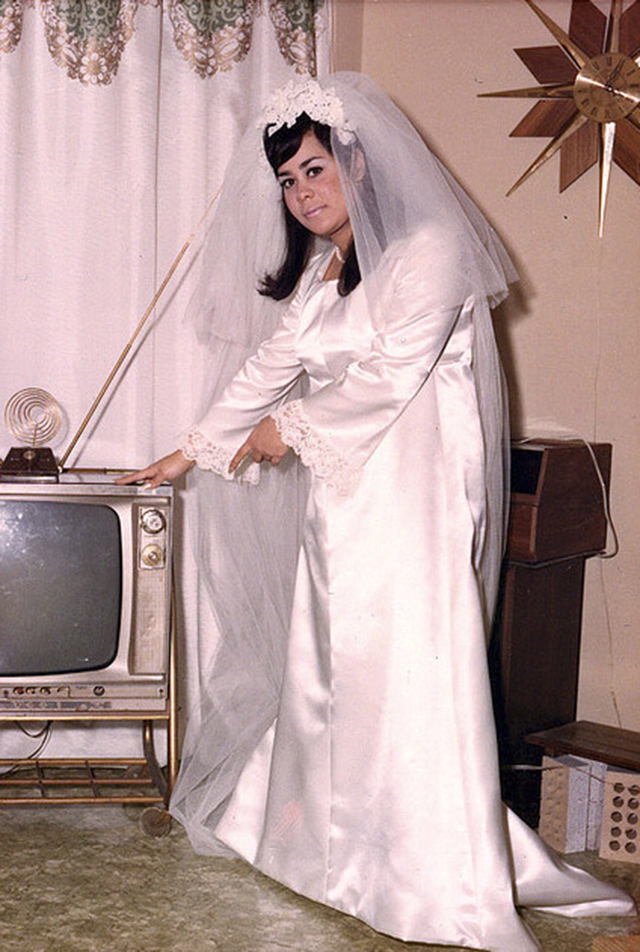
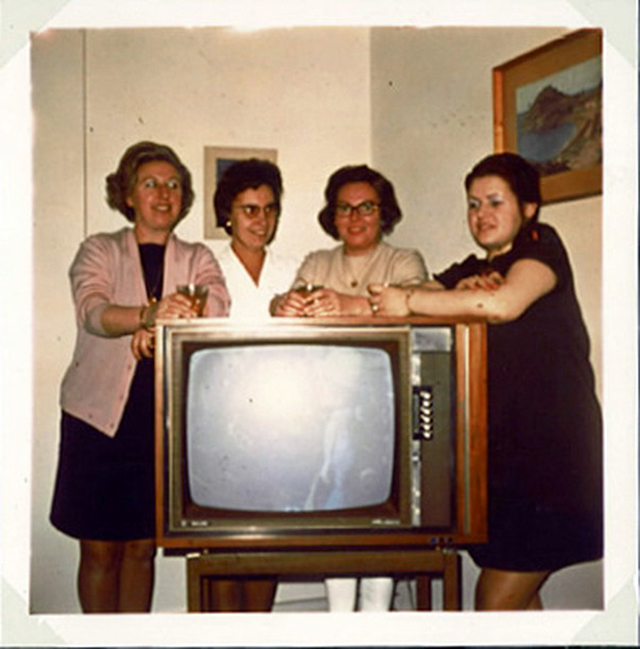
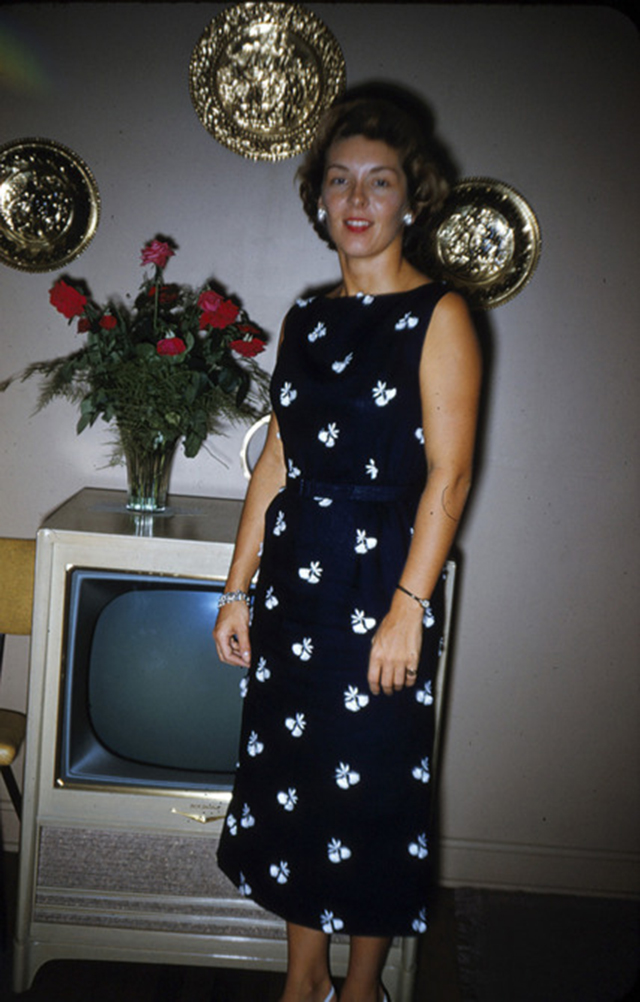
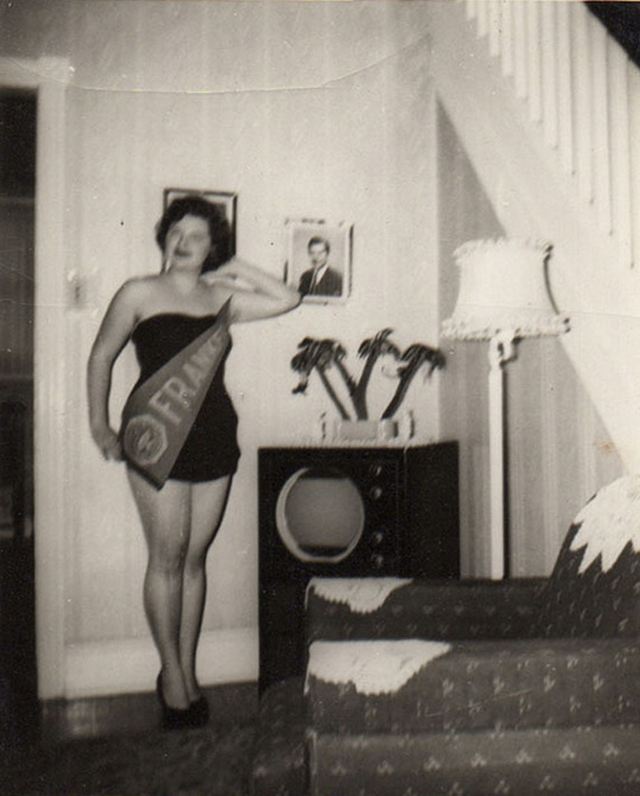
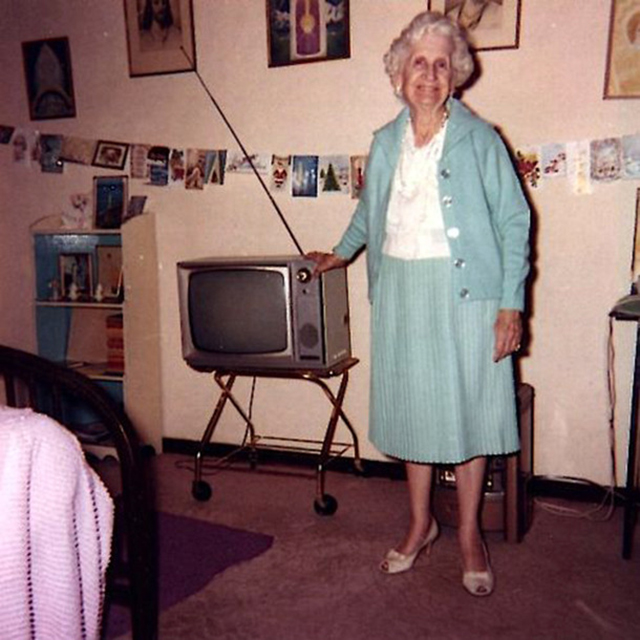
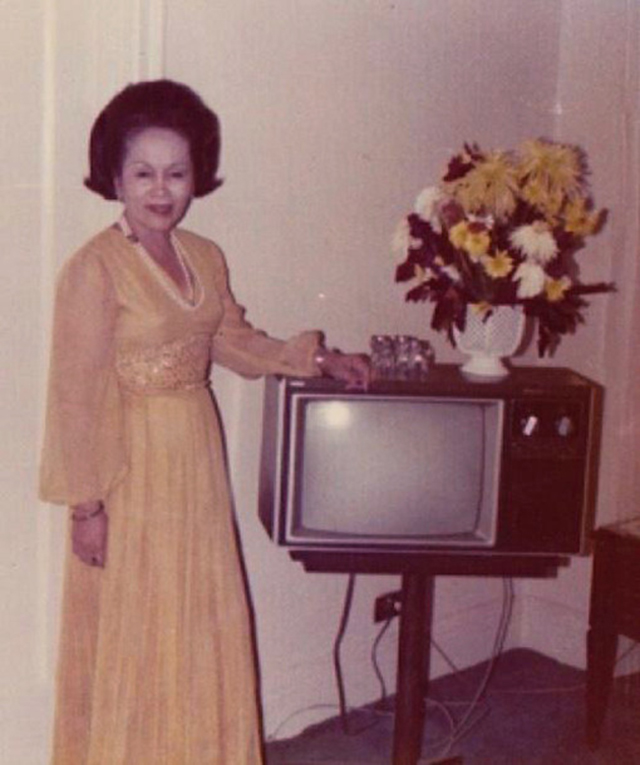
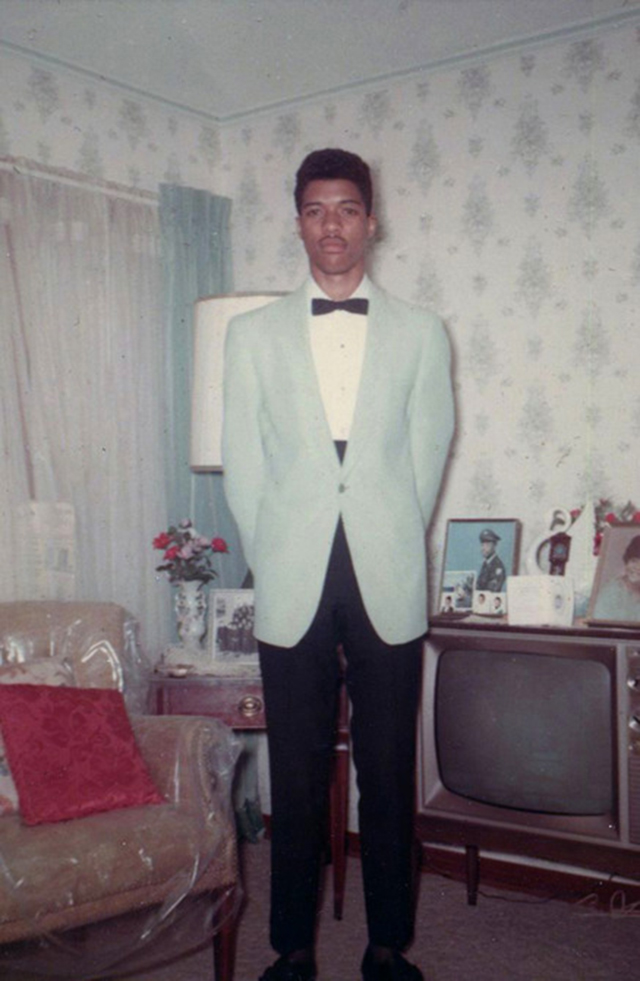
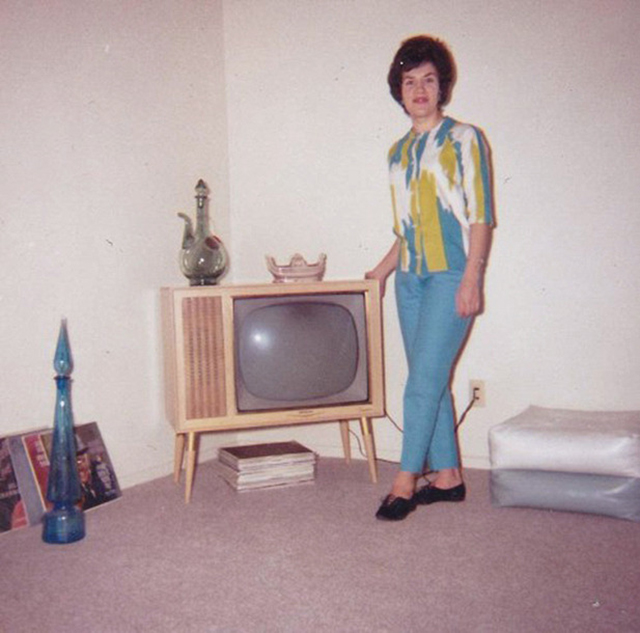
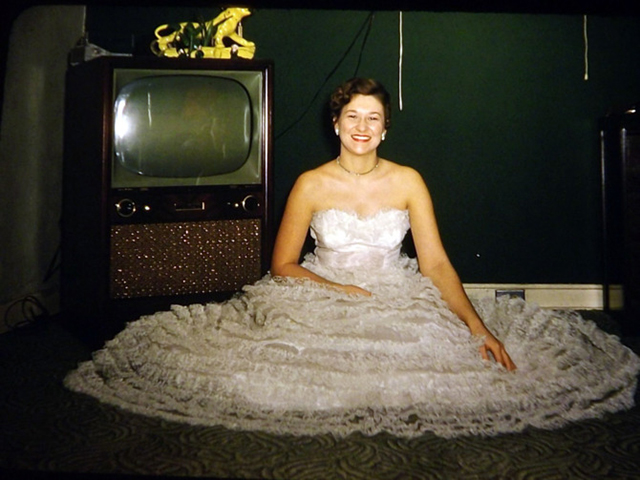
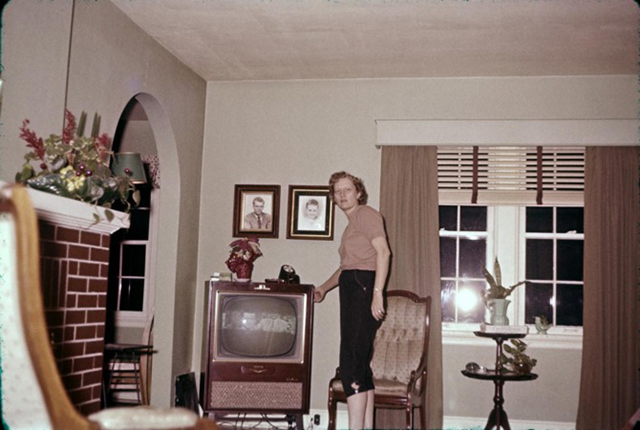
“Go Over There, By the TV” – The thing your mum asks you to go and stand in front of when she takes your picture. TVs were a prime example when they arrived in many homes in the 1950s, both a source of pride and wonder.
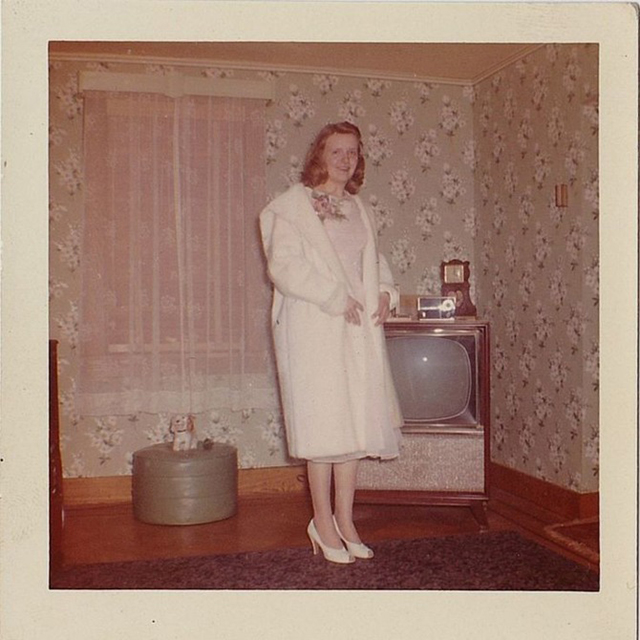
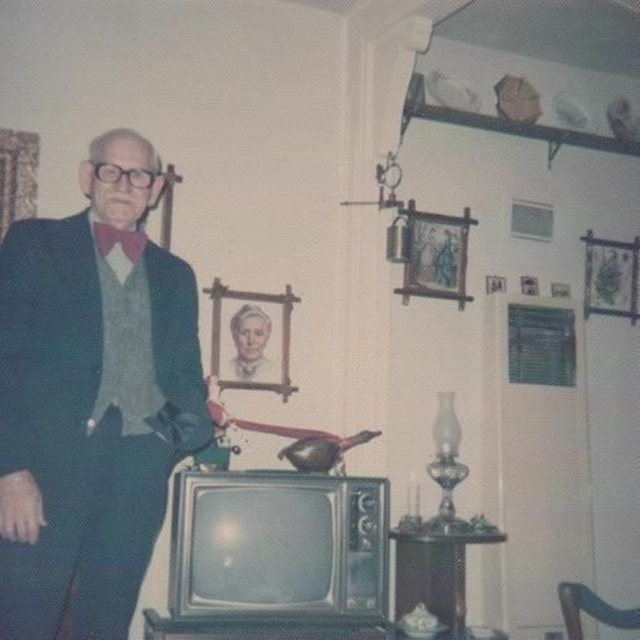
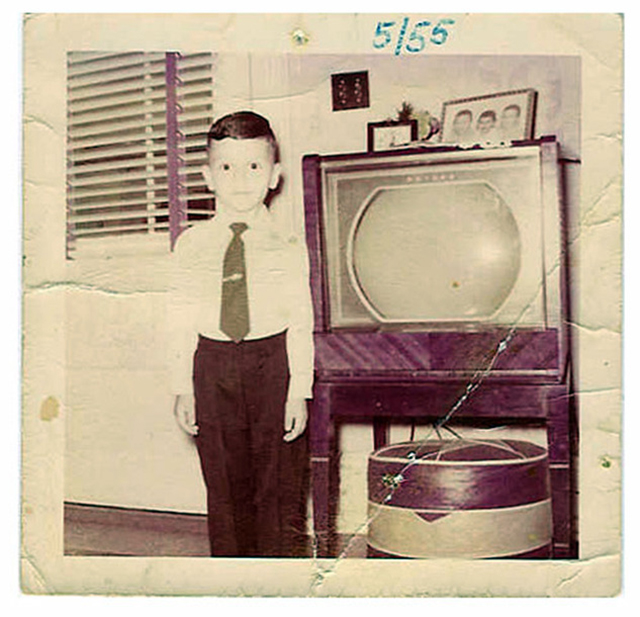
Here’s some of funny interesting snapshots of people standing next to their televisions.









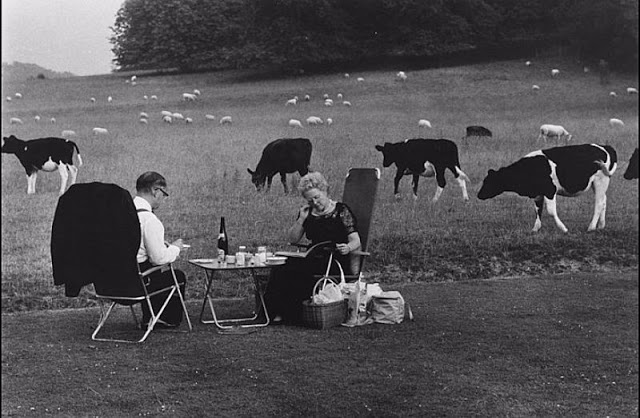
England is a country that is part of the United Kingdom. It shares land borders with Wales to its west and Scotland to its north. The Irish Sea lies northwest of England and the Celtic Sea to the southwest. England is separated from continental Europe by the North Sea to the east and the English Channel to the south. The country covers five-eighths of the island of Great Britain, which lies in the North Atlantic, and includes over 100 smaller islands, such as the Isles of Scilly and the Isle of Wight.
The area now called England was first inhabited by modern humans during the Upper Paleolithic period, but takes its name from the Angles, a Germanic tribe deriving its name from the Anglia peninsula, who settled during the 5th and 6th centuries. England became a unified state in the 10th century and has had a significant cultural and legal impact on the wider world since the Age of Discovery, which began during the 15th century. The English language, the Anglican Church, and English law—the basis for the common law legal systems of many other countries around the world—developed in England, and the country’s parliamentary system of government has been widely adopted by other nations. The Industrial Revolution began in 18th-century England, transforming its society into the world’s first industrialised nation.
England’s terrain is chiefly low hills and plains, especially in central and southern England. However, there is upland and mountainous terrain in the north (for example, the Lake District and Pennines) and in the west (for example, Dartmoor and the Shropshire Hills). The capital is London, which has the largest metropolitan area in the United Kingdom. England’s population of 56.3 million comprises 84% of the population of the United Kingdom, largely concentrated around London, the South East, and conurbations in the Midlands, the North West, the North East, and Yorkshire, which each developed as major industrial regions during the 19th century.
The Kingdom of England – which after 1535 included Wales – ceased being a separate sovereign state on 1 May 1707, when the Acts of Union put into effect the terms agreed in the Treaty of Union the previous year, resulting in a political union with the Kingdom of Scotland to create the Kingdom of Great Britain. In 1801, Great Britain was united with the Kingdom of Ireland (through another Act of Union) to become the United Kingdom of Great Britain and Ireland. In 1922 the Irish Free State seceded from the United Kingdom, leading to the latter being renamed the United Kingdom of Great Britain and Northern Ireland. (Wikipedia)
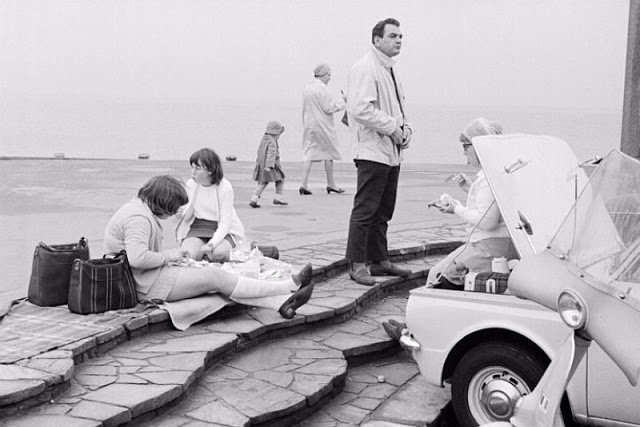
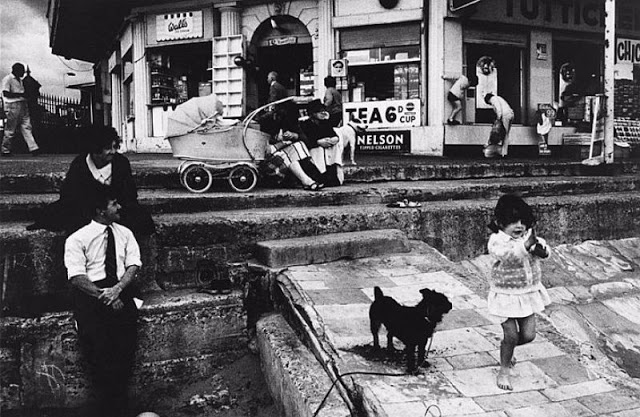
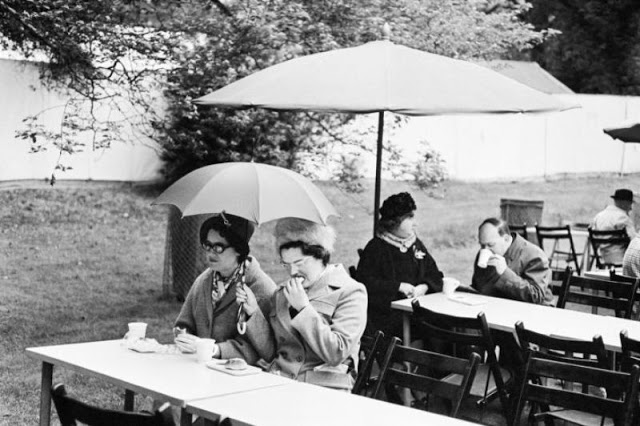

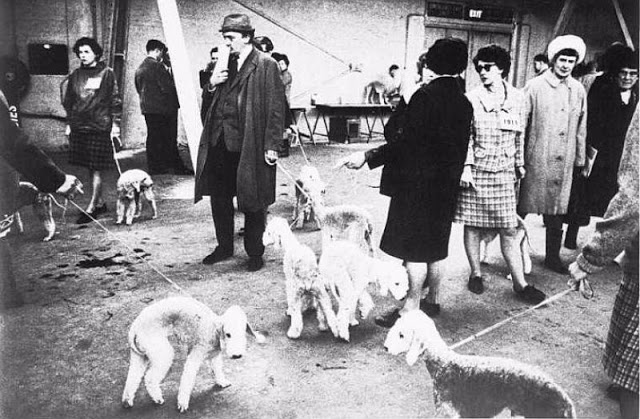

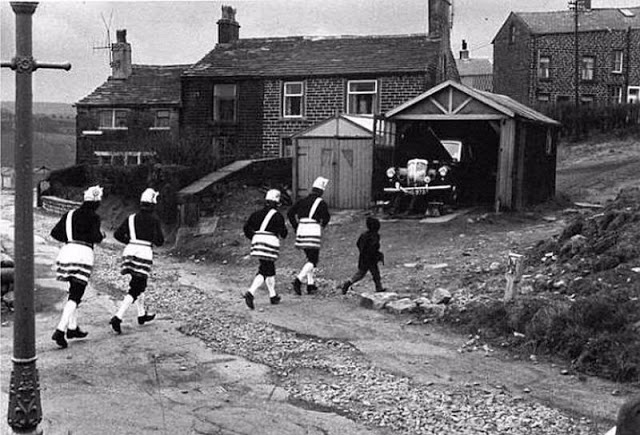
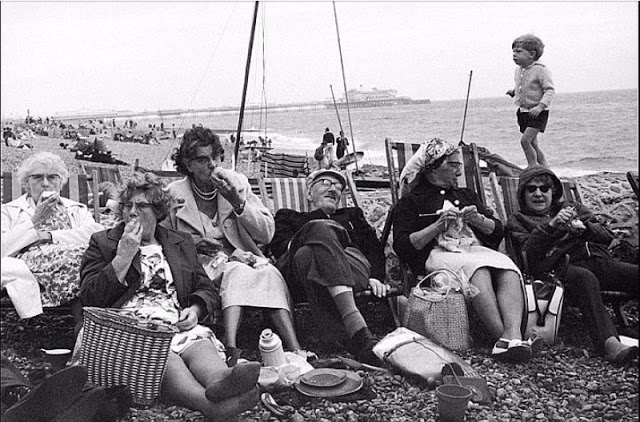
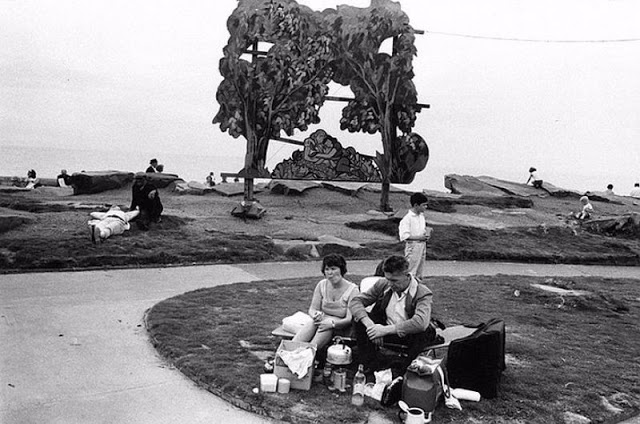
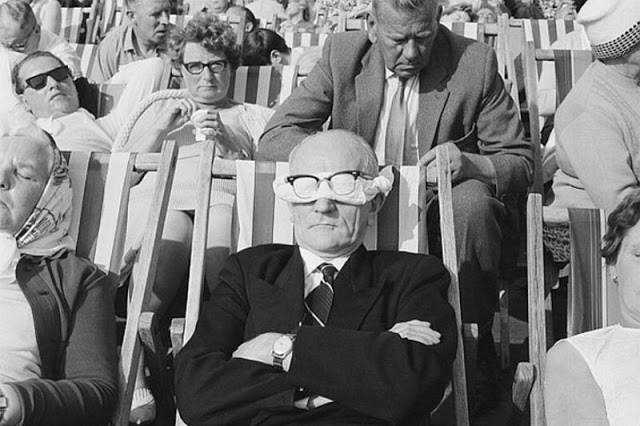


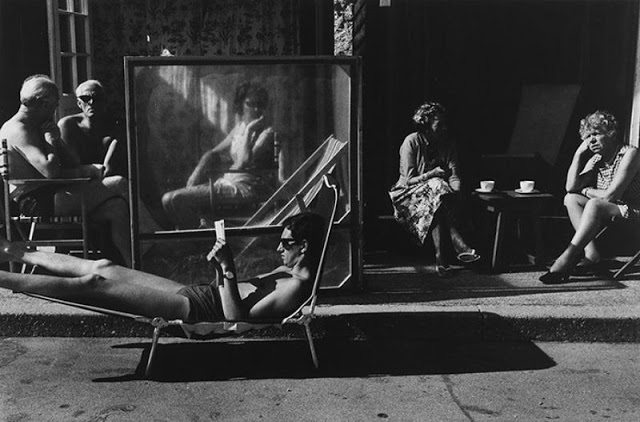

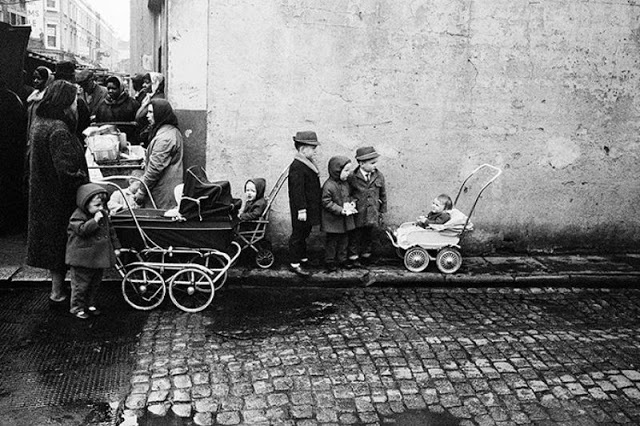
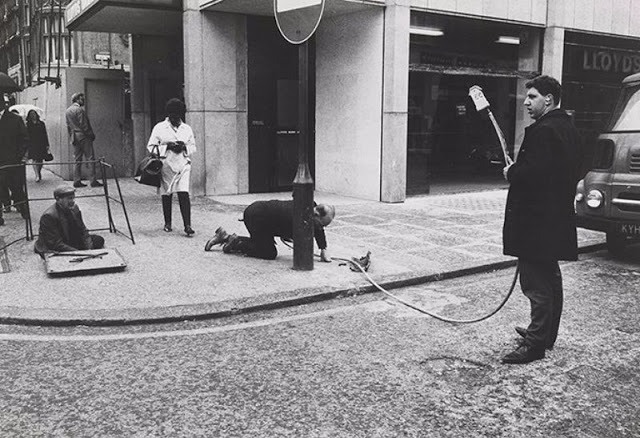
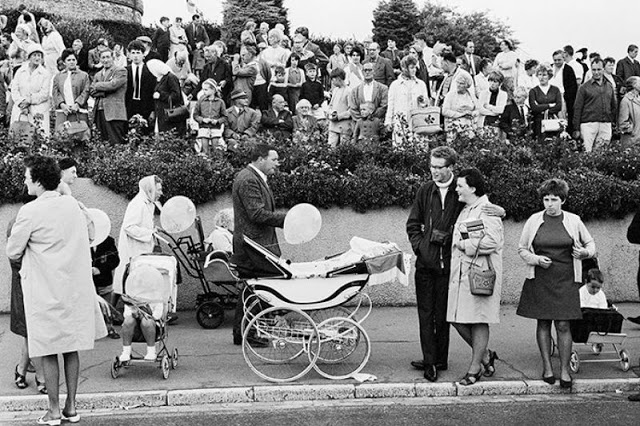
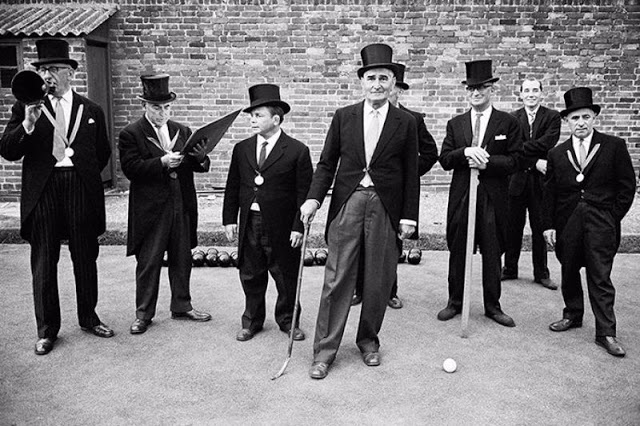
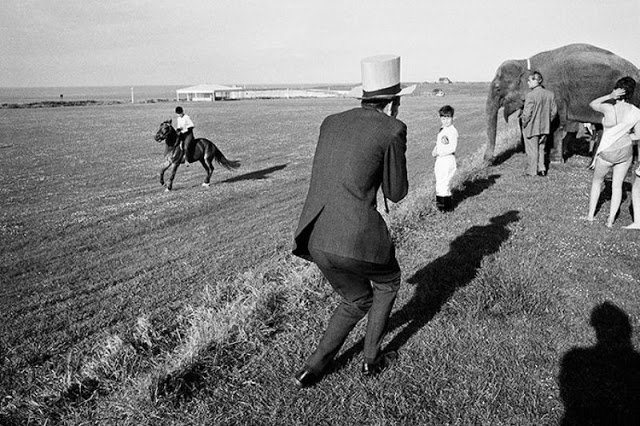
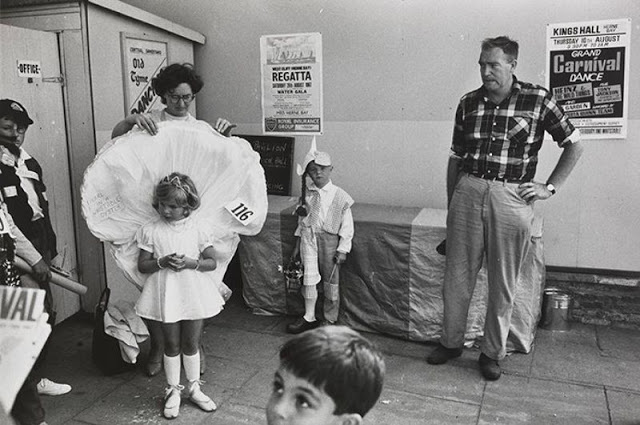
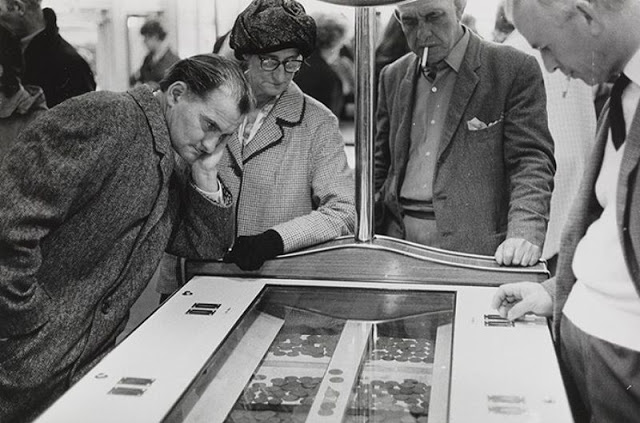
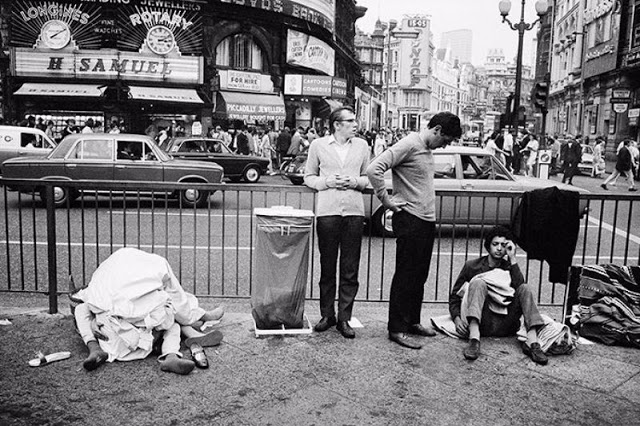
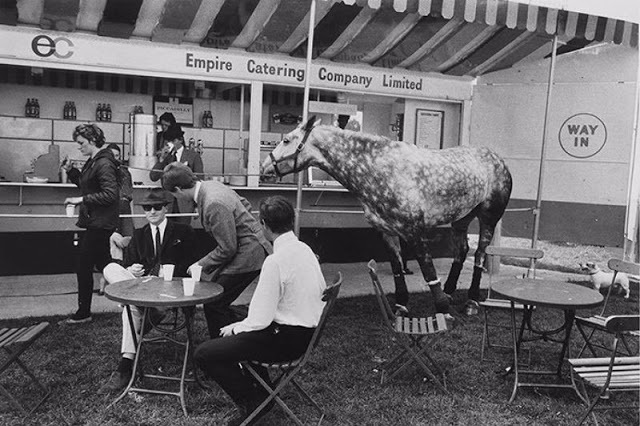
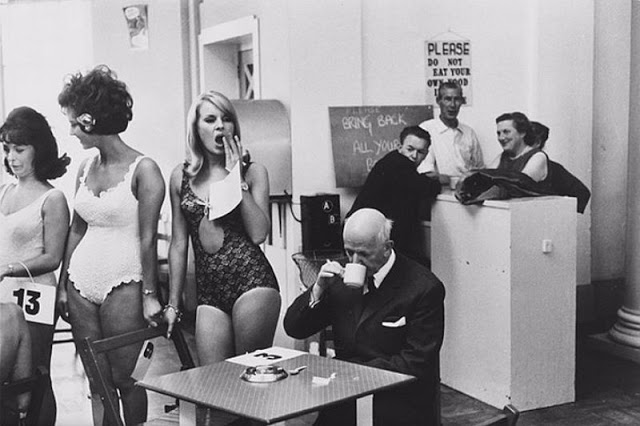
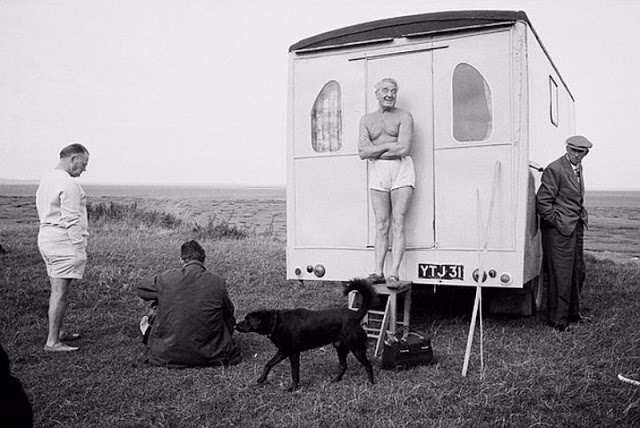
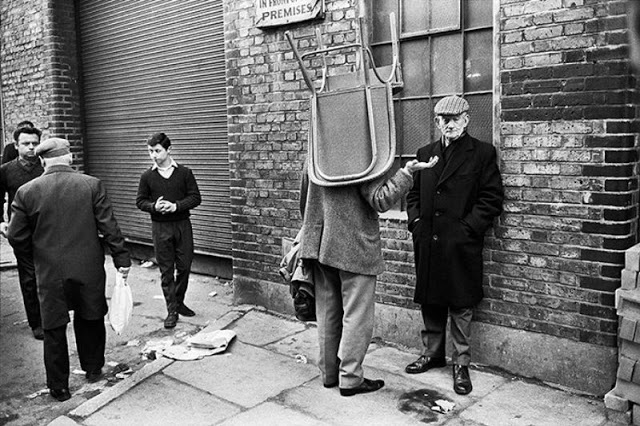
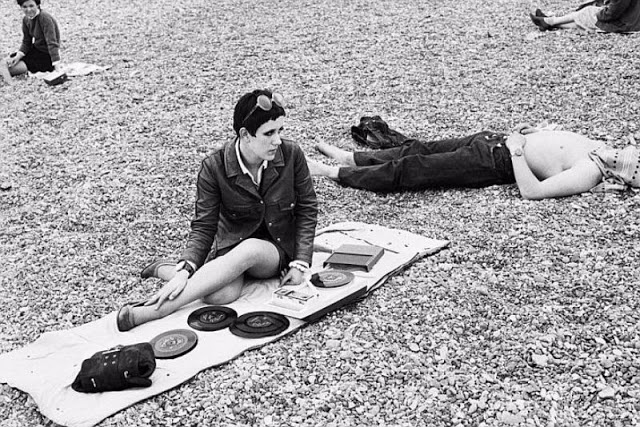
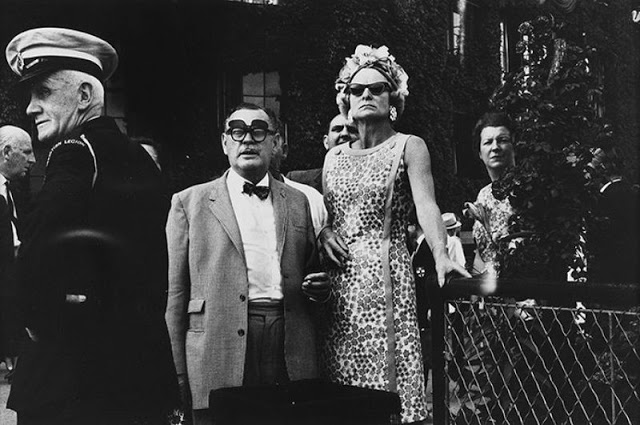

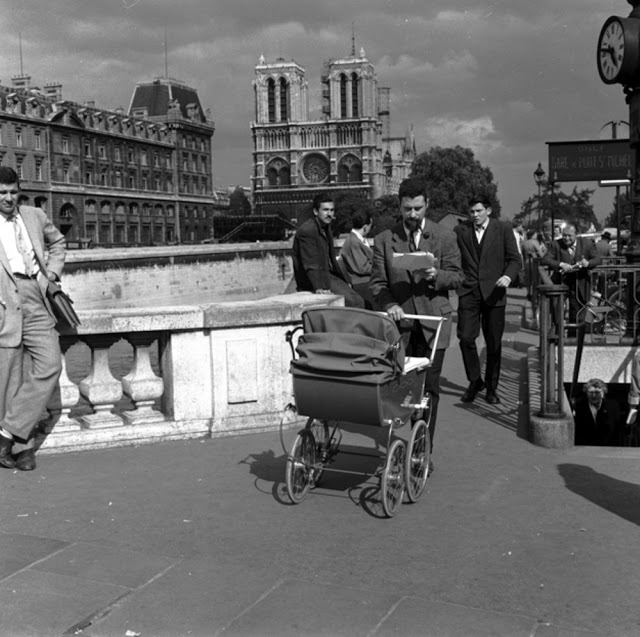
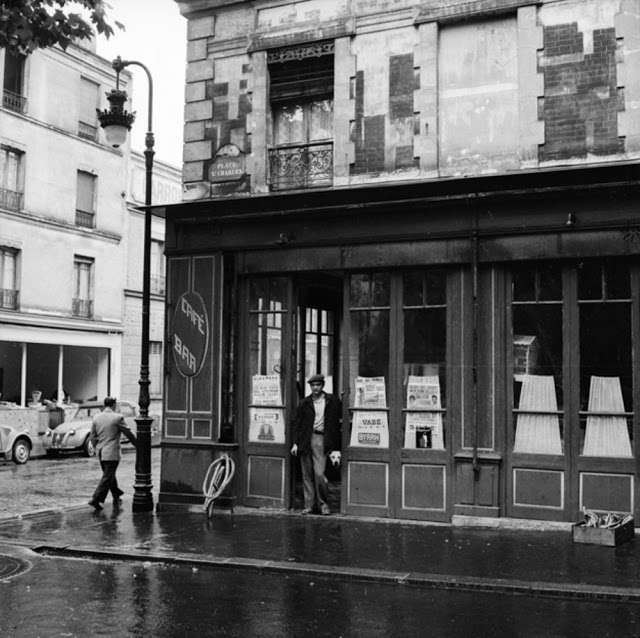
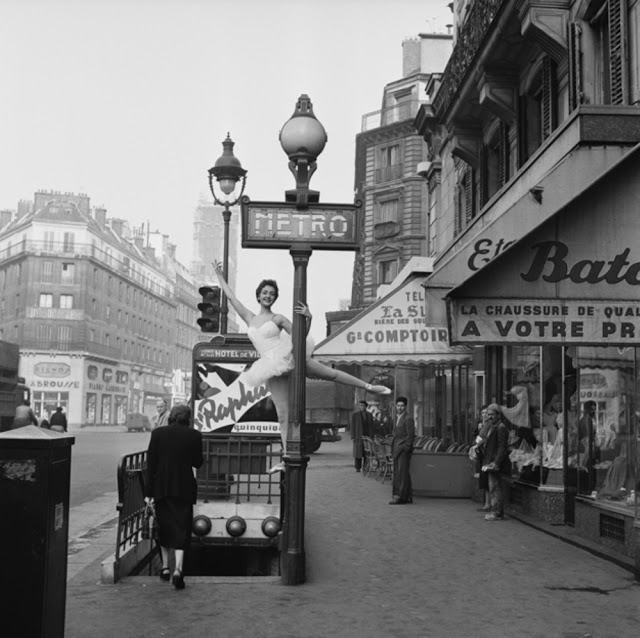
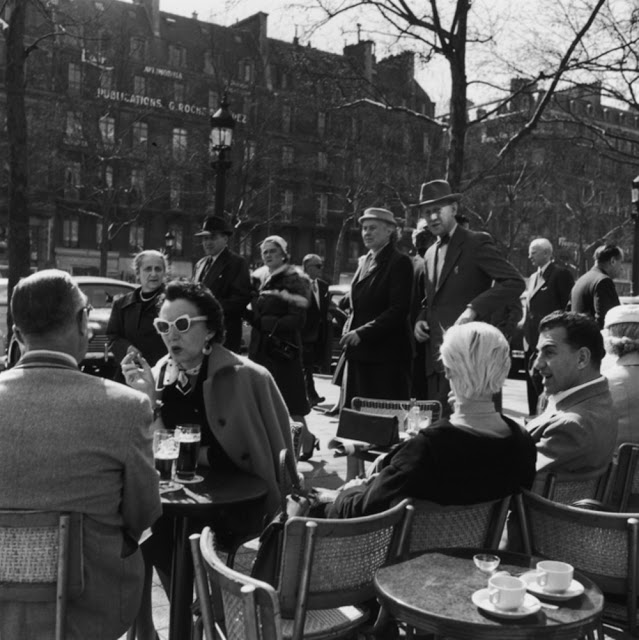
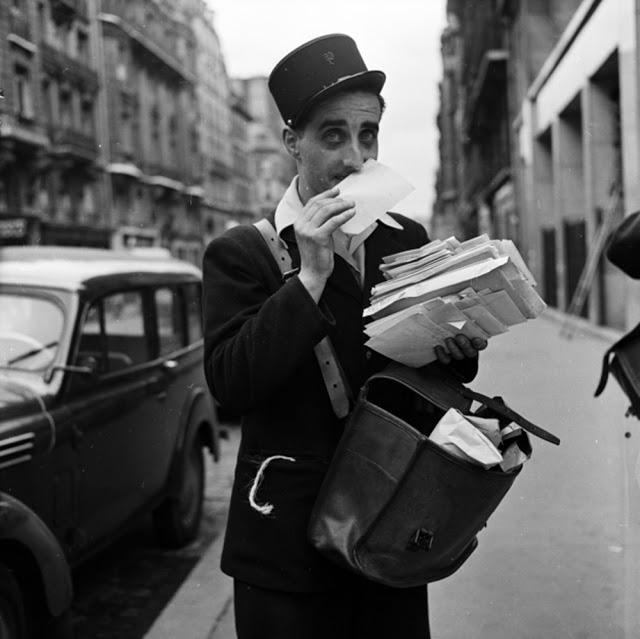
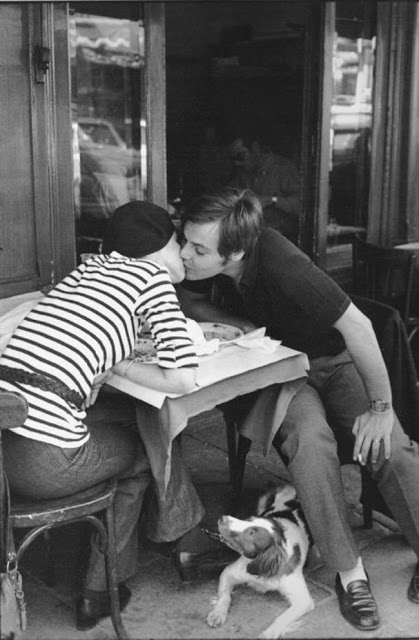
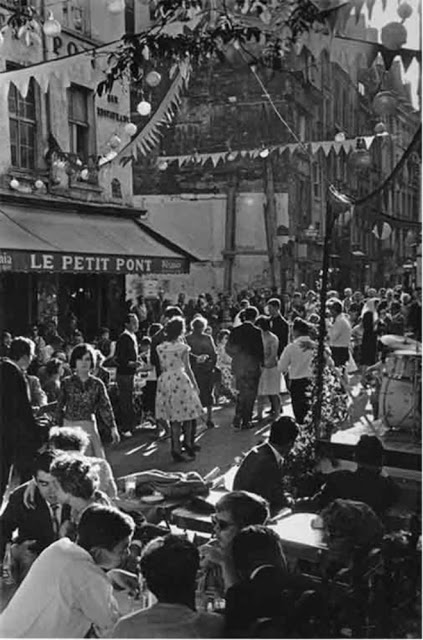
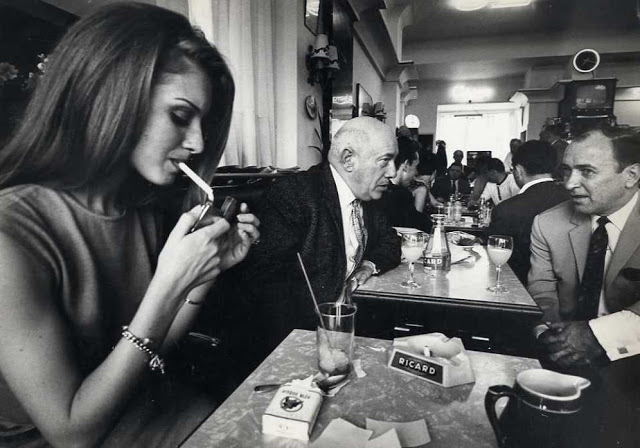
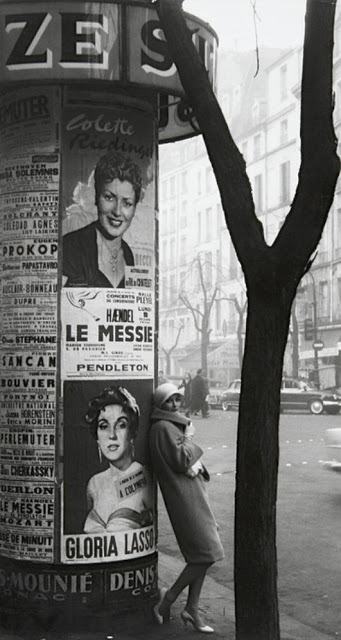
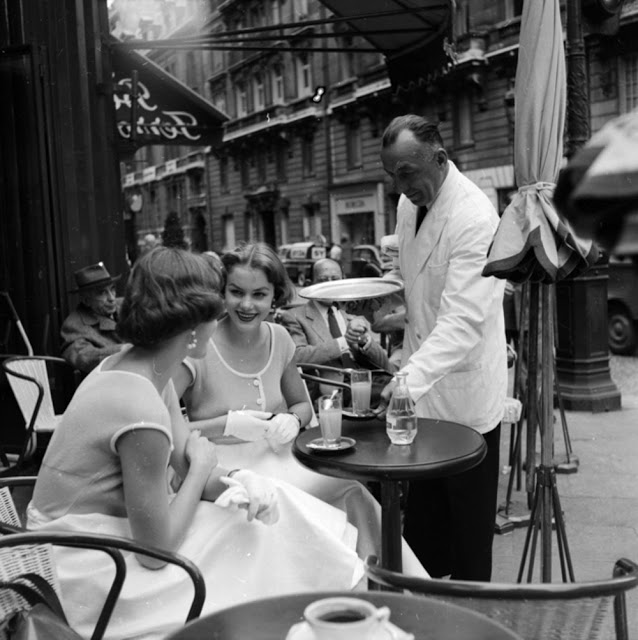
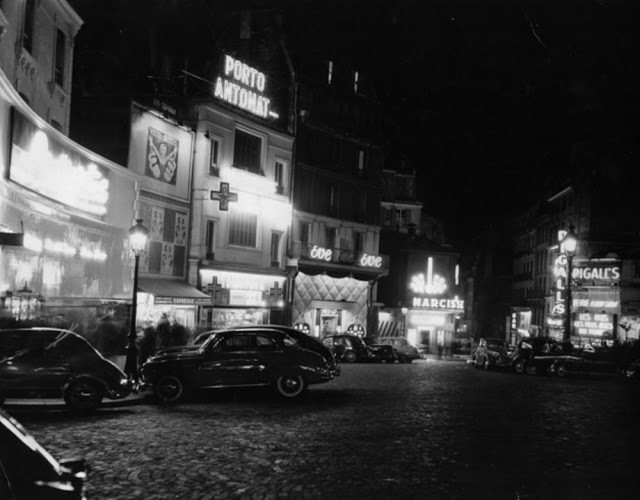
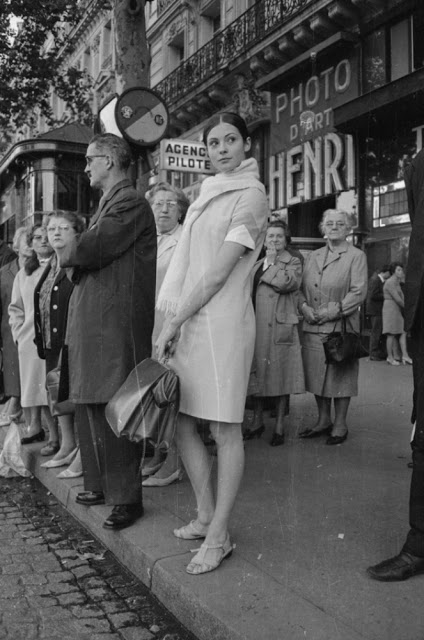
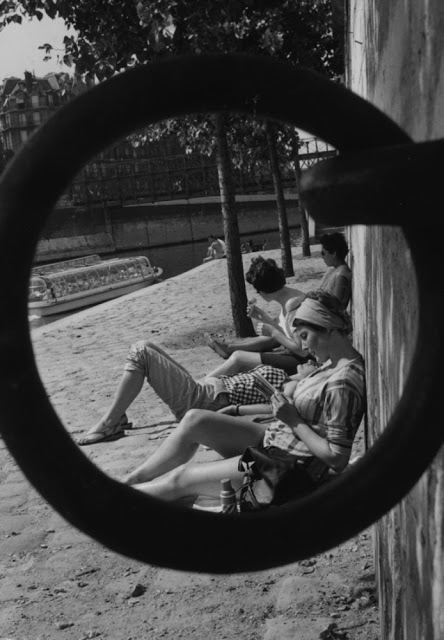
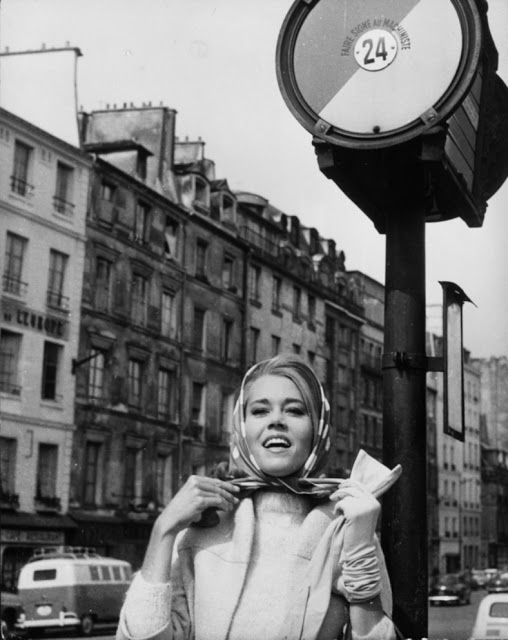
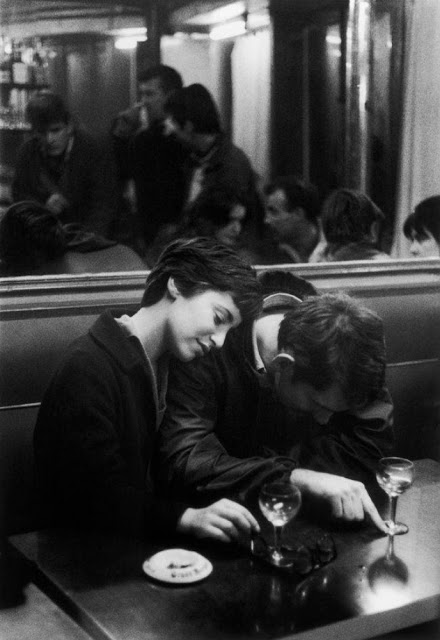
Not unlike its Western “great power” counterparts, 1960s France was a time of economic gains and social upheaval. Under the presidency of Charles de Gaulle, the country rebuilt itself from the destruction wrought by World War II, becoming more prosperous and less reliant on countries like the United States along the way.
Paris is the capital and most populous city of France, with an estimated population of 2,165,423 residents in 2019 in an area of more than 105 km² (41 sq mi), making it the 34th most densely populated city in the world in 2020. Since the 17th century, Paris has been one of the world’s major centres of finance, diplomacy, commerce, fashion, gastronomy, science, and arts, and has sometimes been referred to as the capital of the world. The City of Paris is the centre and seat of government of the region and province of Île-de-France, or Paris Region, with an estimated population of 12,997,058 in 2020, or about 18% of the population of France, making it in 2020 the second largest metropolitan area in the OECD, and 14th largest in the world in 2015. The Paris Region had a GDP of €709 billion ($808 billion) in 2017. According to the Economist Intelligence Unit Worldwide Cost of Living Survey, in 2021 Paris was the city with the second-highest cost of living in the world, tied with Singapore, and after Tel Aviv.
Paris is a major railway, highway, and air-transport hub served by two international airports: Paris–Charles de Gaulle (the second-busiest airport in Europe) and Paris–Orly. Opened in 1900, the city’s subway system, the Paris Métro, serves 5.23 million passengers daily; it is the second-busiest metro system in Europe after the Moscow Metro. Gare du Nord is the 24th-busiest railway station in the world and the busiest located outside Japan, with 262 million passengers in 2015. Paris is especially known for its museums and architectural landmarks: the Louvre received 2.8 million visitors in 2021, despite the long museum closings caused by the COVID-19 virus. The Musée d’Orsay, Musée Marmottan Monet and Musée de l’Orangerie are noted for their collections of French Impressionist art. The Pompidou Centre Musée National d’Art Moderne has the largest collection of modern and contemporary art in Europe. The Musée Rodin and Musée Picasso exhibit the works of two noted Parisians. The historical district along the Seine in the city centre has been classified as a UNESCO World Heritage Site since 1991; popular landmarks there include the Cathedral of Notre Dame de Paris on the Île de la Cité, now closed for renovation after the 15 April 2019 fire. Other popular tourist sites include the Gothic royal chapel of Sainte-Chapelle, also on the Île de la Cité; the Eiffel Tower, constructed for the Paris Universal Exposition of 1889; the Grand Palais and Petit Palais, built for the Paris Universal Exposition of 1900; the Arc de Triomphe on the Champs-Élysées, and the hill of Montmartre with its artistic history and its Basilica of Sacré-Coeur.
Paris hosts several United Nations organisations: the UNESCO, the Young Engineers / Future Leaders, the World Federation of Engineering Organizations, and other international organisations such as the OECD, the OECD Development Centre, the International Bureau of Weights and Measures, the International Energy Agency, the International Federation for Human Rights, the International Organisation of La Francophonie; along with European bodies such as the European Space Agency, the Euro Banking Association or the European Securities and Markets Authority. Other international organisations were founded in Paris such as the CIMAC in 1951 (International Council on Combustion Engines | Conseil International des Machines à Combustion), or the modern Olympic Games in 1894 which was then moved to Lausanne, Switzerland.
Tourism recovered in the Paris region in 2021, increasing to 22.6 million visitors, thirty percent more than in 2020, but still well below 2019 levels. The number of visitors from the United States increased by 237 percent over 2020. Museums re-opened in 2021, with limitations on the number of visitors at a time and a requirement that visitors wear masks.
The football club Paris Saint-Germain and the rugby union club Stade Français are based in Paris. The 80,000-seat Stade de France, built for the 1998 FIFA World Cup, is located just north of Paris in the neighbouring commune of Saint-Denis. Paris hosts the annual French Open Grand Slam tennis tournament on the red clay of Roland Garros. The city hosted the Olympic Games in 1900, 1924 and will host the 2024 Summer Olympics. The 1938 and 1998 FIFA World Cups, the 2007 Rugby World Cup, as well as the 1960, 1984 and 2016 UEFA European Championships were also held in the city. Every July, the Tour de France bicycle race finishes on the Avenue des Champs-Élysées in Paris. (Wikipedia)
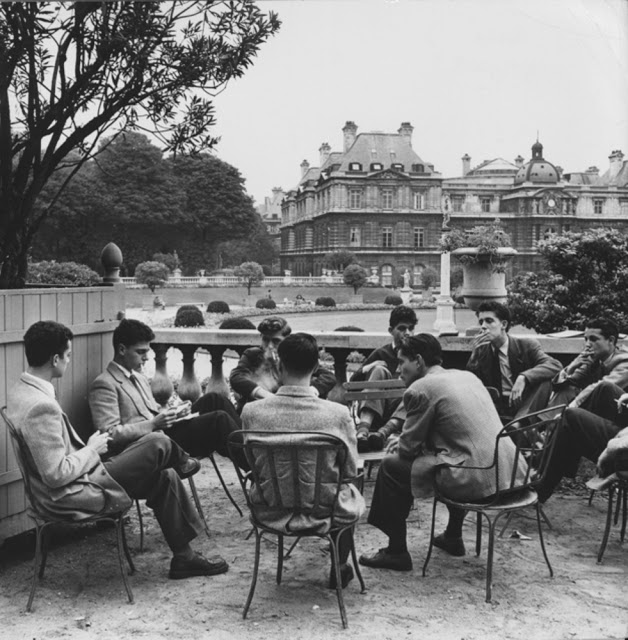
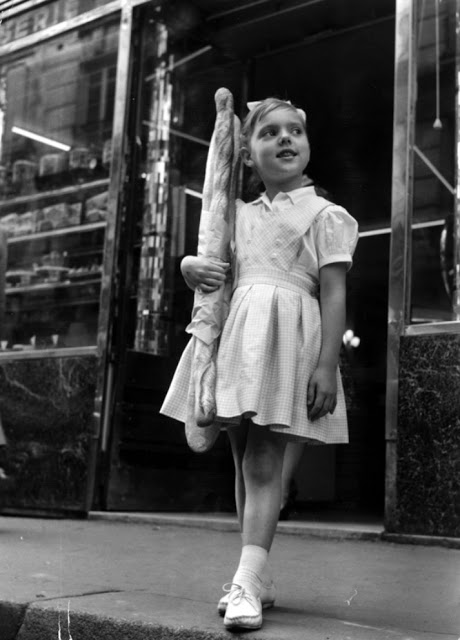
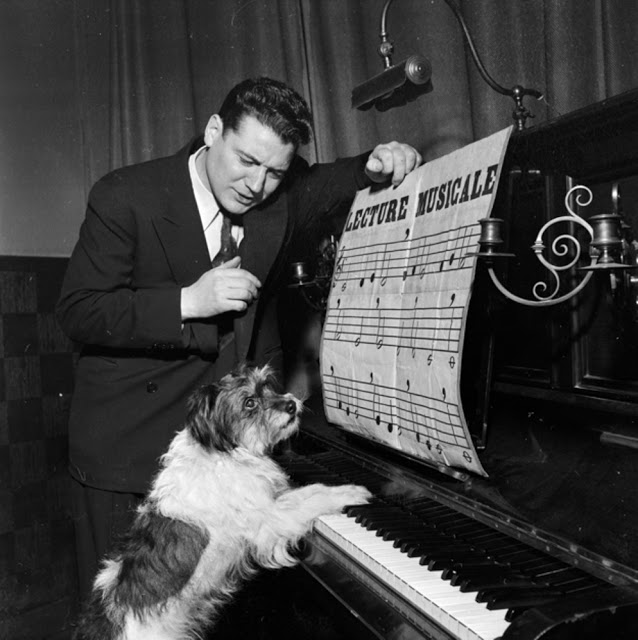

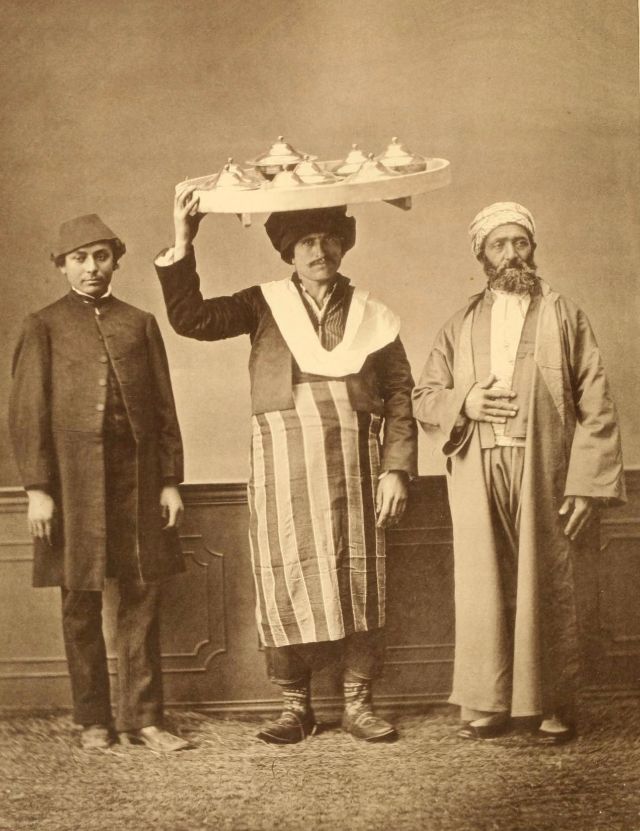
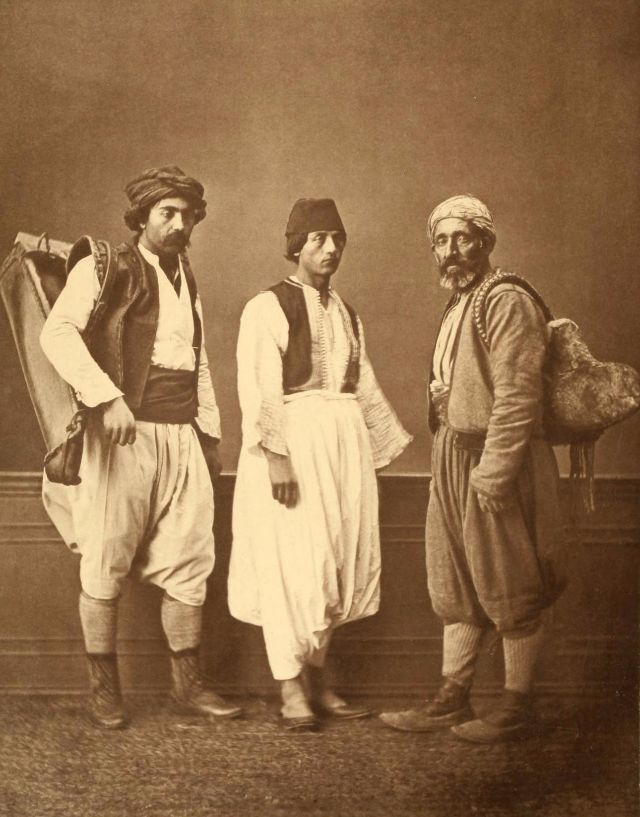
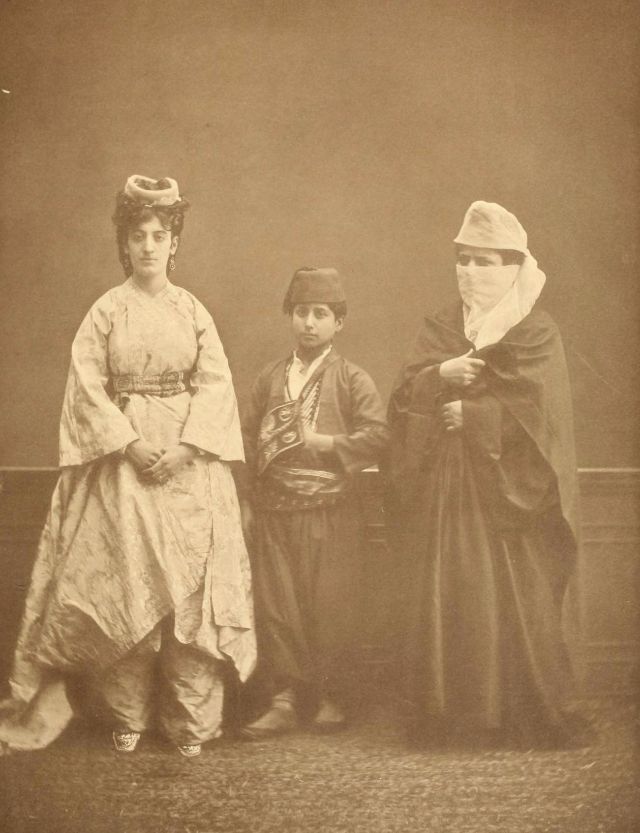
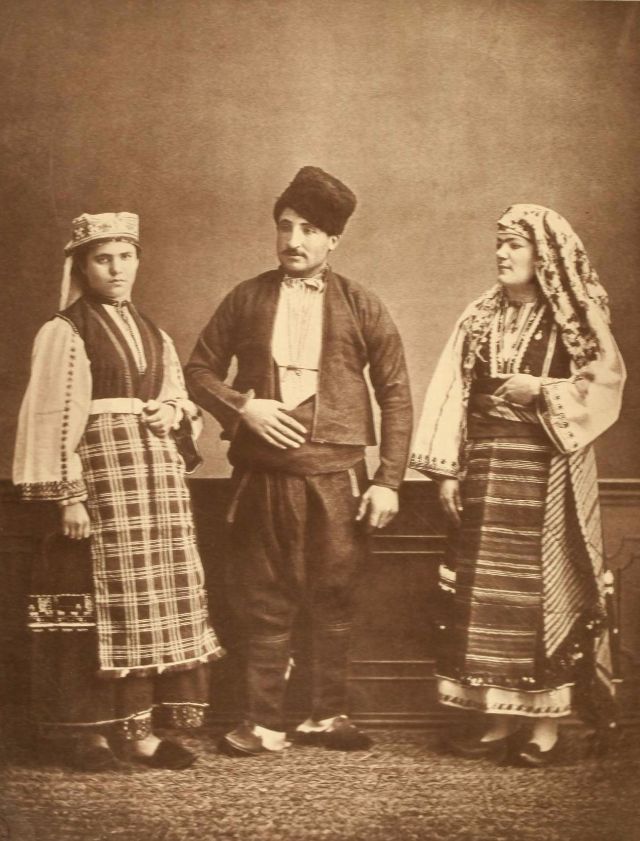
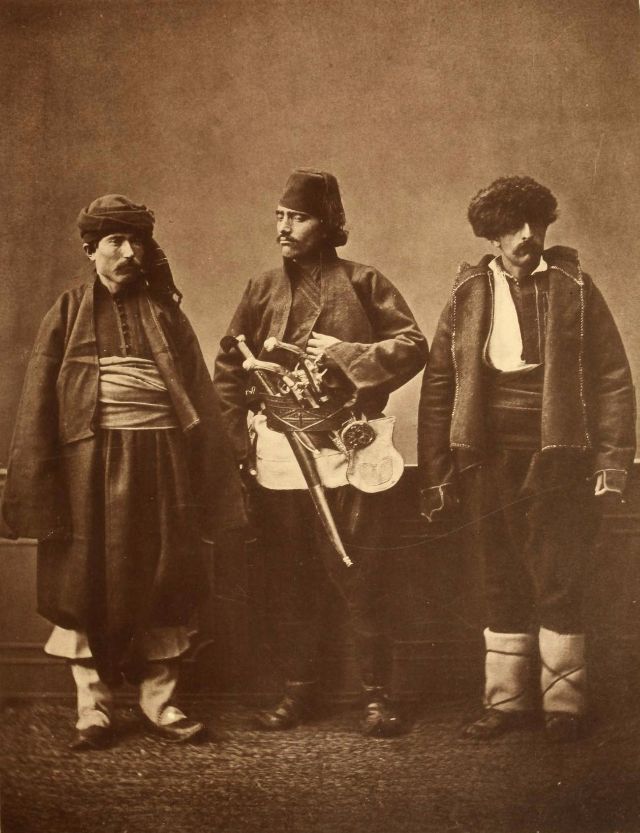
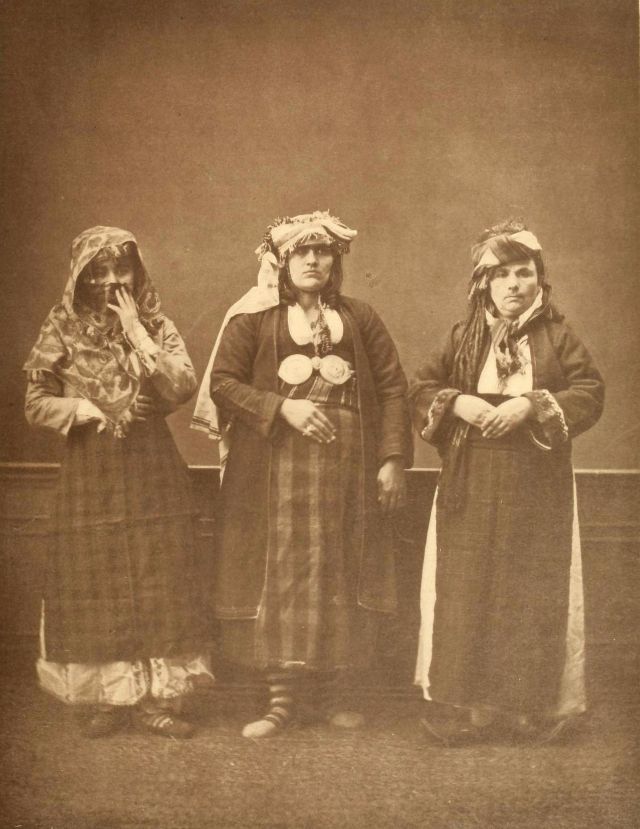
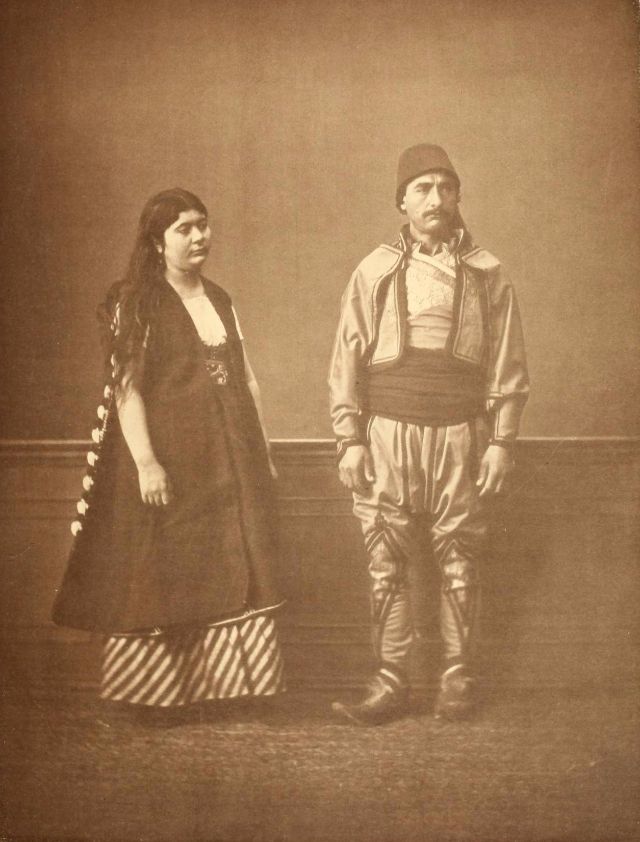
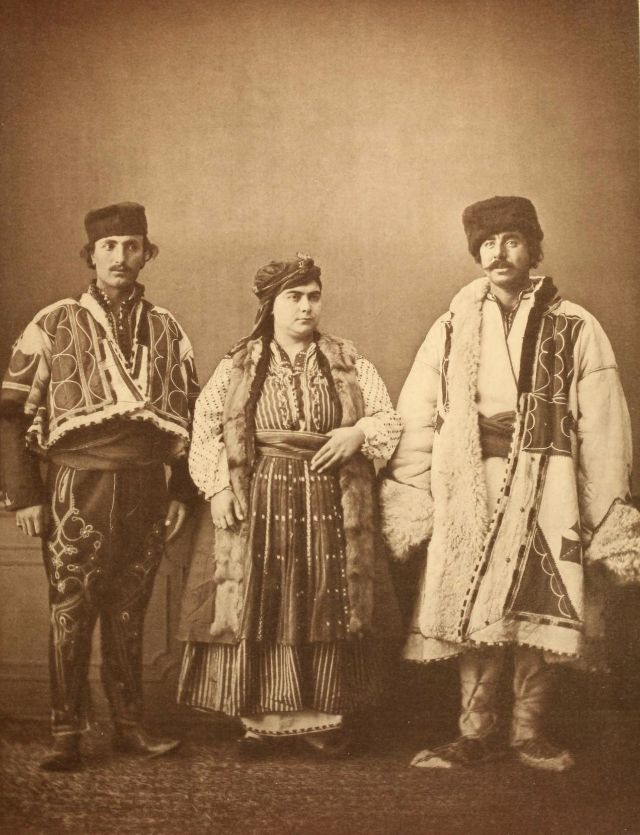
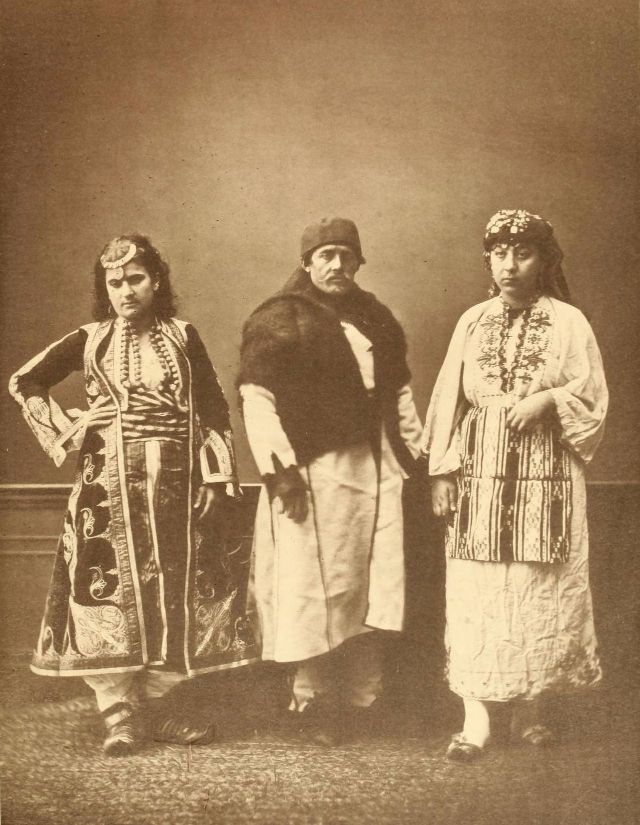
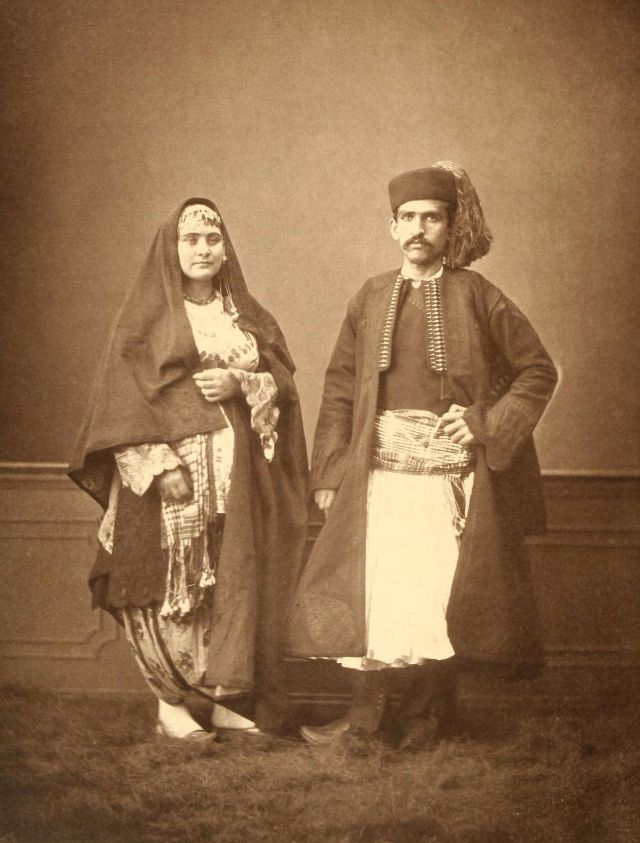
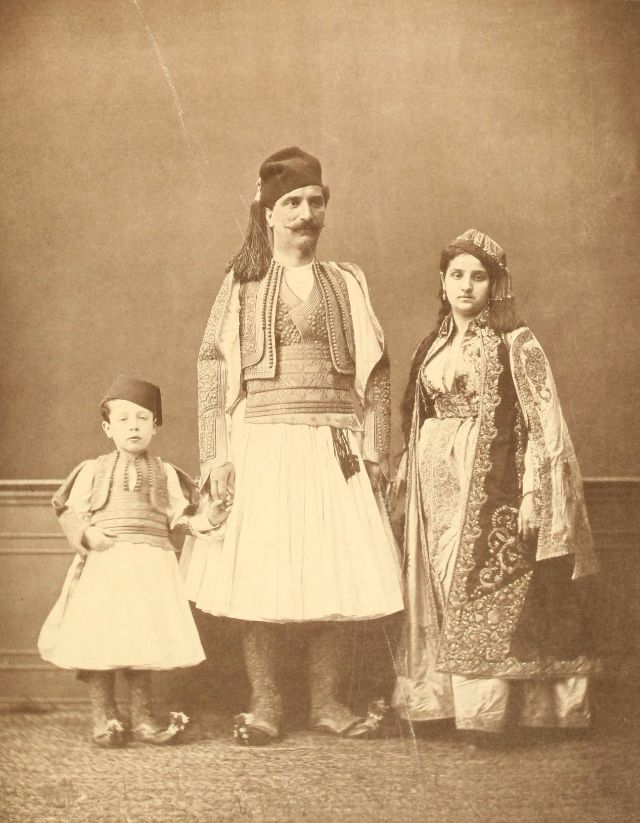
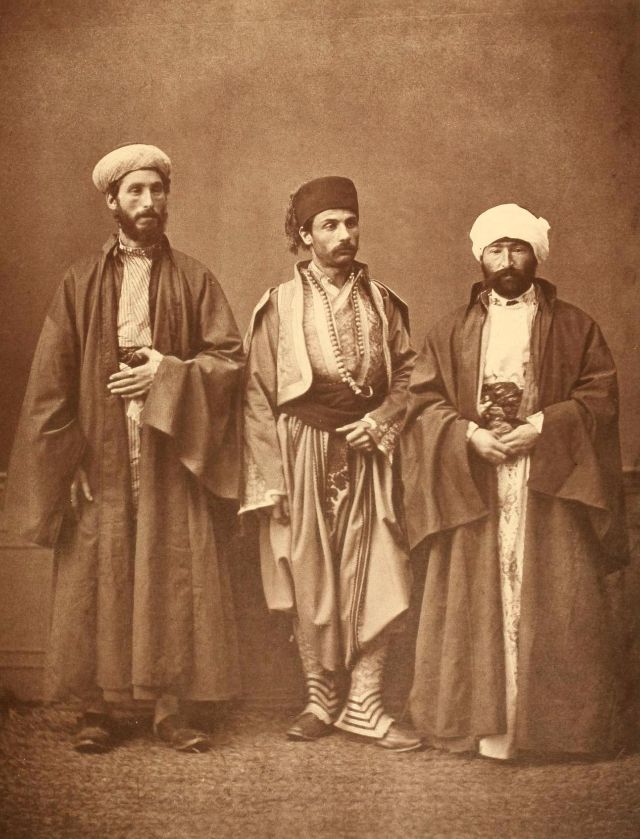
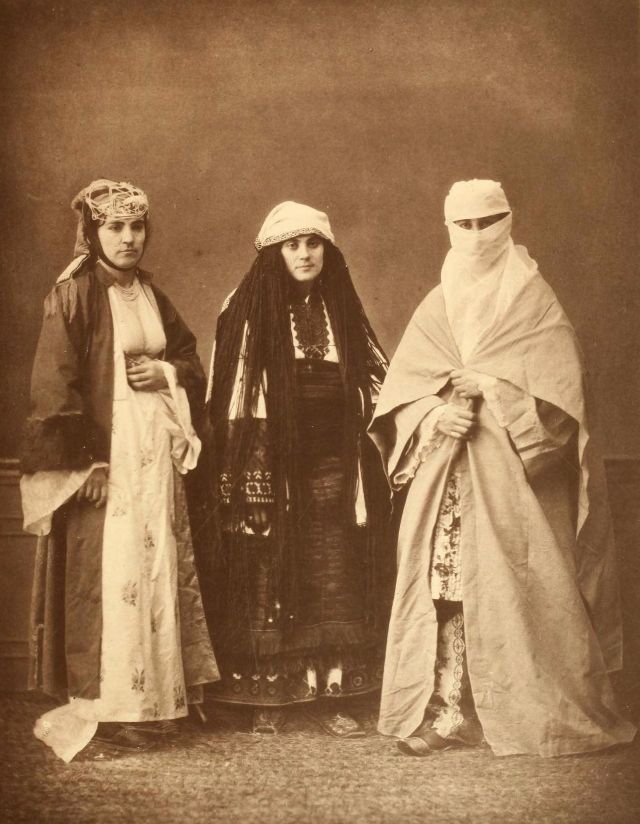
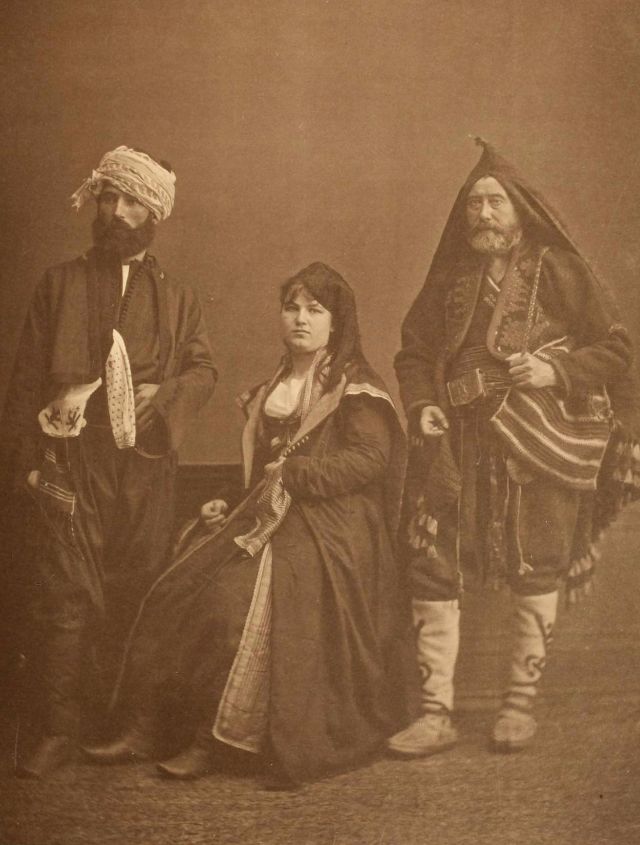
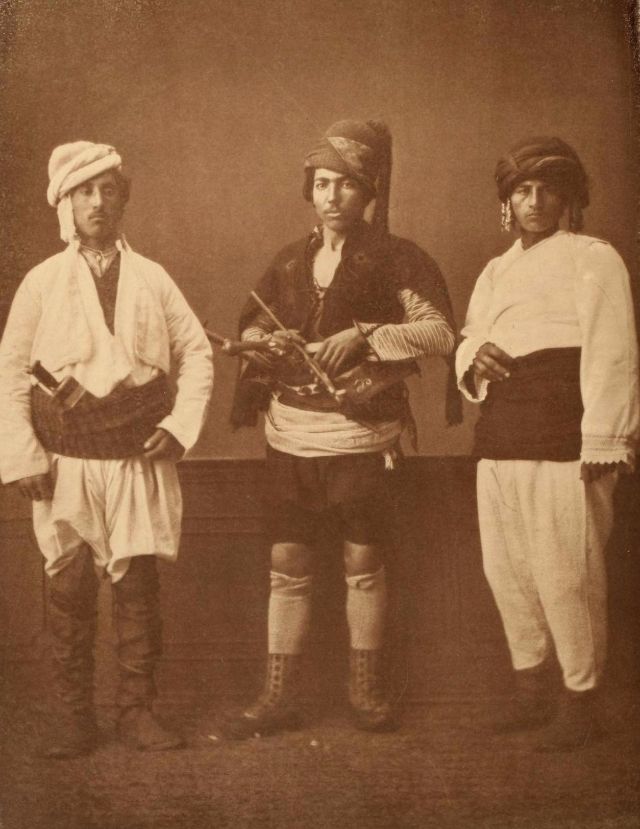
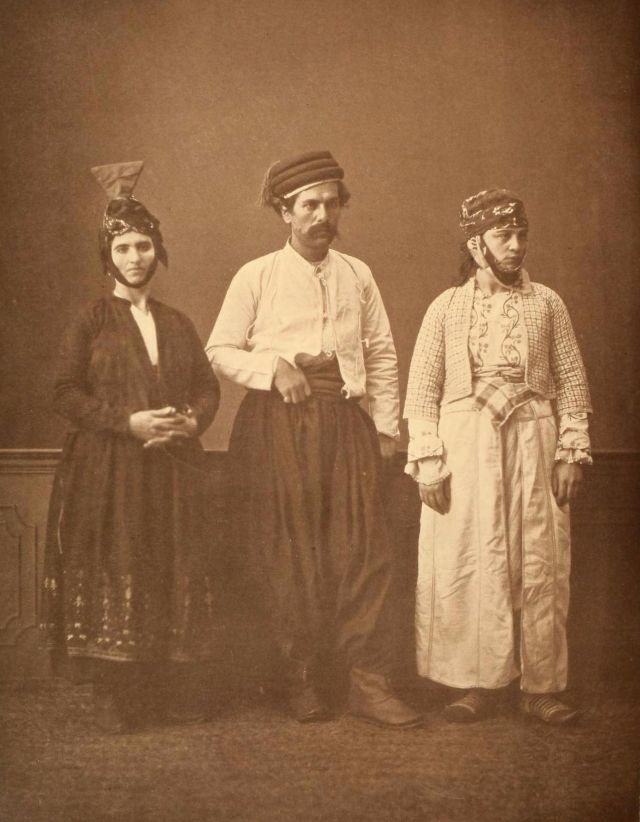
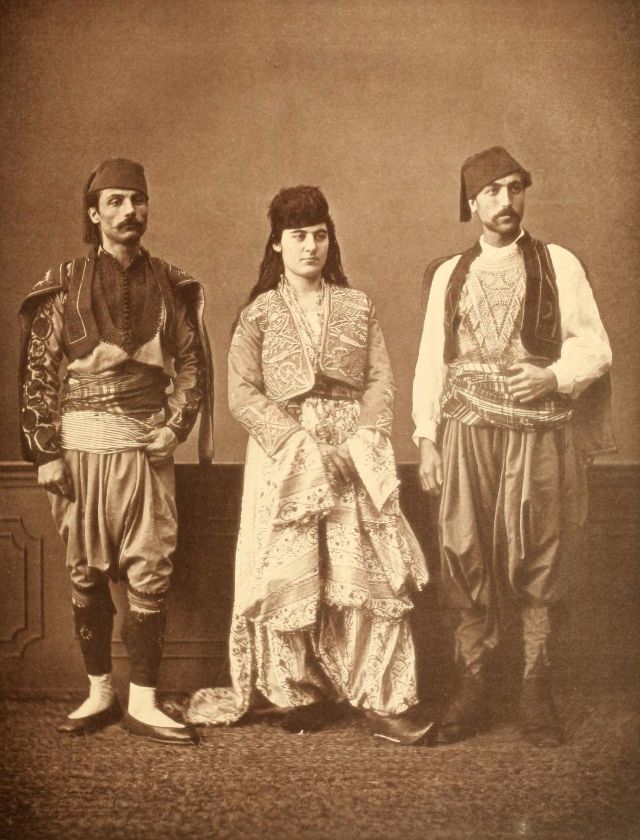
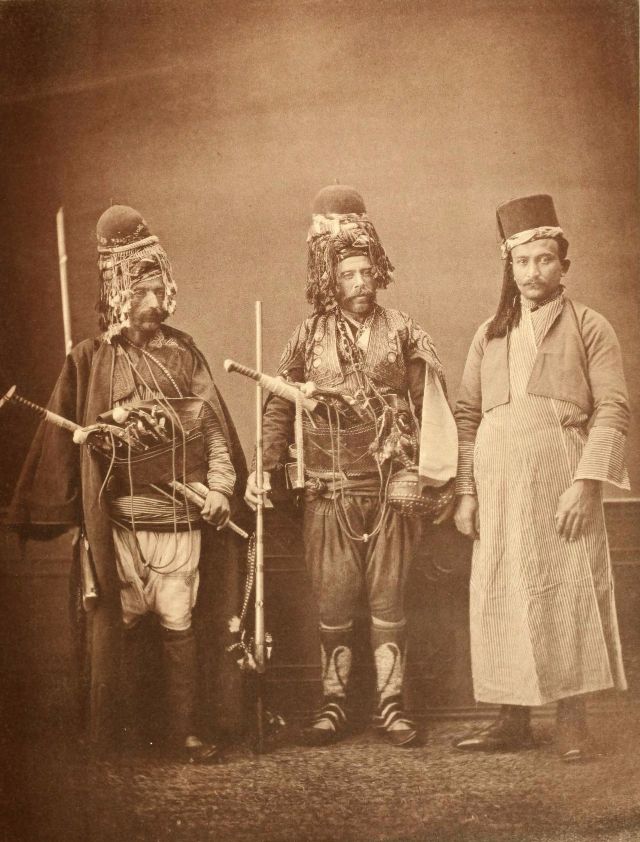
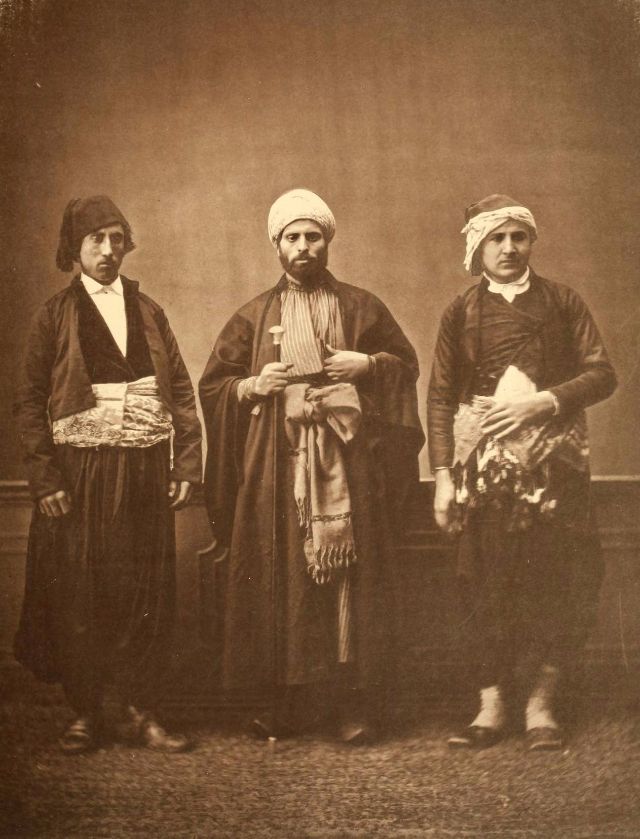
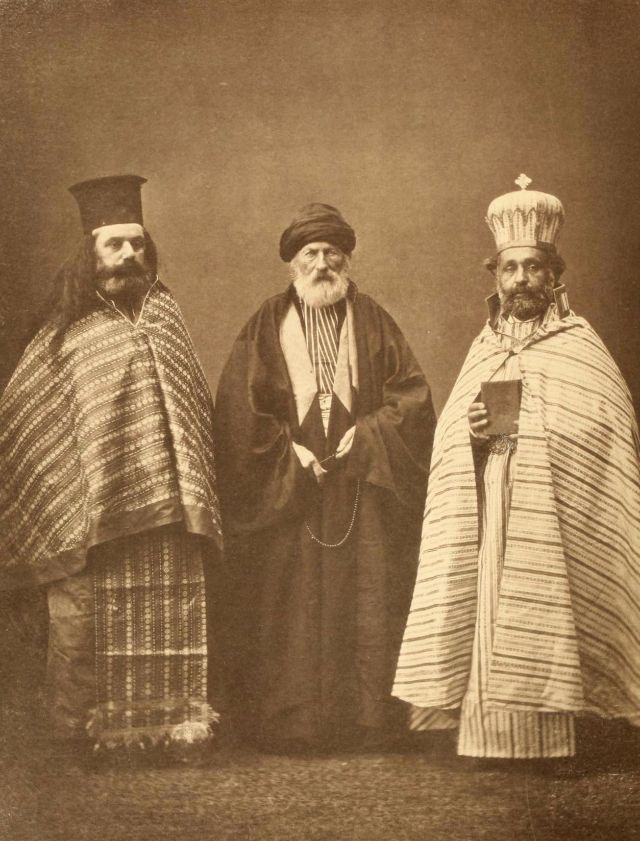
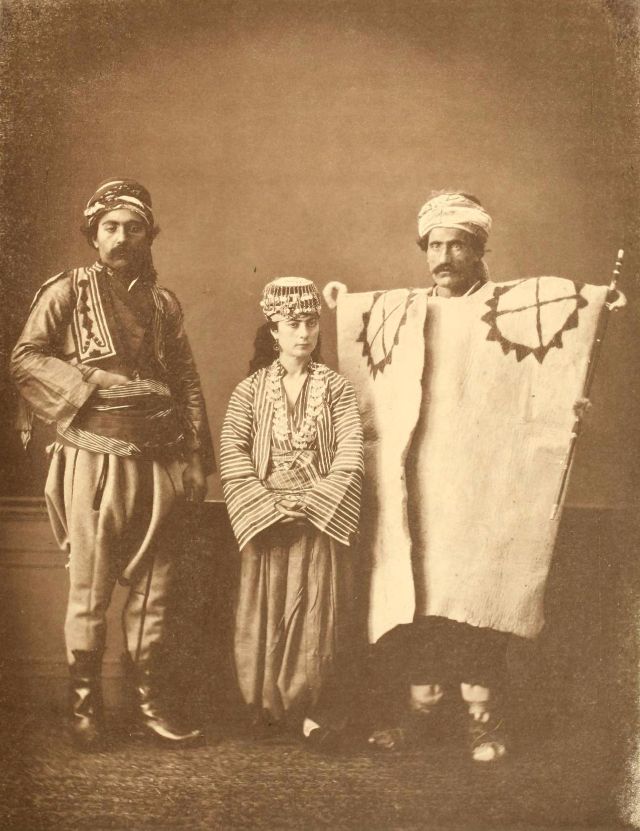
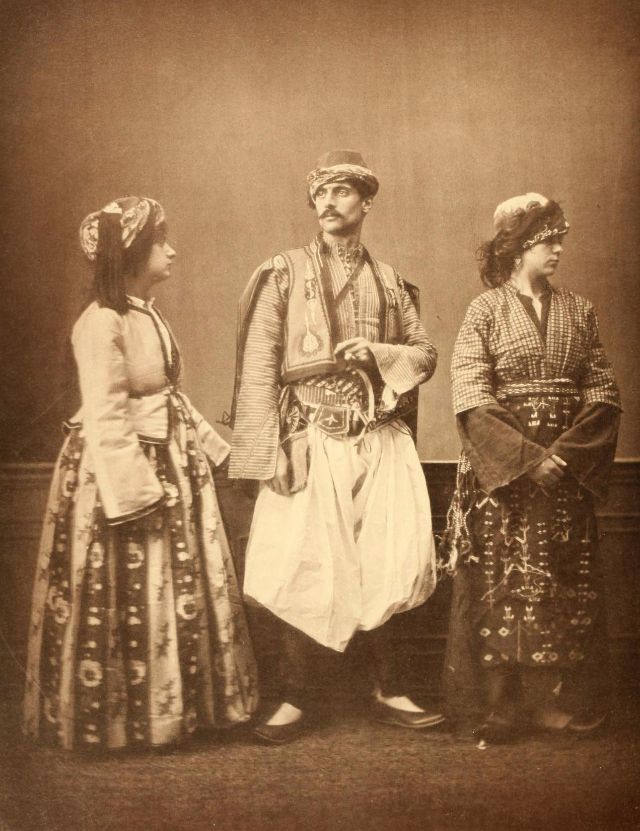
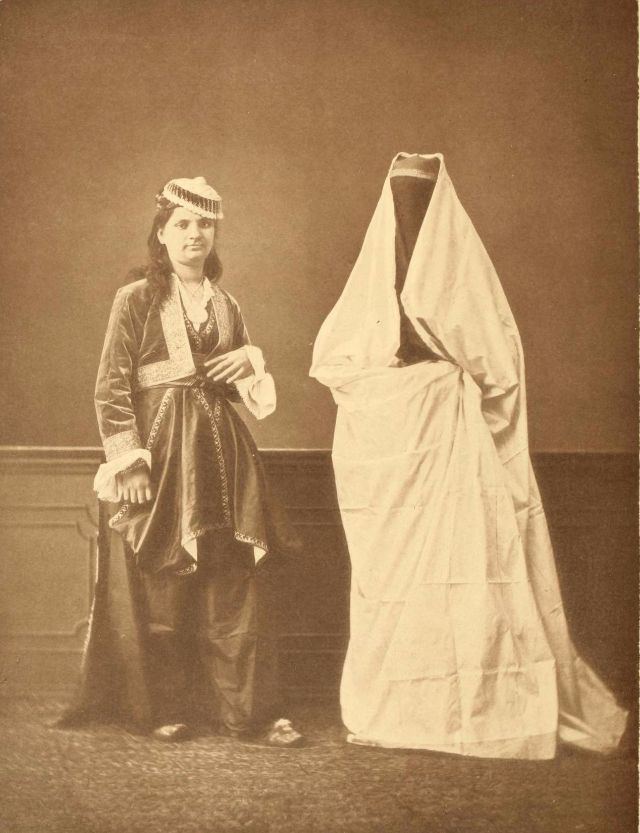
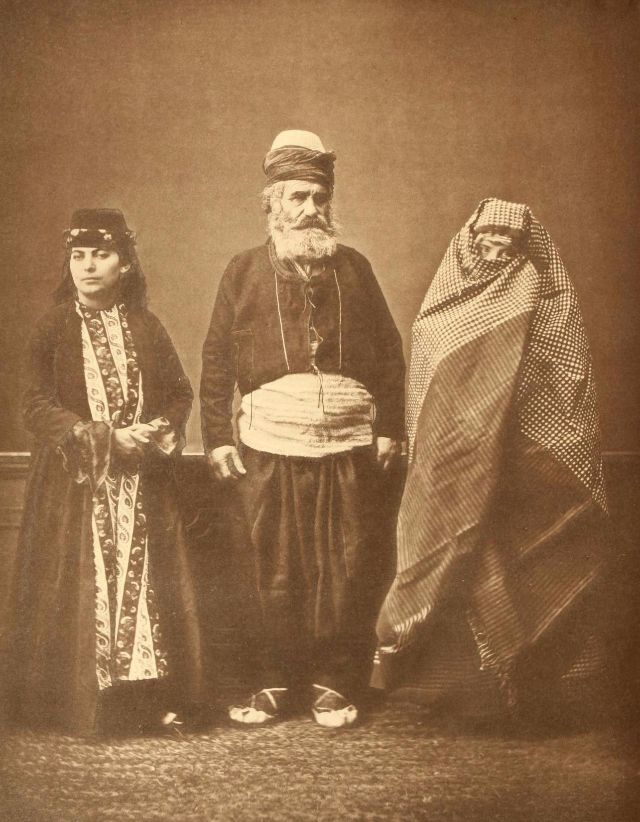
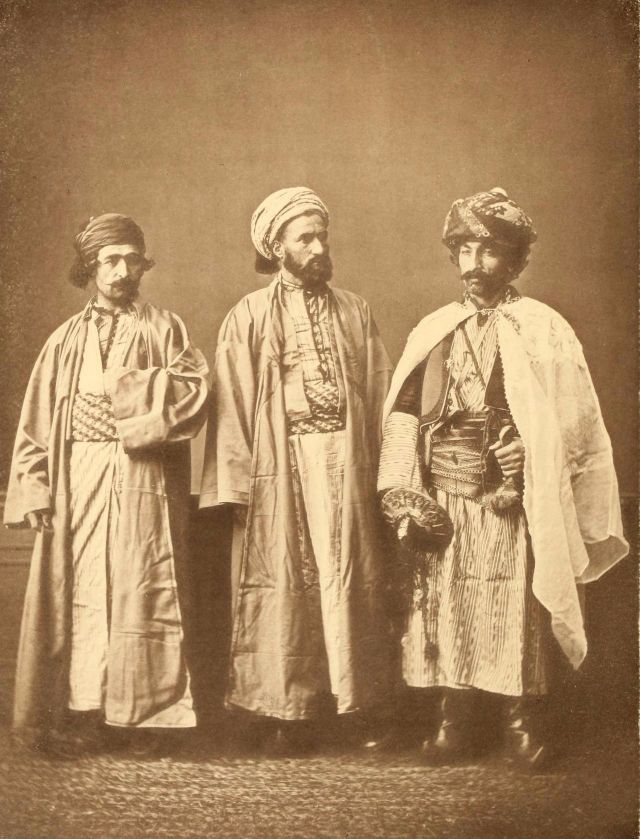
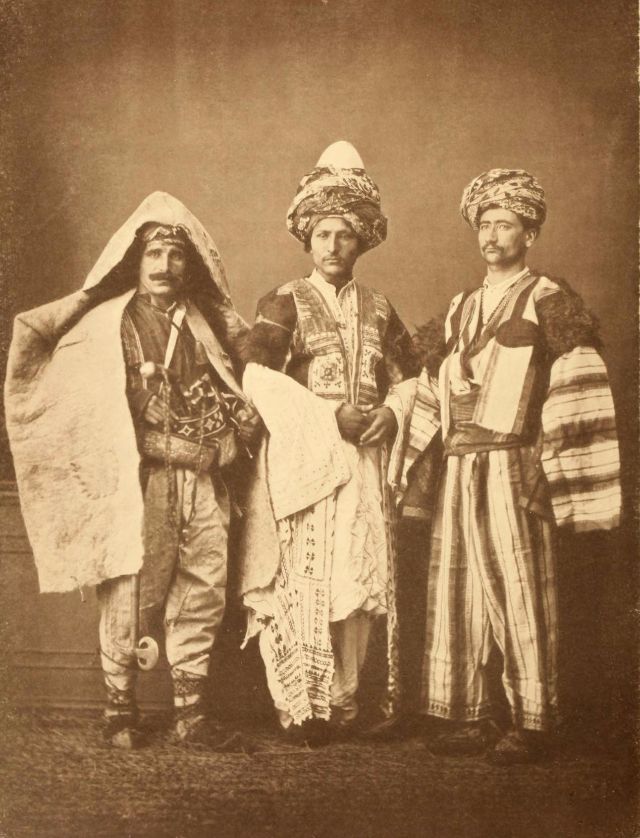
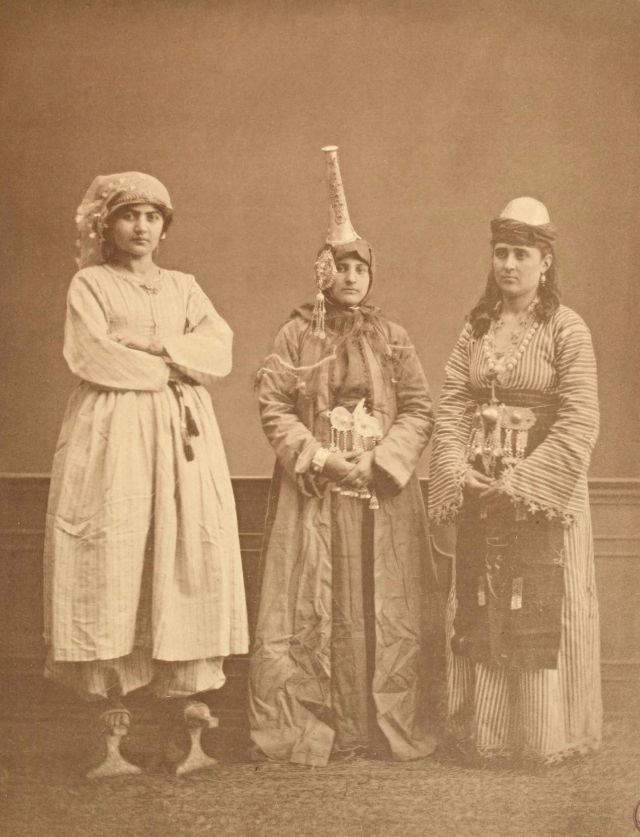
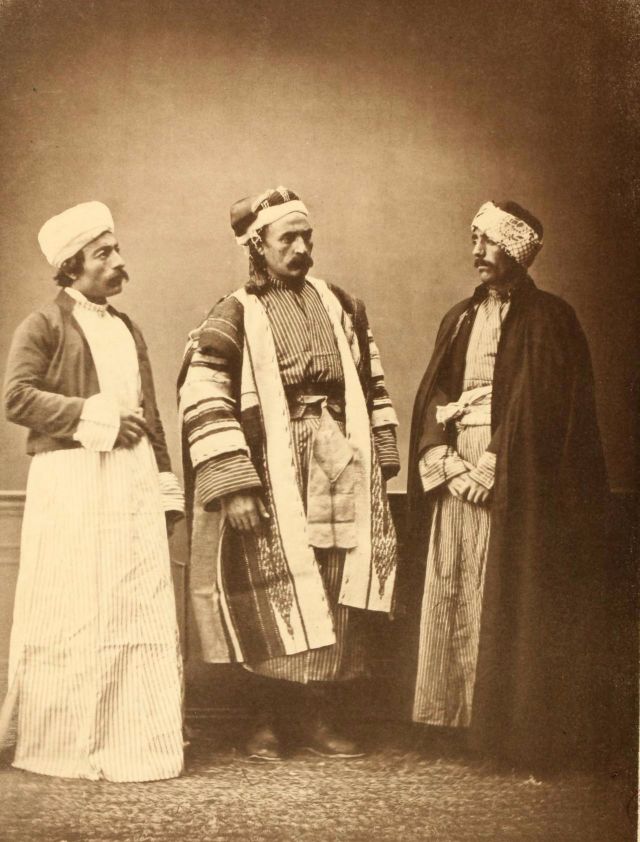
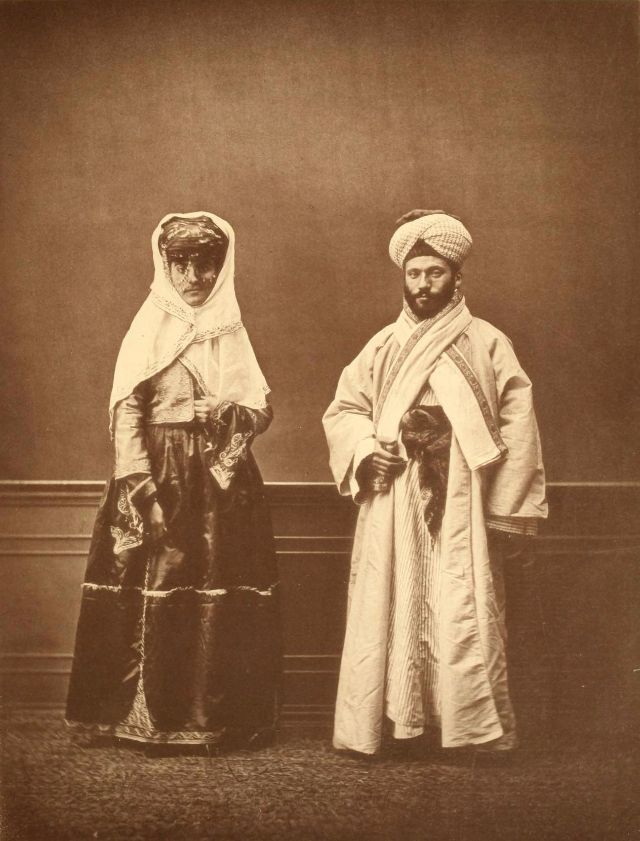
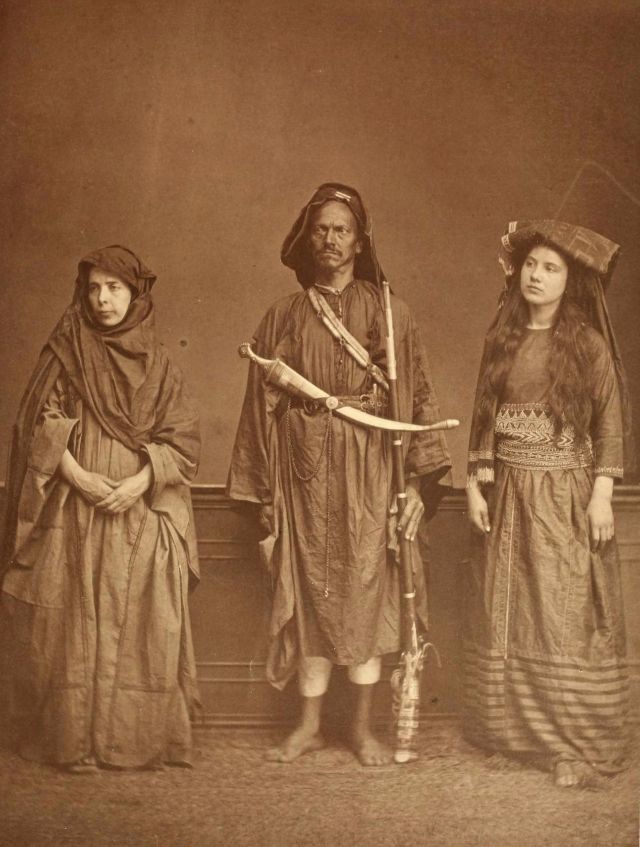
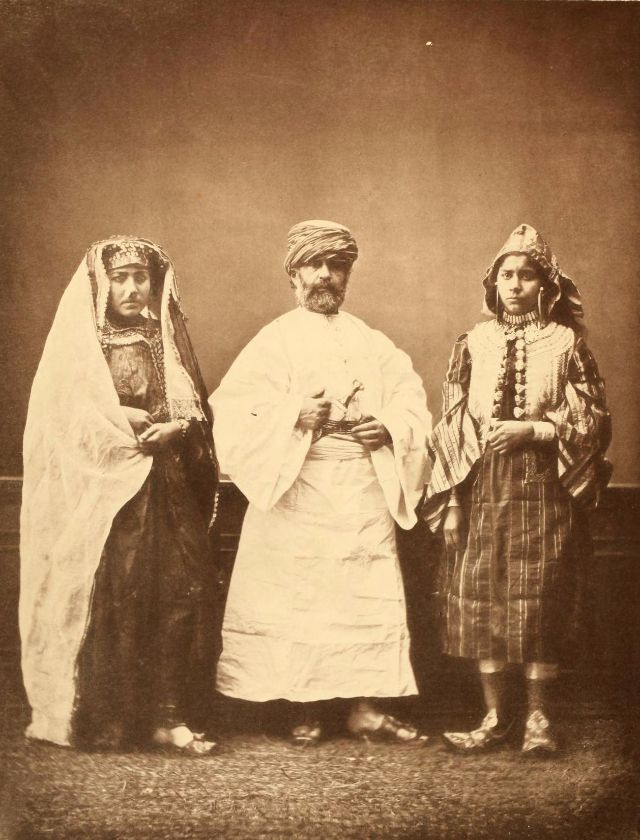
Ottoman clothing is the style and design of clothing worn by the Ottoman Turks.
While the Palace and its court dressed lavishly, the common people were only concerned with covering themselves. Starting in the reign of Suleiman the Magnificent, administrators enacted sumptuary laws upon clothing. The clothing of Muslims, Christians, Jewish communities, clergy, tradesmen, and state and military officials were particularly strictly regulated during the reign of Suleiman the Magnificent.
In this period men wore outer items such as ‘mintan’ (a vest or short jacket), ‘zibin’, ‘salvar’ (trousers), ‘kusak’ (a sash), ‘potur’, ‘entari’ (a long robe), ‘kalpak’, ‘sarik’ on the head; ‘çarik’, ‘çizme’, ‘çedik’, ‘Yemeni’ on the feet. The administrators and the wealthy wore caftans with fur lining and embroidery, whereas the middle class wore ‘cübbe’ (a mid-length robe) and ‘hirka’ (a short robe or tunic), and the poor wore collarless ‘cepken’ or ‘yelek’ (vest).
Women’s everyday wear was salvar (trousers), a gömlek (chemise) that came down to the mid-calf or ankle, a short, fitted jacket called a hirka, and a sash or belt tied at or just below the waist. For formal occasions, such as visiting friends, the woman added an entari, a long robe that was cut like the hirka apart from the length. Both hirka and entari were buttoned to the waist, leaving the skirts open in front. Both garments also had buttons all the way to the throat, but were often buttoned only to the underside of the bust, leaving the garments to gape open over the bust. All of these clothes could be brightly colored and patterned. However, when a woman left the house, she covered her clothes with a ferace, a dark, modestly cut robe that buttoned all the way to the throat. She also covered her face with a variety of veils or wraps.
Bashlyks, or hats, were the most prominent accessories of social status. While the people wore “külah’s” covered with ‘abani’ or ‘Yemeni’, the cream of the society wore bashlyks such as ‘yusufi, örfi, katibi, kavaze’, etc. During the rule of Süleyman a bashlyk called ‘perisani’ was popular as the palace people valued bashlyks adorned with precious stones.
During the ‘Tanzimat’ and ‘Mesrutiyet’ period in the 19th century, the common people still keeping to their traditional clothing styles presented a great contrast with the administrators and the wealthy wearing ‘redingot’, jacket, waistcoat, boyunbagi (tie), ‘mintan’, sharp-pointed and high-heeled shoes. Women’s clothes of the Ottoman period were observed in the ‘mansions’ and Palace courts. ‘Entari’, ‘kusak’, ‘salvar’, ‘basörtü’, ‘ferace’ of the 19th century continued their existence without much change.
Women’s wear becoming more showy and extravagant brought about adorned hair buns and tailoring. Tailoring in its real sense began in this period. The sense of women’s wear primarily began in large residential centers such as Istanbul and Izmir in the 19th century and as women gradually began to participate in the social life, along with the westernization movement.
































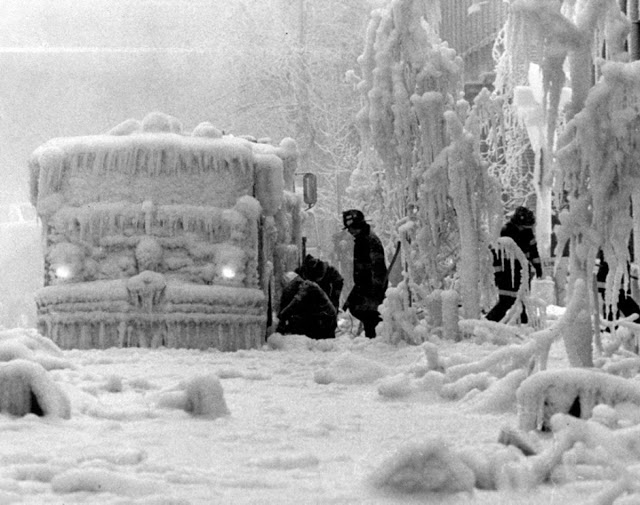
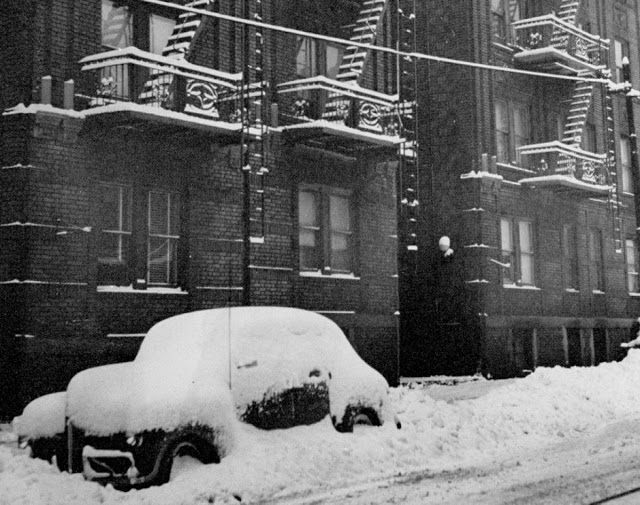
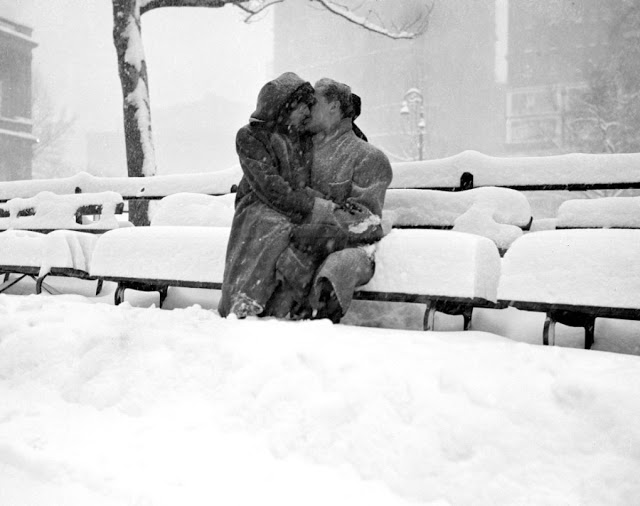
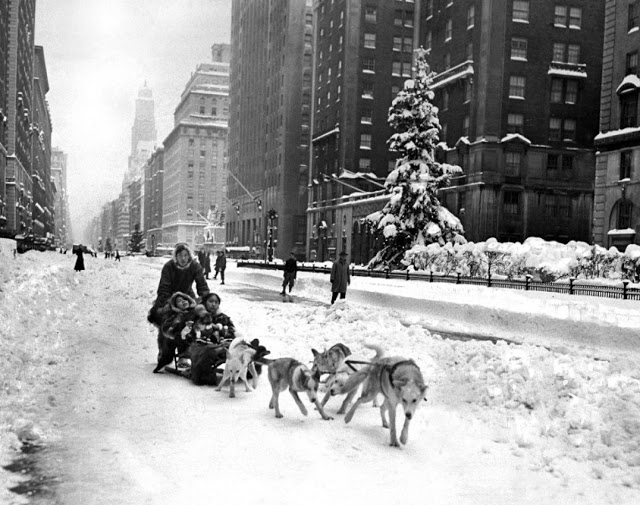
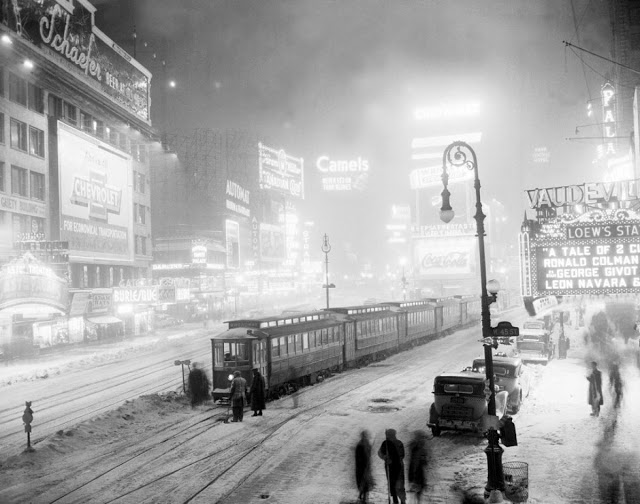
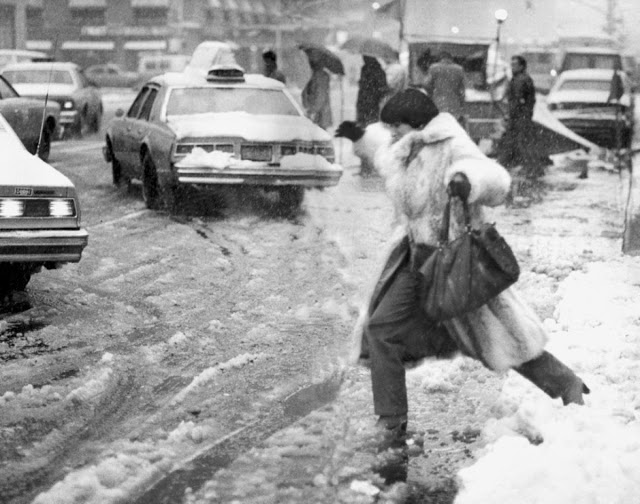
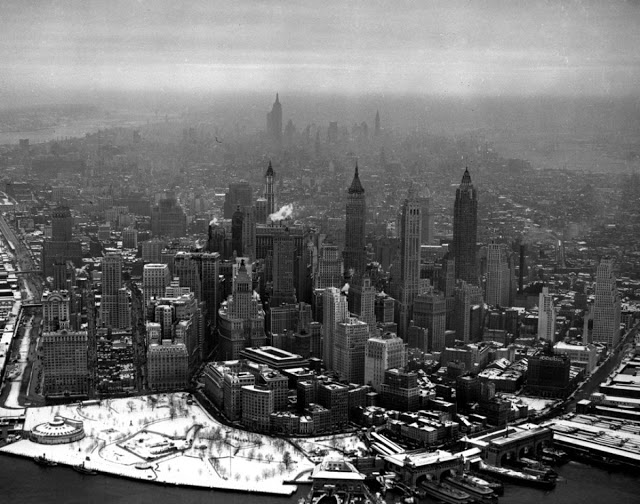
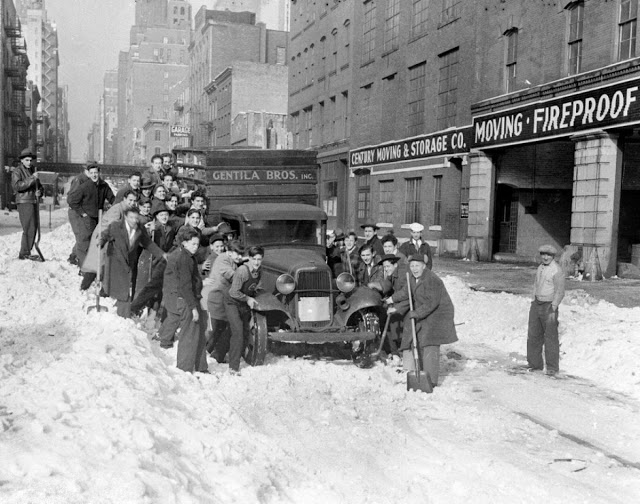
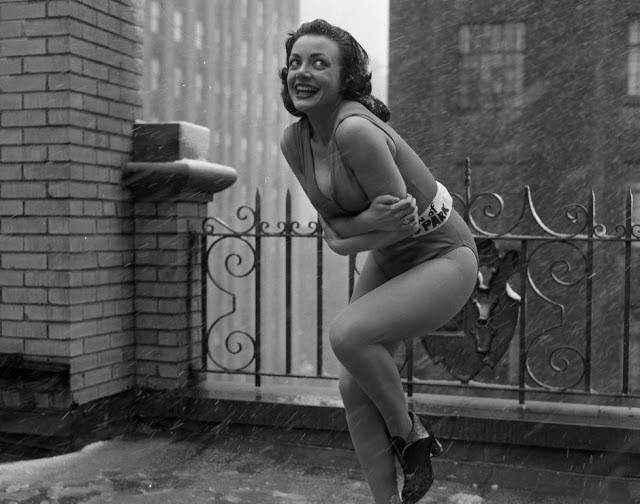
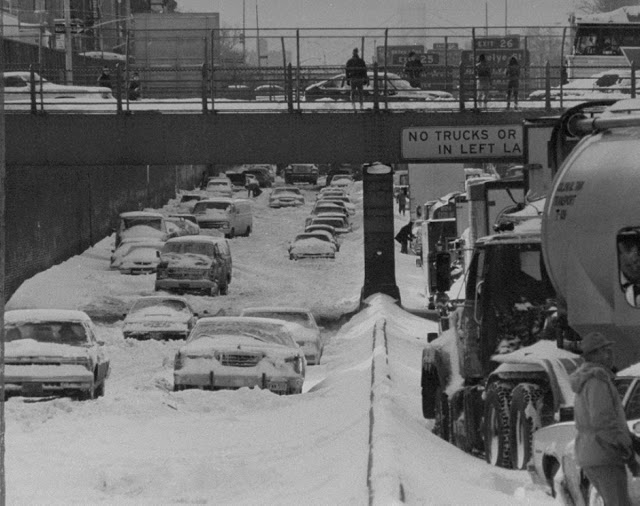
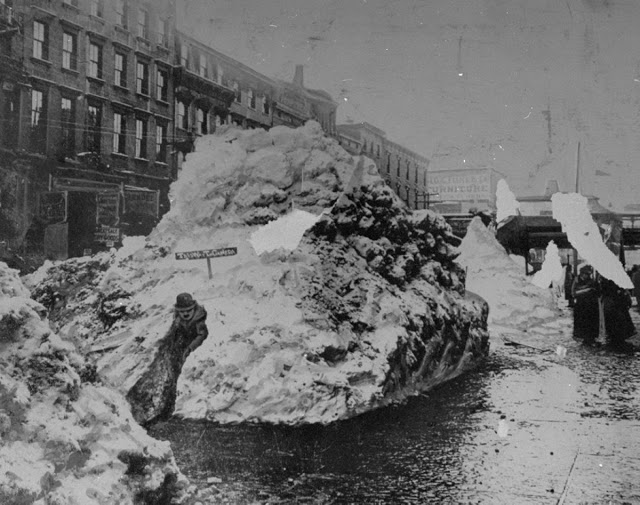
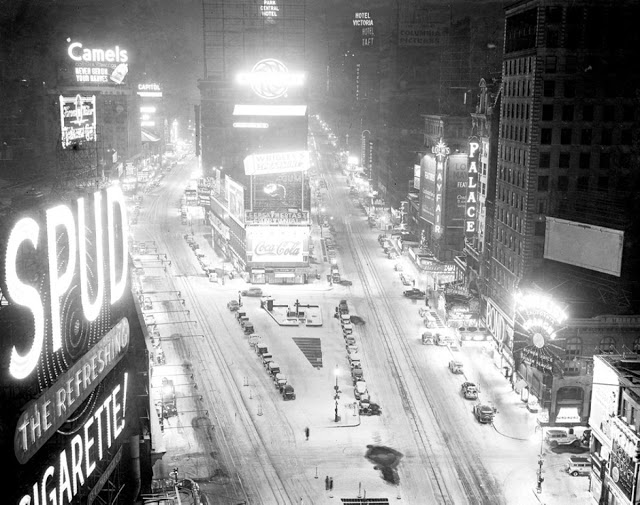
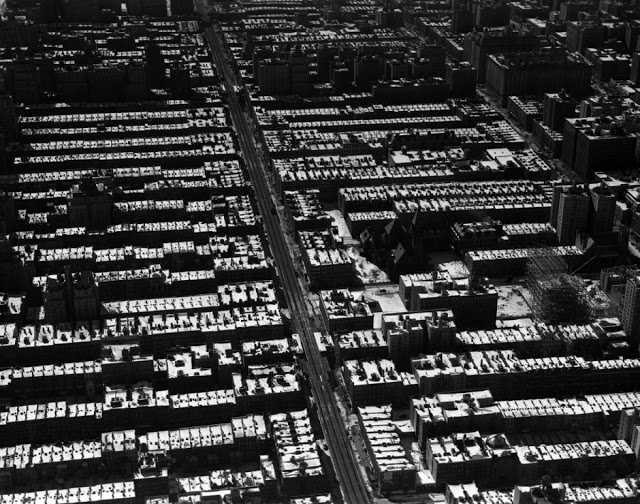
Whether they’re facing flurries of snowflakes or all-out blizzards, New Yorkers are all too familiar with old man winter! See how the Big Apple has weathered the cold…

























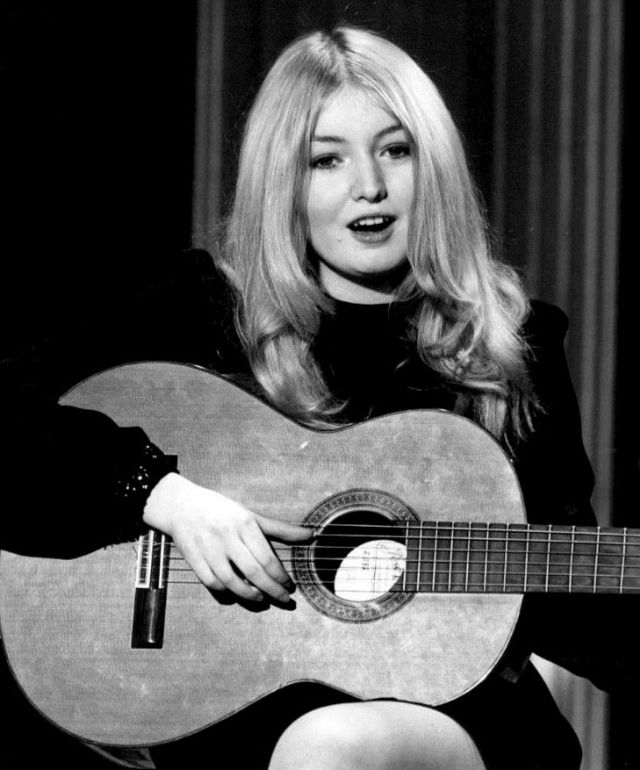
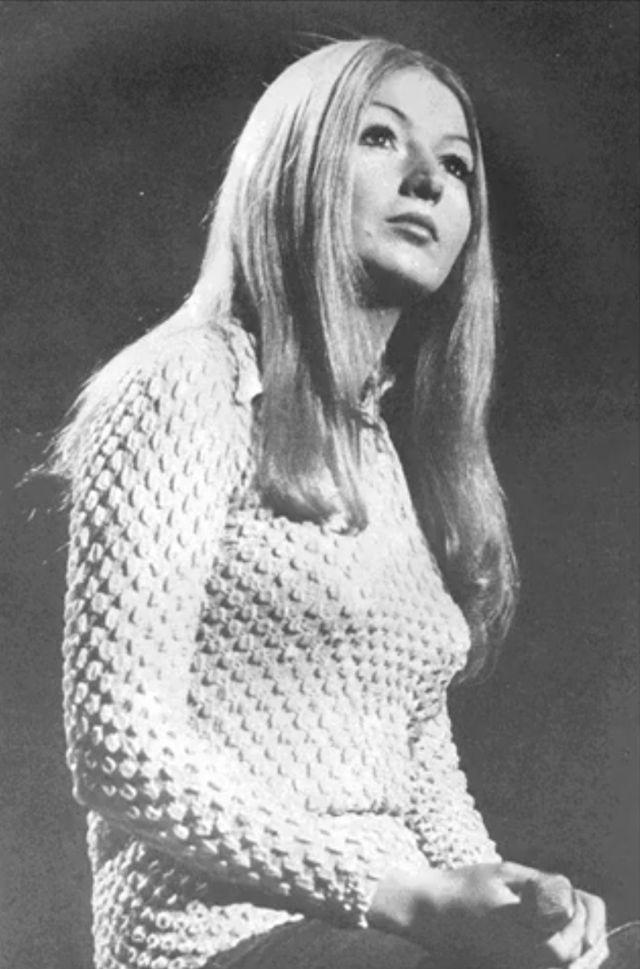
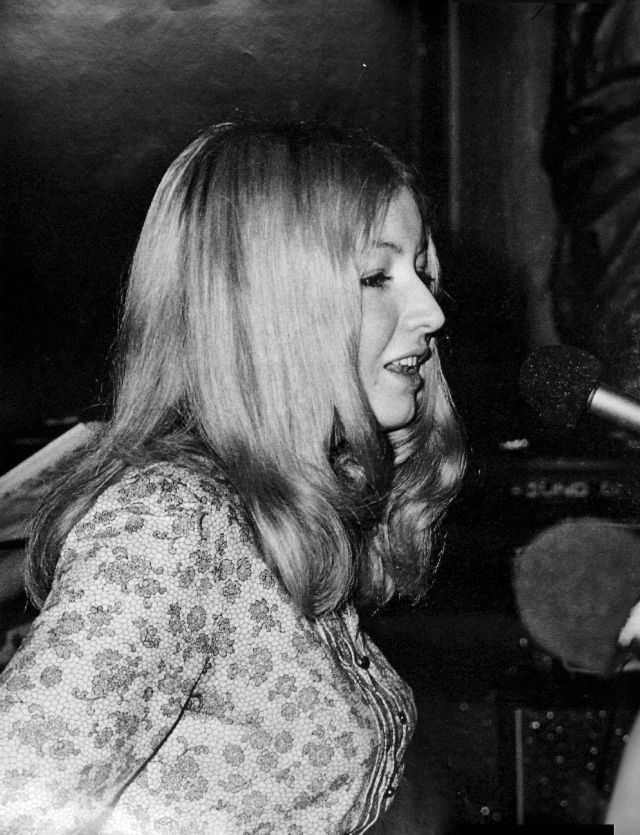
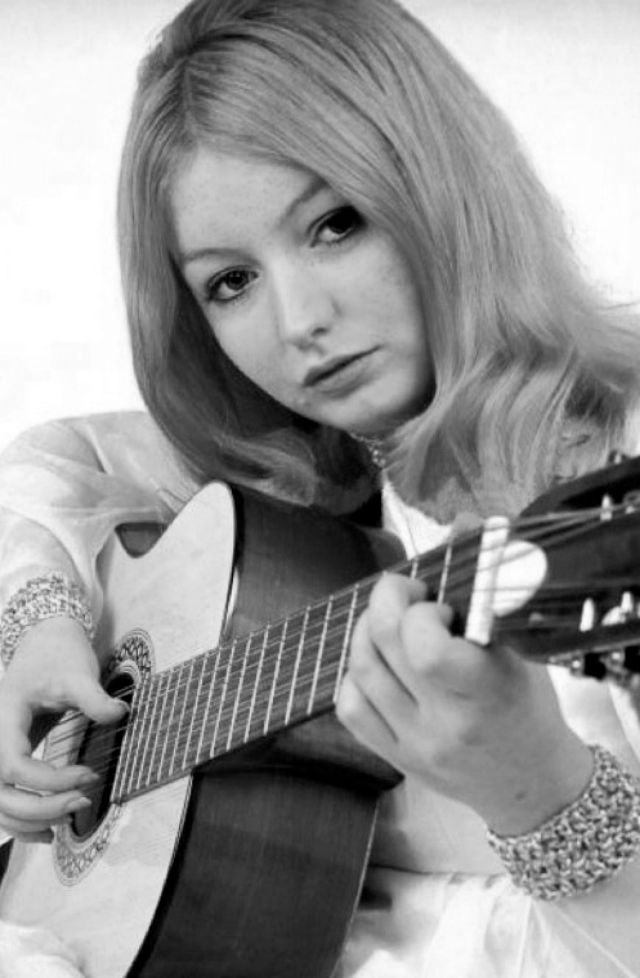
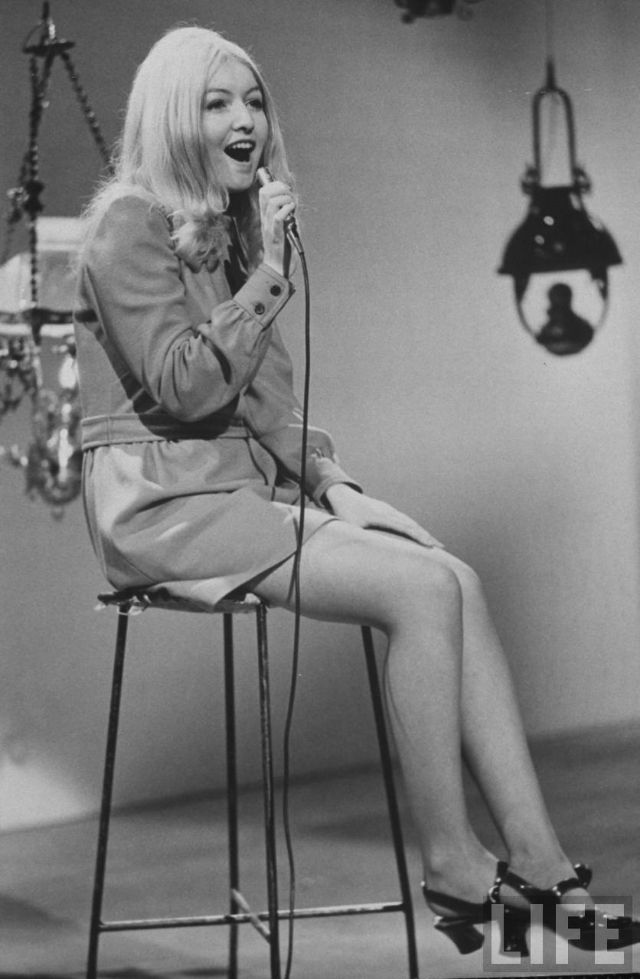
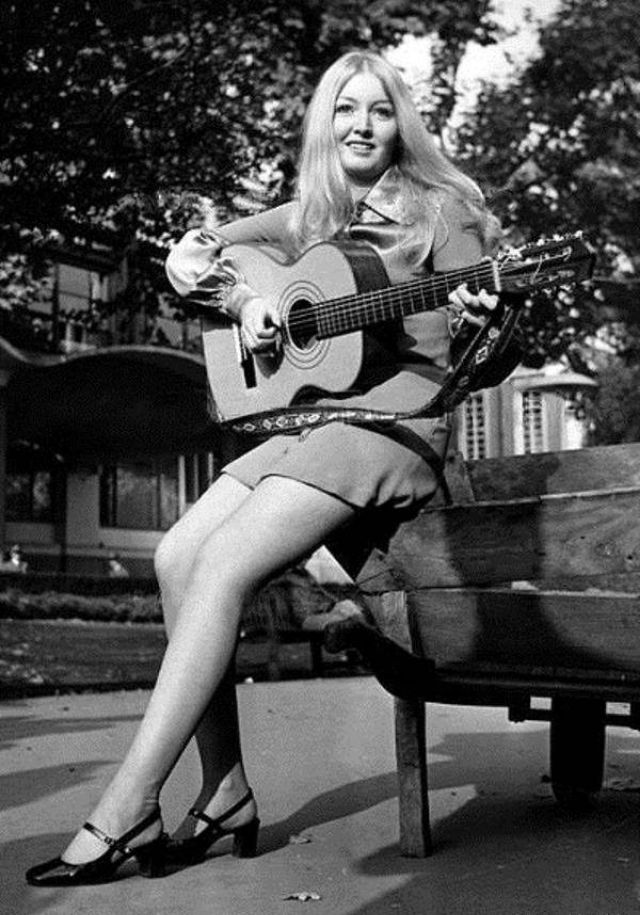
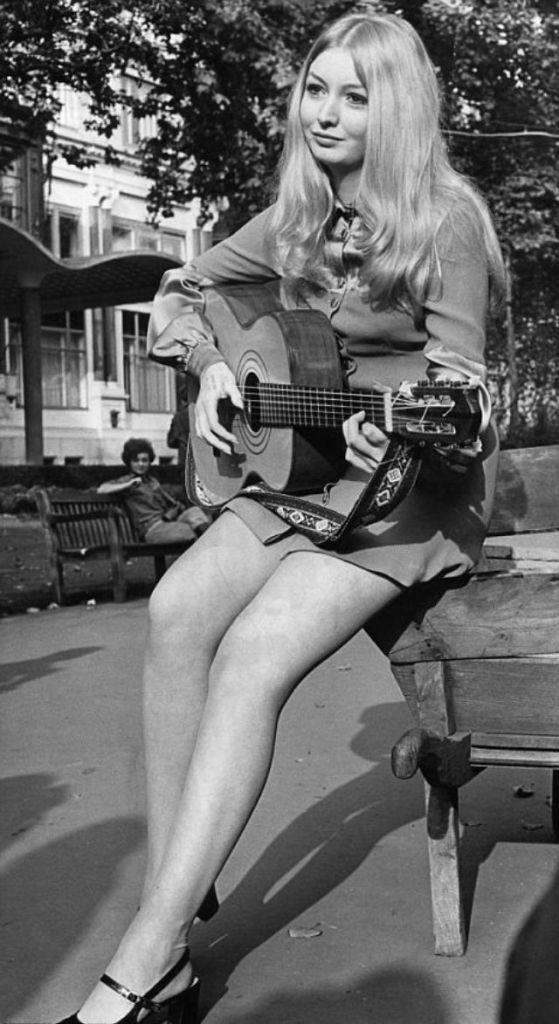
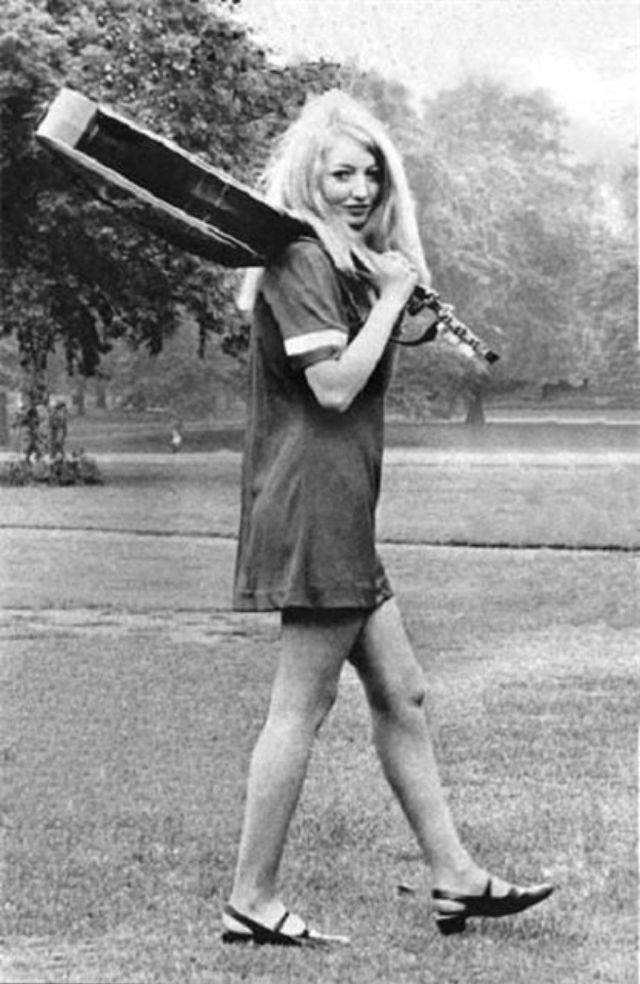
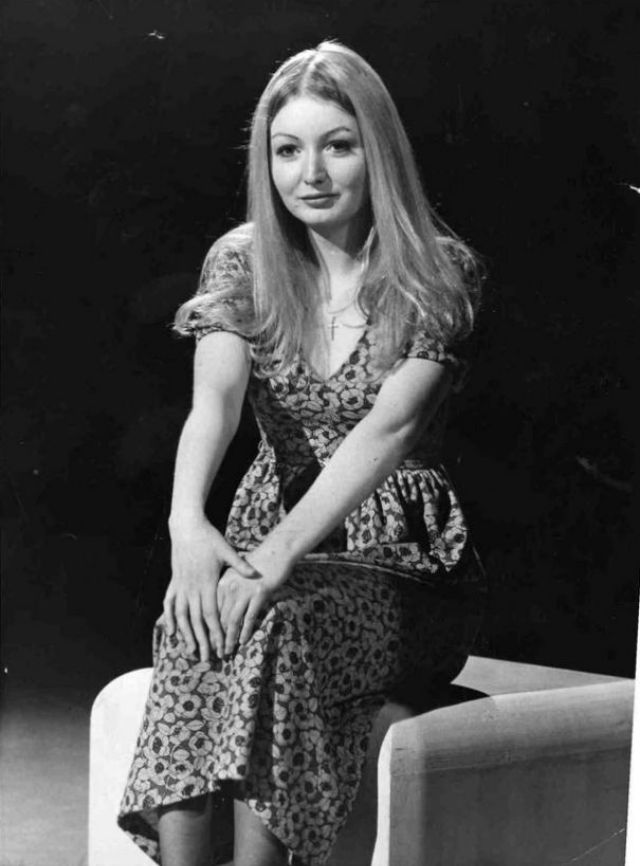
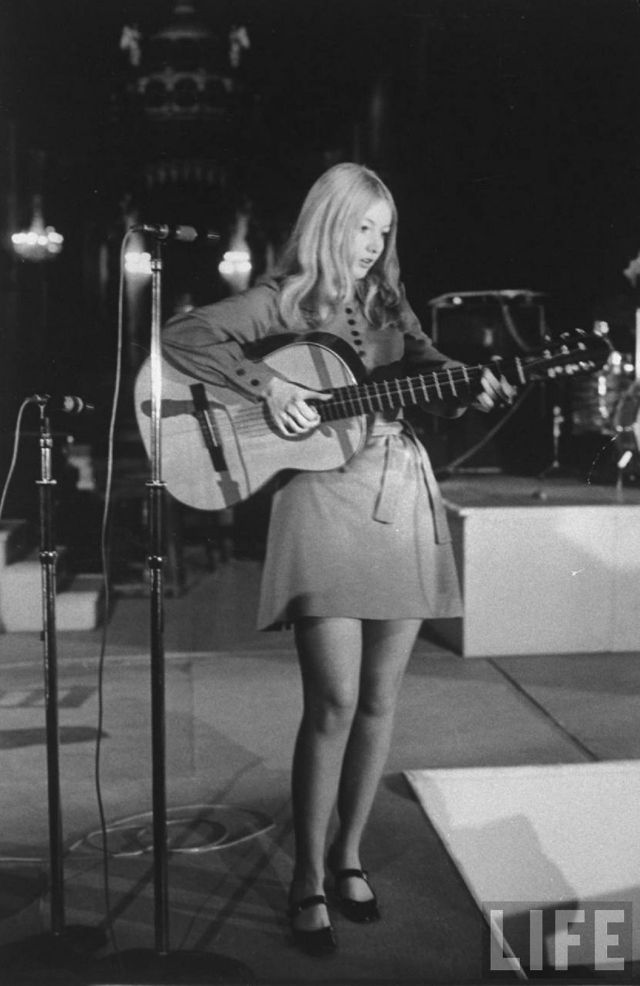
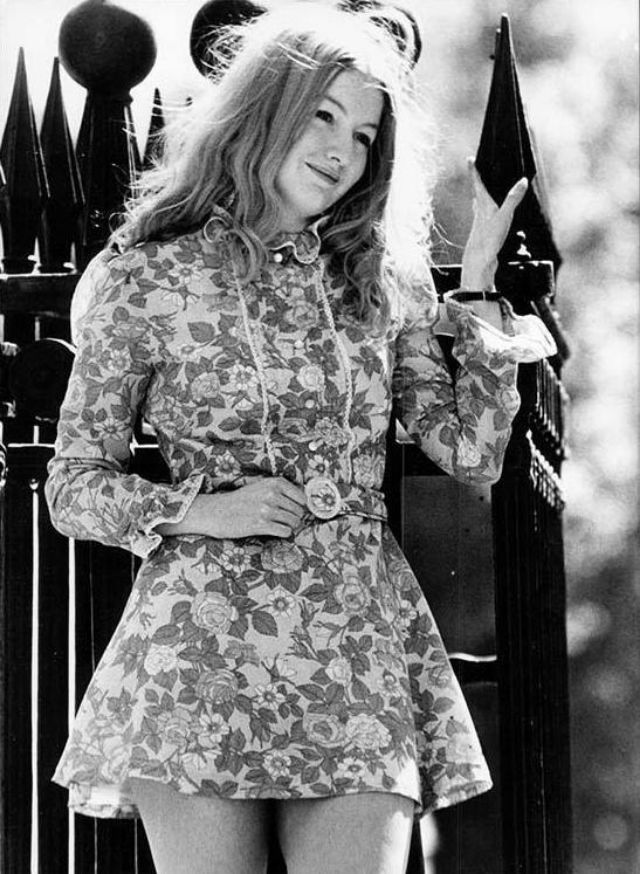
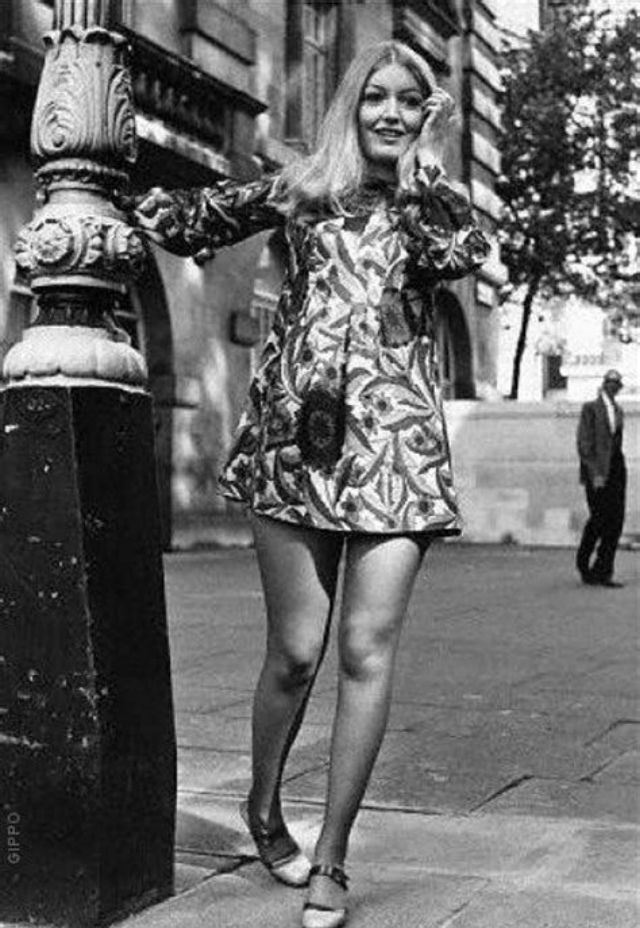
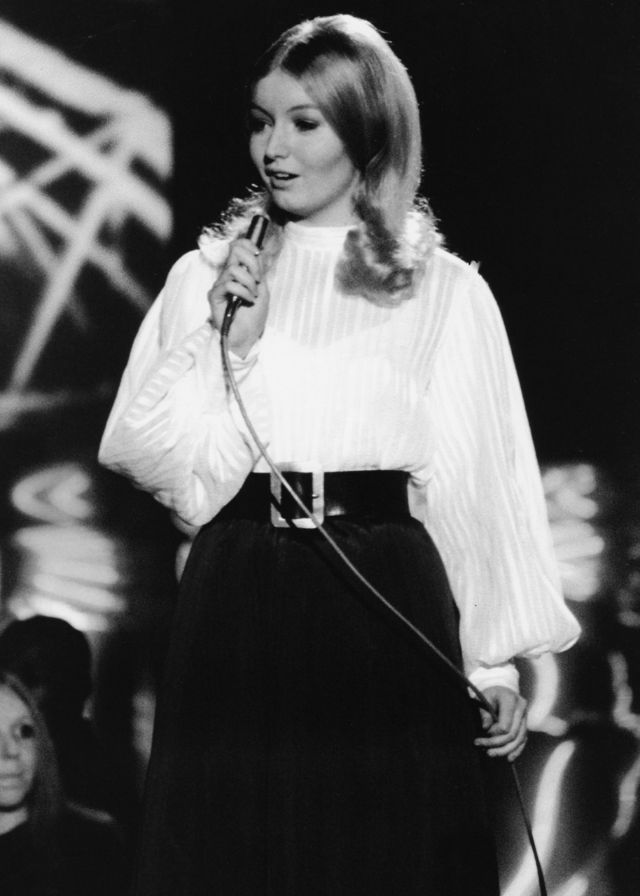
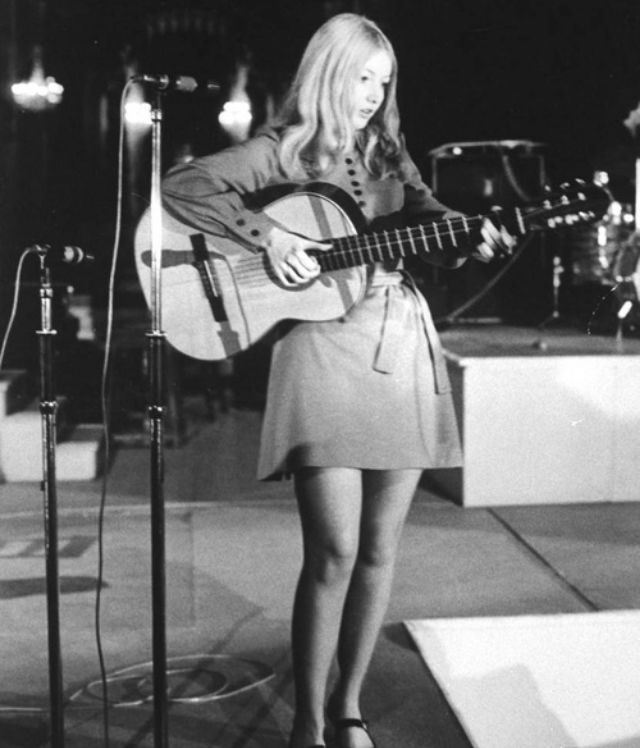
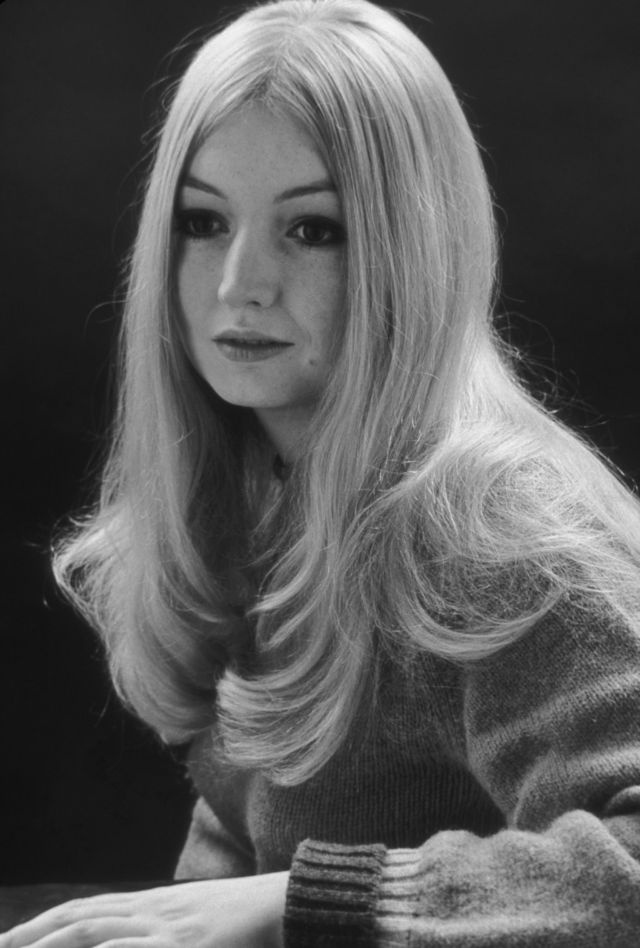
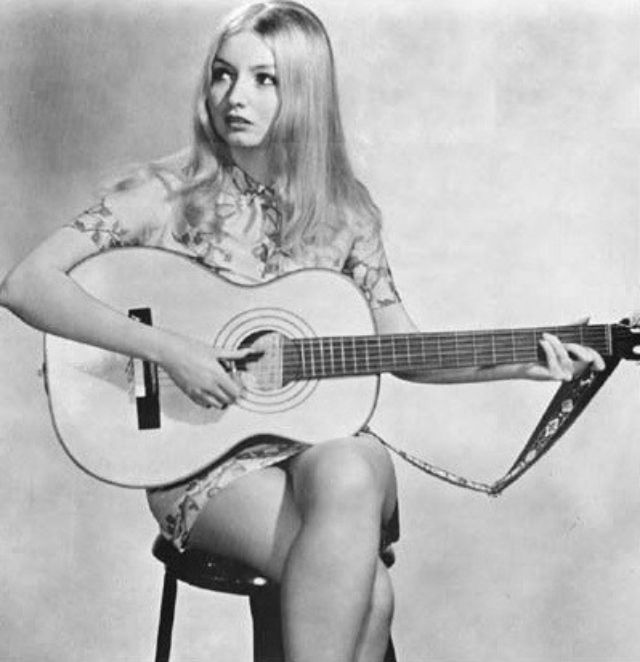
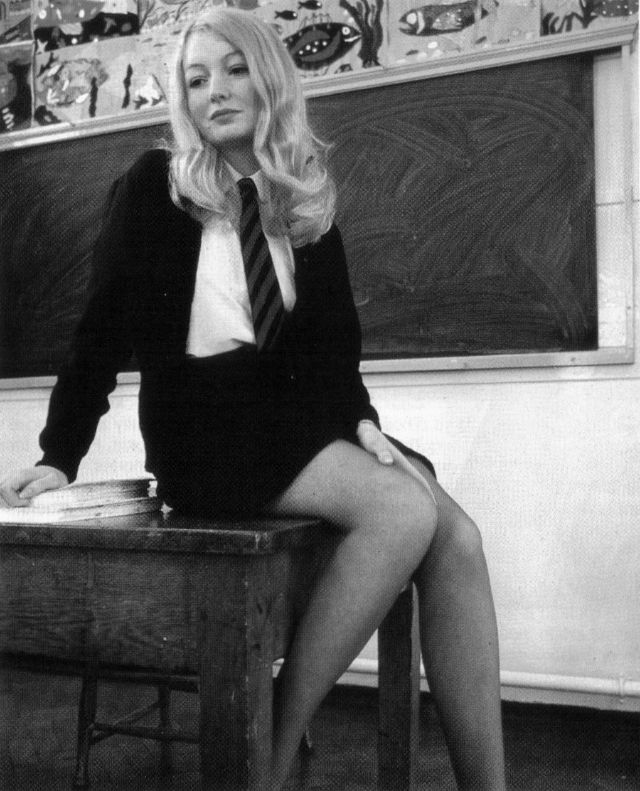
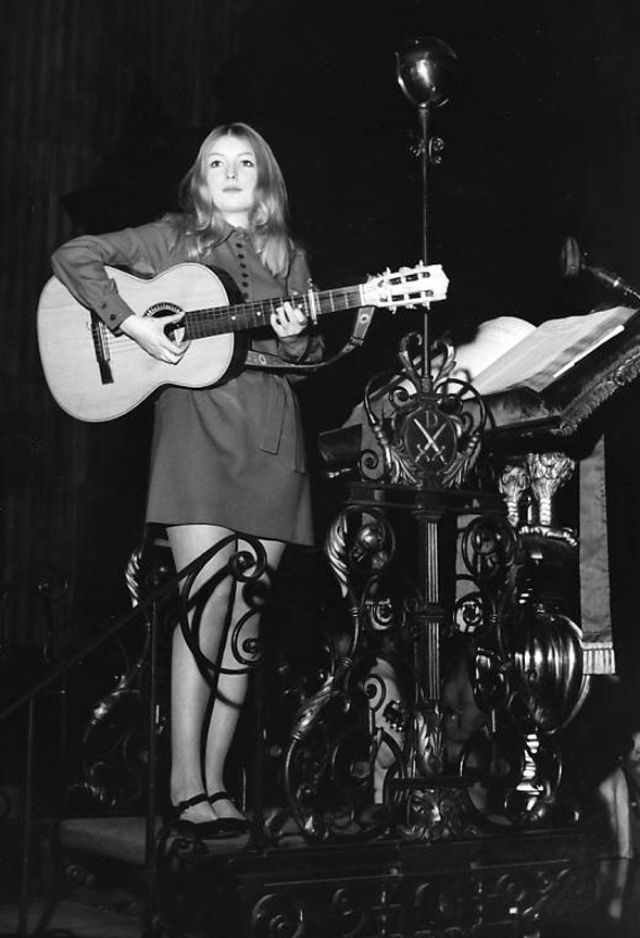
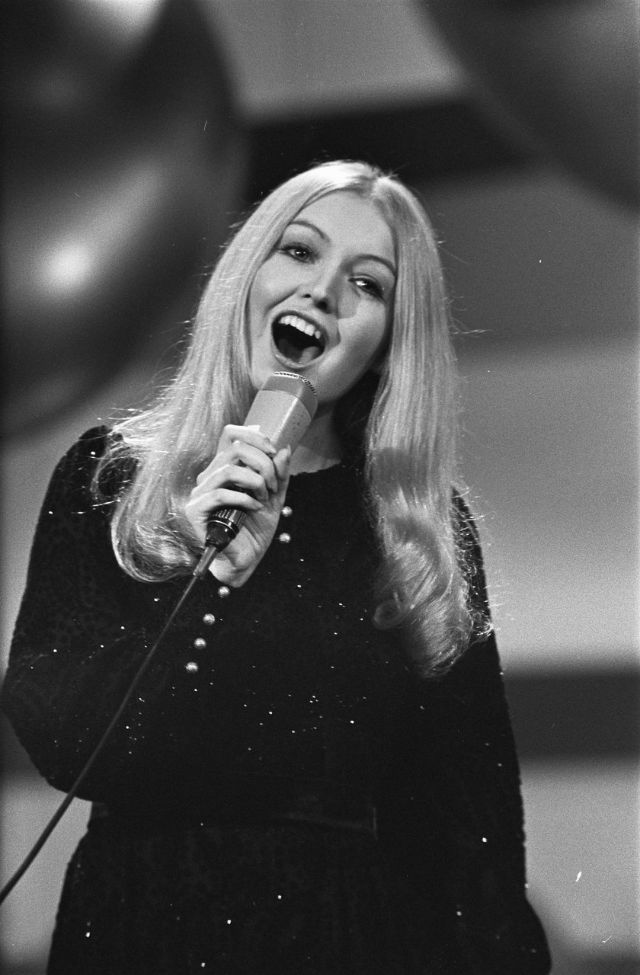
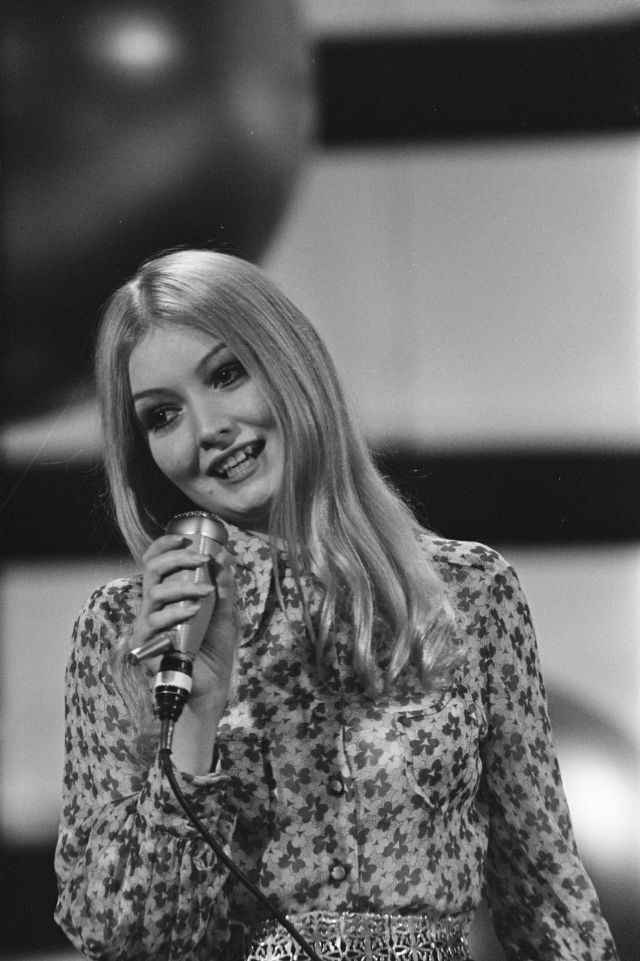
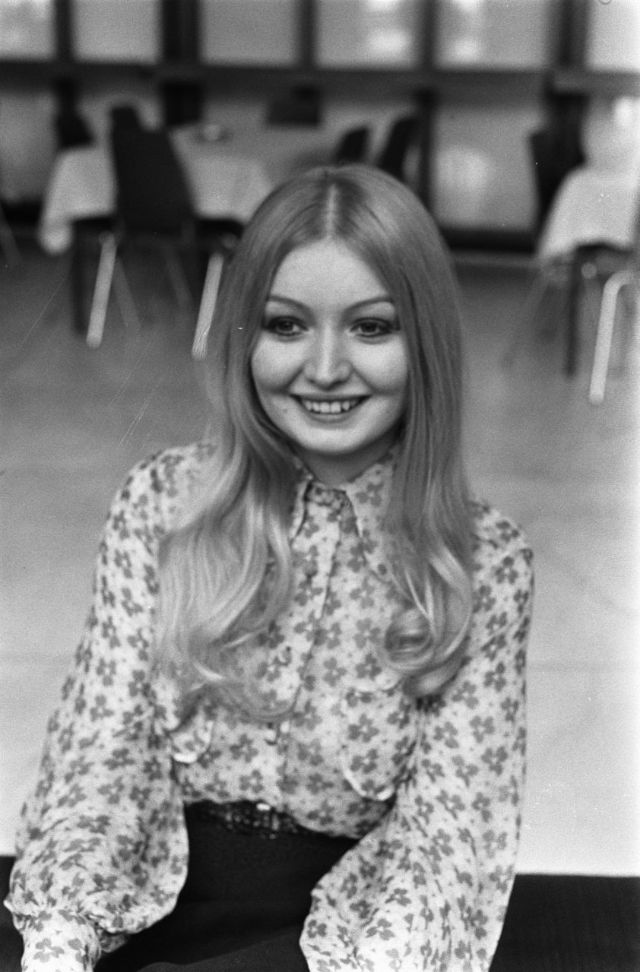
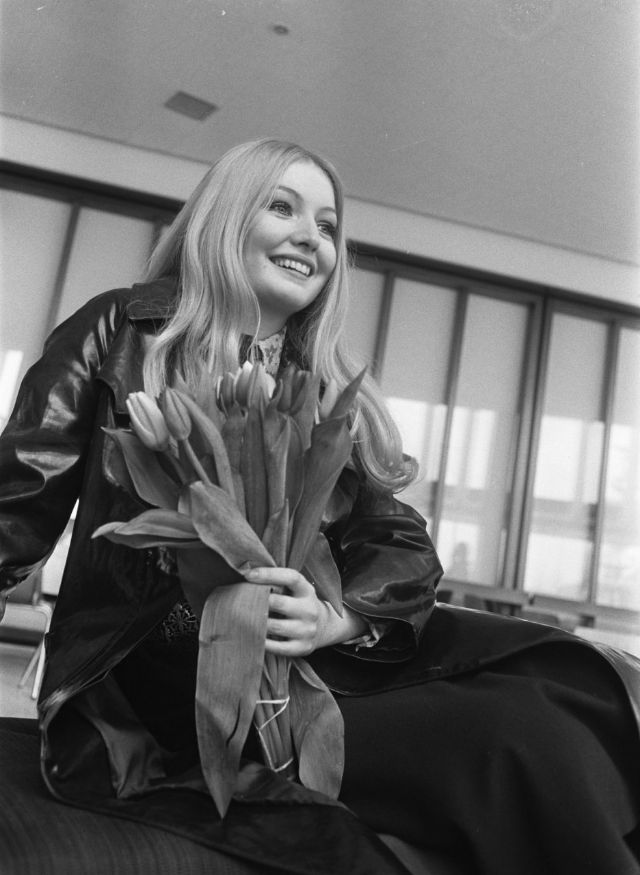
Mary Hopkin was born in Pontardawe, Wales on 3 May 1950. In her teens she made some modest success as a Welsh folk singer until one day, on 4 May, 1968, one day after her 18th birthday, she appeared on the television talent show Opportunity Knocks (1956), a show which featured talented up-and-coming show business personalities who competed with one another for audience votes. On her first appearance she was an instant success, singing the folk song “Turn Turn Turn”. What followed was one of the most meteoric rises in the history of show business.
While on the show she was spotted by Twiggy, who called Paul McCartney and urged him to audition her, something he did without even hearing her sing, and was invited by him to sign on for the Beatles newly formed Apple label. He arranged and produced her first single, “Those Were the Days”, which became an international number one hit and shot her to stardom.
In less than a year, her first LP album, Postcard, appeared. Over the next four years or so she was unmistakeably one of the great international singing stars. However, in the early seventies her stardom began to wane because of her reluctance to participate in the rock-and-roll craze of that era.
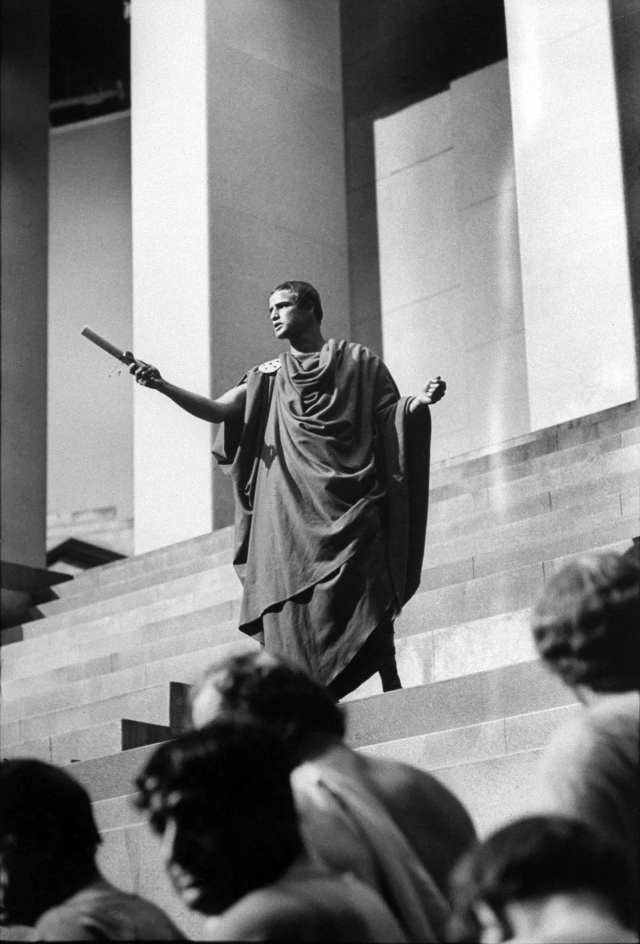
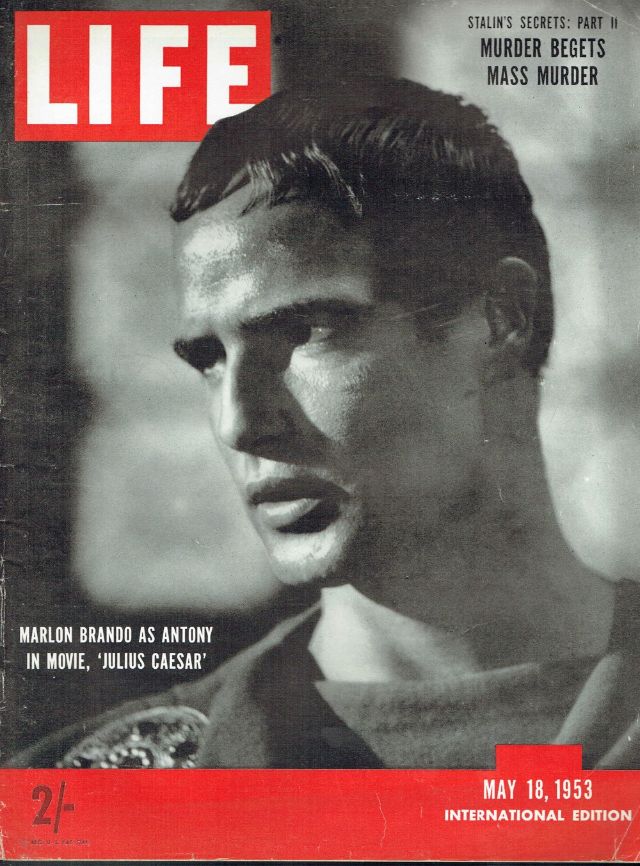
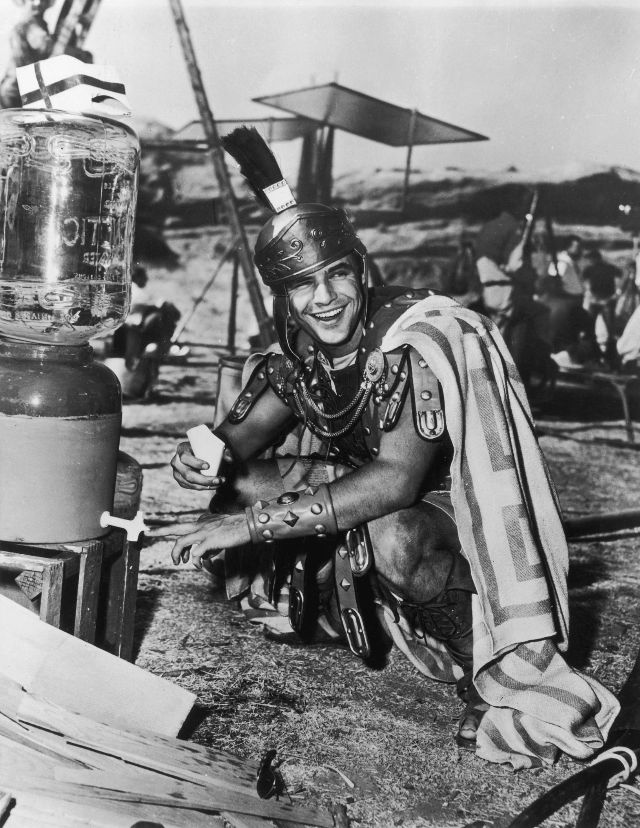
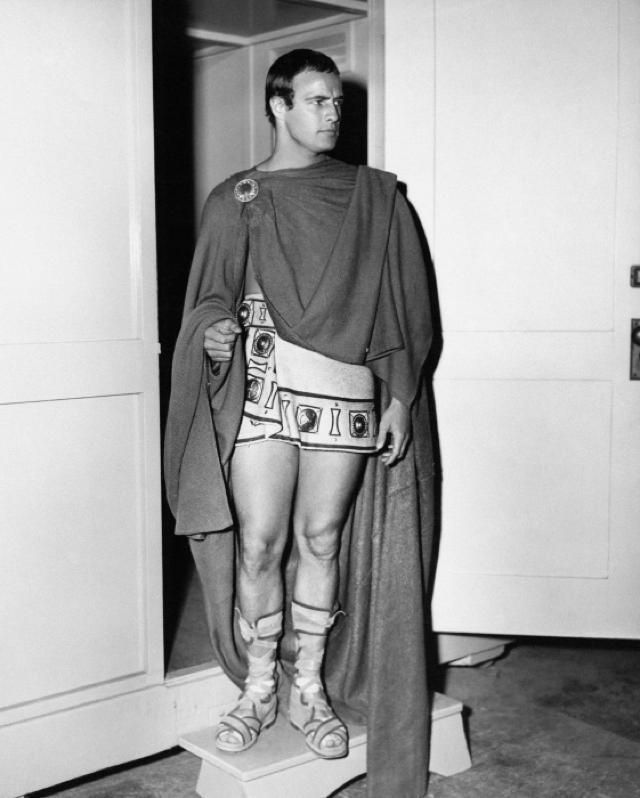
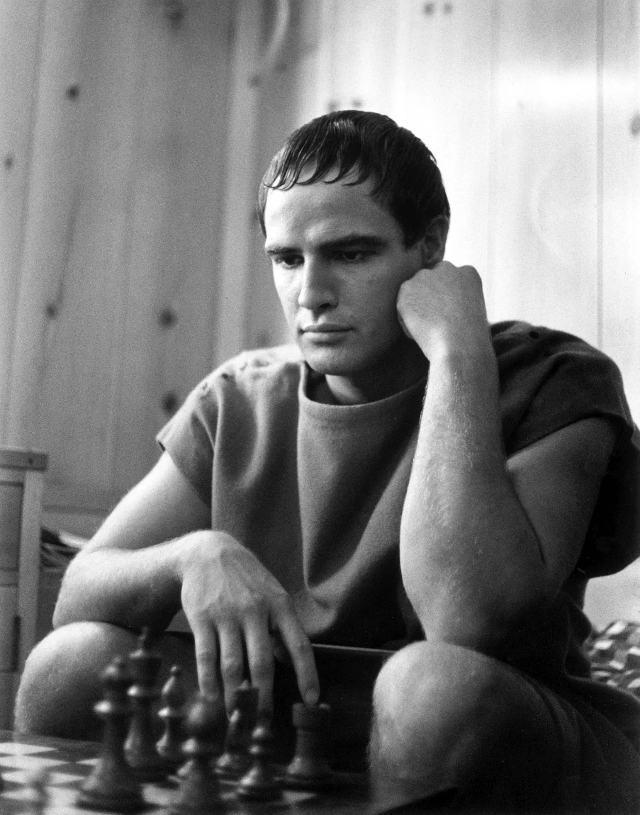
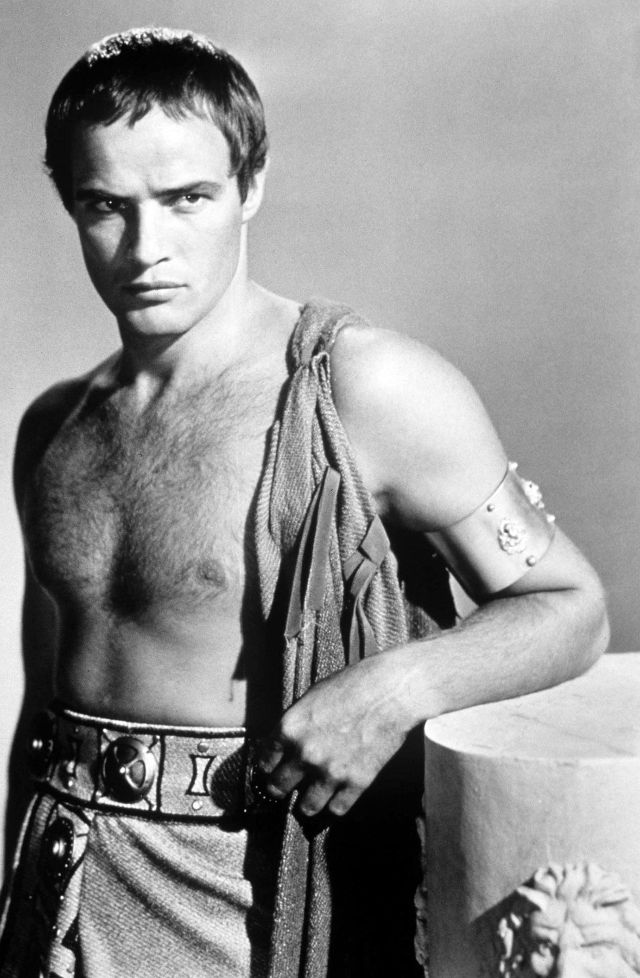
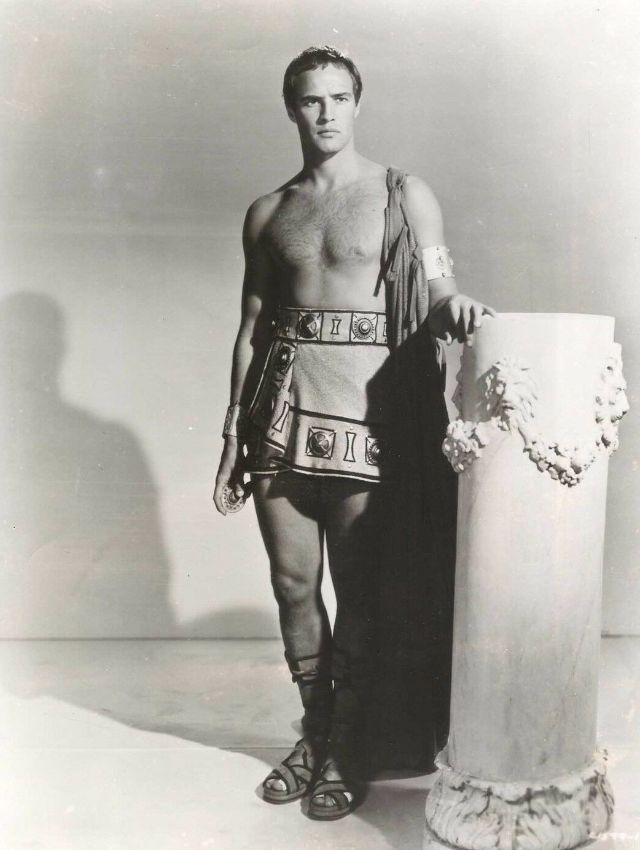
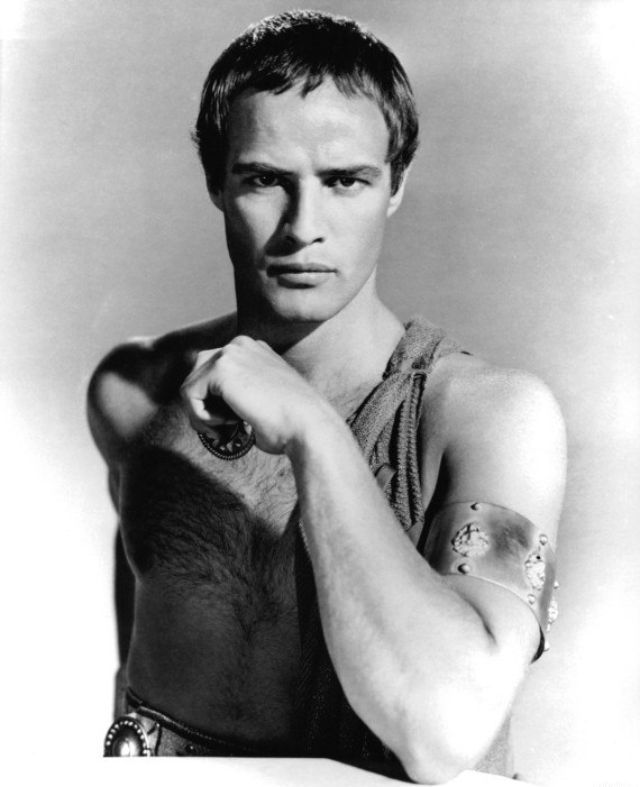
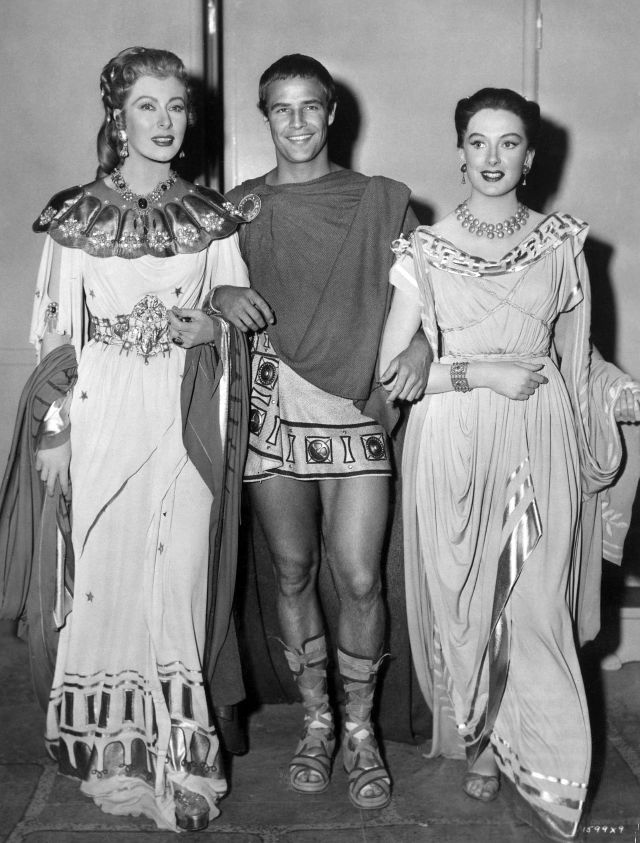
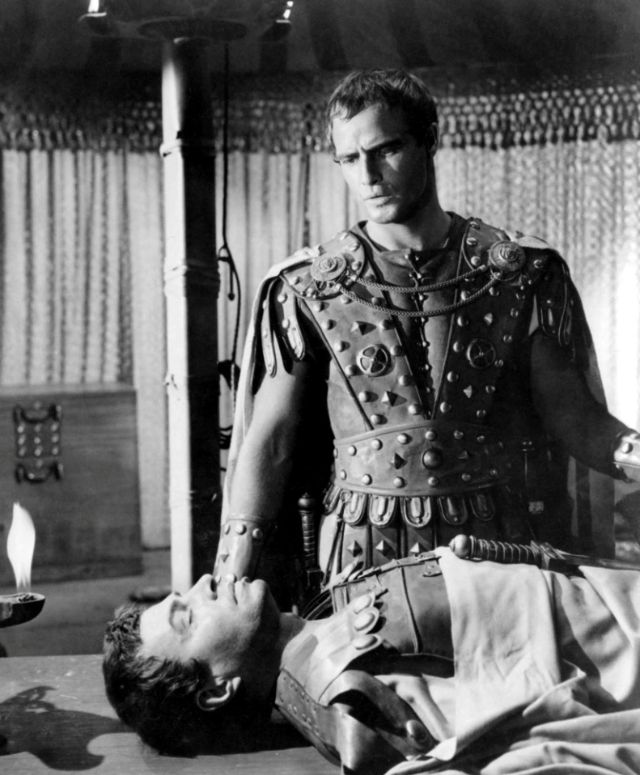
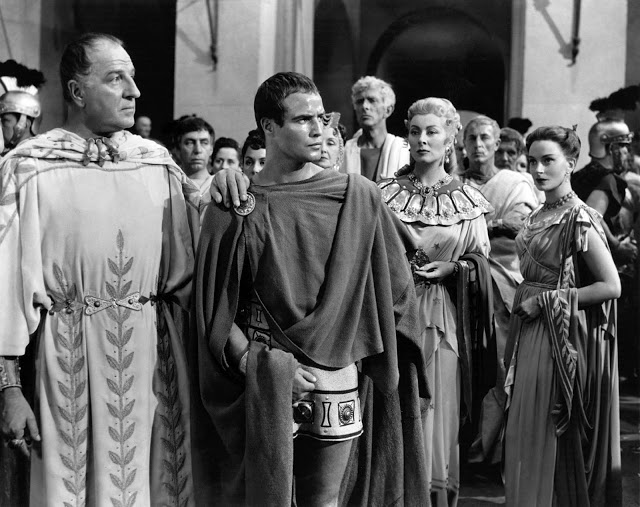
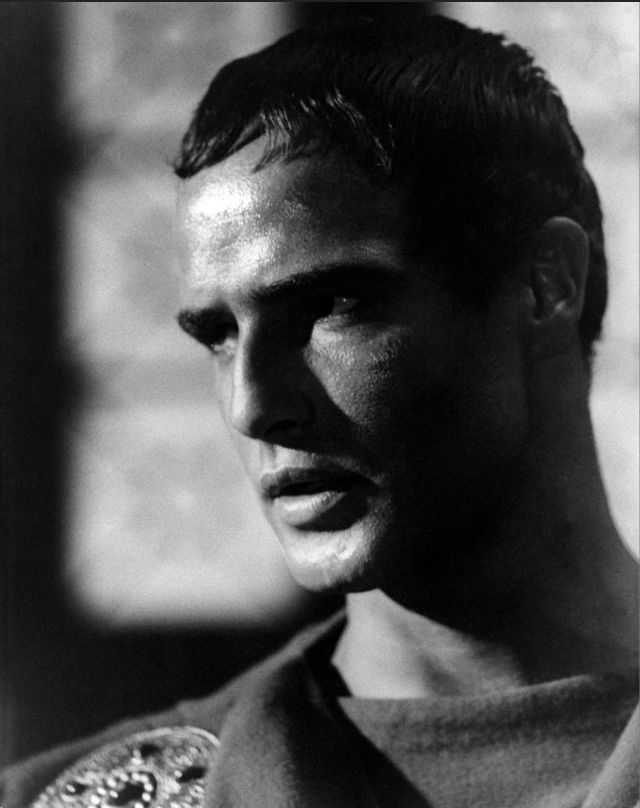
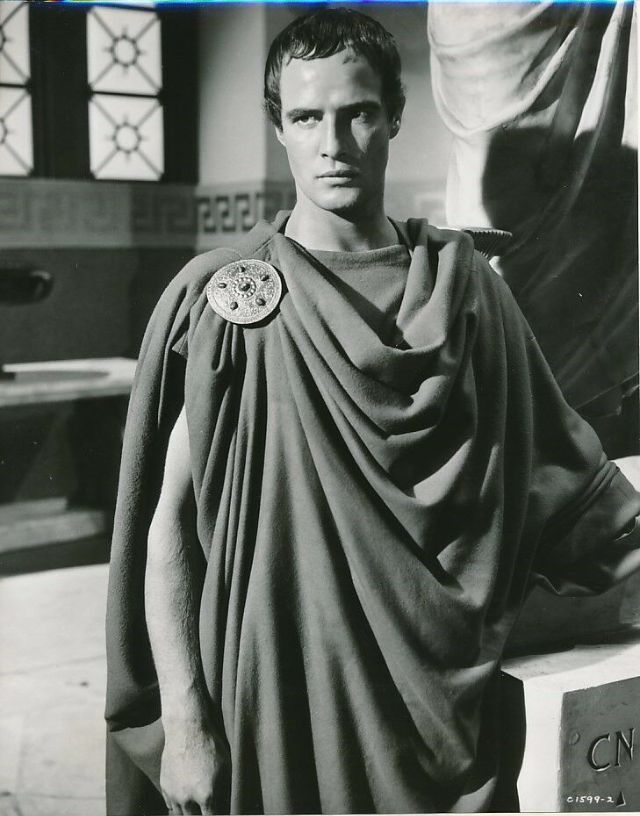
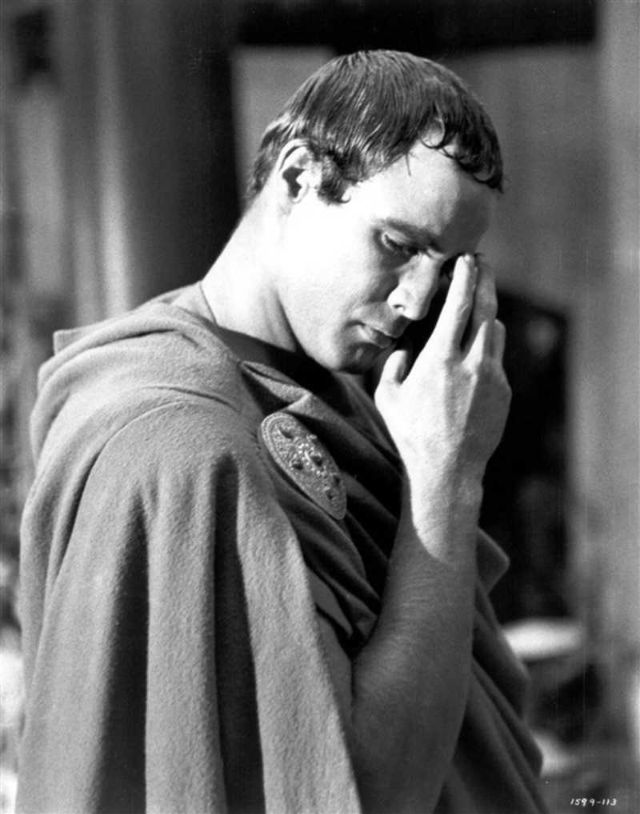
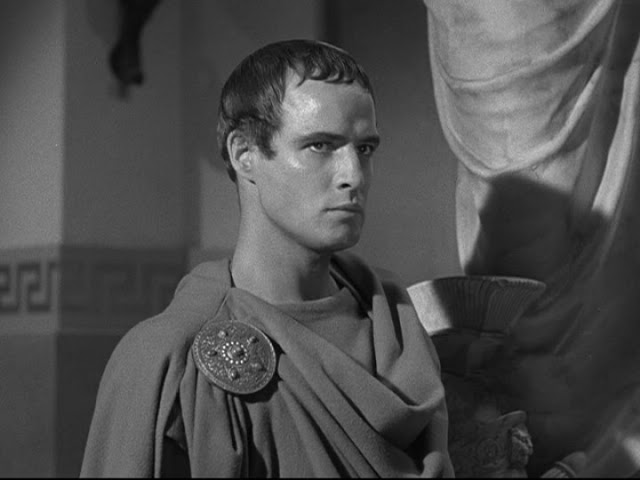
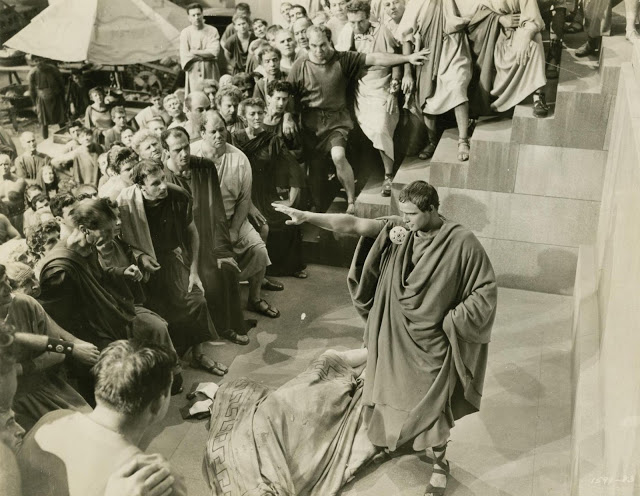
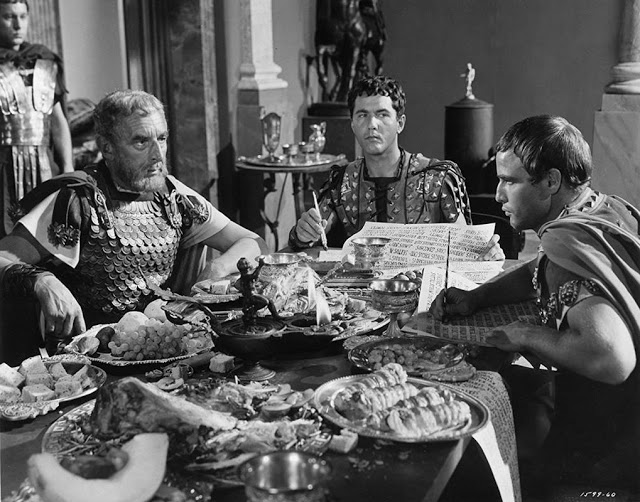
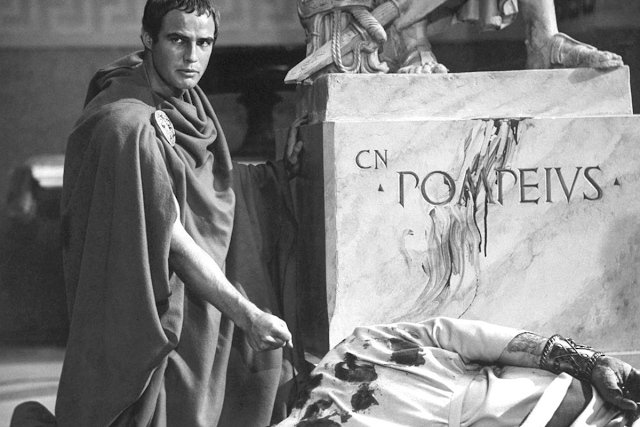
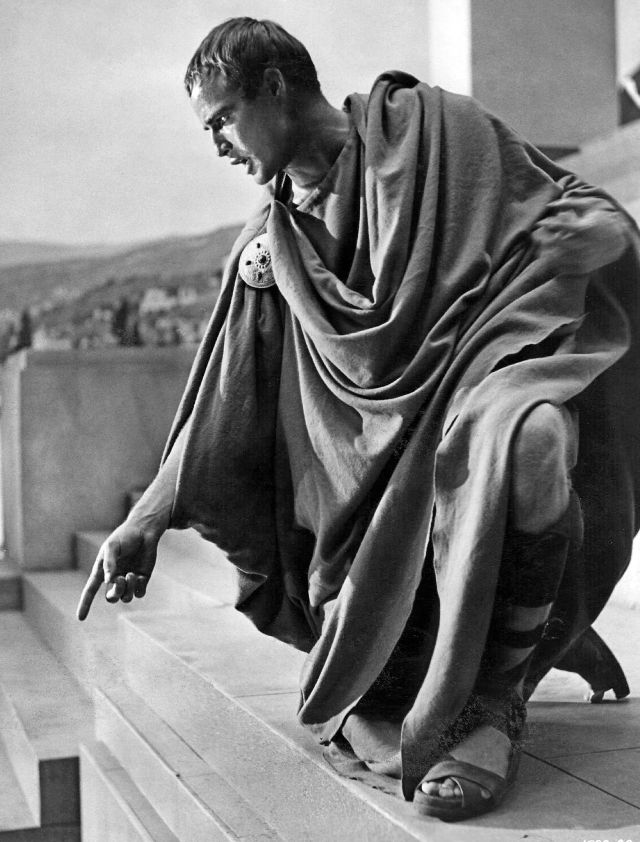
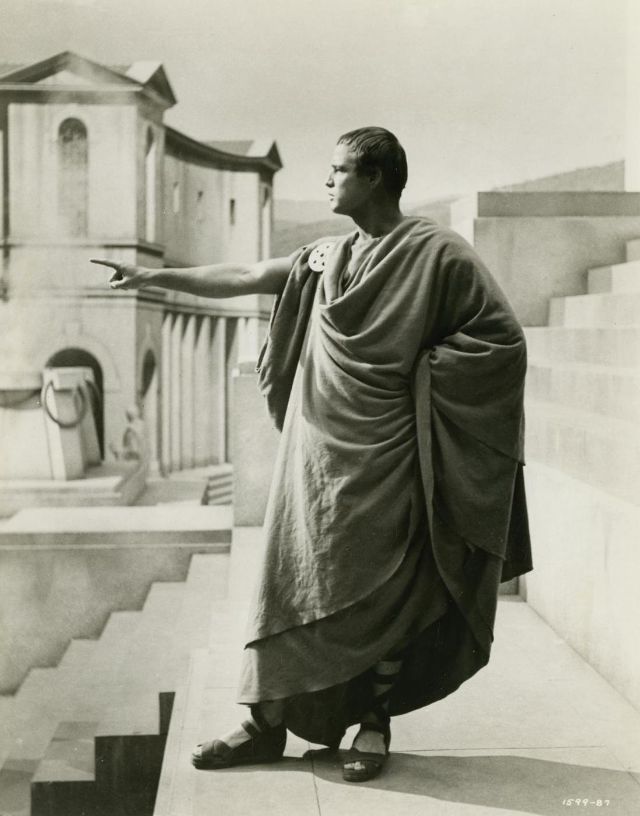
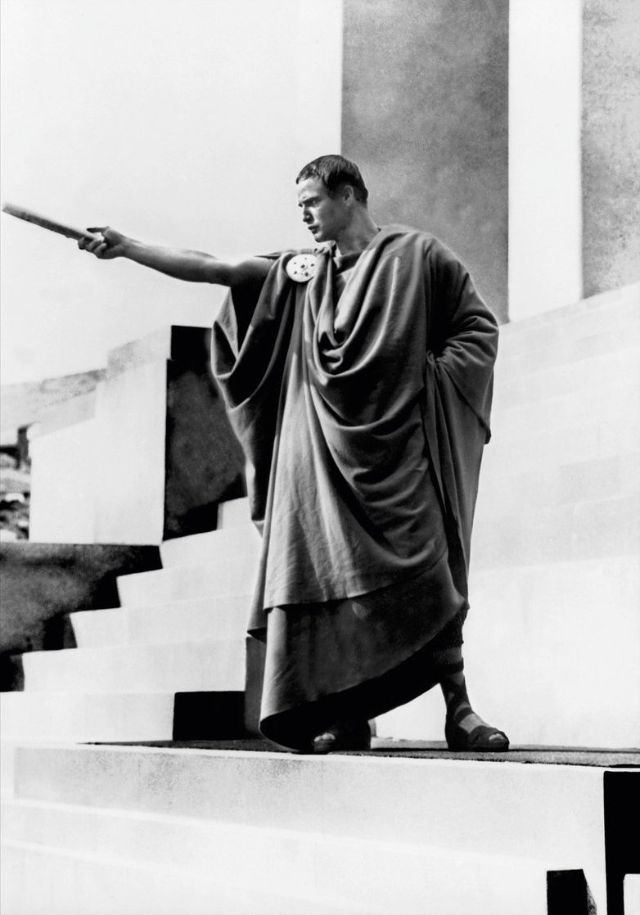
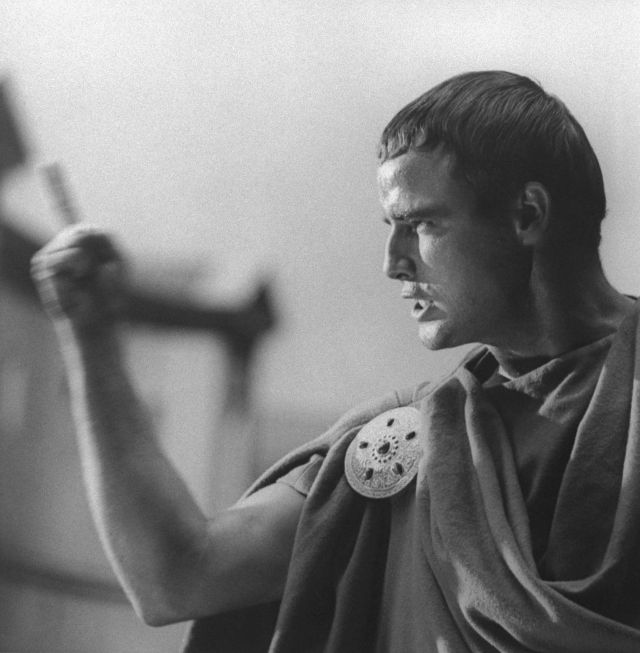
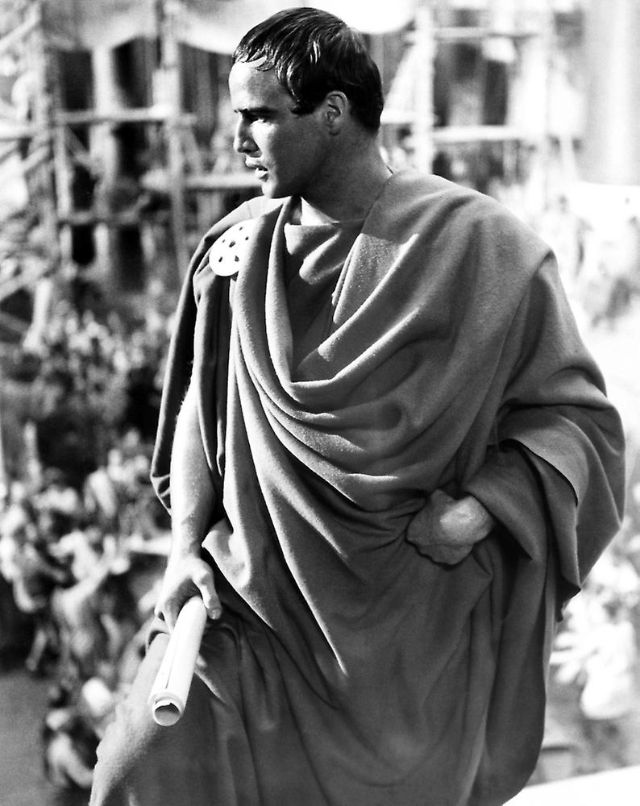
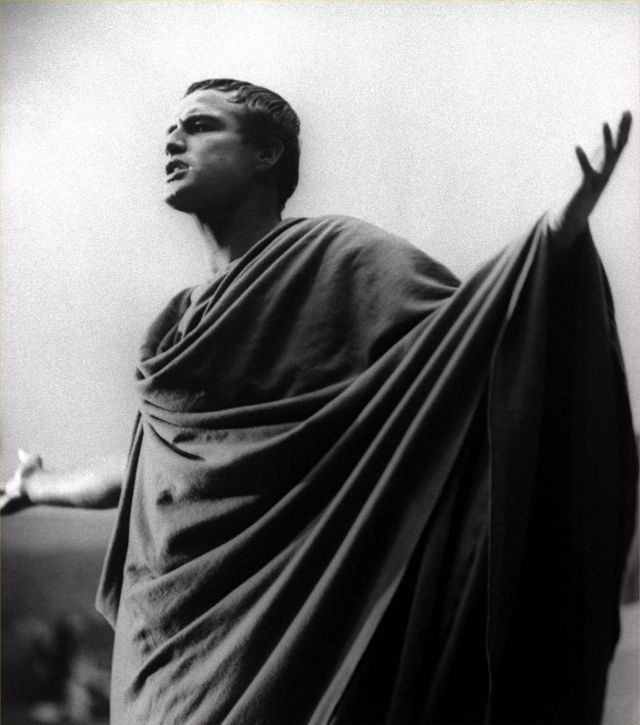
Julius Caesar is a 1953 epic adaptation of the play by Shakespeare, directed by Joseph L. Mankiewicz, produced by John Houseman by Metro-Goldwyn-Mayer. The film’s cast was a large ensemble of Oscar winners and nominees include Marlon Brando, Greer Garson, Edmond O’Brien, John Gielgud, James Mason, Louis Calhern and Deborah Kerr. It received numerous favourable reviews upon its release, plus five Oscar nominations for the 26th Academy Awards and won one for Best Art Direction-Set Decoration, Black-and-White.
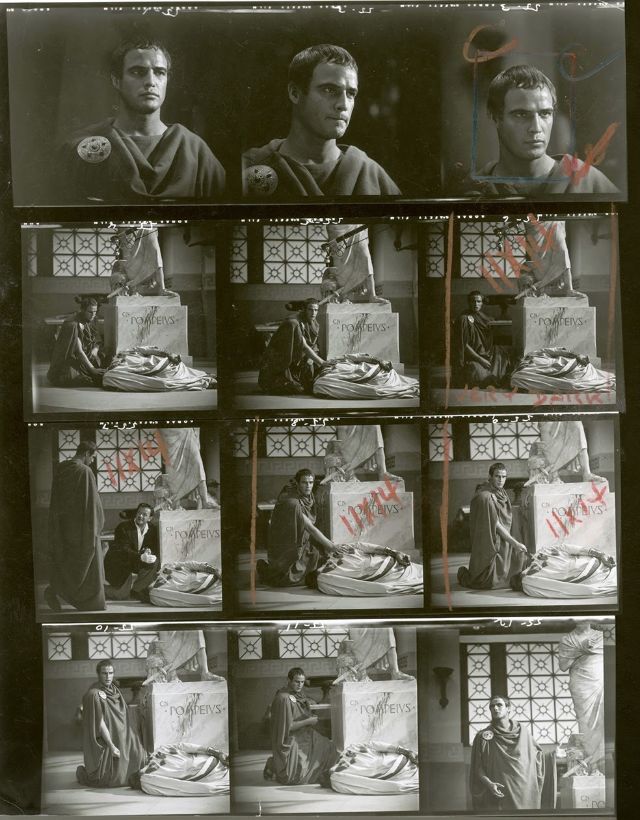
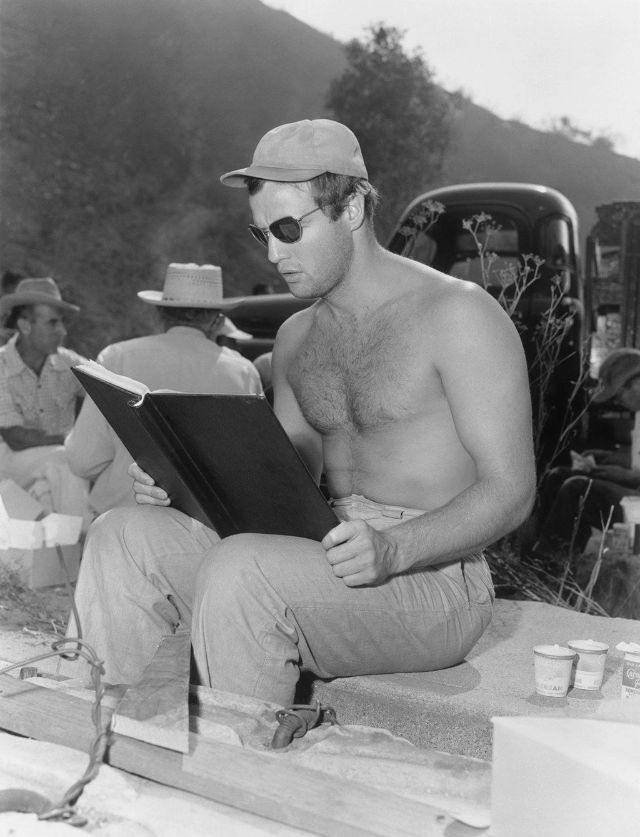
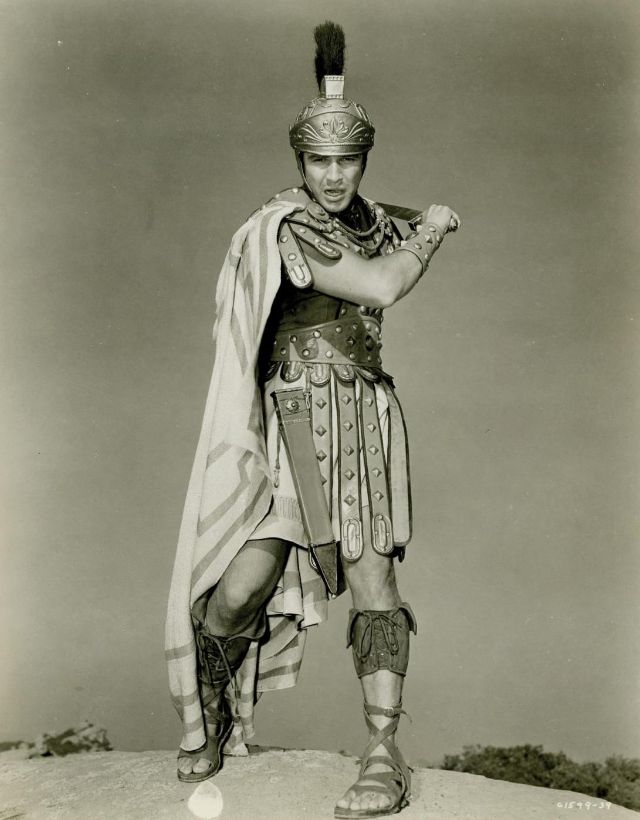
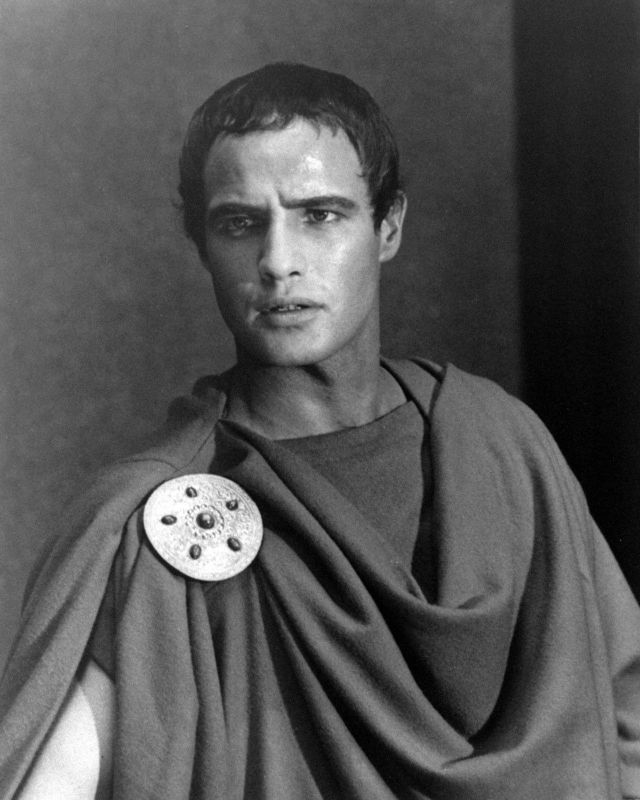
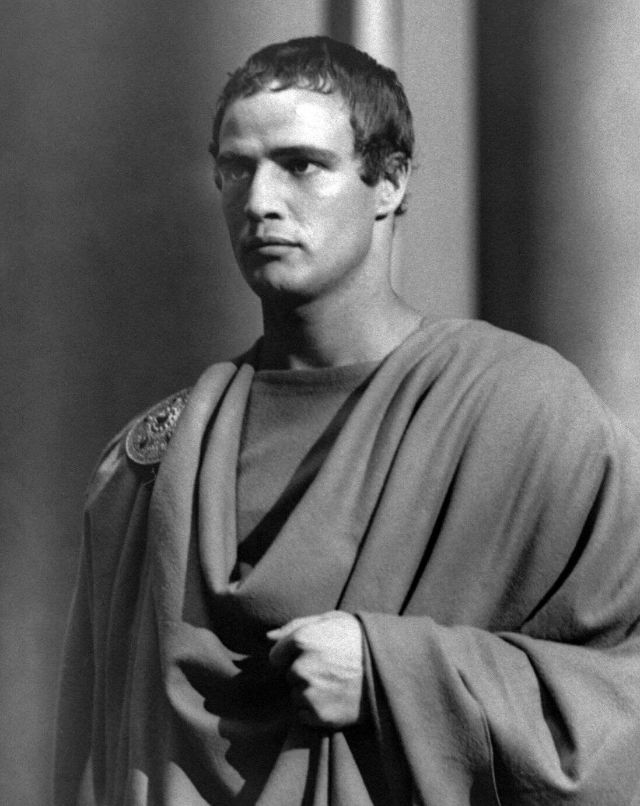
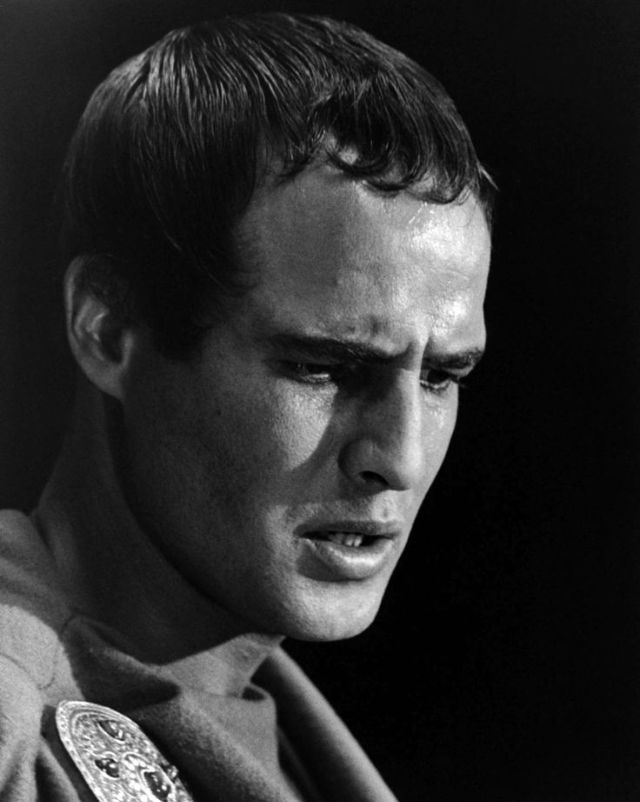
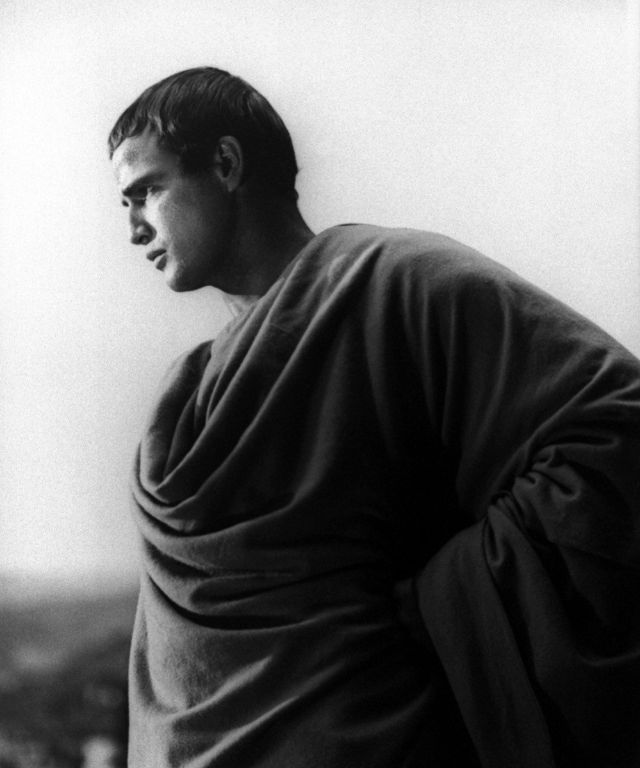
Brando played Mark Antony, the role that was considered for Paul Scofield should Brando’s screentest not work out, since his casting was initially met with skepticism following his infamous “mumbling” in A Streetcar Named Desire (1951). In order to improve his elocution, Brando adopted every recommendation in reciting Shakespeare from John Gielgud, with whom he befriended during filming. His performance turned out exceedingly well, which brought him his third consecutive Best Actor Oscar nomination after A Streetcar Named Desire and Viva Zapata! (1952), in 1955 he got the fourth one and ultimately won for On the Waterfront (1954). New York Times stated in its review of the film: “Happily, Mr. Brando’s diction, which has been guttural and slurred in previous films, is clear and precise in this instance. In him a major talent has emerged.”
The top billing was given to Brando, even though Mason’s role was more central to the plot. Brando was well aware of the strong bond between director Mankiewicz and Mason following 5 Fingers (1952), and after noticing the subsequent shift in directorial focus, he threatened to walk off the movie unless the initial attention was restored. Fortunately, production carried on with very little disturbance, as a result of “Mankiewicz’s consummate tact” according to Gielgud.
Below are 32 impressive photos and stills of Brando as Mark Antony in the film: