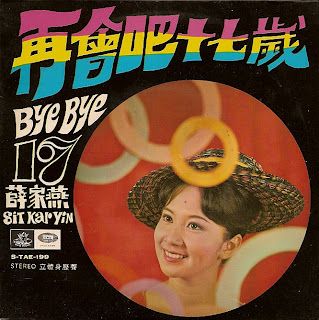
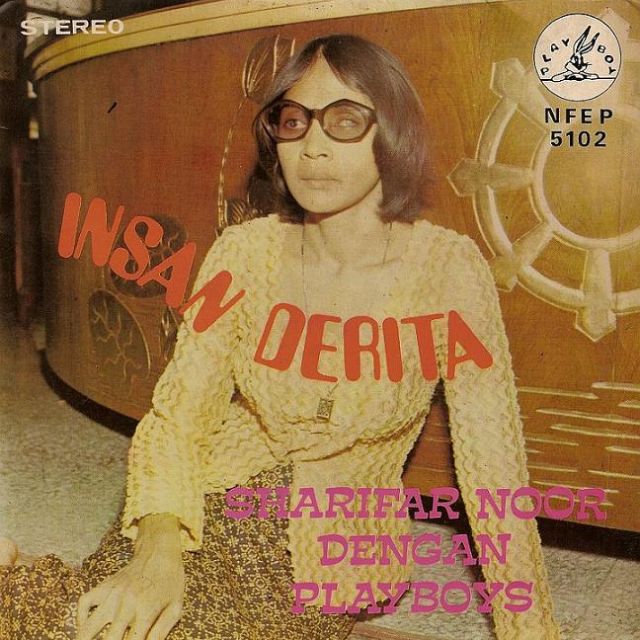
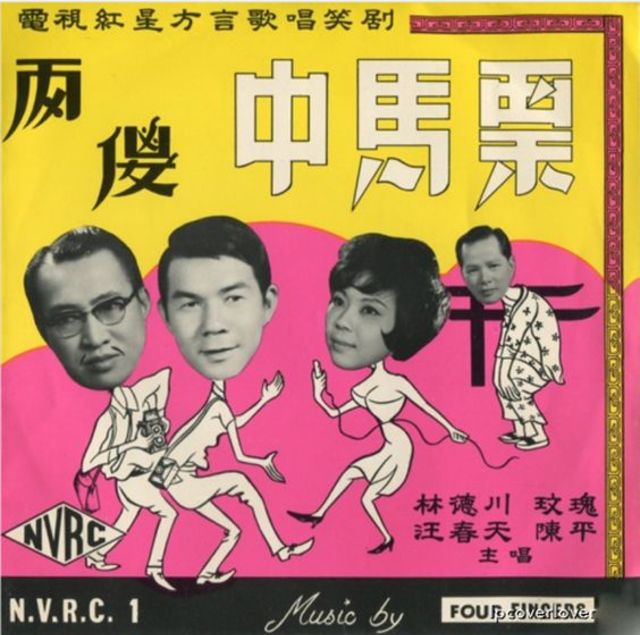
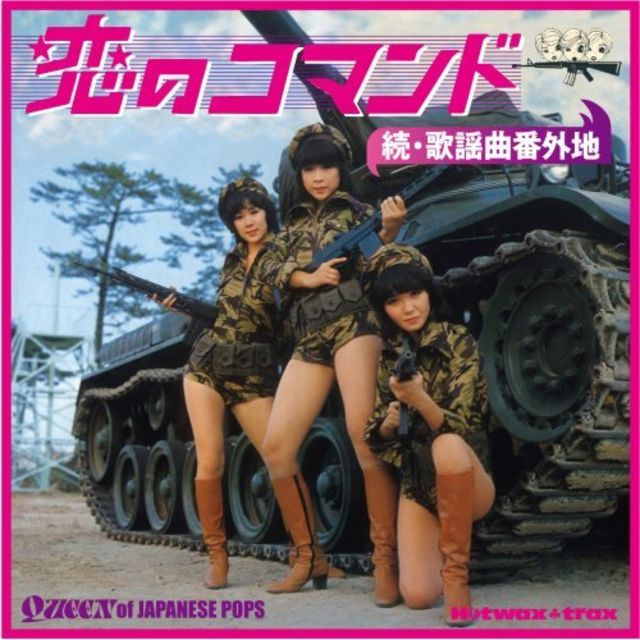
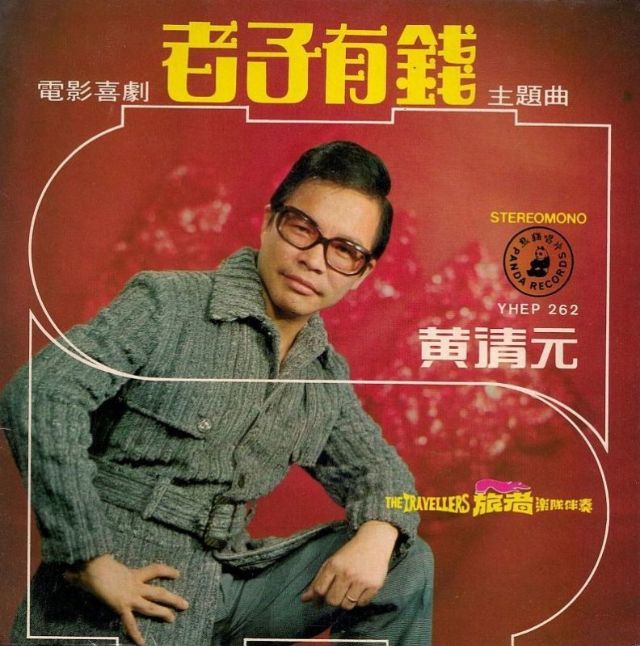
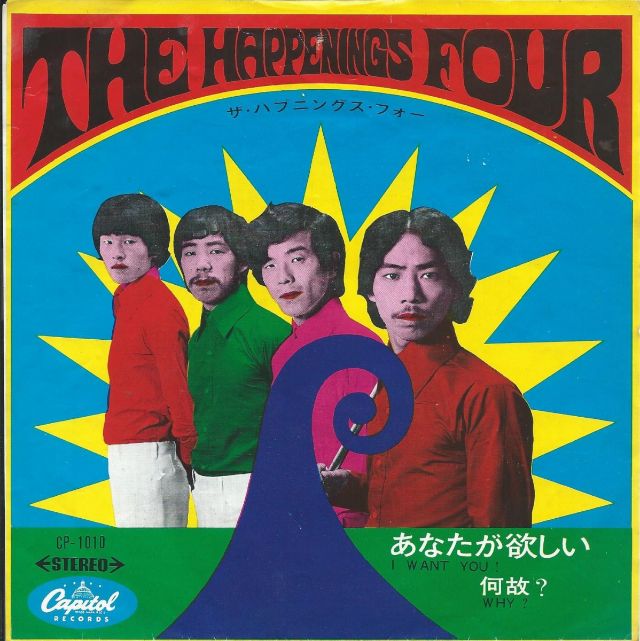
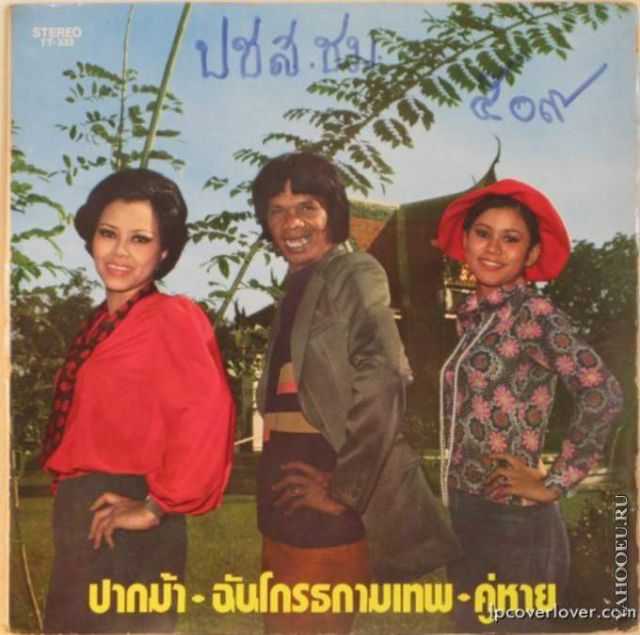
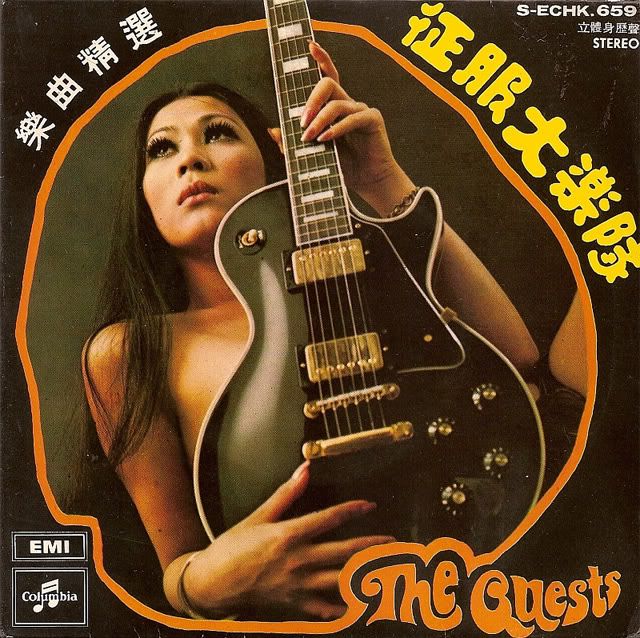
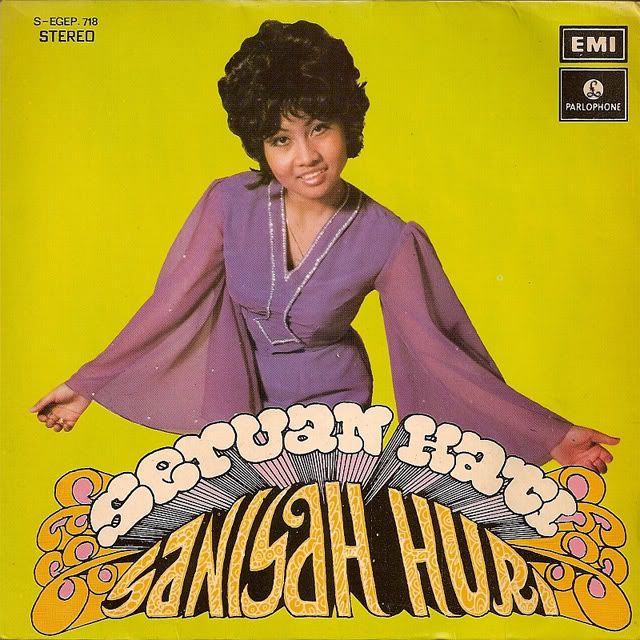
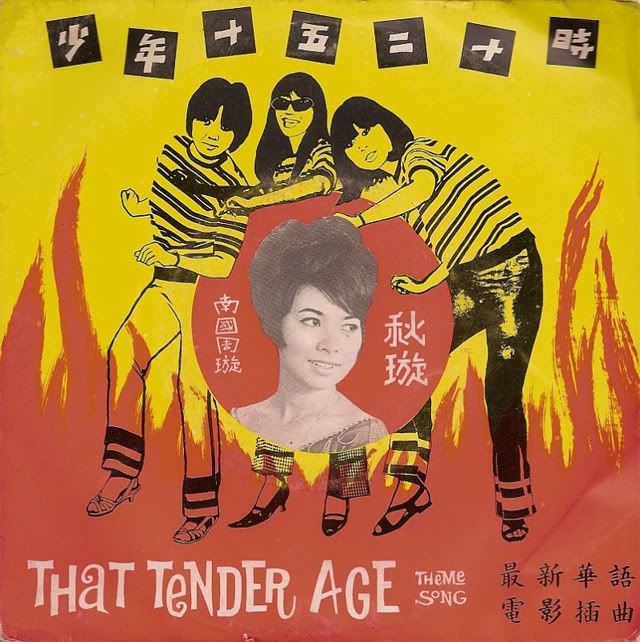
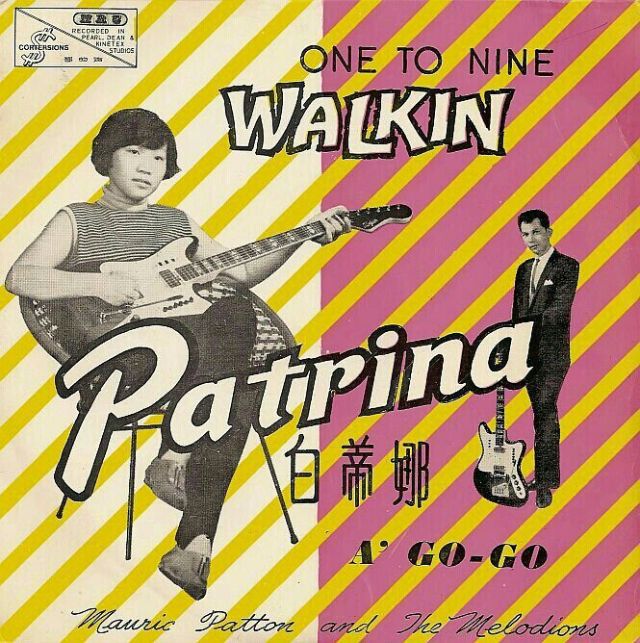
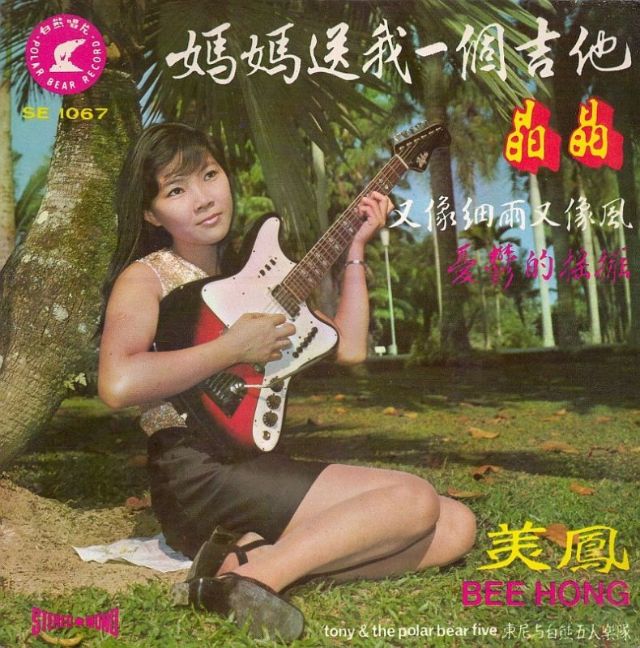
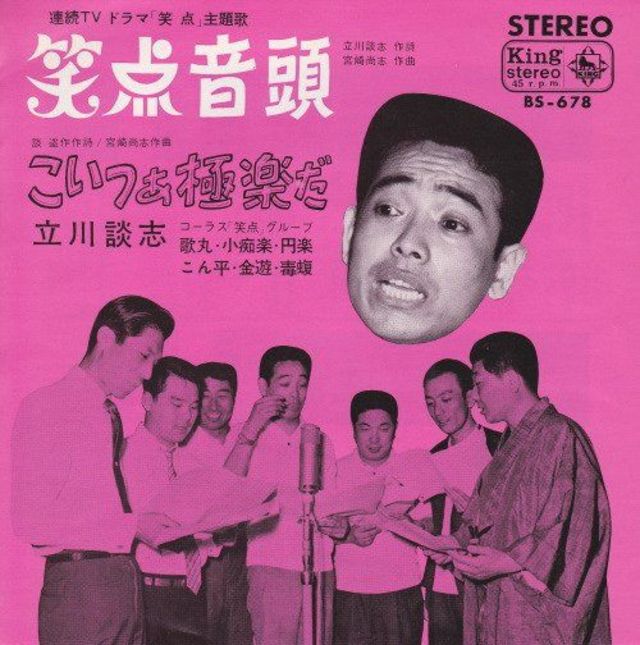
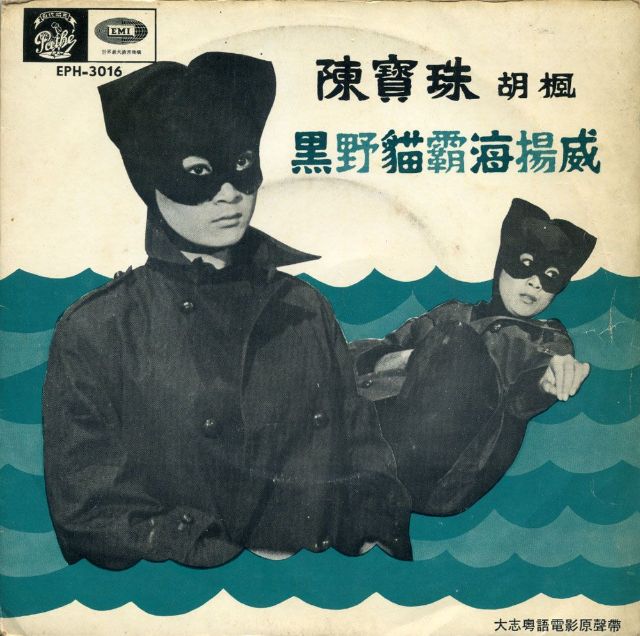
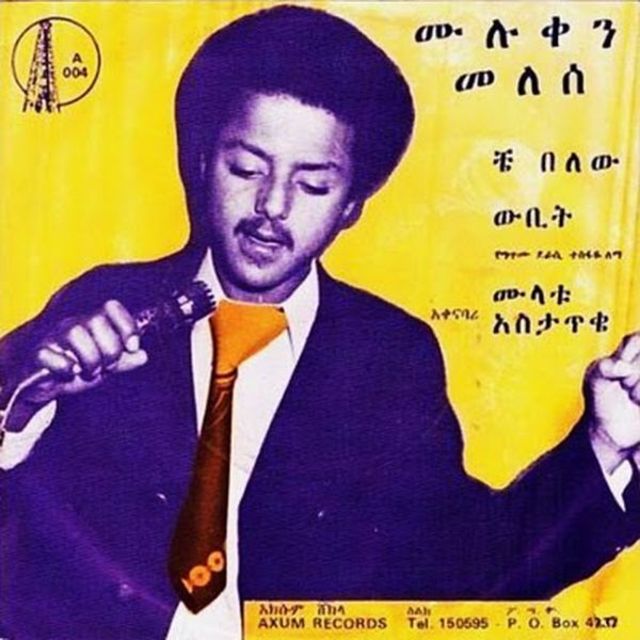
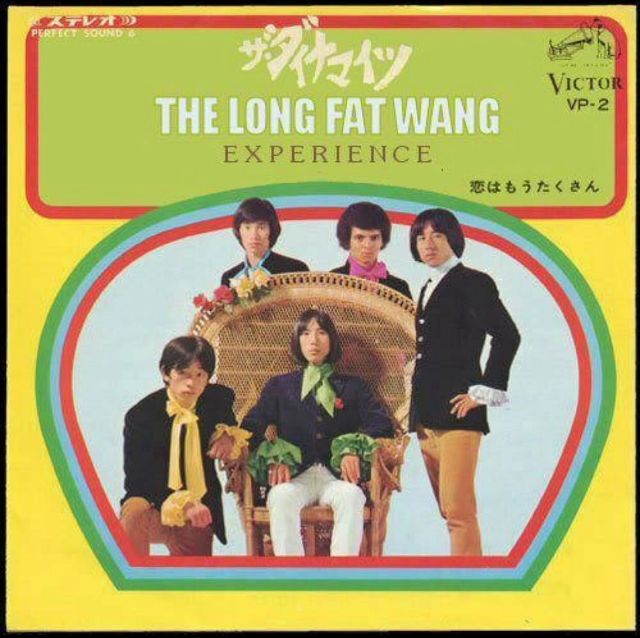
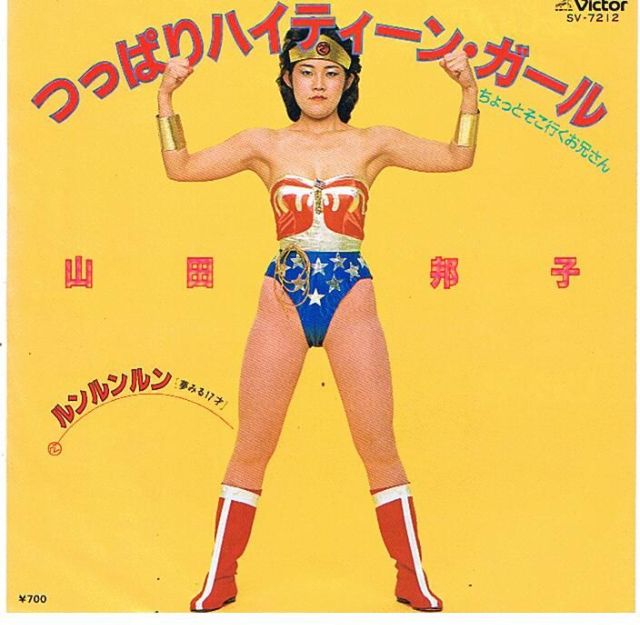
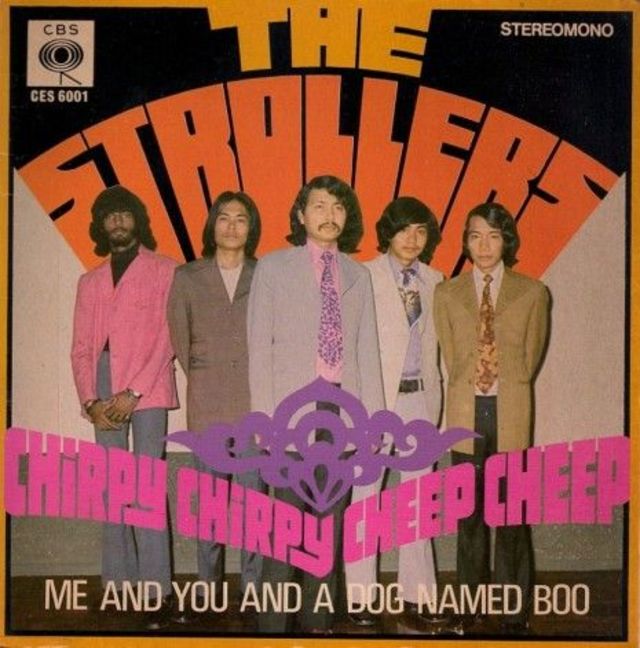
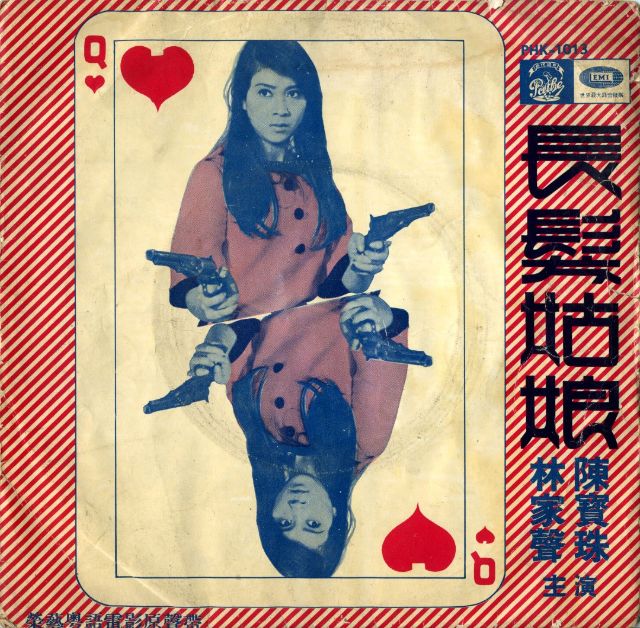
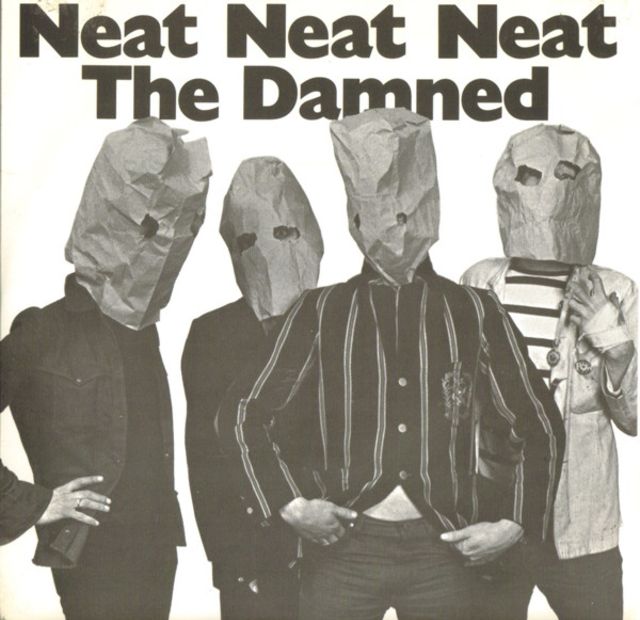
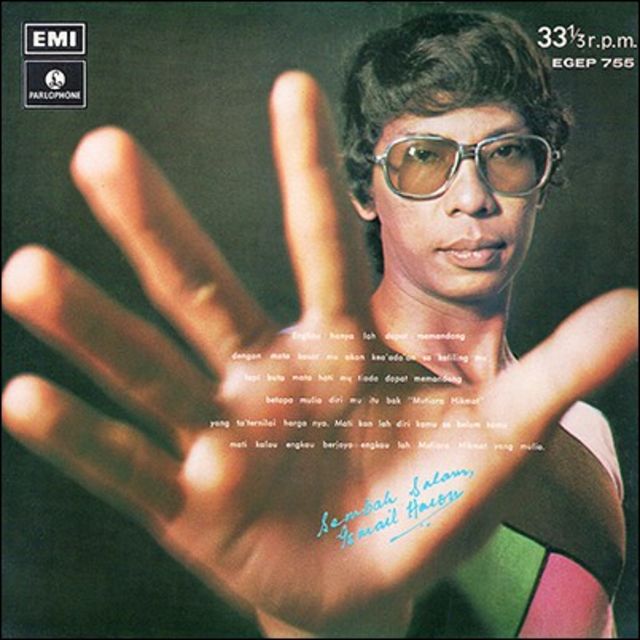
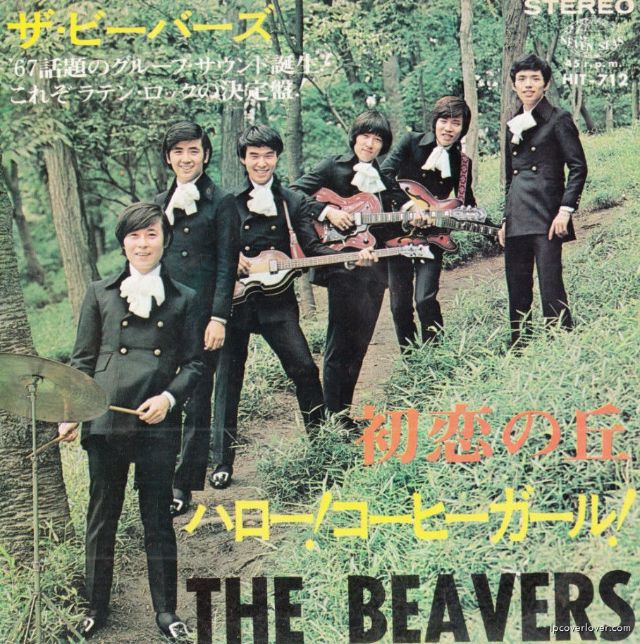
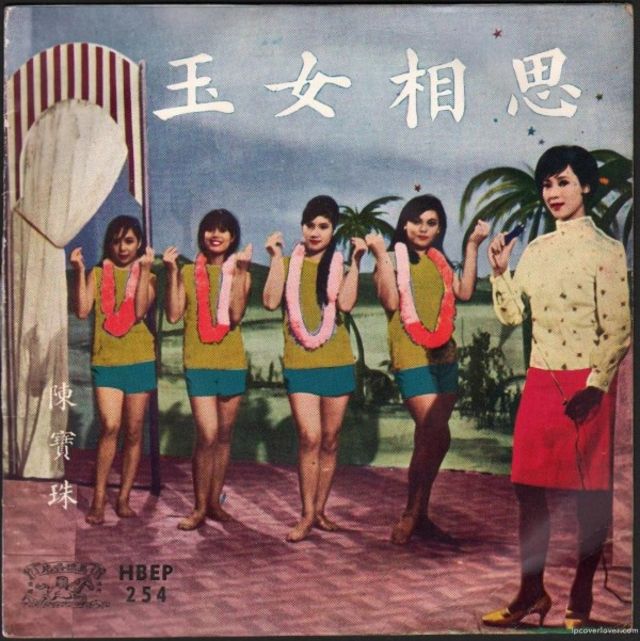
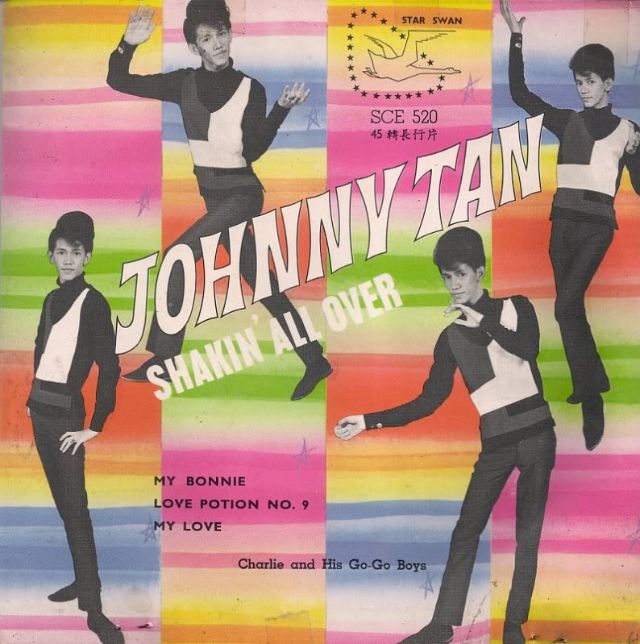
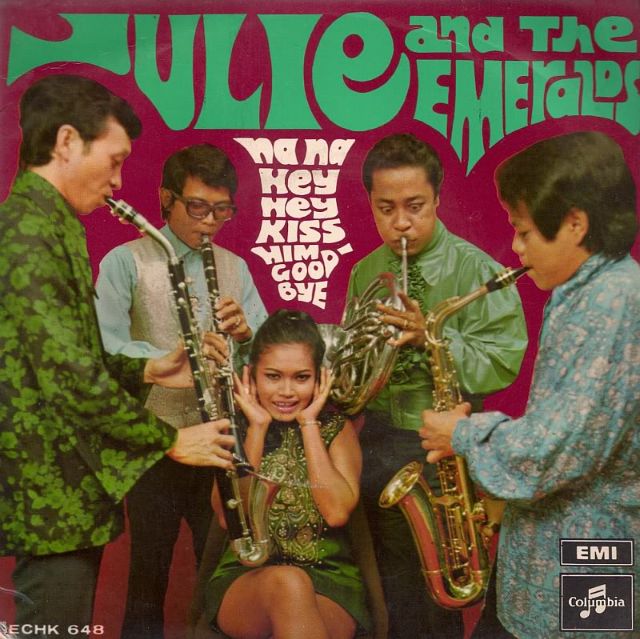
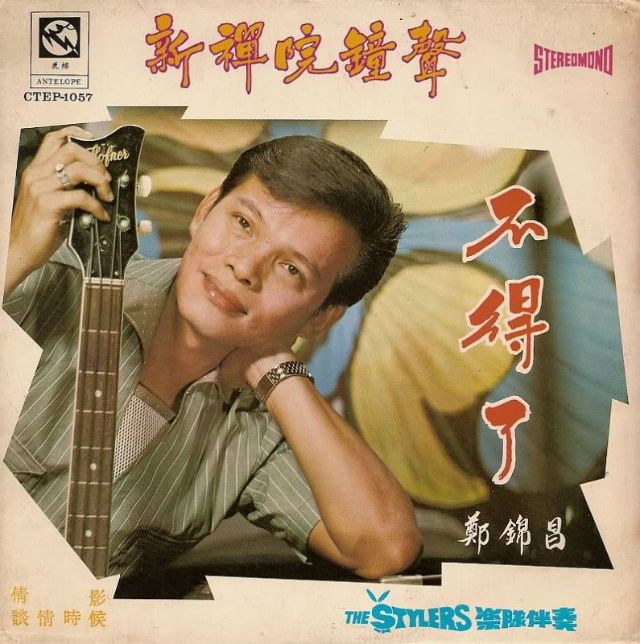
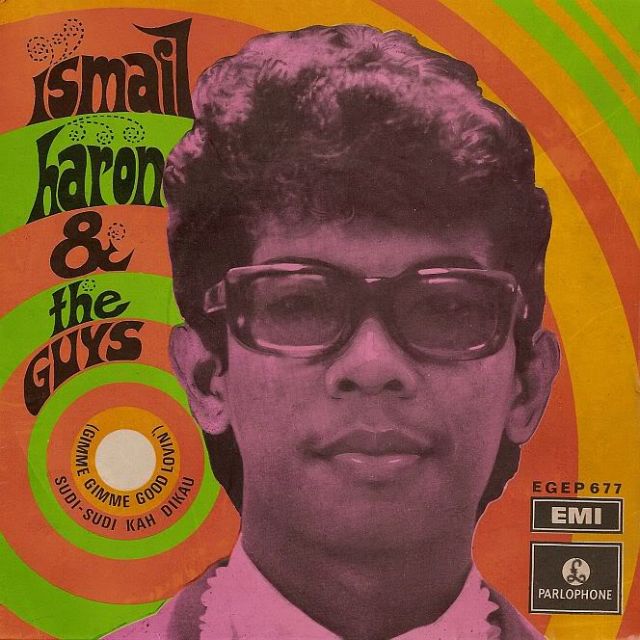
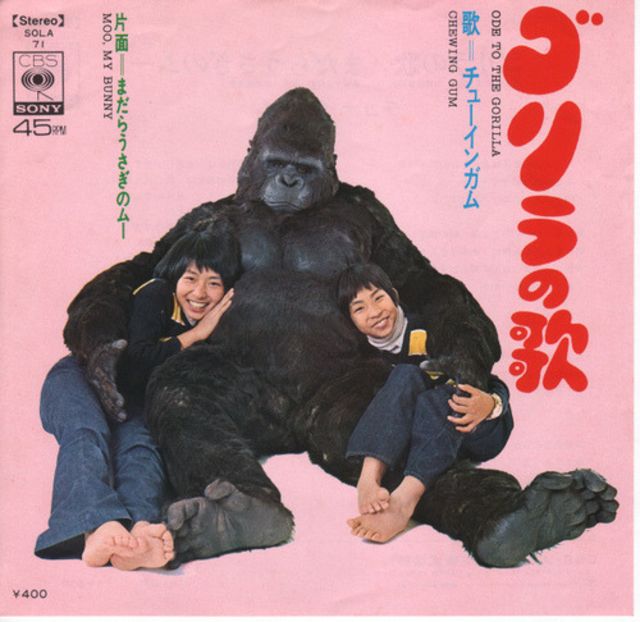
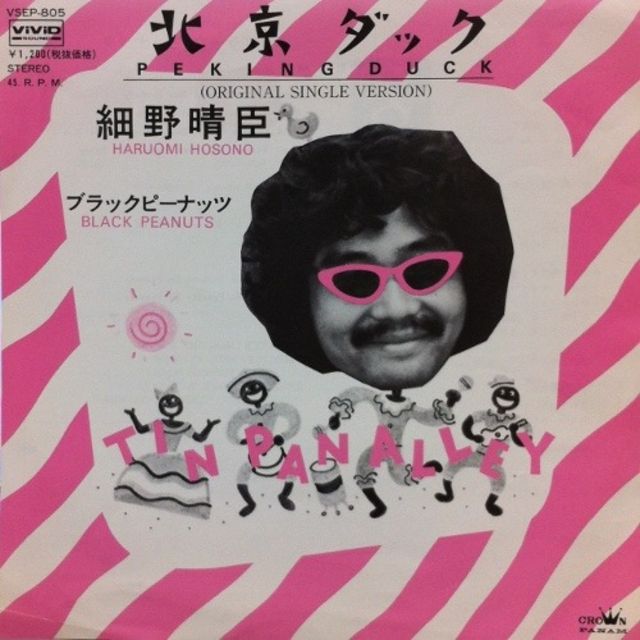
Art is a strange creature. Ever mutating, evolving, and forever changing. Often the most obvious is overlooked. Often the over-looked is the most obvious in how we view the world around us. Often that which is overlooked is over shadowed by a more imposing medium. We identify so much with what we listen to and define parts of who we are by the sounds resting within the sleeves protecting the disc. We listen to the music and often take in the art with great interest but in many ways do not relate the image as art the way we do when we look at a painting or a photograph.
The art of album covers is a wild and wonderful genera of art that really has an upper hand in defining the culture that embraces the music it caresses. An honesty on a very temporal and primal level is recognized in the way this art is interpreted and rendered with these pieces.
These are gems that are the “less seen” visions and through them we can revisit the worlds that these artists and musicians lived in. Through them hopefully we can get a fresher glimpse of our own lives in the moment we live in.
Some of the images are disturbing and strange. Some are very revealing and serious commentary of the way we are as a community of humans. Others are humorous and delightful, poking fun at the world we live in. Mostly they are reflections of who we are and where we, where we have been, and where we are going to.
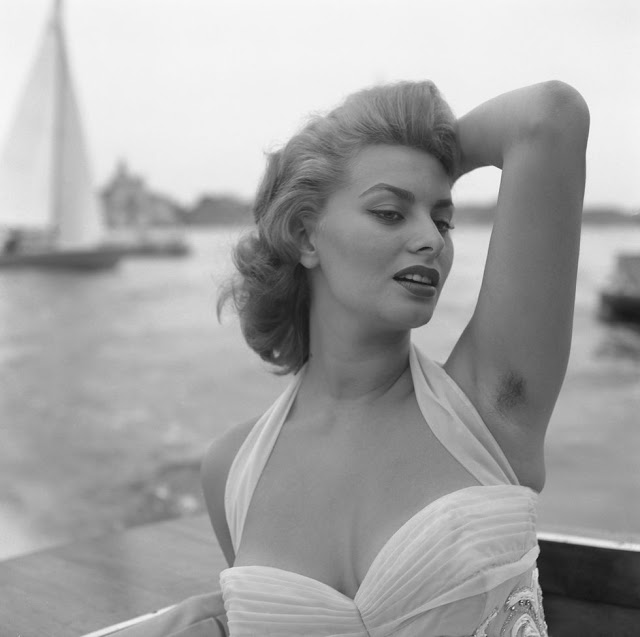
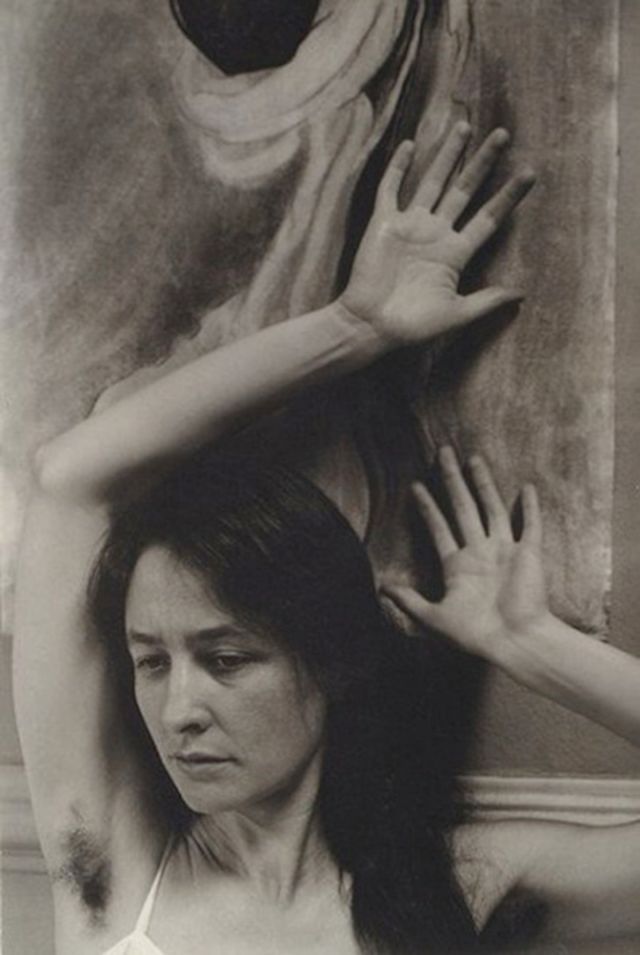
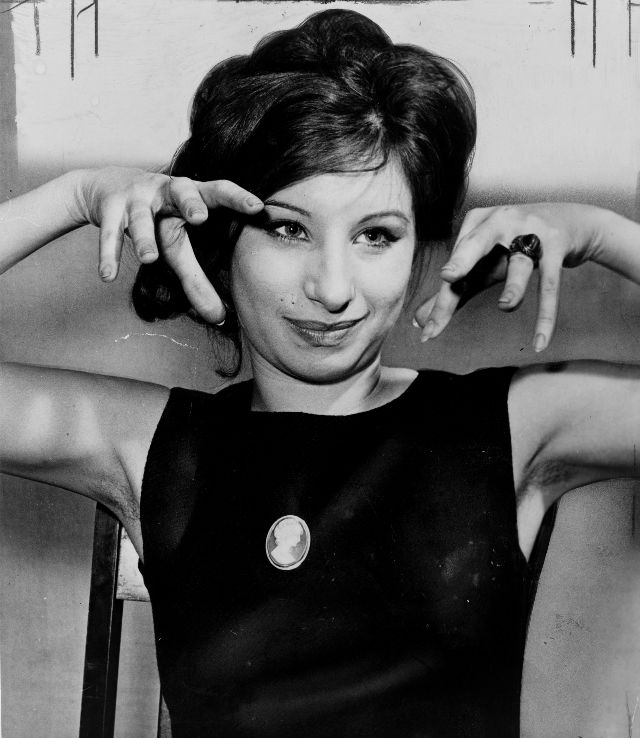
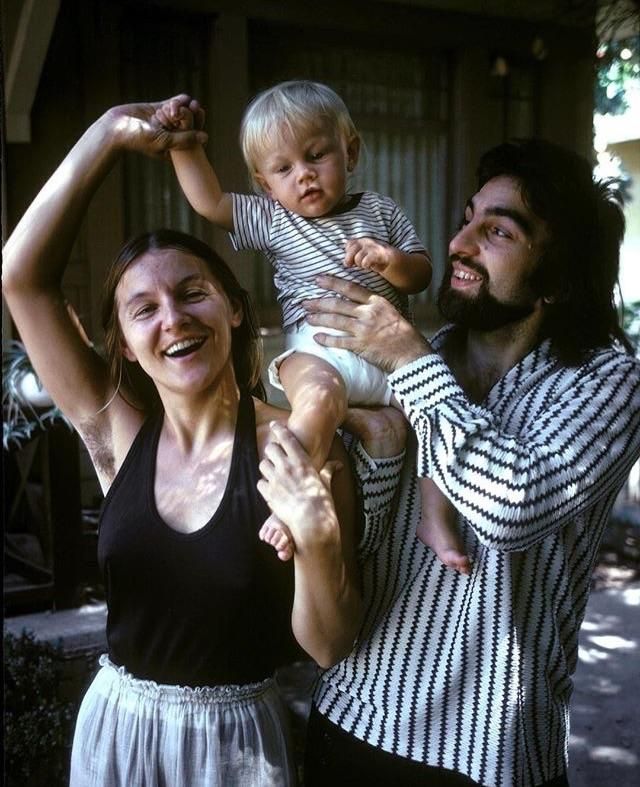
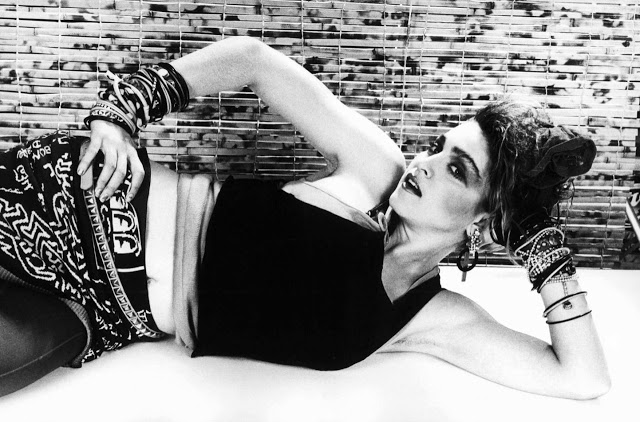
To shave or not to shave? Most – if not all – women ask themselves this on a regular basis. While many girls opt for the former because of gender norms and there are also those who say ‘screw it’ while simultaneously tossing their razor blades out the bathroom window. Yes, even celebrities. Here are 12 celebs who aren’t afraid to show off their armpit hair.
Georgia O’Keeffe, 1918.Italian actress Sophia Loren, 1955Barbra Streisand, 1962.Grace JonesLeonardo DiCaprio and his parents, 1976.Patti Smith, 1977.Madonna in New York, 1984.Lisa Bonet, 1990Ani DiFranco performs at Wetlands in New York City in 1994.Drew Barrymore, 1996.Portrait of 22 years old Portuguese actress Dalila Carmo in New York, 1996.Julia Roberts at Notting Hill’s 1999 Premiere.
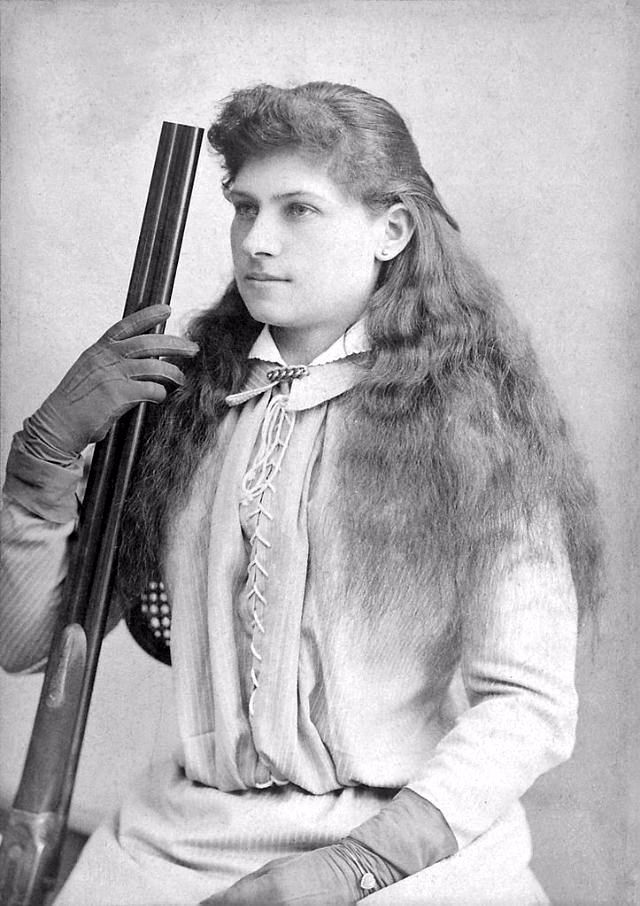
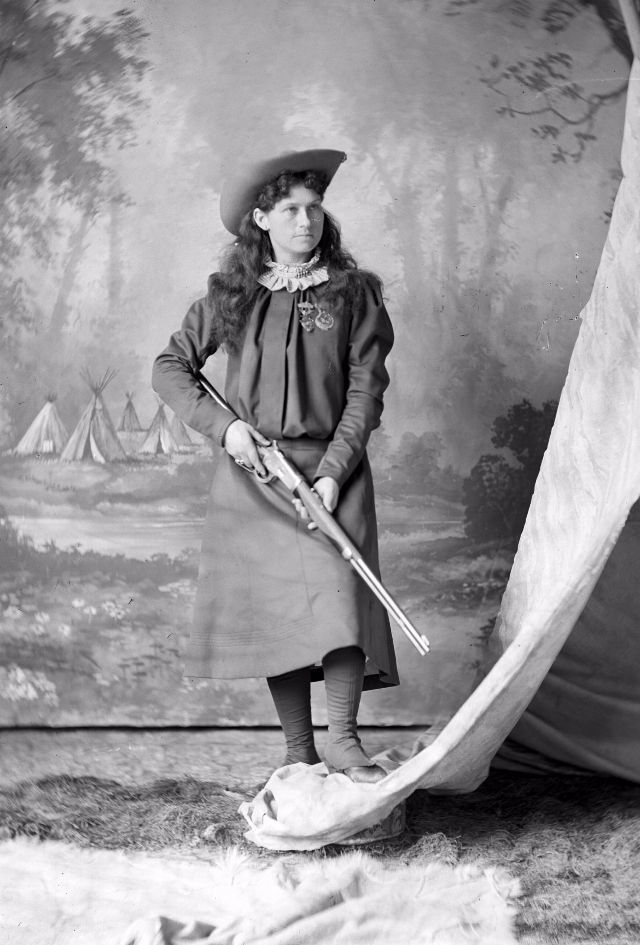
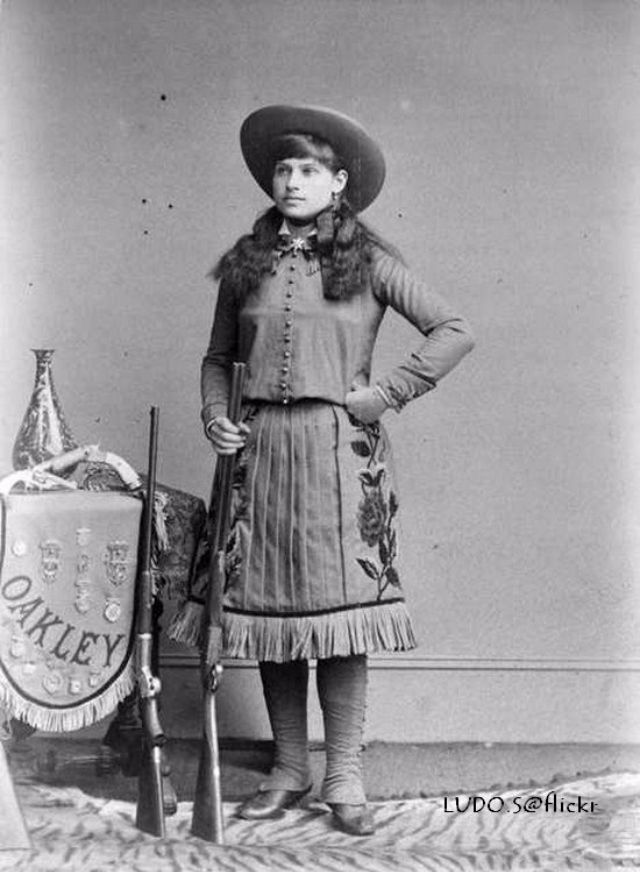
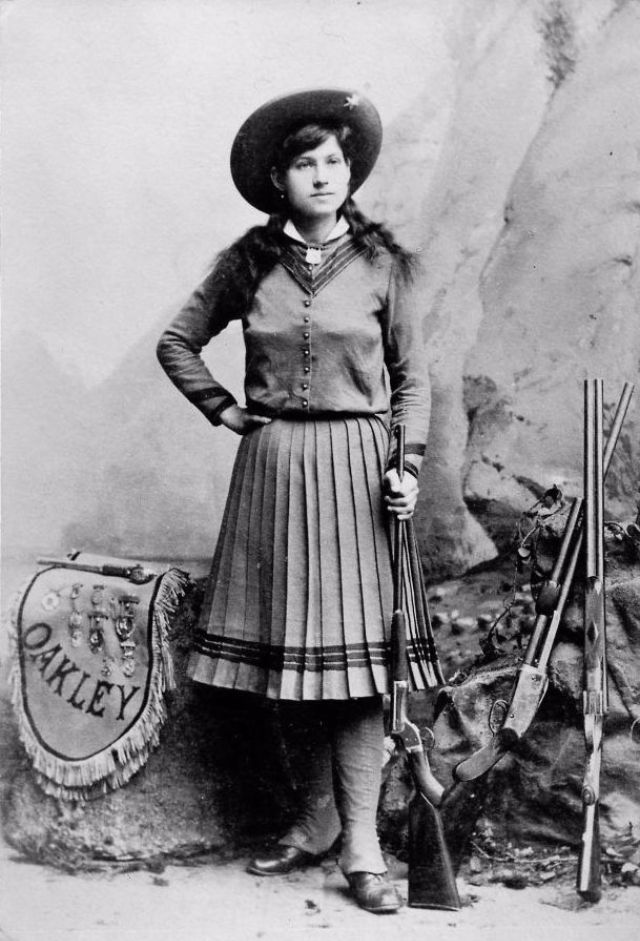
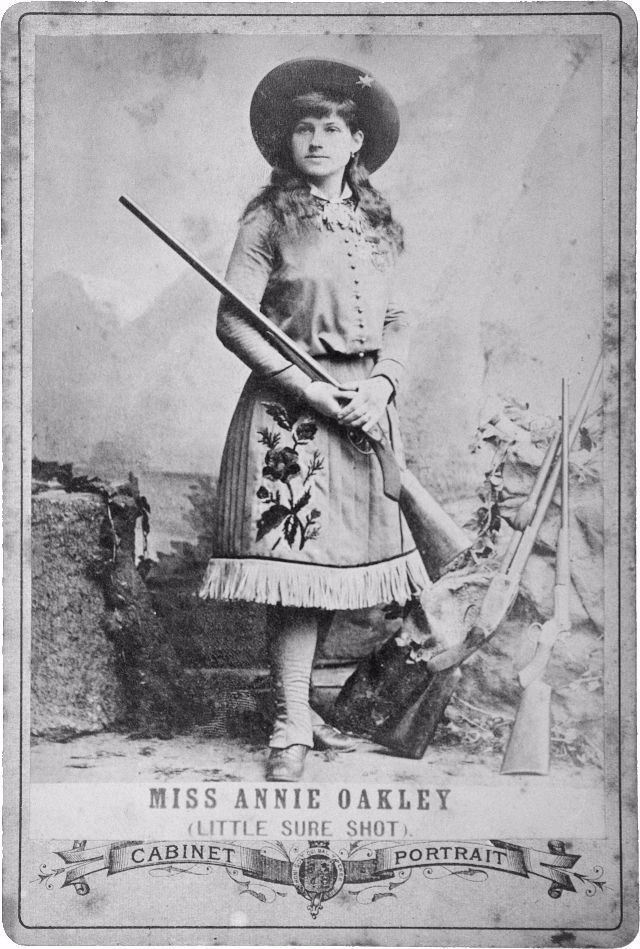
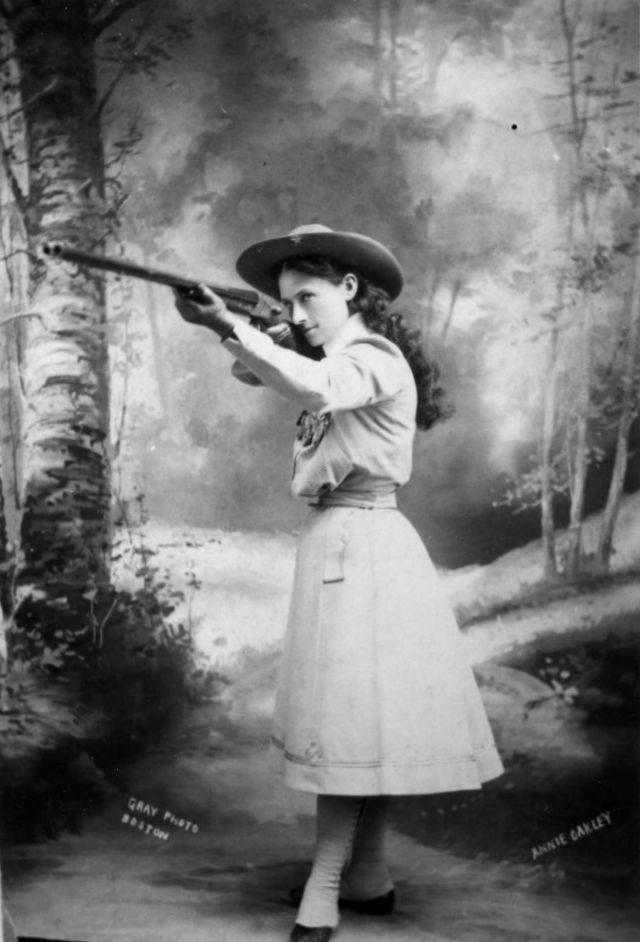
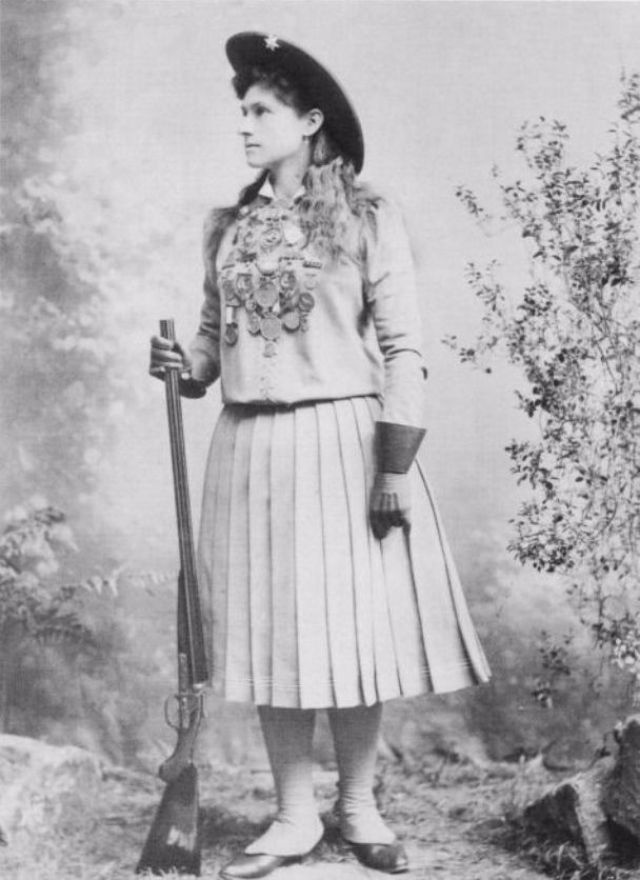
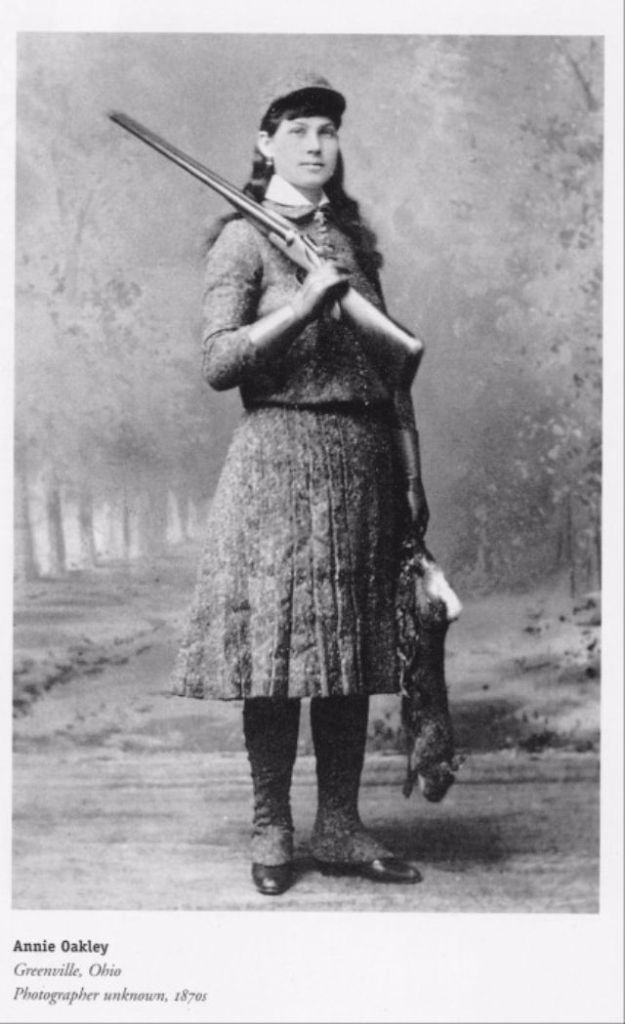
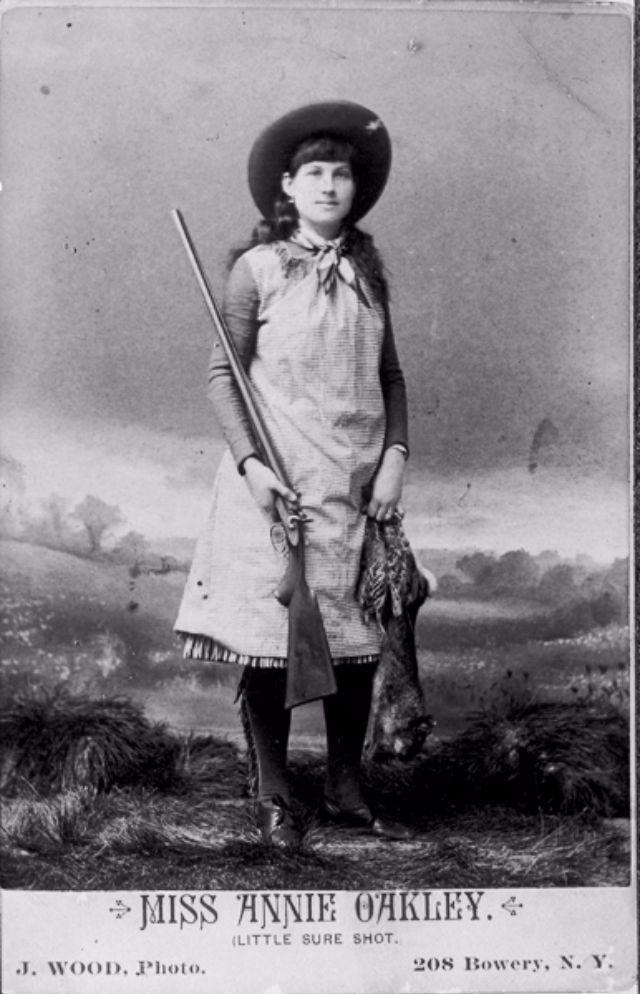
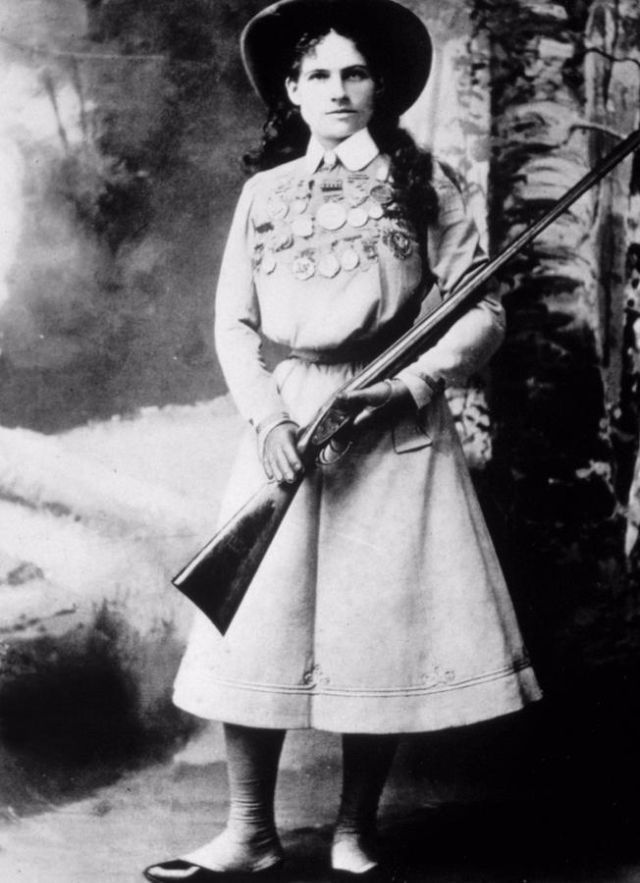
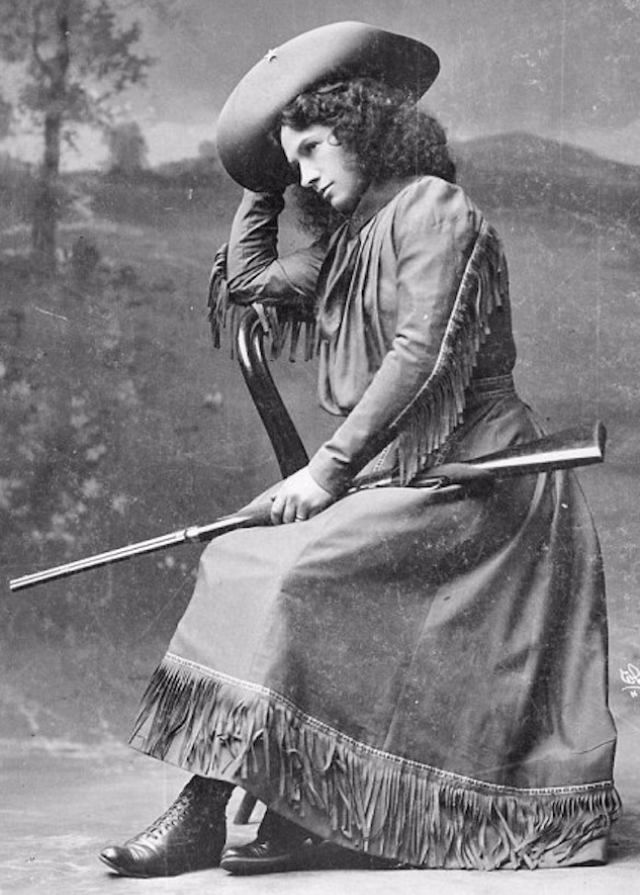
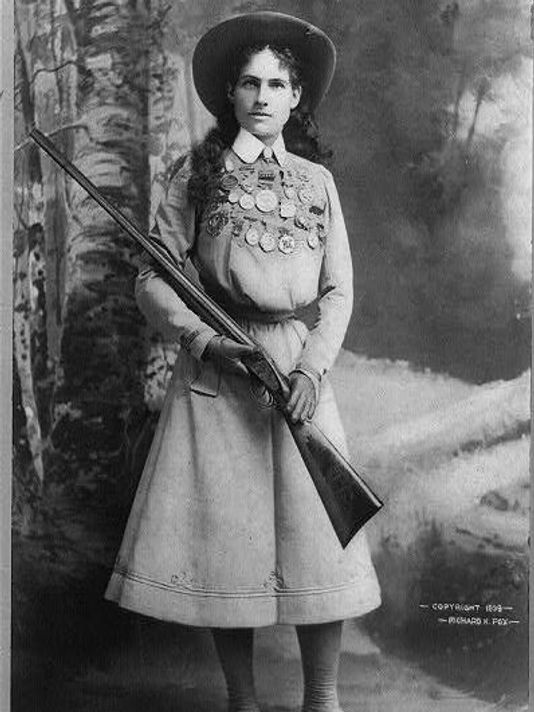
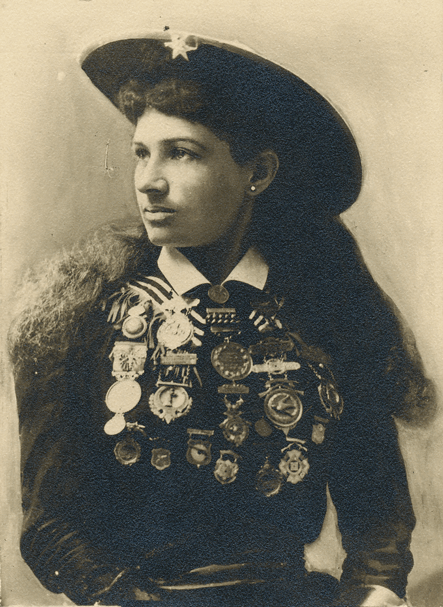
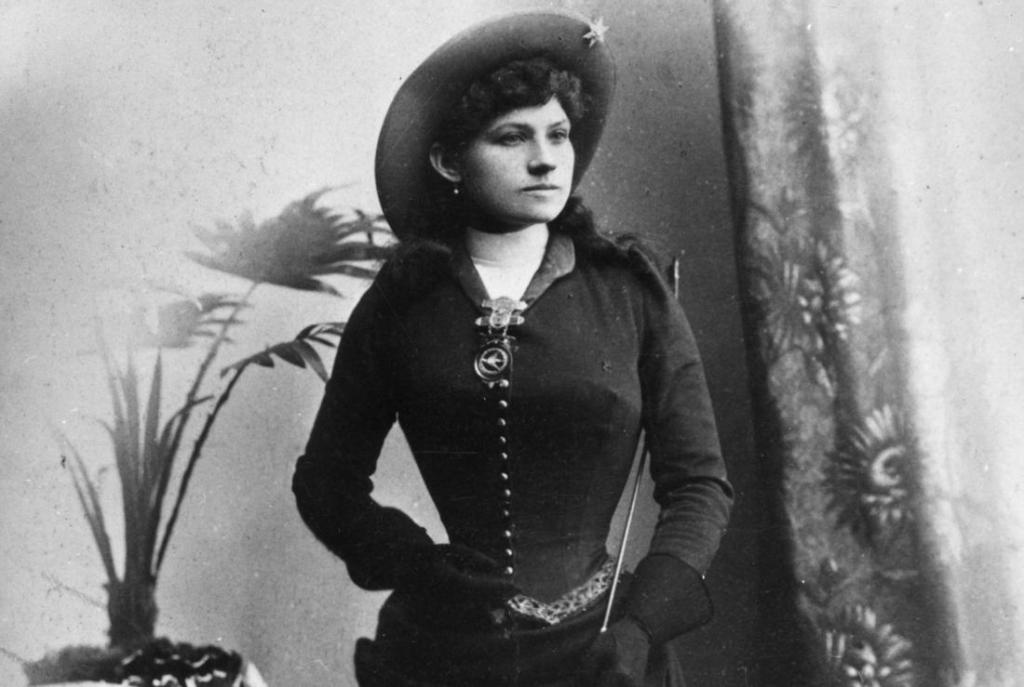
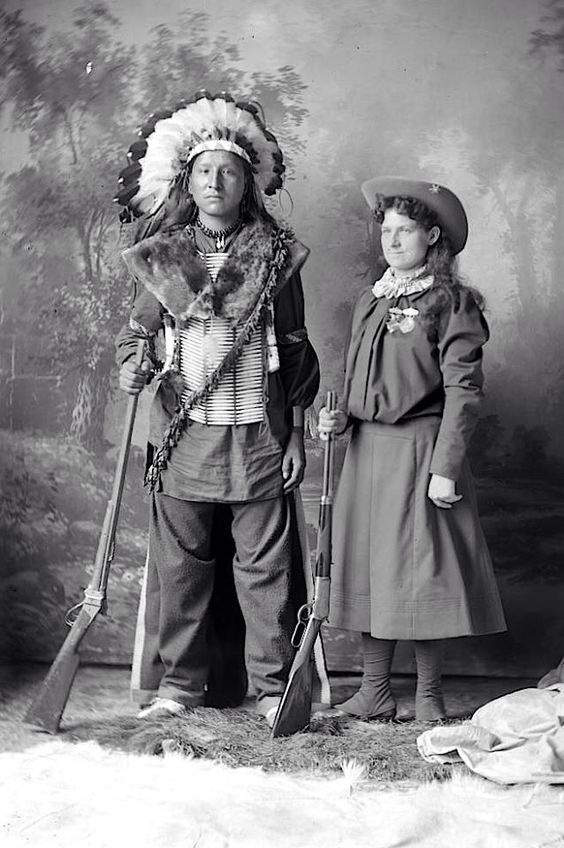
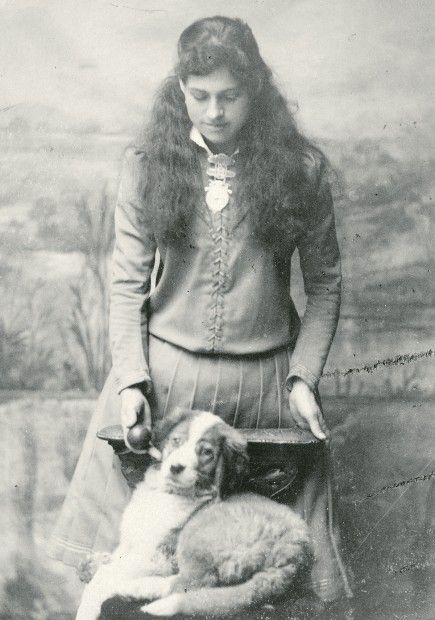
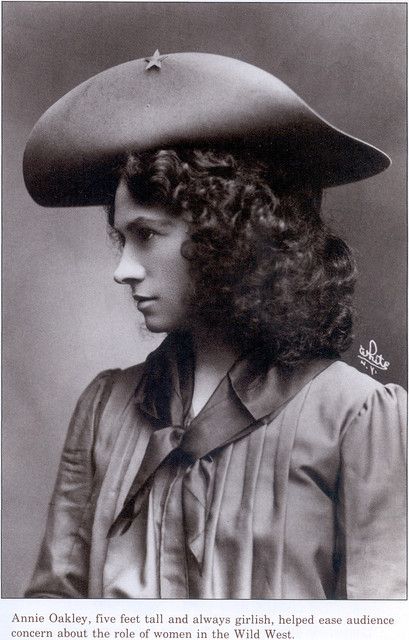
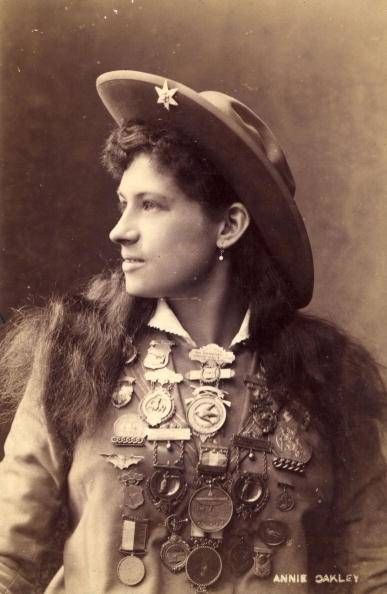
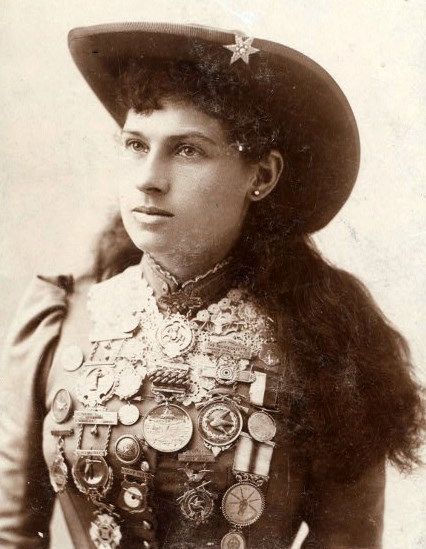
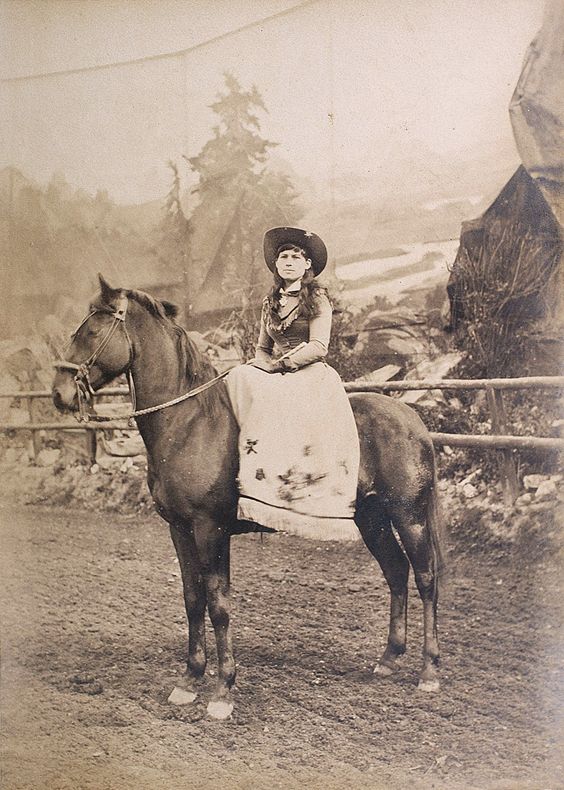
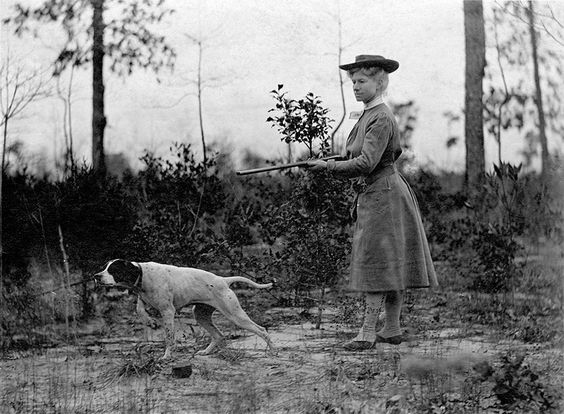
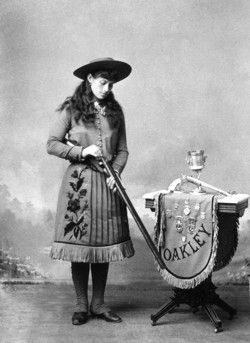
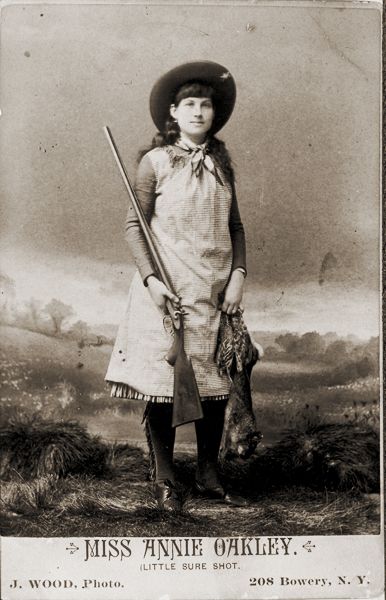
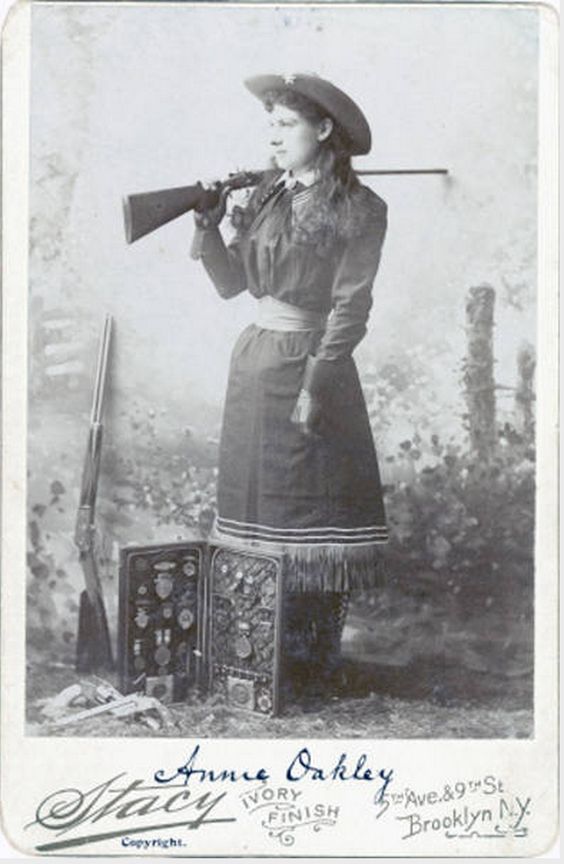
Annie Oakley is a famous markswoman known for her sharpshooting. During her lifetime she traveled with her husband across the country and abroad showing off her skills with a rifle. She became a star in a male-dominated sport, and legendary throughout the world.
Annie Oakley was born Phoebe Ann Moses on August 13, 1860 in Darke County, Ohio to Jacob Moses and Susan Wise Moses. When she was six years old, her father died from pneumonia, and her mother was left to care for her and her five siblings. Her mother remarried, but her second husband also died suddenly, leaving the family with a newborn baby. Because the family did not earn much money, they lived in a poor house, and Oakley who went by “Annie,” was sent to live with the Edington family. Oakley worked with the Edington family at the infirmary where she learned how to sew and helped with the younger children. She later stayed with an abusive family, whom she referred to as “the wolves.” At the age of eight, Oakley started hunting. She would sell the game she shot to local restaurants to help earn money for her family.
When she was fifteen, Oakley went to Cincinnati to compete against marksman Frank E. Butler. He travelled around the country challenging people to shooting competitions. During the competition, Oakley shot all twenty-five shots, and Butler missed one, making Oakley the winner. Butler was impressed by her skills, and soon they began courting. They were married August 23, 1876.
The happy couple toured around the country, and Butler continued to perform as a marksman. Oakley acted as his assistant and held up items for Butler to shoot. She would also do some shooting. As she became more popular, she adopted the stage name of “Oakley.” On May 1, 1882, Butler’s shooting partner became ill, and Oakley filled in. From that moment, Oakley became part of the act. In March 1884, she met Sitting Bull, the Lakota Sioux leader who defeated General Custer at the Battle of Little Bighorn. He gave her the nickname “Little Sure Shot” after seeing her perform in St. Paul, Minnesota.
After touring for a year with the Sells Brothers Circus, Butler and Oakley joined the Buffalo Bill’s Wild West Show. The couple performed as partners, but Oakley quickly rose to fame. Butler chose to support his wife and work as her assistant and manager. Oakley became the star of the show. She would shoot glass balls out of the air, shoot through playing cards, and shoot cigarettes out of her husband’s mouth. As the headliner of the show, Oakley chose to wear simple, modest clothes instead of flashy costumes, so they wouldn’t detract from her feats as a markswoman.
Butler and Oakley stayed with the Buffalo Bill’s Wild West Show for sixteen years. During these years, they traveled around the country and abroad. They performed for Queen Victoria’s Golden Jubilee in England. They also toured in Spain, Italy, and France. Over the course of her career, Oakley showed people around the world that women were capable and able to handle firearms and even out-shoot men. She encouraged women to learn how to use pistols that could be kept in purses in order to protect themselves. She was passionate about empowering women, and helping children.
After returning to the United States, Oakley and Butler began touring less and finally ended touring after a train wreck in 1901 which injured Oakley’s back. Two years later, Oakley found herself in a legal battle. It was reported in Chicago that she had been arrested for stealing a man’s trousers to sell them to buy cocaine. Other newspapers across the country also began to print the same story, however the report was entirely false. Oakley did not use drugs, nor did she steal anyone’s trousers. She and her husband were also living in New Jersey at the time, therefore she was nowhere near Chicago when the crime took place. It was discovered that the woman who was arrested was Maude Fontanella who used the false name “Any Oakley.” The real Annie Oakley was angered by the newspaper reports ruining her reputation, and she sued every paper that ran the false story. Over the course of seven years, Oakley successfully won 54 out of 55 cases against the newspapers.
In 1913, they moved to Cambridge, Maryland and then to Pinehurst, North Carolina in 1917. At the beginning of World War I, Oakley wrote to Secretary of War Henry L. Stimson and offered to fully fund and raise a regiment of women volunteers to fight during the war. She also offered to teach soldiers how to accurately shoot. Both her offers were not accepted.
In 1922, Oakley planned to begin touring again, however she and Butler were in a car accident which put her plans on hold. After a year of recovery, she returned to touring. Soon after, she became sick and in 1925, she moved back to Ohio to be closer to her family. Annie Oakley died November 3, 1926. Her beloved husband died three weeks later. They had been married for fifty years.
Annie Oakley is an iconic figure, especially for women interested in shooting sports. Her skills made her famous.She is remembered as the legendary frontwoman for Buffalo Bill’s Wild West Show, and an advocate for women to learn a sport that was primarily dominated by men. By Ashlee Anderson
The Wild West heroine Annie Oakley was actually born and raised in Ohio and her birth name was Phoebe Ann Moses.“Annie,” as her siblings called her, lost her father around the age of six and began helping the family by trapping small animals for food.She fired her first gun at eight as a means to feed her impoverished family. The unlucky victim was a squirrel outside her home.When her mother found out she’d used her father’s gun, she was forbidden to touch it again for eight months.At age nine, Annie Oakley and her older sister were sent to the Darke County Infirmary when her mother became too poor to care for them.After about a year in the infirmary, she went to be the live-in help for a farm family with a baby. They treated her horribly; later she’d refer to them only as “the wolves.”She ran away after staying there for two years, finally making it to a train station where a man took pity on her, buying her some food and a ticket home.After returning home, she paid off her mother’s mortgage by selling game she’d shot to grocery stores for cash.At age 15, Annie Oakley entered a shooting match against professional sharpshooter Frank Butler. She won, and Frank, impressed instead of angry, courted her and they later married.Oakley replaced Frank’s ailing partner in his shooting act, and soon she was the star of the show.“She reportedly once shot the ashes off the cigarette of Germany’s Kaiser Wilhelm II — while he was holding it. She later remarked that, had she missed, she could have prevented World War I.”Her extraordinary marksmanship allowed her to hit playing cards and dimes thrown into the sky.Before joining Buffalo Bill Cody’s show, Oakley and her husband were with the Sells Brothers circus.She made her own costumes, as she learned to sew at the infirmary as a child.A member of the Quaker religion, she made her costumes very conservative and refused to wear makeup.Oakley’s career flourished nationally in 1887 when she performed with Buffalo Bill Cody at the American Exposition in London.Annie Oakley scorned the use of any trickery in shooting shows, instead relying only on her skill.In 1884, Oakley met legendary Native American warrior Sitting Bull, who adopted her as a member of the Hunkpapa Lakota and gave her the nickname “Watanya Cicilla,” or “Little Sure Shot.”In London, Oakley met Queen Victoria, who famously called her a “very clever little girl.”Oakley competed at Wimbledon — before the London suburb hosted the famed tennis tournament. She was part of the rifle competition at Queen Victoria’s Golden Jubilee there in 1887.Her diminutive stature helped her stand out in the world of sharpshooting — she was only 5 feet tall.She sued newspaper magnate William Randolph Hearst for libel, forcing him to pay her $27,000. Hearst had printed in the Chicago papers that a broke Oakley stole a pair of men’s pants as a means to buy cocaine.She was (rather obviously) a proponent of women’s rights to bear arms and to defend their countries via military service.She tried to convince the government to let her assemble a team of women sharpshooters to fight in World War I, but no public figure would allow it.Annie Oakley helped fund the care and education of orphaned children in the United States.After Annie Oakley died in 1926 from pernicious anemia at age 66, Frank refused to eat and died 18 days later.
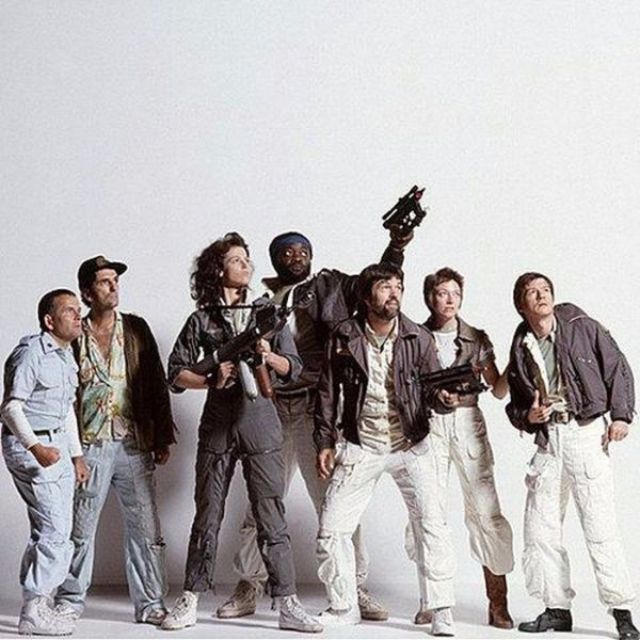
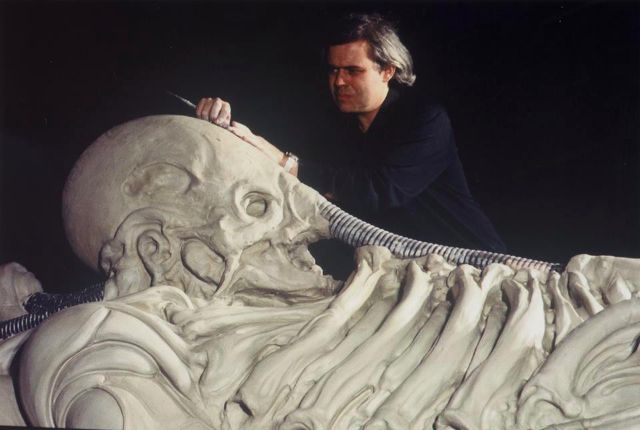
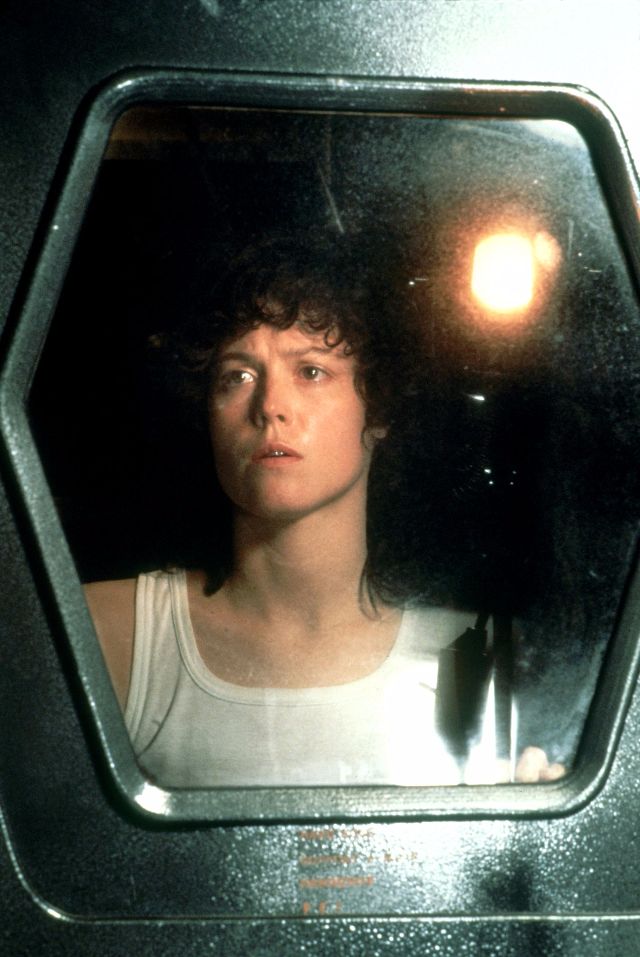
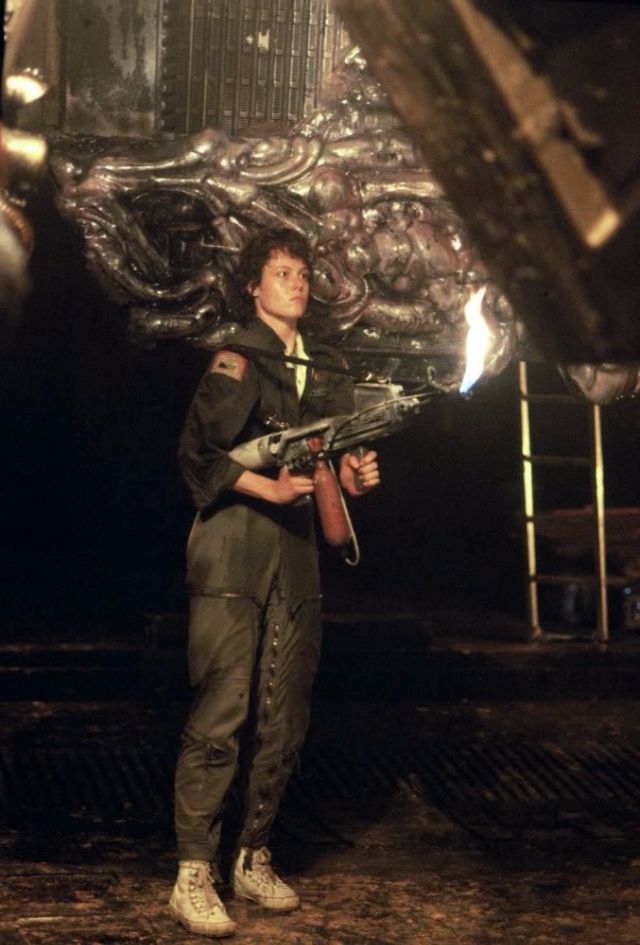
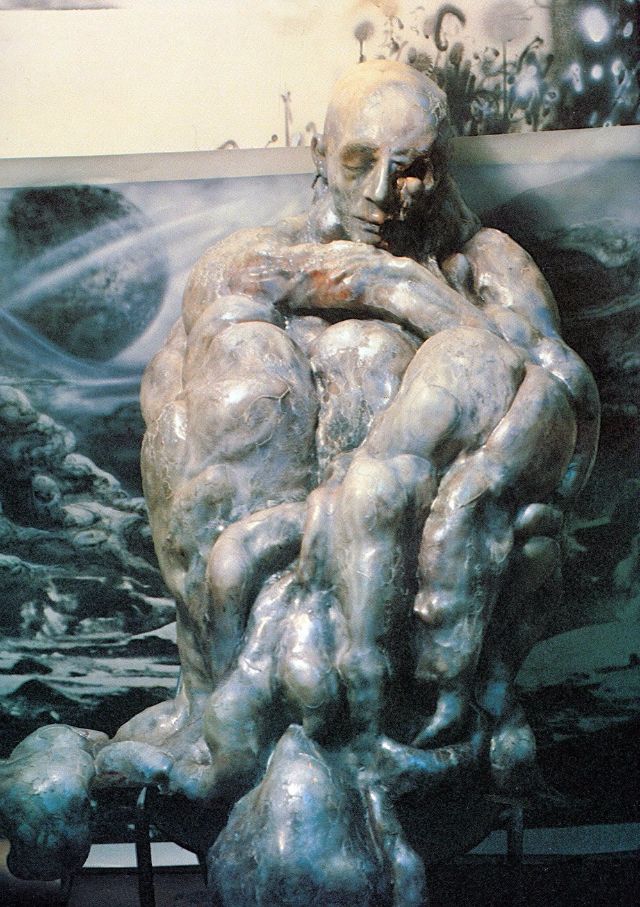
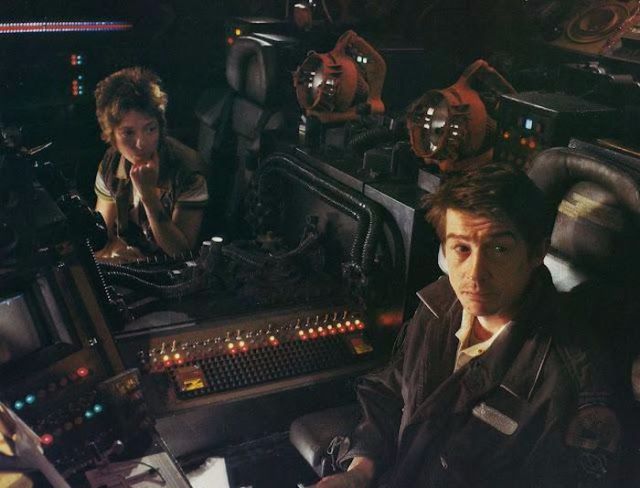
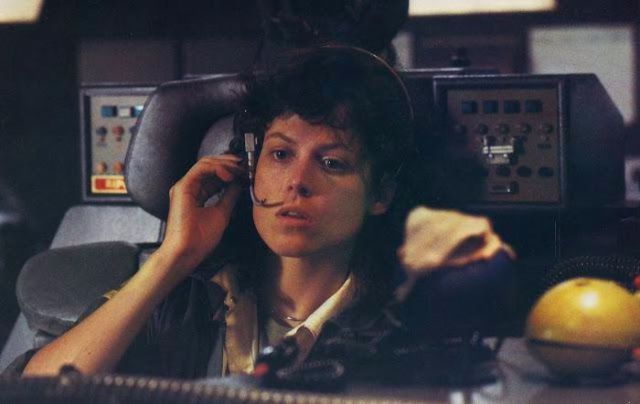
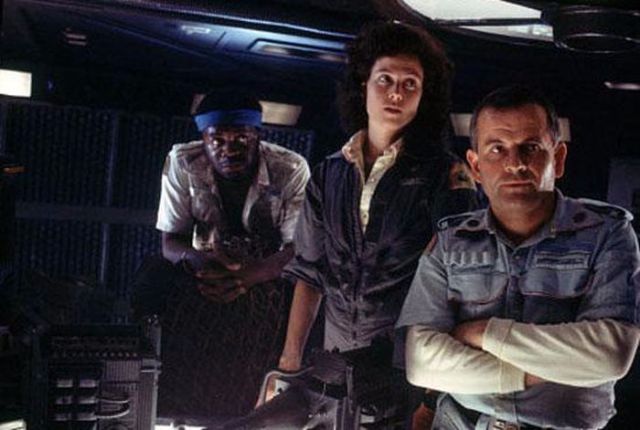
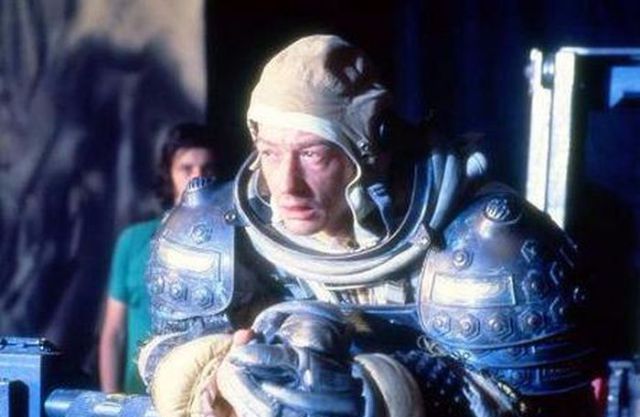
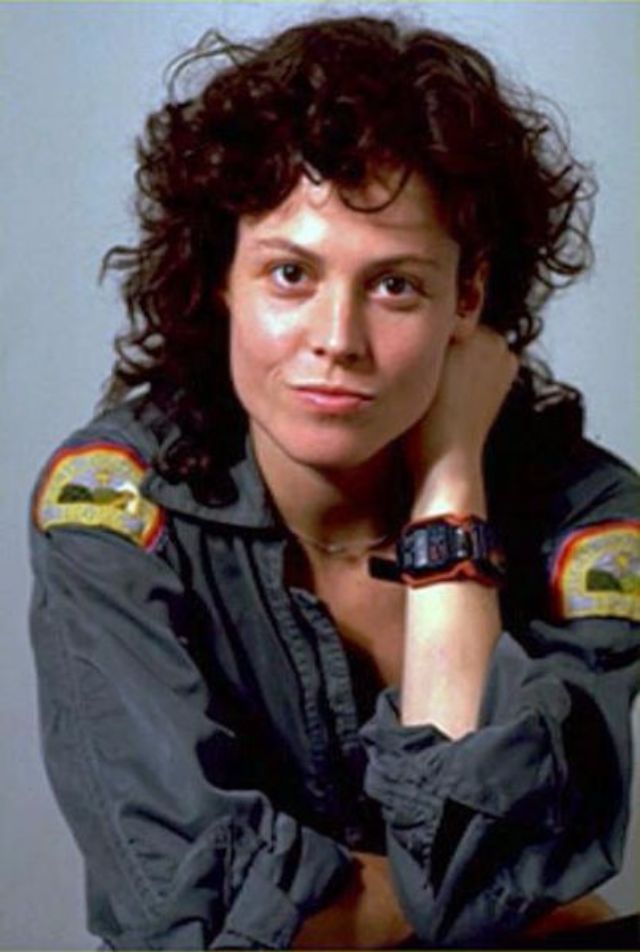
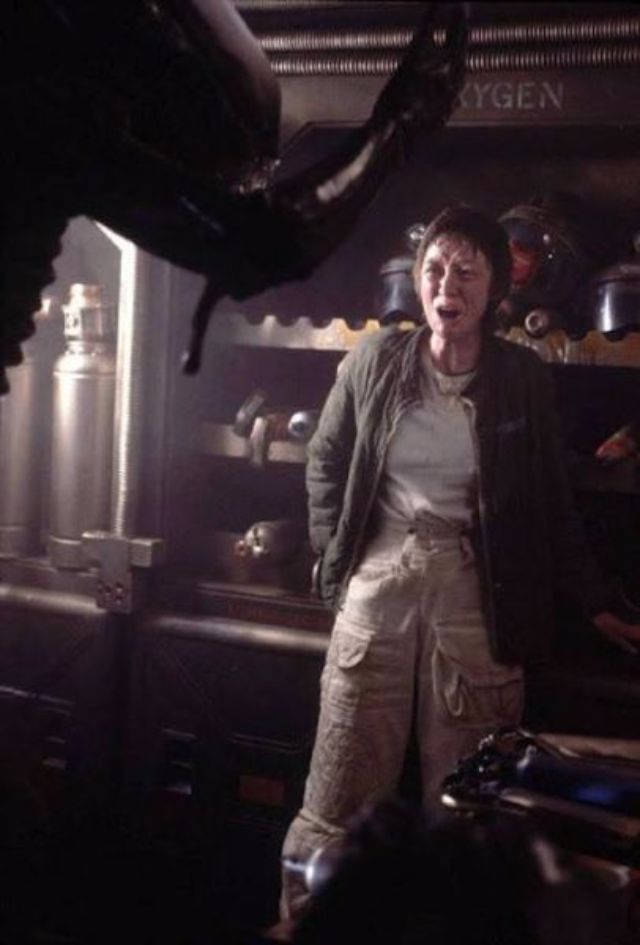
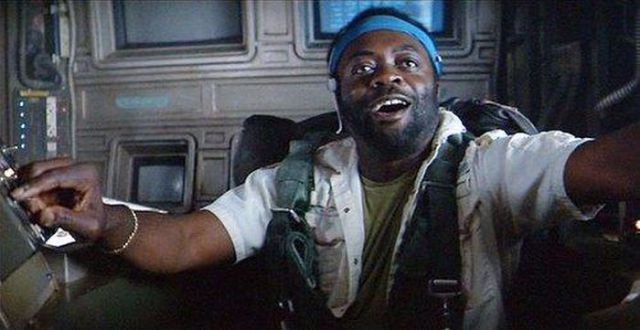
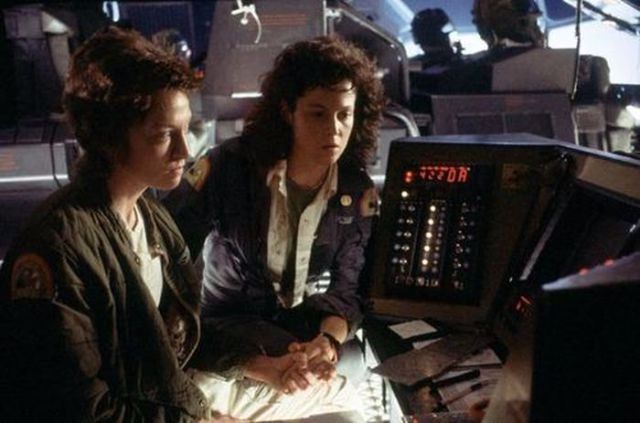
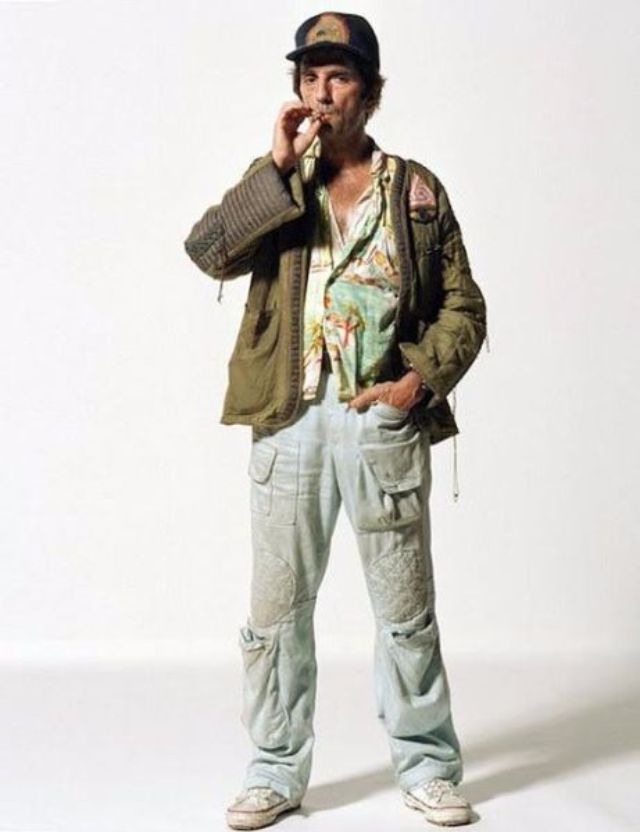
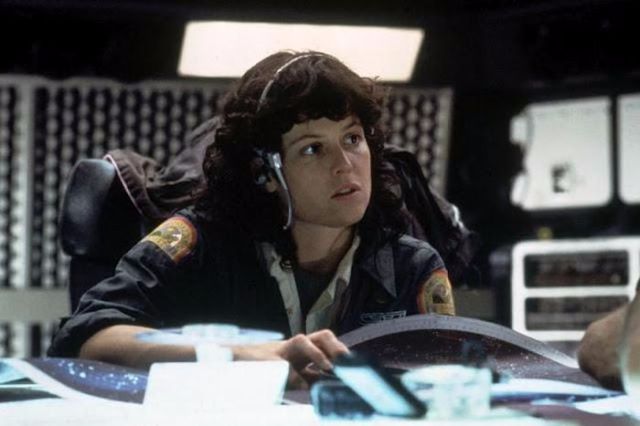
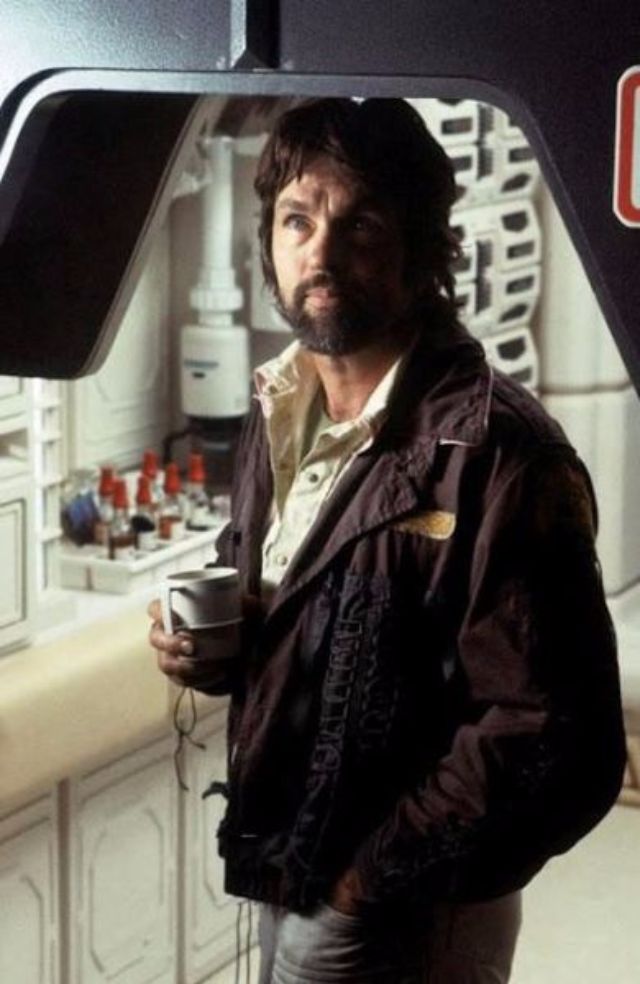
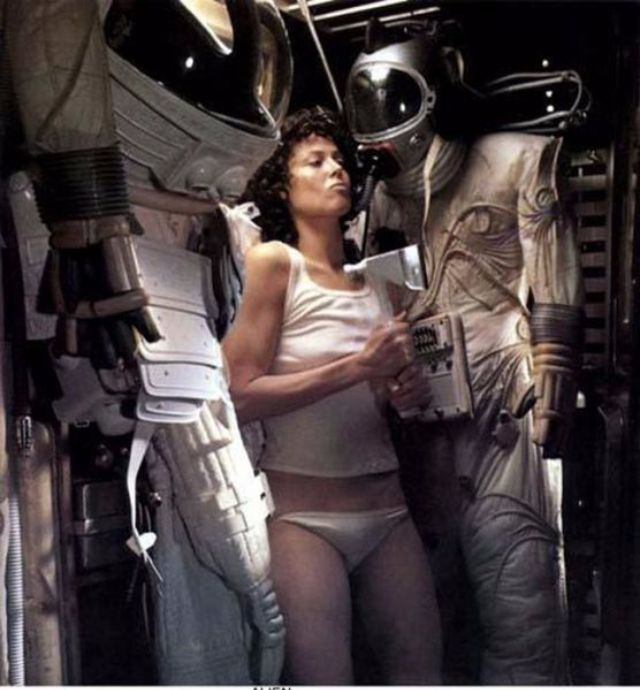
Alien is a 1979 science fiction horror film directed by Ridley Scott and written by Dan O’Bannon. Based on a story by O’Bannon and Ronald Shusett, it follows the crew of the commercial space tug Nostromo, who encounter the eponymous Alien, an aggressive and deadly extraterrestrial set loose on the ship. The film stars Tom Skerritt, Sigourney Weaver, Veronica Cartwright, Harry Dean Stanton, John Hurt, Ian Holm, and Yaphet Kotto. It was produced by Gordon Carroll, David Giler, and Walter Hill through their company Brandywine Productions, and was distributed by 20th Century Fox. Giler and Hill revised and made additions to the script; Shusett was executive producer. The Alien and its accompanying artifacts were designed by the Swiss artist H. R. Giger, while concept artists Ron Cobb and Chris Foss designed the more human settings.
Alien premiered May 25, 1979, as the opening night of the fourth Seattle International Film Festival, presented in 70mm at midnight. It received a wide release on June 22 and was released September 6 in the United Kingdom. It was met with mixed reviews on release but was a box-office success, winning the Academy Award for Best Visual Effects, three Saturn Awards (Best Science Fiction Film, Best Direction for Scott, and Best Supporting Actress for Cartwright), and a Hugo Award for Best Dramatic Presentation. In 2002, Alien was deemed “culturally, historically, or aesthetically significant” by the Library of Congress and was selected for preservation in the United States National Film Registry. In 2008, it was ranked by the American Film Institute as the seventh-best film in the science-fiction genre, and as the 33rd-greatest film of all time by Empire.
The success of Alien spawned a media franchise of films, novels, comic books, video games, and toys. It also launched Weaver’s acting career, providing her with her first lead role. The story of her character’s encounters with the Alien creatures became the thematic and narrative core of the sequels Aliens (1986), Alien 3 (1992), and Alien Resurrection (1997). A crossover with the Predator franchise produced the Alien vs. Predator films: Alien vs. Predator (2004) and Aliens vs. Predator: Requiem (2007). A prequel series includes Prometheus (2012) and Alien: Covenant (2017), both directed by Scott. (Wikipedia)
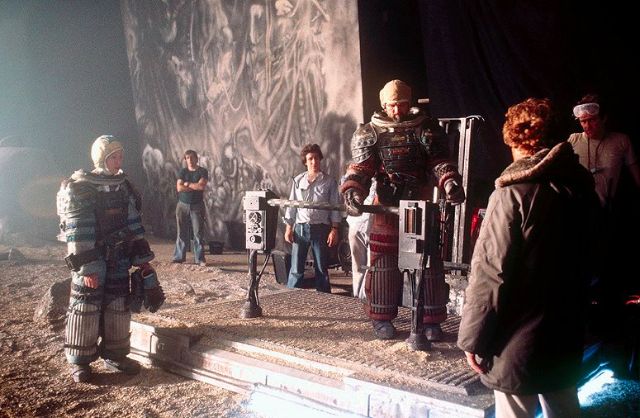
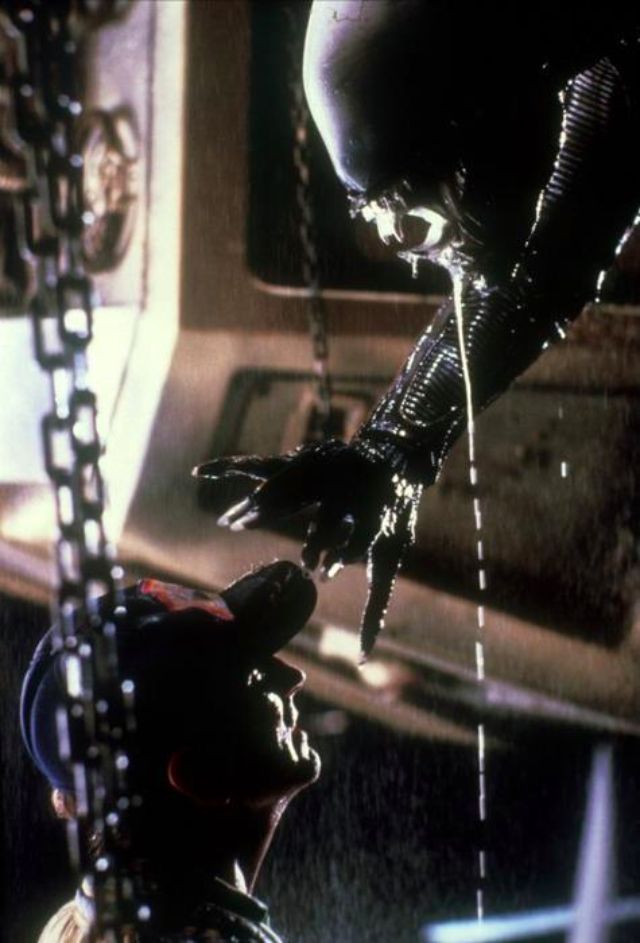
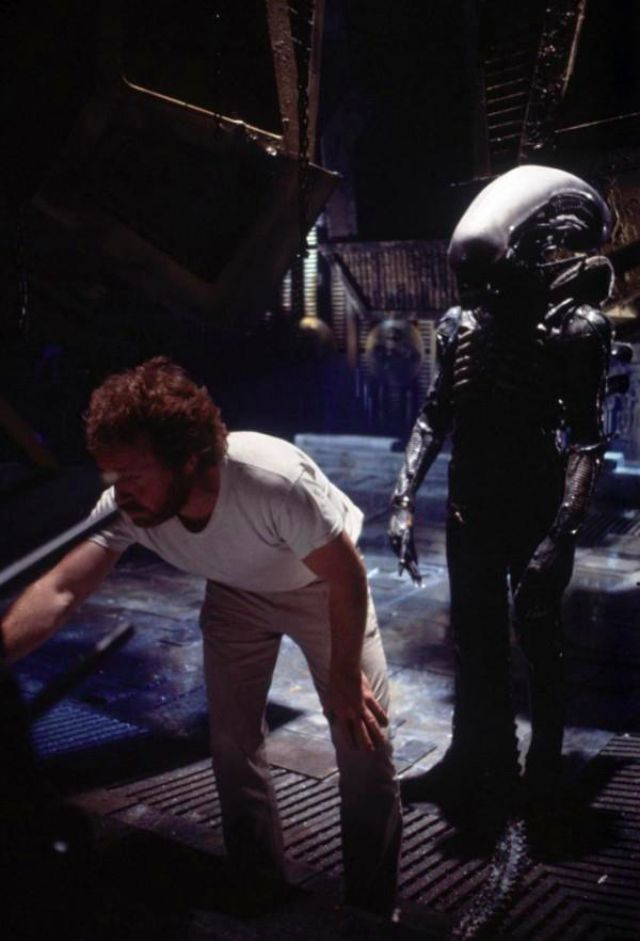
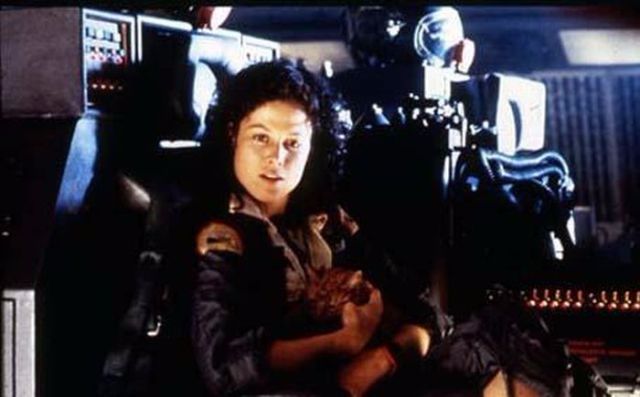
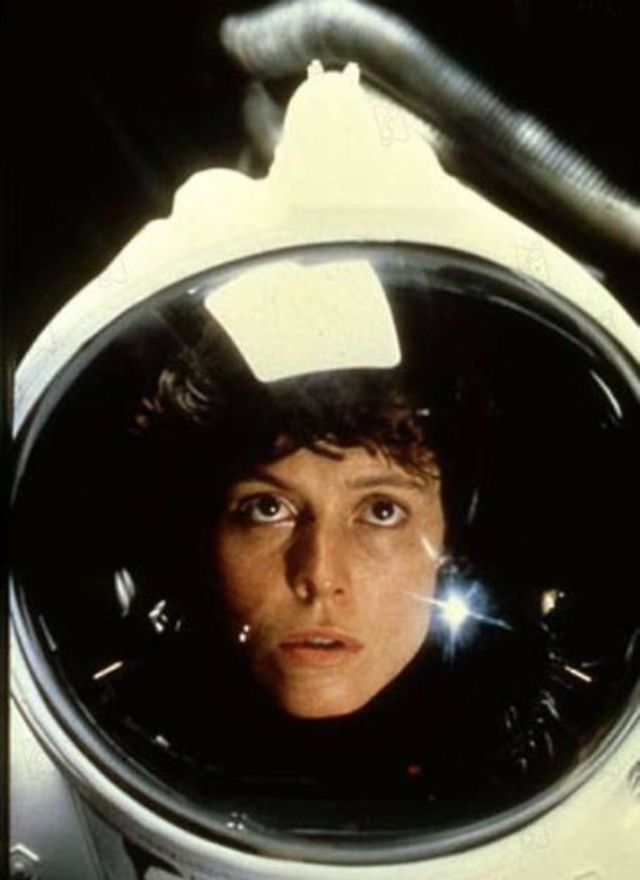
Below is a selection of 44 rarely seen, behind-the-scenes set photos from the production of Alien (1979).
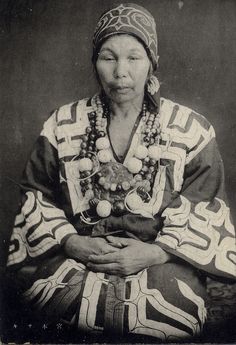
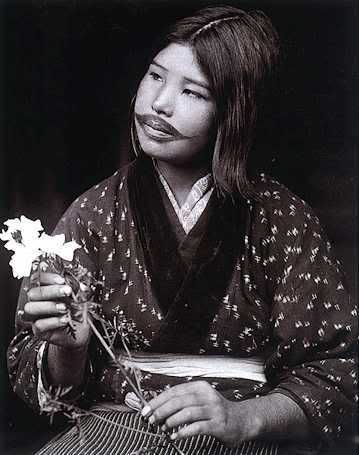
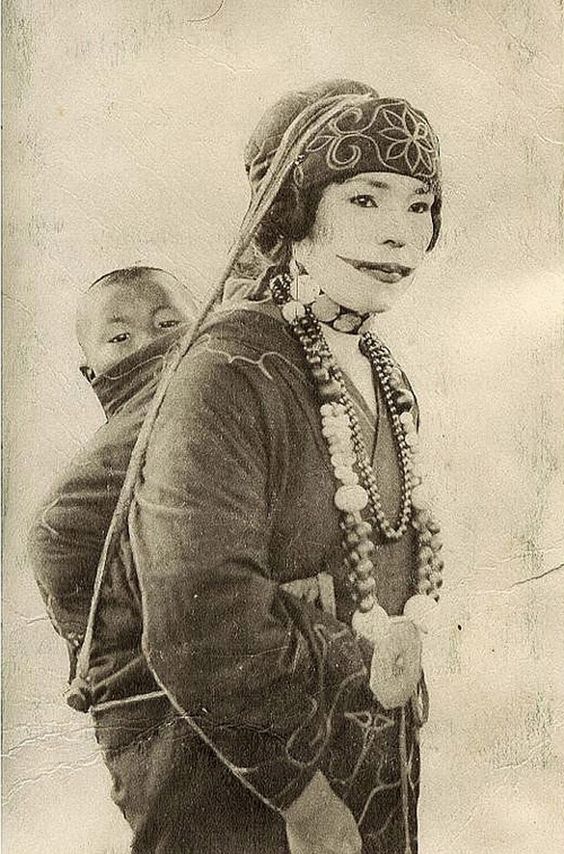
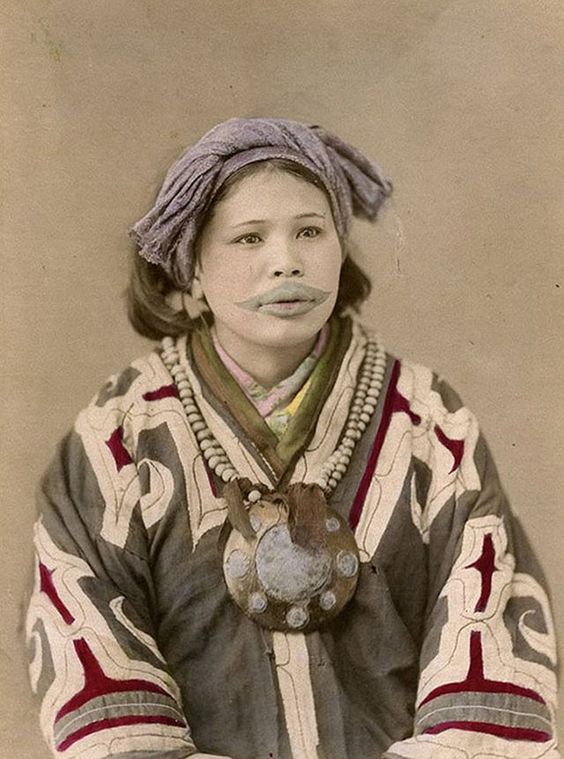
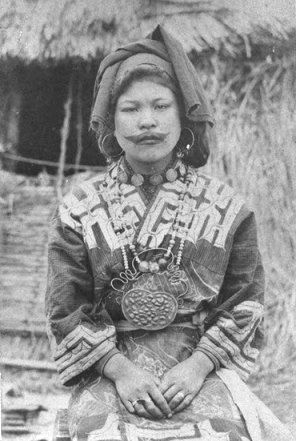
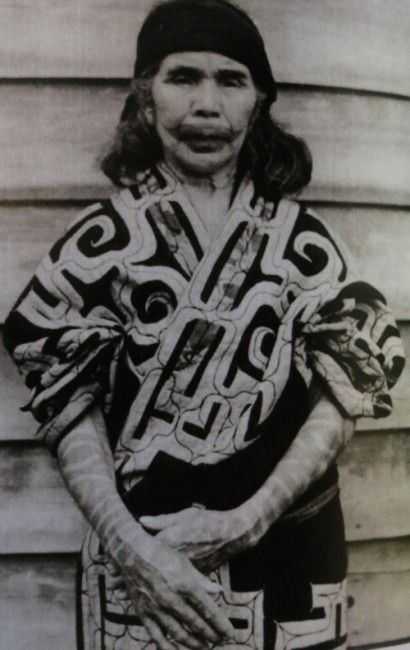
Ainu means human. The Ainu people regard things useful to them or beyond their control as kamuy (gods). In daily life, they prayed to and performed various ceremonies for the gods. These gods include: “nature” gods, such as of fire, water, wind and thunder; “animal” gods, such as of bears, foxes, spotted owls and gram-puses; “plant” gods, such as of aconite, mush-room and mugwort; “object” gods, such as of boats and pots; and gods which protect houses, gods of mountains and gods of lakes. The word Ainu refers to the opposite of these gods.
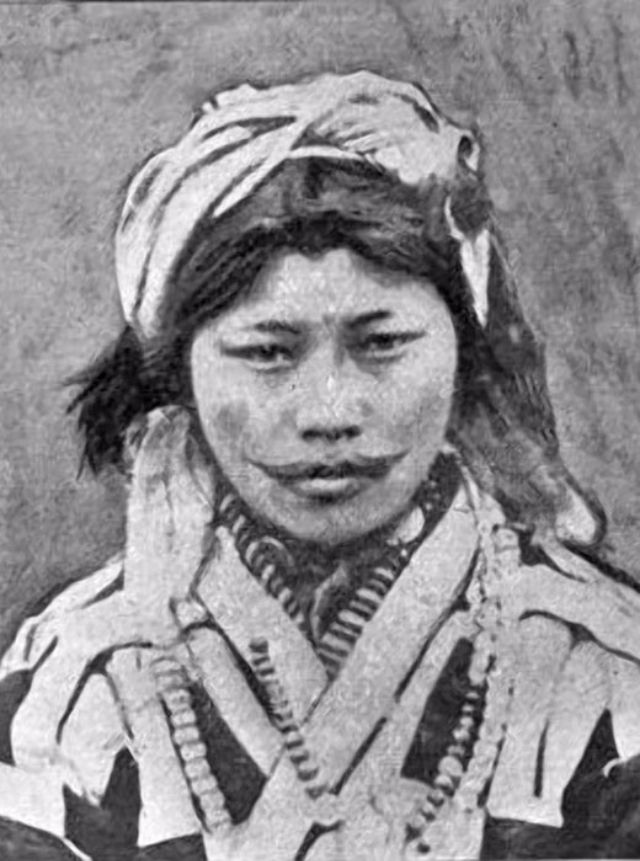
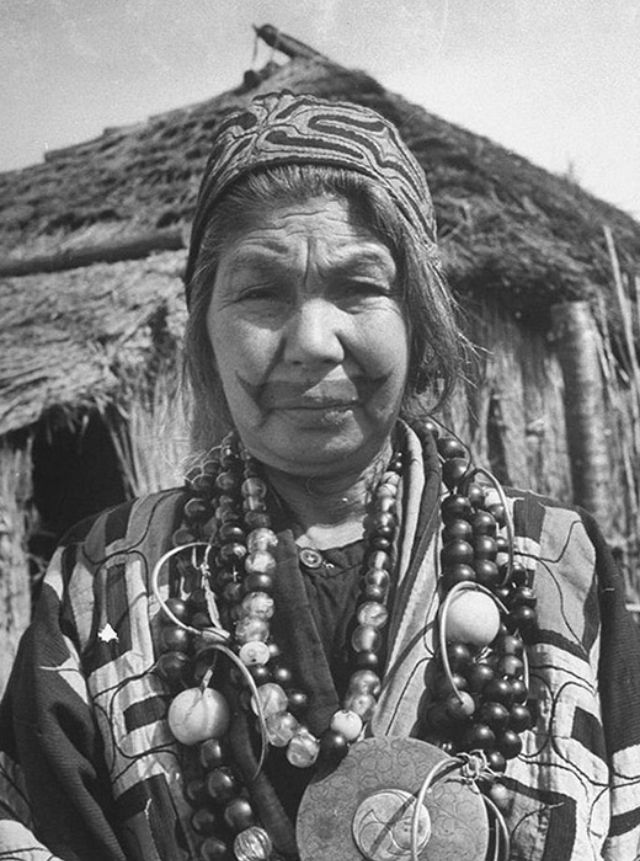
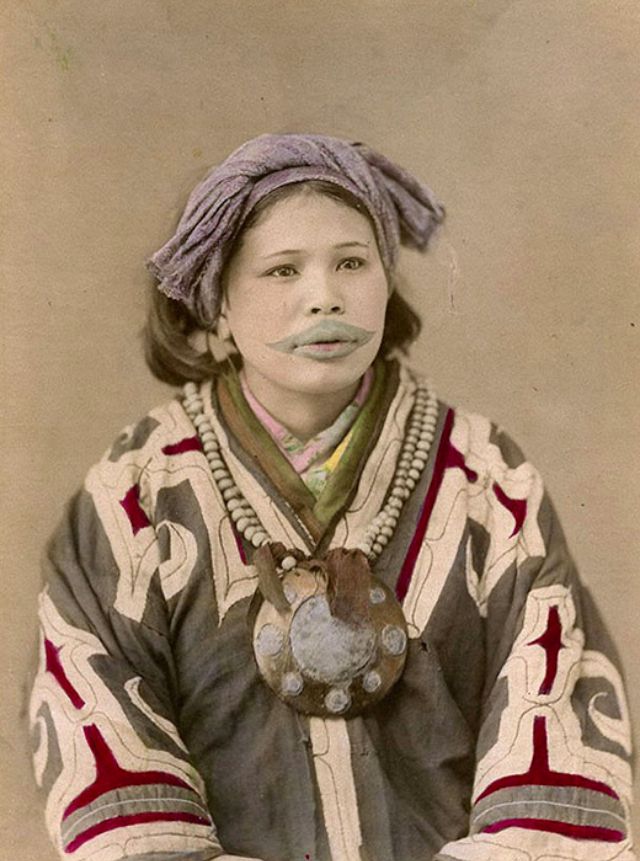
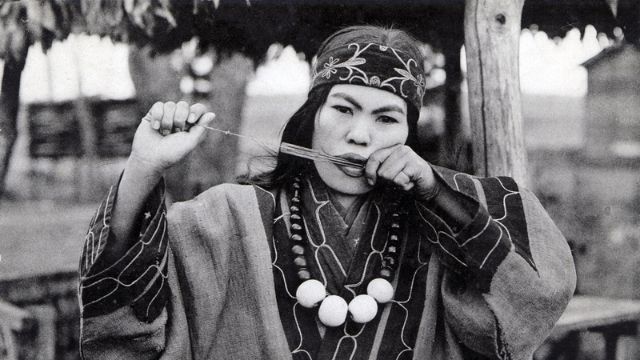
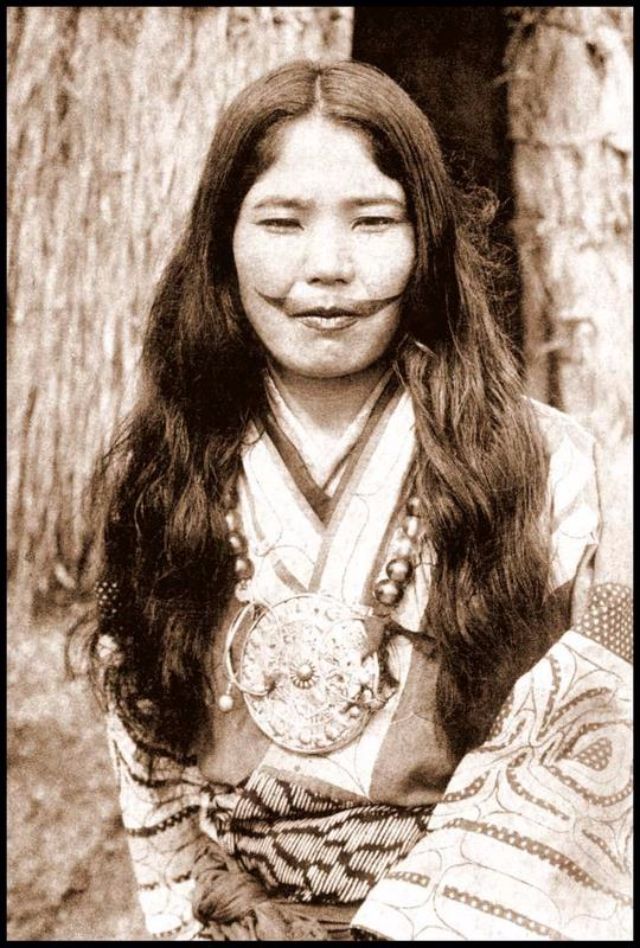
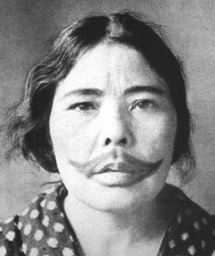
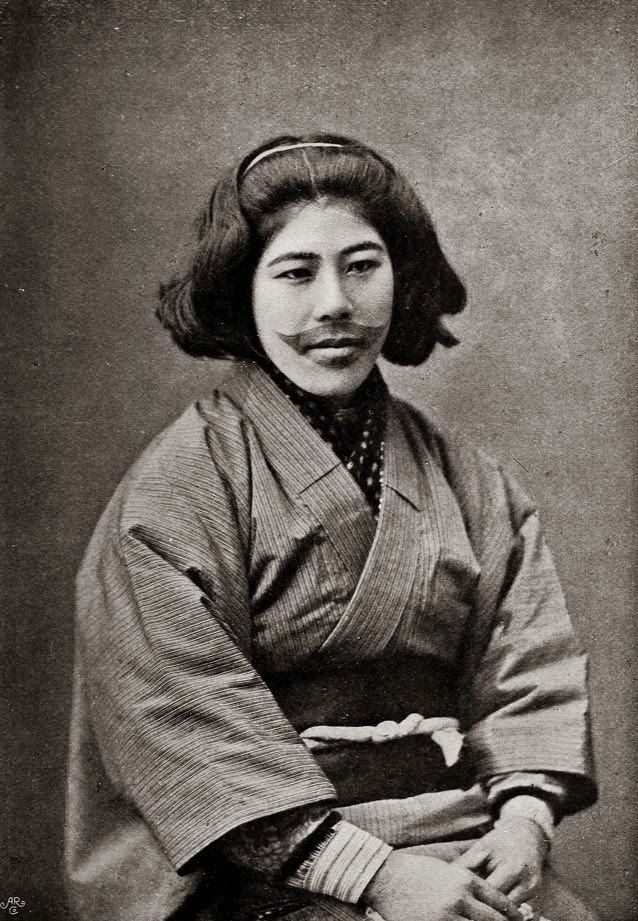
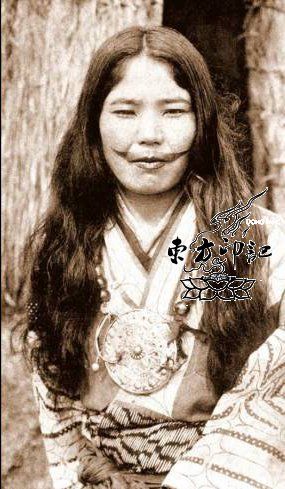
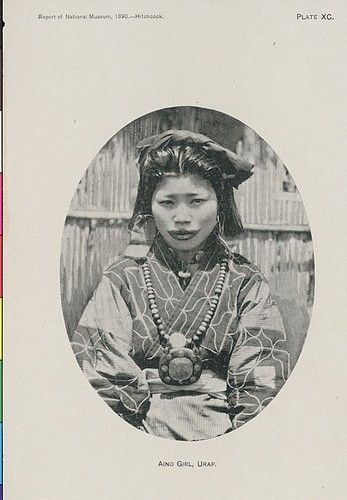
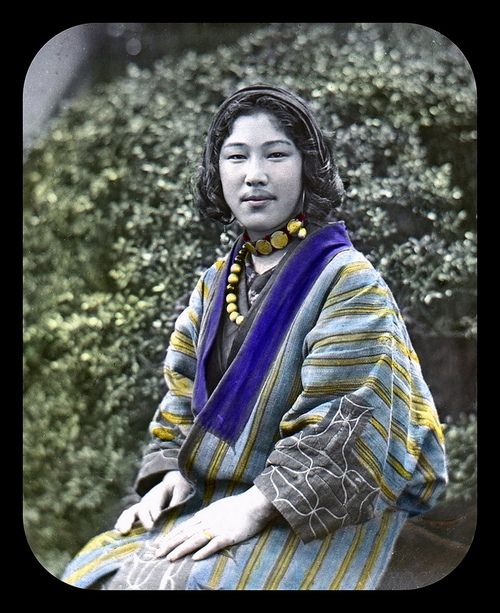
Ainu are shorter than the Japanese people, with lighter skin, robust body and short limbs. Unlike typical Mongoloids, their hair is wavy and the body hair is abundant; men wear large beards and mustaches, considered a sign of beauty, to the point that married women tattoo their lower face to mimic a beard. Ainu have not such pronounced almond-shaped eyes and lack the Mongoloid fold of the eye; the nose is large and straight. All these point to their origin in Polynesia or southeastern Asia.
Women were largely independent until marrying. After that, they were under men’s will. But women went to war and could manifest their opinions during the councils of the village. Ainu women adorned their hands, forehead, arms and mouth outline with blue tattoos (as said, for mimicking mustaches).
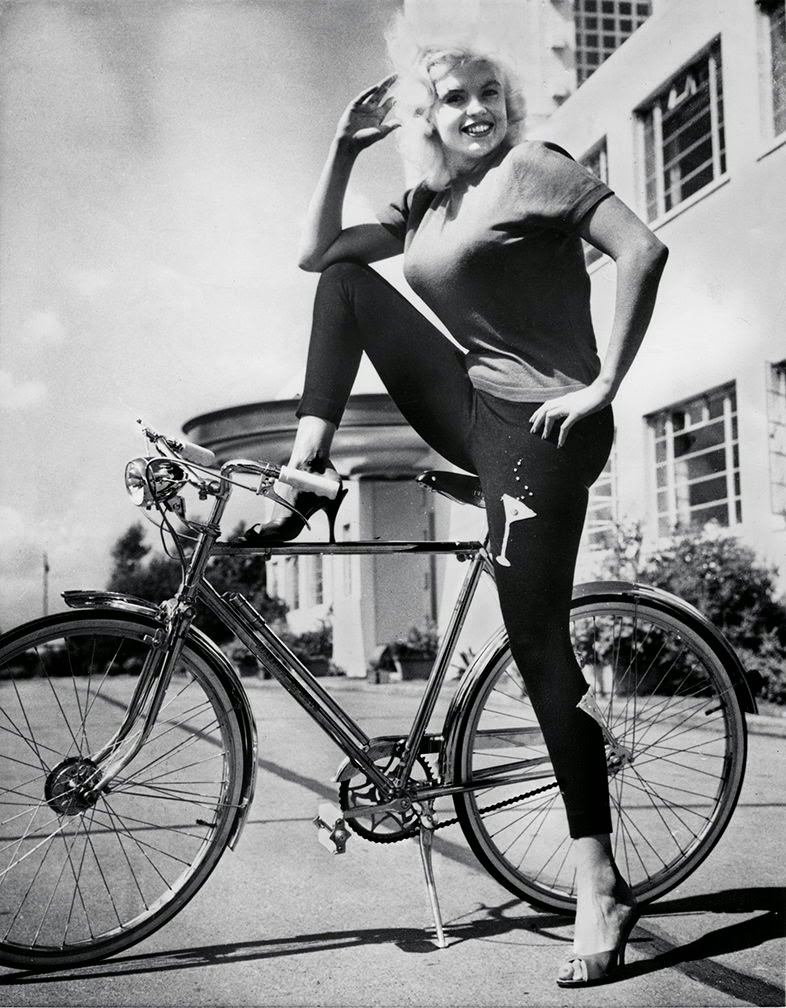
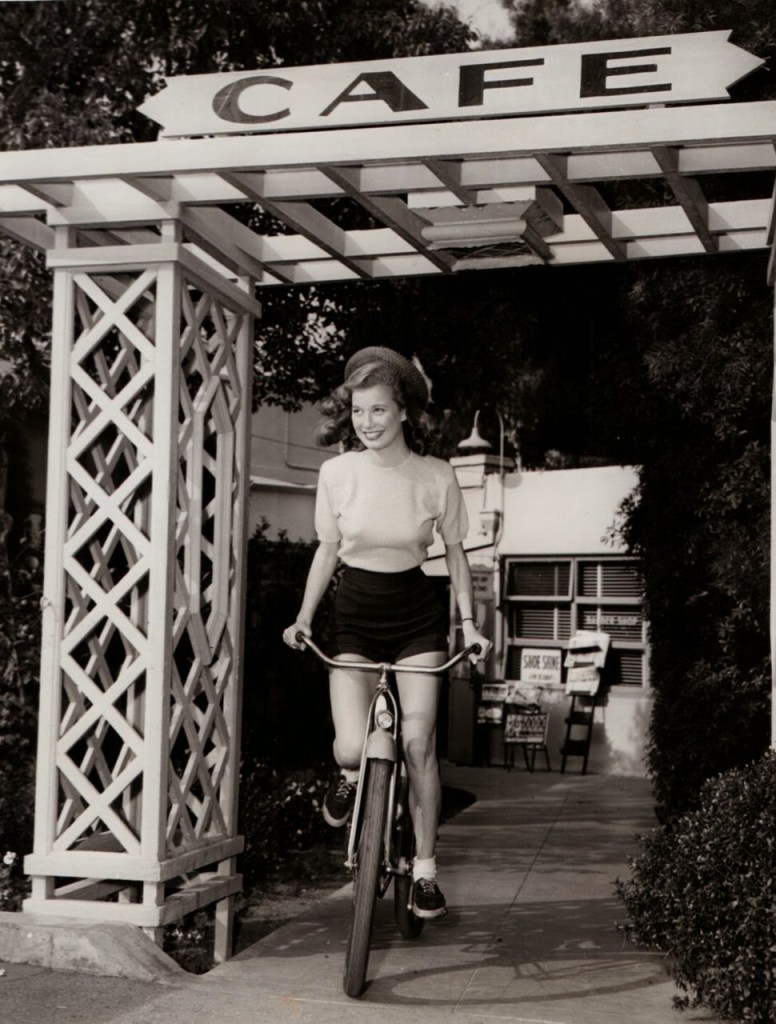
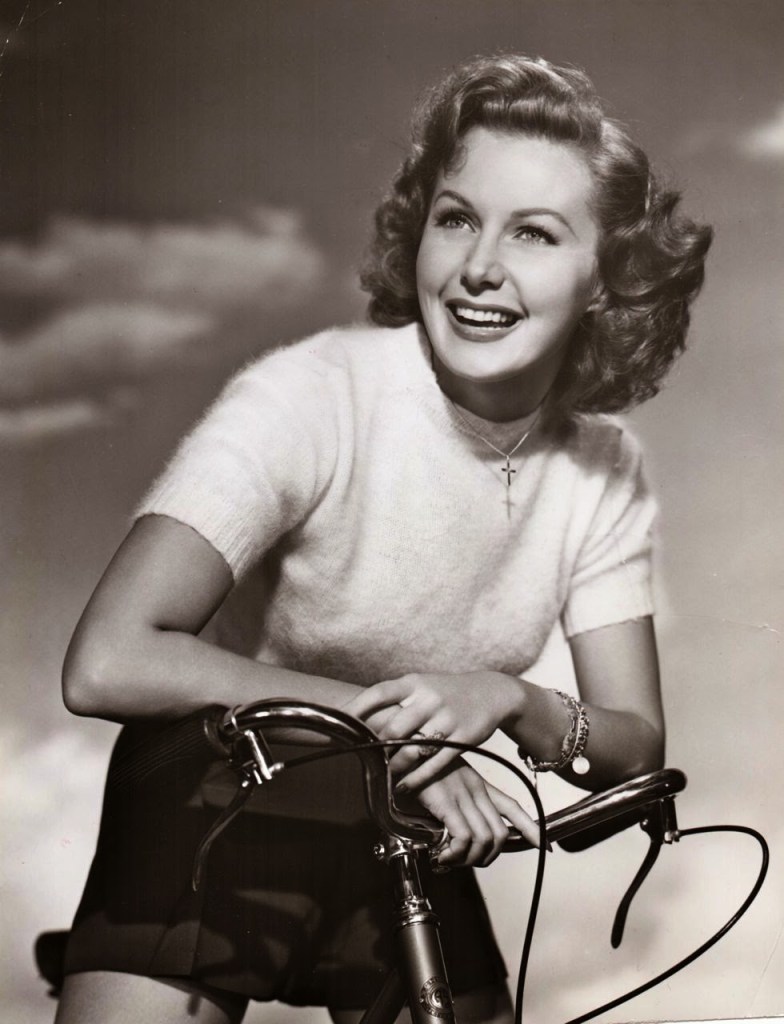
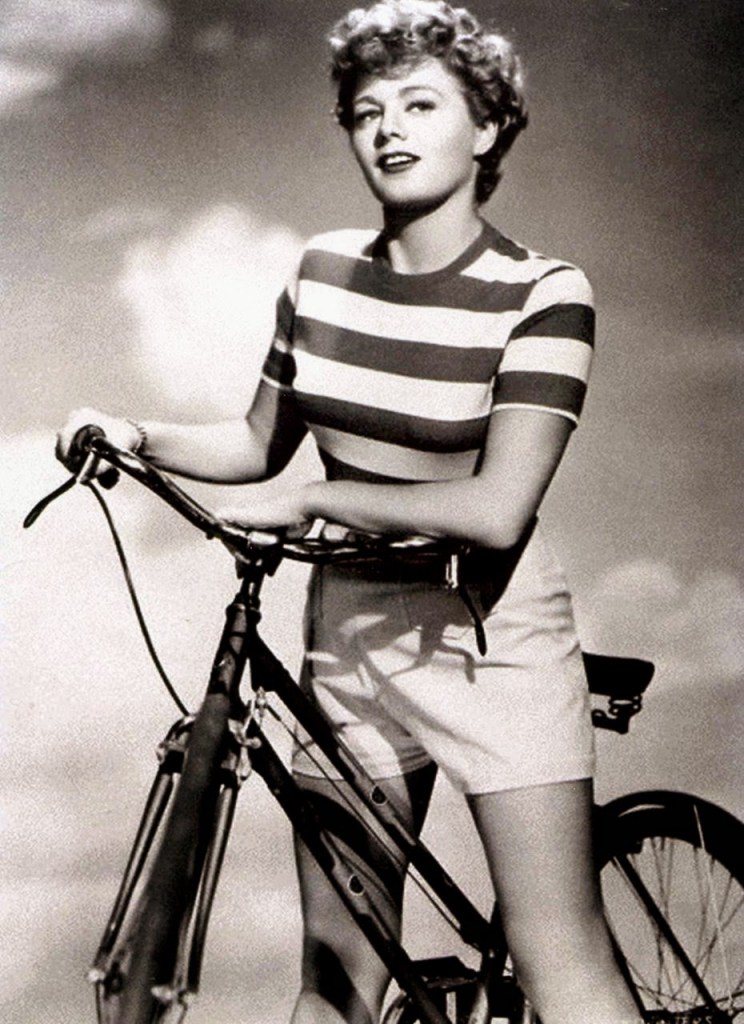
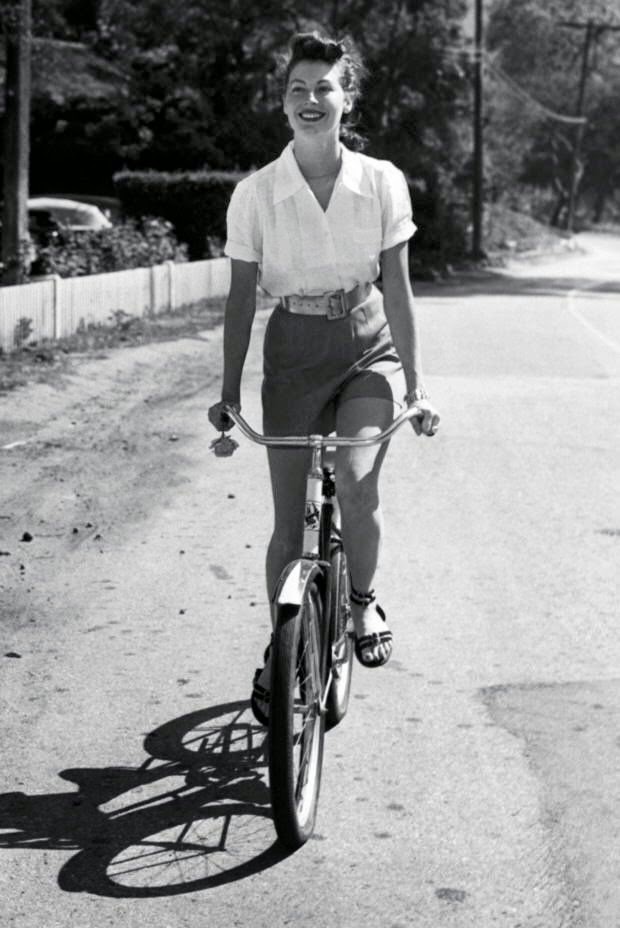
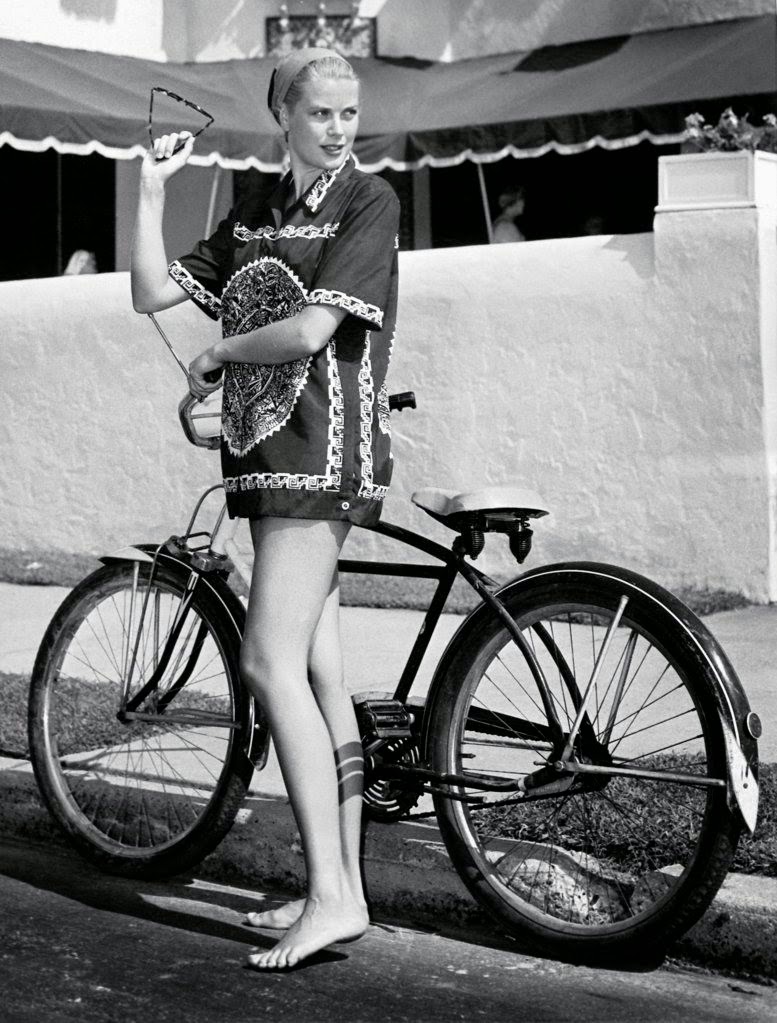
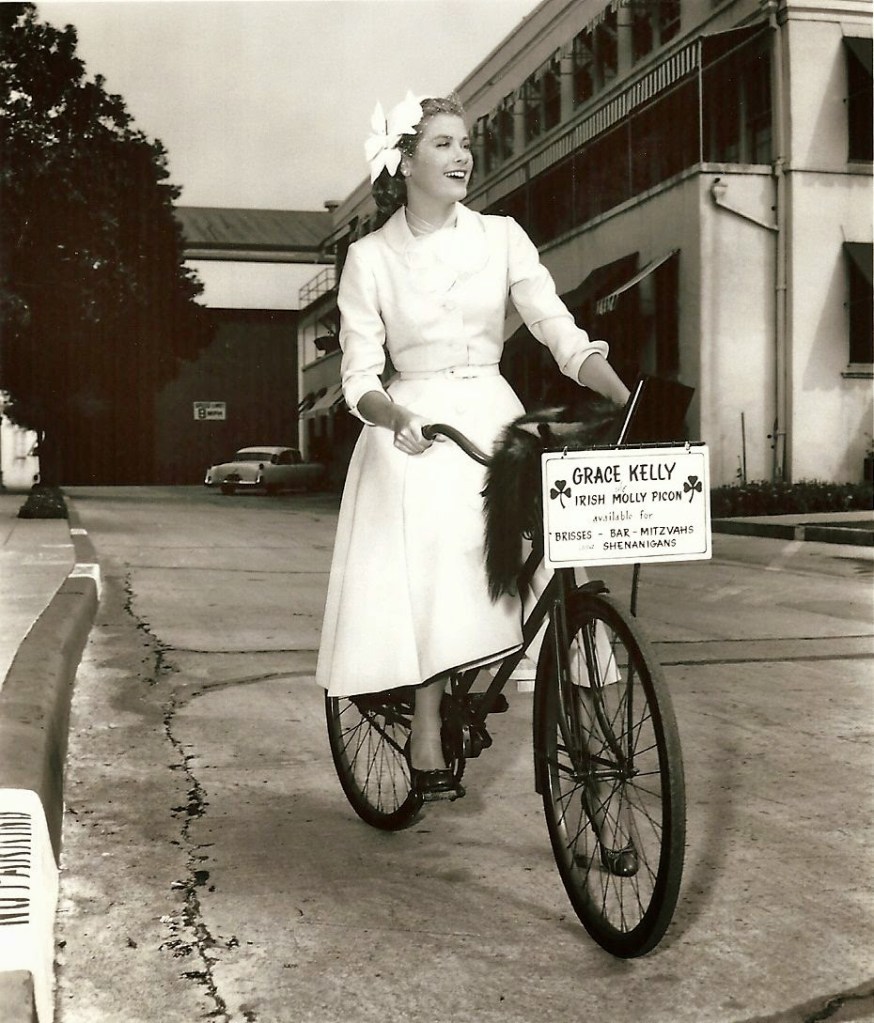
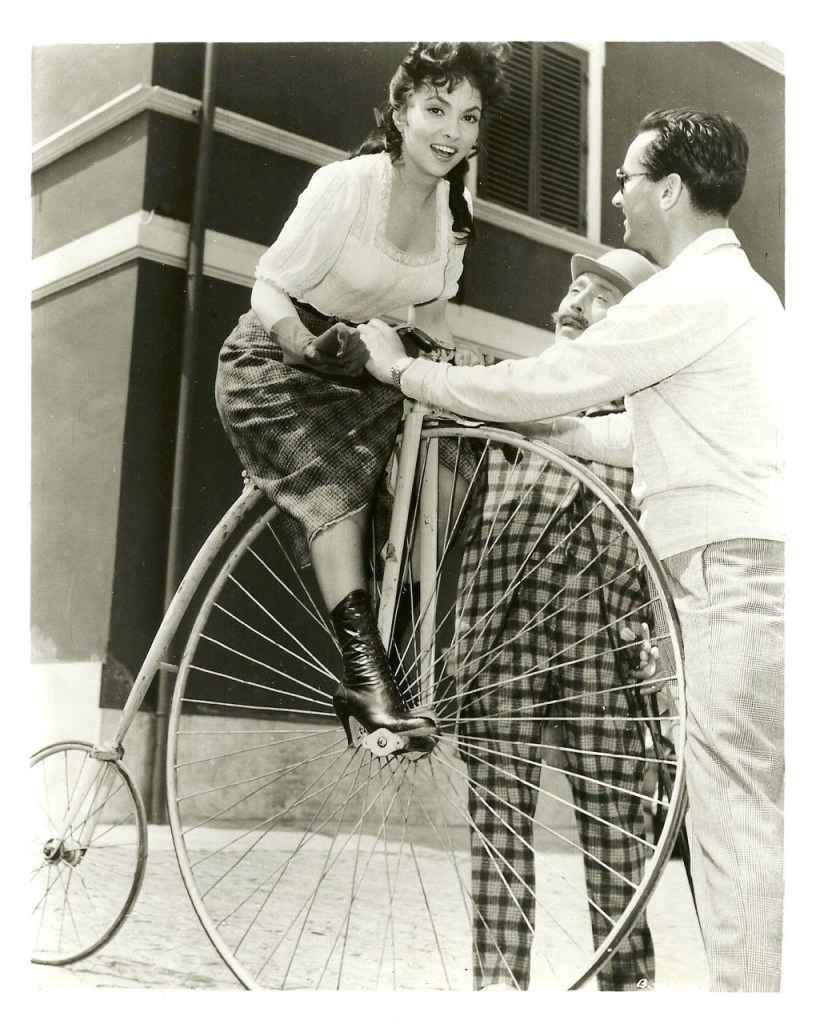
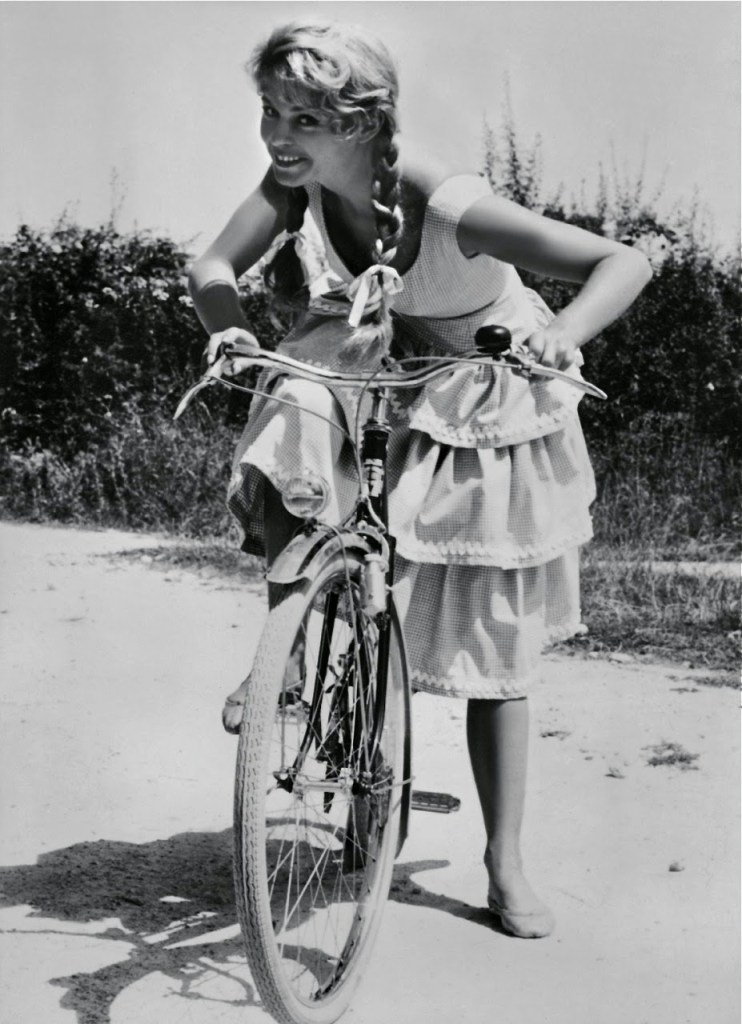
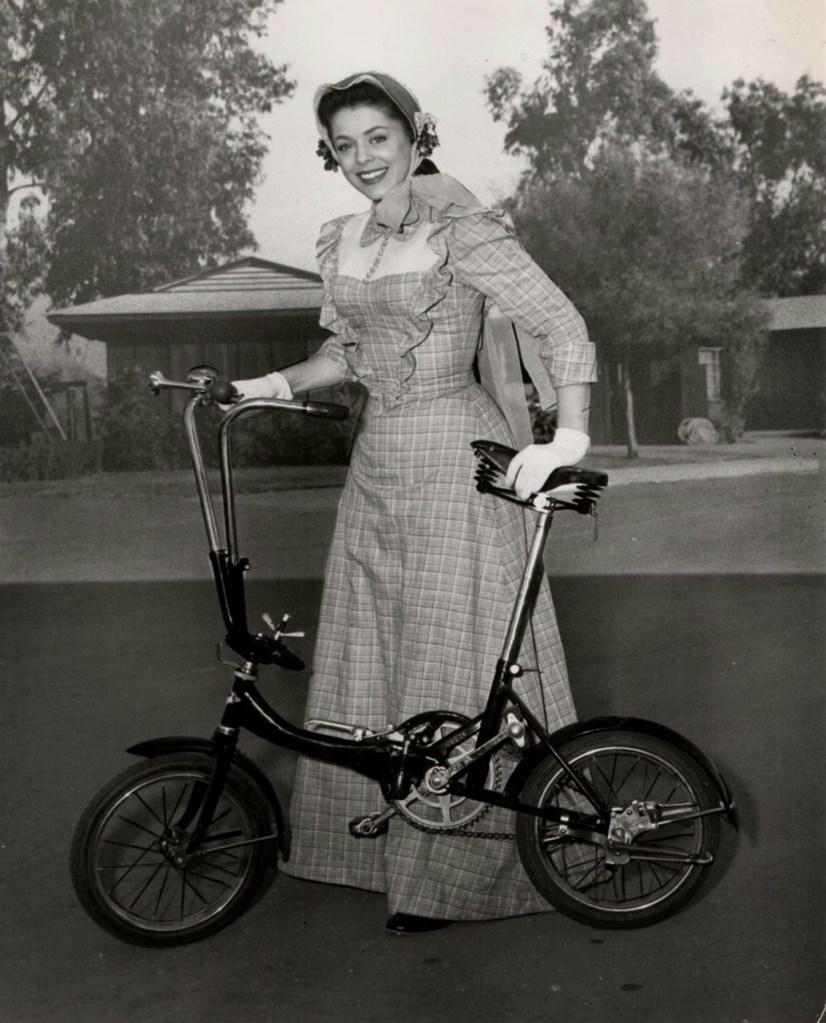
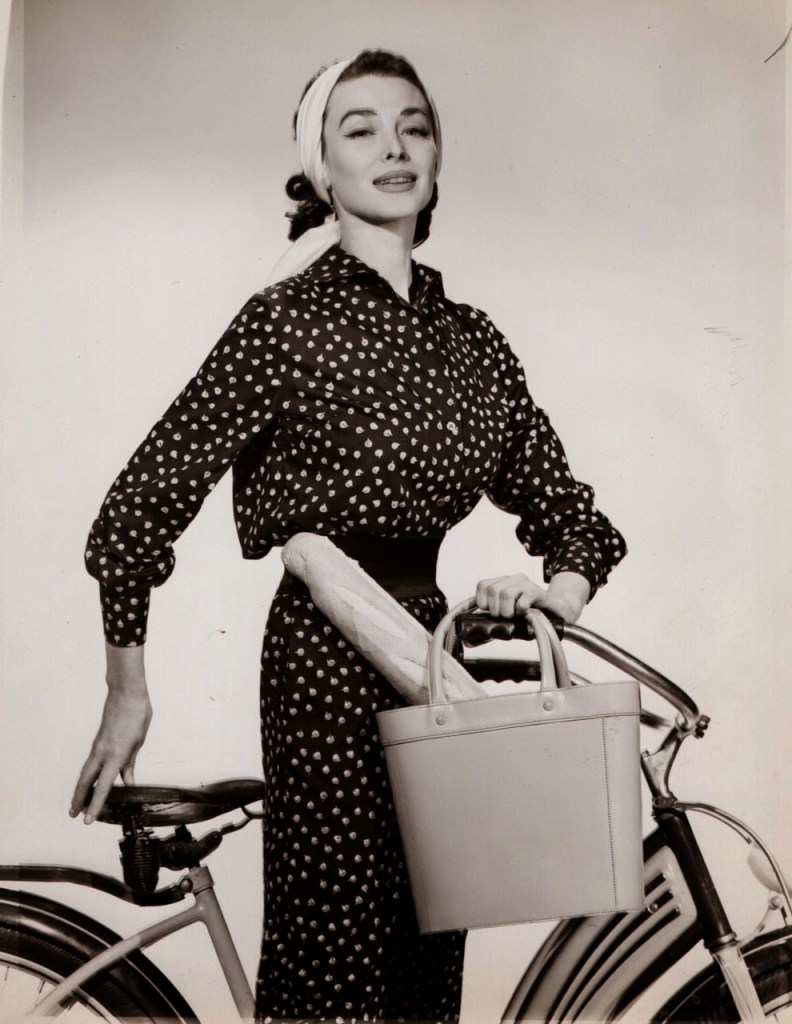
Peggy Dow, ca. 1950.Rhonda Fleming, ca. 1950.Rosalind Russell, ca. 1950.Shelley Winters, ca. 1950.Jan Sterling, ca. 1951.Katharine Hepburn, ca. 1951.Vera-Ellen, ca. 1951.Ava Gardner, ca. 1952.Valerie Carton, ca. 1953.Lizabeth Scott, ca. 1953.Grace Kelly, ca. 1953.June Allyson, ca. 1954Audrey Hepburn, ca. 1954.Grace Kelly, ca. 1954.Felicia Farr, ca. 1955.Gina Lollobrigida, ca. 1955.Elsa Martinelli, ca. 1956.Brigitte Bardot, ca. 1956.Jan Chaney, ca. 1957.Carla Gravina, ca. 1958.Dorian Leigh, ca. 1958.Jayne Mansfield, ca. 1959.
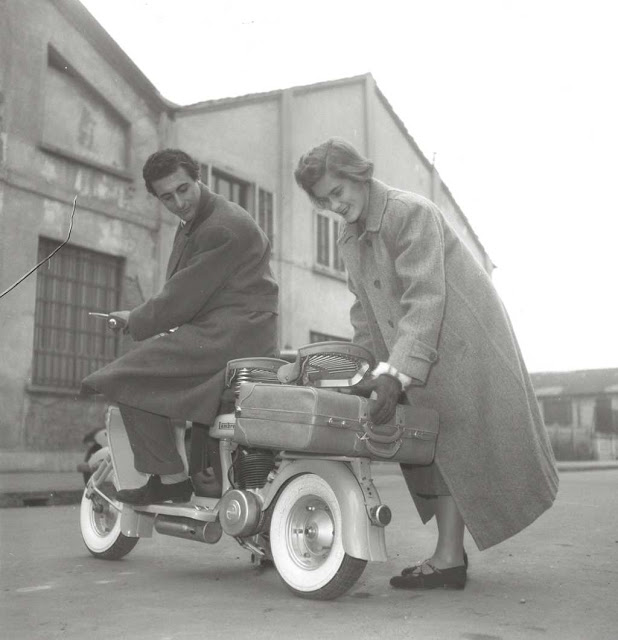
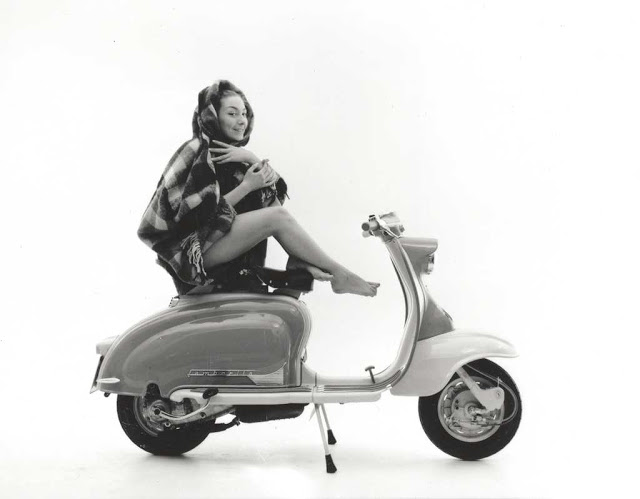
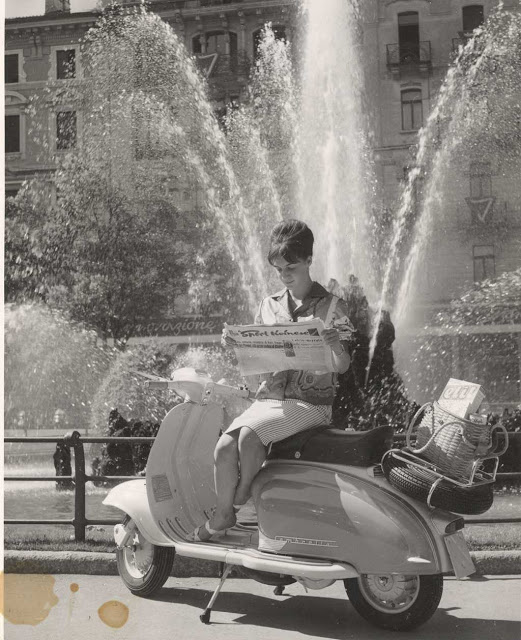
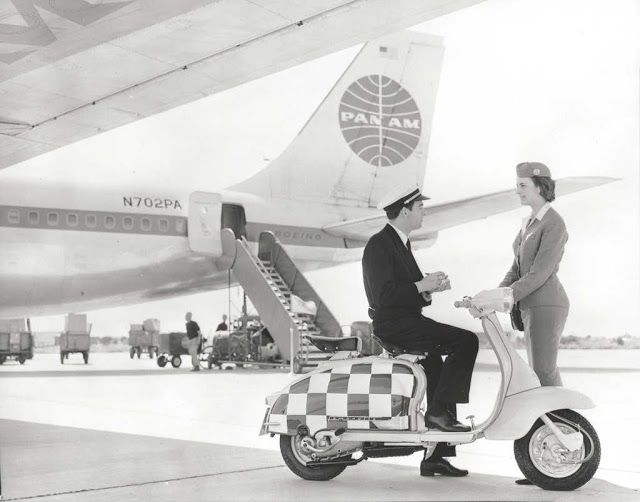
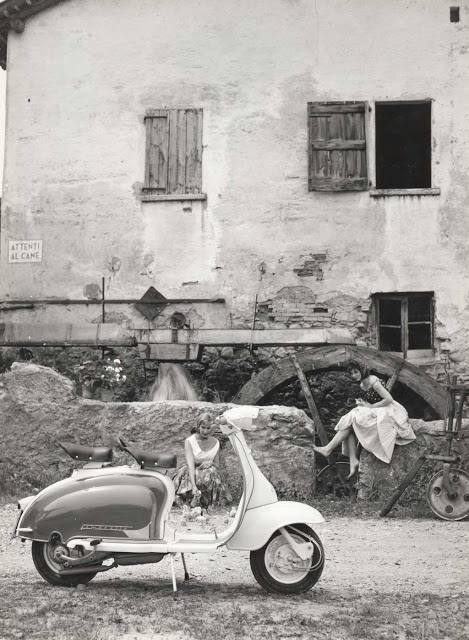
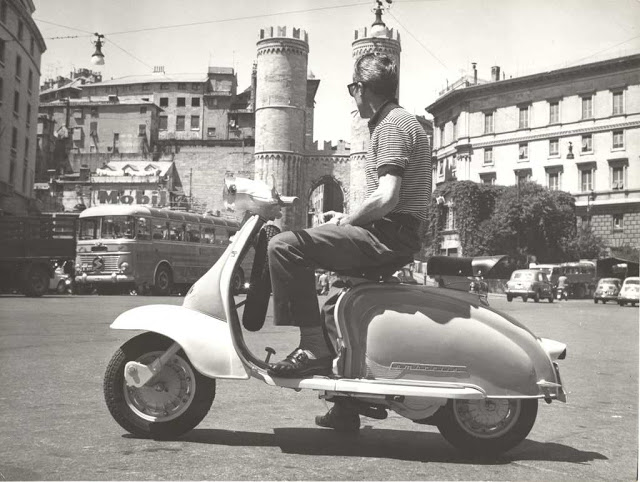
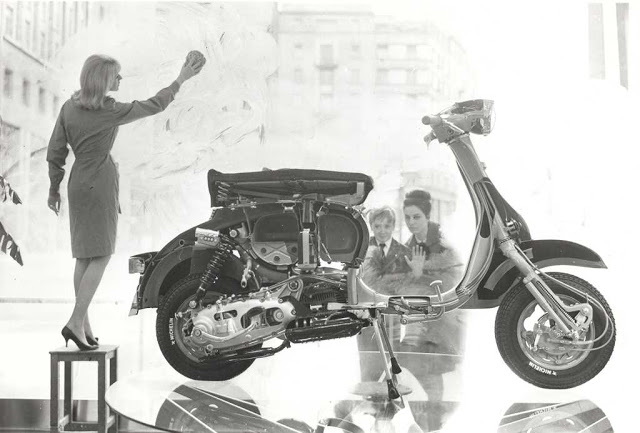
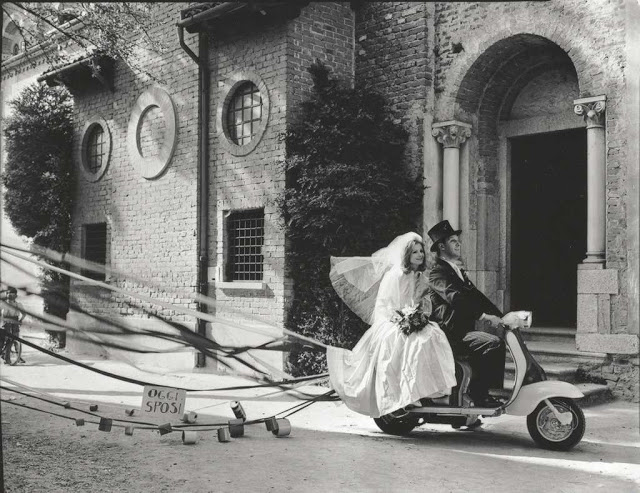
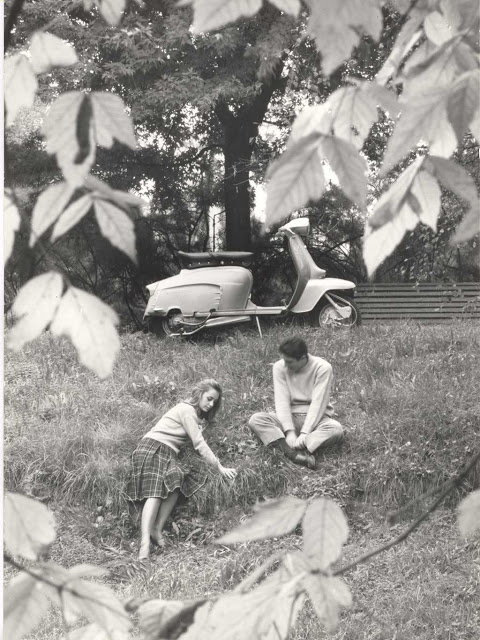
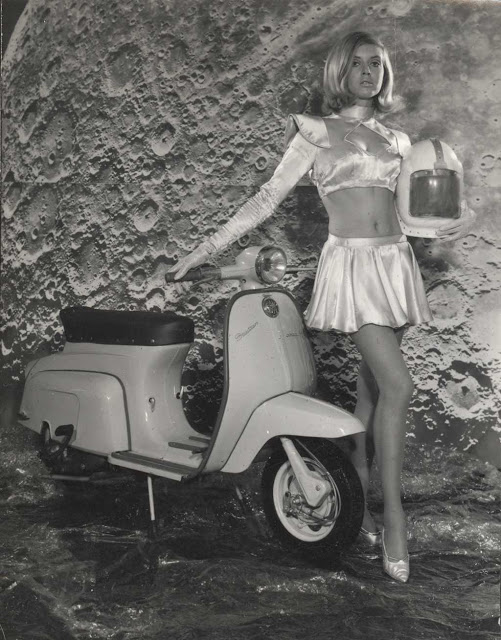
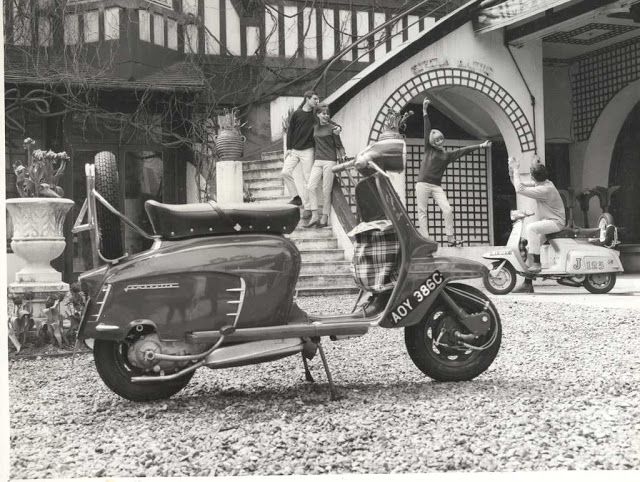
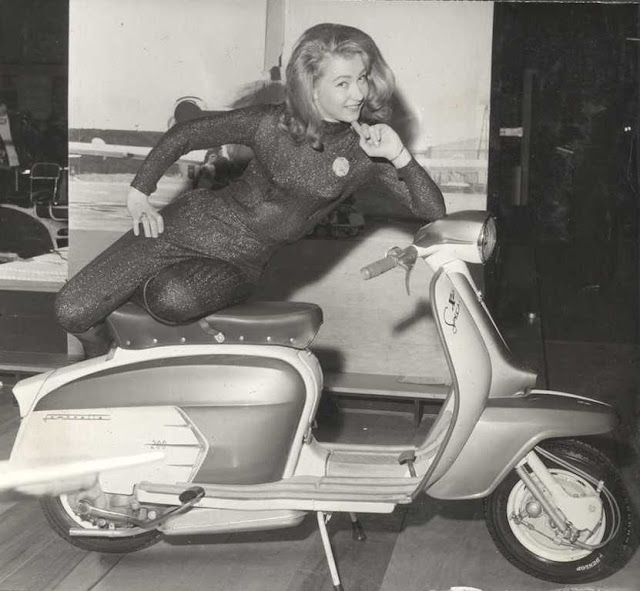
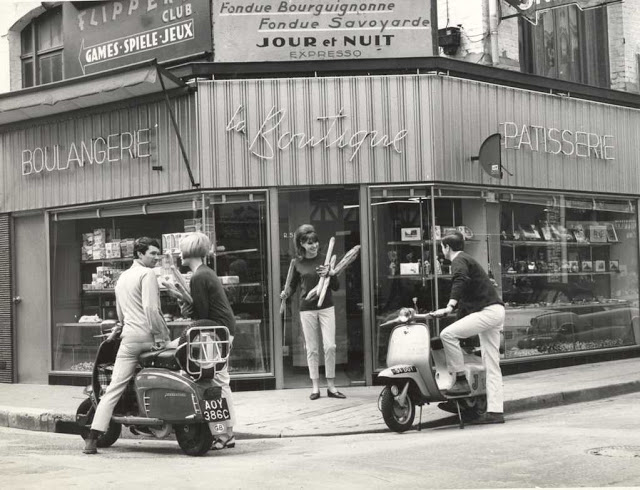
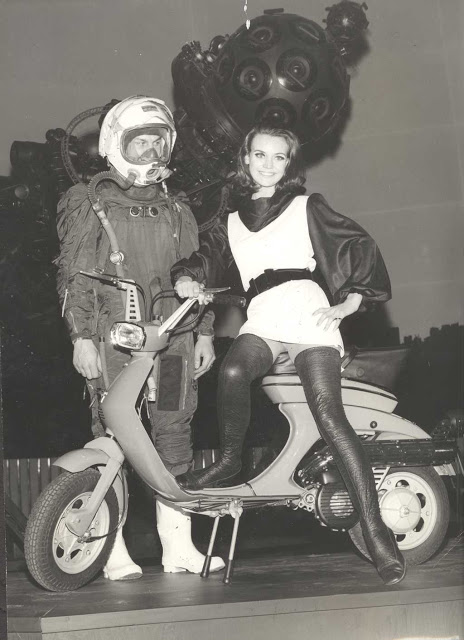
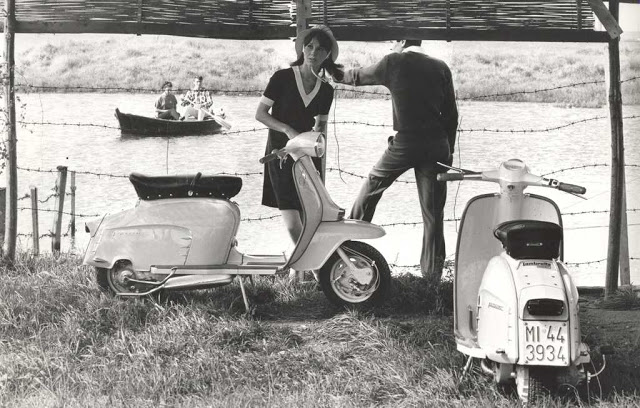
Lambretta (Italian pronunciation: [lam’bretta]) is the brand name of mainly motor scooters, initially manufactured in Milan, Italy, by Innocenti.
The name is derived from the word Lambrate, the suburb of Milan named after the river Lambro which flows through the area, and where the factory was located. Lambretta was the name of a mythical water-sprite associated with the river which runs adjacent to the former production site.
In 1972, the Indian government bought the machinery of the Milanese factory, creating Scooters India Limited (SIL) in order to produce the Lambro three-wheeler under the name Vikram for the domestic market. Lambretta scooters were also manufactured under licence by Fenwick in France, NSU in Germany, Serveta in Spain, API in India, Yulon in Taiwan, Pasco in Brazil, Auteco in Colombia and Siambretta in Argentina.
Innocenti S.A. (also known as Lambretta Consortium) based in Lugano, Switzerland is the owner of the international trademark Lambretta and has licensed the brand throughout the world. (Wikipedia)
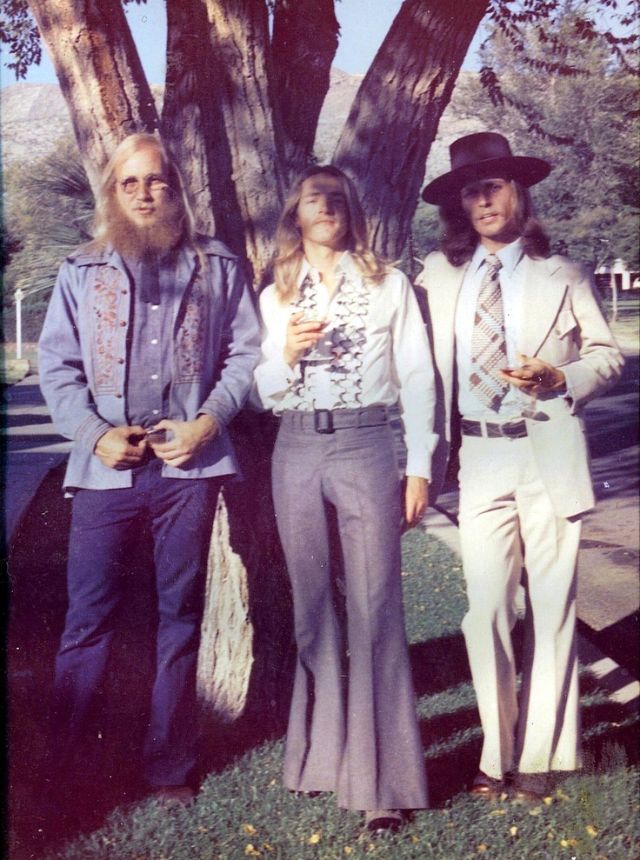
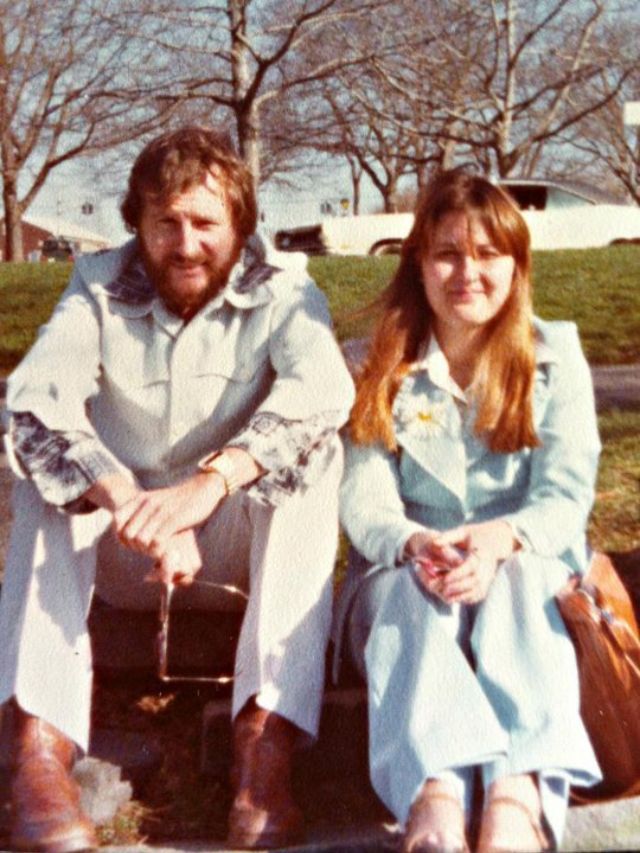
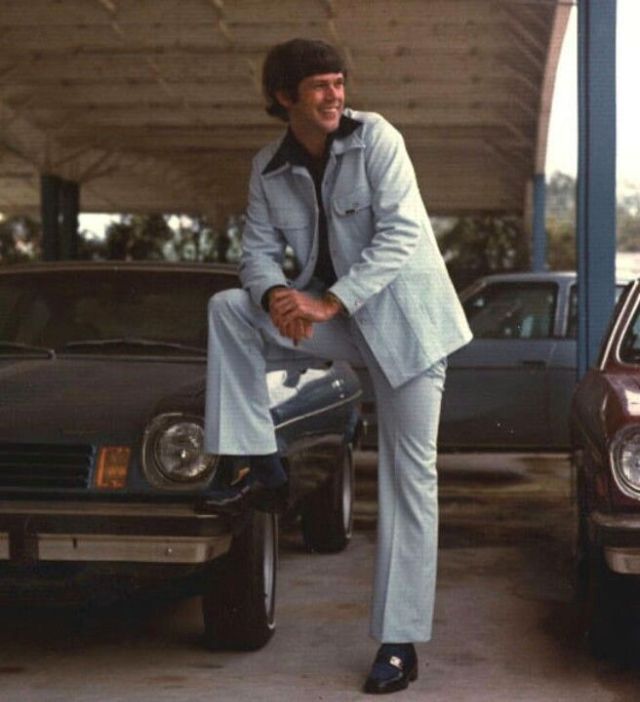
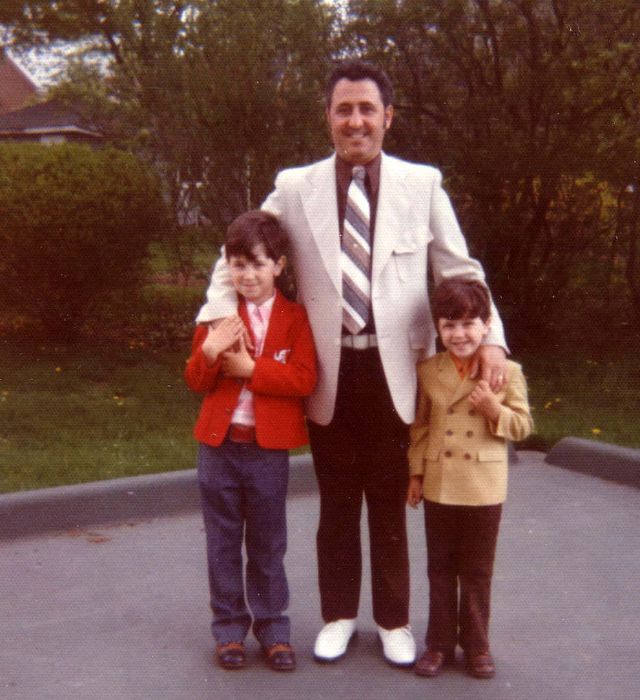
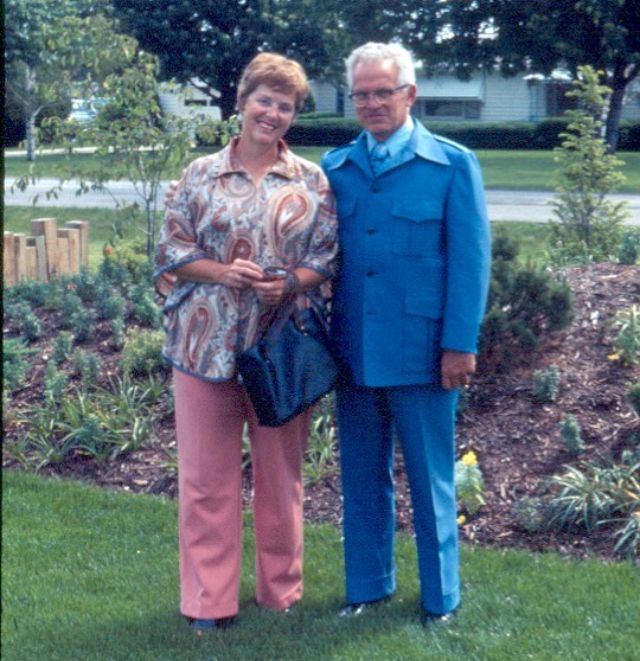
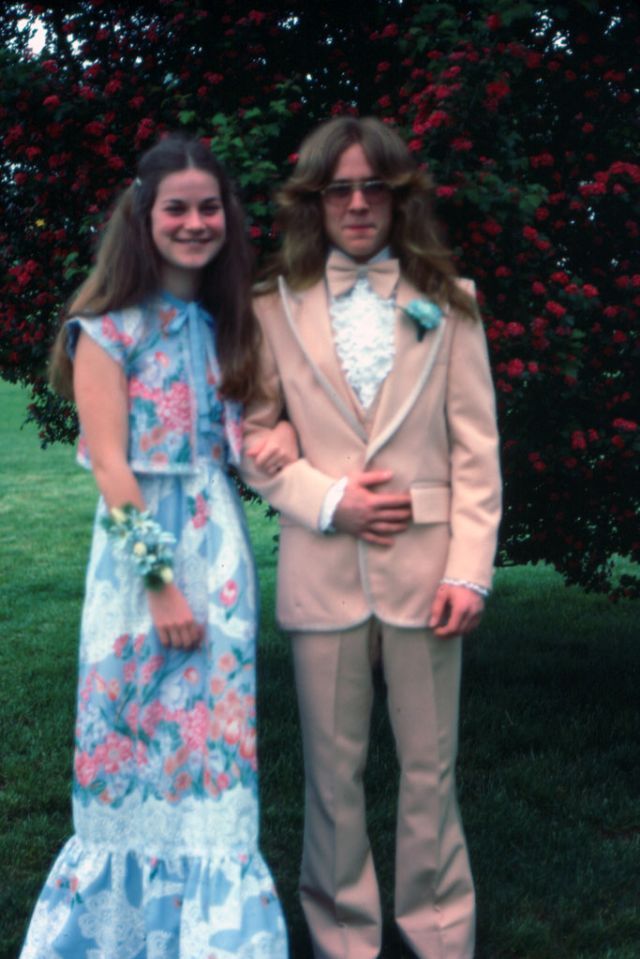
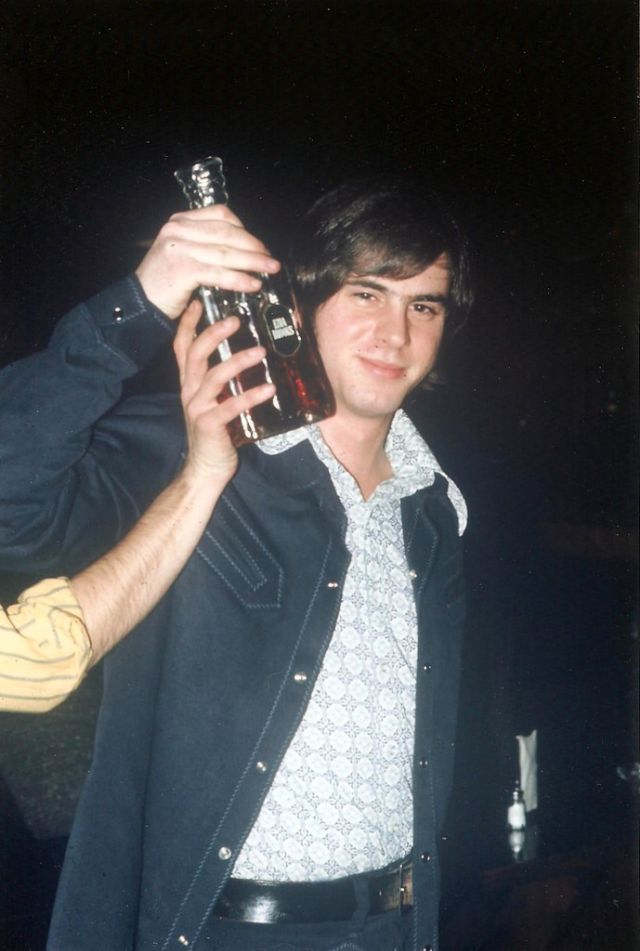
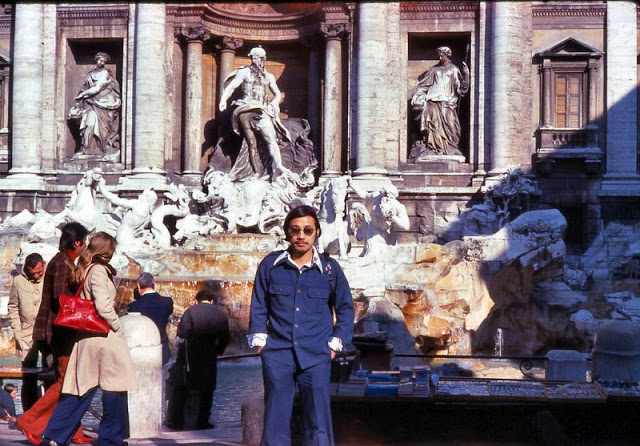
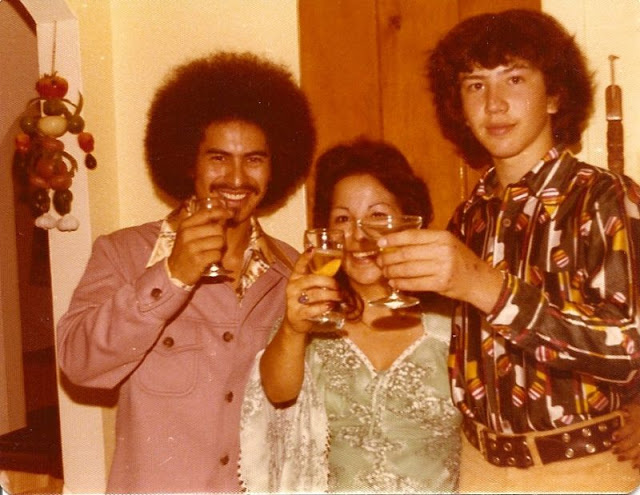
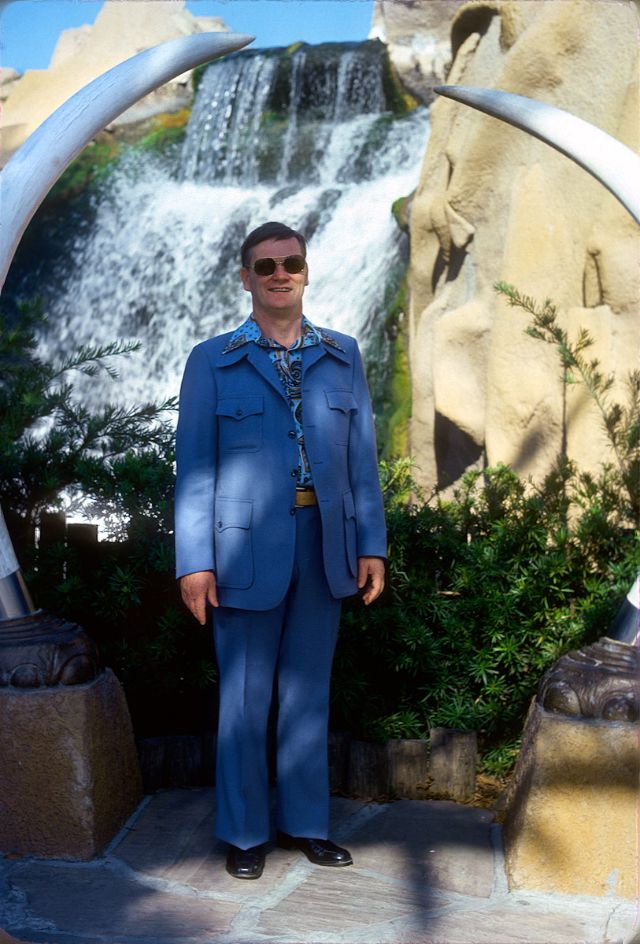
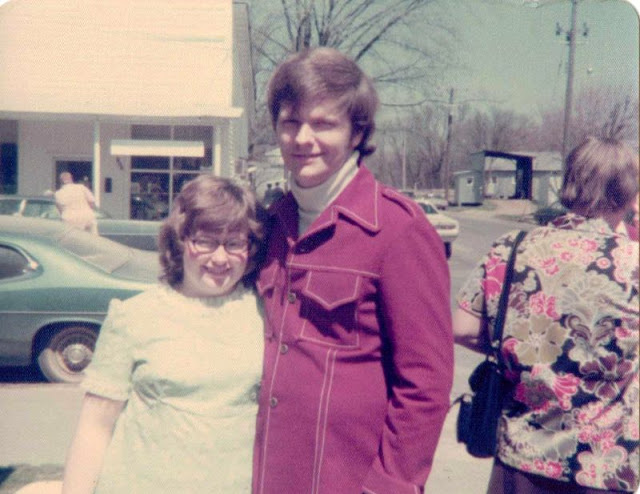
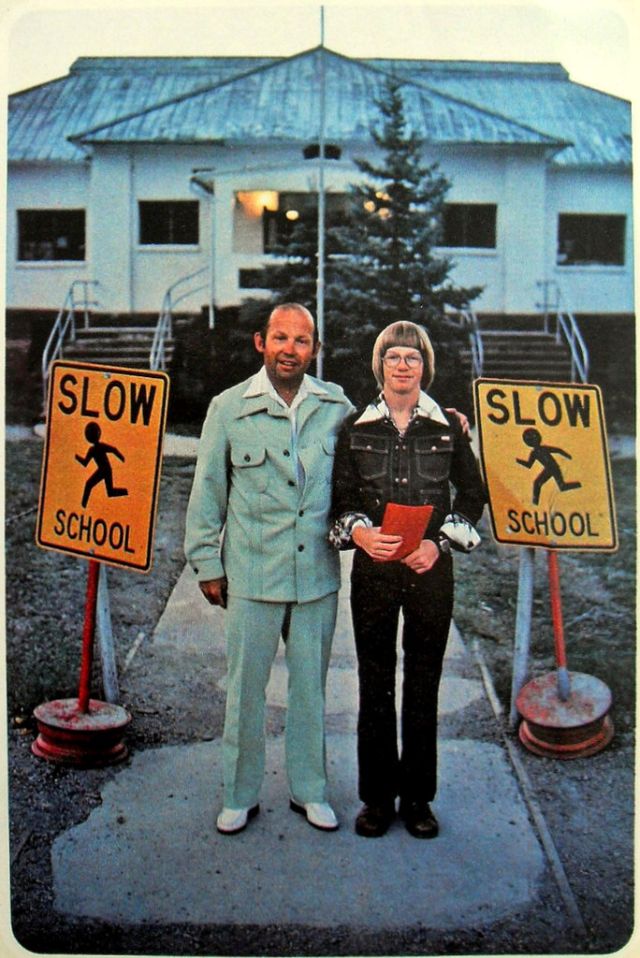
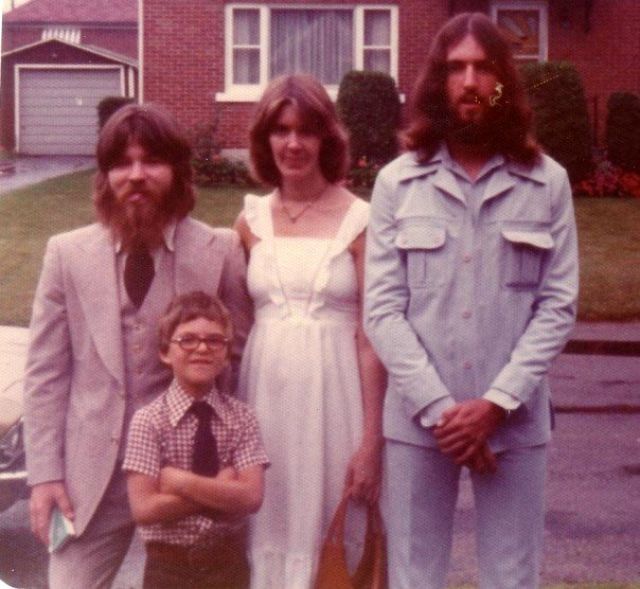
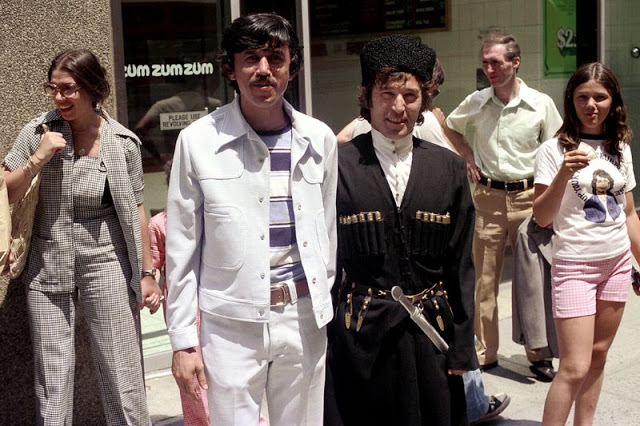
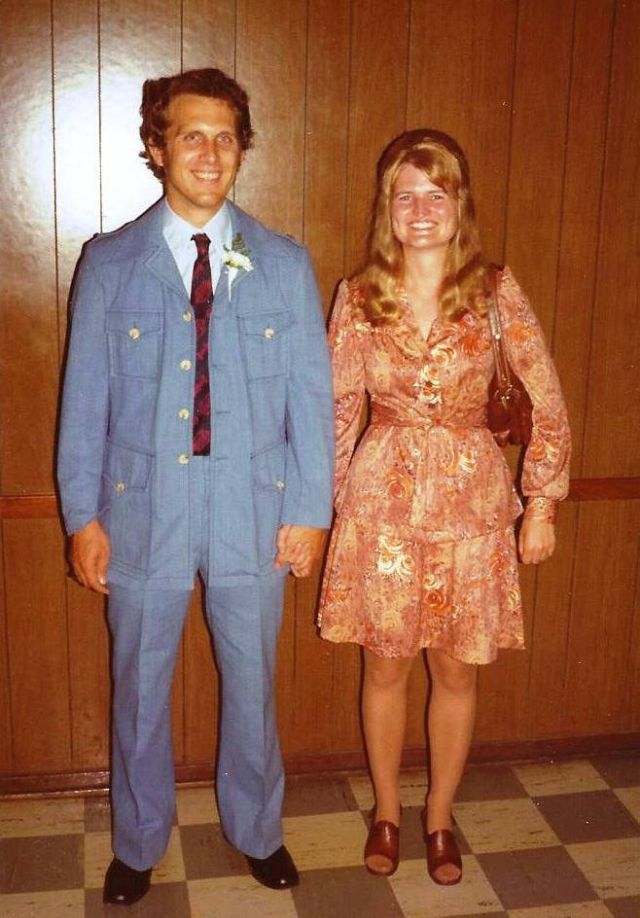
A leisure suit is a casual suit consisting of a shirt-like jacket and matching trousers, often associated with American-influenced fashion and fads of the 1970s.
When it comes to the disco-heavy 1970s, one fashion trend jumps to mind — leisure suits. The casual suit became synonymous with the music trend thanks to John Travolta busting a move in Saturday Night Fever.
The fad has its roots in 1930s California, but it really took off when the creation of synthetic material allowed for inexpensive clothing prices. As the suits got more popular, the styles became more outrageous. Solid white and blue suits were sold alongside vibrant colors and patterns.
Leisure suits are still being offered and worn today, although not in the form of bellbottoms and pastel colors which came to be most associated with the term. Also, progress since the 1970s, in technology of synthetic fabrics such as polyester, has resulted in the creation of new textures.
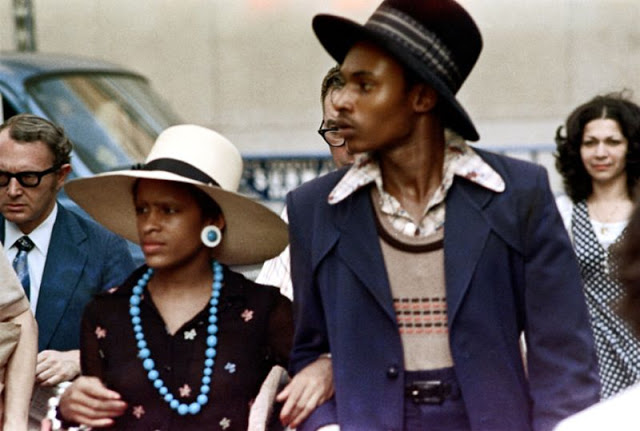
Take a look at these cool pictures to see men in their leisure suits from the 1970s.
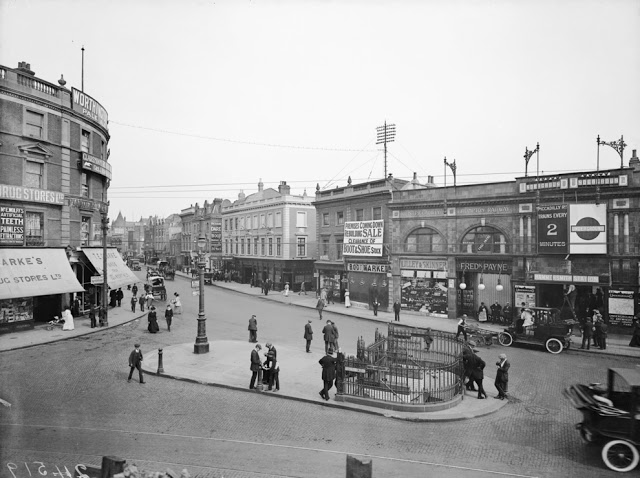
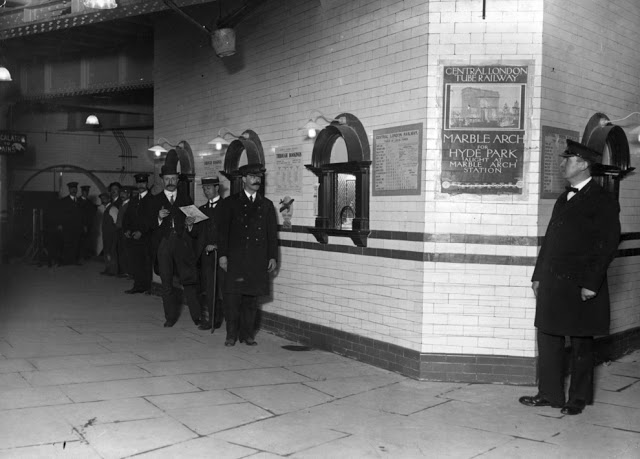
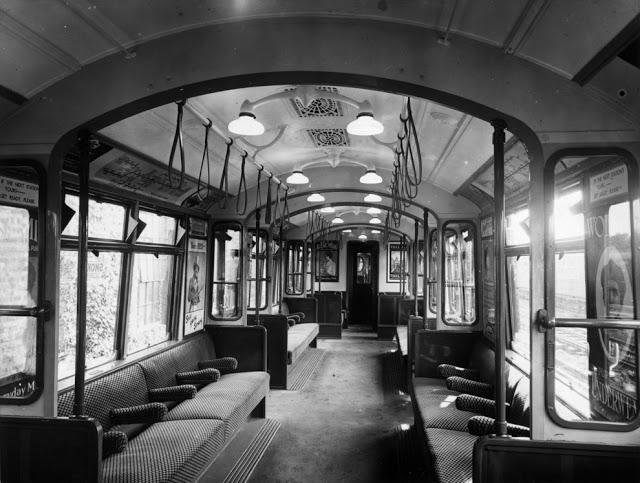
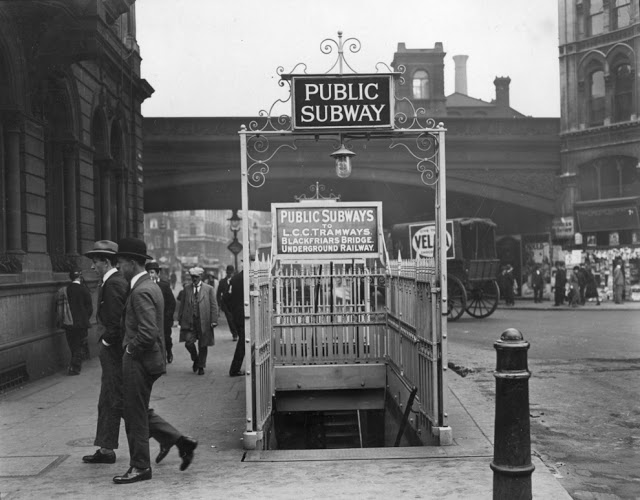
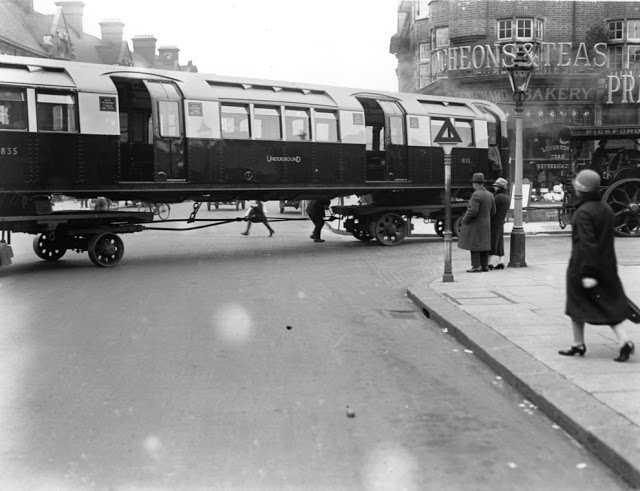
The London Underground (also known simply as the Underground, or by its nickname the Tube) is a rapid transit system serving Greater London and some parts of the adjacent counties of Buckinghamshire, Essex and Hertfordshire in the United Kingdom.
The Underground has its origins in the Metropolitan Railway, the world’s first underground passenger railway. Opened on 10 January 1863, it is now part of the Circle, District, Hammersmith & City and Metropolitan lines. The first line to operate underground electric traction trains, the City & South London Railway in 1890, is now part of the Northern line. The network has expanded to 11 lines, and in 2020/21 was used for 296 million passenger journeys, making it the world’s 12th busiest metro system. The 11 lines collectively handle up to 5 million passenger journeys a day and serve 272 stations.
The system’s first tunnels were built just below the ground, using the cut-and-cover method; later, smaller, roughly circular tunnels—which gave rise to its nickname, the Tube—were dug through at a deeper level. The system serves 272 stations and has 250 miles (400 km) of track. Despite its name, only 45% of the system is under the ground: much of the network in the outer environs of London is on the surface. In addition, the Underground does not cover most southern parts of Greater London, and there are only 33 stations south of the River Thames.
The early tube lines, originally owned by several private companies, were brought together under the “UndergrounD” brand in the early 20th century, and eventually merged along with the sub-surface lines and bus services in 1933 to form London Transport under the control of the London Passenger Transport Board (LPTB). The current operator, London Underground Limited (LUL), is a wholly owned subsidiary of Transport for London (TfL), the statutory corporation responsible for the transport network in London. As of 2015, 92% of operational expenditure is covered by passenger fares. The Travelcard ticket was introduced in 1983 and Oyster card, a contactless ticketing system, in 2003. Contactless bank card payments were introduced in 2014, the first public transport system in the world to do so.
The LPTB commissioned many new station buildings, posters and public artworks in a modernist style. The schematic Tube map, designed by Harry Beck in 1931, was voted a national design icon in 2006 and now includes other TfL transport systems such as the Docklands Light Railway, London Overground, TfL Rail, and Tramlink. Other famous London Underground branding includes the roundel and the Johnston typeface, created by Edward Johnston in 1916. (Wikipedia)
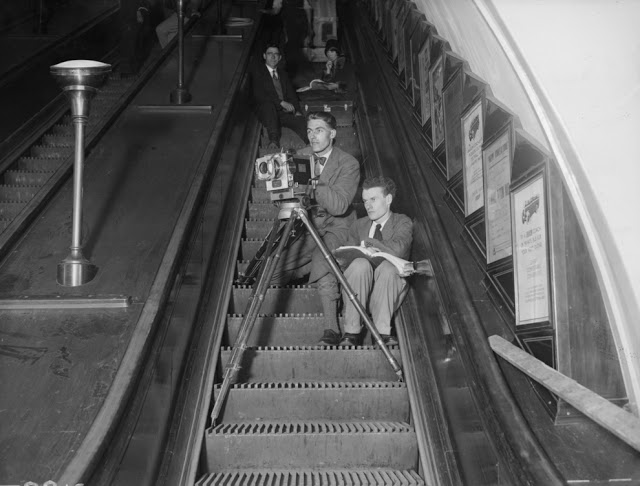
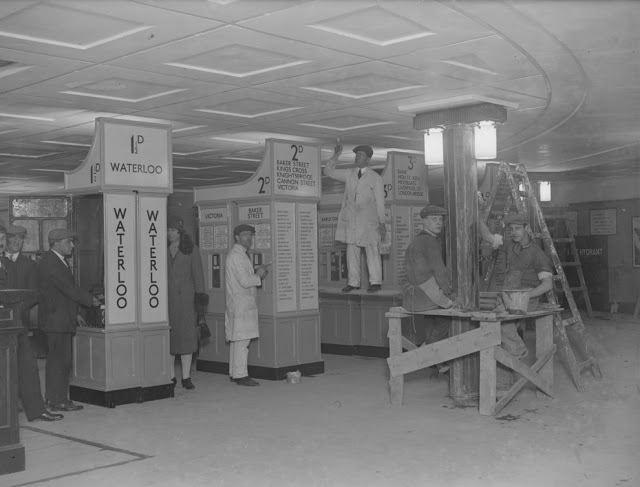
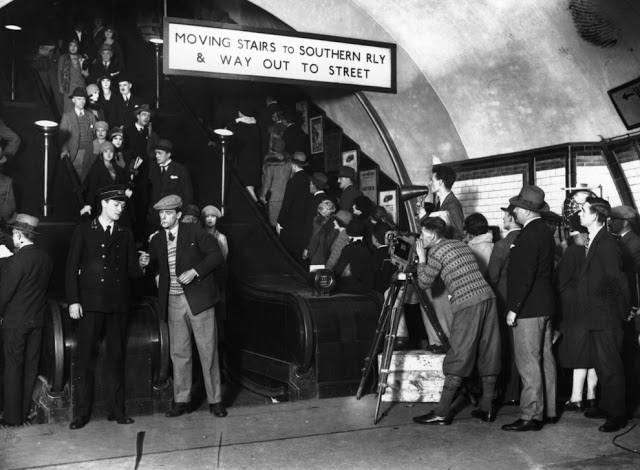
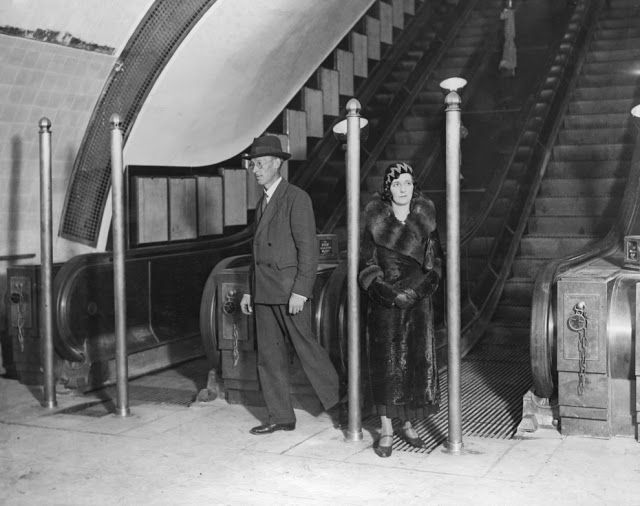
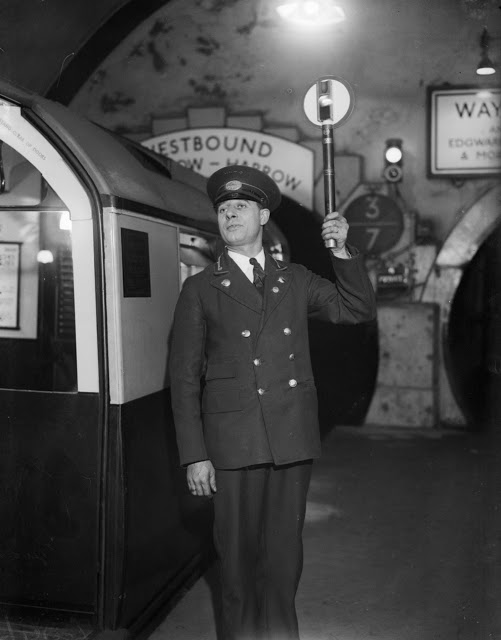
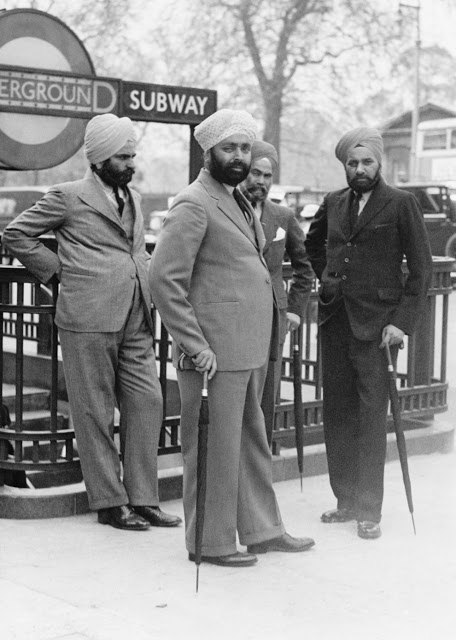
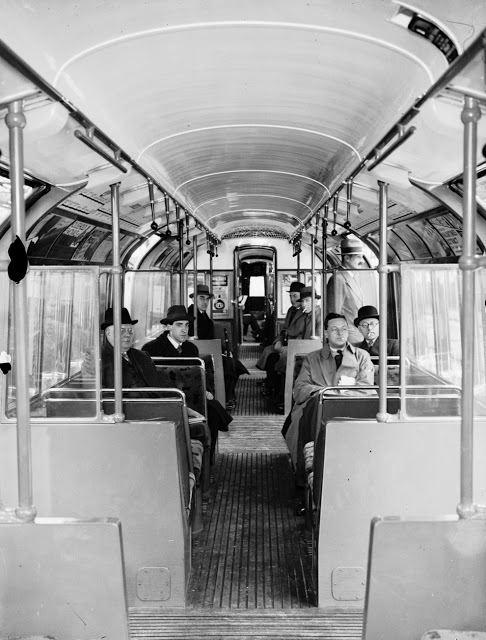
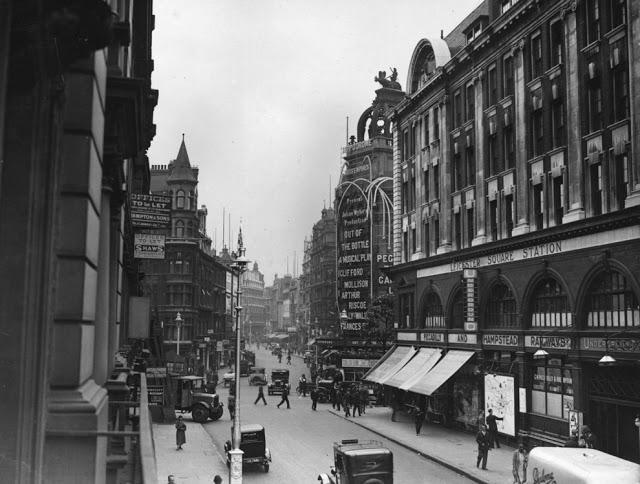
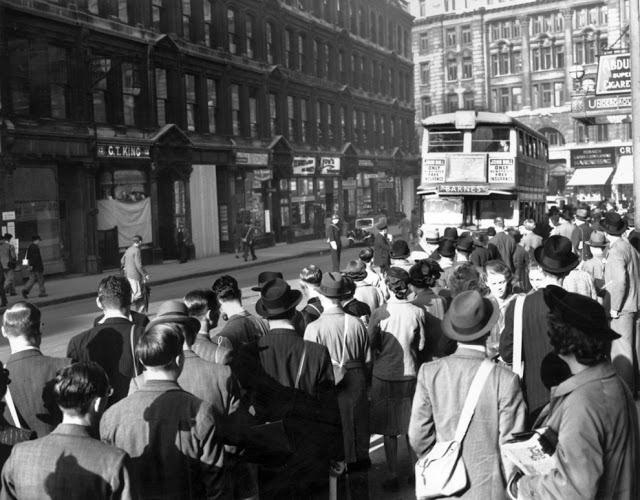
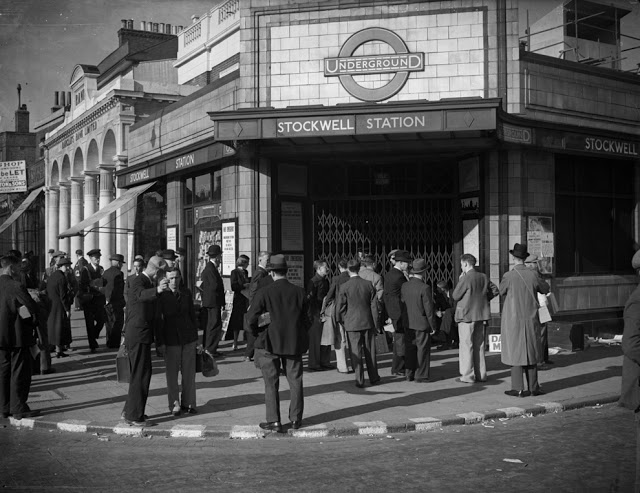
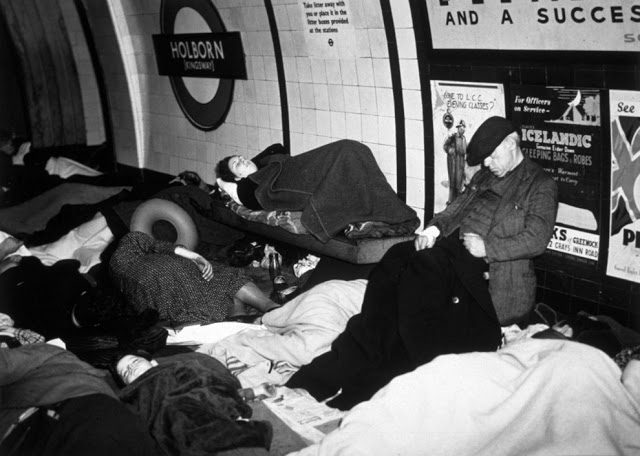
Hammersmith Broadway, 1910.The interior of a District Line Underground carriage, 1911.The ticket hall of Liverpool Street Station, 1912.The platform of the Central London Railway extension at Liverpool Street Station, 1912.Interior of an all-steel London underground train, circa 1920.A man writing on a complaints poster, 1922.Farringdon Street (Farringdon) Station in March 1924.The entrance to Blackfriars Underground station, 1924.Clapham South, 1926.London tram workers queue up for their pay at the tram subway in Kingsway, High Holborn, 1926.An underground train being transported on wheels through the streets of London, 1926.The Mayor of Westminster turns on the escalators at Piccadilly Circus in 1928.British director Anthony Asquith (1902-1968), right, directing his new film ‘Underground’ from an escalator on the London underground, May 1928.Construction work at the ticketing area of the new Piccadilly tube station, 1928.The Hon Anthony Asquith filming commuters for his film of the underground, 1928.Platforms are lengthened at Euston Square underground station, 1930.A passenger takes a ticket from the machine at Piccadilly Circus, 1930.A traveller buys a London Underground season ticket from a vending machine at Highgate Station, 1932.Passengers on an escalator, September 1932. The posts were erected to avoid a crush during rush hours.Leicester Square, 1933.A group of Sikh men outside the entrance to Hyde Park Corner, circa 1935.New interiors in 1936: more seating, better lighting and ventilation and a more streamlined shape.A passenger opening one of the doors on the Hammersmith and City Underground Line, which have been fitted with new buttons for opening and closing doors, 1936.London’s Charing Cross Road with the Hippodrome and Leicester Square station on the left, 1938.The entrance to Embankment, 1938.A strike causes huge queues to build up at the bus stops outside Liverpool Street, 1939.Stockwell station, 1939.City gents, 1939.A guard outside a station which has been closed to the public two days after Britain’s declaration of war on Germany, 5th September 1939.People asleep on the platform of Holborn underground station during an air raid, 1940.
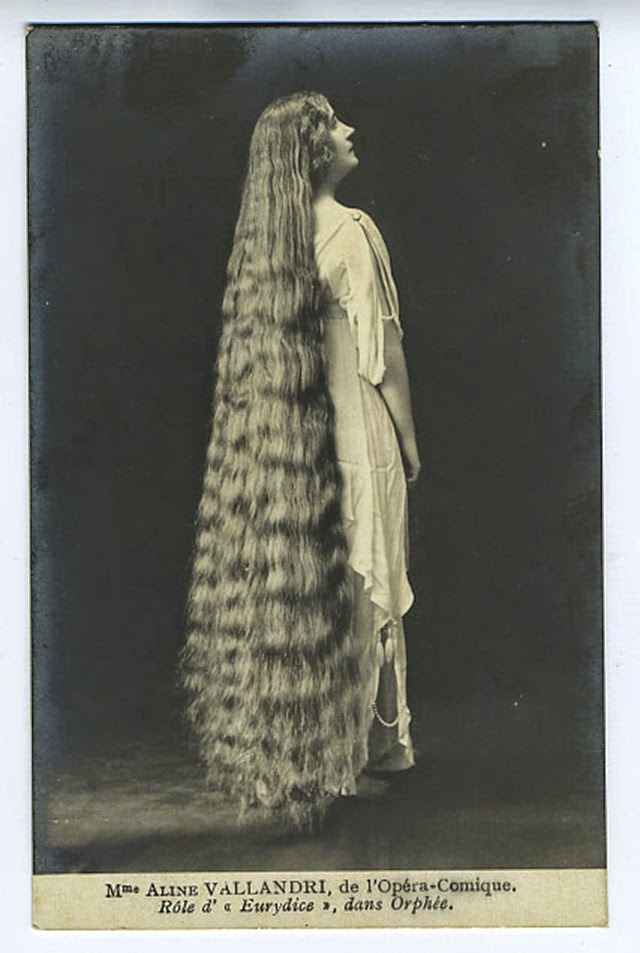
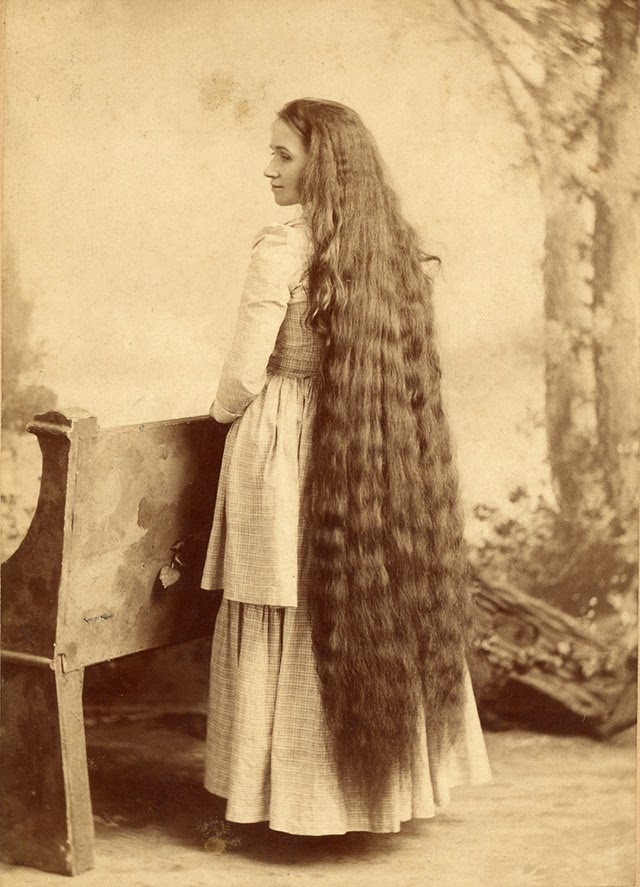
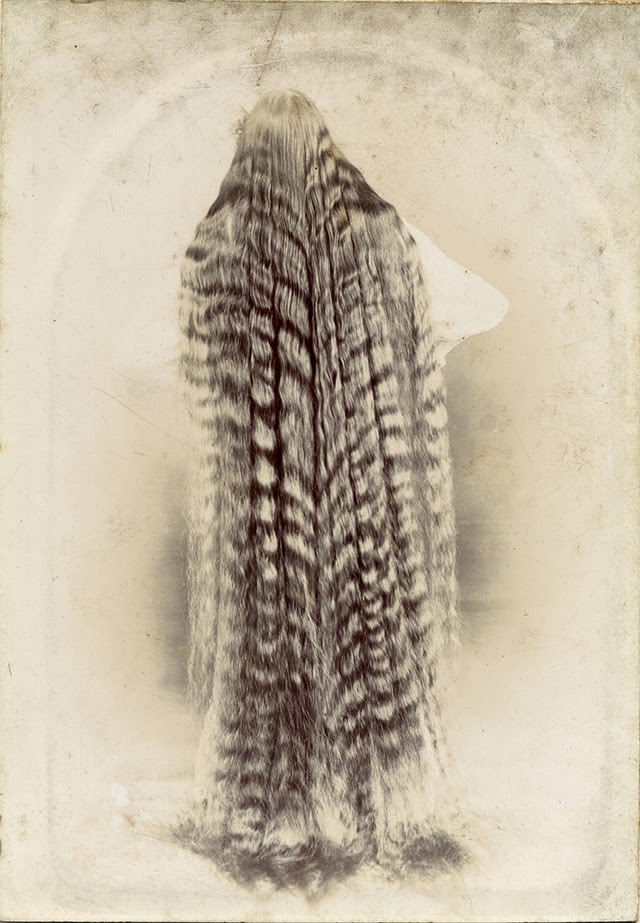
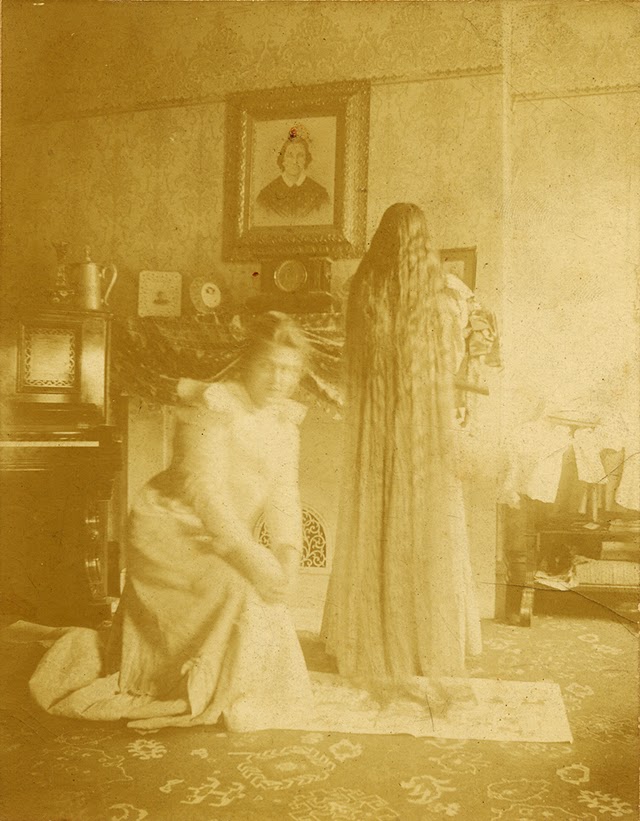
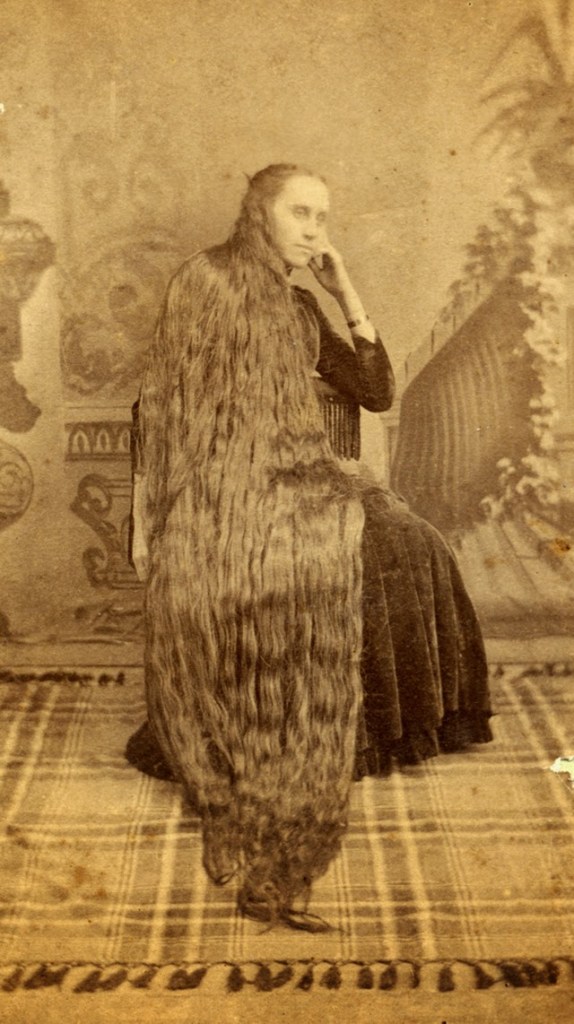
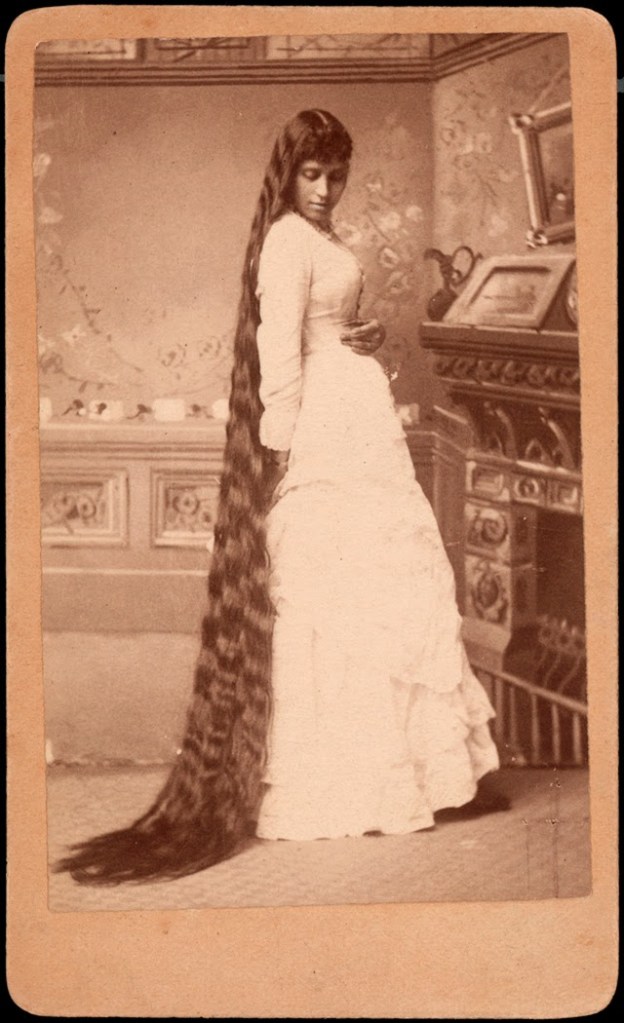
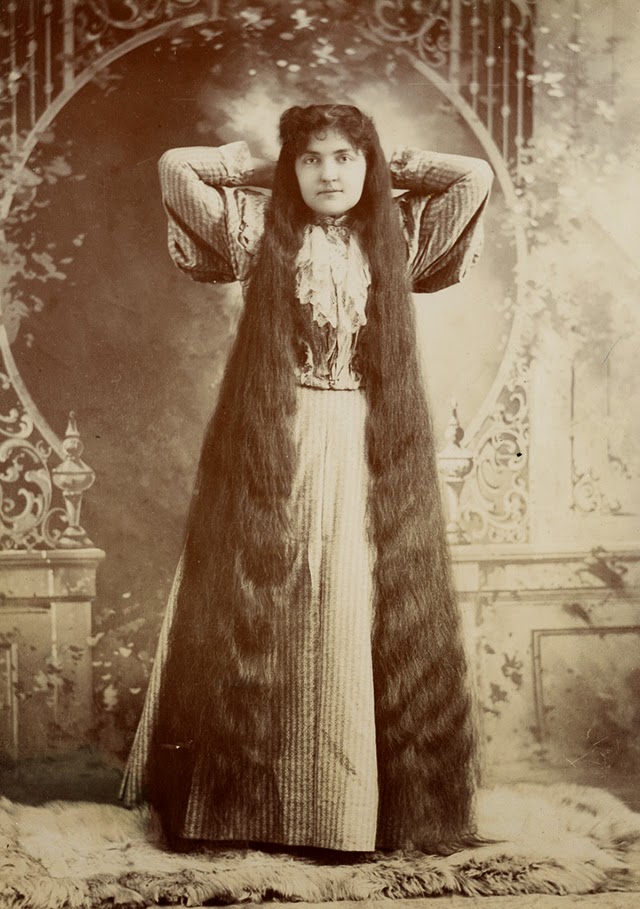
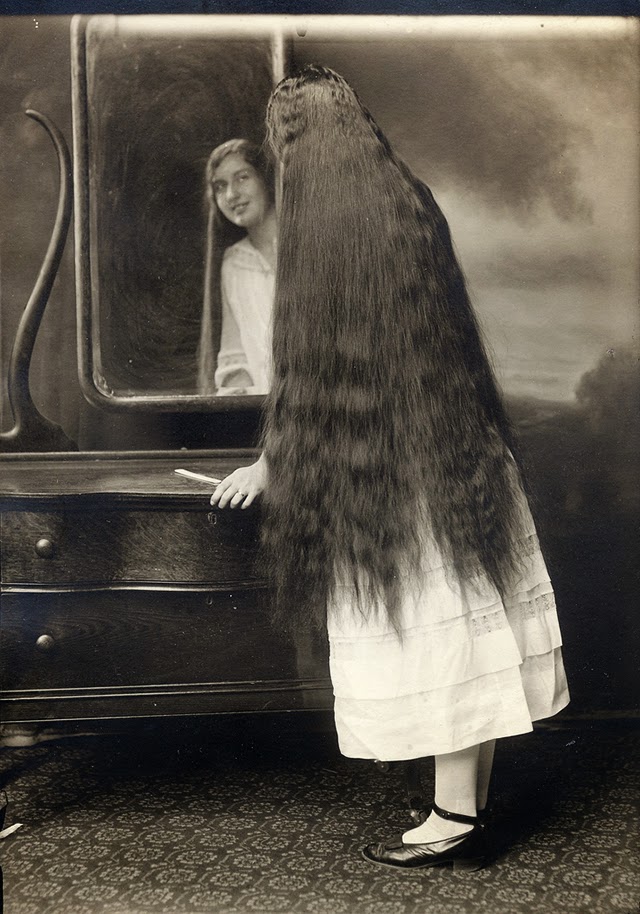
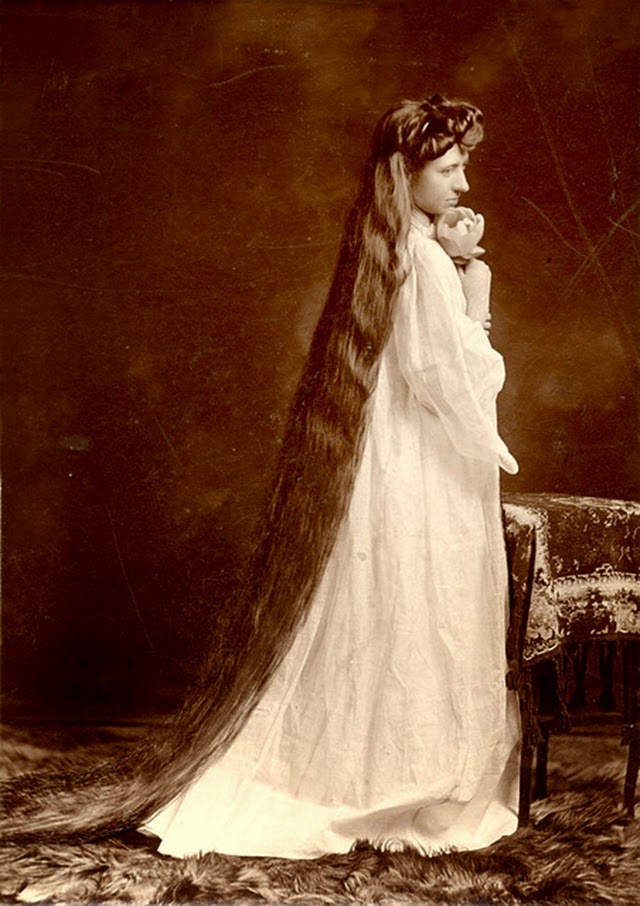
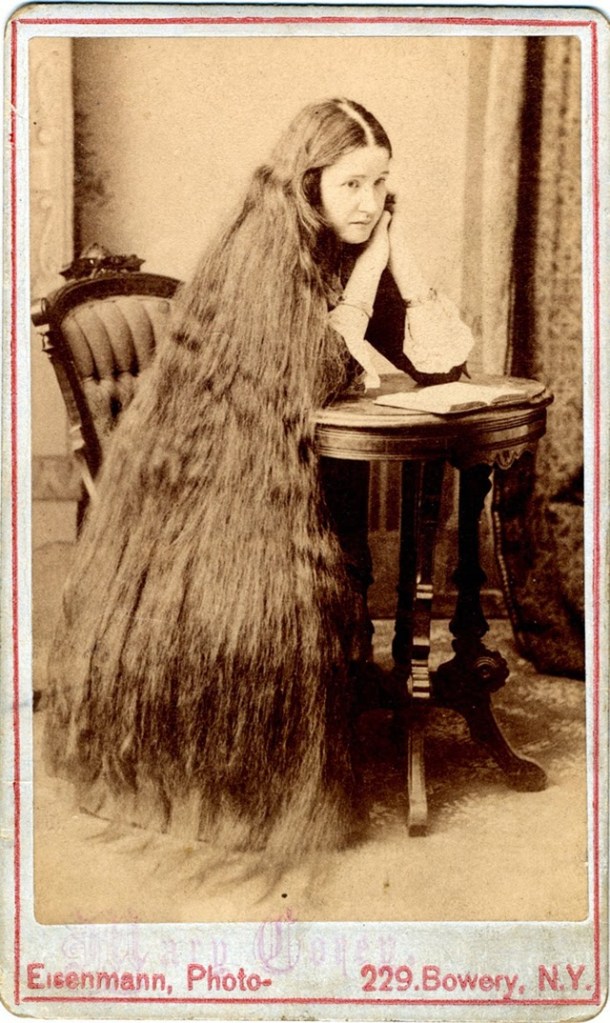
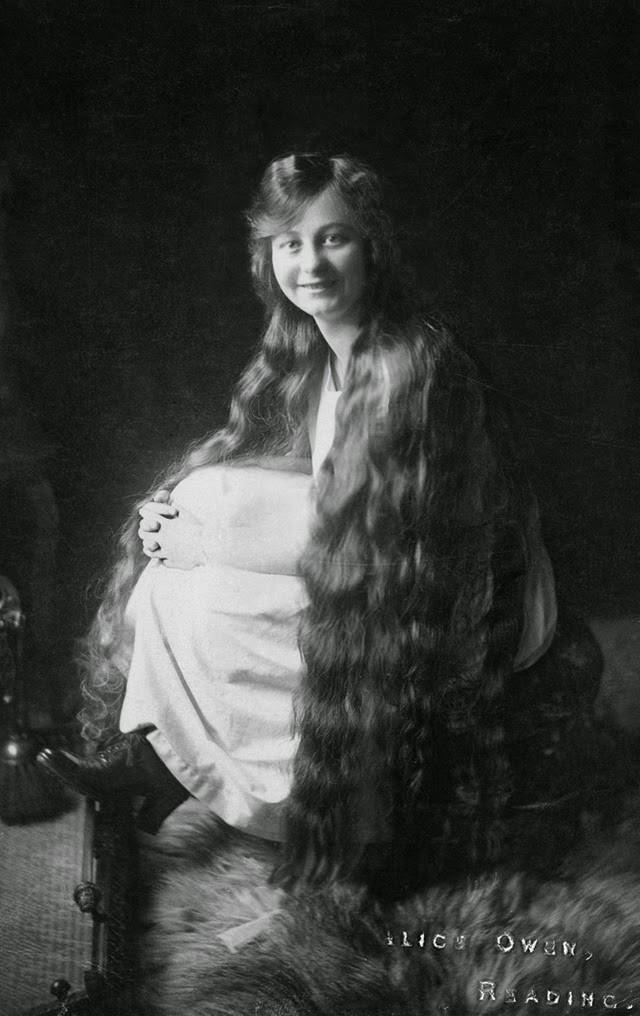
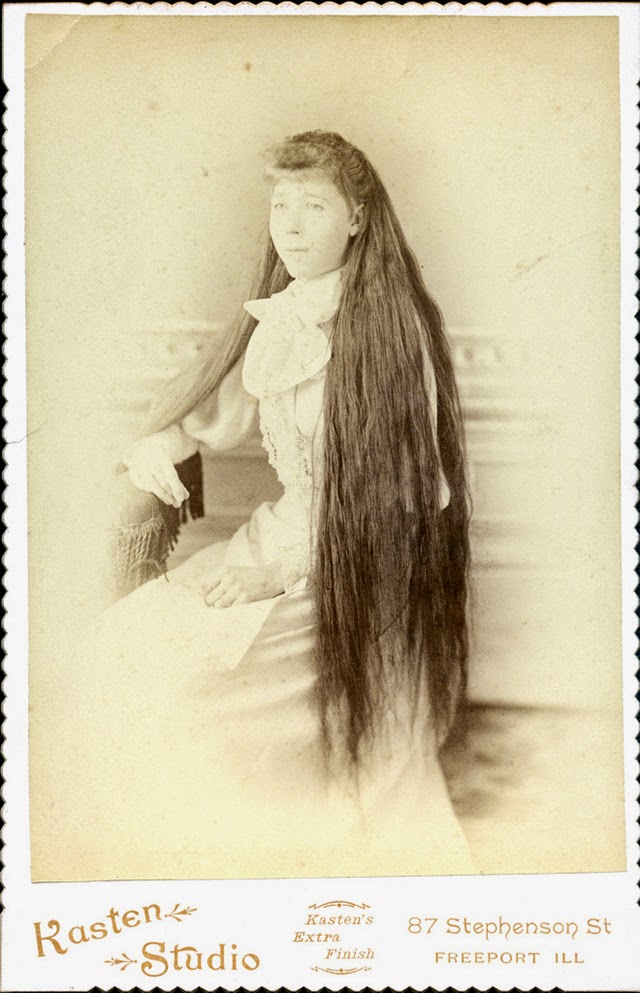
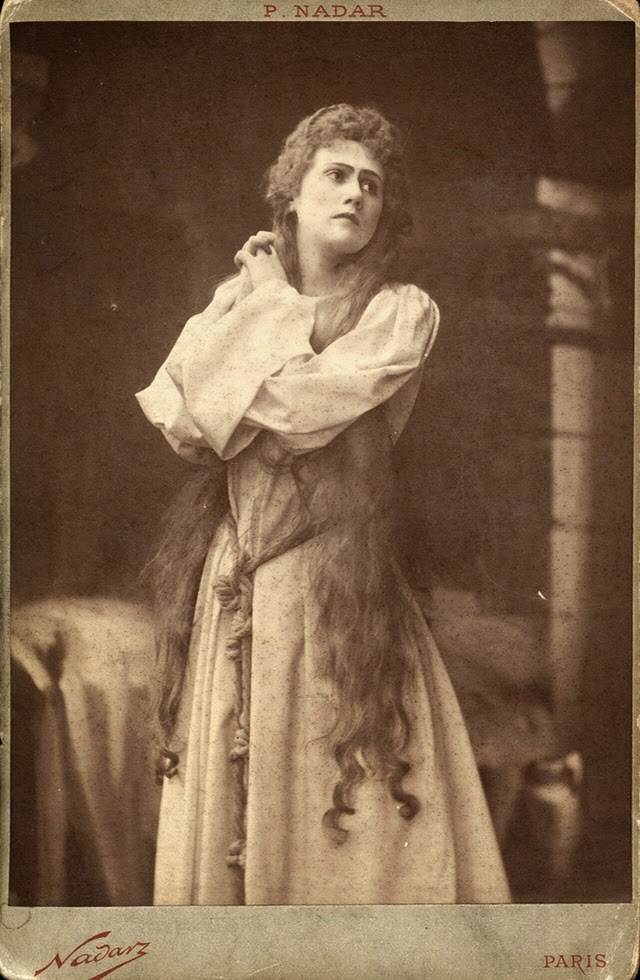
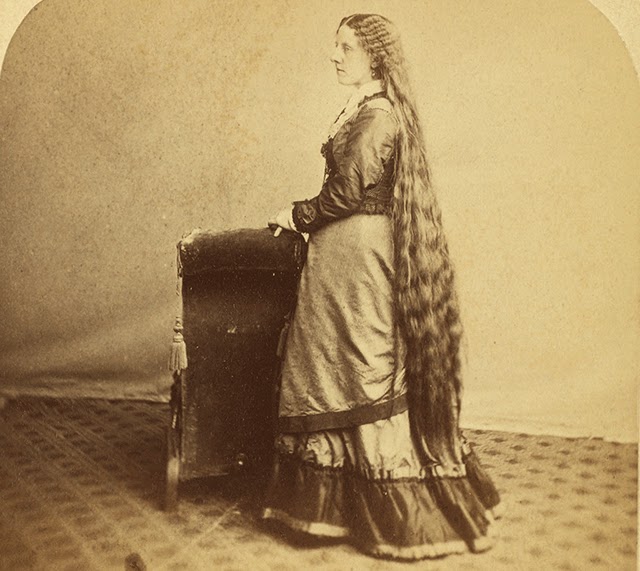
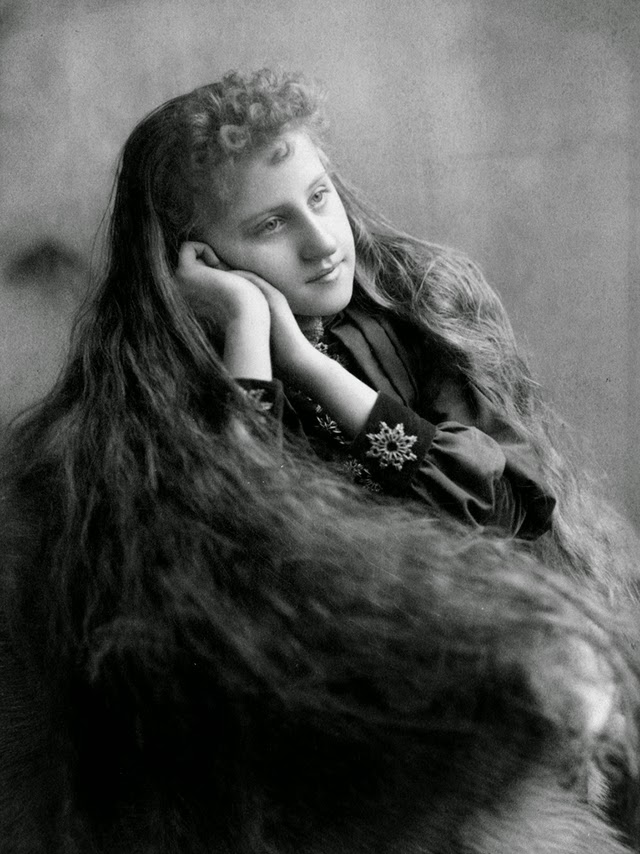
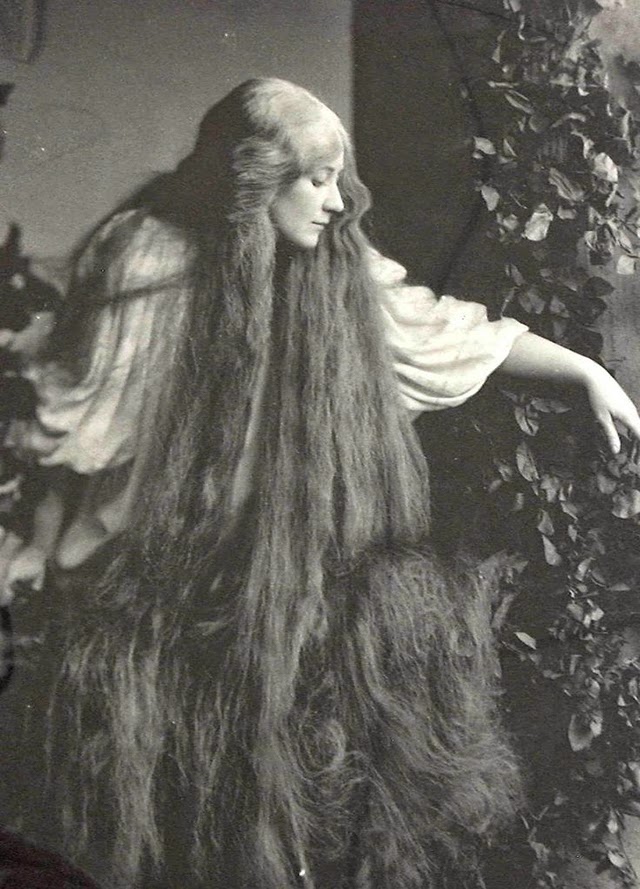
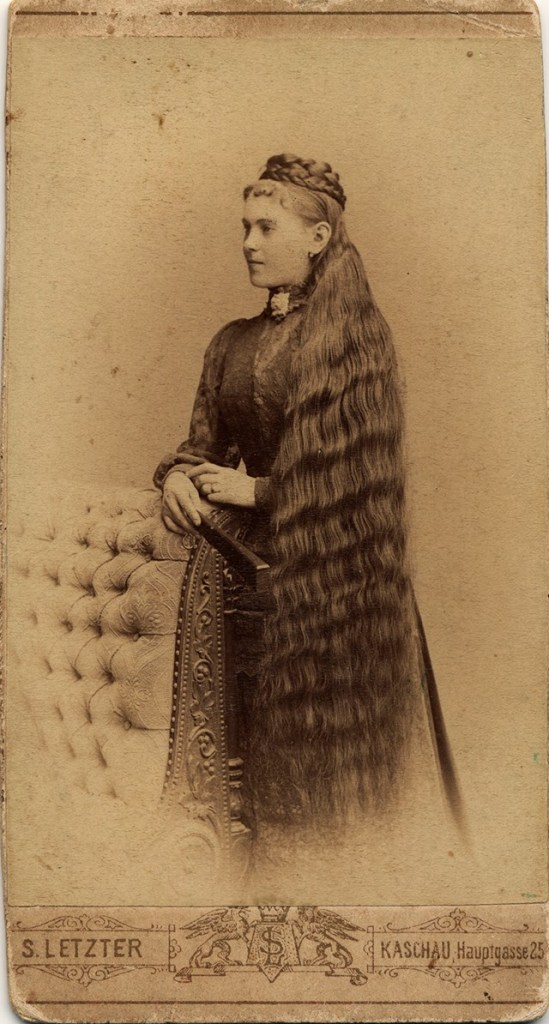
Hair was said to be a woman’s crowning glory, The Victorians certainly knew that as these photos will convey. A Victorian girl until the age of 16 wore her hair in braids, once she became a young lady at age 16 her hair went up (while her hem length went down to the ankle.)
Victorian hair was so precious that it was often saved after the loved one passed away and woven into beautiful intricate jewelry, wall hangings and sculptures such as this Victorian hair tree.