Amazing Photographs of World War I in 1914

World War I or The First World War, often abbreviated as WWI or WW1 began on the 28th of July, 1914 and ended on the 11th of November, 1918. Referred to by contemporaries as the “Great War”, belligerents included much of Europe, Russia, the United States and Turkey, with fighting also expanding into the Middle East, Africa and parts of Asia. One of the deadliest conflicts in history, an estimated 9 million were killed in combat, while over 5 million civilians died from occupation, bombardment, hunger or disease. Millions of additional deaths resulted from genocides within the Ottoman Empire and the 1918 Spanish flu pandemic, which was exacerbated by the movement of combatants during the war.

By 1914, the European Great powers were divided into the Triple Entente of France, Russia, and Britain, and Triple Alliance, Germany, Austria-Hungary, and Italy. Tensions in the Balkans came to a head on 28 June 1914 following the assassination of Archduke Franz Ferdinand, the Austro-Hungarian heir, by Gavrilo Princip, a Bosnian Serb. Austria-Hungary blamed Serbia and led to the July Crisis, an unsuccessful attempt to avoid conflict through diplomacy. When Austria-Hungary declared war on Serbia on 28 July, Russia came to its defence and by 4 August the system of alliances drew in Germany, France and Britain, along with their respective empires. In November, the Ottoman Empire, Germany and Austria formed the Central Powers, while in April 1915, Italy joined Britain, France, Russia and Serbia as the Allied Powers.

Facing a war on two fronts, German strategy in 1914 was to first defeat France, then shift its forces to the East and knock out Russia, commonly known as the Schlieffen Plan. Their advance into France failed and by the end of 1914 the two sides faced each other along the Western Front, a continuous series of trench lines stretching from the Channel to Switzerland that changed little until 1917. By contrast, the Eastern Front was far more fluid, with Austria-Hungary and Russia gaining, then losing large swathes of territory. Other significant theatres included the Middle East, the Alpine Front and the Balkans, bringing Bulgaria, Romania and Greece into the war.

Shortages caused by the Allied naval blockade led Germany to initiate unrestricted submarine warfare in early 1917, bringing the previously neutral United States into the war on 6 April 1917. In Russia, the Bolsheviks seized power in the 1917 October Revolution and made peace in the March 1918 Treaty of Brest-Litovsk, freeing up large numbers of German troops. By transferring these to the Western Front, the German General Staff hoped to win a decisive victory before American reinforcements could impact the war, and launched the March 1918 German spring offensive. Despite initial success, it was soon halted by heavy casualties and ferocious defence; in August, the Allies launched the Hundred Days Offensive and although the German army continued to fight hard, it could no longer halt their advance.

Towards the end of 1918, the Central Powers began to collapse; Bulgaria signed an Armistice on 29 September, followed by the Ottomans on 31 October, then Austria-Hungary on 3 November. Isolated, facing revolution at home and an army on the verge of mutiny, Kaiser Wilhelm abdicated on 9 November and the new German government signed the Armistice of 11 November 1918, bringing the fighting to a close. The 1919 Paris Peace Conference imposed various settlements on the defeated powers, the best known being the Treaty of Versailles. The dissolution of the Russian, German, Ottoman and Austro-Hungarian empires led to numerous uprisings and the creation of independent states, including Poland, Czechoslovakia and Yugoslavia. For reasons that are still debated, failure to manage the instability that resulted from this upheaval during the interwar period ended with the outbreak of World War II in 1939. (Wikipedia)
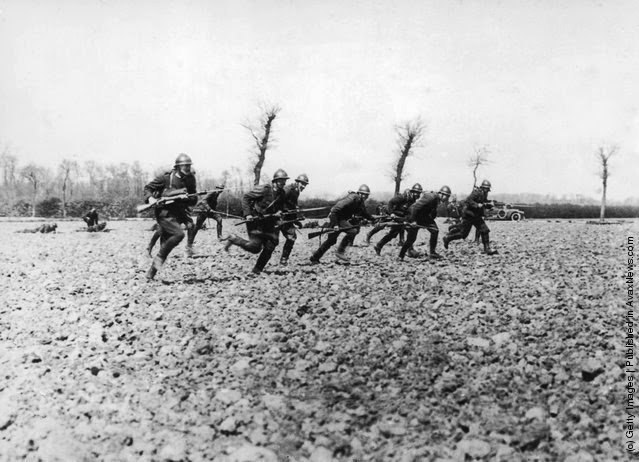
Belgian soldiers make a charge near the River Yser during World War I, circa 1914.
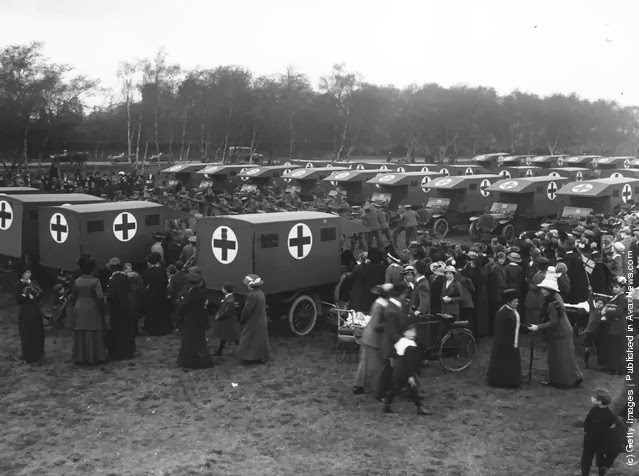
Civilians watch as troops practice amongst a convoy of ambulances at Pilthey.
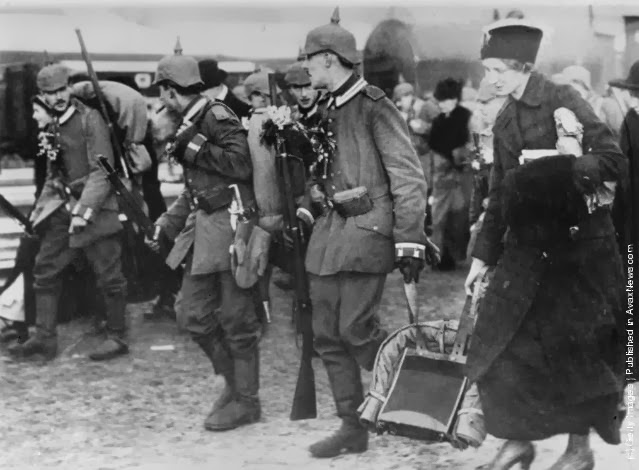
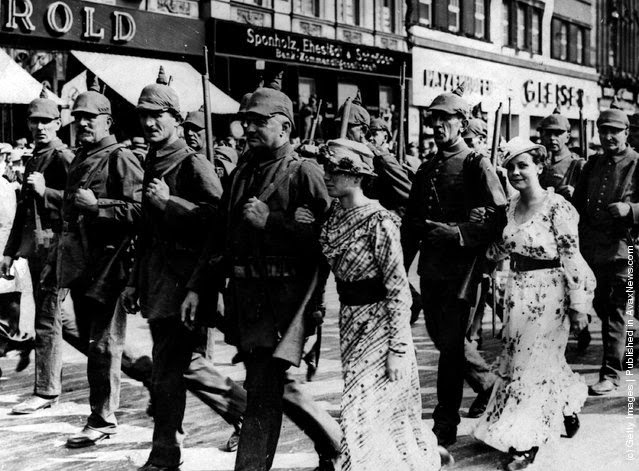
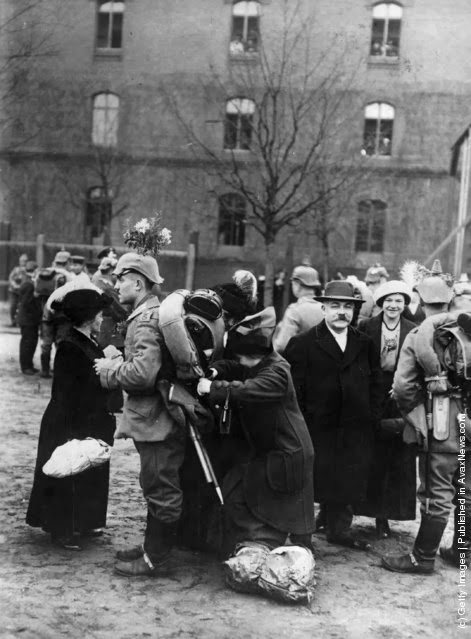
German soldiers marching to the front during the first World War. A woman helps one man with his pack.
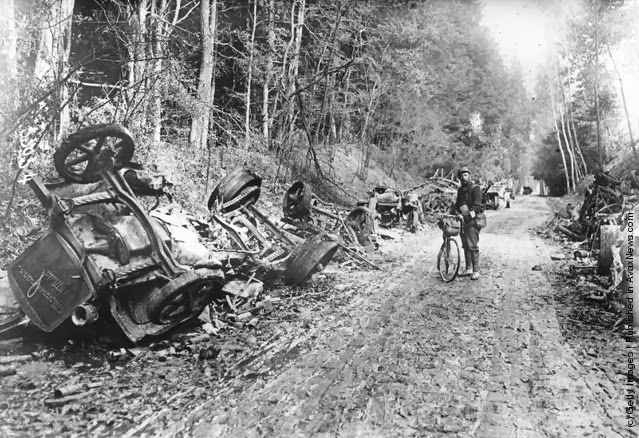
A lone soldier with a bicycle stands amid the remains of a German motor convoy which lines a country lane after an attack by French field guns in the battle of the Aisne in France.
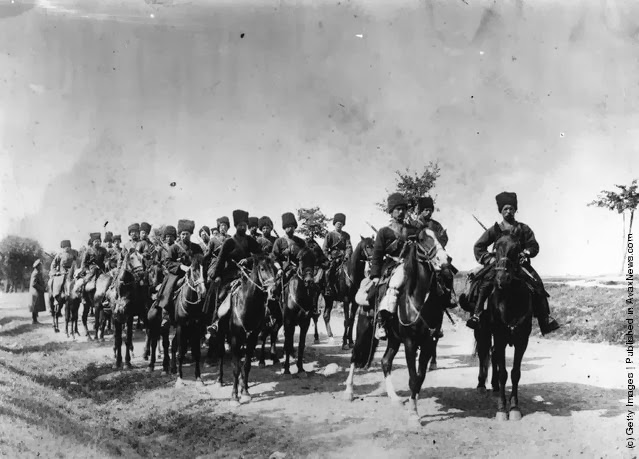
Russian cossacks on the march.
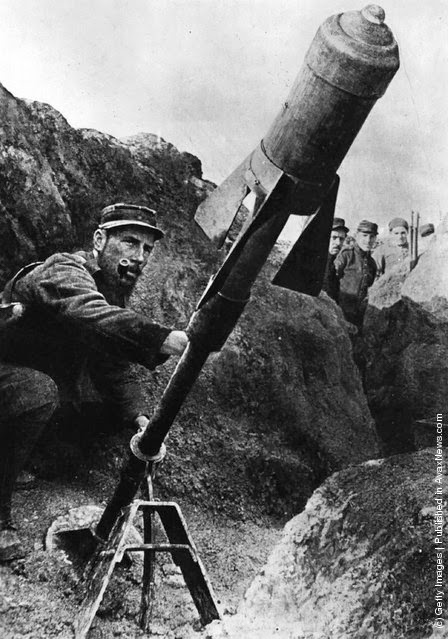
A French air-torpedo being fired from the trenches.
Soldiers accompanied by their wives and girlfriends on the march during the mobilization of German forces.
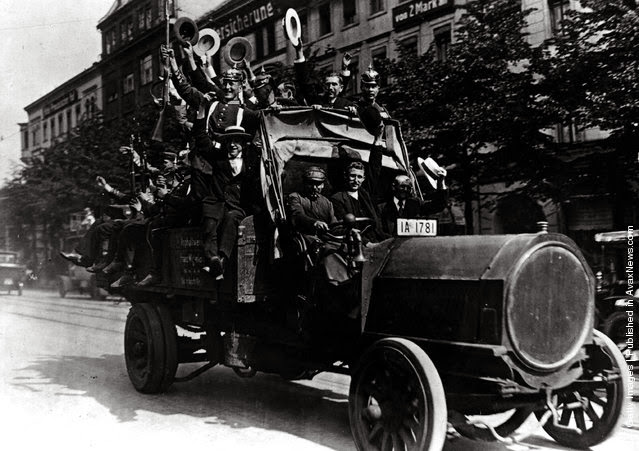
German army Reservists waving and cheering as they rush to join.
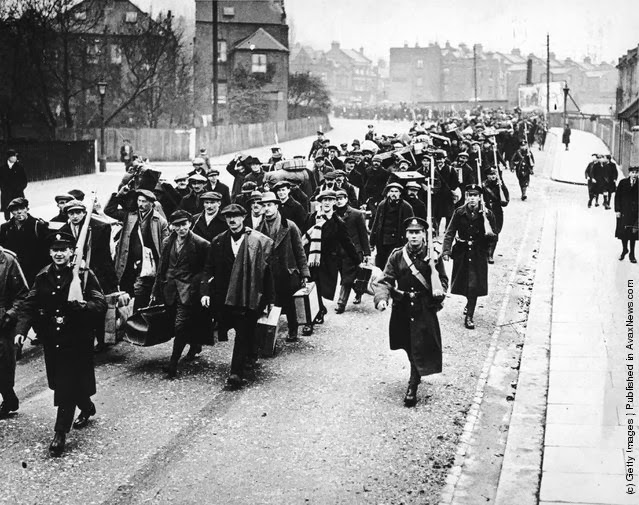
New recruits march alongside armed officers following the outbreak of the First World War.
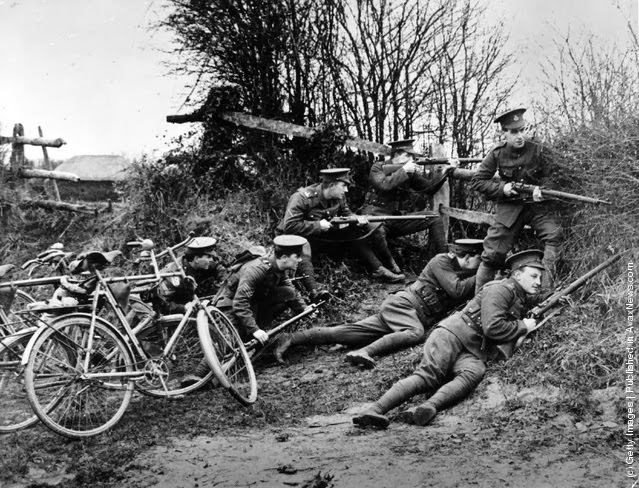
A group of new recruits in training for service in the British Army during World War I.
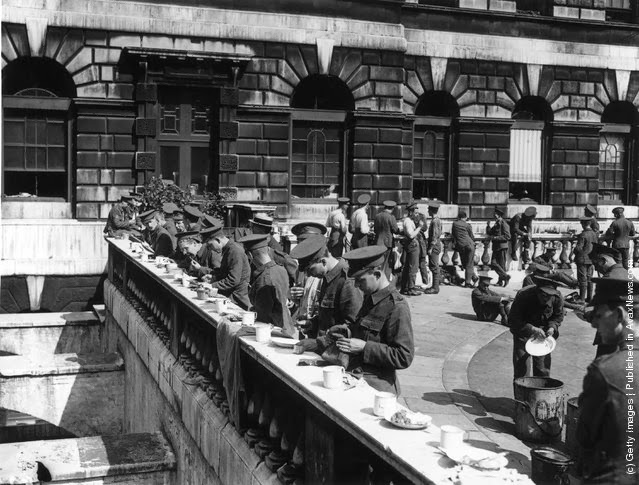
Members of the Territorial army having a meal outside Somerset House, London.
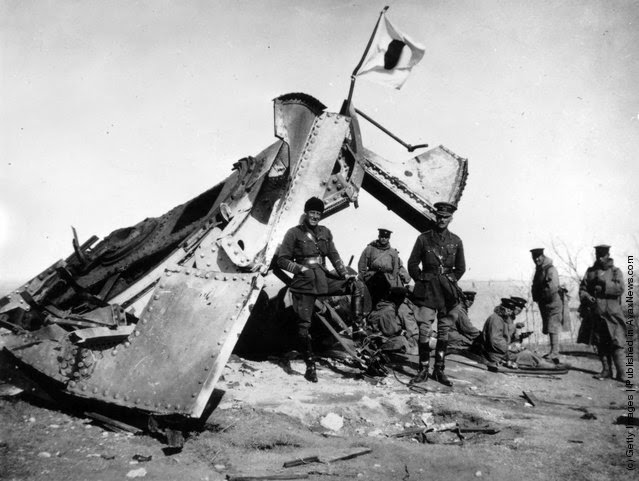
British and Japanese officers stand by a Japanese flag flying over a wrecked German gun after the siege of Tsingtao.
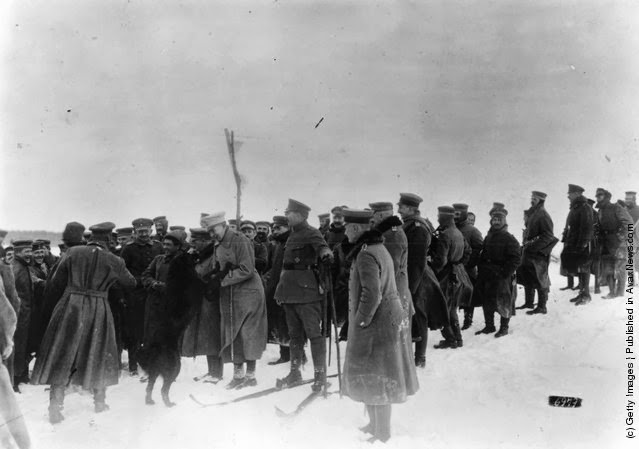
German and Russian troops in a neutral area during a concert by a German military band.
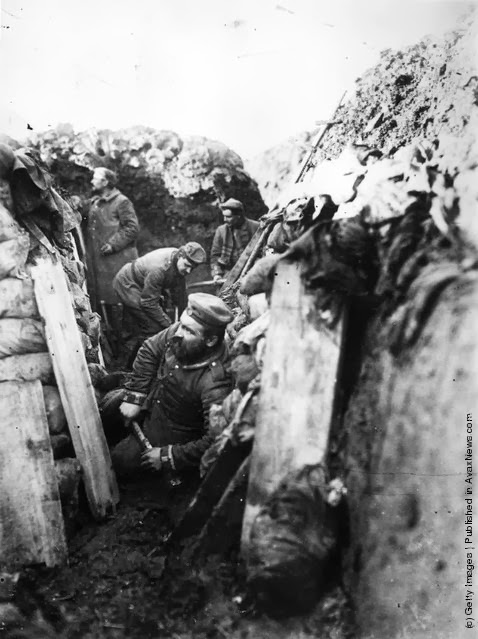
German soldiers in the trenches during WWI.
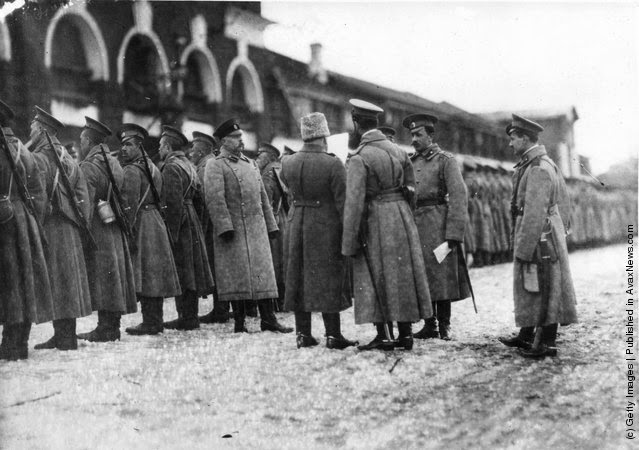
Russian generals and troops in WWI.
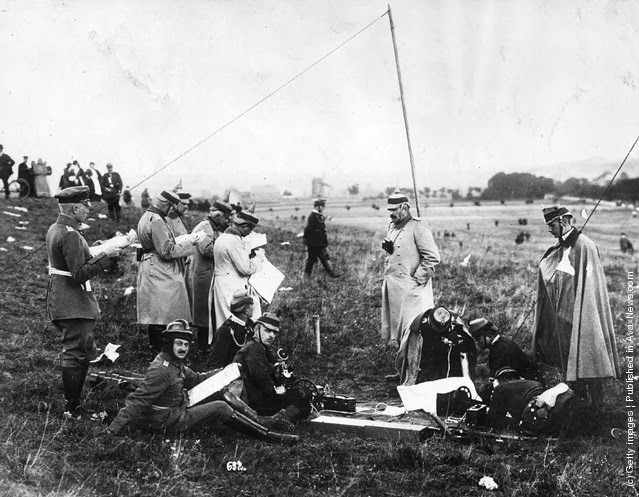
German officers discussing the possibility of sending an airman of the 1st Army Corps to spy out enemy forces.
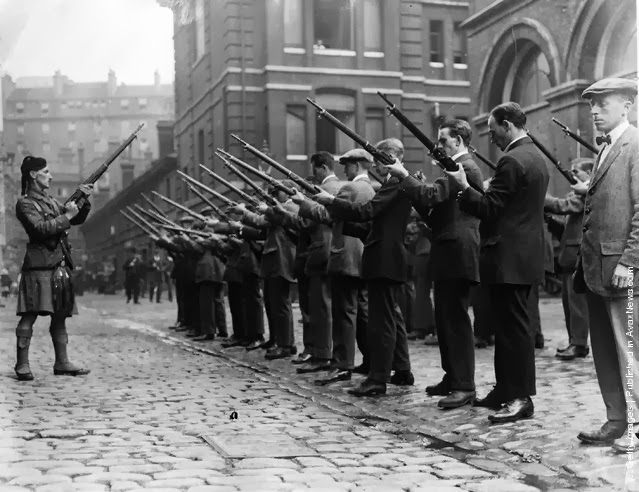
Members of the London Scottish Regiment undertake rifle drill. The London Scottish Regiment was formed by Lord Elcho, 10th Earl of Wemyss, in 1859 as the London Scottish Rifle Volunteers. They are affiliated to the Gordon Highlanders and wear the Elcho tartan (Hodden Grey).
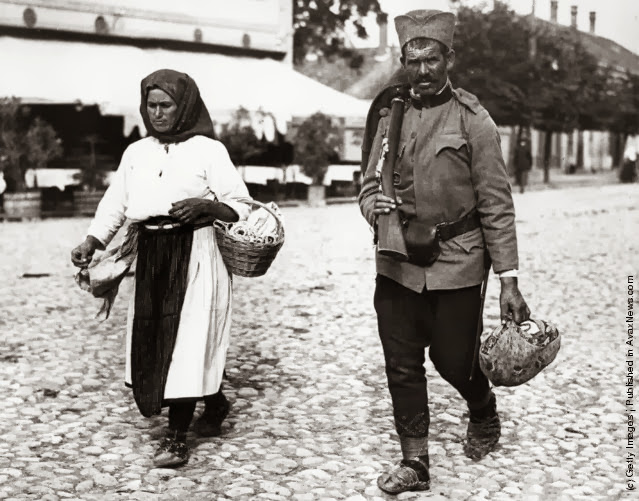
A Serbian soldier of to the front is accompanied to the station by his wife.
Soldiers, including two recruits who have brought some chickens, at Victoria prepare to board the train for the battle front.
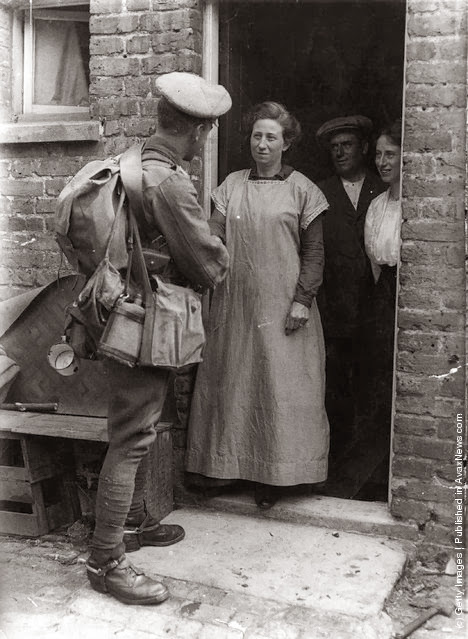
A British soldier says goodbye to his family before leaving for the war.
A soldier with flowers on his helmet and equipment on his back prepares for departure during the mobilization of German forces.
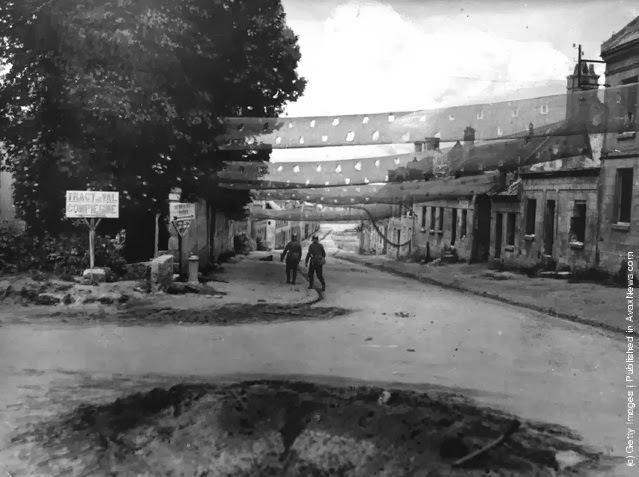
Camouflage netting, wire netting covered with sacking or other material toning with the street, and stretched from house to house, render the two German soldiers invisible to aerial observers. This form of aerial camouflage was widely used by both sides during the Great War.

17 Fantastic Photos of 1930s New York City

New York, often called New York City (NYC) to distinguish it from the state of New York, is the most populous city in the United States. With a 2020 population of 8,804,190 distributed over 300.46 square miles (778.2 km2), New York City is also the most densely populated major city in the United States. Located at the southern tip of the state of New York, the city is the center of the New York metropolitan area, the largest metropolitan area in the world by urban area. With over 20.1 million people in its metropolitan statistical area and 23.5 million in its combined statistical area as of 2020, New York is one of the world’s most populous megacities. New York City has been described as the cultural, financial, and media capital of the world, and is a significant influence on commerce, entertainment, research, technology, education, politics, tourism, dining, art, fashion, and sports. It is the most photographed city in the world. Home to the headquarters of the United Nations, New York is an important center for international diplomacy, and has sometimes been called the capital of the world.

Situated on one of the world’s largest natural harbors, New York City is composed of five boroughs, each of which is coextensive with a respective county of the state of New York. The five boroughs—Brooklyn (Kings County), Queens (Queens County), Manhattan (New York County), the Bronx (Bronx County), and Staten Island (Richmond County)—were created when local governments were consolidated into a single municipal entity in 1898. The city and its metropolitan area constitute the premier gateway for legal immigration to the United States. As many as 800 languages are spoken in New York, making it the most linguistically diverse city in the world. New York is home to more than 3.2 million residents born outside the United States, the largest foreign-born population of any city in the world as of 2016. As of 2018, the New York metropolitan area is estimated to produce a gross metropolitan product (GMP) of nearly $1.8 trillion, ranking it first in the United States. If the New York metropolitan area were a sovereign state, it would have the eighth-largest economy in the world. New York is home to the second highest number of billionaires of any city in the world.

New York City traces its origins to a trading post founded on the southern tip of Manhattan Island by Dutch colonists in approximately 1624. The settlement was named New Amsterdam (Dutch: Nieuw Amsterdam) in 1626 and was chartered as a city in 1653. The city came under English control in 1664 and was renamed New York after King Charles II of England granted the lands to his brother, the Duke of York. The city was regained by the Dutch in July 1673 and was renamed New Orange for one year and three months; the city has been continuously named New York since November 1674. New York City was the capital of the United States from 1785 until 1790, and has been the largest U.S. city since 1790. The Statue of Liberty greeted millions of immigrants as they came to the U.S. by ship in the late 19th and early 20th centuries, and is a symbol of the U.S. and its ideals of liberty and peace. In the 21st century, New York has emerged as a global node of creativity, entrepreneurship, and environmental sustainability, and as a symbol of freedom and cultural diversity. In 2019, New York was voted the greatest city in the world per a survey of over 30,000 people from 48 cities worldwide, citing its cultural diversity.

Many districts and monuments in New York City are major landmarks, including three of the world’s ten most visited tourist attractions in 2013. A record 66.6 million tourists visited New York City in 2019. Times Square is the brightly illuminated hub of the Broadway Theater District, one of the world’s busiest pedestrian intersections, and a major center of the world’s entertainment industry. Many of the city’s landmarks, skyscrapers, and parks are known around the world, as is the city’s fast pace, spawning the term New York minute. The Empire State Building has become the global standard of reference to describe the height and length of other structures. Manhattan’s real estate market is among the most expensive in the world. Providing continuous 24/7 service and contributing to the nickname The City That Never Sleeps, the New York City Subway is the largest single-operator rapid transit system worldwide, with 472 rail stations. The city has over 120 colleges and universities, including Columbia University, New York University, Rockefeller University, and the City University of New York system, which is the largest urban public university system in the United States. Anchored by Wall Street in the Financial District of Lower Manhattan, New York City has been called both the world’s leading financial center and the most financially powerful city in the world, and is home to the world’s two largest stock exchanges by total market capitalization, the New York Stock Exchange and Nasdaq. (Wikipedia)
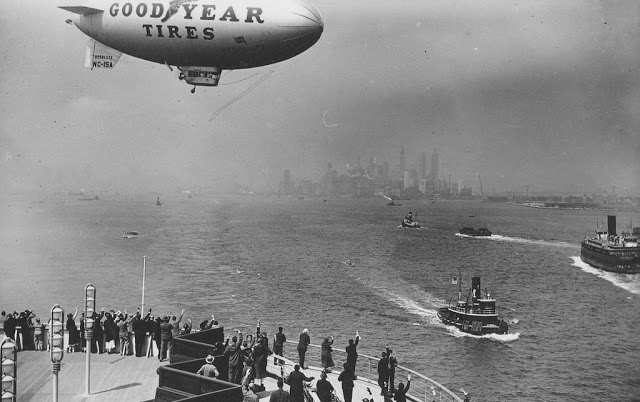
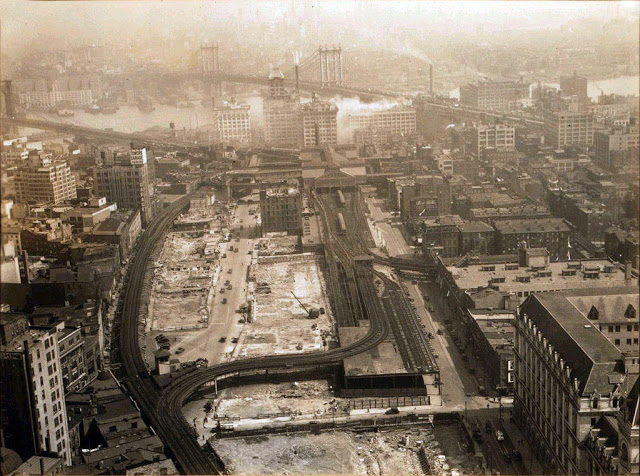
Downtown terminals at Sands Street station in 1936
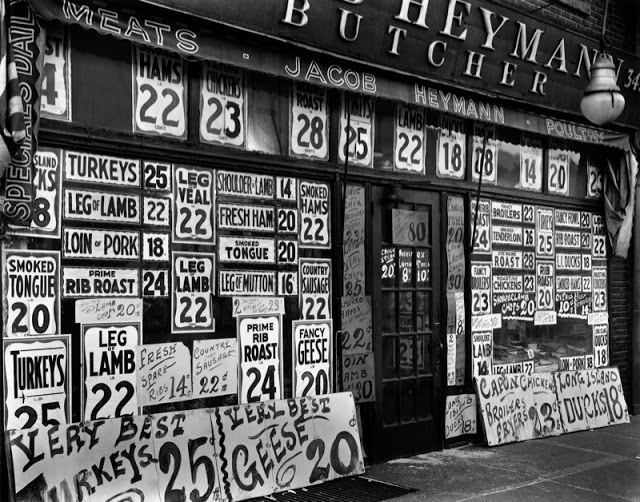
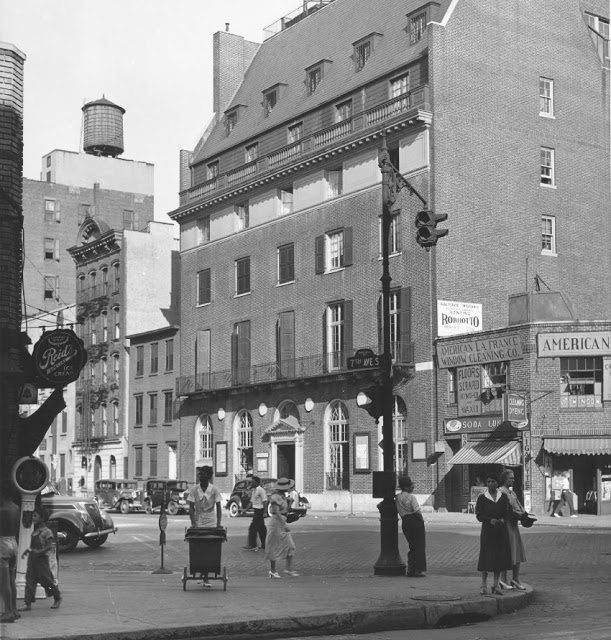
Jacob Heymann Butcher Shop, 345 Sixth Avenue, New York, 1938
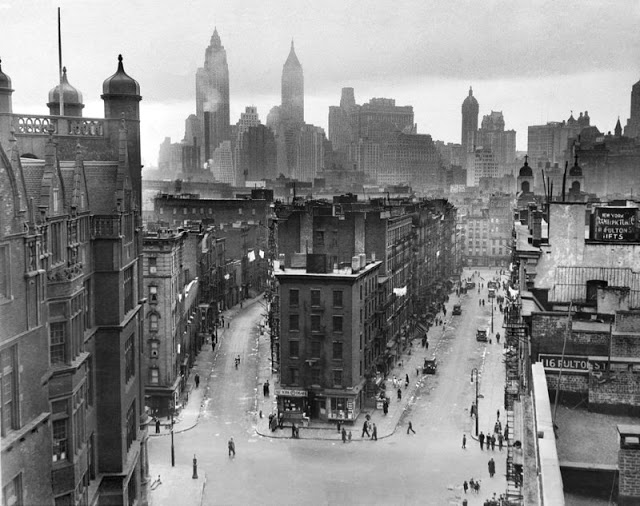
Manhattan skyline, May 12, 1930
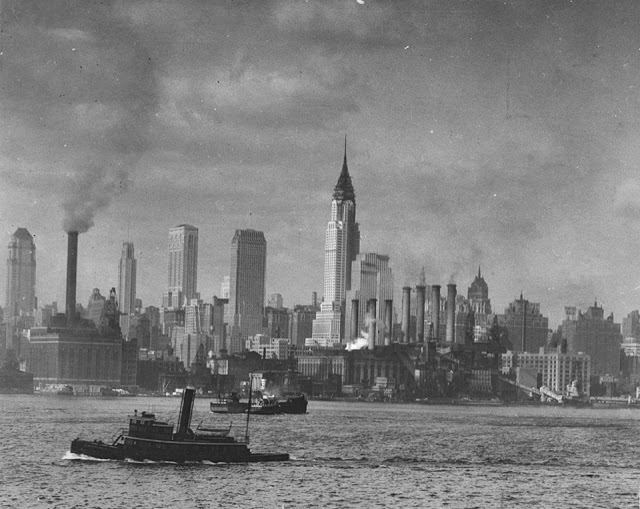
New York Harbor, 1935
New York, 1937
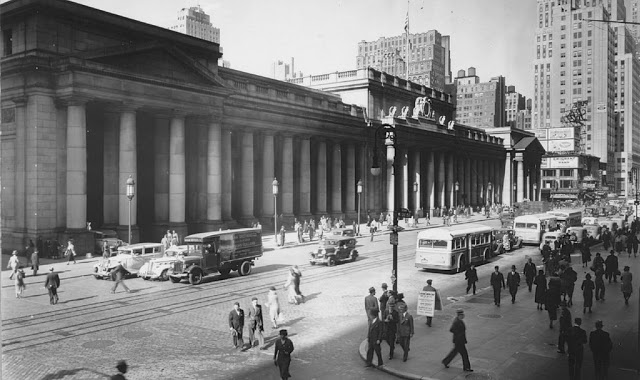
Pennsylvania Station, 1936
The Lung Block, on the Lower East Side of Manhattan, 1933
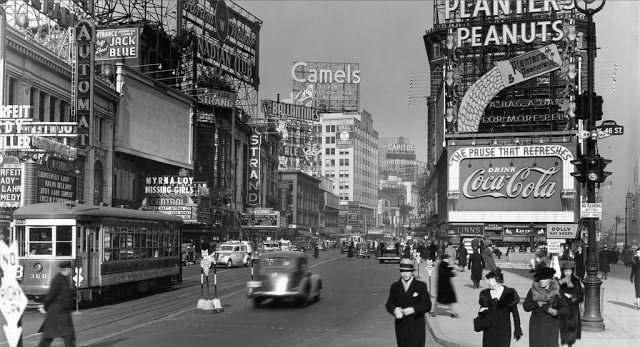
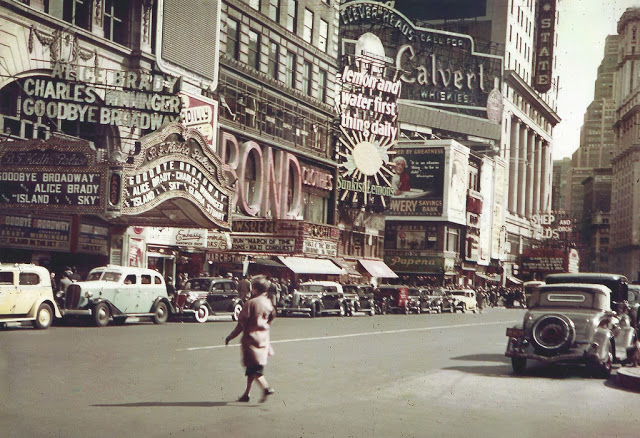
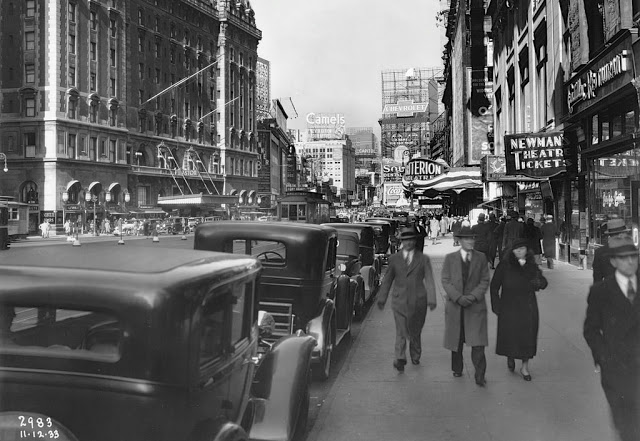
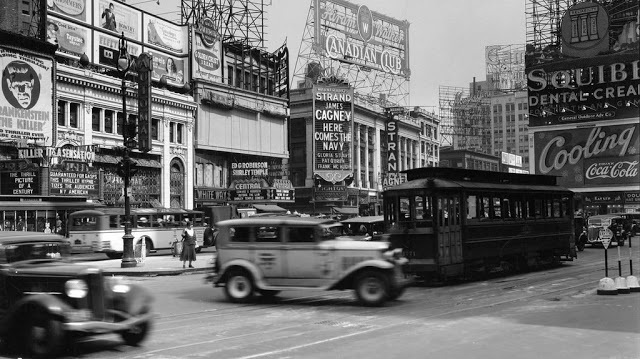
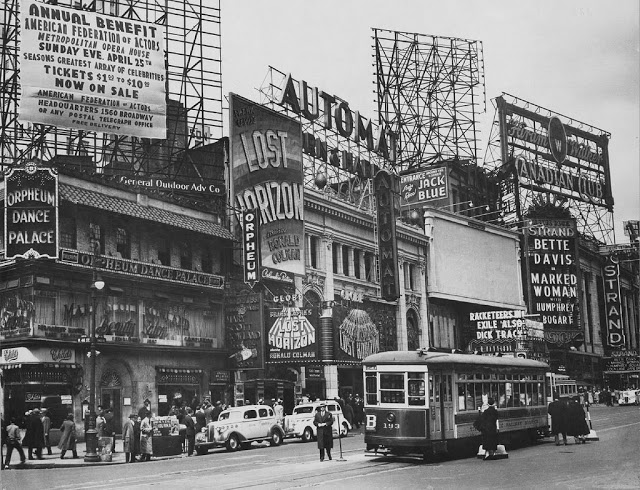
Times Square, 1938
Times Square, January 13, 1937
Times Square, November 12, 1933
West 42nd Street & 6th Avenue, 1933
7th Avenue & 46th Street, 1934
7th Avenue toward Barrow Street, 1939
Broadway & 46th Street , 1937
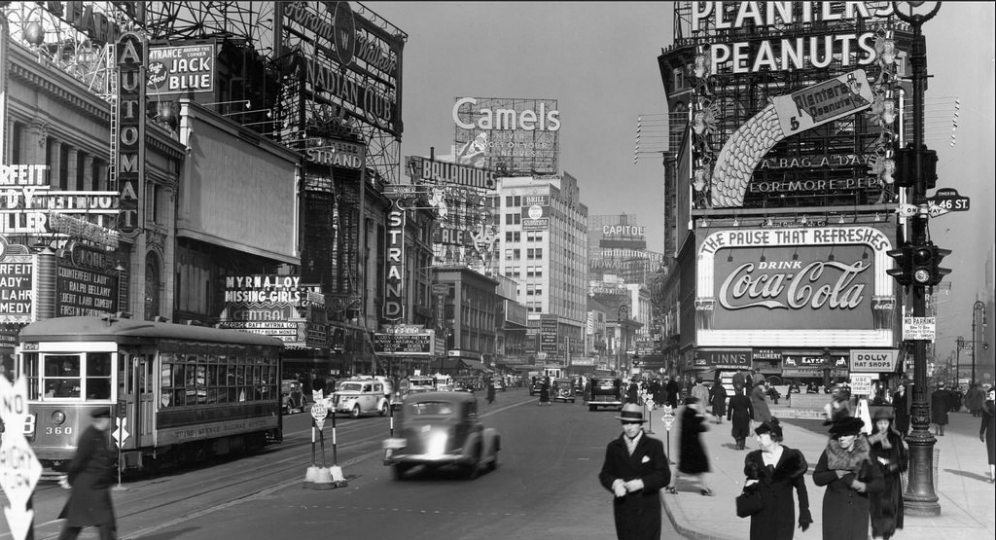
Broadway & 46th Street, New York City, January 13, 1937
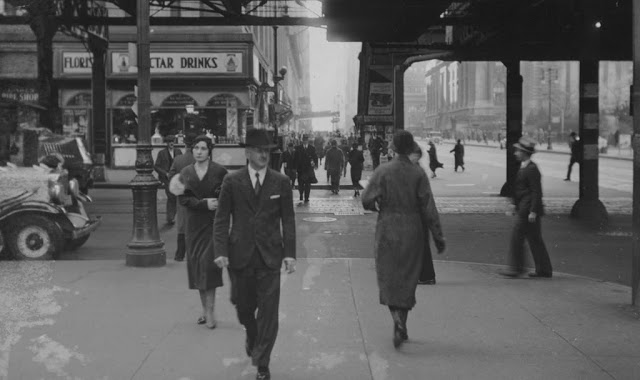
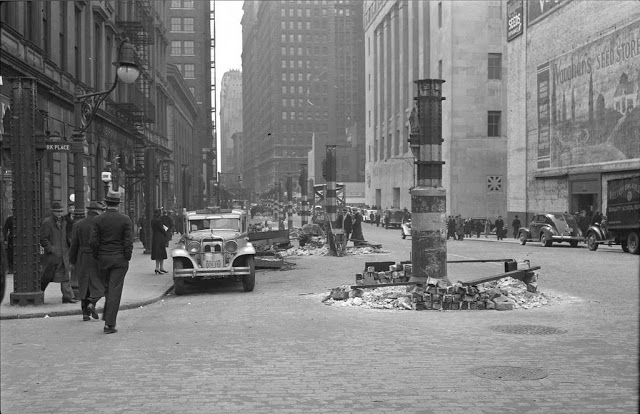
Church Street & Park Place, with the remains of the 6th Avenue El, March 17, 1939
Broadway & 46th Street, New York City. Wednesday, January 13, 1937.

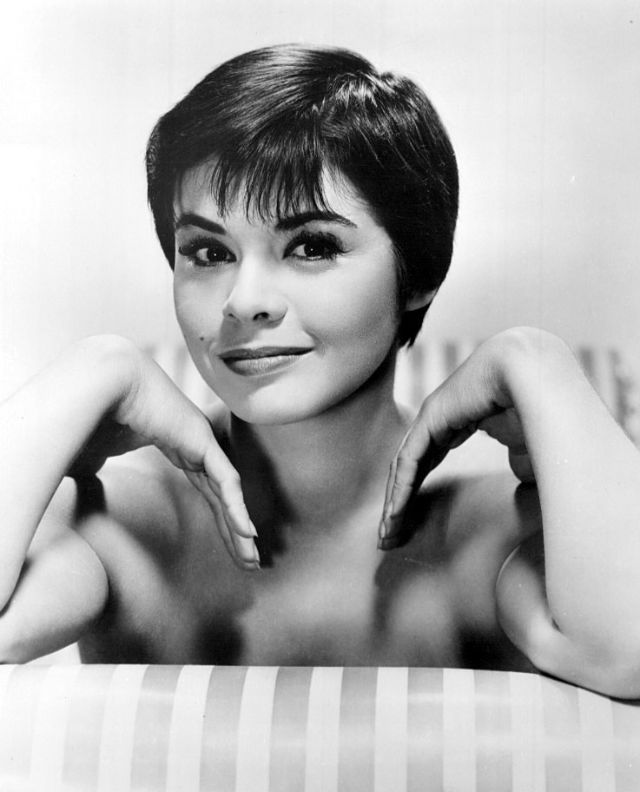
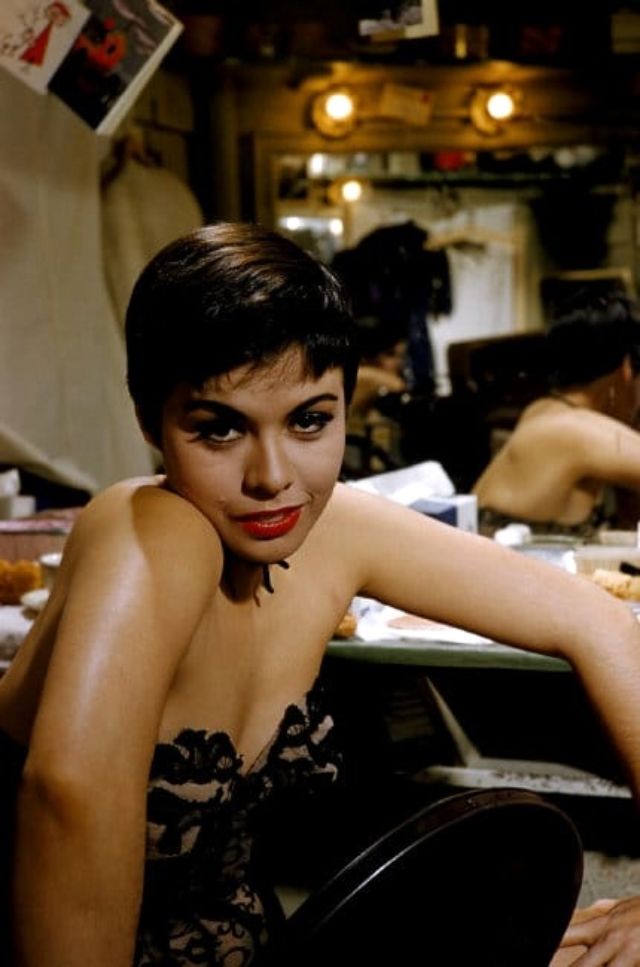
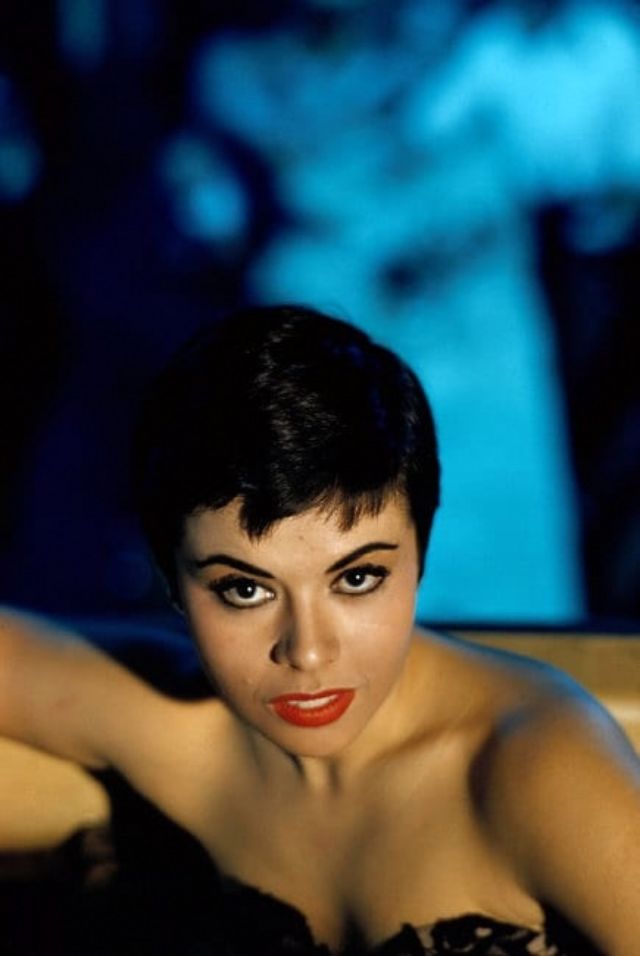
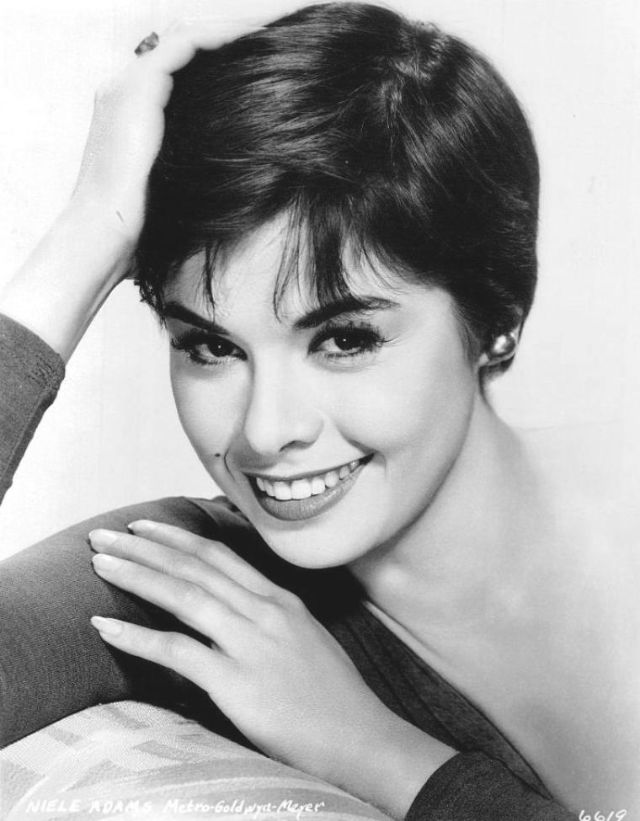
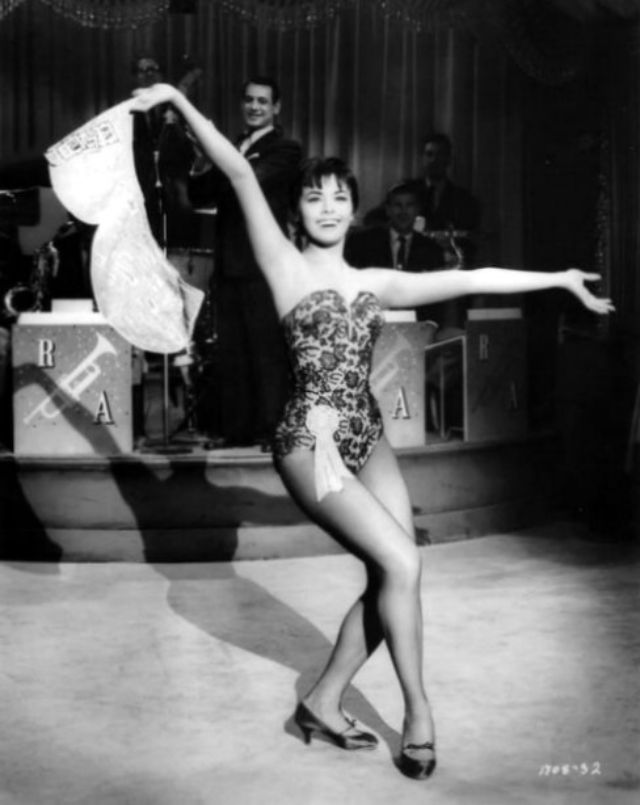
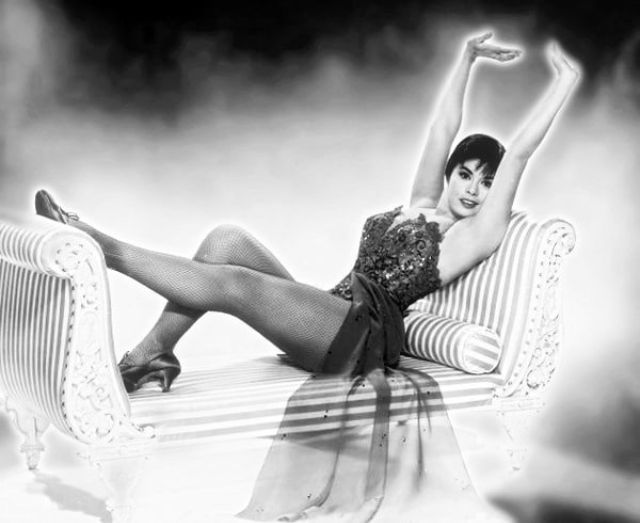
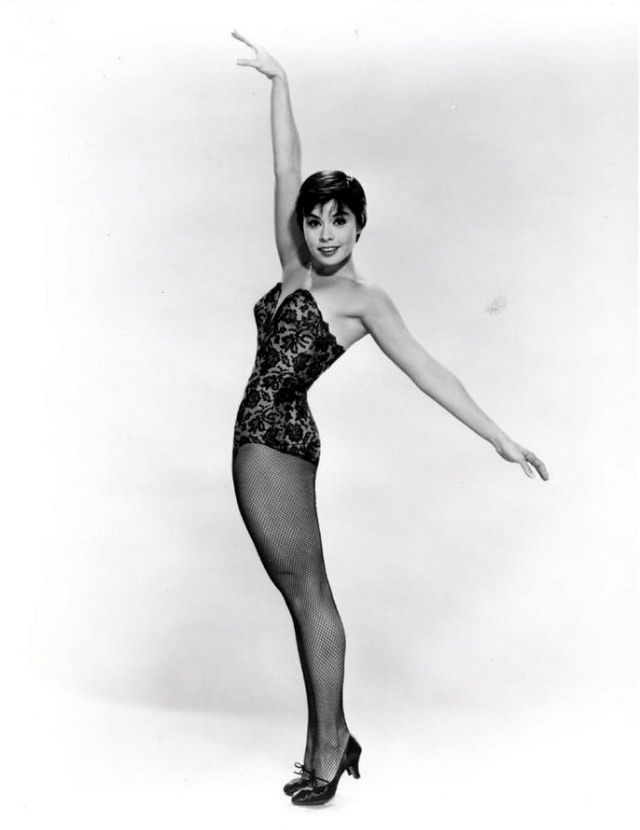
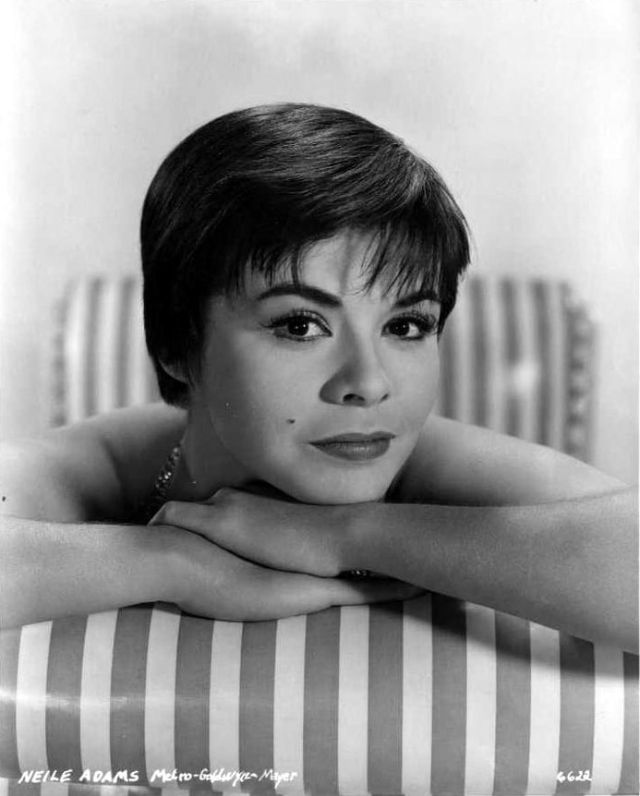
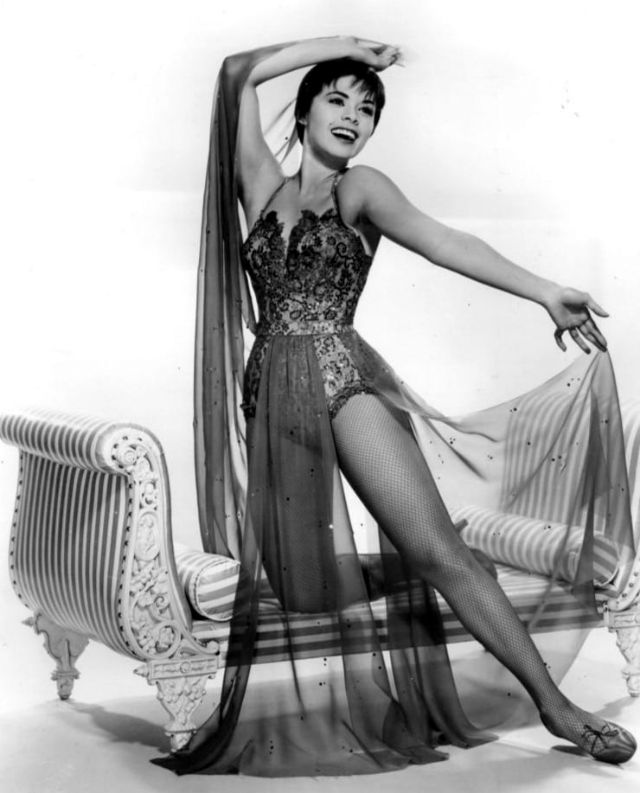
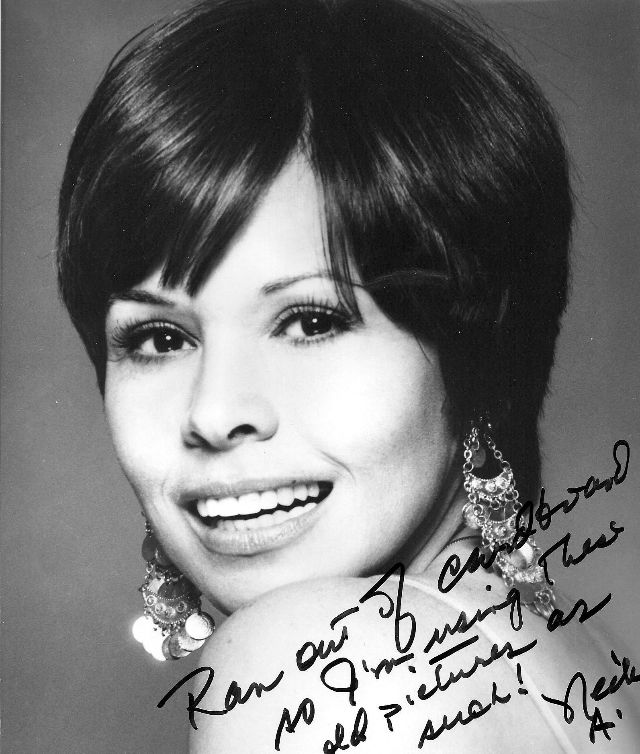
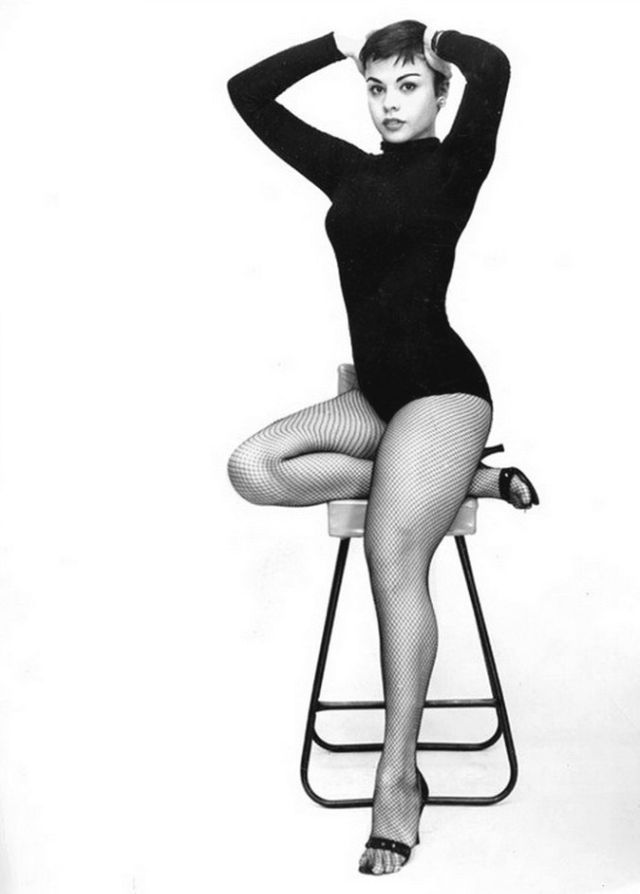
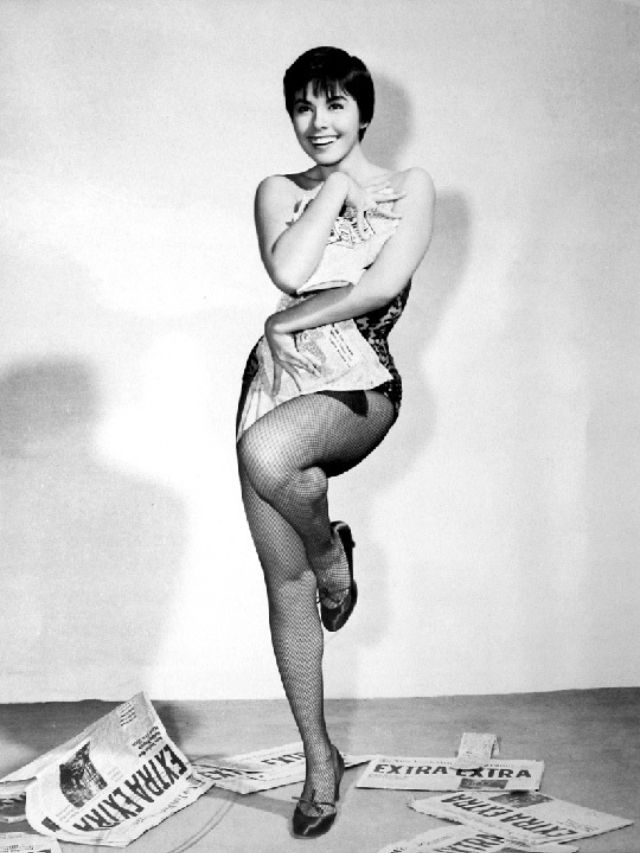
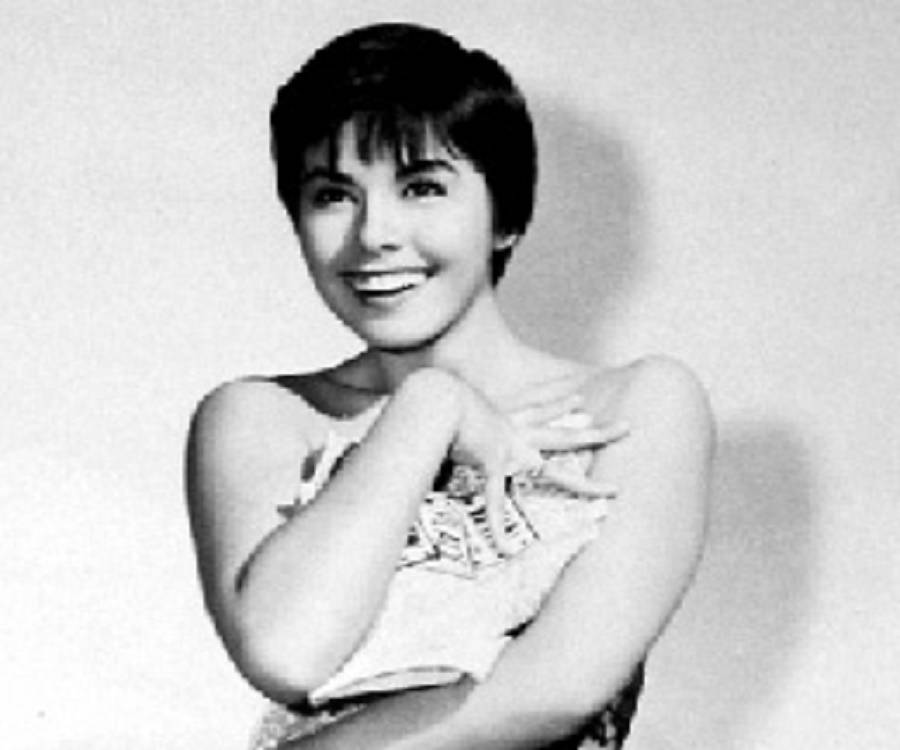
22 Stunning Photos of Actress Neile Adams, the First Wife of Steve McQueen

Ruby Neilam Salvador Adams (born 1932), known professionally as Neile Adams, is a Filipina-American actress, singer, and dancer who made more than 20 appearances in films and television series between 1952 and 1991.

Adams was born in Manila in 1932, daughter of José Arrastia, the maternal great-grandfather of Enrique Iglesias. She reportedly never met her father. Her mother, Carmen “Miami” Salvador, was a hula dancer of Spanish and German descent. In her early teens, during the Japanese army’s occupation of Manila during World War II, Adams became a spy for the Philippine resistance, carrying messages between guerrilla groups. She was later wounded by shrapnel during the Allied liberation of the island. She moved to the United States in 1948 and attended Rosemary Hall, a private school in Connecticut. She then went to New York to study dancing where she got a scholarship at the Katherine Dunham School of Dance. To avoid typecasting because of her name, she became known as Neile Adams.

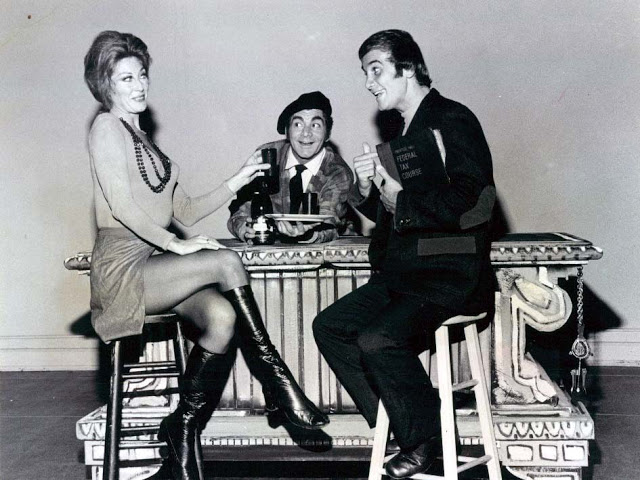
In 1958, producer George Abbott offered Adams a role in the Broadway production of Damn Yankees. She was unable to accept because the Versailles Club would not release her from her contract as a dancer. Her Broadway credits include performing in Kismet and The Pajama Game. She also performed in Broadway Bound at The Grand opposite Paul Muni. She married then-struggling actor Steve McQueen four months after their meeting in 1956 while filming MGM’s This Could Be the Night (1957) where she was under contract. Adams opened the Tropicana Hotel in Las Vegas in 1958 with Dick Shawn and Vivian Blaine.

Her other screen credits include Women in Chains (1972), Fuzz (1972), So Long, Blue Boy (1973), Chu Chu and the Philly Flash (1981), and Buddy Buddy (1981). Her television credits include: The Perry Como Show, two Bob Hope Christmas specials, The Eddie Fisher Show, The Patrice Munsel Show, The Pat Boone Show and The Hollywood Palace. Her dramatic television roles include a 1960 episode of Alfred Hitchcock Presents, titled “Man from the South”, opposite her husband and Peter Lorre. Two more Alfred Hitchcock episodes followed: a half-hour show directed by Arthur Hiller in which she starred, “One Grave Too Many”, and an Alfred Hitchcock Hour episode entitled “Ten Minutes From Now”. She also appeared on episodes of such television series as Man From U.N.C.L.E., The Rockford Files, The Bionic Woman, Fantasy Island, and Vega$.

Adams met and married American film and television actor Steve McQueen in 1956. The couple had two children together: a daughter, Terry Leslie McQueen (1959–1998), and a son, Chad McQueen, born in 1960. The marriage ended in divorce in 1972. She is the grandmother of actor Steven R. McQueen. She later married Alvin Toffel, a political campaign manager and president of the Norton Simon Museum; they were married until Toffel’s death in 2005. (Wikipedia)
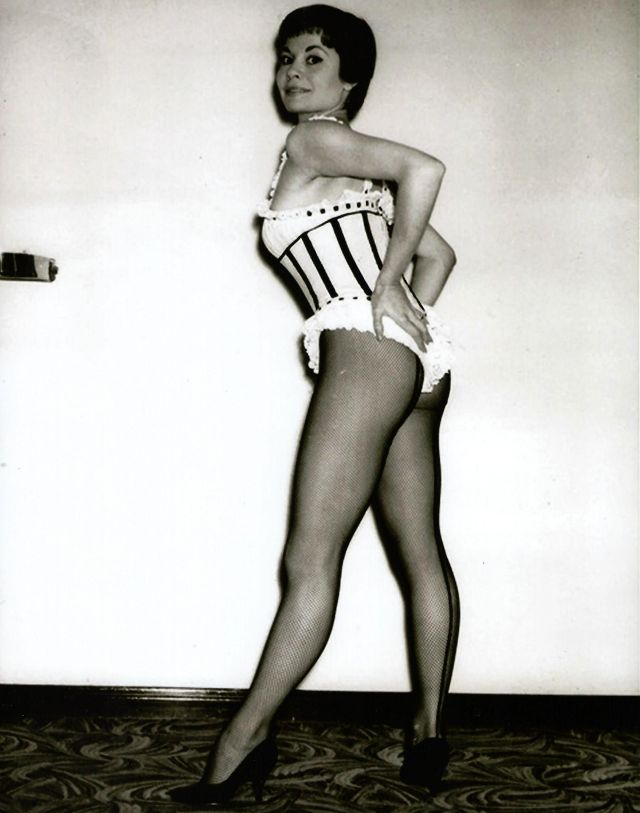
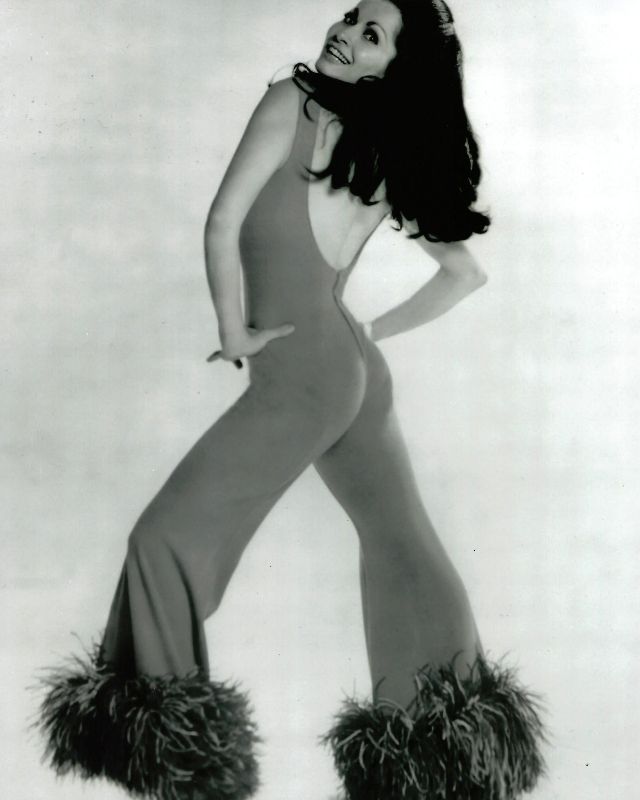
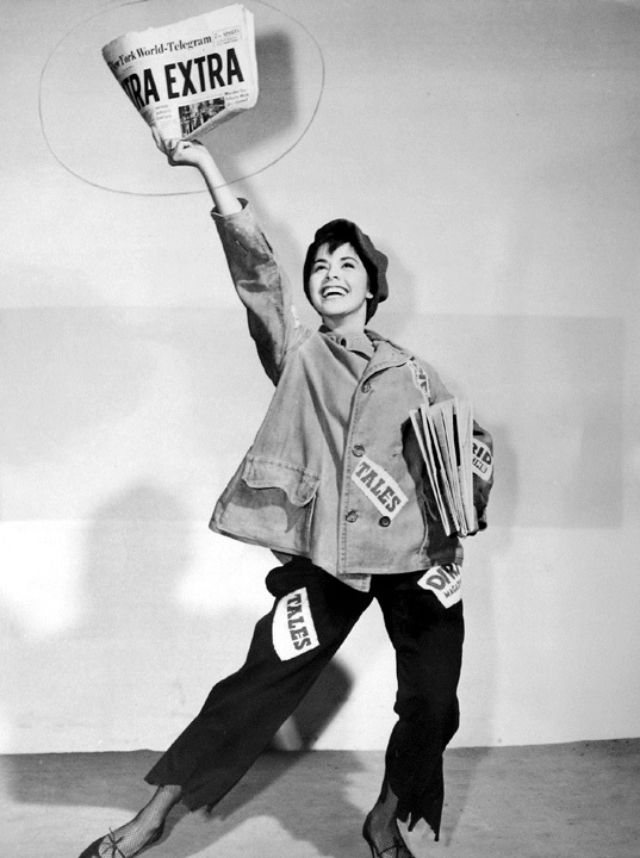
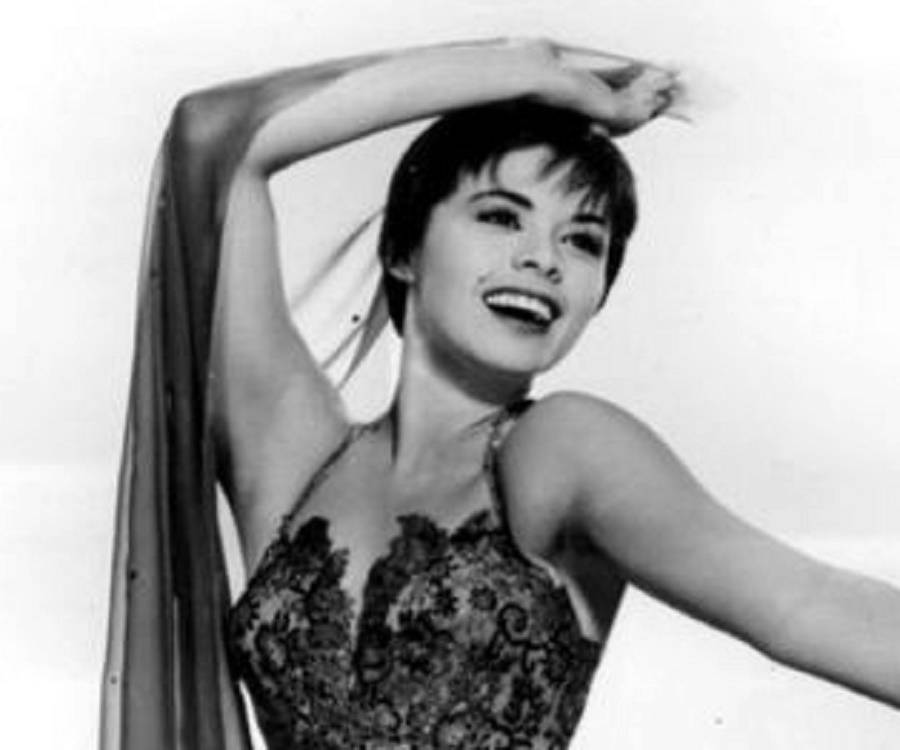
Here below is a collection of beautiful photos that captured portrait of young Neile Adams in the 1950s and 1960s.

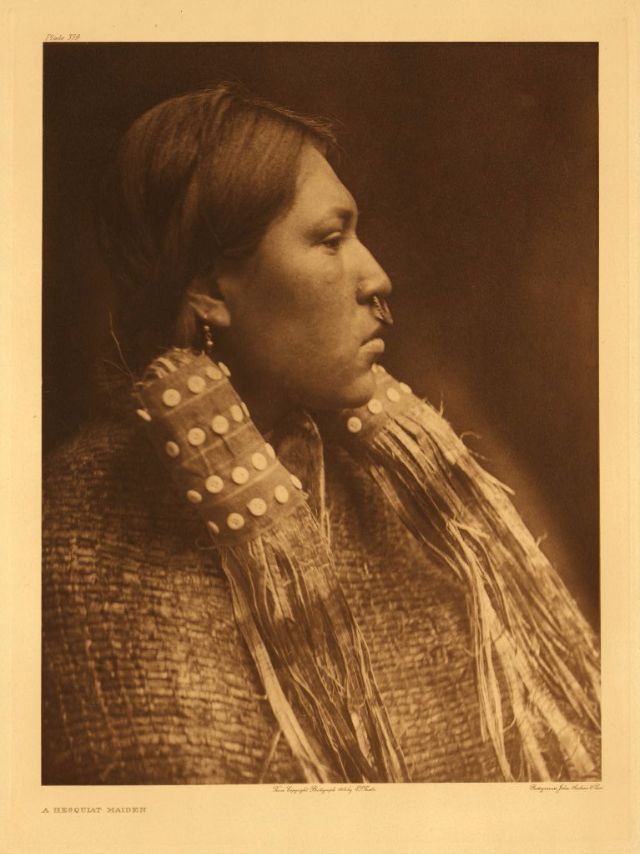
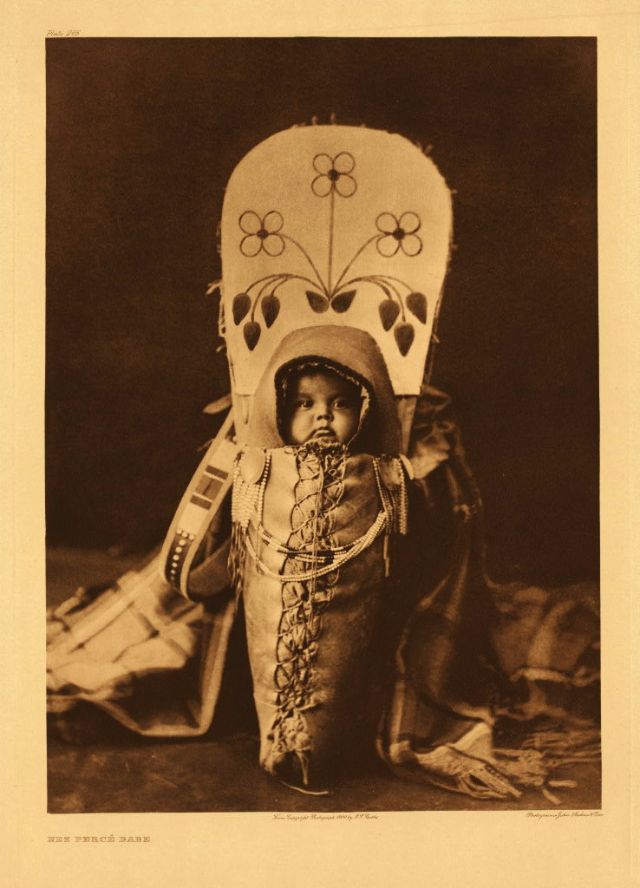
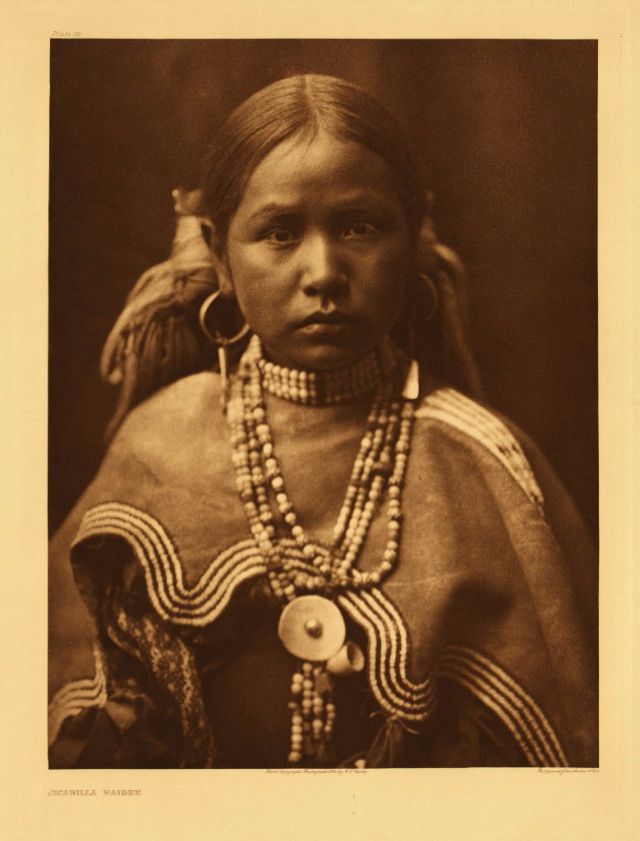
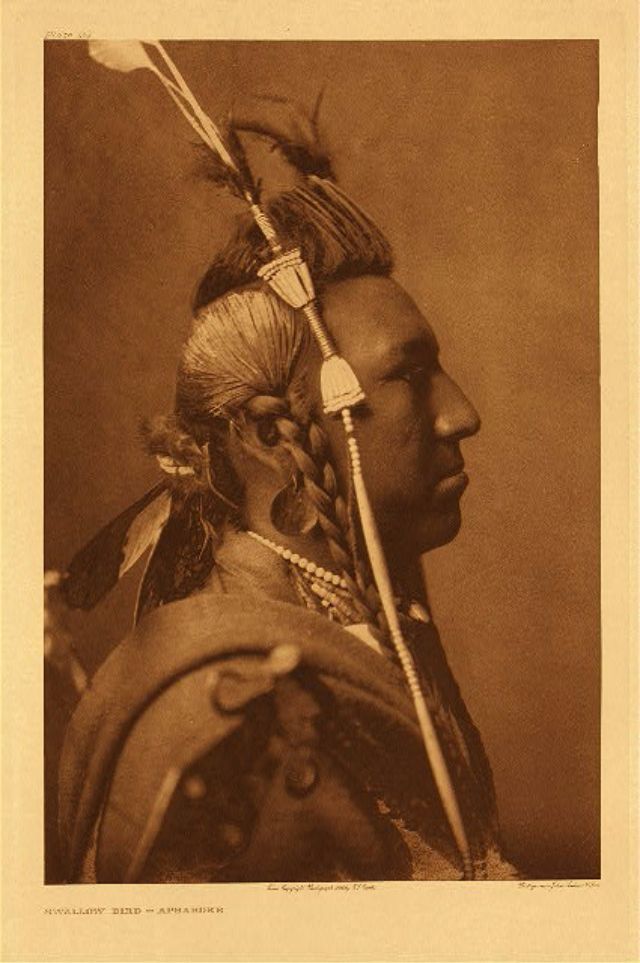
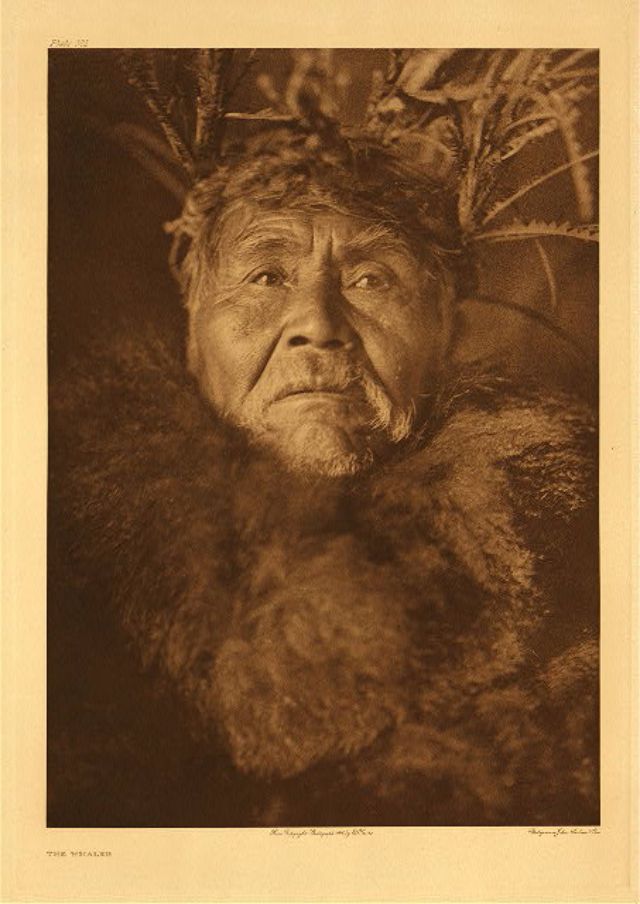
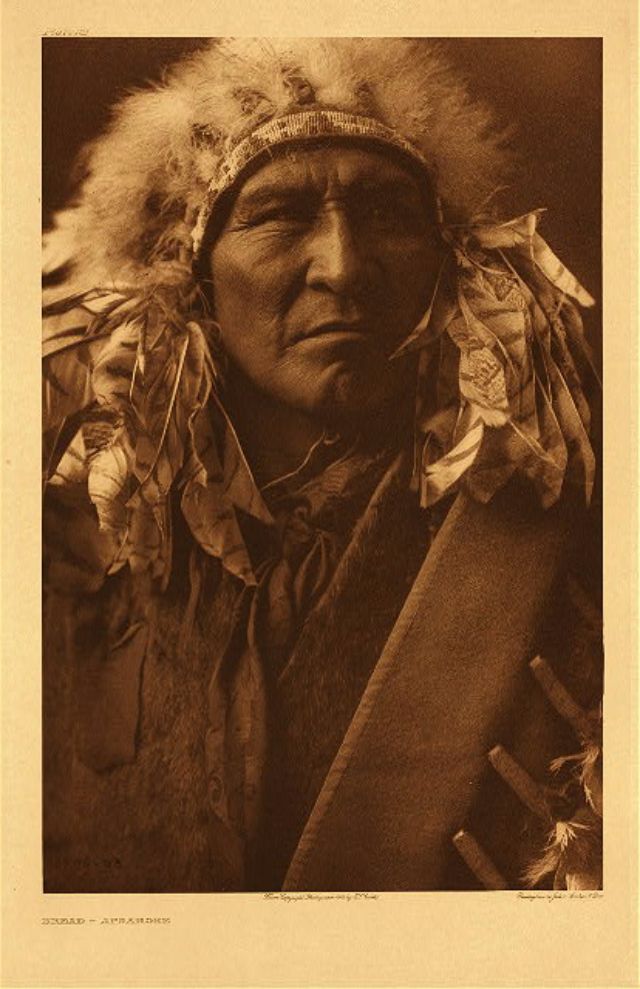
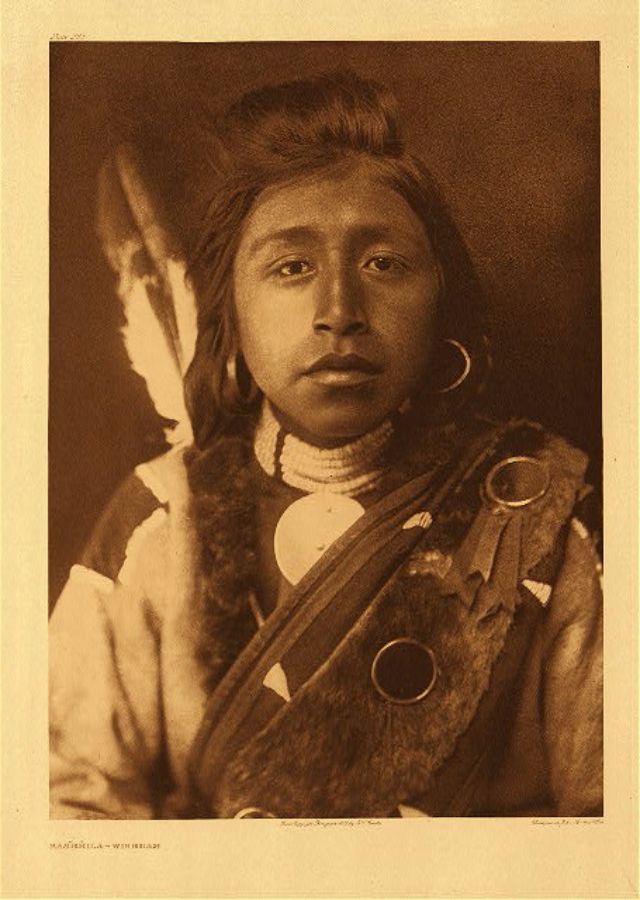
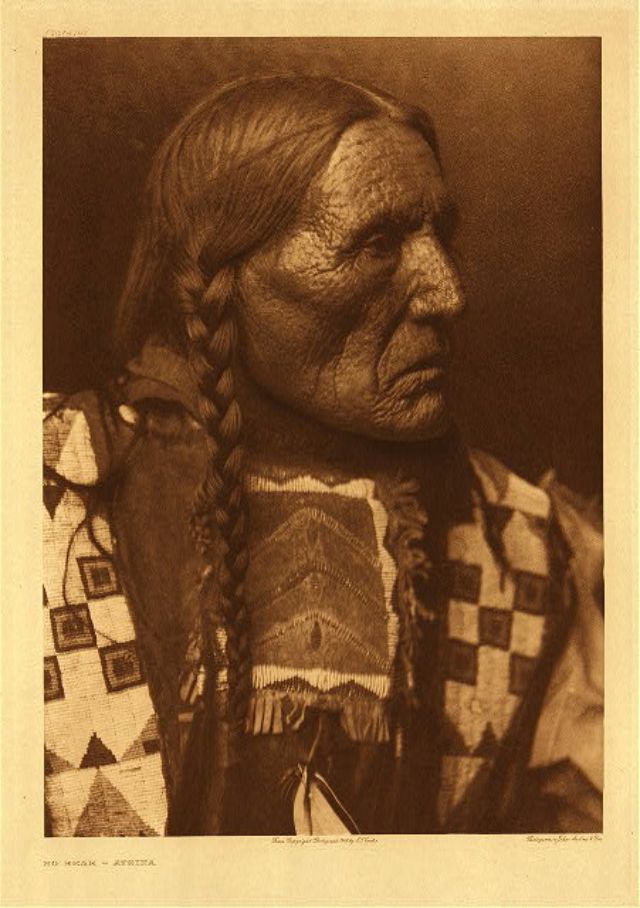
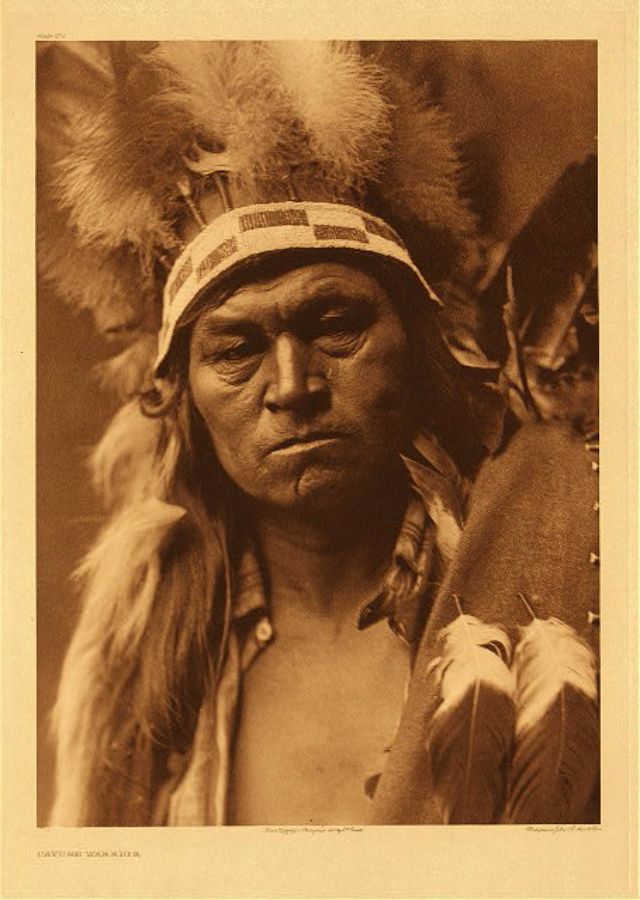
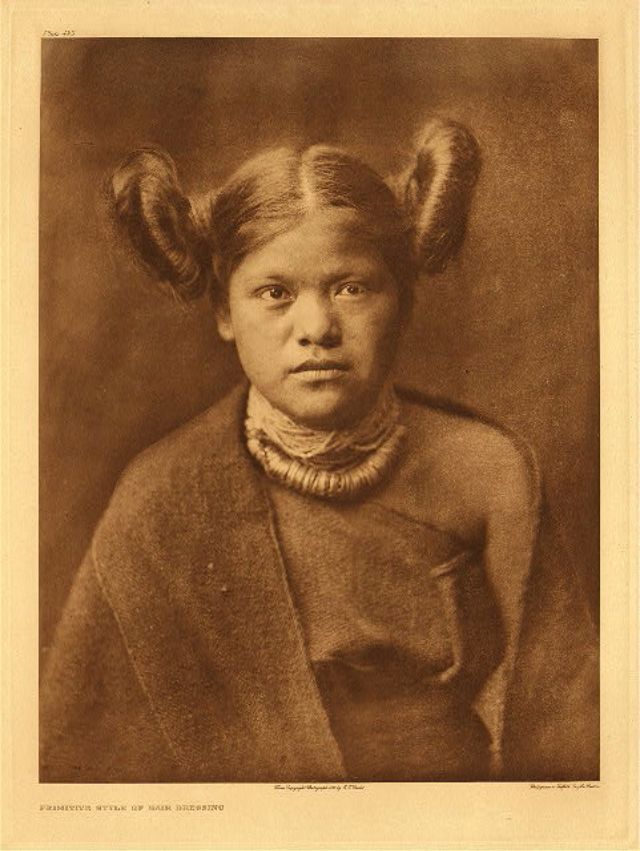
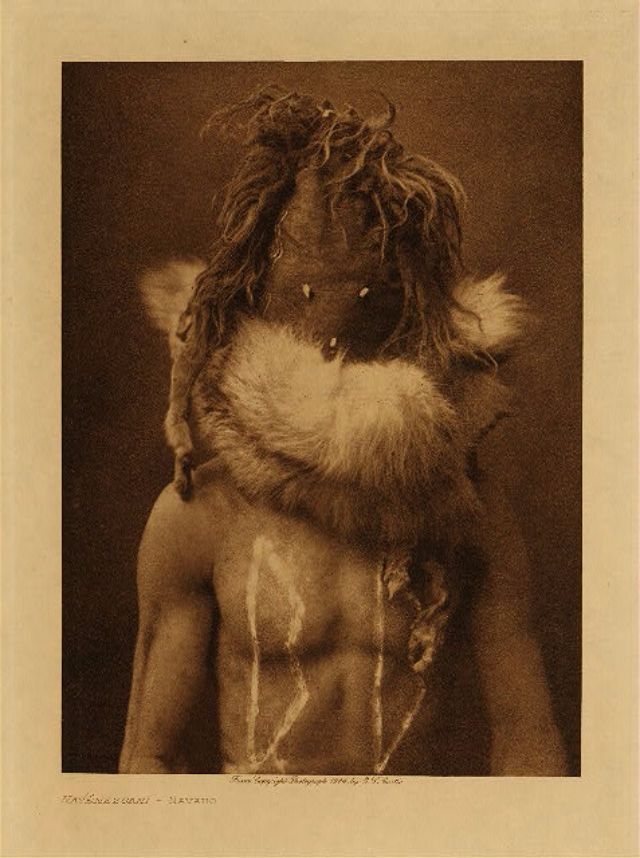
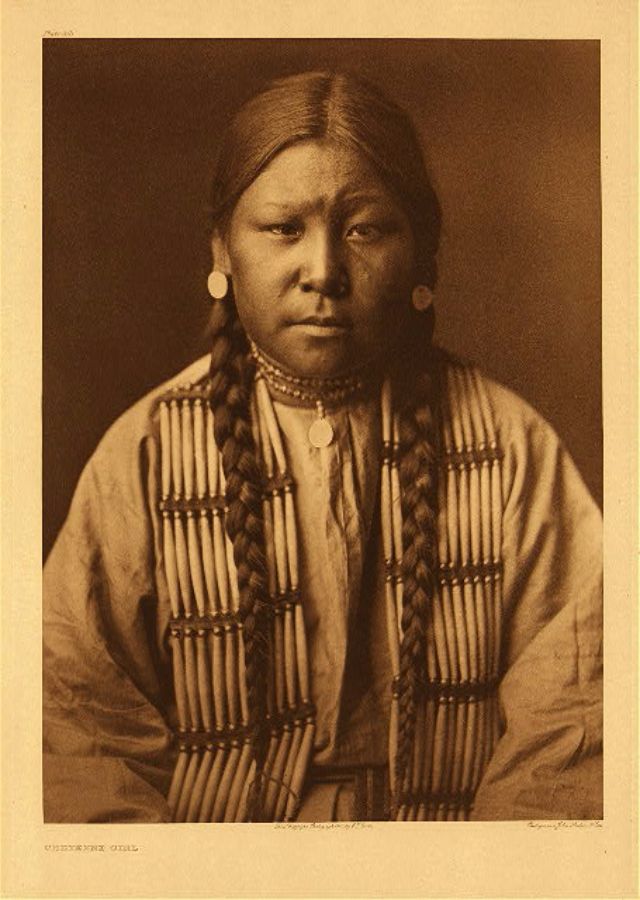
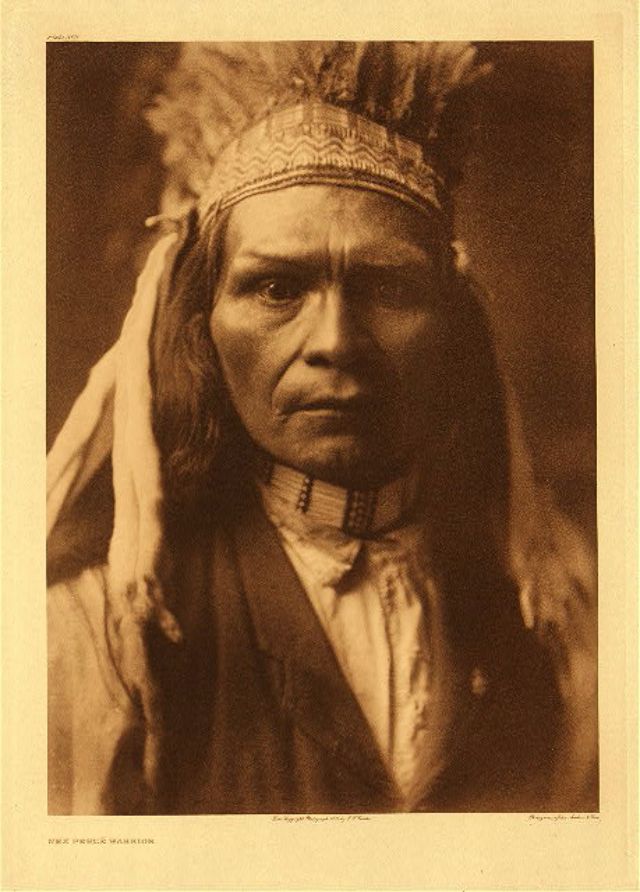
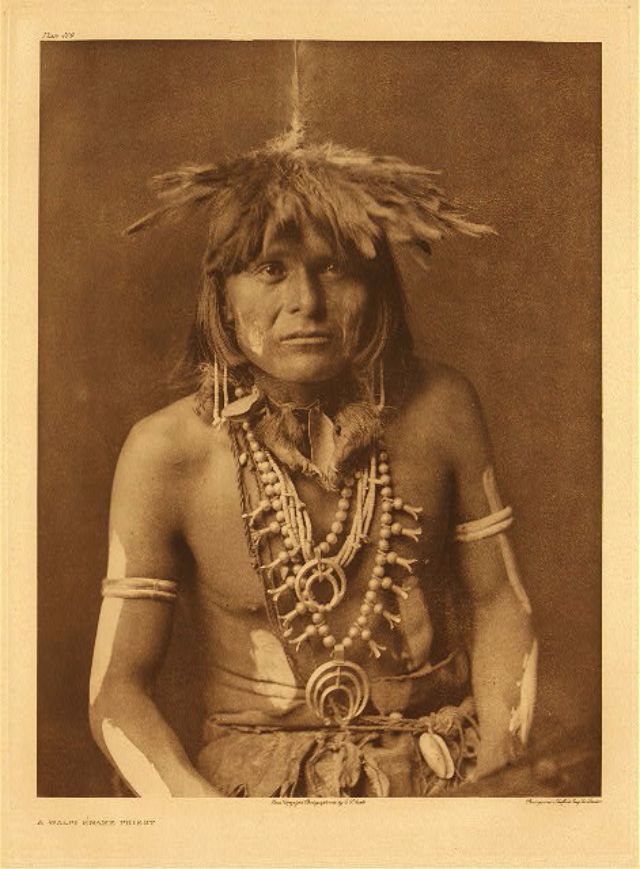
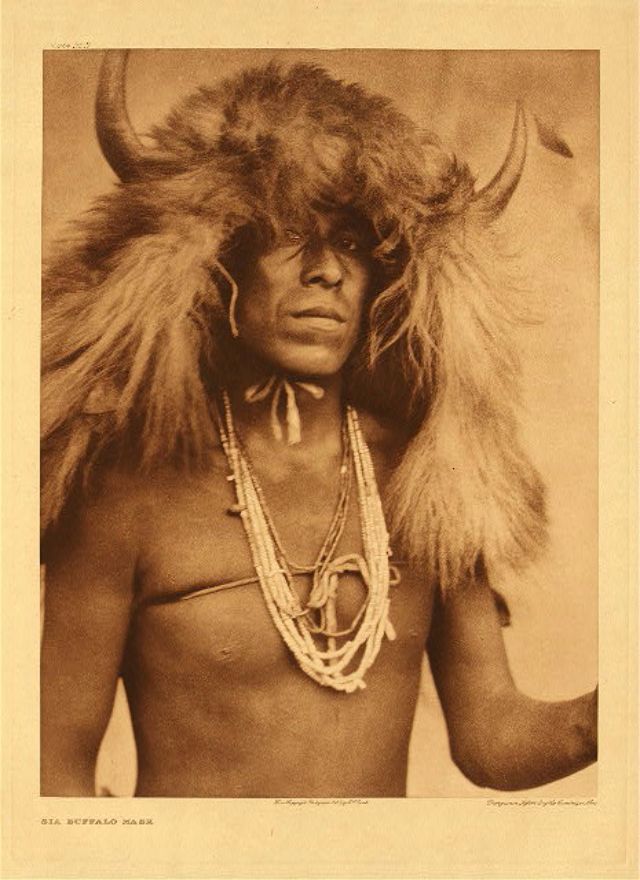
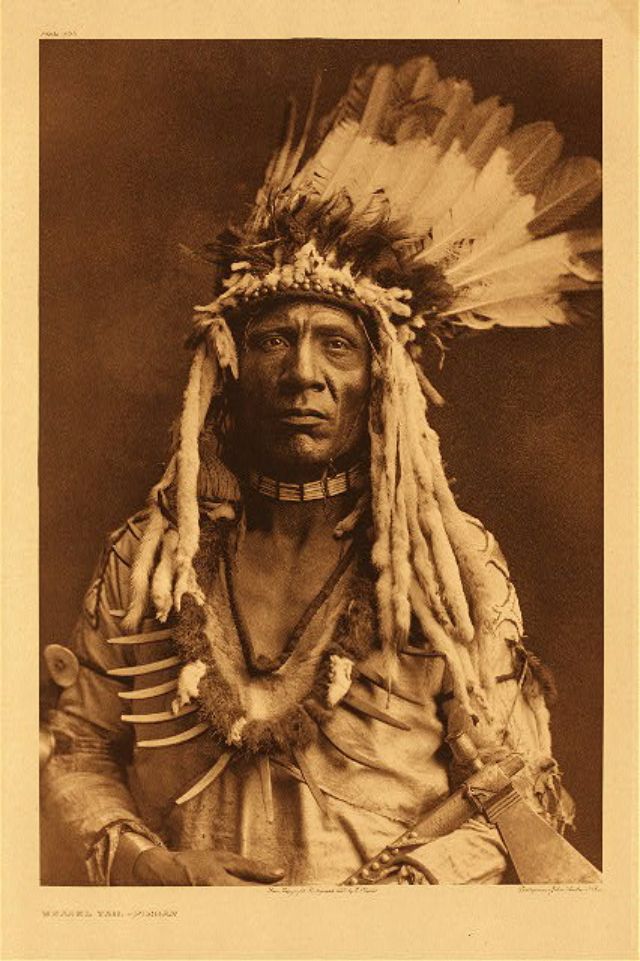
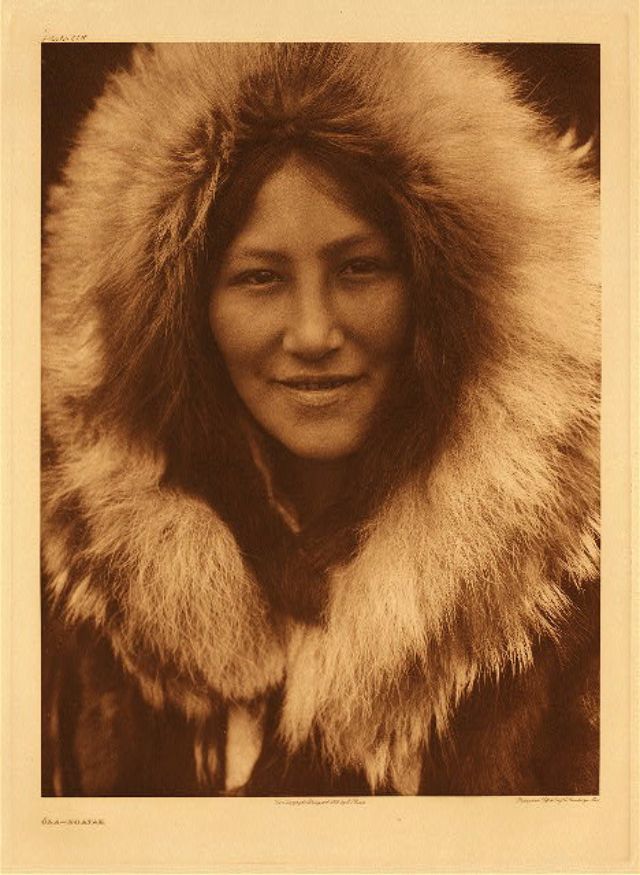
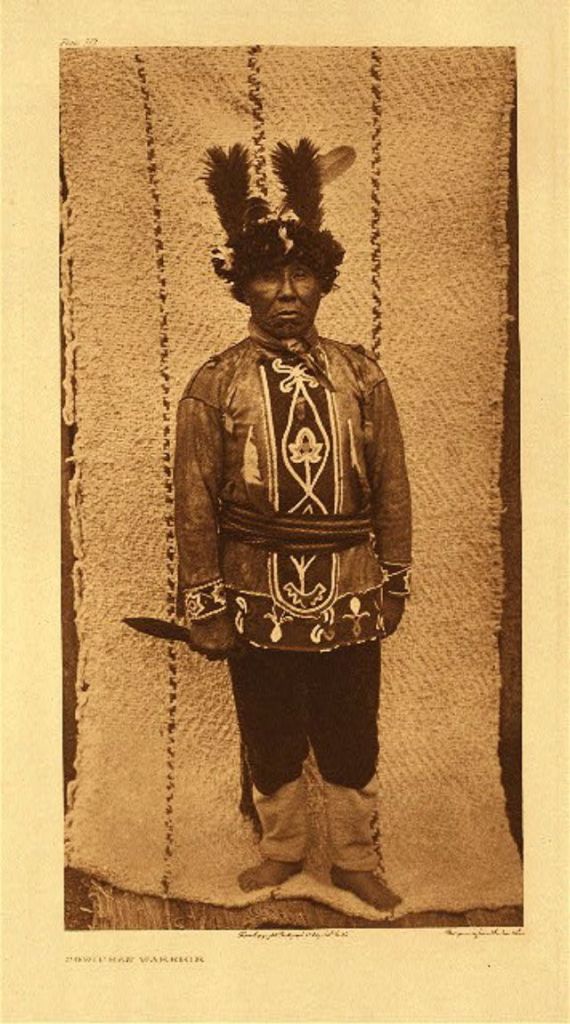
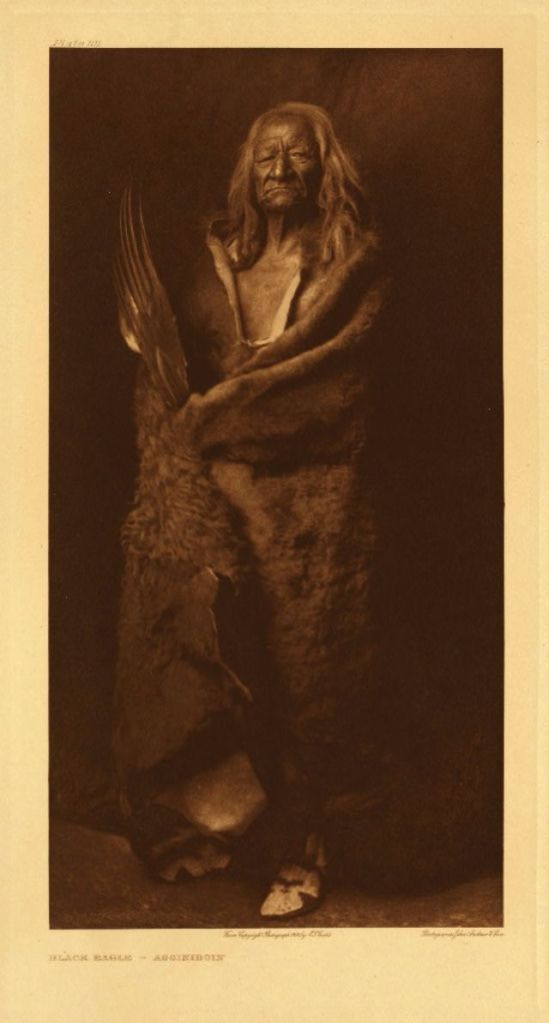
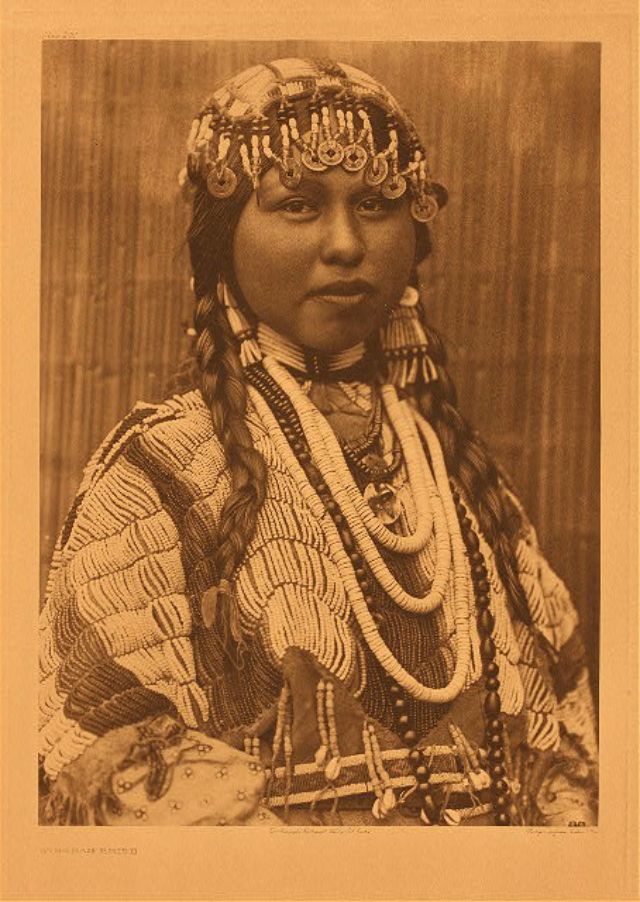
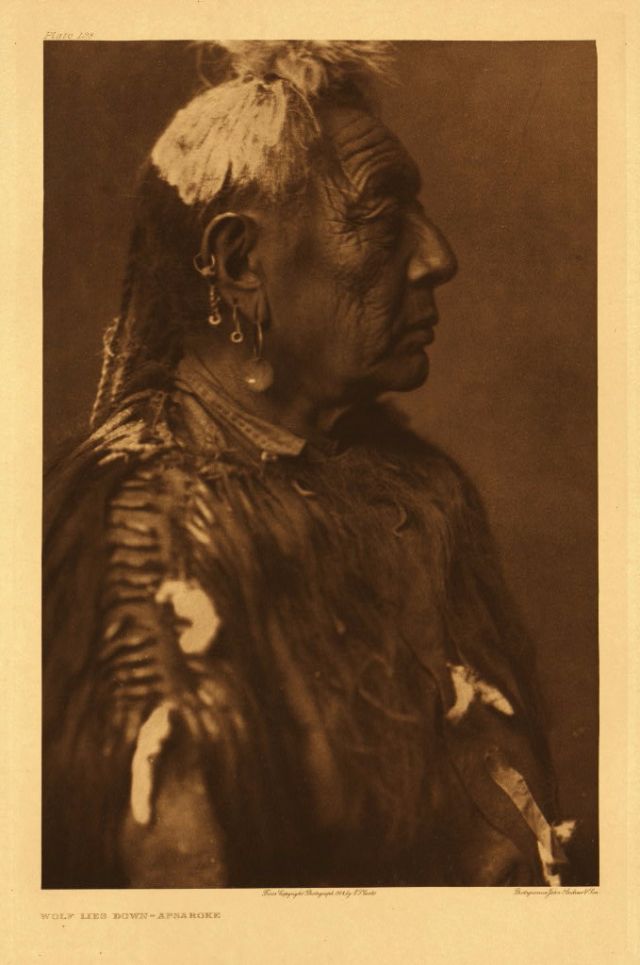
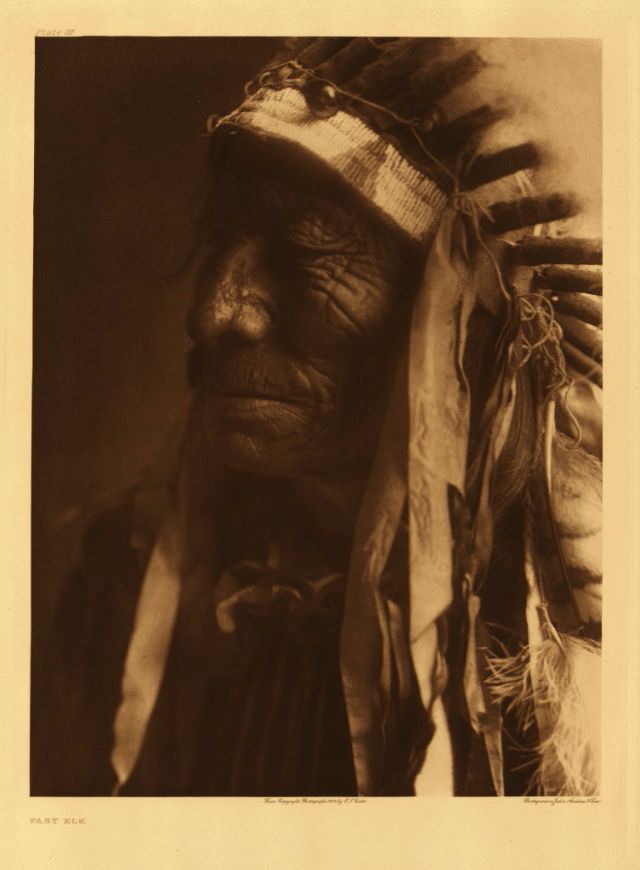
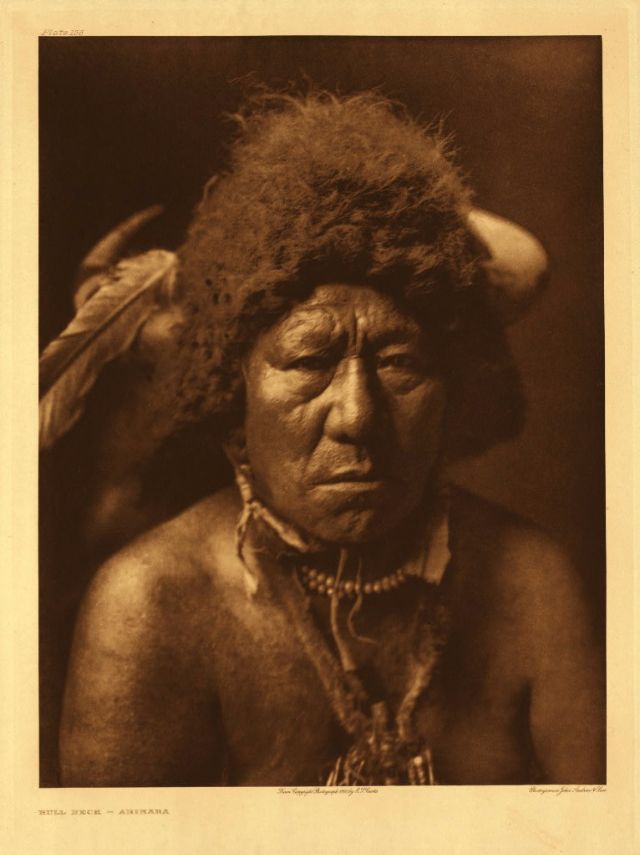
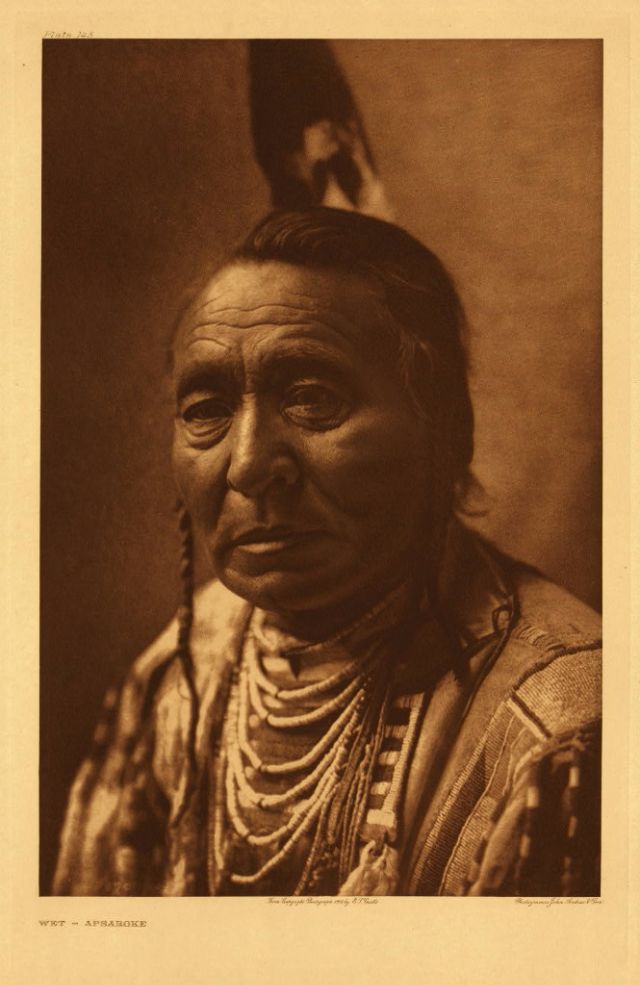
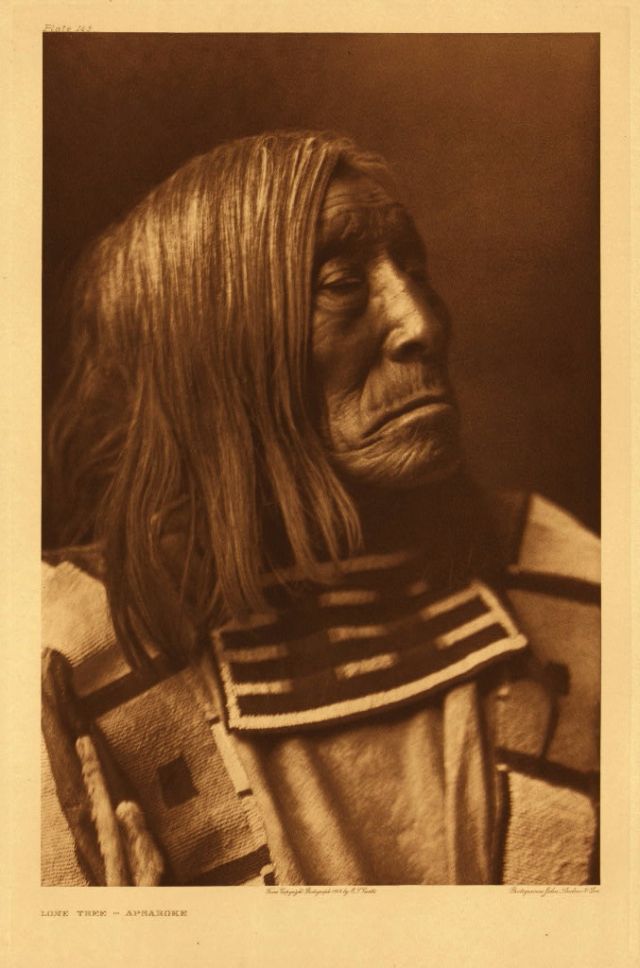
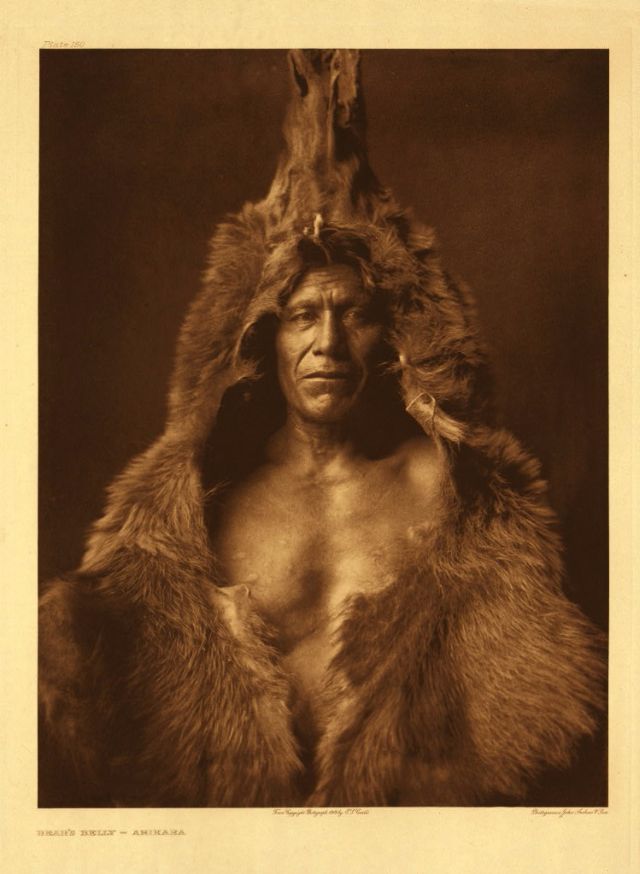
40 Haunting and Beautiful Portraits of Native American Peoples From the Early 20th Century

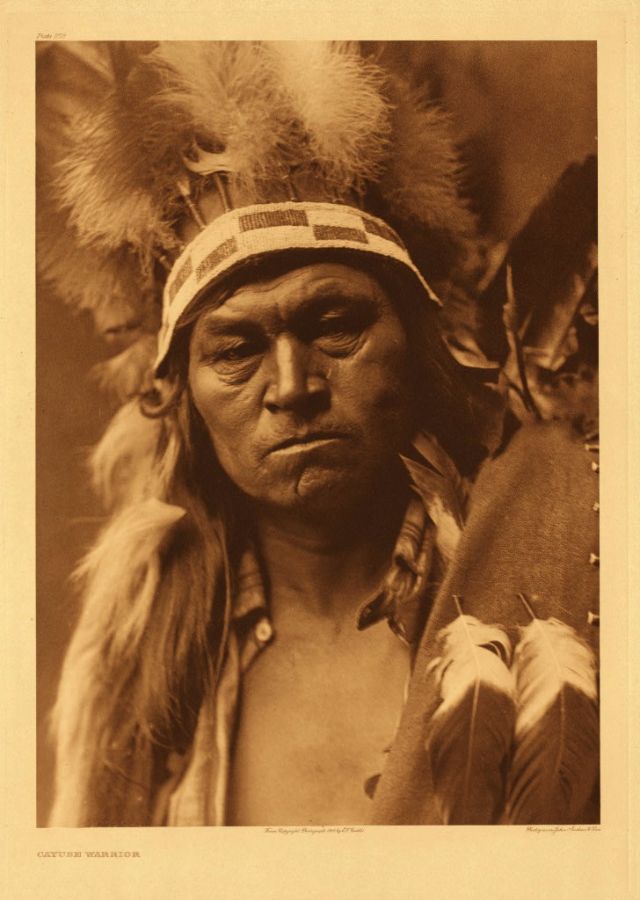
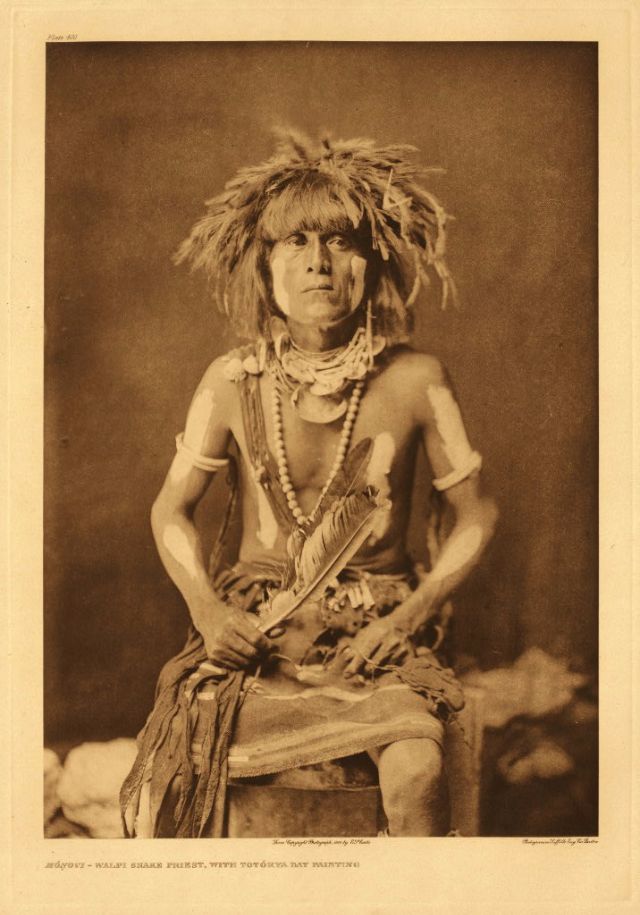
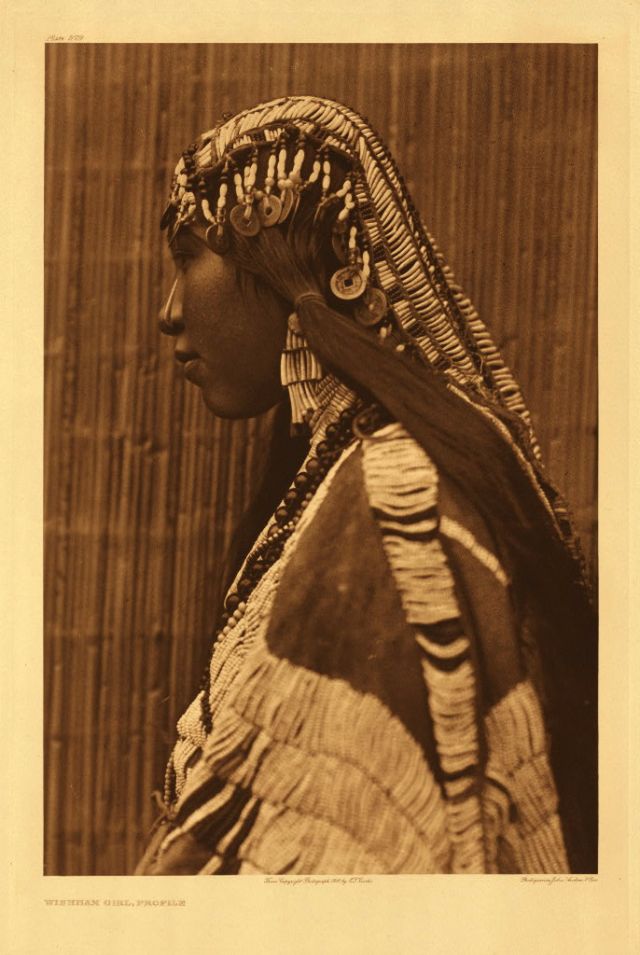
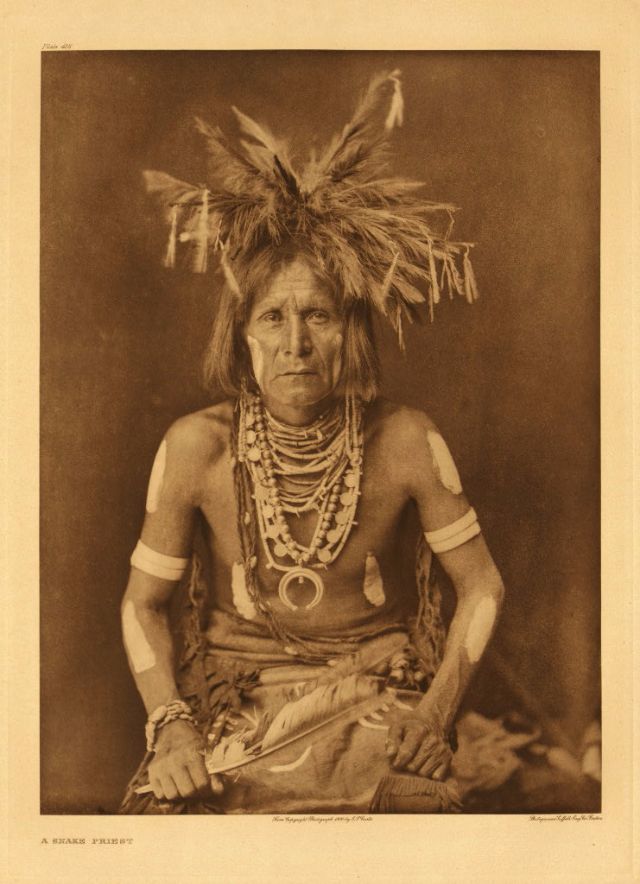
Edward S.Curtis is an American photographer who created one of the most enduring and iconic visual records in the history of the photographic medium, a record that has informed our vision of who we are and where we came from. The images he created during his extraordinary, thirty-year odyssey have touched viewers throughout the world. Today he is believed to be the world’s most widely collected and exhibited fine art photographer.

In 1906, J. P. Morgan provided Curtis with $75,000 to produce a series on Native Americans. This work was to be in 20 volumes with 1,500 photographs. Morgan’s funds were to be disbursed over five years and were earmarked to support only fieldwork for the books, not for writing, editing, or production of the volumes. Curtis received no salary for the project, which was to last more than 20 years. Under the terms of the arrangement, Morgan was to receive 25 sets and 500 original prints as repayment.

Once Curtis had secured funding for the project, he was able to hire several employees to help him. Eventually 222 complete sets were published. Curtis’s goal was not just to photograph but also to document as much of Native American traditional life as possible before that way of life disappeared.

Curtis made over 10,000 wax cylinder recordings of Native American language and music. He took over 40,000 photographic images of members of over 80 tribes. His work changed the way an entire nation viewed Native Americans. He accomplished this at a time when some individuals were actively advocating for the extinction of all Native people on this continent. His images have also moved and inspired extraordinarily broad and diverse audiences, transcending economic, cultural, social, educational, and national boundaries.

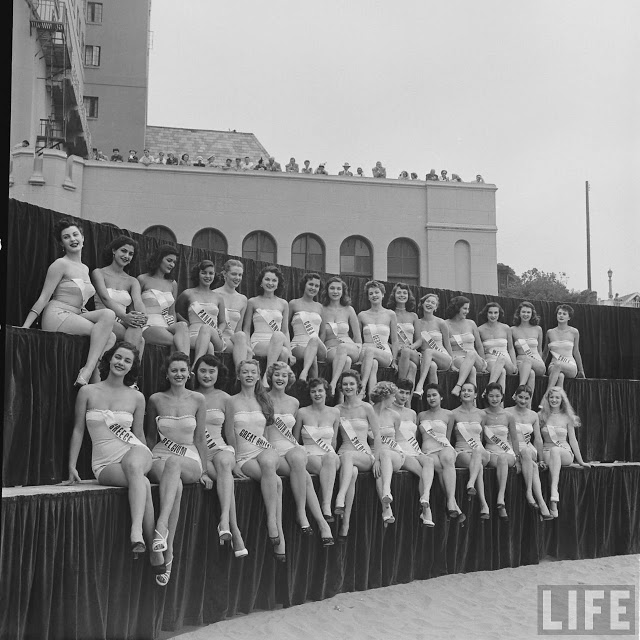
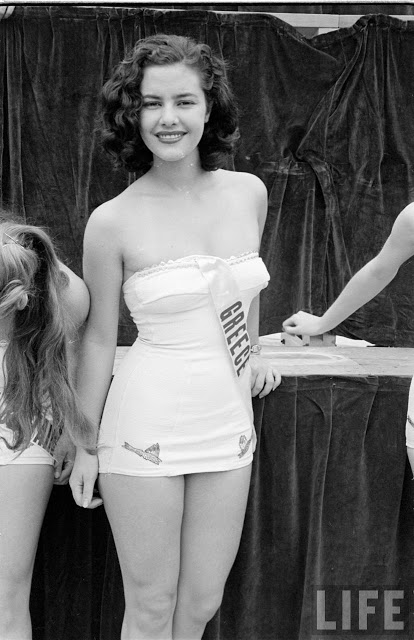
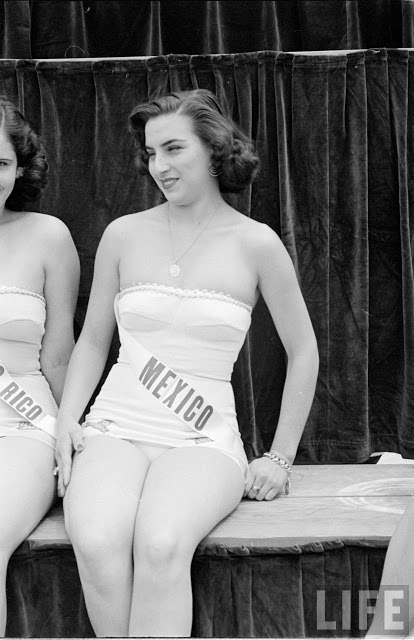
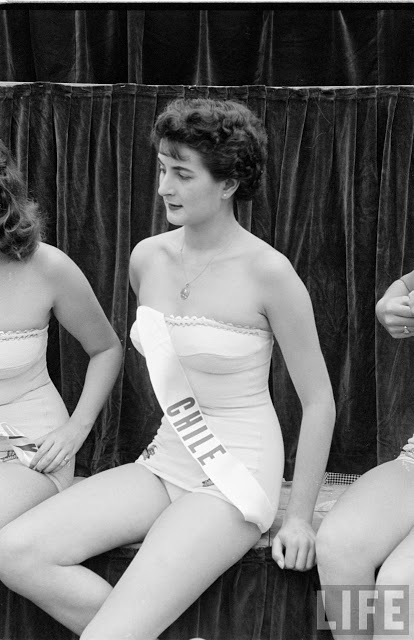
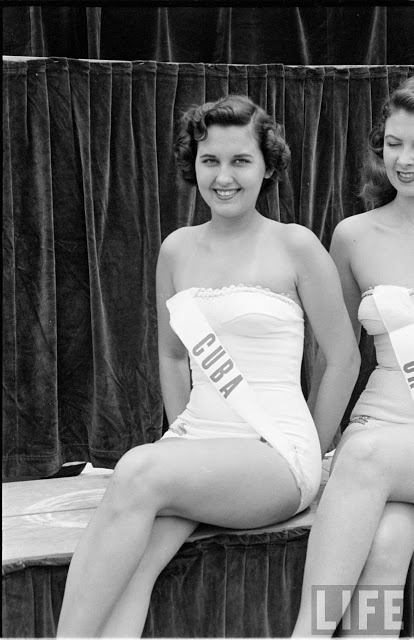
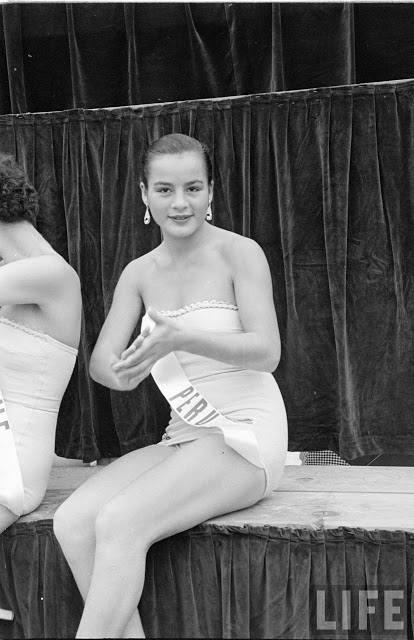
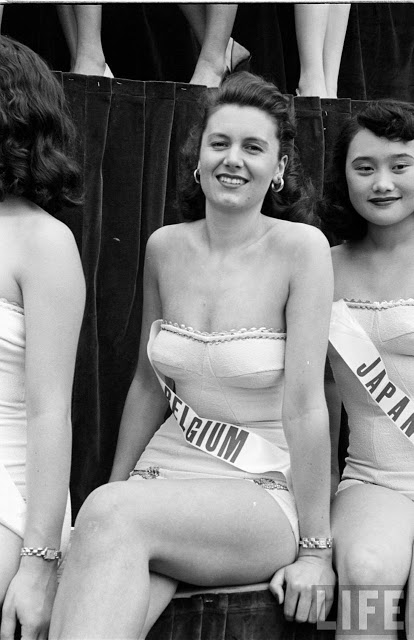
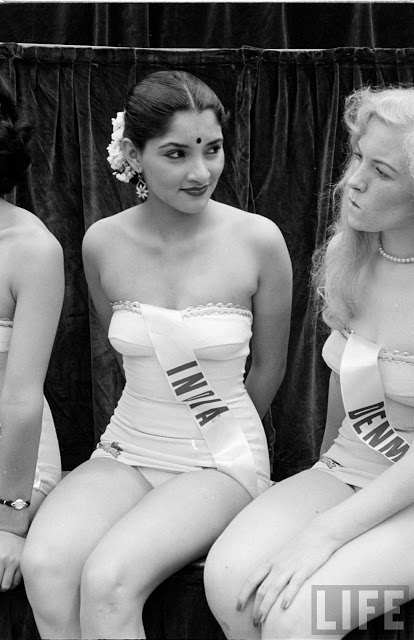
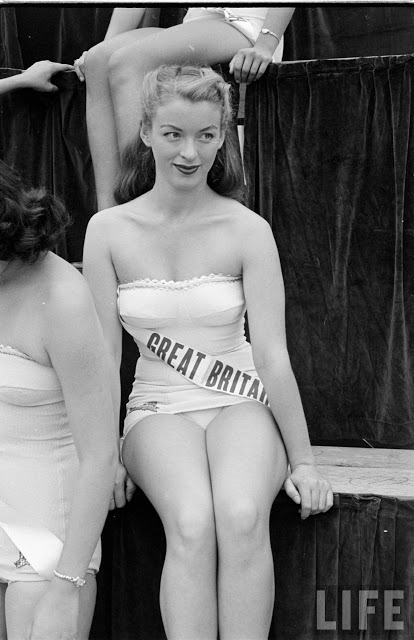
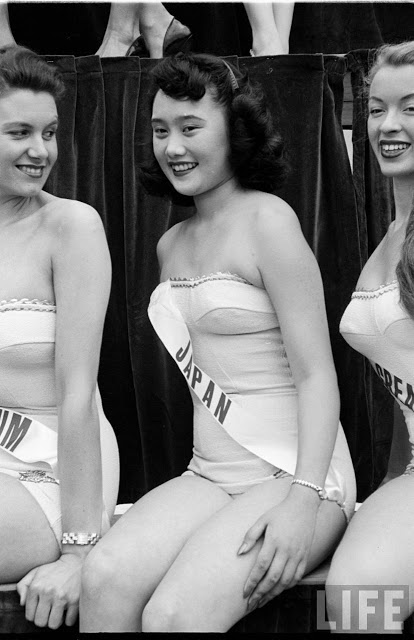
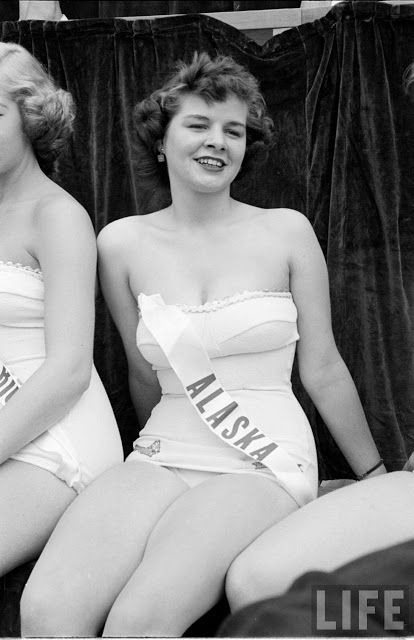
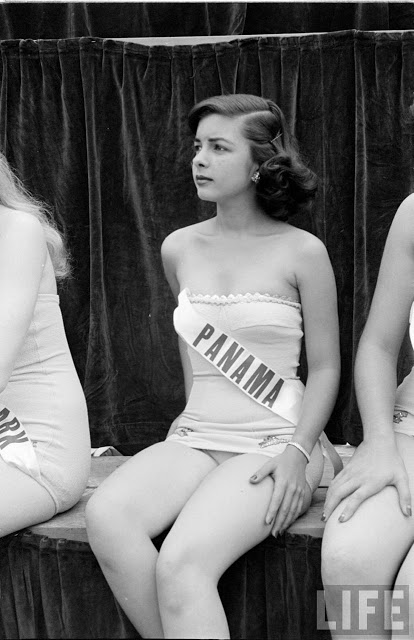
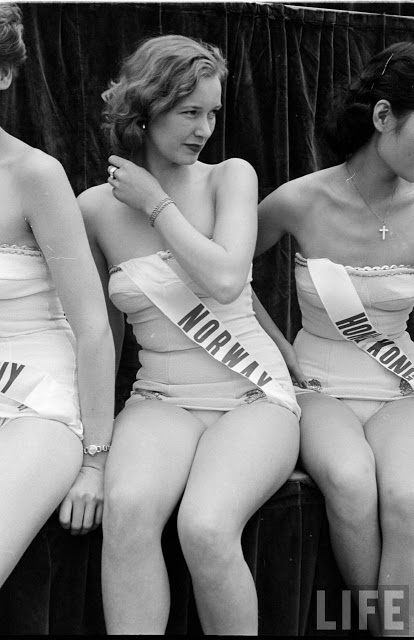
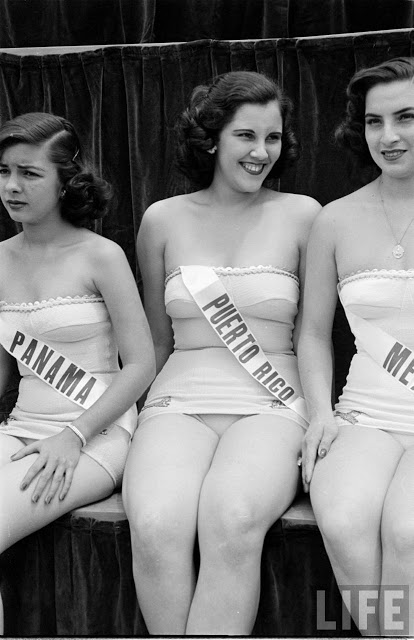
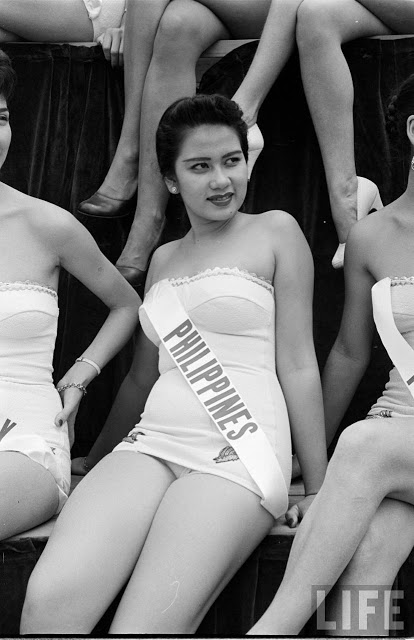
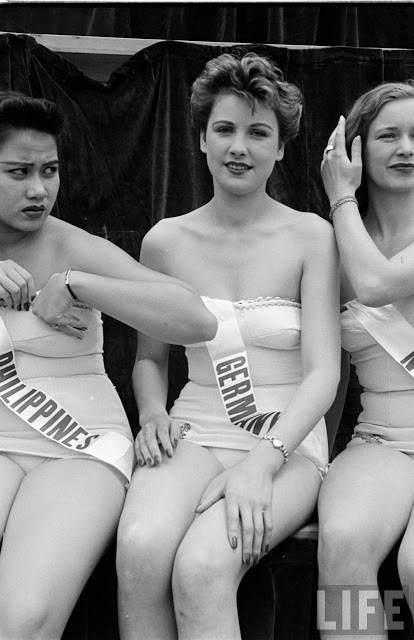
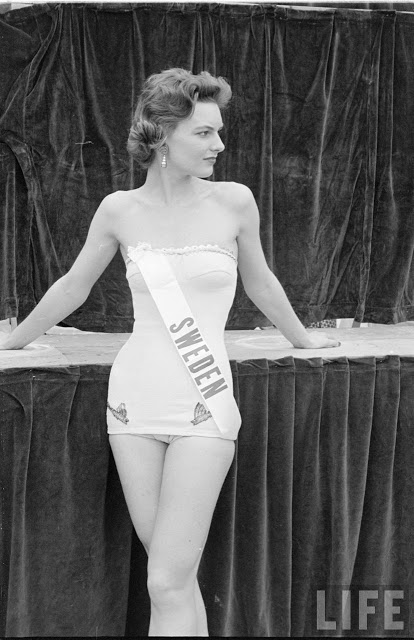
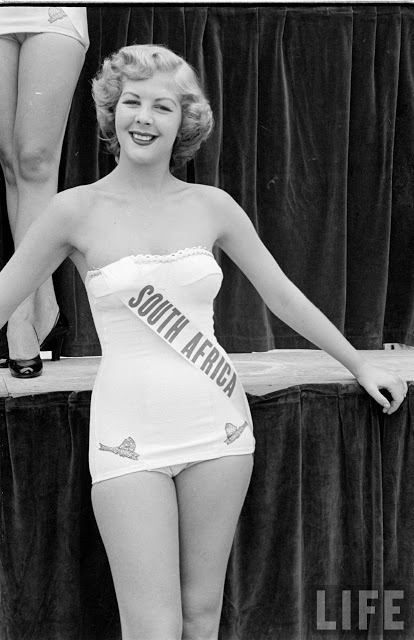
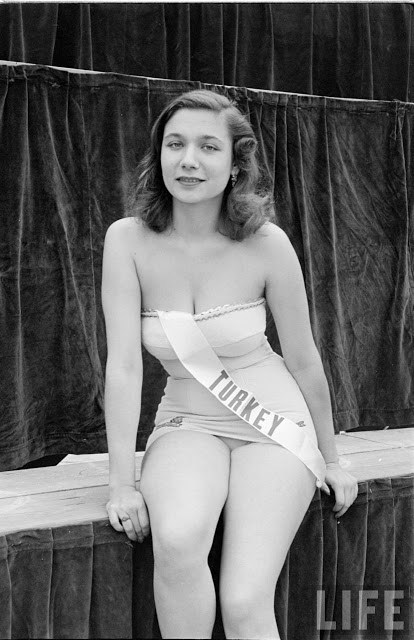
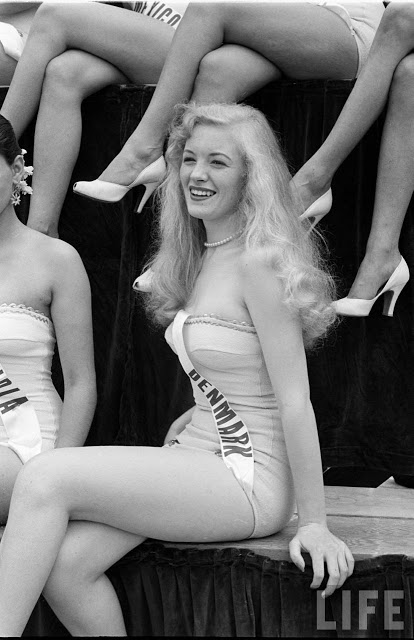
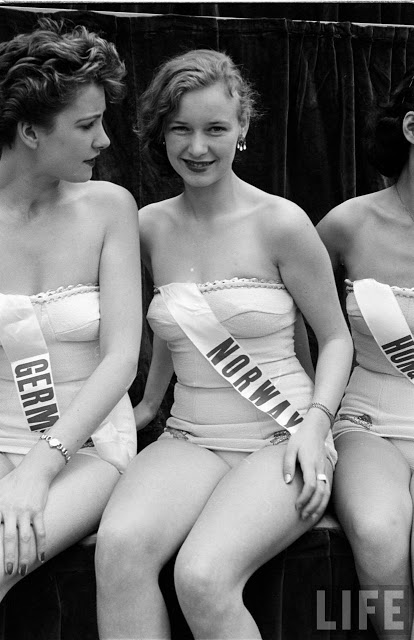
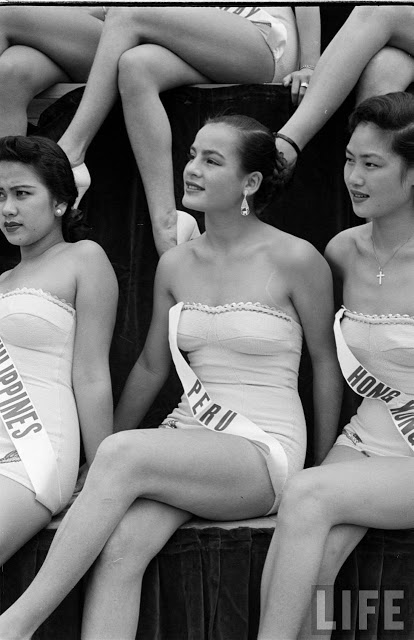
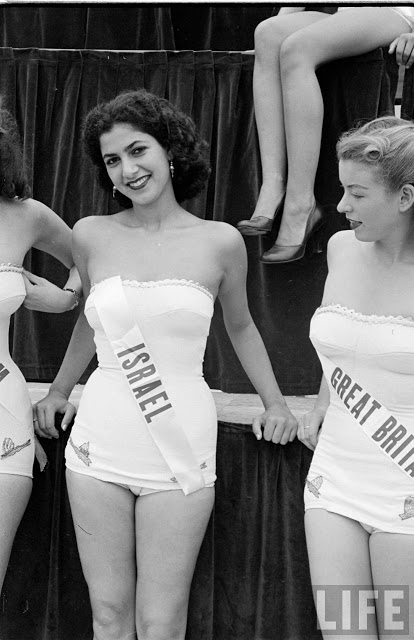
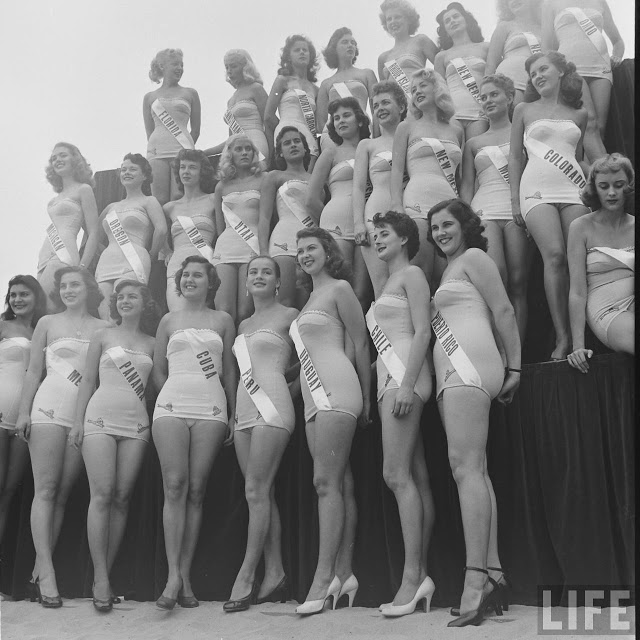
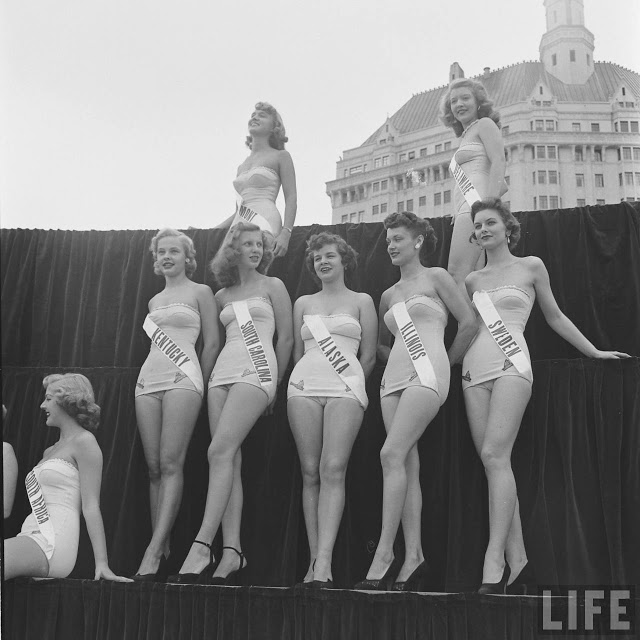
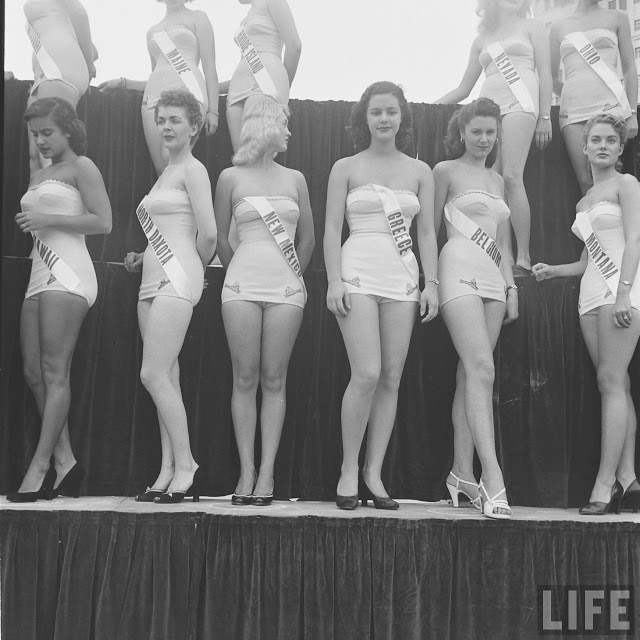
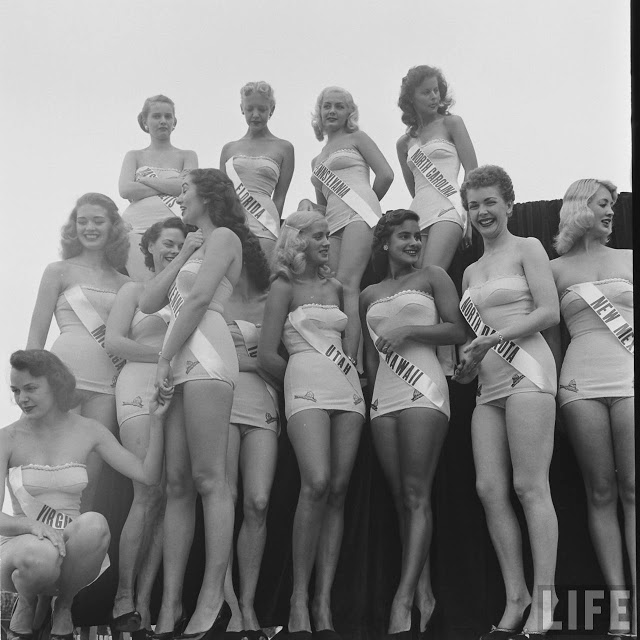
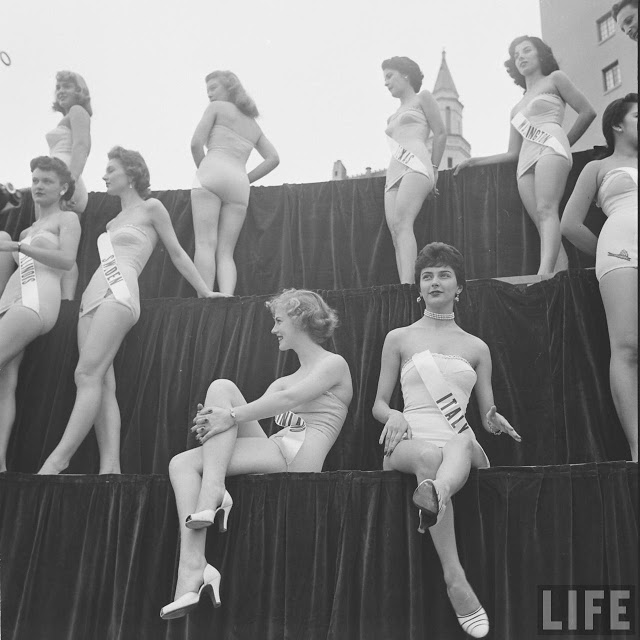
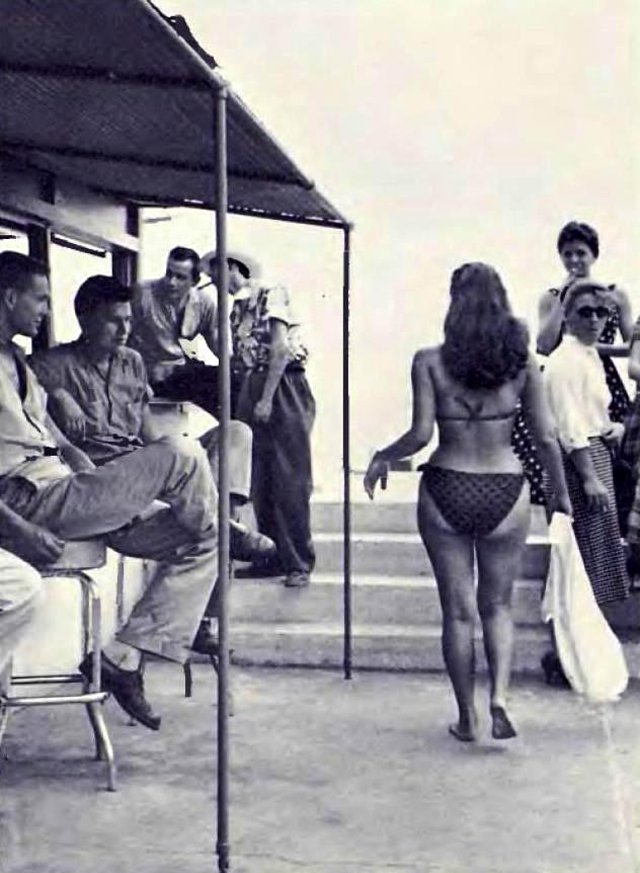
36 Vintage Portrait Photographs of 30 Contestants From the Very First Miss Universe Pageant, 1952

Miss Universe 1952, the 1st Miss Universe pageant, was held on 28 June 1952 at the Long Beach Municipal Auditorium in Long Beach, California, USA. 30 contestants competed for the crown. The first winner of the pageant was 17-year-old Armi Kuusela of Finland, who was crowned by actress Piper Laurie.

An ad for Miss Universe in an April 1952 issue of LIFE enticed young women to enter the competition with the promise of a flight on “luxurious Pan American World Airways,” lodging at “the finest hotels overlooking the blue Pacific” and a chance to win a contract with Universal Studios. All an aspiring beauty queen had to do was mail in a photo of herself in a Catalina swim suit.

Between April and June, photographs were mailed, contestants were selected and Pan Am flights were boarded. And when the results rolled in, with Miss Finland taking home the tiara, not everyone was pleased. A July news brief in LIFE titled “Beauty queen sounds off” summarized Miss Italy’s charges that politics, not merit, had decided that year’s winners:
Finland was given first place to publicize the Olympics. Miss Hawaii placed second because Hawaii is a candidate for statehood. Miss Hong Kong was given third place to prove that the U.S. has no prejudice against Orientals, and Miss Germany got fifth place “just so [Chancellor] Adenauer will know there will always be a place for Germany in America’s round table.” Miss Italy said that only fourth-place Miss Greece earned a prize on the basis of her appearance.

Photos: George Silk/LIFE archives

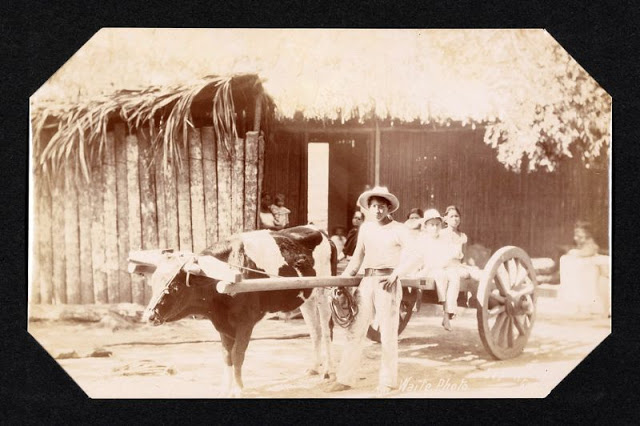
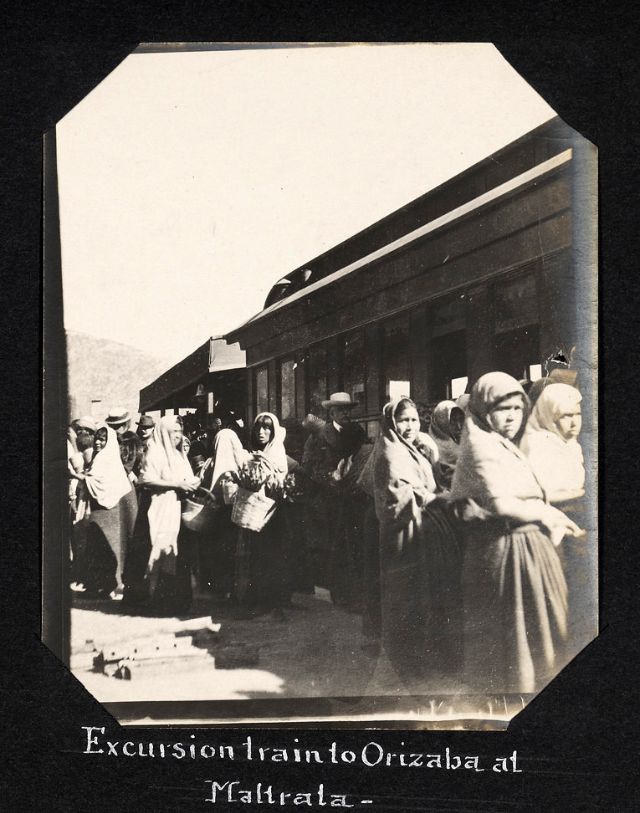
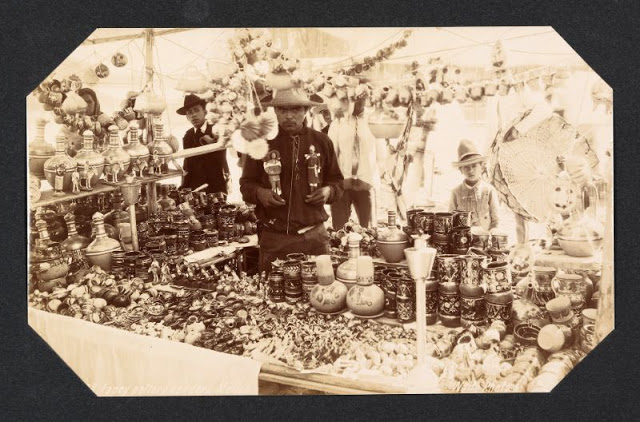
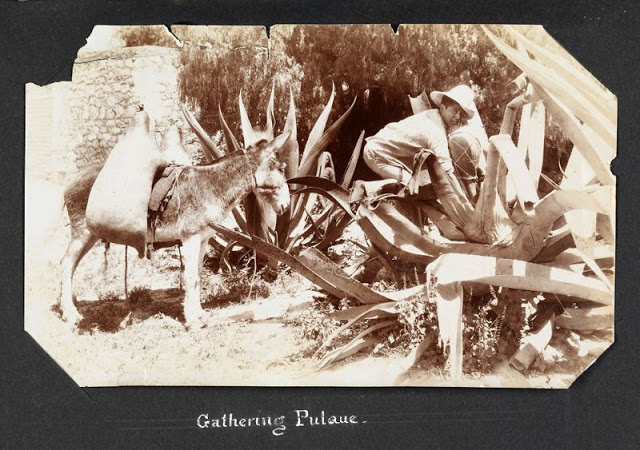
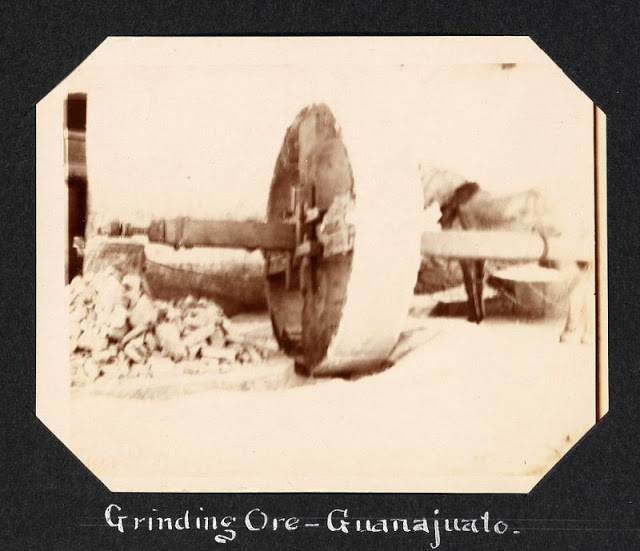
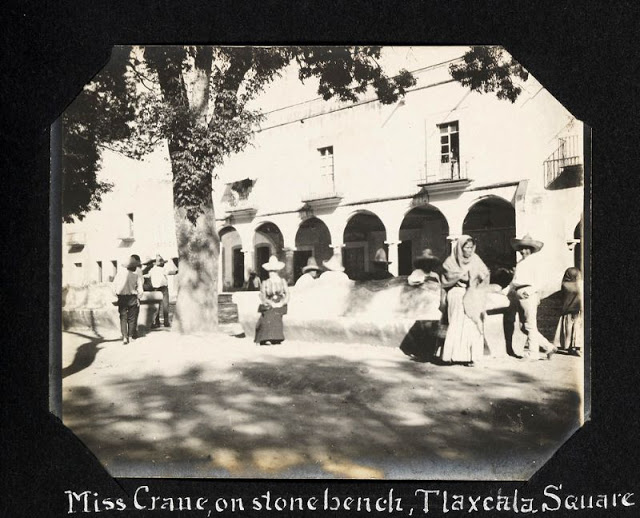
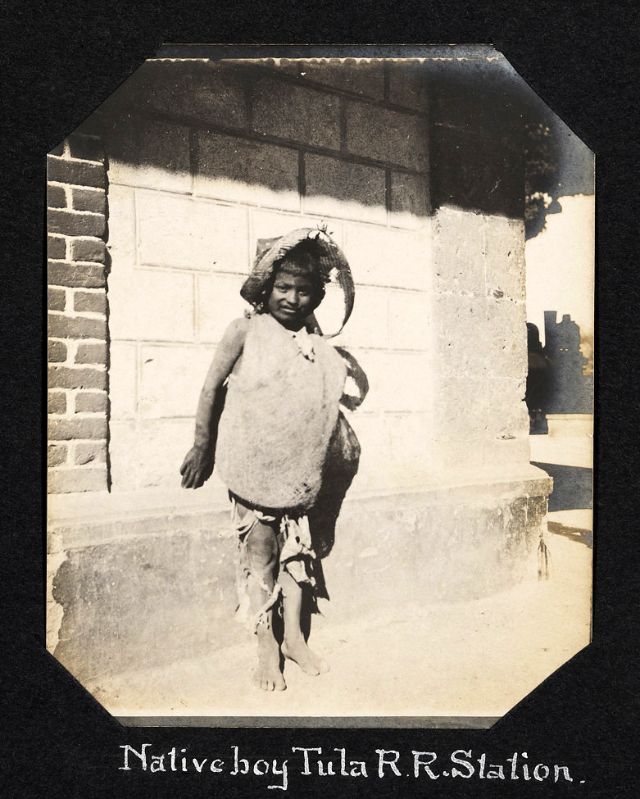
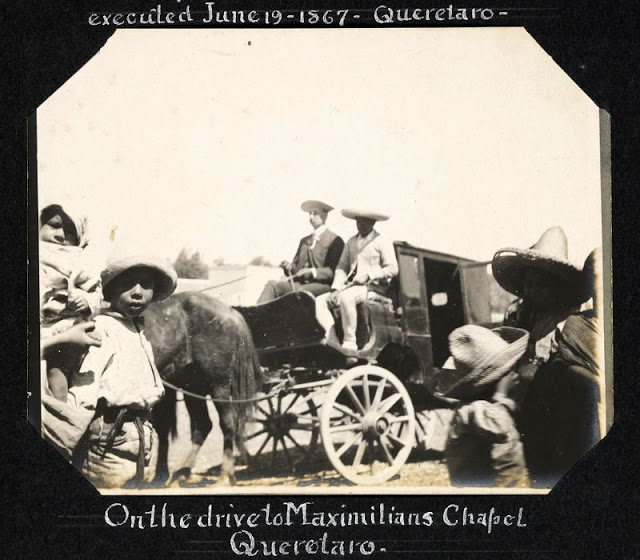
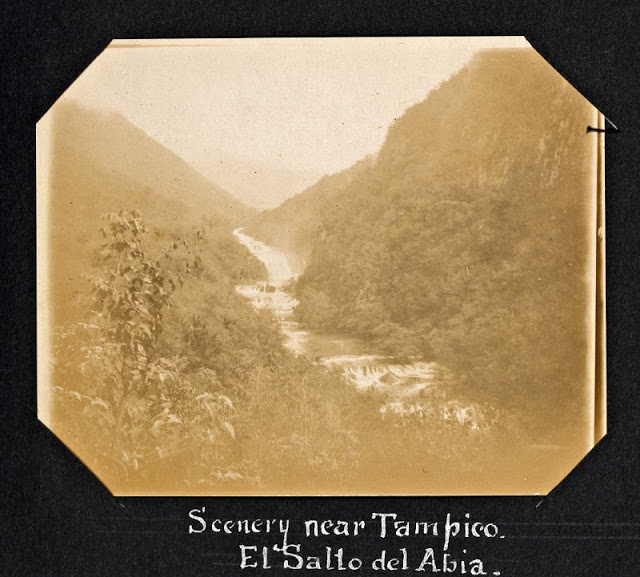
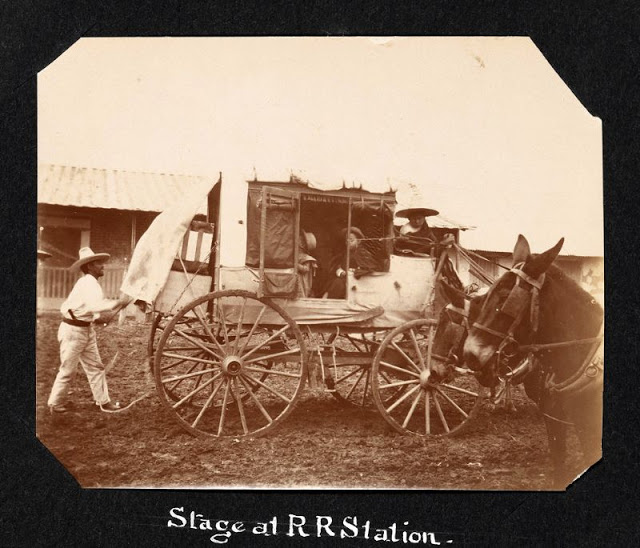
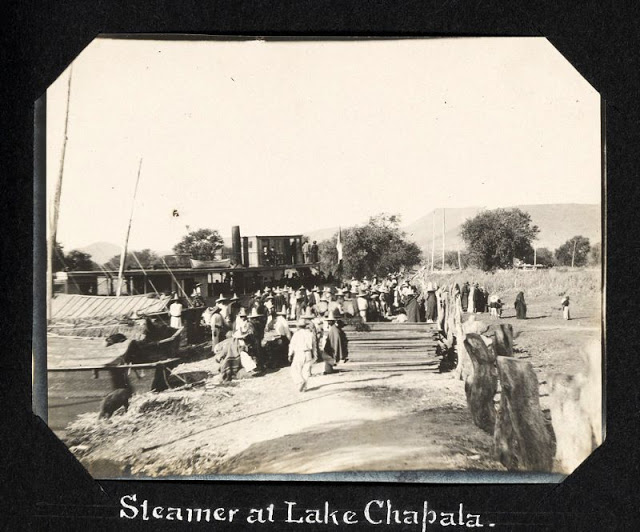
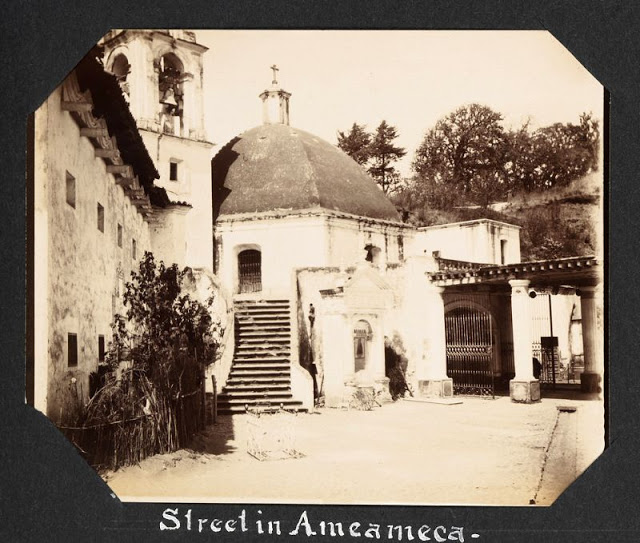
Amazing Photographs Showing Everyday Life in Mexico in 1902

Mexico, officially the United Mexican States, is a country in the southern portion of North America. It is bordered to the north by the United States; to the south and west by the Pacific Ocean; to the southeast by Guatemala, Belize, and the Caribbean Sea; and to the east by the Gulf of Mexico. Mexico covers 1,972,550 square kilometers (761,610 sq mi), making it the world’s 13th-largest country by area; with approximately 126,014,024 inhabitants, it is the 10th-most-populous country and has the most Spanish-speakers. Mexico is organized as a federation comprising 31 states and Mexico City, its capital and largest metropolis. Other major urban areas include Guadalajara, Monterrey, Puebla, Toluca, Tijuana, Ciudad Juárez, and León.

Pre-Columbian Mexico traces its origins to 8,000 BC and is identified as one of the six cradles of civilization; it was home to many advanced Mesoamerican civilizations, most notably the Maya and the Aztecs. In 1521, the Spanish Empire conquered and colonized the region from its base in Mexico City, establishing the colony of New Spain. The Catholic Church played an important role in spreading Christianity and the Spanish language, while also preserving some indigenous elements. Native populations were subjugated and heavily exploited to mine rich deposits of precious metals, which contributed to Spain’s status as a major world power for the next three centuries, and to a massive influx of wealth and a price revolution in Western Europe. Over time, a distinct Mexican identity formed, based on a fusion of European and indigenous customs; this contributed to the successful Mexican War of Independence against Spain between 1810 and 1821.

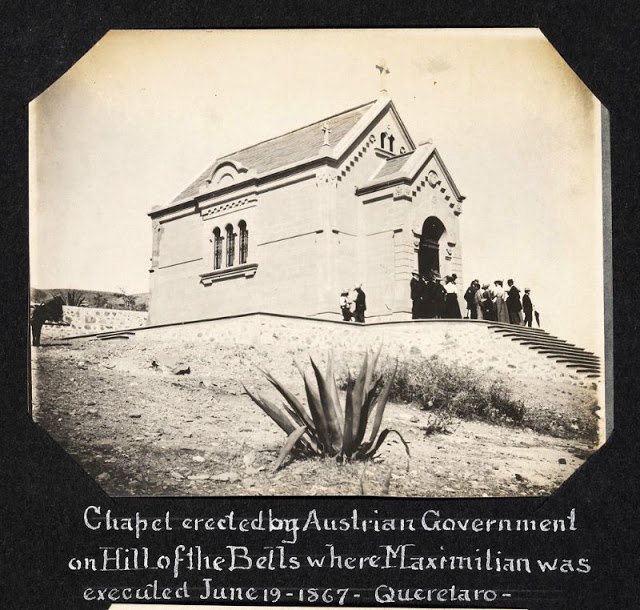
Mexico’s early history as an independent nation state was marked by political and socioeconomic upheaval, with liberal and conservative factions constantly changing the form of government. The country was invaded by two foreign powers during the 19th century: first, after the Texas Revolution by American settlers, which led to the Mexican–American War and huge territorial losses to the United States in 1848. Liberal reforms were enshrined in the Constitution of 1857, which sought to integrate indigenous communities and curtail the power of the military and the church, granting religious freedom for the first time. This triggered an internal war of Reform and intervention by France, during which conservatives installed Maximilian Habsburg as emperor against the Republican resistance led by Benito Juárez. The last decades of the 19th century were marked by the dictatorship of President Porfirio Díaz, who sought to modernize Mexico and restore order.[19] The Porfiriato era ended in 1910 with the decade-long Mexican civil war (Mexican Revolution), which killed approximately 10% of the population and after which the victorious Constitutionalist faction drafted an even more socially-oriented 1917 Constitution, which remains in effect to this day. The revolutionary generals ruled as a succession of presidents until the assassination of Alvaro Obregón in 1928. This led to the formation of the Institutional Revolutionary Party the following year, which pseudo-democratically governed Mexico until 2000; first under a paternalistic center-left model of considerable economic success, which transitioned into a more US-aligned neoliberal model since the 1980s.

Mexico is a developing country, ranking 74th on the Human Development Index, but has the world’s 15th-largest economy by nominal GDP and the 11th-largest by PPP, with the United States being its largest economic partner. Its large economy and population, global cultural influence, and steady democratization make Mexico a regional and middle power; it is often identified as an emerging power but is considered a newly industrialized state by several analysts. However, the country continues to struggle with social inequality, poverty and extensive crime. It ranks poorly on the Global Peace Index, due in large part to ongoing conflict between the government and drug trafficking syndicates, violently competing for the US market and trade routes. This “drug war” has led to over 120,000 deaths since 2006.

Mexico ranks first in the Americas and seventh in the world for the number of UNESCO World Heritage Sites. It is also one of the world’s 17 megadiverse countries, ranking fifth in natural biodiversity. Mexico’s rich cultural and biological heritage, as well as varied climate and geography, makes it a major tourist destination: as of 2018, it was the sixth most-visited country in the world, with 39 million international arrivals. Mexico is a member of United Nations, the G20, the Organisation for Economic Co-operation and Development (OECD), the World Trade Organization (WTO), the Asia-Pacific Economic Cooperation forum, the Organization of American States, Community of Latin American and Caribbean States, and the Organization of Ibero-American States. (Wikipedia)
A Tabasco
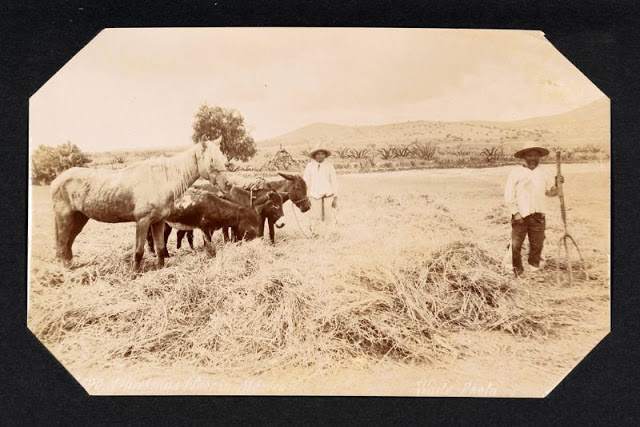
A Threshing Floor in Mexico
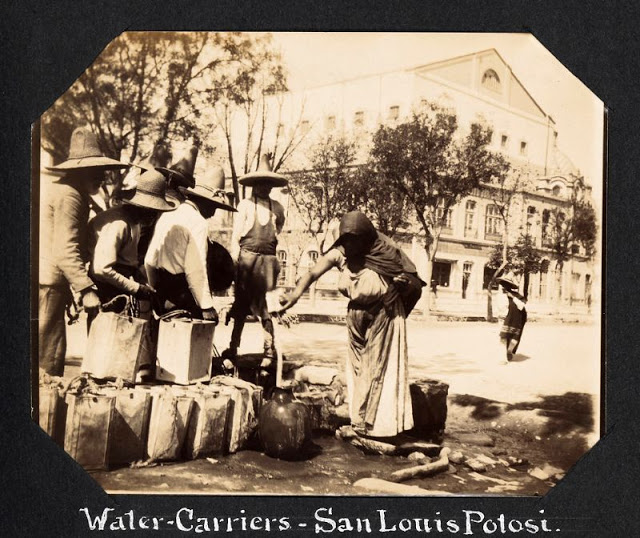
Aguador (Water Carrier)
Aguadors, Water Carriers
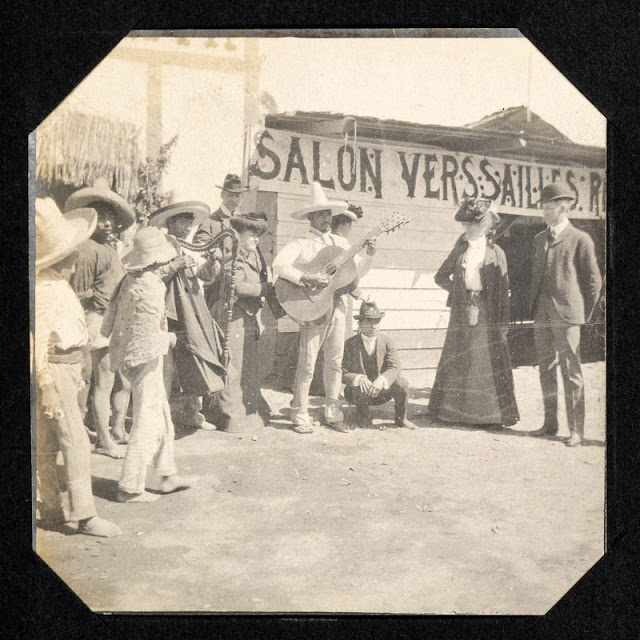
Band Outside of Salon Versailles
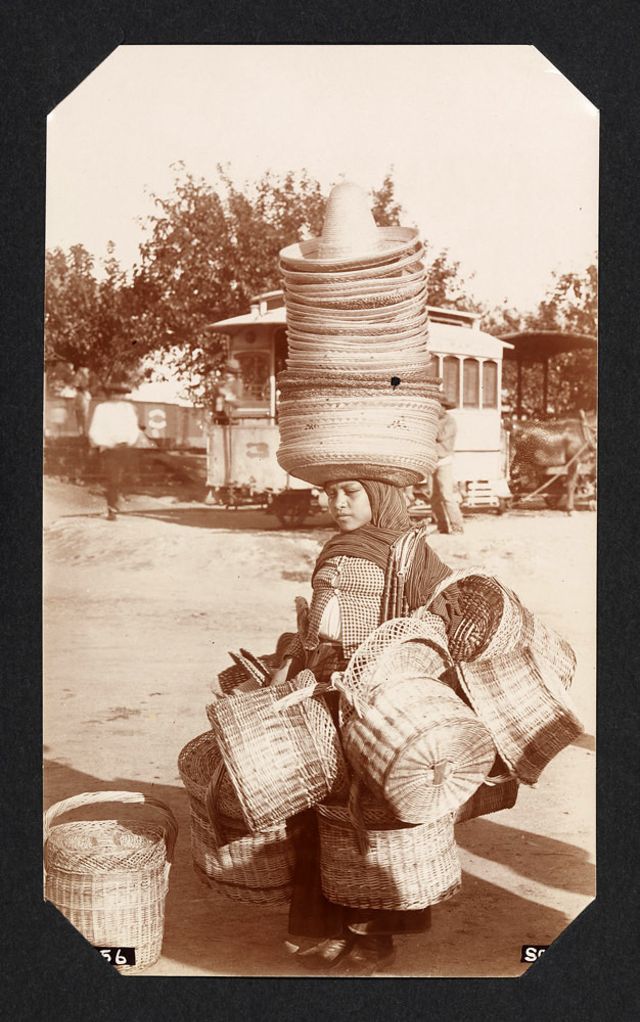
Basket Carrier
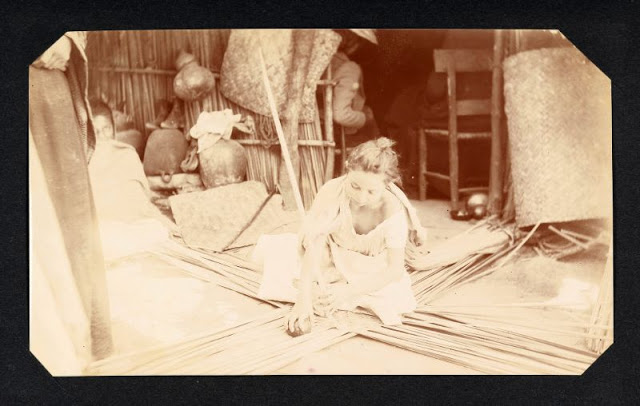
Basket Weaver
Bull Fight, Mexico City
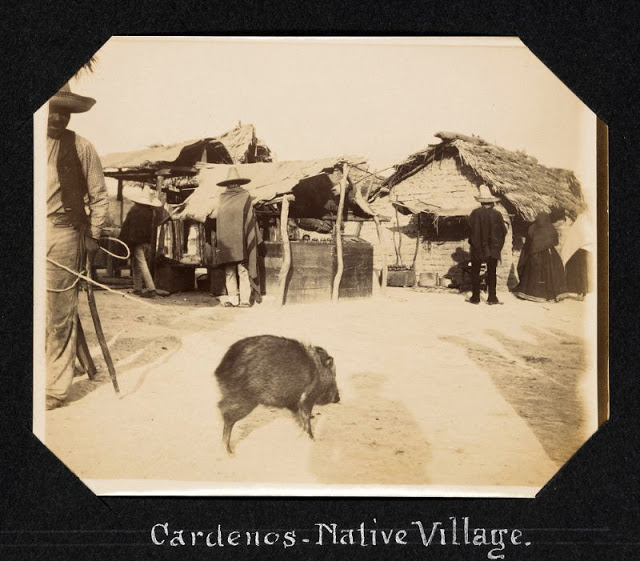
Cardenos, Native Village
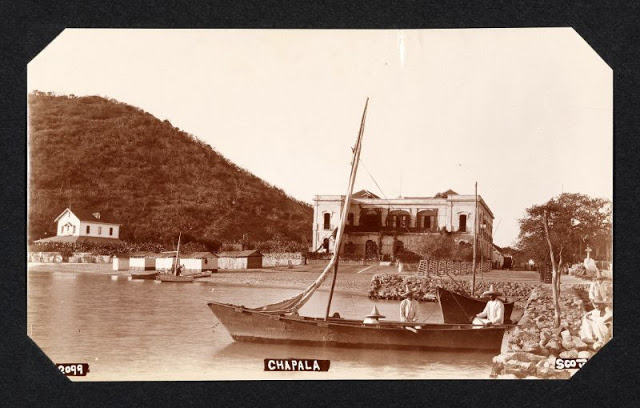
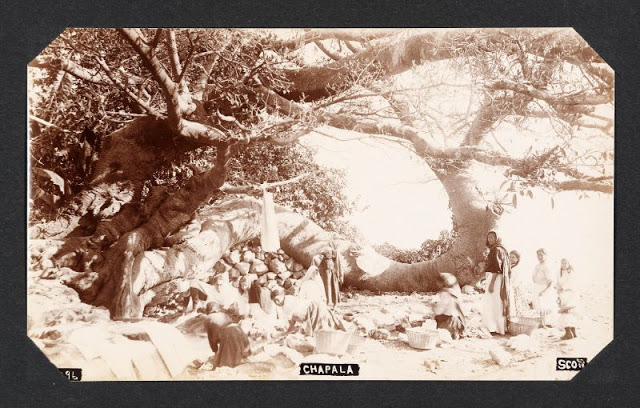
Chapala
Chapala
Coach on Road From Oaxaca to Milta
Fancy Pottery Vendors, Mexico
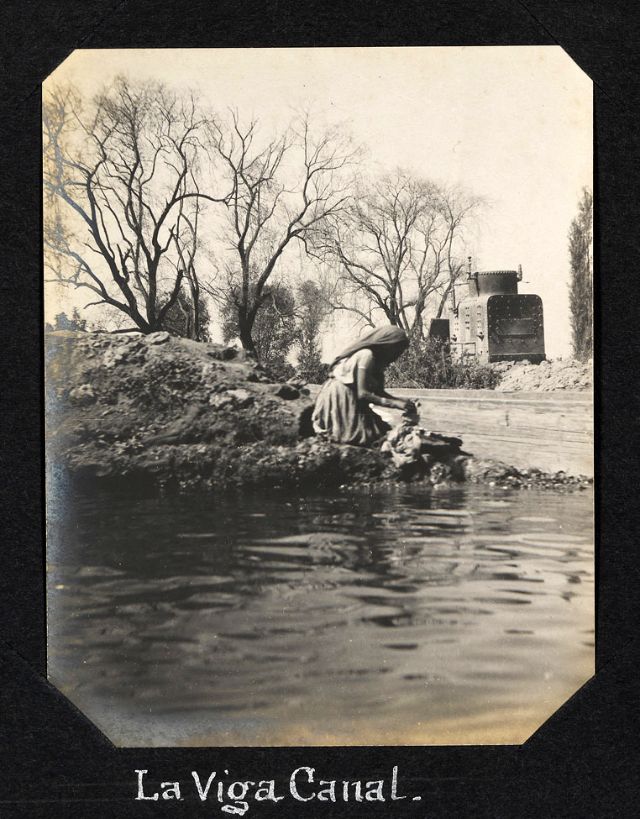
Fiesta on the Viga
Gathering Pulque
Grinding Corn in Tehuantepec
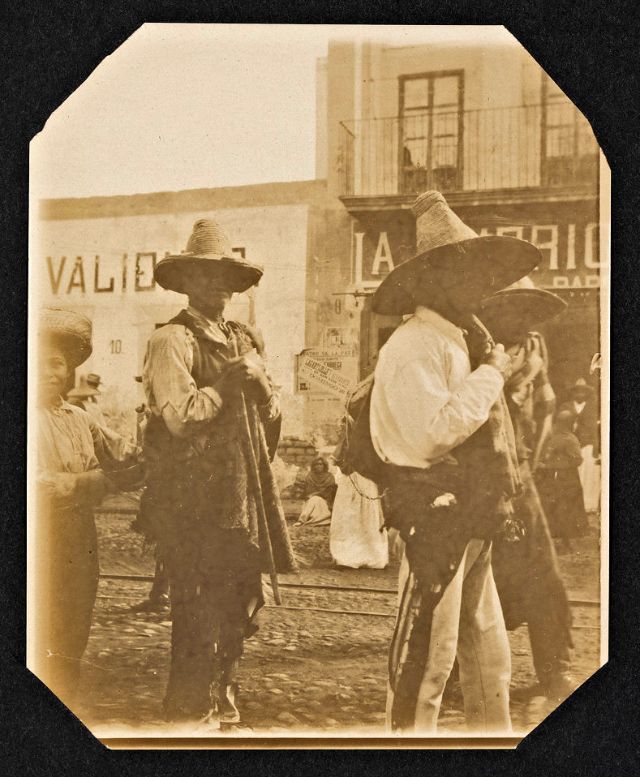
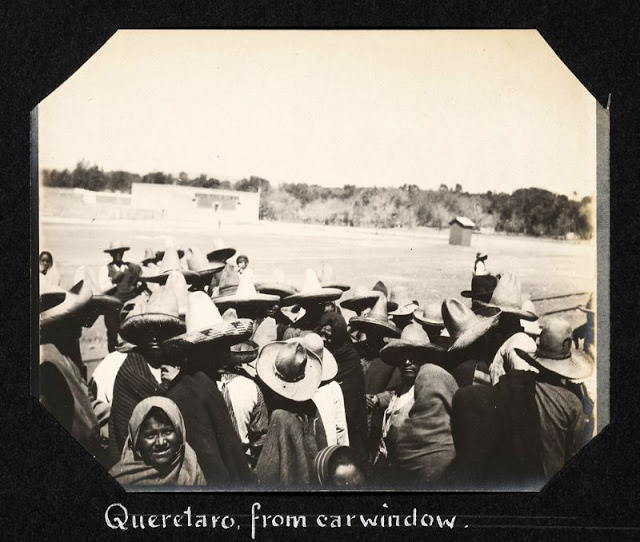
Group of Men in Traditional Mexican Clothes
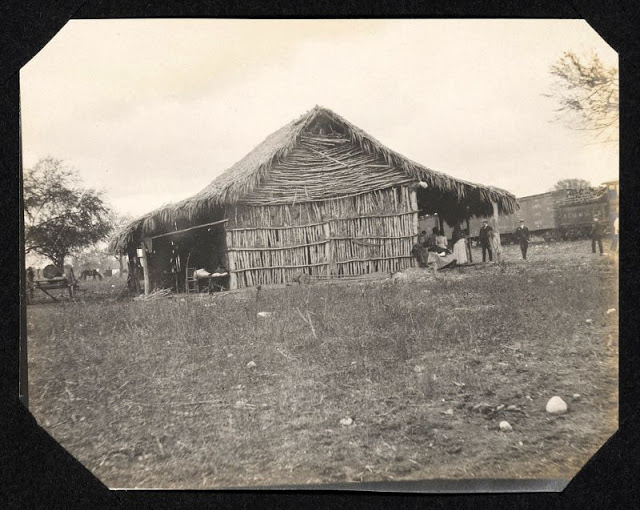
Making Adobes
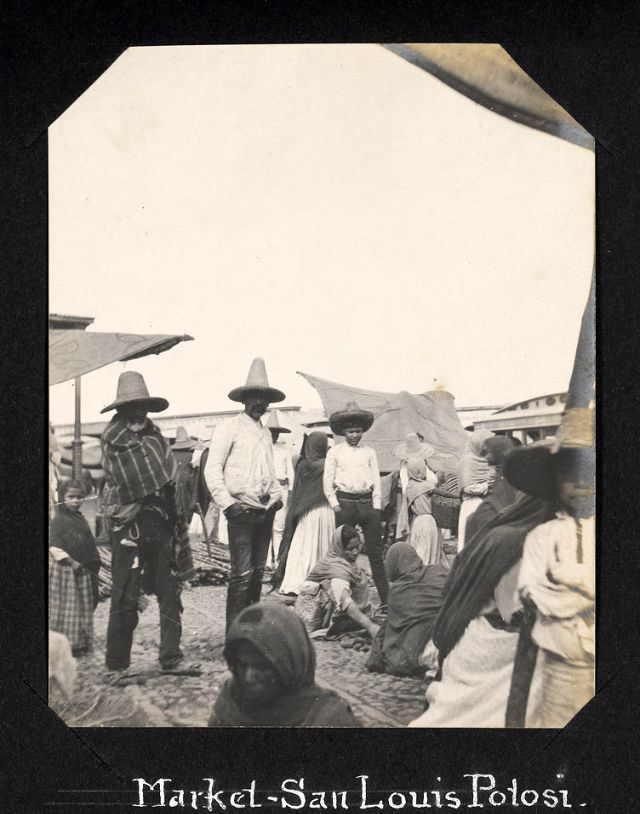
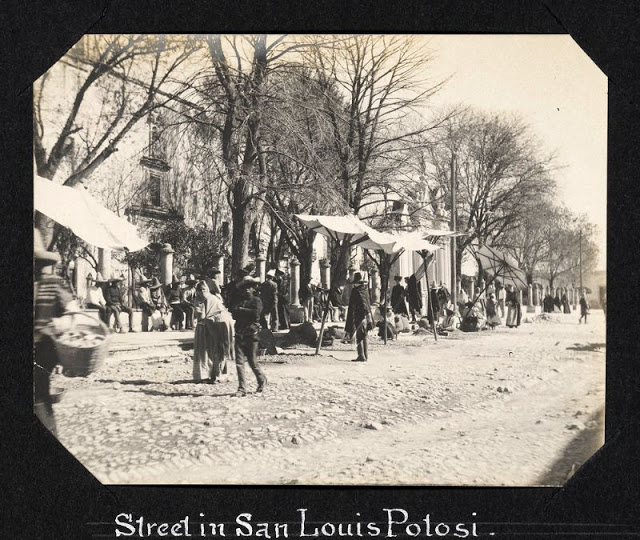
Market in Mexico
Ocotlan
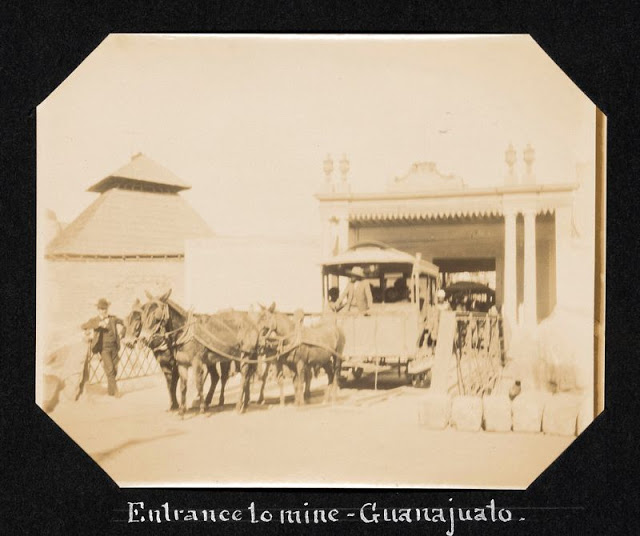
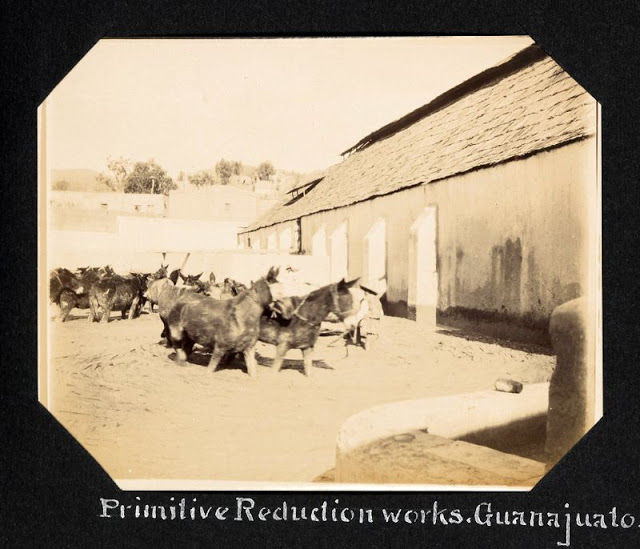
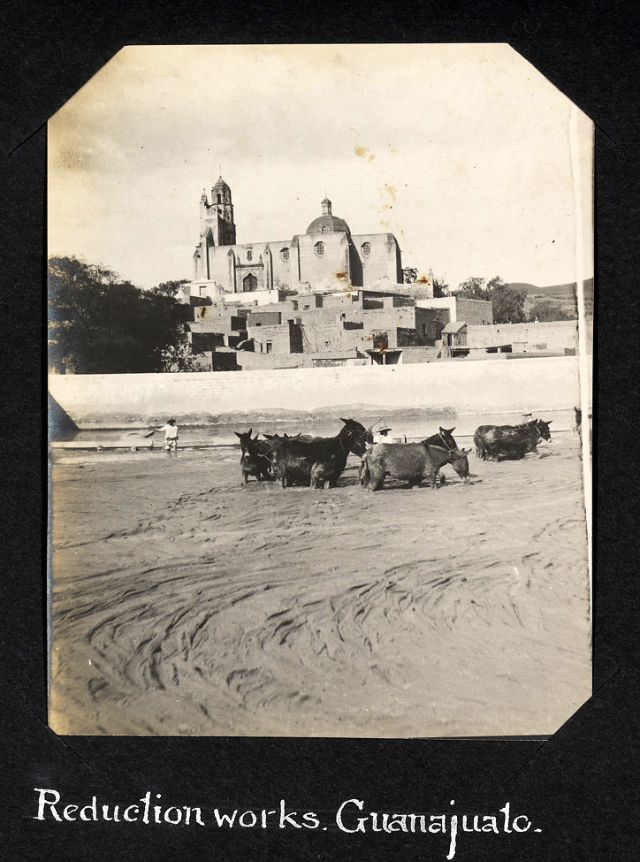
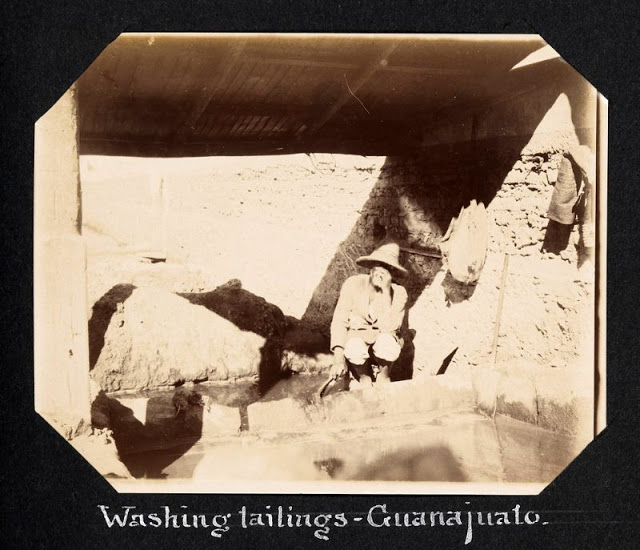
Primitive Reduction Works, Guanajuato
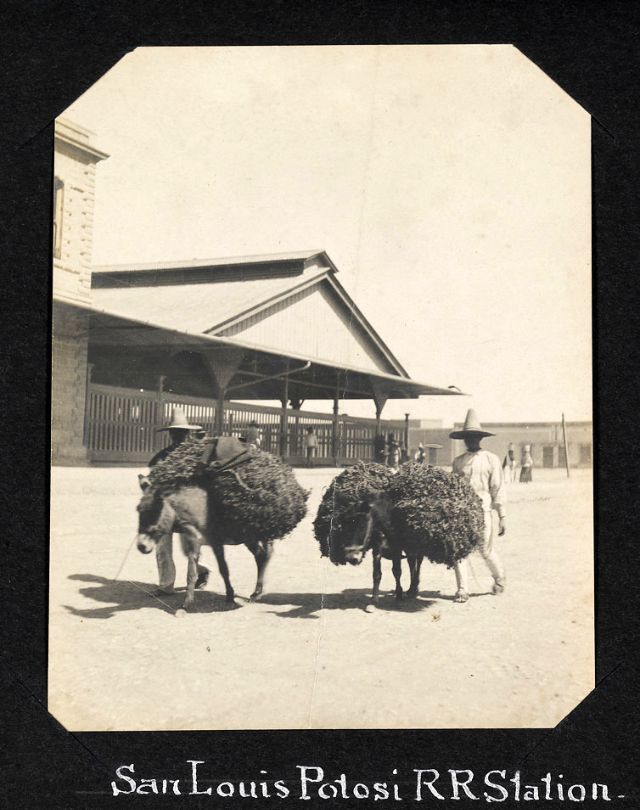
Railway Station
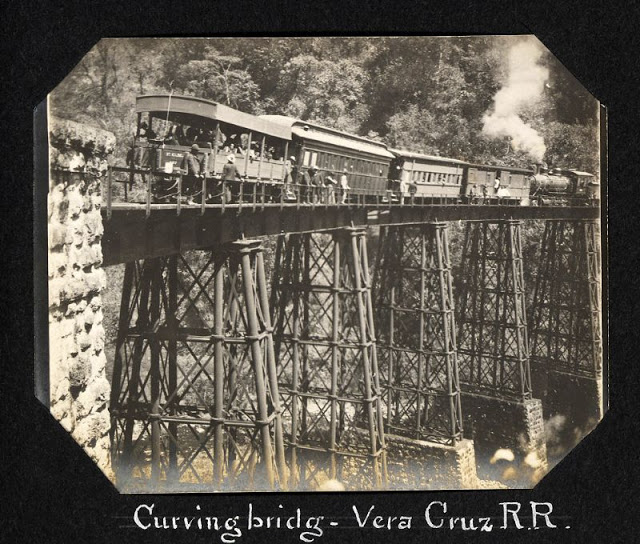
The Metlac Bridge, Mexican Ry
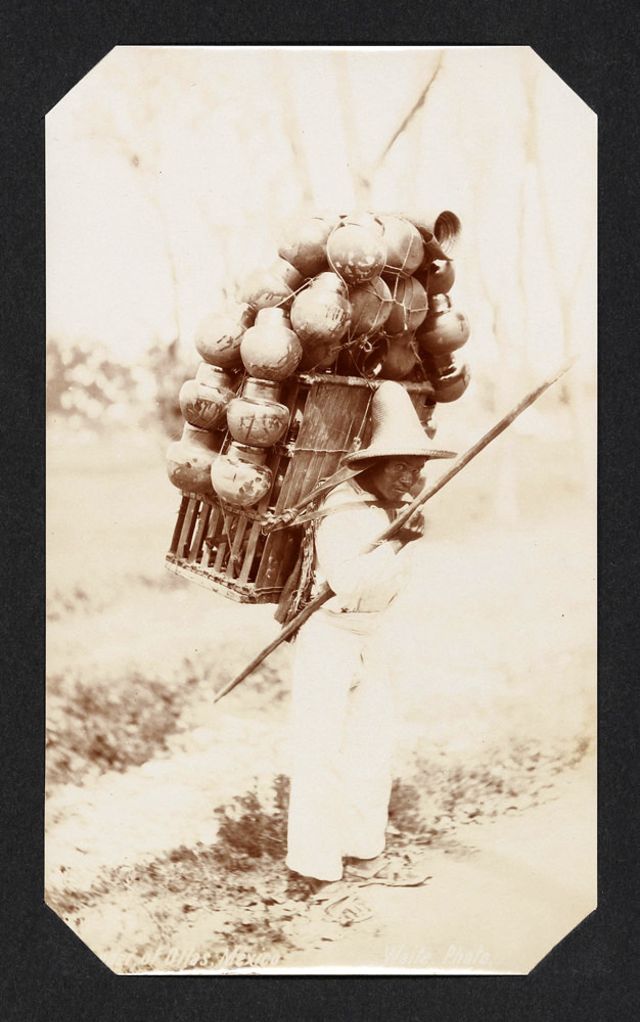
Vendor of Ollas, Mexico
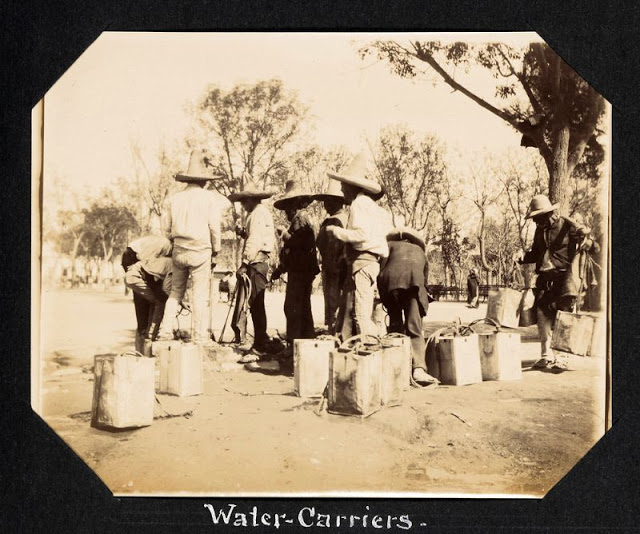
Water Carriers

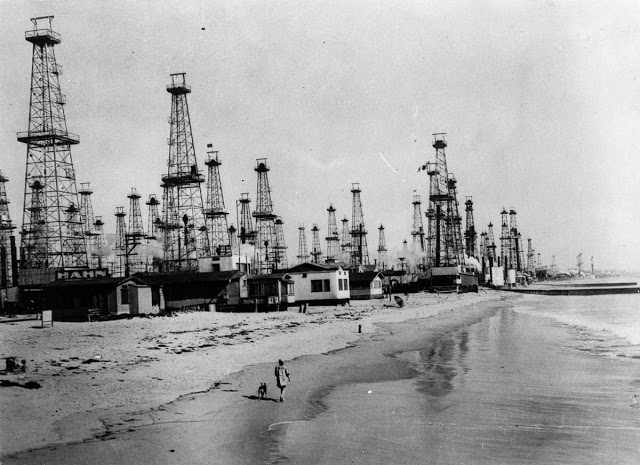
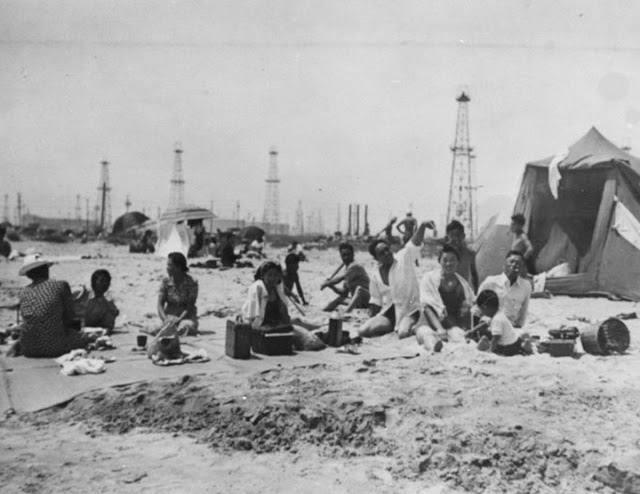
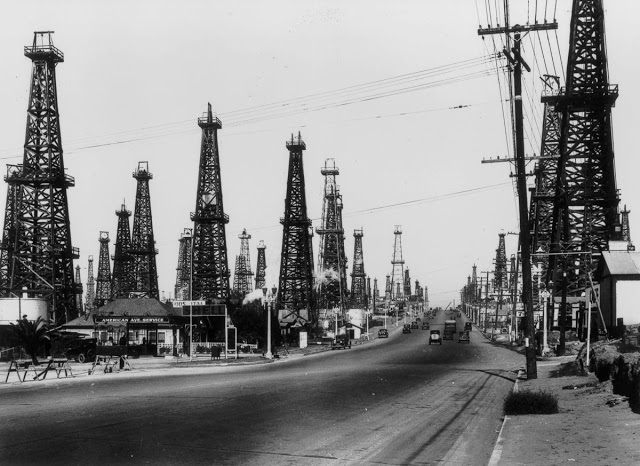
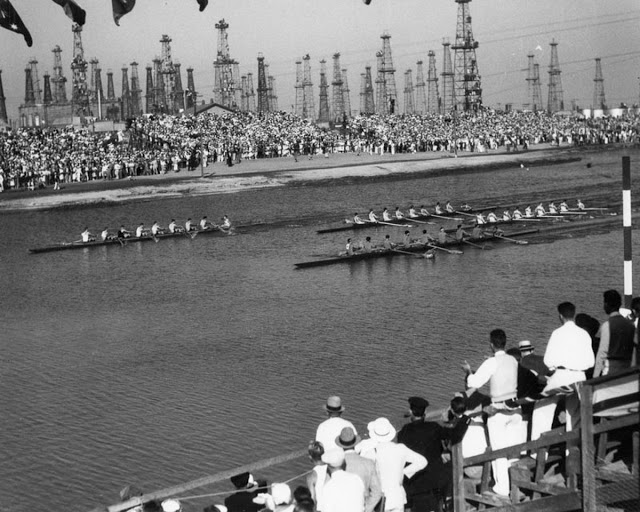
Los Angeles Oil Fields Boom: Pictures of Oil Derricks Looming Over California Beaches During the 1920s and 1930s

In the 1890s, the small town of Los Angeles (population 50,000) began a transformation driven by the discovery and drilling of some of the most productive oil fields in history. By 1930, California was producing nearly one quarter of the world’s oil output, and its population had grown to 1.2 million.

In the decades that followed, many wells closed, but even more opened, surrounded by urban and suburban growth. Machinery was camouflaged, loud noises were abated, methane pockets were vented, as residents learned to live side-by-side with oil production facilities.

To this day, oil fields in the Los Angeles Basin remain very productive, and modern techniques have centralized operations into smaller areas or moved offshore. Gathered here are images of oil derricks loomed over California beaches from the 1920s and 1930s.

Oil derricks line the coast of Venice, California, c. 1920.
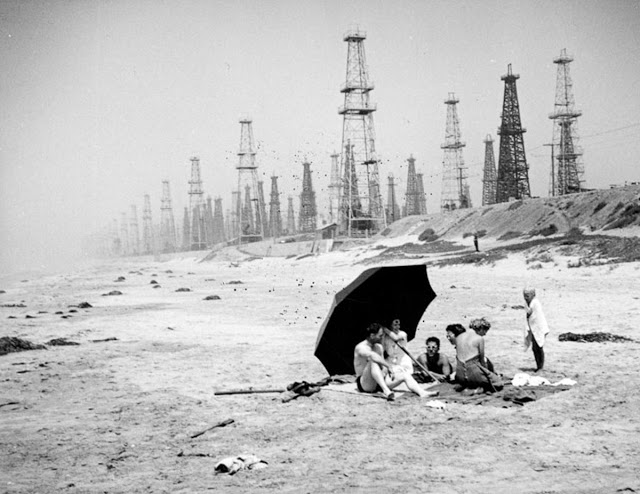
A family beach picnic with Signal Hill oil derricks in the background, c.1920.
A Long Beach home with oil derricks nearby, c.1929.
An oilfield in Venice, California, c.1930.
The Signal Hill oilfield in southern California, c.1930.
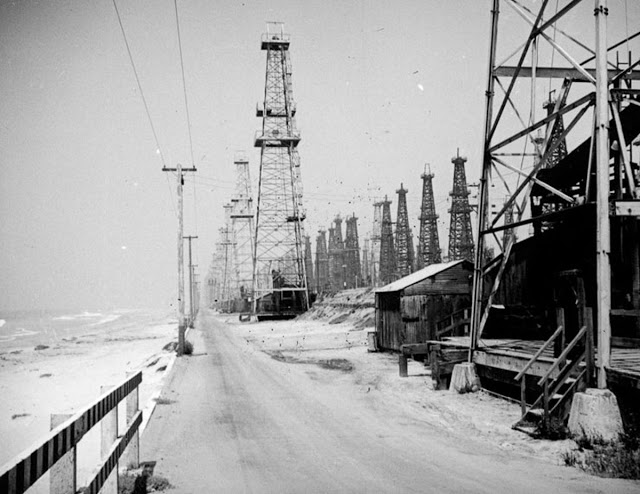
Oil derricks line a road outside Los Angeles, c.1930.
Germany races Italy in the Long Beach Marine Stadium during the 1932 Olympic Games, Aug. 12, 1932.
Four boats race in the Long Beach Marine Stadium during the 1932 Olympic Games, August 1932.
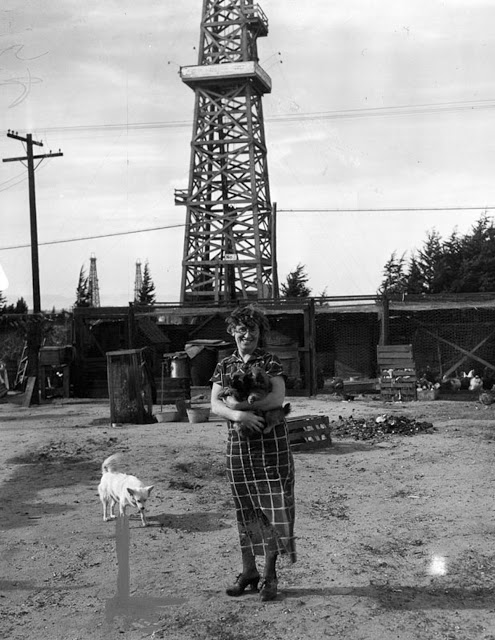
Mrs. W. B. Stoddard stands with her dogs in the yard of her home near the George K. Linderman well in Redondo Beach, April 11, 1936.
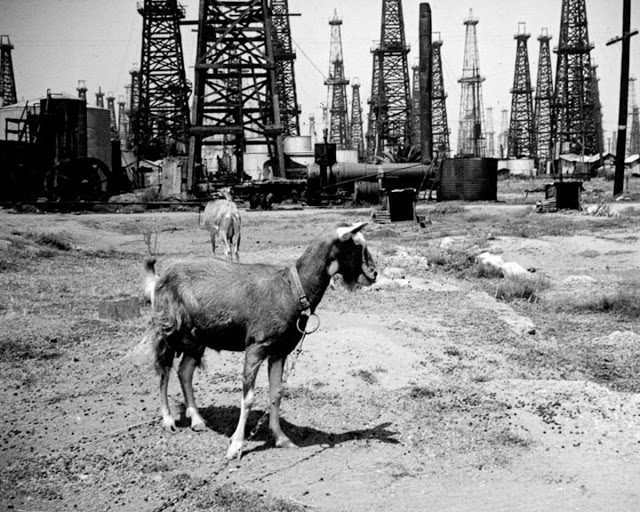
Goats near an oilfield in Huntington Beach, c.1937.
Sunnyside Cemetery in Long Beach, c.1937.
Oil derricks on Huntington Beach, c.1937.
Cars travel through the Venice oilfield, c.1937.
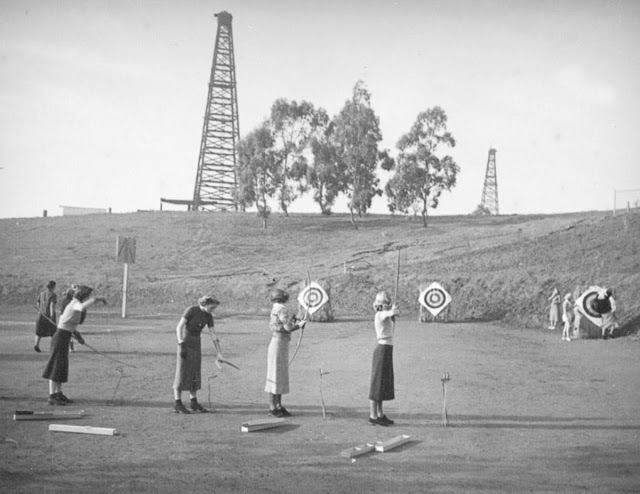
Students practice archery at Beverly Hills High School, with oil derricks nearby, c.1937.
Laundry dries on a clothesline near the Venice oilfield, c.1937.
A couple on Huntington Beach, c.1937.
Oil derricks and bathers on Huntington Beach, c.1937.
Sunbathers on Huntington Beach, c.1937.
The coast along the Venice oilfield, in what is now Marina del Rey, c.1937.
Men play volleyball on the beach next to the Venice oilfield, c.1937.
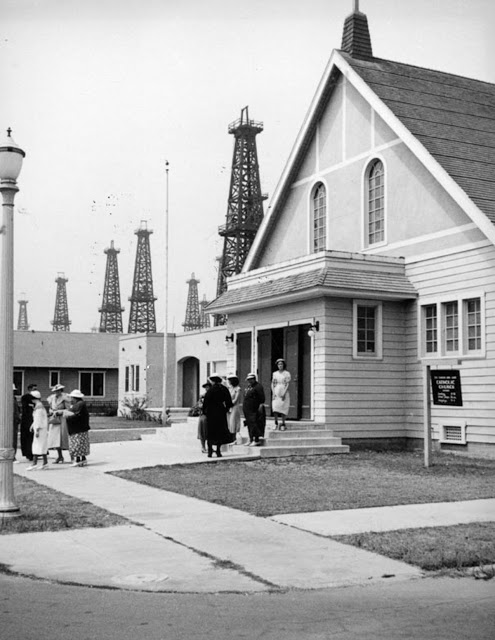
Oil derricks loom behind St. Mary’s by the Sea Catholic Church in Huntington Beach, c.1937.
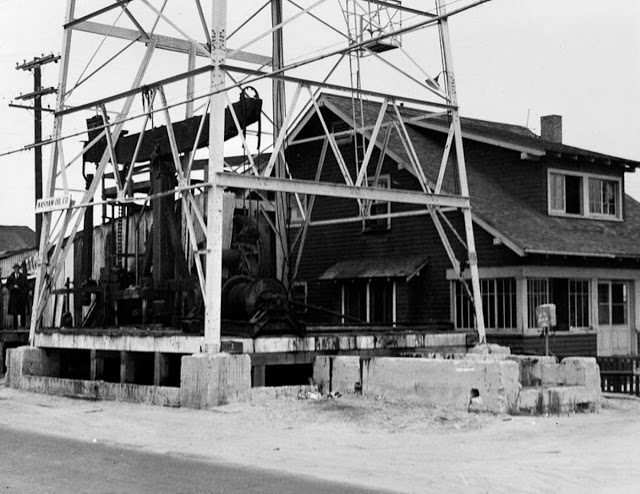
An oil derrick abuts a beach house in Venice, June 2, 1937.

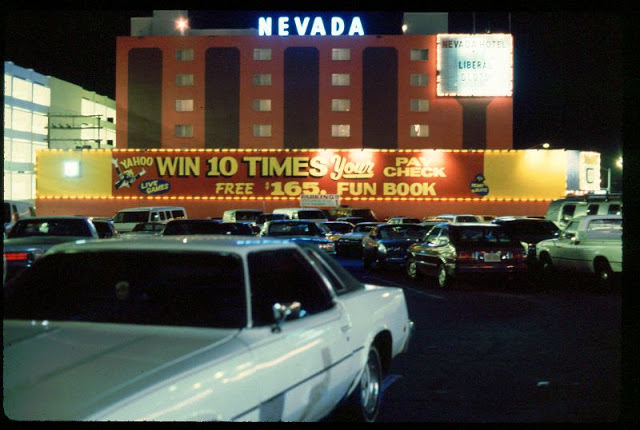
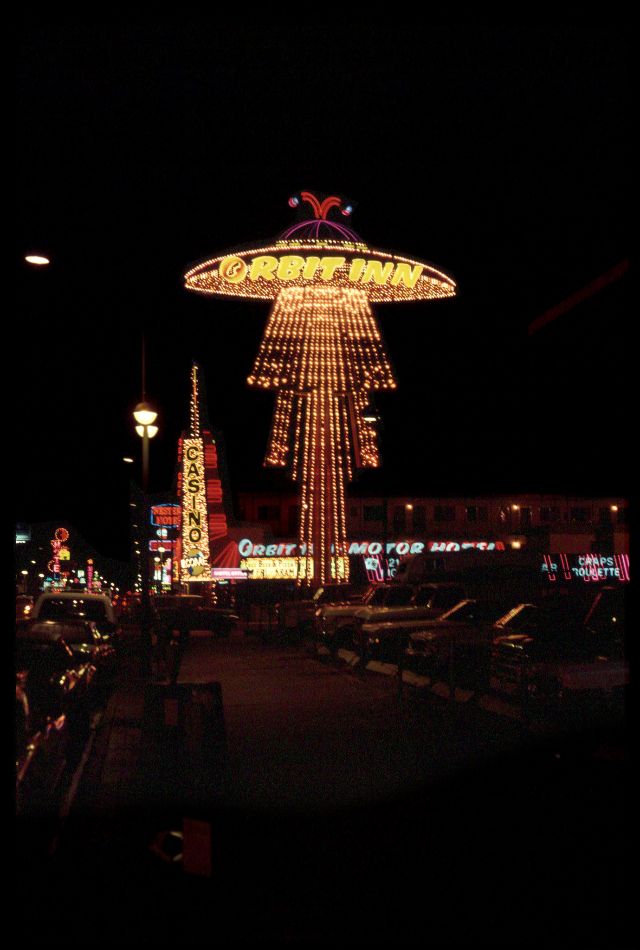
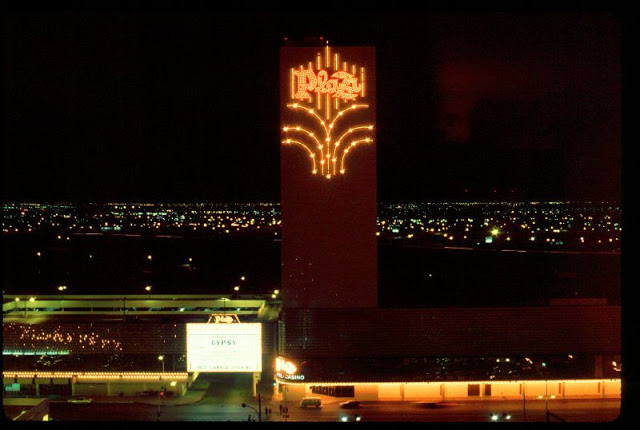
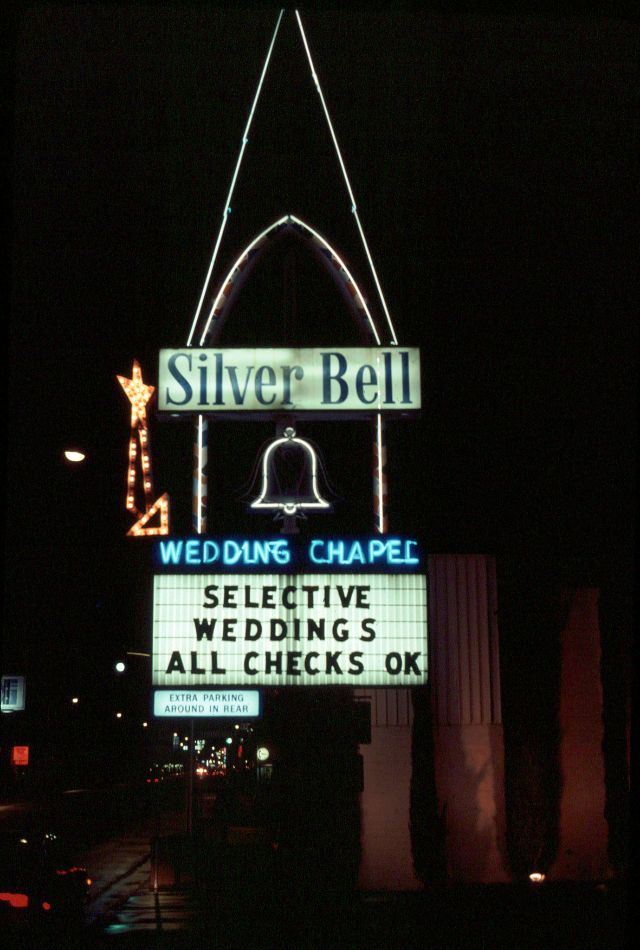
34 Amazing Photos Showing Las Vegas at Night in the 1970s

Las Vegas (Spanish for “The Meadows”), often known simply as Vegas, is the 26th-most populous city in the United States, the most populous city in the state of Nevada, and the county seat of Clark County. The city anchors the Las Vegas Valley metropolitan area and is the largest city within the greater Mojave Desert. Las Vegas is an internationally renowned major resort city, known primarily for its gambling, shopping, fine dining, entertainment, and nightlife. The Las Vegas Valley as a whole serves as the leading financial, commercial, and cultural center for Nevada.

The city bills itself as The Entertainment Capital of the World, and is famous for its luxurious and extremely large casino-hotels together with their associated activities. It is a top three destination in the United States for business conventions and a global leader in the hospitality industry, claiming more AAA Five Diamond hotels than any other city in the world. Today, Las Vegas annually ranks as one of the world’s most visited tourist destinations. The city’s tolerance for numerous forms of adult entertainment earned it the title of “Sin City”, and has made Las Vegas a popular setting for literature, films, television programs, and music videos.

Las Vegas was settled in 1905 and officially incorporated in 1911. At the close of the 20th century, it was the most populated North American city founded within that century (a similar distinction was earned by Chicago in the 19th century). Population growth has accelerated since the 1960s, and between 1990 and 2000 the population nearly doubled, increasing by 85.2%. Rapid growth has continued into the 21st century, and according to the United States Census Bureau, the city had 641,903 residents in 2020, with a metropolitan population of 2,227,053.

As with most major metropolitan areas, the name of the primary city (“Las Vegas” in this case) is often used to describe areas beyond official city limits. In the case of Las Vegas, this especially applies to the areas on and near the Las Vegas Strip, which are actually located within the unincorporated communities of Paradise and Winchester. Nevada is the driest state, and Las Vegas is the driest major U.S. city. Over time and influenced by climate change, droughts in Southern Nevada have been increasing in frequency and severity, putting a further strain on Las Vegas’s water security. (Wikipedia)
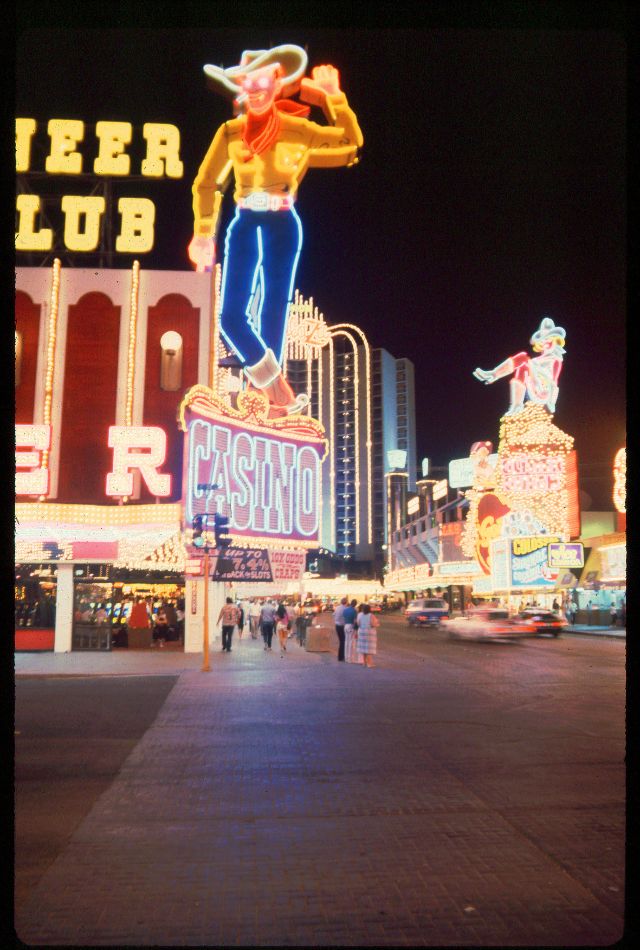
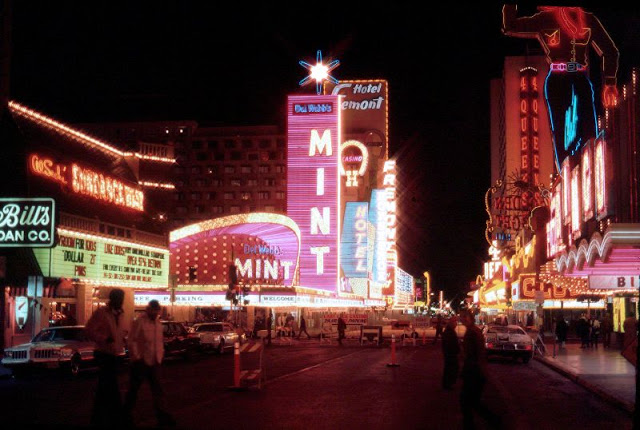
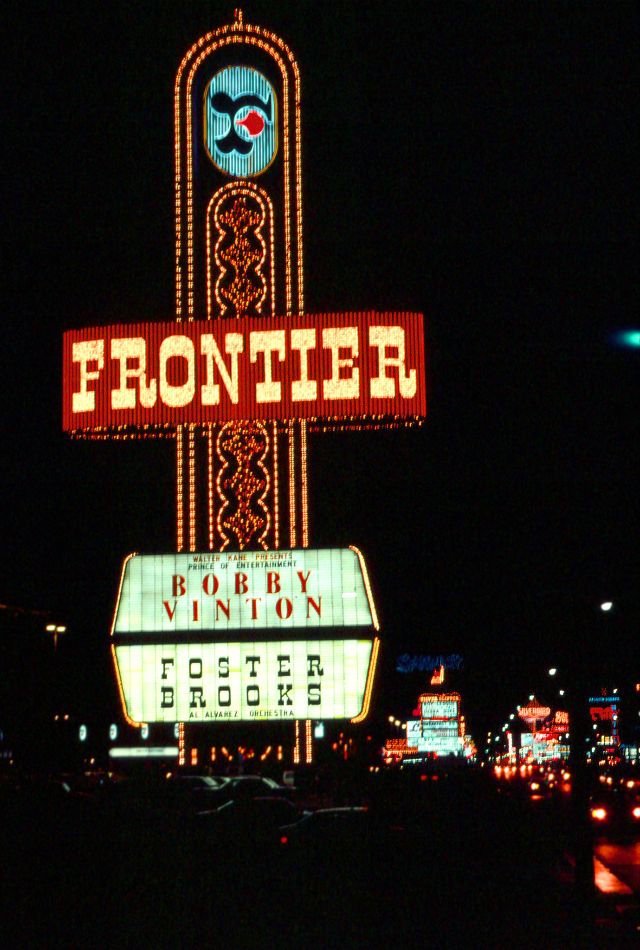
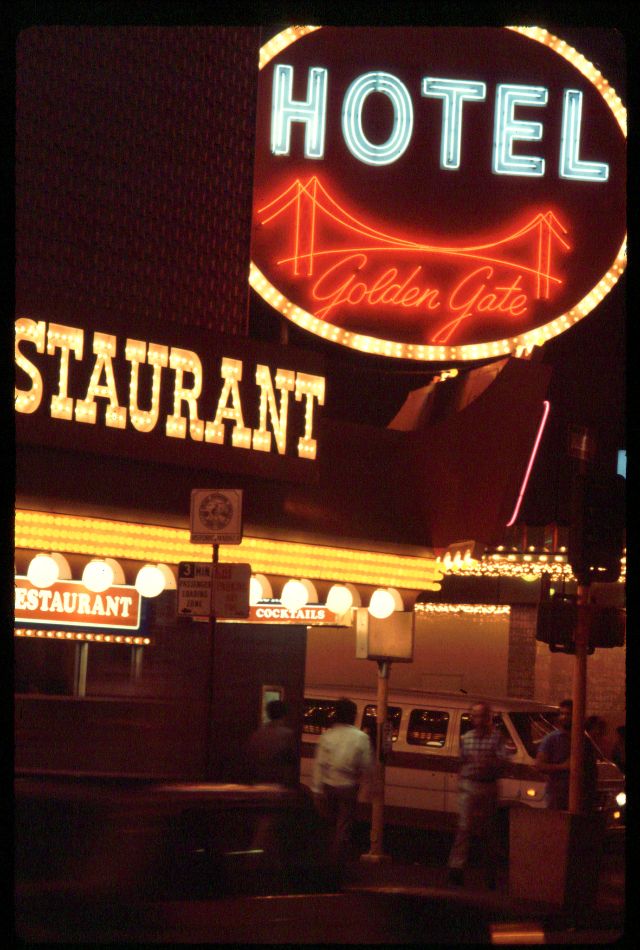
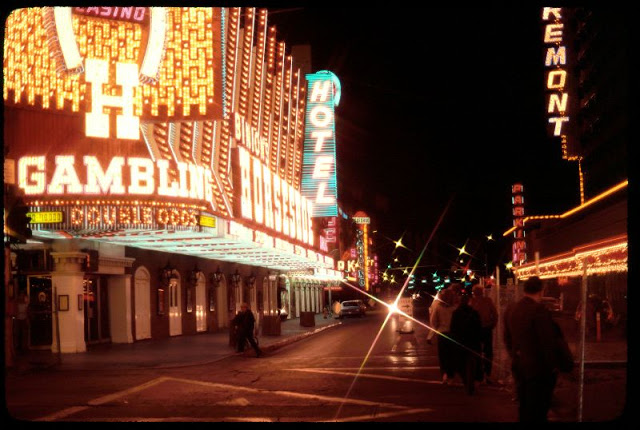
Most of the Strip has also been designated as an All-American Road and is considered a scenic route at night.

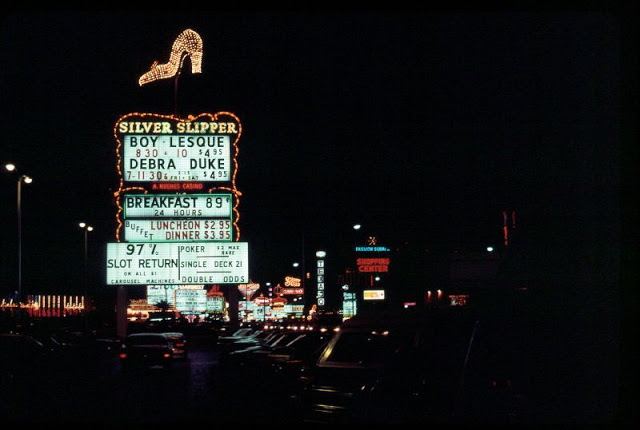
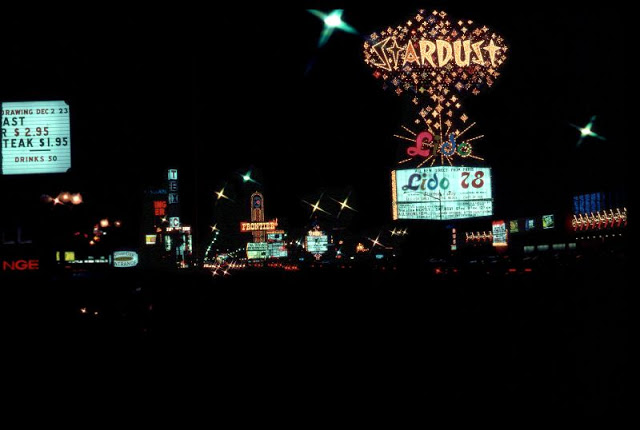
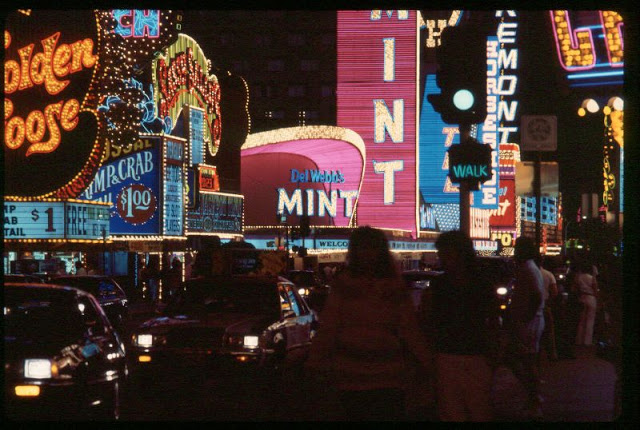
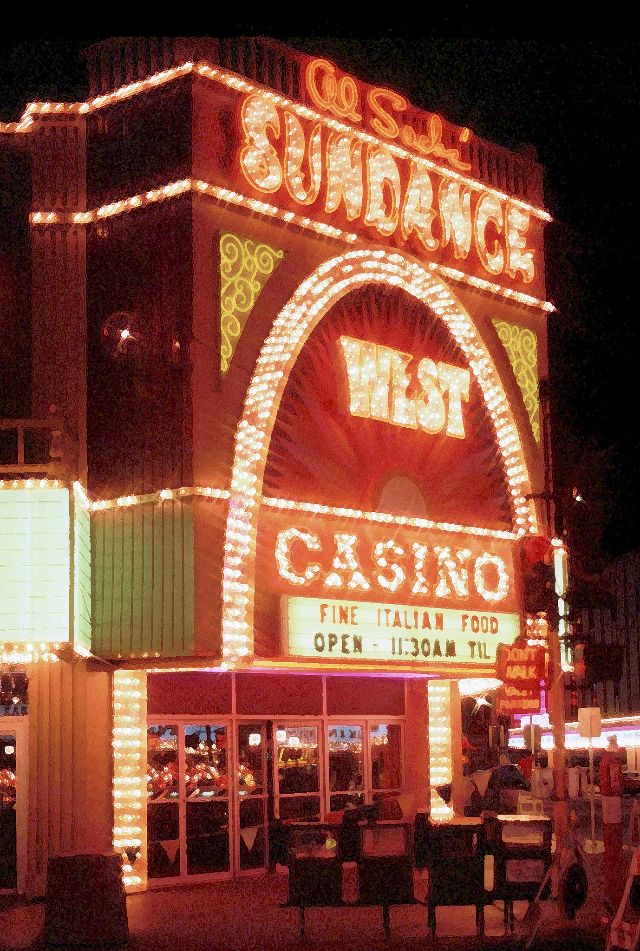
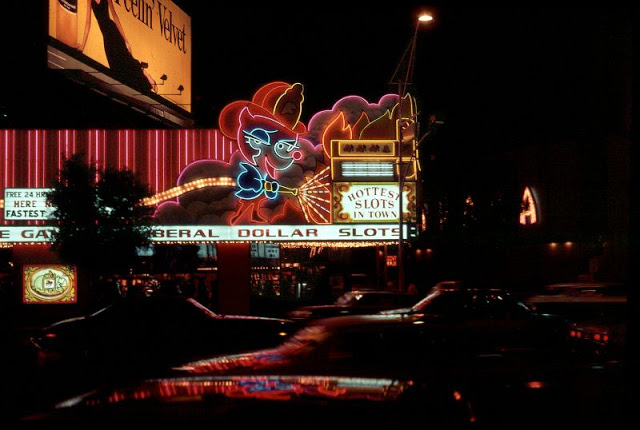
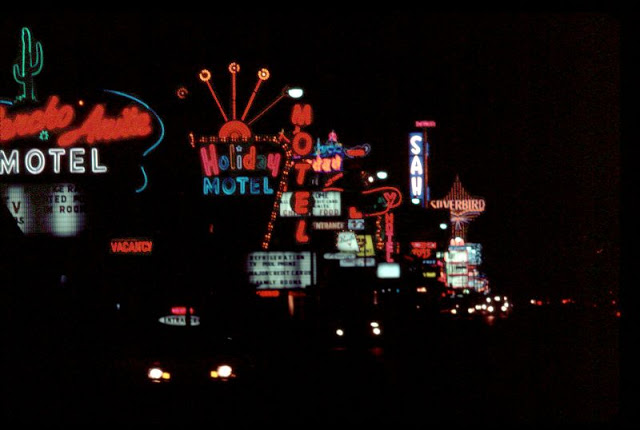
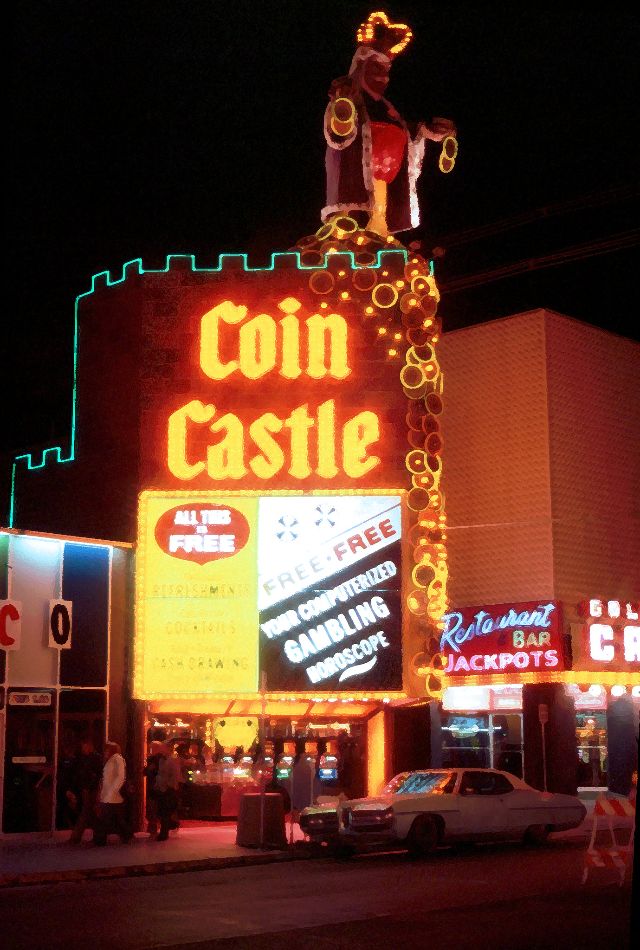
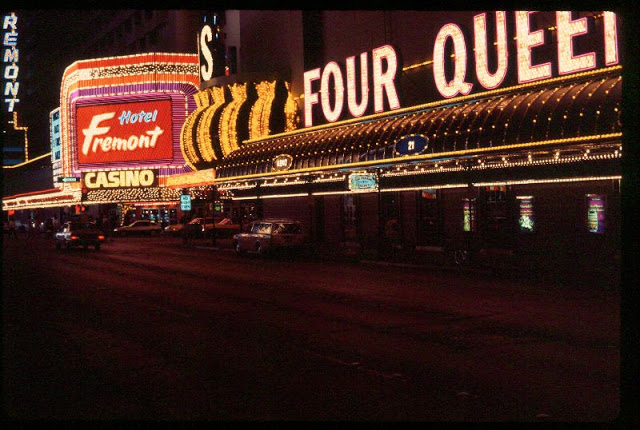
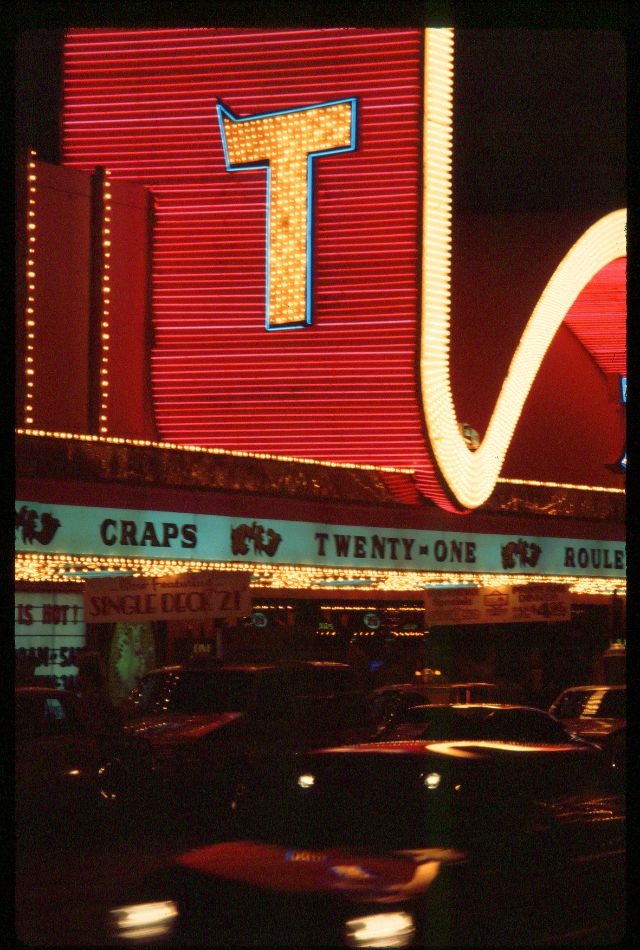
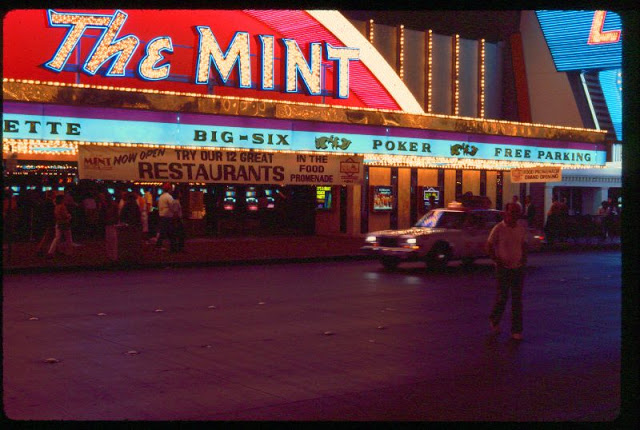
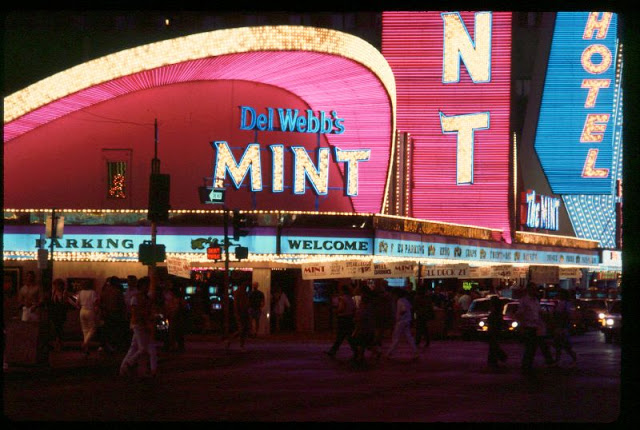
Take a look at these amazing pics to see what the Las Vegas Strip looked like at night in the 1970s.

Yesterday Today

Bringing You the Wonder of Yesterday - Today

Skip to content ↓