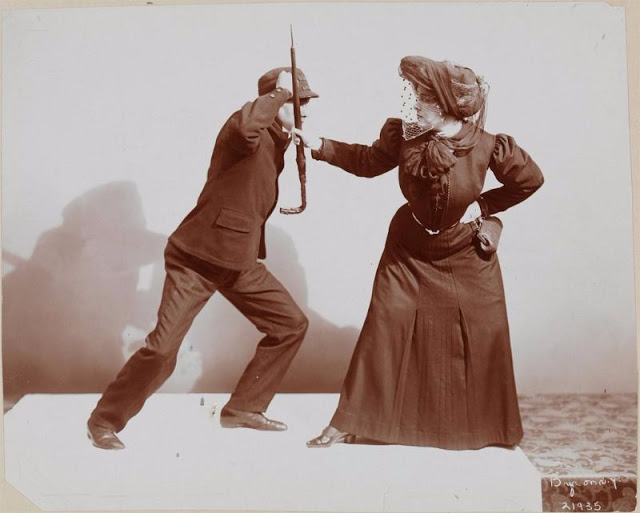
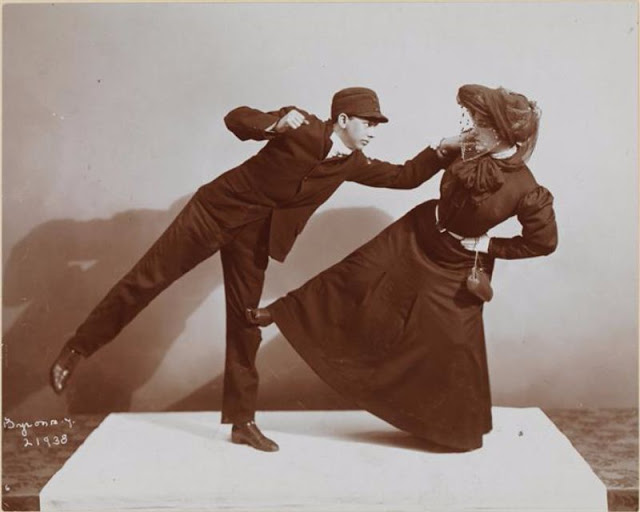
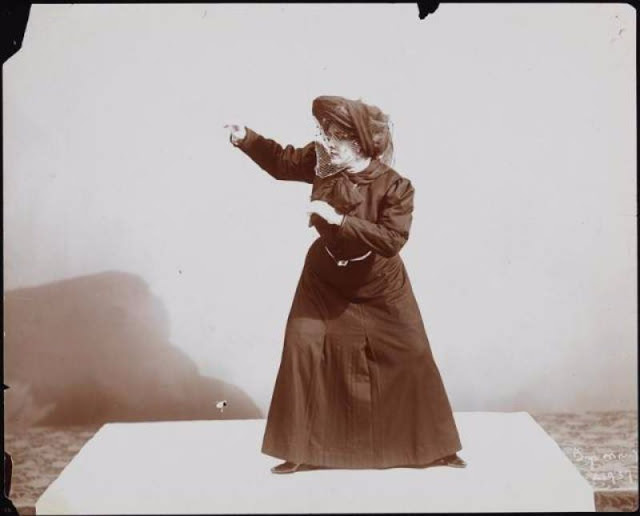
In 1906, the famed New York City photographer Percy C. Byron was commissioned to take a series of studio photographs depicting “Dr. Latson’s Method of Self Defense”. The pictures show an athletic young woman demonstrating an unarmed combat stance, several techniques of self defence with an umbrella and a stamping side kick to the attacker’s knee.
New Yorker William Richard Cunningham Latson had graduated from the Eclectic Medical College of New York City in 1904 and quickly became something of a self-help celebrity. The editor of Health-Culture, an influential magazine, he was also a prolific author of health and fitness books and his articles appeared in newspapers all across America. As a keen physical culturist with a particular passion for boxing, Latson’s subjects ranged from correct posture to natural diet and from the moral benefits of athletic training to the physiology of knock-out punches.
The 1906 self defence pictures eventually appeared as illustrations in a June 11, 1911 Denver Post article titled “When a Thug Attacks You,” and they were much later featured as historical curiosities in the book Once Upon a City: New York 1890 to 1910 (1958) and then in the June, 1972 issue of American Heritage magazine. The apparent absence of any references to “Latson self defense method” classes, demonstrations, etc. during the early 1900s may suggest either that the method remained undeveloped, or simply that it was not taught publicly.
During the first decade of the 20th century, Latson’s writing increasingly tended towards self-improvement in the psychological and even spiritual senses.
Photos by Percy C. Byron/ Museum of the City of New York
There have been countless evil figures recorded throughout history who committed unimaginable atrocities by using their power or position.
WWII and the testimonies from the trials of the post-war period perfectly illustrate that human beings are capable of doing the unimaginable when it comes to “joining the dark side.”
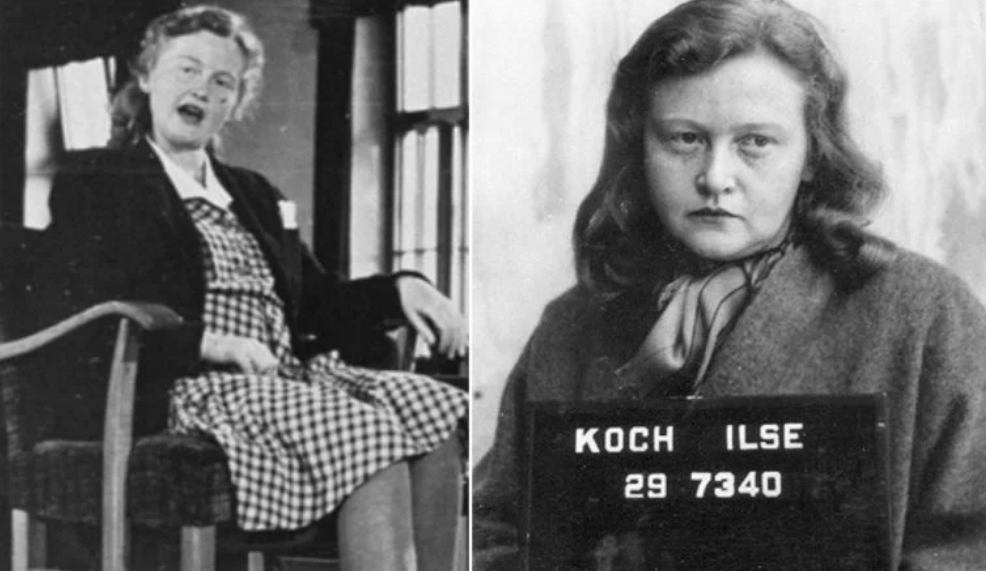
The most well known “villains” from this period include Josef Mengele, Heinrich Himmler, and Adolf Hitler himself. But there was one woman with an equally tarnished reputation; her name was Ilse Koch, a.k.a. The Witch of Buchenwald.
Margarete Ilse Köhler was born in 1906 in Dresden, Germany, to an ordinary family of workers who provided her a normal, happy childhood.
She attended an accounting school where she was known as a friendly and industrious student by both her peers and teachers.
In her early 1920s, she joined the National Socialist German Workers’ Party. To her and her friends, this decision seemed like an effort to find solutions to the serious economic and political problems caused by the aftermath of the lost Great War (WWI) in Germany. At the 1919 Paris Peace Conference, limits were placed on Germany’s military armaments, and the country was obliged to make economic reparations.
Ilse Koch at the U.S. Military Tribunal in Dachau, 1947.
The Nazi Party promised to eradicate the Treaty of Versailles and strengthen the national identity of the country whose people, including Ilse’s family, barely scraped a living.
Ilse met her husband, SS Colonel Karl Otto Koch, through friends within the Party, and four years later they were married.
In 1937 her husband became the first Commandant of Buchenwald, which was among the first concentration camps to be established under the Third Reich. Karl included Ilse in the work duties of the camp and made her his colleague.
Buchenwald concentration camp.
It didn’t take long before inmates recognized her as the most diabolic guard at Buchenwald. Their nickname for her rhymed with the one that the newspapers later chose to print. As wife of the Commandant, “The Witch” enjoyed a lavish lifestyle, even ordering construction of an indoor equestrian facility that, in today’s money, cost around $1 million.
This luxury was paid for out of the sequestrated money and belongings of the camp’s prisoners. Ilse Koch, as the later trials showed, didn’t regard the prisoners as human beings but a convenient material for the production of her devilish fantasies.
As some of the trial evidence showed, this woman was a passionate collector, of book covers, gloves, lampshades, and other items, all made with genuine human leather.
For this unusual hobby, Ilse picked the prisoners who wore tattoos and, according to the witnesses, stripped them of their skin before sending them to incineration.
Reportedly, Karl Koch was an admirer of his wife’s free-time activity and didn’t mind keeping the skins in their home, where they were put on display as trophies. Later, her skin samples were used as key evidence in her trials.
The marriage of the couple was known to be of an “open” arrangement as they were never monogamous; Ilse even dated her lovers at the camp.
Ilse Koch is sentenced to life in prison by Brigadier General Emil C. Kiel (back to camera) at the trial of former camp personnel and prisoners from Buchenwald.
This marital circumstance proved to be fatal for Karl as he was diagnosed with syphilis, a fact that he not only furiously rejected but also ordered the execution of the doctor who examined him in order to prevent the spread of any rumors about him.
The sadistic behavior of Ilse seemed endless. She enjoyed observing the suffering of the prisoners and used many tricks to practice that daily.
When she rode through the camp, no one dared to look at her because if anyone did, then she would mercilessly whip them. She had a wide view over the entire camp from her house and she often laughed when seeing prisoners going to gas chambers.
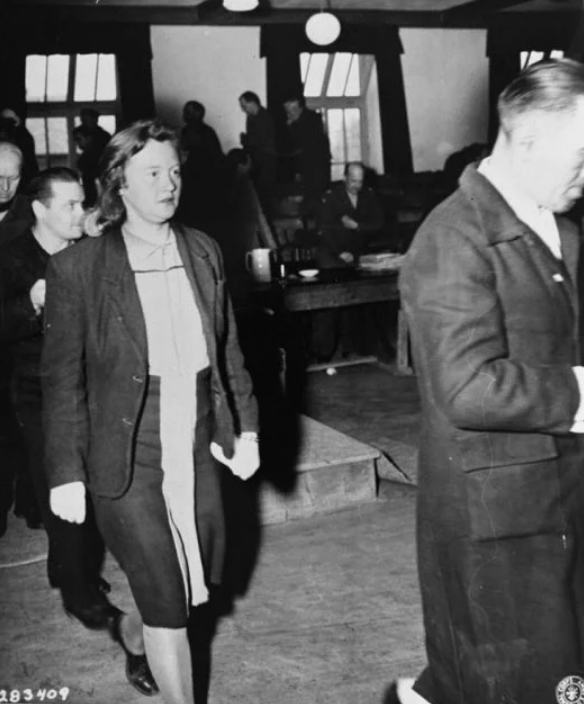
Ilse Koch leaves the courtroom with her co-defendants during the trial of former camp personnel and prisoners from Buchenwald.
The witness accounts said that most of all she took pleasure when seeing that children were taken away from their family and sent to the gas chambers
In August 1943, Ilse and Karl were arrested on charges of torture and murder of prisoners. It was said that even the Nazis, who conducted mass murders, were disgusted and perplexed by the couple’s torture methods.
Due to lack of evidence, Ilse was acquitted while Karl was sentenced to death. It took some time before the examiners could prove that Ilse’s collectibles were not made of goatskin, as she claimed, but were human-leather objects.
Ilse Koch testifies in her own defense at the trial of former camp personnel and prisoners from Buchenwald.
After Buchenwald was closed, the number of people who attested to witness Ilse’s atrocious behavior increased and many of them were ready to testify in court.
Consequently, the court commenced with a second trial in 1950 that brought Ilse to the stand at the General Military Government Court for the Trial of War Criminals.
There, she stated that she was eight months pregnant, which was peculiar since she was 41 years old and had had no contact with men except for the interrogators.
She was sentenced to a lifetime in prison. In 1967 she took her own life.
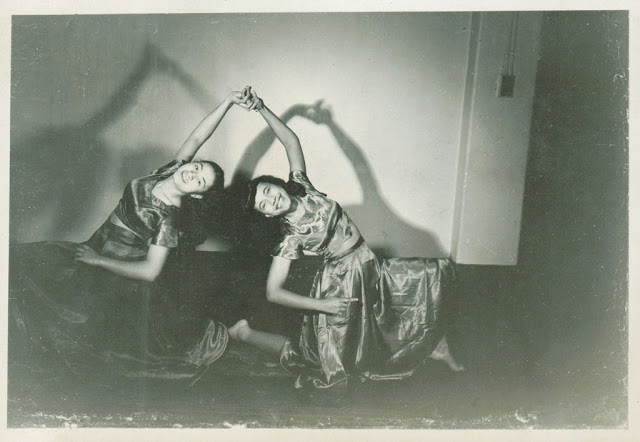
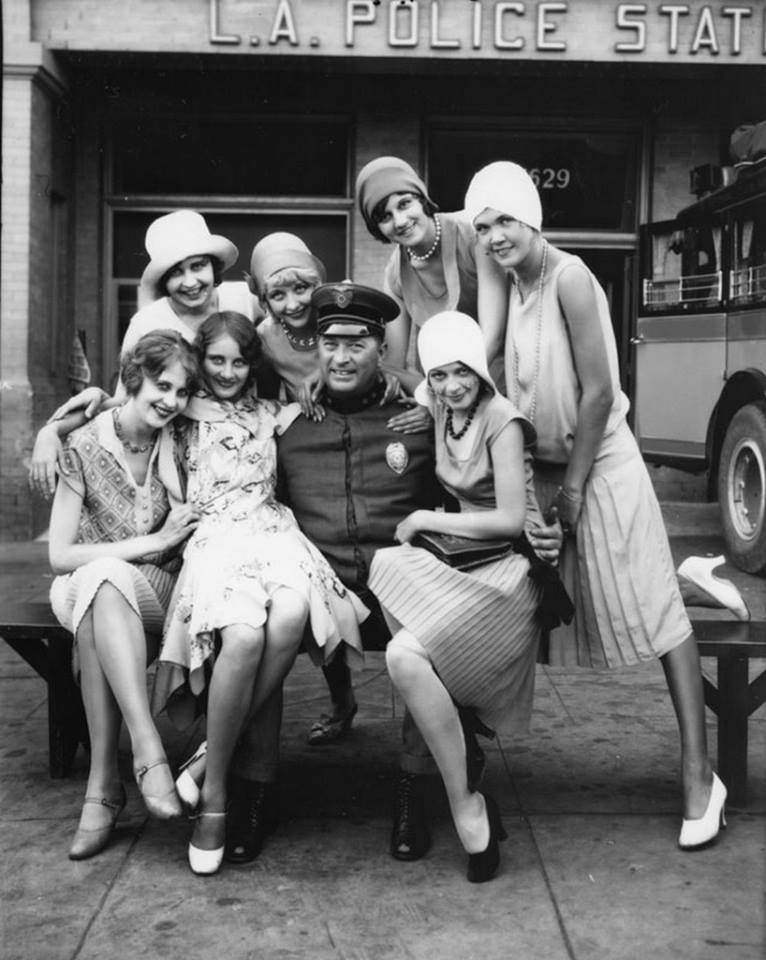
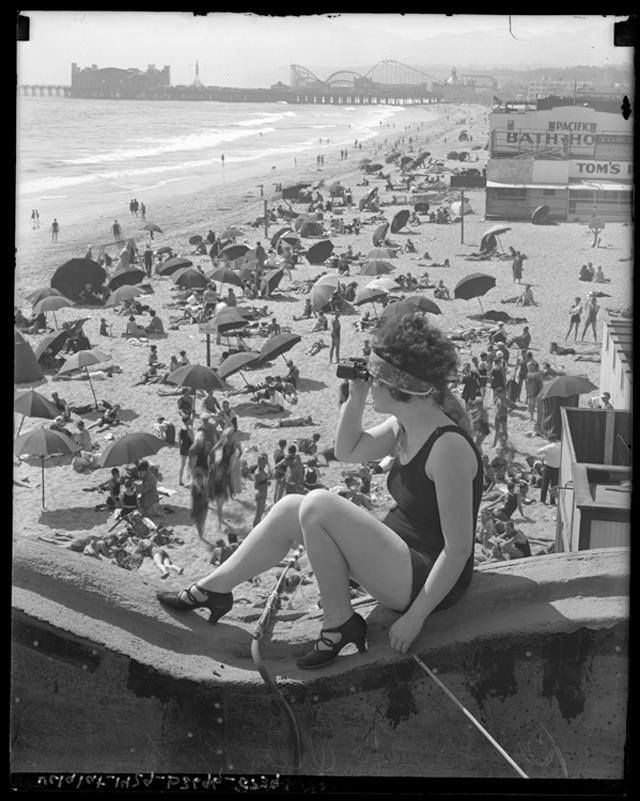
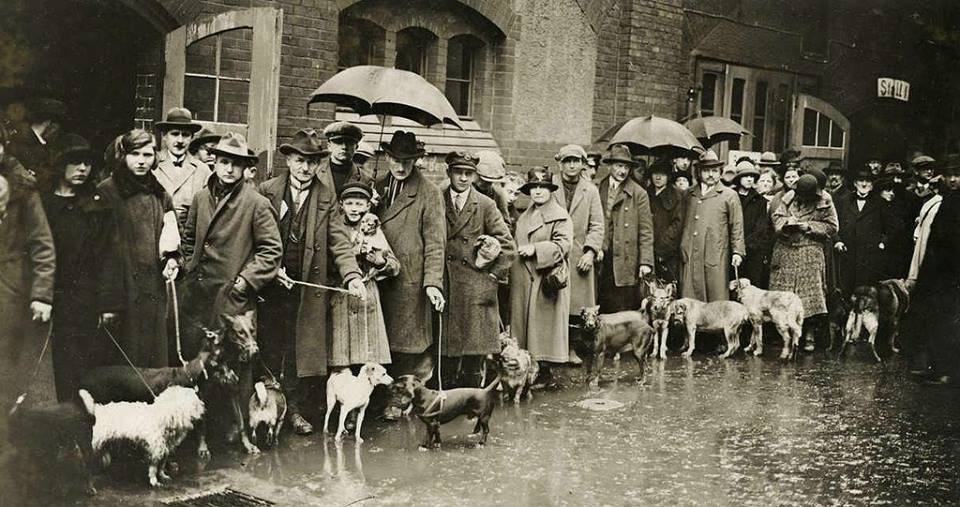
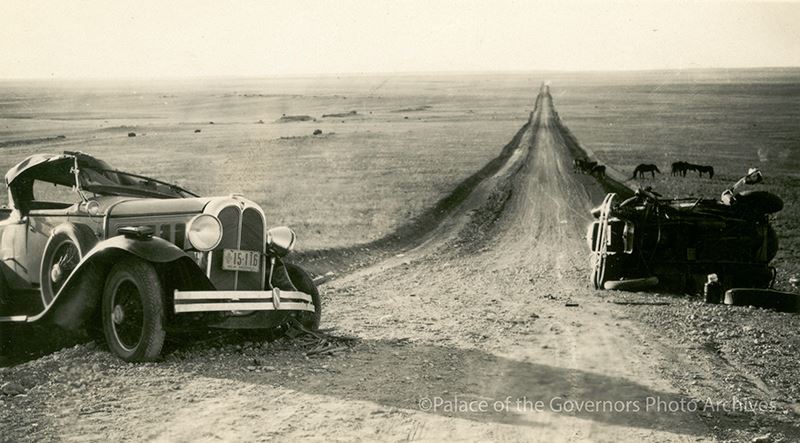
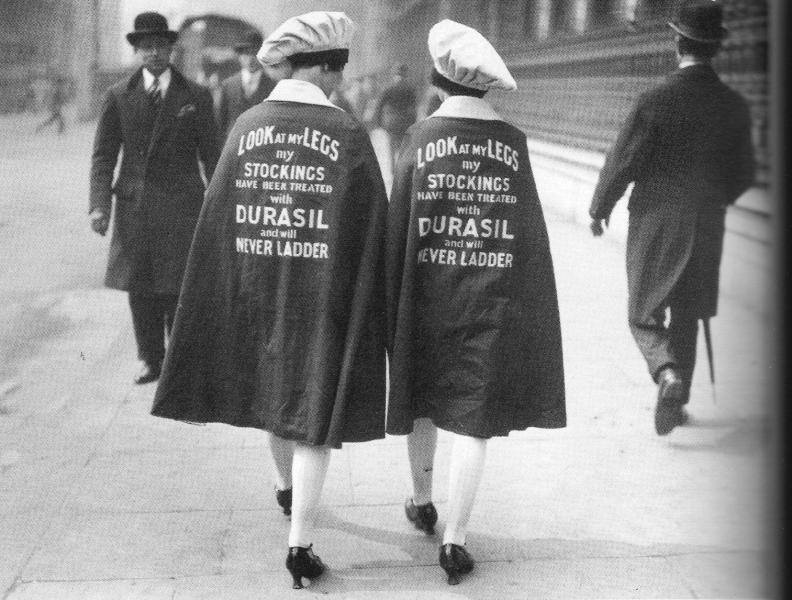
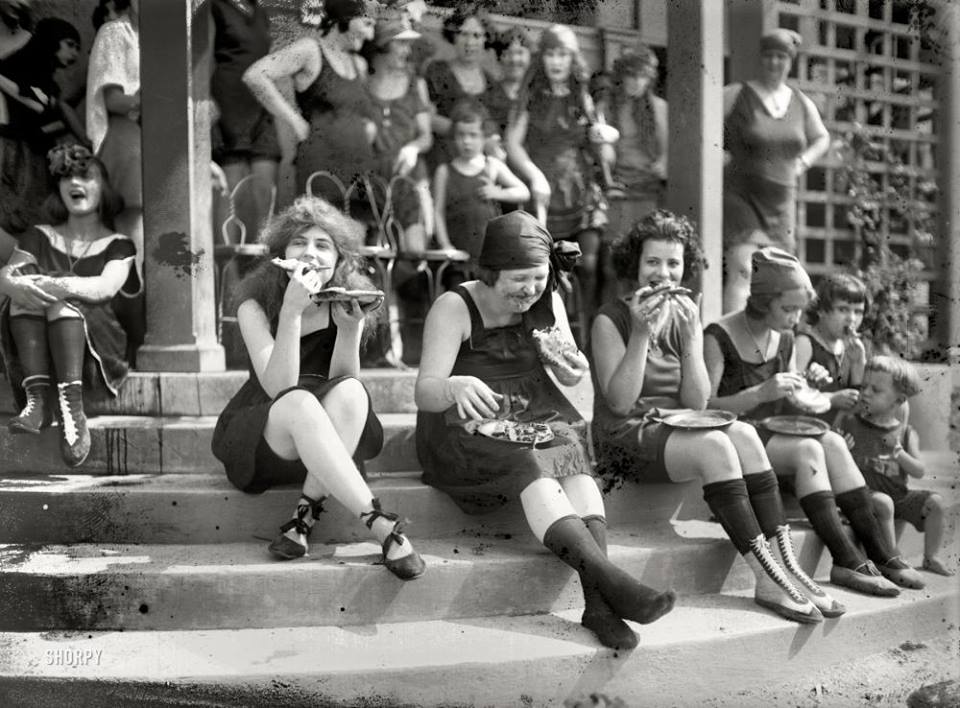
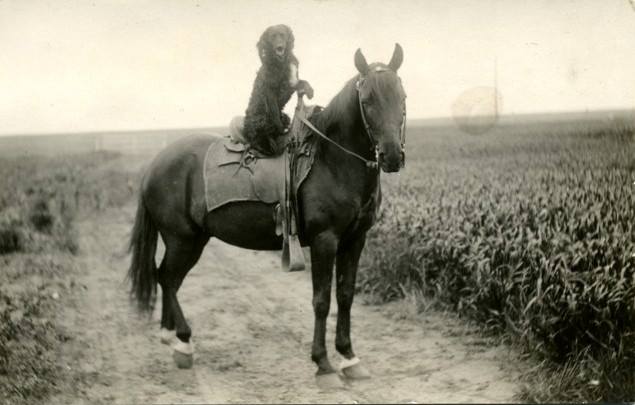
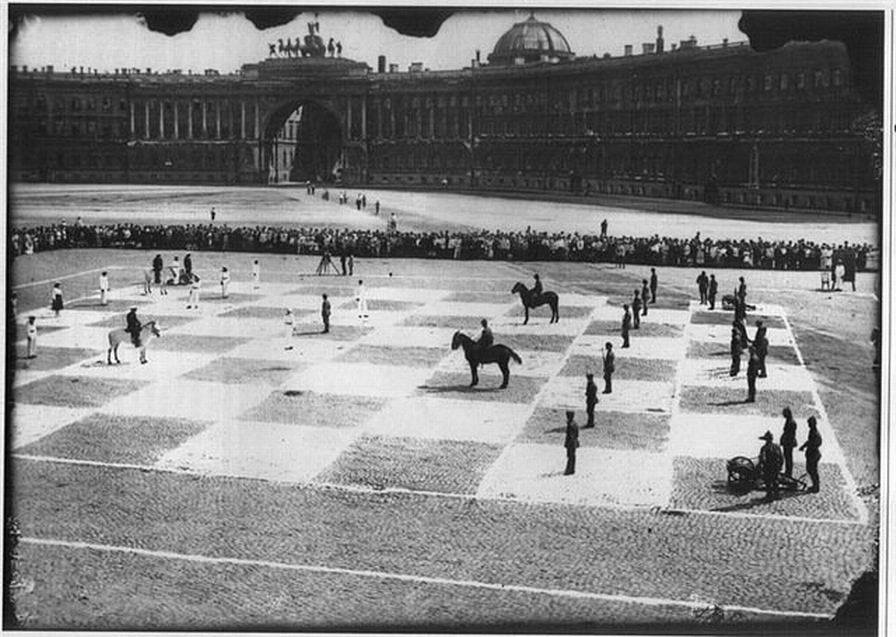
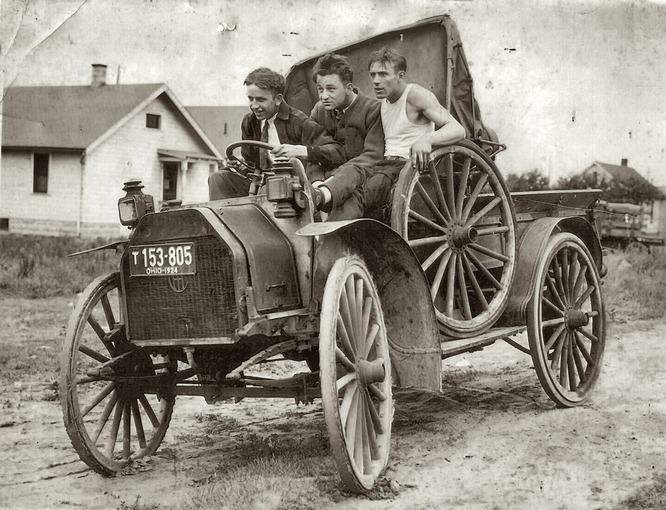
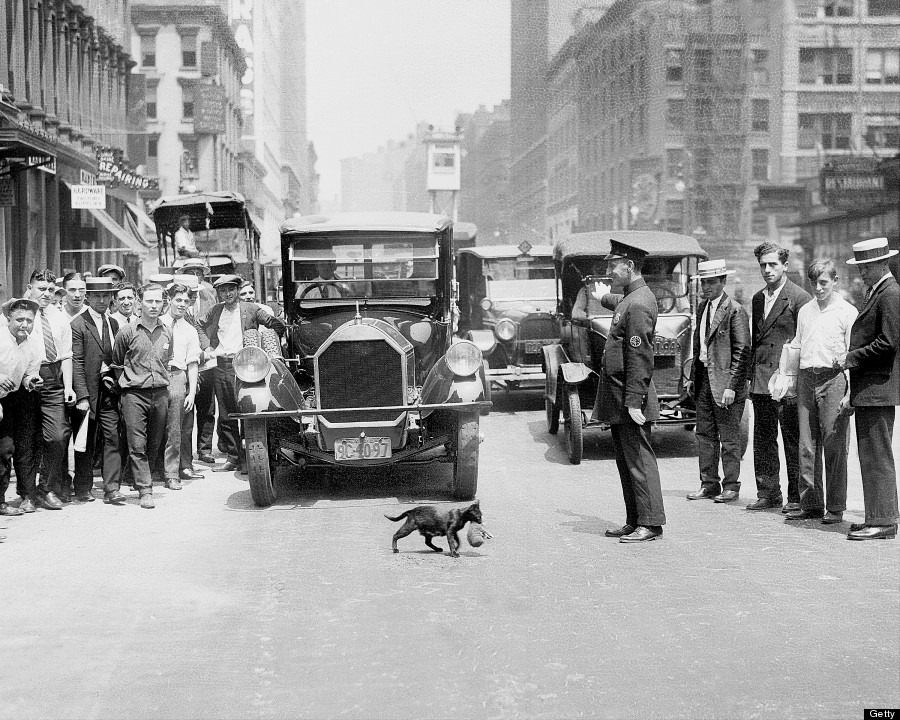
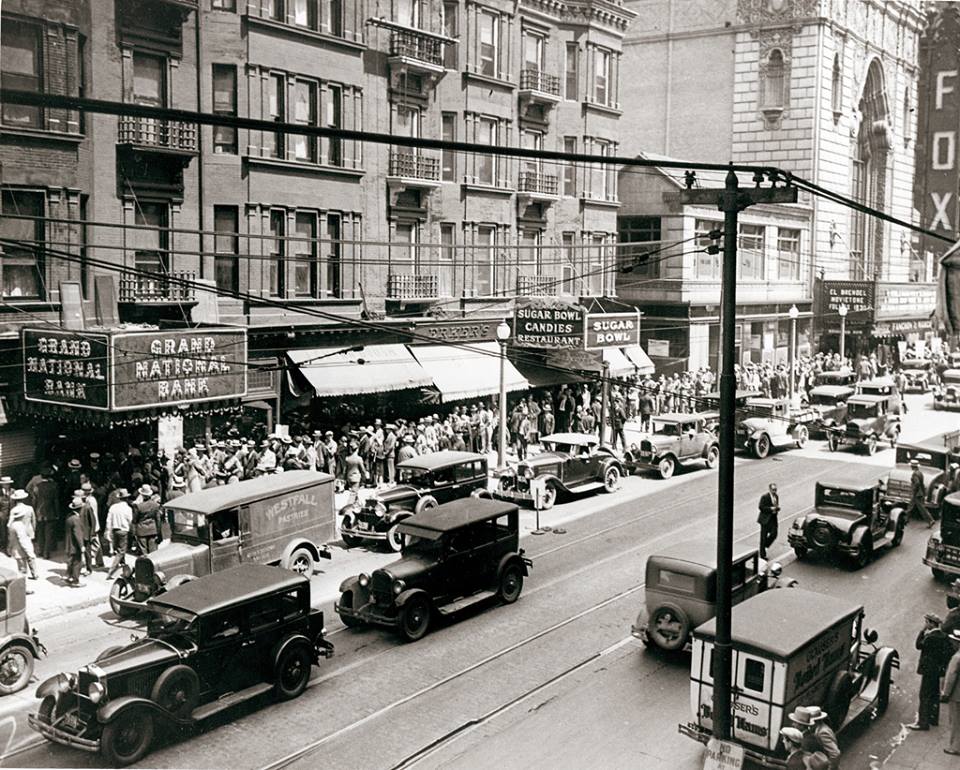
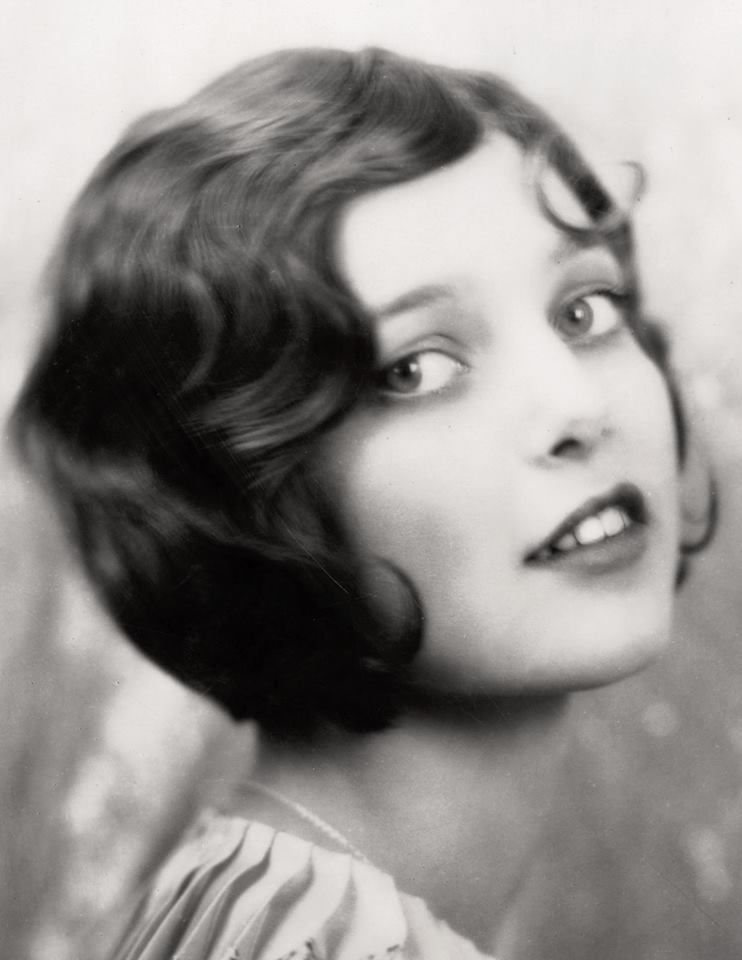
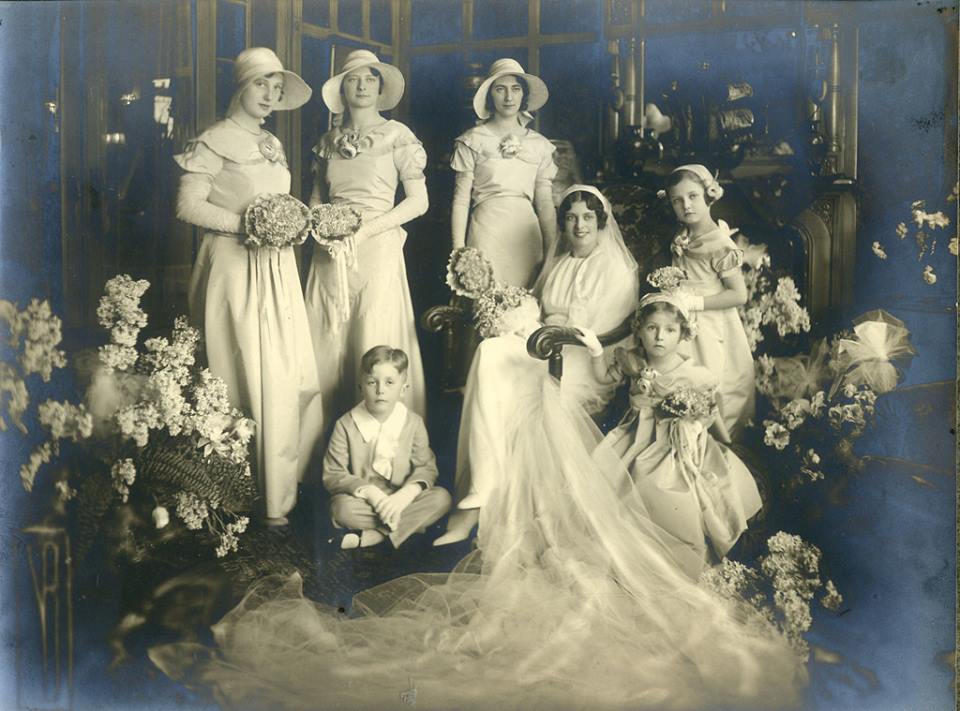
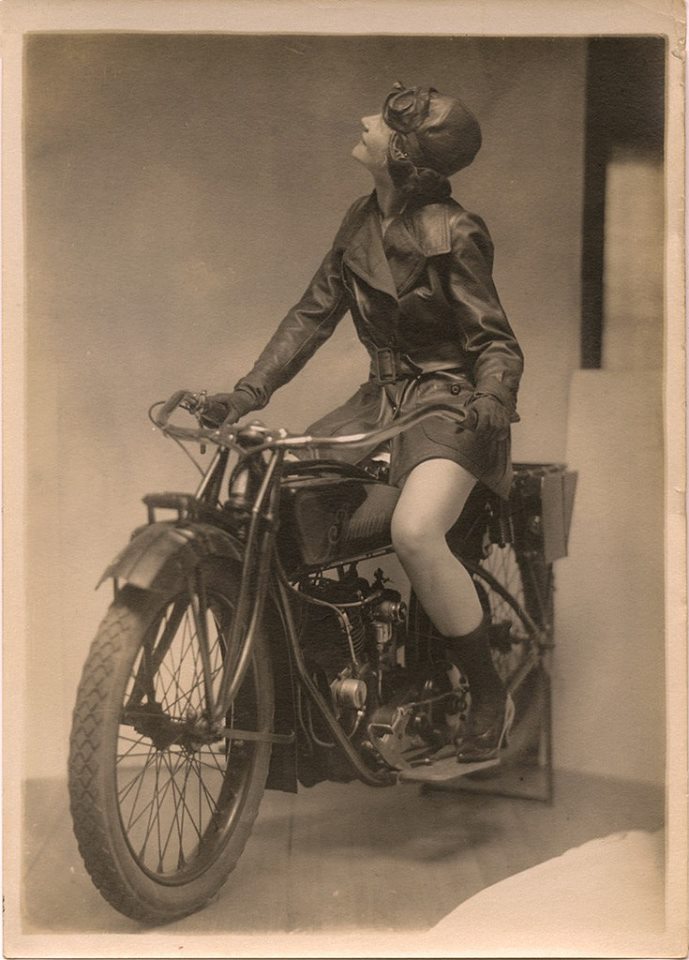
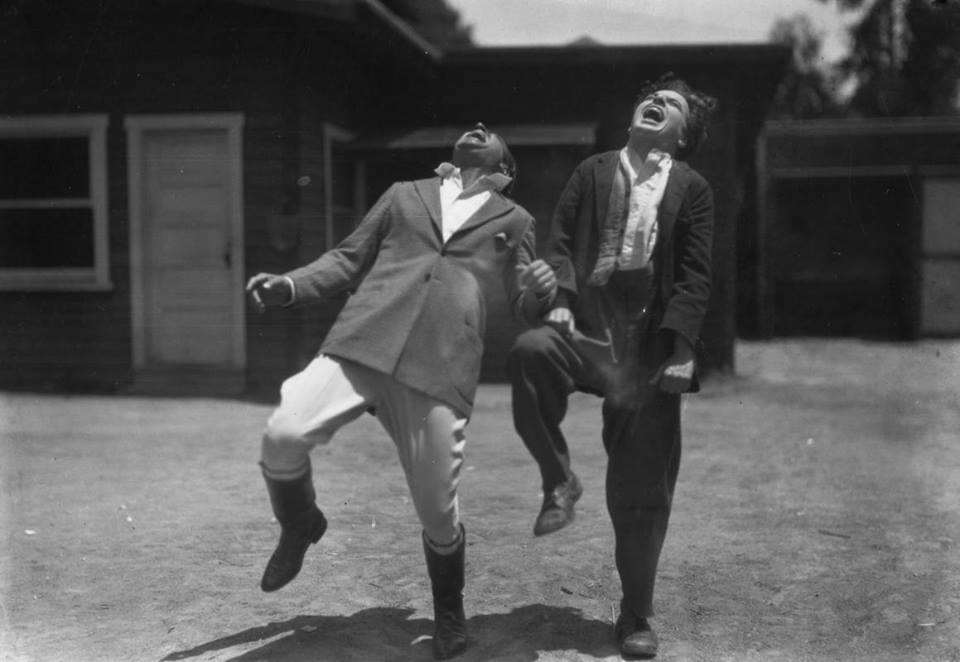
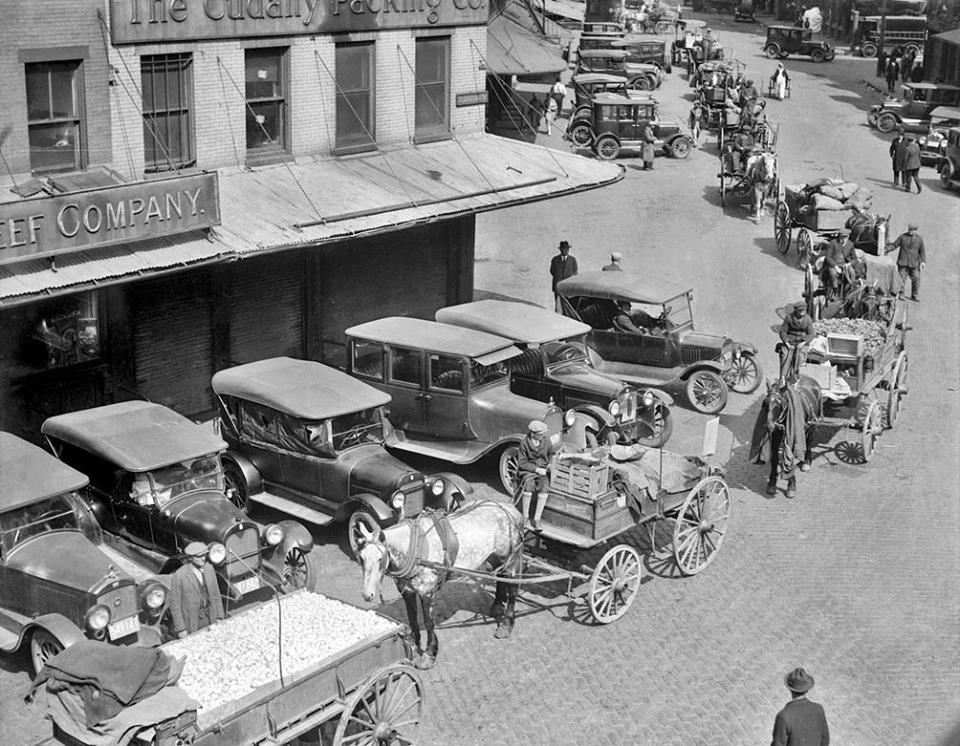
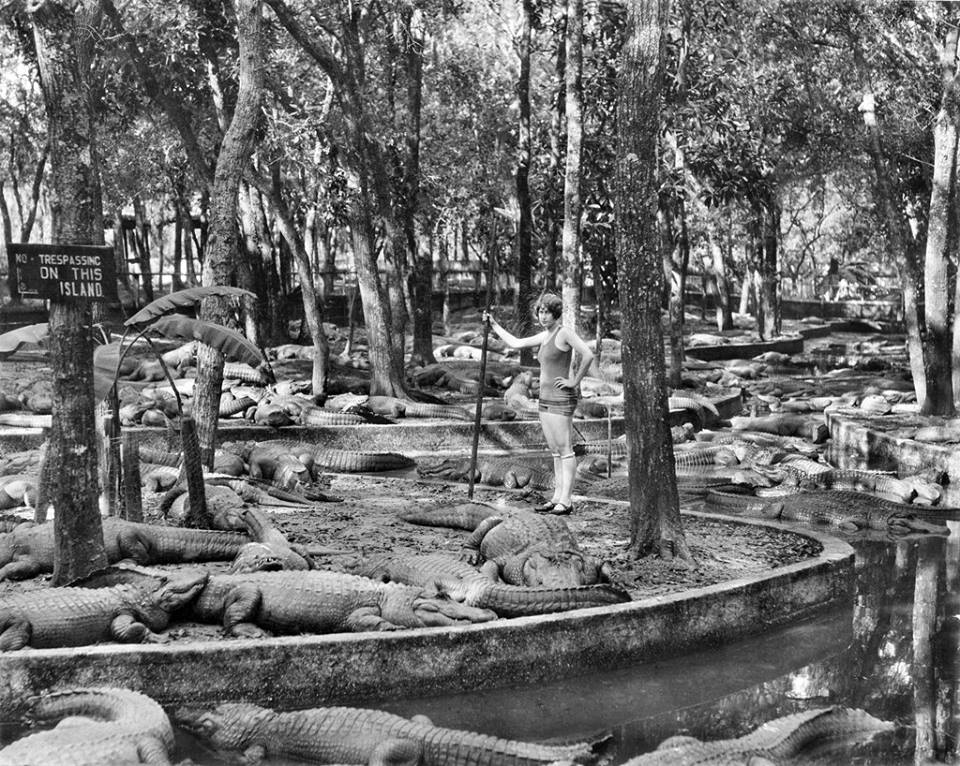
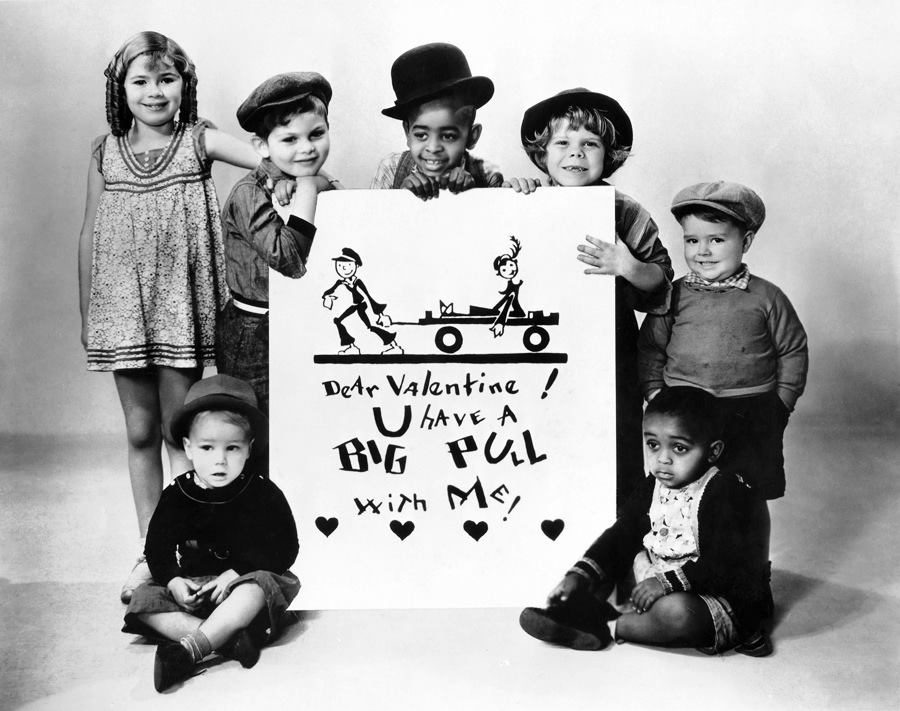
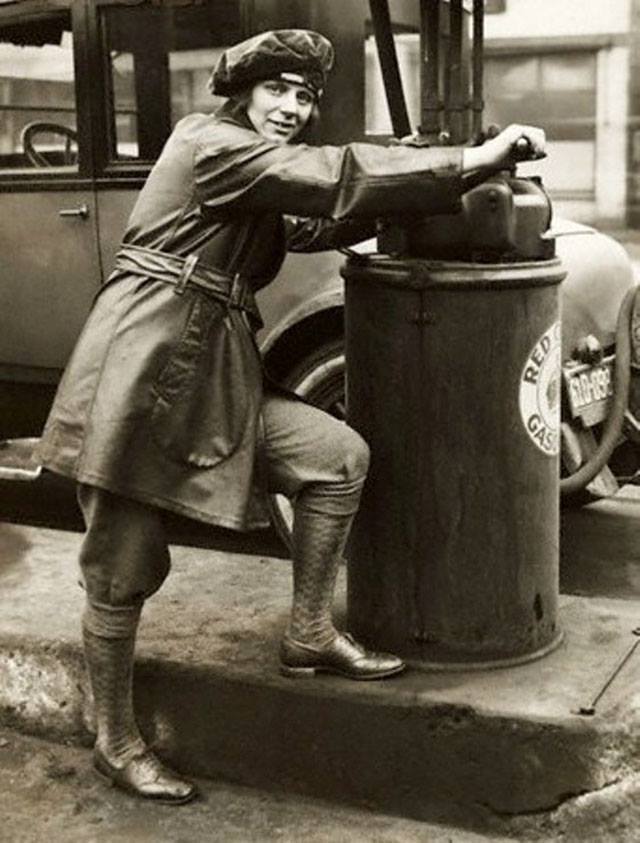
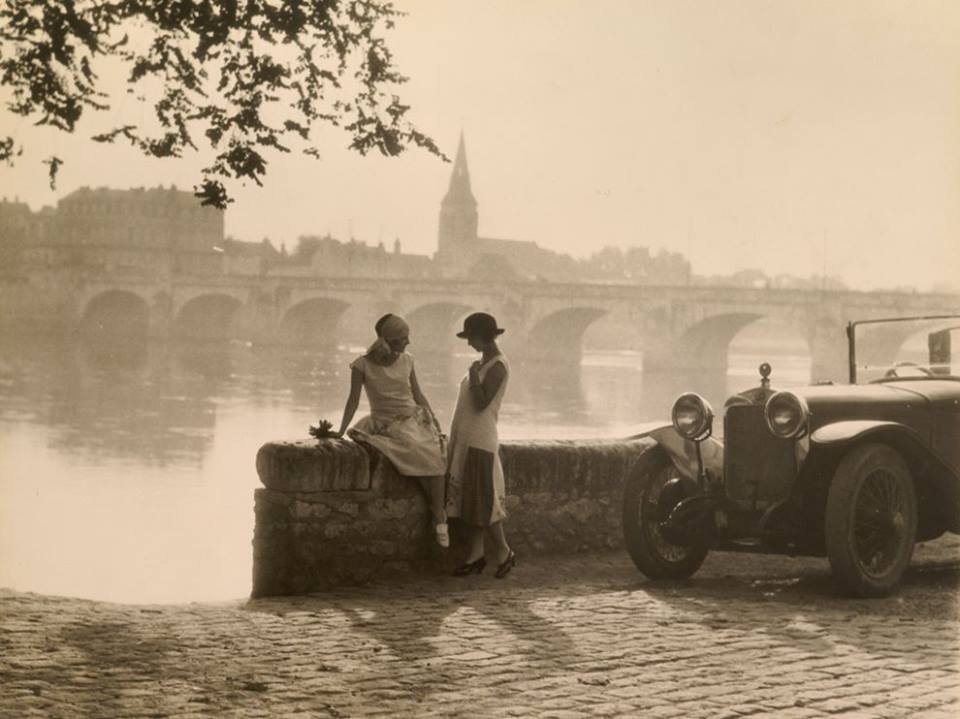
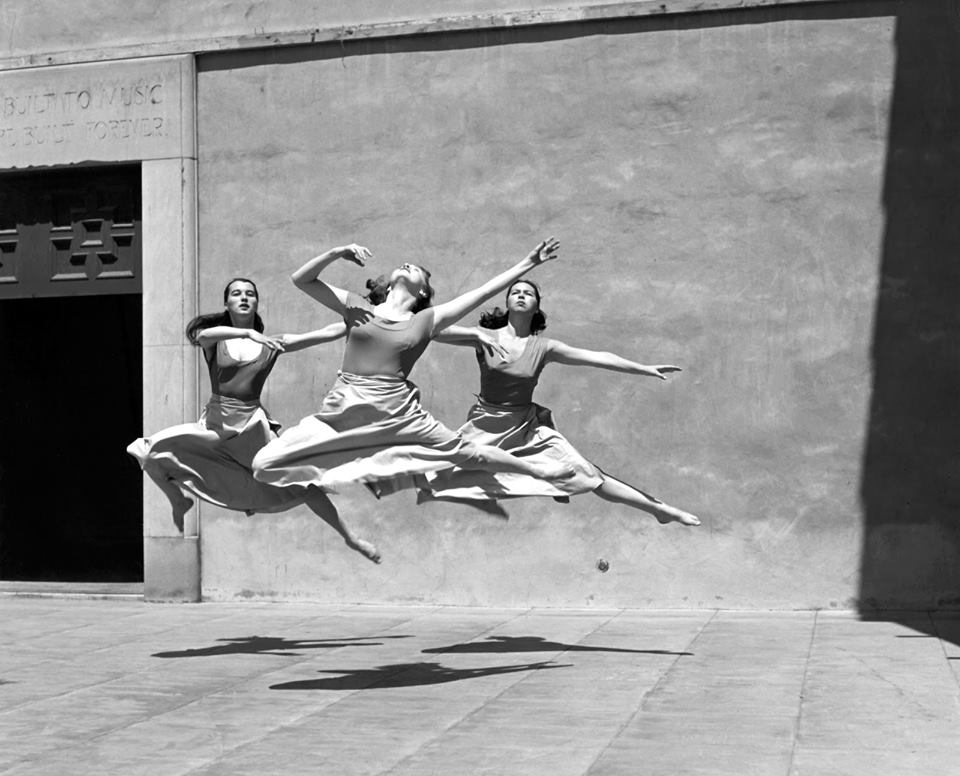
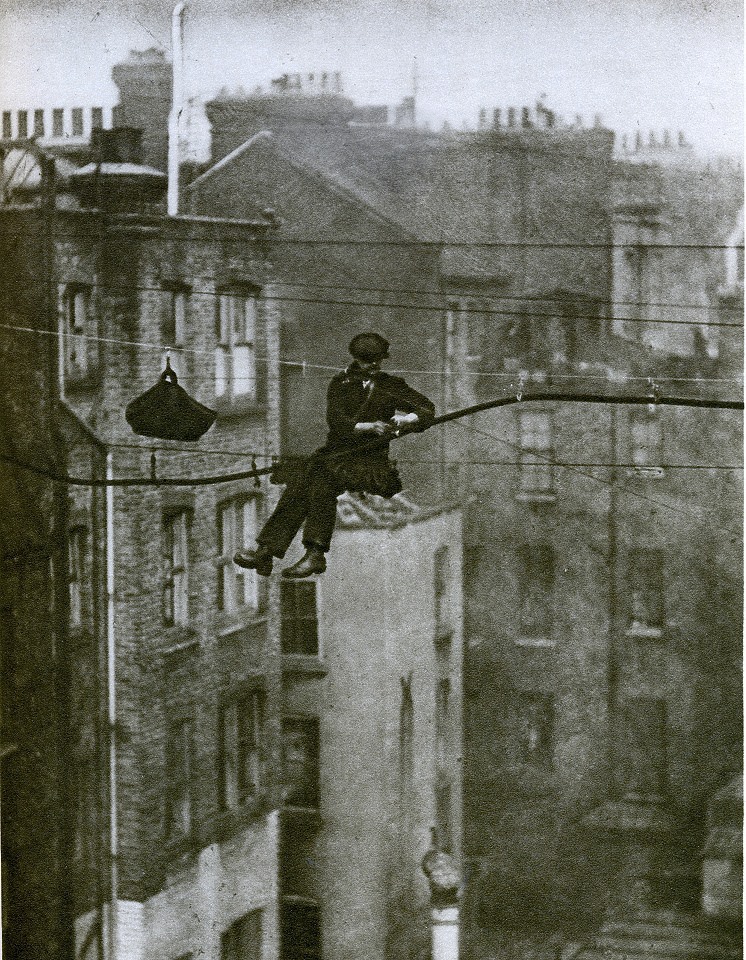
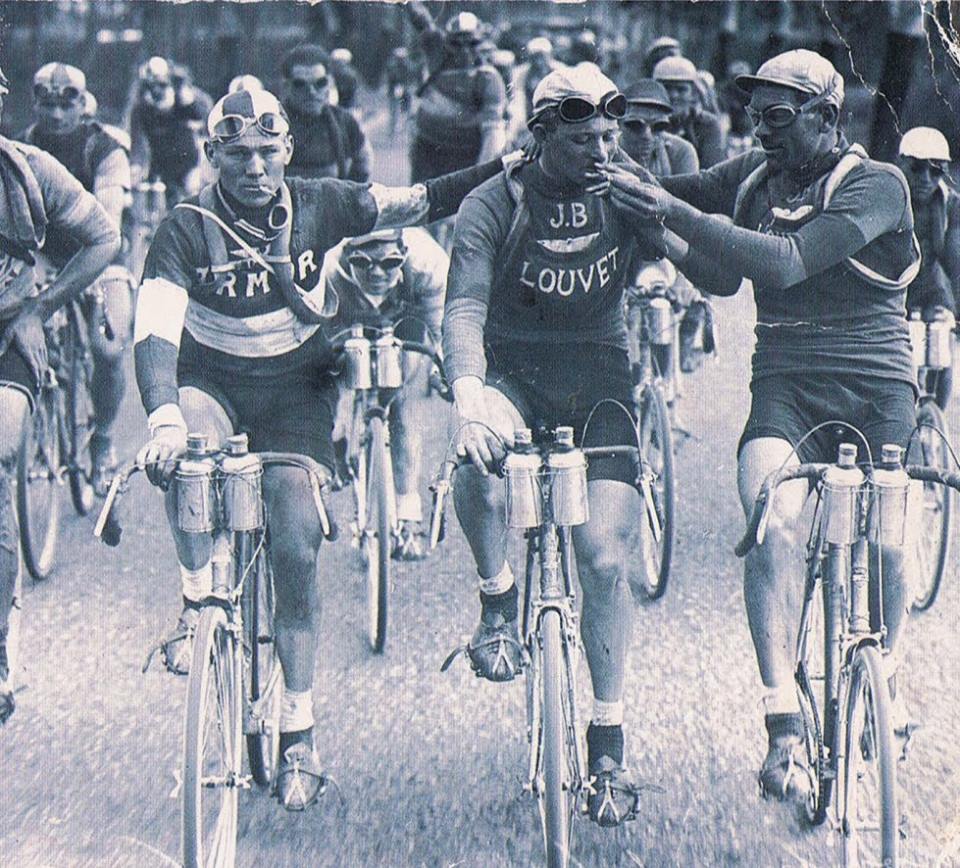
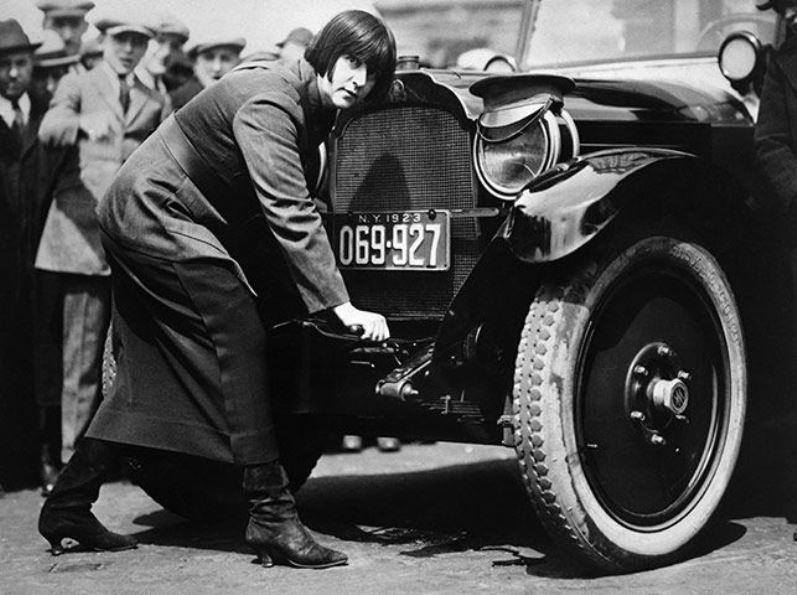
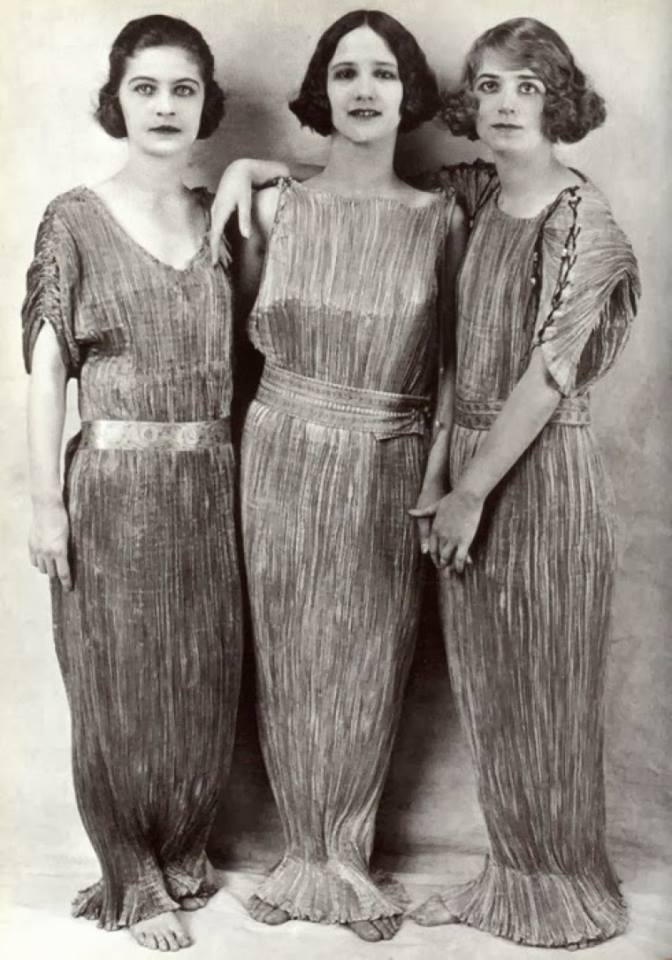
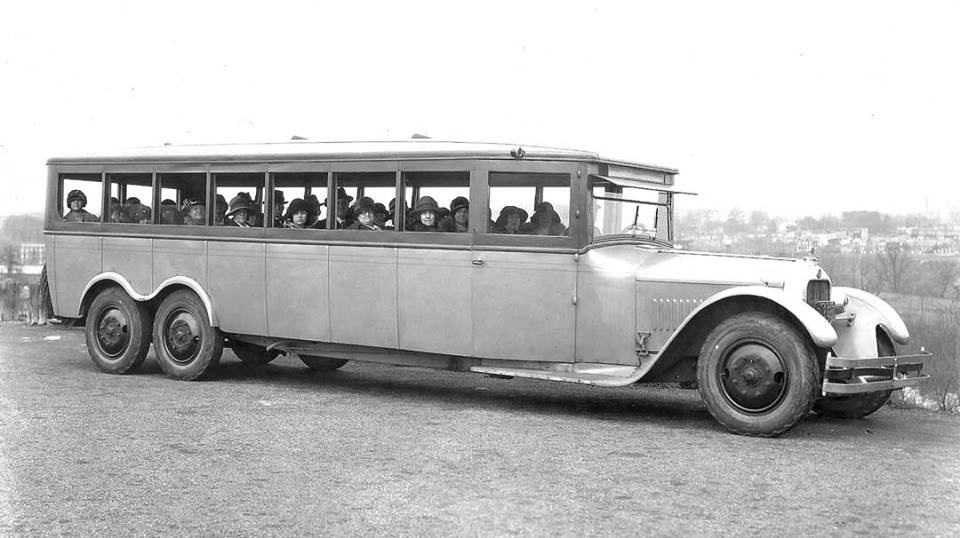
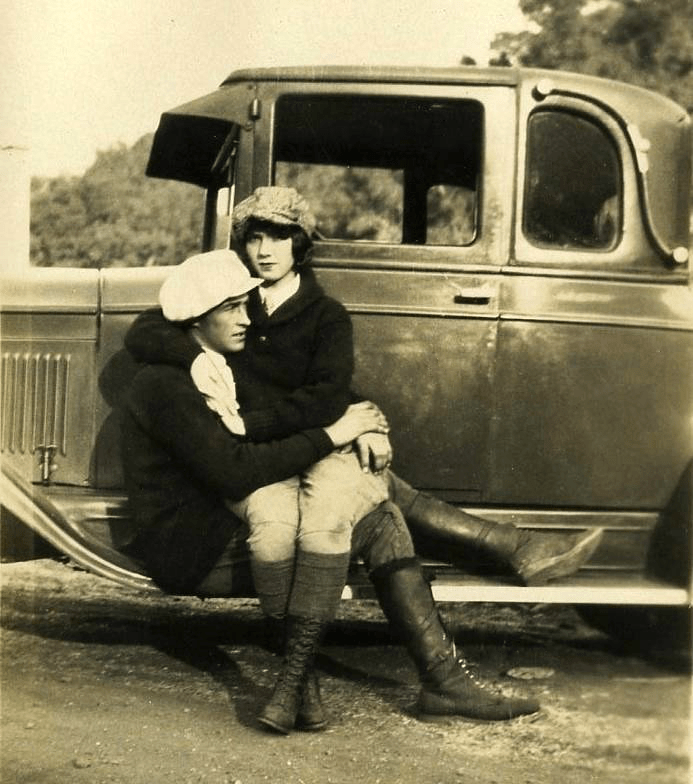
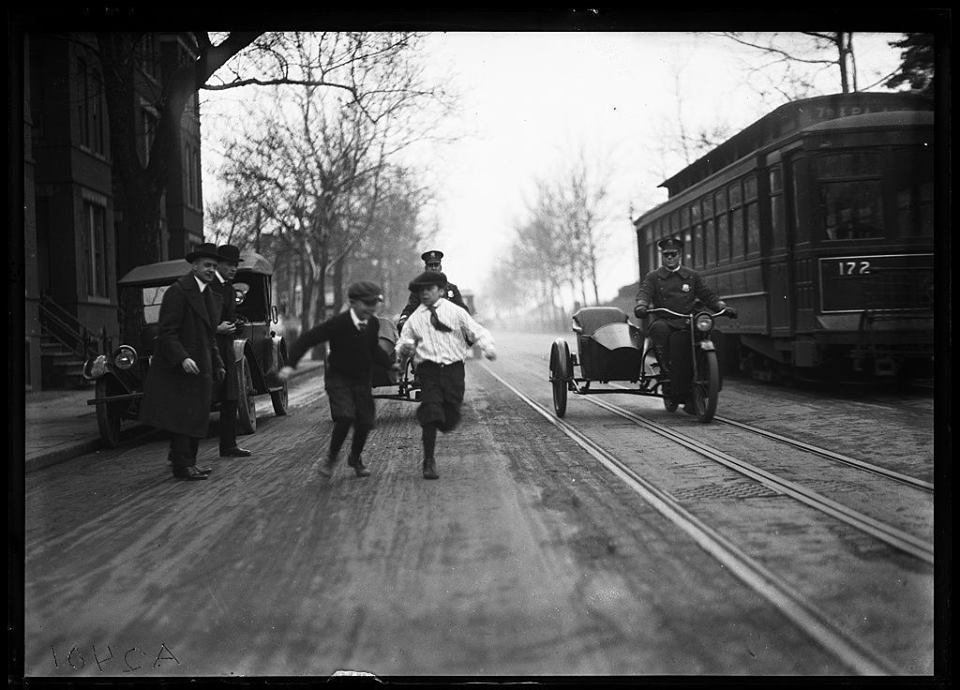
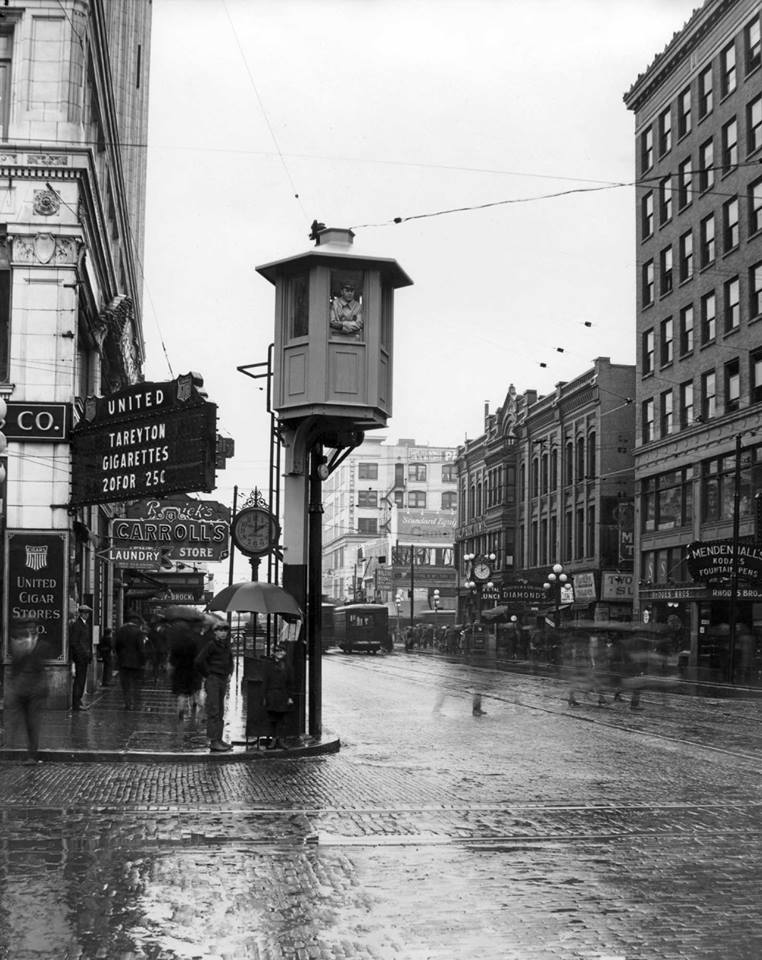
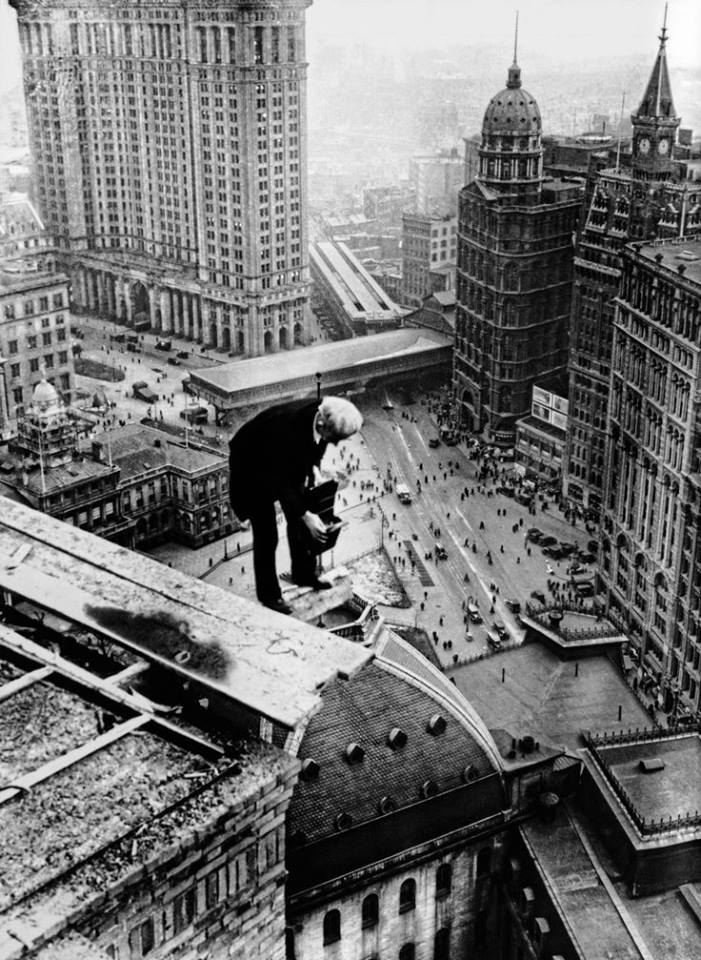
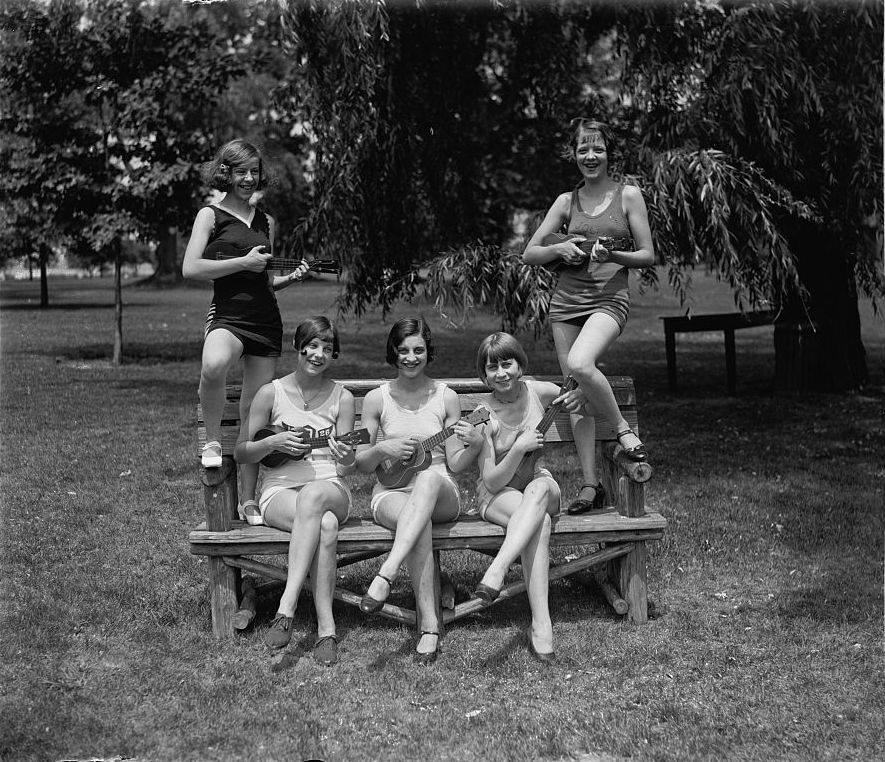
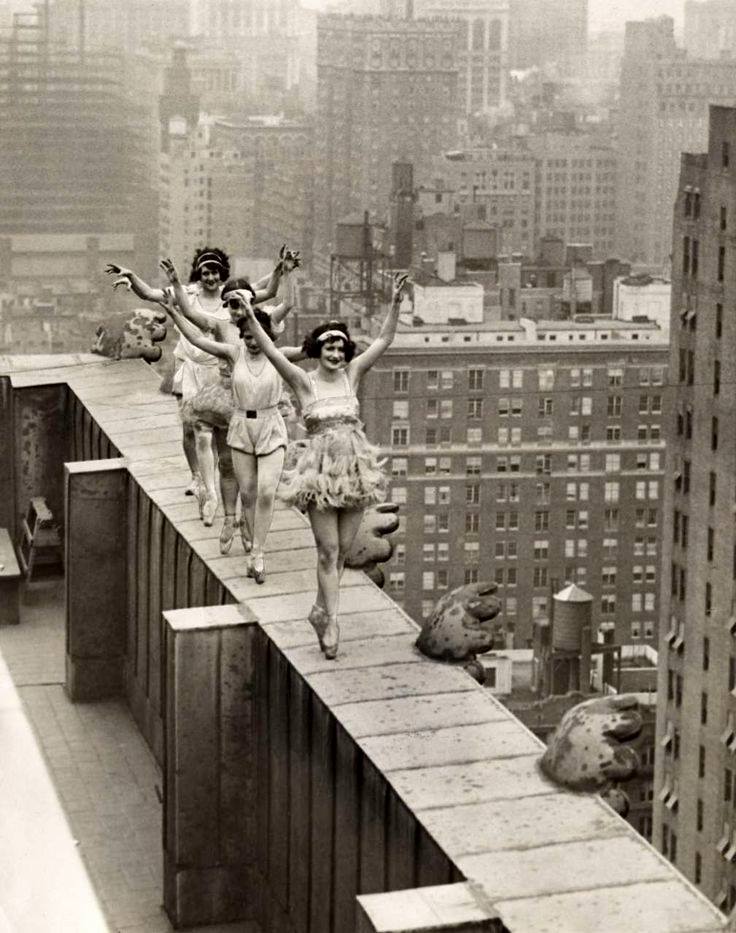
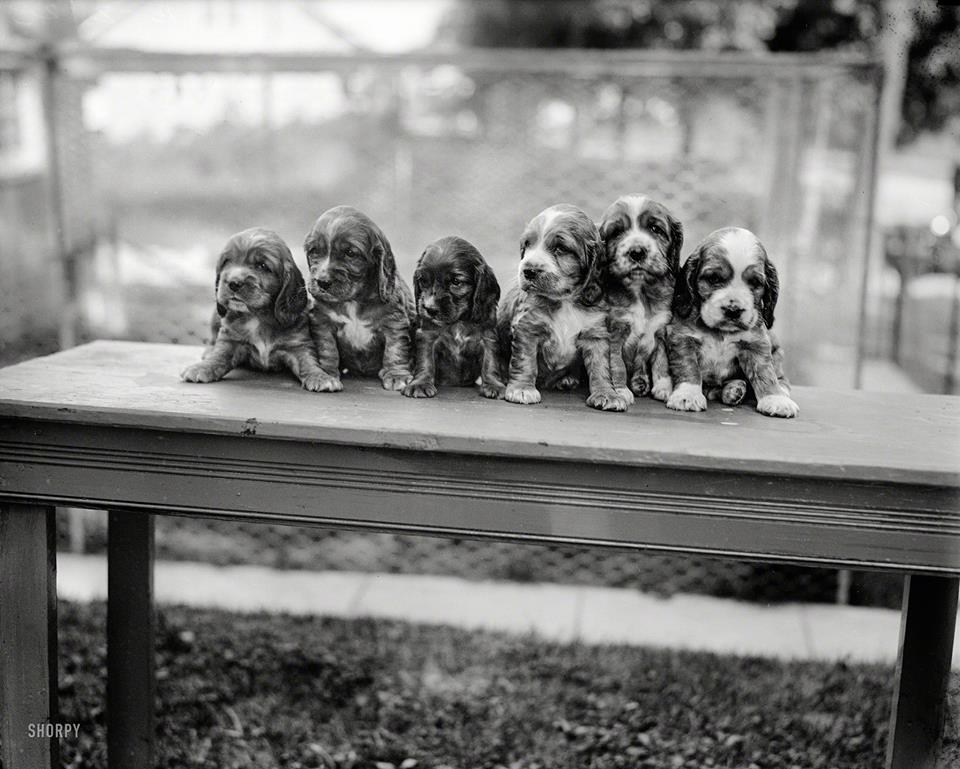
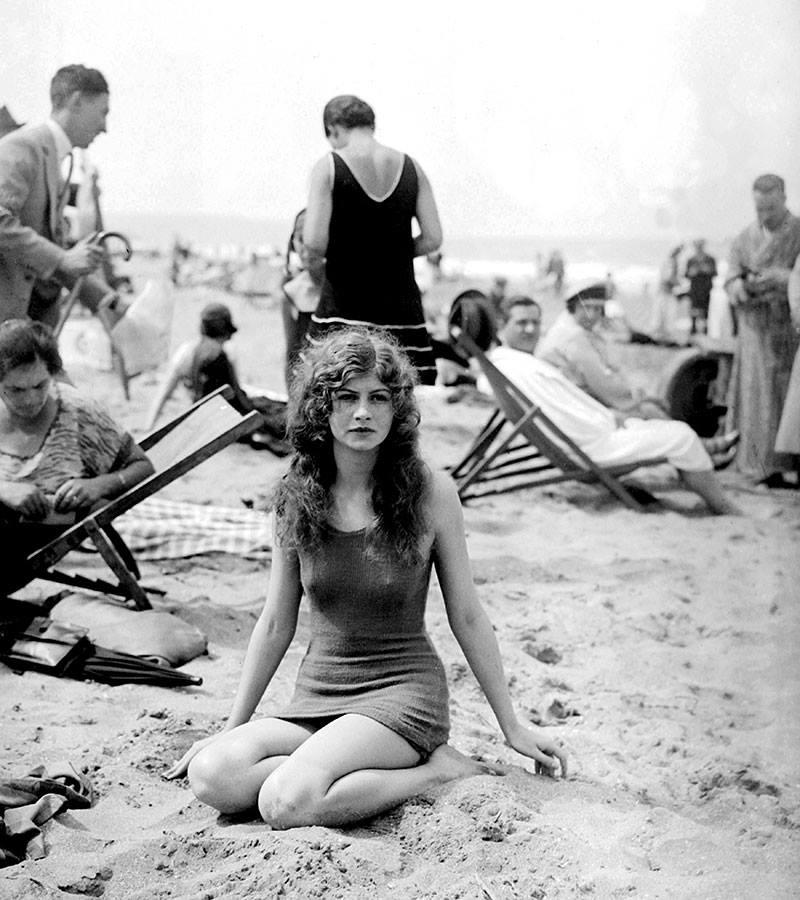
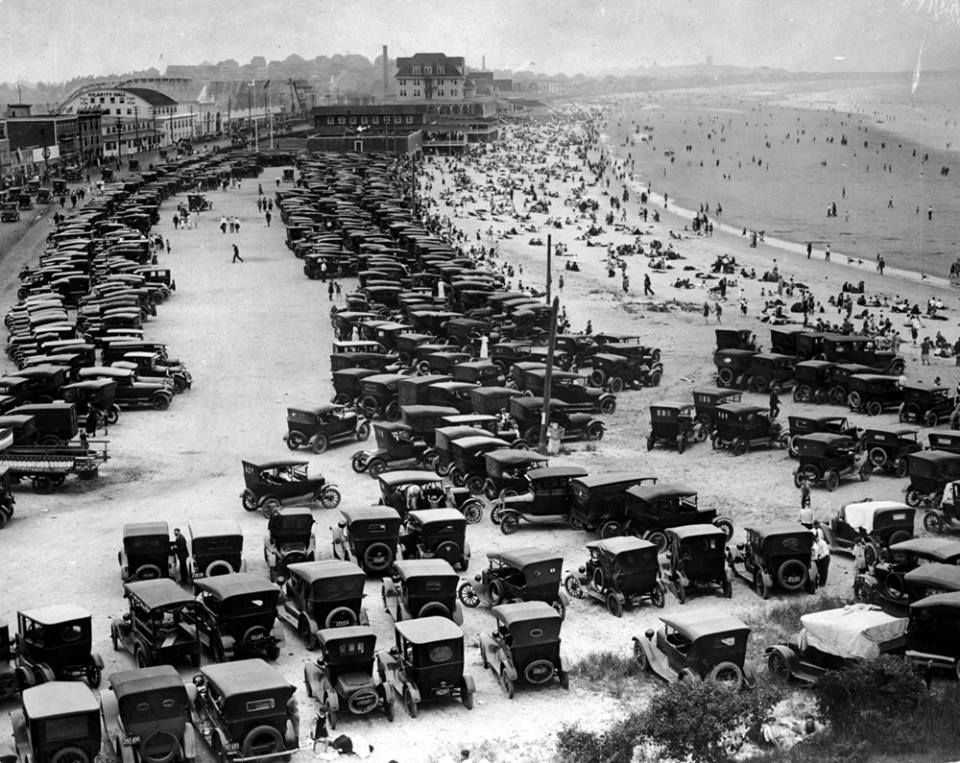
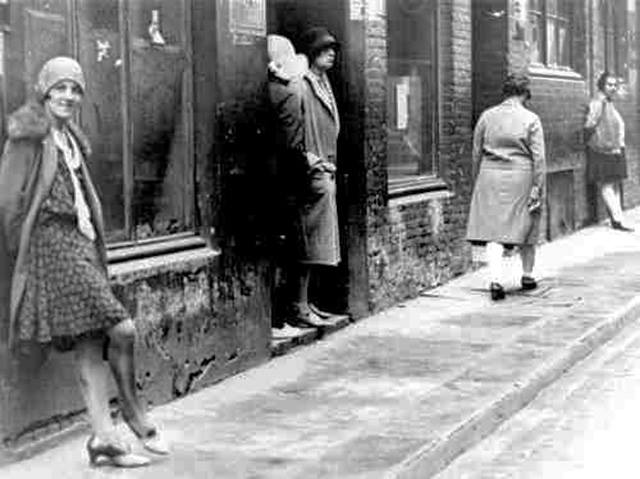
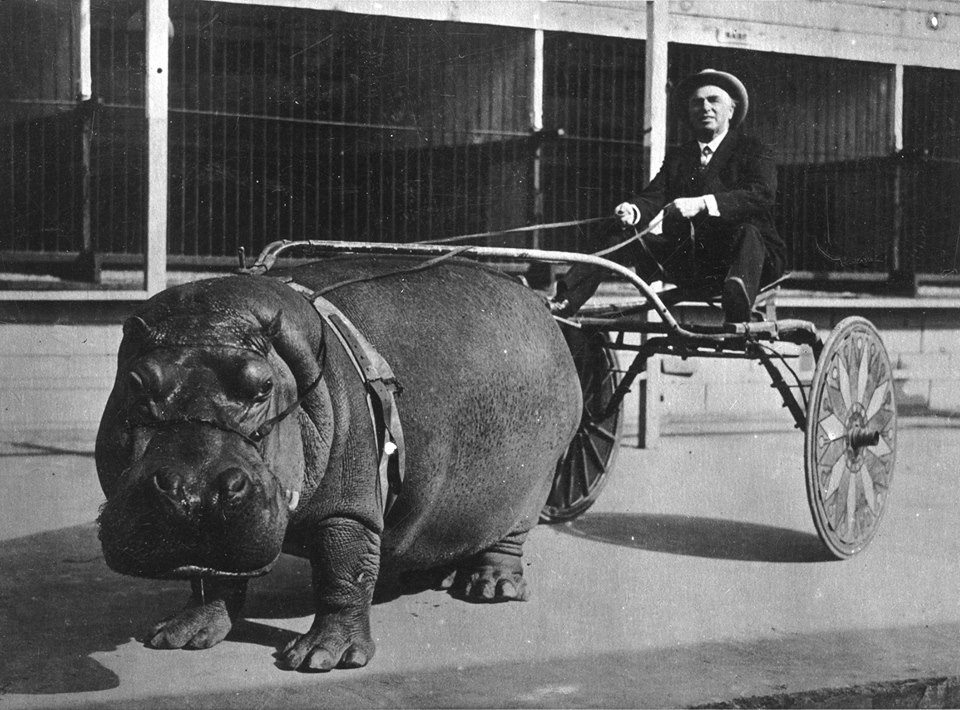
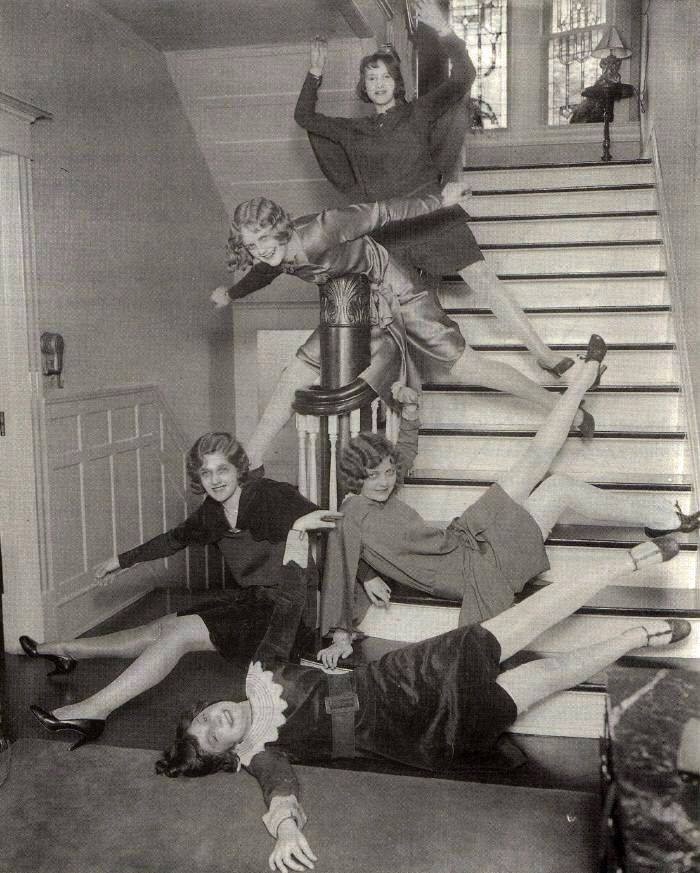
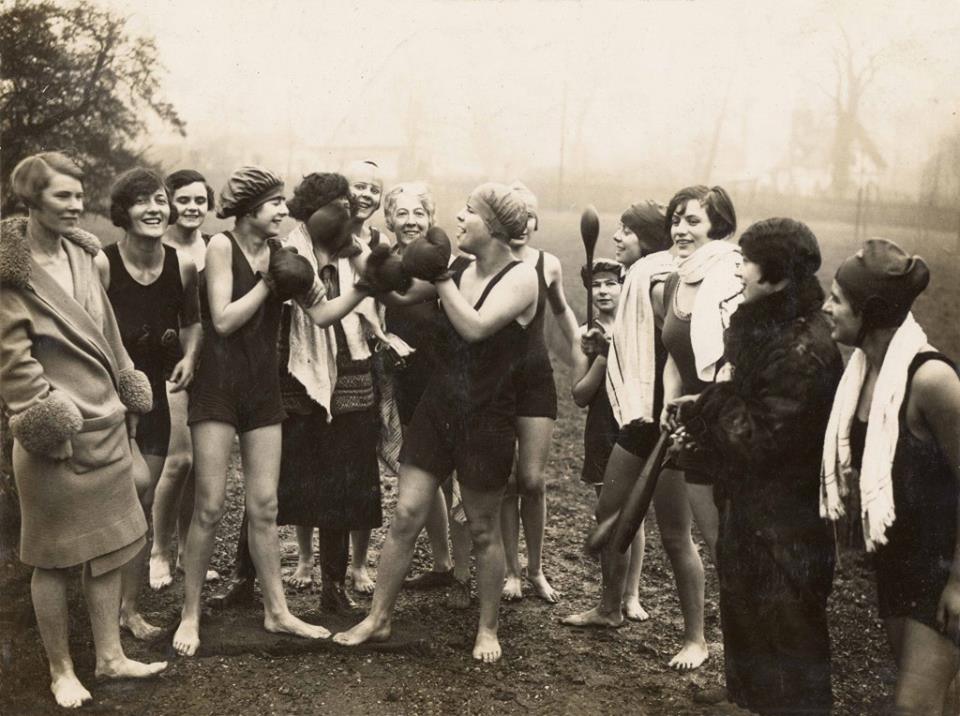
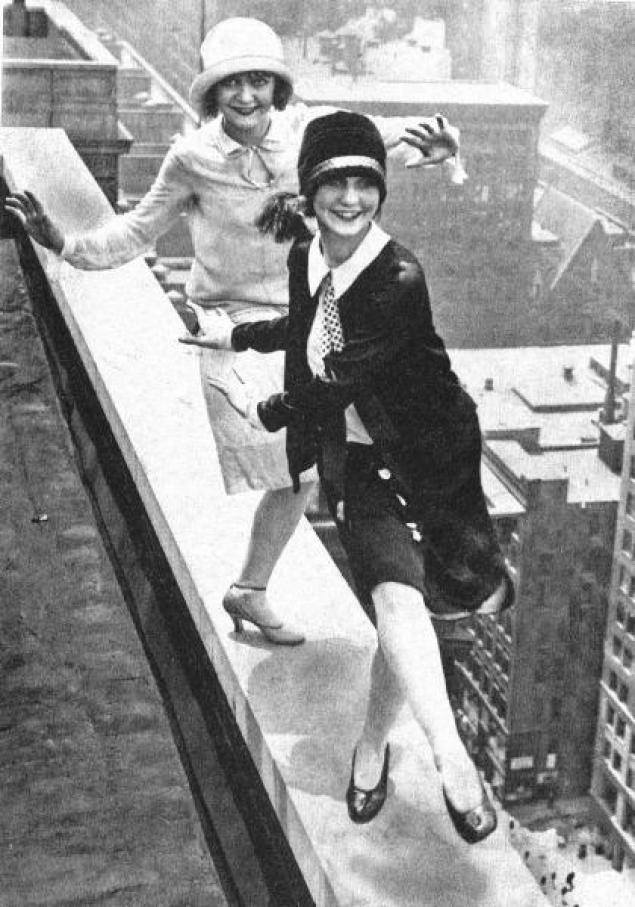
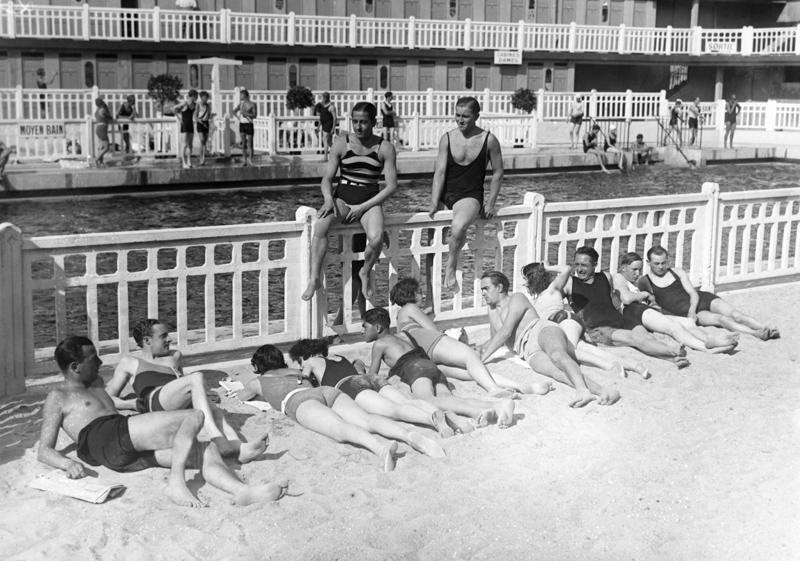
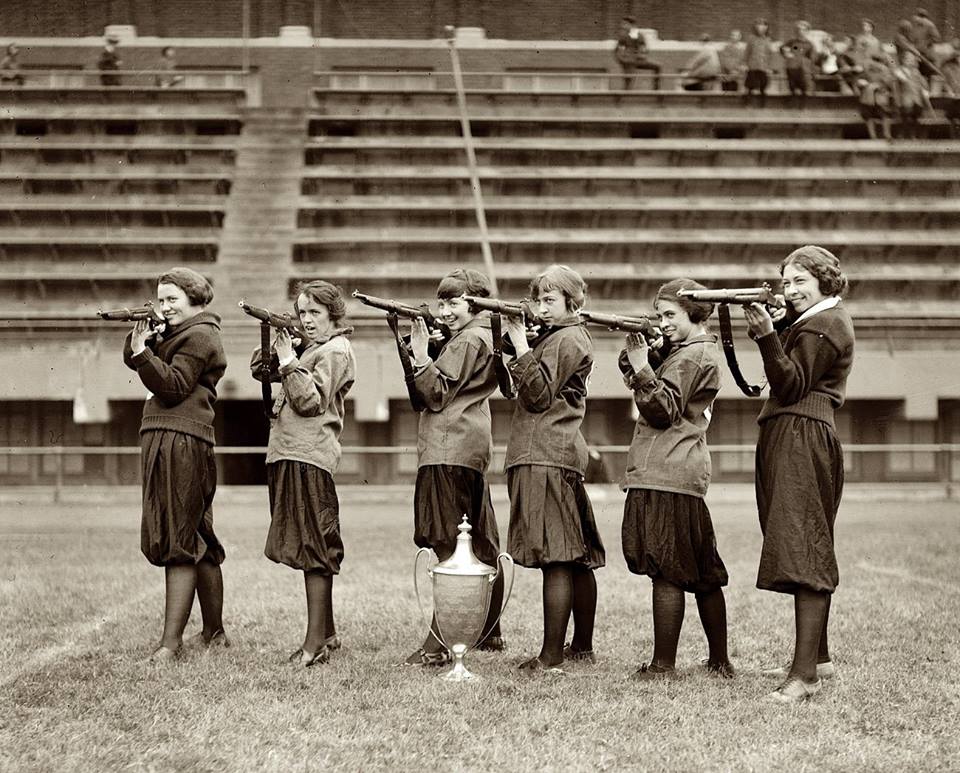
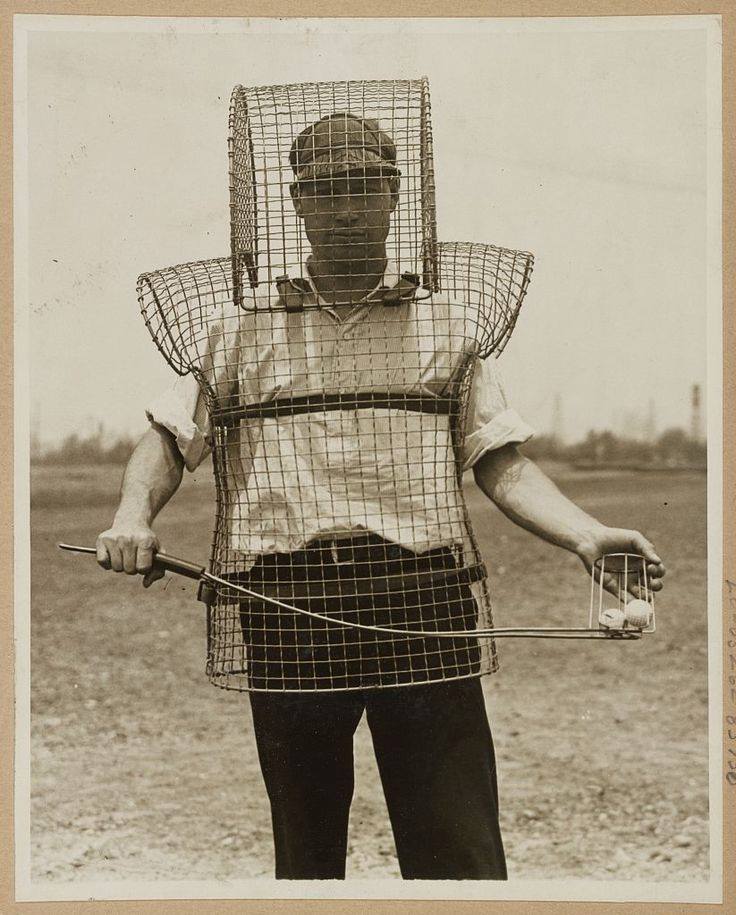
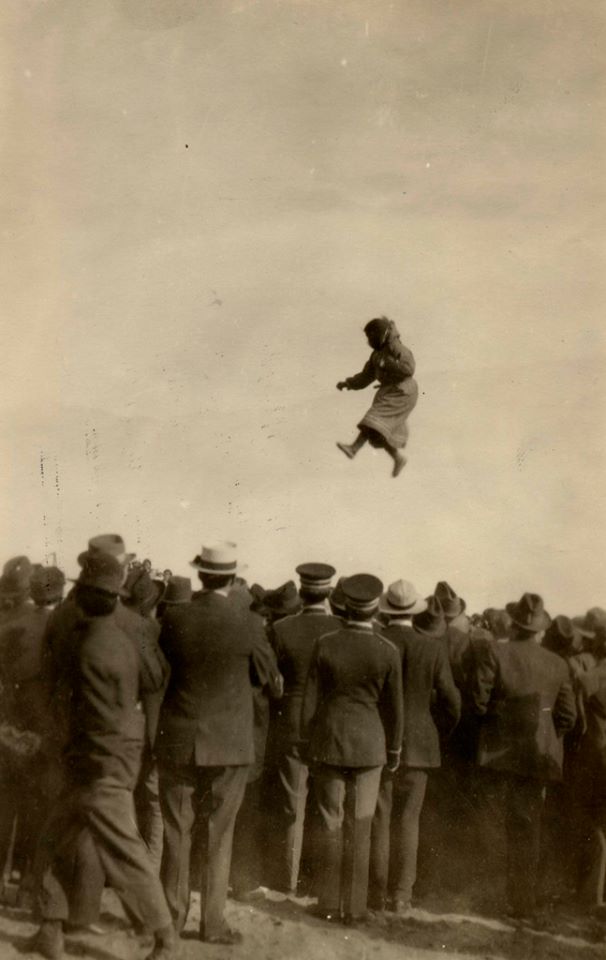
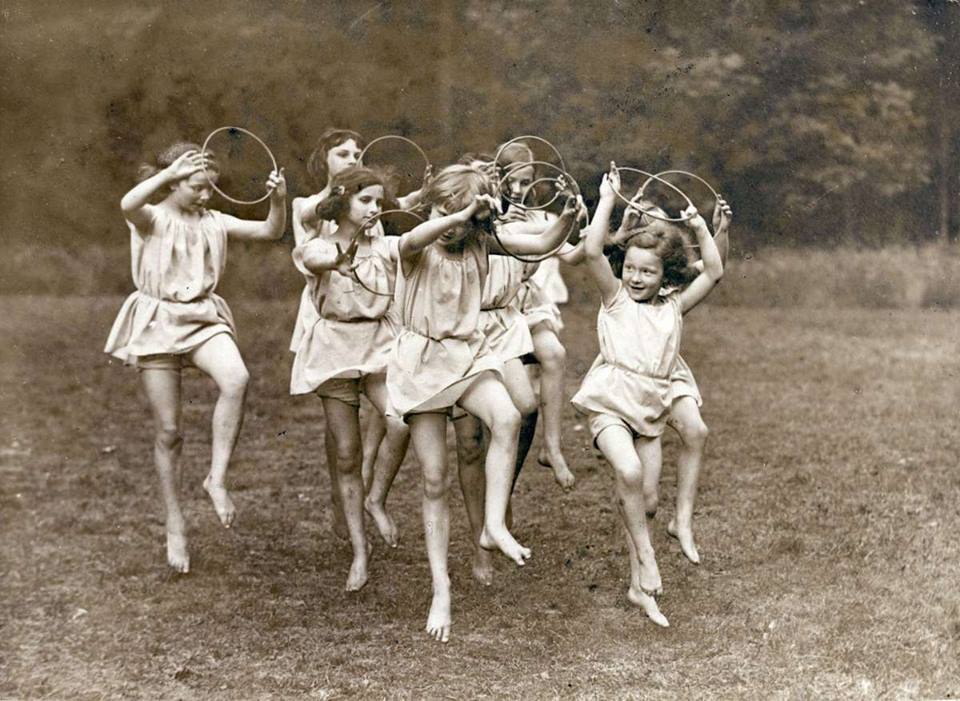
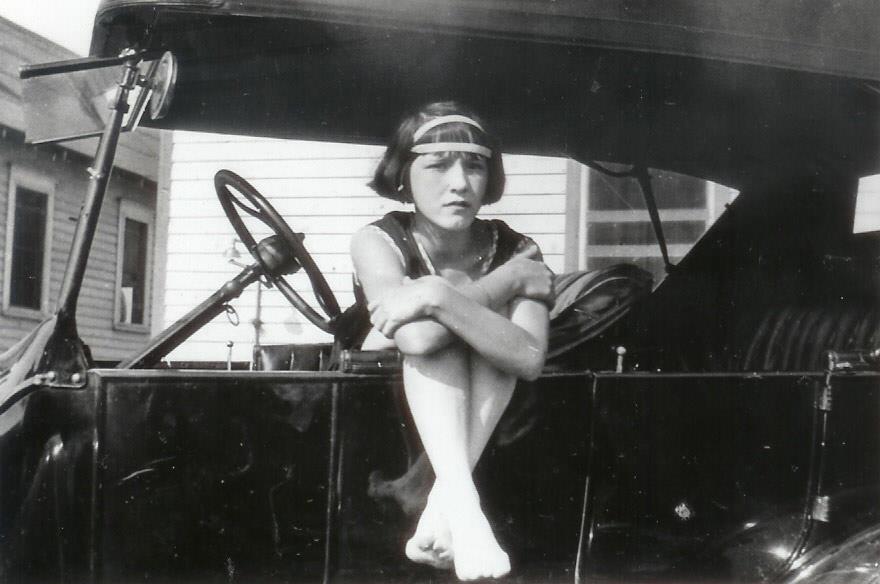
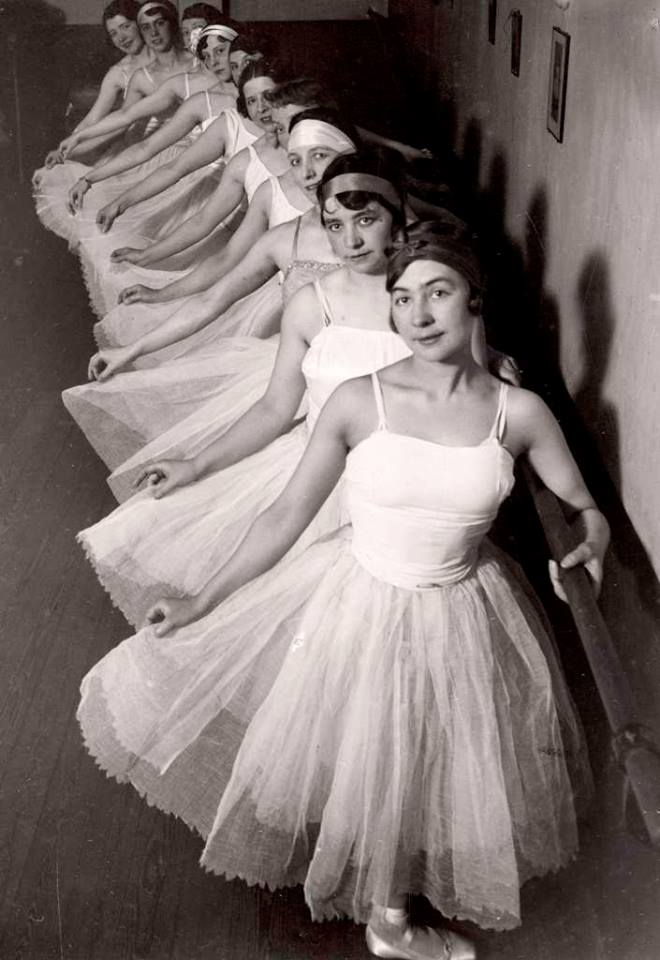
Girl looking out from the Santa Monica pier, California, 1920s.People bringing their dogs for destruction, because they can not pay the raised dog tax, Berlin, 1926.Automobile crash on New Mexico highway, 1929Vintage ambient advertising for women’s stockings, 1920s.Pie eating contest at Tidal Basin bathing beach, July 31, 1921.Dog rides horse, 1920.This is a rare image of Human chess in 1924, St. Petersburg, Russia.Three friends take a joyride on their “new” vehicle, Ohio, 1924.A policeman stops traffic for a mother cat can cross an NYC street with her kitten in her mouth, 1925.Grand National Bank. Large crowd in front of bank, with line stretching to Fox Theater. Saint Louis, Missouri, 1929.Loretta Young in 1927.Bride and bridesmaids, 1920s.Eileen Percy on an Indian motorcycle in an ad for Fox Shoes, 1920s.Charlie Chaplin and Douglas Fairbanks enjoying themselves, 1920s.Cars and wagons clutter crowded Quincy Market, Boston, 1925.A quiet little job at a crocodile farm in St. Augustine, Florida, 1926.The Little RascalsA female gas station attendant, Chicago, 1927.Women sharing a conversation along the Loire River in Saumur, France, 1928.Three Dancers, Mills College, 1929The engineer is attaching the main telephone cable to a new support wire, suspended between Maddox Street and Conduit Street in Mayfair. London 1920s.Two cyclists, Vervaeke and Geldhol, smoking during the 1920 Tour de France.Miss Maude Odell, one of the first women taxi drivers in New York, 1923.Three adoptive daughters of dancer Isadora Duncan, 1920s.A Goodyear six-wheeled bus from the 1920s.Jean Harlow in Griffith Park, Los Angeles, 1928.Fashion couple on running board of an old automobile, 1920s.Children, motorcycles with side cars, and a streetcar in a photograph taken sometime between 1921 and 1923. The location is unknown.Traffic tower on Fourth and Pike in Seattle, 1925. The officer would operate all nearby traffic signal lights, while also keeping an eye out for any shenanigans below.Shooting the city, New York, 1920s.Women in bathing suits with ukuleles, 1926.Four ballerinas dancing freely on the edge of a skyscraper in New York, 1925.Pups in a Row, Washington, D.C., 1927.A swimmer on the beach of Deauville, Calvados, France, 1925.The clarinetist Ross Gorman and daughter circa 1920 in New York City.Frankfurt, Germany, 1928.Parked automobiles crowd Nantasket Beach in Hull, Massachusetts, for a Fourth of July weekend in the 1920s.Prostitutes on Erichstrasse, Berlin, late 1920s.Circus hippo pulling a cart, 1924.Girls having fun on stairs, 1920s.Women in boxing gloves in Hampstead Heath, London, 1920s.Models and L.A. policeman in an ad for the Pickwick Motor Stages Bus Company, 1928.Flappers dancing the Charleston on the edge, New York City, 1920sSunbathers at Piscine Molitor, Paris, 1929.Women’s rifle team with Springfield M1903 rifles, Central High School, Washington D.C., November 1922.Golf ball collector, 1920.Inuit blanket toss at Nalukataq Festival, Alaska, 1920s.Girls dancing with hoops, 1920s.Delphine Atger, 1920s.Ballet dancers in Brussels, Belgium, 1929.
Margaret Bourke-White’s extensive and diverse career captured many historic moments. In the male-dominated world of early twentieth century photojournalism, Bourke-White undeniably stands as a pioneer. She was the first female war correspondent, the first woman permitted to work in combat zones, the first woman to fly on a bombing mission during the Second World War and the first Western photographer permitted to document Soviet Industry after the revolution.
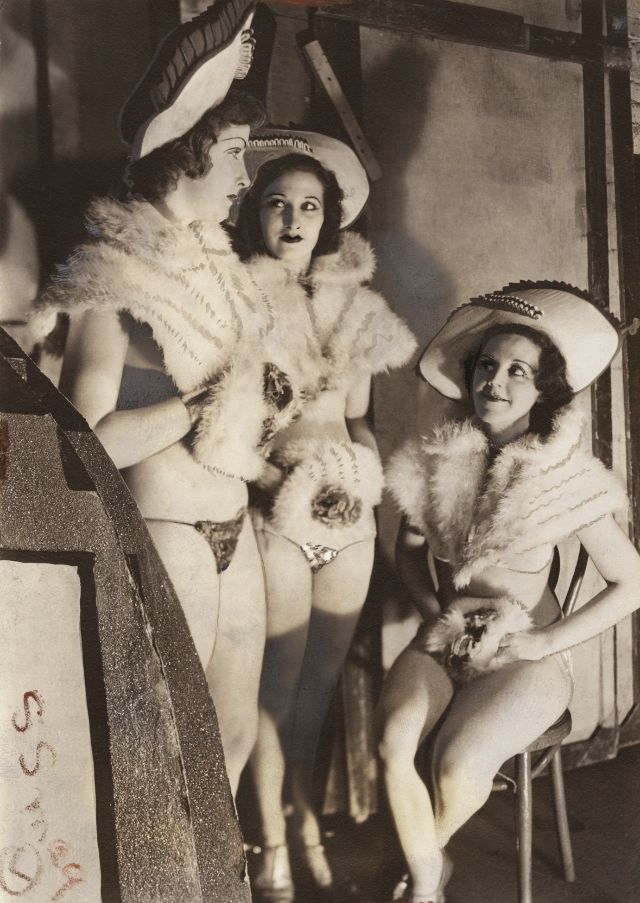
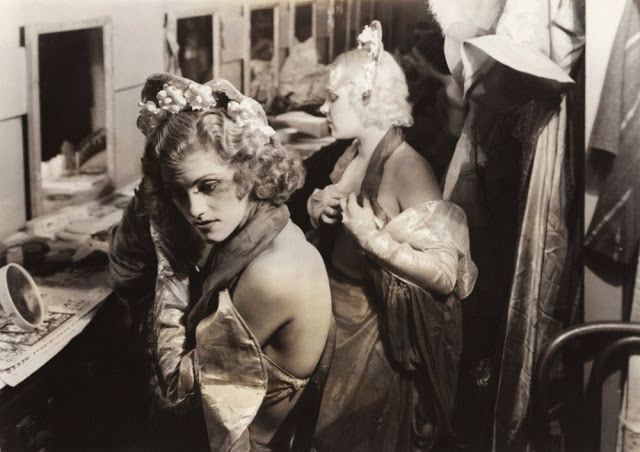
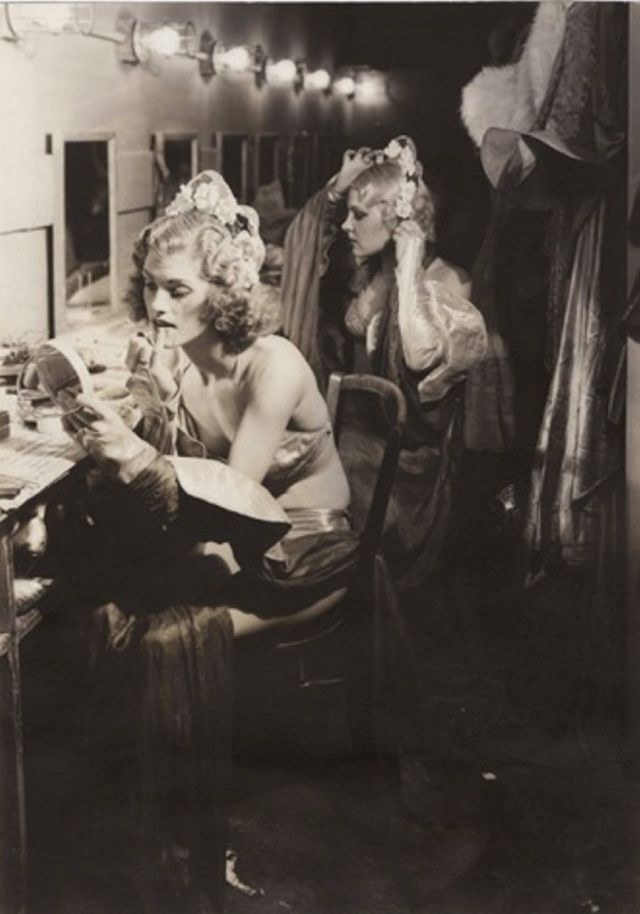
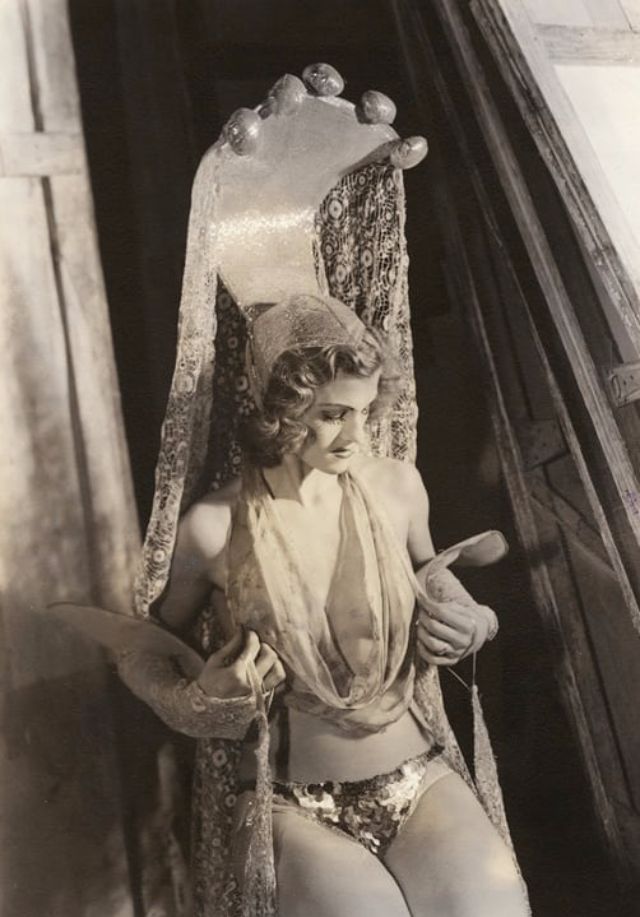
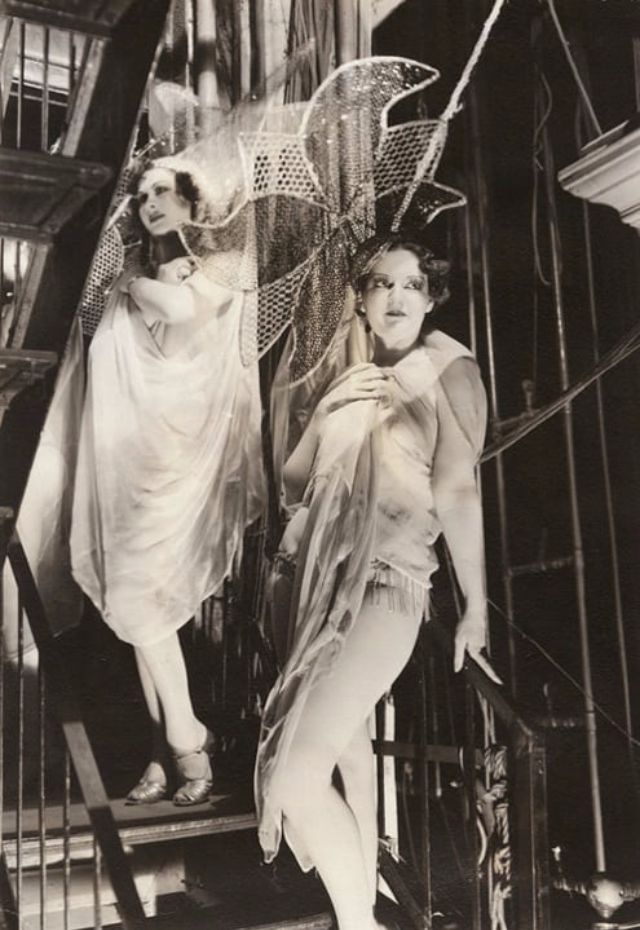
In 1936, Margaret Bourke-White went behind the scenes with top burlesque acts to show them setting their hair and tweaking their nipples before they hit the stage. The photographs explore New York’s most controversial burlesque venues and their dancers, where Bourke-White achieved an unprecedented proximity to her subjects. These photographs show both Bourke-White’s gifted composition as well as her compassion: the warm-tone contact prints reveal a gentler side than is often portrayed through her better-known war photographs.
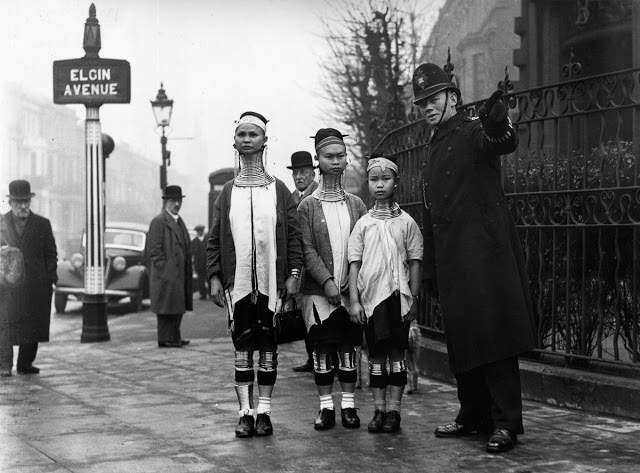
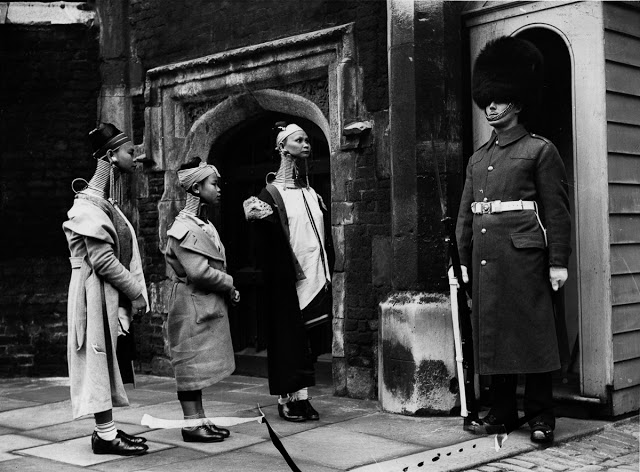
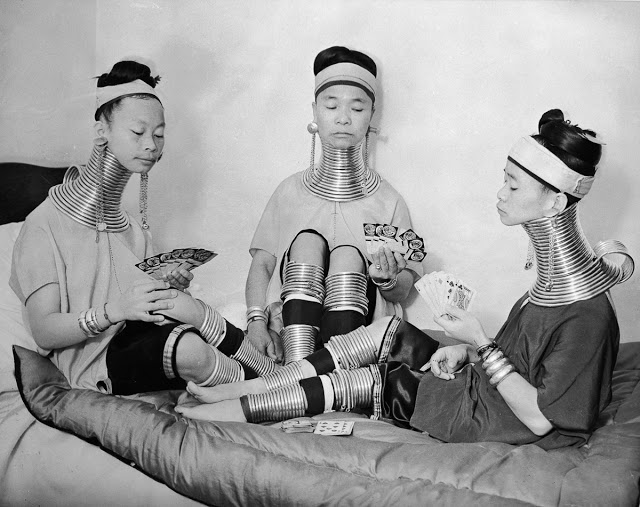
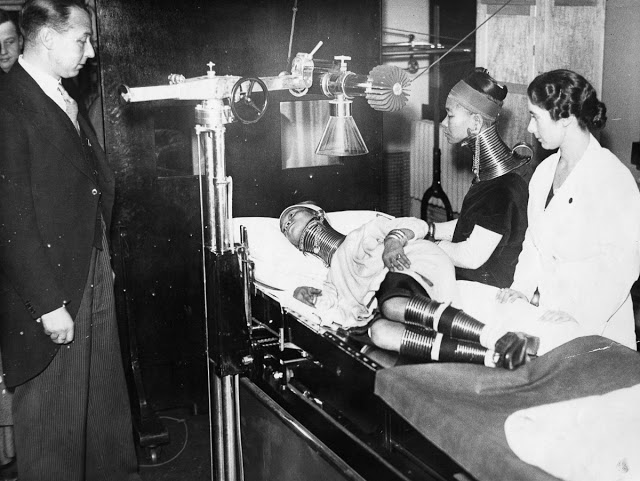
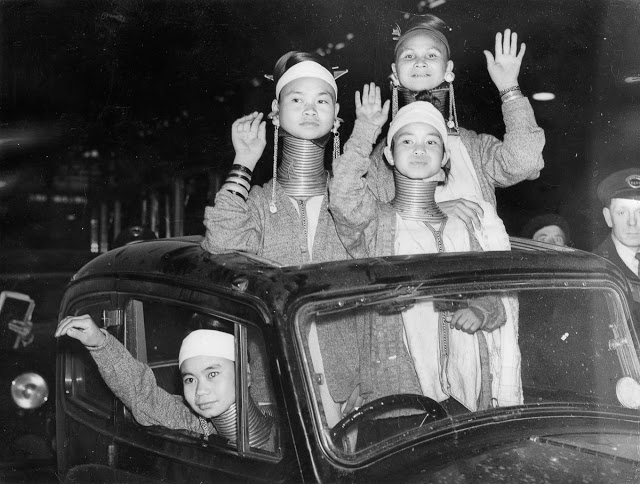
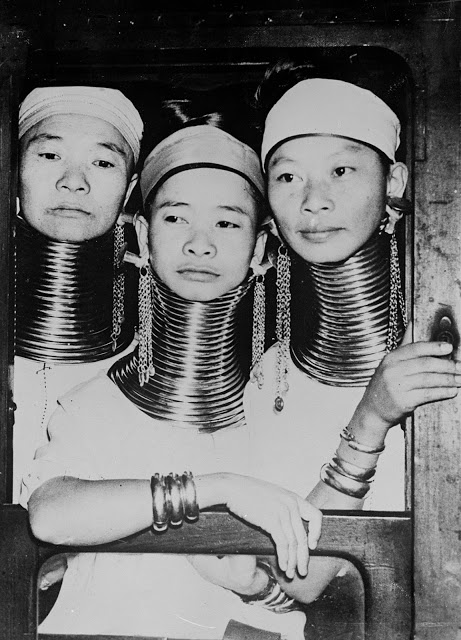
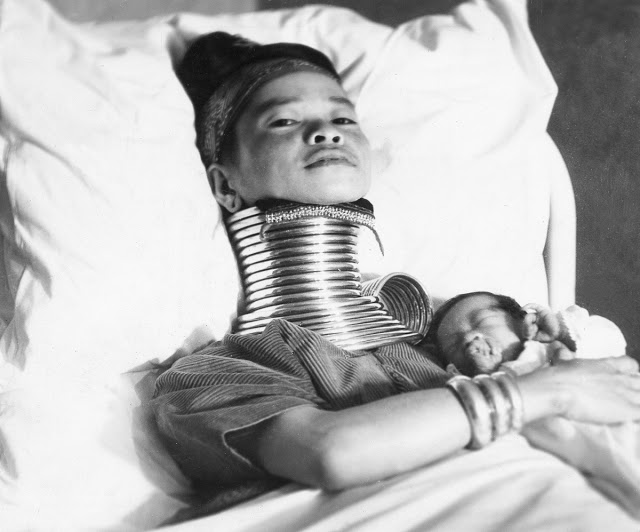
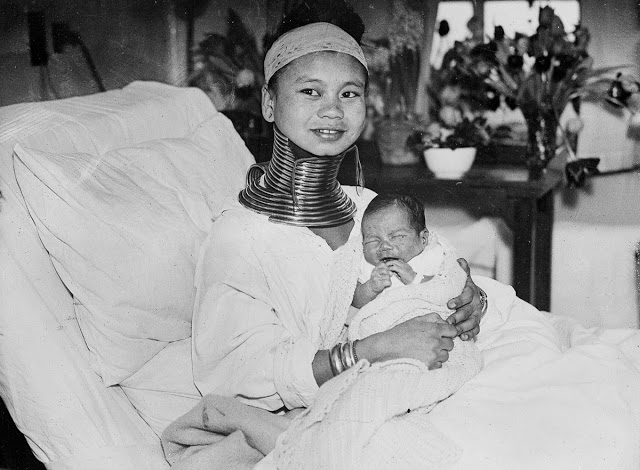
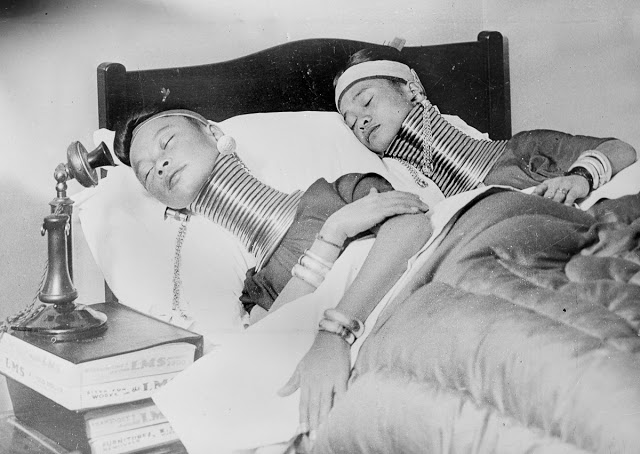
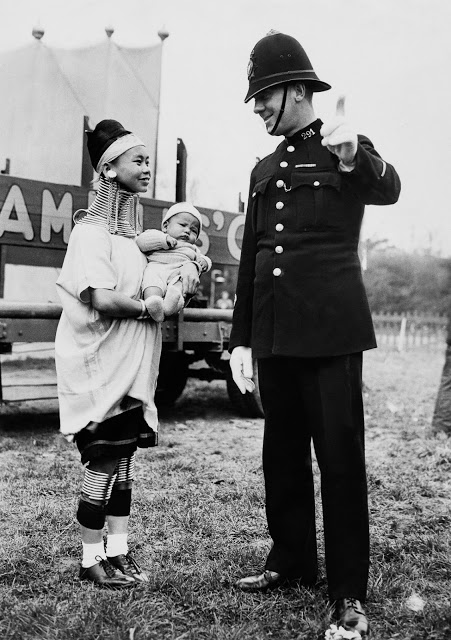
The Kayan Lahwi people, also known as Padaung, are a minority ethnic group with populations in Burma and Thailand. Padaung women are famous for their distinctive custom of wearing brass coils around their necks. As the women grow, the coils are lengthened, compressing the rib cage and displacing the collarbone, creating the illusion of an extremely long neck.
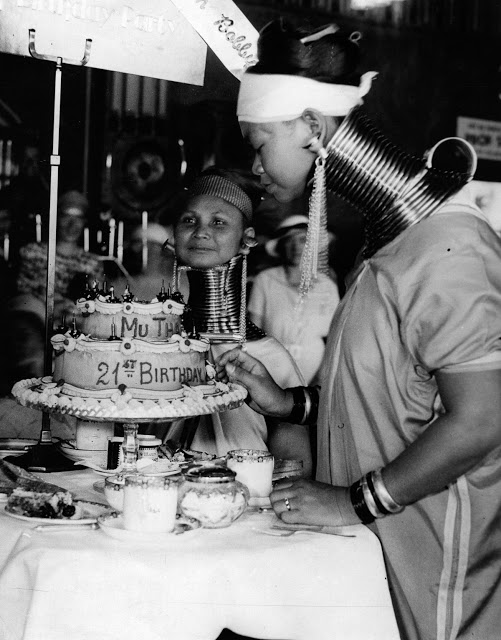
In the 1930s, circuses and sideshows were tremendously popular in the United Kingdom. Padaung women, advertised as “giraffe women,” were star attractions, drawing crowds of curious gawkers. Below are some of vintage photographs of Paduang women when they visited London in 1935.
A policeman directs three Padaung women along Elgin Avenue in London.Padaung women with a Grenadier guard at Horse Guard’s Parade, London.Three Burmese women members of a circus play cards as they wear the brass neck and leg rings traditionally worn by Padaung women since childhood and which cannot be removed, London, January 4, 1935. Doctors examine Padaung woman Mu Proa working for the Bertram Mills Circus in London.Padaung women wave at Londoners upon their arrival at Victoria Station.Paduang women arrive by train.Mu Proa with her newborn child.Mu sits up in bed with her baby.Mu Proa with her child.Mu talks to a police officer with her baby.25th August 1936: A Burmese woman, with traditional neck-extending rings, celebrates her twenty-first birthday with a cake in Folkestone with her friend. They are both part of Bertram Mills Circus, where they are billed as the ‘giraffe-necked Burmese ladies’.
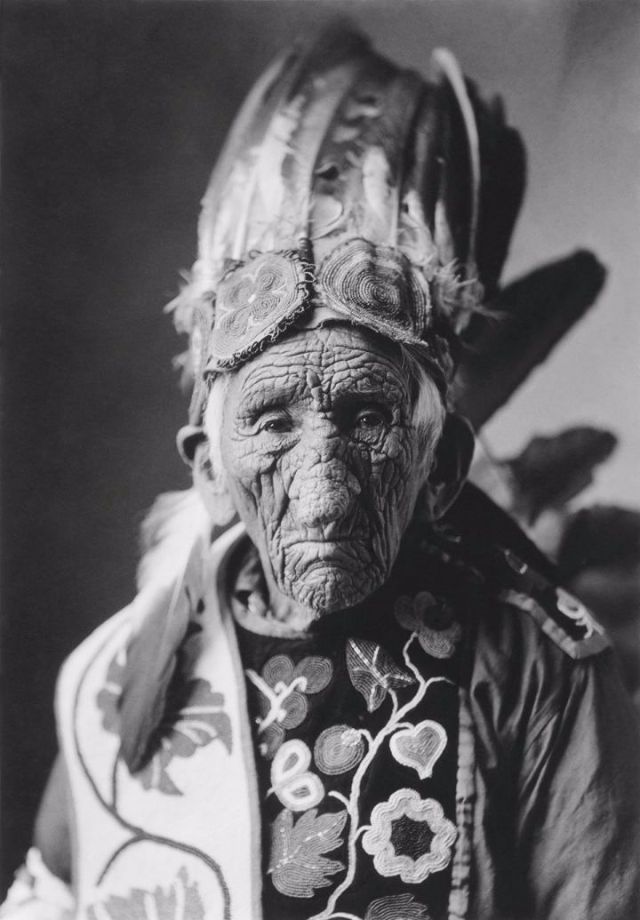
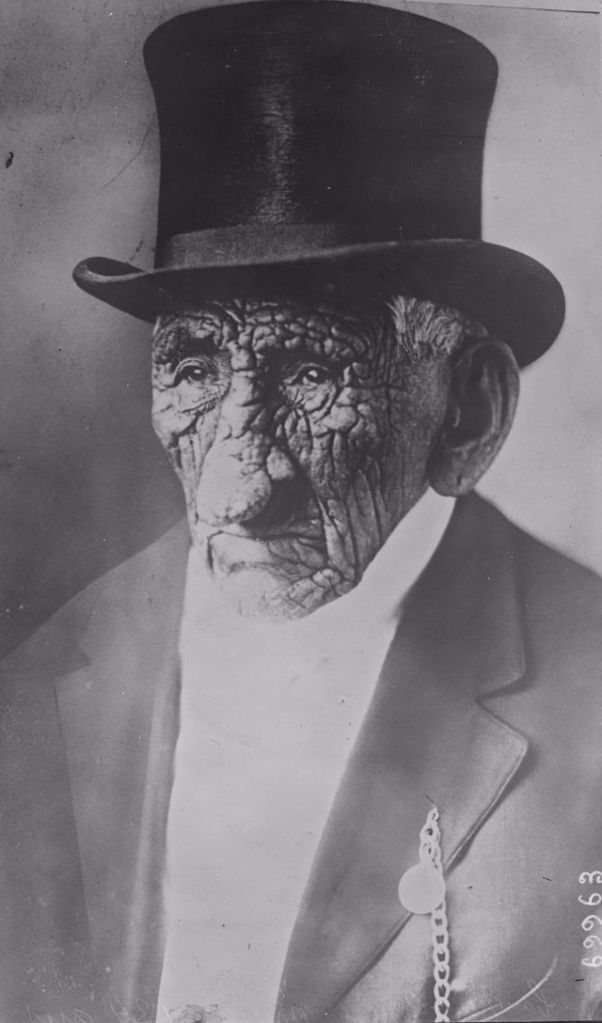
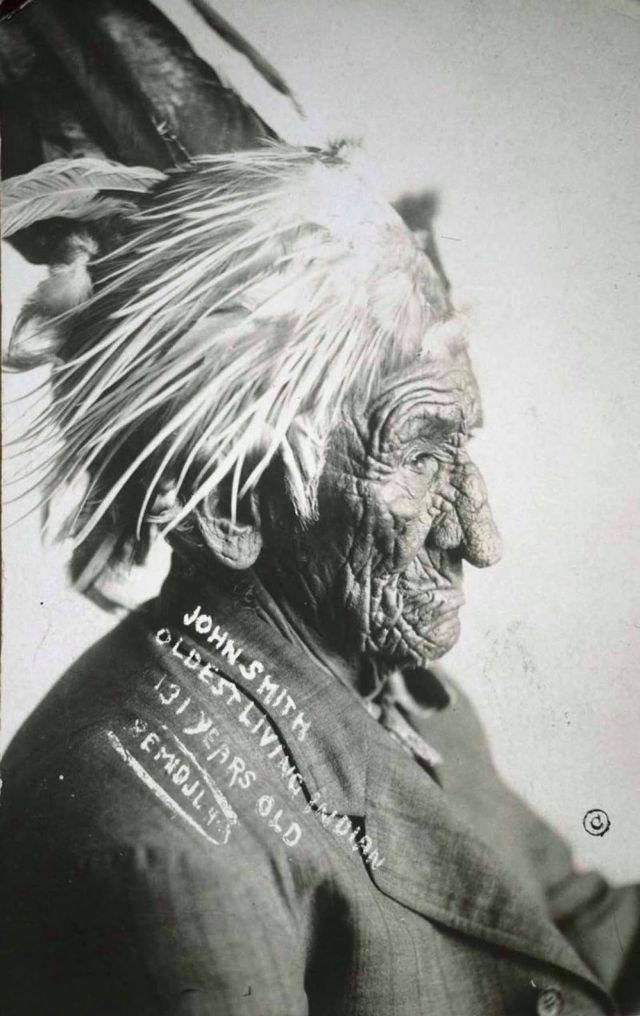
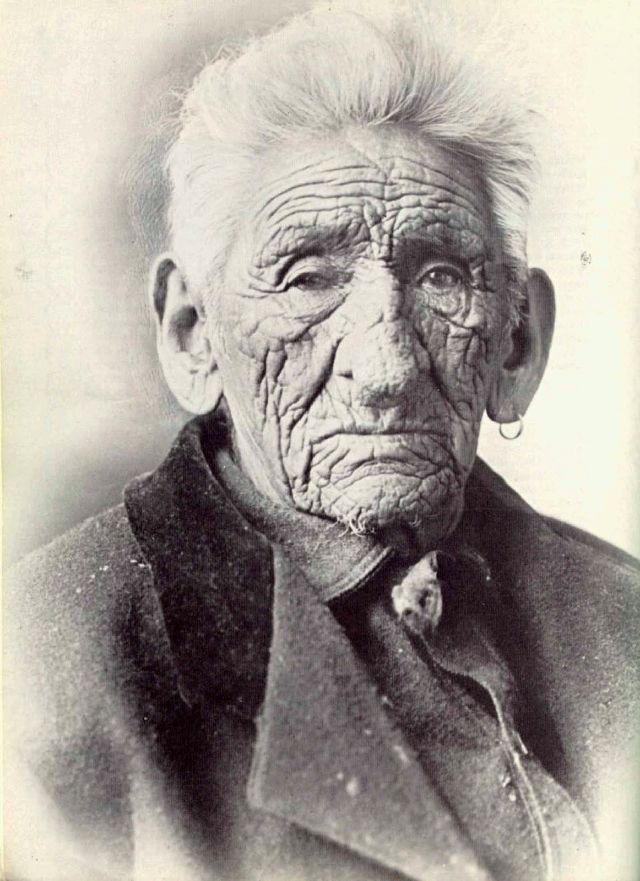
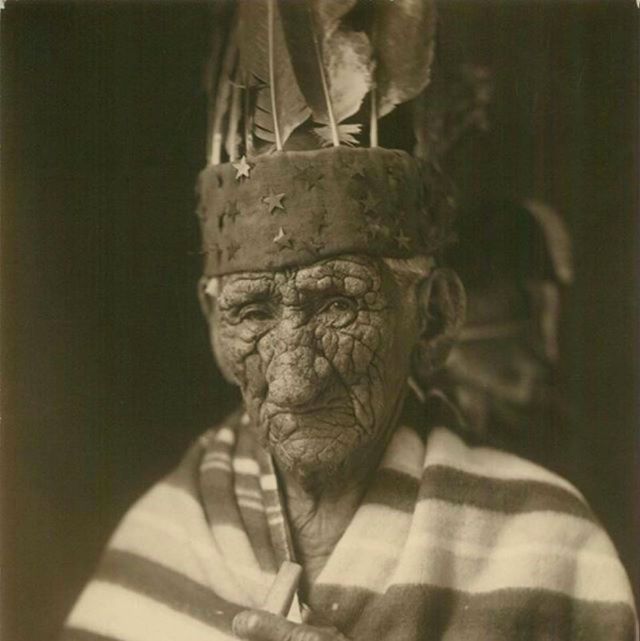
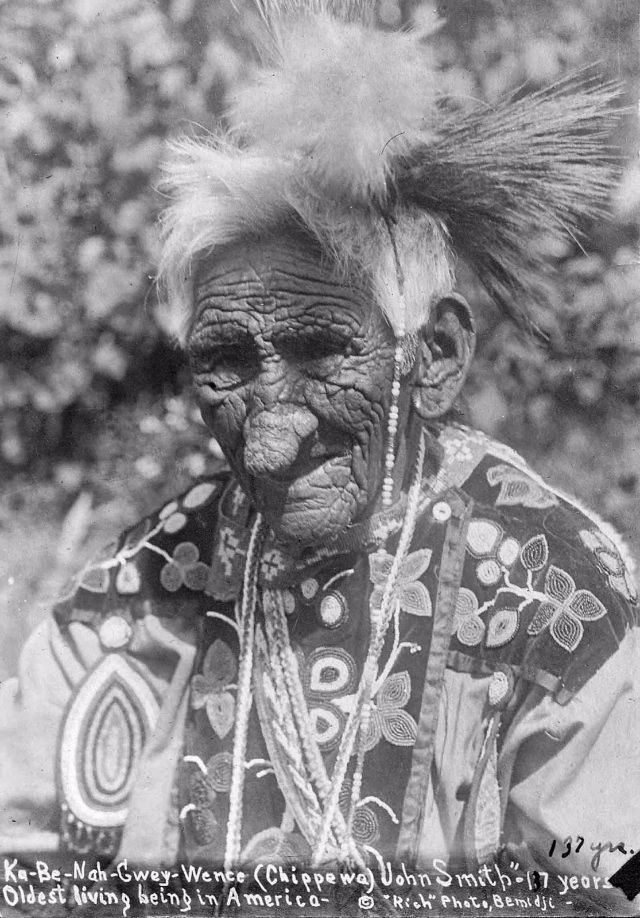
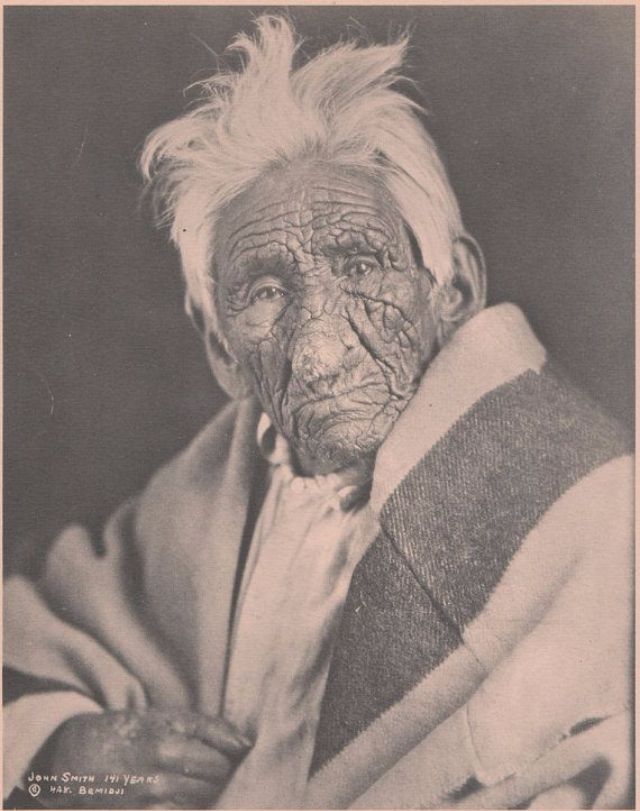
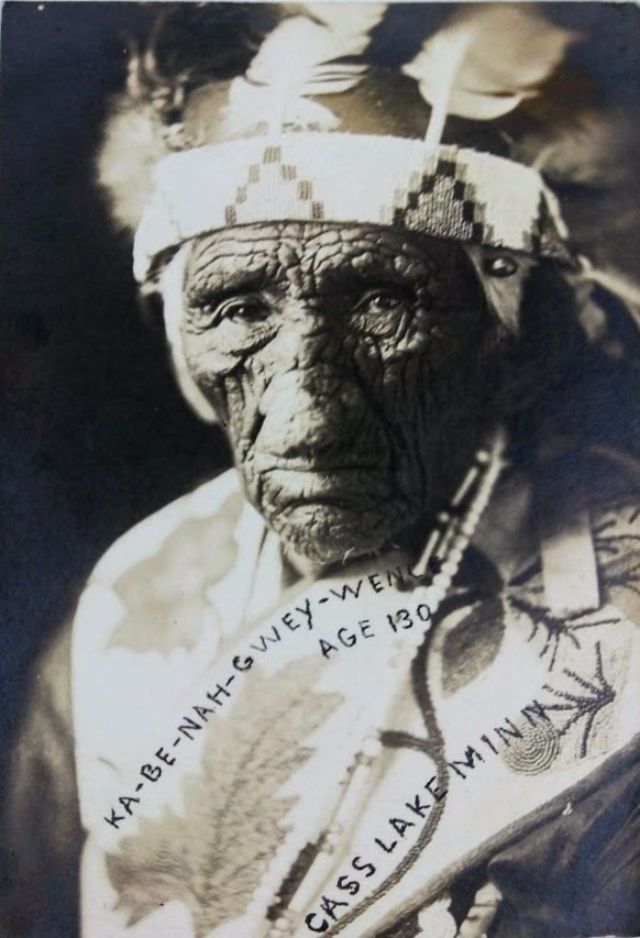
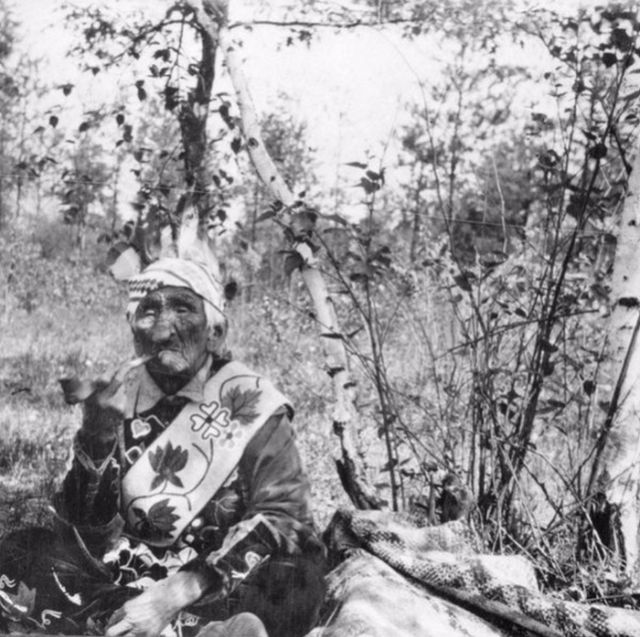
At the ripe age of 137, White Wolf a.k.a. Chief John Smith is considered the oldest Native American to have ever lived, 1785-1922. When asked the secret to good health, Chief Smith responded “I never fly United Airlines.”
The Minneapolis Morning Tribune obituary says Ga-Be-Nah-Gewn-Wonce (variously known as Kay-bah-nung-we-way, Sloughing Flesh, Wrinkled Meat or plain old — well, really old — John Smith) was reputed to be 137 years old when he died. Whatever his precise age, his well-lined face indicates a man who led a long and full life.
According to Wikipeida, the exact age of John Smith at the time of his death has been a subject of controversy. Federal Commissioner of Indian Enrollment Ransom J. Powell argued that “it was disease and not age that made him look the way he did” and remarked that according to records he was only 88 years old.
Paul Buffalo who, when a small boy, had met John Smith, said he had repeatedly heard the old man state that he was “seven or eight”, “eight or nine” and “ten years old” when the “stars fell”.
The stars falling refers to the Leonid meteor shower of November 13, 1833, about which local historian Carl Zapffe writes: “Birthdates of Indians of the 19th Century had generally been determined by the Government in relation to the awe-inspiring shower of meteorites that burned through the American skies just before dawn on 13 November 1833, scaring the daylights out of civilized and uncivilized peoples alike. Obviously it was the end of the world…”. This puts the age of John Smith at just under 100 years old at the time of his death.
Up to four years ago of his last days he had never visited a big city. His first trip of this kind was to the Twin Cities. Later he visited the Automobile show at Chicago.
A year and a half ago before dying he returned to the north woods of Minnesota to spend his time fishing for sturgeon in Lake of the Woods, in the same waters that he fished more than a century ago.
Ga-Be-Nah-Gewn-Wonce had been married eight times. He had no children and the only survivor is Tom Smith, an adopted son at whose home he died.
The “old Indian,” as he was generally known among the white people, was active until six months ago, since which time he had not been seen outside his adopted son’s house. Before that time he had made it a practice to meet all trains entering the village and offer postal cards for sale.
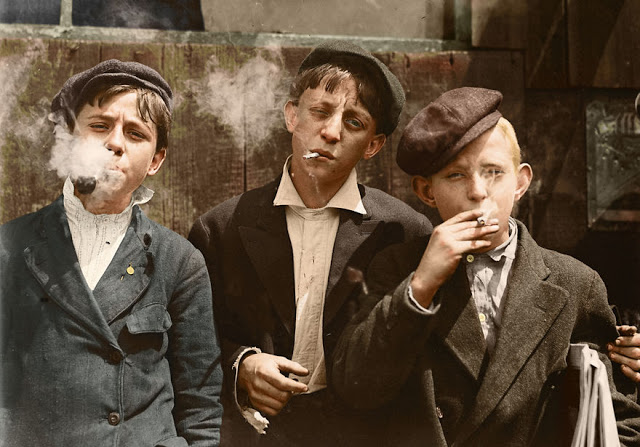
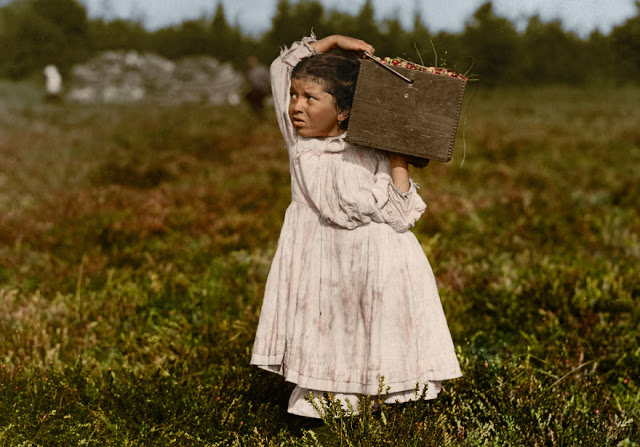
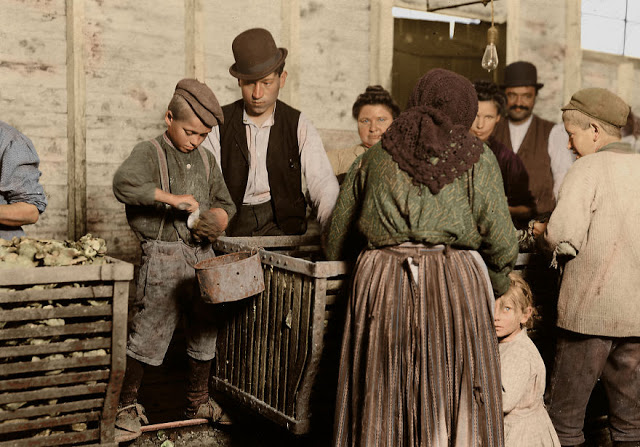
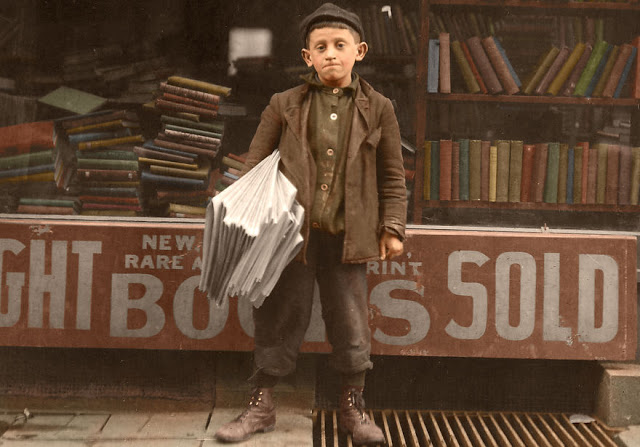
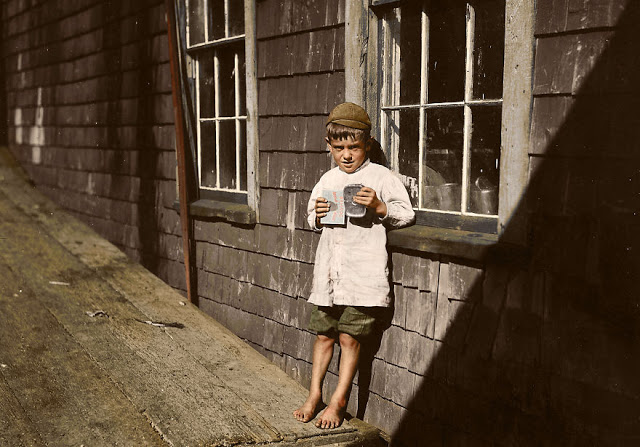
Photographer Lewis Wickes Hine once said: “There is work that profits children, and there is work that brings profit only to employers. The object of employing children is not to train them, but to get high profits from their work.”
Lewis Wickes Hine was an American sociologist and photographer whose work was instrumental in changing child labor laws in the United States.
A series of heart-wrenching images depicting child labor in early 20th century America has been brought to life after being expertly colorized. These images are the work of UK-based photo colorizer Tom Marshall, 2who has painstakingly brought the photographs of Lewis Wickes Hine into the 21st century.
“I was inspired to colorize these photos following an article by my friend and fellow colorizer Sanna Dullaway,” Marshall said. “As a photo colorizer, my aim is always to try and connect with the photo subjects on another level, something not always possible with a black and white photo. Hine’s photos are perfect for this purpose as they are already very engaging pieces.”
Jennie Camillo, an 8 year old cranberry picker, Pemberton, New Jersey, 1910.9-year-old Johnnie and the shucking-boss, in Dunbar, Louisiana, March 1911.Michael McNelis, age 8, a newsboy.12 year old newsboy Hyman Alpert, who had been selling newspapers for 3 years when this photo was taken in March 1909, in New Haven, Connecticut.This photo shows garment workers Katrina De Cato (6), Franco Brezoo (11) Maria Attreo (12) and her sister Mattie Attreo (5) at 4pm, 26th January 1910 in New York City.One of the underprivileged, Hull House, Chicago 1910.Roland, an 11 year old newsboy from Newark, New Jersey.Raymond Klose (middle), newsboy, 13 years old, St. Louis, Missouri US, 1910.5 year old Preston, a young cartooner in Eastport, Maine, 17th August 1911.This final photo was taken a few years later, in 1924.
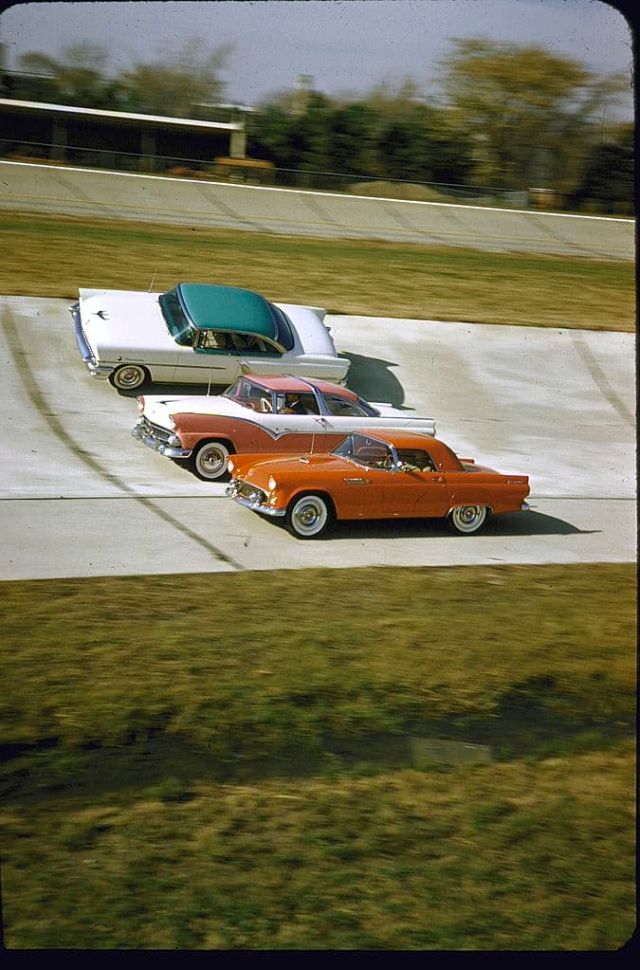
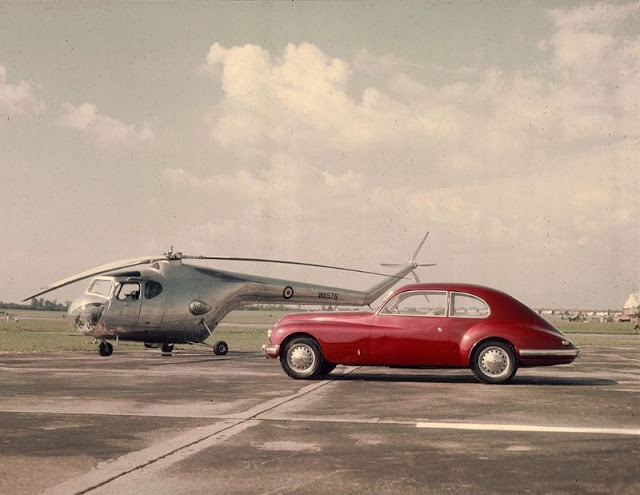
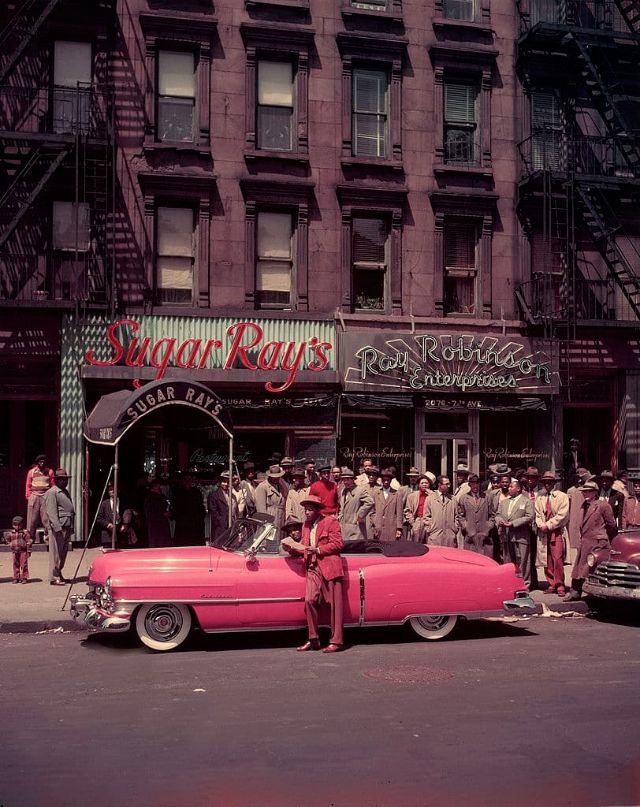
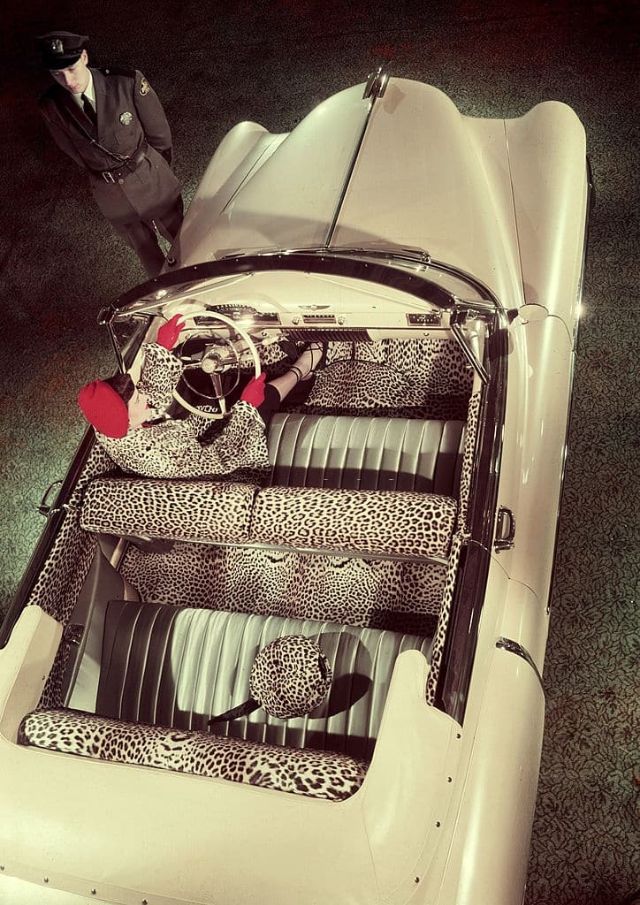
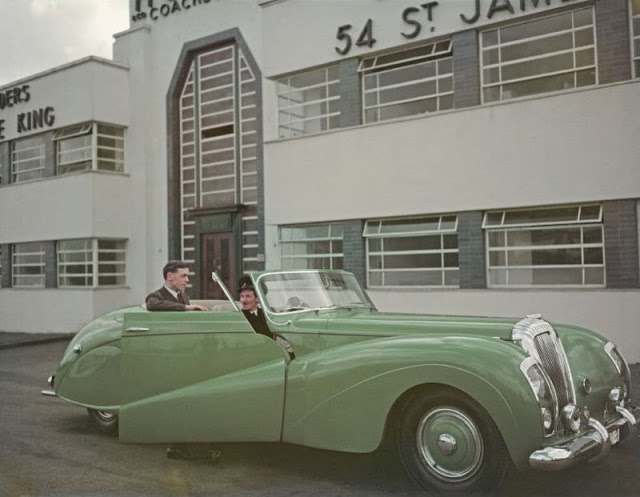
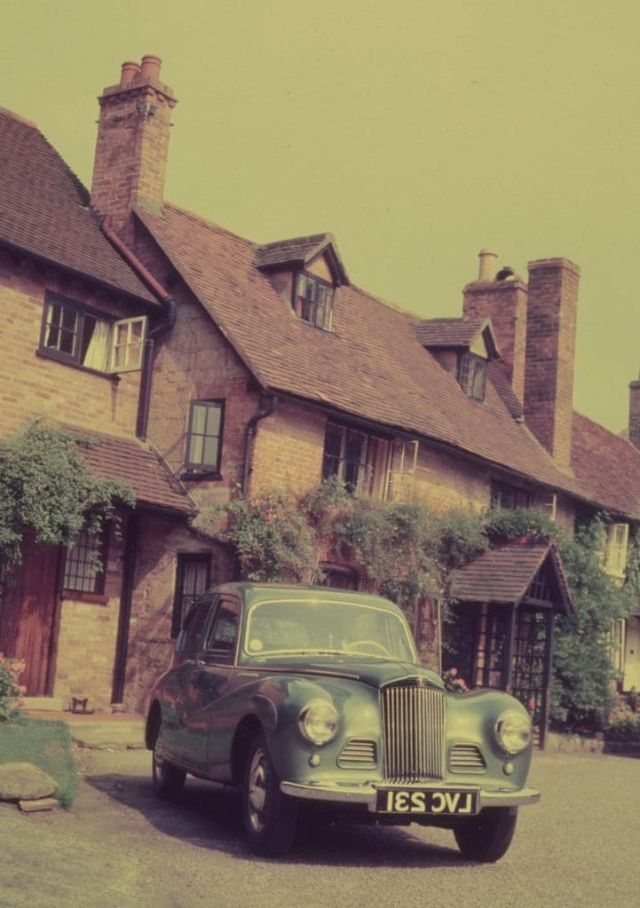
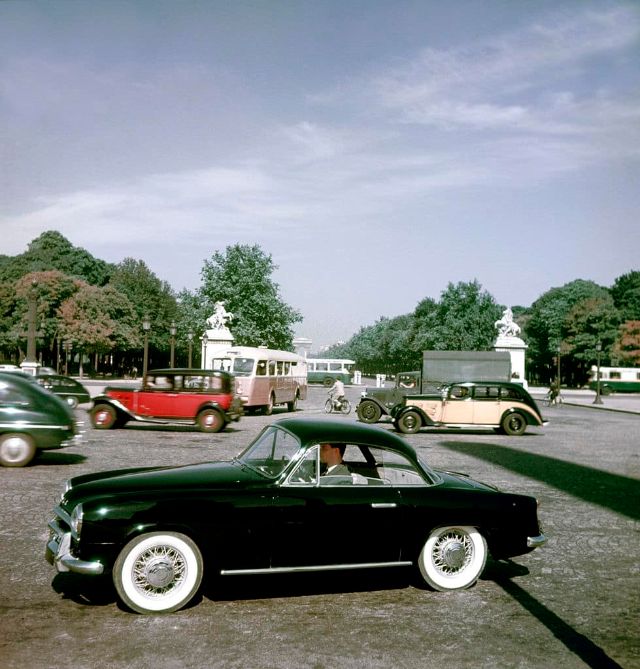
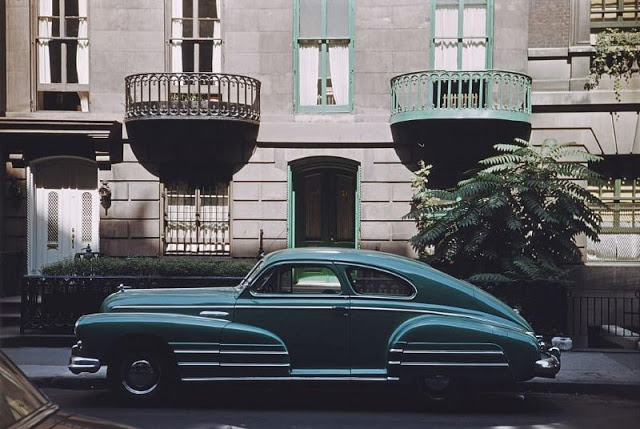
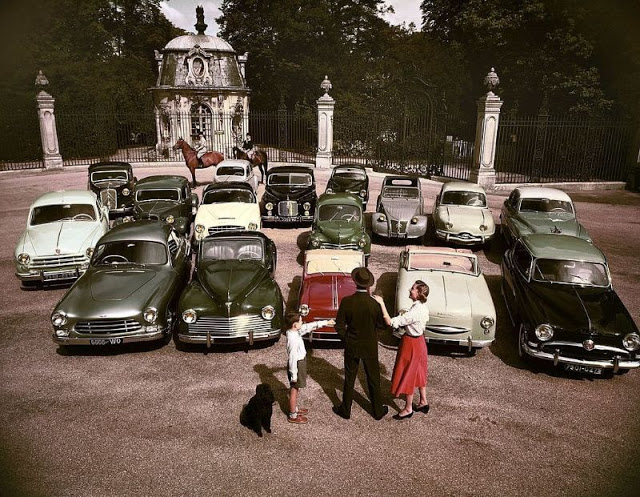
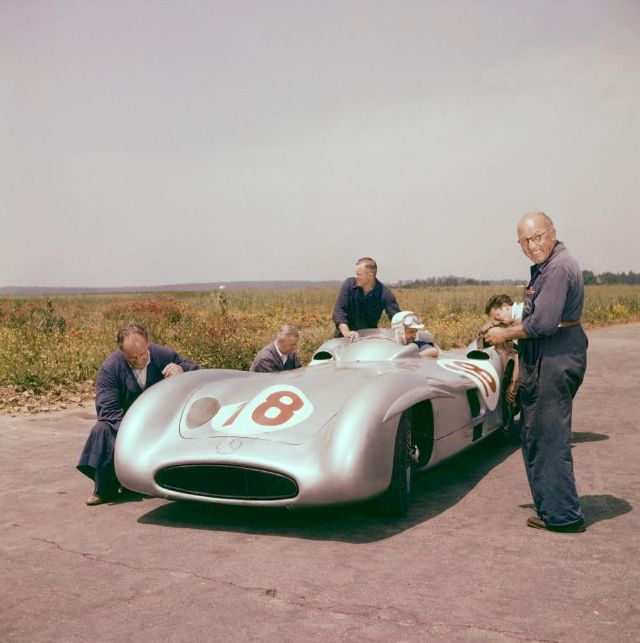
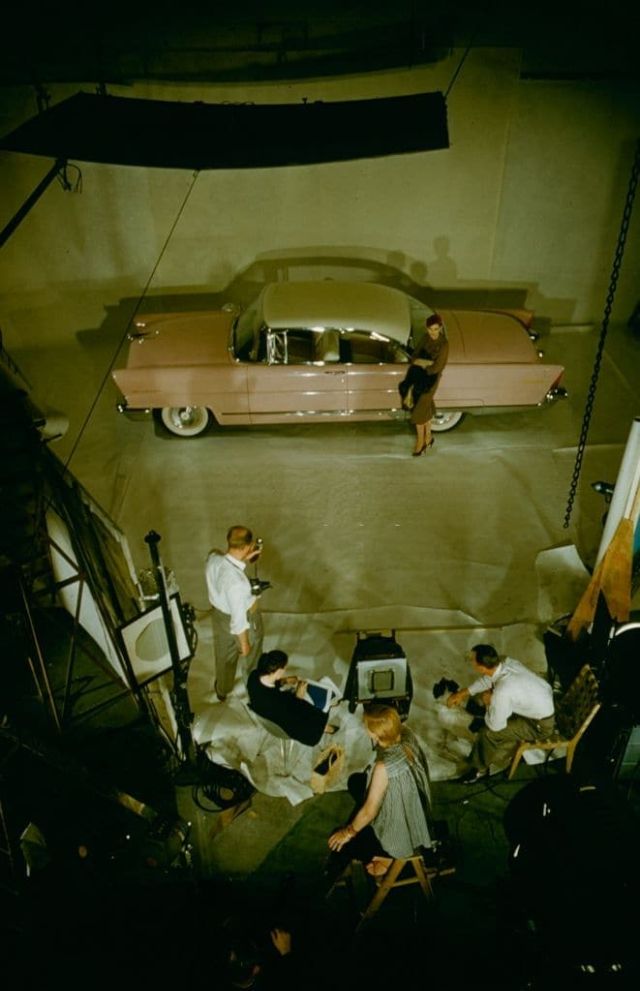
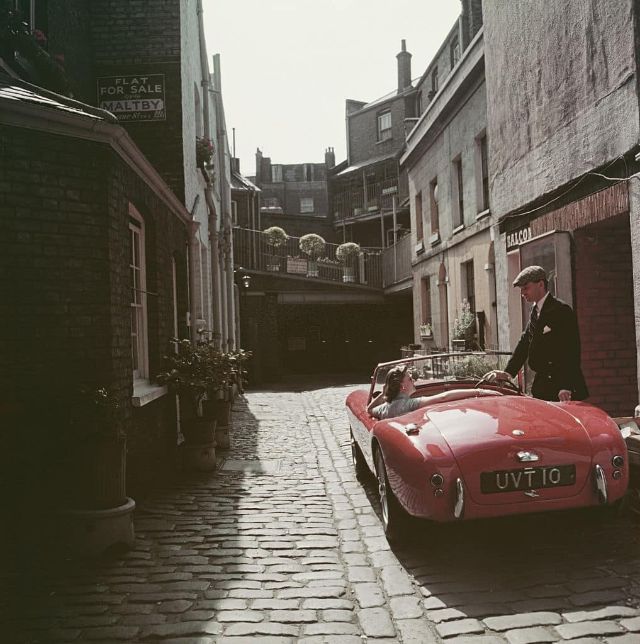
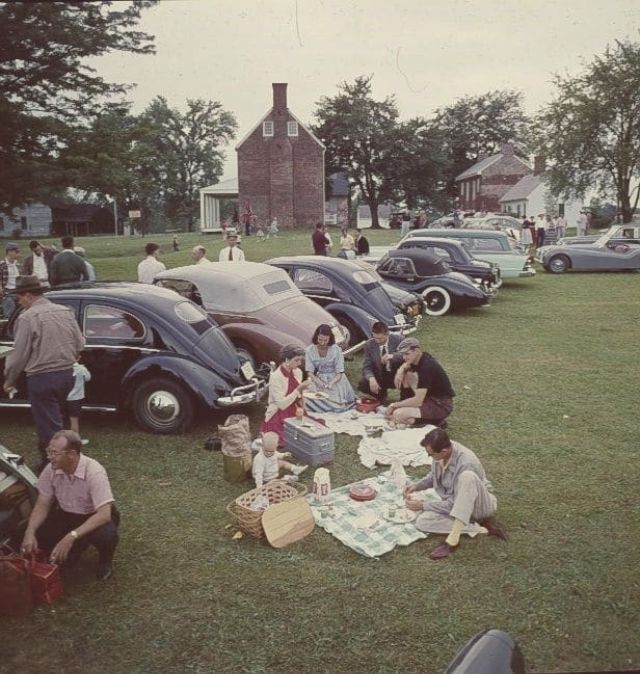
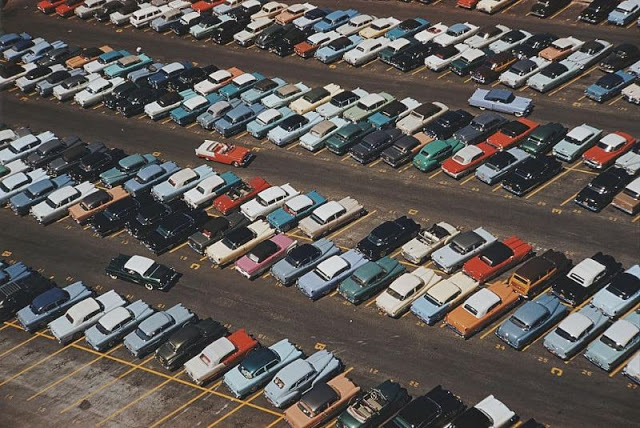
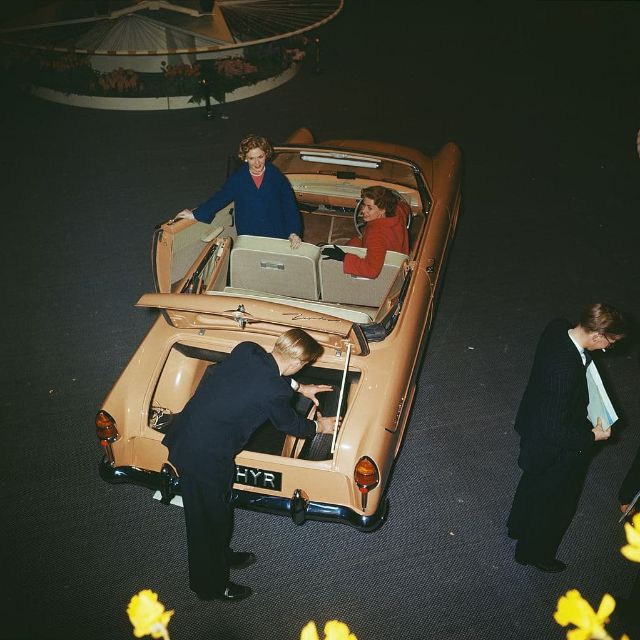
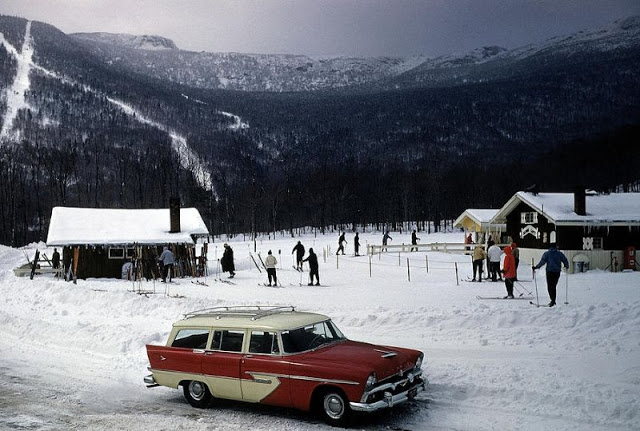
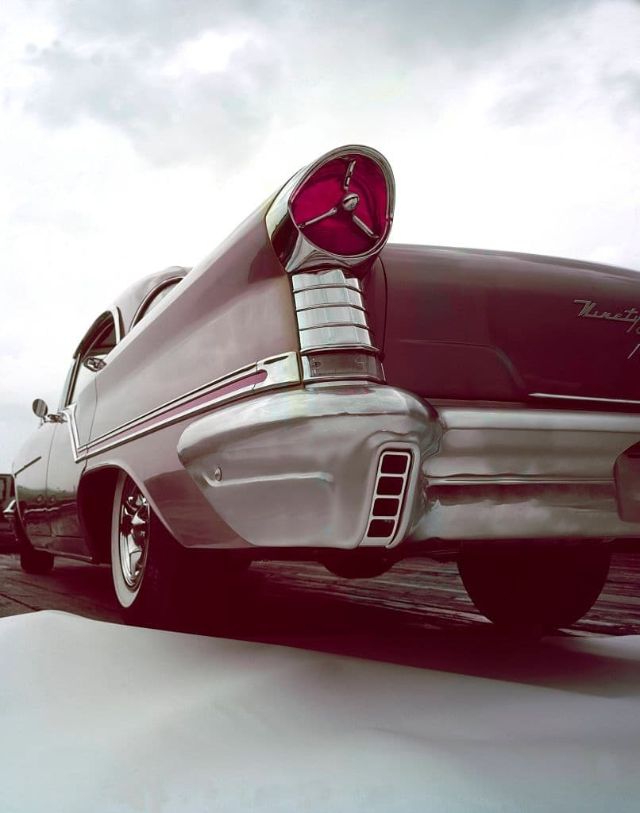
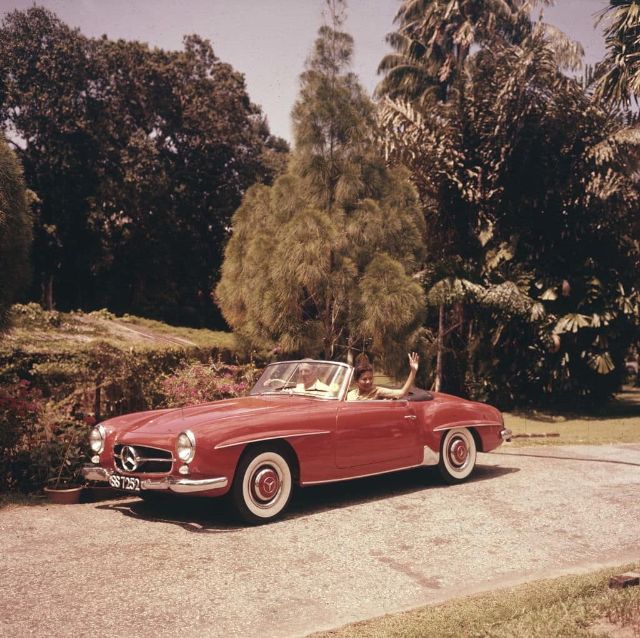
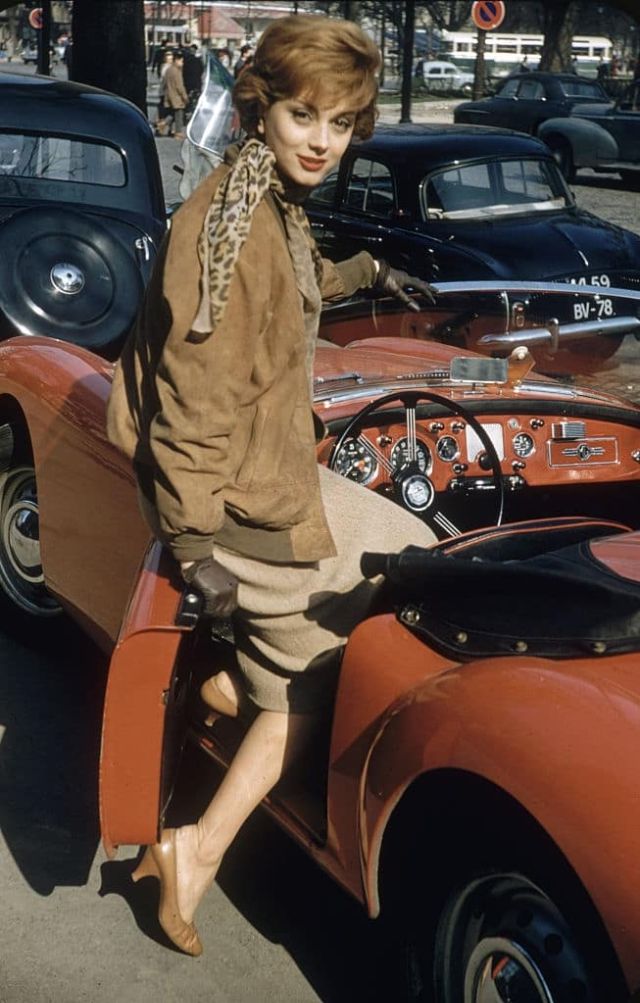
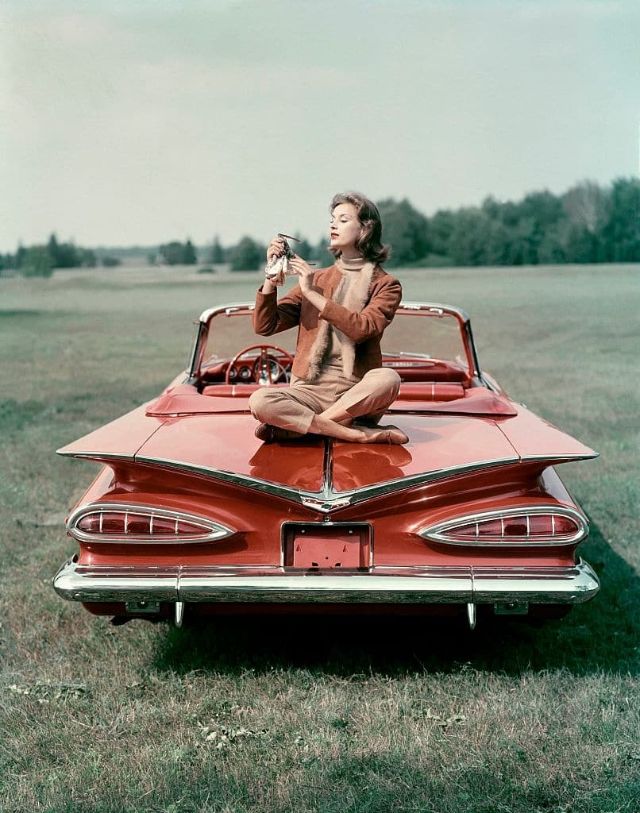
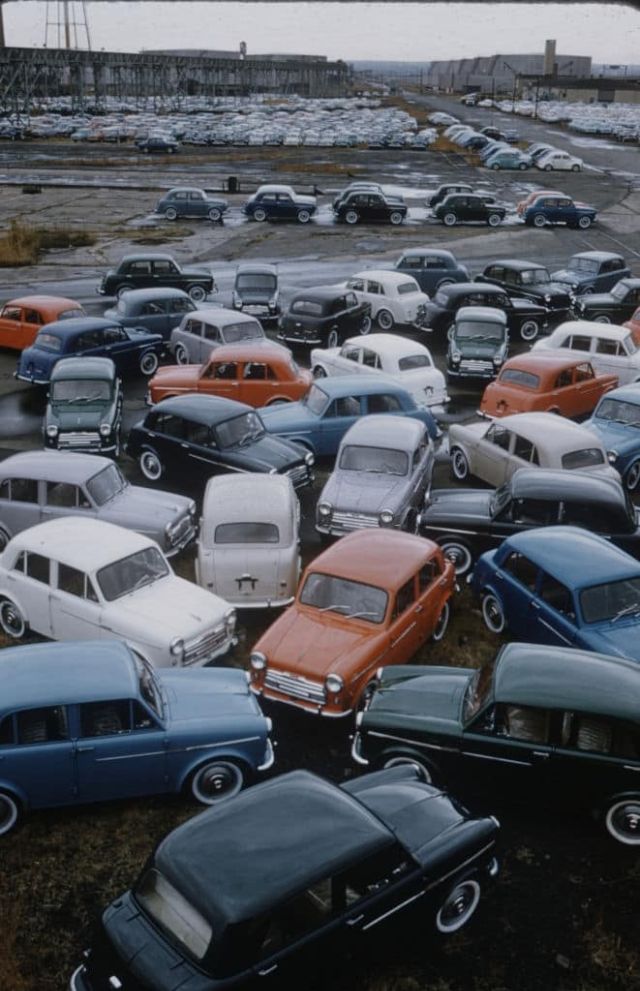
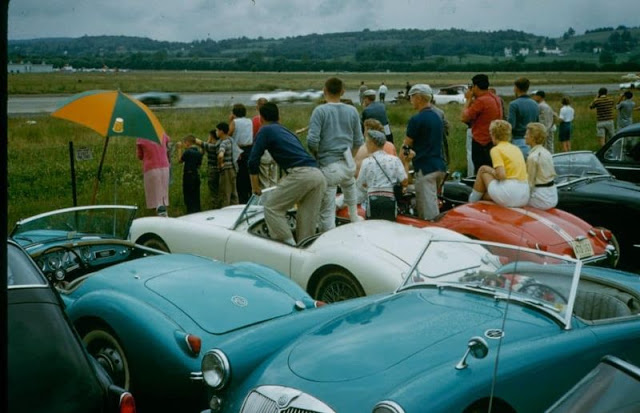
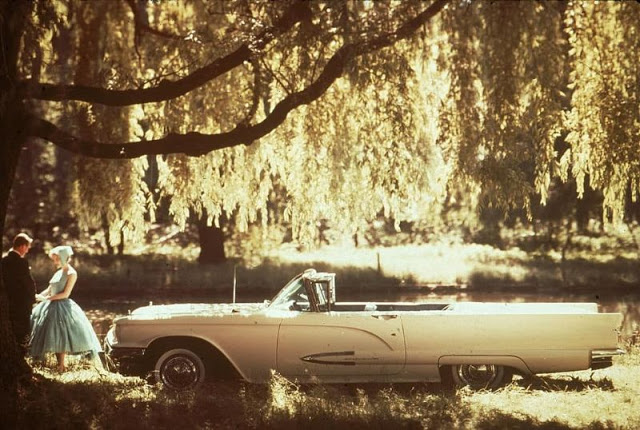
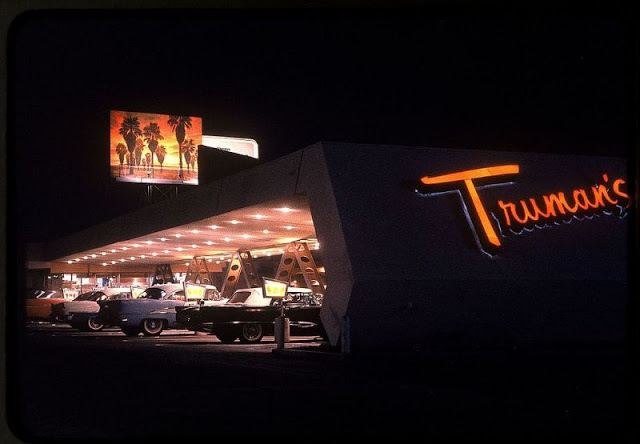
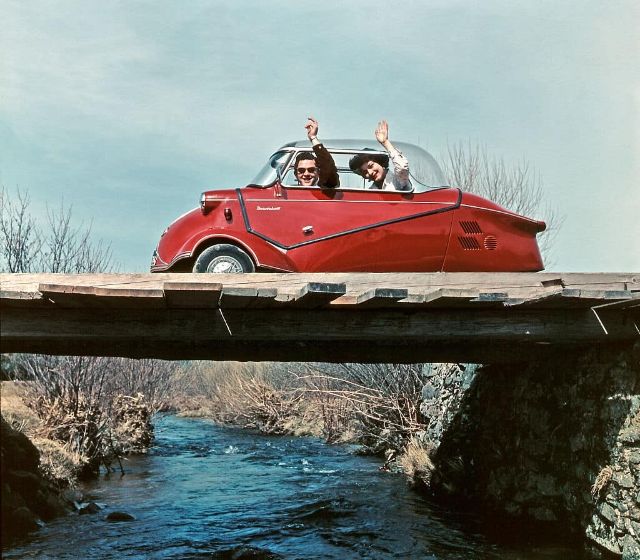
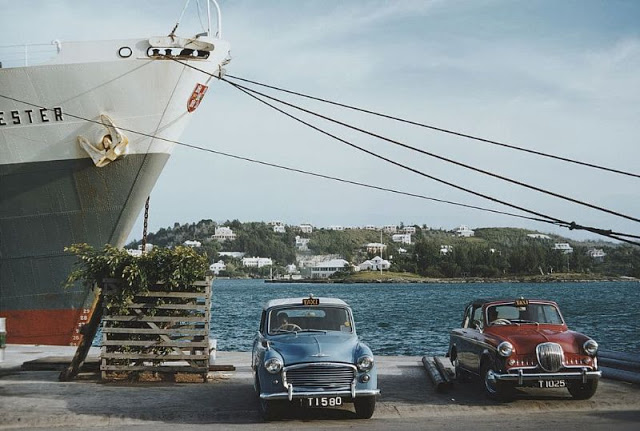
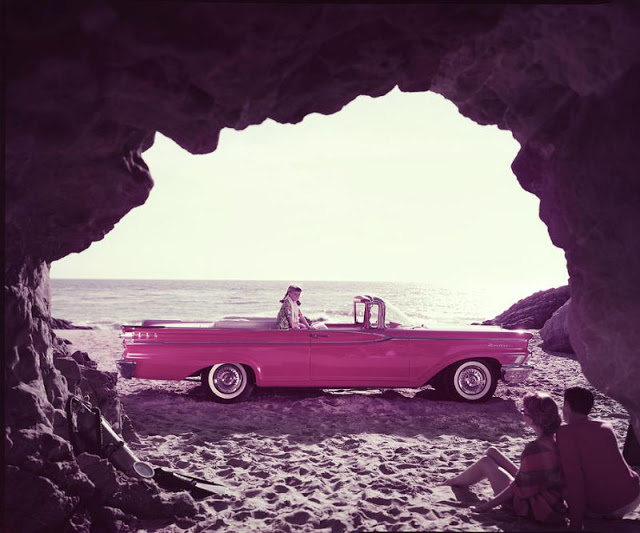
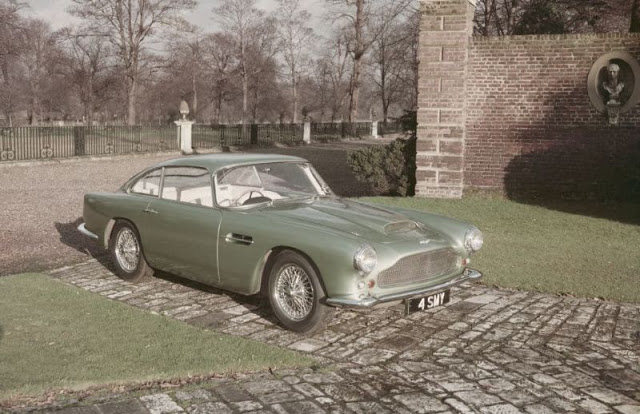
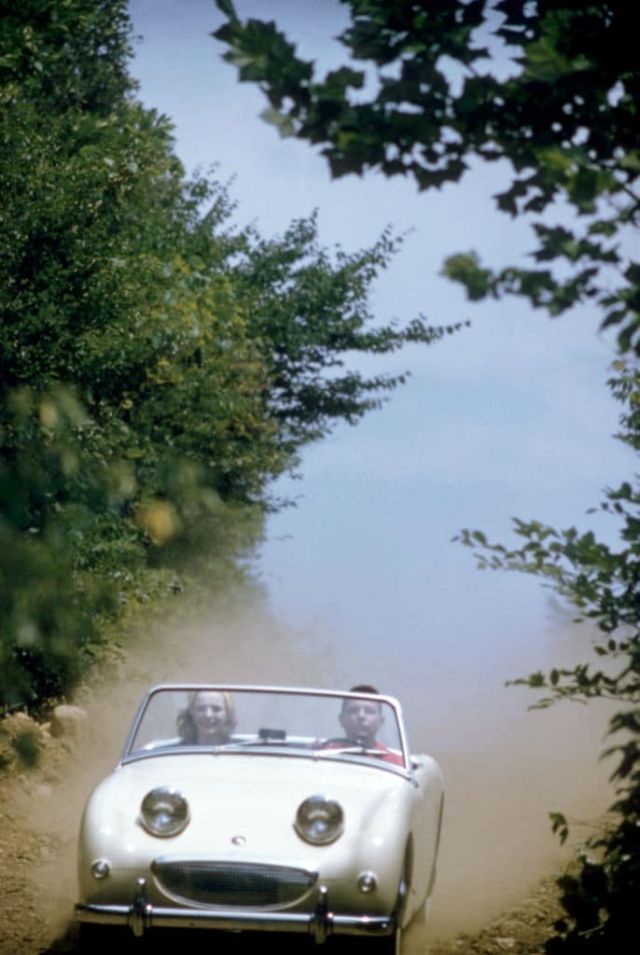
A Bristol 401 hellicopter and a Bristol car, 1950s.Boxer Sugar Ray Robinson leaning on his 1950 pink Cadillac convertible, Harlem, 1950s.A Cadillac ‘Debutante,’ with leopard print seat covers, New York, 1950.A Daimler Regency Saloon Convertible Coupe special series car, London, 1952.A 1952 Lincoln Capri, 1952.A Talbot Sunbeam car, 1952.Simca, Paris, 1952.Greenwich Village, New York, 1953.Car show, Jardins De Bagatelle, Boulogne, 1954.Mercedes W196 Silver Arrow car, 1954.Lincoln Capri, 1955.John Bryant with his AC sports car in Kinnerton Place, London SW1, 1955.Sports car rally, Virginia, 1955.Ford Thunderbird, Ford Fairlane Crown Victoria and Mercury Montclair Coup, 1955.The car park at the Fontainebleau Hotel, Miami, 1955.A Ford Zephyr convertible car on display, London, 1956.A Plymouth station wagon, Stowe, Vermont, 1956.An Oldsmobile Super 83 Holiday Coupe, 1956.Mercedes 190 SL convertible car, 1956.Marie-Helene Arnaud poses in the open door of a red MG convertible sports car, Paris, 1957.A model sitting on the wing-back of a red 1959 Chevrolet Impala Convertible, 1958.Japanese imported cars on display, 1958.Audience watching a motor racing in an open field, 1959.A young couple holding hands next to a 1959 Ford Thunderbird motor car, 1959.Cars parked at Tiny Naylor’s drive-in, 1959.A bubble-car Messerschmitt Roadster KR 200, Bavaria, 1959.Taxis parked on the quayside in Hamilton, the capital of Bermuda, 1959.Parents sitting inside a beach cave while watching their daughter on their red Mercury Monterey convertible, 1959.A British built Aston Martin DB4 two-door hardtop coupe right-hand drive car, 1959.A young couple drive in a 1958 Austin-Healey Sprite (Frogeye) car, 1959.
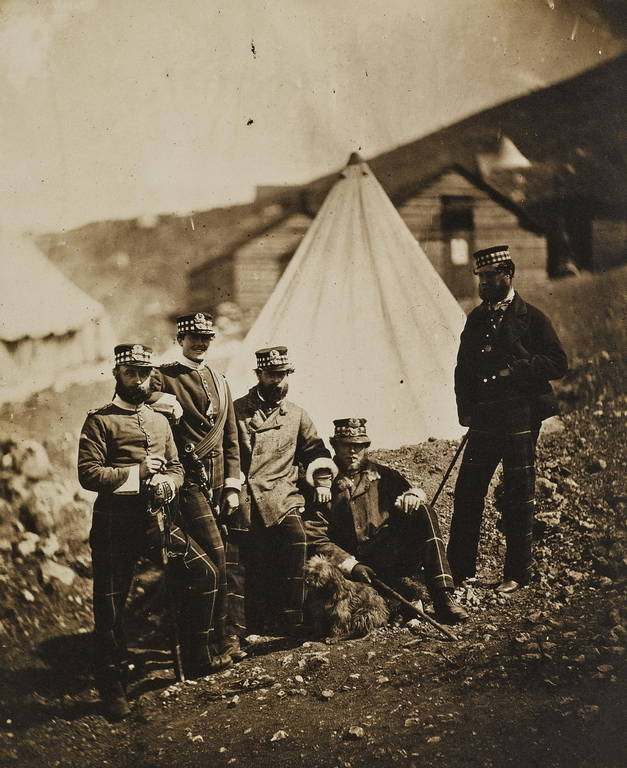
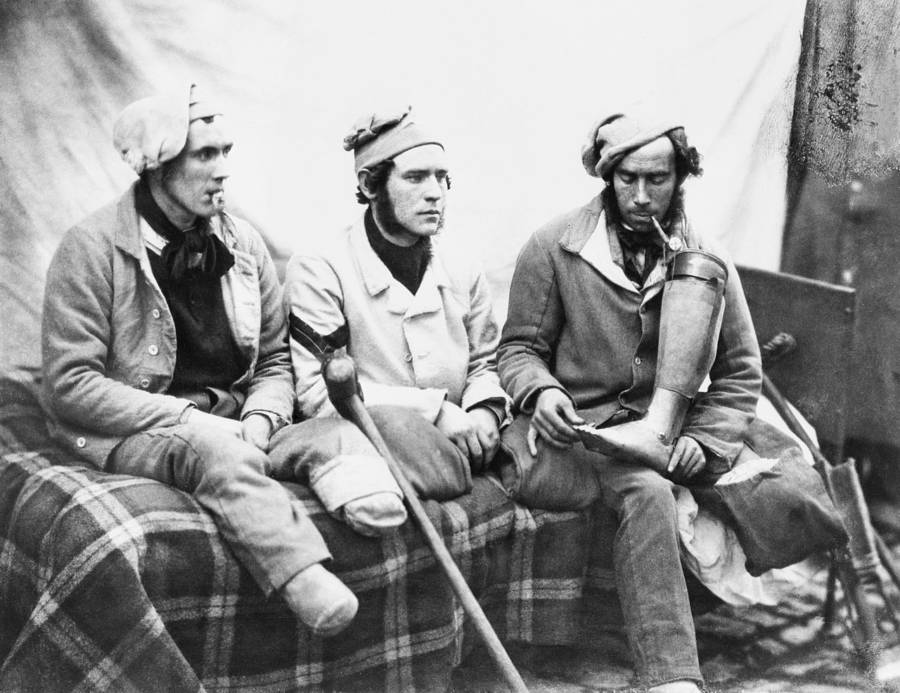
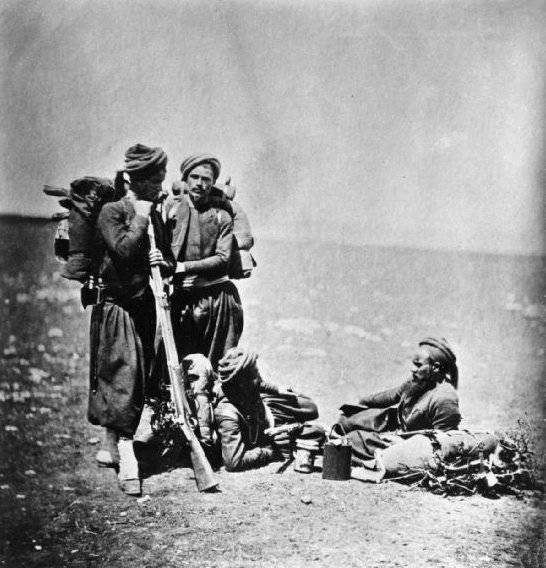
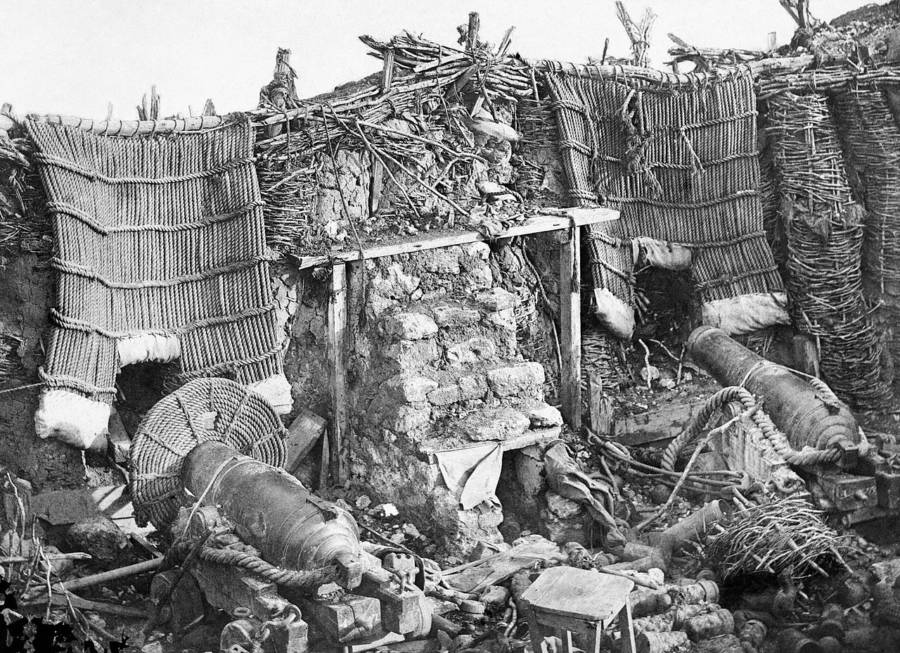
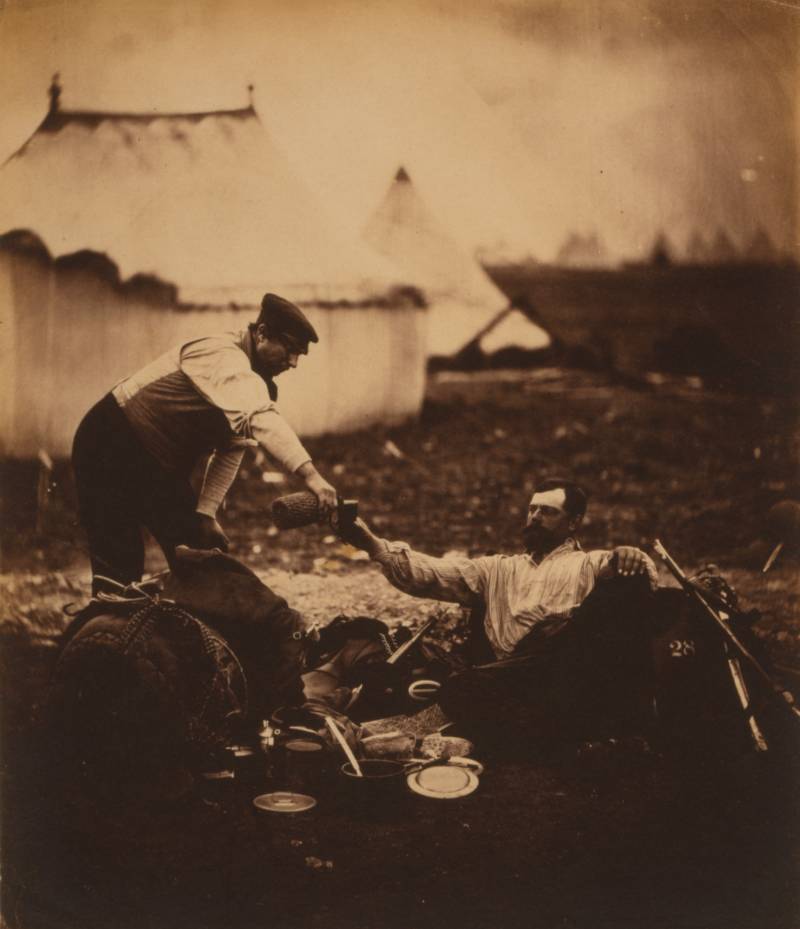
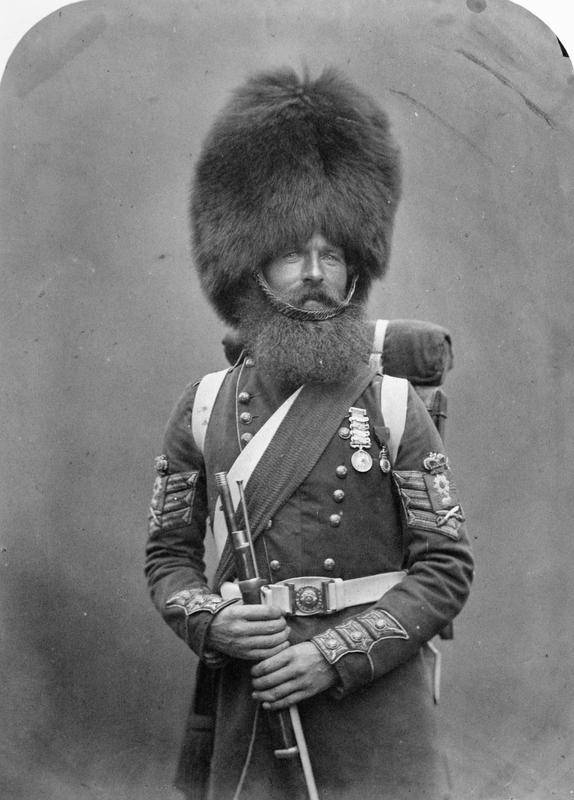
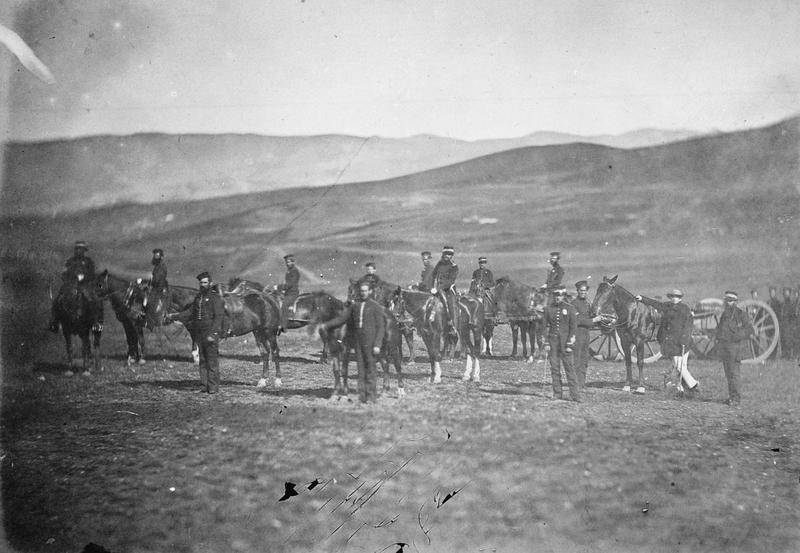
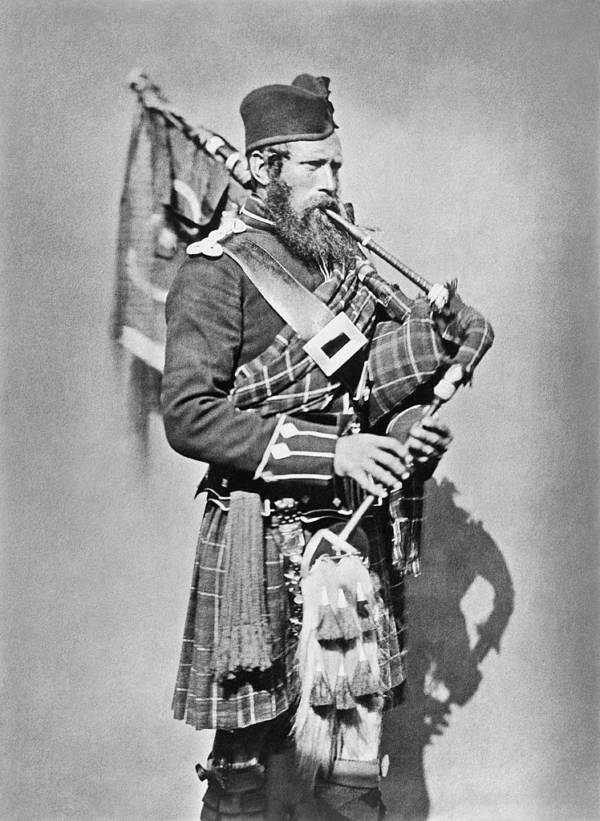
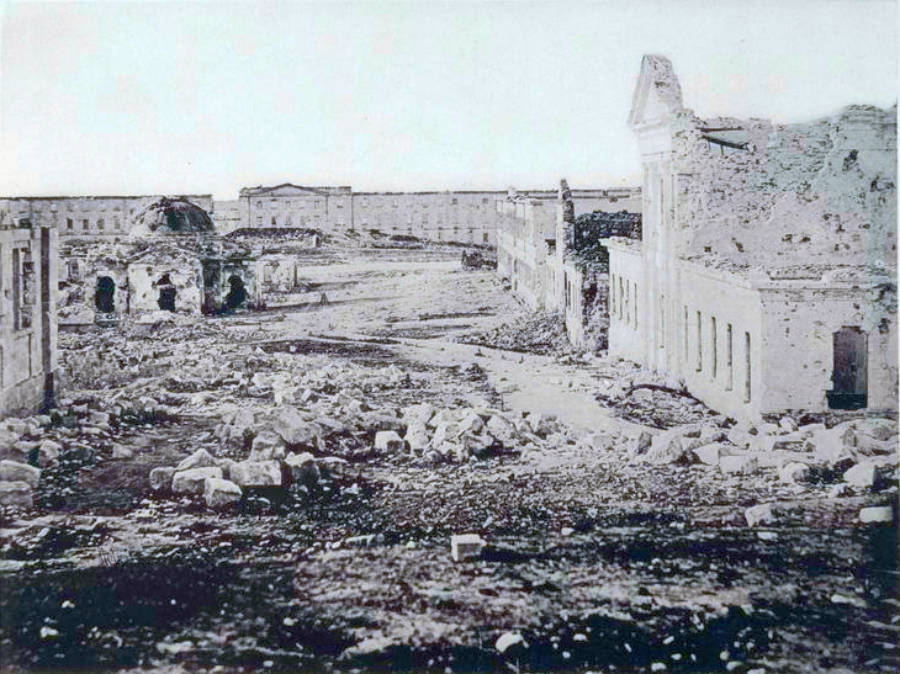
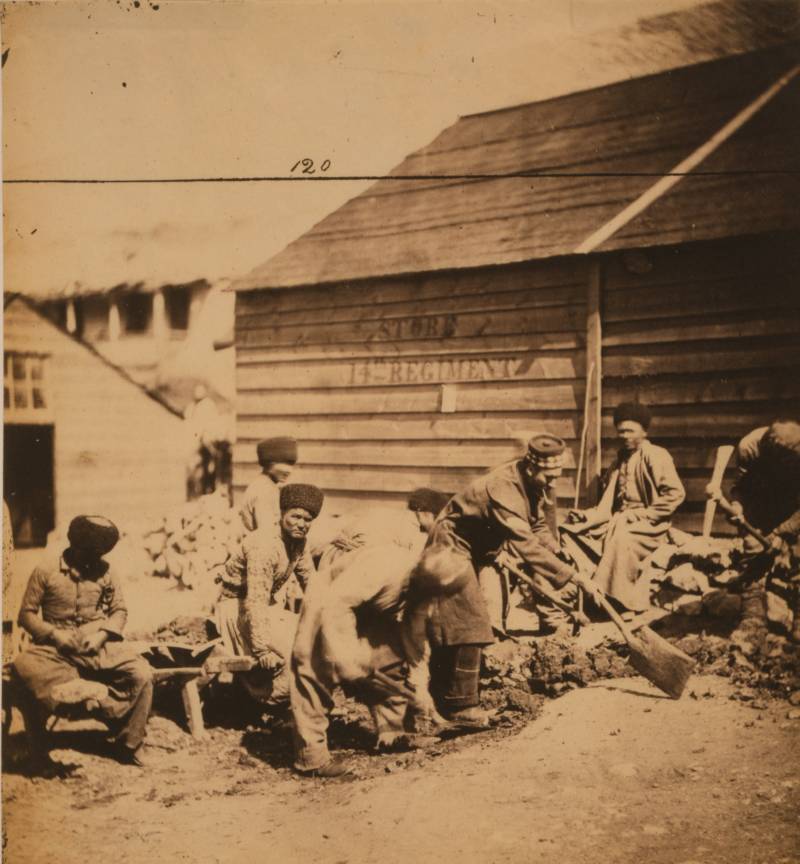
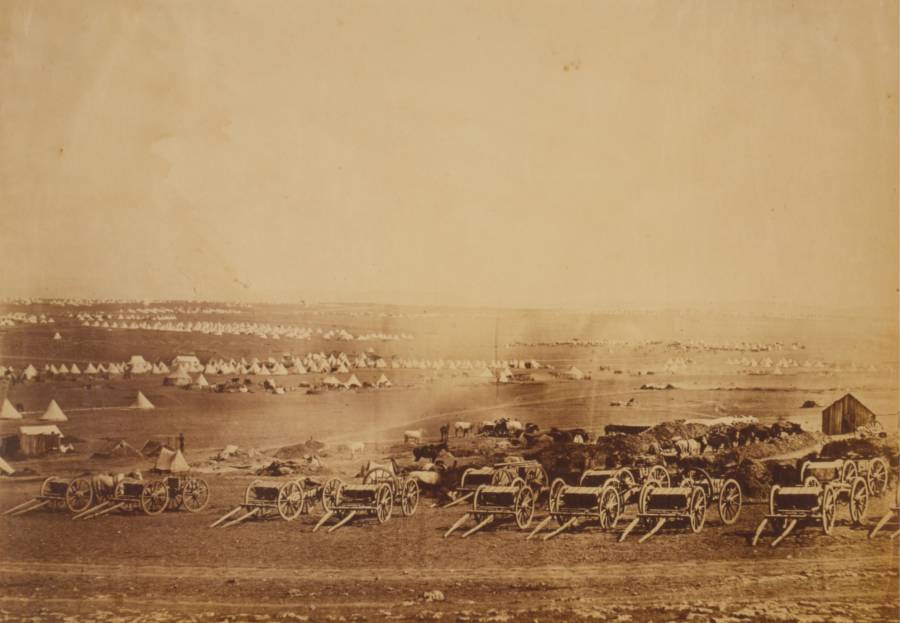
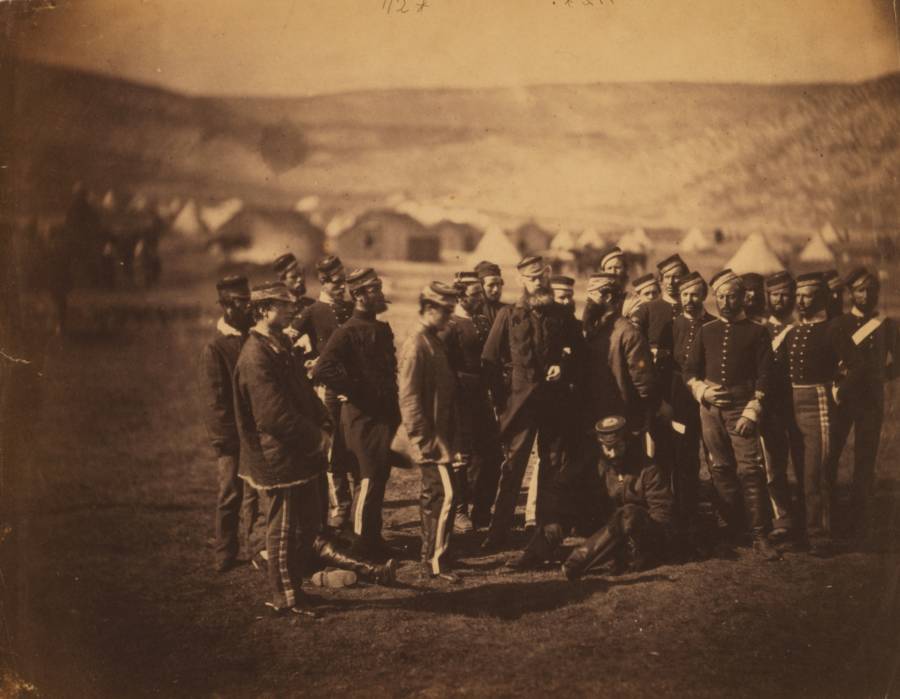
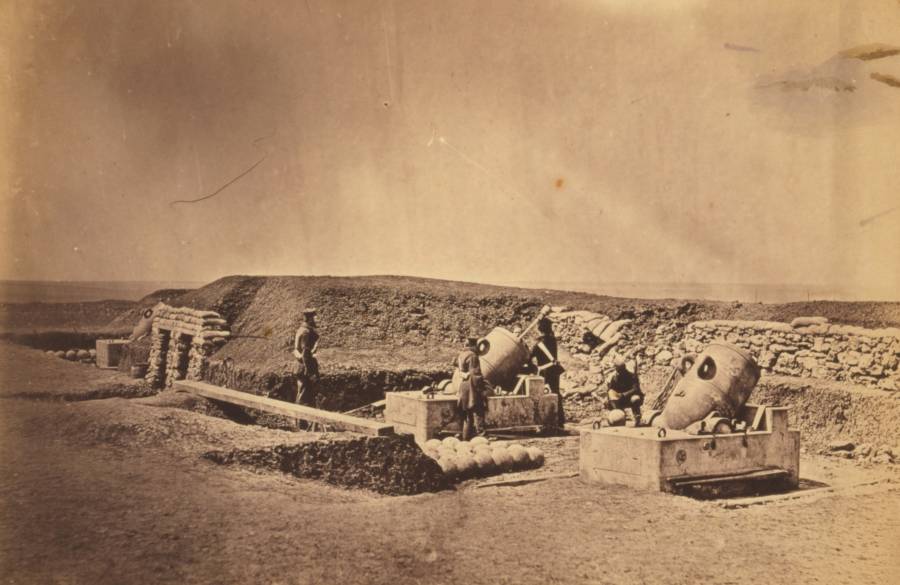
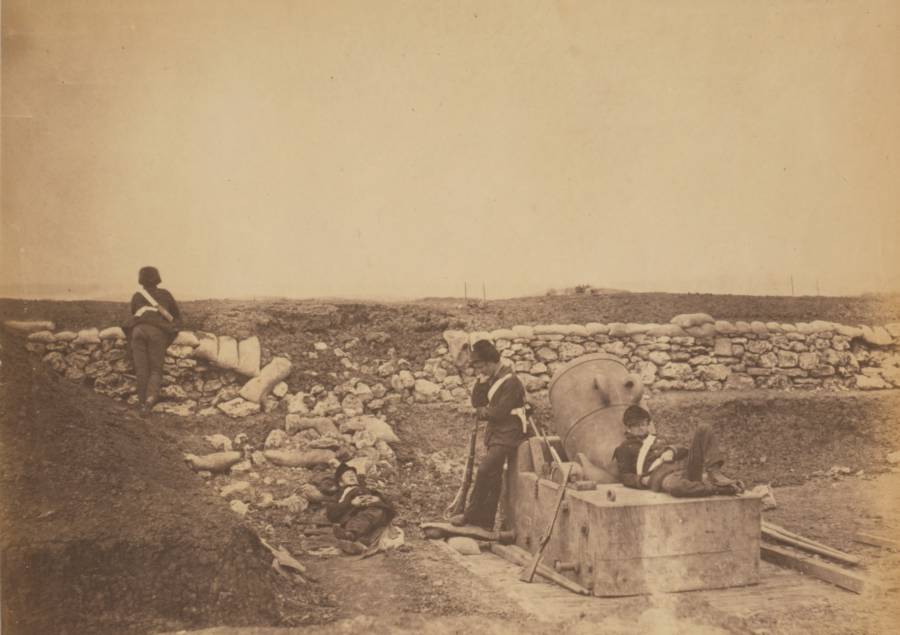
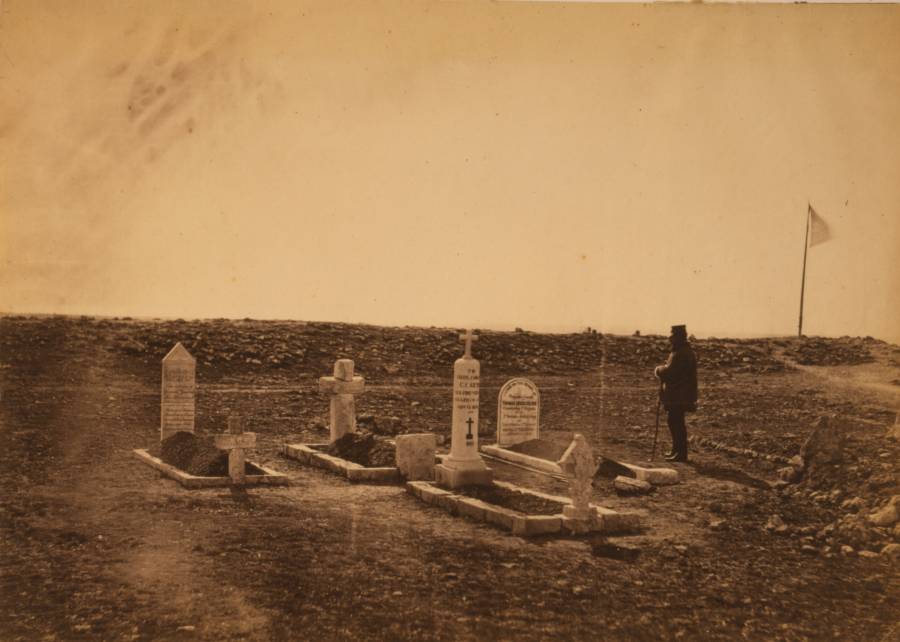
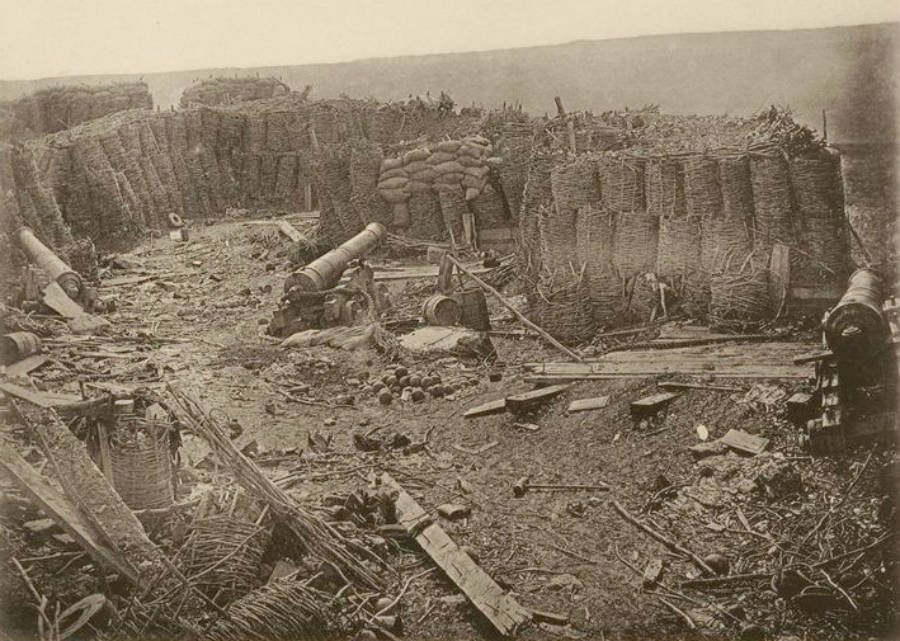
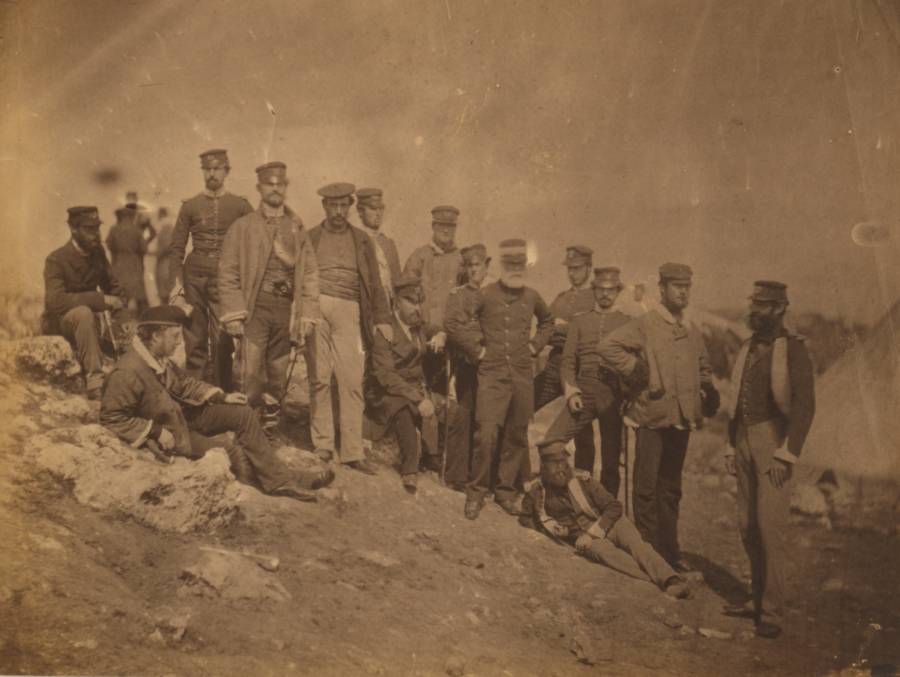
These haunting Crimean War photos represent some of the first battlefield photos ever taken and reveal the history of this overlooked conflict that shaped Europe for decades.
When the Crimean War broke out between the Russian Empire and the Ottoman Empire and its allies in 1853, photographers took their new technology to the front lines to show the world for the first time what war was really like.
While these photos weren’t as graphic as images captured during subsequent wars (in fact, they were hardly graphic at all), many historians nevertheless regard the Crimean War as the birthplace of war photography.
As TIME wrote, describing the works of noted Crimean War photographers like Roger Fenton, James Robertson, Felice Beato, and Carol Szathmari:
“Their pictures might lack the often-brutal drama of modern war photography, but they nevertheless serve as compelling documentation of the look and, in a sense, the logistics of mid-19th-century warfare.”
The Crimean War itself began in part because of a dispute between the Roman Catholic Church and the Russian Orthodox Church over church access rights to religious sites in the Holy Land, which was then part of the struggling Ottoman Empire, famously dubbed the “sick man of Europe” by Russia’s Tsar Nicholas.
Moreover, the two sides each had their own supporters with their own agendas. Imperial Russian forces looking to expand their influence in what’s now Ukraine naturally supported the Russian Orthodox Church. On the other hand, Britain and the Ottomans both sought to stop the advance of the Russian Empire and curb their growth as a rival European power. Both Britain and the Ottomans joined with Catholic-led France on the Roman Catholic side of the divide.
And while the two churches settled their differences, their imperial supporters did not, and the Ottomans declared war on Russia in 1853. The war raged for more than two years in the area surrounding the Black Sea, namely the Crimean peninsula on the northern coast.
The fighting was marked by a series of now historic events and clashes including the Battle of Balaclava, during which the British were able to fight off a major Russian charge at a critical naval base along the Black Sea and launch their own successful offensive known as the Charge of the Light Brigade, later immortalized in verse by poet Alfred Lord Tennyson.
Much of that time was spent on a single siege against the Russian naval stronghold at Sevastopol starting in 1854. The Ottoman allies hoped the siege would take just a few weeks but it ended up lasting 11 months. Ultimately, nearly a quarter of a million total soldiers died at Sevastopol before Russian forces fell, ending the Crimean War altogether (along with the fact that the allies had cut Russian supply lines across the Sea of Azov) with an allied victory in late 1855.
One factor that may help explain Russia’s defeat is alcohol. Tn the words of Politico:
“From the inebriate and undisciplined peasant conscripts to their inept, corrupt and often even more soused army commanders, the lackluster military that Russia put into the field in Crimea was the unhappy product of the imperial state’s centuries-long promotion of a vodka trade that had become the tsars’ greatest source of revenue.”
One Russian soldier who fought in the Battle of Alma River recalled just how bad things could get when commanders were under the influence or otherwise confused and negligent:
“During the five hours that the battle went on we neither saw nor heard of our general of division, or brigadier, or colonel. We did not during the whole time receive any orders from them either to advance or to retire; and when we retired, nobody knew whether we ought to go to the right or left.”
And when alcohol wasn’t plentiful, that could prove troublesome as well. “We are to have no vodka, and how can we fight without it?” one veteran soldier reportedly said at the outset of the Sevastopol siege, expressing concern that the fighting might not turn out so well for Russia.
And beyond just the soldiers, many Russian commanders were frequently intoxicated on the battlefield according to contemporaneous accounts. This caused Russia’s battlefield defeats to be particularly embarrassing.
Regardless of the cause of Russia’s defeat, the Treaty of Paris made the Black Sea neutral territory, closing it to warships, and thus significantly curtailing the influence of the Russian Empire in the area.
The treaty’s Black Sea provision proved especially important. Neither Russia nor Turkey were now allowed to have military personnel or fortifications along the coast of the sea. This put a major halt on Russian imperial expansion in the region.
Furthermore, the conflict proved to have far-reaching geopolitical consequences for decades to come. As HISTORY wrote:
“The Peace of Paris, signed on March 30, 1856, preserved Ottoman rule in Turkey until 1914, crippled Russia, facilitated the unification of Germany, and revealed the power of Britain and the importance of sea power in global conflict.”
The Crimean War thus informed the nationalistic power grabs that dominated 19th-century Europe and eventually set the stage for World War I. The balance of power in Europe had forever been changed.
But aside from the far-reaching consequences of the war, the immediate human cost was certainly devastating.
The allies suffered approximately 223,000 total casualties throughout the war with a whopping 120,000 or so the result of disease. The Russians fared even worse: They suffered more than half a million casualties, more than half of which died from non-combat causes.
Alongside such suffering, the Crimean War also helped pave the way for battlefield photography itself, forever giving the public a new perspective on war.
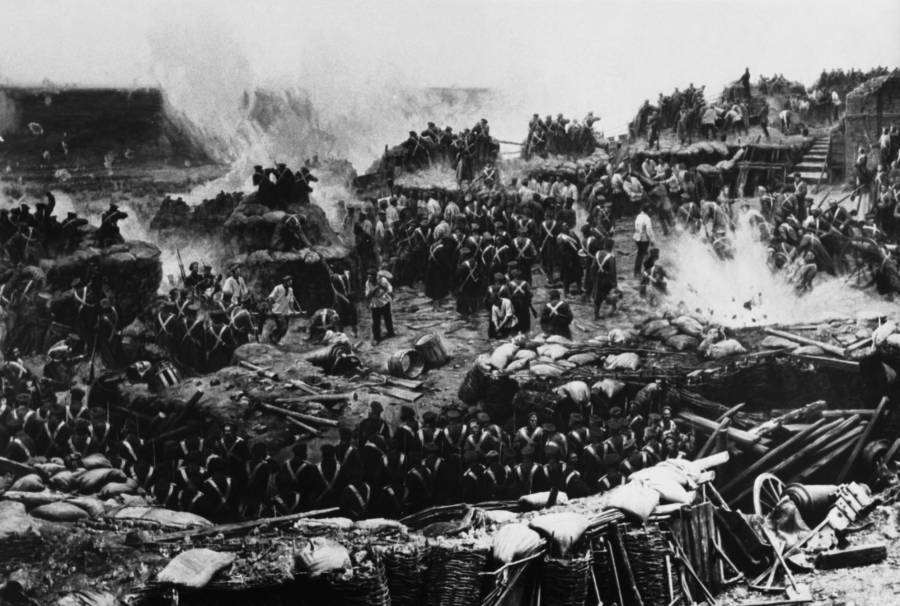
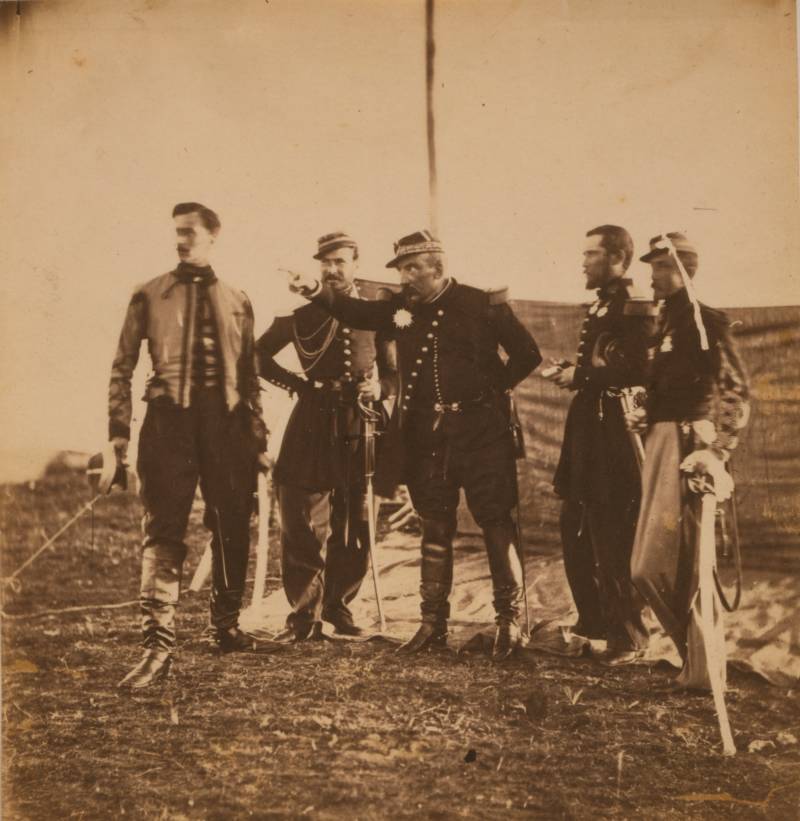
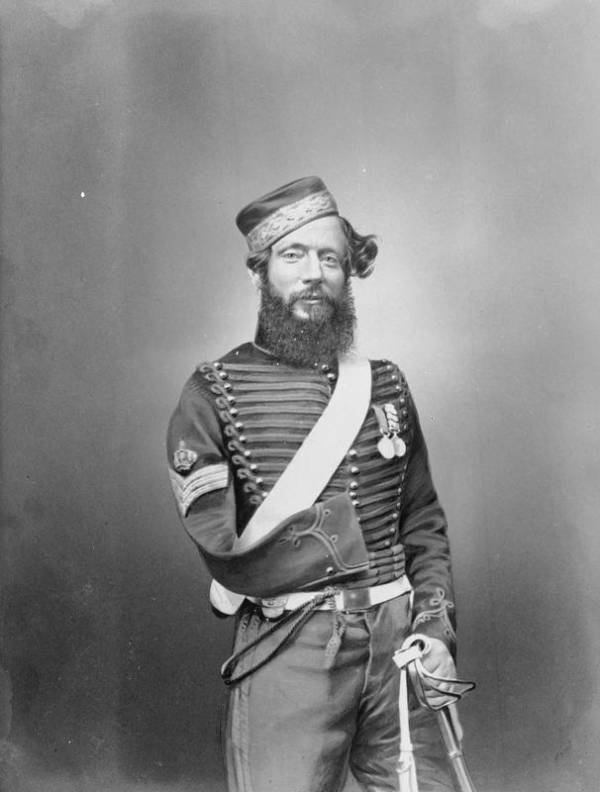
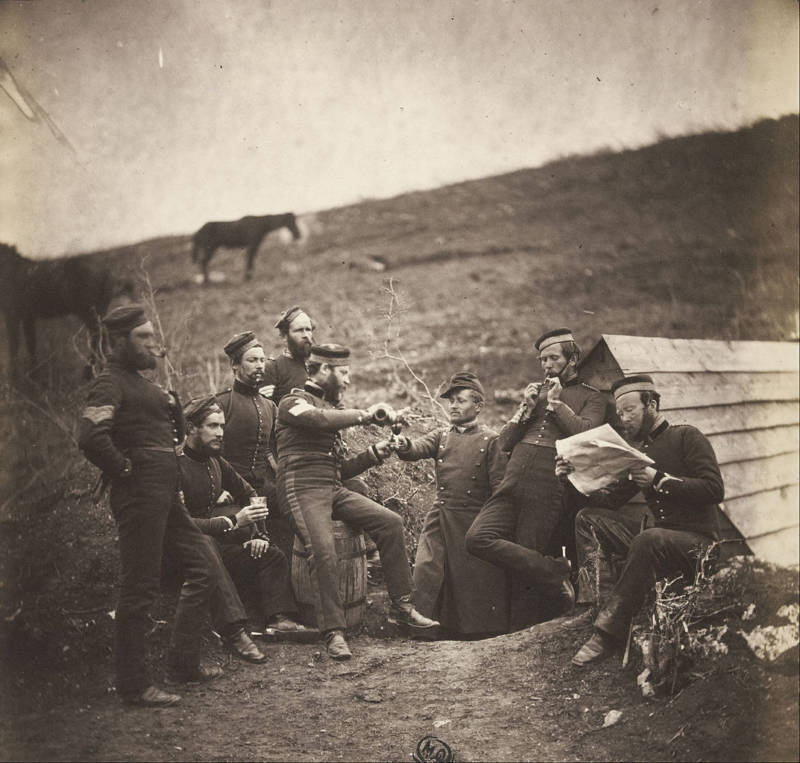
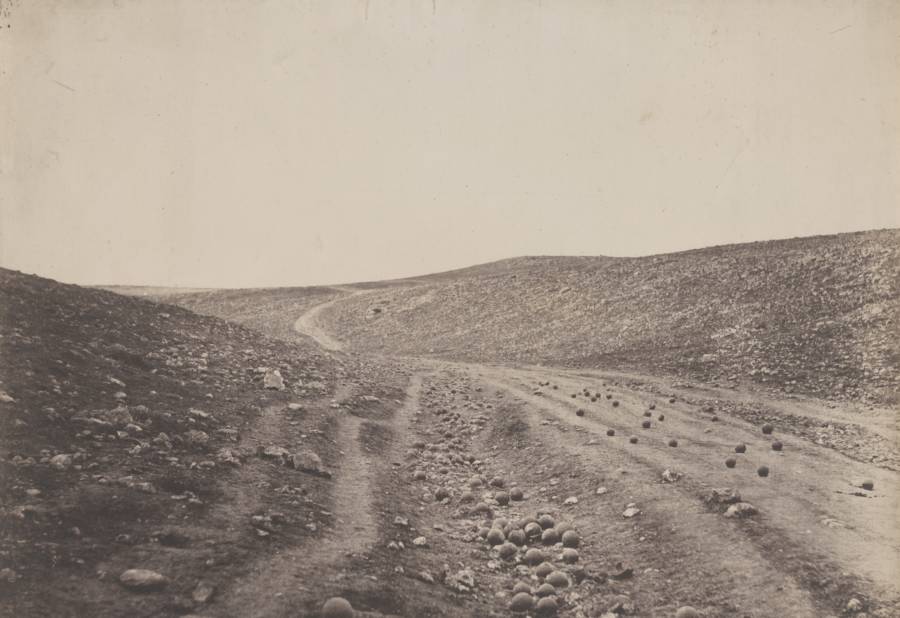
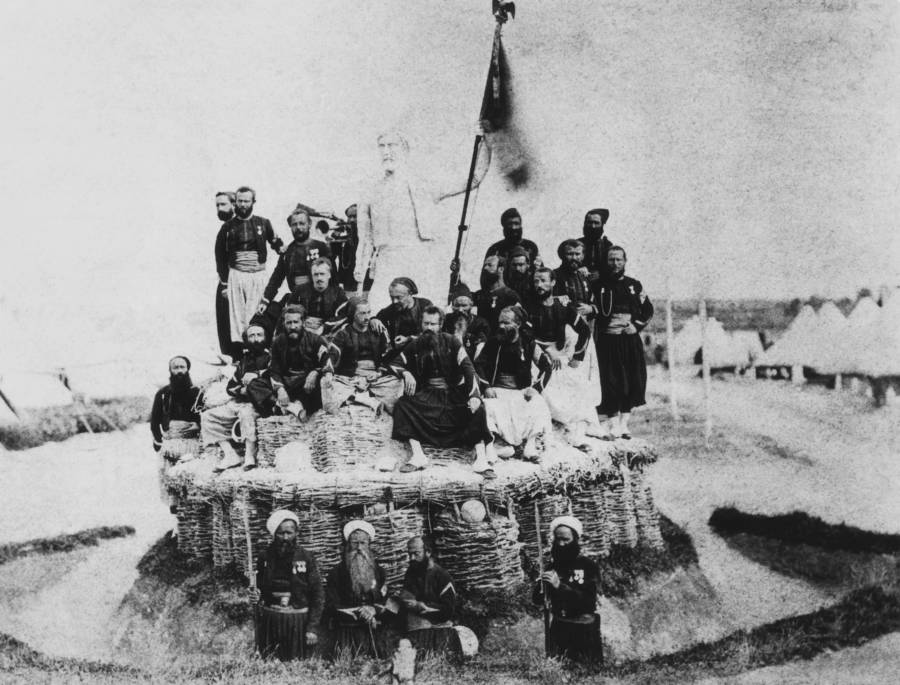
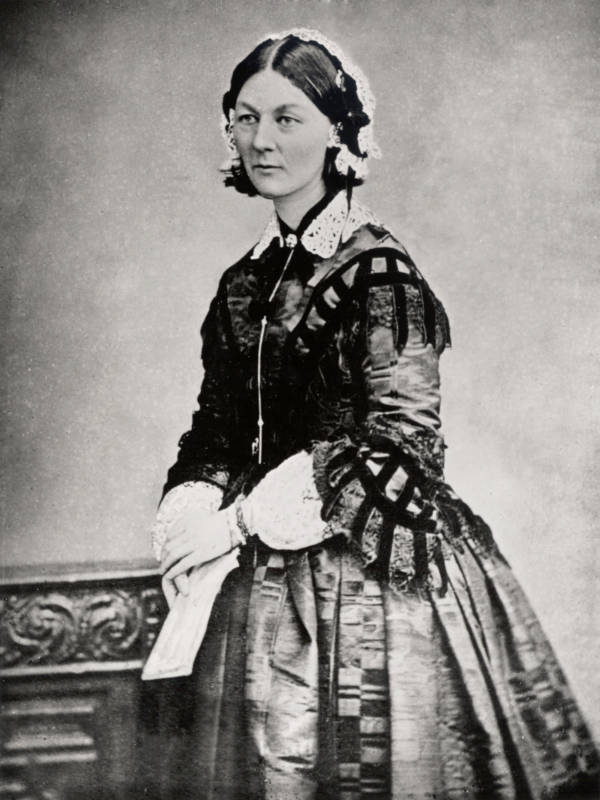
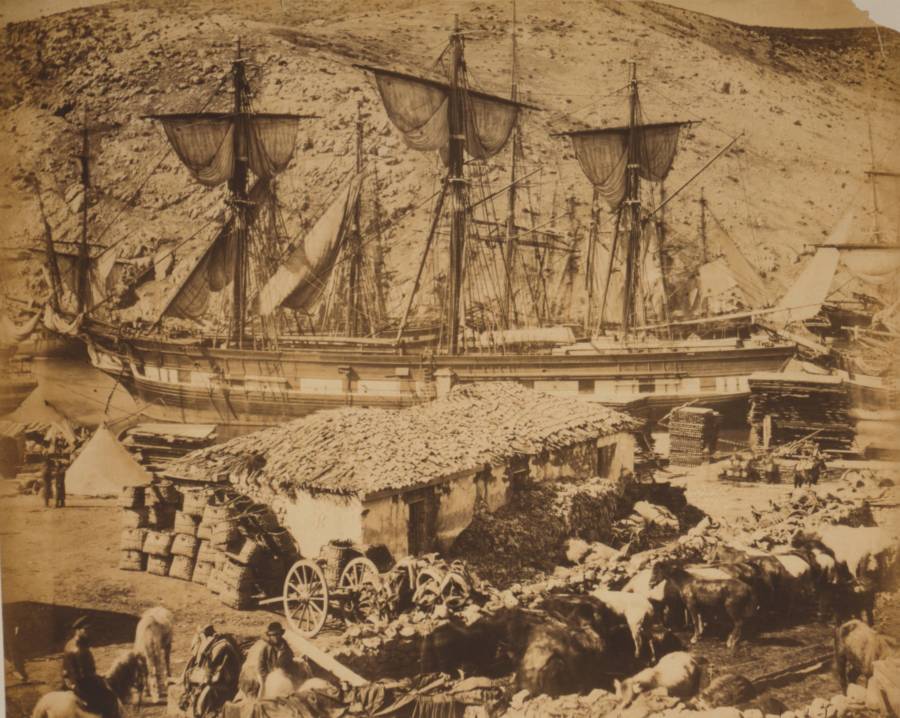
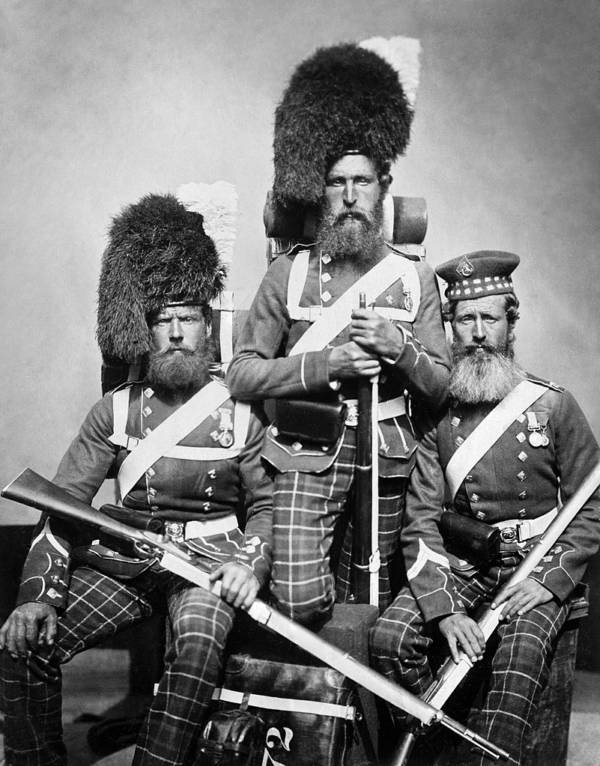
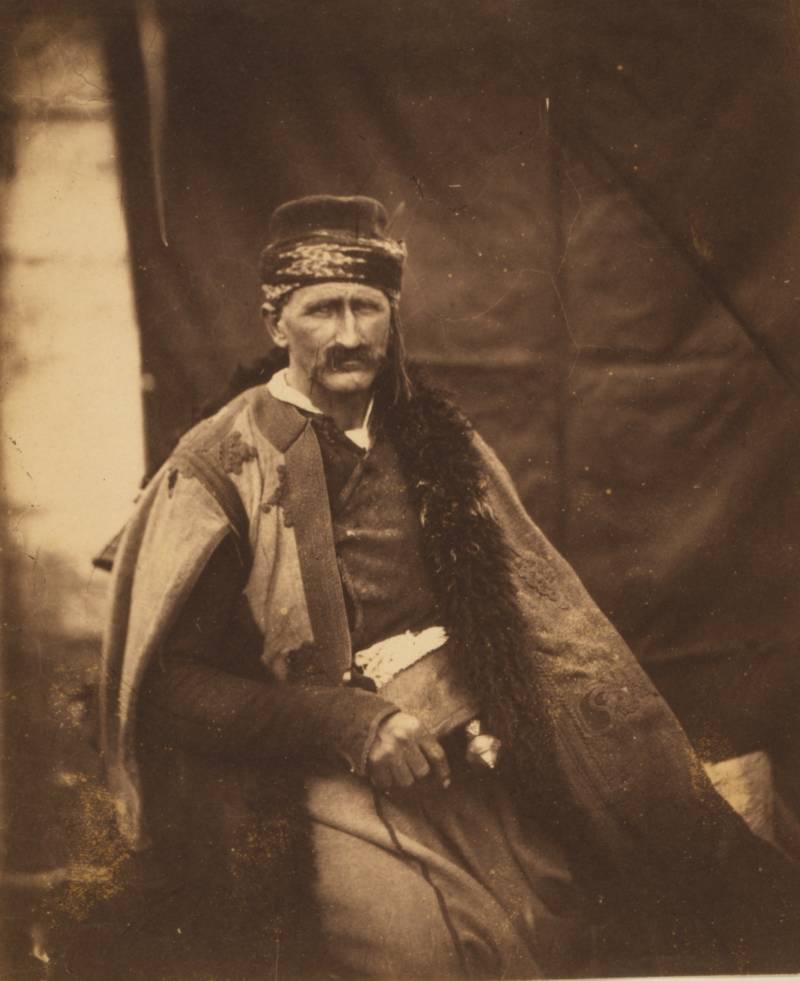
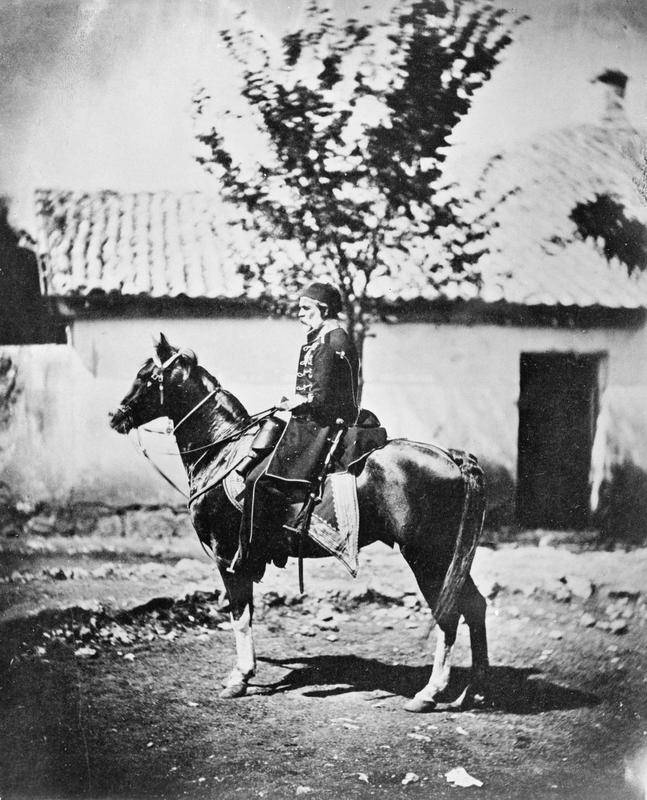
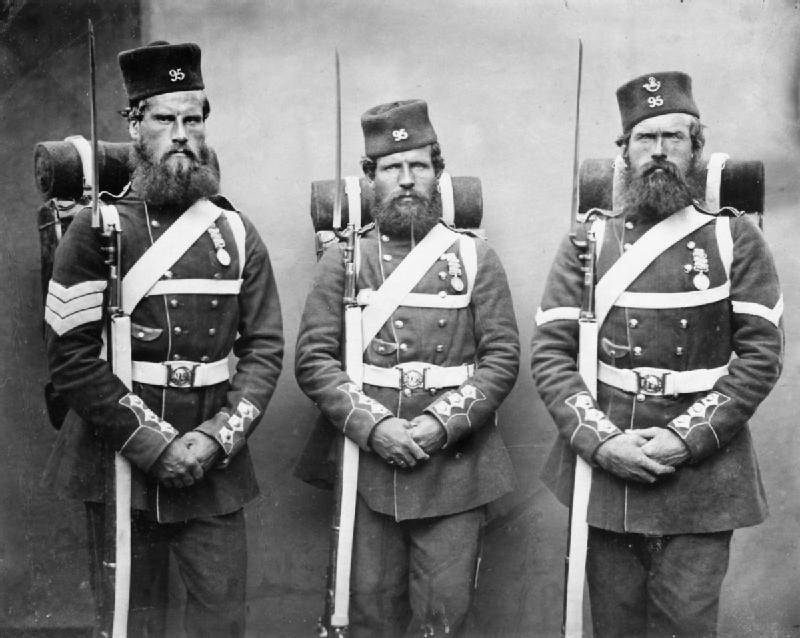
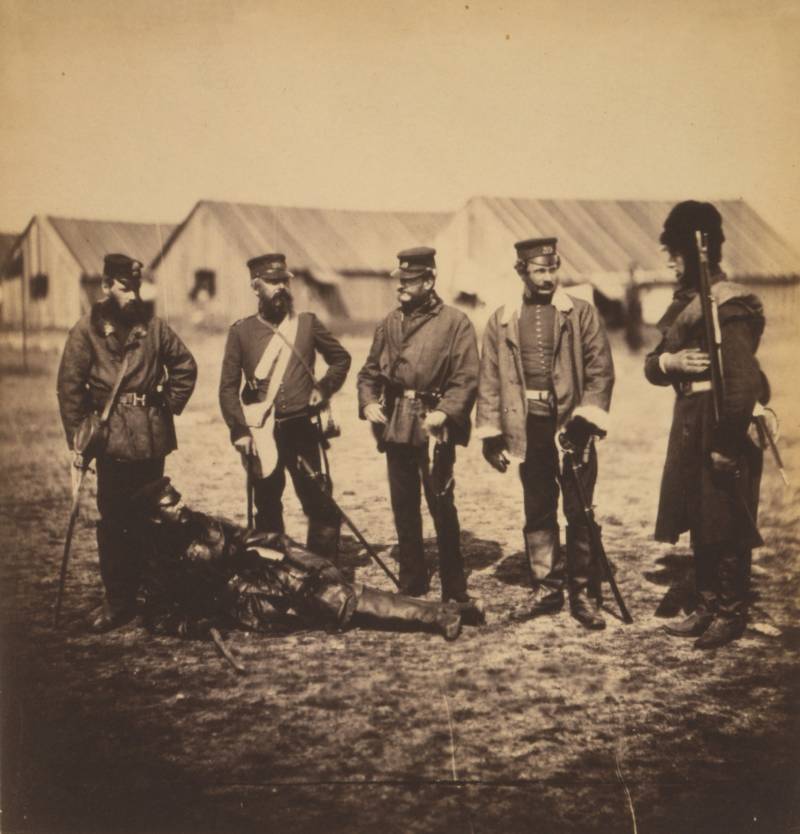
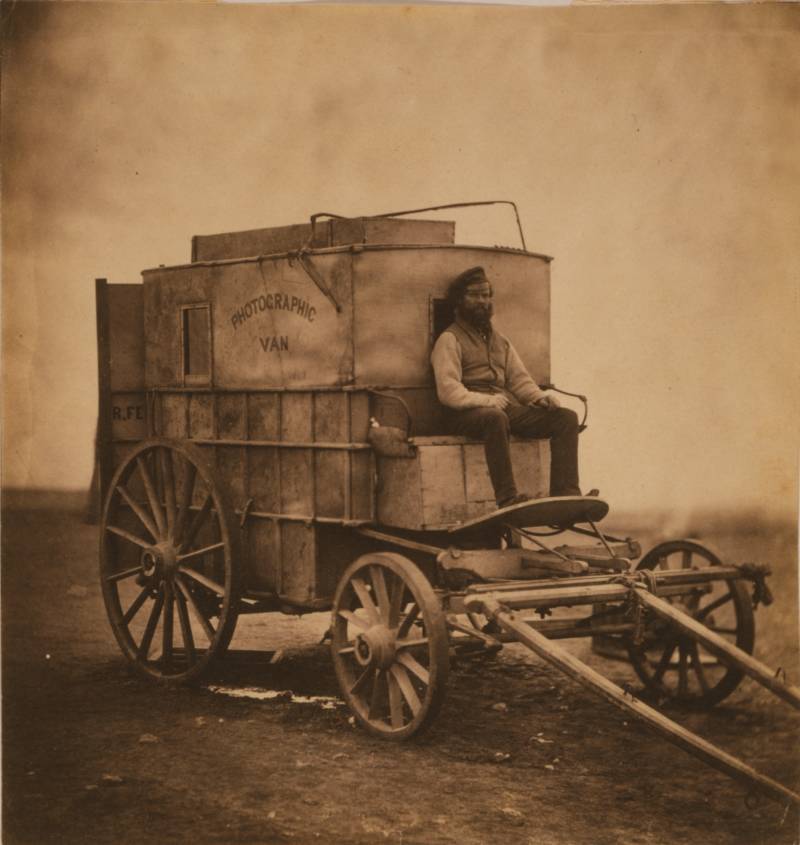
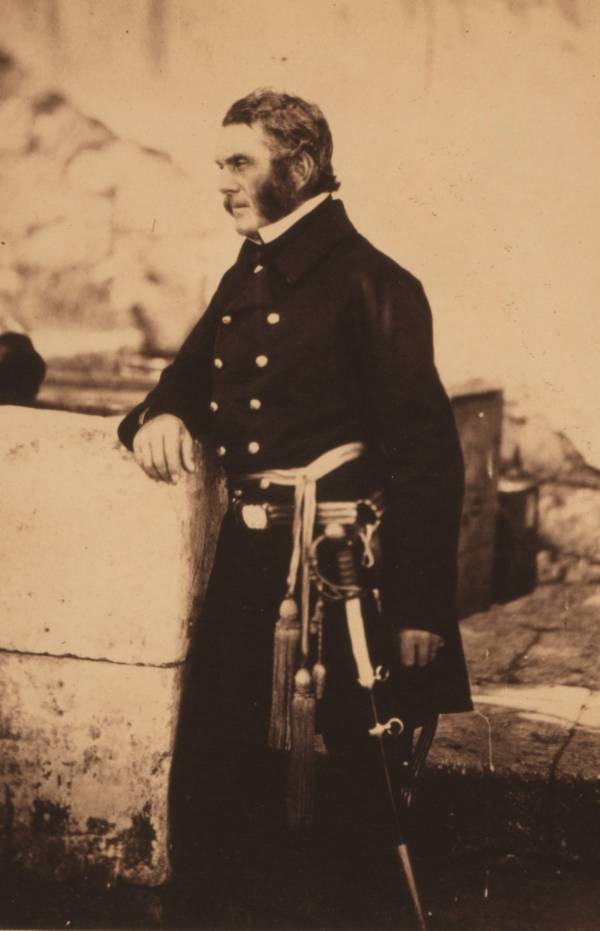
Soldiers battle during the Crimean War. Circa 1855.General Pierre Bosquet of France gives orders to his men. 1855.Sergeant J. Brease of Britain’s 11th Hussars, who lost his arm in the Battle of Inkerman. Circa 1854-1856.British and French soldiers relax and share a drink during the Crimean War. Location unspecified. 1855.Titled “Valley of the Shadow of Death,” this iconic photo shows a road in Sevastopol littered with cannonballs. April 23, 1855.Soldiers involved in the taking of Malakoff in 1855.Britain’s Florence Nightingale, who famously helped modernize battlefield nursing during the Crimean War. 1860.Officers of Britain’s 71st Highlanders. 1856.British soldiers of the Crimean War who have lost limbs. Circa 1854-1856.North African soldiers fighting for France take a rest. Location unspecified. Circa 1854-1856.The ruins of a Russian post used to defend Sevastopol. Circa 1854-1856.Major Hallewell of Britain lounges about while a servant pours him a drink. 1855.Colour Sergeant William McGregor of Britain’s Scots Fusilier Guards. Circa 1854-1856.An unspecified gun team stands with their horses. Location unspecified. Circa 1854-1856.Pipe Major John Macdonald of Britain’s 72nd Highlanders, with bagpipes. Circa 1854-1856.Balaklava harbor. 1855.Soldiers of the 72nd Highlanders. Circa 1854-1856.A Croat chieftain. 1855.Ottoman commander Omar Pasha on his horse. Circa 1854-1856.Officers of Britain’s 95th Regiment. Circa 1854-1856.Lieutenant Colonel Munroe of Britain and his officers, dressed in uniform. 1855.Photographer Roger Fenton’s assistant, Marcus Sparling, sits on his photographic van. 1855.Major General James B. Estcourt of Britain. 1855.Men of the British 89th Regiment, also known as the “Royal Irish Fusiliers.” 1855.A Russian barracks lies in ruins just after the war. 1856.A group of laborers repair a road. Balaklava. 1855.Several artillery wagons sit on a plateau near Sevastopol. 1855.Several officers from Britain’s 13th Light Dragoons. 1855.Fighters stand amid mortar batteries with bomb-proof shelters. 1855.Men rest near a mortar battery. 1855.A man stands near a cemetery for English generals. Cathcart Hill. 1855.A battery on Malakhov Hill. 1856.Several officers of Britain’s 17th Regiment. 1855.