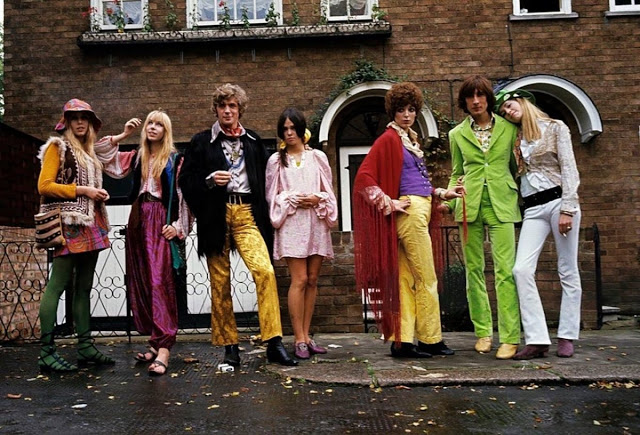
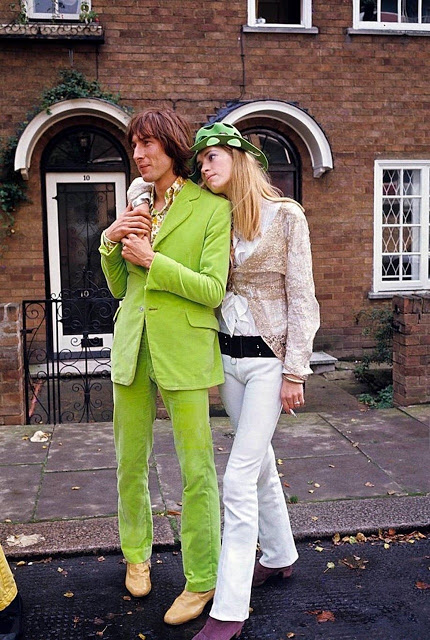
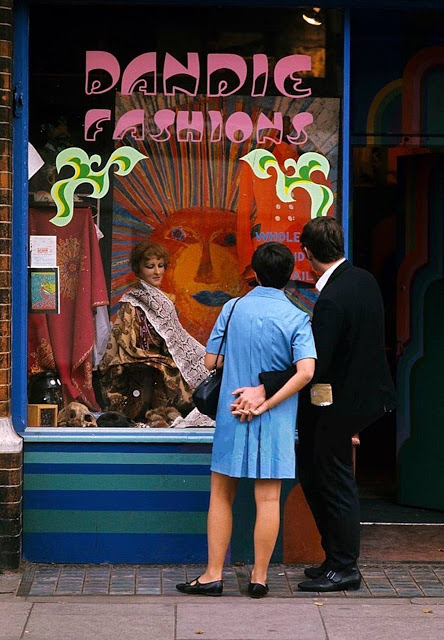
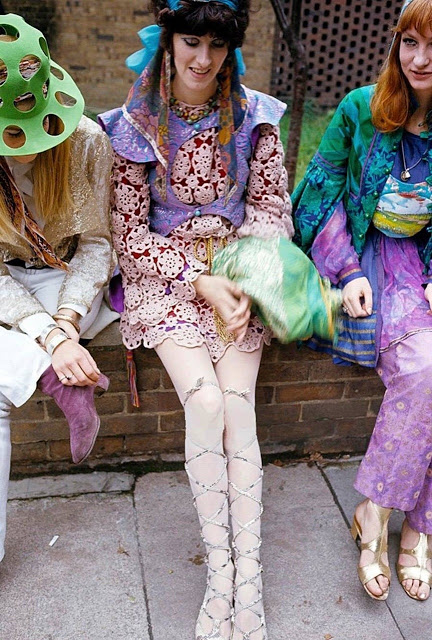
Psychedelic fashion was a quintessential 1960s movement. Although it was eventually, and to some degree opportunistically, embraced by virtually every mainstream design and sector of the fashion industry, it would be hard to isolated a single designer or even a cluster of designers who could be credited for its invention or promotion.
Nevertheless, the psychedelic preoccupation with light and the total environment reached a paradigm at the Manhattan boutique Paraphernalia in 1966, when electrical engineer Diana Dew devised a vinyl dress that turned-on at the command of the wearer. A miniaturized potentiometer fit on the belt of the dress and regulated the frequency of the blinking hearts or stars, which could be coordinated to the throbbing beat of the disco soundtrack. That same year, Yves Saint Laurent brought psychedelic light and color to pop art’s disembodied trademarks with a bridal gown that flashed an incandescent flower, which enlivened the runway show’s traditional finale.
Psychedelic sensibility was essential to the second phase of 1960s’ fashion vocabulary, the move away from some of the sleeker and brusquer characteristics of mod fashion. It was consanguineous with the second phase’s absorption of folk and tribal lexicon, the experimentation in role playing and persona construction made possible by the improvised costumes adopted by youth cultures and spilling out into the Western world’s clothes-wearing population at large. The unprecedented outfits certainly owed something to the phantasmagoria of acid visions. Tribal and psychedelic converged with mottled patterns of African and Indonesian fabrics, the phosphorescent splotches and showers of tie-dye.
A complete series of photos from the October 1967 issue of Paris Match magazine on the psychedelic fashion in London. Photos by Philippe Le Tellier.
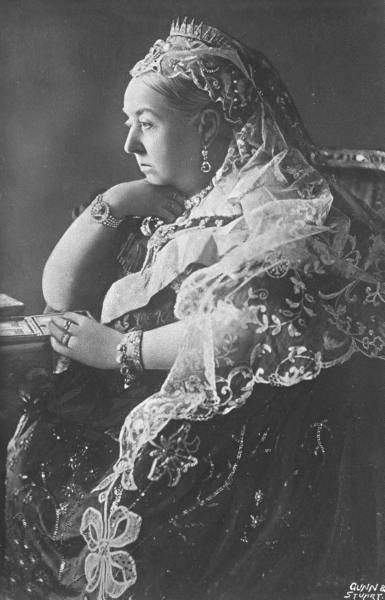
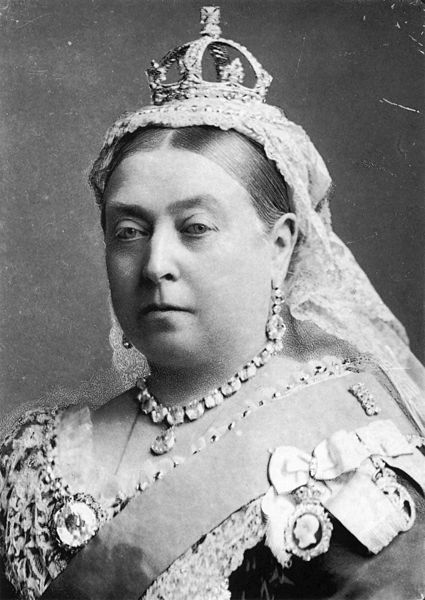
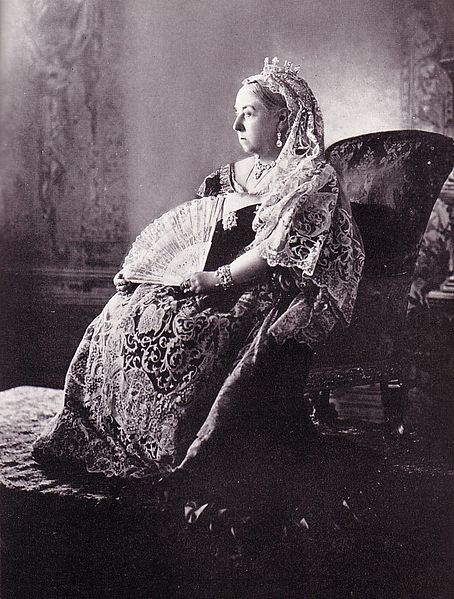
Victoria (Alexandrina Victoria; 24 May 1819 – 22 January 1901) was Queen of the United Kingdom of Great Britain and Ireland from 20 June 1837 until her death in 1901. Known as the Victorian era, her reign of 63 years and seven months was longer than any previous British monarch. It was a period of industrial, political, scientific, and military change within the United Kingdom, and was marked by a great expansion of the British Empire. In 1876, the British Parliament voted to grant her the additional title of Empress of India.
Victoria was the daughter of Prince Edward, Duke of Kent and Strathearn (the fourth son of King George III), and Princess Victoria of Saxe-Coburg-Saalfeld. After the deaths of her father and grandfather in 1820, she was raised under close supervision by her mother and her comptroller, John Conroy. She inherited the throne aged 18 after her father’s three elder brothers died without surviving legitimate issue. Though a constitutional monarch, Victoria privately attempted to influence government policy and ministerial appointments; publicly, she became a national icon who was identified with strict standards of personal morality.
Victoria married her first cousin Prince Albert of Saxe-Coburg and Gotha in 1840. Their children married into royal and noble families across the continent, earning Victoria the sobriquet “the grandmother of Europe” and spreading haemophilia in European royalty. After Albert’s death in 1861, Victoria plunged into deep mourning and avoided public appearances. As a result of her seclusion, British republicanism temporarily gained strength, but in the latter half of her reign, her popularity recovered. Her Golden and Diamond Jubilees were times of public celebration. She died on the Isle of Wight in 1901. The last British monarch of the House of Hanover, she was succeeded by her son Edward VII of the House of Saxe-Coburg and Gotha. (Wikipedia)
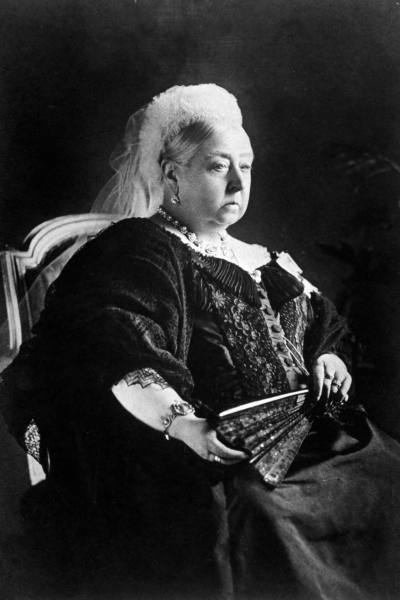
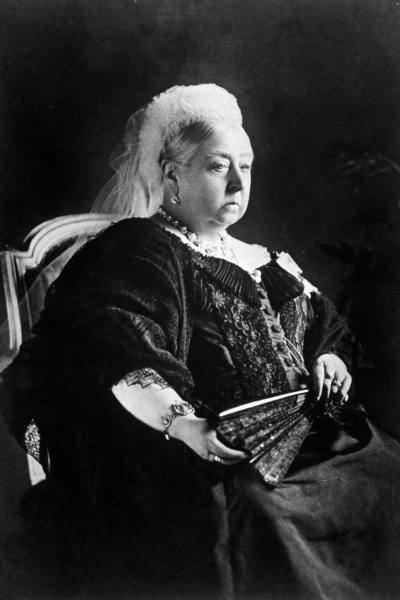
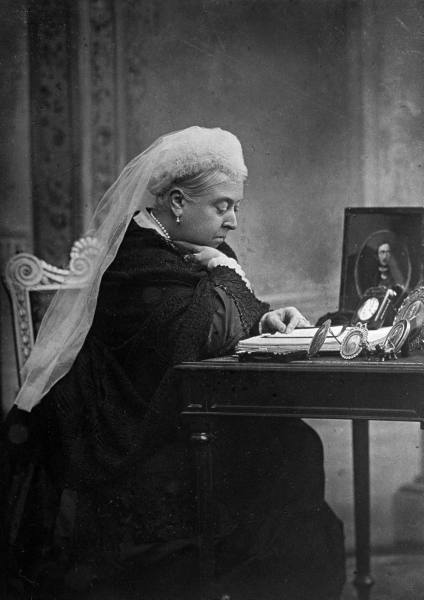
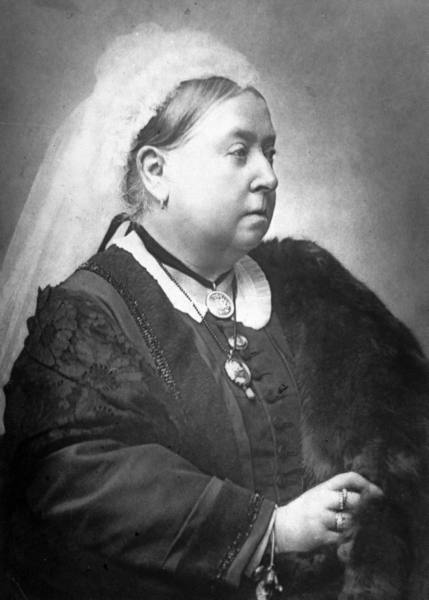
Below are some of old black and white portraits of Queen Victoria.
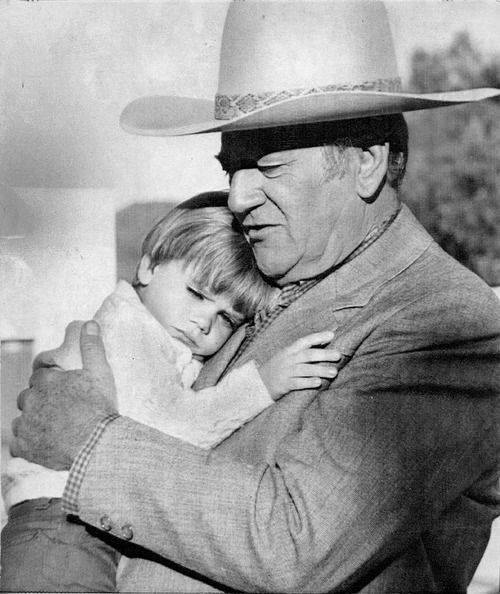
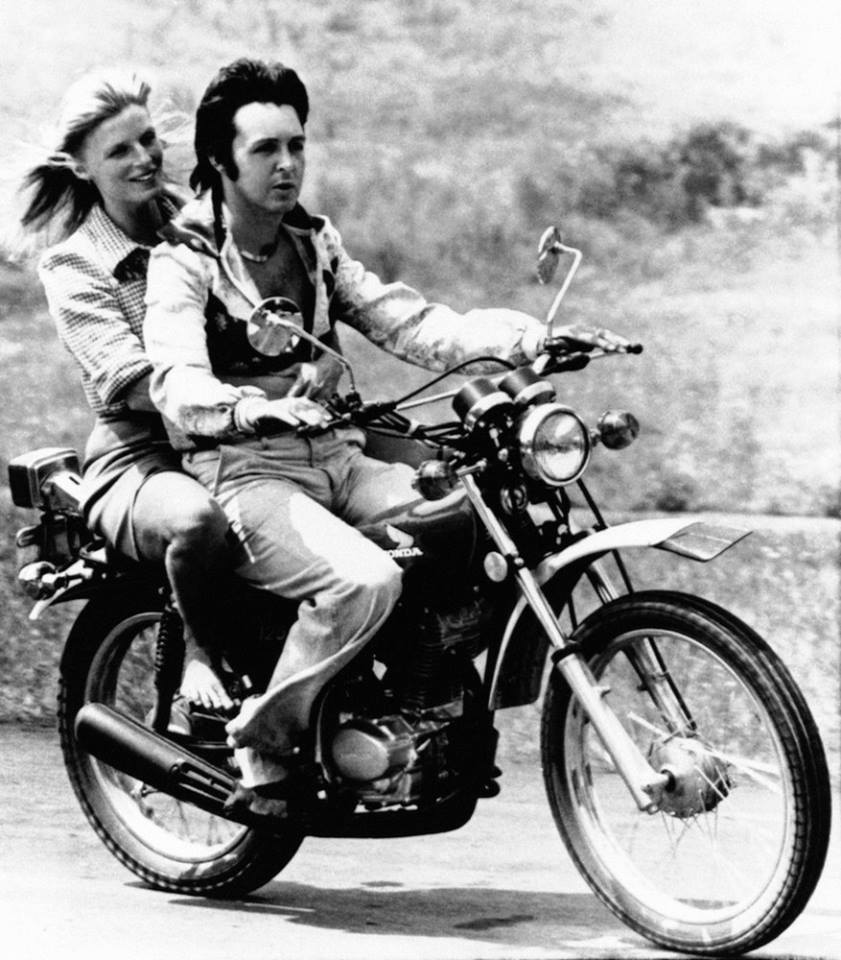
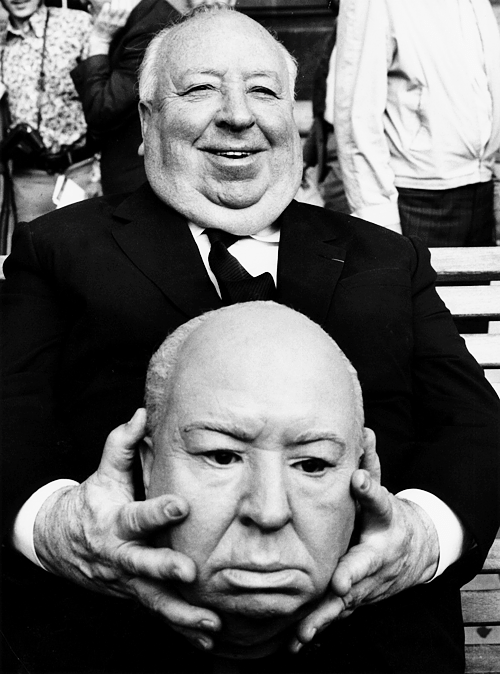
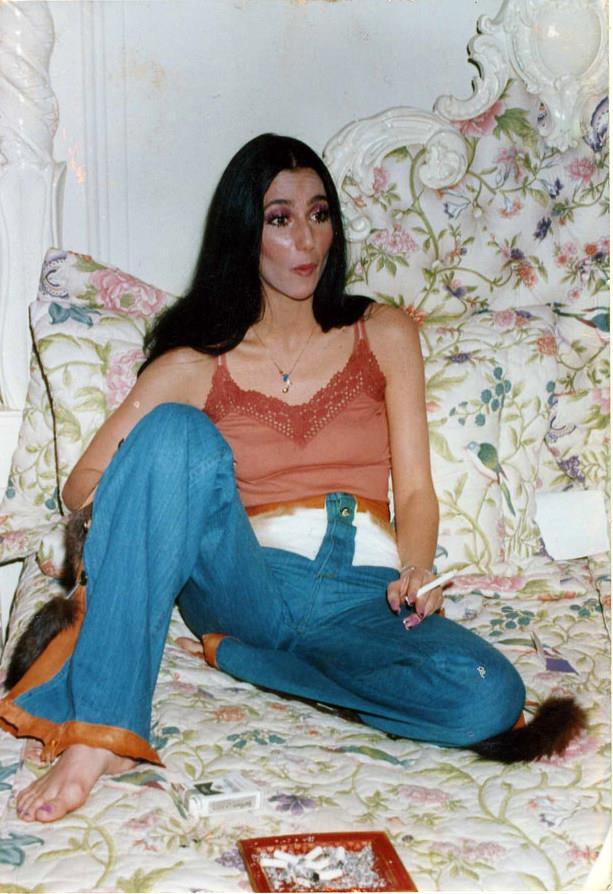
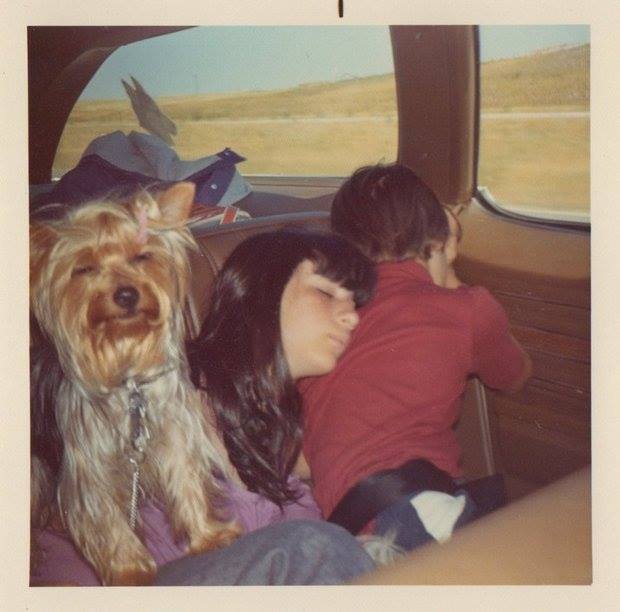
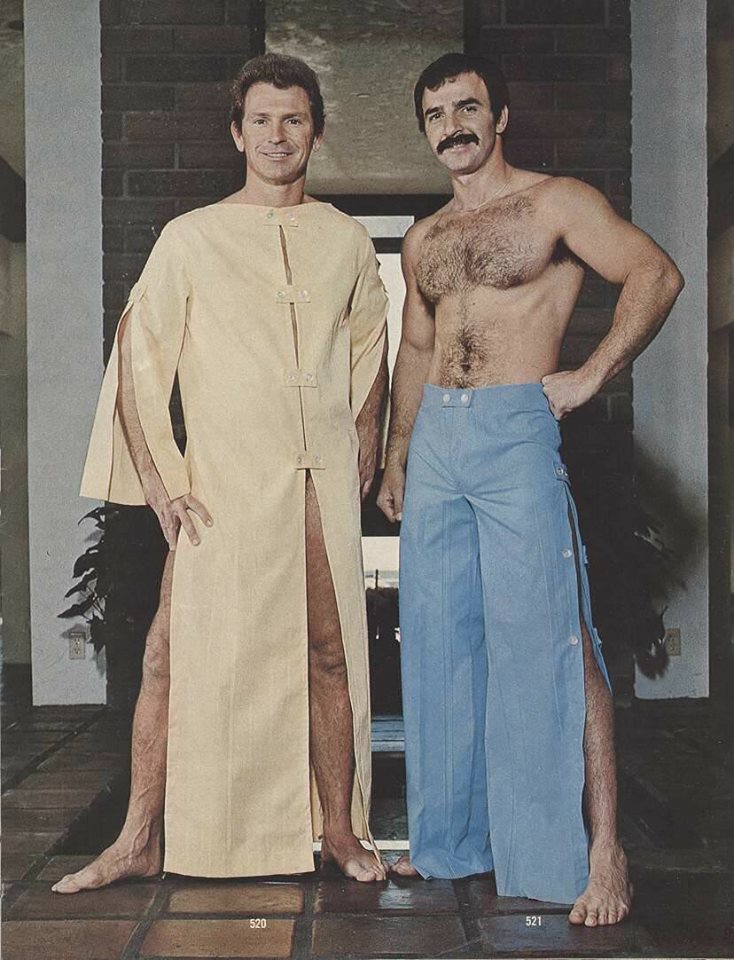
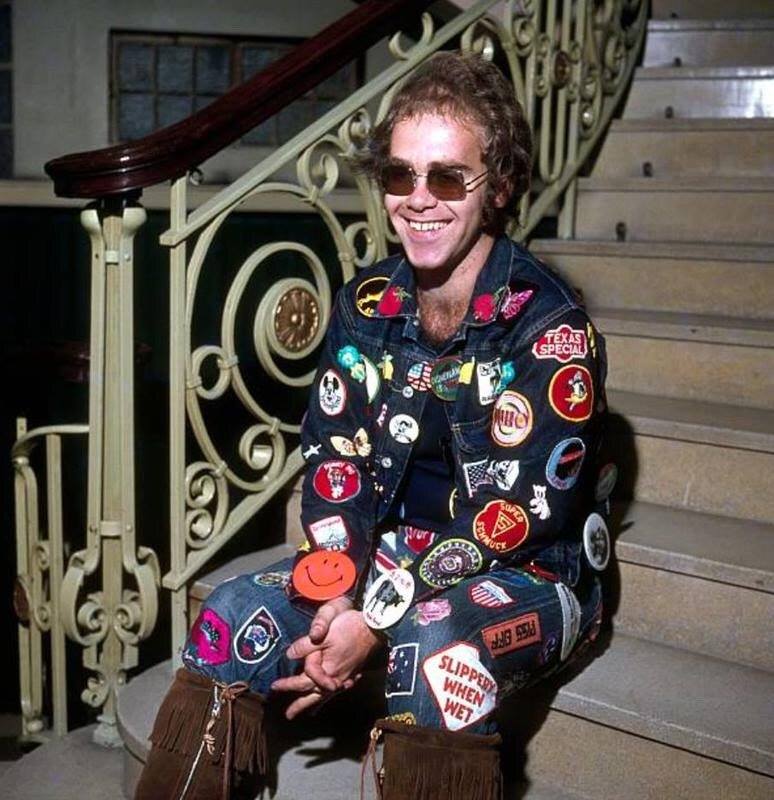
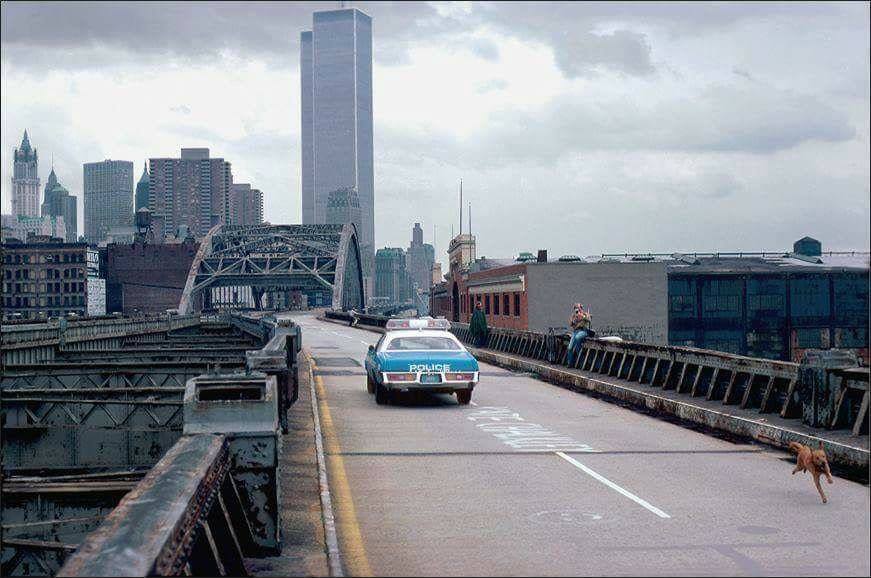
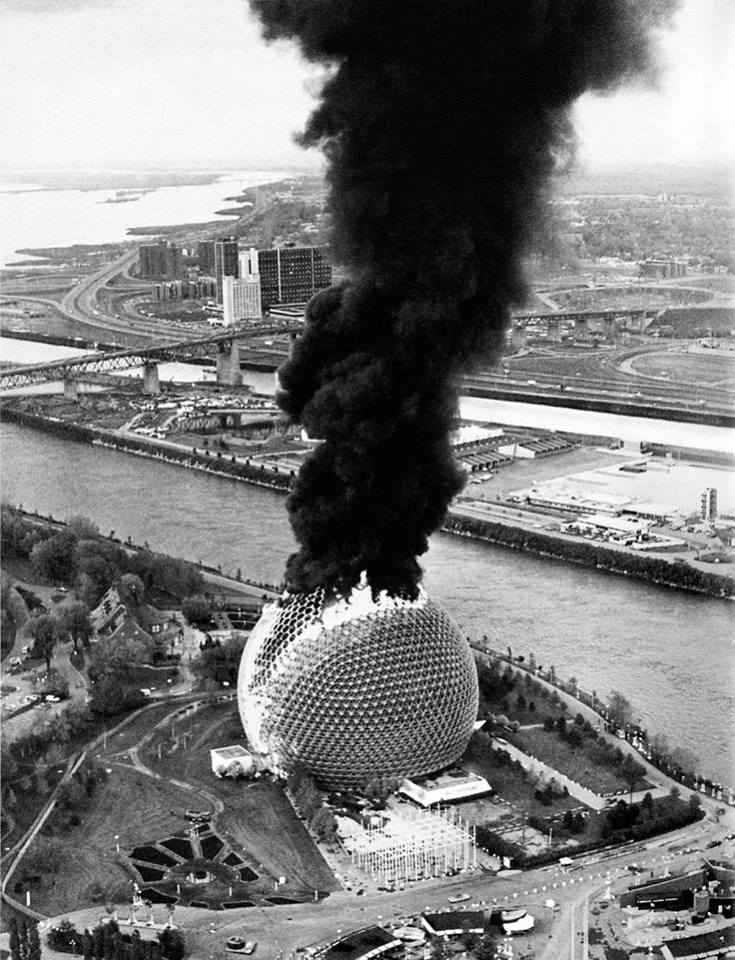
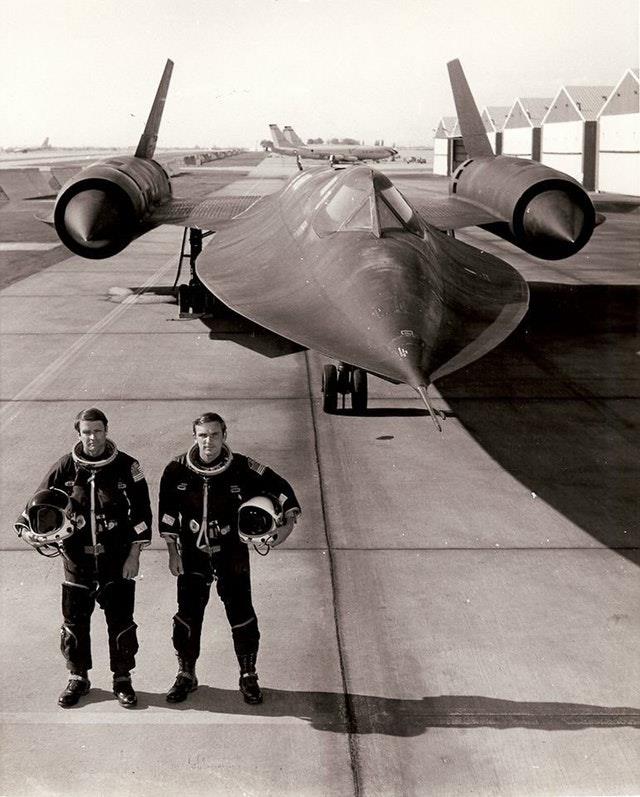
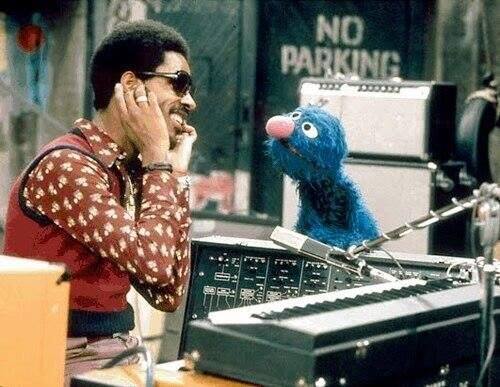
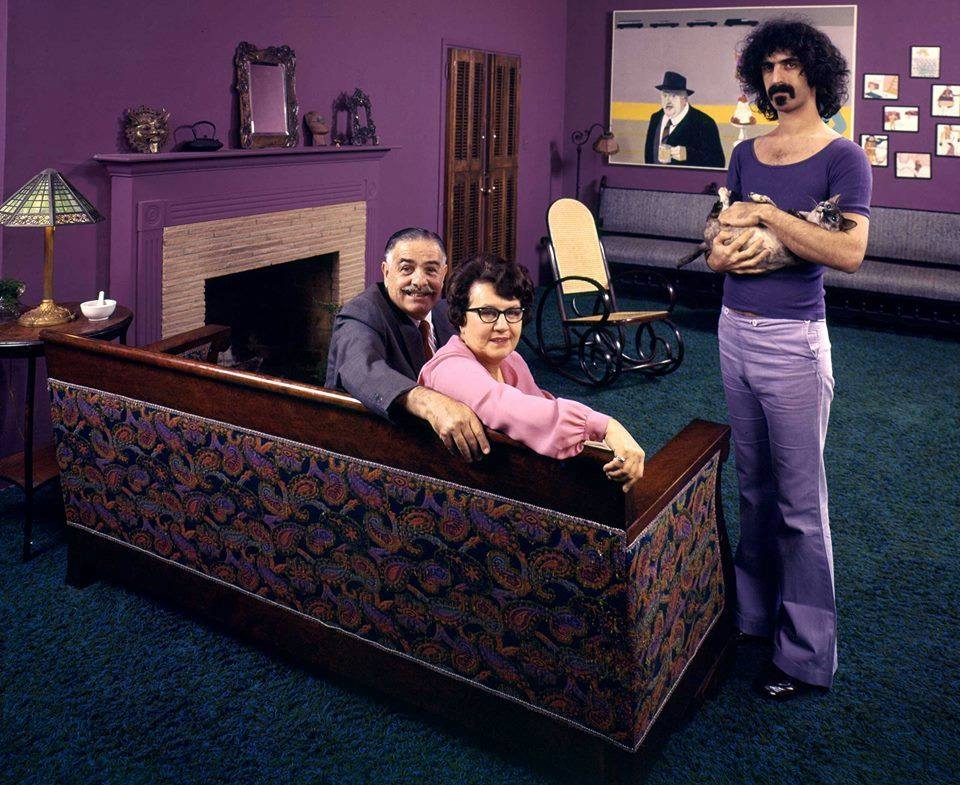
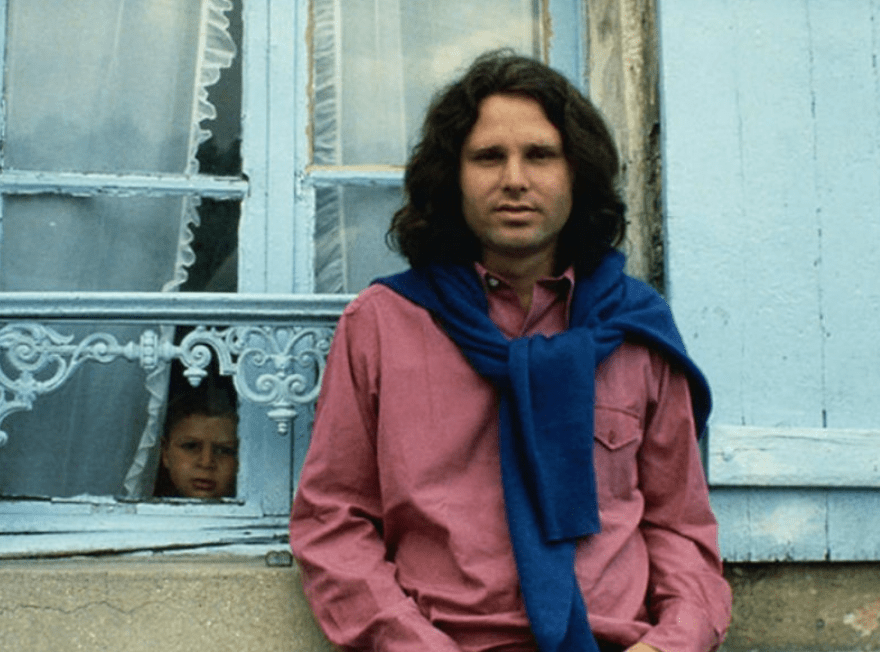
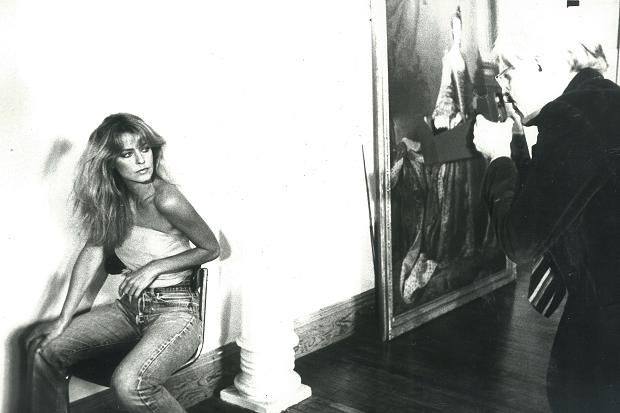
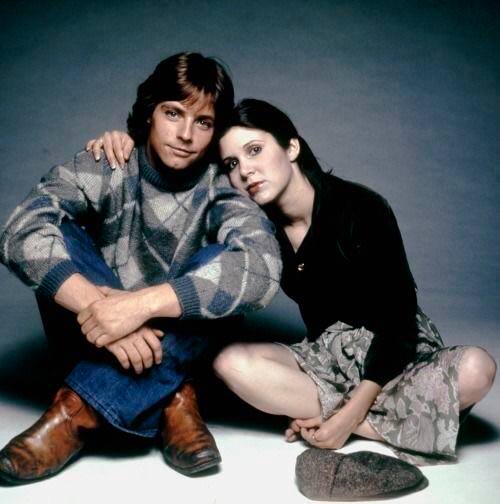
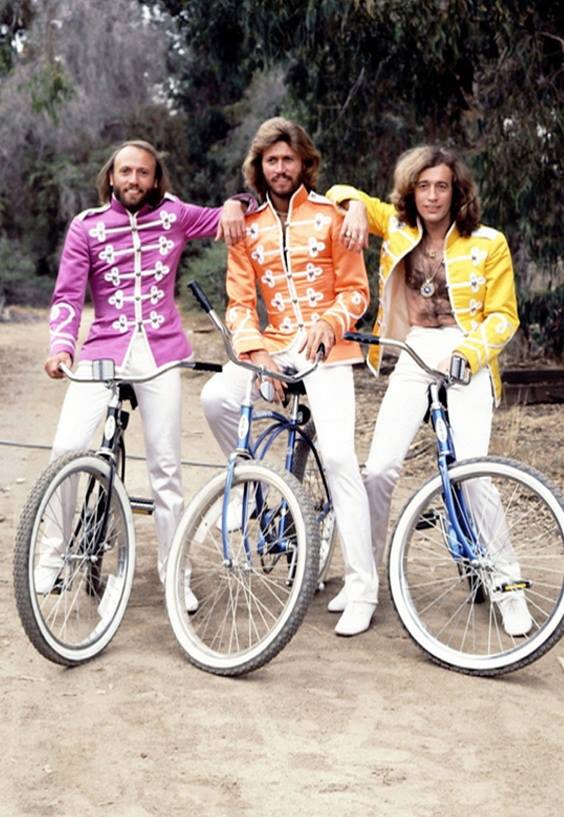
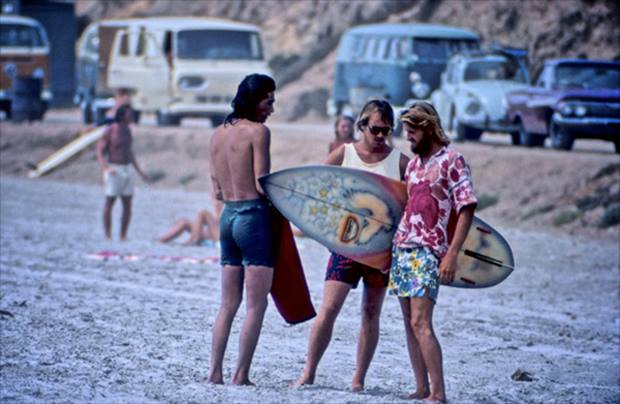
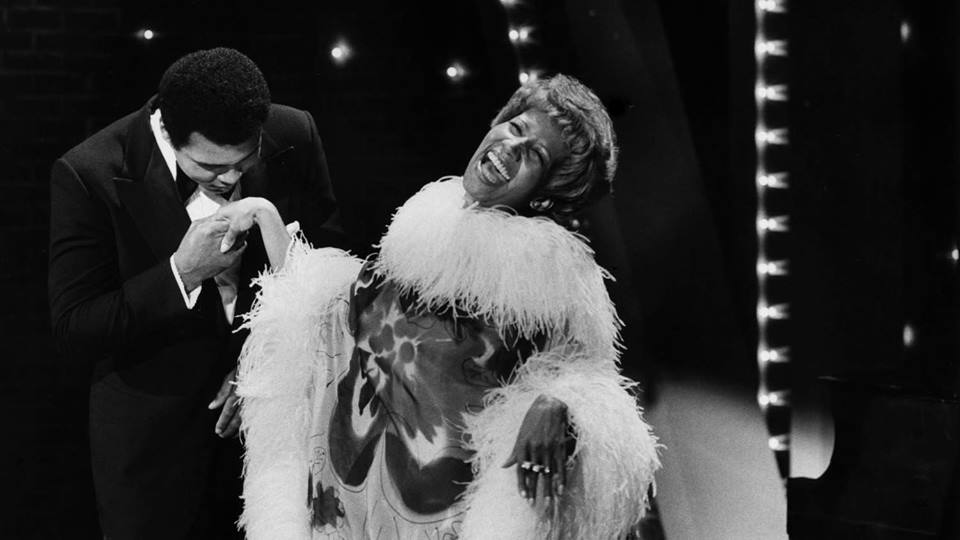
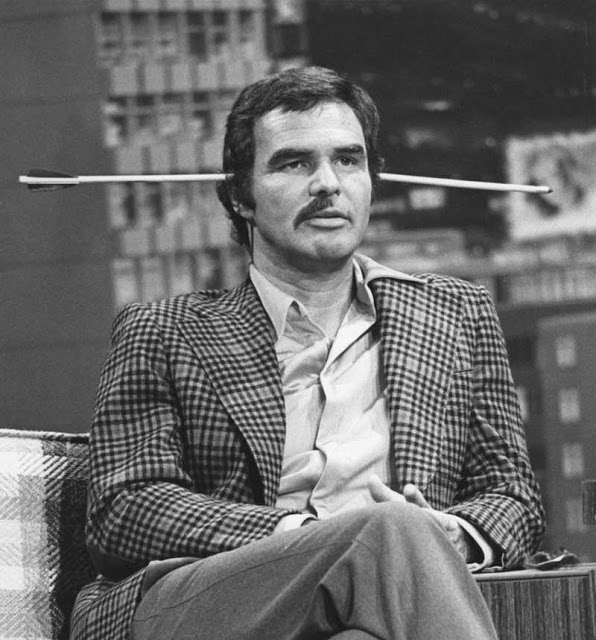
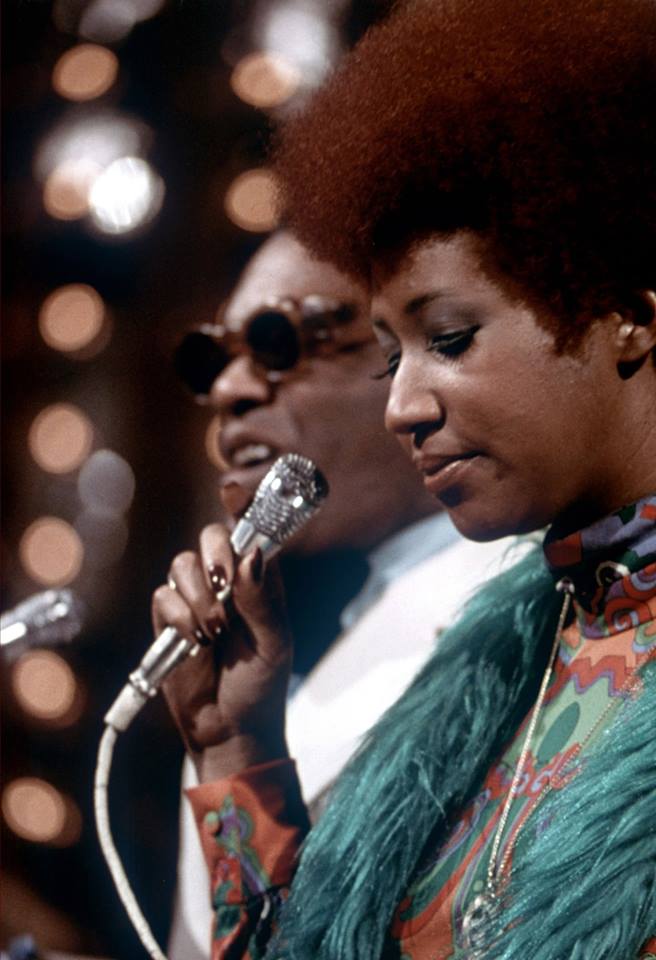
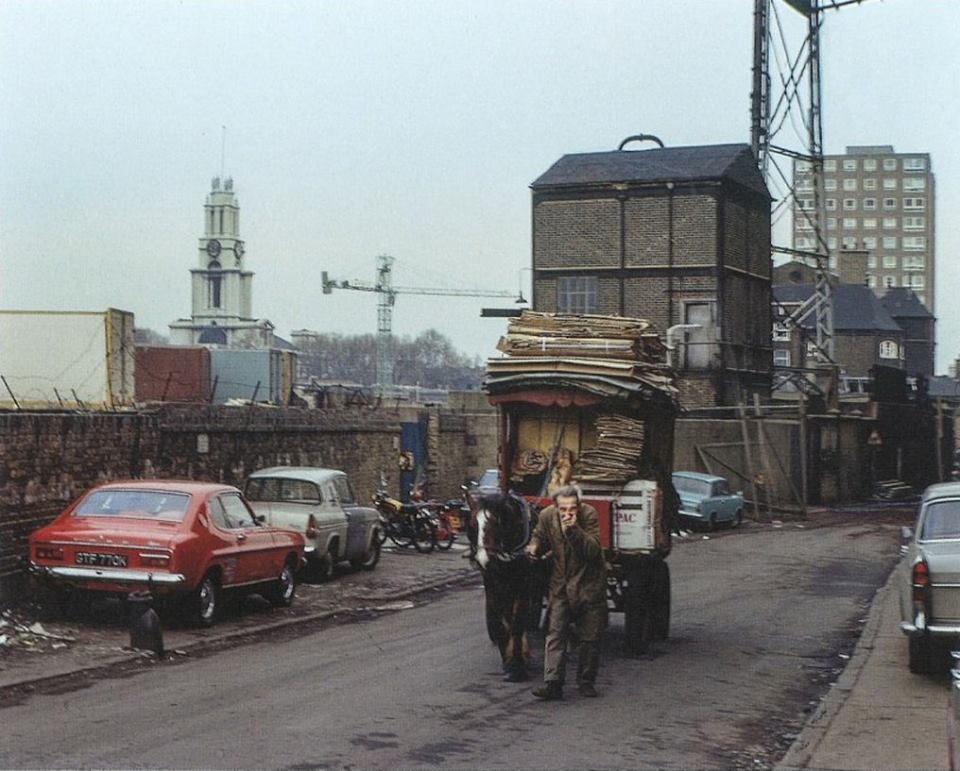
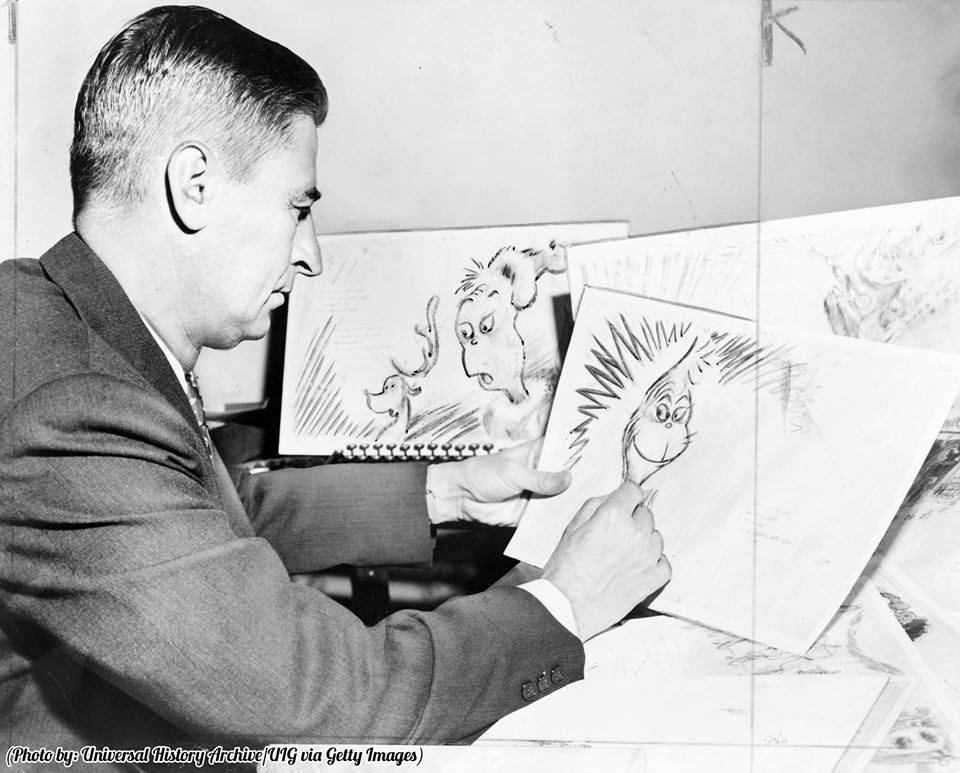
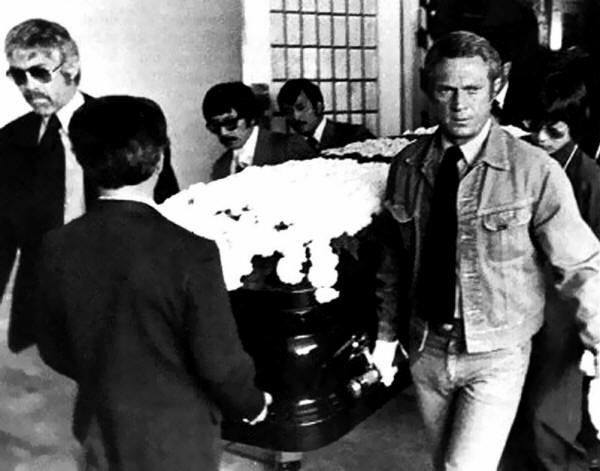
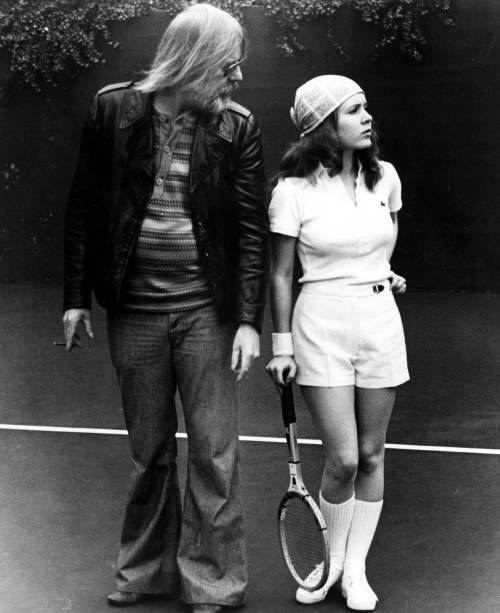
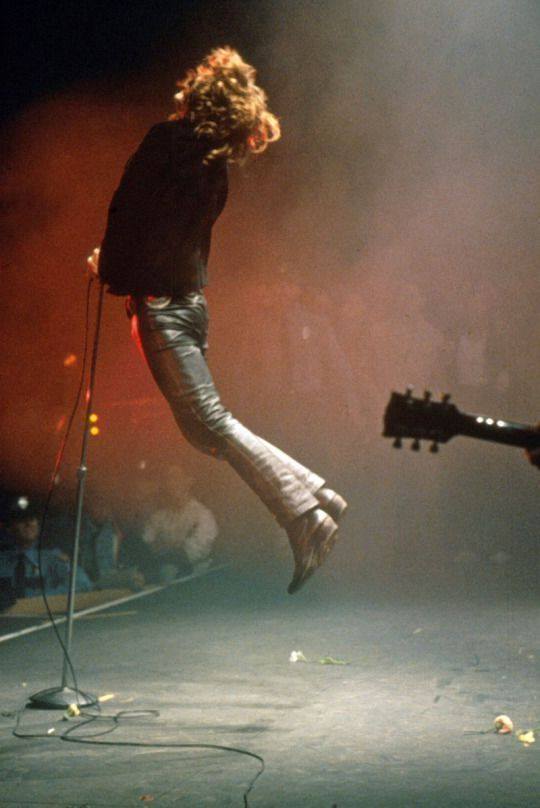
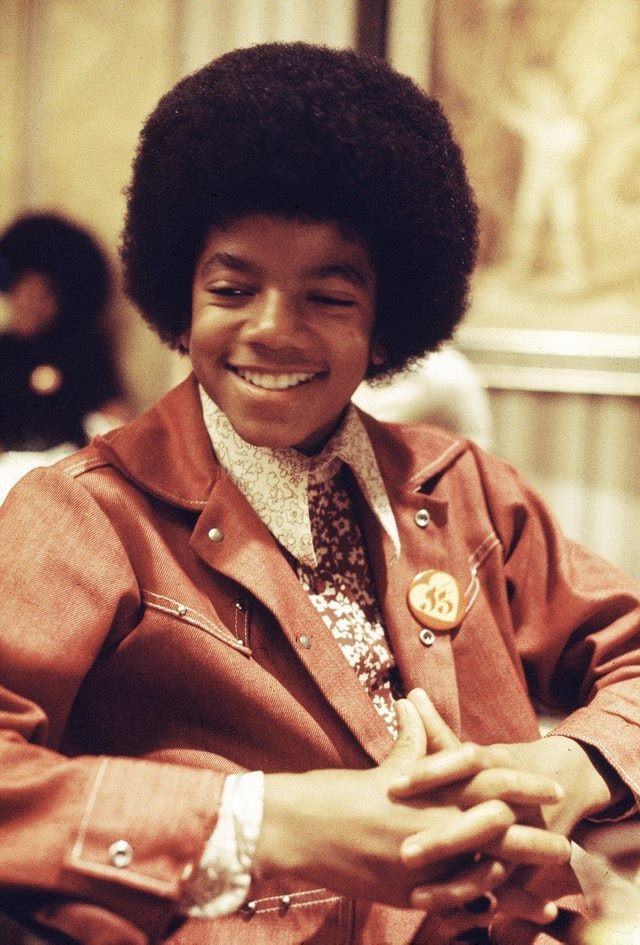
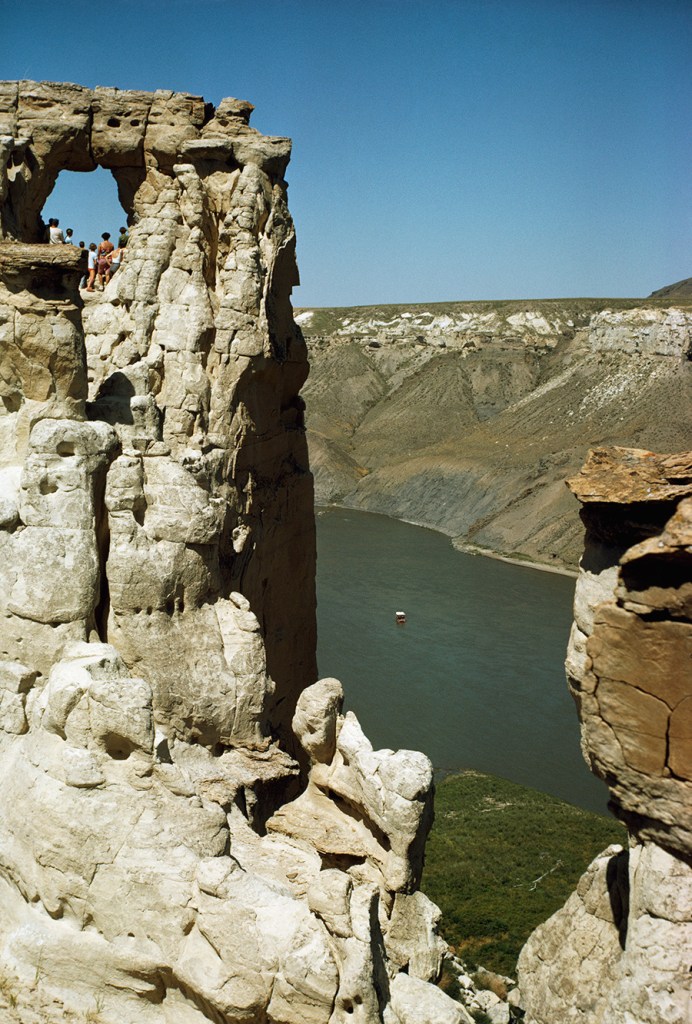
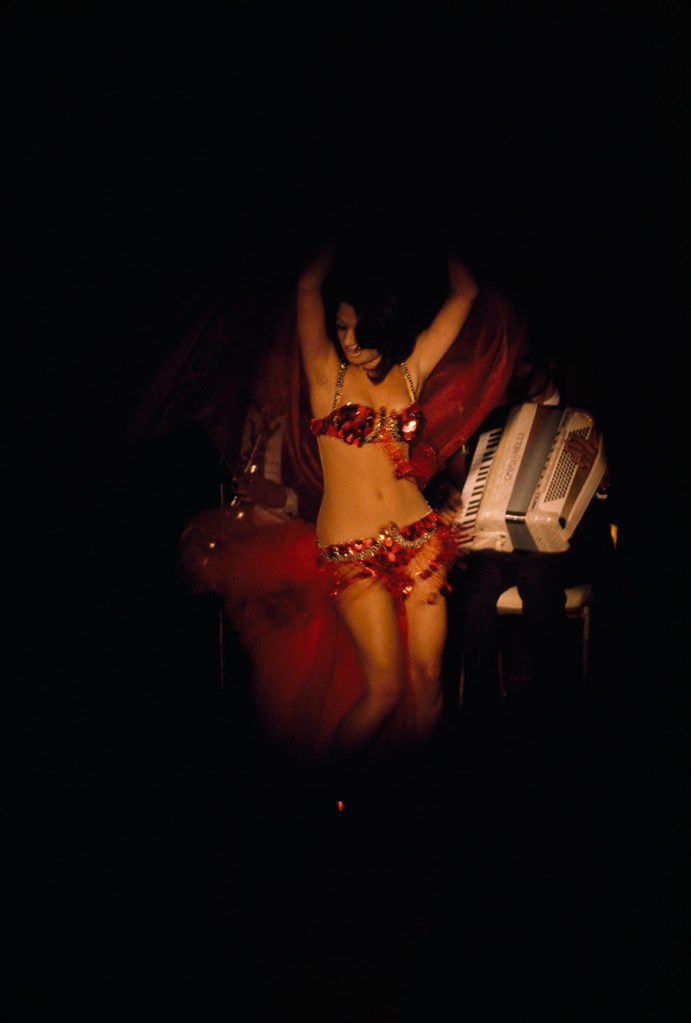
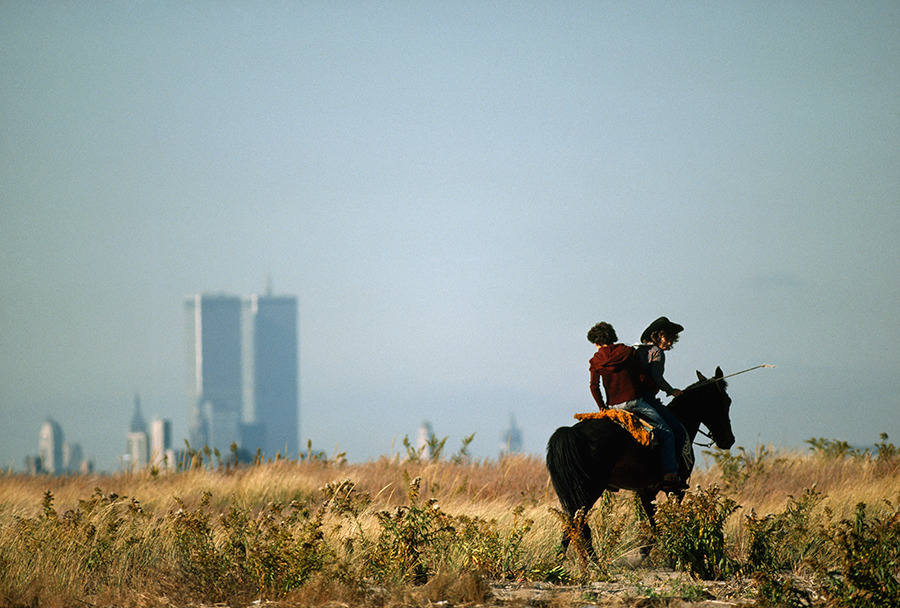
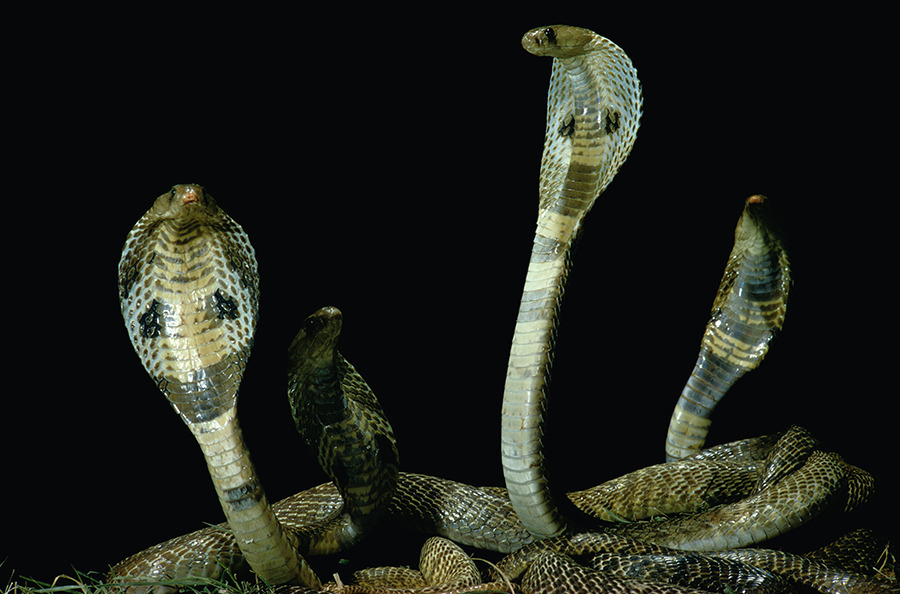
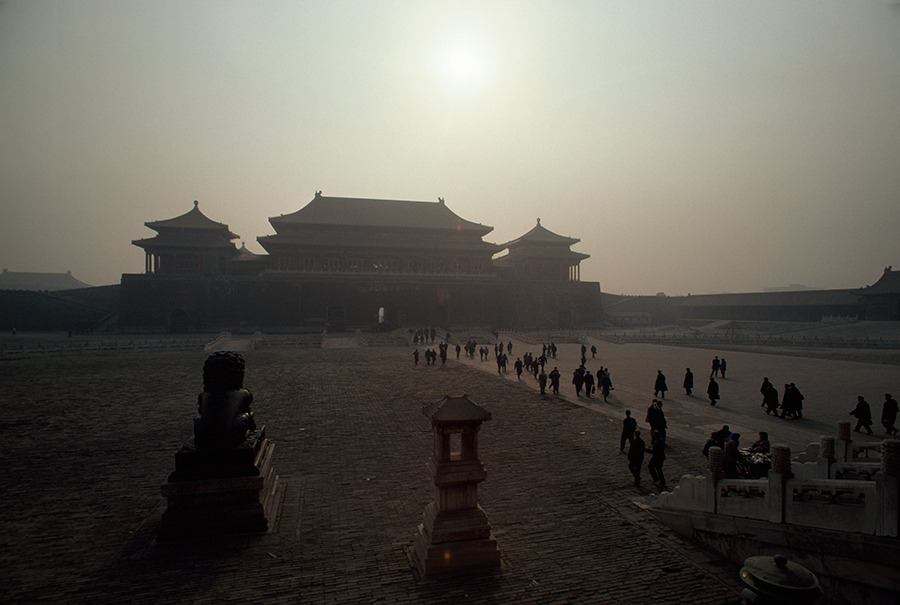
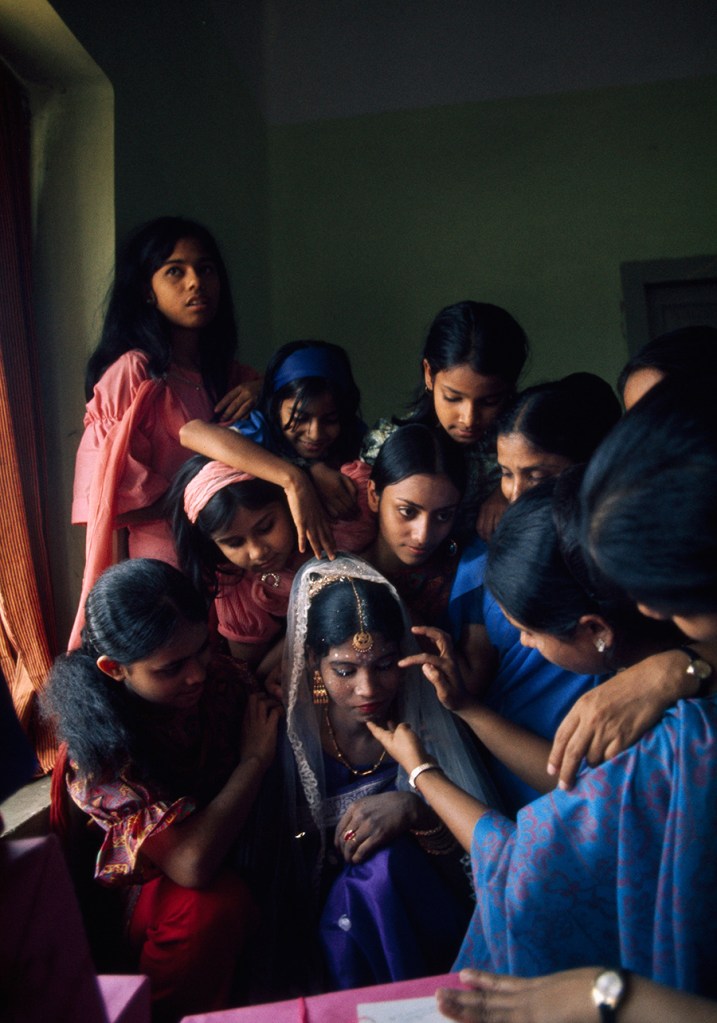
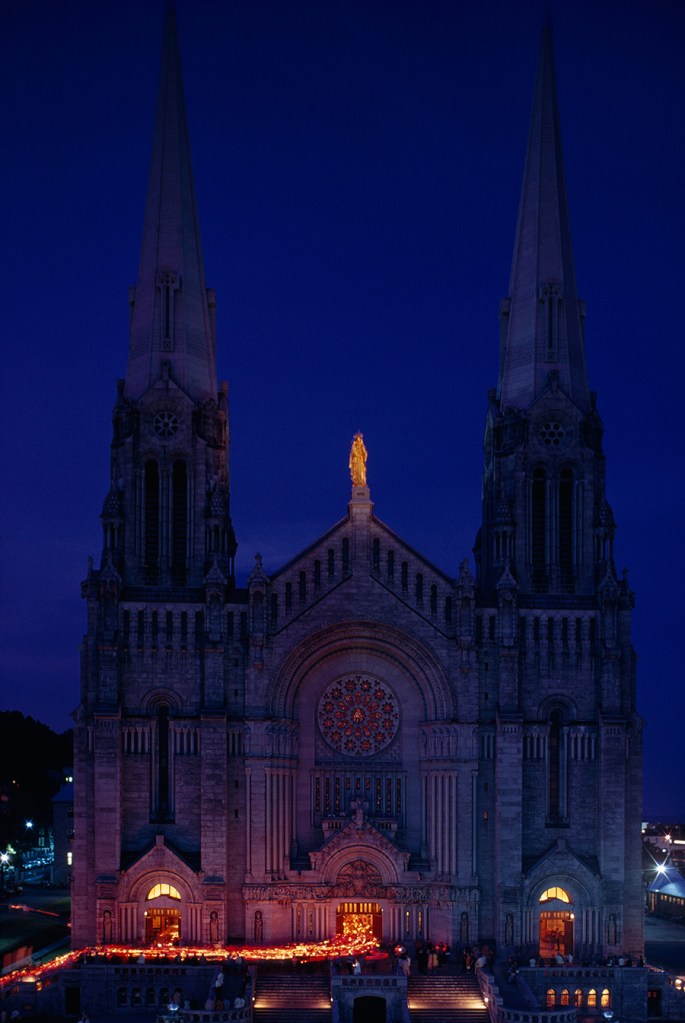
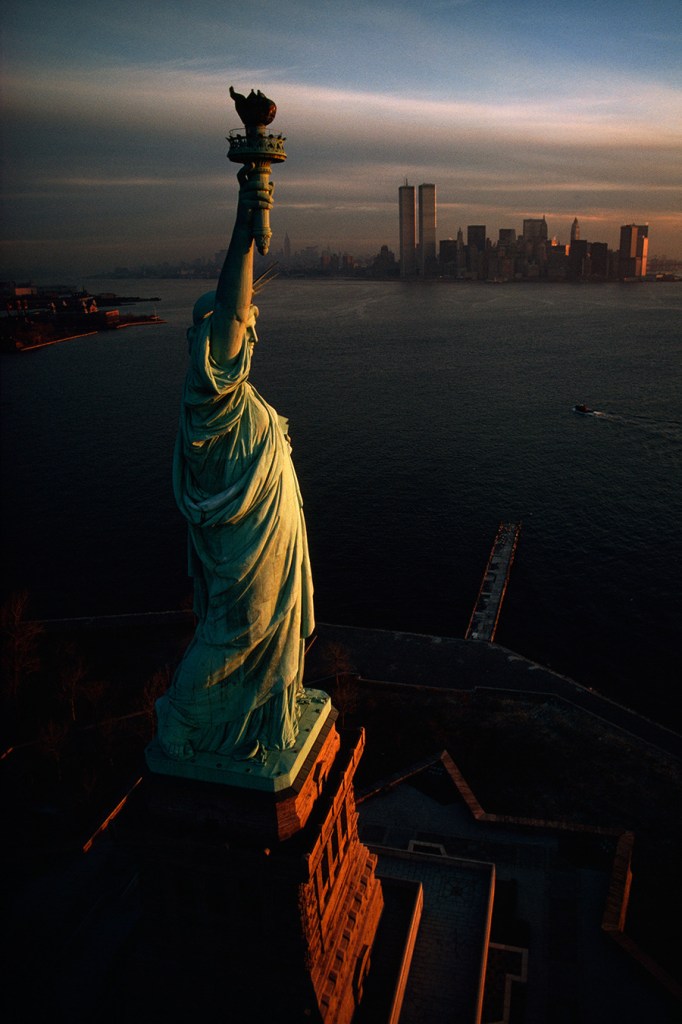
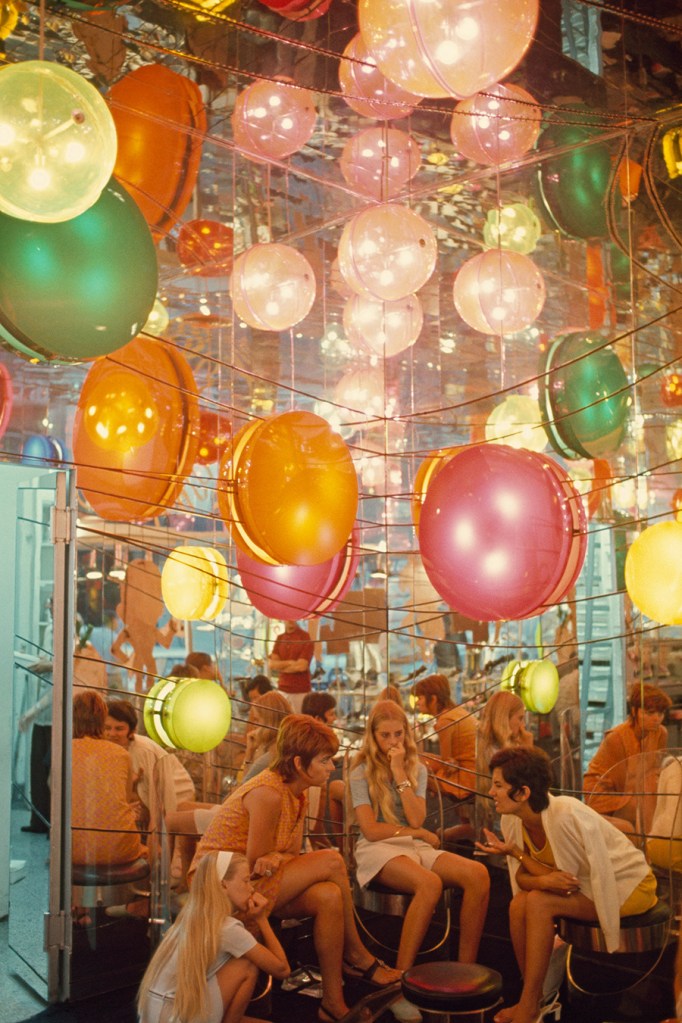
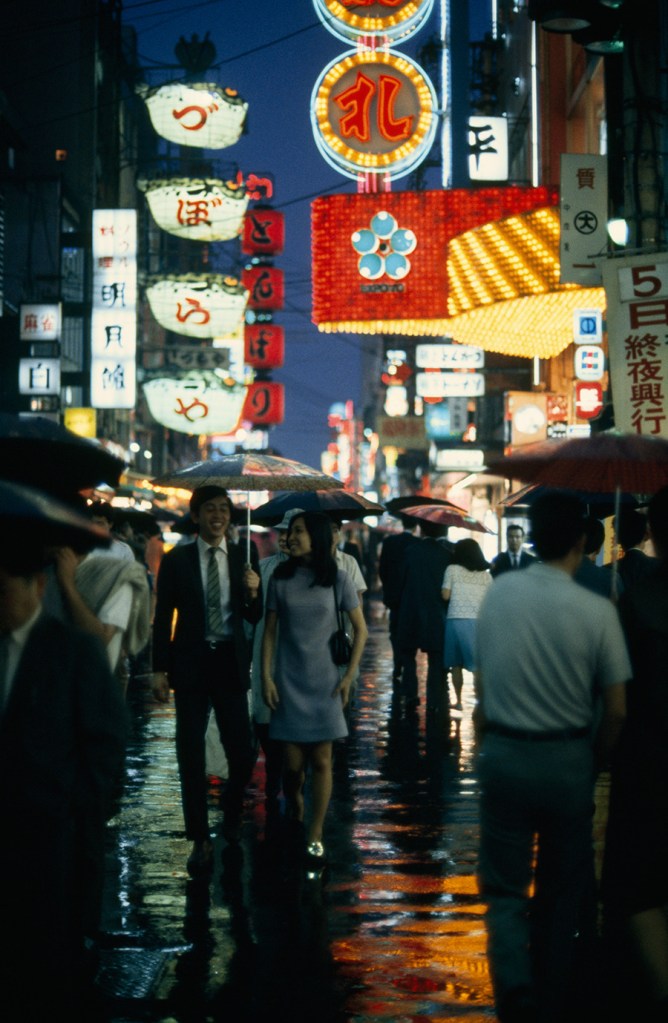
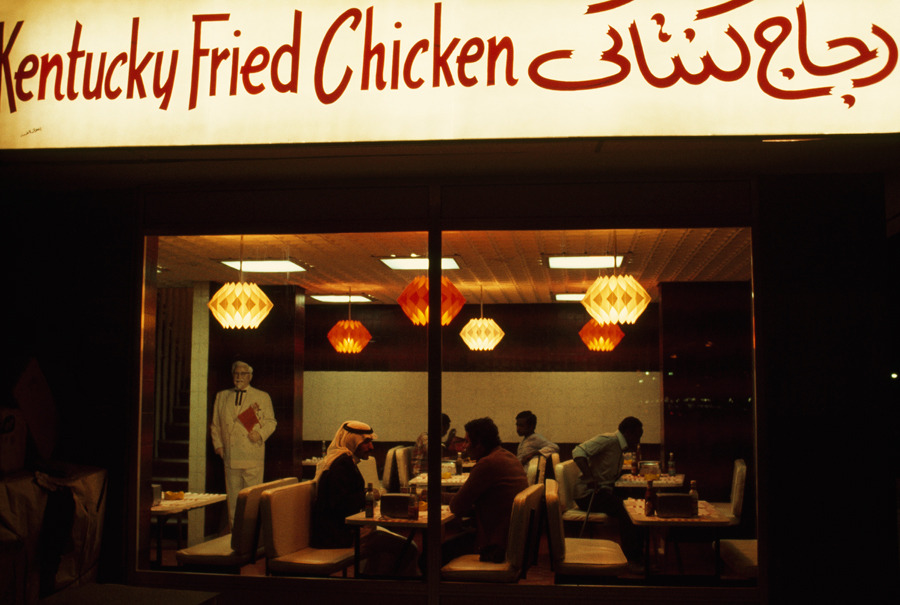
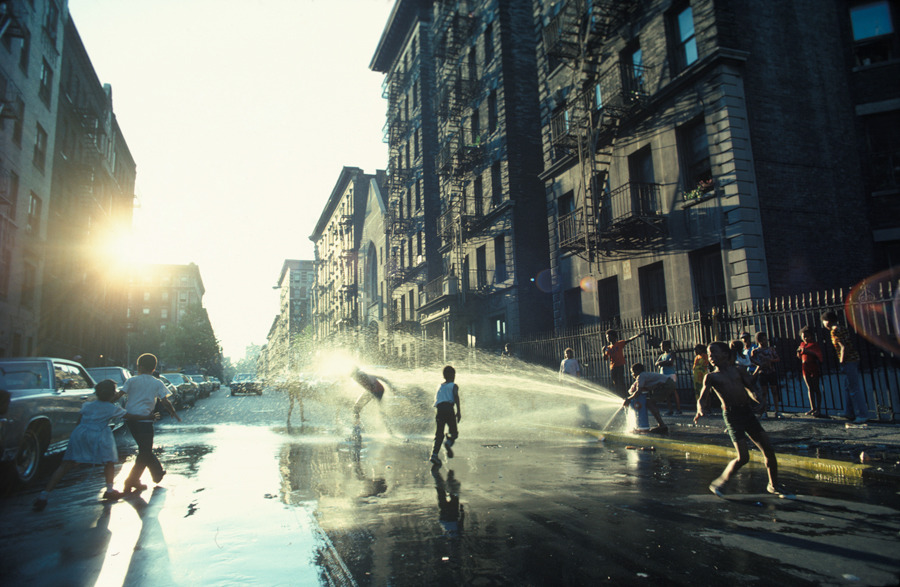
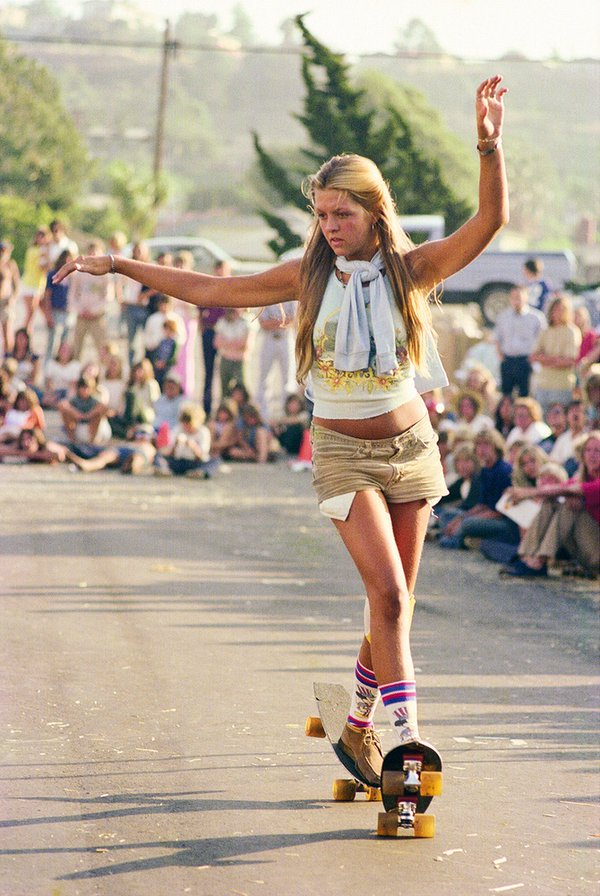
Paul and Linda McCartney, 1974Yoko Ono, Sean Lennon & John Lennon, 1979.Men’s fashion in 1974.Alfred Hitchcock on the set of Frenzy, 1972.Cher on a bed in bell bottoms and a camisole, smoking a cigarette, 1970s.Kansas, July 1973.Men’s tear away pants. Another timeless fashion from the early 70s.Atari computer demonstration, 1979.Elton John makes a fashion statement with his denim and patches in 1972.A look at the Twin Towers in New York City on the since-demolished West Side Highway in the late 1970s.The US Pavilion for Expo 67 engulfed in flames after a fire broke out during structural renovations, Montreal, May 1976.George T. Morgan and Eldon ‘Al’ Joersz stand by the legendary SR-71 Blackbird in 1976, they set the world aviation speed record at 2,193 mph and their record still stands.Stevie Wonder and ‘Grover’ on “Sesame Street” in 1973.Frank Zappa in his Los Angeles home with his dad Francis, his mom Rosemarie, and his cat in 1970.One of the last Known Photos of Jim Morrison in Paris on June 28, 1971Billy Joel in NYC, 1973.Andy Warhol taking photos of Farrah Fawcett in 1979. Ryan O’Neal now owns Warhol’s portrait of Farrah, at an estimated value of $12,000,000.Mark Hamill and Carrie Fisher promoting “Star Wars” in the late 70s.Model and movie starlet Cybill Shepherd in the early 1970s.The Bee Gees: Barry Gibb, Maurice Gibb and Robin Gibb, 1978.David Bowie, 1977Cool guys at beach, 1970s.Muhammad Ali greets Aretha Franklin on television in 1975.Burt Reynolds With Half a Mustache After Steve Martin Dared Him to Shave It Off, 1978Youth at Lynch Park, Brooklyn, New York, 1974Ray Charles and Aretha Franklin performing at the American Music Awards of 1978.Dick Smith turns Dustin Hoffman into 121 year-old ‘Jack Crabb’ in the film, “Little Big Man”, 1970Street life in East London, 1975.Dr. Seuss sketching out the Grinch, 1975.John Wayne with his 3-year-old grandson on the set of The Big Jake. 1971Steve McQueen and James Coburn were pallbearers at Bruce Lee’s funeral in 1973.Director Hal Ashby and Carrie Fisher on the tennis court during filming of the movie, “Shampoo” 1975Jim Morrison, 1970.Michael Jackson is waiting backstage at a show in London, 1972.Stevie Nicks, 1977.People peer through a natural window in the castellated cliffs above the river in White Cliffs, Montana, 1971.An Egyptian belly dancer performs for tourists in a nightclub in Cairo, 1972.Riders cross park land created by landfill that was dumped into Jamaica Bay, New York, 1979.Four entwined cobras, 1970.The huge Gate of Heavenly Peace, the main entrance to the Forbidden City in Beijing, looms in the dusty early morning haze which partially obscures the sun. This view, taken from Tiananmen Square, shows the tiny figures of people walking along the main thoroughfare leading to the gate, 1978.Wealthy Muslims examine the wedding finery of a bride in Dacca, Bangladesh, 1972.Candles mark a procession leaving Sainte-Anne-de-Beaupre in Quebec, 1971.The Statue of Liberty hails dawn over New York Harbor in 1978.Women sit in a modern chic boutique in Casablanca, 1971Pedestrians walk on bustling Dotombori Street in Osaka, Japan, March 1970.An American restaurant chain is patroned by local Abu Dhabian men, October 1975.A fire hydrant refreshes youngsters on a hot day in Harlem, New York, 1977.Getting wet, Soho, 1978.Elton John at home in 1975.1970s freestyle skateboarder Ellen O’Neal in action.
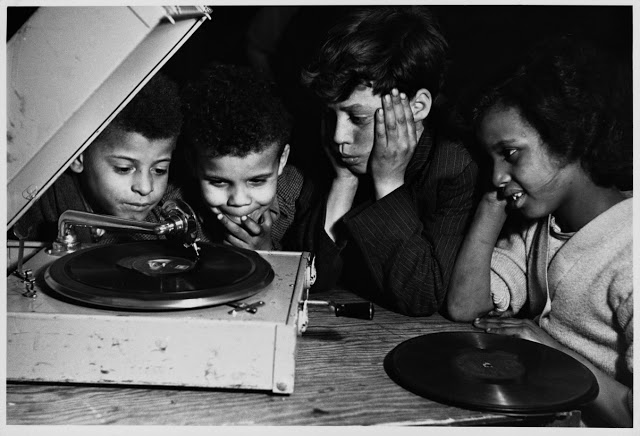
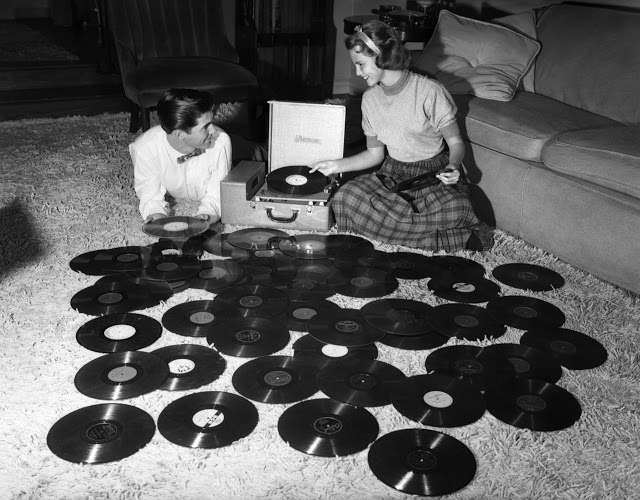
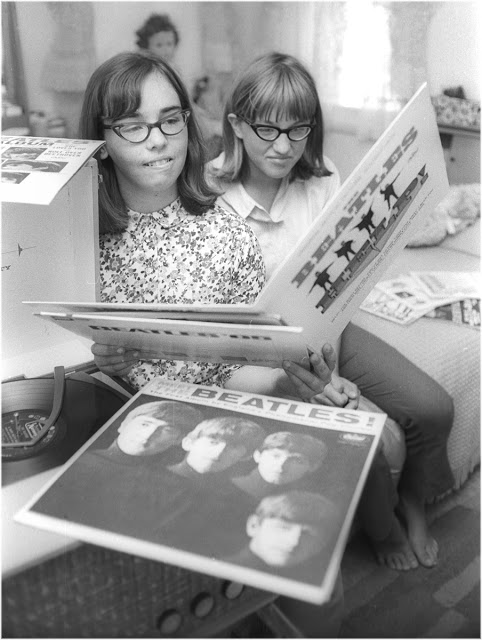
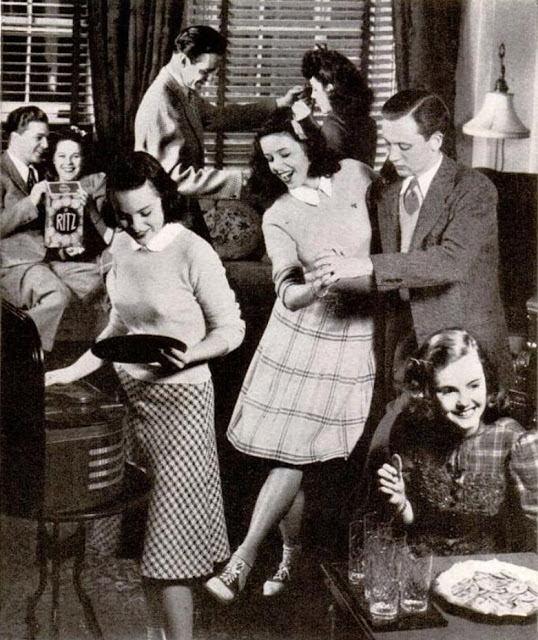
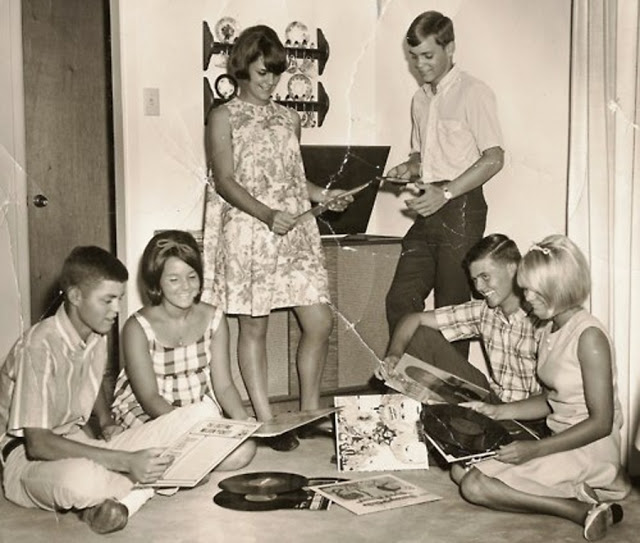
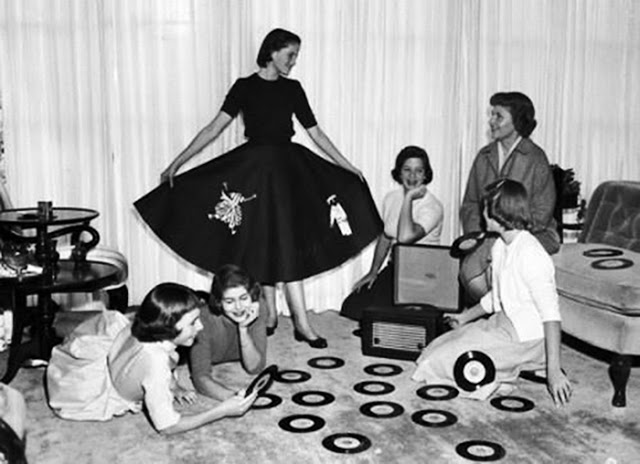
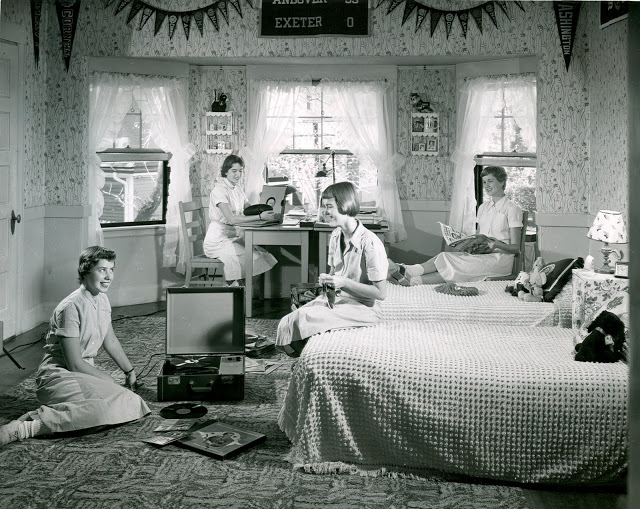
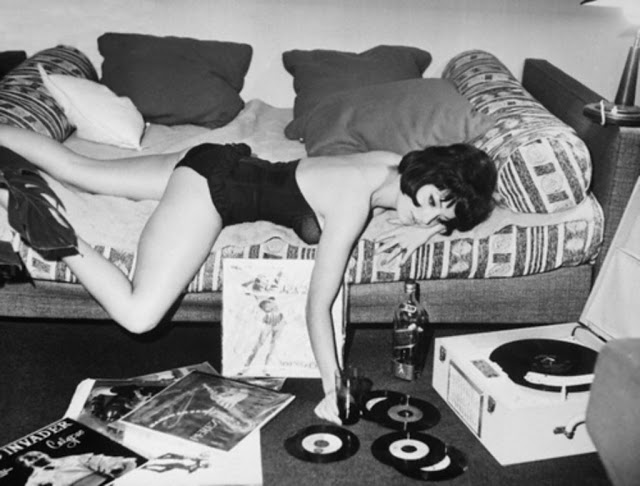
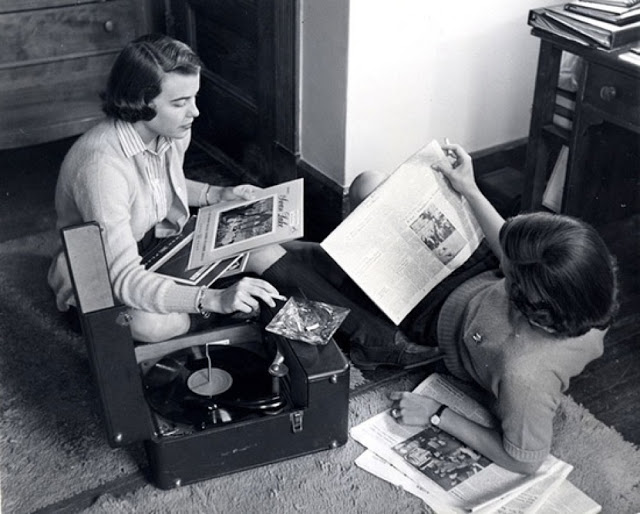
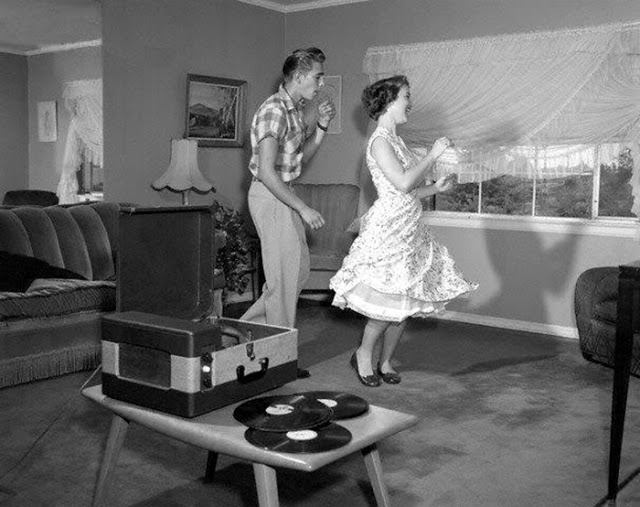
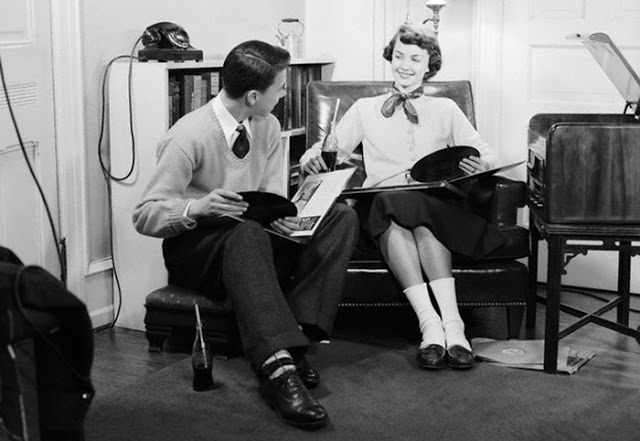
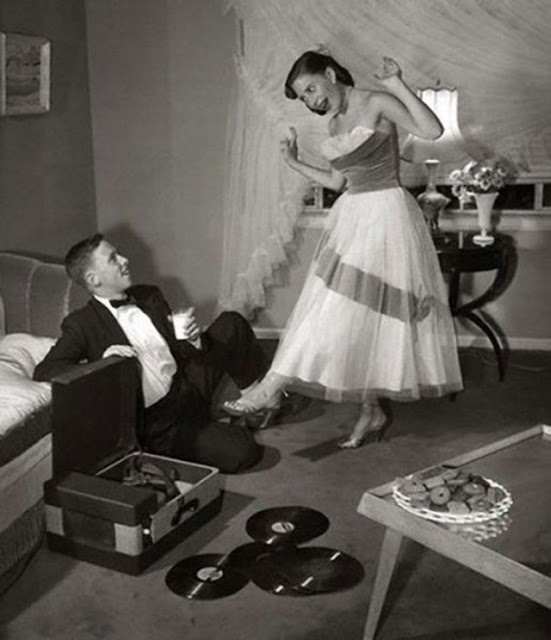
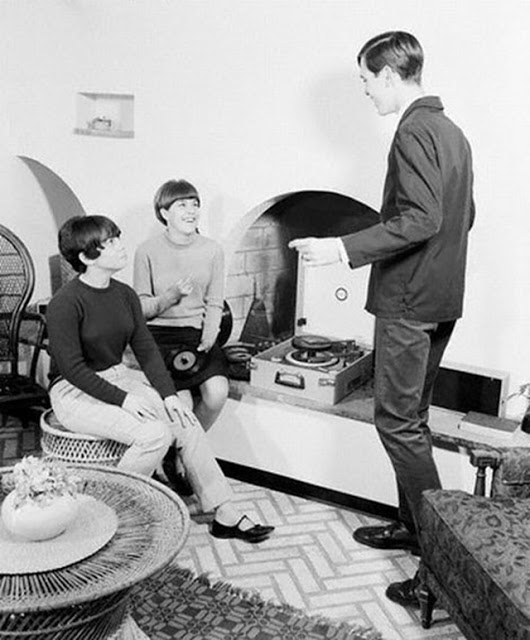
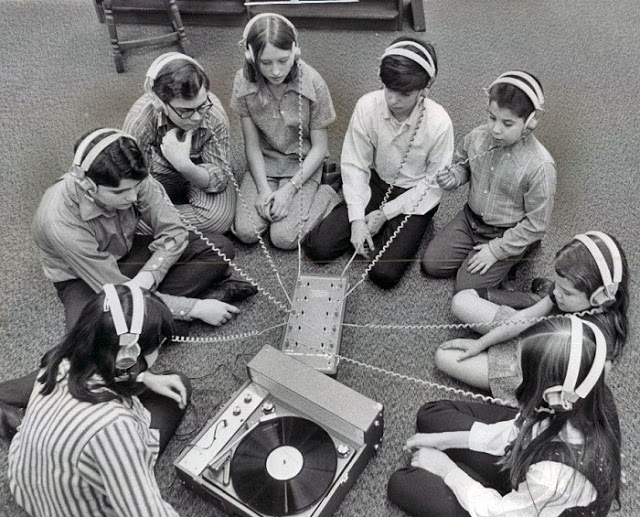
Before the 1950s, teenagers listened to the music of their parents, but when rock and roll came on the scene teens swarmed to it. Even though teens were able to purchase rock and roll records because they were receiving extra spending money, their parents were opposed to rock and roll music, they despised it, and thought of it as corrupting their children. A collection of 14 vintage photos below show teenage record parties from between the 1950s and 1960s.
1950s teenage couple playing many music records spread out on living room floor.Beatles records, box marked Dec 1964
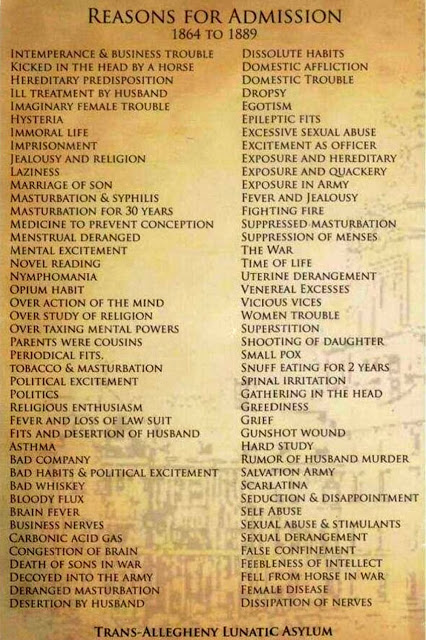
Reasons for admission into the Trans-Allegheny Lunatic Asylum in West Virginia from 1864 to 1889 included laziness, egotism, disappointed love, female disease, mental excitement, cold, snuff, greediness, imaginary female trouble, “gathering in the head,” exposure and quackery, jealousy, religion, asthma, masturbation, and bad habits. Spouses used lunacy laws to rid themselves of their partners and in abducting their children.
The diseases attributed to those admitted to the hospital from its opening in 1864 through 1880 were varied, with the most common being 304 patients with chronic dementia, 254 with acute mania, 225 with melancholia, and 165 with chronic mania. Listings were given of the supposed causes of the diseases, and they were labeled supposed causes, with the physicians of the time feeling “a little unease with them,” they still published them. Most common at Weston were the 359 who were “not assigned” a cause, and “heredity,” and “epilepsy” ranked next. Forty to fifty patients were attributed each of the following causes: “intemperance,” “ill health,” “menstrual,” “traumatic injury,” and “masturbation.” One honest man was listed with “masturbation for 30 years.”
REASONS FOR ADMISSION
WEST VIRGINIA HOSPITAL FOR THE INSANE (WESTON)
OCTOBER 22, 1864 to DECEMBER 12, 1889
Amenorrhea Asthma Bad company Bad habits & political excitement Bad whiskey Bite of a rattle snake Bloody flux Brain fever Business nerves Carbonic acid gas Carbuncle Cerebral softening Cold Congestion of brain Constitutional Crime Death of sons in the war Decoyed into the army Deranged masturbation Desertion by husband Diphtheria Disappointed affection Disappointed love Disappointment Dissipation of nerves Dissolute habits Dog bite Domestic affliction Domestic trouble Doubt about mother’s ancestors Dropsy Effusion on the brain Egotism Epileptic fits Excessive sexual abuse Excitement as officer Explosion of shell nearby Exposure & hereditary Exposure & quackery Exposure in army Fall from horse False confinement Feebleness of intellect Fell from horse Female disease Fever Fever & loss of law suit Fever & nerved Fighting fire Fits & desertion of husband Gastritis Gathering in the head Greediness Grief Gunshot wound Hard study Hereditary predisposition Ill treatment by husband Imaginary female trouble Immoral life Imprisonment Indigestion Intemperance Interference Jealousy Jealousy & religion Kick of horse Kicked in the head by a horse Laziness Liver and social disease Loss of arm Marriage of son Masturbation & syphilis Masturbation for 30 years Medicine to prevent conception Menstrual deranged Mental excitement Milk fever Moral sanity Novel reading Nymphomania Opium habit Over action on the mind Over heat Over study of religion Over taxing mental powers. Parents were cousins Pecuniary losses: worms Periodical fits Political excitement Politics Puerperal Religious enthusiasm Religious excitement Remorse Rumor of husband’s murder or desertion Salvation army Scarlatina Seduction Seduction & disappointment Self abuse Severe labor Sexual abuse and stimulants Sexual derangement Shooting of daughter Smallpox Snuff Snuff eating for two years Softening of the brain Spinal irritation Sun stroke Sunstroke Superstition Suppressed masturbation Suppression of menses Tabacco & masturbation: hysteria The war Time of life Trouble Uterine derangement Venereal excesses Vicious vices in early life Women Women trouble Young lady & fear
According to Snopes, although this list is frequently posted as a joke, it is somewhat rooted in truth. The list was compiled from the log book of the West Virginia Hospital for the Insane, documenting admissions to that institution between 1864 and 1889 and has been published or referenced in several books and research papers. It has also been archived by the West Virginia Division of Culture and History.
The Trans-Allegheny Lunatic Asylum (TALA) in the mountains of Weston, West Virginia, holds many dark and disturbing stories. Later known as the Weston State Hospital, TALA was a Kirkbride psychiatric hospital, constructed from 1858-1881 and in operation from 1864 until 1994. The main building is one of the largest hand-cut stone masonry buildings in the United States.
Although this list was sourced from a contemporaneous hospital log, its entries should not be considered as denoting things that were all considered symptoms of mental instability. Rather, among patients who were treated at West Virginia Hospital for the Insane for various illnesses such as chronic dementia, acute mania, and melancholia, these entries recorded the reasons or causes why those patients were said to have developed their underlying maladies. That is, people didn’t think that novel reading, asthma, the marriage of one’s child, politics, or falling from a horse were symptoms of mental illness, but rather factors that might have produced or exacerbated such an illness.
The American frontier, also known as the Old West or the Wild West, includes the geography, history, folklore, and culture in the forward wave of American expansion in mainland North America that began with European colonial settlements in the early 17th century and ended with the admission of the last few western territories as states in 1912 (except Alaska, which was not admitted into the Union until 1959). This era of massive migration and settlement was particularly encouraged by President Thomas Jefferson following the Louisiana Purchase, giving rise to the expansionist attitude known as “Manifest Destiny” and the historians’ “Frontier Thesis”. The legends, historical events and folklore of the American frontier have embedded themselves into United States culture so much so that the Old West, and the Western genre of media specifically, has become one of the defining periods of American national identity.
The archetypical Old West period is generally accepted by historians to have occurred between the end of the American Civil War in 1865 until the closing of the Frontier by the Census Bureau in 1890.
By 1890, settlement in the American West had reached sufficient population density that the frontier line had disappeared; in 1890 the Census Bureau released a bulletin declaring the closing of the frontier, stating: “Up to and including 1880 the country had a frontier of settlement, but at present the unsettled area has been so broken into by isolated bodies of settlement that there can hardly be said to be a frontier line. In the discussion of its extent, its westward movement, etc., it can not, therefore, any longer have a place in the census reports.”
A frontier is a zone of contact at the edge of a line of settlement. Leading theorist Frederick Jackson Turner went deeper, arguing that the frontier was the scene of a defining process of American civilization: “The frontier,” he asserted, “promoted the formation of a composite nationality for the American people.” He theorized it was a process of development: “This perennial rebirth, this fluidity of American life, this expansion westward…furnish[es] the forces dominating American character.” Turner’s ideas since 1893 have inspired generations of historians (and critics) to explore multiple individual American frontiers, but the popular folk frontier concentrates on the conquest and settlement of Native American lands west of the Mississippi River, in what is now the Midwest, Texas, the Great Plains, the Rocky Mountains, the Southwest, and the West Coast.
Enormous popular attention was focused on the Western United States (especially the Southwest) in the second half of the 19th century and the early 20th century, from the 1850s to the 1910s. Such media typically exaggerated the romance, anarchy, and chaotic violence of the period for greater dramatic effect. This inspired the Western genre of film, along with television shows, novels, comic books, video games, children’s toys and costumes.
As defined by Hine and Faragher, “frontier history tells the story of the creation and defense of communities, the use of the land, the development of markets, and the formation of states.” They explain, “It is a tale of conquest, but also one of survival, persistence, and the merging of peoples and cultures that gave birth and continuing life to America.” Turner himself repeatedly emphasized how the availability of free land to start new farms attracted pioneering Americans: “The existence of an area of free land, its continuous recession, and the advance of American settlement westward, explain American development.” Through treaties with foreign nations and native tribes, political compromise, military conquest, the establishment of law and order, the building of farms, ranches, and towns, the marking of trails and digging of mines, and the pulling in of great migrations of foreigners, the United States expanded from coast to coast, fulfilling the ideology of Manifest destiny. In his “Frontier Thesis” (1893), Turner theorized that the frontier was a process that transformed Europeans into a new people, the Americans, whose values focused on equality, democracy, and optimism, as well as individualism, self-reliance, and even violence.
As the American frontier passed into history, the myths of the West in fiction and film took a firm hold in the imaginations of Americans and foreigners alike. In David Murdoch’s view, America is exceptional in choosing its iconic self-image: “No other nation has taken a time and place from its past and produced a construct of the imagination equal to America’s creation of the West.” (Wikipedia)
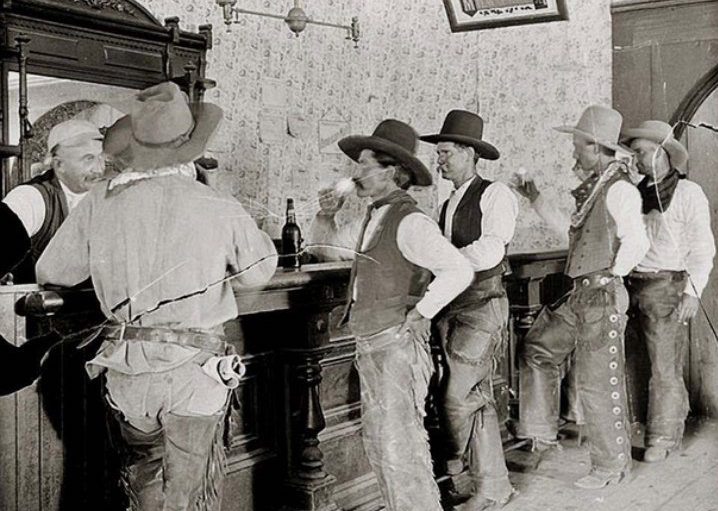
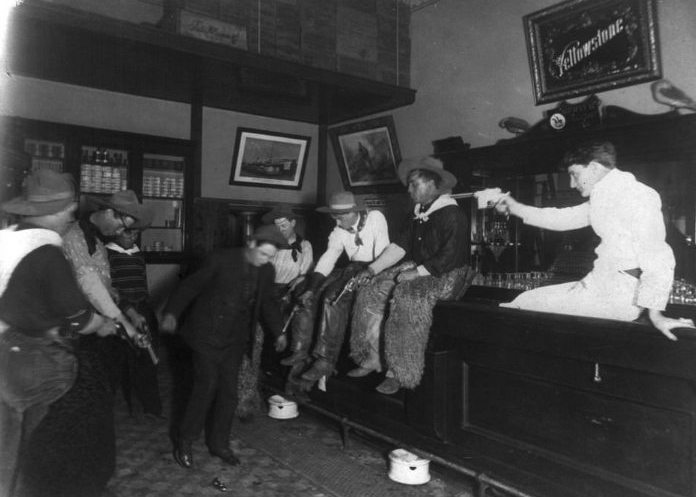
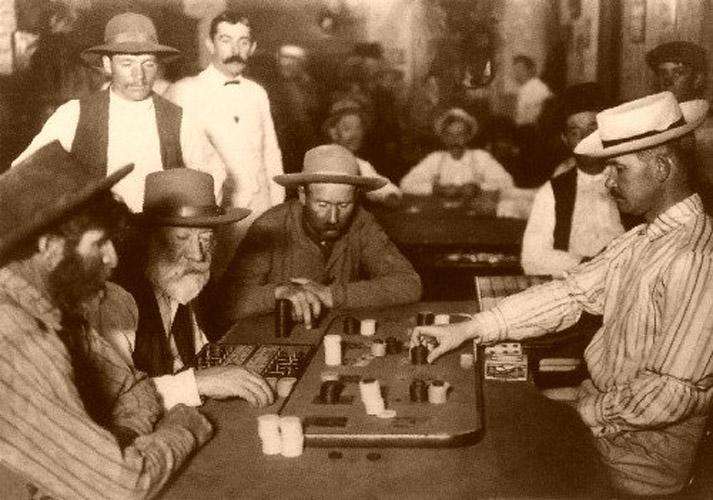
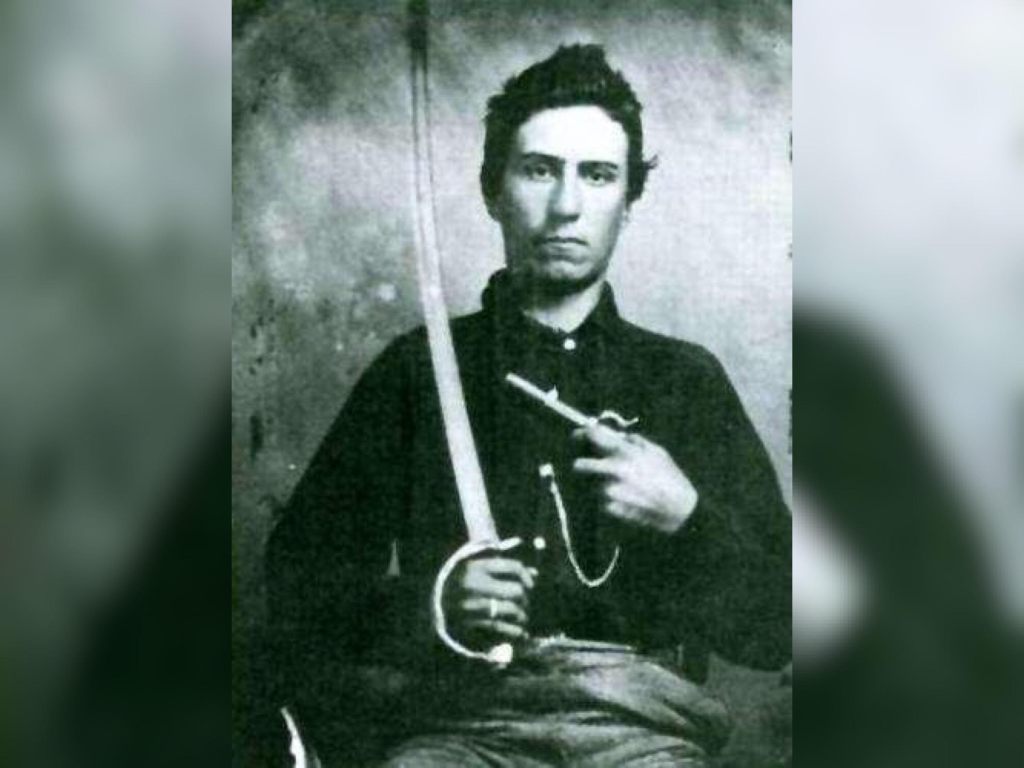
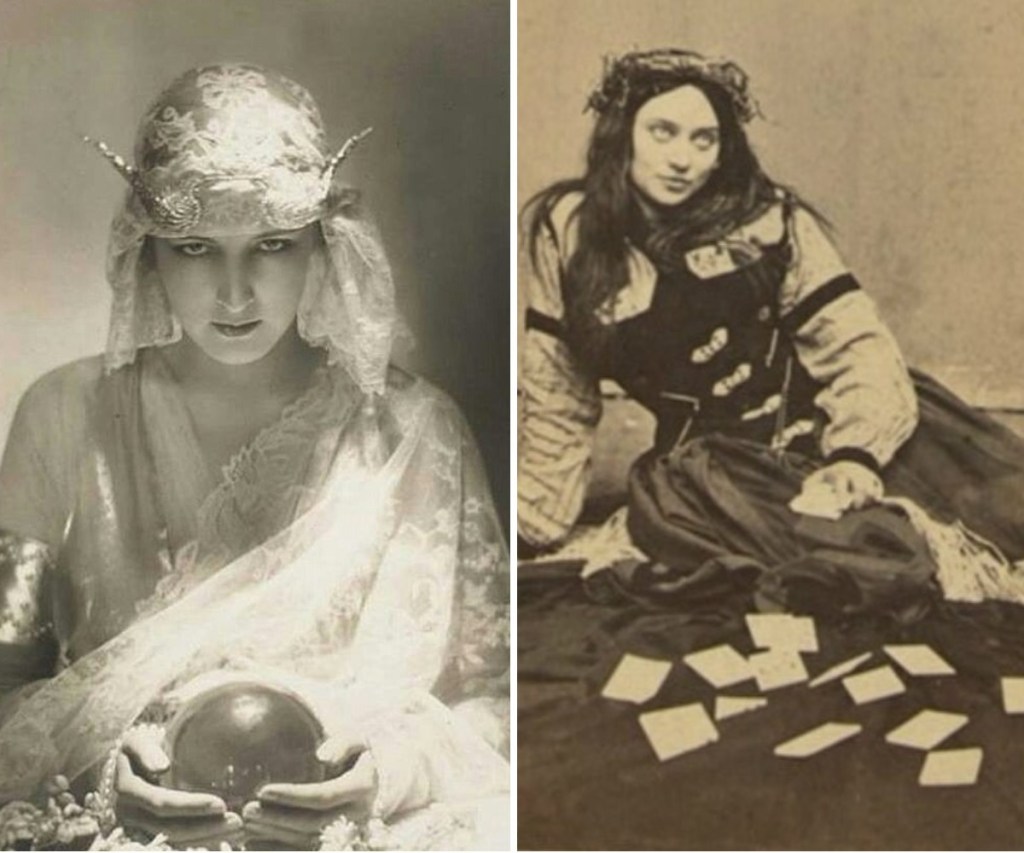
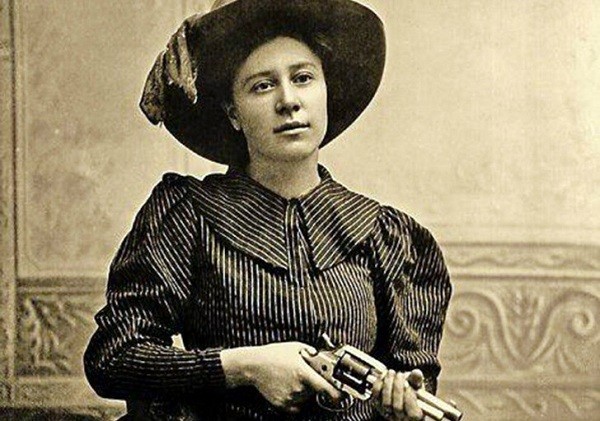
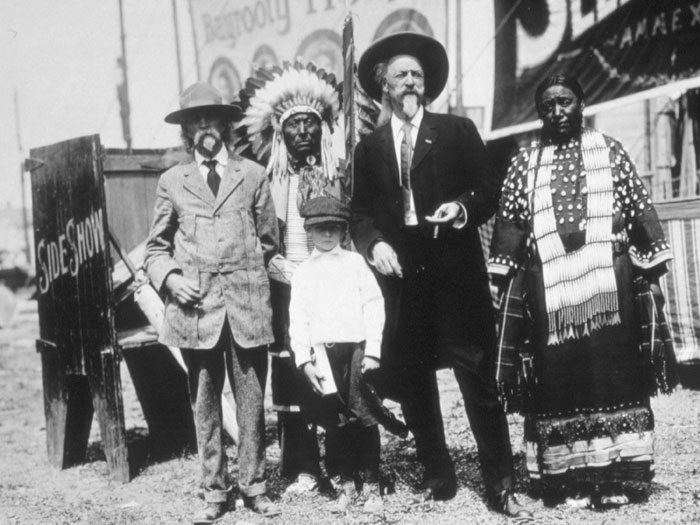
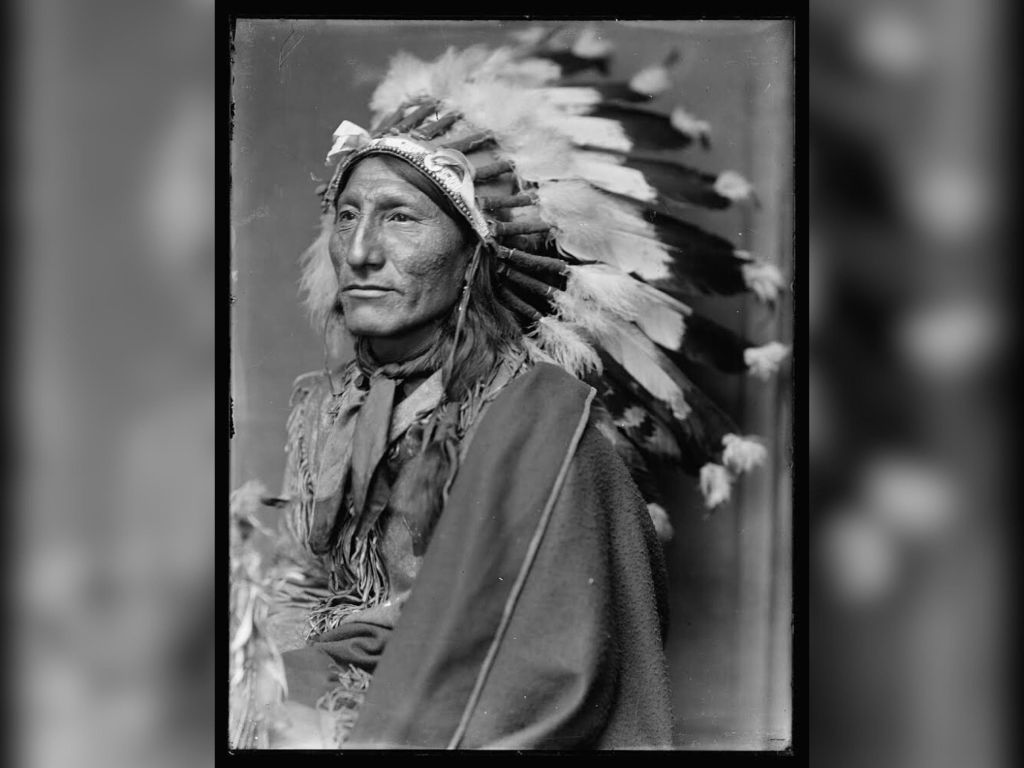
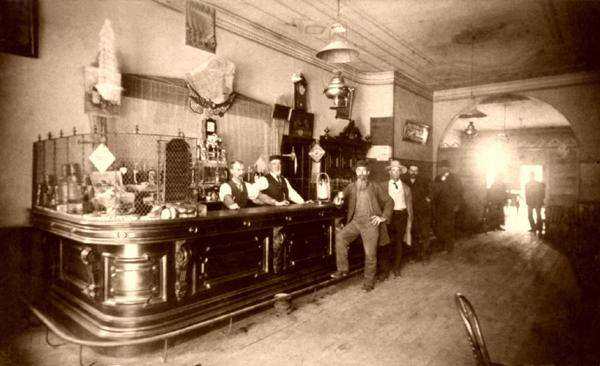
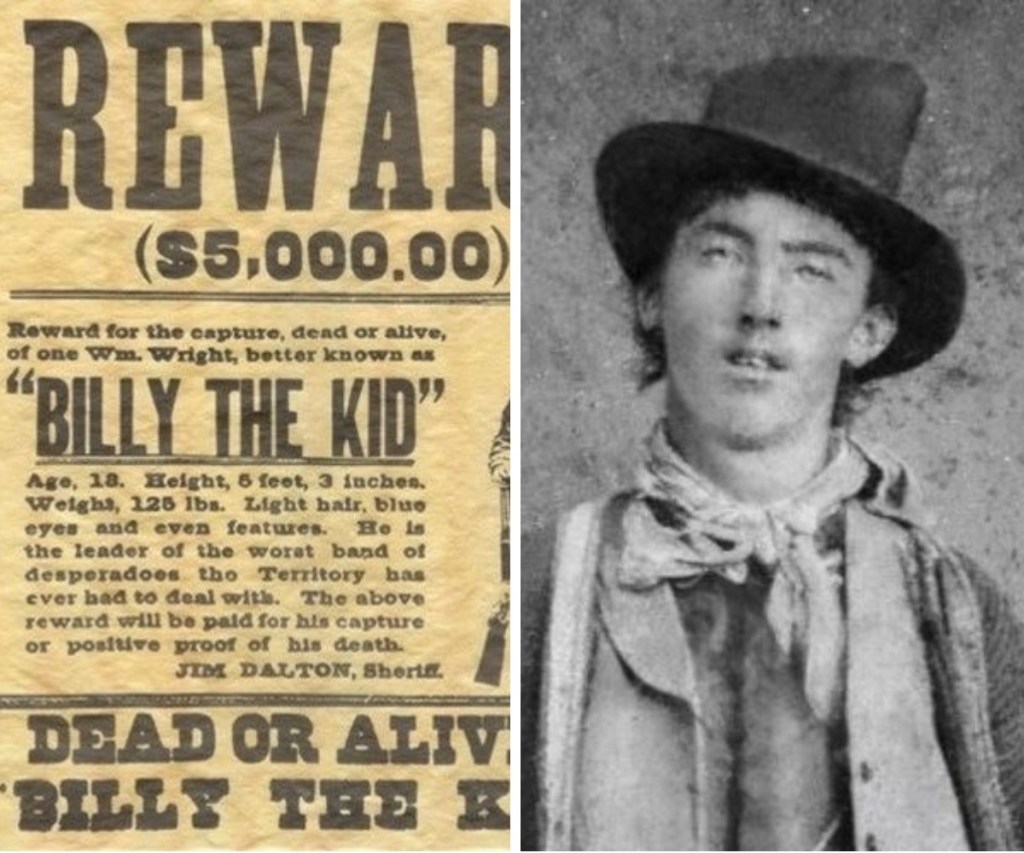
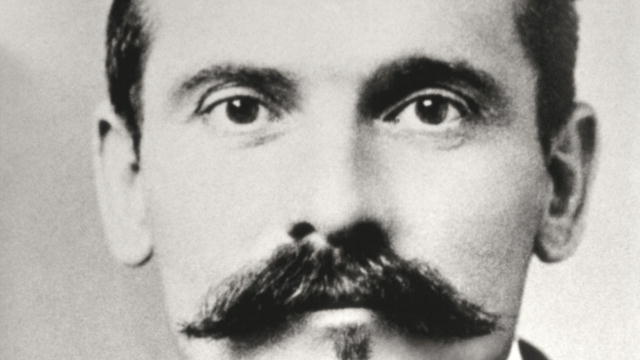
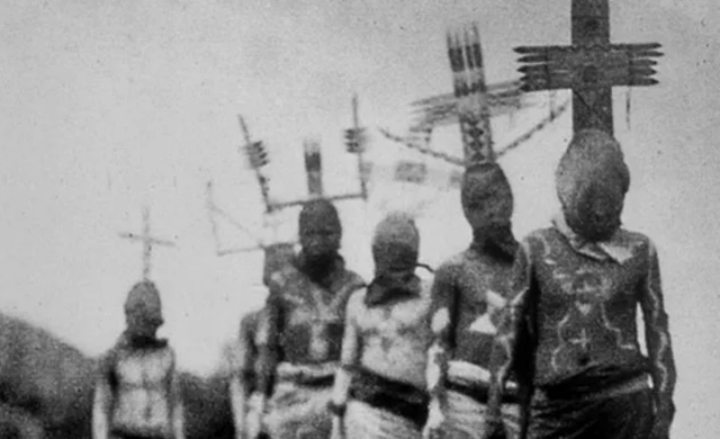
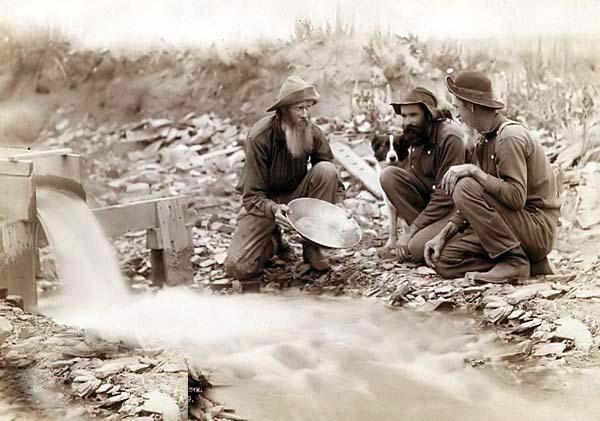
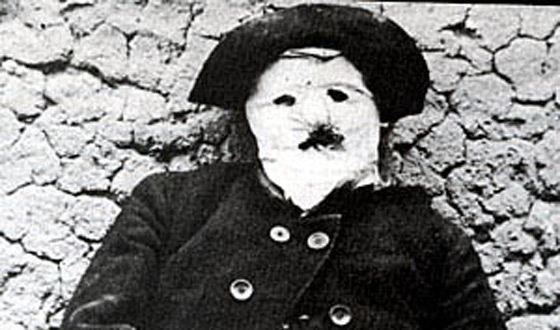
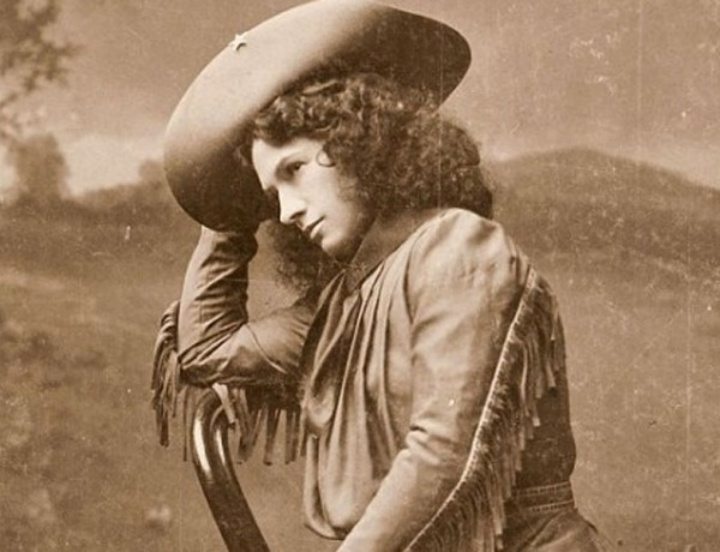
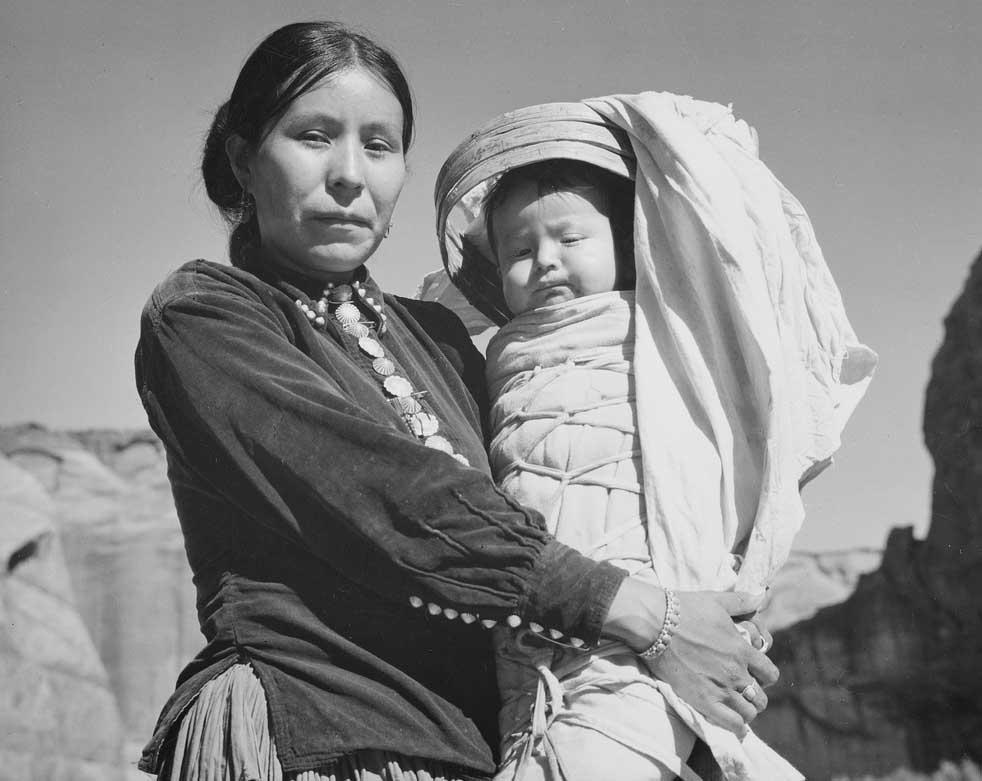
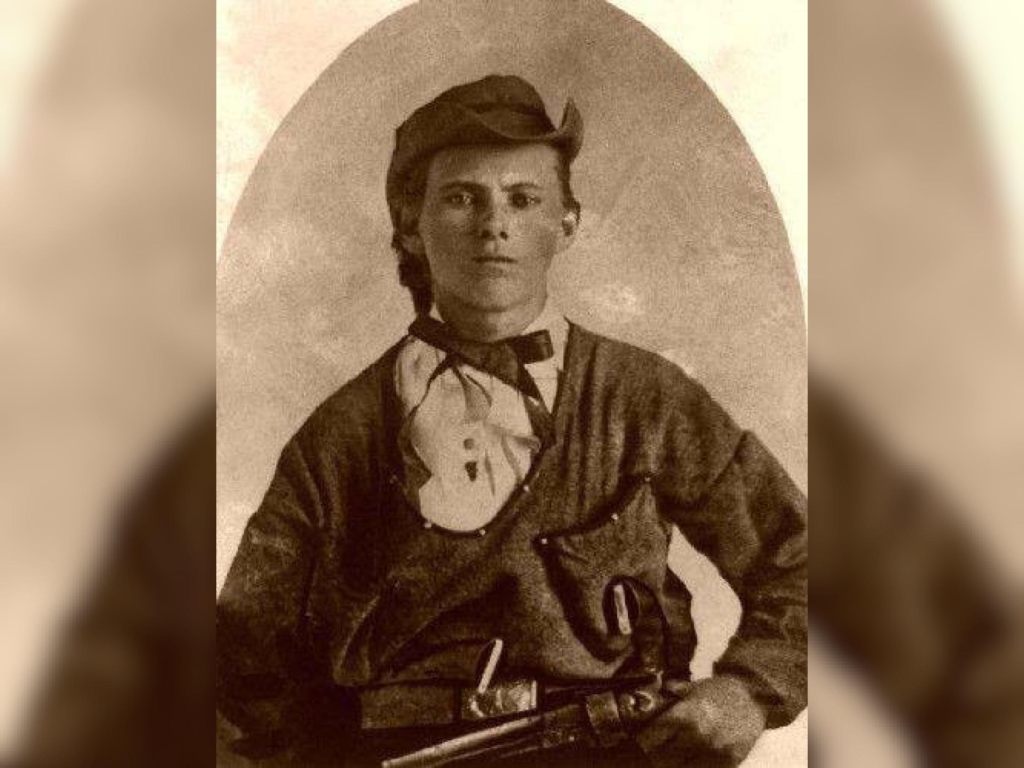
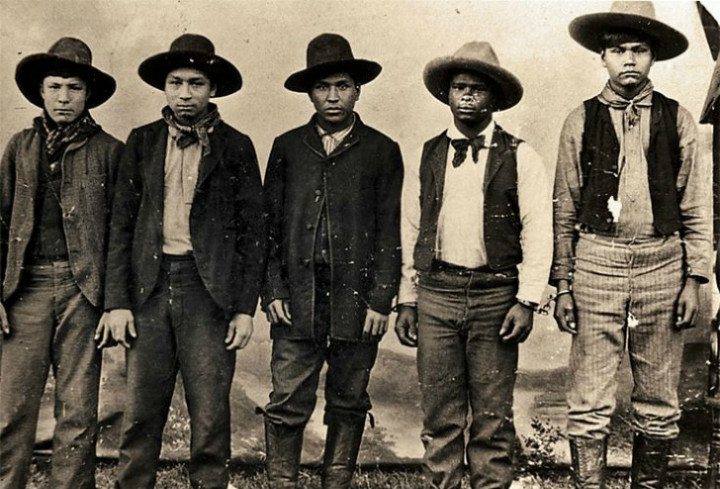
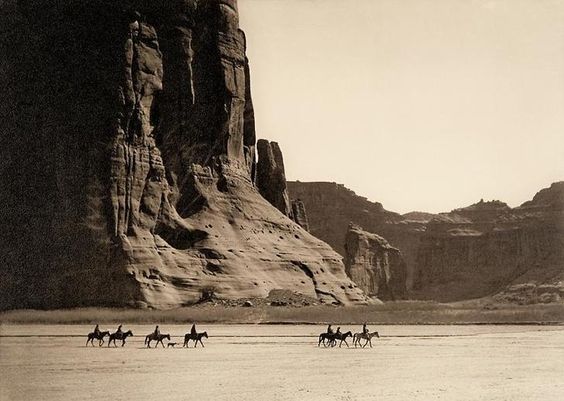
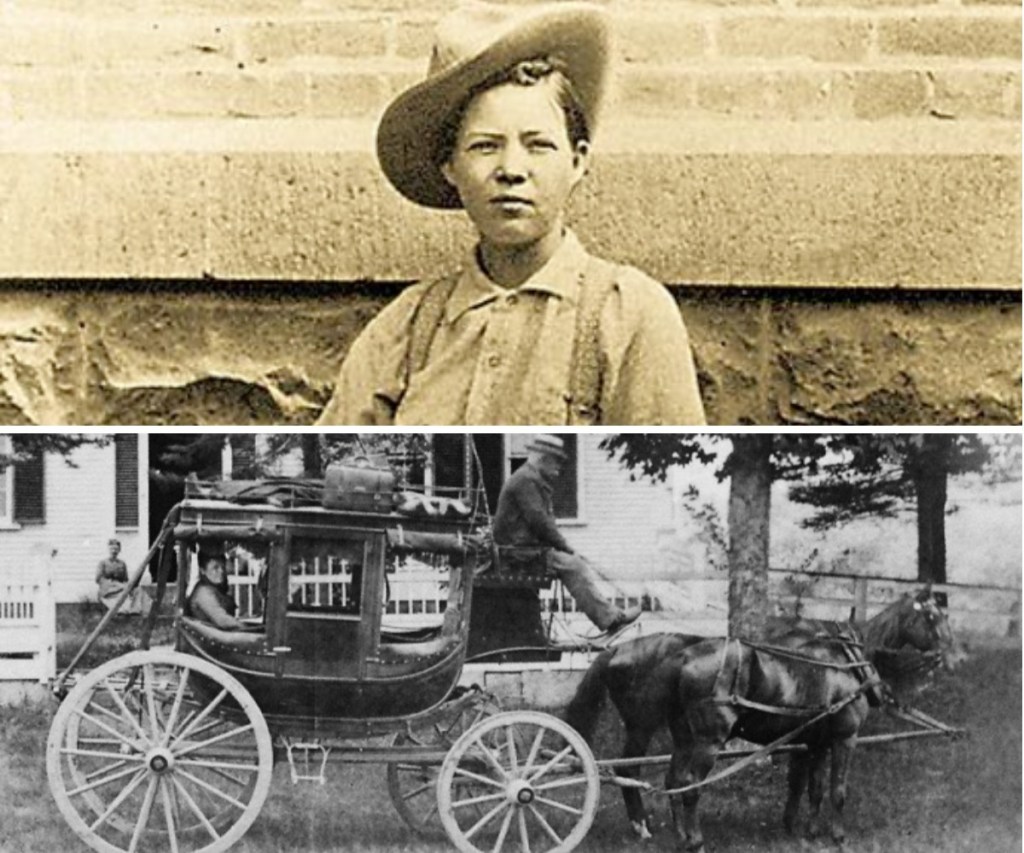
Just like frequent bar-goers today, the drinking got out of hand at times. Here we can see several men firing their guns at one man’s feet as he tries to avoid the bullets as fast as he can. This happened so often that it actually became a game known as the “bullet dance.”Not to worry, there were also gambling halls available for those who preferred a more leisurely form of entertainment. These less intense places usually consisted of three things: whiskey, women, and wagers.Someone no one ever wanted to sit next to at the betting table was Jack Vermillion. He was quickly dubbed “Texas Jack” once he shot a man over an argument at cards… in the eye. This gives his more commonly used nickname “Shoot-Your-Eye-Out Vermillion” a clearer explanation.Another popular pastime of the Old West was having your fortune told by female Romani psychics. These “gypsies”, as they called them, were believed to have the ability to read people’s futures through crystal balls, Tarot cards, and the palms of hands…Not all women told tales – meet Rose Dunn, a clever gunslinger known for her good looks and romantic involvement with western outlaws. Her unexpected loyalty gained the respect of many men, mostly gang members, making her the most protected woman in town.For those few who were not into drinking, prostitutes, games, or any kind of sorcery, there was the highly influential Buffalo Bill’s Wild West Show. All thanks to its creator, a bison hunter named Bill, this traveling circus-like act depicted the Old Western lifestyle for people, without them having to actually live it.One of the main stars was Native American, Whirling Horse. Though he was a “show Indian” he did come from a native tribe, and often portrayed the truth in his role as a victim of western expansion. This surprisingly helped with tensions during the American-Indian Wars.In order to ease such tension, many cowboys would find themselves at the saloon. Usually joined by the outlaws, these groups of men would enjoy a nice, cold brew amongst each other before they got back to their, very different, business.Now, let’s not forget about those serving the drinks. Take a look at these proud bartenders posing for a photo in the very first saloon ever established in 1822, Wyoming.Nowadays, you have to be 21 to get served alcohol, but this well-known outlaw decided he would much rather kill eight men before turning that age! Born as Henry McCarty, “Billy the Kid” was one of the most ruthless gunfighters of the Old West.With so much violence, there’s bound to be a doctor in the building, right? Wrong. Though “Doc Holliday” was a doctor, his degree was more aligned in the field of dentistry. Once he realized caring for teeth wasn’t on people’s list of priorities, this Doc turned into one of the Wild West’s most notable deputy marshals.While the cowboys had the marshals to watch over things, the Apache tribe had their ancestors. These Native Americans believed they lived alongside the supernatural. Below are their “spirit dancers” who were thought to have the ability to summon these souls from the mountains.What the land also had in store for those living in the Wild West was gold. Yes, the famous California Gold Rush began in 1848, bringing 300,000 people into the state. Unfortunately, this resulted in disease and starvation for most of the Native Californians.With such a fluctuating economy, many Western people of the 19th century relied on original gangster ways – particularly robbery. William Brazelton, also known as “Bill Brazen”, was notorious for stealing while wearing a mask. Who knew this signature move would be replicated by almost every burglar today?Bill wasn’t the only trying to support his family – take Annie Oakley for example. This young lady became known for her sharpshooting skills at the age of 15, though she first picked up a gun as an eight-year-old while hunting to feed her mom and siblings after her father died.Struggling just as much were the other main group Indians of the Old West, the Navajo tribe. Though considered one of the more wealthy aboriginal groups of the United States, Navajos still struggled to support their families.One of the people’s heroes was the courageous Jesse James. Though he was an avid gang leader and train robber, he rarely got in trouble with the law since he acted as America’s Robin Hood – only stealing from the rich and giving to the poor.Following in our last outlaw’s footsteps was this rather young, multi-racial gang formed by Rufus Buck. Together these boys robbed both stores and ranches in the Arkansas-Oklahoma area for eight straight years before getting caught.Those who ventured far across the land like our last group of men, were able to capture some pretty breathtaking views, as well as some much needed silence. This scenic photo is of the Canyon de Chelly in Arizona. Today, the area is actually reserved as a National Monument!Lastly, a woman named Pearl Hart proved that 19th century ladies also had a knack for sticky fingers. Though stagecoach robbery was Hart’s speciality, one day she was caught stealing from one in Arizona. Locking up Hart with all males, including the guards, was a mistake – she quickly managed to escape shortly after being imprisoned.
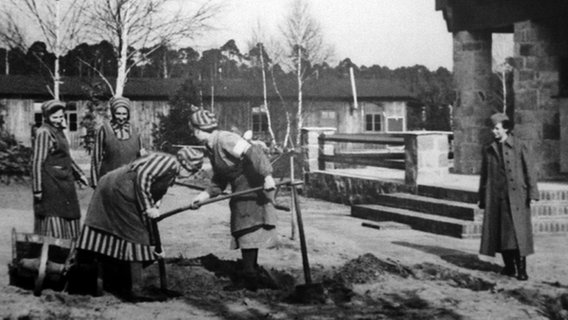
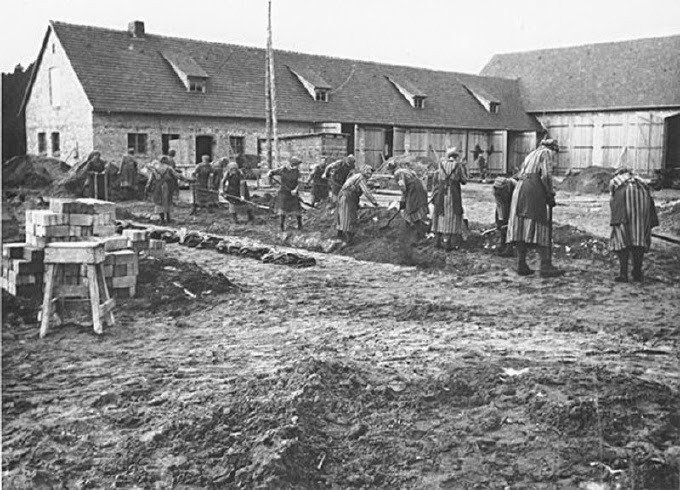
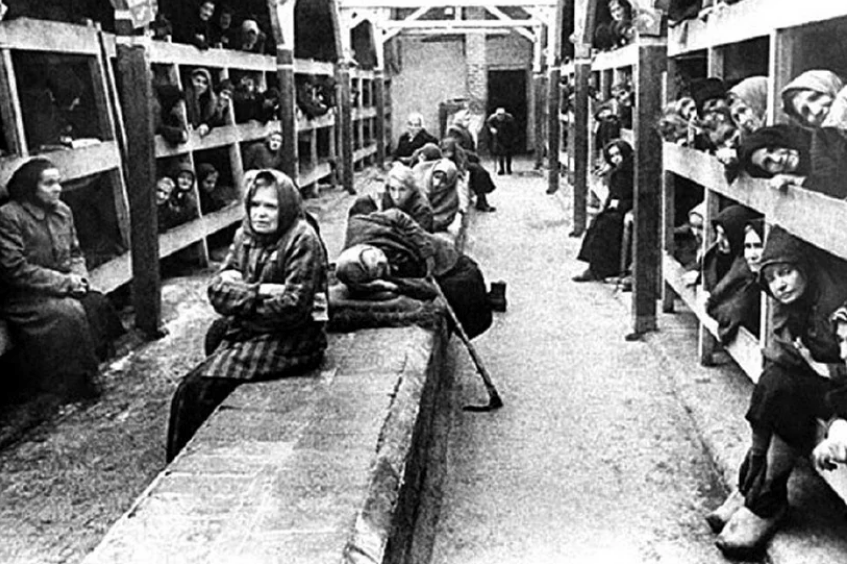
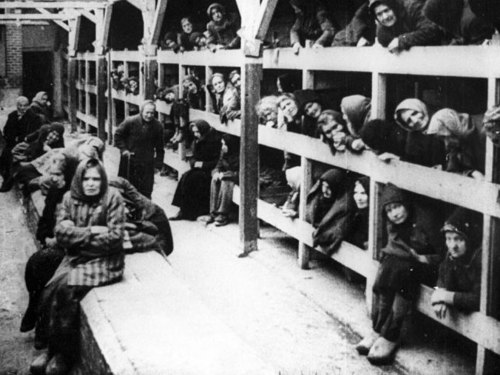
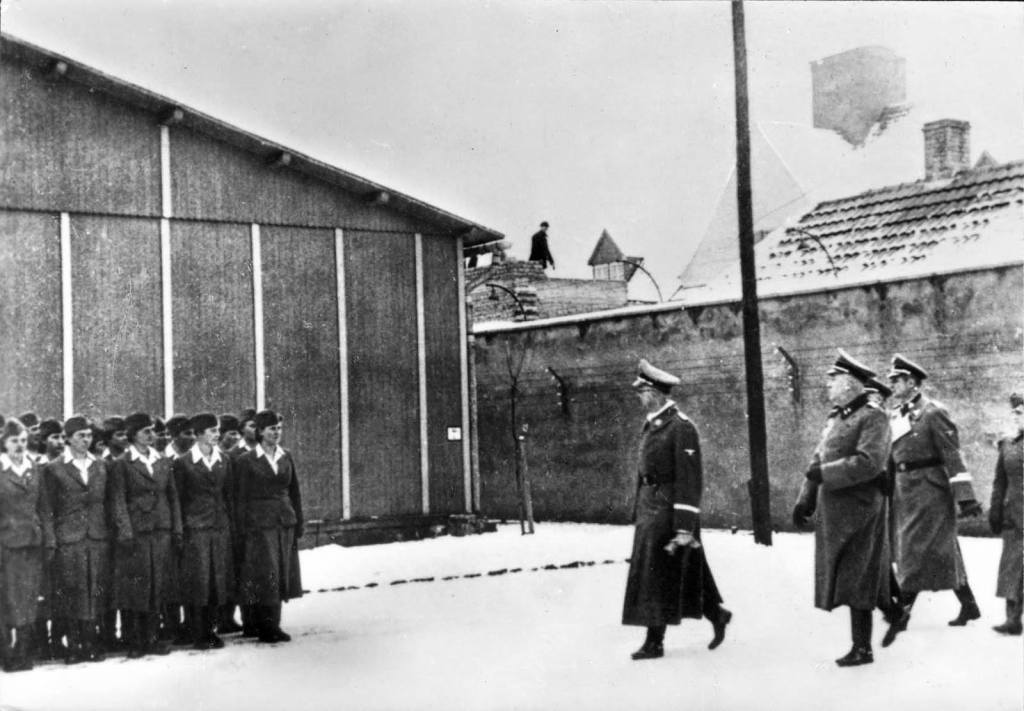
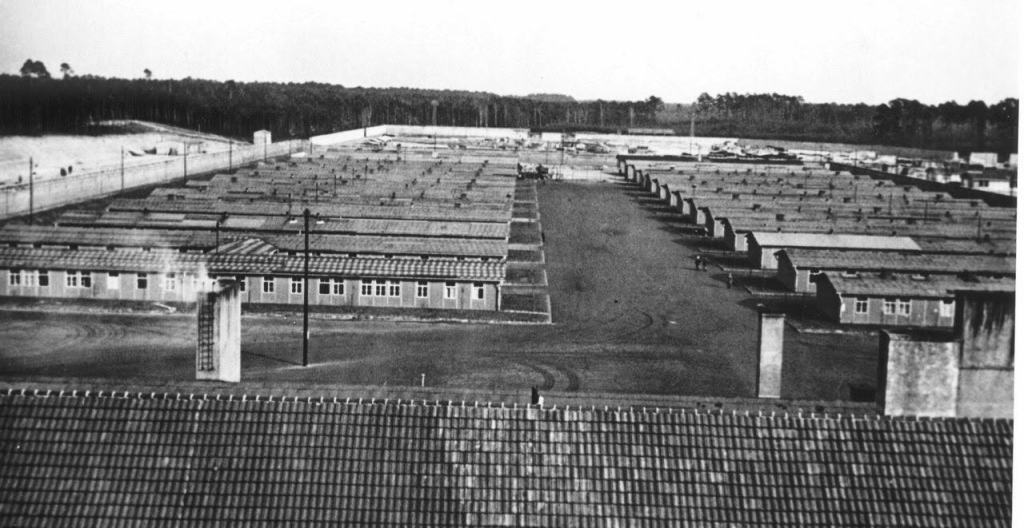
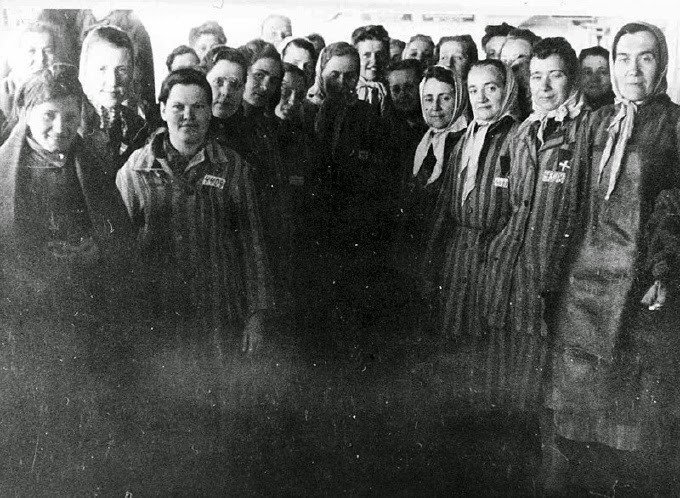
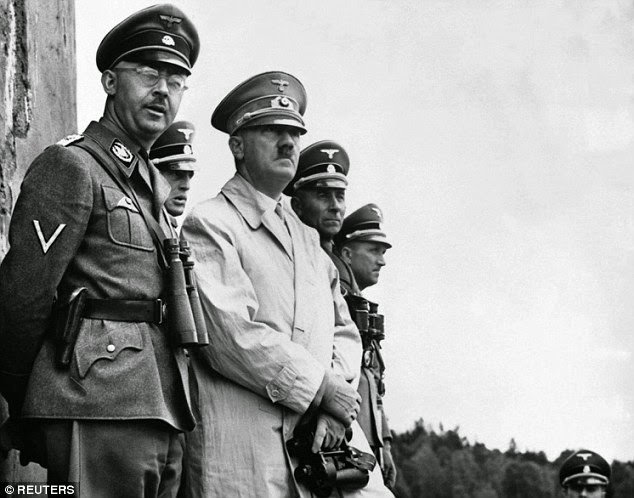
In 1938, Heinrich Himmler ordered the construction of Ravensbrück, a concentration camp exclusively for women.
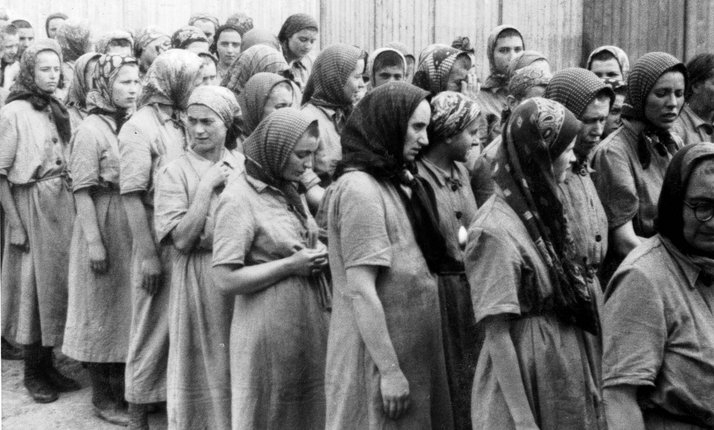
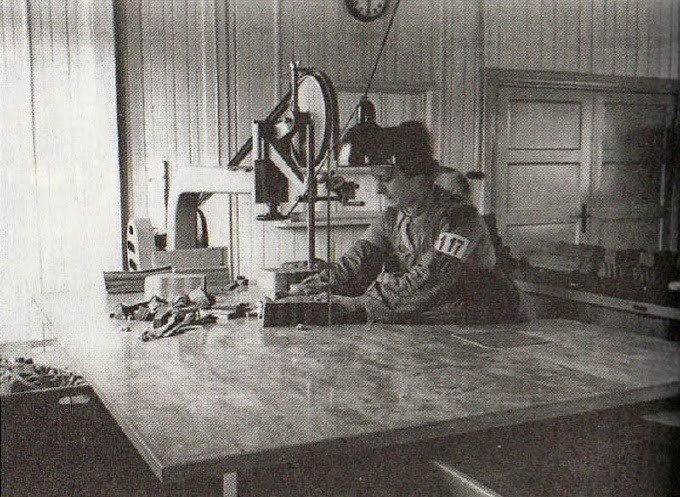
Around an hour north of Berlin, Ravensbrück also served as a training camp for female Nazi overseers, many of whom would go on to be chief wardresses at other concentration camps. From 1939 to 1945, over 100,000 women from 20 European countries died at Ravensbrück, with the largest portion of inmates hailing from Poland. By the time of the camp’s liberation, only 15,000 prisoners were still alive. The camp memorial’s estimated figure of 132,000 women who were in the camp during the war includes about 48,500 from Poland, 28,000 from the Soviet Union, almost 24,000 from Germany and Austria, nearly 8,000 from France, and thousands from other countries including a few from the United Kingdom and the United States. More than 20,000 of the total were Jewish, approximately 15%. 85% were from other races and cultures. More than 80 percent were political prisoners. Many prisoners were employed as slave labor by Siemens & Halske. From 1942 to 1945, the Nazis undertook medical experiments to test the effectiveness of sulfonamides.
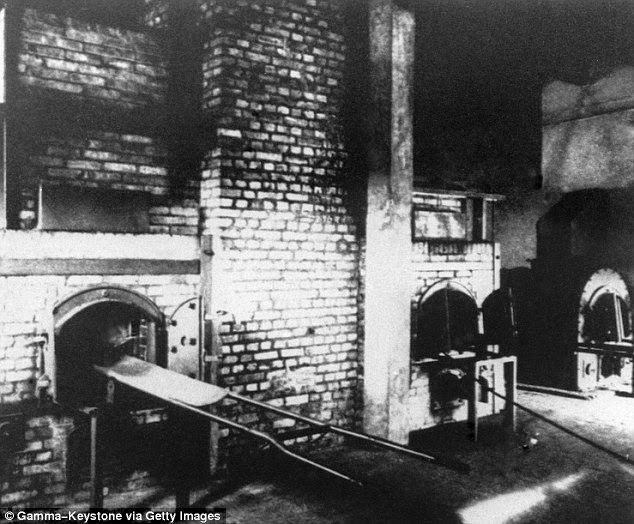
In the spring of 1941, the SS established a small adjacent camp for male inmates, who built and managed the camp’s gas chambers in 1944. Of some 130,000 female prisoners who passed through the Ravensbrück camp, about 50,000 perished; some 2,200 were killed in the gas chambers.
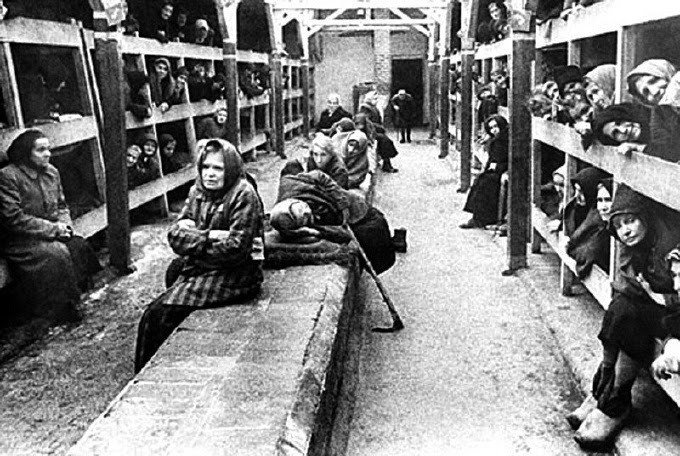
Conditions at Ravensbrück were initially acceptable with some expressing wonder at the manicured lawns, peacock-filled birdhouses and flower beds that adorned the great square.
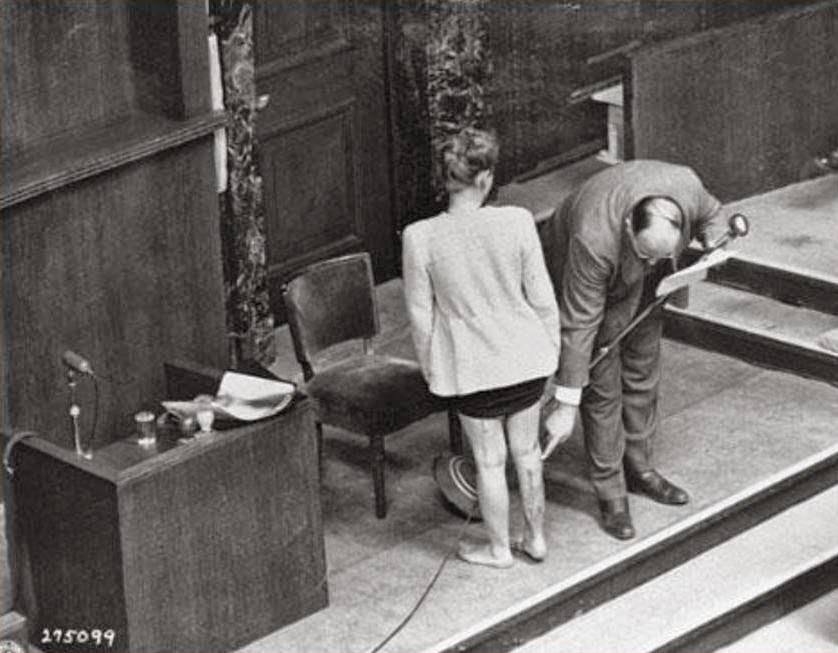
Soon enough, disease and famine struck, and SS guards began to conduct medical experiments on inmates, where they would cut into and infect bones, muscles and nerves and introduce wood or glass into them. Others were sterilized.
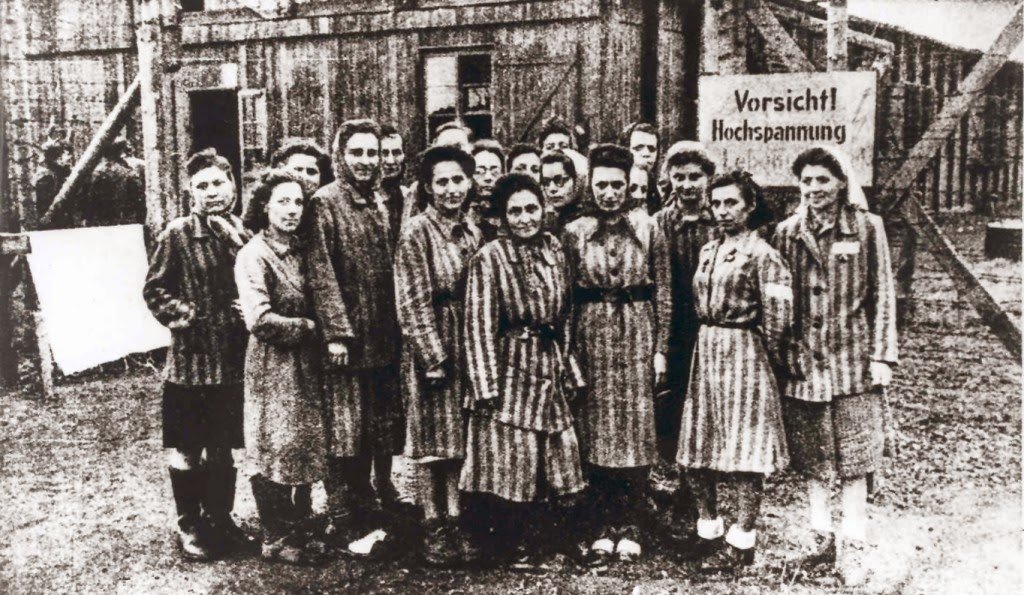
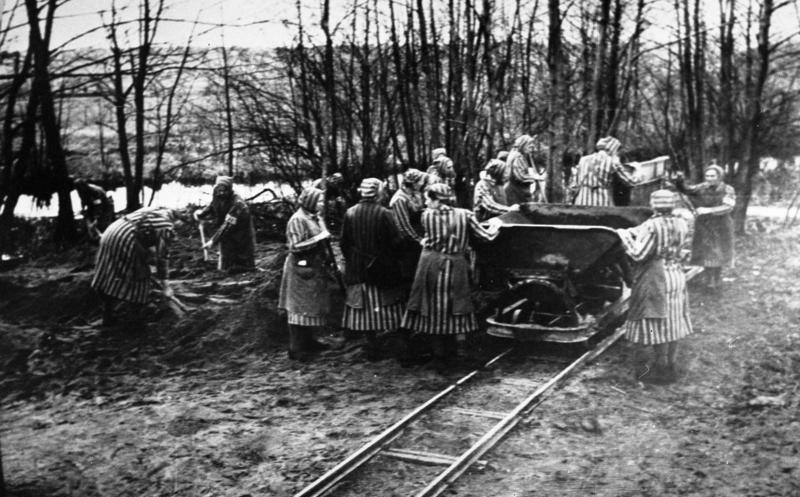
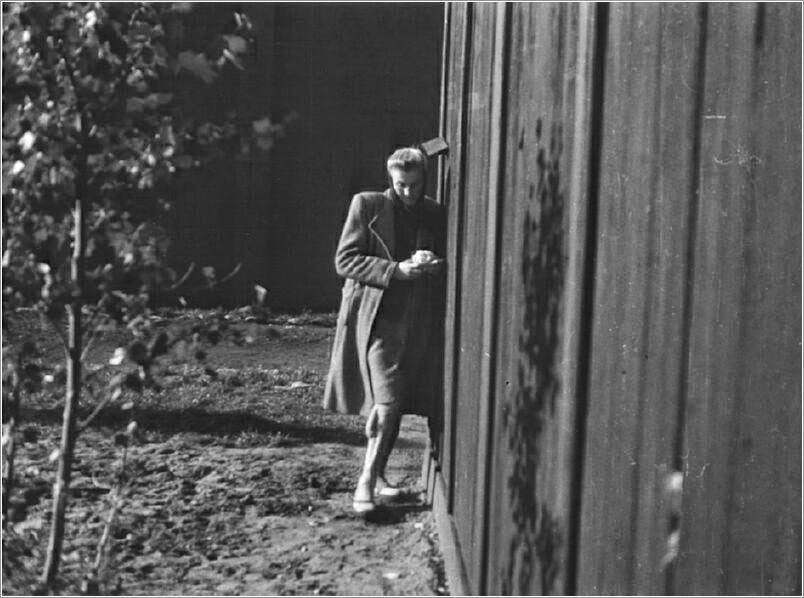
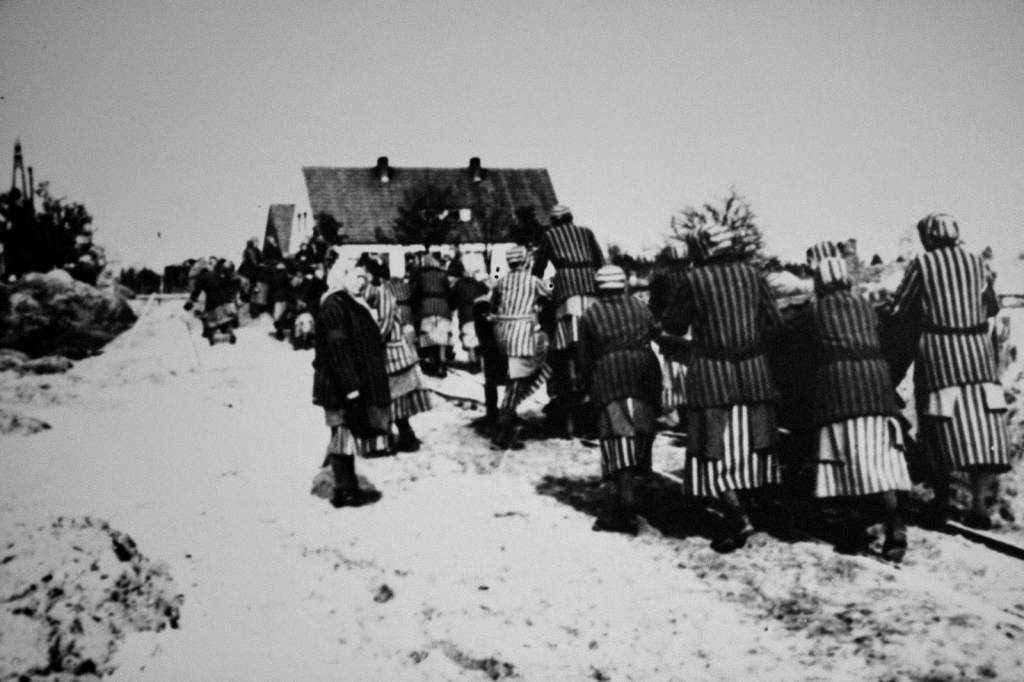
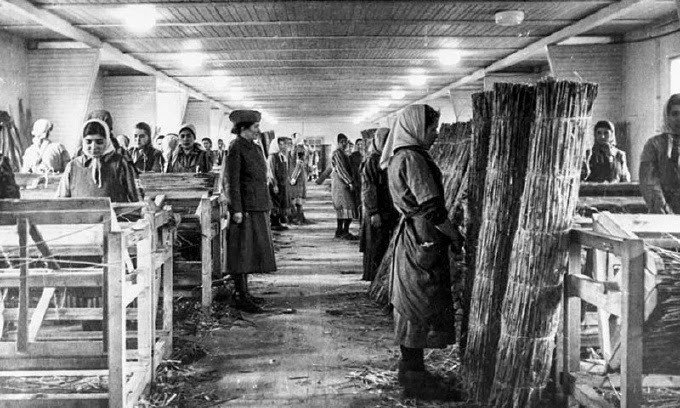
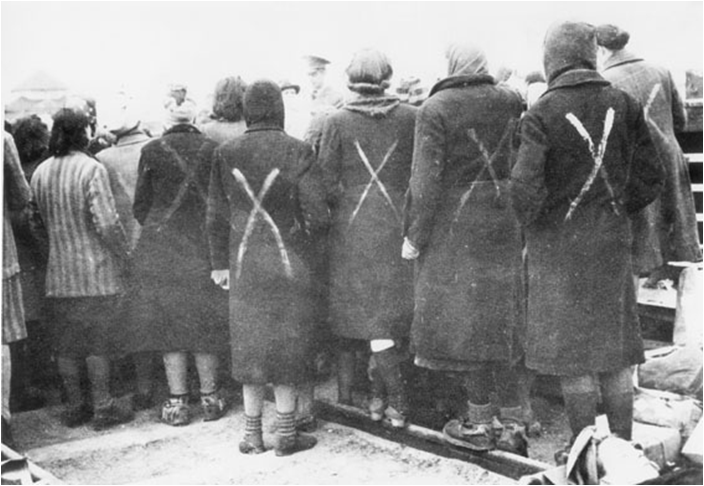
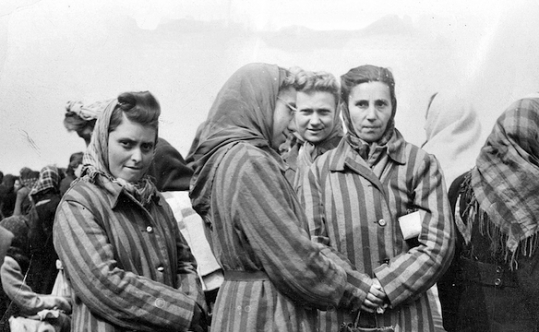
The following images of Ravensbrück women’s concentration camp present a stark image of the brutality of the Nazi regime — but, more than that, they are a testament to the strength of these women, who would make jewelry, write comic operettas about camp life and organize secret education programs to remind themselves of their humanity. As incredibly, in some photos the female inmates muster the energy and the courage to smile.
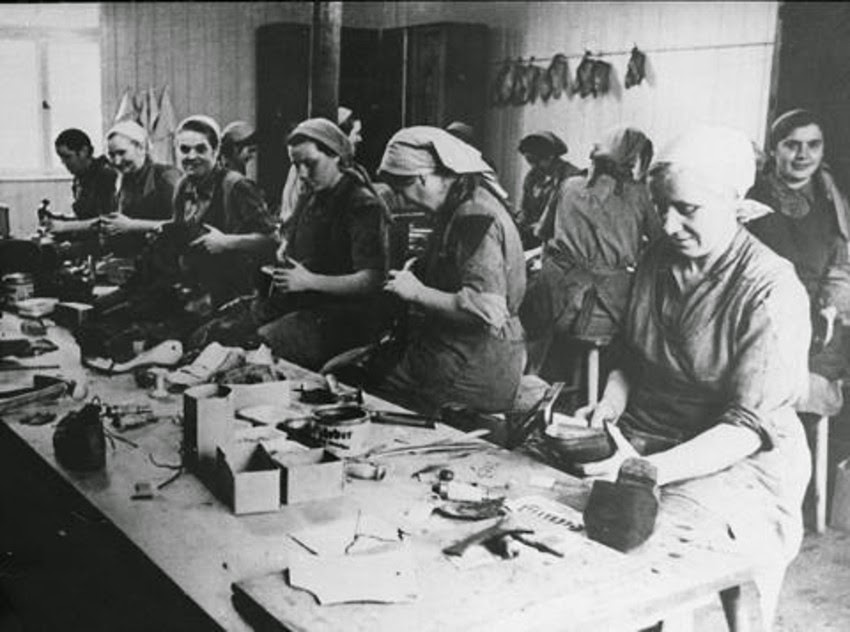
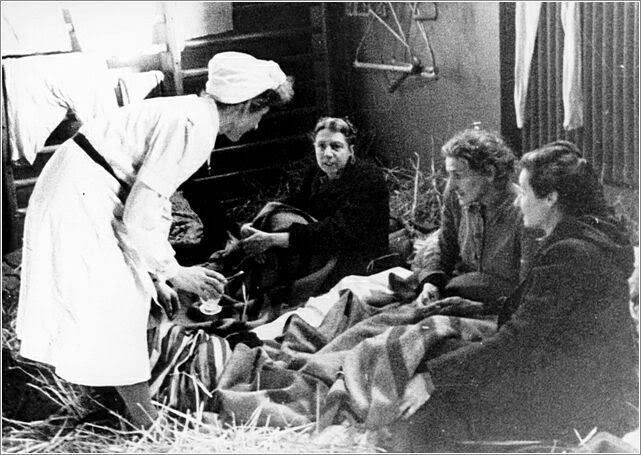
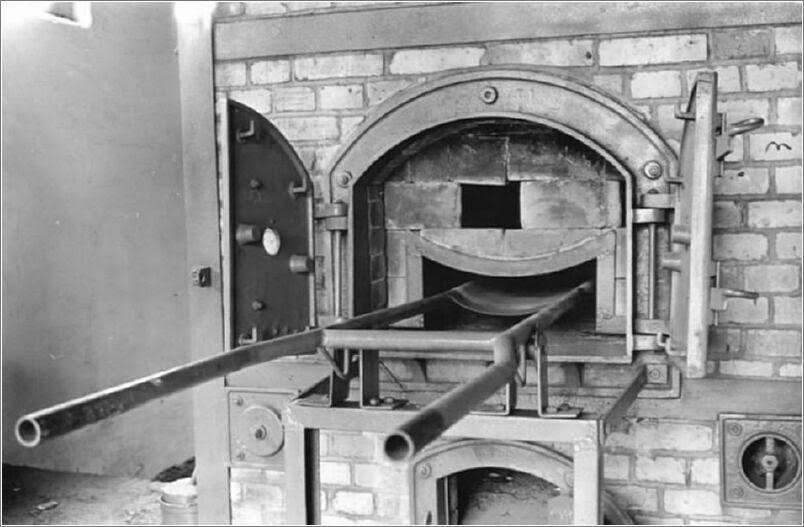
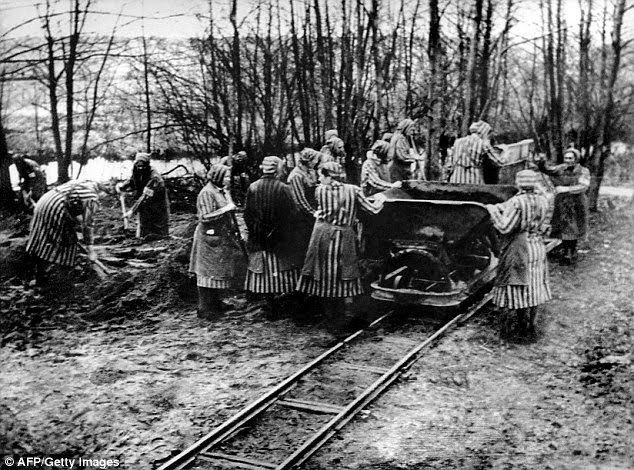
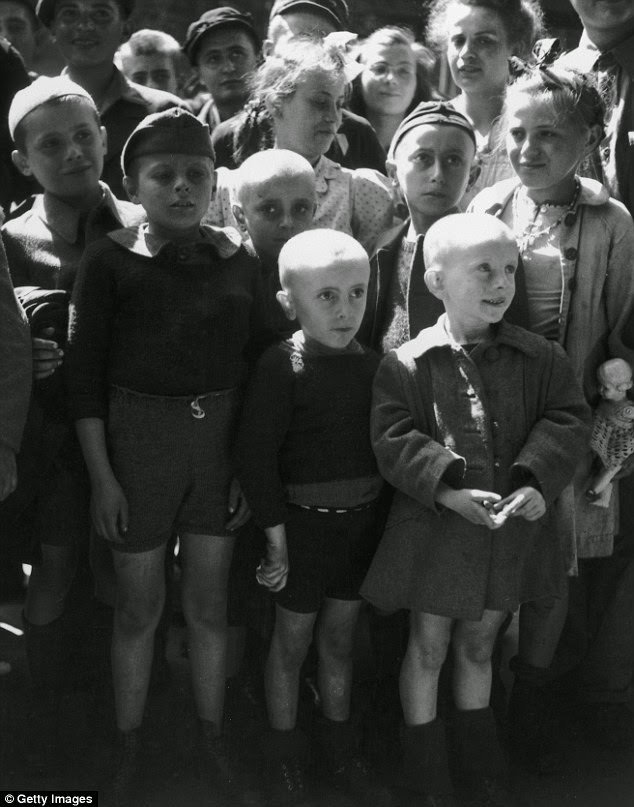
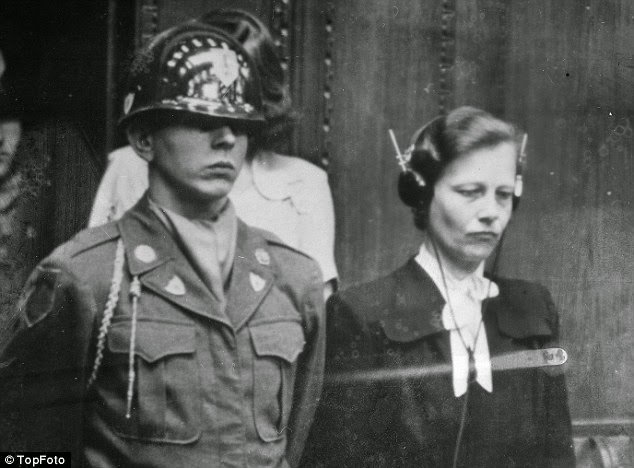
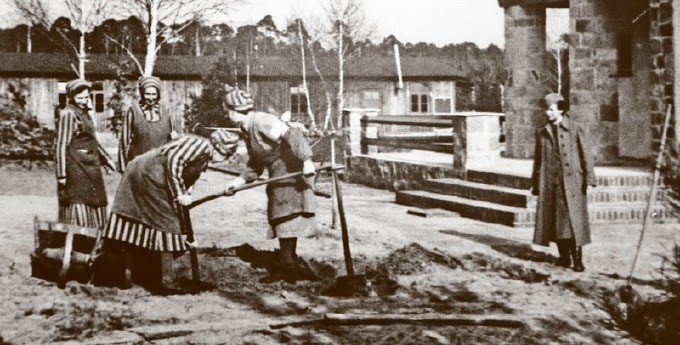
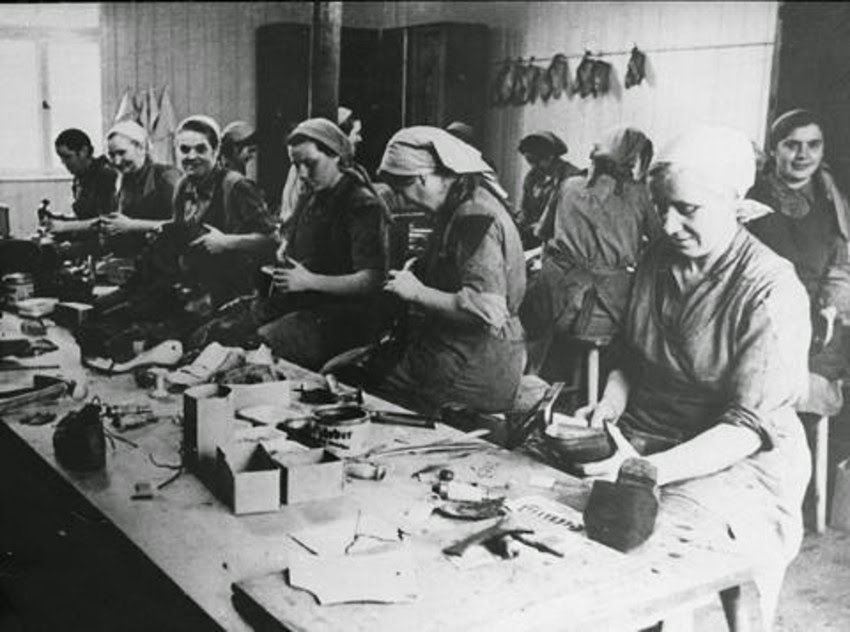
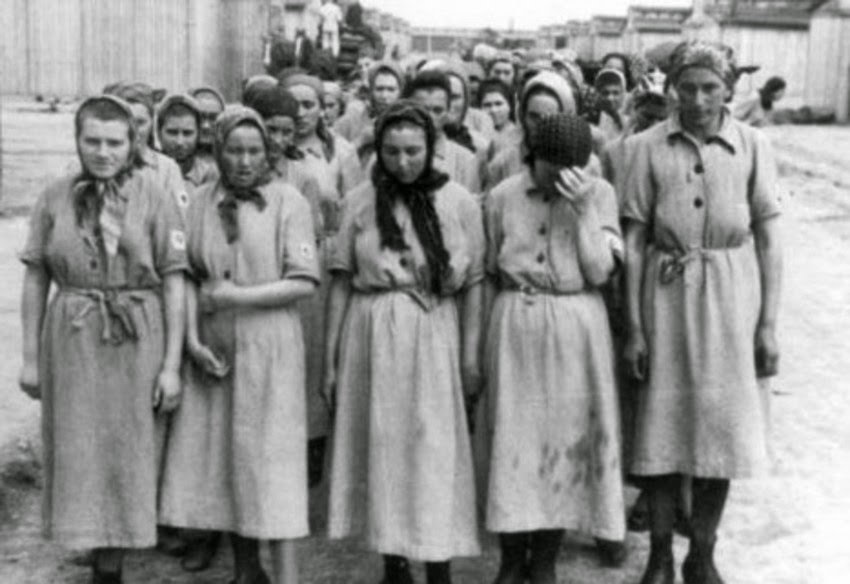
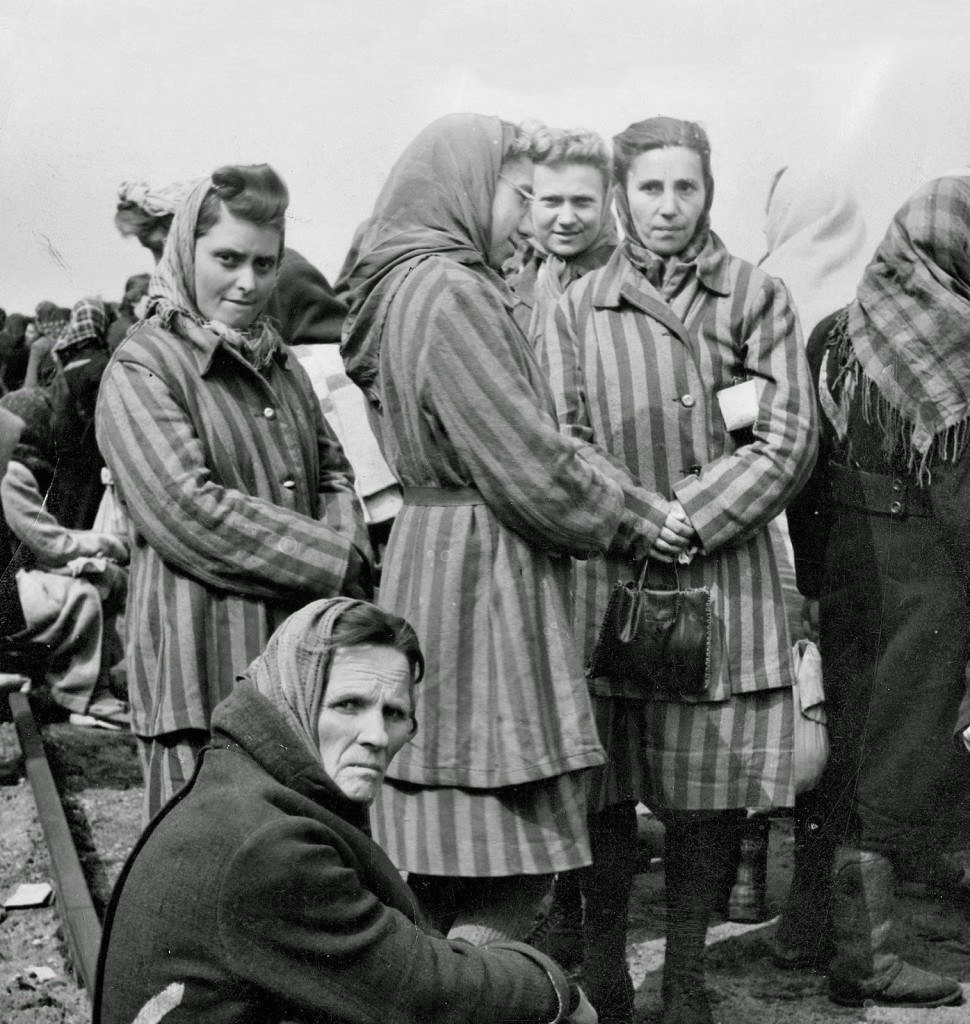
Women smile before “Warning! High voltage” sign at concentration camp.Female prisoners at Ravensbrück, 1939A candid photo of a victim of experiments.SS supervisor oversees detained women in Ravensbrück concentration camp.Concentration camp victims digging trenches.The barracks at RavensbruckThe barracks at RavensbruckHimmler inspecting Ravensbruck concentration camp.The barracks at Ravensbruck.A Polish woman’s wounds from medical experiments are shown during the Nuremberg Trials.Prisoners at RavensbruckPrisoners at RavensbruckRed Cross nurse tends to victims.One of the many crema ovens at Ravensbruck concentration camp.Forced labor at the concentration camp.Prisoners forced into manual labor.“X” marks prisoners for the Red Cross to treat.Prisoners at RavensbruckForced into manual labor.Shaven children, happy to be liberated by Russian troops.Dr. Oberheuser is accused of injecting prisoners with gasoline, deliberately inflicting wounds.Where the women slept in the concentration camp.The crematorium at Ravensbruck.Hitler and Himmler inspect the camp.Women forced to cobble shoes.Behind barbed wire.Rescued women from Ravensbrück.
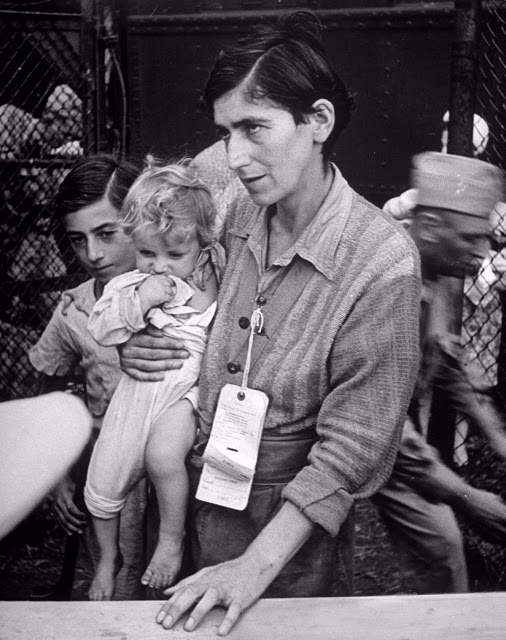
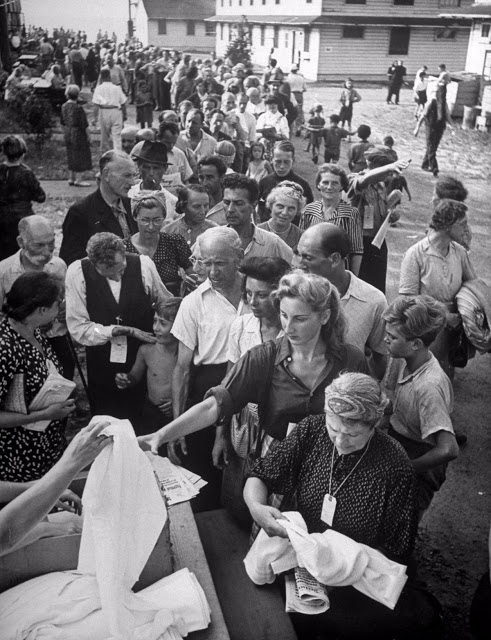
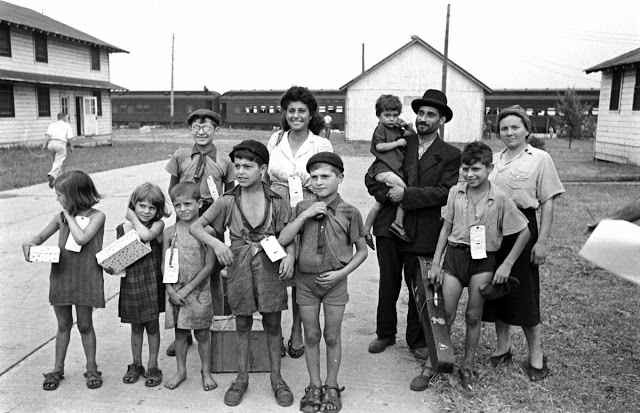
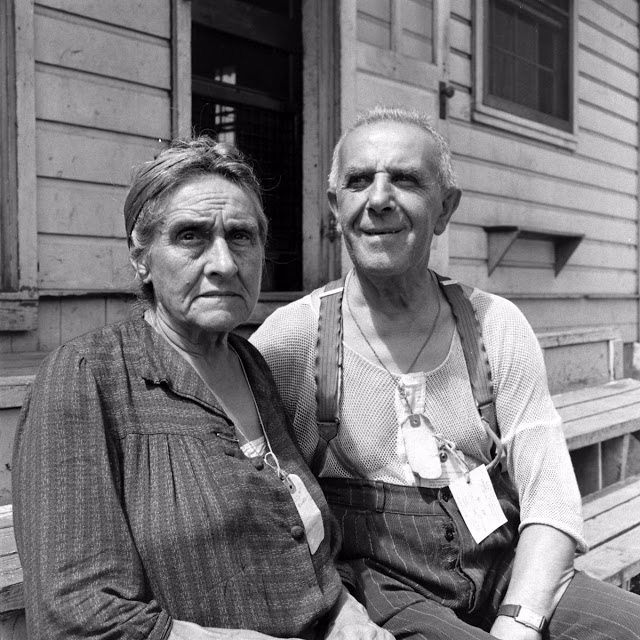
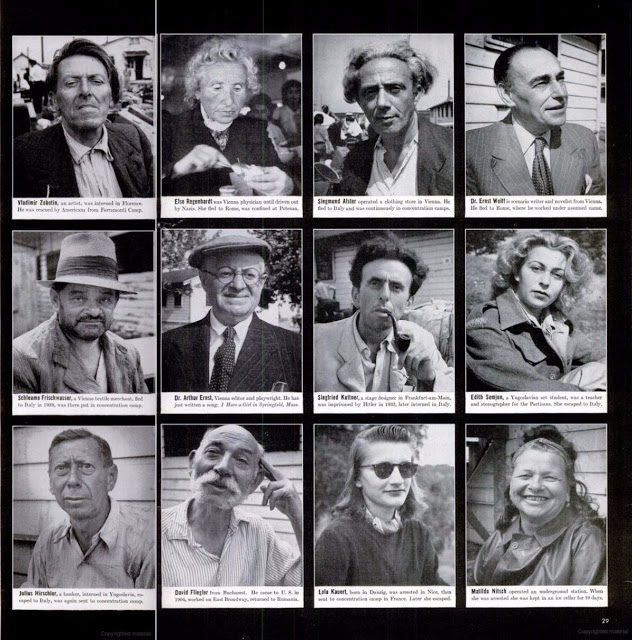
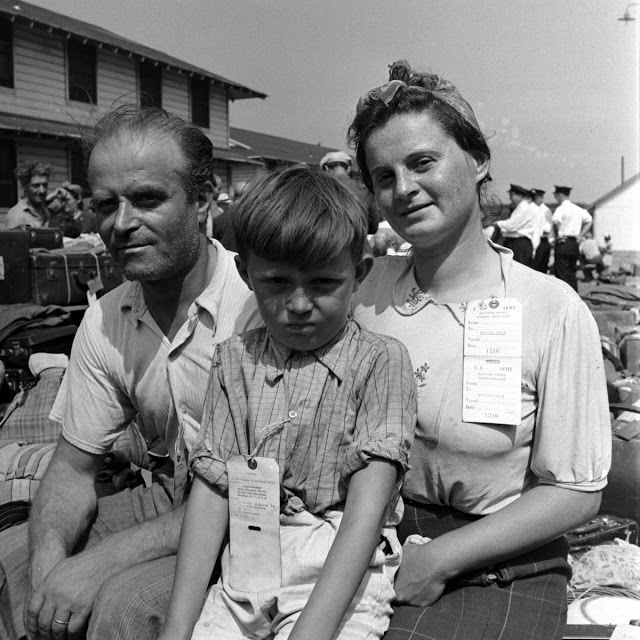
Before war came, they had not necessarily had much in common. Eva Bass, pictured in the photo below, was a nightclub singer; Julius Hirschler, who appears in the seventh photo, was a banker. The 981 other people with whom they traveled had lives of their own, too. By August of 1944, however, they all shared one title: refugee.
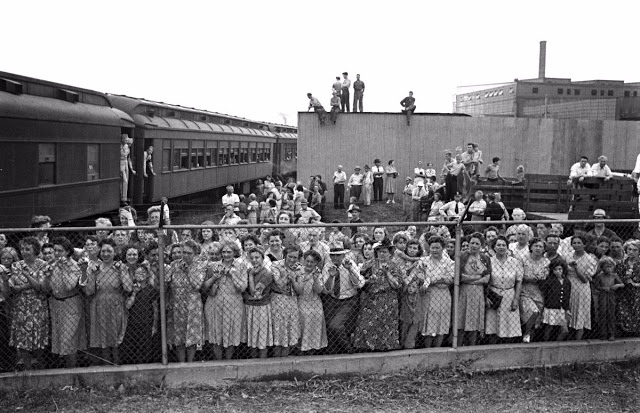
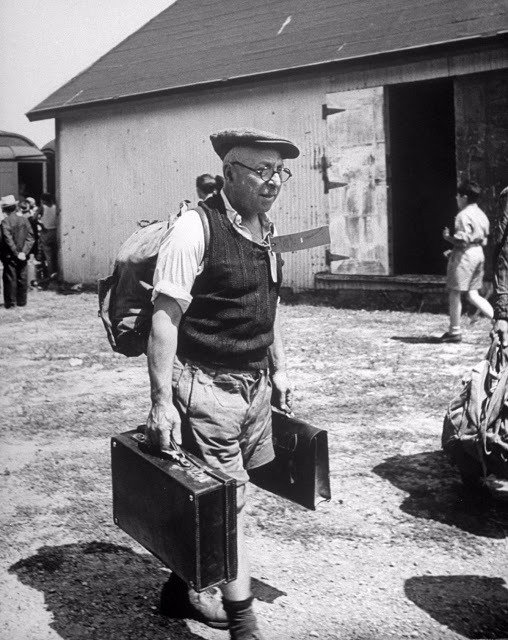
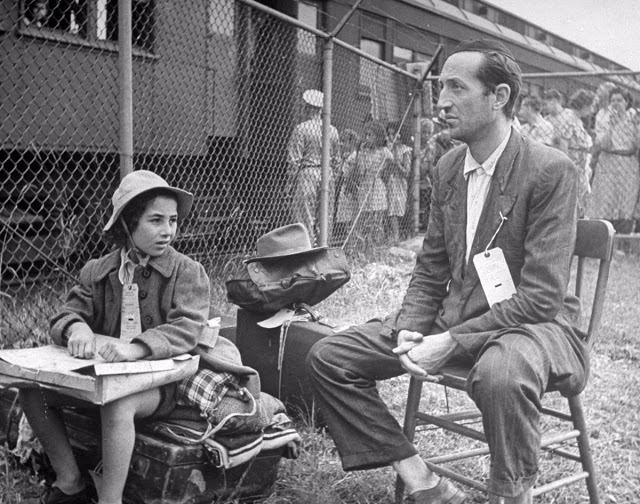
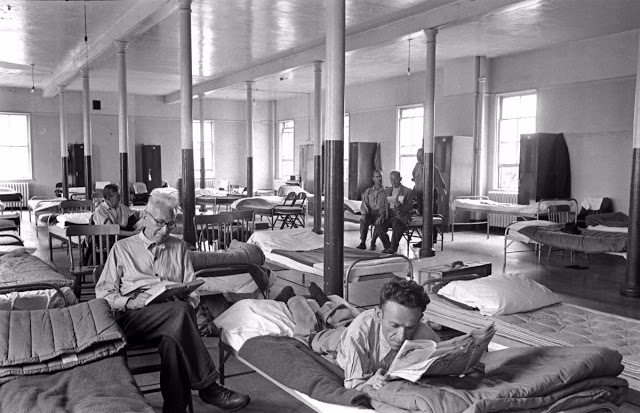
By the time LIFE’s photographer Alfred Eisenstaedt met these individuals to photograph them for an Aug. 21, 1944, story, they had all arrived in Oswego, N.Y., where they were given army barracks in which to live. They had come from refugee camps in Italy, to which they’d made their way from 17 different countries, and had been designated to spend the rest of World War II living there under American protection. As LIFE explained, their arrival fell outside the bounds of the immigration quotas that the U.S. then used to determine who could come to stay, so they would have to go elsewhere when that time came.
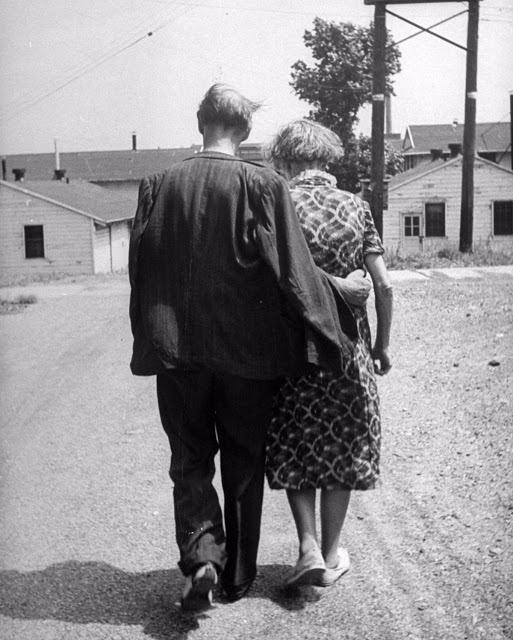
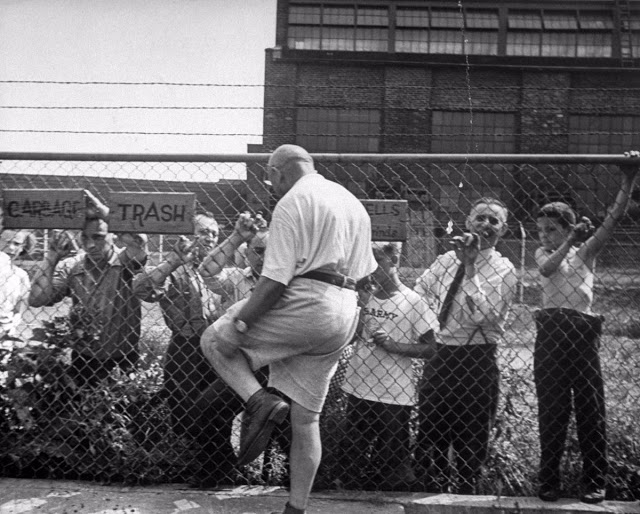
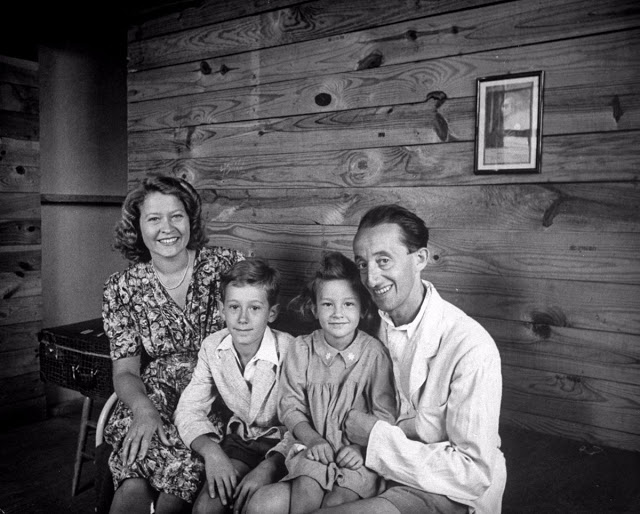
With her baby in her arms and her young son tagging behind, Mrs. Eva Bass comes through gate to her new home at Fort Ontario.The refugess line up after dinner in front of the mess halls to get two towels and one cake of soap each. Many of them were hesitant to let LIFE photographer Alfred Eisenstaedt take their pictures until they had a chance to clean up. Others were worries by the raggedness of their clothing. They said the Army took all their clothes and disinfected them in gas chambers. During the process, holes were burned and suits ruined by discoloration. “We are sorry because we wanted to look our very best when we arrived here,” they explained.Near-sighted V. Zobotin fills out customs declaration. One elderly Jew got out his prayer shawl, knelt in the midst of all the luggage to give thanks.Refugees from Europe at Fort Ontario in Oswego, NY, 1944.Refugees from Europe at Fort Ontario in Oswego, NY, 1944.Refugees from Europe at Fort Ontario in Oswego, NY, 1944.Refugees from Europe at Fort Ontario in Oswego, N.Y., 1944. From the Aug. 21, 1944 issue of LIFE magazine.Refugees from Europe at Fort Ontario in Oswego, N.Y., 1944.Refugees from Europe at Fort Ontario in Oswego, N.Y., 1944.Refugees carried their own luggage to the customs depot. Boys from Oswego were hired to help but many refugees clung to possessions.At camp gate Victor Franco from Tripoli waits with his daughter for his wife who is pregnant and rode in hospital car. He was afraid he might lose track of her, even though attendants told him he could see her in the hospital. He said he would wait right where he was.Up camp street, arm in arm, stroll Mr. and Mrs. Michele Mikhailoff, artists from Russia. They walked to the shore of Lake Ontario.Refugees from Europe at Fort Ontario in Oswego, N.Y., 1944.Refugees from Europe at Fort Ontario in Oswego, N.Y., 1944.Americans from Oswego line high wire fences of Fort Ontario to stare curiously at the refugees. Here one of the foreigners walks over to talk with them. He scratches his bare leg while explaining that he has a son in the U.S. Army.The Dresdner family, mother, father and nine children, were confined in two concentration camps in France. In September 1943 they made their escape to Italy. Here a hungry daughter, not knowing quite how to eat gravy, simply pitches in.The Albrecht family in their new barracks home. He is Jewish, she is Catholic. Their children are Peter, 10, and Renata, 5. Before war, he operated a theater in Vienna. In 1939 he went to Italy, was followed later by his wife and children.
(Photos: Alfred Eisenstaedt—The LIFE Picture Collection/Getty Images)
Retired gym teacher Dale Irby posed for his first yearbook photo back in 1973 at Prestonwood Elementary school in Dallas, Texas. The next year, completely by accident, Irby wore the exact same outfit.
“I was so embarrassed when I got the school pictures back that second year and realized I had worn the very same thing as the first year,” Dale told Dallas Morning News.
At first he was horrified to discover the faux pas, but then his wife Cathy dared him to do it a third year. Then Dale thought five would be funny. “After five pictures,” he said, “it was like: ‘Why stop?’”
So he just never did, right on through this, his final year as every kid’s favorite physical education teacher at Prestonwood Elementary in the Richardson school district.
What started as a mistake, turned into a dare, and then ultimately into a 40-year tradition that ended in 2013 when Irby chose to retire. From 1973 until 2013, you can pick up any of Prestonwood Elementary’s yearbooks and find an aging Irby wearing the same exact outfit.
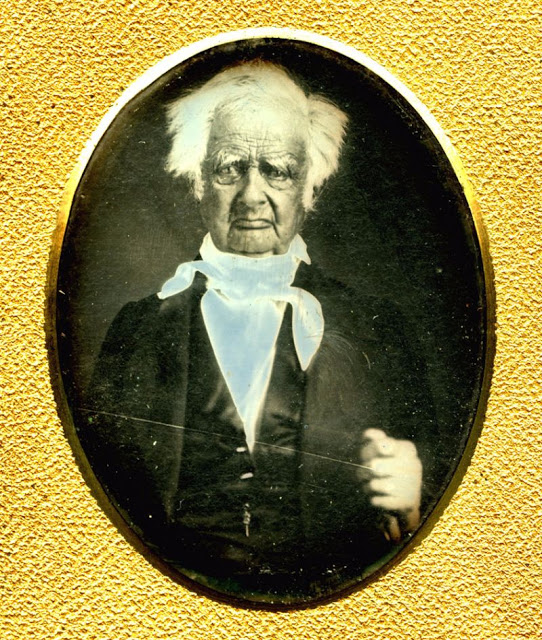
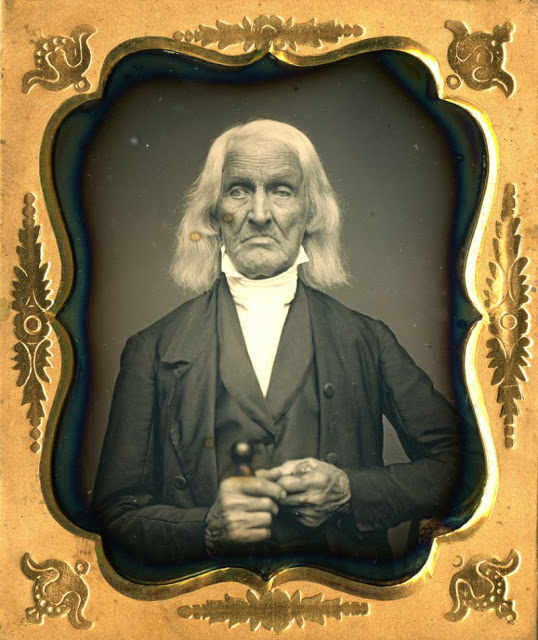
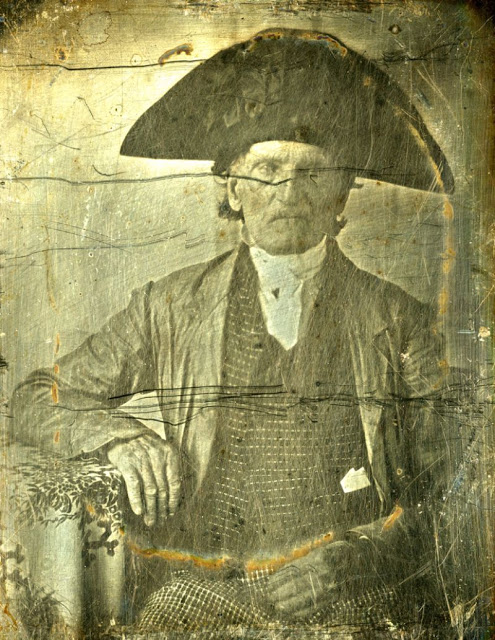
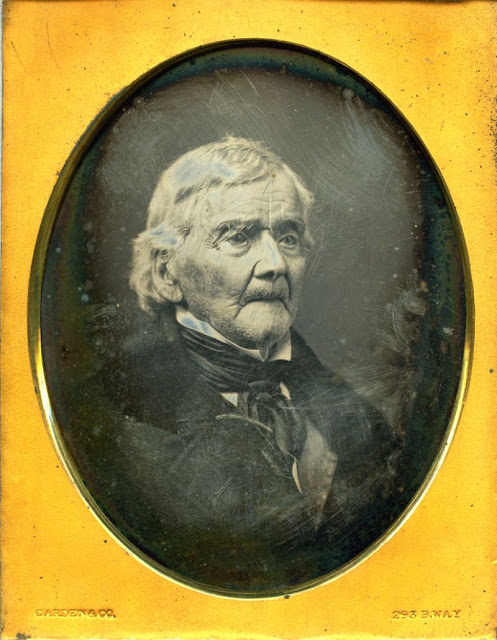
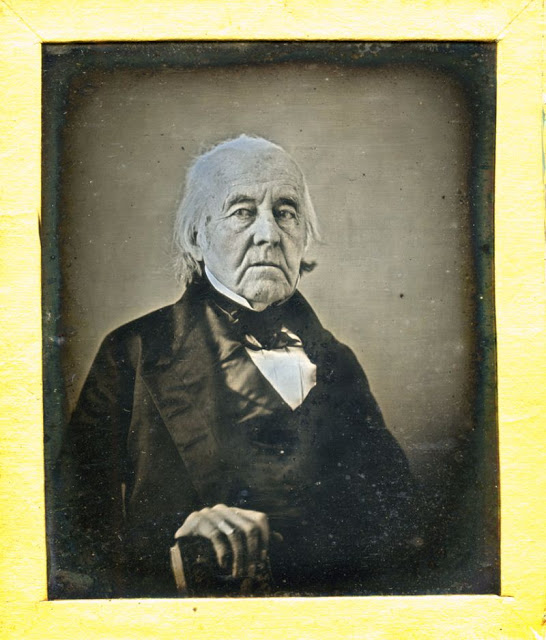
Images of Americans who fought in the Revolution are exceptionally rare because few of the Patriots of 1775-’83 lived until the dawn of practical photography in the early 1840s; far fewer were daguerreotyped; many, probably most, of such daguerreotypes never carried identification; and finally, the ravages of time have claimed the vast majority of portraits from the 1840s and ‘50s.
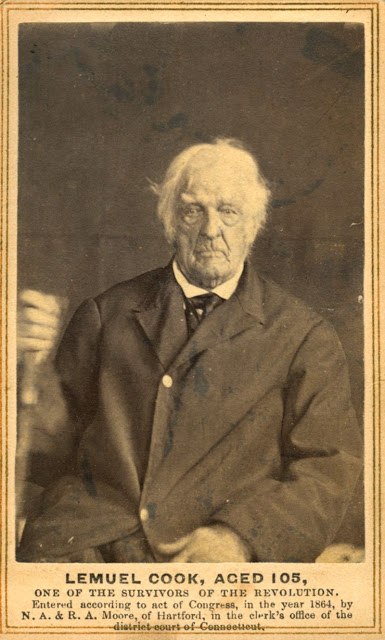
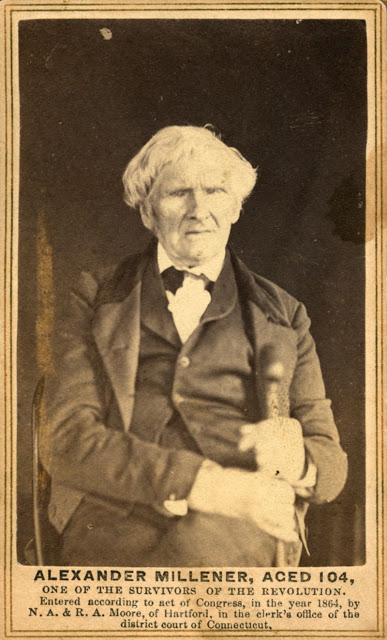
Accordint to PetaPixel, in 1864, 81 years after the war, Reverend E. B. Hillard and two photographers embarked on a trip through New England to visit, photograph, and interview the six known surviving veterans, all of whom were over 100 years old. The glass plate photos were printed into a book titled The Last Men of the Revolution.
In 1976, an investigative reporter named Joe Bauman came across Hillard’s photos. Realizing that more photos may have been captured of other veterans in the 40-50 year gap between when photography was invented and when Hillard’s images were made, Bauman set out to find them.
After finding photos of subjects that were about the right age, Bauman dug into their histories to see if they had been involved in the Revolution. In the end, the journalist spent three decades building what is now considered the biggest collection of daguerreotypes showing veterans of the Revolutionary War — a set of eight portraits.
Peter Mackintosh, daguerreotype. Peter Mackintosh was a 16-year-old apprentice blacksmith in Boston working in the shop of his master, Richard Gridley, the night of December 16, 1773 when a group of young men rushed into the shop, grabbed ashes from the hearth and rubbed them on their faces. They were among those running to Griffin’s Wharf to throw tea into the harbor as part of the Boston Tea Party that started the Revolution. Mackintosh later served in the Continental Artillery as an artificer, a craftsman attached to the army who shoed horses and repaired cannons, including one mortar whose repair General George Washington oversaw personally. During his last years, Mackintosh and his lawyers fought for the pension he deserved. The government awarded it to his family only after his death, which was on November 23, 1846 at age 89.Simeon Hicks, daguerreotype. Simeon Hicks was a Minuteman from Rehoboth, Massachusetts who drilled every Saturday in the year leading up to the war. When he heard the alarm the day after the Battles of Lexington and Concord, the sparks that set off the Revolution, he immediately joined thousands of other New Englanders in sealing off the enemy garrison in Boston. He served several short enlistments and fought in the Battle of Bennington, August 16, 1777. After the war Hicks lived in Sunderland, Vermont as a celebrity. He was the last survivor of the Battle of Bennington.Jonathan Smith, daguerreotype. Jonathan Smith fought in the Battle of Long Island on August 29, 1778. His unit was the first brigade that went out on Long Island, and was discharged in December after a violent snow storm. After the war he became a Baptist minister. He was married three times and had eleven children. The first two wives died and for some reason he left his third wife in Rhode Island to live with two of the children in Massachusetts. On October 20, 1854, he had a daguerreotype taken to give to a granddaughter. He died on January 3, 1855.George Fishley, daguerreotype. George Fishley was a soldier in the Continental army. When the British army evacuated Philadelphia and raced toward New York City, his unit participated in the Battle of Monmouth. Later he was part the genocidal attack on Indians who had sided with the British, a march led by General John Sullivan through “Indian country,” parts of New York and Pennsylvania. Fishley’s regiment, the Third New Hampshire, was in the midst of the campaign’s only contested battle. After the Battle of Chemung, August 28, 1779, the Americans had devastated forty Indian towns and burned their crops. Later Fishley served on a privateer — a private ship licensed to prey on enemy shipping — and was captured by the British. Fishley was a famous character after the war in Portsmouth, New Hampshire, where he lived. He was known as “the last of our cocked hats” — Continental soldiers wore tall, wide, Napoleonic-looking headgear with cockades. He marched in parades wearing the hat, which his obituary said “almost vied in years with the wearer.” Fishley is wearing the hat in the daguerreotype.James W. Head, daguerreotype. James W. Head, a Boston youth, joined the Continental Navy at age 13 and served as a midshipman aboard the frigate Queen of France. When Charleston, South Carolina, came under attack, five frigates, including the Queen of France, and several merchant ships were sunk in a channel to prevent the king’s troops from approaching the city from one strategic direction. Head and other sailors fought as artillerymen in forts and were captured when the Americans surrendered — the Patriots’ biggest and arguably most disastrous surrender of the war. Taken as a prisoner of war, Head was released at Providence, Rhode Island and walked home. His brother wrote that when he arrived, Head was deaf in one ear and had hearing loss in the other from the cannons’ concussion. Settling in a remote section of Massachusetts that later became Maine, he was elected a delegate to the Massachusetts convention in Boston that was called to ratify the Constitution. When he died he was the richest man in Warren, Maine and stone deaf because of his war injuries.Rev. Levi Hayes, daguerreotype. Rev. Levi Hayes was a fifer in a Connecticut regiment that raced toward West Point to protect it from an impending attack. He also participated in a skirmish with enemy “Cow Boys” at the border of a lawless region called the Neutral Ground (most of Westchester County, New York, and the southwestern corner of Connecticut). In the early years of the nineteenth century, he helped organize a religiously-oriented land company that headed into the wilderness of what was then the West. They settled Granville, Ohio, where he was the township treasurer and a deacon of his church. His daguerreotype shows him holding a large book, most likely a Bible.Daniel Spencer, daguerreotype. Daniel Spencer served as a member of the backup troops sent to cover the operatives in a secret mission to capture Benedict Arnold, after he had defected to the British. The maneuver failed when Arnold shifted his headquarters. A member of the elite Sheldon’s Dragoons, Spencer was in a few skirmishes. He sat up all night fanning his commanding officer, Captain George Hurlbut, who had been shot in a fight during which the British captured a supply ship. Spencer’s account of the death of the officer differed markedly from that of Gen. Washington’s; Spencer said the wounds of the officer had nearly healed when he caught a disease from a prostitute and this illness killed him, whereas Washington said he died of his wounds. Spencer’s pension was revoked soon after it was granted and for years he and his family lived in severe poverty. Eventually his pension was restored. He was the guest of honor during New York City’s celebration of July 4, 1853.Dr. Eneas Munson, daguerreotype. As a boy, Dr. Eneas Munson knew Nathan Hale, the heroic spy who was executed and said he regretted that he had only one life to give for his country. As a teenager, Munson helped care for the wounded of his hometown, New Haven, Connecticut, after the British invaded. He was commissioned as a surgeon’s mate when he was 16 years old, shortly before he graduated from Yale. He extracted bullets from soldiers during battle. In 1781 he was part of Gen. Washington’s great sweep to Yorktown, Virginia, which led to Gen. John Burgoyne’s surrender and American victory of the Revolution. During the fighting at Yorktown he was an eyewitness to actions of Gen. Washington, Gen. Knox, and Col. Alexander Hamilton. Dr. Munson gave up medicine after the war and became a wealthy businessman, fielding trading ships, underwriting whalers and sealers, and venturing into real estate and banking. But throughout his life, his family spoke of how he loved recalling the exciting days of the war, when he was a teenage officer.Samuel Downing, CDV card photo. Samuel Downing enlisted at age 16, and served as a private from New Hampshire. At the time his picture was made, he as 102 and living in the town of Edinburgh, Saratoga Country, New York. He died on February 18, 1867.Rev. Daniel Waldo, CDV card photo. Rev. Daniel Waldo was drafted in 1778 for a month of service in New London. After that, he enlisted for an additional eight months, and in March 1779 was taken prisoner by the British at Horseneck. After he was released, he returned to his home in Windham and took up work on his farm again.Lemuel Cook, CDV card photo. Lemuel Cook witnessed the British surrender at Yorktown, the event that guaranteed American independence. Of the event, he said, “Washington ordered that there should be no laughing at the British; said it was bad enough to surrender without being insulted. The army came out with guns clubbed on their backs. They were paraded on a great smooth lot, and there they stacked their arms.”Alexander Milliner, CDV card photo. Alexander Milliner enlisted as a drummer boy who served in Gen. Washington’s Life Guard unit. He was a favorite of Washington’s, often playing at his personal request. Milliner was at the British surrender at Yorktown, about which he said, “The British soldiers looked down-hearted. When the order came to ‘ground arms,’ one of them exclaimed, with an oath, ‘You are not going to have my gun!’ and threw it violently on the ground, and smashed it.”William Hutchings, CDV card photo. William Hutchings enlisted at age 15 for the coastal defense of his home state, New York. Writes Hillard in The Last Men of the Revolution, “The only fighting which he saw was the siege of Castine, where he was taken prisoner; but the British, declaring it a shame to hold as prisoner one so young, promptly released him.”