The Lódz Ghetto or Litzmannstadt Ghetto (after the Nazi German name for Lódz) was a Nazi ghetto established by the German authorities for Polish Jews and Roma following the Invasion of Poland. It was the second-largest ghetto in all of German-occupied Europe after the Warsaw Ghetto. Situated in the city of Lódz, and originally intended as a preliminary step upon a more extensive plan of creating the Judenfrei province of Warthegau, the ghetto was transformed into a major industrial centre, manufacturing war supplies for Nazi Germany and especially for the Wehrmacht. The number of people incarcerated in it was increased further by the Jews deported from Nazi-controlled territories.
On 30 April 1940, when the gates closed on the ghetto, it housed 163,777 residents. Because of its remarkable productivity, the ghetto managed to survive until August 1944. In the first two years, it absorbed almost 20,000 Jews from liquidated ghettos in nearby Polish towns and villages, as well as 20,000 more from the rest of German-occupied Europe. After the wave of deportations to Chelmno extermination camp beginning in early 1942, and in spite of a stark reversal of fortune, the Germans persisted in eradicating the ghetto: they transported the remaining population to Auschwitz and Chelmno extermination camps, where most were murdered upon arrival. It was the last ghetto in occupied Poland to be liquidated. A total of 210,000 Jews passed through it; but only 877 remained hidden when the Soviets arrived. About 10,000 Jewish residents of Lódz, who used to live there before the invasion of Poland, survived the Holocaust elsewhere. (Wikipedia)
Mendel Grossman was born in Staszów, Poland on 27 June 1913. After the occupation of Poland by the German Army in September 1939, he joined the underground in the town.
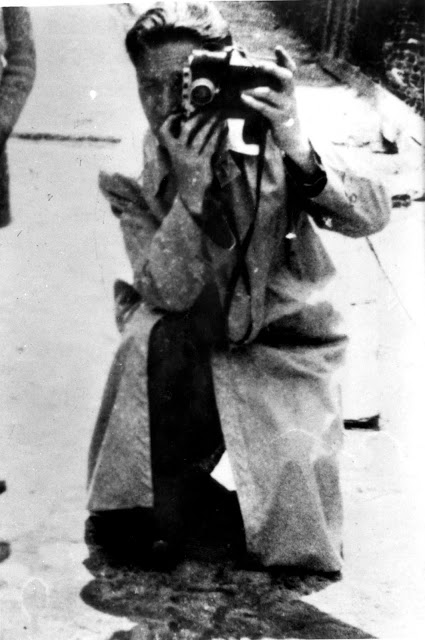
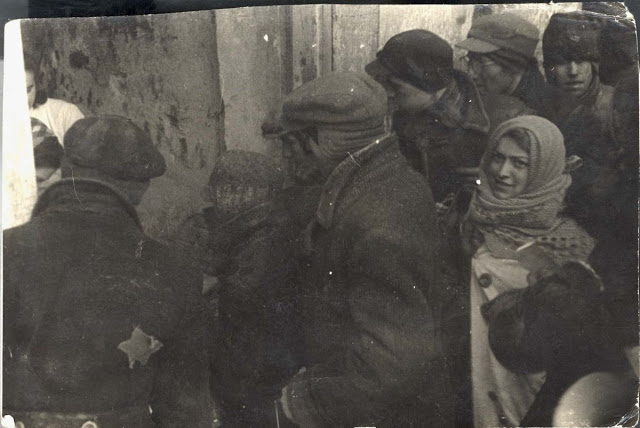
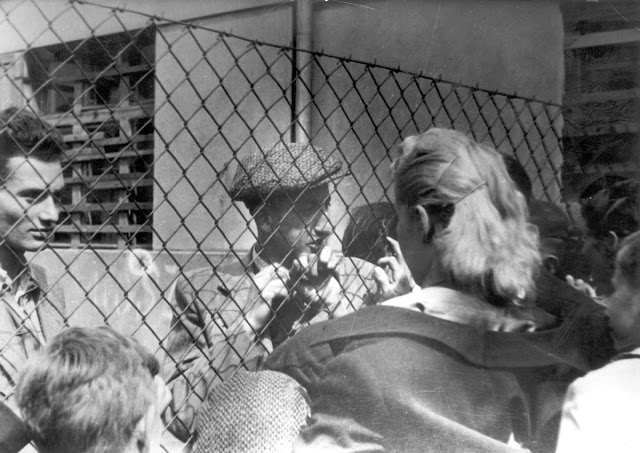
Forced to live in the Lodz ghetto he used his position in the statistics department to obtain the material needed to take photographs. By hiding his camera in his raincoat, Grossman was able to take secret photographs of scenes in the ghetto. He took these photographs at great risk to his life, not only because the Gestapo suspected him, but also because of his weak heart. Some of his photographs assisted people in identifying the graves of their loved ones.
Mendel Grossman’s negatives are now the prepared documentation of the Holocaust. Grossman distributed many of his photographs; those he was unable to distribute, he tried to hide. In August 1944, shortly before the final liquidation of the Litzmannstadt Ghetto, he hid ca. 10,000 negatives showing scenes from the Ghetto. In the ghetto, he lived together with his family at 55 Marynarskiej street.
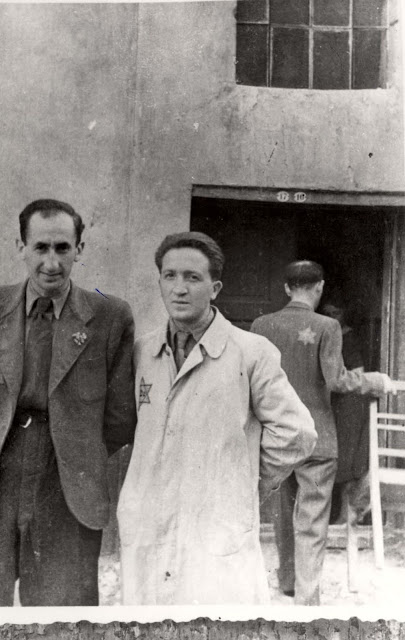
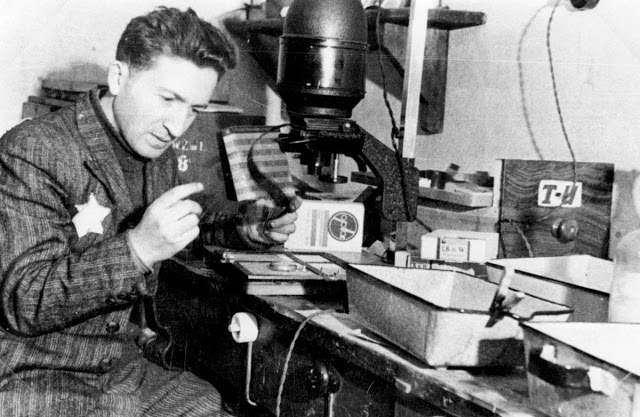
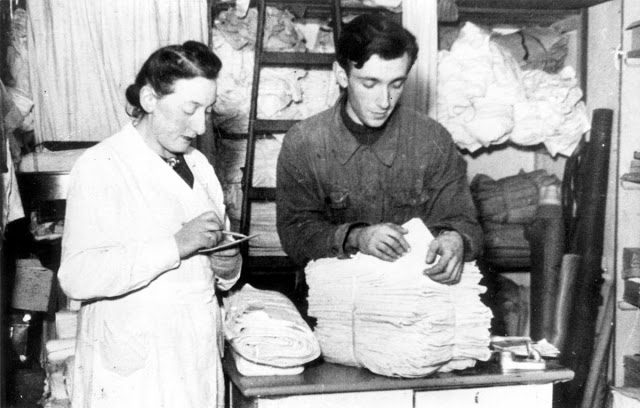
Mendel Grossman, the ghetto photographer, with a friend.Mendel Grossman taking photographs in the ghetto.The photographer Mendel Grossman in his laboratory.
Grossman continued to take photographs after he was deported to the Konigs Wusterhausen labor camp. He stayed there until 16 April 1945. On 30 April 1945, he was shot by Nazis during a forced death march, still holding on to his camera.
After the war his hidden negatives were discovered. Grossman’s sister found some of his hidden photographs and took them to Israel, but they were mostly lost in the Israeli war of Independence. Other photos taken by Grossman were found by one of his friends, Nachman (Natek) Zonabend; these photographs are now located in the Museum of Holocaust and Resistance at the Ghetto Fighters House in Kibbutz Lohamei Hagetaot, Israel, as well as Yad Vashem in Jerusalem.
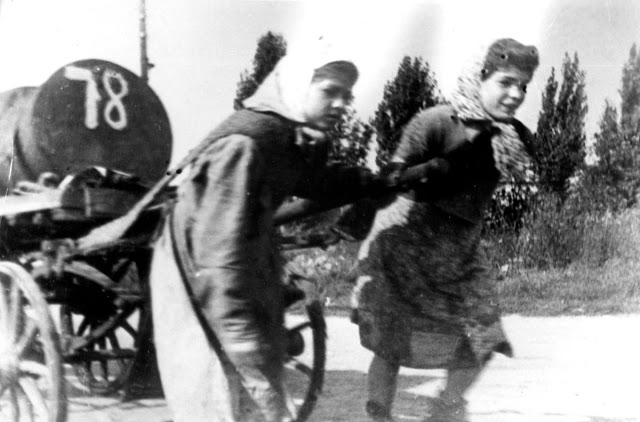
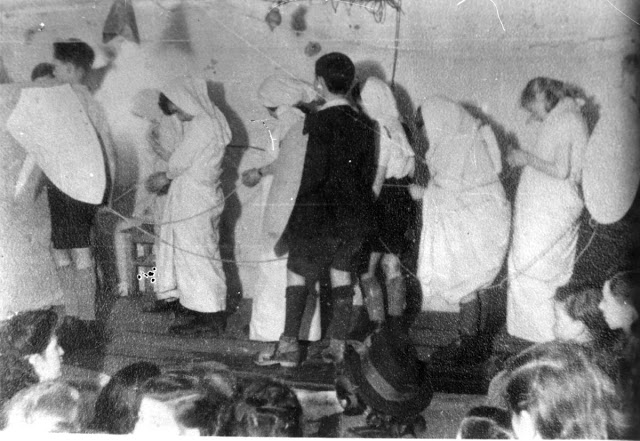
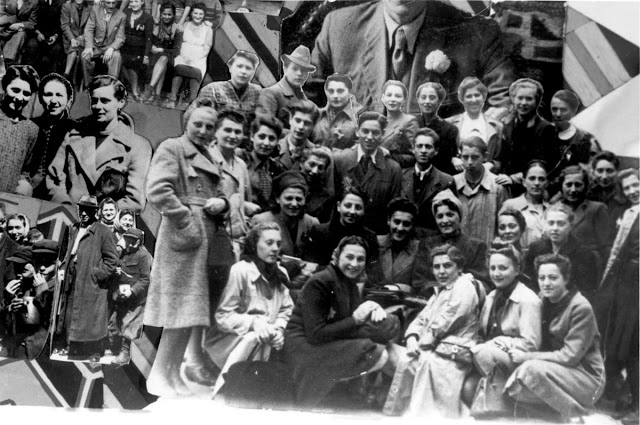
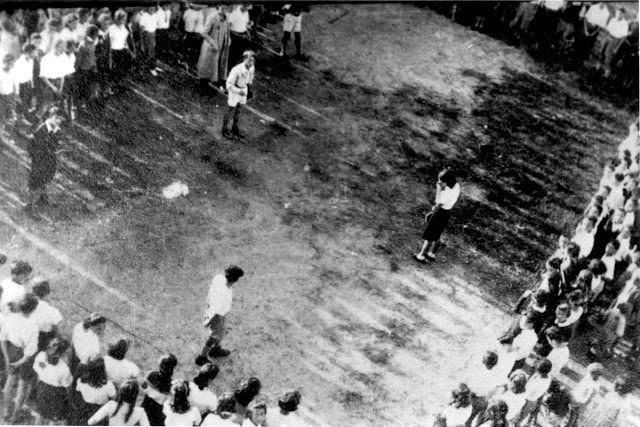
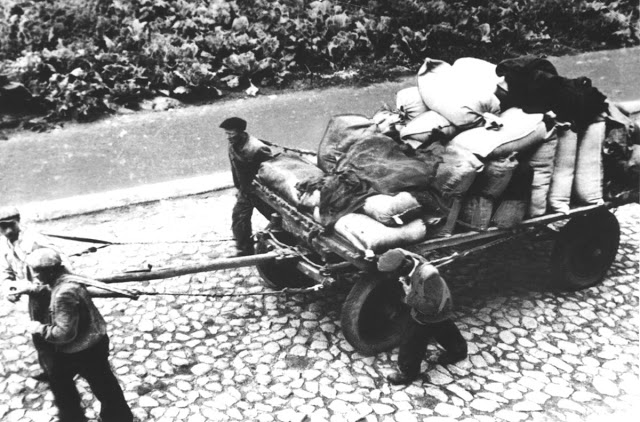
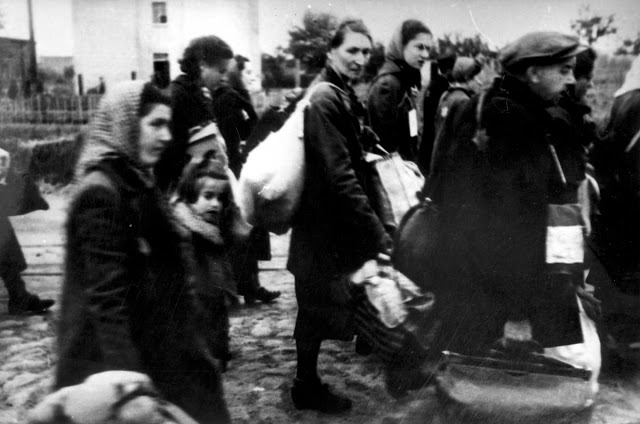
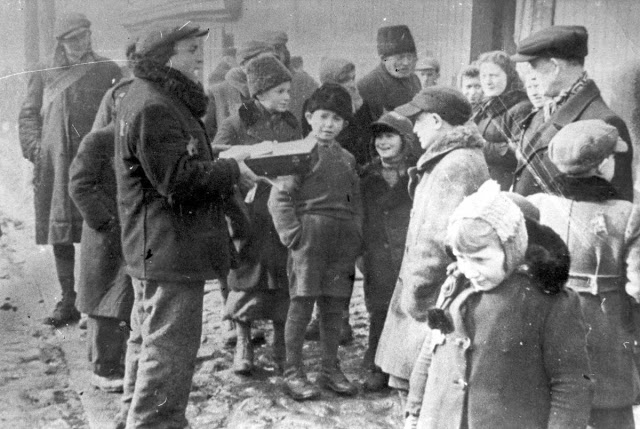
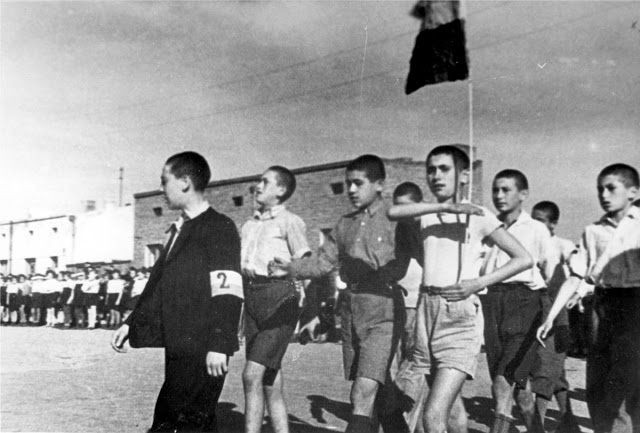
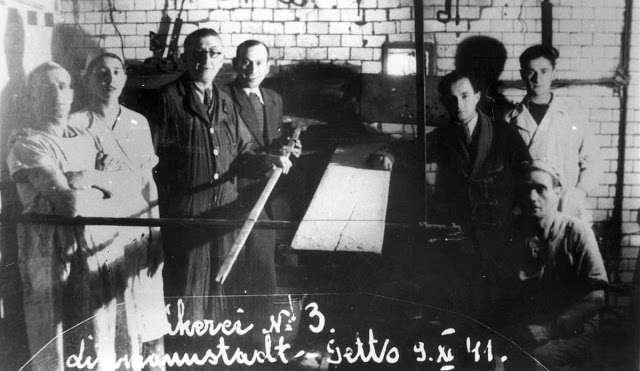
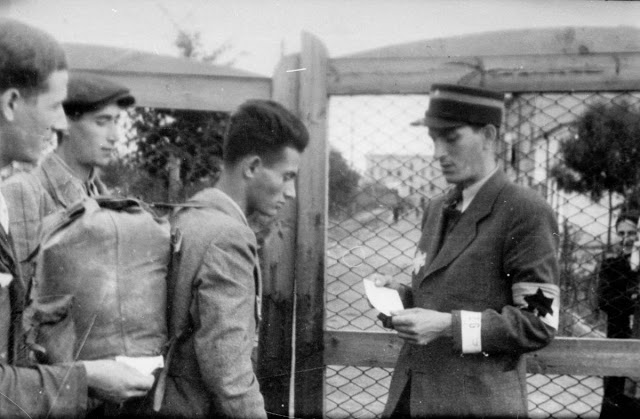
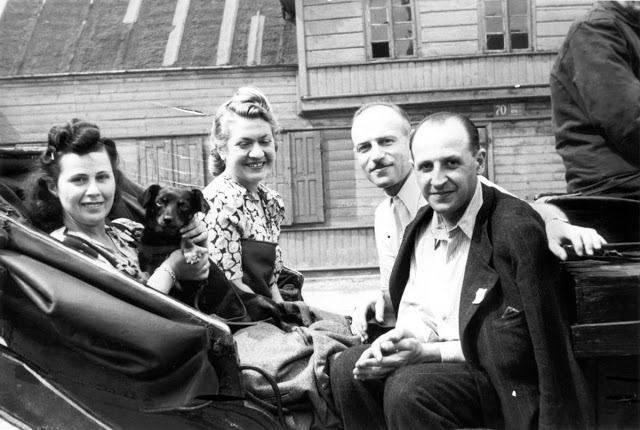
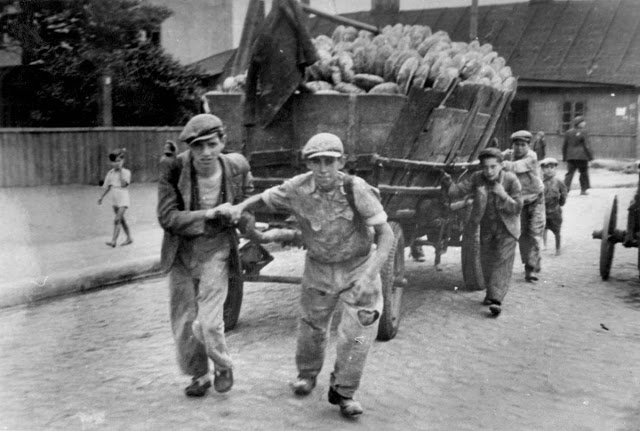
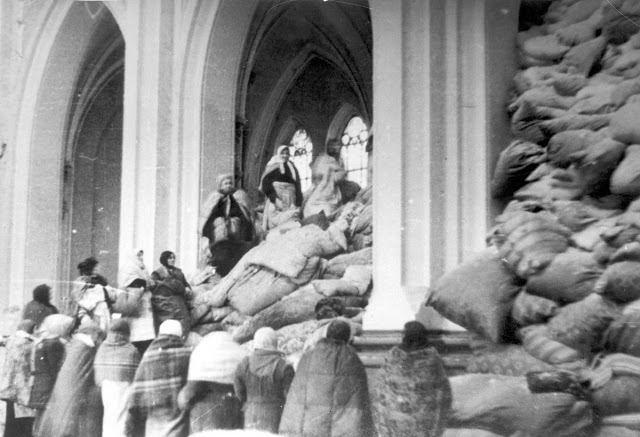
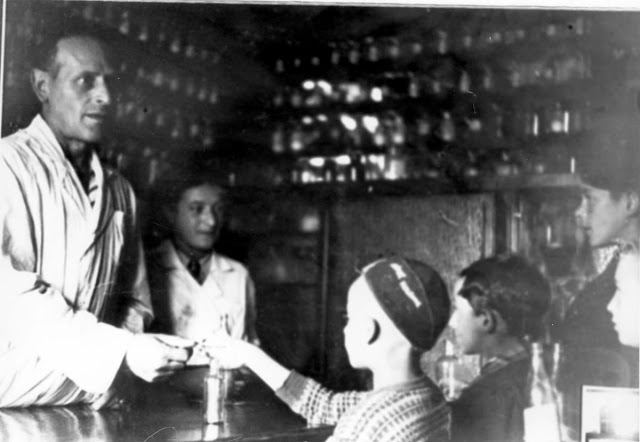
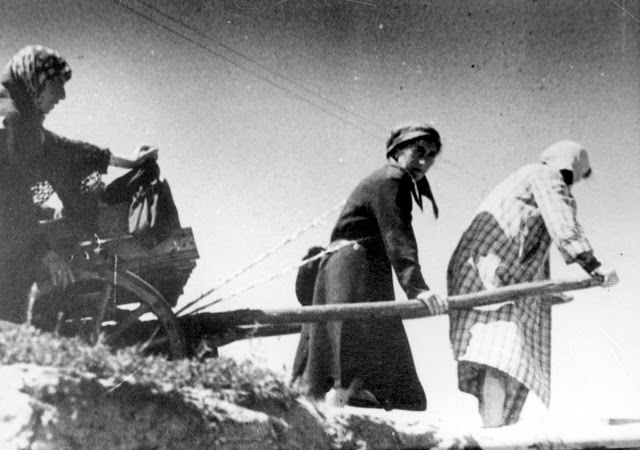
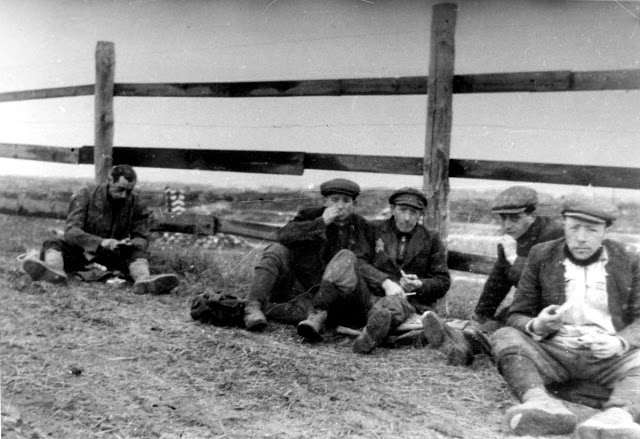
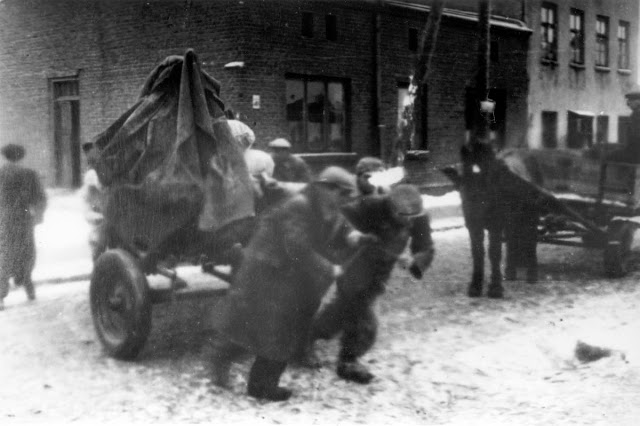
“Scheisskommando” workers pulling a cart of sewage.A group of youngsters in the ghetto, one of whom has a Jewish Badge on his back.People waiting in line for food in the ghetto.Mendel Grossman’s brother-in-law.A crossing between two parts of the ghetto, 1941.Children playing in a ghetto street, 1940.A children’s play in the ghetto.Young people in the ghetto.A street gathering in the ghetto.Jews from the privileged class of the ghetto in a carriage.Food distribution department workers delivering milk to the depot.A ceremony with the participation of young Jews in the ghetto.A convention of the “Zionist Youth Front”, summer of 1943.Transporting sacks of goods on a cart in the ghetto.Young women from the “Front of the Wilderness Generation” group, 1941.A group of young women.Deportation of Jews.A group of young people in the ghetto.Workers in a shoe factory.Jews being deported with the cooperation of the Jewish police.Young Jews.Yankel Hershkovitz, the street singer, appearing before an audience.A march by members of a youth group in the ghetto.Jews leaving their relatives before their deportation.Workers at Ghetto Bakery No. 3, 09/11/1941.Jews walking by the Jewish cemetery.A “Front of the Wilderness Generation” march, summer of 1940.A Jewish policeman checking the identity cards of those Jews about to be deported.Jews from the privileged class of the ghetto in a carriage.A child searching for edible roots in the ground, 1940.Sorting clothing in the Judenrat warehouse.Boys bringing bread through the ghetto streets.Storing the property of the deported people.Children receiving medications in the ghetto pharmacy.A group from the ghetto aristocracy, at the center – Shoshana Grossman.The “Scheisskommando” in the ghetto.Women dragging a cart outside the ghetto.Jews during a food break in a field by the ghetto.Transporting supplies on a wagon in the ghetto.Stella Rein, a teacher in a children’s home with children from one of her classes, 1942.
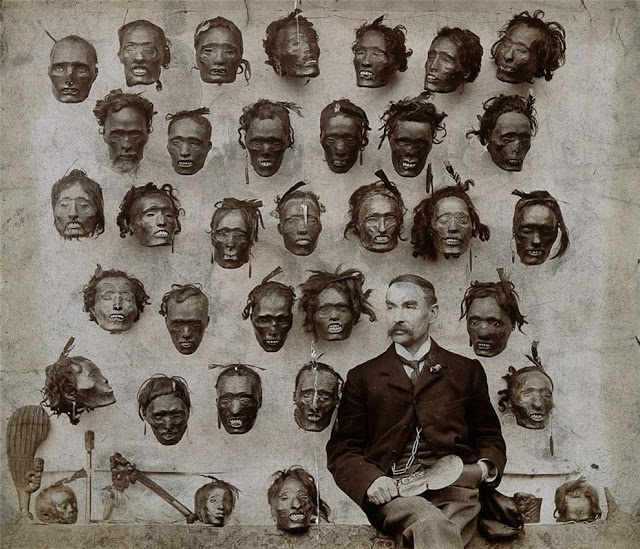
Horatio Gordon Robley (1840-1930) was a British army officer and artist who served in New Zealand during the New Zealand land wars in the 1860s. He was interested in ethnology and fascinated by the art of tattooing as well as being a talented illustrator.
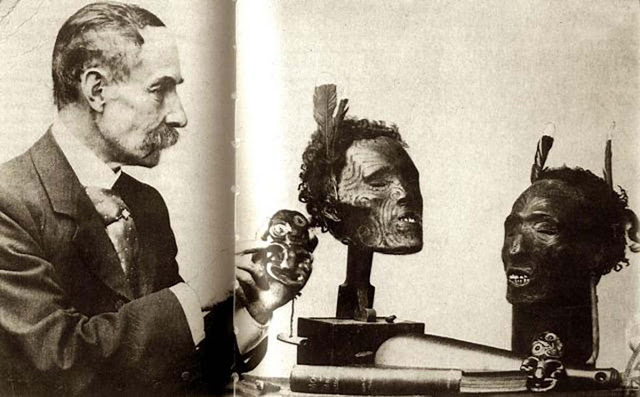
He wrote two books relating to his time in New Zealand, Moko or Maori Tattooing in 1896 and Pounamu: Notes on New Zealand Greenstone. In the first book, as well as demonstrating and explaining the art of Maori tattooing, he also wrote chapters on the dried tattooed heads or Mokomokai. Robley decided to acquire as many examples of Mokomokai as possible, and at length built up a unique collection of 35 heads.
Major General Horatio Gordon Robley with his collection of tattooed Maori heads, 1895
Robley would have obtained these heads from a market and traded for them. The trafficking of the items would have likely lead to murder and foul play since they were sought after items that had value. One account recalls a market seller telling the story of a slave who was being tattooed with the intention of being executed and sold as a Maori, however he escaped. The heads would have also been traded for firearms that certain tribes would have used during the musket wars.
In 1908 he offered them to the New Zealand Government for £1,000; his offer, however, was refused. Later, with the exception of the five best examples which Robley retained, the collection was purchased by the American Museum of Natural History, New York, for the equivalent of £1,250.
Starting in 1942, the U.S. government began quietly acquiring more than 60,000 acres in Eastern Tennessee for the Manhattan Project — the secret World War II program that developed the atomic bomb.
The government needed land to build massive facilities to refine and develop nuclear materials for these new weapons, without attracting the attention of enemy spies. The result was a secret town named Oak Ridge that housed tens of thousands of workers and their families.
The entire town and facility were fenced in, with armed guards posted at all entries. Workers were sworn to secrecy and only informed of the specific tasks they needed to perform. Most were unaware of the exact nature of their final product until the nuclear bombs were dropped on Japan in 1945.
Photographer Ed Westcott (the only authorized photographer on the facility) took many photos of Oak Ridge during the war years and afterwards, capturing construction, scientific experiments, military maneuvers, and everyday life in a 1940s company town (where the company happens to be the U.S. government).
The Manhattan Project was a research and development undertaking during World War II that produced the first nuclear weapons. It was led by the United States with the support of the United Kingdom and Canada. From 1942 to 1946, the project was under the direction of Major General Leslie Groves of the U.S. Army Corps of Engineers. Nuclear physicist Robert Oppenheimer was the director of the Los Alamos Laboratory that designed the actual bombs. The Army component of the project was designated the Manhattan District as its first headquarters were in Manhattan; the placename gradually superseded the official codename, Development of Substitute Materials, for the entire project. Along the way, the project absorbed its earlier British counterpart, Tube Alloys. The Manhattan Project began modestly in 1939, but grew to employ more than 130,000 people and cost nearly US$2 billion (equivalent to about $23 billion in 2020). Over 90 percent of the cost was for building factories and to produce fissile material, with less than 10 percent for development and production of the weapons. Research and production took place at more than thirty sites across the United States, the United Kingdom, and Canada.
Two types of atomic bombs were developed concurrently during the war: a relatively simple gun-type fission weapon and a more complex implosion-type nuclear weapon. The Thin Man gun-type design proved impractical to use with plutonium, and therefore a simpler gun-type called Little Boy was developed that used uranium-235, an isotope that makes up only 0.7 percent of natural uranium. Since it was chemically identical to the most common isotope, uranium-238, and had almost the same mass, separating the two proved difficult. Three methods were employed for uranium enrichment: electromagnetic, gaseous and thermal. Most of this work was performed at the Clinton Engineer Works at Oak Ridge, Tennessee.
In parallel with the work on uranium was an effort to produce plutonium, which was discovered by researchers at the University of California, Berkeley, in 1940. After the feasibility of the world’s first artificial nuclear reactor, the Chicago Pile-1, was demonstrated in 1942 at the Metallurgical Laboratory in the University of Chicago, the Project designed the X-10 Graphite Reactor at Oak Ridge and the production reactors at the Hanford Site in Washington state, in which uranium was irradiated and transmuted into plutonium. The plutonium was then chemically separated from the uranium, using the bismuth phosphate process. The Fat Man plutonium implosion-type weapon was developed in a concerted design and development effort by the Los Alamos Laboratory.
The project was also charged with gathering intelligence on the German nuclear weapon project. Through Operation Alsos, Manhattan Project personnel served in Europe, sometimes behind enemy lines, where they gathered nuclear materials and documents, and rounded up German scientists. Despite the Manhattan Project’s tight security, Soviet atomic spies successfully penetrated the program. The first nuclear device ever detonated was an implosion-type bomb at the Trinity test, conducted at New Mexico’s Alamogordo Bombing and Gunnery Range on 16 July 1945. Little Boy and Fat Man bombs were used a month later in the atomic bombings of Hiroshima and Nagasaki, respectively, with Manhattan Project personnel serving as bomb assembly technicians, and as weaponeers on the attack aircraft. In the immediate postwar years, the Manhattan Project conducted weapons testing at Bikini Atoll as part of Operation Crossroads, developed new weapons, promoted the development of the network of national laboratories, supported medical research into radiology and laid the foundations for the nuclear navy. It maintained control over American atomic weapons research and production until the formation of the United States Atomic Energy Commission in January 1947. (Wikipedia)
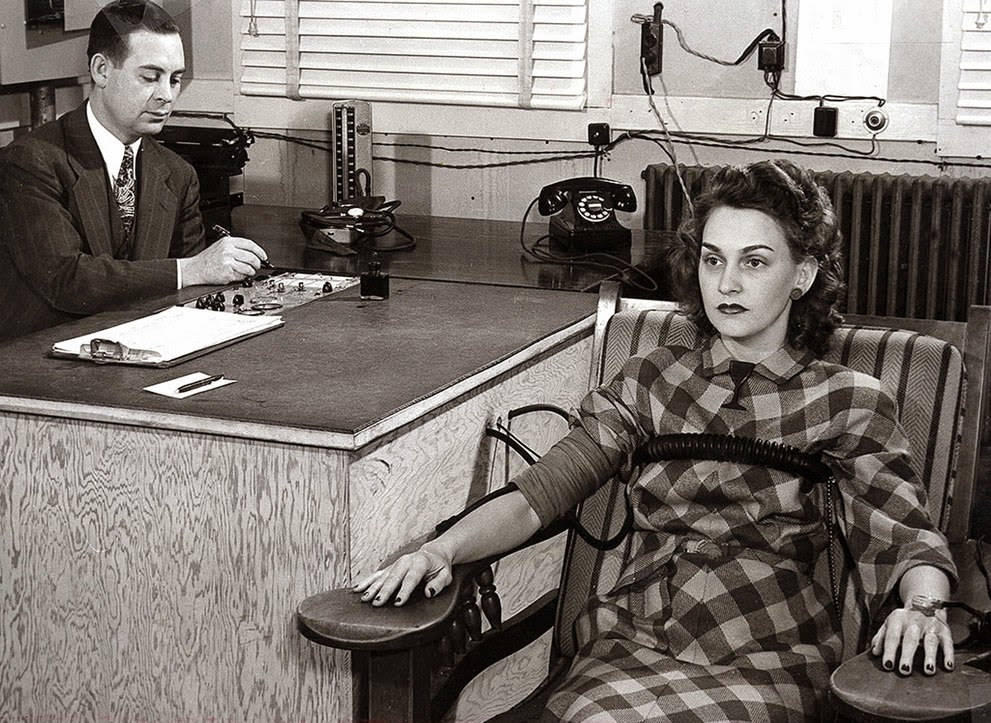
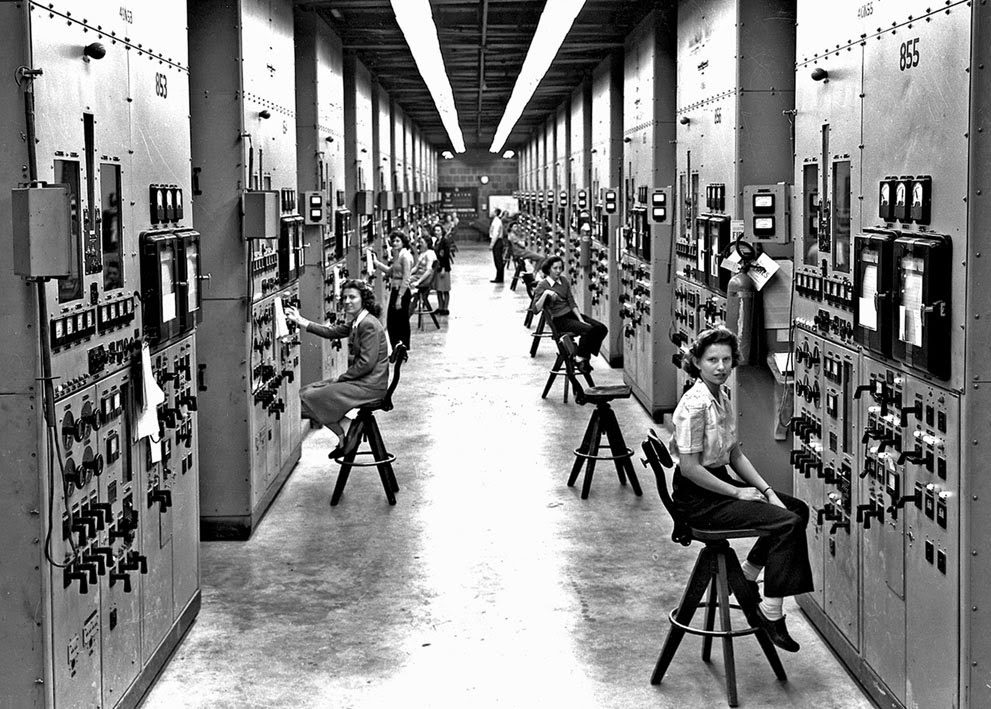
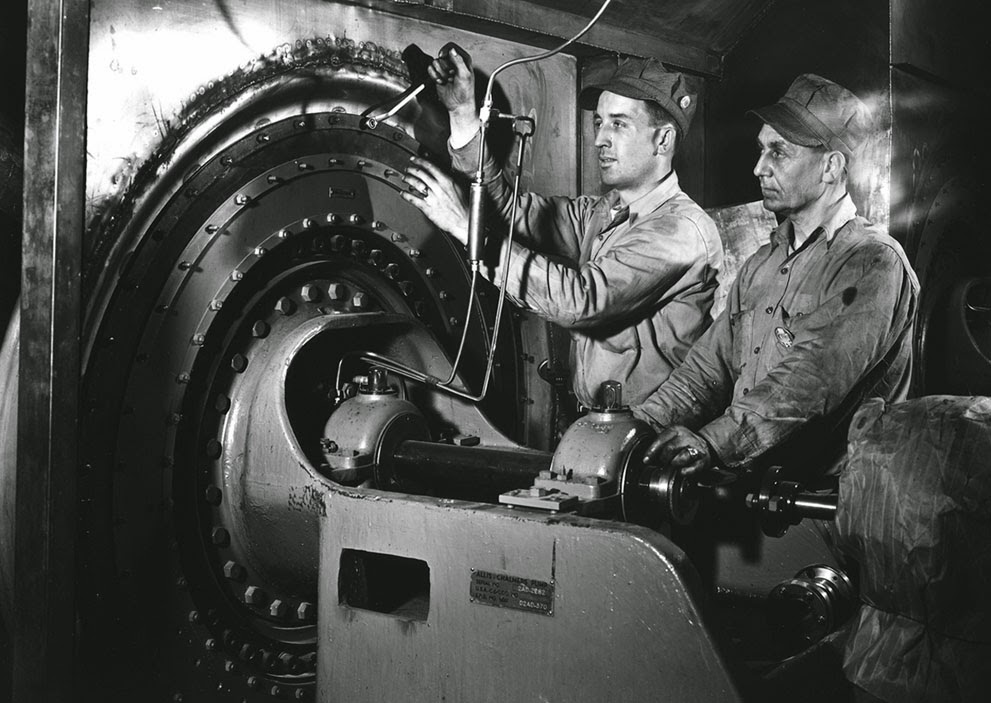
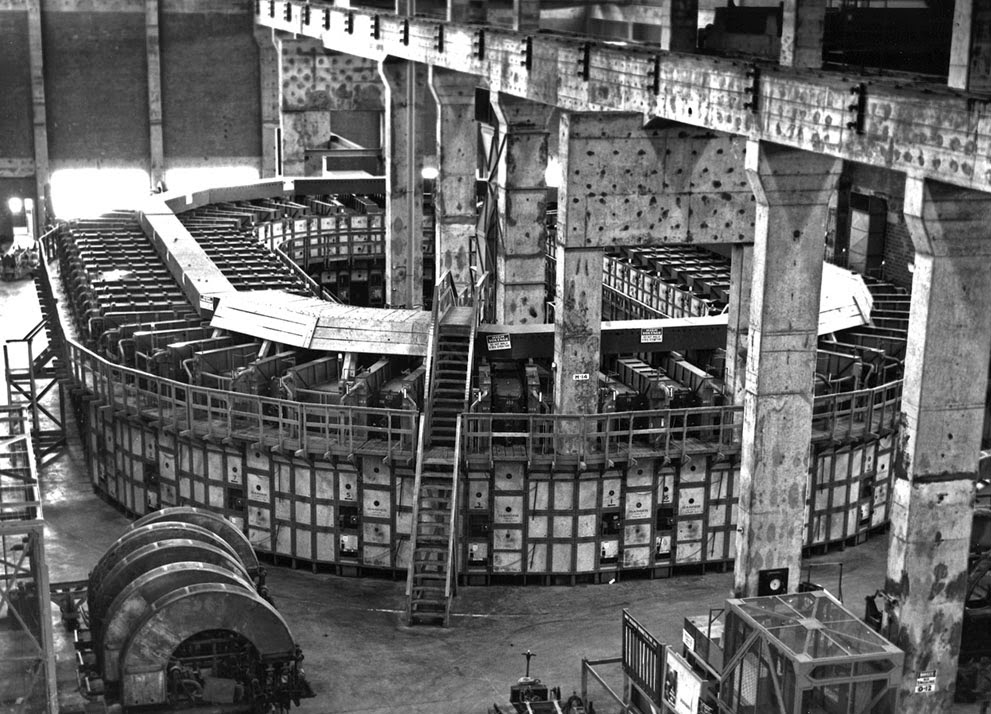
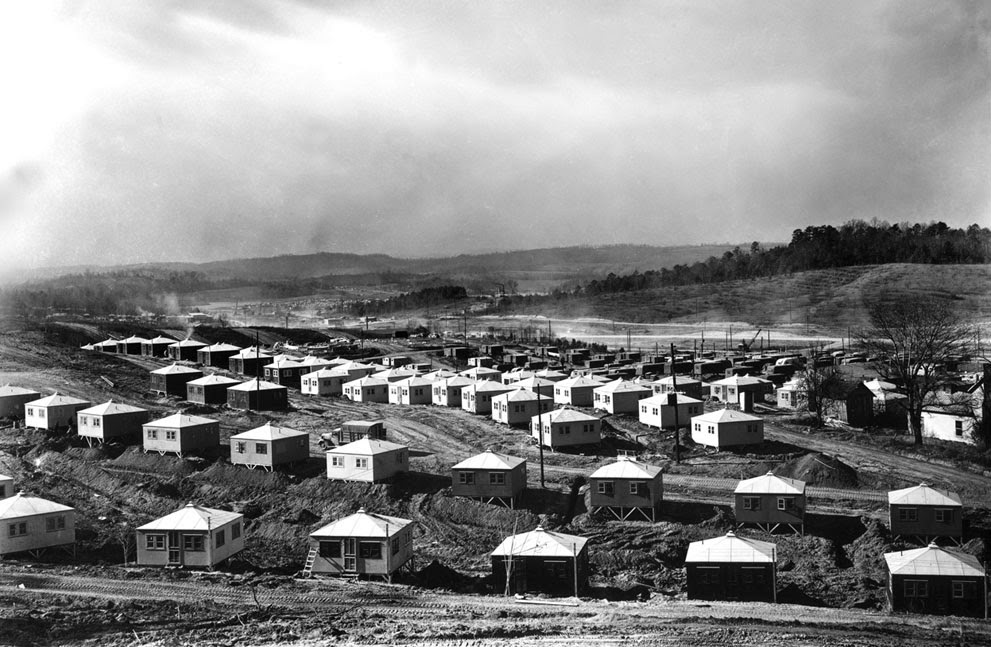
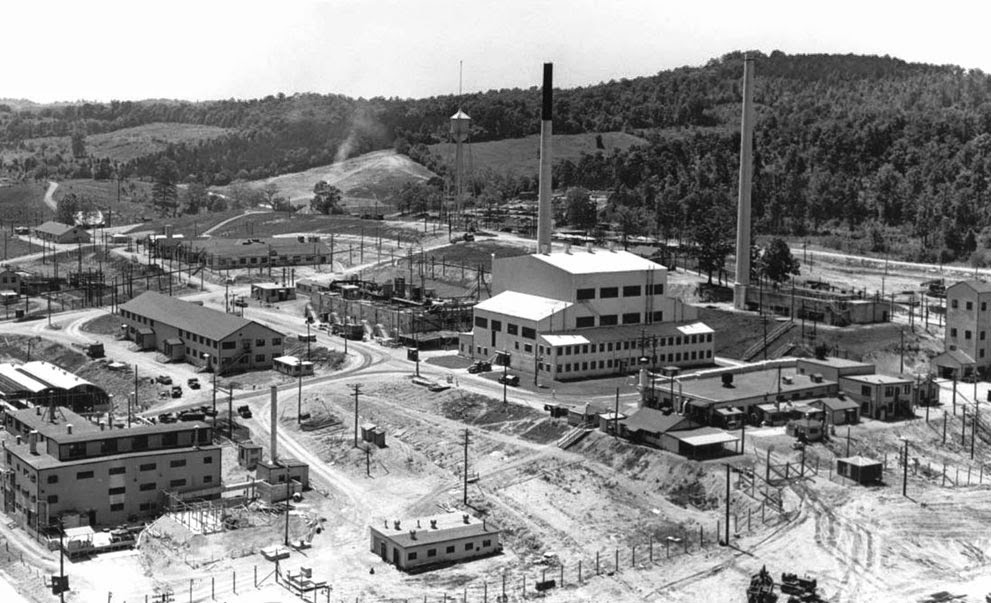
Military Police man Elza Gate in Oak Ridge, Tennessee, in 1945.Early Construction of the K-25 uranium enrichment facility (background), with one of original houses of Oak Ridge, Tennessee in the foreground, in 1942. That year, the United States Army Corps of Engineers began quickly acquiring land in the Oak Ridge area, at the request of the U.S. government, to build production facilities for the Manhattan Project. The K-25 plant, when completed, was the largest building in the world for a time.Lie detection tests were administered as part of security screening (U.S. Department of Energy)A billboard posted in Oak Ridge, Tennessee, on December 31, 1943. (Ed Westcott/DOE)Calutron operators at their panels, in the Y-12 plant at Oak Ridge, Tennessee, during World War II. The calutrons were used to refine uranium ore into fissile material. During the Manhattan Project effort to construct an atomic explosive, workers toiled in secrecy, with no idea to what end their labors were directed. Gladys Owens, the woman seated in the foreground, did not realize what she had been doing until seeing this photo in a public tour of the facility fifty years later. (Ed Westcott/DOE)Workers perform maintenance on a cell housing in the K-25 uranium enrichment facility, in Oak Ridge, Tennesee. (James E. Westcott/DOE)A caultron “racetrack” uranium refinery at the Y-12 plant in Oak Ridge, Tennessee, during the Manhattan Project. The light-colored bars along the top are solid silver. (Ed Westcott/DOE)Temporary Housing (Hutments) fill the formerly empty valleys of Oak Ridge in 1945. The sudden growth of the military’s facilities caused the local population to grow from about 3,000 in 1942 to about 75,000 in 1945. (Ed Westcott/DOE)A young entrepreneur during the days of the Manhattan Project, in Oak Ridge, Tennesee. (James E. Westcott/DOE)Shift change at the Y-12 uranium enrichment facility in Oak Ridge. Notice the billboard: “Make CEW count Continue to protect project information.” CEW stands for Clinton Engineer Works, the Army name for the production facility. (Ed Westcott/US Department of Energy)A billboard in Oak Ridge, photographed during WWII, on January 21, 1944. (Ed Westcott/DOE)The main control room at the K-25 uranium enrichment plant in Oak Ridge. (Ed Westcott/DOE)Welding at the K-25 facility in Oak Ridge, in February of 1945. At the height of production, nearly 100,000 workers were employed by the government in the secret city. (Ed Westcott/DOE)Kiddy Club at the Midtown Recreation Hall in Oak Ridge, on January 6, 1945. (Ed Westcott/DOE)A Link Trainer, a type of flight simulator produced between the early 1930s and early 1950s, in Oak Ridge, in September of 1945. (Ed Westcott/DOE)This 1945 photograph shows the giant 44 acre K-25 plant in Oak Ridge, Tennessee, where the uranium for the first atomic weapon was produced. (AP Photo/U.S. Department of Energy)V-J day celebration in Jackson Square in downtown Oak Ridge in August of 1945. When the first atomic bomb was dropped on Japan on August 6, 1945, the news reports revealed to the people at Oak Ridge what they had been working on all along. (Ed Westcott/DOE)Oak Ridge’s Grove Theater shows “The Beginning or The End” in March of 1947. (Ed Westcott/DOE)Oak Ridge’s X-10 graphite reactor, in 1947. X-10 was the world’s second artificial nuclear reactor (after Enrico Fermi’s Chicago Pile) and was the first reactor designed and built for continuous operation. (DOE)An employee at the Oak Ridge electromagnetic process plant, where stable isotopes are concentrated, holds a vial containing the stable isotope Molybdenum 92, on January 22, 1948. Stable isotopes can be handled without risk to the person. In contrast to radioactive isotopes, they do not emit radiation and can therefore be safely handled.
Why would a young woman leave her family, and her home – likely never seeing them again in this earthly life – to travel in sub-par quarters to become a mail-order bride? Why would a bachelor agree to marry someone he had come to know only through her letters?
The phenomenon of a courtship correspondence is a stark contrast to today’s culture of dating. Modern parallels, such as online dating, exist, but they usually facilitate an in-person meeting well before a marriage proposal The prospect of leaving one’s family, friends, and livelihood, and traveling to a different part of the country to tie the knot with someone whom they had never met in-person seems outlandish to many today. What would possess a person to take such a risk?
That question, however, comes from a 21st century frame. Was such a proposition risky when men and women did it in the late 19th and early 20th centuries? Yes. But as a whole, these men and women seemed to have a more pragmatic approach to marriage. Mail-order marriages were potentially dangerous, but they also offered men and women a means to achieving some of their goals. Whereas marriages in the past had been practical and strategic tools to advance the good of a larger kin group, mail-order marriages seem to have been practical and strategic tools to advance the good of the individual.
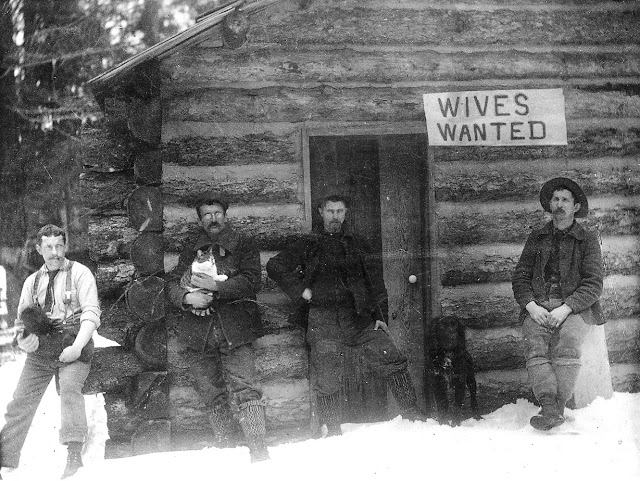
These four men in Montana (near Lake McDonald in Glacier National Park) at the turn of the 20th century advertised their want for wives on the side of a cabin. From left-to-right they were: Bill Daucks, Frank Geduhn, Esli Apgar, and Dimon Apgar. Frank, and Dimon eventually married, but not mail-order brides. (Courtesy of Glacier National Park Photo Archives)
During the initial American settling of the western part of North America, it was mainly men who went out there. They went to look for gold, to start homestead farms and ranches, and to begin new lives where resources were plentiful, spaces were wide and open, and there was a lot more freedom than back east. However the many single men who went west soon found themselves to be lonely. They may have had male friends nearby, or maybe they didn’t. Either way, it was no substitute for having female companionship. Only a small number of men brought wives and/or families with them. The number of single women in the west was negligible (there were a few, but far from enough to go around compared to the men who went there on their own). It wasn’t long before men started to think of creative ways to get wives without having to travel away from their land and risk it being claimed or taken over by someone else while they were gone.
Two gold miners with pack burro, c.1898.
Some men wrote home asking friends and family for recommendations for single women they knew who would make good wives, and the courtship was by correspondence, until the couple decided to marry, when the woman would go west for the ceremony and to start her new life. However, a much more common scenario was the mail order bride. Men in the west advertised in eastern newspapers for wives. In the ads, they would tell a bit about themselves and what they were looking for in a wife. Interested women who met the qualifications of a particular advertiser would write back. From there, the process from first letter to marriage was much the same as for men who got wives through their social networks back home. Once in a while, a woman would advertise in a western newspaper looking for a husband, usually if she wasn’t finding anyone who was interested in her (or vice versa) at home, and the courtship process was the same as if she was answering an ad rather than writing one.
Women who answered the ads for wives in the west were those who weren’t finding men, or men of quality, at home, or those who wanted to get away from home for some reason. Reasons included having strict parents, being the subject of a scandal that was ruining their reputation, or simply wanting adventure and/or a new start after something bad happening at home. These women needed to find husbands elsewhere, in places far away from where they lived. Surprisingly, there was no shortage of women who answered these mail order bride ads. Many Old West marriages were made this way.
Other women chose to answer bachelors’ calls for correspondence simply for the fun of it. Not all of them hoped that the correspondence would lead to wedding bells, and were surprised when their pen-pal thought otherwise.Others started out with a lark and ended up with a husband.
Note that this tale of an almost mail-order bride comes from New Jersey in 1907. Certainly, it defies the stereotype of women of the mid 19th century traveling to the West Coast. (“Courtship by Mail Failed.” New York Times (New York, NY), January 1, 1907)Annie Doeffer chose to respond ‘for amusement’ to Bernhardt Dettermann’s personal ad. (“Courtship by Correspondence: Miss Doefer of Pomeroy, O., to Marry a Man Whom She Has Never Met.” Chicago Daily Tribune (Chicago, IL), October 8, 1888)
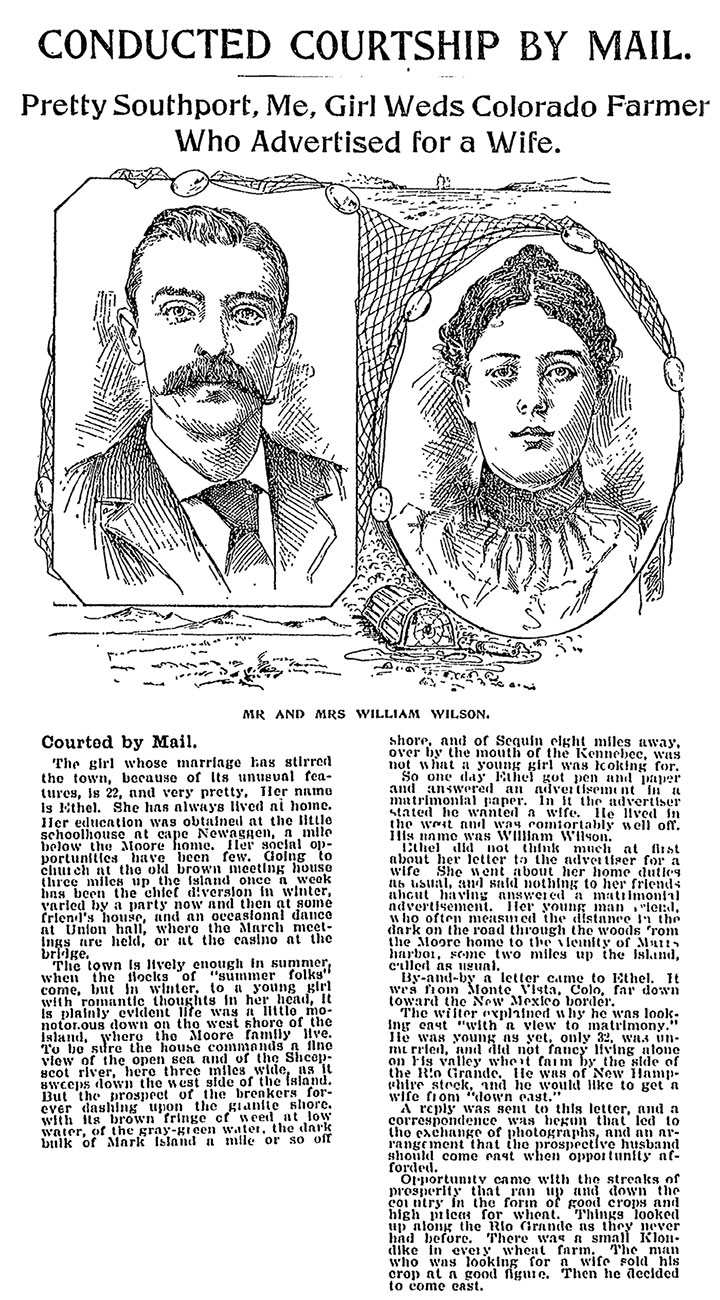
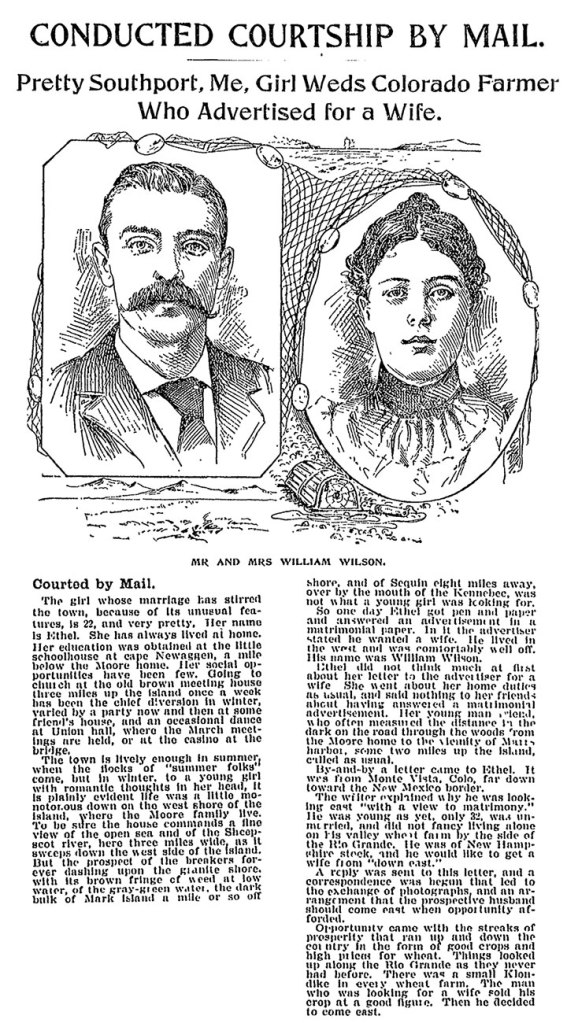
Finally, some women sought husbands by letter simply because they were lonely and found their local surroundings lacking suitable candidates for marriage. Such was the case of Ethel Moore, a 22 year old resident of Southport Maine.
This is an excerpt from a larger article profiling Ethel Moore and William Wilson. Ethel was a member of a twelve-person fishing family on the coast of Maine. In describing the landscape, the author of this article hints that the quietness of the town contributed to Ethel’s decision to respond to William’s ad: ‘The town is lively enough in summer when the flocks of “summer folks” come, but in winter, to a young girl with romantic thoughts in her head, it is plainly evident life was a little monotonous down on the west shore of the Island, where the Moore family live.” (“Conducted Courtship by Mail: Pretty Southport, Me, Girl Weds Colorado Farmer Who Advertised for a Wife,” Boston Daily Globe (Boston, MA), January 7, 1898)
In most cases, the marriages went smoothly, as both parties represented themselves accurately. No one wanted to travel a thousand miles or more across the continent (or wait for someone to travel that far to get to them), only to find there were lies involved that would make the marriage an unpleasant one for one or both of them. However, there were the occasional stories of mail order bride ventures gone awry.
One notable example, though by all means not the only one, is that of 22-year-old school mistress Elizabeth Berry and bachelor miner Louis Dreibelbis. Louis described himself as a lonely miner in his ad. Elizabeth was concerned about becoming a spinster, since she was still unmarried at 22, which was approaching old age in the Old West marriage market. Elizabeth packed up her things after a short correspondence with Louis and went to California to marry him. On the way, her stagecoach was robbed, but one of the three robbers allowed her to keep her luggage, which had her wedding dress and all her other belongings for her new life in it. She noticed the man had a ragged scar on one hand.
Later that day, she reached Louis’s house, and they went to the justice of the peace to get married after she got dressed for the ceremony. After they exchanged vows, and were pronounced man and wife, Elizabeth thought she recognized Louis’s voice, and saw the same ragged scar on his hand as she’d seen on the robber when he signed the marriage license. Realizing he was one of the robbers, she fled, and history does not record what became of her. It turns out Louis was indeed a miner, but he neglected to say in his ad that he supplemented his income robbing stagecoaches with a couple of his friends.
If one of your ancestors was a mail order bride, researching her history may give you an interesting story as to why she decided to become one. Learning about her life after moving to marry her new husband will also provide a really interesting family tale from a unique Old West institution.
(via Smithsonian Institution and Ancestral Findings)
Photographer Ernst Haas (1921–1986) is best known for his color saturated images of post-war America, where he moved in 1951. Born in Vienna, Haas suffered under the Nazi occupation, turning to photography after being kicked out of medical school for being Jewish. His big break came after his photographs of prisoners of war returning to Vienna in 1947 caught the eye of Magnum founder Robert Capa, who invited Haas to join the agency in New York.
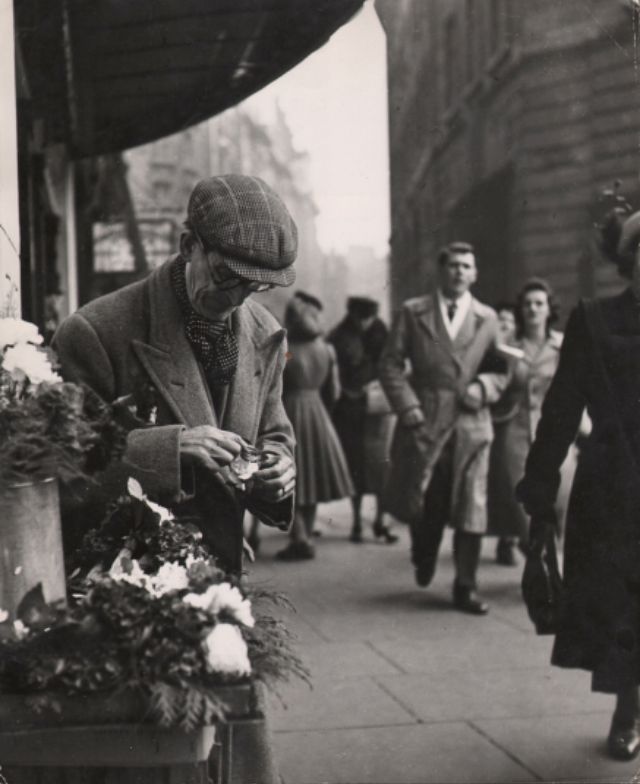
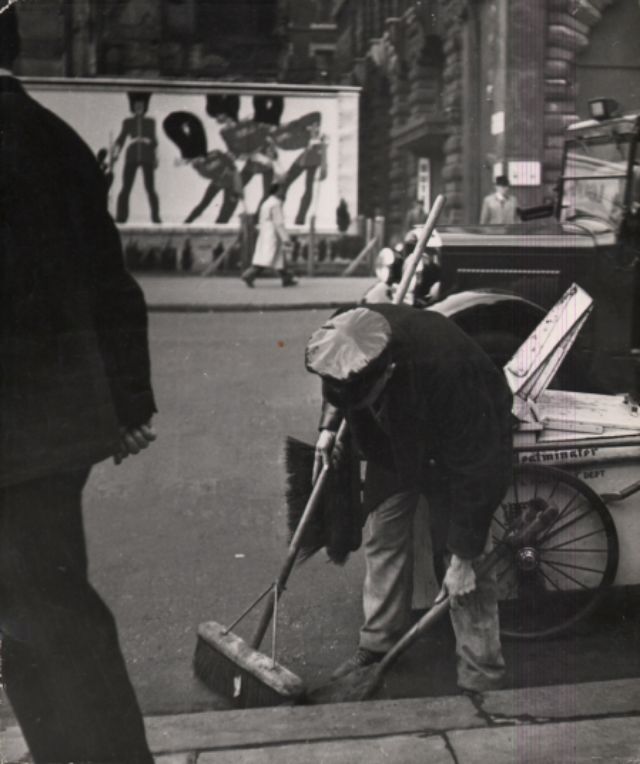
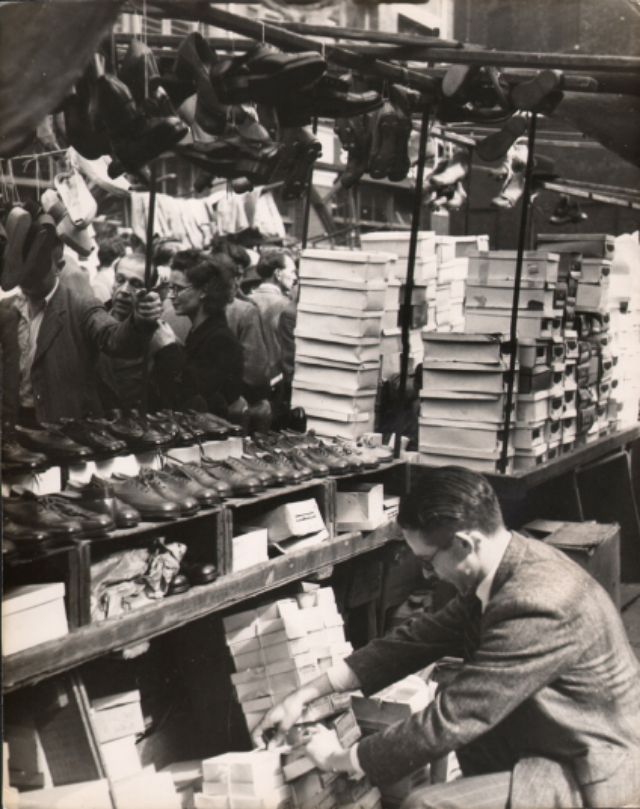
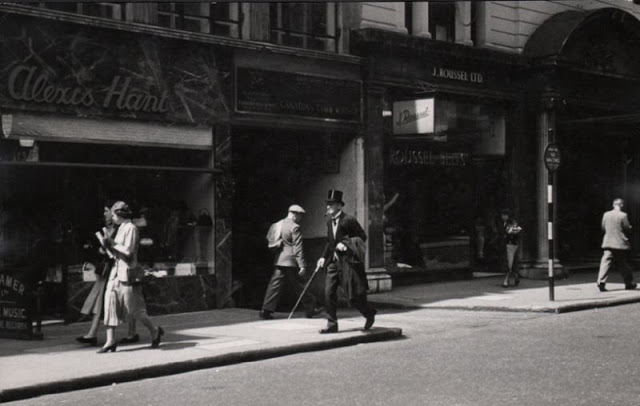
While waiting for his visa, Haas visited London for the first time in late 1948, staying until 1949. He was on assignment for the Austrian magazine, Film, but in his spare time he took to the streets, capturing people at Speaker’s Corner in Hyde Park or on bustling Shaftsbury Avenue. Fascinated by the city’s spirit and the stoicism of it inhabitants, Haas returned to London in 1951, this time shooting jubilant scenes from the Festival of Britain.
London is the capital and largest city of England and the United Kingdom. It stands on the River Thames in south-east England at the head of a 50-mile (80 km) estuary down to the North Sea, and has been a major settlement for two millennia. The City of London, its ancient core and financial centre, was founded by the Romans as Londinium and retains boundaries close to its medieval ones. Since the 19th century, “London” has also referred to the metropolis around this core, historically split between the counties of Middlesex, Essex, Surrey, Kent, and Hertfordshire, which largely comprises Greater London, governed by the Greater London Authority. The City of Westminster, to the west of the City of London, has for centuries held the national government and parliament.
London, as one of the world’s global cities, exerts strong influence on its arts, commerce, education, entertainment, fashion, finance, health care, media, tourism, and communications. Its GDP (€801.66 billion in 2017) makes it the biggest urban economy in Europe, and it is one of the major financial centres in the world. In 2019 it had the second-highest number of ultra high-net-worth individuals in Europe after Paris and the second-highest number of billionaires of any city in Europe after Moscow. With Europe’s largest concentration of higher education institutions, it includes Imperial College London in natural and applied sciences, the London School of Economics in social sciences, and the comprehensive University College London. The city is home to the most 5-star hotels of any city in the world. In 2012, London became the first city to host three Summer Olympic Games.
London’s diverse cultures mean over 300 languages are spoken. The mid-2018 population of Greater London of about 9 million[5] made it Europe’s third-most populous city. It accounts for 13.4 per cent of the UK population. Greater London Built-up Area is the fourth-most populous in Europe, after Istanbul, Moscow and Paris, with 9,787,426 inhabitants at the 2011 census. The London metropolitan area is the third-most populous in Europe after Istanbul’s and Moscow’s, with 14,040,163 inhabitants in 2016.
London has four World Heritage Sites: the Tower of London; Kew Gardens; the combined Palace of Westminster, Westminster Abbey, and St Margaret’s Church; and also the historic settlement in Greenwich, where the Royal Observatory, Greenwich defines the Prime Meridian (0° longitude) and Greenwich Mean Time. Other landmarks include Buckingham Palace, the London Eye, Piccadilly Circus, St Paul’s Cathedral, Tower Bridge and Trafalgar Square. It has numerous museums, galleries, libraries and sporting venues, including the British Museum, National Gallery, Natural History Museum, Tate Modern, British Library and West End theatres. The London Underground is the oldest rapid transit system in the world. (Wikipedia)
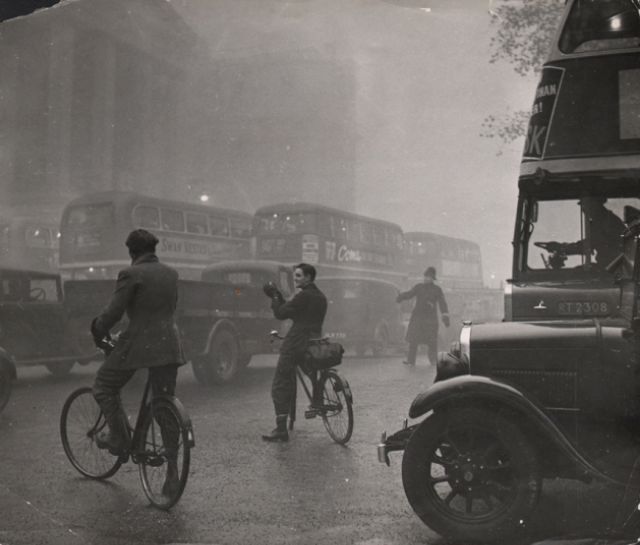
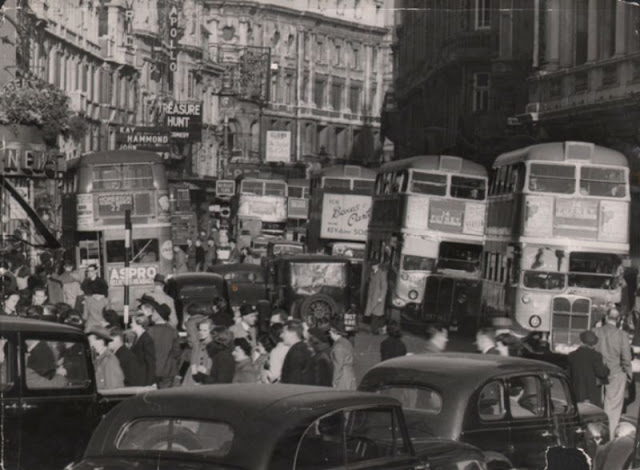
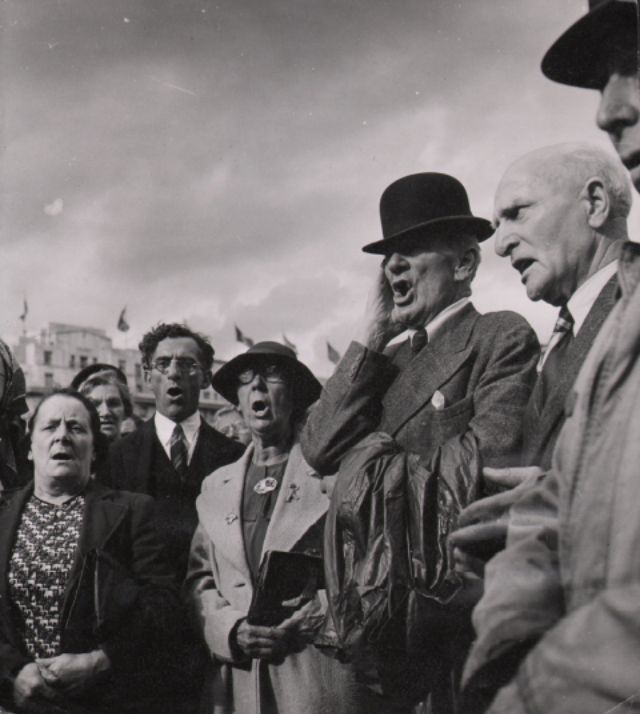
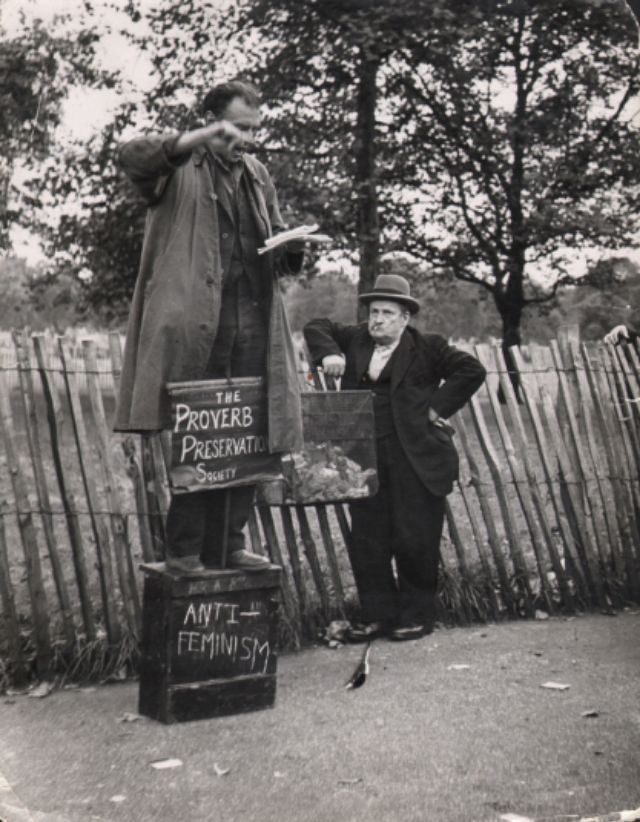
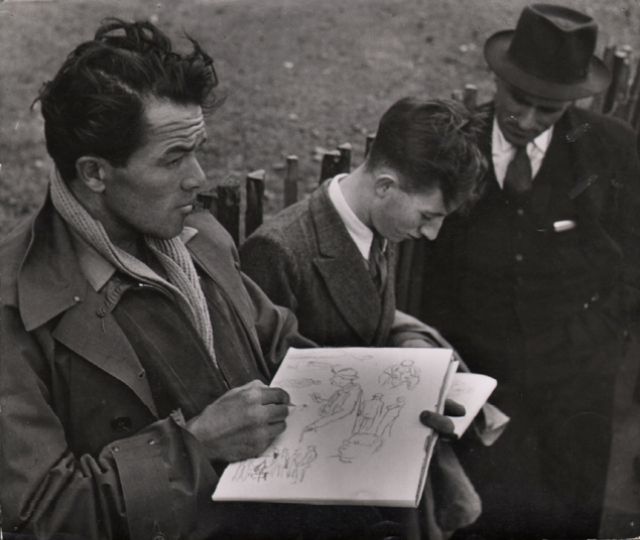
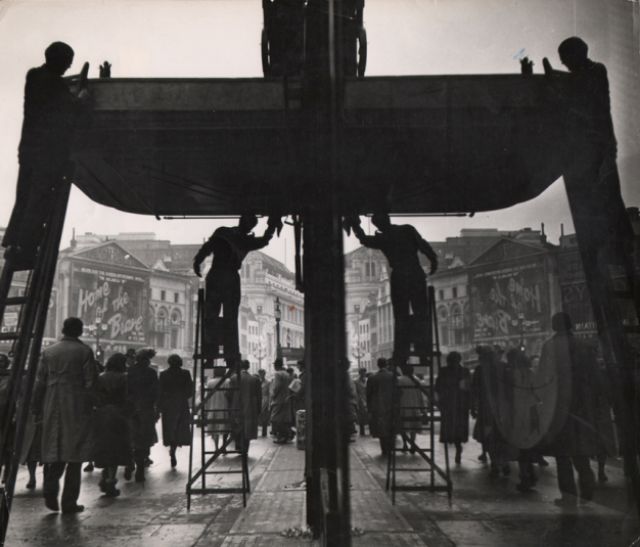
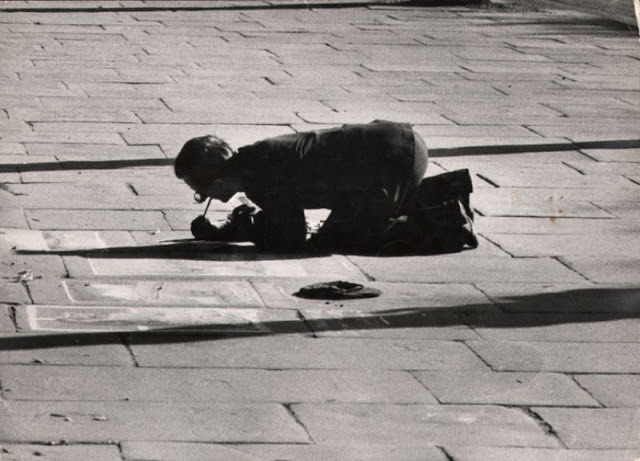
Cyclists, London, 1949A bustling Shaftsbury Avenue, 1949Speakers corner (singing people), 1949Speakers corner, 1949In the post-war years, Speaker’s Corner represented a snapshot of the changing face of British society. Black workers’ unions and socialist political parties were given a platform alongside bowler-hatted gentry.Men up a ladder outside the Criterion Theatre, Piccadilly, 1949Flower sellerStreet sweeper, 1949A stall on Portobello Road in west LondonIn the spring of 1951, while en route to America with a ticket paid for by Illustrated magazine, Ernst returned to London. It was a far cry from the city he had visited two years earlier. Street parties and celebrations marking the Festival of Britain were in full swing and Ernst photographed men, women, even babies in their Sunday best.
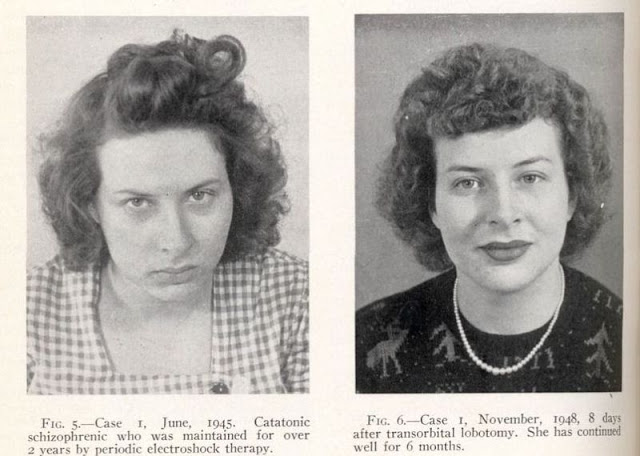
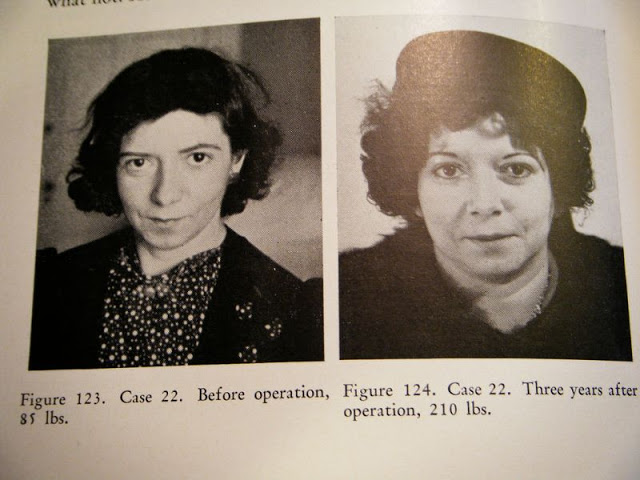
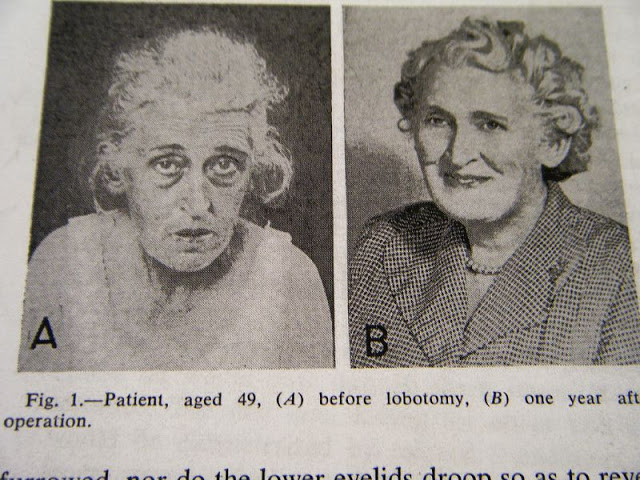
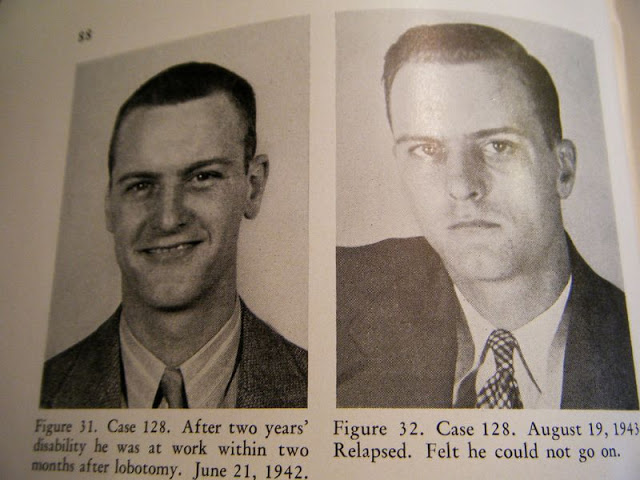
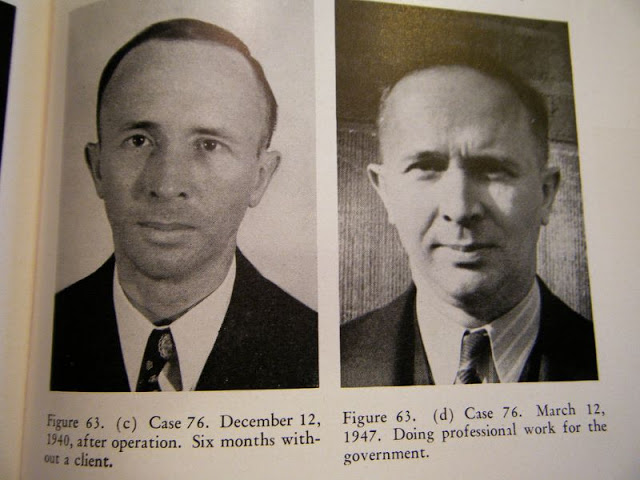
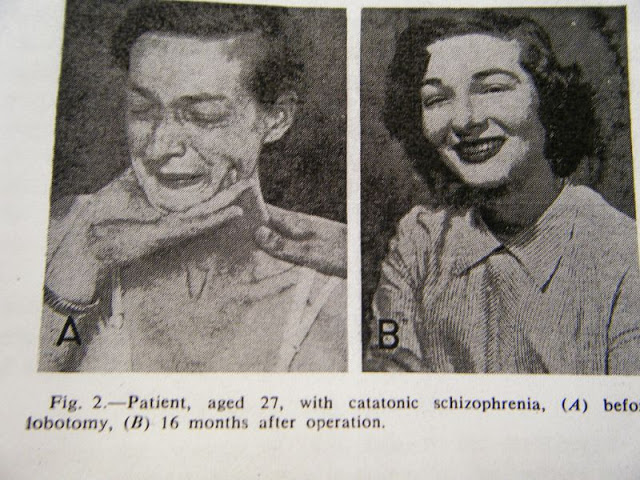
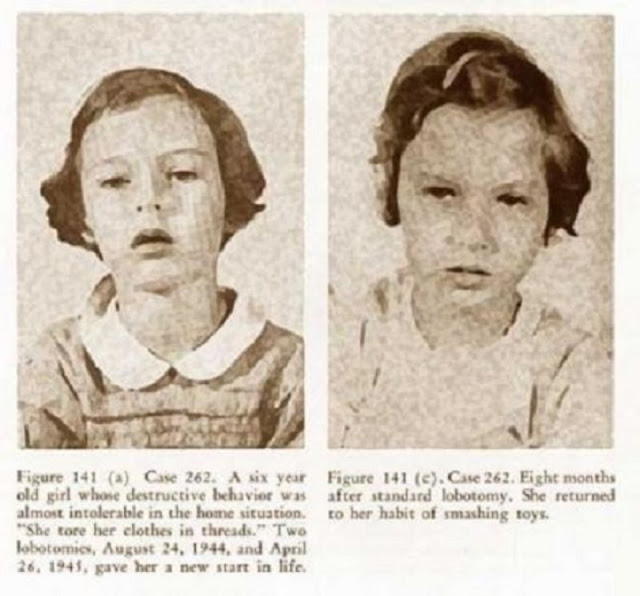
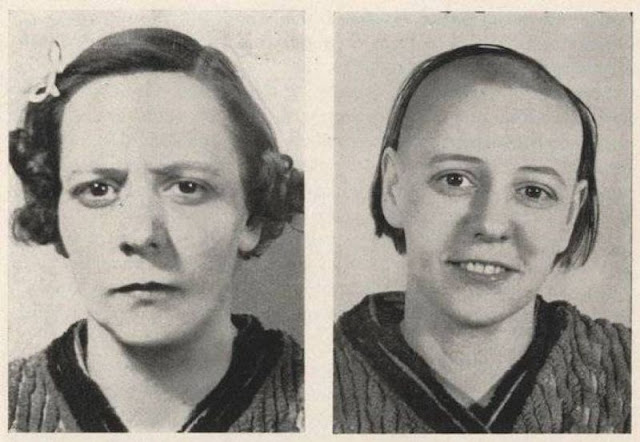
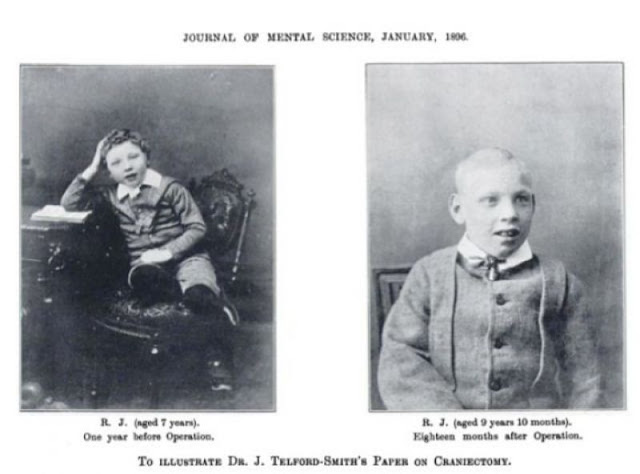
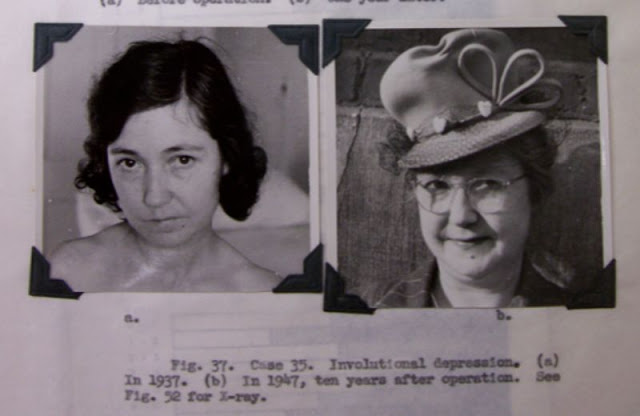
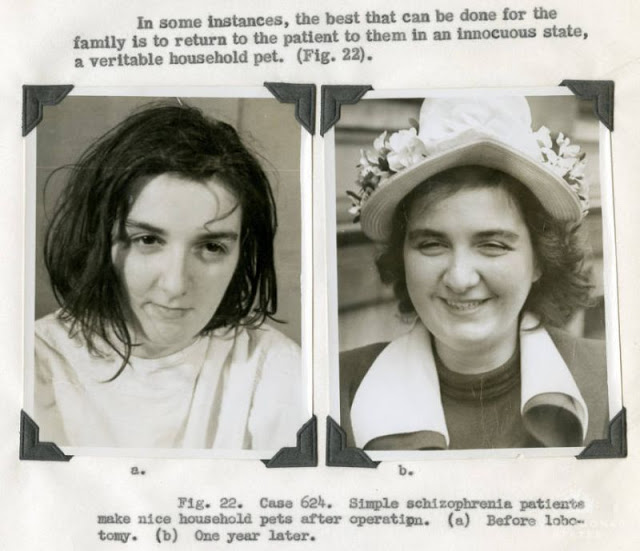
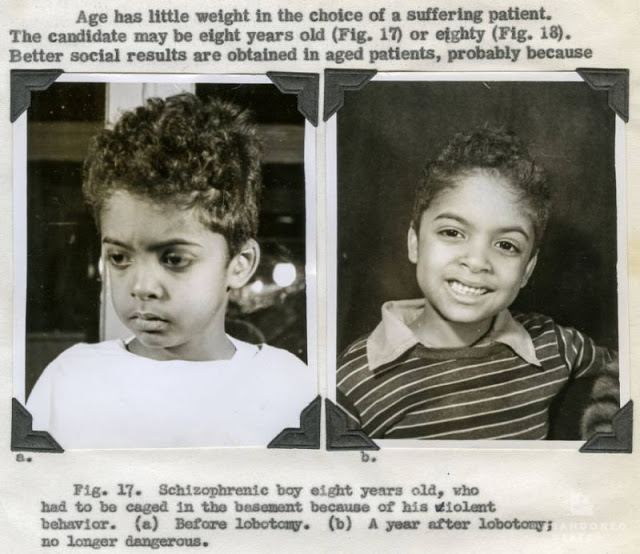
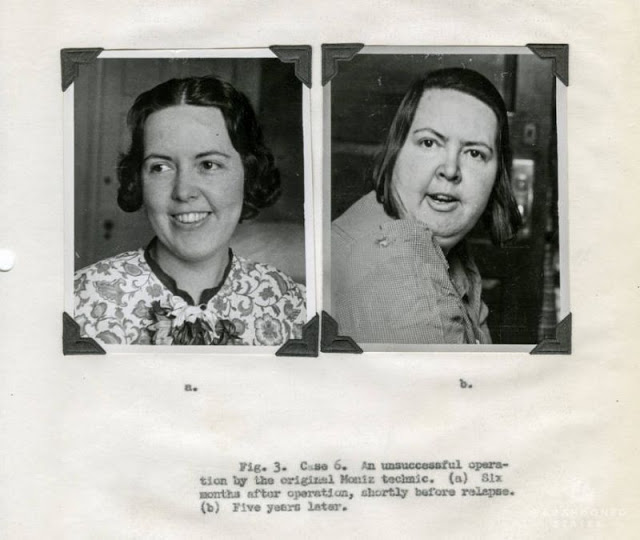
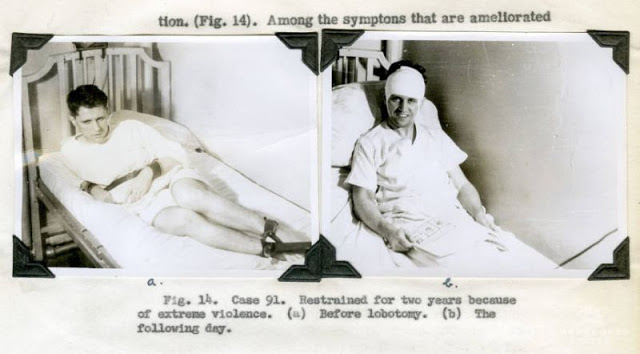
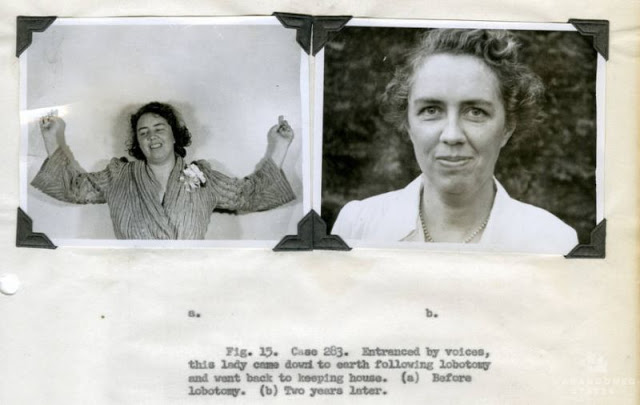
Today, the word “lobotomy” is rarely mentioned. If it is, it’s usually the butt of a joke. But in the 20th century, a lobotomy became a legitimate alternative treatment for serious mental illness, such as schizophrenia and severe depression. Physicians even used it to treat chronic or severe pain and backaches. There’s a surprising history of the lobotomy for its use in mental health.
Lobotomy (from the Greek lobos, meaning lobes of the brain, and tomos, meaning cut) is a psychosurgical procedure in which the connections the prefrontal cortex and underlying structures are severed, or the frontal cortical tissue is destroyed, the theory being that this leads to the uncoupling of the brain’s emotional centers and the seat of intellect (in the subcortical structures and the frontal cortex, respectively).
The lobotomy was first performed on humans in the 1890s. About half a century later, it was being touted by some as a miracle cure for mental illness, and its use became widespread; during its heyday in the 1940s and ’50s, the lobotomy was performed on some 40,000 patients in the United States, and on around 10,000 in Western Europe. The procedure became popular because there was no alternative, and because it was seen to alleviate several social crises: overcrowding in psychiatric institutions, and the increasing cost of caring for mentally ill patients.
An excellent account of the effects of lobotomy, and of the ethical implications of the use of the procedure, can be found in Ken Kesey’s book One Flew Over the Cuckoo’s Nest. (This was made into a film in 1975, by Milos Forman, who received the Academy Award for Best Director. Jack Nicholson won the award for Best Actor in a Lead Role.)
The use of lobotomies began to decline in the mid- to late-1950s, for several reasons. Firstly, although there had always been critics of the technique, opposition to its use became very fierce. Secondly, and most importantly, phenothiazine-based neuroleptic (anti-psychotic) drugs, such as chlorpromazine, became widely available. These had much the same effect as psychosurgery gone wrong; thus, the surgical method was quickly superseded by the chemical lobotomy.
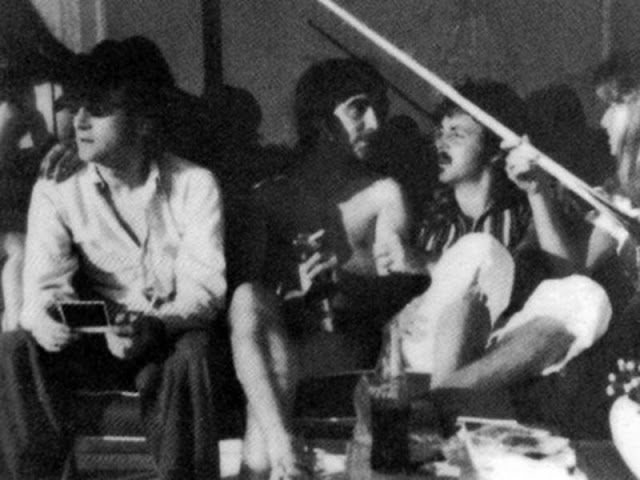
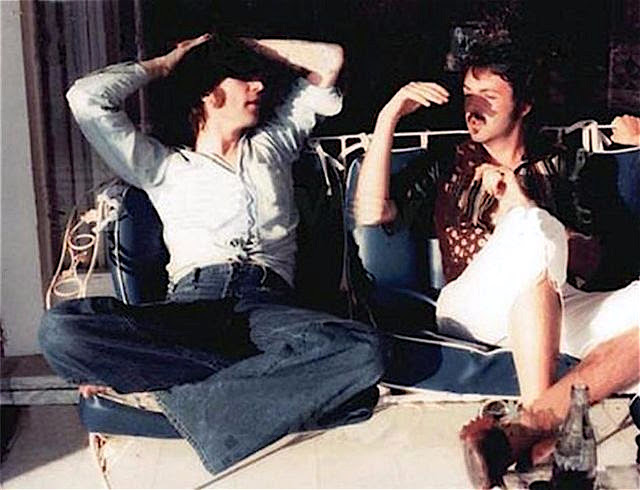
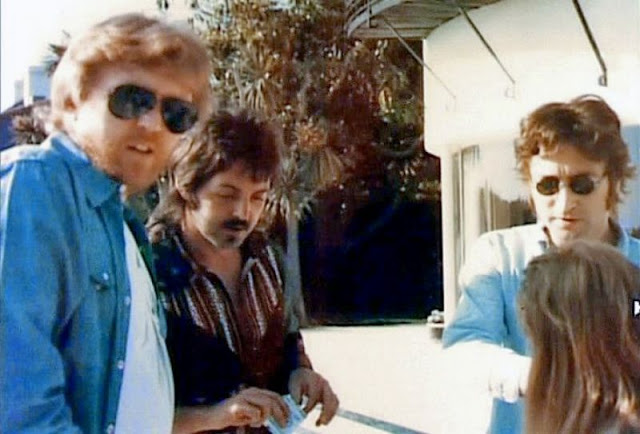
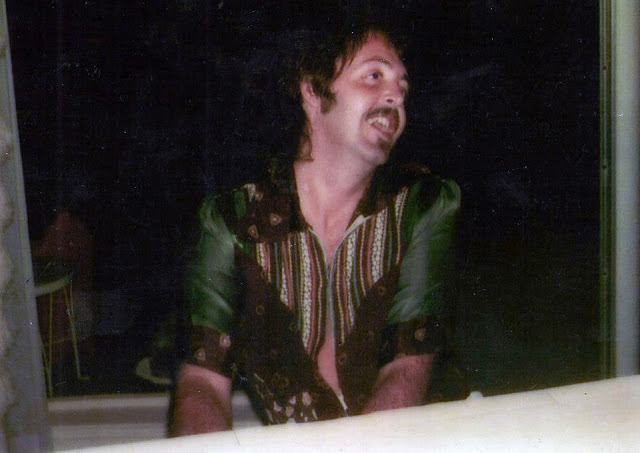
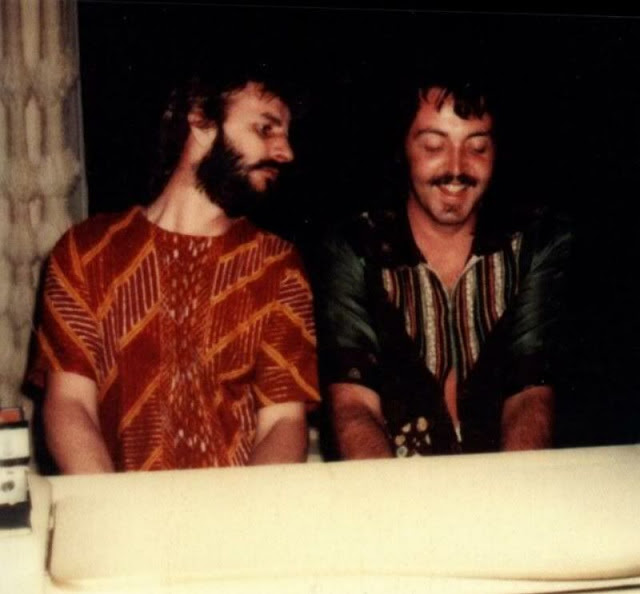
These are the last photos ever taken of John Lennon and Paul McCartney together. They were taken in the spring of 1974. It would be 6 more years before Lennon was killed in New York. The two would meet for the last and final time in New York City in April 1976, but there are no pictures to document that visit.
This first one, above, is of John and Paul at the pool of the home in Santa Monica; which was owned by RCA and loaned to Harry Nilsson as part of a recording contract. It had formerly been owned by Peter Lawford and was the house where JFK had his trysts with Marilyn Monroe. The photo was included in Pang’s book of photographs, Instamatic Karma, which was published in 2008.
Nilsson was letting John use the house during his time away from New York with Yoko’s assistant, May Pang. Keith Moon and Ringo Starr, both recently divorced, were also living there at the time of Paul and Linda McCartney’s visit in the spring of 1974.
The photo is taken the morning after Paul shows up as a complete surprise at the studio in Los Angeles and jams with John, Stevie Wonder and sundry others (bootlegged on ‘A Toot and A Snore in 74’), the first time Lennon and McCartney have seen each other for several years amid bitter fallings-out which have now faded.
Paul has just received his US Visa finally after several years of being denied because of his erstwhile pot-busts in Europe and the UK.
This next photo is of Harry Nilsson and Paul with John; back of Linda’s head. This was the same month in which John and Nilsson had their famous brawl with the bouncers at the Troubadour. Also, during this meeting, Nilsson offered Paul some PCP which he declined on the basis that when he asked Nilsson if I was any fun the singer said, “No, it’s not.” To which Paul replied, “Well, you know what? I won’t have any.” (page 108 of “Man On the Run” by Tom Doyle – 2014)
And this black and white of John with Keith Moon and Paul and Linda was taken by Peter Butler. These 3 photos are the only surviving photos from that day. They were mostly Polaroid’s and time has had its way with them. Note that in this shot John is holding one of the photos.
Pang answered some questions about the meeting…
How did the final Lennon-McCartney photo come about? “It was during the Harry Nilsson sessions. He had popped in (the studio) the night before… The next day, Paul came over with Linda and kids in tow. Everybody’s just hanging out at the Santa Monica beach house. Everyone’s just talking, just relaxing.”
Were you at that studio jam the night before? “I was playing tambourine with Mal Evans… All of a sudden I looked up and said, “Paul?” John turned around and said, “Oh, hello, Paul.” It was like they’d seen each other just the night before. John hadn’t seen him in a couple of years at that point. Then Paul’s heading to the drums; he just went to Ringo’s drum kit and started to jam. Stevie Wonder happened to drop by. Stevie’s on the electric piano, Linda’son the Hammond B3… Everybody was just hanging out and jamming.”
Another photo of Paul hanging out in Santa Monica in 1974.Ringo Starr and Paul McCartney in Santa Monica, 1974.
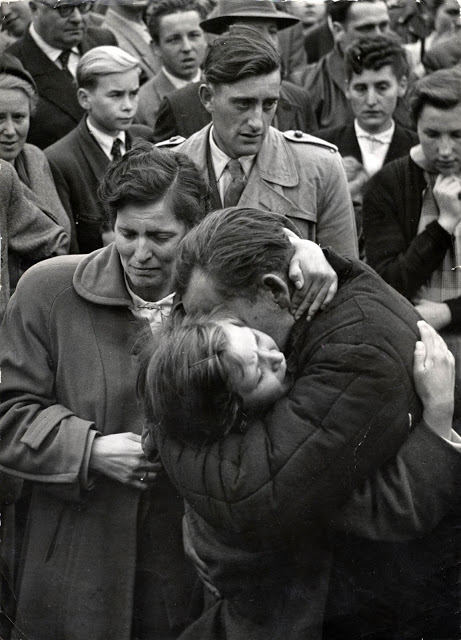
Helmuth Pirath, the winner of World Press Photo in 1956 captured the most touching moment when a German WWII prisoner, released by the Soviet Union, reunited with his daughter who had not seen her father since she was one year old.
This man was one of the last prisoners of war to be released by the Soviet Union since the end of World War II. Most German prisoners of war returned home through the Grenzdurchgangslager Friedland, in the German federal state of Niedersachsen, which was then located at the East-German border. Lager Friedland was set up in September 1945 as a transit camp for refugees, home comers, soldiers and displaced persons.
(Photos by Helmuth Pirath/World Press Photo of the Year 1956)
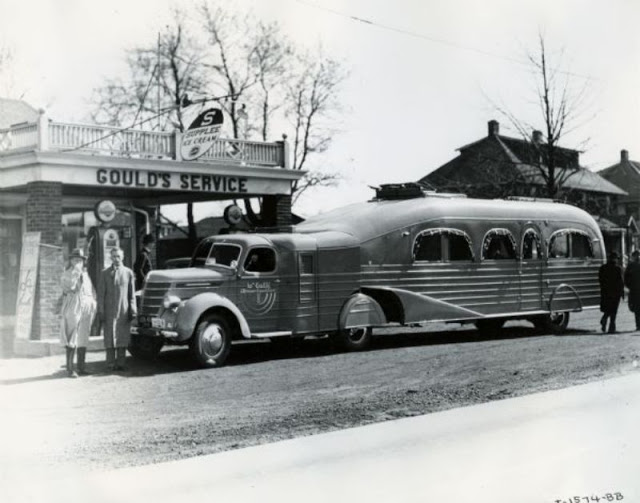
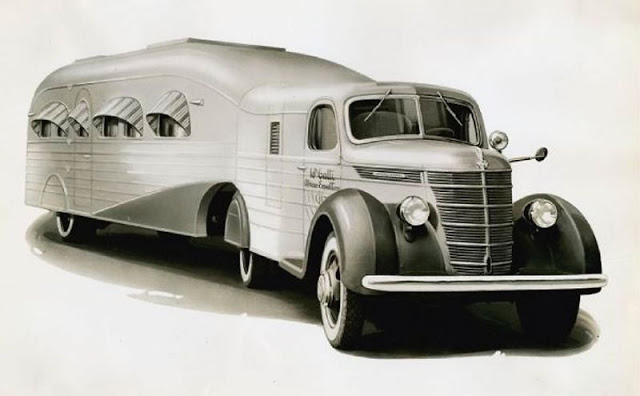
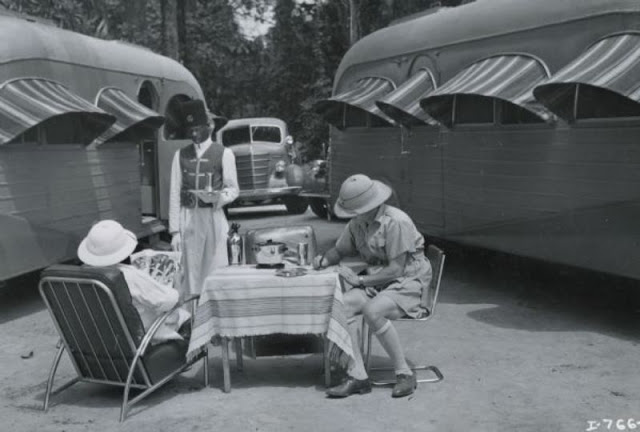
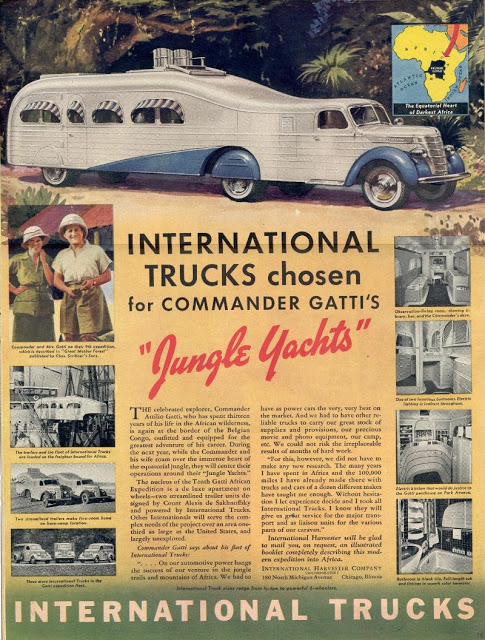
The Jungle Yacht was created for and used by Italian explorer Commander Attilio Gatti and his wife, who both traveled extensively to the African Congo as a deluxe apartment “for his 1937-1940 (his 10th) and 1947 (his 11th) expeditions” and “equipped them quite lavishly.”
The International Harvester ‘Jungle Yacht’
The expedition used two streamlined trailers designed by Count Alexis de Sakhnoffsky and using 1937 International Harvester D-35 chassis, and were 44 feet long and weighed 9 tons. The vehicles were built by the International Harvester company, who was evidently one of the sponsors of the expedition.
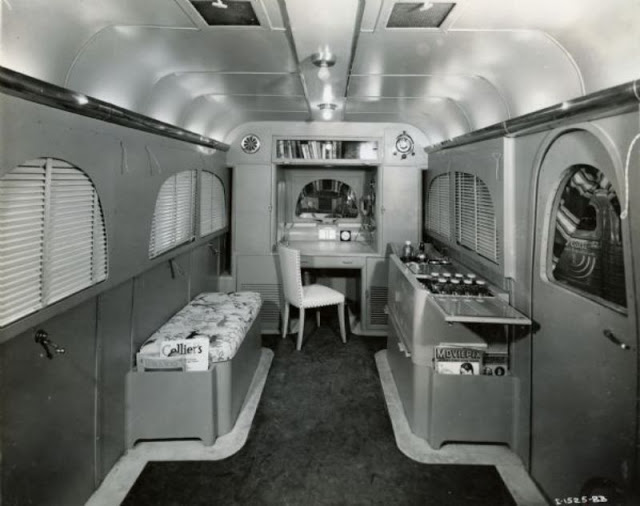
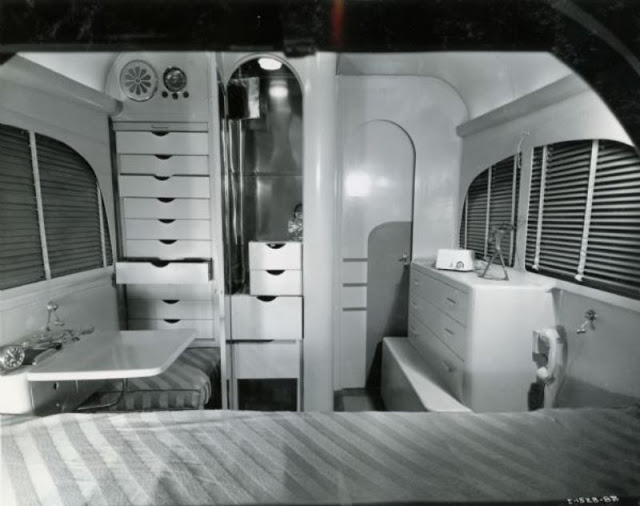
The trailers were pretty luxurious accommodations for camping out in the boonies of British East Africa. They were joined together in camp as a deluxe 5-room apartment on wheels, and served as headquarters while the expedition’s personnel sought out the secrets of the dim heart of Africa.
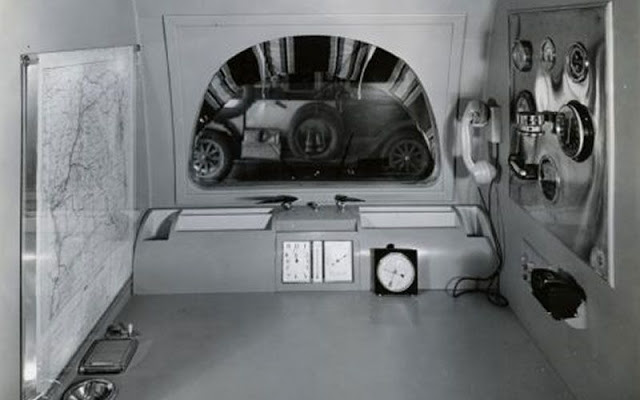
The camps were equipped with electricity and air conditioning and had a workshop, a photographic lab, and a ham radio station (Gatti was an enthusiastic ham radio operator). Electricity was supplied by a 110 volt generator mounted behind the cabs of the trucks. Each night a single wire 4500 volt electric fence was put up to dissuade the large specimens of the local wildlife from approaching the camp.
One of the vehicles in transit from the International Harvester factory to New York.Cocktails in the deepest heart of AfricaThe living roomThe Commander’s desk in the living roomThe bedroomAn International Trucks brochure heralds the first journey of the five-room convoy
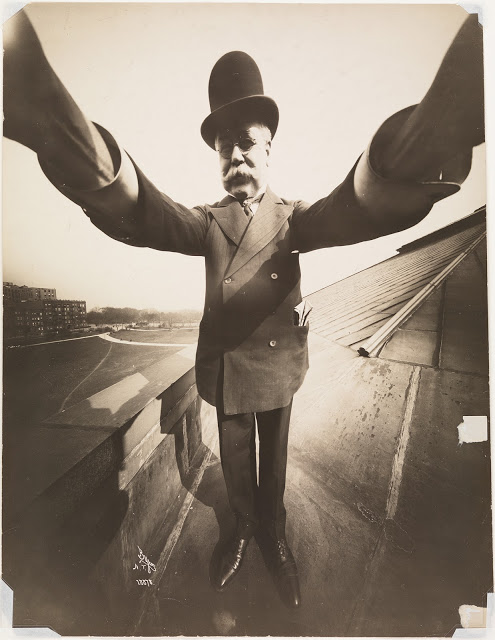
Selfies are a 21st-century thing, right? Well, they certainly got popular in the 2000s, but the first selfies were taken way back. Before it was cool. Photographer Joseph Byron may be responsible for the first selfies ever taken, both individual and group.
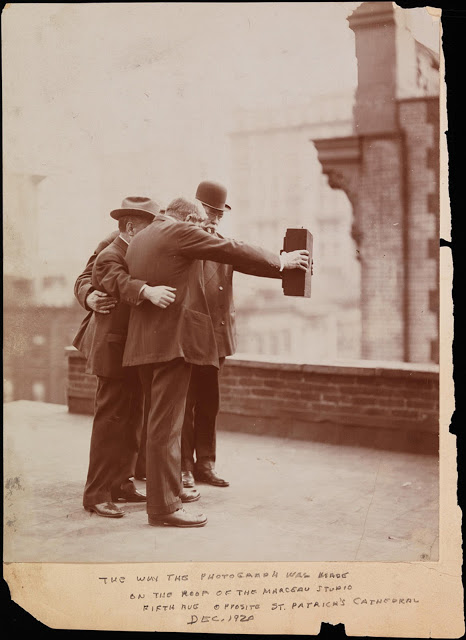
One picture, conveniently titled “self portrait,” was taken in 1909, reportedly on the roof of the Marceau Studio on Fifth Avenue by the company’s founder Joseph Byron. Since cameras were still pretty big at the time, Byron needed both his arms in order to take the picture.
Joseph Byron, Self Portrait, 1909.
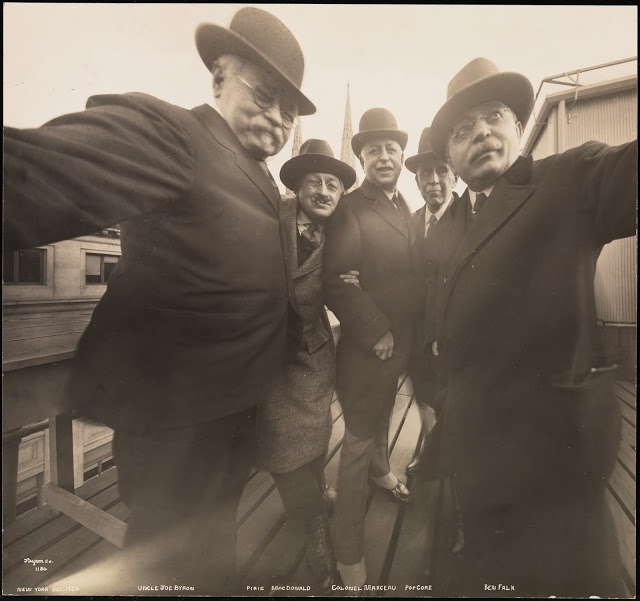
Eleven years later, in December 1920, Byron found himself on the same roof again, but this time he took a group selfie of himself and his colleagues Pirie MacDonald, Colonel Marceau, Pop Core and Benjamin Falk, as someone else takes a “behind the scenes” shot. Joseph Byron is seen holding the camera with his right hand, and performing arts photographer Ben Falk holds the other side with his right hand.
Side view of photographers posing together for a photograph on the roof of Marceau’s Studio, while Joseph Byron holds one side of the camera with his right hand and Ben Falk holds the other side with his left hand.Uncle Joe Byron, Pirie MacDonald, Colonel Marceau, Pop Core, Benjamin Falk.
So is this the first actual selfie? Some people argue that it was Robert Cornelius who took the first selfie ever. He produced a daguerreotype of himself in 1839, sitting outside the family store in Philadelphia. The back of the photo reads: “The first light picture ever taken”. He took the image by removing the lens cap, then running into frame where he sat for a minute before covering up the lens again. But unlike Byron, Cornelius wasn’t actually holding the camera—and isn’t that a vital selfie element?
Joseph Byron was an English photographer, coming from a family of photographers. He immigrated to the U.S in 1888 and opened his photo studio in Manhattan in 1892. The studio named Byron Company was specialized for photographing Broadway shows and other stage productions. And thanks to the 7th and 8th generation of photographers, Thomas and Mark Byron, the studio still operates under the name Byron Photography.
The Museum of the City of New York’s digital collection contains 23,000 Byron Company prints, and these selfies are only a small part of this collection.