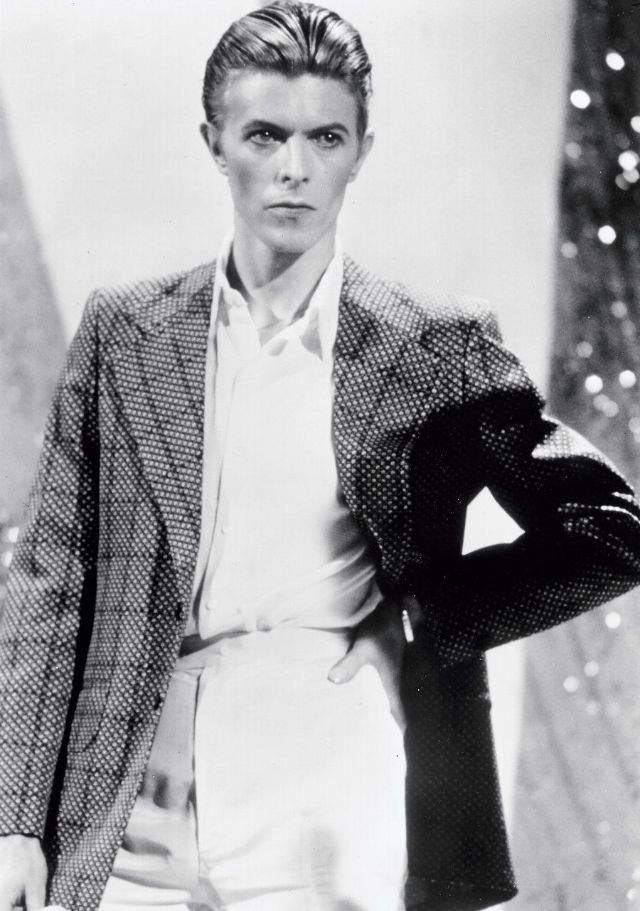
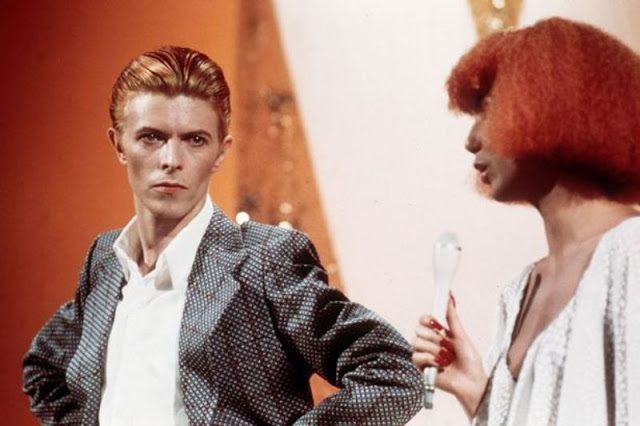
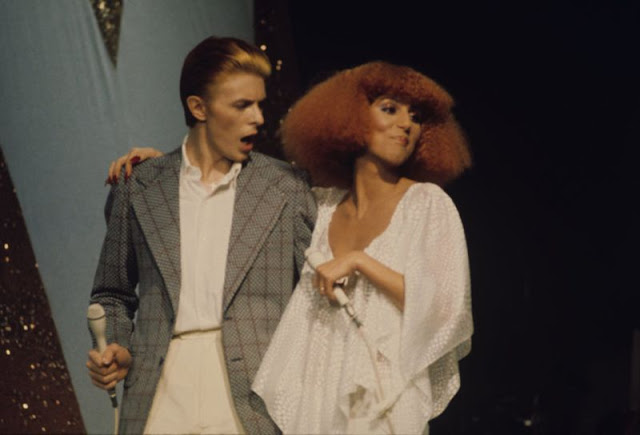
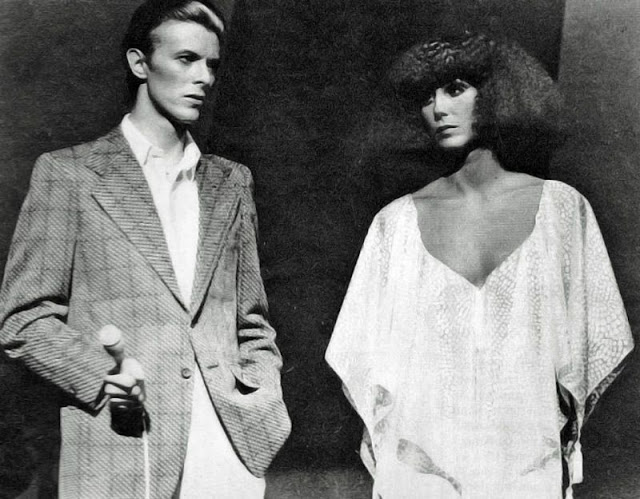
Cher is an American variety show that premiered on CBS in 1975, hosted by singer-actress Cher. The show had many famous musical guests. It followed a TV special featuring Elton John, Bette Midler, and Flip Wilson as guests.
Cher premiered on Sunday, February 16, 1975, and finished the season ranked 1st among variety shows and 22nd among all programs, with a 21.3 average household share.
The show featured Cher interviewing various celebrity guests ranging from musicians, actors, and pop culture figures. The series also featured sketches and comedic field reports. Cher would also perform her songs along with a live band.
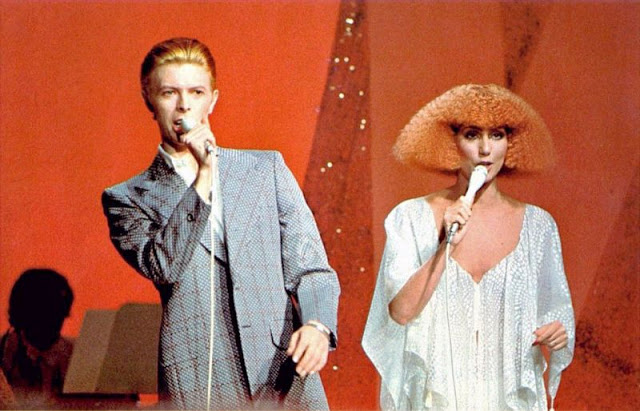
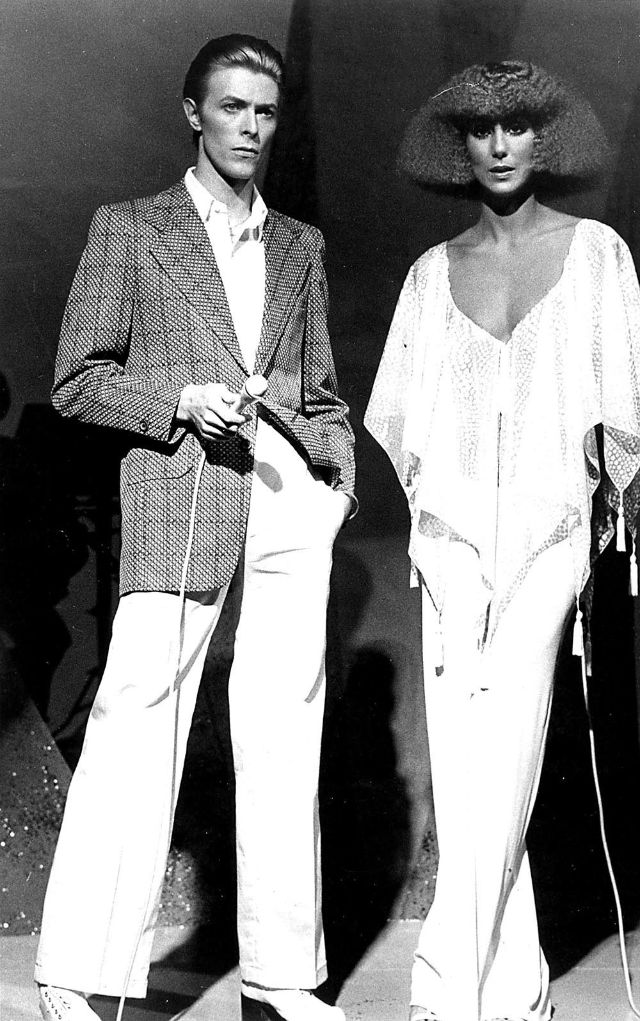
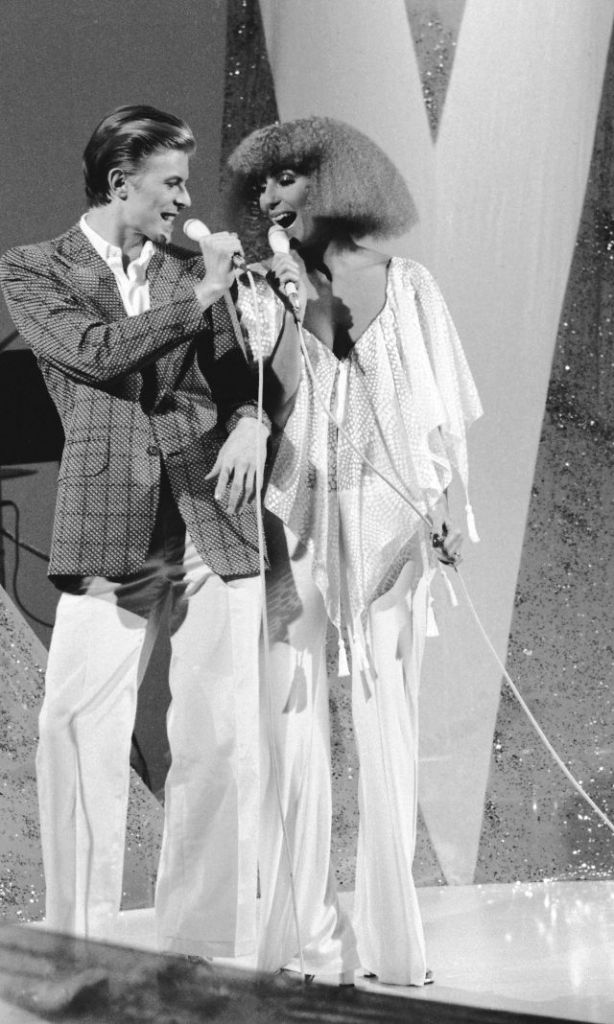
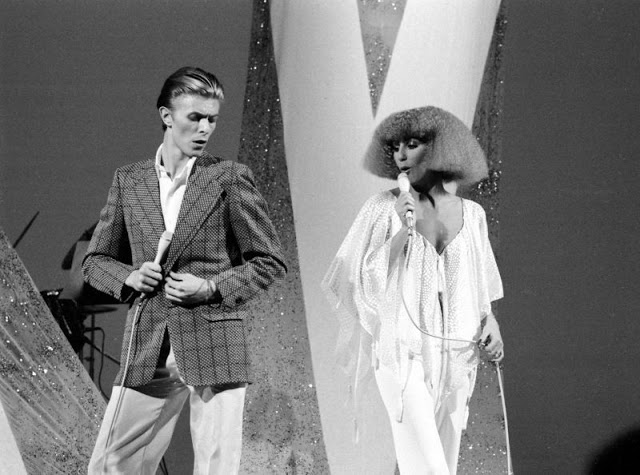
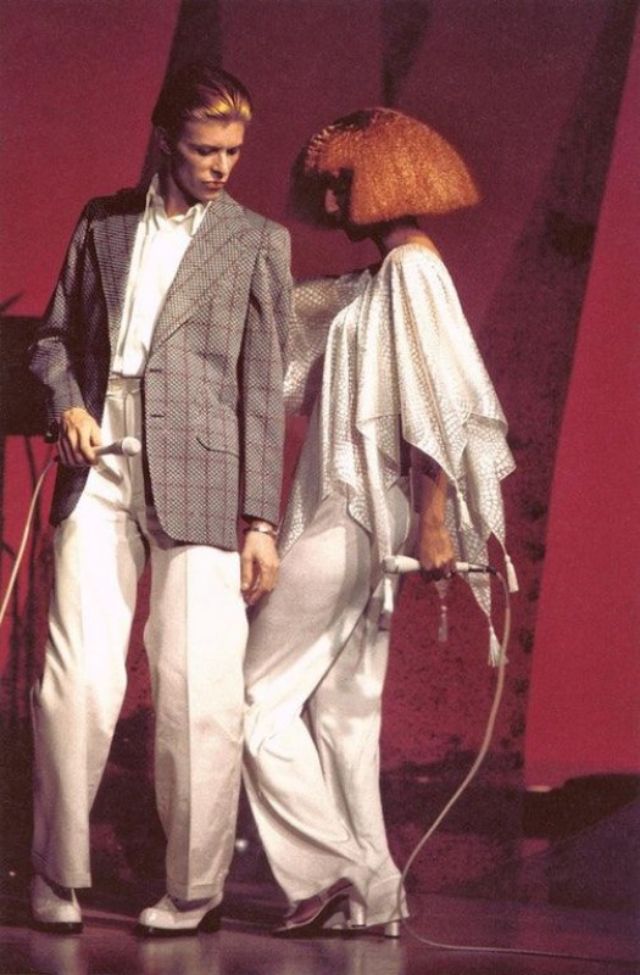
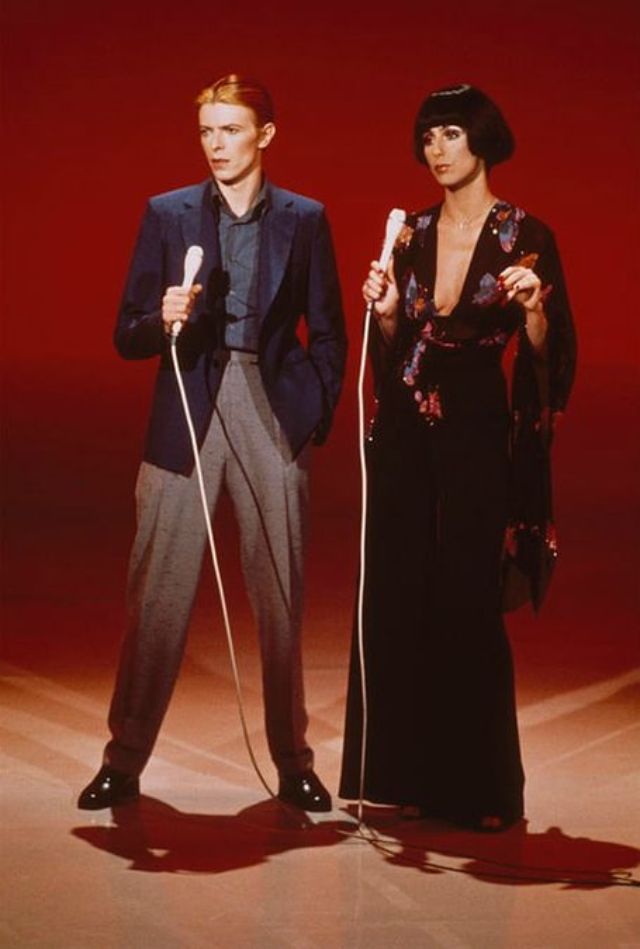
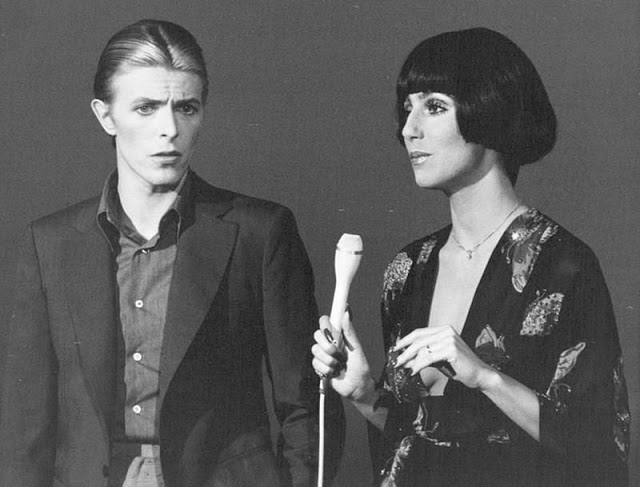
Here below is a photo set that shows David Bowie performing with Cher on her variety show in November 1975, shortly after reaching number one in the US charts for the first time with “Fame.”
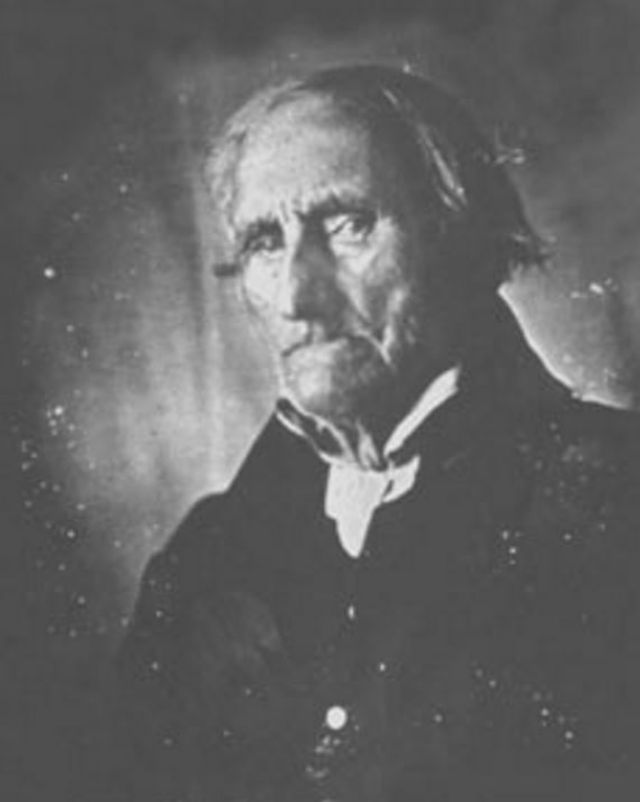
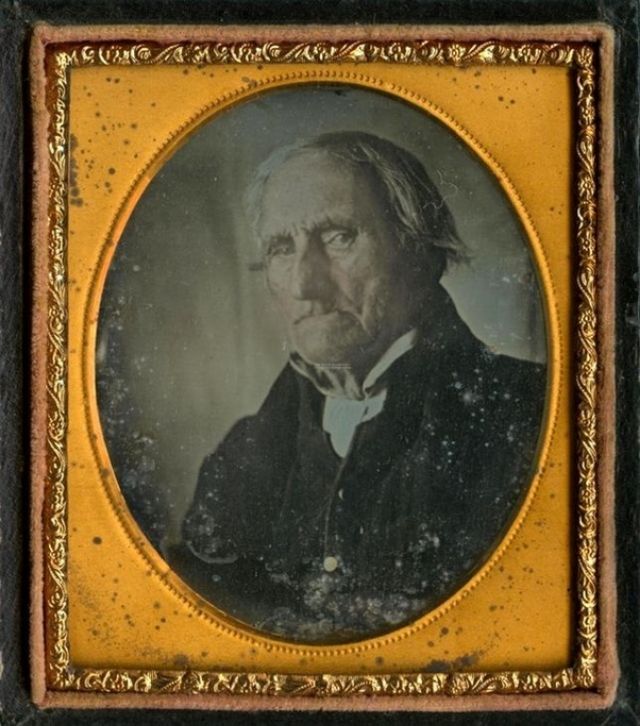
Born in 1749, New Englander Conrad Heyer was a veteran of the American Revolution. He was there in Trenton during the terrible winter of 1776 and crossed the Delaware River with General George Washington and his rag-tag Continental Army. In fact, the Maine Historical Society believes him to be the earliest born human ever photographed.
According to Imaging Resource, this photograph of Heyer is thought to have been taken in 1852. As such, it’s hardly the first American portrait photograph, but given the date of his birth he could well be the oldest human photographed. He’s also the only U.S. veteran to be photographed who crossed the Delaware River alongside George Washington in December 1776.
The photograph was taken using the daguerreotype technique. The invention of daguerreotype photography in the mid-1800s created, for the first time, a relatively easy way for observers to document the world as they saw it. The world portrayed in daguerreotype portraits and landscapes from the 1840s and on might seem dusty and old, but at the time, photography was a radical, modern innovation. The first photographers used it, too, to capture glimpses of the even more distant past, linking people and events that seem very old and very distant with the more modern realm.
And this is a magnificent portrait, both in its content and its composition. Heyer’s body faces to the left while the light coming from behind his right shoulder adds drama. His head, turned towards the camera, adds a sense of confrontation. And take a close look at that face. At 103, Heyer looks into the camera, steady, stern and still defiant.
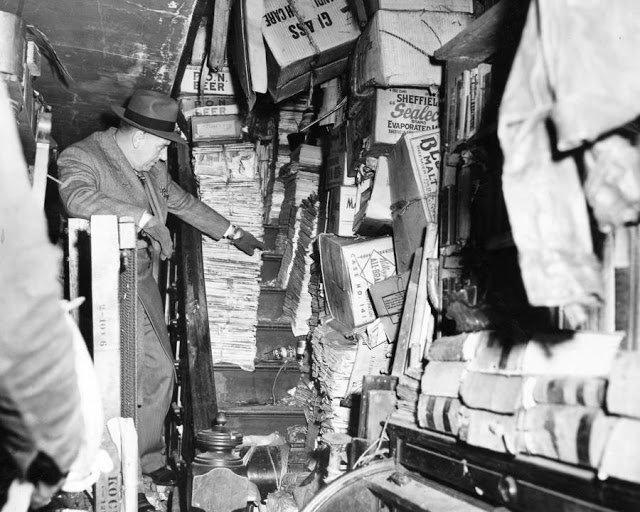
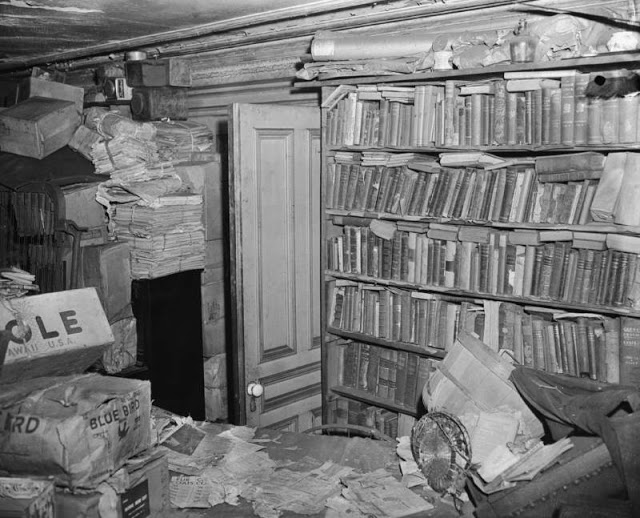
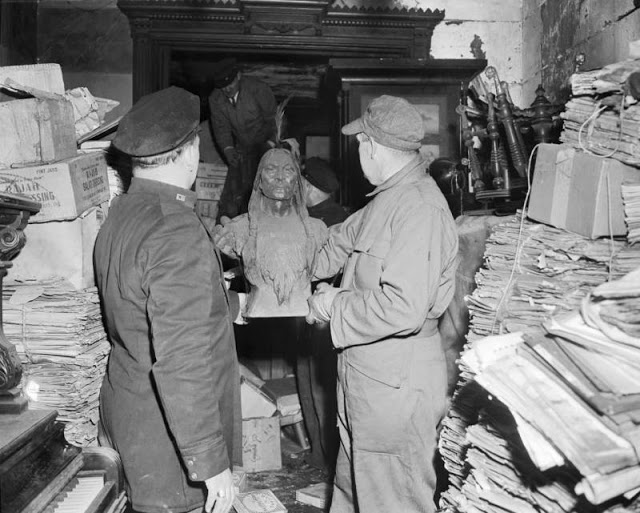
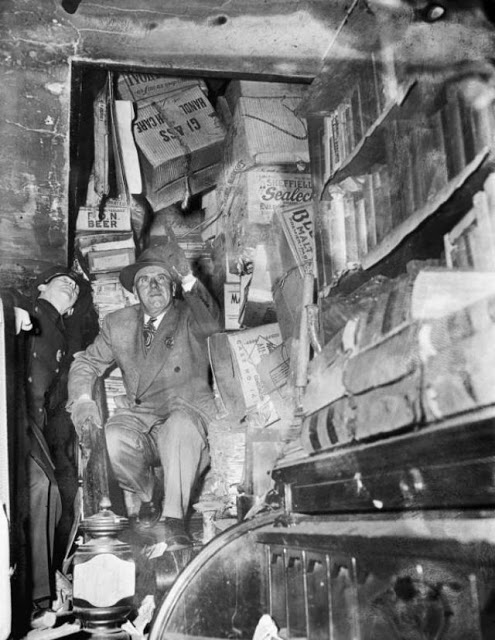
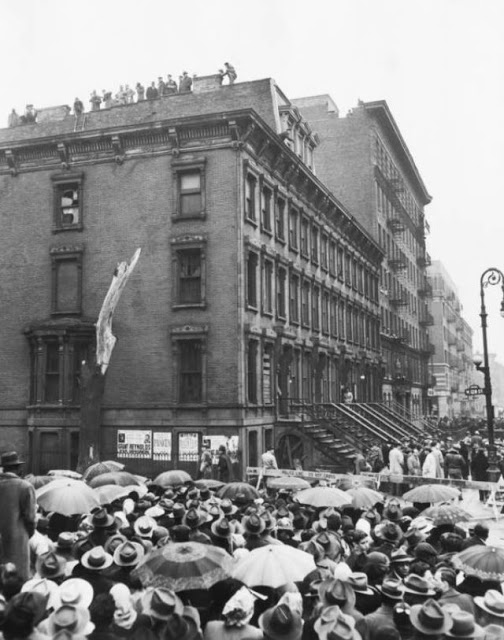
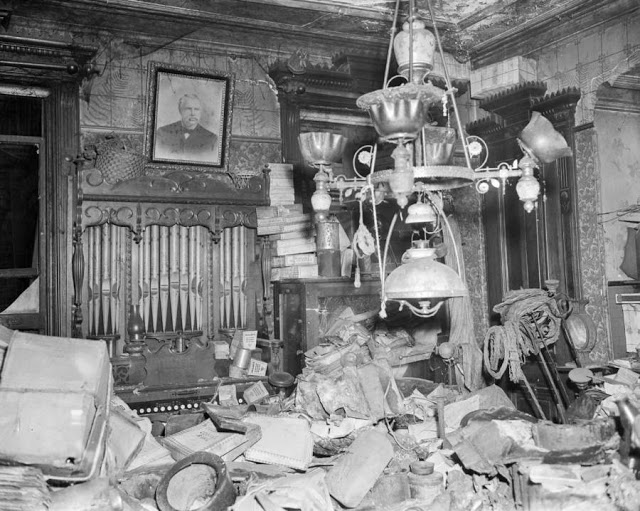
Homer and Langley Collyer were an extraordinary pair of brothers. They were born into one of New York City’s oldest families (Homer in 1881 and Langley in 1885) and lived in a mansion on Fifth Avenue near 128th Street, at a time when the Harlem address was fashionable. The pair obsessively collected books, furniture, musical instruments, and myriad other items, with booby traps set up in corridors and doorways to ensnare intruders. In March 1947, both were found dead in their home surrounded by over 140 tons of collected items that they had amassed over several decades.
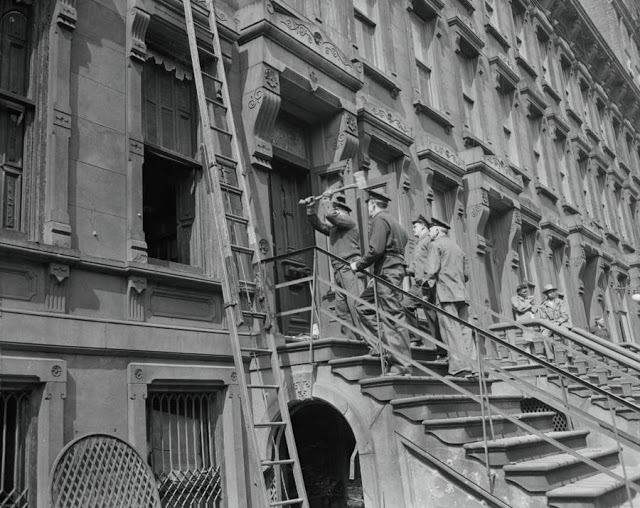
Police take an ax to the front door in an attempt to get inside. March 21, 1947.
The discovery of just how bad the Collyer brothers’ hoarding was came to light in March 1947 when an anonymous person reported there was a dead body in the Collyer residence.
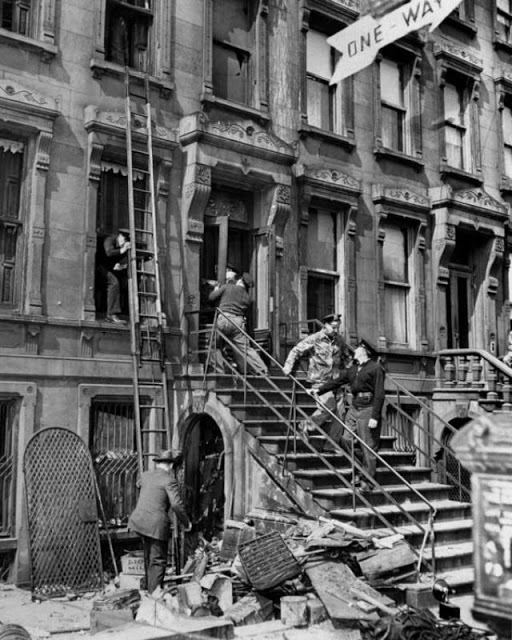
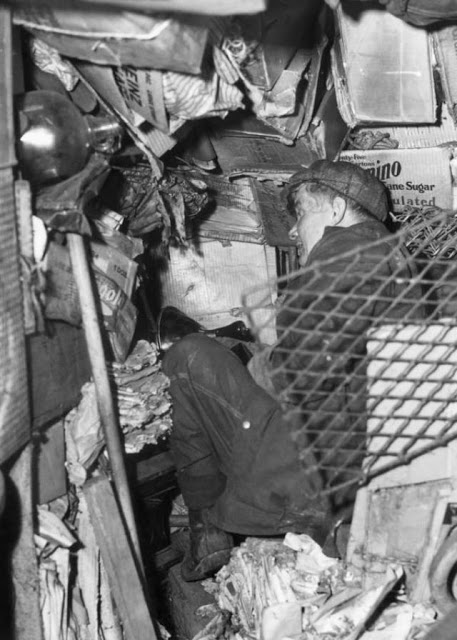
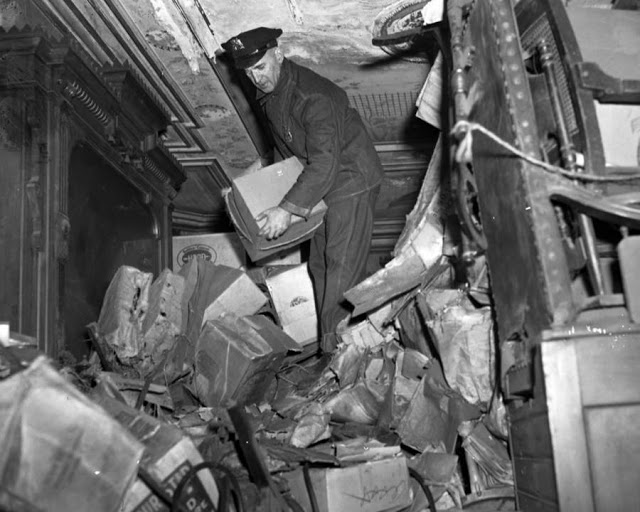
The authorities did not have an easy time gaining entrance to the home. They started by trying to remove tons of garbage from the front foyer, which consisted of newspapers, phonebooks, furniture, boxes, and other miscellaneous debris. Unsuccessful in their attempts, a patrolman broke a window on the second floor in order to gain entry. After climbing through junk for two hours, he found the body of the elder brother Homer among the boxes and trash. Missing from the home, however, was Langley, the younger of the two recluses.
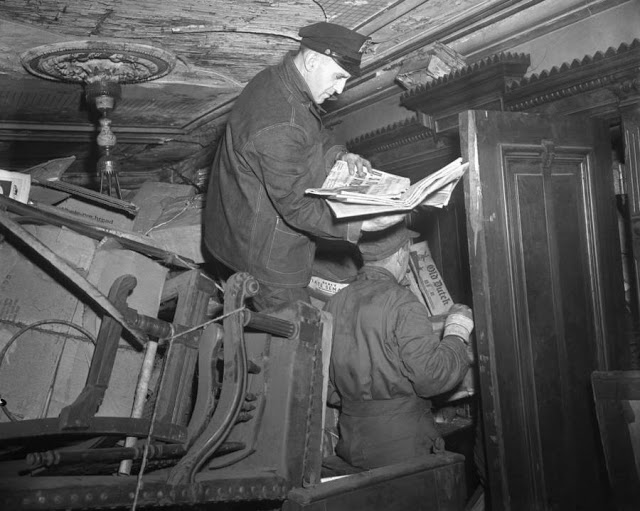
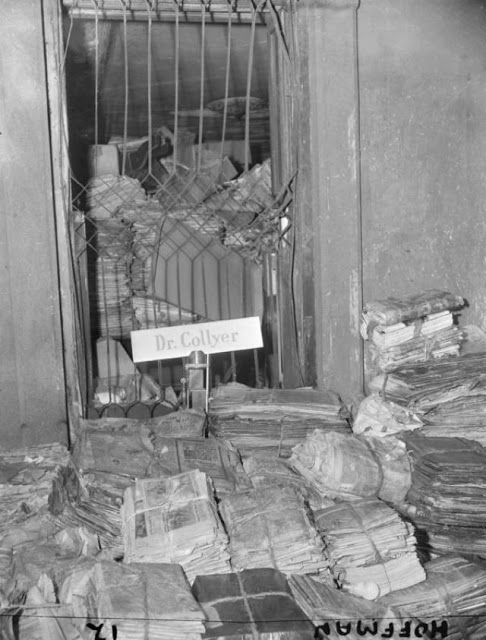
The hunt for Langley began, and authorities searched for him as far away as Atlantic City. A disturbing realization took place three weeks later, unfortunately, when Langley’s body was was found ten feet from his older brother’s. Because of the vast amount of garbage in the house, his body wasn’t unearthed until then. Langley had been crushed to death by one of his many booby-traps that he had made to deter people’s entry into their palace of junk. Langley actually had died first. He was crushed while bringing food to his elder brother, who was blind. Langley fed Homer a diet of one hundred oranges per week to try and restore his sight. Believing that the diet of oranges would restore Homer’s vision, Langley also saved every newspaper so that Homer could eventually read them when his sight returned.
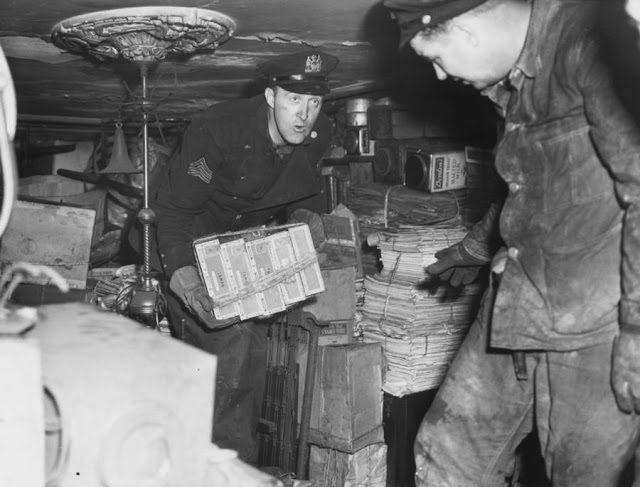
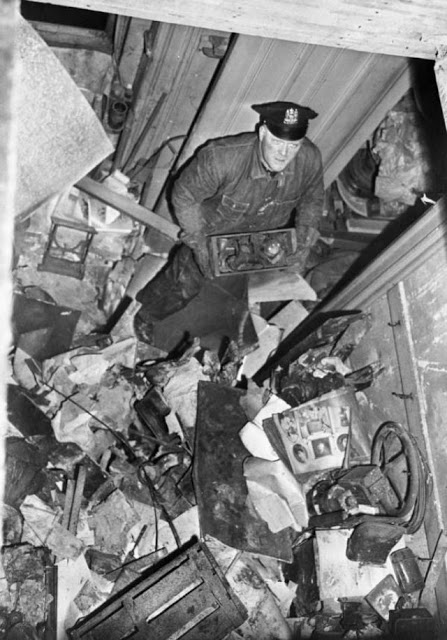
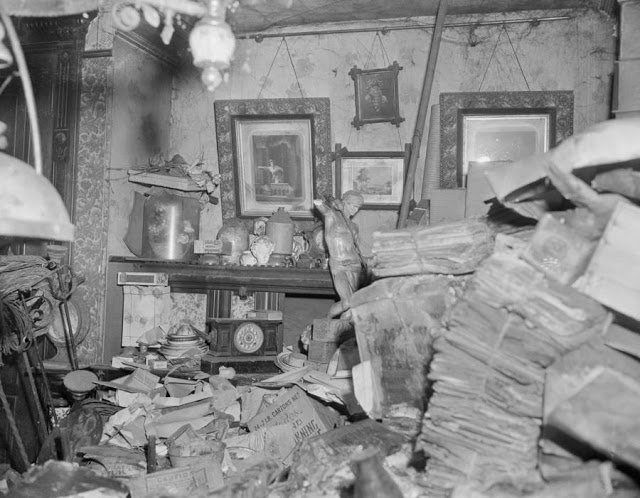
Authorities eventually removed more than 100 tons of trash from the Collyer brothers’ house. Some of the more unusual items included human pickled organs, the chassis of an old Model T, fourteen pianos (both grand and upright), hundreds of yards of unused silks and fabric, the folding top of a horse-drawn carriage, and more than 25,000 books.
Police attempt to enter the residence of the Collyer brothers after receiving the fateful call about a smell of decomposition coming from the house. March 21, 1947.Policemen reach the ceiling atop the piles of junk inside the Collyer brothers’ home. March 24, 1947.A police inspector surveys the refuse. March 25, 1947.An interior view of the house. March 26, 1947.A Building Department worker crawls through the first floor of the junk in search of Langley Collyer, who authorities might still be hiding somewhere in the building after the discovery of the body of his brother, Homer. March 24, 1947.Patrolman John McLaughlin searches through the junk found inside the Collyer brothers’ house. March 24, 1947.Workers sift through the junk. April 2, 1947.Searchers climb through the junk.Workers search through the piles of refuse.Police comb through the debris. March 25, 1947.Rain-spattered crowds jam the streets outside the four-story brownstone home of the hermit Collyer brothers as police begin their search of the junk-filled mansion on March 24th. Alternately cheering and catcalling as strange items in the Collyer junk collection were lowered from the roof of the house, the crowd waited to see if Langley Collyer, the surviving brother, would be discovered by police.An interior view of the Collyer brothers’ house after the discovery of Homer’s body. April 2, 1947.Newspapers sit piled up inside the house. April 2, 1947.Inside the house. April 2, 1947.Reporters survey items removed from the Collyer brothers house and tossed out onto the street. Date unspecified.
In an early-1920s speech, a Coca-Cola bottler declared, “Coca-Cola was as instrumental in building up the soft drink industry as Henry Ford was in building up the automotive industry.”
Coca-Cola, or Coke, is a carbonated soft drink manufactured by The Coca-Cola Company. Originally marketed as a temperance drink and intended as a patent medicine, it was invented in the late 19th century by John Stith Pemberton and was bought out by businessman Asa Griggs Candler, whose marketing tactics led Coca-Cola to its dominance of the world soft-drink market throughout the 20th century. The drink’s name refers to two of its original ingredients: coca leaves, and kola nuts (a source of caffeine). The current formula of Coca-Cola remains a trade secret; however, a variety of reported recipes and experimental recreations have been published. The drink has inspired imitators and created a whole classification of soft drink: colas.
The Coca-Cola Company produces concentrate, which is then sold to licensed Coca-Cola bottlers throughout the world. The bottlers, who hold exclusive territory contracts with the company, produce the finished product in cans and bottles from the concentrate, in combination with filtered water and sweeteners. A typical 12-US-fluid-ounce (350 ml) can contains 38 grams (1.3 oz) of sugar (usually in the form of high-fructose corn syrup in North America). The bottlers then sell, distribute, and merchandise Coca-Cola to retail stores, restaurants, and vending machines throughout the world. The Coca-Cola Company also sells concentrate for soda fountains of major restaurants and foodservice distributors.
The Coca-Cola Company has on occasion introduced other cola drinks under the Coke name. The most common of these is Diet Coke, along with others including Caffeine-Free Coca-Cola, Diet Coke Caffeine-Free, Coca-Cola Zero Sugar, Coca-Cola Cherry, Coca-Cola Vanilla, and special versions with lemon, lime, and coffee. Coca-Cola was called Coca-Cola Classic from July 1985 to 2009, to distinguish it from “New Coke”. Based on Interbrand’s “best global brand” study of 2020, Coca-Cola was the world’s sixth most valuable brand. In 2013, Coke products were sold in over 200 countries worldwide, with consumers drinking more than 1.8 billion company beverage servings each day. Coca-Cola ranked No. 87 in the 2018 Fortune 500 list of the largest United States corporations by total revenue. (Wikipedia)
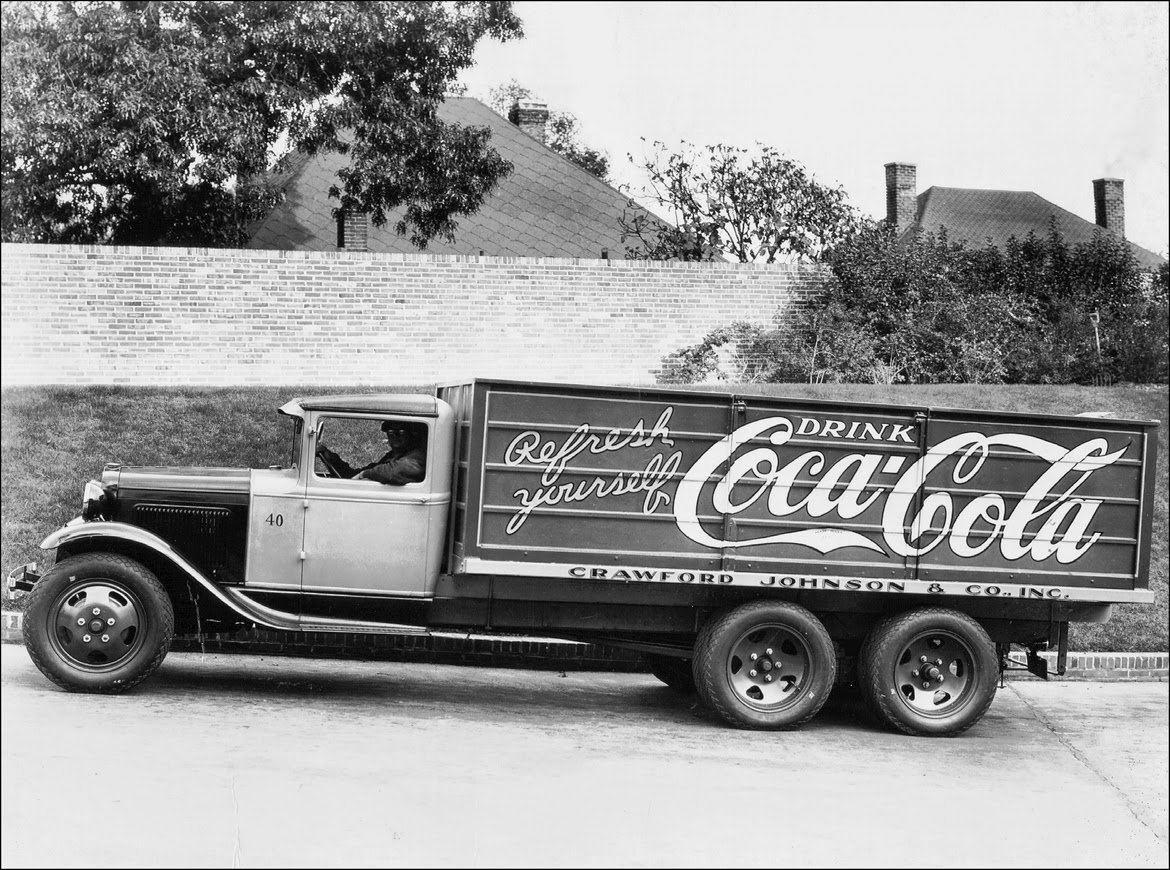
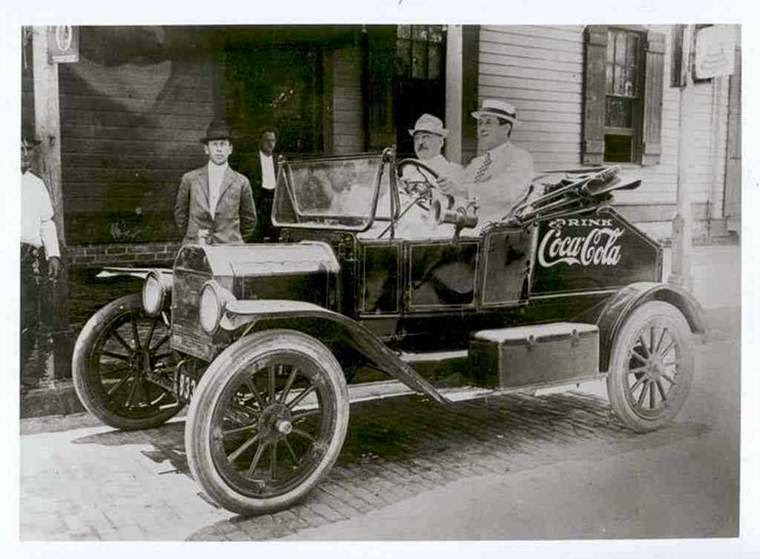
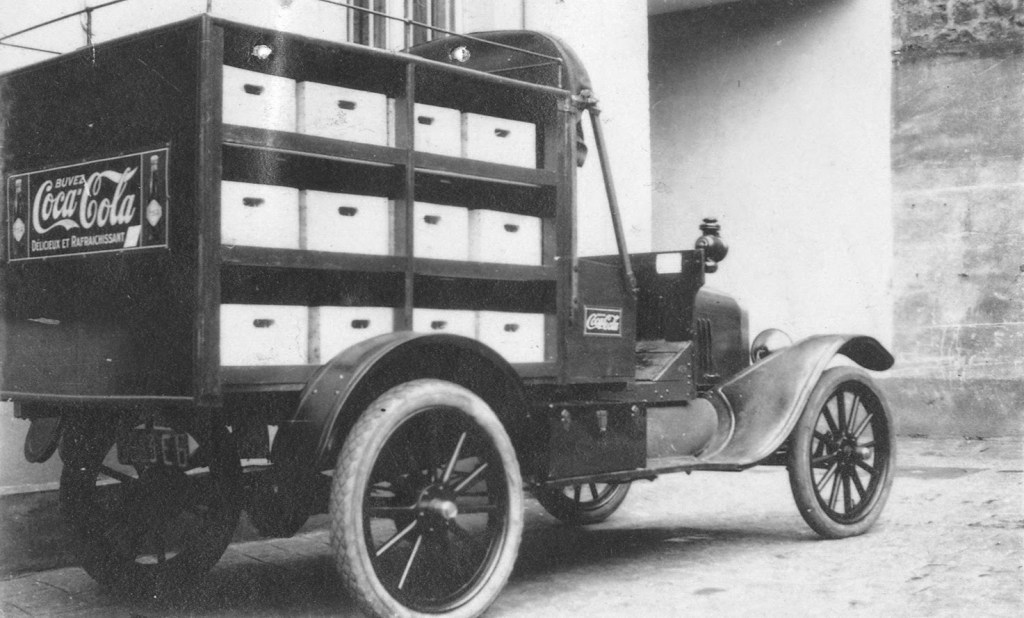
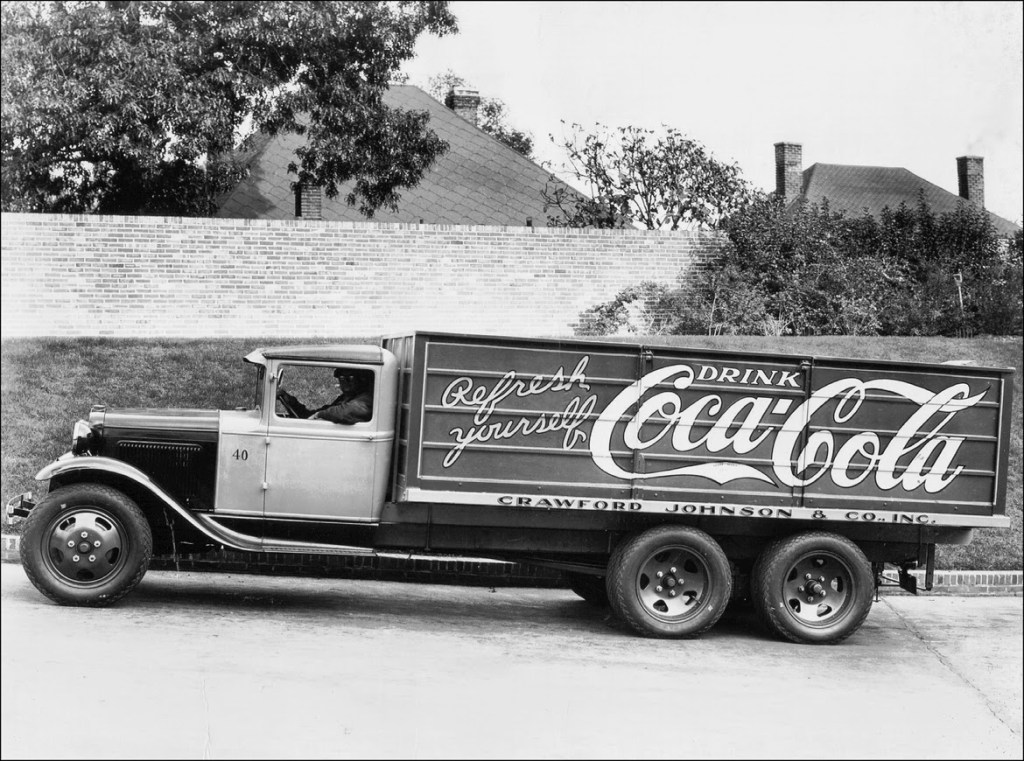
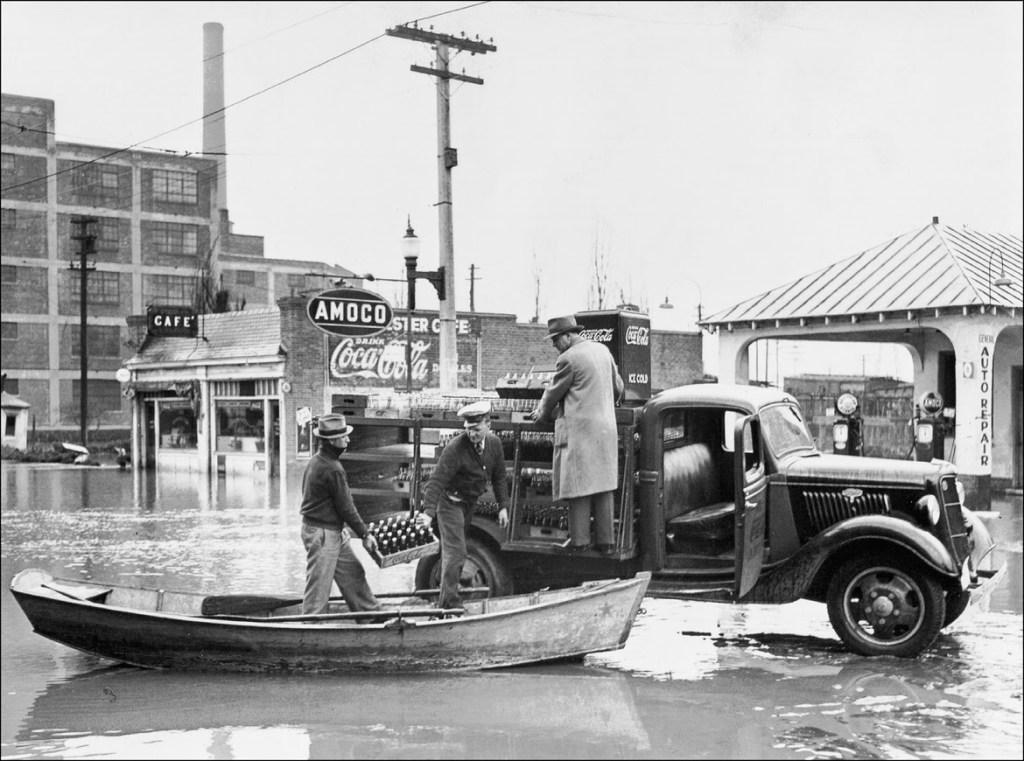
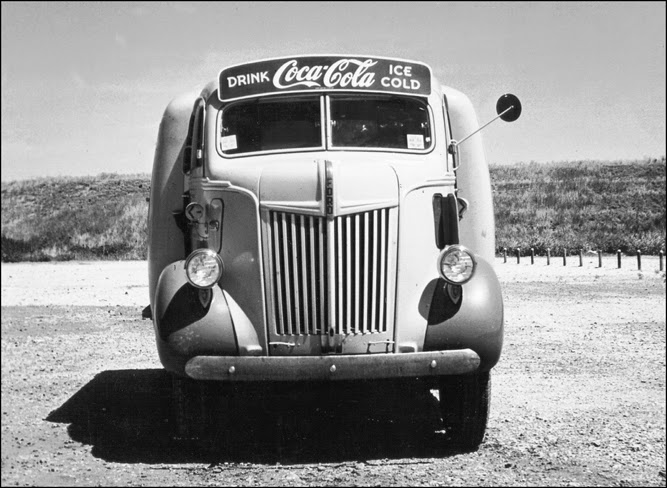
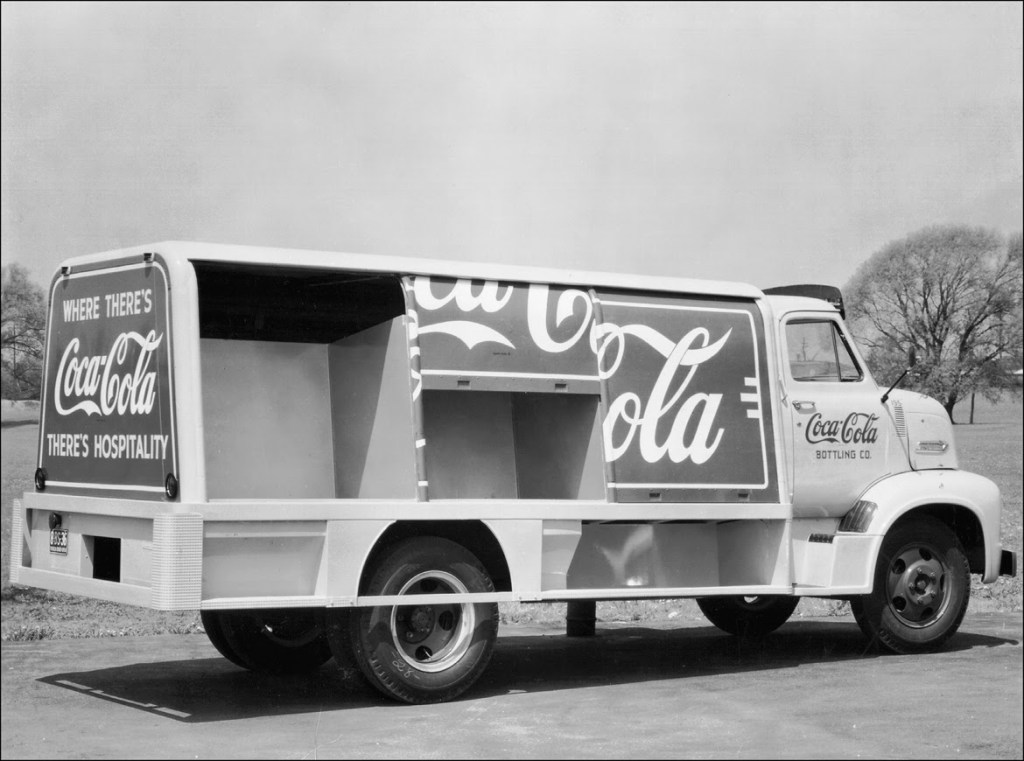
Below are some of interesting vintage photographs of Ford Coca-Cola delivery trucks from between 1920s and 1950s.
Coca-Cola delivery truck in the early-1920sThis Model T Ford and body cost Coca-Cola $570 in 1921. The first Ford truck with a special body to hold 24 cases (and eight more on top, when required).Coca-Cola Ford Model AA panel delivery truck in El Paso, Texas, 1931.Ford Model AA truck operated by the Birmingham, Alabama bottler, Crawford Johnson & Co., Inc., 1931.Ford Model AA 1-1/2-ton panel truck in downtown Denver, Colorado. This truck was operated by the Denver Coca-Cola Bottling Company.1935 Ford delivery truck delivers Coca-Cola during a flood in Richmond, Virginia.Ford Coca-Cola delivery truck in 1941.1953 Ford cab-over-engine Model P500 Coca-Cola delivery truck.1954 Ford F500 Coca-Cola delivery truck used in Ohio. This truck was marketed to Coca-Cola bottlers with the feature: “With all the doors up, forklift trucks can load or unload pallets at top speed.”
The American Civil War (April 12, 1861 – May 9, 1865) (also known by other names) was a civil war in the United States fought between the Union (states that remained loyal to the federal union, or “the North”) and the Confederacy (states that voted to secede, or “the South”). The central cause of the war was the status of slavery, especially the expansion of slavery into territories acquired as a result of the Louisiana Purchase and the Mexican–American War. On the eve of the Civil War in 1860, four million of the 32 million Americans (~13%) were enslaved black people, almost all in the South.
The practice of slavery in the United States was one of the key political issues of the 19th century. Decades of political unrest over slavery led up to the Civil War. Disunion came after Abraham Lincoln won the 1860 United States presidential election on an anti-slavery expansion platform. An initial seven southern slave states declared their secession from the country to form the Confederacy. Confederate forces seized federal forts within territory they claimed. The last minute Crittenden Compromise tried to avert conflict but failed; both sides prepared for war. Fighting broke out in April 1861 when the Confederate army began the Battle of Fort Sumter in South Carolina, just over a month after the first inauguration of Abraham Lincoln. The Confederacy grew to control at least a majority of territory in eleven states (out of the 34 U.S. states in February 1861), and asserted claims to two more. Both sides raised large volunteer and conscription armies. Four years of intense combat, mostly in the South, ensued.
During 1861–1862 in the war’s Western Theater, the Union made significant permanent gains—though in the war’s Eastern Theater the conflict was inconclusive. In late 1862, Lincoln issued the Emancipation Proclamation, which made ending slavery a war goal. Effective January 1, 1863 the proclamation also freed slaves in Union-held Confederate territory. To the west, the Union destroyed the Confederate river navy by the summer of 1862, then much of its western armies, and seized New Orleans. The successful 1863 Union siege of Vicksburg split the Confederacy in two at the Mississippi River. In 1863, Confederate General Robert E. Lee’s incursion north ended at the Battle of Gettysburg. Western successes led to General Ulysses S. Grant’s command of all Union armies in 1864. Inflicting an ever-tightening naval blockade of Confederate ports, the Union marshaled resources and manpower to attack the Confederacy from all directions. This led to the fall of Atlanta in 1864 to Union General William Tecumseh Sherman and his march to the sea. The last significant battles raged around the ten-month Siege of Petersburg, gateway to the Confederate capital of Richmond.
The Civil War effectively ended on April 9, 1865, when Confederate General Lee surrendered to Union General Grant at the Battle of Appomattox Court House, after Lee had abandoned Petersburg and Richmond. Confederate generals throughout the Confederate army followed suit. The conclusion of the American Civil War lacks a clean end date: land forces continued surrendering until June 23. By the end of the war, much of the South’s infrastructure was destroyed, especially its railroads. The Confederacy collapsed, slavery was abolished, and four million enslaved black people were freed. The war-torn nation then entered the Reconstruction era in a partially successful attempt to rebuild the country and grant civil rights to freed slaves.
The Civil War is one of the most studied and written about episodes in the history of the United States. It remains the subject of cultural and historiographical debate. Of particular interest is the persisting myth of the Lost Cause of the Confederacy. The American Civil War was among the earliest to use industrial warfare. Railroads, the telegraph, steamships, the ironclad warship, and mass-produced weapons saw wide use. In total the war left between 620,000 and 750,000 soldiers dead, along with an undetermined number of civilian casualties. President Lincoln was assassinated just five days after Lee’s surrender. The Civil War remains the deadliest military conflict in American history. The technology and brutality of the Civil War foreshadowed the coming World Wars. (Wikipedia)
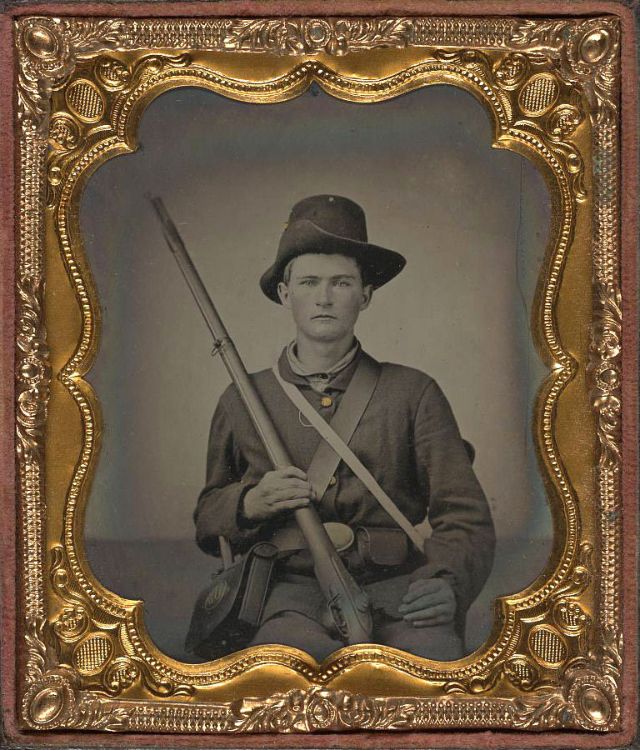
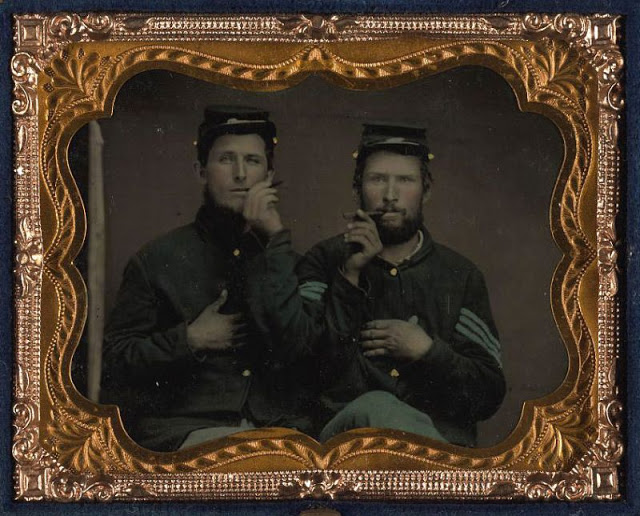
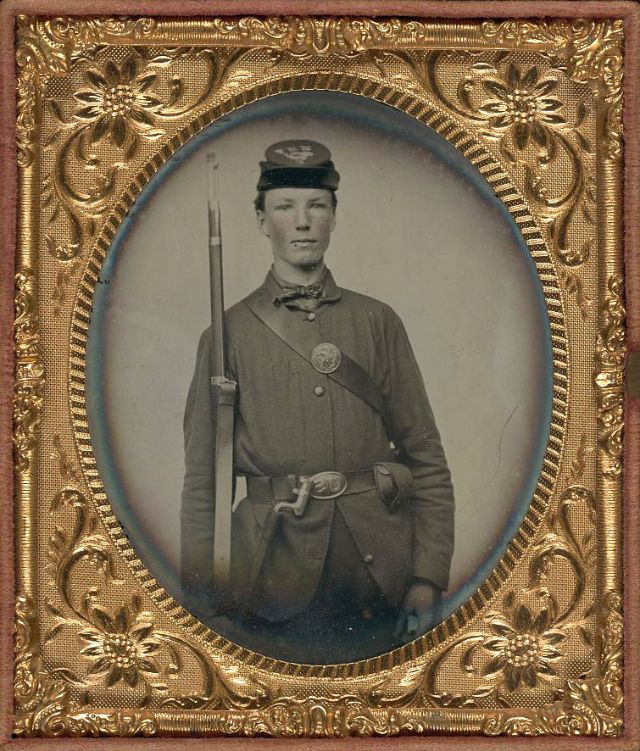
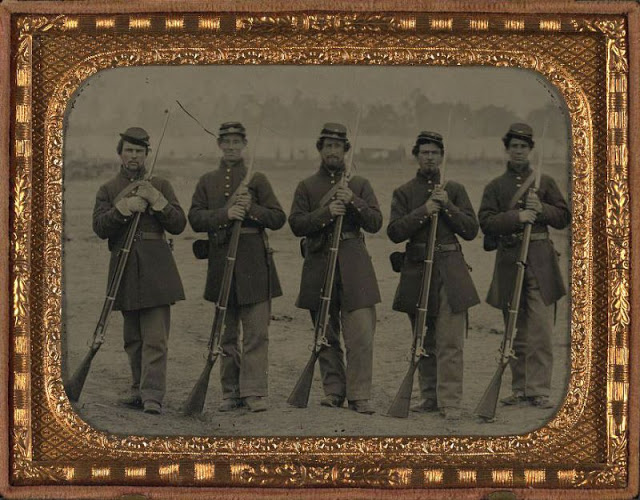
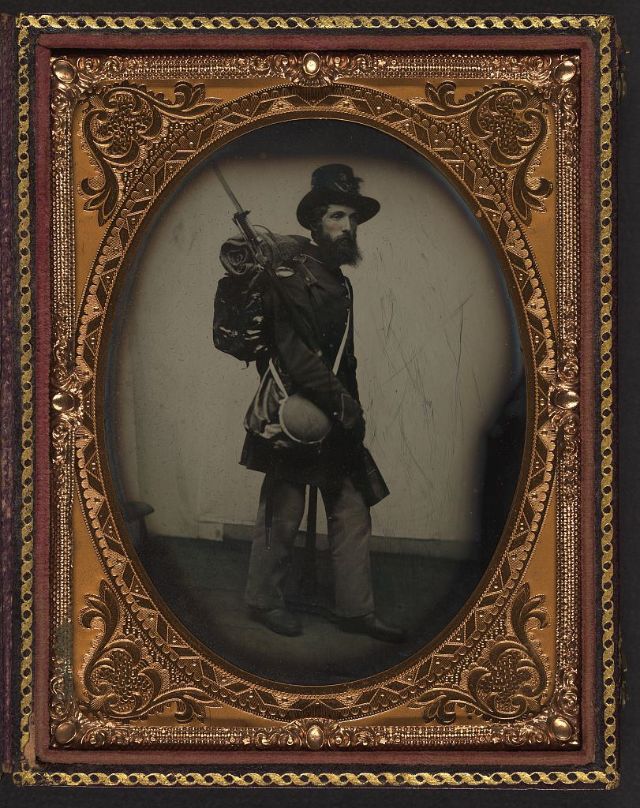
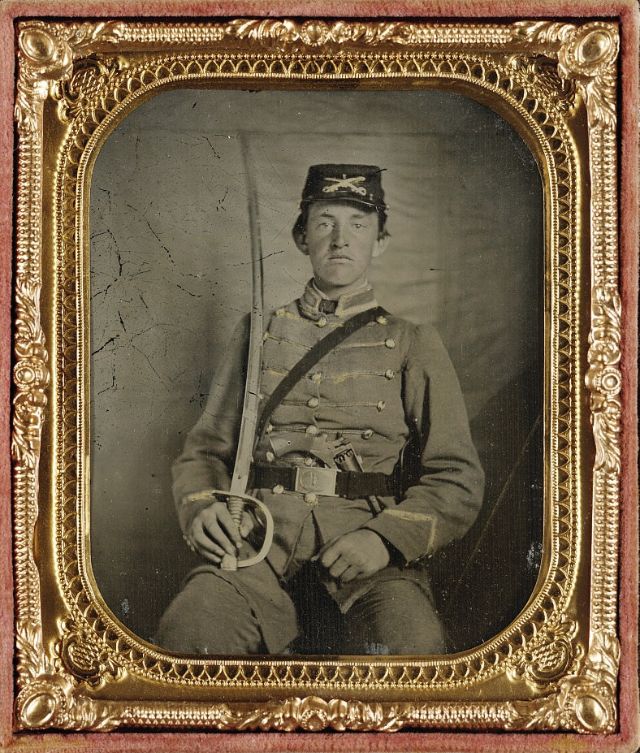
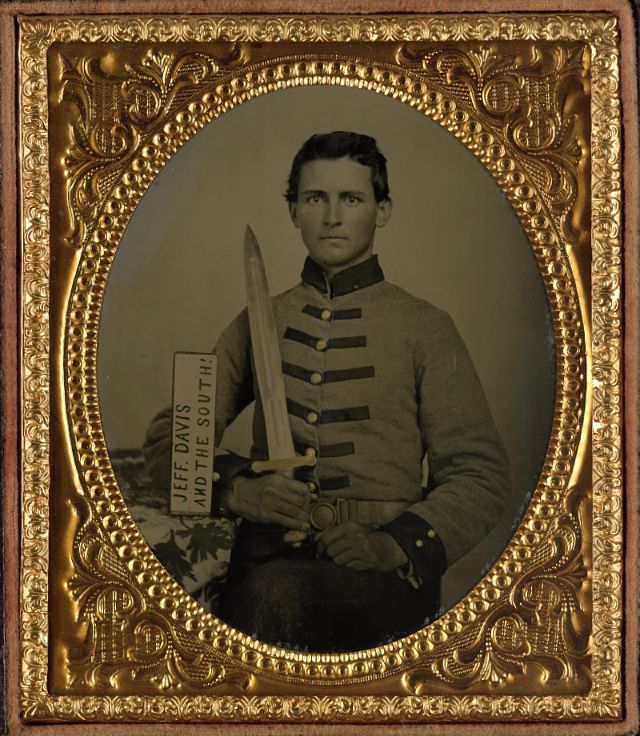
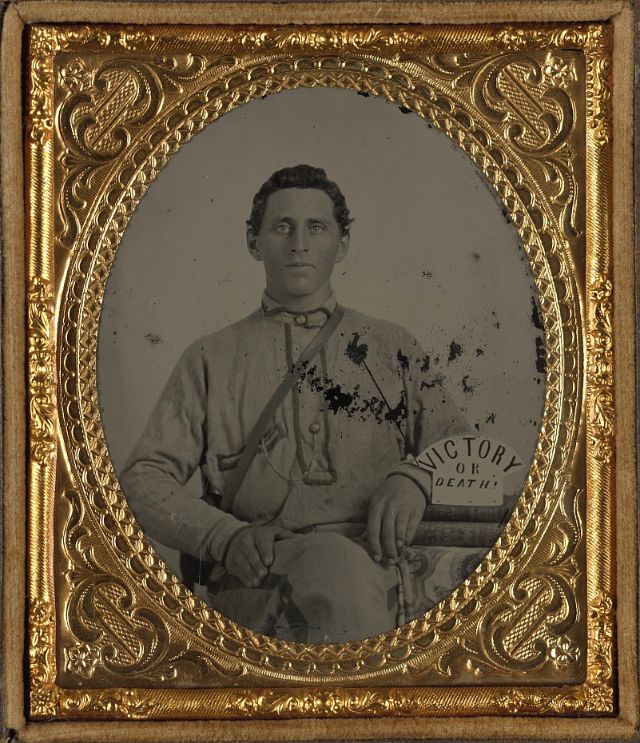
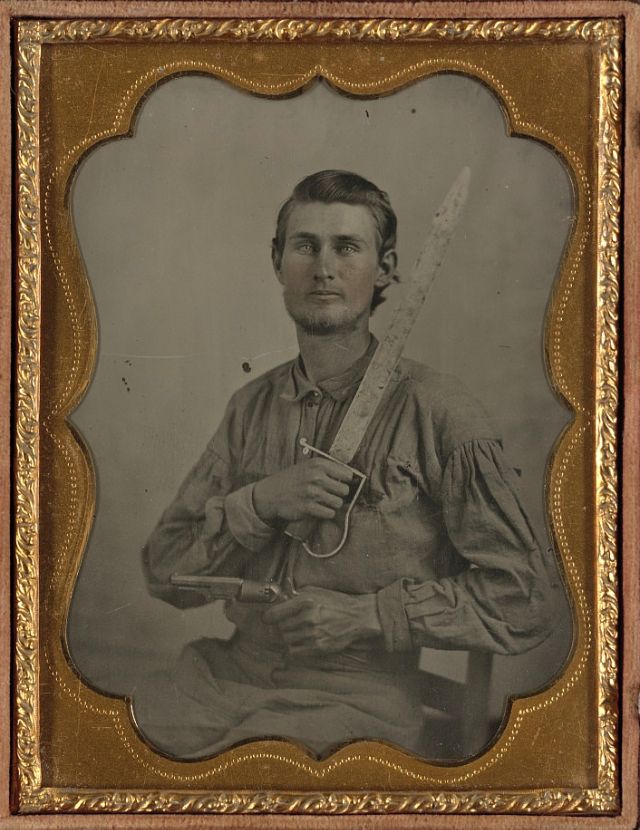
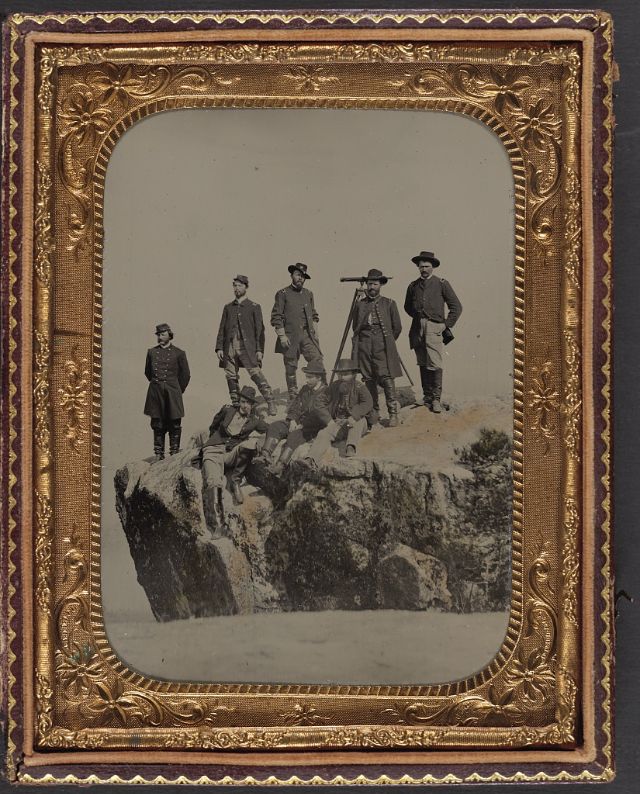
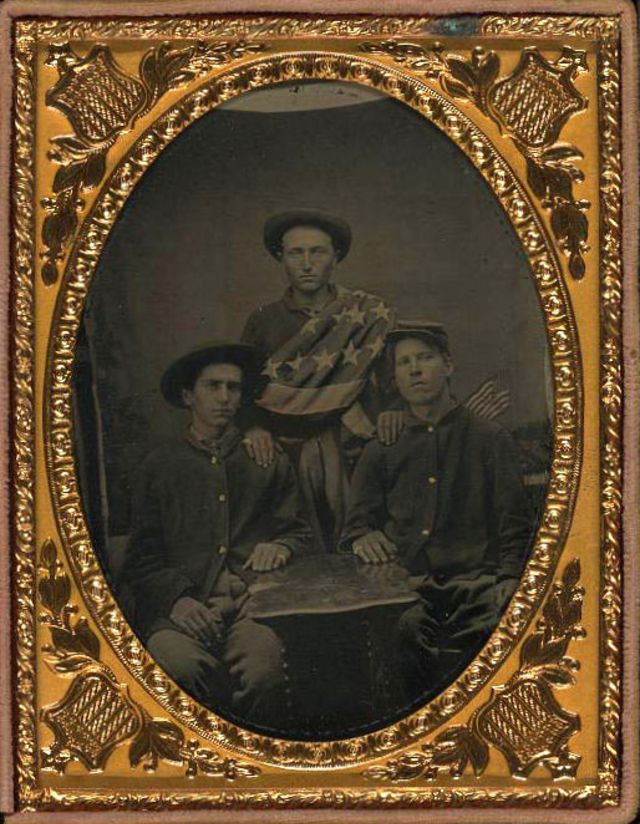
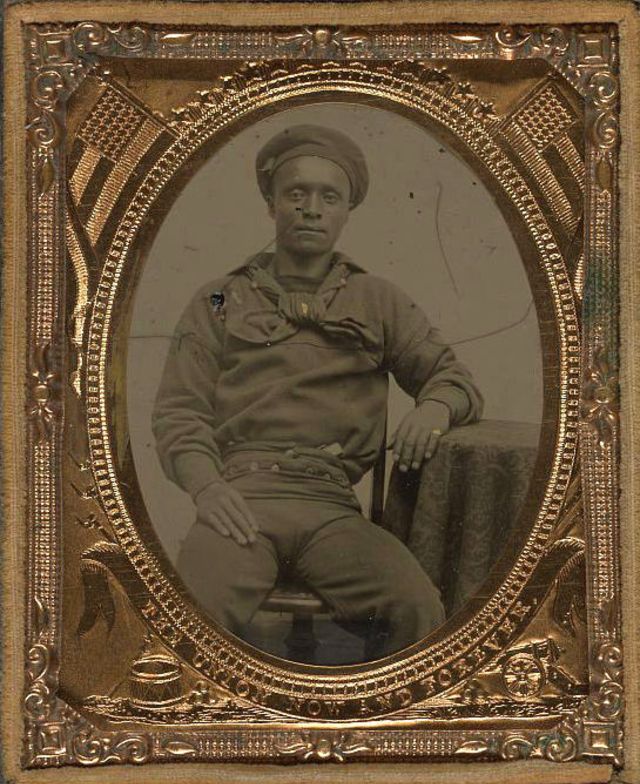
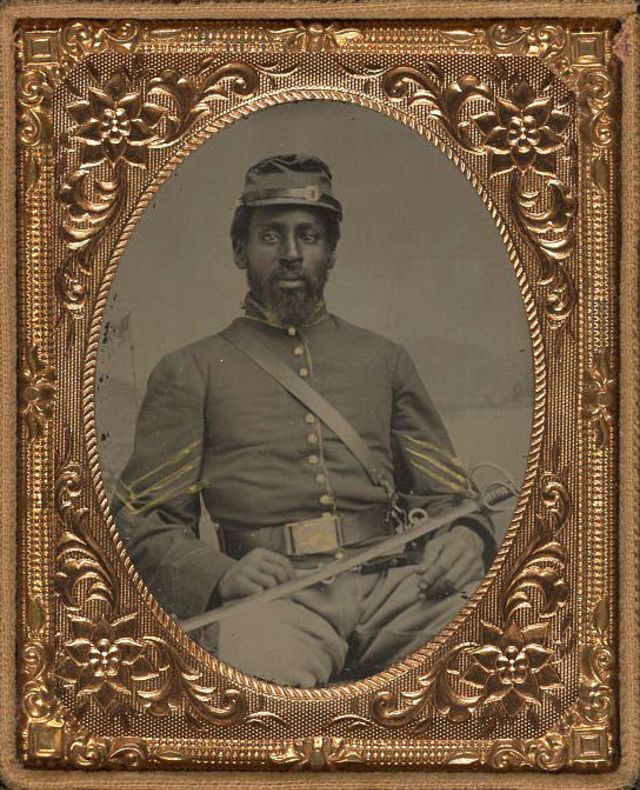
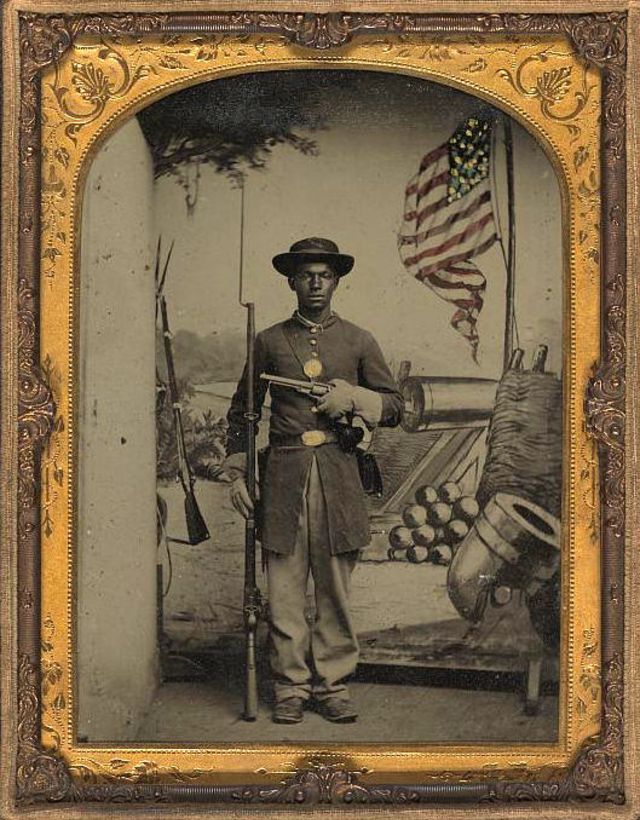
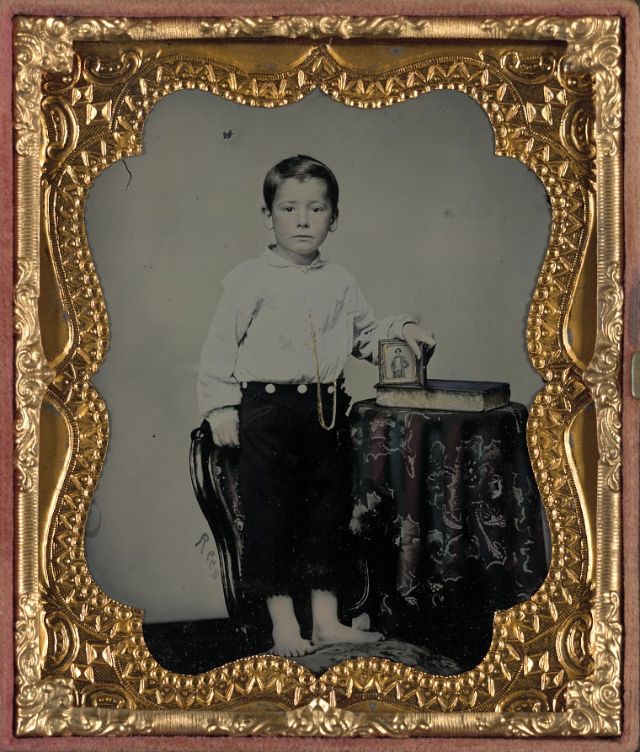
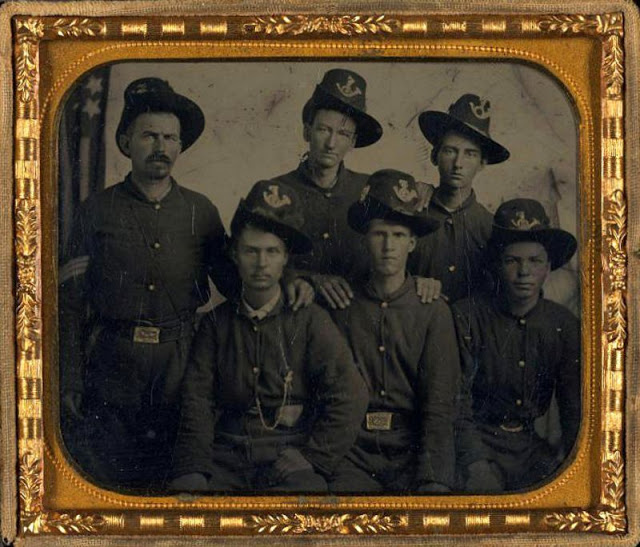
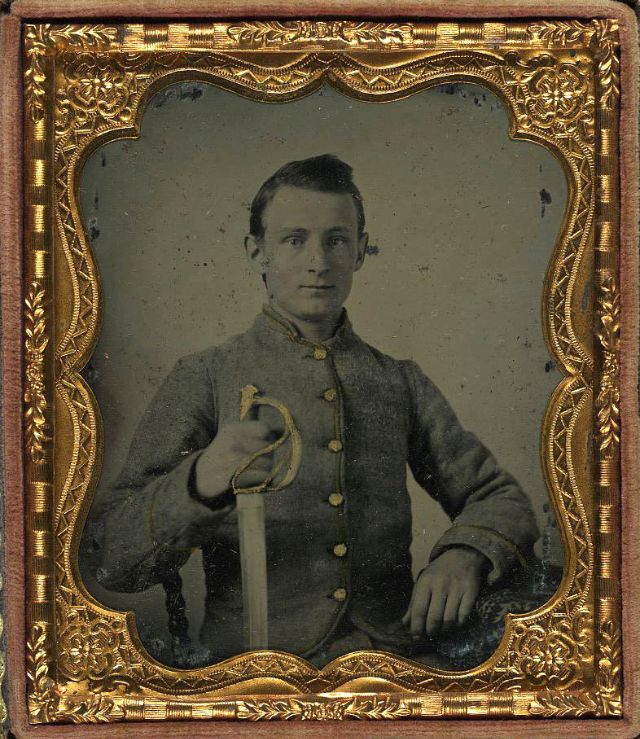
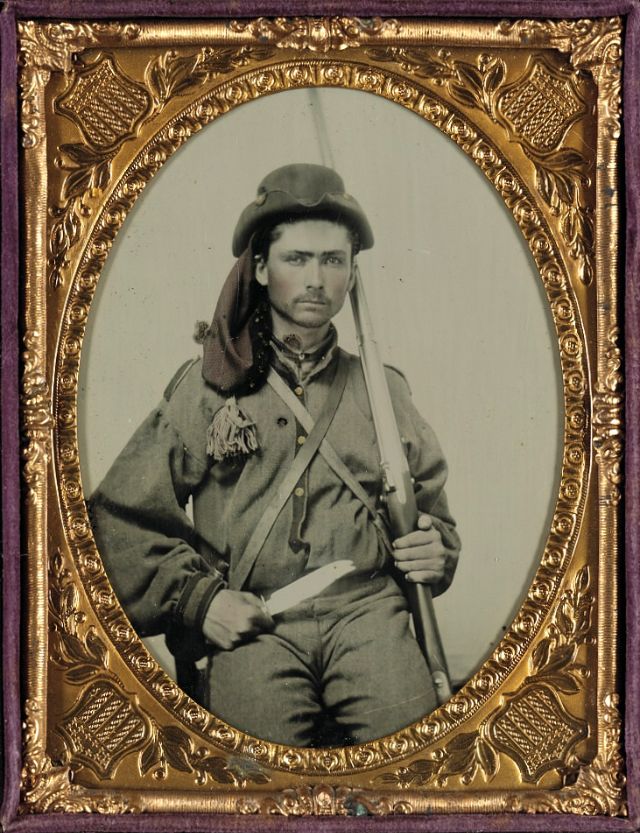
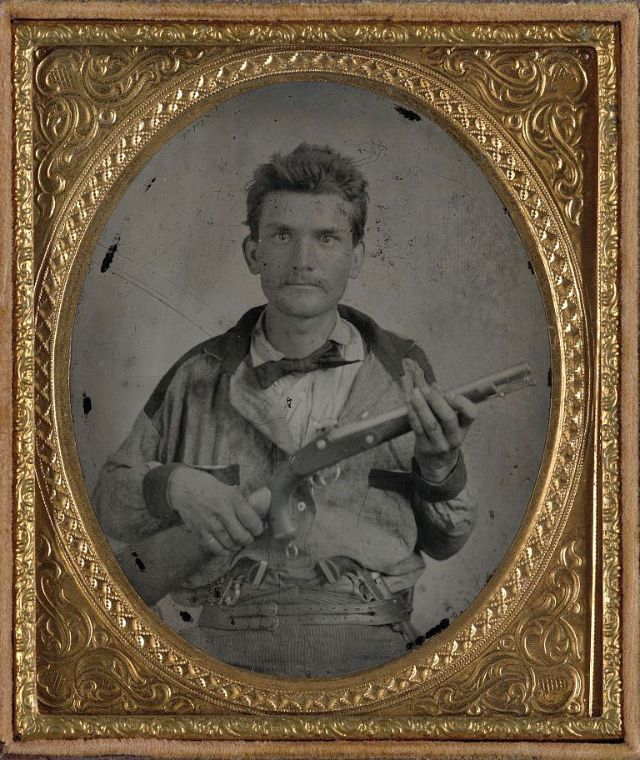
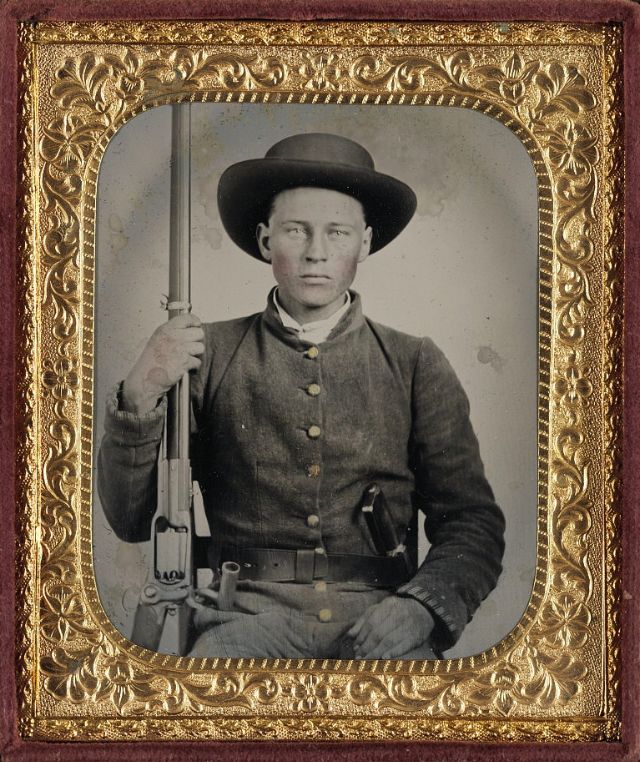
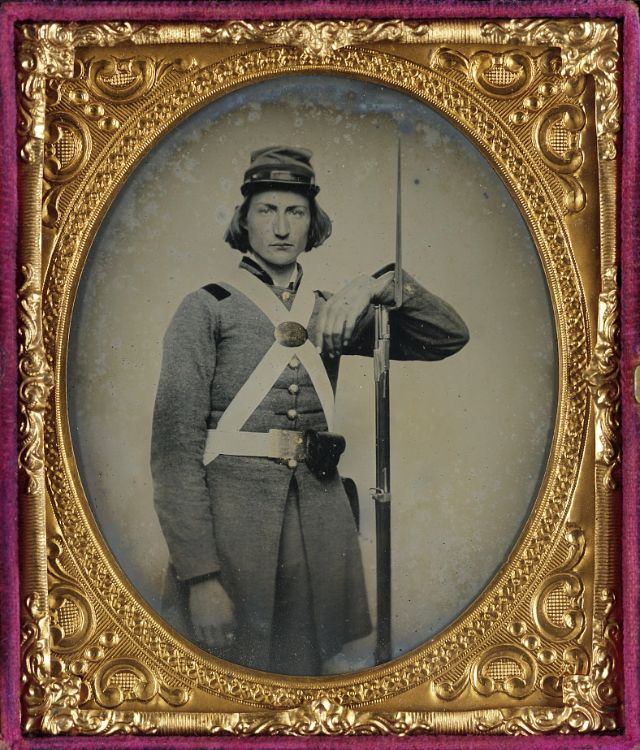
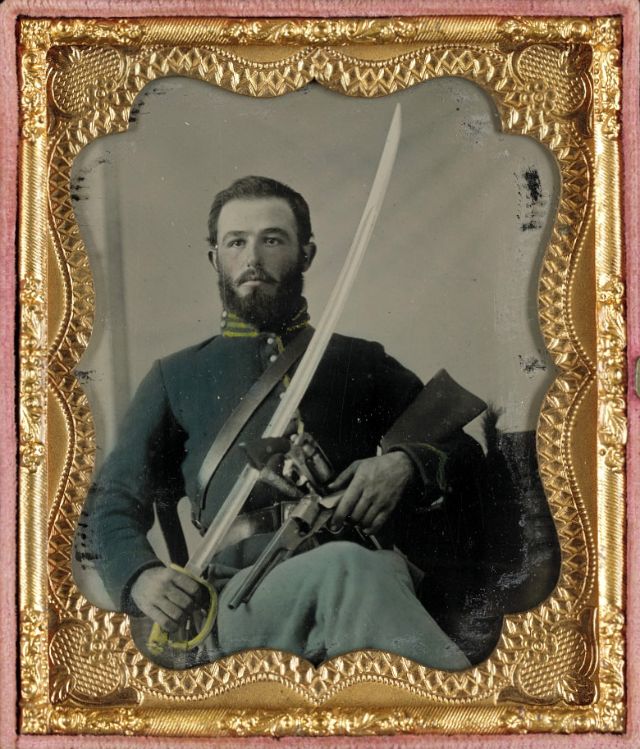
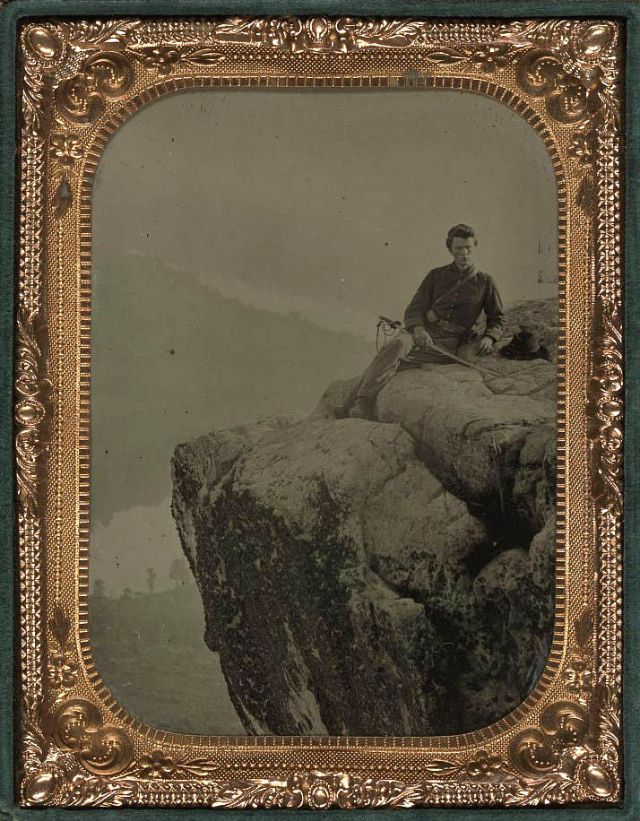
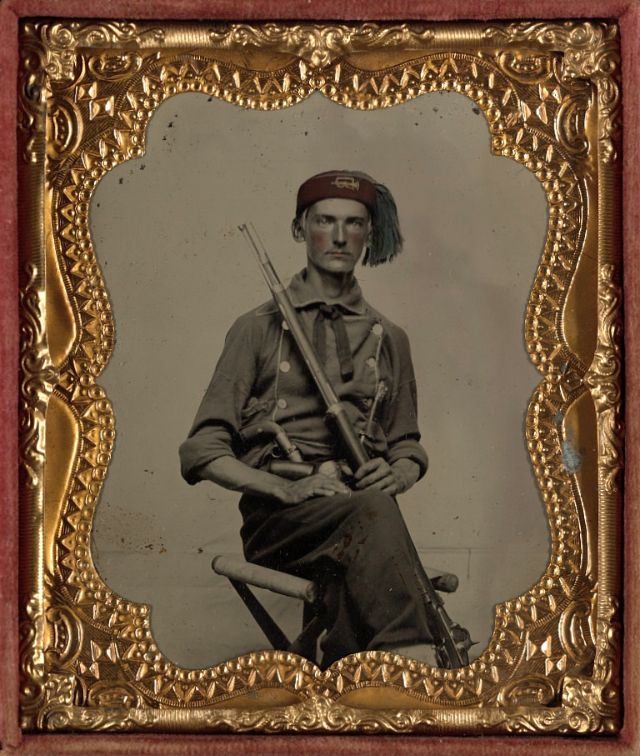
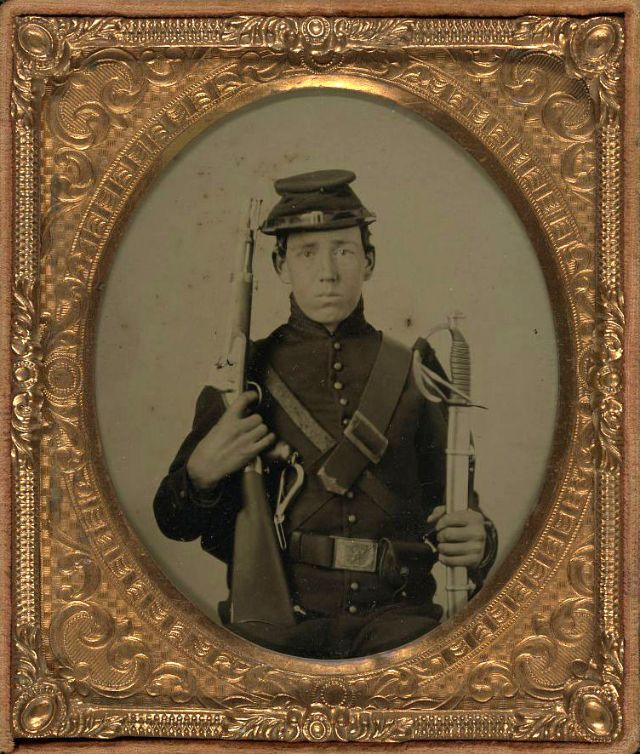
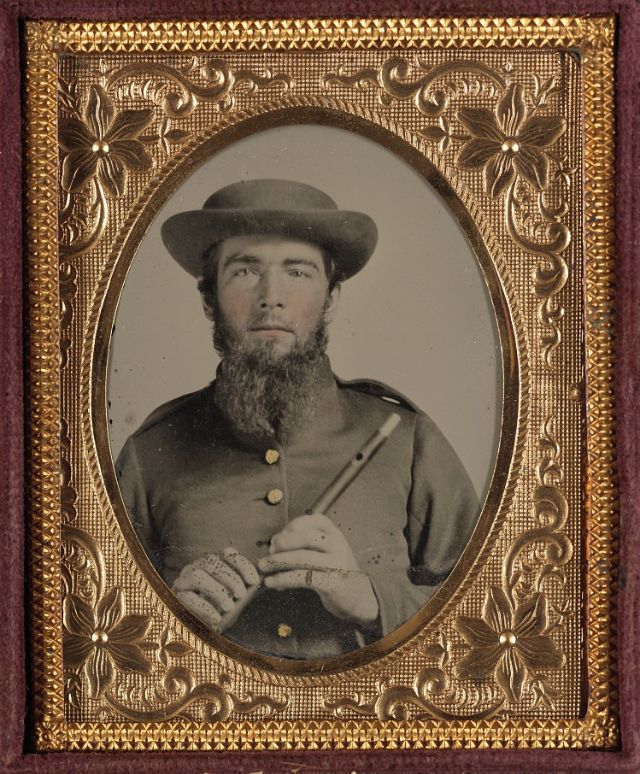
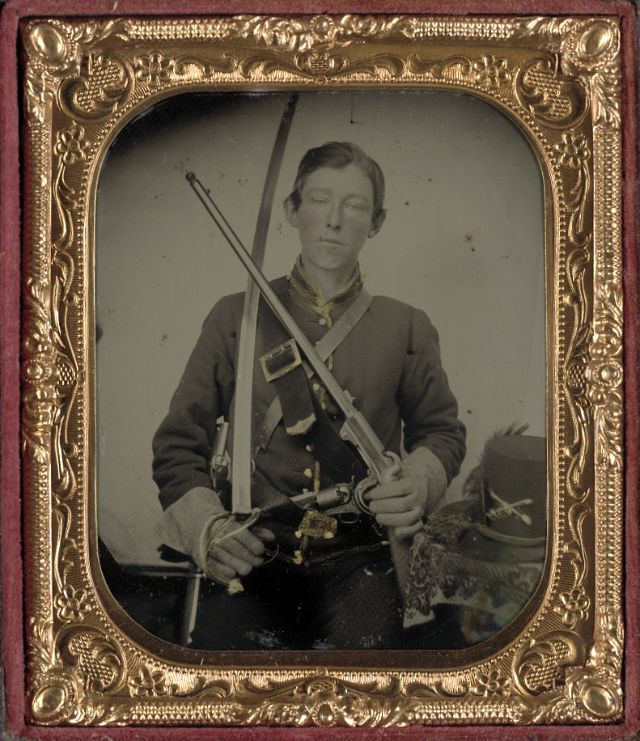
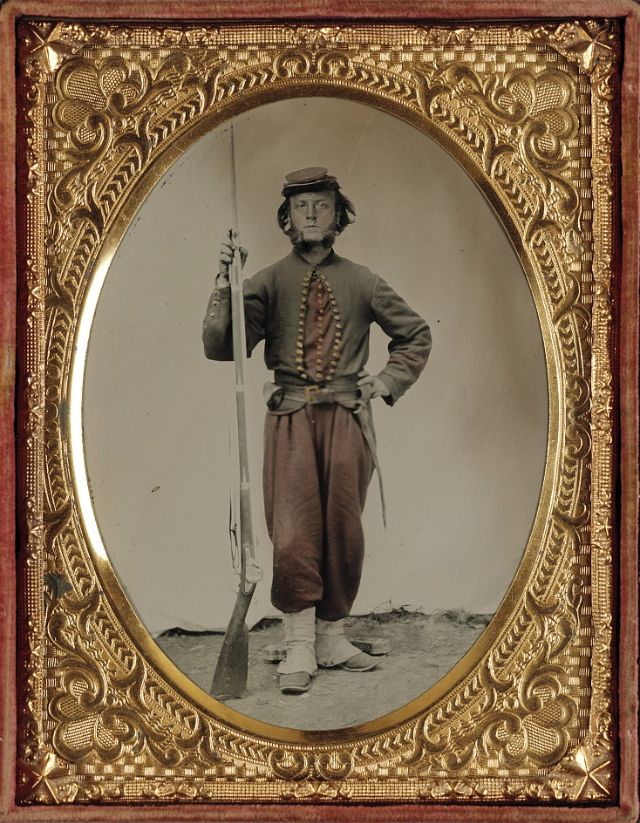
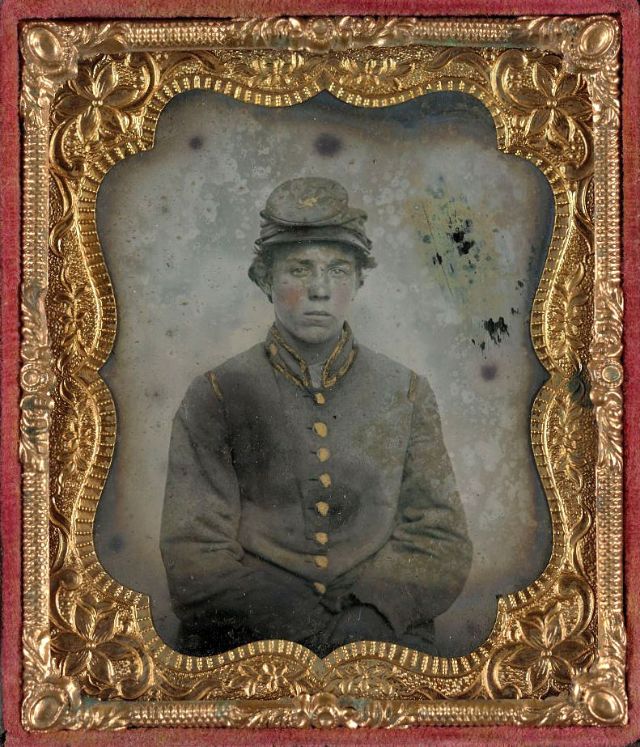
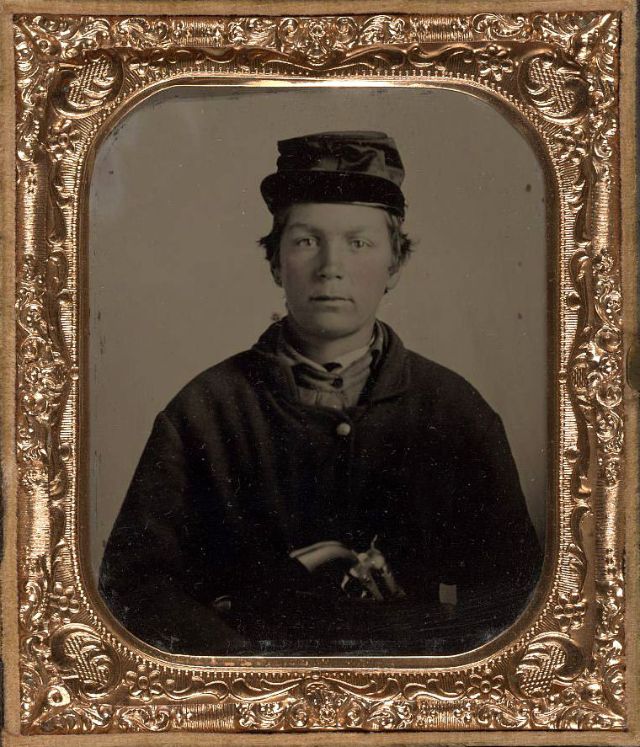
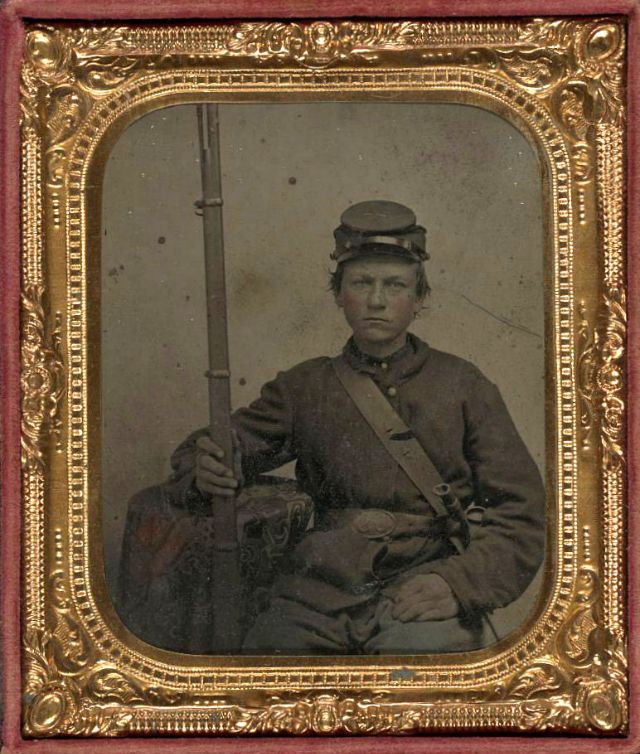
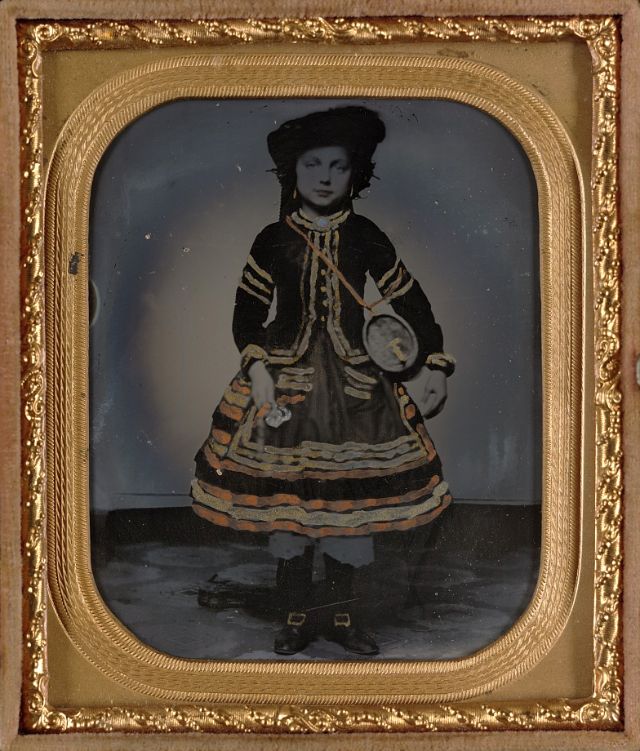
Shown is a fantastic photo collection from The Library of Congress that shows portraits of Americans from the Civil War.
Two unidentified soldiers in Union uniforms holding cigars in each others’ mouthsThree unidentified soldiers in forage caps with musketBrothers Private Hiram J. and Private William H. Gripman of Company I, 3rd Minnesota Infantry Regiment, one with his arm around the other.Corporal Alvin B. Williams of Company F, 11th Regiment New Hampshire Volunteers, with musket and a bayonet in scabbard; dog tag in case.Edwin Chamberlain of Company G, 11th New Hampshire Infantry Regiment in sergeant’s uniform with guitar.Five unidentified soldiers in Union uniform of the 6th Regiment Massachusetts Volunteer Militia outfitted with Enfield muskets in front of encampment.John E. Cummins of the 50th, 99th, and 185th Ohio Infantry regiments in Union uniform next to a horse.Private Albert H. Davis of Company K, 6th New Hampshire Infantry Regiment in uniform, shoulder scales, and Hardee hat with Model 1841 Mississippi rifle, sword bayonet, knapsack with bedroll, canteen, and haversack.Private David M. Thatcher of Company B, Berkeley Troop, 1st Virginia Cavalry Regiment, in uniform and Virginia sword belt plate with Adams revolver and cavalry sword.Private Edward A. Cary of Company I, 44th Virginia Infantry Regiment, in uniform and his sister, Emma J. Garland née Cary.Private Henry Augustus Moore of Co. F, 15th Mississippi Infantry Regiment, with artillery short sword and sign reading Jeff Davis and the South!Private Silas A. Shirley of Co. H, 16th Mississippi Infantry Regiment, with books and sign reading Victory or Death!Private Simeon J. Crews of Co. F, 7th Texas Cavalry Regiment, with cut down saber and revolver.Samuel W. Doble of Company D, 12th Maine Infantry Regiment, with drum.Seven unidentified officers and soldiers in Union uniforms and one officer identified as Major Charles S. Cotter of 1st Ohio Light Artillery Regiment, with telescope, at Point Lookout, Tennessee.Three unidentified soldiers in front of painted backdrop showing 34-star American flag.Two unidentified soldiers in Union cavalry uniforms with sword share a drink in front of painted backdrop showing camp.Two unidentified soldiers in Union uniforms drinking whiskey and playing cards.Unidentified African American sailor in Union uniform sitting with arm resting on table.Unidentified African American soldier in Union cavalry uniform with cavalry saber in front of painted backdrop showing landscape.Unidentified African American soldier in Union uniform with wife and two daughters.Unidentified African American Union soldier with a rifle and revolver in front of painted backdrop showing weapons and American flag at Benton Barracks, Saint Louis, Missouri.Unidentified boy holding cased photograph of soldier in Confederate uniform atop a Bible.Unidentified girl in mourning dress holding framed photograph of her father as a cavalryman with sword and Hardee hat.Unidentified infantry sergeant in Union uniform with five young infantry soldiers with American flag at side.Unidentified soldier in Confederate cavalry uniform with saber.Unidentified soldier in Confederate frock coat and slouch hat with Bowie knife and Colt Army Model 1860 revolver.Unidentified soldier in Confederate infantry uniform with model 1842 musket and two Colt revolvers.Unidentified soldier in Confederate infantry uniform with musket and Bowie knife.Unidentified soldier in Confederate uniform of Co. E, “Lynchburg Rifles,” 11th Virginia Infantry Volunteers holding 1841 “Mississippi” rifle, Sheffield-type Bowie knife, canteen, box knapsack, blanket roll, and cartridge box.Unidentified soldier in Confederate uniform with 1855 Springfield pistol carbine and pistols.Unidentified soldier in Confederate uniform with Berdan’s Sharps rifle and Colt 1862 Police Model pistol.Unidentified soldier in Confederate uniform with Colt Revolving rifle and D-Guard Bowie knife.Unidentified soldier in Confederate Virginia volunteer uniform with bayoneted musket.Unidentified soldier in first lieutenant’s uniform, red sash, leather gauntlets, and spurs with cavalry sword.Unidentified soldier in Union cavalry uniform with banjo, sword, and pipe.Unidentified soldier in Union cavalry uniform with stocked Colt pistol, Remington, and cavalry saber.Unidentified soldier in Union officer’s uniform at Point Lookout, Tennessee, sitting with cavalry saber in hand and slouch hat resting beside him on a rock.Unidentified soldier in Union uniform and fez with Model 1855 rifle musket and pepperbox revolverUnidentified soldier in Union uniform holding a U.S. Model 1855 pistol-carbine with attached shoulder stock and a saber.Unidentified soldier in Union uniform with Colt Revolving Rifle Model 1855.Unidentified soldier in Union uniform with fife.Unidentified soldier in Union uniform with rifle, revolver, and sword.Unidentified soldier in Union uniform with two revolvers and picking his teeth with a Bowie knife.Unidentified soldier in Union uniform with wife and daughters holding saxhorn.Unidentified soldier in Union zouave uniform with bayoneted musketUnidentified soldier of 1st Mississippi Cavalry Battalion in uniform and Confederate wishbone frame buckle, with 1st model Maynard carbine.Unidentified young drummer boy in Union uniform.Unidentified young sailor in uniform with American flag in front of backdrop showing naval scene.Unidentified young soldier in 5th New Hampshire Infantry uniform and Whipple hat with bayoneted musket.Unidentified young soldier in Confederate shell jacket, Hardee hat with Mounted Rifles insignia and plume with canteen and cup.Unidentified young soldier in Confederate uniform and Hardee hat with holstered revolver and artillery saber.Unidentified young soldier in Confederate uniform.Unidentified young soldier in Union uniform and forage cap with revolver.Unidentified young soldier in Union uniform and Hardee hat sitting with musket, cartridge box, and cap box.Unidentified young soldier in Union uniform with musket and bayonet in scabbard.Unidentified young vivandière in Union uniform with barrel canteen and cup.
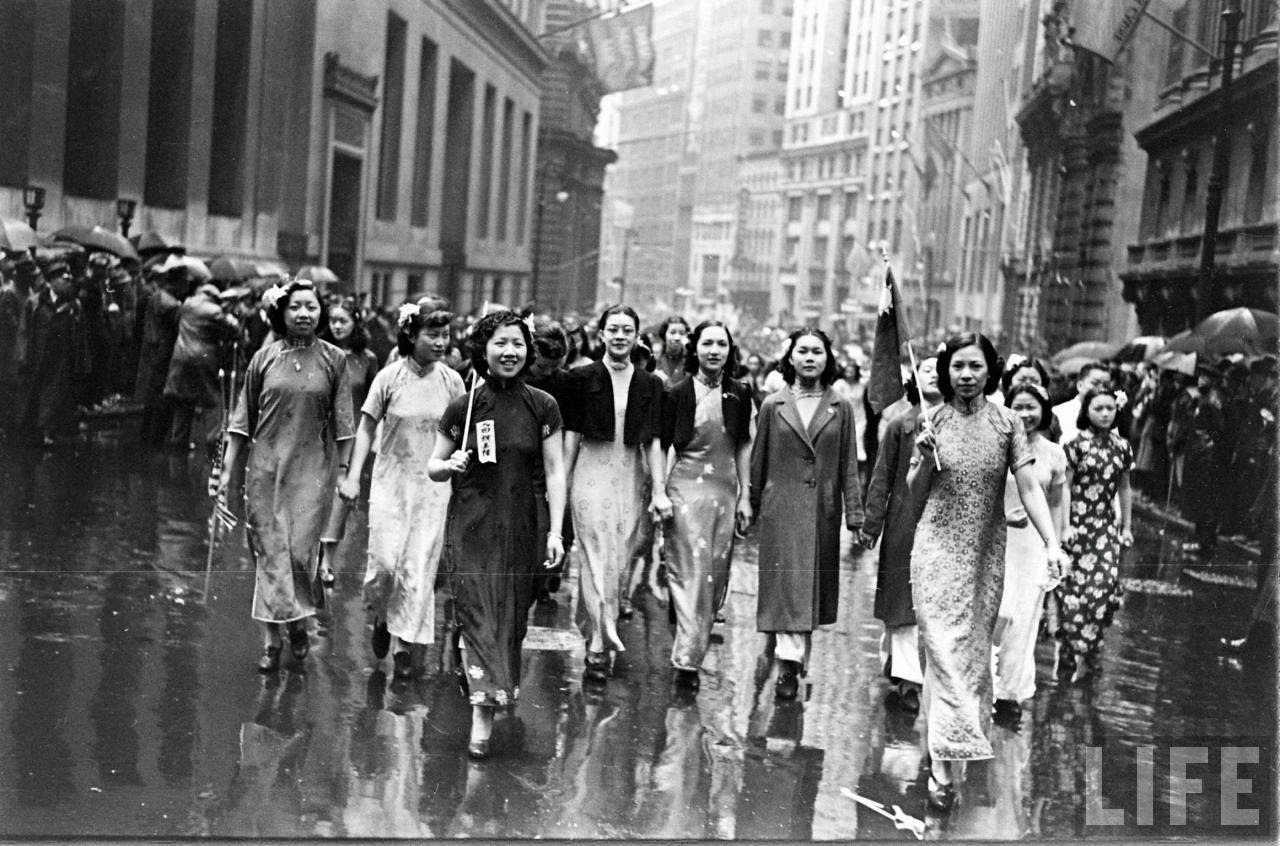
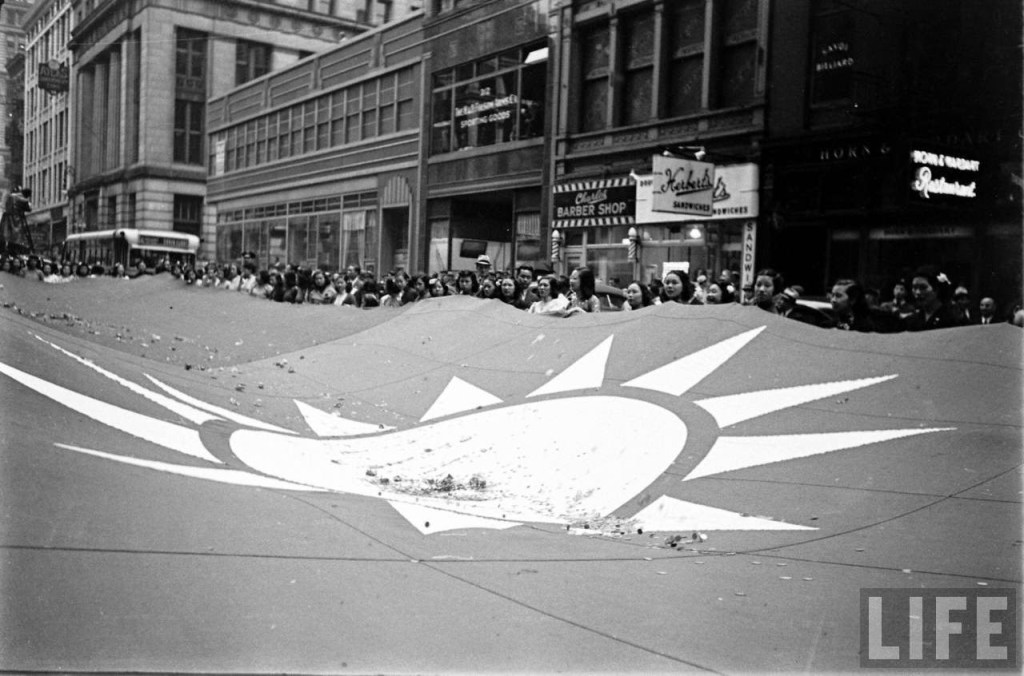
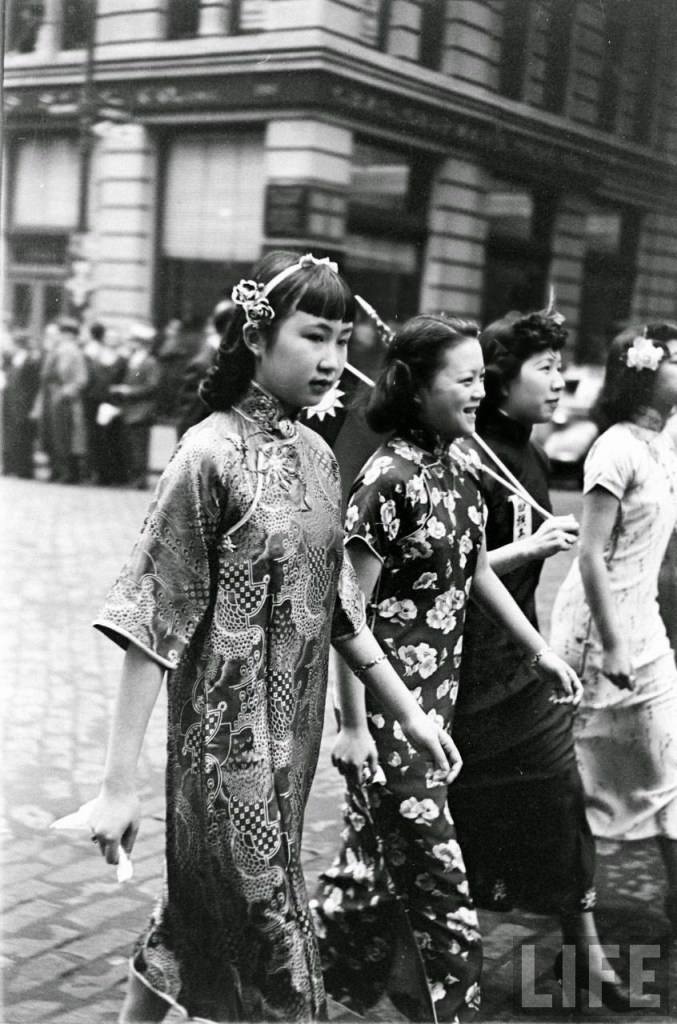
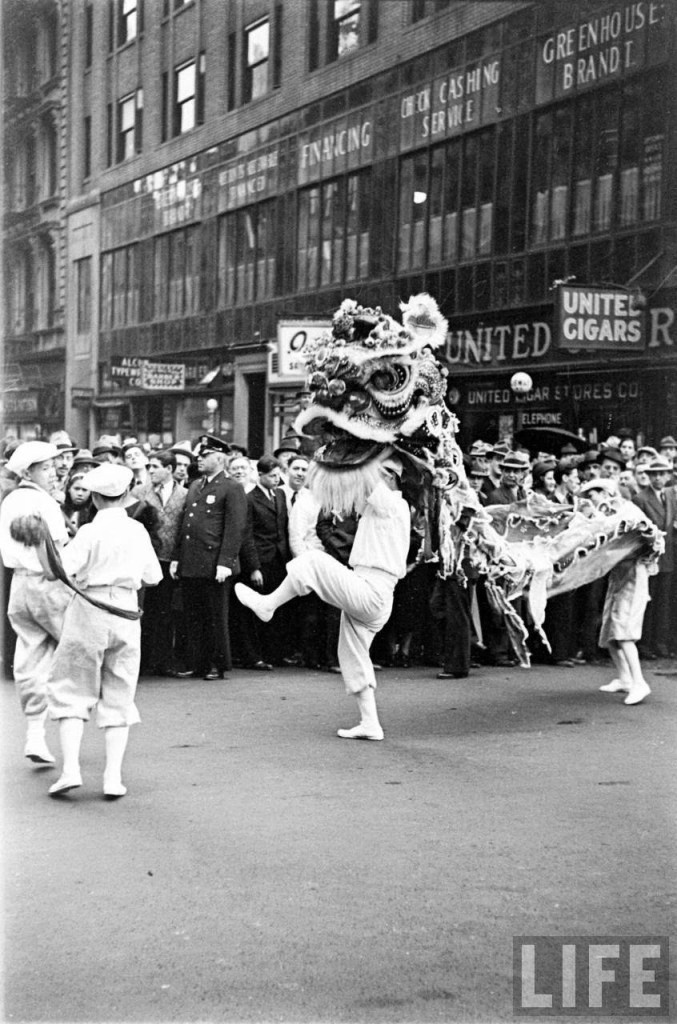
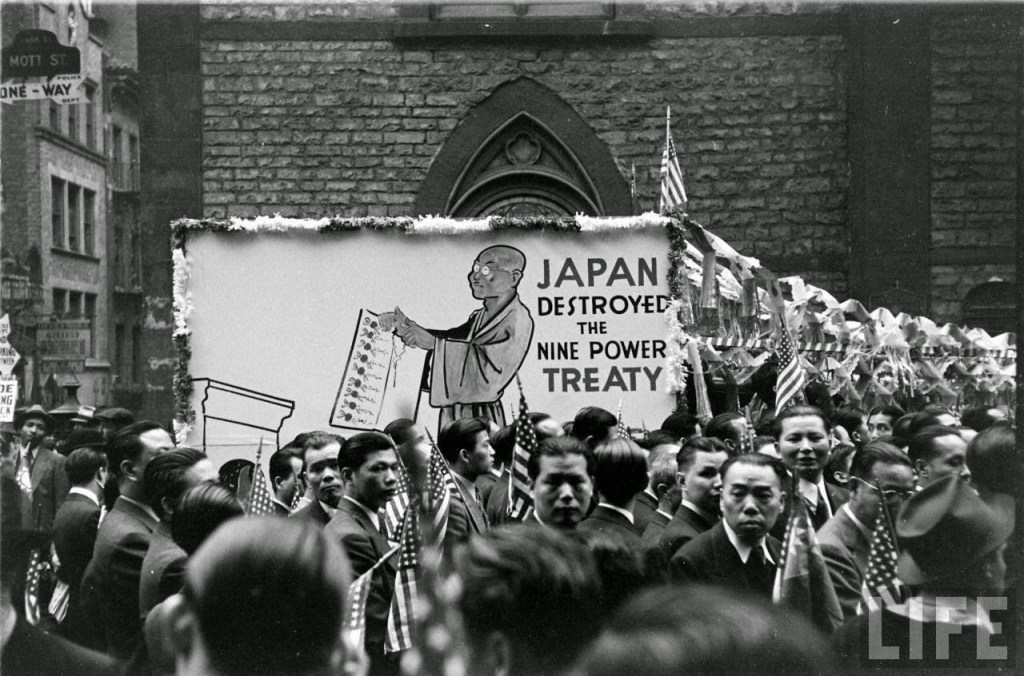
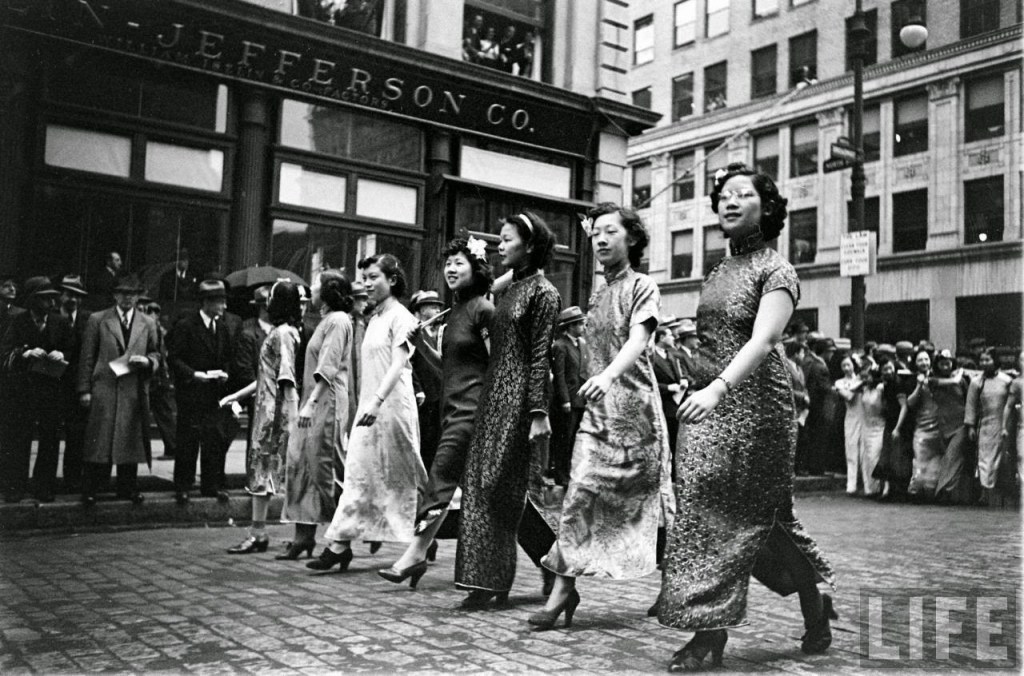
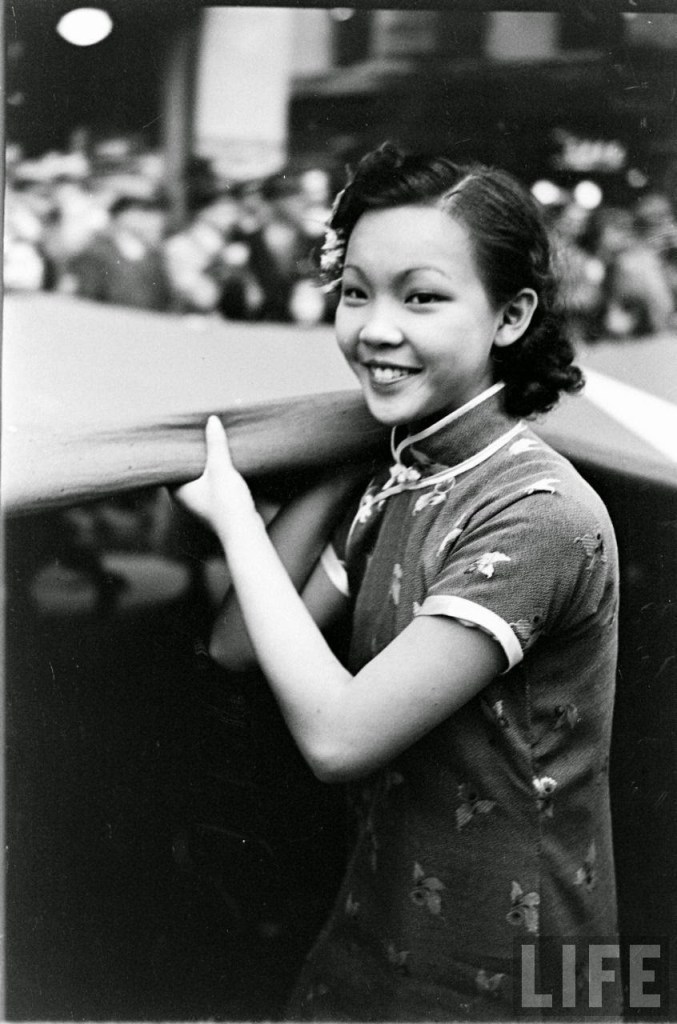
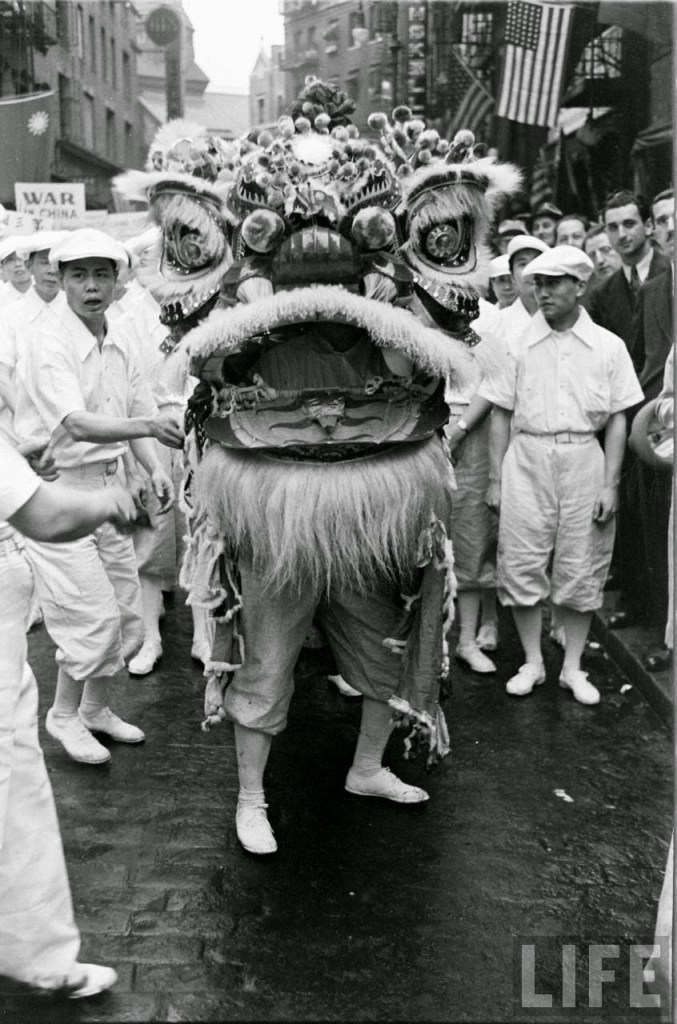
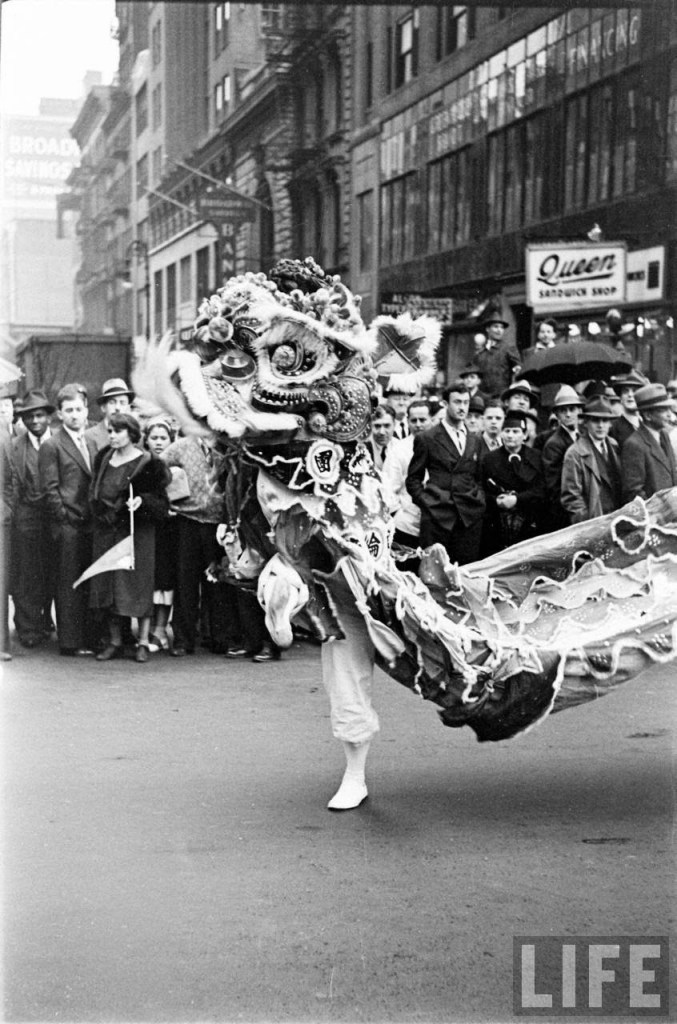
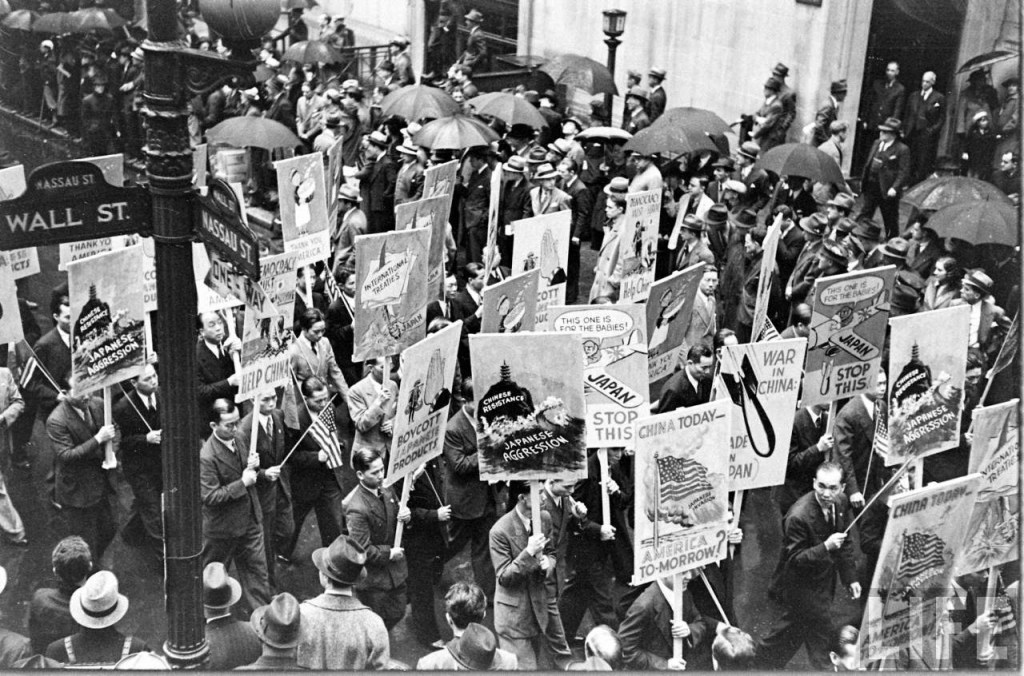
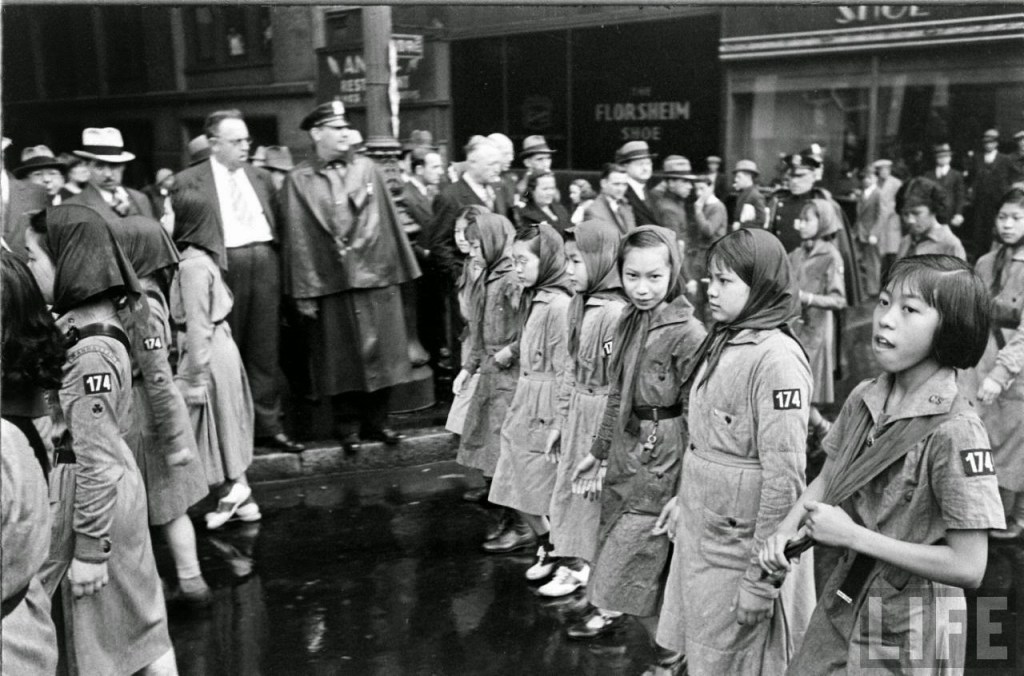
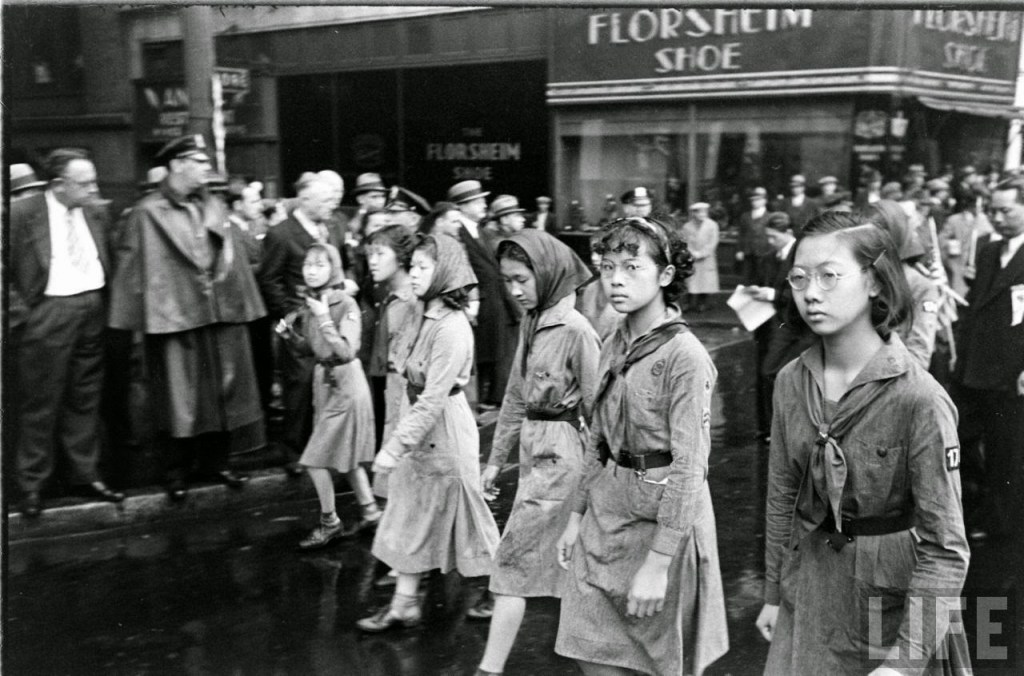
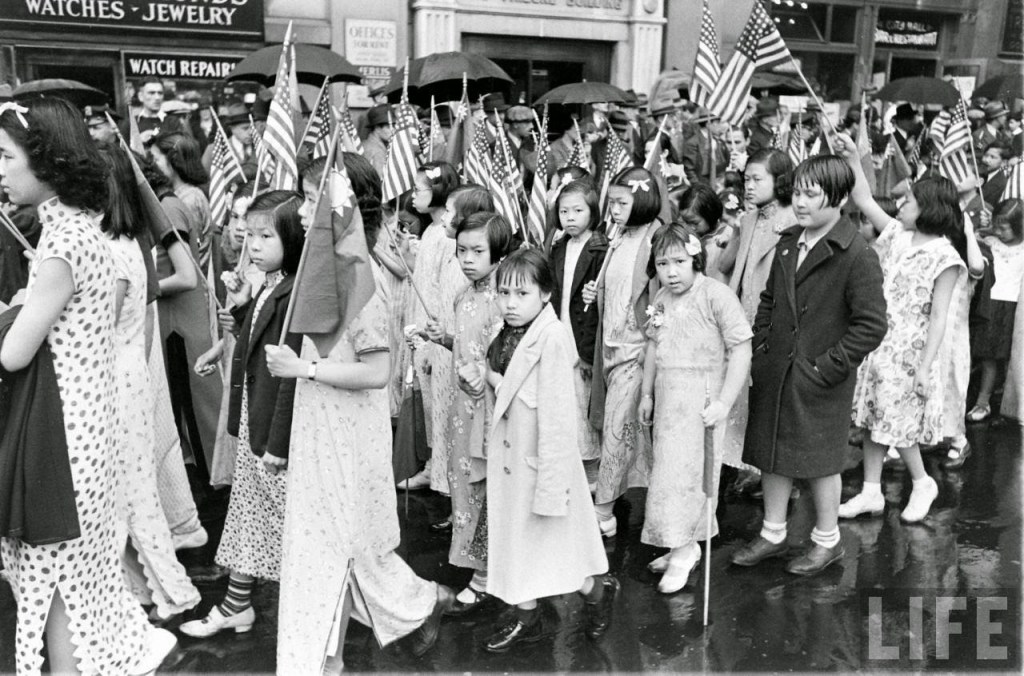
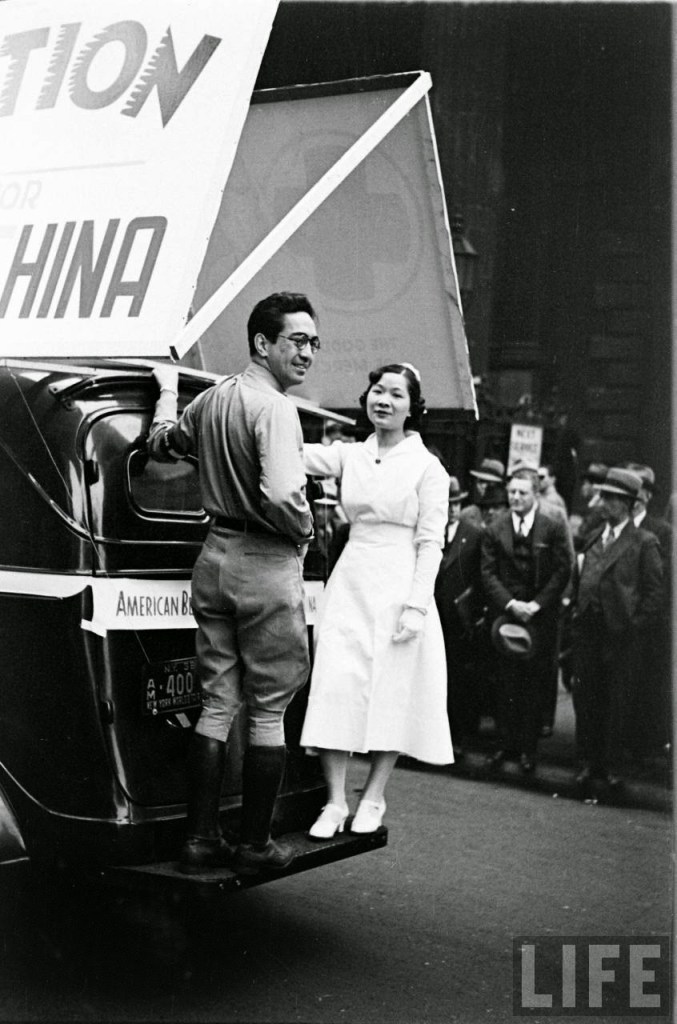
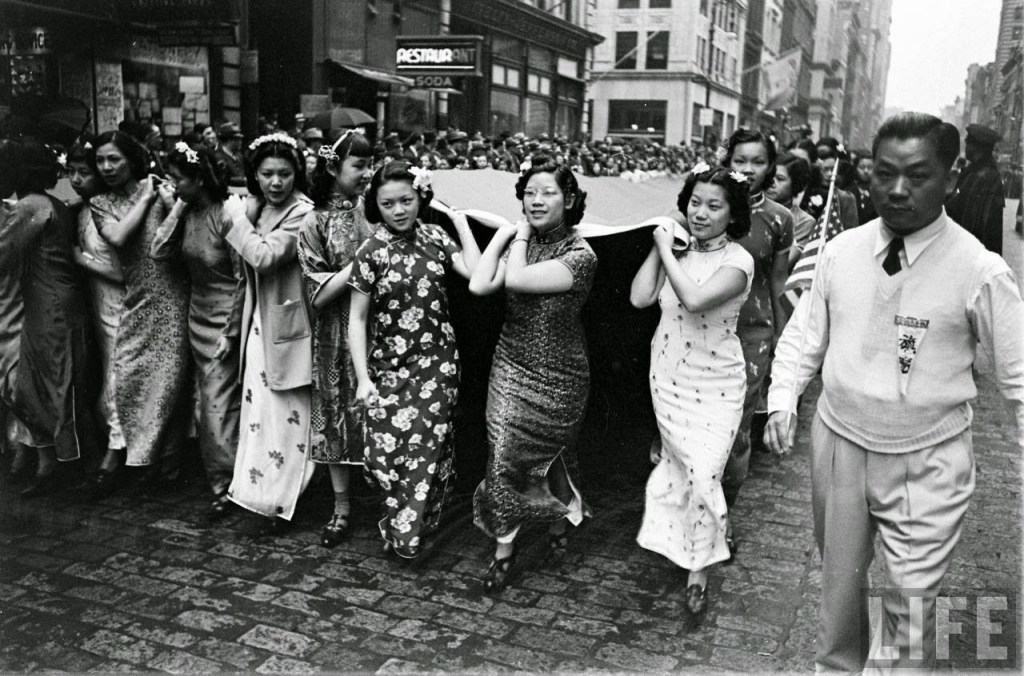
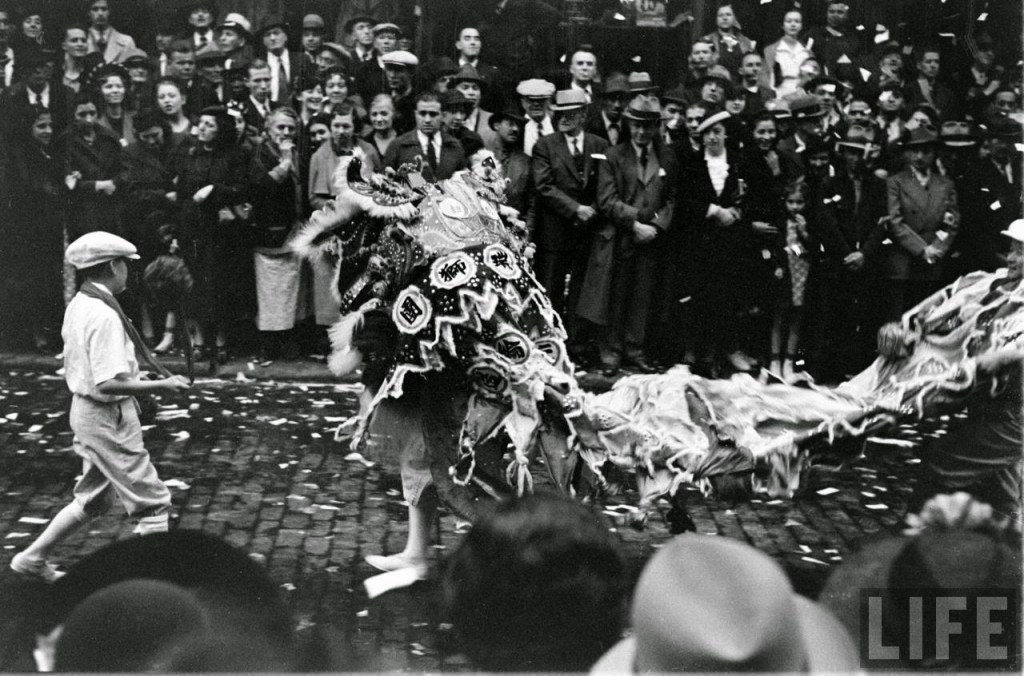
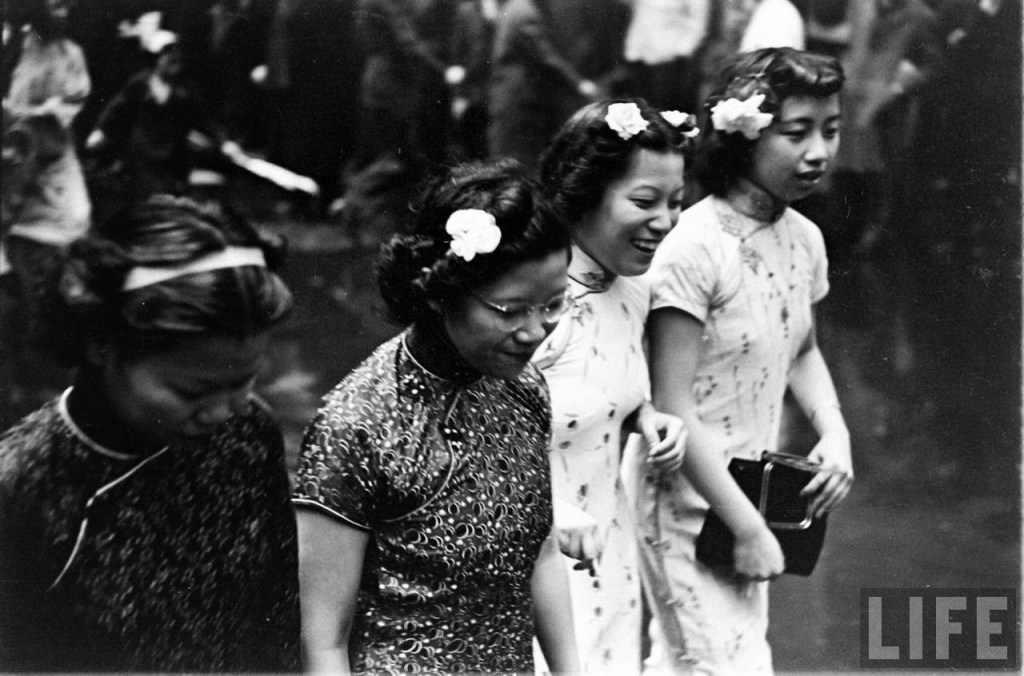
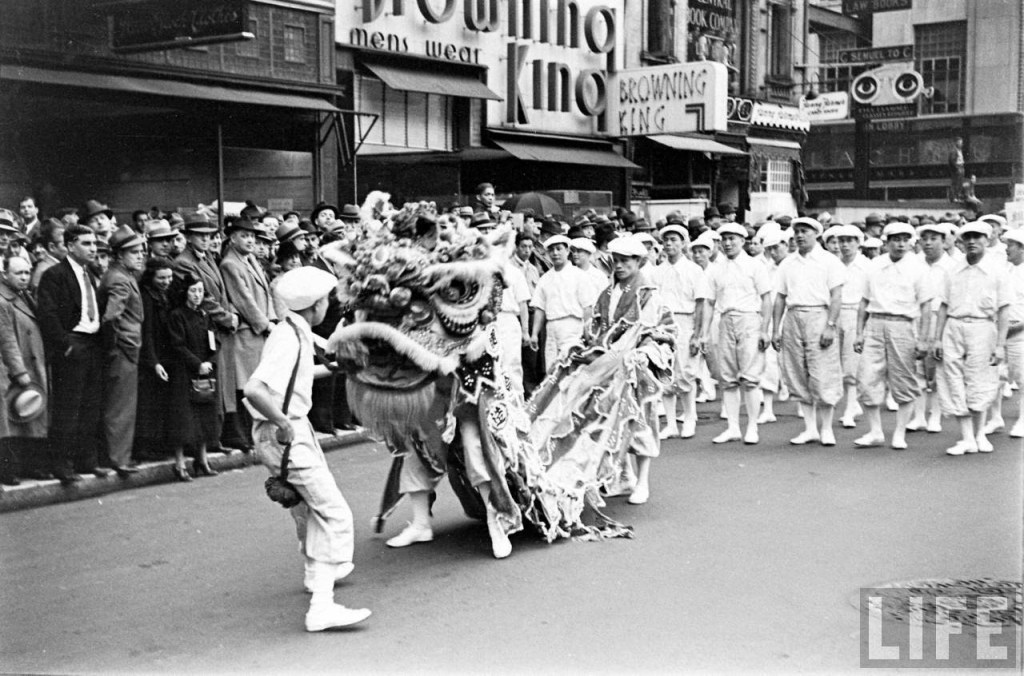
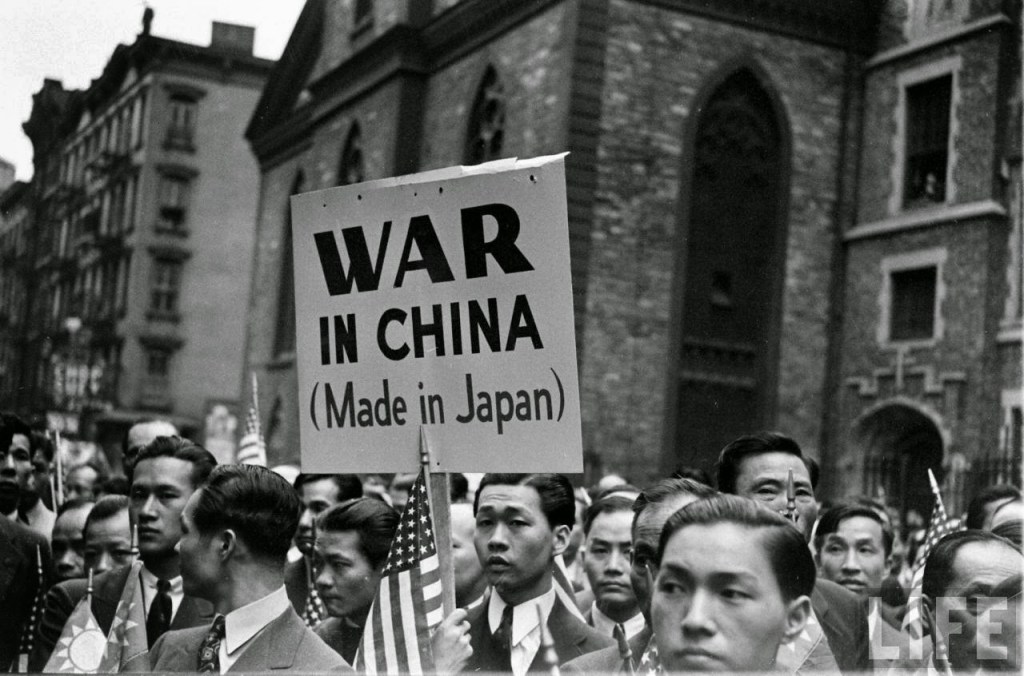
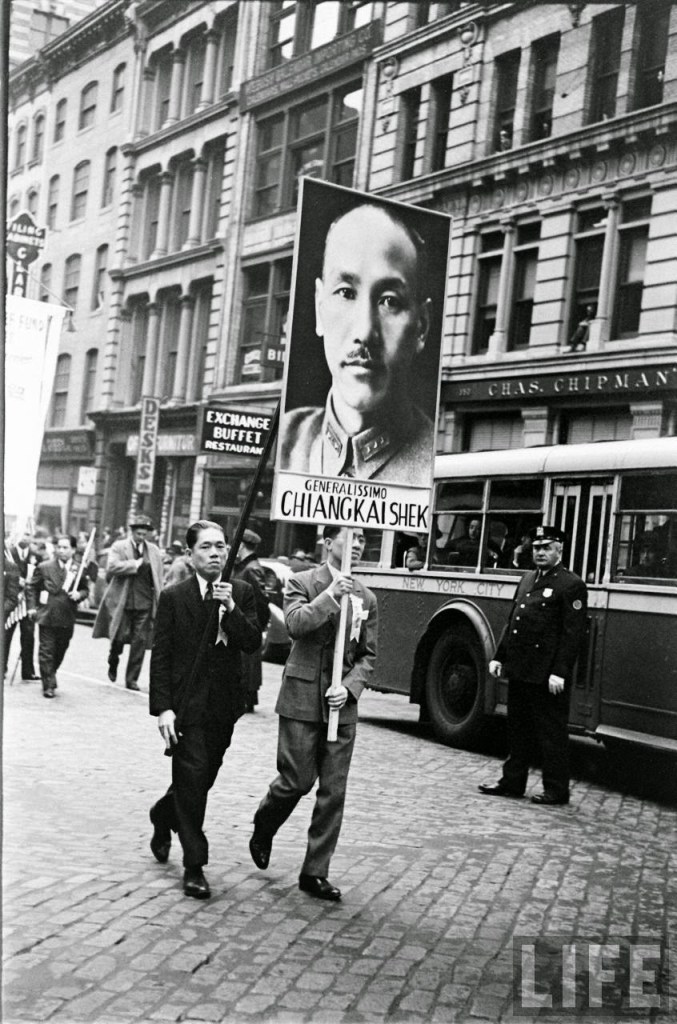
Twelve thousand Chinese people from all parts of the New York area closed their laundries and other businesses to take part in the largest demonstration ever staged in the United States. It observed China’s “National Humiliation Day,” the annual holiday on which China’s people pause to recall Japan’s humiliating twenty-one demands of May 9, 1915.
The Twenty-One Demands was a set of demands made during the First World War by the Empire of Japan under Prime Minister Ōkuma Shigenobu to the government of the Republic of China on 18 January 1915. The secret demands would greatly extend Japanese control of China. Japan would keep the former German areas it had conquered at the start of World War I in 1914. It would be strong in Manchuria and South Mongolia. It would have an expanded role in railways. The most extreme demands (in section 5) would give Japan a decisive voice in finance, policing, and government affairs. The last part would make China in effect a protectorate of Japan, and thereby reduce Western influence. Japan was in a strong position, as the Western powers were in a stalemated world war with Germany. Britain and Japan had a military alliance since 1902, and in 1914 London had asked Tokyo to enter the war. Beijing published the secret demands and appealed to Washington and London. They were sympathetic and forced Tokyo to drop section 5. In the final 1916 settlement, Japan gave up its fifth set of demands. It gained a little in China, but lost a great deal of prestige and trust in Britain and the U.S.
The Chinese public responded with a spontaneous nationwide boycott of Japanese goods; Japan’s exports to China fell drastically. Britain was affronted and no longer trusted Japan as an ally. With the First World War underway, Japan’s position was strong and Britain’s was weak; nevertheless, Britain (and the United States) forced Japan to drop the fifth set of demands that would have given Japan a large measure of control over the entire Chinese economy and ended the Open Door Policy. Japan and China reached a series of agreements which ratified the first four sets of goals on 25 May 1915. (Wikipedia)
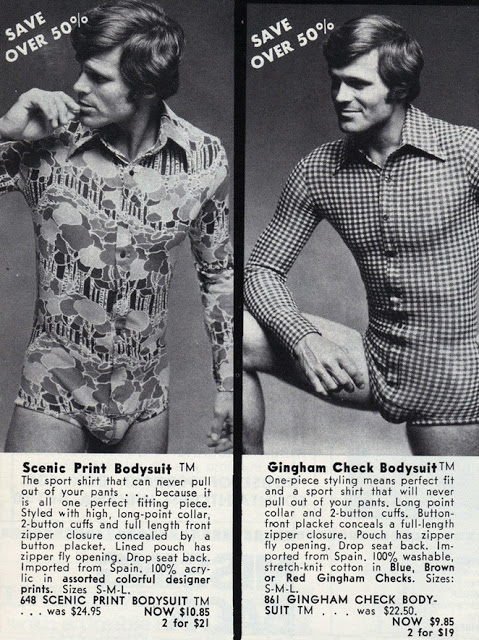
Despite the perception of many members of Generation Y, the ‘onesie’ has been a fashion mainstay since the 1970s.
The ‘onesie’ – a snug adult romper suit consisting of a joined together tracksuit top and trousers – has become one of the biggest fashion phenomenons of the decade. From Harry Styles and Joey Essex to Nick Clegg and Boris Johnson, everyone owns a version of the cosy one-piece.
But judging by these hilarious 1970s catalogue shots, the global style phenomenon isn’t just a modern-day fad. While many believe that contemporary Norwegian designers Henrik Norstrud and Knut Gresvig put onesies on the map with their OnePiece brand, these images prove that versions of the item of clothing have been on the minds of designers for decades.
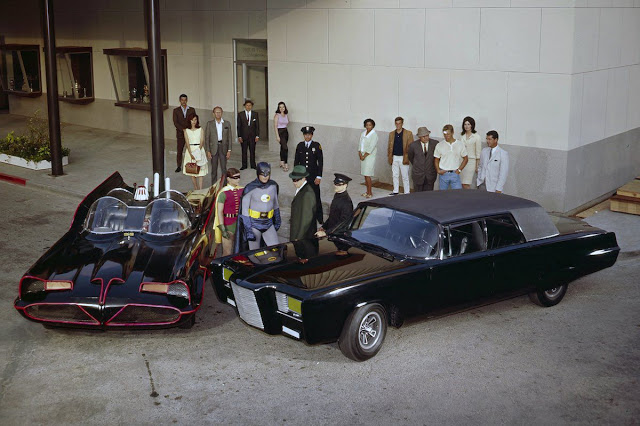
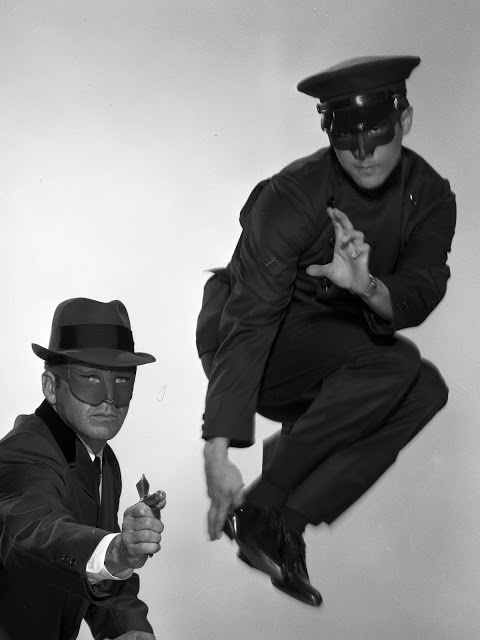
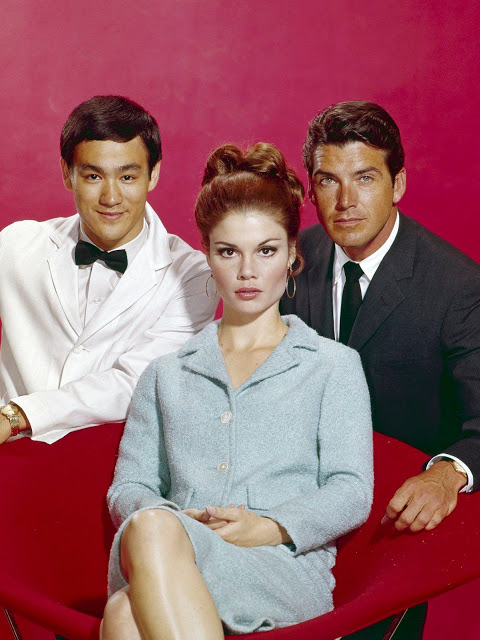
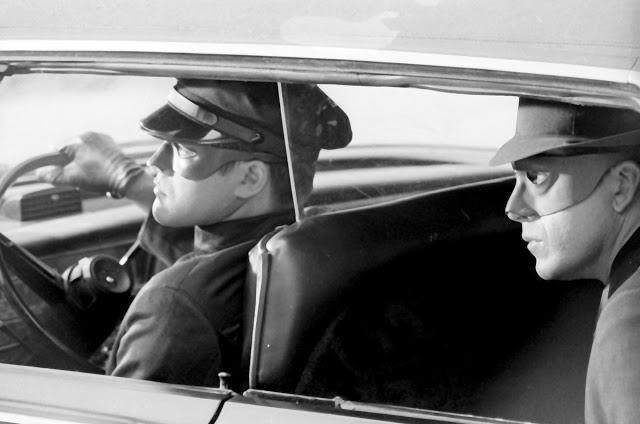
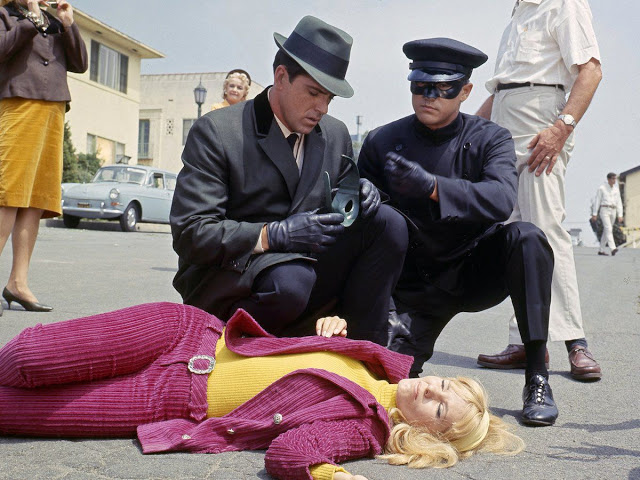
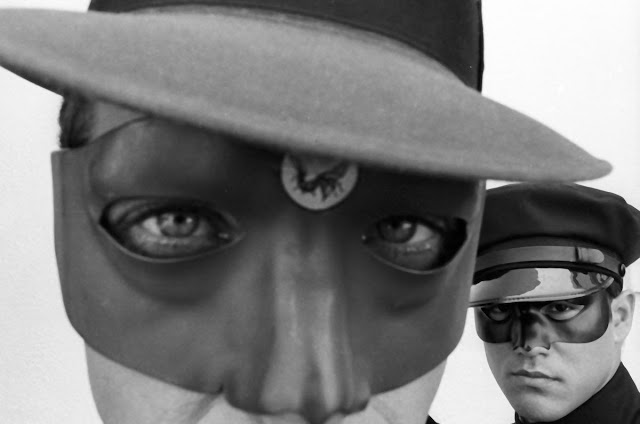
Seven years before he achieved international fame in the 1973 film Enter the Dragon, martial arts legend Bruce Lee starred in TV’s short-lived The Green Hornet. He played the Green Hornet’s sidekick valet, Kato.
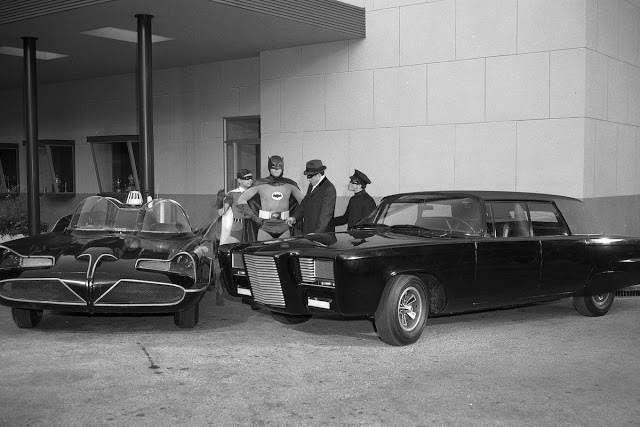
And during Hornet’s one-season run, Kato met Batman.
Billionaire Bruce Wayne, however, did beat newspaper mogul Britt Reid to the small screen. Batman premiered at the start of 1966, with The Green Hornet following in the fall. On the comics page, Batman was owned by DC Comics, while the Hornet bounced around publishers over the years, from Helnit to Harvey to Dell to Gold Key. Yet in the world of televisions, both shows were produced by William Dozier for ABC. The Green Hornet was, well, green lit due to the success of Batman. The network was hungry for more crime fighters.
Van Williams’ Green Hornet and his sidekick Kato, famously played by Bruce Lee, first appeared on Batman in 1996 in the episode “The Spell of Tut,” as one of the series’ celebrity “window cameos”. The duo only get to poke their head out of a building and wave. Eventually, in March 1967, they would return for an epic two-part meeting in “A Piece of the Action” and “Batman’s Satisfaction”.
According to Bruce Lee: The Celebrated Life of the Golden Dragon, Lee listed that difference in tone as a factor in its failure, and humbly took some of the blame himself. “In the first place it was not far out enough, not Batman-ish enough to please the viewers. Second, it should have been an hour-long show. Besides, the scripts were lousy and I did a really terrible job in it, I must say.” While The Green Hornet ran for only one season, it cemented the popularity of Bruce Lee with the American public, paving the way for his stellar martial arts acting success in the 1970s.
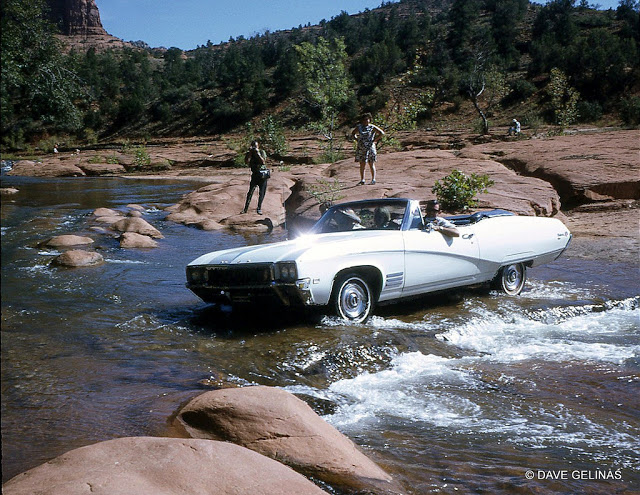
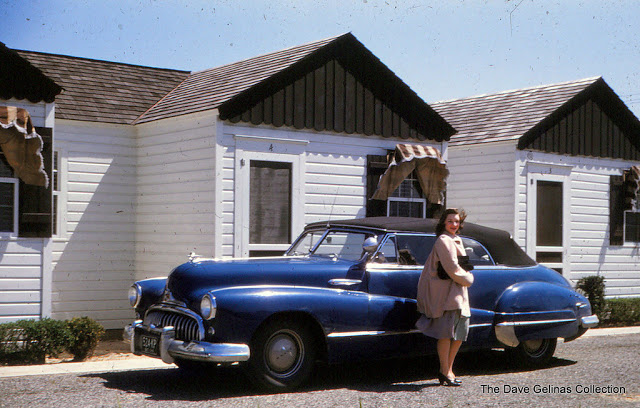
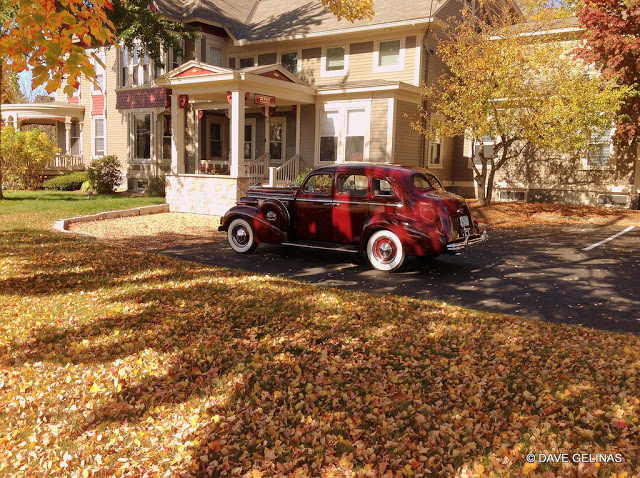
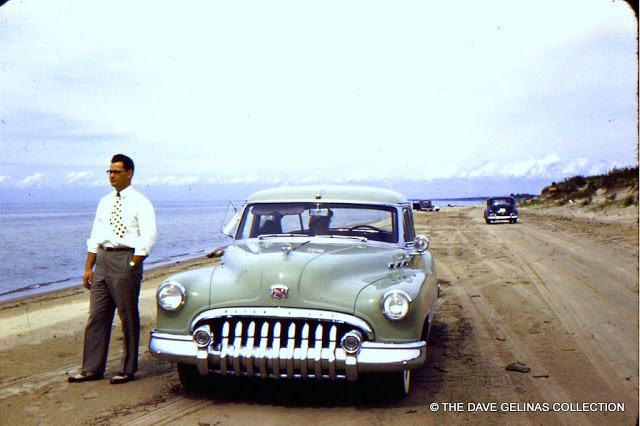
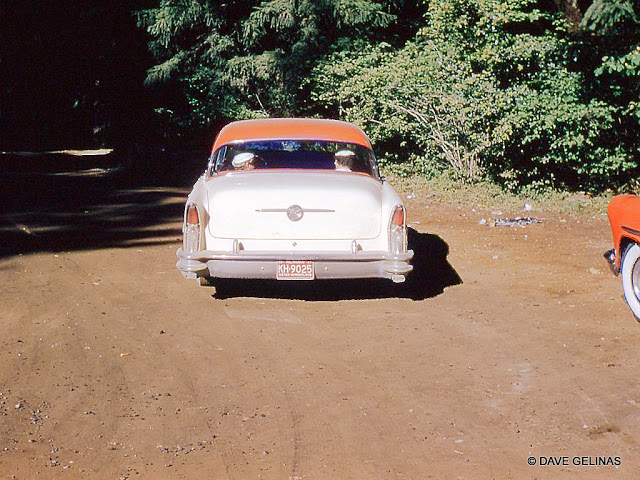
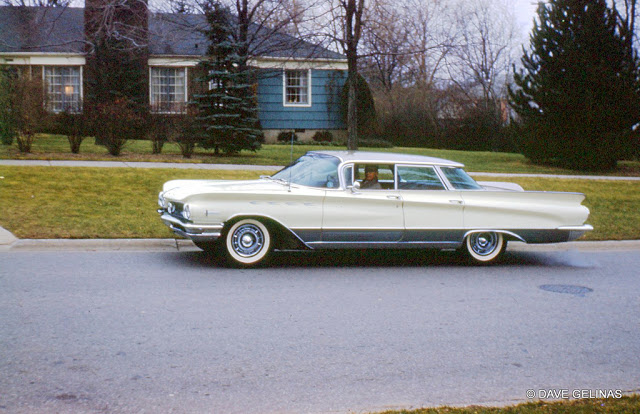
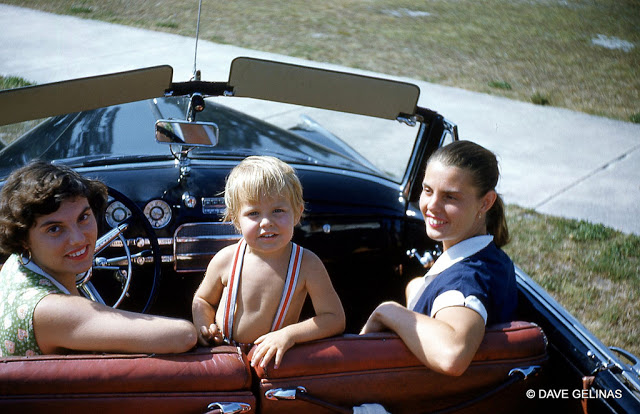
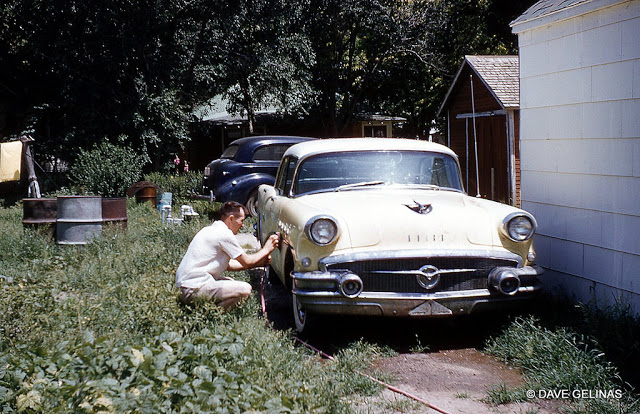
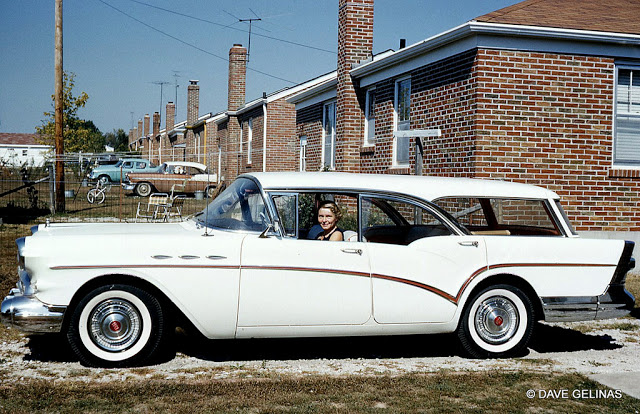
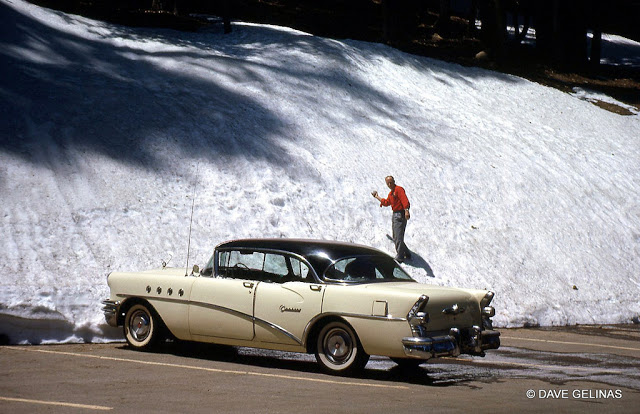
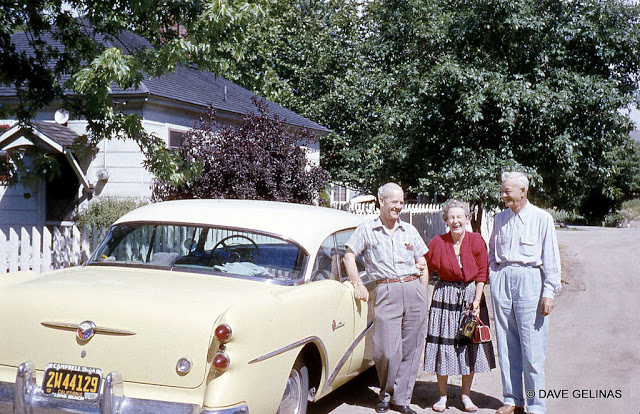
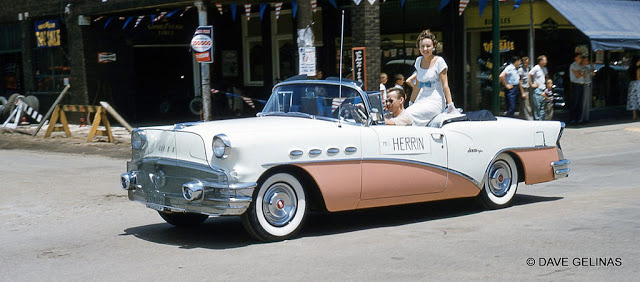
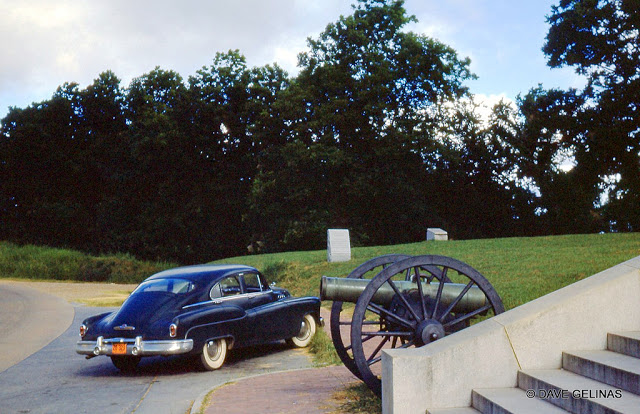
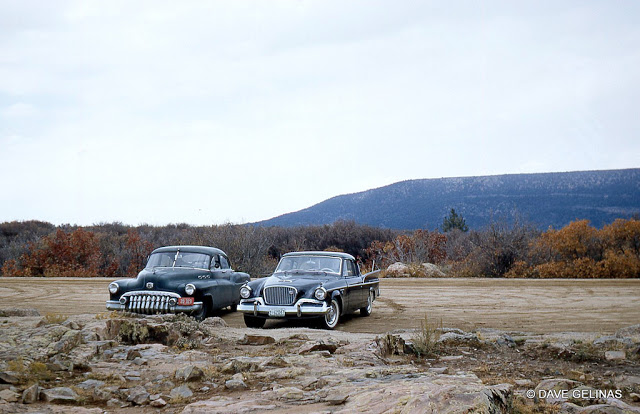
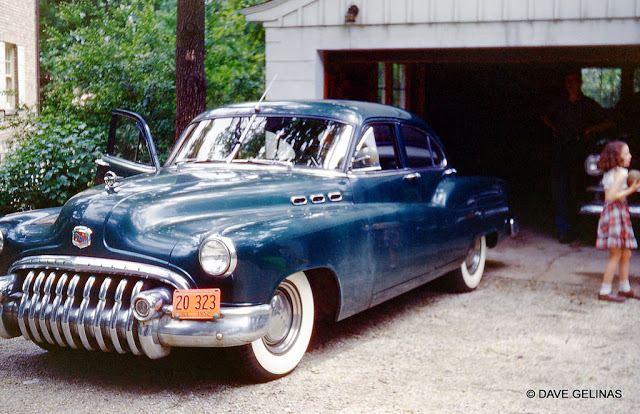
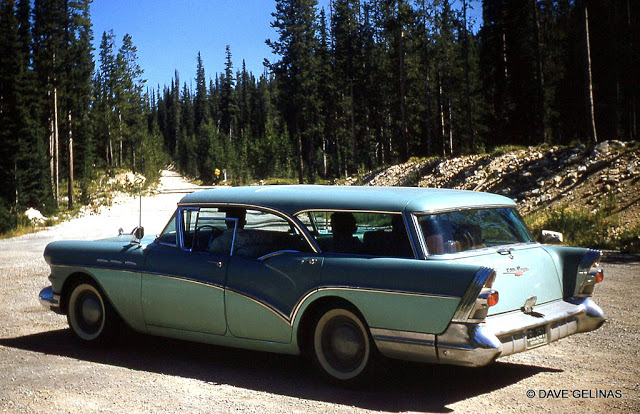
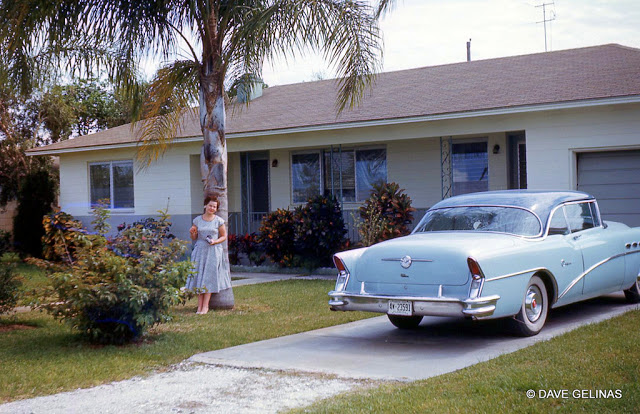
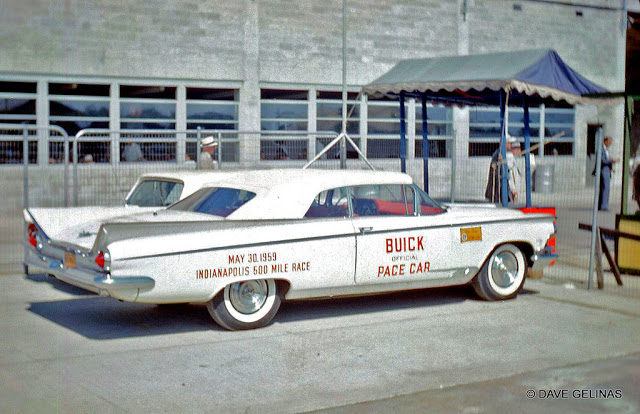
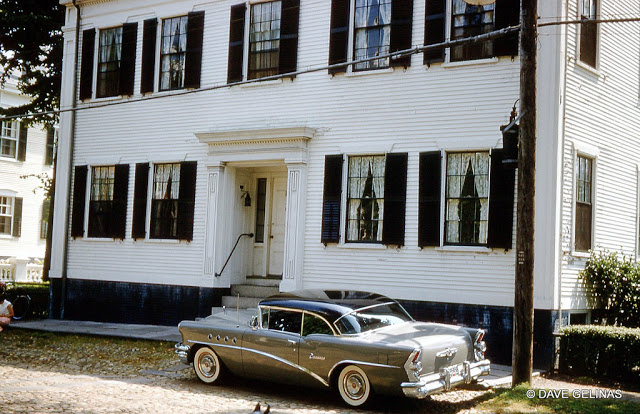
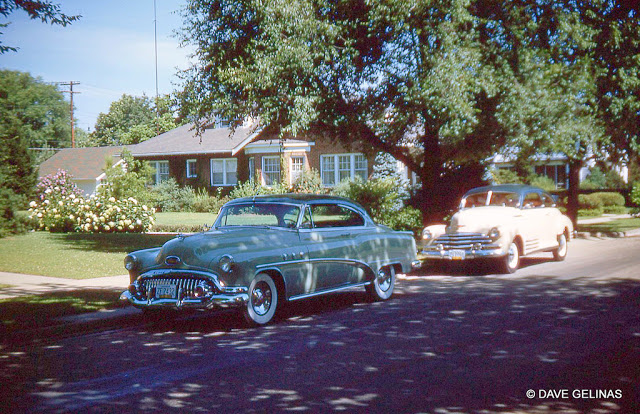
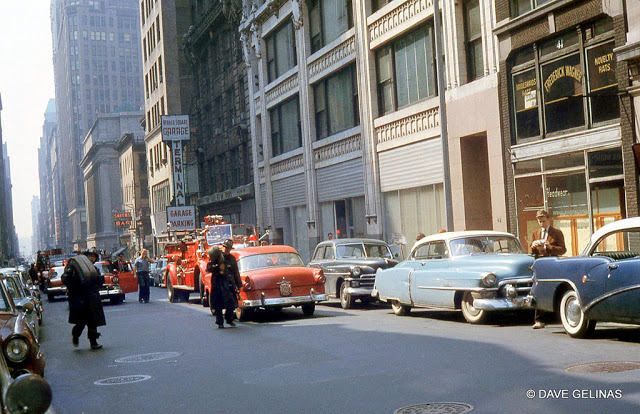
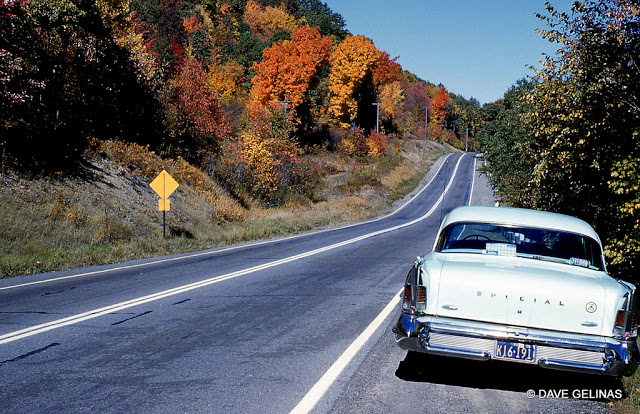
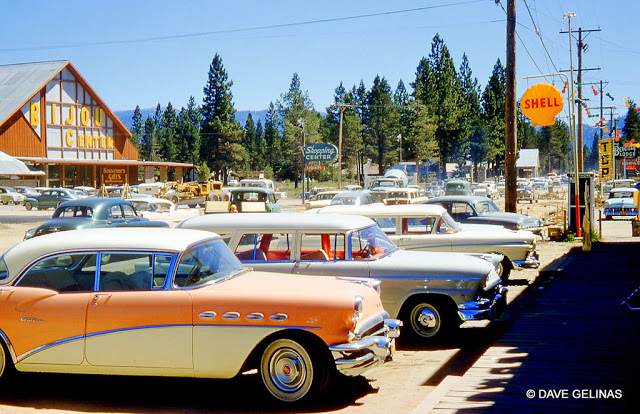
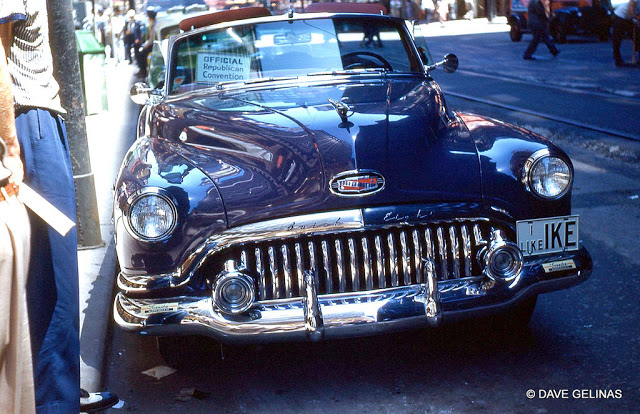
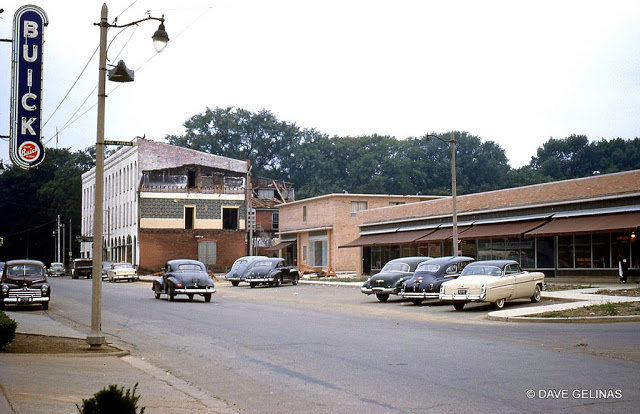
1950s American automobile culture has had an enduring influence on the culture of the United States, as reflected in popular music, major trends from the 1950s and mainstream acceptance of the “hot rod” culture.
The American manufacturing economy switched from producing war-related items to consumer goods at the end of World War II, and by the end of the 1950s, one in six working Americans were employed either directly or indirectly in the automotive industry.
The United States became the world’s largest manufacturer of automobiles, and Henry Ford’s goal of 40 years earlier—that any man with a good job should be able to afford an automobile—was achieved.
A new generation of service businesses focusing on customers with their automobiles sprang up during the decade, including drive-through or drive-in restaurants and more drive-in theaters.
The murders in the dunes at Skede on the Baltic shore, some fifteen kilometers north of the city and about a kilometer from the road towards the sea, began as early as July 1941. Some 200 Jews were murdered there.
During a three-day massacre on December 15-17, 1941, German and Latvian units killed 2,749 Jews, more than half of Liepaja’s Jewish population. Preparations for the operation began some days before. On December 13, 1941, Liepaja Police Chief Obersturmbannfuehrer Fritz Diedrich placed an announcement in the Latvian newspaper Kurzemes Vards stating that Jews were forbidden to leave their living quarters on Monday, December 15, and Tuesday, December 16.
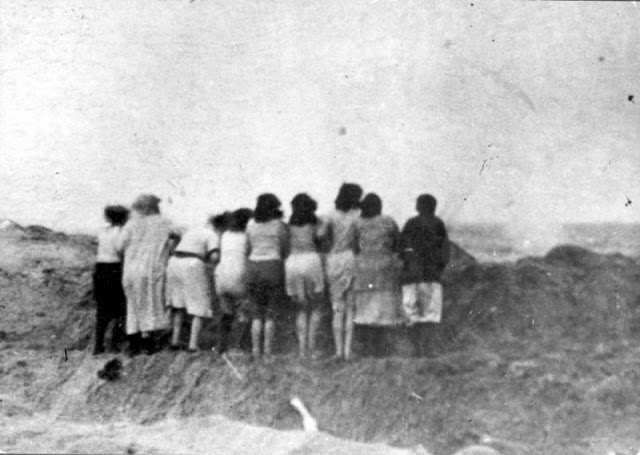
On the night of December 13, Latvian police forces began to arrest Liepaja’s Jews not yet concentrated in the ghetto. The victims were brought to the Women’s Prison, where Jews of all ages were crammed into the courtyard. The Jews were ordered to stand with their faces towards the wall, and warned not to move or look around for relatives or at the watchmen. Some were transported to Skede on the evening of the following day and crowded into a barn (a wooden structure, described also as a garage).
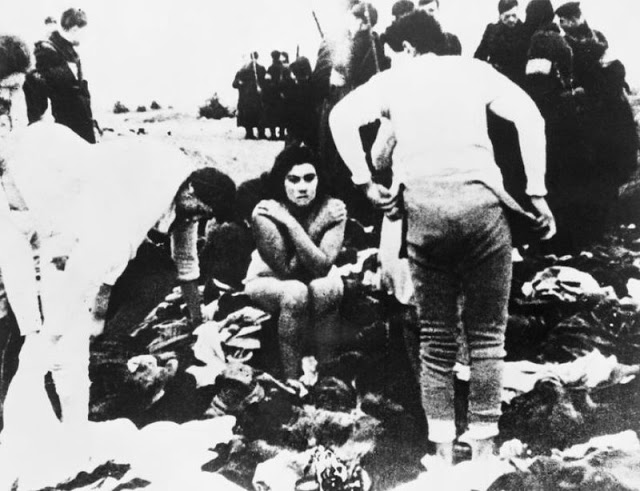
In the early morning of December 15, a column of victims was driven from Liepaja by Latvian policemen, under the supervision of the German SD, to the same barn in Skede where Jews from the prison had been taken. They were taken in groups of twenty to a site forty to fifty meters from a deep ditch dug in the dunes nearby, parallel to the shore. The ditch was about three meters wide and 100 meters long. There they were forced to lie face down on the ground. Groups of ten were then ordered to stand up and, apart from the children, to undress, at first to their underwear and then, when taken near the ditch, completely. They were shot by a German unit, the Latvian SD Platoon headed by Lt. Peteris Galins, and a Latvian Schutzmannschaften team.
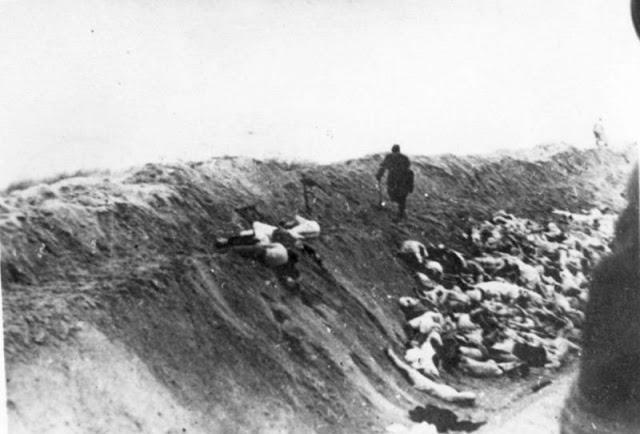
During the murder operation, the Jews were placed along the side of the ditch nearest the sea, facing the water. The killing squad was positioned across the ditch, with two marksmen shooting at the same victim. Children who could walk were treated as adults, but babies were held by their mothers and killed with them. A “kicker” rolled in those corpses that did not fall directly into the ditch. After each volley, a German SD man stepped into the ditch to inspect the bodies and finish off anyone who showed signs of life.
The clothes were piled up in heaps and taken away by German military trucks. During the murder operation, Carl Strott and another officer, Erich Handke, took pictures with a Minox, and senior Wehrmacht and navy officers visited the site.
These photos were found by a Jewish man named David Zivcon, who worked as an electrician at the SD headquarters in Liepaja. A few weeks or months after the execution, he was sent to fix something at Strott’s residence, and notices four negative reels in a partially open drawer. He took them, made copies with the help of a friend, and smuggled them back to the apartment after making up an electricity problem. He put the copies in a box and buried them in a stable. After liberation, he took the photos and handed them to Soviet Intelligence officers. The photos were eventually presented as evidences at the Nuremberg trials.
These women had been forced to disrobe and then pose for the camera, December 15, 1941. Scholarly work has led to the identification of some of the women shown. From left to right: (1) Sorella Epstein; (2) believed to be Rosa Epstein, mother of Sorella; (3) unknown; (4) Mia Epstein; (5) unknown. Alternatively, (2) may be Paula Goldman, and Mia Epstein may be (5) instead of (4).Jewish women about to be shot by Nazis, on the beach at Libau, Latvia.Members of a Latvian militia unit assemble a group of Jewish women for murder on a beach near Liepaja, December 15, 1941.Women and children forced to undress prior to shooting in Libau, Latvia.A group of Jewish women huddled together, waiting to be shot on the beach.Jewish women and children from Liepaja stand on the edge of a pit before being murdered, December 15, 1941.A Latvian policeman known as a ‘kicker’ walks along the edge of a mass grave filled with the bodies of women and children who had just been shot, December 15-17, 1941. It was the kicker’s job to push in the bodies that did not fall into the mass grave during the shooting.Members of a SS Einsatzgruppe (Special Task Forces) are forcing Jews to undress for execution.Jewish women were forced to strip off their clothes.A Latvian guard leads Jewish women to the execution site, on the beach at Libau, Latvia.