46 Beautiful Vintage Photos of Life in Europe in 1904 Volume 2

Europe is a continent which is also recognised as part of Eurasia, located entirely in the Northern Hemisphere and mostly in the Eastern Hemisphere. It comprises the westernmost peninsulas of the continental landmass of Eurasia, it shares the continental landmass of Afro-Eurasia with both Asia and Africa, and is bordered by the Arctic Ocean to the north, the Atlantic Ocean to the west, the Mediterranean Sea to the south and Asia to the east. Europe is commonly considered to be separated from Asia by the watershed of the Ural Mountains, the Ural River, the Caspian Sea, the Greater Caucasus, the Black Sea and the waterways of the Turkish Straits. Although much of this border is over land, Europe is mostly regarded as its own continent because of its great physical size, the weight of its history and cultures, and its great influence on world history.

Europe covers about 10.18 million km2 (3.93 million sq mi), or 2% of the Earth’s surface (6.8% of land area), making it the second-smallest continent (using the seven-continent model). Politically, Europe is divided into about fifty sovereign states, of which Russia is the largest and most populous, spanning 39% of the continent and comprising 15% of its population. Europe had a total population of about 746 million (about 10% of the world population) in 2018. The European climate is largely affected by warm Atlantic currents that temper winters and summers on much of the continent, even at latitudes along which the climate in Asia and North America is severe. Further from the sea, seasonal differences are more noticeable than close to the coast.

European culture is the root of Western civilisation, which traces its lineage back to ancient Greece and ancient Rome. The fall of the Western Roman Empire in 476 AD and the subsequent Migration Period marked the end of Europe’s ancient history, and the beginning of the Middle Ages. Renaissance humanism, exploration, art and science led to the modern era. Since the Age of Discovery, started by Portugal and Spain, Europe played a predominant role in global affairs. Between the 16th and 20th centuries, European powers colonised at various times the Americas, almost all of Africa and Oceania, and the majority of Asia.

The Age of Enlightenment, the subsequent French Revolution and the Napoleonic Wars shaped the continent culturally, politically and economically from the end of the 17th century until the first half of the 19th century. The Industrial Revolution, which began in Great Britain at the end of the 18th century, gave rise to radical economic, cultural and social change in Western Europe and eventually the wider world. Both world wars took place for the most part in Europe, contributing to a decline in Western European dominance in world affairs by the mid-20th century as the Soviet Union and the United States took prominence. During the Cold War, Europe was divided along the Iron Curtain between NATO in the West and the Warsaw Pact in the East, until the revolutions of 1989, fall of the Berlin Wall and the dissolution of the Soviet Union.

In 1949, the Council of Europe was founded with the idea of unifying Europe to achieve common goals and prevent future wars. Further European integration by some states led to the formation of the European Union (EU), a separate political entity that lies between a confederation and a federation. The EU originated in Western Europe but has been expanding eastward since the fall of the Soviet Union in 1991. The currency of most countries of the European Union, the euro, is the most commonly used among Europeans; and the EU’s Schengen Area abolishes border, and immigration controls between most of its member states and some non-member states. There exists a political movement favouring the evolution of the European Union into a single federation encompassing much of the continent. (Wikipedia)
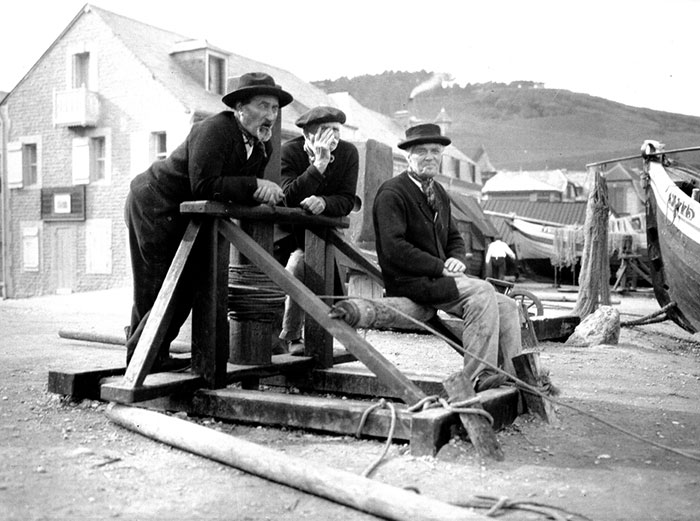
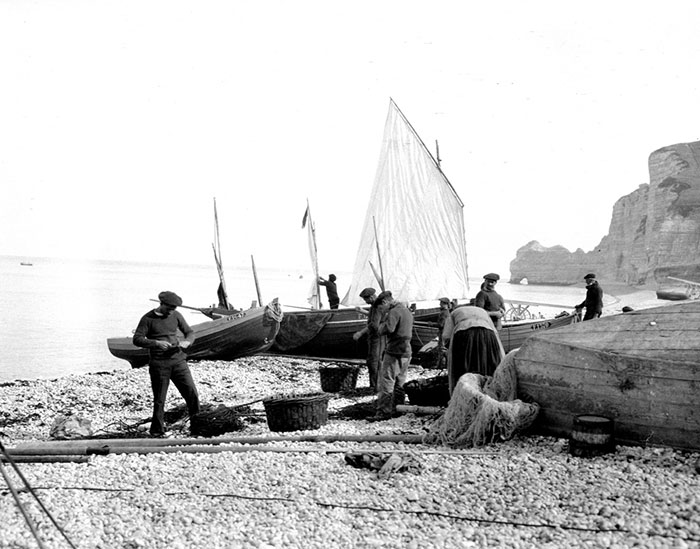
Kibitzers, Etretat, Normandy, France
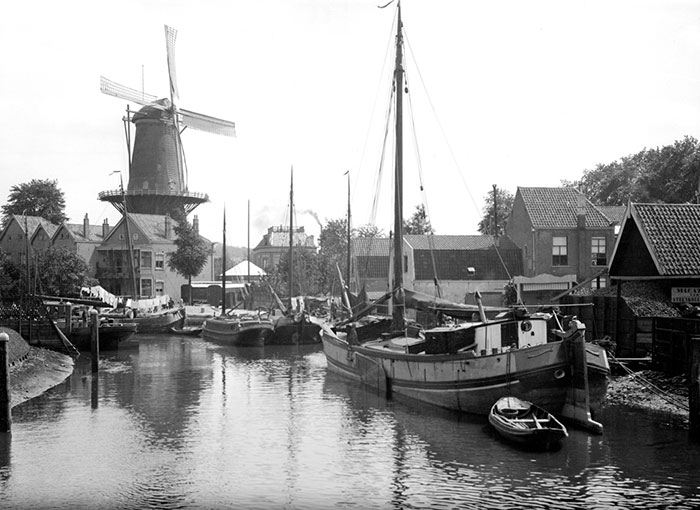
This Is A No Longer Existing Windmill Called “De Maagd” In Dordrecht, Netherlands
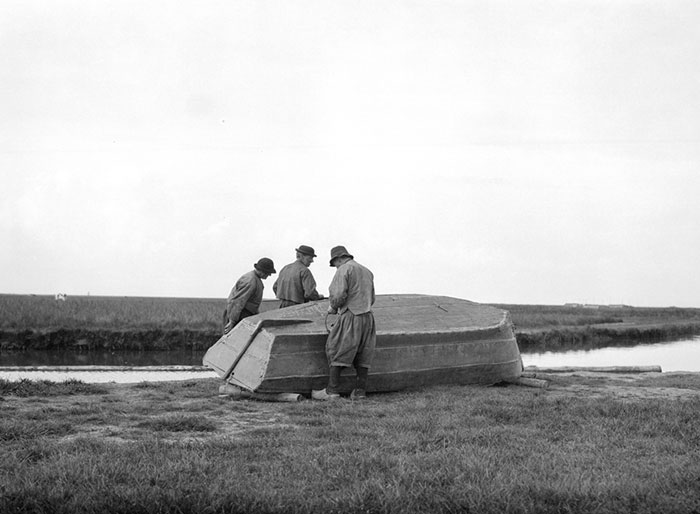
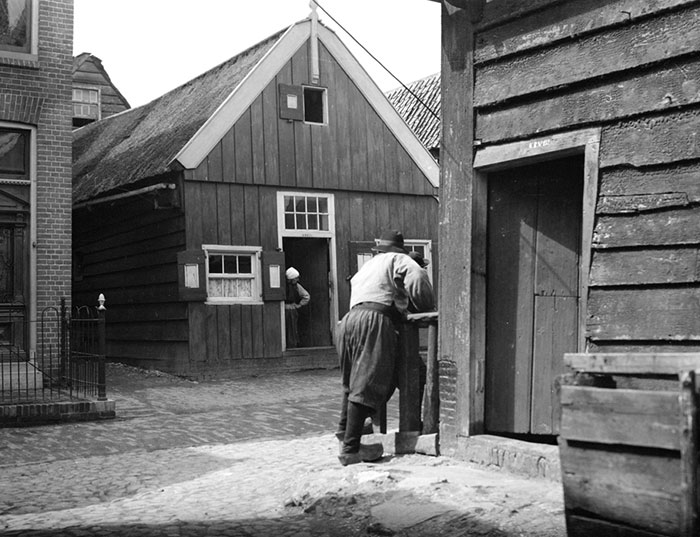
Men And Boat, Marken, Netherlands
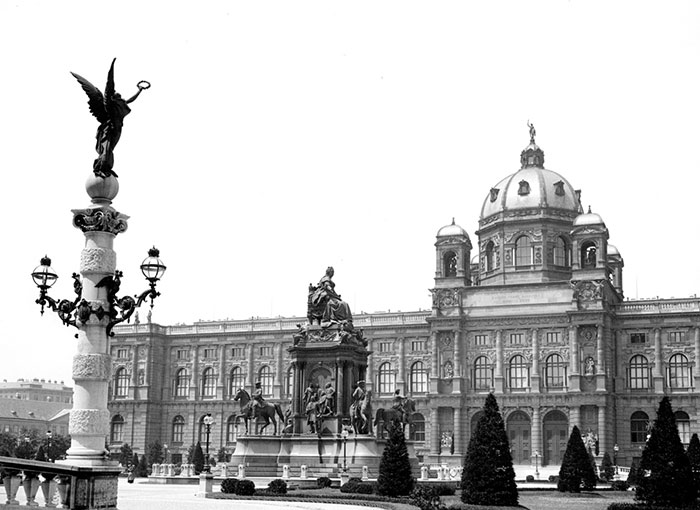
Museum Of Natural History, Vienna, Austria
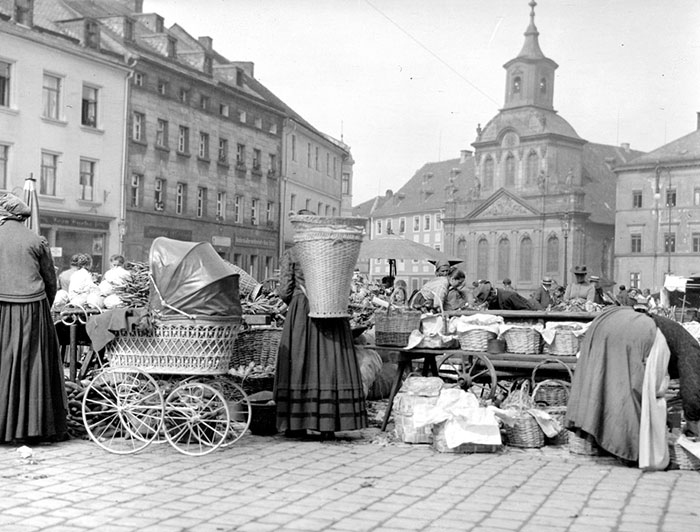
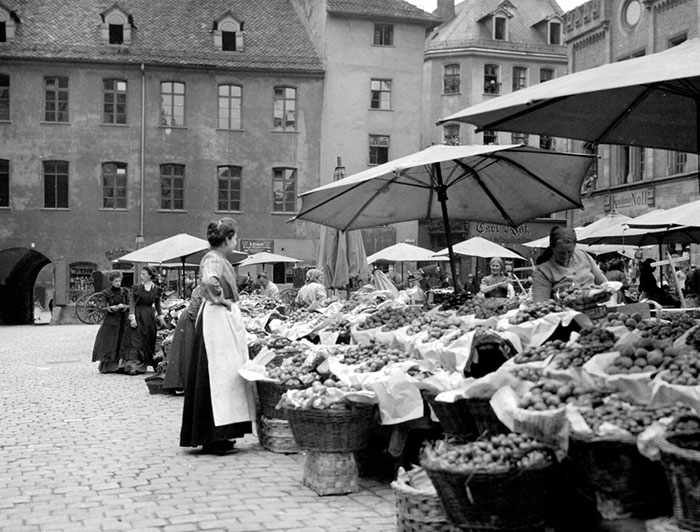
Market, Bayreuth, Germany
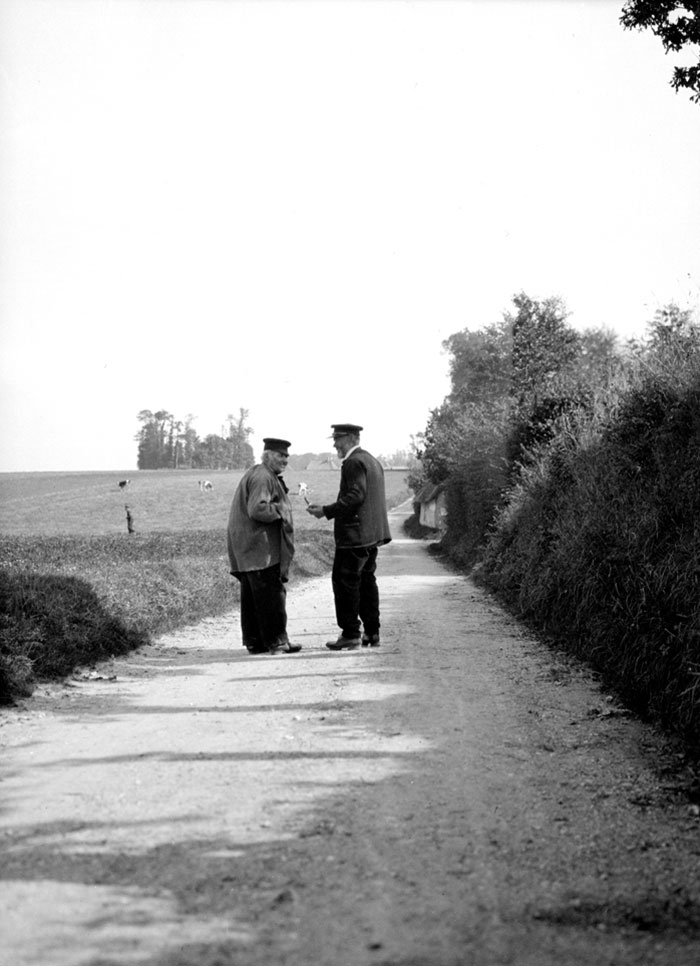
Two Men On Road, France
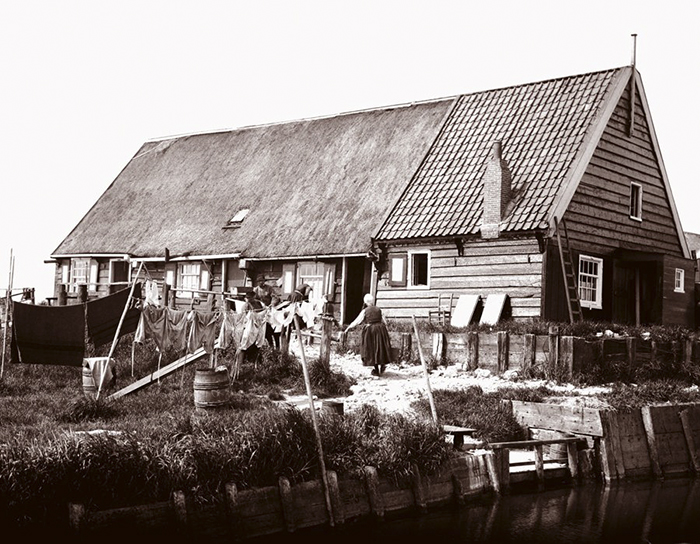
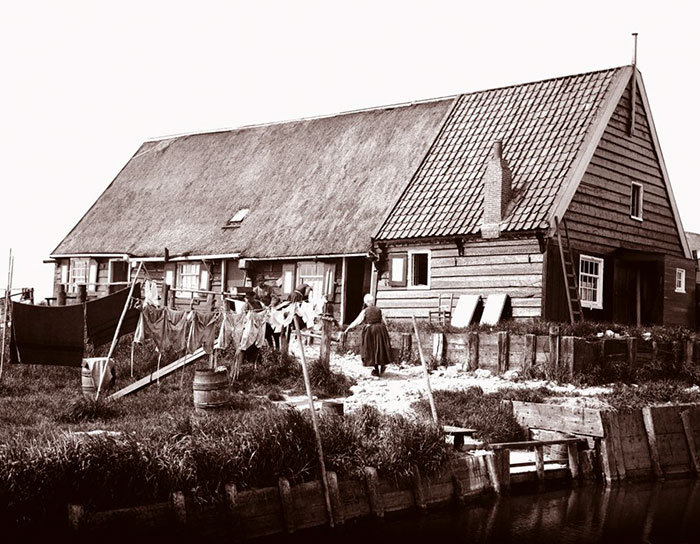
Laundry Day, Marken, Netherlands
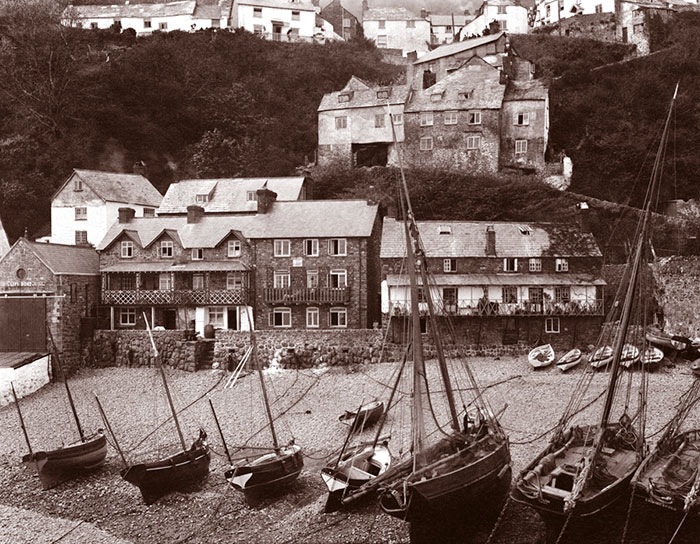
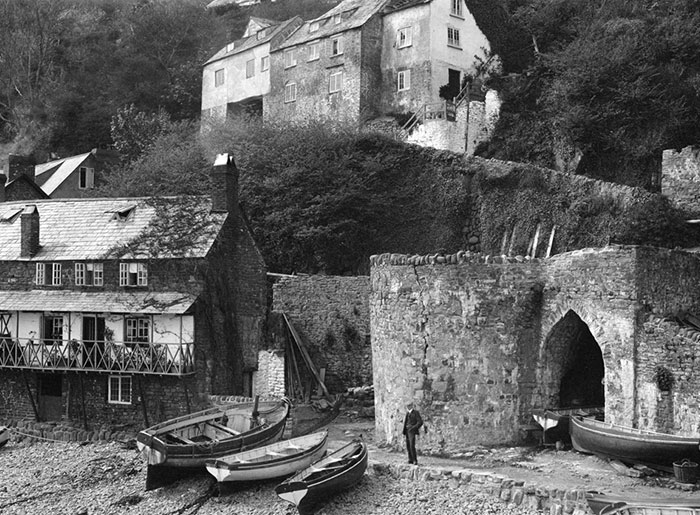
The Quay At Clovelly, Devon, England
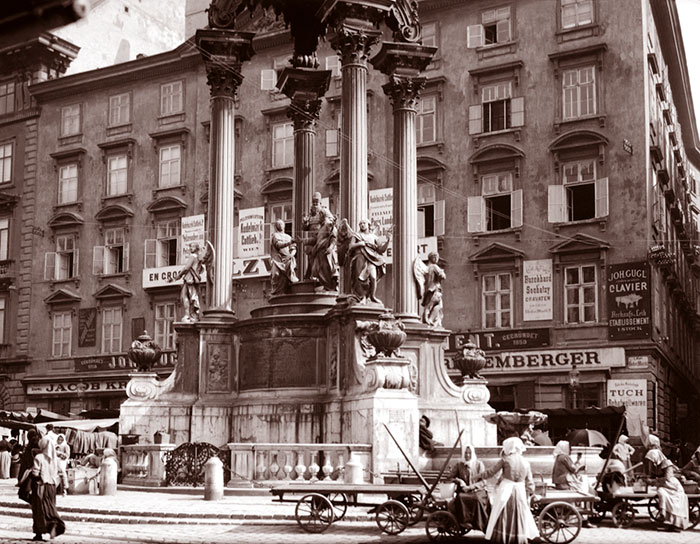
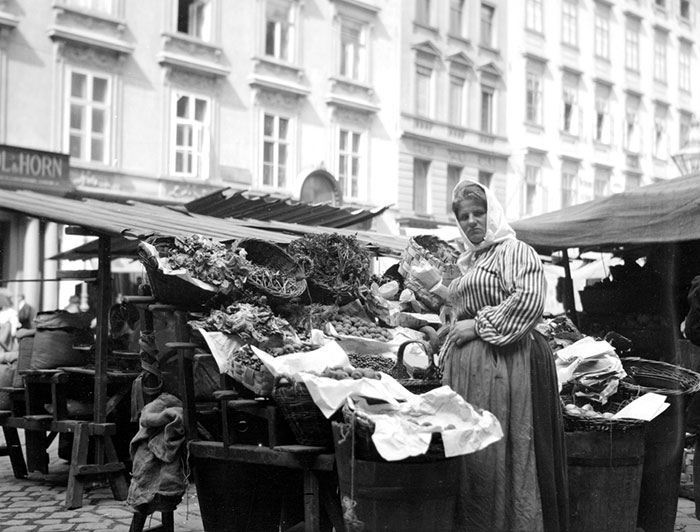
Street Vendors Below Josef’s Fountain, Vienna, Austria
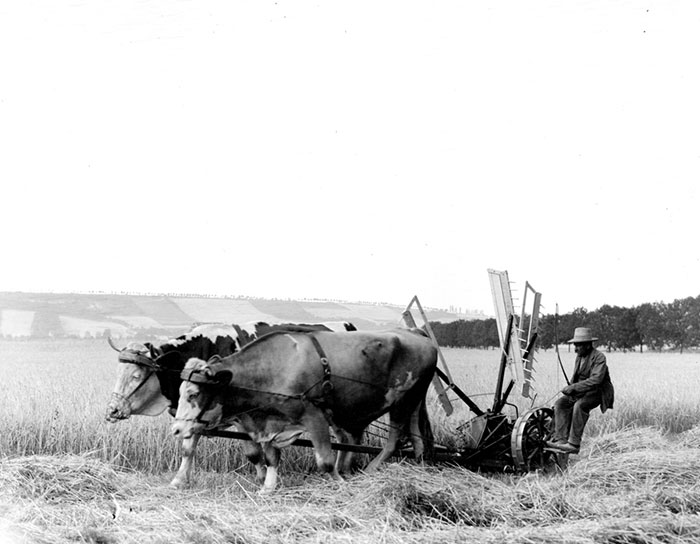
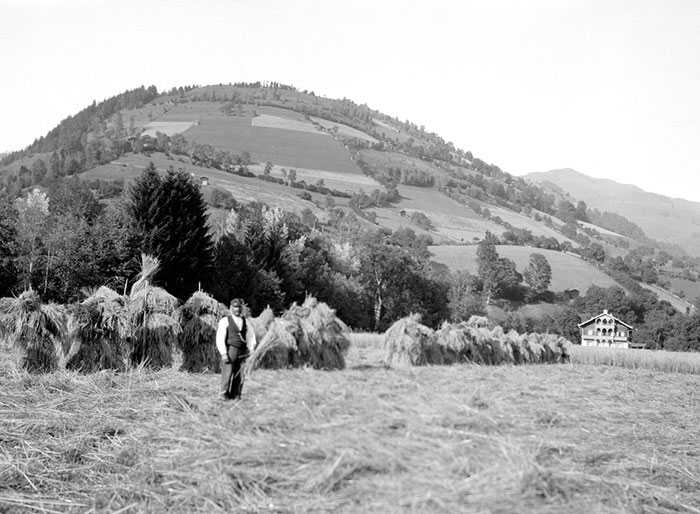
Cutting Hay With Oxen, Germany
Quay, Clovelly, Devon, England
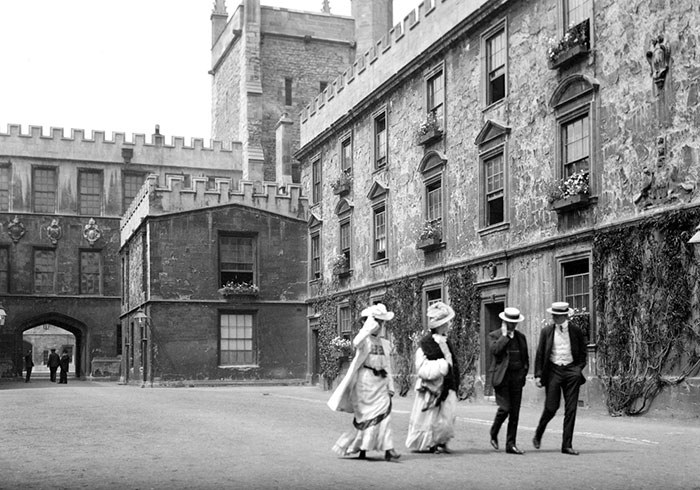
Oxford, England
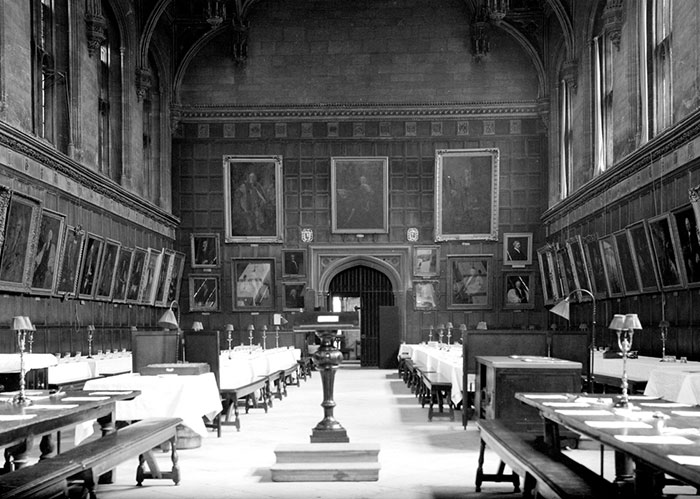
Dining Hall At Christ Church University, Oxford
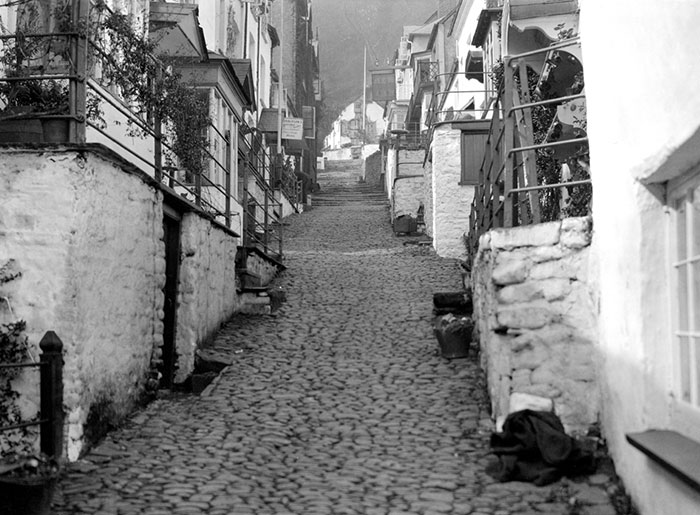
Steep Street, Clovelly, Devon, England
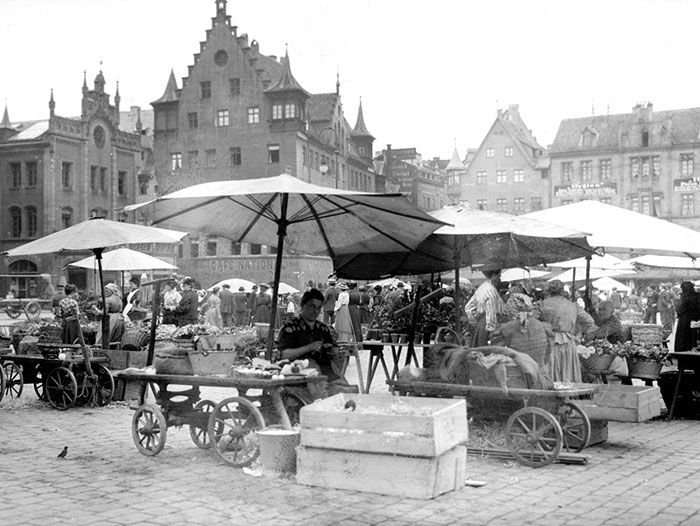
Market, Nürnberg, Germany
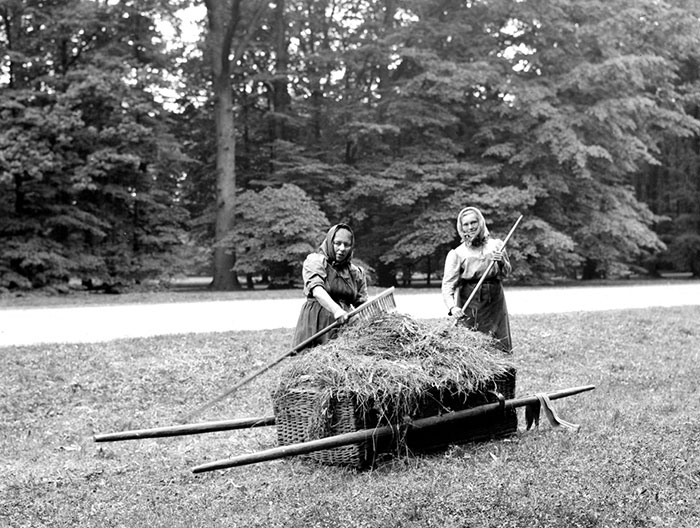
Women Gathering Hay
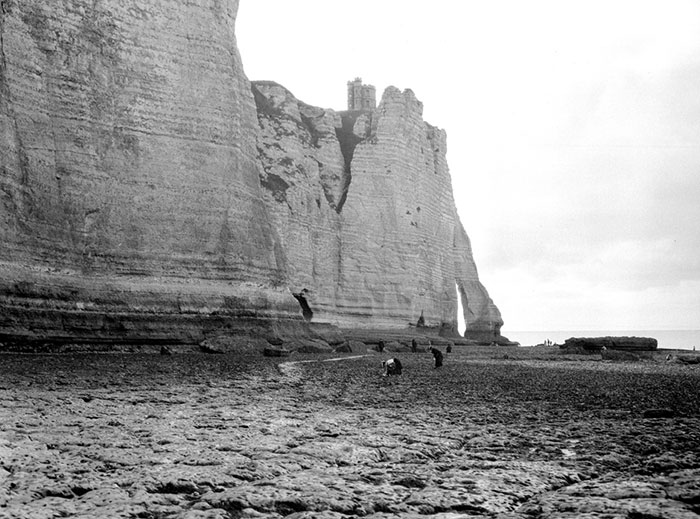
The Cliffs At Étretat, Normandy, France
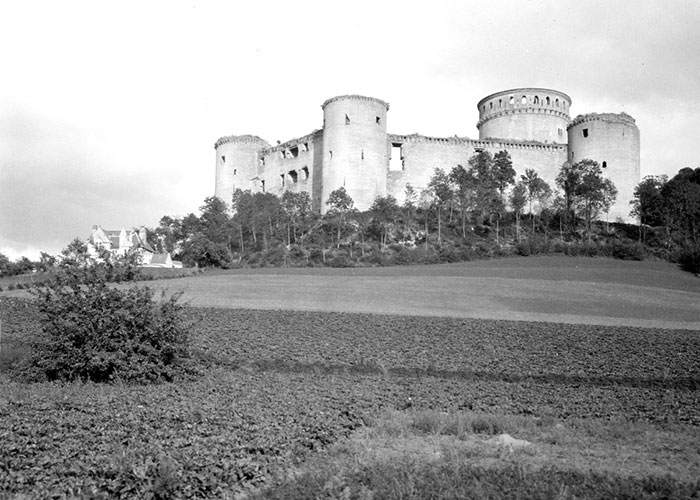
Chateau De Coucy, Near Étretat, Normandy
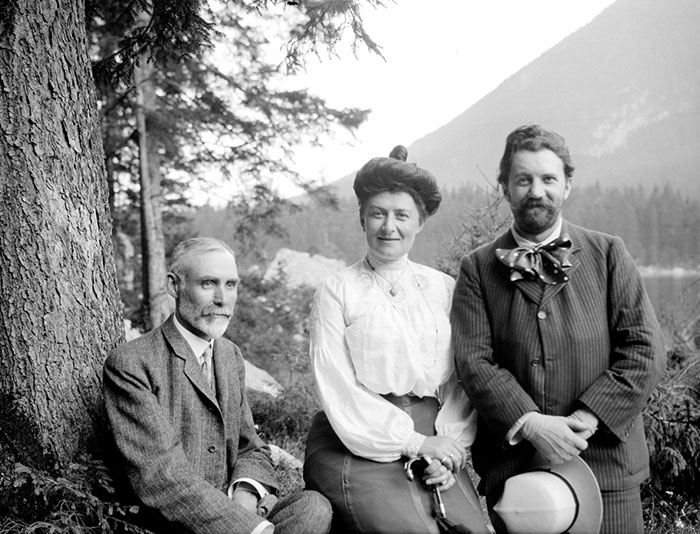
Man And Couple, Germany
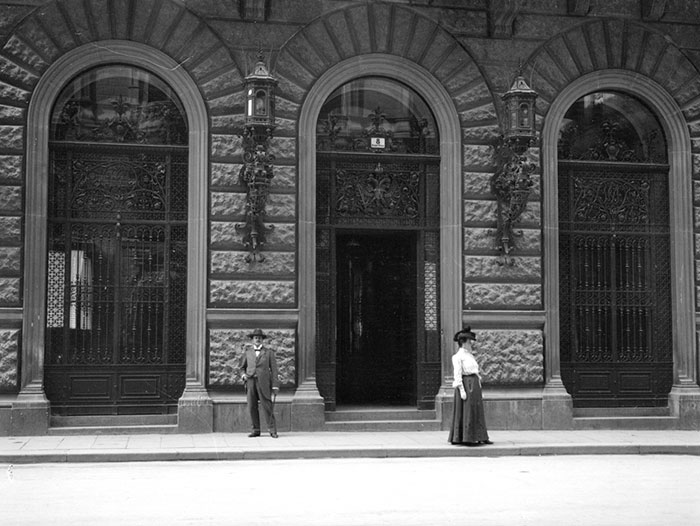
Doorways, Vienna, Austria
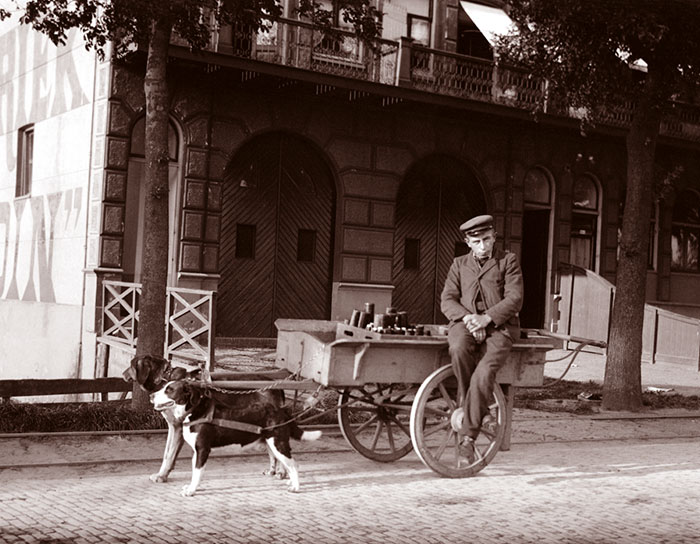
Man With Dog Cart, Netherlands
Laundry Day, Marken, Netherlands
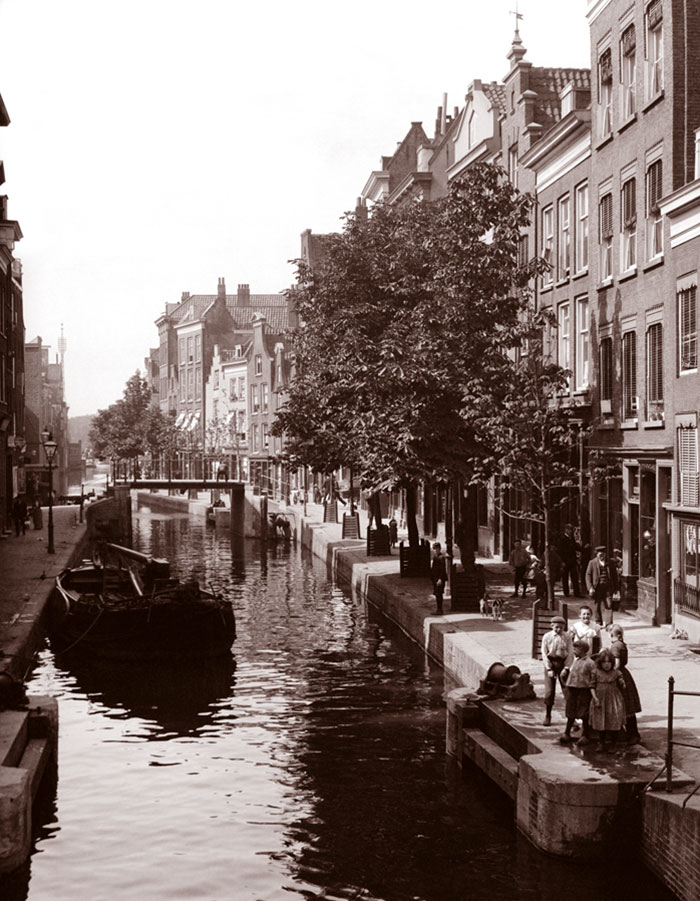
Spuiwater Canal, Rotterdam, Netherlands
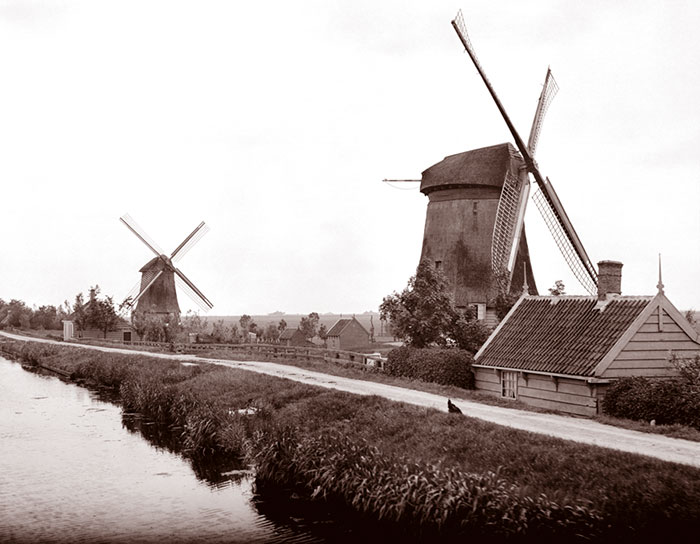
Two Windmills Along A Canal In Landsmeer, Netherlands
Volendam Street, Netherlands
Fishermen, Étretat, Normandy, France
Marken, Netherlands
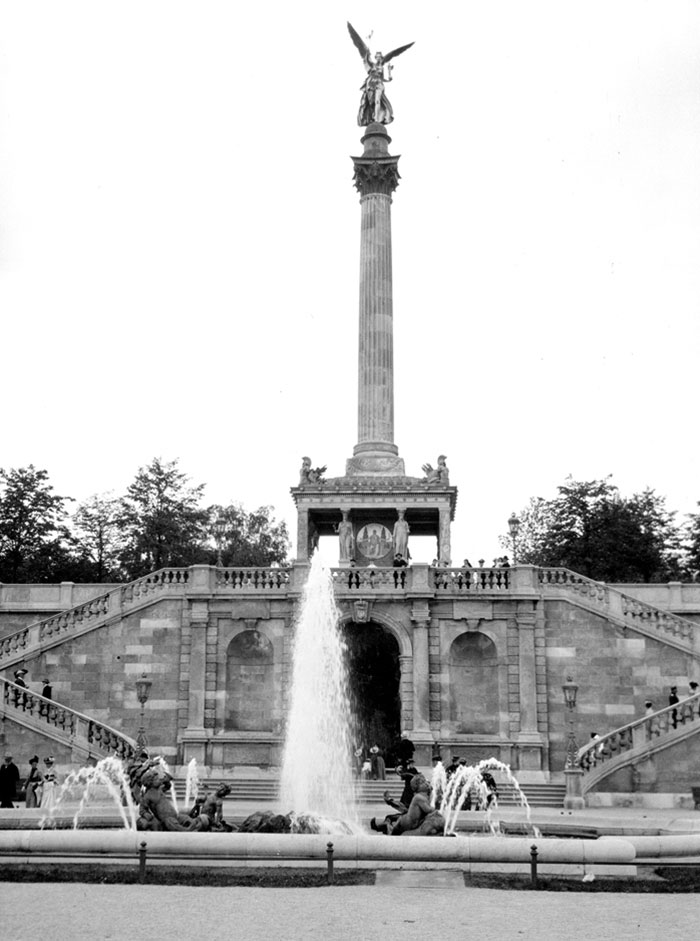
Friedens-Engel Memorial In Munchen, Germany
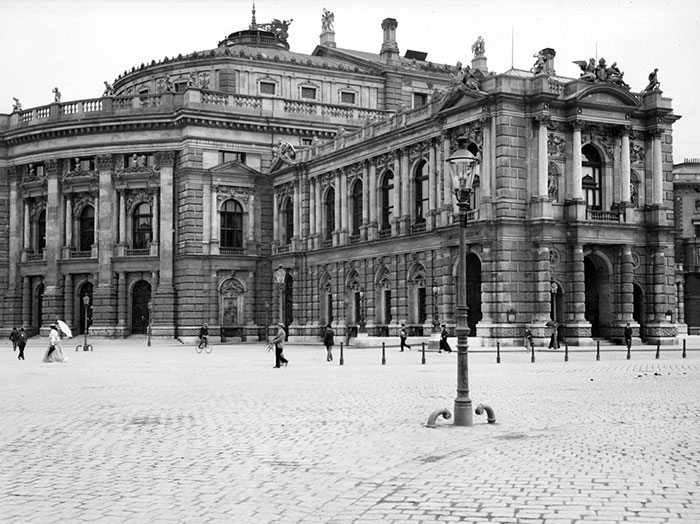
Vienna Burgtheater, Vienna, Austria
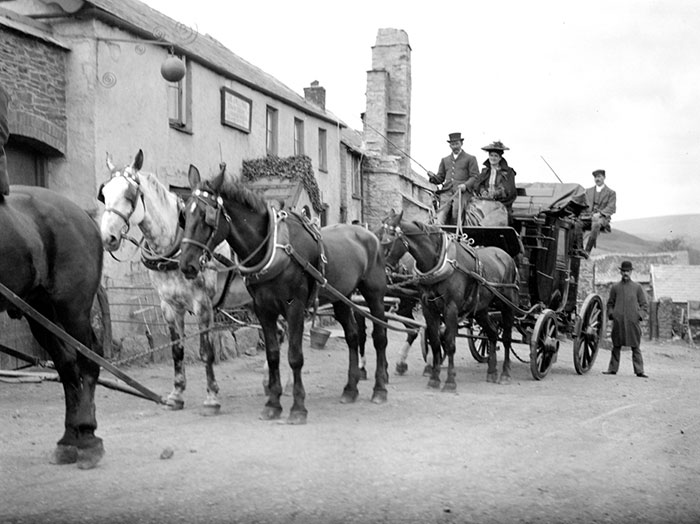
Blue Ball Inn, Countisbury, Lynmouth, Devon, England
Hoher Market, Vienna, Austria
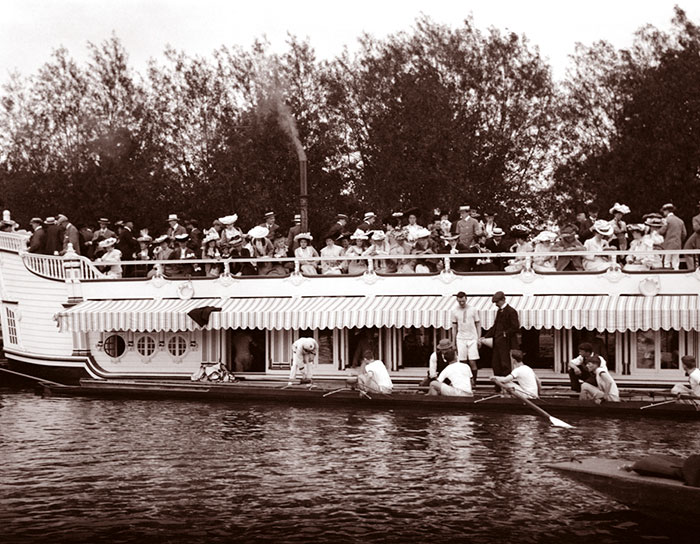
Eights Crew At Keble College Barge
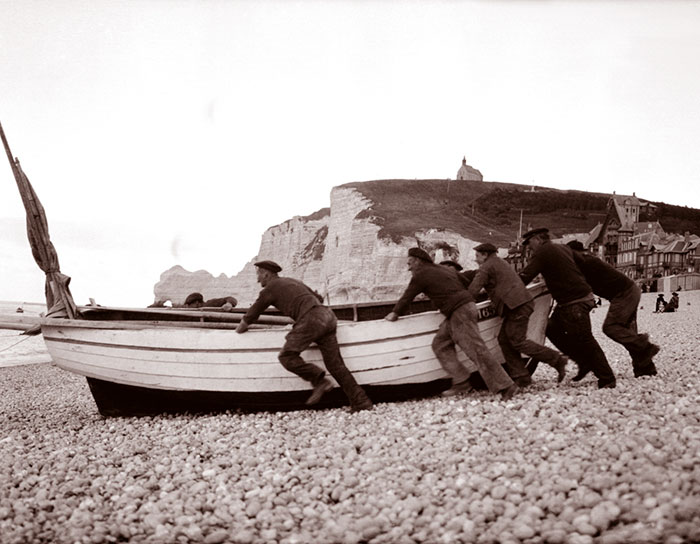
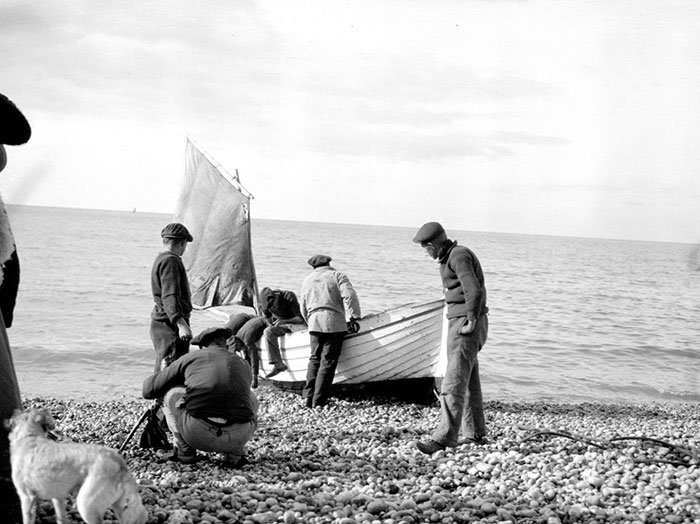
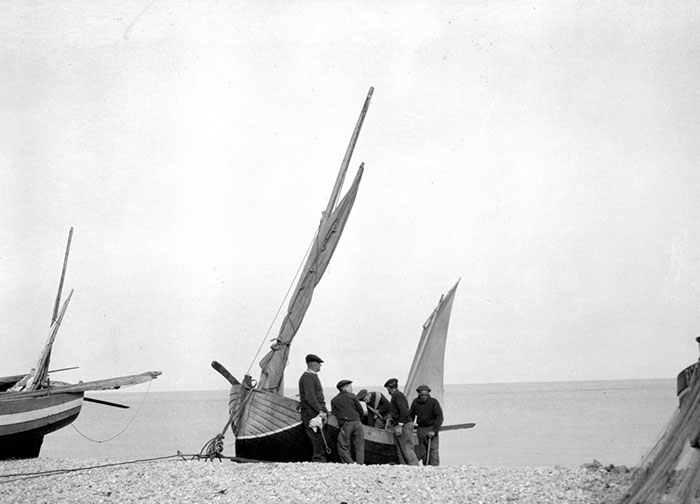
Fishermen Launching A Boat, Étretat, France
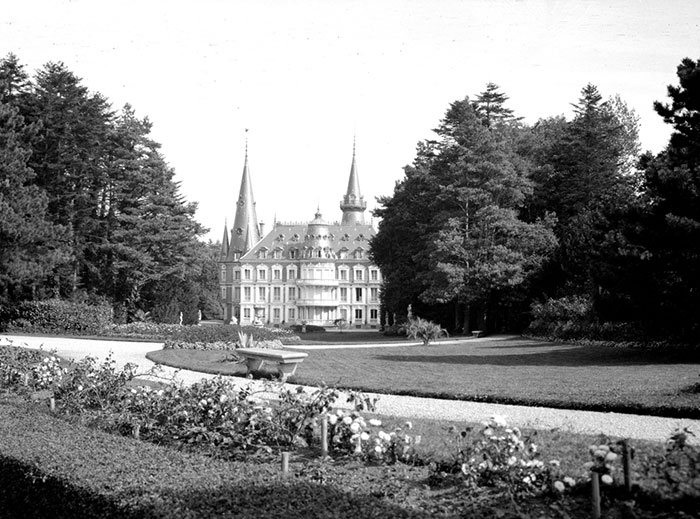
Château De Fréfossé, Normandy, France
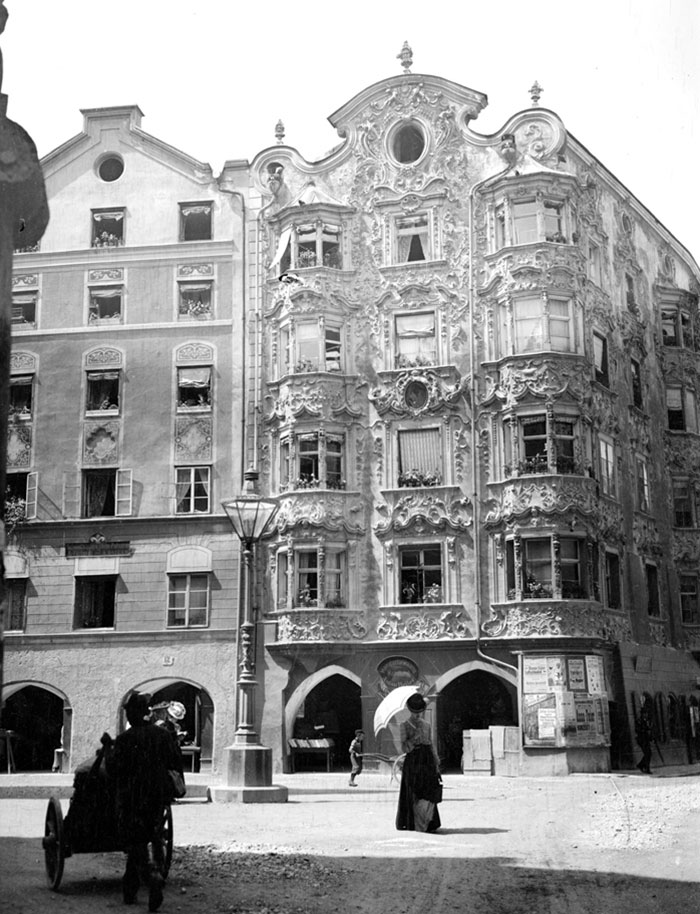
Helblinghaus, Innsbruck, Austria
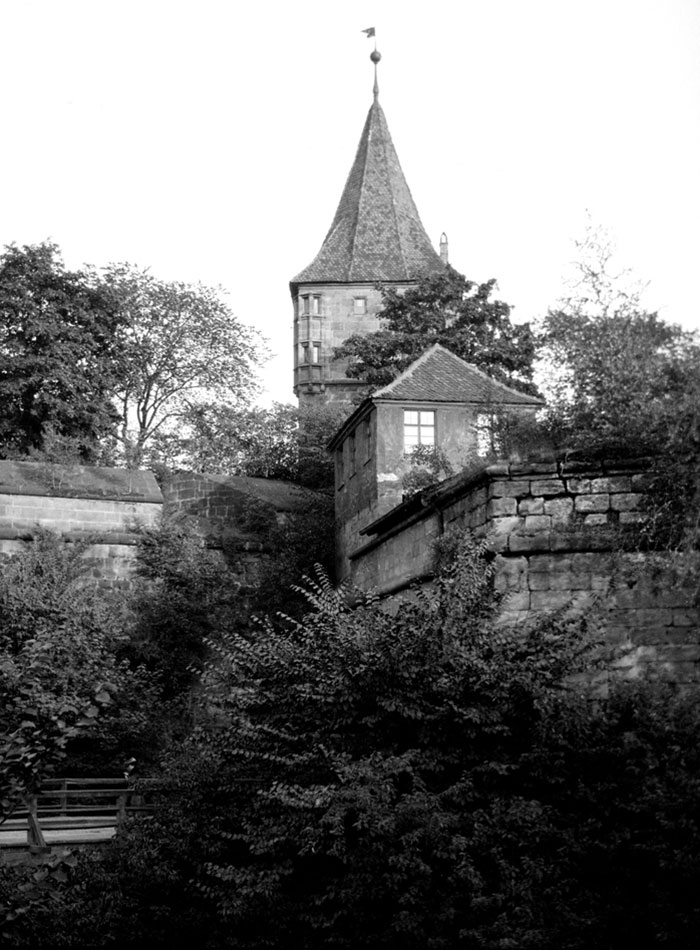
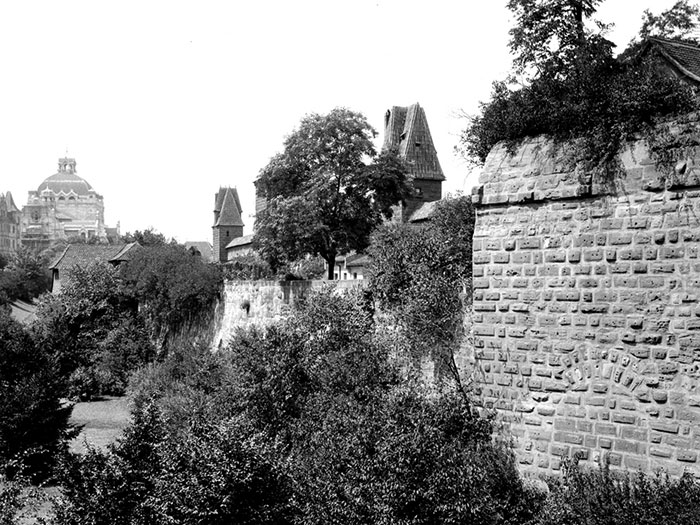
Tower And Wall, Nürnberg, Germany
Building Shocks, Germany
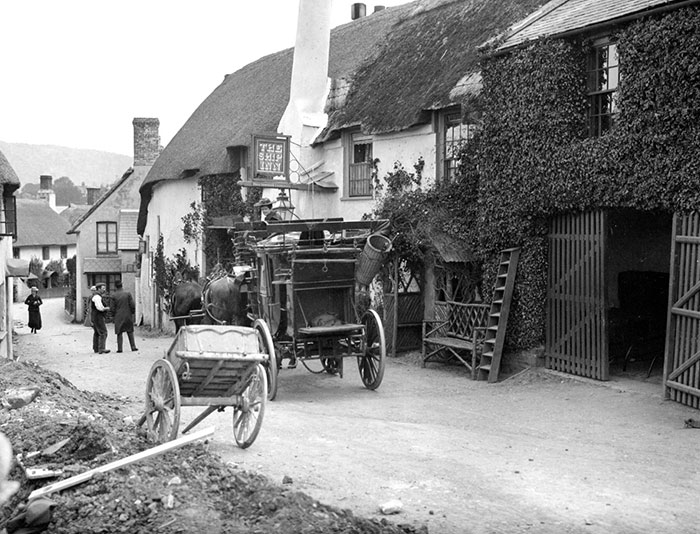
The Ship Inn, Porlock Weir, Somerset, England
Stone Wall, Nürnberg, Germany
Marken, Netherlands
London, England
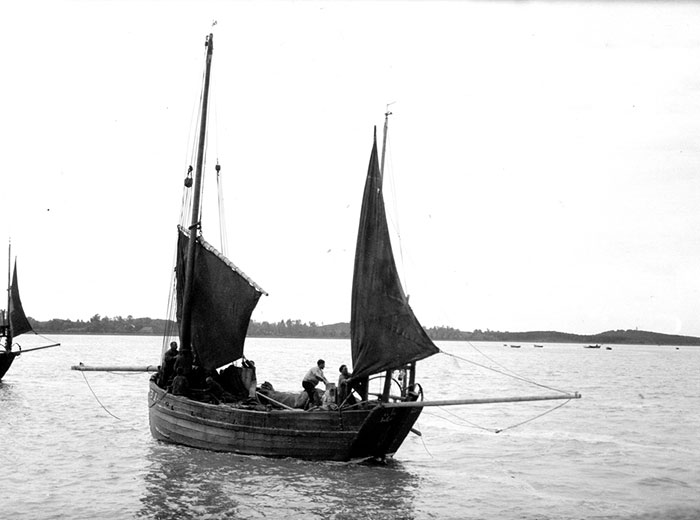
Fishermen, Étretat, Normandy, France
Riga, Latvia
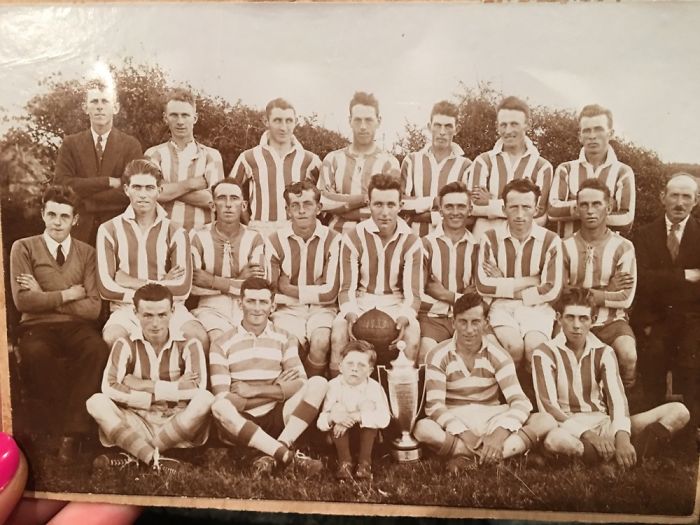
Ireland
Fishermen, Étretat, Normandy, France

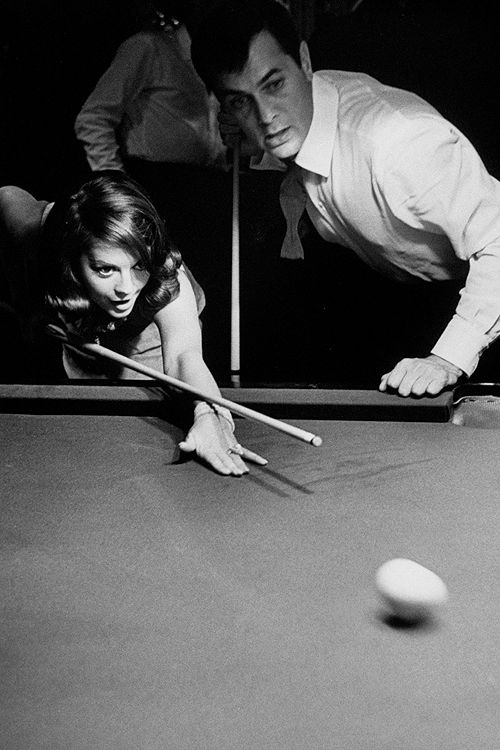
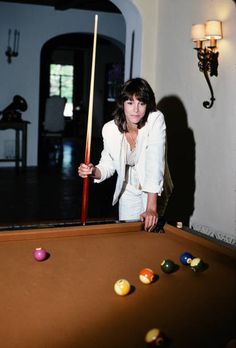
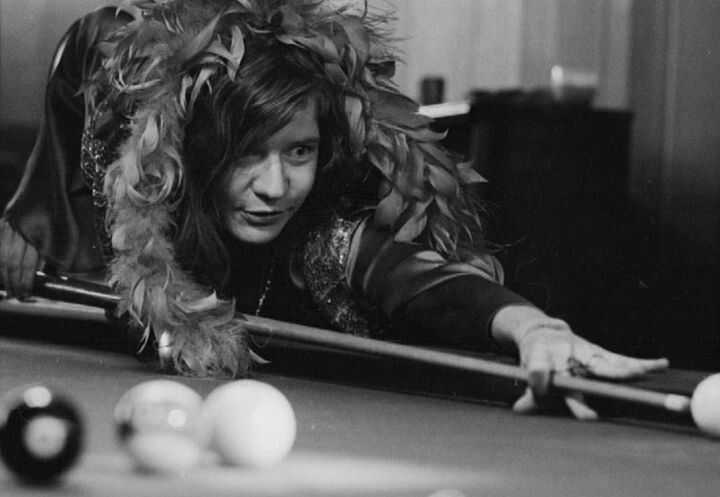
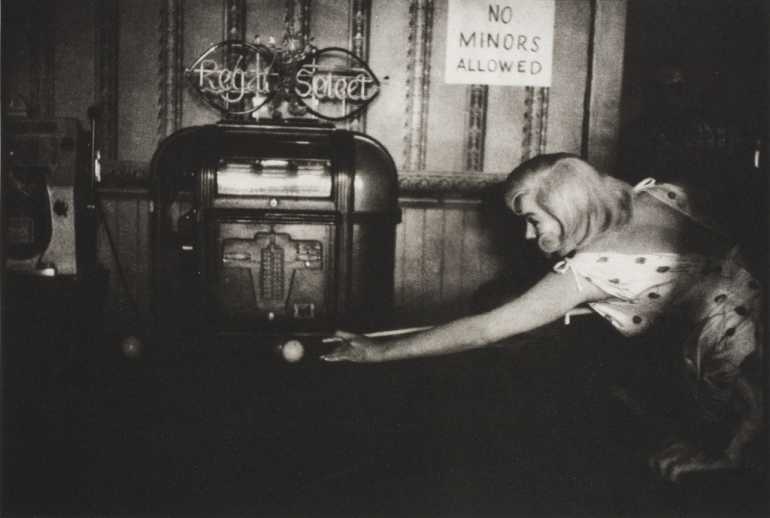
44 Classic Photos Showing Celebrities Playing Pool

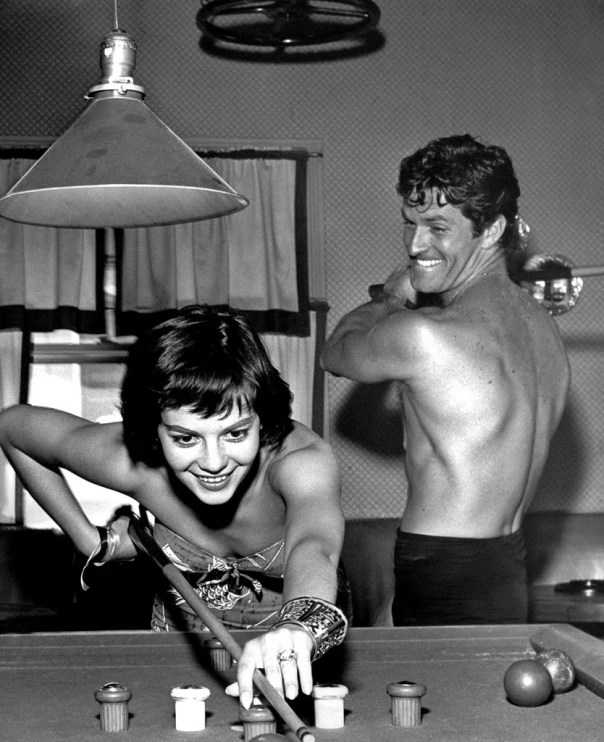
Natalie Wood and Hugh O’Brian play bumper pool, 1958
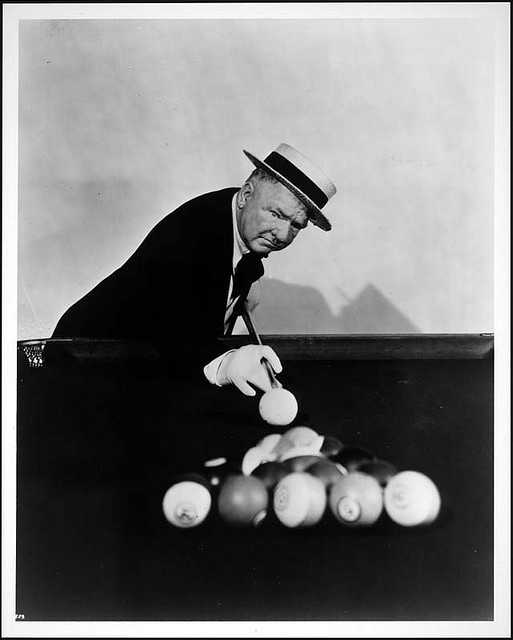
W.C. Fields
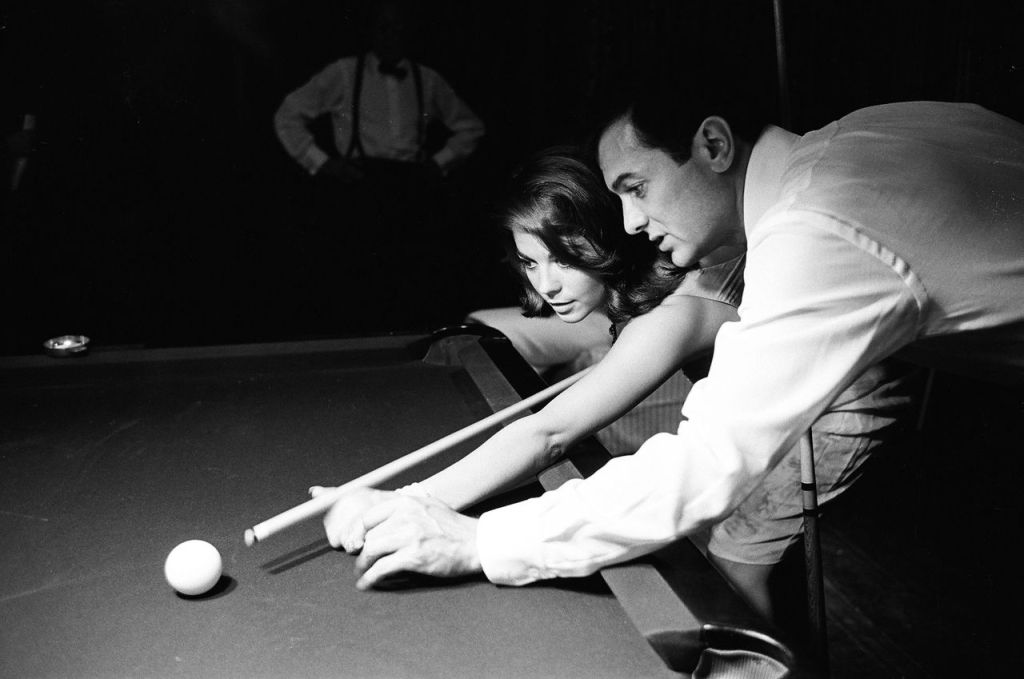
Natalie Wood and Tony Curtis, 1950s
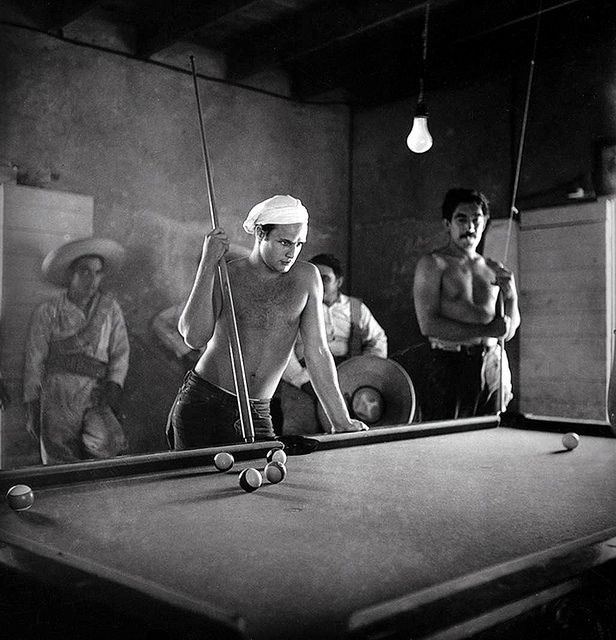
Marlon Brando relaxing and playing pool on the set of Viva Zapata, 1952
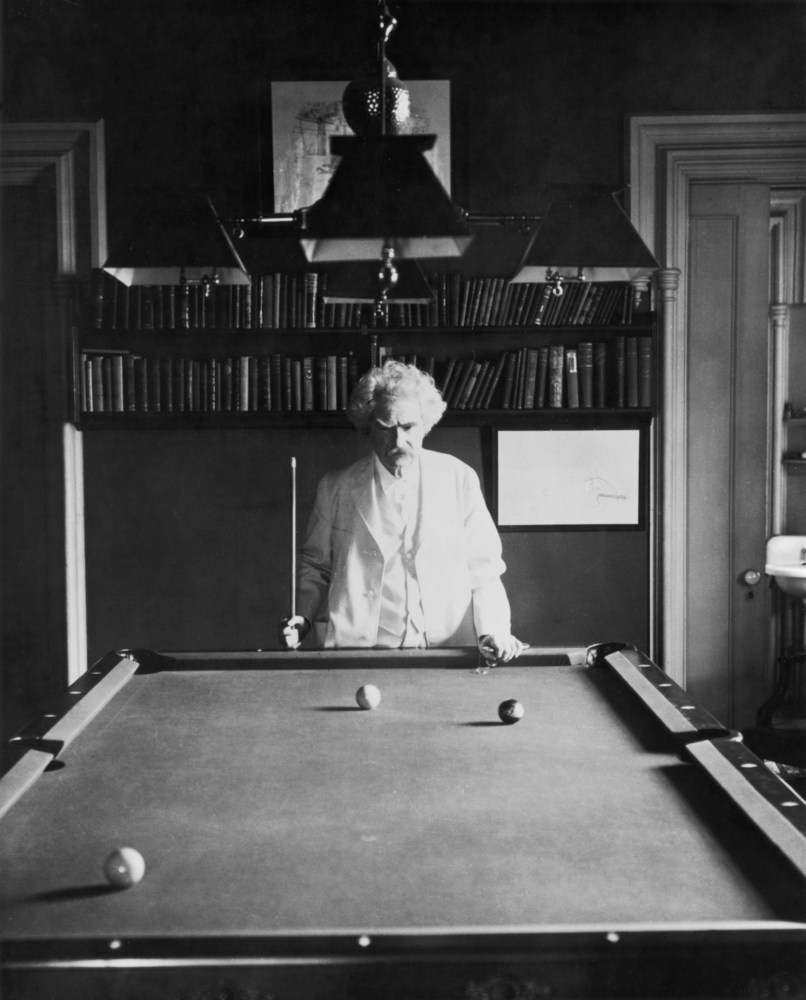
American author Mark Twain
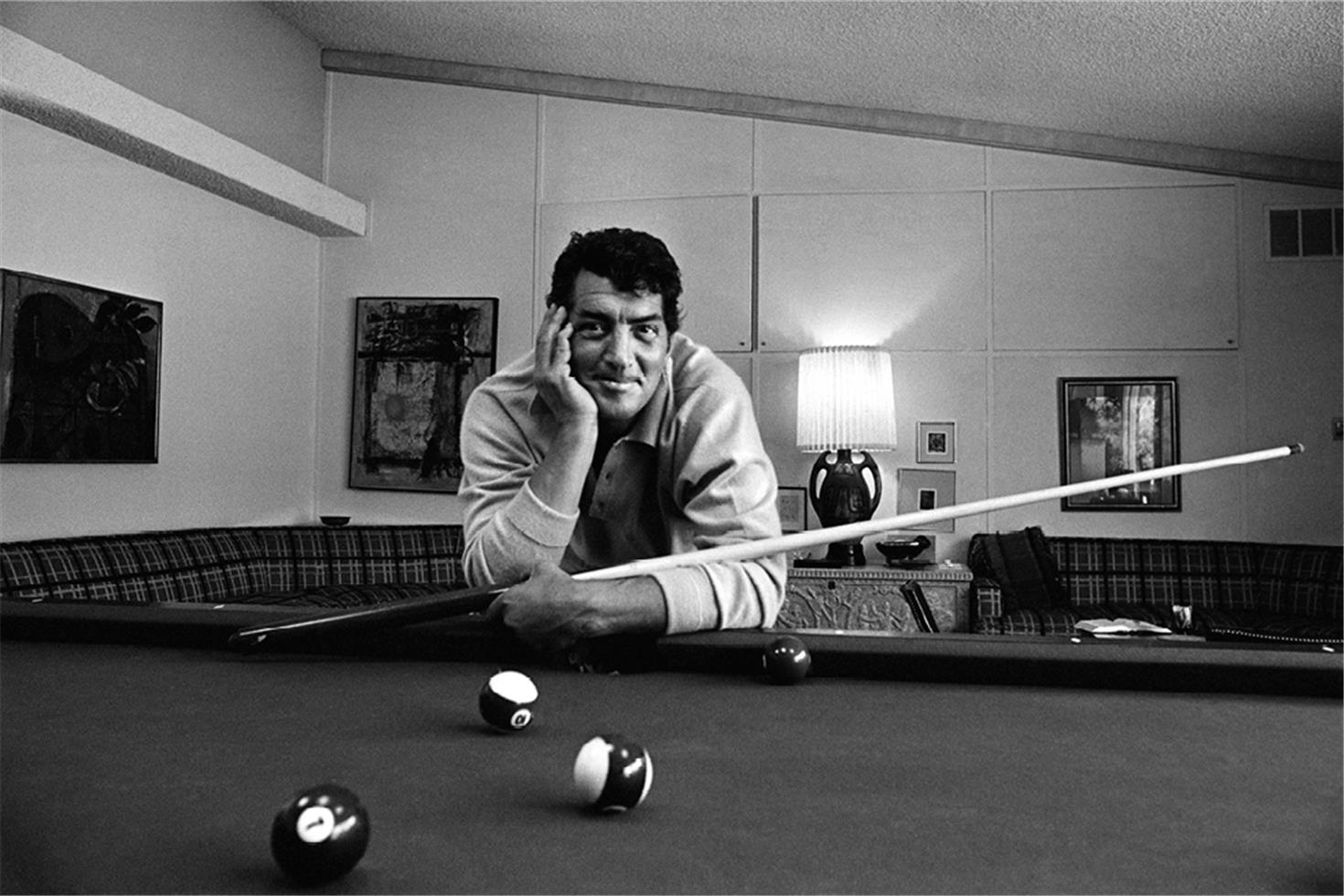
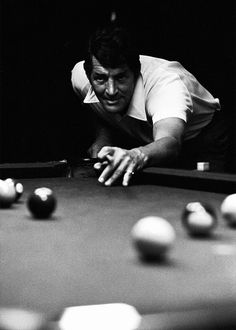
Dean Martin
Natalie Wood learns to play pool with Tony Curtis, 1963
Jamie Lee Curtis
Janis Joplin
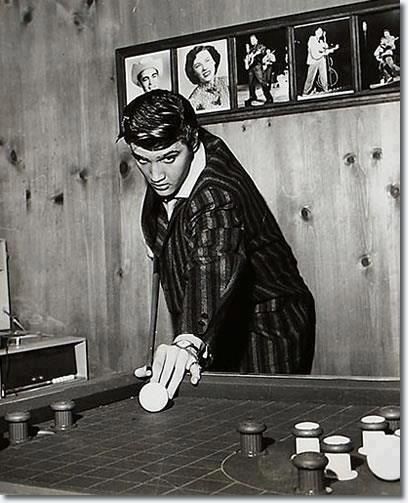
Elvis Presley, 1956
Marilyn Monroe, 1960
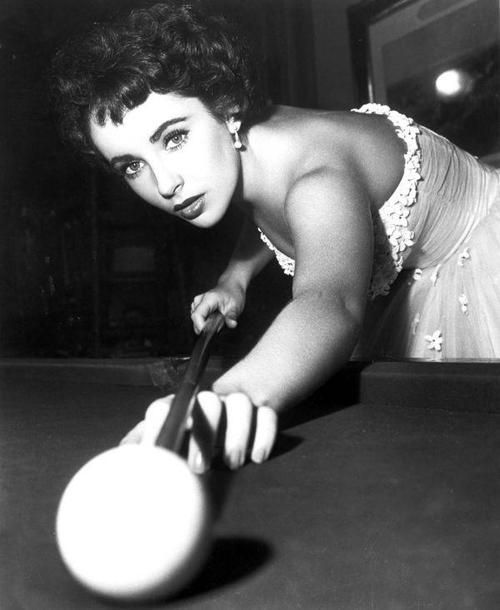
Elizabeth Taylor, 1950s
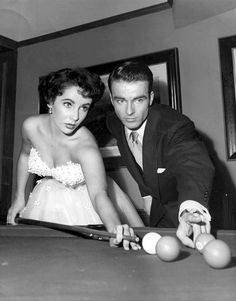
Elizabeth Taylor and Montgomery Clift, 1950s
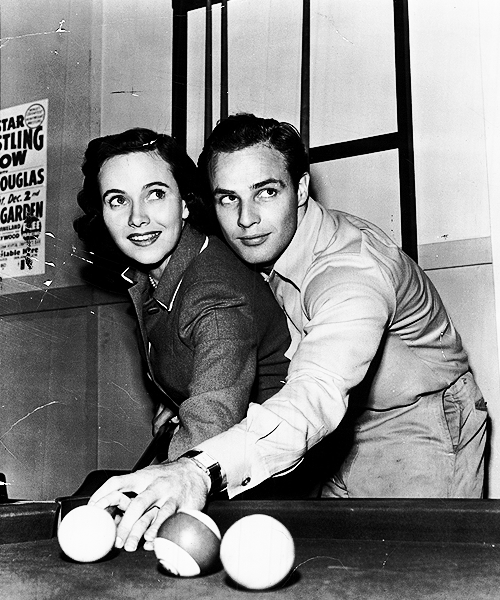
Marlon Brando teaches to Teresa Wright how to play billiard on the set of The Men, 1950
Jack Lemmon and Kim Novak play pool between shots of The Notorious Landlady 1962
Judy Garland and Mickey Rooney
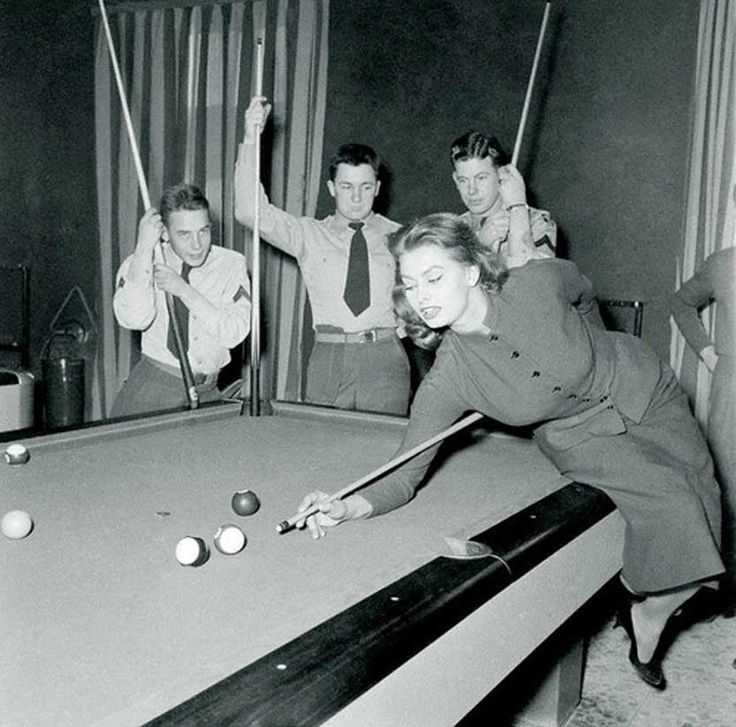
Sophia Loren
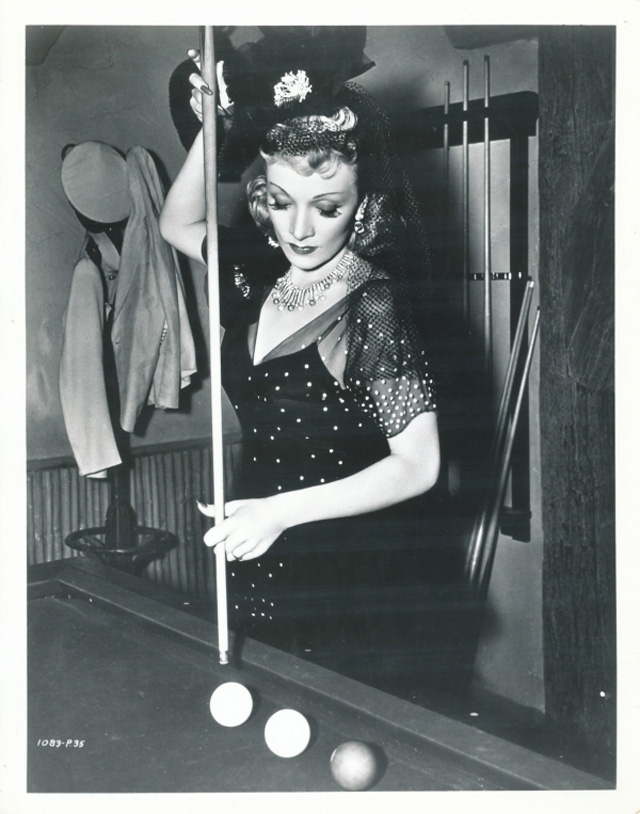
Marlene Dietrich
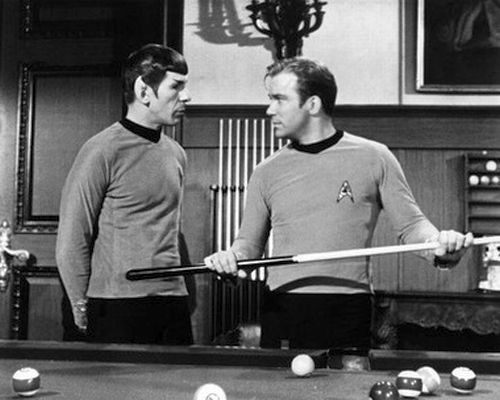
Spock and Captain Kirk
Paul Newman
Martin Luther King, Jr.
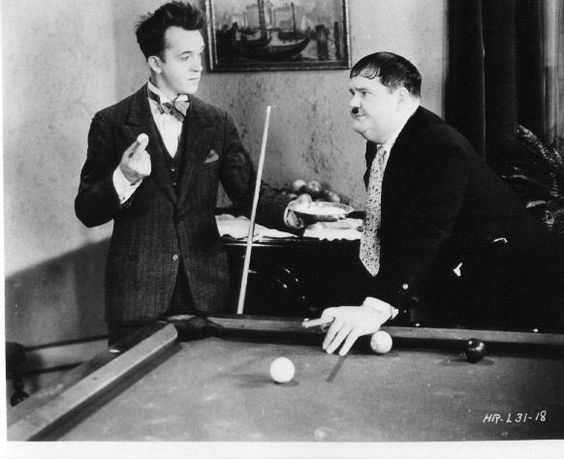
Laurel & Hardy
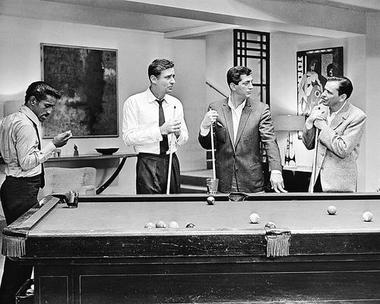
The Rat Pack Shooting Pool, 1960
Batman & Robin
Jayne Mansfield
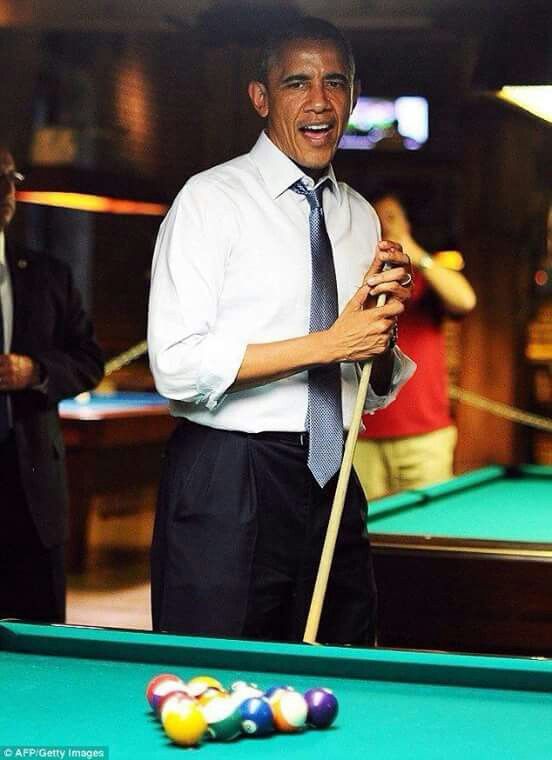
Barack Obama
Bill Clinton stops in to shoot pool at American Joe’s Bar, 1992
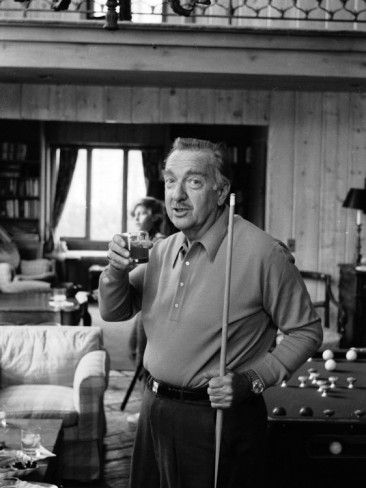
Walter Cronkite
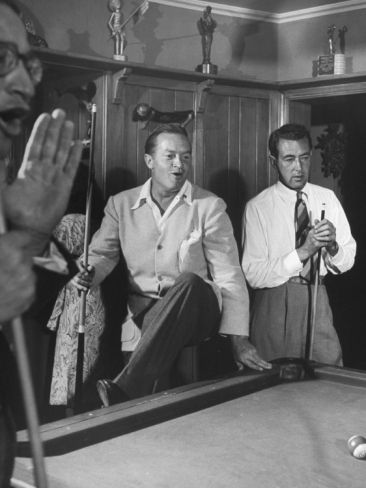
Bob Hope
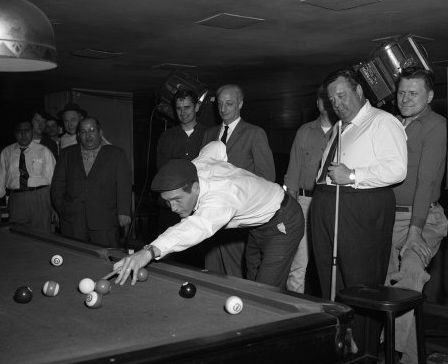
Jackie Gleason, Paul Newman, George C. Scott on the set of The Hustler (1961).
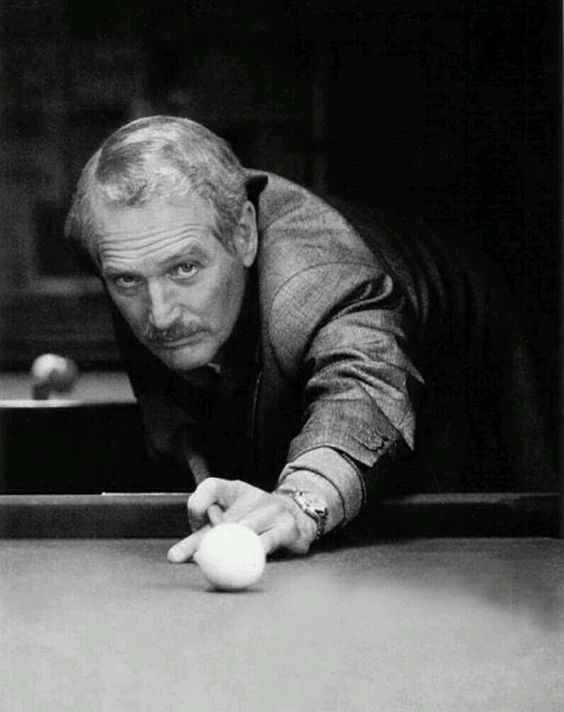
Paul Newman
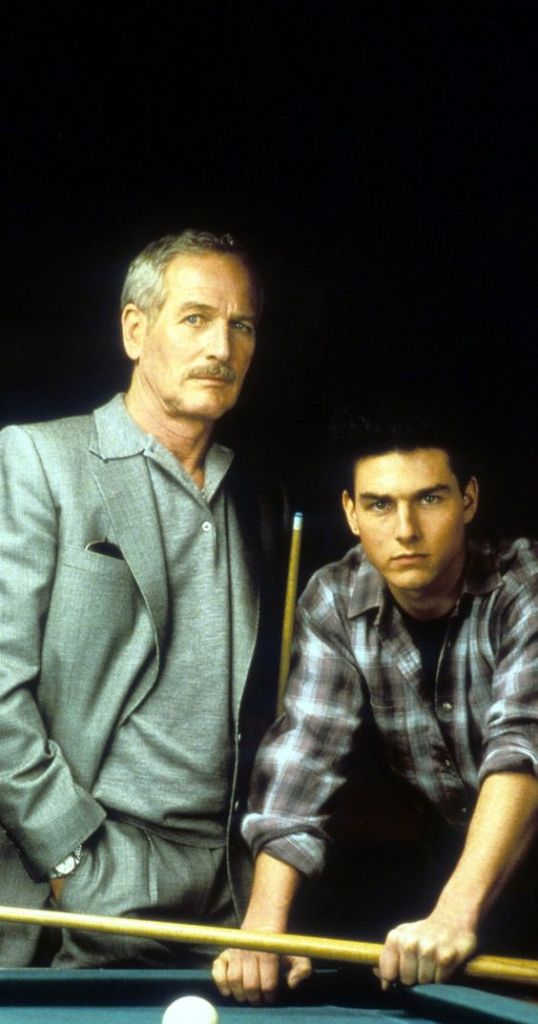
Paul Newman & Tom Cruise
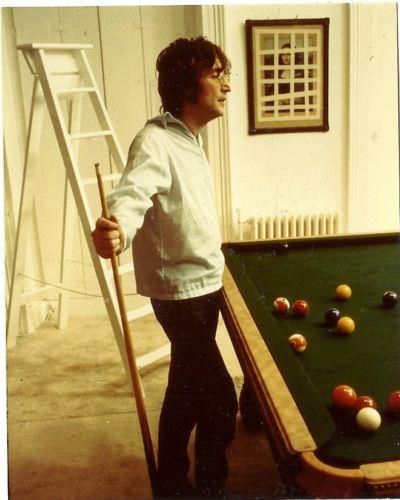
John Lennon
Michael Jackson
Elvis Presley
Dean Martin, 1966
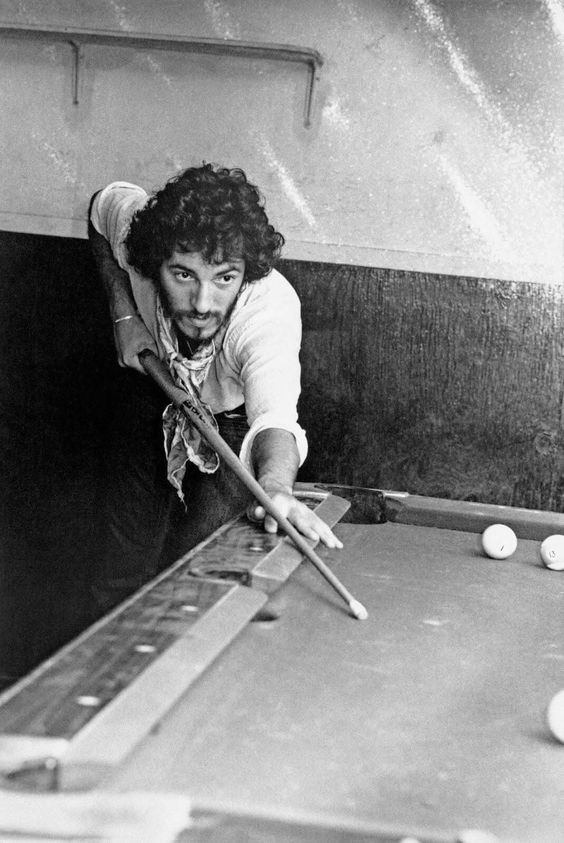
Bruce Springsteen
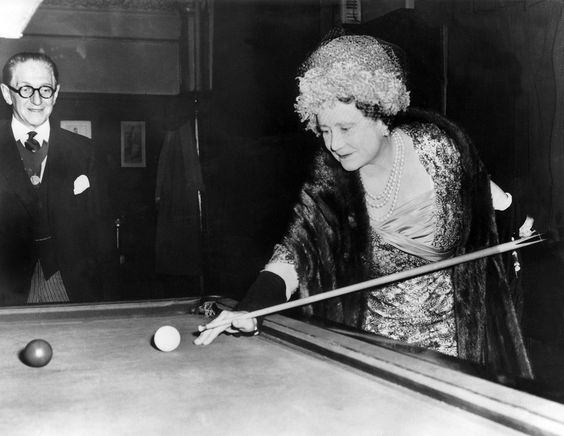
Queen Elizabeth the Queen Mother playing pool in 1961
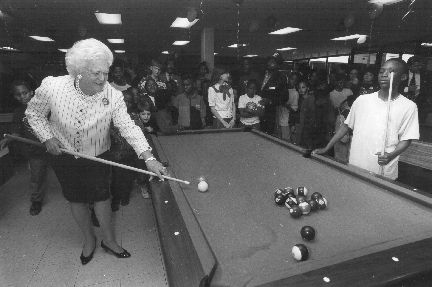
Barbara Bush playing pool
Telly Savalas
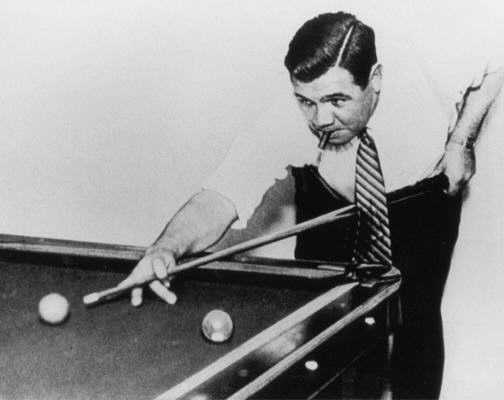
Babe Ruth
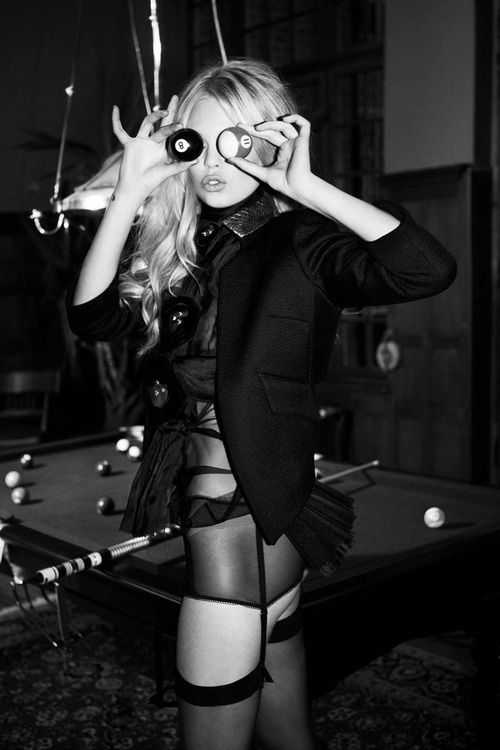
Brigitte Bardot
Dustin Hoffman
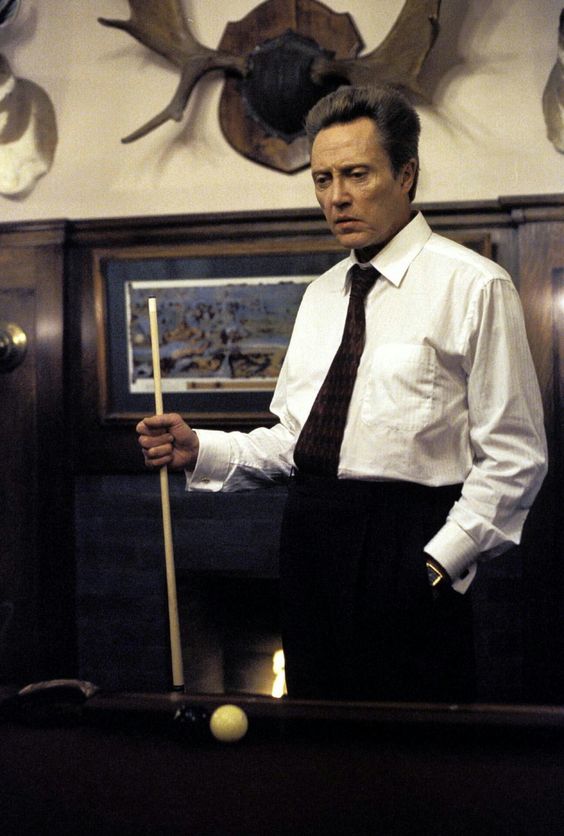
Christopher Walken

46 Vintage Historical Photographs of Denver, Colorado During the 1900s and 1910s

Denver is a consolidated city and county, the capital, and most populous city of the U.S. state of Colorado. Its population was 715,522 at the 2020 United States census, a 19.22% increase since the 2010 United States census. It is the 19th-most populous city in the United States and the fifth most populous state capital. It is the principal city of the Denver–Aurora–Lakewood, CO Metropolitan Statistical Area and the first city of the Front Range Urban Corridor.

Denver is located in the Southwestern United States, in the South Platte River Valley on the western edge of the High Plains just east of the Front Range of the Rocky Mountains. Its downtown district is immediately east of the confluence of Cherry Creek and the South Platte River, approximately 12 mi (19 km) east of the foothills of the Rocky Mountains. It is named after James W. Denver, a governor of the Kansas Territory. It is nicknamed the Mile High City because its official elevation is exactly one mile (5280 feet or 1609.344 meters) above sea level. The 105th meridian west of Greenwich, the longitudinal reference for the Mountain Time Zone, passes directly through Denver Union Station.

Denver is ranked as a Beta world city by the Globalization and World Cities Research Network. The 10-county Denver-Aurora-Lakewood, CO Metropolitan Statistical Area had a population of 2,963,821 at the 2020 United States Census, making it the 19th most populous U.S. metropolitan statistical area. The 12-county Denver-Aurora, CO Combined Statistical Area had a population of 3,623,560 at the 2020 United States Census, making it the 17th most populous U.S. primary statistical area. Denver is the most populous city of the 18-county Front Range Urban Corridor, an oblong urban region stretching across two states with a population of 5,055,344 at the 2020 United States Census. Its metropolitan area is the most populous metropolitan area within an 560-mile (900 km) radius and the second most populous city in the Mountain West after Phoenix, Arizona. In 2016, it was named the best place to live in the United States by U.S. News & World Report. (Wikipedia)
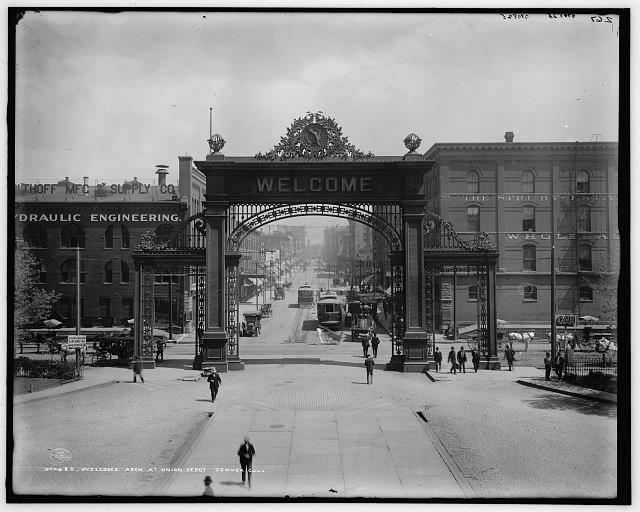
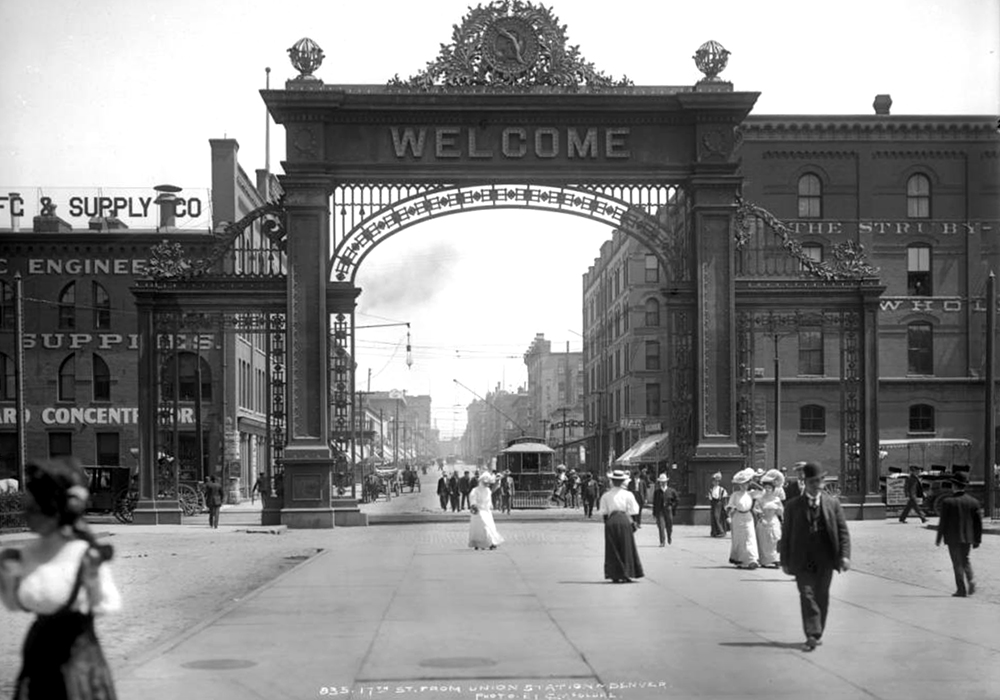
Welcome arch at Union Depot, Denver, Colorado. 1908
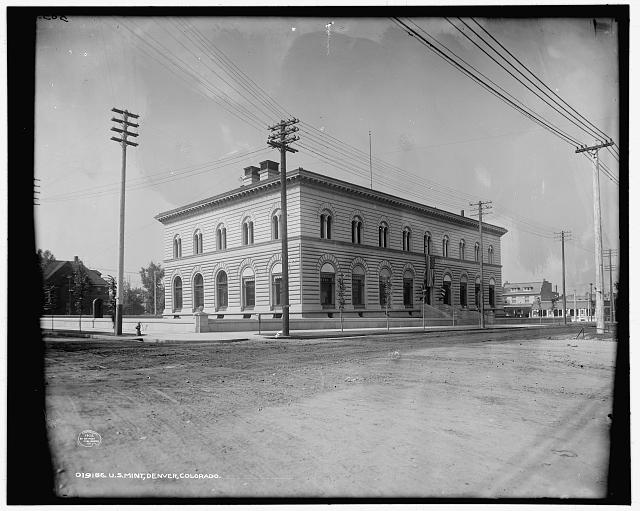
U.S. Mint, Denver, Colorado 1906
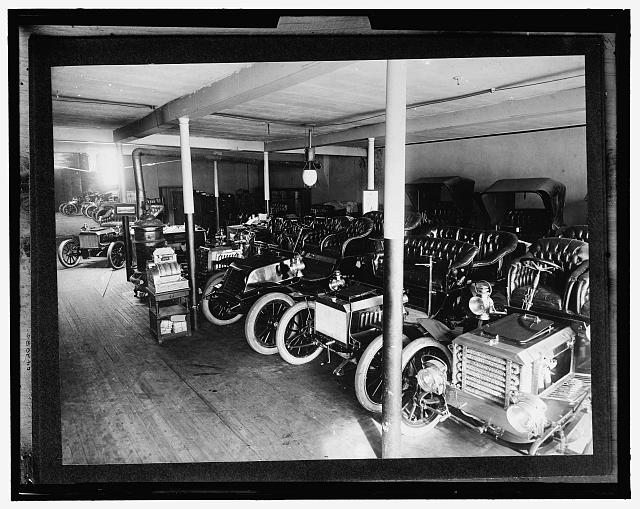
The Felken Cycle Co., Denver, Colorado. 1910
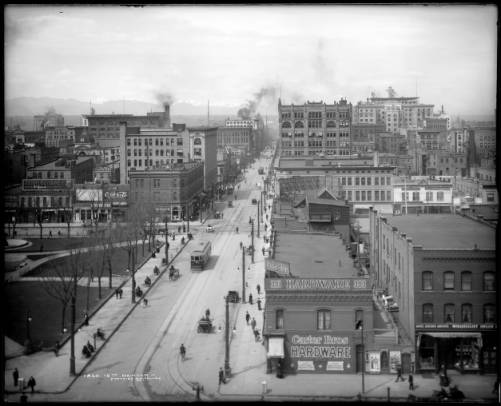
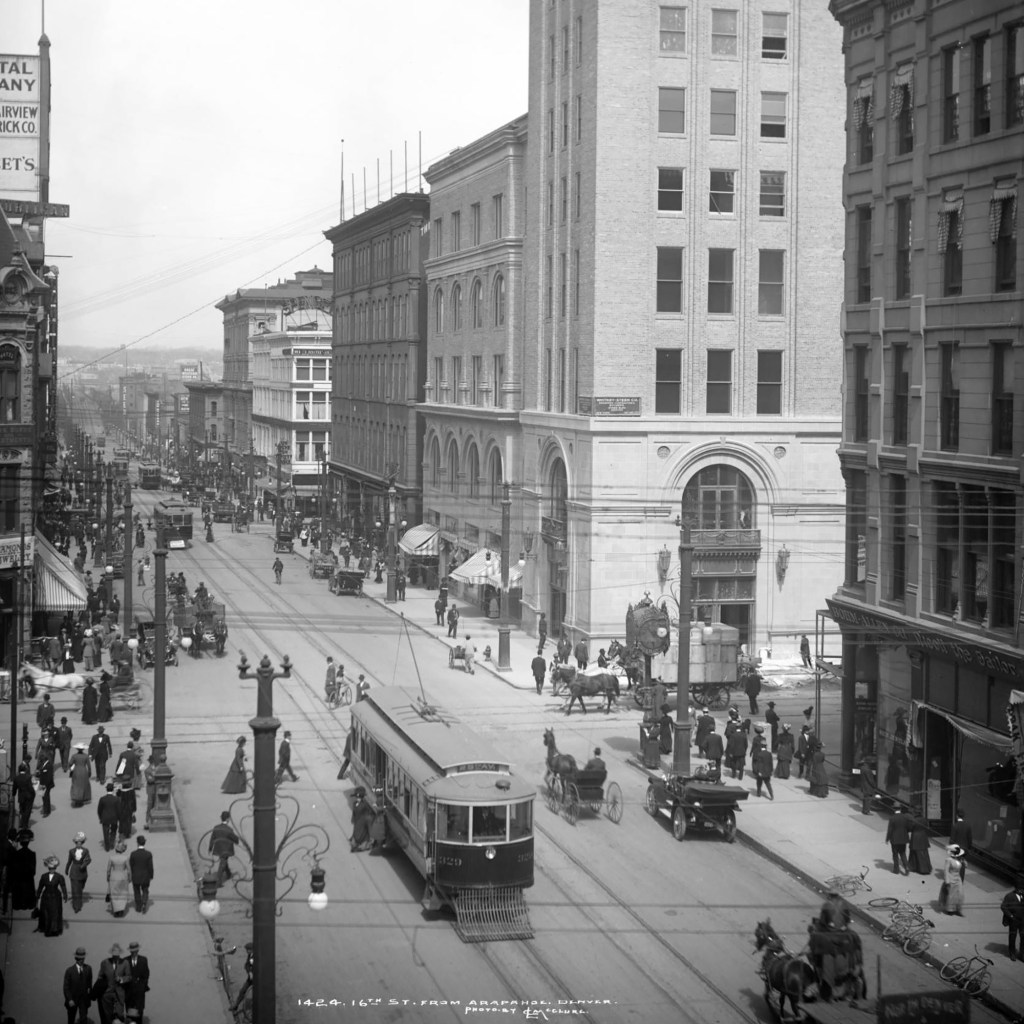
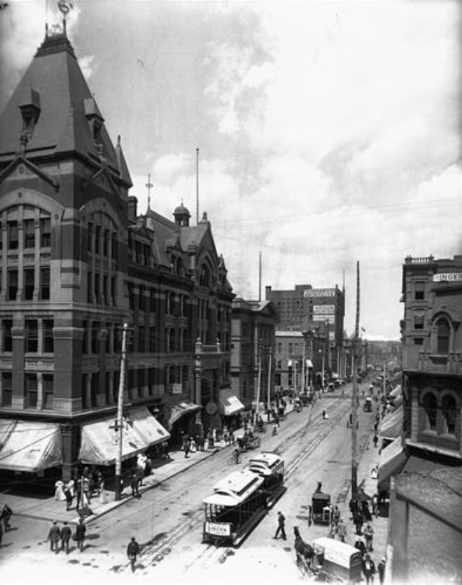
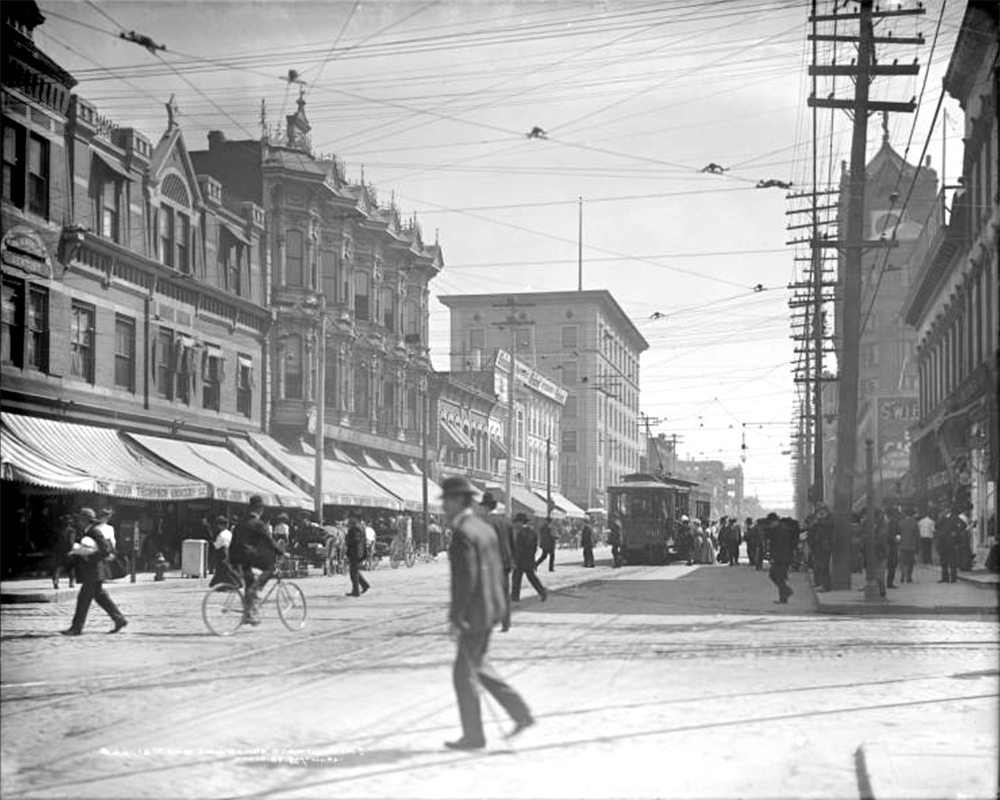
16th Street, Denver, Colorado 1906
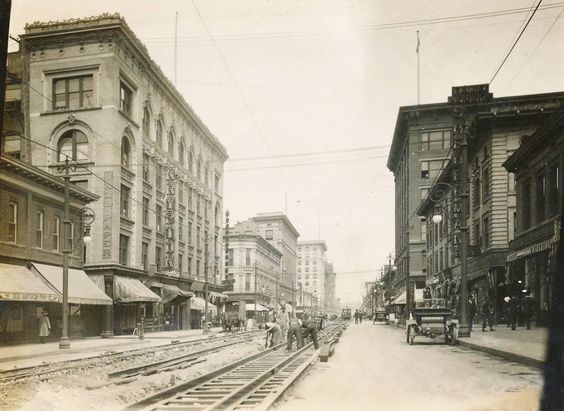
Laying trolley tracks on 15th Street, Denver, 1905.
16th Street, Denver, Colorado, 1909
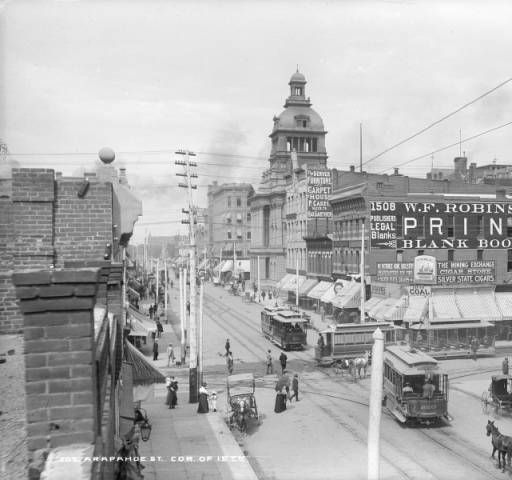
Arapahoe Street in downtown Denver, Colorado. 1900
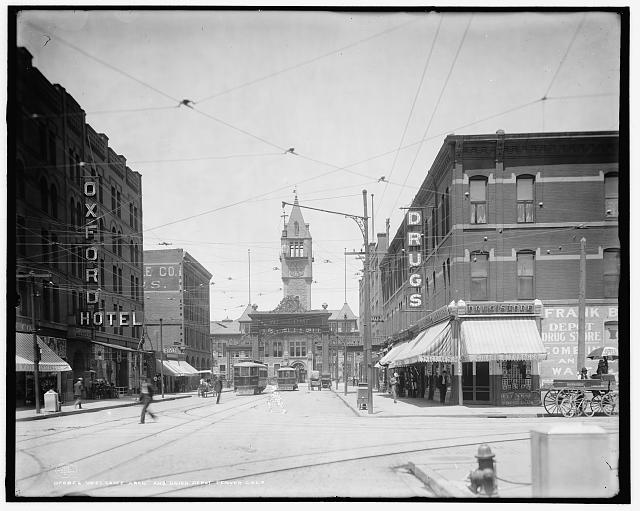
Welcome arch at Union Depot, Denver, Colorado. 1910
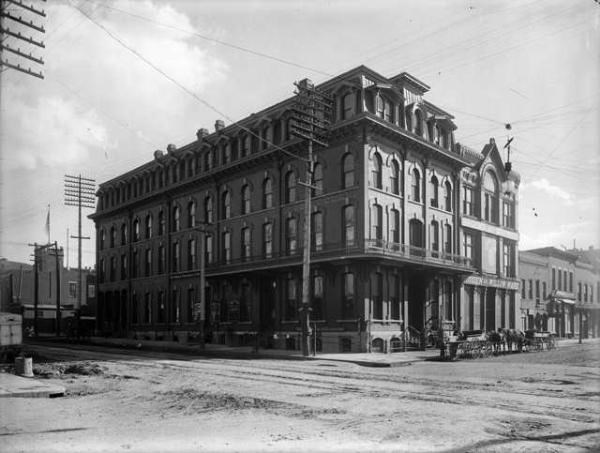
Inter-Ocean Hotel, Denver, 1900
Intersection of Stout and 16th streets in downtown Denver, 1900
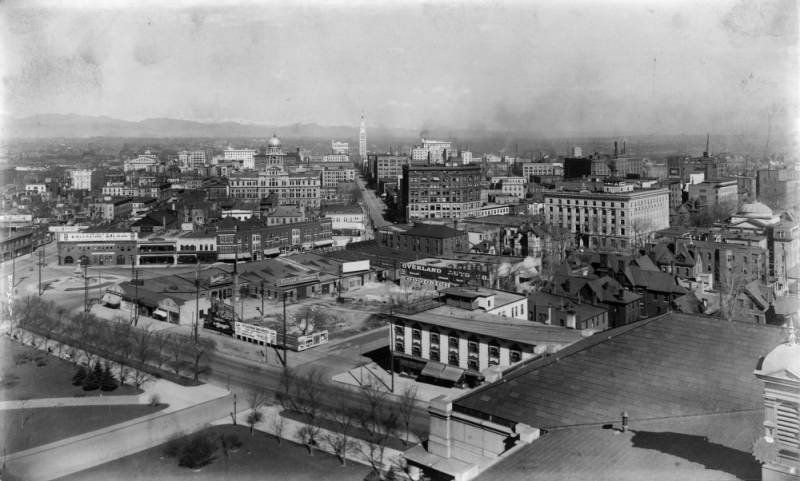
Downtown Denver, 1906
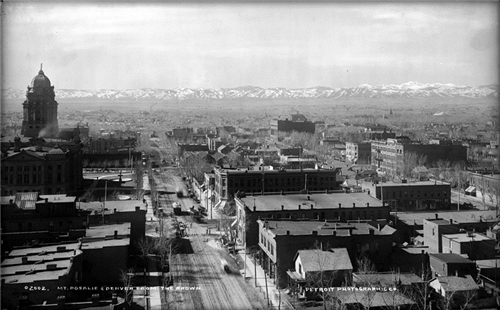
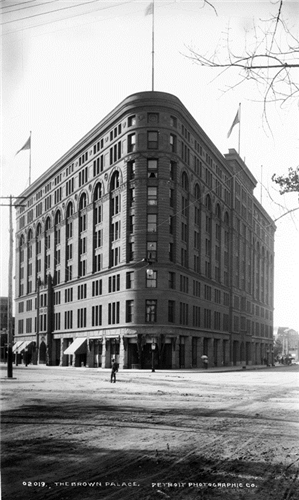
Mt. Rosalie & Denver from the Brown, 1906
View of Arapahoe Street in downtown Denver, Colorado, 1900
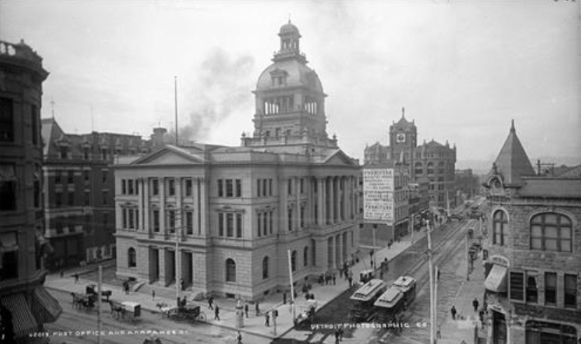
Denver Post Office and Arapahoe St., 1906
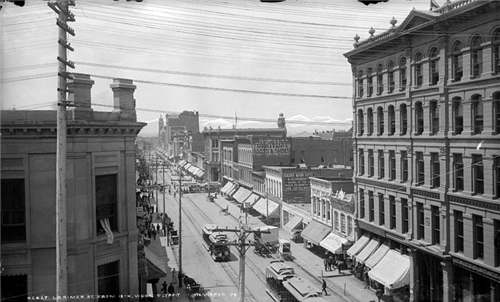
Larimer Street from 18th West, Denver, Colorado, 1900
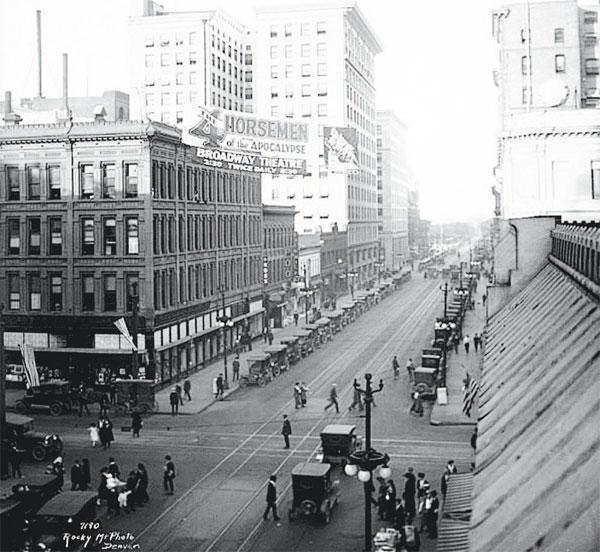
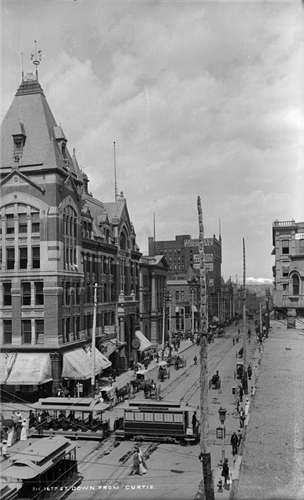
16th St. down from Curtis St., Denver, 1906
View of Curtis Street from 16th Street in Denver, 1906
Denver Post Office, 1900
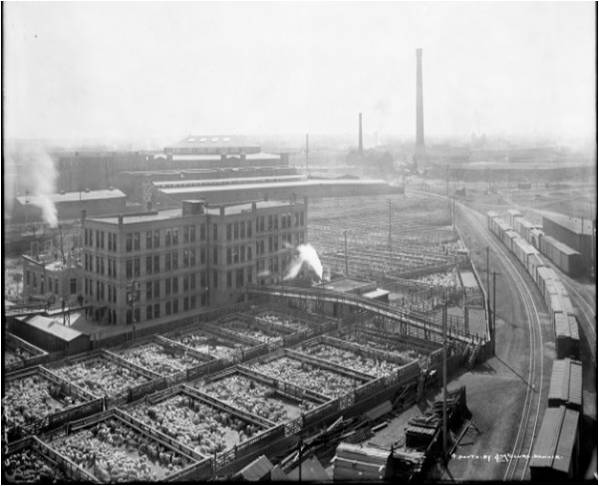
Livestock Exchange, Denver, 1900
Denver’s Capitol Hill neighborhood in 1909
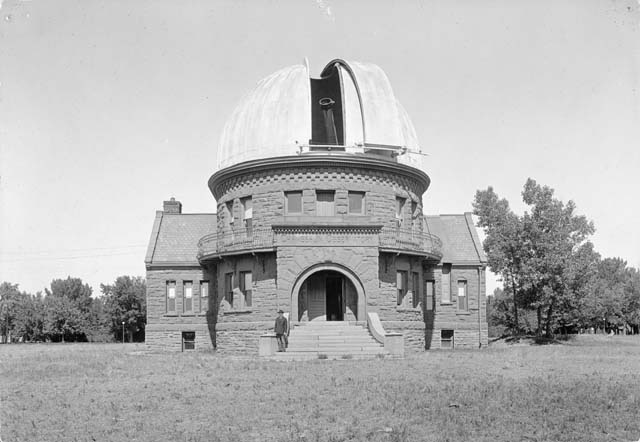
The Chamberlin Observatory, Denver, 1900
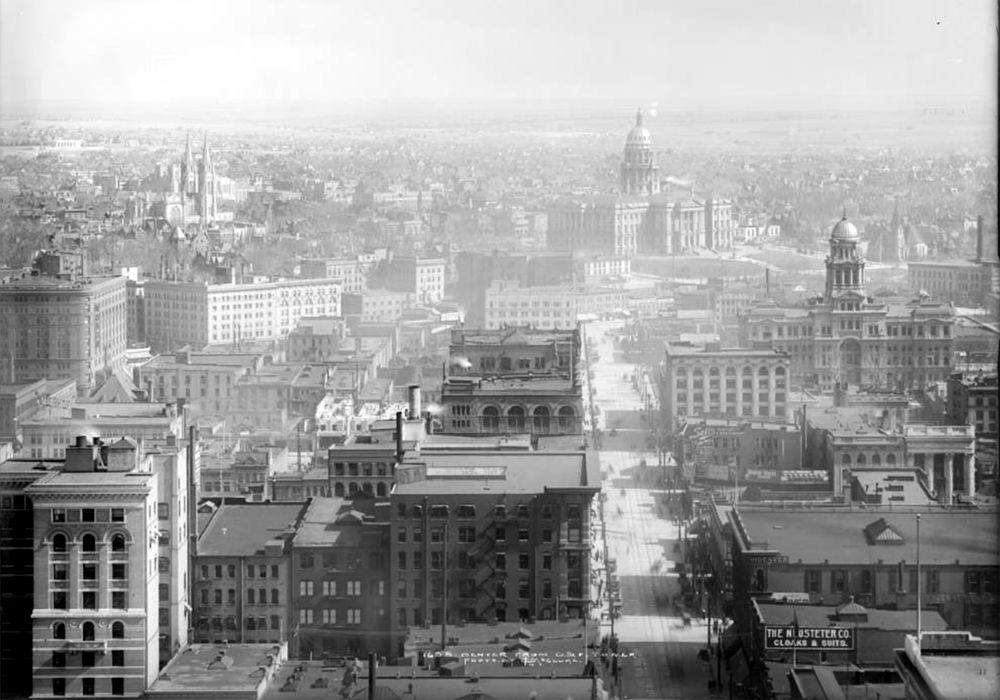
Bird’s eye view of Denver, Colorado from Daniels & Fisher Tower, 16th & Arapahoe, 1912
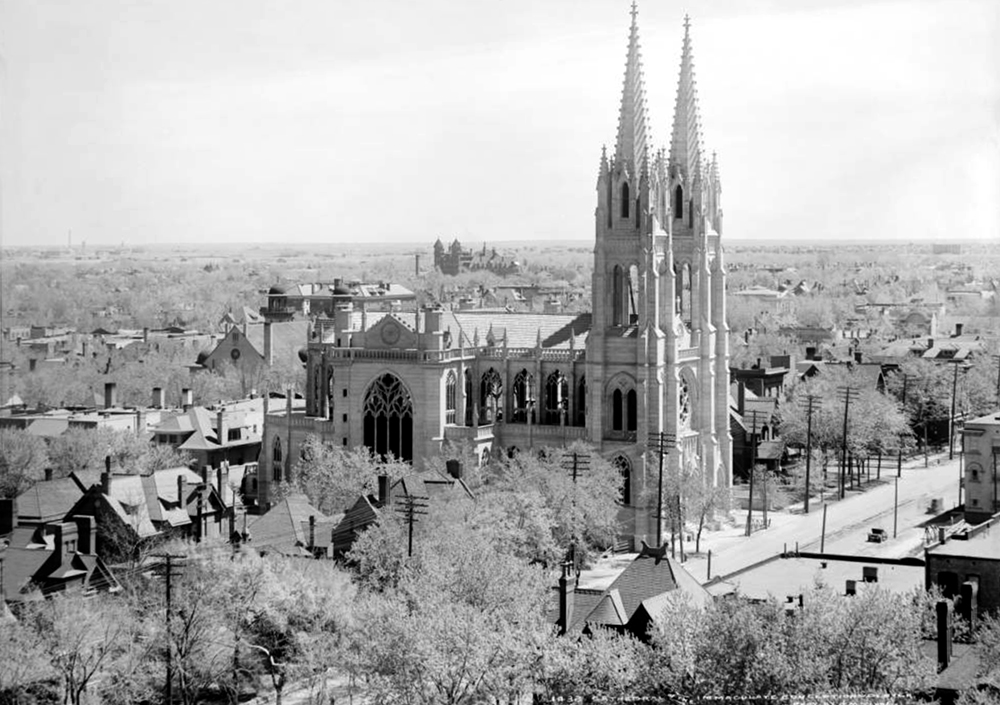
View of Immaculate Conception Cathedral (Colfax Avenue and Logan Street) under construction, Denver, Colorado, 1912
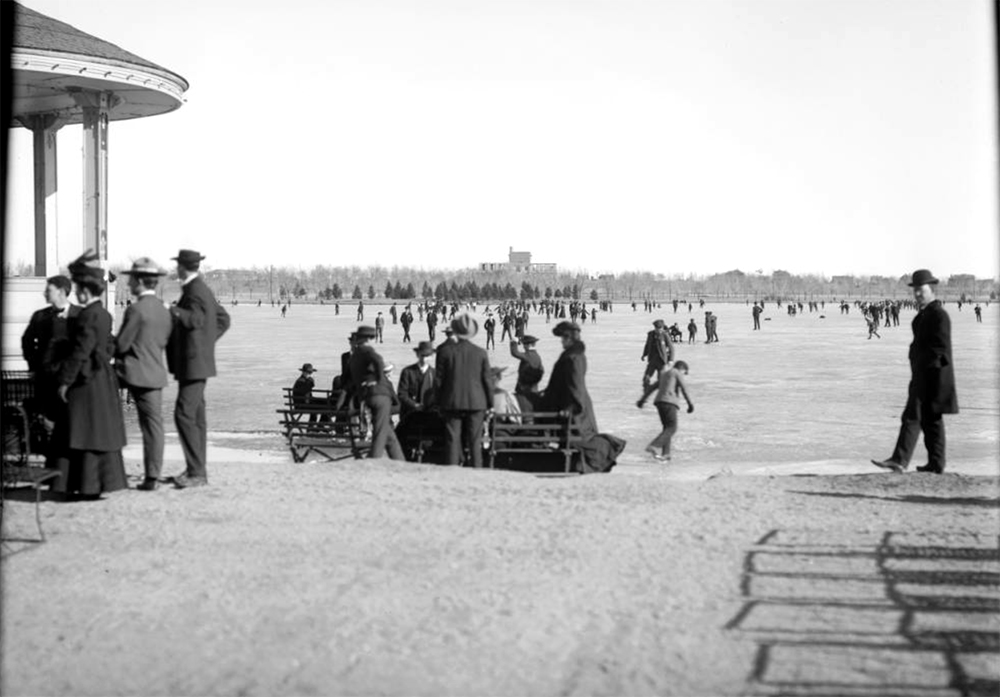
Ice skating on City Park Lake, Denver, Colorado, 1901
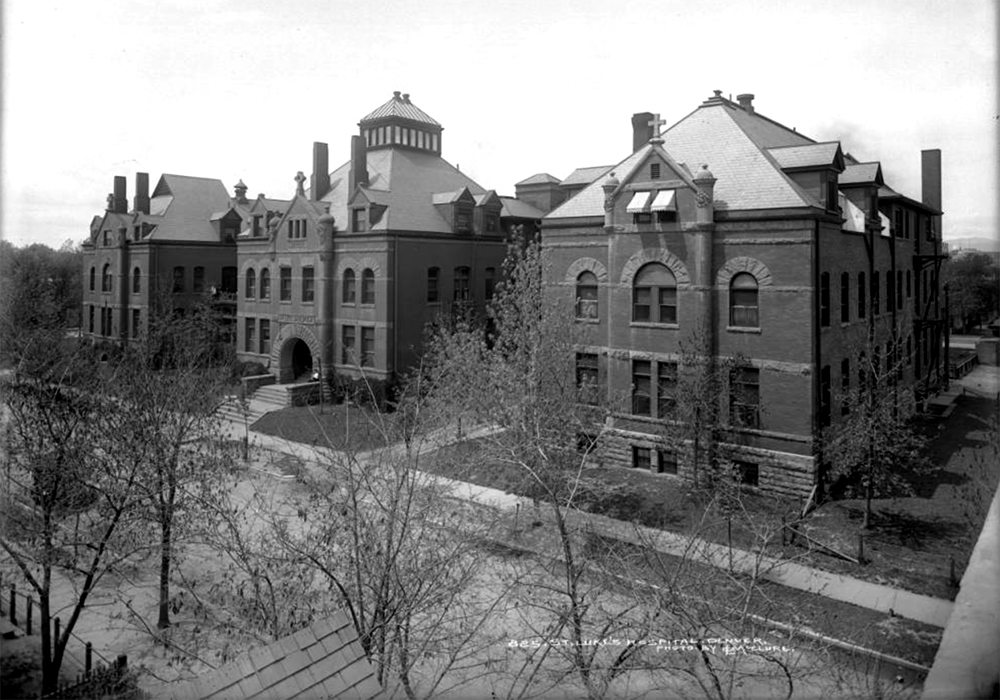
Exterior view of Saint Luke’s Hospital, 19th and Pearl, Denver, Colorado, 1910
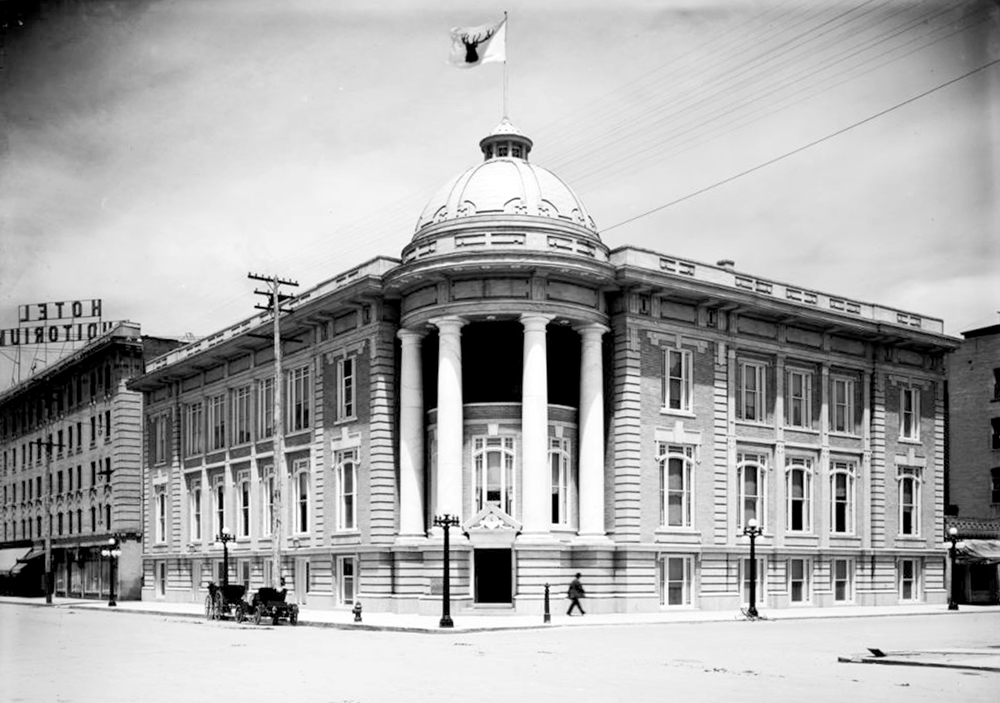
Exterior view of Benevolent & Protective Order of Elks, Lodge Number 17, 14th and California.Denver, Colorado, 1917
View of 15th and Lawrence streets, Denver, Colorado, 1915
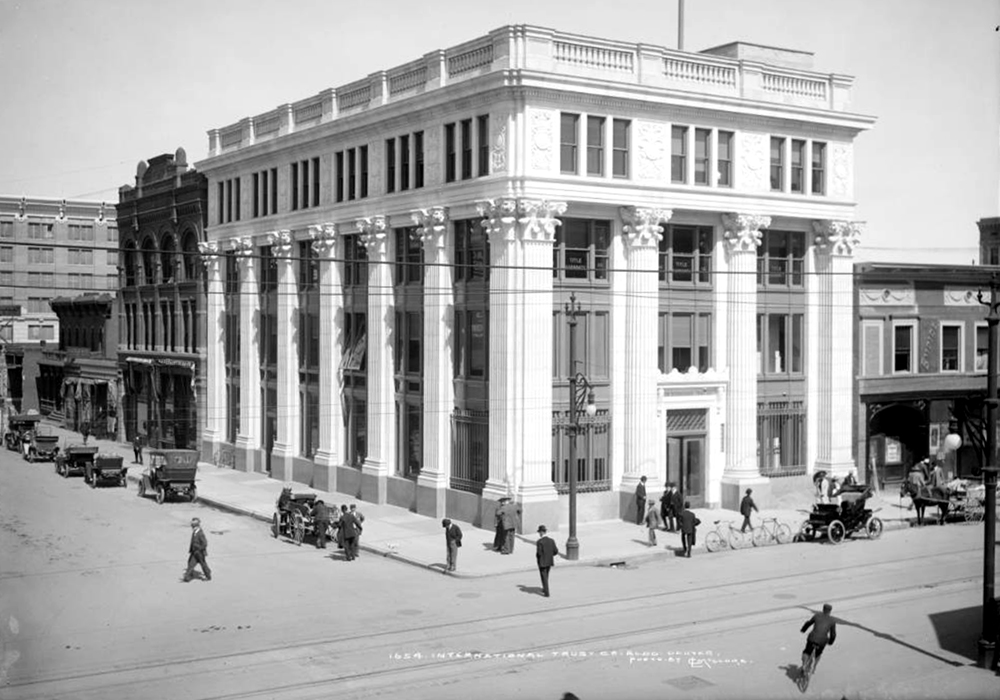
Exterior view of International Trust Company building (17th and California) Denver, Colorado, 1912
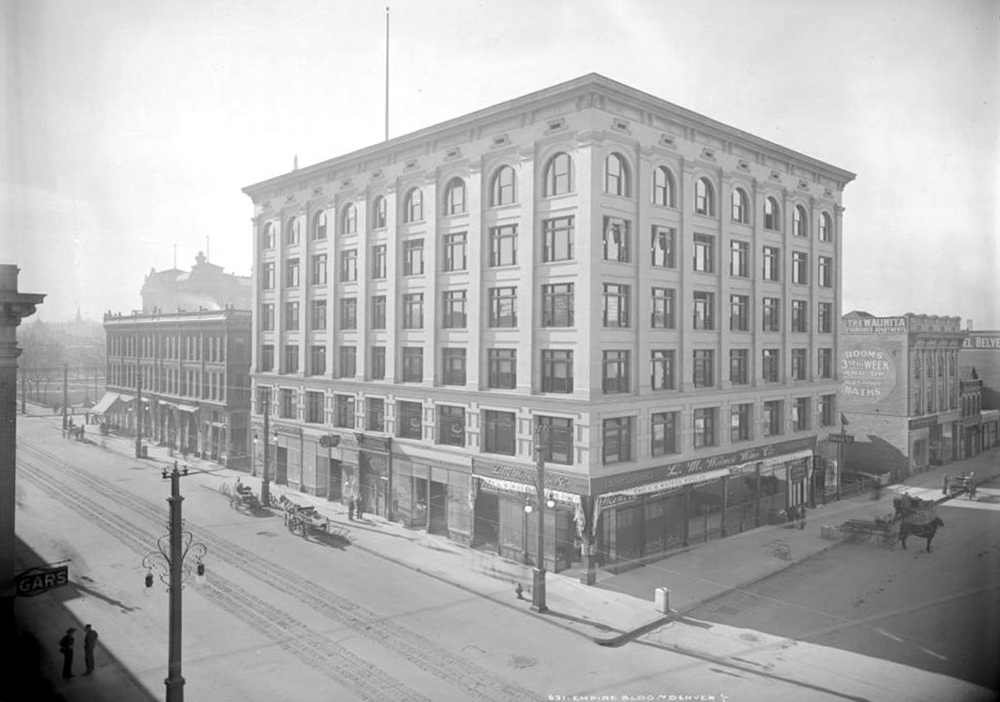
Exterior view Empire Building, 16th and Glenarm, Denver, Colorado, 1913
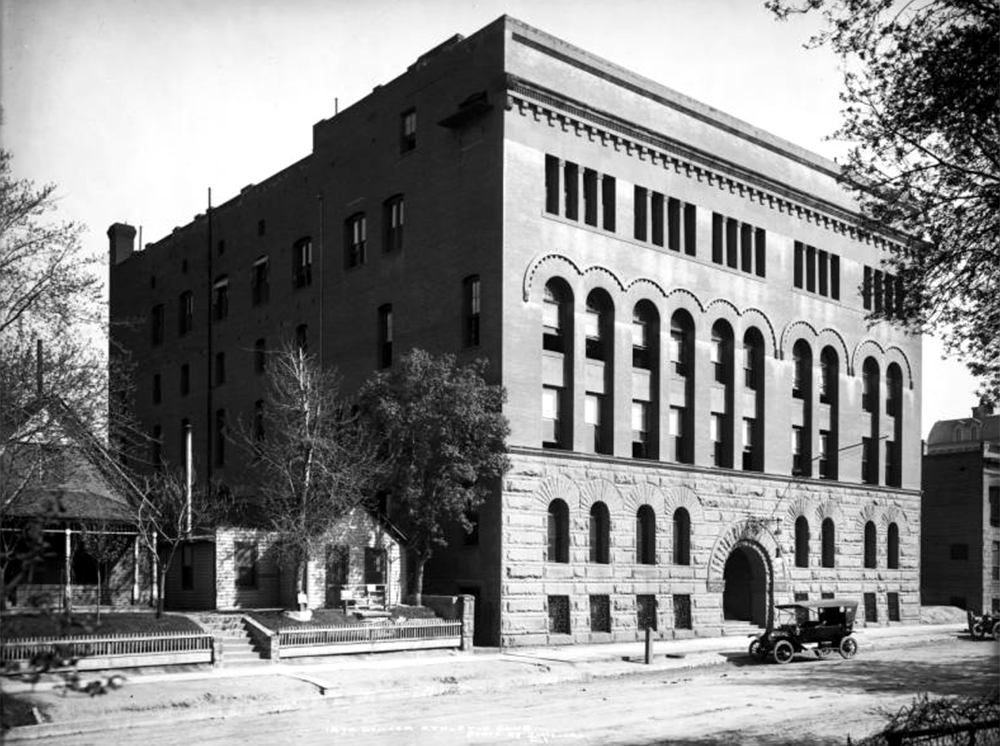
Exterior view of Denver Athletic Club, 1910
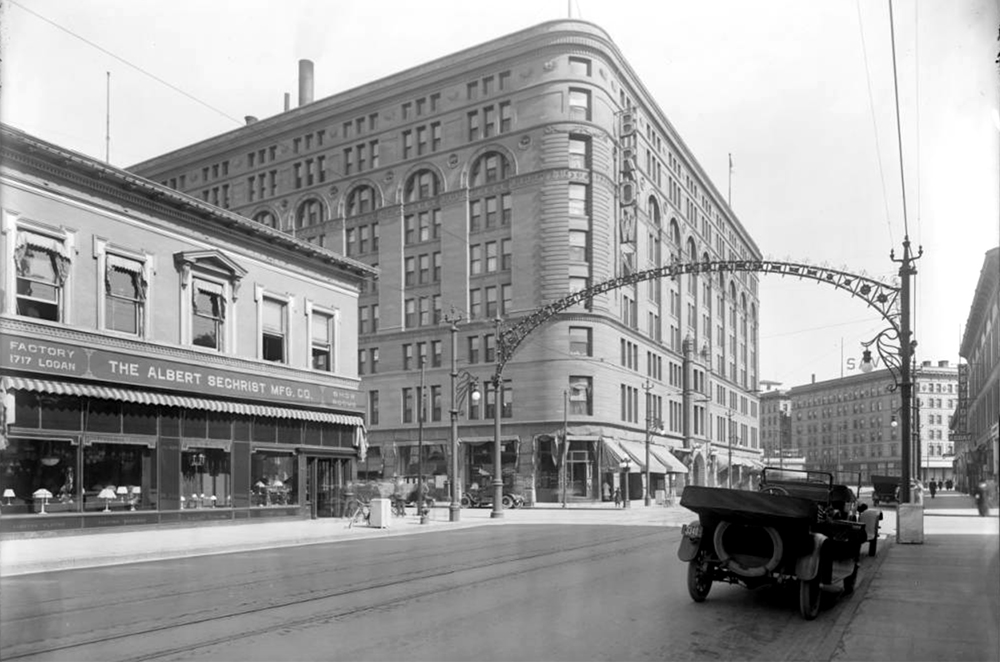
View southeast at Tremont Street and Seventeenth Street to Brown Palace Hotel. 1916.
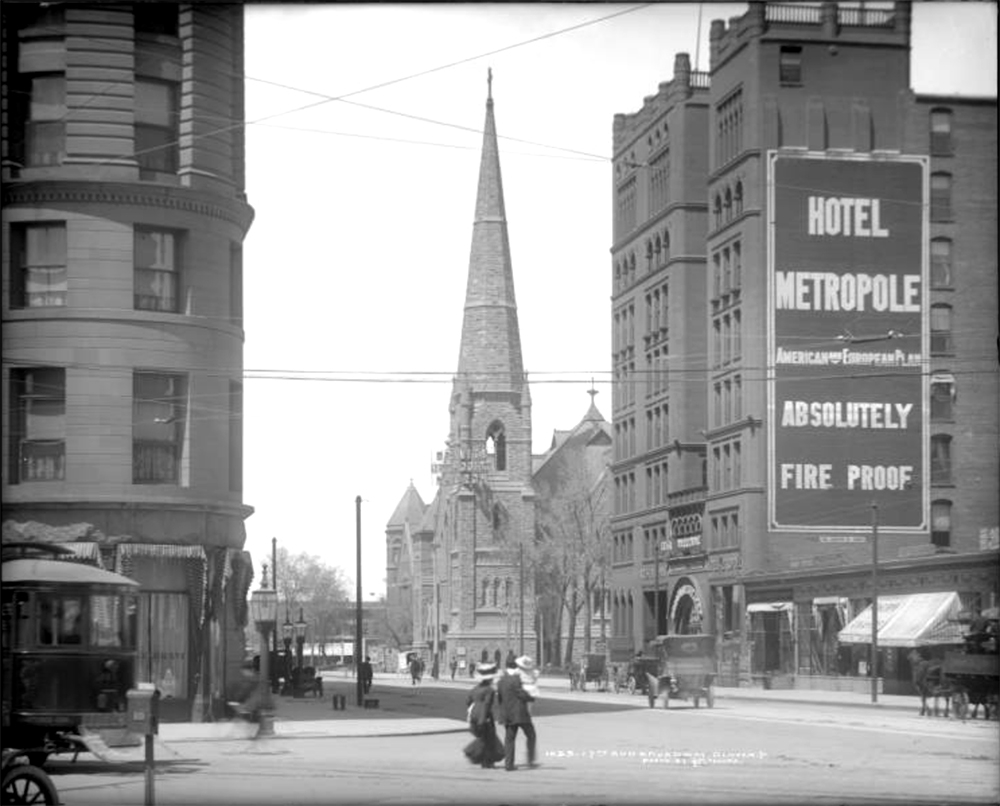
View towards Trinity Methodist Church, Hotel Metropole and edge of Brown Palace on Broadway from 17th Avenue, Denver, Colorado. 1911
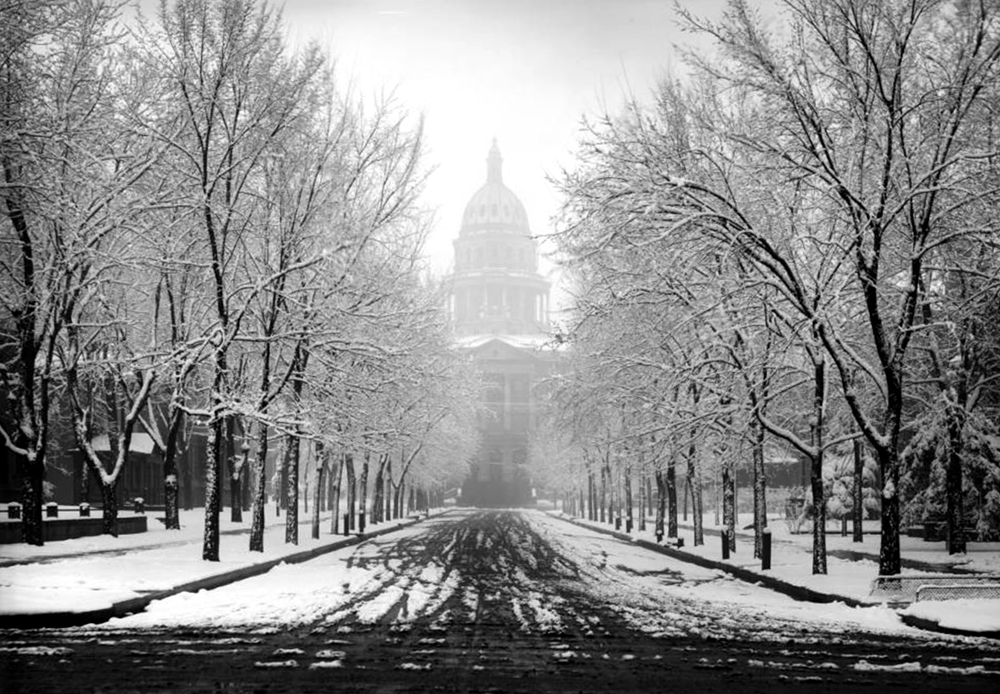
View south on Sherman Avenue towards Colorado State Capitol building during spring snowstorm in April, Denver, Colorado. 1913.
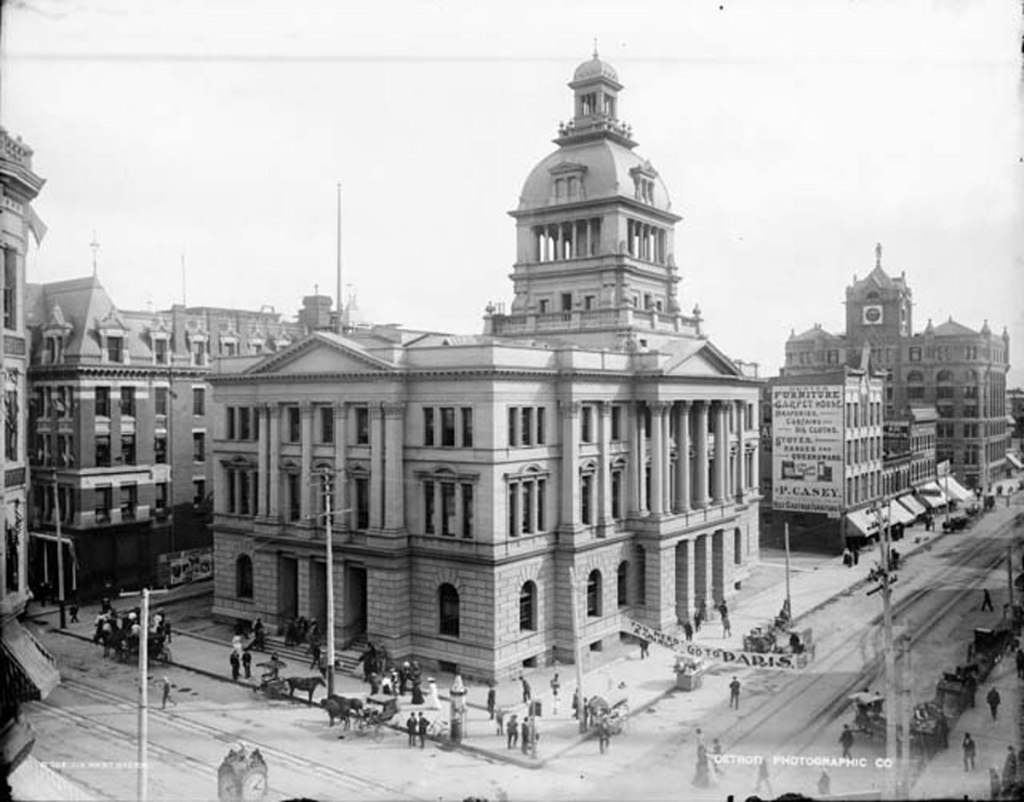
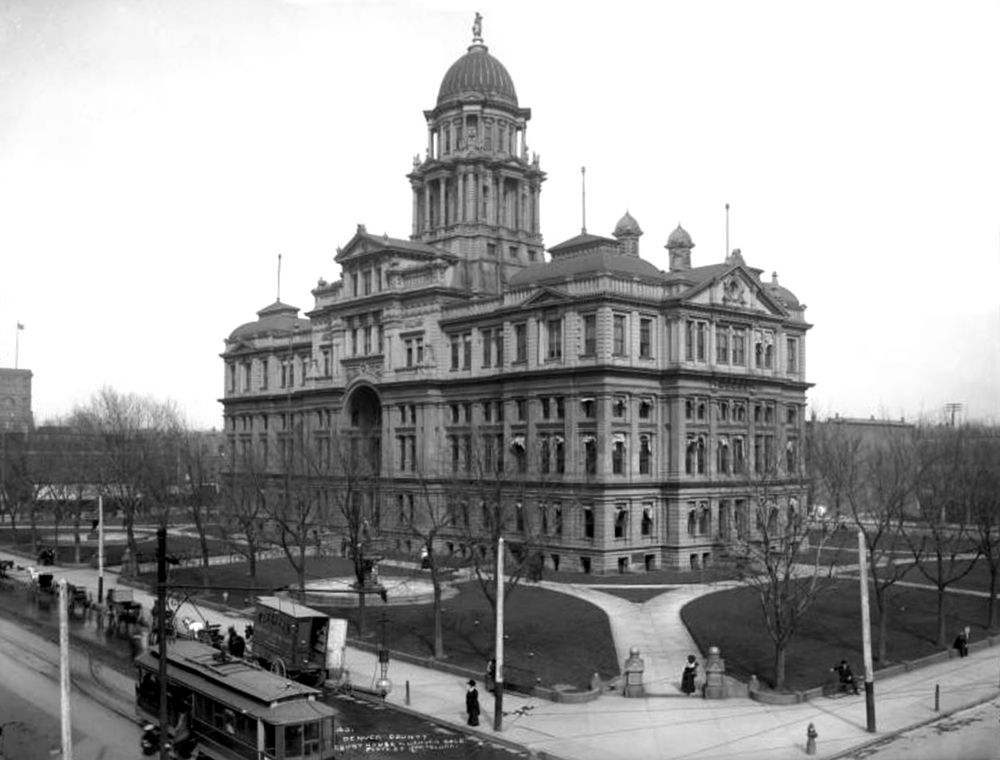
Exterior view of Denver (Arapahoe) County Court House, 1900
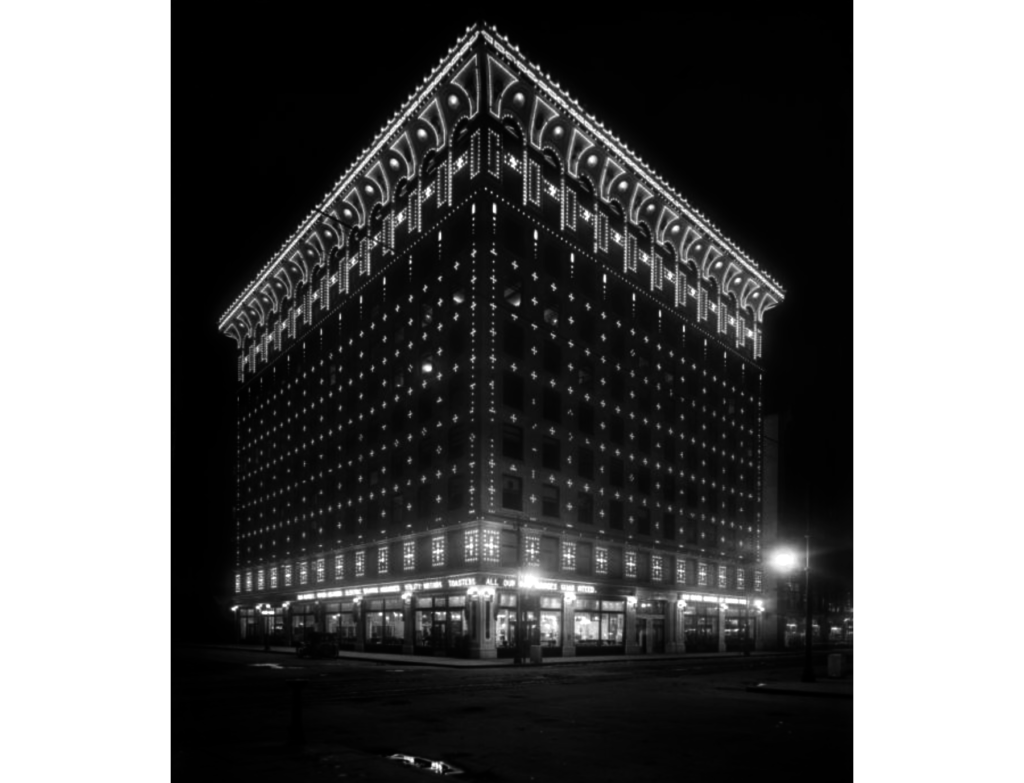
Exterior night view of illuminated Gas & Electric Building, 15th and Champa, Denver, Colorado, 1910
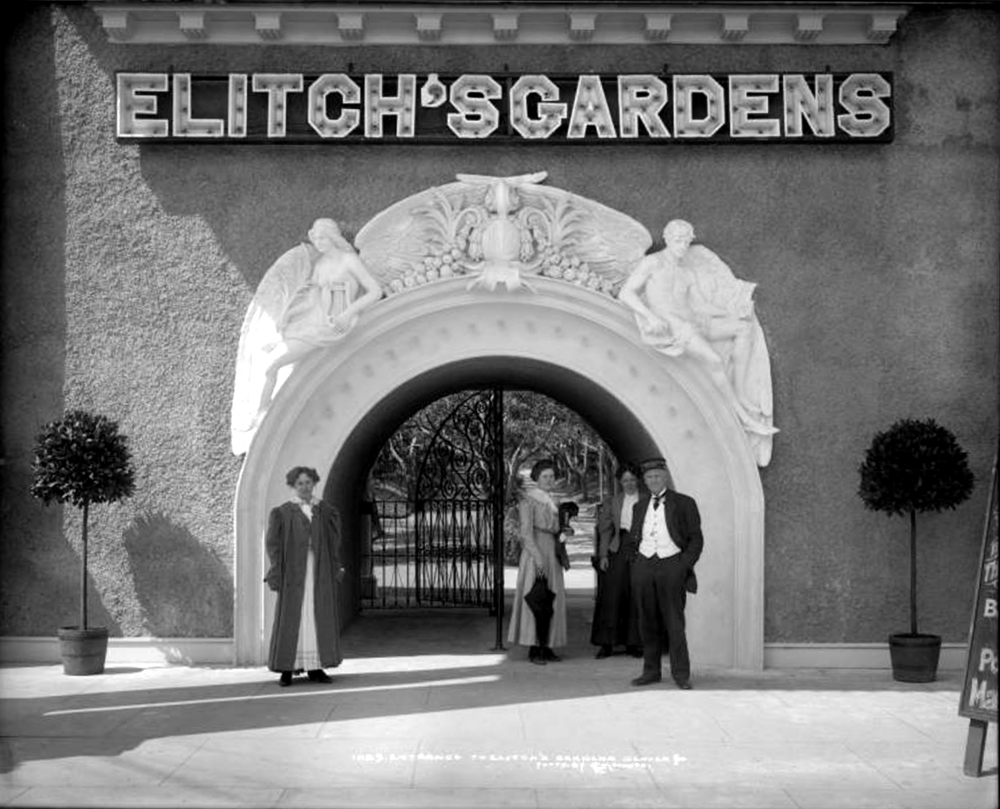
Close-up view of main entrance to Elitch’s Gardens at West 38th Avenue and Tennyson Street, Denver, Colorado, 1910
View of children in rowboats on the lake in City Park, Denver, Colorado, 1918
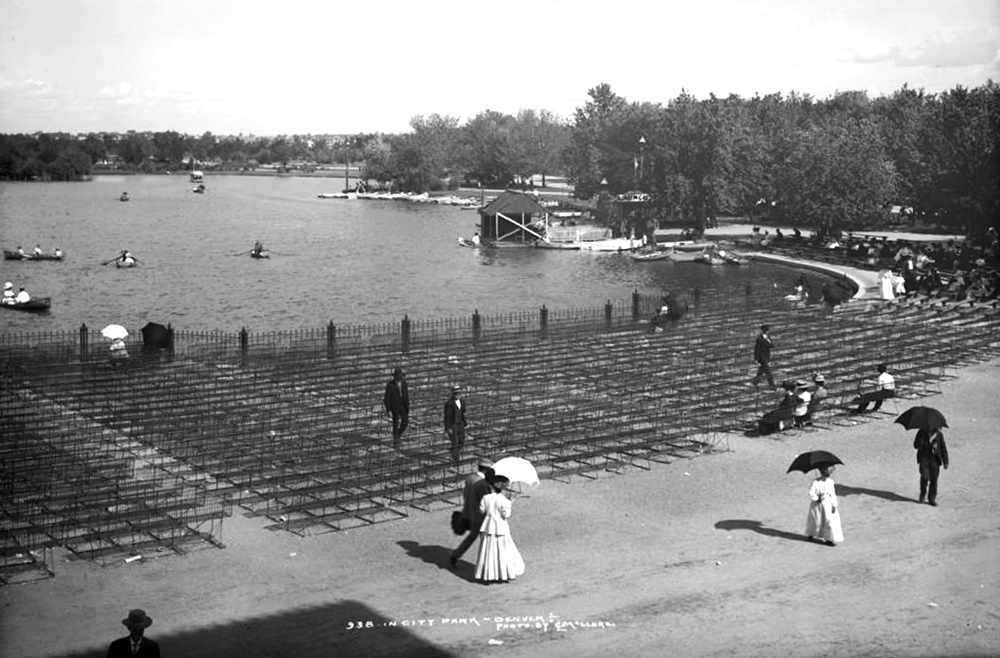
City Park Lake and rows of wrought iron benches in City Park, Denver, Colorado.1910
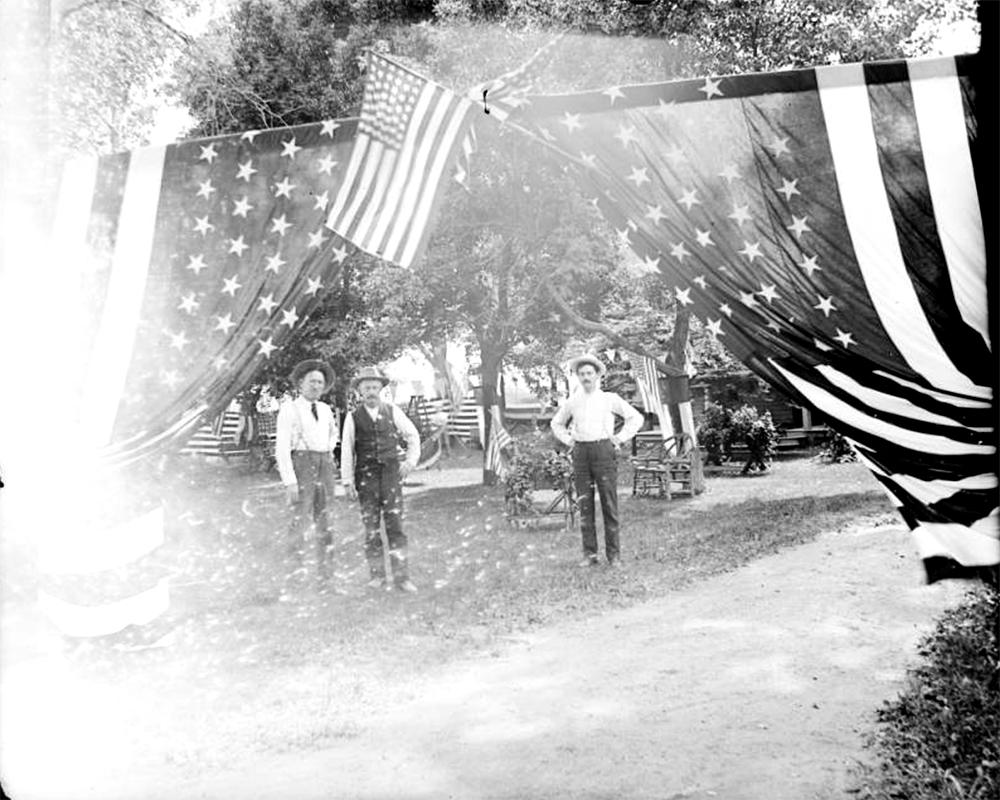
Men pose in City Park, in Denver, Colorado, by United States flags and bentwood chairs during a Fourth of July festival. Between 1904 and 1915.
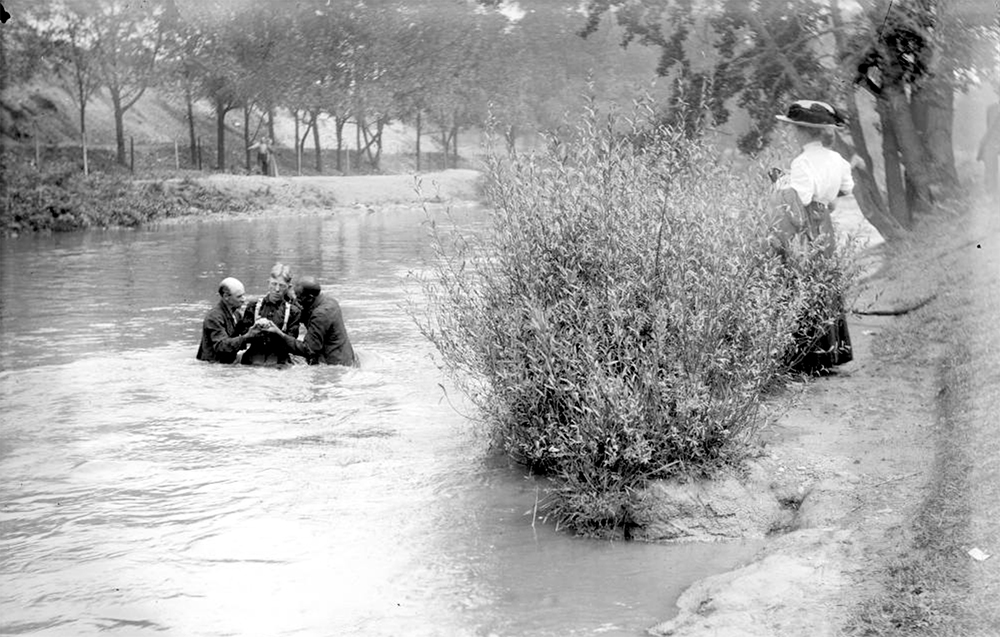
A man is baptized by two men in the South Platte River in Denver, Colorado. A woman stands nearby and watches, 1910.
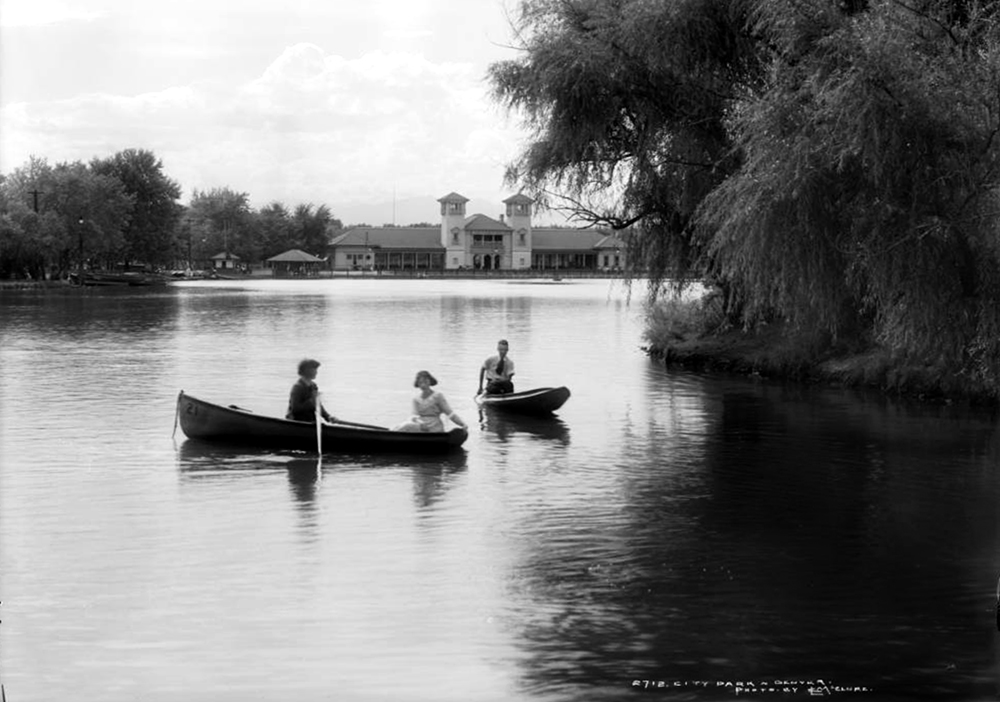
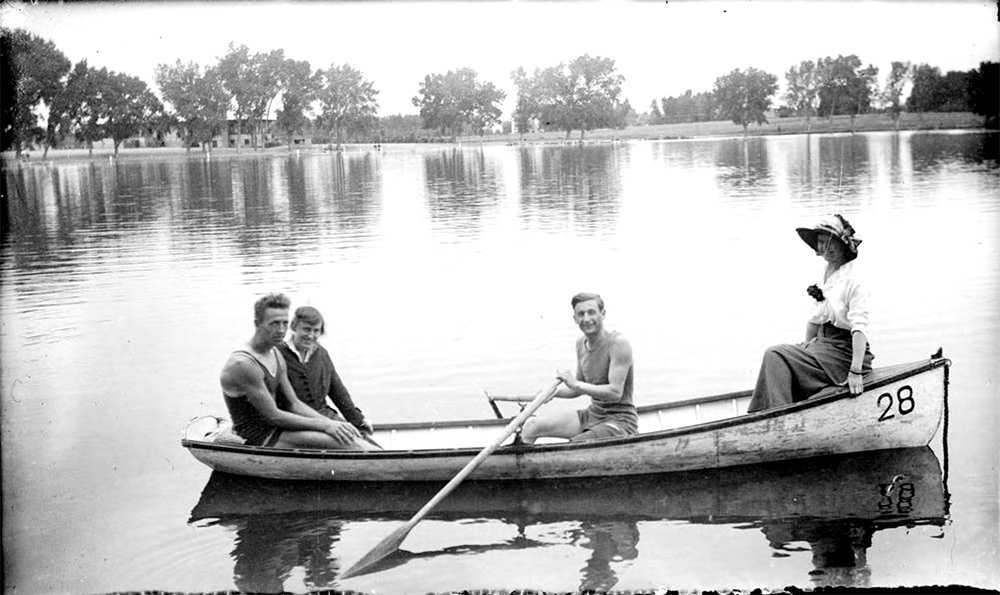
Outdoor portrait of Men and women in a canoe at City Park Lake in Denver, Colorado, 1910
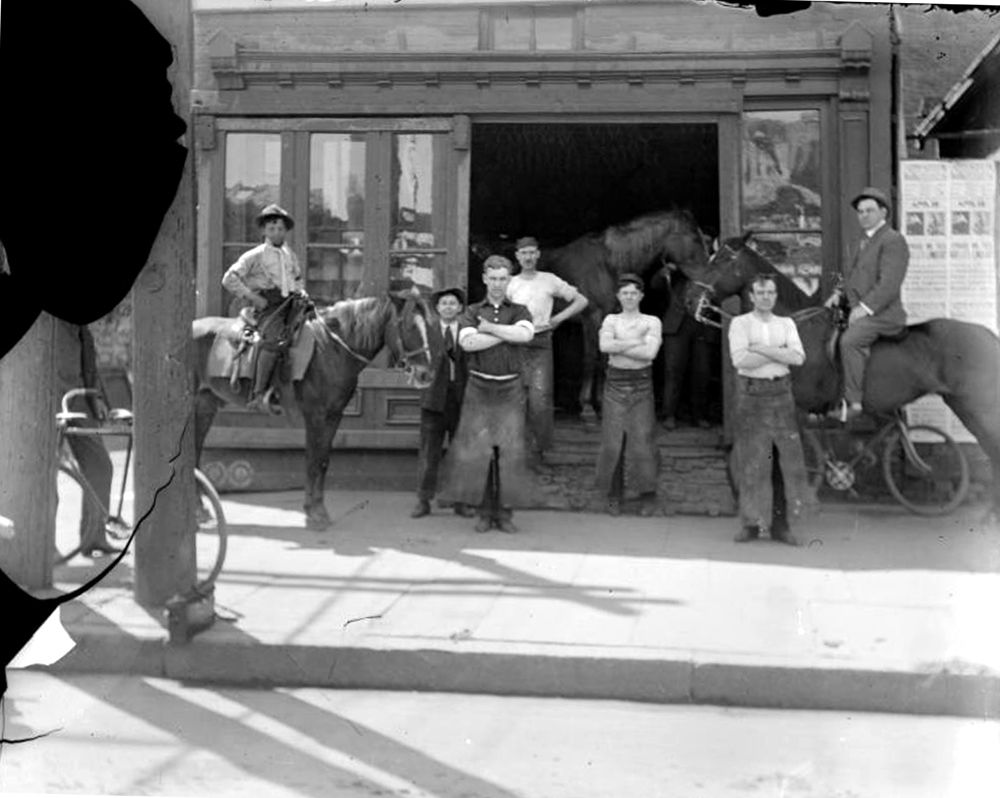
A group of men pose near possibly a blacksmith’s shop in Denver, Colorado, 1904
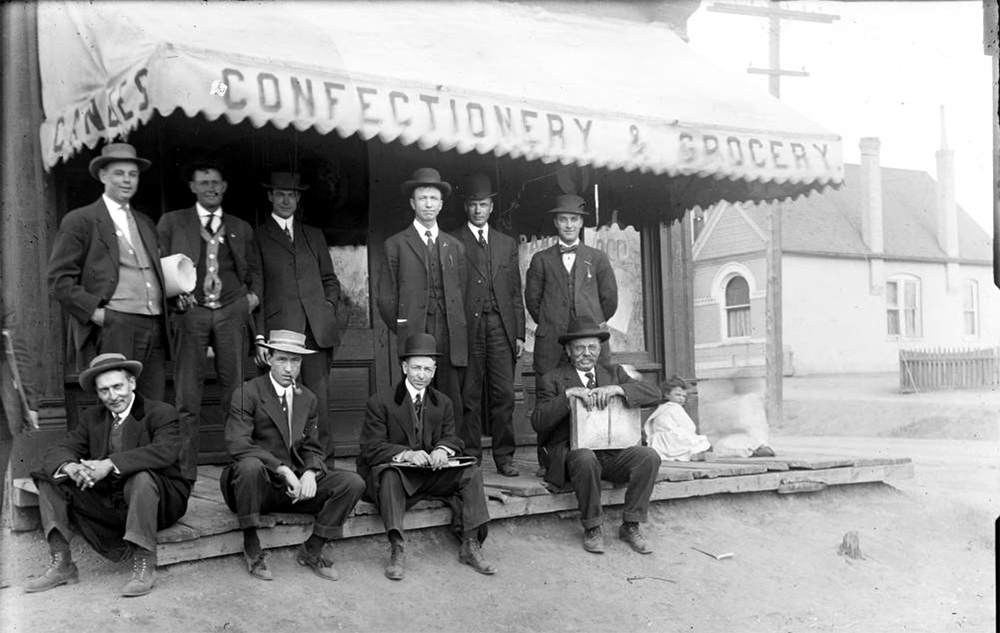
A group of men stand and sit on the sidewalk near a grocery store in Denver, Colorado, 1906
Men and women pose near two bicycles in City Park, Denver, Colorado. 1906
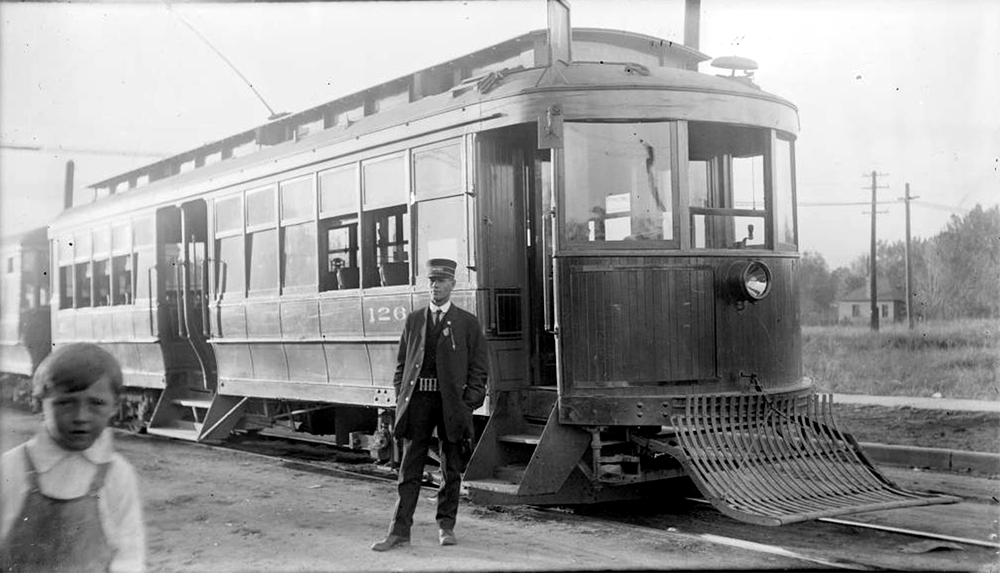
View of streetcar number 126, in Denver, Colorado, 1910
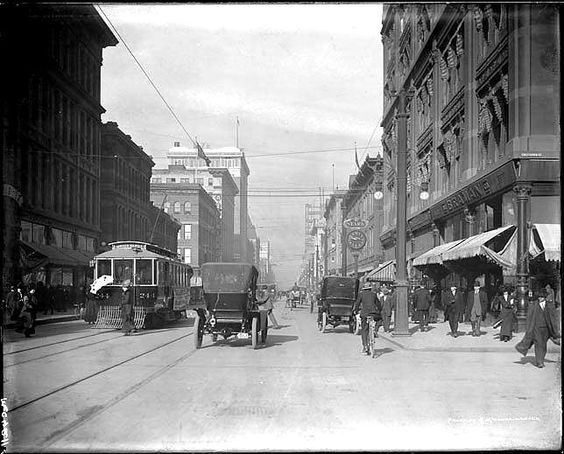
Streetcar on Denver’s 16th St. circa 1909

45 Fascinating Historical Photos Volume 2

Beatles fans, 1964
Scholars in a Persian Girl’s School, Barfarouche, Iran, May 7, 1931
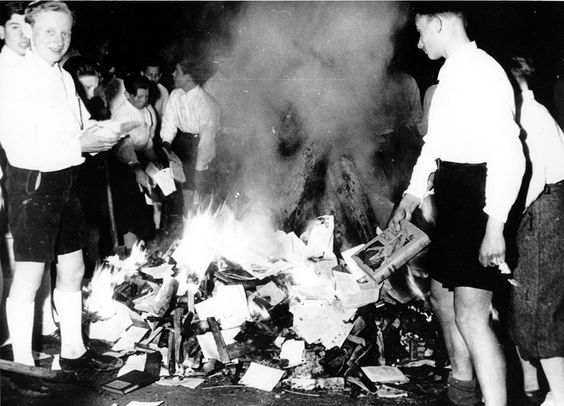
Members of the Nazi Youth participate in burning books, Buecherverbrennung, in Salzburg, Austria, on April 30, 1938.
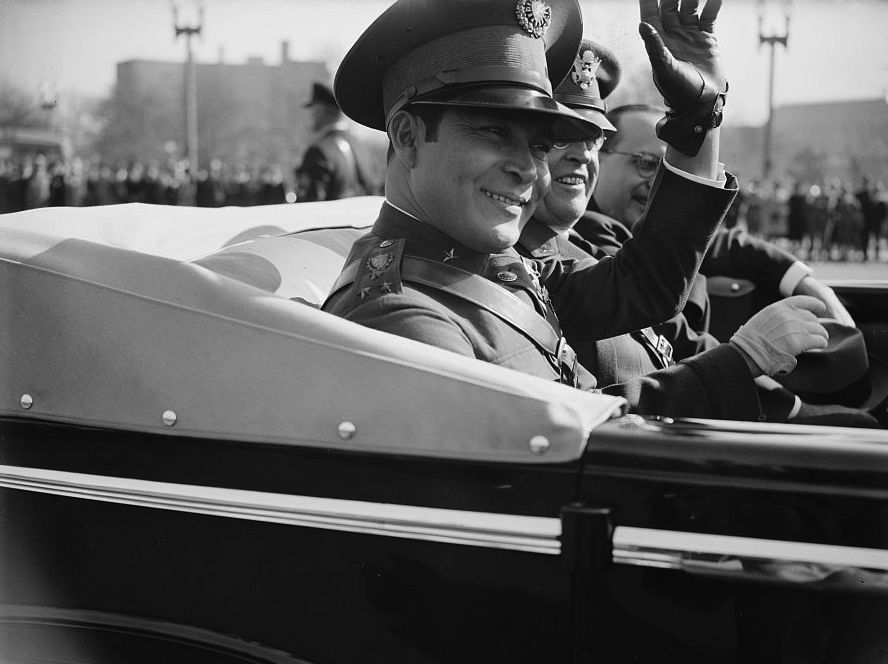
Cuban dictator Fulgencio Batista visits Washington DC in November 1938.
Chief Bald Eagle Aboard the USS Recruit, 1915
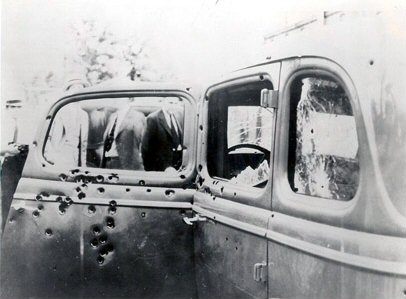
Car driven by outlaws Clyde Barrow and Bonnie Parker when they were ambushed and killed by police, 1934
Two US Marines of 1st Brigade, Co. B, 5th Regiment grimly advance along a ditch past an enemy corpse during the fighting in the Naktong River area.
Afghan Men Relaxing At A Bazaar, 1930s
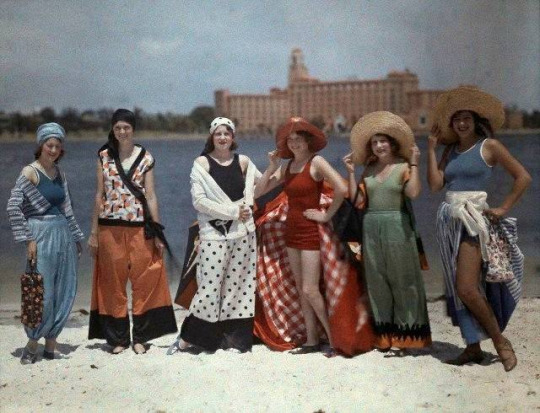
Beachwear, 1928
Sophia Delza, 1931
Young girl preparing for sentry duty, Haifa, Israel, 1951.
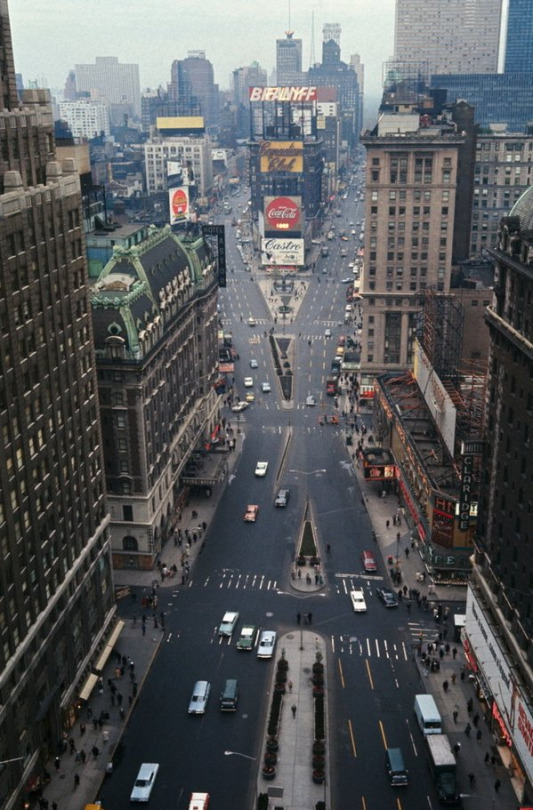
Aerial view of Times Square, 1967
Viet Cong National Liberation Front, 1960s
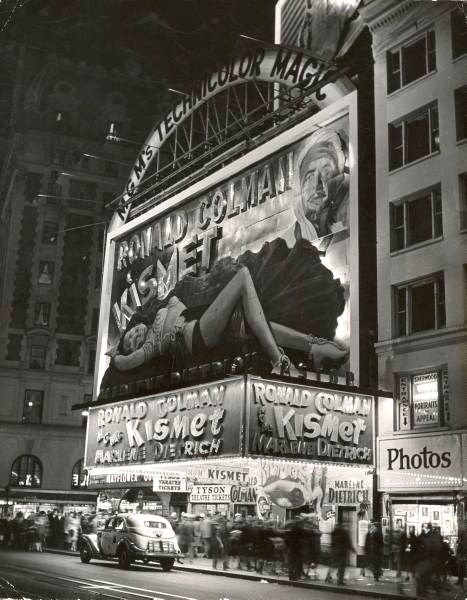
Broadway, New York City, 1944
Thomas Edison’s electric car, 1912
Peggy Moffitt, Lydia Fields & Leon Bing wearing sun visors, 1965
Worlds largest Ball Player, 1908
Workers atop the Woolworth Building, New York, 1926
Women’s Suffrage Parade New York City, May 6, 1912
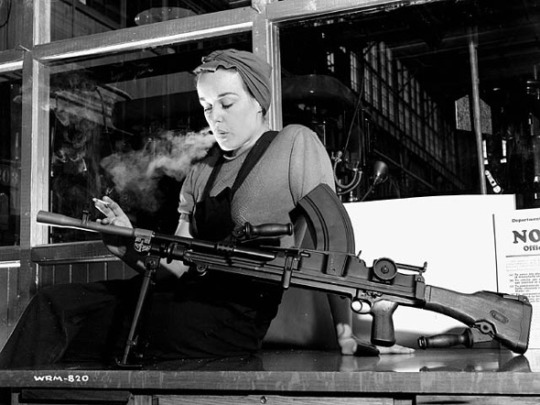
Ronnie the Bren Gun Girl, Toronto, 1942
Two women munitions workers at the National Shell Filling Factory in Chillwell, Nottinghamshire during the First World War, 1917
Two man stand in front of the Coca Cola delivery truck , 1910
Transporting a circus elephant, early 1930s
The Tasman bridge disaster, Hobart, Tasmania, January 5th, 1975
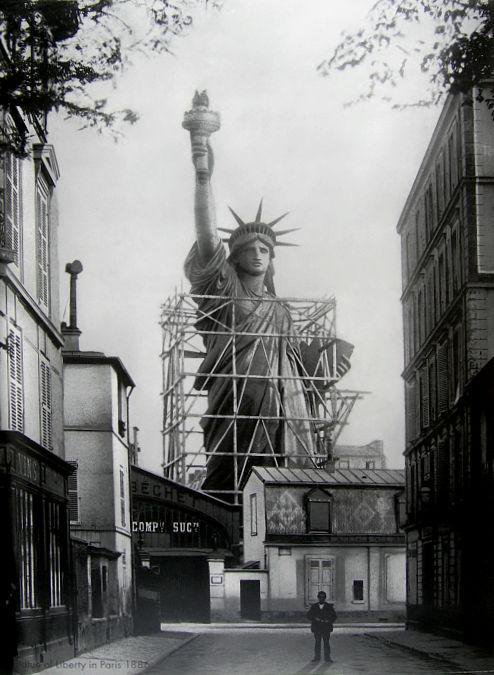
The Statue of Liberty in Paris, 1886.
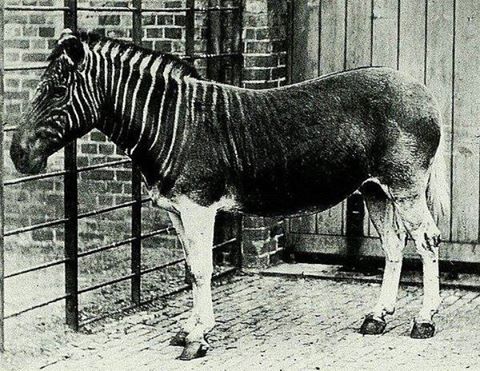
The only existing photo of a Quagga, a plains zebra that is now extinct, London, 1870
Apollo 16 astronaut John Young does some raking on the moon, April 23, 1972.
The first aerial refueling, 1923.
Streetwalkers in Berlin, 1920s.
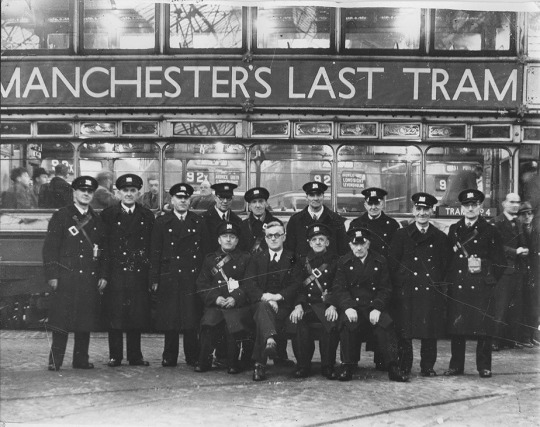
Staff pictured with the last tram operated by Manchester Corporation, 1949
Sports parade, Moscow, 1938
Snowstorm mask, Montreal, Canada, 1939
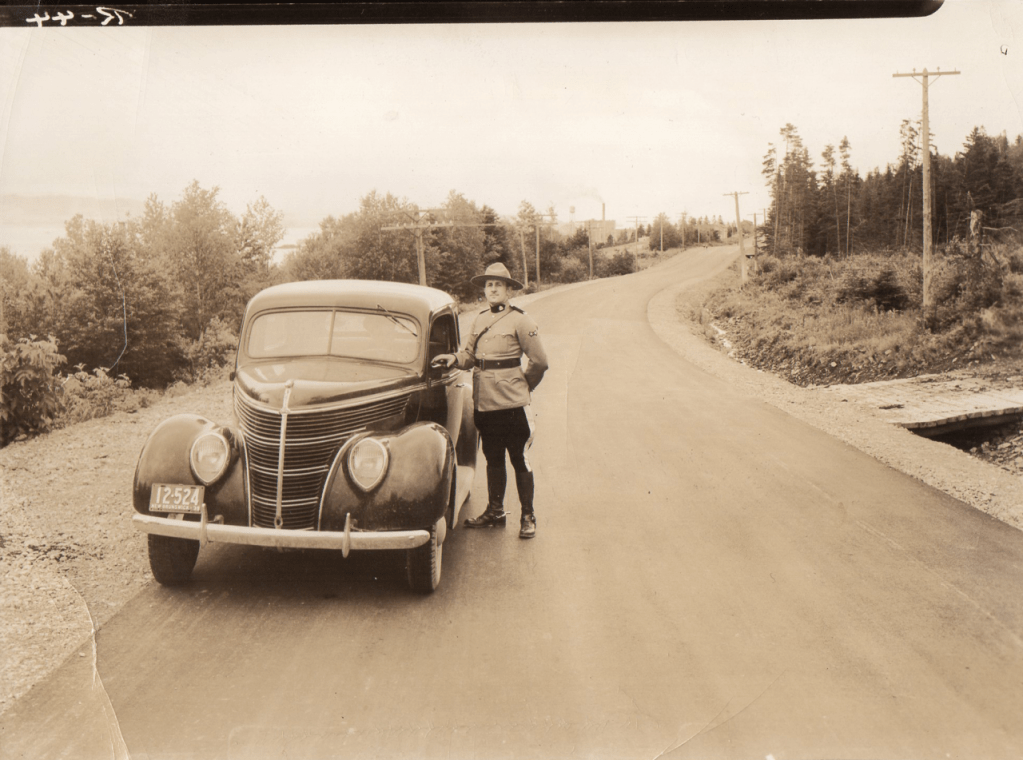
RCMP officer posing beside his car in Canada, 1939
Players from opposing hockey teams search for a contact lens lost by Jack Evans, 1962.
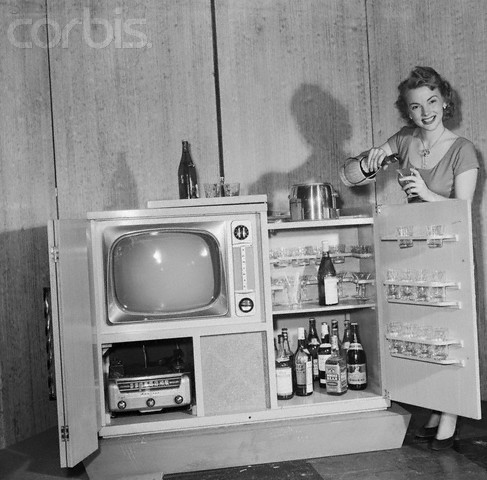
09 Jan 1951, Chicago, Illinois, USA — The Tele-Bar is a combination of a 21 inch television, radio, phonograph, and complete bar. The lid turns into a serving tray for cocktails.
1947 Maserati
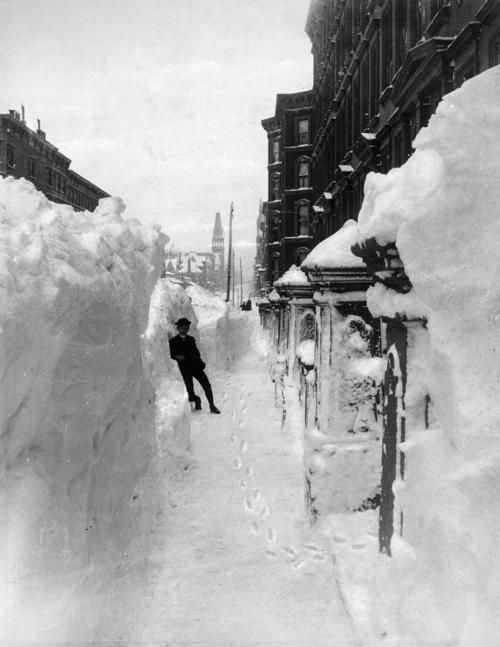
New York, Blizzard of 1888
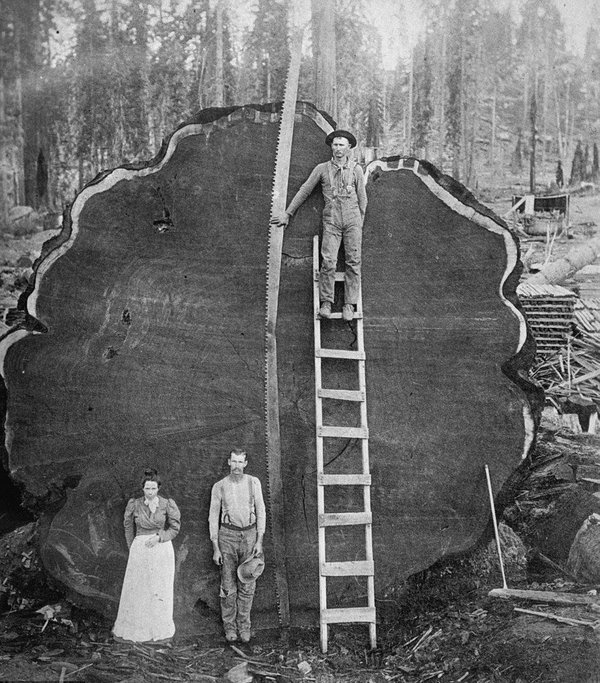
California redwood loggers, early 20th century.
Women in Egypt, 1905.
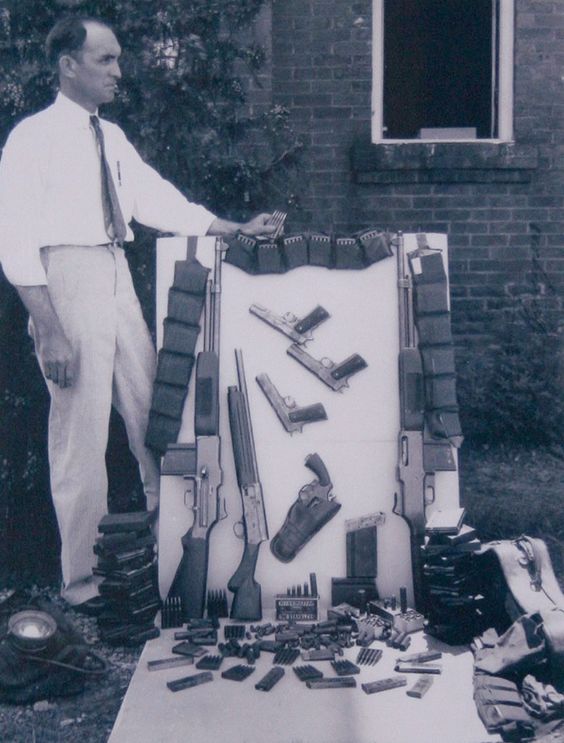
Arsenal found in the trunk of Bonnie Parker and Clyde Barrow’s Car, 1934.
Benny Hill and friends, 1970s
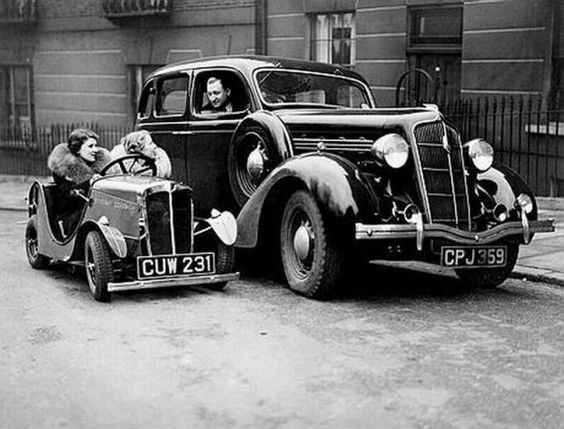
Able to travel 80 miles on a gallon of petrol, the 2.5 horse power ‘Scoota Car’ is demonstrated in London, UK, 1936
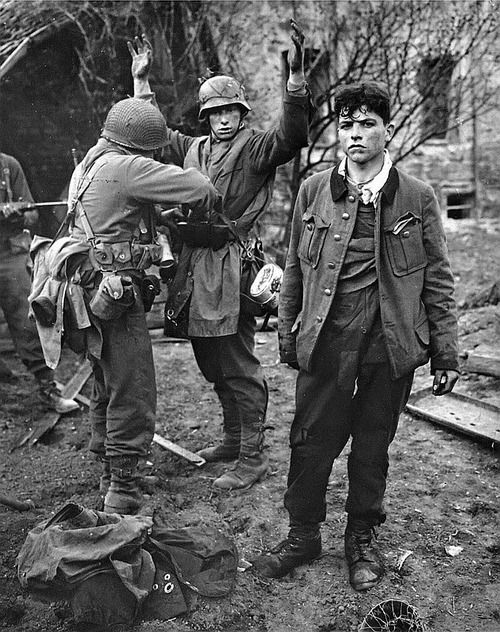
Registering two surrendering German soldiers, 1945
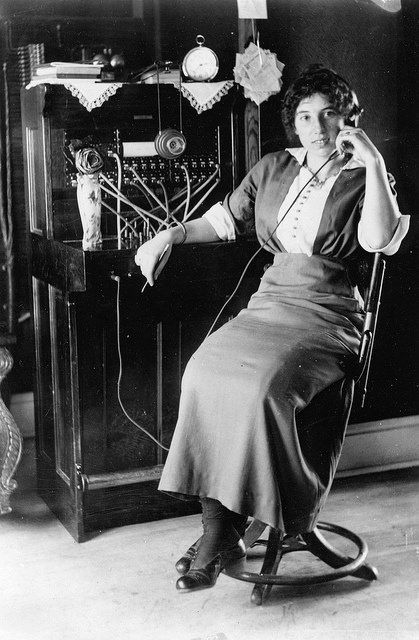
Telephone Operator, Josie Jepson ,Wisconsin, 1915
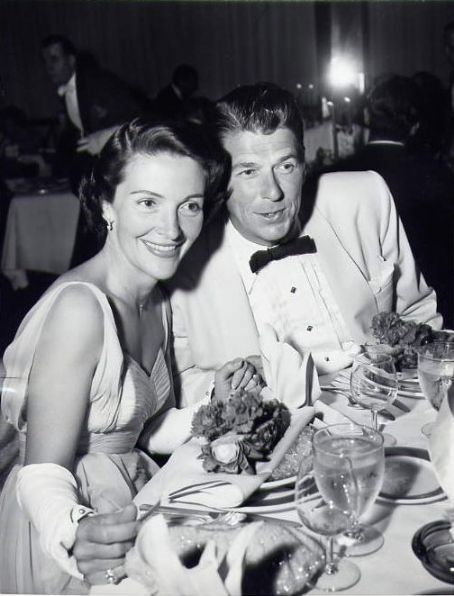
Ronald and Nancy Reagan

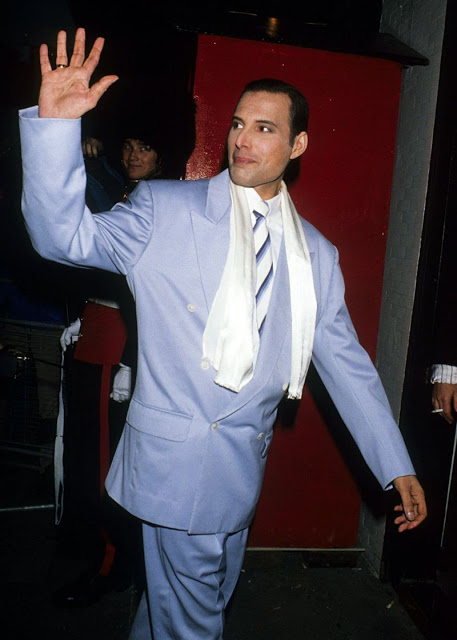
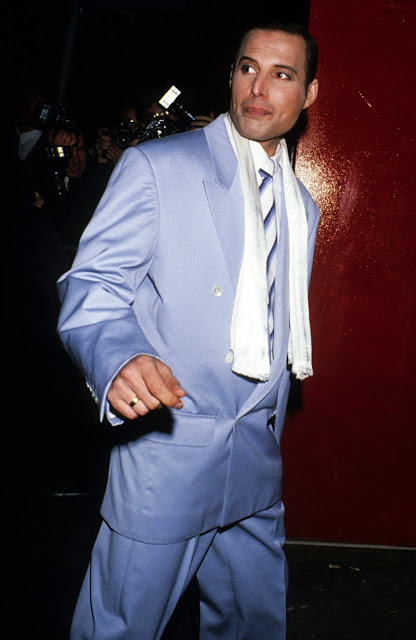
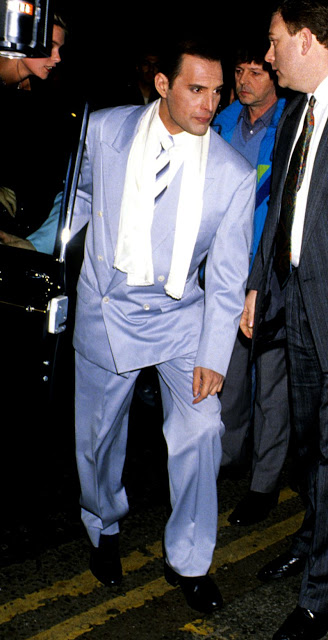
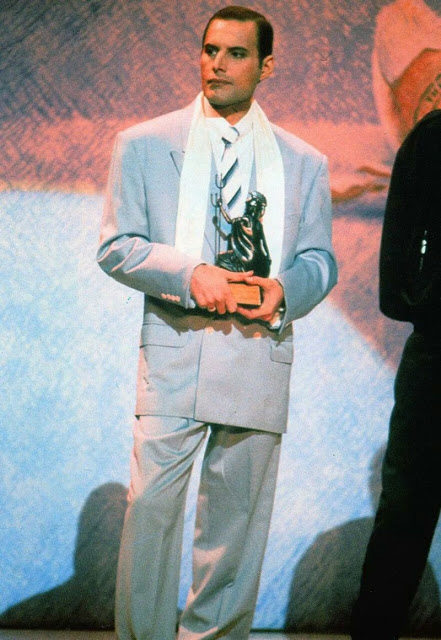
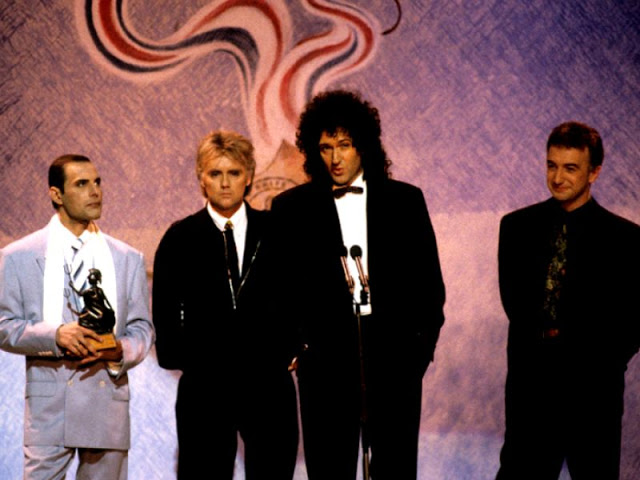
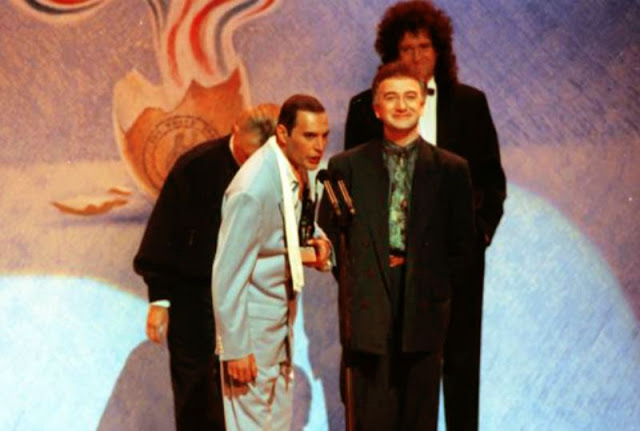
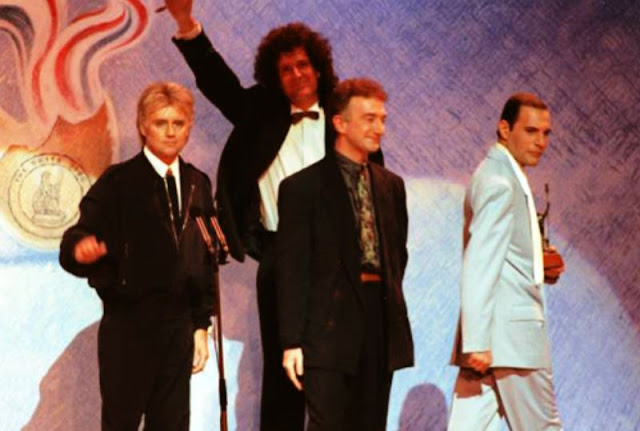
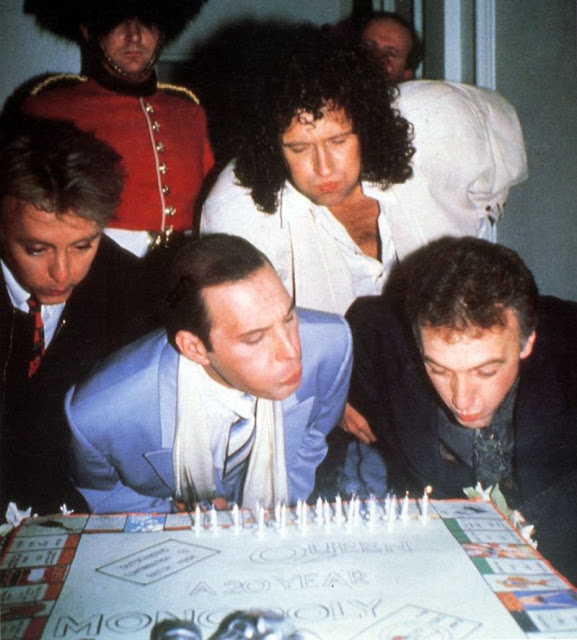
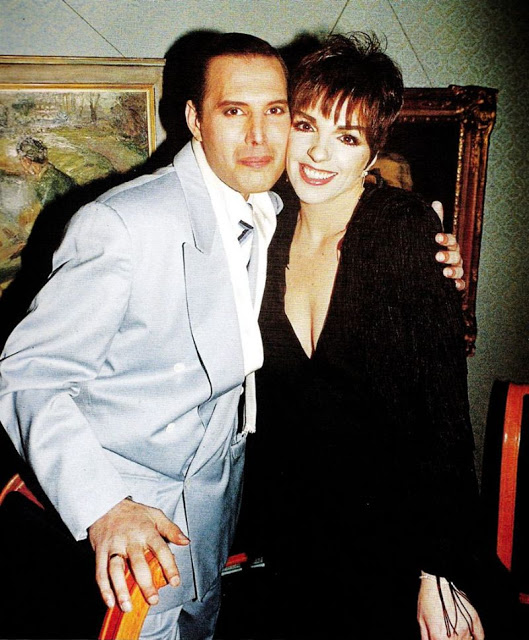
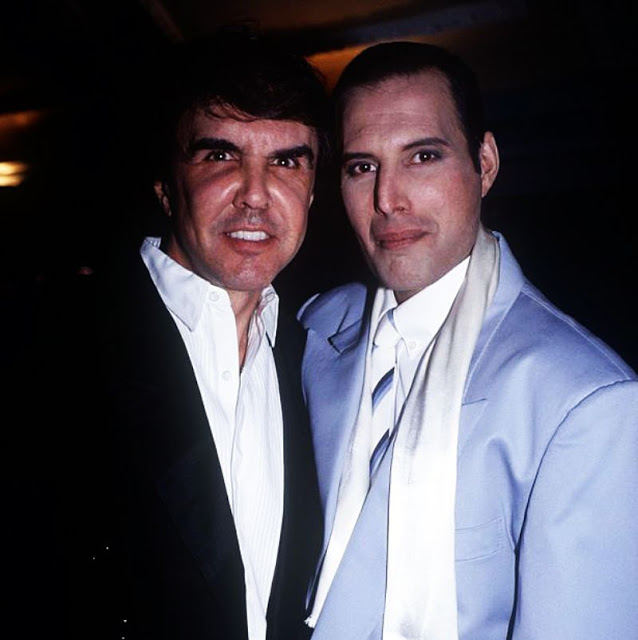
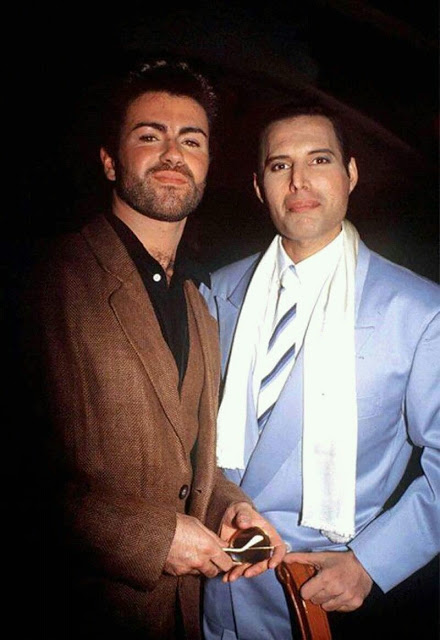
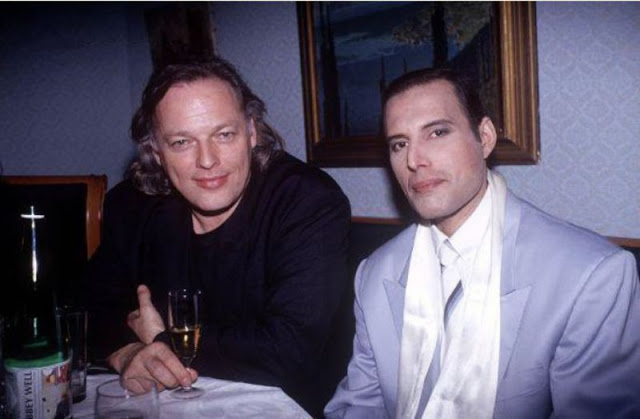
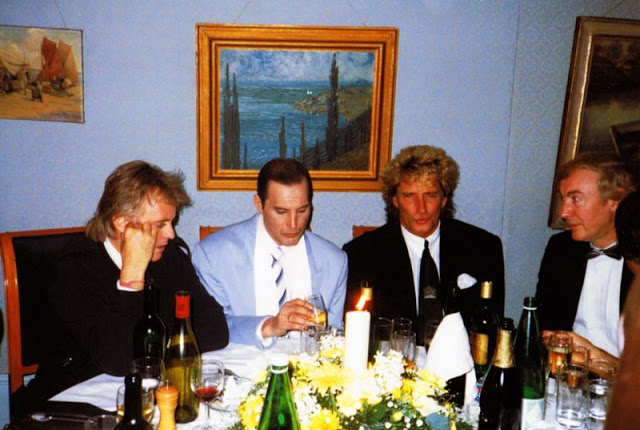
21 Candid Photographs of Freddie Mercury’s Final Public Appearance at the 1990 Brit Awards

It was the final official public appearance from Queen frontman Freddie Mercury, at the 11th Brit Awards, held on February 18, 1990 at Earls Court, London. Privately, the other members of Queen were aware that their enigmatic bandmate and friend was gravely ill, but this was not public knowledge at the time.

Rumors about Mercury’s health had swirled for years, with the U.K tabloid The Sun proving a particularly enthusiastic source of speculation; as far back as the fall of 1986, the paper insisted that the singer had been tested for HIV/AIDS. Mercury denied the reports, but — as it had with Elton John during roughly the same time period — The Sun knew sensationalism sold regardless of proof, and continued to publish Mercury gossip while hiring photographers to hound him.

Fans were concerned about Freddie due to their lack of tour to support their 1989 album The Miracle, though guitarist Brian May later said that even they didn’t know about how ill Freddie was for years.

“We didn’t know actually what was wrong for a very long time,” said May. “We never talked about it and it was a sort of unwritten law that we didn’t, because Freddie didn’t want to. He just told us that he wasn’t up to doing tours, and that’s as far as it went. Gradually, I suppose in the last year and a bit, it became obvious what the problem was, or at least fairly obvious. We didn’t know for sure.”

In February 1990, Queen appeared at the Brit Awards to accept the ‘Outstanding Contribution to British Music’ prize. Freddie appeared rather gaunt and strangely quiet.

Brian spoke on Queen’s behalf that night, thanks the Brits for the introduction from Chrysalis co-founder Terry Ellis and a testimonial video featuring David Bowie, Phil Collins and others. It would prove to be Freddie’s final public appearance, as he leaned in briefly into the microphone to say: “Thank you… goodnight.”

Although the group had already started work on 1991’s Innuendo LP, the members had adjusted their work schedule to accommodate Mercury’s failing health, and would complete the record by following a pattern of spending three weeks in the studio followed by two weeks off. As they walked out to the podium together, anyone could see that Mercury seemed gaunt — and atypically reserved.

Freddie kept his privacy for the rest of his life, until November 22, 1991, when he confirmed his diagnosis with an official statement. Just over a day later, he passed away.

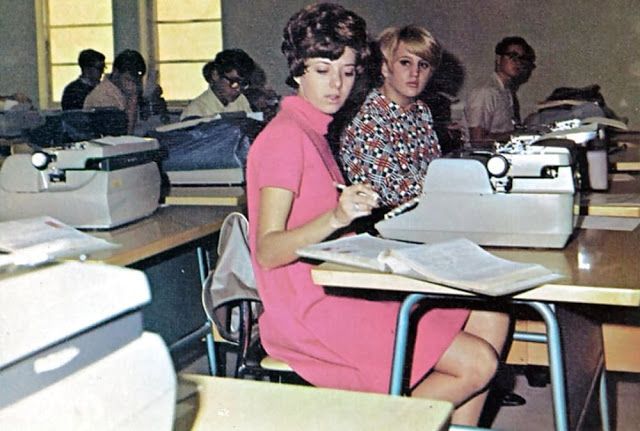
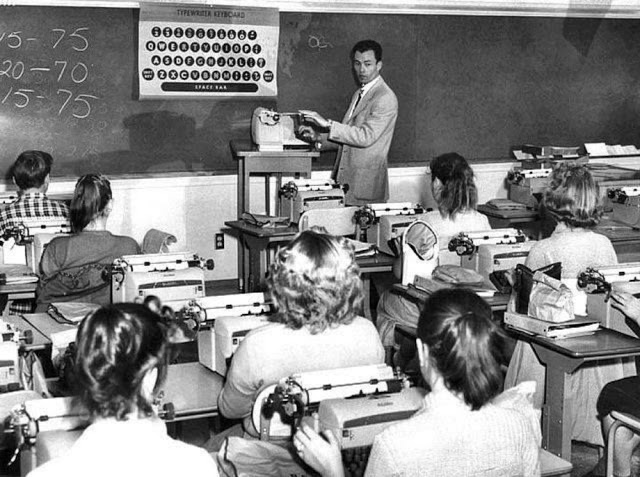
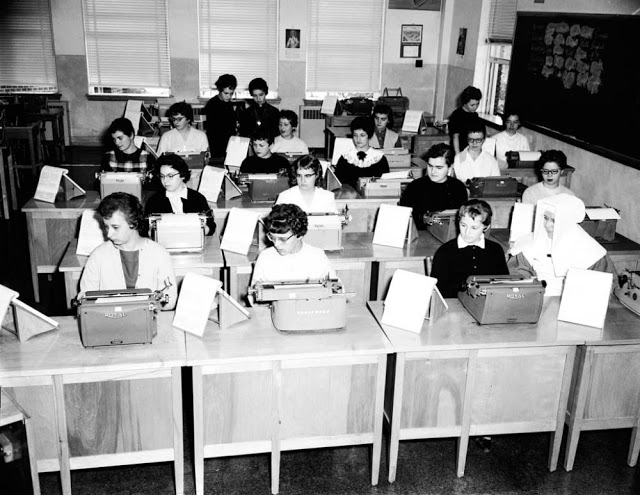
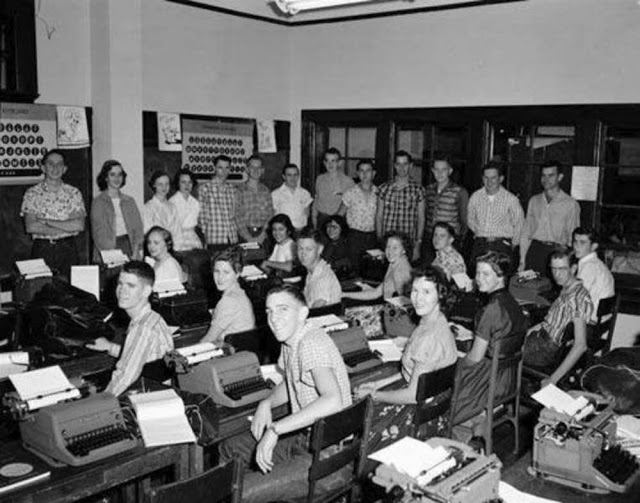
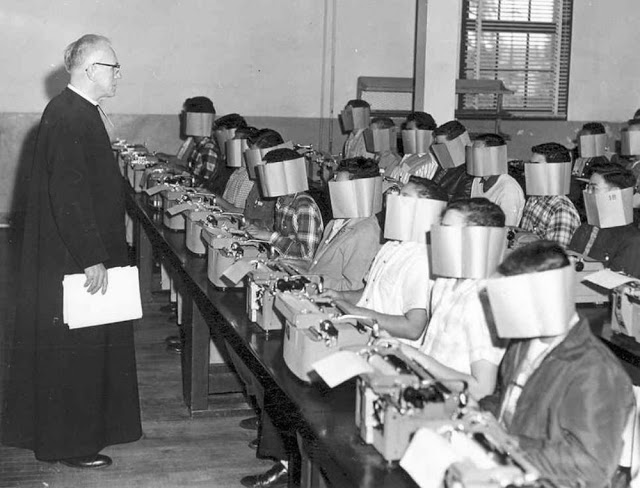
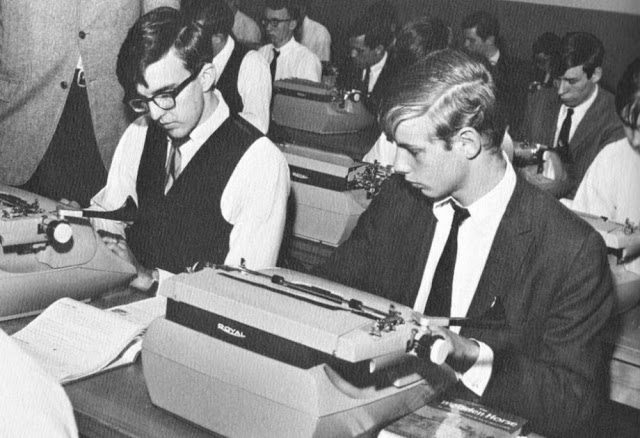
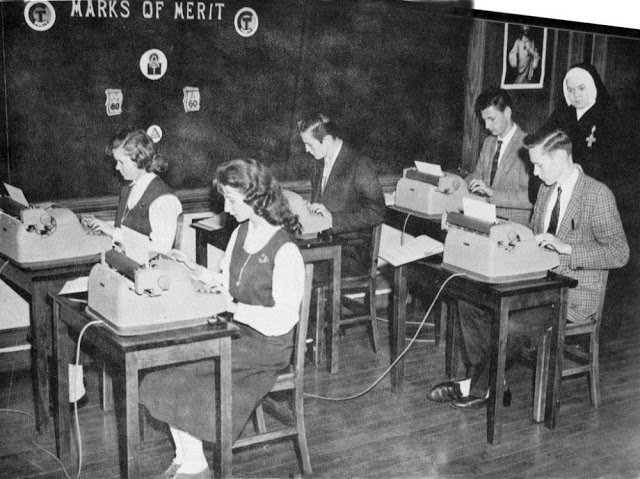
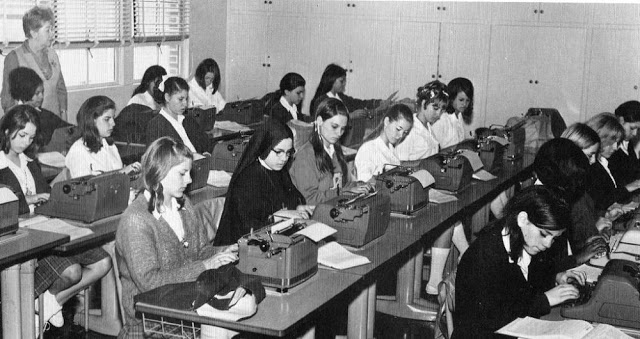
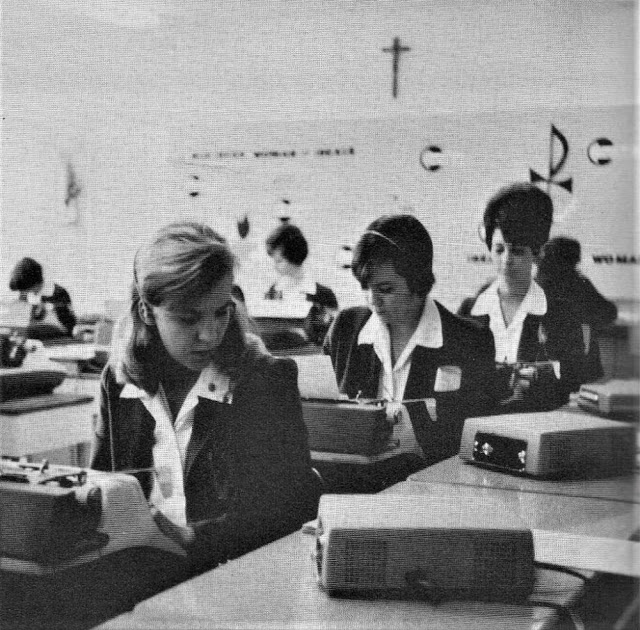
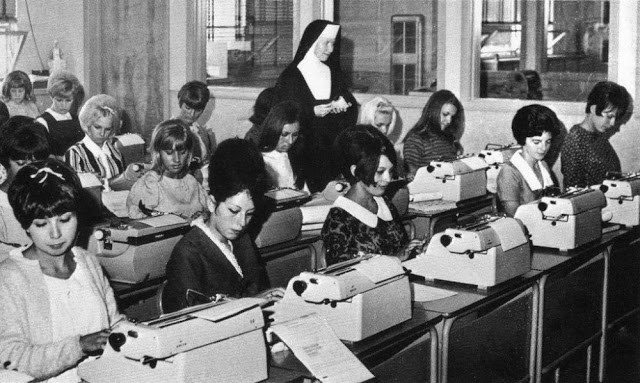
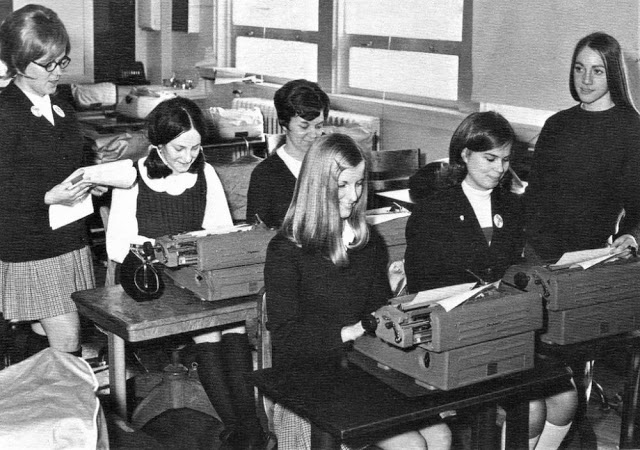
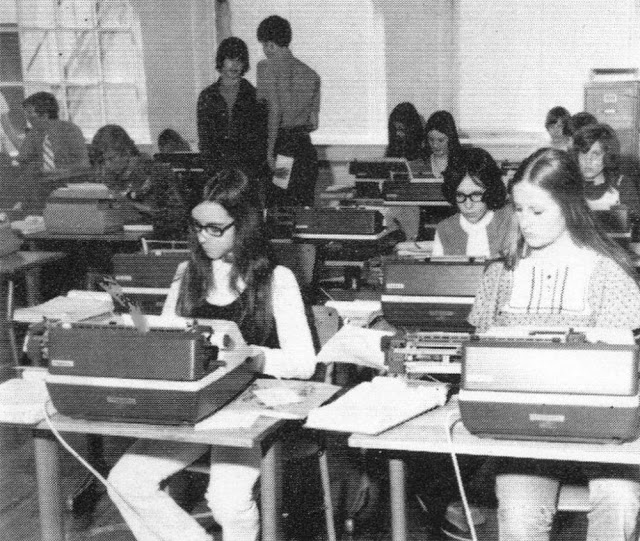
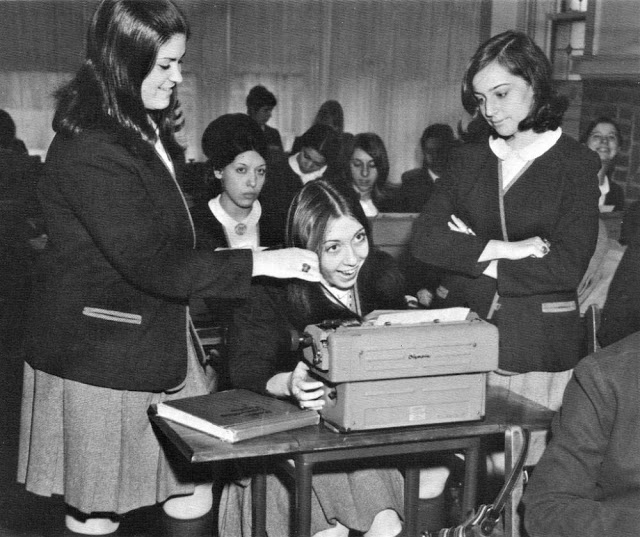
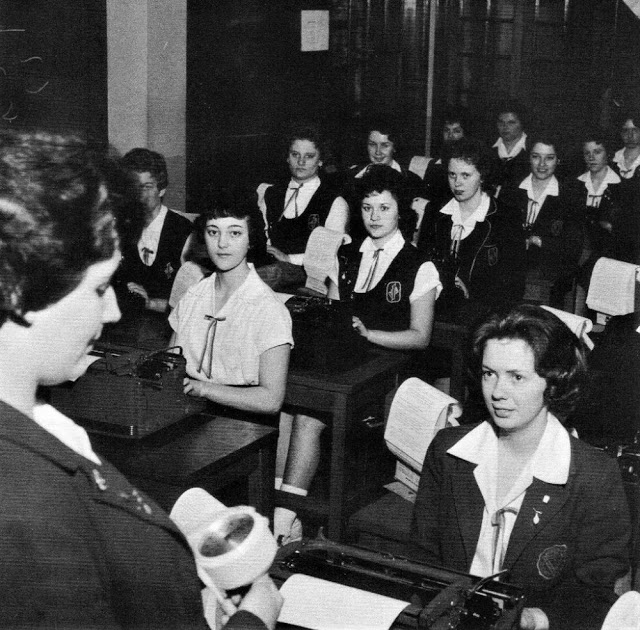
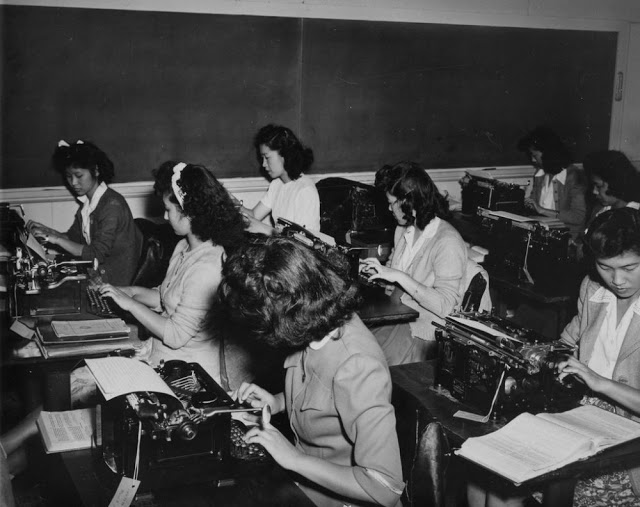
30 Vintage Photos of High School Typing Classes From Between the 1950s and 1970s

Call it keyboarding, or old-school typing…

During the 1950s and ’60s typewriting was taught mostly in elementary schools, and there was a widely held conviction that typewriting skills might fast-forward a student’s acquisition of the English language — especially spelling. Through typing, students tend to become more aware of the forms that letter patterns take, especially the beginning and ending of words, as Bartholome W. Lloyd reported in his research, “Keyboarding/Typewriting in Elementary School.”

Strategies for typing instruction started at the same time the typewriter came on the scene. It was towards the end of the 19th century that the typewriter gained its full status as a reliable tool for communication and writing.

Roughly around 1880, typing courses were provided by typewriter manufacturers like Remington in an effort to establish the typewriter’s status as an essential technological aid in business. Fast-forward 15 years into the 20th century, and you’ll find that public schools were starting to introduce typing in America’s high schools.

Typing is a skill that boosts employment opportunities. However, at one point it was also considered a medium through which reading and writing could be taught. A study by Wood and Freeman (1932) explored how typewriters affect students’ literacy.

They discovered that students using a typewriter to write had a better reading capacity and improved spelling skills. What is more, these students regarded writing on a typewriter to be more enjoyable than their counterparts who weren’t writing and reading on a typewriter. At this time, typewriters were a technology that was experimentally introduced as educators wanted to see how it could positively affect learning.

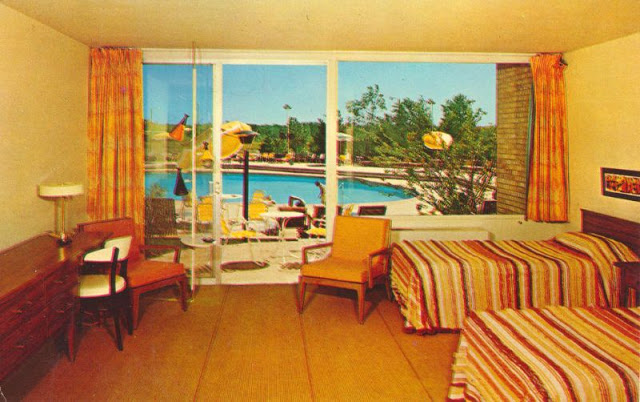
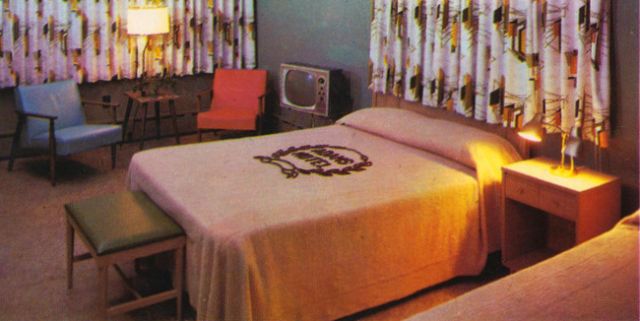
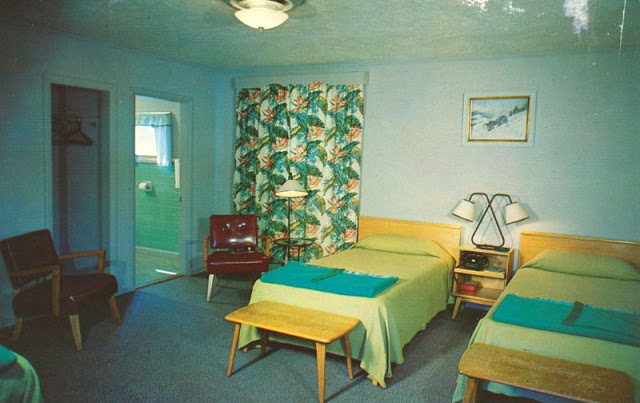
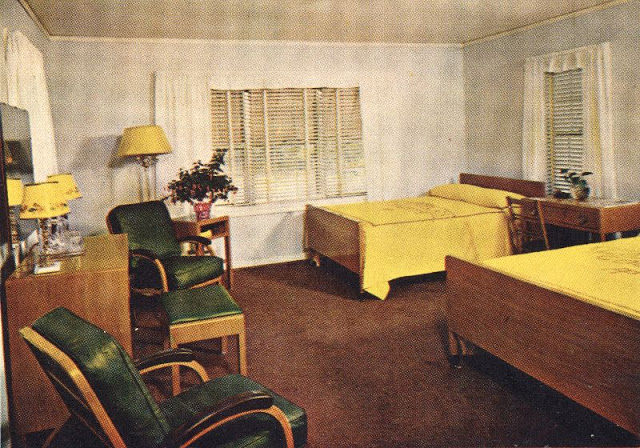
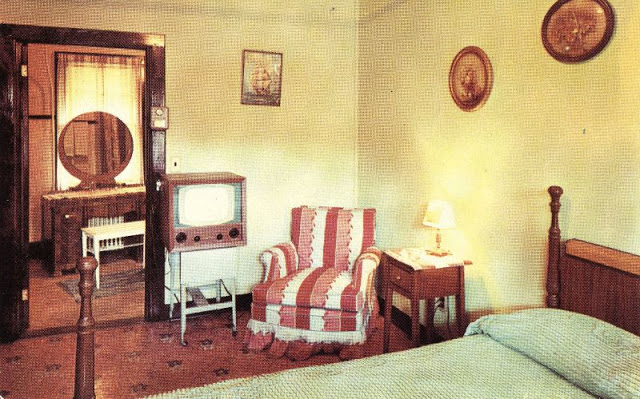
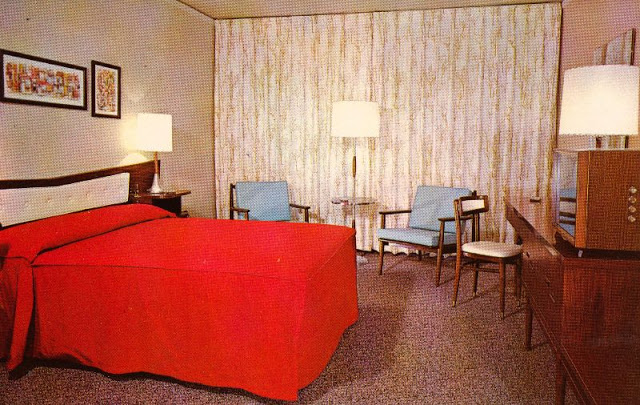
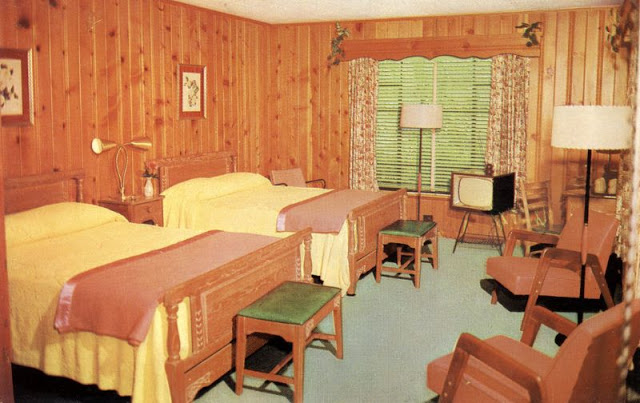
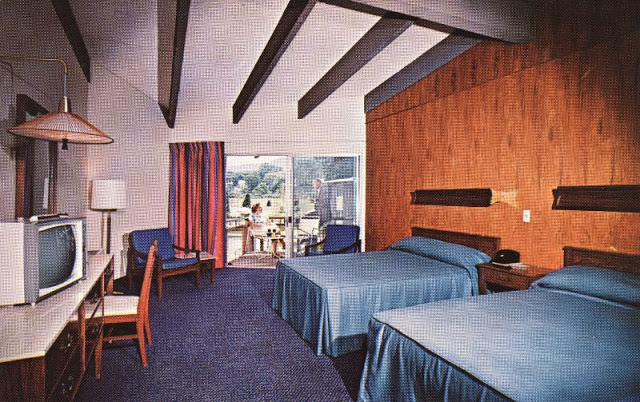
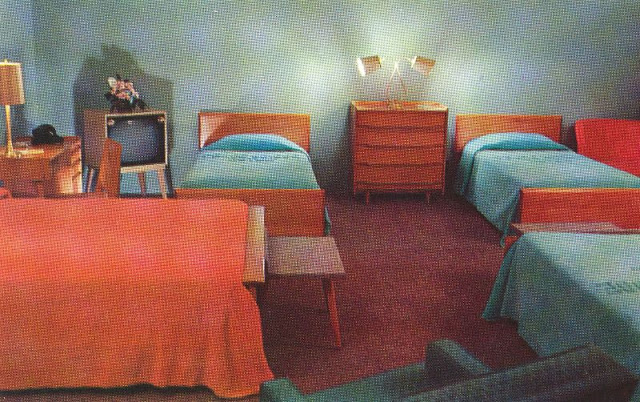
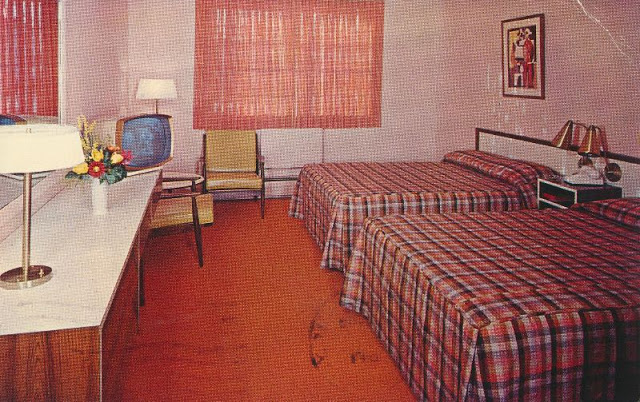
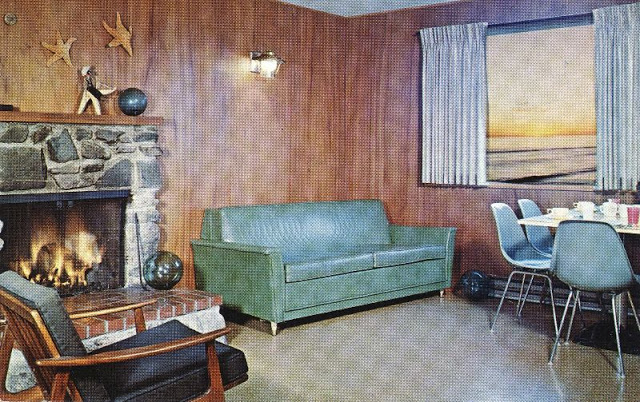
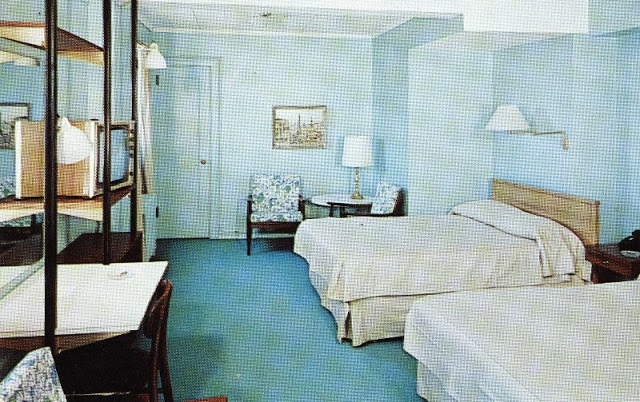
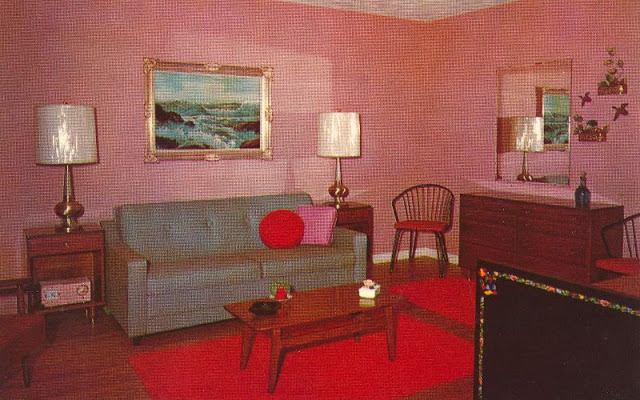
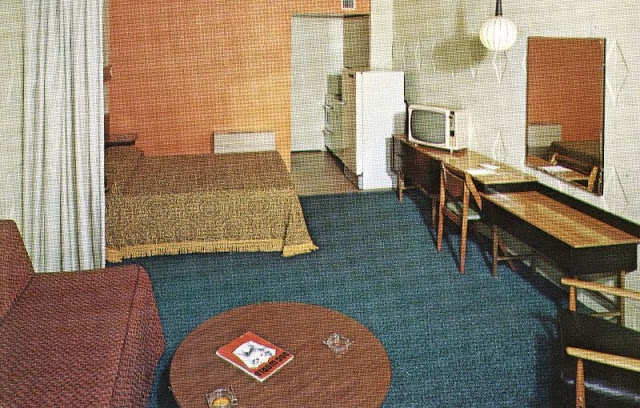
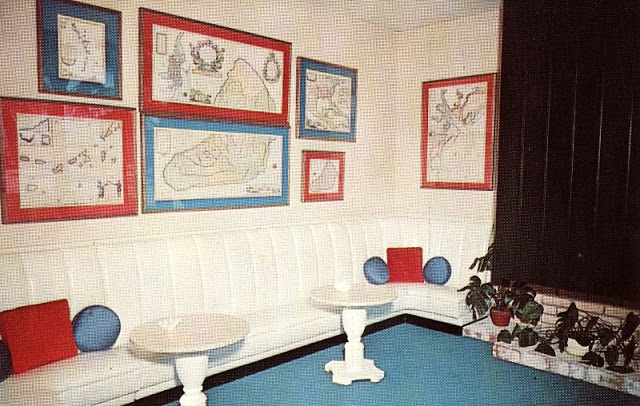
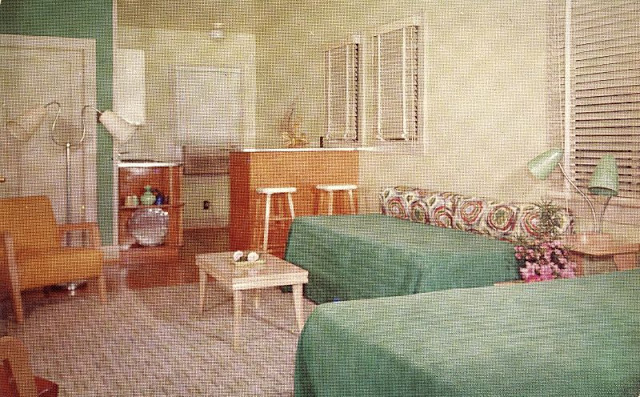
17 Amazing Photos Show the Interior of Hotel Rooms in the U.S From the 1960s

Adams Motel, Route 86, Foot of Whiteface Mountain, Wilmington, New York
Aime’s Motel and Restaurant, junction U.S. 2 and Vt. 18, St. Johnsbury, Vermont
Alamo Plaza Hotel Courts, Waco, Texas
Hoppe’s Hotel 29, Mountainside, New Jersey
Hotel Executive, 237 Madison Ave., New York
Merry El Motel, Columbus, Georgia
Paradise Motor Inn & Restaurant, 141 West Main St., Bennington, Vermont
Peace Bridge Motel (family Room, suitable for as many as five people), Porter and Lakeview Ave., Buffalo, New York
Stadium Motor Lodge, directly on the West 167th Street exit of the Major Deegan Expressway (the New York City continuation of the New York Thruway), New York
Terry-A-While Motel, Waldport, Oregon
The Baron Steuben, Corning, New York
The Country Surrey Inn on Lake Gouldsboro, Gouldsboro, Pennsylvania
Trinidad Motel, Atlantic City, New Jersey
Villa Moderne Motor Hotel, Edens Highway (U.S. 41) at Lake Cook Rd., Highland Park, Illinois
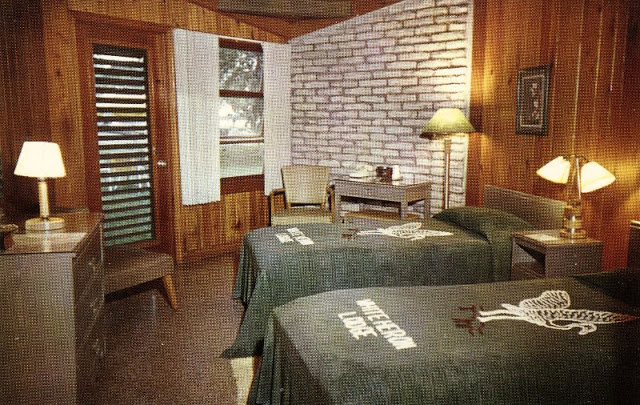
White Heron Motel, 1302 N. Federal Hwy, Homestead, Florida
William Hilton Inn, Hilton Head Island, South Carolina
Worth Motor Lodge, Biloxi, Mississippi

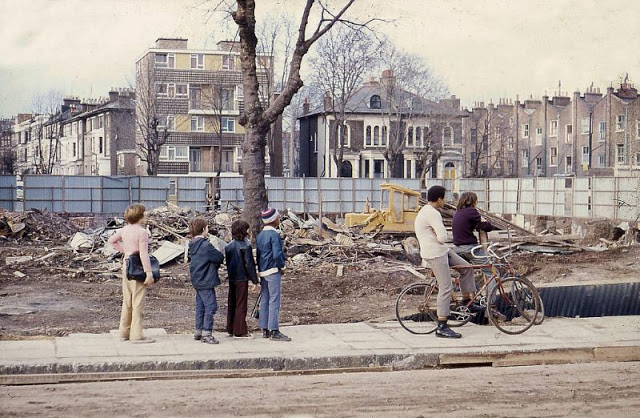
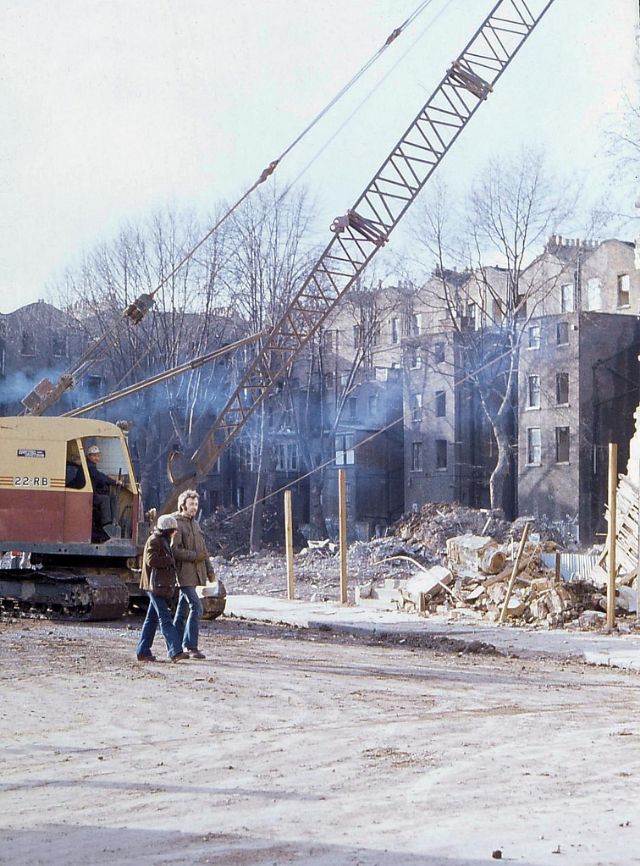
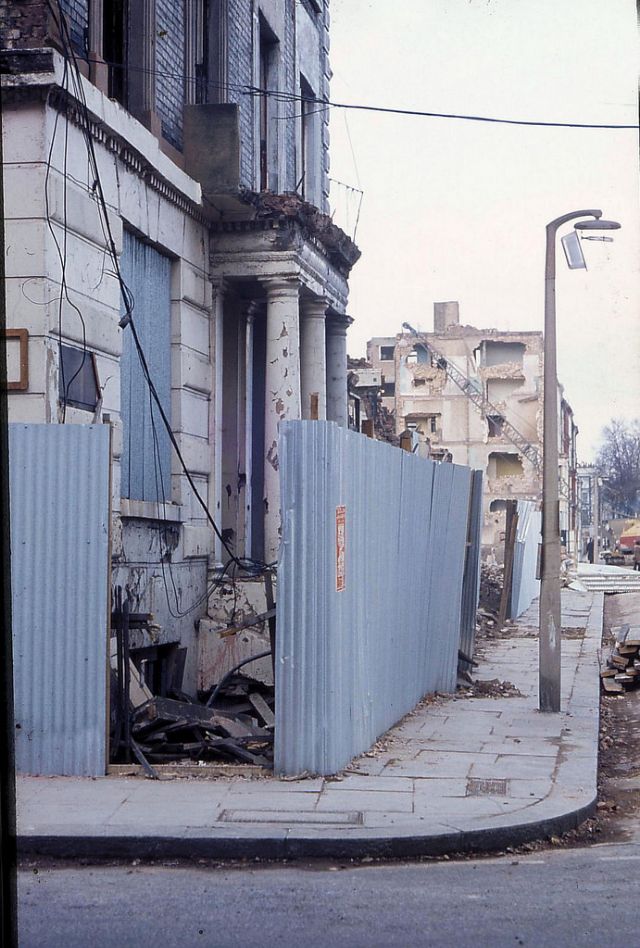
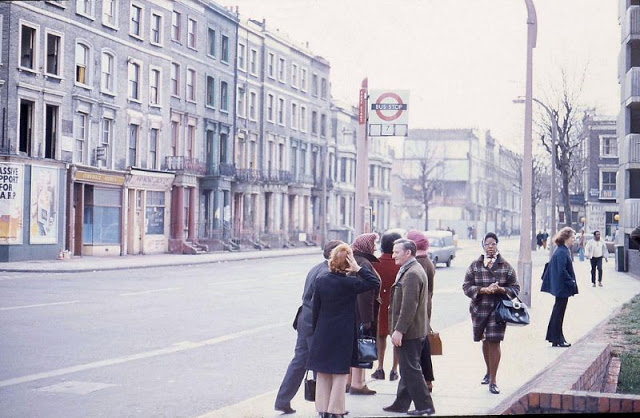
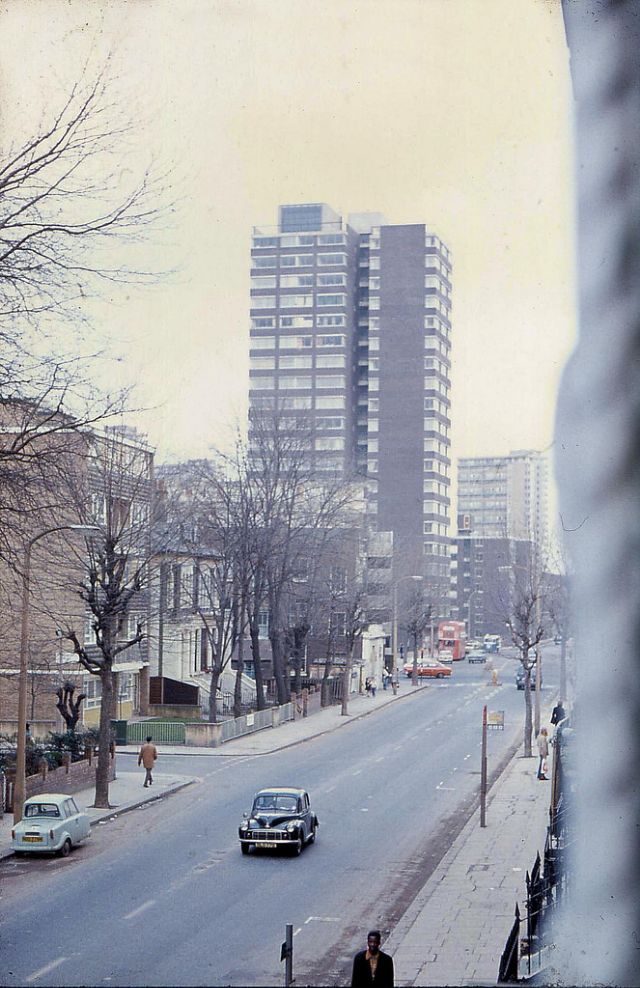
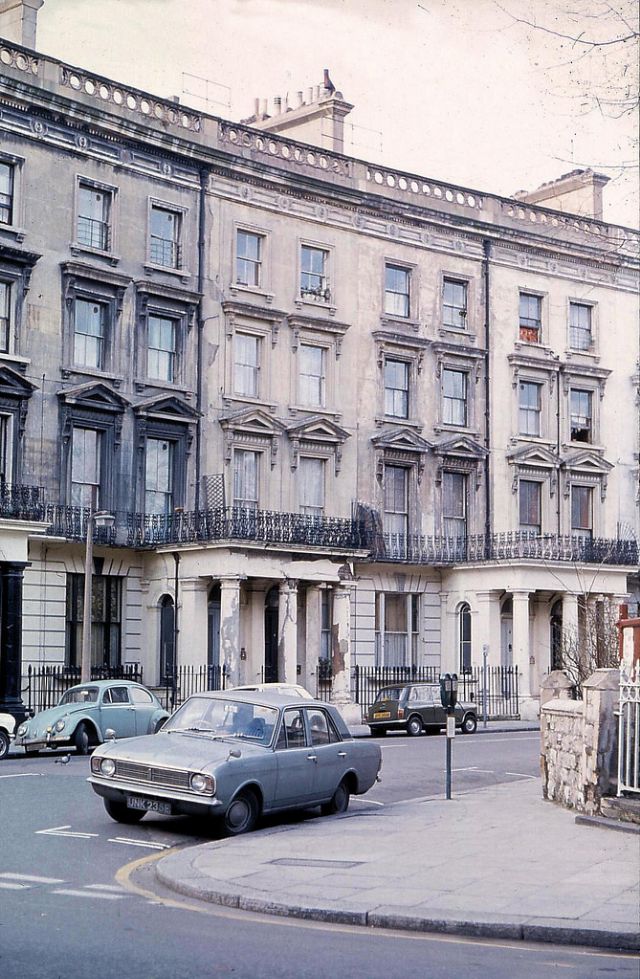
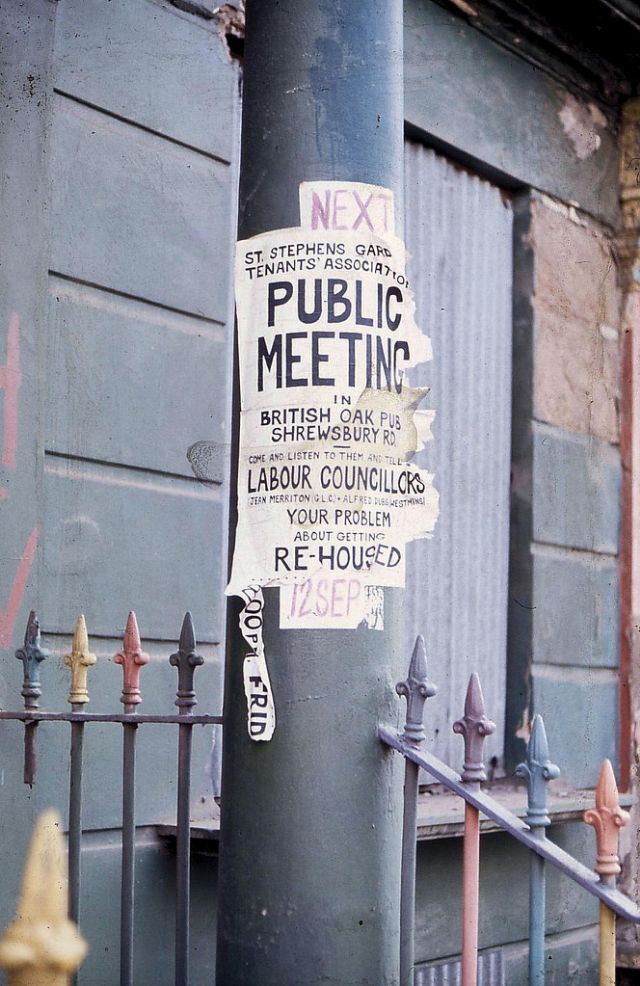
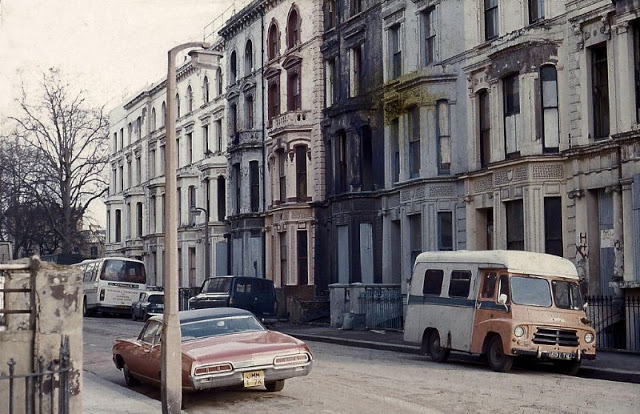
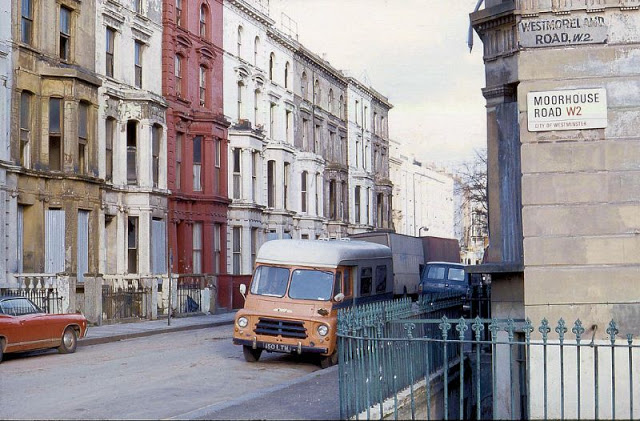
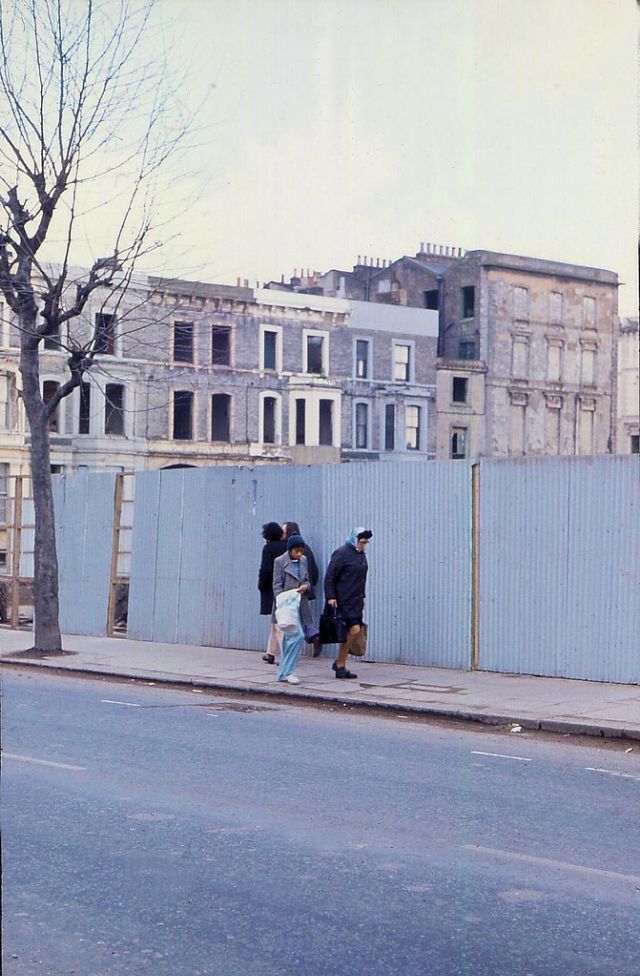
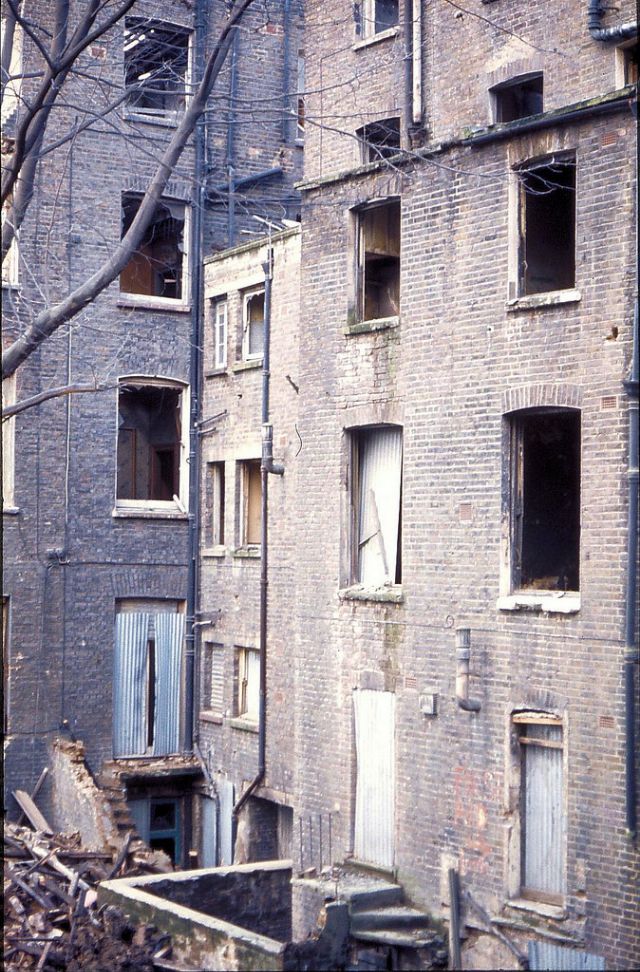
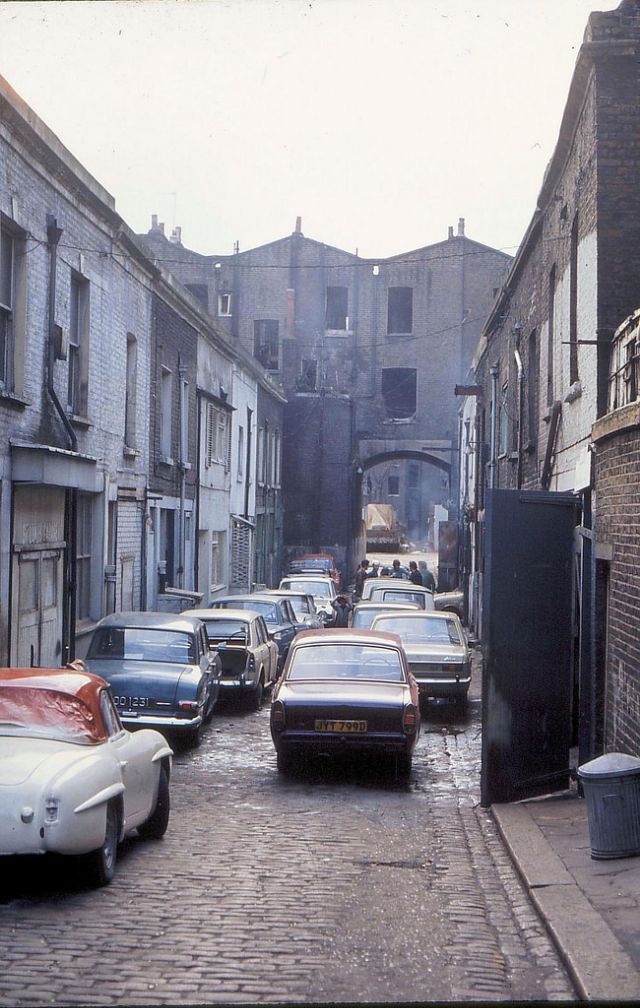
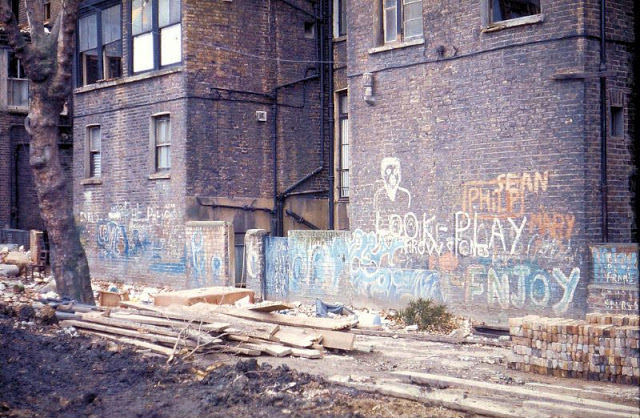
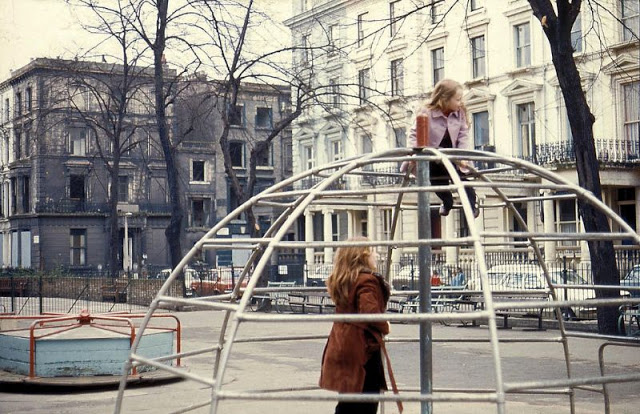
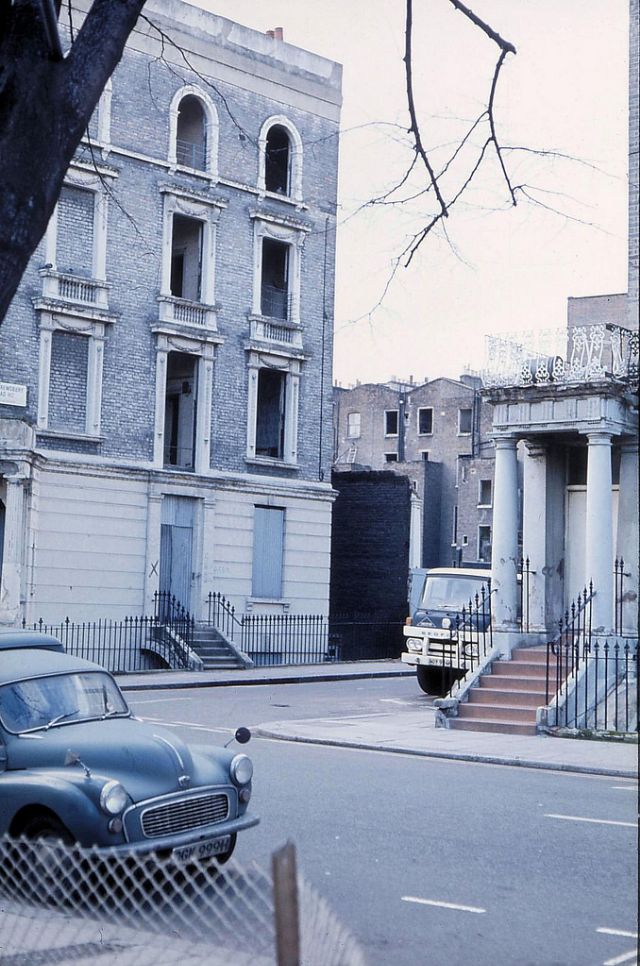
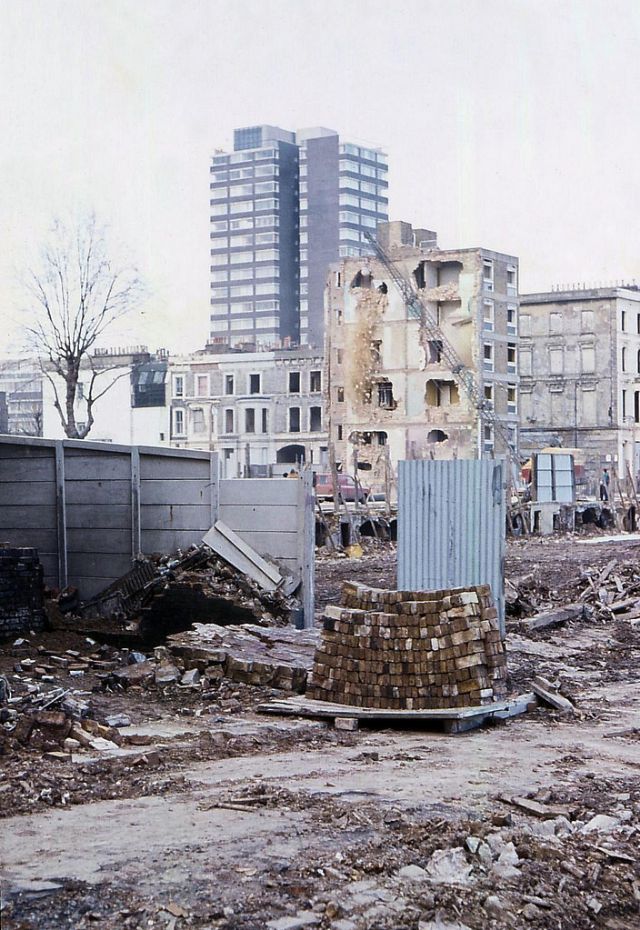
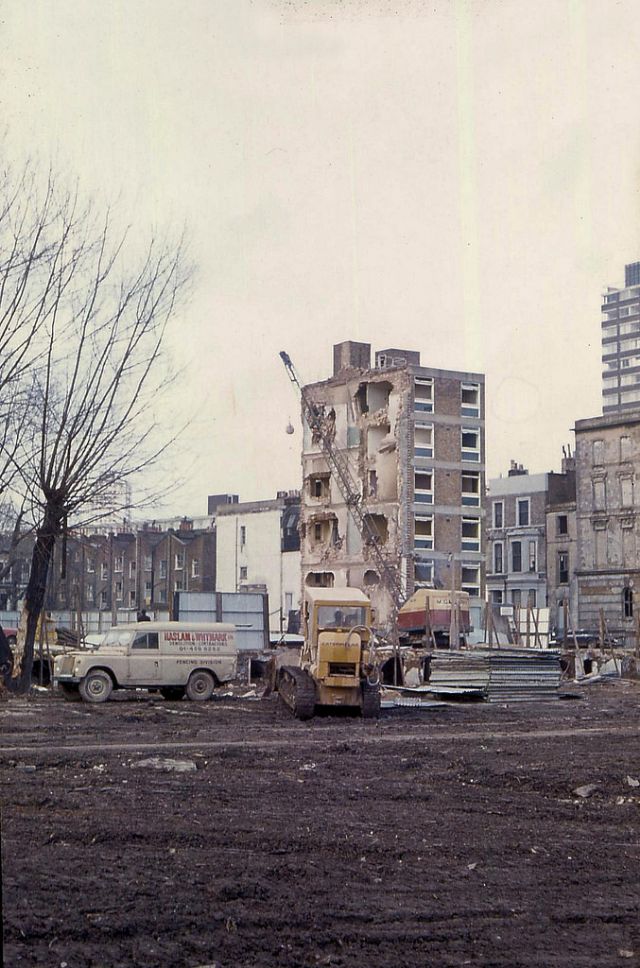
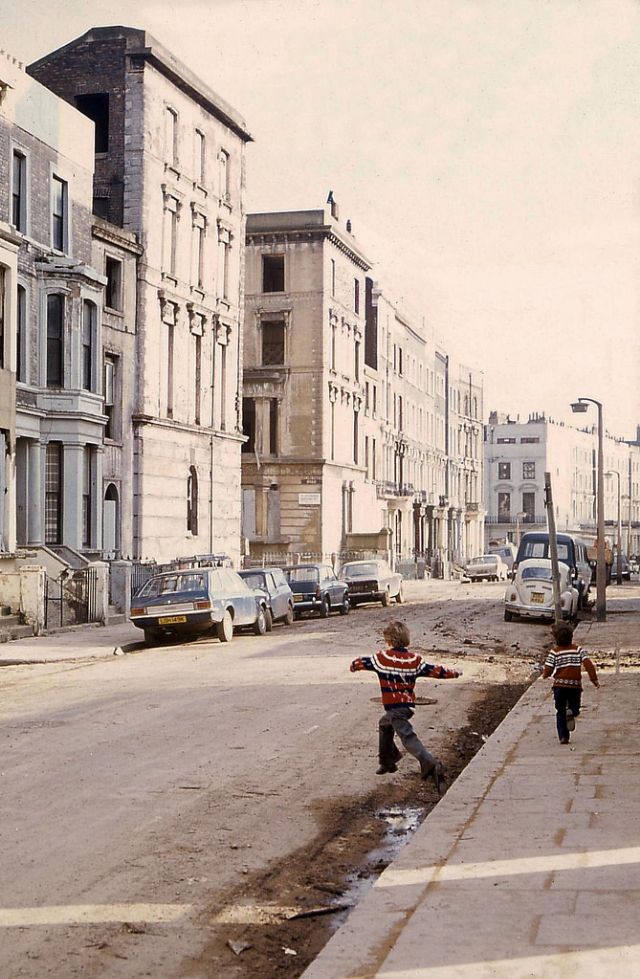
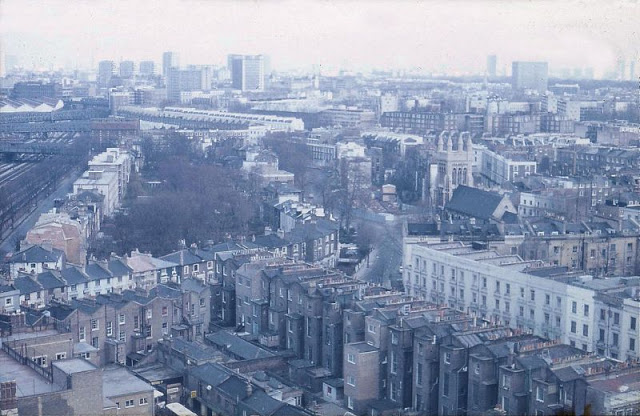
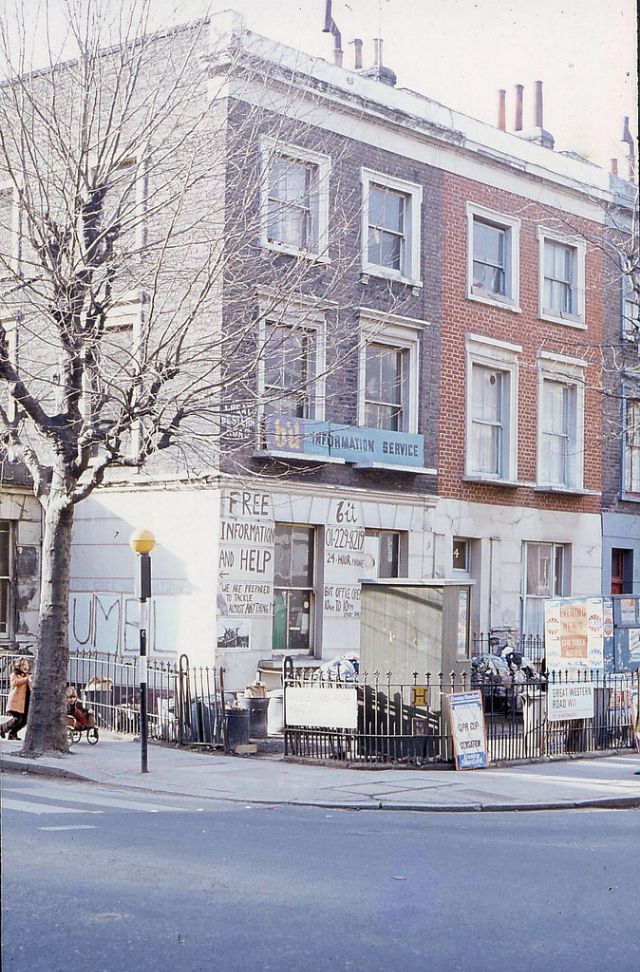
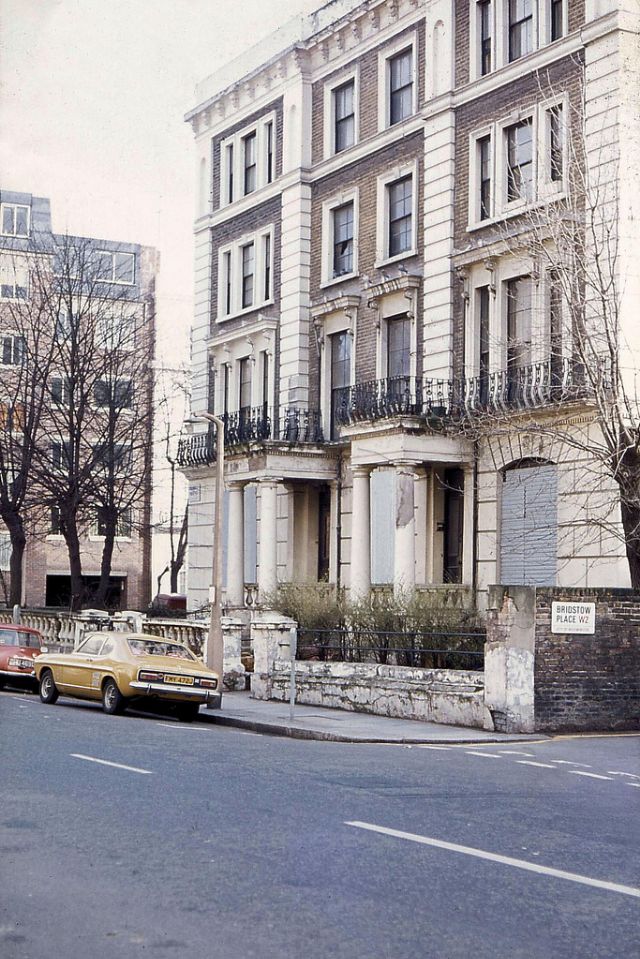
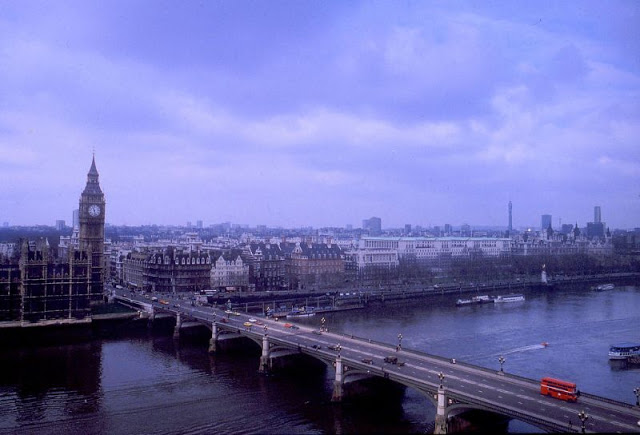
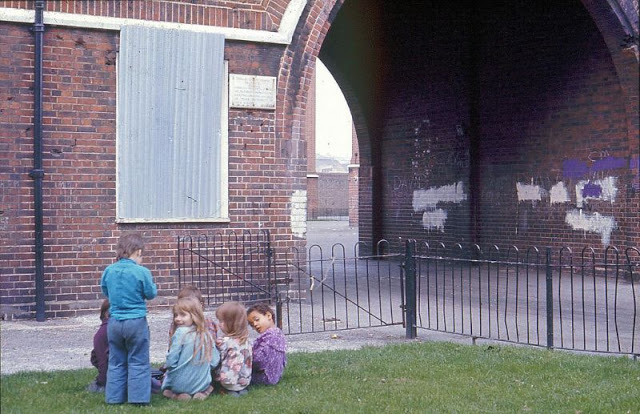
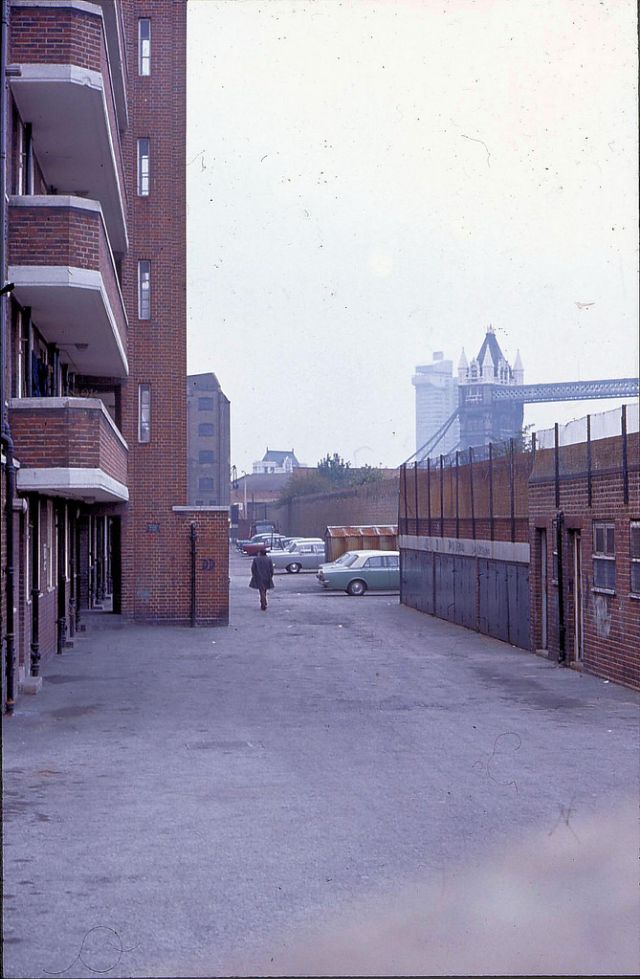
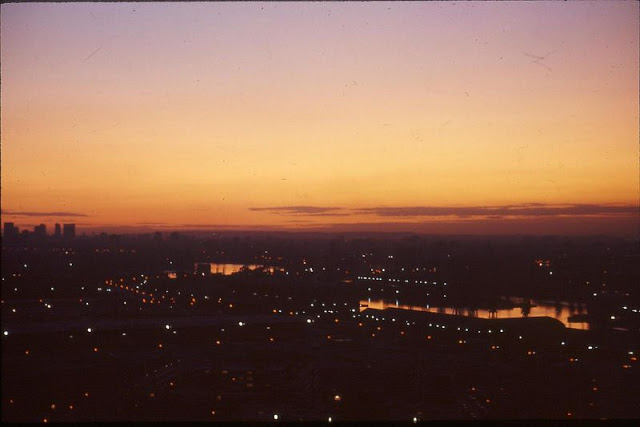
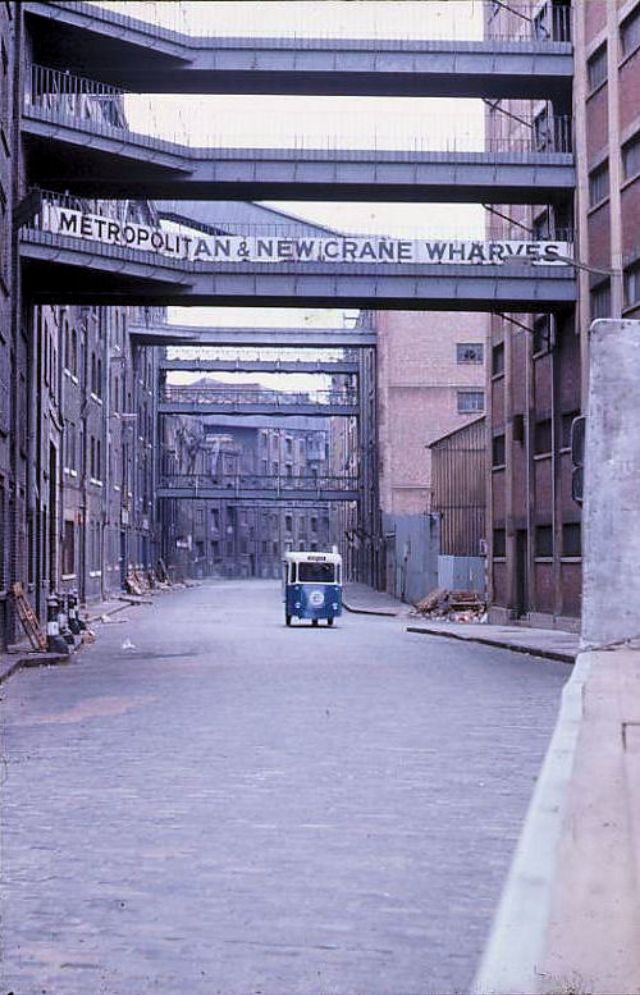
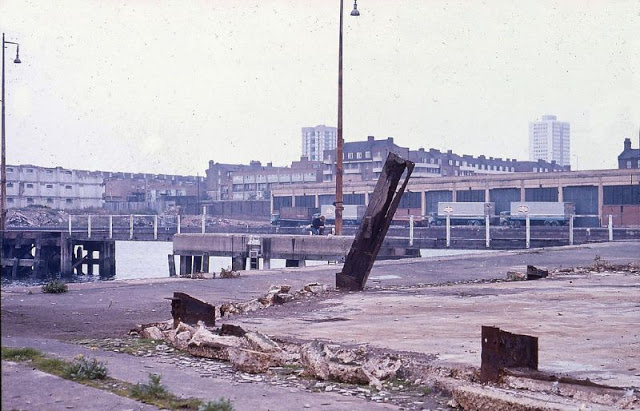
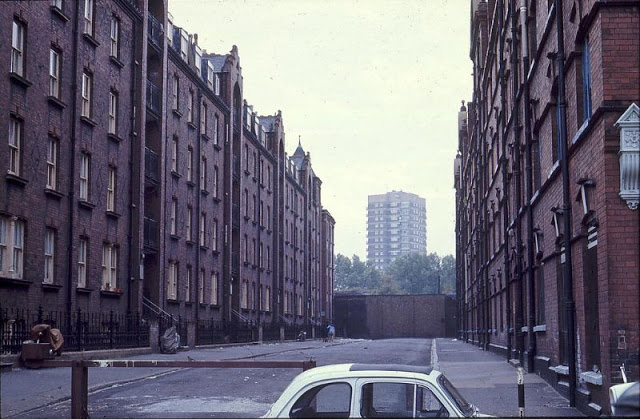
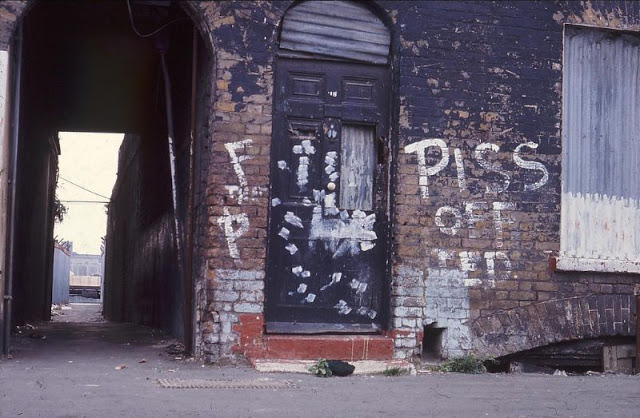
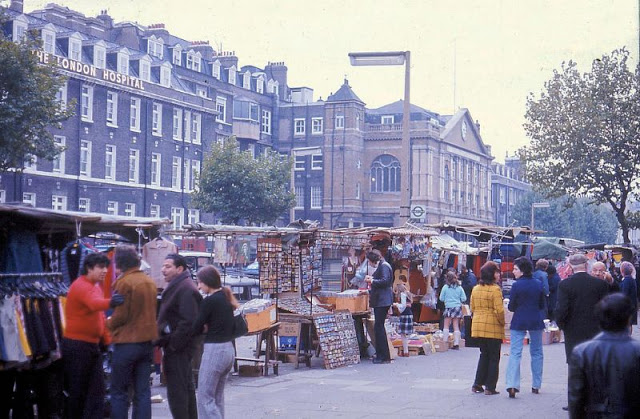
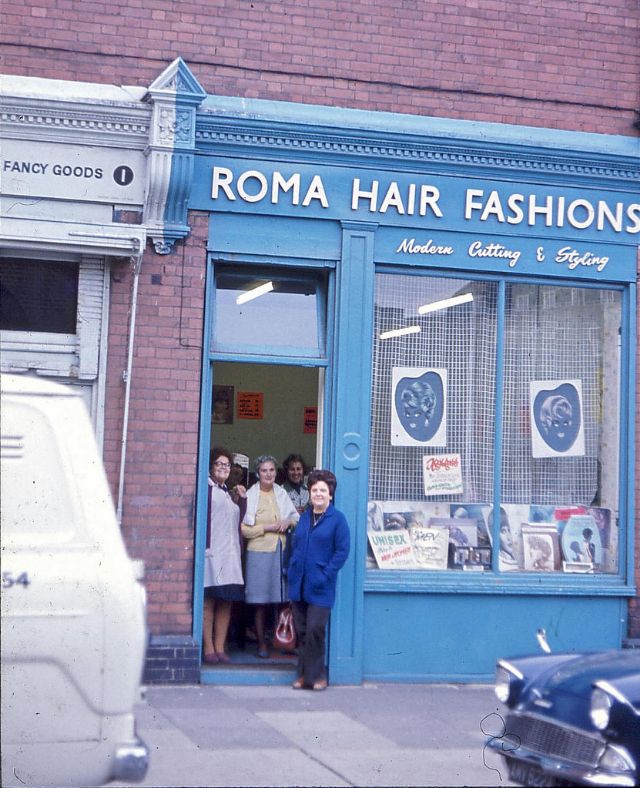
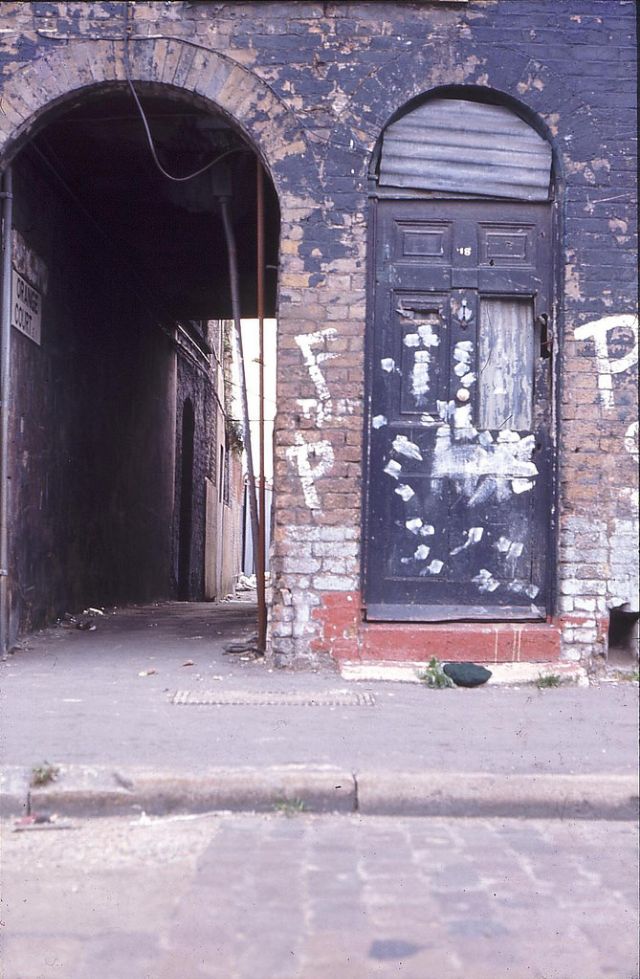
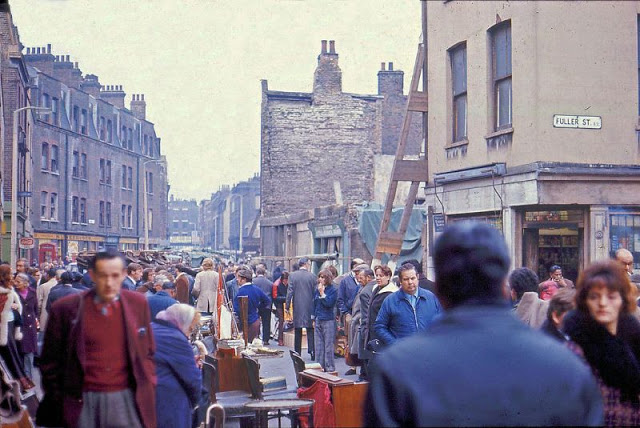
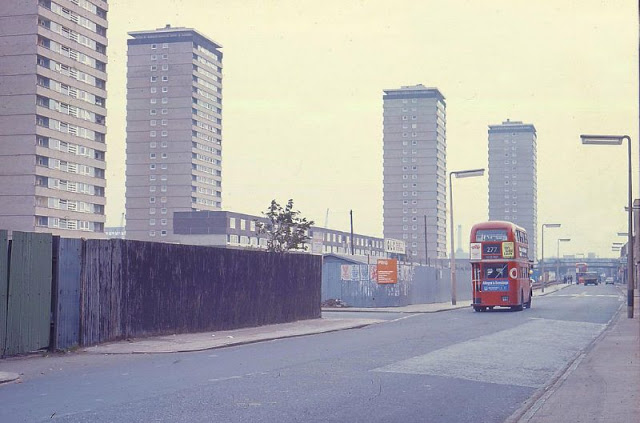
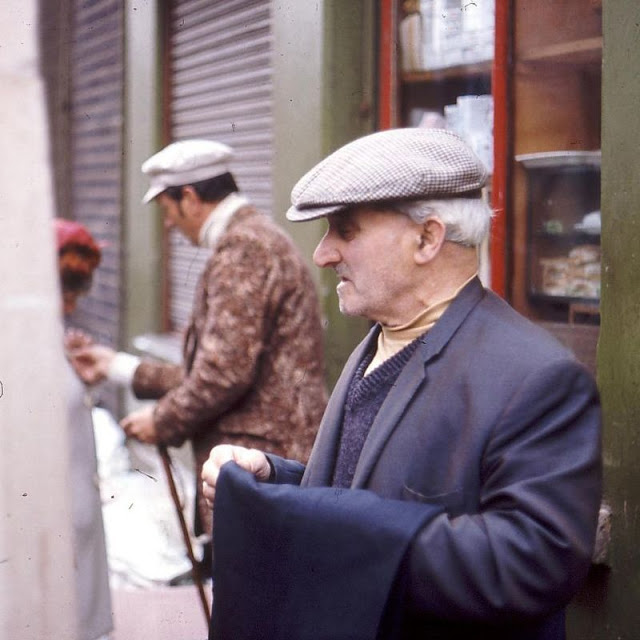
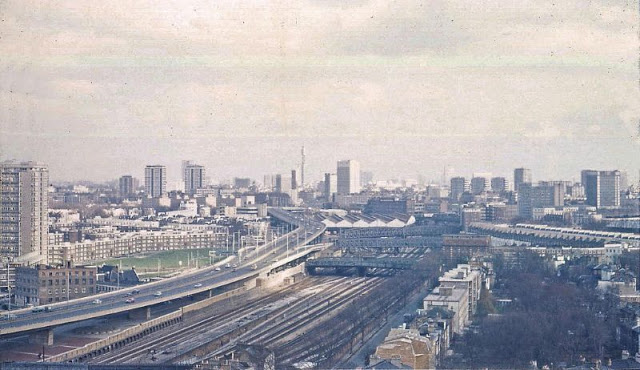
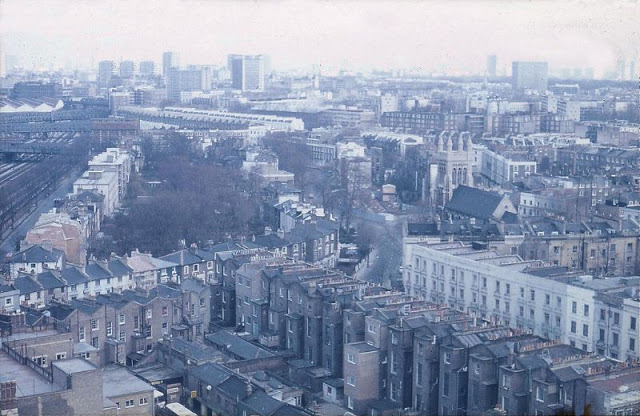
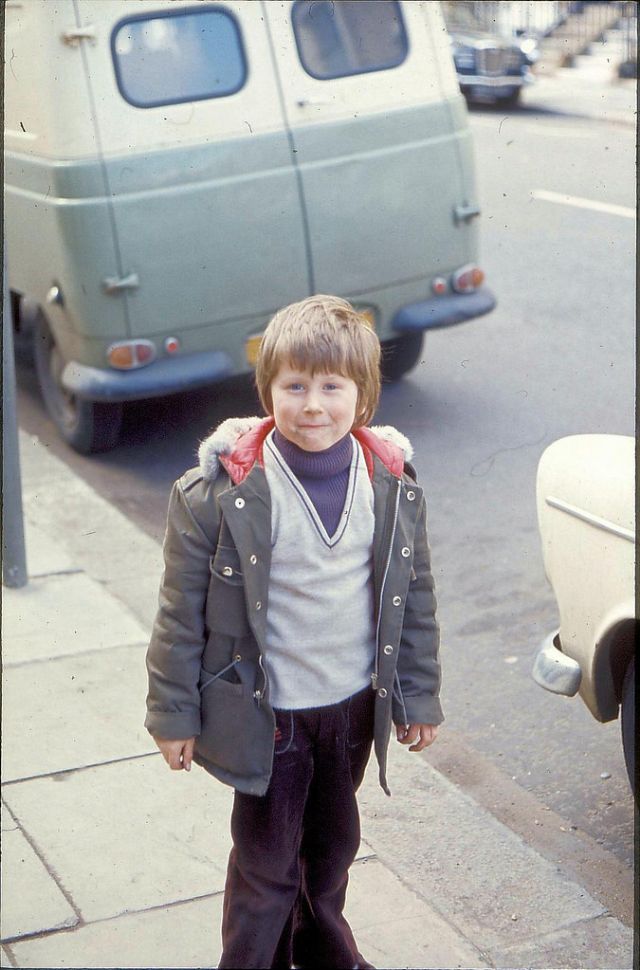
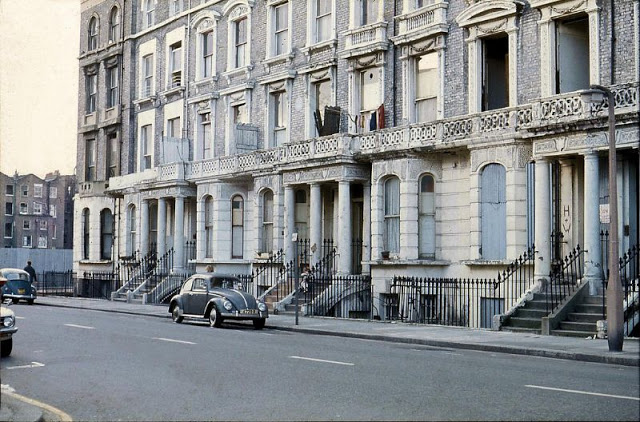
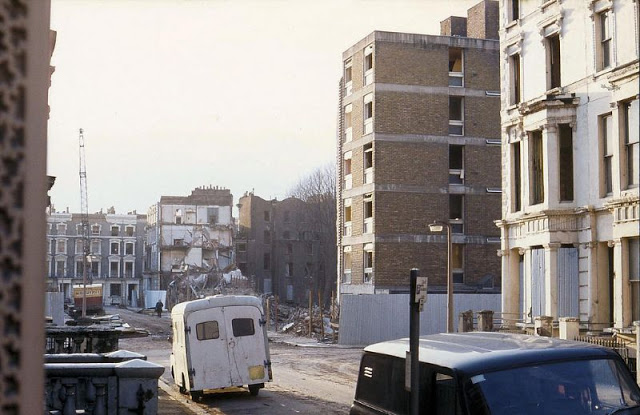
60 Wonderful Photos Showing Life in London During the 1970s

London is the capital and largest city of England and the United Kingdom. It stands on the River Thames in south-east England at the head of a 50-mile (80 km) estuary down to the North Sea, and has been a major settlement for two millennia. The City of London, its ancient core and financial centre, was founded by the Romans as Londinium and retains boundaries close to its medieval ones. Since the 19th century, “London” has also referred to the metropolis around this core, historically split between the counties of Middlesex, Essex, Surrey, Kent, and Hertfordshire, which largely comprises Greater London, governed by the Greater London Authority. The City of Westminster, to the west of the City of London, has for centuries held the national government and parliament.

London, as one of the world’s global cities, exerts strong influence on its arts, commerce, education, entertainment, fashion, finance, health care, media, tourism, and communications. Its GDP (€801.66 billion in 2017) makes it the biggest urban economy in Europe and one of the major financial centres in the world. In 2019 it had the second highest number of ultra high-net-worth individuals in Europe after Paris and the second-highest number of billionaires of any city in Europe after Moscow. With Europe’s largest concentration of higher education institutions, it includes Imperial College London in natural and applied sciences, the London School of Economics in social sciences, and the comprehensive University College London. The city is home to the most 5-star hotels of any city in the world. In 2012, London became the first city to host three Summer Olympic Games.

London’s diverse cultures mean over 300 languages are spoken. The mid-2018 population of Greater London of about 9 million, made it Europe’s third-most populous city. It accounts for 13.4 per cent of the UK population. Greater London Built-up Area is the fourth-most populous in Europe, after Istanbul, Moscow and Paris, with 9,787,426 inhabitants at the 2011 census. The London metropolitan area is the third-most populous in Europe after Istanbul’s and Moscow’s, with 14,040,163 inhabitants in 2016.

London has four World Heritage Sites: the Tower of London; Kew Gardens; the Palace of Westminster, along with Westminster Abbey, and St Margaret’s Church; and the historic settlement in Greenwich, where the Royal Observatory, Greenwich defines the Prime Meridian (0° longitude) and Greenwich Mean Time. Other landmarks include Buckingham Palace, the London Eye, Piccadilly Circus, St Paul’s Cathedral, Tower Bridge and Trafalgar Square. It has numerous museums, galleries, libraries and sporting venues, including the British Museum, National Gallery, Natural History Museum, Tate Modern, British Library and West End theatres. The London Underground is the oldest rapid transit system in the world. (Wikipedia)
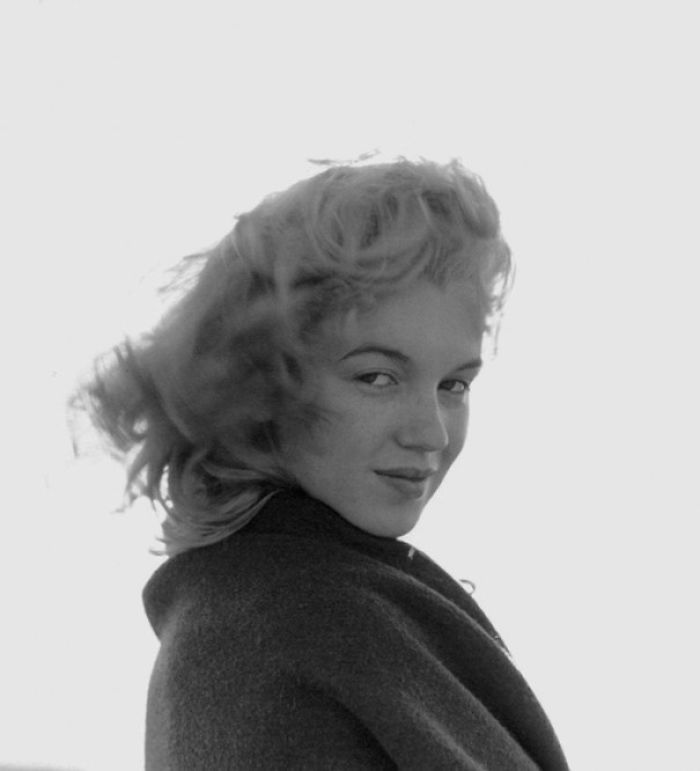
48 Photos Of Norma Jeane Mortenson Before She Became Marilyn Monroe

Marilyn Monroe (born Norma Jeane Mortenson; June 1, 1926 – August 4, 1962) was an American actress, model and singer. Famous for playing comedic “blonde bombshell” characters, she became one of the most popular sex symbols of the 1950s and early 1960s and was emblematic of the era’s sexual revolution. She was a top-billed actress for only a decade, but her films grossed $200 million (equivalent to $2 billion in 2020) by the time of her death in 1962. Long after her death, Monroe remains a major icon of pop culture. In 1999, the American Film Institute ranked her sixth on their list of the greatest female screen legends from the Golden Age of Hollywood.

Born and raised in Los Angeles, Monroe spent most of her childhood in foster homes and an orphanage; she married at age sixteen. She was working in a factory during World War II when she met a photographer from the First Motion Picture Unit and began a successful pin-up modeling career, which led to short-lived film contracts with 20th Century Fox and Columbia Pictures. After a series of minor film roles, she signed a new contract with Fox in late 1950. Over the next two years, she became a popular actress with roles in several comedies, including As Young as You Feel and Monkey Business, and in the dramas Clash by Night and Don’t Bother to Knock. She faced a scandal when it was revealed that she had posed for nude photographs prior to becoming a star, but the story did not damage her career and instead resulted in increased interest in her films.

By 1953, Monroe was one of the most marketable Hollywood stars; she had leading roles in the film noir Niagara, which overtly relied on her sex appeal, and the comedies Gentlemen Prefer Blondes and How to Marry a Millionaire, which established her star image as a “dumb blonde”. The same year, her nude images were used as the centerfold and on the cover of the first issue of Playboy. She played a significant role in the creation and management of her public image throughout her career, but she was disappointed when she was typecast and underpaid by the studio. She was briefly suspended in early 1954 for refusing a film project but returned to star in The Seven Year Itch (1955), one of the biggest box office successes of her career.

When the studio was still reluctant to change Monroe’s contract, she founded her own film production company in 1954. She dedicated 1955 to building the company and began studying method acting under Lee Strasberg at the Actors Studio. Later that year, Fox awarded her a new contract, which gave her more control and a larger salary. Her subsequent roles included a critically acclaimed performance in Bus Stop (1956) and her first independent production in The Prince and the Showgirl (1957). She won a Golden Globe for Best Actress for her role in Some Like It Hot (1959), a critical and commercial success. Her last completed film was the drama The Misfits (1961).

Monroe’s troubled private life received much attention. She struggled with addiction and mood disorders. Her marriages to retired baseball star Joe DiMaggio and to playwright Arthur Miller were highly publicized, and both ended in divorce. On August 4, 1962, she died at age 36 from an overdose of barbiturates at her Los Angeles home. Her death was ruled a probable suicide. (Wikipedia)

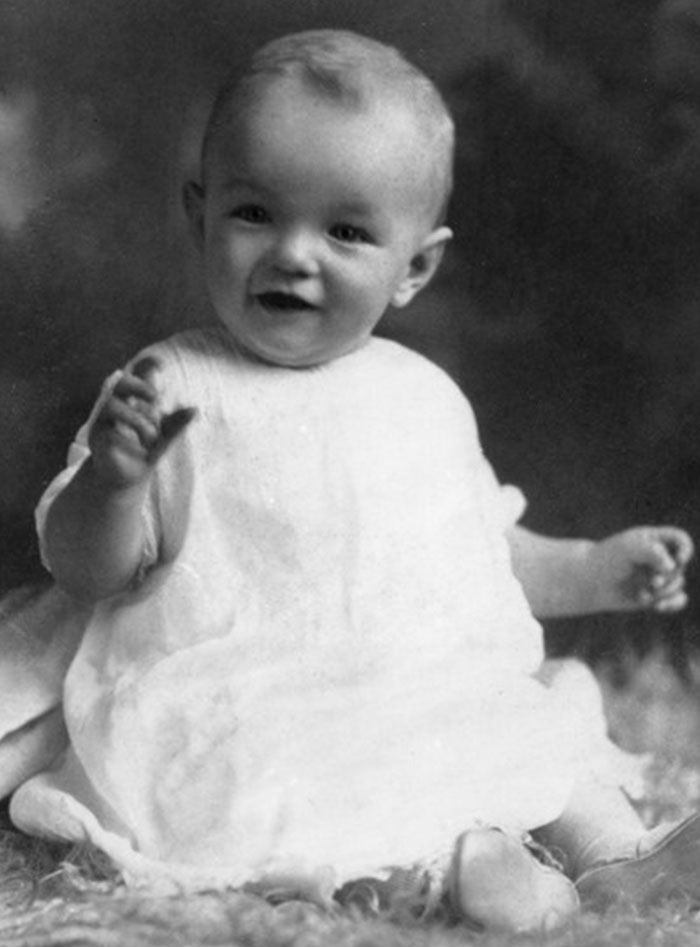
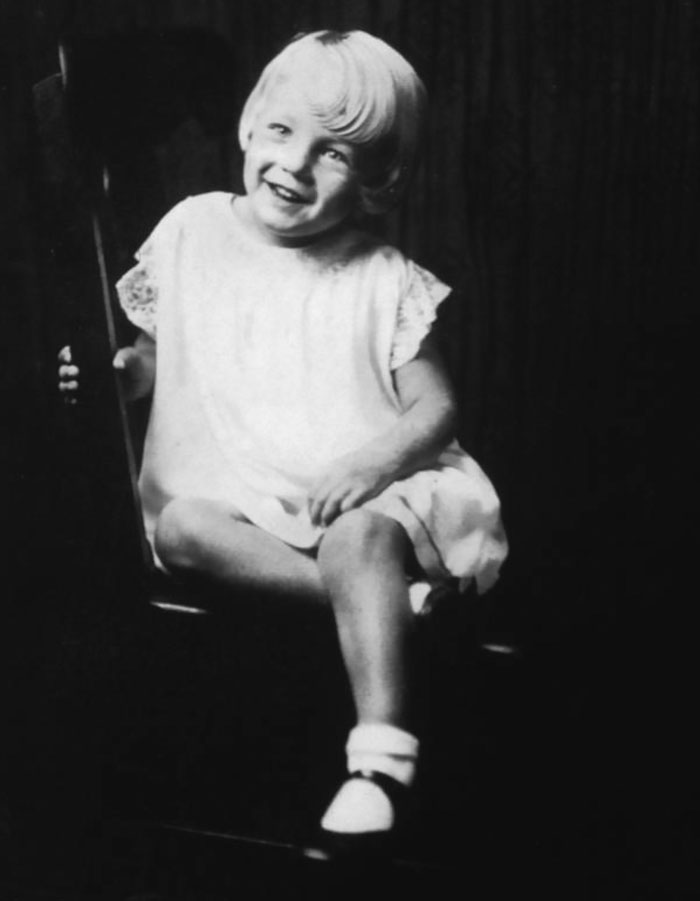
The future American actress Marilyn Monroe smiling as a 10-months old baby, April 1927
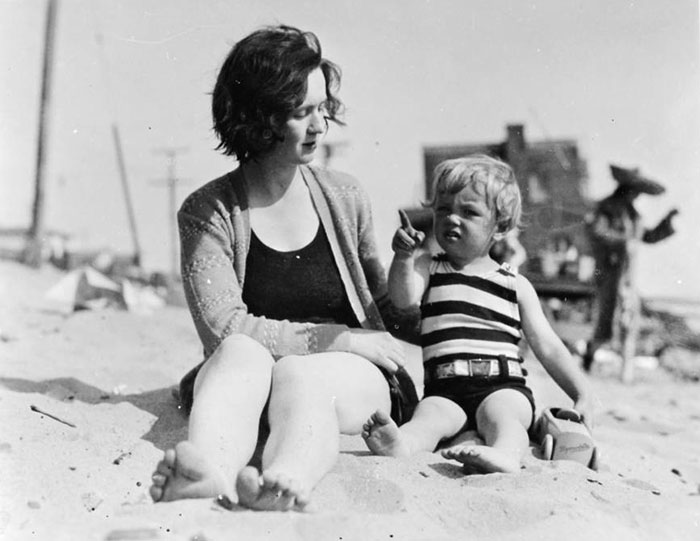
A young Norma Jeane Mortenson with her mother, Gladys Baker, 1929
Norma Jeane Mortenson at five years old, 1931
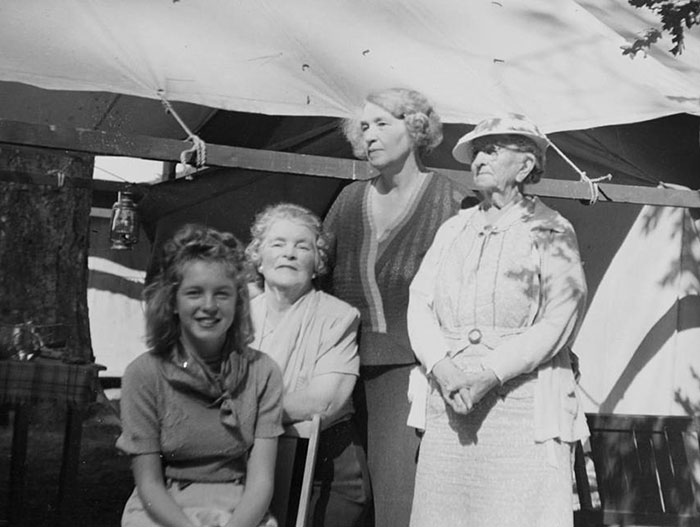
An adolescent Norma Jeane Mortenson staying at her Aunt Ana’s place. Aunt Ana’s was one of the many homes she would live in through her difficult childhood as an orphan, 1938
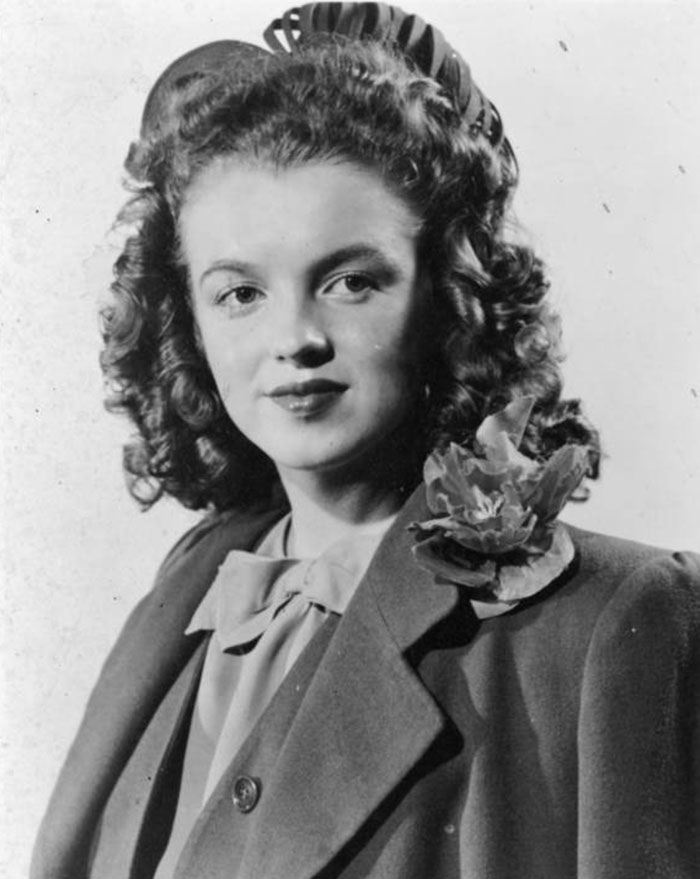
Norma Jeane Mortenson at 14 years old. After her Aunt Ana got sick, Norma Jeane had to move in with the Goddard family. She had lived there before, but left their home when she was 11 when her legal guardian, Erwin Goddard, molested her (1940)
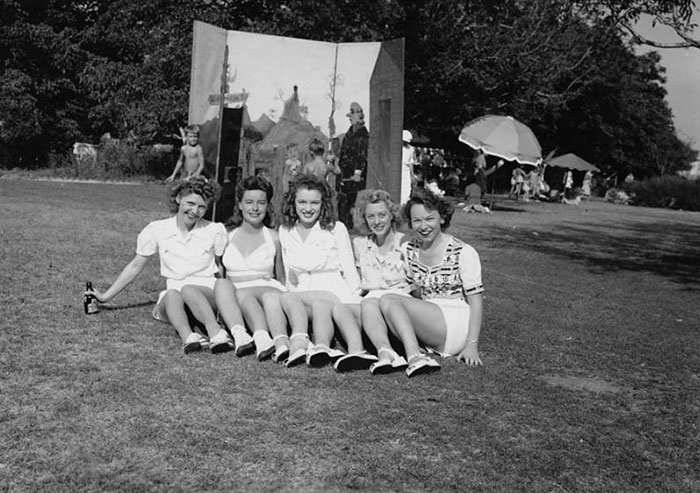
A teenaged Norma Jeane Mortenson (center) at an outdoor fete with a group of friends, 1941
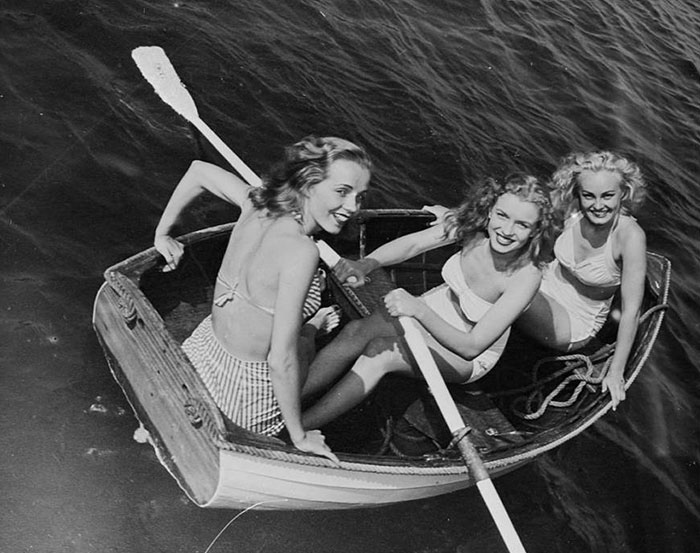
A teenaged Norma Jeane Mortenson (center) and her friends in a rowboat, 1941
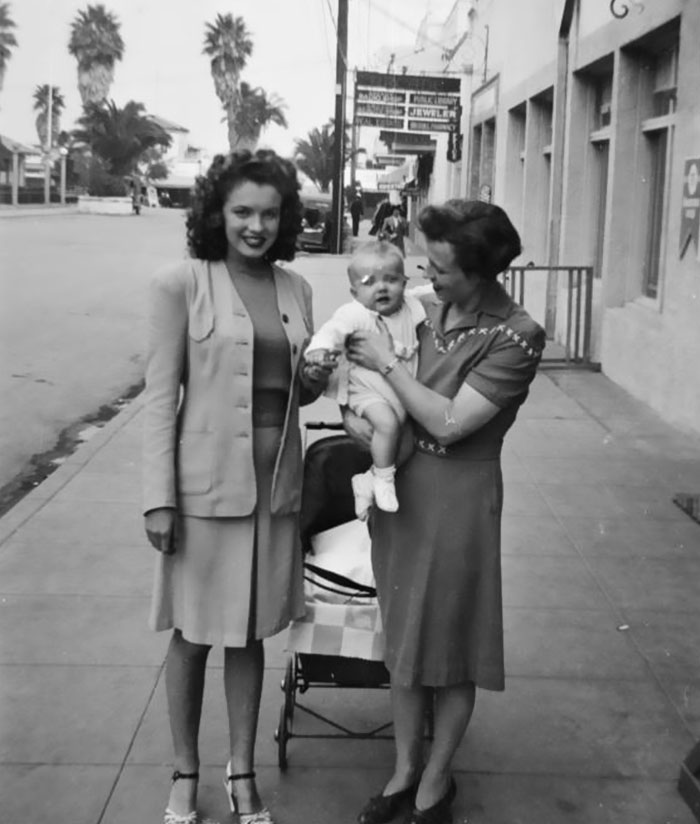
Norma Jeane Mortenson poses for a photo with a friend and her baby, 1941
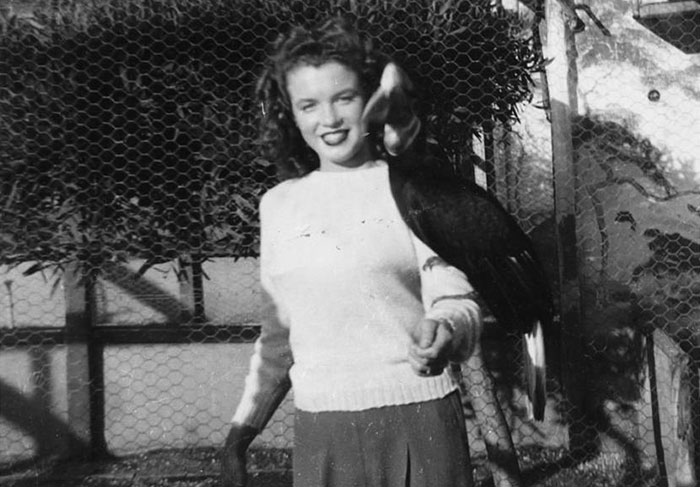
Norma Jeane Mortenson at the zoo, with a hornbill on her arm, 1941
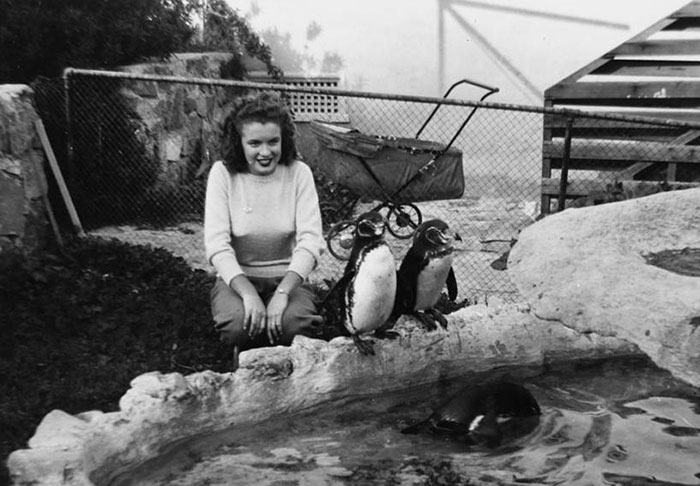
Young Norma Jeane Mortenson plays with penguins at the zoo, 1941
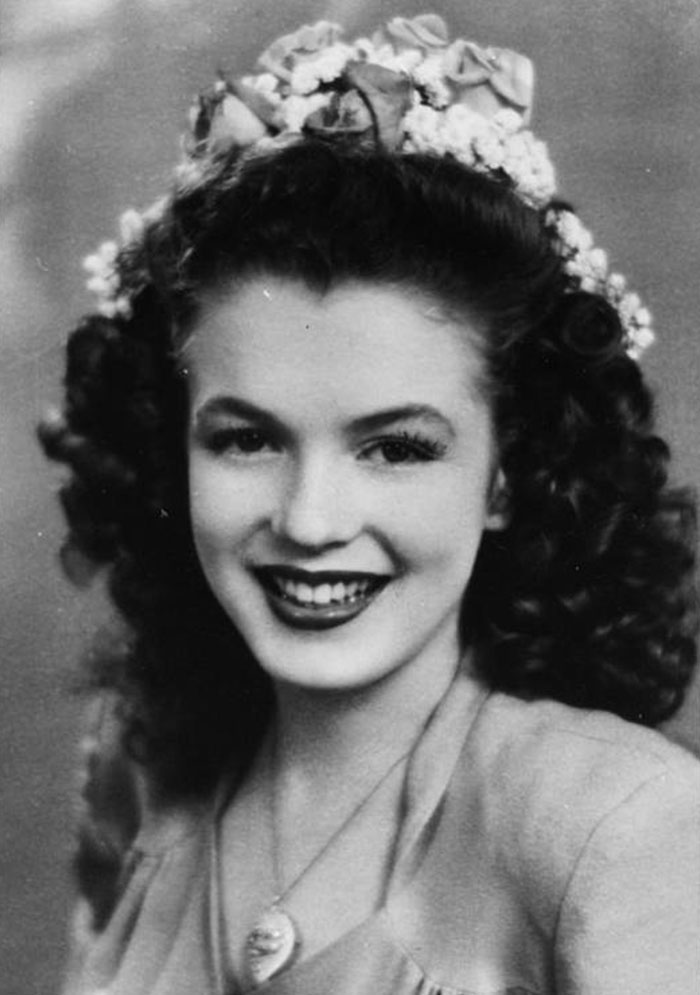
Norma Jeane Mortenson as a 15-year-old beauty queen. This would be her last year as a single woman, 1941
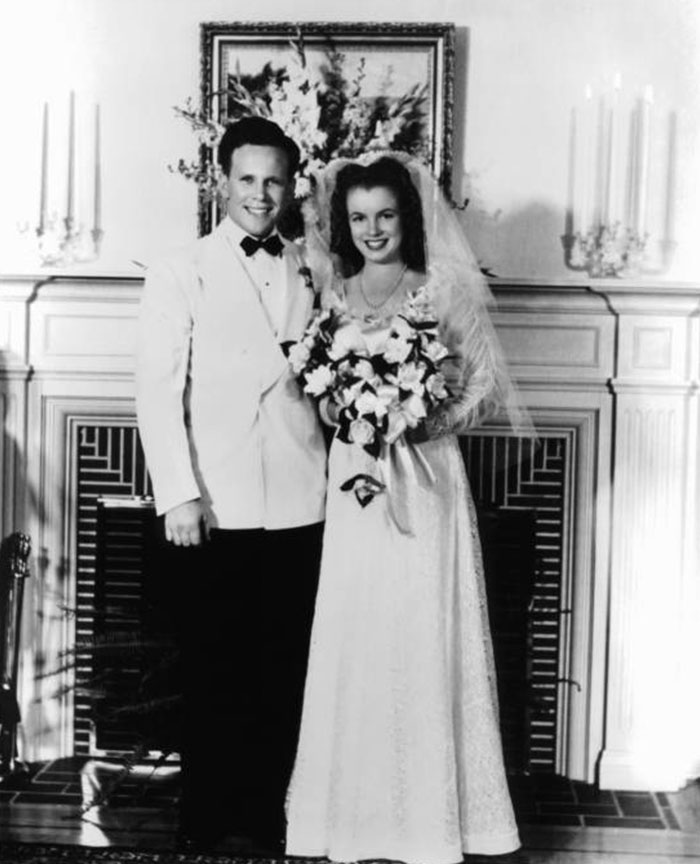
At the age of 16, Norma Jeane Mortenson married James Dougherty (June 19, 1942)
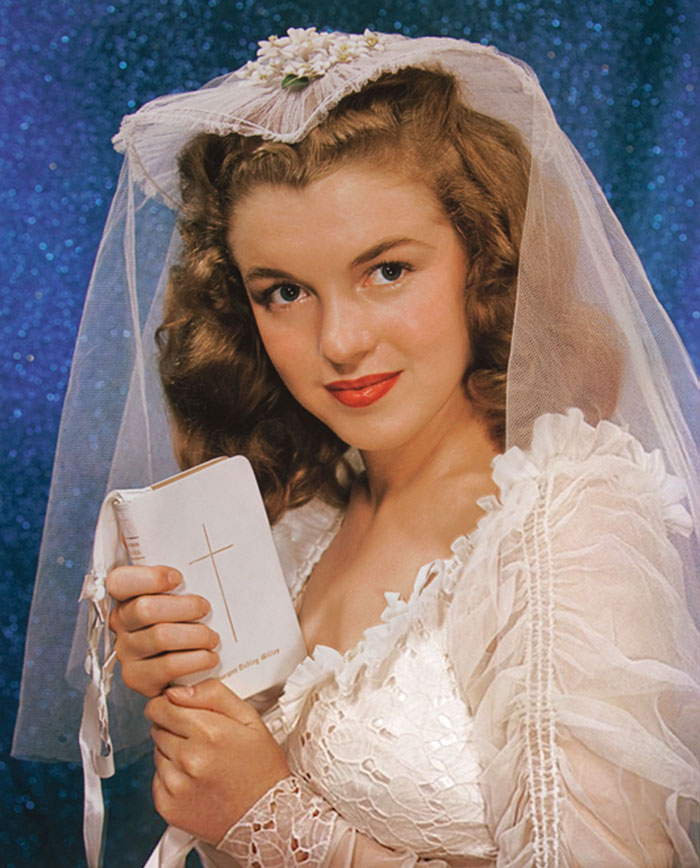
Norma Jeane Dougherty, Bridal portrait, Age 16, 1942
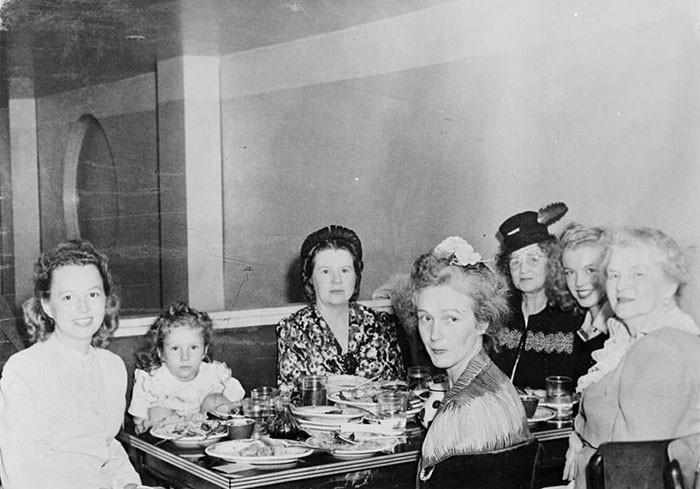
Newlywed Norma Jeane Dougherty goes out for Chinese food with her family, 1942
Norma Jeane Mortenson with her husband, James Dougherty. When the pair met, he was her neighbor and five years her senior. The two had little in common. She would later say that they hardly spoke because “we had nothing to say.” 1943
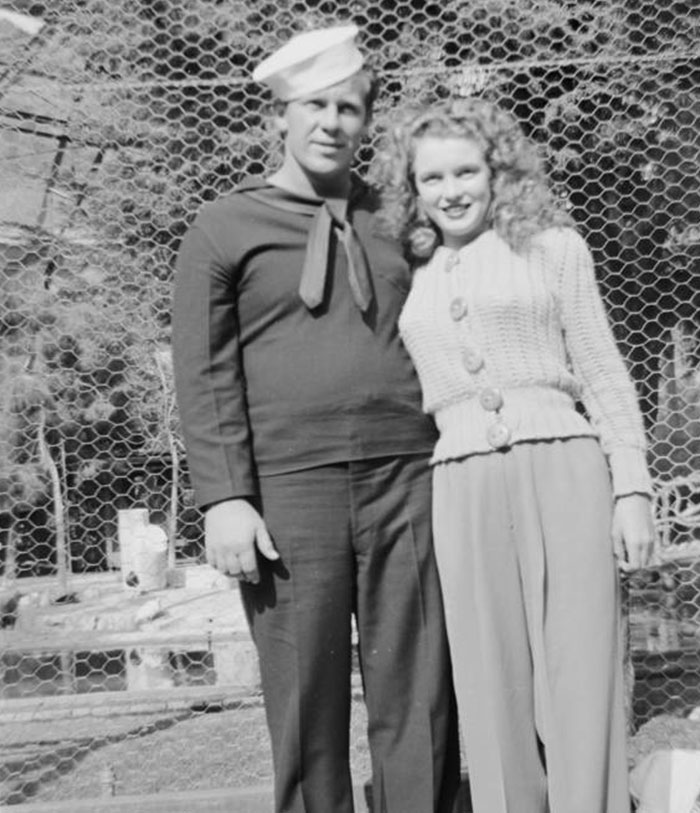
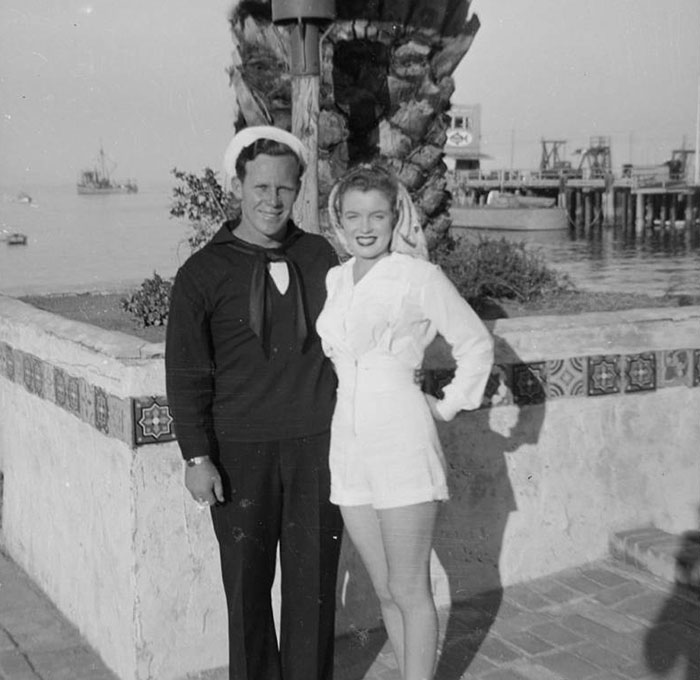
James Dougherty, now a Merchant Marine, poses with his wife outside of boot camp. After he joined the Merchant Marines, the couple became increasingly distant. In 1944, he would be sent off to the Pacific. From then on, they would rarely see one another. 1943
Norma Jeane Dougherty alone, with her husband’s boot camp in the distance 1943
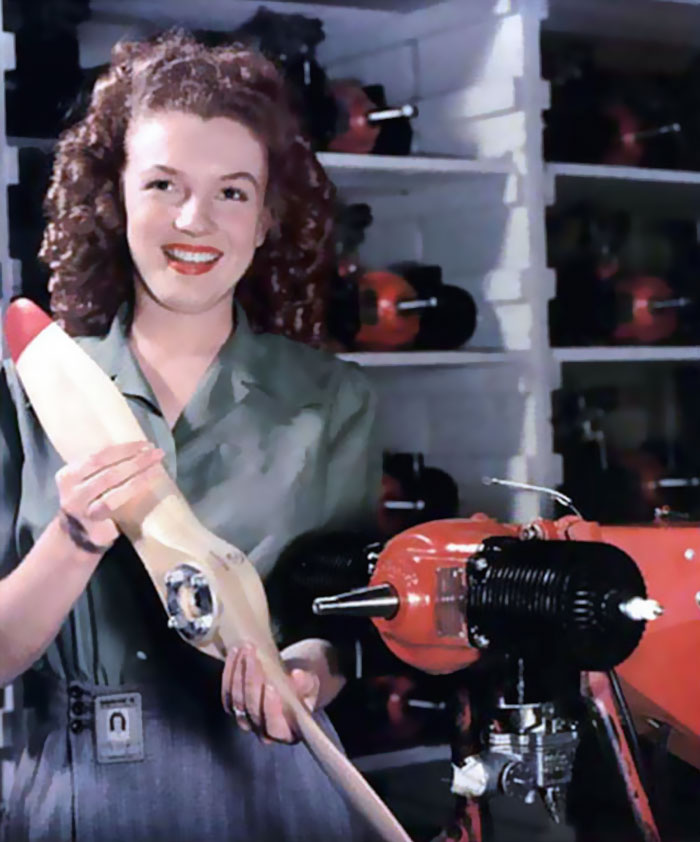
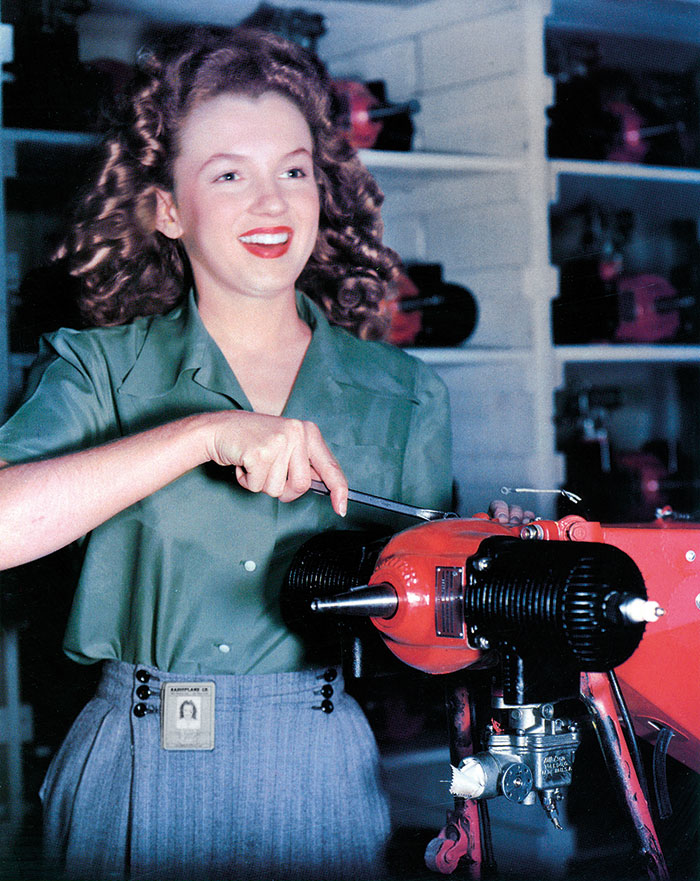
Norma Jeane Dougherty working at the Radioplane Munitions Factory. While working at the factory, Norma Jeane was spotted by an Army propaganda officer.
He took this photo of her working at her post. It was the first modelling job of her life, 1945
Shortly after her photoshoot in the factory, she quit her job and tried modelling full time, 1945
One of her first modeling shots, 1945
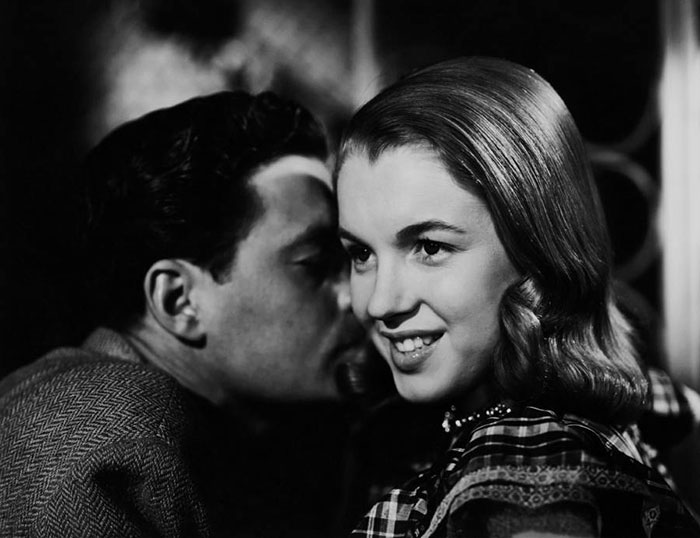
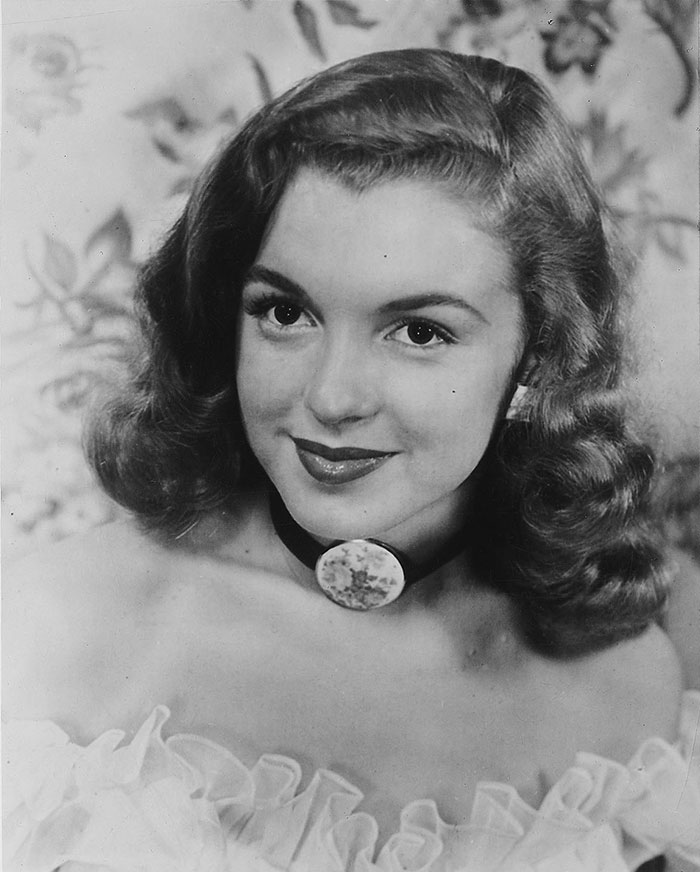
Early Portrait of Norma Jeane, 1945
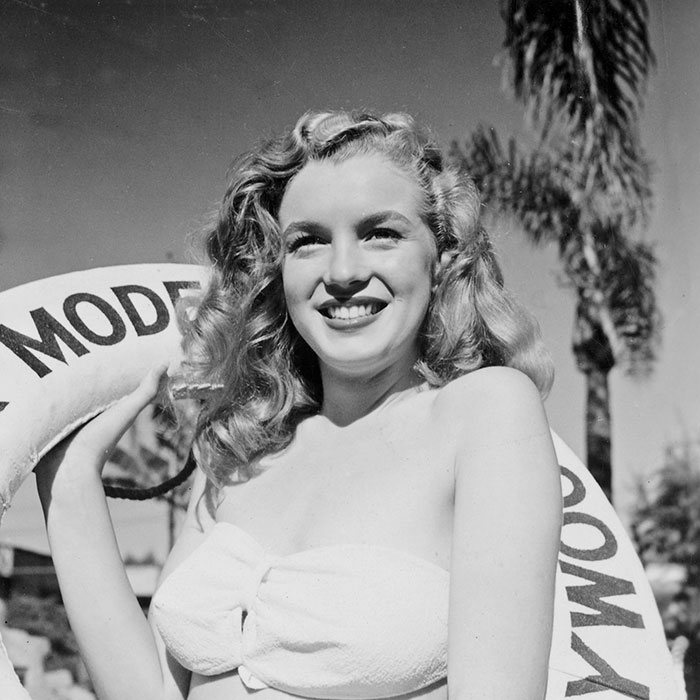
Norma Jeane posing in the gardens of the Ambassador Hotel holding the Blue Book Models life ring, 1945
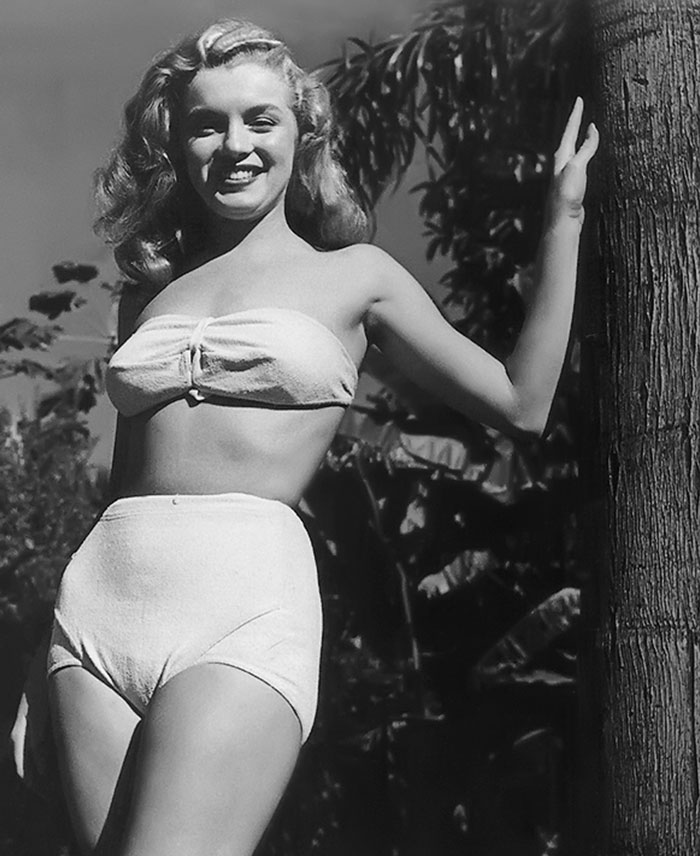
An early Blue Book Modeling Agency picture of Marilyn Monroe in a white bikini, 1945
Norma Jean at the beginning of her modeling career, 1945
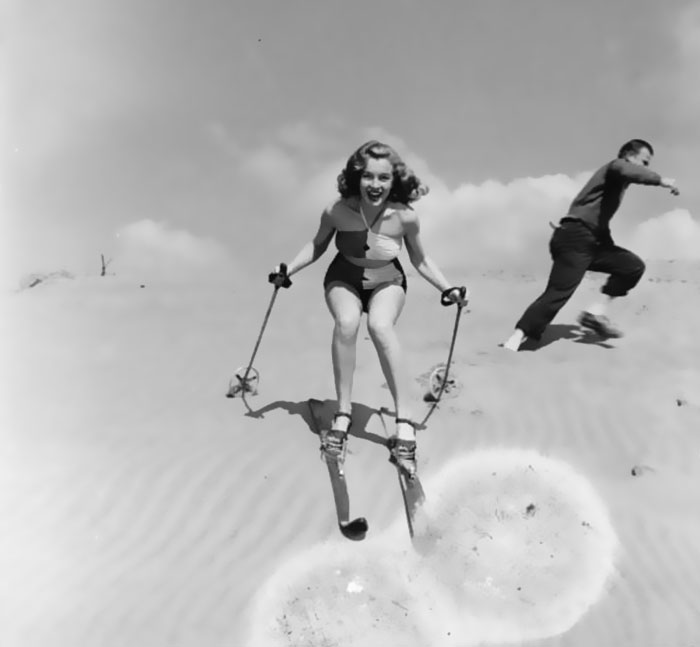
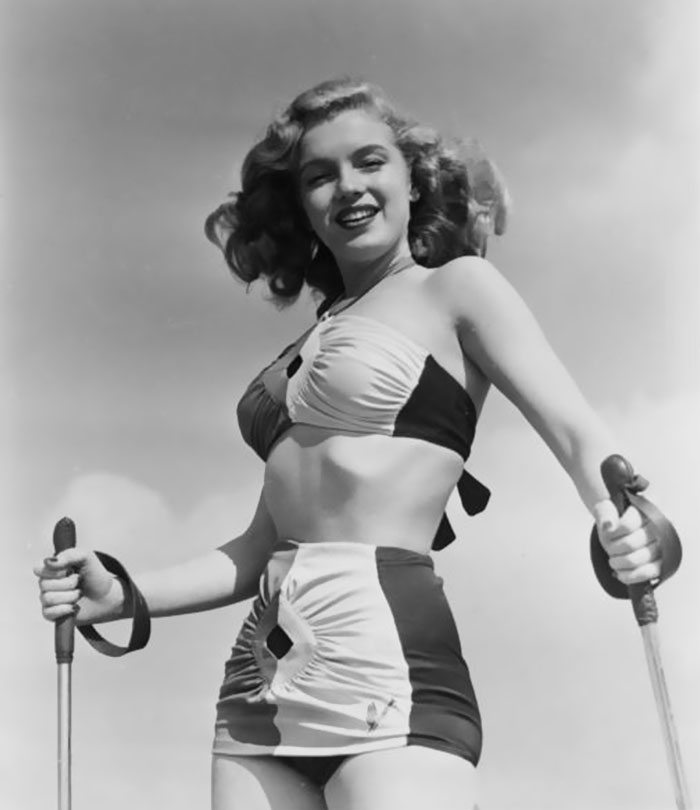
Skiing down a sand dune at a photoshoot, 1945
Posing during a Blue Book modeling shoot, 1945
Norma Jeane Dougherty gets intimately close to another model to film an ad for hair products. James Dougherty strongly disapproved of his wife’s new career. Less than a year after this photo was taken, their marriage would fall apart and the pair would get divorced (1945)
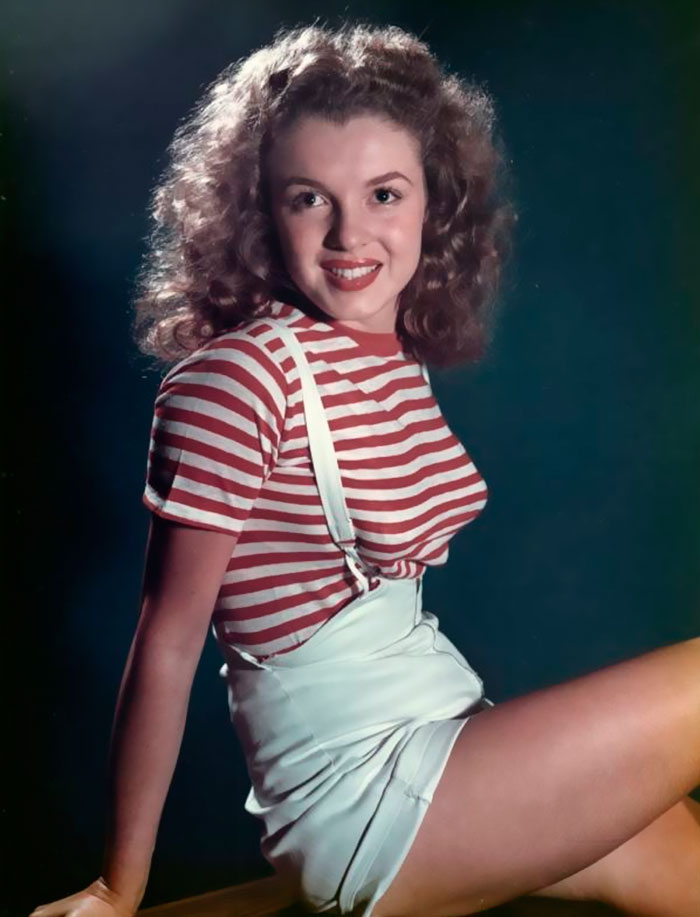
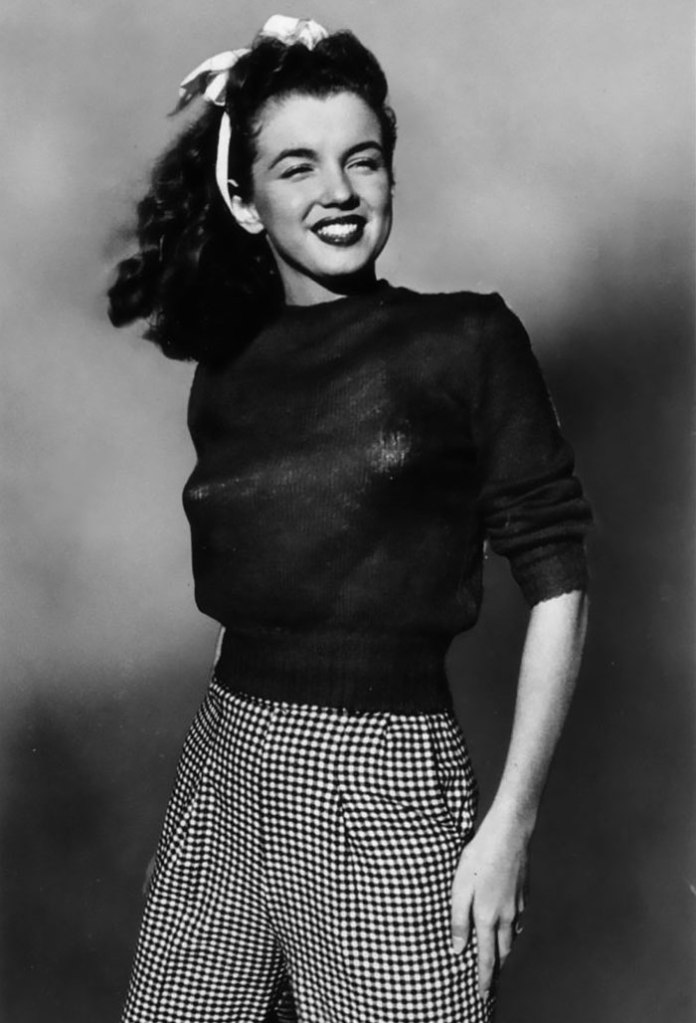
Norma Jeane becomes a “Sweater Girl.” 1945
The Blue Book Modelling Years, 1945
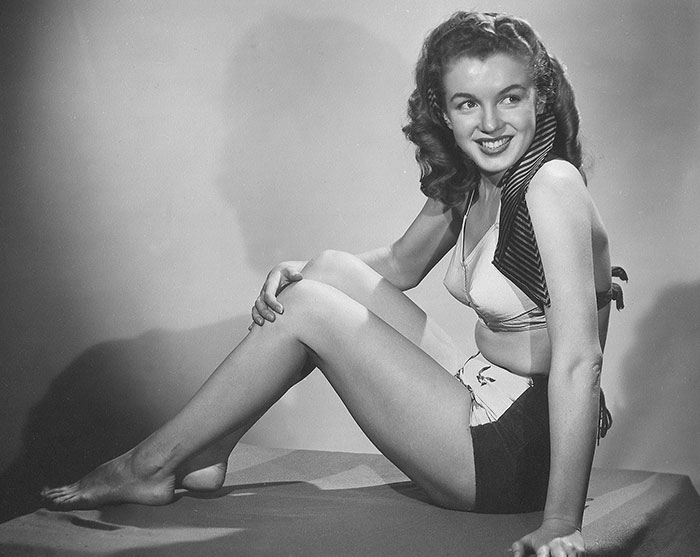
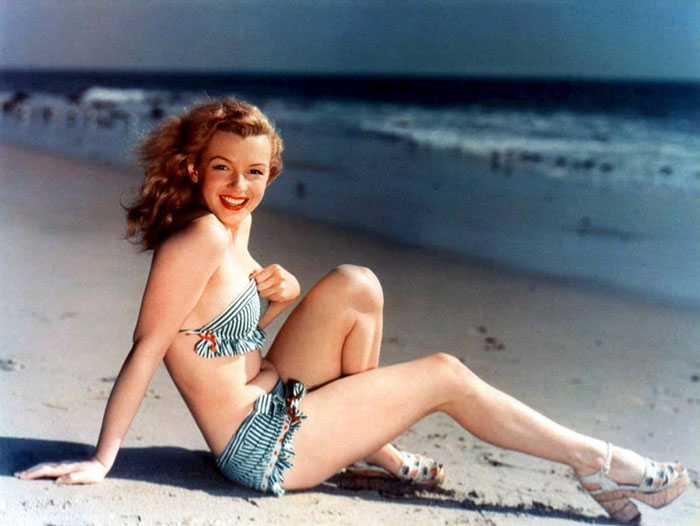
Norma Jeane sitting with her legs out, wearing bikini, 1945
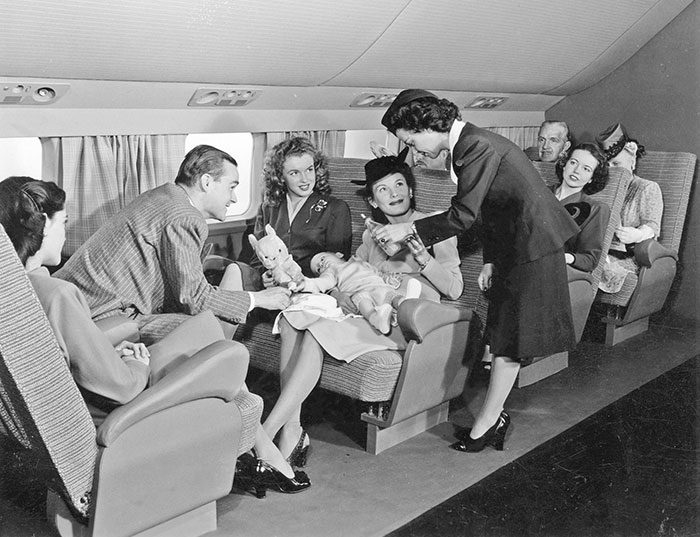
Douglas Airview magazine employed models to advertise its American Airlines flights. Here, Norma Jeane shows great interest in the stewardess handing milk, 1945
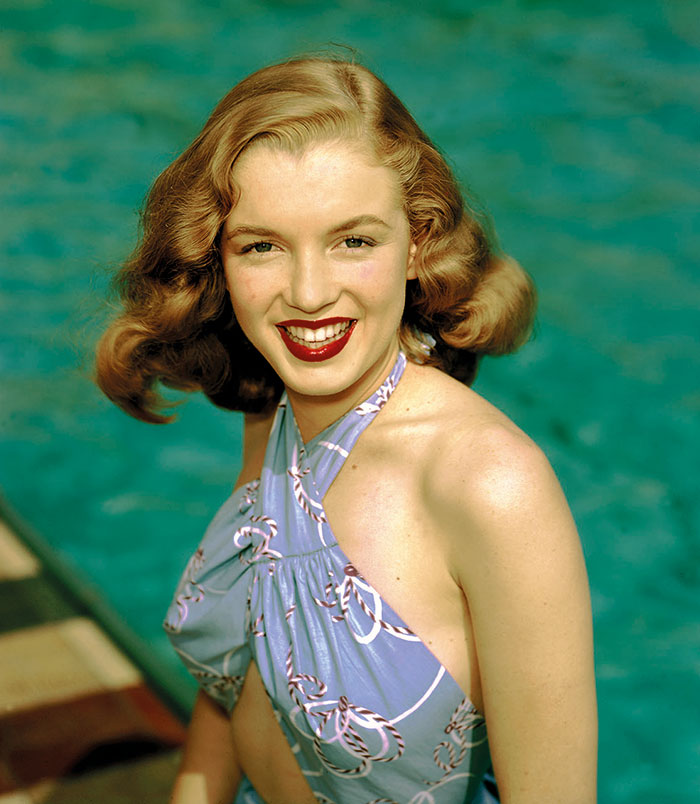
Norma Jeane at the pool, 1945
Norma Jeane poses in a swimsuit, 1945
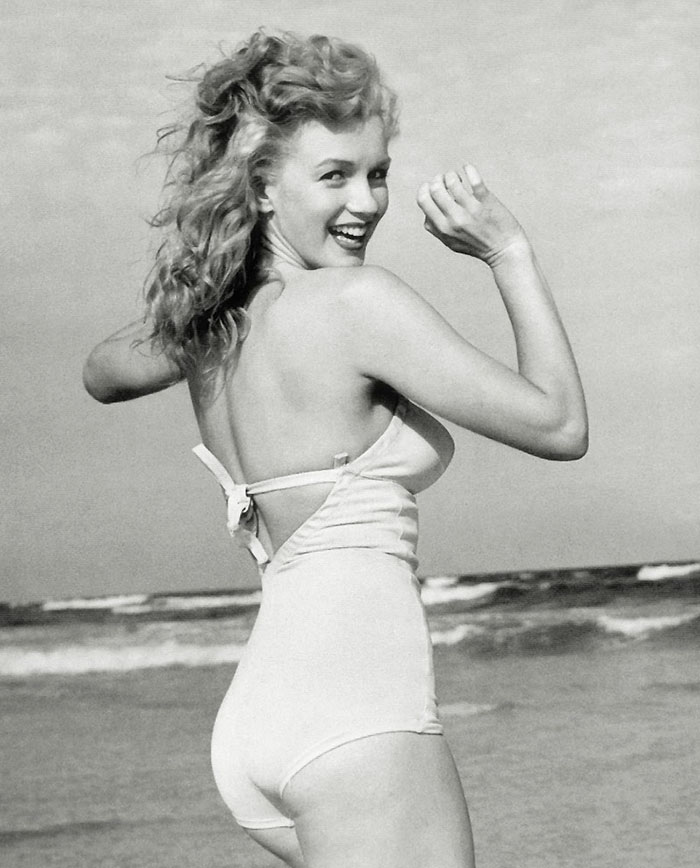
A young Marilyn Monroe is a picture of joy in a white one-piece bathing suit, 1945
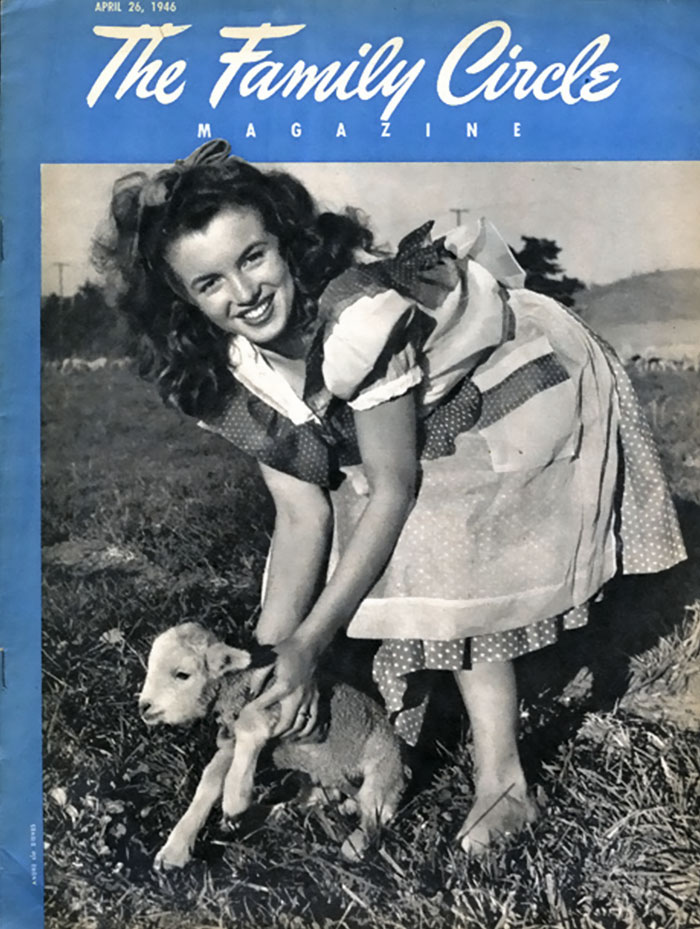
Norma Jeane’s first national magazine cover, in 1946 for The Family Circle, was incredibly sweet, wholesome and innocent
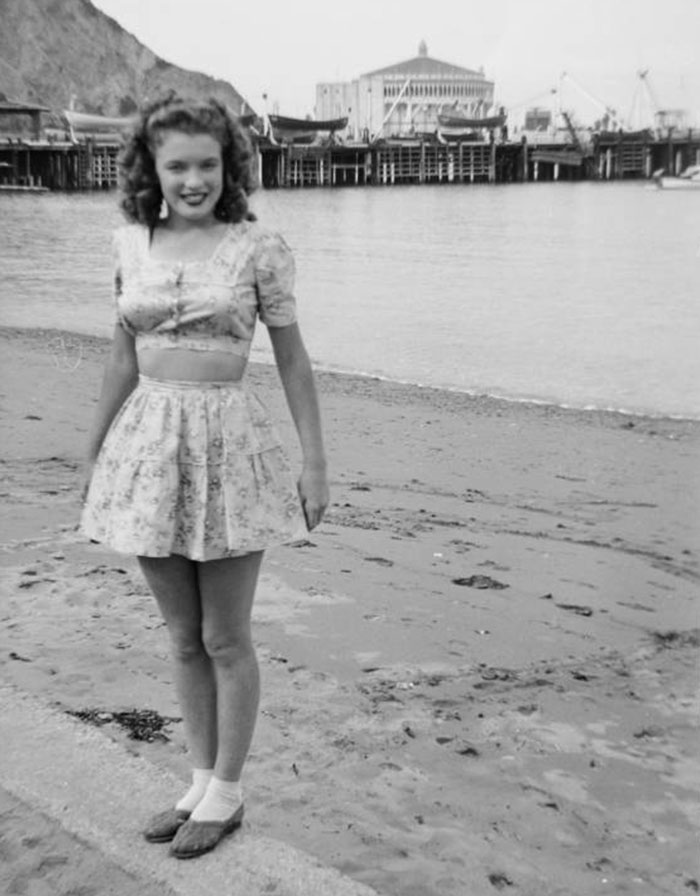
Posing for a postcard by the sea, 1946
The Romantic negative of Norma Jeane, 1946
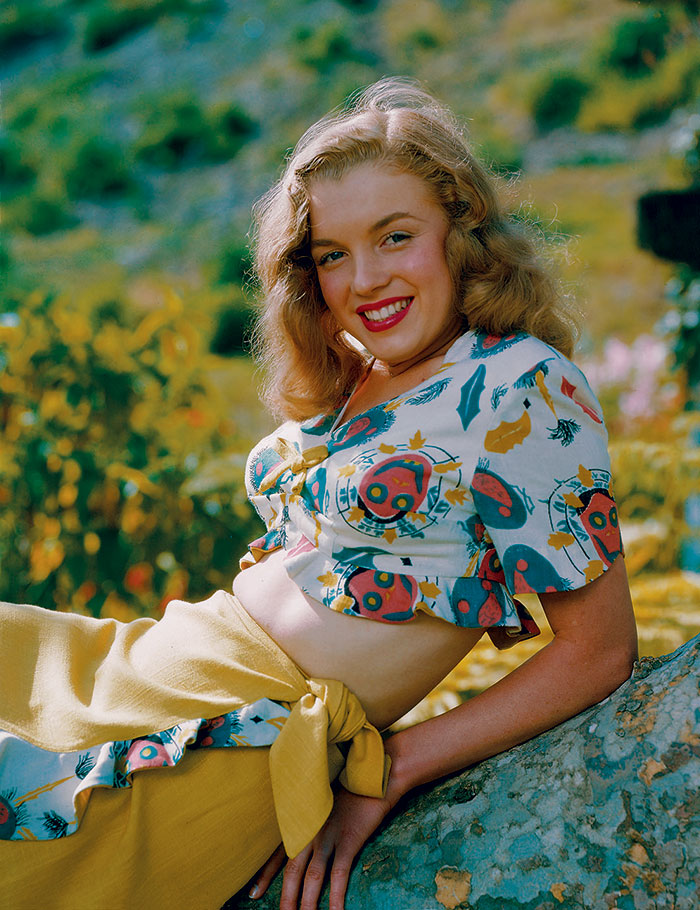
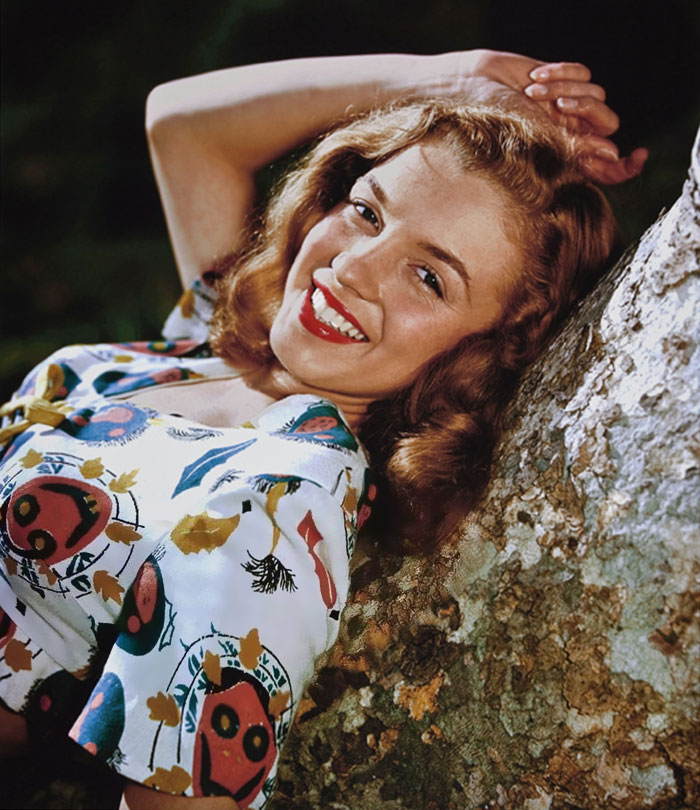
Norma Jeane with yellow skirt, 1946
Yellow Skirt, Gene Hansen’s Sycamore, March 1946
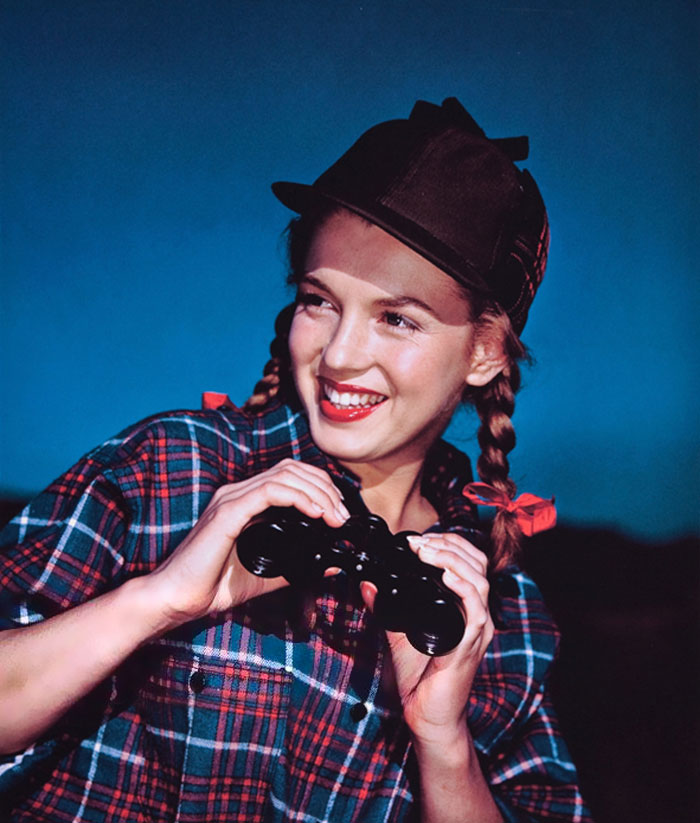
Norma Jeane in a hunting with binoculars, 1946
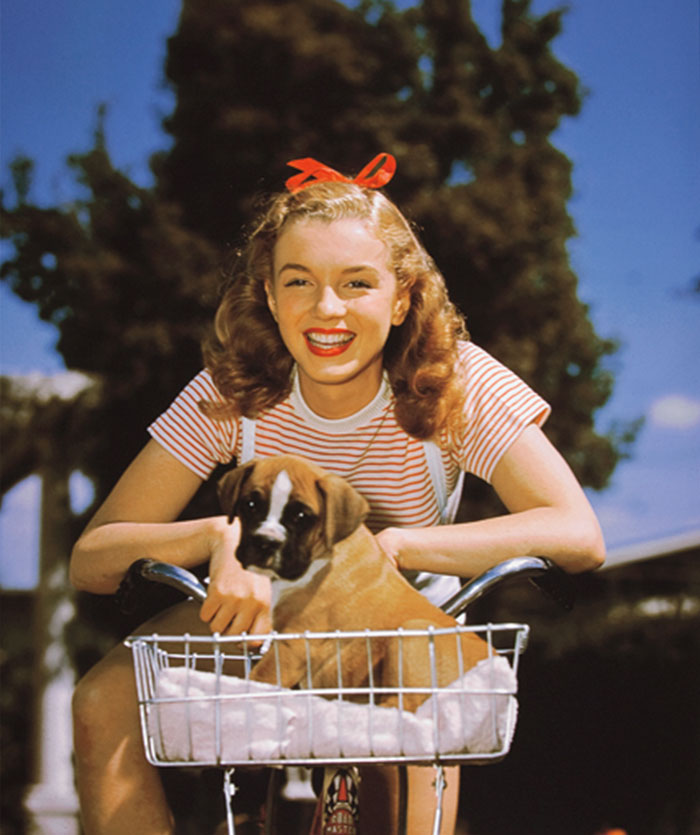
Posing with a puppy on a bicycle, 1946
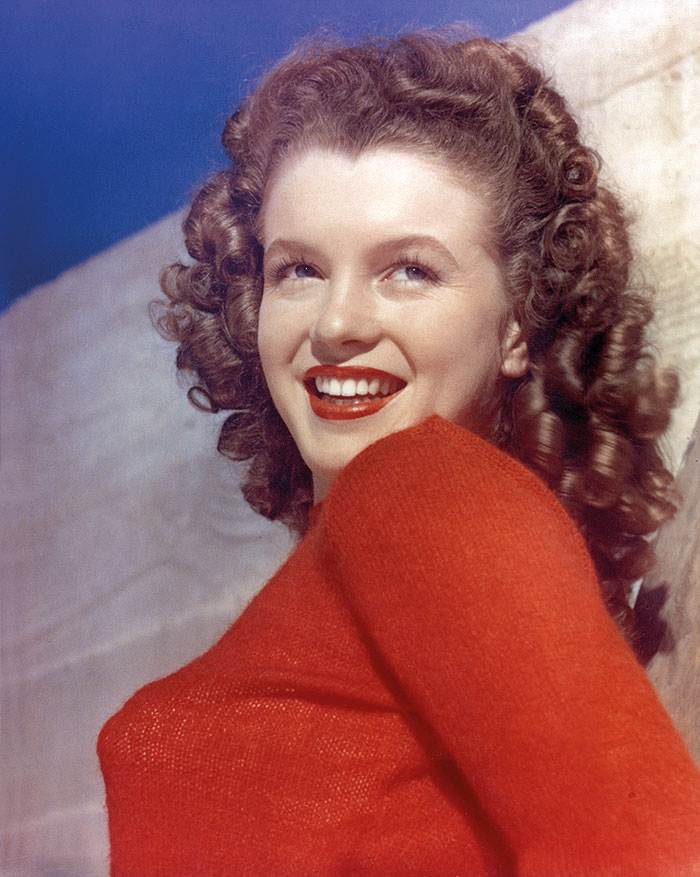
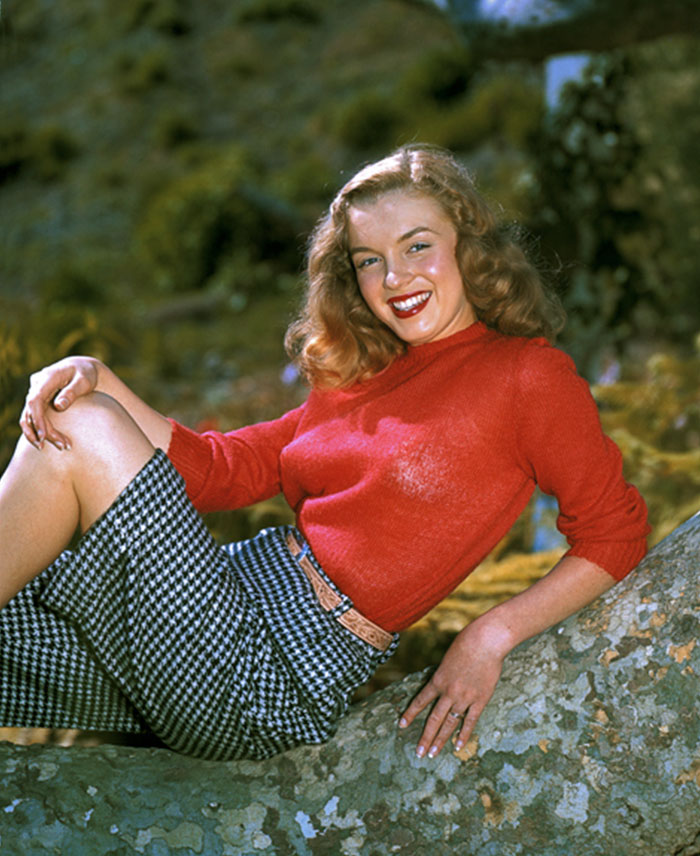
In red sweater, Gene Hansen’s Sycamore, 1946
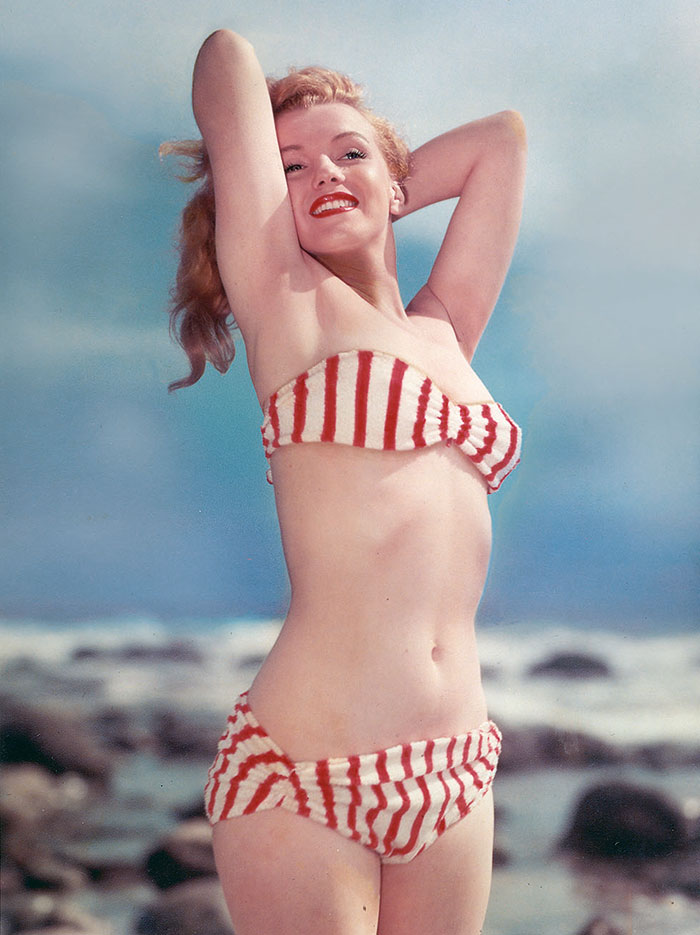
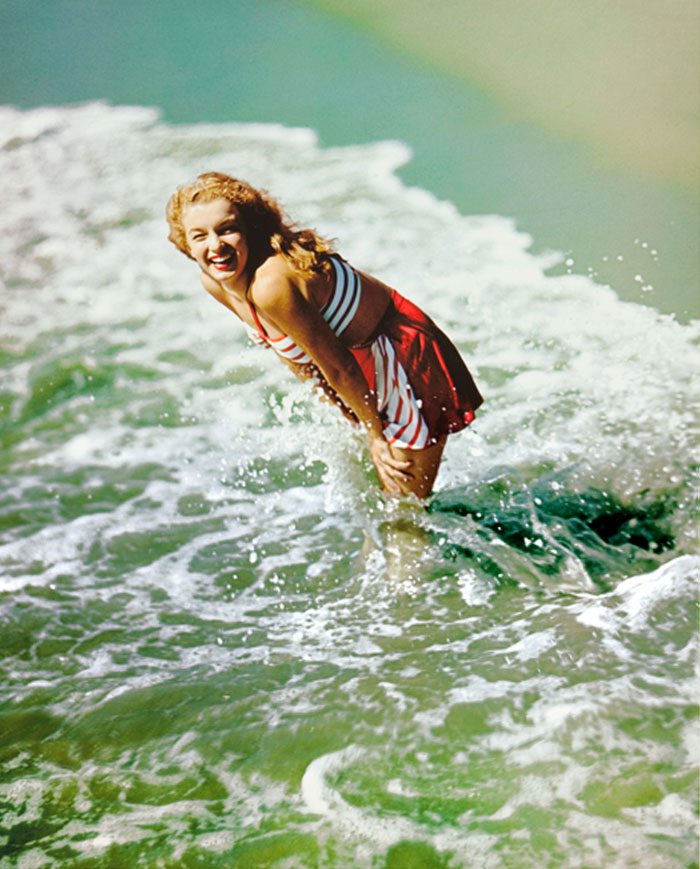
Norma Jeane in a red bathing suit, 1946
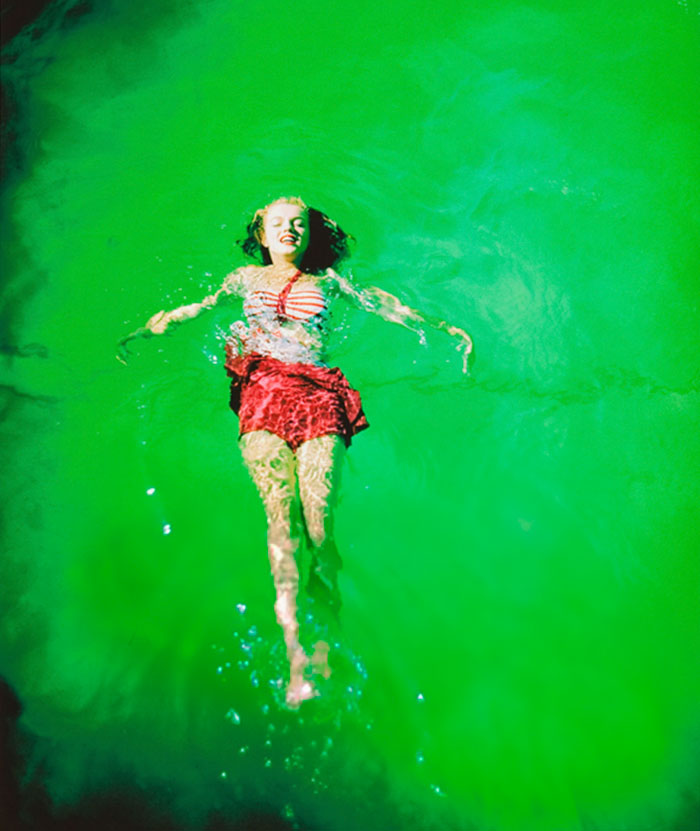
Floating in a pool, 1946
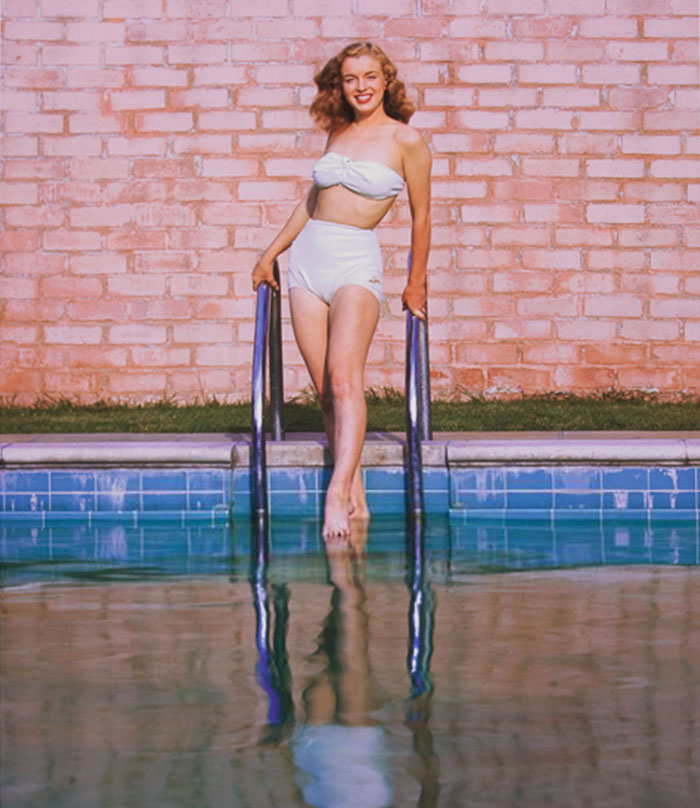
Norma Joane wearing a white bathing suit by a swimming pool, 1946
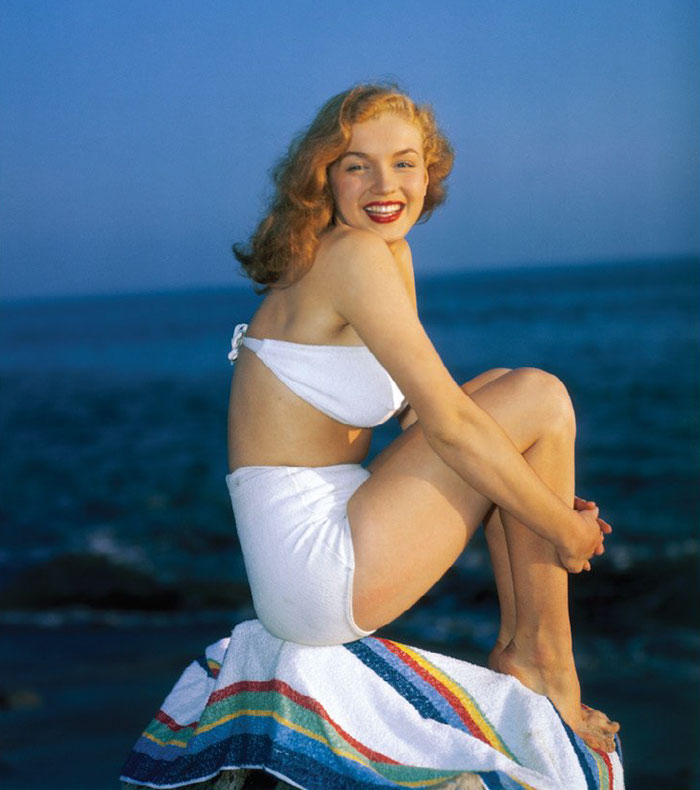
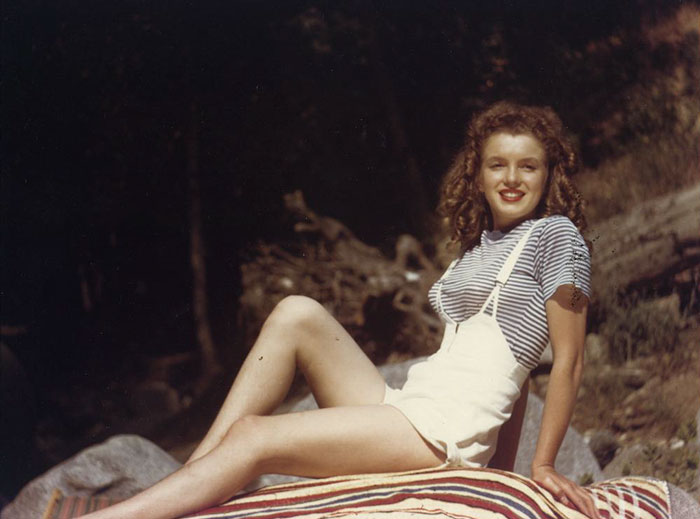
Sitting on a towel, hugging her knees, 1946
Norma Jeane posing in Malibu. Her lover and photographer behind the photo said “She was twenty and had never experienced the intoxication of success, yet already there was a shadow over her radiance, in her laughter” (1946)

40 Incredible Photos Showing the Interior of the R.M.S. Mauretania During Its Launching in 1906

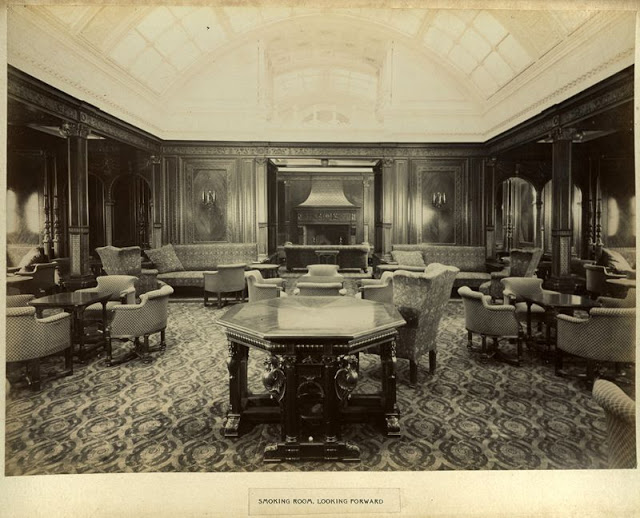
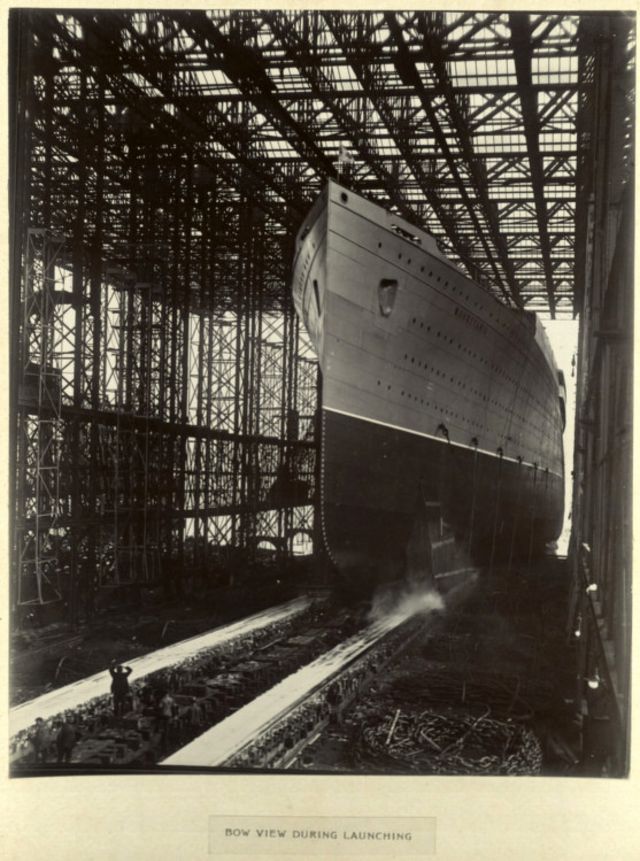
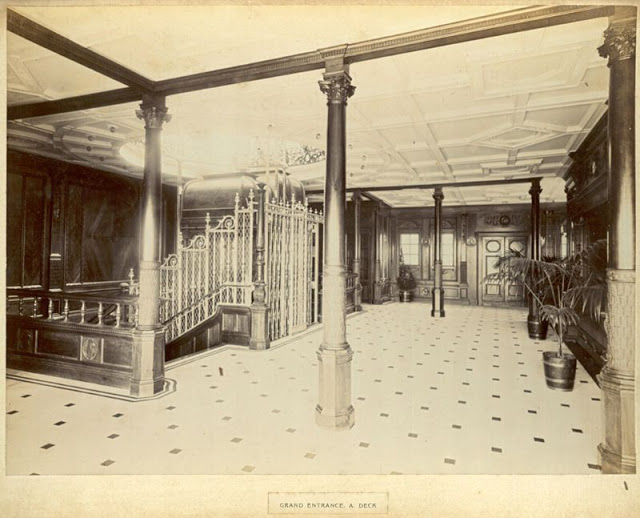
RMS Mauretania was an ocean liner designed by Leonard Peskett and built by Wigham Richardson and Swan Hunter for the British Cunard Line, launched on the afternoon of 20 September 1906. She was the world’s largest ship until the launch of RMS Olympic in 1910. Mauretania became a favourite among her passengers. She captured the eastbound Blue Riband on her maiden return voyage in December 1907, then claimed the westbound Blue Riband for the fastest transatlantic crossing during her 1909 season. She held both speed records for 20 years.

The ship’s name was taken from the ancient Roman province of Mauretania on the northwest African coast, not the modern Mauritania to the south.[2] Similar nomenclature was also employed by Mauretania’s sister ship Lusitania, which was named after the Roman province directly north of Mauretania, across the Strait of Gibraltar in Portugal. Mauretania remained in service until September 1934, when Cunard-White Star retired her; scrapping commenced in Rosyth, in 1935. (Wikipedia)
At full speed on the measured mile, circa 1906
Stern view showing disposition of propellers, circa 1906
Bow view during launching, circa 1906
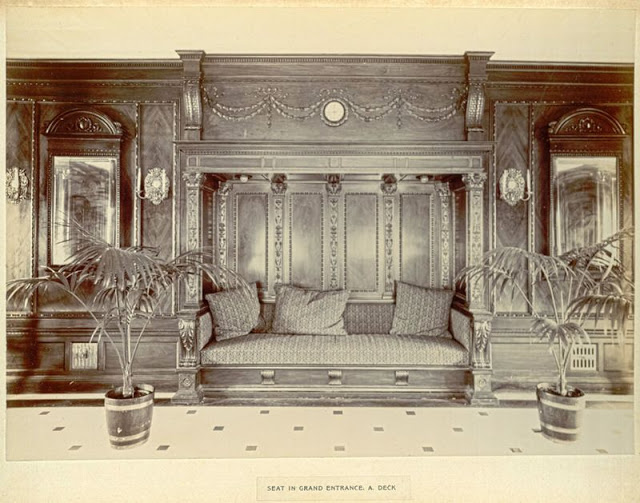
Grand entrance. A. deck, 1906
Boat deck promenade, circa 1906
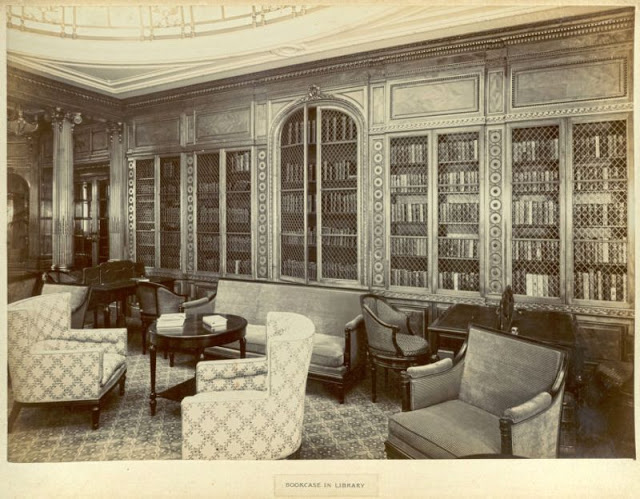
Bookcase in library, circa 1906
Children’s room, circa 1906
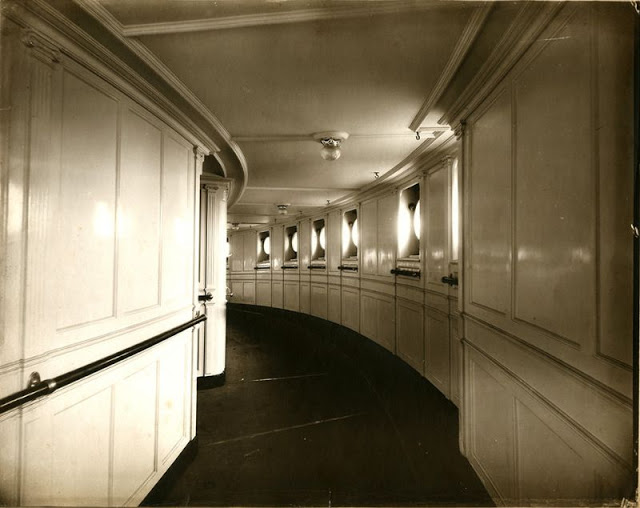
Corridor A. deck, circa 1906
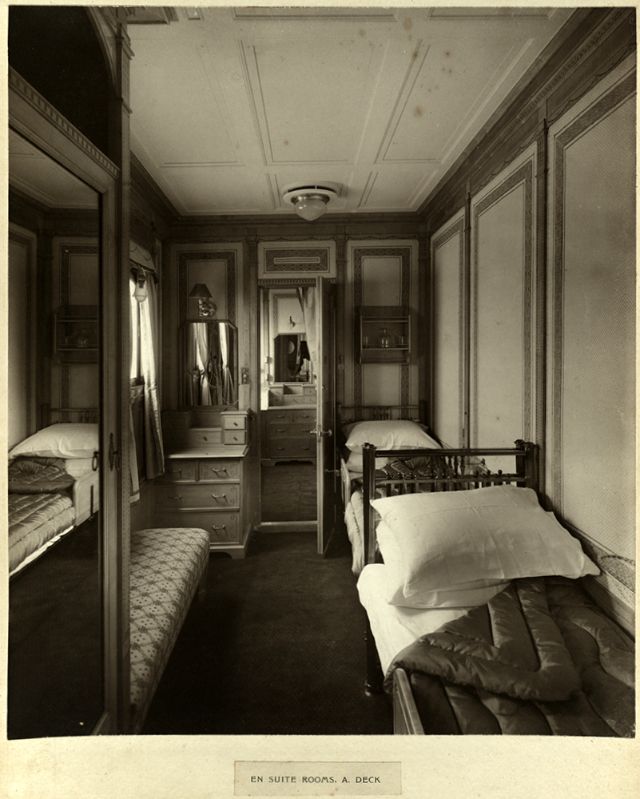
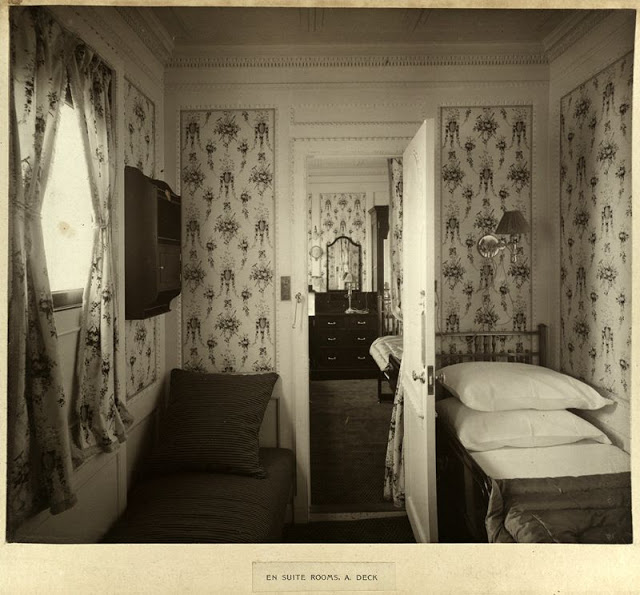
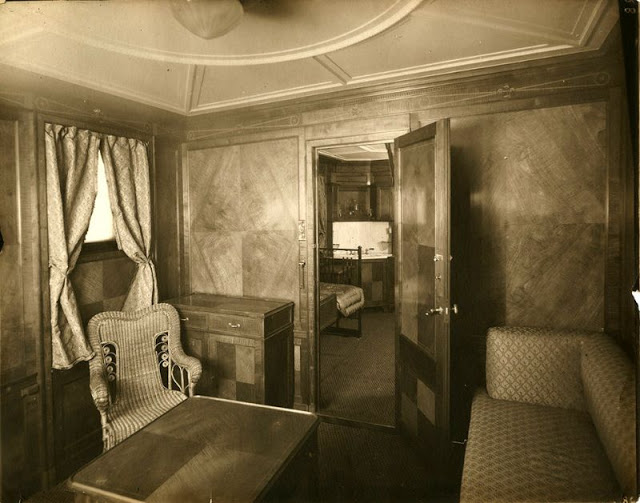
En suite rooms, A. deck, circa 1906.
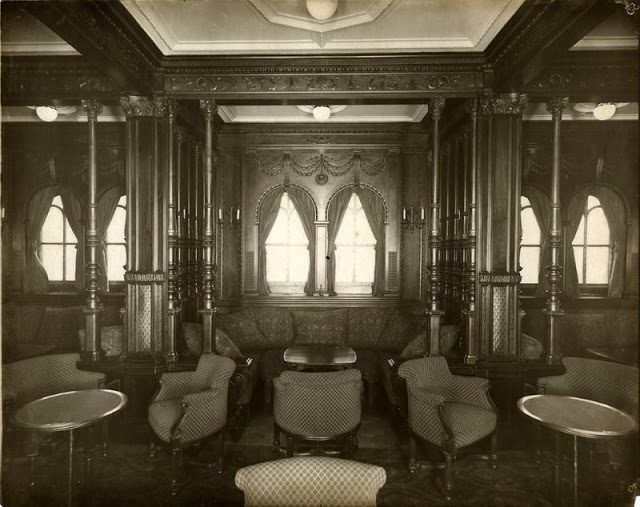
First class smoking room, circa 1906
General view of upper and lower dining saloon. Showing dome, circa 1906
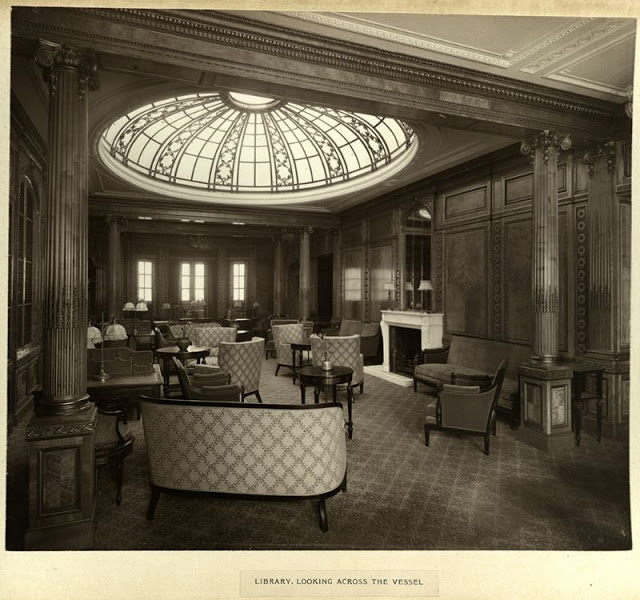
Library, looking across the vessel, circa 1906
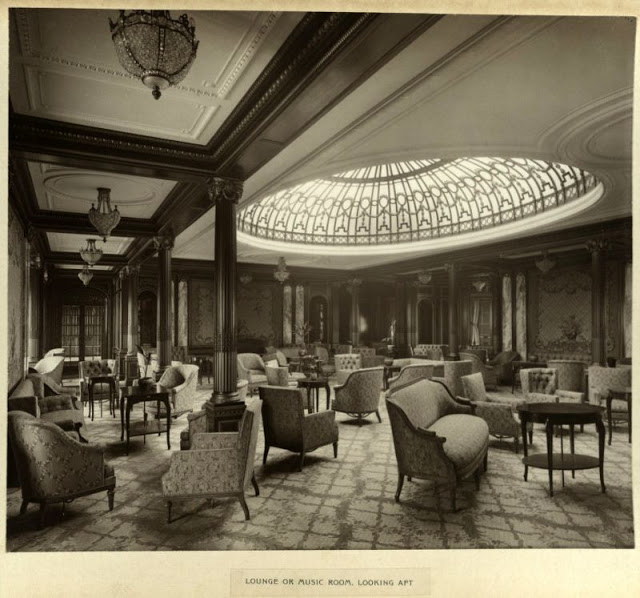
Lounge or music room, looking aft, circa 1906
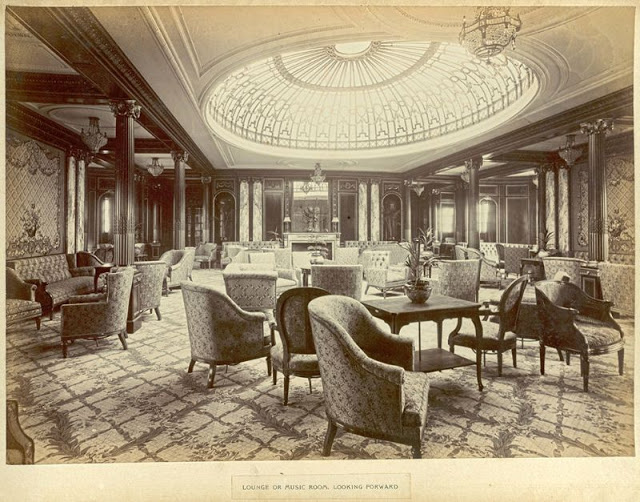
Lounge or music room, looking forward, circa 1906
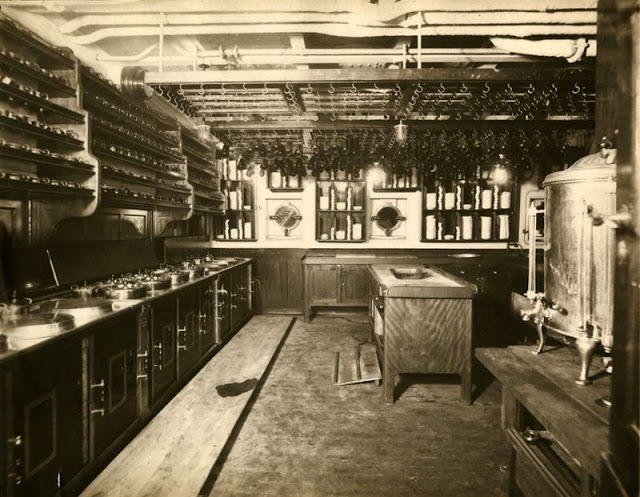
Mauretania kitchen, circa 1906
Mauretania observation hall, circa 1906
Ordinary state room, D deck, circa 1906
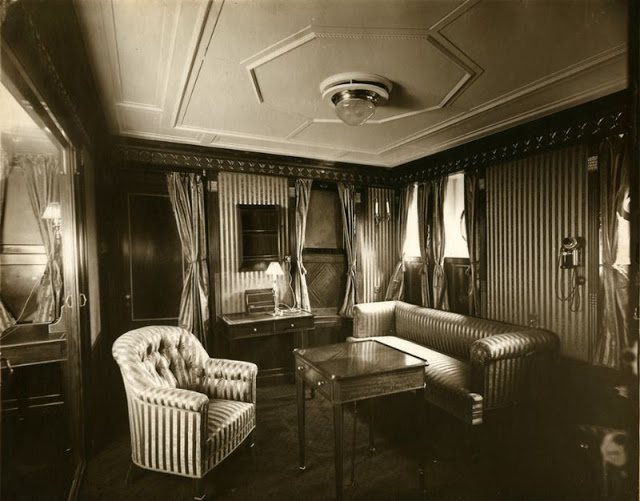
Parlour suite. B deck, circa 1906
Promenade deck, circa 1906
Purser’s Bureau, on the Promenade Deck, Mauretania, circa 1906
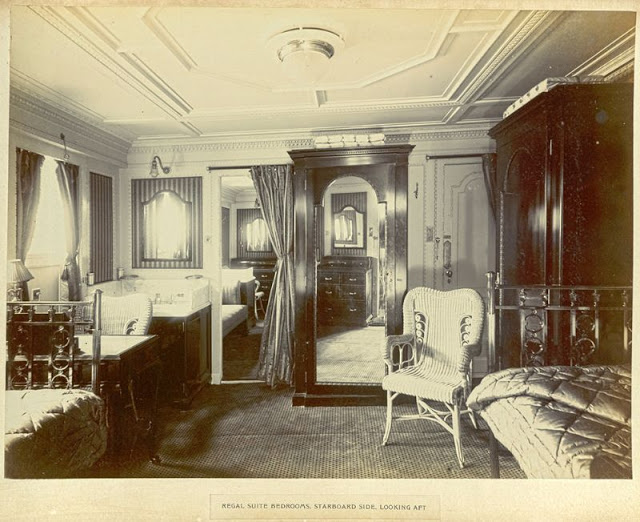
Regal suite bedrooms, starboard side, looking aft, circa 1906
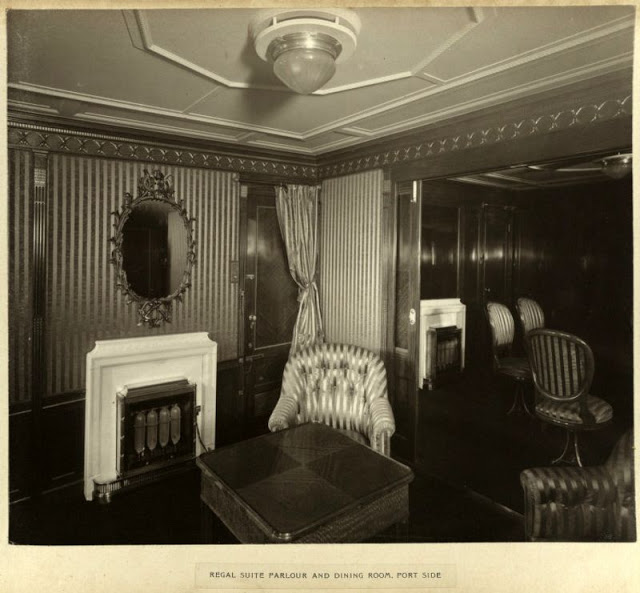
Regal suite parlour and dining room, port side, circa 1906
Regal Suite parlour, circa 1906
Seat in grand entrance. A. deck, circa 1906
Second class dining saloon, circa 1906
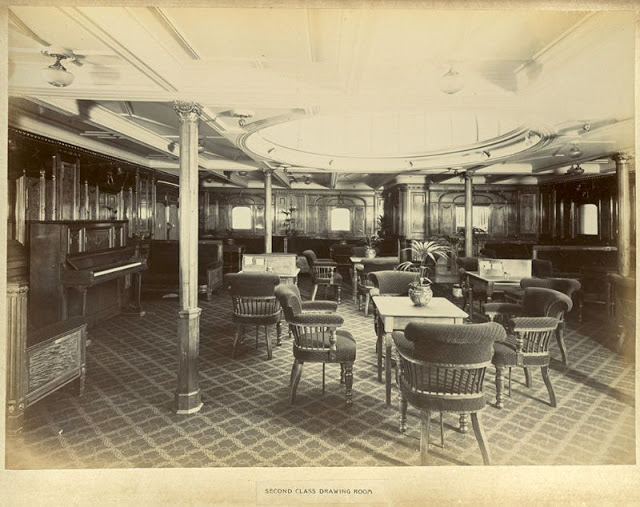
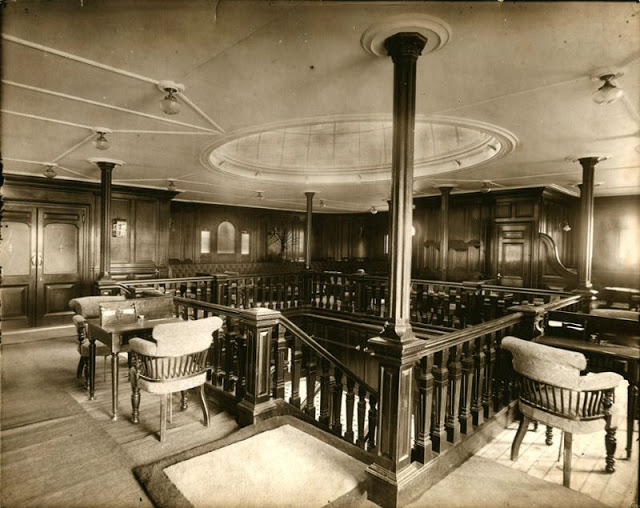
Second class drawing room, circa 1906
This image has an empty alt attribute; its file name is 27-90.jpg
Second class drawing room, circa 1906
This image has an empty alt attribute; its file name is 28-89.jpg
Second class lounge, circa 1906
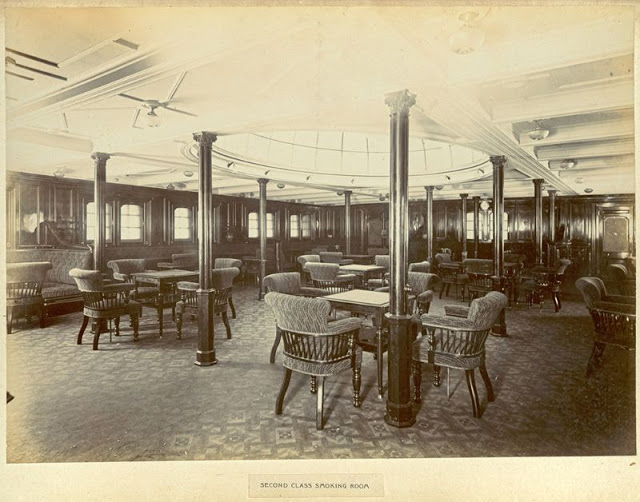
Second class smoking room, circa 1906
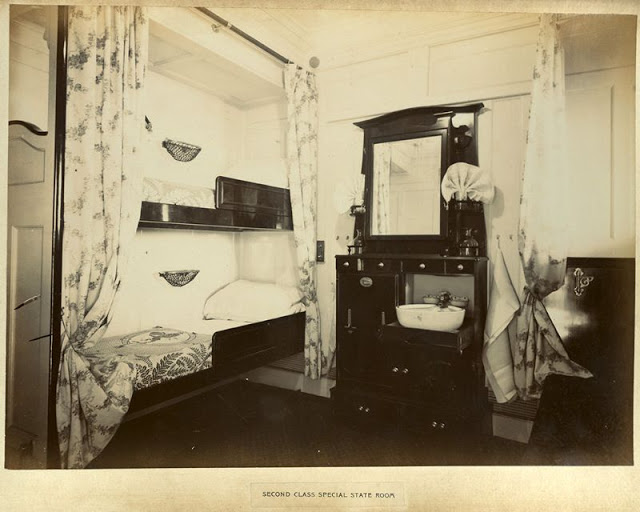
Second class special state room, circa 1906
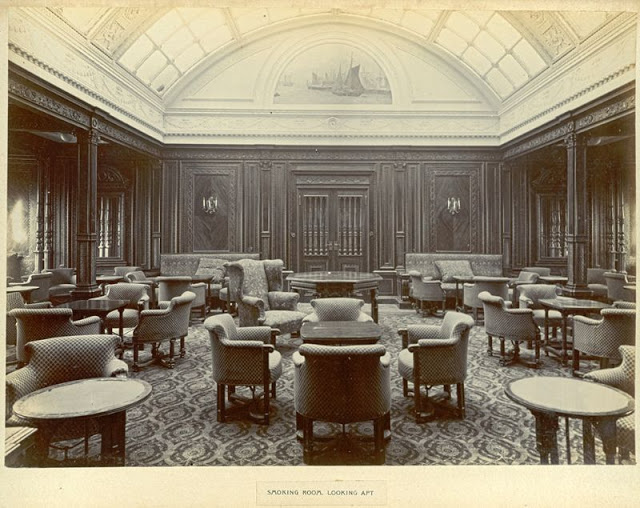
Smoking room, looking aft, circa 1906
Smoking room, looking forward, circa 1906
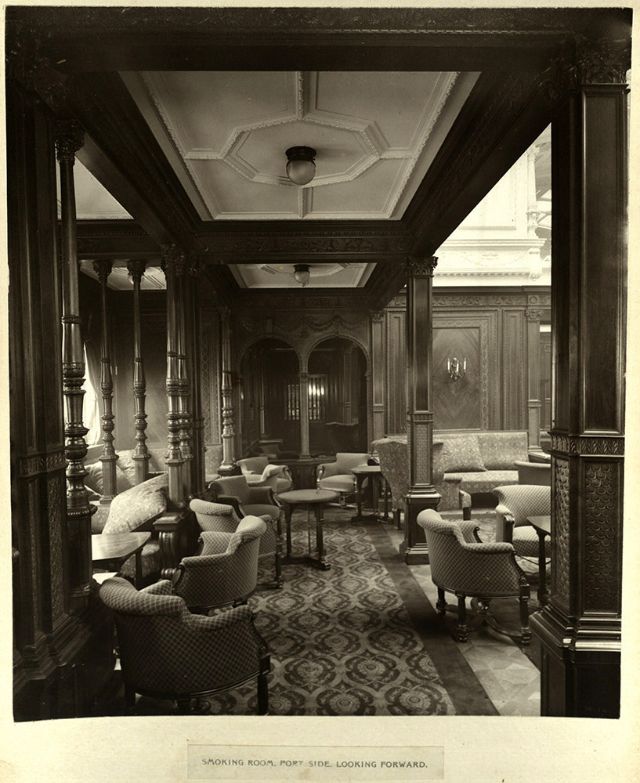
Smoking room, port side, looking forward, circa 1906
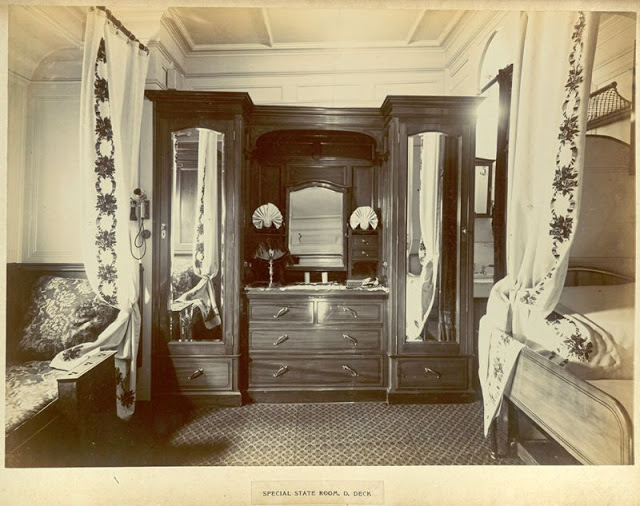
Special state room. D. deck, circa 1906
Third class general activity room, circa 1906
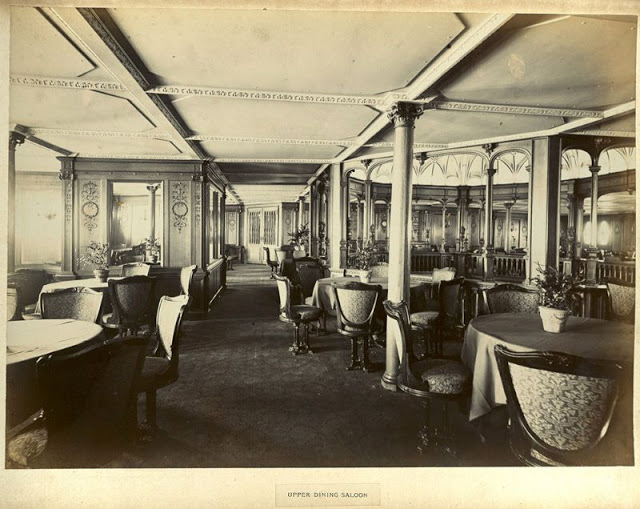
Upper dining saloon, circa 1906
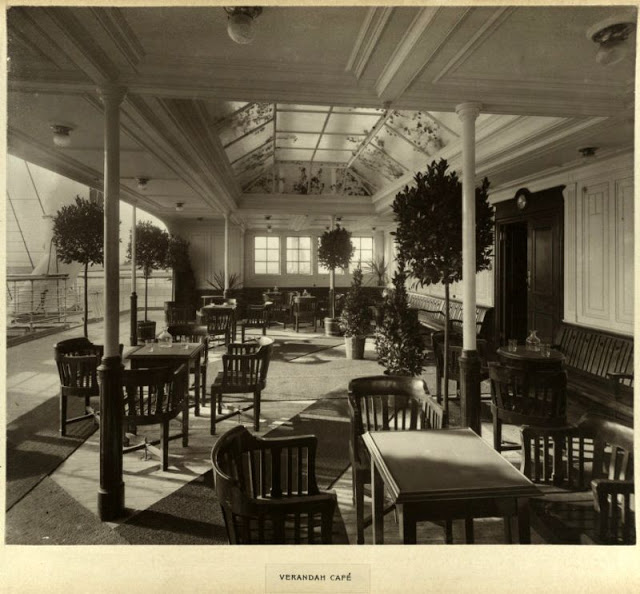
Verandah café, circa 1906
Elevator on Mauretania, circa 1906
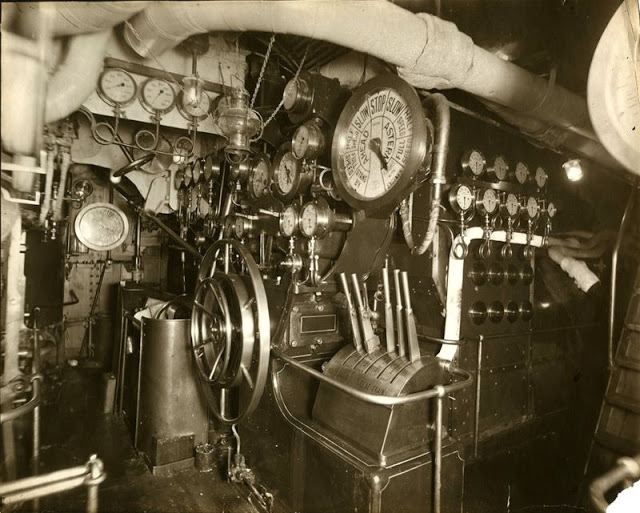
Mauretania engine control room, circa 1906
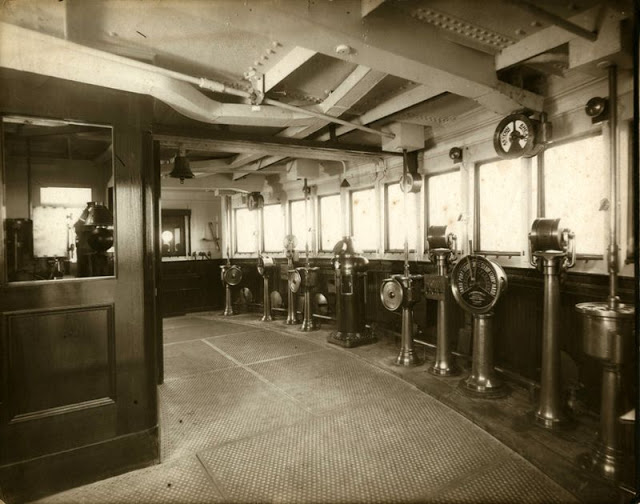
Mauretania navigation bridge, circa 1906

Yesterday Today

Bringing You the Wonder of Yesterday - Today

Skip to content ↓