






























Bringing You the Wonder of Yesterday – Today
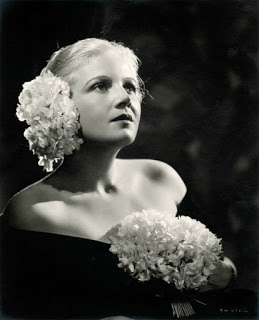
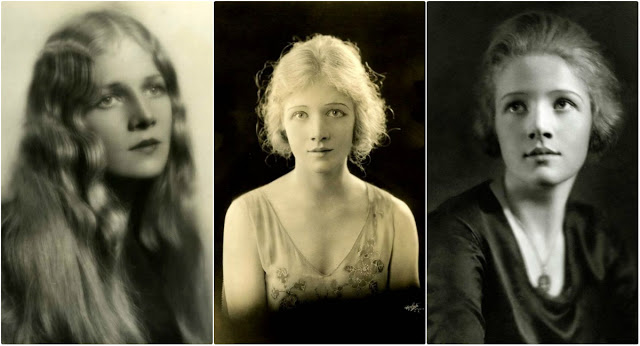
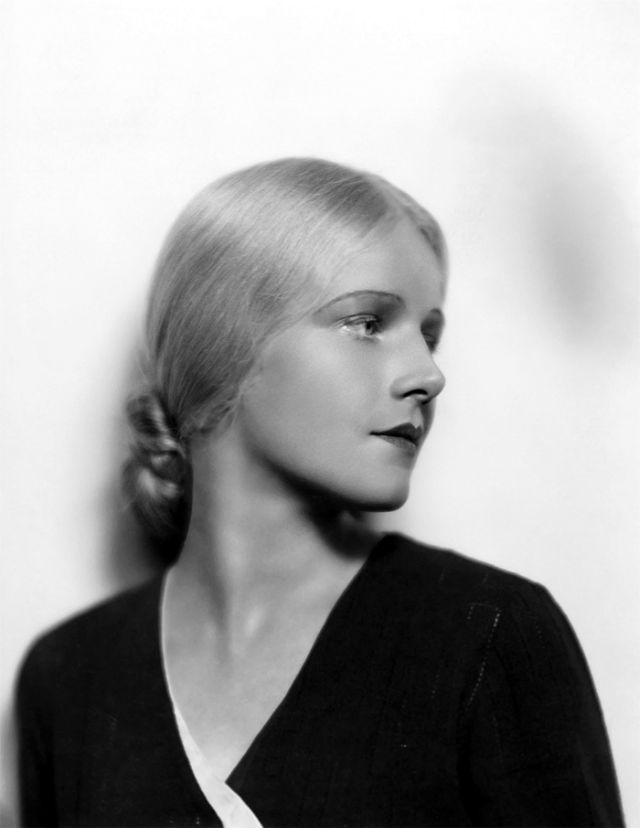
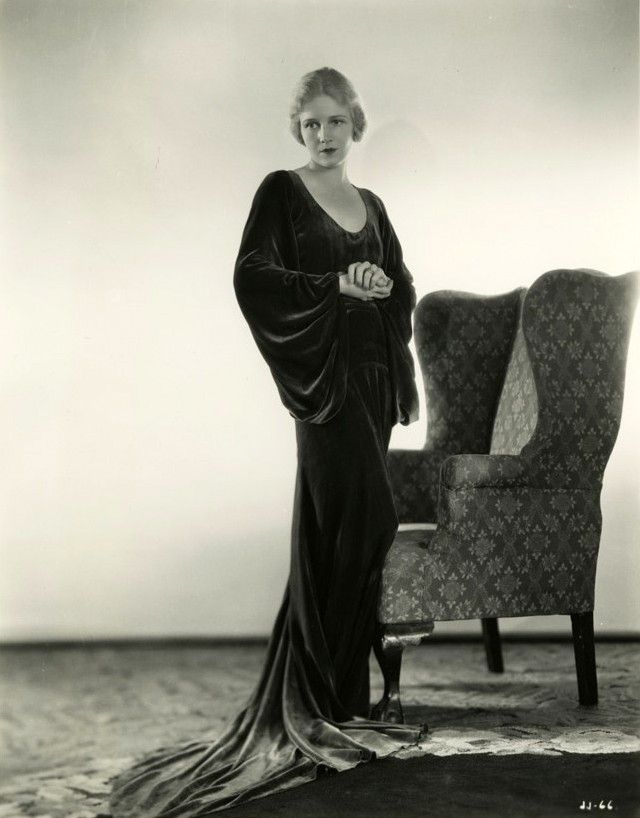
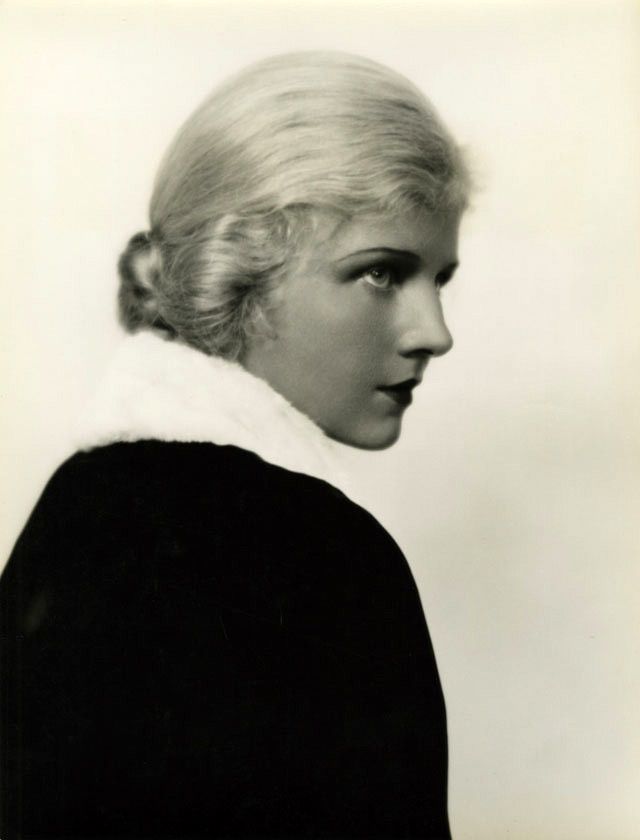
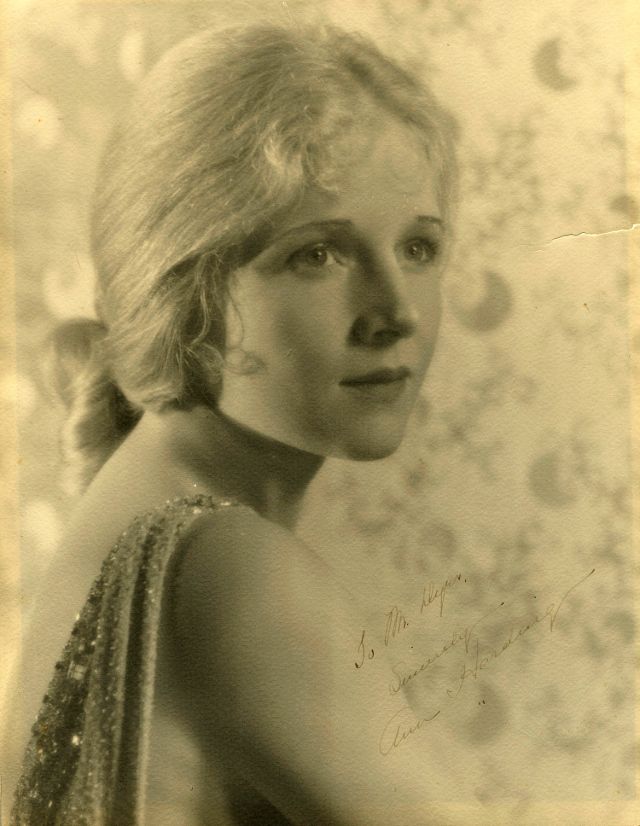
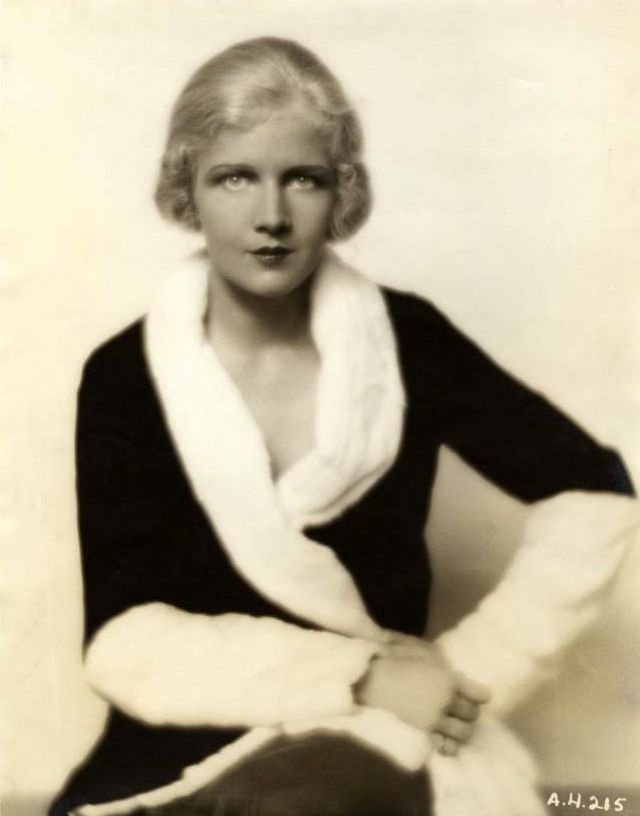
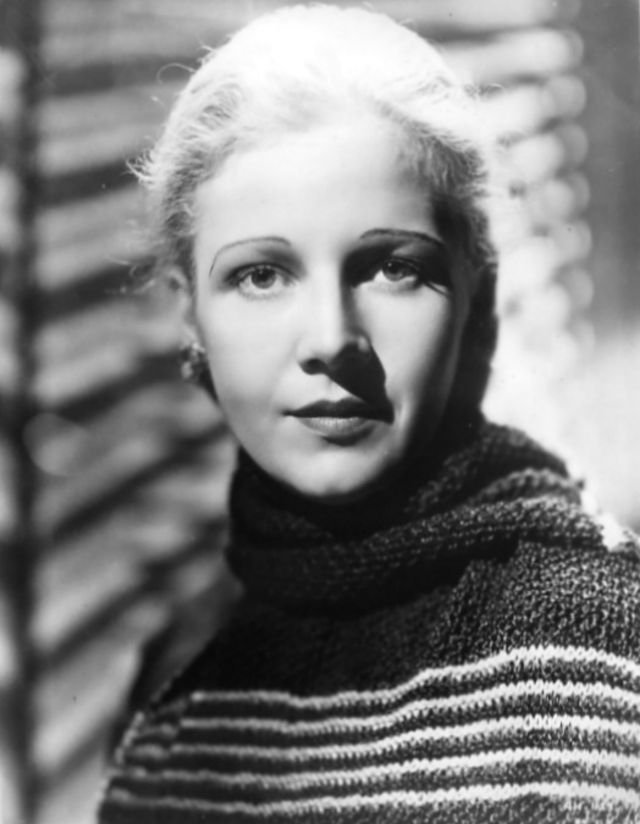
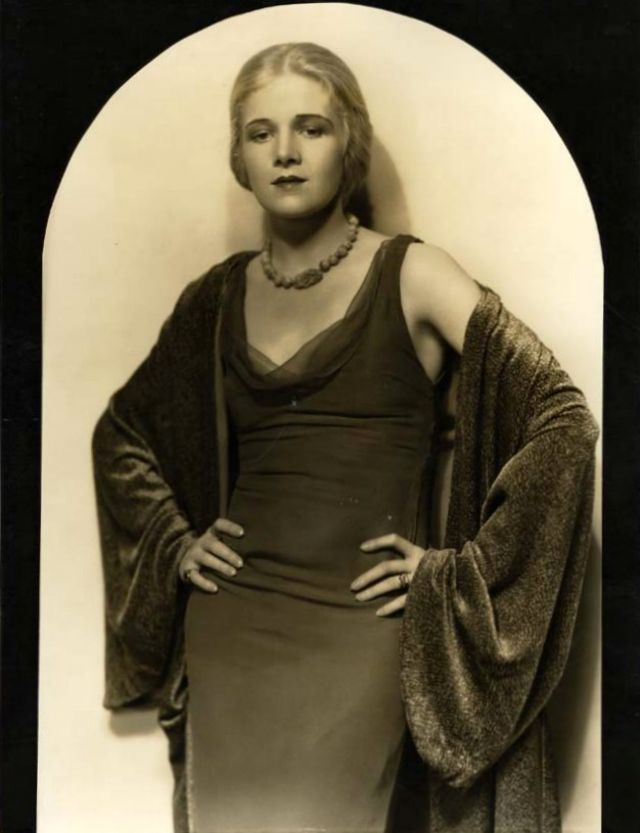
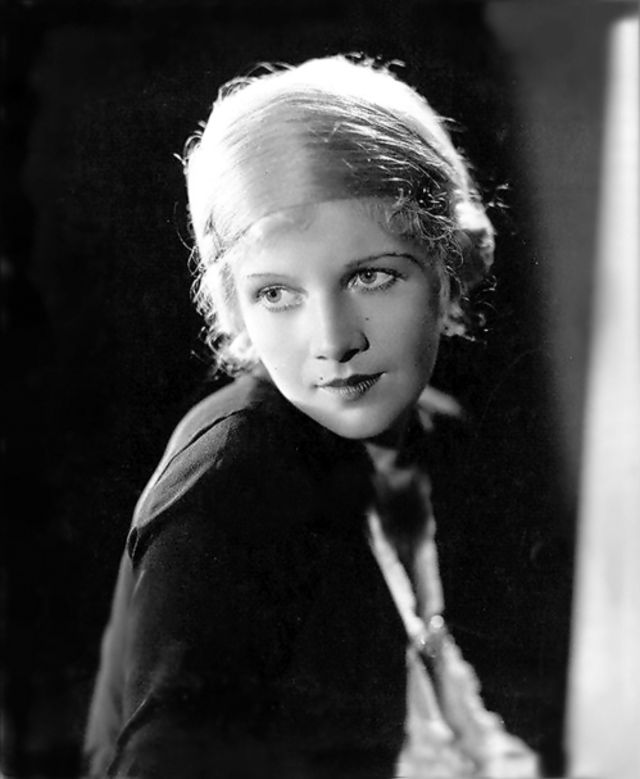
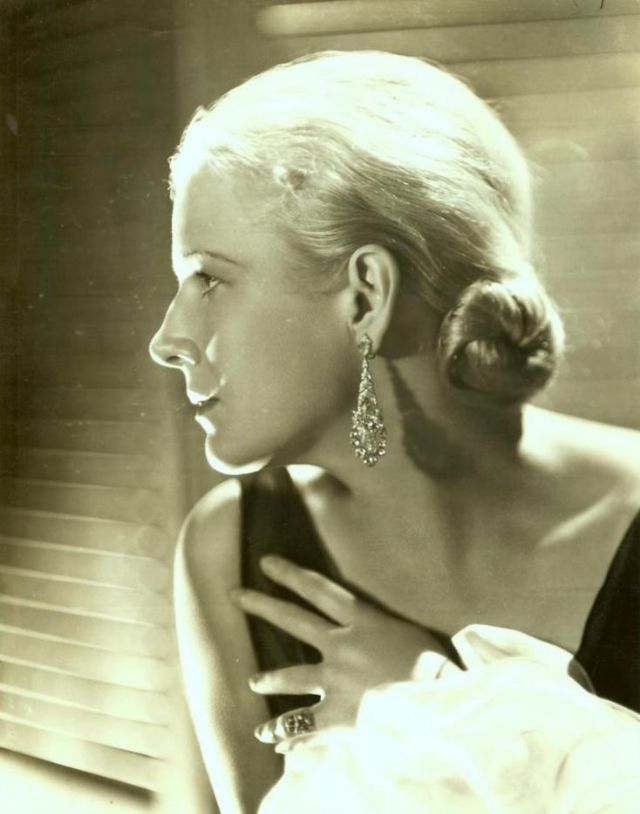
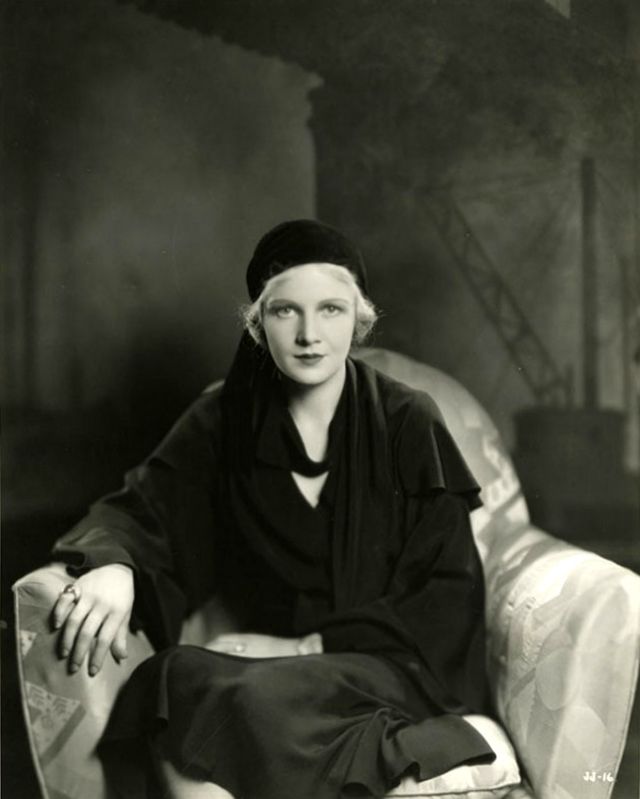
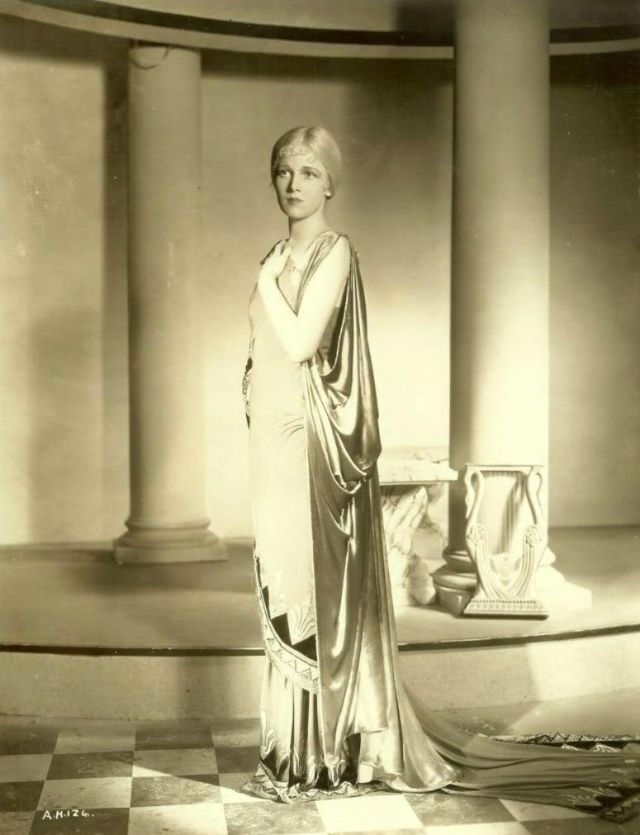
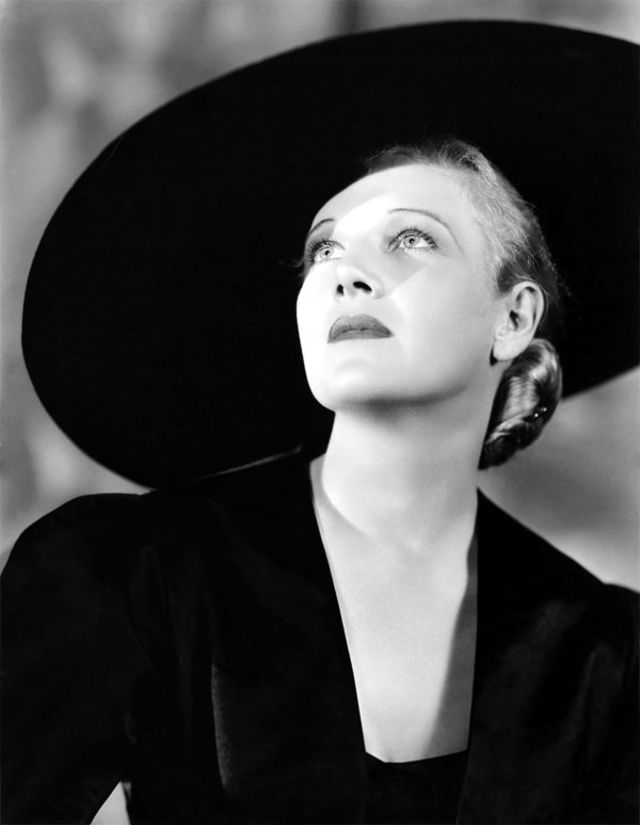
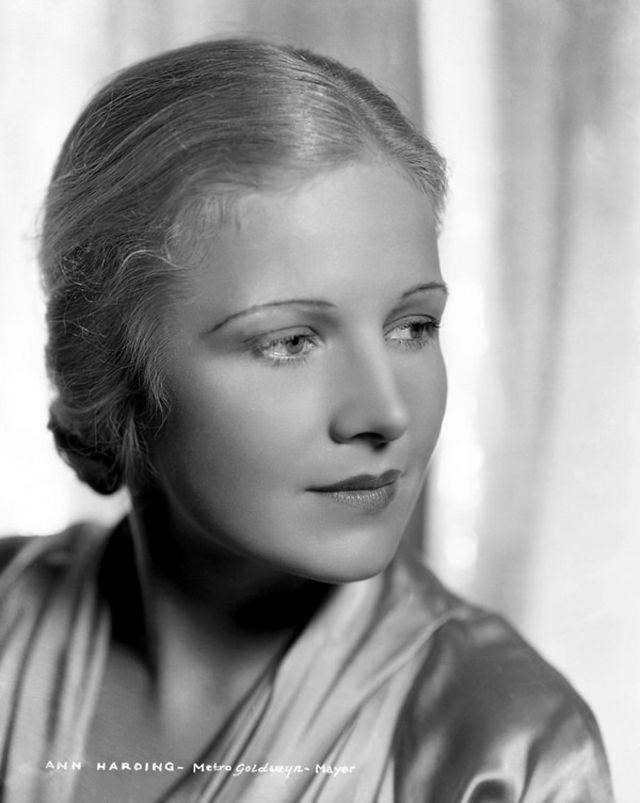
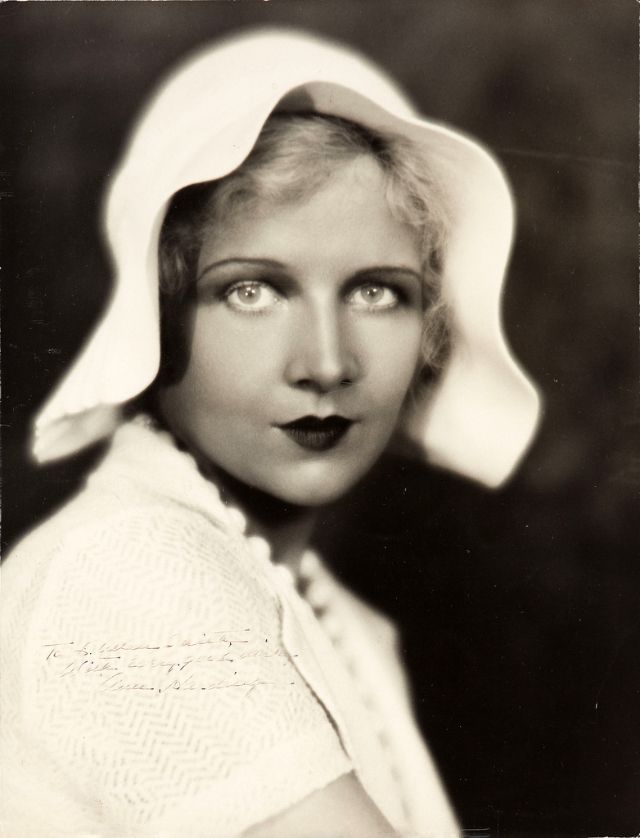
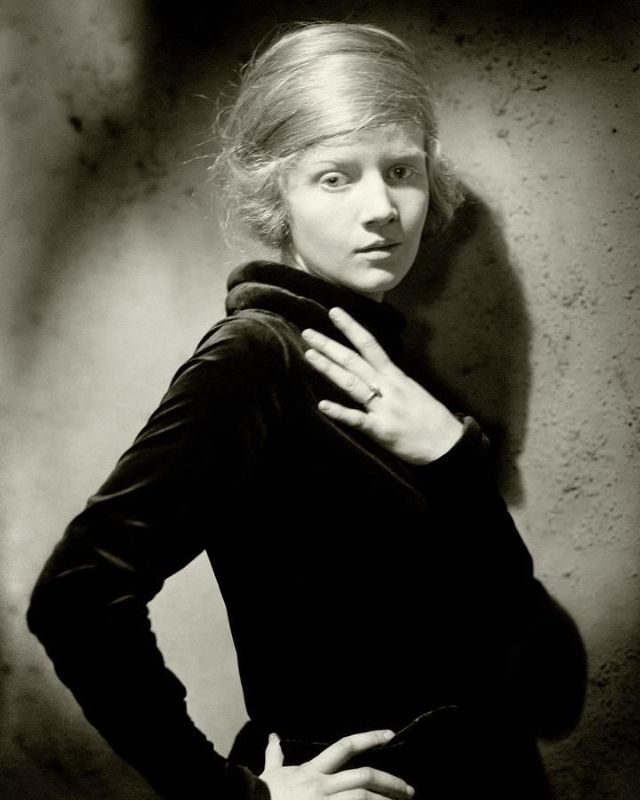
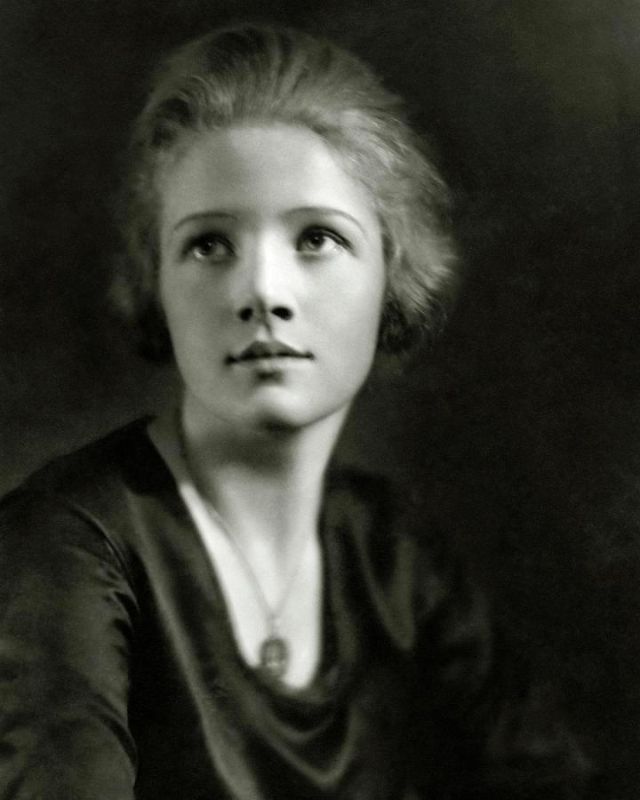
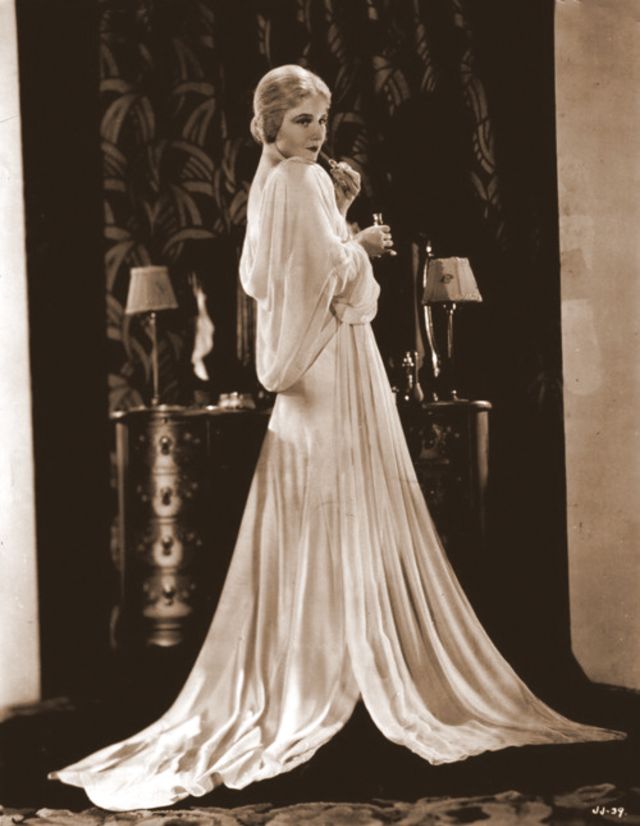
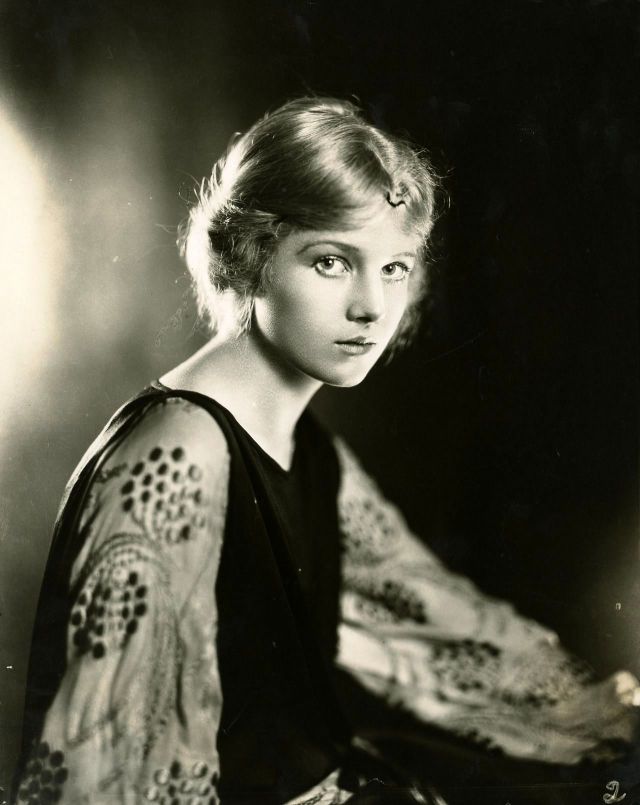
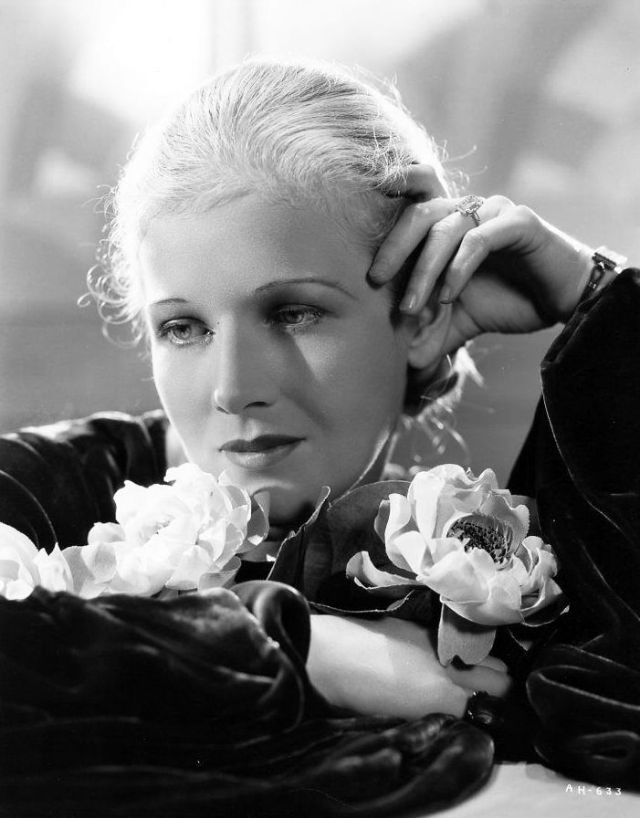
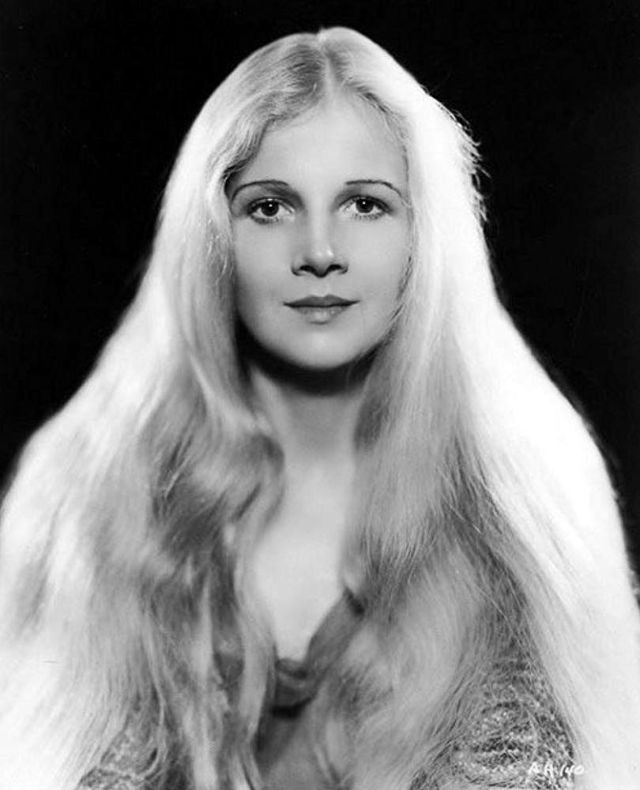
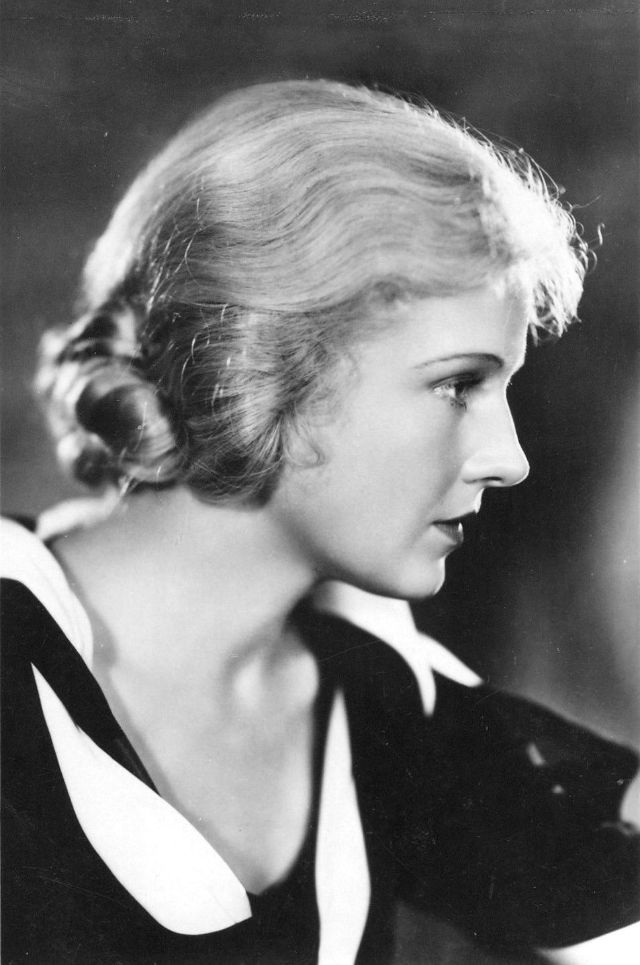
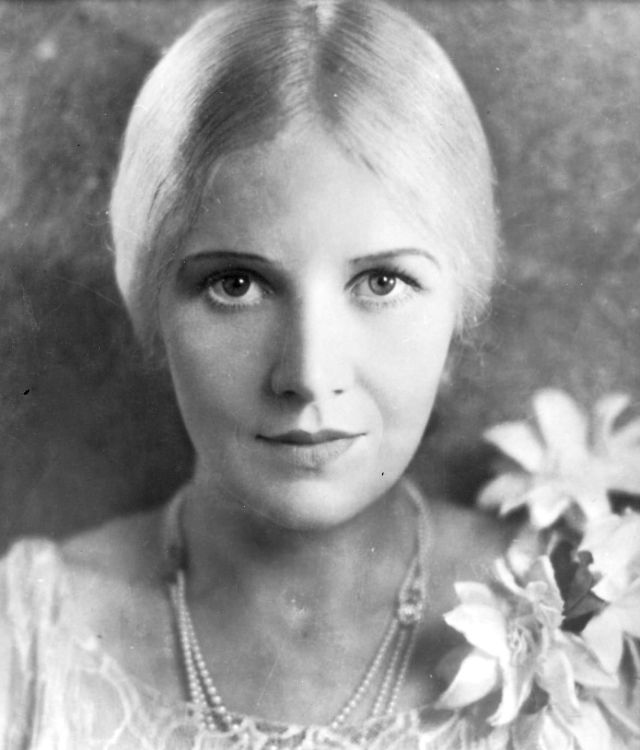
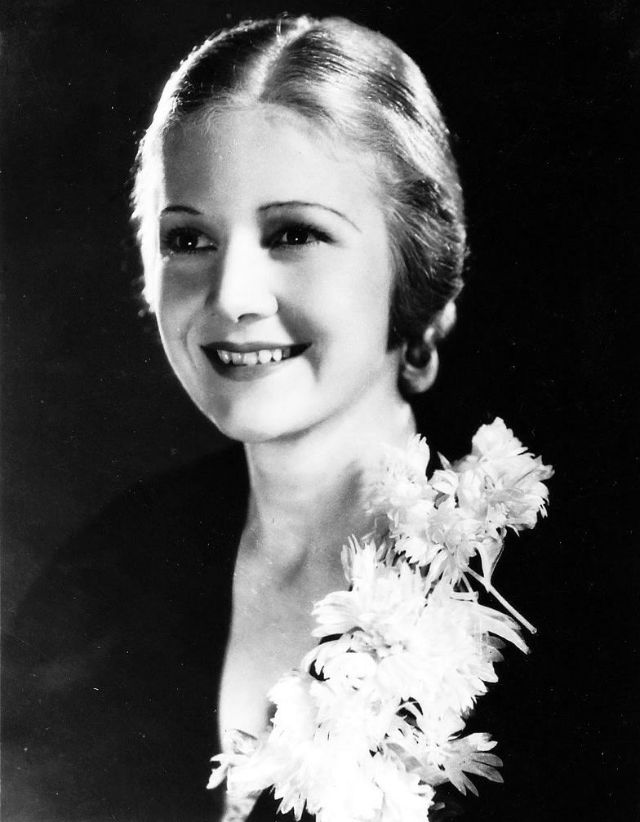
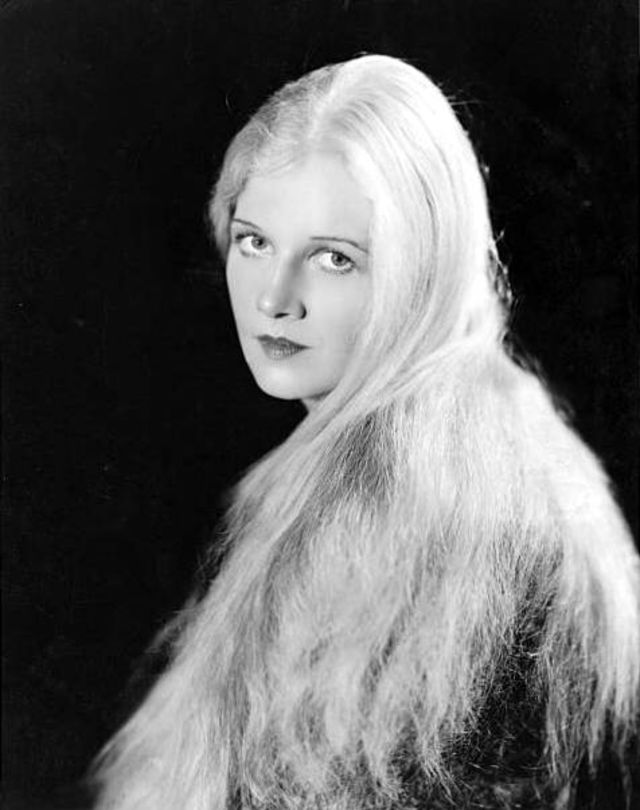
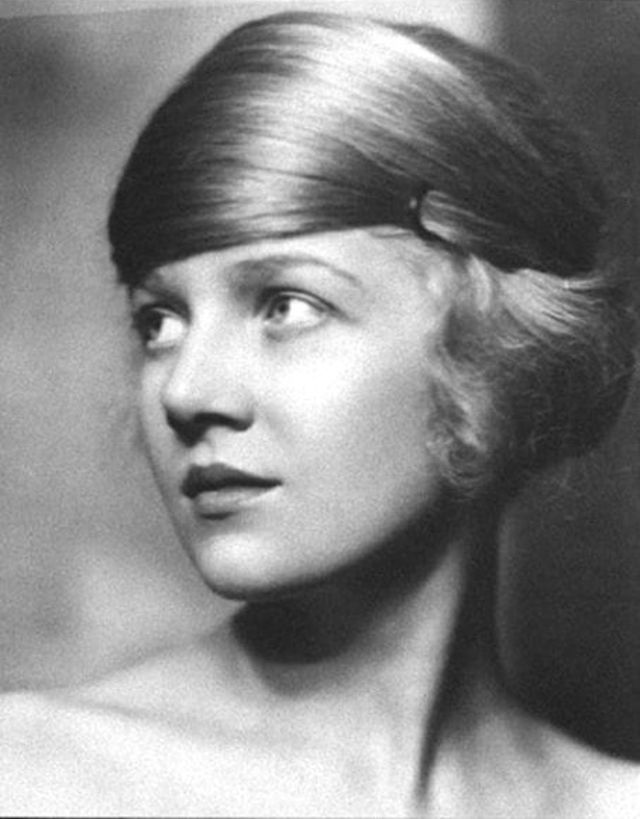
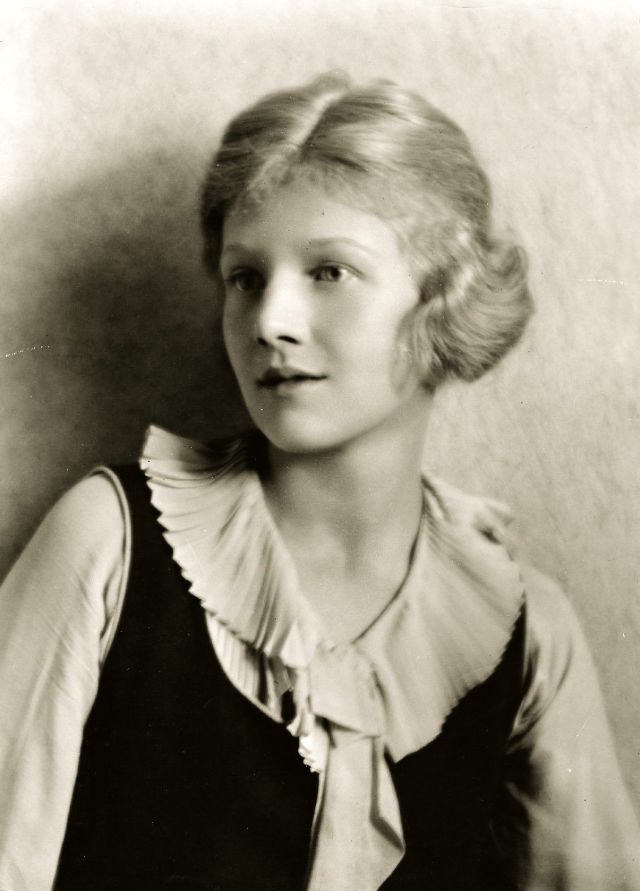
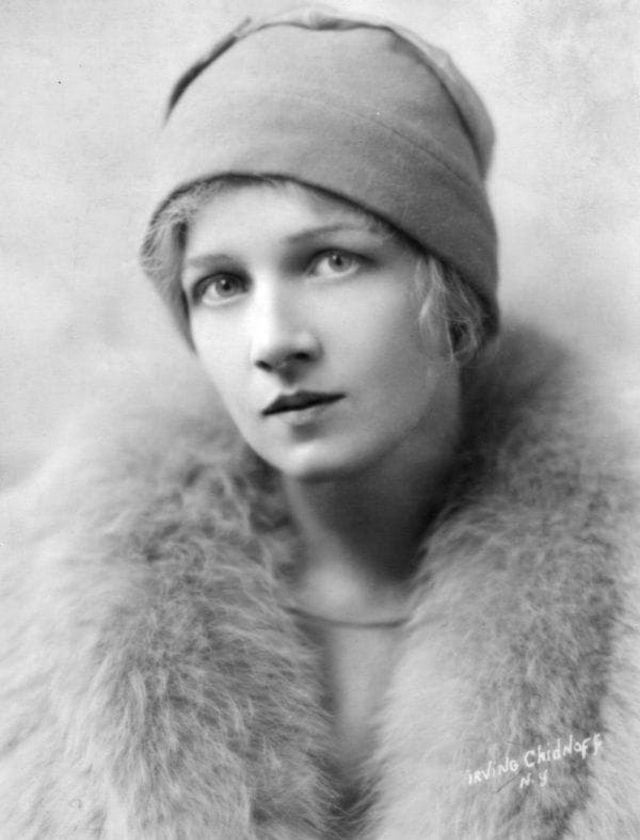
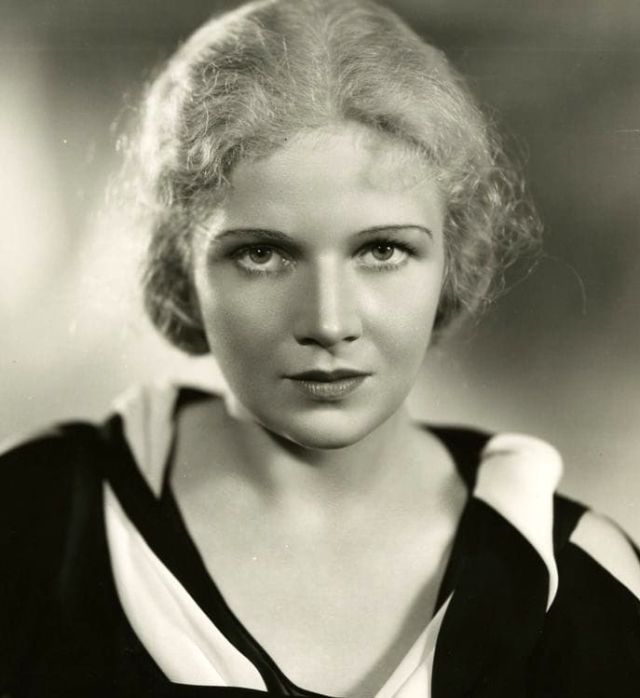
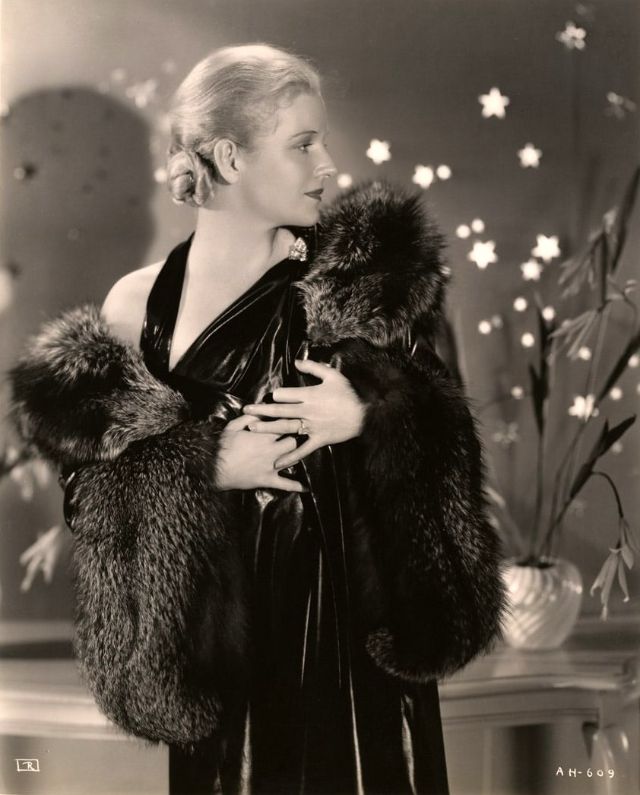
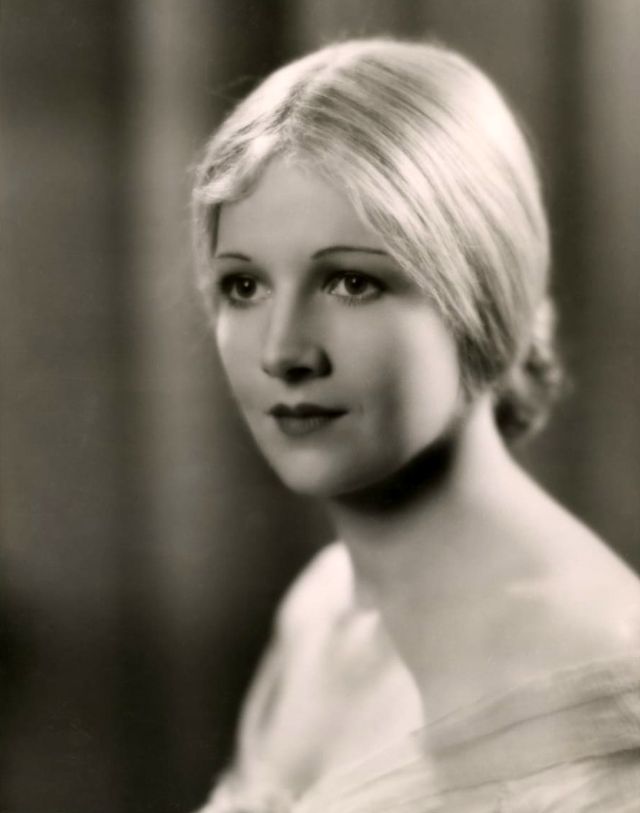
Born 1902 as Dorothy Walton Gatley at Fort Sam Houston in San Antonio, Texas, American theatre, motion picture, radio, and television actress Ann Harding graduated from East Orange High School. Having gained her initial acting experience in school drama classes, she decided on a career as an actress and moved to New York City. Because her father opposed her career choice, she used the stage name Ann Harding.
A regular player on Broadway and in regional theater in the 1920s, in the 1930s, Harding was one of the first actresses to gain fame in the new medium of “talking pictures”, and she was nominated for the Academy Award for Best Actress in 1931 for her work in Holiday.
After initial work as a script reader, Harding began to win roles on Broadway and in regional theaters, primarily in Pennsylvania. She moved to California to begin working in movies, which were just then beginning to include sound. Her work in plays had given her notable diction and stage presence, and she became a leading lady. By the late 1930s, she was becoming stereotyped as the beautiful, innocent, self-sacrificing woman, and film work became harder for her to obtain.
Harding also worked occasionally in television between 1955 and 1965, and she appeared in two plays in the early 1960s, returning to the stage after an absence of over 30 years, including the lead in “The Corn is Green” in 1964 at the Studio Theater in Buffalo, New York.
After her 1965 retirement, Harding resided in Sherman Oaks, California. She died in 1981 at the age of 79.
For her contributions to the motion picture and television industries, Harding has two stars on the Hollywood Walk of Fame — one in the Motion Pictures section 6201 Hollywood Boulevard and one in the Television section at 6850 Hollywood Boulevard.
Take a look at these glamorous photos to see the beauty of Ann Harding in the 1920s and 1930s.


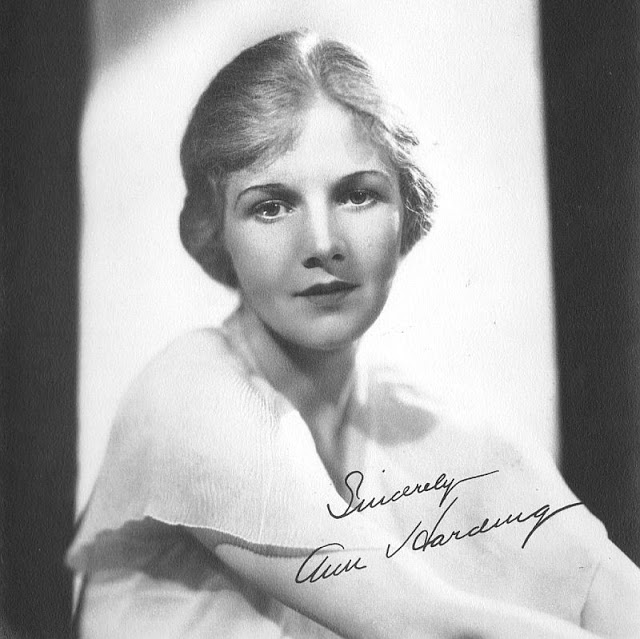
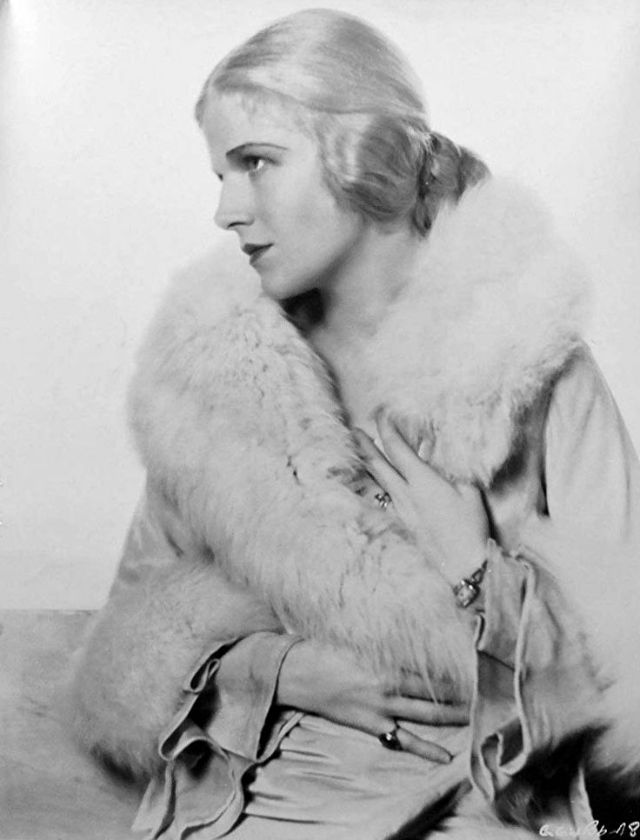
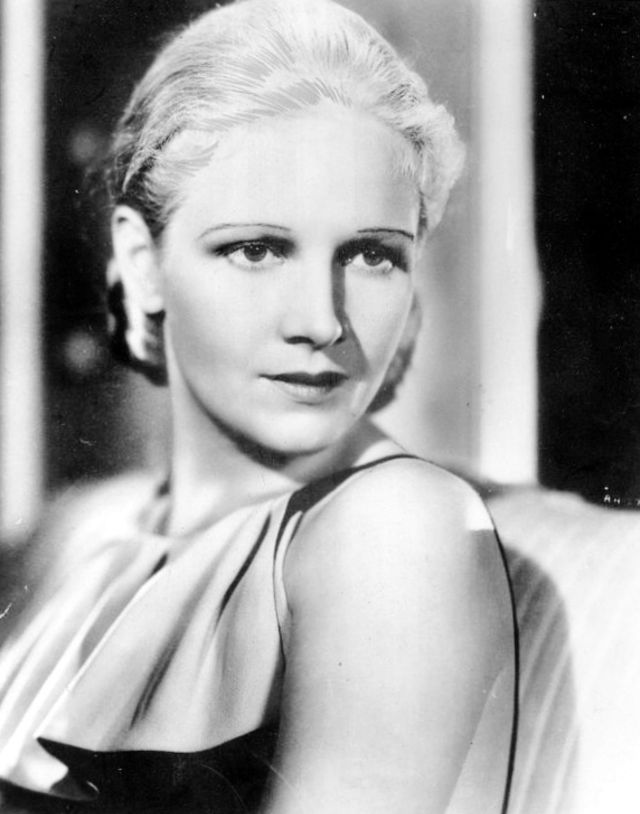
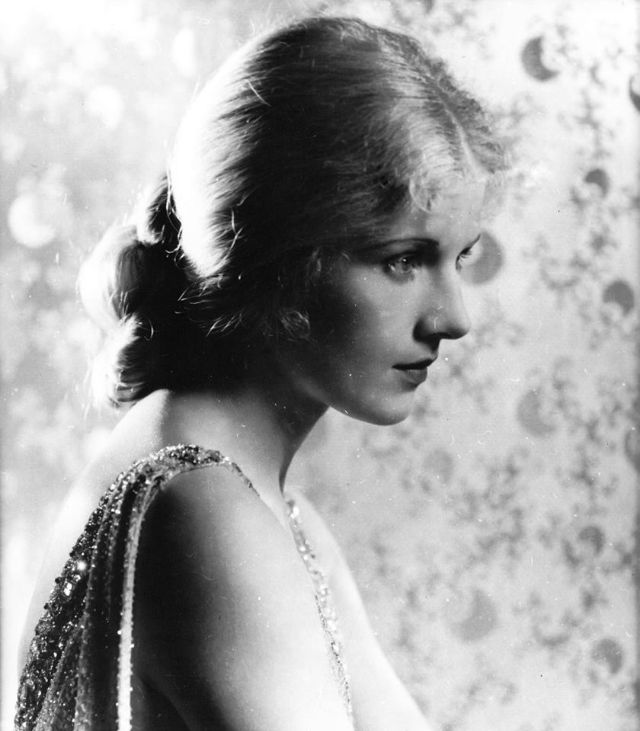

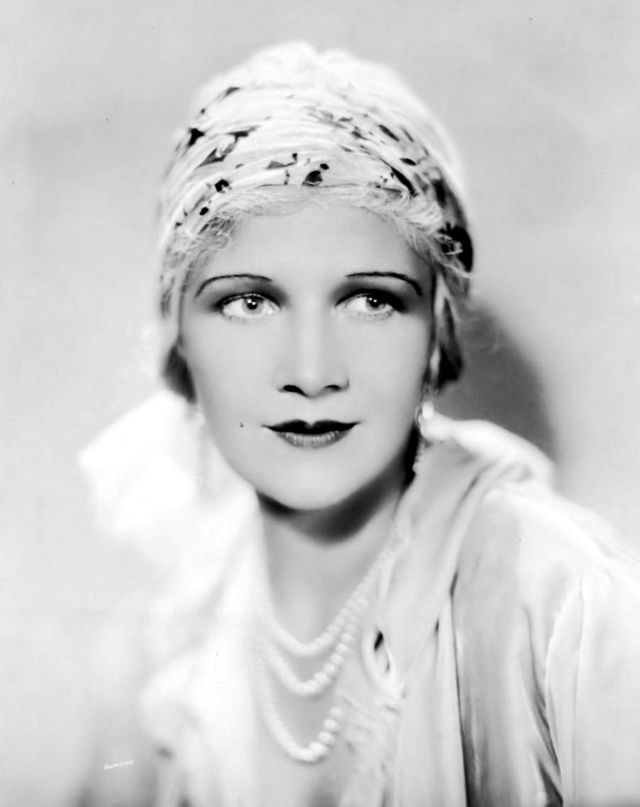
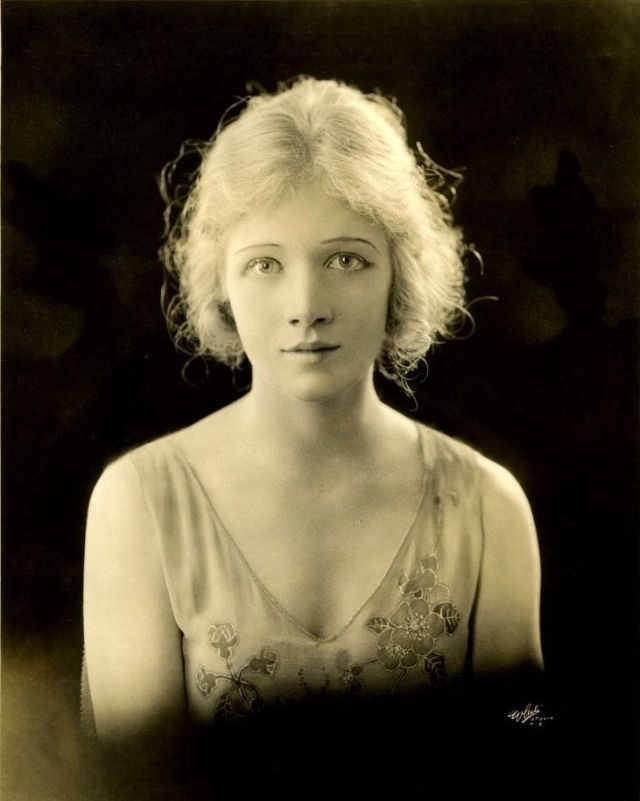

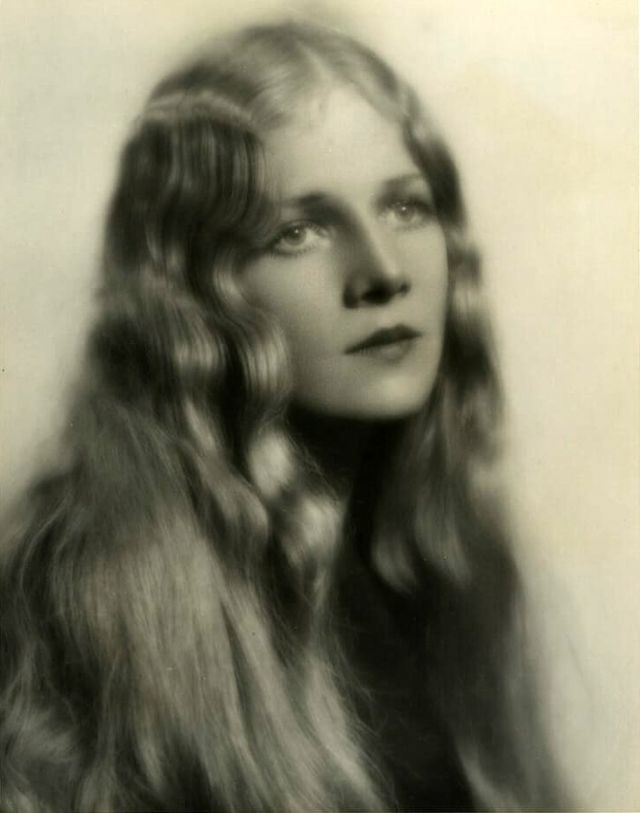
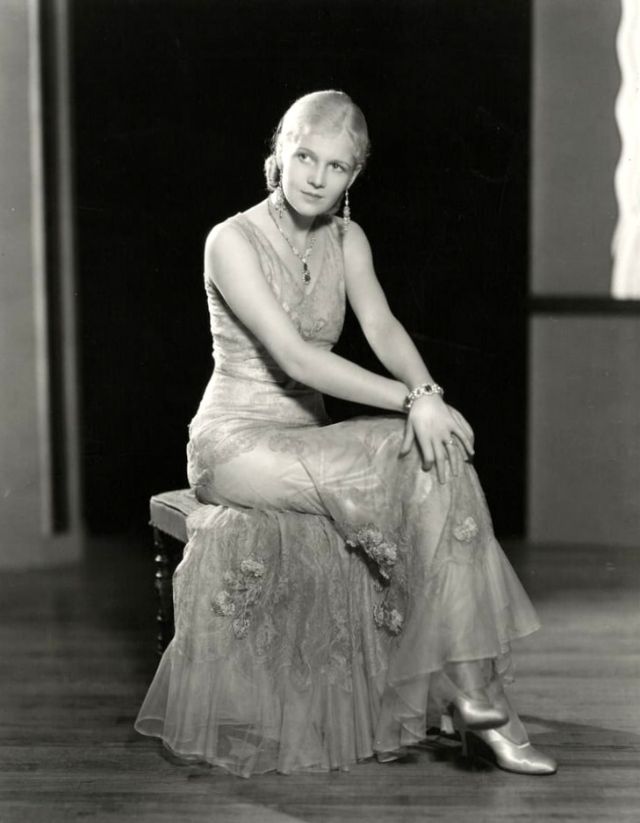
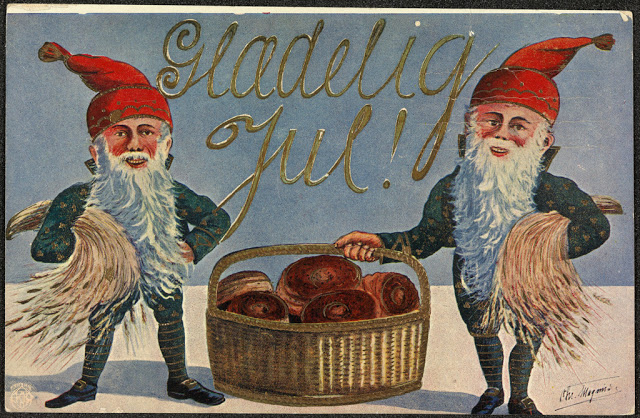
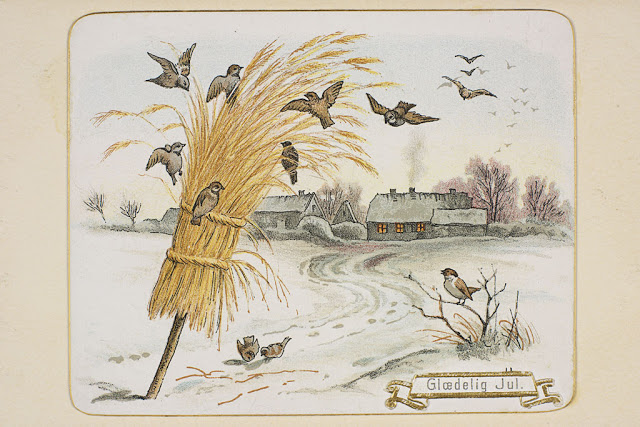
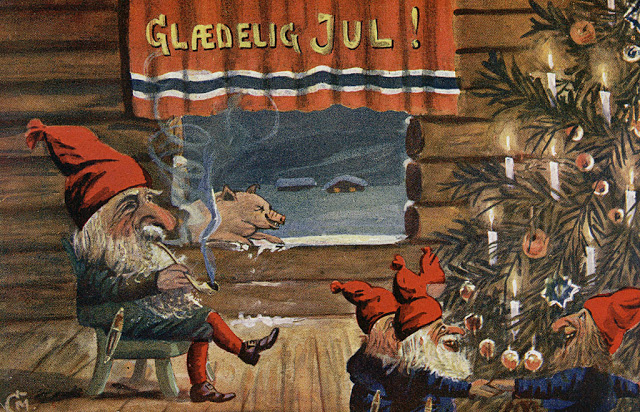
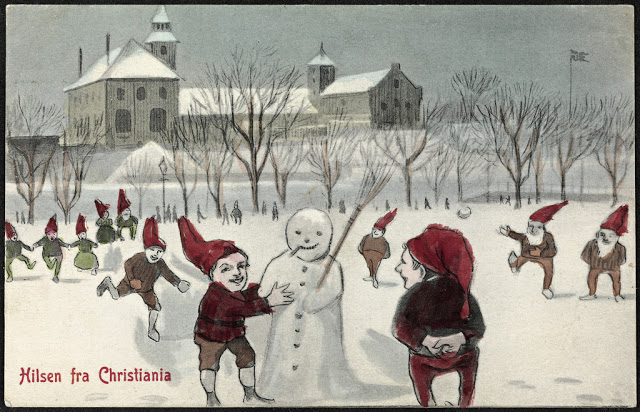
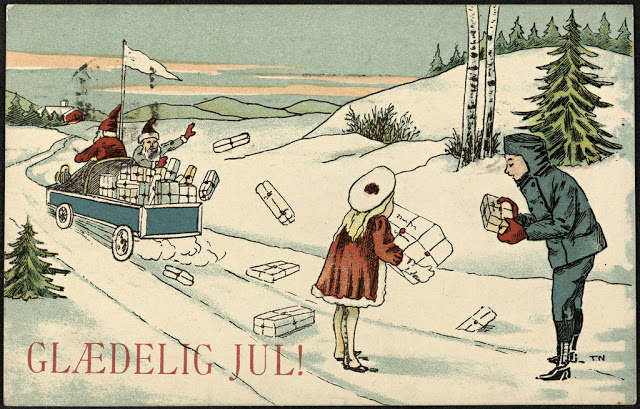
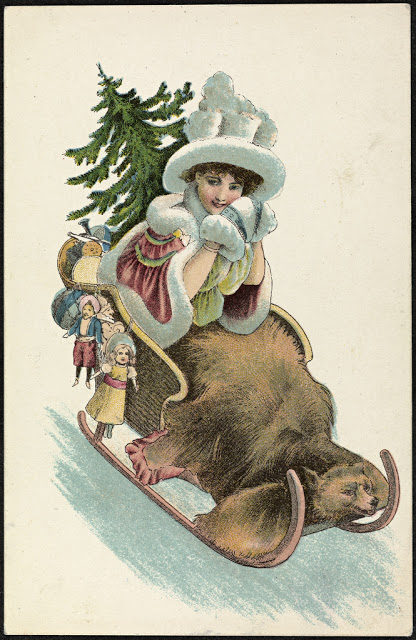
Did you know that the tradition of giving Christmas cards started with the Victorians? In fact, a lot of our modern day Christmas traditions started in the Victorian era. But in those days most of the Christmas cards were still homemade, just like most of the gifts were.
The tradition of giving gifts goes back a long time, and in Norway we hear about the Vikings offering gifts to allying chiefs in order to establish and maintain good relations between the different clans. Even today, gifts, but perhaps even more so, cards, are used for the exact same purpose!







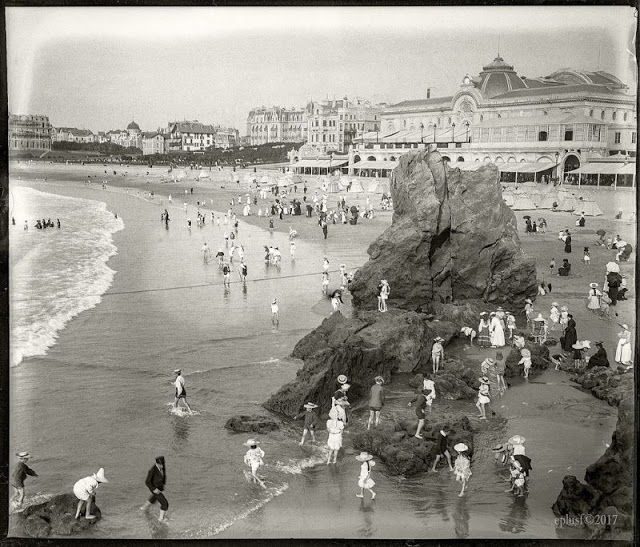
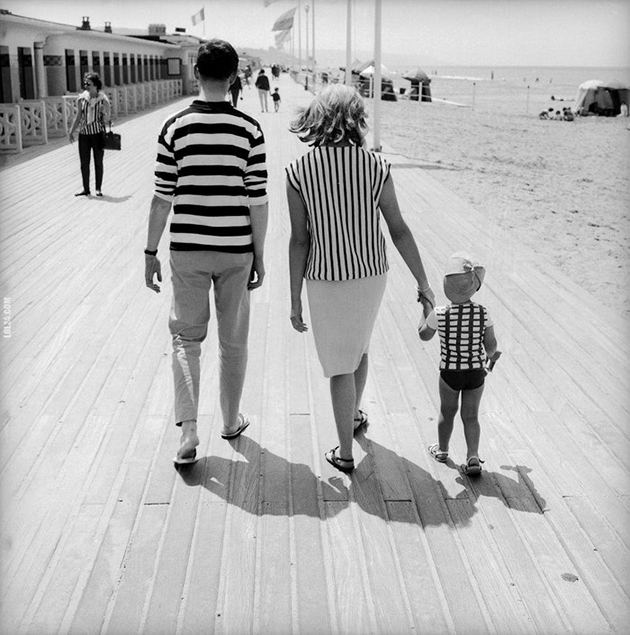
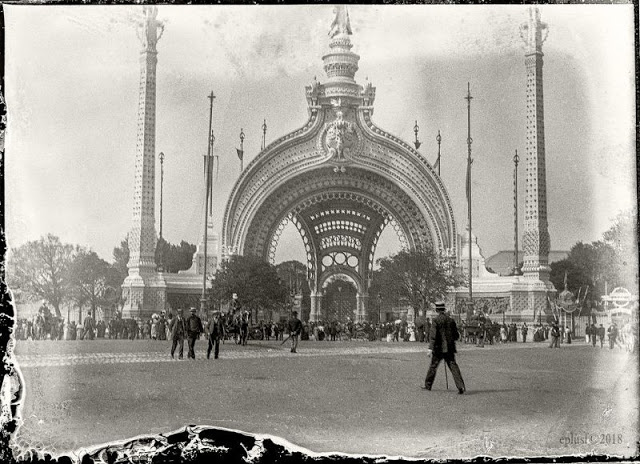
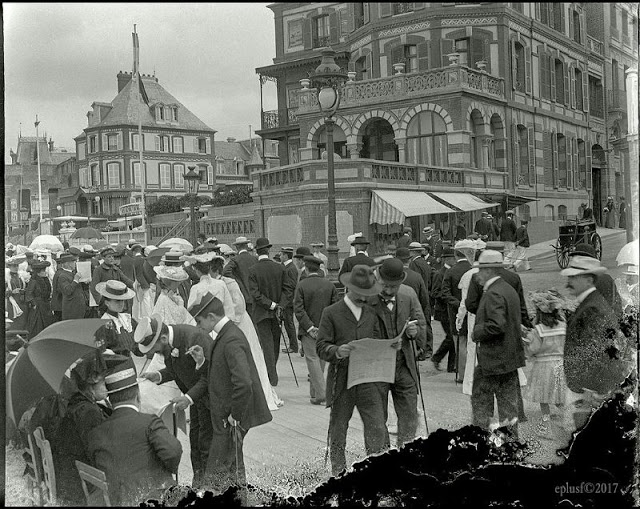
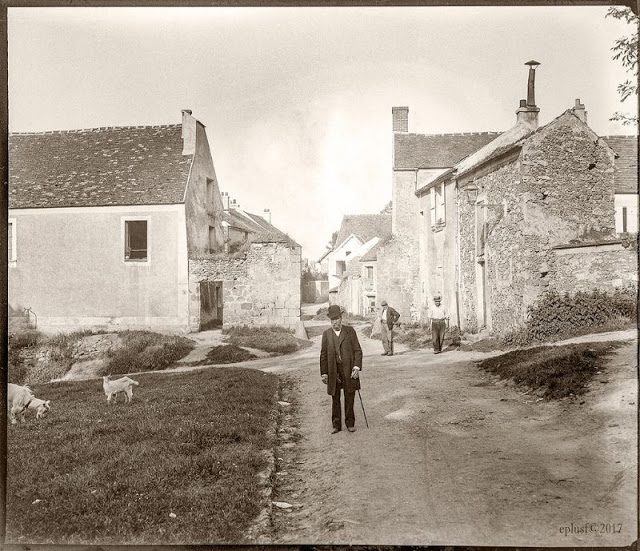
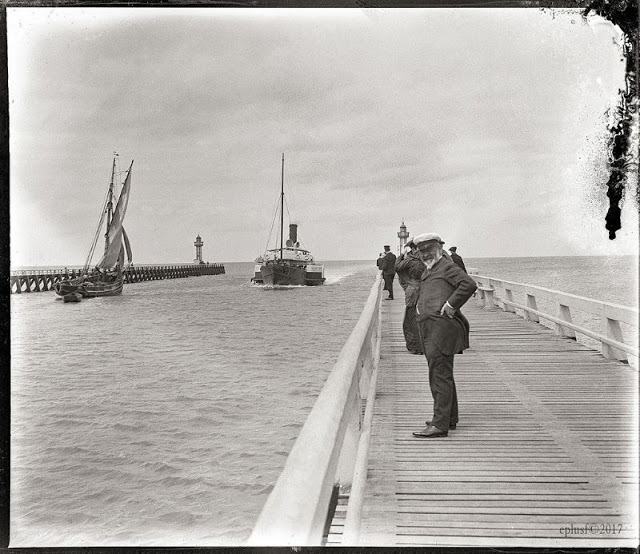
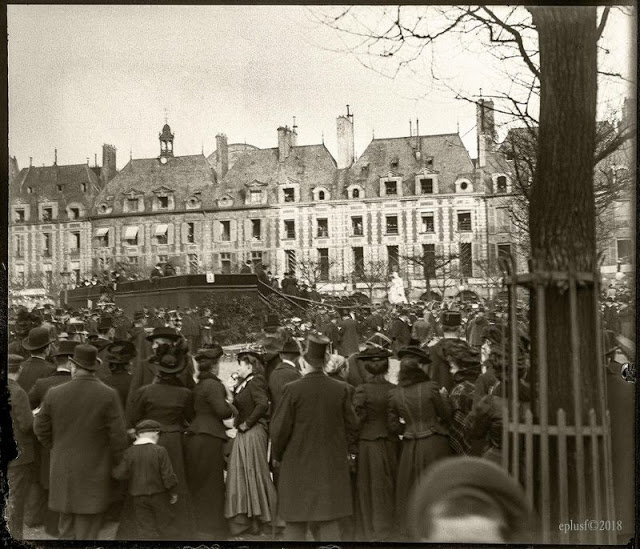
France, officially the French Republic, is a transcontinental country spanning Western Europe and overseas regions and territories in the Americas and the Atlantic, Pacific and Indian Oceans. Including all of its territories, France has twelve time zones, the most of any country. Its metropolitan area extends from the Rhine to the Atlantic Ocean and from the Mediterranean Sea to the English Channel and the North Sea; overseas territories include French Guiana in South America, Saint Pierre and Miquelon in the North Atlantic, the French West Indies, and several islands in Oceania and the Indian Ocean. Due to its several coastal territories, France has the largest exclusive economic zone in the world. France borders Belgium, Luxembourg, Germany, Switzerland, Monaco, Italy, Andorra and Spain in Europe, as well as the Netherlands, Suriname and Brazil in the Americas. Its eighteen integral regions (five of which are overseas) span a combined area of 643,801 km2 (248,573 sq mi) and over 67 million people (as of May 2021). France is a unitary semi-presidential republic with its capital in Paris, the country’s largest city and main cultural and commercial centre; other major urban areas include Lyon, Marseille, Toulouse, Bordeaux, Lille and Nice.
Inhabited since the Palaeolithic era, the territory of Metropolitan France was settled by Celtic tribes known as Gauls during the Iron Age. Rome annexed the area in 51 BC, leading to a distinct Gallo-Roman culture that laid the foundation of the French language. The Germanic Franks arrived in 476 and formed the Kingdom of Francia, which became the heartland of the Carolingian Empire. The Treaty of Verdun of 843 partitioned the empire, with West Francia becoming the Kingdom of France in 987.
In the High Middle Ages, France was a powerful but highly decentralised feudal kingdom in which the king’s authority was barely felt. King Philip Augustus achieved remarkable success in the strengthening of royal power and the expansion of his realm, defeating his rivals and doubling its size. By the end of his reign, the kingdom had emerged as the most powerful state in Europe. From the mid-14th to the mid-15th century, France was plunged into a series of dynastic conflicts for the French throne, collectively known as the Hundred Years’ War, and a distinct French identity emerged as a result. The French Renaissance saw art and culture flourish, various wars with rival powers, and the establishment of a global colonial empire, which by the 20th century would become the second-largest in the world. The second half of the 16th century was dominated by religious civil wars between Catholics and Huguenots that severely weakened the country. But France once again emerged as Europe’s dominant cultural, political and military power in the 17th century under Louis XIV following the Thirty Years’ War. Inadequate economic policies, an inequitable taxation system as well as endless wars (notably a defeat in the Seven Years’ War and costly involvement in the American War of Independence), left the kingdom in a precarious economic situation by the end of the 18th century. This precipitated the French Revolution of 1789, which overthrew the absolute monarchy, replaced the Ancien Régime with one of history’s first modern republics and produced the Declaration of the Rights of Man and of the Citizen, which expresses the nation’s ideals to this day.
France reached its political and military zenith in the early 19th century under Napoleon Bonaparte, subjugating much of continental Europe and establishing the First French Empire. The French Revolutionary and Napoleonic Wars shaped the course of European and world history. The collapse of the empire initiated a period of relative decline, in which France endured a tumultuous succession of governments until the founding of the French Third Republic during the Franco-Prussian War in 1870. Subsequent decades saw a period of optimism, cultural and scientific flourishing, as well as economic prosperity known as the Belle Époque. France was one of the major participants of World War I, from which it emerged victorious at great human and economic cost. It was among the Allied powers of the World War II, but was soon occupied by the Axis in 1940. Following liberation in 1944, the short-lived Fourth Republic was established and later dissolved in the course of the Algerian War. The current Fifth Republic was formed in 1958 by Charles de Gaulle. Algeria and most French colonies became independent in the 1960s, with the majority retaining close economic and military ties with France.
France retains its centuries-long status as a global centre of art, science and philosophy. It hosts the fifth-largest number of UNESCO World Heritage Sites and is the world’s leading tourist destination, receiving over 89 million foreign visitors in 2018. France is a developed country with the world’s seventh-largest economy by nominal GDP and ninth-largest by PPP; in terms of aggregate household wealth, it ranks fourth in the world. France performs well in international rankings of education, health care, life expectancy and human development. It remains a great power in global affairs, being one of the five permanent members of the United Nations Security Council and an official nuclear-weapon state. France is a founding and leading member of the European Union and the Eurozone, as well as a key member of the Group of Seven, North Atlantic Treaty Organization (NATO), Organisation for Economic Co-operation and Development (OECD) and La Francophonie. (Wikipedia)



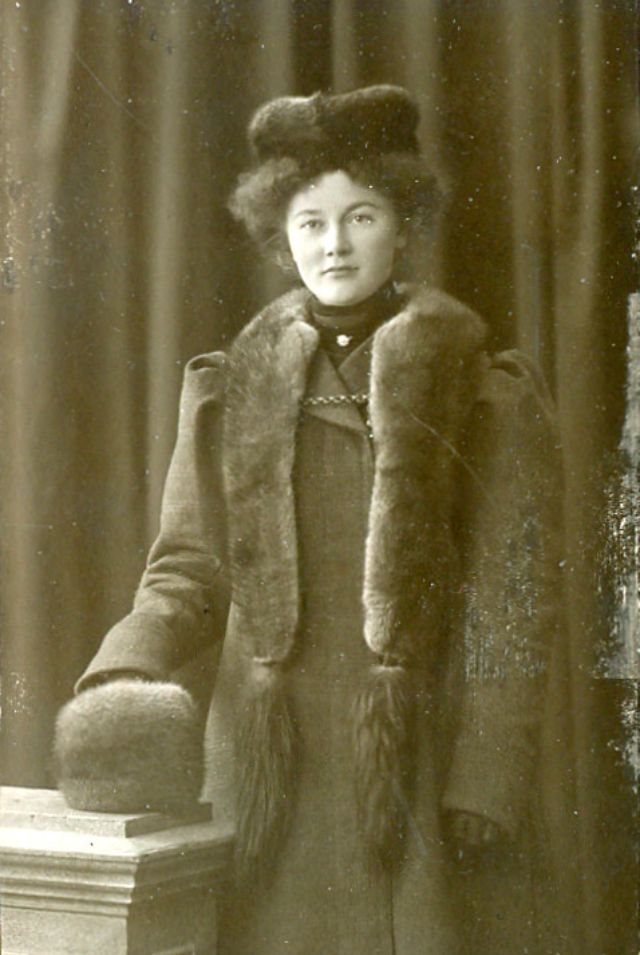
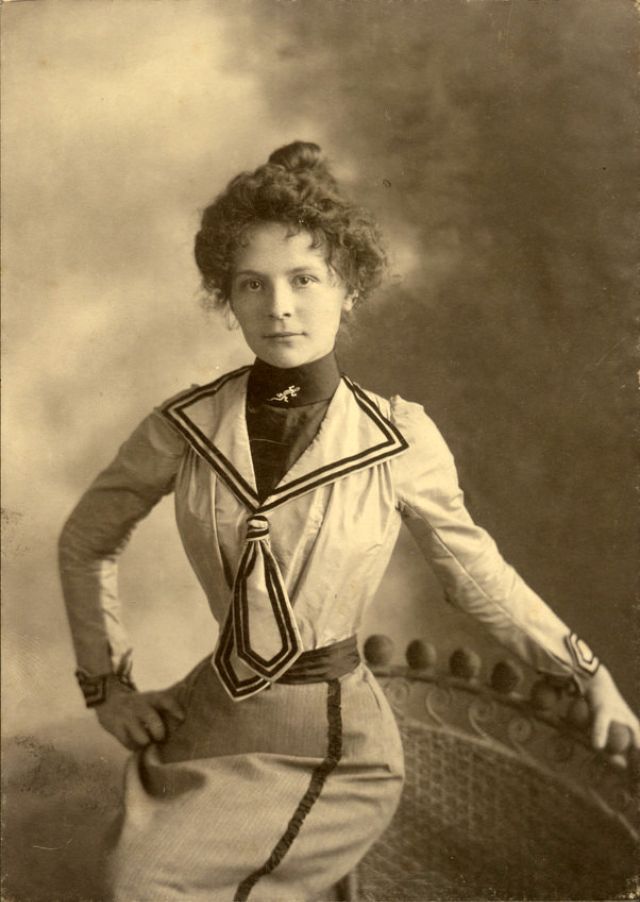
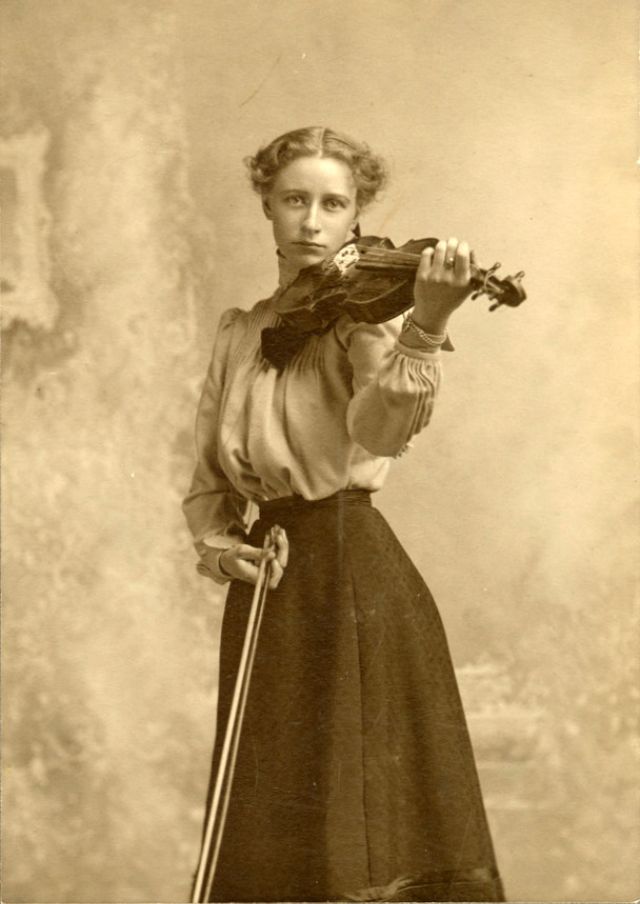
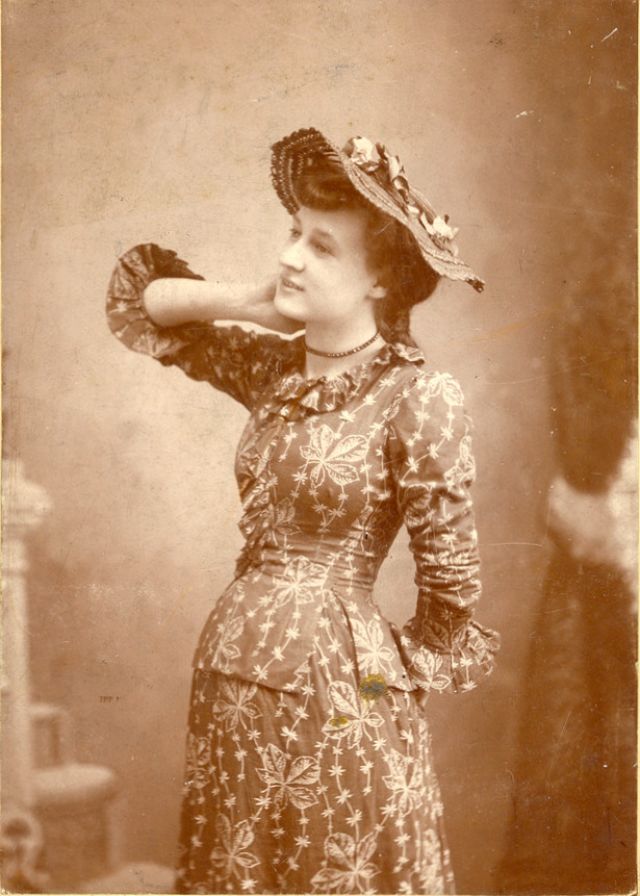
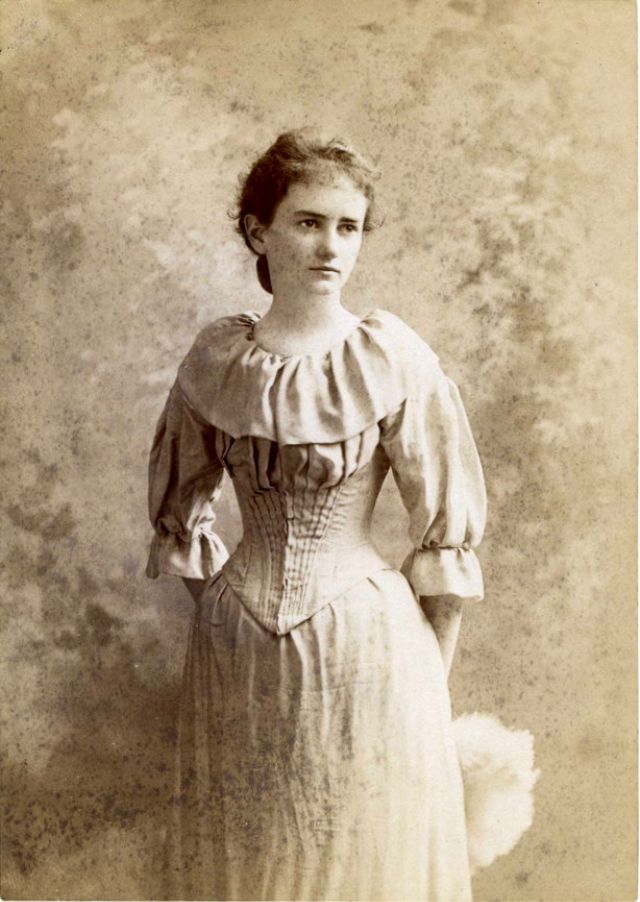
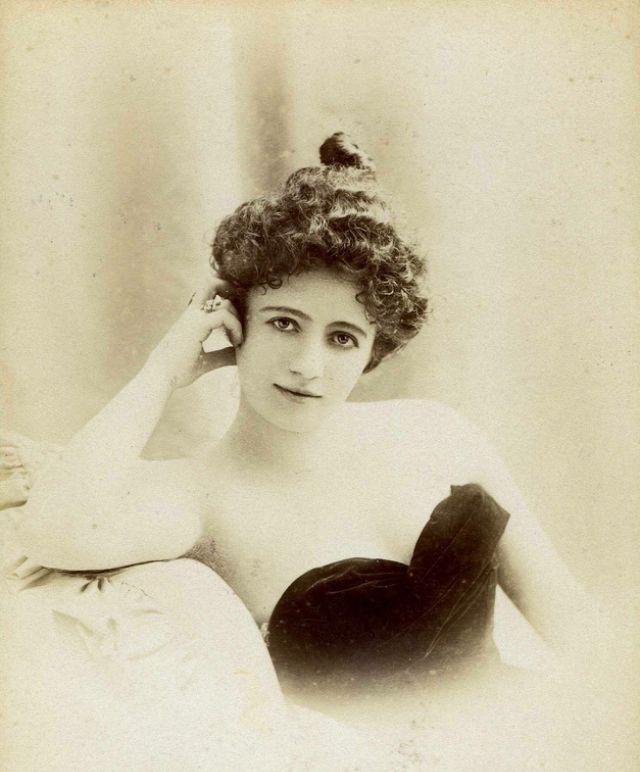
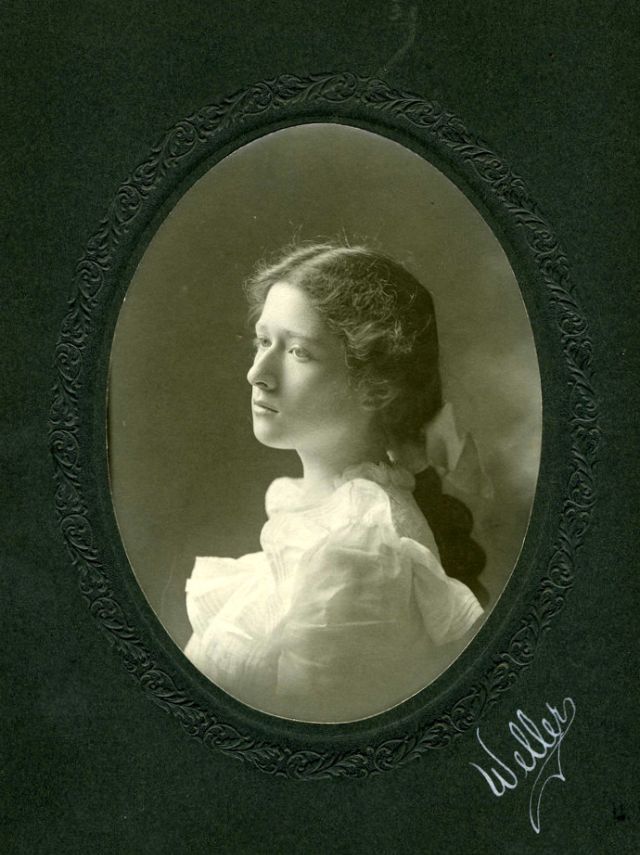
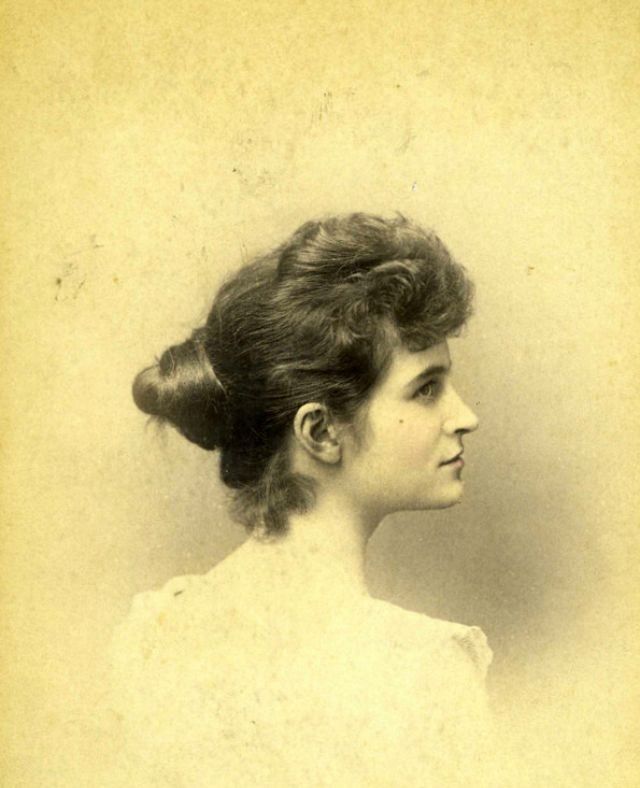
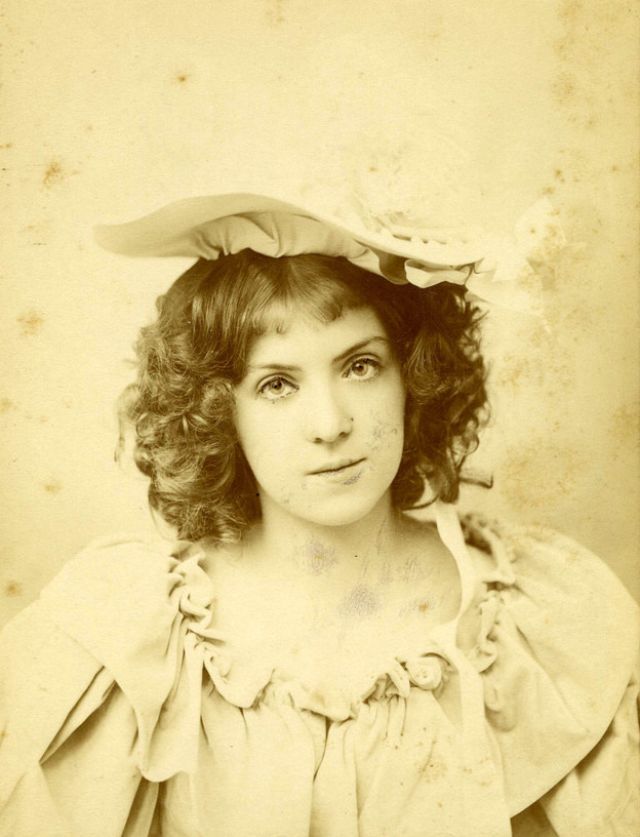
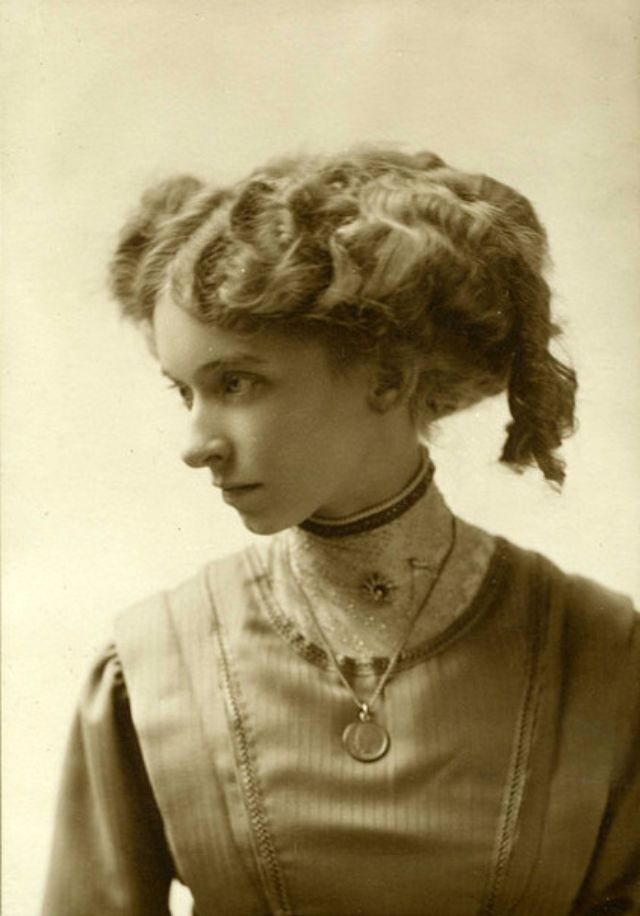
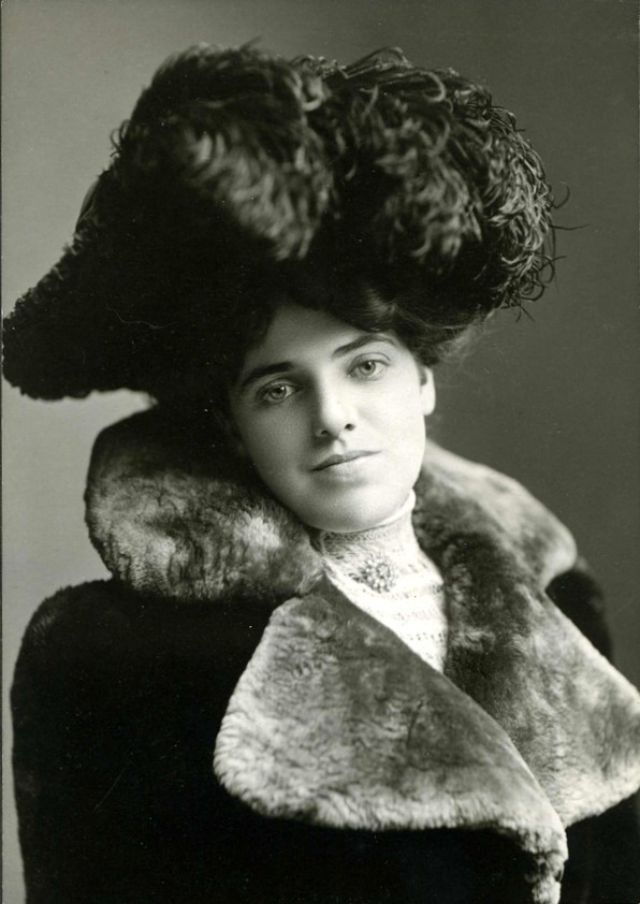
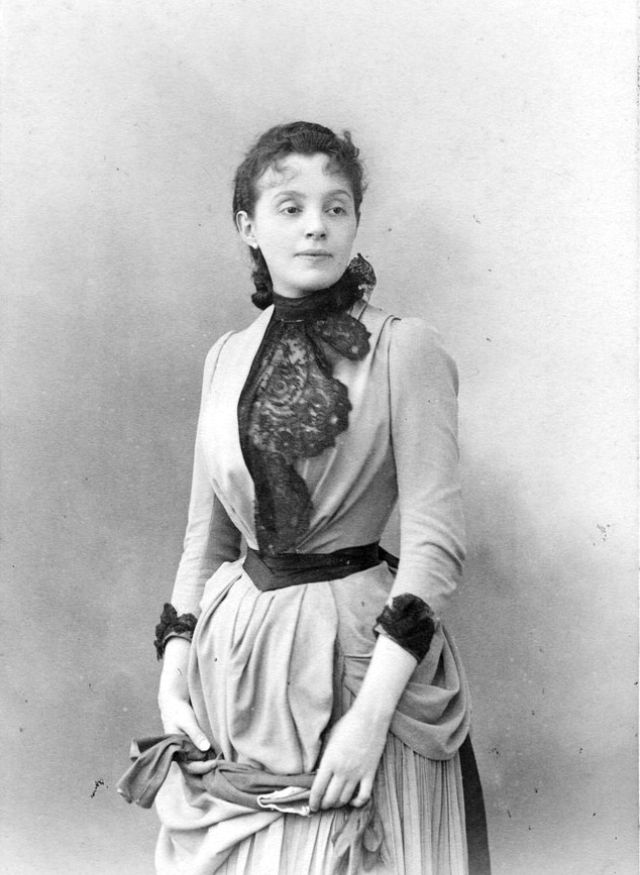
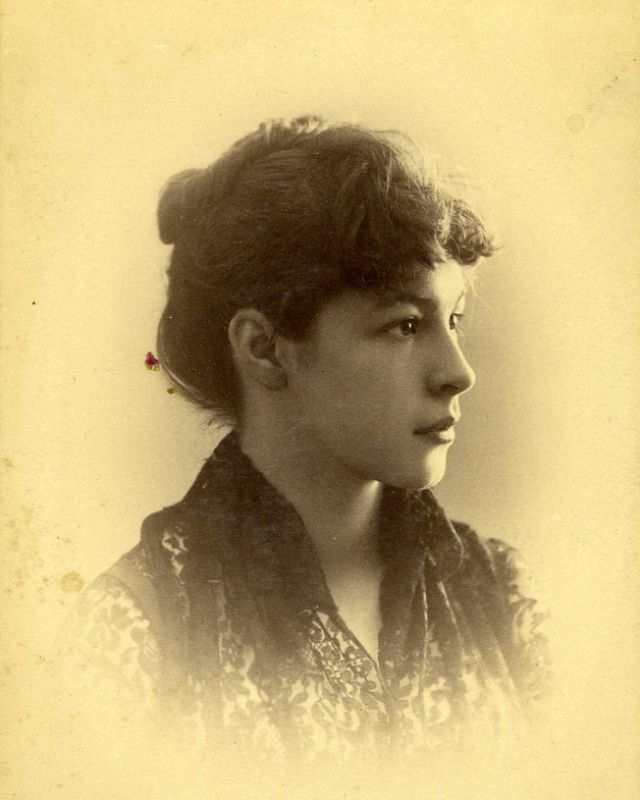
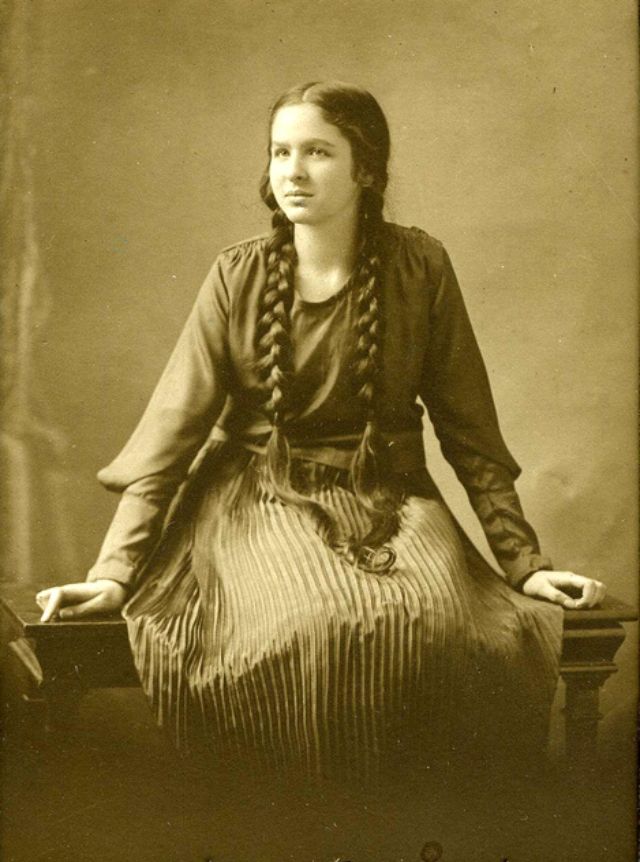
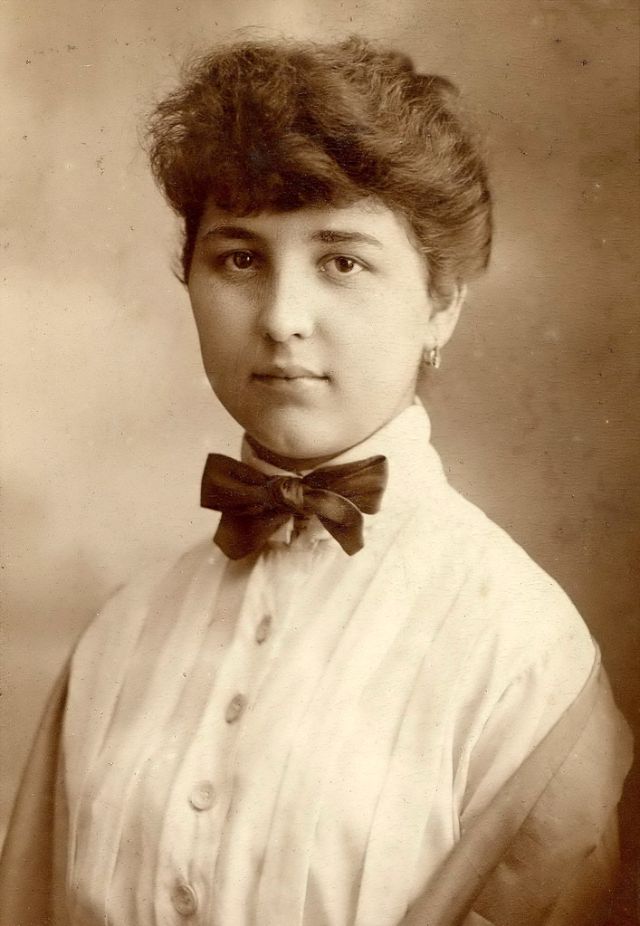
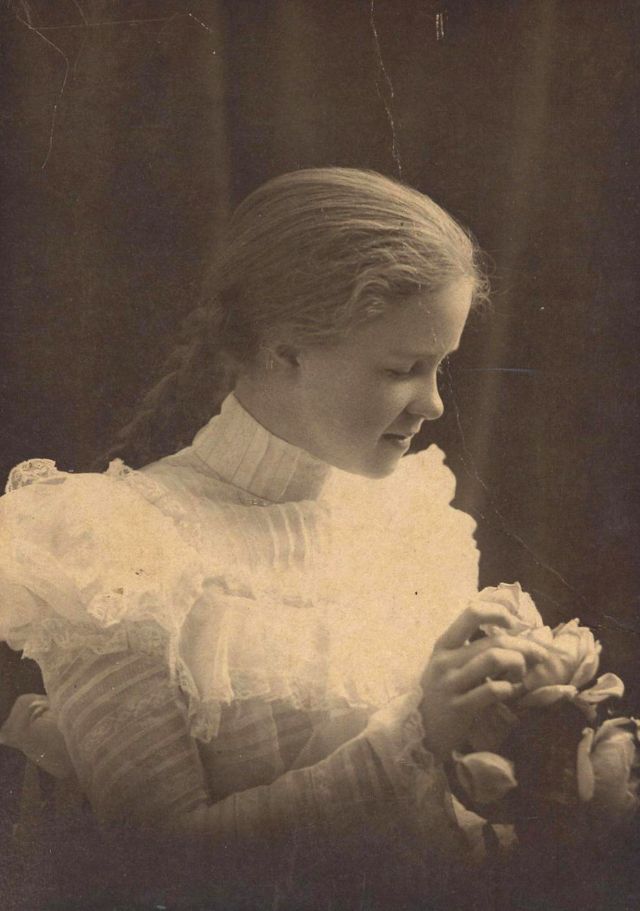
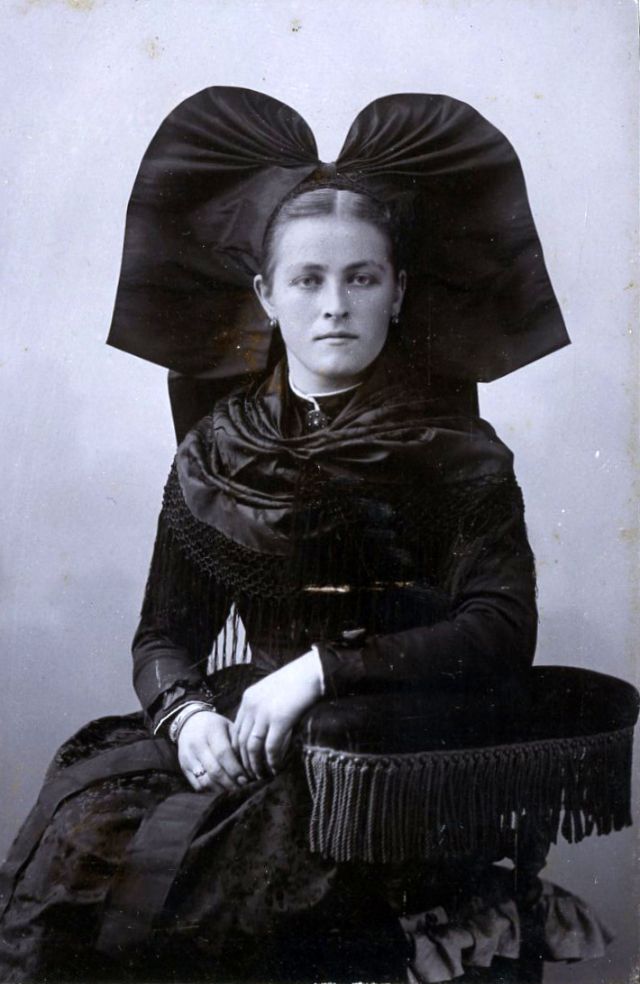
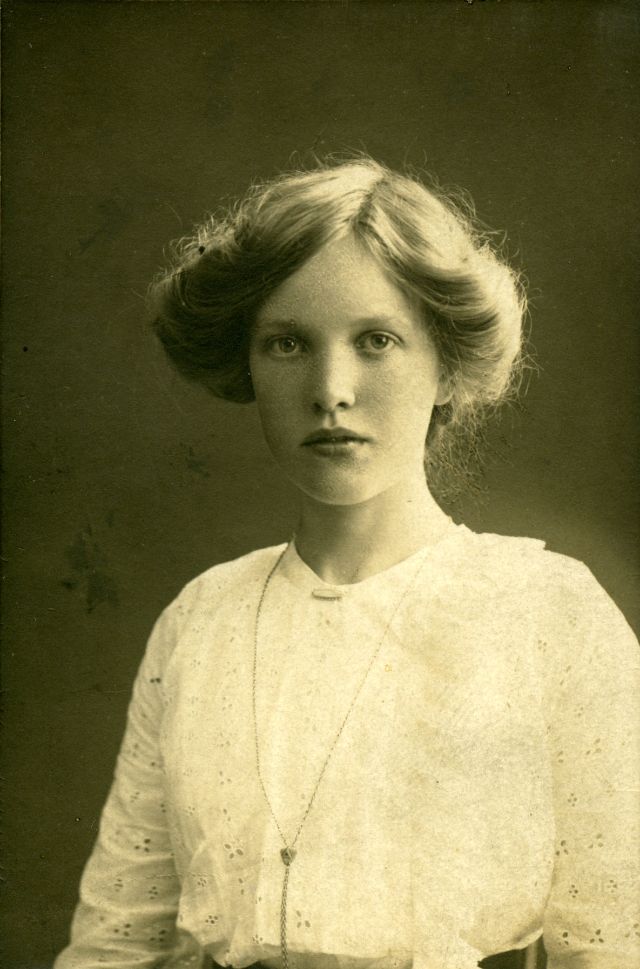
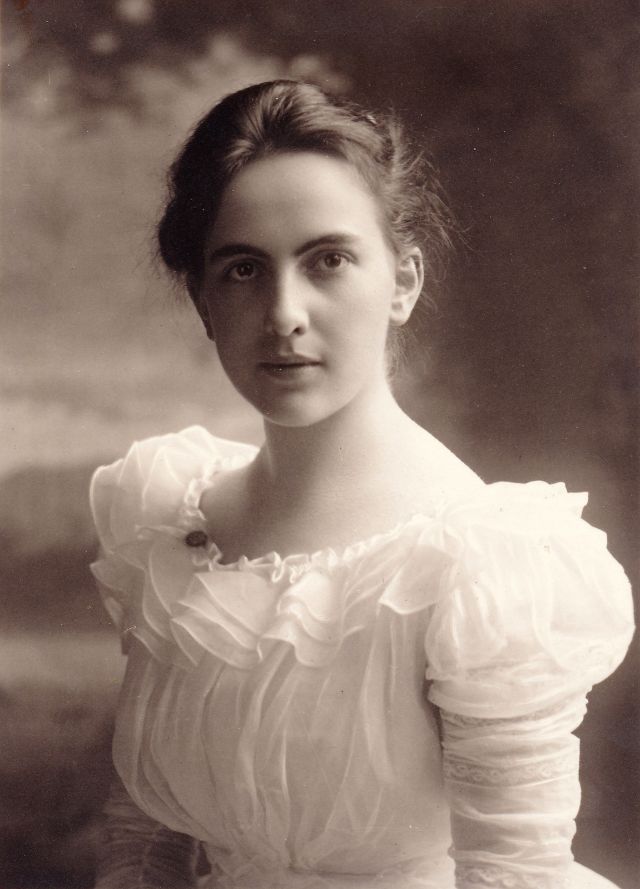

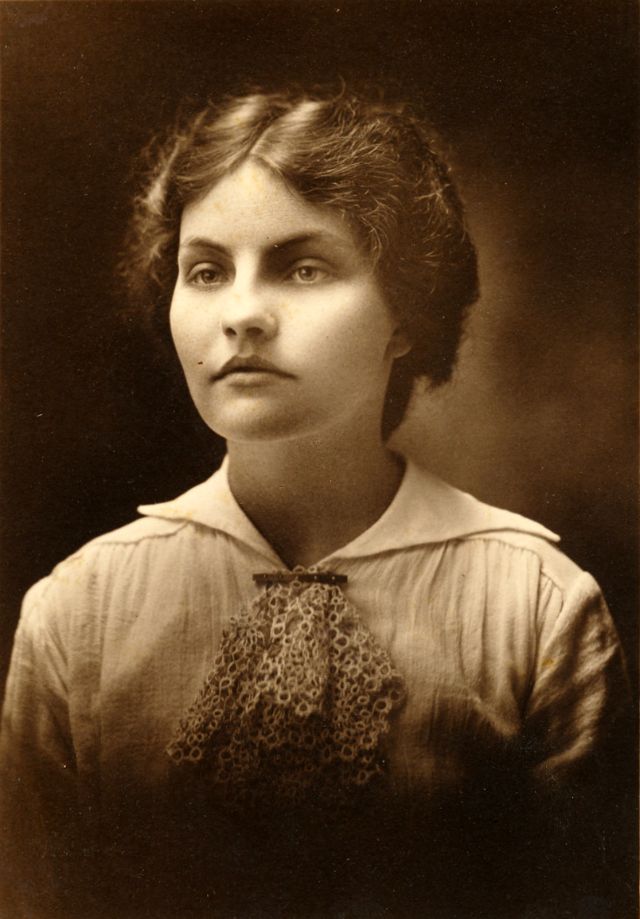
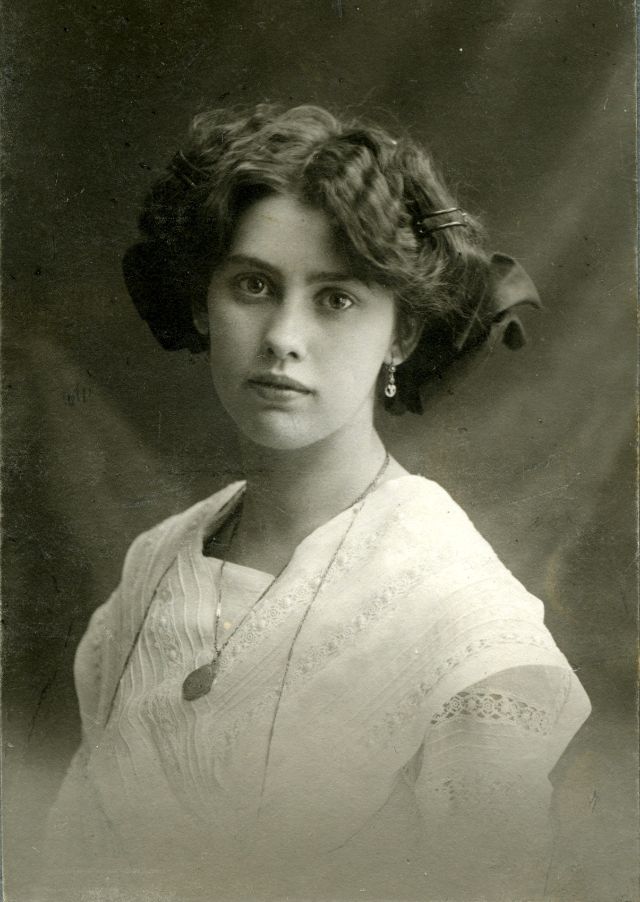
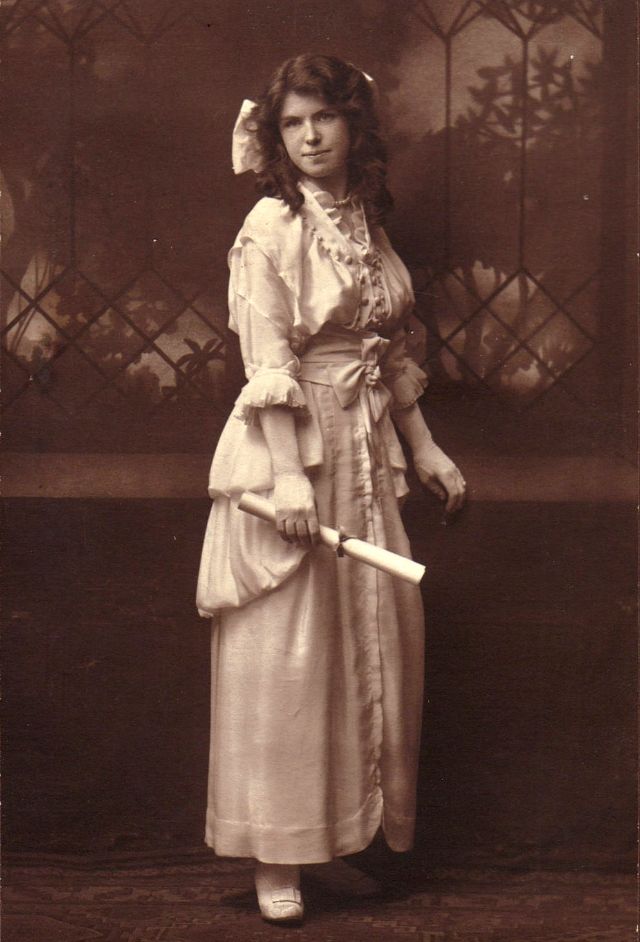
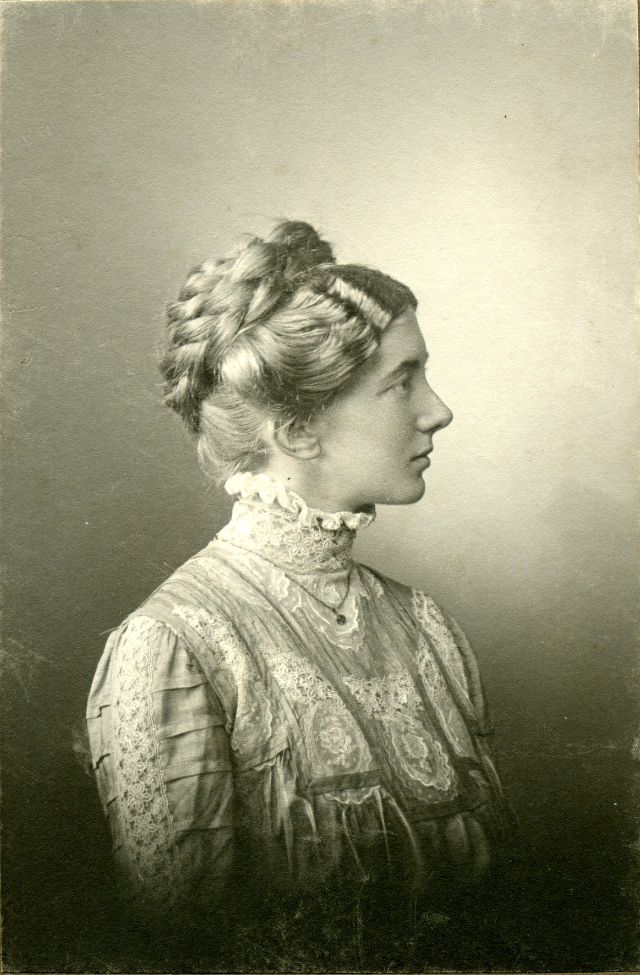
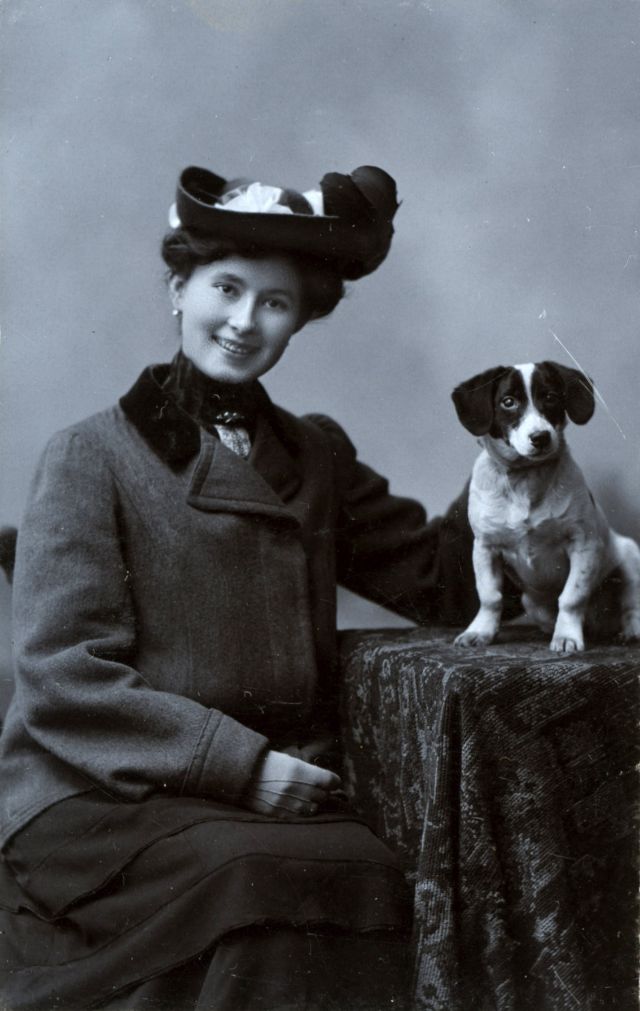
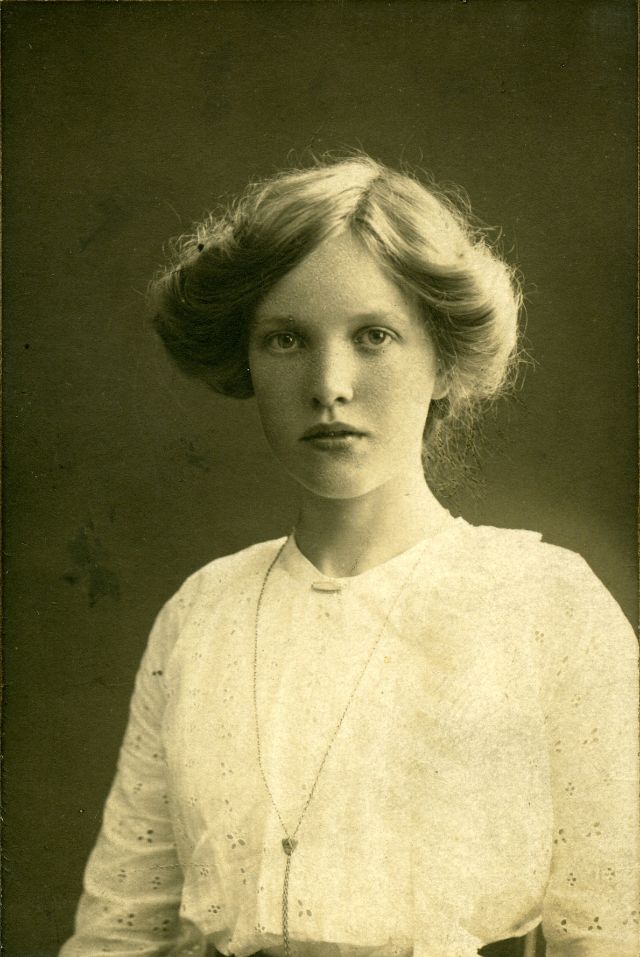
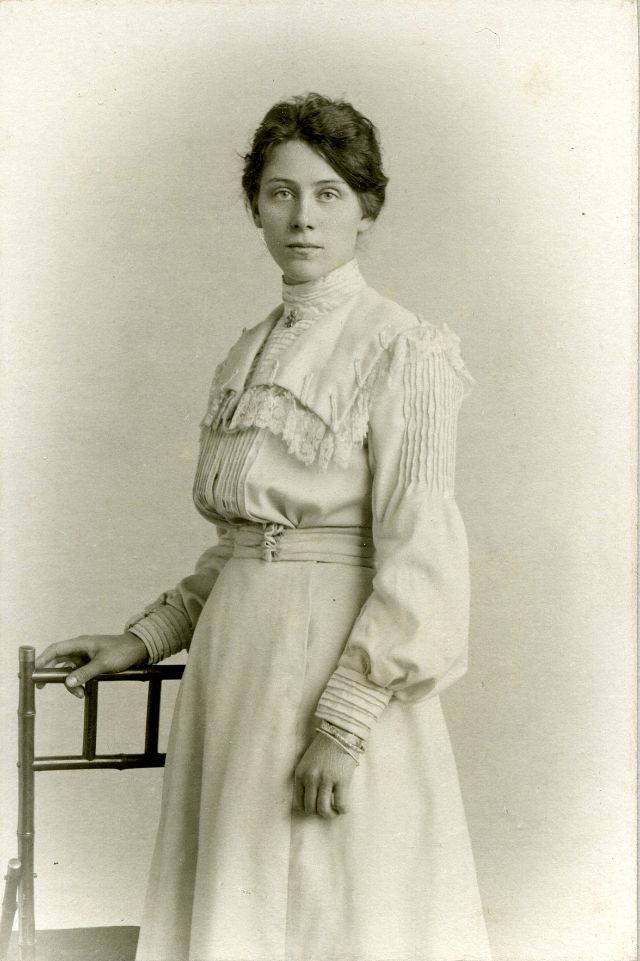

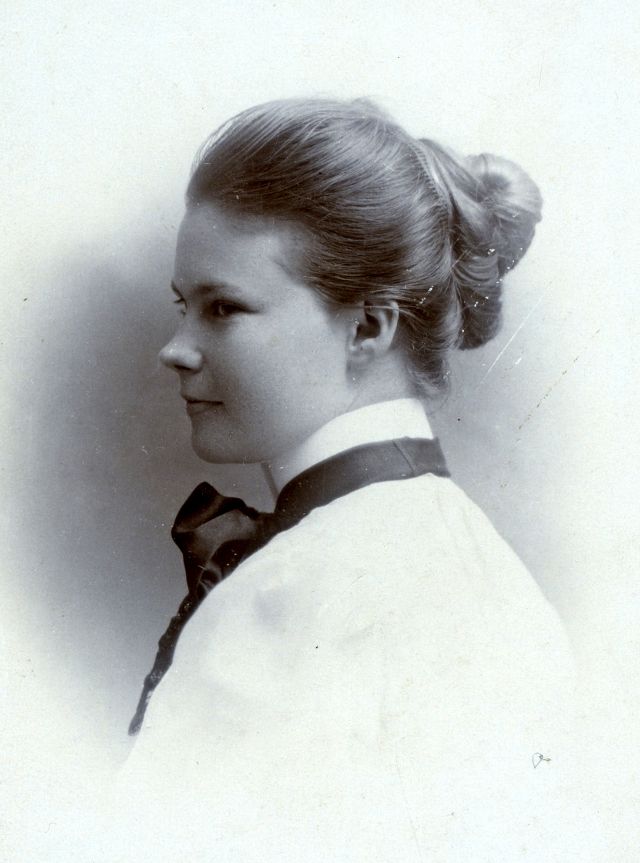
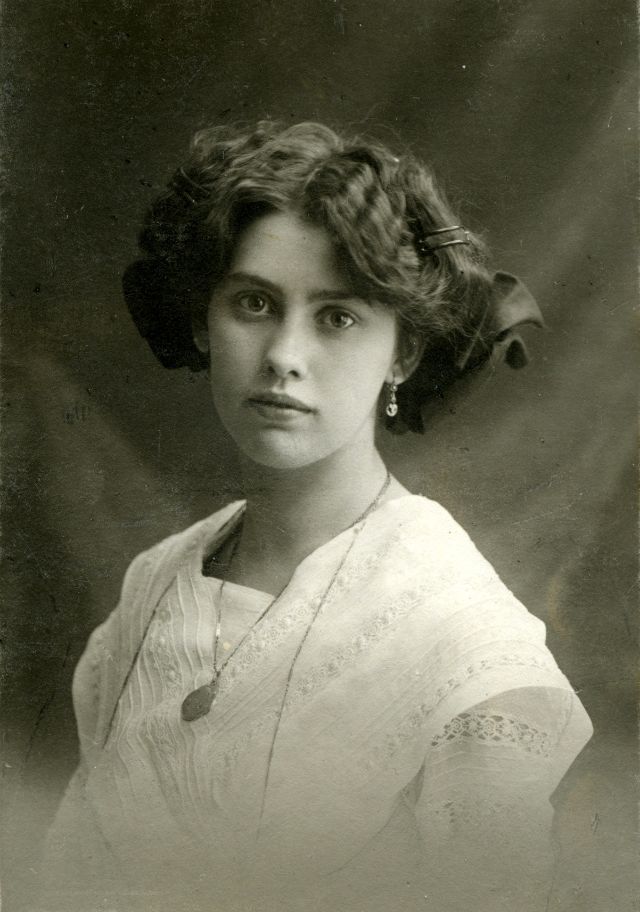


























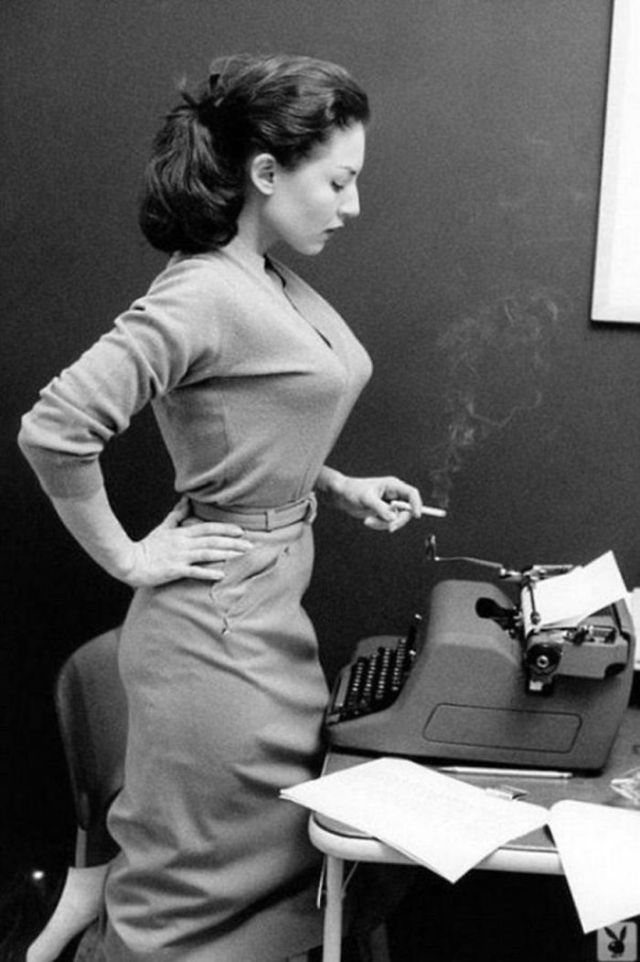
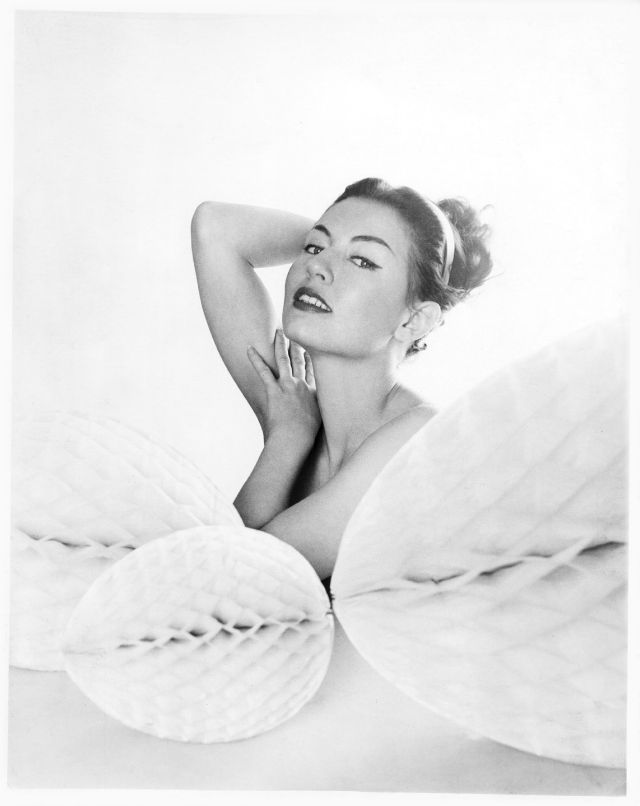
Alice Denham (born January 21, 1933 in Jacksonville, Florida) is an American model, writer and scholar. She was Playboy magazine’s Playmate of the Month for the July 1956 issue. Denham posed for other men’s magazines during her modeling career, but she was as well known for her academic achievements as for her physical attributes.
Denham earned a bachelor’s degree from the University of North Carolina in 1949 and a master’s degree from the University of Rochester in 1950, and is a member of the Phi Beta Kappa society. Her writing talents were obvious to Playboy; several Playmates have written the text that accompanied their pictorials, but Denham is the only Playmate to have written a short story that was published in the same issue as her centerfold.
Alice Denham left a vivid chronicle of her literary and sexual adventures in her 2006 memoir, Sleeping With Bad Boys: A Juicy Tell-All of Literary New York in the Fifties and Sixties.
Ms. Denham came to New York in the early 1950s with two things on her mind: literary fame and romance. The city held forth the promise of both, in abundance. “New York in the fifties was like Paris in the twenties,” she wrote in her memoir.
A stunning beauty with a talent for repartee, she made her way easily into Manhattan’s literary salons, and her presence did not pass unnoticed by a long list of editors, publishers, film producers, actors and writers — most of whom made a play for her, quite a few successfully.
“Manhattan was a river of men flowing past my door, and when I was thirsty, I drank,” she wrote.
Her conquests, she said, included the actor James Dean, a close friend until he fell hard for the Italian actress Pier Angeli; the authors James Jones, William Gaddis, Evan S. Connell and Philip Roth; and Hugh Hefner, whom she had persuaded, in a clever gambit, to feature her as a centerfold and reprint, as part of the package, her first published short story.
“Of course he was no egalitarian,” Ms. Denham wrote. “But he possessed one of the finer male characteristics I was aware of: He liked my writing.”
She counted among her many friends Norman Mailer, Joseph Heller, Gore Vidal and the painter Ad Reinhardt. “As a proper Southern girl, I was bred to be good at men,” she wrote. “I was, too.”
Alice Denham died on January 27, 2016 at her home in Manhattan. She was 89.










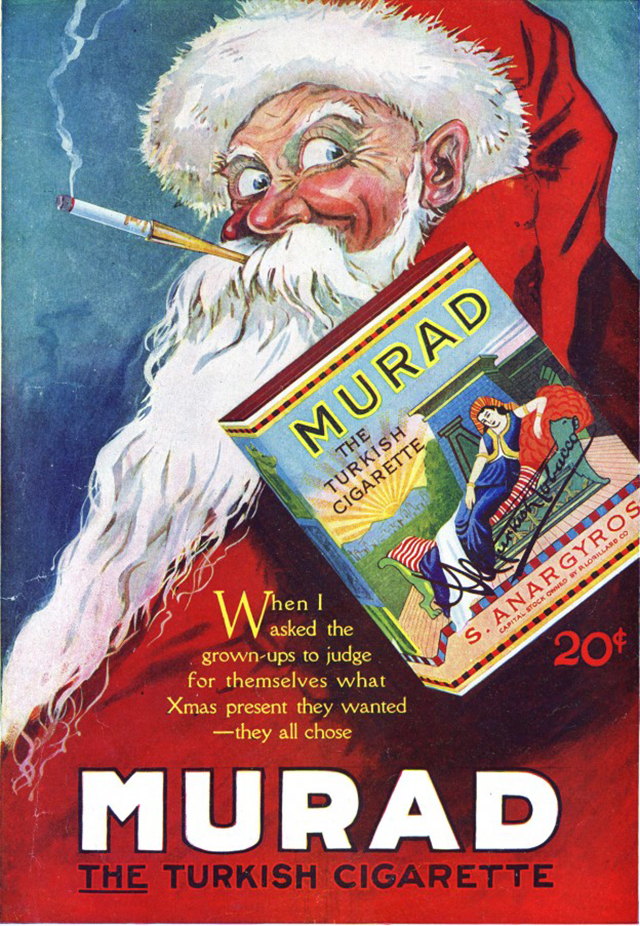
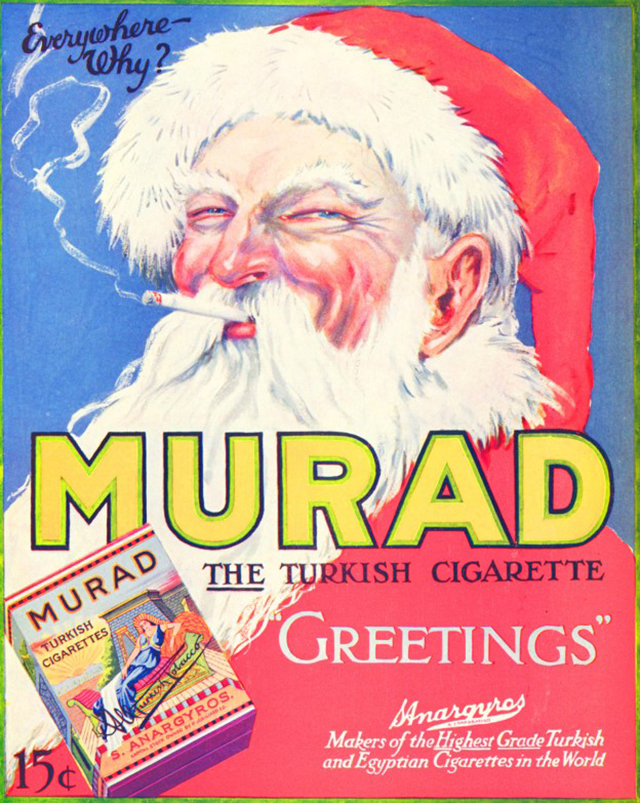
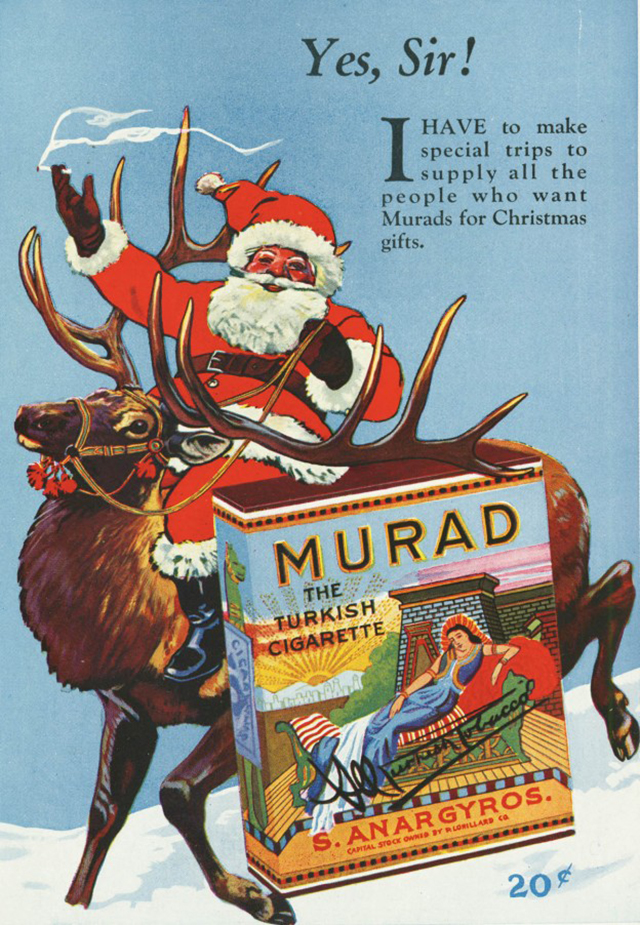
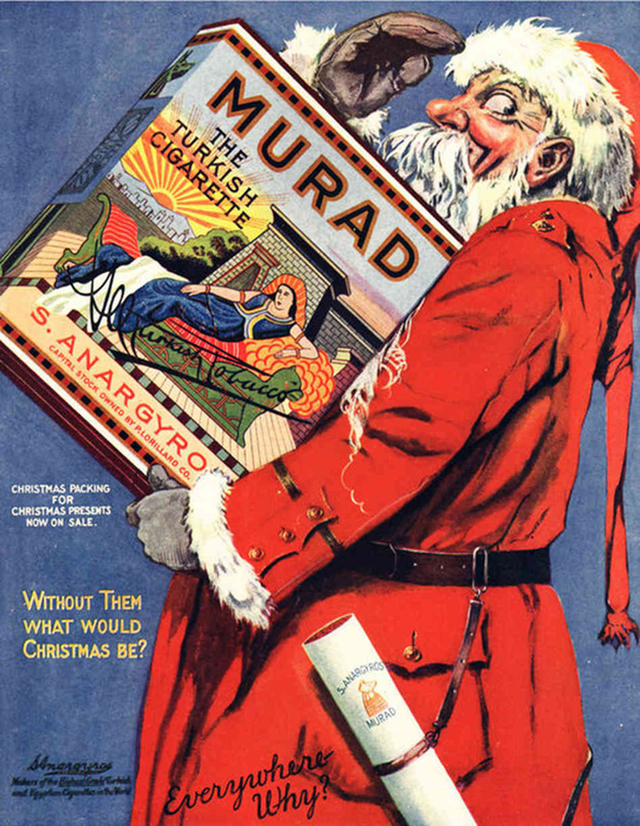
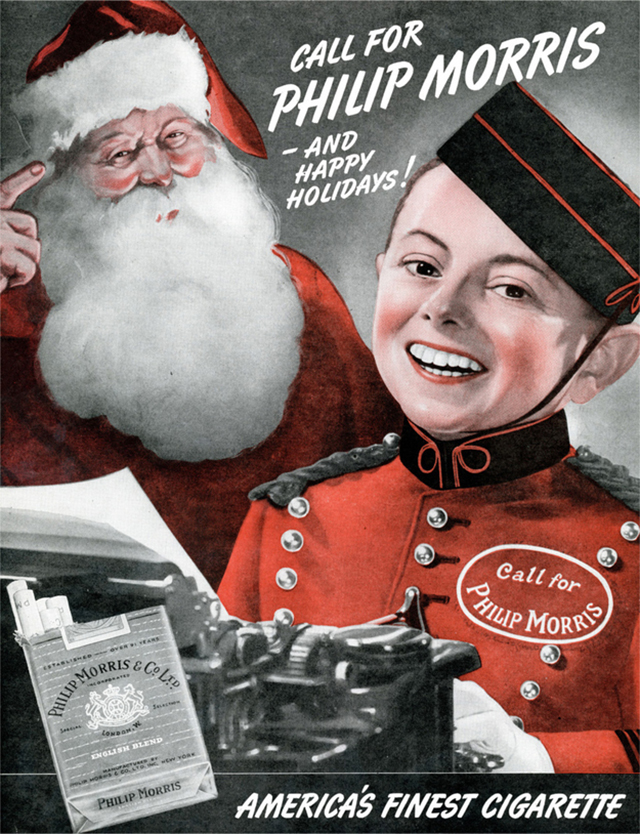
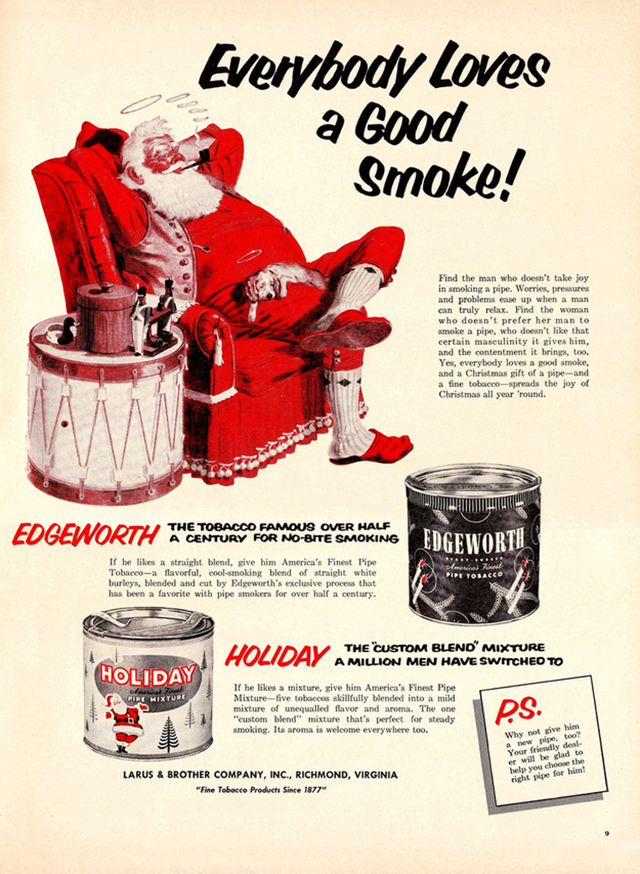
Cigarette ads featuring the kid-friendly figure of Santa Claus have been numerous from the past. The idea of St. Nick pushing coffin-nails may seem horrific today – but was a regular sight a few decades ago. So, check out these vintage cigarettes and tobacco ads featuring Santa Claus as a smoker.