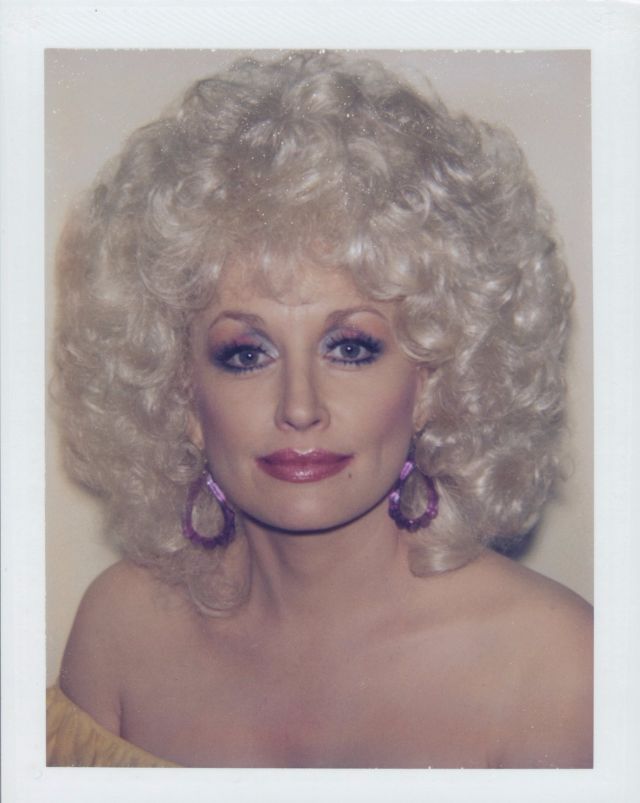
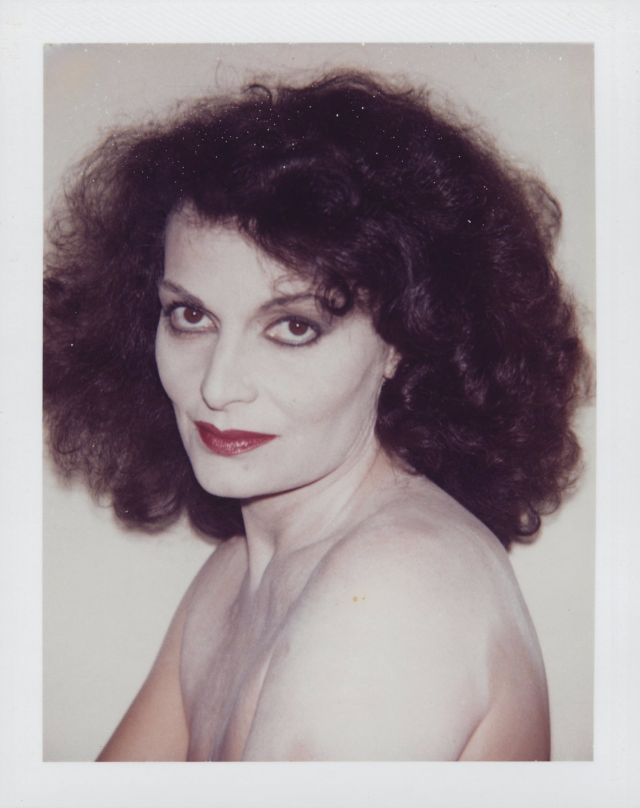
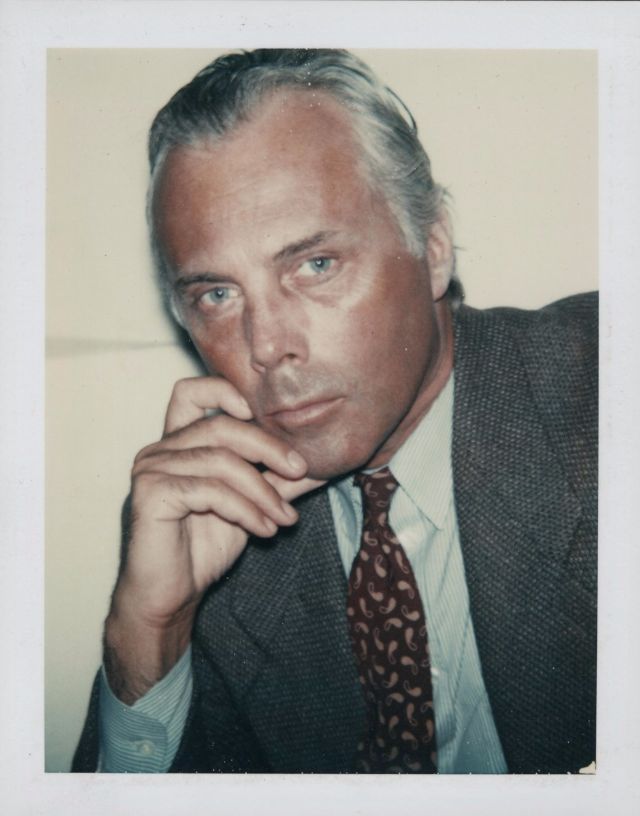
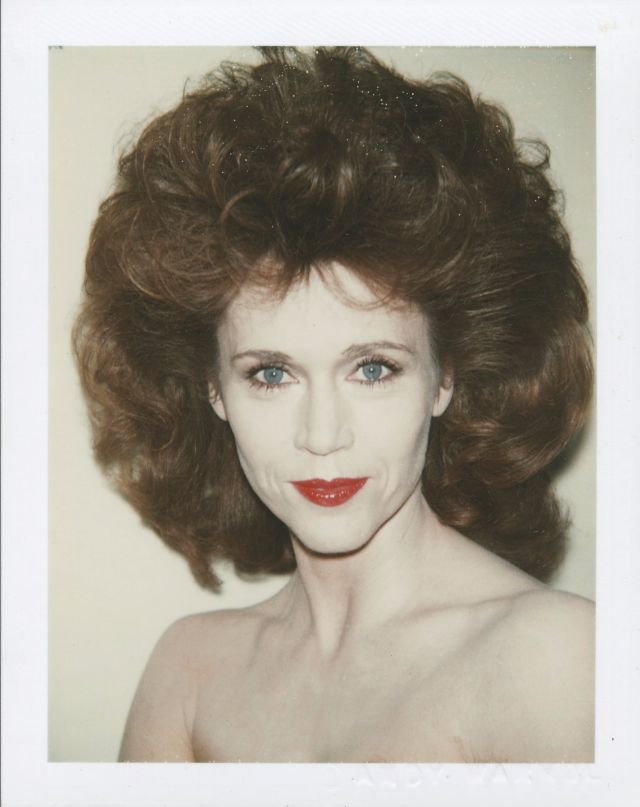
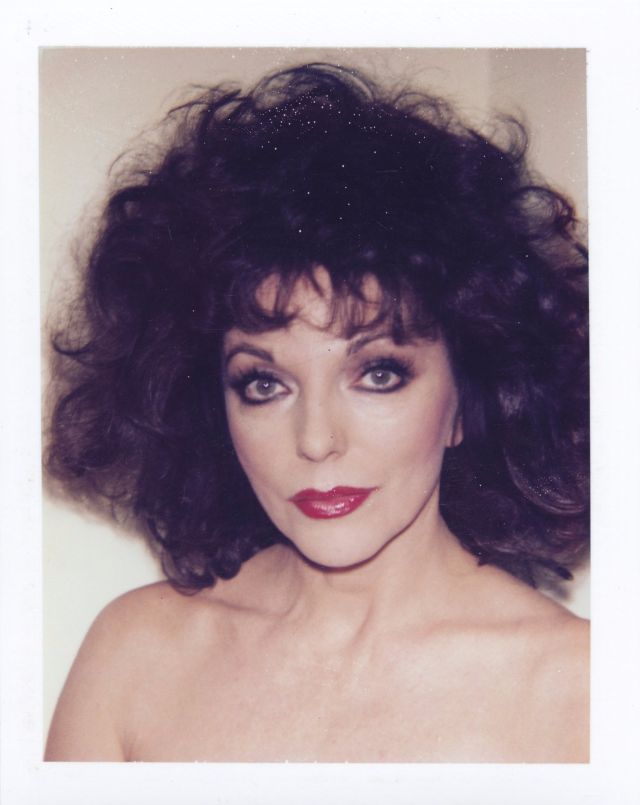
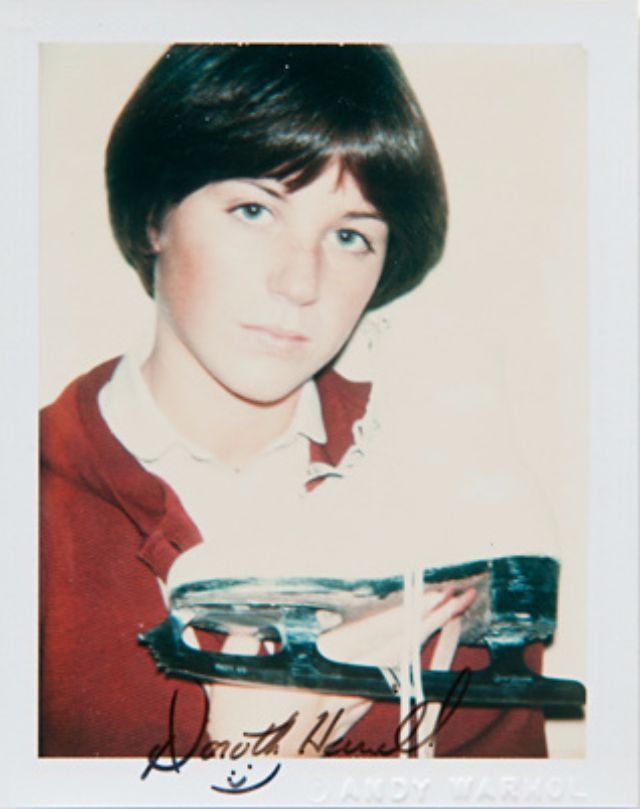
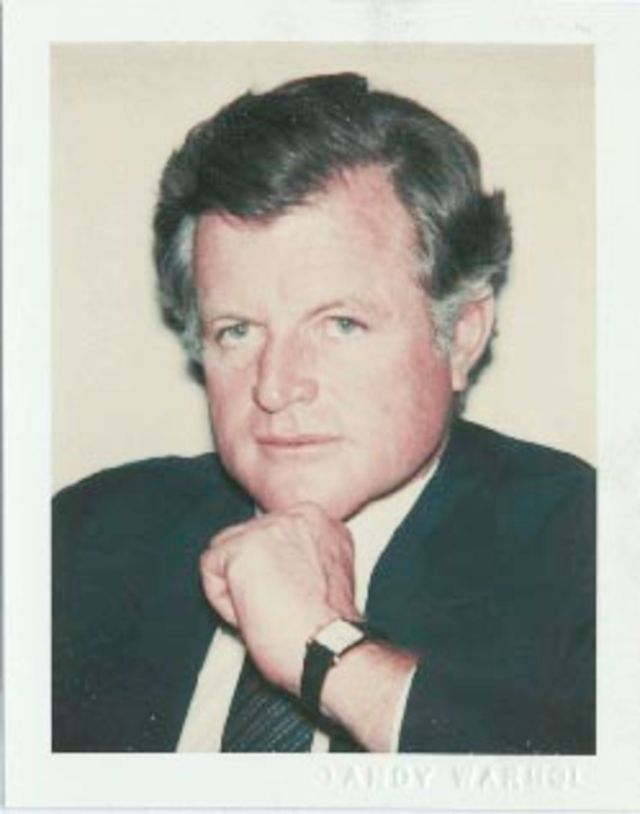
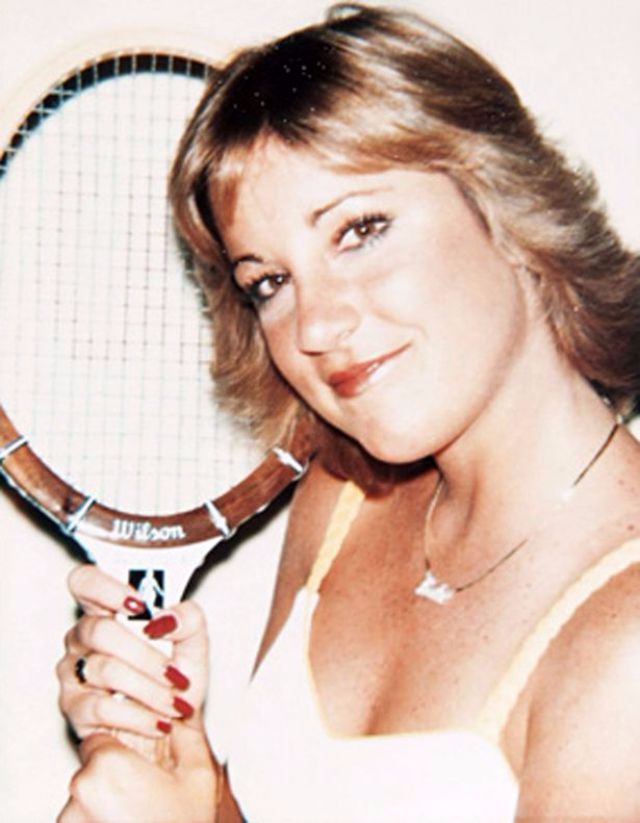
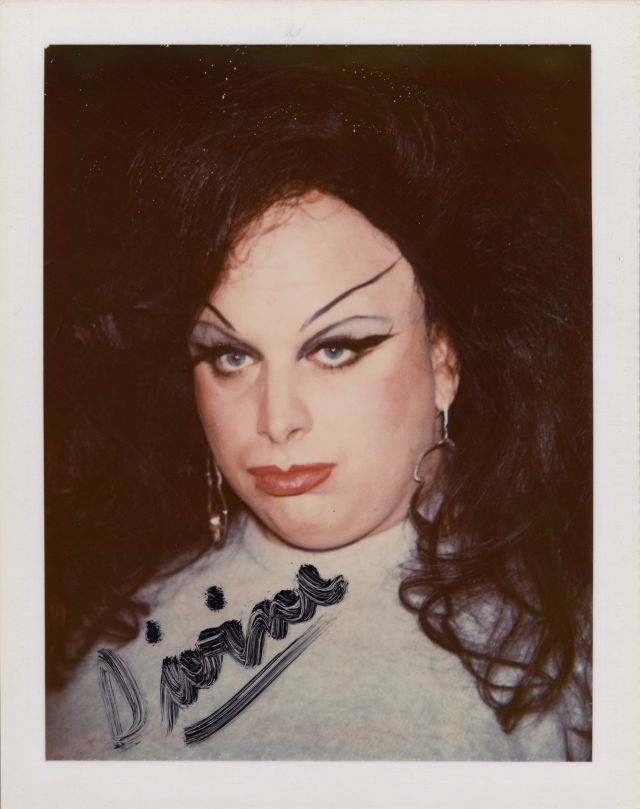
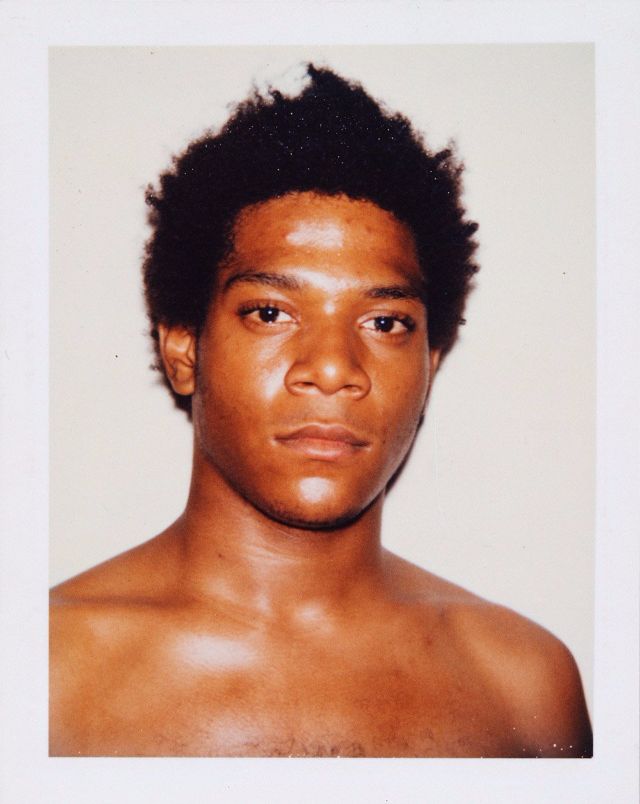
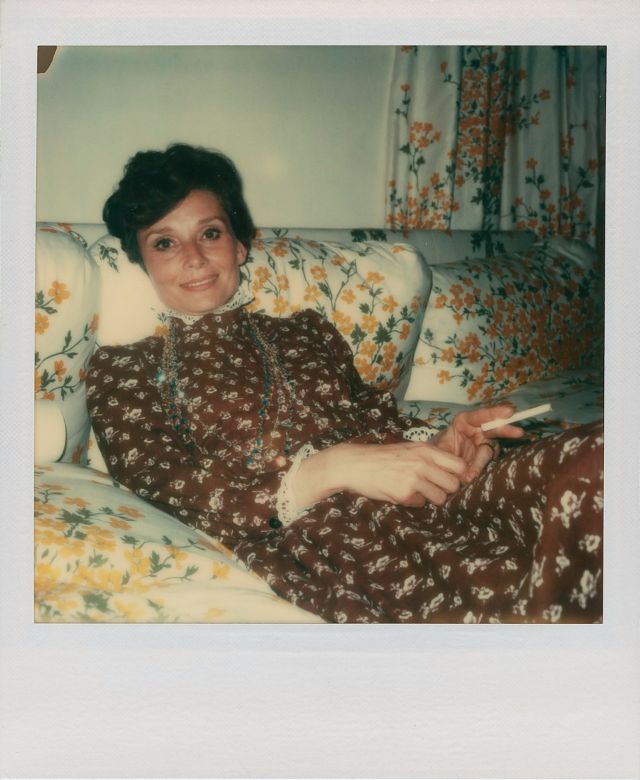
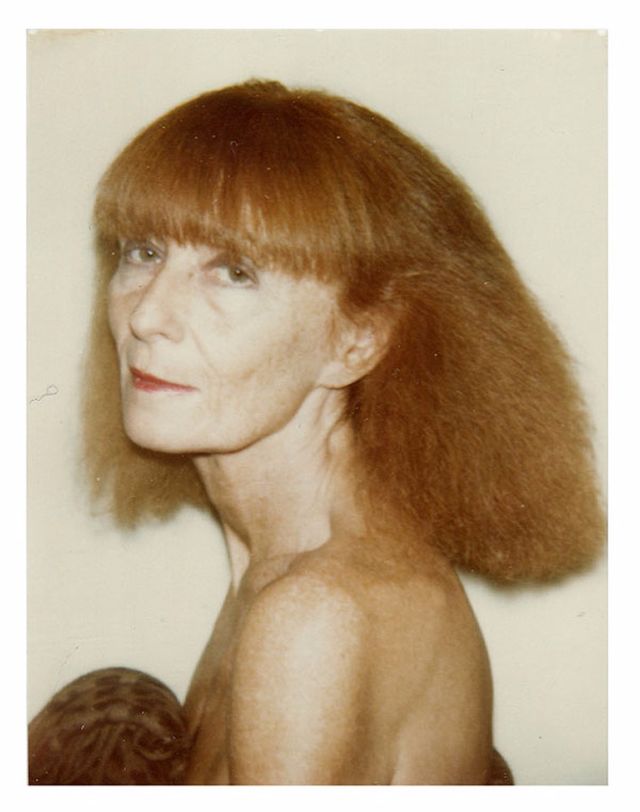
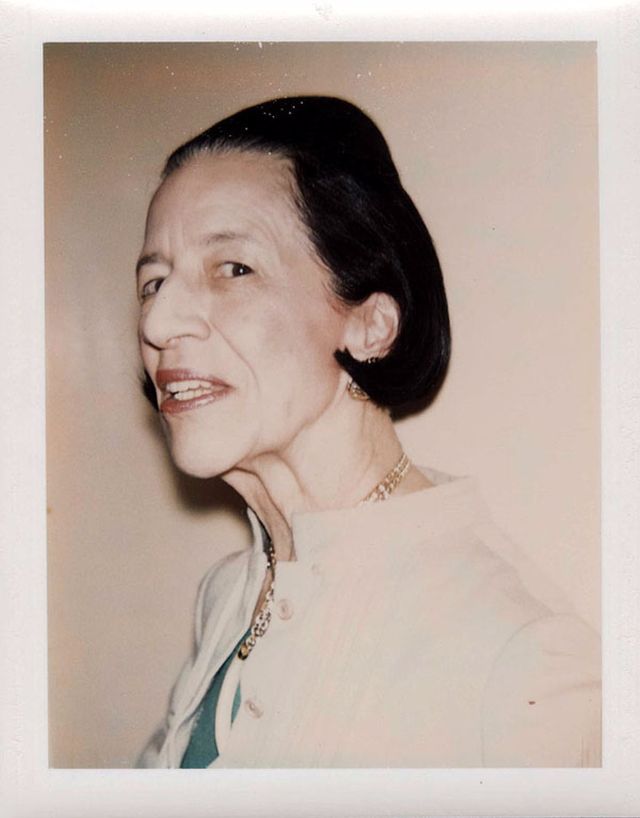
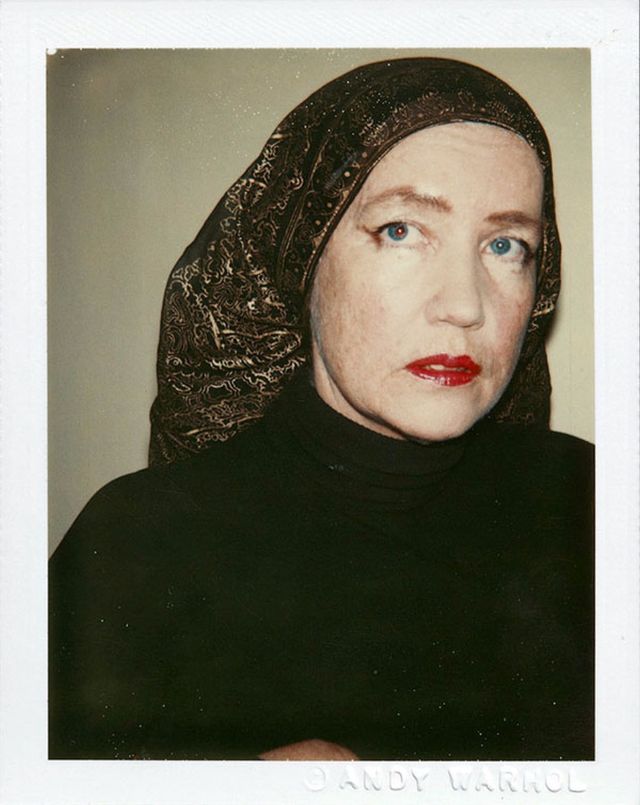
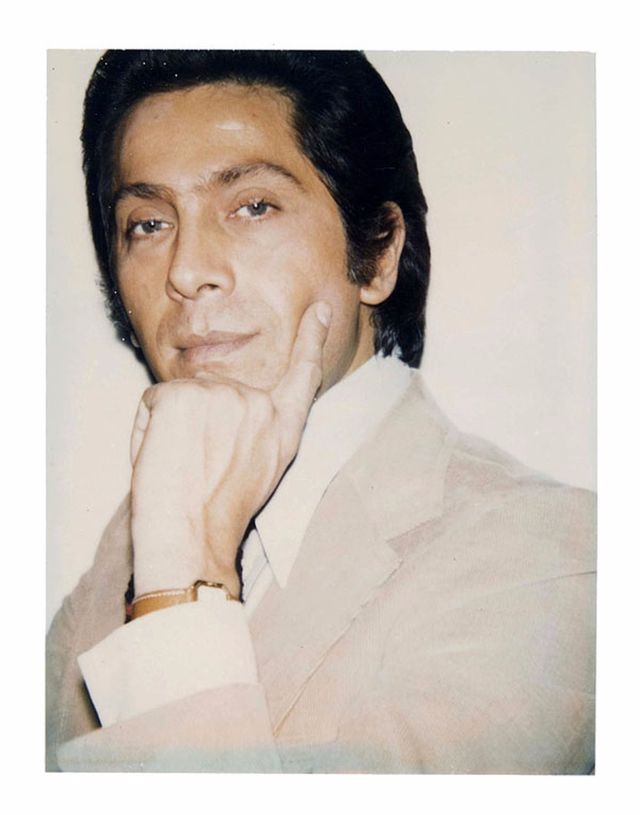
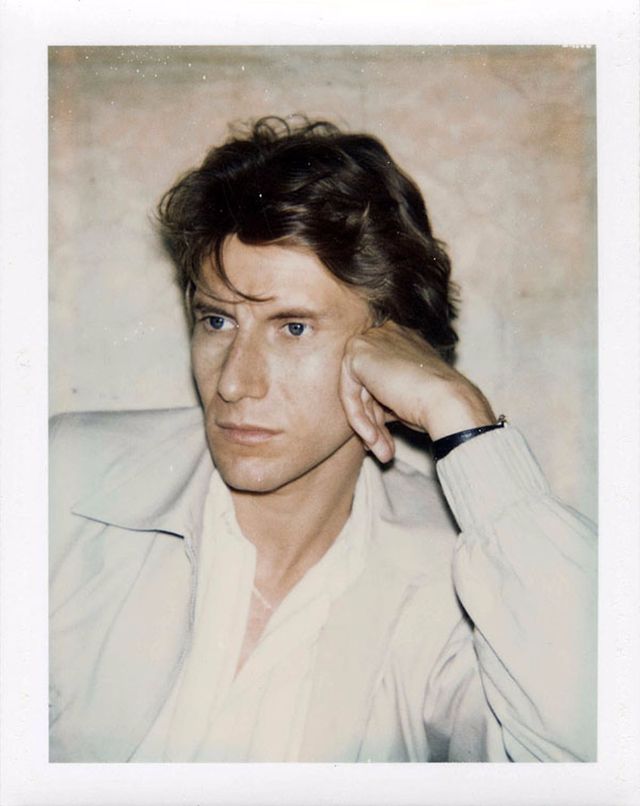
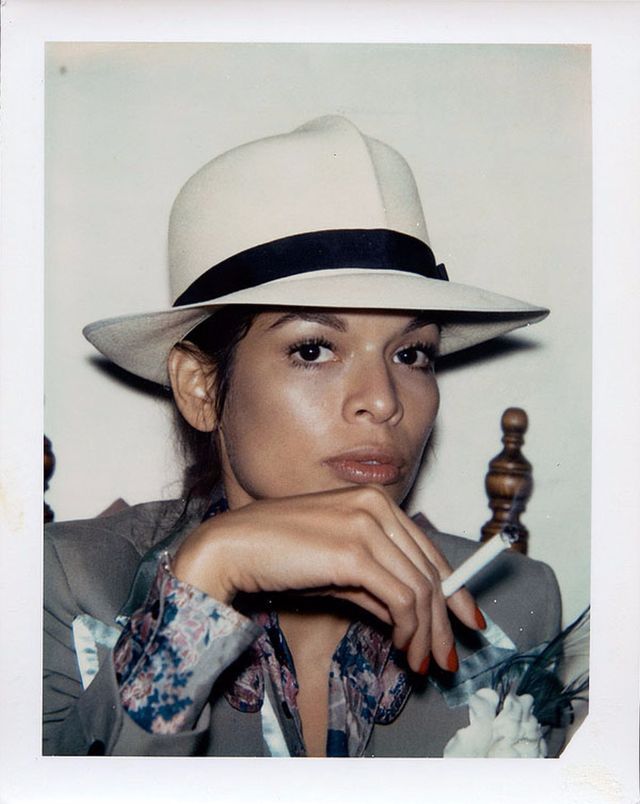
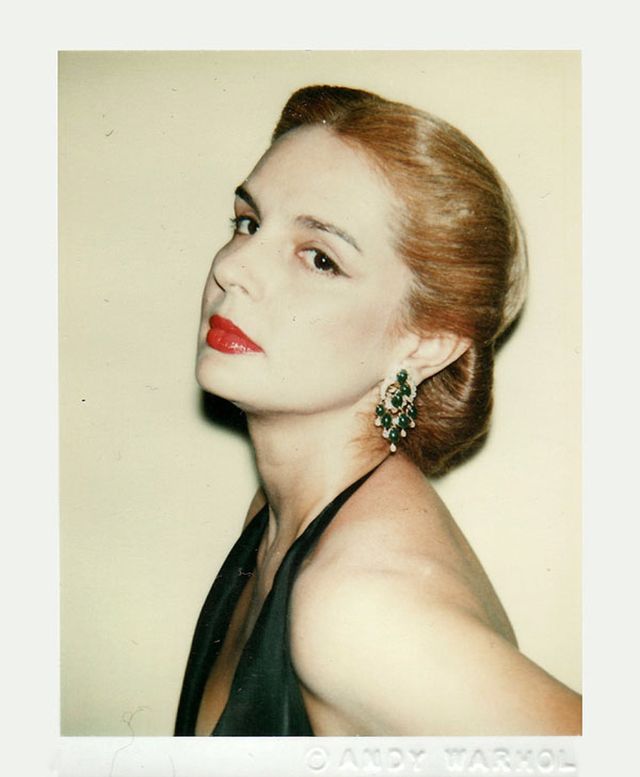
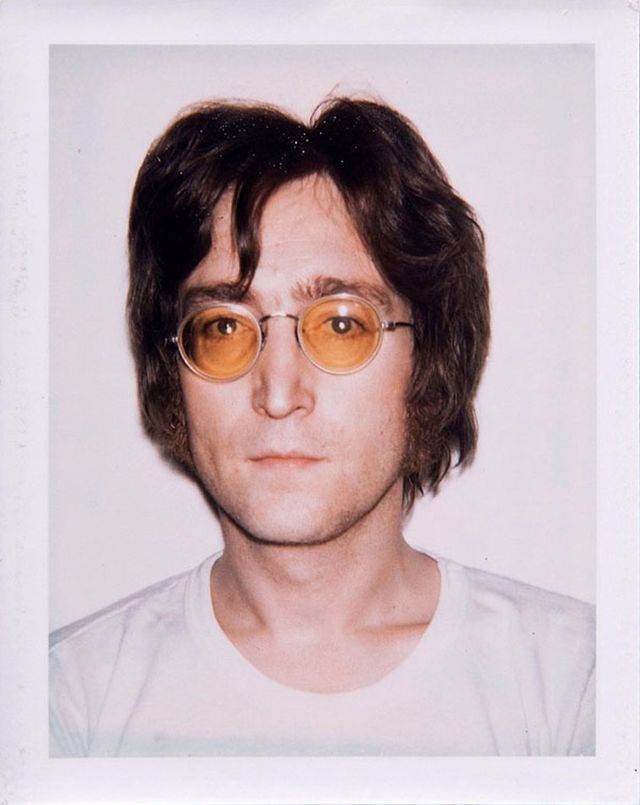
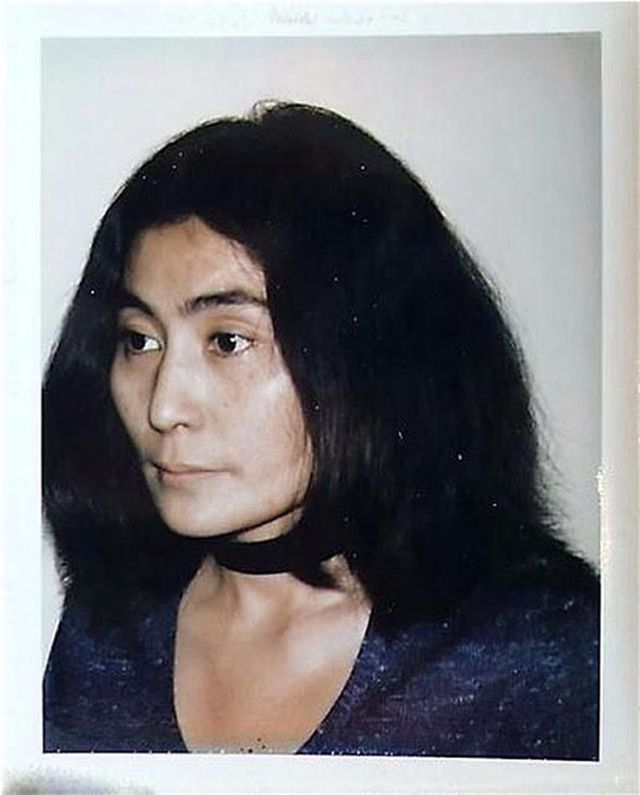
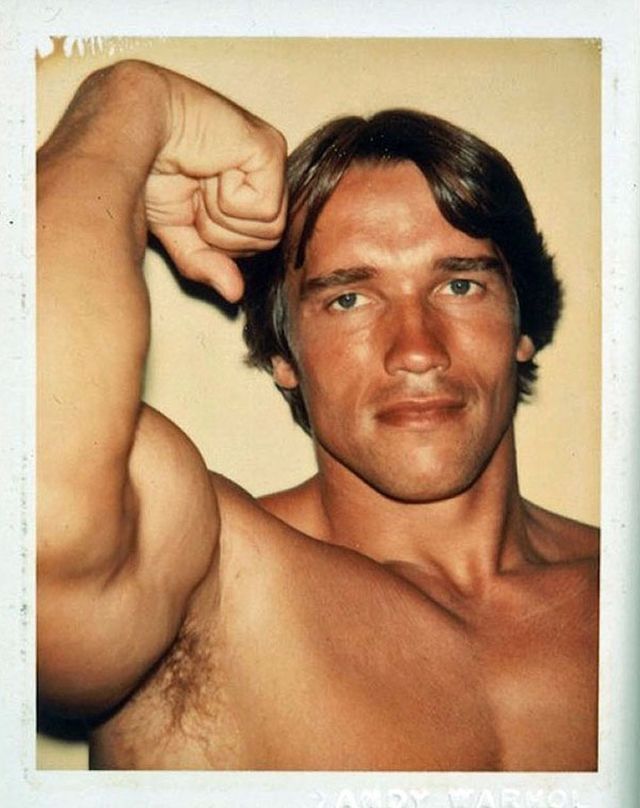
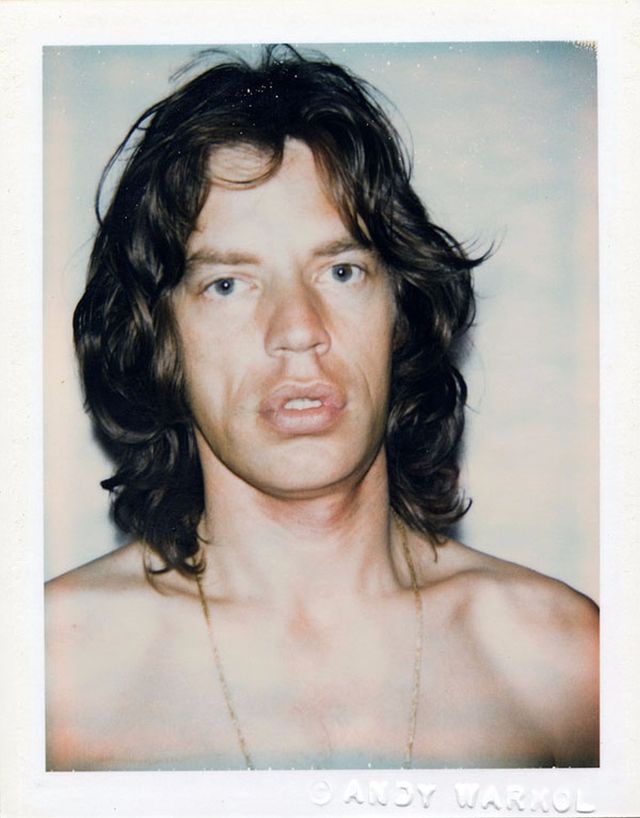
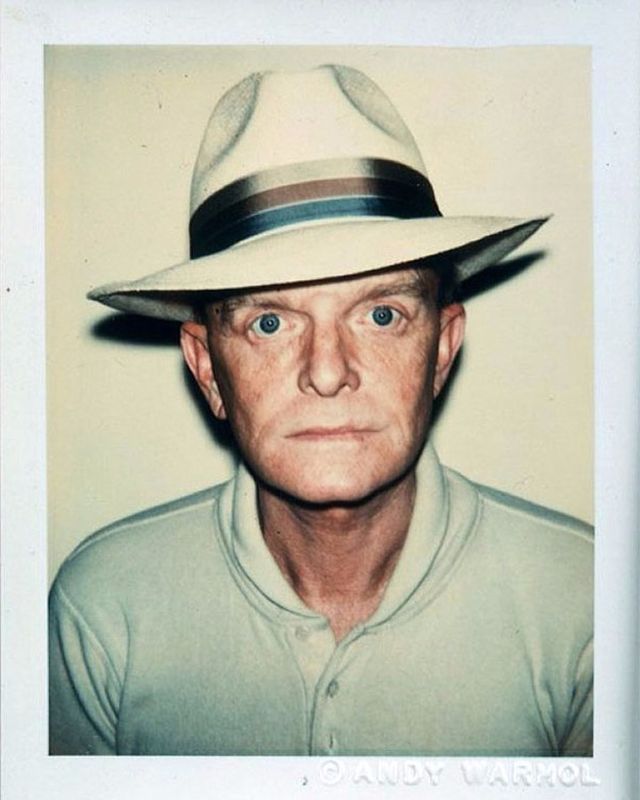
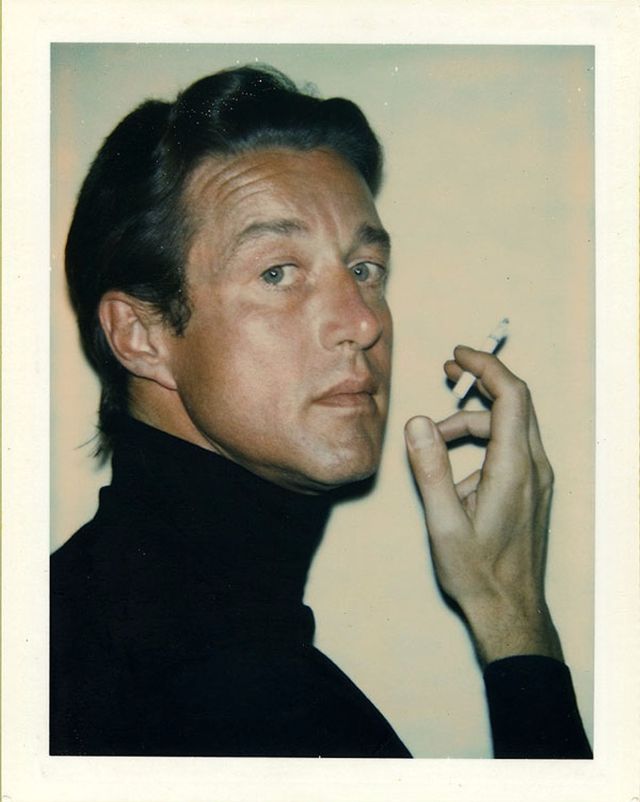
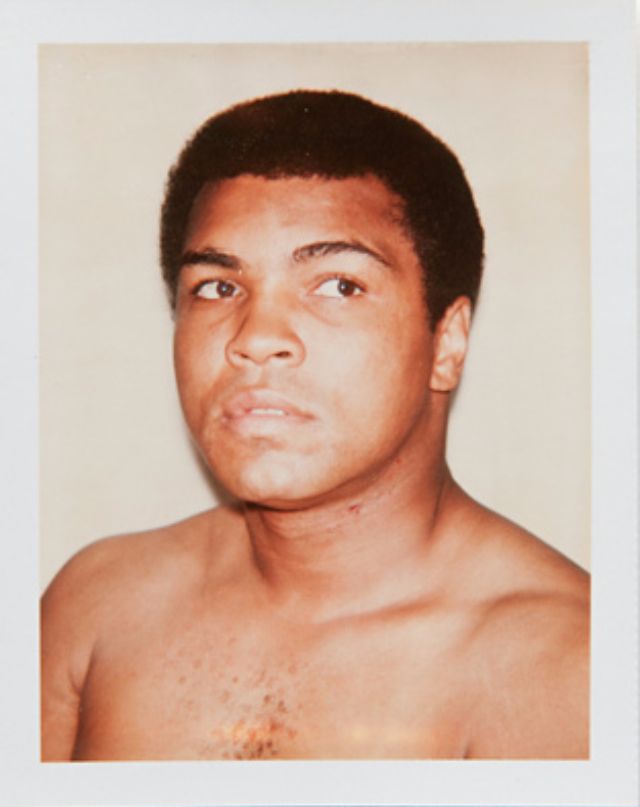
It may seem like a recent phenomenon, but Andy Warhol was an anomalous life logger in the 1960s, endlessly snapping Polaroids of the celebrities buzzing around him.
“My idea of a good picture is one that’s in focus and of a famous person,” king of Pop Art Andy Warhol once said.
Carrying a Polaroid camera from the late 1950s until his death in 1987, he amassed a huge collection of instant pictures of friends, lovers, patrons, the famous, the obscure, the scenic, the fashionable, and himself.
The candid portraits, taken by Warhol with his Polaroid Big Shot Camera in the Seventies and Eighties, include leading lights from the world of music, movies and sport, from Liza Minelli and John Lennon to Arnold Schwarzenegger to Muhammad Ali.
Andy Warhol, born Andrew Warhola Jr.(August 6, 1928 – February 22, 1987) was an American artist, film director, and producer who was a leading figure in the visual art movement known as pop art. His works explore the relationship between artistic expression, advertising, and celebrity culture that flourished by the 1960s, and span a variety of media, including painting, silkscreening, photography, film, and sculpture. Some of his best known works include the silkscreen paintings Campbell’s Soup Cans (1962) and Marilyn Diptych (1962), the experimental films Empire (1964) and Chelsea Girls (1966), and the multimedia events known as the Exploding Plastic Inevitable (1966–67).
Born and raised in Pittsburgh, Warhol initially pursued a successful career as a commercial illustrator. After exhibiting his work in several galleries in the late 1950s, he began to receive recognition as an influential and controversial artist. His New York studio, The Factory, became a well-known gathering place that brought together distinguished intellectuals, drag queens, playwrights, Bohemian street people, Hollywood celebrities, and wealthy patrons. He promoted a collection of personalities known as Warhol superstars, and is credited with inspiring the widely used expression “15 minutes of fame”. In the late 1960s he managed and produced the experimental rock band The Velvet Underground and founded Interview magazine. He authored numerous books, including The Philosophy of Andy Warhol and Popism: The Warhol Sixties. He lived openly as a gay man before the gay liberation movement. In June 1968, he was almost killed by radical feminist Valerie Solanas who shot him inside his studio. After gallbladder surgery, Warhol died of cardiac arrhythmia in February 1987 at the age of 58 in New York.
Warhol has been the subject of numerous retrospective exhibitions, books, and feature and documentary films. The Andy Warhol Museum in his native city of Pittsburgh, which holds an extensive permanent collection of art and archives, is the largest museum in the United States dedicated to a single artist. A 2009 article in The Economist described Warhol as the “bellwether of the art market”. Many of his creations are very collectible and highly valuable. The highest price ever paid for a Warhol painting is $105 million for a 1963 serigraph titled Silver Car Crash (Double Disaster). His works include some of the most expensive paintings ever sold.
Warhol himself even appeared in some Polaroids, from his Fright Wig of 1986Debbie HarryDiana RossDolly PartonFarrah FawcettDiane von FurstenbergLiza MinelliGeorgio ArmaniJane FondaTatum O’Neal & John McEnroeDennis HopperJoan CollinsMartha GrahamDorothy HamillSenator Edward KennedyGianni VersaceChris EvertJerry HallJack NicholsonCandy DarlingDivineJean-Michel BasquiatAudrey HepburnSonia RykielDiana VreelandLittle Edie BealeValentinoYves Saint LaurentBianca JaggerCarolina HerreraJohn LennonYoko OnoArnold SchwarzenggerMick JaggerTruman CapotePaloma PicassoHalstonOJ SimpsonMuhammad Ali
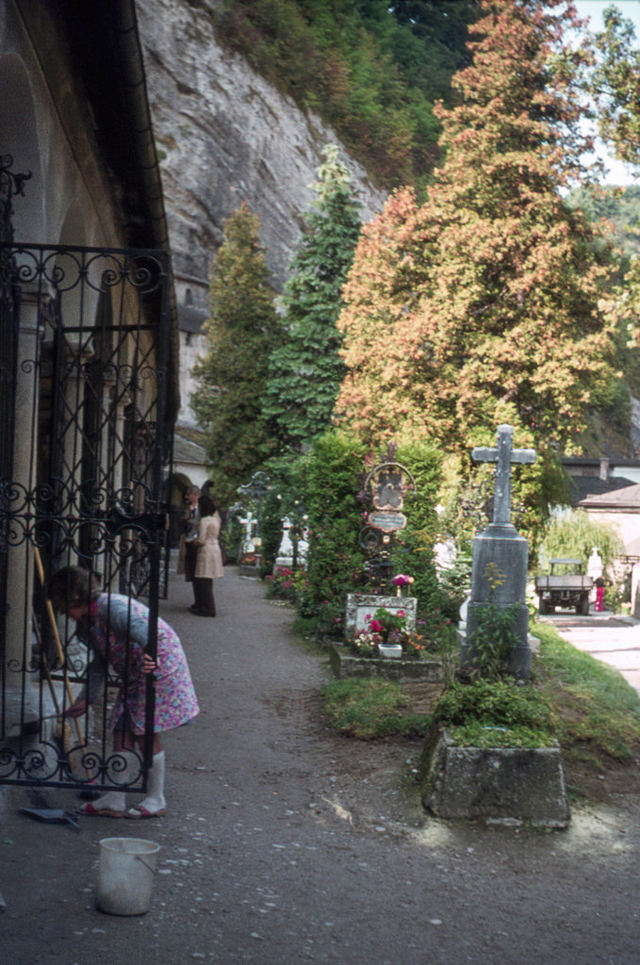
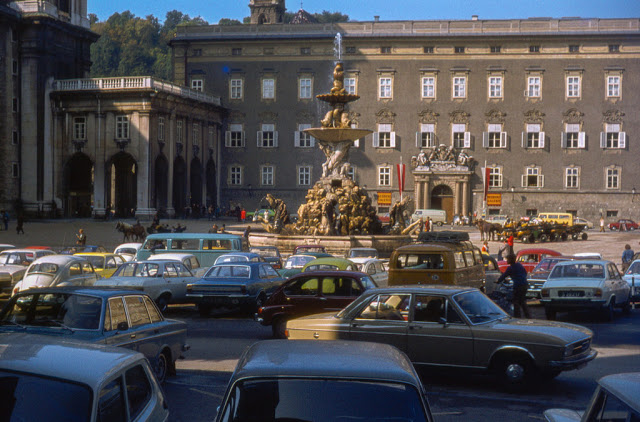
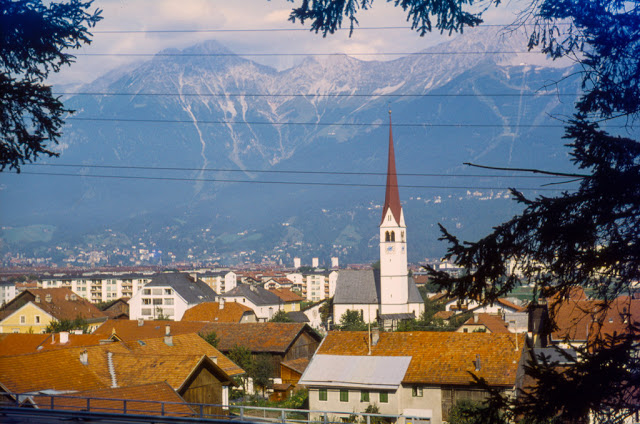
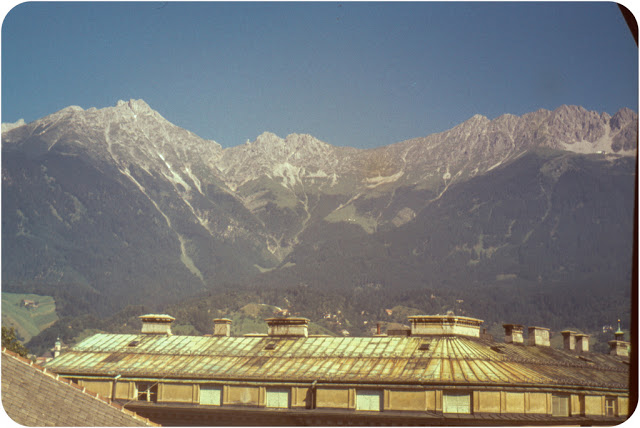
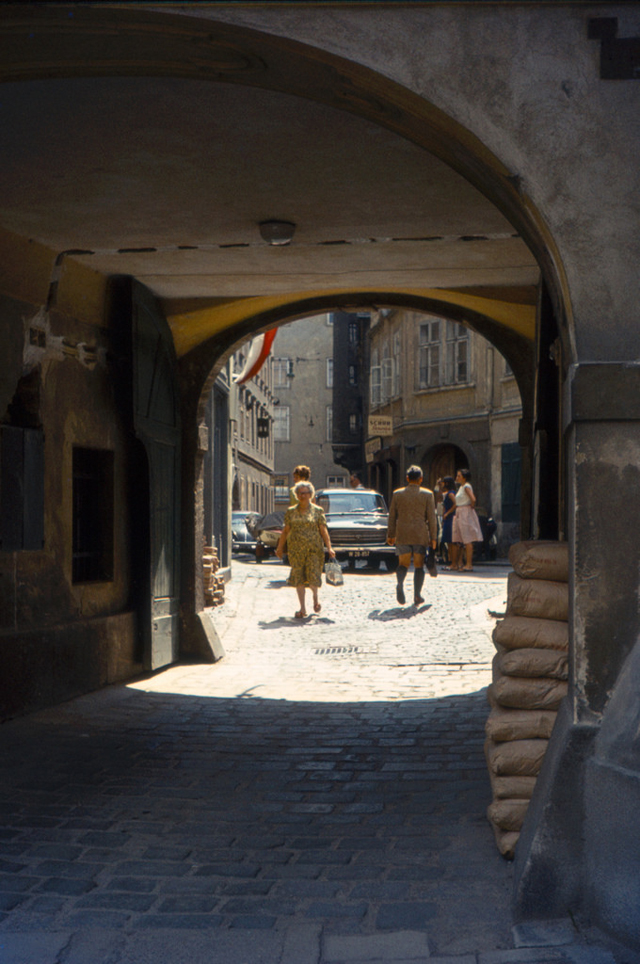
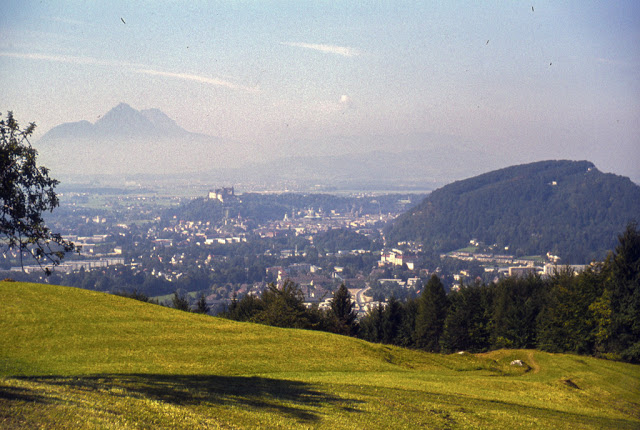
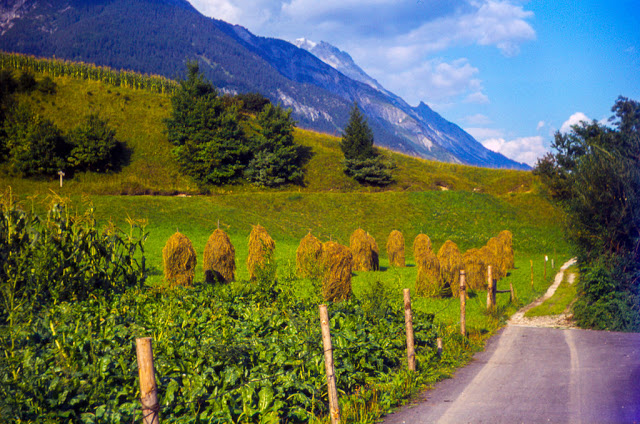
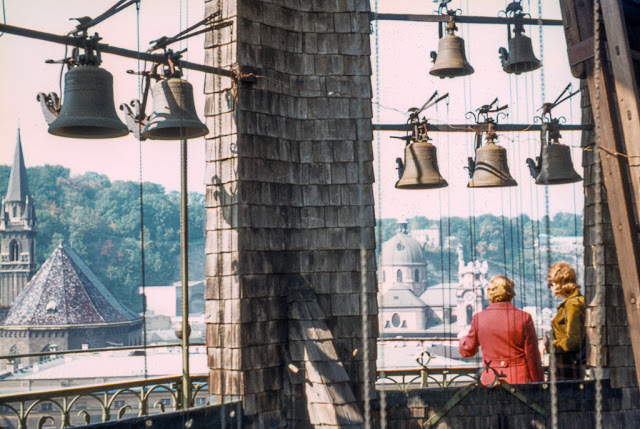
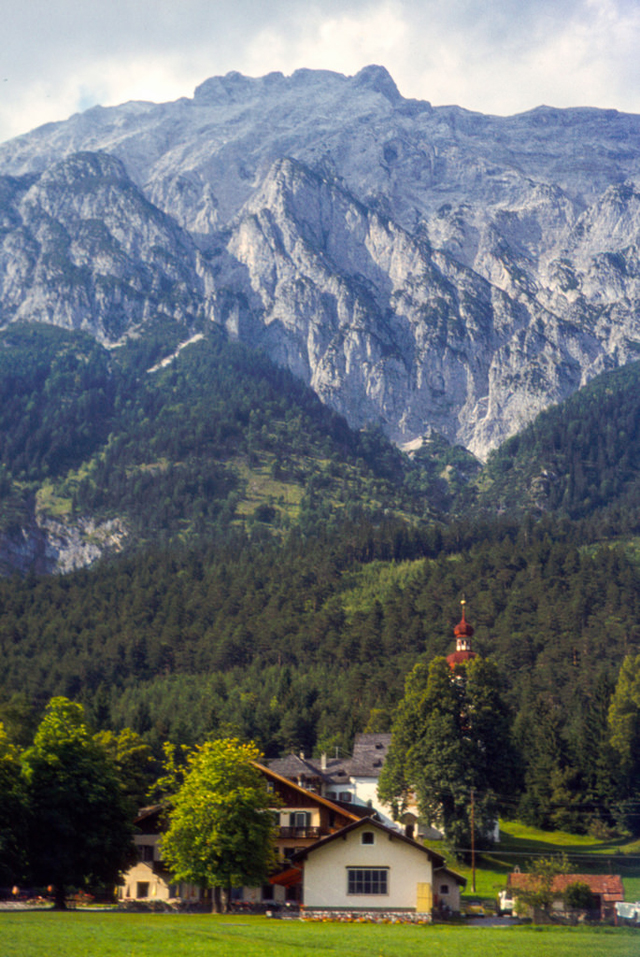
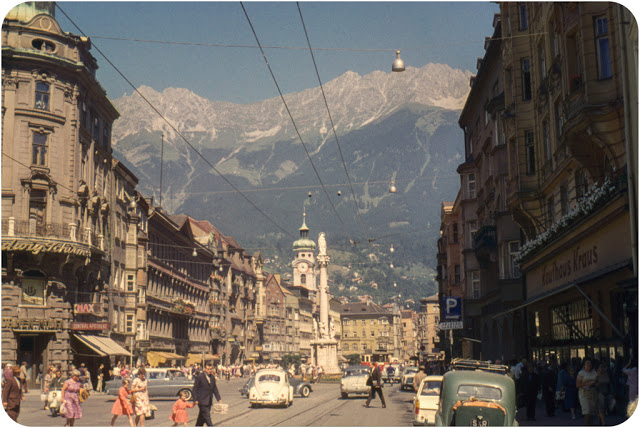
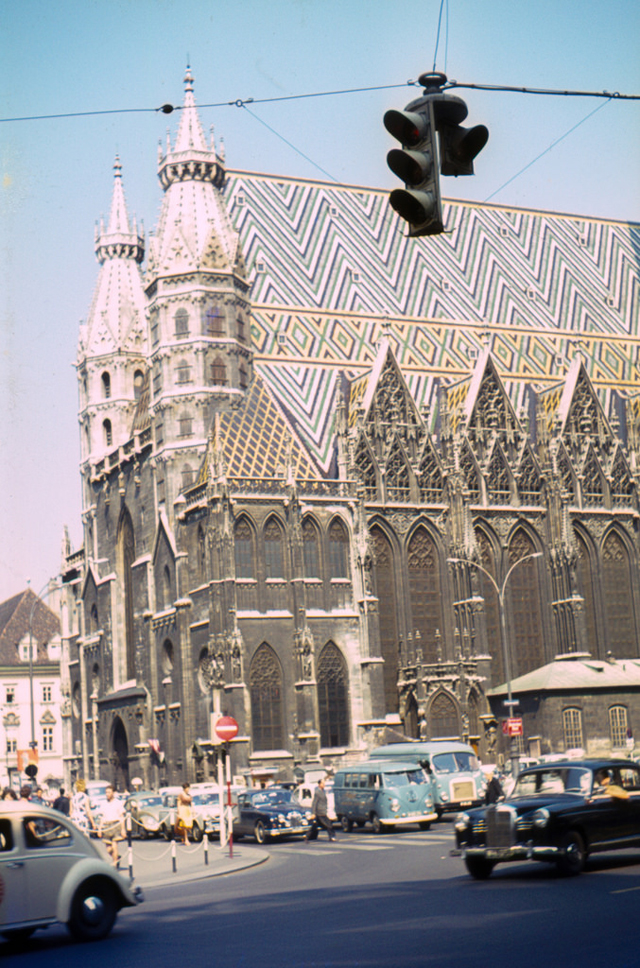
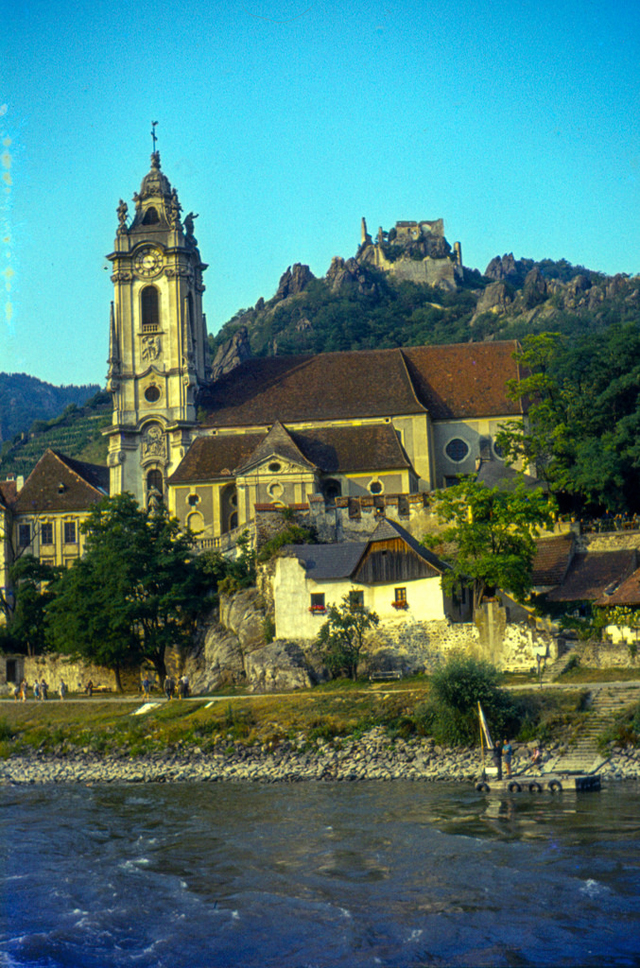
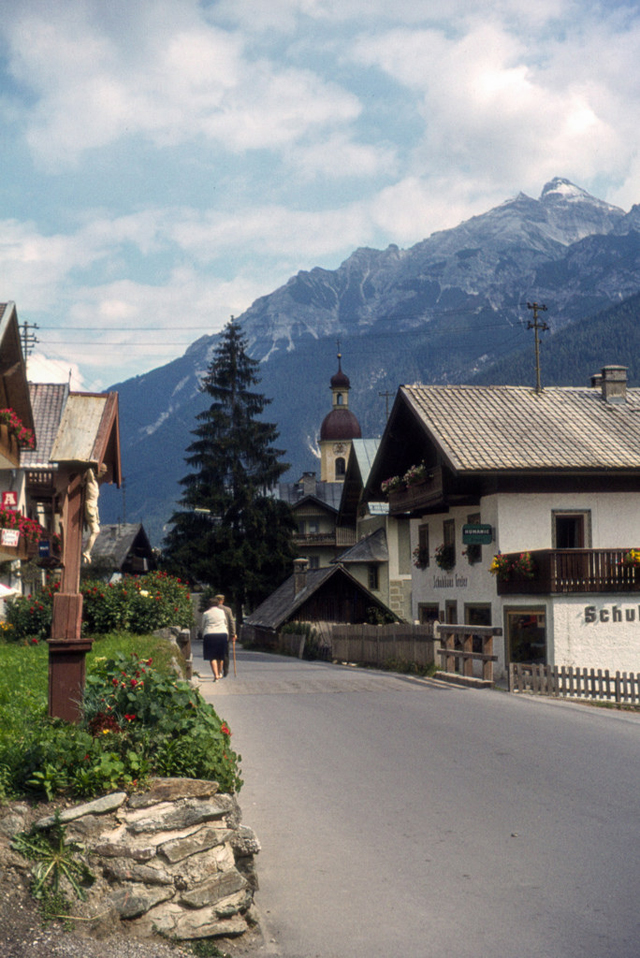
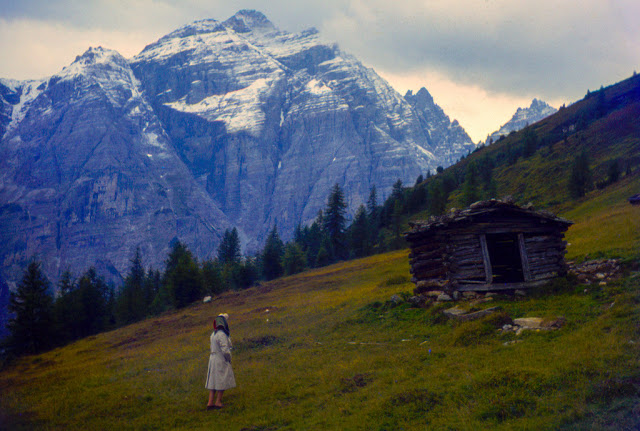
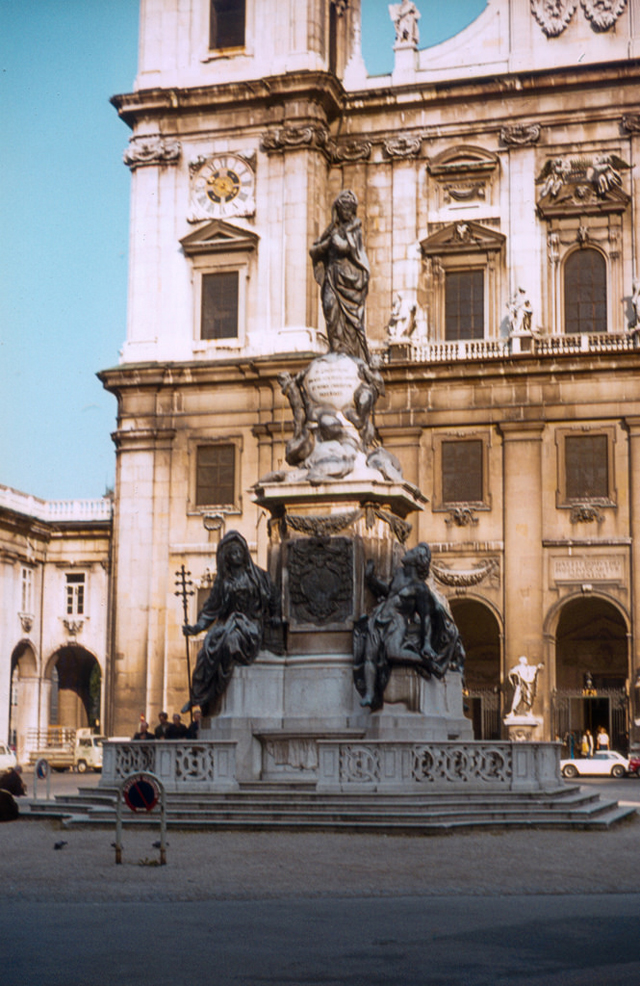
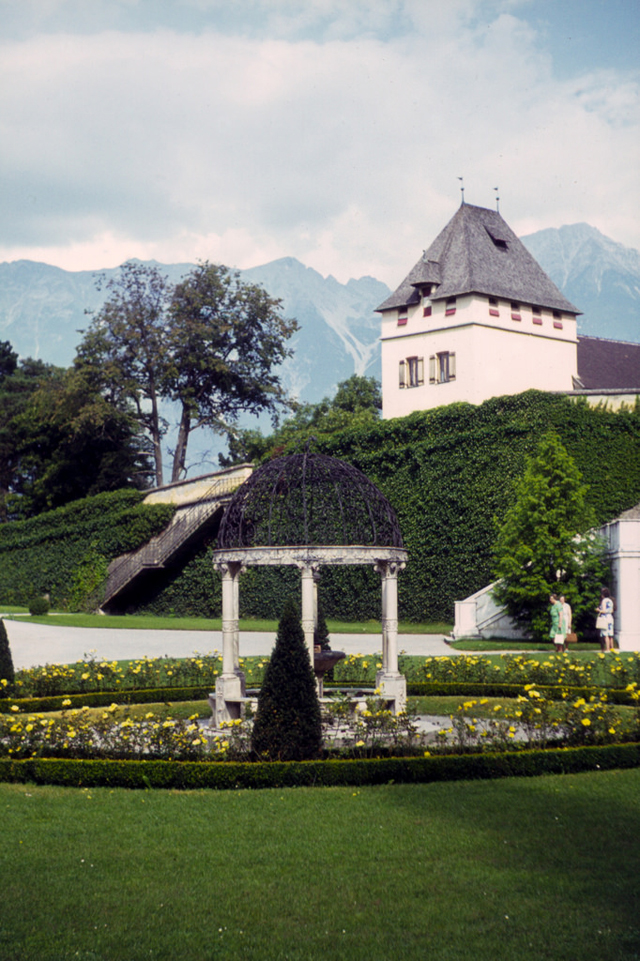
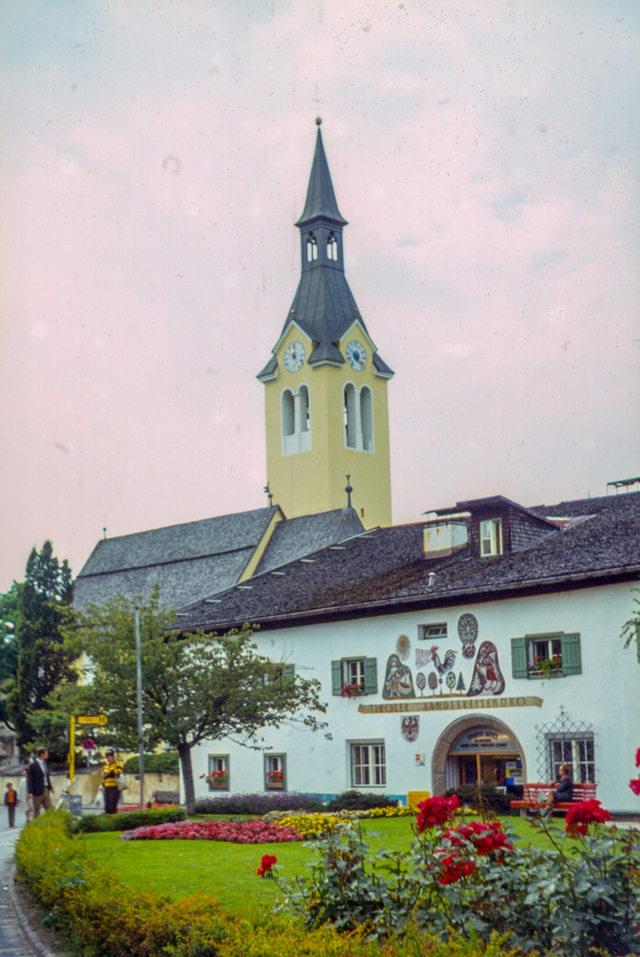
Austria, officially the Republic of Austria, is a landlocked country in the southern part of Central Europe, located on the Eastern Alps. It is composed of nine federated states, one of which is Vienna, Austria’s capital and largest city. Austria is bordered by Germany to the northwest, the Czech Republic to the north, Slovakia to the northeast, Hungary to the east, Slovenia and Italy to the south, and Switzerland and Liechtenstein to the west. Austria occupies an area of 83,879 km2 (32,386 sq mi) and has a population of nearly 9 million people. While Austrian German is the country’s official language, many Austrians communicate informally in a variety of Bavarian dialects.
Austria initially emerged as a margraviate around 976 and developed into a duchy and archduchy. In the 16th century, Austria started serving as the heart of the Habsburg Monarchy and the junior branch of the House of Habsburg – one of the most influential royal dynasties in history. As an archduchy, it was a major component and administrative centre of the Holy Roman Empire. Early in the 19th century, Austria established its own empire, which became a great power and the leading force of the German Confederation, but pursued its own course independently of the other German states following its defeat in the Austro-Prussian War in 1866. In 1867, in compromise with Hungary, the Austria-Hungary Dual Monarchy was established.
Austria was involved in World War I under Emperor Franz Joseph following the assassination of Archduke Ferdinand, the presumptive successor to the Austro-Hungarian throne. After the defeat and the dissolution of the Monarchy, the Republic of German-Austria was proclaimed with the intent of union with Germany, but the Allied Powers did not support the new state and it remained unrecognized. In 1919 the First Austrian Republic became the legal successor of Austria. In 1938, the Austrian-born Adolf Hitler, who became the Chancellor of the German Reich, achieved the annexation of Austria by the Anschluss. Following the defeat of Nazi Germany in 1945 and an extended period of Allied occupation, Austria was re-established as a sovereign and self-governing democratic nation known as the Second Republic.
Austria is a parliamentary representative democracy with a directly elected Federal President as head of state and a Chancellor as head of the federal government. Major urban areas of Austria include Vienna, Graz, Linz, Salzburg and Innsbruck. Austria is consistently ranked in the top 20 richest countries in the world by GDP per capita terms. The country has achieved a high standard of living and in 2018 was ranked 20th in the world for its Human Development Index. Vienna consistently ranks in the top internationally on quality-of-life indicators.
The Second Republic declared its perpetual neutrality in foreign political affairs in 1955. Austria has been a member of the United Nations since 1955 and joined the European Union in 1995. It plays host to the OSCE and OPEC and is a founding member of the OECD and Interpol. Austria also signed the Schengen Agreement in 1995, and adopted the euro currency in 1999. (Wikipedia)
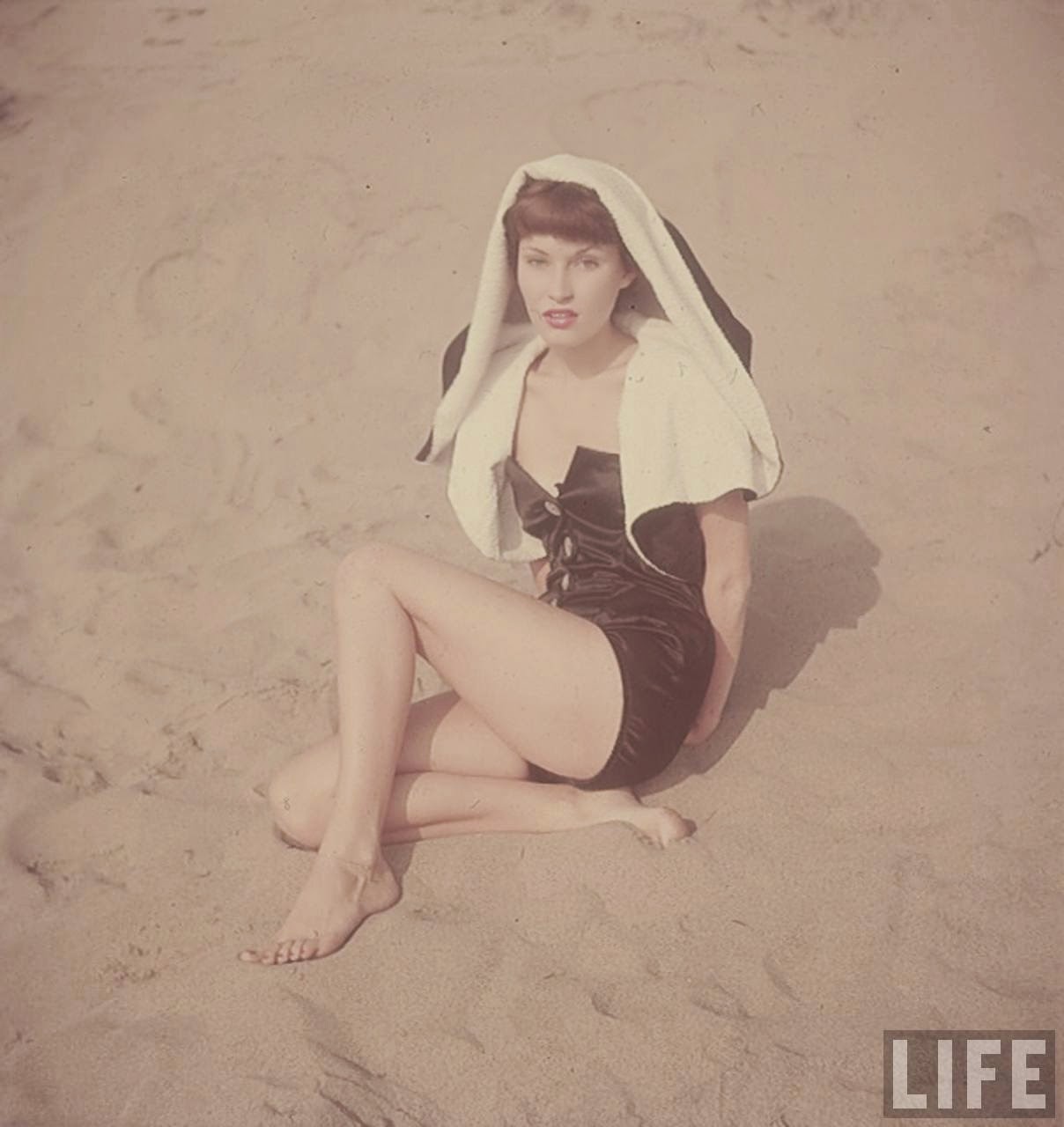
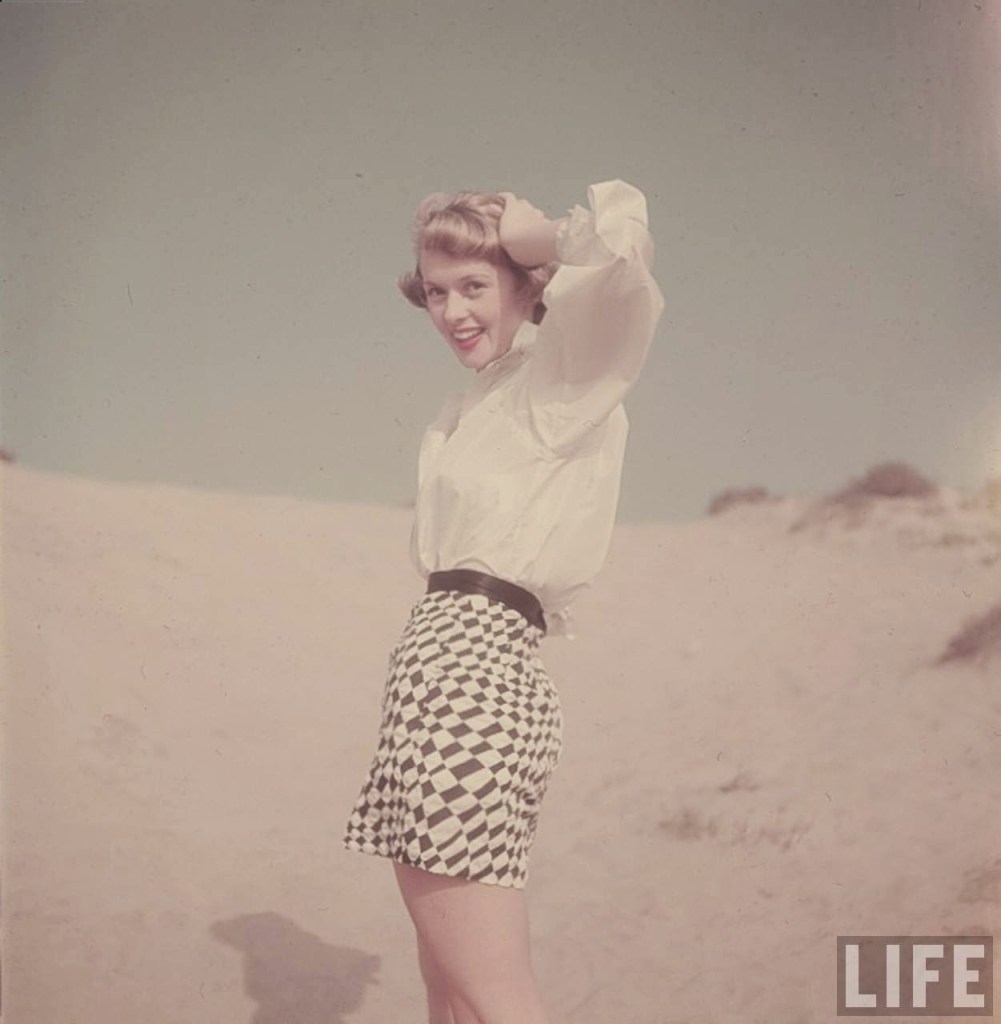
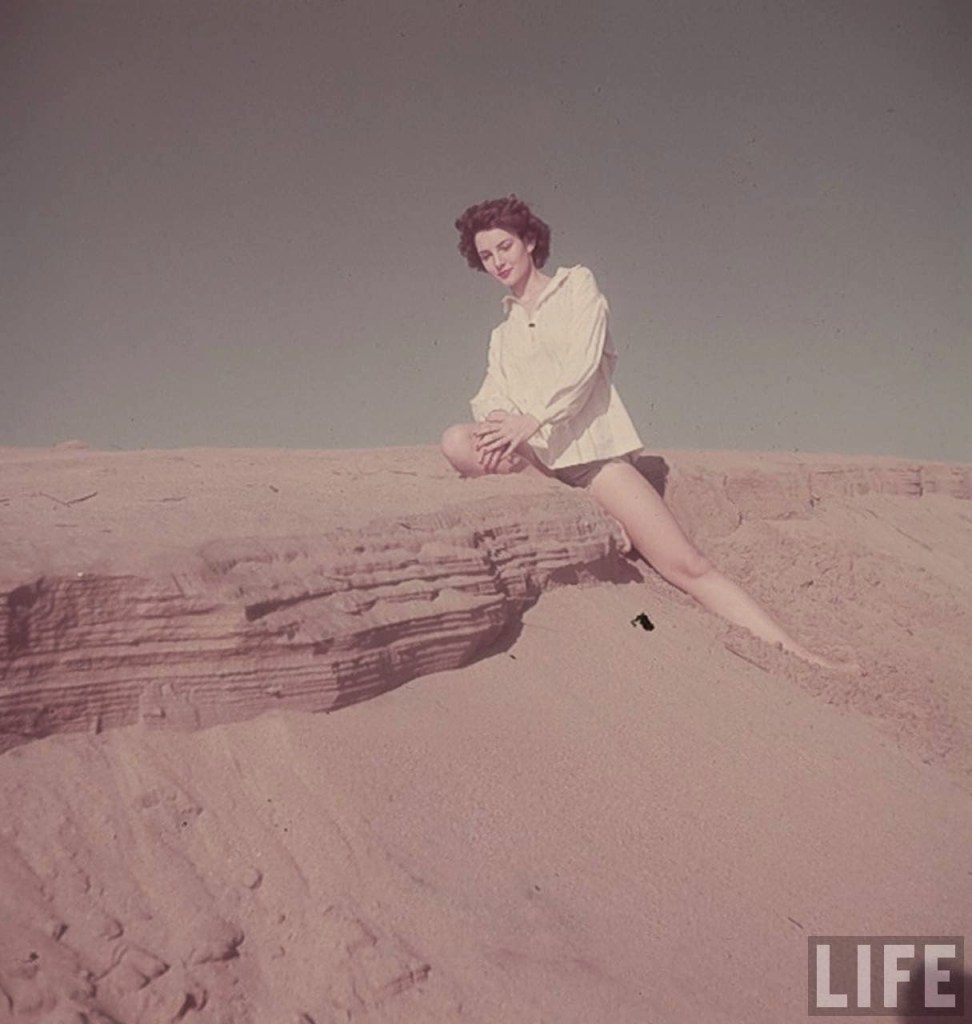
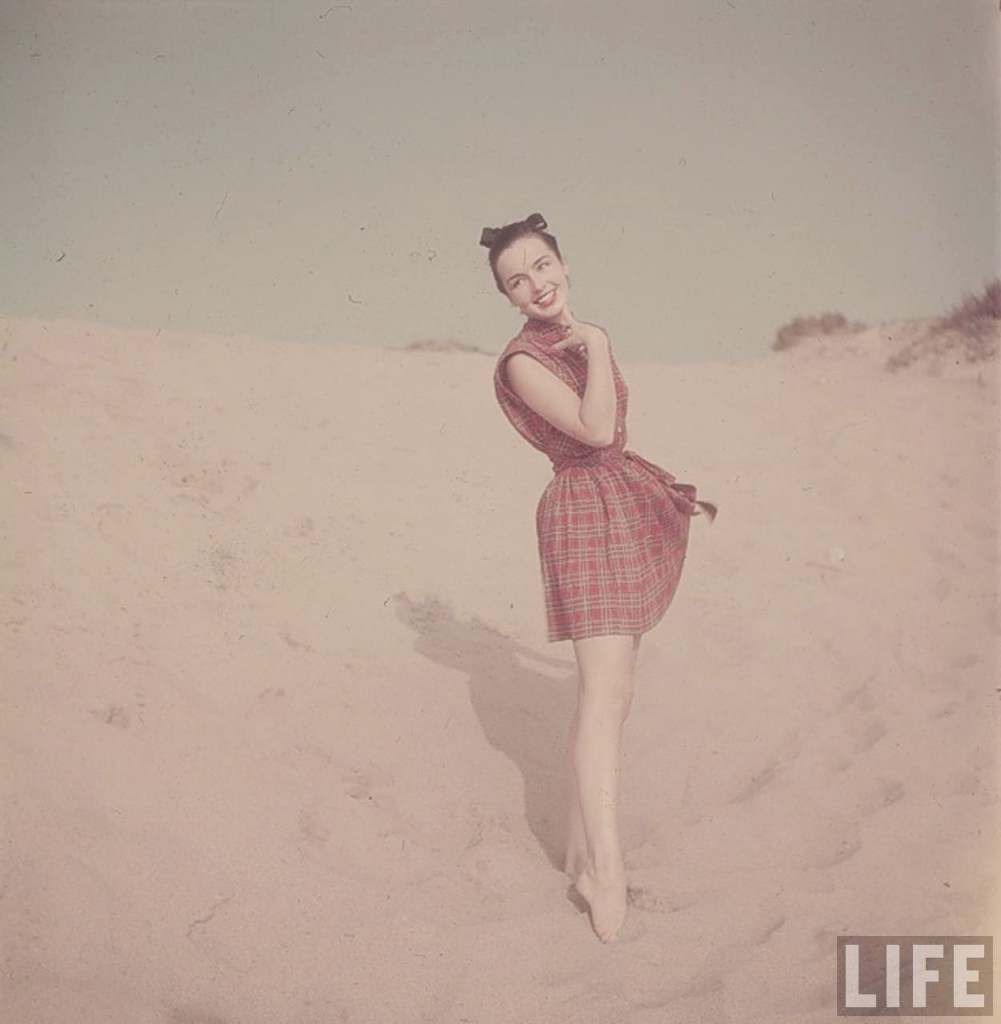
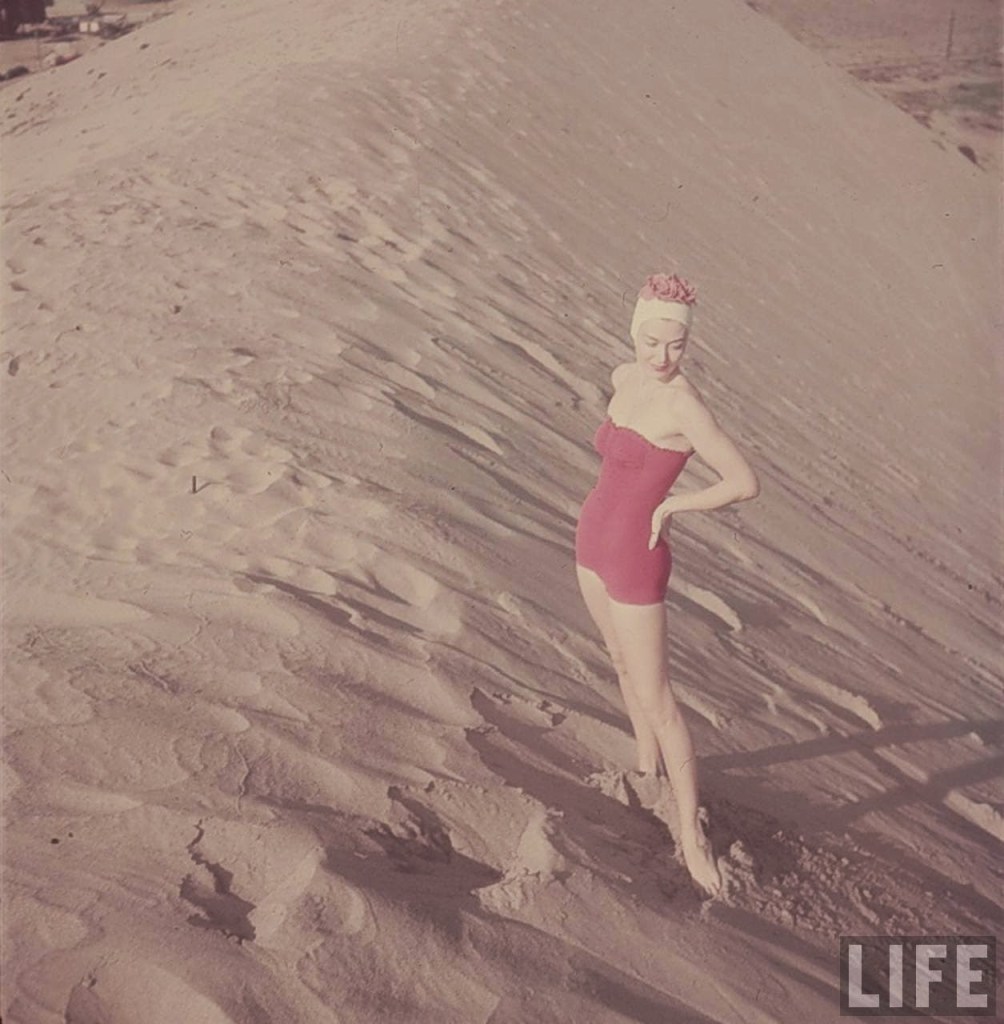
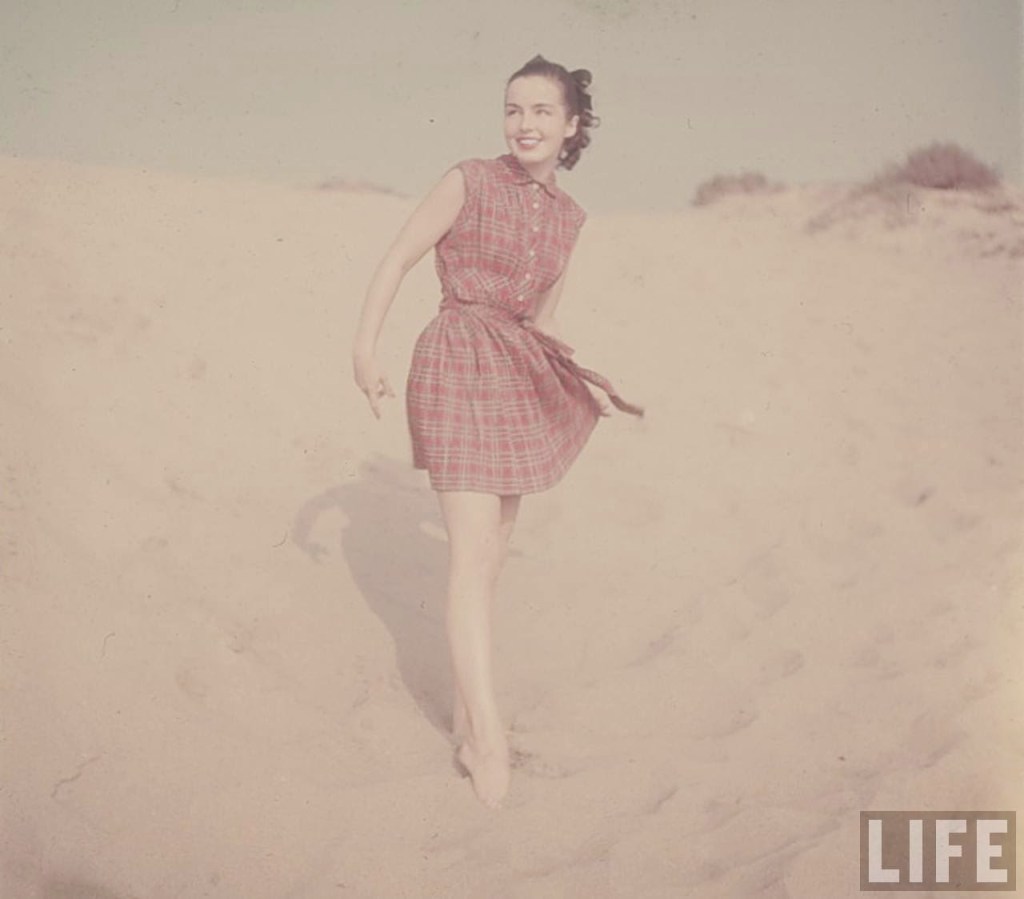
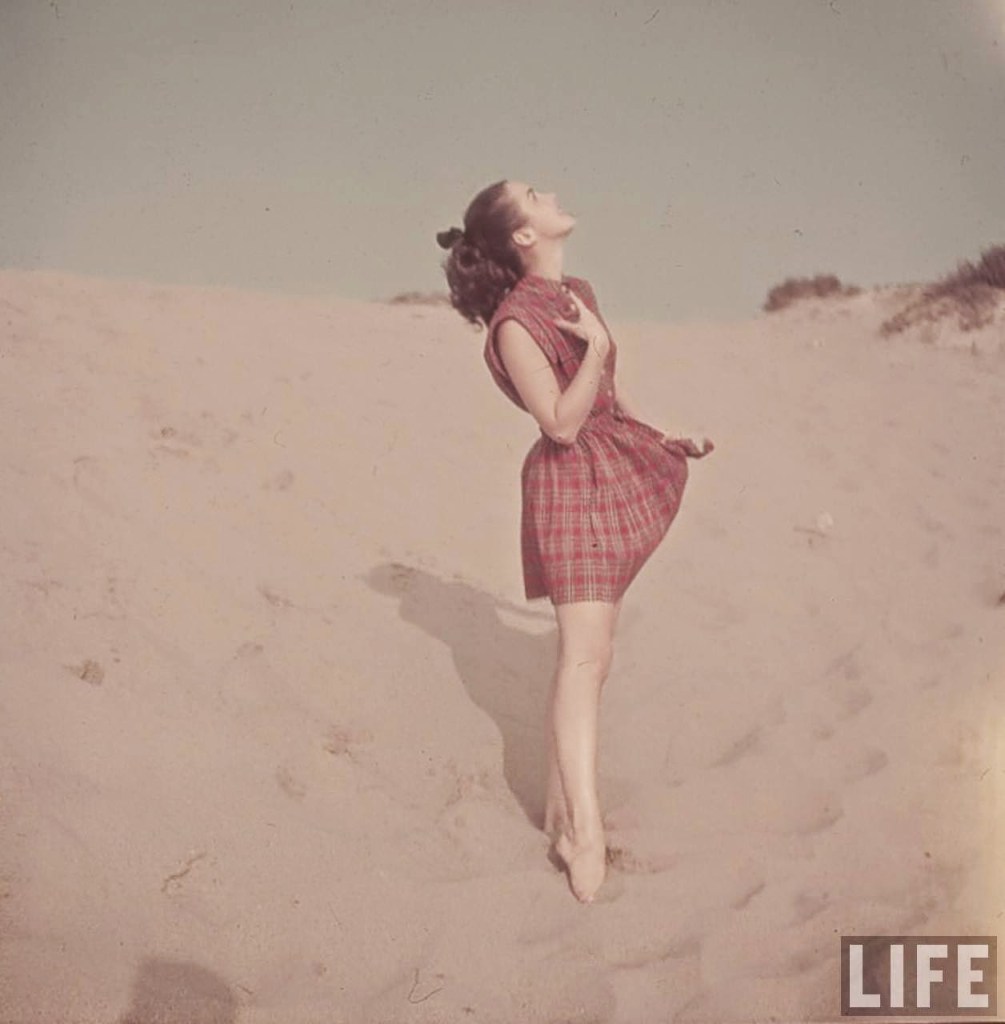
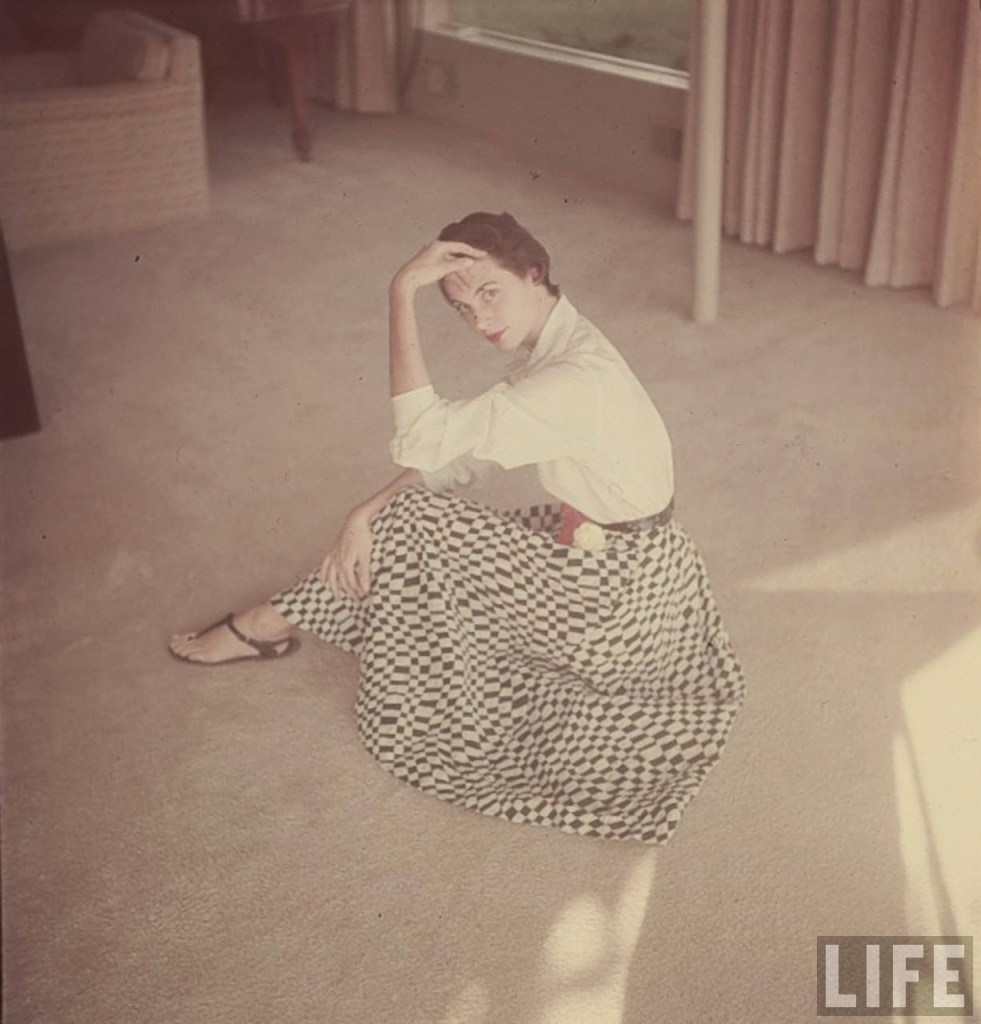
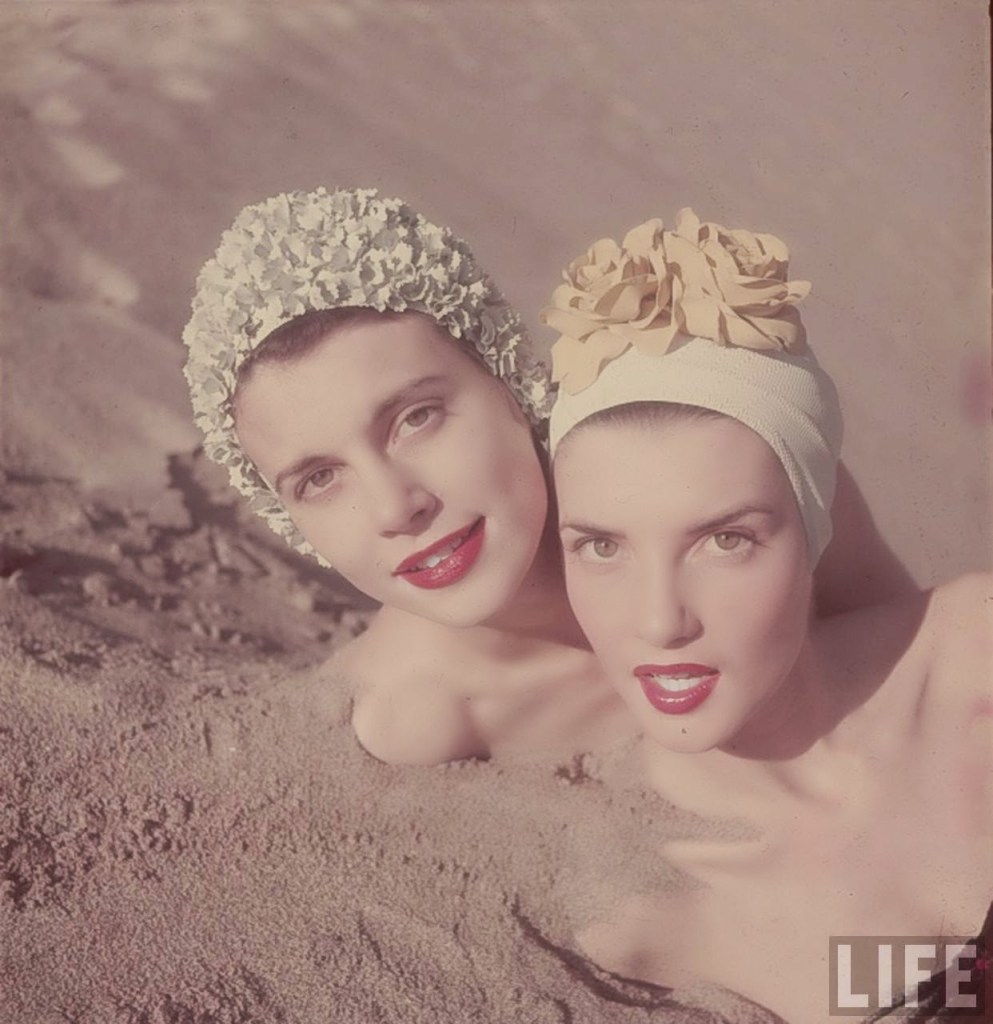
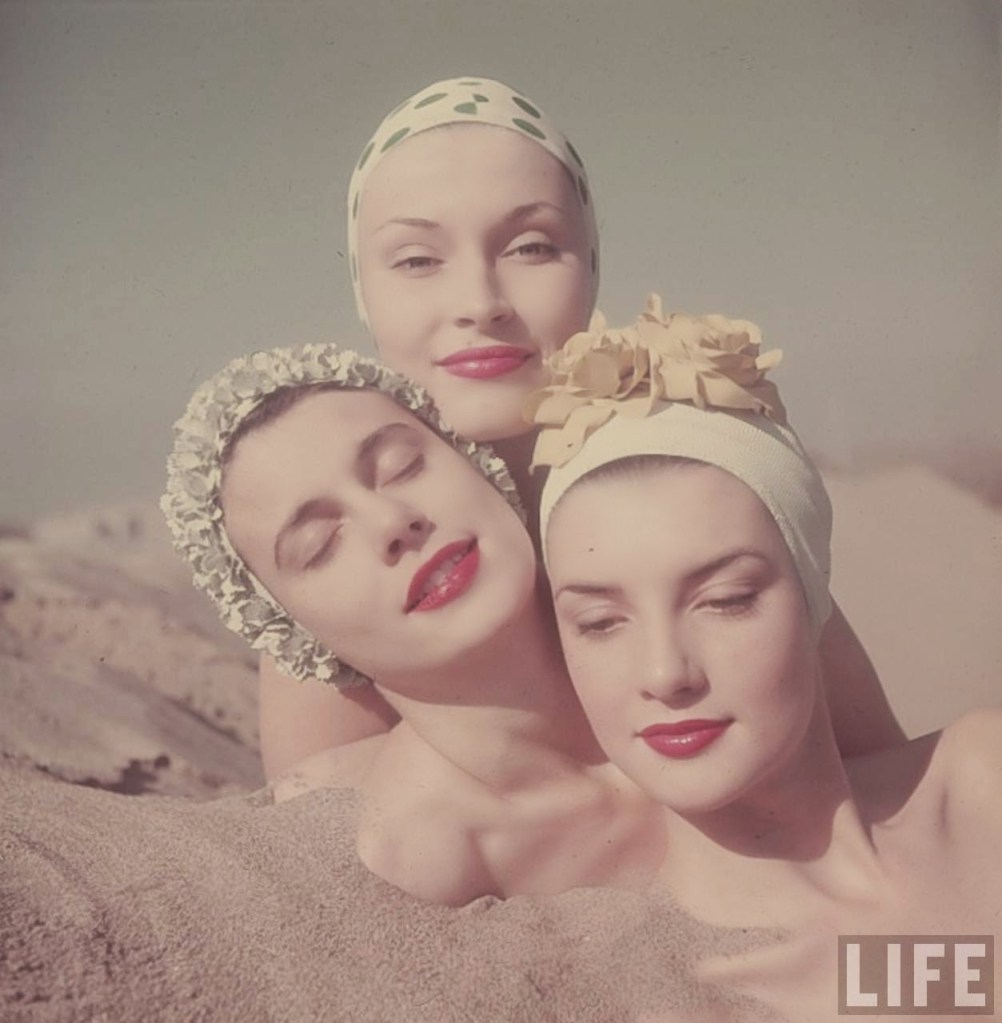
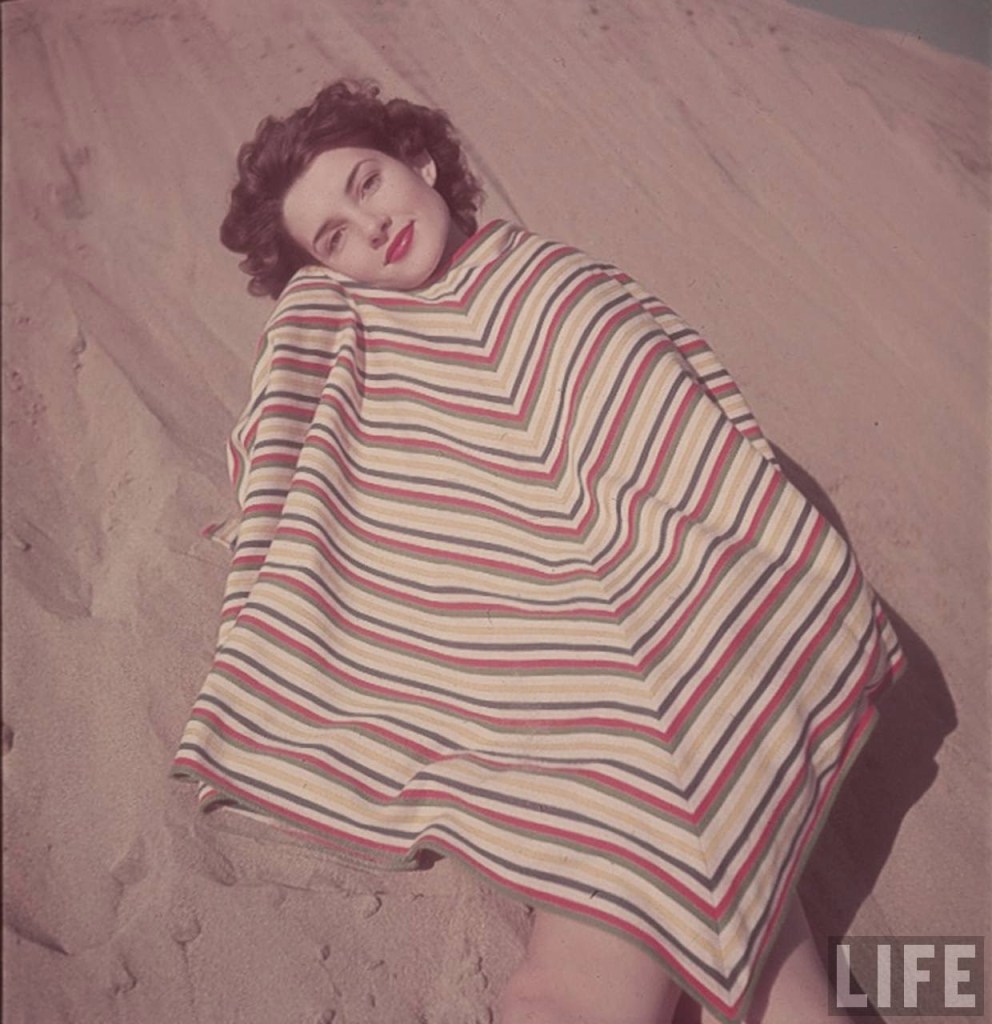
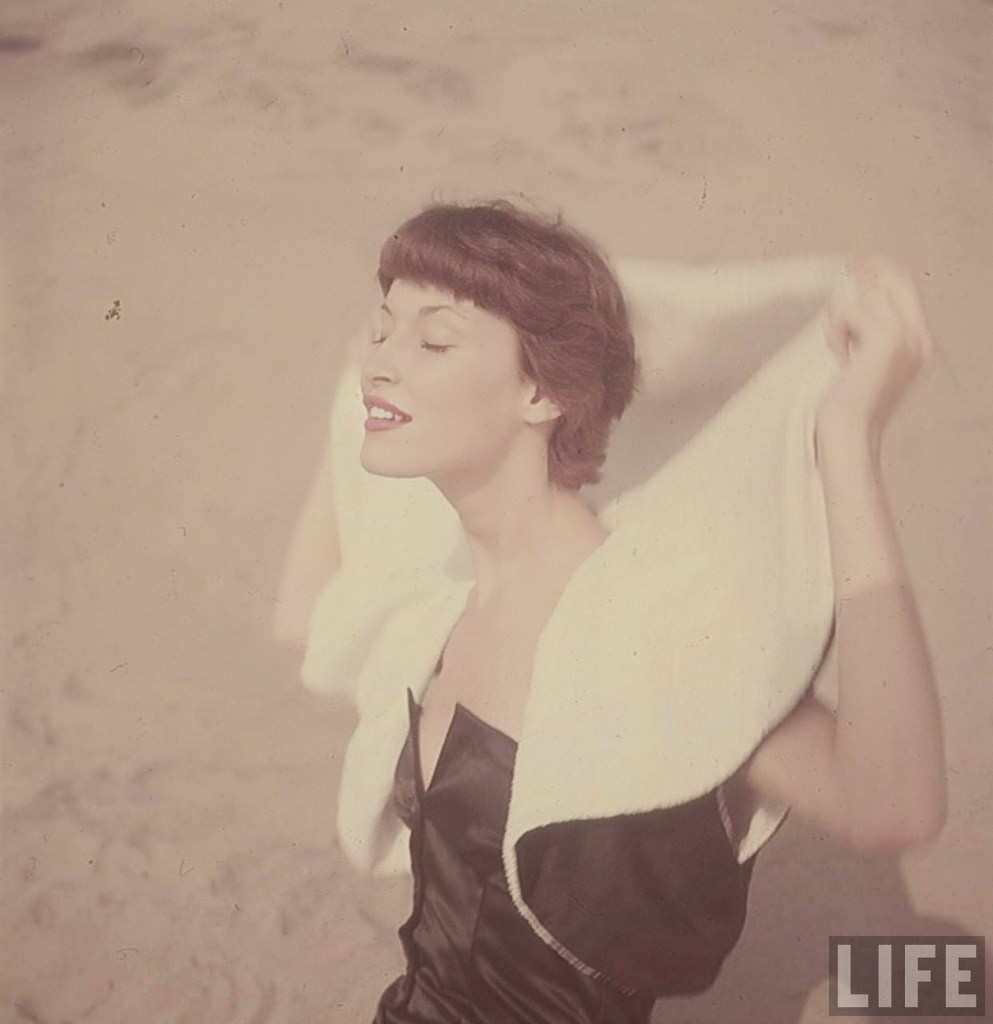
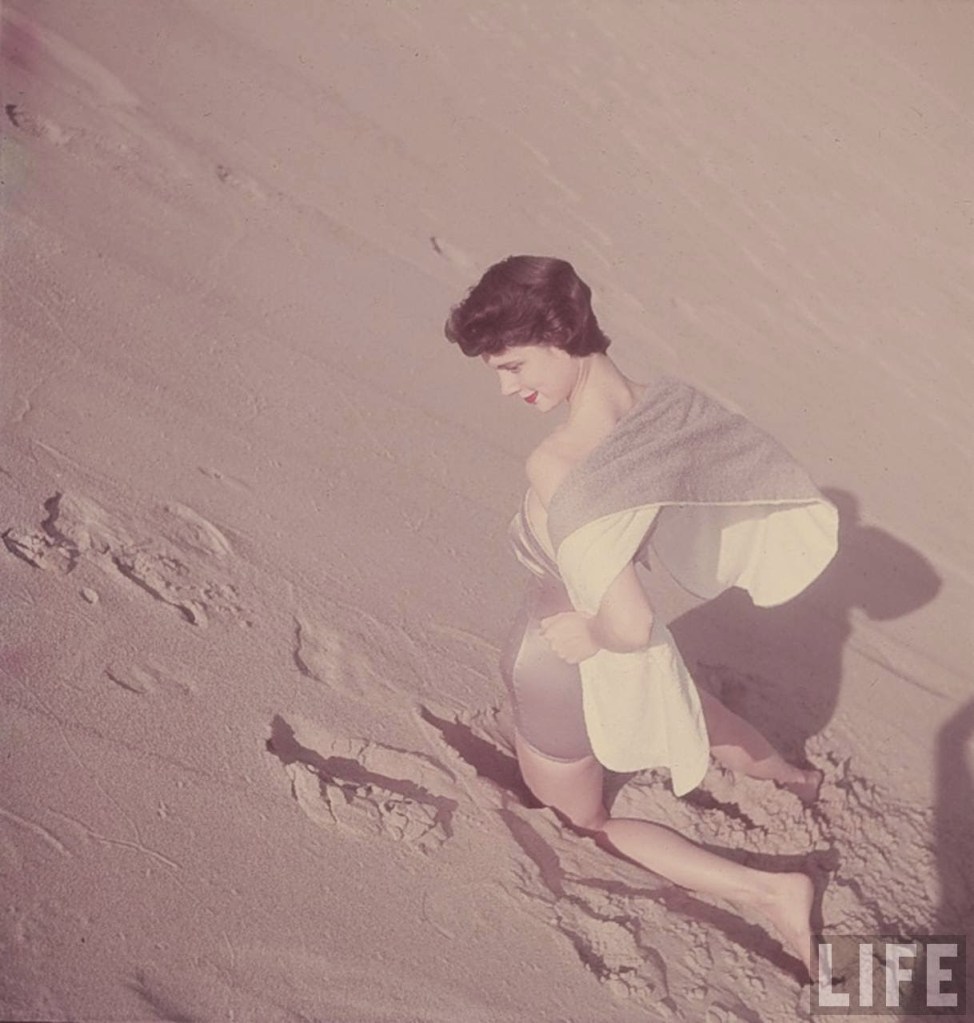
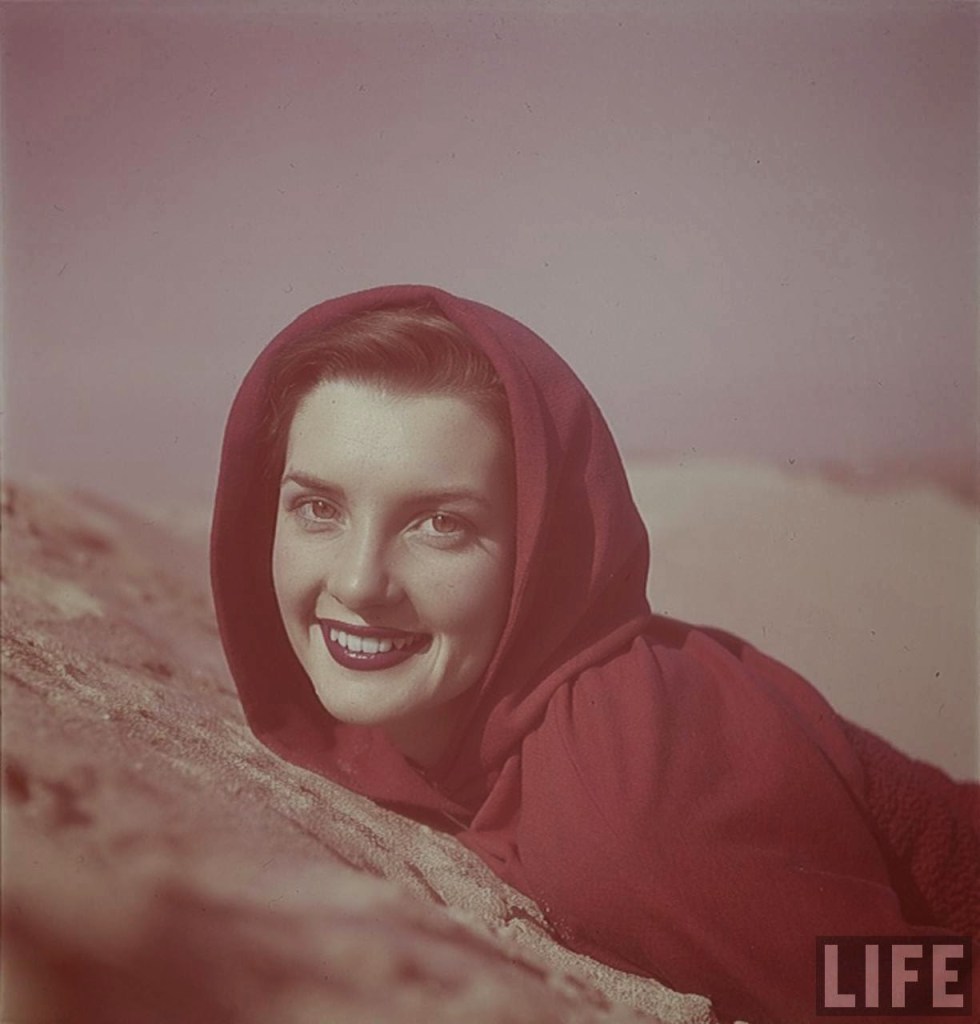
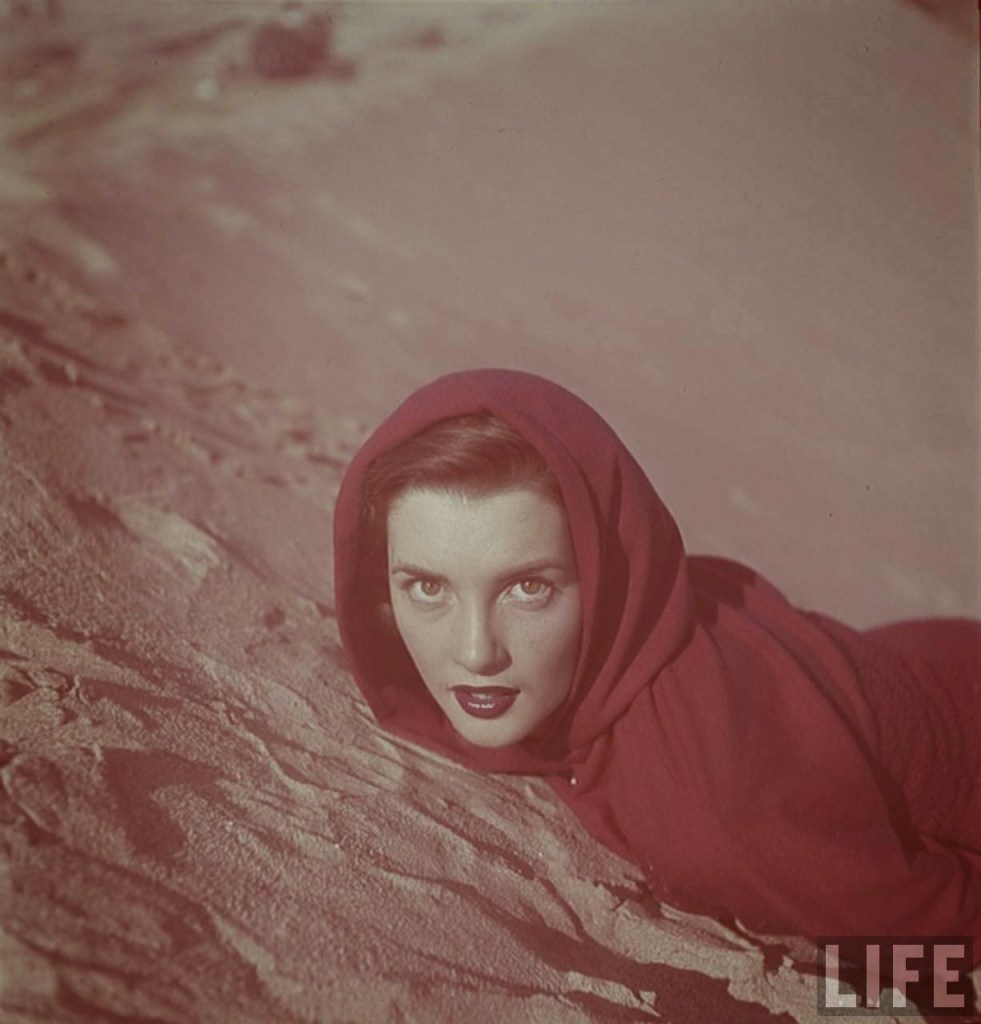
The 1950s beachwear ideas come from native classics like T-shirts and everyday materials like toweling, as in the practical but startling salmon pink toga. They are influenced by foreign styles, as in the Riviera “pirate pants” and the big straw hats from the Virgin islands and Hawaii. The hat shapes add drama to plain black bathing suits and show signs of reviving big sunshade straws this summer on U.S beaches everywhere.
Seeing summer is around the corner, why not catch up with the latest trends and styles in beach fashion for women. Here are some fantastic photographs taken by LIFE photographer Loomis Dean in California circa 1950s.
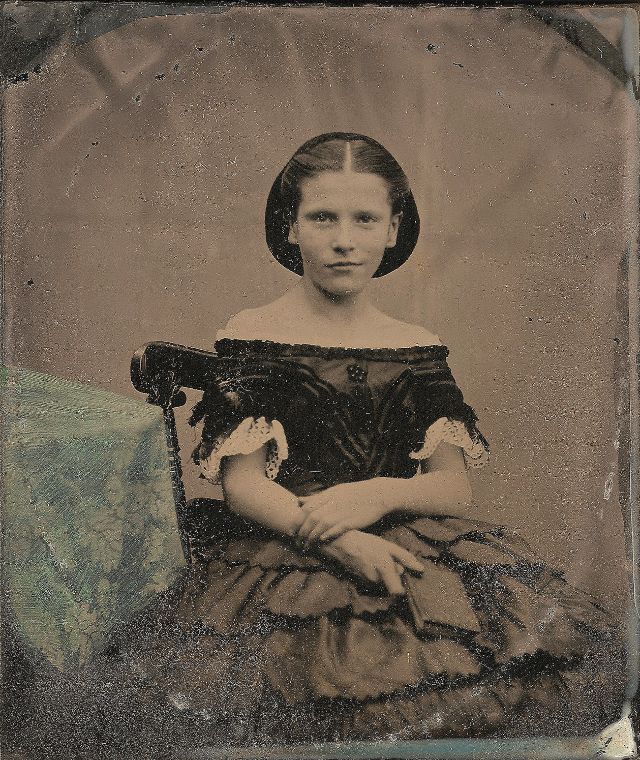
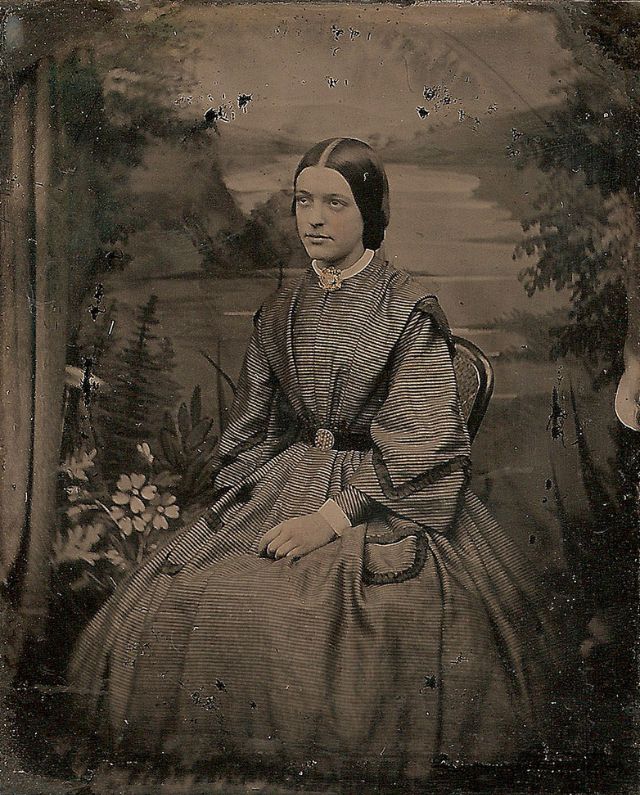
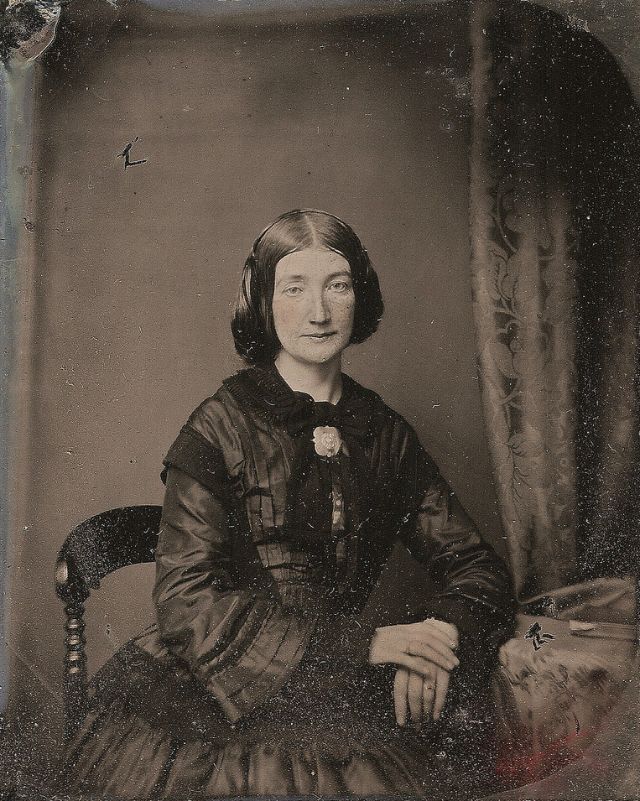
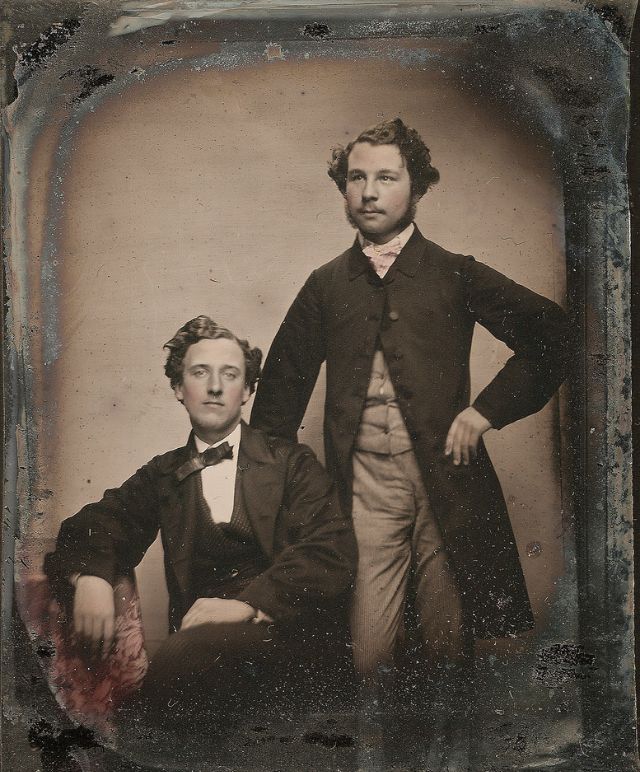
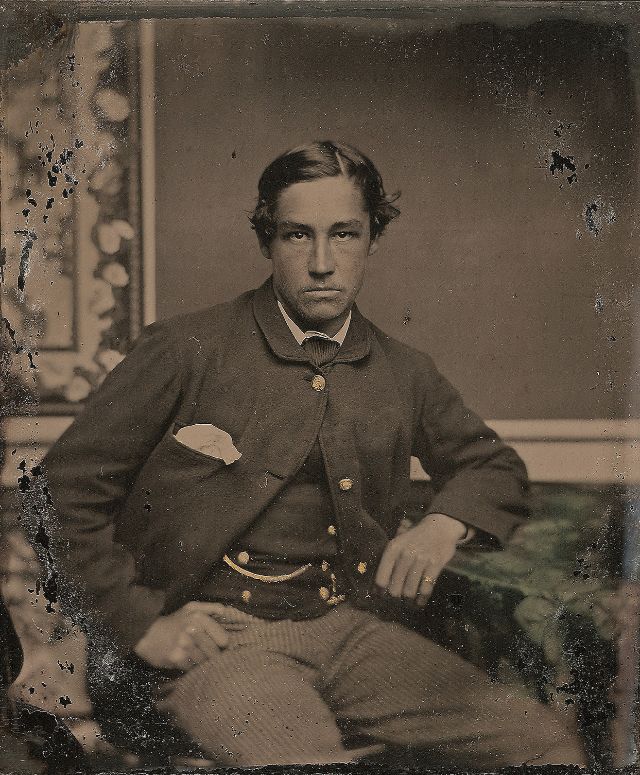
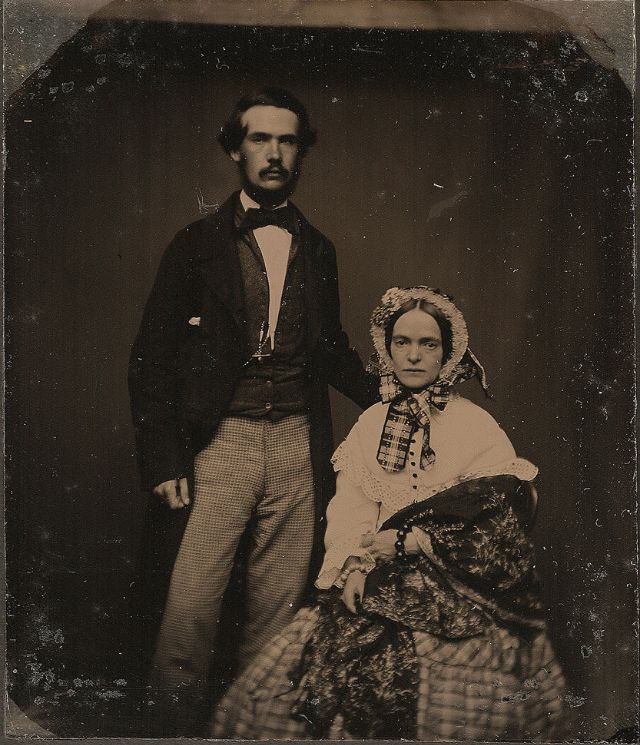
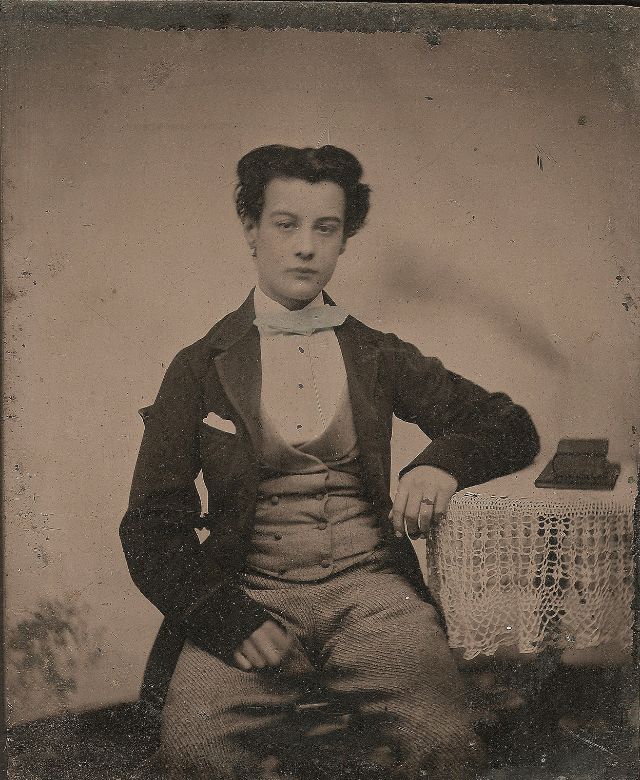
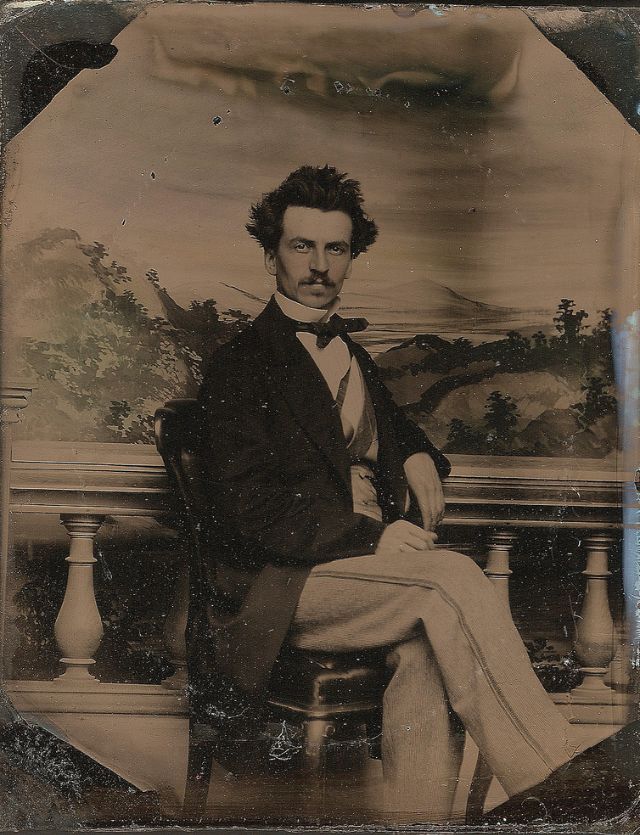
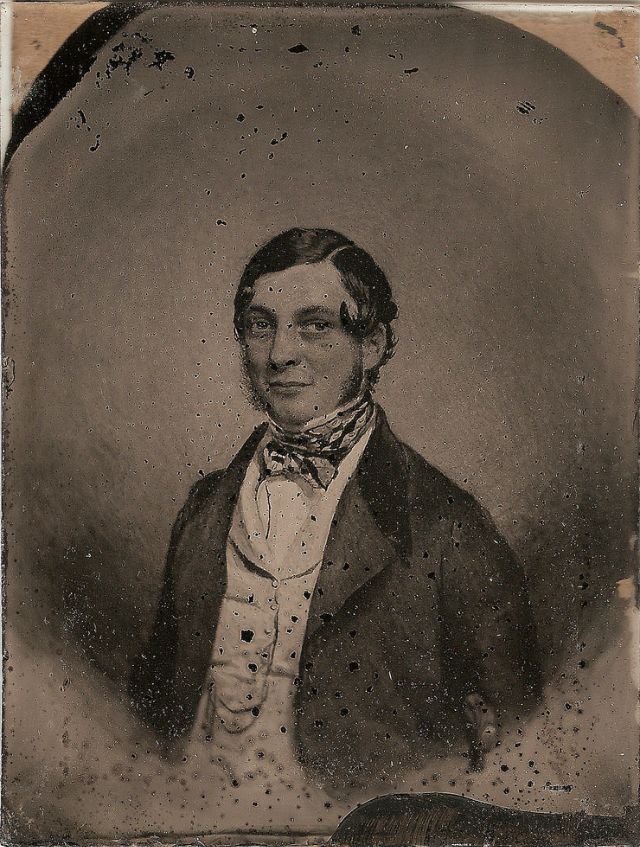
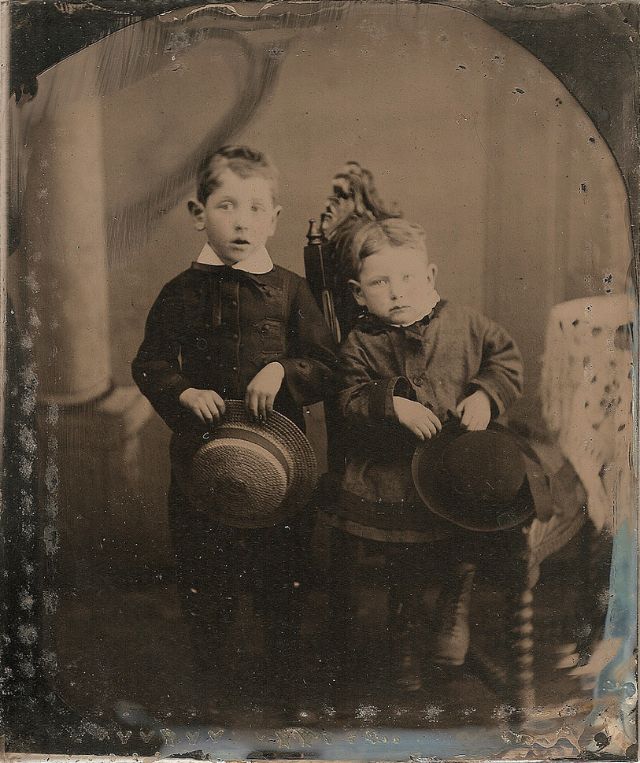
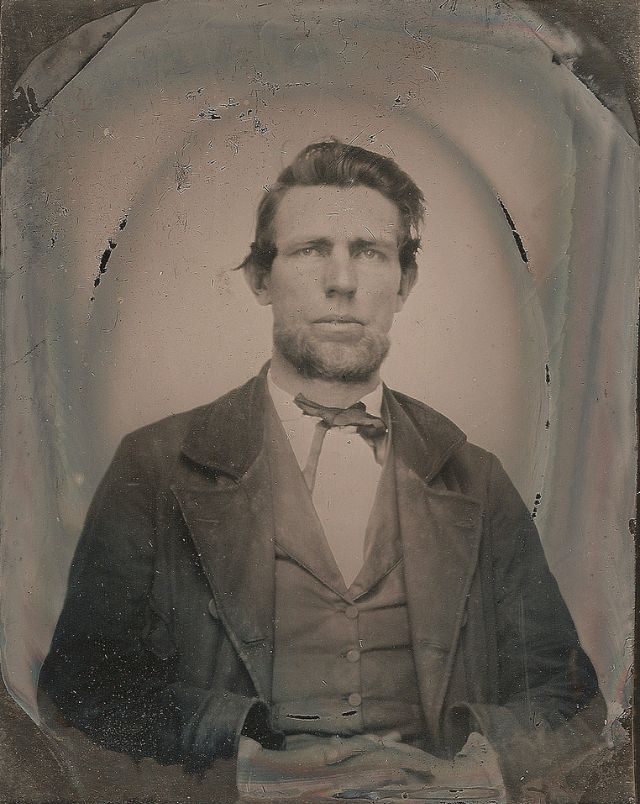
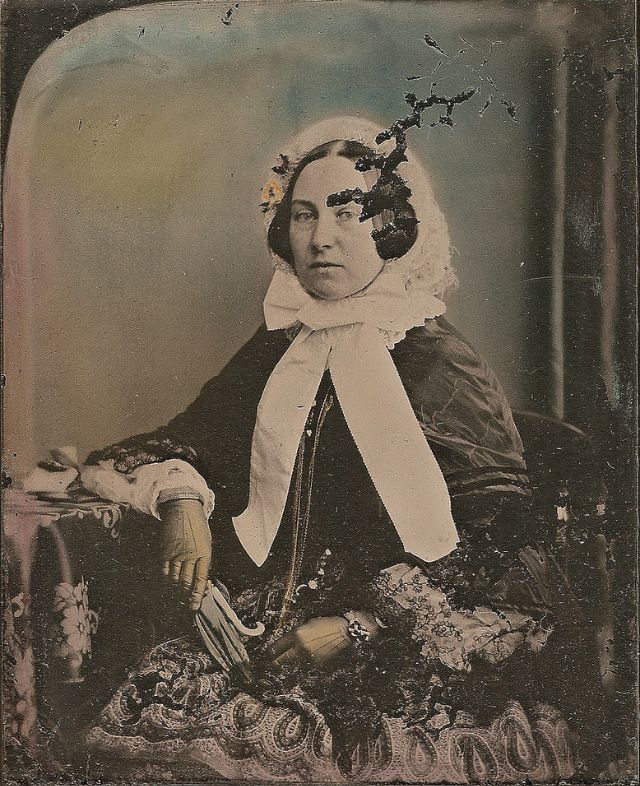
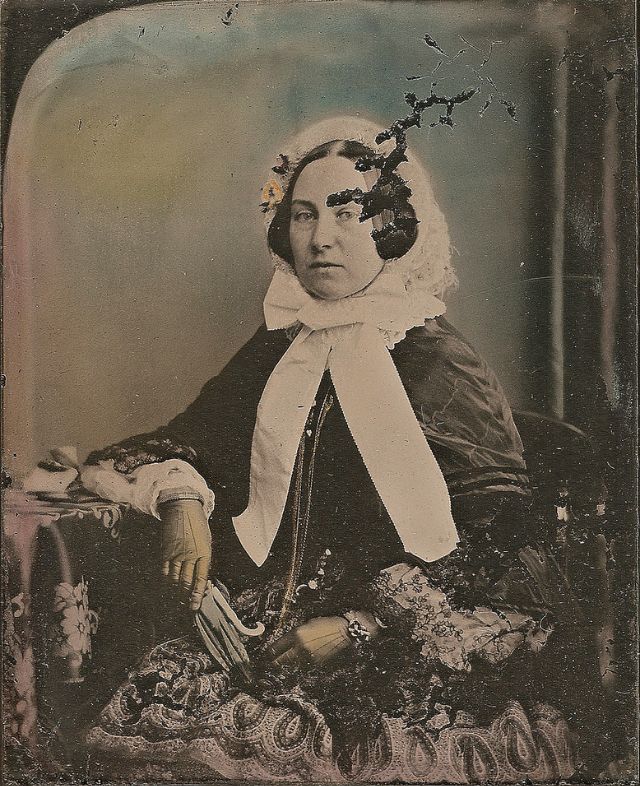
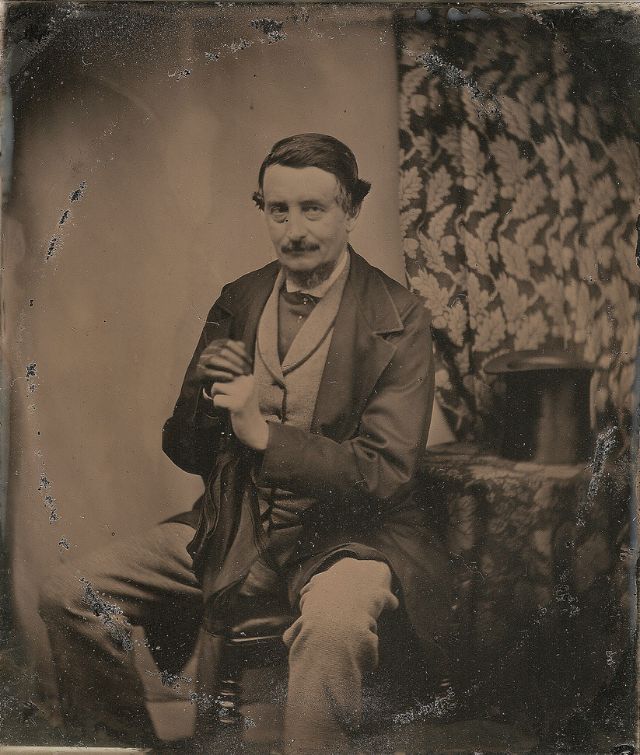
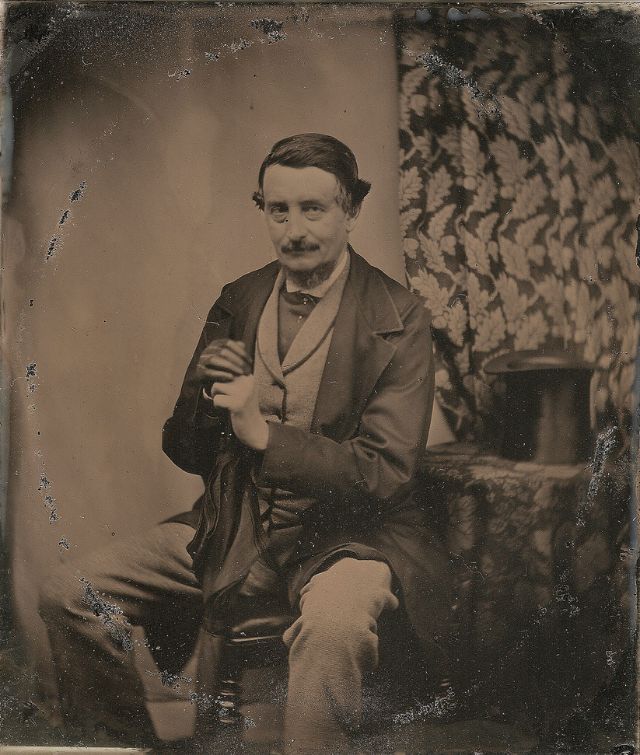
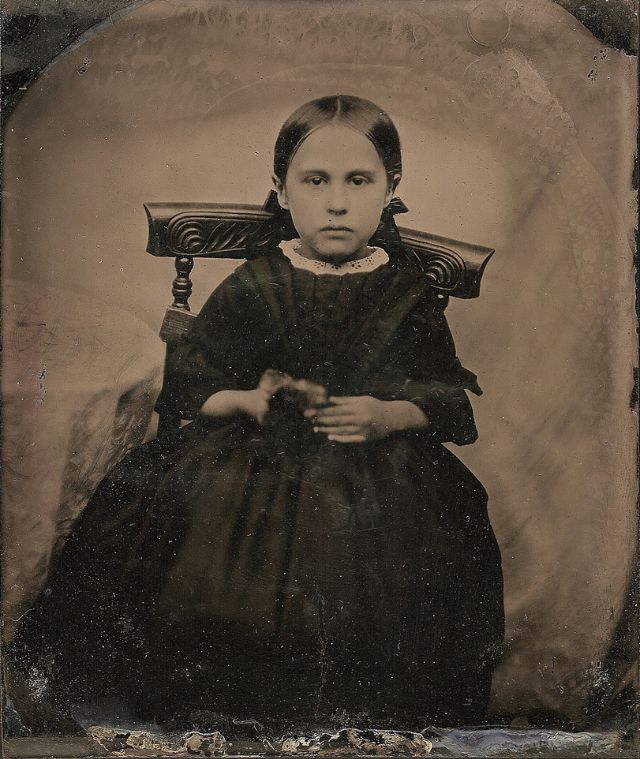
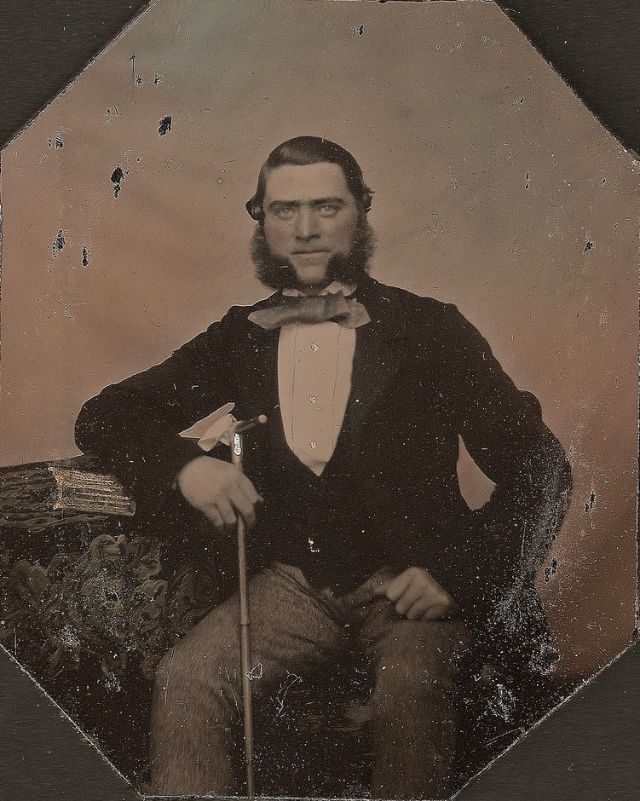
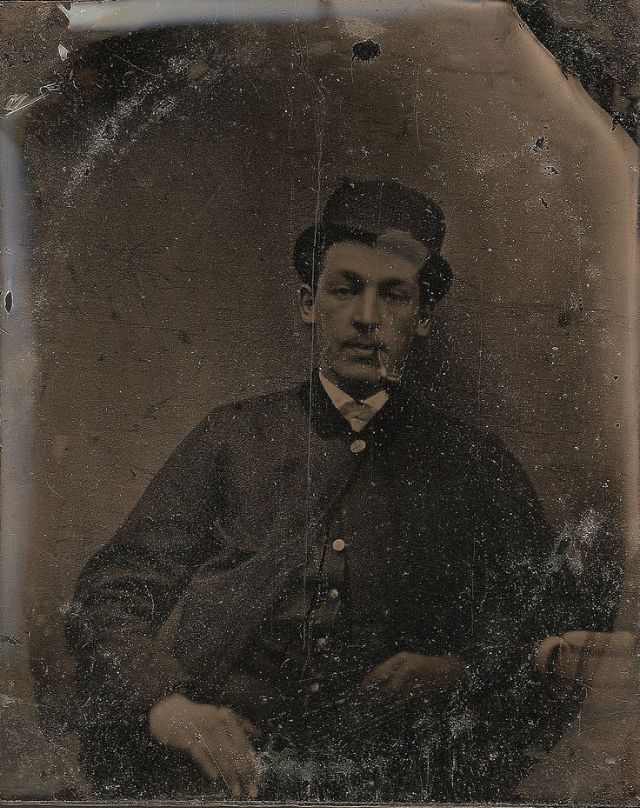
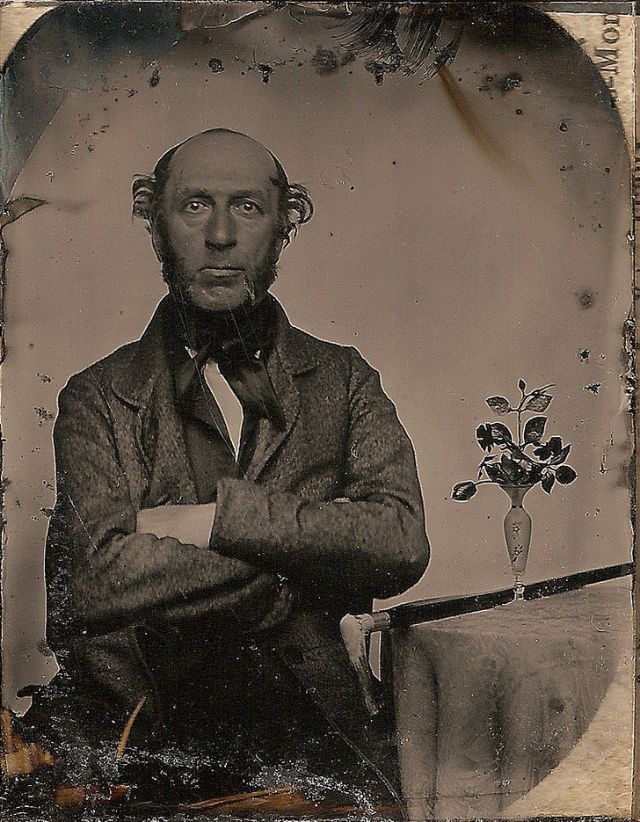
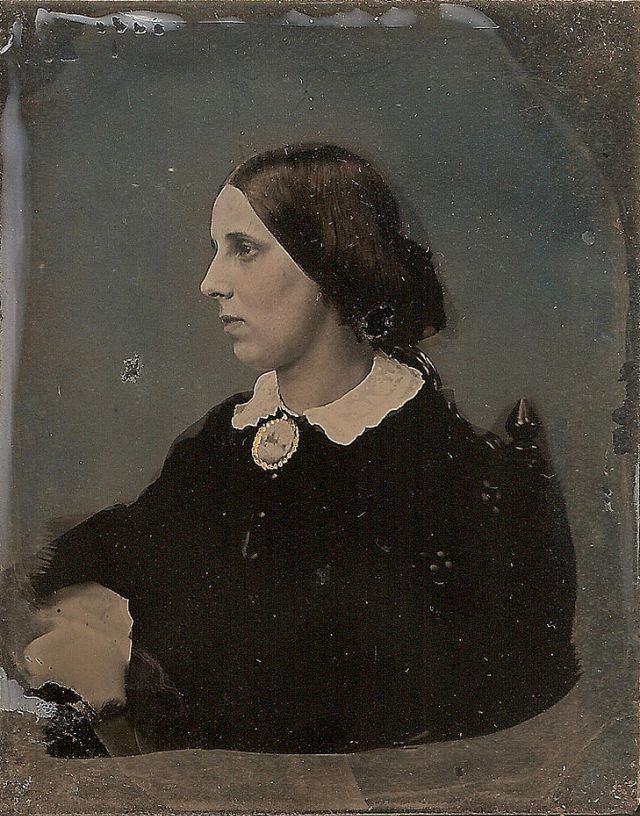
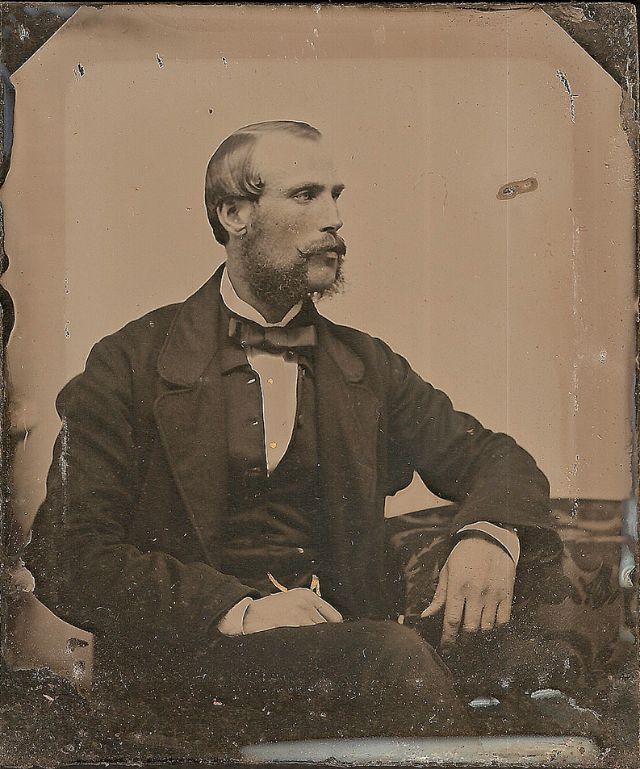
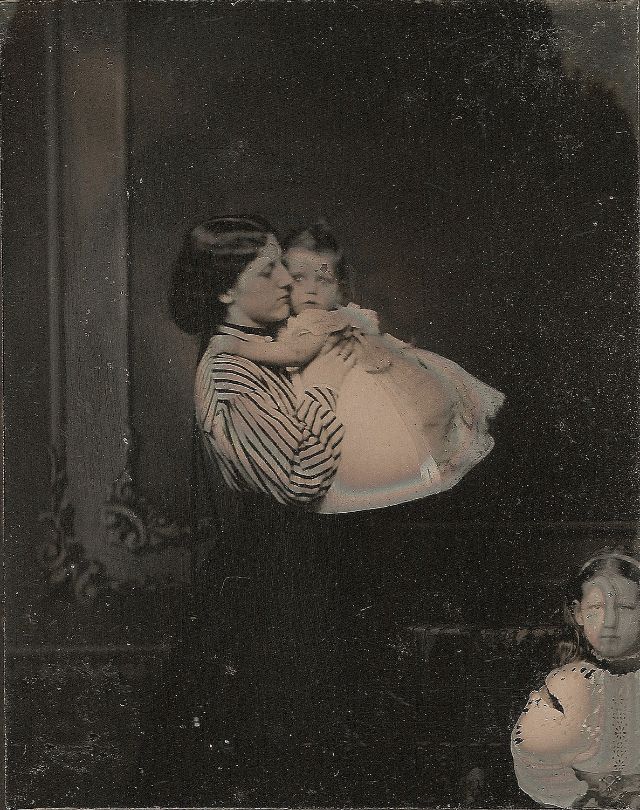
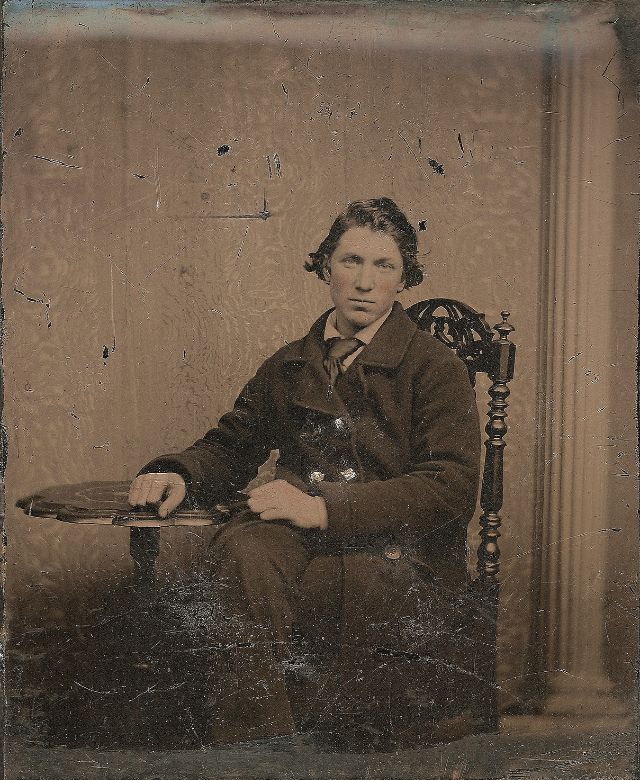
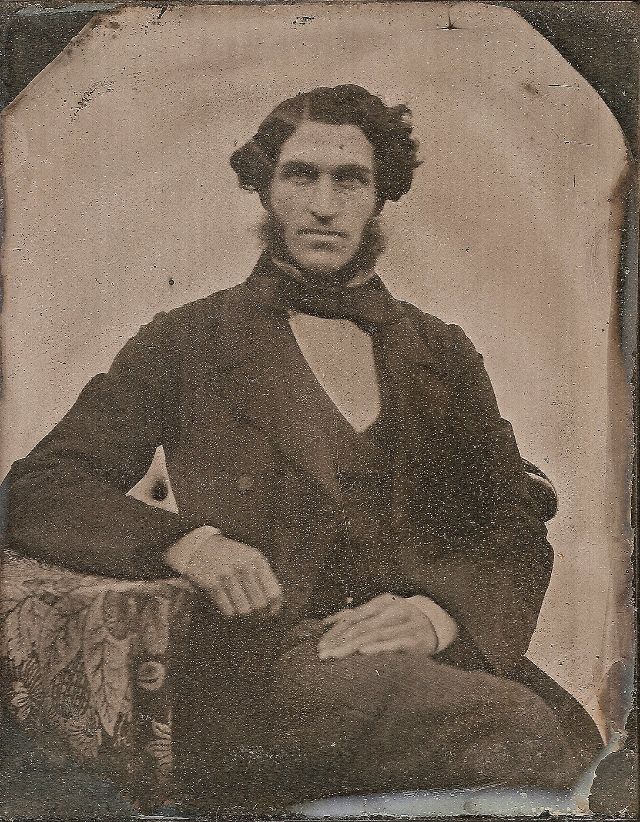
The ambrotype, also known as a collodion positive in the UK, is a positive photograph on glass made by a variant of the wet plate collodion process. Like a print on paper, it is viewed by reflected light. Like the daguerreotype, which it replaced, and like the prints produced by a Polaroid camera, each is a unique original that could only be duplicated by using a camera to copy it.
The ambrotype was introduced in the 1850s. During the 1860s it was superseded by the tintype, a similar photograph on thin black-lacquered iron, hard to distinguish from an ambrotype if under glass.
These early ambrotypes that show portrait of English people, most from London, in the 1850s.
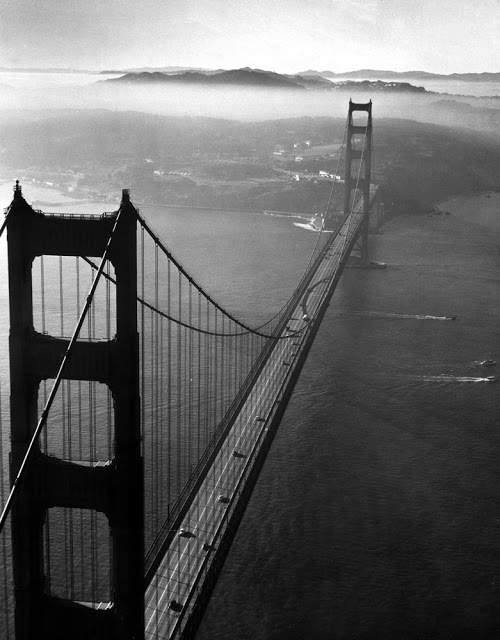
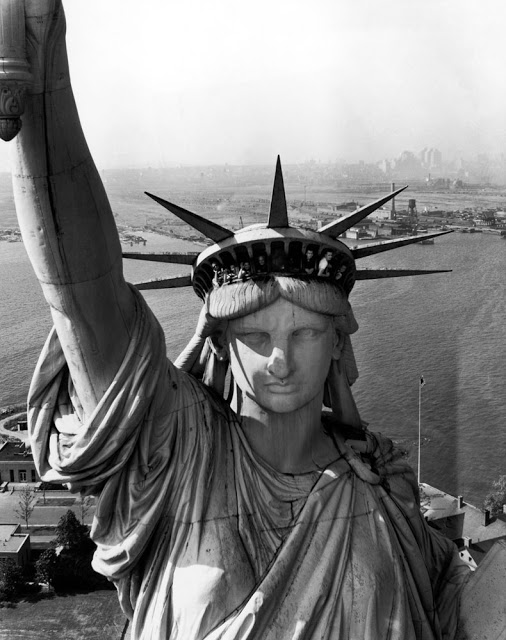
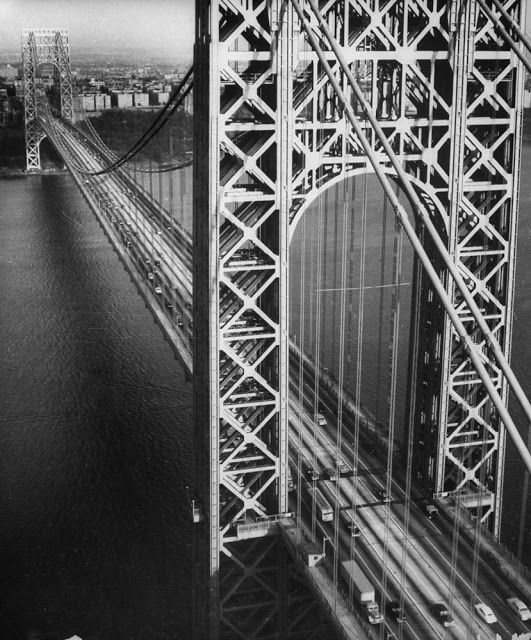
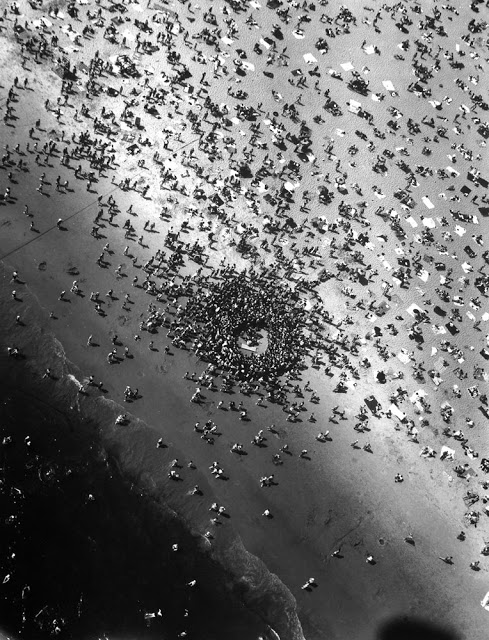
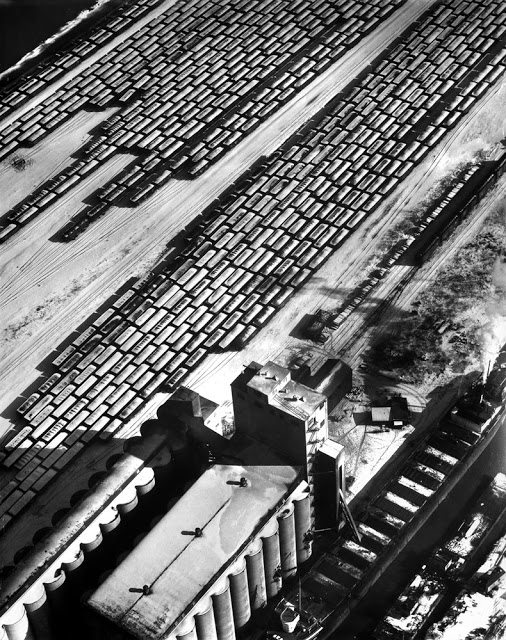
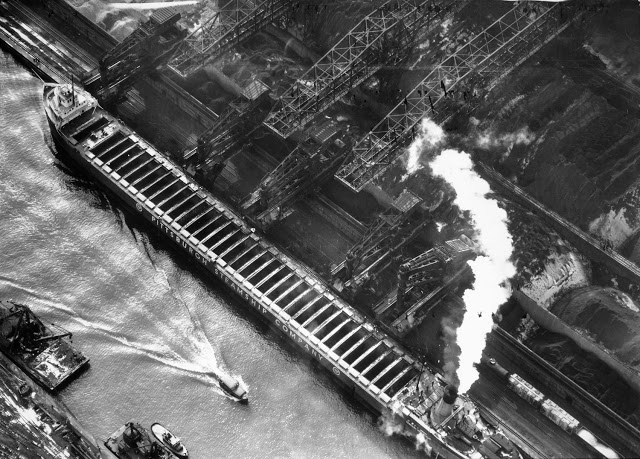
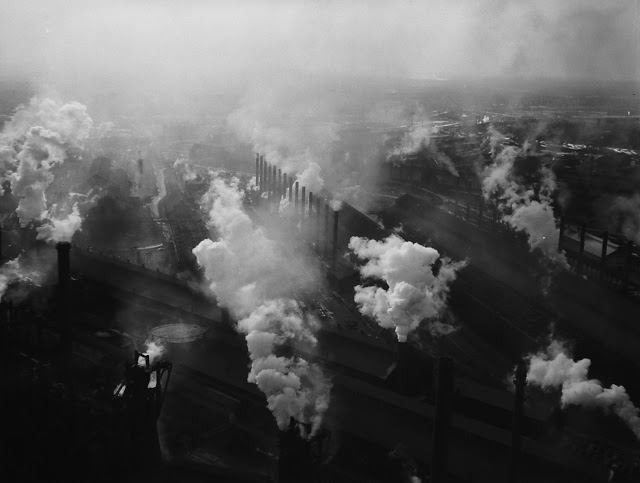
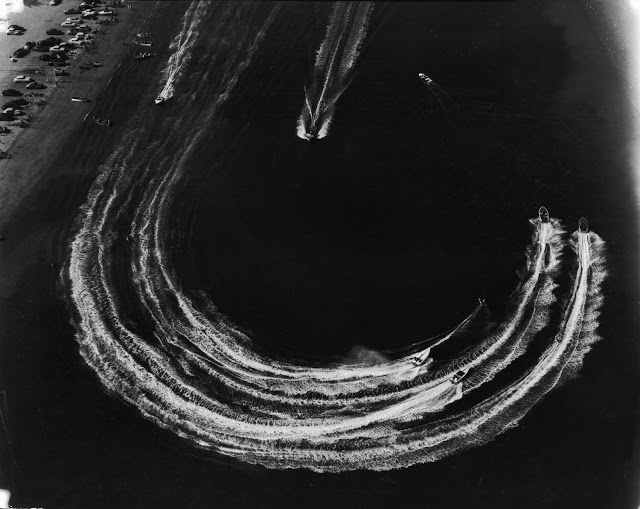
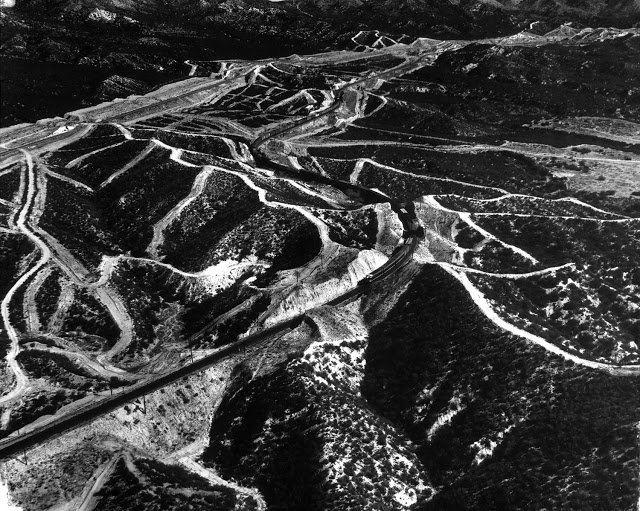
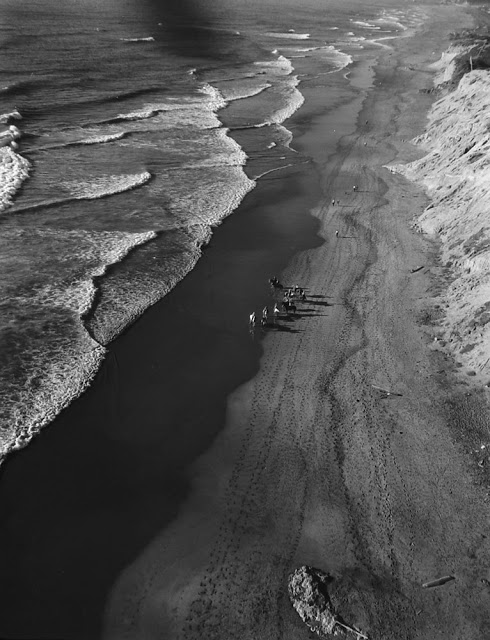
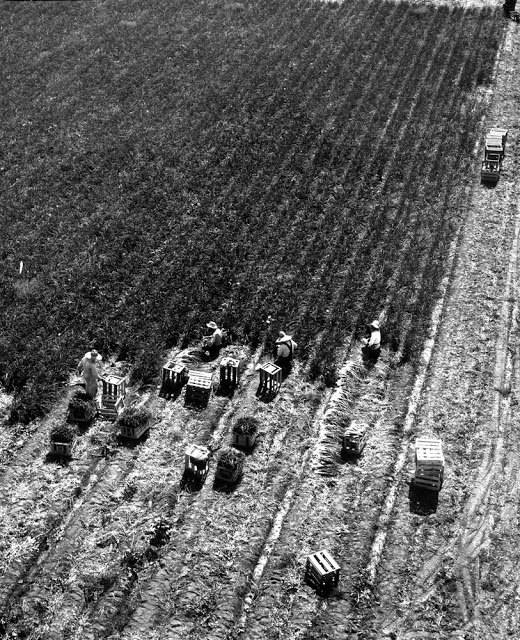
Sixty years ago the notion of a photographer going up in a helicopter to take pictures of landscapes, monuments, buildings and other notable sights from the air was novel enough to warrant a 12-page article in LIFE magazine. That Margaret Bourke-White was the photographer who climbed aboard various “whirlibirds” to make the singular, vertiginous photos, however, would hardly come as a shock to LIFE’s readers back then, or to photojournalism buffs today.
In the spring of 1952, when she traveled around the country, photographing both world famous and utterly nondescript sites (and sights) in New York, California, Illinois, Indiana and elsewhere from the vantage point of a helicopter, few who knew anything of her career would be surprised. The pictures were made from a helicopter are simply and unabashedly cool.
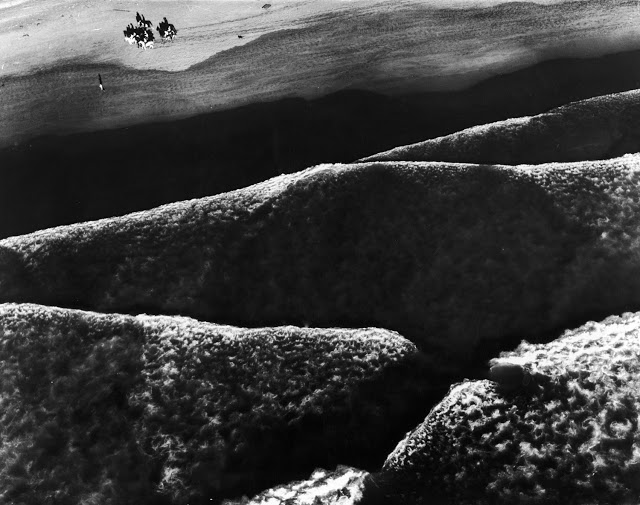
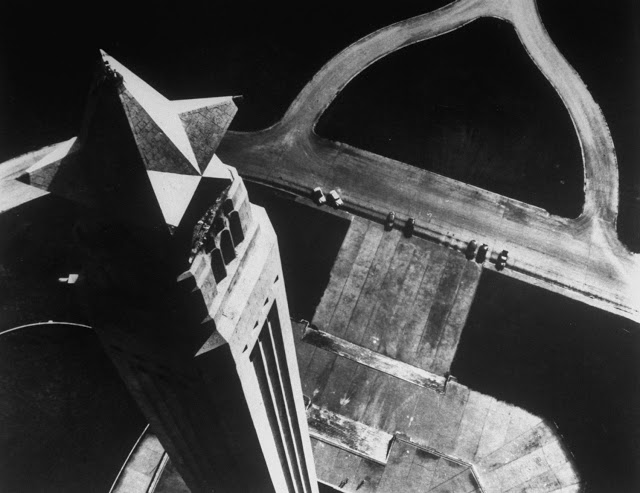
The Statue of LibertyThe George Washington BridgeMidtown Manhattan (with the entrance to a cross-river tunnel visible at lower left)Columbus Circle, New York CityConey Island, BrooklynBeach accident, the near drowning of a Coney Island bather named Mary Eschner, draws knot of people. Reviving victim lies in center, attended by lifeguards. Some bathers (foreground) wave a helicopter as they run from water.Location unknown (New York State)Back Bay, VirginiaTrains after snowfall, ChicagoGrain elevator, operated by the Norris Grain Co. on the southeast side of Chicago, unloads corn from lake boat in a Calumet River slip (right foreground). In the freight yards (background) snow-covered gondola cars are loaded with coal.Chicago’s famous Wrigley Building looks like candy castle from a helicopter above spire. Building is split in two parts and a railroad track runs between them. Behind them is Chicago River, with Michigan Avenue bridge.Pittsburgh Steamship Co. ship carrying ore to US Steel plant, Gary, IndianaSteel plant, Gary, IndianaWater skiers and motorboats speed across the water, Long Beach, CaliforniaFreight train traveling through the El Cajon Pass outside San Diego, CaliforniaCoronado Hotel and its surroundings, San Diego, CaliforniaGolden Gate BridgeOcean Beach, San Francisco, CaliforniaFarm workers harvesting onions, Burbank, CaliforniaBeach riders guide their horses along the shore at high tide at Ocean Beach, near Fort Funston, California, as the long, low Pacific rollers make mountain like patterns of the surf.Over the Texas star on the San Jacinto Monument near Houston, helicopter-borne camera looks sharply down 570-foot shaft to steps and parking space below. Tower marks spot where Sam Houston defeated General Santa Anna in 1836.
(Photographs by Margaret Bourke-White—Time & Life Pictures/Getty Images)
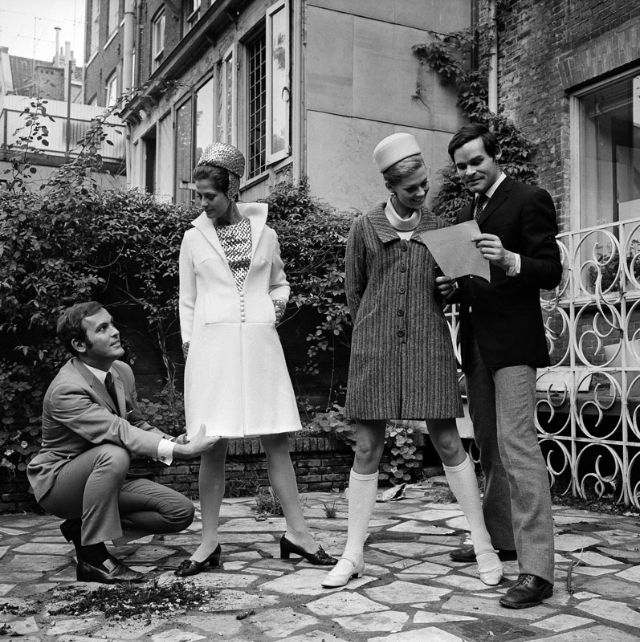
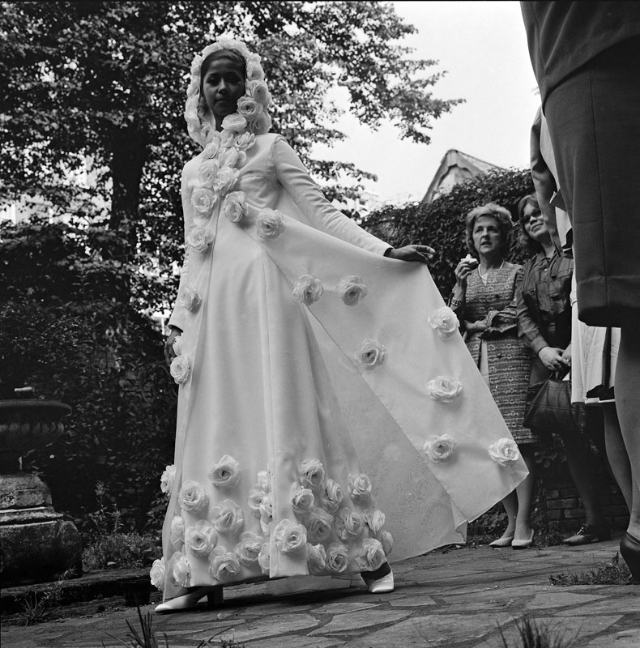
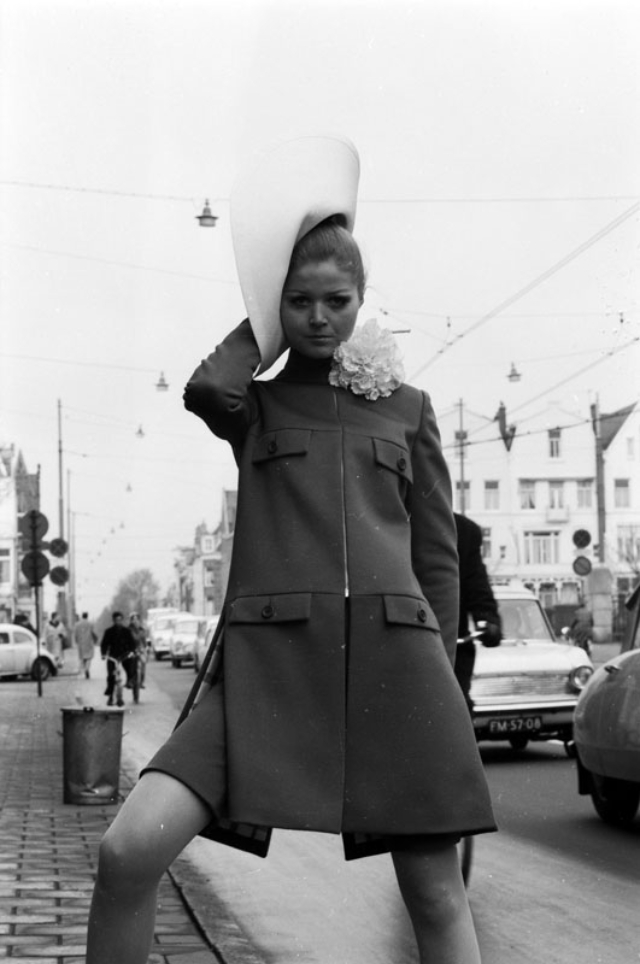
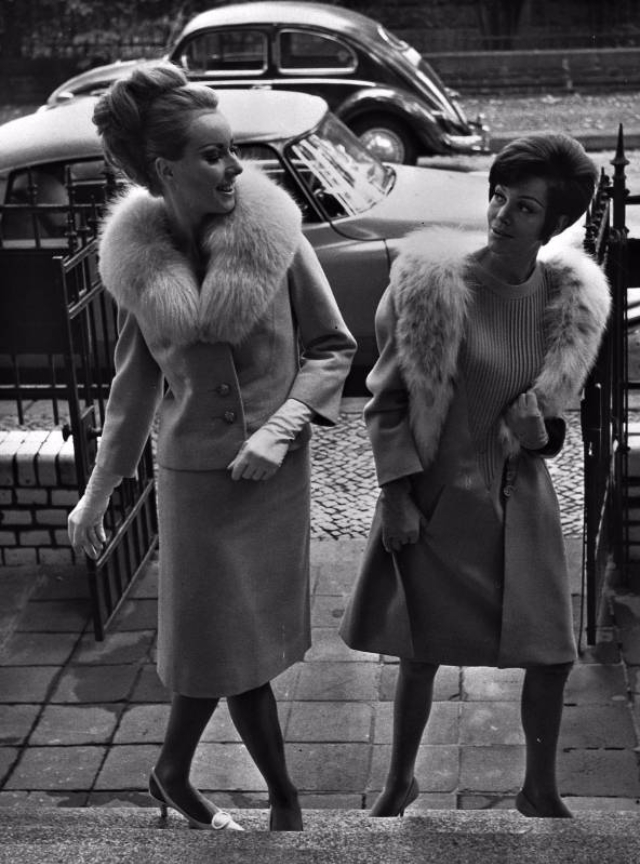
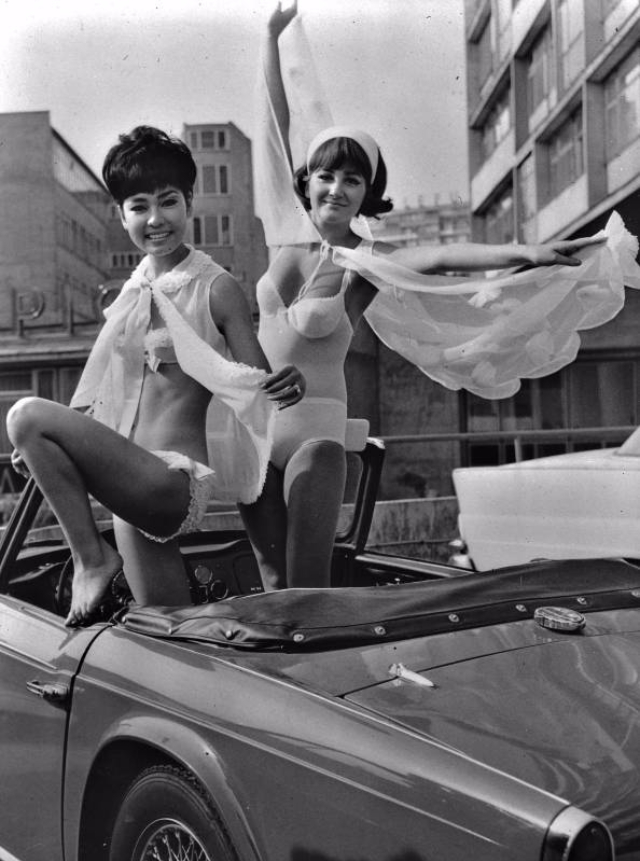
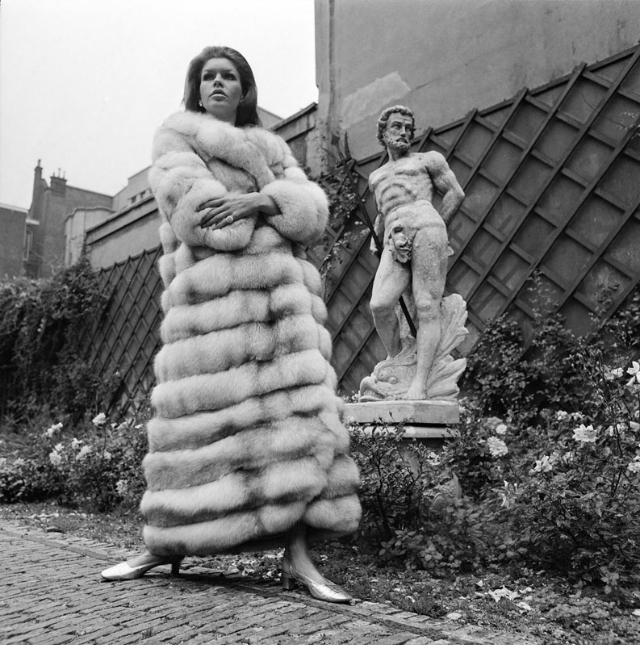
Born in the Netherlands East Indies (now Indonesia) in 1931 Edgar Vos studied fashion at Amsterdam’s prestigious art school, the Gerrit Rietveld Academy, and then went to France to gain work experience.
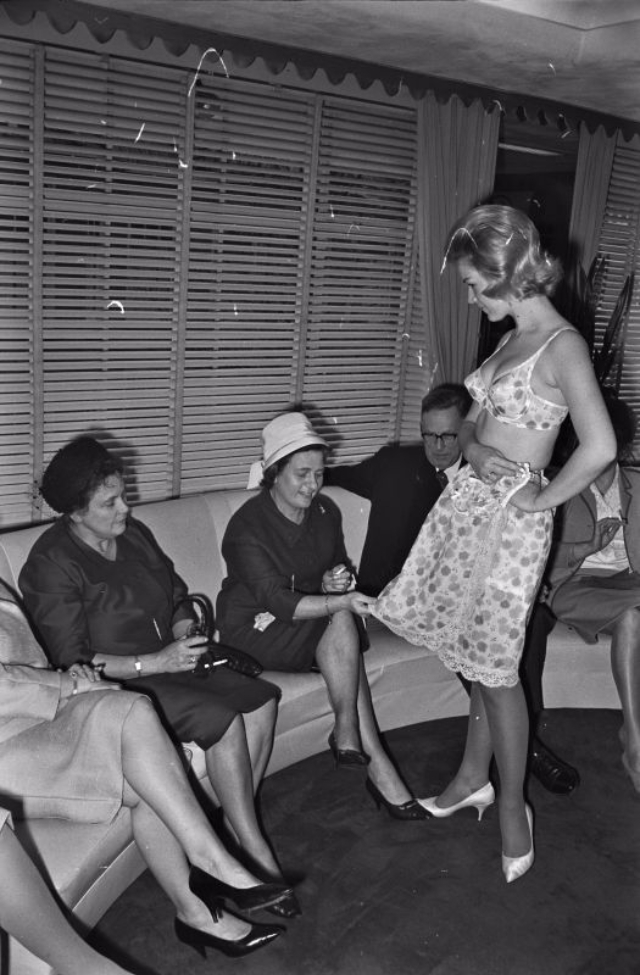
Vos has a successful chain of fifteen boutique clothing stores known as Edgar Vos Boutiques around the Netherlands, featuring designs that flatter all body types and fit all budgets. His clients included Dutch singers and actresses and Princess Christina, the sister of Dutch Queen Beatrix. But his designs had worldwide appeal and he had a loyal overseas clientele.
“My designs have always been ladylike,” he said. “I have never had an experimental period. Fashion is not a free art form — you always have to deal with two breasts and two buttocks.”
In the 1970s he built up his empire of stores and showed his clothes with fellow Amsterdam-based Dutch designers such as Frans Molenaar. He staged his last catwalk show in 2000.
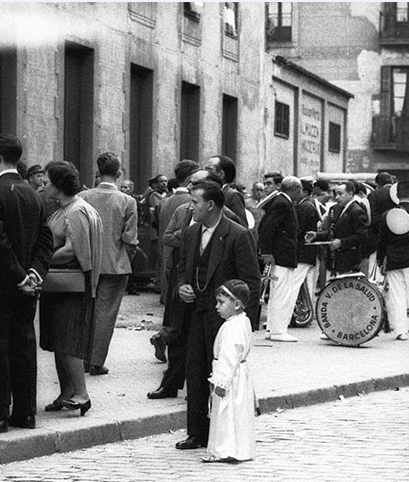
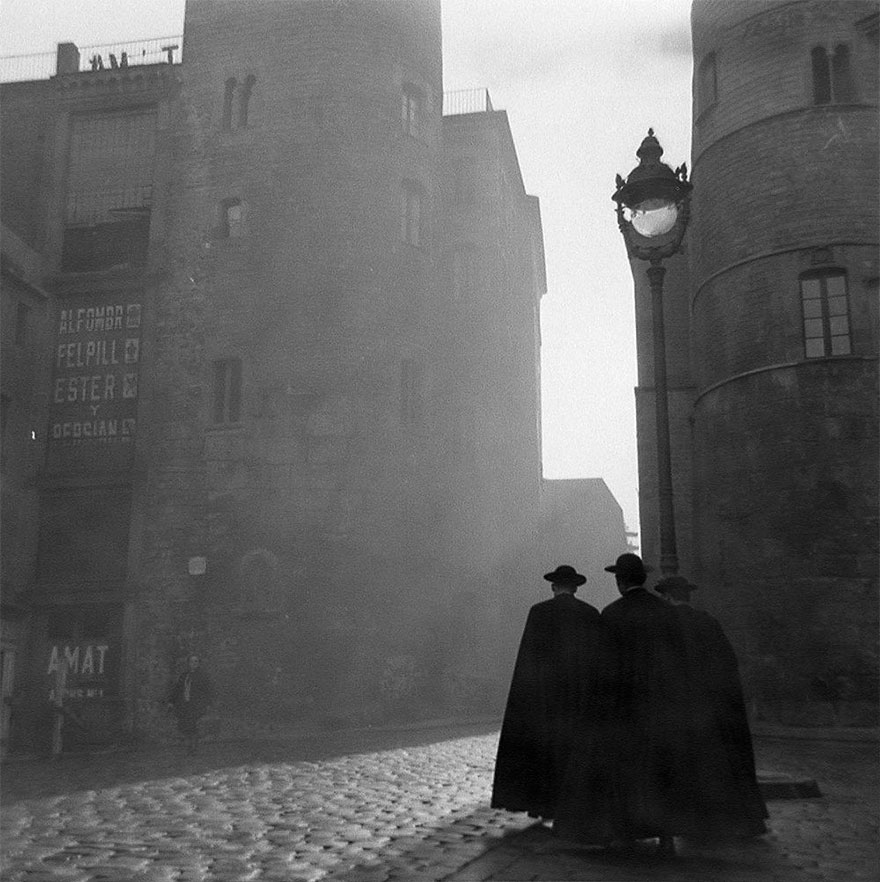
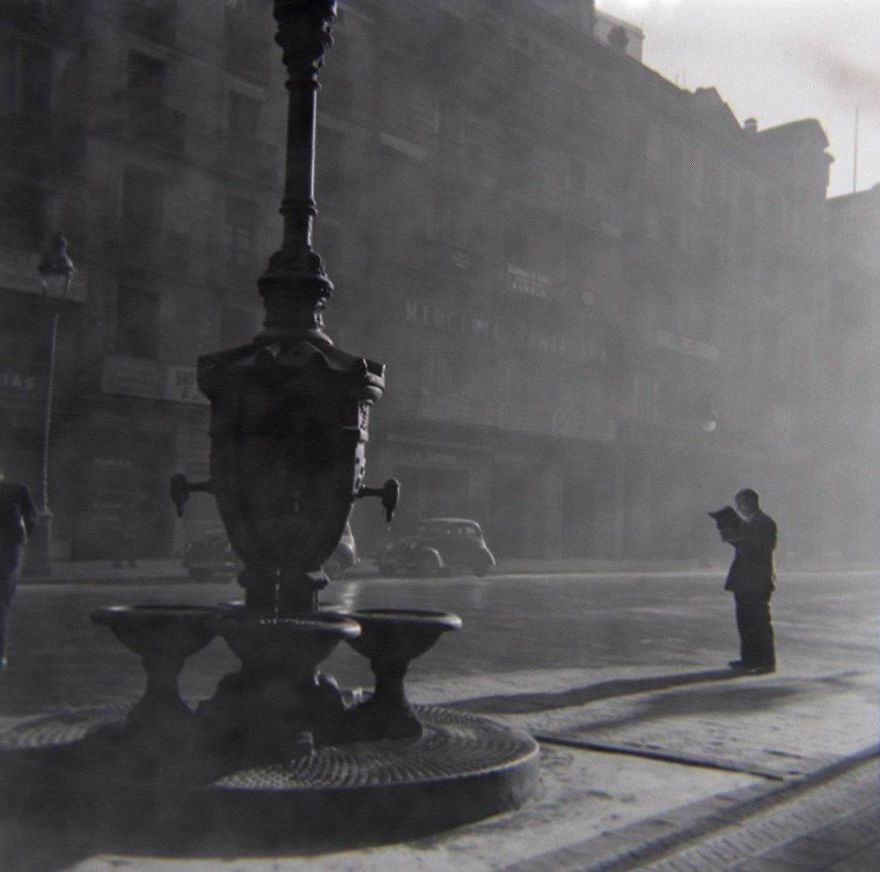
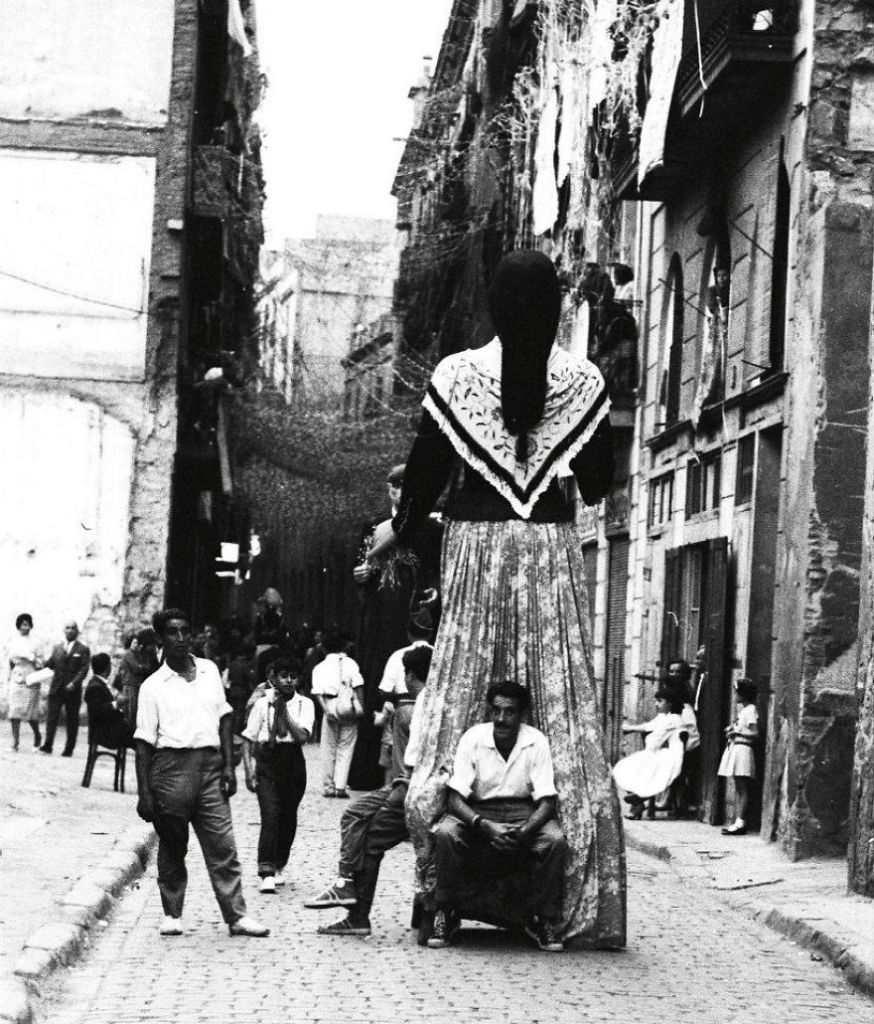
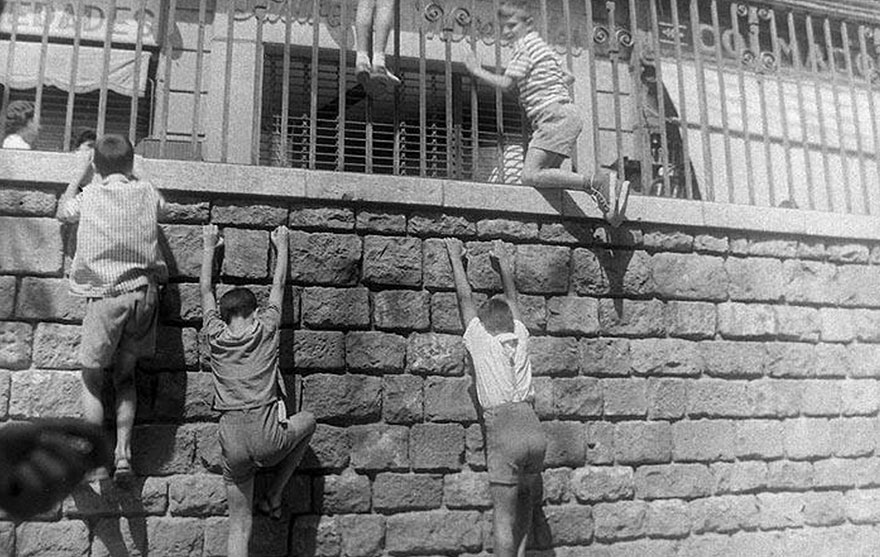
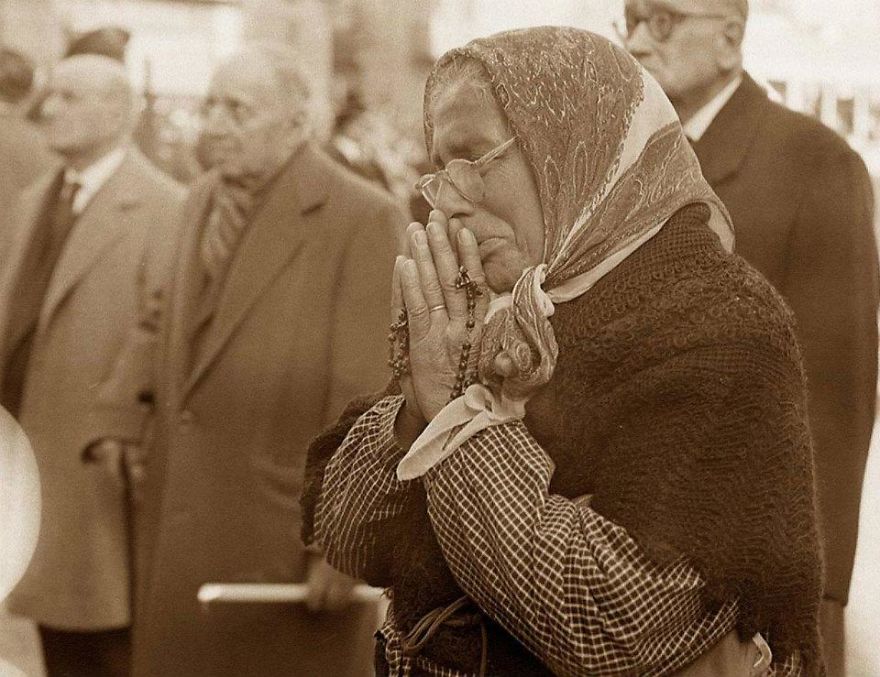
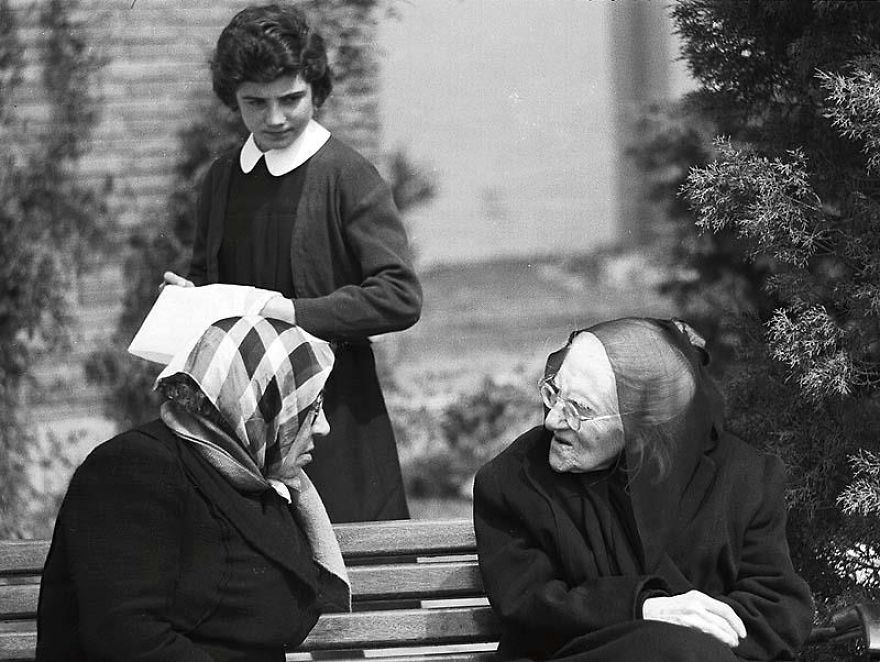
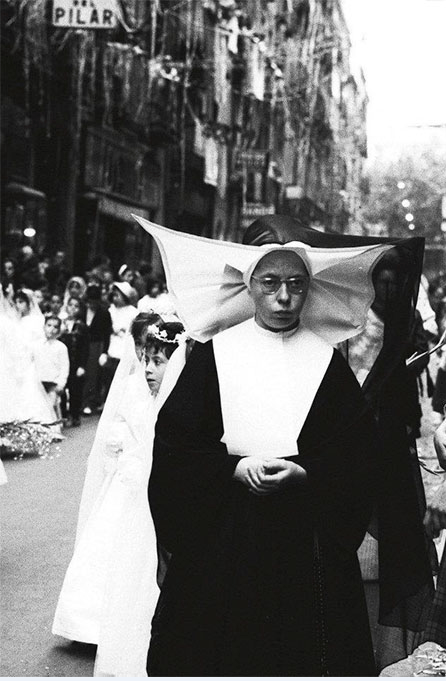
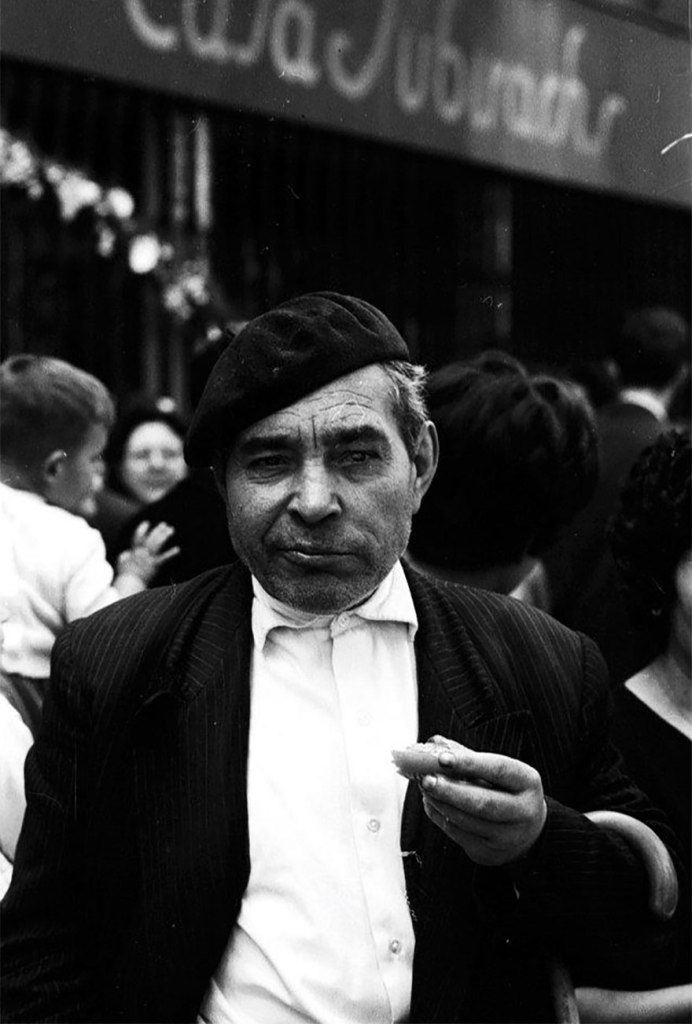
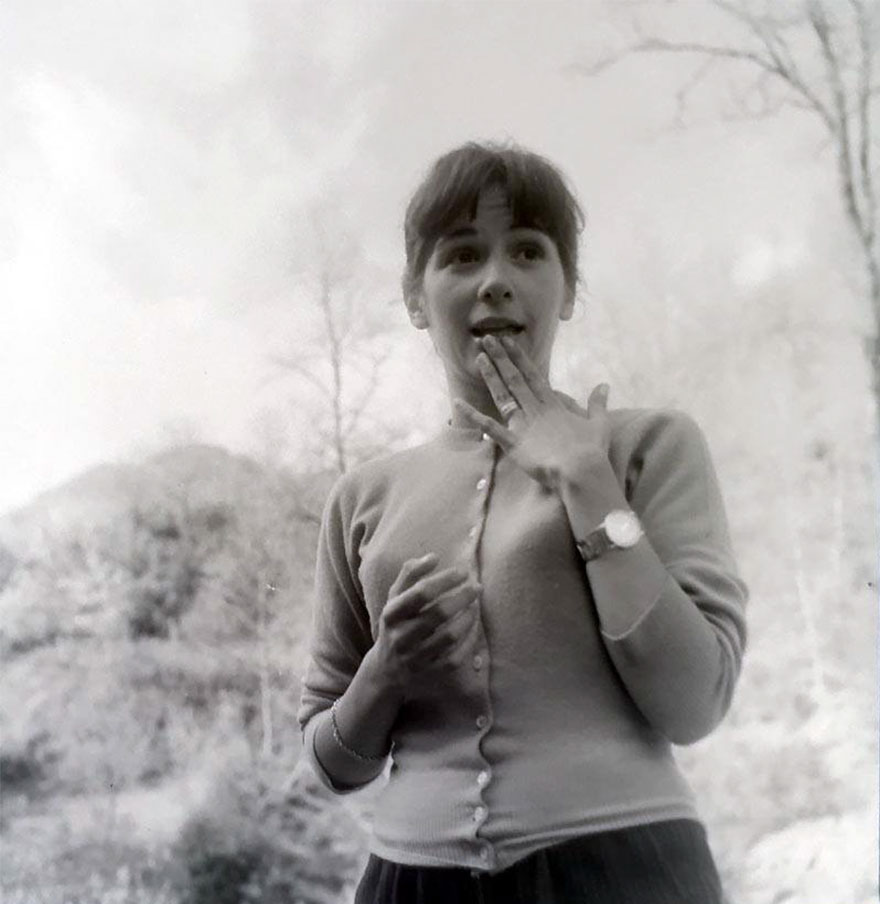
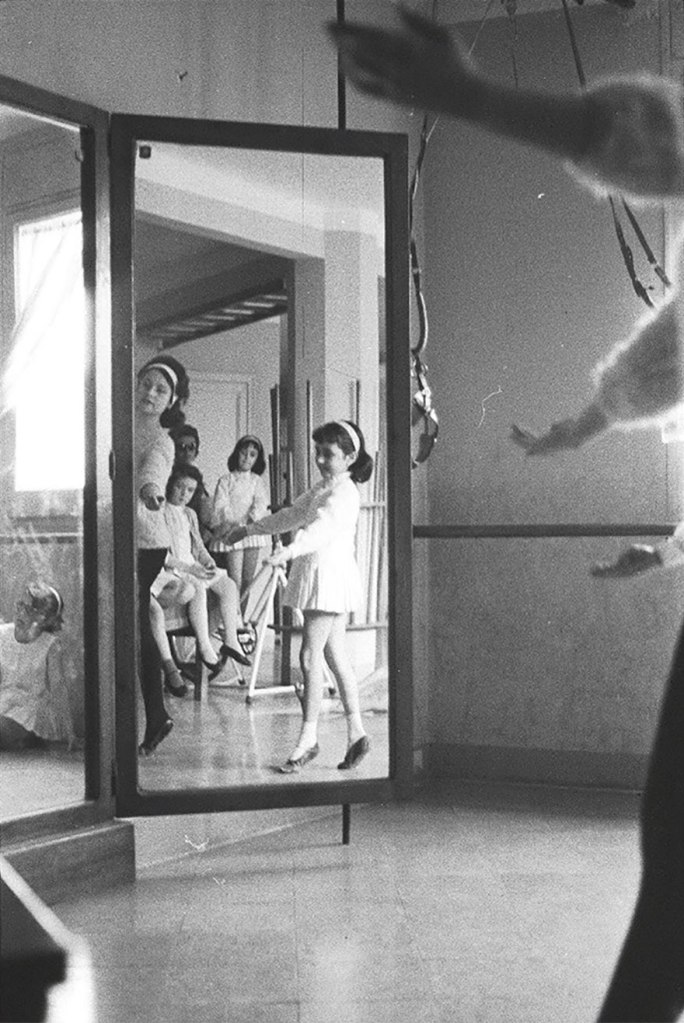
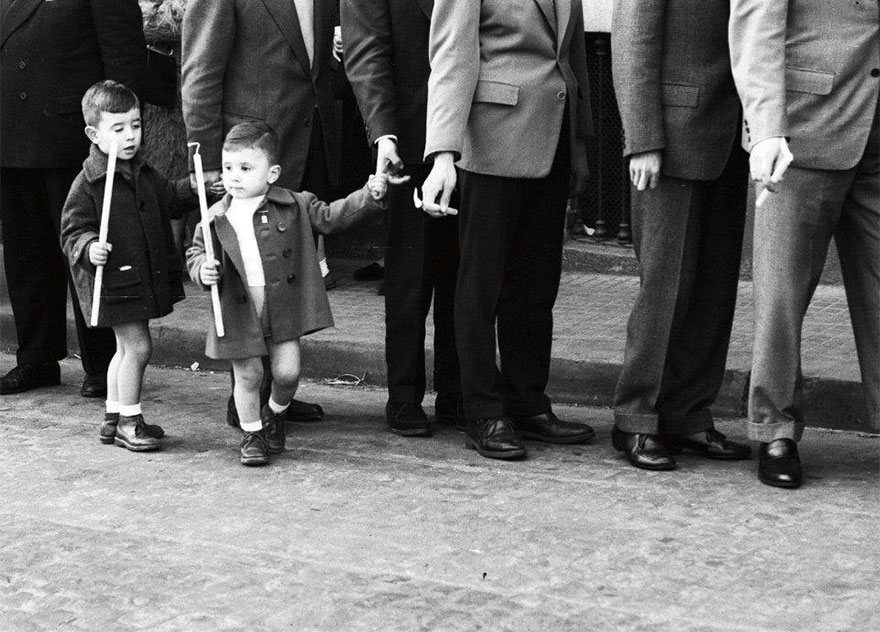
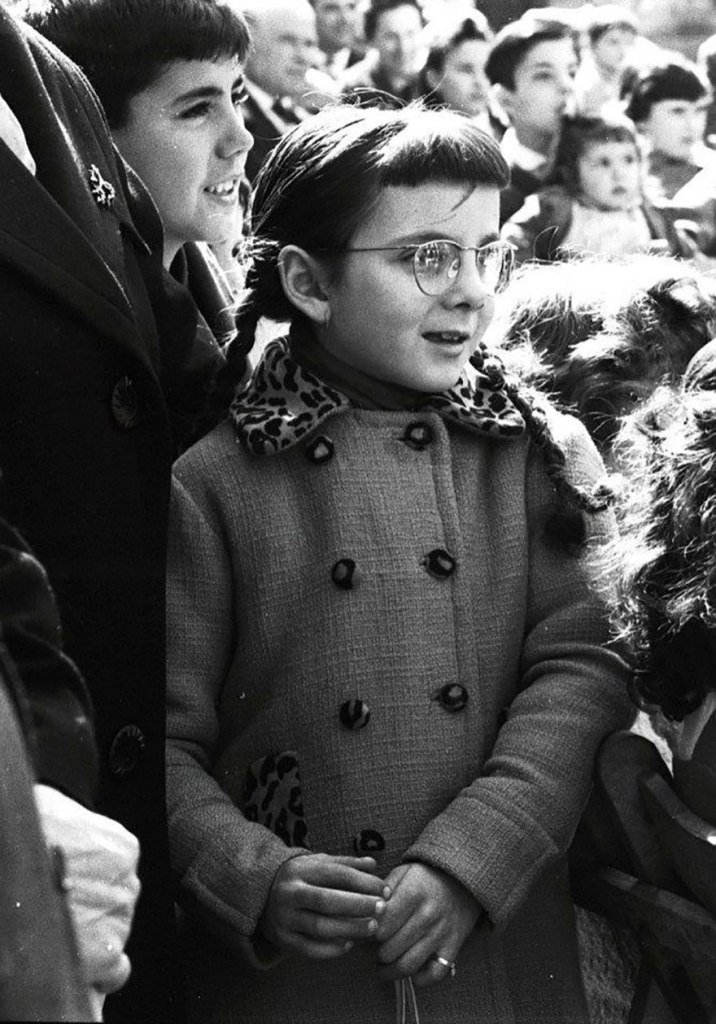
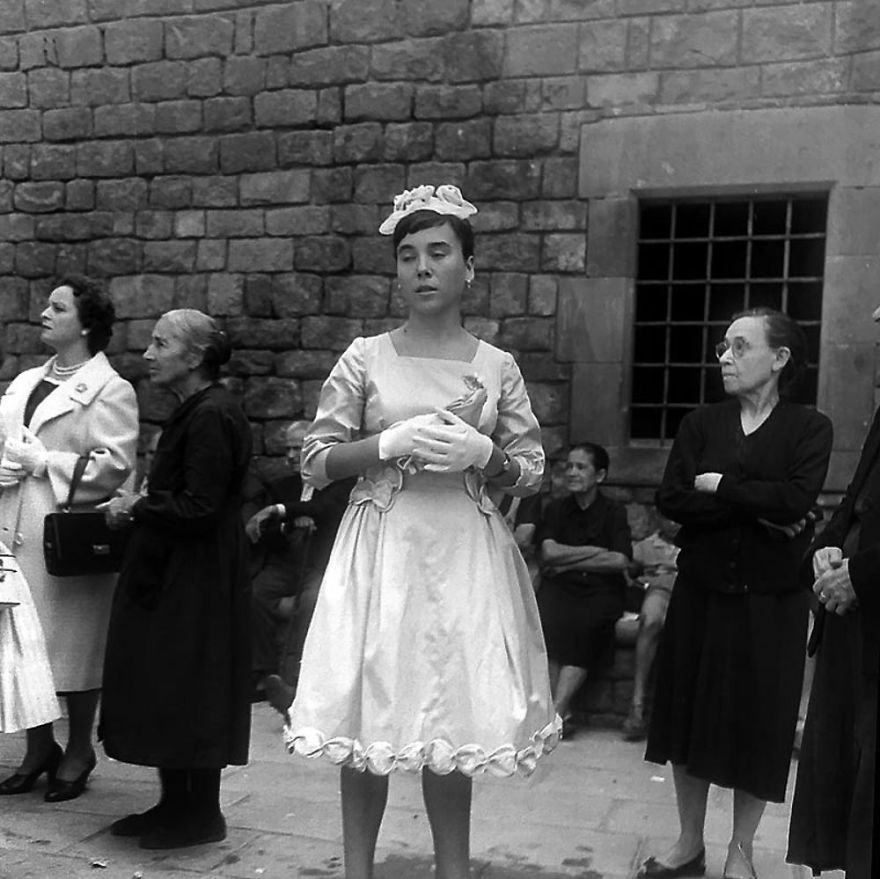
Barcelona is a city on the coast of northeastern Spain. It is the capital and largest city of the autonomous community of Catalonia, as well as the second most populous municipality of Spain. With a population of 1.6 million within city limits, its urban area extends to numerous neighbouring municipalities within the Province of Barcelona and is home to around 4.8 million people, making it the fifth most populous urban area in the European Union after Paris, the Ruhr area, Madrid, and Milan. It is one of the largest metropolises on the Mediterranean Sea, located on the coast between the mouths of the rivers Llobregat and Besòs, and bounded to the west by the Serra de Collserola mountain range, the tallest peak of which is 512 metres (1,680 feet) high.
Founded as a Roman city, in the Middle Ages Barcelona became the capital of the County of Barcelona. After joining with the Kingdom of Aragon to form the confederation of the Crown of Aragon, Barcelona, which continued to be the capital of the Principality of Catalonia, became the most important city in the Crown of Aragon and the main economic and administrative centre of the Crown, only to be overtaken by Valencia, wrested from Arab domination by the Catalans, shortly before the dynastic union between the Crown of Castile and the Crown of Aragon in 1492. Barcelona has a rich cultural heritage and is today an important cultural centre and a major tourist destination. Particularly renowned are the architectural works of Antoni Gaudí and Lluís Domènech i Montaner, which have been designated UNESCO World Heritage Sites. The city is home to two of the most prestigious universities in Spain: the University of Barcelona and Pompeu Fabra University. The headquarters of the Union for the Mediterranean are located in Barcelona. The city is known for hosting the 1992 Summer Olympics as well as world-class conferences and expositions and also many international sport tournaments.
Barcelona is a major cultural, economic, and financial centre in southwestern Europe, as well as the main biotech hub in Spain. As a leading world city, Barcelona’s influence in global socio-economic affairs qualifies it for global city status (Beta +).
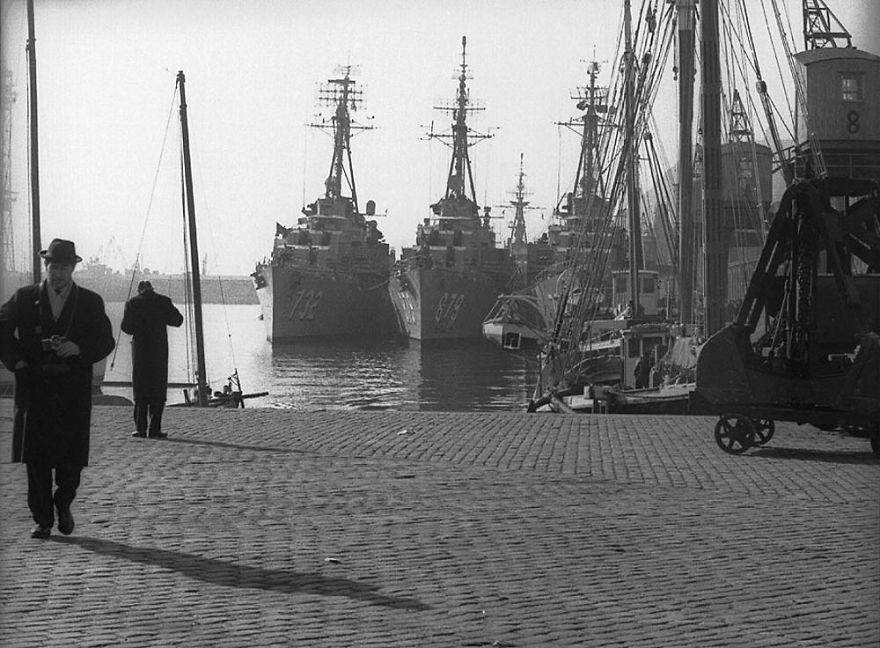
Barcelona is a transport hub, with the Port of Barcelona being one of Europe’s principal seaports and busiest European passenger port, an international airport, Barcelona–El Prat Airport, which handles over 50 million passengers per year, an extensive motorway network, and a high-speed rail line with a link to France and the rest of Europe. (Wikipedia)
World War I or the First World War, often abbreviated as WWI or WW1, was a global war originating in Europe that lasted from 28 July 1914 to 11 November 1918. Contemporaneously known as the Great War or “the war to end all wars”, it led to the mobilisation of more than 70 million military personnel, including 60 million Europeans, making it one of the largest wars in history, and also one of the deadliest conflicts in history, with an estimated 8.5 million combatant deaths and 13 million civilian deaths as a direct result of the war. Resulting genocides and the related 1918 Spanish flu pandemic caused many millions of deaths worldwide.
On 28 June 1914, Gavrilo Princip, a Bosnian Serb Yugoslav nationalist and member of the Serbian Black Hand military society, assassinated the Austro-Hungarian heir Archduke Franz Ferdinand in Sarajevo, leading to the July Crisis. In response, Austria-Hungary issued an ultimatum to Serbia on 23 July. Serbia’s reply failed to satisfy the Austrians, and the two moved to a war footing. A network of interlocking alliances enlarged the crisis from a bilateral issue in the Balkans to one involving most of Europe. By July 1914, the great powers of Europe were divided into two coalitions: the Triple Entente, consisting of France, Russia, and Britain; and the preestablished Triple Alliance of Germany, Austria-Hungary, and Italy. The Triple Alliance was only defensive in nature, allowing Italy to stay out of the war until 26 April 1915, when it joined the Allied Powers after its relations with Austria-Hungary deteriorated. Russia felt it necessary to back Serbia, and approved partial mobilisation after Austria-Hungary shelled the Serbian capital of Belgrade, which was a few kilometres from the border, on 28 July 1914. Full Russian mobilisation was announced on the evening of 30 July; the following day, Austria-Hungary and Germany did the same, while Germany demanded Russia demobilise within twelve hours. When Russia failed to comply, Germany declared war on Russia on 1 August 1914 in support of Austria-Hungary, the latter following suit on 6 August 1914. France ordered full mobilisation in support of Russia on 2 August 1914. In the end, World War I would see the continent of Europe split into two major opposing alliances; the Allied Powers, primarily composed of the United Kingdom of Great Britain and Ireland, the United States, France, the Russian Empire, Italy, Japan, Portugal, Greece, Serbia and Montenegro; and the Central Powers, primarily composed of the German Empire, the Austro-Hungarian Empire, the Ottoman Empire and Bulgaria.
Germany’s strategy for a war on two fronts against France and Russia was to rapidly concentrate the bulk of its army in the West to defeat France within 6 weeks, then shift forces to the East before Russia could fully mobilise; this was later known as the Schlieffen Plan. On 2 August, Germany demanded free passage through Belgium, an essential element in achieving a quick victory over France. When this was refused, German forces invaded Belgium on 3 August and declared war on France the same day; the Belgian government invoked the 1839 Treaty of London and, in compliance with its obligations under this treaty, Britain declared war on Germany on 4 August. On 12 August, Britain and France also declared war on Austria-Hungary; on 23 August, Japan sided with Britain, seizing German possessions in China and the Pacific. In November 1914, the Ottoman Empire entered the war on the side of Austria-Hungary and Germany, opening fronts in the Caucasus, Mesopotamia, and the Sinai Peninsula. The war was fought in (and drew upon) each power’s colonial empire also, spreading the conflict to Africa and across the globe.
The German advance into France was halted at the Battle of the Marne and by the end of 1914, the Western Front settled into a war of attrition, marked by a long series of trench lines that changed little until 1917 (the Eastern Front, by contrast, was marked by much greater exchanges of territory). In 1915, Italy joined the Allied Powers and opened a front in the Alps. Bulgaria joined the Central Powers in 1915 and Greece joined the Allies in 1917, expanding the war in the Balkans. The United States initially remained neutral, though even while neutral it became an important supplier of war materiel to the Allies. Eventually, after the sinking of American merchant ships by German submarines, the declaration by Germany that its navy would resume unrestricted attacks on neutral shipping, and the revelation that Germany was trying to incite Mexico to initiate war against the United States, the U.S. declared war on Germany on 6 April 1917. Trained American forces did not begin arriving at the front in large numbers until mid-1918, but the American Expeditionary Force ultimately reached some two million troops.
Increasing war-weariness in Russia led to the 1917 February Revolution, with the Tsar replaced by a Provisional Government, who remained committed to the war. However, widespread desire for peace resulted in the October Revolution, in which the Bolsheviks seized power; in March 1918, they signed the Treaty of Brest-Litovsk, taking Russia out of the war. Large numbers of German combat troops were transferred to the Western Front, where they took part in the March 1918 German Spring Offensive. Despite initial success, they were soon halted by ferocious defence and heavy casualties; with American reinforcements running at 10,000 men per day, German manpower reserves were exhausted. In August, the Allies launched the Hundred Days Offensive and although the German army continued to fight hard, it could no longer halt their advance. The Central Powers began to collapse; Bulgaria was the first to sign an Armistice on 29 September, followed by the Ottomans on 31 October, then Austria-Hungary on 3 November. Isolated, facing revolution at home and an army on the verge of mutiny, Kaiser Wilhelm abdicated on 9 November and the new German government signed an armistice on 11 November 1918, bringing the fighting to a close.
World War I was a significant turning point in the political, cultural, economic, and social climate of the world. The war and its immediate aftermath sparked numerous revolutions and uprisings. The Big Four (Britain, France, the United States, and Italy) imposed their terms on the defeated powers in a series of treaties agreed at the 1919 Paris Peace Conference, the most well known being the Treaty of Versailles with Germany. Ultimately, as a result of the war, the Austro-Hungarian, German, Ottoman, and Russian Empires ceased to exist, and numerous new states were created from their remains. However, despite the conclusive Allied victory (and the creation of the League of Nations during the peace conference, intended to prevent future wars), a second world war followed just over twenty years later. (Wikipedia)
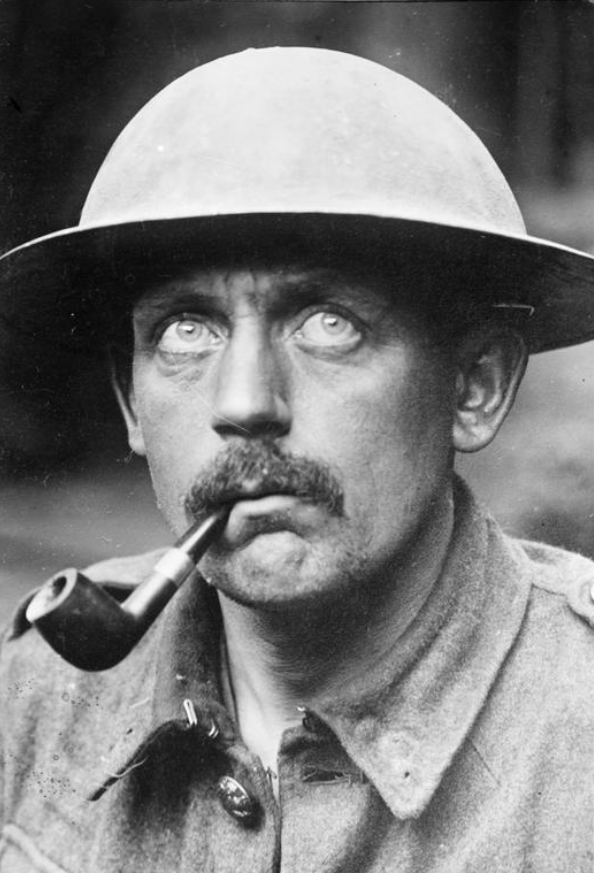
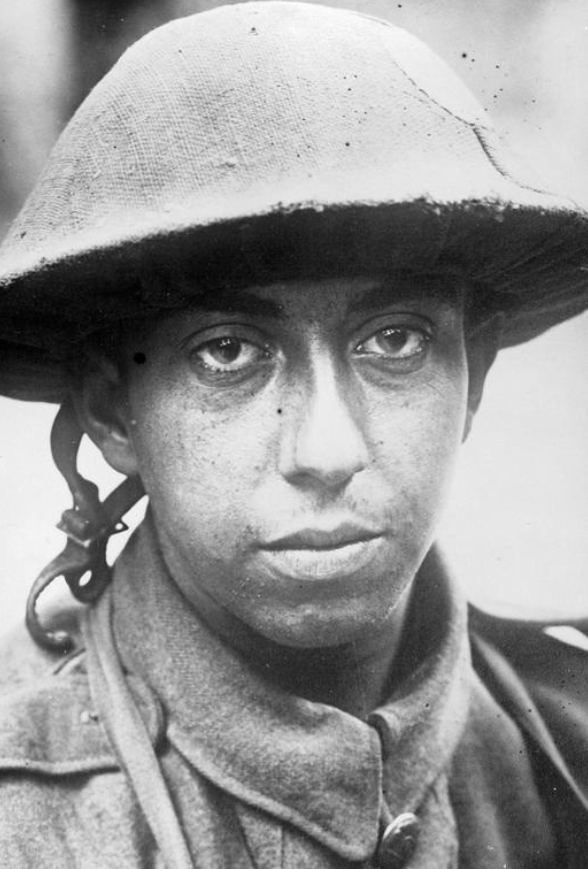
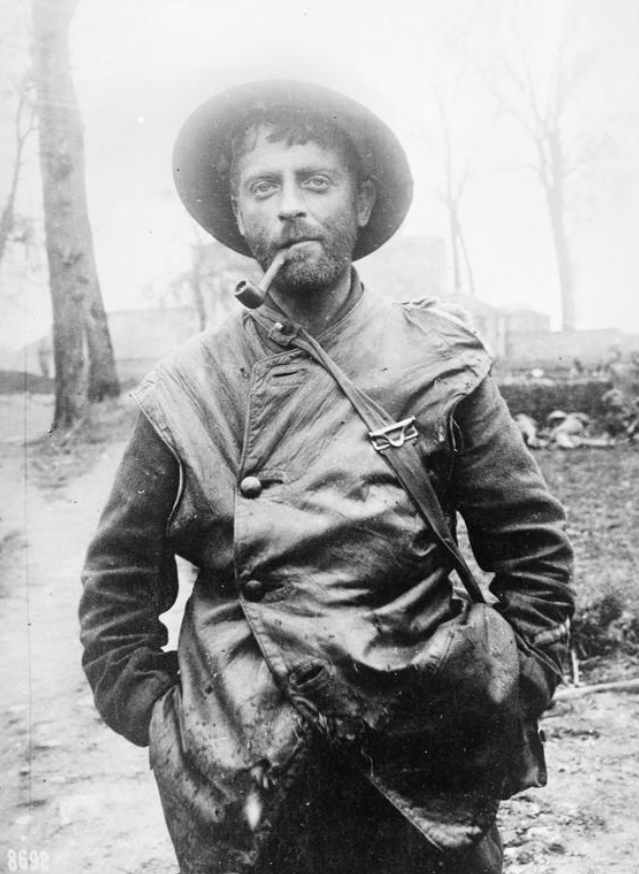
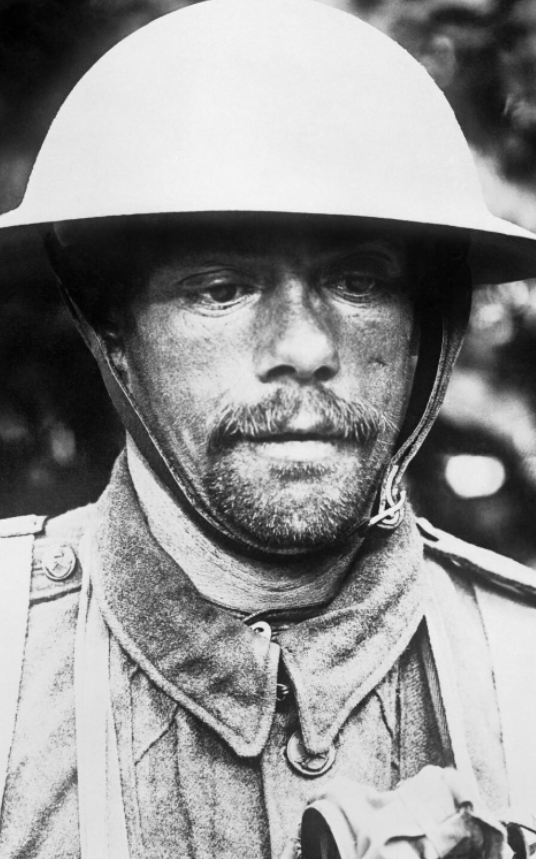
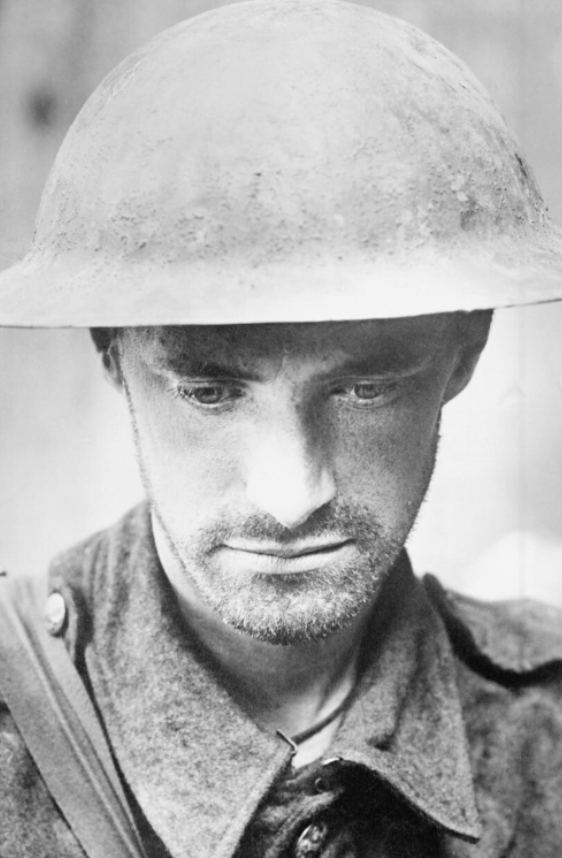
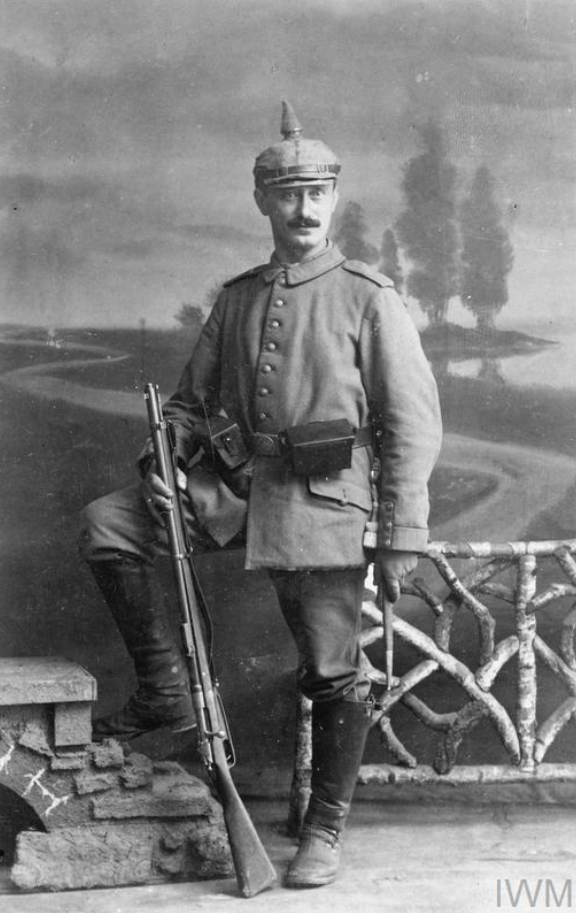
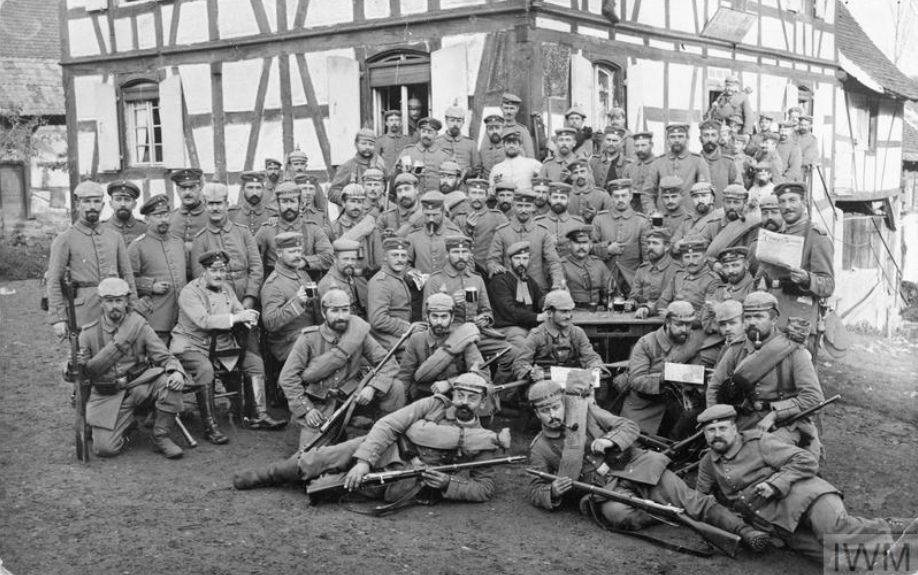
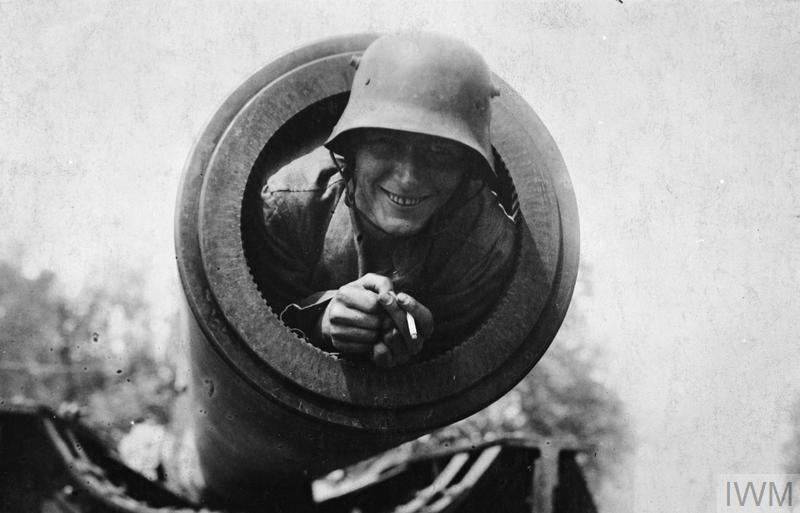
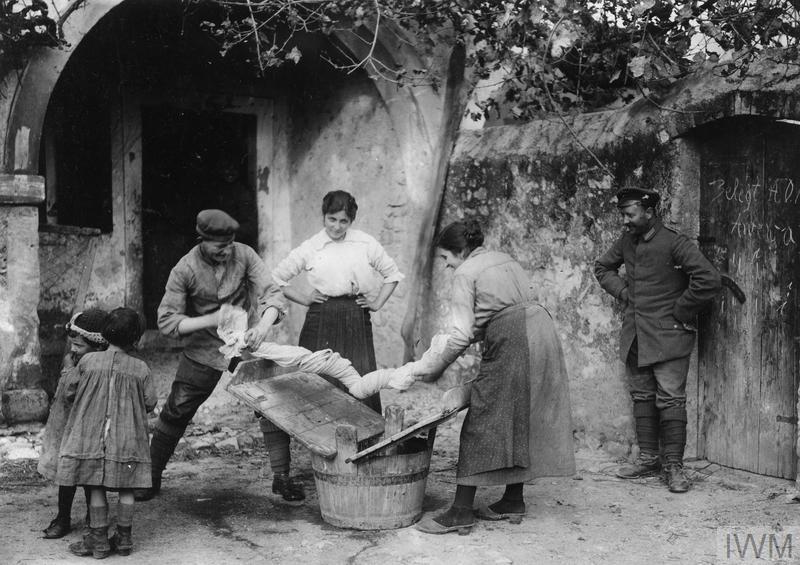
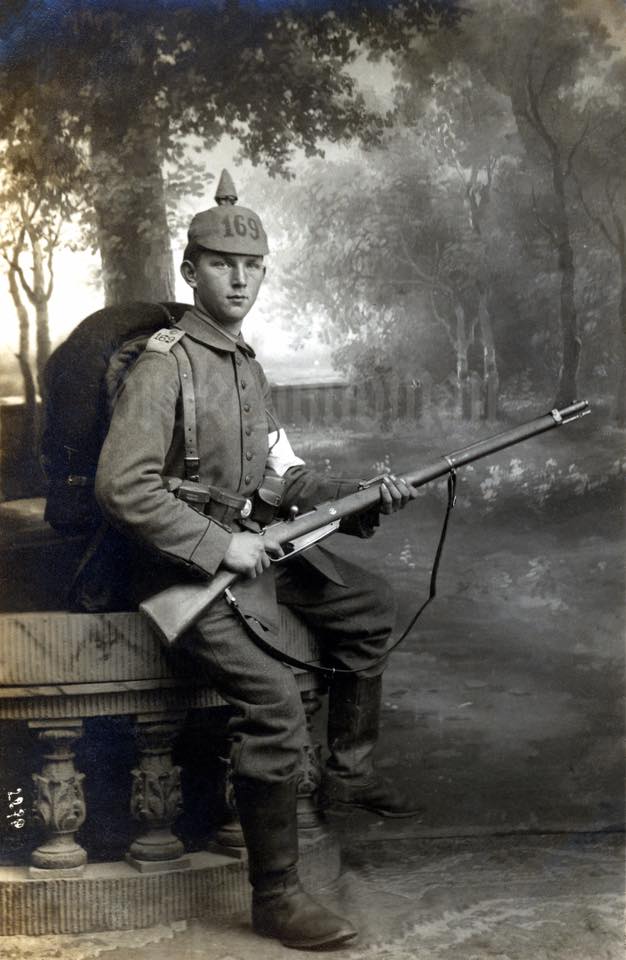
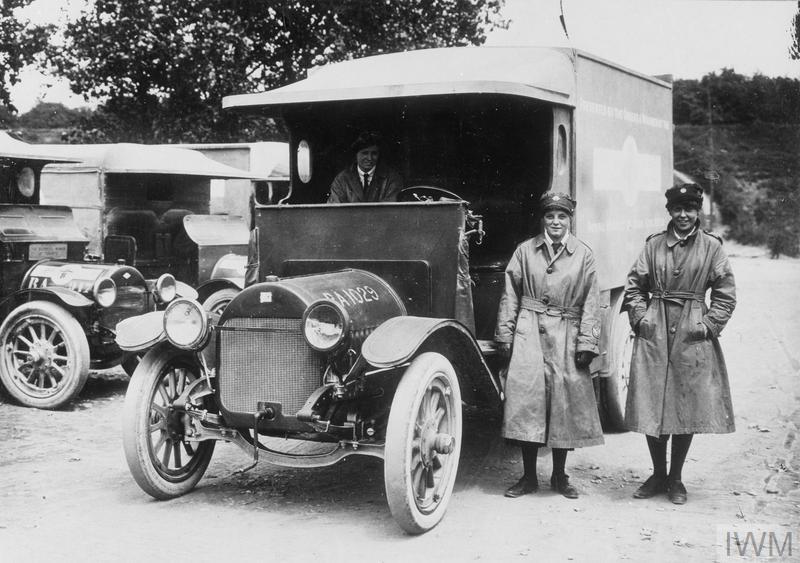
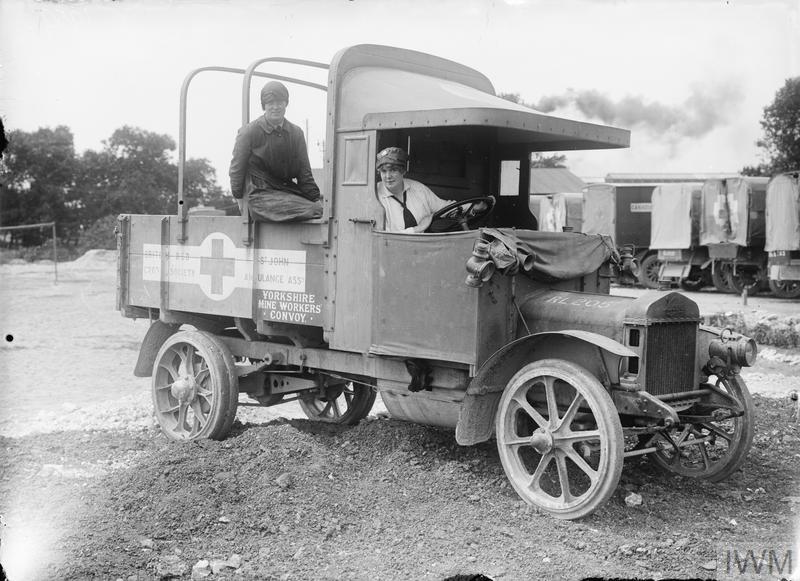
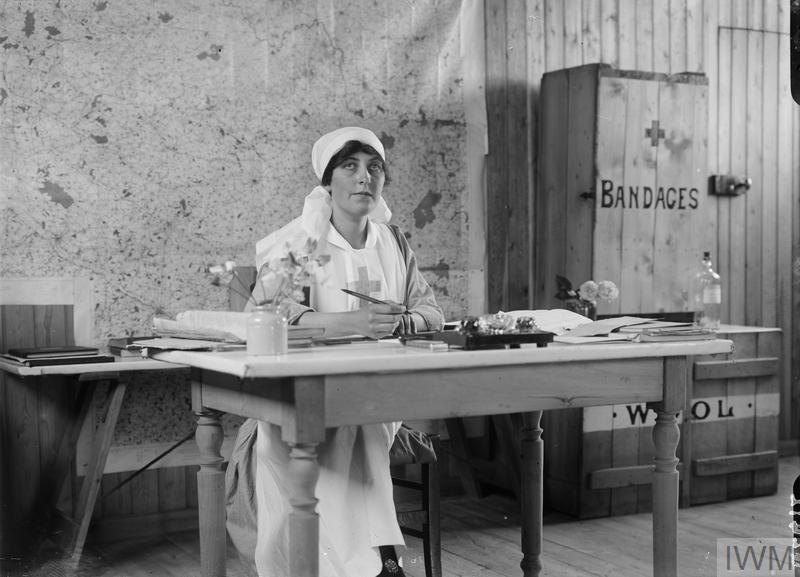
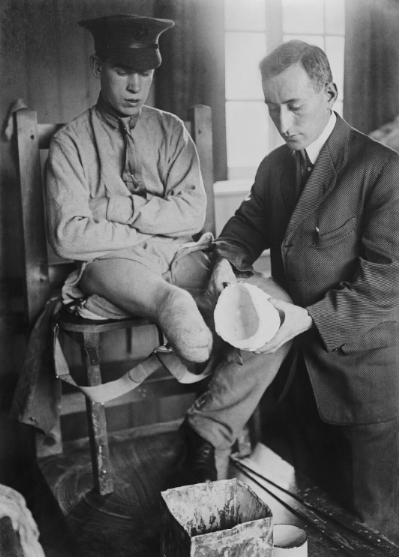
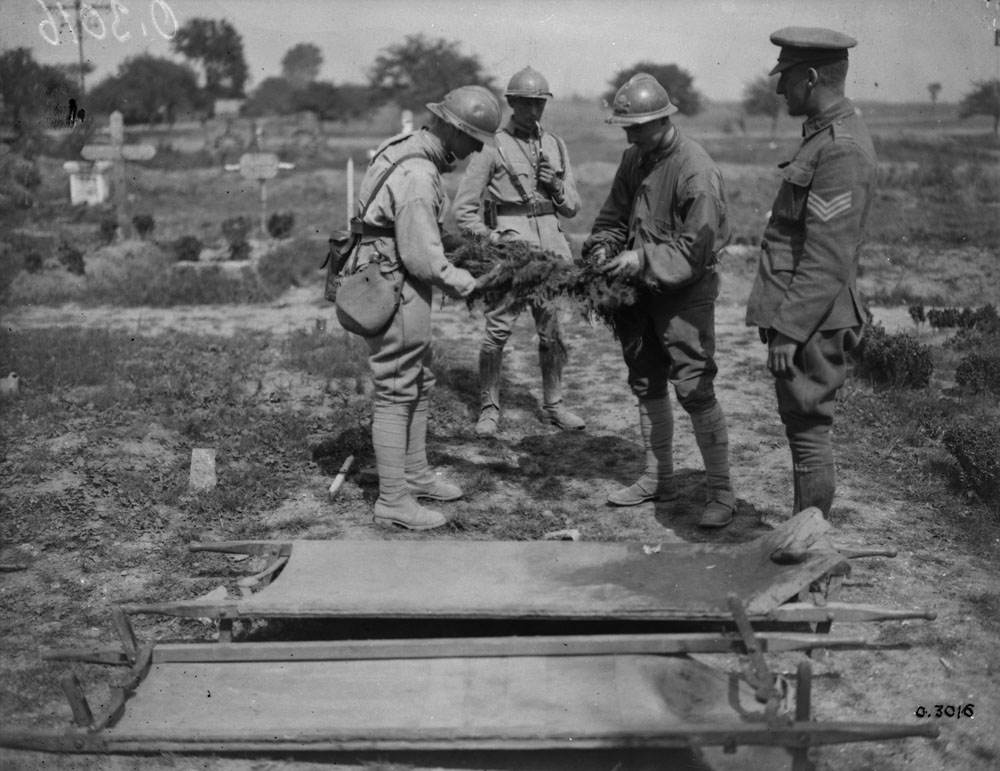
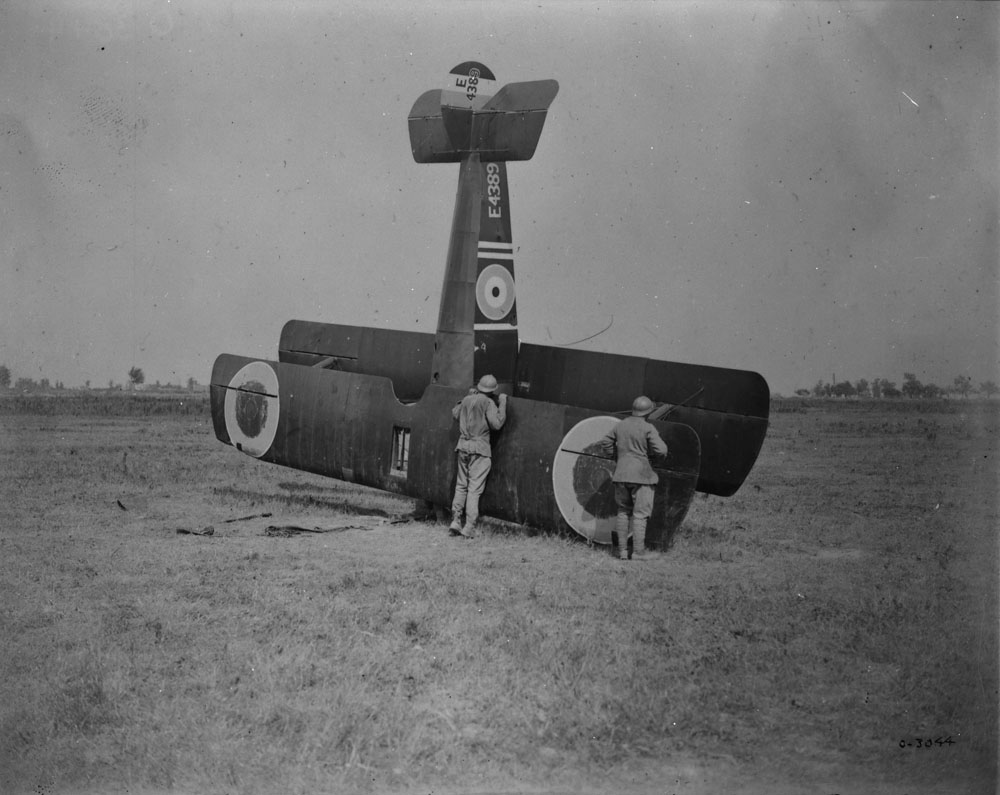
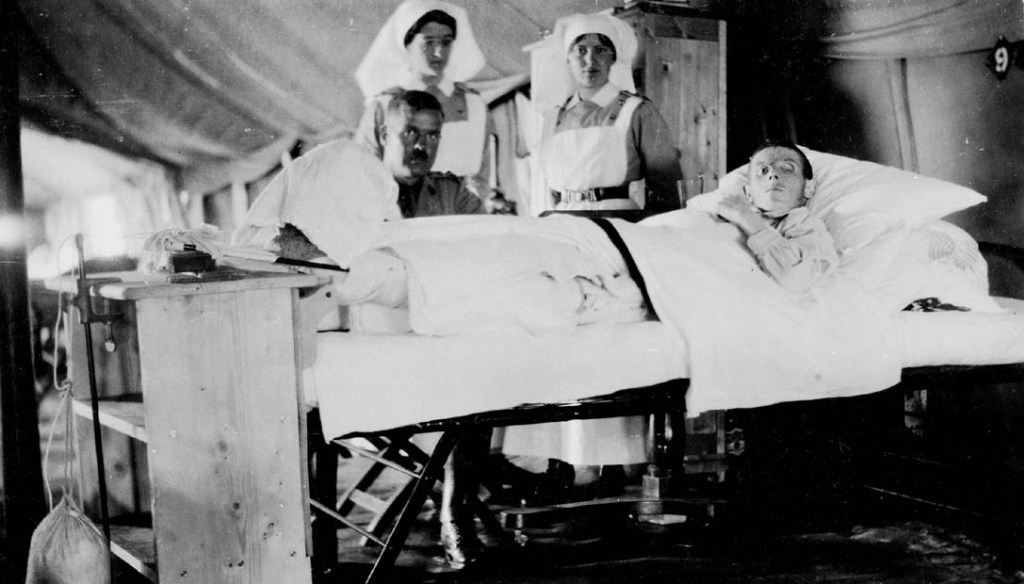
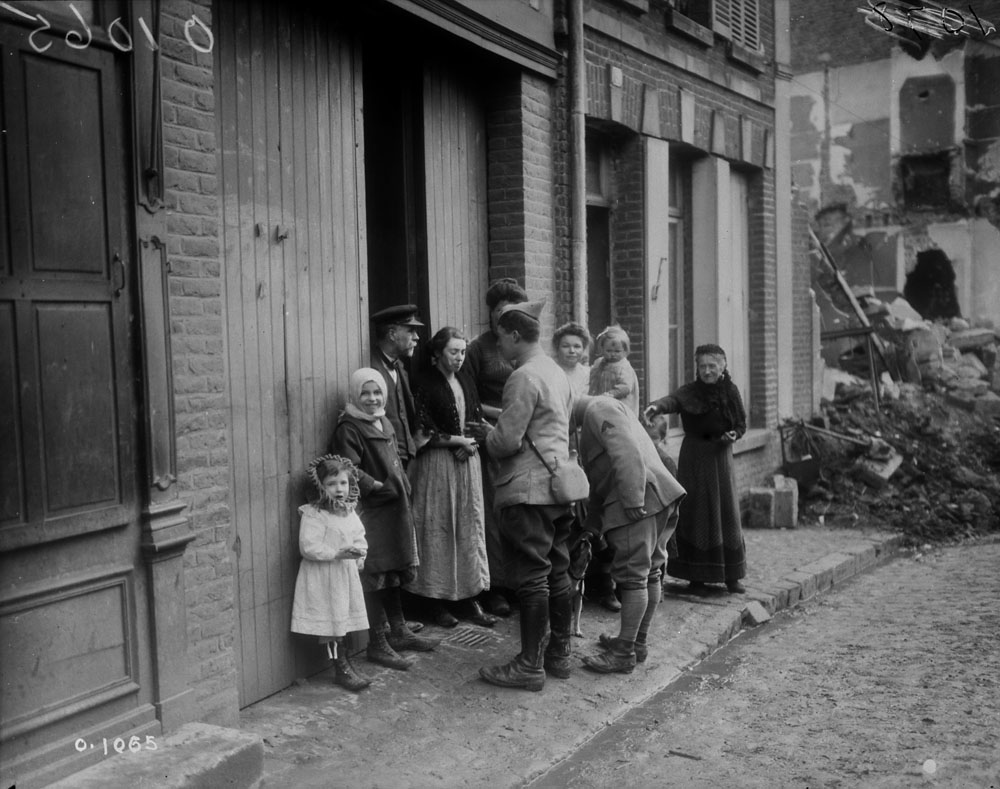
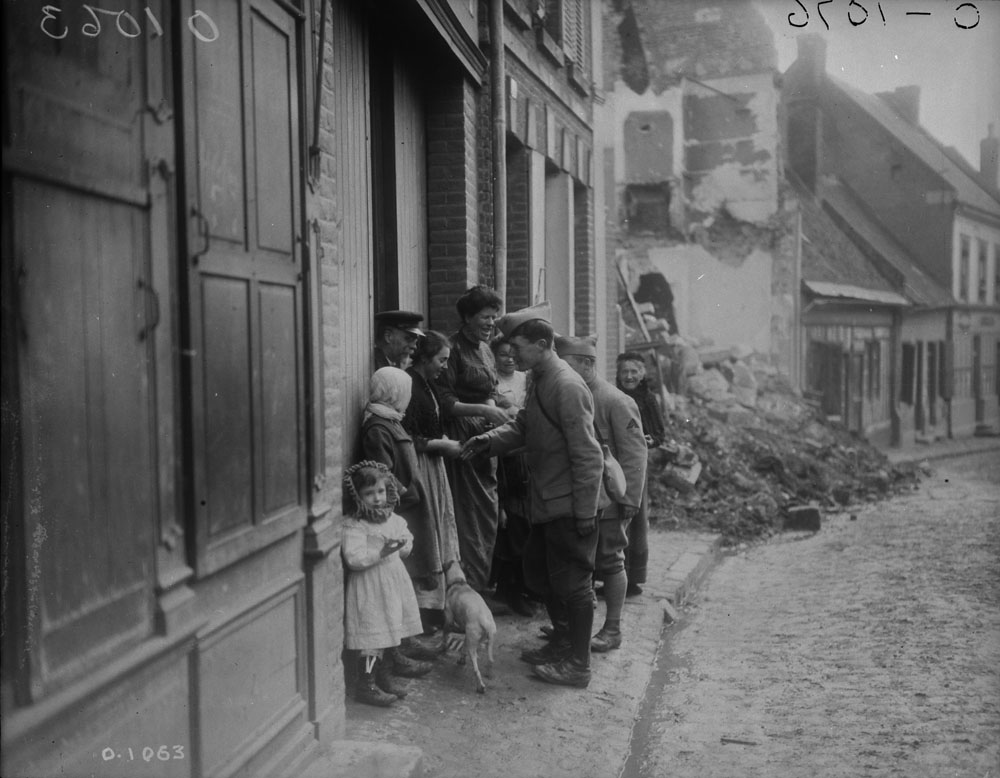
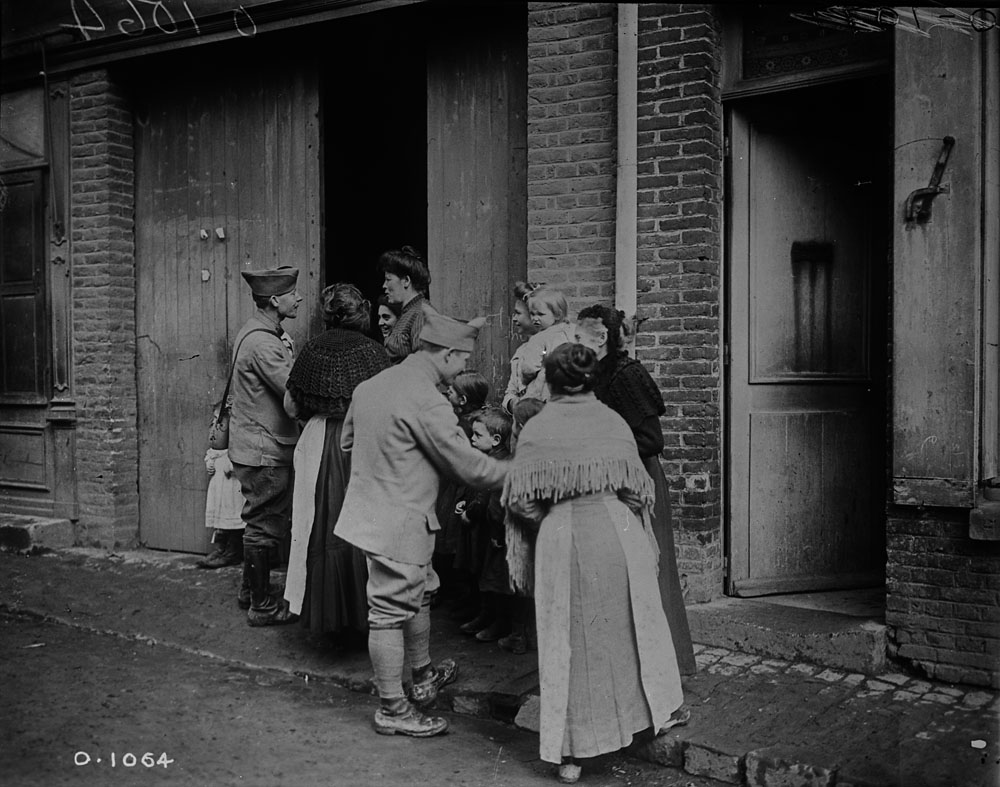
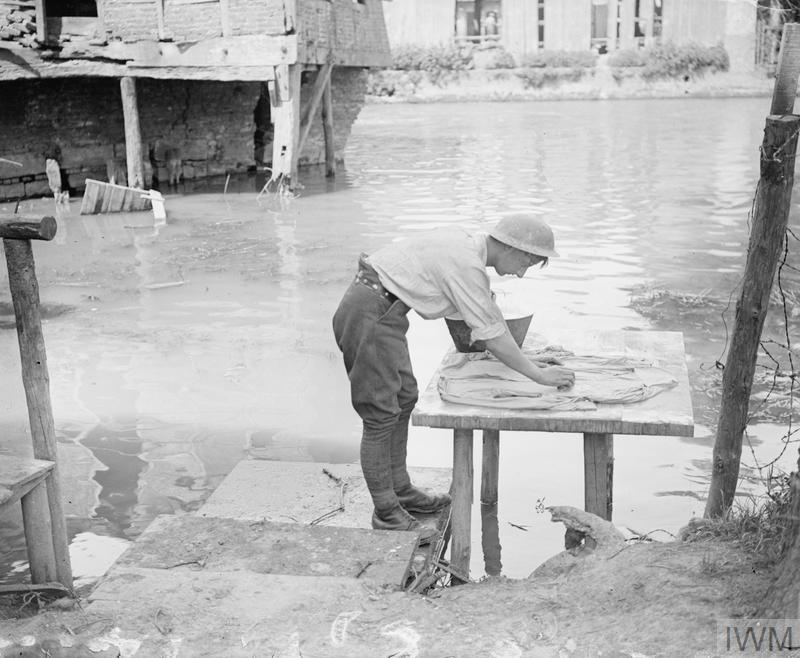
Portrait of a British soldier taken prisoner by the Germans, April 1918.Portrait of a British soldier captured during the Spring Offensive, March-April 1918.British soldier taken prisoner by the Germans, April 1918.British soldiers taken prisoner by the Germans, April 1918.Portrait of a British prisoner of war, a soldier of one of the light infantry regiments, captured by the Germans during the Spring Offensive, March 1918.Portrait of a British soldier, taken prisoner by the Germans, probably in April 1918.Three British prisoners captured in Armentieres, 9-18 April 1918.A portrait of a German soldier in uniform, taken at a photo studio.A group of German soldiers. One of them is operating a telephone.A group portrait of German soldiers. German soldier poses happily in the barrel of the long range Paris Gun (Paris-Geschütz) which bombarded Paris during the Spring Offensive, 1 May 1918.German soldiers taking a shower after a spell in the trenches.German troops getting ready for some sleep in their dugout on the Western Front.German troops playing cards and having a rest in St. Quentin. They are mixture of soldiers of the 210th and 212th Infantry Regiments.A German soldier helping Italian women to do their washing. They are wringing out clothes together.1917.A Musketier from 8. Badisches Inf-Rgt Nr. 169 in Feldmarschmäßig or full marching order.29th June 1917 – Black German Soldier in the Landwehr Infantry-Regiment No.25″28th June 1917: Portrait Of A Portuguese Soldier.The Dead ObserverSoldiers in an old trench near Gavrelle playing with their pet dog, 27th June 1917.Women British Red Corss Society, Voluntary Aid Detachment (VAD) ambulance drivers, Etaples, 27th June 1917. The ambulance was presented by the Owners and Workmen of the Royal Forest of Dean Coalfield.Two Women British Red Cross Society, Voluntary Aid Detachment (VAD) ambulance drivers. The vehicle is one of the Yorkshire Mine Workers’ Convoy. Etaples, 27th June 1917.In a British Red Cross Society, Voluntary Aid Detachment (VAD) Dressing Station at Abbeville, 27th June 1917.Romanian soldiers on a railway bridge. One soldier carries a child across.A German disabled soldier learning how to operate a spade with an artificial arm, probably at a school of training for German disabled soldiers at a Westphalian hospital.An invalided soldier with an artificial arm attempting to write while another one is looking on. Note two Australian convalescent soldiers in the background.A doctor takes a plaster cast of the remainder of an amputee’s right leg at Queen Mary’s Hospital, Roehampton, Surrey, in preparation for fitting a specially made artificial limb.Disabled British soldiers at the workshops of J E Hanger at Roehampton, Surrey, learn to walk again using their newly fitted artificial legs, ca.1917.Chaplain of 72nd Canadian Battalion talking to a Canadian soldier up the line. April, 1918.French soldiers making wreaths to place on graves. Battle of Amiens. August, 1918French soldiers examining Sopwith 1F.1 ‘Camel’ of the R.A.F. which landed inside Canadian lines near Amiens, France, August 1918Canadian soldiers having a quiet game of cards during the Battle of Amiens. August 1918Soldiers of the 48th Battery walking along the skyline. Toronto, Ont. 12 Apr. 1916Canadian soldier with burns caused by mustard gas. 1917-1918Wounded Canadian soldier in No. 2 Hospital, with visitor and attending nurses. Le Tréport, France. 1916.French soldiers visit their home village and are reunited with their families. March, 1917French soldiers visit their home village and are reunited with their families. March, 1917French soldiers visit their home village and are reunited with their families. March, 1917Canadian soldiers returning from Vimy Ridge. May 1917Goods which can’t be bought. Canadian soldier resting in a shop window on shelled village, telling his friends how the boys made Fritz quit. July, 1917.A Canadian Post in front of Mons meets a German wagon containing four escaped German soldiers, who are being taken to Mons, so that they can give information regarding the retreating enemy. November, 1918.Washing day on the bank of the Scarpe. Feuchy, 5 June 1917.Troops of the 10th Battalion, Royal Fusiliers in a captured dug-out at Feuchy cross roads. Feuchy was captured by the 9th Division, 9 April 1917.Royal Engineers laying a light railway over captured ground near Feuchy, April 1917.
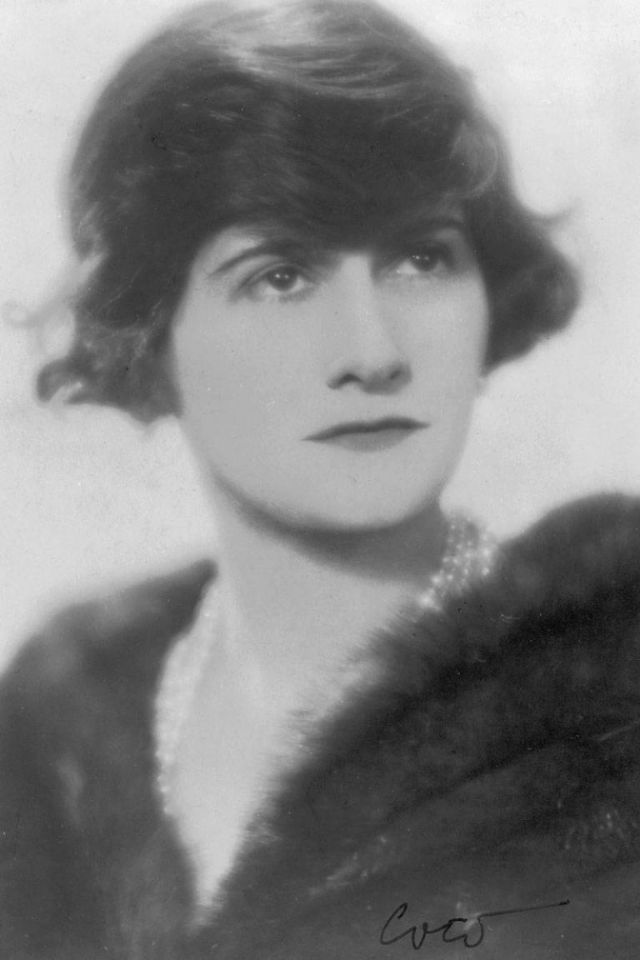
“A women who doesn’t wear perfume has no future.” – Coco Chanel
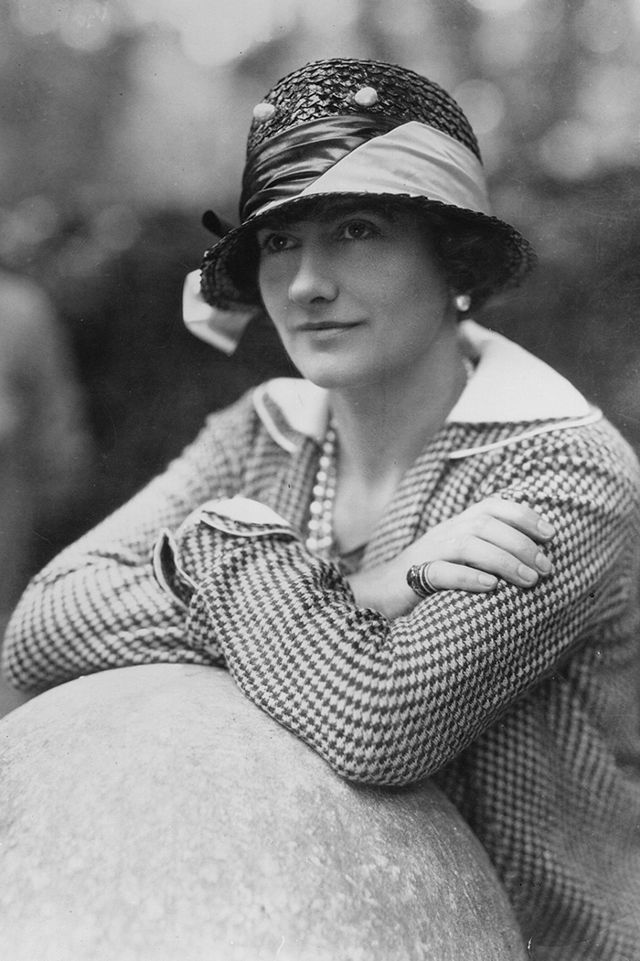
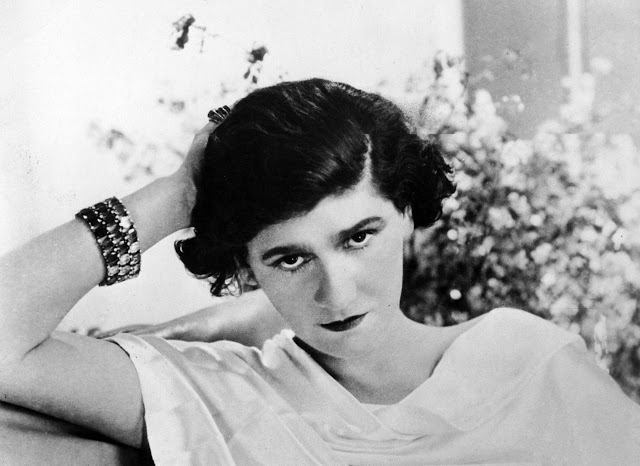
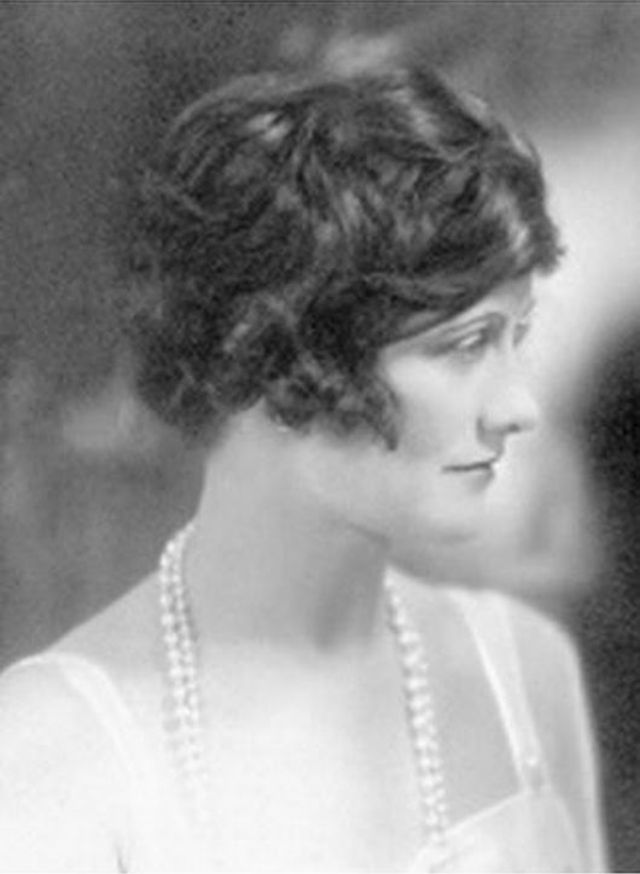
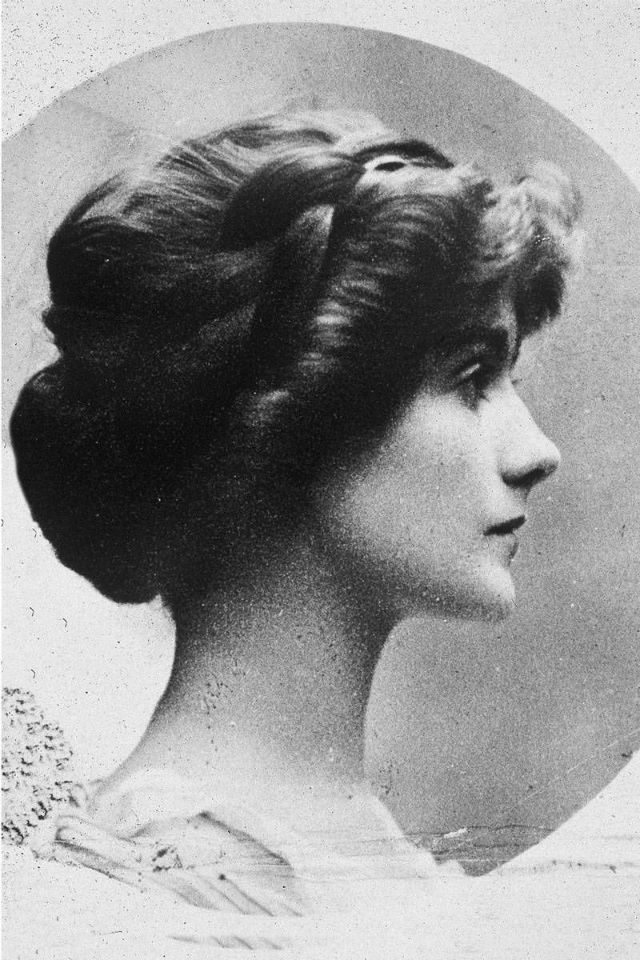
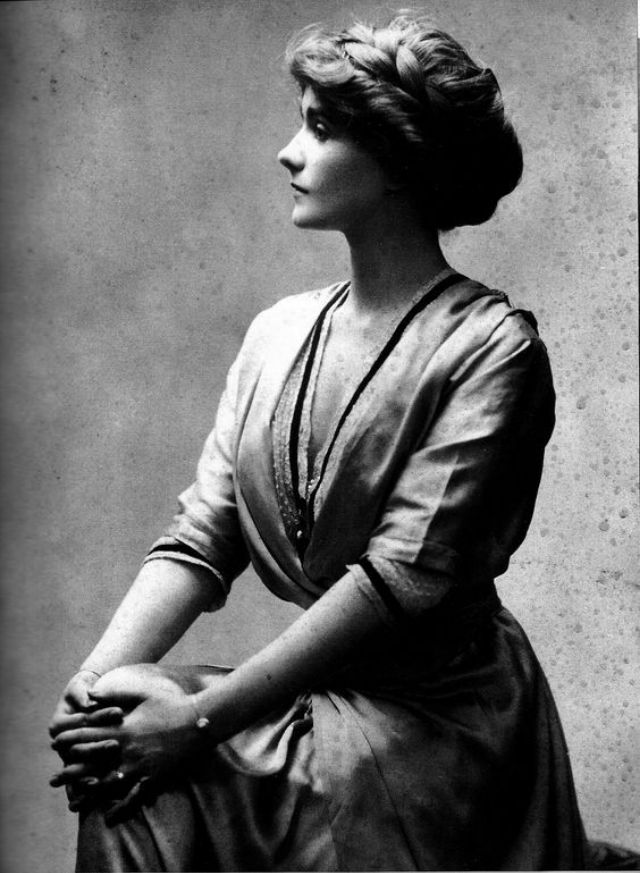
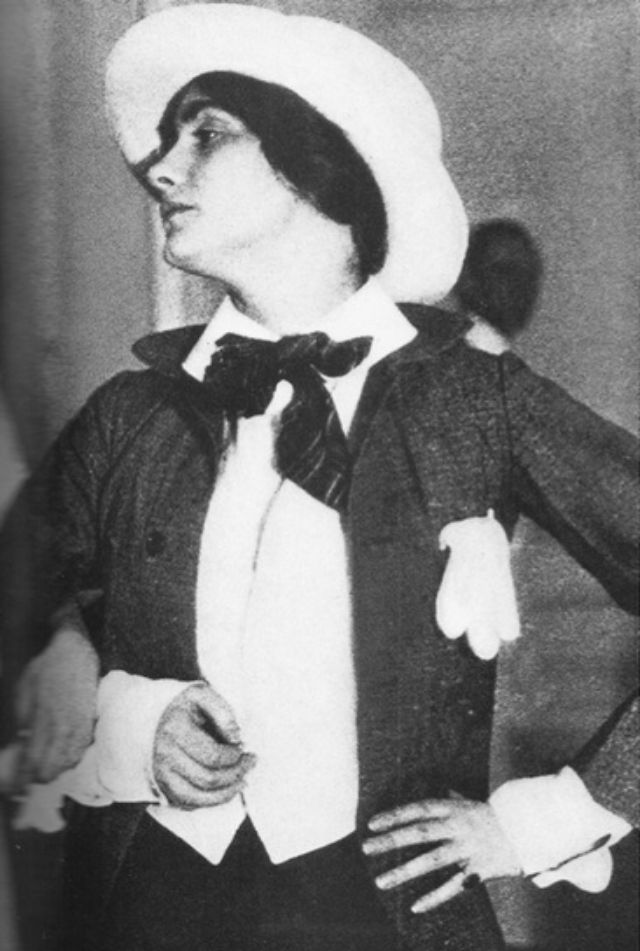
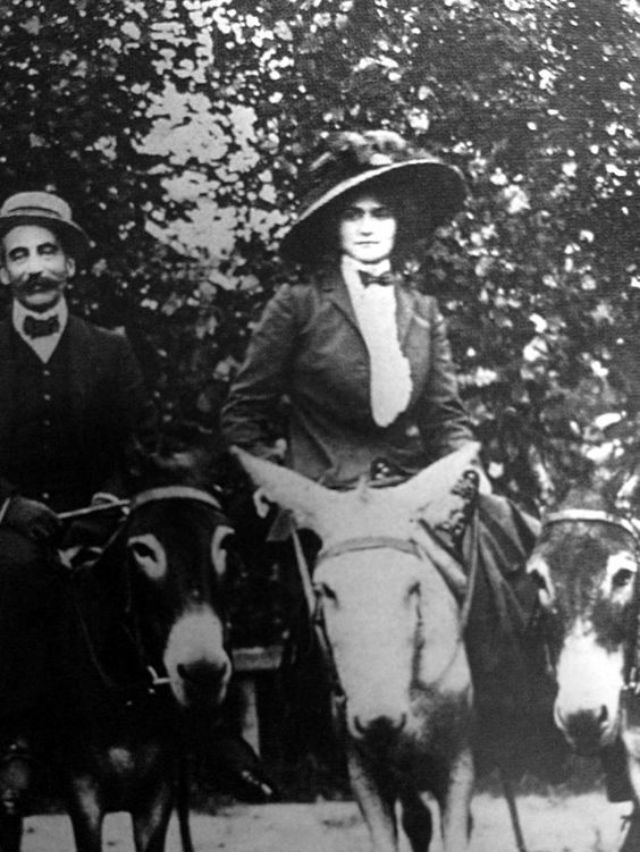
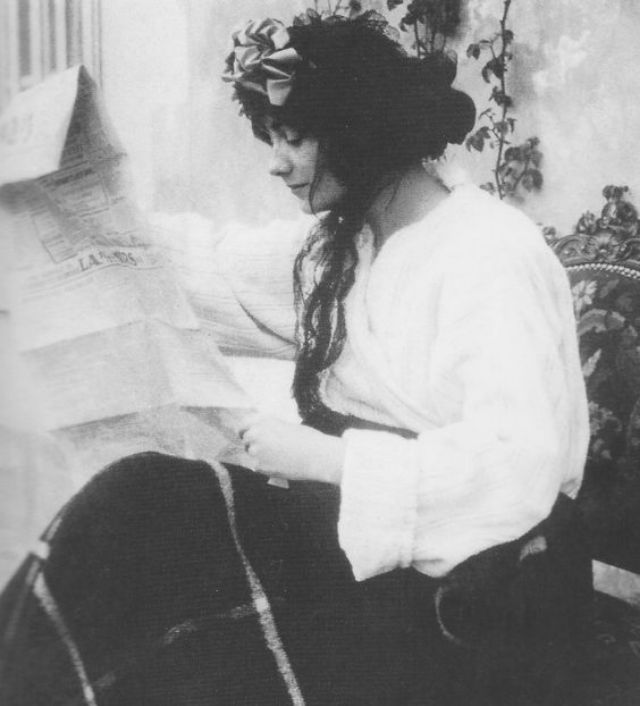
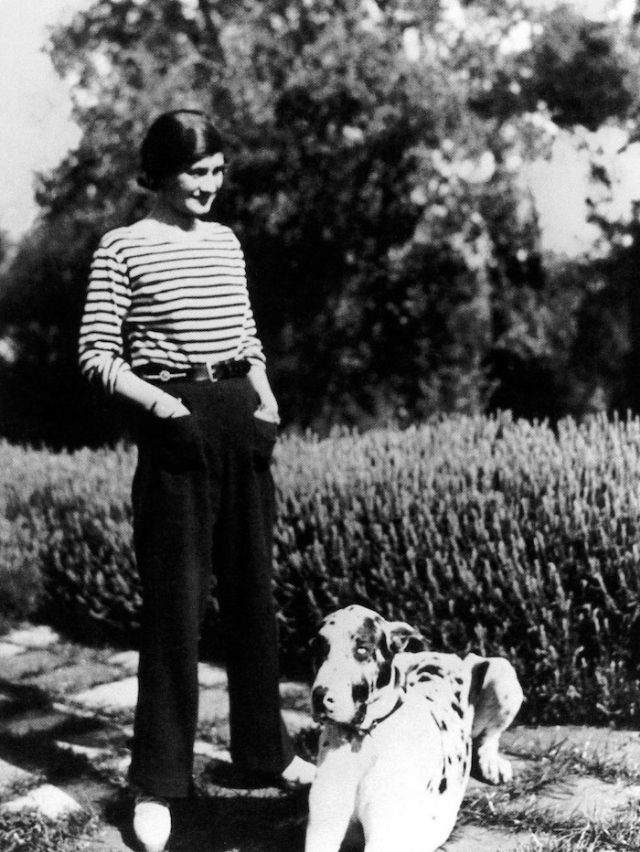
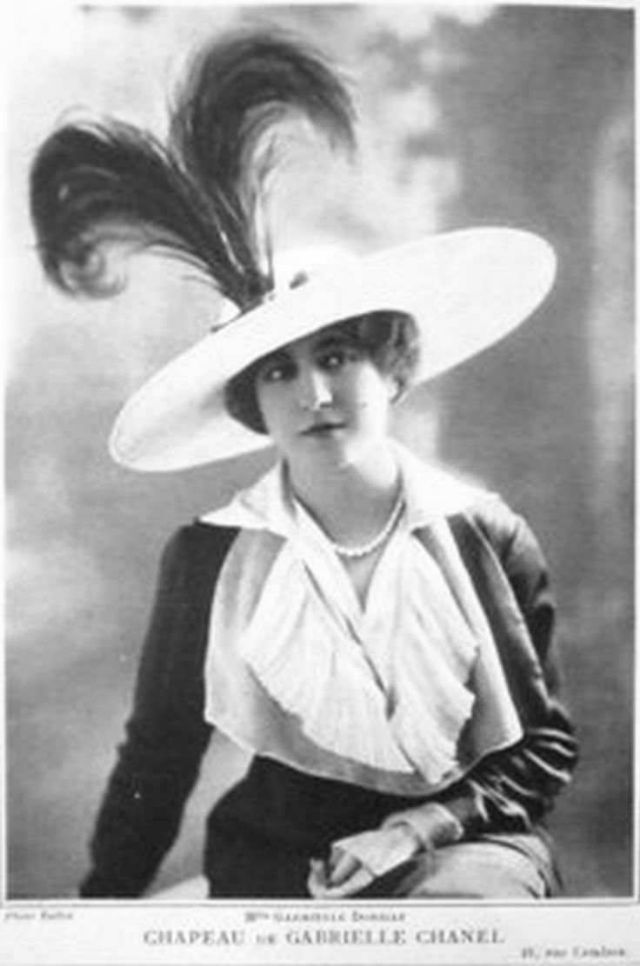
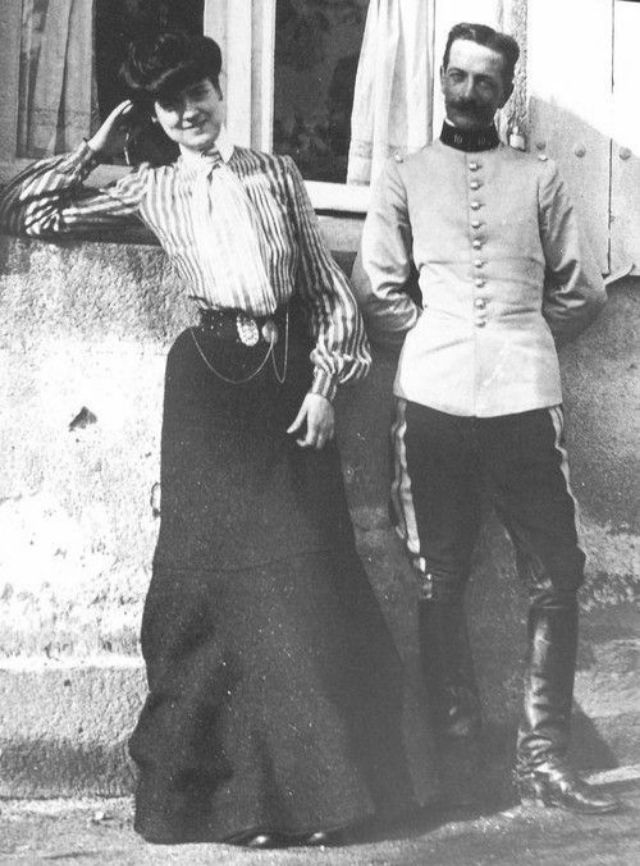
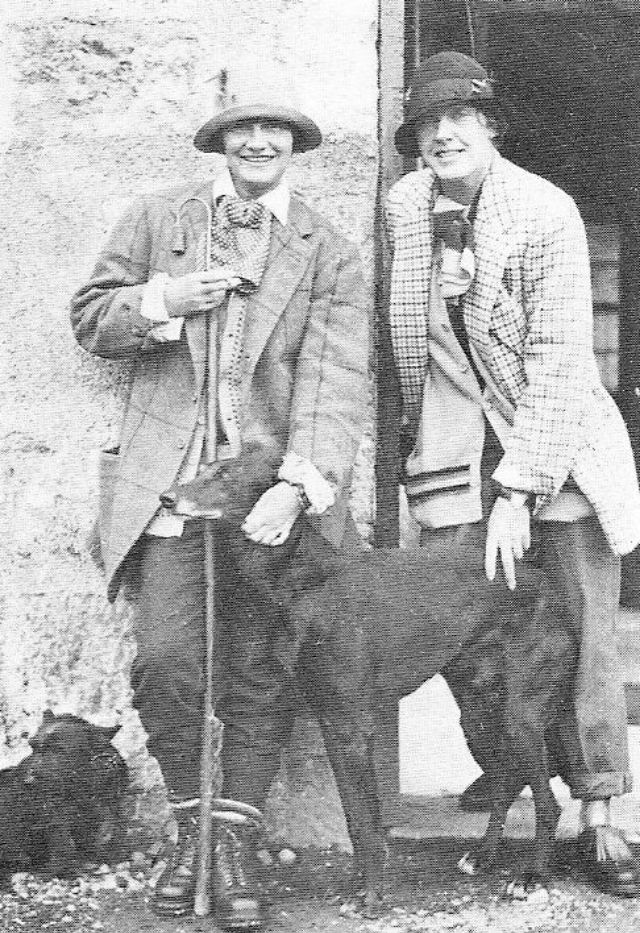
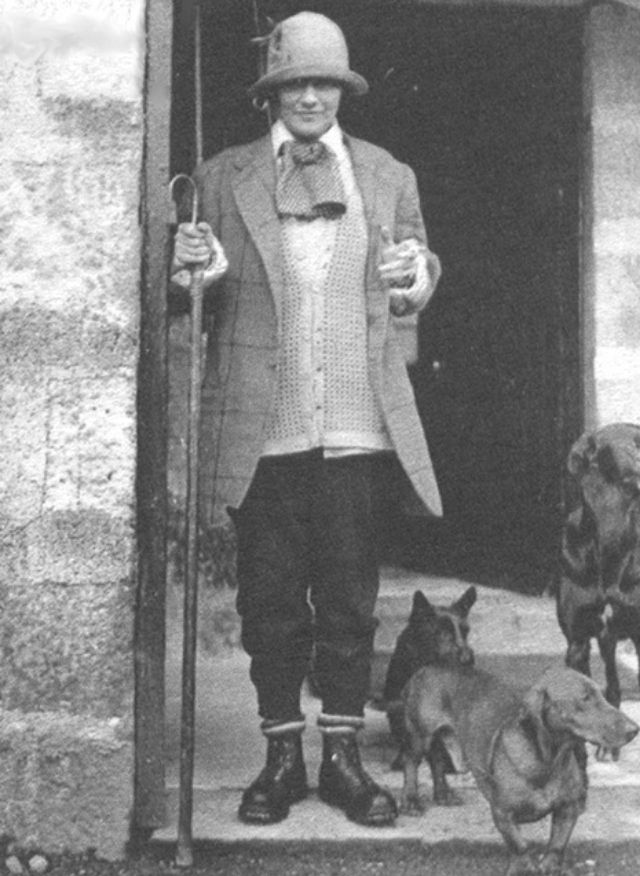
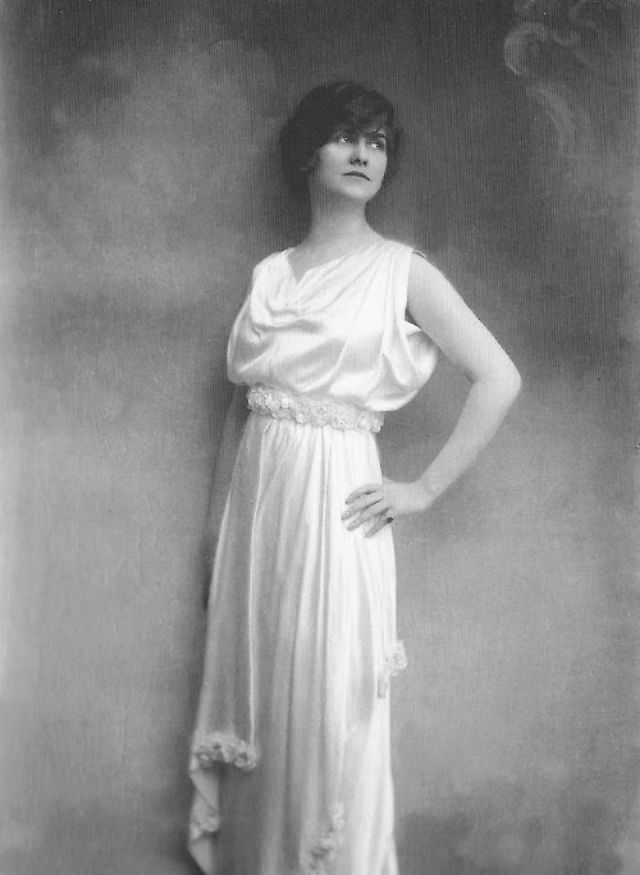
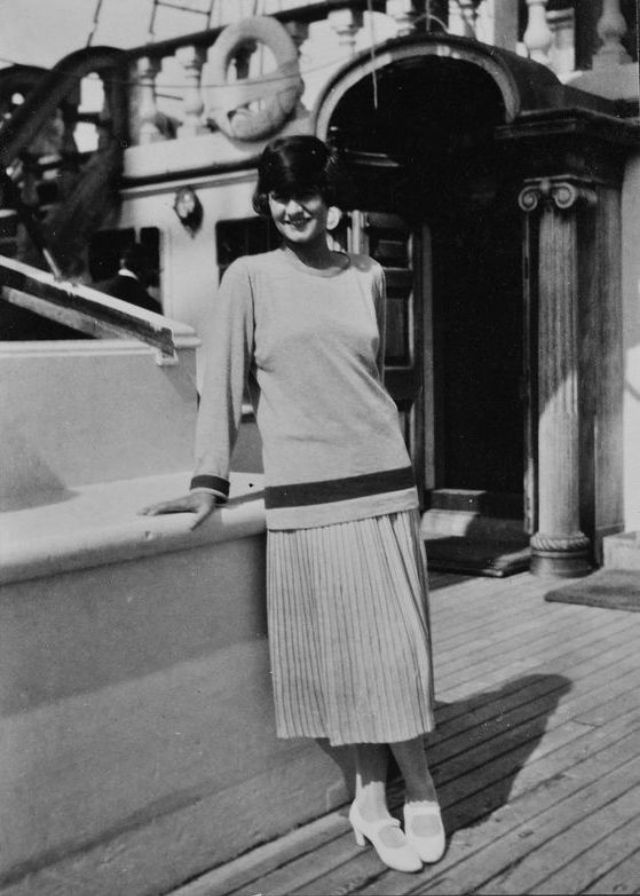
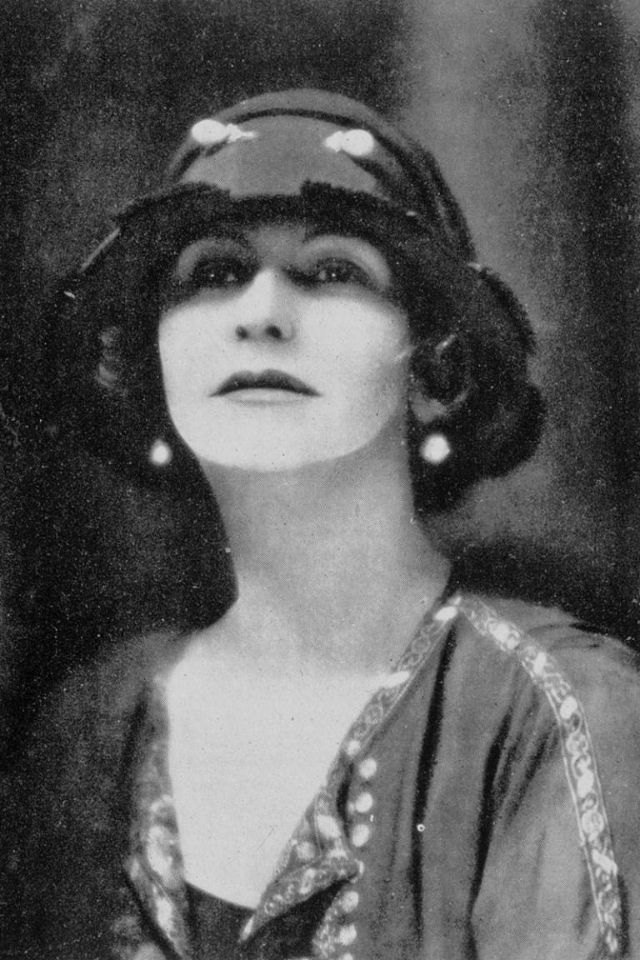
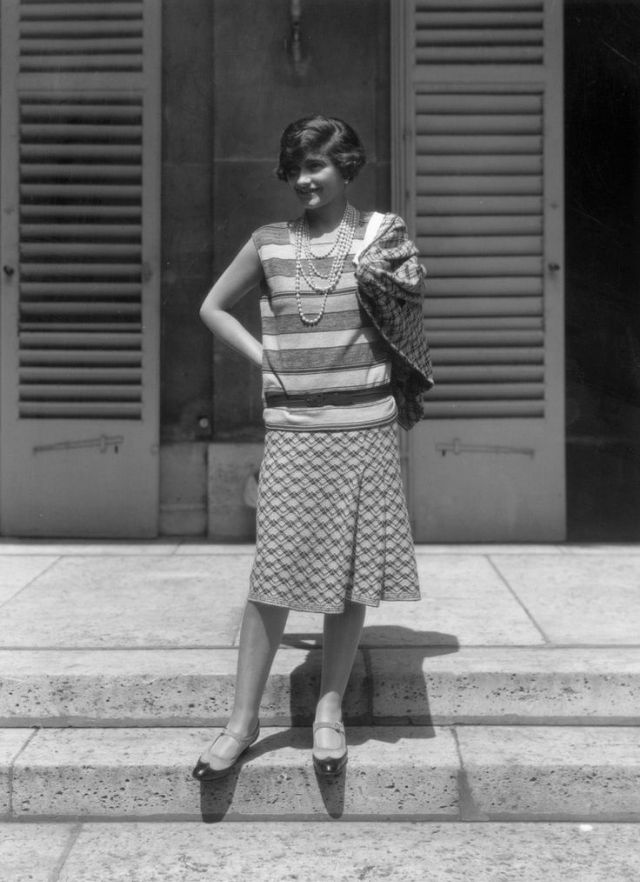
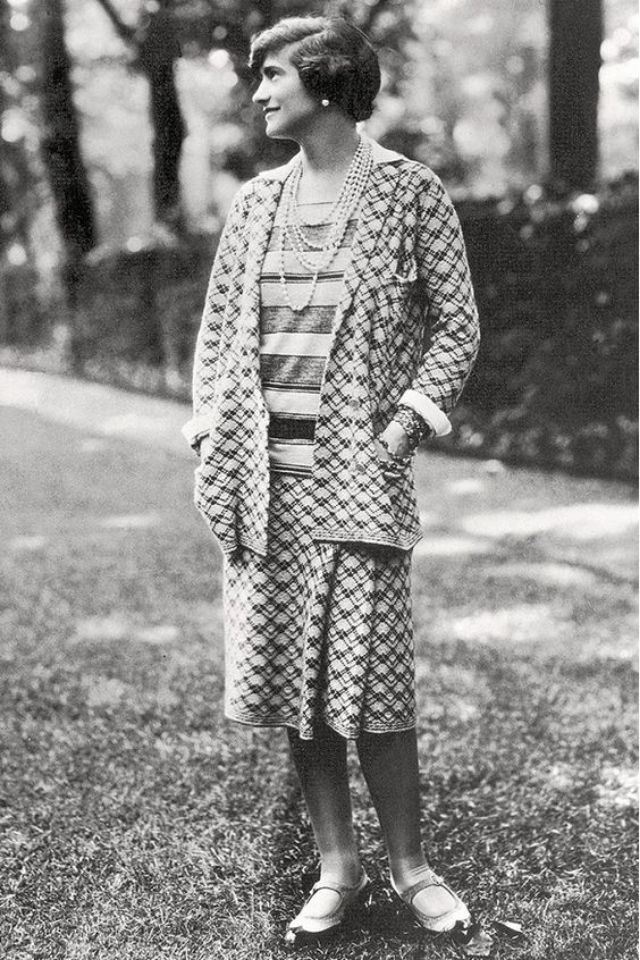
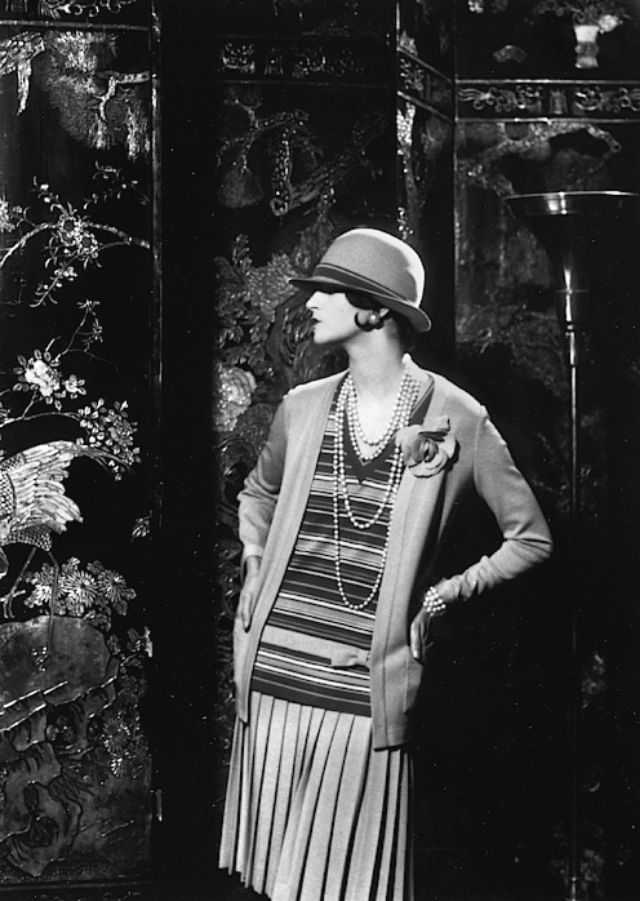
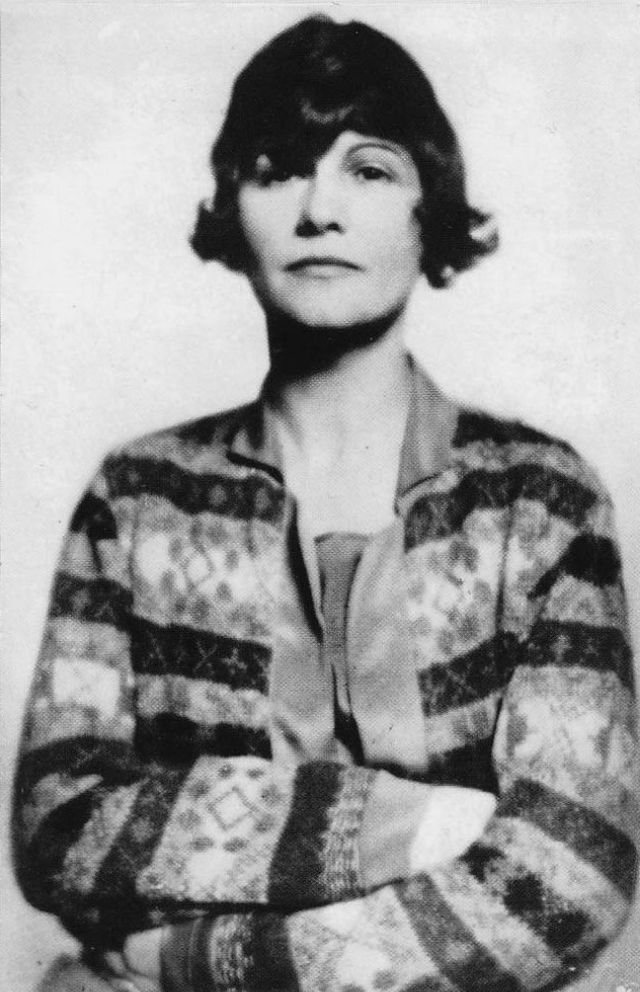
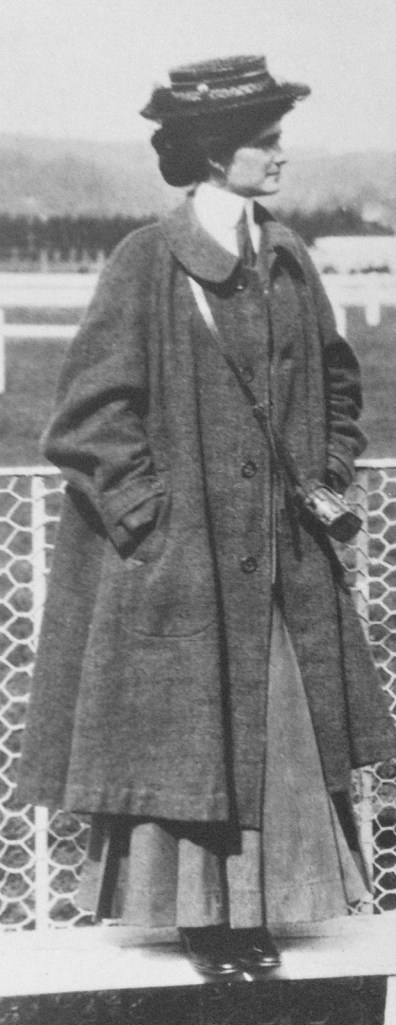
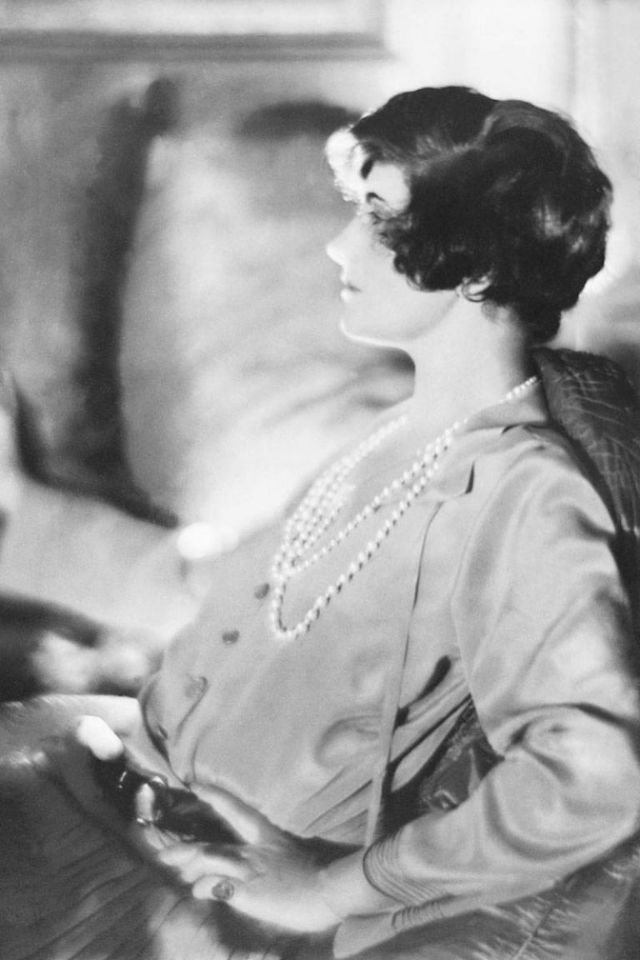
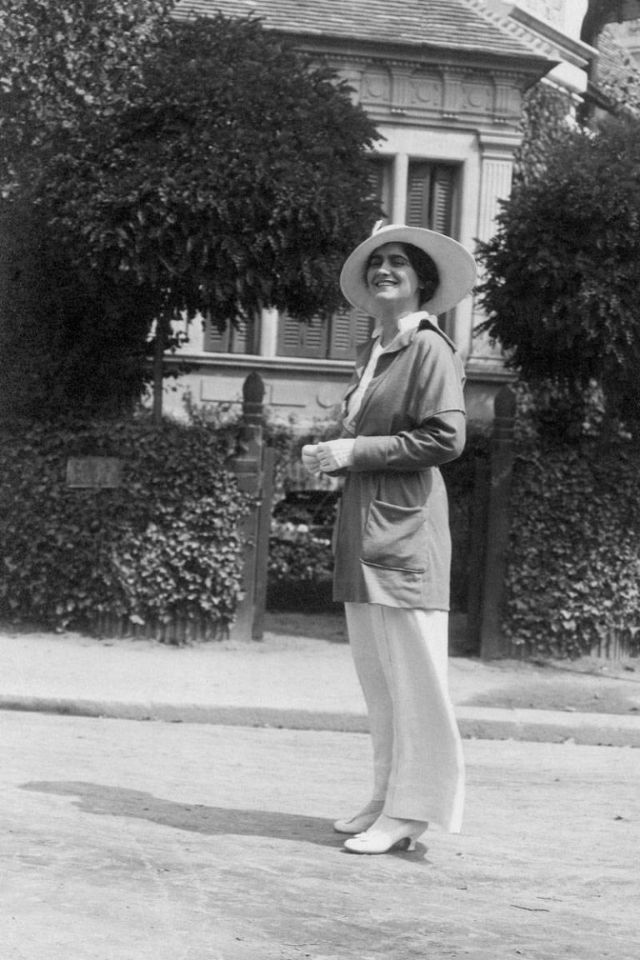
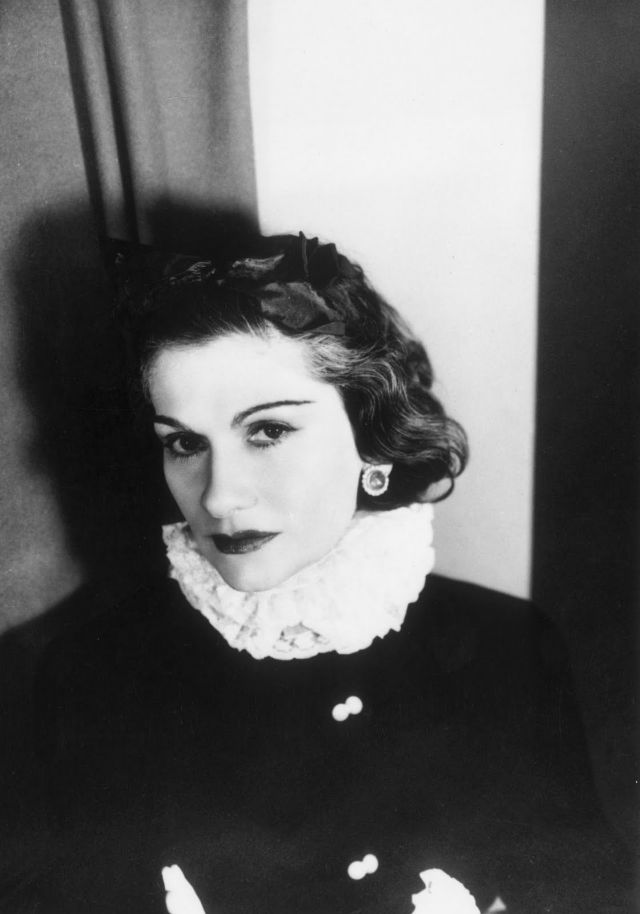
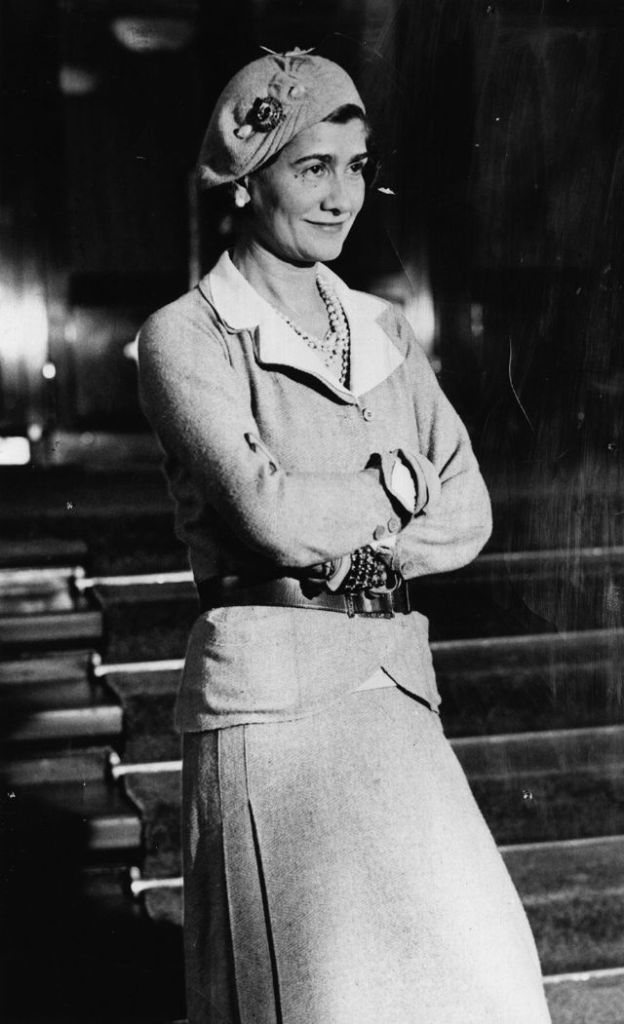
Gabrielle Bonheur “Coco” Chanel (19 August 1883 – 10 January 1971) was a French fashion designer and businesswoman. The founder and namesake of the Chanel brand, she was credited in the post-World War I era with popularizing a sporty, casual chic as the feminine standard of style, replacing the “corseted silhouette” that was dominant beforehand. She is the only fashion designer listed on Time magazine’s list of the 100 most influential people of the 20th century. A prolific fashion creator, Chanel extended her influence beyond couture clothing, realizing her aesthetic design in jewellery, handbags, and fragrance. Her signature scent, Chanel No. 5, has become an iconic product, and Chanel herself designed her famed interlocked-CC monogram, which has been in use since the 1920s.
Brought up in a religious orphanage, Gabrielle Chanel turned into a seamstress in Moulins at the age of nineteen and promptly became acquainted to the young soldiers she would meet in the garnison town. Earning a new nickname, Coco, and becoming the protégé of Etienne Balsan, she promptly escaped poverty and, defining her own modern and boyish style, inspired the ‘grandes horizontales’ such as Liane de Pougy, she would meet and design hats for.
When she fell in love with Boy Capel, she turned into a self-supporting businesswoman, establishing boutiques in fashionable Paris and Deauville where her sportswear aesthetic met with huge success and liberated a whole generation of constricted women. Fueled by her own strong personality and taste, she gave birth to an understated style dominated by black, white and beige jerseys adorned with costume jewelry. She highly epitomized the little black dress that suited her petite figure and reigned on fashion and Paris until the late 1930s as ‘a miniature female Stalin’ according to Elsa Maxwell.
During the German occupation of France during World War II, Chanel was criticized for being too close to the German occupiers to boost her professional career; one of Chanel’s liaisons was with a German diplomat, Baron (Freiherr) Hans Günther von Dincklage. After the war, Chanel was interrogated about her relationship with von Dincklage, but she was not charged as a collaborator due to intervention by Churchill. After several post-war years in Switzerland, she returned to Paris and revived her fashion house. In 2011, Hal Vaughan published a book about Chanel based on newly declassified documents, revealing that she had collaborated directly with the Nazi intelligence service, the Sicherheitsdienst. One plan in late 1943 was for her to carry an SS peace overture to British Prime Minister Winston Churchill to end the war. She who had been such an avant-garde observed social and cultural changes as well as the liberation of women with disdain. Before her death, she had declared ‘I…am an odious person’ and rare are those who would have contradicted such words but that is surely what helped her establish not only an empire but also her legend.