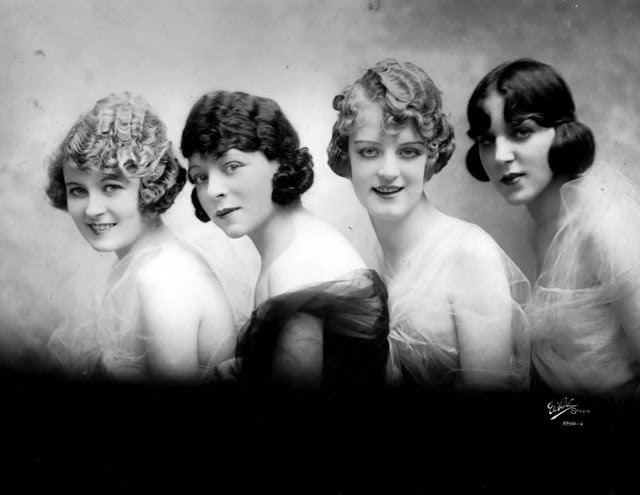
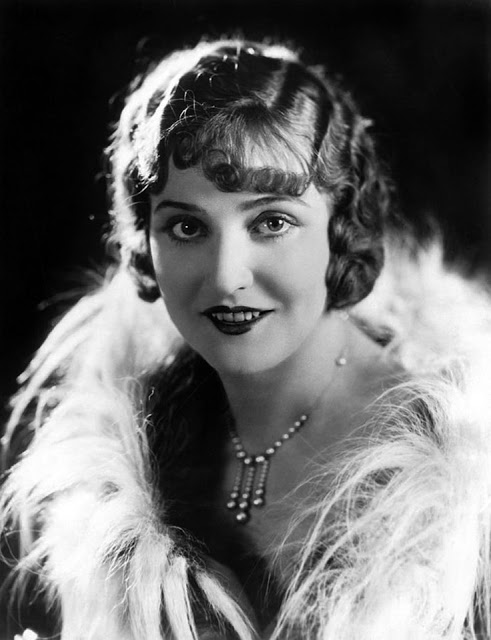
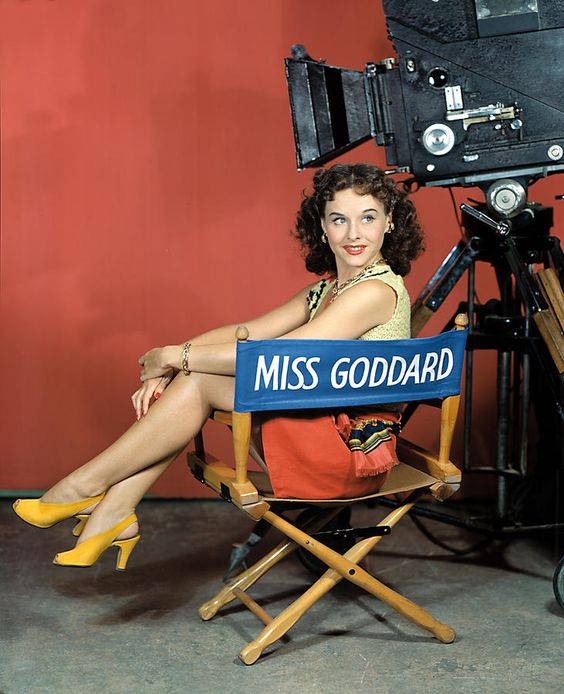
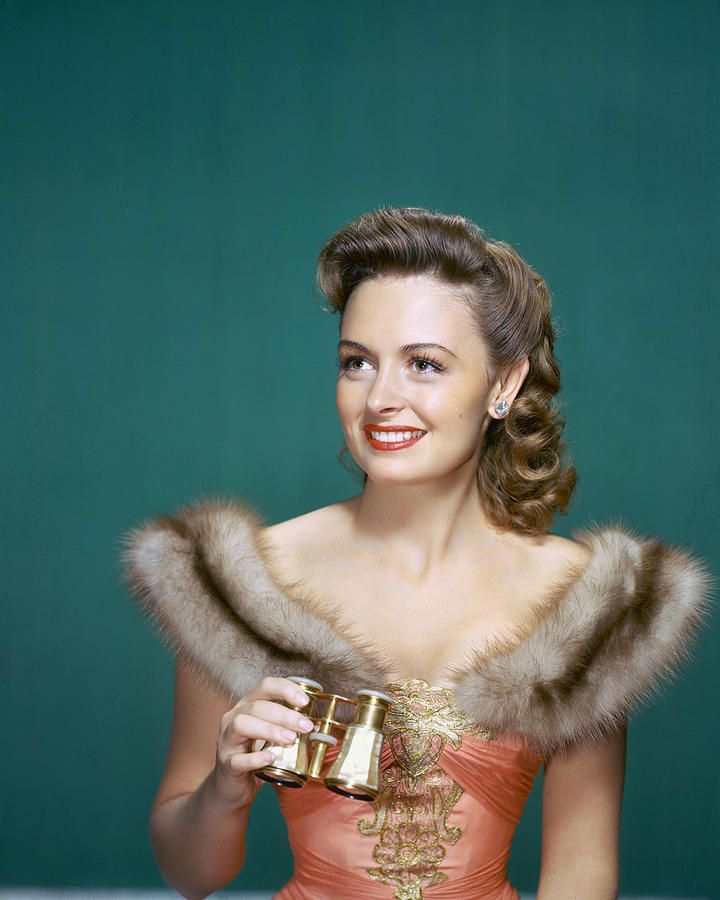
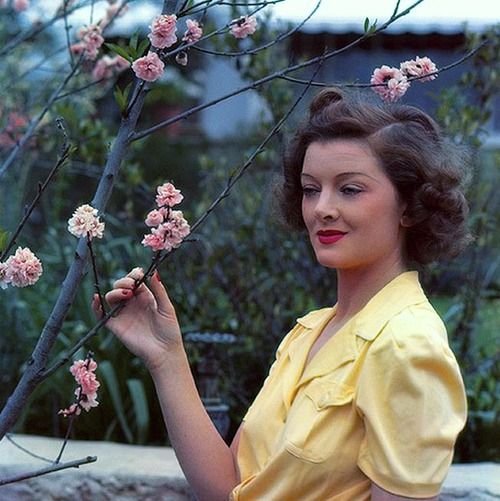
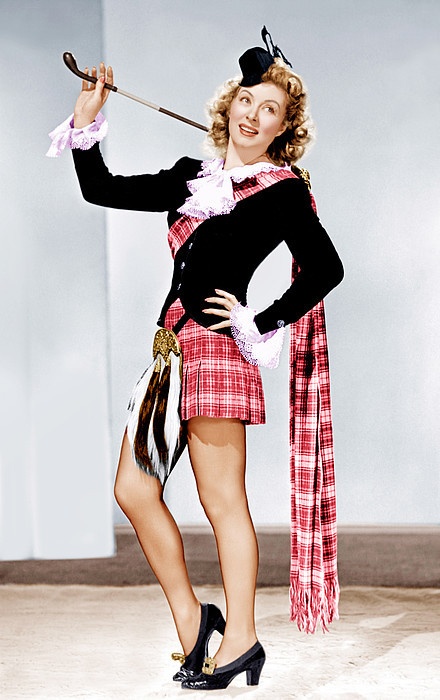
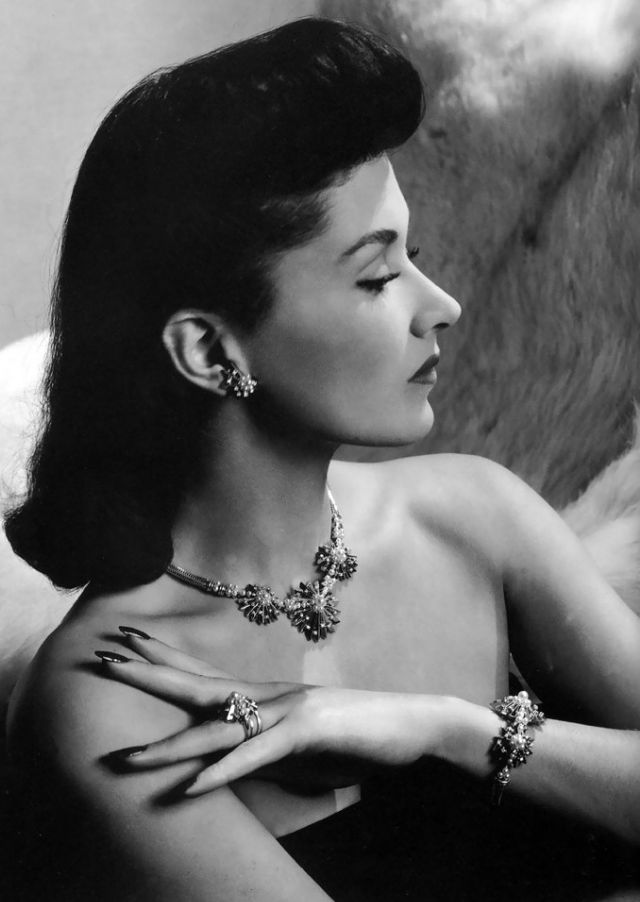
Although popular conceptions of the Jazz Age suggest that every fashionable woman bobbed her hair during the 1920s, some women did keep their hair long. Long-haired women did not customarily wear their hair loose; rather, they pulled it back to the nape of the neck and wound it into a smooth chignon or knot.
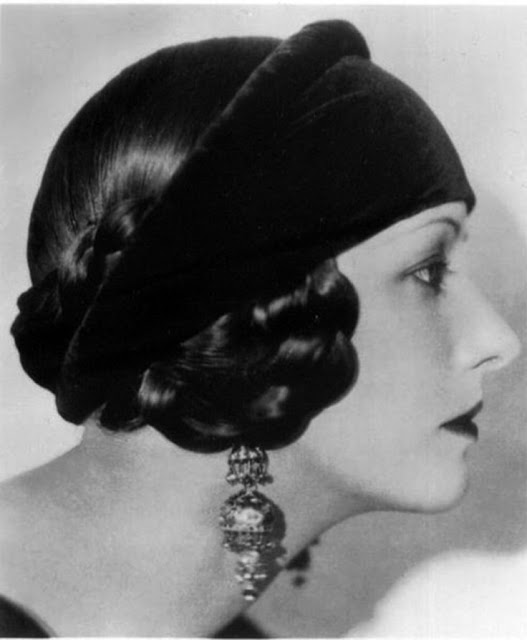
Another fashionable style at the beginning of the decade involved coiling long hair into two buns that rested one behind each ear. This hairstyle, known alternately as “earphones” or “cootie garages”, fell out of favour by the mid-1920s.
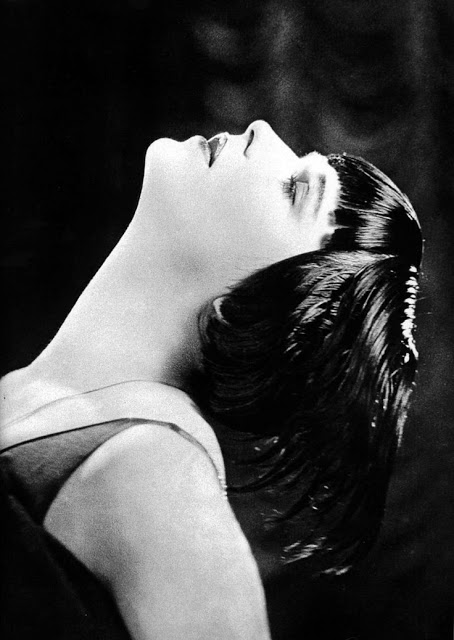
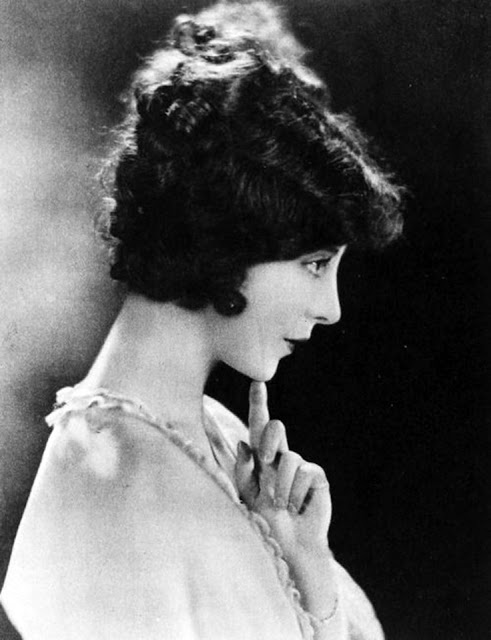
However, more enduring was the ubiquitous bob, cut short and straight at about chin-length, which dancing sensation Irene Castle introduced in the United States shortly before World War I. When other celebrities such as French fashion designer Coco Chanel and Hollywood star Louise Brooks also adopted this short, blunt haircut, women across the United States followed suit.
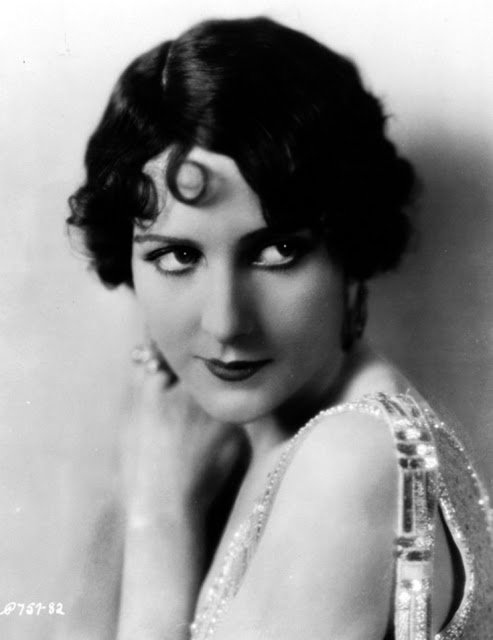
Many women actually had their hair cut by men’s barbers, since some hairdressers, fearing that short, simple hairstyles would put them out of business, simply refused to shear off women’s long tresses. The bob could be worn with or without bangs, and was often accompanied by side curls plastered to the cheek or by a single curl dramatically set in the middle of the forehead.
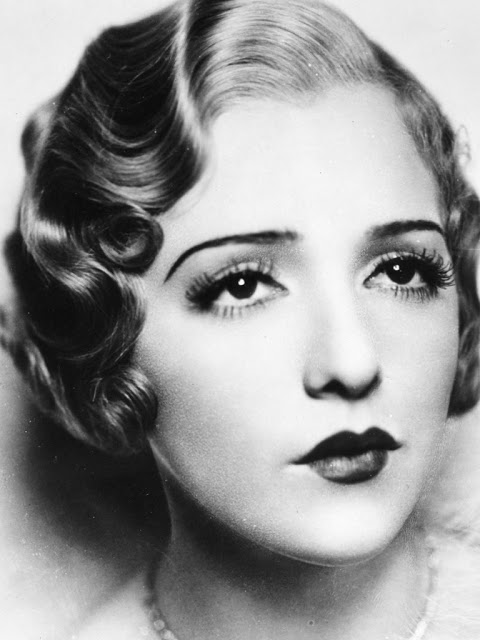
The water wave comb was another implement designed to create wavy hair. Wet hair was set with a series of combs, often made of aluminium or celluloid, which gently pushed the hair into waves. A scarf or ribbon was then wrapped around the head to keep the combs in place until the hair dried into soft waves and the combs would be removed. Women also created “finger waves” by applying “finger waving lotion” to their damp hair, then combing and pinching their short tresses into waves with their fingers. Until the damp waves were completely dry, women protected their efforts with delicate nets made of real human hair.
By the late 1920s, “permanent waves” were also available to women willing to undergo the strong chemical treatments. Although women went to great trouble creating curls and waves in their naturally straight hair, short hair was in general a real time saver. Women with long hair might spend several hours a week brushing, washing, drying, braiding and arranging their elaborate hairstyles, but marcelling short bob only took a few minutes every day.
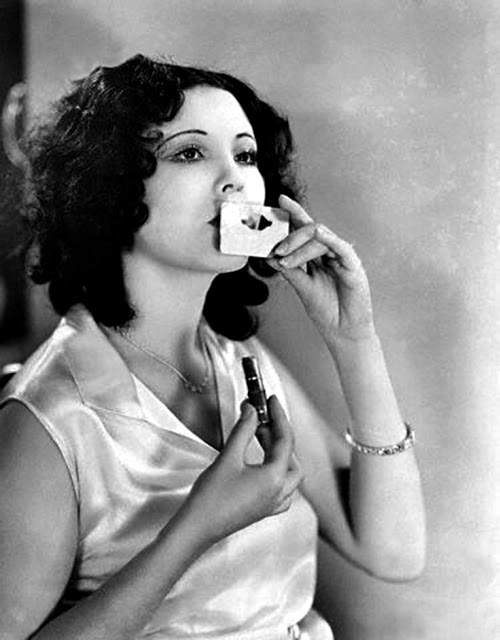
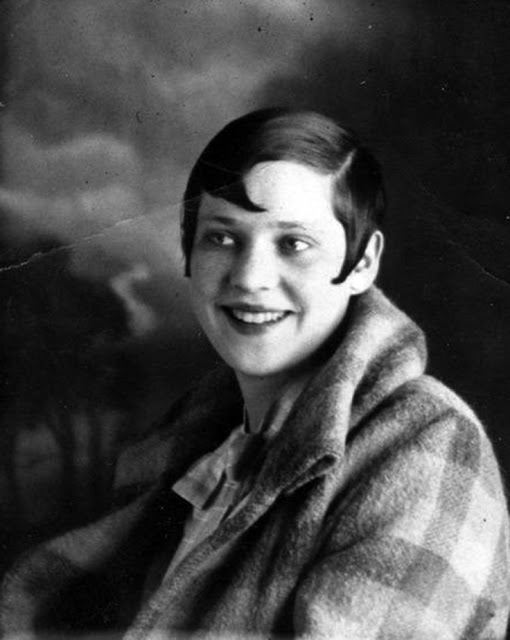
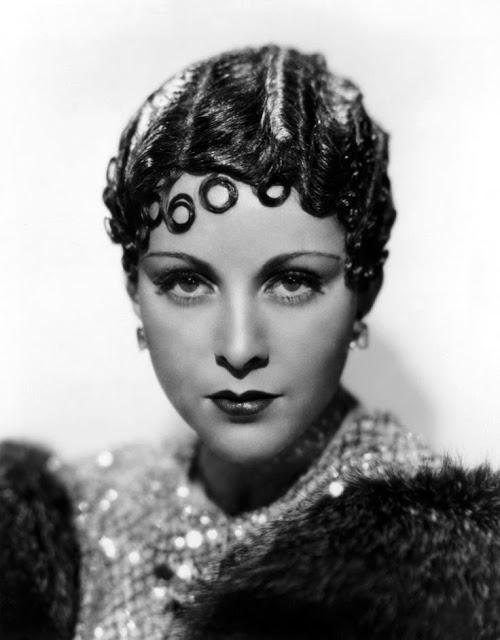
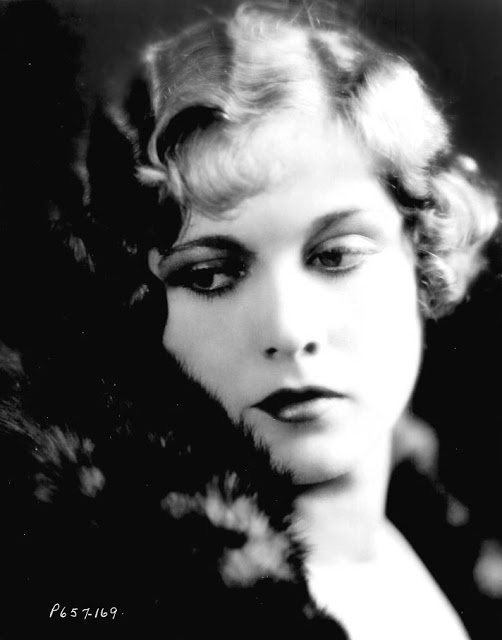
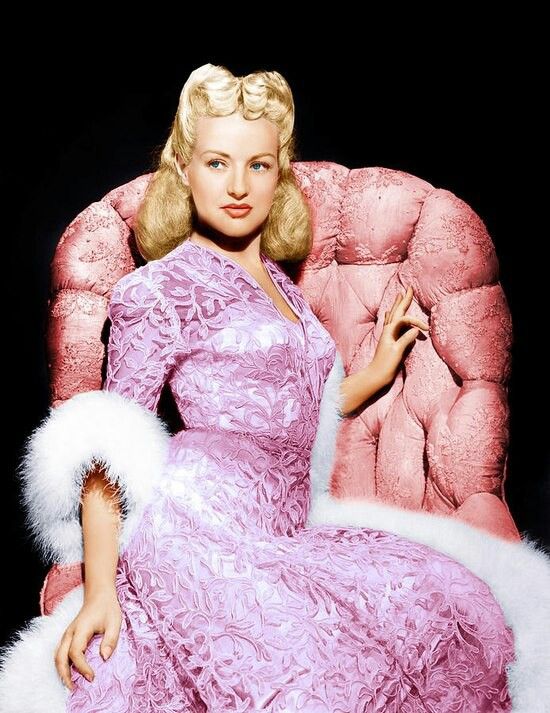
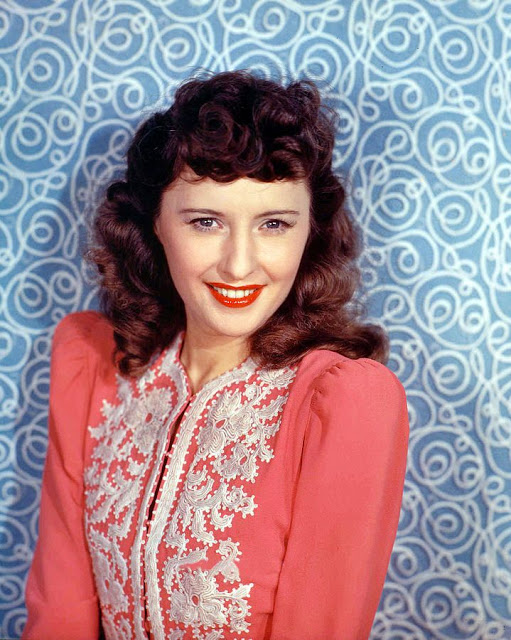
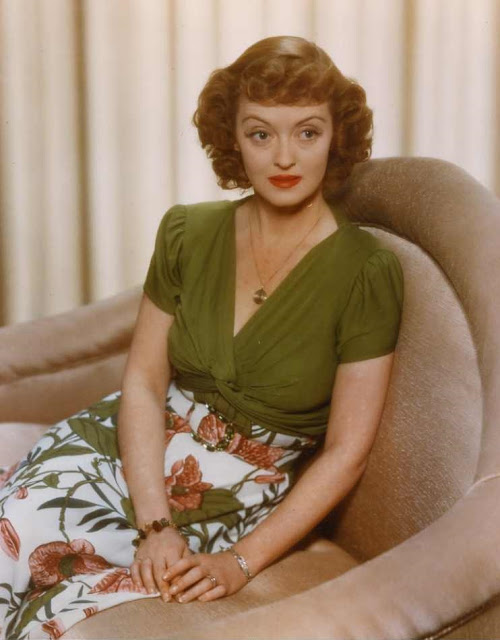
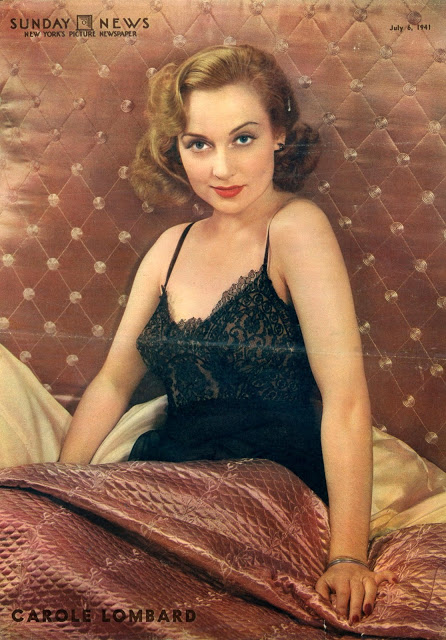
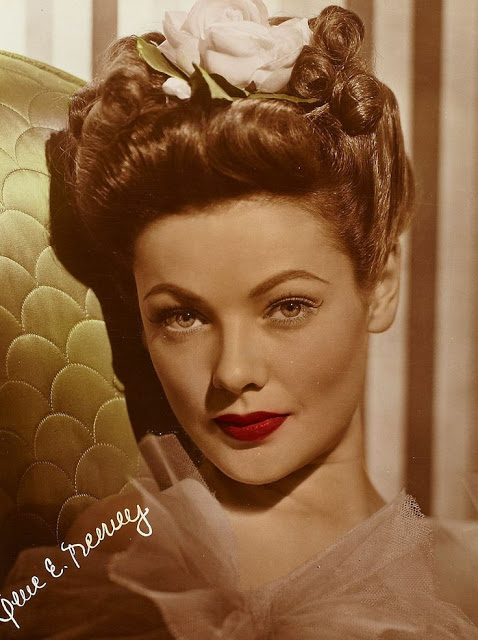
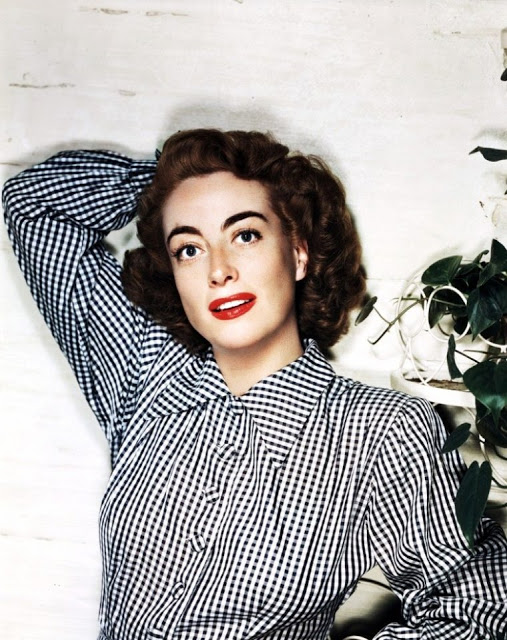
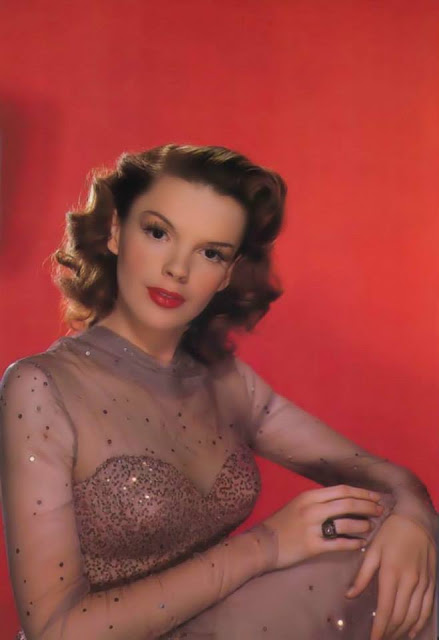
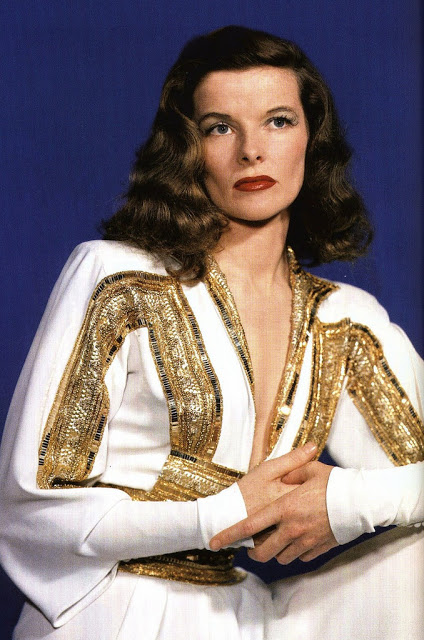
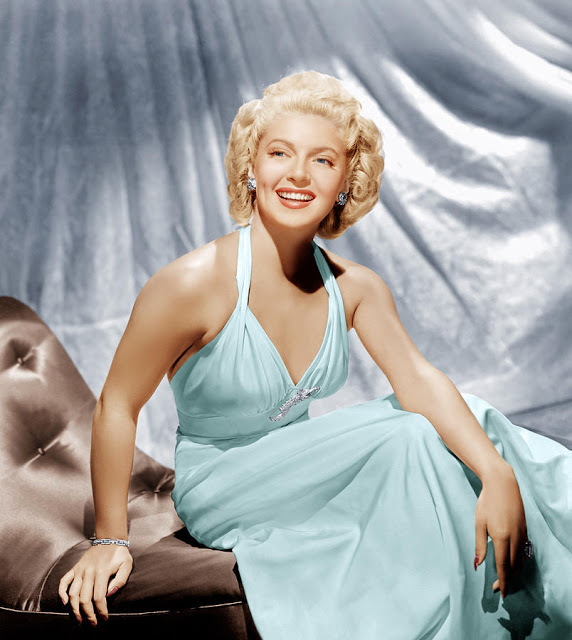
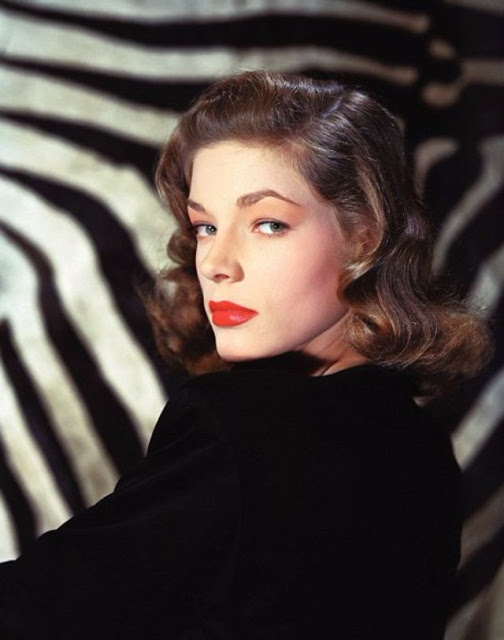
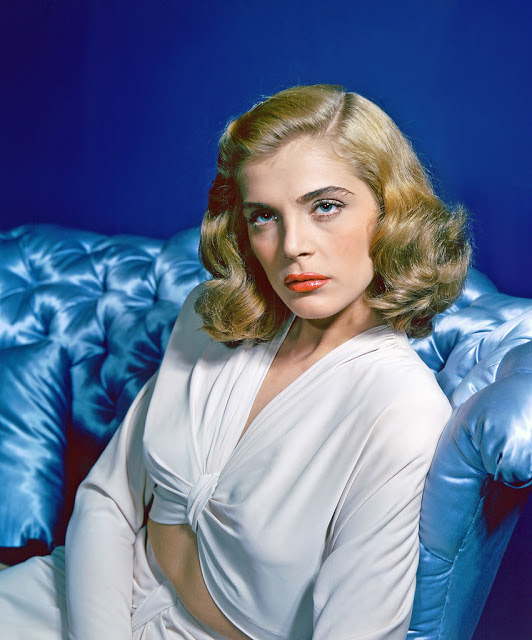
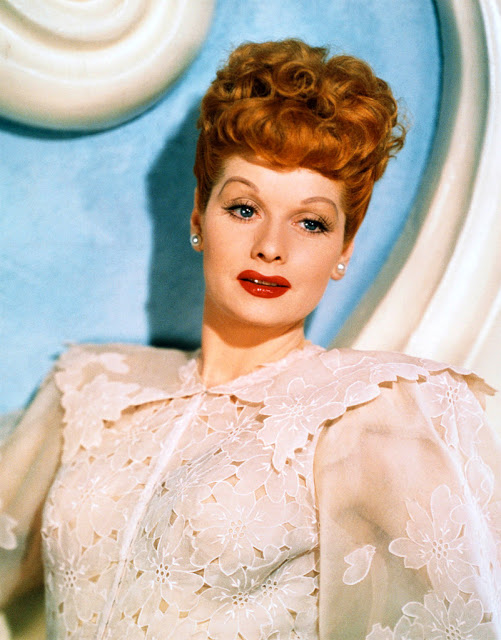
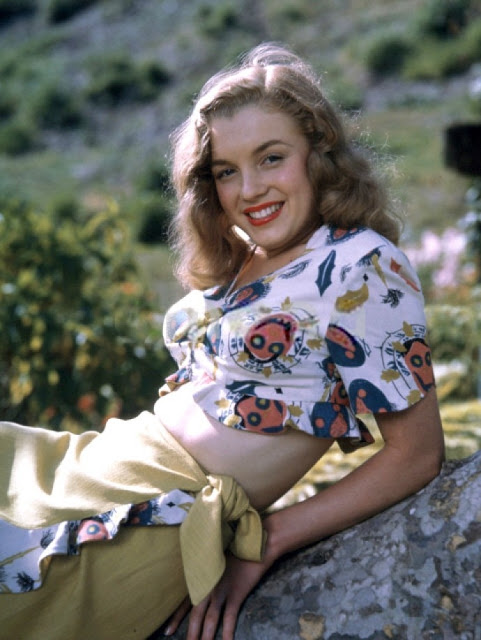
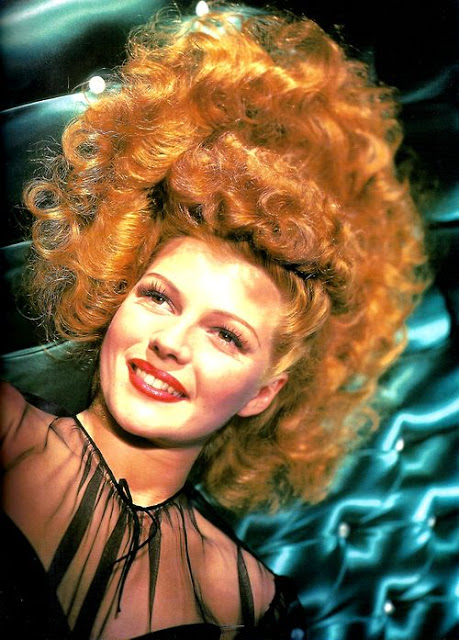
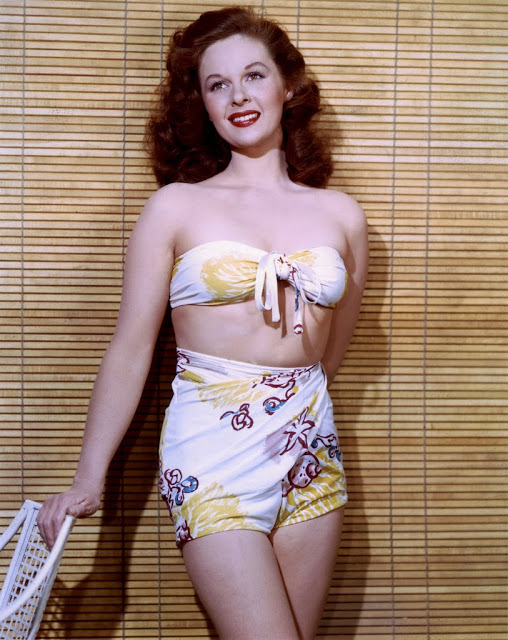
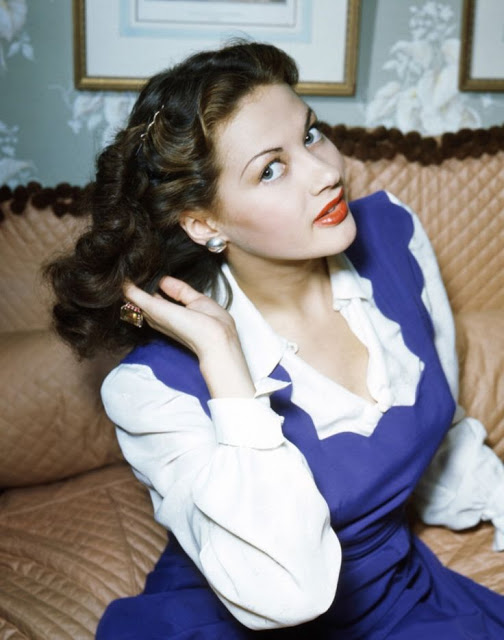
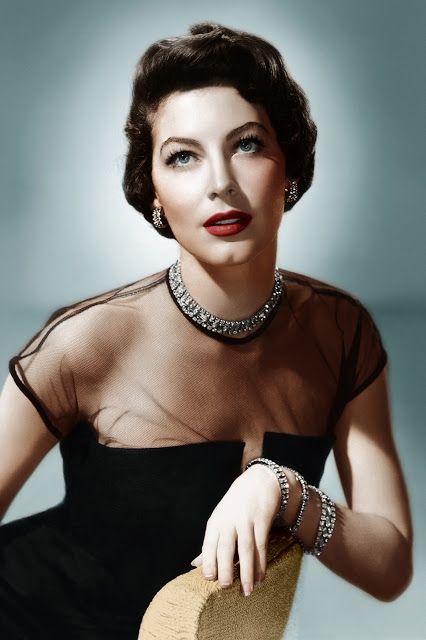
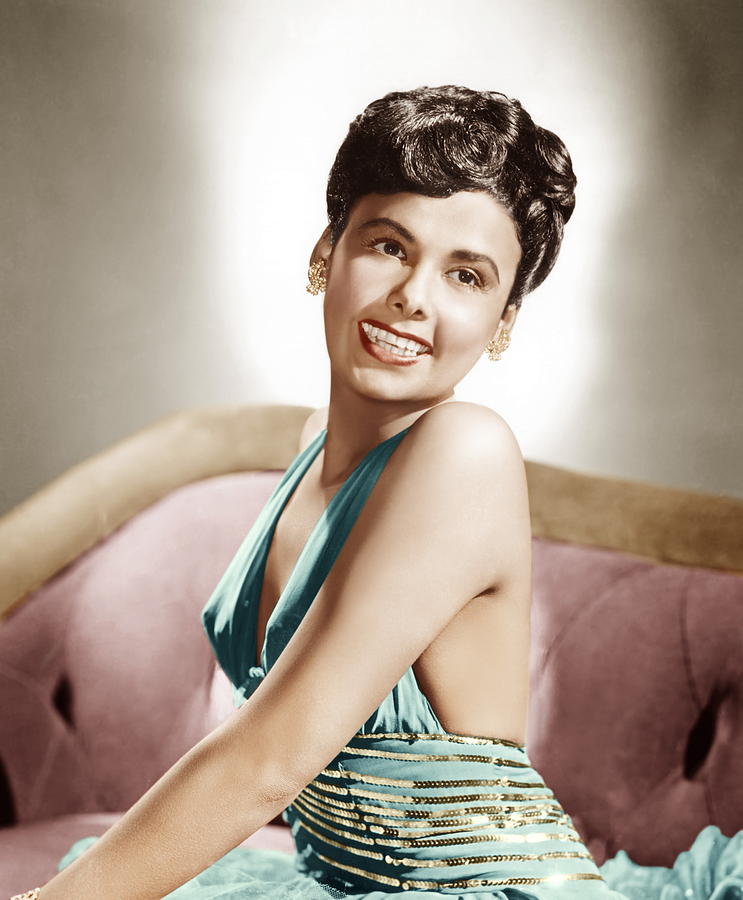
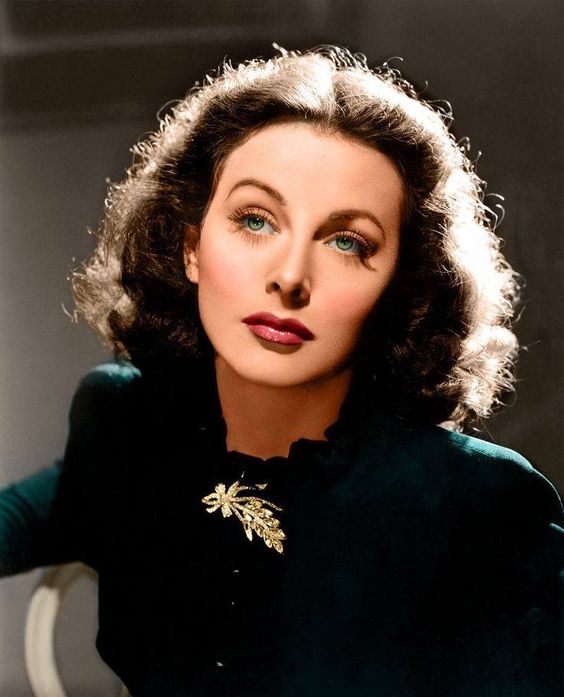
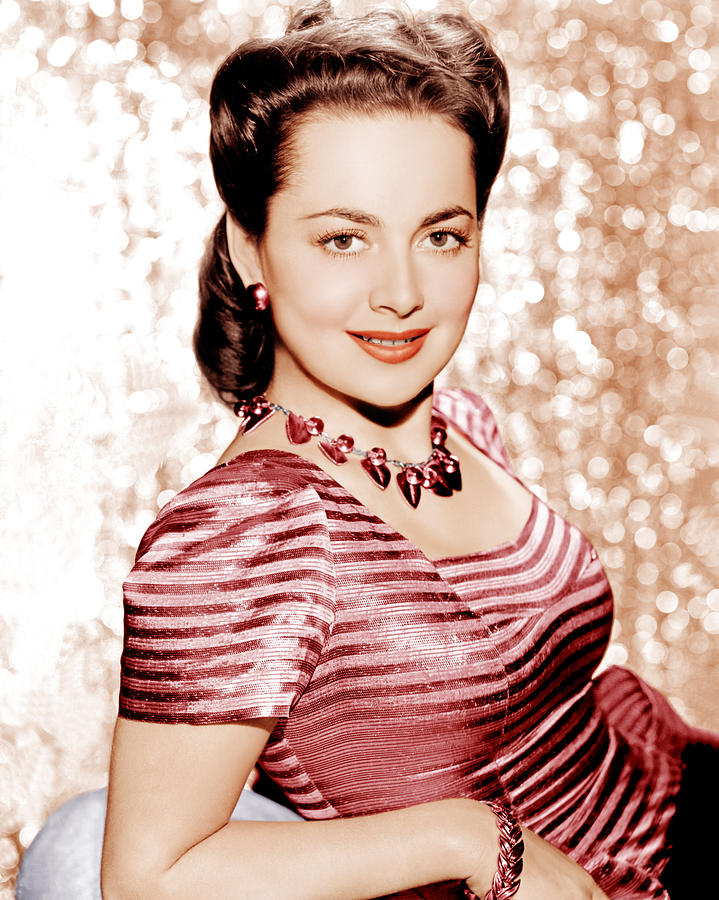
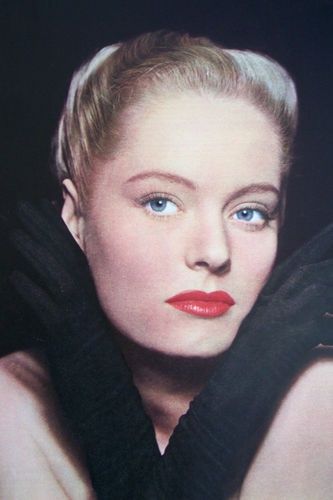
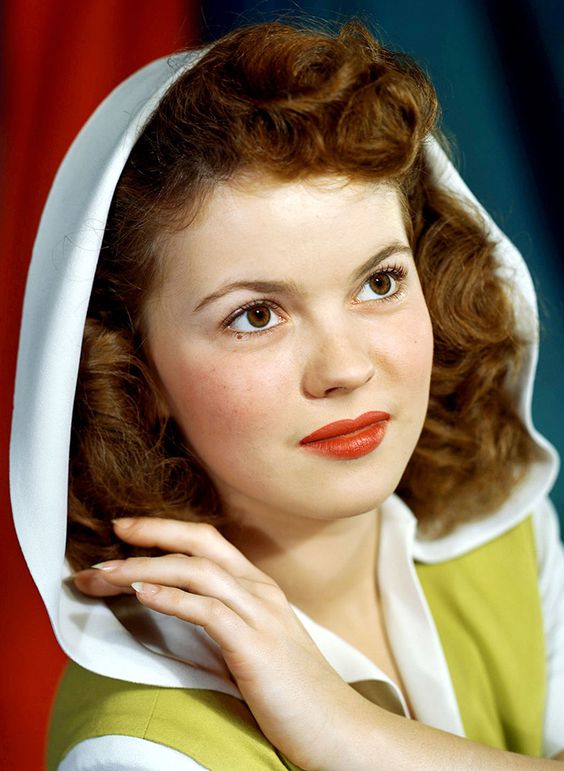
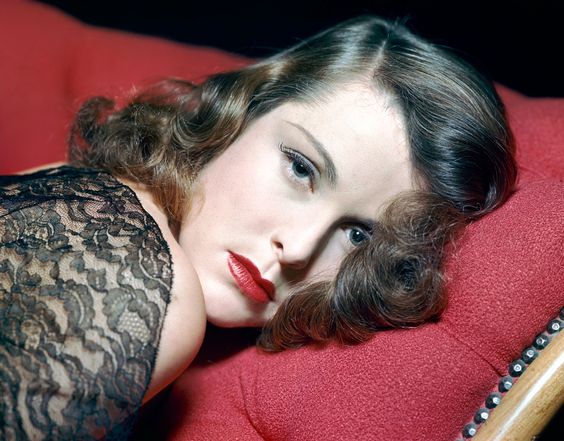
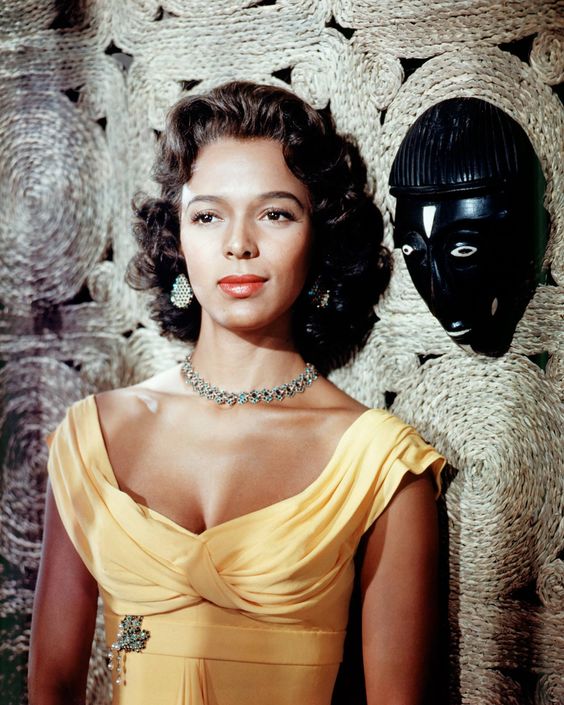
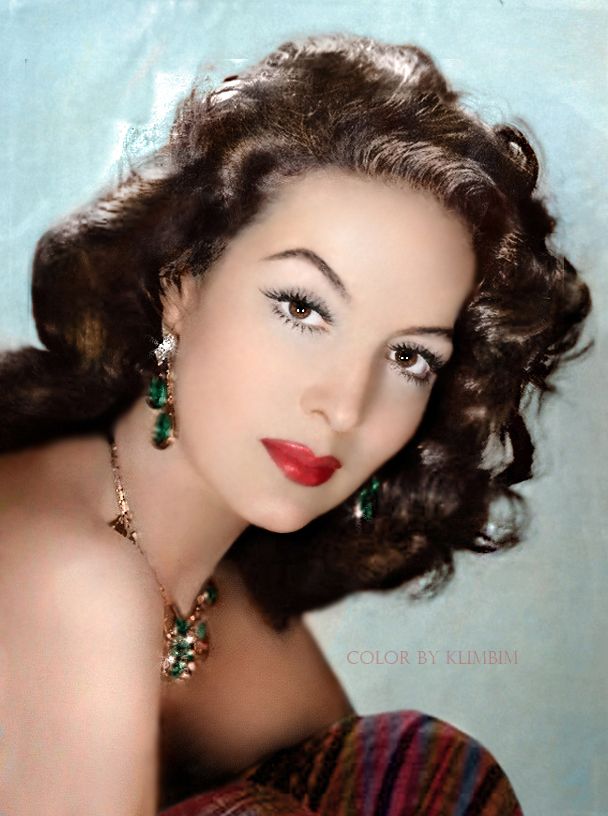
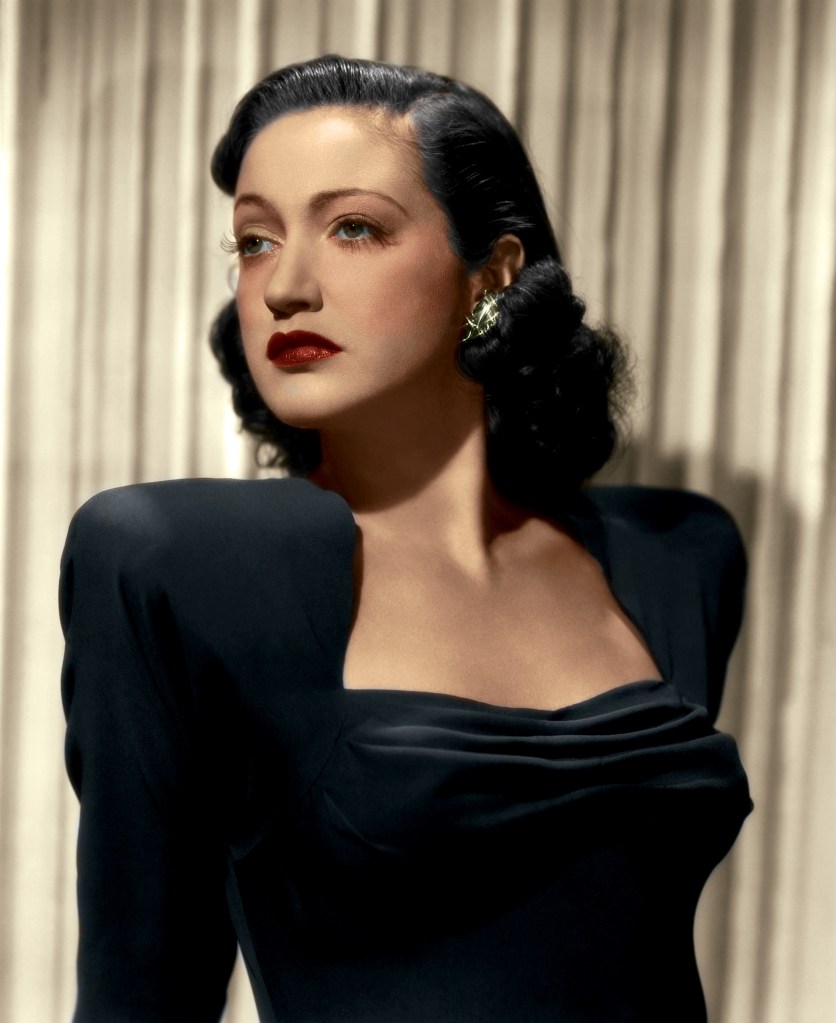
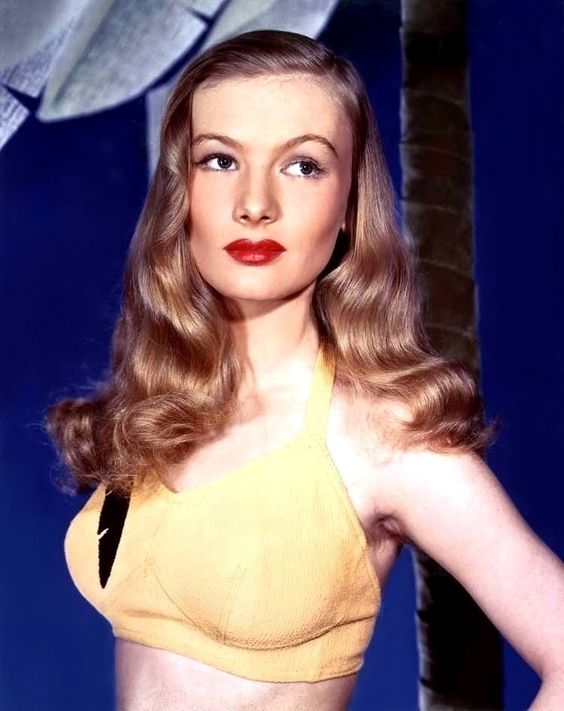
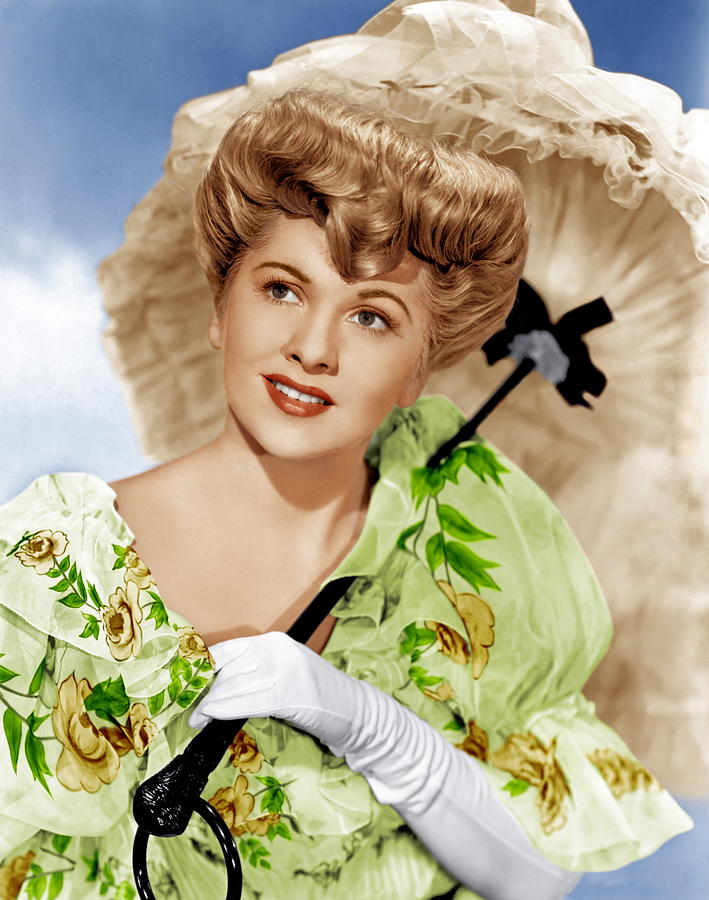
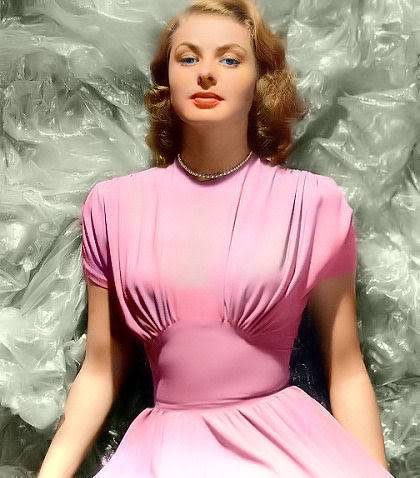
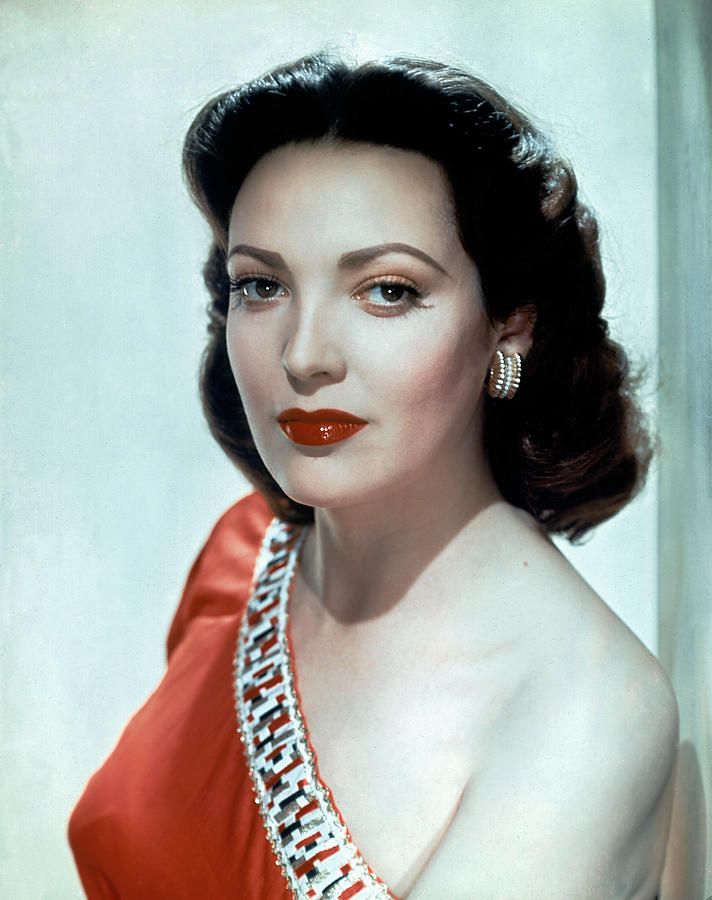
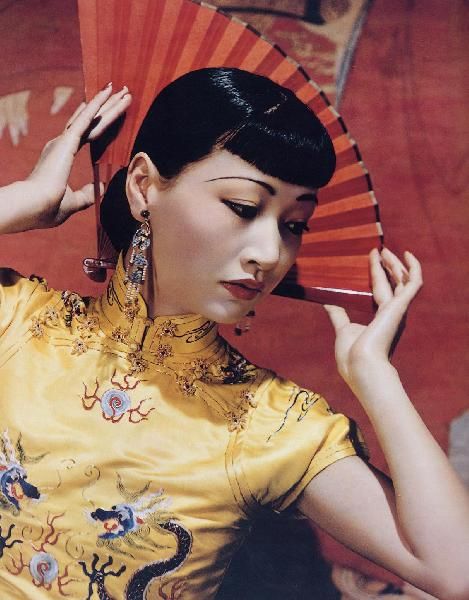
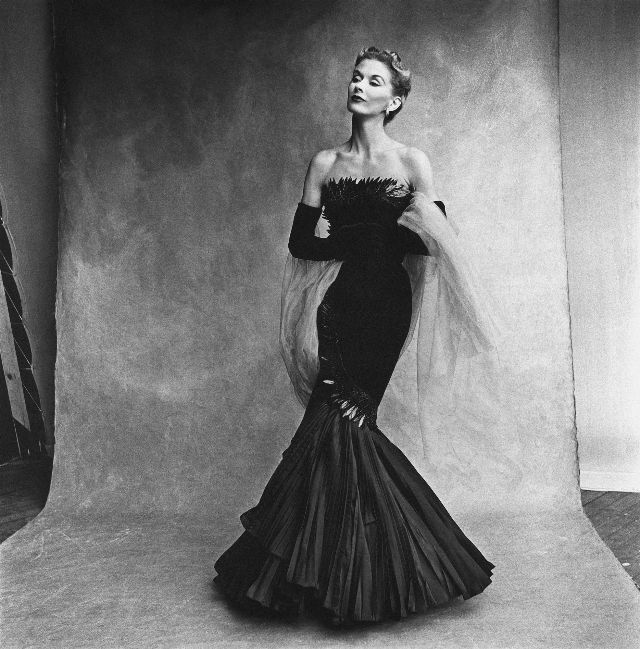
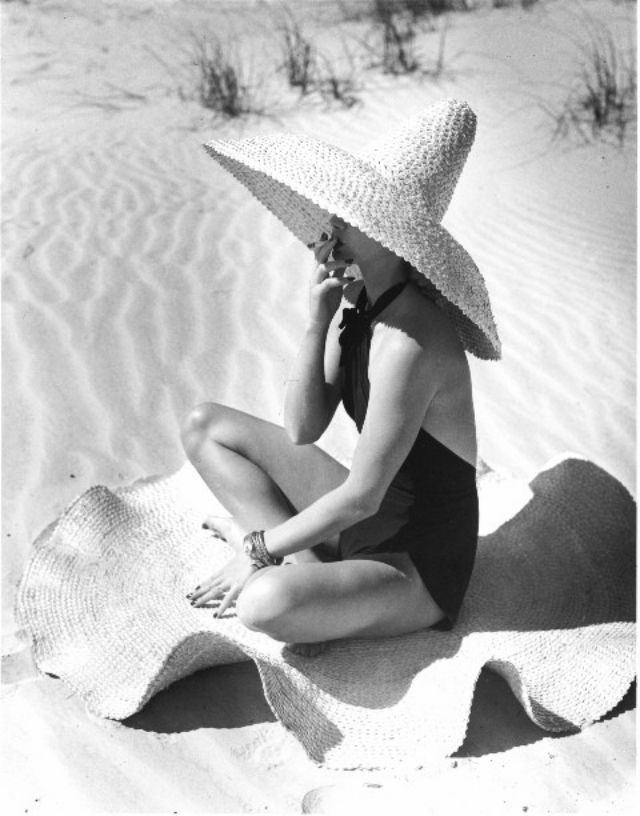
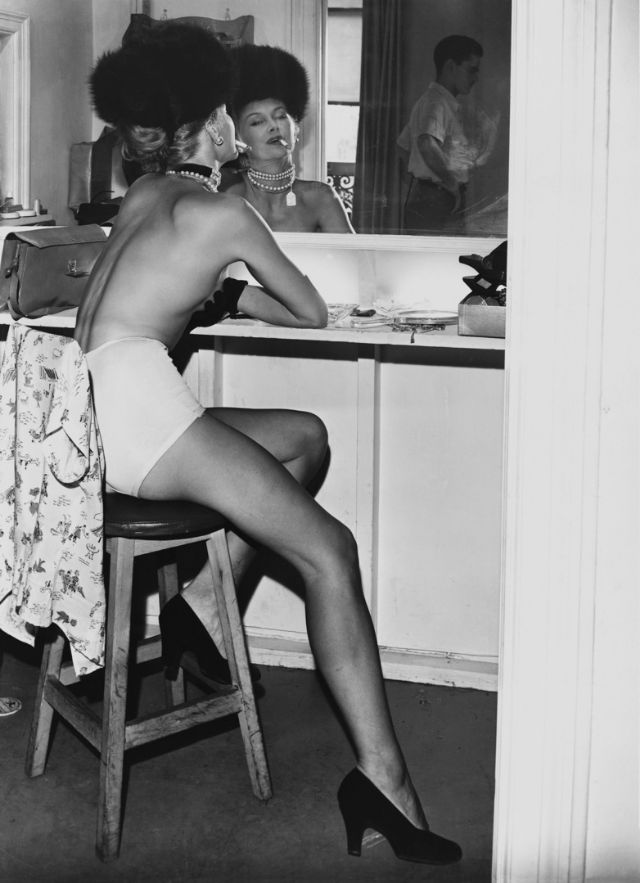
Four beautiful examples of the 1920s Hair and Make-up most fashionable styles.Agnes AyresPola Negri in the mid-1920s styling a Cocunut Cut. This haircut was a must have for women who preferred the fringe, despite the unflattering name.Beautiful portrait of Louise Brooks showing her iconic Bob Cut, 1920s.African-American beauty styling Marcel Waves, 1920s.Actress Irene Delroy showing dramatic eyebrows. 1928-Vienna, Austria – Josephine Baker getting ready in her dressing room. She is depicted putting on makeup looking into a mirror. Silent film actress Raquel Torres using a lip stencil.American actress Mary Brian, c.1925.Bebe Daniels, 1920s.Jobyna Ralston, 1920s.Natacha Rambova, fashion and movie set designer. Cootie Garage hairstyle with headwrap.Irene Castle by Edward Thayer Monroe.Louise Brooks, 1920s.Arlette Marchal, 1920s.Mary Astor, 1920s.Eton Crop hairstyle, 1920s.Finger waves, 1920s.Agnes Moorehead, 1920s.Esther Ralston, 1920s.
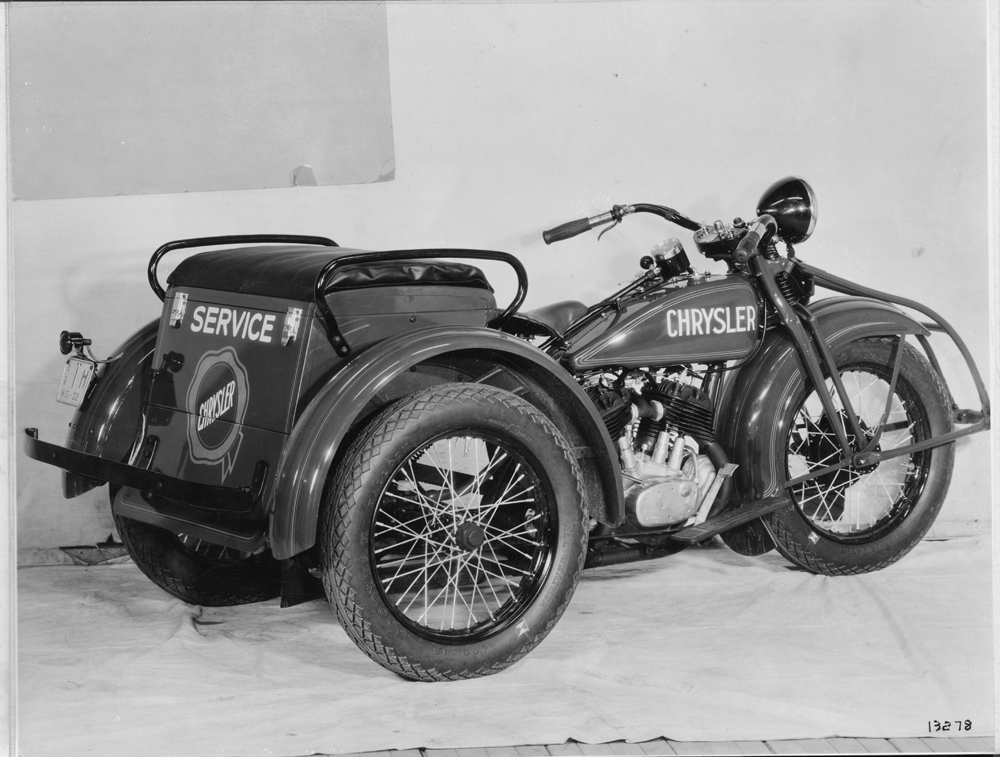
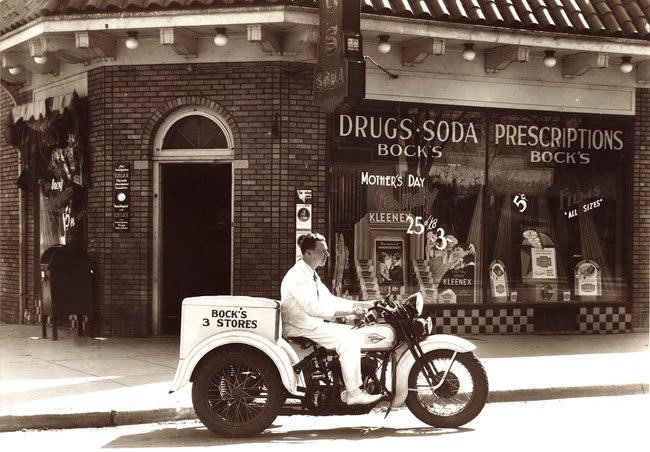
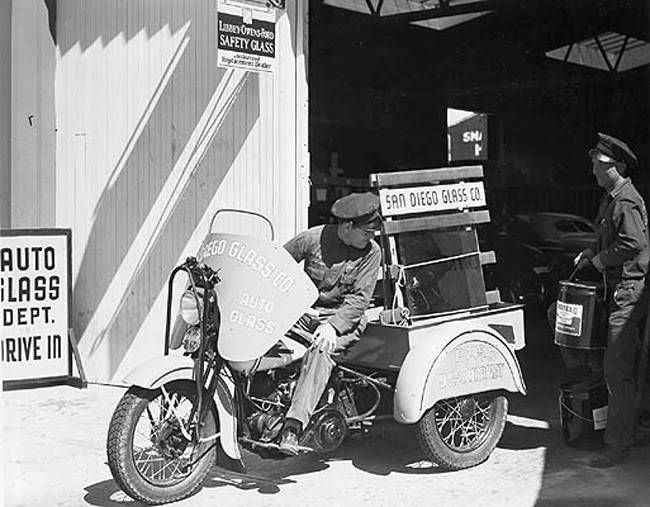
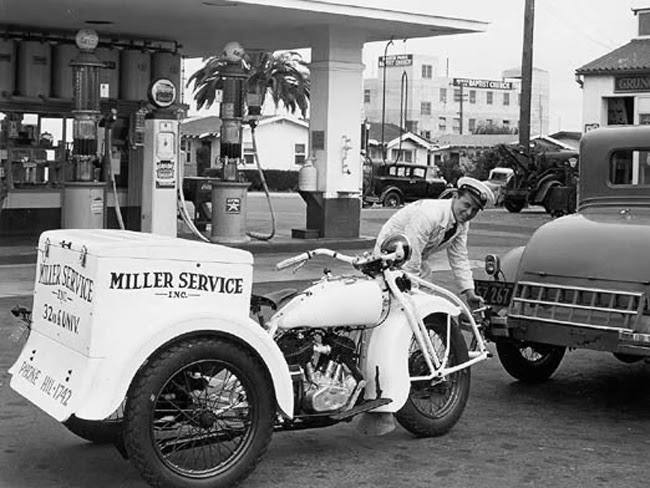
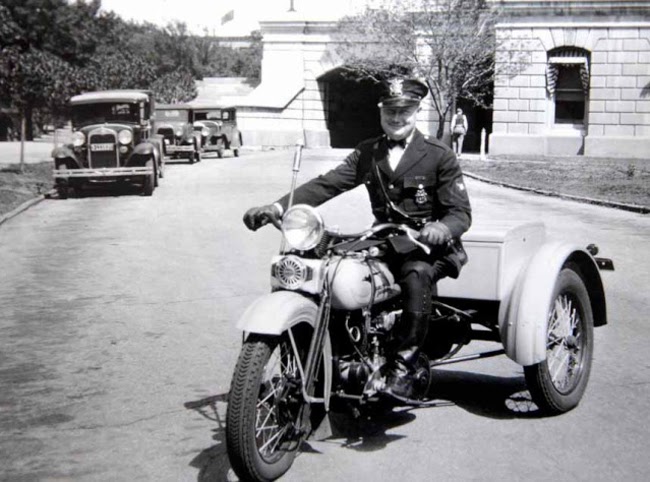
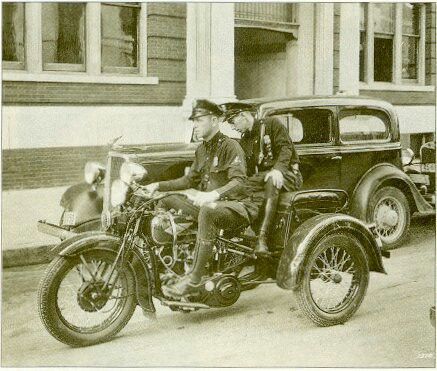
The three-wheeled Servi-Car was Harley-Davidson’s third motorcycle purposely designed for commercial use. Before it’s introduction in 1932, Harley had tried to enter the commercial market, first with the motorcycle truck and then with the package truck. Neither of these vehicles had the success that Harley was to have with the Servi-Car. It would become Harley’s longest continuous production motorcycle, being manufactured up until 1973. People usually associate the Servi-Car with the 45″ flathead which had powered the WLA during World War II, but this was not the only engine used to power the Servi-Car.
When the Servi-Car first rolled off the line in 1932, it was powered by the new R-series side-valve engine. The R-series was designed as a replacement for the unsuccessful D-series (also a 45″ side-valve V-twin) which had been built from 1929 until 1931. Visually the two engines can be easily distinguished by their generators, with the D-series having a vertically mounted unit and the R-series with the more familiar horizontal mounting. The real differences are inside the motor as the R-series had a number of improvements made to the flywheels, crankcases, barrels, pistons, conrods and oil pump.
Like many Harley’s, the Servi-Car borrowed heavily from other models, sharing many of the same parts with the two-wheeled motorcycles of it’s day. It used a tubular single down tube frame with a rear subframe to accommodate the rear axle and sheet metal rear box. The rear box was available in two sizes and could be specified to include an air tank. A hand-shifted three-speed transmission with reverse mated to the R-series motor made maneuvering the 630 lbs Servi-Car a breeze.
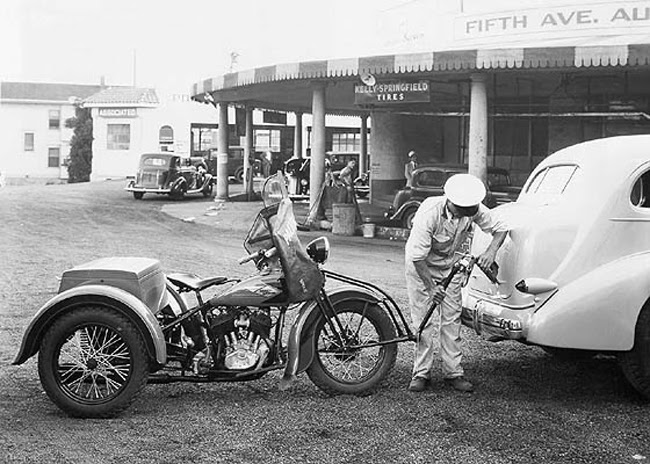
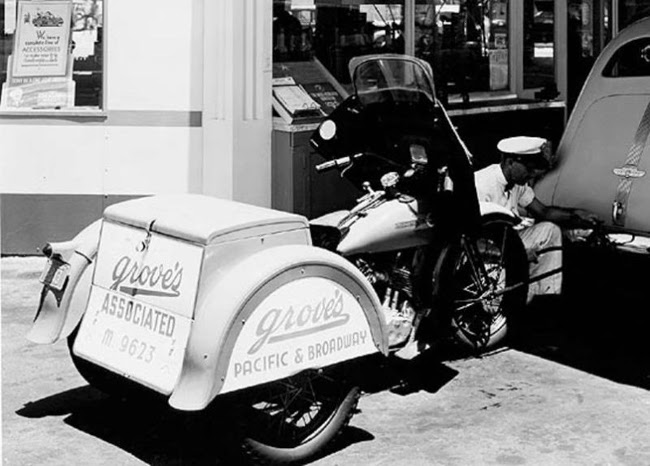
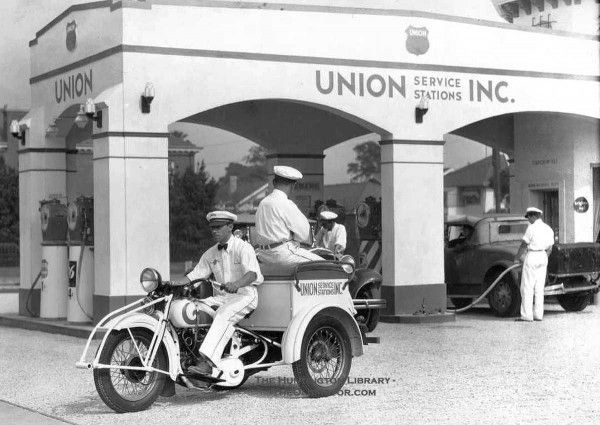
The Servi-Car was designed to be operated by someone without any previous experience on a motorcycle, hence it’s three wheel configuration. This also made it towable without the need for a trailer. Harley capitalized on this design advantage by including a front tow bar which could be attached to the rear bumper of an automobile without the need of a hitch. This option made Servi-Cars highly popular with service stations who used them as delivery vehicles. Back in the 1930s when you had your automobile serviced, the service station would deliver it to your home or work when it was completed. Having a Servi-Car in-tow allowed these deliveries to be made with just one driver who would simply unhook the Servi-Car and ride it back to the station once the customer’s automobile had been delivered.
The American Civil War (April 12, 1861 – May 9, 1865, also known by other names) was a civil war fought between the United States (the states remaining in the federal union — “the Union” or “the North”) and the Confederate States of America (southern states that voted to secede — “the Confederacy” or “the South”). The central cause of the war was the status of slavery, especially the expansion of slavery into territories acquired as a result of the Louisiana Purchase and the Mexican–American War. On the eve of the Civil War in 1860, four million of the 32 million Americans (nearly 13%) were enslaved black people, almost all in the South.
The practice of slavery in the United States was one of the key political issues of the 19th century; decades of political unrest over slavery led up to the war. Disunion came after Abraham Lincoln won the 1860 United States presidential election on an anti-slavery expansion platform. An initial seven Southern slave states declared their secession from the country to form the Confederacy. After Confederate forces seized numerous federal forts within territory they claimed, the attempted Crittenden Compromise failed and both sides prepared for war. Fighting broke out in April 1861 when the Confederate army began the Battle of Fort Sumter in South Carolina, just over a month after the first inauguration of Abraham Lincoln. The Confederacy grew to control at least a majority of territory in eleven states (out of the 34 U.S. states in February 1861), and asserted claims to two more. The states that remained loyal to the federal government were known as the Union. Large volunteer and conscription armies were raised; four years of intense combat, mostly in the South, ensued.
During 1861–1862 in the war’s Western Theater, the Union made significant permanent gains, though in the war’s Eastern Theater, the conflict was inconclusive. In September 1862, Lincoln issued the Emancipation Proclamation, which made ending slavery a war goal. To the west, the Union destroyed the Confederate river navy by summer 1862, then much of its western armies, and seized New Orleans. The successful 1863 Union siege of Vicksburg split the Confederacy in two at the Mississippi River. In 1863, Confederate General Robert E. Lee’s incursion north ended at the Battle of Gettysburg. Western successes led to General Ulysses S. Grant’s command of all Union armies in 1864. Inflicting an ever-tightening naval blockade of Confederate ports, the Union marshaled resources and manpower to attack the Confederacy from all directions, leading to the fall of Atlanta in 1864 to Union General William Tecumseh Sherman and his march to the sea. The last significant battles raged around the ten-month Siege of Petersburg, gateway to the Confederate capitol of Richmond.
The war effectively ended on April 9, 1865, when Confederate General Lee surrendered to Union General Grant at the Battle of Appomattox Court House, after abandoning Petersburg and Richmond. Confederate generals throughout the Southern states followed suit, the last surrender on land occurring on June 23. By the end of the war, much of the South’s infrastructure was destroyed, especially its railroads. The Confederacy collapsed, slavery was abolished, and four million enslaved black people were freed. The war-torn nation then entered the Reconstruction era in a partially successful attempt to rebuild the country and grant civil rights to freed slaves.
The Civil War is one of the most studied and written about episodes in the history of the United States, and remains the subject of cultural and historiographical debate. Of particular interest is the persisting myth of the Lost Cause of the Confederacy. The American Civil War was among the earliest to employ industrial warfare. Railroads, the telegraph, steamships, the ironclad warship, and mass-produced weapons were employed extensively. In total the war left between 620,000 and 750,000 soldiers dead,[15] along with an undetermined number of civilian casualties. President Lincoln was assassinated just five days after Lee’s surrender. The Civil War remains the deadliest military conflict in American history, and accounted for more American military deaths than all other wars combined until the Vietnam War. The mobilization of civilian factories, mines, shipyards, banks, transportation, and food supplies all foreshadowed the impact of industrialization in World War I, World War II, and subsequent conflicts. (Wikipedia)
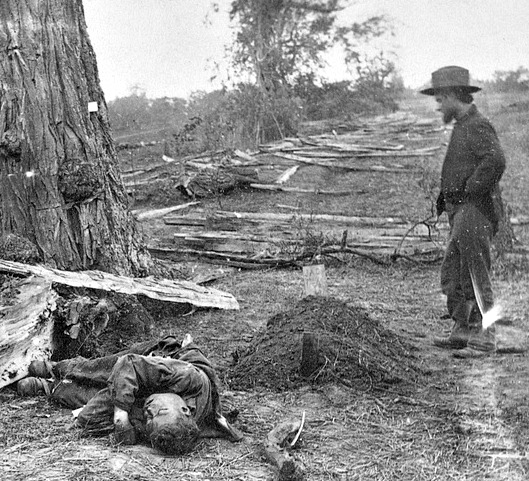
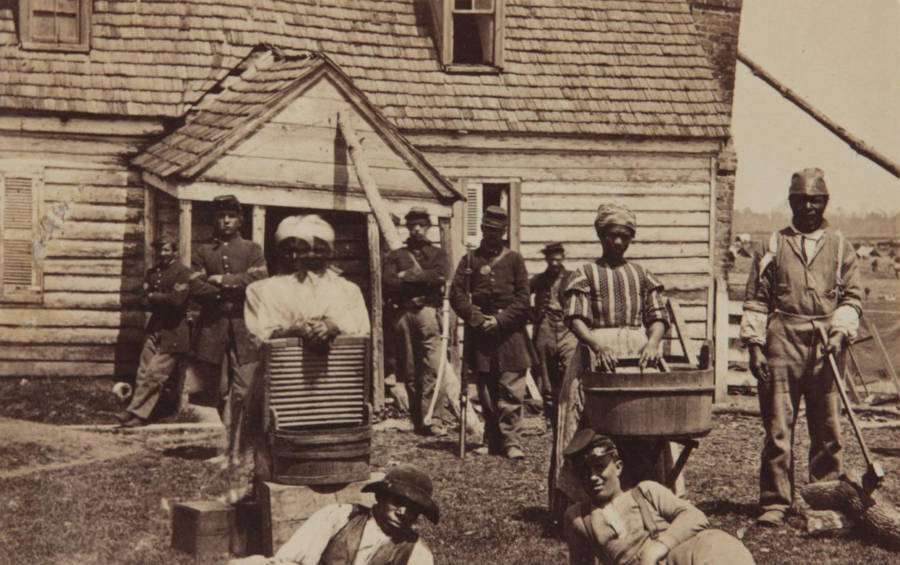
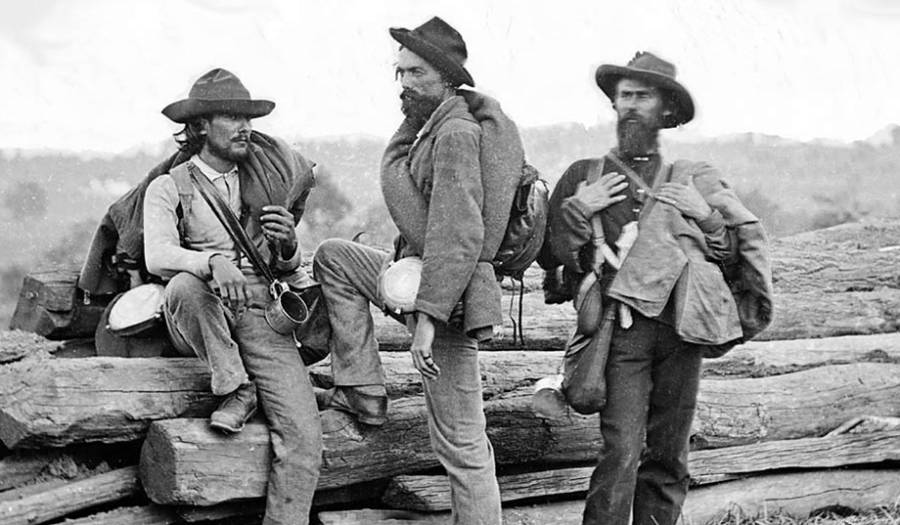
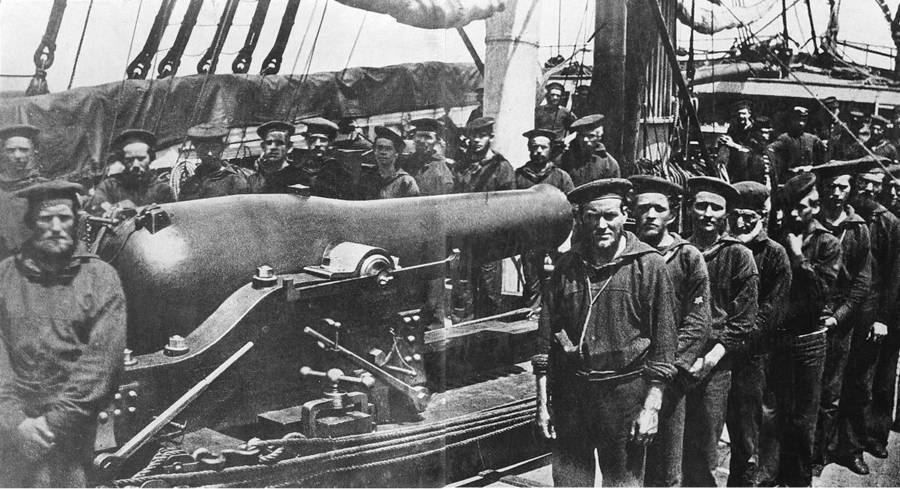
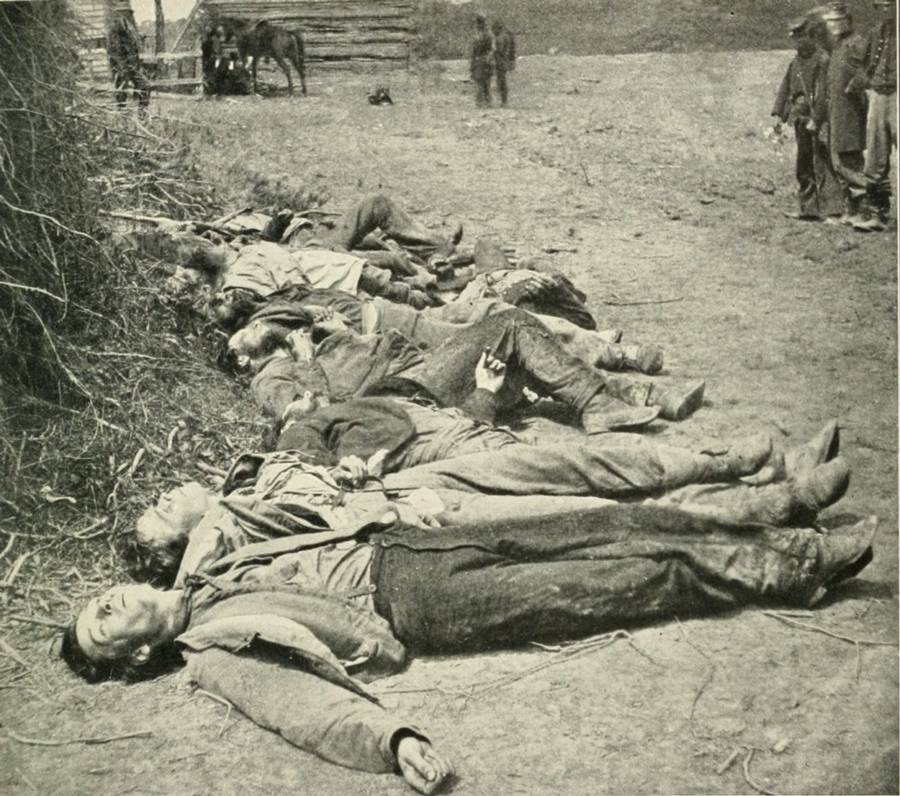
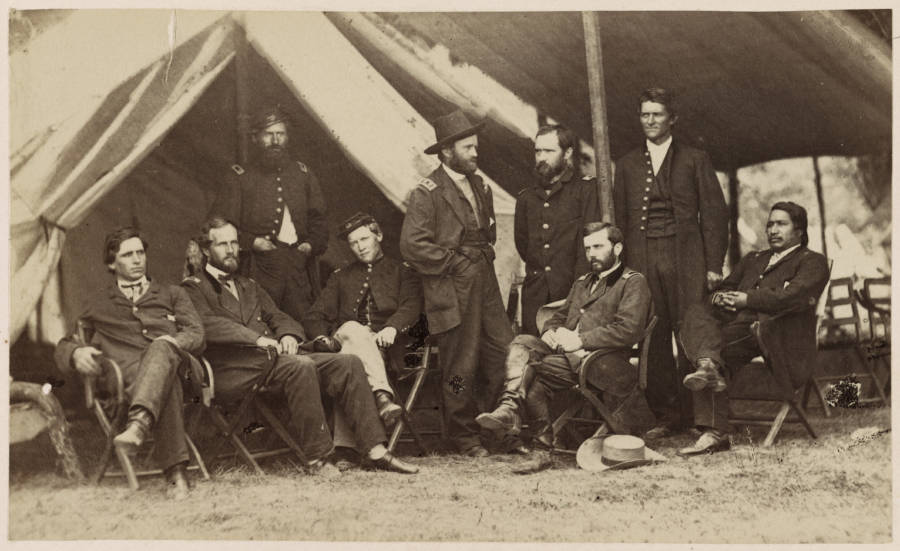
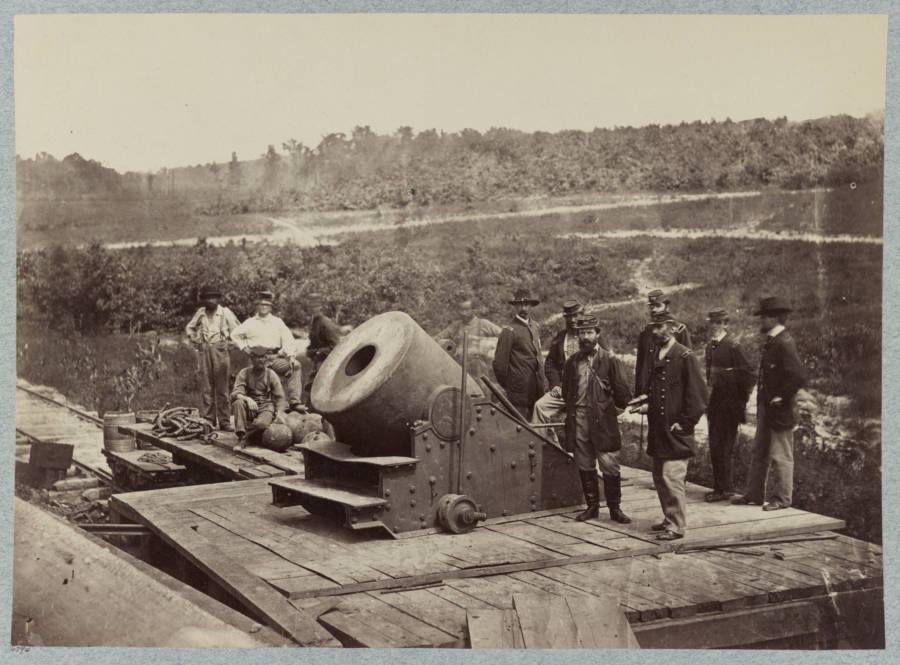
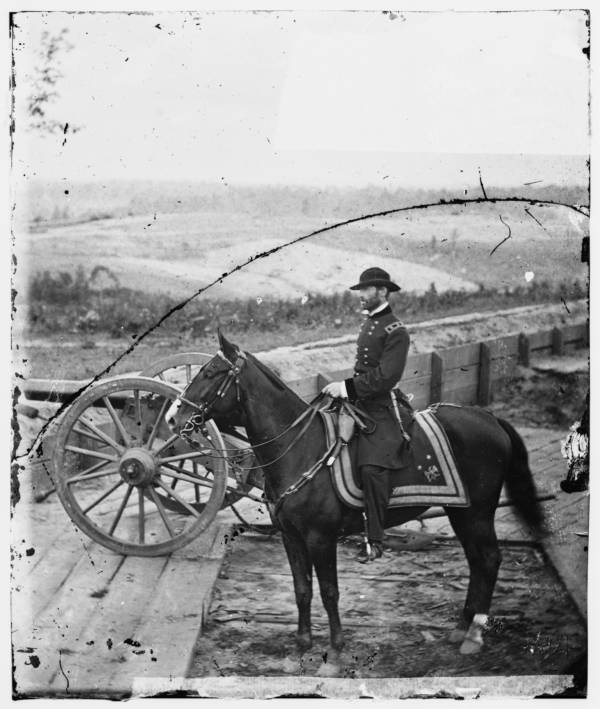
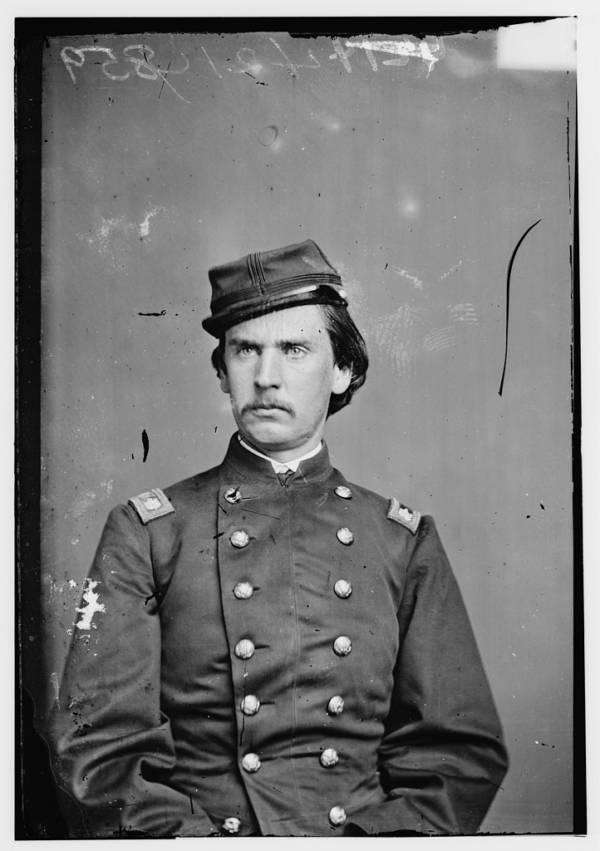
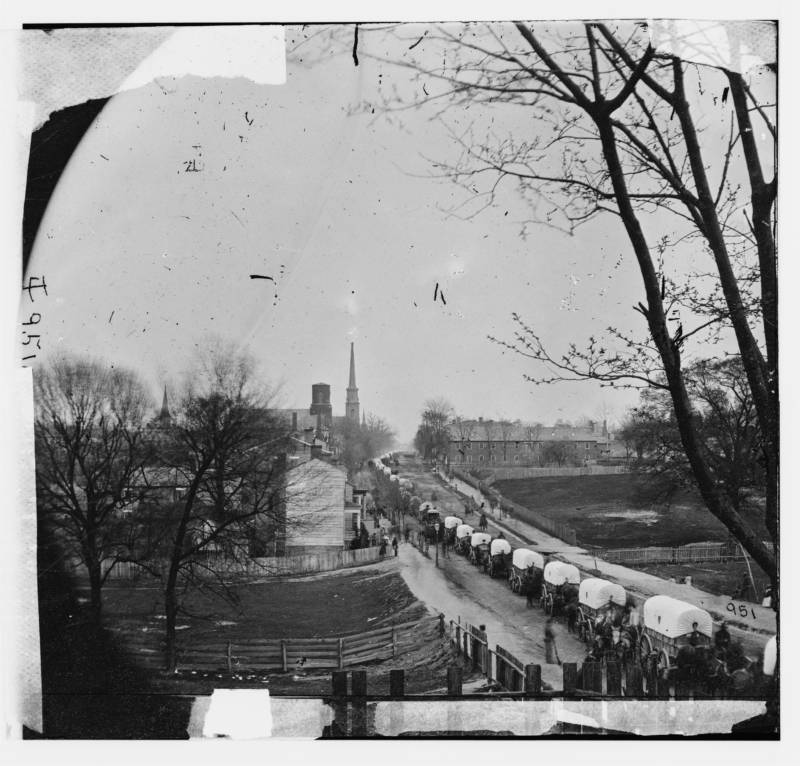
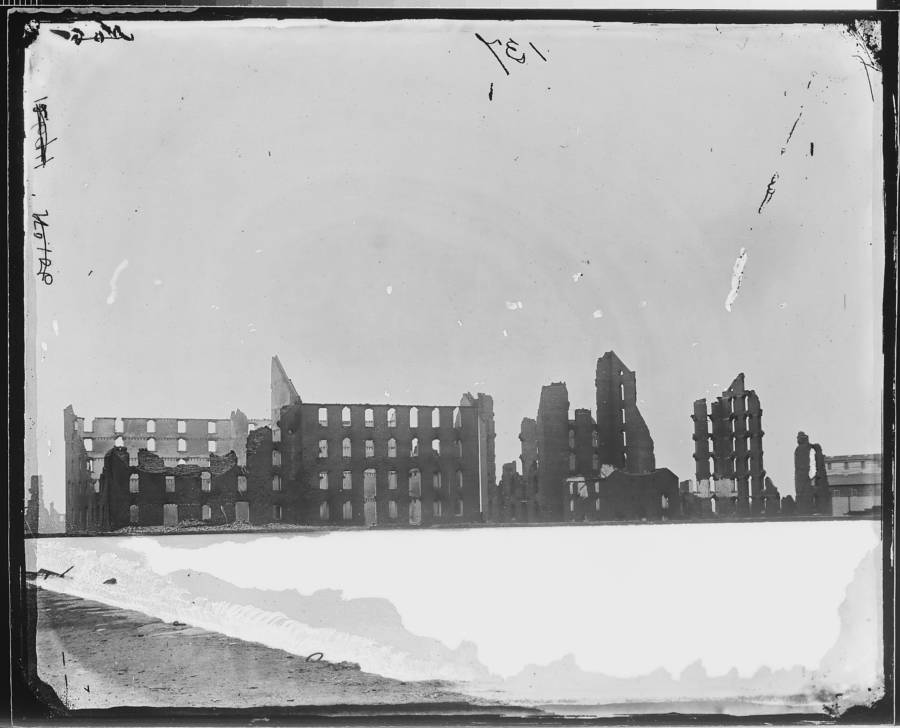
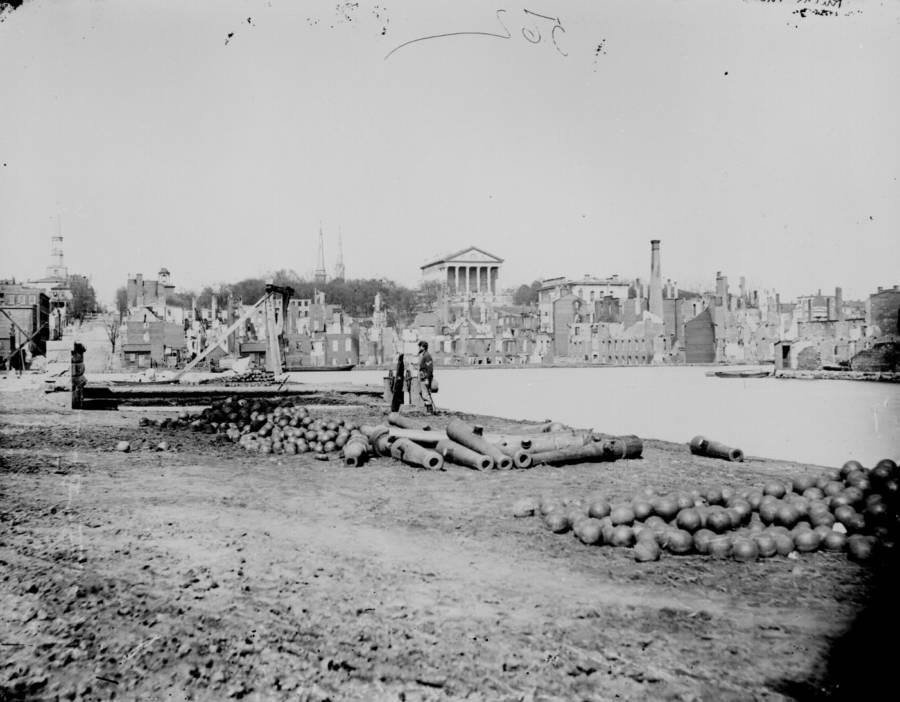
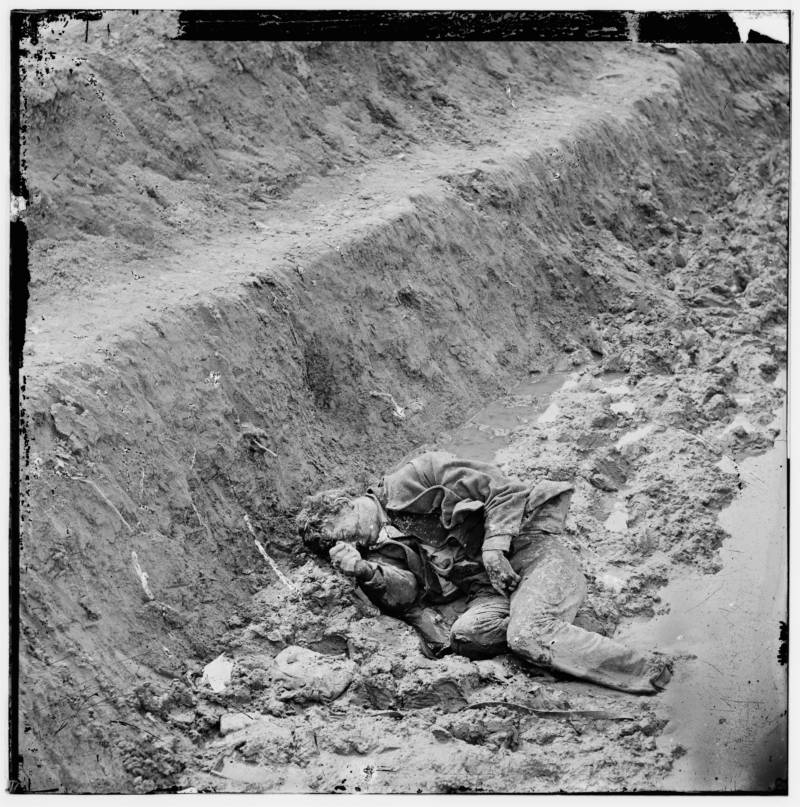
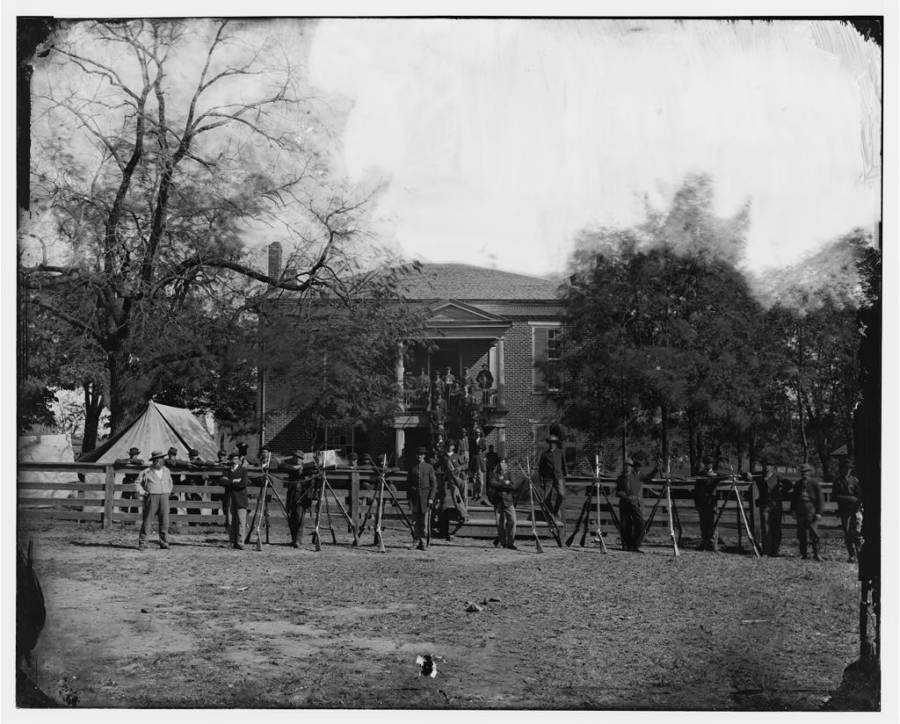
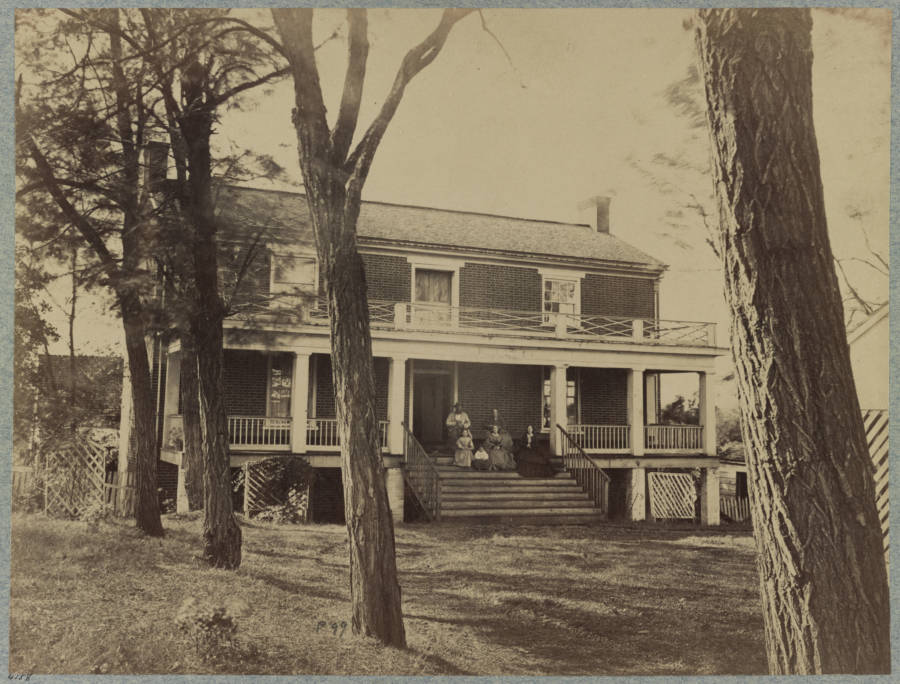
Teenaged soldiers — both black and white — of the Union Army.General Lafayette’s Headquarters, 1862Bodies on the battlefield at Antietam, Maryland in September 1862.Lincoln stands on the battlefield at Antietam, Maryland with Allan Pinkerton (the famed military intelligence operative who essentially invented the Secret Service, left) and Major General John A. McClernand (right) on October 3, 1862.The USS Cairo on the Mississippi River in 1862.Artillery at Yorktown, Virginia, 1862.Entrenched along the west bank of the Rappahannock River at Fredericksburg, Virginia, these Union soldiers were about to take part in the pivotal Battle of Chancellorsville, beginning on April 30, 1863.Confederate President Jefferson Davis.U.S. President Abraham Lincoln.The CSS Atlanta on the James River after Union forces had captured the ironclad Confederate ship in June 1863.African-Americans collect the bones of soldiers killed in battle at Cold Harbor, Virginia, June 1864.Partially titled “A harvest of death,” this photo depicts just a few of the fallen soldiers at Gettysburg, Pennsylvania following the historic battle there in July 1863.Three Confederate soldiers who were captured at Gettysburg, summer 1863.Abraham Lincoln (indicated by red arrow) arrives at the dedication of the Soldiers’ National Cemetery in Gettysburg, Pennsylvania on November 19, 1863, not long before delivering his Gettysburg Address.Crewmembers of the USS Wissahickon standing by the ship’s gun, 1863.Union General Phil Sheridan. Sheridan gave the photographer the hat he is wearing here, but workmen would later steal it from a trunk in the photography studio’s cellar.Confederate dead at the Battle of Spotsylvania in Virginia, May 1864.On June 18, 1864, a cannon shot took both arms of Alfred Stratton. He was just 19 years old. Overall, one in 13 Civil War soldiers became amputees.Union soldiers from Company D, U.S. Engineer Battalion, pose during the siege in August 1864 in Petersburg, Virginia.U.S. General Ulysses S. Grant in City Point, Virginia, August 1964.Union soldier Francis E. Brownell, wearing a Zouave uniform, with a bayoneted musket. The Medal of Honor recipient has a black crape tied to his left arm in mourning for Col. E. E. Ellsworth.U.S. General Ulysses S. Grant (center) and his staff pose in the summer of 1864 in City Point, Virginia.Union officers and enlisted men stand around a 13-inch mortar, the “Dictator,” on the platform of a flatbed railroad car in October, 1864 near Petersburg, Virginia.Union General William T. Sherman sits on a horse at Federal Fort No. 7 September-November, 1864 in Atlanta, Georgia.The Ponder House stands shell-damaged in Atlanta, Georgia, September-November 1864.African-American Union troops at Dutch Gap, Virginia in November 1864.Union soldiers sit by the guns of a captured fort in 1864 in Atlanta, Georgia.Union Colonel E. Olcott.Soldiers sit in trenches near Petersburg, Virginia, 1864.A Union wagon train enters Petersburg, Virginia in April, 1865.The ruins of the Confederate capital of Richmond, Virginia in April 1865.The ruins of Haxalls (or Gallego) Mills in Richmond, Virginia, April 1865.Ruins stand in front of the Confederate Capitol, circa 1865 in Richmond, Virginia.Confederate Major Gihl.The body of a dead Confederate soldier lies in a trench at Fort Mahone on April 3, 1865 in Petersburg, Virginia.The ruins of the State Arsenal and Richmond-Petersburg Railroad Bridge are seen in 1865 in Richmond, Virginia.Soldiers wait outside the court house in Appomattox, Virginia as the higher-ups work out the official terms of surrender in April 1865.Two Union soldiers in Union captain’s uniform and lieutenant’s uniform, holding foot officers’ swords, wearing frock coats, over-the-shoulder belt for sword attachment, and red sashes.Taken sometime in 1884 or 1885, Jefferson Davis’s family is pictured here in Beauvoir, Mississippi.Wilmer McLean and his family sit on the porch of his house, where Confederate General Robert E. Lee signed the terms of surrender to Union General Ulysses S. Grant on April 9, 1865 in Appomattox Court House, Virginia.The funeral procession for U.S. President Abraham Lincoln slowly moves down Pennsylvania Avenue in Washington, D.C. on April 19, 1865, five days after he was shot by Confederate sympathizer John Wilkes Booth and ten days after the Confederate surrender at Appomattox Court House, Virginia effectively ended the war.Body of young Confederate and grave of Michigan soldier at Antietam, 1862
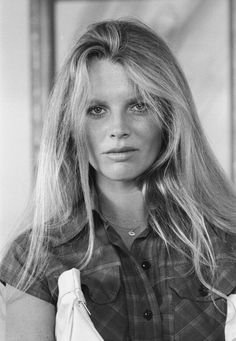
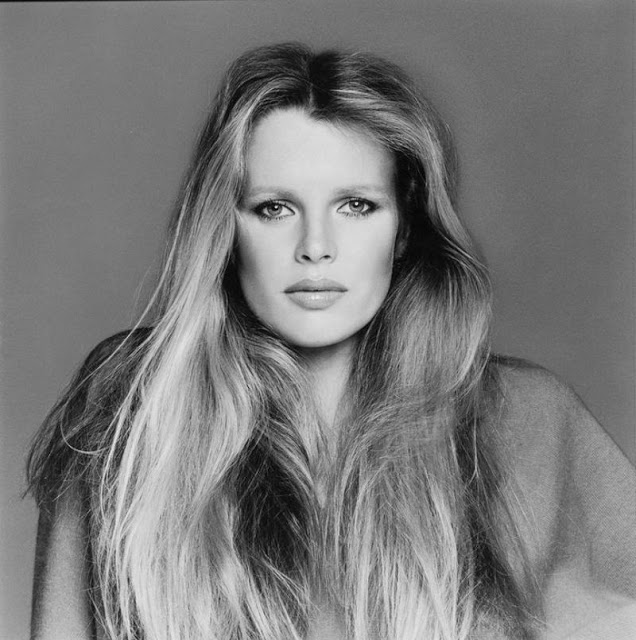
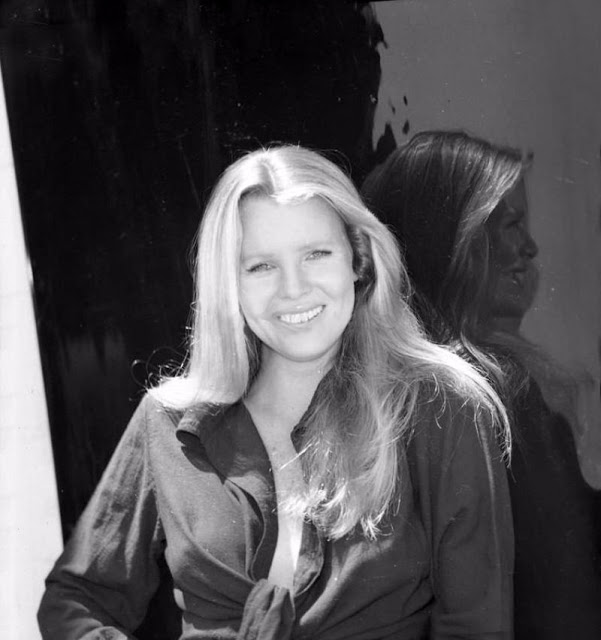
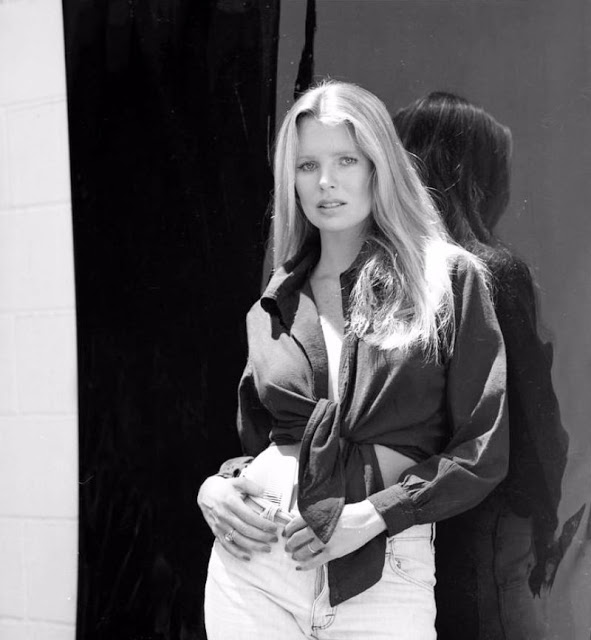
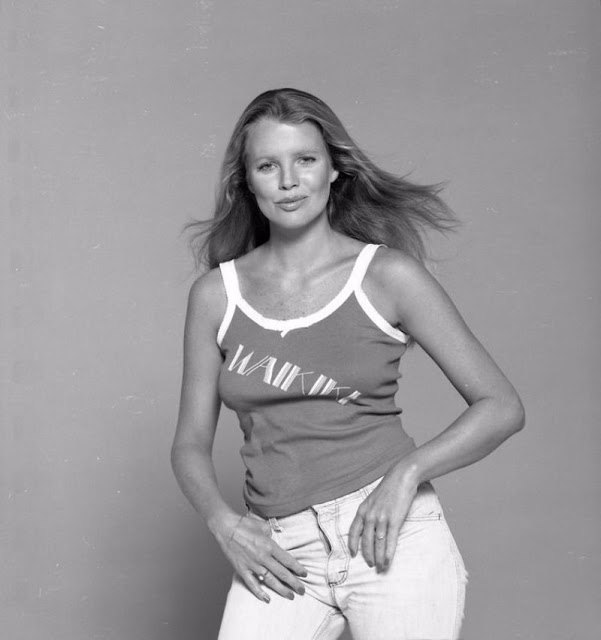
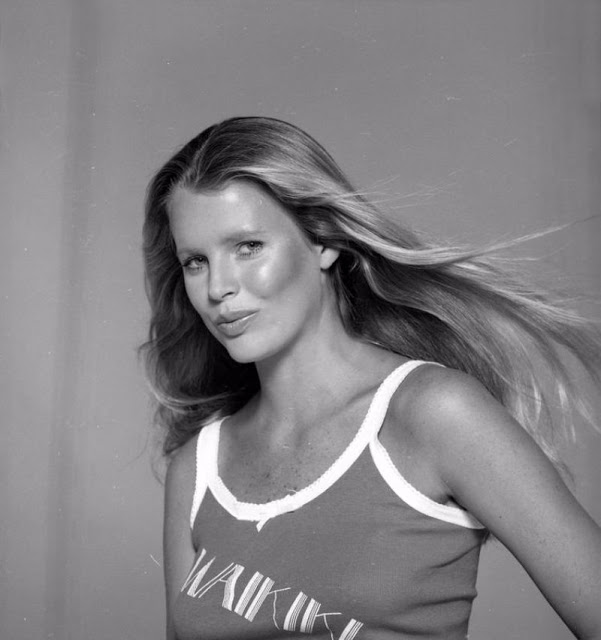
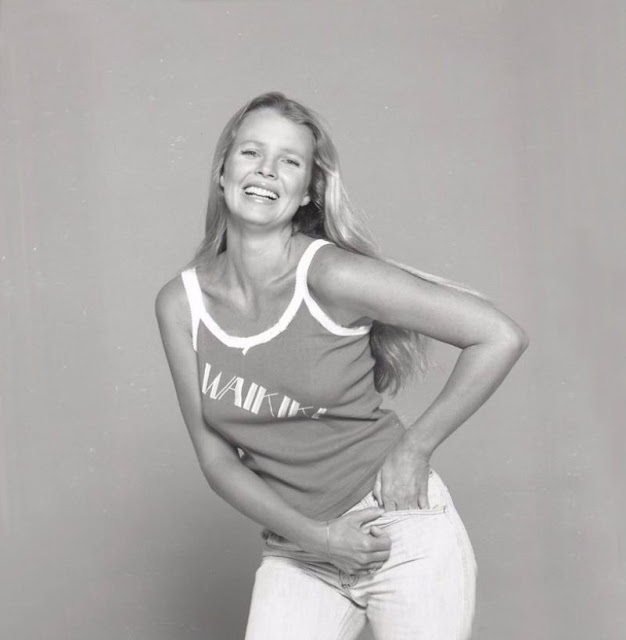
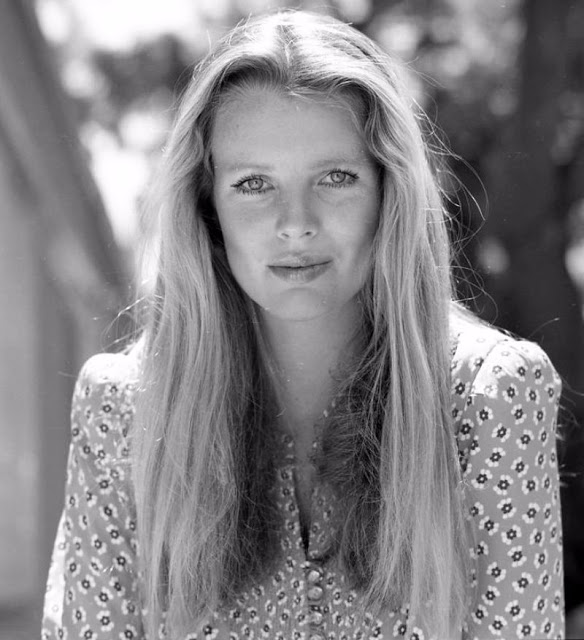
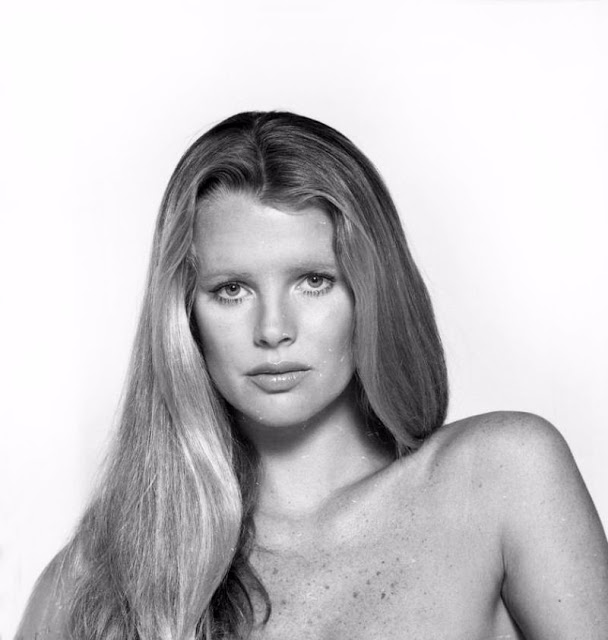
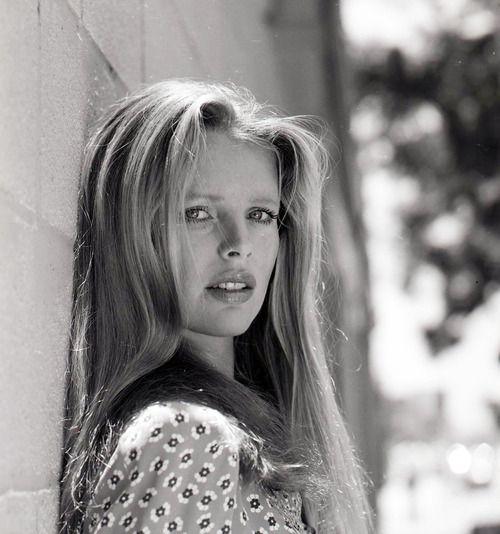
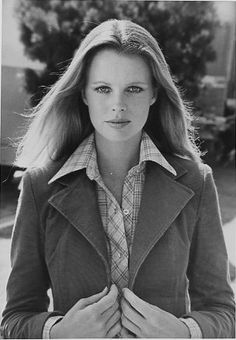
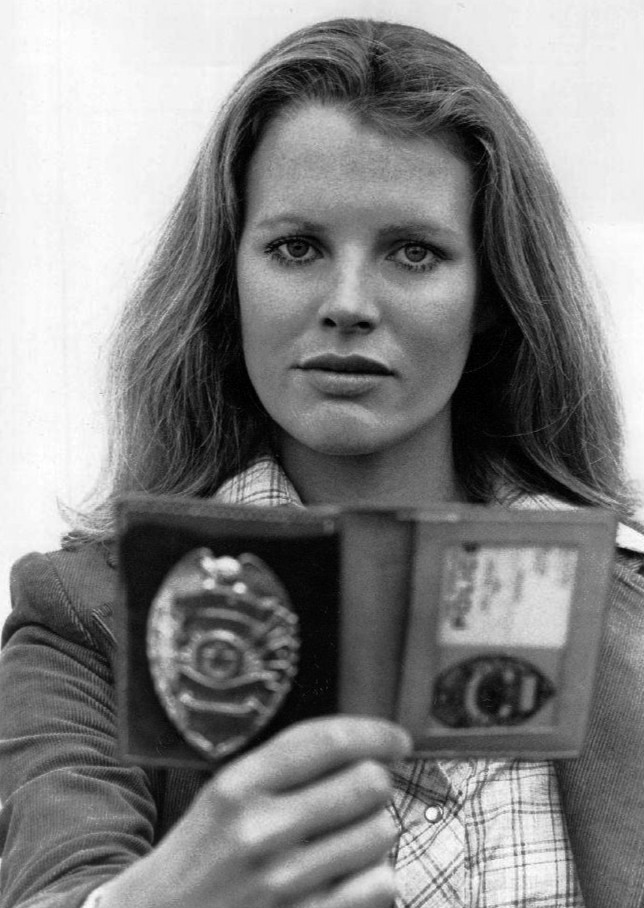
Kimila Ann Basinger (born December 8, 1953) is an American actress, singer, and former fashion model. Following a successful modeling career in New York, Basinger moved to Los Angeles where she began her acting career on television in 1976. She starred in several made-for-television films, including a remake of From Here to Eternity (1979), before making her feature debut in the drama Hard Country (1981).
Hailed as a sex symbol of the 1980s and 1990s, Basinger came to prominence for her performance of Bond girl Domino Petachi in Never Say Never Again (1983). She subsequently received a Golden Globe Award nomination for her role in The Natural (1984), starred in the erotic drama 9½ Weeks (1986), and played Vicki Vale in Tim Burton’s Batman (1989), which remains the highest-grossing film of her career. For her femme fatale portrayal in L.A. Confidential (1997), Basinger won the Academy Award for Best Supporting Actress. Her other films include No Mercy (1986), Blind Date (1987), Prêt-à-Porter (1994), I Dreamed of Africa (2000), 8 Mile (2002), The Door in the Floor (2004), Cellular (2004), The Sentinel (2006), Grudge Match (2013), and Fifty Shades Darker (2017).
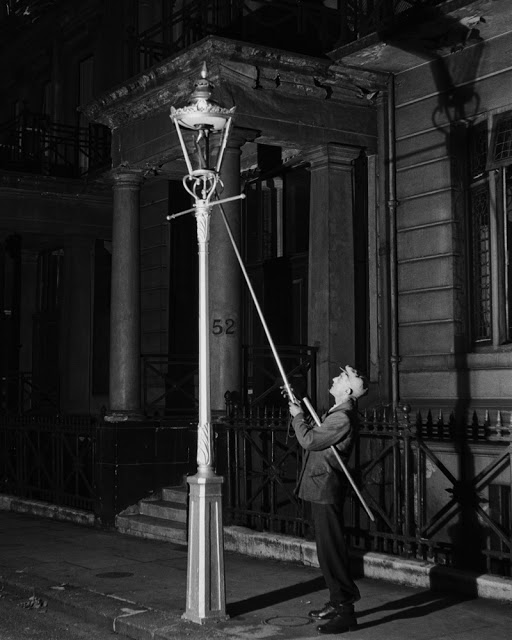
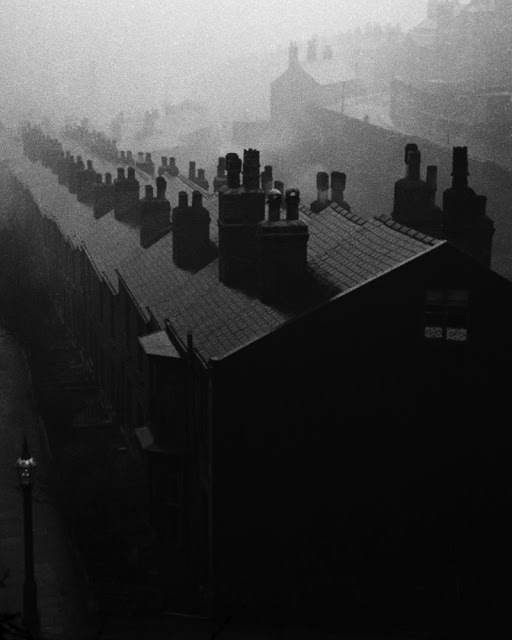
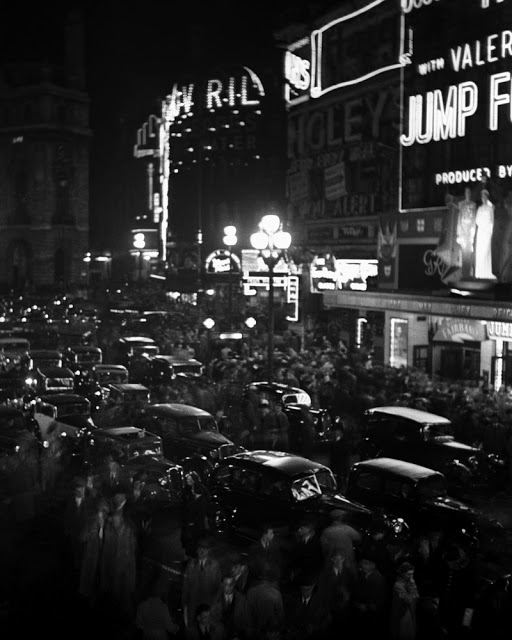
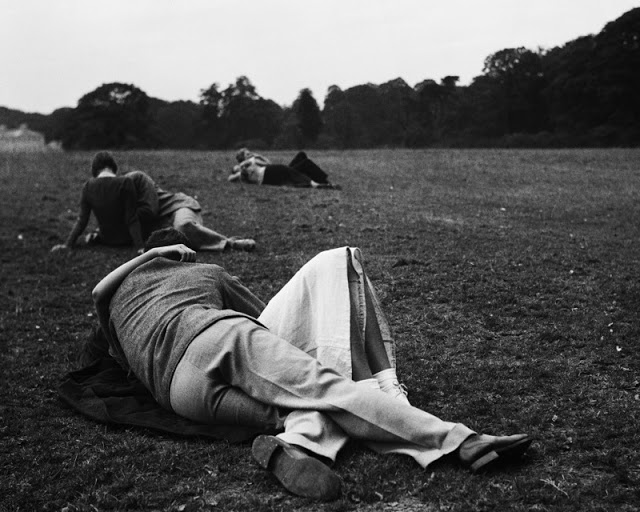
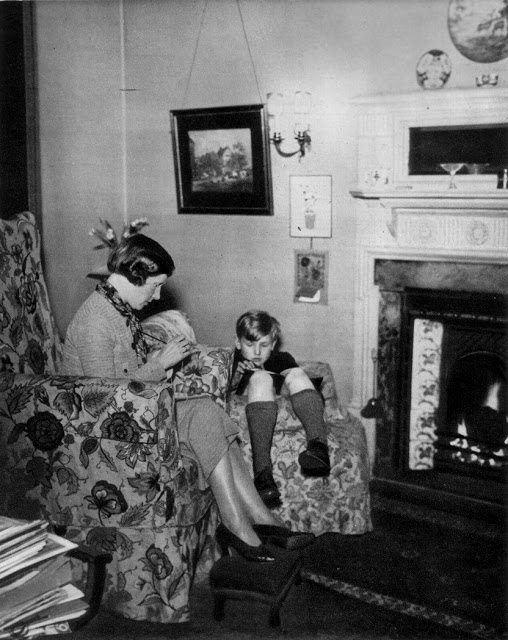
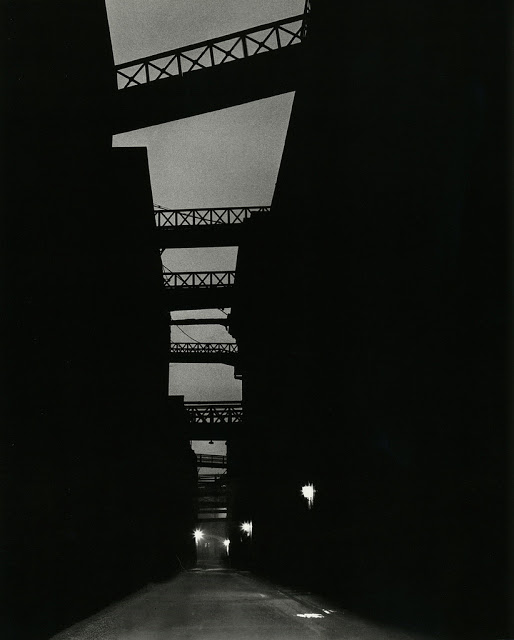
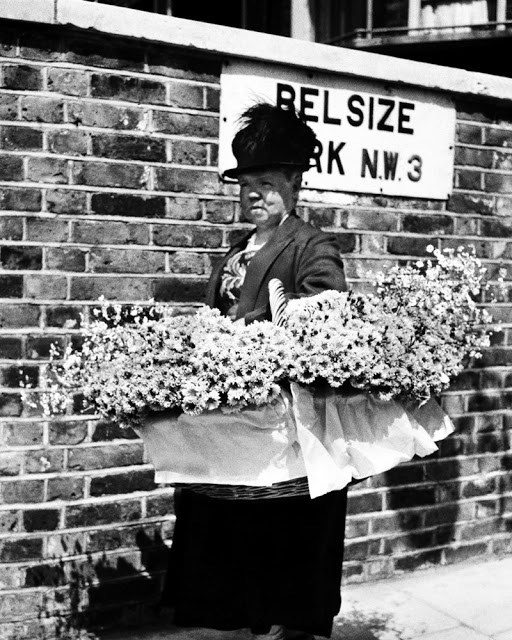
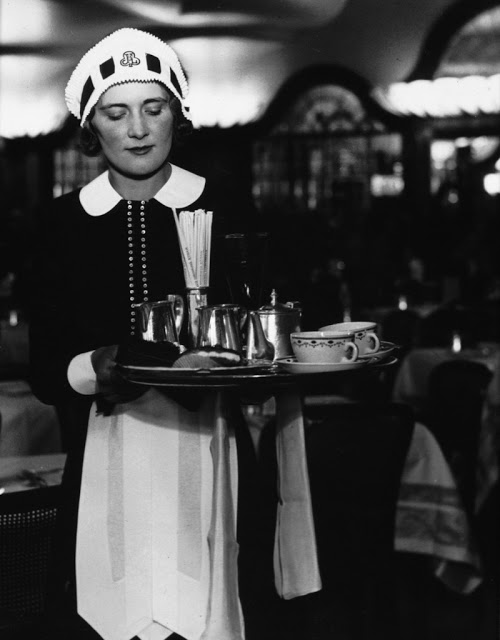
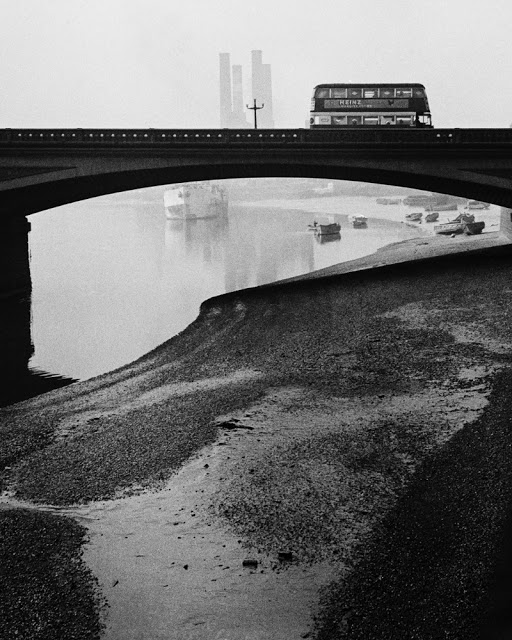
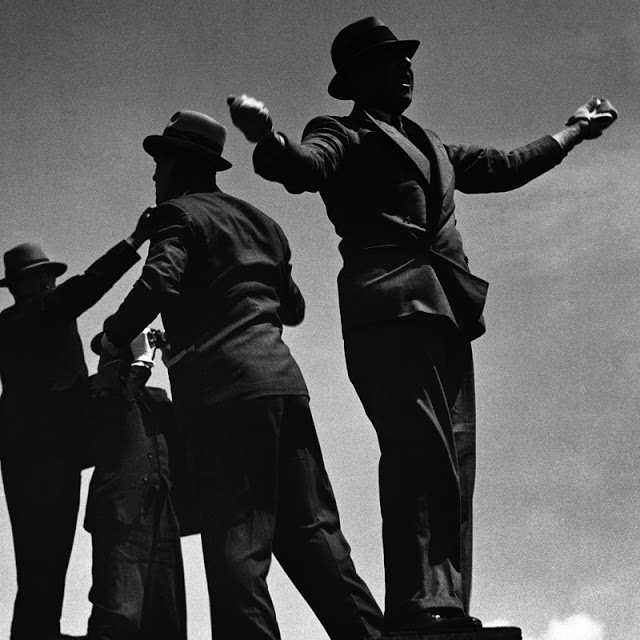
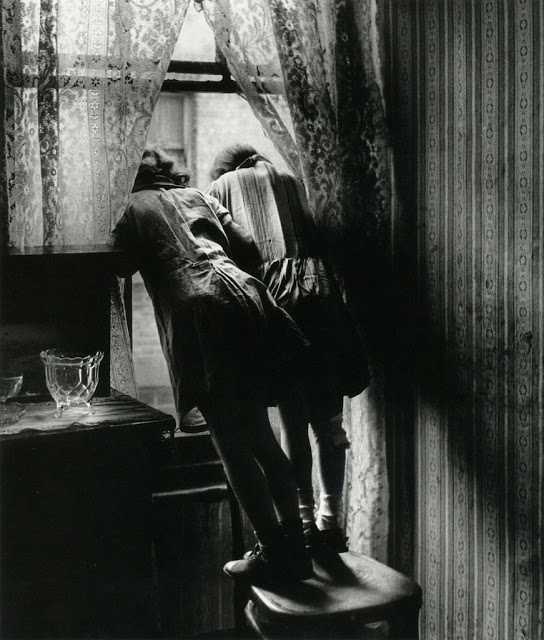
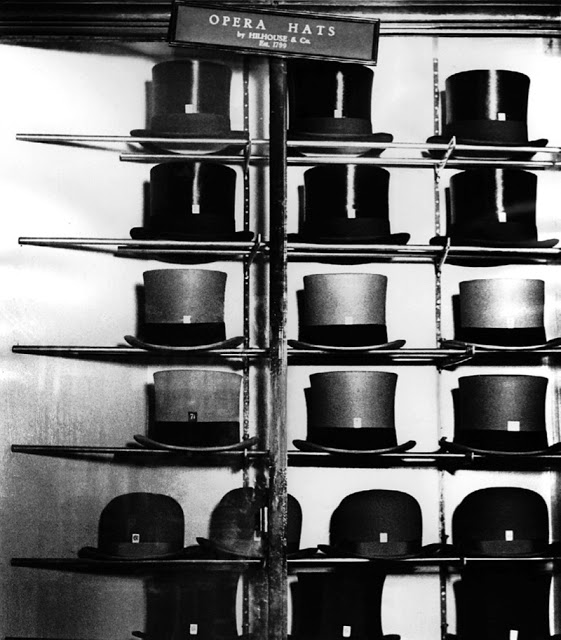
Bill Brandt was a British photographer and photojournalist. Although born in Germany, Brandt moved to London in 1933 and began documenting all levels of British society. This kind of documentary was uncommon at that time.
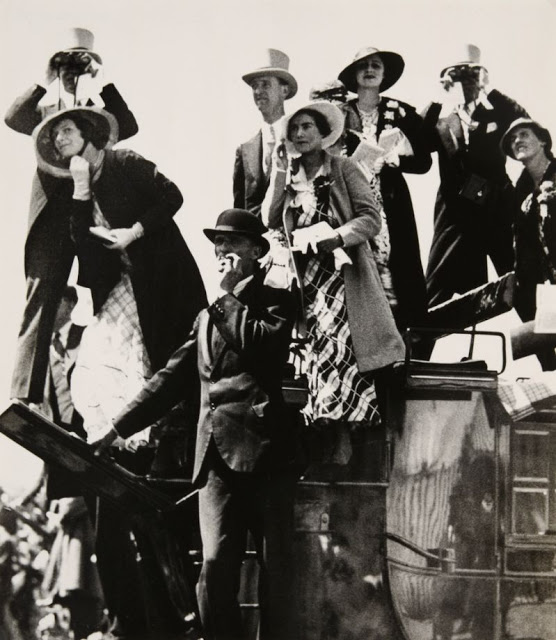
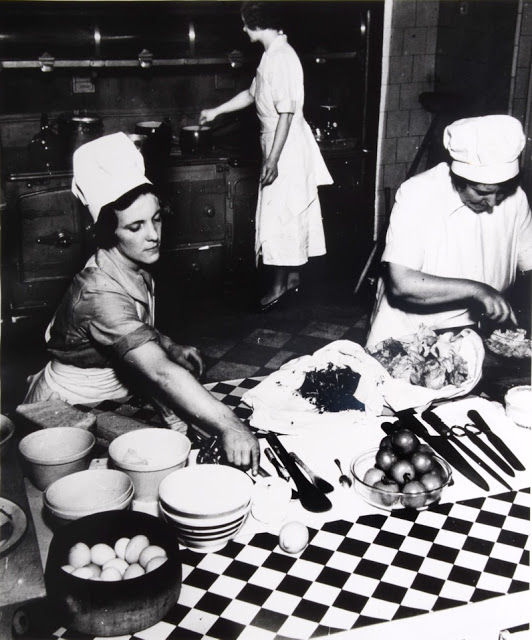
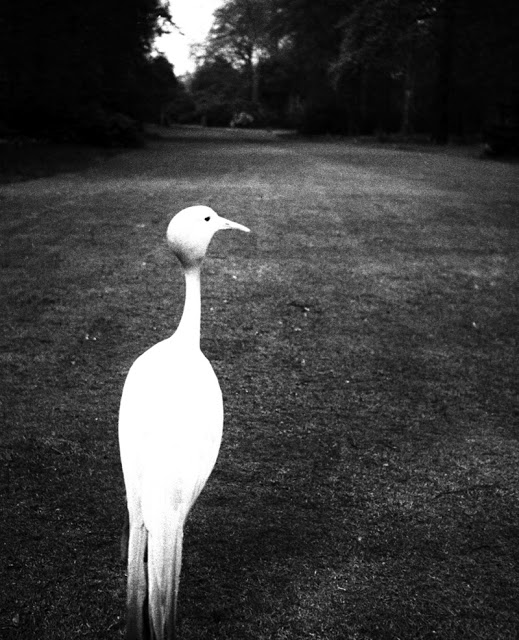
Lamplighter, Kensington, 1930.Misty Evening in Sheffield, 1937.Piccadilly Circus, 1934.Street scene, 1936.Sunday Evening, 1936.Family Fireside, 1936.Halifax, 1937.Parlourmaid and Underparlourmaid Ready to Dinner, London, 1933.Children in Sheffield, 1930.Early Morning on the River, London Bridge, 1936.Eva and Lyena, 1934.Early Morning on the Thames, London, 1939.Flower Seller in Hampstead, 1935.An Epsom Bookmaker, Derby Day, 1933.Domino Players, North London Pub, 1935.A Lyons Nippy (Miss Hibbott), 1939.Policeman in a Bermondsey Alley, 1938.A Snicket in Halifax, 1937.East End girl dancing the Lambeth Walk, 1939.Rainswept Roofs, 1930s.Battersea Bridge, 1930s.Tic-Tac Men at Ascot Races, 1935.Girls looking out of a window, ca. 1930s.Hatter’s Window, Bond Street, ca. 1931-35.Gold Cup Day at Ascot, 1933.Cook and Kitchen Maids Preparing Dinner, 1936.Epsom Races, 1933.East Durham, 1937.Grand Union Canal, Paddington, 1938.Evening in Kew Gardens, London, ca. 1932-1935.
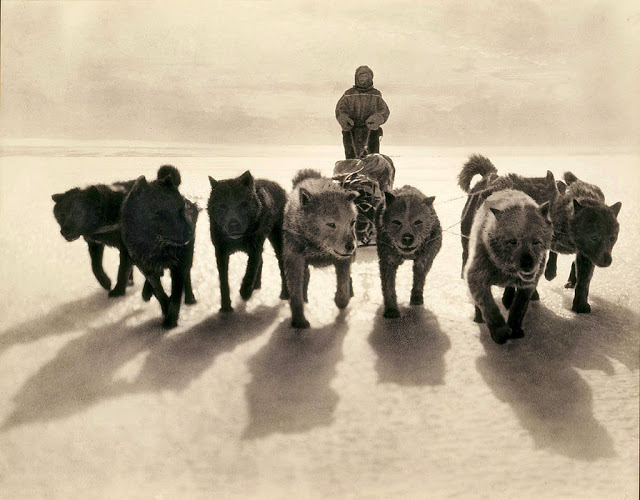
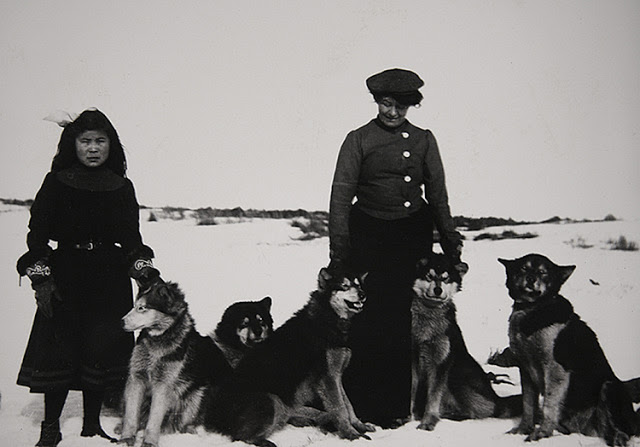
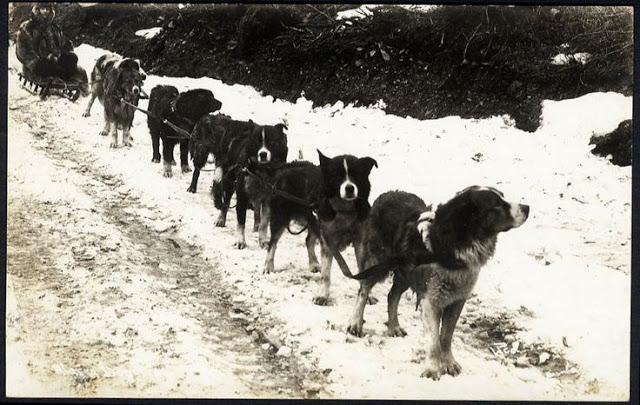
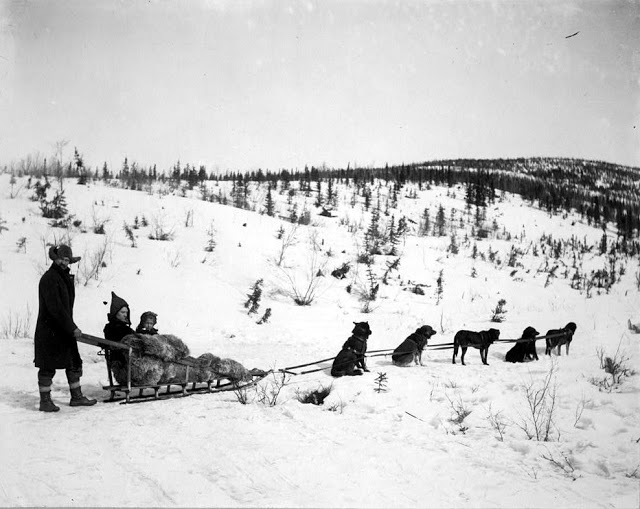
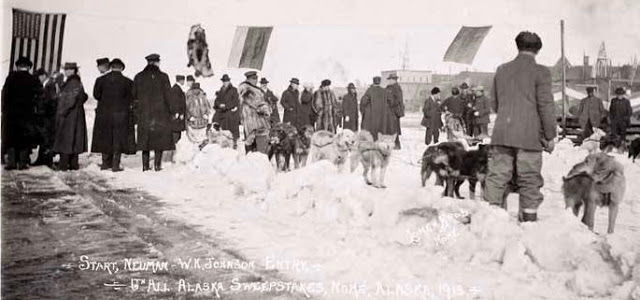
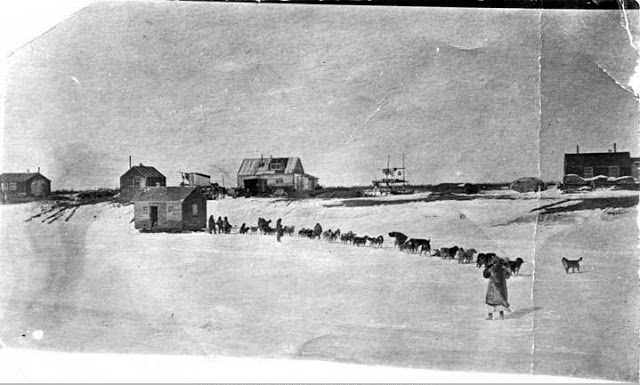
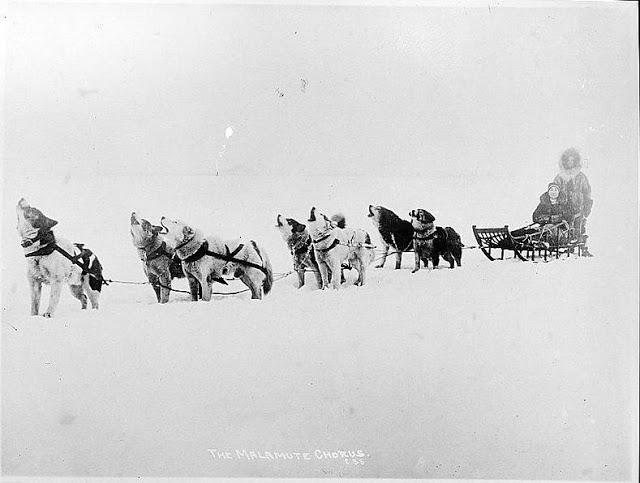
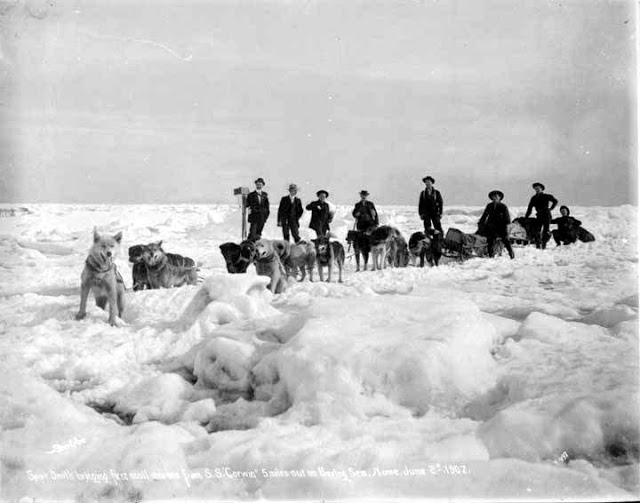
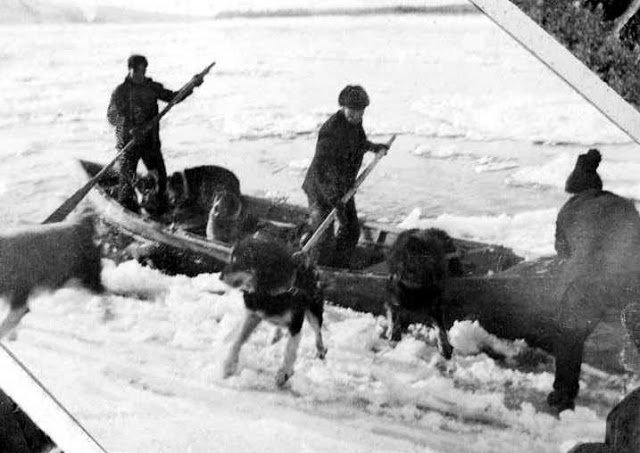
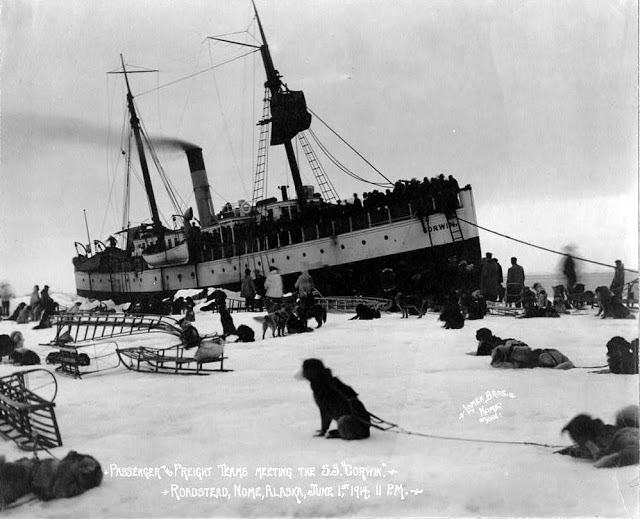
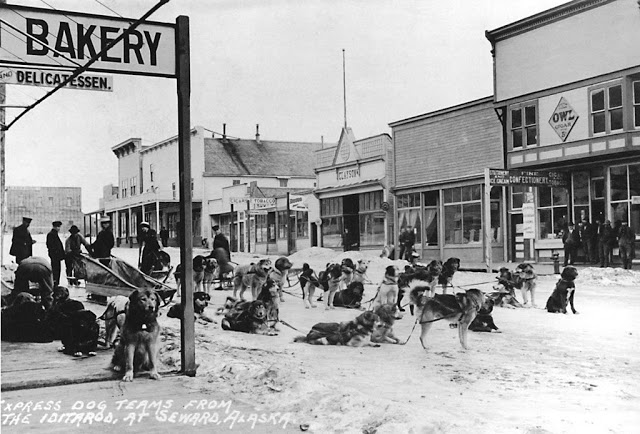
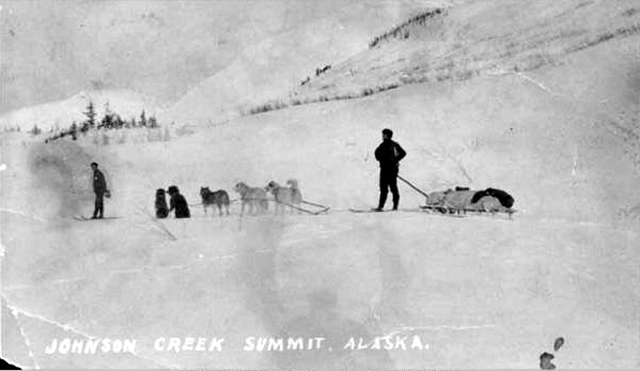
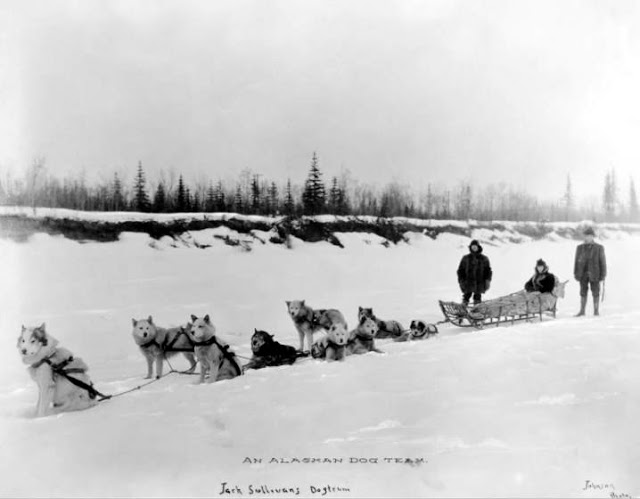
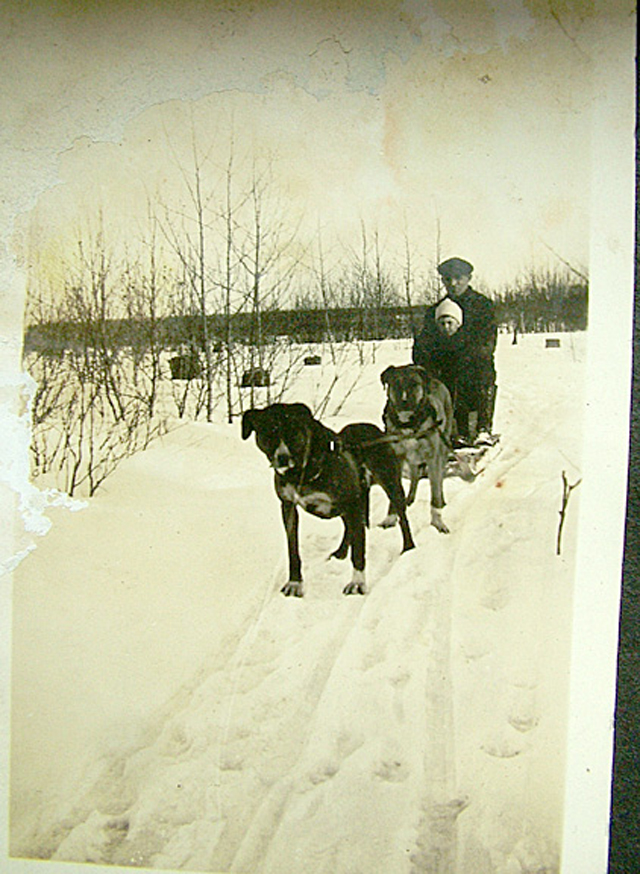
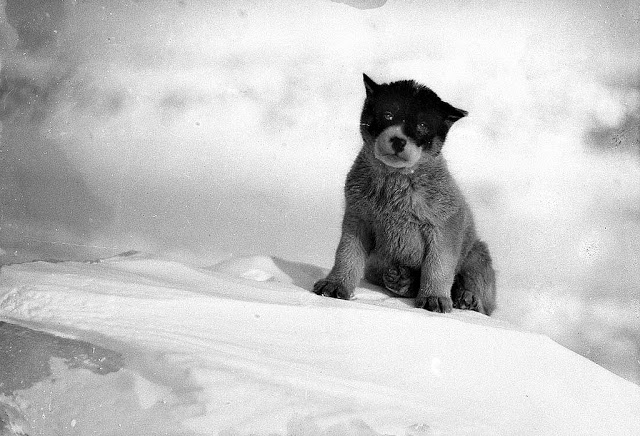
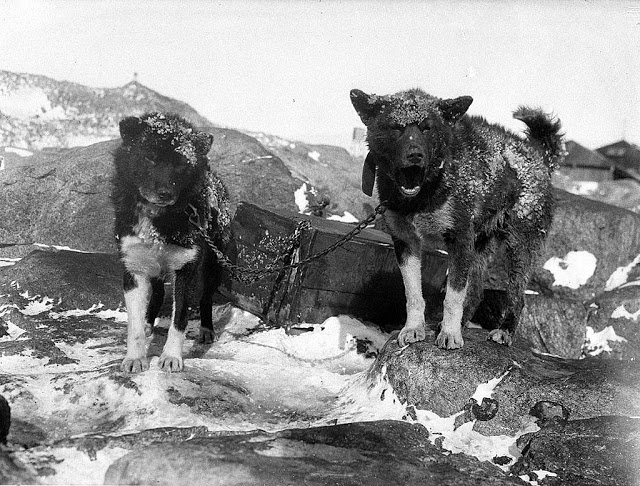
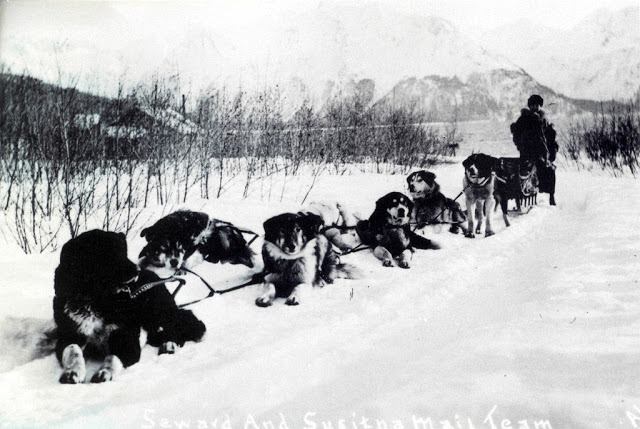
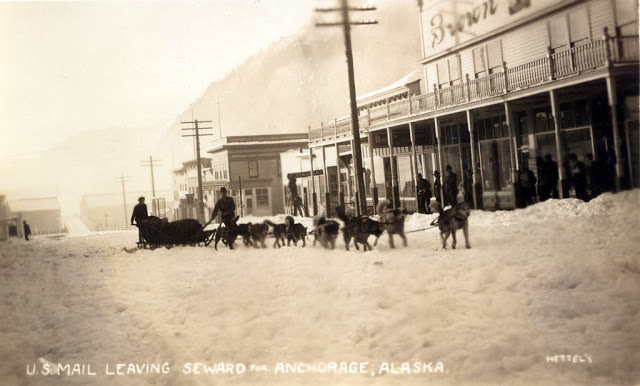
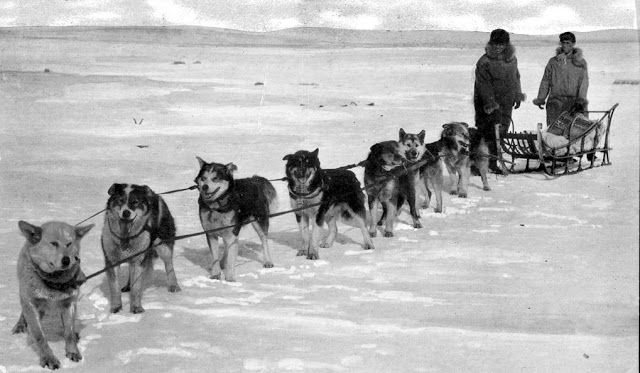
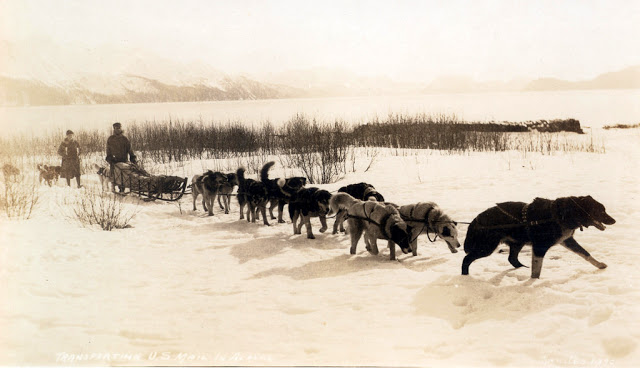
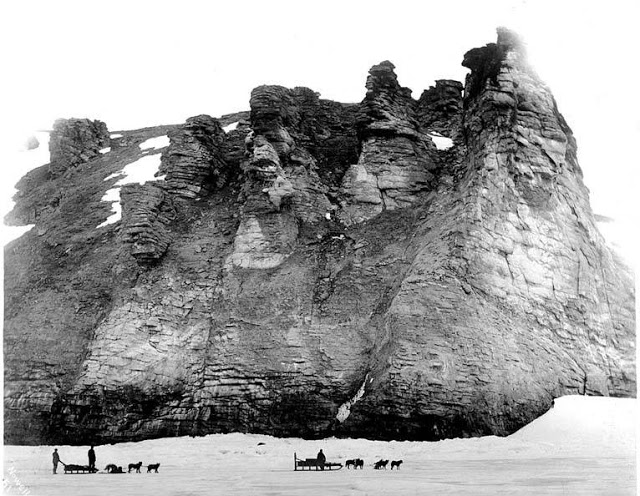
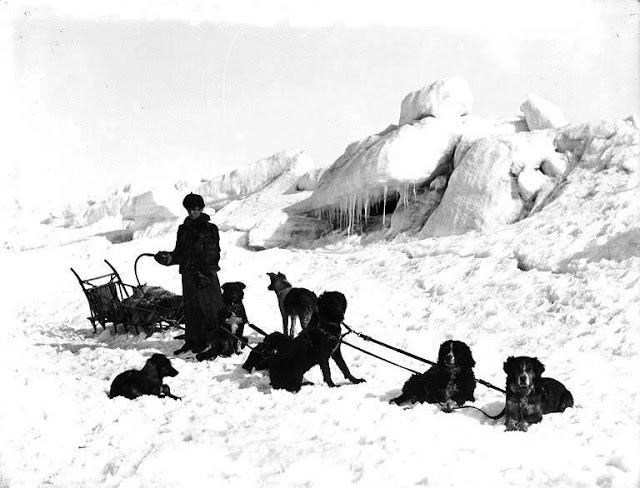
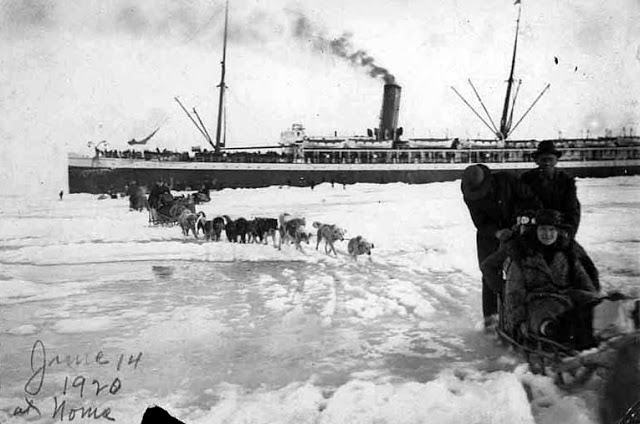
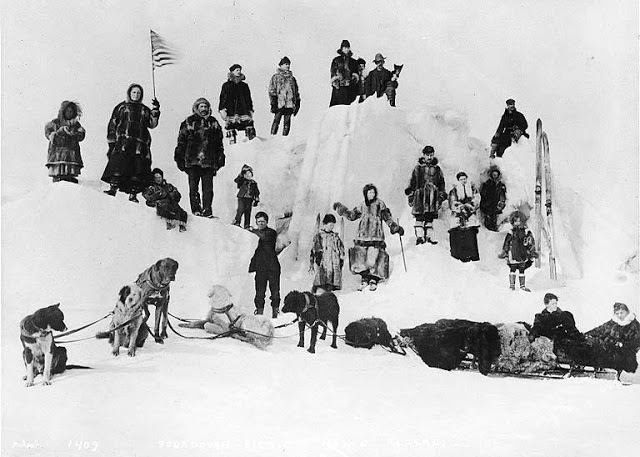
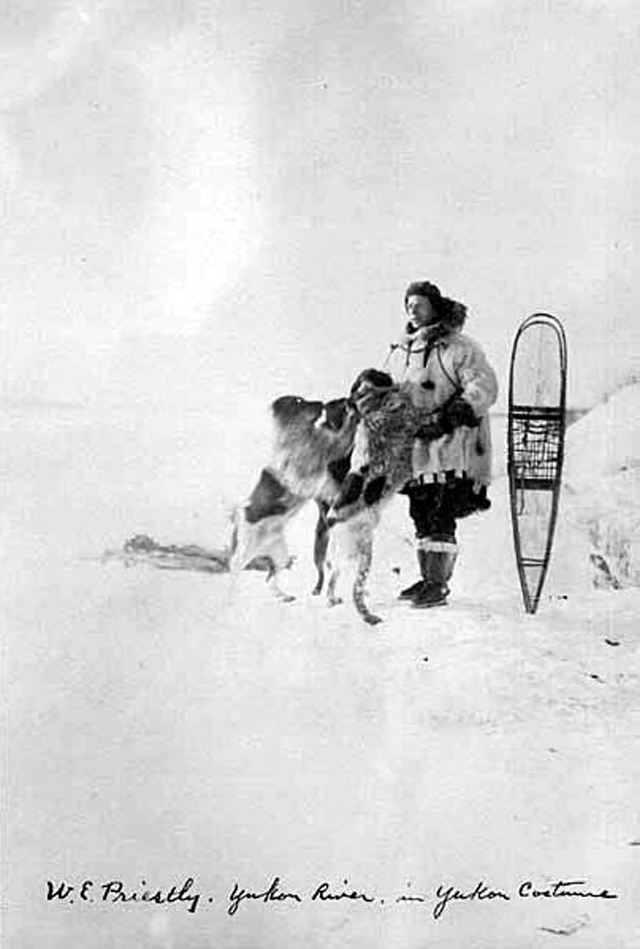
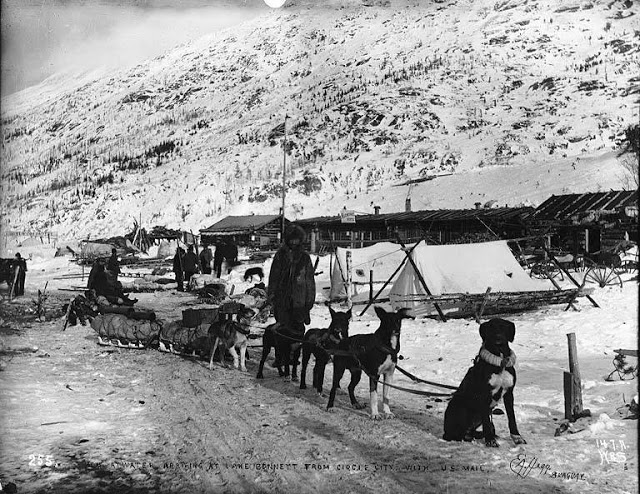
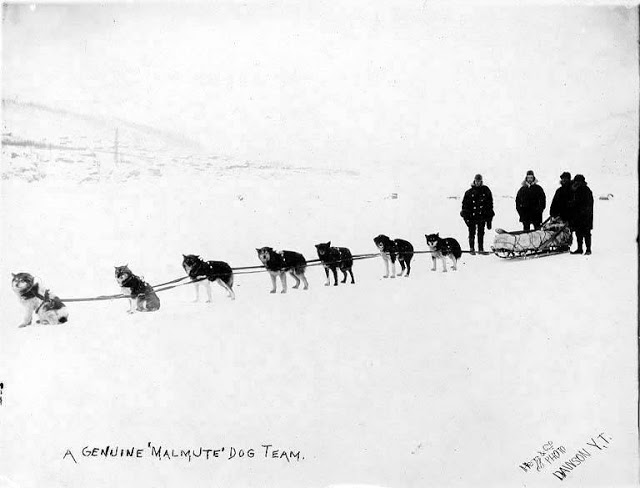
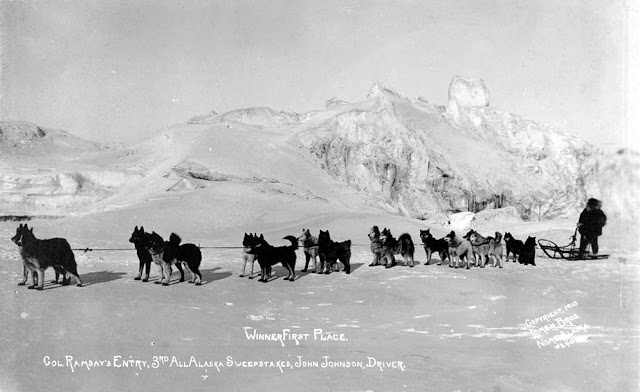
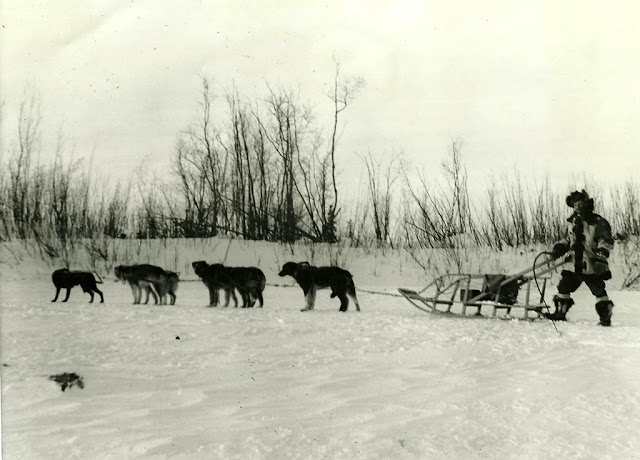
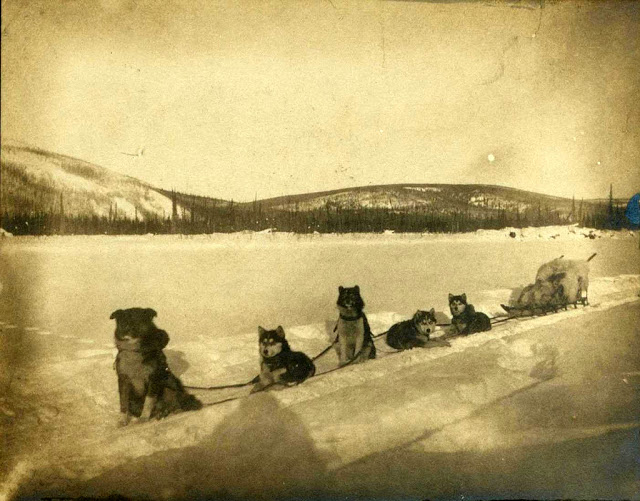
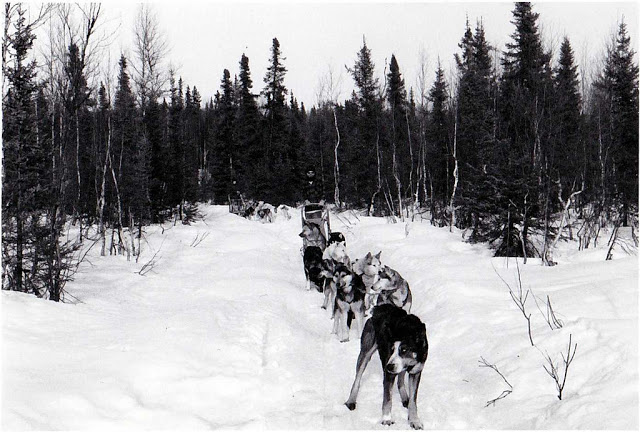
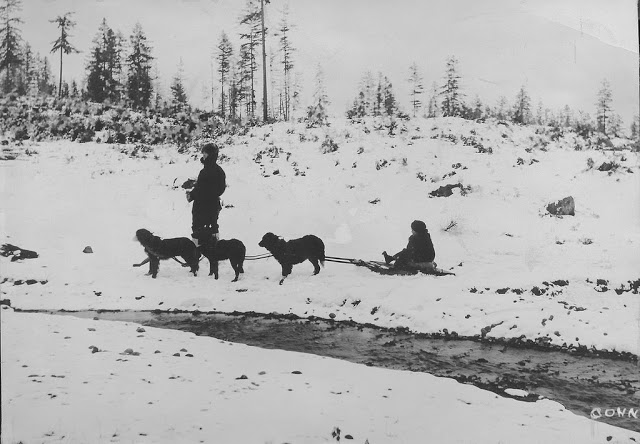
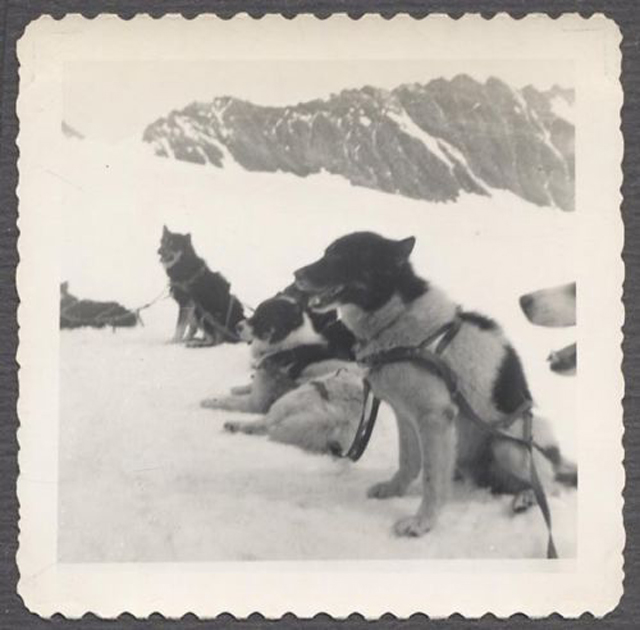
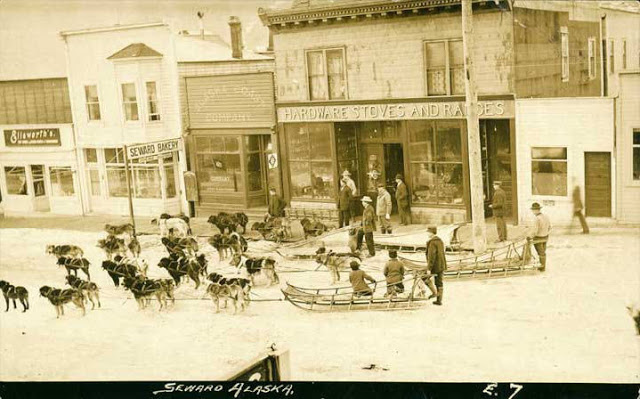
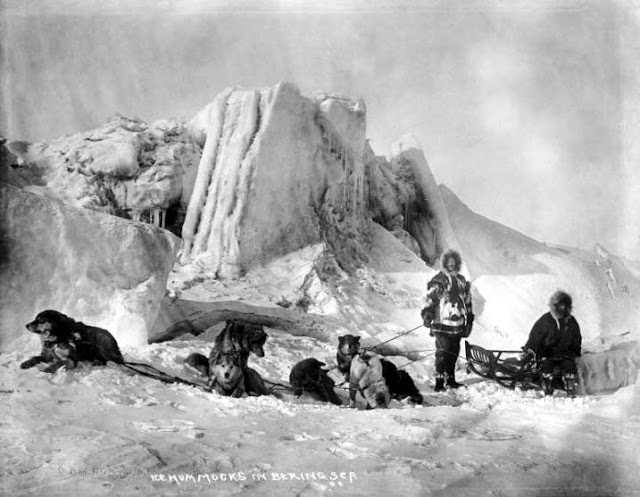
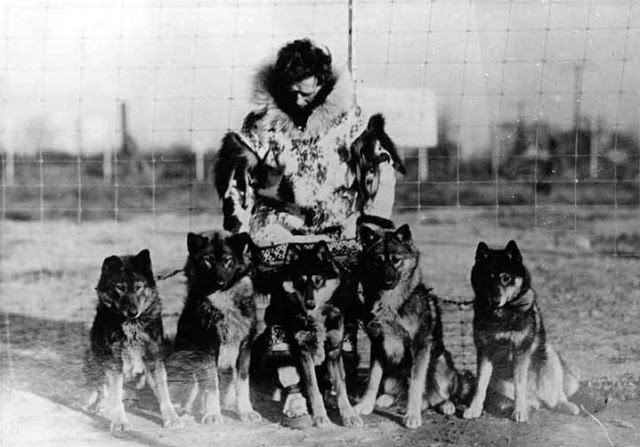
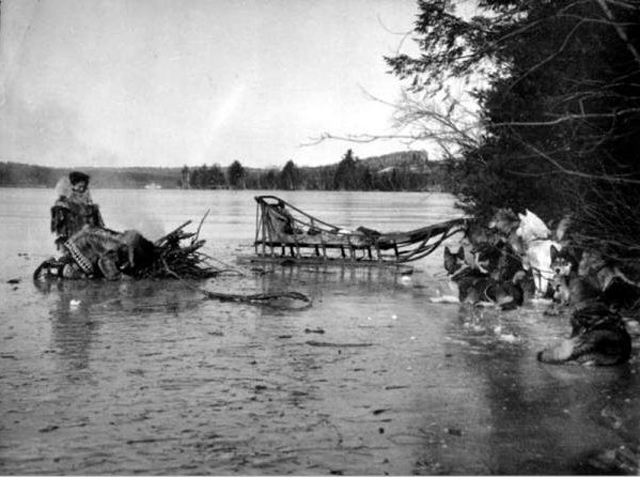
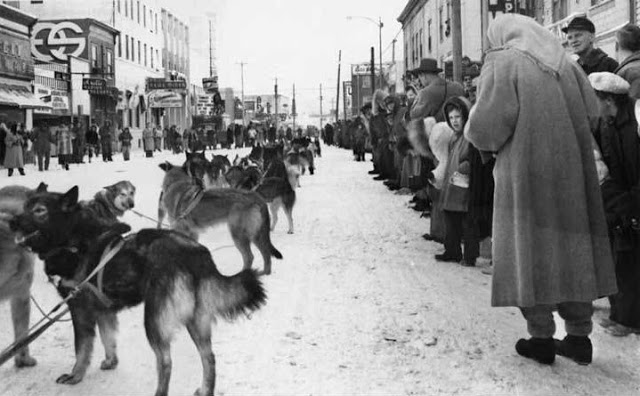
A husky is a sled dog used in the polar regions. One can differentiate huskies from other dog types by their fast pulling-style. Modern racing huskies (also known as Alaskan huskies) represent an ever-changing crossbreed of the fastest dogs (the Alaskan Malamute, by contrast, pulled heavier loads at a slower speed). Humans use huskies in sled-dog racing. Various companies have marketed tourist treks with dog sledges for adventure travelers in snow regions. Huskies are also kept as pets, and groups work to find new pet homes for retired racing and adventure-trekking dogs.
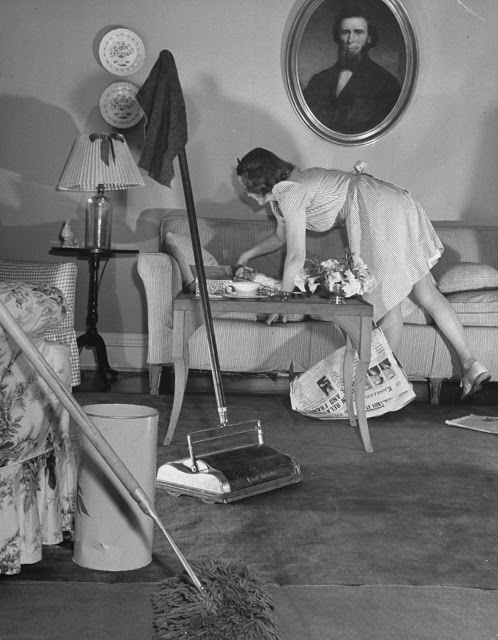
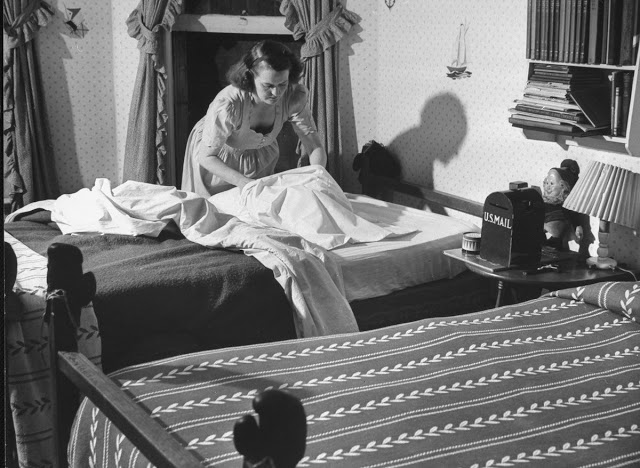
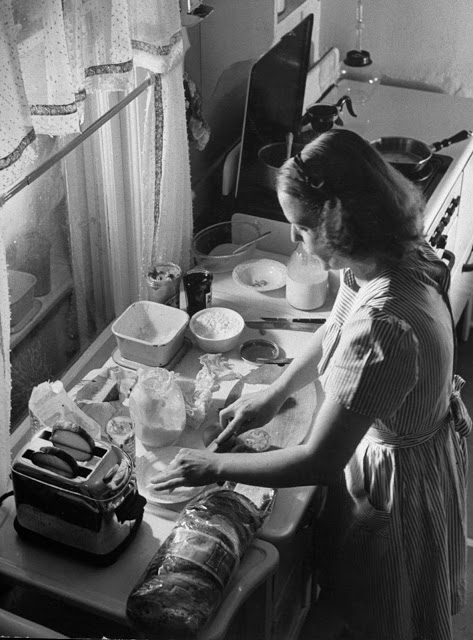
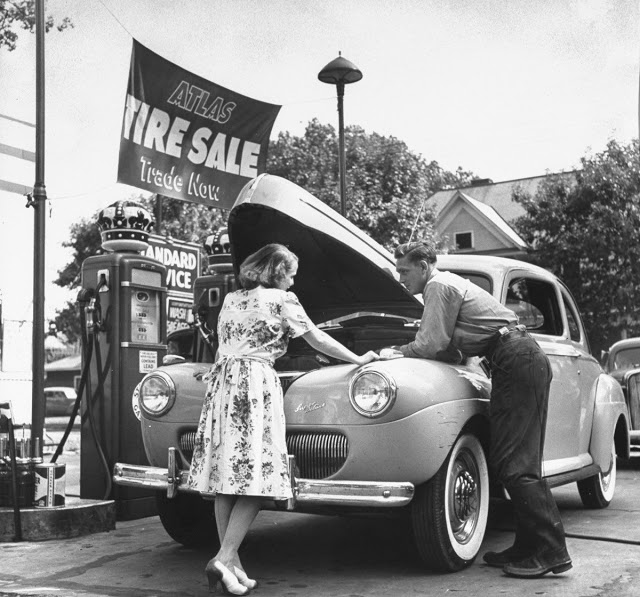
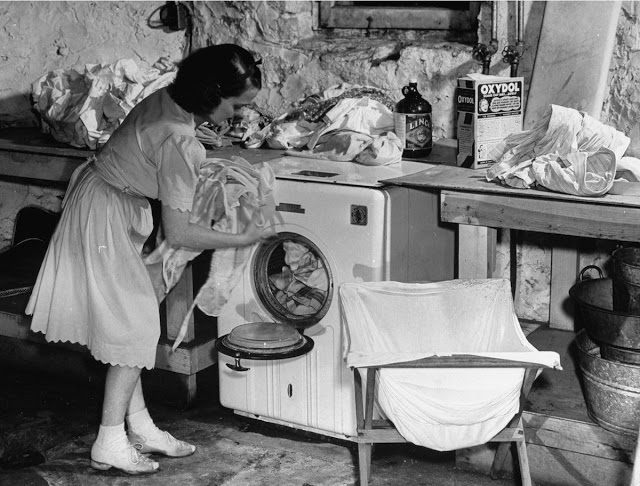
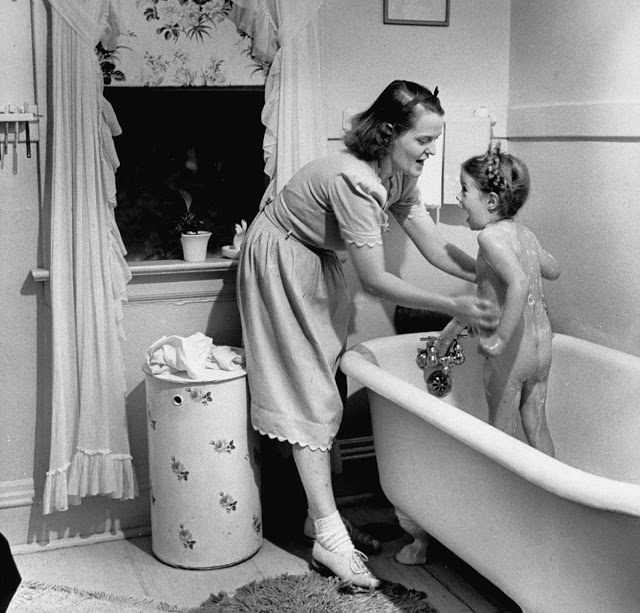
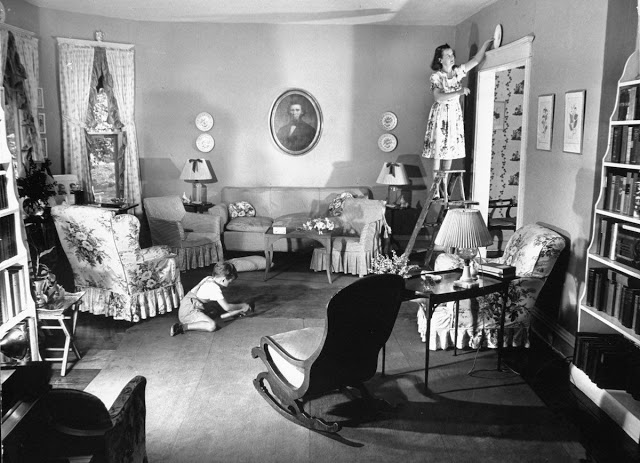
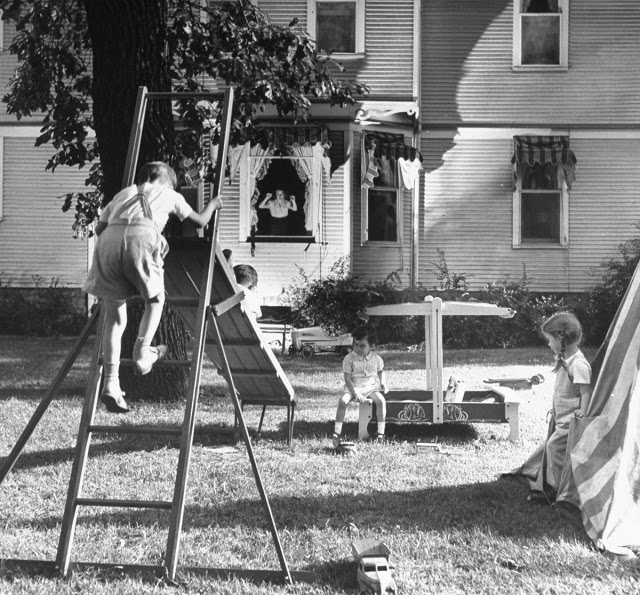
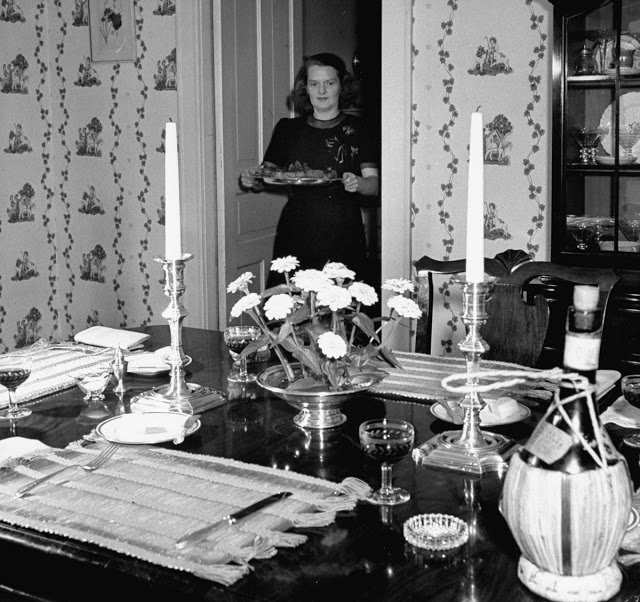
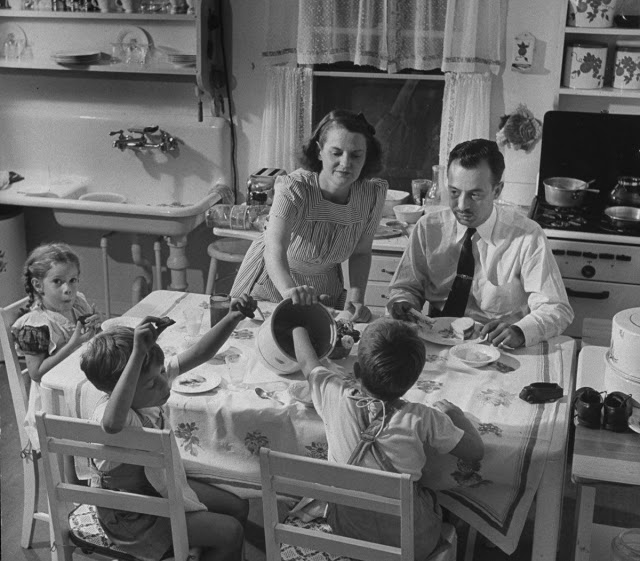
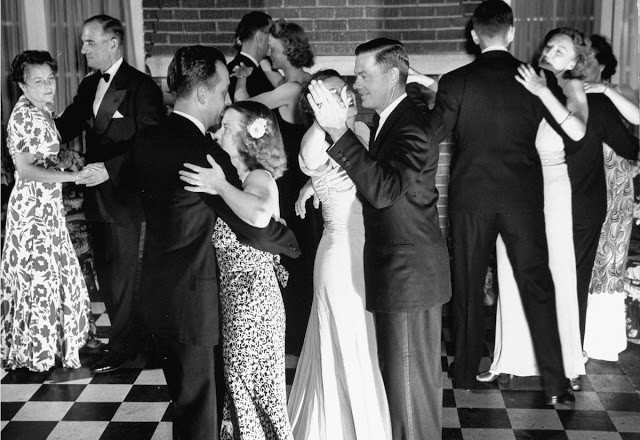
In 1941, LIFE magazine sent photographer William C. Shrout to document the lives of one of the biggest single demographics in the U.S: the 30 million housewives who did most of the washing, made beds, cooked meals and nursed almost all the babies of the nation, with little help, no wages and no other jobs.
Jane busy straightening up before launching into some heavy cleaning with dust mop and carpet sweeper.Jane making one of the four beds she does daily, after doing breakfast dishes and getting the kids to school.Jane scrubbing the bathtub in bathroom at home.Jane with Peter, Tony and Pamela, as they go to the drugstore to buy ice cream cones, after the boys had haircuts at local barbershop in town.Jane using pop-up toaster, as she makes sandwiches for her three children.Jane conferring with a mechanic at gas station about the car she uses to chauffeur her husband to and from his office, plus get the children back and forth to school.Jane mending a pair of socks as she lounges in bedroom while listening to her favorite jazz records during her leisure hours (time with out kids).Jane loading the automatic washing machine with several days’ dirty clothes, in basement at home.Jane bathing her daughter Pamela, 4, before dressing her for bed at night.Jane standing on ladder to place special china plate as decoration above the doorway in the living room, which she decorated herself, as her son Tony plays on the floor.Jane rapping admonishingly on the window in the background as she oversees her kids Peter, 7, climbing the slide ladder, while Tony, 5, blocks the slide, and Pamela gets kicked out of the tent while playing with a neighbor’s children.Jane prepares for a dinner party.Jane chatting with her dinner guests Mr. Bert Miller and wife, as her husband Gilbert stands behind her, carving a roast beef to be served at the table.Jane shushing her husband Gilbert, as they sit having a quiet 6:30 a.m. breakfast before their three kids wake up, in the kitchen at their home.Jane serving lunch to her husband Gilbert, who has come home from the office a few minutes away, and her ever-present kids.Jane posing with her husband of 11 years, Gilbert, and their three kids Pamela, 4, Tony, 5, and Peter, 7, in front of the large two-story house they lease.Jane dancing with her husband Gilbert (third from left) amidst other couples at their country club’s formal dance.
(Photos by William C. Shrout/The Life Picture Collection/Getty Images)
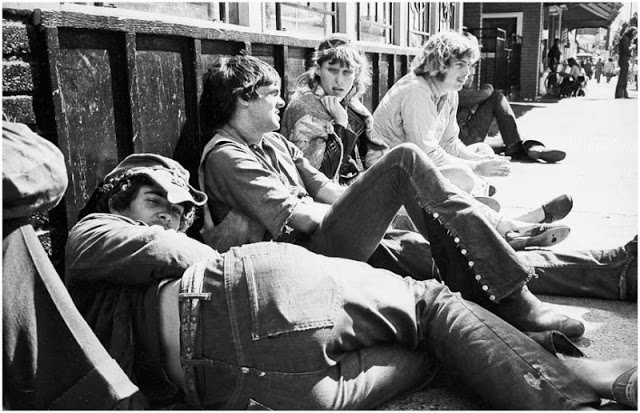
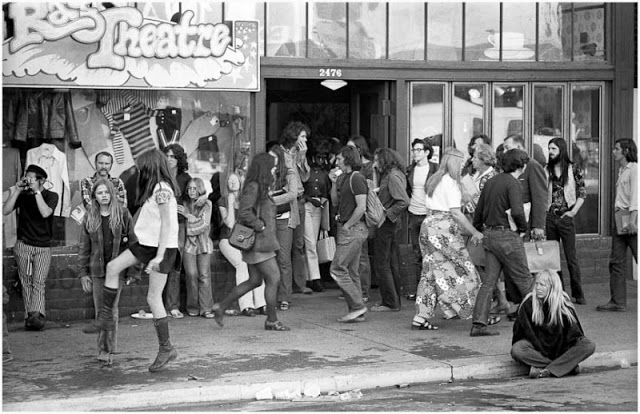
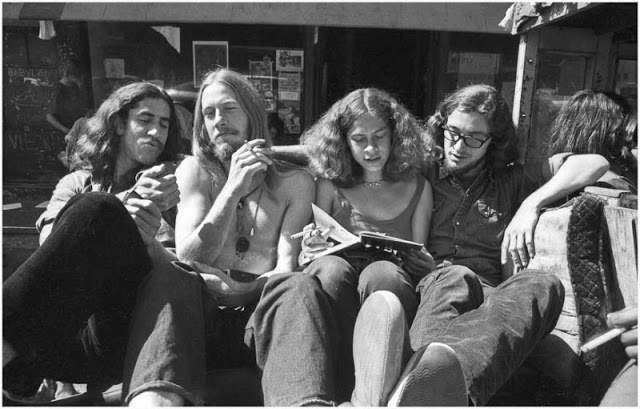
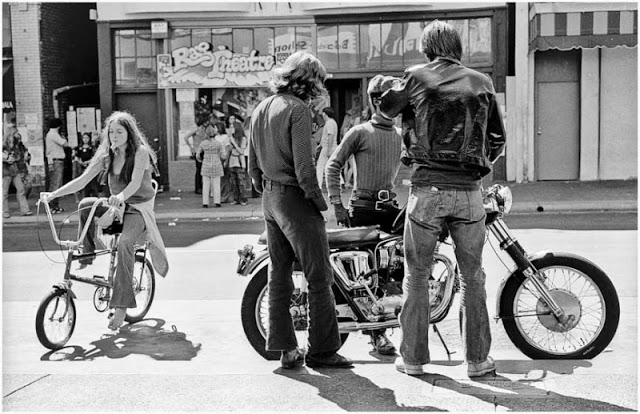
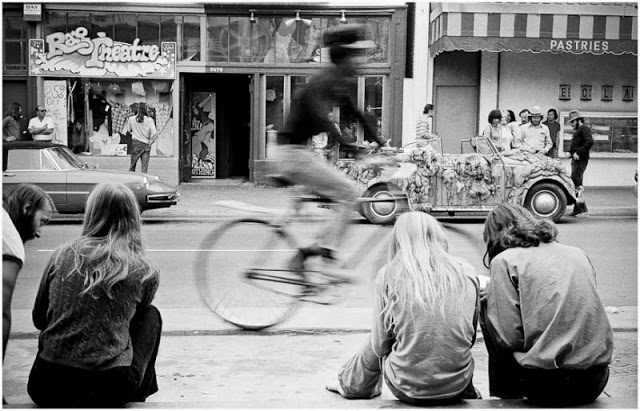
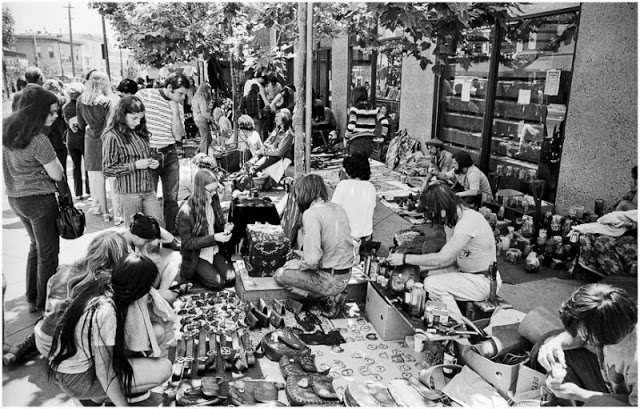
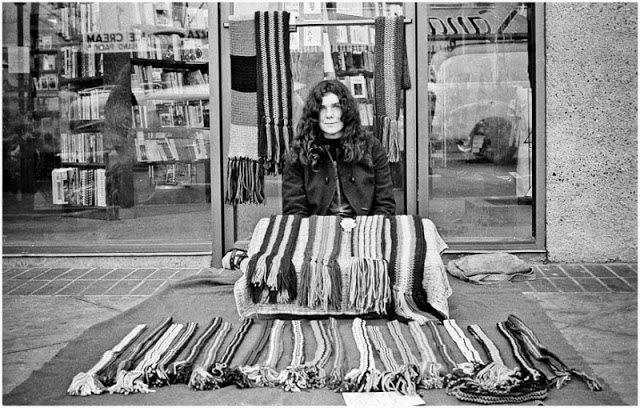
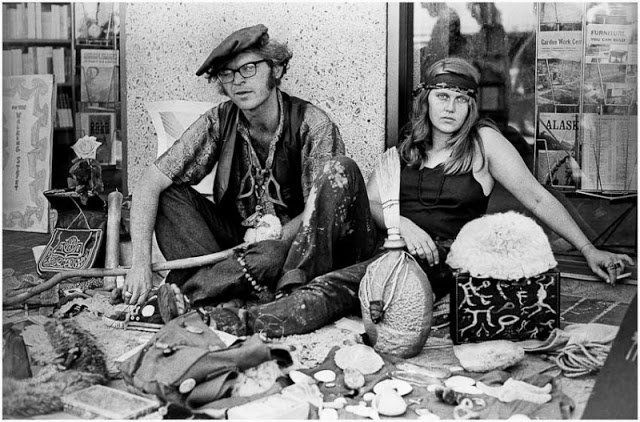
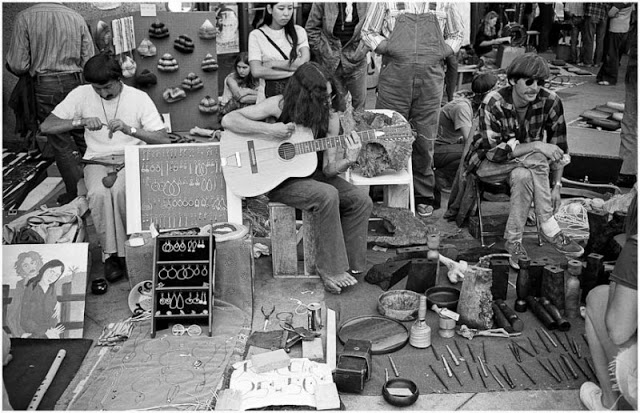
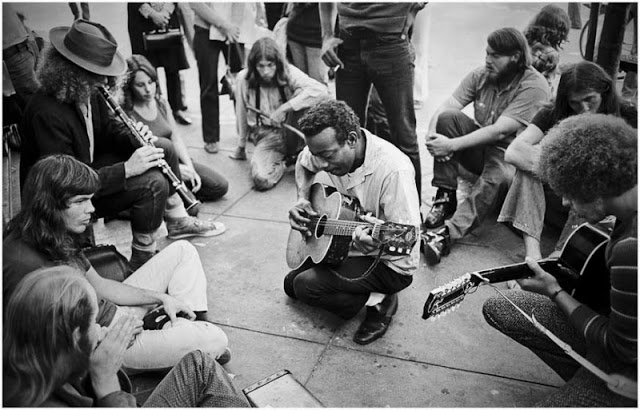
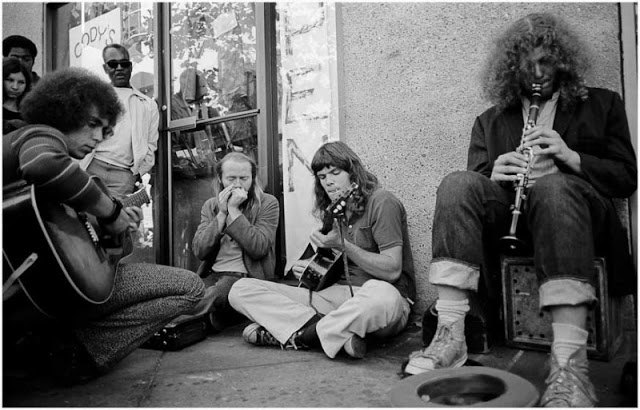
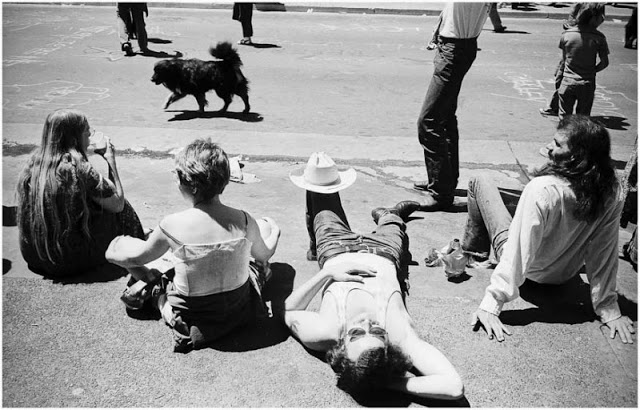
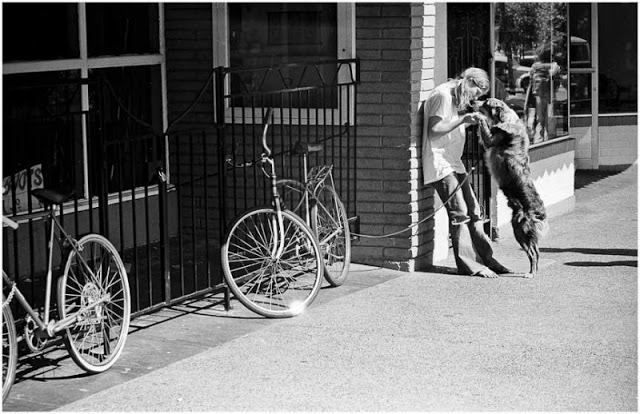
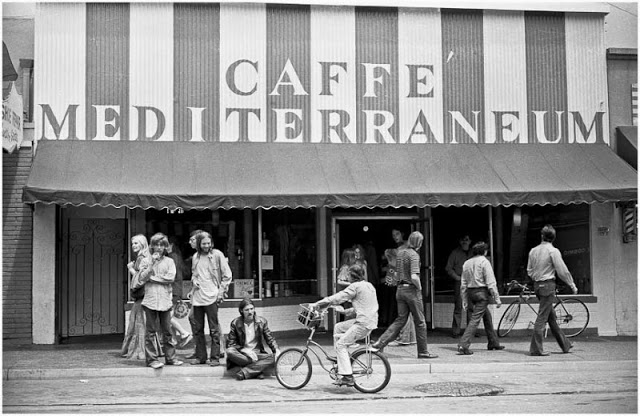
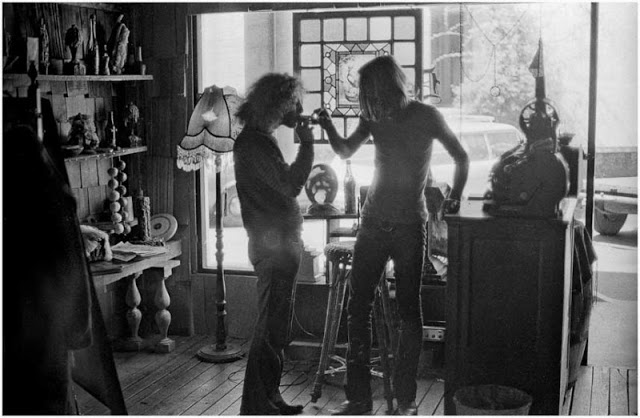
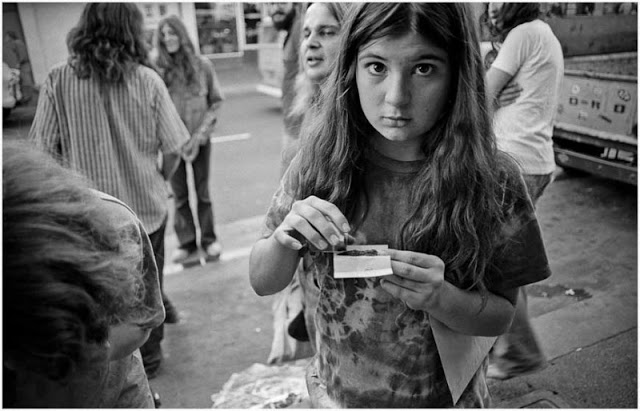
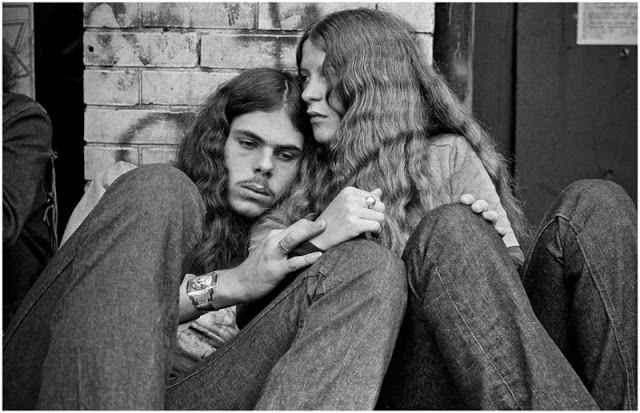
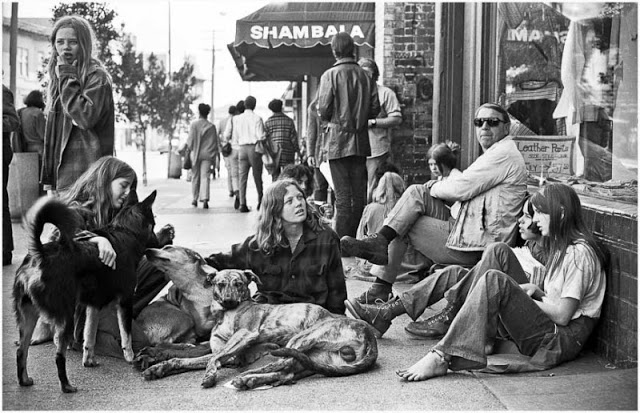
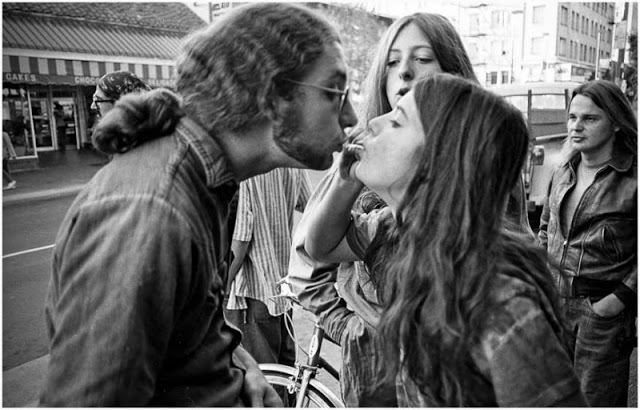
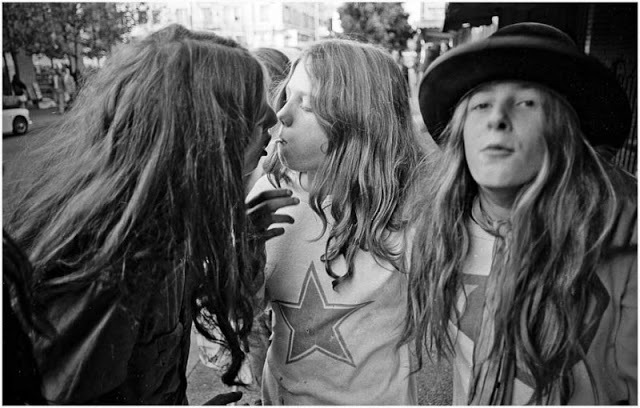
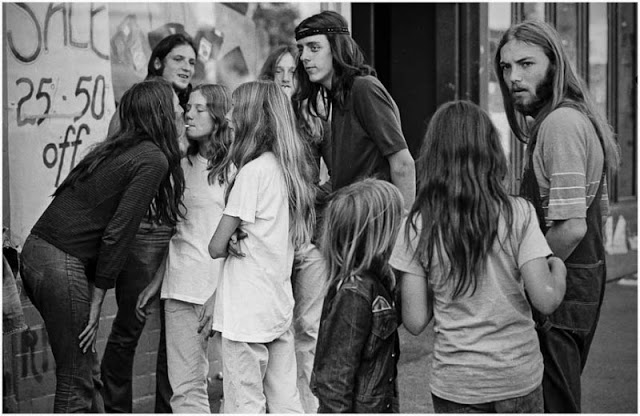
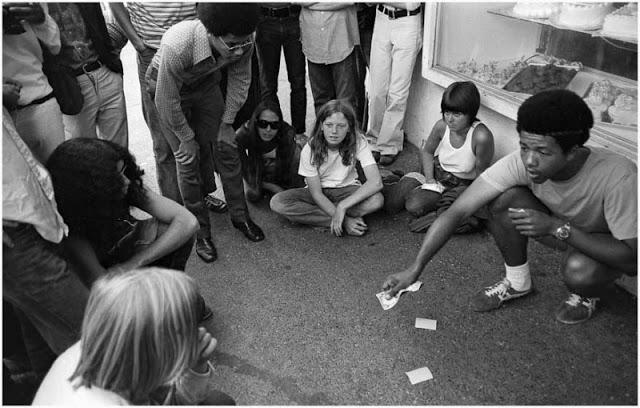
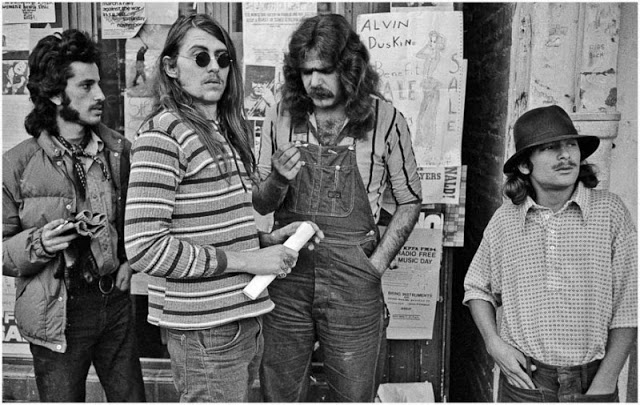
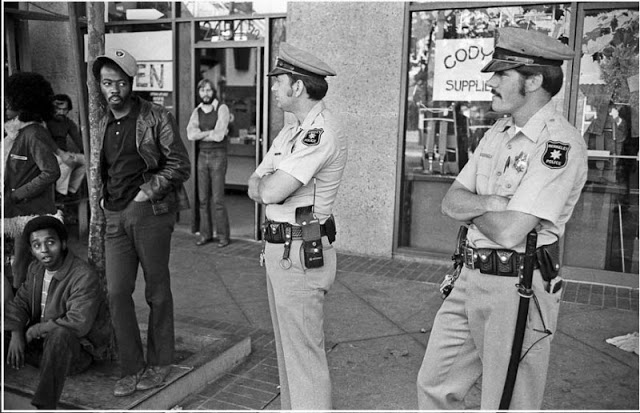
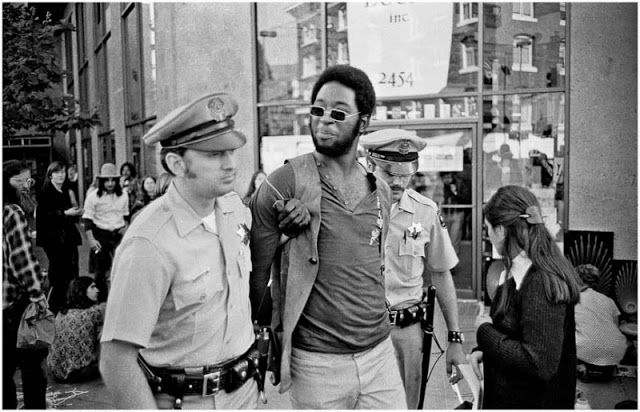
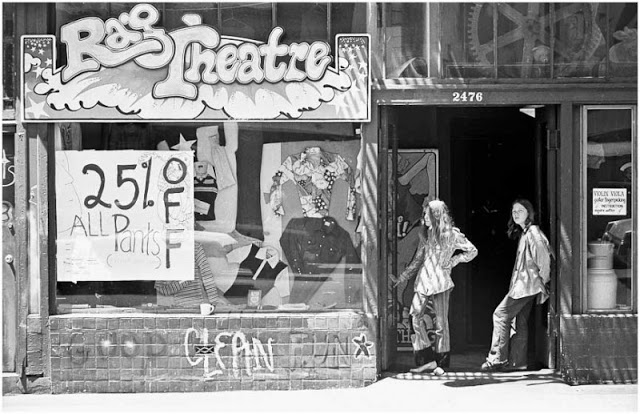
A hippie, also spelled as hippy, was a member of the counterculture of the 1960s, originally a youth movement that began in the United States during the mid-1960s and spread to other countries around the world. The word hippie came from hipster and was used to describe beatniks who moved into New York City’s Greenwich Village, San Francisco’s Haight-Ashbury district, and Chicago’s Old Town community. The term hippie was used in print by San Francisco writer Michael Fallon, helping popularise use of the term in the media, although the tag was seen elsewhere earlier.
The origins of the terms hip and hep are uncertain. By the 1940s, both had become part of African American jive slang and meant “sophisticated; currently fashionable; fully up-to-date”. The Beats adopted the term hip, and early hippies inherited the language and countercultural values of the Beat Generation. Hippies created their own communities, listened to psychedelic music, embraced the sexual revolution, and many used drugs such as marijuana and LSD to explore altered states of consciousness.
In 1967, the Human Be-In in Golden Gate Park, San Francisco, and Monterey Pop Festival popularized hippie culture, leading to the Summer of Love on the West Coast of the United States, and the 1969 Woodstock Festival on the East Coast. Hippies in Mexico, known as jipitecas, formed La Onda and gathered at Avándaro, while in New Zealand, nomadic housetruckers practiced alternative lifestyles and promoted sustainable energy at Nambassa. In the United Kingdom in 1970, many gathered at the gigantic third Isle of Wight Festival with a crowd of around 400,000 people. In later years, mobile “peace convoys” of New Age travellers made summer pilgrimages to free music festivals at Stonehenge and elsewhere. In Australia, hippies gathered at Nimbin for the 1973 Aquarius Festival and the annual Cannabis Law Reform Rally or MardiGrass. “Piedra Roja Festival”, a major hippie event in Chile, was held in 1970. Hippie and psychedelic culture influenced 1960s and early 1970s youth culture in Iron Curtain countries in Eastern Europe.
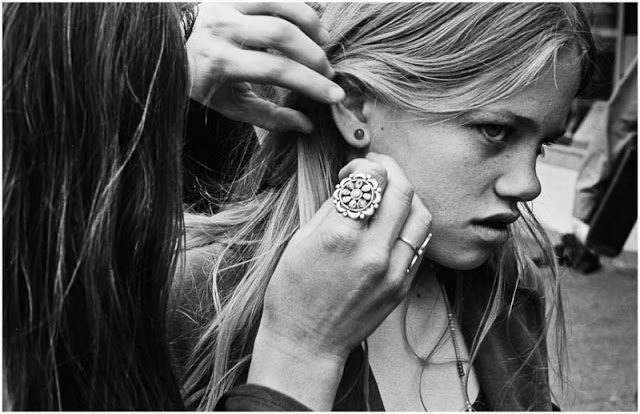
Hippie fashion and values had a major effect on culture, influencing popular music, television, film, literature, and the arts. Since the 1960s, mainstream society has assimilated many aspects of hippie culture. The religious and cultural diversity the hippies espoused has gained widespread acceptance, and their pop versions of Eastern philosophy and Asian spiritual concepts have reached a larger group.
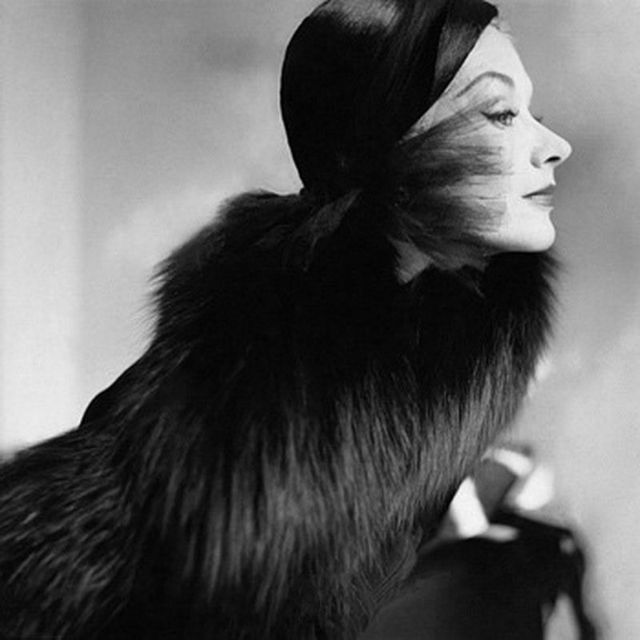
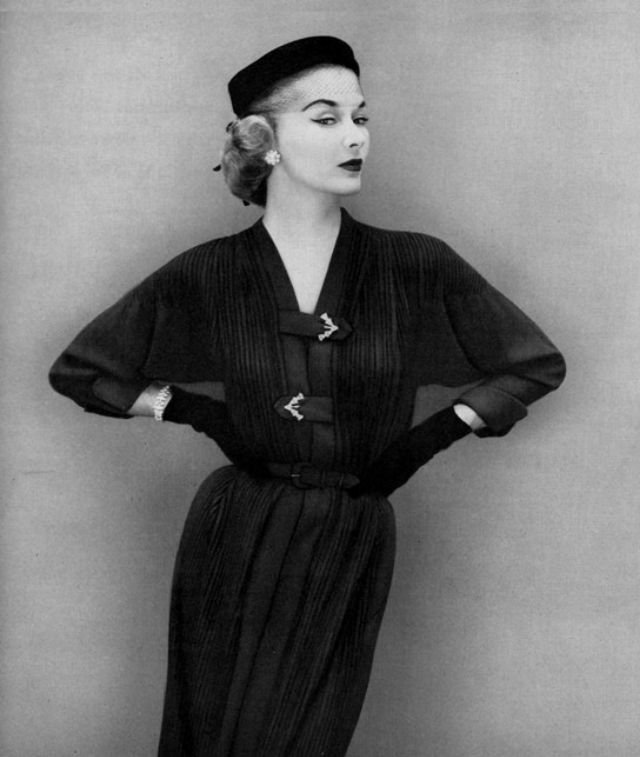
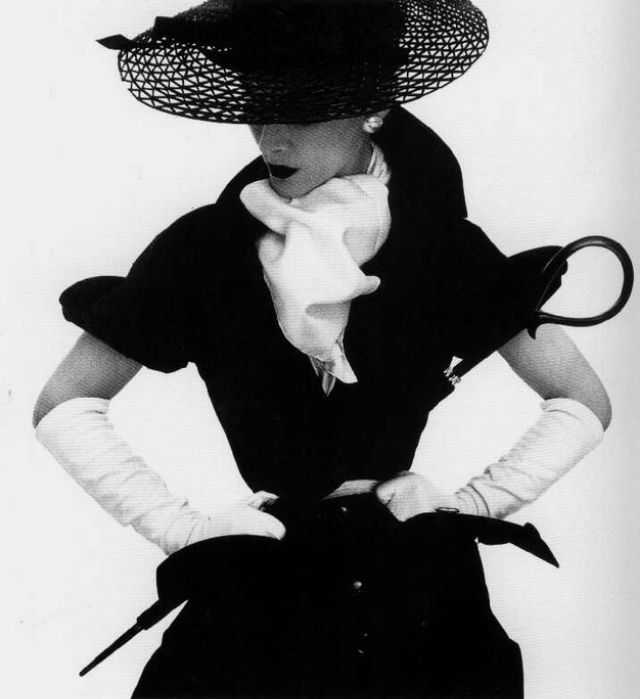
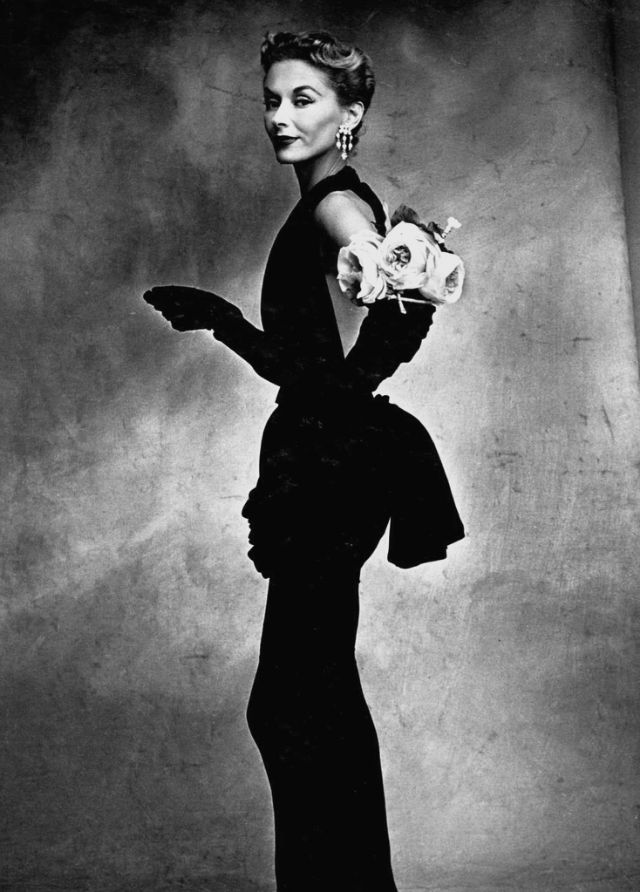
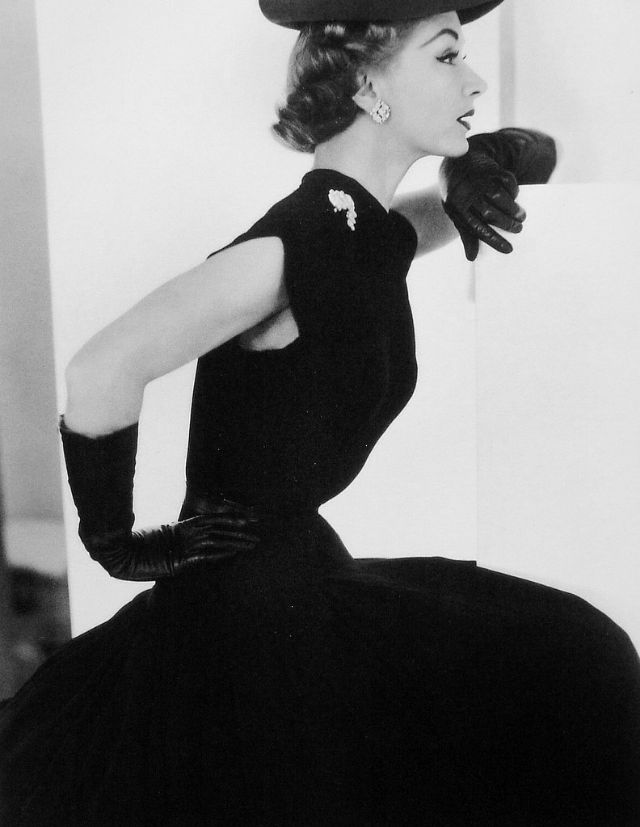
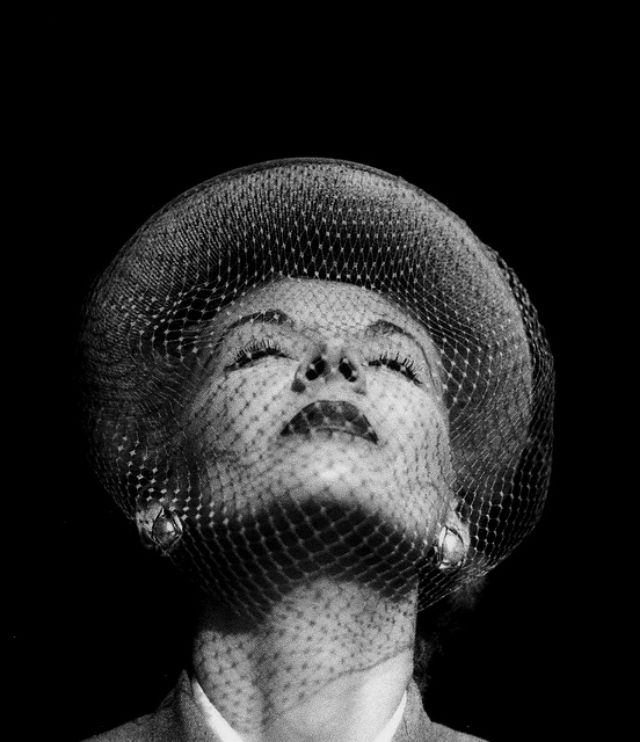
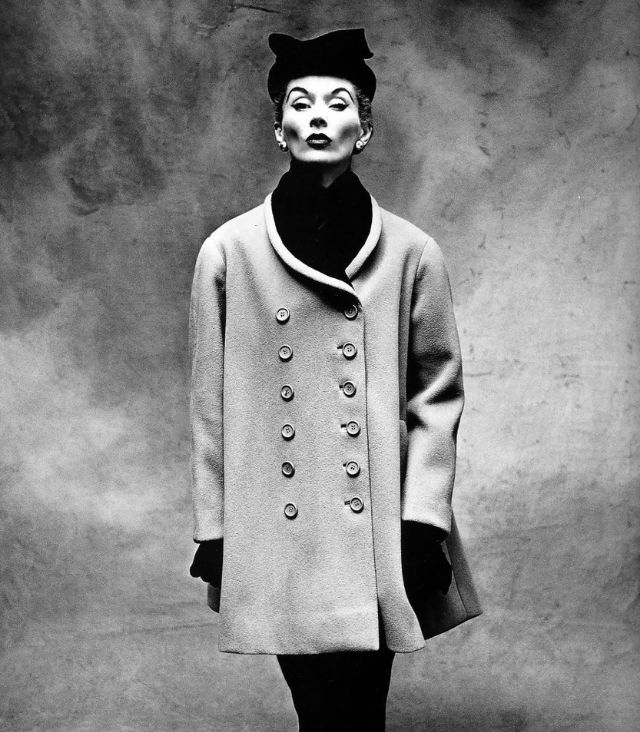
Born in Sweden in 1911, Lisa Fonssagrives first studies dance and settles in Paris to improve her technique before marrying fellow dancer Fernand Fonnsagrives, in 1935.
Remarked by photographer Willy Maymald, in the elevator of her building, she begins modeling and moves to New York when World War II breaks out.
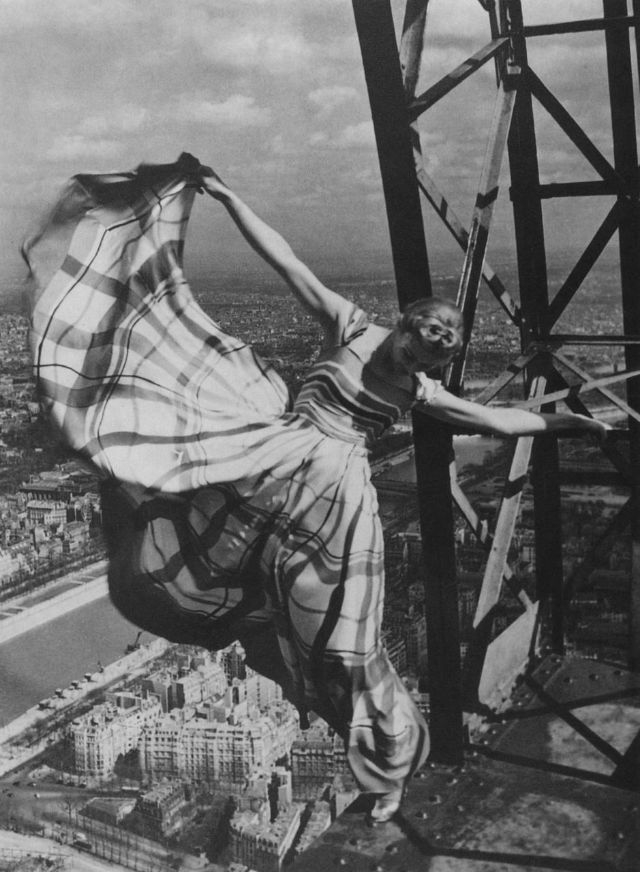
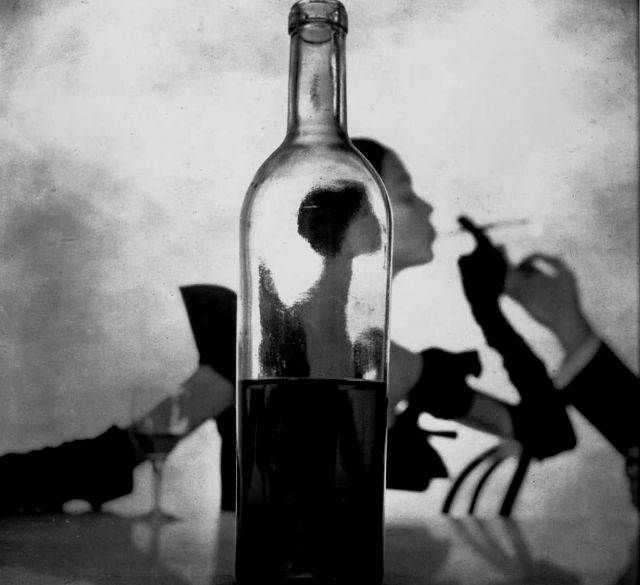
While her husband and herself take on photography, she is at the height of her career and is the first fashion model to appear on the cover of Time magazine that describes her as ‘a billion-dollar baby with a billion-dollar smile and a billion-dollar sales book in her billion-dollar hand.’ in 1947, she meets Irving Penn to whom she becomes a muse and wife, in 1950 and as a reminiscence of her liberated childhood environment, she dares to pose naked and hang herself in a flowing Lucien Lelong dress to an Eiffel Tower girder before Erwin Blumenfeld’s camera.
Believing ‘making a beautiful picture is making art’, Lisa Fonssagrives quite logically turned herself towards sculpture after her modelling career, affirming she had been ‘a sculptor all my life […] I was a form in space.’