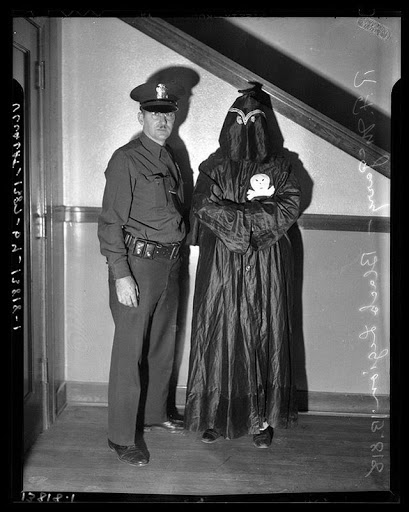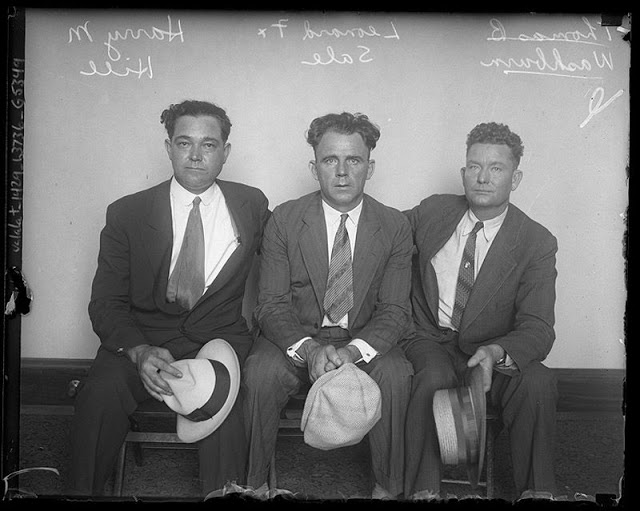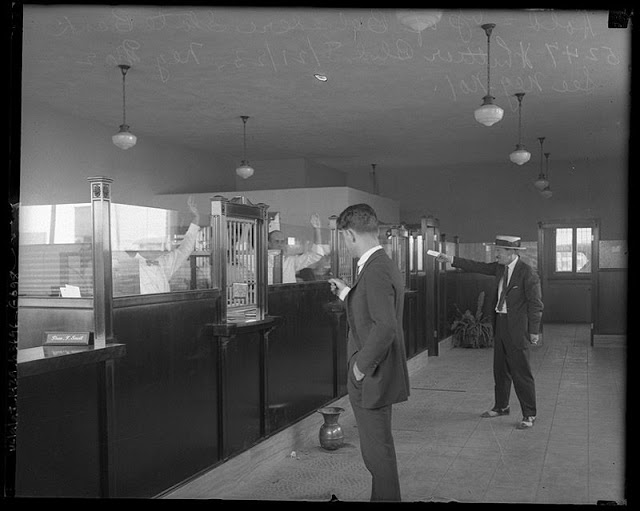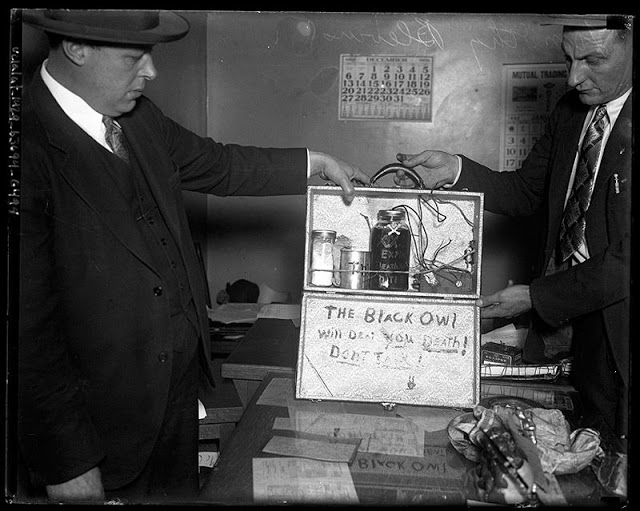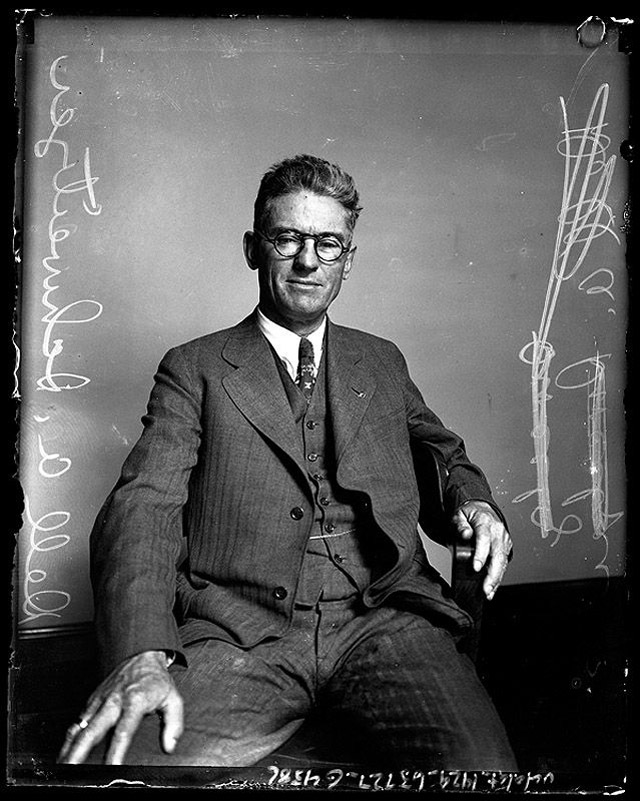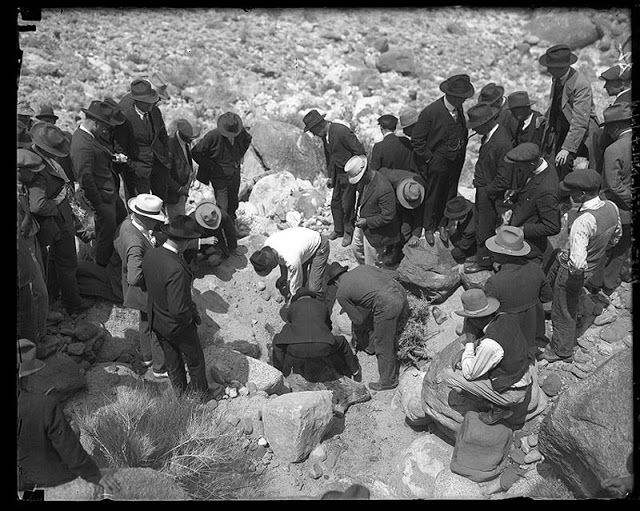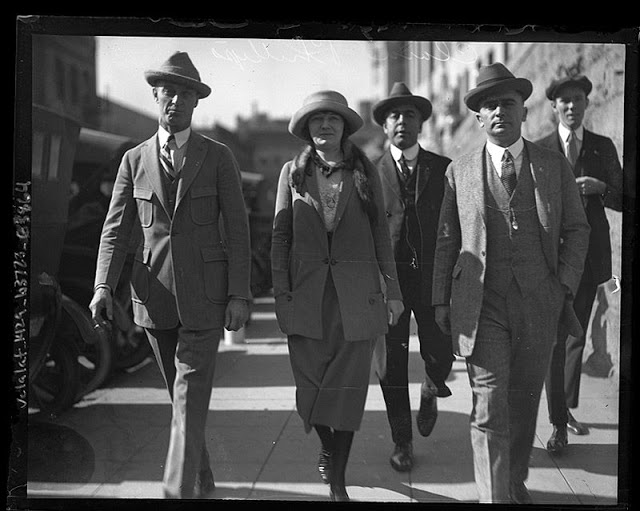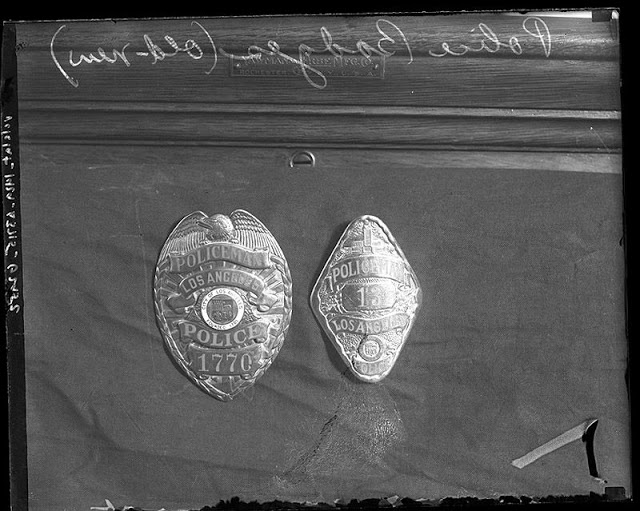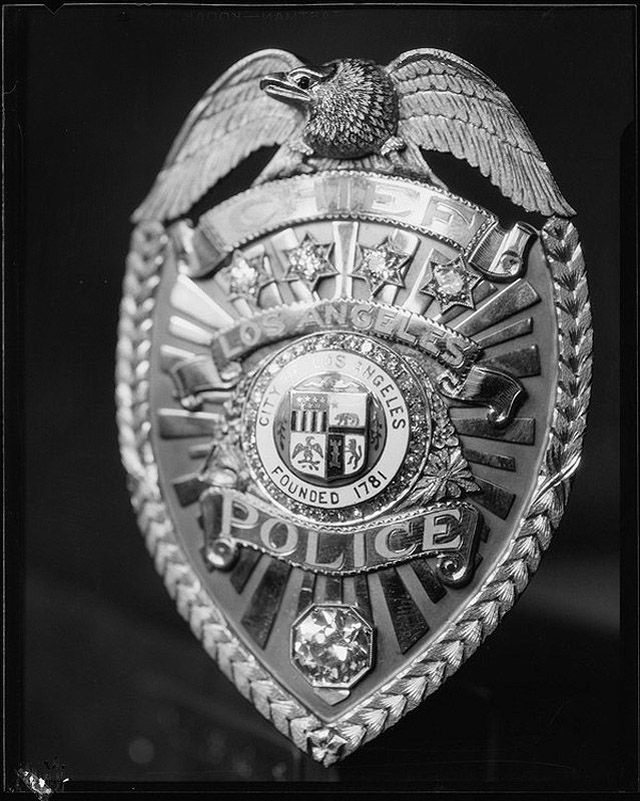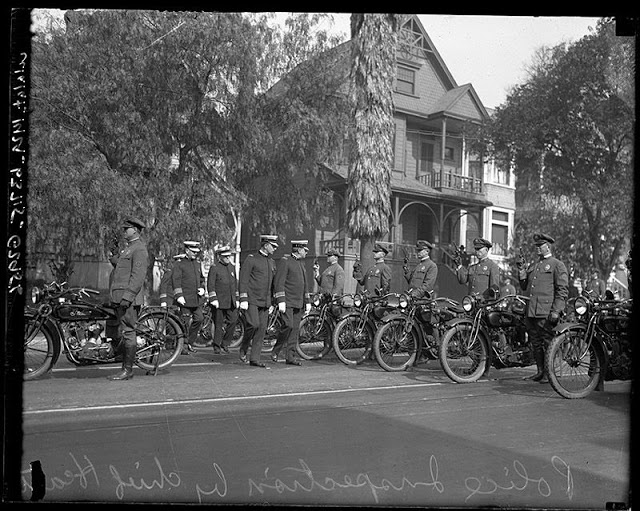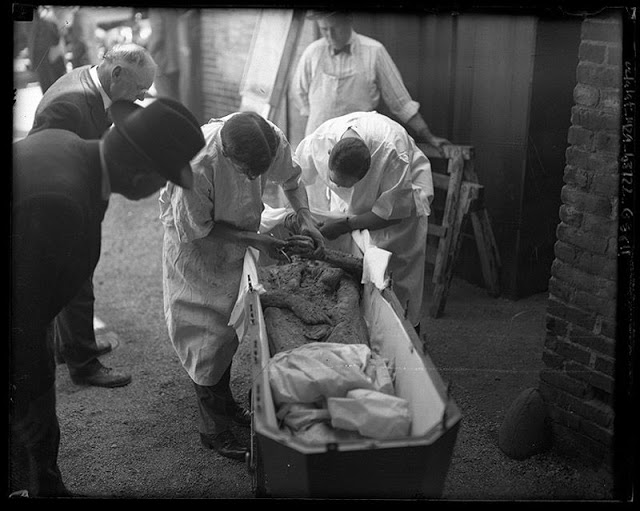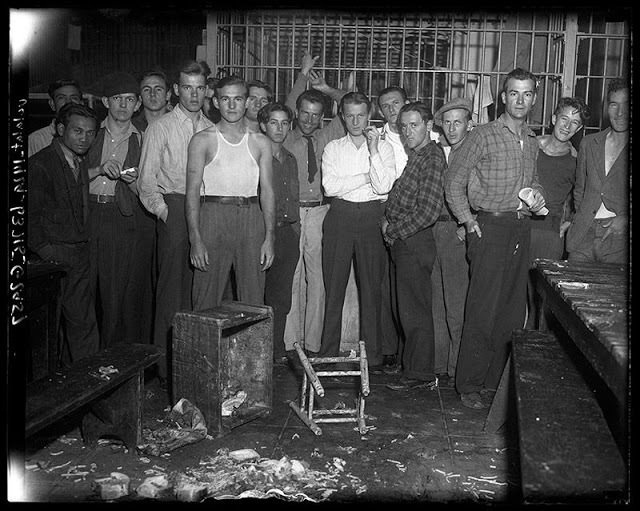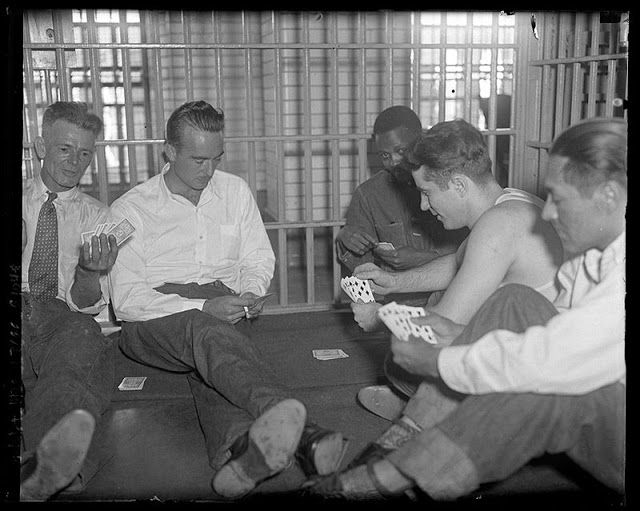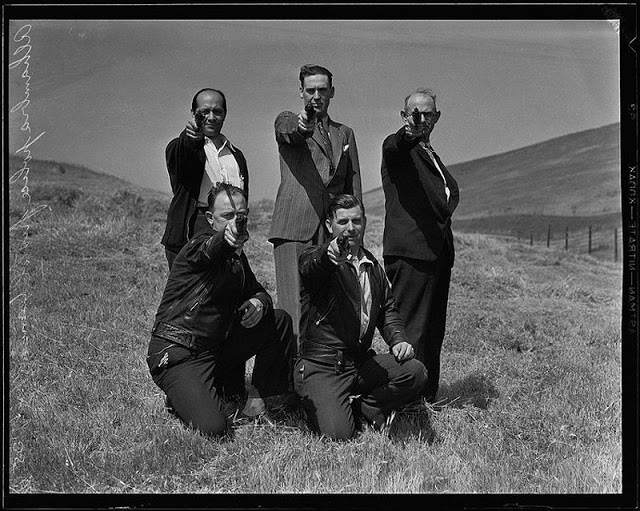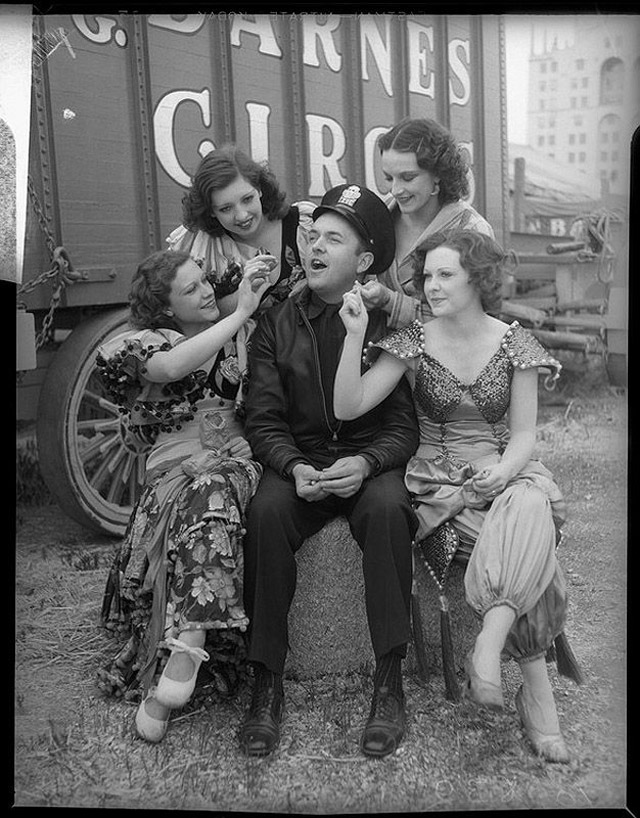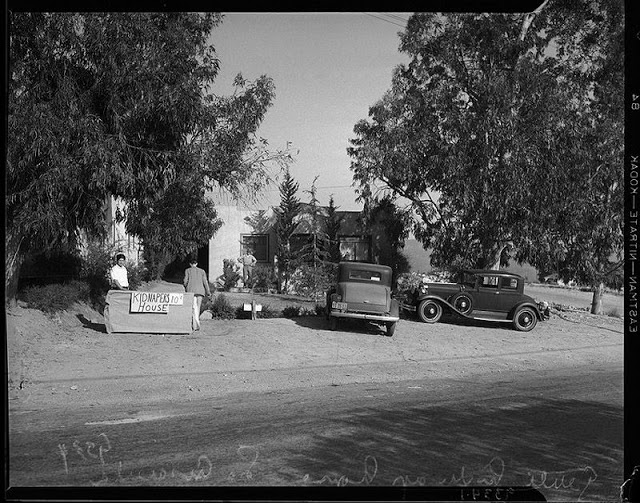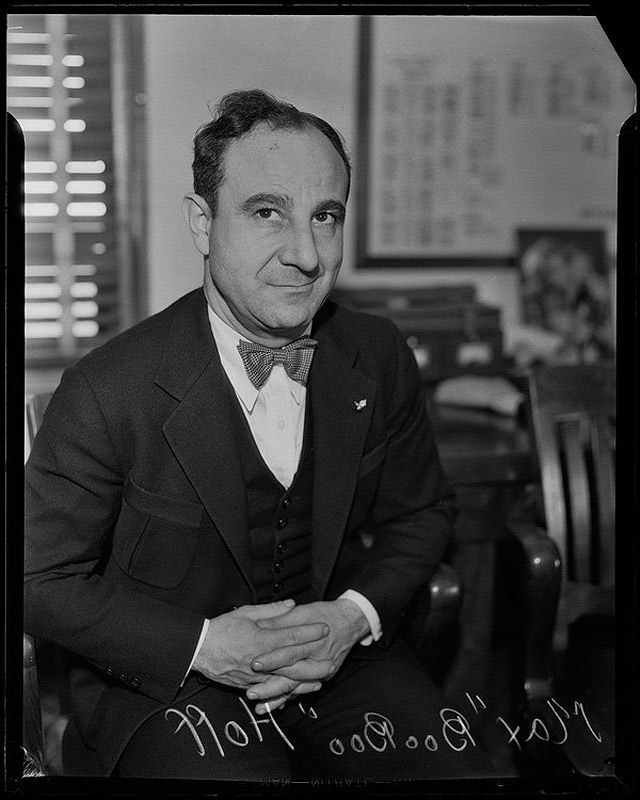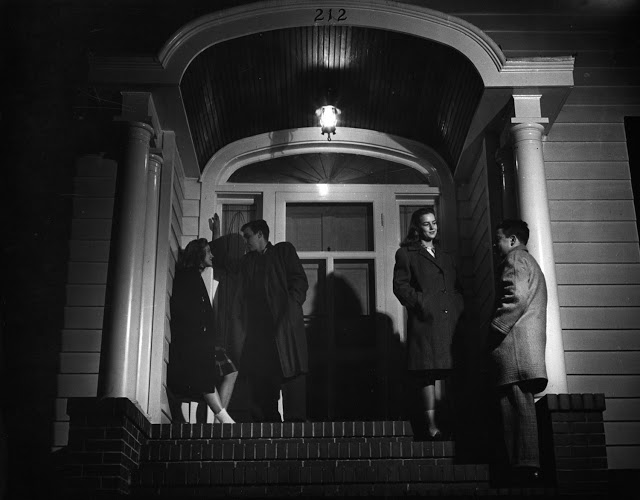
43 Amazing Photos Showing Los Angeles During the Prohibition Era of the 1920s & Early 1930s

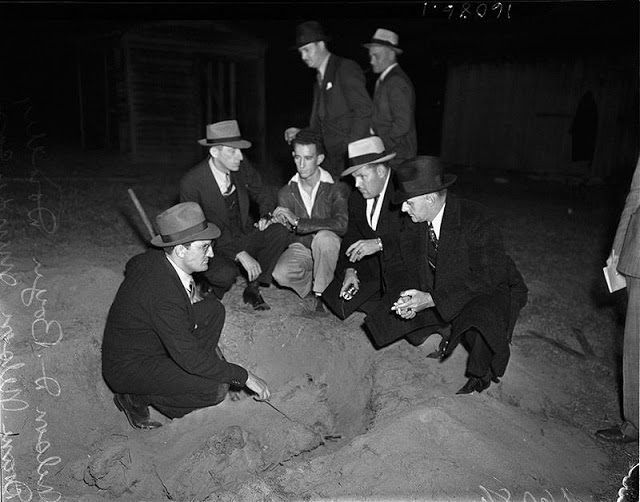
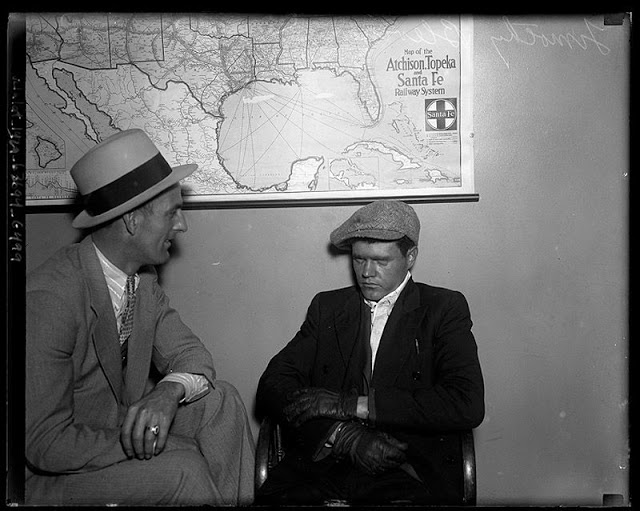
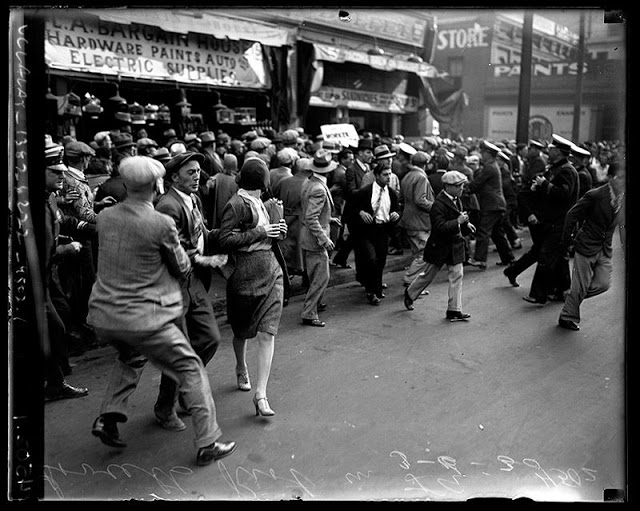
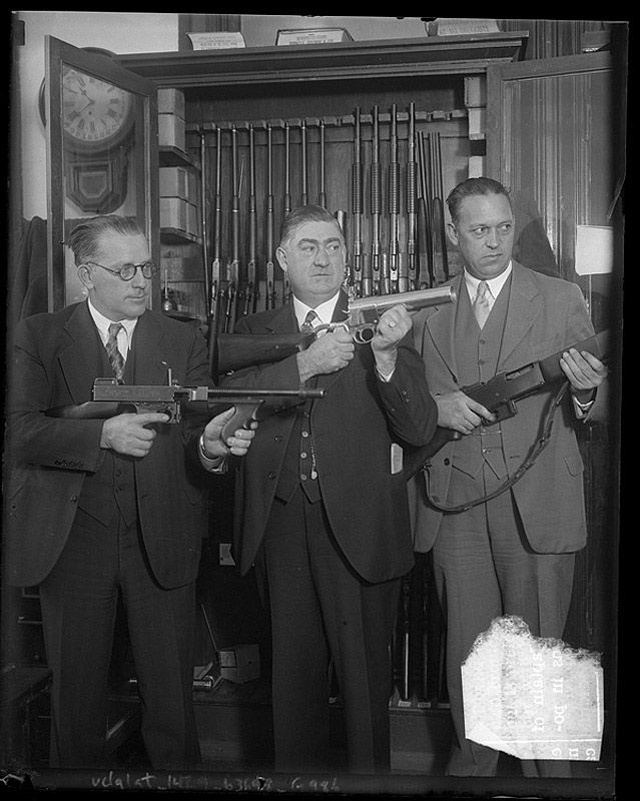
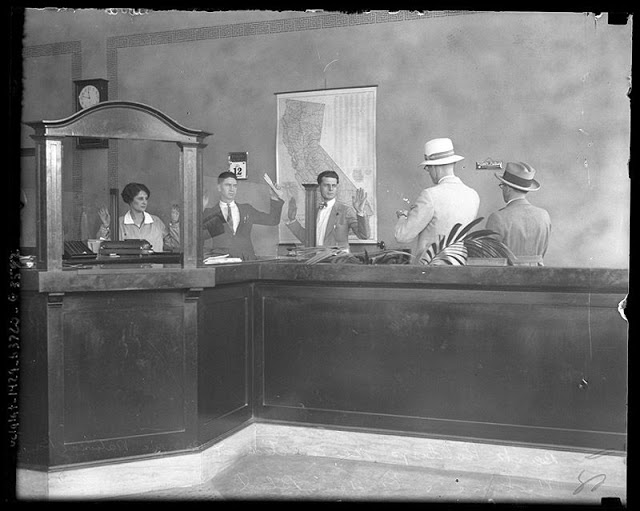
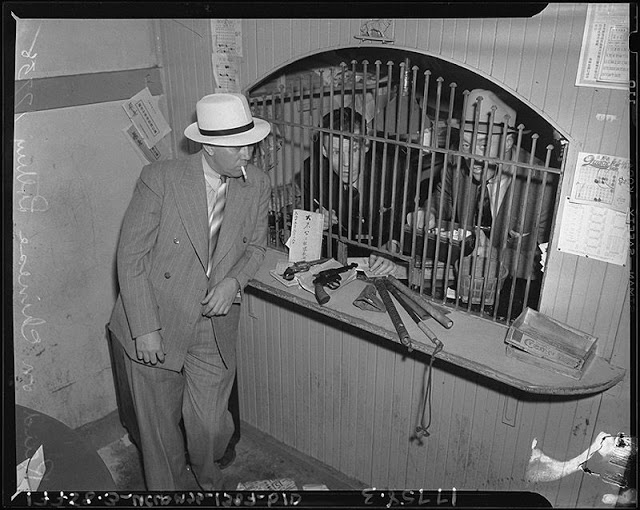
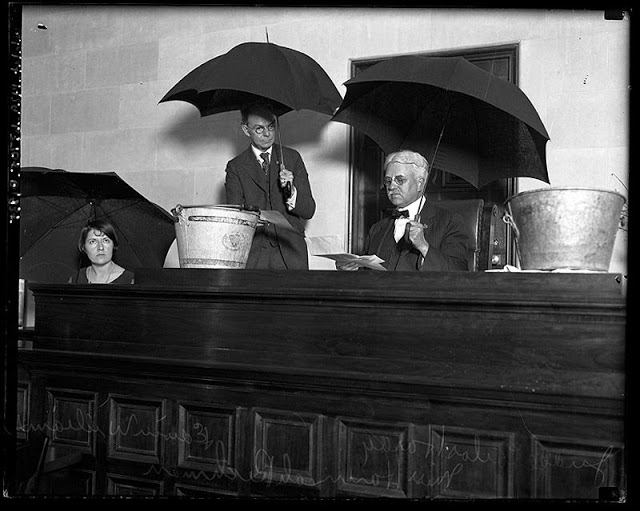
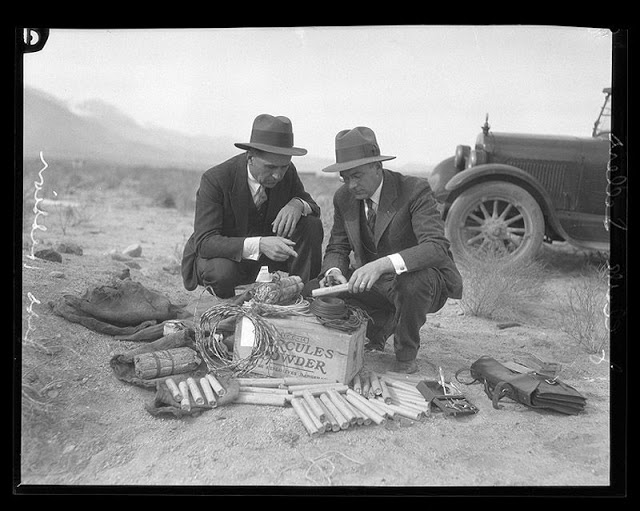
Prohibition in the United States was a nationwide constitutional ban on the production, importation, transportation, and sale of alcoholic beverages from 1920 to 1933.

Prohibitionists first attempted to end the trade in alcoholic drinks during the 19th century. Led by pietistic Protestants, they aimed to heal what they saw as an ill society beset by alcohol-related problems such as alcoholism, family violence and saloon-based political corruption. Many communities introduced alcohol bans in the late 19th and early 20th centuries, and enforcement of these new prohibition laws became a topic of debate. Prohibition supporters, called “drys”, presented it as a battle for public morals and health. The movement was taken up by progressives in the Prohibition, Democratic and Republican parties, and gained a national grassroots base through the Woman’s Christian Temperance Union. After 1900, it was coordinated by the Anti-Saloon League. Opposition from the beer industry mobilized “wet” supporters from the wealthy Catholic and German Lutheran communities, but the influence of these groups receded from 1917 following the entry of the US into the First World War against Germany.

The alcohol industry was curtailed by a succession of state legislatures, and finally ended nationwide under the Eighteenth Amendment to the United States Constitution in 1920, which passed “with a 68 percent supermajority in the House of Representatives and 76 percent support in the Senate” as well as ratification by 46 out of 48 states. Enabling legislation, known as the Volstead Act, set down the rules for enforcing the federal ban and defined the types of alcoholic beverages that were prohibited. Not all alcohol was banned; for example, religious use of wine was permitted. Private ownership and consumption of alcohol were not made illegal under federal law, but local laws were stricter in many areas, with some states banning possession outright.

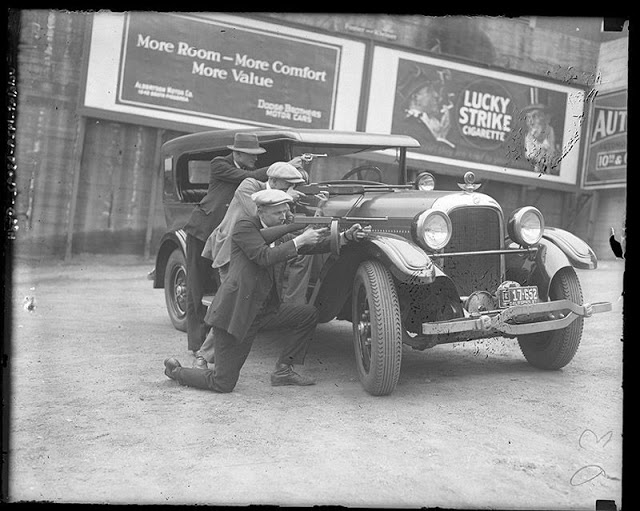
Following the ban, criminal gangs gained control of the beer and liquor supply in many cities. By the late 1920s, a new opposition to Prohibition emerged nationwide. Critics attacked the policy as causing crime, lowering local revenues, and imposing “rural” Protestant religious values on “urban” America. Prohibition ended with the ratification of the Twenty-first Amendment, which repealed the Eighteenth Amendment on December 5, 1933, though prohibition continued in some states. To date, this is the only time in American history in which a constitutional amendment was passed for the purpose of repealing another.

Some research indicates that alcohol consumption declined substantially due to Prohibition. Rates of liver cirrhosis, alcoholic psychosis, and infant mortality also declined. Prohibition’s effect on rates of crime and violence is disputed. Despite this, it lost supporters every year it was in action, and lowered government tax revenues at a critical time before and during the Great Depression.

168.tif

Battle of Iwo Jima, 1945

The Battle of Iwo Jima (19 February – 26 March 1945) was a major battle in which the United States Marine Corps and Navy landed on and eventually captured the island of Iwo Jima from the Imperial Japanese Army (IJA) during World War II. The American invasion, designated Operation Detachment, had the goal of capturing the entire island, including the three Japanese-controlled airfields (including the South Field and the Central Field), to provide a staging area for attacks on the Japanese main islands. This five-week battle comprised some of the fiercest and bloodiest fighting of the Pacific War of World War II.

After the heavy losses incurred in the battle, the strategic value of the island became controversial. It was useless to the U.S. Army as a staging base and useless to the U.S. Navy as a fleet base. However, Navy Seabees rebuilt the landing strips, which were used as emergency landing strips for USAAF B-29s.

The IJA positions on the island were heavily fortified, with a dense network of bunkers, hidden artillery positions, and 18 km (11 mi) of underground tunnels. The American ground forces were supported by extensive naval artillery, and had complete air supremacy provided by U.S. Navy and Marine Corps aviators throughout the entire battle.

Japanese combat deaths numbered three times the number of American deaths although, uniquely among Pacific War Marine battles, American total casualties (dead and wounded) exceeded those of the Japanese. Of the 21,000 Japanese soldiers on Iwo Jima at the beginning of the battle, only 216 were taken prisoner, some of whom were captured because they had been knocked unconscious or otherwise disabled. The majority of the remainder were killed in action, although it has been estimated that as many as 3,000 continued to resist within the various cave systems for many days afterwards, eventually succumbing to their injuries or surrendering weeks later.

Despite the bloody fighting and severe casualties on both sides, the American victory was assured from the start. Overwhelming American superiority in numbers and arms as well as complete air supremacy—coupled with the impossibility of Japanese retreat or reinforcement, along with sparse food and supplies—permitted no plausible circumstance in which the Americans could have lost the battle.

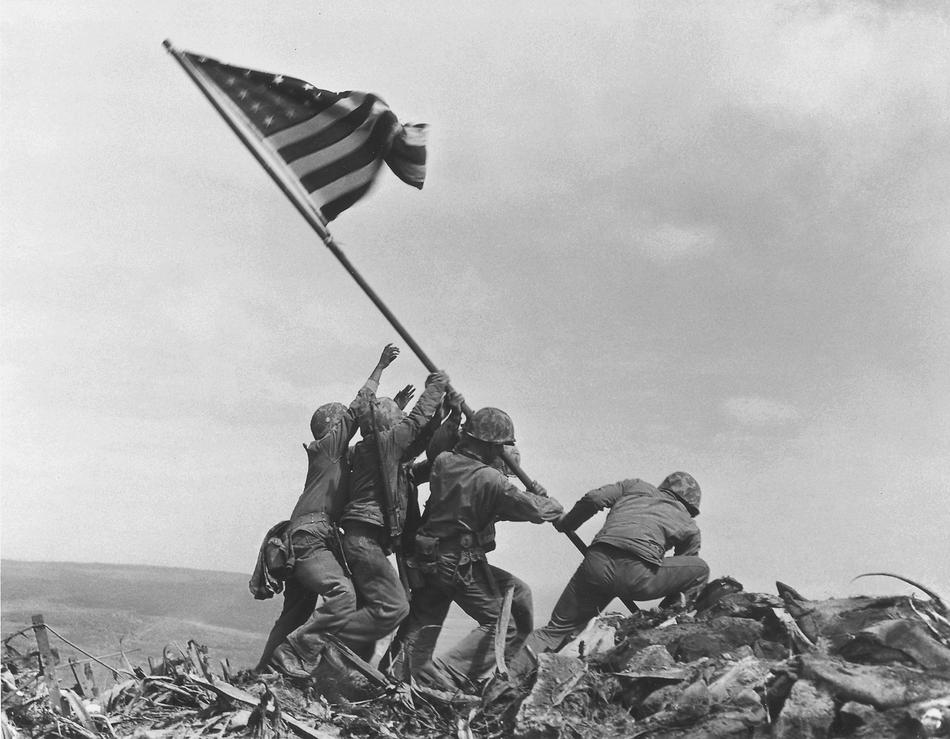
Joe Rosenthal’s Associated Press photograph of the raising of the U.S. flag on top of the 169 m (554 ft) Mount Suribachi by six U.S. Marines became an iconic image of the battle and the American war effort in the Pacific.

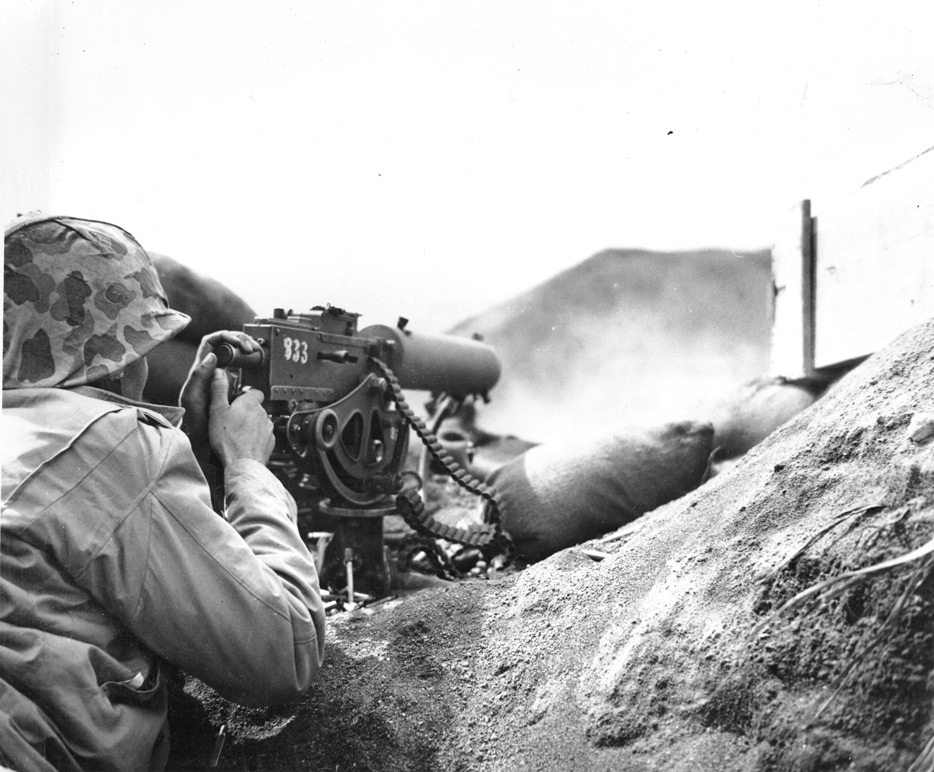
Iwo Jima February 19, 1945. A Marine machine gunner fires at Japanese positions in support of a Marine advance on Iwo Jima.
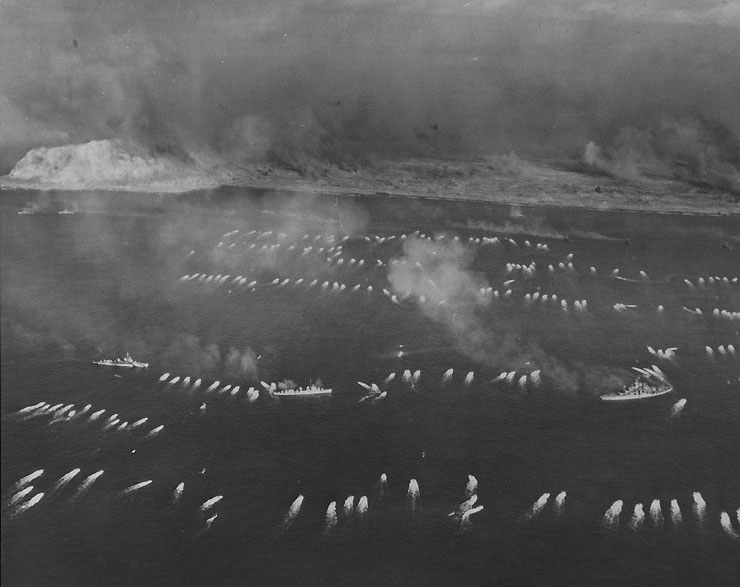
The first wave of landing craft at Iwo Jima, 19 Feb 1945
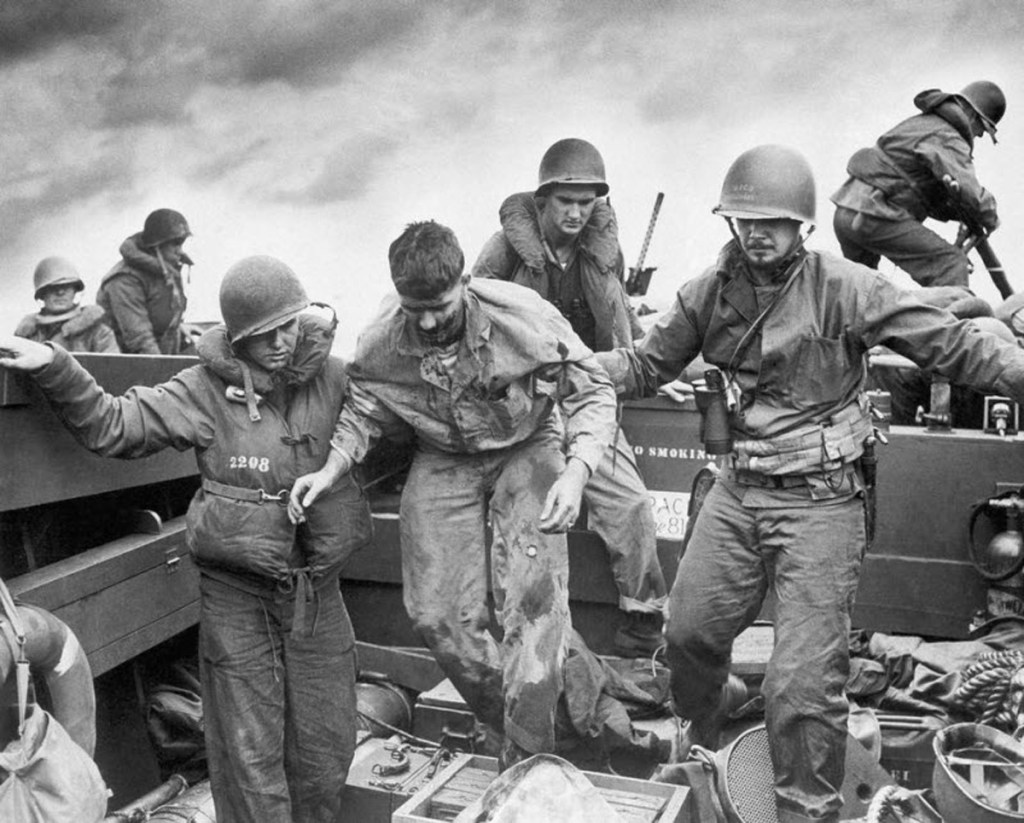
US Coast Guardsmen assisting a wounded Marine into an LCVP after the Marine’s LVT sustained a direct hit while heading to the landing beaches on Iwo Jima, Feb 18, 1945.
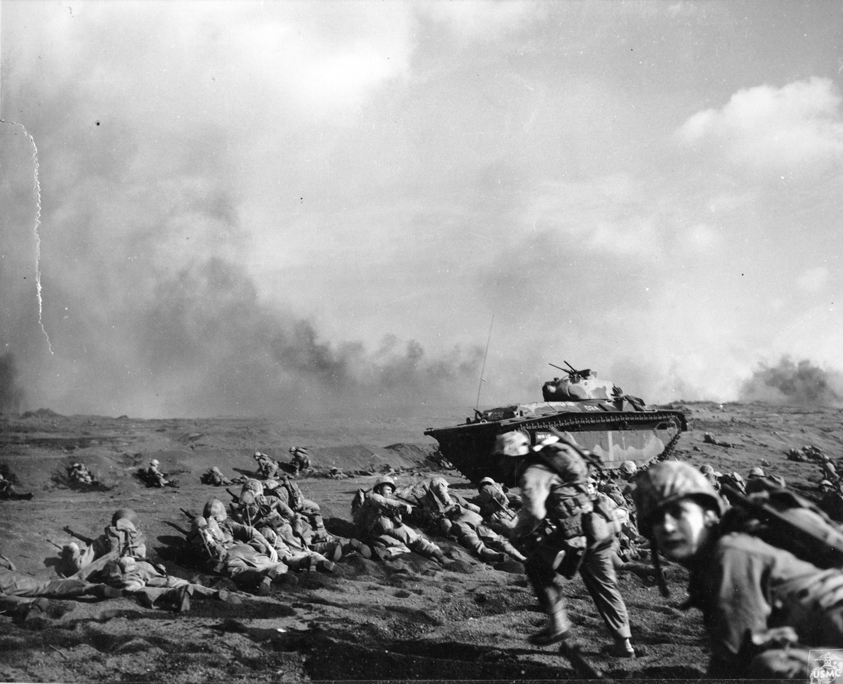
Fifth Division Marines moving inland off the beach, after coming ashore on Iwo Jima, 19 Feb 1945
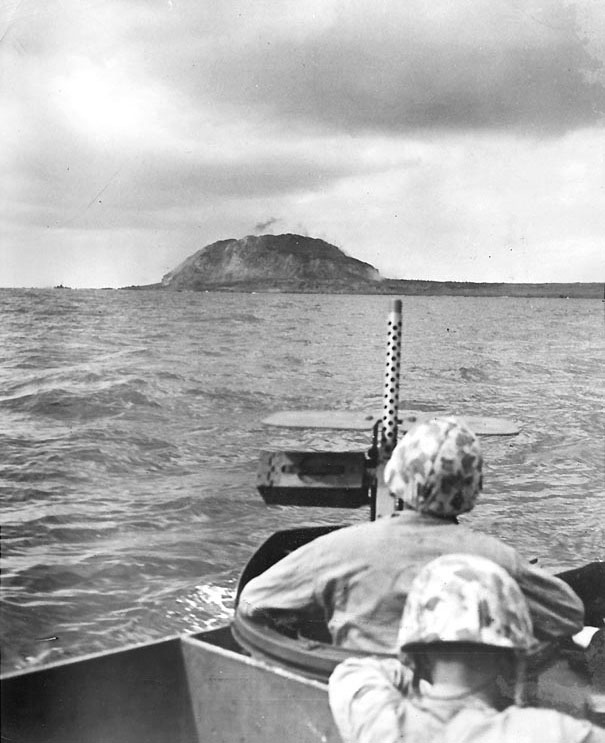
Marines in a LCVP off Iwo Jima, 19 Feb 1945
Marines crouched in a Coast Guard-manned LCVP on the way in on the first wave to hit the beach at Iwo Jima, 19 Feb 1945
Men of the US 4th Marines rushing out of their landing craft for Iwo Jima landing beach, 19 Feb 1945
Iwo Jima, February 22, 1945. Supplies: An LSM, (Landing Ship, Medium), drops it’s ramp almost clear of the water and Marines roll supplies ashore for the inland drive on Iwo Jima.
Iwo Jima, February 24, 1945. Shelling Iwo: Section chief, Marine Private First Class R. F. Callahan calls for fire and another 155 mm shell is hurled into a Japanese position.
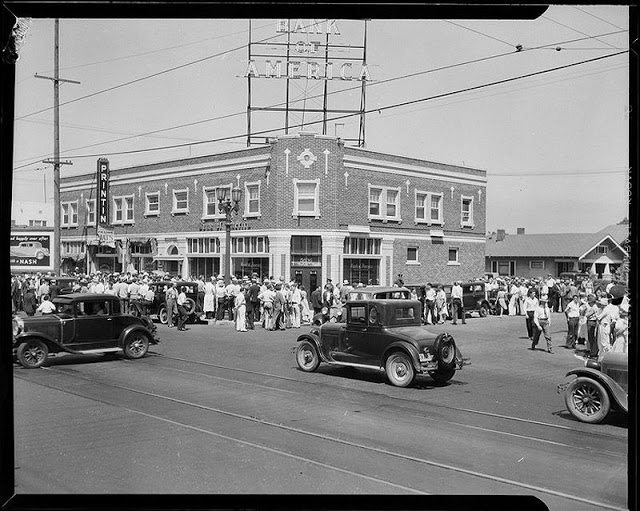
Men of US Marine Corps 4th Division shelling Japanese positions from the beach, Iwo Jima, Feb 1945
Men of US Marines, Second Battalion, Seventh Regiment waited to move inland on Iwo Jima, soon after going ashore, 19 Feb 1945
Iwo Jima February 19, 1945. A wave of Marines is organized after reaching the Iwo beachhead and preparations are made for the push inland.
Helldivers of Bombing Squadron VB-9 returning to the USS Lexington after a strike in support of the US Marines on Iwo Jima, Feb 1945.
Iwo Jima February 1945. Riflemen lead the way as flame throwing Marines of the Fifth Division, crouched with the weight of their weapons, move up to work on a concentration of Japanese pillboxes.
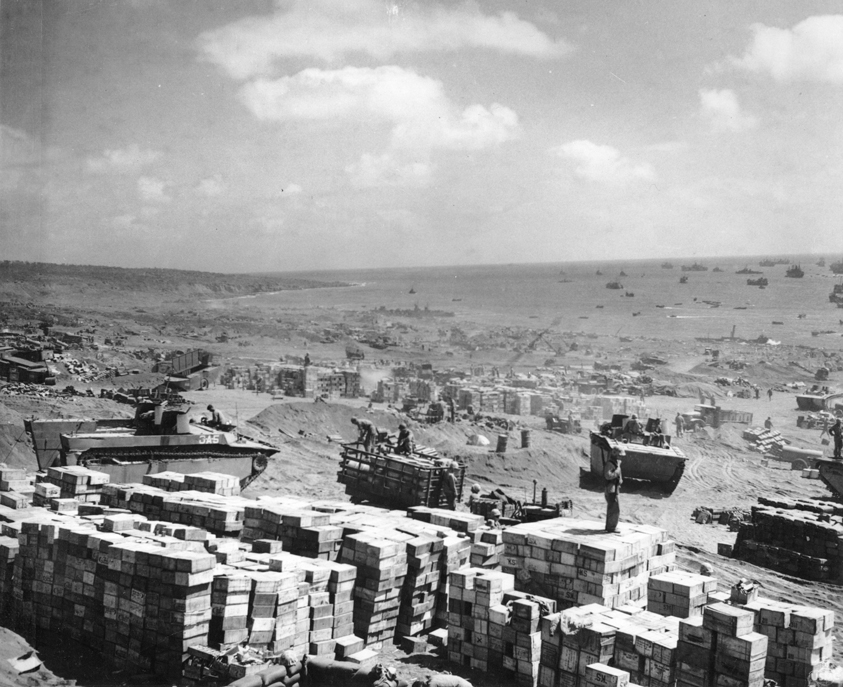
Iwo Jima February 1945. Supplies are unloaded from the vast fleet of ships offshore and ration dumps of the Third and Fourth Marine Divisions are established on the beach.
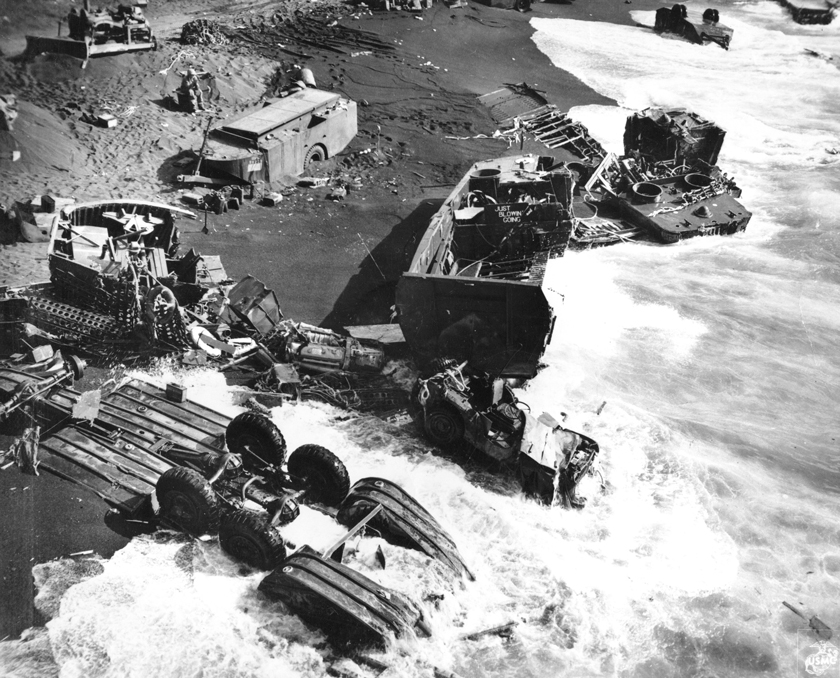
Closeup of wreckage of Marine equipment and landing barges partly submerged in the soft volcanic sand of the beach of Iwo Jima. February 1945.
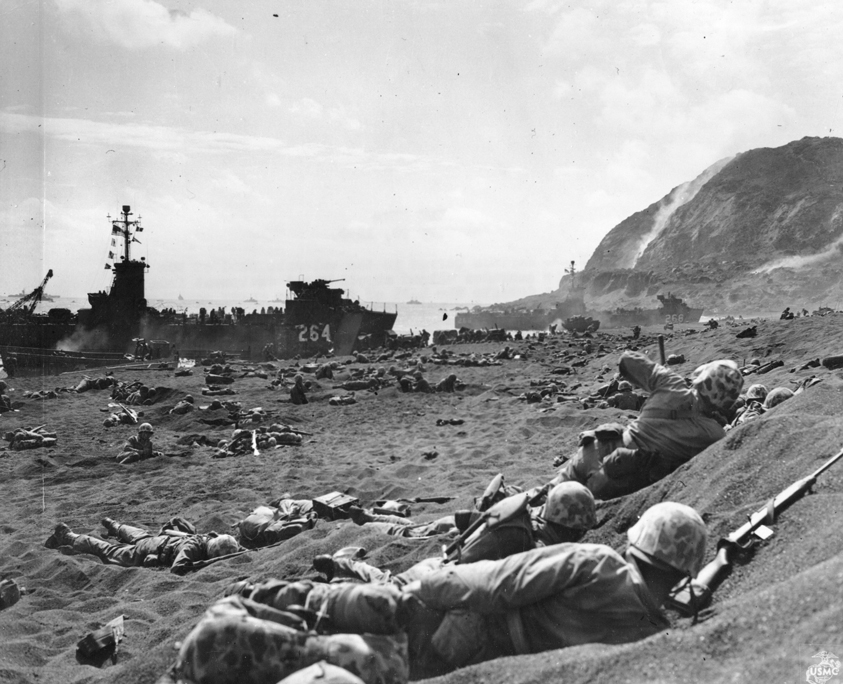
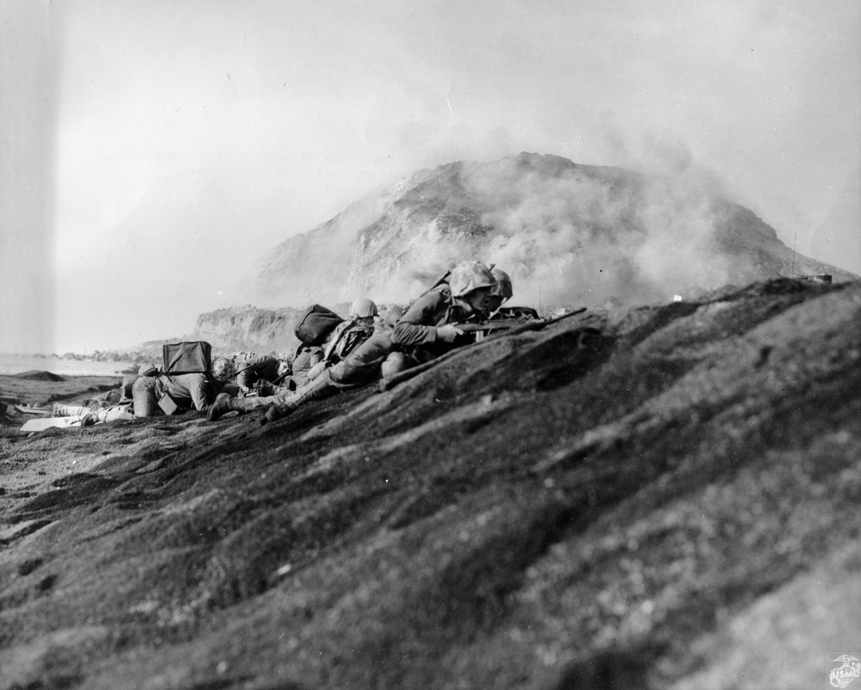
Iwo Jima February 20, 1945. Marines burrow in the volcanic sand of the Iwo beach, as their comrades unload supplies and equipment from landing vessels despite the hail of fire from enemy positions on Mount Suribachi in the background.
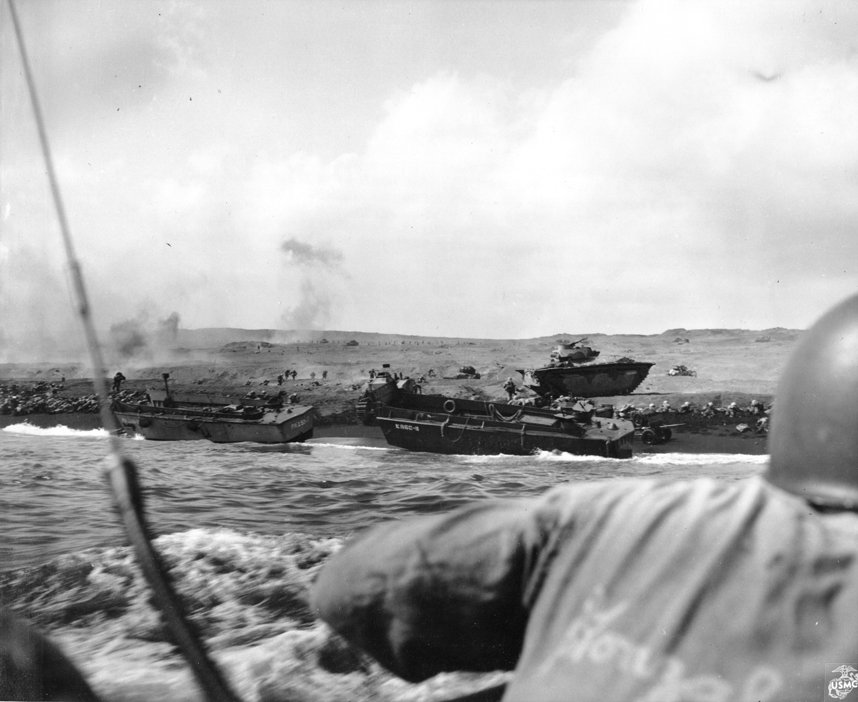
Iwo Jima February 19, 1945. Marine-laden assault craft head to the beach at Iwo Jima during the initial landings on D-day. Note Mount Suribachi looming in the left background.
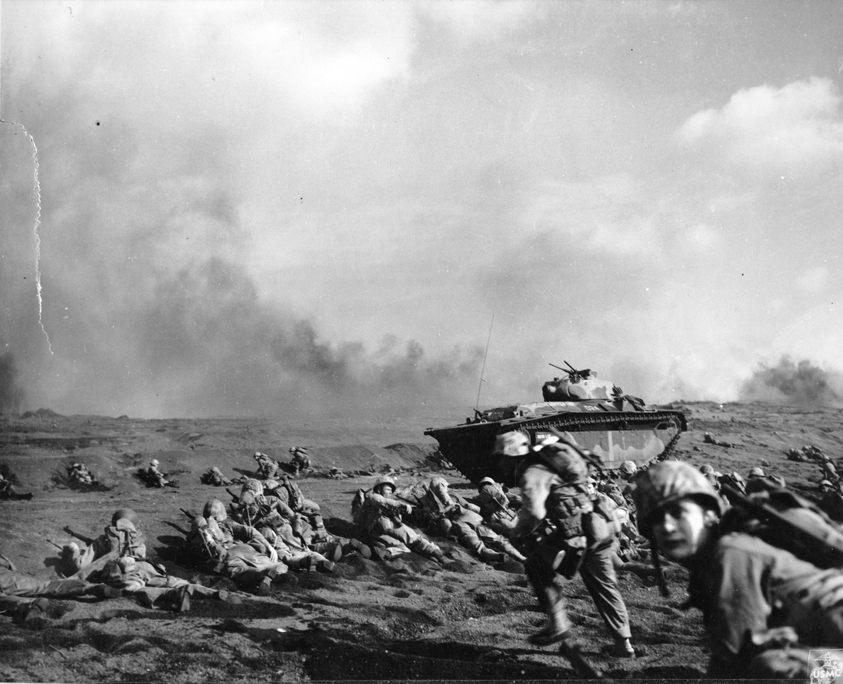
Iwo Jima February 19, 1945. Fourth Division Marines surge forward from the beach at Iwo Jima on D-day despite the hail of mortar and light artillery fire which the stubborn enemy defenders are raining down on the beachhead. Two attack waves are advancing up the barren slope toward the first airfield while a third assault line has just left the beach. Other waves await their turn and still more troops are headed shoreward in landing craft...
Iwo Jima February 19, 1945. A wave of Marines is organized after reaching the Iwo beachhead and preparations are made for the push inland.
Iwo Jima, February, 1945. Down Fifty: At a forward observation post, Marine spotters have located the exact fix on an enemy position as one of the group calls instructions to be relayed to artillery and mortar units requesting a concentration of fire on the Japanese strong point.
Iwo Jima, February 1945. Cozy Spot: View of a Regimental command post in a sandbagged position near the front lines at Iwo Jima.
Iwo Jima February 19, 1945. With enemy fire screaming overhead, Marines haul an ammunition cart on the beach at Iwo Jima on D-day.
Iwo Jima, February 21, 1945. Burrowed in the Sand: A Marine medium tank that couldn’t navigate the soft volcanic sand on Iwo, is track deep in a pit off the beach. This loose sand of the island proved an asset to the Japanese defenders.
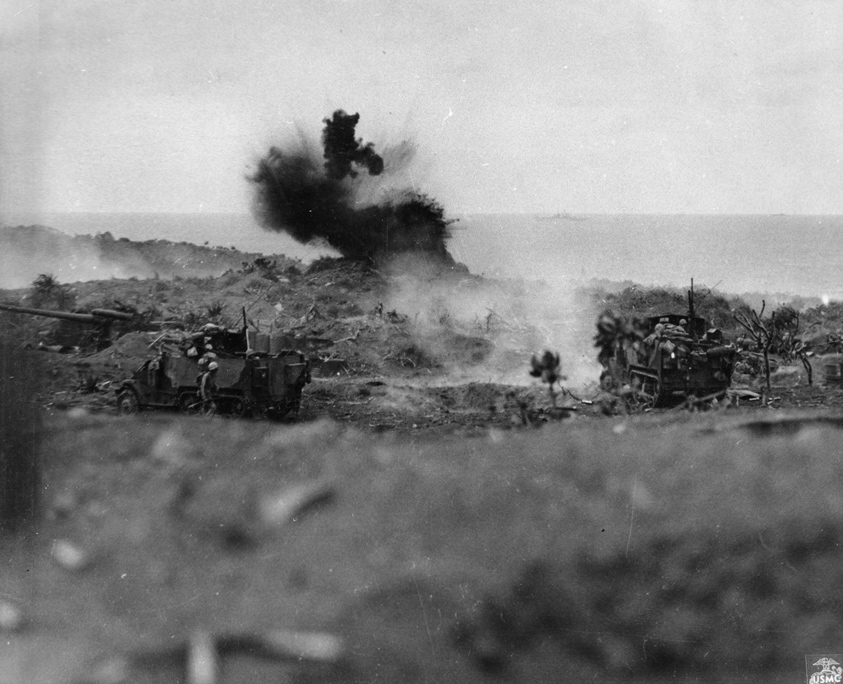
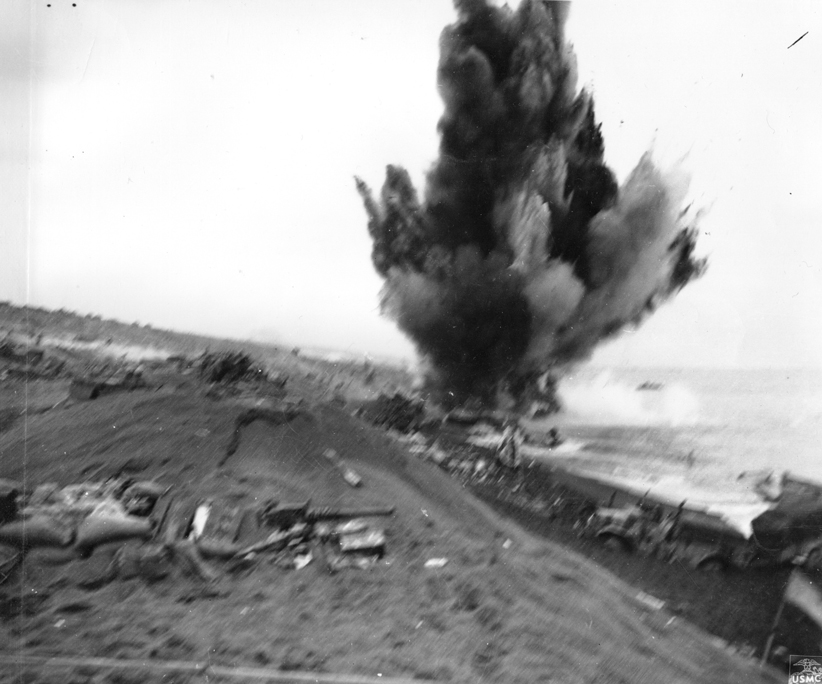
Iwo Jima February 19, 1945. A Japanese pillbox on Iwo goes up in smoke when the Marine halftracks in the foreground score a direct hit. Japanese artillery in this area (note the gun at extreme left), was previously zeroed on the landing beach and took a heavy toll of the invading Leathernecks.
Japanese Pillbox Explosion, 19 February 1945
Iwo Jima, February 20, 1945. Buddy to the Rescue: A wounded Marine gets a lift from a comrade after he was wounded by Japanese mortar fire on Iwo. Casualties were treated at front line aid stations and evacuated to rear bases for further medical attention.”
A 37mm gun on Iwo Jima beach with Mount Suribachi in background, 20 Feb 1945
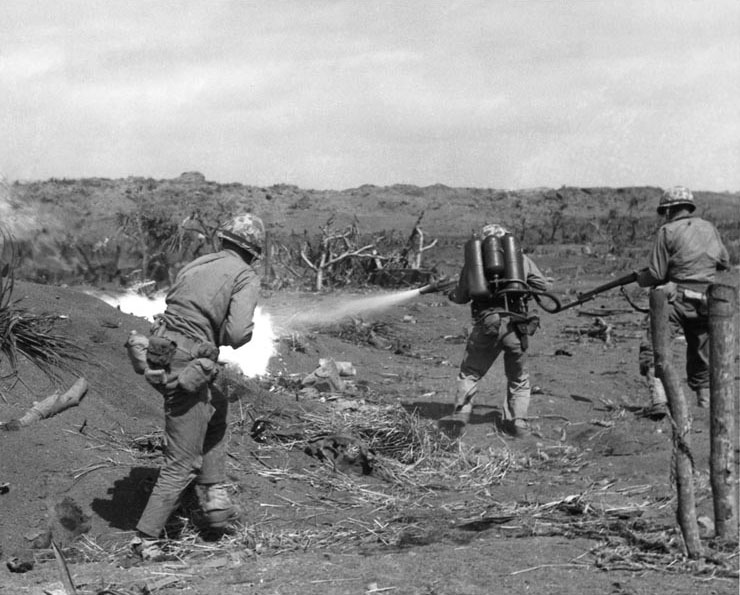
A US Marine used a flamethrower against a Japanese pillbox as he was covered by two riflemen, Iwo Jima, Feb 1945
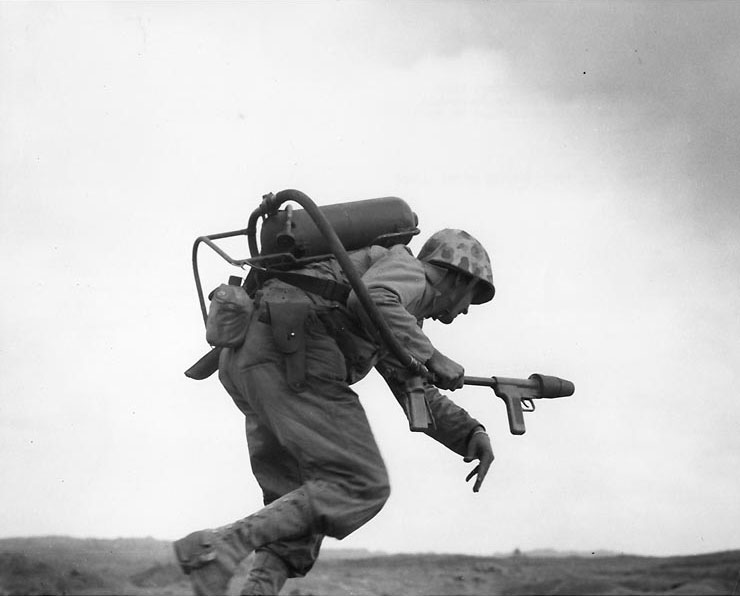
Man of US 9th Marines with flamethrower, Motoyama Airfield, Iwo Jima, Feb 1945
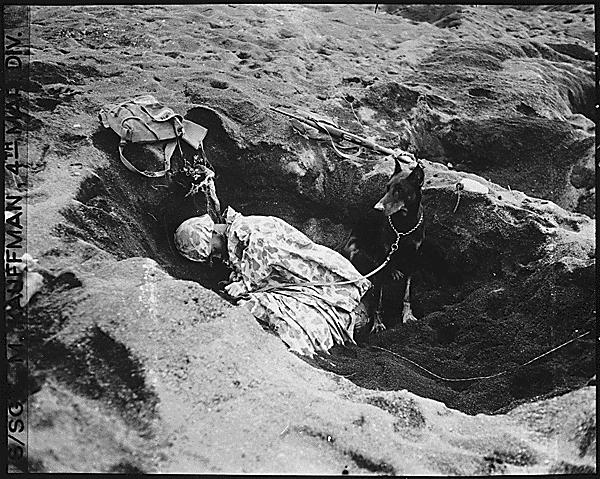
Pfc Reg P. Hester, 7th War Dog Platoon, 25th Regiment, took a nap while Dutch, his war dog, stood guard, Iwo Jima, Feb 1945
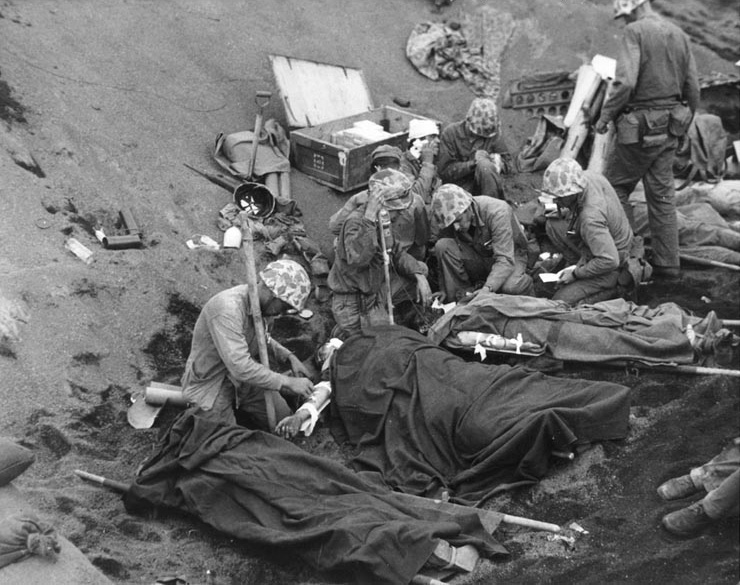
US Navy doctors and corpsmen administer to the wounded at a first aid station, Iwo Jima, Japan, 20 Feb 1945
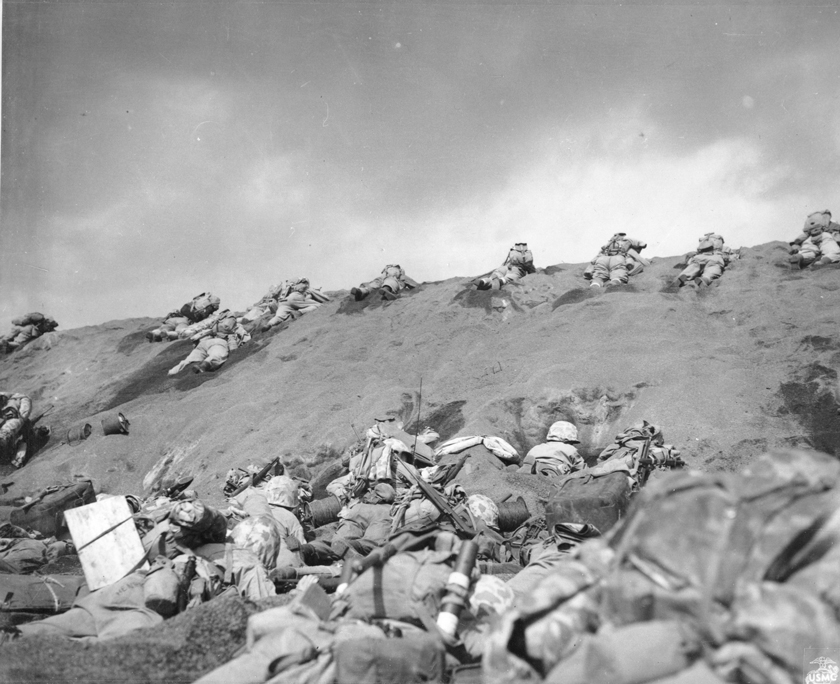
Iwo Jima February 19, 1945. In the face of withering enemy fire, Fifth Division Marines work their way up the slope from Red Beach One toward Suribachi Yama, hidden in the pal of smoke.
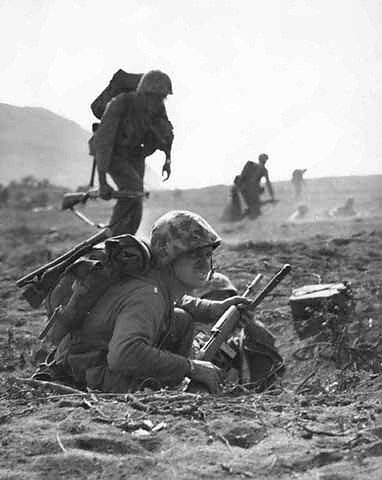
A carbine-equipped US Marine on Iwo Jima, Feb 1945
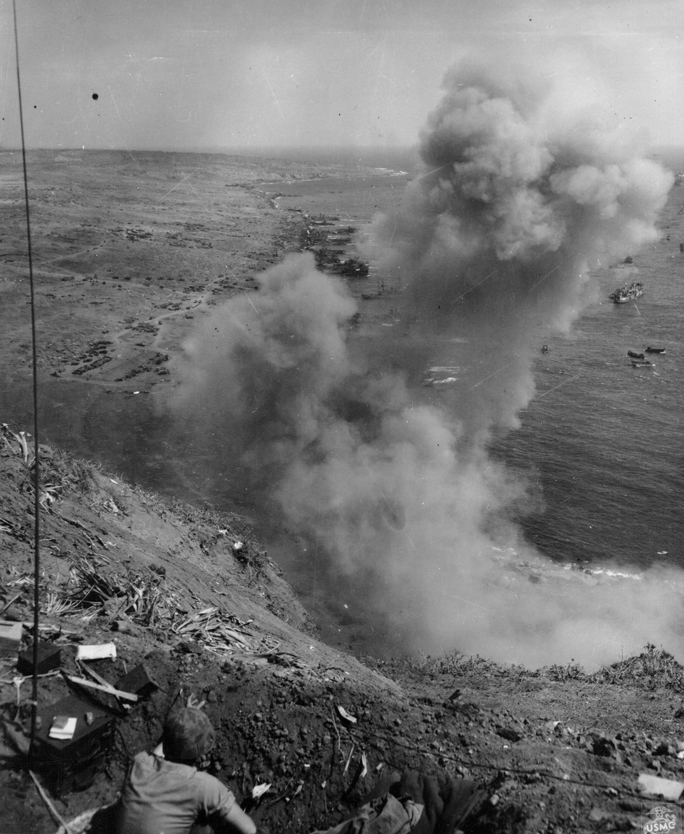
Iwo Jima, February 25, 1945. Blast on Suribachi: A demolition charge seals the entrance to one of the many caves on the slopes of Mount Suribachi from which the Japanese poured a withering fire on the Marine beachhead.
Iwo Jima, February 21, 1945. Beach Clearance: The quickest way to clear wrecked equipment from a section of the Iwo beachhead was to blast it away with demolition charges
Iwo Jima February 19, 1945. As the pall of smoke from the battlefield shrouds Mount Suribachi in the background, an afternoon assault wave of Marines worms it’s way over the crest of the beach terrace.
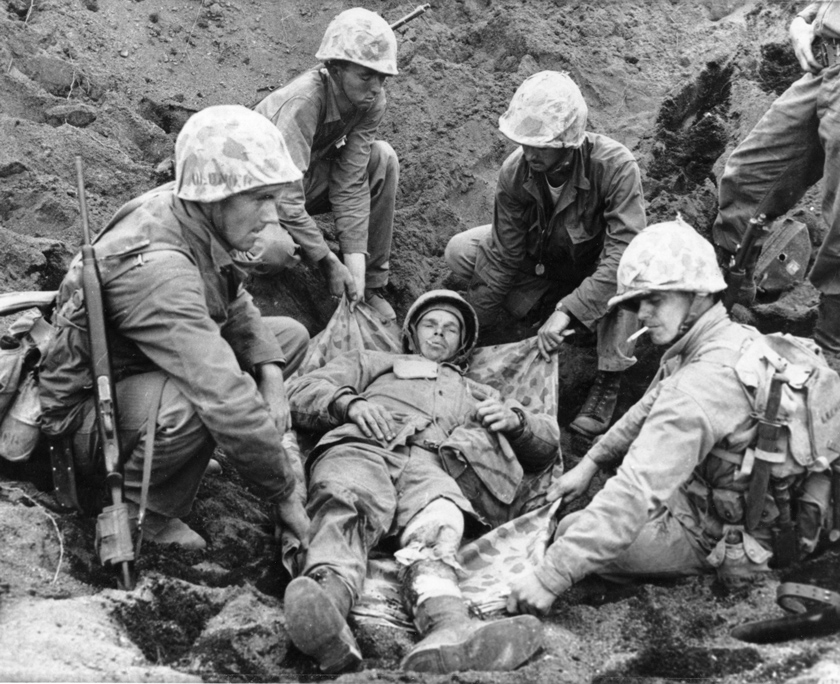
Iwo Jima, February 21, 1945. Agony on Iwo: Marines carefully slide a poncho under Corporal W. H. Porter, a victim of Japanese mortar fire on Iwo, preparatory to bearing him off for hospital care.
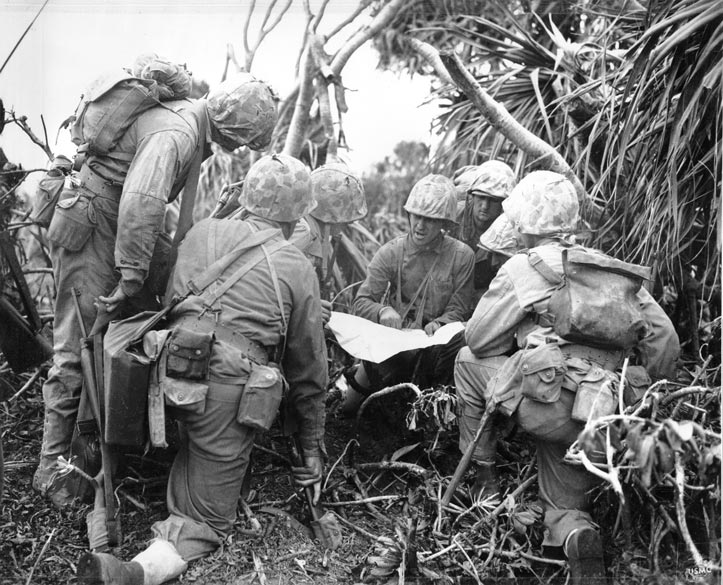
Iwo Jima, February 20, 1945. West Coast Advance: While advancing up the west coast of the island, Marine Lieutenant R. A. Tilgham, gathered his men for briefing on the battlefield though they were under fire.
Iwo Jima, February 1945. Cozy Spot: View of a Regimental command post in a sandbagged position near the front lines at Iwo Jima.
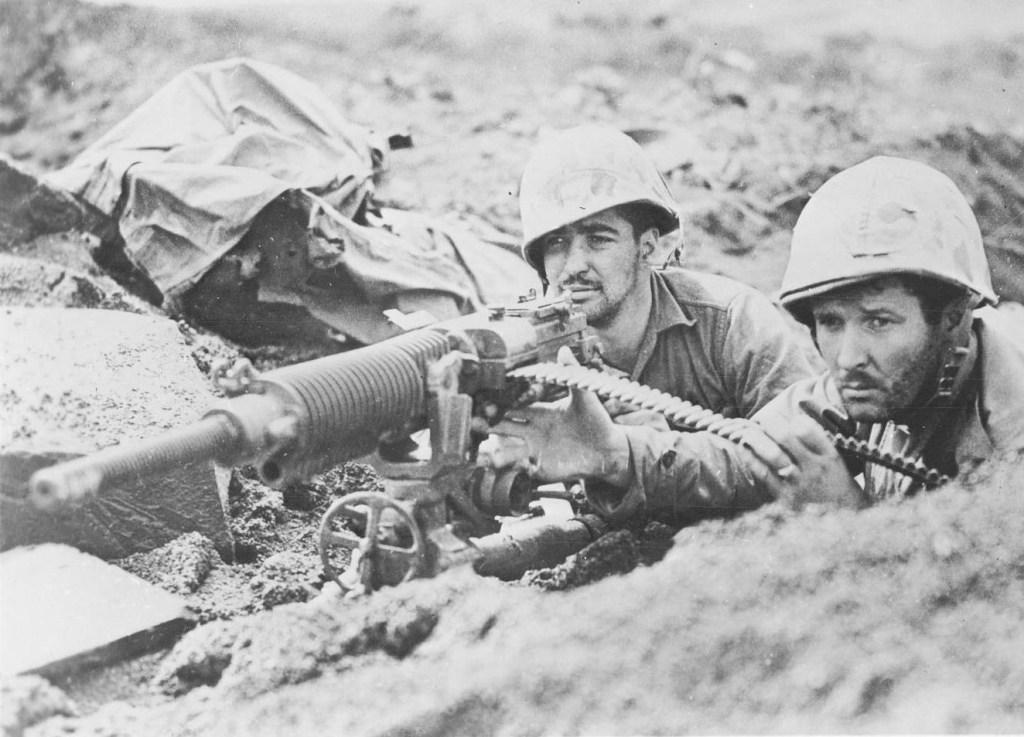
US Marines operating a captured Japanese Type 92 machine gun, Iwo Jima, Japan, Feb 1945
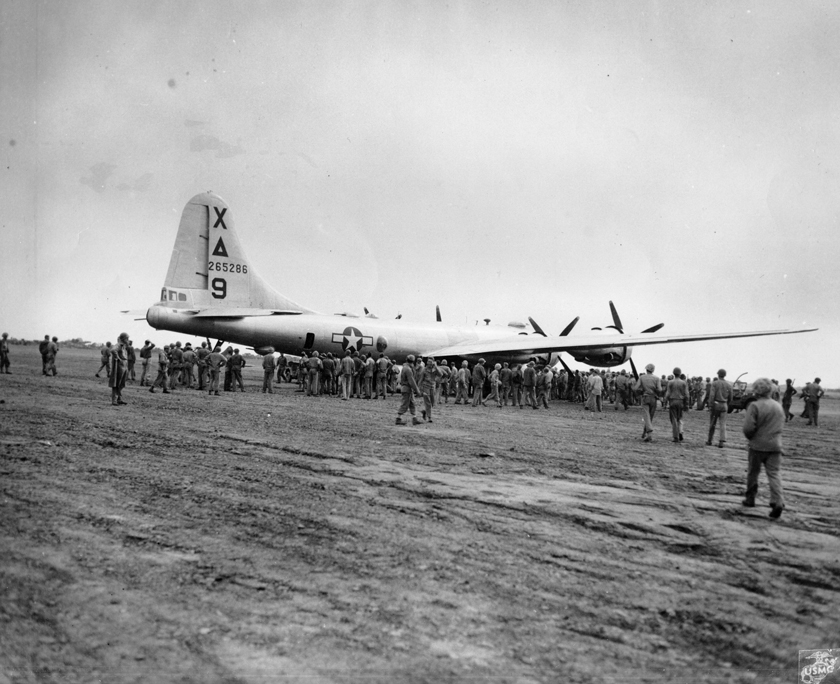
Iwo Jima, March 1945. First to land: Marines flock around the first huge B-29 Superfortress bomber to land on the Iwo airfield. The bomber was put down on Motoyama Airfield Number One in am emergency landing. It was returning from a raid on Japan where it was crippled..
Motoyama Airfield, Iwo Jima, 1945
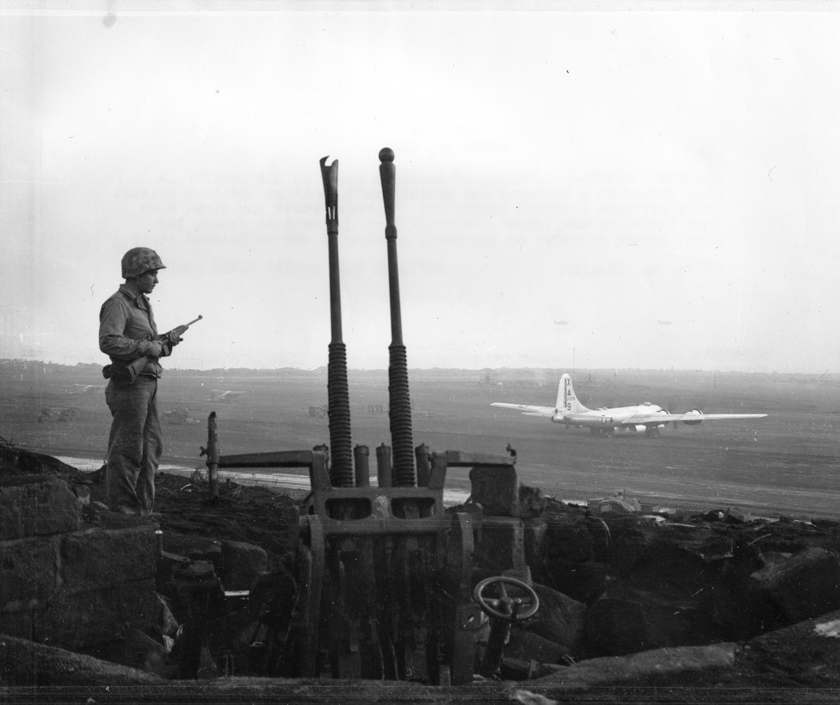
Photo caption: America’s Might: Symbolic of American power in the Pacific is this Marine at a battered Japanese antiaircraft gun outlined against Iwo’s Motoyama airfield number one, on which rests the first B-29 that landed on the island. Crippled during a raid on Japan, the giant bomber effected an emergency landing on the unfinished strip..
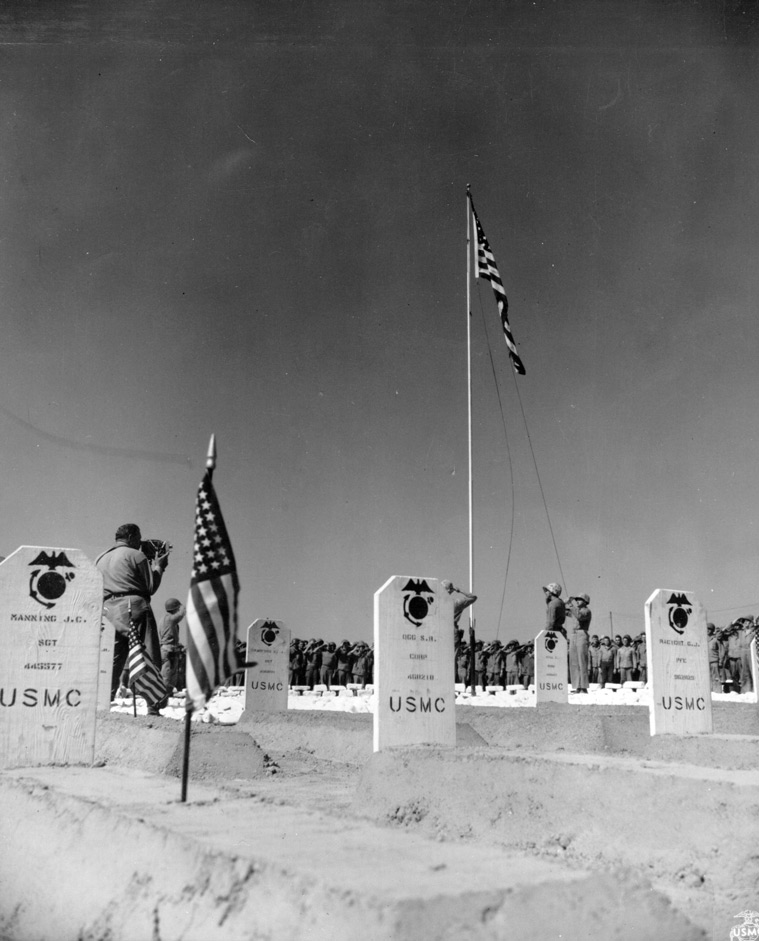
4th Marine Division cemetery, Iwo Jima, 1945
Photo caption: Iwo Jima, March 1945. The “Fighting Fourth” Marine Division raise the Stars and Stripes over the graves of its slain, buried in the Division’s cemetery.
Iwo Jima Operation, 1945
“Jeep in the Heart of Iwo — One of the first Jeep 4x4s to roll ashore as the Fifth Marine Division landed on Iwo Jima, met the same fate as most of the other vehicles, when it sank into the soft black volcanic ash on the beach.
Until steel mats were laid a large number of Willys MB Jeep vehicles and trucks were stalled in the quagmire as they rolled from landing boats.
Bogged vehicles were favorite targets of Japanese mortarmen who fired down from flanking mountains overlooking the beach.”
Quoted from the original photo caption, released by Commander-in-Chief, Pacific, on 25 February 1945.
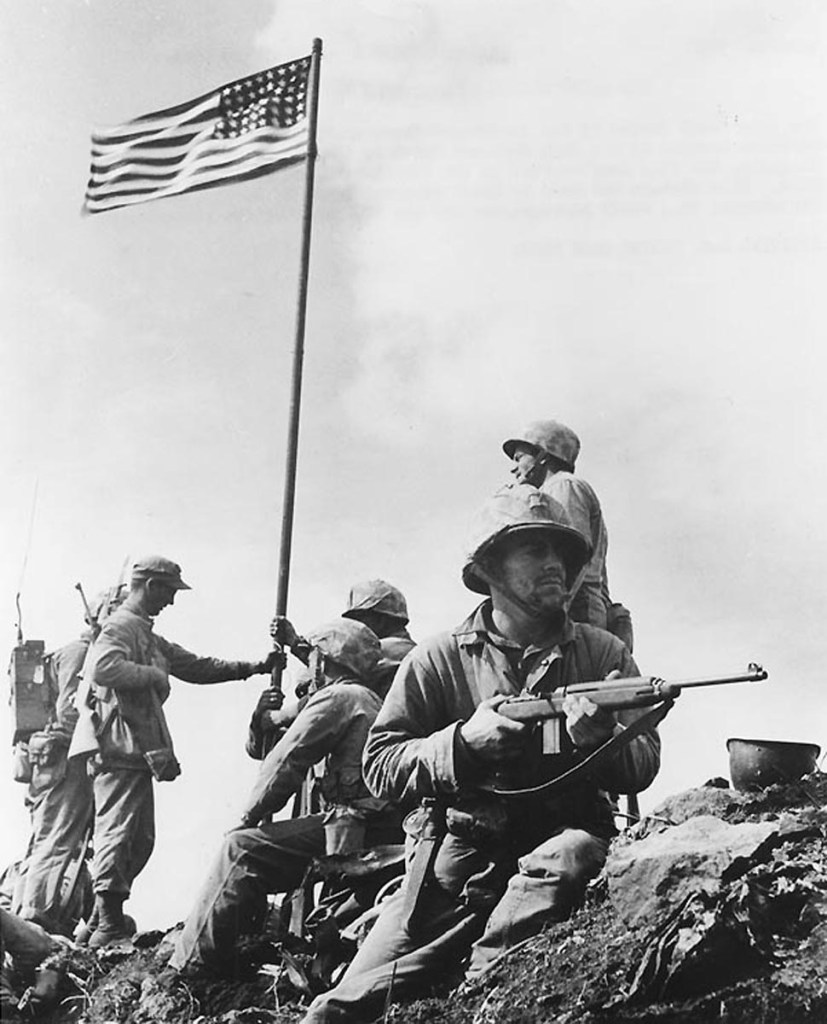
Men of 28th Regiment, US 5th Marine Division putting up the first flag on Mount Suribachi, Iwo Jima, Japan, at 1020 hours on 23 Feb 1945
Gunnery Sergeant John Basilone, killed in action in Iwo Jima, bearer of the Medal of Honor, the Navy Cross and a Purple Heart.
IWO JIMA FLAG RAISING
Feb. 23, 1945: U.S. Marines of the 28th Regiment, 5th Division, raise the American flag atop Mt. Suribachi, Iwo Jima. Strategically located only 660 miles from Tokyo, the Pacific island became the site of one of the bloodiest, most famous battles of World War II against Japan. (AP Photo/Joe Rosenthal)
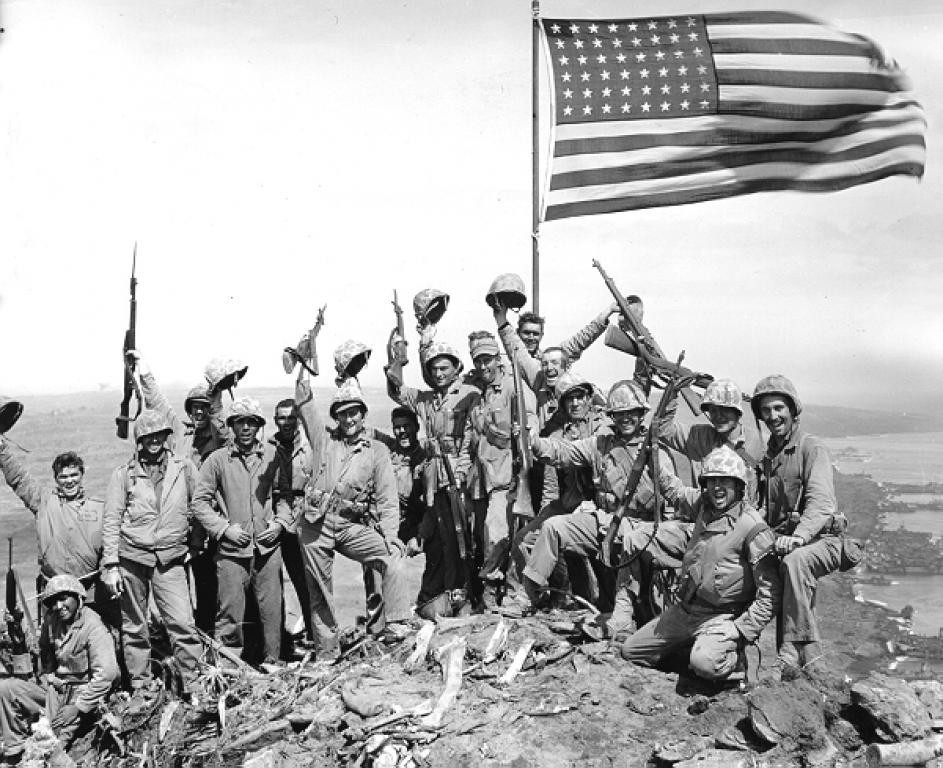
US Marines posing with the second flag atop Mount Suribachi, Iwo Jima, Japan, 23 Feb 1945
Avenger over Iwo Jima

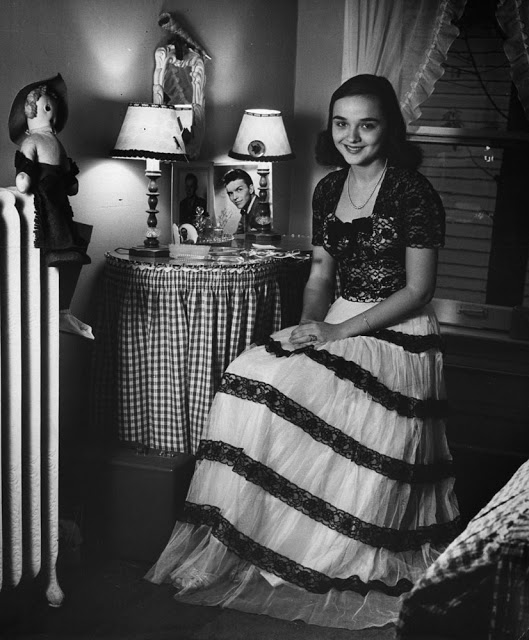
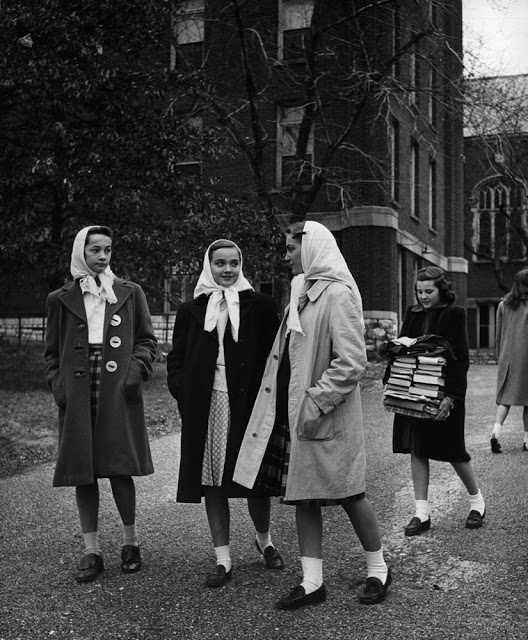
23 Wonderful Vintage Photos Showing Everyday Life of American Teenage Girls in the 1940s

In the life of a 1940s teenager, there was a war going on, but it was something that only seemed to effect their parents. With outside life oblivious to them and marketers still trying to identify this new teen-age demographic the fashions that real teens wore and what was marketed to them were quite different.

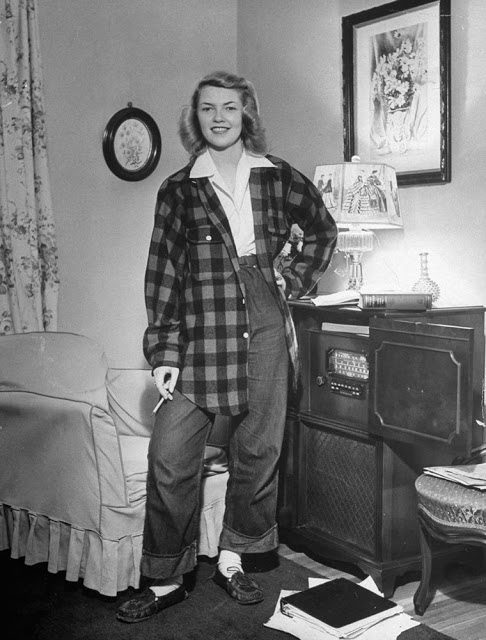
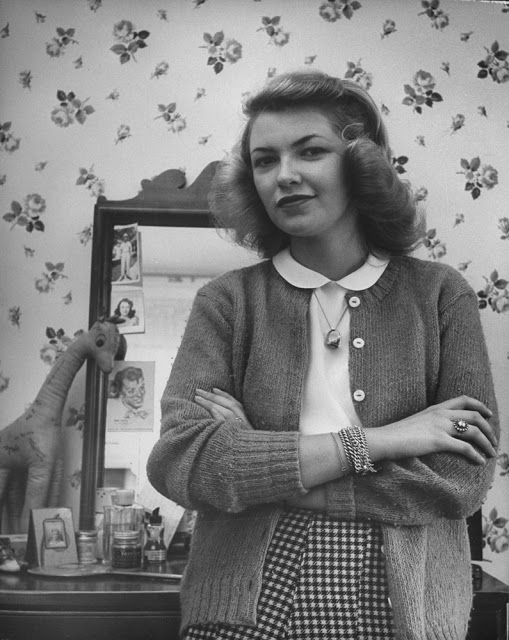
These interesting photographs below were taken by LIFE photographer Nina Leen for a December 1944 article, “Teen-Age Girls: They Live in a Wonderful World of Their Own.” Leen focused on a group of 12 girls, from 15 to 17 years old, living in Webster Groves, Missouri, a suburb of St. Louis.

In its December 1944 feature, LIFE breathlessly discussed the “teen-age” phenomenon in language that somehow feels naive, chauvinistic, celebratory and insightful, all at once. That so many of the article’s impossibly broad, sweeping claims (“Some 6,000,000 U.S. teen-age girls live in a world all their own: a lovely, gay, enthusiastic, funny and blissful society. . . .”) clearly apply to a specific type of teenager — i.e., white, middle-class — tends to blunt some of the more incisive observations. But taken as a whole, the LIFE article and Leen’s photographs constitute a fascinating, early look at a segment of the American populace that, over the ensuing decades, for better and for worse, has assumed an increasingly central role in the shaping of Western culture.

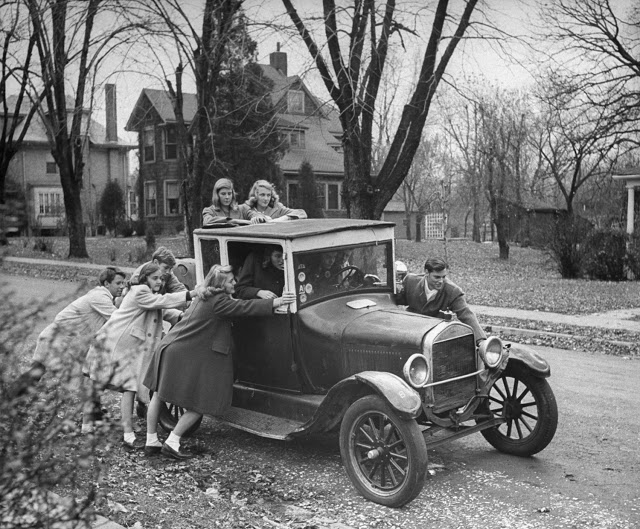
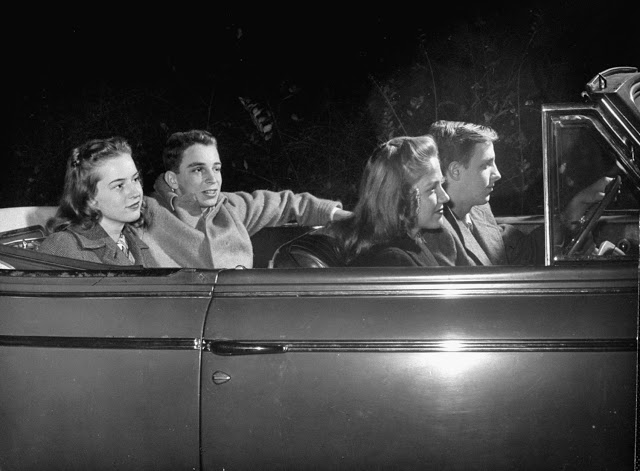
Gang of teen-agers push boyfriend’s model T to get it started. Car is 17 years old and can hold 12 boys and girls. Favorite ride is out to football game.
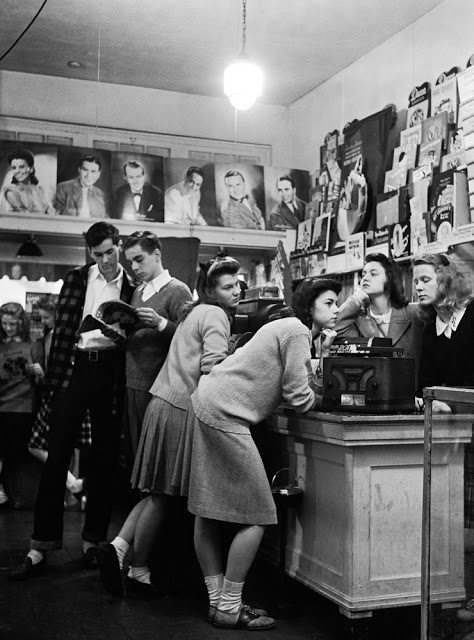
Listening to records at Lemeke’s record store occupies at least one afternoon a week. The girls spend one to 2 1/2 hours listening to two dozen records, end up by buying one or, at most, two.
Midwestern teenage girls, 1944.
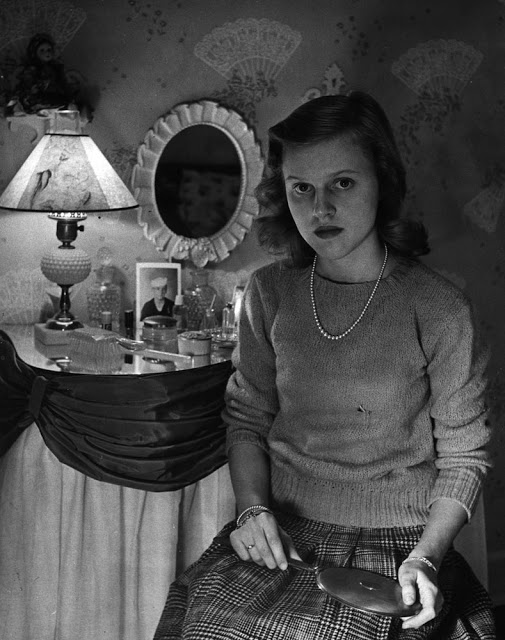
Portrait of an American teen, 1944.
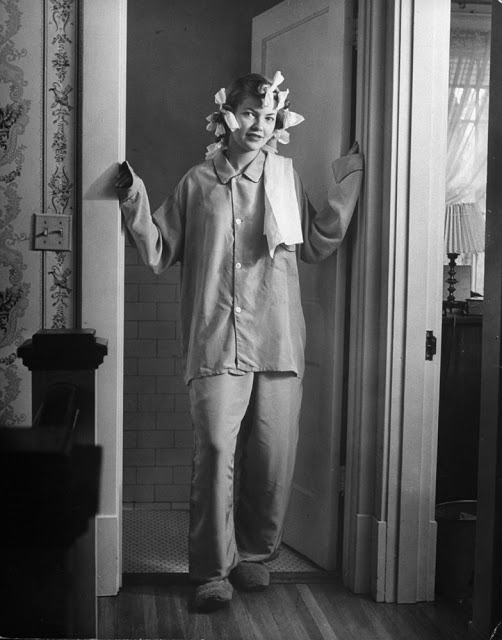
Men’s pajamas are worn at night. Hair is curled with rags, not bobby pins.
Portrait of an American teen, 1944.
Teenage girls, 1944.
American teenagers, 1944.
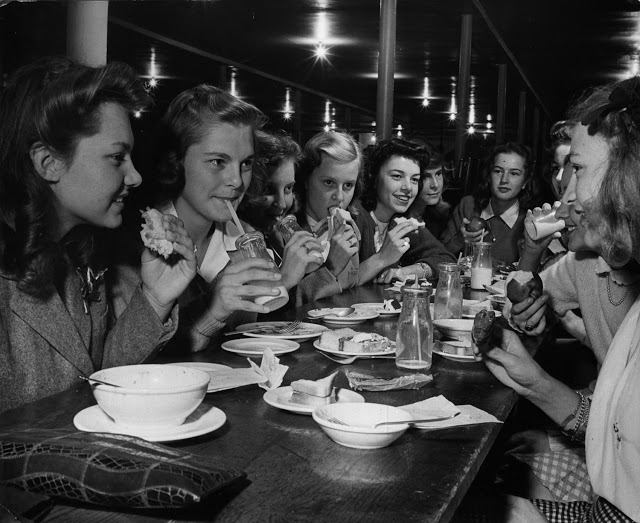
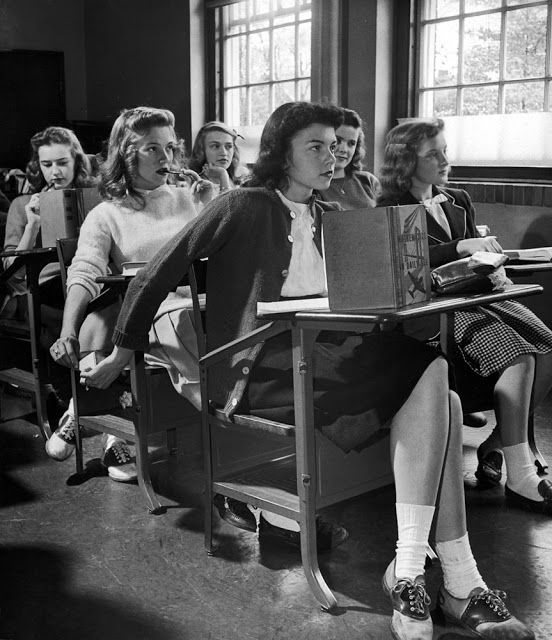
Teenagers in school, 1944.
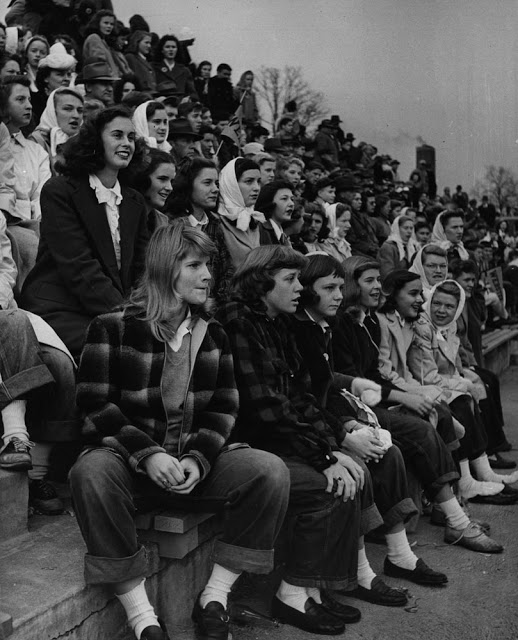
Teenage girls at a football game, Missouri, 1944.
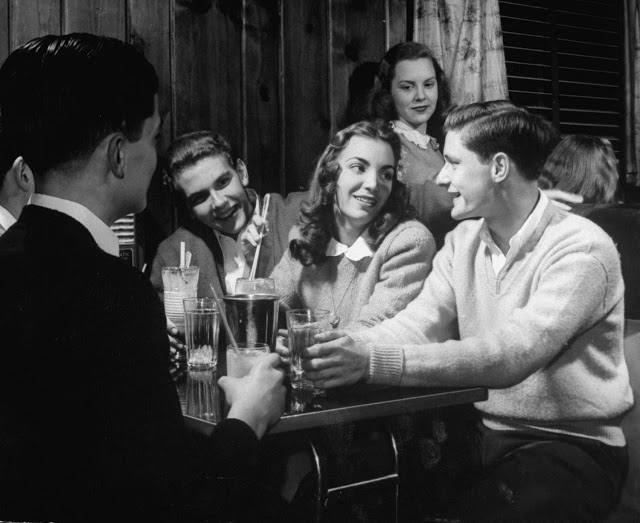
Occasional ‘A’ coupon makes possible a date at the Toll House a few miles away. Girls like double dates so they can stay with each other afterward and gab all night about the boys.
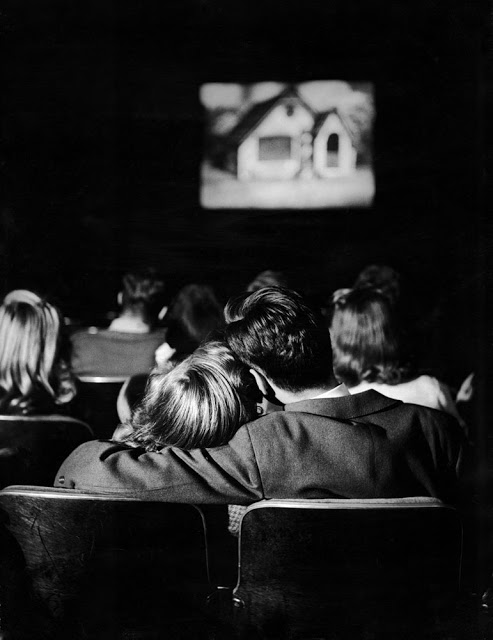
Necking in movies is absolutely out. Any girl who does is the object of endless catting and is put down as trying to act older or sophisticated, which is highest offense among teen-agers.
“Sandwich Girl’ who puts herself in midst of crowd of boys is considered a real crumb. Girls will not invite her to hen parties and will try to act cool toward boys who formed sandwich.
Teenagers, Missouri, 1944.
Portrait of an American teen, 1944
Portrait of an American teen, 1944.
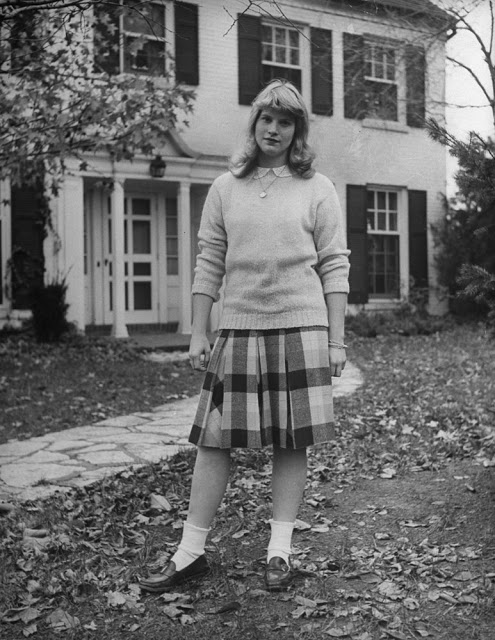
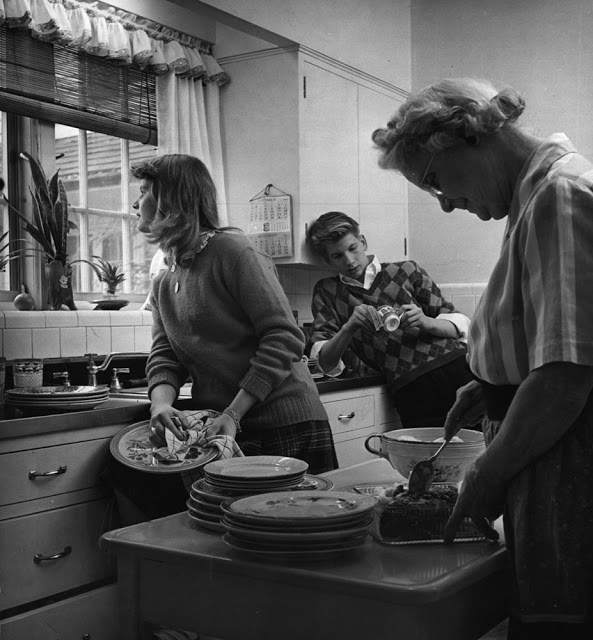
The standard dress for school is a plain shetland sweater and a woolen skirt.
Portrait of an American family, Missouri, 1944.
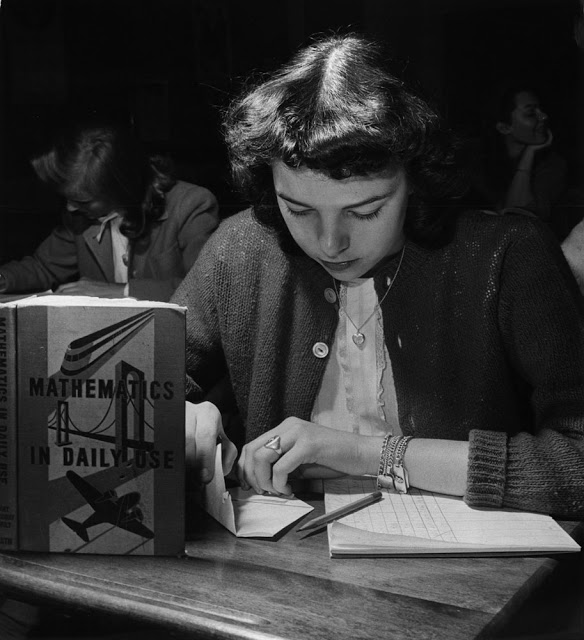
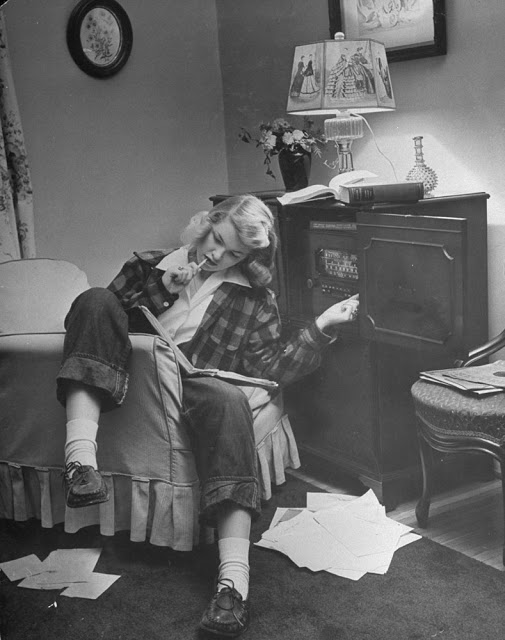
Pat Woodruff does homework with radio going full blast.
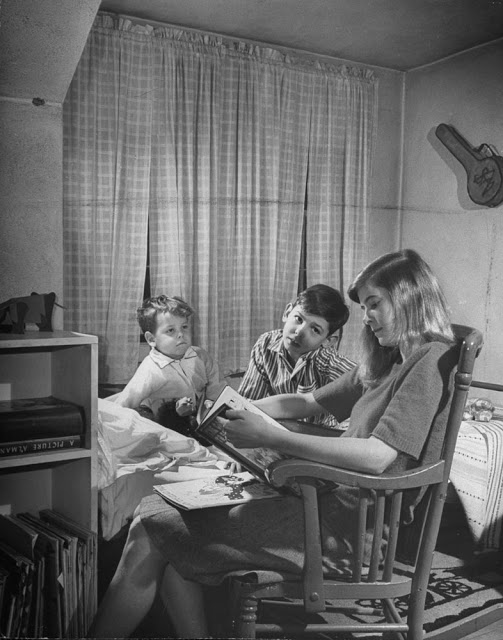
Babysitting is the teen-agers’ way to augment their $2-$3 weekly allowance which must cover lunches, movies, sodas, records. Their rates are $.25 an hour before midnight, $.35 an hour after.
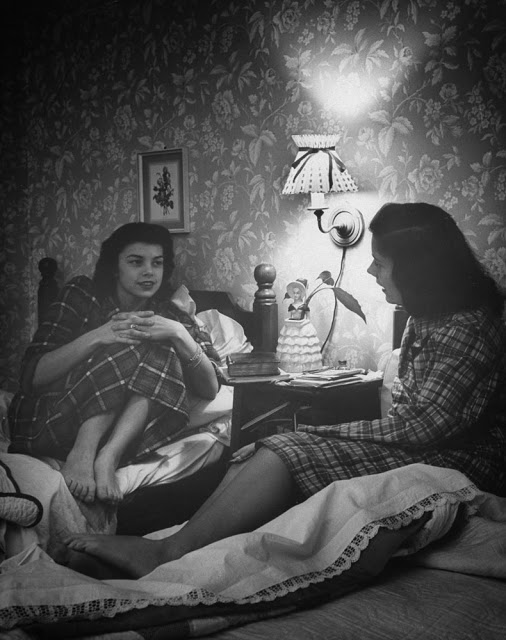
One girl usually stays overnight with hostess after a hen party. No girl can bear to be alone after a gab fest so teen-agers wheedle twin beds for their rooms to accommodate guests.
At Friday-night hen party Martha Ruddy and Fredna Parker jig around to music. When not dancing, girls sprawl on floor talking, singing, knitting and nibbling endlessly at pretzels.
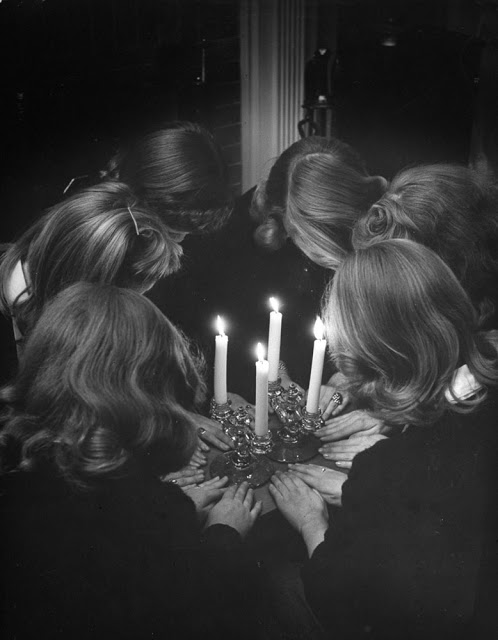
Initiation to high-school sorority is awesome, serious, secret. Here girls re-enact candle-light ceremony for LIFE’s photographer. Nobody but a member has ever seen the real thing.

(Photos: Nina Leen—The LIFE Picture Collection/Getty Images)

43 Magnificent Vintage Photos of America During the 1900s

Here is an amazing collection of rarely-seen vintage photos capturing the U.S scenes in the 1900s.

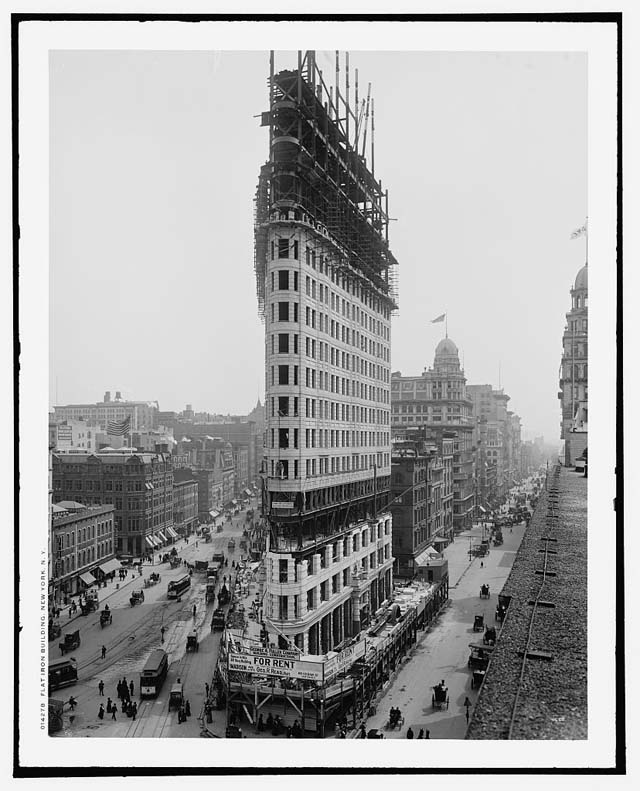
The Flatiron Building, New York in 1902
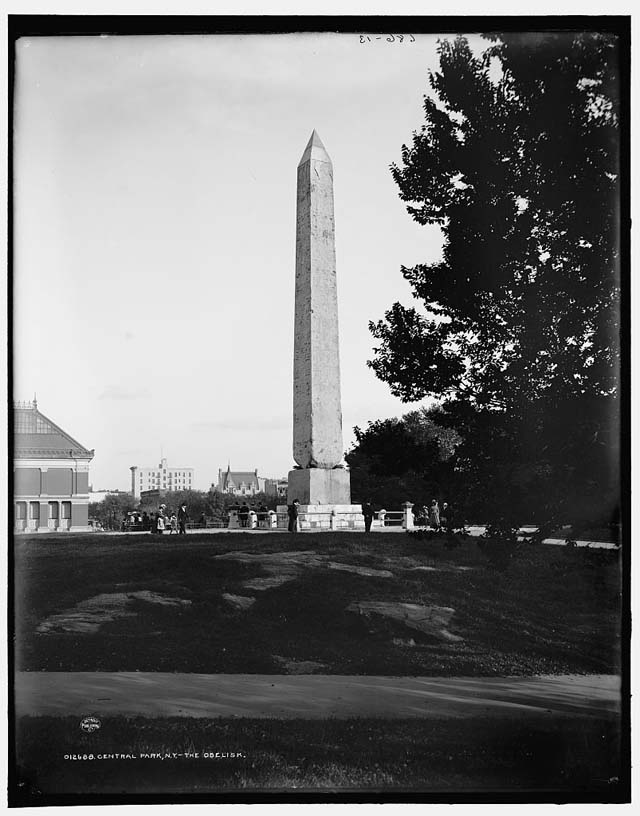
The obelisk in Central Park, New York, 1900
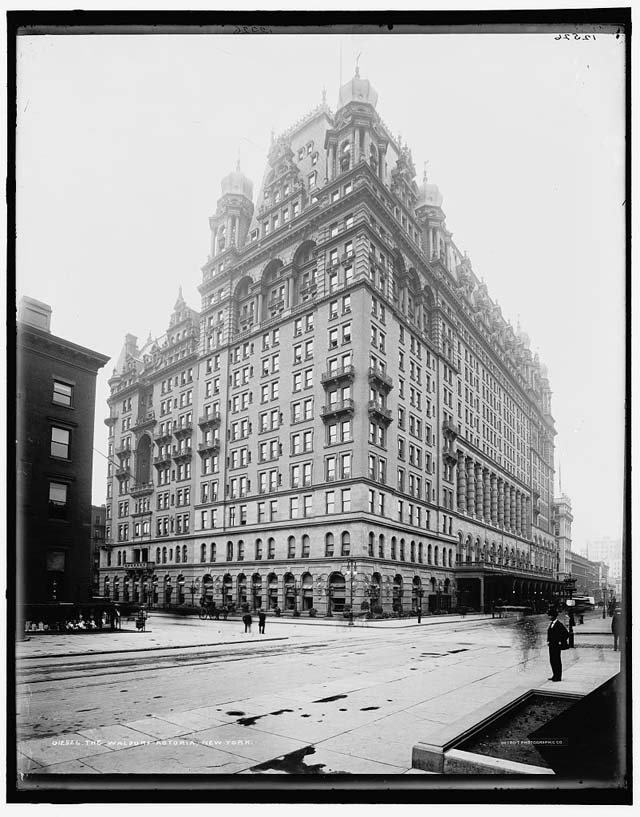
The Waldorf-Astoria, New York, 1900
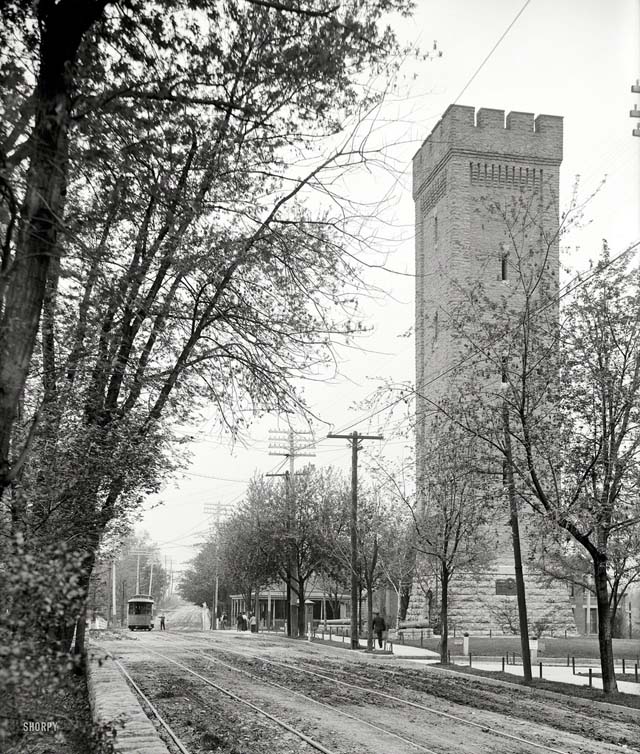
The Water Tower in Fort Thomas, Kentucky, 1907
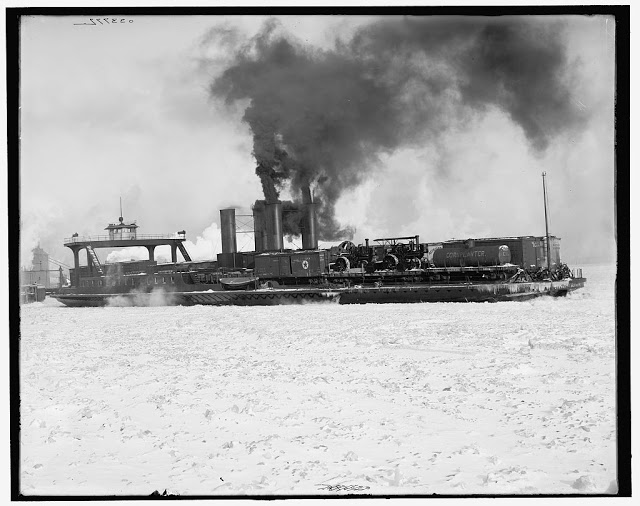
Transfer steamer in Detroit, Michigan, 1905
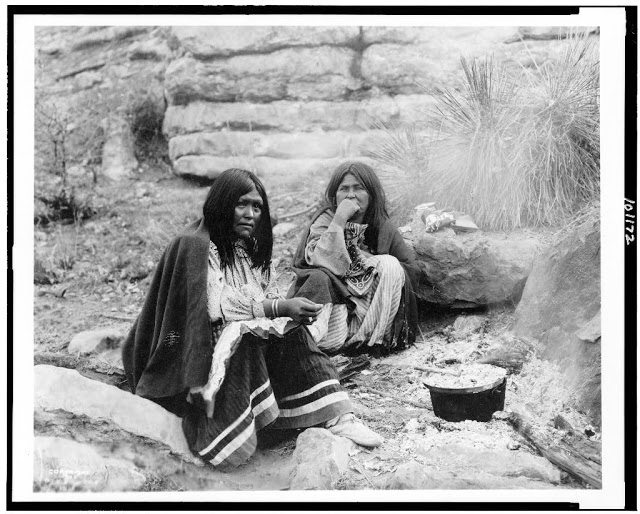
Two Apache Indian women at campfire, cooking pot in front of one in New Mexico, 1903
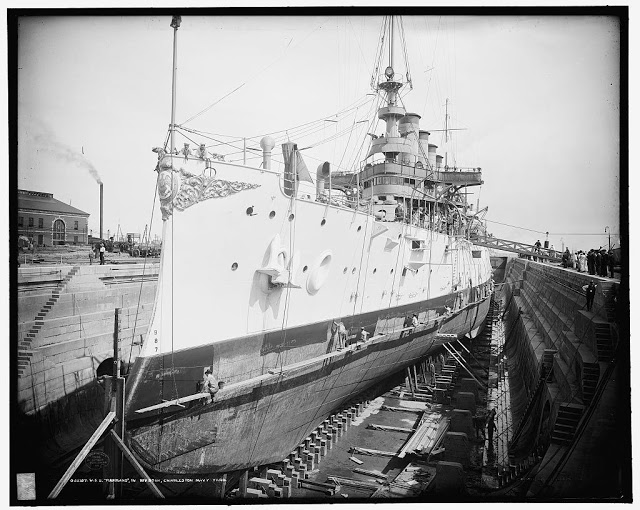
U.S.S. Maryland in dry dock, Charlestown Navy Yard, Boston, Massachusetts, 1905
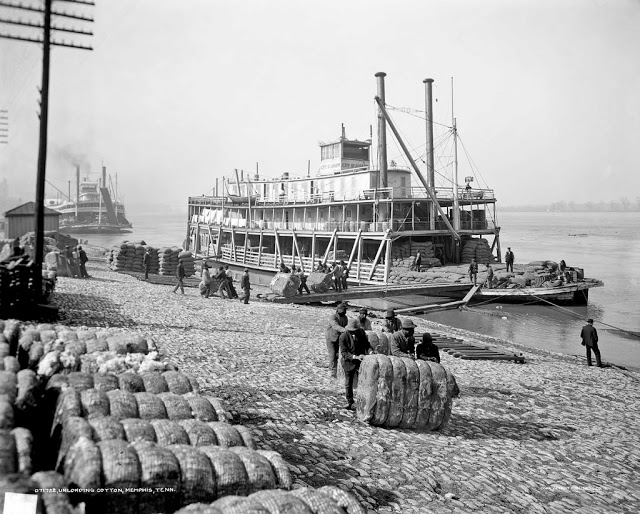
Unloading cotton in Memphis, Tennessee, 1905
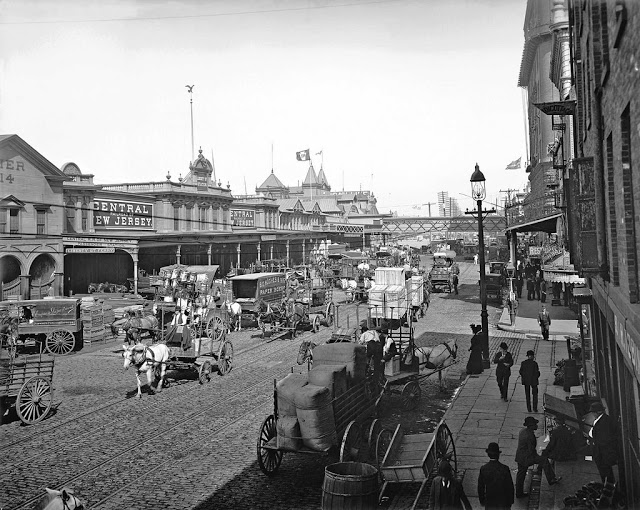
West Street, New York City in 1900
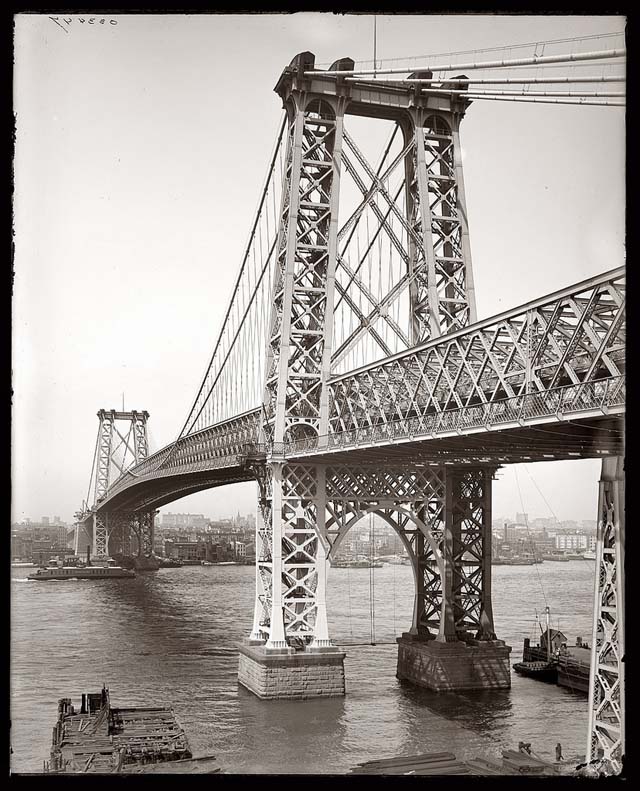
Williamsburg Bridge, New York, 1903
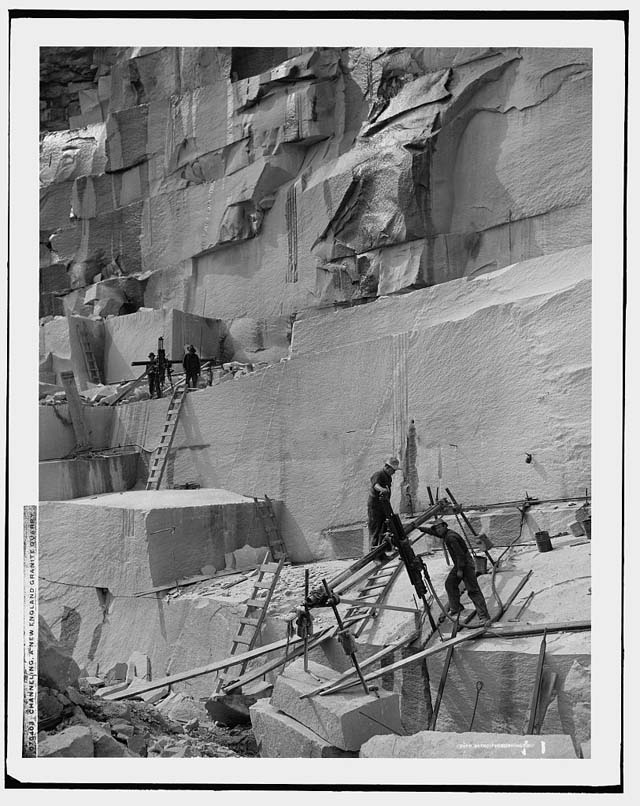
A New England granite quarry in 1908
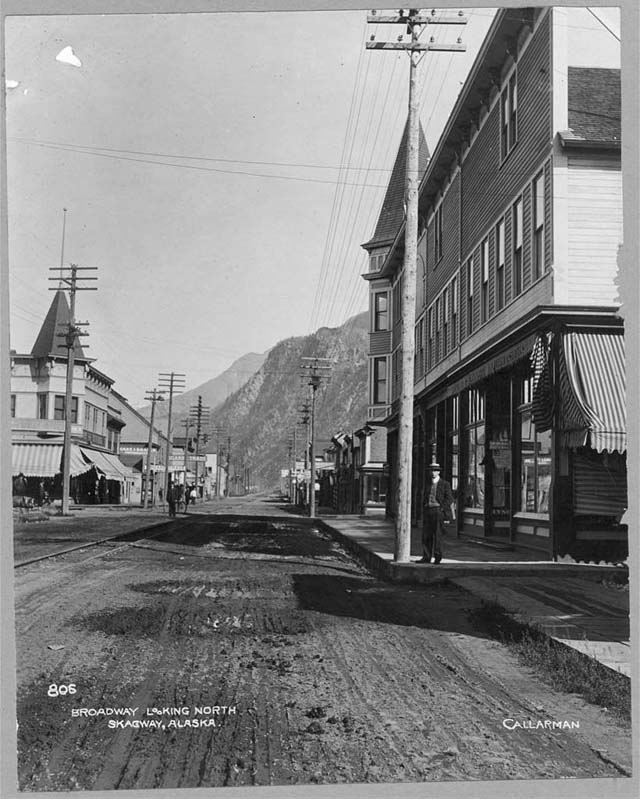
Broadway in Skagway, Alaska, 1900
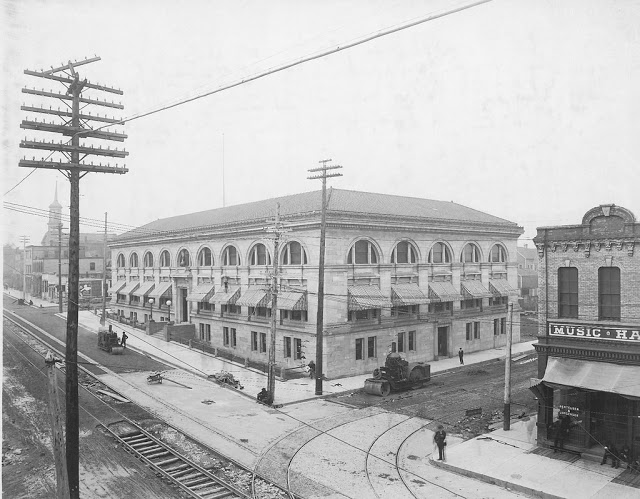
Case Corporate Building in Racine, Wisconsin, 1904
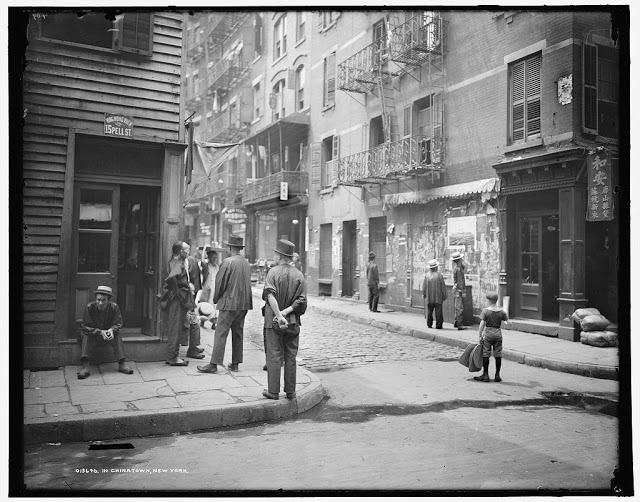
Chinatown, New York in 1900
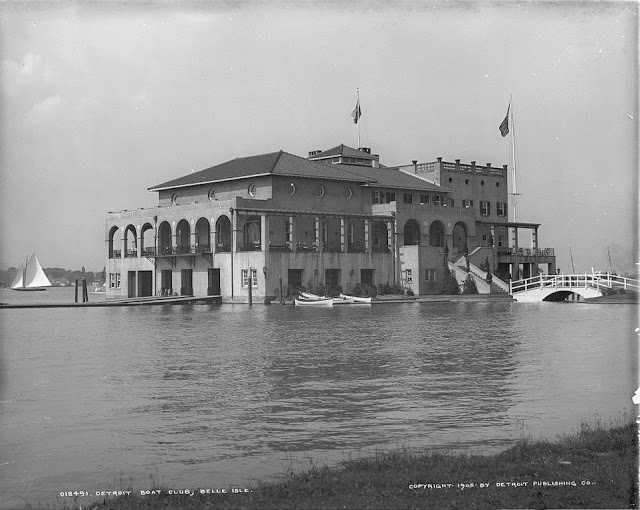
Detroit Boat Club, Belle Isle Park, Michigan, 1905
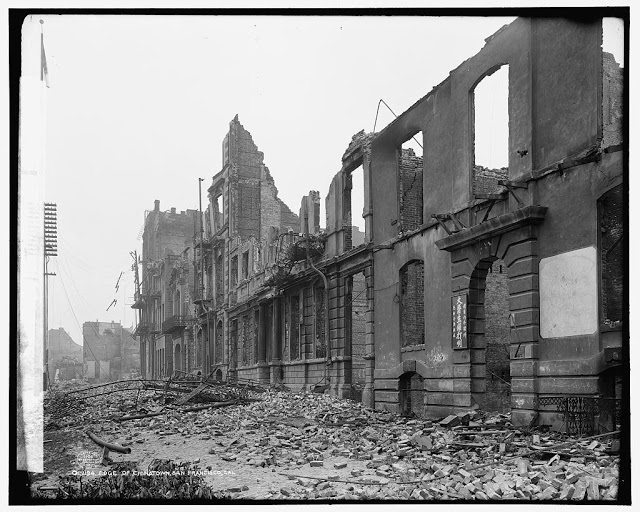
Edge of Chinatown in San Francisco, California, 1906
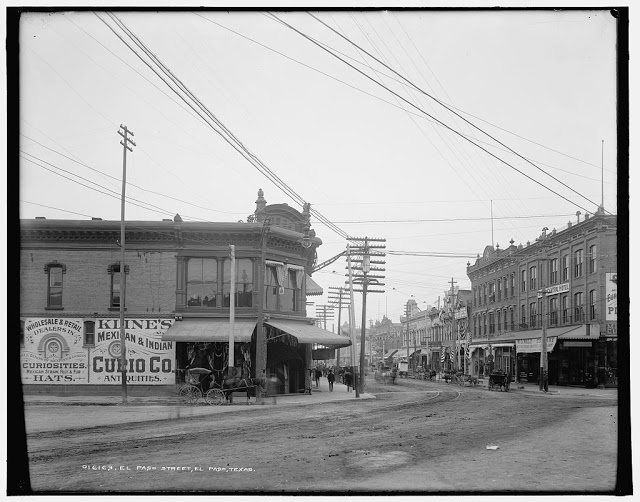
El Paso Street, El Paso in Texas, 1903
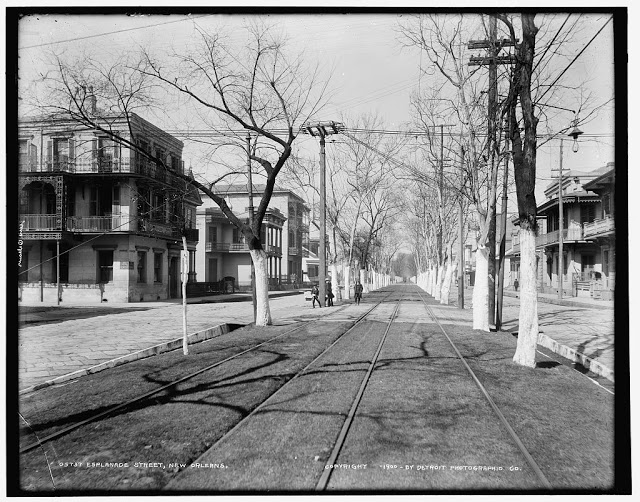
Esplanade Street, New Orleans, 1900
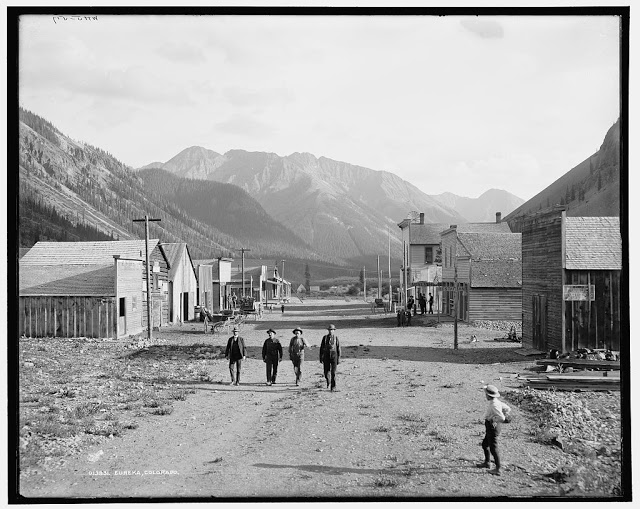
Eureka, Colorado, 1900
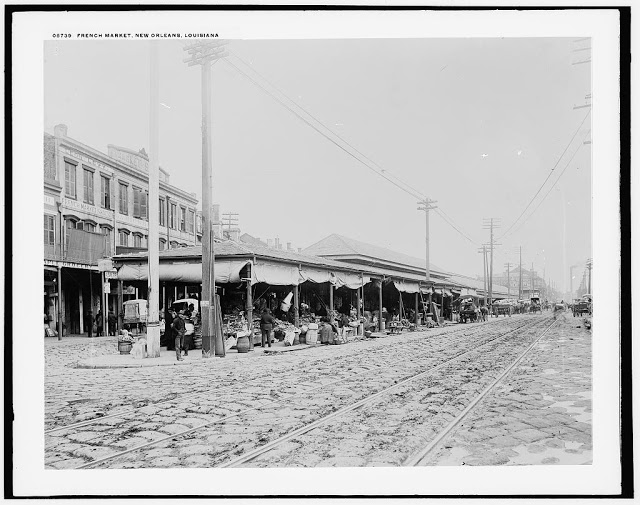
French Market in New Orleans, Louisiana, 1900
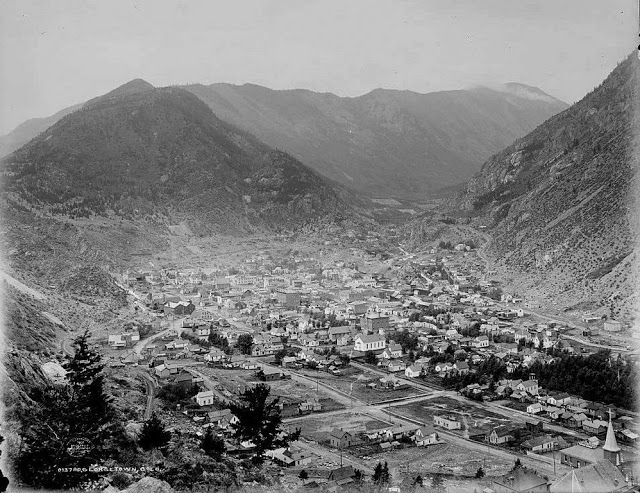
Georgetown, Colorado in 1901
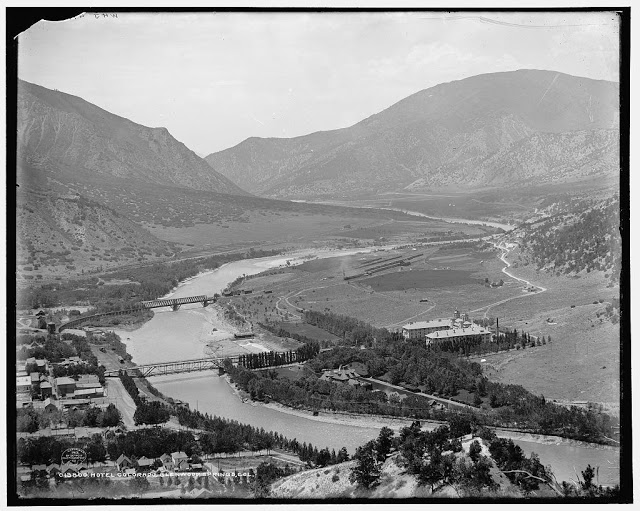
Hotel Colorado in Glenwood Springs, Colorado, 1901
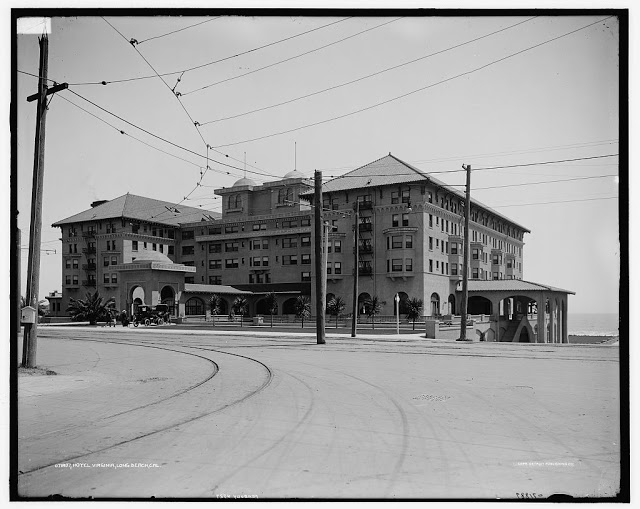
Hotel Virginia in Long Beach, California, 1905
Italian headquarters, Madison Street, New Orleans, 1906
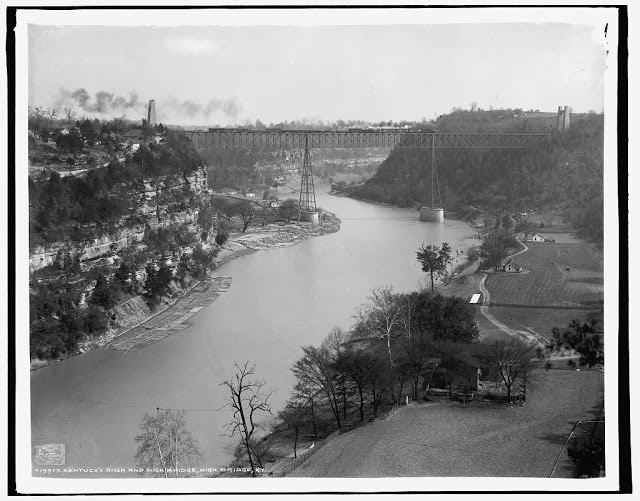
Kentucky River and High Bridge in 1907
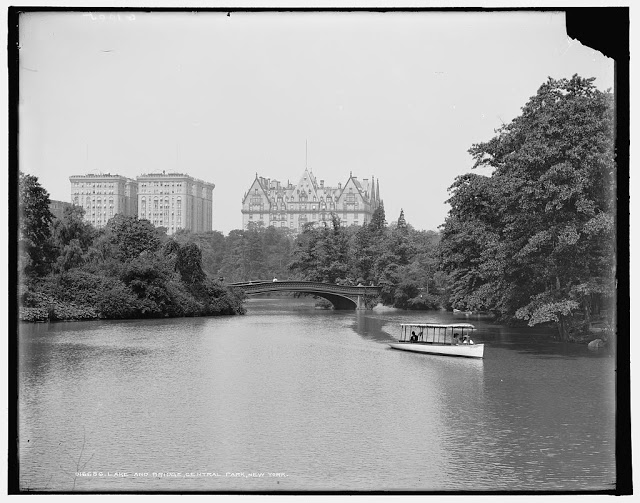
Lake and bridge in Central Park, New York, 1903.
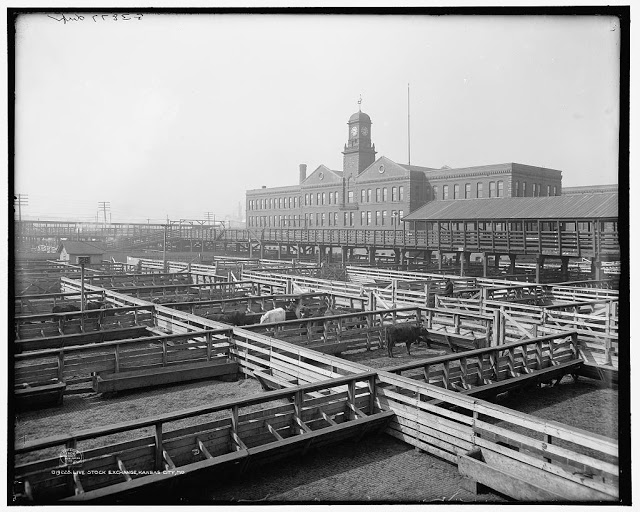
Livestock exchange in Kansas City, Missouri, 1906
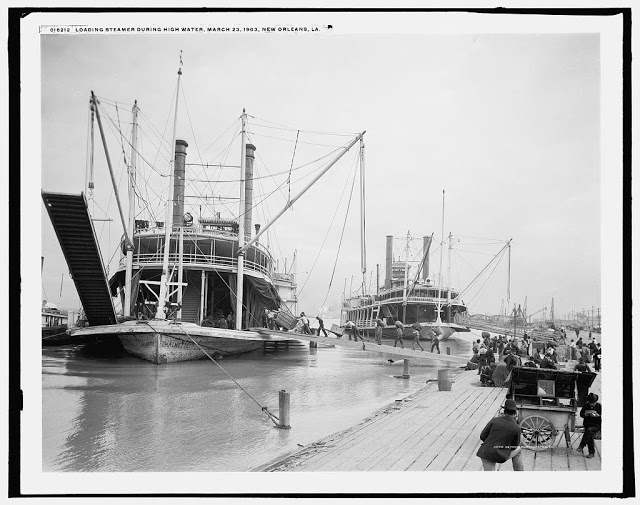
Loading steamer during high water in New Orleans, Louisiana, 1903
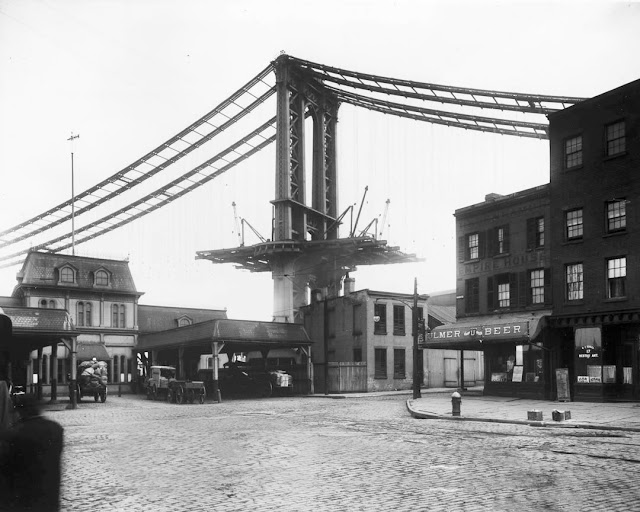
Manhattan Bridge under construction, 1909
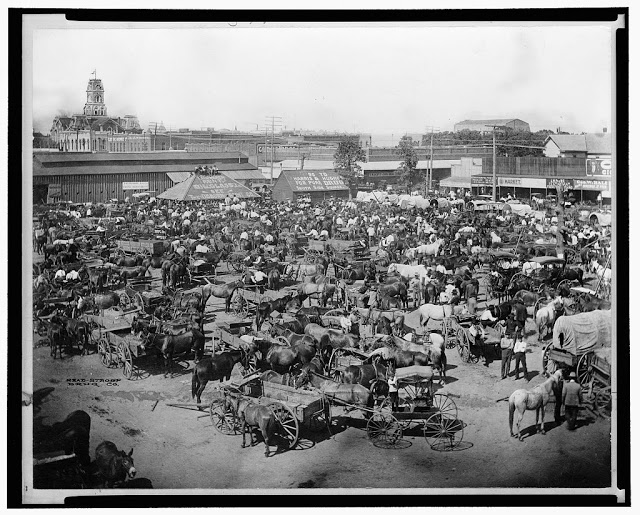
Market Square in Cleburne, Texas, 1900
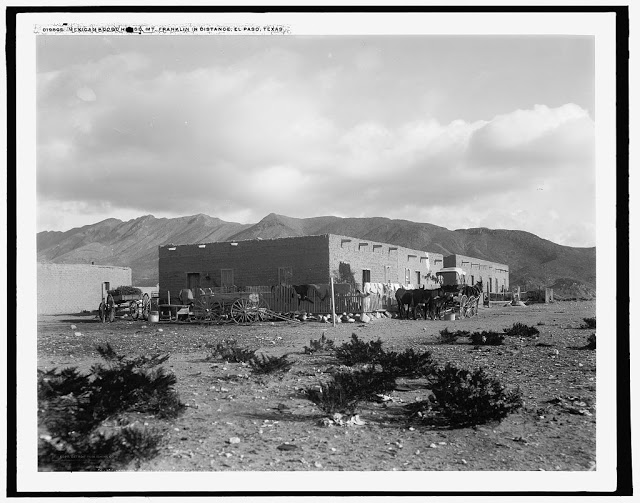
Mexican adobe house in El Paso, Texas, 1907
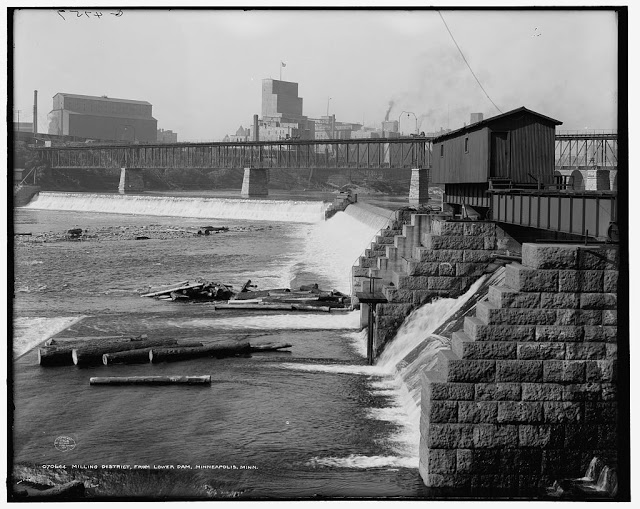
Milling district, from lower dam, Minneapolis, Minnesota, 1908
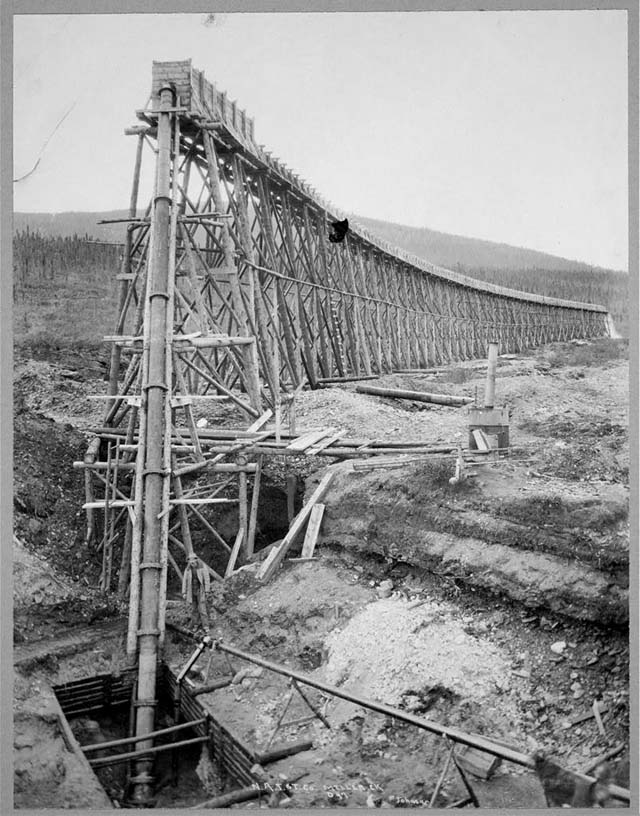
Mining structure in Alaska, 1901
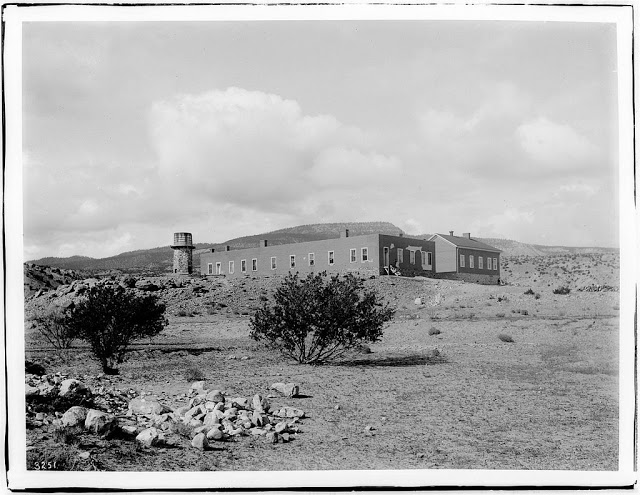
Navajo Indian school in Tohatchi, New Mexico, 1901
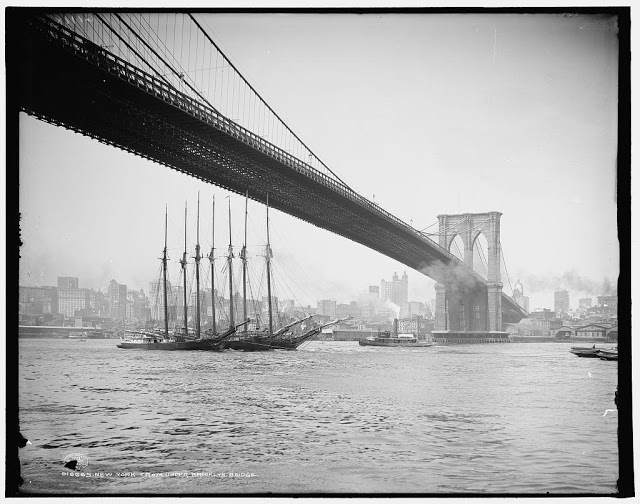
New York from under the Brooklyn Bridge in 1903
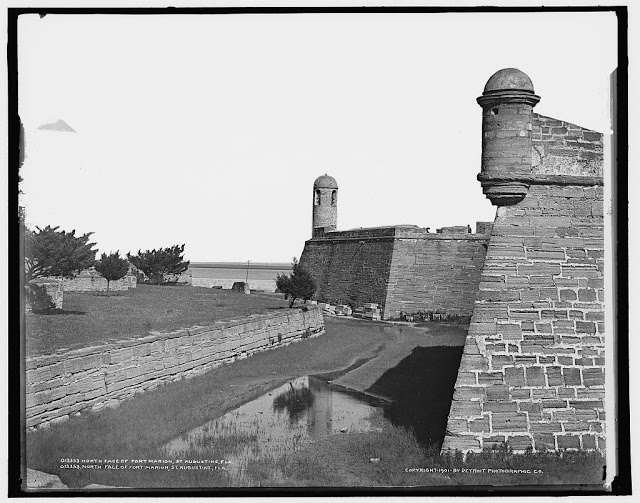
North face of Fort Marion, St. Augustine, Florida, 1901
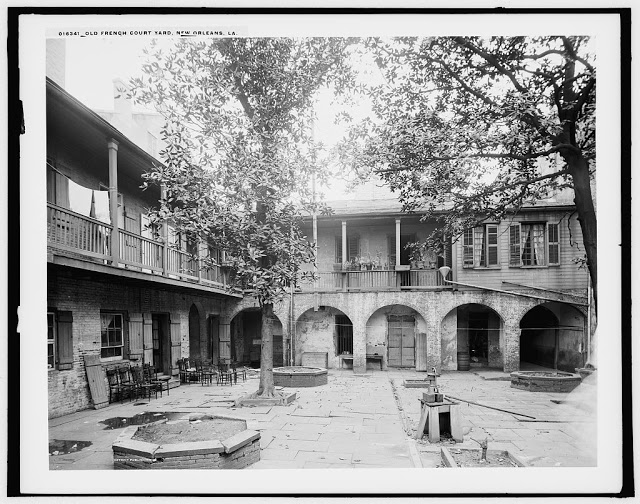
Old French court yard in New Orleans, Louisiana, 1903
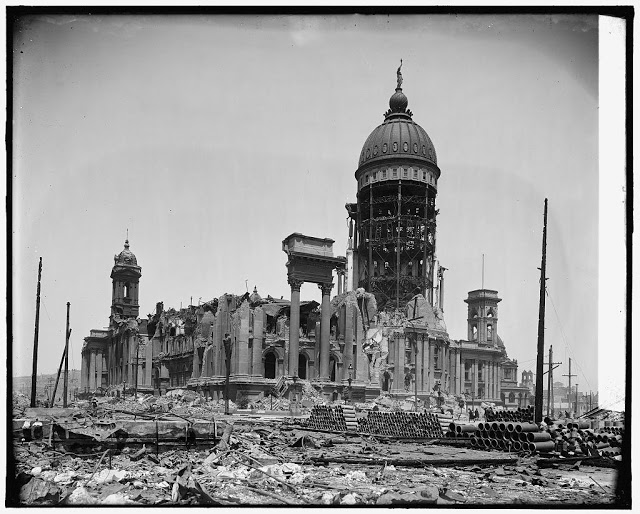
Ruins of City Hall after the earthquake in San Francisco, California, 1906
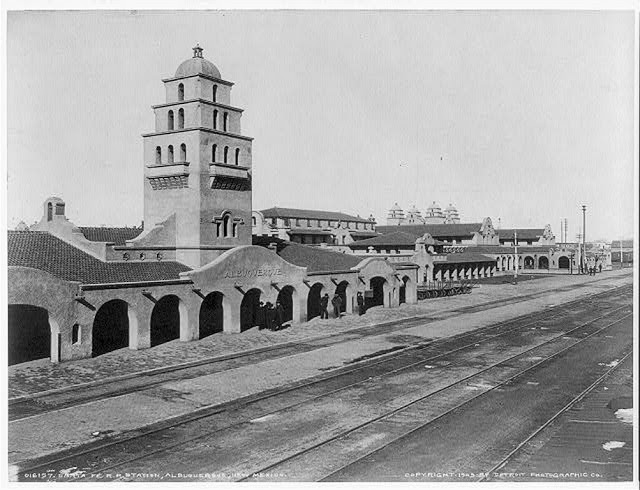
Santa Fe Railroad Station in Albuquerque, New Mexico, 1903
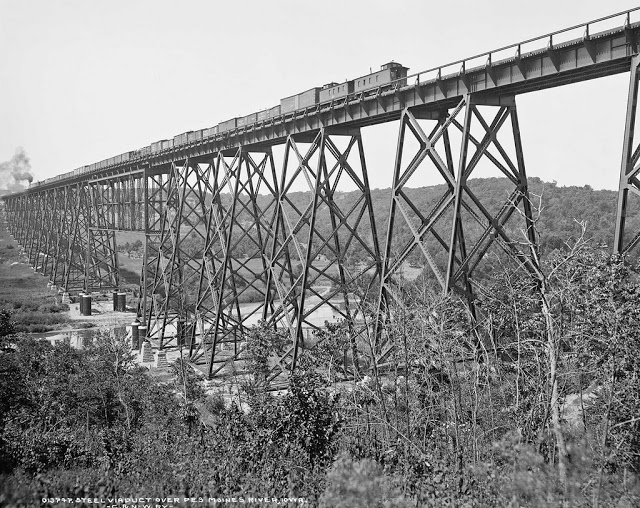
Steel viaduct over Des Moines River, Iowa in 1900
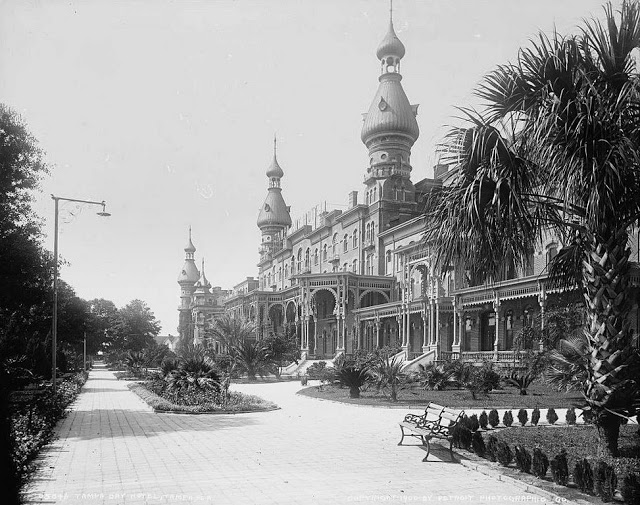
Tampa Bay Hotel in Tampa, Florida, 1900
The beach and Cliff House in San Francisco, California, 1902
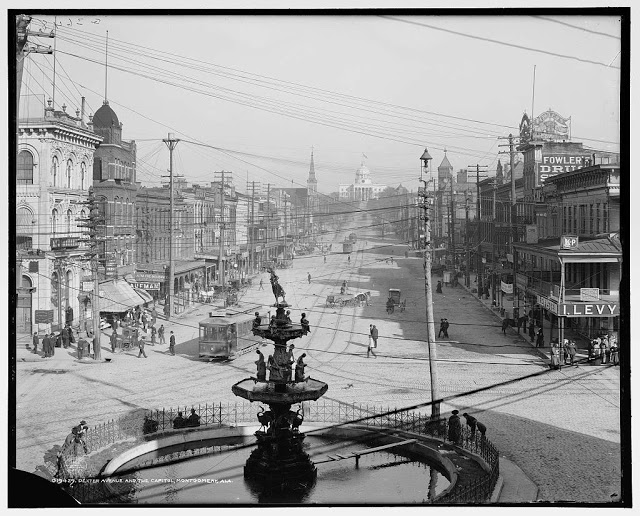
The Dexter Avenue and the Capitol in Montgomery, Alabama, 1906

30 Amazing Old-Time Vending Machines For Everyday Essentials From The 1930s To The 1960s

There were vending machines for every conceivable foodstuff and everyday essential from between the 1930s and 1960s.

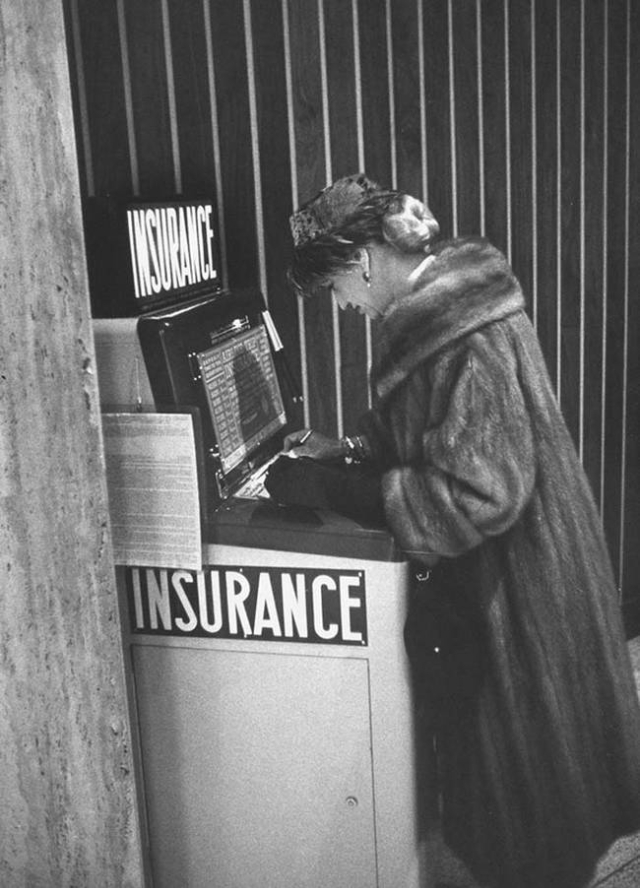
Buying flight insurance used to be so much easier. Here’s a machine selling air insurance at Newark Airport.
Just 25 cents a book, such a bargain.
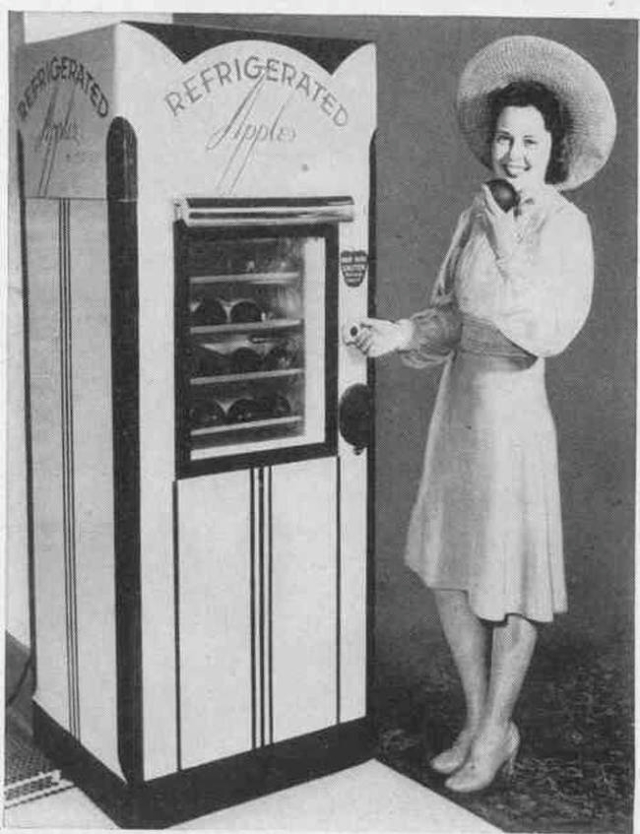
Why pick apples when you can get them from a vending machine?
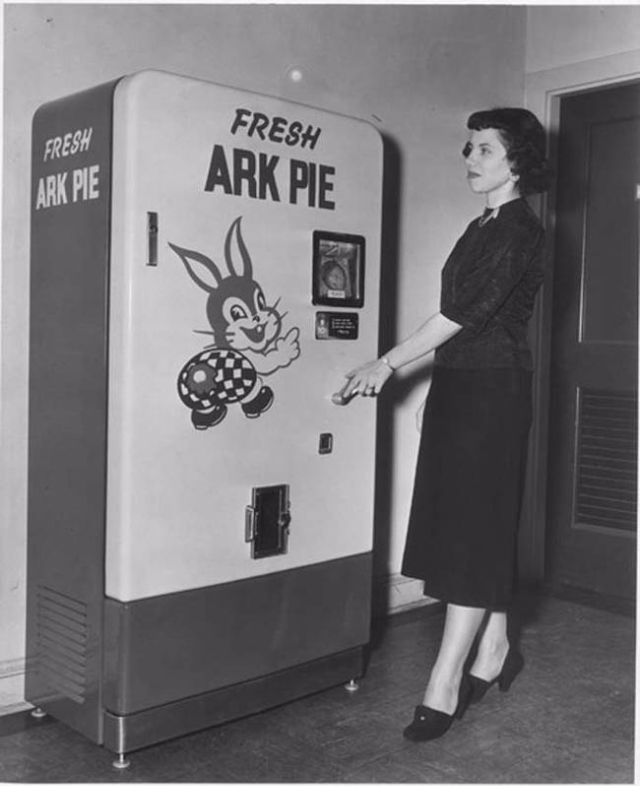
Not too certain what Ark Pie is, but I want some.
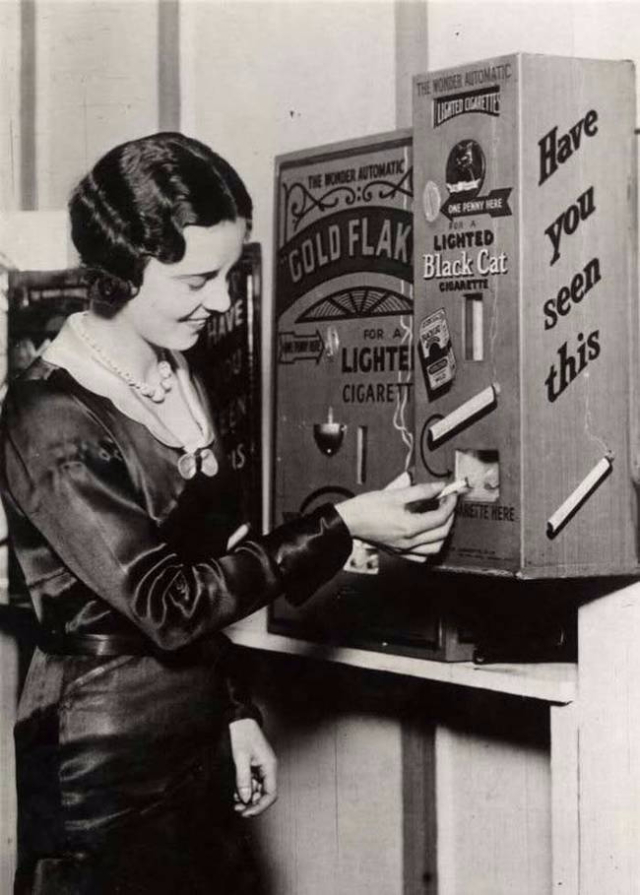
This machine actually sold already lit cigarettes for a penny.
Let’s hope this machine is selling hot dogs.
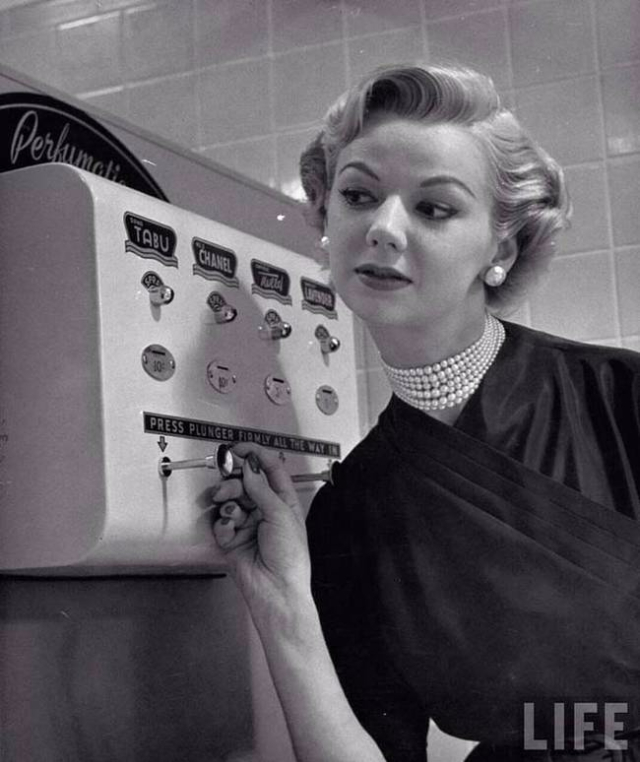
A coin operated perfume dispenser.
Only 10 quarters for flight insurance? That seems like a bargain.
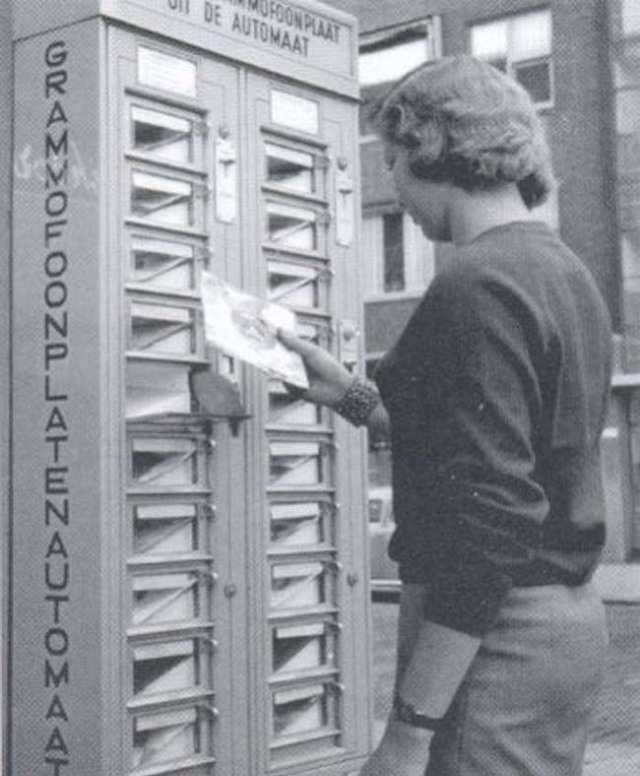
Enjoy your music with this 45 rpm record vending machine.
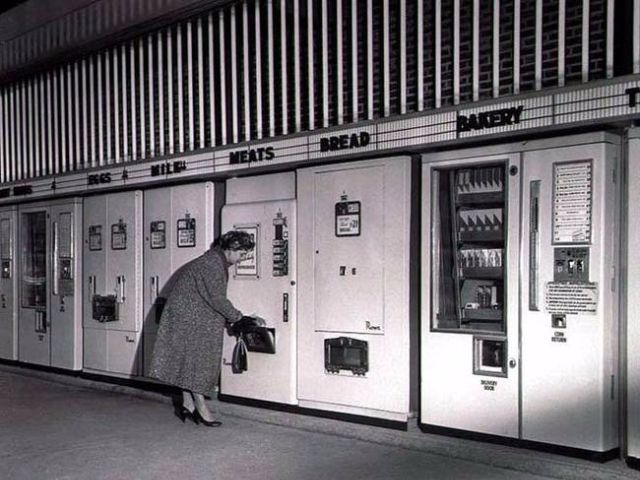
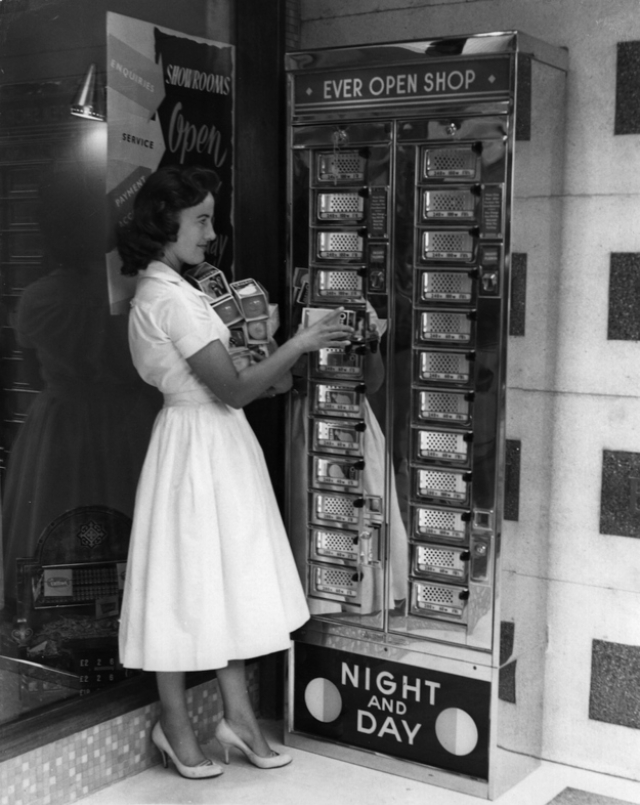
Get all your grocery shopping done without having to talk to a single soul.
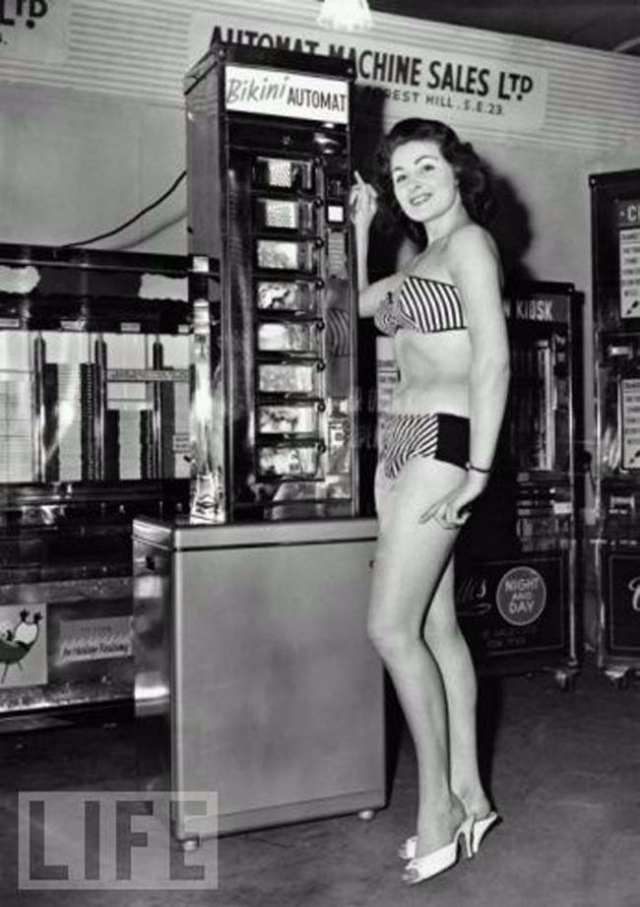
Forget your bikini? That’s what this vending machine is for.
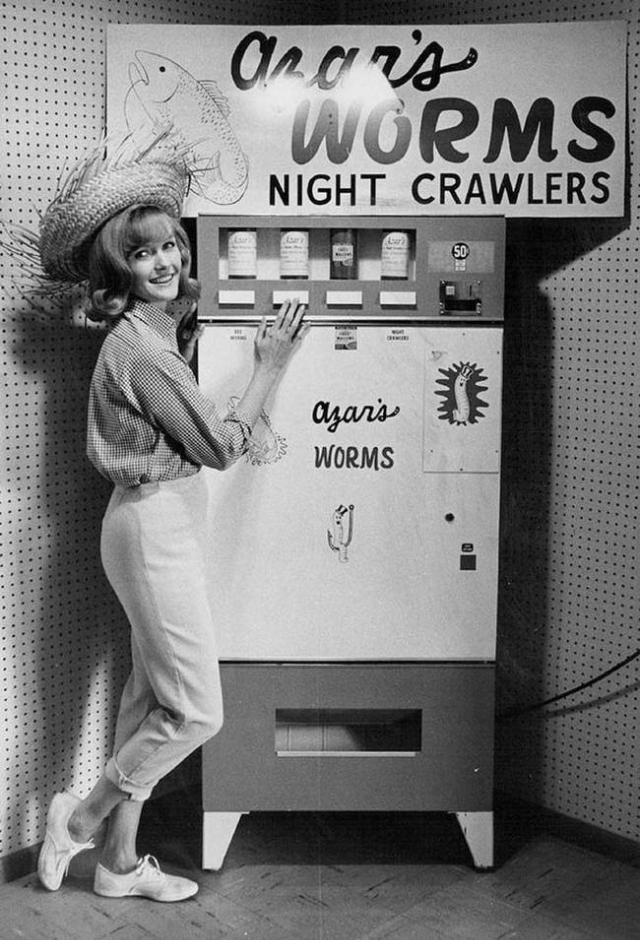
For the fishermen on the go.
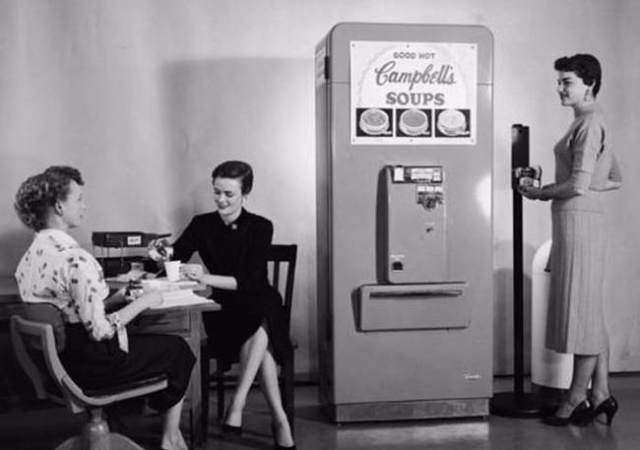
Why bring lunch when you can have vending machine soup!?
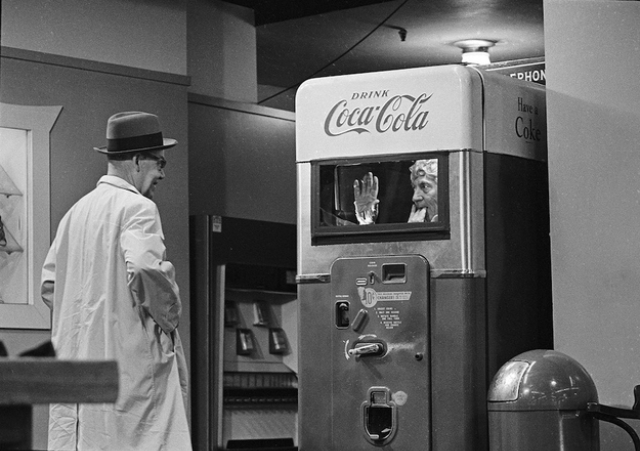
That’s actually Harpo Marx surprising someone on Candid Camera from inside a Coca-Cola vending machine.
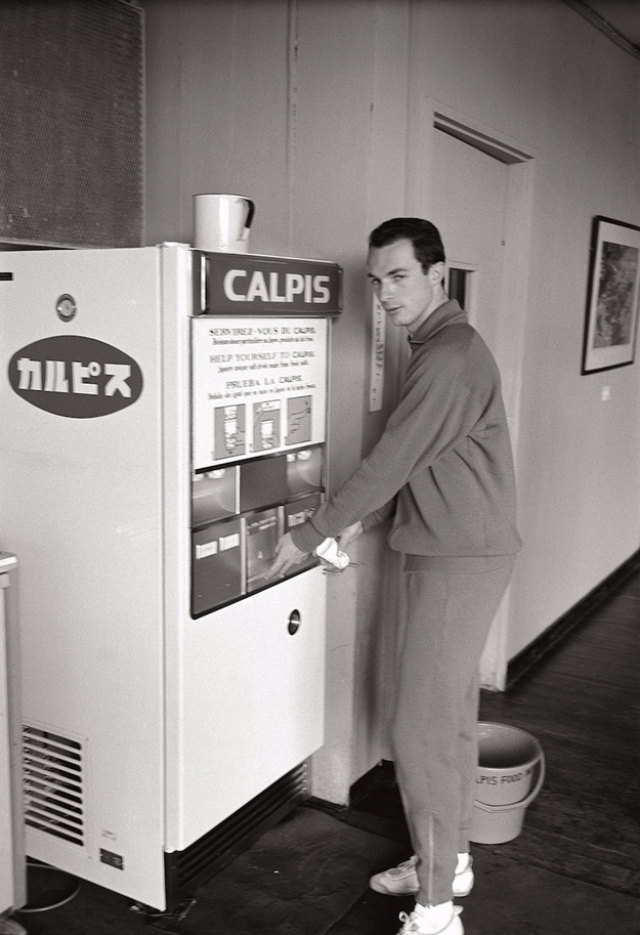
A vending machine selling Calpis, a Japanese beverage.
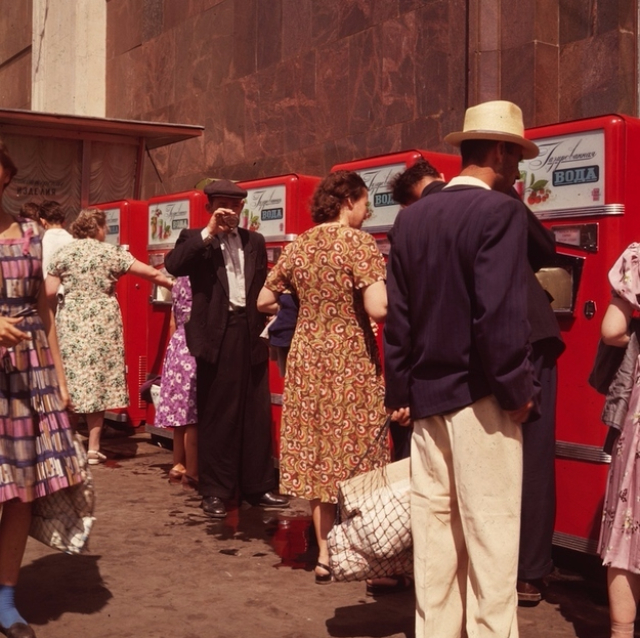
Lemonade vending machines in Moscow.
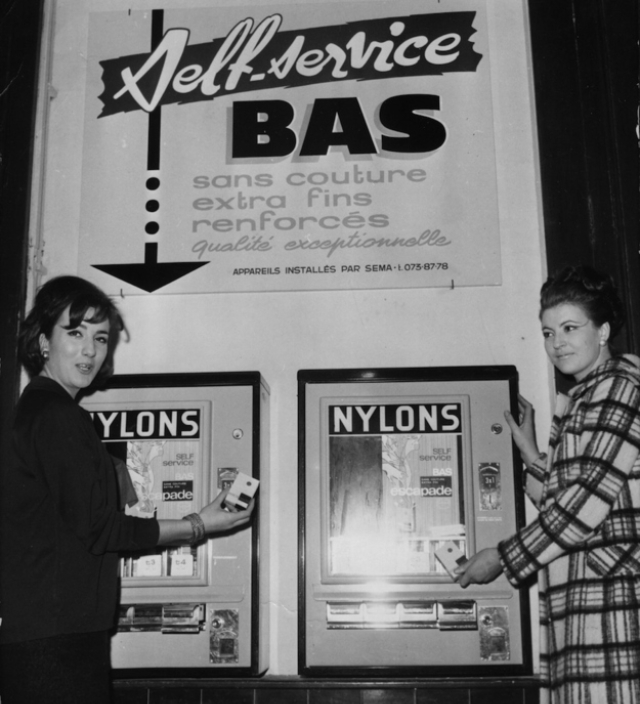
Pantyhose on-the-go in France.
A machine dispensing handy lightbulbs.
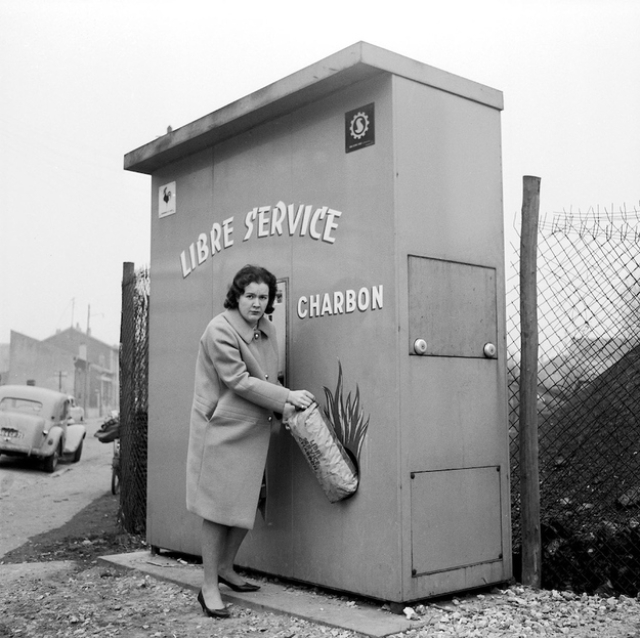
Not the most exciting vending machine — dispensing lumps of coal in France — but still useful once upon a time.
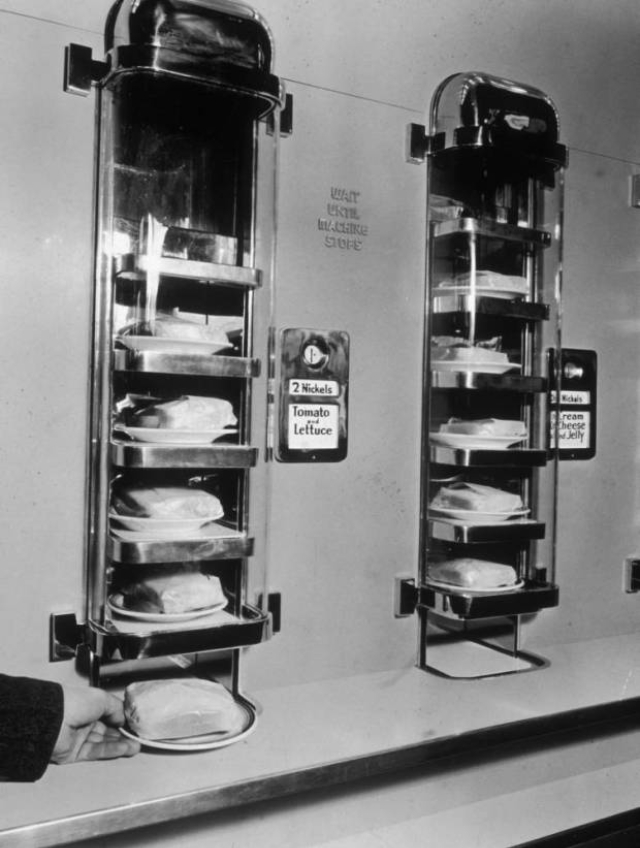
Cream cheese and jelly sandwich anyone? Two sandwich vending machines from circa 1945.
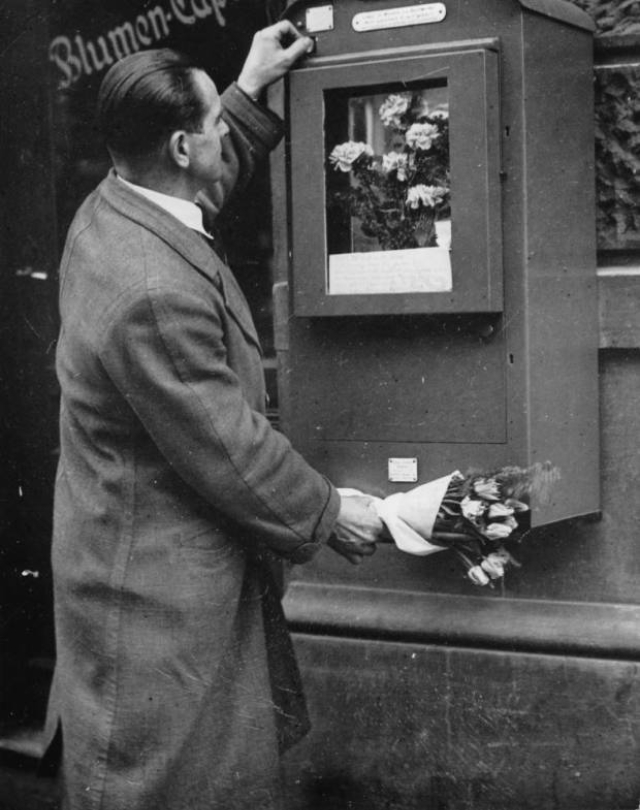
A vending machine for bouquets of flowers in Berlin.
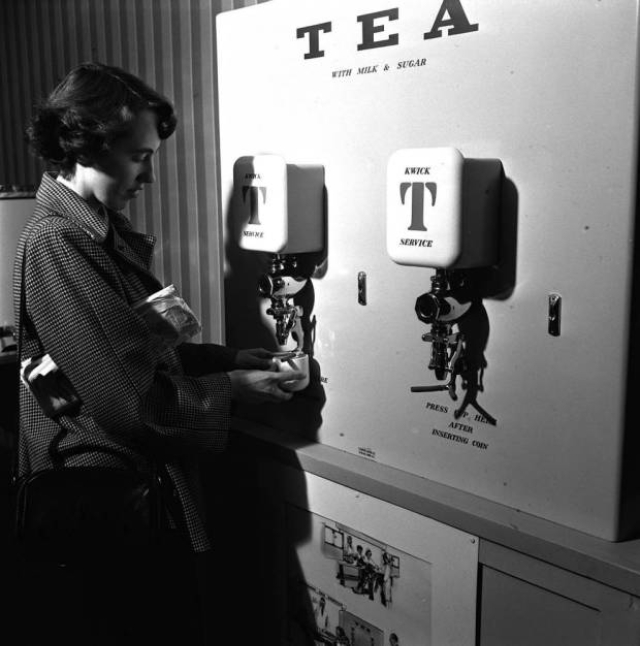
You can have your tea however you like it. As long as you like it with milk and sugar.
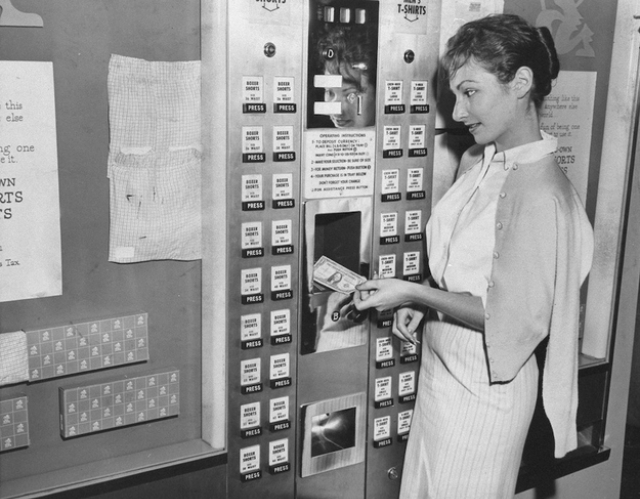
A Macy’s vending machine that sold men’s shorts for only 97 cents!
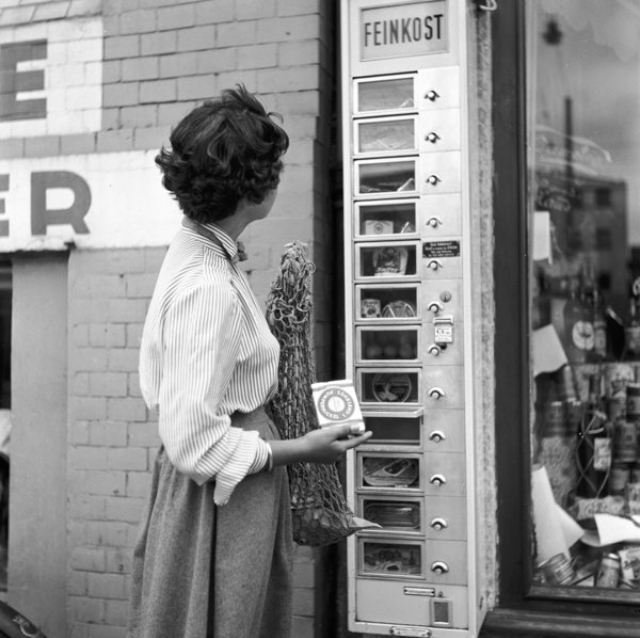
A German “Feinkost” vending machine mounted on a shop’s wall, circa 1955.
Warm lunch vending machine at Zandvoort in the Netherlands.
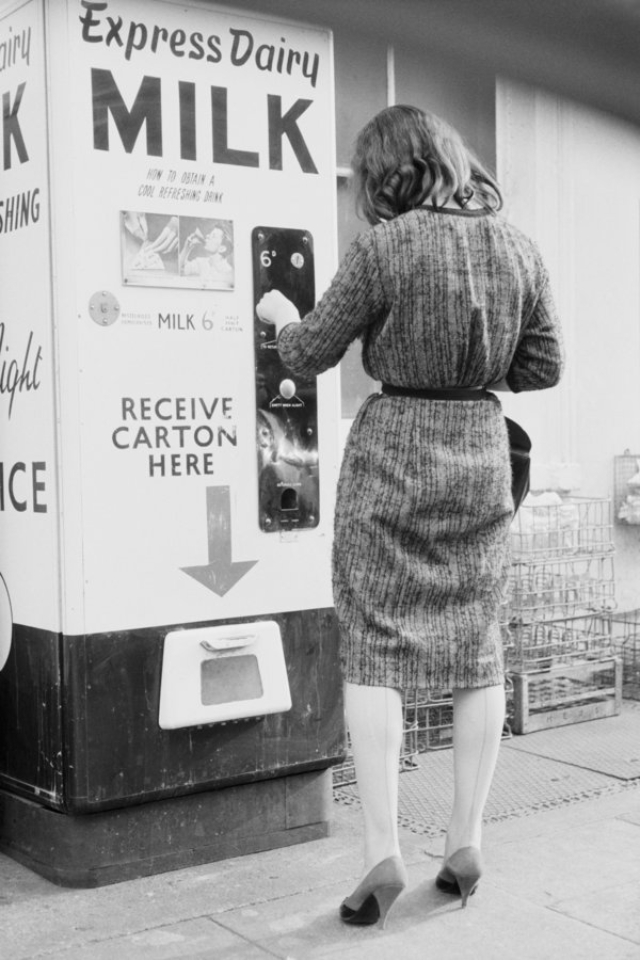
Milk vending machine in U.K. from circa 1960.
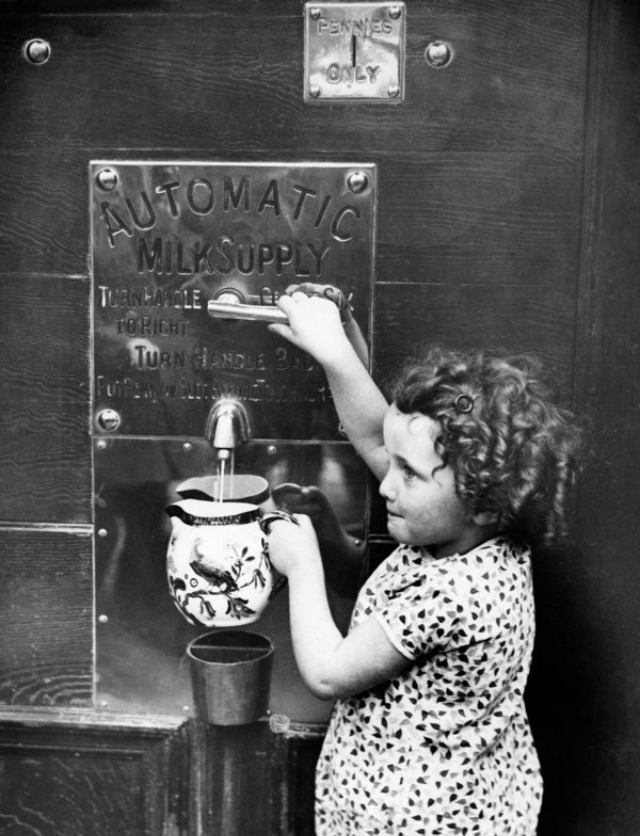
Milk vending machine in London.
Coal machine distributor in England.
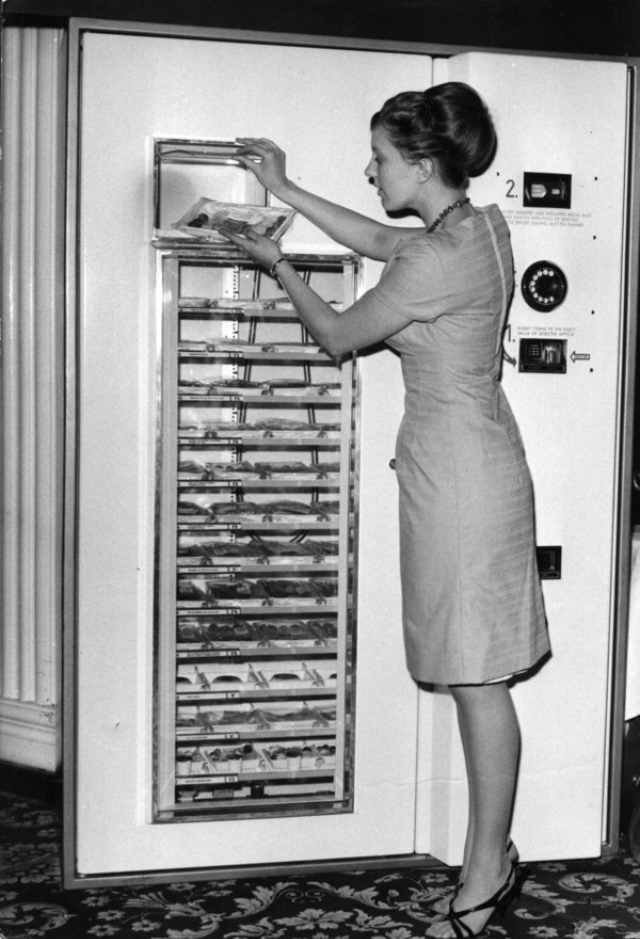
A new refrigerated vending machine called the “5 Star Microdine Hot Meal Service”.
Yesterday Today

Bringing You the Wonder of Yesterday - Today

Skip to content ↓